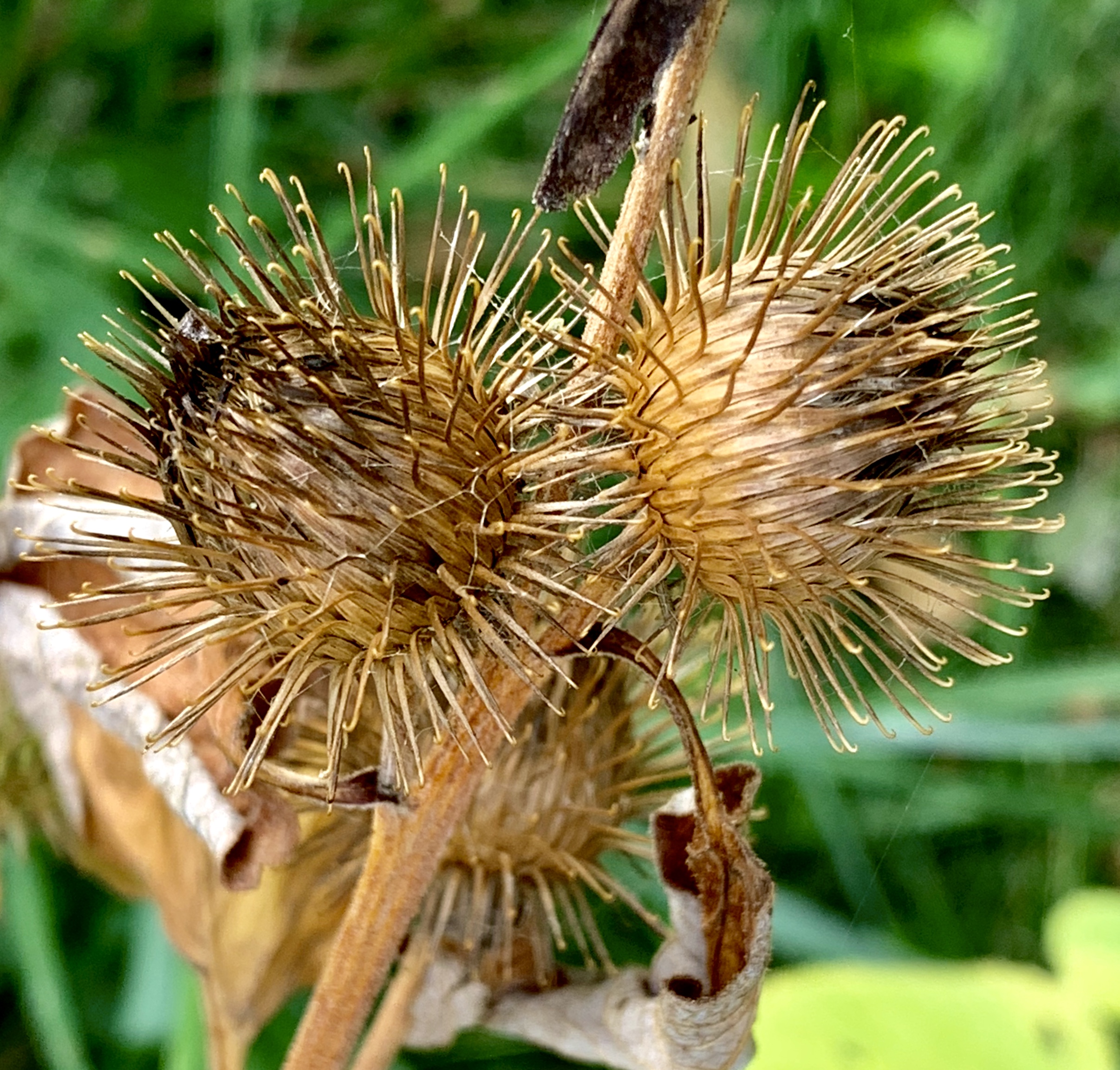
I let her garden go. let it go, let it go How can I watch the hummingbird Hover to sip With its beak’s tip The purple bee balm — whirring as we heard It years ago?
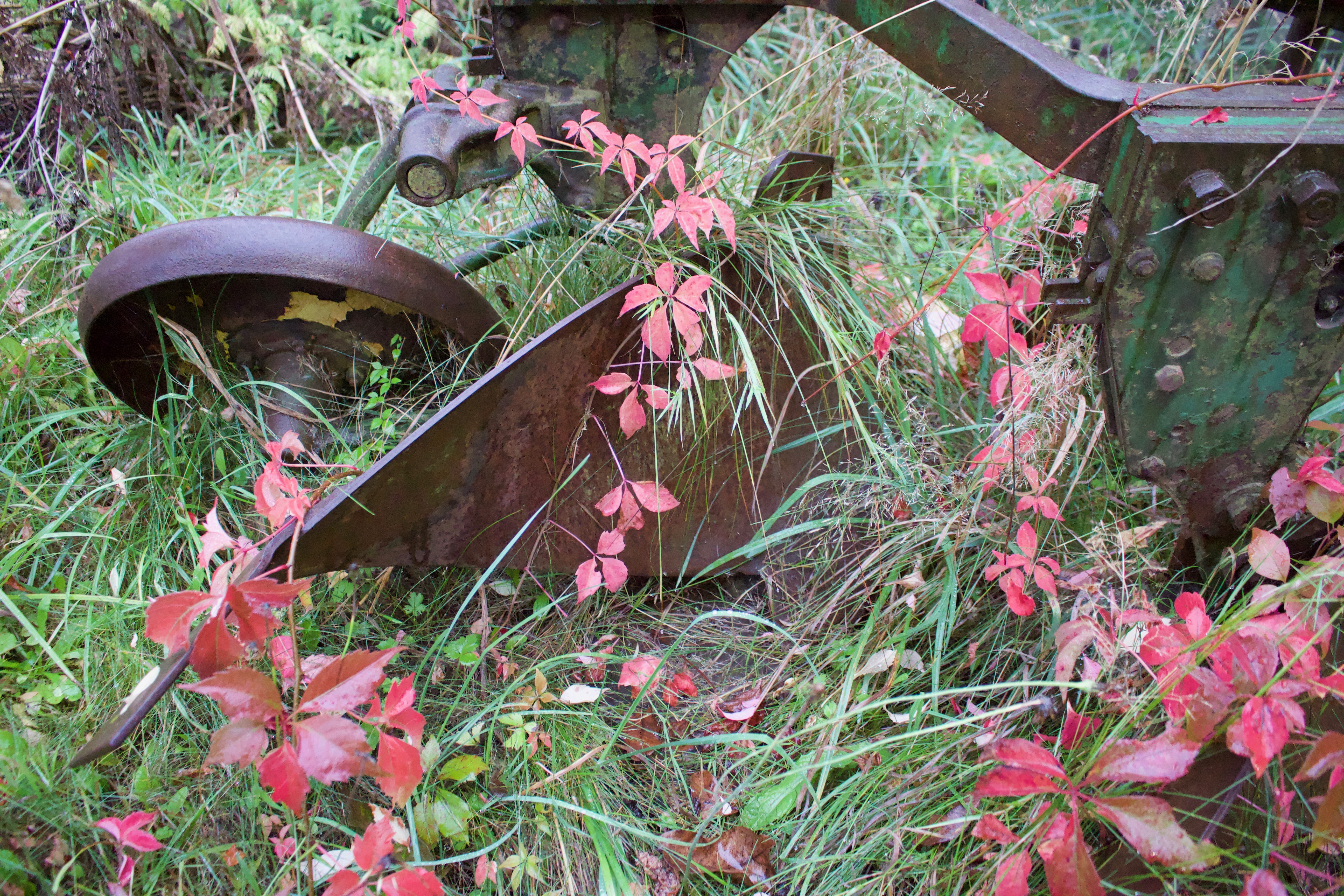
The weeds rise rank and thick let it go, let it go Where annuals grew and burdock grows, Where standing she At once could see The peony, the lily, and the rose Rise over brick
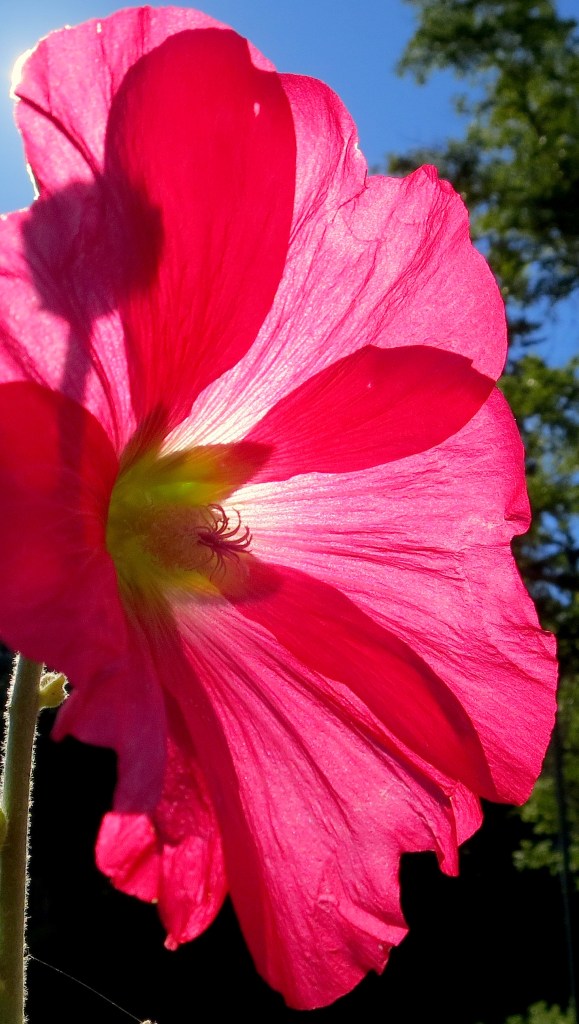
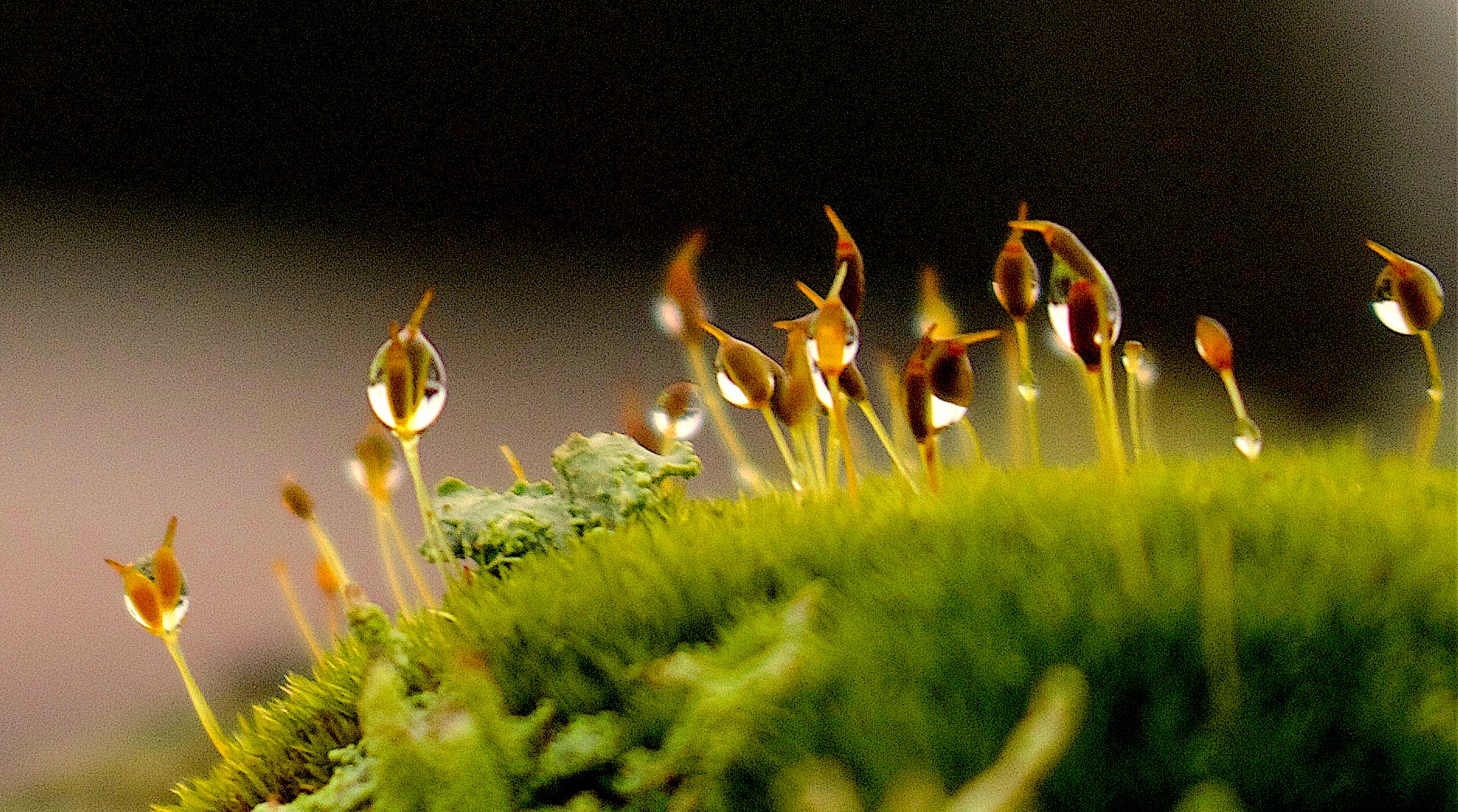
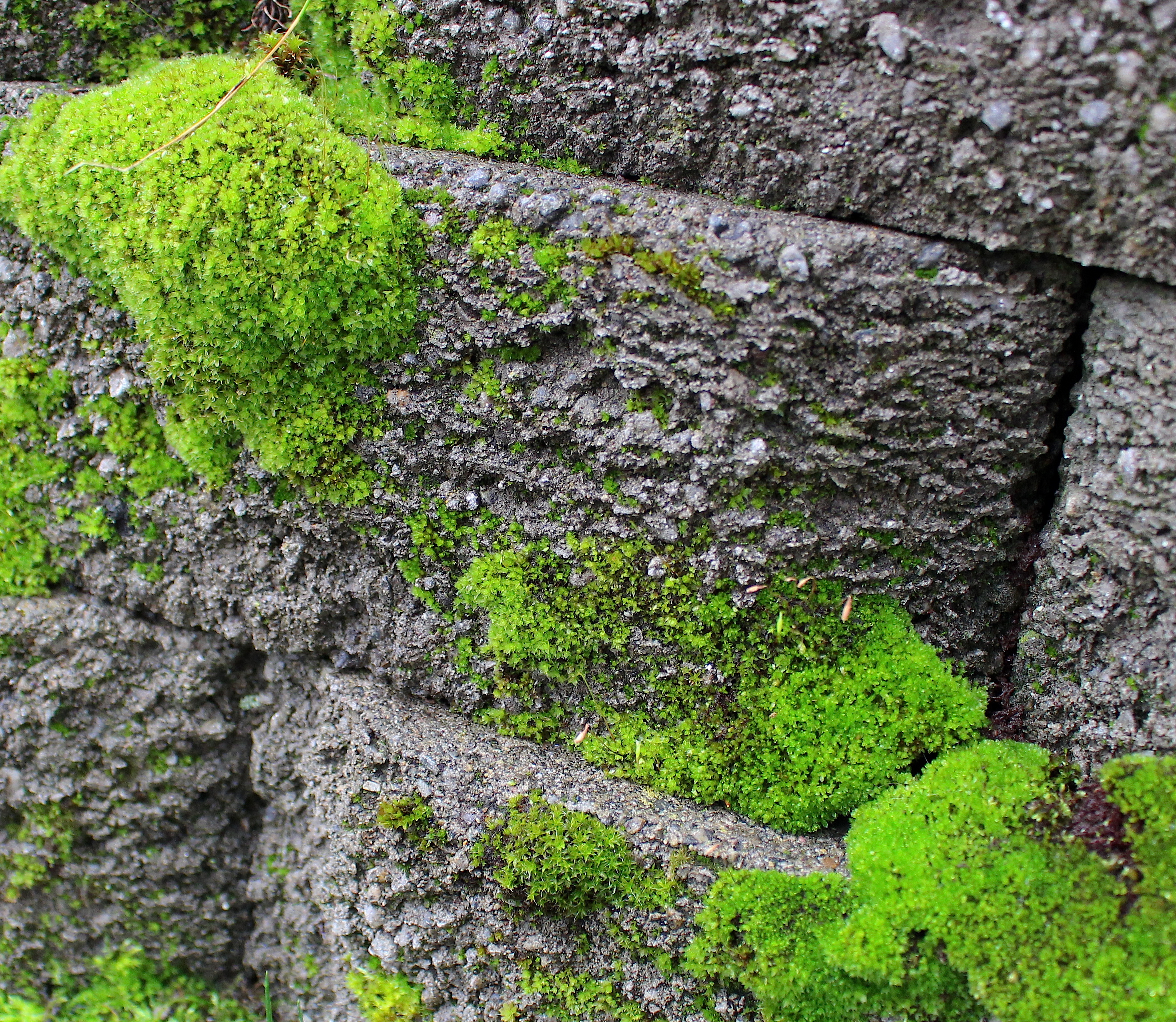
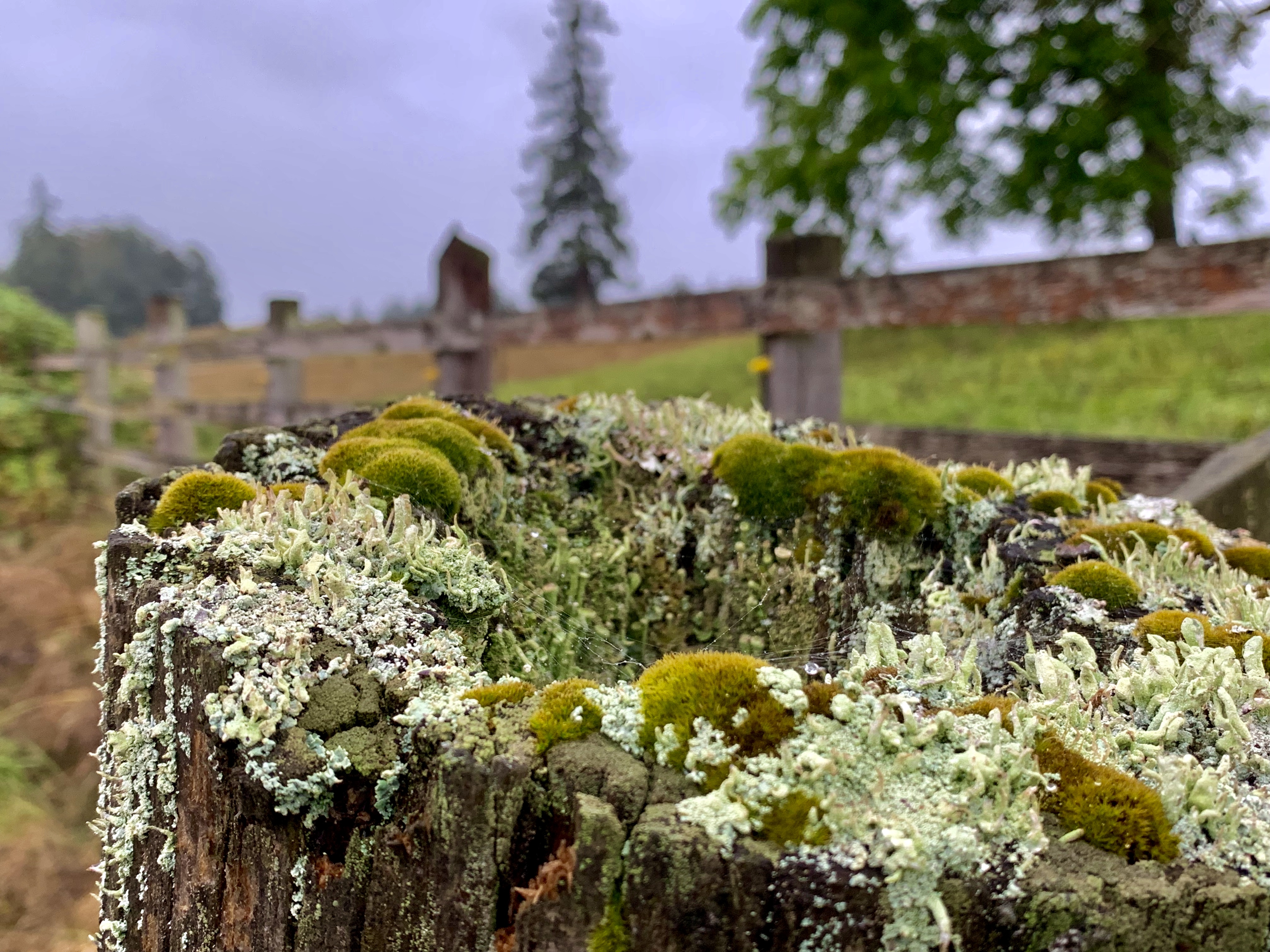
She’d laid in patterns. Moss let it go, let it go Turns the bricks green, softening them By the gray rocks Where hollyhocks That lofted while she lived, stem by tall stem, Blossom with loss. ~ Donald Hall from “Her Garden” about Jane Kenyon
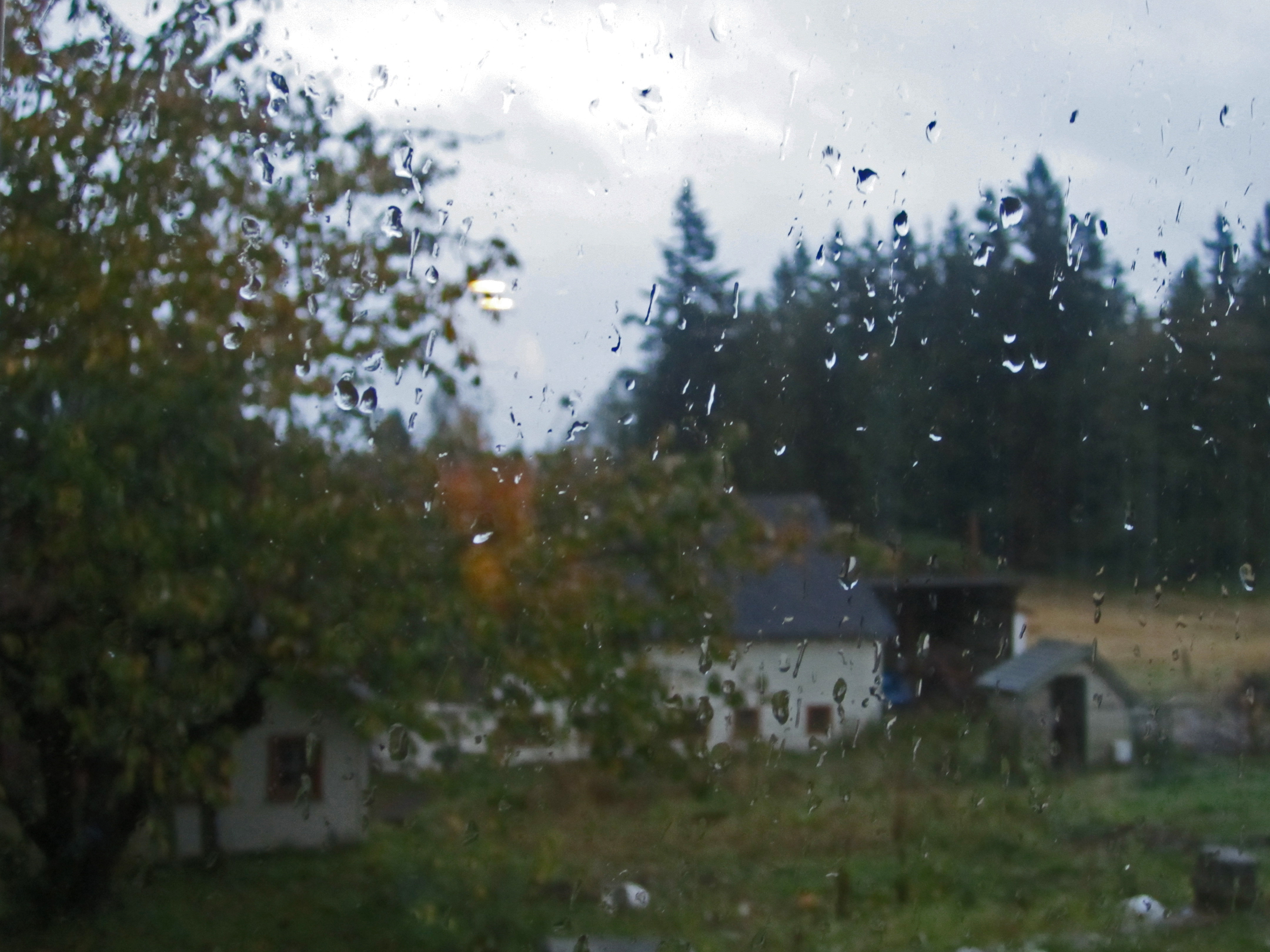
Some gray mornings heavy with clouds and tear-streaked windows I pause melancholy at the passage of time.
Whether to grieve over another hour passed another breath exhaled another broken heart beat
Or to climb my way out of deepless dolor and start the work of planting the next garden
It takes sweat and dirty hands and yes, tears from heaven to make it flourish but even so just maybe my memories so carefully planted might blossom fully in the soil of loss.
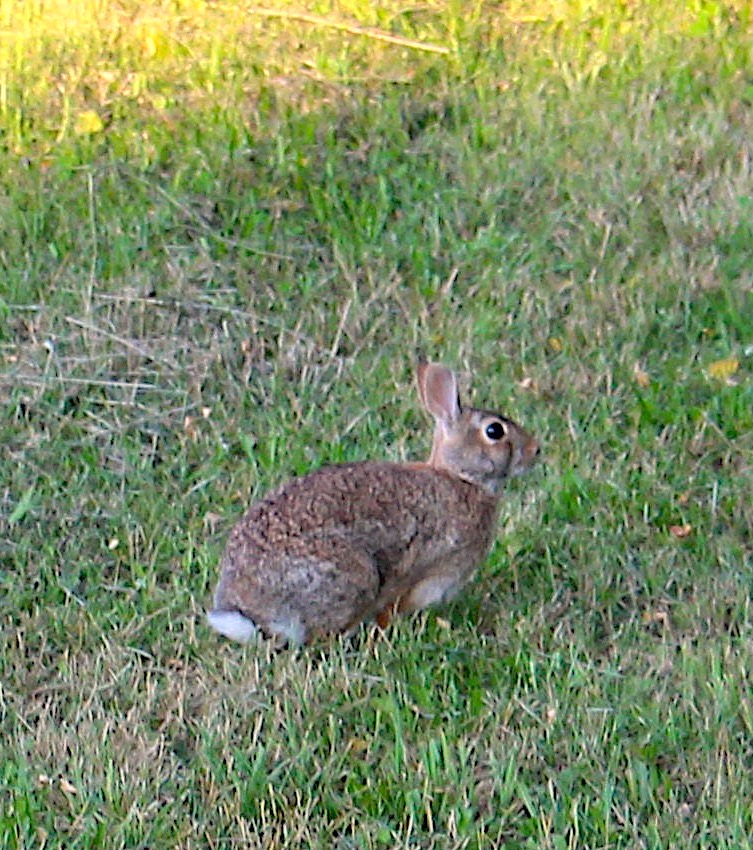
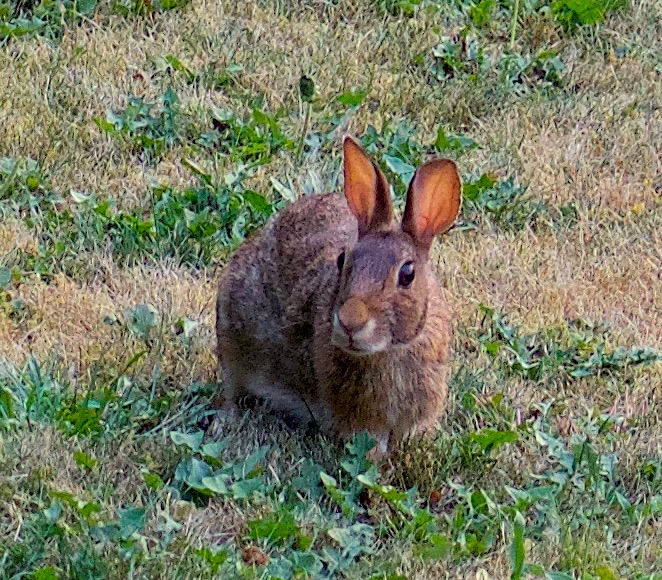
Eventually balance moves out of us into the world; it’s the pull of rabbits grazing on the lawn as we talk, the slow talk of where and when, determining what and who we will become as we age.
We admire the new plants and the rings of mulch you made, we praise the rabbits eating the weeds’ sweet yellow flowers.
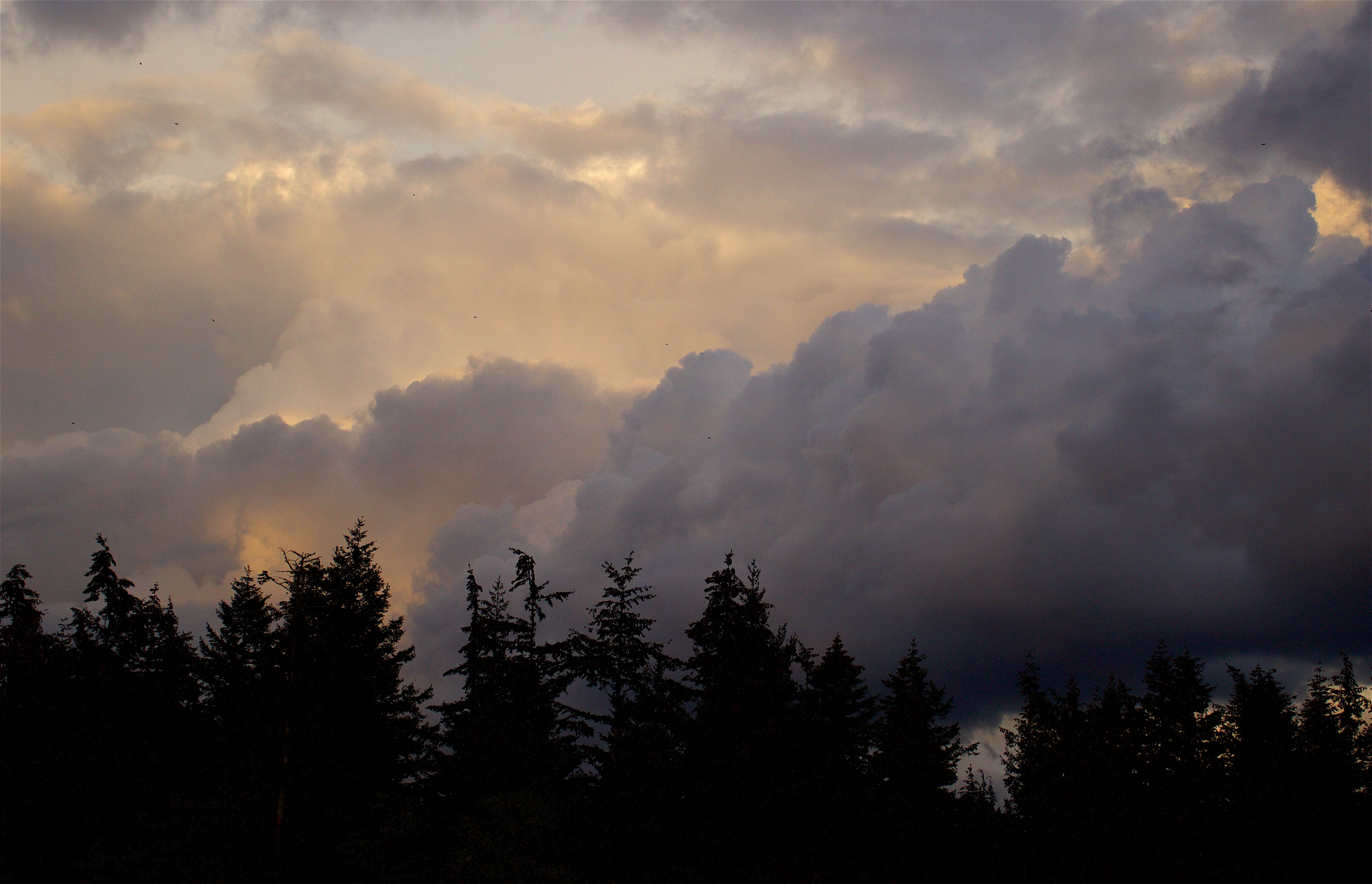
Behind our words the days serve each other as mother, father, cook, builder, and fixer; these float like the clouds beyond the trees.
It is a simple life, now, children grown, our living made and saved, our years our own, husband and wife,
but in our daily stride, the one that rises with the sun, the chosen pride, we lean on our other selves, lest we fall into a consuming fire and lose it all. ~Richard Maxson, “Otherwise” from Searching for Arkansas
Our days are slower now, less rush, more reading and writing, walking and sitting, taking it all in and wondering what comes next.
I slowly adapt to not hurrying to work every other day, looking to you to see how I should parcel out each moment. Should I stay busy cleaning, sorting, giving away, simplifying our possessions so our children someday won’t have to? Or should I find some other kind of service off the farm to feel worthy of each new day, each new breath?
It is an unfamiliar phase, this facing a day with no agenda and no appointments. What comes next is uncertain, as it always has been but I didn’t pay attention before.
So I lean lest I fall. I breathe lest I forget how.
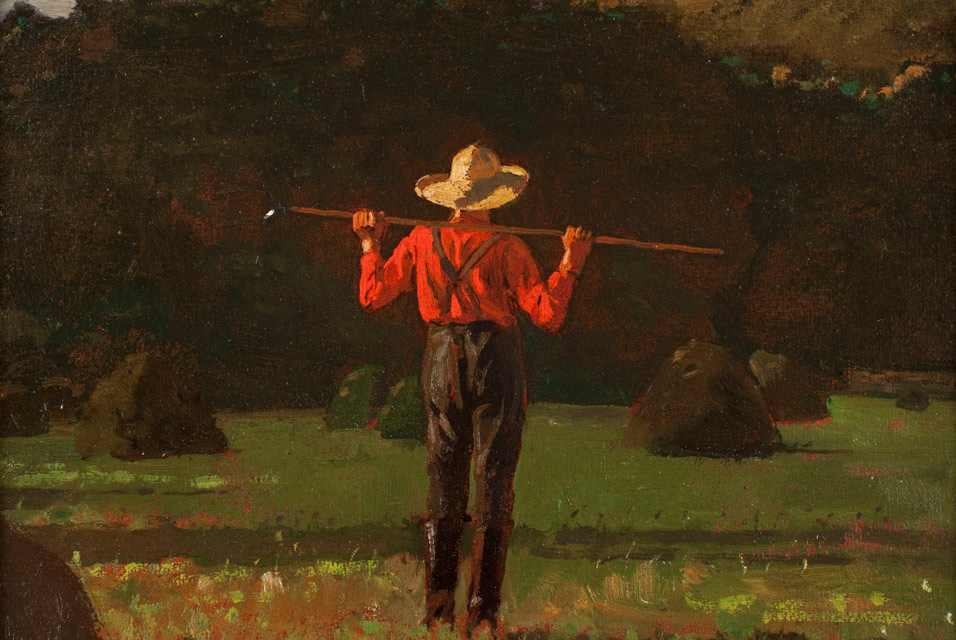
When a friend calls to me from the road And slows his horse to a meaning walk, I don’t stand still and look around On all the hills I haven’t hoed, And shout from where I am, What is it? No, not as there is a time to talk. I thrust my hoe in the mellow ground, Blade-end up and five feet tall, And plod: I go up to the stone wall For a friendly visit. ~Robert Frost, “A Time to Talk” from The Poetry of Robert Frost: The Collected Poems
We don’t take the time to visit anymore. Human connection is too often via VPN and pixels, chat groups and texts, GIFs and tweets. We’ve lost the fine art of conversation and intently listening, and no one remembers how to write a letter long-hand, fold it into an envelope, put a stamp on it and drop it into a mailbox.
No wonder our grandchildren are unsure how to cultivate a relationship like they might a garden: working the soil of another’s life, turning it over and over, fluffing it up, pulling out the unwanted weeds that smother growth, nurturing it with the best fertilizer, planting the seeds most likely to germinate, drenching with the warmth of light and energy, keeping the roots from getting thirsty.
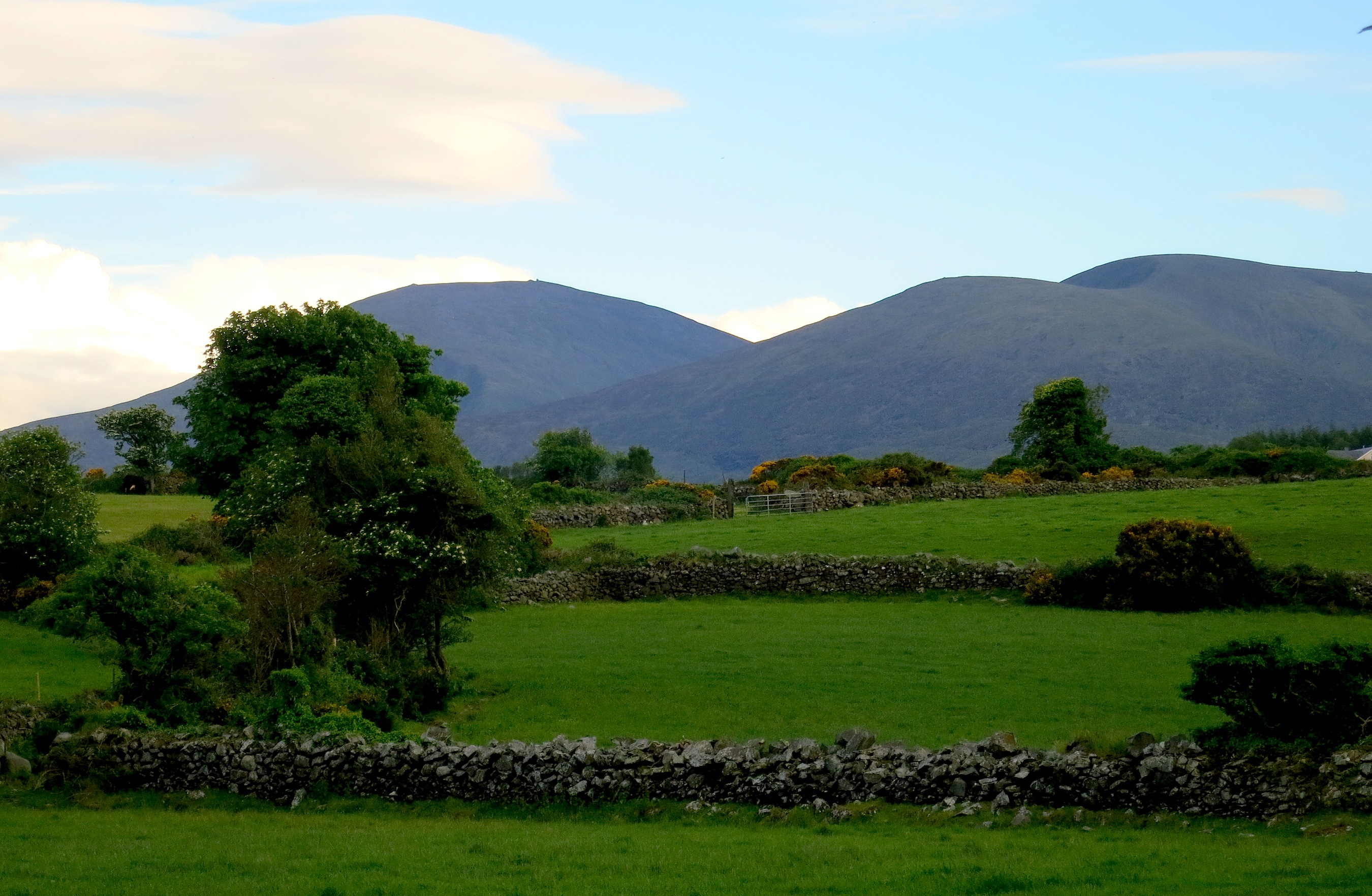
We need to listen; we need to talk; we need to take time; we need to lean on the walls between us and bridge our gaps as best we can.
Just call out to me. I’ll stop what I’m doing, drop my hoe and plod over for a good chin wag. It’s what every good gardener needs to do.
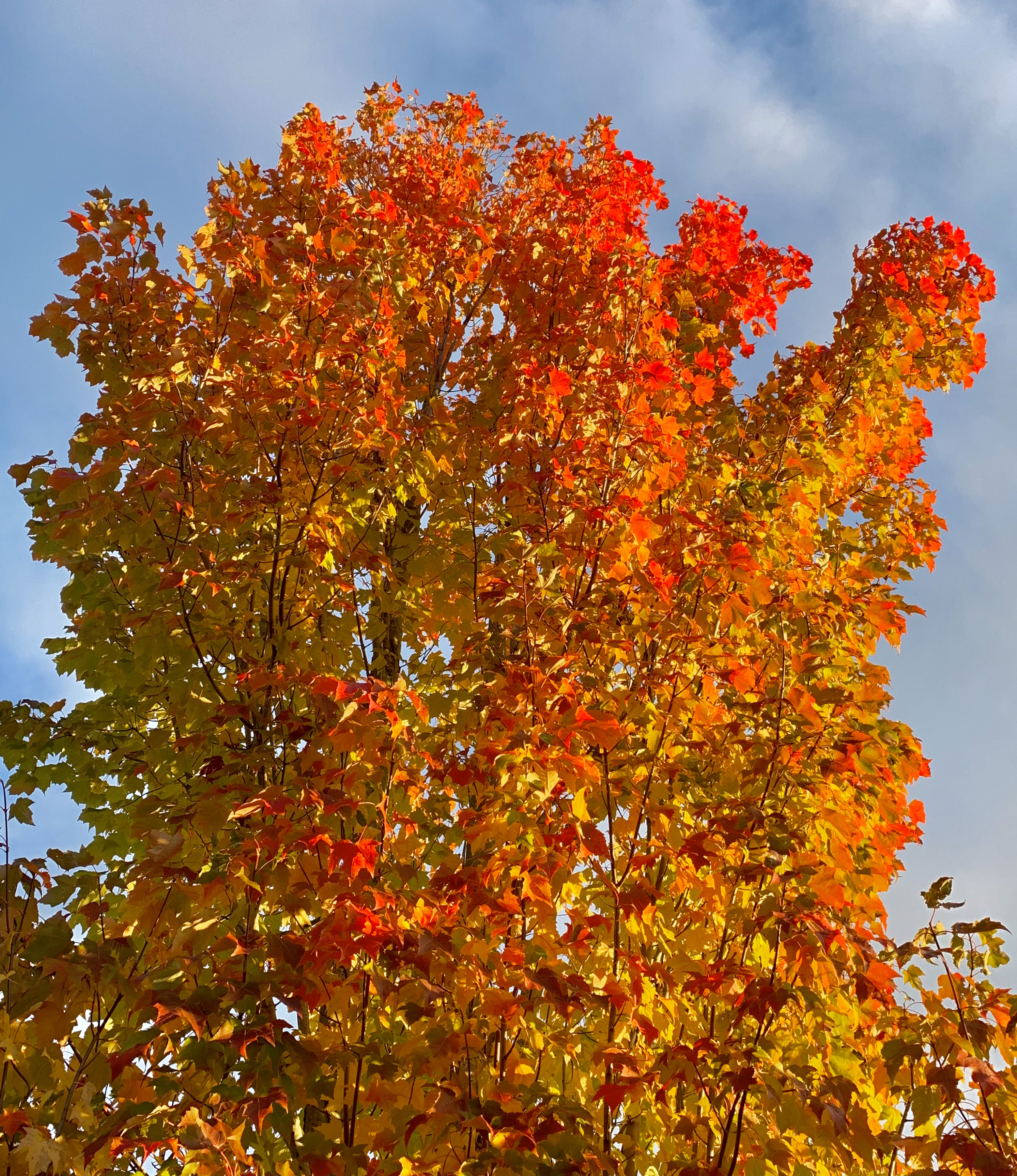
On Halloween day in 1985, I packed up my clothes, a roll up mattress, grabbed one lonely pumpkin from our small garden, locked our rental house door for the last time, climbed in my car and headed north out of Seattle. I never looked back in the rear view mirror at the skyline after nine years living in the city. My husband had moved to Whatcom County two months earlier to start his new job. I had stayed behind to wrap up my Group Health family practice in the Rainier Valley of Seattle, now leaving the city for a new rural home and a very uncertain professional future.
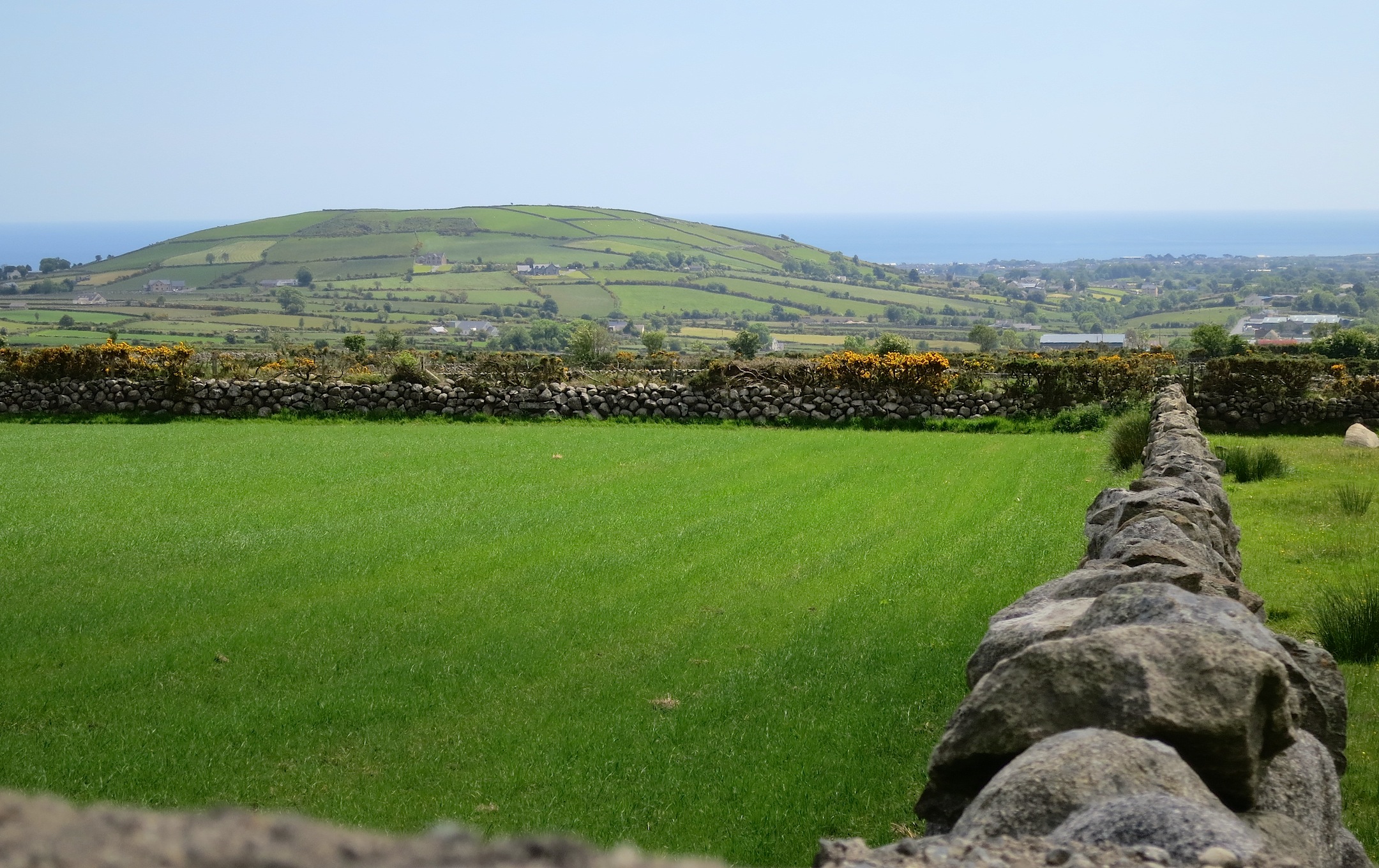
Never before had I felt such exhilaration at breaking through one wall to discover the unknown that lay on the other side.
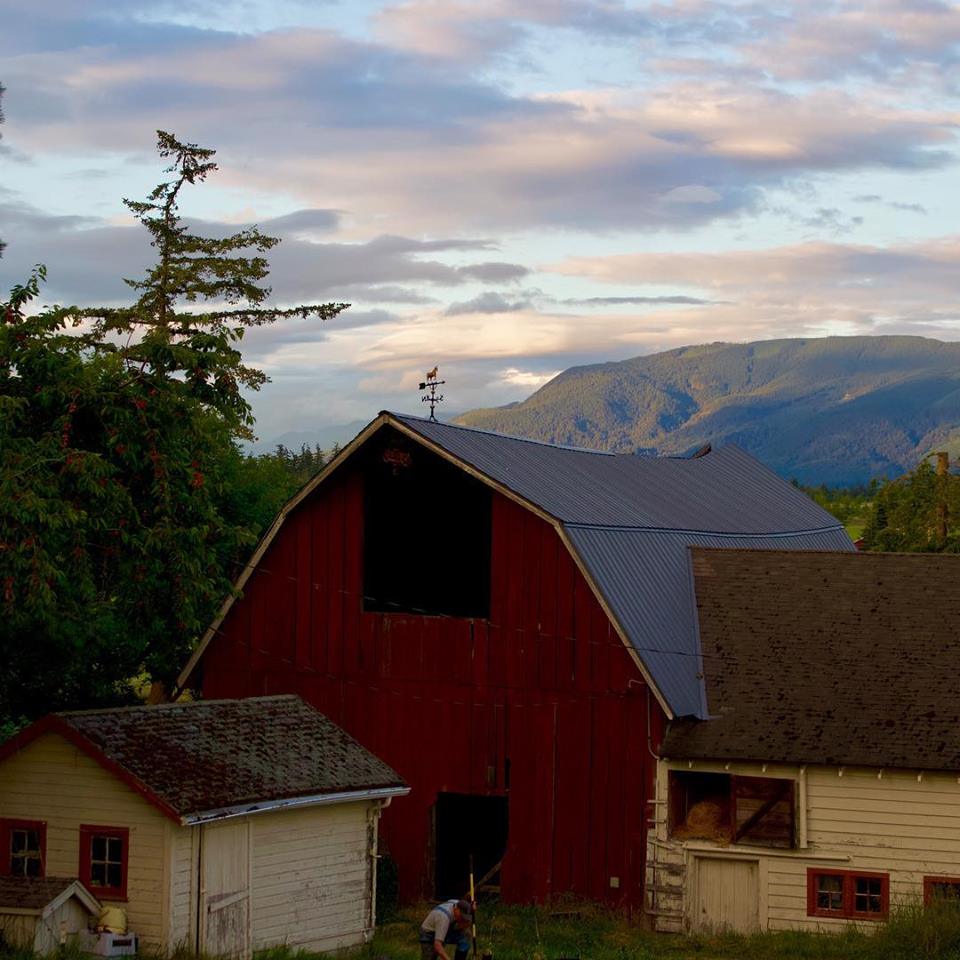
I knew two things for sure: I was finally several months pregnant after a miscarriage and two years of infertility, so our family had begun. We were going to actually live in our own house, not just a rental, complete with a few acres and a barn.
A real (sort of) starter farm.
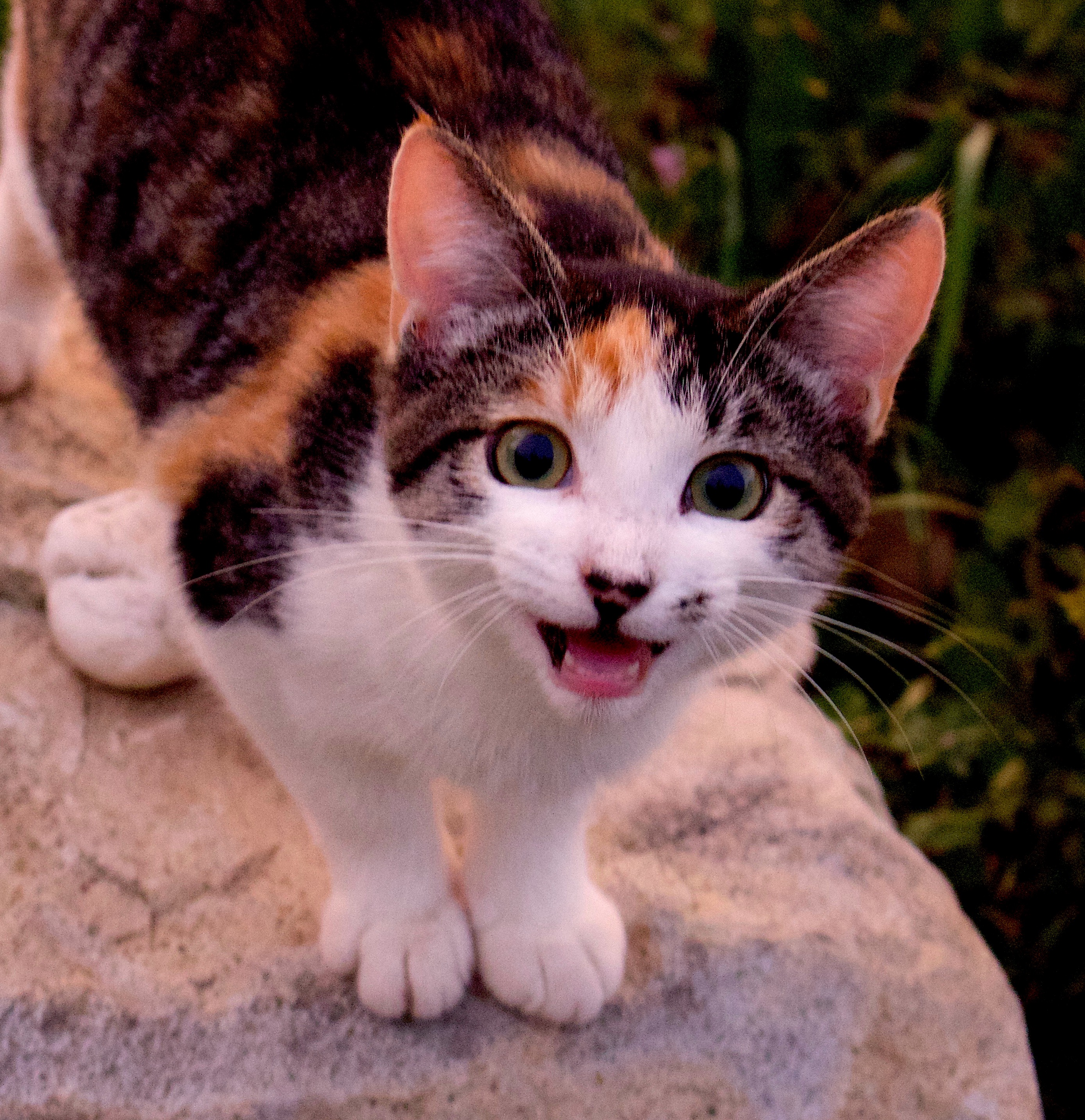
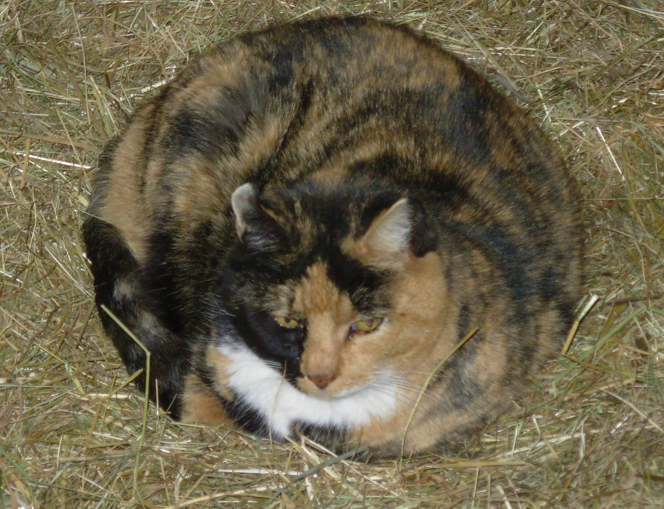
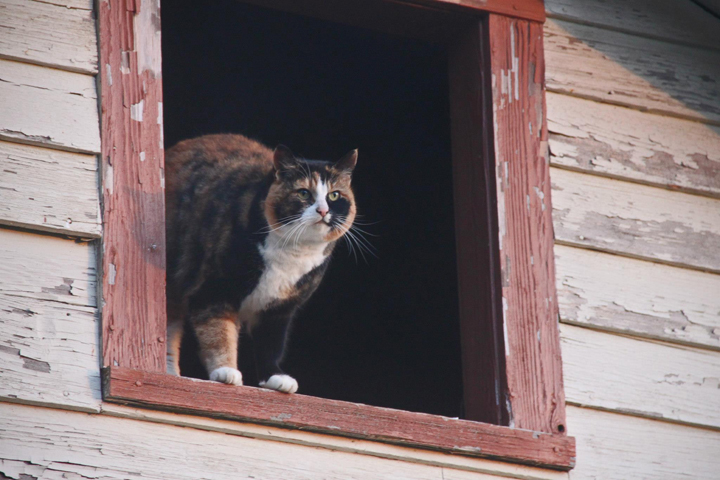
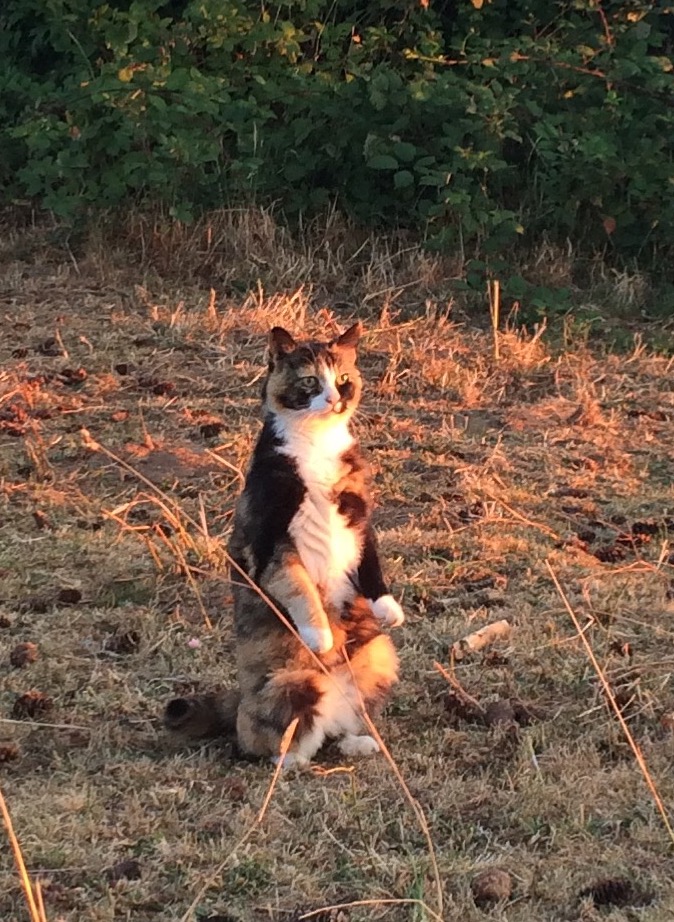
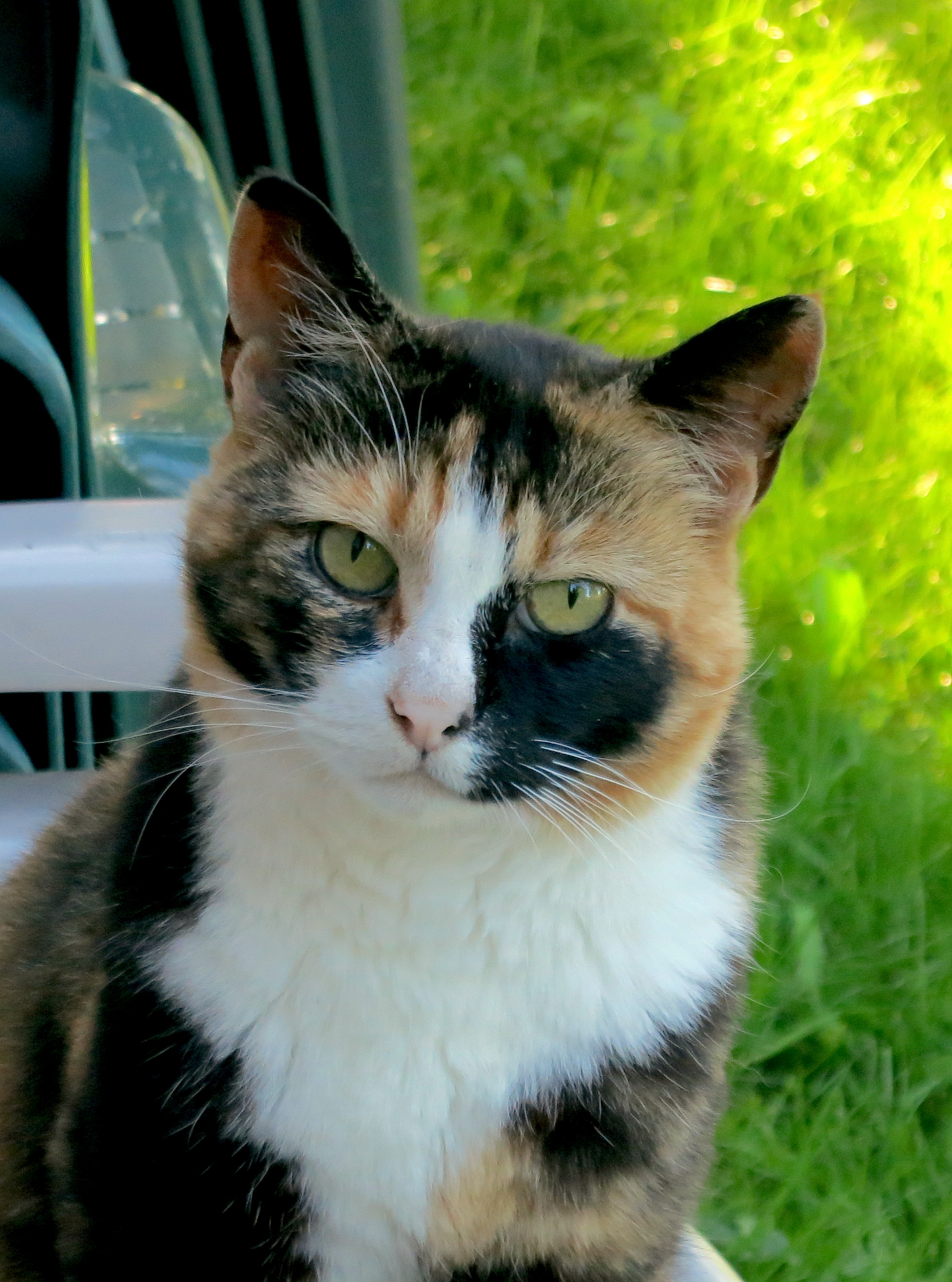
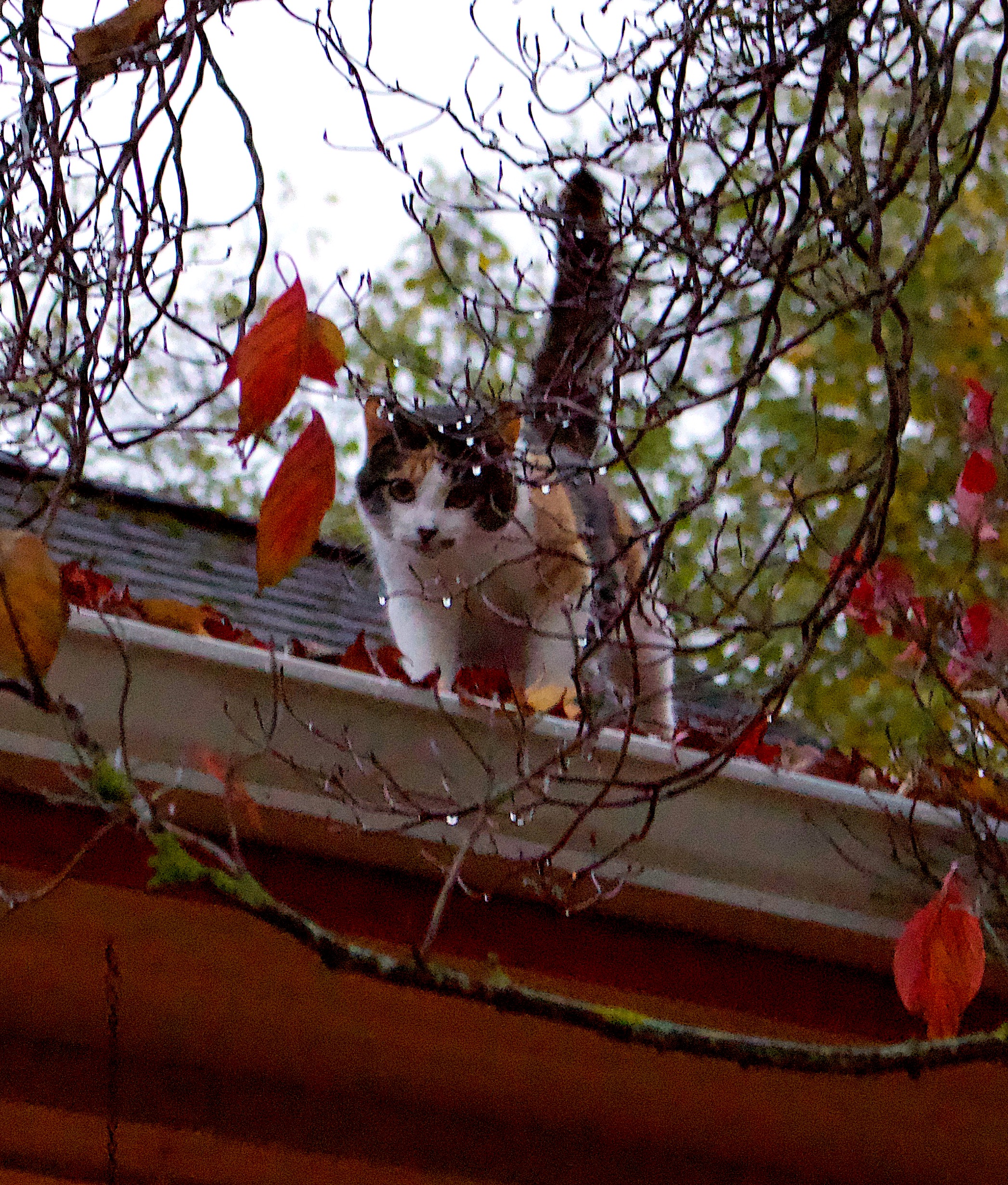
Since no farm can be complete without animals, I stopped at the first pet store I drove past and found two tortoise shell calico kitten sisters peering up at me, just waiting for new adventures in farmland. Their box was packed into the one spot left beside me in my little Mazda. With that admittedly impulsive commitment to raise and nurture those kittens, life seemed brand new.
I will never forget the feeling of freedom on that drive north out of the traffic congestion of the city. The highway seemed more open, the fall colors more vibrant, the wind more brisk, our baby happily kicking my belly, the kittens plaintively mewing from their box. There seemed to be so much potential even though I had just left behind the greatest job that could be found in any urban setting (the most diverse zip code in the United States): an ideal family practice with patients from all over the world: Muslims from the Middle East and Indonesia, Orthodox Jews, Italian Catholics, African Americans, Cambodians, Laotians, Vietnamese. I would never know so much variety of background and perspective again and if I could have packed them all into the Mazda and driven them north with me, I would have.
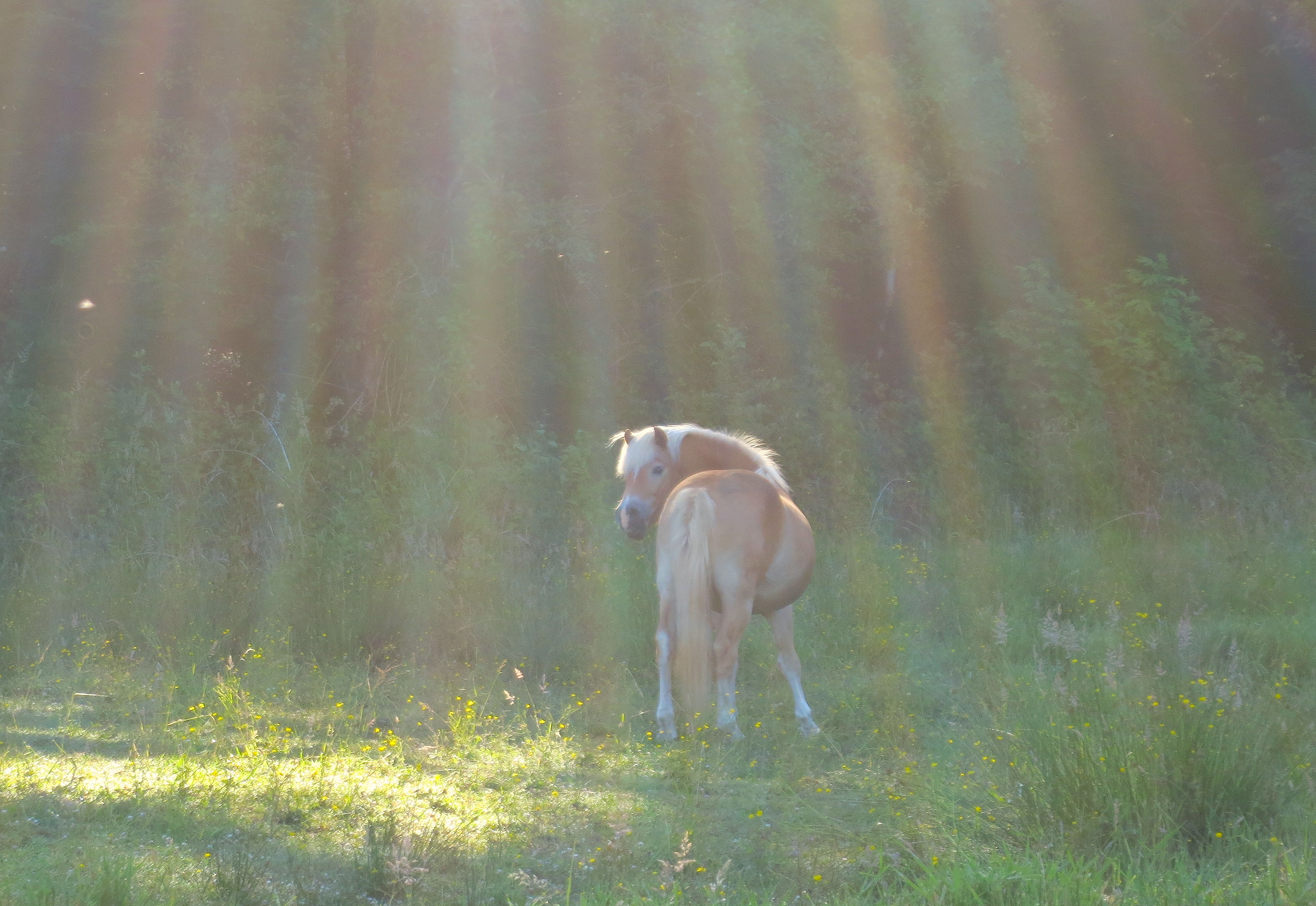
We started our farm with those kittens dubbed Nutmeg and Oregano, soon adding an ethnic diversity of farm animals: Belgian Tervuren dog Tango, Haflinger horse Greta, Toggenburg goats Tamsen and her kids, a few Toulouse geese, Araucana chickens, Fiona the Scottish Highland cow, then another Haflinger Hans and another, Tamara. I worked as a fill in locums doctor in four different clinics before our first baby, Nate, was born. We soon added little brother Ben and seven years later, sister Lea. We settled happily into parenthood, our church community, serving on school and community boards, gardening, and enduring the loss of our parents one by one.
Thirty four years later our children have long ago grown and gone to new homes of their own, off to their own adventures beyond the farm. Our sons married wonderful women, moving far away from home, our daughter teaches a fourth grade classroom a few hours away and we have two grandchildren with the third expected any moment.
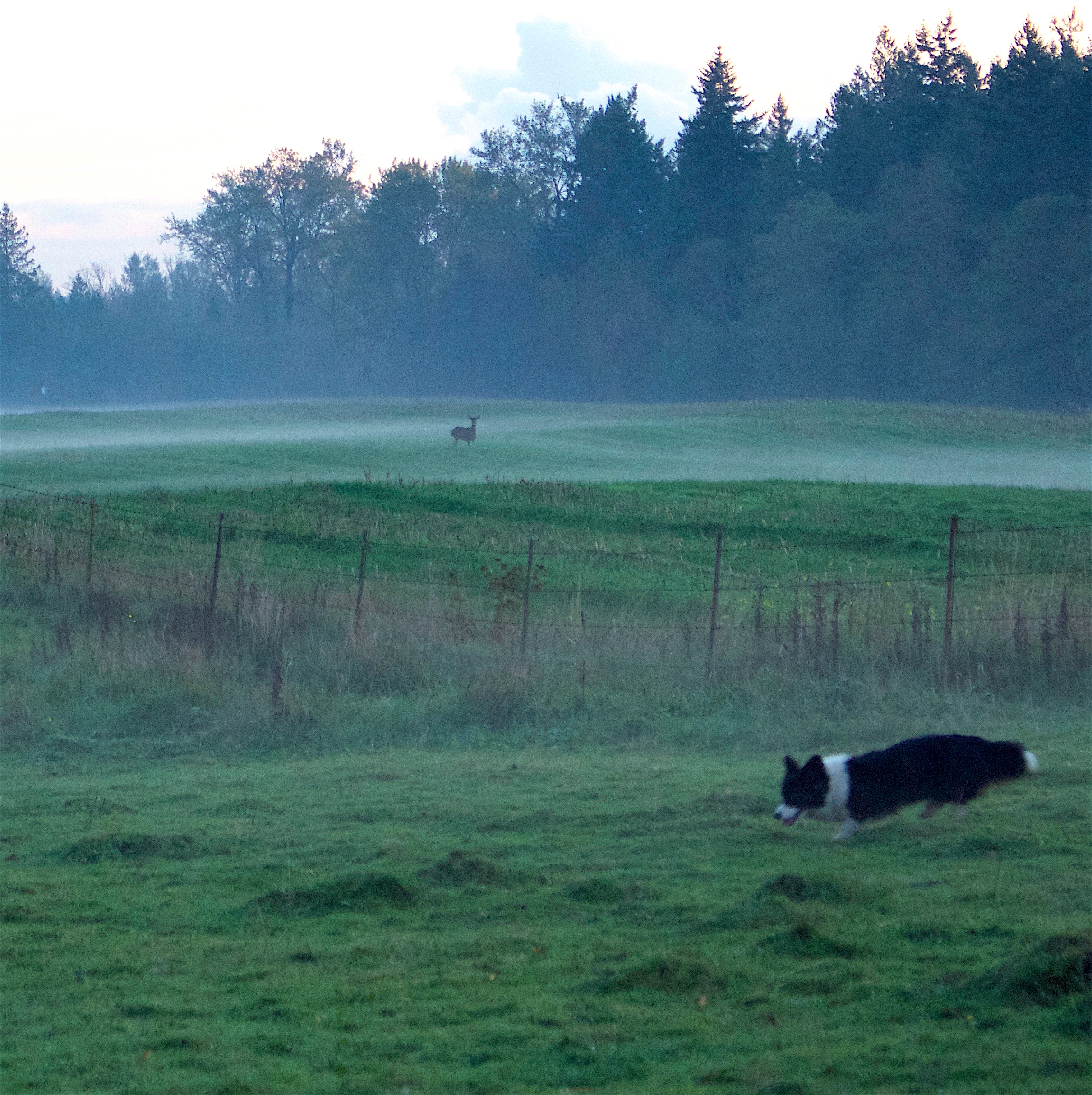
A few cats, two Cardigan Corgi dogs, and a hand full of ponies remain at the farm with us. We are now both gray and move a bit more slowly, enjoy our naps and the quiet of the nights and weekends. My work has evolved from four small jobs to two decades of two part time jobs to one more than full time job that fit me like a well worn sweater 24 hours a day for thirty years. With retirement looming, I’m trying out a three day a week schedule and the old sweater doesn’t fit quite so comfortably.
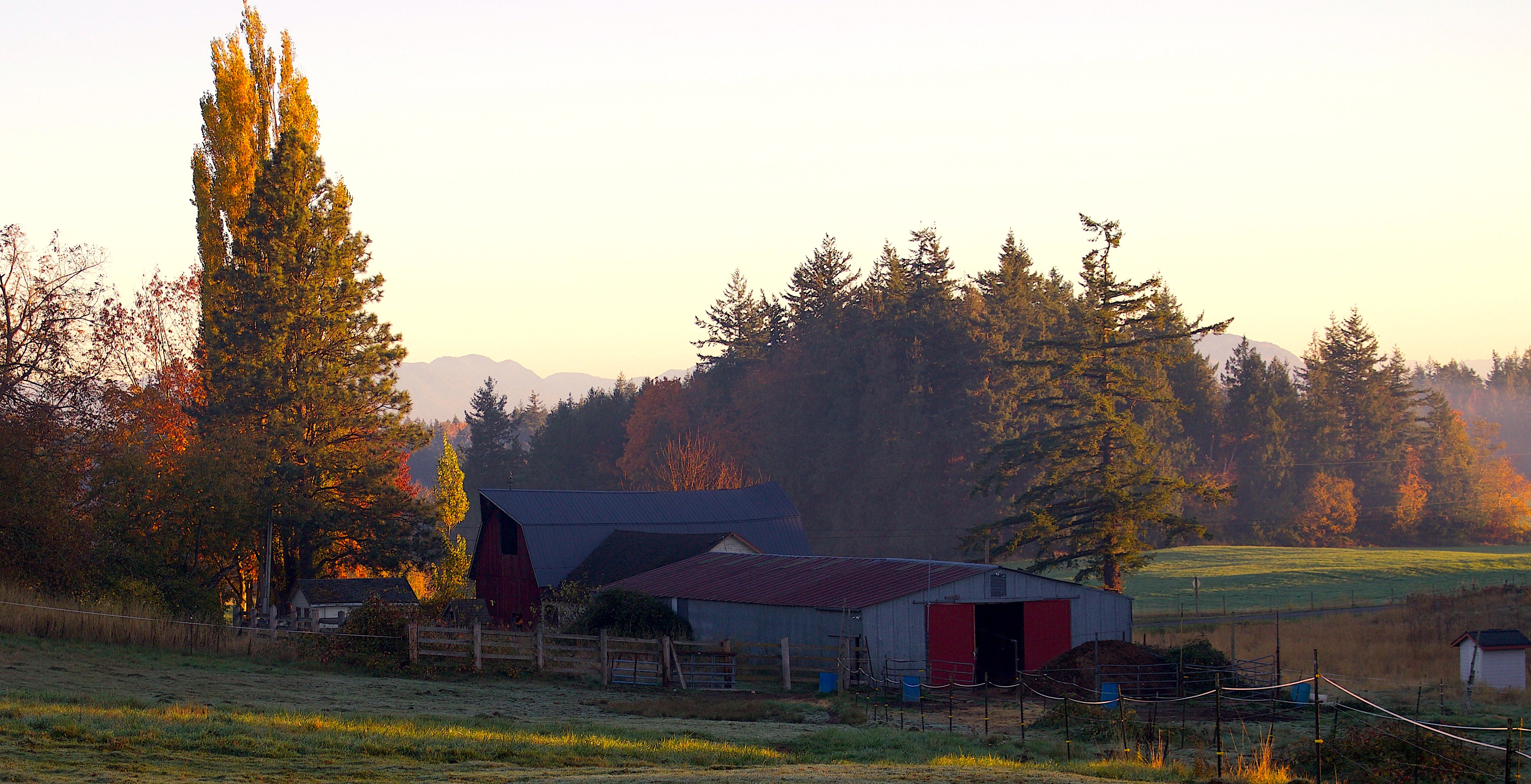
My happily retired husband finds he is busier than ever: volunteering, serving on boards and being a full time farmer on our larger 20 acre place of fields and woods.
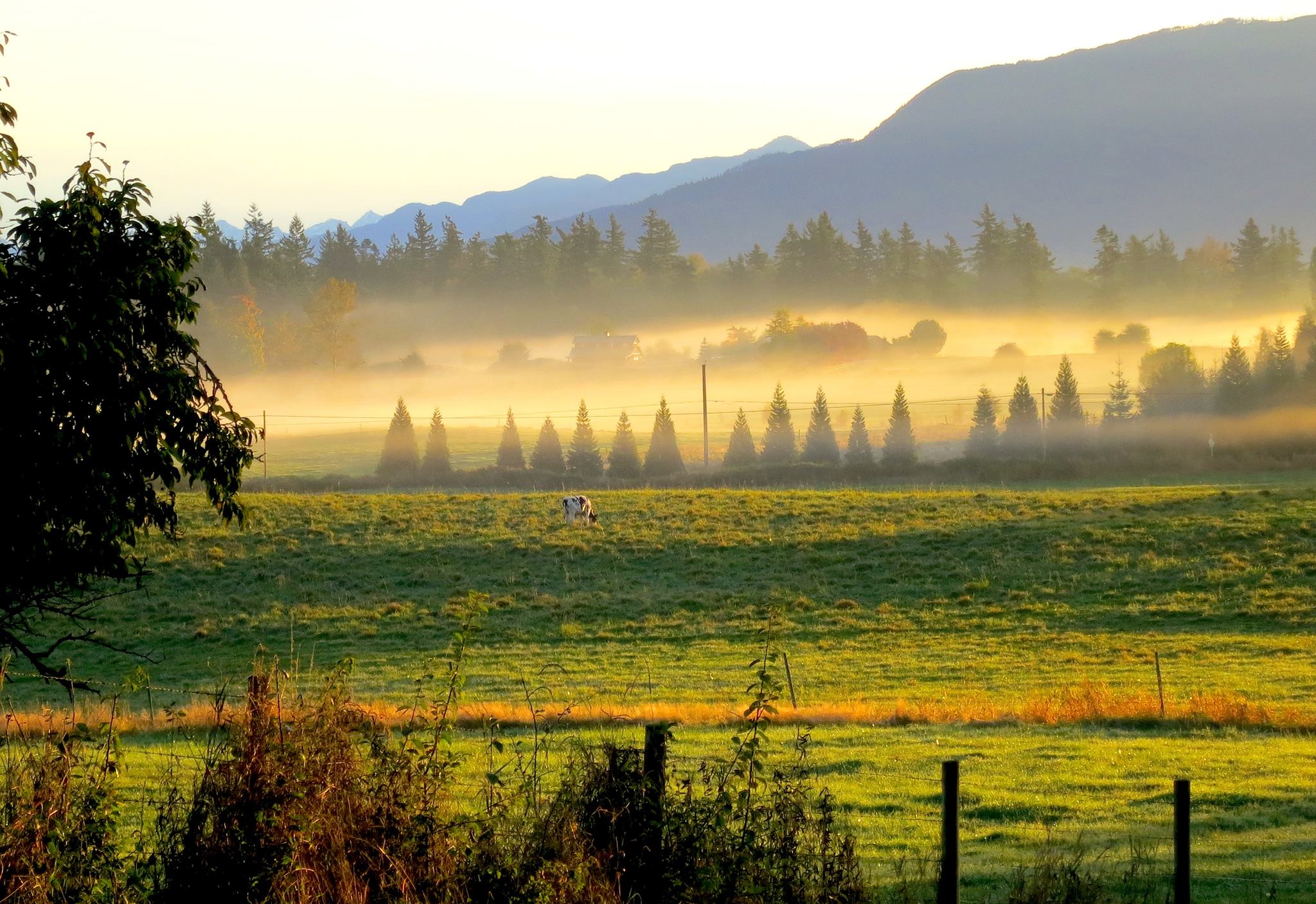
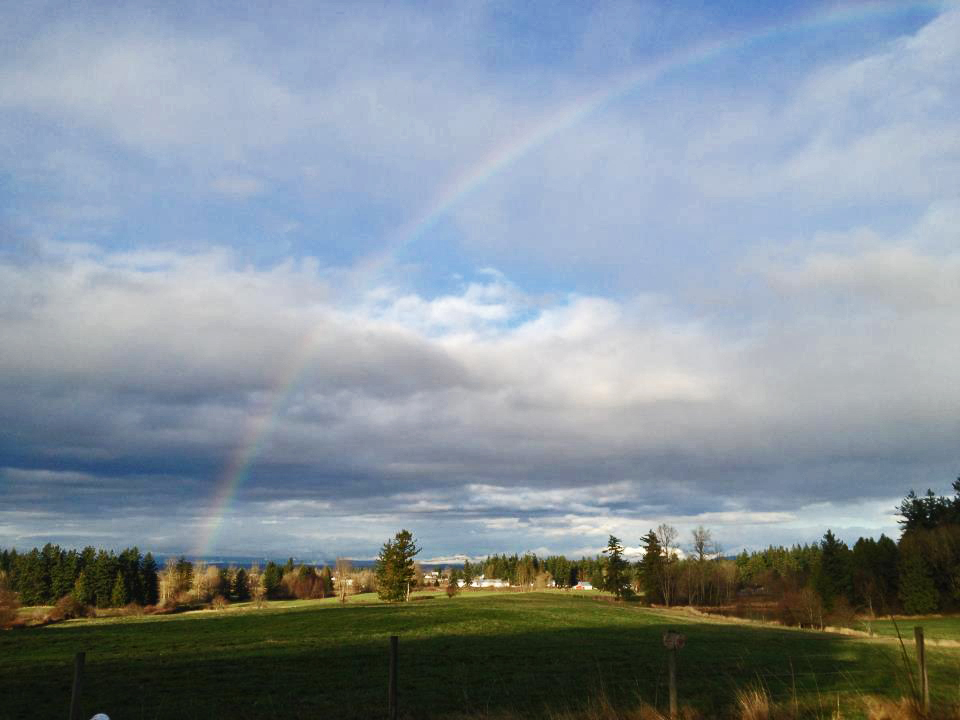
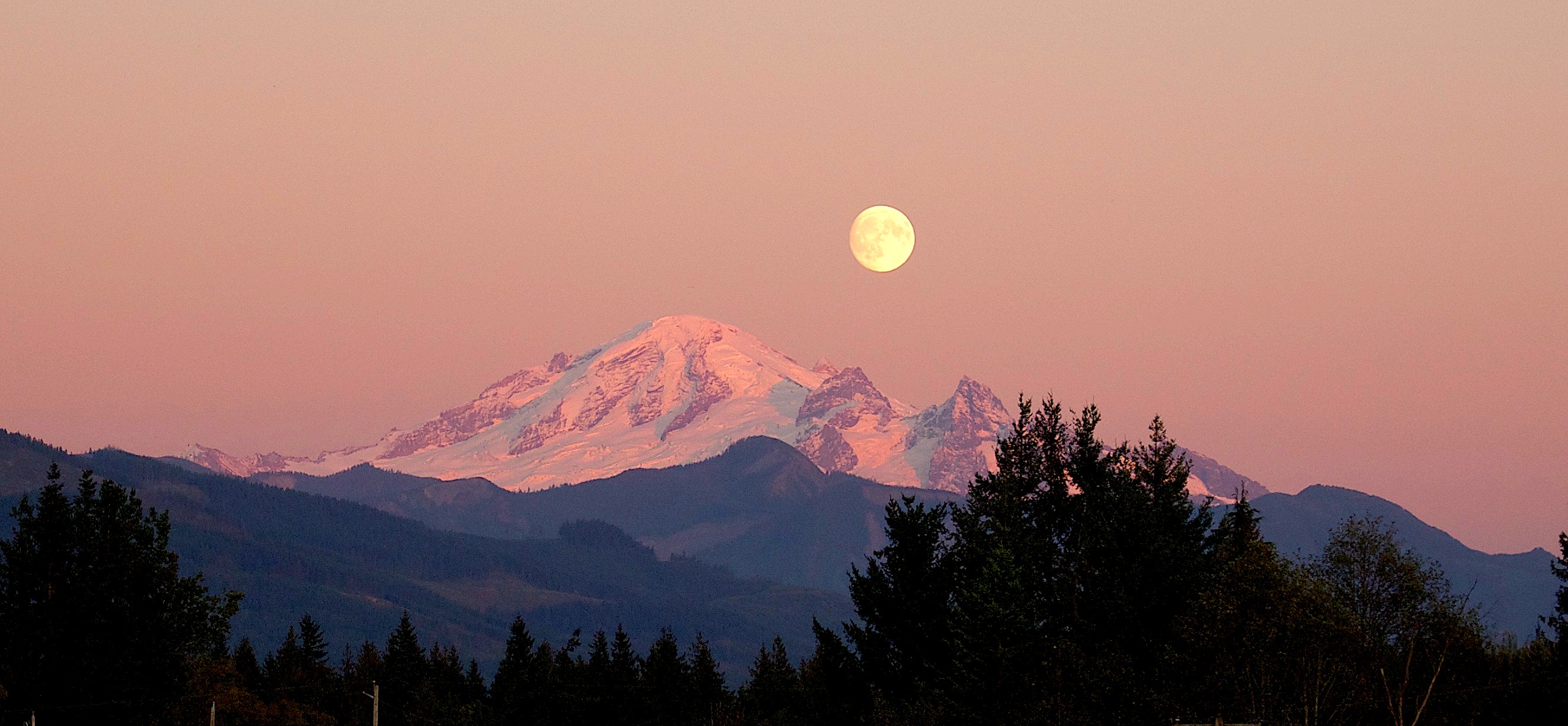
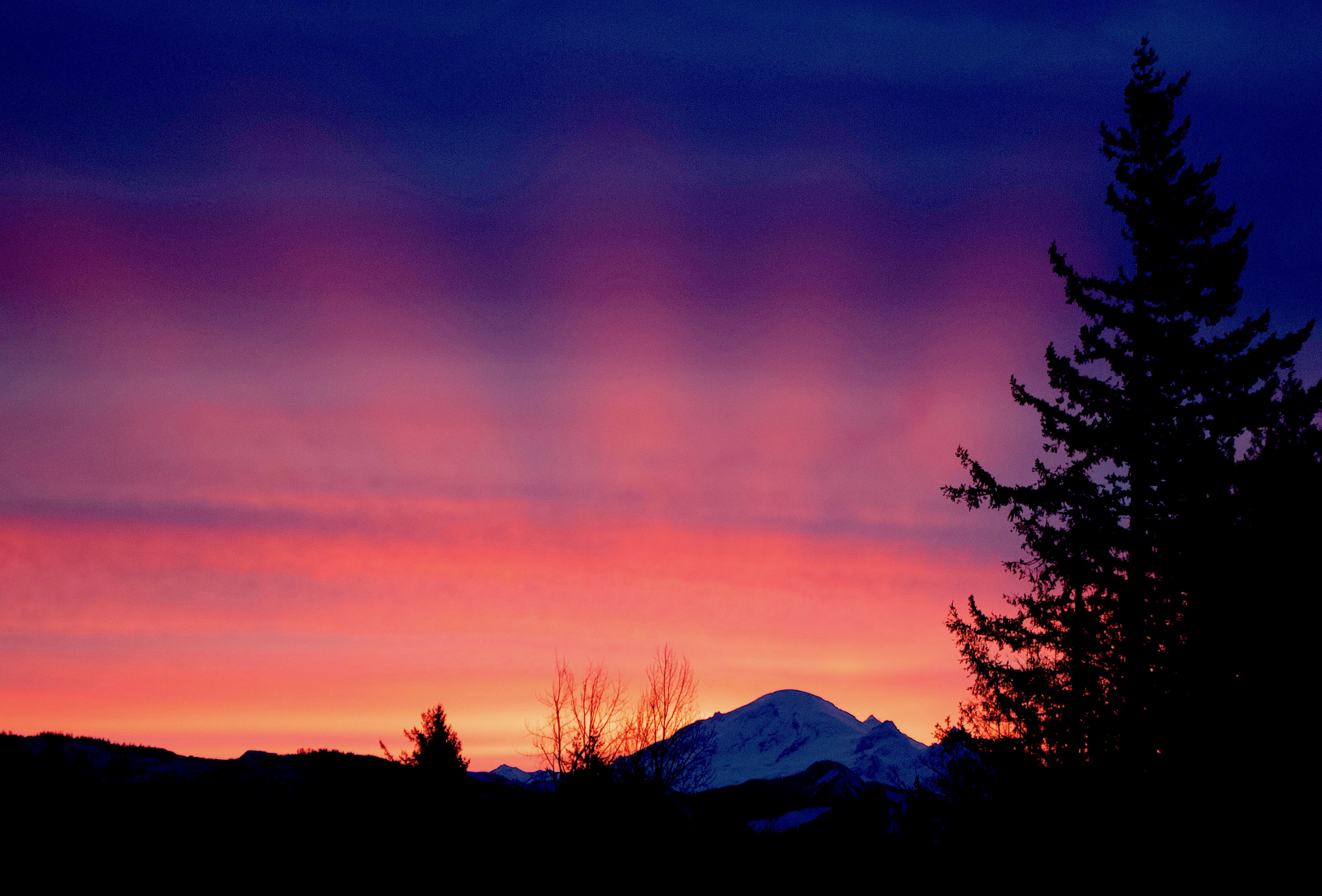
That rainy Halloween day over three decades ago I was freed into a wider world. I would no longer sit captive in freeway rush hour bumper to bumper traffic jams. Instead I celebrate my daily commute through farm fields, watching eagles fly, and new calves licked by their mamas. I am part of a broader community in a way I never could manage in the city, stopping to visit with friends at the grocery store, playing piano and teaching at church. Our home sits in the midst of woods and corn fields, with deer strolling through the fields at dawn, coyotes howling at night, Canadian and snow geese and trumpeter swans calling from overhead and salmon becoming more prolific every year in nearby streams. The snowy Cascades greet us in the morning and the sunset over Puget Sound bids us good night.
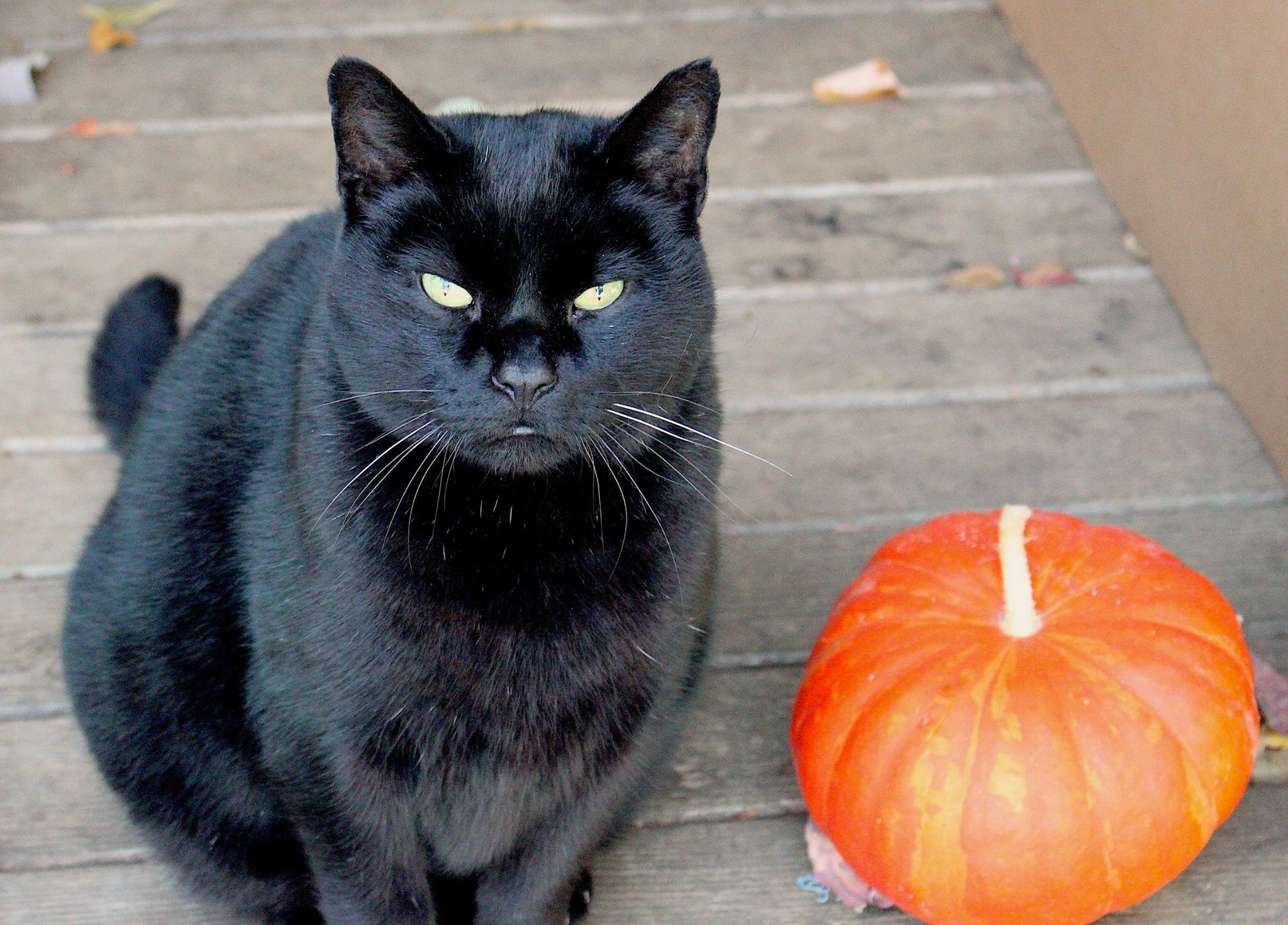
It all started October 31, 1985 with two orange and black kittens and a pumpkin sitting beside me in a little Mazda, my husband waiting for my homecoming 100 miles north. Now, thirty four years and three grown children and three (almost) grandchildren later, we celebrate this Halloween transition anniversary together. We’re still pregnant with the possibility that a wide world is waiting, just on the other side of the wall.
She skimmed the yellow water like a moth, Trailing her feet across the shallow stream; She saw the berries, paused and sampled them Where a slight spider cleaned his narrow tooth. Light in the air, she fluttered up the path, So delicate to shun the leaves and damp, Like some young wife, holding a slender lamp To find her stray child, or the moon, or both. Even before she reached the empty house, She beat her wings ever so lightly, rose, Followed a bee where apples blew like snow; And then, forgetting what she wanted there, Too full of blossom and green light to care, She hurried to the ground, and slipped below. ~James Wright “My Grandmother’s Ghost from Above the River: The Complete Poems
I saw my grandma’s ghost once.
She was my only grandparent I actually knew and who actually knew me — the others were lost before I was born or too young to realize what I had lost.
She had lived a hard life: losing her mother when she was 12, taking over the household duties for her father and younger brother while leaving school forever, too young marrying an abusive alcoholic, losing her first child to lymphoma at age 8, taking her three remaining children to safety away from their father for a year to live above a seedy restaurant where she cooked seven days a week to make ends meet.
But there was grace too. A marriage that somehow got patched together after Grandpa found God and sobriety, her faith that never wavered, their soil that yielded beautiful flowers she planted and nurtured and picked to sell, children and grandchildren who welcomed her many open armed visits and hugs.
She was busy planning her first trip of a lifetime at age 72 when we noticed her eyes looked yellow. Only two weeks later she was bed-bound in unrelenting pain due to pancreatic cancer, gazing heaven-ward instead of Europe-bound. Her dreams had been dashed so quickly, she barely realized her itinerary and destination had changed.
I was 16 at the time, too absorbed in my own teenage cares and concerns to really notice how quickly she was fading and failing like a wilted flower. Instead I was picking fights with my stressed parents, worrying over taking my driver’s license driving test, distracted by all the typical social pressures of high school life.
Her funeral was unbearable as I never really said goodbye – only one brief hospital visit when she was hardly recognizable in her anguish and jaundice. I didn’t even get to hold her hand.
Soon after she had been lowered into the ground next to her husband and young daughter, she came back to me in a dream.
I was asleep when my bedroom door opened into the dark, wakening me as the bright hallway light pushed its way via a shimmering beam to my bed. Grandma Kittie stood in my bedroom doorway, backlit by the light surrounding her silhouette. She silently stood there, just looking at me.
Startled, I sat up in my bed and said to her, “Grandma, why are you here? You died and we buried you!”
She nodded and smiled. And then she said to me:
“I wanted you to know I’m okay and always will be. You will be too.”
She gave a little wave, turned and left, closing the door behind her. I woke suddenly with a gasp in my darkened bedroom and knew I had just been visited.
She hadn’t come to say goodbye or to tell me she loved me — that I knew already.
She had come to shine with her light blossoming around her, mending my broken heart by planting it with peace.
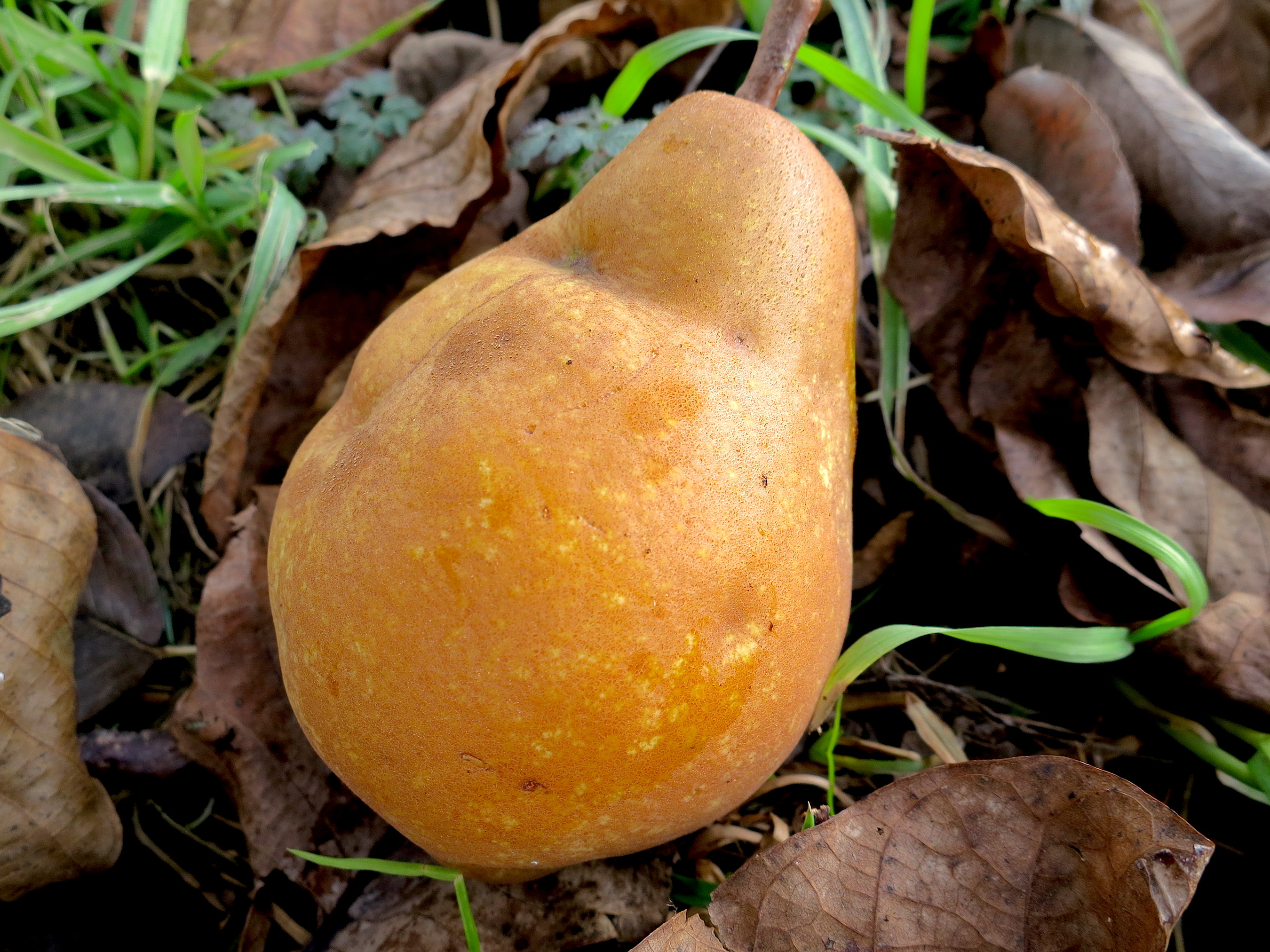
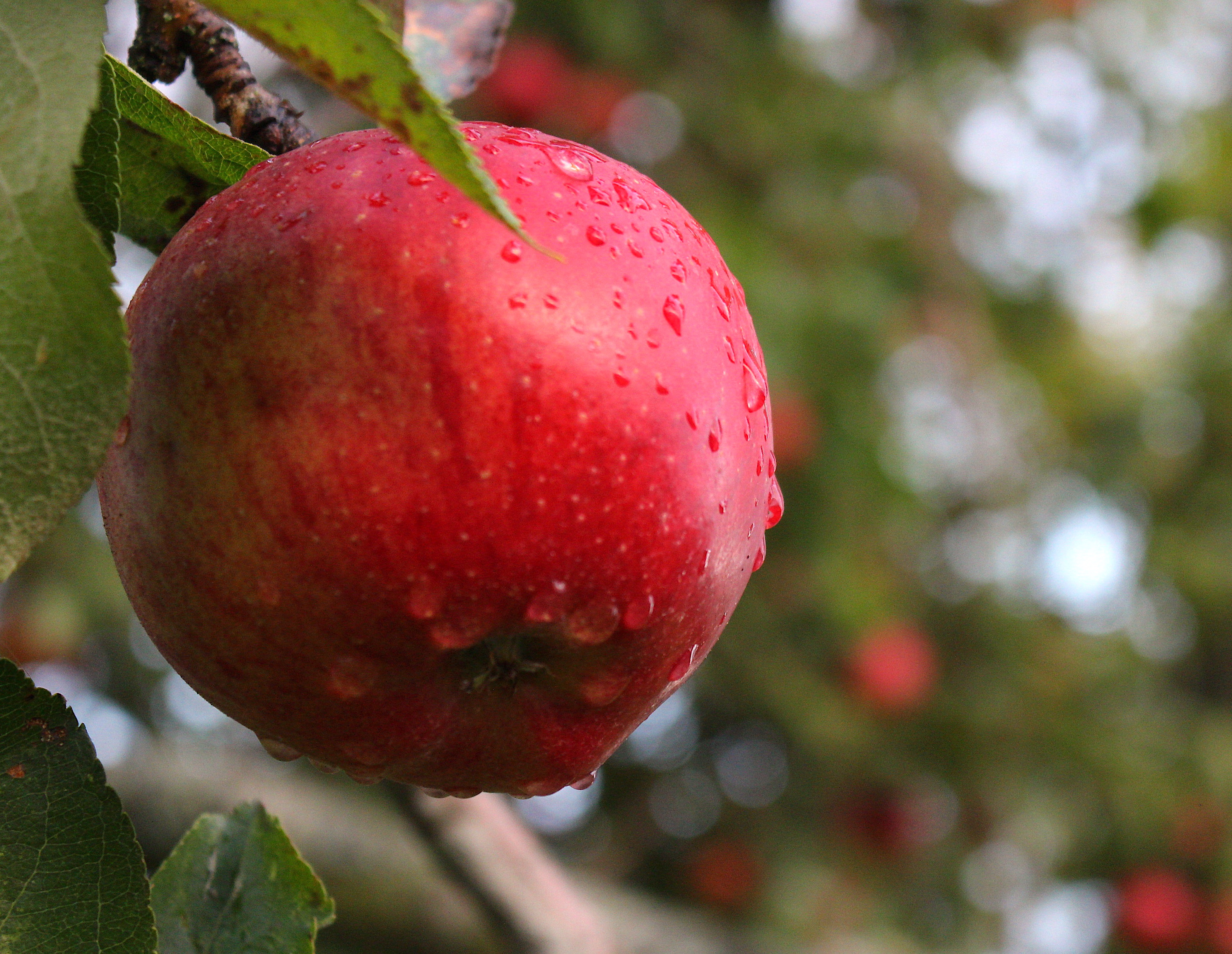
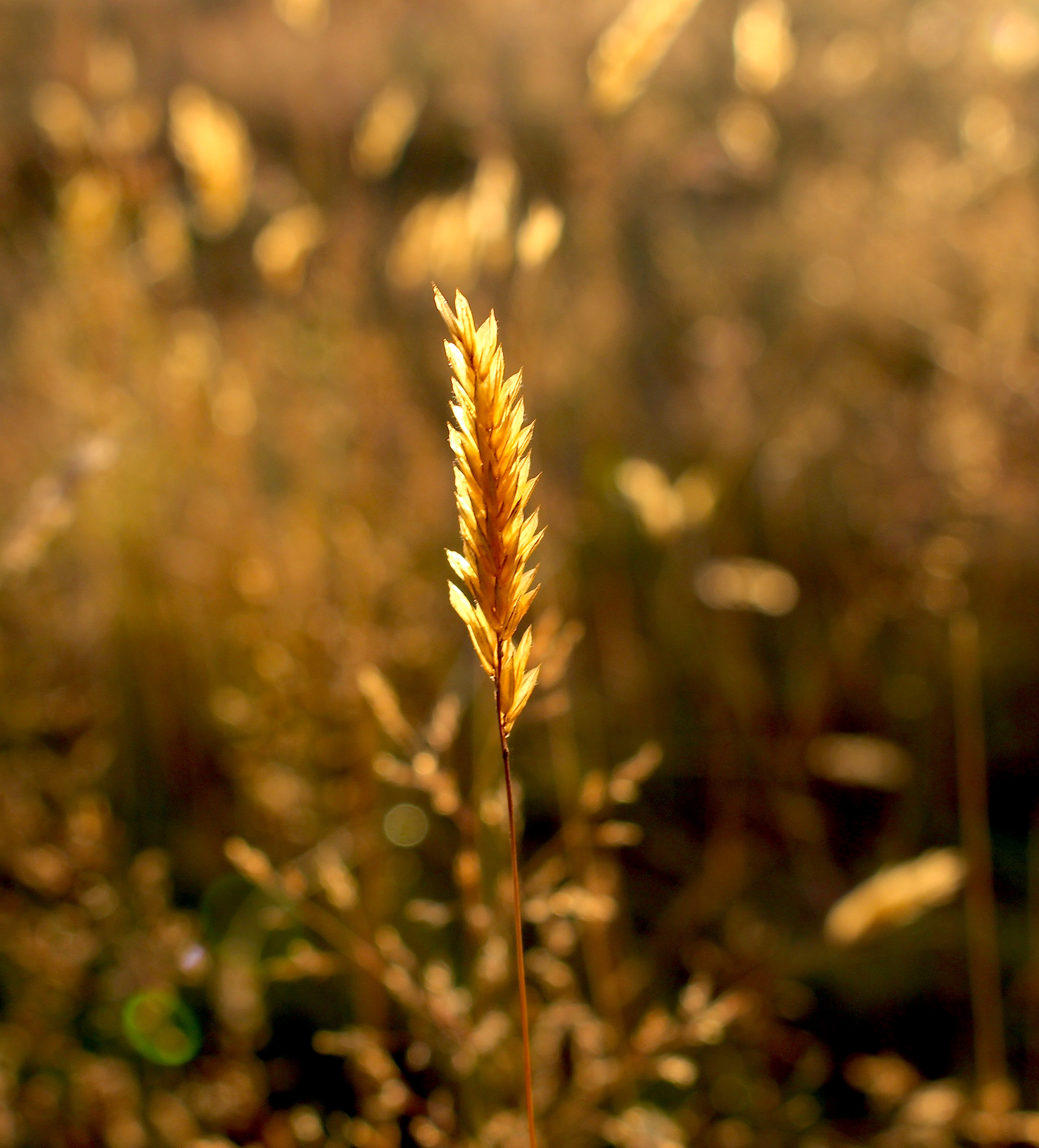
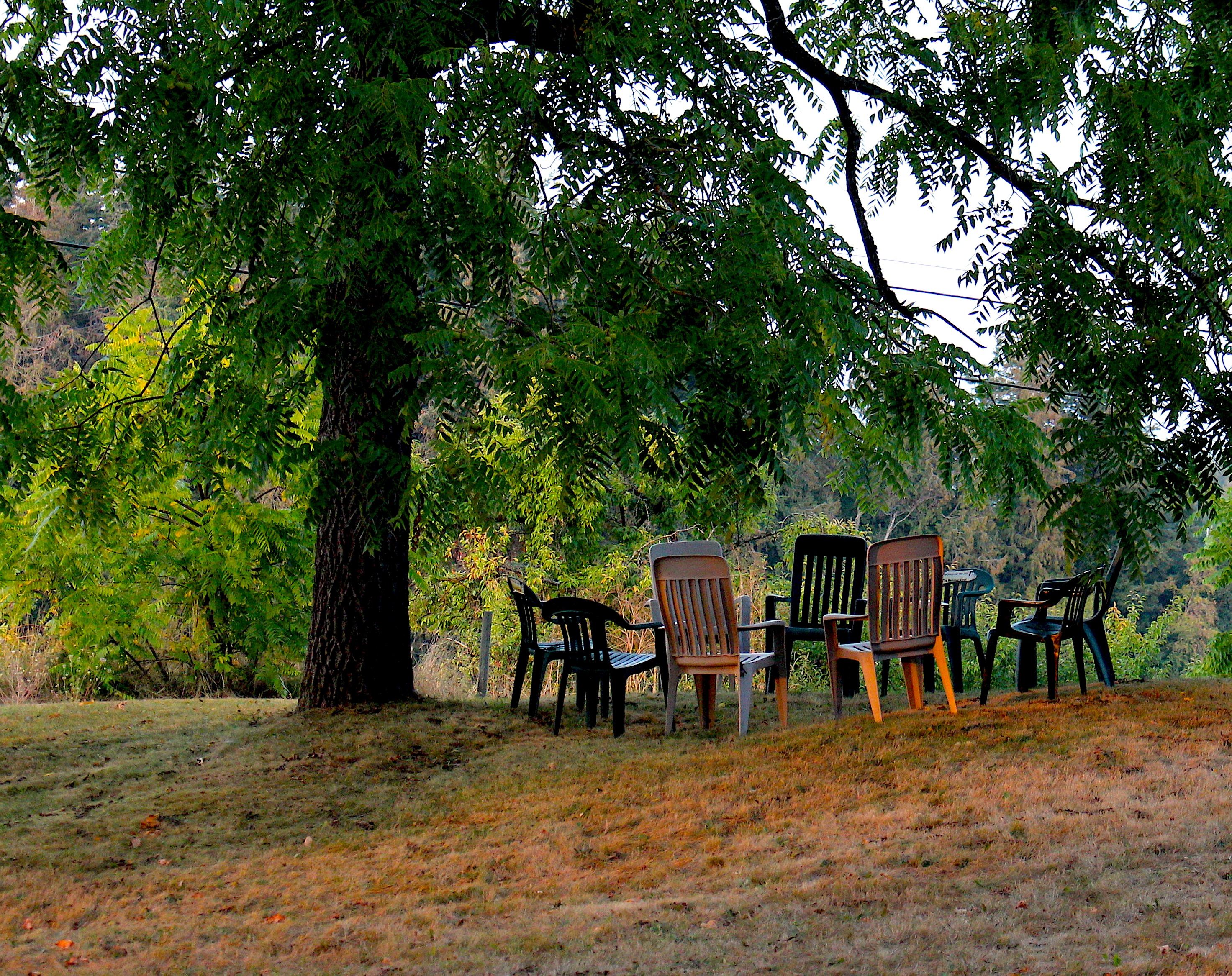
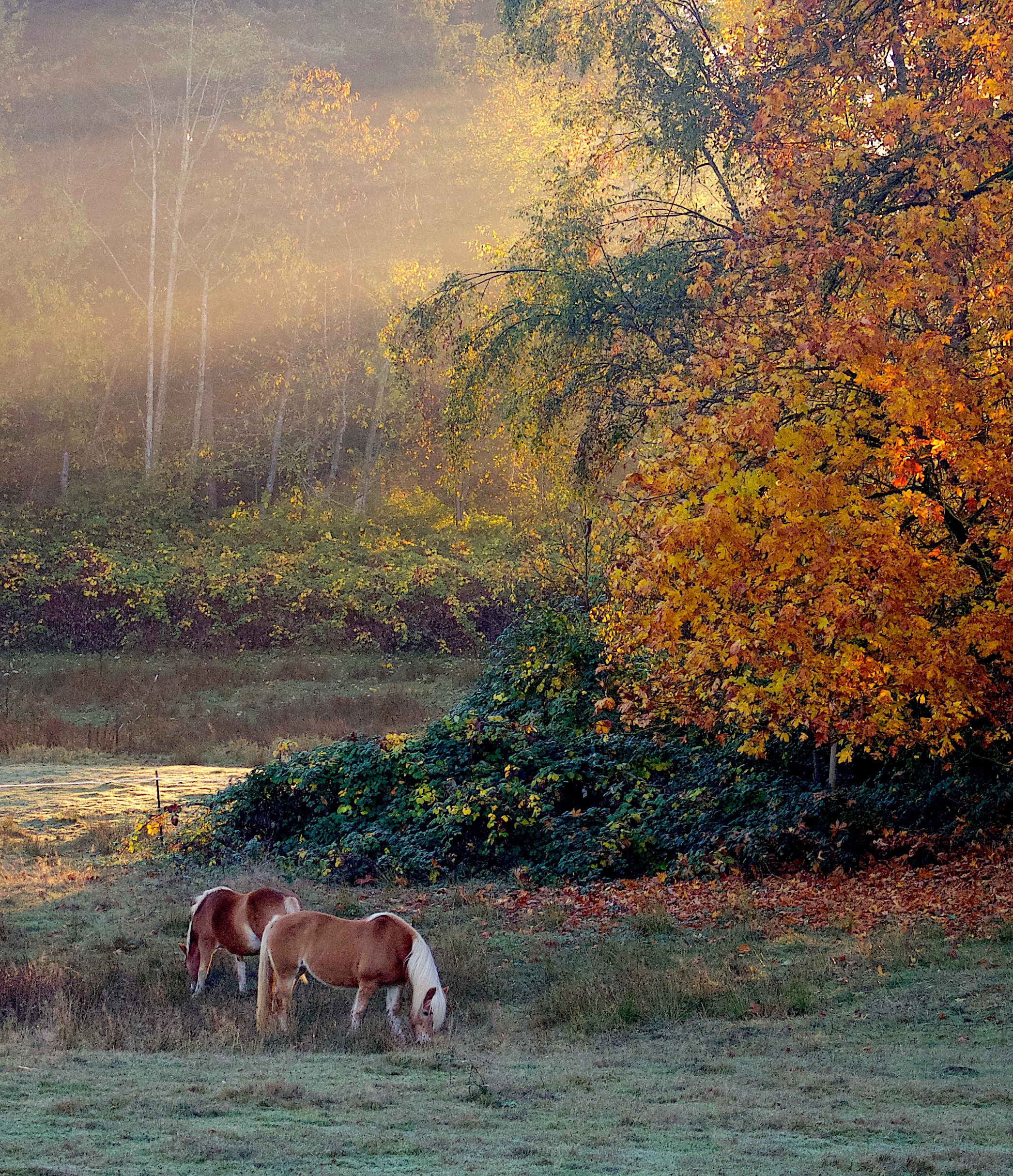
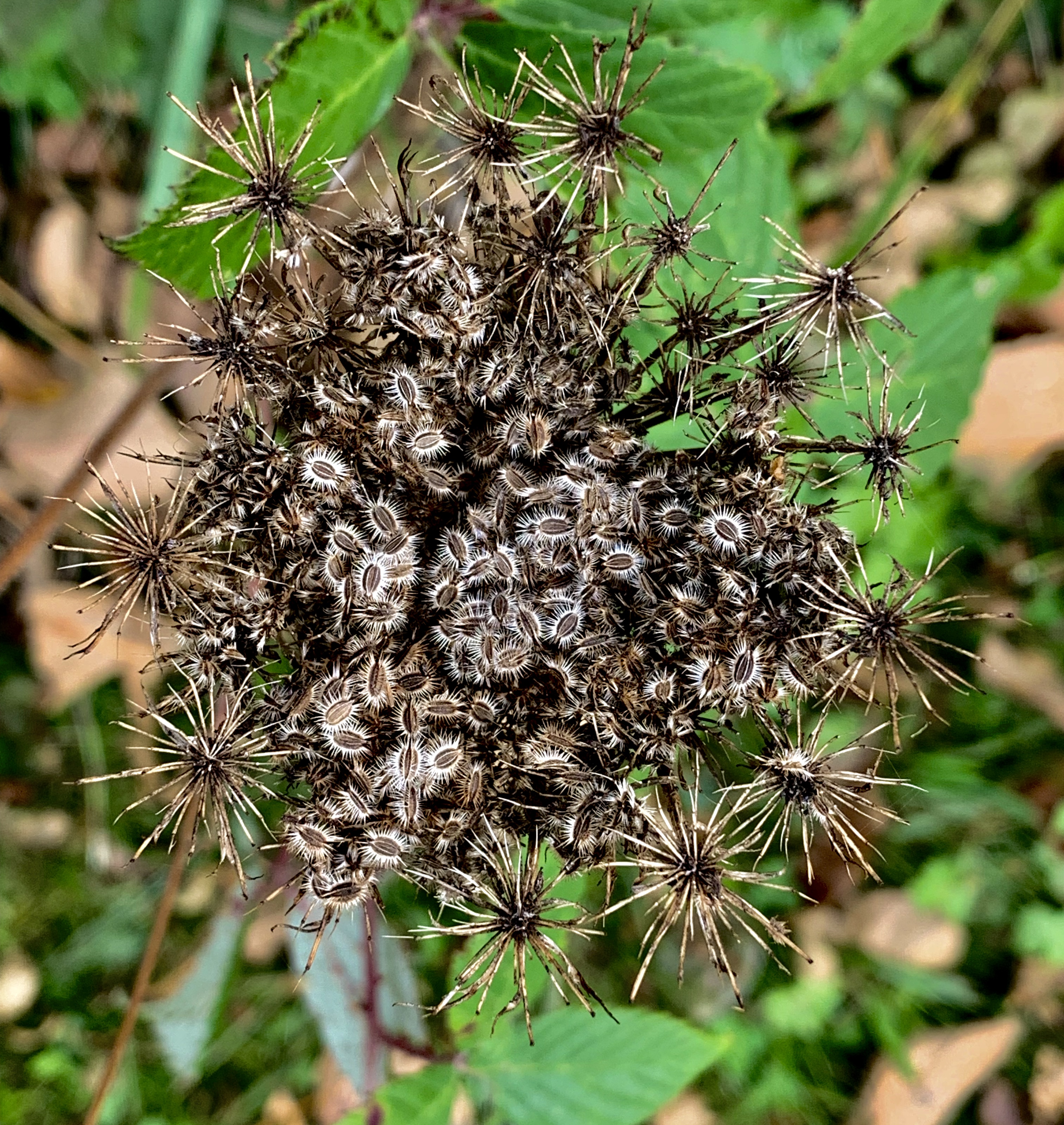
…the golden hour of the clock of the year. Everything that can run to fruit has already done so: round apples, oval plums, bottom-heavy pears, black walnuts and hickory nuts annealed in their shells, the woodchuck with his overcoat of fat. Flowers that were once bright as a box of crayons are now seed heads and thistle down. All the feathery grasses shine in the slanted light. It’s time to bring in the lawn chairs and wind chimes, time to draw the drapes against the wind, time to hunker down. Summer’s fruits are preserved in syrup, but nothing can stopper time. No way to seal it in wax or amber; it slides though our hands like a rope of silk. At night, the moon’s restless searchlight sweeps across the sky. ~Barbara Crooker “And Now it’s October” from Small Rain.
…but I do try to stopper time. I try every day not to suspend it or render it frozen, but like summer flower and fruit that withers, to preserve any sweet moment for sampling through stored words or pictures in the midst of my days of winter. I roll it around on my tongue, its heady fragrance becoming today’s lyrical shared moment, unstoppered, perpetual and always intoxicating.
Season of ripening fruit and seeds, depart; There is no harvest ripening in the heart.
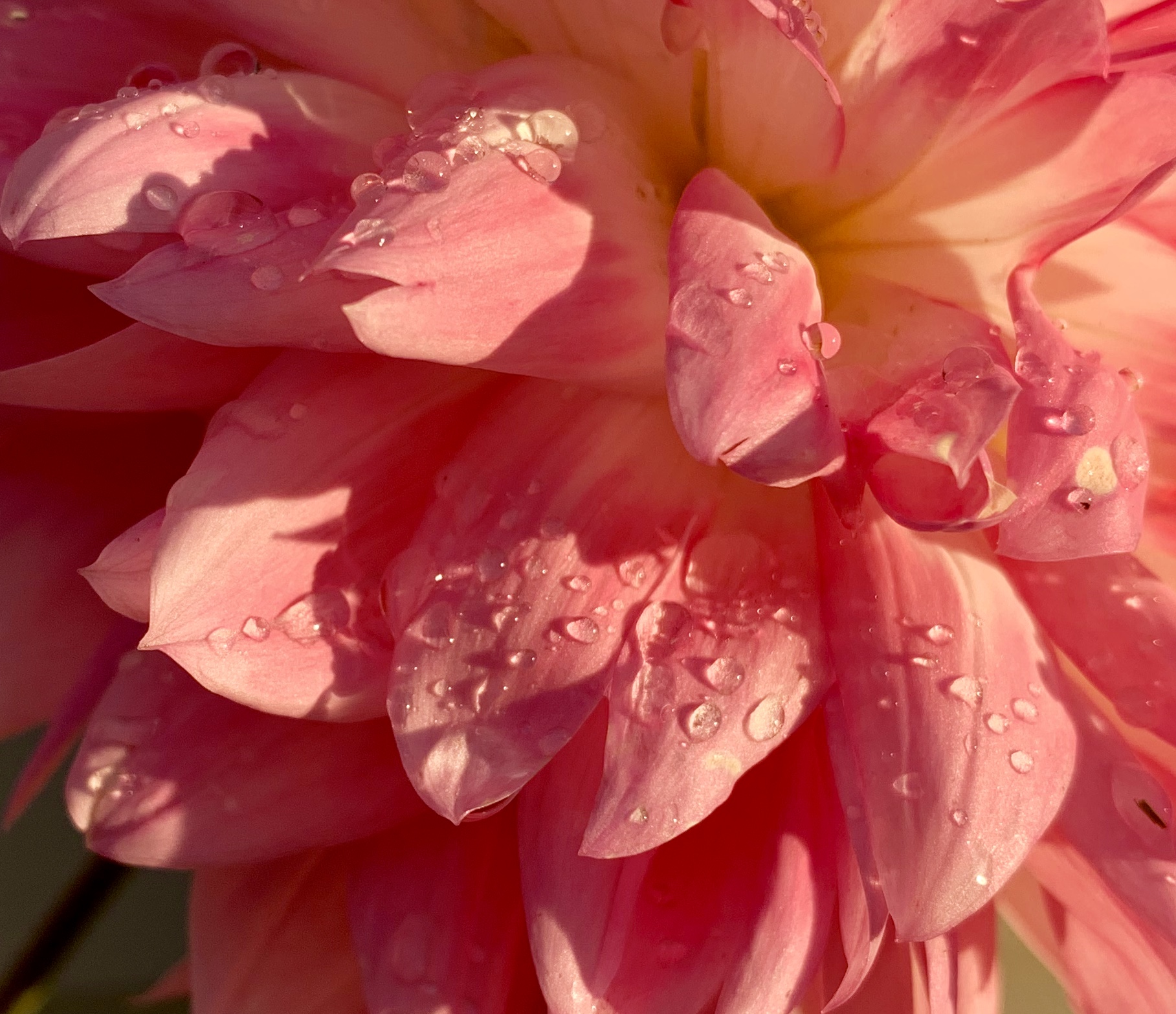
Bring the frost that strikes the dahlias down In one cruel night. The blackened buds, the brown And wilted heads, the crippled stems, we crave – All beauty withered, crumbling to the grave. Wind, strip off the leaves, and harden, ground, Till in your frozen crust no break is found.
Then only, when man’s inner world is one With barren earth and branches bared to bone, Then only can the heart begin to know The seeds of hope asleep beneath the snow; Then only can the chastened spirit tap The hidden faith still pulsing in the sap. ~Anne Morrow Lindbergh“No Harvest Ripening“
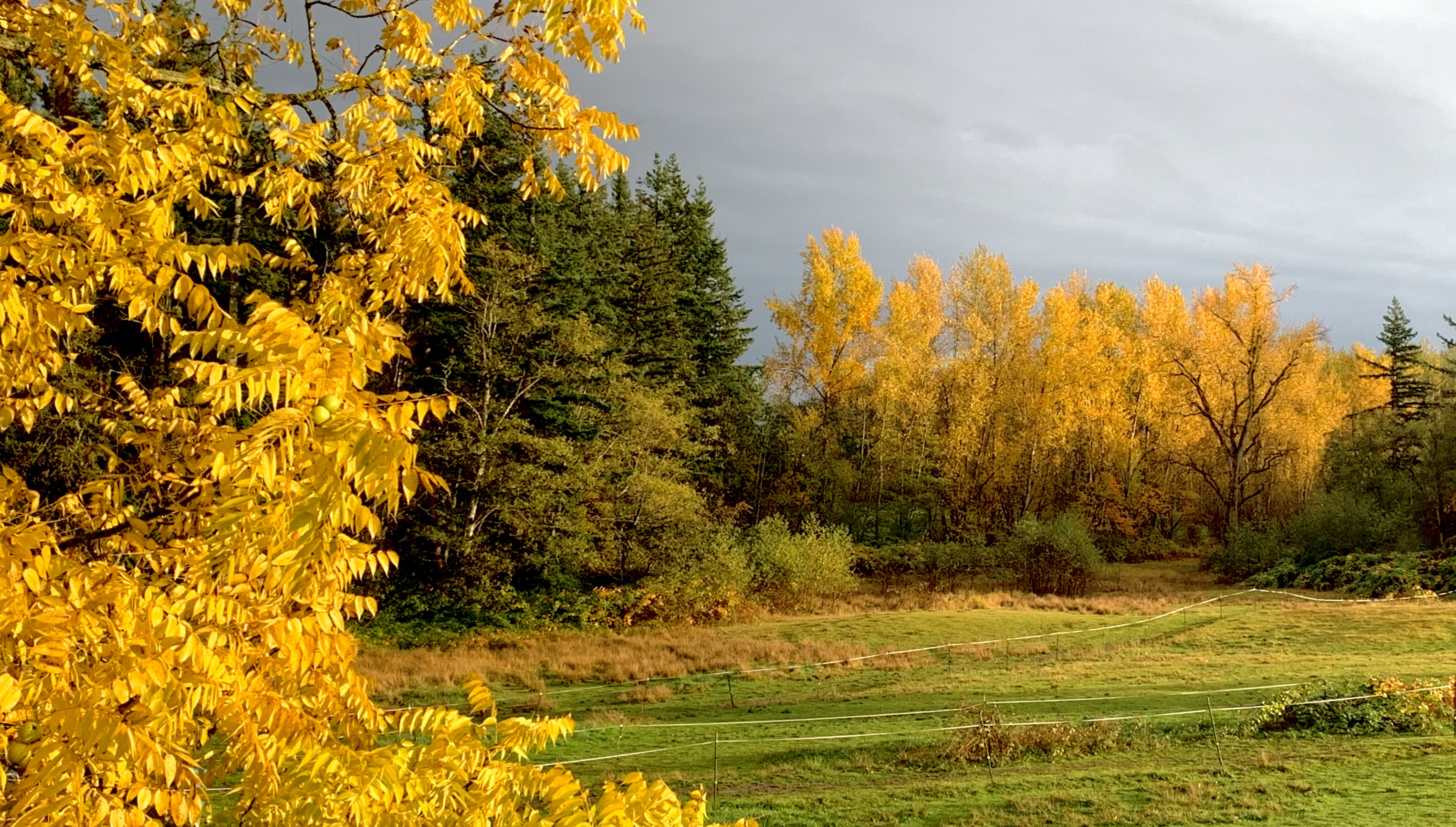
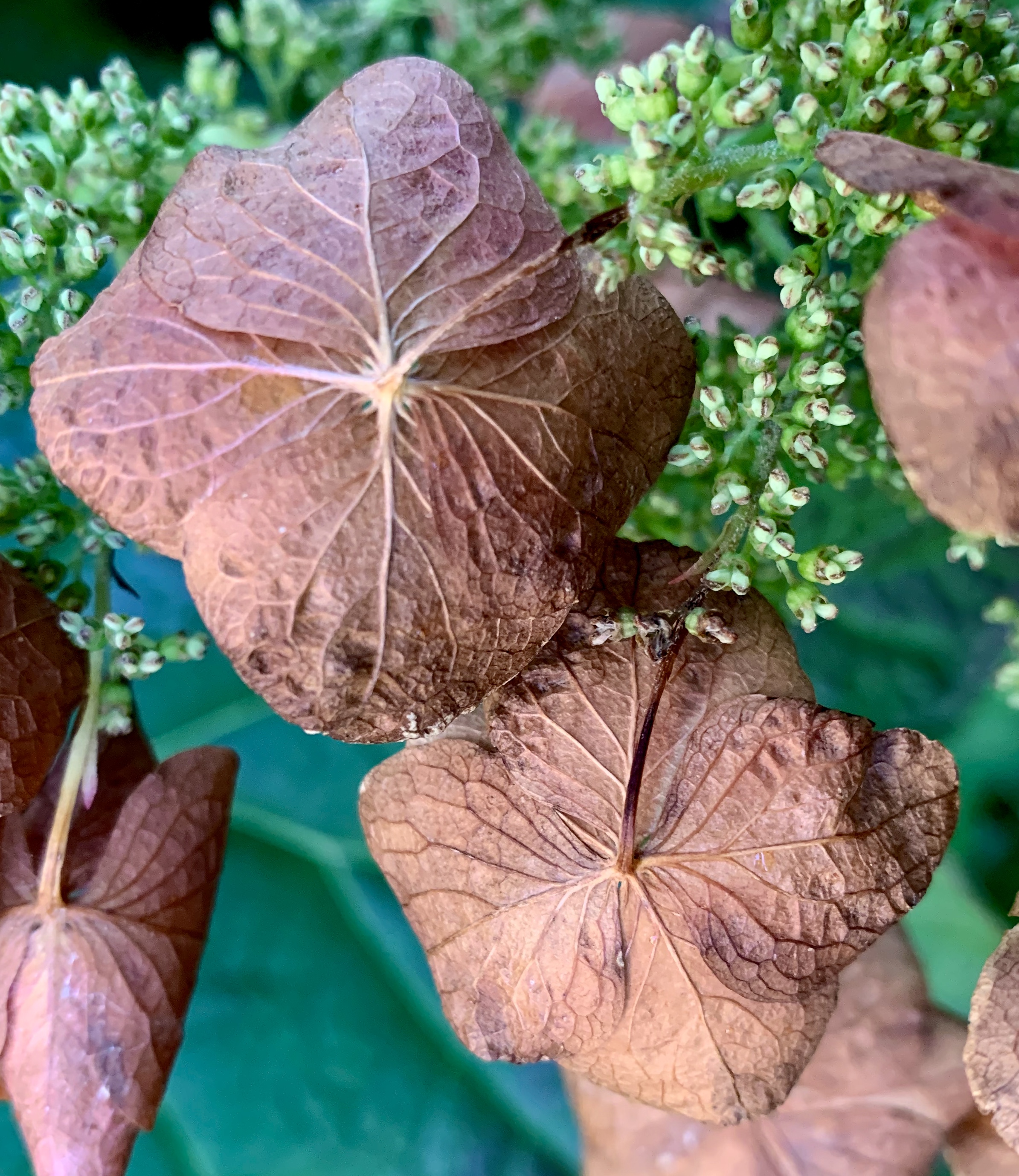
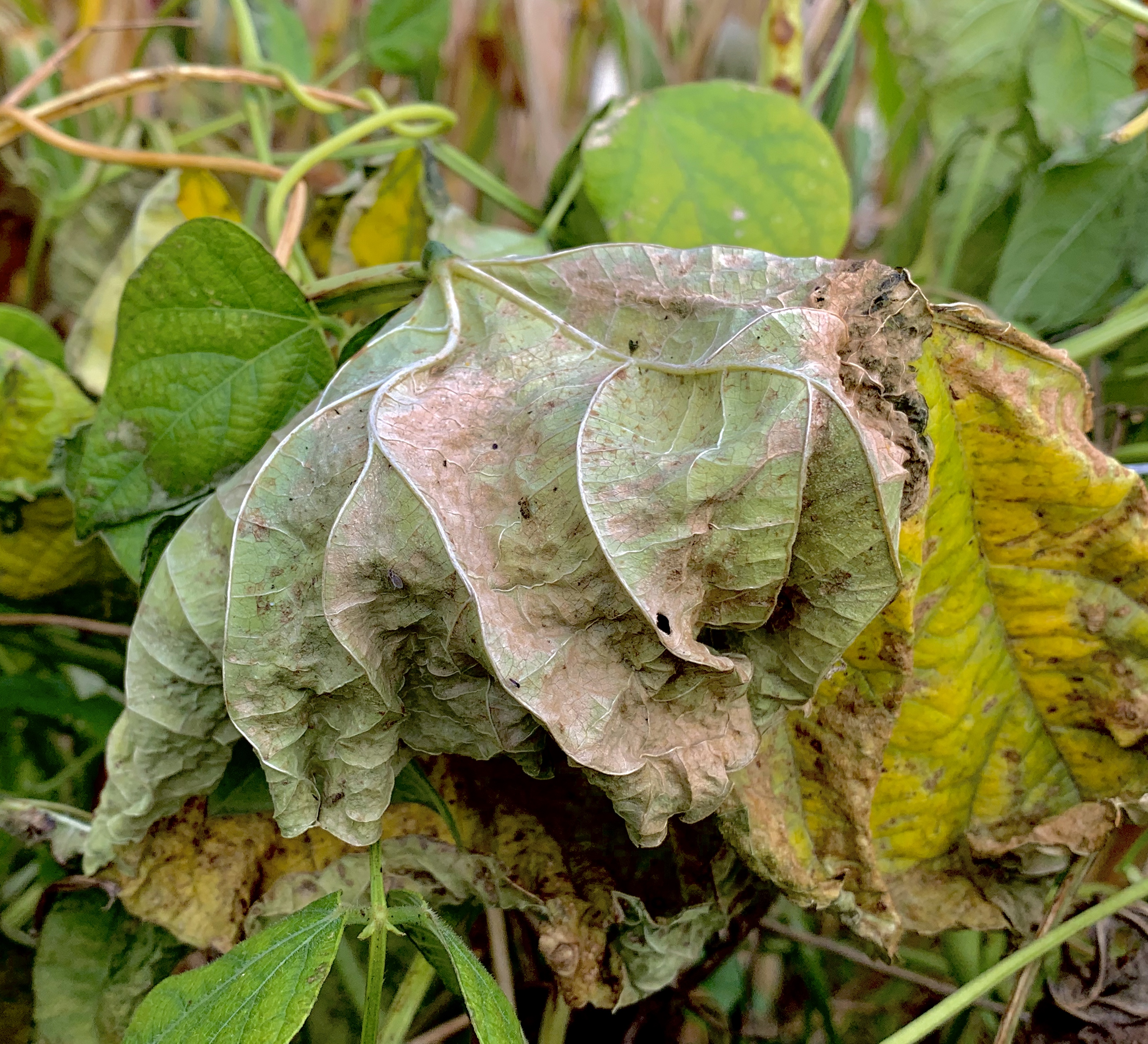
Things on the farm are slowing down and withering; it is the natural way of October for all to fall to the ground to become soil again.
I know it doesn’t mean the end – there is still the vital seed and sap that lies dormant, waiting for the right moment to re-emerge, resurrect and live again.
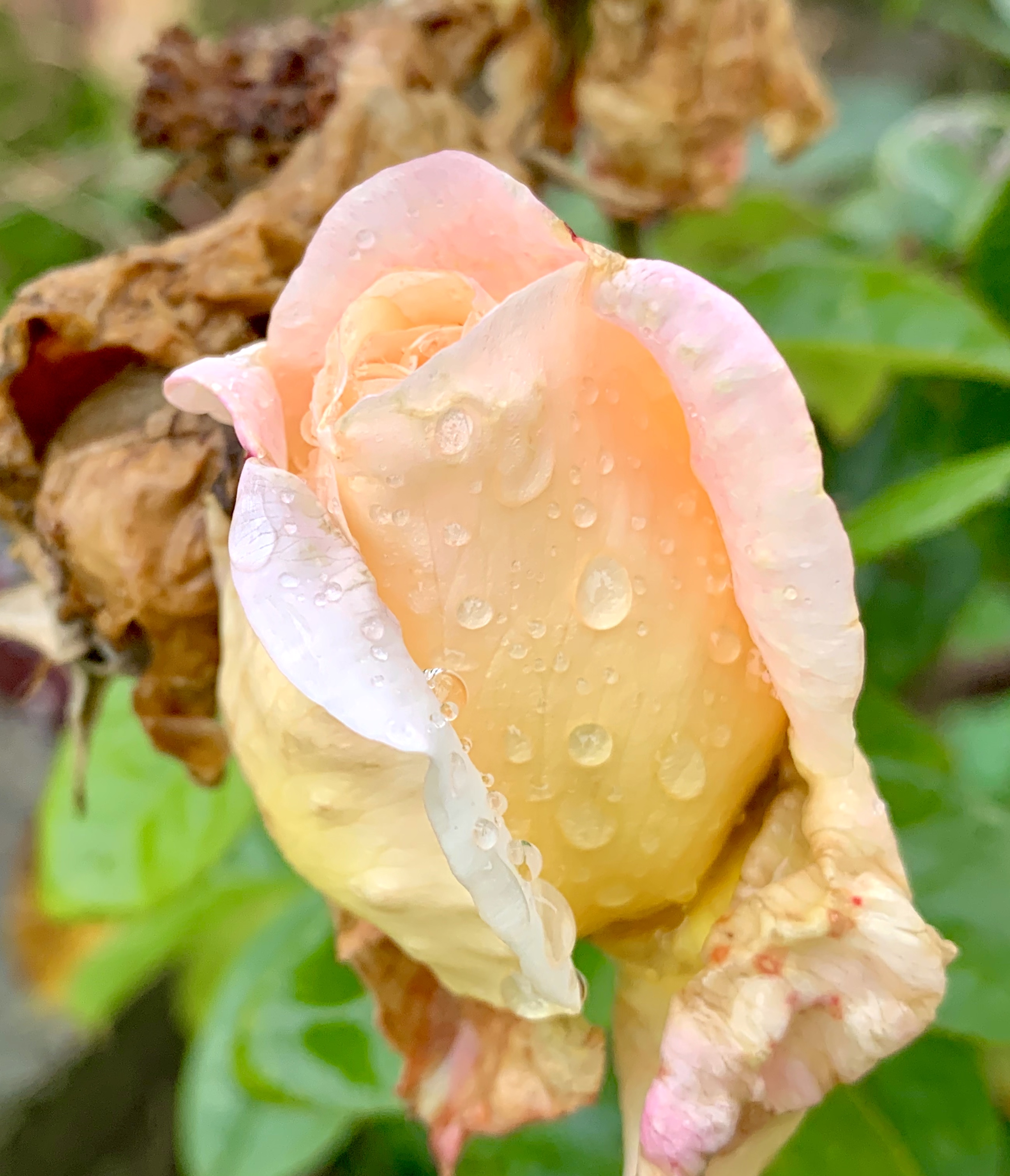
I know this too about myself. Yet the dying-time-of-year doesn’t get easier as I age. It only becomes more real-time and vivid. The colors fade, the skin wrinkles and dries, the fruit falls unused and softening.
Our beauty, so evident only a short time ago, thrives inward, ready to rise again when called.
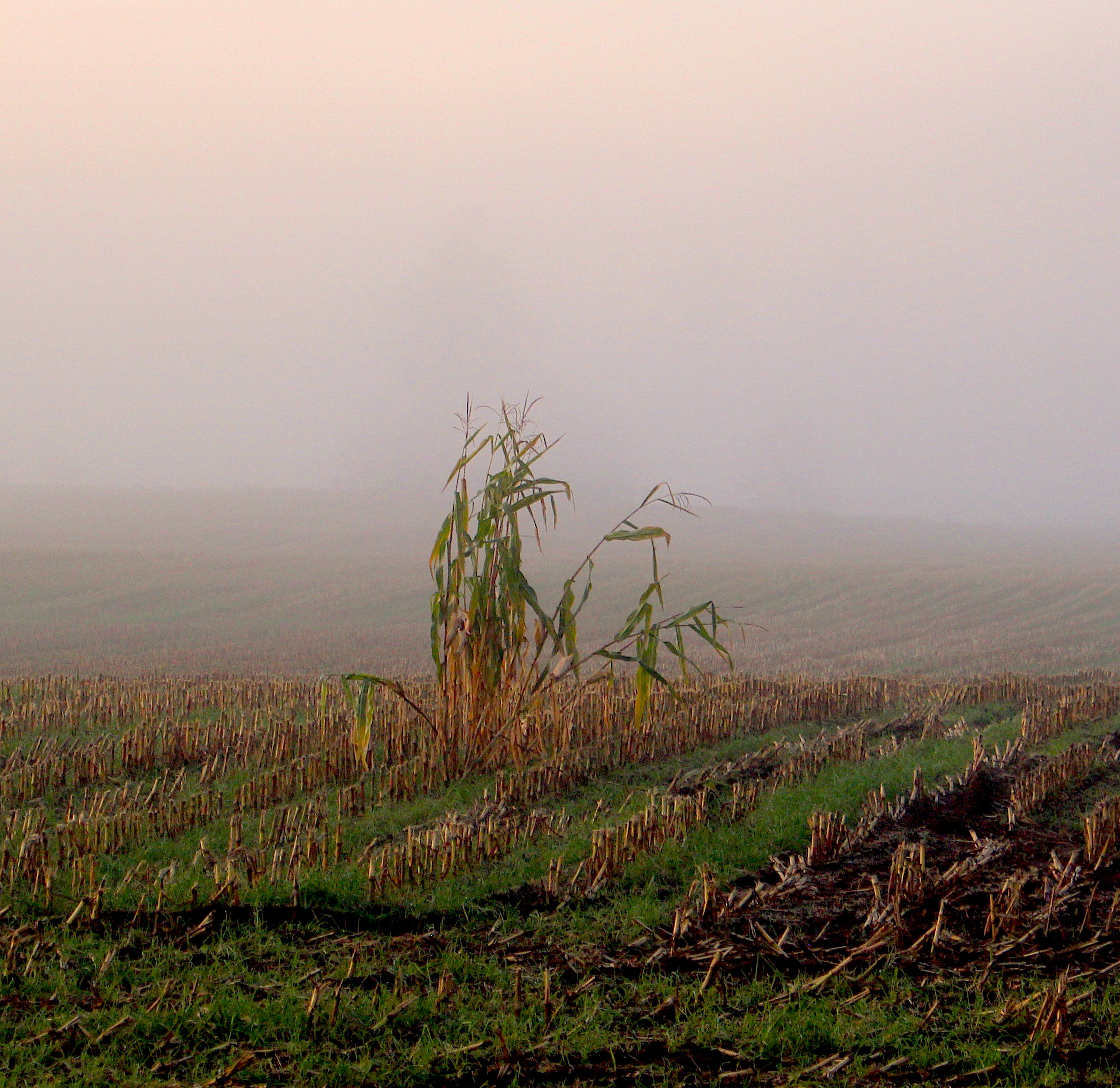
A dim veil hangs over the landscape and flood, And the hills are all mellowed in haze, While Fall, creeping on like a monk ‘neath his hood, Plucks the thick-rustling wealth of the maize.
And long for this manna that springs from the sod Shall we gratefully give Him the praise, The source of all bounty, our Father and God, Who sent us from heaven the maize! ~William Fosdick “The Maize”
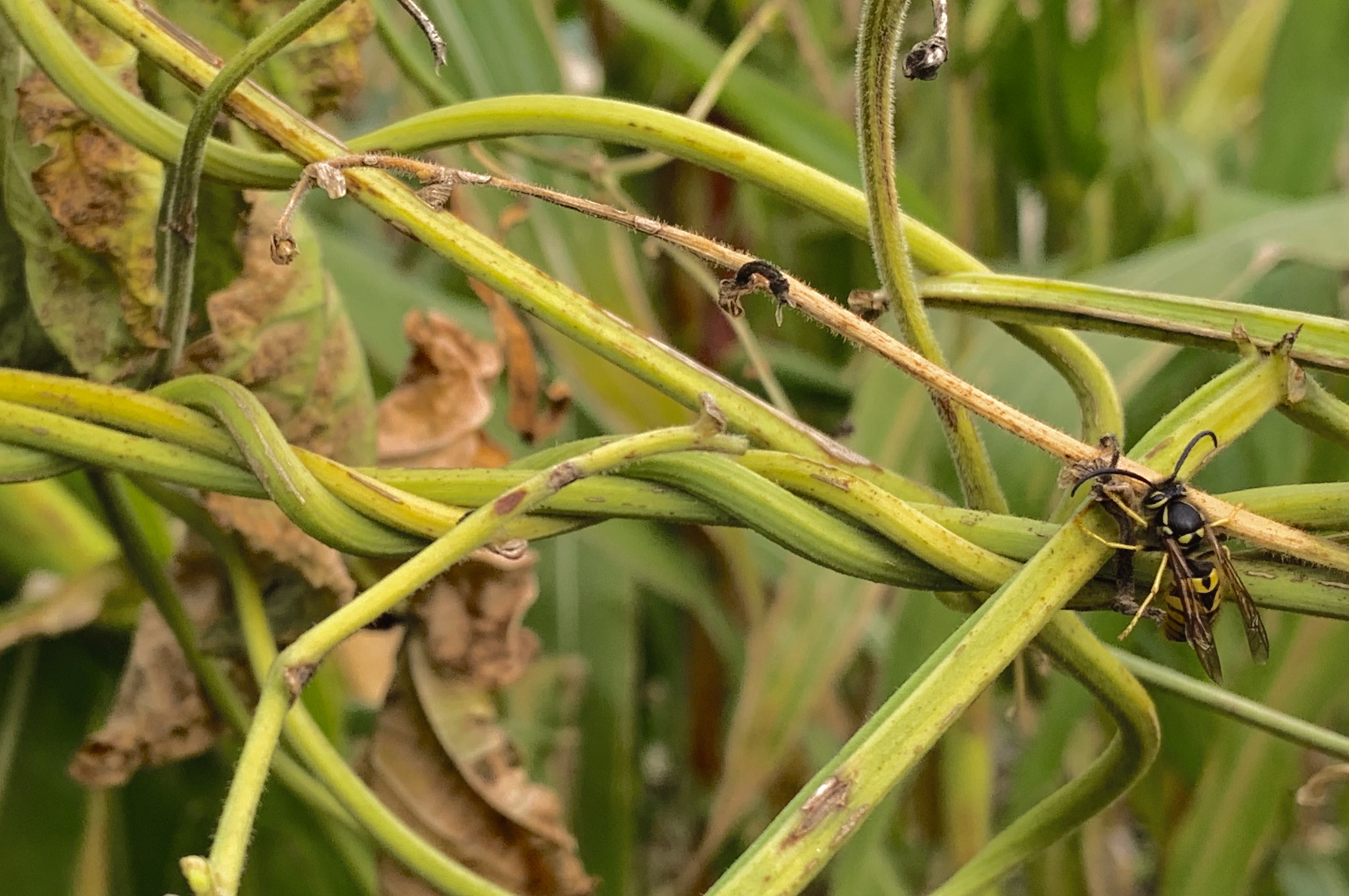
The autumn garden can feel like a treasure hunt as we pull out and sort through the dead and dying vines and stalks: the giant zucchini growing undetected under leaves, the cucumber hanging from a cornstalk, the fat hollowed beans ready to burst with seed.
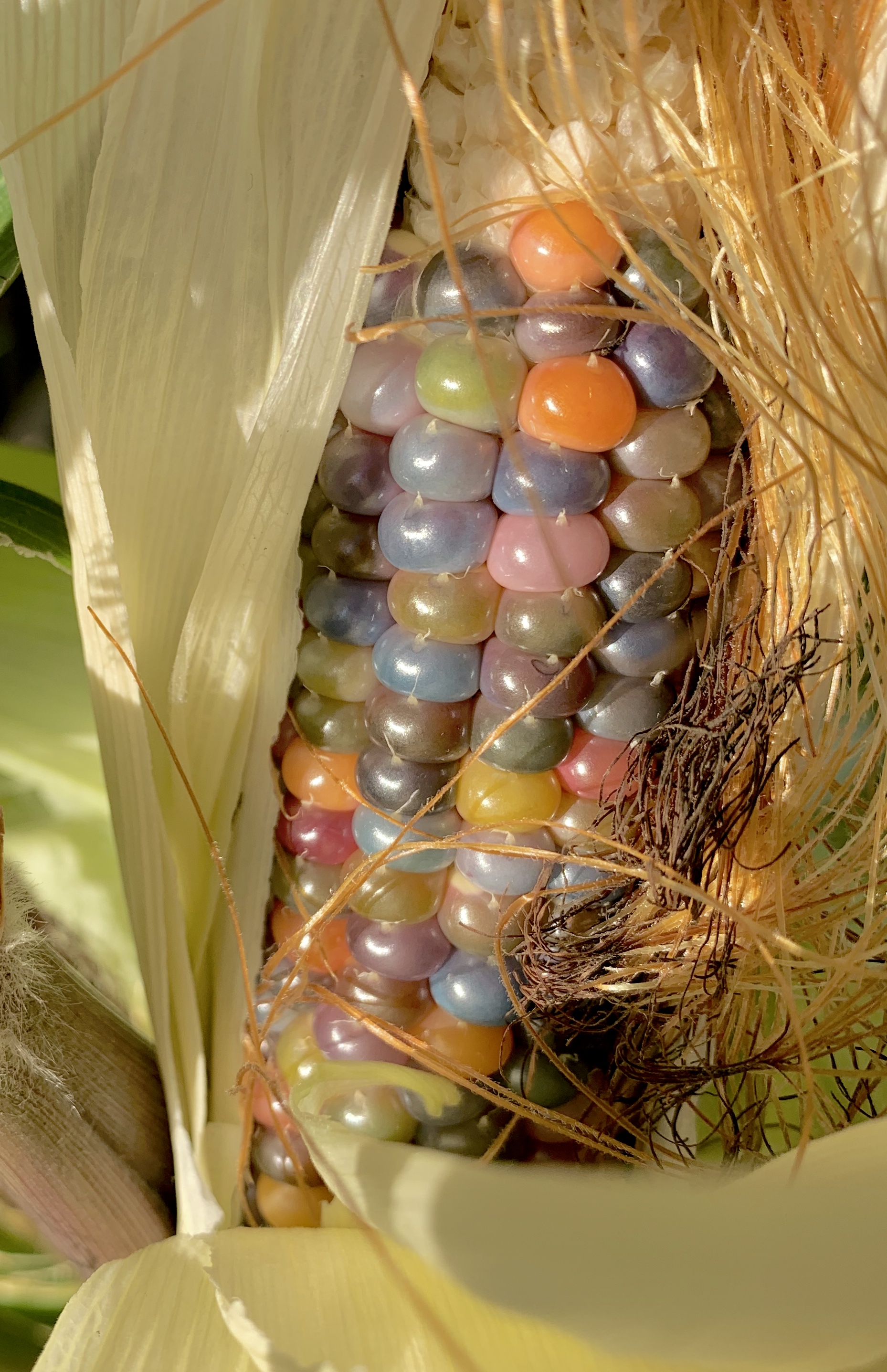
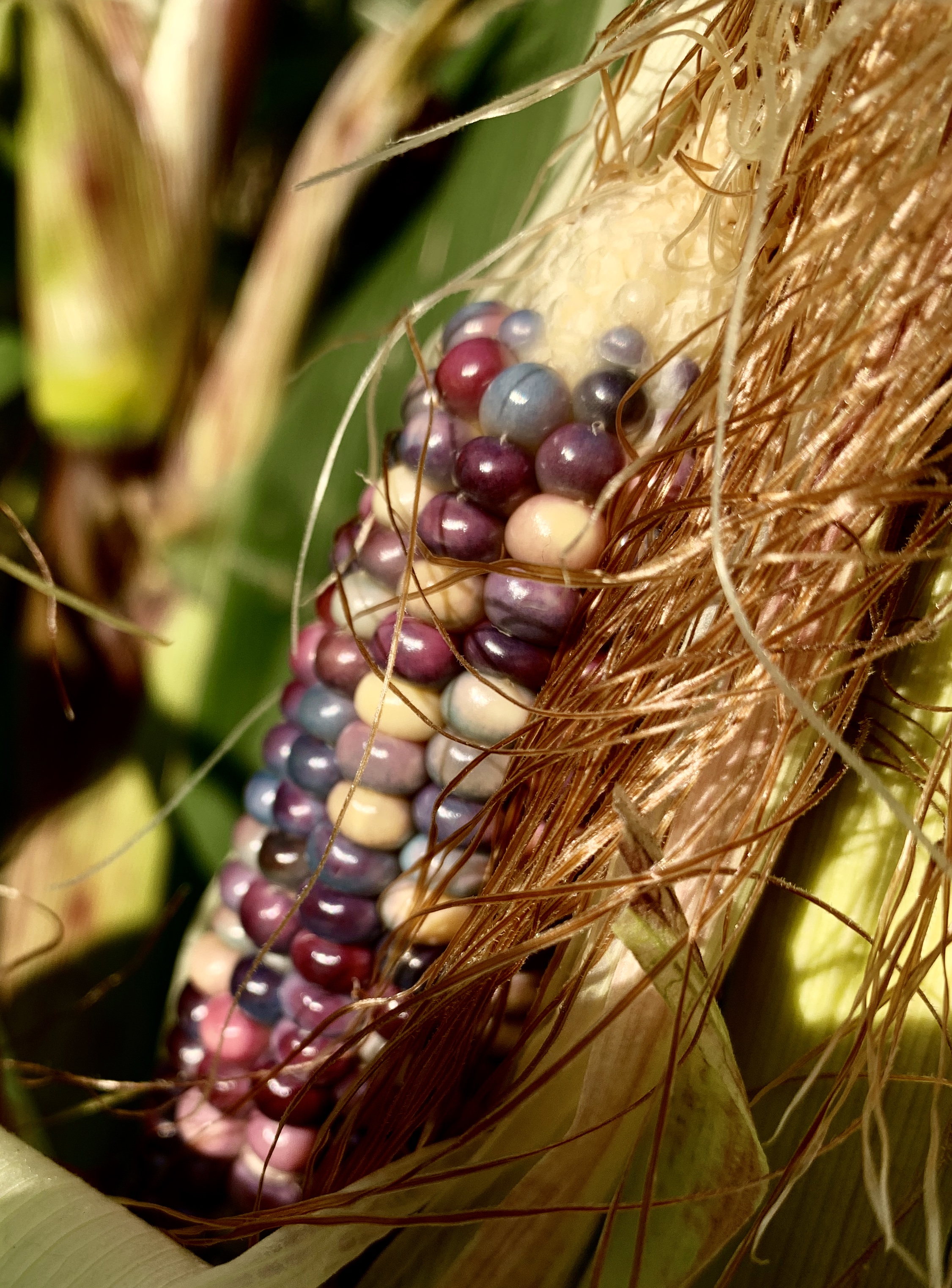
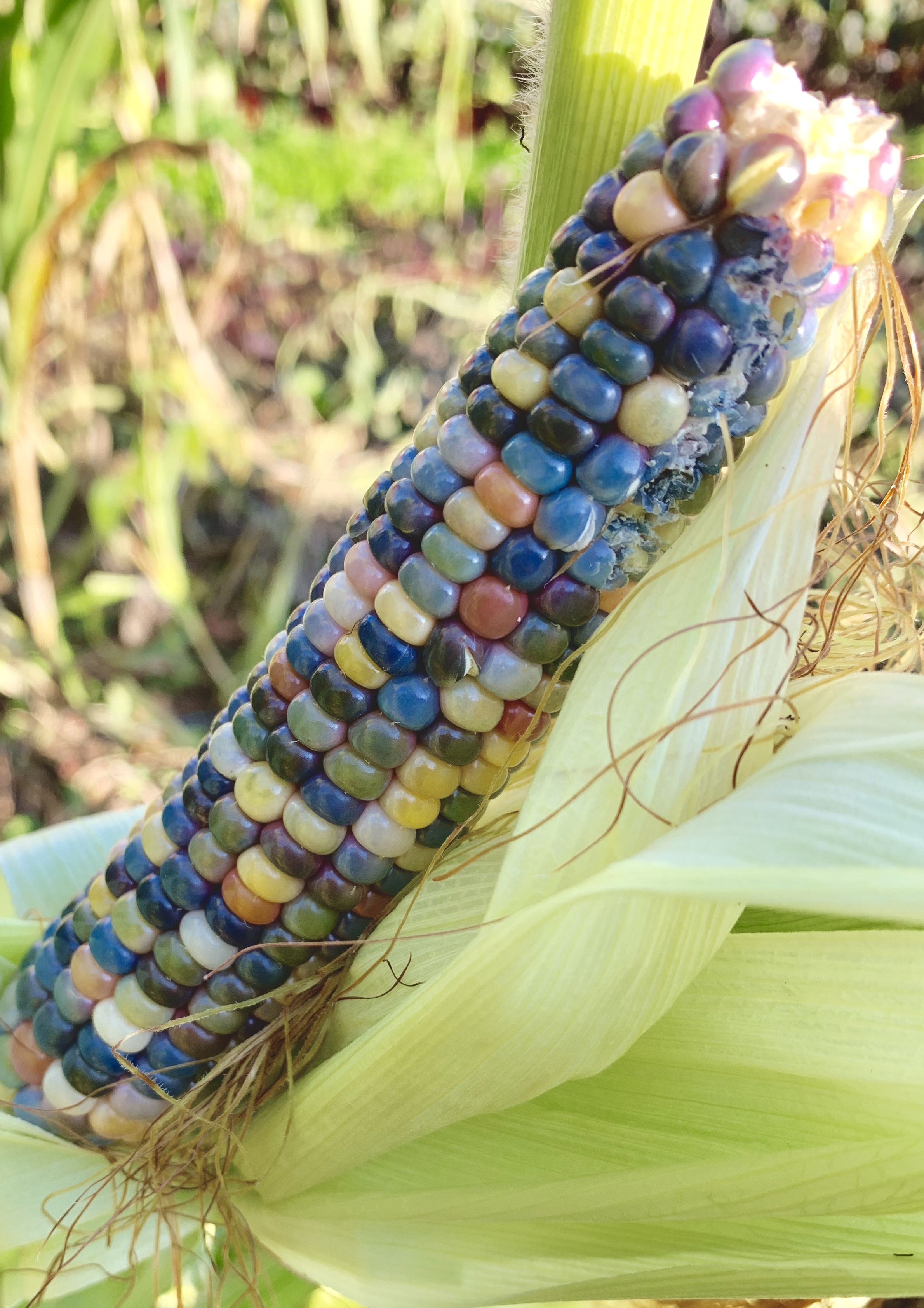
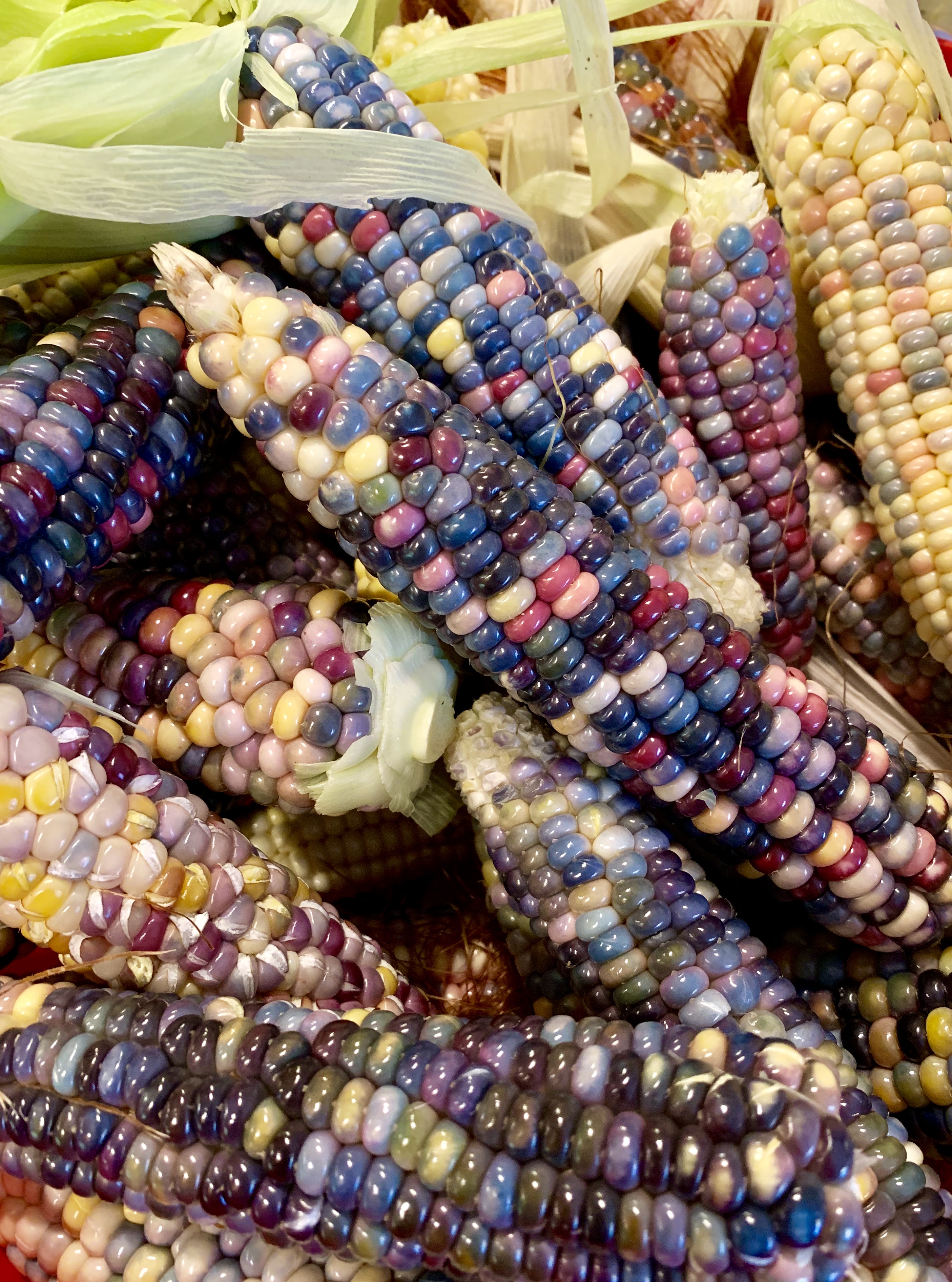
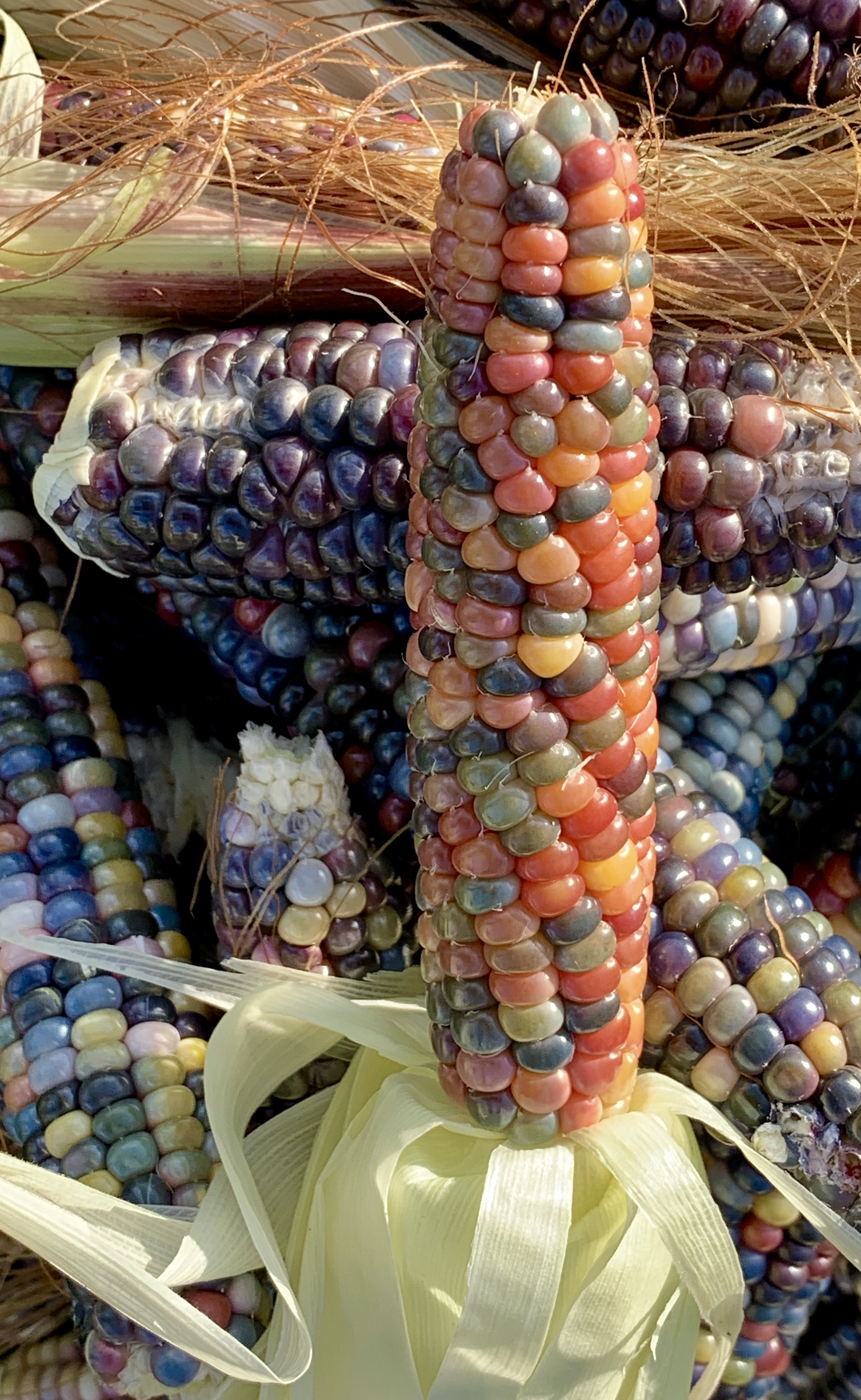
Yet the greatest Easter Egg of all hidden away in husk and cornsilk is this glass gem corn, a maize variety Dan planted in the spring. We’ve never experimented with it before and it grew listlessly, almost half-hearted, with stunted stalks and few apparent ears, pitiful next to our robust sweet corn crop.
It fooled us; this corn is pure gold in a kaleidoscope display. The ears are meager but glowing like stained glass, colorful quilt patches on a stalk. We gathered it up for “Show and Tell” at church last night, showing our Chapel friends what God can do with His unending palette of heaven-sent color and imagination. People come in all colors too, thanks to His artistry, but not nearly so varied as this kernels of colored glass.
A hill, a farm, A forest, and a valley. Half a hill plowed, half woods. A forest valley and a valley field.
Sun passes over; Two solstices a year Cow in the pasture Sometimes deer
A farmhouse built of wood. A forest built on bones. The high field, hawks The low field, crows
Wren in the brambles Frogs in the creek Hot in summer Cold in snow
The woods fade and pass. The farm goes on. The farm quits and fails The woods creep down
Stocks fall you can’t sell corn Big frost and tree-mice starve Who wins who cares? The woods have time. The farmer has heirs. ~“Map” by Gary Snyder from Left Out in the Rain.
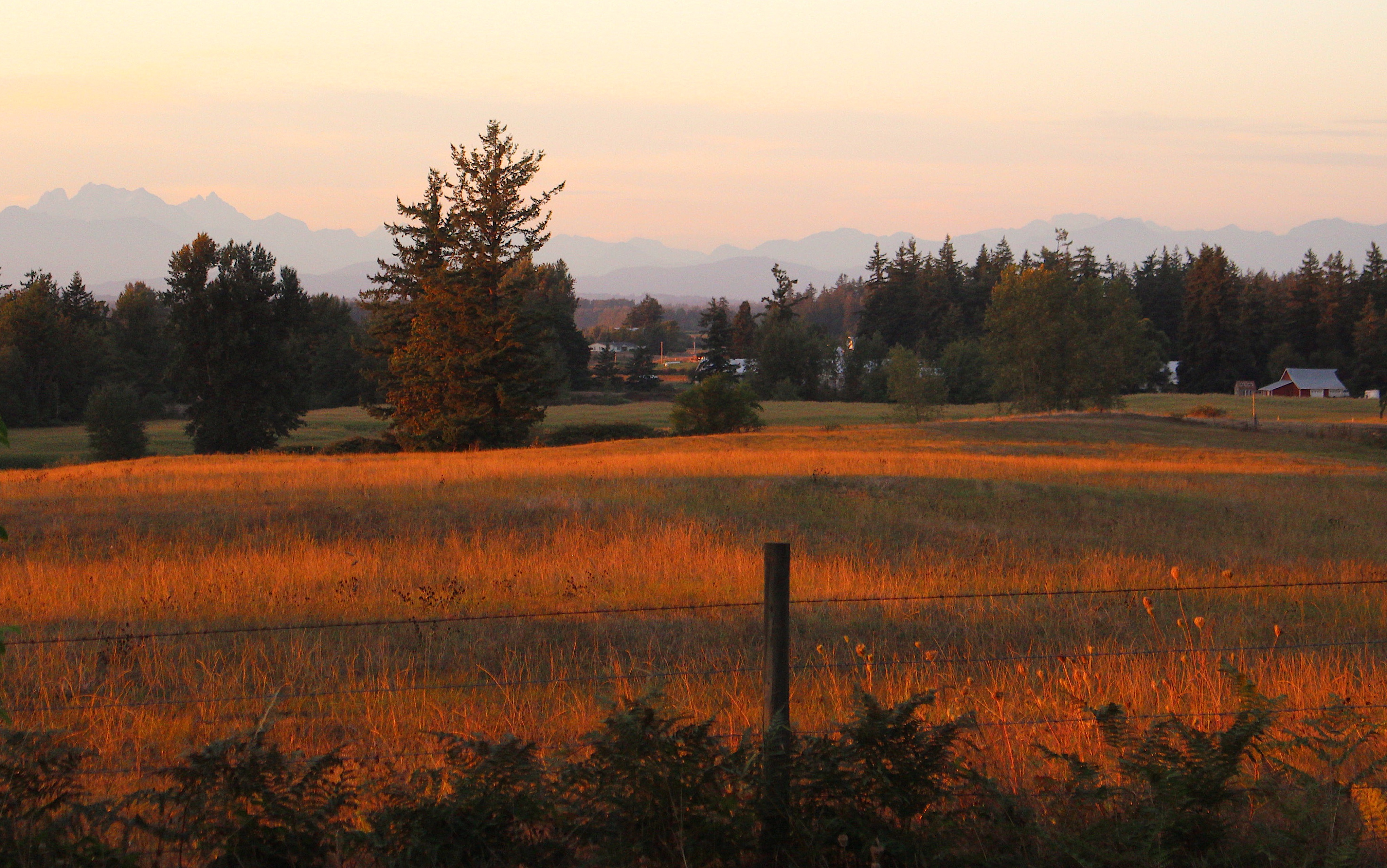
We have now passed from the season when our farm is brilliant, verdant and delicious to behold. In June, the cherry orchard blossoms yield to fruit and the pastures are knee high with grass. During the summer months, the daylight starts creeping over the eastern foothills at 4 AM and the last glimpse of sun disappears at nearly 10 PM. So many hours of light to work with!
I yearn for the coming dark rainy days to hide inside with a book.
Instead the lawnmower and weed whacker call our names, and the fish pond needs cleaning and the garden must be prepared for winter. It’s not that things don’t happen on the farm during months like this. It’s just that nothing we do is enough. Blackberry brambles have taken over everything, grass grows faster than we can keep it mowed down, the manure piles grow exponentially. The fences always need fixing.
Suddenly our farm dream seems not nearly so compelling.
We spent many years dreaming about the farm as we hoped it would be. We imagined the pastures managed perfectly with fencing that was both functional and beautiful. Our barns and buildings would be tidy and leak-proof, and the stalls secure and safe. We’d have a really nice pick up truck with low miles on it, not a 35 year old hand me down truck with almost 200,000 miles. We would have trees pruned expertly and we’d have flower beds blooming as well as a vegetable garden yielding 9 months of the year. Our hay would never be rained on. We would have dogs that wouldn’t run off and cats that would take care of all the rodents. We wouldn’t have any moles, thistles, dandelions or buttercup. The pheasant, deer, coyotes, raccoons, and wild rabbits would only stroll through the yard for our amusement and not disturb anything. We’d have livestock with the best bloodlines we could afford and a steady demand from customers to purchase their offspring at reasonable prices so that not a dime of our off-farm income would be necessary to pay farm expenses. Our animals (and we) would never get sick or injured.
And our house would always stay clean.
Dream on. Farms are often back-breaking, morale-eroding, expensive sinkholes. I know ours is. Yet here we be and here we stay.
It’s home. We’ve raised three wonderful children here. We’ve bred and grown good horses and great garden and orchard crops and tons of hay from our own fields. We breathe clean air and hear dozens of different bird songs and look out at some of the best scenery this side of heaven. Eagles land in the trees in our front yard. It’s all enough for us even if we are not enough for the farm. I know there will come a time when the farm will need to be a fond memory and not a daily reality. Until then we will keep pursuing our dream as we and the farm grow older. Dreams age and mature and I know now what I dreamed of when I was younger was not the important stuff.
We have been blessed with one another, with the sunrises and the sunsets and everything in between. This is the stuff of which the best dreams are made.
It is not that the sun comes up or the earth goes around or that the plants sprout and take up rain and flower and set seed or that our hearts pound five thousand times an hour – It’s that we don’t have to go out with tethers to make the heavenly bodies move correctly around or caress the ground and tease the stems upright and separate the petals or tap our chests continually with little hammers and we can put our attention elsewhere. ~Michael Goldman, “The Miracle” from Unified Light Theory
So much we’ve been told we must care for:
our babies our elders our animals our gardens our water our air ourselves
and so much more for which we are mere witness.
If we don’t take notice, we lose out on the miracle of knowing every breath, every heartbeat is sheer miracle.
















 Barnstorming