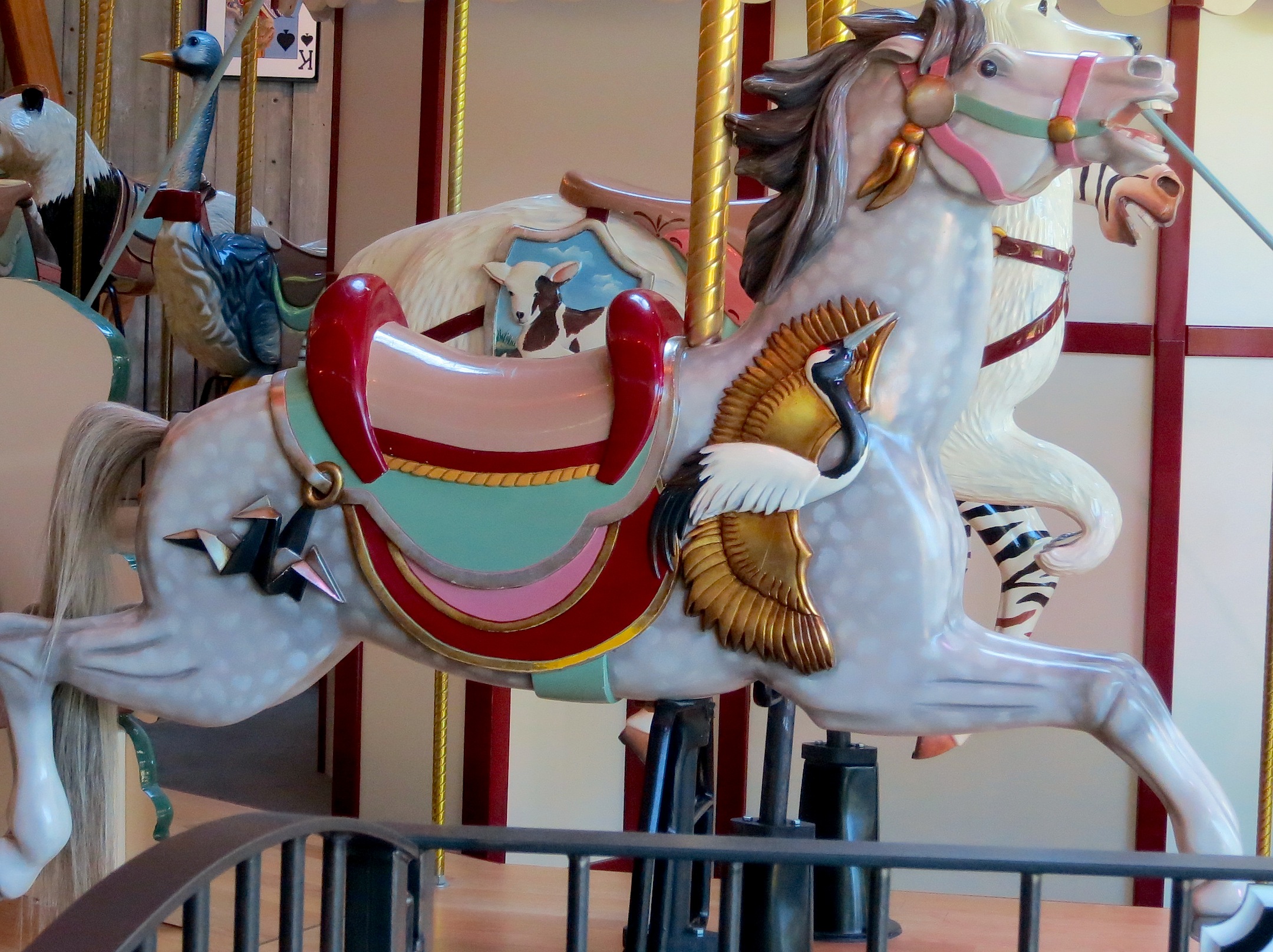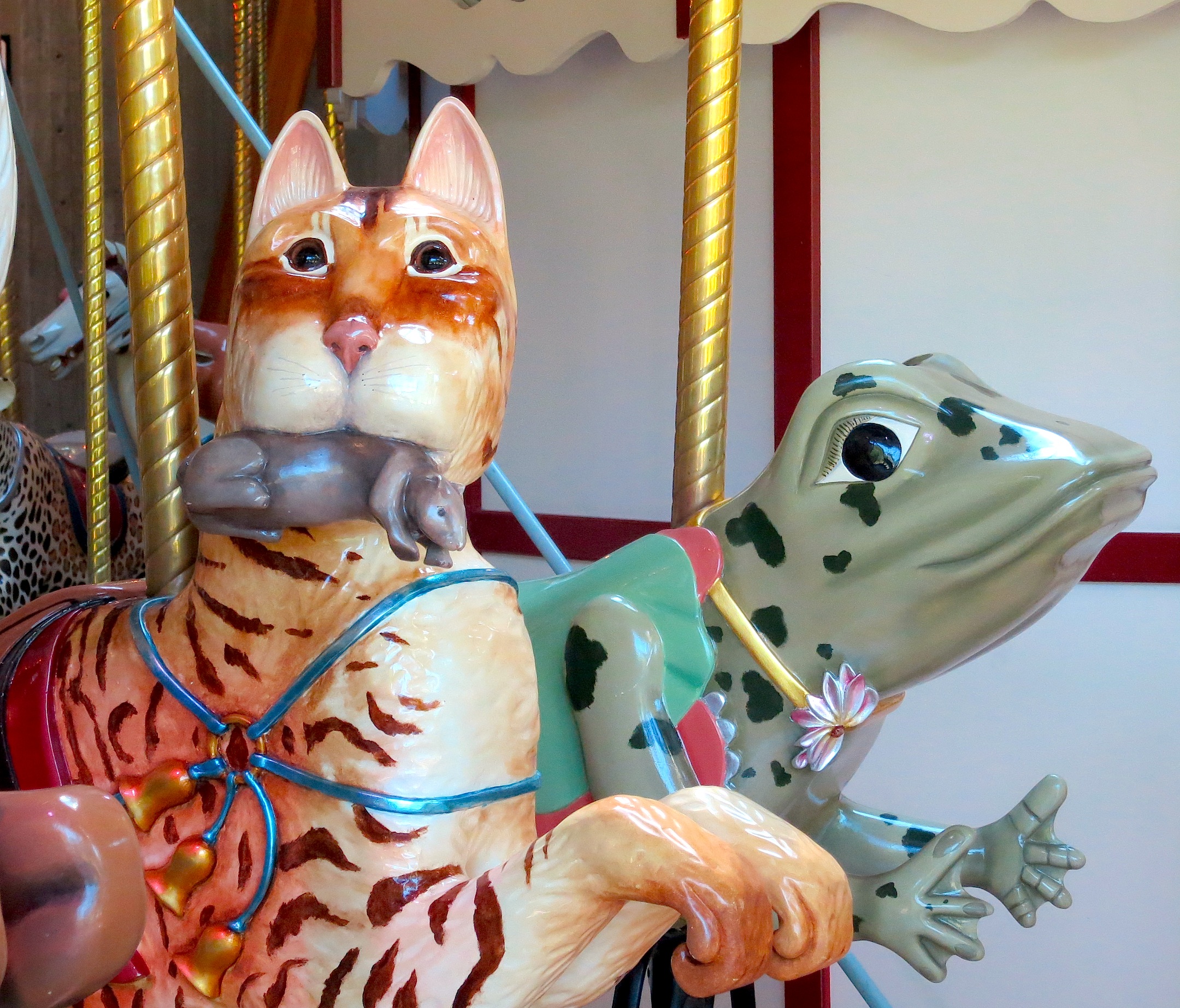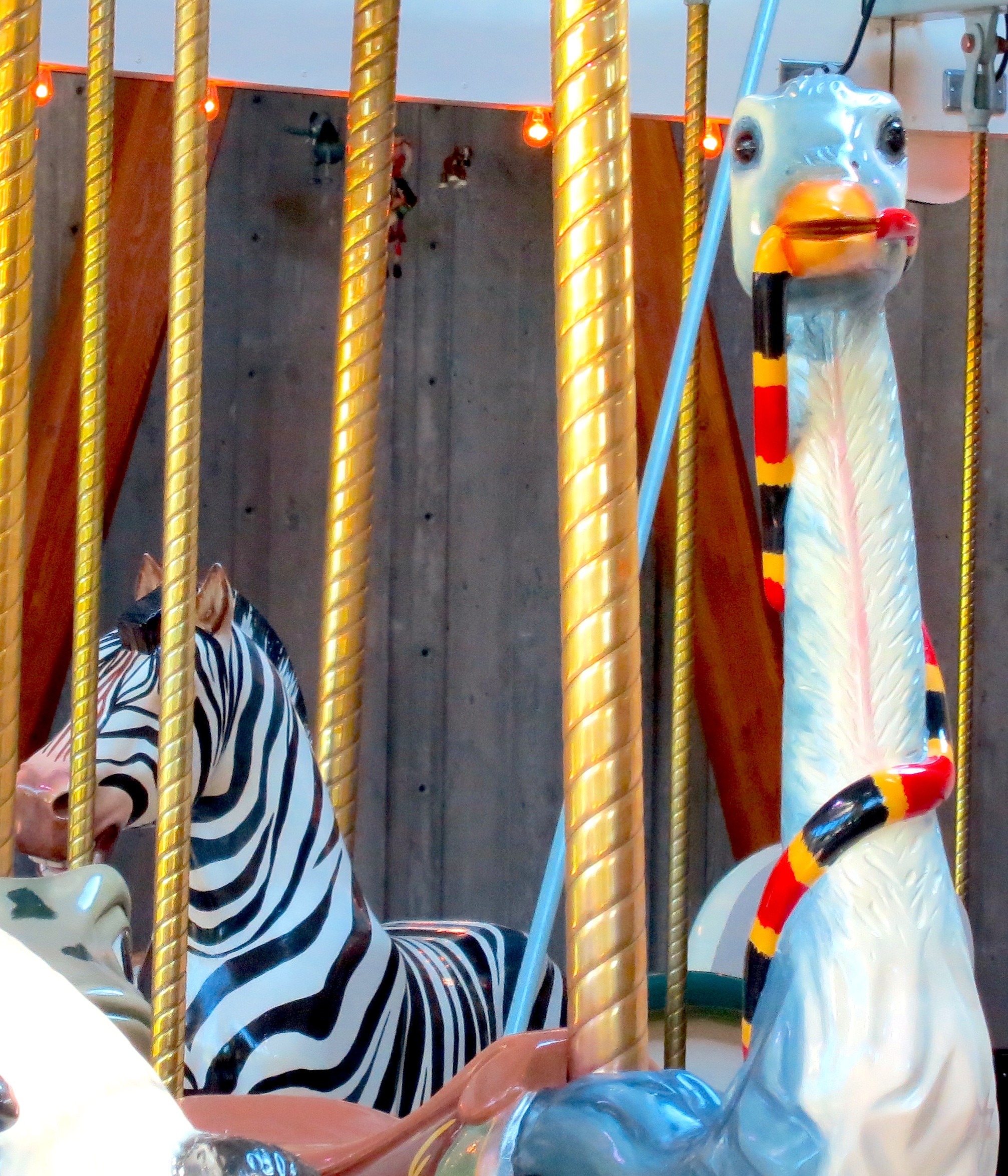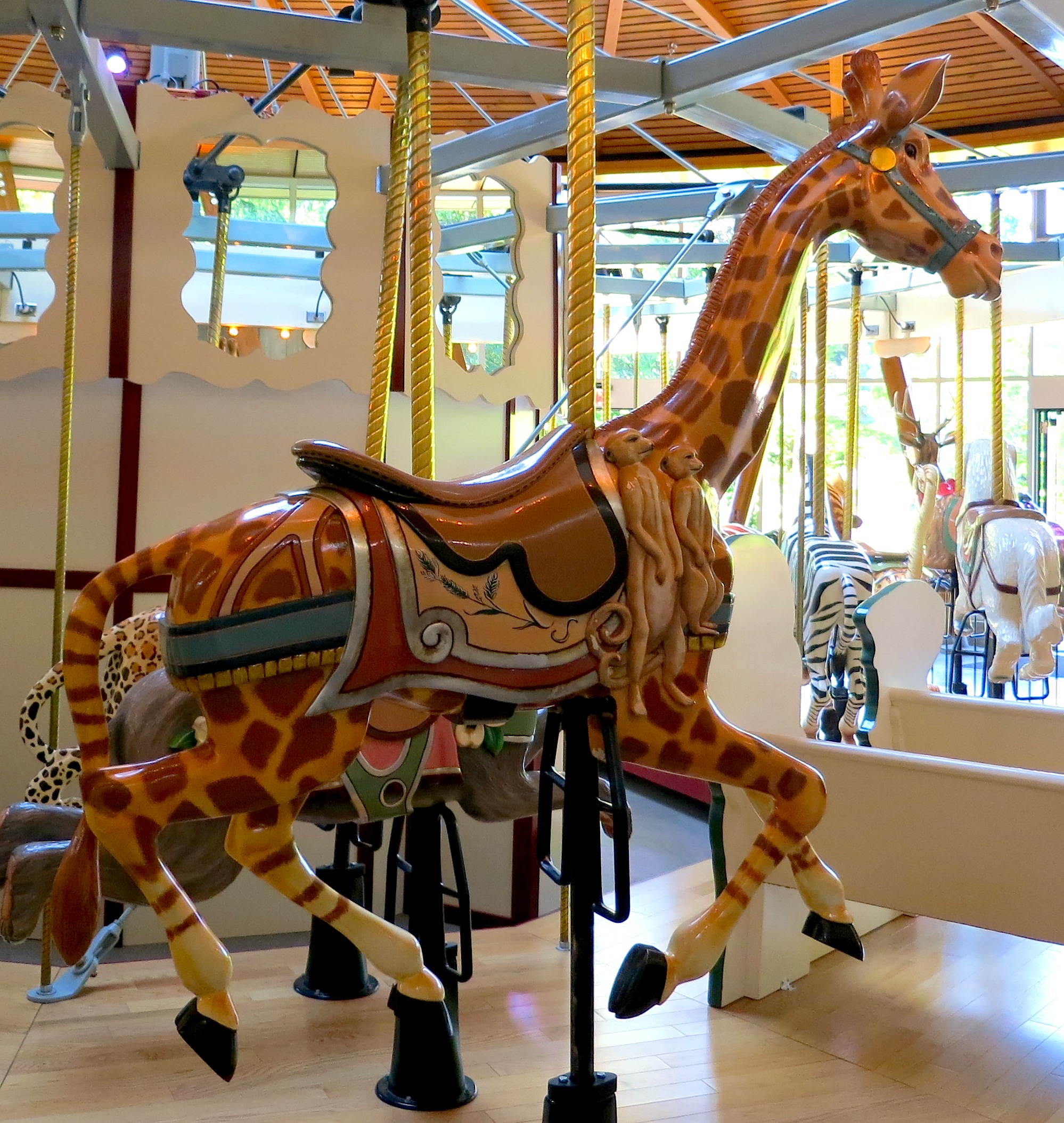
We Look Behind From Where We Came…

And the seasons they go round and round
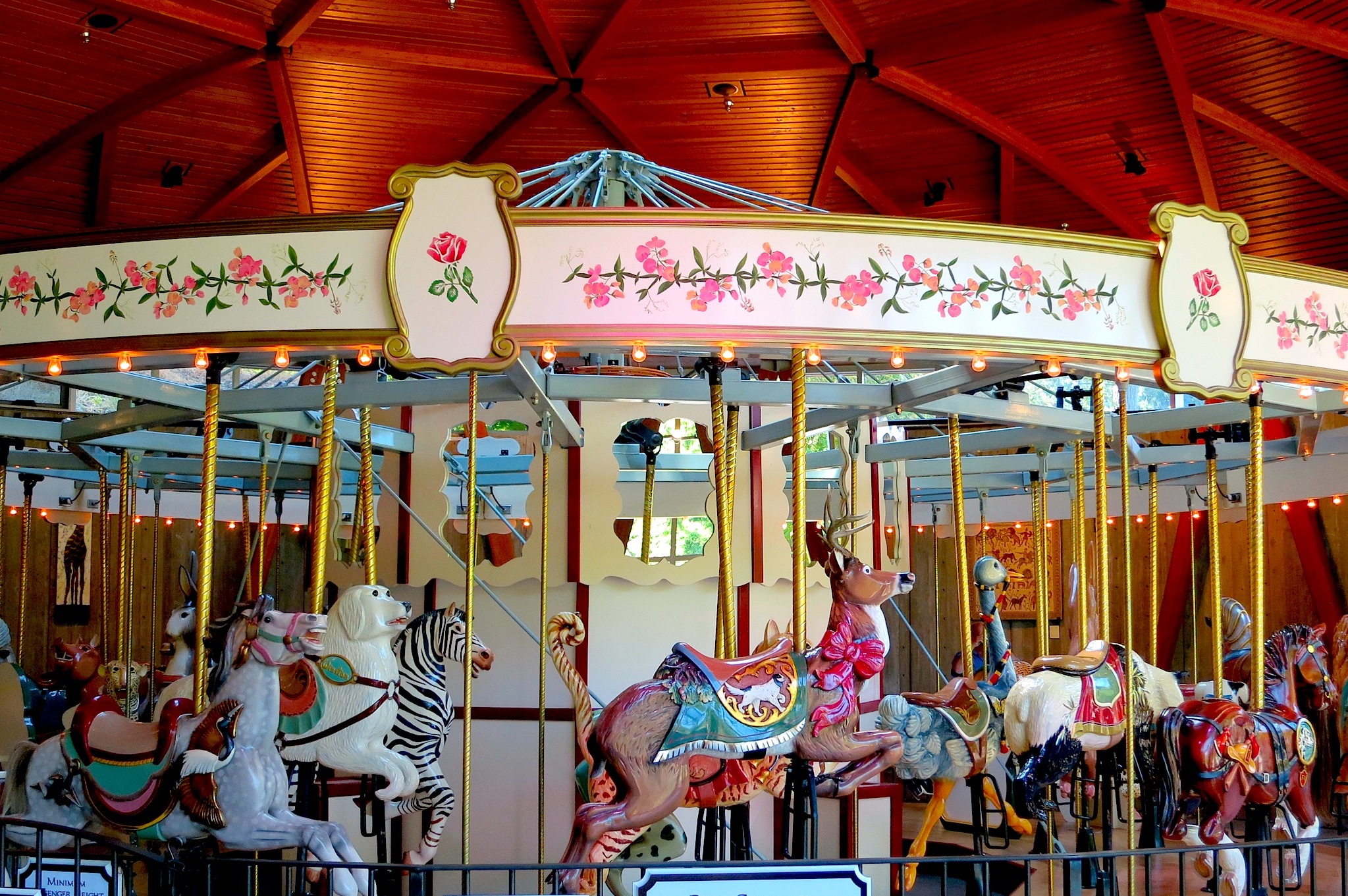
And the painted ponies go up and down
We’re captive on the carousel of time
We can’t return, we can only look behind
From where we came
And go round and round and round
In the circle game…
~Joni Mitchell “The Circle Game”

those lovely horses,
that galloped me,
moving the world,
piston push and pull,
into the past—dream to
where? there, when
the clouds swayed by
then trees, as a tire
swing swung 
me under—rope groan.
now, the brass beam,
holds my bent face,
calliope cadence—O
where have I been?

~Rick Maxson “Carousel at Seventy”

On thin golden poles
gliding up, sliding down,
a kingdom of horses
goes spinning around.

Jumper, Brown Beauty,
Dark Thunder, Sir Snow,
a medley of ponies
parade in a row.

Settled in saddles,
their riders hold on
to reins of soft leather
while circling along

on chestnut or charcoal,
on sleek Arctic white,
on silver they gallop
in place day and night.

Such spinning is magic,
(to dream as you sail)
with lavender saddle
and ebony tail,

whirling to music
in moonlight, spellbound,
galloping, galloping,
merrily go round.

~Rebecca Kai Dotlich “Carousel”

Under its canopy, in the shade it casts,
turns a world with painted horses,
all from a land that lingers a while
before it disappears.
Some, it’s true, are harnessed to a wagon,
but all have valor in their eyes.
A fierce red lion leaps among them,
and here comes ’round a snow-white elephant.

Even a stag appears, straight from the forest,
except for the saddle he wears, and,
buckled on it, a small boy in blue.

And a boy in white rides the lion,
gripping it with small clenched hands,
while the lion flashes teeth and tongue.

And here comes ’round a snow-white elephant.

And riding past on charging horses come girls,
bright-eyed, almost too old now for this children’s play.
With the horses rising under them,
they are looking up and off to what awaits.
~Rainer Maria Rilke from “Jardin de Luxembourg”

A few July memories:

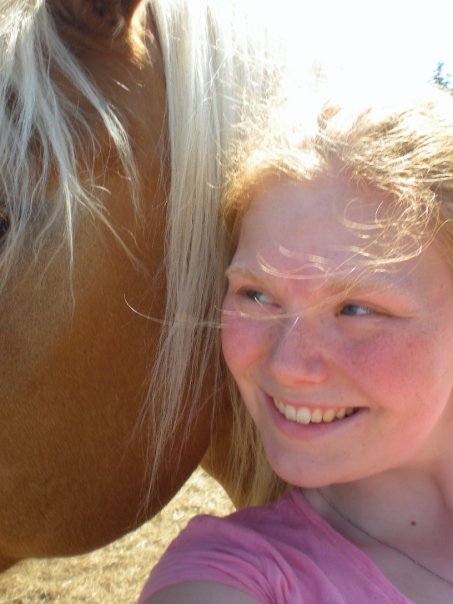
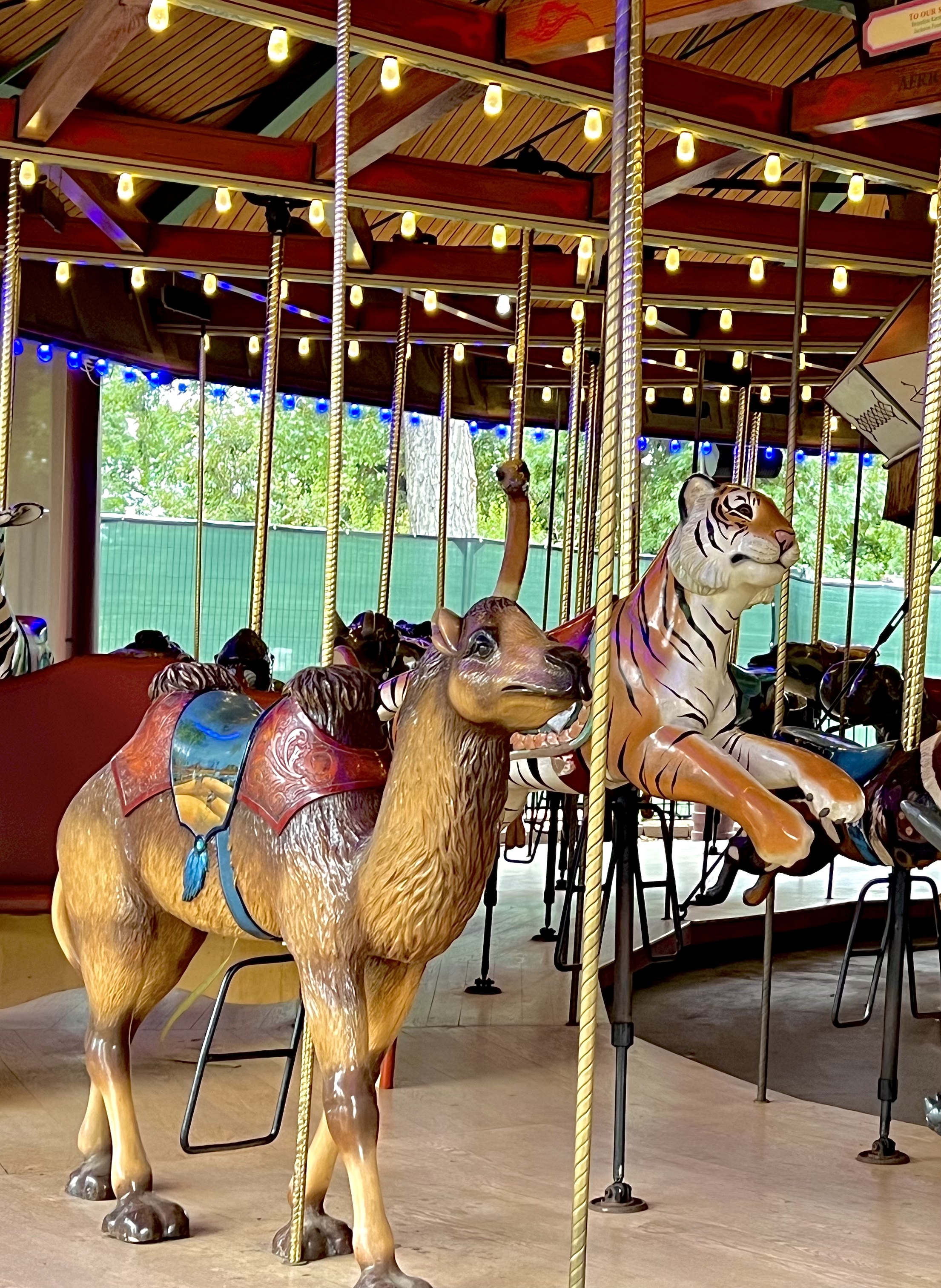
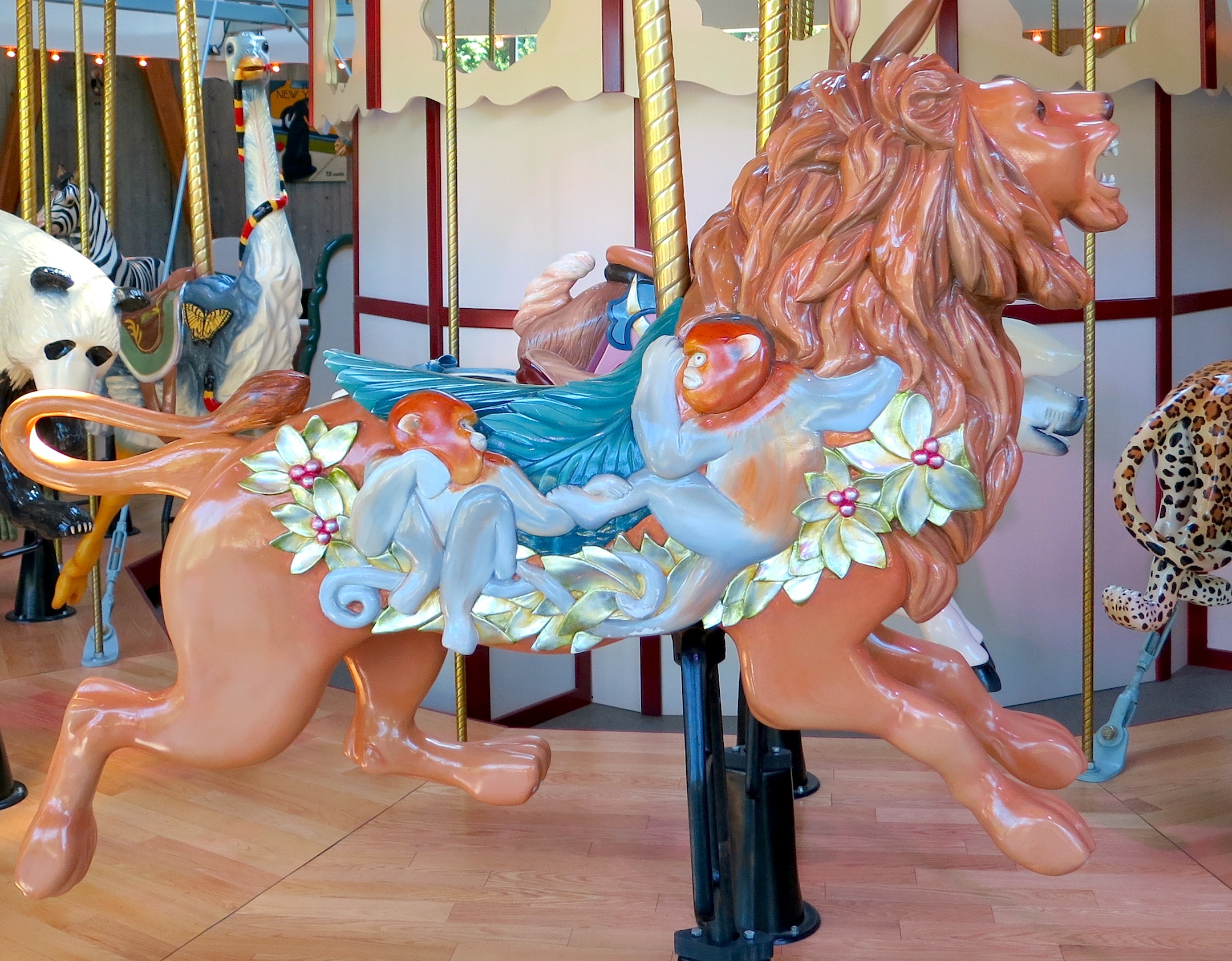
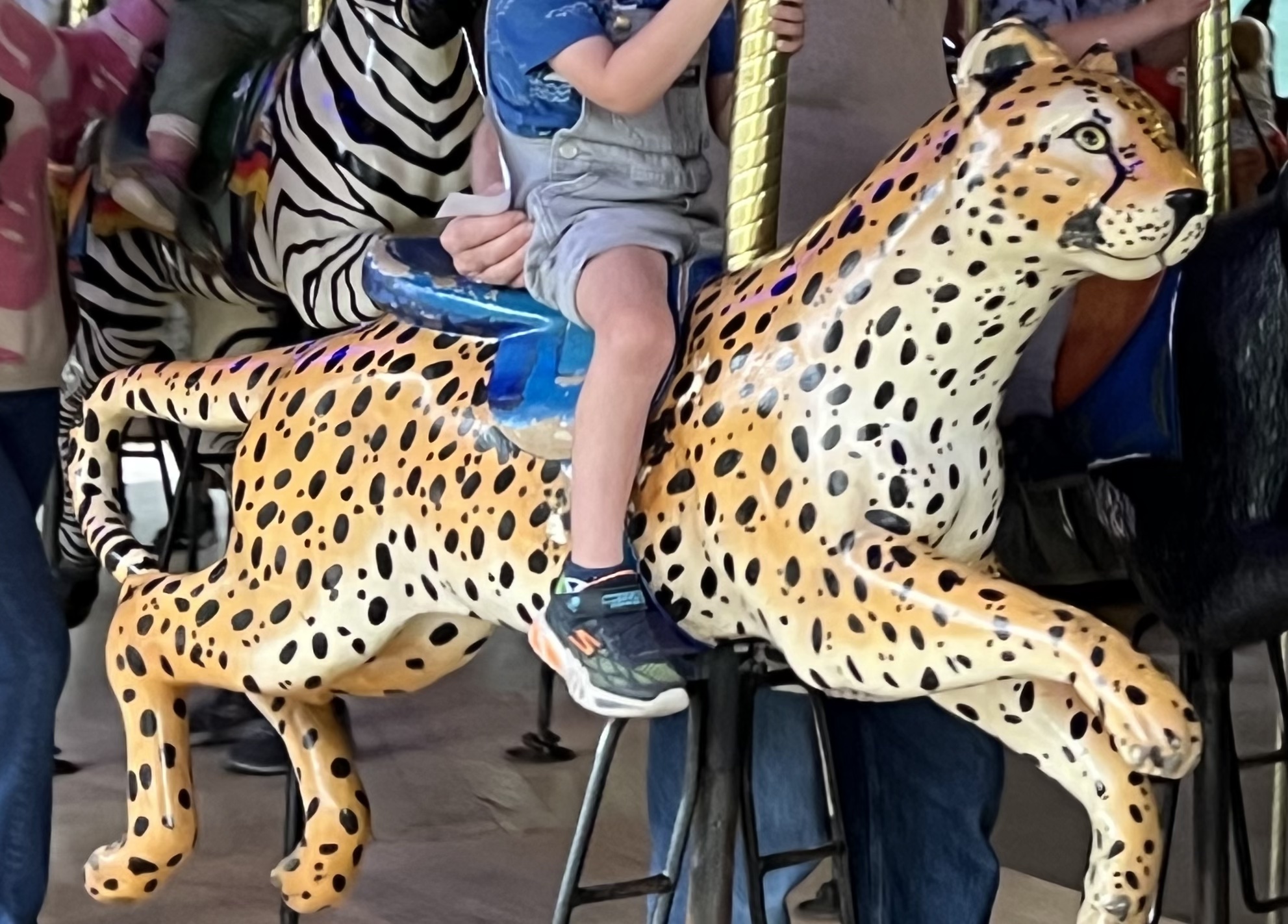
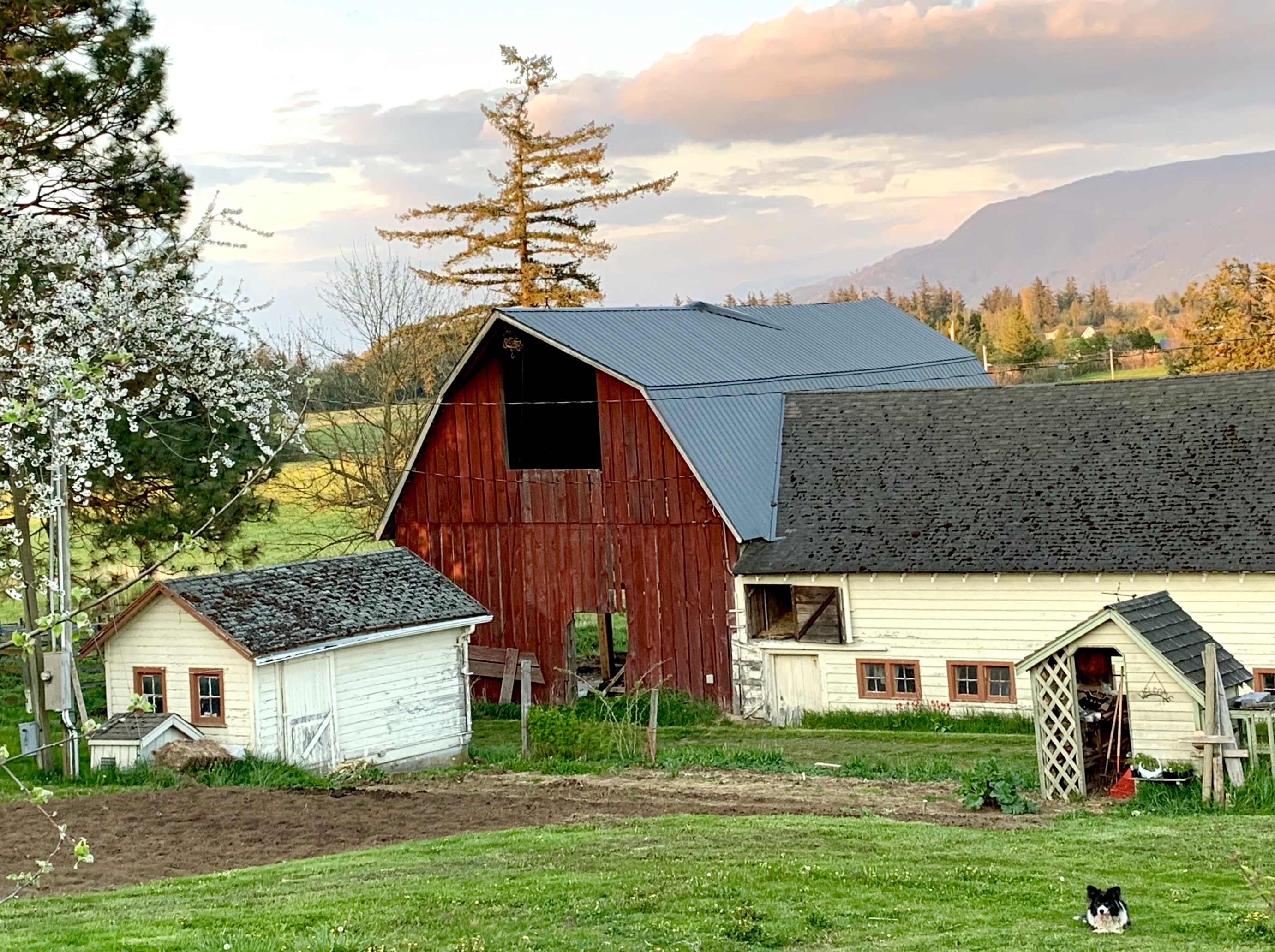
Sixty-five years ago, I was a five year old having her first ride on the historic carousel at Woodland Park Zoo before we moved from Stanwood to Olympia.
Fifty-four years ago — a teenager working in a nursing home as a nurses’ aide after three days of training.
Forty-nine years ago – returned home early from my studies in Tanzania after four chimpanzee researcher friends were held hostage for ransom and eventually released
Forty-three years ago — deep in the guts of a hospital working forty hour long shifts, thinking about the man I was soon to marry
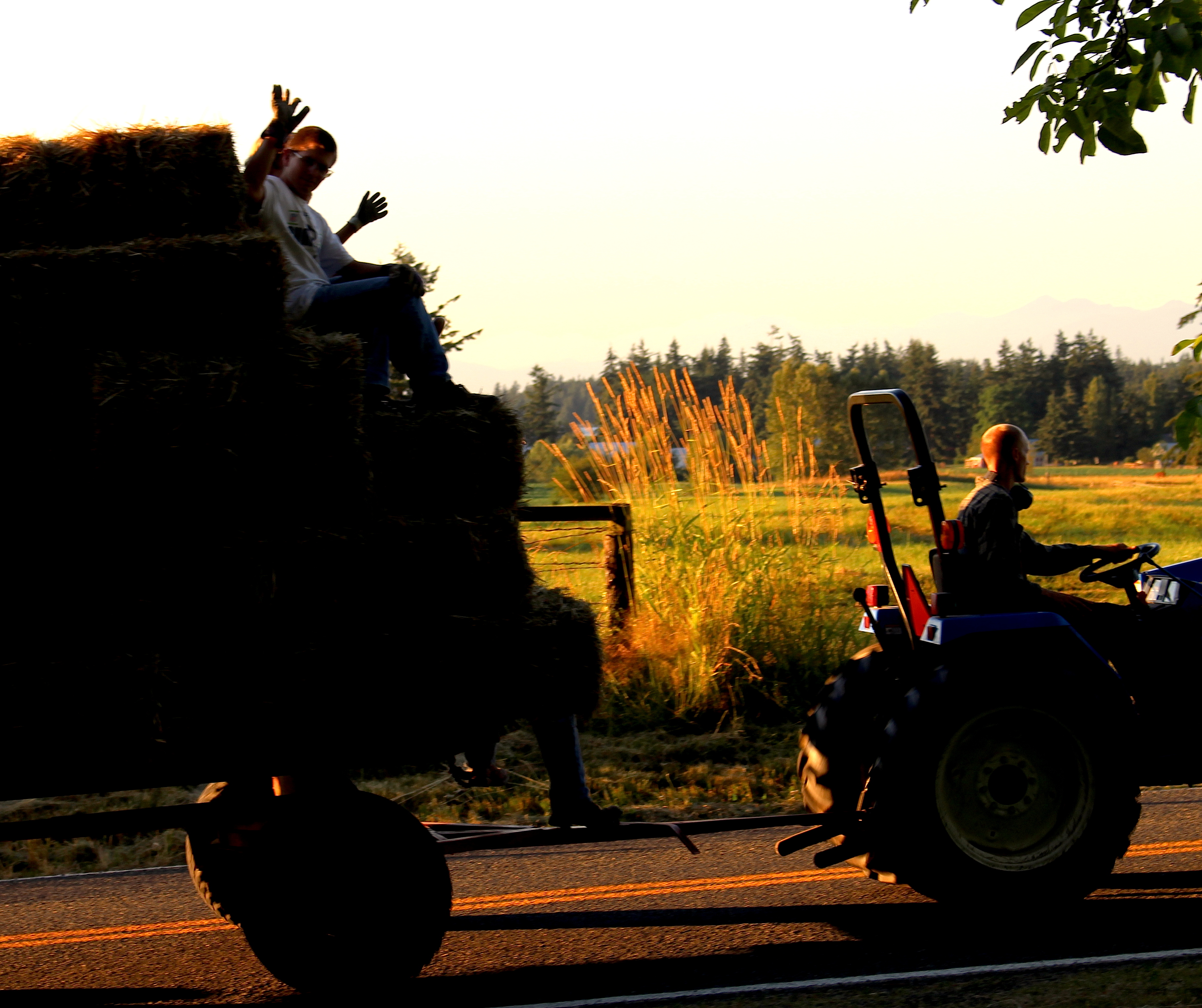
Thirty-four years ago — my husband and I picking up bales of hay in our own farm field, two young children in tow after accepting a new position doctoring at the local university
Twenty-seven years ago — raising three children and completed farm house remodel, supporting three parents with health issues, raising Haflinger horses, helping design a new clinic building at work, playing piano and teaching Sunday School at church
Twenty-whatever years ago – life spinning faster, blurring with work at home, on the farm, at clinic, at church. I begin writing to grab and hang on to what I can.
Sixteen years ago — one son about to move to Japan to teach and the other son to teach at Pine Ridge in South Dakota, daughter at home with a new driver’s license working with migrant children, a mother slowly bidding goodbye to life at a local care center, farming less about horse raising and more about gardening, maintaining and preserving.
Ten years ago — two sons married, daughter working as a camp counselor so our first summer without children at home. Perfect time to raise a new puppy!
Five years ago – A two year old granddaughter and two new grandsons! Daughter teaching, engaged to be married.
Two years ago – completed forty-two years of non-stop doctoring so I bid it goodbye.
Now – Three more grandsons! Two retired grandparents! Big garden on the farm but we’re slowing down.

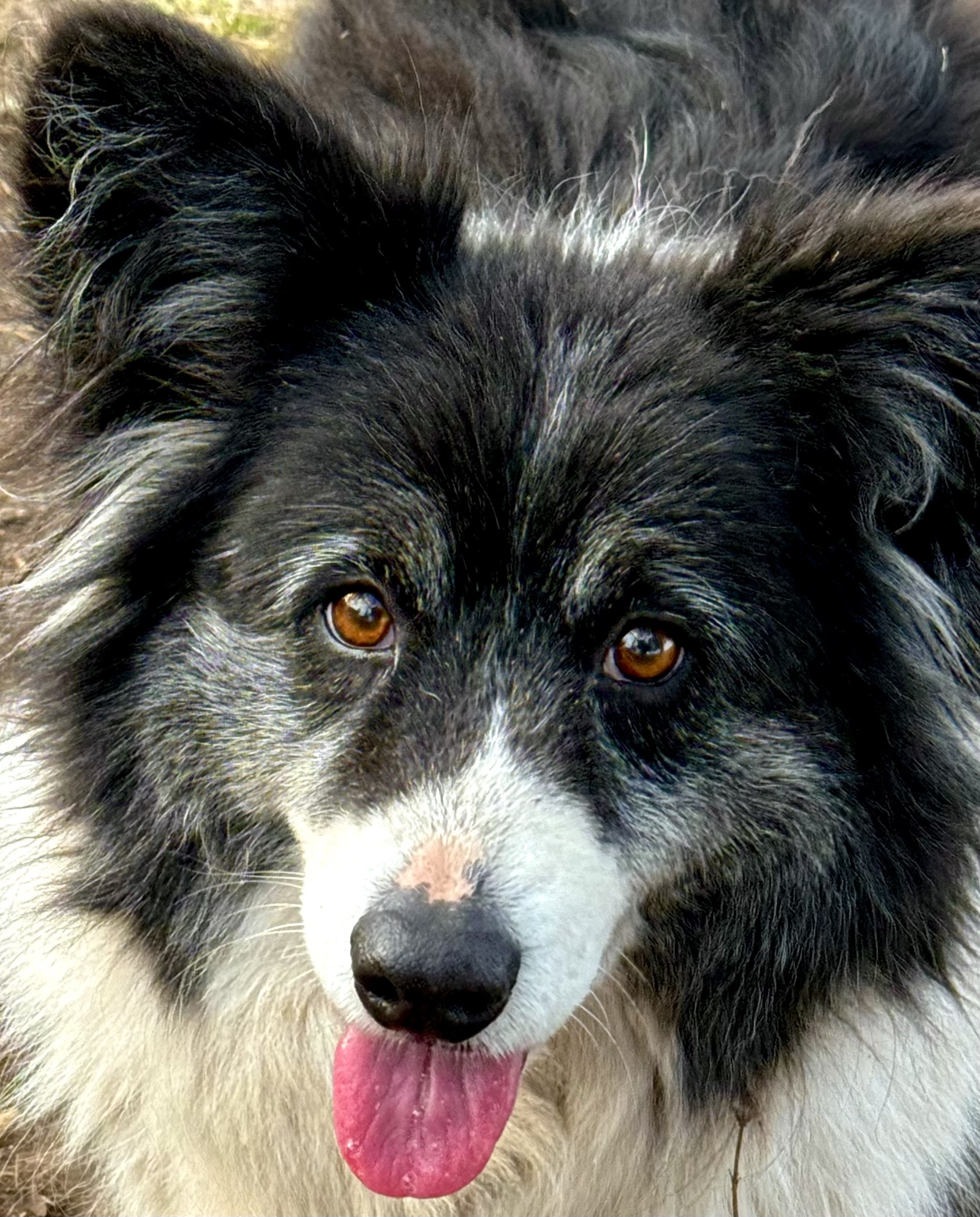
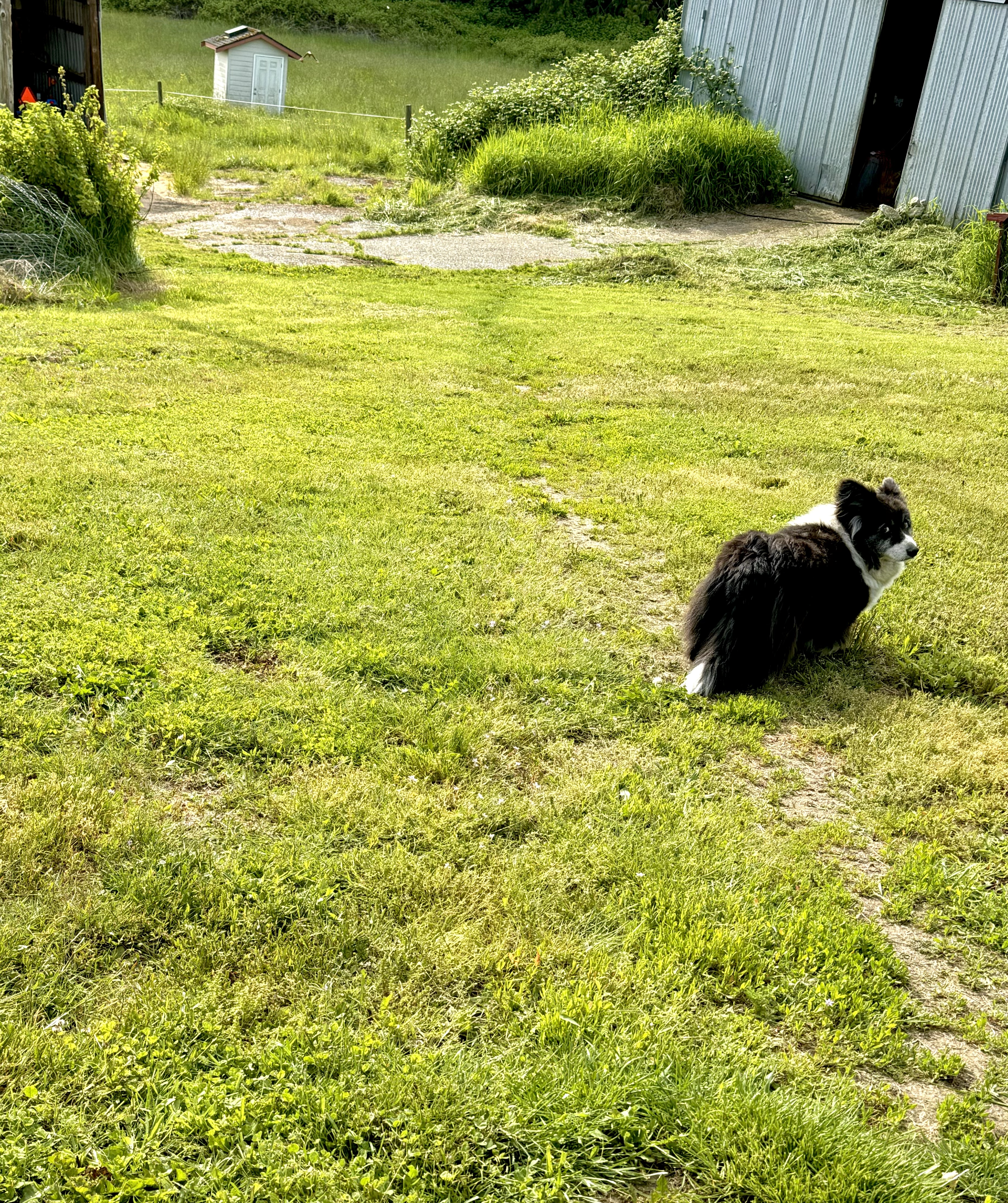
The puppy’s face and our hair are turning white…

O where have I been?
We can only look behind from where we came and await what is ahead.

The decades pass, round and round – there is comfort knowing that through the ups and downs of daily life, we still hang on. If we slip and fall, there is Someone ready to catch us.

Looking behind you, where have you been? What awaits you where you are heading?

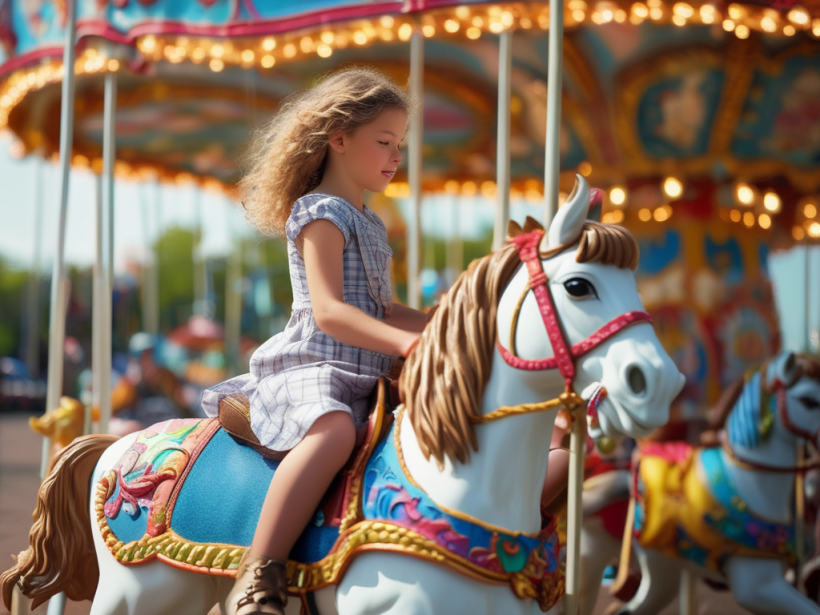
AI image created for this post
One-Time
Monthly
Yearly

Make a one-time or recurring donation to support daily Barnstorming posts

Make a monthly donation

Make a yearly donation

Choose an amount

$10.00
$25.00
$50.00
$5.00
$15.00
$100.00
$5.00
$15.00
$100.00

Or enter a custom amount

$

Your contribution is deeply appreciated.

Your contribution is appreciated.

Your contribution is appreciated.

DonateDonate monthlyDonate yearly
Empty of Air

On the green hill with the river beyond it
long ago and my father there
and my grandmother standing in her faded clothes
wrinkled high-laced black shoes in the spring grass
among the few gravestones inside their low fence
by the small white wooden church
the clear panes of its windows
letting the scene through from the windows
on the other side of the empty room
and a view of the trees over there
my grandmother hardly turned her head
staring like a cloud at the empty air
not looking at the green glass gravestone
with the name on it of the man to whom
she had been married and who had been
my father’s father she went on saying nothing
her eyes wandering above the trees
that hid the river from where we were
a place where she had stood with him one time
when they were young and the bell kept ringing

~W. S. Merwin “Widnoon” from The Moon Before Morning 

I remember my grandfather as a somber quiet man who used to slowly rock in a wooden chair that now happens to sit empty here in our home.

For most of his life, my Grandpa drank heavily but he wasn’t just any drunk.  He was a mean drunk. Surly, cursing, prone to throwing things and people, especially at home.

Grandma used to say he learned to drink in the logging camps and I suspect that is true. He started working as a logger before he was fully grown, dropping out of school, leaving home around age sixteen and heading up to the hills where real money could be made. He learned more than how to cut down huge old growth Douglas Fir trees, skid them down the hills using a team of horses, and then roll them onto waiting wagons to be hauled to the mills. He learned how to live with a group of men who surfaced once or twice a month from the hills to take a bath, bootleg booze during prohibition and maybe go to church with their womenfolk.

Mostly the loggers taught him how to curse and drink.

He headed home to the farm with muscles and attitude a few years later, and started the process of felling trees, creating a “stump farm” that was a challenge to work because huge stumps dotted the fields and hills. He slowly worked at blasting them out of the ground so the land could be tilled. It proved more than he had strength and motivation to do, so his fields were never very fruitful, mostly growing hay for his own animals. He went to work in the local saw mill to make ends meet.

He cleaned up some when he met my grandmother, who at eighteen was seven years younger, and eager to escape her role as chief cook and bottle washer for her widowed father and younger brother.  She was devout, lively and full of energy and talked constantly while he, especially when sober, preferred to let others do the talking. It was an unusual match but he liked her cooking and she was ready to escape the drudgery of her father’s household and be wooed.

They settled on the stump farm and began raising a family, trying to eke out what living they could from the land, from the sporadic work he found at the saw mill, and every Sunday, took the wagon a mile down the road to the Bible Church where they both sang with gusto.

He still drank when he had the money, blowing his pay in the local tavern, and stumbling in the back door roaring and burping, falling into bed with his shoes on. Grandma was a teetotaler and yelled into his ruddy face about the wrath of God anytime he drank, their four children hiding when the dishes started to fly, and when he would whip off his belt to hit anyone who looked sideways at him.

When their eldest daughter took sick and died of lymphoma at age eight despite the little doctoring that was available, Grandpa got sober for awhile. He saw it as punishment from God, or at least that is what Grandma told him through her sobs as she struggled to cope with her loss.

Over the years, he relapsed many times, losing fingers in his work at the mill, and losing the respect of his wife, his children and the people in the community. Grandma took the kids for several months to cook in a boarding house in a neighboring town, simply to be able to feed her family while Grandpa squandered what he had on drink. Reconciled over and over again, Grandma would come back to him, sending their only son to fetch him from the tavern for the night. My Dad would bicycle to that dark and smoky place, stand Grandpa up and guide him staggering out to their truck for the weaving drive home on country roads. On more than one occasion, Grandpa, belligerent as ever, would resist leaving and throw a punch at his boy, usually missing by a mile.

But once the boy grew taller and strong enough to fight back, managing to knock Grandpa to the ground in self-defense, the punching and resistance stopped. The boozing didn’t.

Grandpa sobered up for good while his boy fought in the war overseas in the forties, striking a bargain with God that his boy would come home safe to work the farm as long as Grandpa left alcohol alone.  It stuck and he stayed sober. His boy came home. Grandpa saw it as a promise kept and became an elder in his Bible Church, taught Sunday School and gave his extra cash to the church rather than the tavern. He and Grandma donated a house on their property to the church for a parsonage.

Some twelve years later, sitting in a Christmas Sunday School program one Christmas Eve, Grandpa leaned toward Grandma and she saw his face broken out in sweat, his face ashen.

“It’s hot in here, I need air, “ he said and collapsed in her lap. He was gone, just like that. He left the rest of his family behind while he sat in church, sober as can be, on the day before Christmas.

There is no question in my mind he knew he was forgiven. He headed home one more time, not weaving or swerving but traveling straight and narrow.

AI image created for this post
One-Time
Monthly
Yearly

Make a one-time or recurring donation to support daily Barnstorming posts

Make a monthly donation

Make a yearly donation

Choose an amount

$10.00
$25.00
$50.00
$5.00
$15.00
$100.00
$5.00
$15.00
$100.00

Or enter a custom amount

$

Your contribution is deeply appreciated.

Your contribution is appreciated.

Your contribution is appreciated.

DonateDonate monthlyDonate yearly
The Sighs of the Earth

Ask the questions that have no answers.
Invest in the millenium. Plant sequoias.
Say that your main crop is the forest
that you did not plant,
that you will not live to harvest.

Practice resurrection.
~Wendell Berry from “Manifesto: The Mad Farmer Liberation Front”

If I have to pick a side,
let me side with the bees,
with summer blossoms and
winter snowdrifts.
Let me side with the children
I know and the ones I don’t,
with the late-shift nurse
and his aching back,
with the grandmother digging in her garden.
Let me side with the earth in all her sighing, the stars
in all their singing, with
stray dogs and street artists,
with orphans and widows.
Like Berry,
let me say everything was for
love of the forest I will never
see, the harvest I will never
reap. I pledge my allegiance
to the world to come.
~Jen Rose Yokel “Choosing Sides”

photo by Danyale Tamminga
photo by Nate Lovegren

We are each here in this life for such a short time…

What we leave behind is a shadow of the gifts we received at birth – given the chance, we can renew and rebuild this struggling earth. Listening to the sighs of a world in distress, I try to plant words and living things to last beyond my time here.

Every day we choose sides. Standing alone in our choices, we wonder how we will ever connect to one another.

I want to wrap my arms around anyone who needs a hug right now.

I know I do. Maybe you do too.

Starry Night – Van Gogh
photo by Sara Lenssen
AI image created for this post

One-Time
Monthly
Yearly

Make a one-time or recurring donation to support daily Barnstorming posts

Make a monthly donation

Make a yearly donation

Choose an amount

$10.00
$25.00
$50.00
$5.00
$15.00
$100.00
$5.00
$15.00
$100.00

Or enter a custom amount

$

Your contribution is deeply appreciated.

Your contribution is appreciated.

Your contribution is appreciated.

DonateDonate monthlyDonate yearly
Hold On…

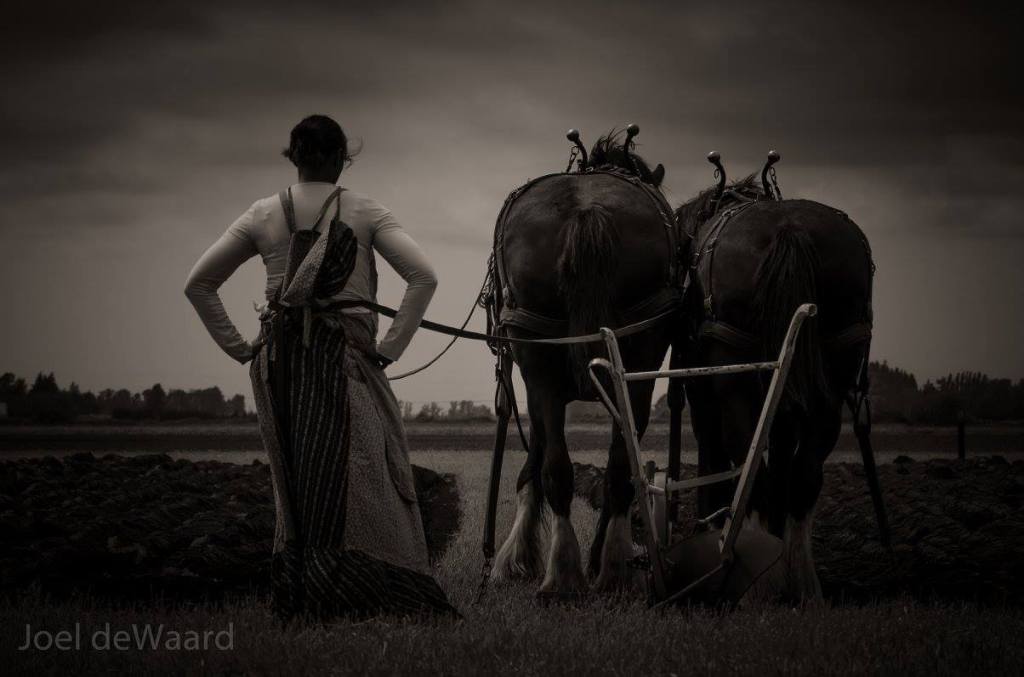
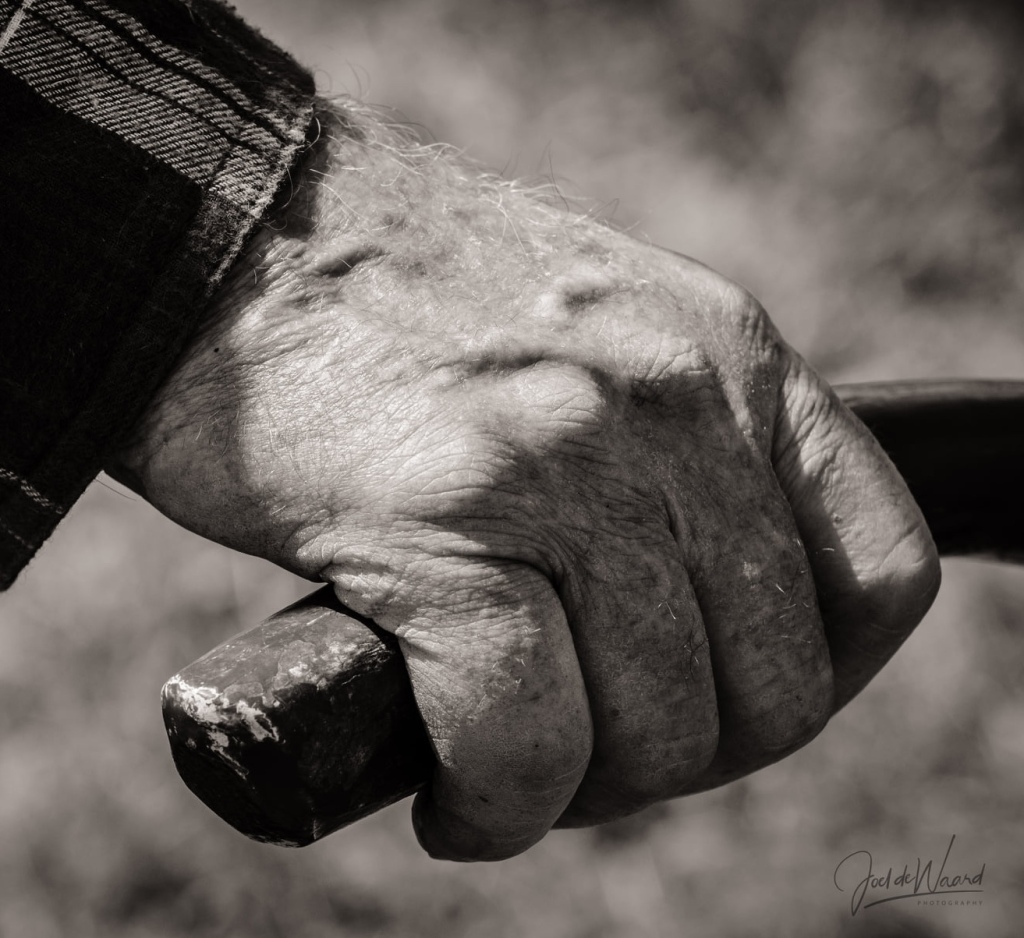
photo by Joel DeWaard

Little soul,
you and I will become
the memory
of a memory of a memory.
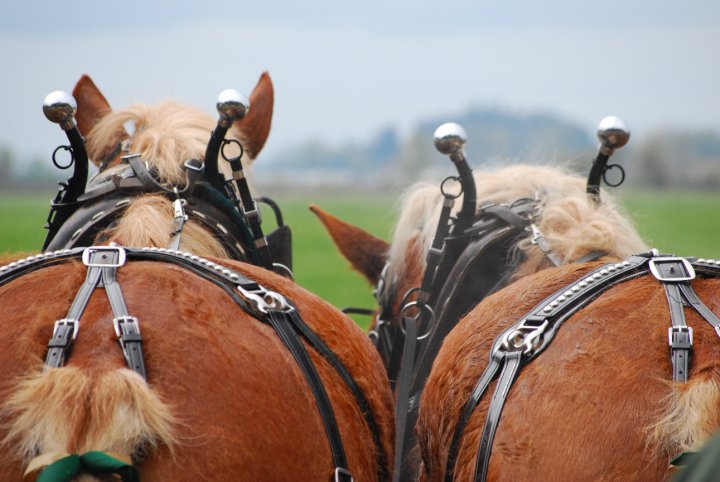
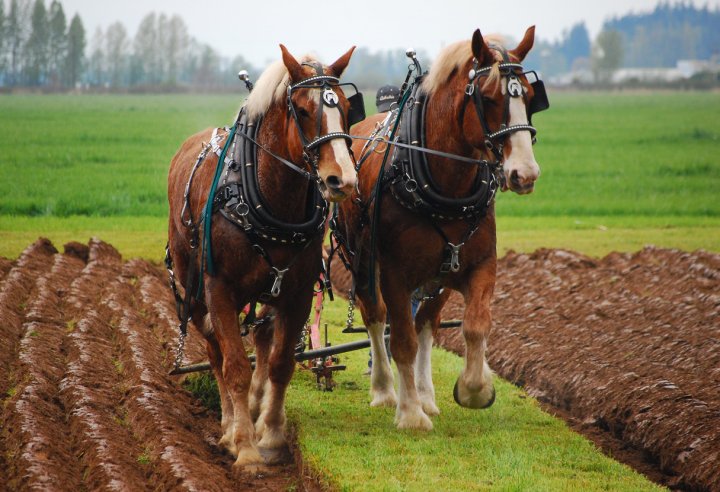
A horse
released of the traces
forgets the weight of the wagon.
~Jane Hirshfield “Harness”

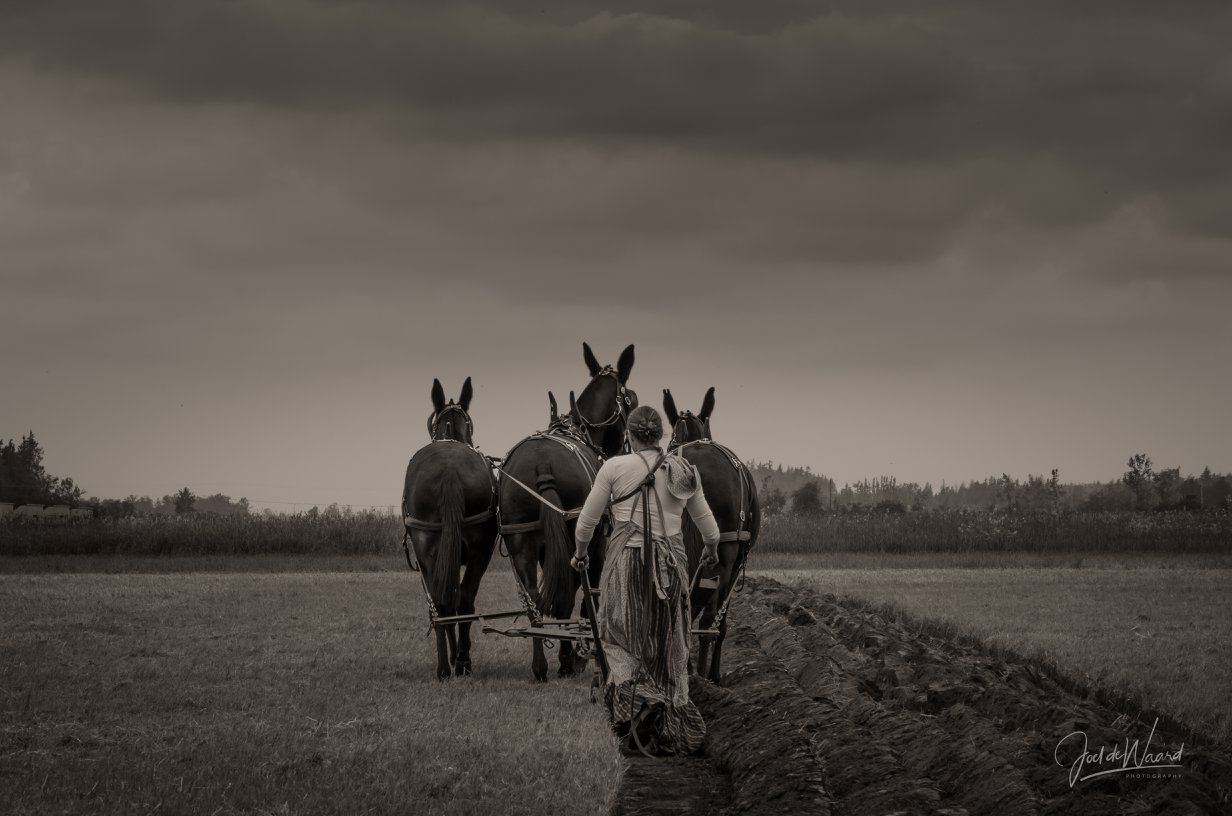
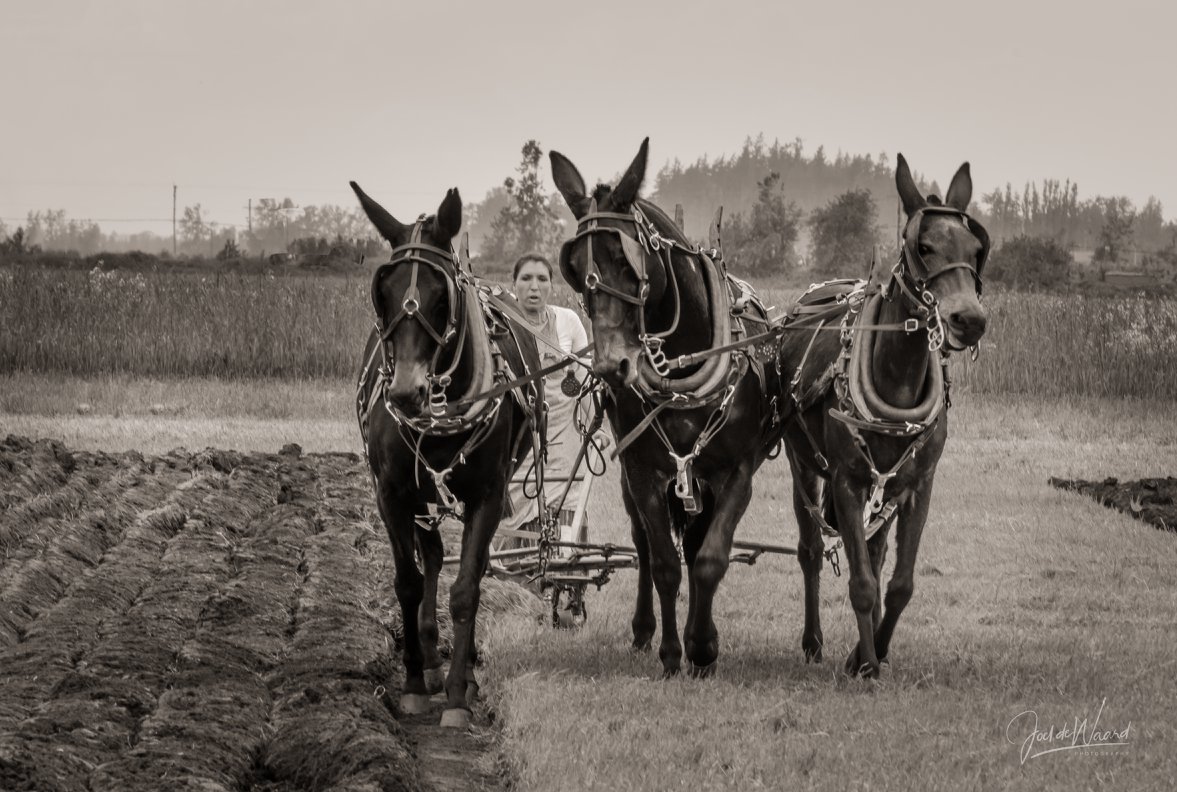
photo by Joel DeWaard
Field with Plowing Farmers by Vincent Van Gogh

My grandmothers were strong.
They followed plows and bent to toil.
They moved through fields sowing seed.
They touched earth and grain grew.
They were full of sturdiness and singing.
My grandmothers were strong.

My grandmothers are full of memories
Smelling of soap and onions and wet clay
With veins rolling roughly over quick hands
They have many clean words to say.
My grandmothers were strong.
Why am I not as they?

~Margaret Walker “Lineage”

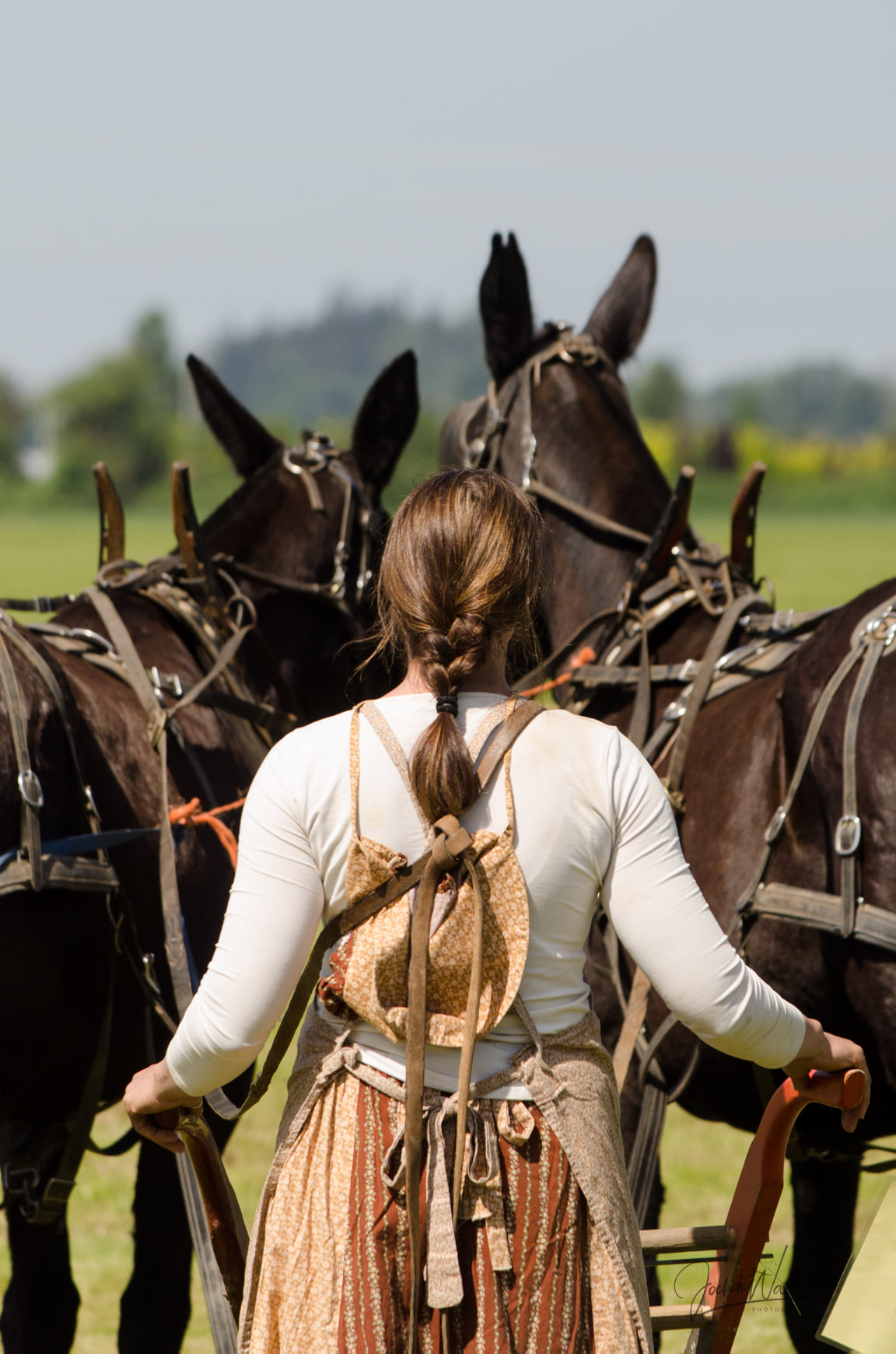
photo by Joel DeWaard

In recognition of the history of Juneteenth...

So many years of shouldering huge burdens
while waiting for freedom from the harness:
grandmothers, grandfathers, parents, children
struggling through every ounce of sweat,
every sore muscle,
every drop of blood,
every tear.

How can one forget the weight of the plow
as it turns over the earth
where someday all will rest as dust?

The soil of strong hearts is well-tilled,
yielding to the plowshare,
furrowed deep and straight
by the hard pull of the traces.

Although black hearts and minds are still tread upon
yet do they bloom;
even when turned inside out
yet do they flourish.

Plow deep our hearts this day, oh Lord,
to celebrate freedom declared for all God’s children.

May we never forget the strength it took to hold on…
to plow, sow, grow, gather and harvest that freedom,
the steady pull on the traces
in order to raise up strong children and grandchildren
evermore and everywhere.

photo by Joel DeWaard
photo by Joel De Waard

Thank you once again to Joel DeWaard, local farmer, craftsman and photographer, who graciously shares his remarkable photos.

AI image created for this post

One-Time
Monthly
Yearly

Make a one-time or recurring donation to support daily Barnstorming posts

Make a monthly donation

Make a yearly donation

Choose an amount

$10.00
$25.00
$50.00
$5.00
$15.00
$100.00
$5.00
$15.00
$100.00

Or enter a custom amount

$

Your contribution is deeply appreciated.

Your contribution is appreciated.

Your contribution is appreciated.

DonateDonate monthlyDonate yearly
When I Had the Chance…

“Hold on,” she said, “I’ll just run out and get him.
The weather here’s so good, he took the chance
To do a bit of weeding.”


So I saw him
Down on his hands and knees beside the leek rig,
Touching, inspecting, separating one
Stalk from the other, gently pulling up
Everything not tapered, frail and leafless,
Pleased to feel each little weed-root break,
But rueful also . . . 


Then found myself listening to
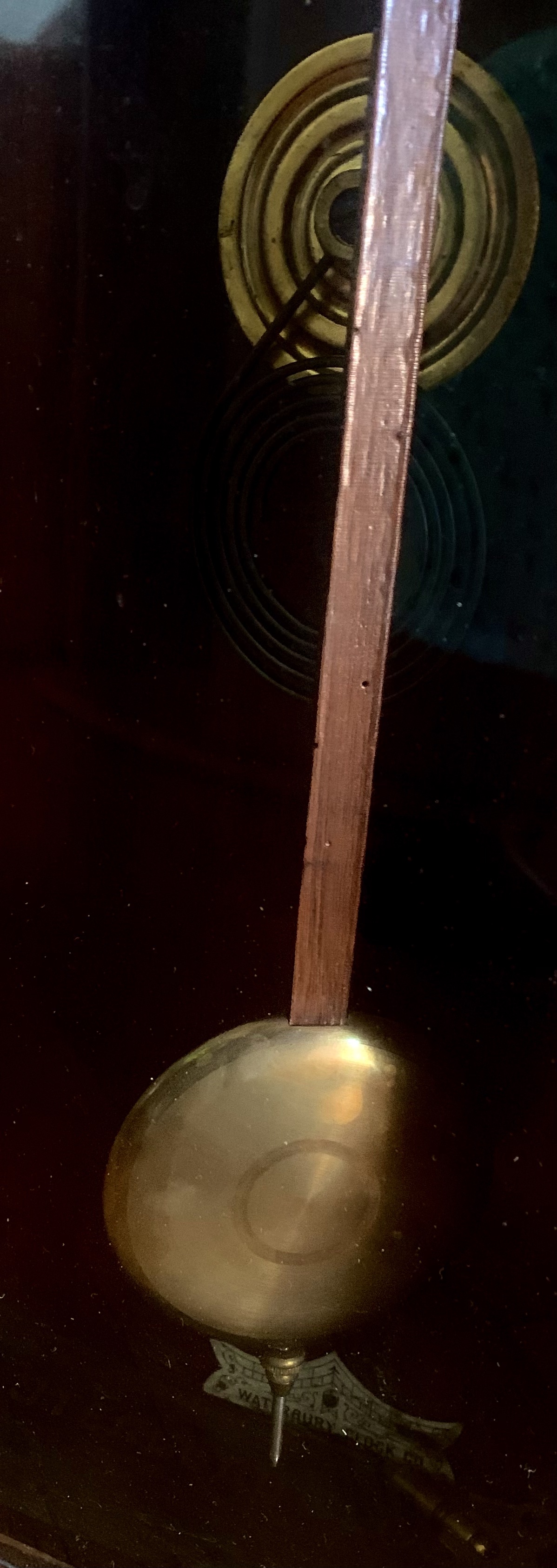
The amplified grave ticking of hall clocks
Where the phone lay unattended in a calm
Of mirror glass and sunstruck pendulums . . . 


And found myself then thinking: if it were nowadays,
This is how Death would summon
Everyman.

Next thing he spoke and I nearly said I loved him.
~Seamus Heaney “A Call” from ‘Poems That Make Grown Men Cry’

My father was a complex man. I understand better now where my own complicated nature comes from.

As inscrutable as he could be, there were things I absolutely understood about him:

he was a man of action
– he never just sat, never took a nap, never wasted a day of his life without accomplishing something tangible.

he was a man of the soil
– he plowed and harrowed and sowed and fertilized and weeded and cut brush and harvested

he was a man of inventiveness
– he figured out a better way, he transformed tools and buildings, he started from scratch and built the impossible

he didn’t explain himself
– and never felt the need to.

Time keeps ticking on without him here, now 29 years since he took his last breath as the clock pendulum swung back and forth in his bedroom. He was taken too young for all the projects he still had in mind.

He handed off a few to me.
Some I have done.
Some still wait, I’m not sure why.

My regret is not understanding how much he needed to hear how loved he was. He seemed fine without it being said.

But he wasn’t fine. And neither was I.

I wish I had said it when I had the chance.

One-Time
Monthly
Yearly

Make a one-time or recurring donation to support daily Barnstorming posts

Make a monthly donation

Make a yearly donation

Choose an amount

$10.00
$25.00
$50.00
$5.00
$15.00
$100.00
$5.00
$15.00
$100.00

Or enter a custom amount

$

Your contribution is deeply appreciated.

Your contribution is appreciated.

Your contribution is appreciated.

DonateDonate monthlyDonate yearly
Warmness of Clover Breath

To enrich the earth I have sowed clover and grass
to grow and die. I have plowed in the seeds
of winter grains and of various legumes,
their growth to be plowed in to enrich the earth.
I have stirred into the ground the offal
and the decay of the growth of past seasons
and so mended the earth and made its yield increase.
All this serves the dark. I am slowly falling
into the fund of things. And yet to serve the earth,
not knowing what I serve, gives a wideness
and a delight to the air, and my days
do not wholly pass. It is the mind’s service,
for when the will fails so do the hands
and one lives at the expense of life.
After death, willing or not, the body serves,
entering the earth. And so what was heaviest
and most mute is at last raised up into song.

~Wendell Berry “Enriching the Earth” from Collected Poems

It was the face of spring, it was the face of summer,
it was the warmness of clover breath.
Pomegranate glowed in her lips, and the noon sky in her eyes.
And all of this, this breath-warmness and plum-tenderness

was held forever
~Ray Bradbury from Dandelion Wine

To make a prairie it takes a clover and one bee,
One clover, and a bee,
And revery.
The revery alone will do,
If bees are few.
Emily Dickinson

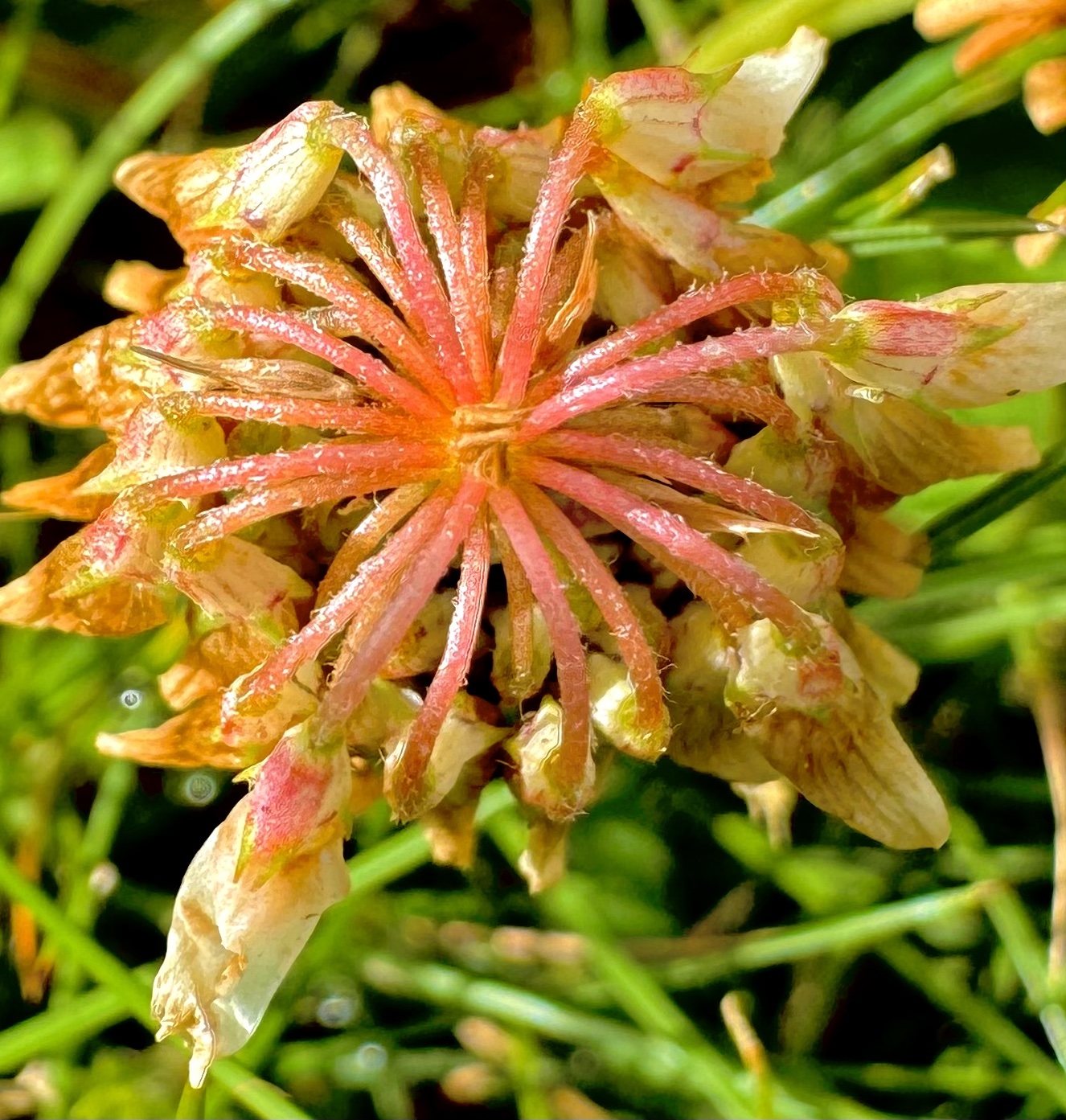
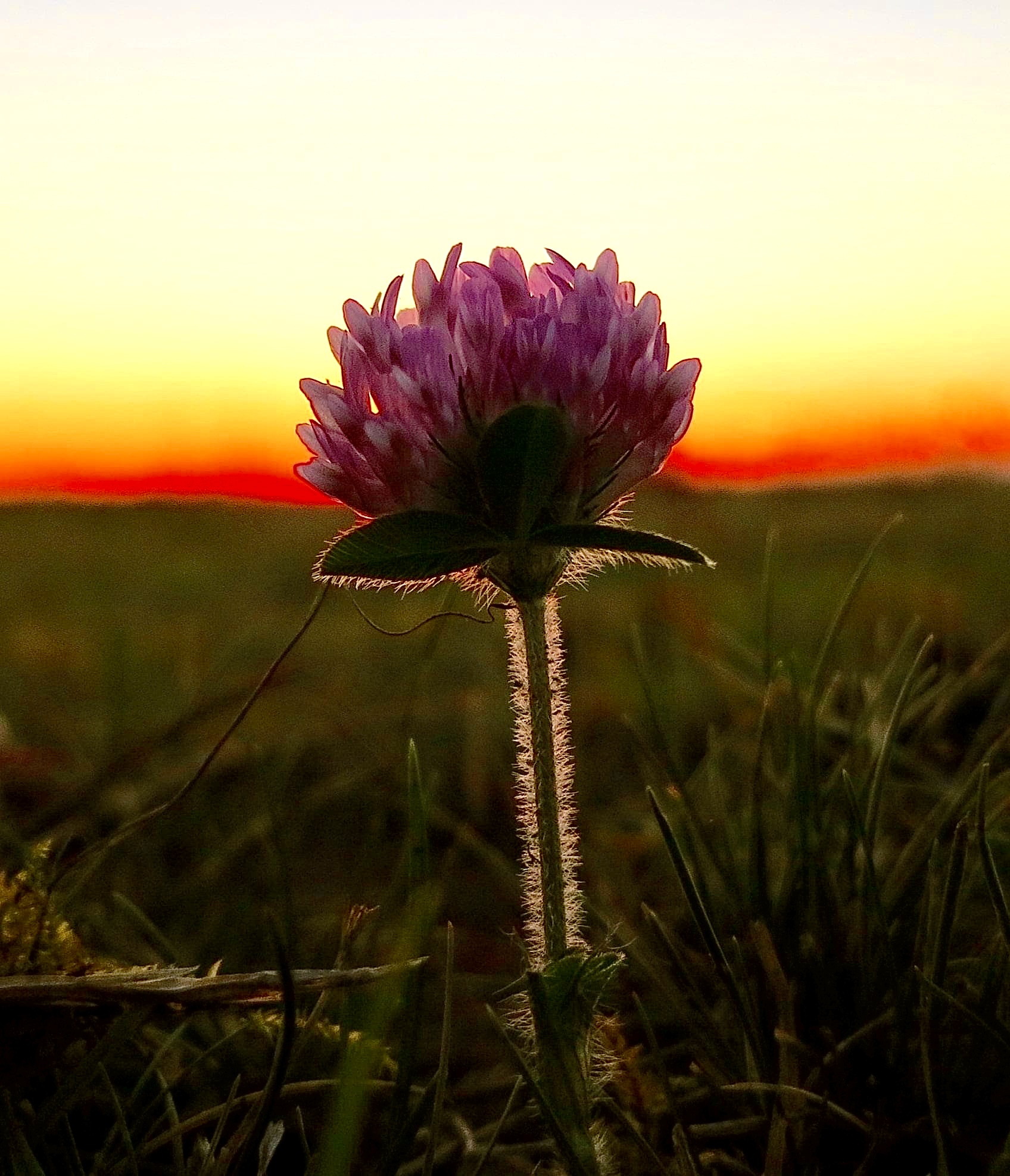
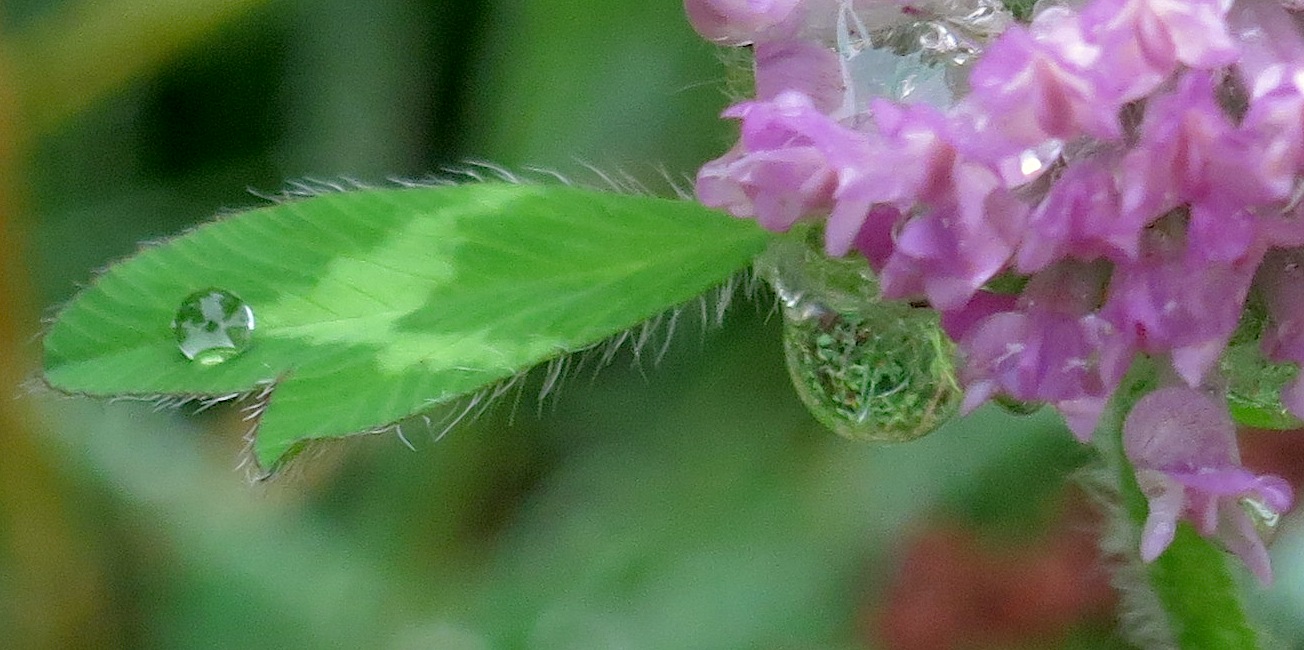
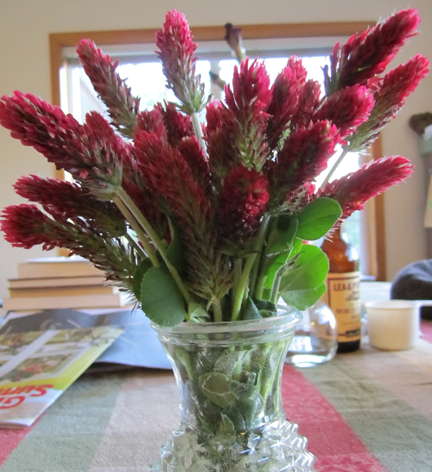
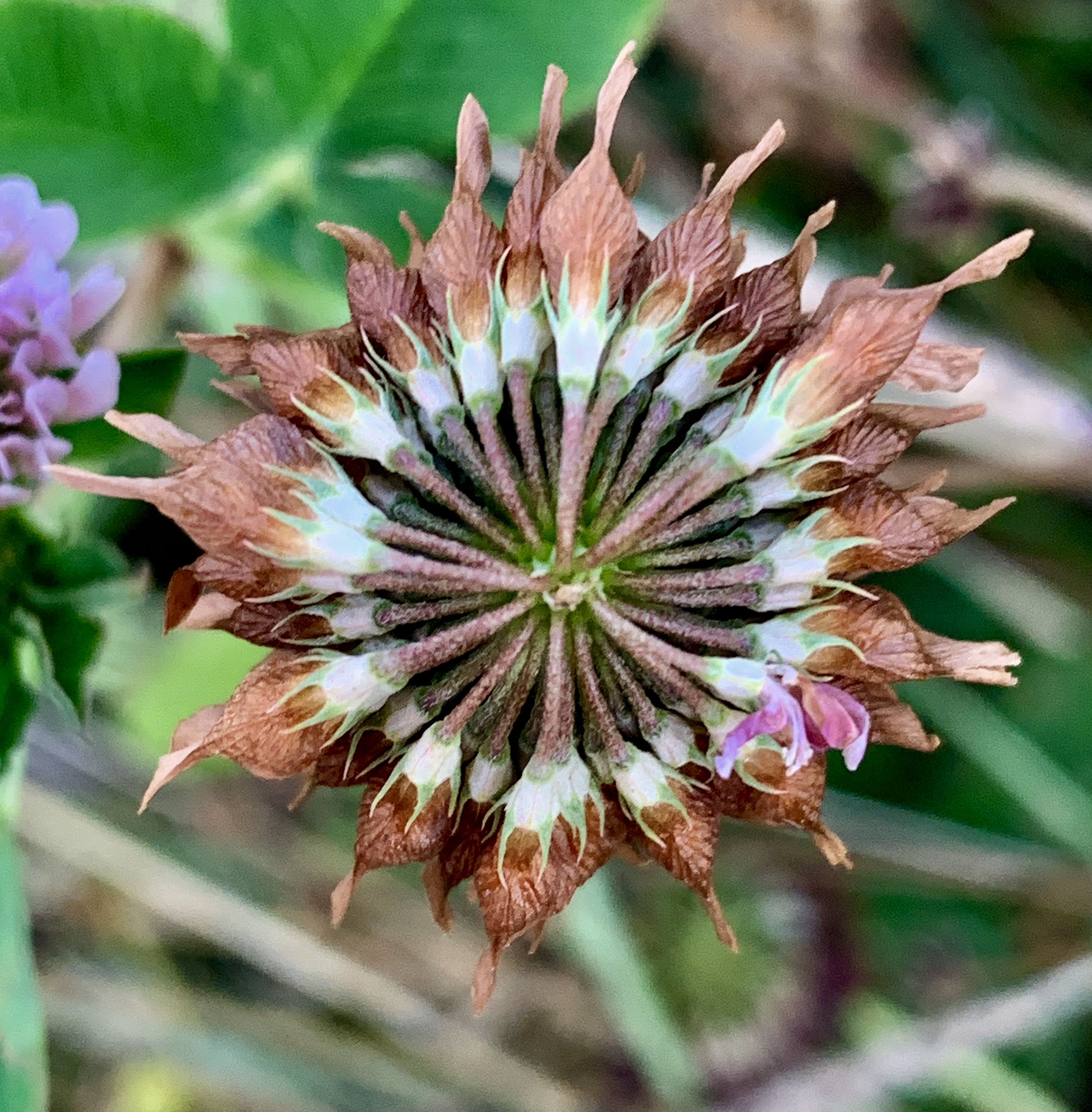
Every autumn my father, an agriculture teacher by training, brought home gunny sacks of grass seed from the feed and seed store.  He would start up his 1954 Farmall Cub tractor, proceed to disc and harrow an acre of bare ground in our field, and then fill the seeder, distributing seed on the soil for his annual agronomy cover crop over winter growing experiment.  The little sprouts would wait to appear in the warming spring weather, an initial green haziness spread over the brown dirt, almost like damp green mold.  Within days they would form a plush and inviting velveteen green cushion, substantial enough for a little wiggle of blades in the breezes.  A few weeks later the cover would be a full fledged head of waving green hair, the wind blowing it wantonly, bending the stems to its will.  It was botanical pasture magic, renewable and marvelous,  only to be mowed and stubble turned over with the plow back into the soil as nutrition for the summer planting to come.  It was the sacrificial nature of cover crops to be briefly beautiful on top of the ground, but the foundational nurture once underground.

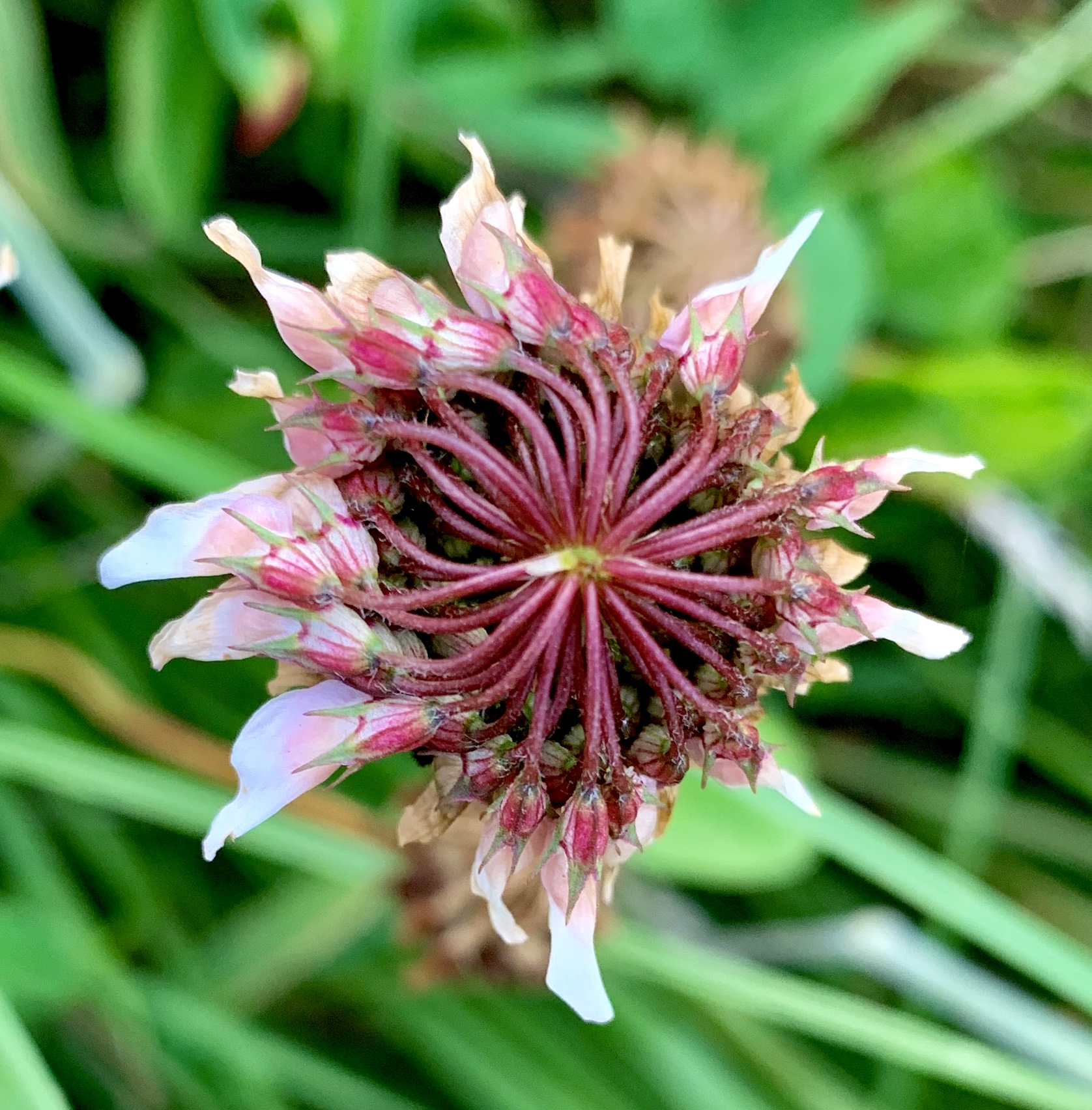
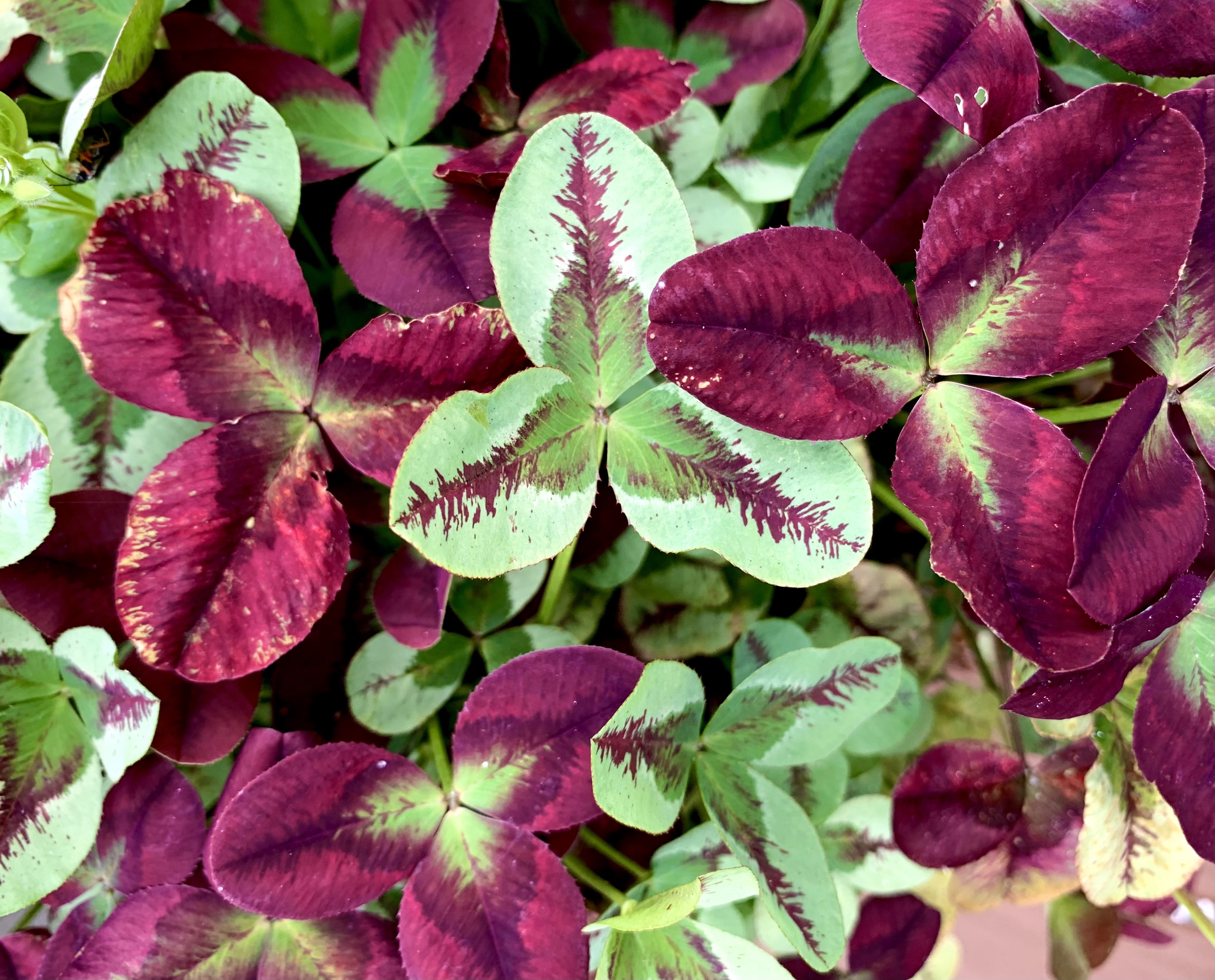
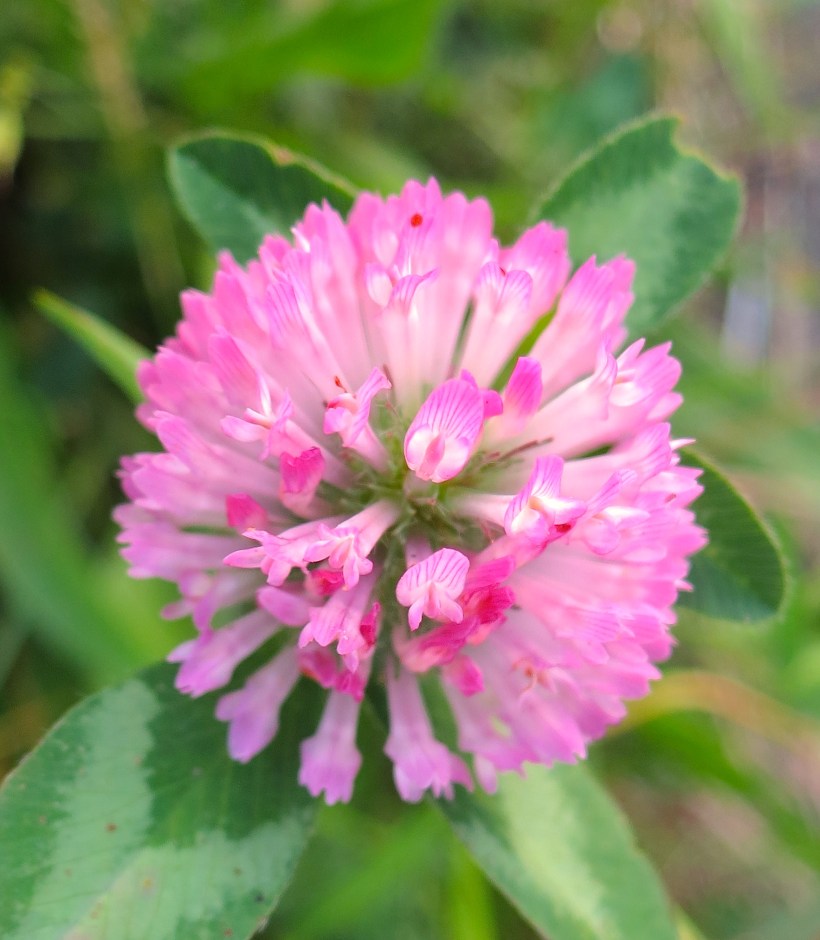
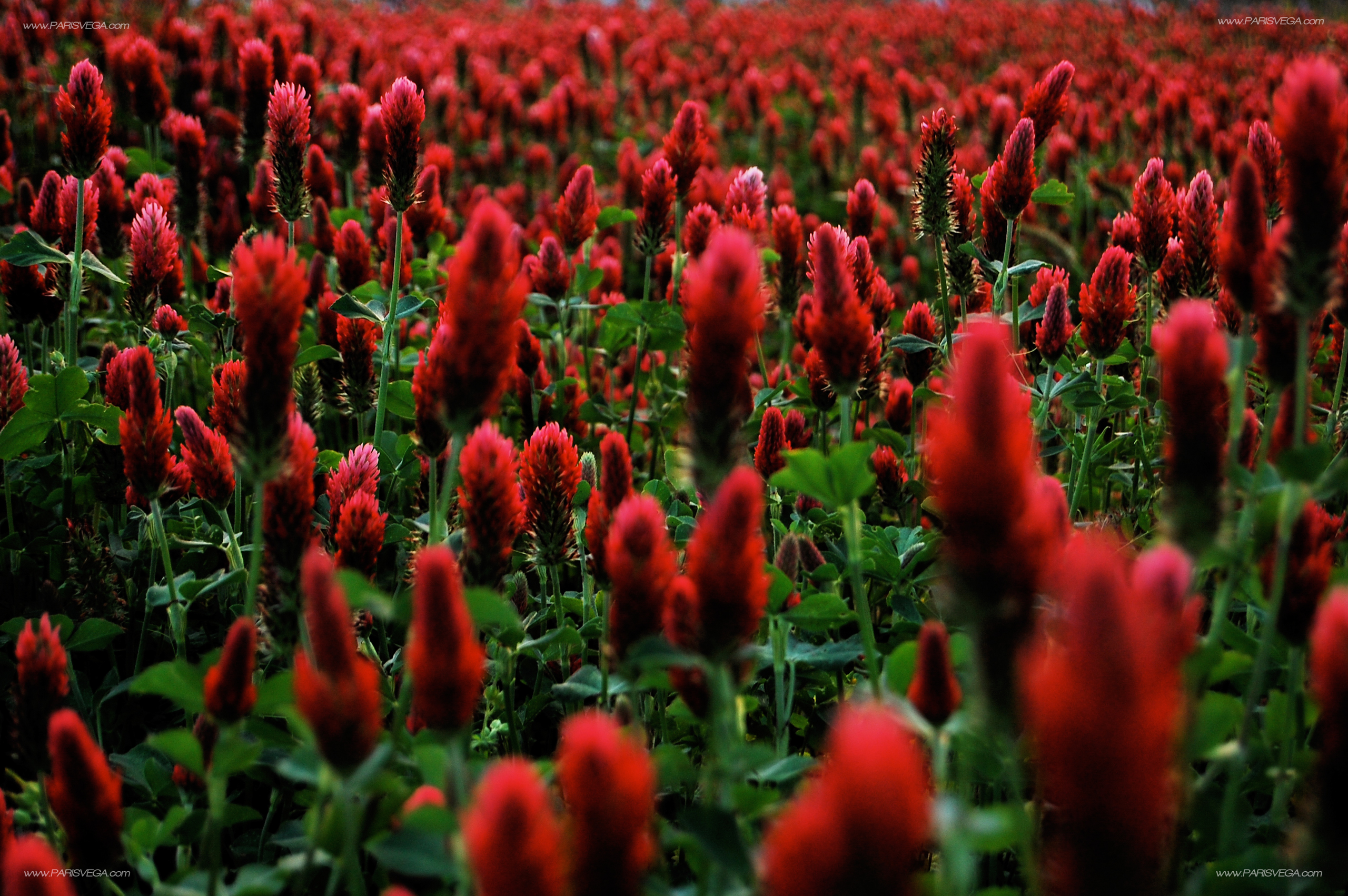
One spring the expected grassy carpet growth didn’t look quite the same after germination–the sprouts were little round leaves, not sharp edged blades.  Instead of identical uniform upright stems, the field was producing curly chaotic ovoid and spherical shapes and sizes. Clover didn’t abide by the same rules as grasses.  It had a mind of its own with a burgeoning and bumpy napped surface that didn’t bend with breezes, all its effort invested instead in producing blossoms.

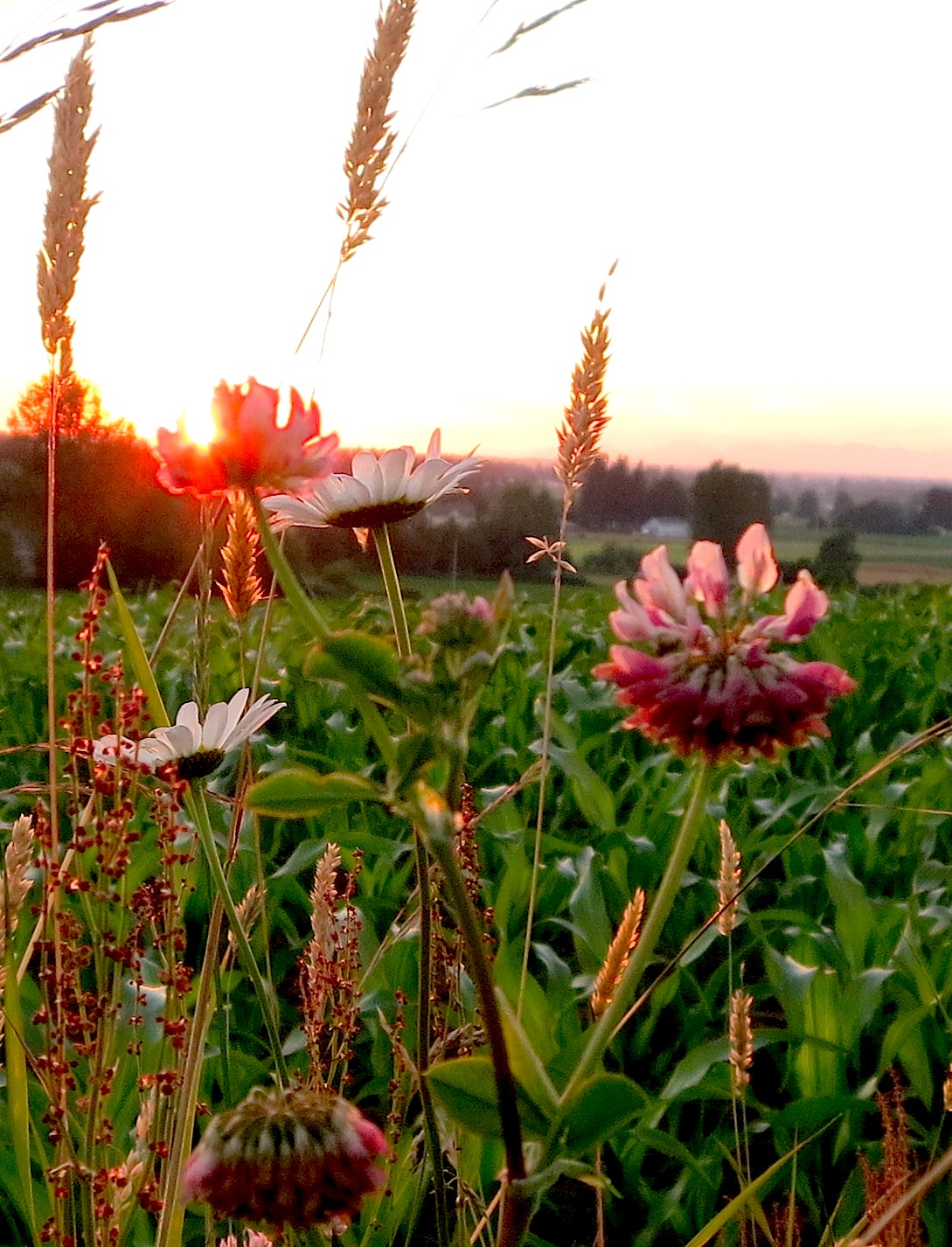
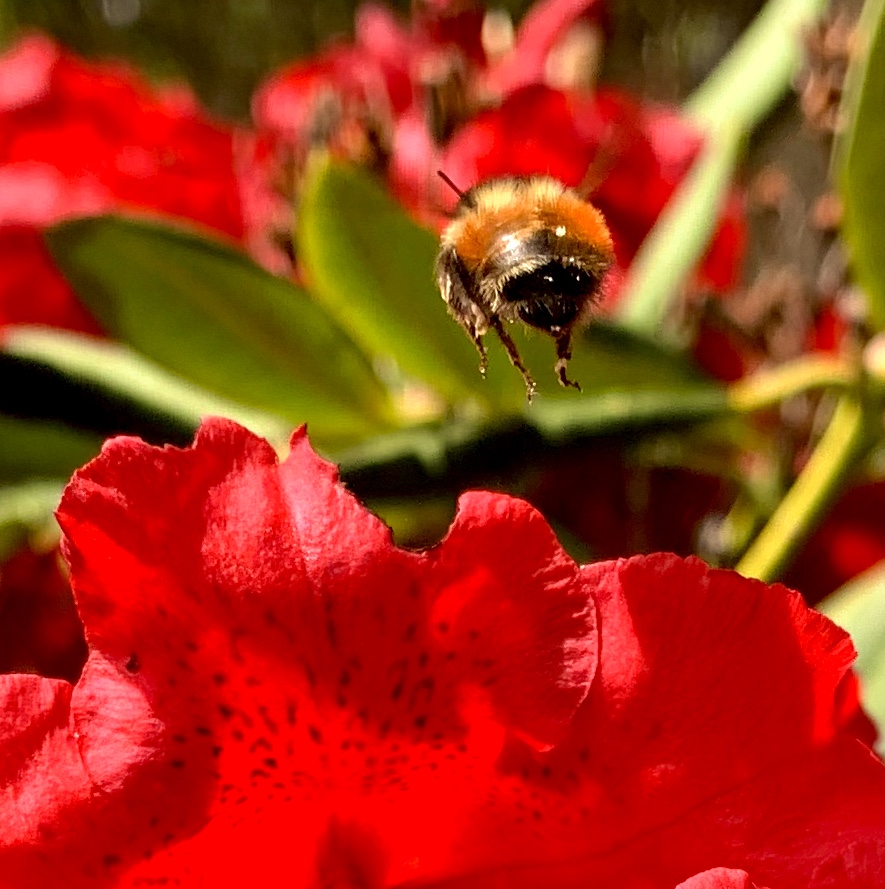
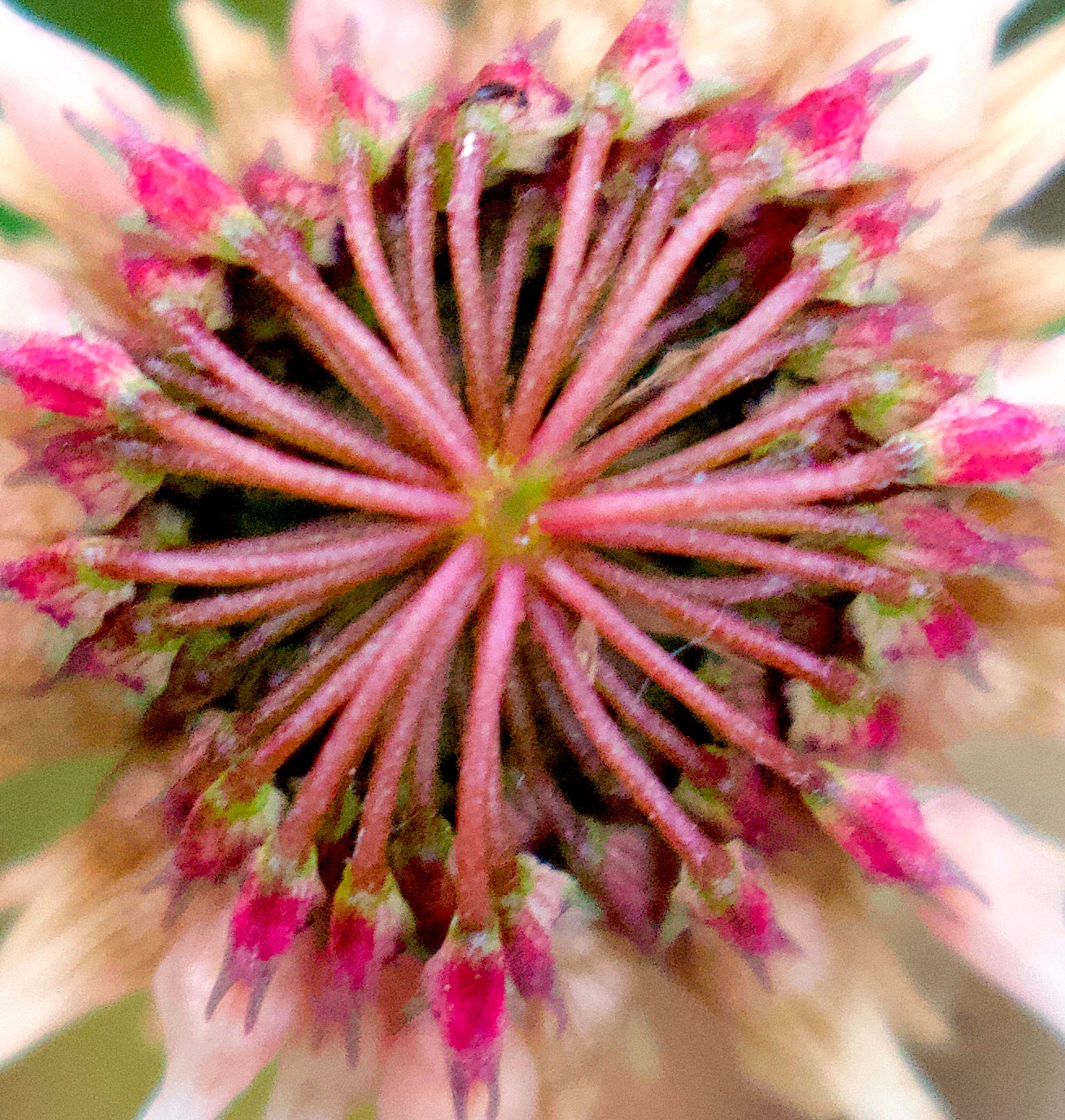
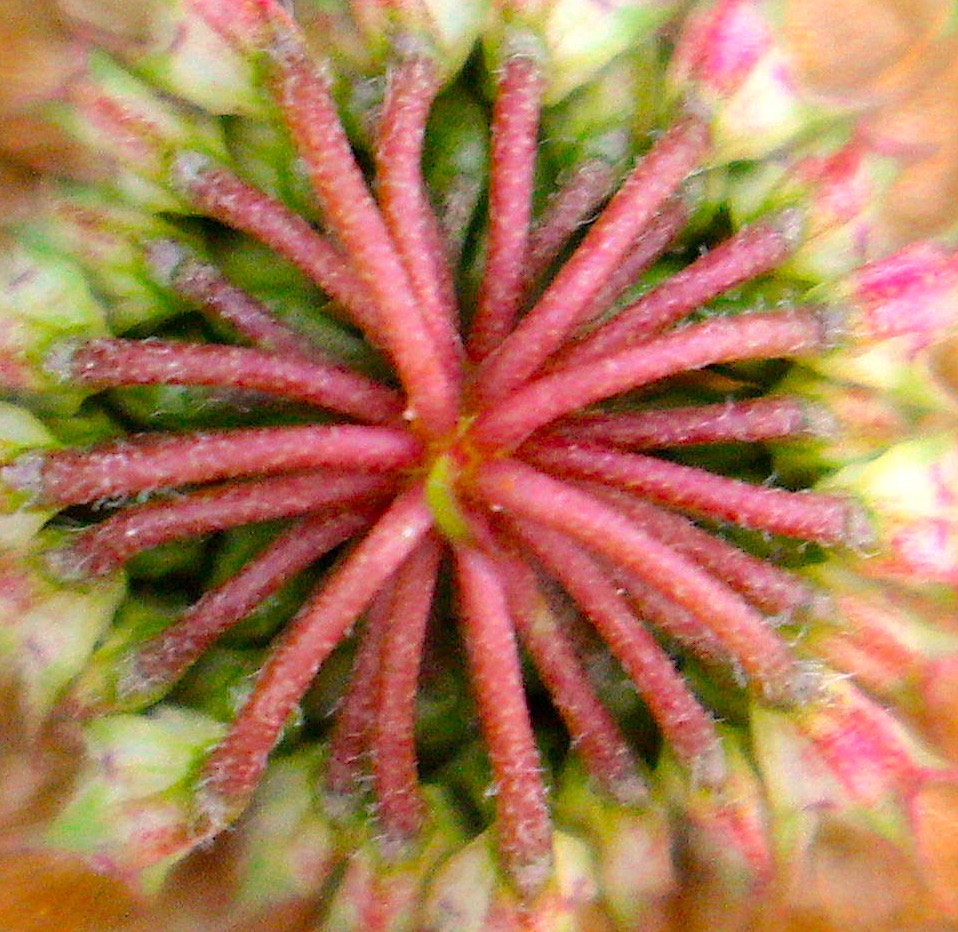
A hint of pink one morning was so subtle it was almost hallucinatory.  Within a day it was unmistakeably reddening and real.  Within a week the green sea flowed with bobbing crimson heads. We had never seen such vibrancy spring from our soil before.  It exuded scented clover breath, the fragrance calling honey bees far and near.  True reverie.

The field of crimson dreams and sated honey bees lasted several weeks before my father headed back out on the Farmall to turn it under with the plow, burying the fading blossoms into the ground.  Their sacrifice bled red into the soil, their fragrant breath halted, their memory barely recognizable in the next summer crop germination.   Yet the crimson heads were there, feeding the growth of the next generation, deepening the green as it reached to the sun.

Such a sweet thing, alive a thousand summers hence in the soil.

What a beautiful feeling.

Crimson and clover, over and over.

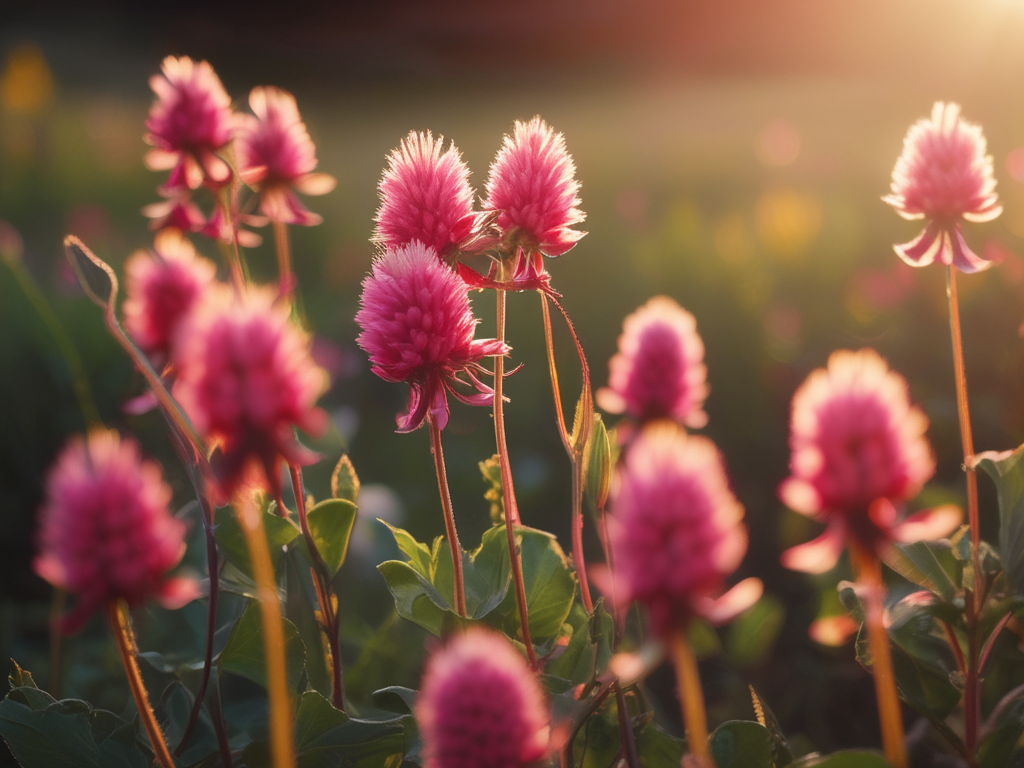
AI image created for this post
One-Time
Monthly
Yearly

Make a one-time or recurring donation to support daily Barnstorming posts

Make a monthly donation

Make a yearly donation

Choose an amount

$10.00
$25.00
$50.00
$5.00
$15.00
$100.00
$5.00
$15.00
$100.00

Or enter a custom amount

$

Your contribution is deeply appreciated.

Your contribution is appreciated.

Your contribution is appreciated.

DonateDonate monthlyDonate yearly

A Seed of Belief

When the time’s toxins
have seeped into every cell

and like a salted plot
from which all rain, all green, are gone

I and life are leached
of meaning

somehow a seed
of belief

sprouts the instant
I acknowledge it:

little weedy hardy would-be
greenness

tugged upward
by light

while deep within
roots like talons

are taking hold again
of this our only earth.

~Christian Wiman “When the Time’s Toxins”

True gardeners cannot bear a glove
Between the sure touch and the tender root,
Must let their hands grow knotted as they move
With a rough sensitivity about
Under the earth, between the rock and shoot,
Never to bruise or wound the hidden fruit.
And so I watched my mother’s hands grow scarred,
She who could heal the wounded plant or friend
With the same vulnerable yet rigorous love;
I minded once to see her beauty gnarled,
But now her truth is given me to live,
As I learn for myself we must be hard
To move among the tender with an open hand,
And to stay sensitive up to the end
Pay with some toughness for a gentle world.
~May Sarton “An Observation”

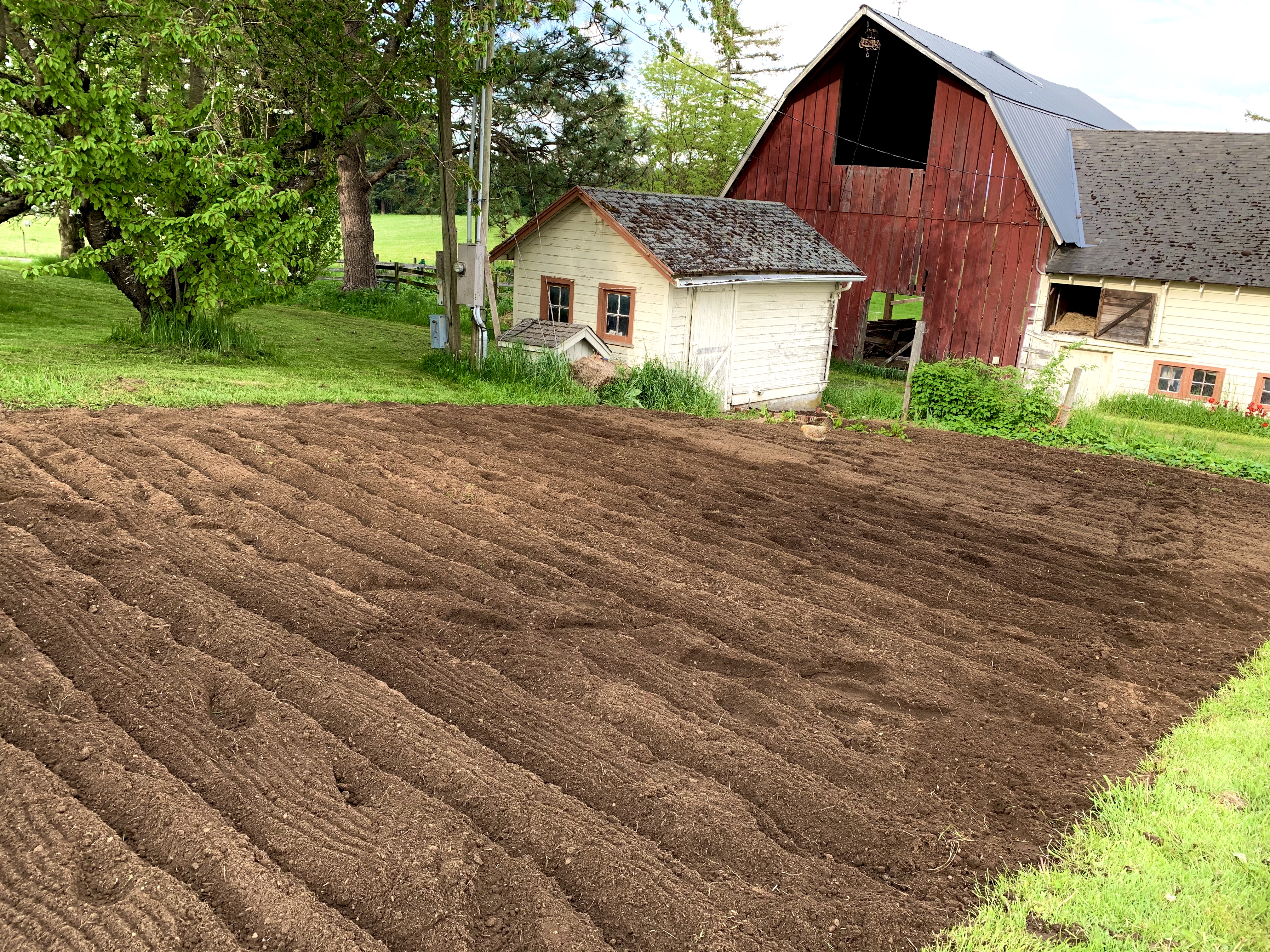
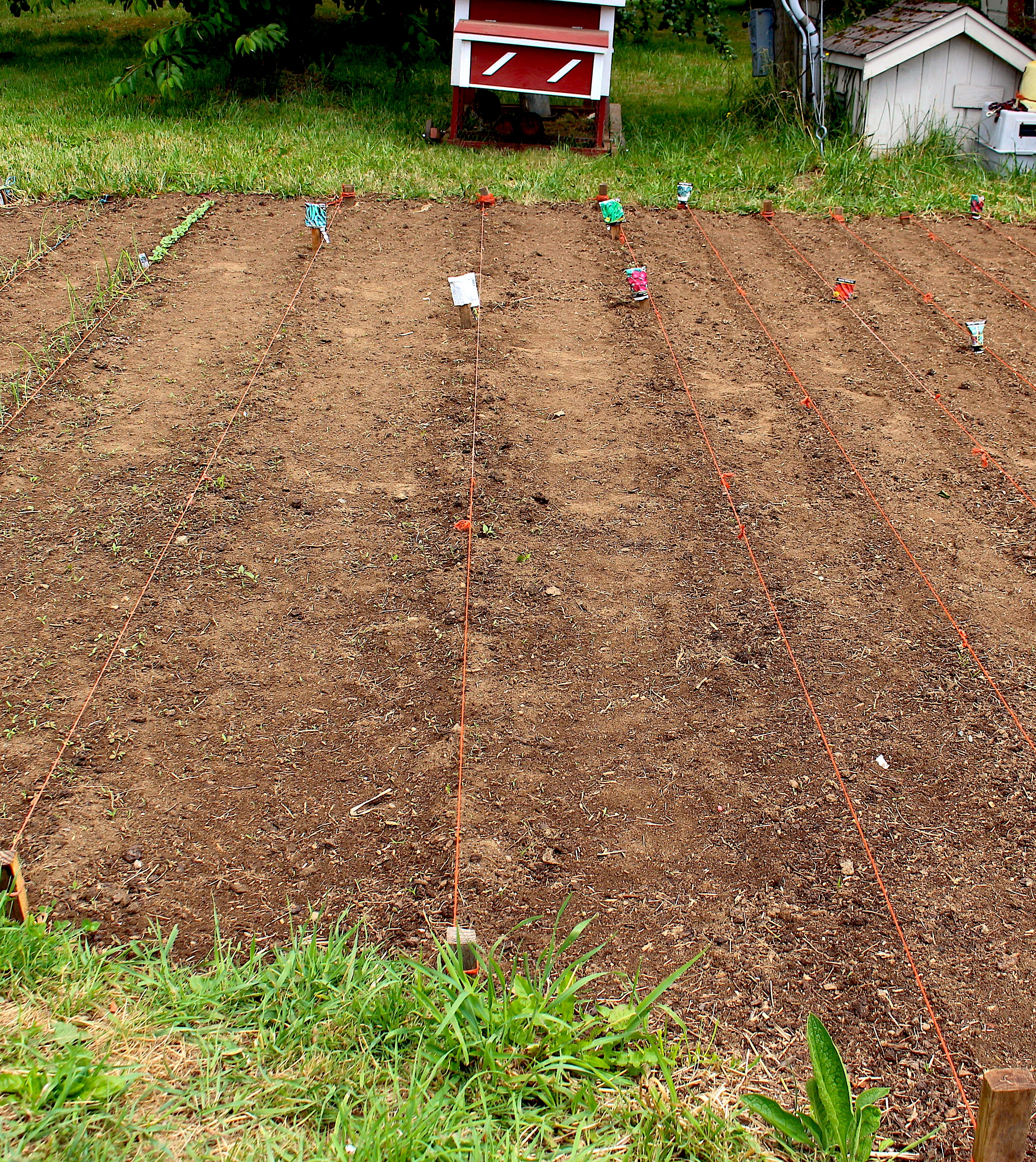
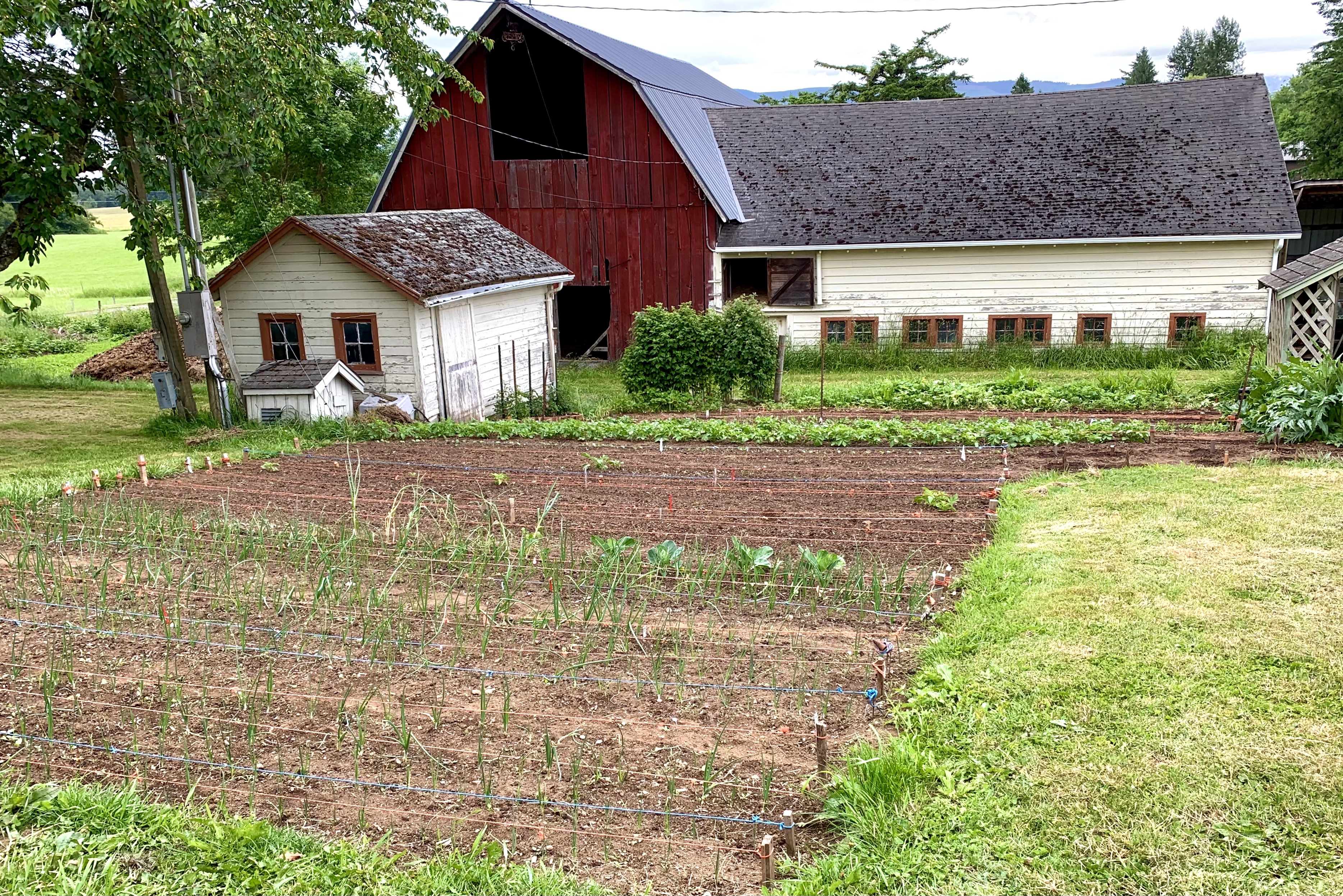
I’m reminded every spring, as my husband’s hands prepare the soil in the garden for that season’s planting, how challenging is the job of the gardener. His hands must fight the chaos of weeds and rocks to prepare a gentle bed for each seed.

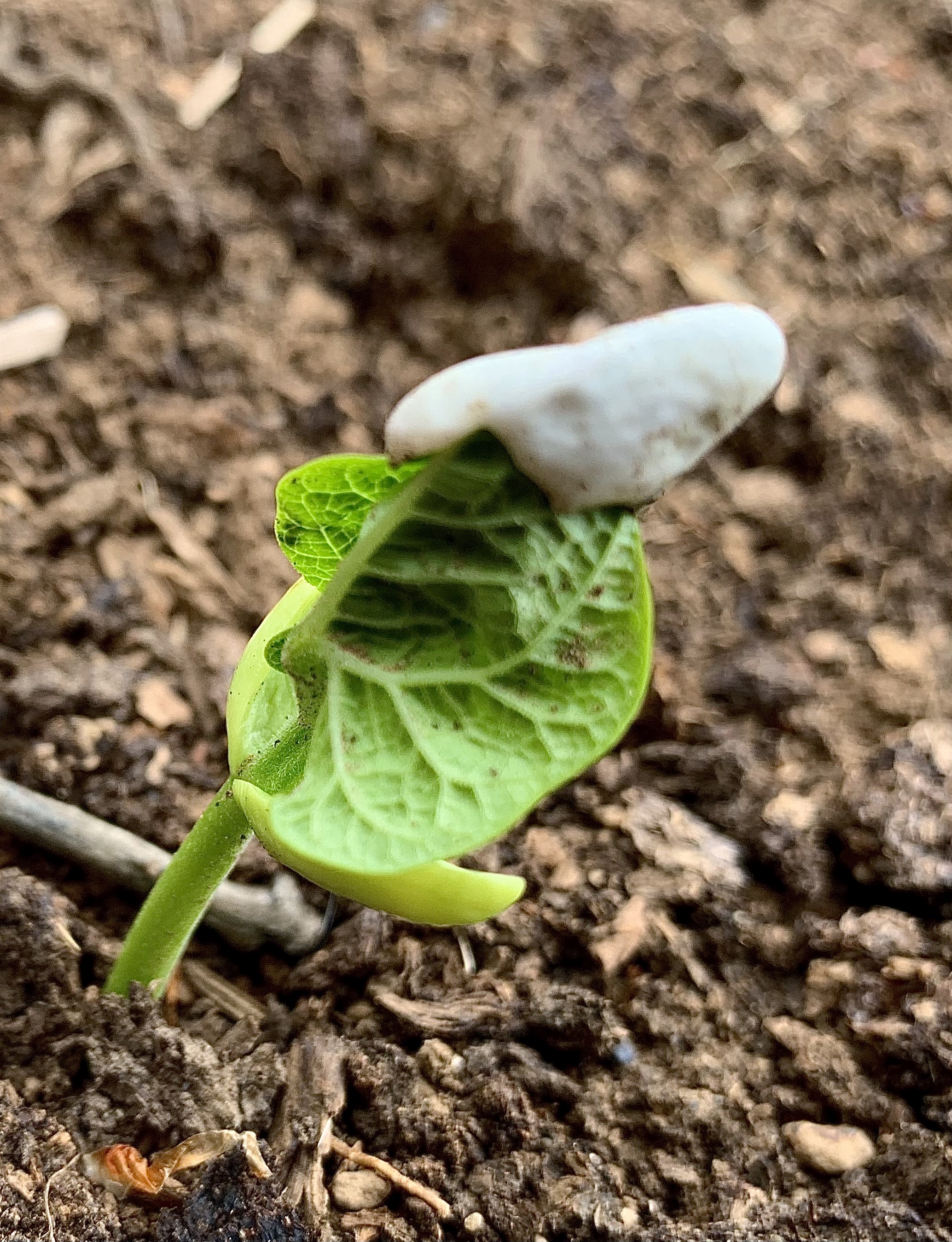
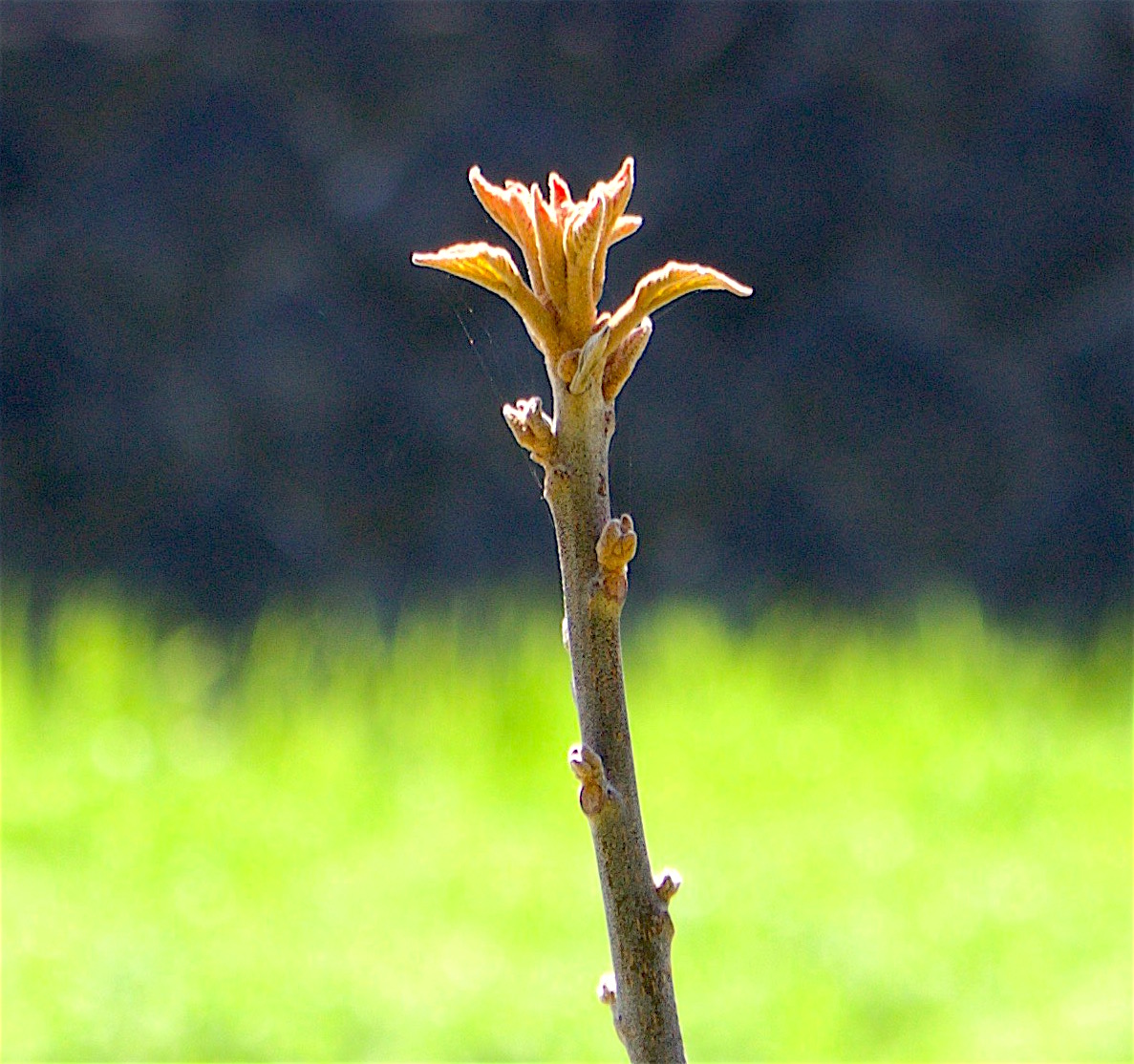
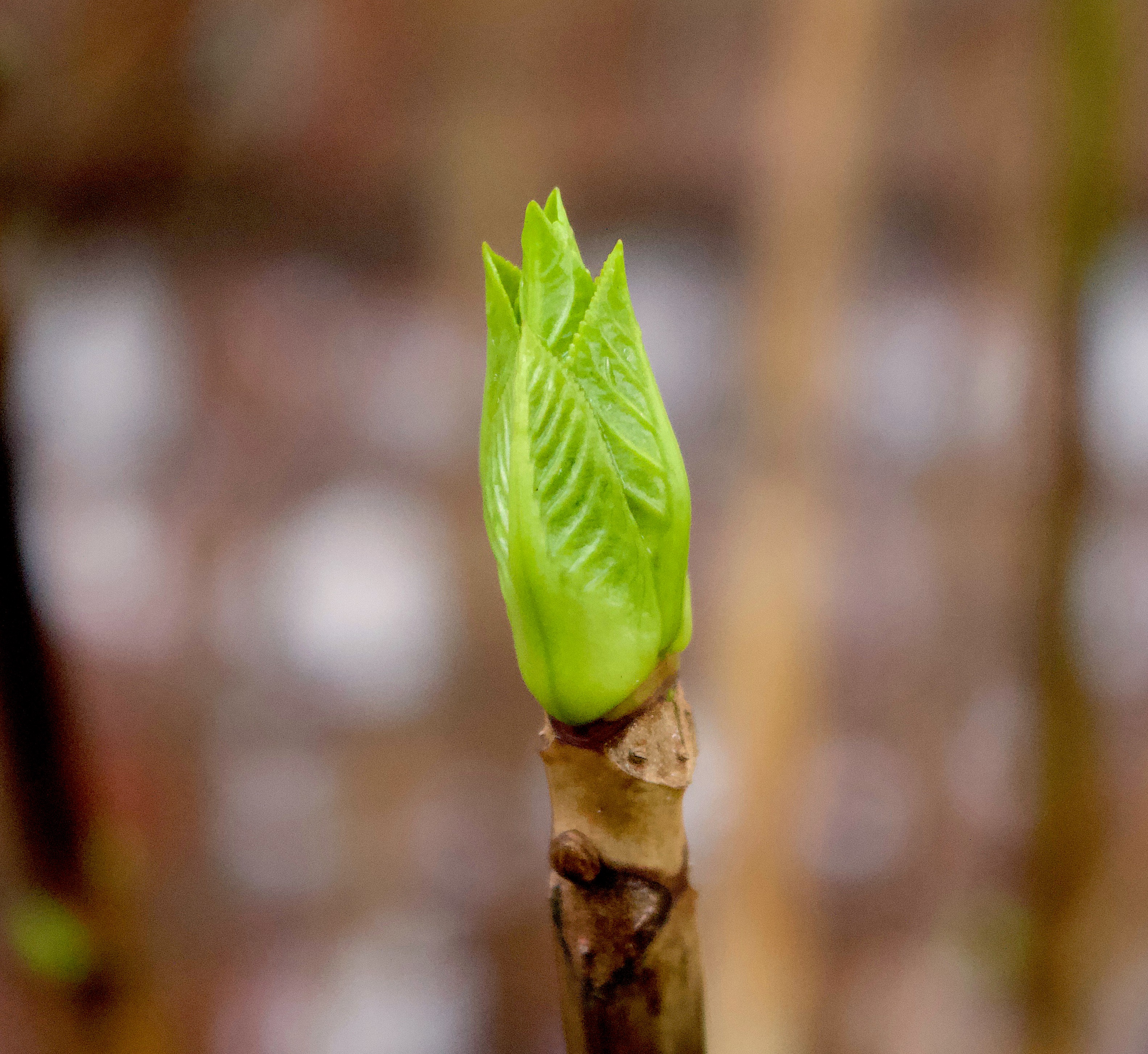
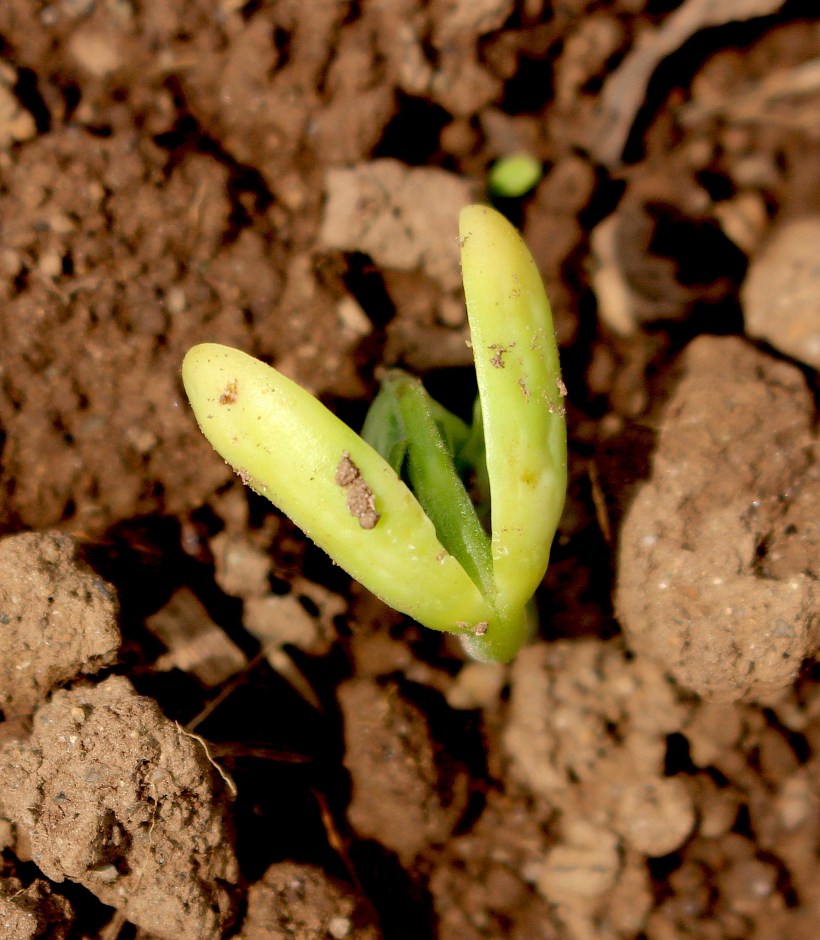
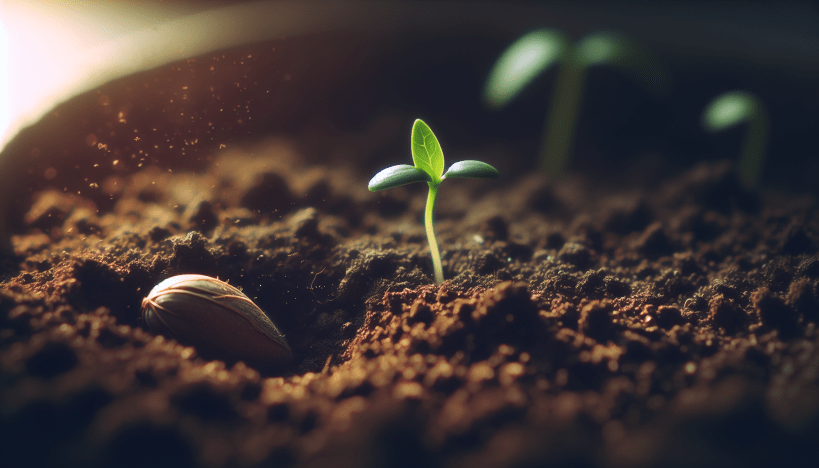
A seed is a plain, unadorned and ordinary thing, a little boring even, practically forgotten once it is placed in the ground. Yet the ordinariness is only the outer dress; the extraordinary is contained inside, and within days a tender shoot braves all to come to the surface, bowed and humble. It establishes a tenacious root that ensures survival, grabbing hold in even the most inhospitable ground.

So it is with Jesus whose ordinary origins belied his holiness and majesty. Both hardy root and tender shoot, he reaches up to the heavens while his feet tread the soil,  both at once. His toughness paid for our chance at a more gentle world.

And thanks to Him, we are fed.

For he grew up before him like a young plant,
and like a root out of dry ground;
Isaiah 53:2a

AI image created for this post
One-Time
Monthly
Yearly

Make a one-time or recurring donation to support daily Barnstorming posts

Make a monthly donation

Make a yearly donation

Choose an amount

$10.00
$25.00
$50.00
$5.00
$15.00
$100.00
$5.00
$15.00
$100.00

Or enter a custom amount

$

Your contribution is deeply appreciated.

Your contribution is appreciated.

Your contribution is appreciated.

DonateDonate monthlyDonate yearly
Where Nothing Need Be Said

A hidden path that starts at a dead end,
Old ways, renewed by walking with a friend,
And crossing places taken hand in hand,


The passages where nothing need be said,
With bruised and scented sweetness underfoot
And unexpected birdsong overhead,


The sleeping life beneath a dark-mouthed burrow,
The rooted secrets rustling in a hedgerow,
The land’s long memory in ridge and furrow,


A track once beaten and now overgrown
With complex textures, every kind of green,
Land- and cloud-scape melting into one,


The rich meandering of streams at play,
A setting out to find oneself astray,
And coming home at dusk a different way.
~Malcolm Guite “Prayer/Walk”

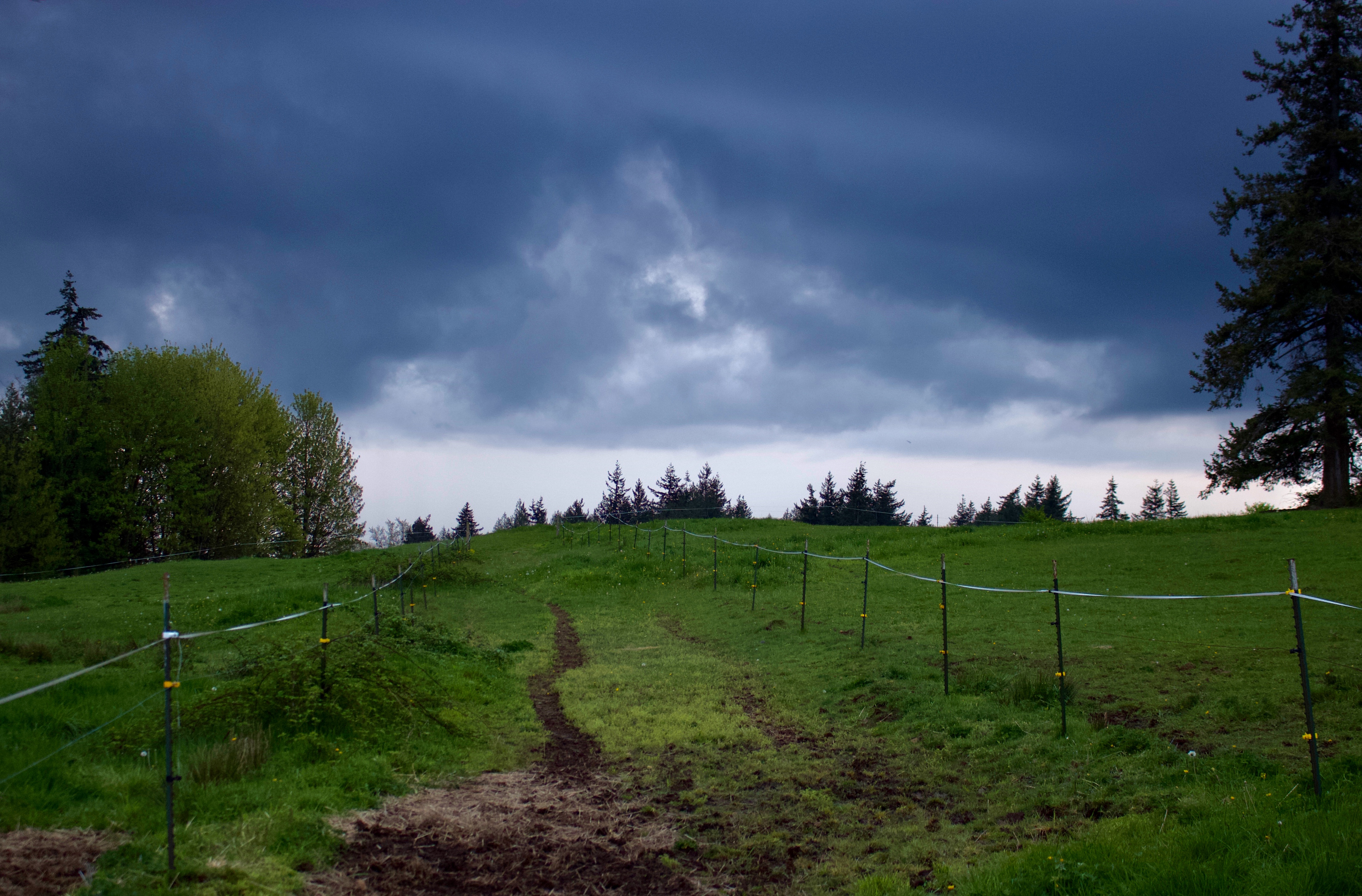
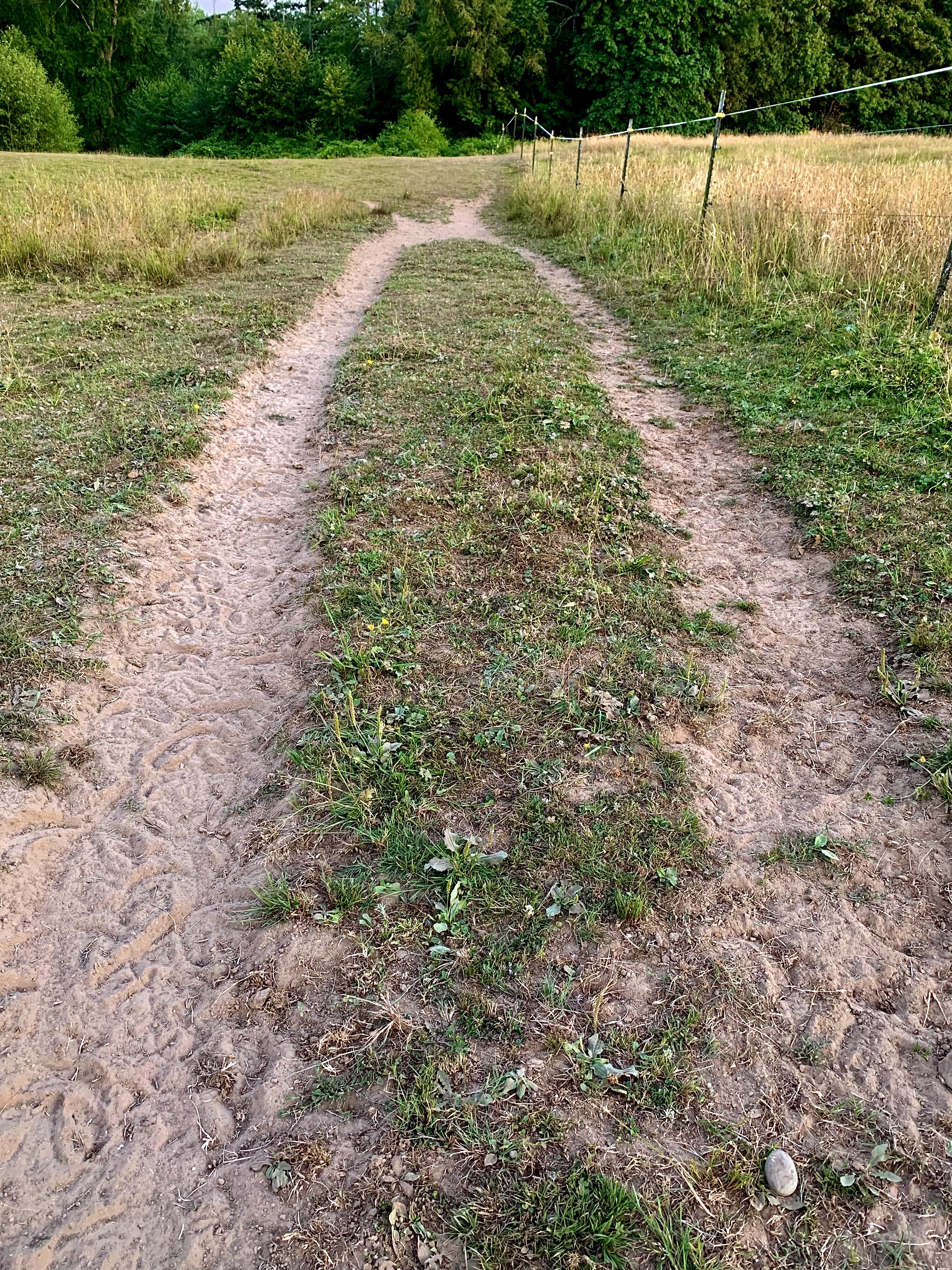
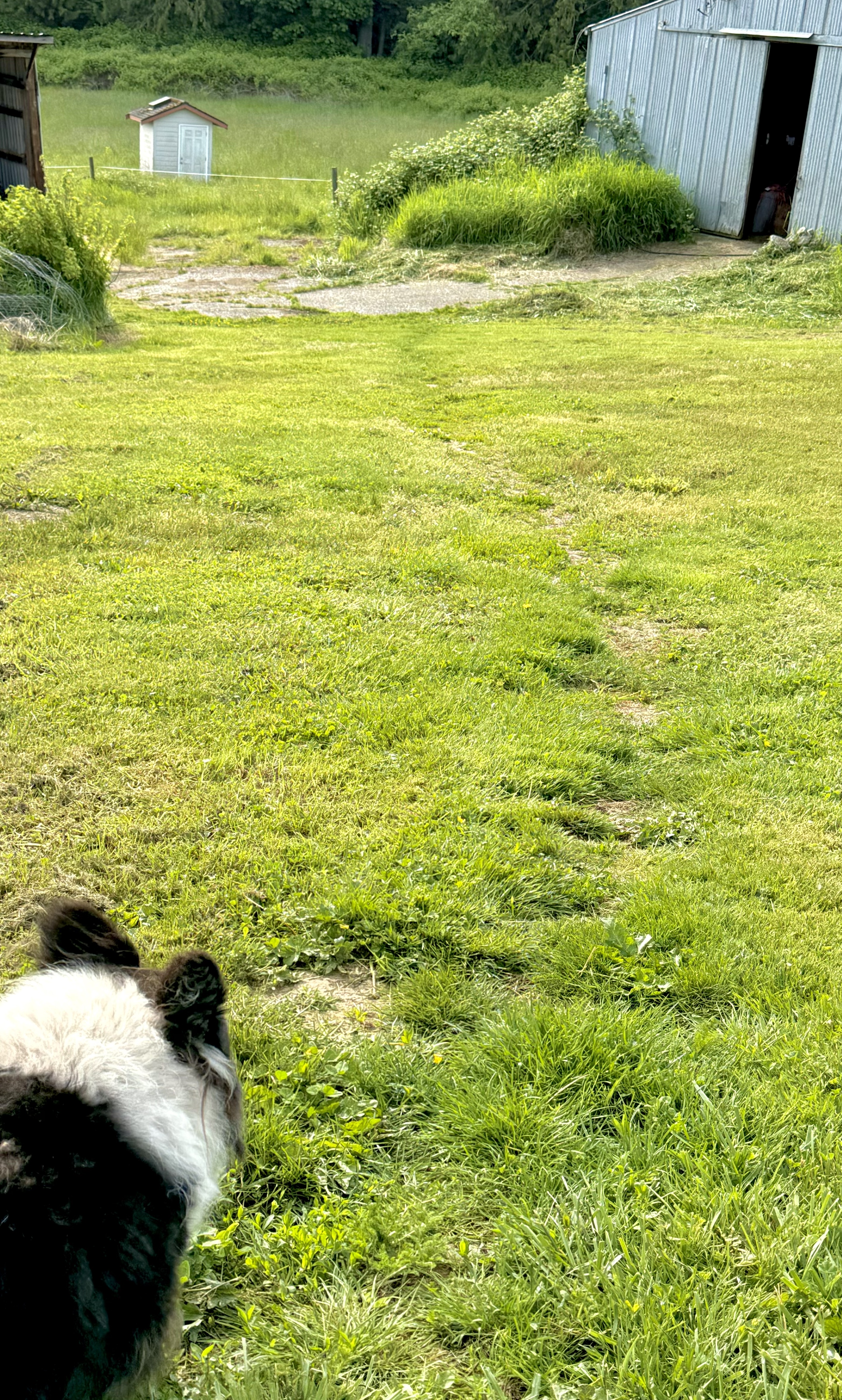
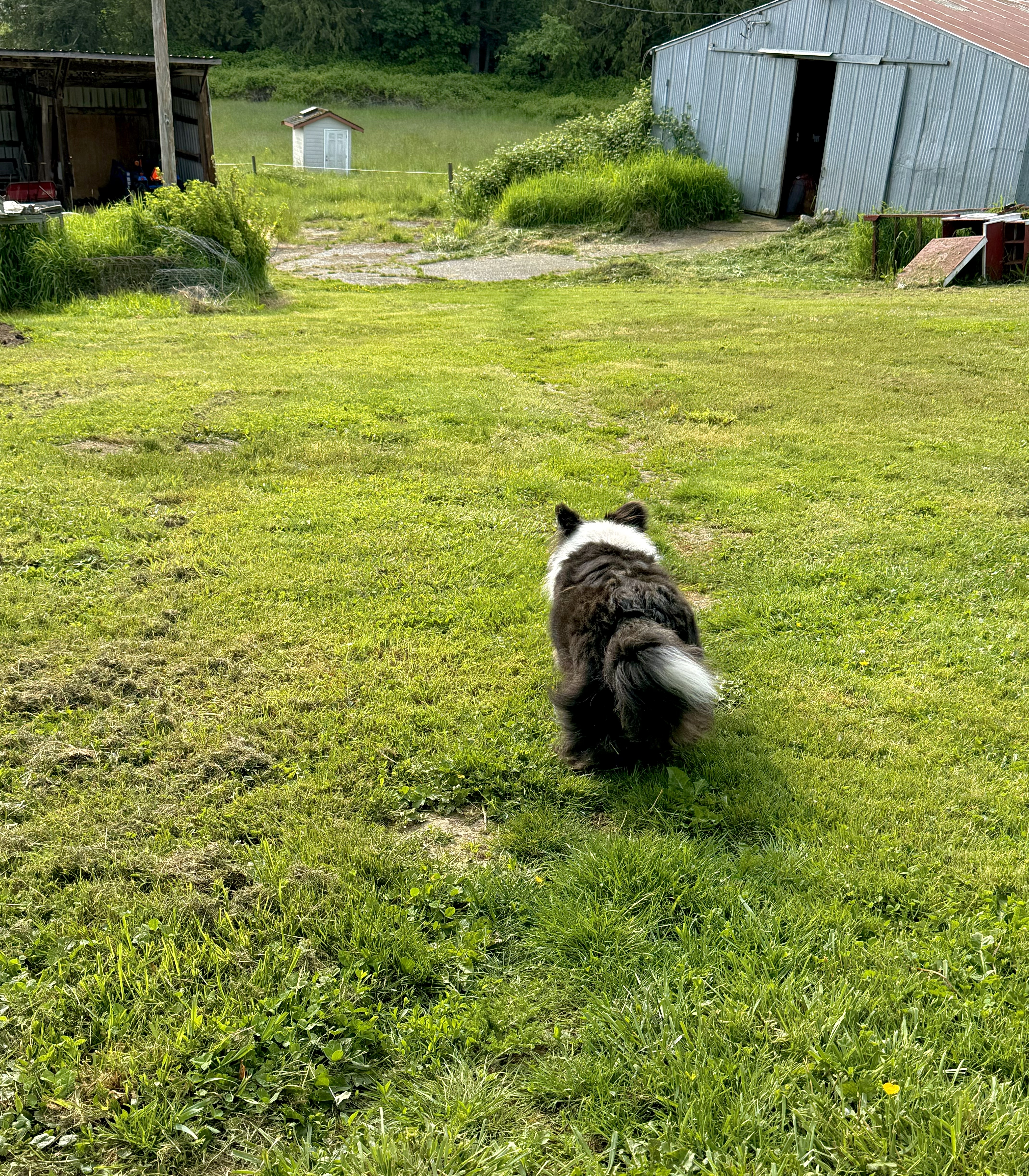
Twice each day I walk the same downhill path to the barn for chores.  In the early mornings, I’m navigating half asleep. In the evenings, I’m weary from the long day. Sometimes I’m sliding on icy snow, sometimes slipping in mud from unending rain, sometimes wading through a sea of overgrown grass.

The constant in this twice daily journey is the worn-down path itself and where it takes me– no matter what time of year, the state of the weather, or how temporarily difficult to discern. My feet have learned the way by feel as much as by sight–the twist here, the dip there, the aromatic stretch through the stand of wild mint, all while trying to avoid stepping on the swerving barn cat perpetually underfoot.

Even my dogs follow the path rather than venture beyond.

I prefer to take the demarcated path to the barn as it keeps me focused on the task ahead of me. If I happen to go astray, I will surely find weeds to pull, a bird to admire, a cluster of cherries to eat, or a sweet pea blossom to smell. 

The distraction brings me momentary delight but my work remains to be done. So I always find my way back to the path and stick to it until it takes me home.

As a teenager, I was a trailblazer, bushwhacking my way through brambles to see what might be on the other side, or to discover a new favorite place in the woods, or simply to prove I was stronger than the brush that yielded to me. In my older years, I now tend to stick to the familiar. I like knowing where my feet will land, what work my hands will touch, and where my head will rest. The adventure of the unknown, so attractive in my youth, is less appealing now. 

The visible path, even when difficult to follow due to cover of snow or abundance of overgrowth, is a reminder I have a purpose and a destination. I know where I am going and I know where I’ve been. Nothing more needs to be said. I know I’m needed in both house and barn and the familiar path I take is a bridge between them.

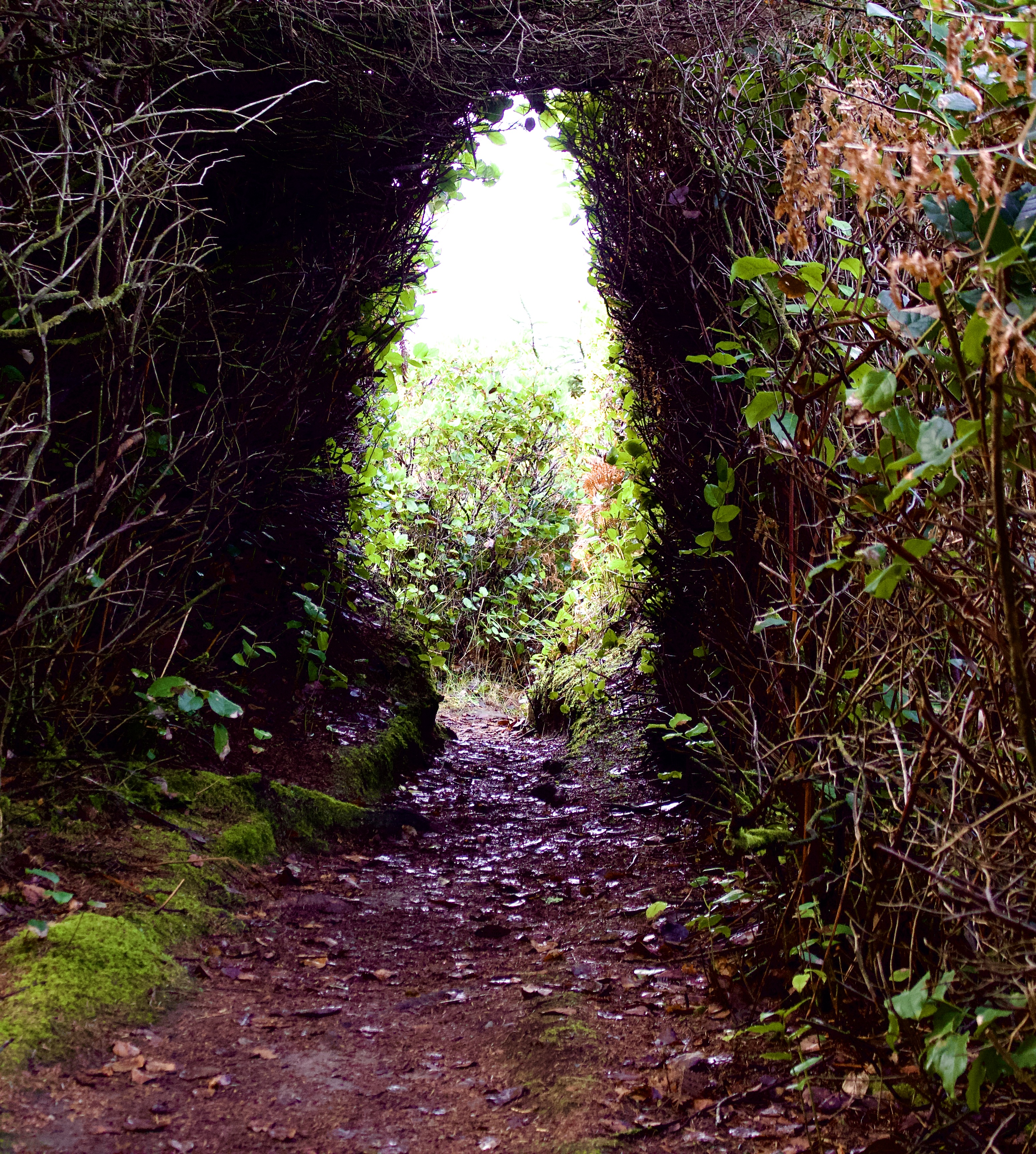
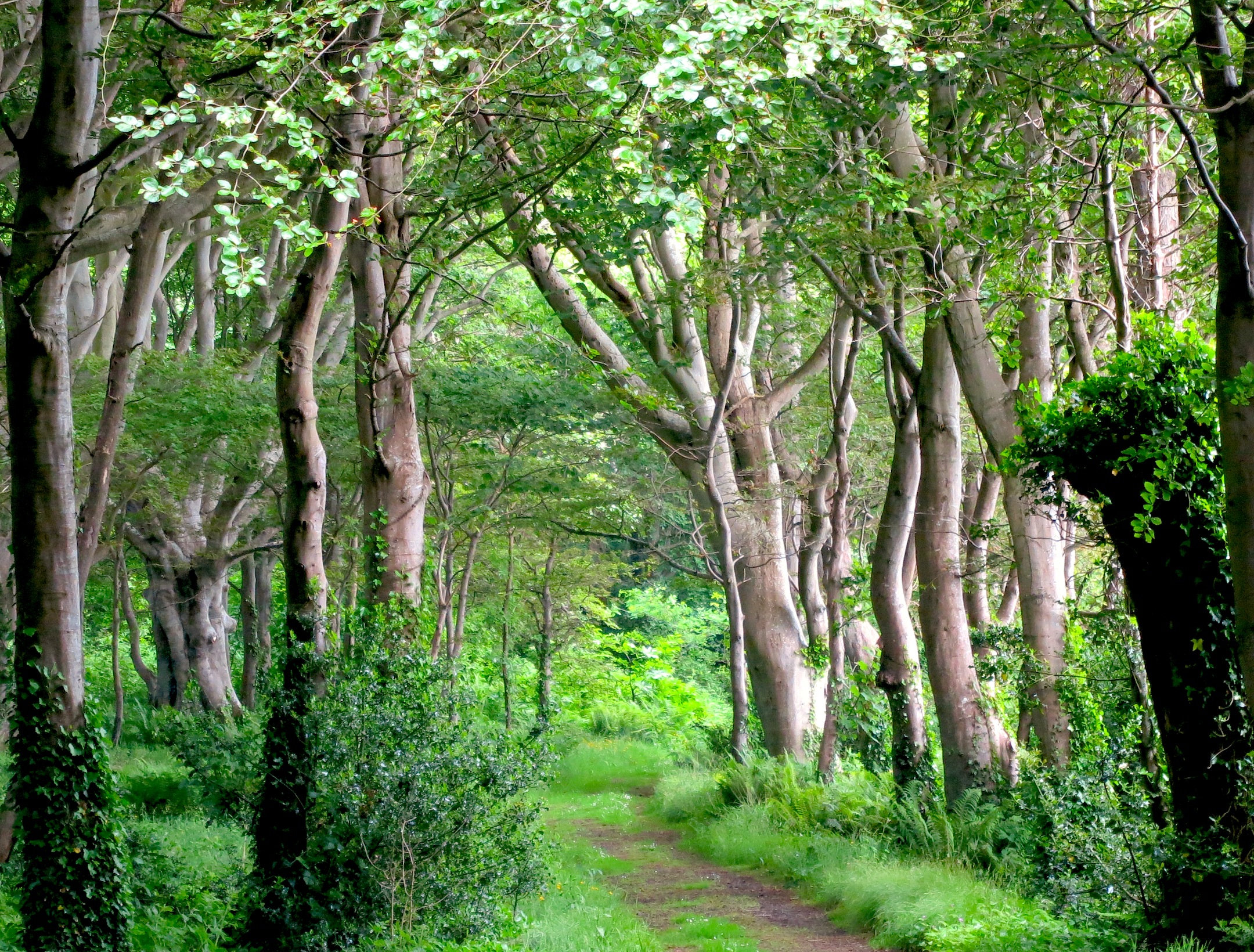
We tread many paths during our time on this soil–some are routine and mundane, leading to the chores in our life, and others a matter of the heart and spirit. As tempting as it is to wander, the path is there for good reason. It doesn’t have to be a super highway, or lined with gold or even paved with good intentions. It may not be straight. But it must be true, steadfastly leading us to where we are called and back again to where we belong.

Time to pull on my boots.

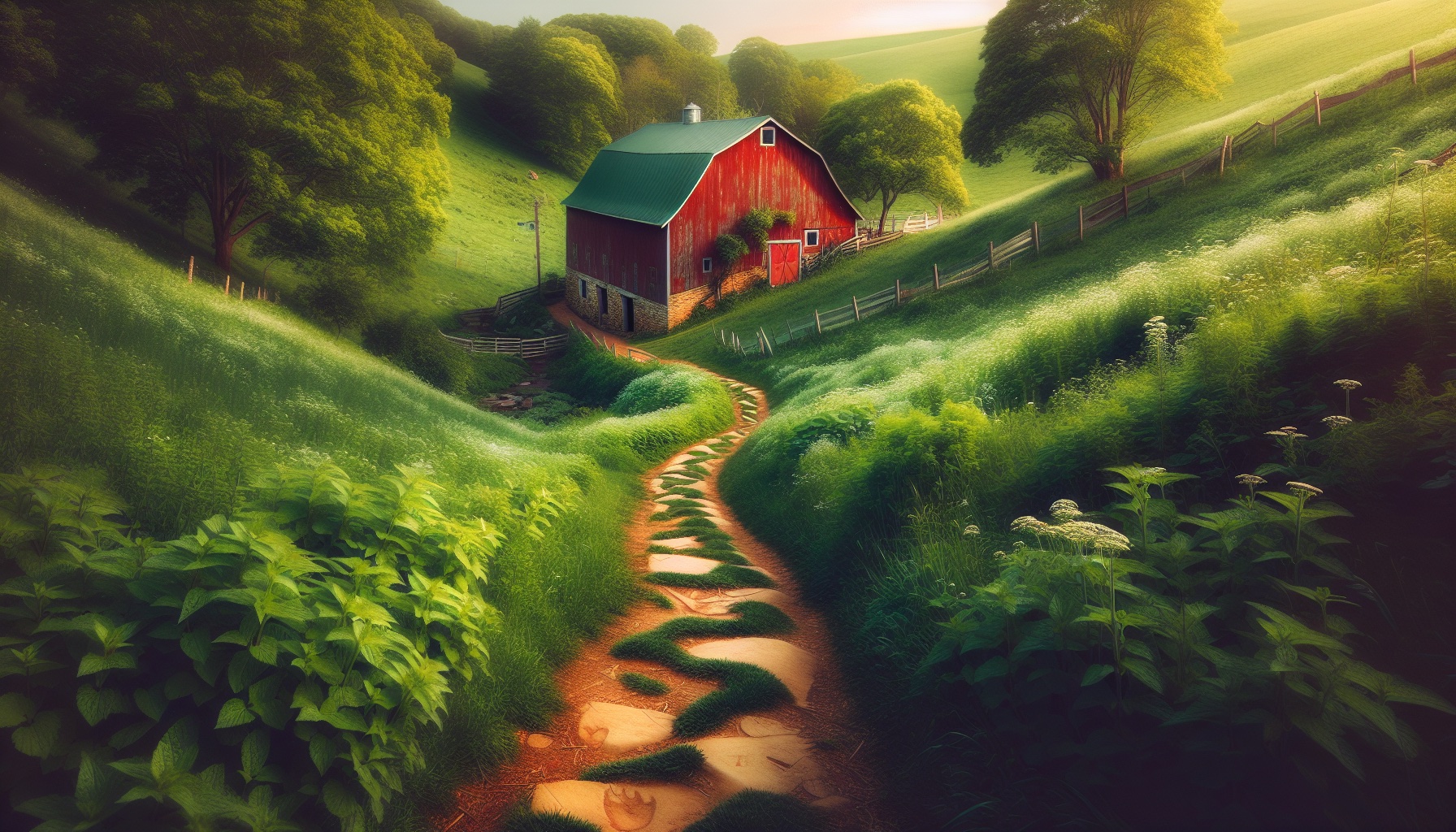
An idealized barn path AI image created for this Barnstorming post
One-Time
Monthly
Yearly

Make a one-time or recurring donation to support daily Barnstorming posts

Make a monthly donation

Make a yearly donation

Choose an amount

$10.00
$25.00
$50.00
$5.00
$15.00
$100.00
$5.00
$15.00
$100.00

Or enter a custom amount

$

Your contribution is deeply appreciated.

Your contribution is appreciated.

Your contribution is appreciated.

DonateDonate monthlyDonate yearly
Let Live

Let us not with one stone kill one bird, 
much less two. Let us never put a cat 
in a bag nor skin them, regardless 
of how many ways there are to do so. 
And let us never take the bull, especially 
by his gorgeous horns. What I mean is 

we could watch our tongues or keep 
silent. What I mean is we could scrub 
the violence from our speech. And if we find
truth in a horse’s mouth, let us bless her

ground-down molars, no matter how 
old she is, especially if she was given 
as a gift. Again, let’s open her mouth——that of the horse, 
I mean——let us touch that interdental space where 
no teeth grow, where the cold bit was made to grip. 
Touch her there, gently now, touch that gentle 

empty between her incisors and molars, rub her 
aching, vulnerable gums. Don’t worry: doing so calms her. 
Besides, she’s old now; she’s what we call 
broken; she won’t bite. She’s lived through 
two thirteen-year emergences of cicadas

and thought their rising a god infestation, 
thought each insect roiling up an iteration 
of the many names of god, because god to her is 
the grasses so what comes up from grass is
god. She would not say it that way. Nor would she

say the word cicada——words are hindrances 
to what can be spoken through the body, are 
what she tolerates when straddled, 
giddy-up on one side then whoa on the other. After, 
it’s all good girl, Mable, good girl
before the saddle sweat is rinsed cool 
with water from the hose and a carrot is offered 
flat from the palm. Yes, words being 

generally useless she listens instead 
to the confused rooster stuttering when the sun
burns overhead, when it’s warm enough
for those time-keepers to tunnel up from the 
dark and fill their wings to make them 
stiff and capable of flight. To her, it is the sound 

of winter-coming in her mane 
or the sound of winter-leaving in her mane——
yes, that sound——a liquid shushing 
like the blood-fill of stallion desire she knew once 
but crisper, a dry crinkle of fall 
leaves. Yes, that sound, as they fill their new wings 
then lumber to the canopy to demand
come here, come here, come 
here, now come

If this is a parable you don’t understand, 
then, dear human, stop listening for words. 
Listen instead for mane, wind, wings
wind, mane, wings, wings, wings. 
The lesson here is of the mare 
and of the insects, even of the rooster 
puffed and strutting past. Because now, 
now there is only one thing worth hearing, 
and it is the plea of every living being in that field 
we call ours, is the two-word commandment 
trilling from the trees: let live, let live, let live. 
Can you hear it? Please, they say. Please.
Let us live.  

~Nickole Brown “Parable”

When a governor writes about her decision to shoot her wayward dog and stinky goat, our reaction is about the injustice perpetrated on the dog more than her decision to play god with any animal she has responsibility for. I feel a twinge of guilt at the accusation. Who among us can throw stones?

God is clear we are meant to be caretakers of His Creation. Yet I still swat flies and trap mice – there is no pleasure in doing so, so I still ask for forgiveness for my lack of charity and decision to make my own existence more comfortable at the expense of another living thing.

I admit I fail Creation in myriad ways.

I have owned animals whose behavior brought me to my knees, sometimes literally with my face in the muck. I have wept over the loss of a deformed stillbirth foal and a pond of koi frozen in a bitter winter storm. The stories abound of my helplessness in the face of sadness and loss and frustration but I never wanted to become executioner.

I don’t live with cycles of cicada population booms but have experienced their overwhelming din and understood we are mere witnesses and not in control. We are not “little g” gods on this earth. We are its stewards.

Let us live and thrive together.

Please let us live.

photo by Emily Vander Haak

Letting It Go

Sometimes they
go outside, maybe


move a rosebush
to the back yard or


clean a window.
Usually they


simply stand,
under a maple


or in a snowfall.
And this is often


when they see
a nuthatch on its


dizzy route down
a trunk, or


the quick flick
of a chickadee


across the yard
and onto a branch.


They don’t do
much. That’s for


others. They know
how to take things


for granted, know
what to miss.


Every morning
they make breakfast.


And when the sun
sets, they let it go.

~Jack Ridl “The Neighbors” from Practicing to Walk Like a Heron

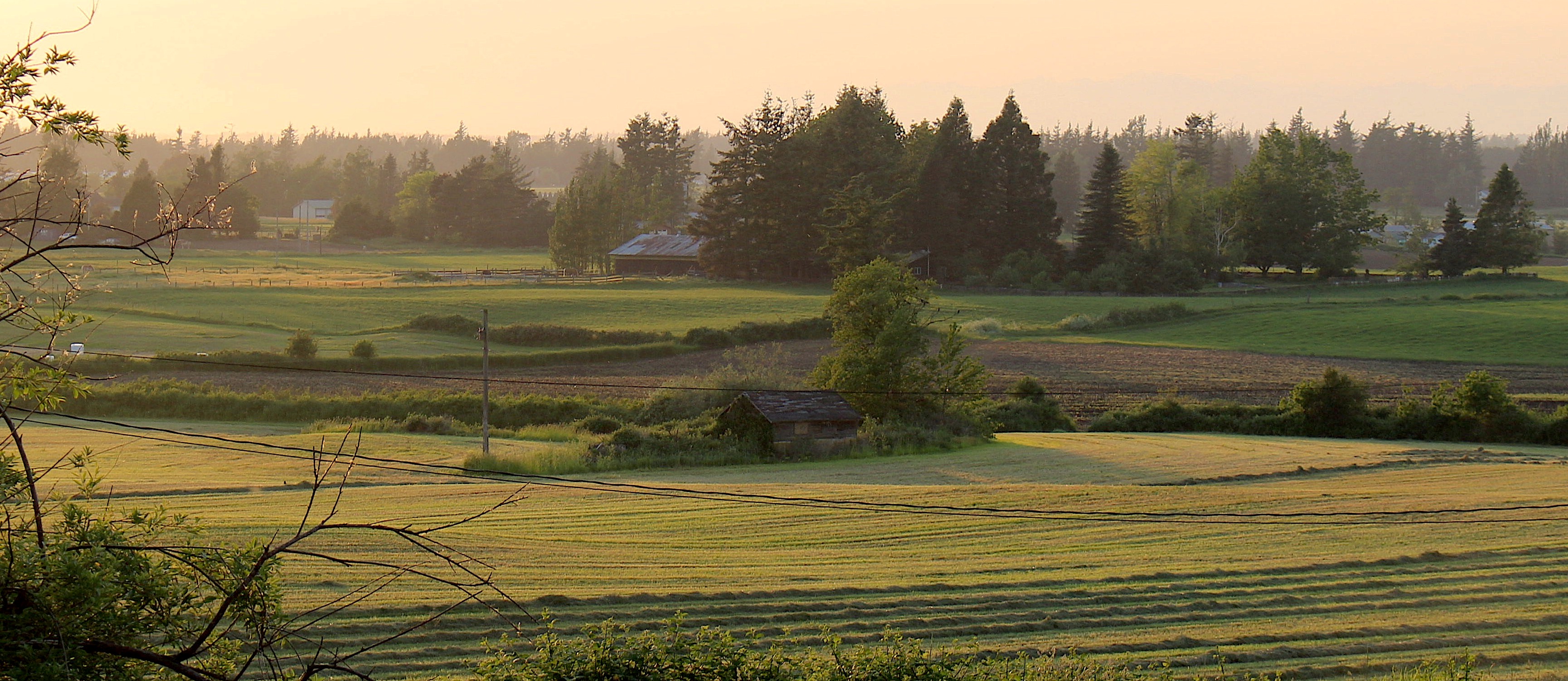
We are surrounded by acres of farmland, blessed by neighbors hard at work cherishing the land and buildings and animals they own. They don’t take anything for granted and strive to preserve a heritage of good stewardship. Even so, they know when to sit back to appreciate the rhythms of the seasons.

There is joy in simply watching time pass by.

The land continues to teach us all, through the sweet springs, the sweaty summers, the colorful autumns and harsh winter winds. We need each other when the snow drifts high on our driveways, the power goes out, the well runs dry, or the garden produces far more than we can just use ourselves.

And when the sun sets — well, we watch it with awe.

Another day of letting it go, grateful for what our gentle neighbors share with us – those who are next door, those just down the road, and I’m daily reminded of the generosity of those of you who take the time to stop by to read these words and say howdy.

To live in this world

you must be able
to do three things:
to love what is mortal;
to hold it

against your bones knowing
your own life depends on it;
and, when the time comes to let it go,
to let it go.
~Mary Oliver, “In Blackwater Woods”

One-Time
Monthly
Yearly

Make a one-time or recurring donation to support daily Barnstorming posts

Make a monthly donation

Make a yearly donation

Choose an amount

$10.00
$25.00
$50.00
$5.00
$15.00
$100.00
$5.00
$15.00
$100.00

Or enter a custom amount

$

Your contribution is deeply appreciated.

Your contribution is appreciated.

Your contribution is appreciated.

DonateDonate monthlyDonate yearly