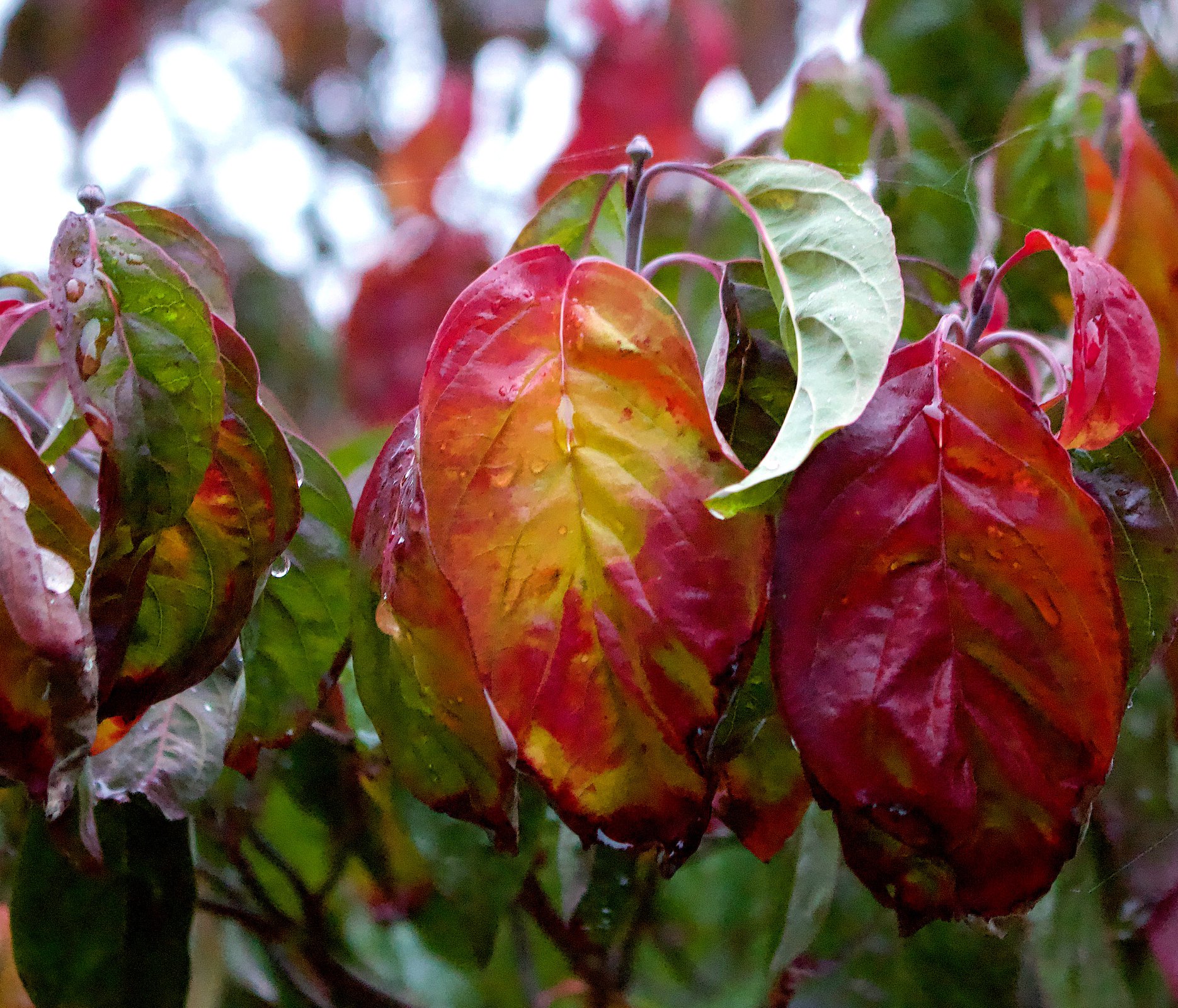
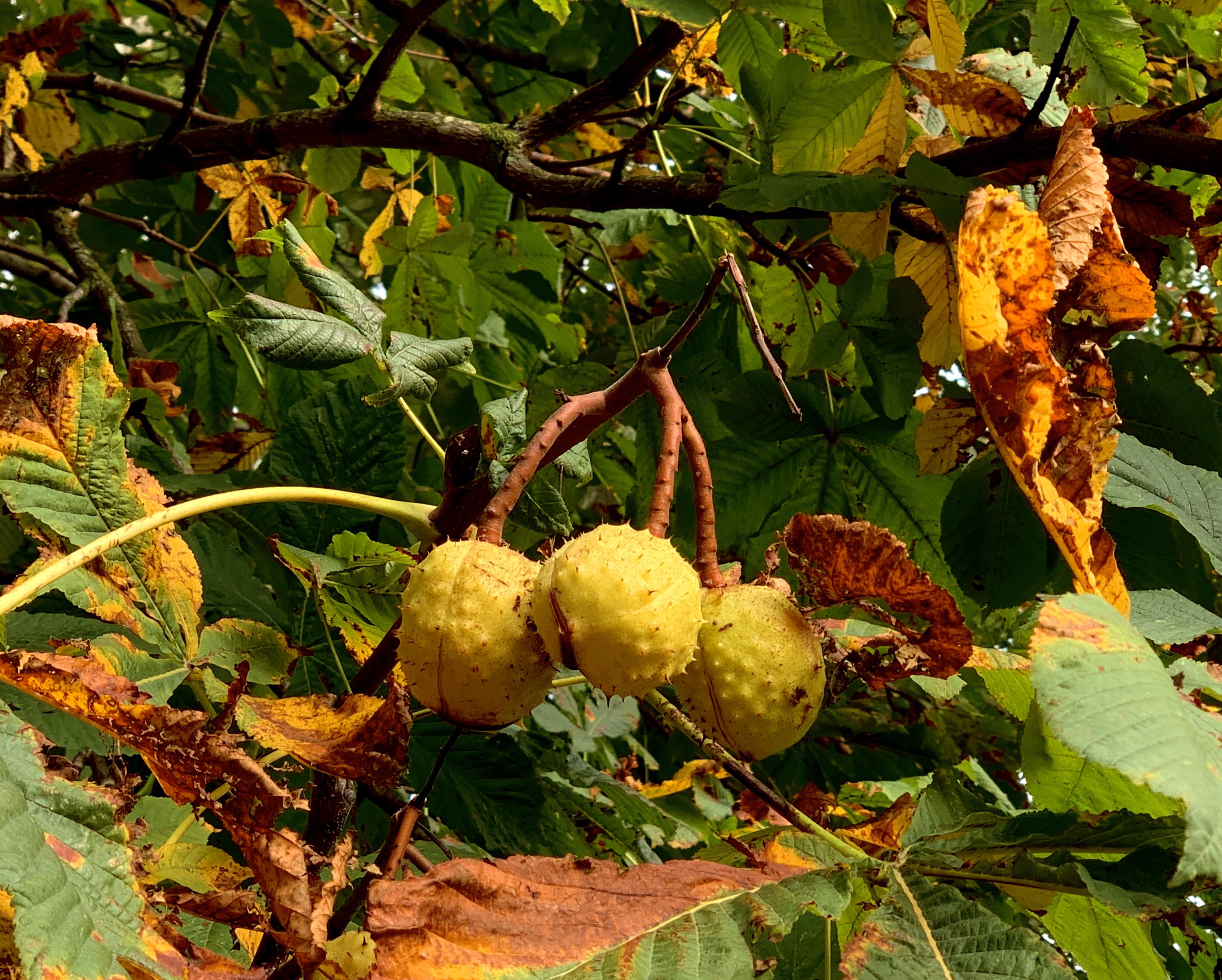
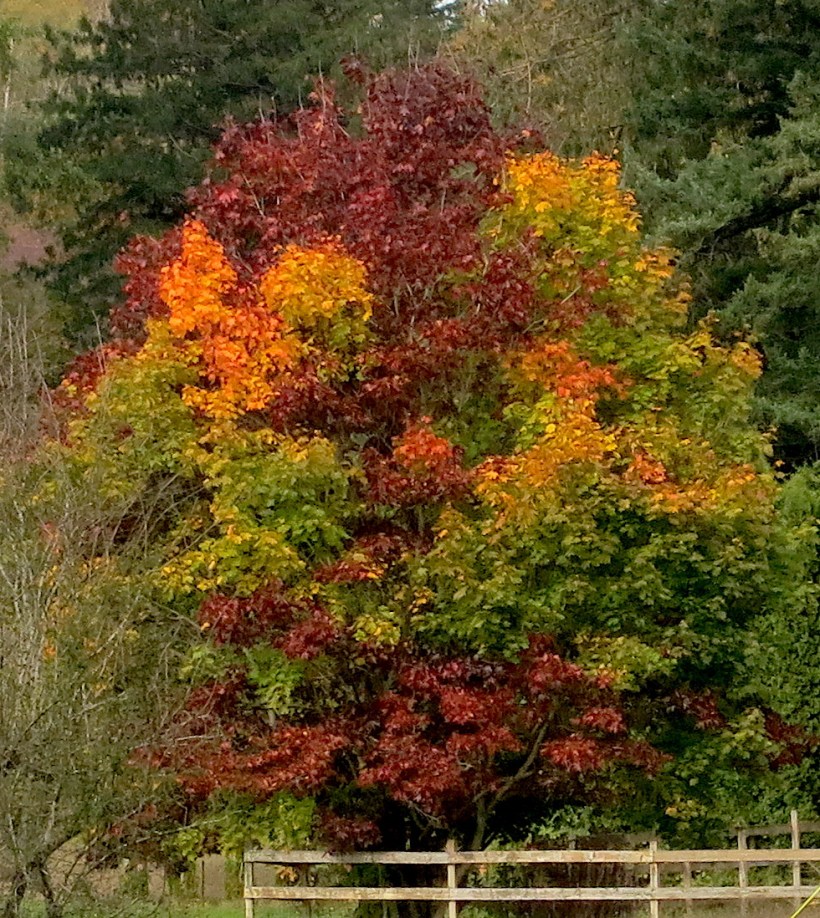
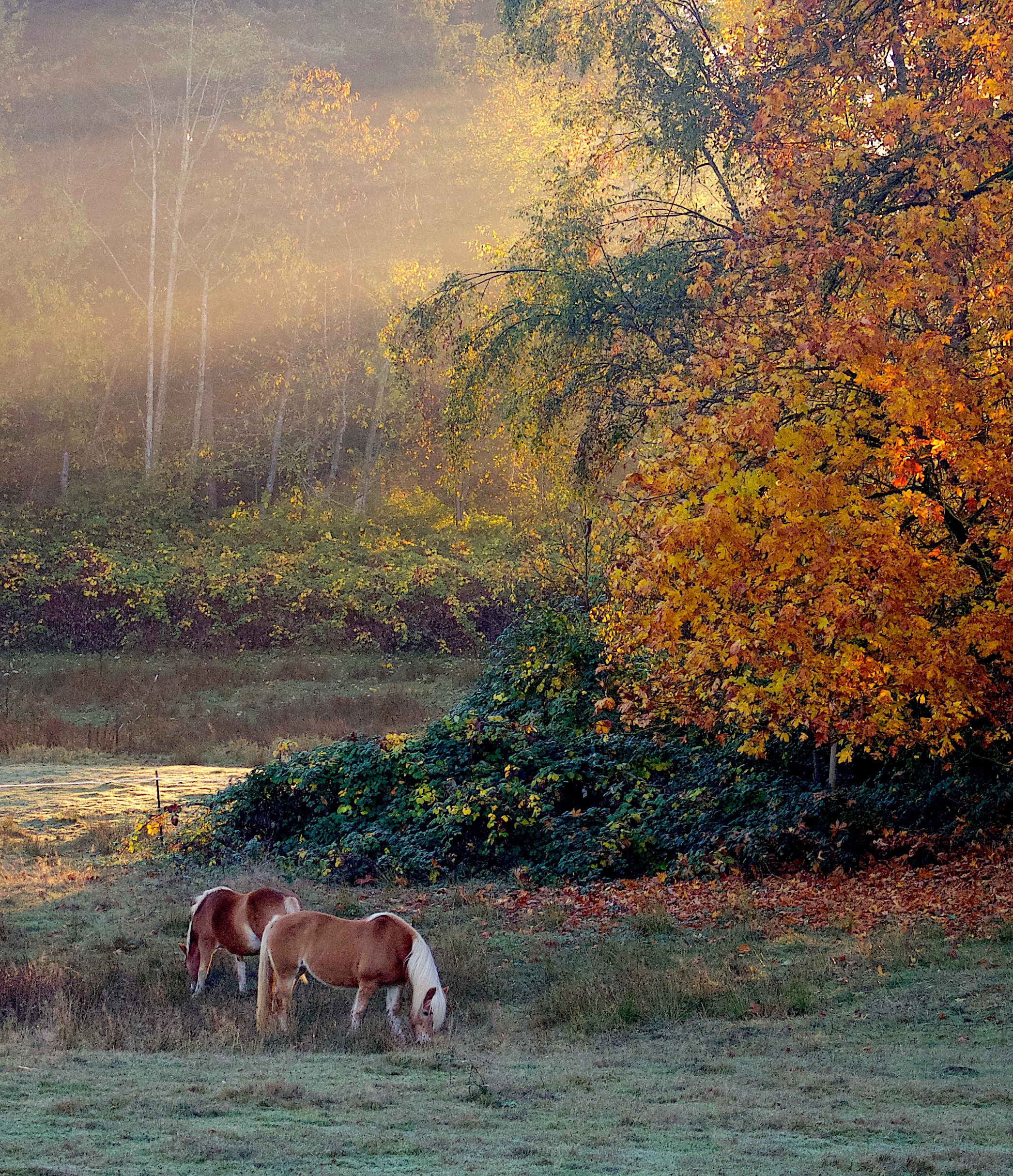
The way the trees empty themselves of leaves, let drop their ponderous fruit, the way the turtle abandons the sun-warmed log, the way even the late-blooming aster succumbs to the power of frost—
this is not a new story. Still, on this morning, the hollowness of the season startles, filling the rooms of your house, filling the world with impossible light, improbable hope.
And so, what else can you do but let yourself be broken and emptied? What else is there but waiting in the autumn sun? ~Carolyn Locke “What Else?” from The Place We Become
So this is how our life goes:
we are sowed, set down roots, bud and grow and flower and bloom and fruit and flourish,
then dry and change and wither and empty and break away to be carried off beyond this air and water and soil.
We thrived where we were planted, did what we could with a little nurture, to transcend the here and now.
So may we plant the next generation in healthy soil. May we weed and water and feed as needed. May we never overshadow the sun but step aside so its light fully shines.
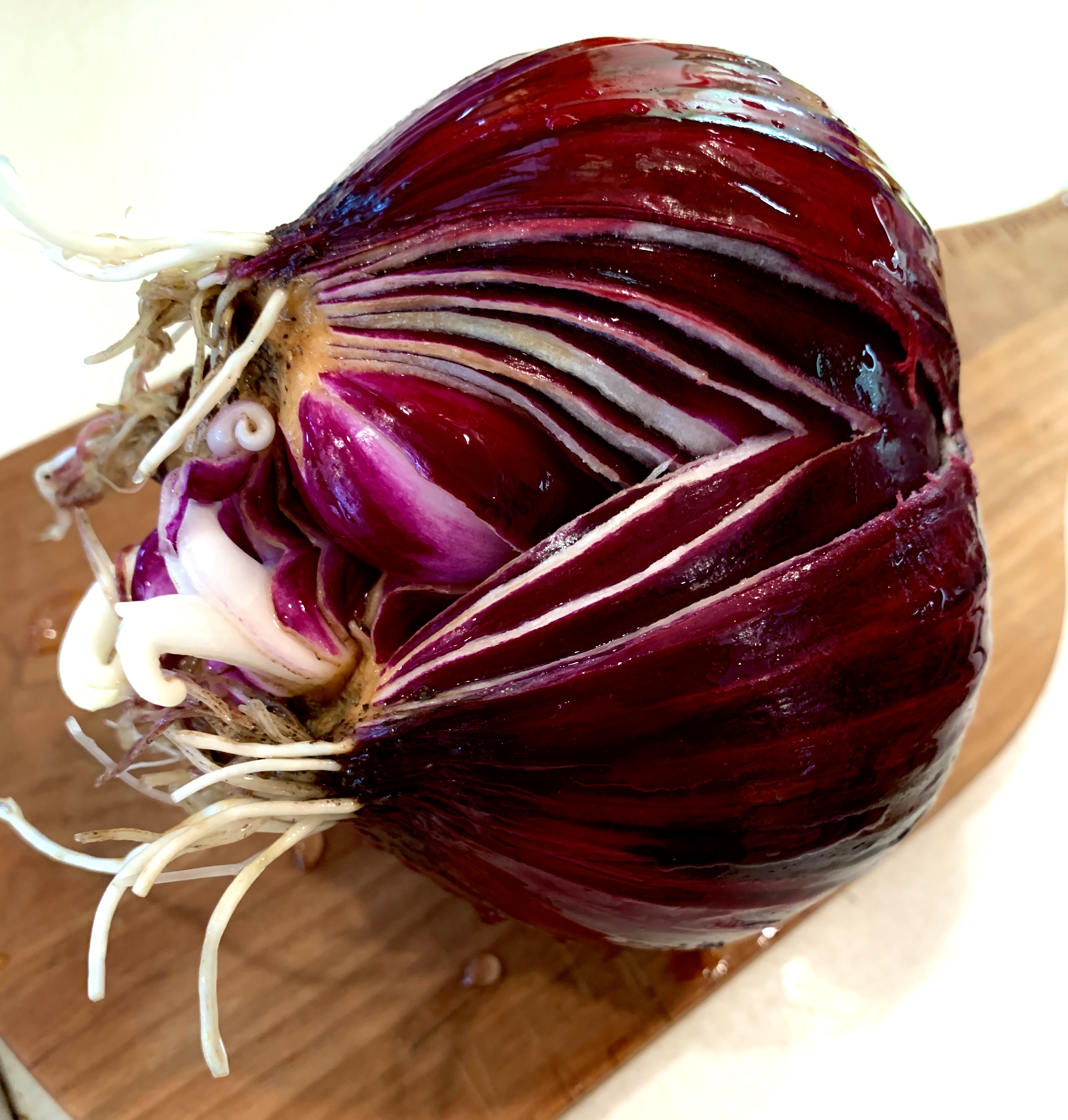
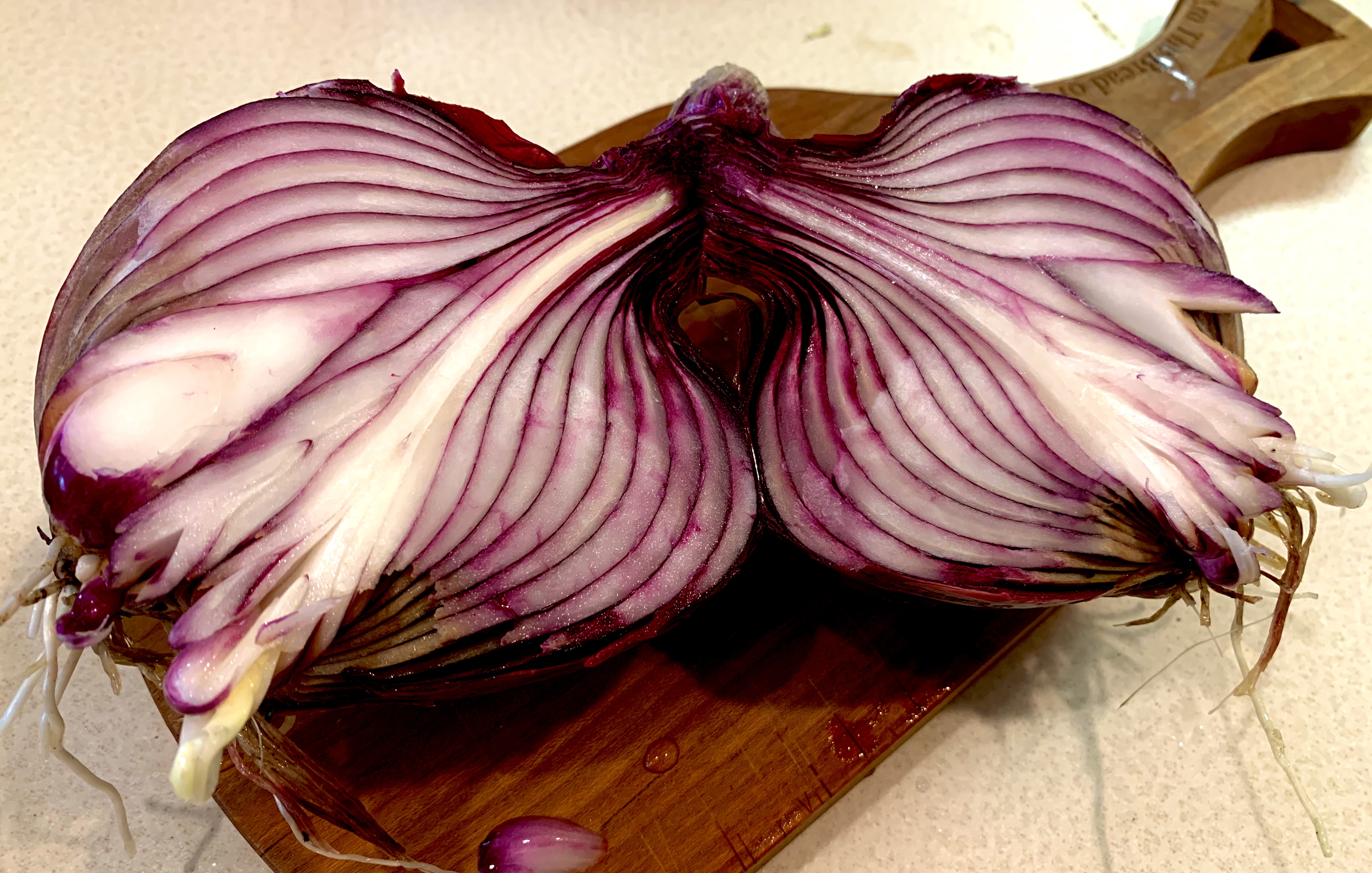
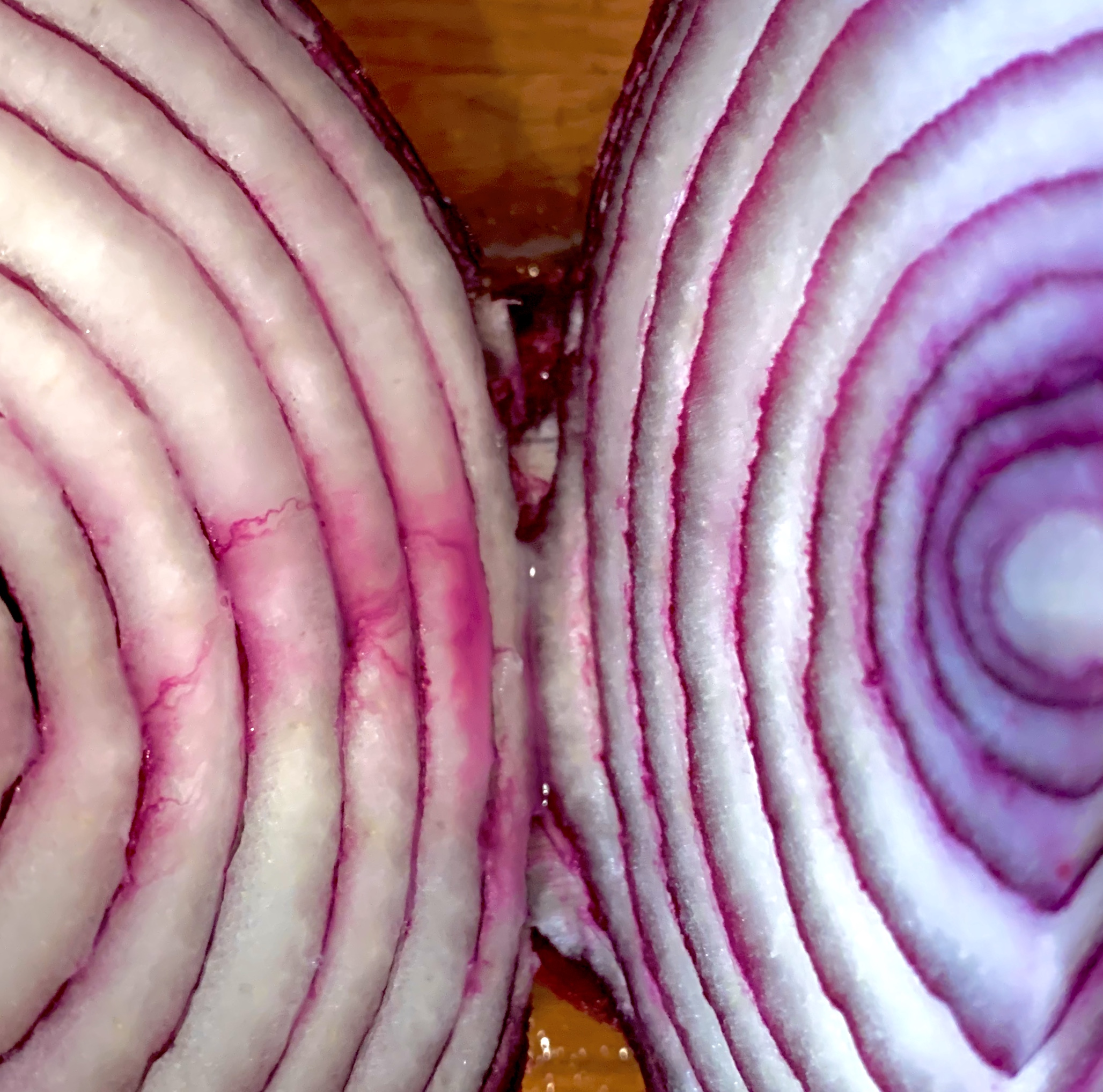
…It’s true it can make you weep to peel them, to unfurl and to tease from the taut ball first the brittle, caramel-colored and decrepit papery outside layer, the least
recent the reticent onion wrapped around its growing body, for there’s nothing to an onion but skin, and it’s true you can go on weeping as you go on in, through the moist middle skins, the sweetest
and thickest, and you can go on in to the core, to the bud-like, acrid, fibrous skins densely clustered there, stalky and in- complete, and these are the most pungent… ~William Matthews from “Onions”
…I would never scold the onion for causing tears. It is right that tears fall for something small and forgotten. How at meal, we sit to eat, commenting on texture of meat or herbal aroma but never on the translucence of onion, now limp, now divided, or its traditionally honorable career: For the sake of others, disappear. ~Naomi Shihab Nye, from “The Traveling Onion” from Words Under the Words: Selected Poems.
Onion, luminous flask, your beauty formed petal by petal, crystal scales expanded you and in the secrecy of the dark earth your belly grew round with dew. Under the earth the miracle happened and when your clumsy green stem appeared, and your leaves were born like swords in the garden, the earth heaped up her power showing your naked transparency…
…You make us cry without hurting us. I have praised everything that exists, but to me, onion, you are more beautiful than a bird of dazzling feathers, heavenly globe, platinum goblet, unmoving dance of the snowy anemone
and the fragrance of the earth lives in your crystalline nature. ~Pablo Neruda from “Ode to the Onion”
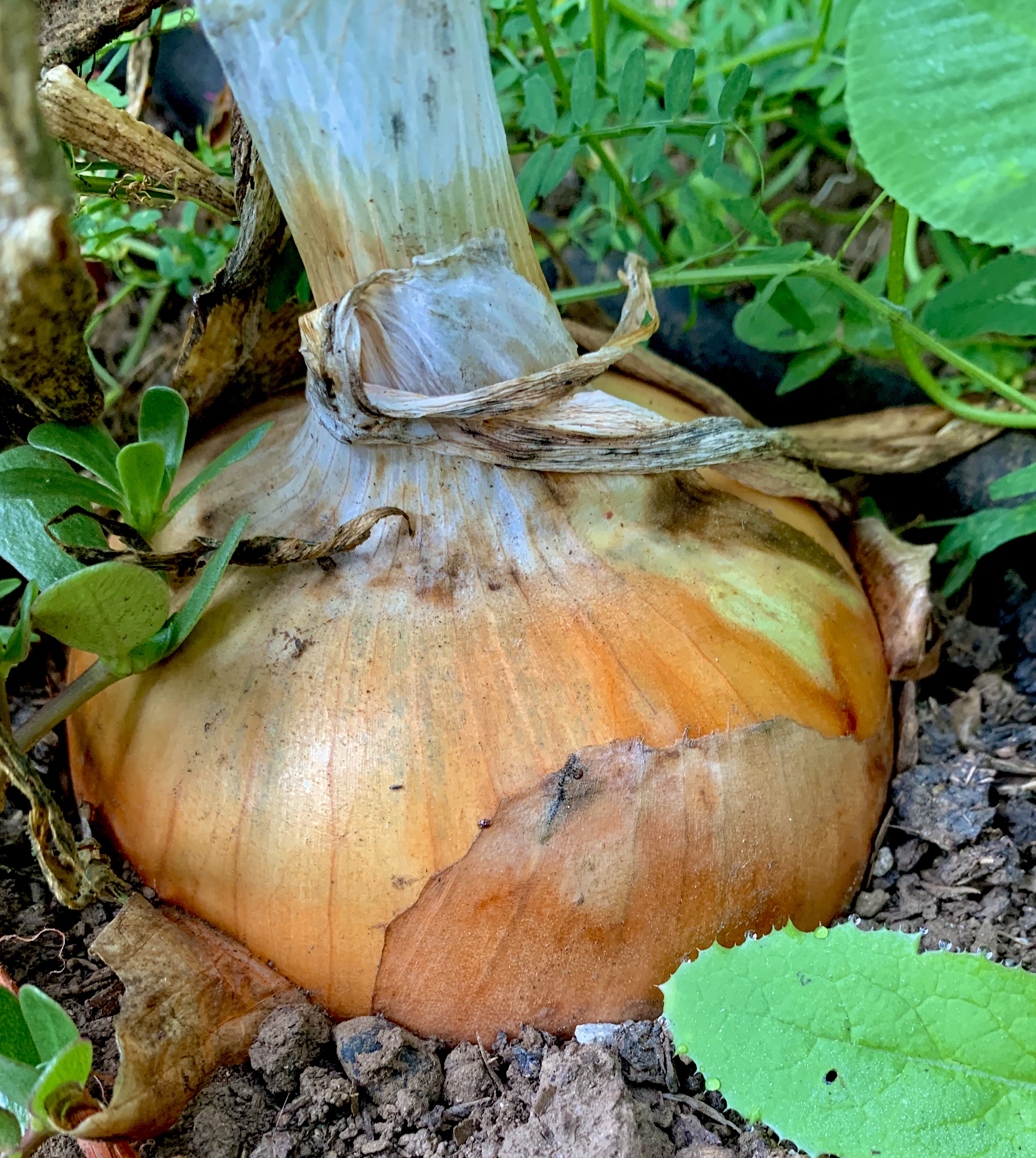
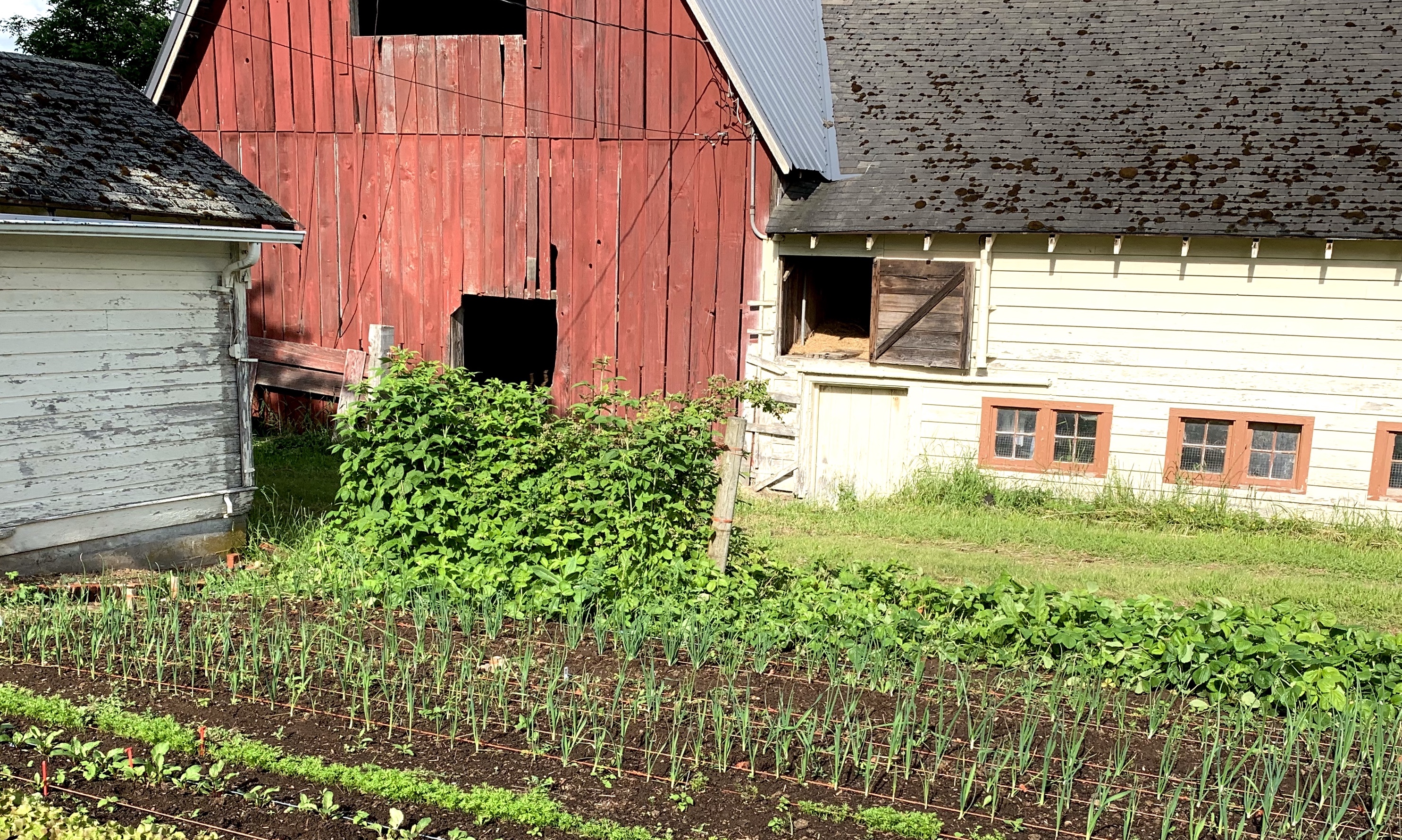
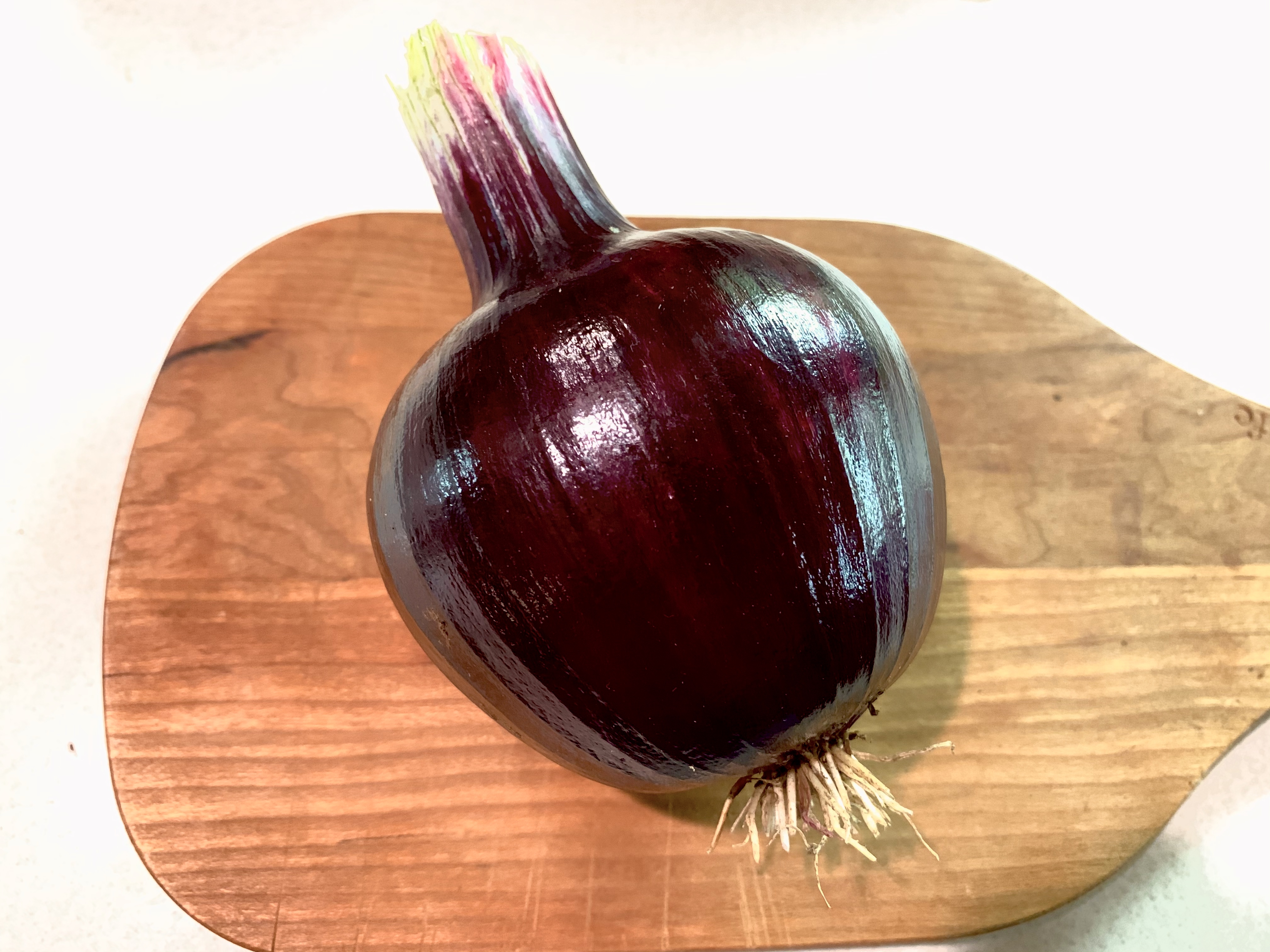
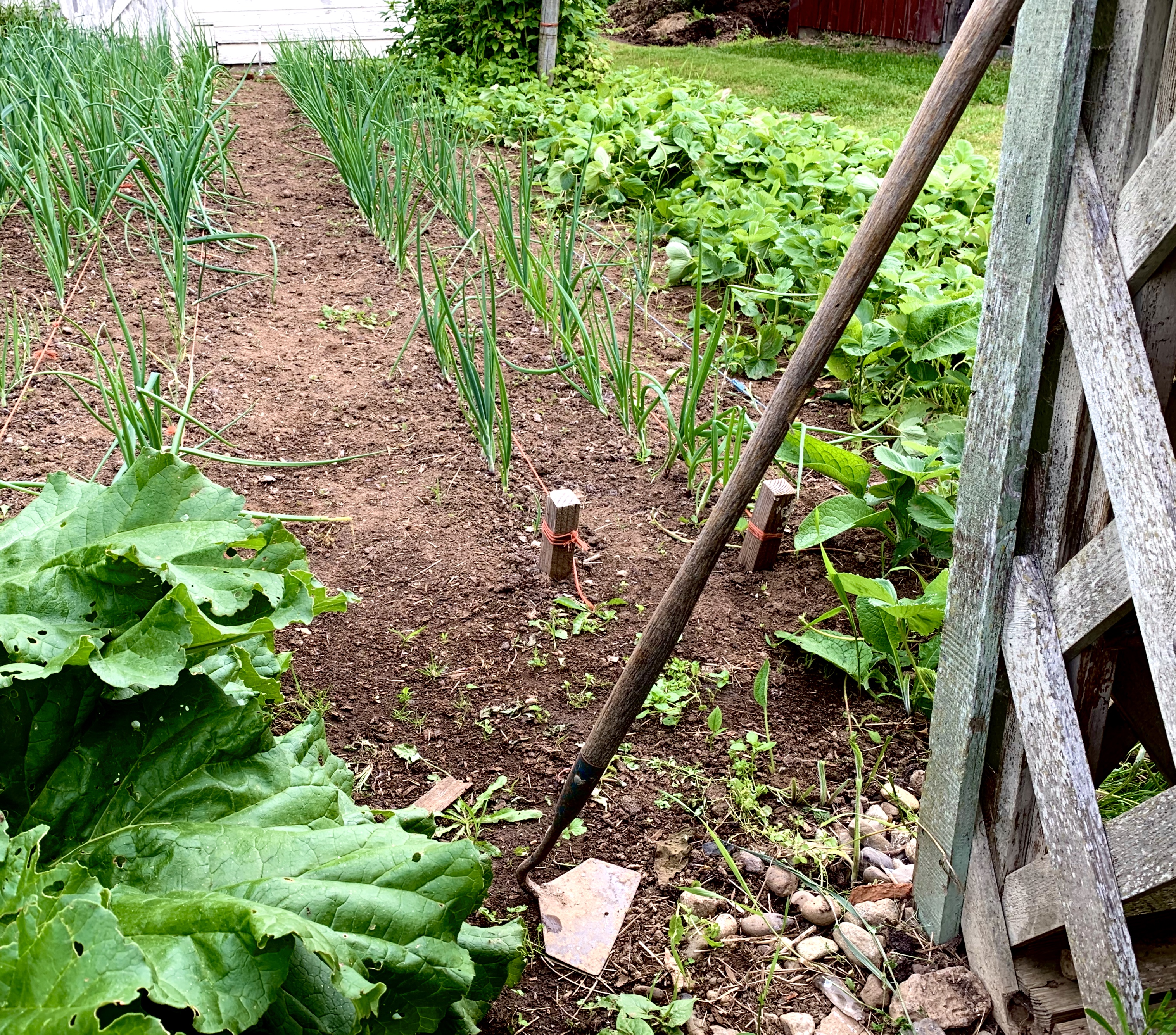
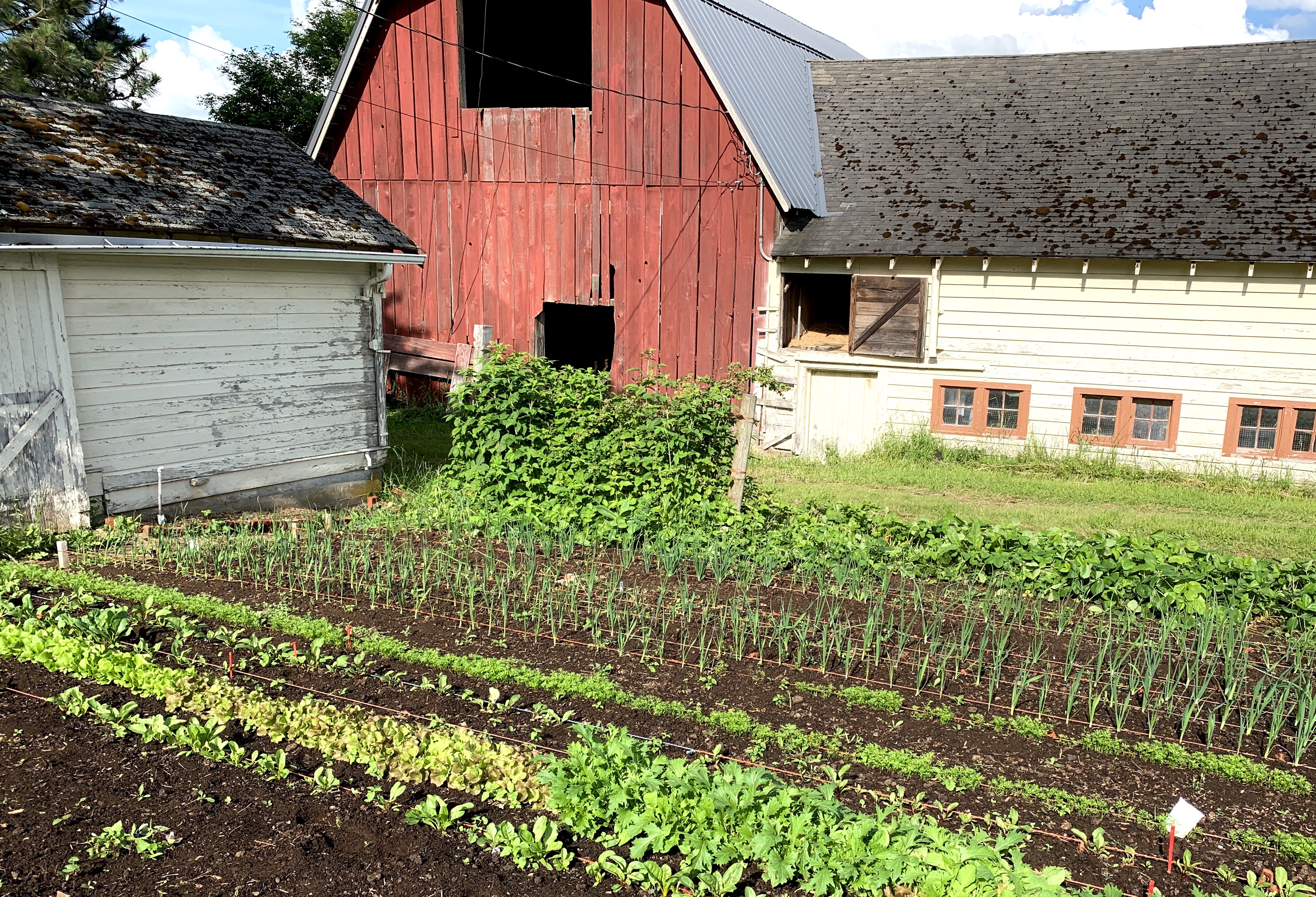
Everything smells of “eau de onion” here in the kitchen as the onions are brought in from our late summer garden to be stored or dehydrated and frozen for winter soups and stews.
This is weepy business, but these are good tears like I spill over the whistled Greensleeves theme from the old “Lassie” TV show, or during any childrens’ choir song, or by simply watching videos of our grandchildren who are quarantined so far away from our arms.
It takes almost nothing these days to make me weep, so onions are a handy excuse, allowing my tears to flow without explanation:
I weep over the headlines. I weep over how changed life is and for the sadness of the stricken. I weep over how messy things can get between people who don’t listen to one another or who misinterpret what they think they hear. I weep knowing we all have layers and layers of skin that appear tough on the outside, but as you peel gently or even ruthlessly cut them away, the layers get more and more tender until you reach the throbbing heart of us.
We tend to hide our hearts out of fear of being hurt, crying out in pain.
Like an onion, each one of us exists to make the day a bit better, the meal more savory, to enhance the flavors of all who are mixed into this melting pot together. We aren’t meant to stand alone, but to disappear into the stew, and be sorely missed if we are absent.
So very dish needs an onion, and for the sake of the dish, every onion vanishes in the process.
No, I don’t mean to make you cry as you peel my layers away, gently, one by one, each more tender until you reach my heart. Chop away at me if you must but weep the good tears, the ones that mean we weep for the sake of our meal together: you eating and drinking, and me – consumed.
The heart’s reasons seen clearly, even the hardest will carry its whip-marks and sadness and must be forgiven.
As the drought-starved eland forgives the drought-starved lion who finally takes her, enters willingly then the life she cannot refuse, and is lion, is fed, and does not remember the other.
So few grains of happiness measured against all the dark and still the scales balance.
The world asks of us only the strength we have and we give it. Then it asks more, and we give it. ~Jane Hirshfield “The Weighing” from The Beauty
So many right now feel they have no more left to give; so much has been asked, so much sacrificed, the scale feels broken, forever out of balance.
Yet more strength is needed, more requested, and somehow in some way, the scale steadies, rebalances because of that extra effort.
We can’t give up now. We need each other to give a little more try a little harder go a little farther smile behind the mask while showing our smile above the mask.
It only takes a little love to balance out all the rest.
from “Feats of Strength” by Tom Otterness at Western Washington University
I’ve banked nothing, or everything. Every day the chores need doing again. Early in the morning, I clean the horse barn with a manure fork. Every morning, it feels as though it could be the day beforeor a year ago or a year before that. With every pass, I give the fork one final upward flick to keep the manure from falling out, and every day I remember where I learned to do that and from whom. Time all but stops.
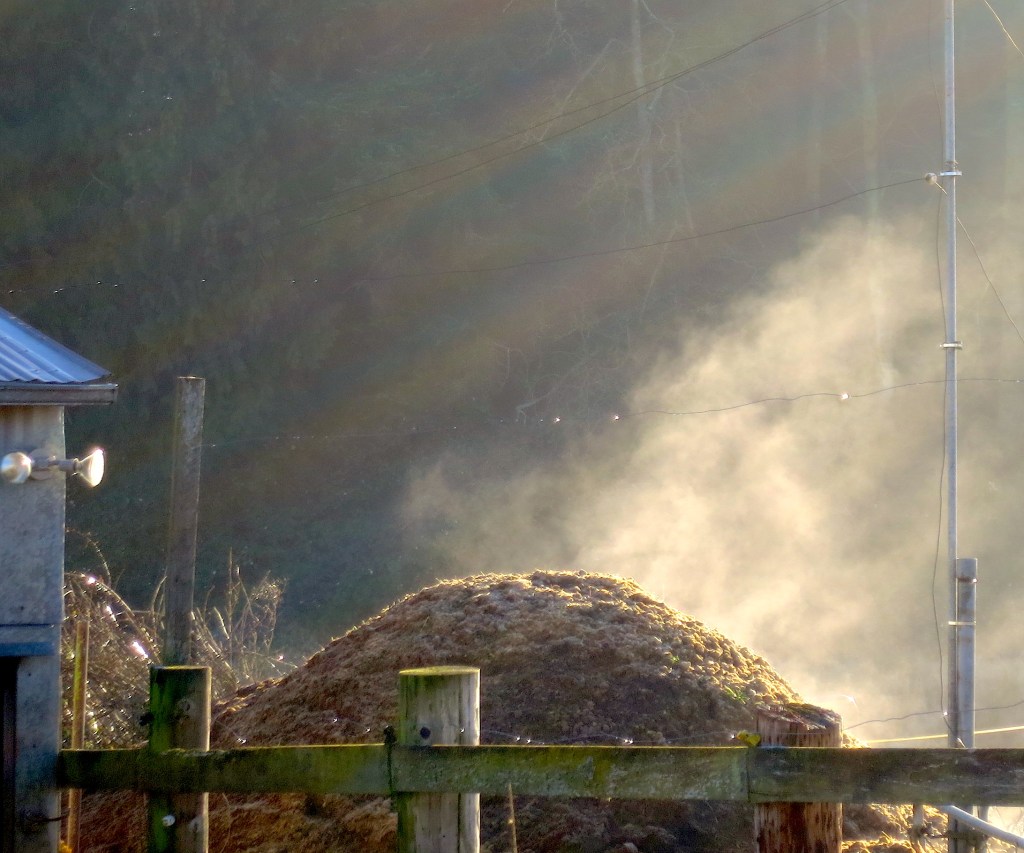
But then I dump the cart on the compost pile. I bring out the tractor and turn the pile, once every three or four days. The bucket bites and lifts, and steam comes billowing out of the heap. It’s my assurance that time is really moving forward, decomposing us all in the process. ~Verlyn Klinkenborg from More Scenes from the Rural Life
I’ve written about horse manure before in a variety of contexts as it is a daily chore here to keep it picked up, wheeled to the pile, wait for it to compost and then use it to fertilize garden or fields. It is one of the crops on our farm and we take our manure management seriously.
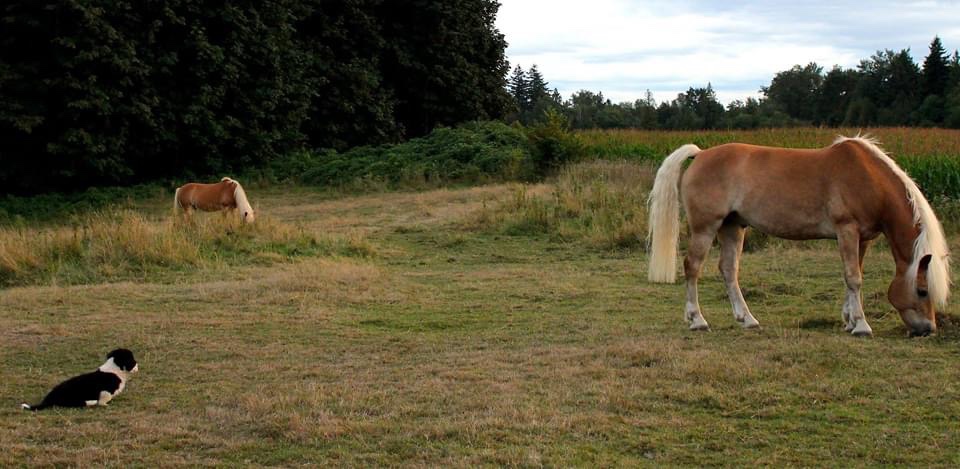
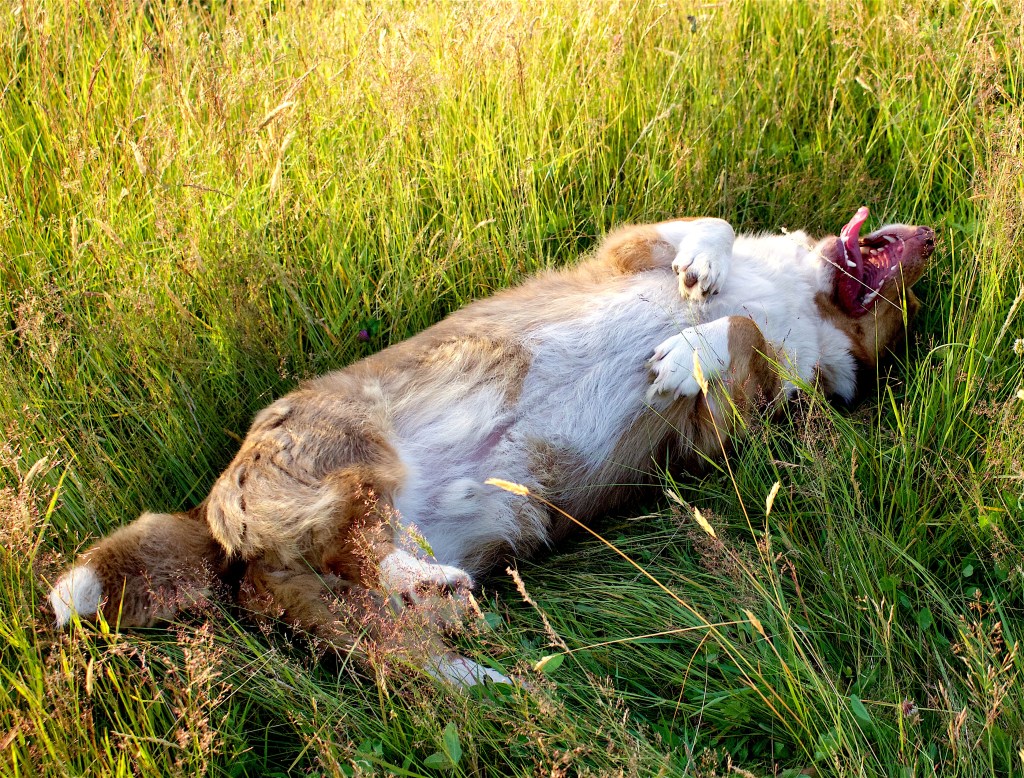
I have not written before about our dogs’ coprophagous grins (look it up). This is a family-friendly blog so I’m not using the colloquial term that might be used while we’re out in the barn. But grinning they are, with a muzzle full of manure.
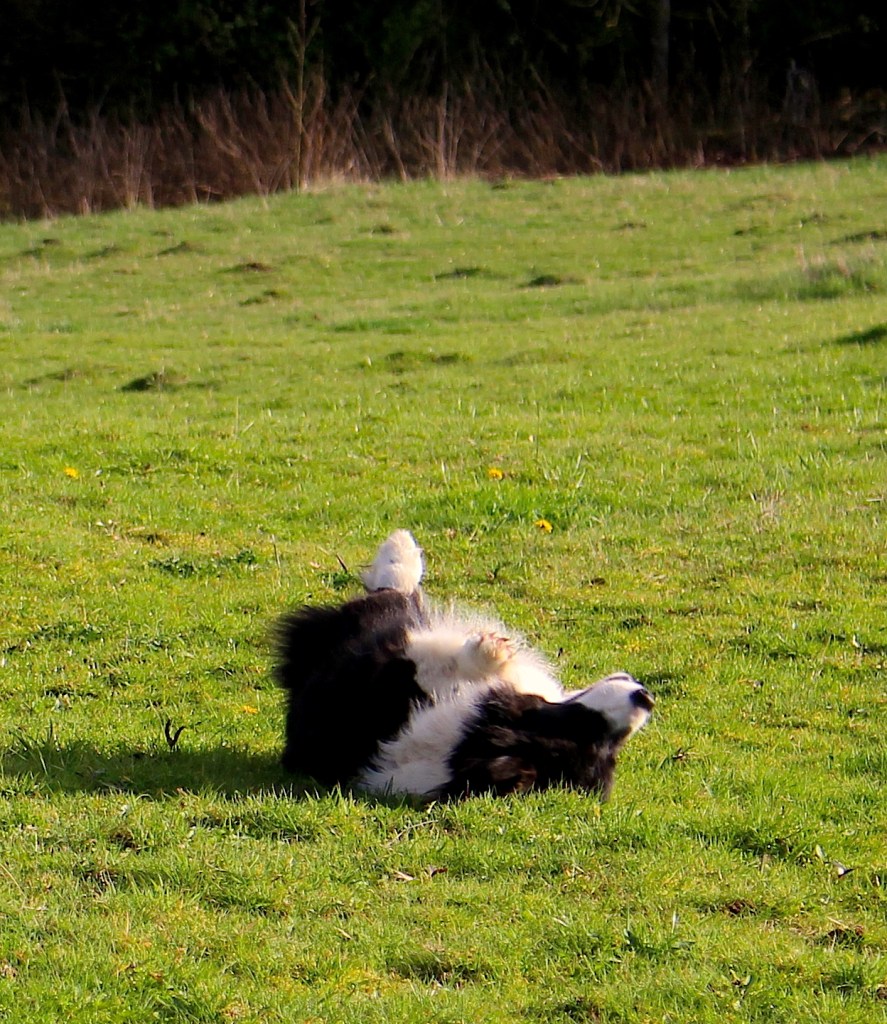
Dogs love to eat horse poop (among other things). No one has figured out why except that decomposing things – fecal, rotting or decaying- just simply smell good to a dog and what smells good must taste good. It does not smell good on their breath or, when they happily roll in it, on their fur. But they don’t seem to mind stinking to high heaven as long as it is their choice. What consenting dogs do should not concern us, right? Right – until the stink reaches the threshold of the house or man’s best friend wants to plant a slobbery kiss on your cheek.
There is a lesson here in the manure pile. There must be a pony buried here somewhere. And there is.
We human beings, proper as we may appear on the surface, like to roll around in the figurative decomposing stuff too. Especially individuals in the news this week and in the recent past who proclaim strict Christian values and are leaders in preaching standards of morality have found themselves up to their eyeballs in the stink of their own choices, surrounding themselves with it. Jobs have been lost and reputations ruined.
We almost lost a farm dog because he inadvertently overdosed on ivermectin horse wormer that may have been in ingested manure or dripped nearby. What may appear benign, no big deal and may not hurt anyone, could in fact be lethal.
So I tell the dogs to wipe that coprophagous grin off their faces and clean up their act. If I wanted to hang out with the stink of decomposition, I’d go picnic next to a nice steaming warm compost pile.
At least I know in the case of the compost pile, the manure eventually becomes something far more wholesome, thereby ultimately redeemed.
The lawyer told him to write a letter to accompany the will, to prevent potential discord over artifacts valued only for their sentiment.
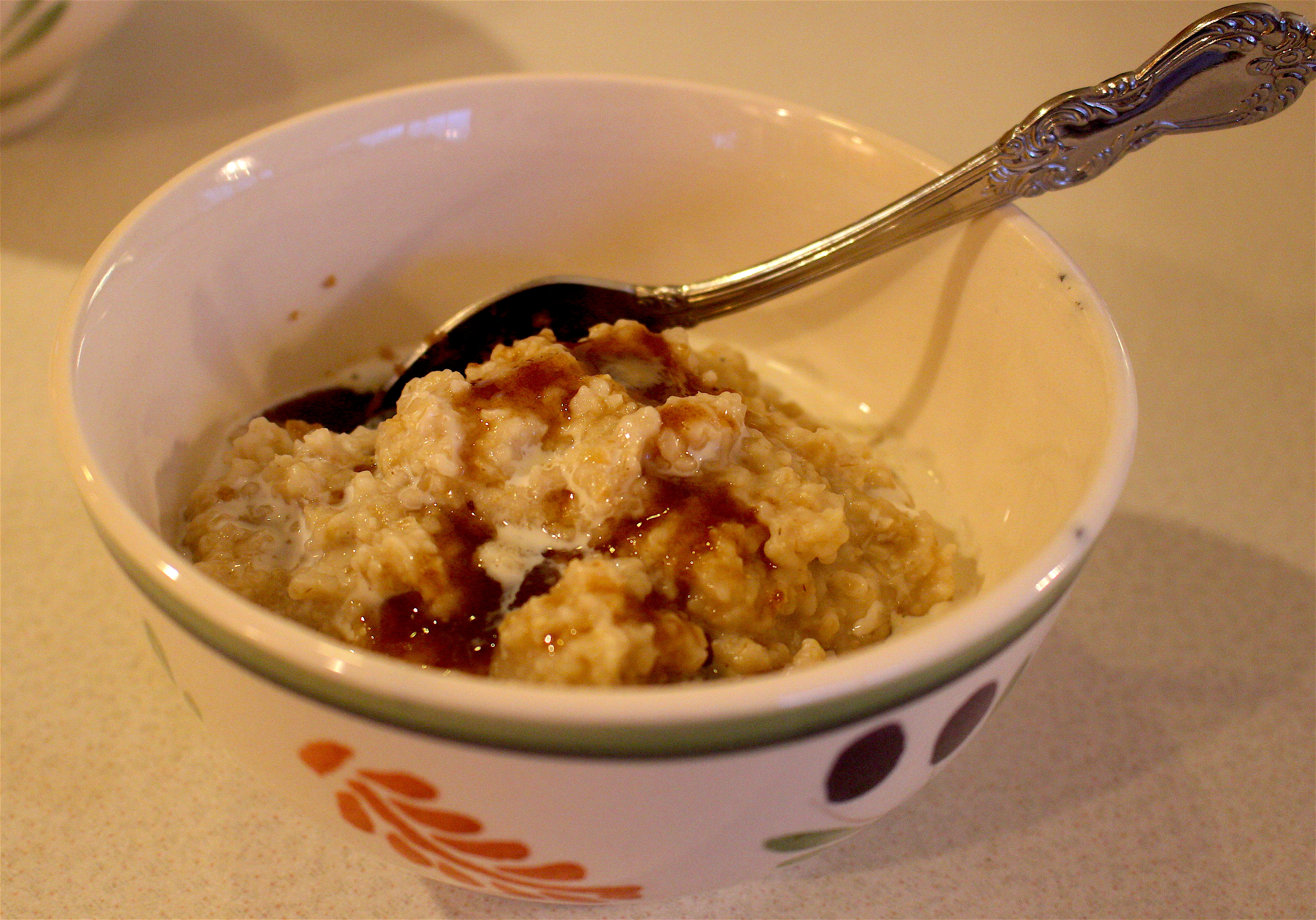
His wife treasures a watercolor by her father; grandmama’s spoon stirs their oatmeal every morning. Some days, he wears his father’s favorite tie.
He tries to think of things that could be tokens of his days: binoculars that transport bluebirds through his cataracts
a frayed fishing vest with pockets full of feathers brightly tied, the little fly rod he can still manipulate in forest thickets,
a sharp-tined garden fork, heft and handle fit for him, a springy spruce kayak paddle, a retired leather satchel.
He writes his awkward note, trying to dispense with grace some well-worn clutter easily discarded in another generation.
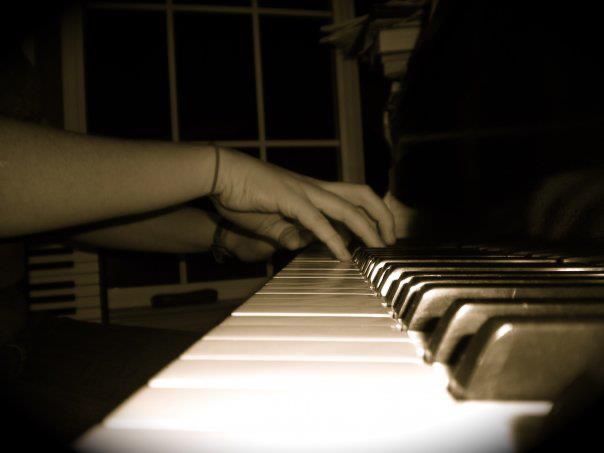
But what he wishes to bequeath are items never owned: a Chopin etude wafting from his wife’s piano on the scent of morning coffee
seedling peas poking into April, monarch caterpillars infesting milkweed leaves, a light brown doe alert in purple asters
a full moon rising in October, hunting-hat orange in ebony sky, sunlit autumn afternoons that flutter through the heart like falling leaves. ~Raymond Byrnes “Personal Effects” from Waters Deep
We’ve seen families break apart over the distribution of the possessions of the deceased. There can be hurt feelings, resentment over perceived slights, arguments over who cared most and who cared least.
Thankfully, that didn’t happen with our parents’ belongings. There had been a slow giving away process as their health failed and they needed to move from larger spaces to smaller spaces. Even so, no one was eager to take care of the things that had no particular monetary or sentimental value. We still have boxes and boxes of household and personal items sitting unopened in storage on our farm for over a decade. Each summer I think I’ll start the sorting process but I don’t. My intentions are good but my follow-through is weak.
So my husband and I have said to each other and our children that we don’t want to leave behind stuff which ultimately has little meaning in a generation or two. We need now to do the work it takes to make sure we honor that promise.
There is so much we would rather bequeath than just stuff we own. It can’t be stored in boxes or outlined in our wills: these are precious possessions that don’t take up space. Instead, we bequeath our love of simple everyday blessings, while passing down our faith in God to future generations.
May our memories be kept alive through stories about the people we tried to be in this life, told to our grandchildren and their children, with much humor and a few tears – that would be the very best legacy of all.
O gather up the brokenness And bring it to me now The fragrance of those promises You never dared to vow
The splinters that you carry The cross you left behind Come healing of the body Come healing of the mind
And let the heavens hear it The penitential hymn Come healing of the spirit Come healing of the limb
Behold the gates of mercy In arbitrary space And none of us deserving The cruelty or the grace
O solitude of longing Where love has been confined Come healing of the body Come healing of the mind
O see the darkness yielding That tore the light apart Come healing of the reason Come healing of the heart
O troubled dust concealing An undivided love The heart beneath is teaching To the broken heart above
Let the heavens falter Let the earth proclaim Come healing of the altar Come healing of the name
O longing of the branches To lift the little bud O longing of the arteries To purify the blood
And let the heavens hear it The penitential hymn Come healing of the spirit Come healing of the limb ~Leonard Cohen “Come healing”
We are all in need of healing, none more so than those who have been affected by the pandemic, either dealing themselves with the illness and its long-lasting effects, or grieving the untimely loss of family and friends.
There is need for healing in relationships, either because of too much proximity or not nearly enough due to quarantine.
There is need for a sense of purpose without a schedule of regular employment or schooling to occupy our days.
There is need for healing for the wrongs we do, intentionally or unintentionally.
Our hardships are meager compared to the plagues of the past but they are nevertheless real and undeserved, so we pray for relief, we pray for grace and mercy, we pray for healing of mind, body and spirit.
Even a tiny blue forget-me-not blossom reminds us: we need to seek the fragrance of promises made and harvest the fruit of promises kept.
God does not make promises to please us, like a politician in an election year. He keeps promises because He knows we need to believe they will happen according to His plan— He forgets-us-not because we are the troubled dust upon which He has blown sweet and fragrant breath.
Beneath our clothes, our reputations, our pretensions, beneath our religion or lack of it, we are all vulnerable both to the storm without and to the storm within. ~Frederick Buechner – from Telling the Truth
We are so complicit and compliant in pleasant and peaceful appearance, sitting in silence allowing our inner storm to stay well hidden; if called and compelled to face wrongs boldly, the tempest can no longer be contained. Silence in the face of evil must itself be shattered, even the rocks will cry out, as our storm spills forth speaking the truth.
Silence in the face of evil is itself evil: God will not hold us guiltless. Not to speak is to speak. Not to act is to act. ~Dietrich Bonhoeffer
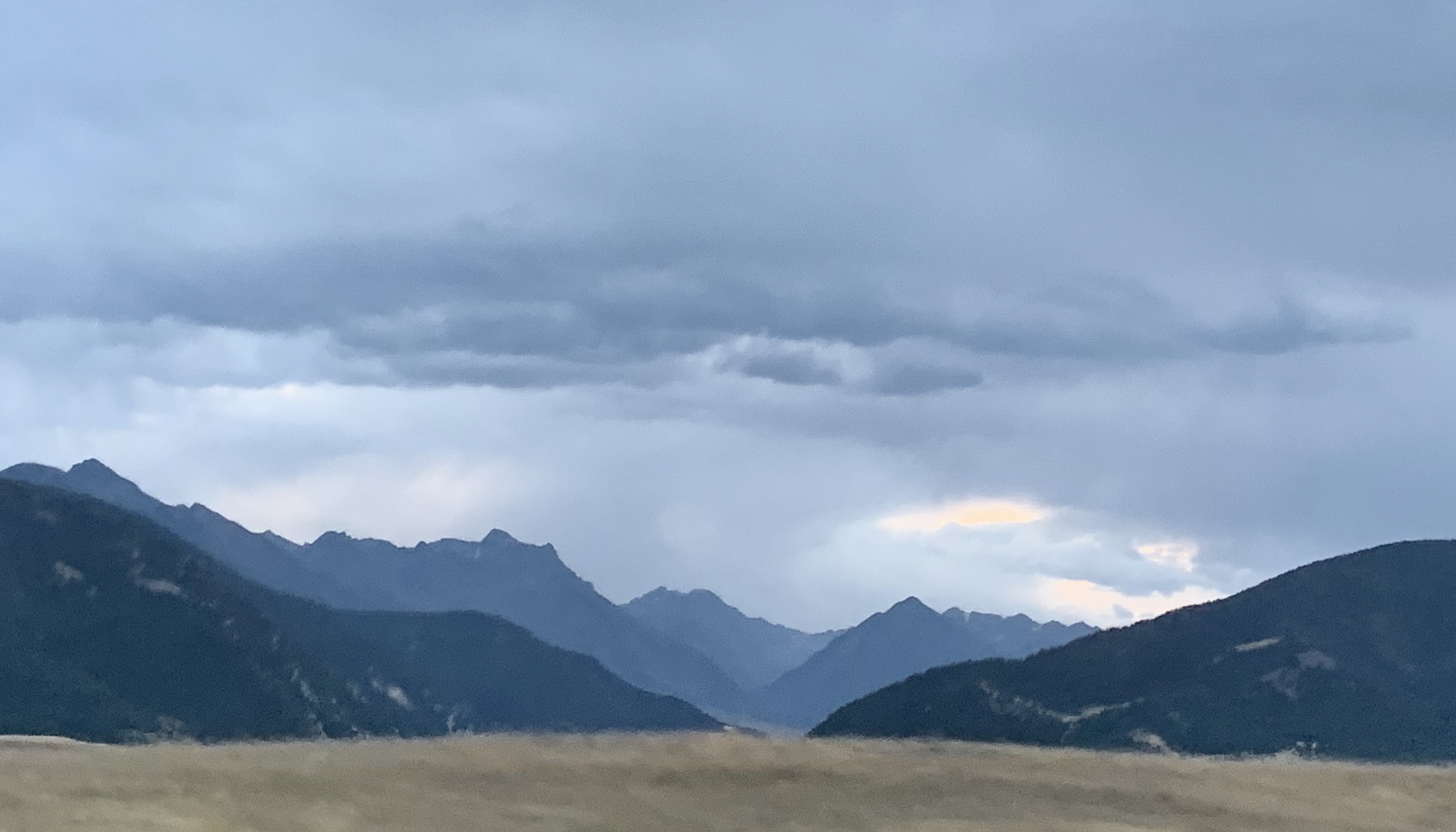
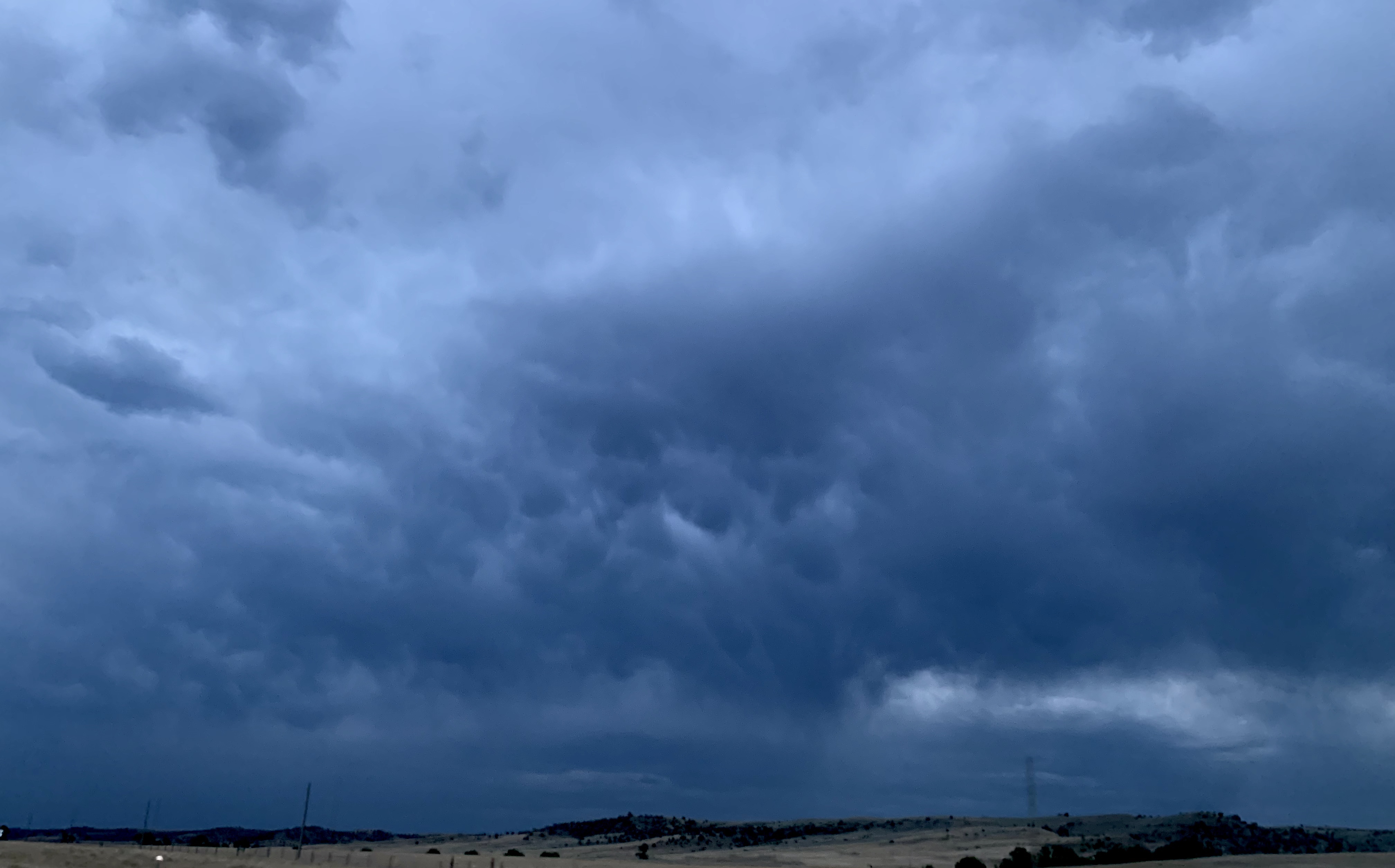
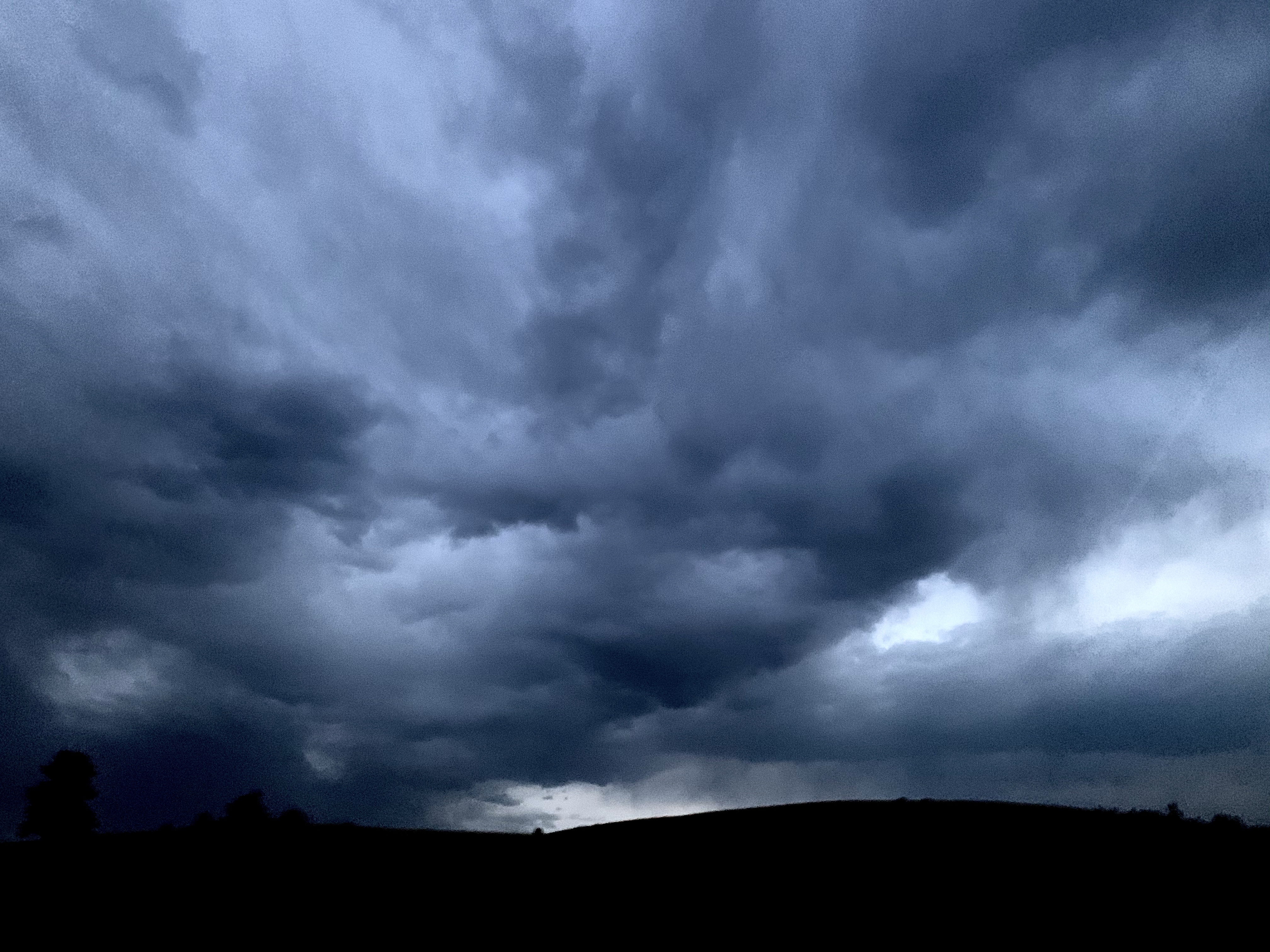
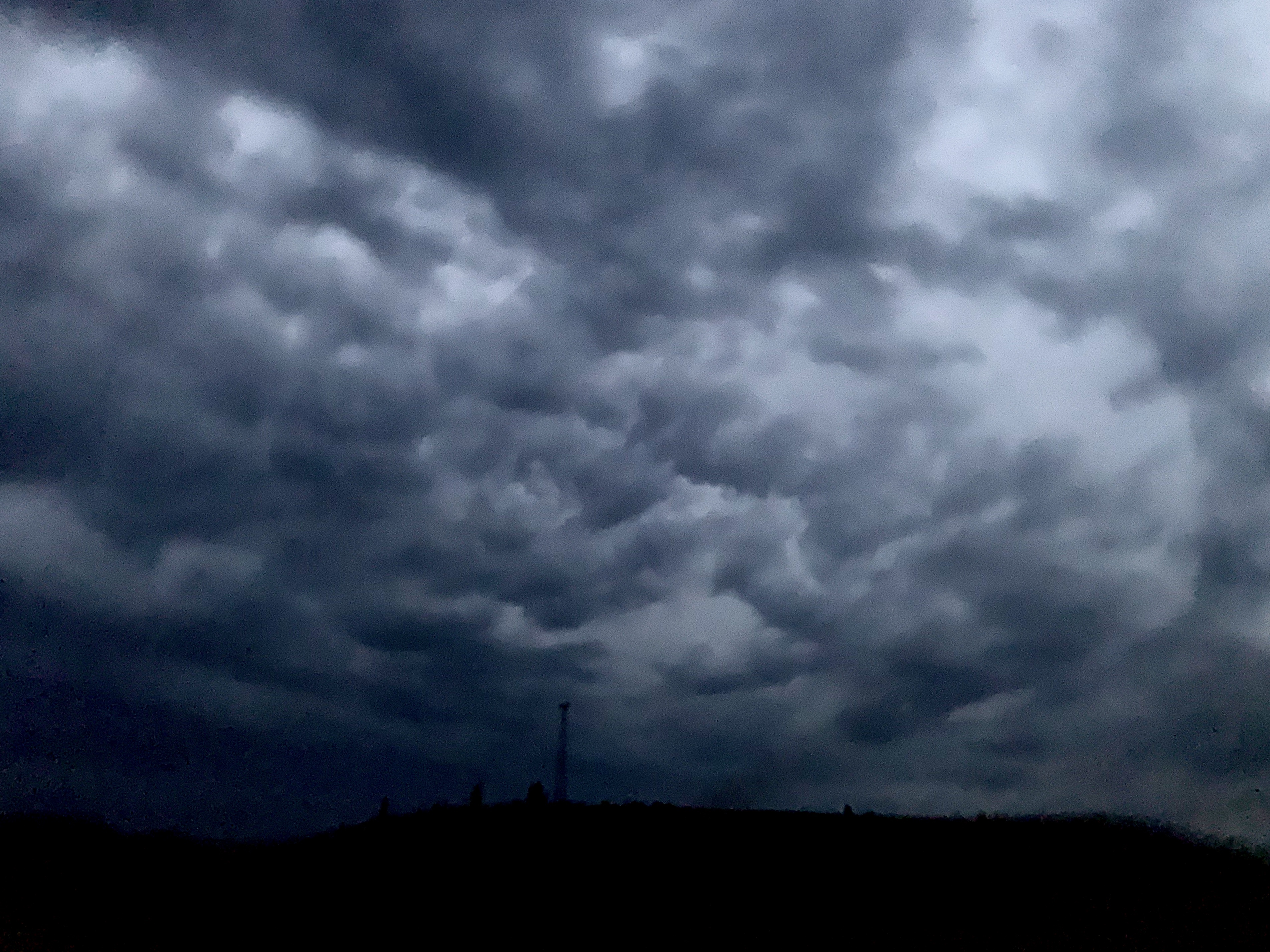
We all are feeling the unpredictability of the state of the climate all around us:
heavy damaging winds, devastating hale storms, thunder and lightening, sweaty sunny middays, torrential unpredictable showers, ankle-deep mud, horrible forest fires.
Protests, violence, conspiracy theories, people distrusting and disrespecting others, name-calling, and plenty of deafening silence.
And inside my own cranium:
words that fly out too quickly, anxiety mixed with a hint of anger, too easy tears, searing frustration, feeling immobilized by the daily muck and mire of the state of the world today.
I have no excuse for acting like moody March, October, December and August within a span of a few hours. I should not be so easily forgiven or unburdened. I end up lying awake at night with regrets, composing apologies, and wanting to hide under a rock until the storms inside and outside blow over.
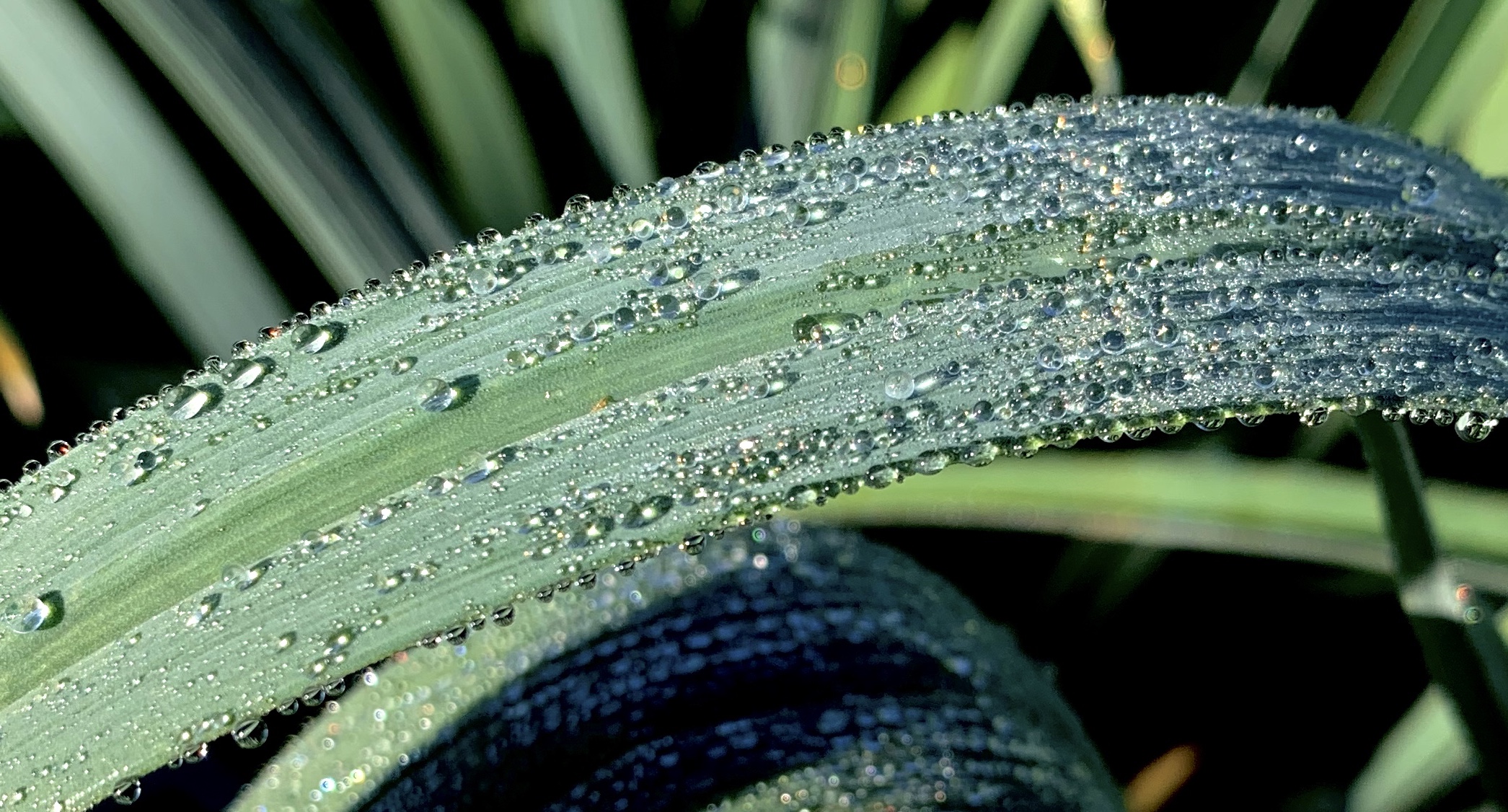
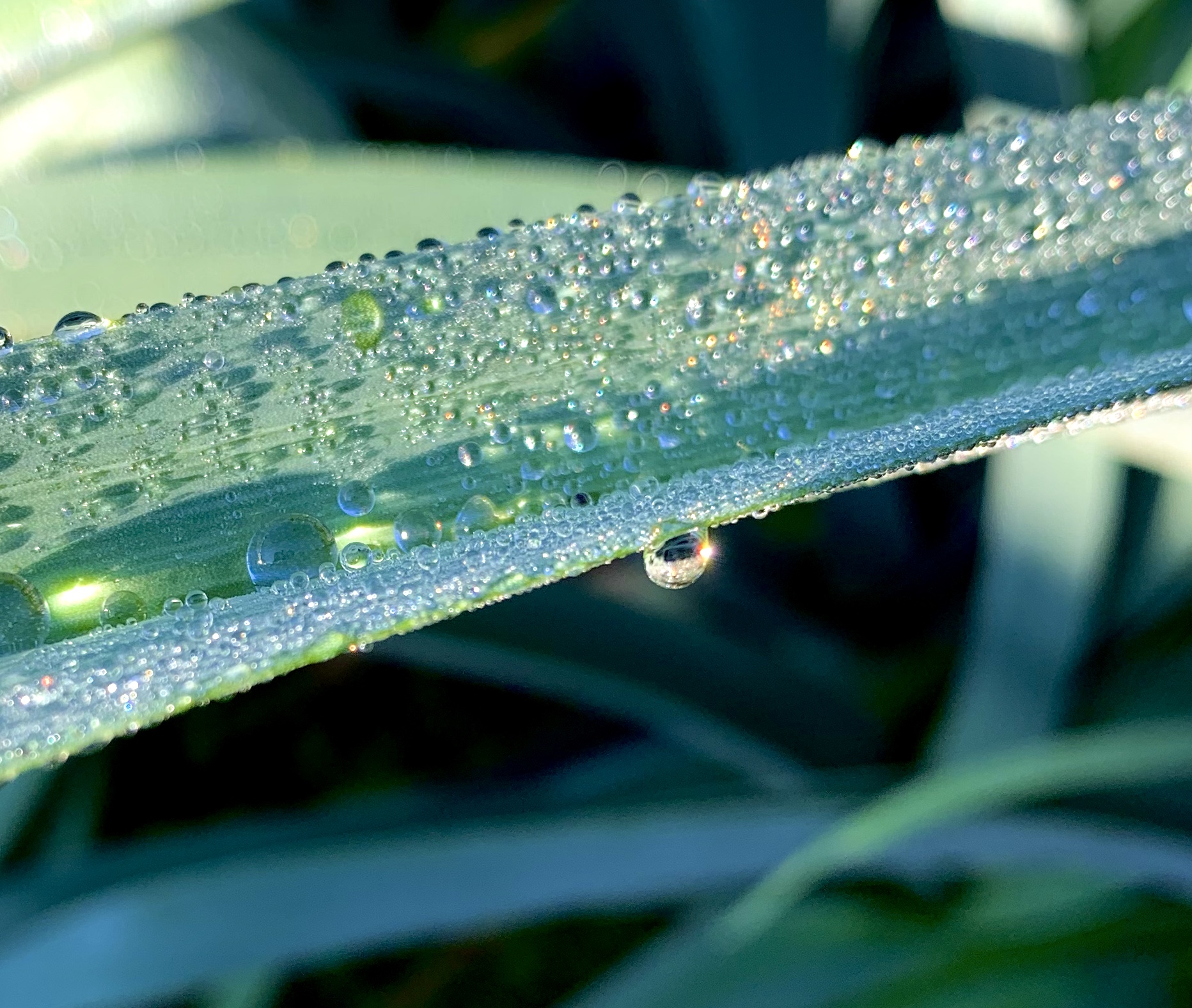
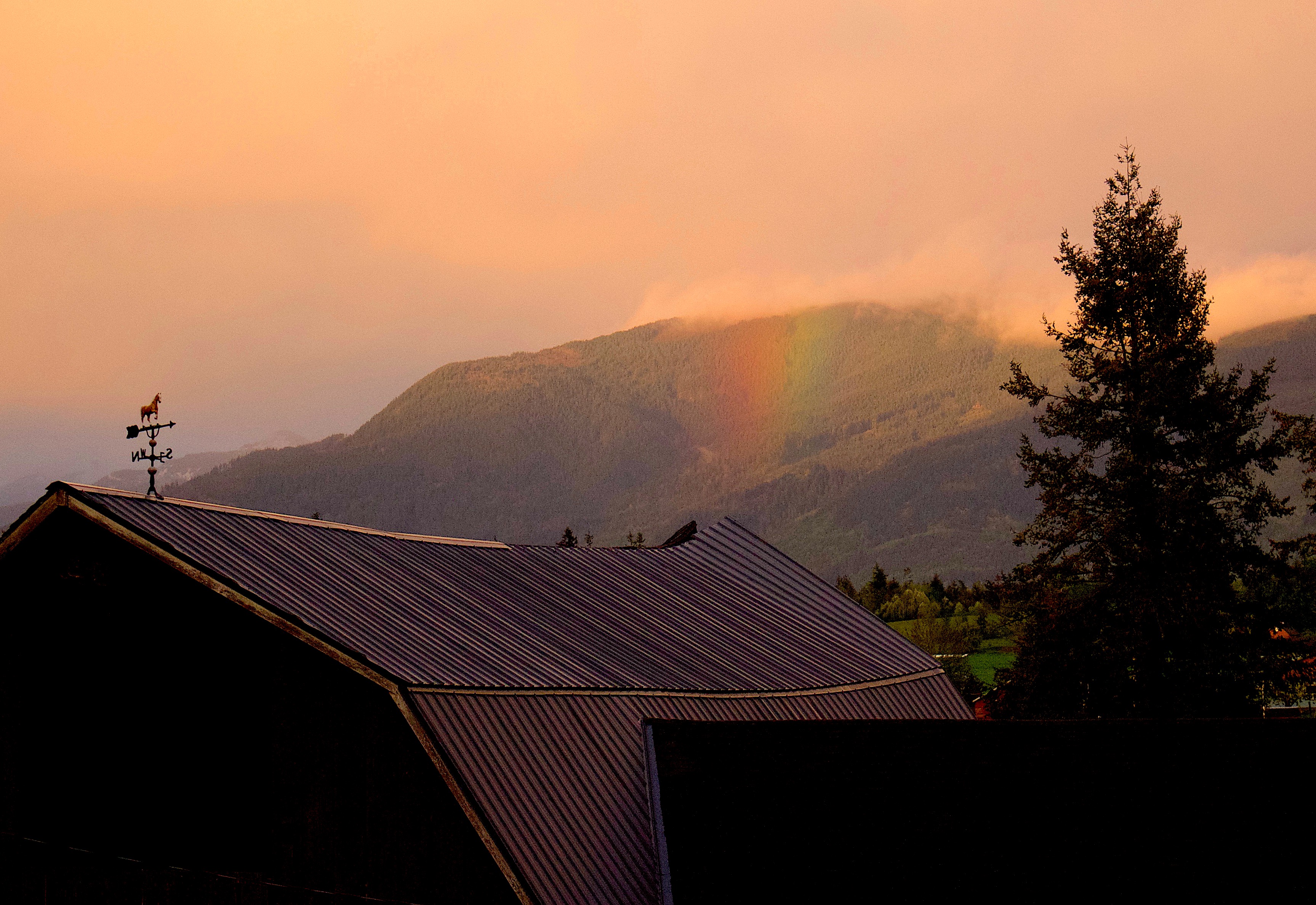
But in the midst of all the extremes, while the pandemic, the climate change, the racial injustice storms keep raging, a miracle is wrought: it can only happen when brilliant light exposes weeping from heavy laid clouds, like the rainbow that dropped from heaven last week to touch the earth right in our backyard, only a few feet from our barn.
God cries too. His wept tears light the sky in a promise of forgiveness while we tear each other apart. He assures us: this storm too will pass.
He assures us because He knows all too well our desperate need for it.
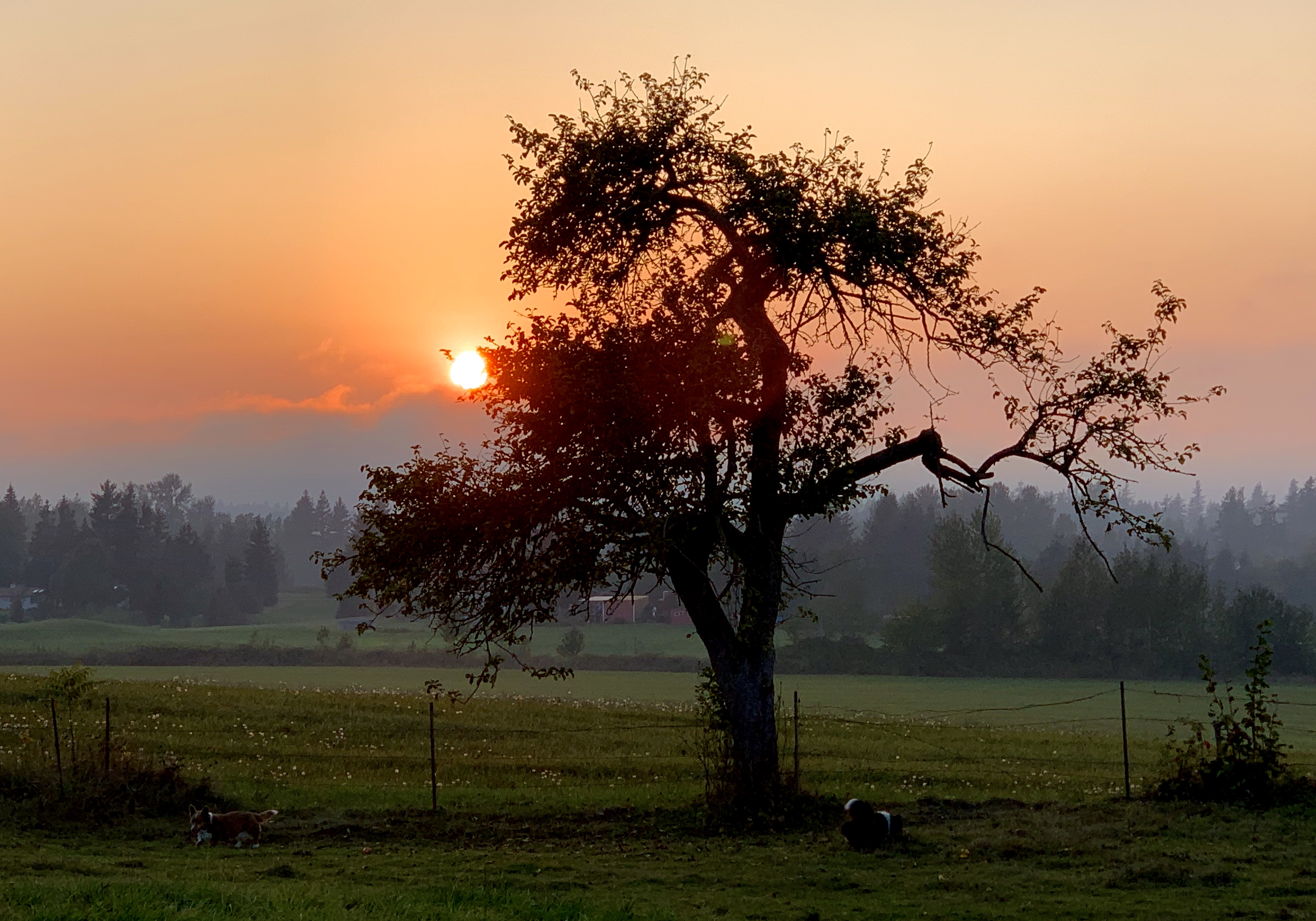
Life is grace. Sleep is forgiveness. The night absolves. Darkness wipes the slate clean, not spotless to be sure, but clean enough for another day’s chalking. ~Frederick Buechnerfrom The Alphabet of Grace
Imagine you wake up with a second chance: The blue jay hawks his pretty wares and the oak still stands, spreading glorious shade. If you don’t look back, the future never happens. How good to rise in sunlight, in the prodigal smell of biscuits – eggs and sausage on the grill. The whole sky is yours to write on, blown open to a blank page. Come on, shake a leg! You’ll never know who’s down there, frying those eggs, if you don’t get up and see. ~Rita Dove “Dawn Revisited” from On the Bus with Rosa Parks
When I was a kid, summer mornings were simply delicious – I loved the smell of breakfast being prepared while I unfolded and stretched my growing legs under the covers, lazily considering how to take on the dawn.
Each new day felt like another chance, a clean slate, a blank page ready to be filled with the knowledge gained from the mistakes made the day before, the urgency of today’s needs, and the hope for grace tomorrow.
Now I’m the one cooking up a breakfast of words and pictures, trying to lure others from their beds with the fragrance of another day, another chance, another opportunity.
There is life to be lived; the whole sky is yours. Time’s a-wasting. Time to get up.
I closed my mother’s eyes when she died and again, my father’s
I made no fortune no headlines nothing went viral
I sang and danced for no one
I remembered I noticed I breathed
Just an ordinary life filled with extraordinary love.
How disappointing. ~Mary Poindexter McLaughlin “Alma Mater”
Do not ask your children to strive for extraordinary lives. Such striving may seem admirable, but it is a way of foolishness. Help them instead to find the wonder and the marvel of an ordinary life. Show them the joy of tasting tomatoes, apples, and pears. Show them how to cry when pets and people die. Show them the infinite pleasure in the touch of a hand. And make the ordinary come alive for them. The extraordinary will take care of itself. ~William Martin from The Parent’s Tao Te Ching: Ancient Advice for Modern Parents
Parents can hold expectations of success for their children that reflect their own deficiencies or failures. After all, we want the world to be a better place for them than for us.
Yet no academic degree, no bank account, no notoriety or award can match living an ordinary life filled with extraordinary love.
I did disappoint my parents despite checking off all the boxes they hoped I would achieve in my younger years, because in retrospect, I disappointed myself.
I tended to cling to old grievances and resentments, withholding myself emotionally from them. I could have been more compassionate in their failing years, more available even though physically present. That is something I cannot undo except to pray now for forgiveness for my own deficiencies and failures.
Giving birth to three tall kind people who we have sent into the world, I hope for them what I wish I had understood when I was sent into the world by my parents: living an ordinary life of extraordinary love is more important than anything else they set out to do.
I rejoice as I see them foster such love with their spouses and their children and their communities: remembering, noticing and breathing life into each new day.
Seeing that, I can let go of my own disgrace and disappointment in myself.
To live coram Deo is to live one’s entire life in the presence of God, under the authority of God, to the glory of God. To live in the presence of God is to understand that whatever we are doing and wherever we are doing it, we are acting under the gaze of God.
There is no place so remote that we can escape His penetrating gaze. To live all of life coram Deo is to live a life of integrity. It is a life of wholeness that finds its unity and coherency in the majesty of God.
Our lives are to be living sacrifices, oblations offered in a spirit of adoration and gratitude.
A fragmented life is a life of disintegration. It is marked by inconsistency, disharmony, confusion, conflict, contradiction, and chaos. Coram Deo … before the face of God. …a life that is open before God. …a life in which all that is done is done as to the Lord. …a life lived by principle, not expediency; by humility before God, not defiance. ~R.C. Sproulfrom “What Does “coram Deo” mean?”
We cannot escape His gaze. Why is that?
We…all of us, all colors, shapes and sizes… are created in His image, imago dei, so He looks at us as His reflections in the mirror of the world.
And what would He see this week? Surely nothing that reflects the heart or face of God.
I cringe to think. I want to hide from His gaze. All I see around me and within me is: inconsistency, disharmony, confusion, conflict, contradiction, and chaos. And most of all: defiance.
Surely, surely I know best.
I’m not alone: so many others also each know best, calling hypocrisy on one another, holding fast to moral high ground when the reality is: we drown together in the mud of our mutual guilt and lack of humility.
It is past time for us to be on our knees pleading for mercy, certainly not on our knees leaning upon the neck of another imago dei, squeezing out their very life breath and right to exist.
We are miserable reflections, each and every one of us, surely not coram Deo.
All that we have done, we have done onto God Himself. Kind of takes one’s breath away.

















 Barnstorming