A Holy Day

Holy as a day is spent
Holy is the dish and drain
The soap and sink, and the cup and plate
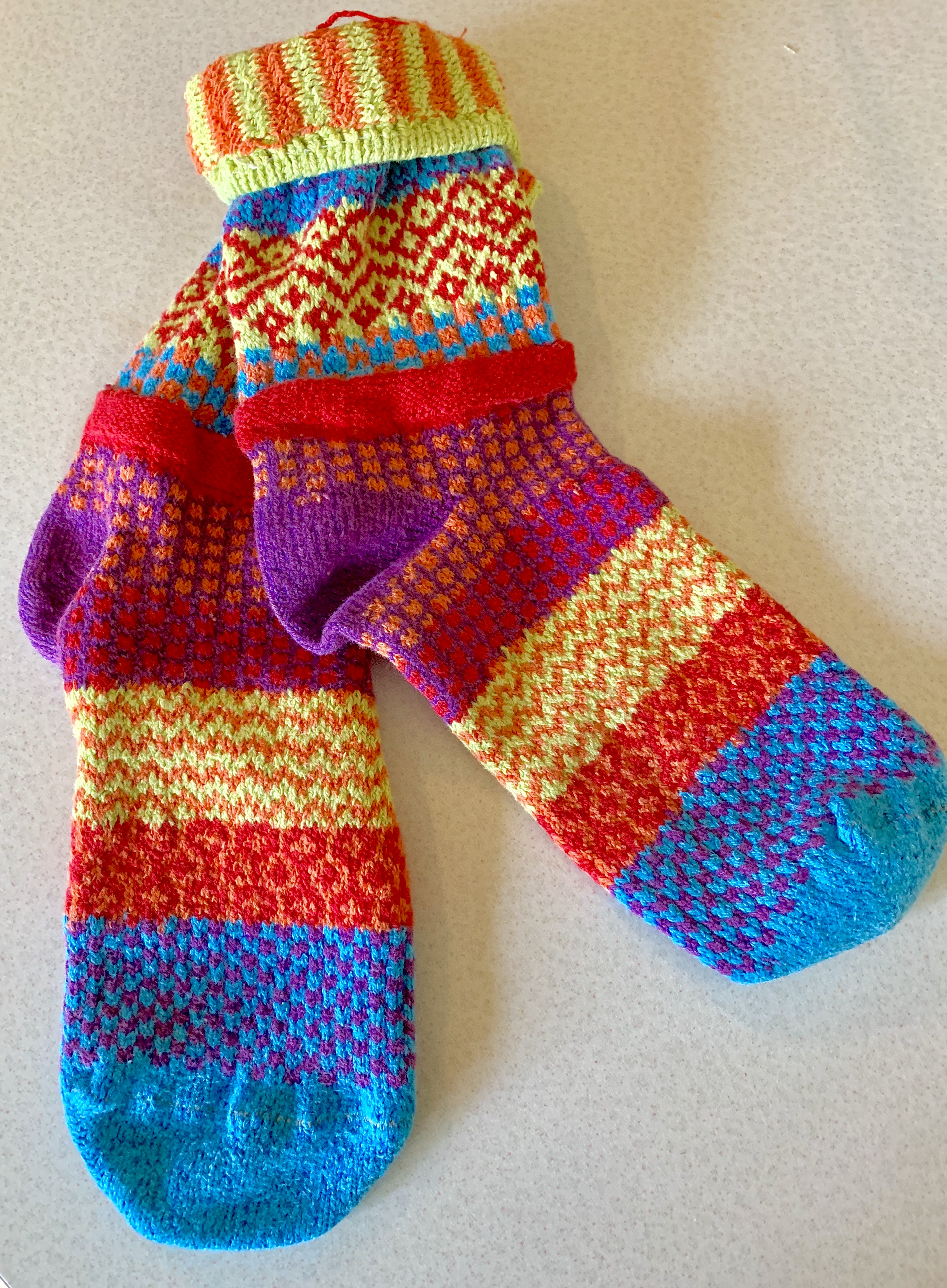
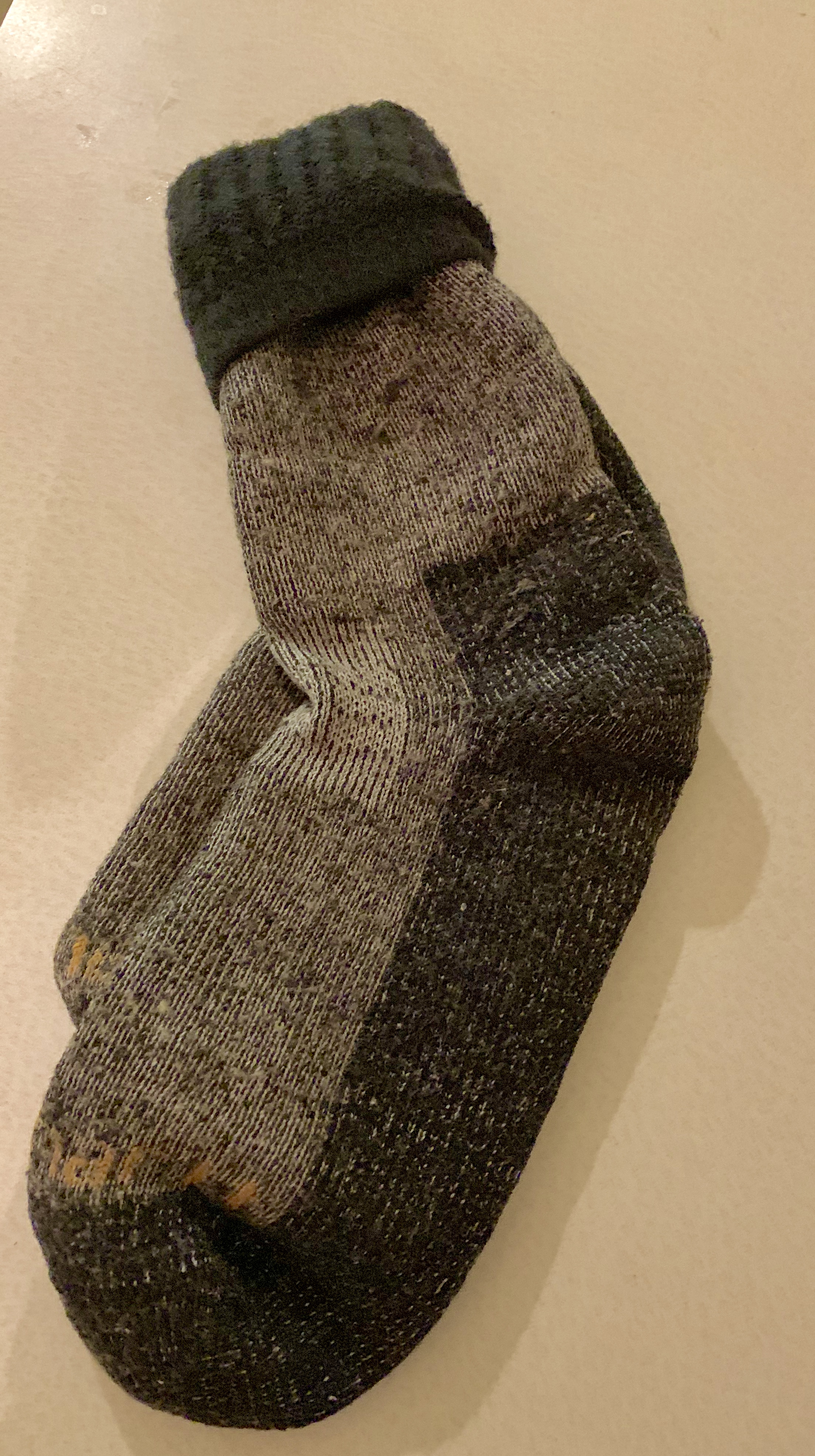
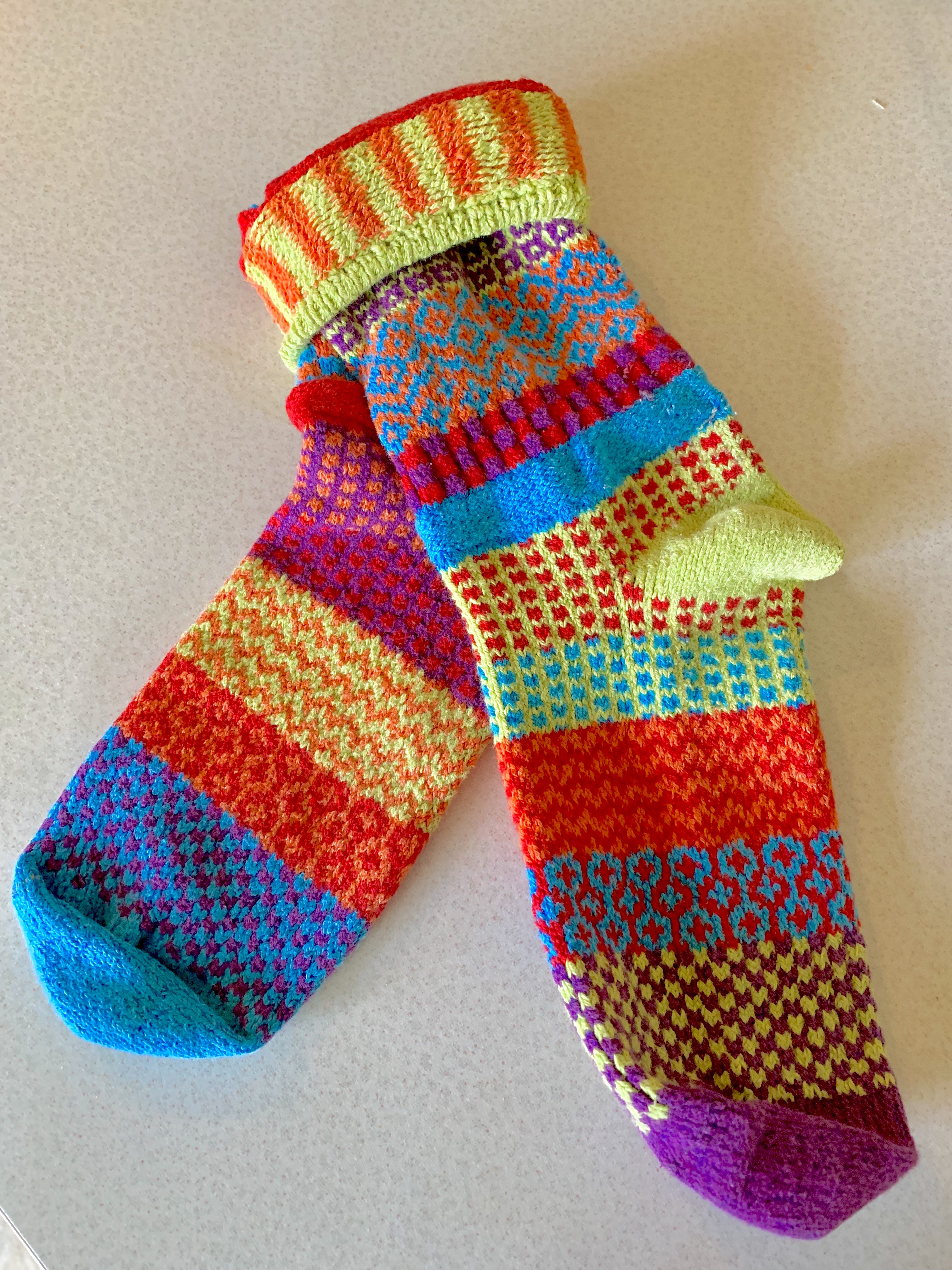
And the warm wool socks, and the cold white tile
Shower heads and good dry towels
And frying eggs sound like psalms
With bits of salt measured in my palm
It’s all a part of a sacrament
As holy as a day is spent


Holy is the familiar room
And quiet moments in the afternoon
And folding sheets like folding hands
To pray as only laundry can
I’m letting go of all my fear
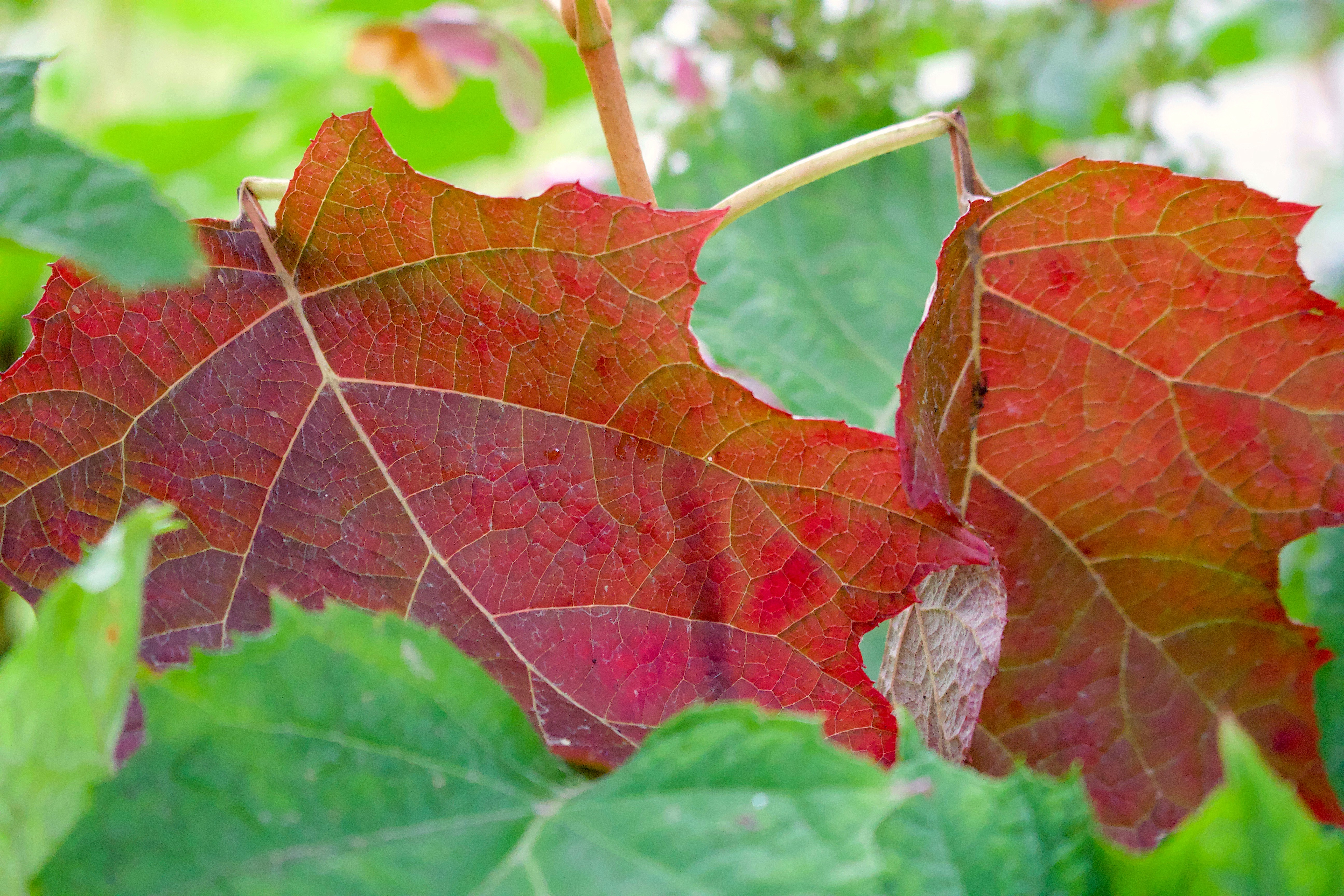
Like autumn leaves made of earth and air
For the summer came and the summer went
As holy as a day is spent


Holy is the place I stand
To give whatever small good I can
And the empty page, and the open book
Redemption everywhere I look
Unknowingly we slow our pace
In the shade of unexpected grace
And with grateful smiles and sad lament
As holy as a day is spent
And morning light sings ‘providence’
As holy as a day is spent
~Carrie Newcomer “Holy as a Day Is Spent “

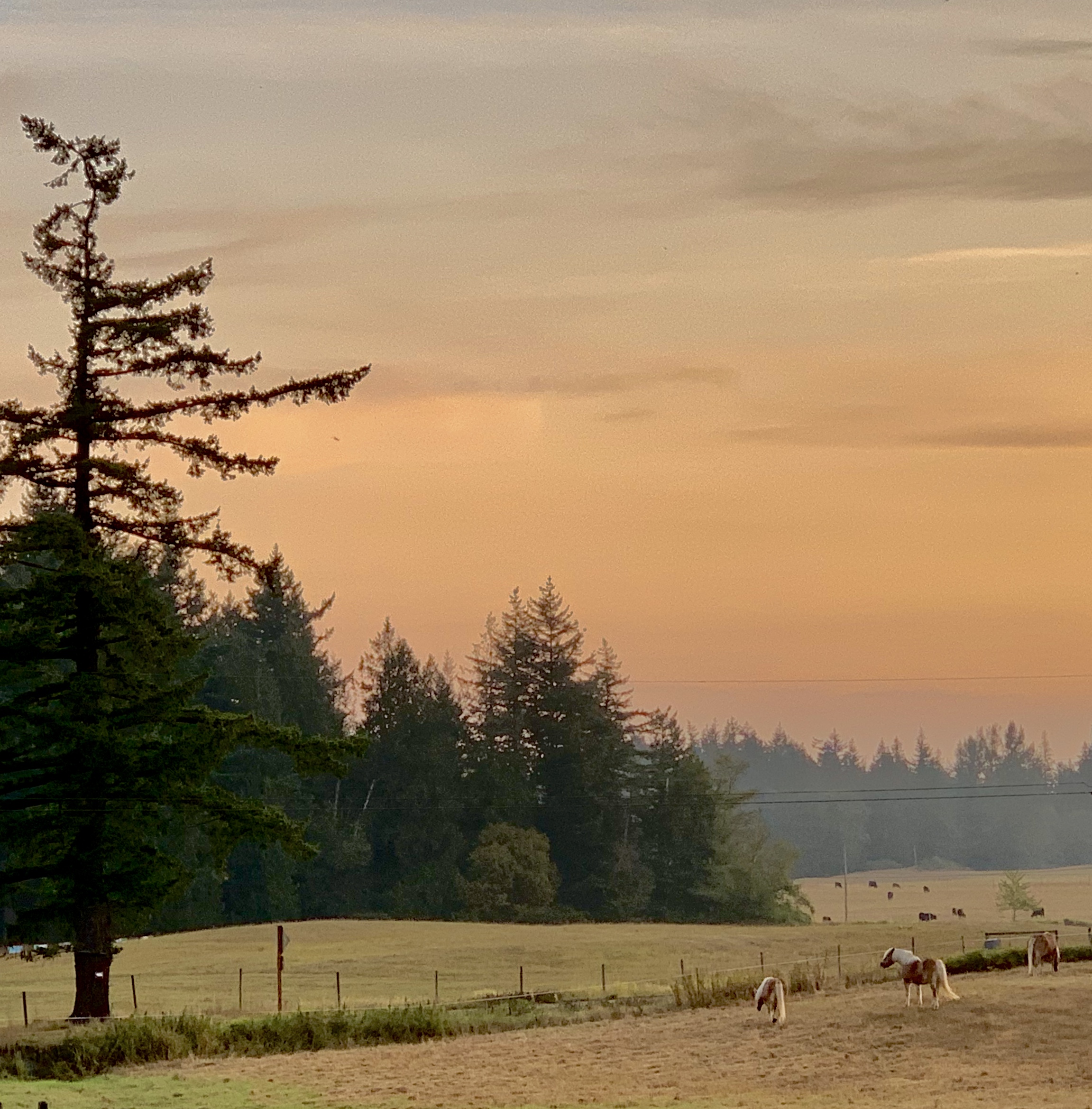
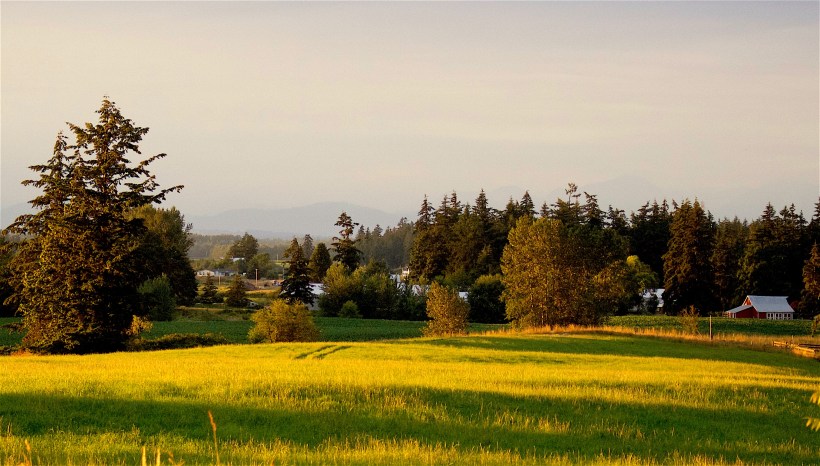
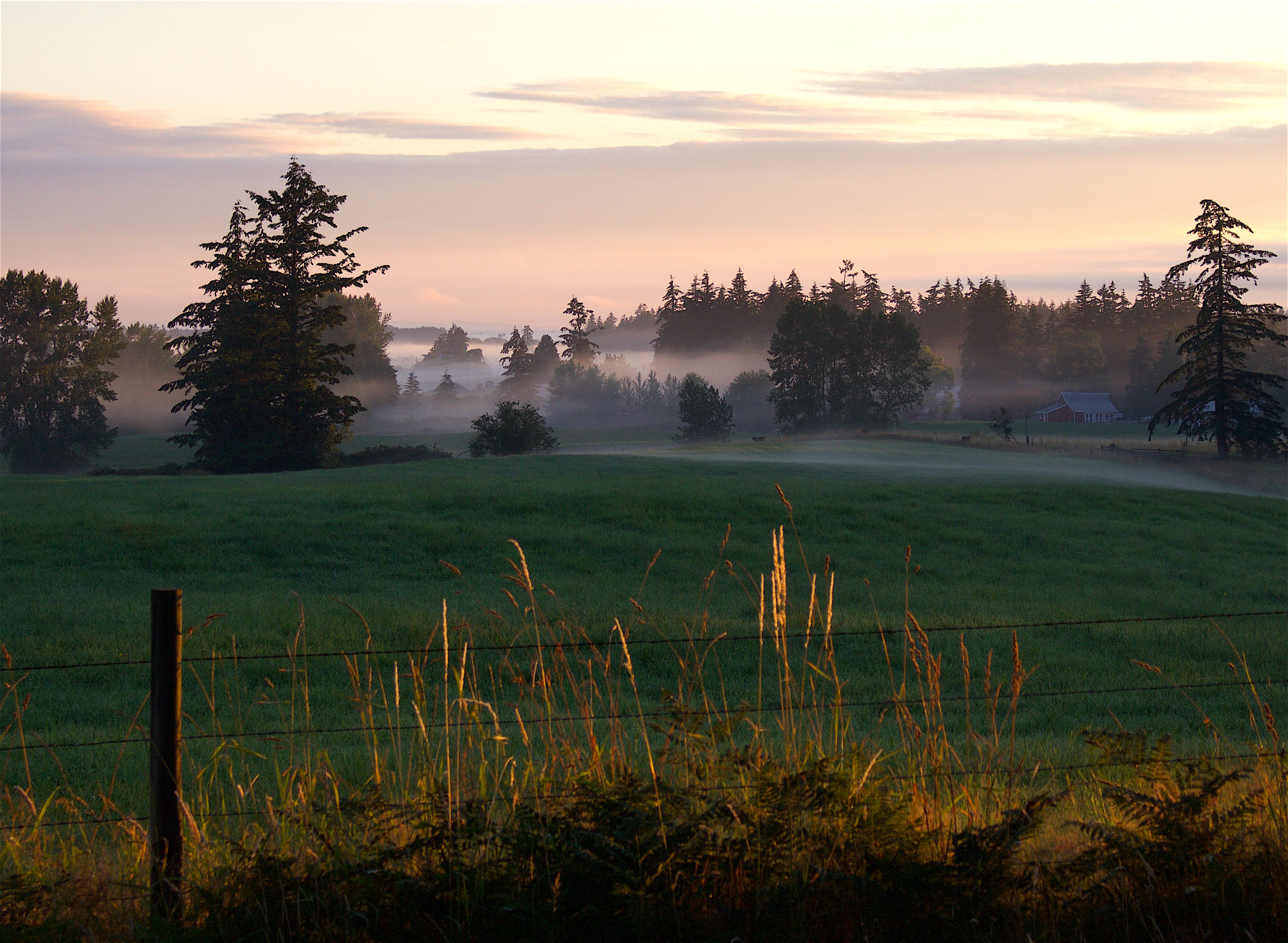
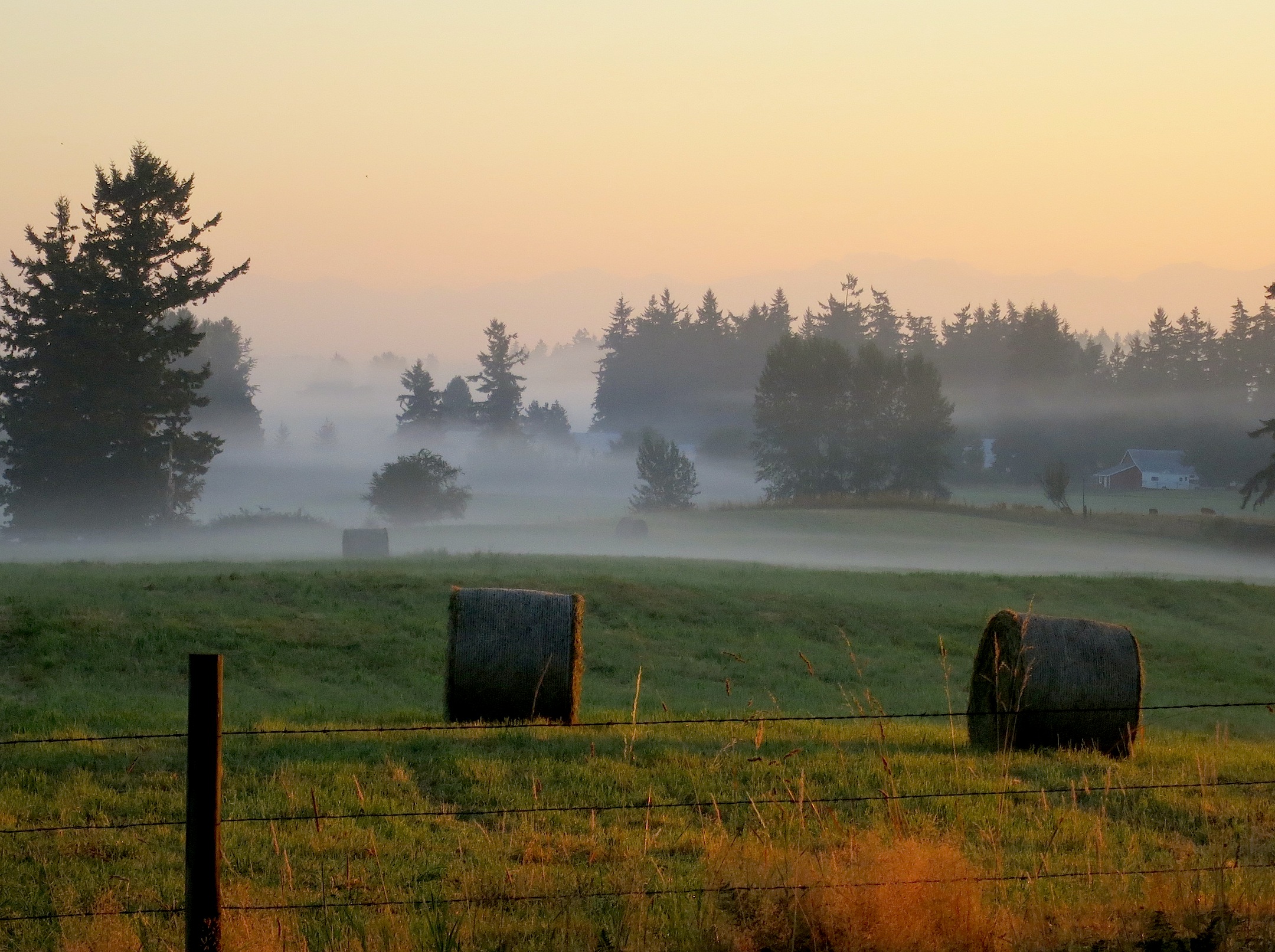
If the New York Times says “Something Special is Happening in Rural America,” then of course, it must be true. But those of us out in the hinterlands have known the truth about the quieter life for decades. The pace is slower, the space is greater, the faces are friendlier.

It’s the small things that matter on a daily basis. Being in the center of things doesn’t matter.

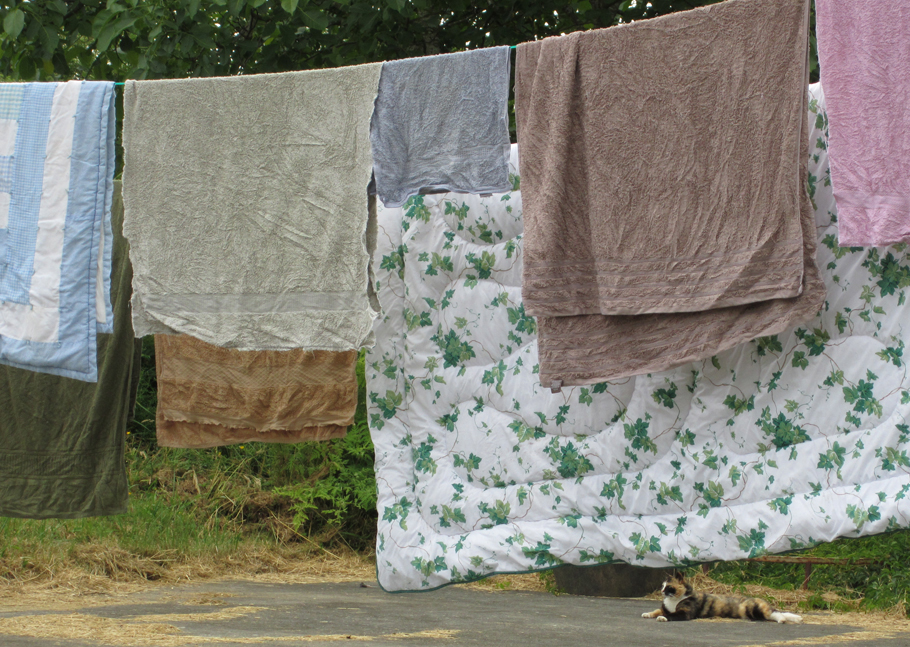
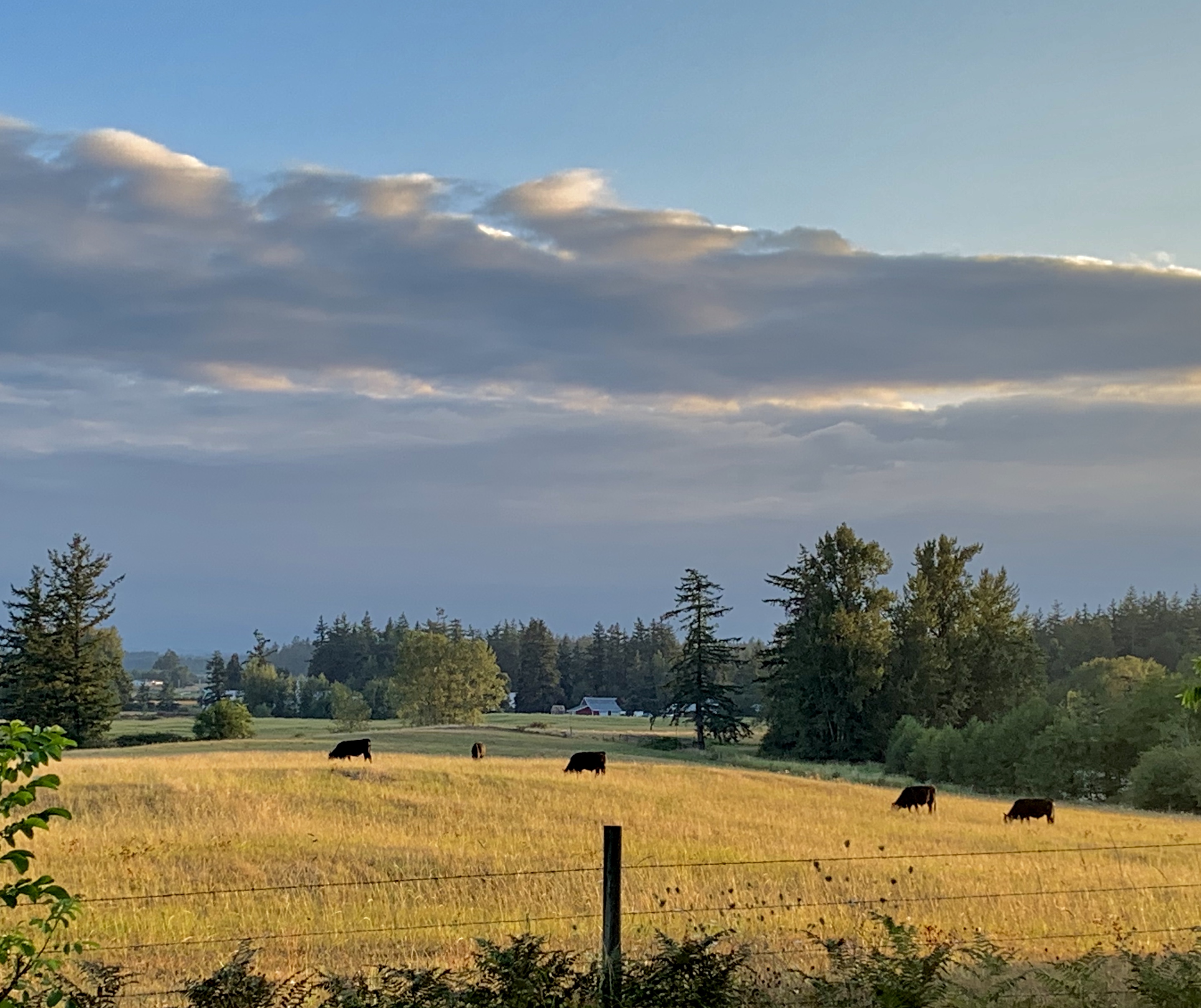
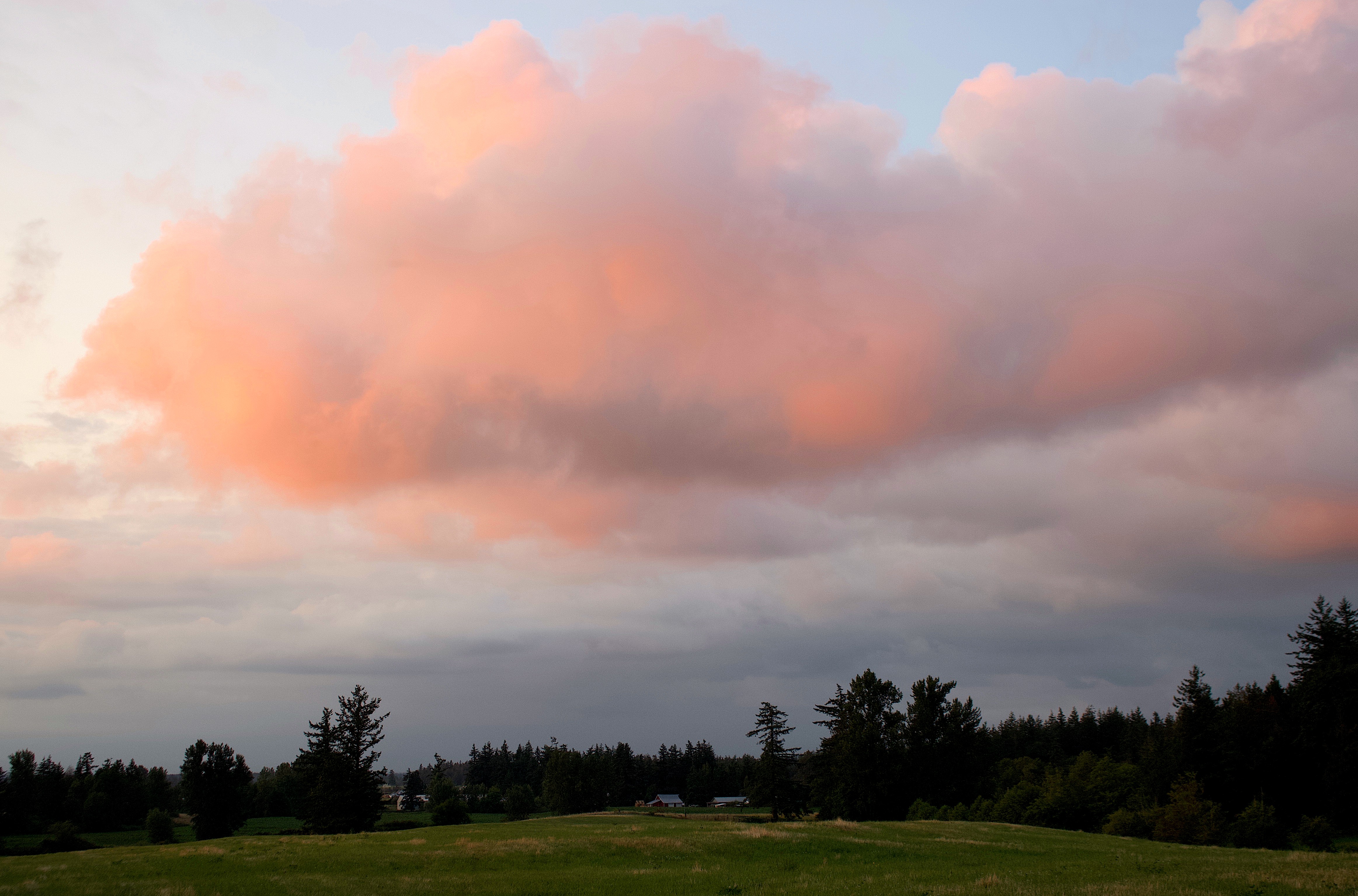
Give me a home where the clouds and cows roam, where laundry is line-dried and there is no traffic noise.

Holy is the day today….and every day.

A Wink of Eyes and Hoof Prints

The neighbor’s horses idle
under the roof
of their three-sided shelter,
looking out at the rain.

Sometimes
one or another
will fade into the shadows
in the corner, maybe
to eat, or drink.

Still, the others stand,
blowing out their warm
breaths. Rain rattles
on the metal roof.

Their hoof prints
in the corral
open gray eyes to the sky,
and wink each time
another drop falls in.
~Jennifer Gray

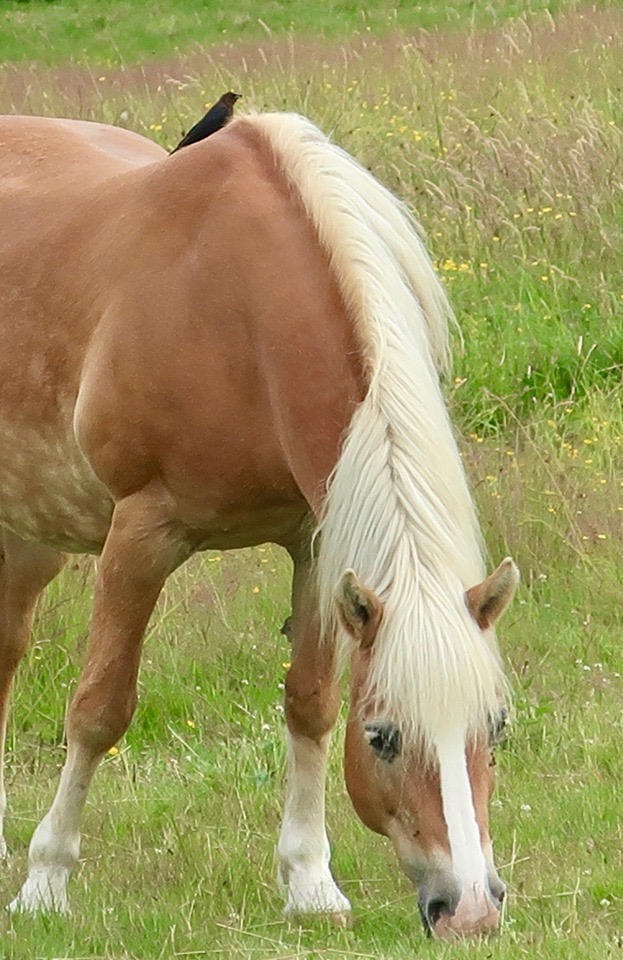
The September rains have returned and will stay awhile. We, especially the horses, sigh with relief, as flies no longer crawl over their faces all day seeking a watery eye to drink from. With no flies around, there are also no longer birds tickling pony backs looking for a meal.

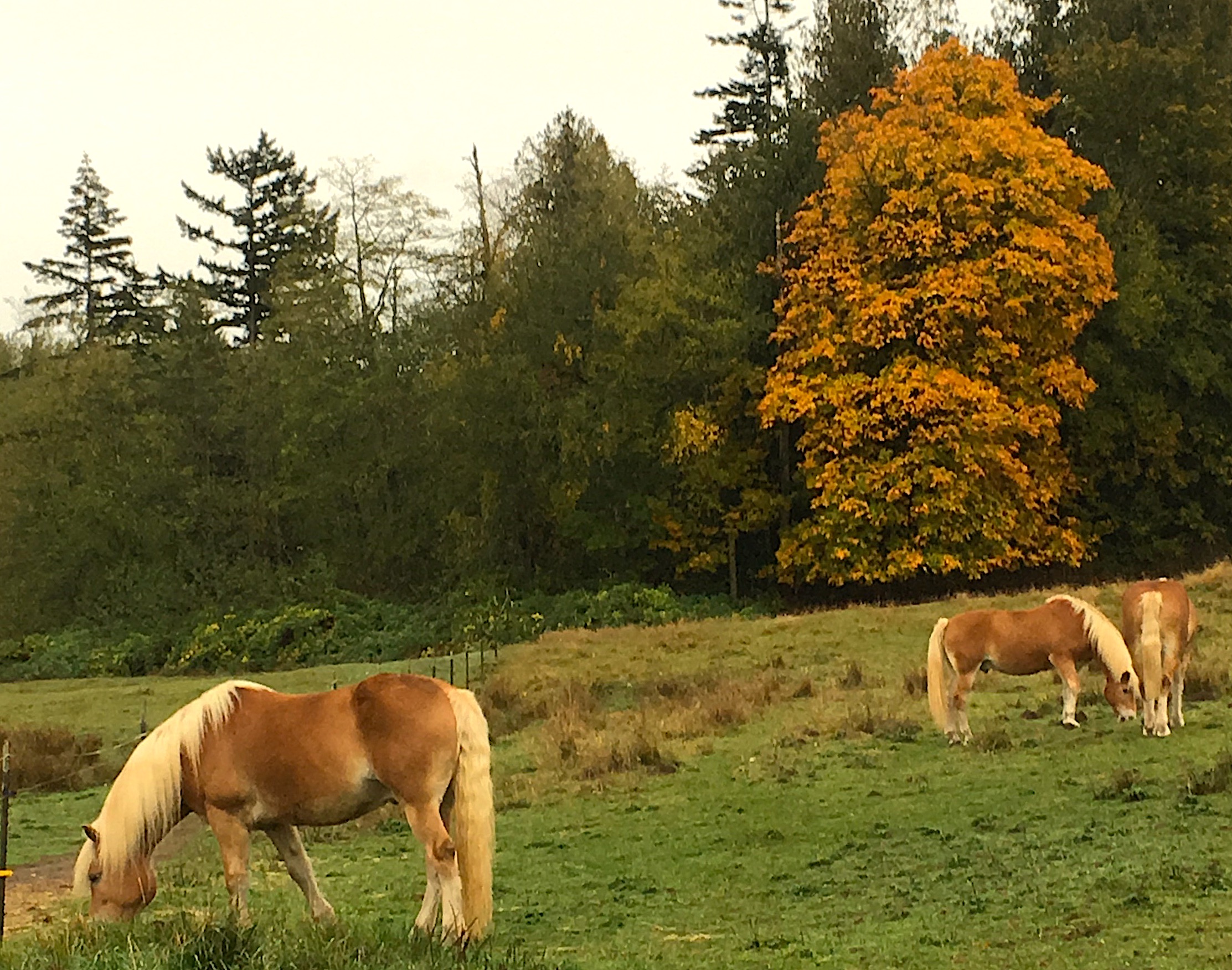
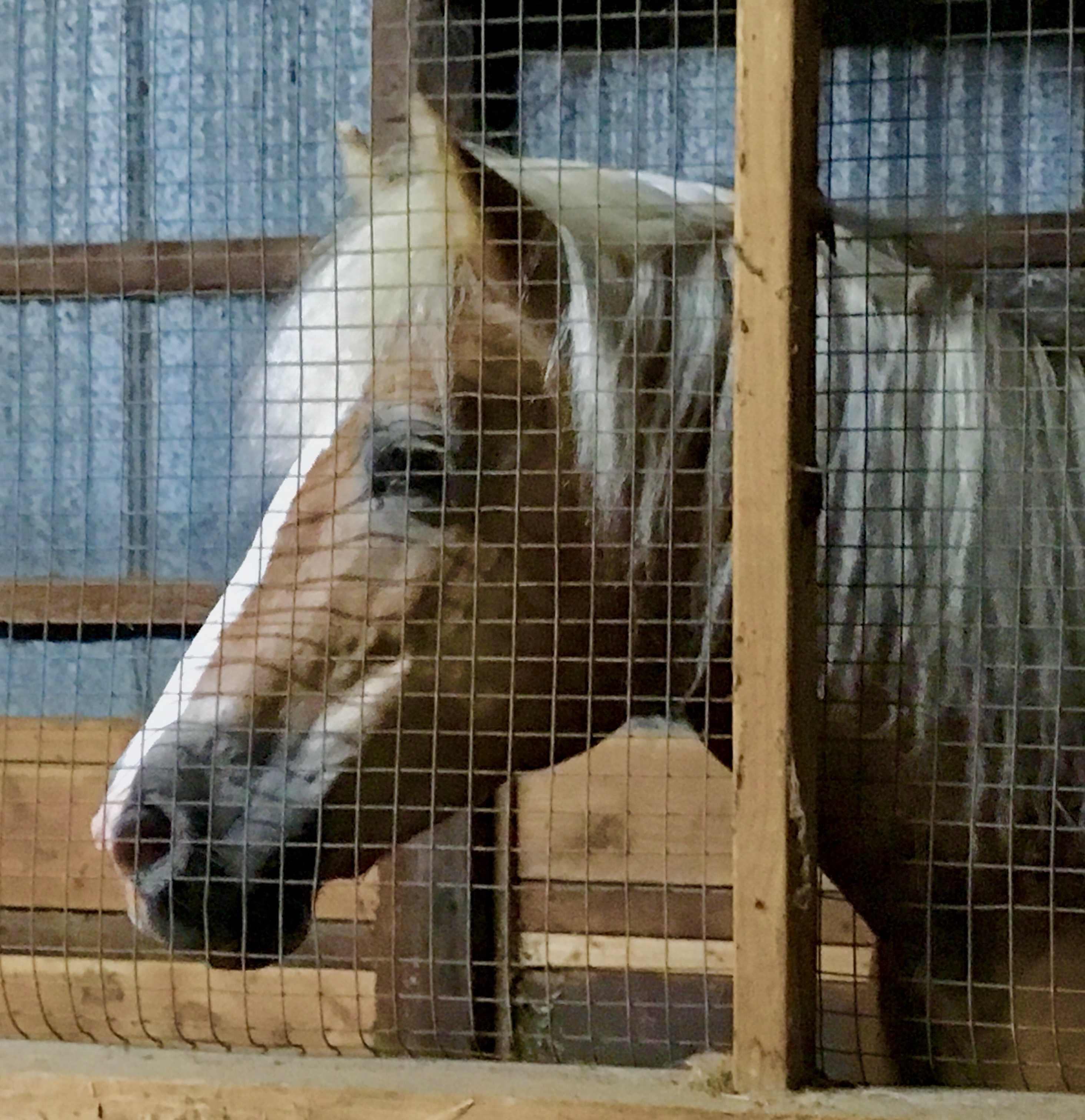
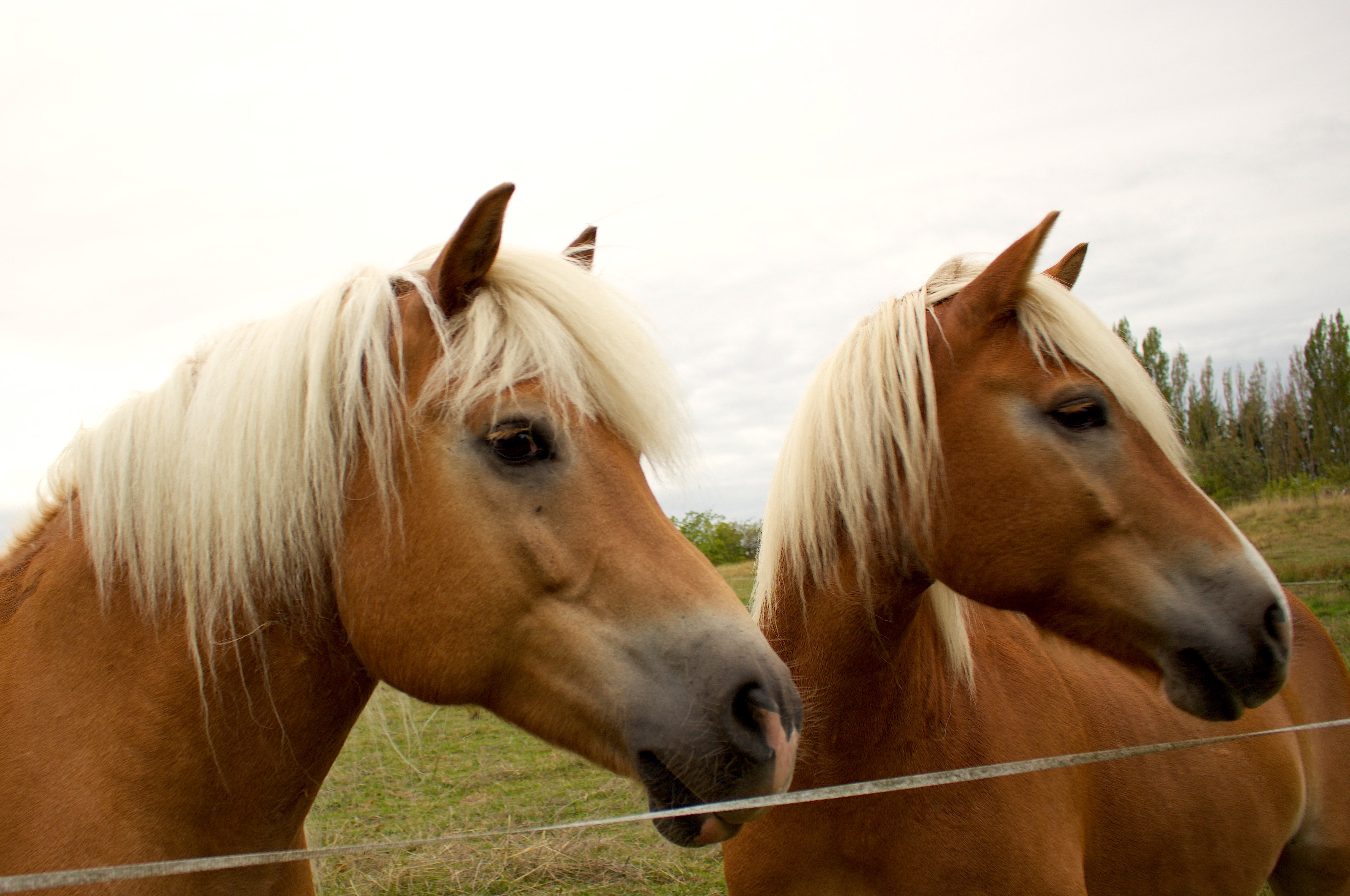
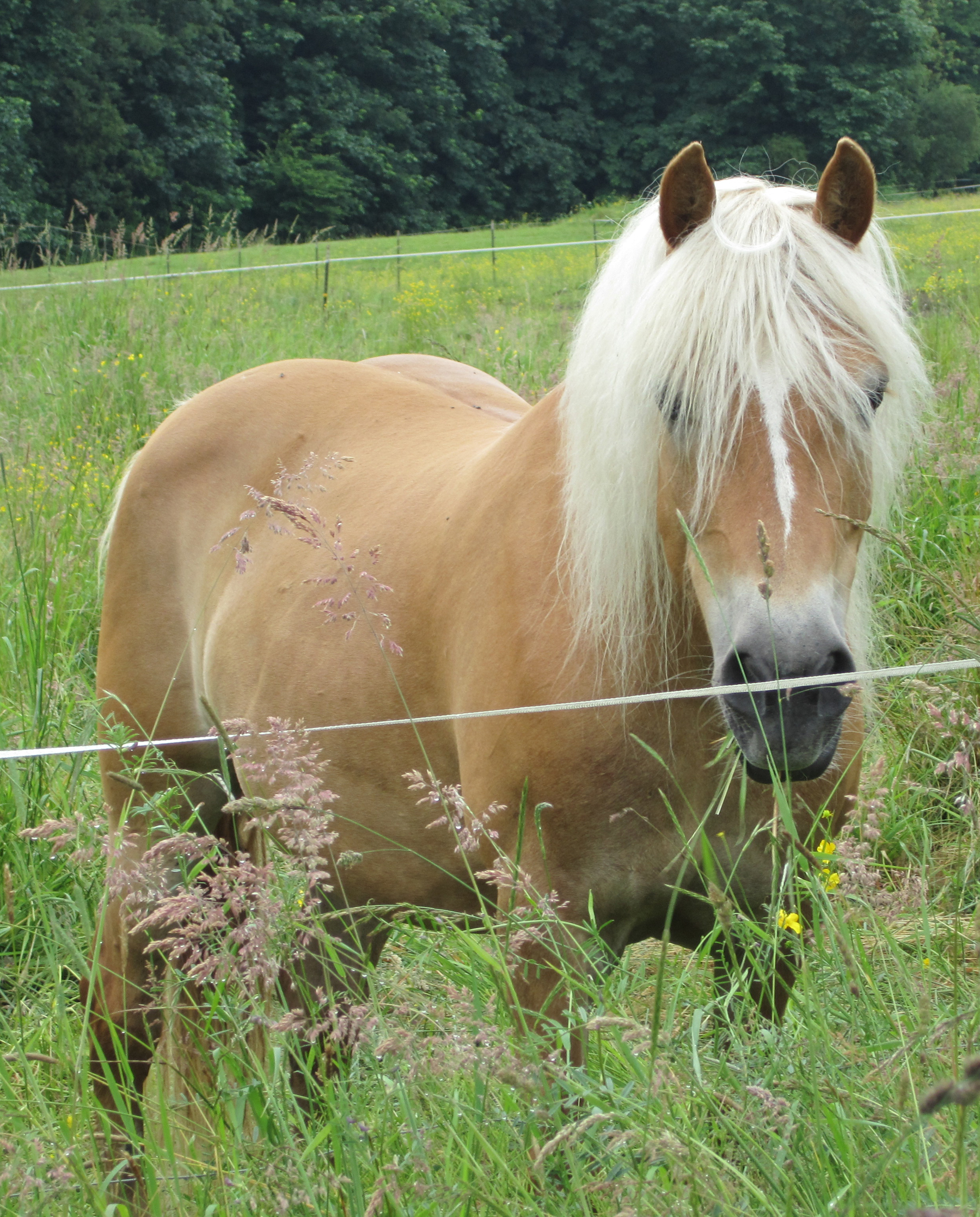
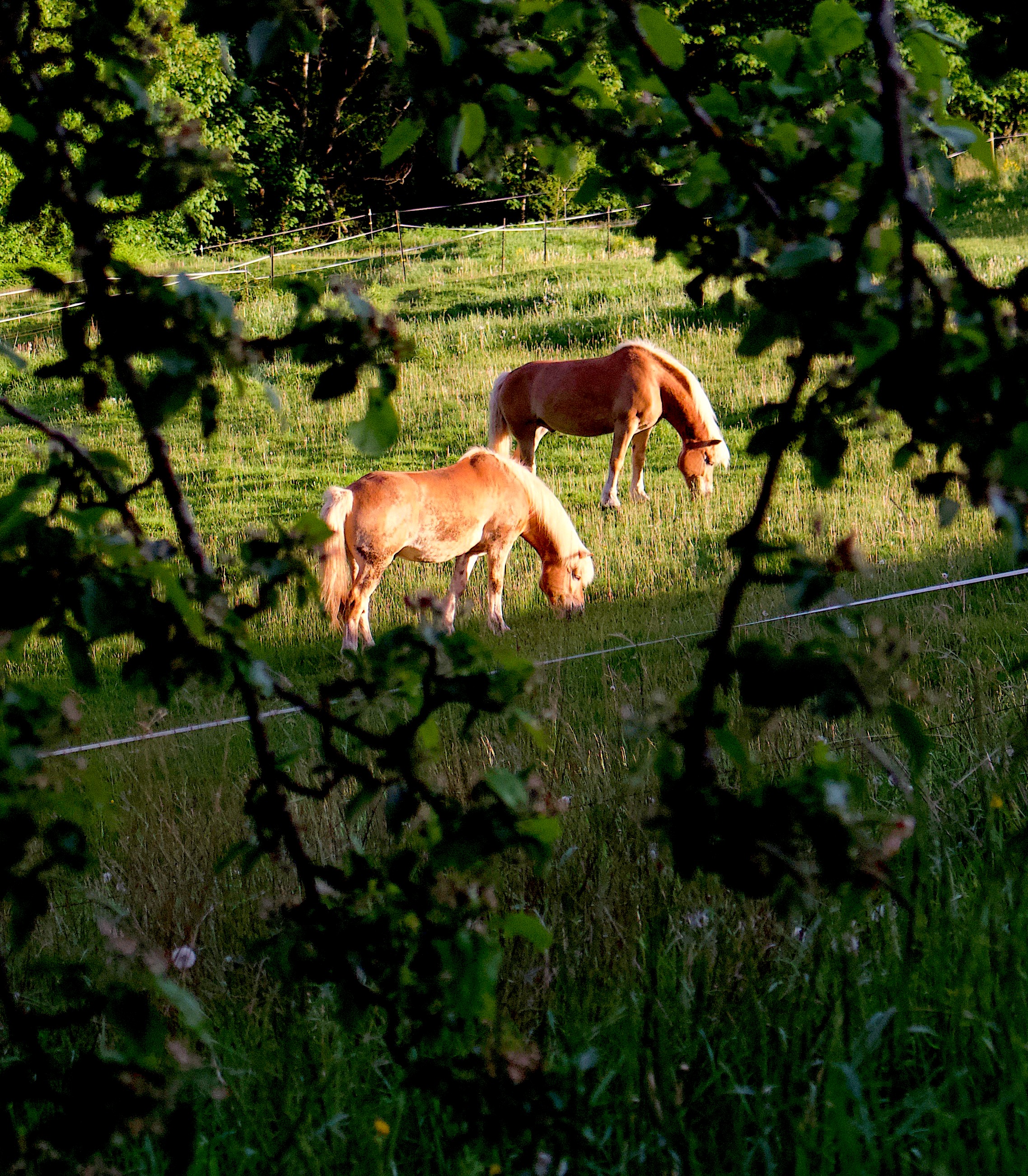
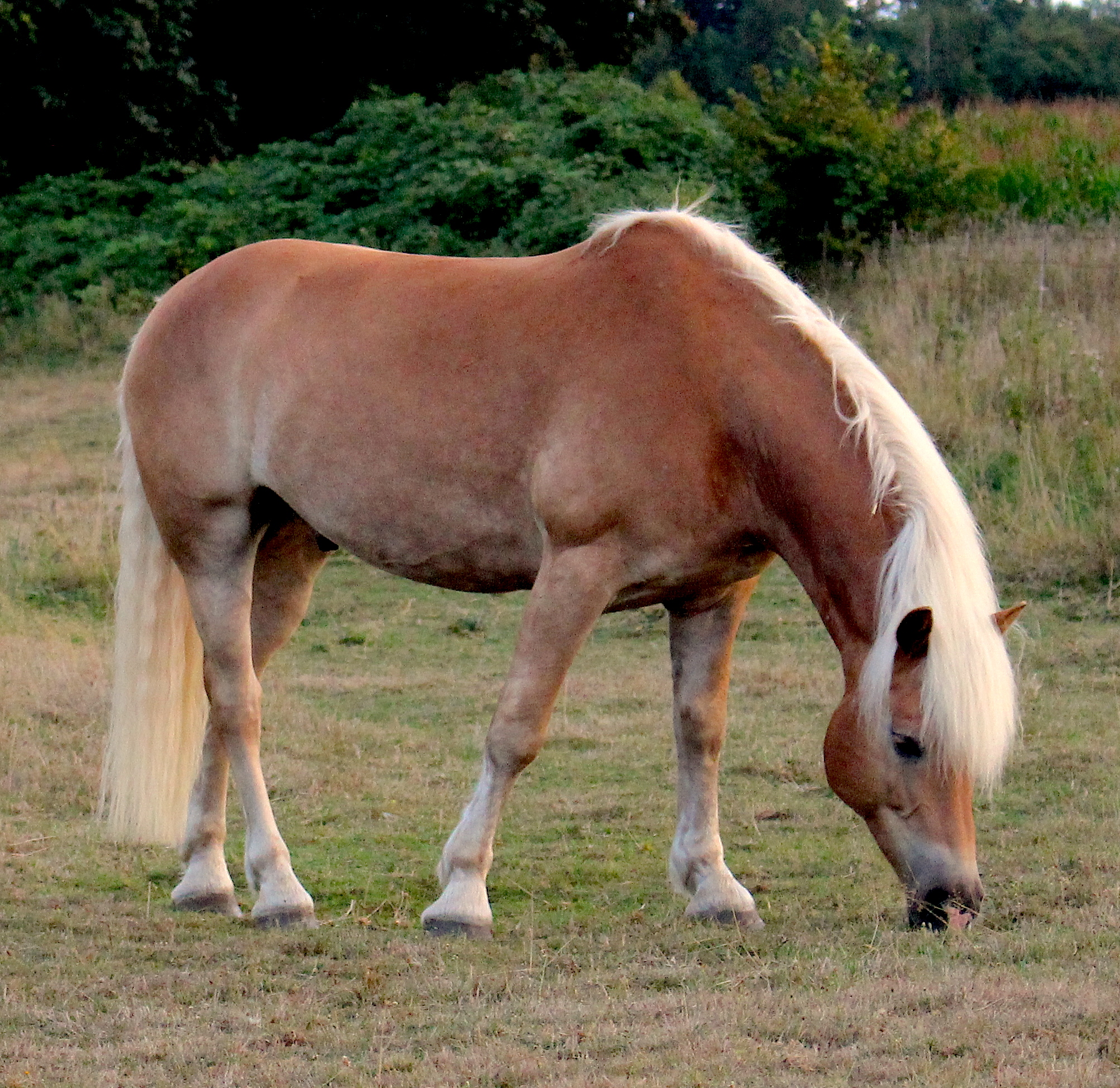
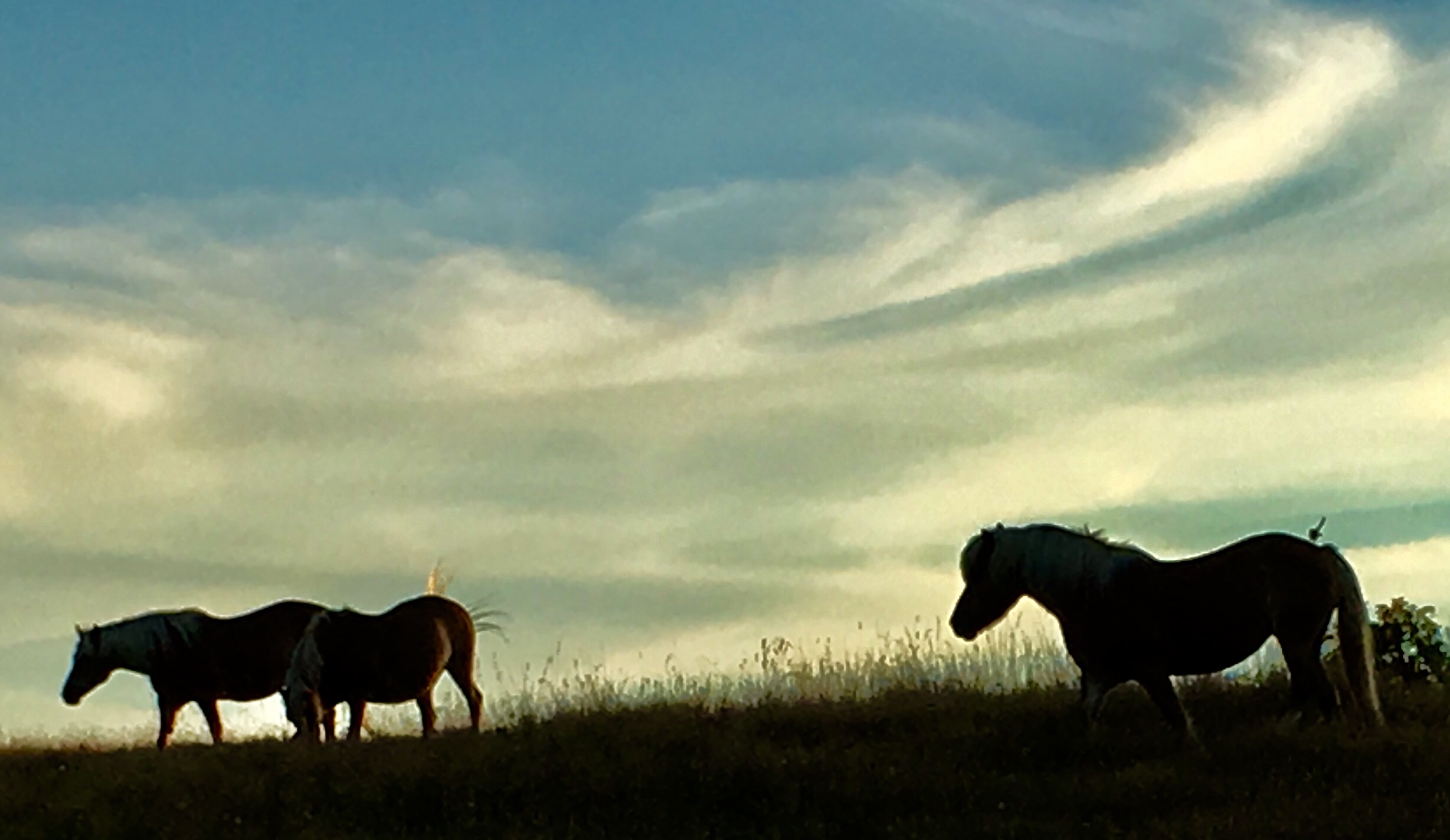
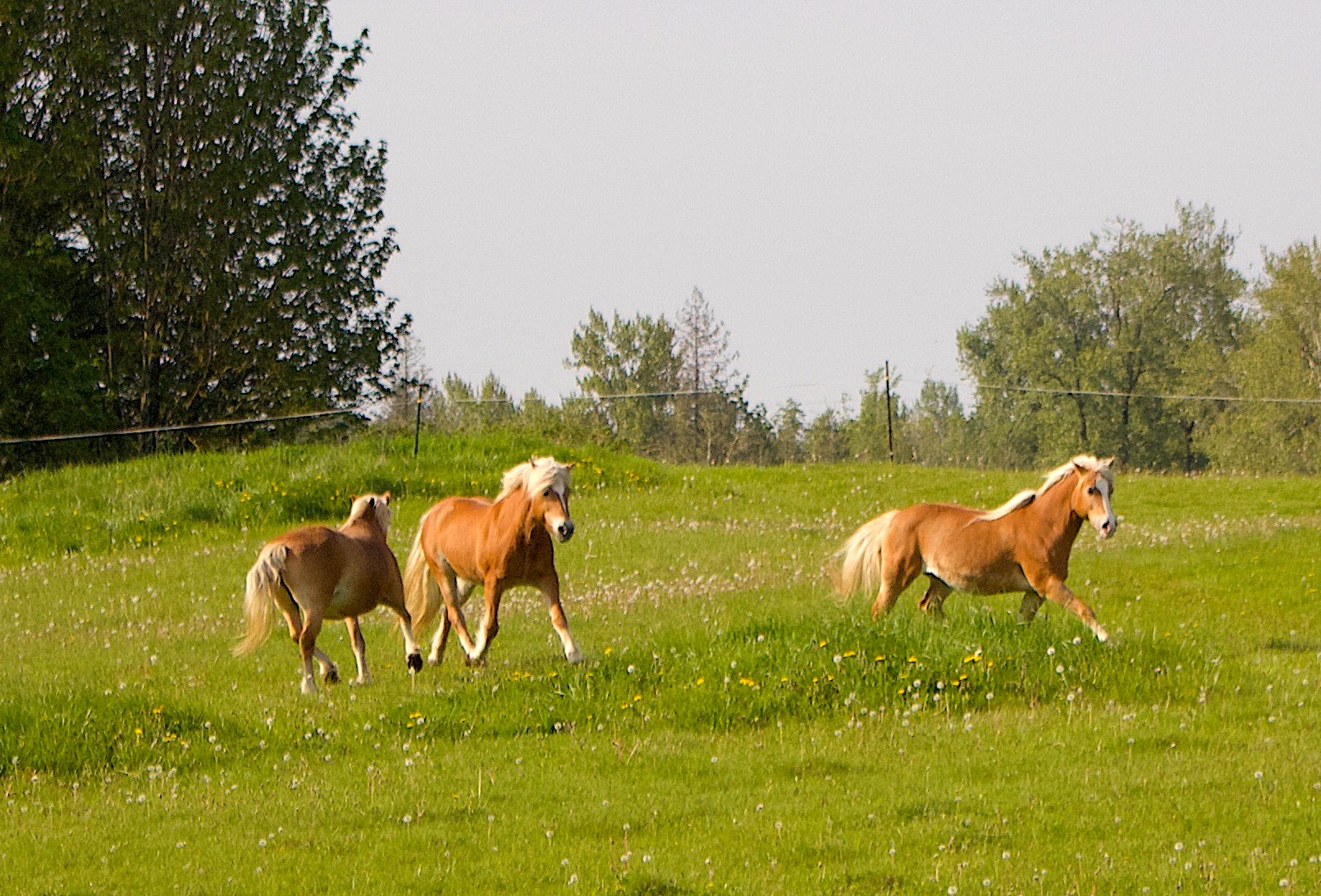
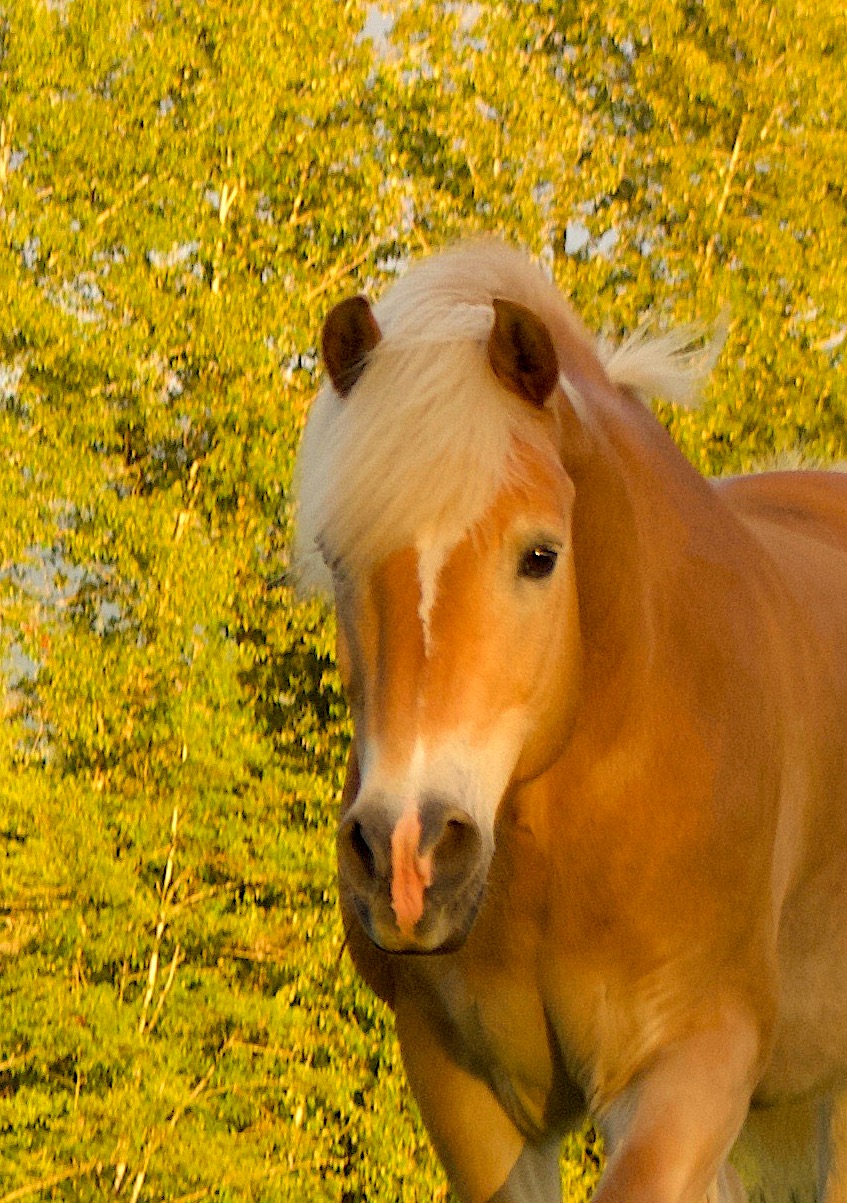
Our Haflingers prefer to graze under open gray skies not bothering to seek cover during the day; their mountain coats provide adequate insulation in a rain squall. Darkness descends earlier and earlier so I go out in the evening to find them standing waiting at the gate, ready for an invitation to come into the barn.

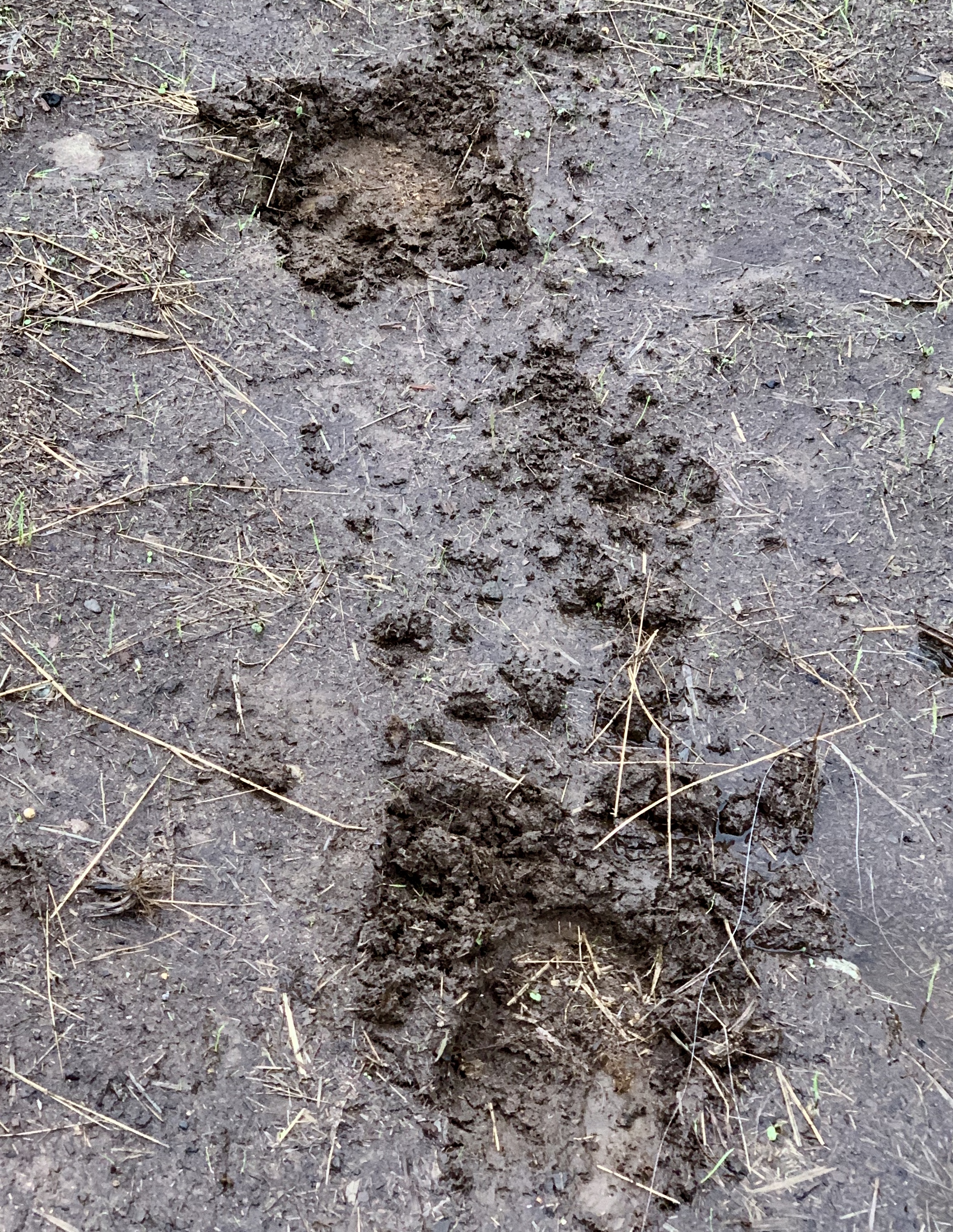
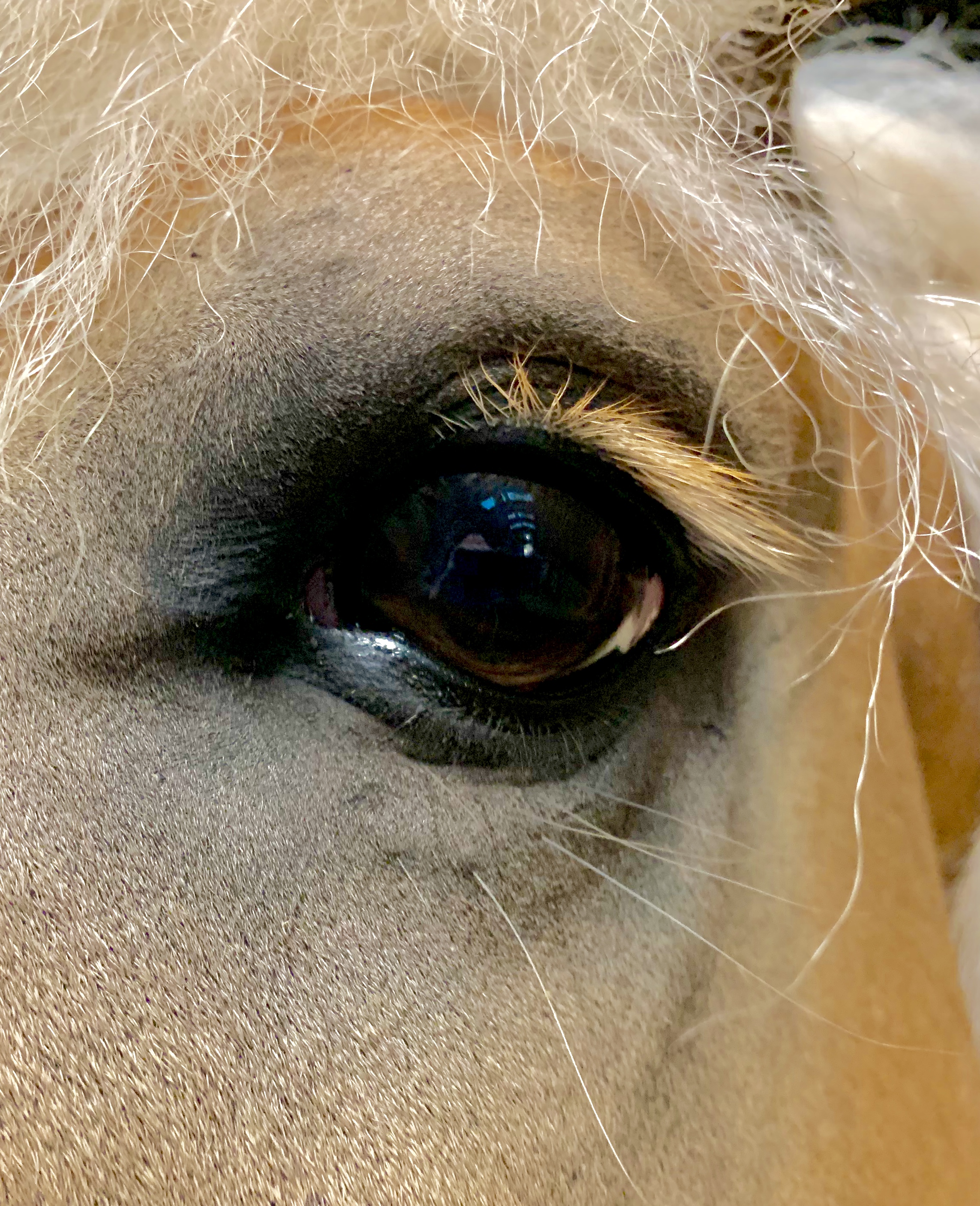
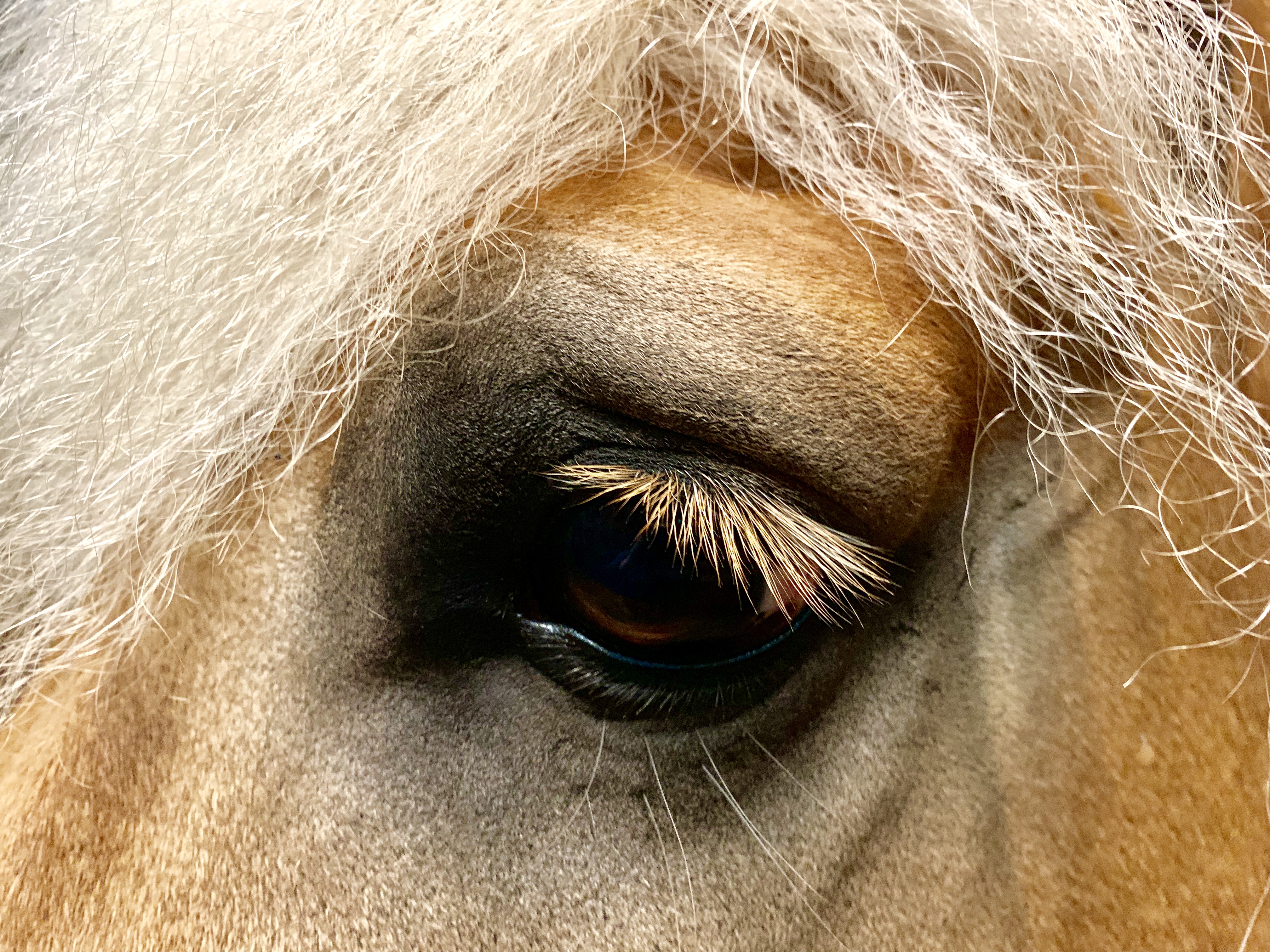
Their eyes are heavy, blinking with sleep; outside their muddy hoofprints fill with rain overnight.

It is a peaceful time for us no-longer-young ponies and farmers. We wink and nod together, ready for rain, ready for the night.


Something Finished

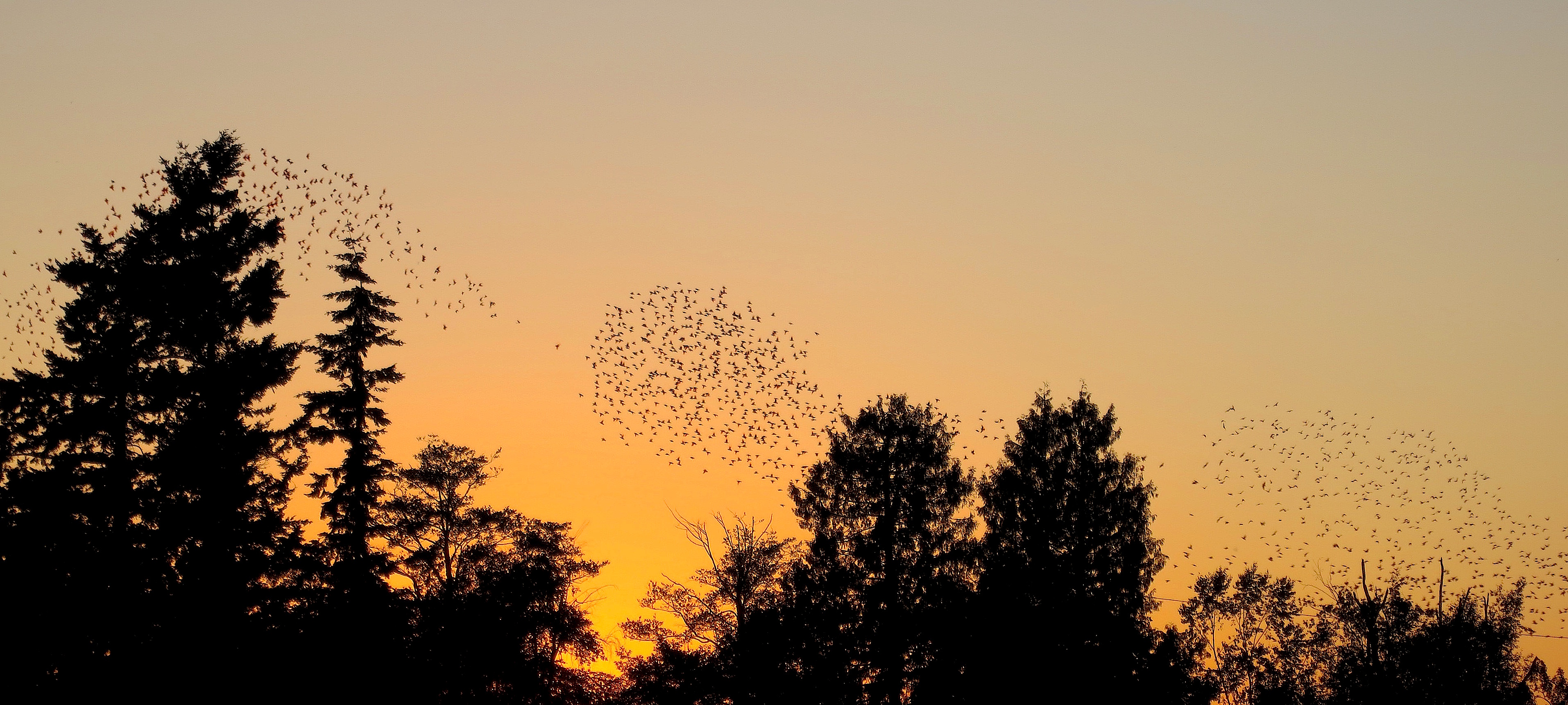
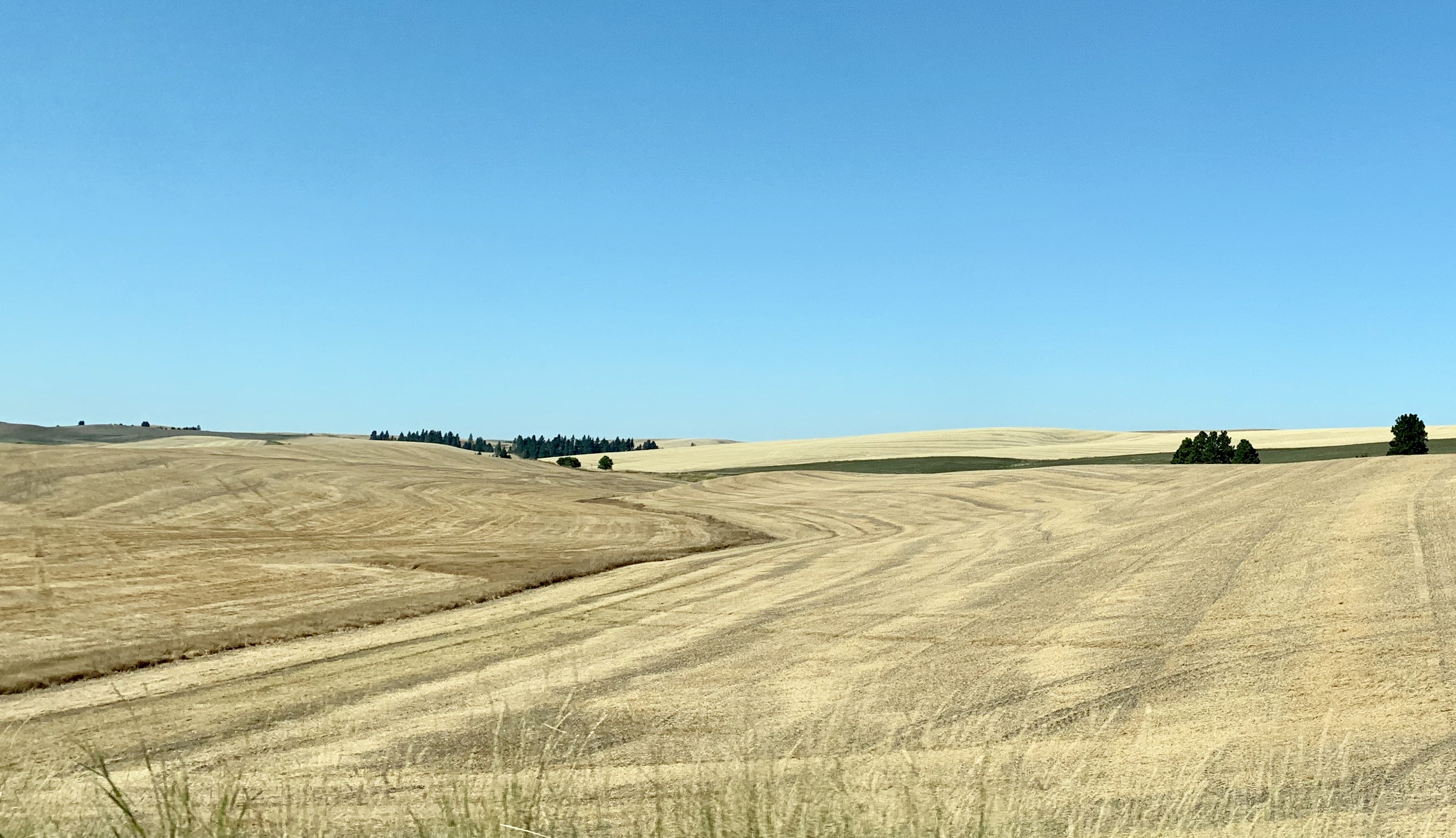
Gold of a ripe oat straw, gold of a southwest moon,
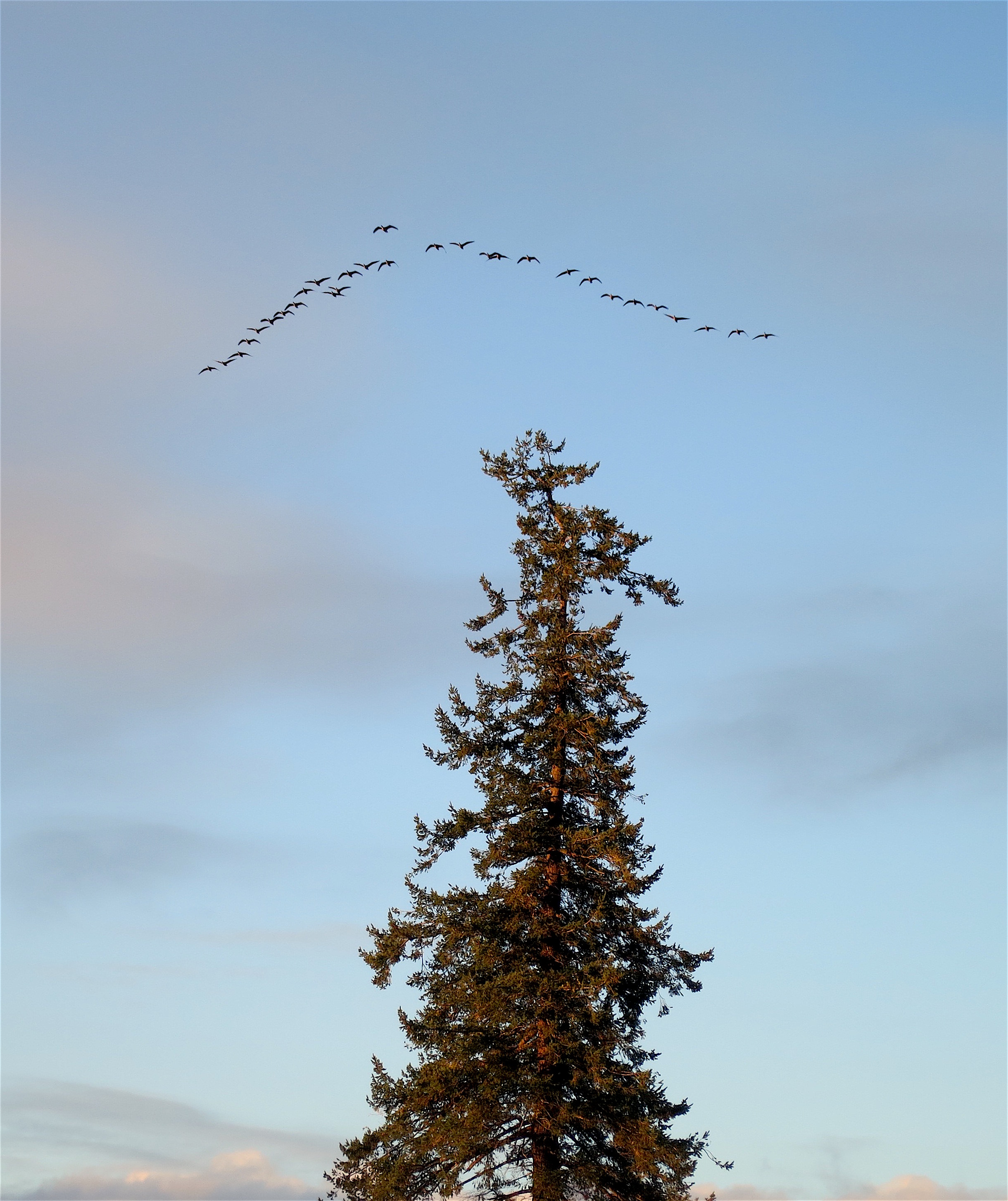
What is there for you in the birds, the birds, the birds, crying
down on the north wind in September, acres of birds spotting
the air going south?

Is there something finished? And some new beginning on the
way?

I cried over beautiful things knowing no beautiful thing lasts.
~Carl Sandburg from “Fall Time” and “Autumn Movement”

My summer of “no doctoring” finishes today. I return to part-time clinical work tomorrow; a new beginning is on the way.

I am readying myself.

I consider how it will feel to put the stethoscope back on and return to spending most of my daylight hours in window-less rooms. Several months of freedom to wander and wonder will be tough to give up.

However, when I meet my first patient of the day, I’m “all in.” Someone is needing my help more than I need time off. The wind has shifted, it is time to migrate back to the work I was called to do over forty years ago.

Still I will look for beautiful things where I can find them, knowing that even though they don’t last, they will always be well worth the weeping.

A Feeble Reed

Man is but a reed, the most feeble thing in nature, but he is a thinking reed.
~Blaise Pascal

I’m not sure which is getting flabbier faster–my biceps or my brain. As I advance in age I tend to just get by with only occasional heavy lifting: a hay bale here, a challenging abstract philosophical commentary there. Hard work, whether physical or mental, is getting harder. As a naturally lazy person, I have to be forced into manual and central nervous system labor out of necessity. Necessity happens less and less often unless I go looking for it.

Given the choice between a physical task and a thinking task, I’ll opt for thinking over lifting any day. Even so, I find my mental strengths are ebbing. My brain is less flexible, I can tend to be stiff headed when trying something new and it starts to feel strained if I push it too fast. There are times when it feels like it just goes into spasm and I need to sit down and rub it for awhile. Feeble suddenly doesn’t sound like it just belongs to the aged and infirm.

The only remedy is to use it or lose it, whether muscles or gray matter. So I dig a little deeper each day, even when it hurts to do so. I purposely stretch beyond the point of comfort, just so I know it can still be done. I lift a little higher, heft a little heavier, push a little harder. Being the most feeble thing in nature may mean being easily broken by the smallest effort, but at least I’ll have thought through my reedy limitations thoroughly, chewed on it until there was nothing left and digested what I could.

Eventually I’ll come to accept that my greatest strength is to know what I don’t know.

The Ebb and Flow of Sound

What I remember is the ebb and flow of sound
That summer morning as the mower came and went
And came again, crescendo and diminuendo,
And always when the sound was loudest how it ceased
A moment while he backed the horses for the turn,
The rapid clatter giving place to the slow click
And the mower’s voice. That was the sound I listened for,
The voice did what the horses did. It shared the action
As sympathetic magic does or incantation.
The voice hauled and the horses hauled. The strength of one
Was in the other and in the strength was impatience.
Over and over as the mower made his rounds
I heard his voice and only once or twice he backed
And turned and went ahead and spoke no word at all.
~Robert Francis “The Sound I Listened For” from Collected Poems

In the rural countryside where we live, we’ve been fortunate enough to know people who still dabble in horse farming, whose draft teams are hitched to plows and mowers and manure spreaders as they head out to the fields to recapture the past and experience working the land in a way that honors the traditions of our forebears.

A good teamster primarily works with his horses using his voice. No diesel engine means hearing bird calls from the surrounding fields and woods, along with the steady footfall of the horses, the harness chains jingling, the leather straps creaking, the machinery shushing quietly as gears turn and grass lays over in submission. No ear protection is needed. There is no clock needed to pace the day.

There is a rhythm of nurture when animals instead of motors are part of the work day. The gauge for taking a break is the amount of foamy sweat on the horses and how fast they are breathing — time to stop and take a breather, time to start back up and do a few more rows, time to water, time for a meal, time for a nap, time for a rest in a shady spot.

This is gentle use of the land with four footed stewards who deposit right back to the soil the digested forage they have eaten only hours before. This is gentle to our ears and our souls, measuring the ebb and flow of sound and silence.

The horse-drawn field mower is a sound I listen for, if not next door then in my dreams.

Photo courtesy of Aaron Janicki

I Am Responsible

In your extended absence, you permit me
use of earth, anticipating
some return on investment. I must report
failure in my assignment, principally
regarding the tomato plants.
I think I should not be encouraged to grow
tomatoes. Or, if I am, you should withhold
the heavy rains, the cold nights that come
so often here, while other regions get
twelve weeks of summer. All this
belongs to you: on the other hand,
I planted the seeds, I watched the first shoots
like wings tearing the soil, and it was my heart
broken by the blight, the black spot so quickly
multiplying in the rows. I doubt
you have a heart, in our understanding of
that term. You who do not discriminate
between the dead and the living, who are, in consequence,
immune to foreshadowing, you may not know
how much terror we bear, the spotted leaf,
the red leaves of the maple falling
even in August, in early darkness: I am responsible for these vines.
~Louise Glück “Vespers”

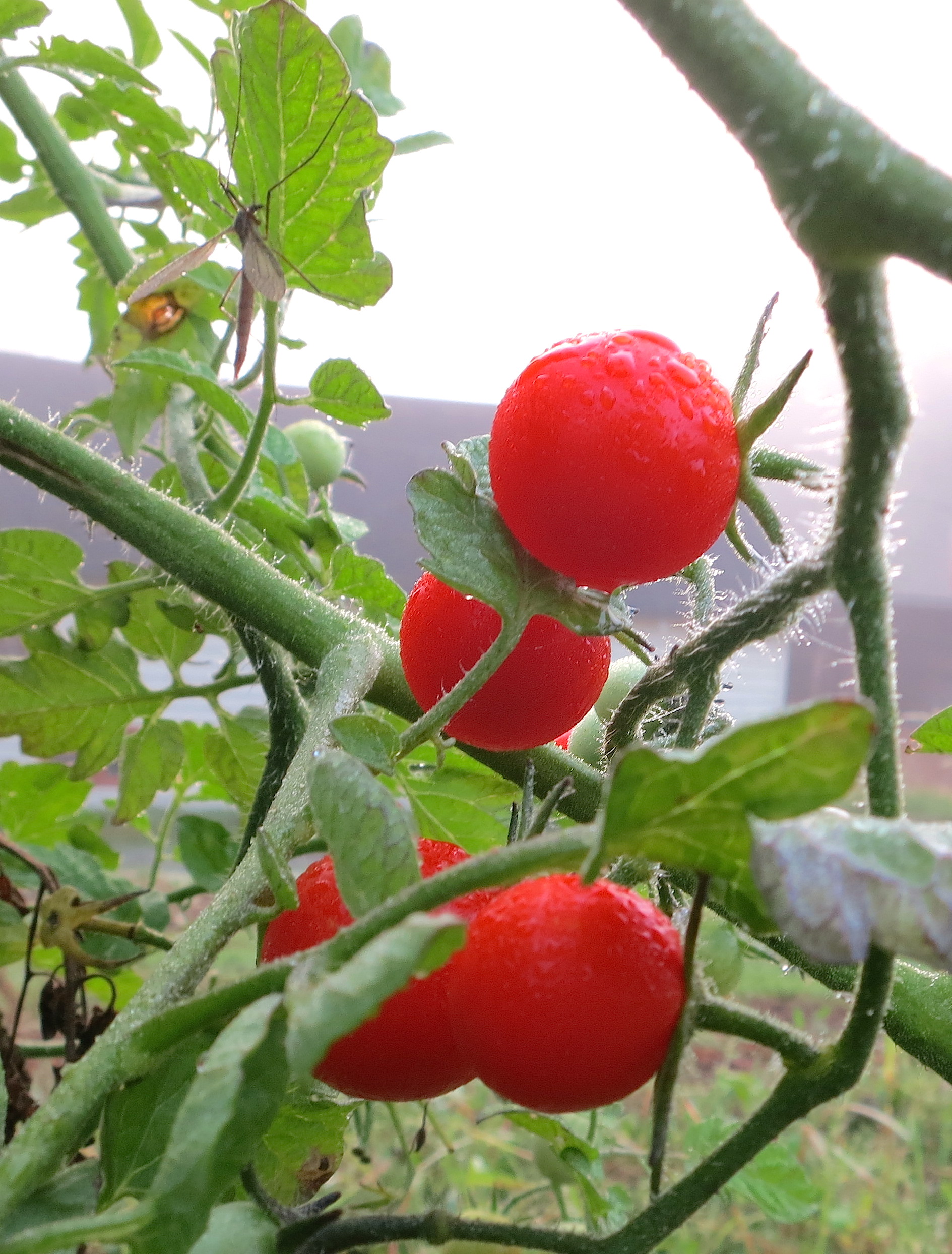
As the calendar turns to September and August fades away, I know all too well what this means. I have spent a lifetime loving the season of autumn best of all, but that is because I wasn’t living it, and it seems now I am.

More and more the blight feels personal, the color change is in the mirror looking back at me, the leaves falling from my own scalp, the threat of rot setting in quite real. There is nothing “pumpkin spice” and “harvest gold” about growing older.

Even so, the fruit I try to bear is still edible even if not as presentable; the vine still bears useful life. A first frost forces ripening and prepares what remains because time is short and there is so much yet to get done.

I feel the responsibility of making all this effort count for something. I am here because I was intentionally planted, weeded, nurtured, watered and warmed. When it is my turn, the rot is cut away and thankfully forgotten.

I will still be sweet to the taste, just as I am meant to be.

Sorting Laundry

Given over to love,
she un-balls the socks,

lets fall debris of days,
leaf litter, sand grain,

slub of some sticky substance,
picks it all for the sake

of the stainless tub
of the gleaming new front loader.

Given over to love long ago, when her own
exasperated moan bounced off

the quaint speckled enamel
of the top loader

vowing: she’d do this always and well.
She fell in love then, she fell in line—

in a march of millions, you pair them,
two by two, you marry the socks.

~Heid E. Erdrich “Laundress” from Curators of Ephemera at the New Museum for Archaic Media

Settling into the straw, I am grateful for a quiet moment after a 12 hour workday followed by all the requisite personal conversations that help mop up the spills and splatters of every day life. My family verbally unloads their day like so much stored up laundry needing to be washed and rinsed with the spin cycle completed before tomorrow dawns. I move from child to child to child to husband to grandmother, hoping to help each one clean, dry, fold and sort everything in their pile, including finding and marrying each stray sock with its partner.

Not to be outdone, I pile up a little dirty laundry of my own as I complain about my day as well. My own socks are covered in burrs and stickers and resist matching.

I’m on “spent” cycle so I retreat to the barn where communication is less demanding and requires more than just my ears and vocal cords.   Complaints are meaningless here and so are unmarried socks.

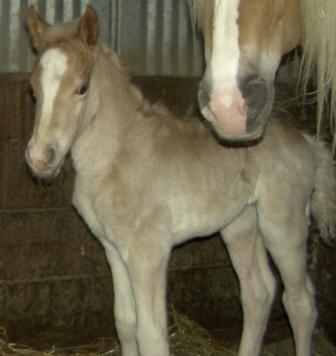
In this place a new foal and his vigilant mama watch my every move.

This colt is intrigued by my intrusion into his 12′ x 24′ world. His mother is annoyed. He comes over to sniff my foot and his mother swiftly moves him away with a quick swing of her hips, daunting me with the closeness of her heels. Her first instinct insists she separate me from him and bar my access. My mandate is to woo her over. I could bribe her with food, but, no,  that is too easy.

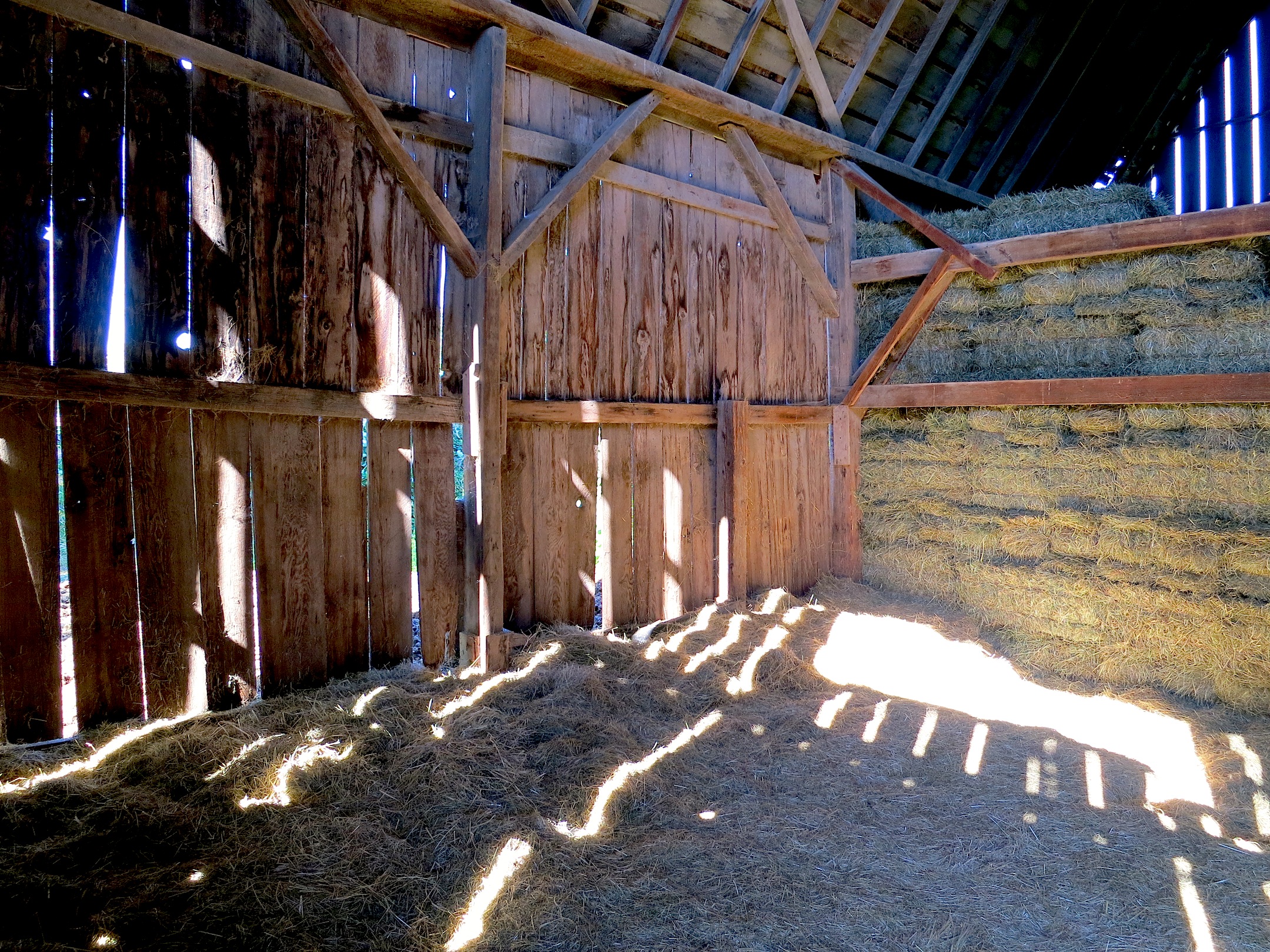
A curry comb is best. If nothing else will work, a good scratching always does. Standing up, I start peeling sheets of no longer needed winter hair off her neck,  her sides, her flank and hindquarter.  She relaxes in response to my efforts,  giving her baby a body rub with her muzzle, wiggling her lips all up and down from his back to his tummy. He is delighted with this spontaneous mommy massage and leans into her, moving around so his hind end is under her mouth and his front end is facing me. Then he starts giving his own version of a massage too, wiggling his muzzle over my coat sleeve and wondrously closing this little therapeutic triangle.

Here we are, a tight little knot of givers/receivers with horse hair flying in a cloud about us. One weary human, one protective mama mare and one day-old foal, who is learning so young how to contribute to the well being of others.

Given over to love, to do it always and well.

It is an incredible gift of trust bestowed on me like a blessing.  I realize this horse family is helping me sort my own laundry in the same way I help with my human family’s load.

Too often in life we find ourselves in painful triangles, passing our kicks and bites down the line to each other rather than providing needed relief and respite. We find ourselves unable to wrench free from continuing to deliver the hurts we’ve just received.  What strength it takes to respond with kindness when the kick has just landed on our backside. How chastened we feel when a kindness is directed at us, as undeserving as we are after having bitten someone hard.

Instead of biting, try massaging.  Instead of kicking, try tickling. Instead of fear, try acceptance.  Instead of annoyance, try patience. Instead of piling up so much dirty laundry of your own, try washing, folding and sorting what is given to you by others, handing it back all clean, smelling better and ready for the next day.

And even if the socks don’t match exactly, marry them anyway.
Just give them over to love.

The Abundance of This Place

Families will be singing in the fields.
In their voices they will hear a music
risen out of the ground. They will take
nothing from the ground they will not return,
whatever the grief at parting. Memory,
native to this valley, will spread over it
like a grove, and memory will grow
into legend, legend into song, song
into sacrament. The abundance of this place,
the songs of its people and its birds,
will be health and wisdom and indwelling
light.
~Wendell Berry from “A Vision”

Into the rooms flow meadow airs,
The warm farm baking smell’s blown round.
Inside and out, and sky and ground
Are much the same;

Now straightening from the flowery hay,
Down the still light the mowers look,
Or turn, because their dreaming shook,
And they waked half to other days,
When left alone in the yellow stubble
The rusty-coated mare would graze.

~Léonie Adams from “Country Summer”

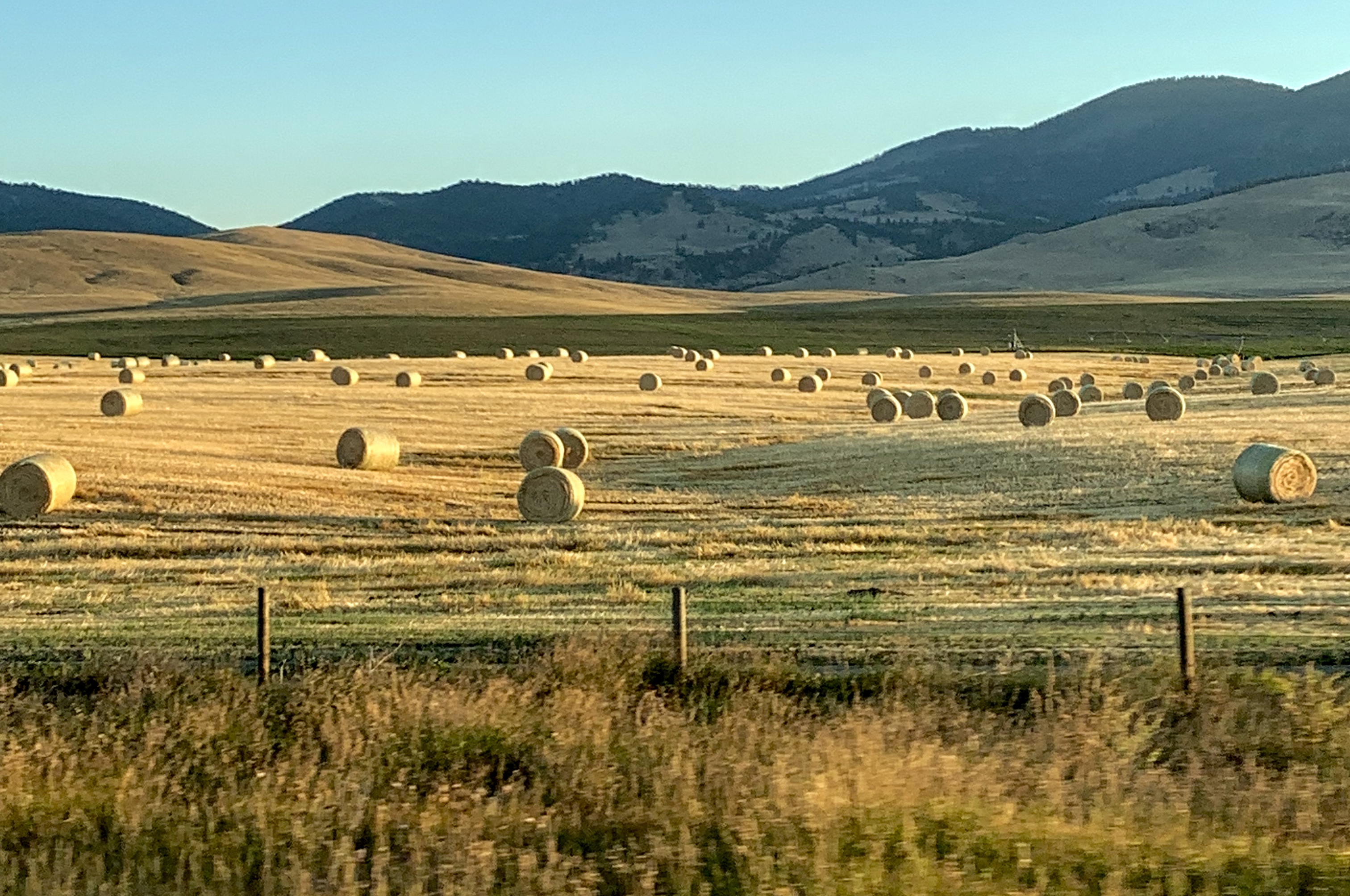
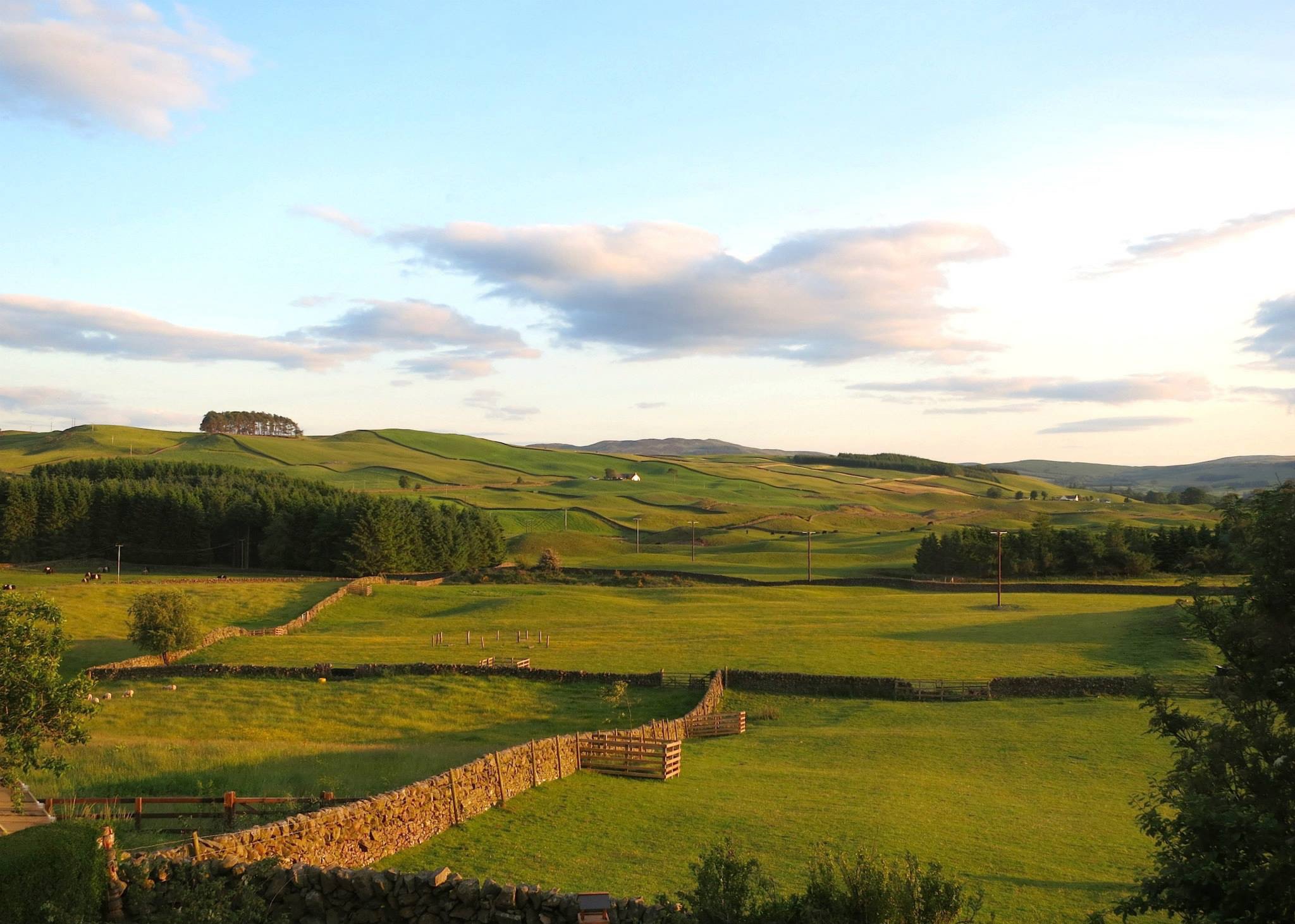
Most of the work on our farm involves the ground – whether plowing, seeding, fertilizing, mowing, harvesting – this soil lives and breathes as much as we creatures who walk over it and the plants which arise rooted to it.

Yes, there must be light. Yes, there must be moisture. Yes, there must be teeming worms and microbes deep within the dirt, digesting and aerating and thriving, leaving behind needed nutrients as they live and die.

And yes, we all become dust again, hopefully returning to the ground more than we have taken.

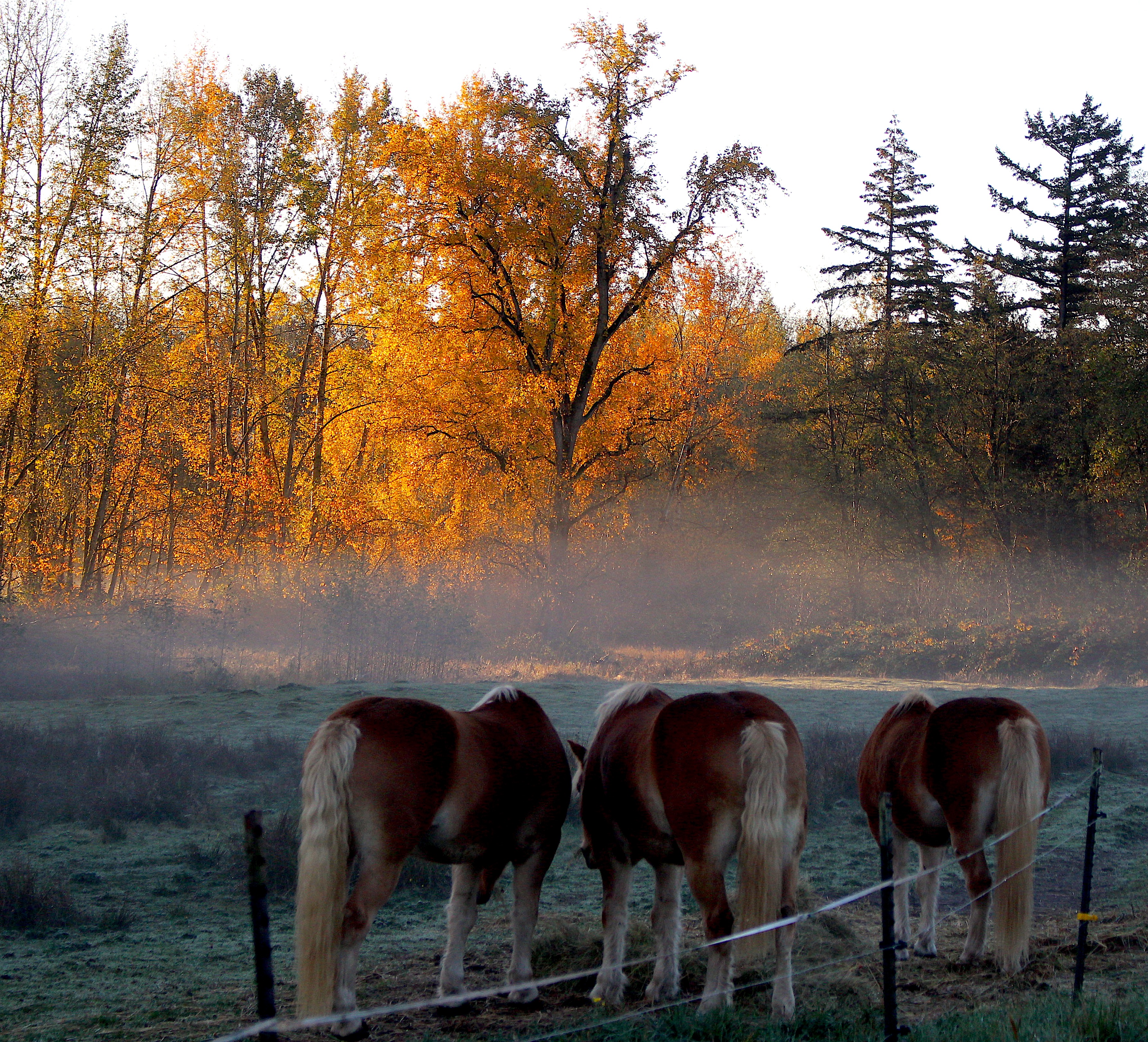
As I watch our rusty-coated horses graze on the stubble of these slopes and valleys, I’m reminded it is a sacrament to live in such abundance. We all started in a Garden until we desired something more, and knowing our mistake, we keep striving to return.

So this land teems with memories: of the rhythms and cycles of the seasons, of the songs and stories of peoples who have lived here for generation after generation.

Eventually we will find our way back to the abundant soil.

The Warmness of Clover Breath

It was the face of spring, it was the face of summer, it was the warmness of clover breath.
~Ray Bradbury from Dandelion Wine

However you may come, 
You’ll see it suddenly
Lie open to the light
Amid the woods: a farm
Little enough to see
Or call across—cornfield,

Hayfield, and pasture, clear
As if remembered, dreamed
And yearned for long ago,
Neat as a blossom now
With all the pastures mowed
And the dew fresh upon it,
Bird music all around.
That is the vision, seen
As on a Sabbath walk:
The possibility
Of human life whose terms
Are Heaven’s and this earth’s.

The land must have its Sabbath
Or take it when we starve.
The ground is mellow now,
Friable and porous: rich.
Mid-August is the time
To sow this field in clover
And grass, to cut for hay
Two years, pasture a while,
And then return to corn.

This way you come to know
That something moves in time
That time does not contain.
For by this timely work
You keep yourself alive
As you came into time,
And as you’ll leave: God’s dust,
God’s breath, a little Light.

~Wendell Berry from The Farm

Farming is daily work outside of time – the labor of this day is the care for the eternal. There is a timelessness about summer: about preparing and planting and preserving, this cycle of living and dying repeating through generations. We, as our many great great grandparents did, must become God’s dust yet again.

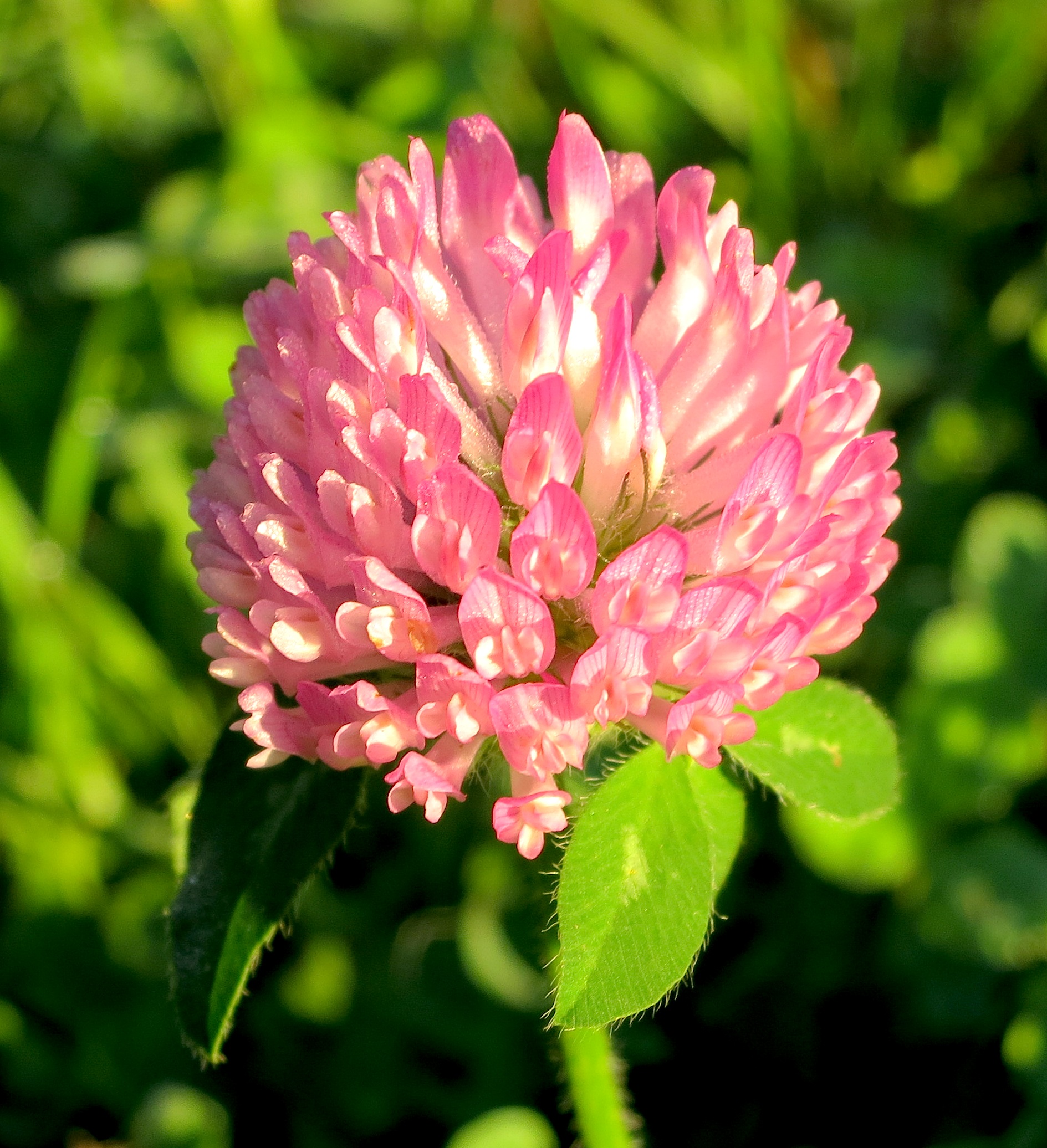
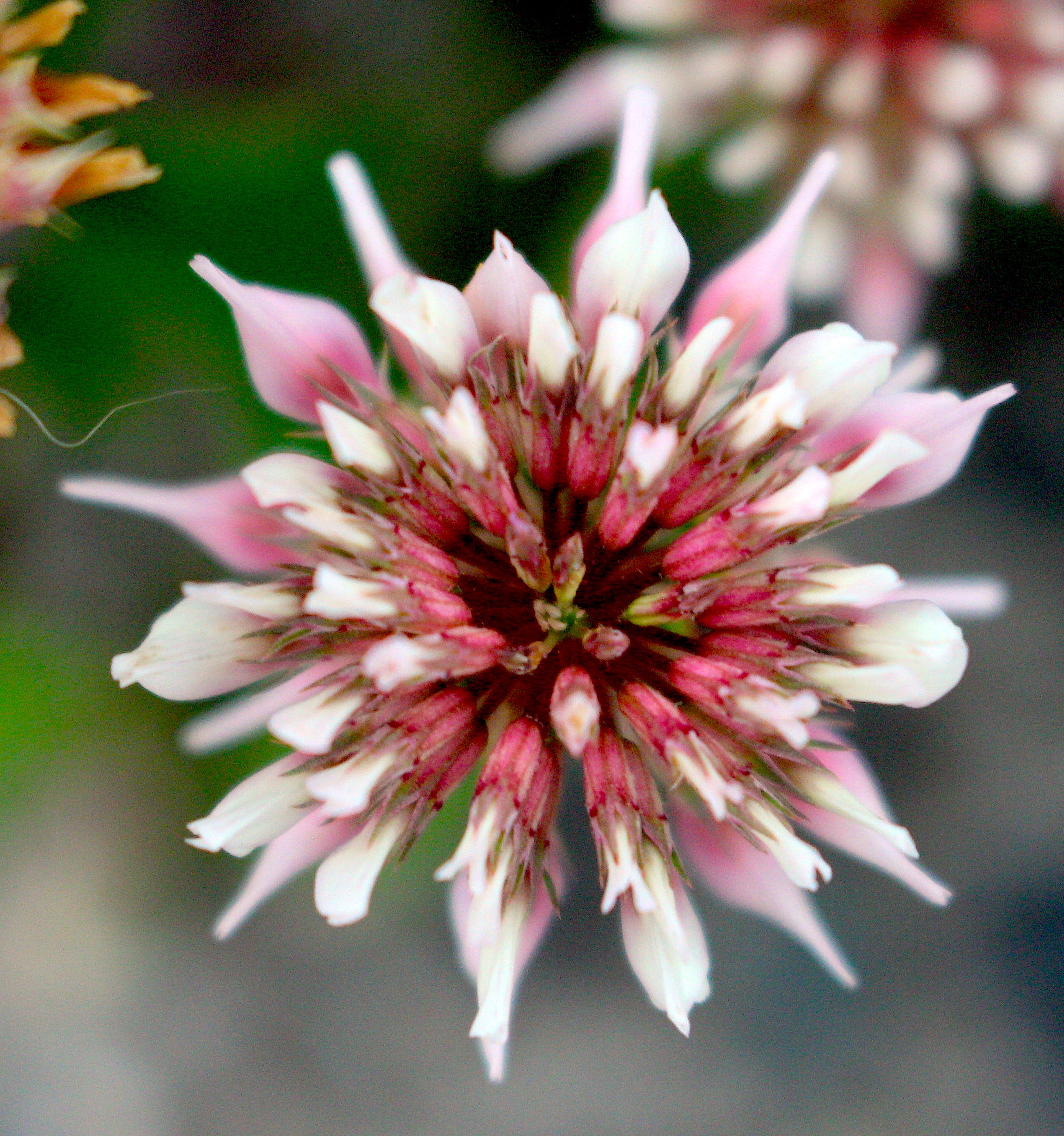
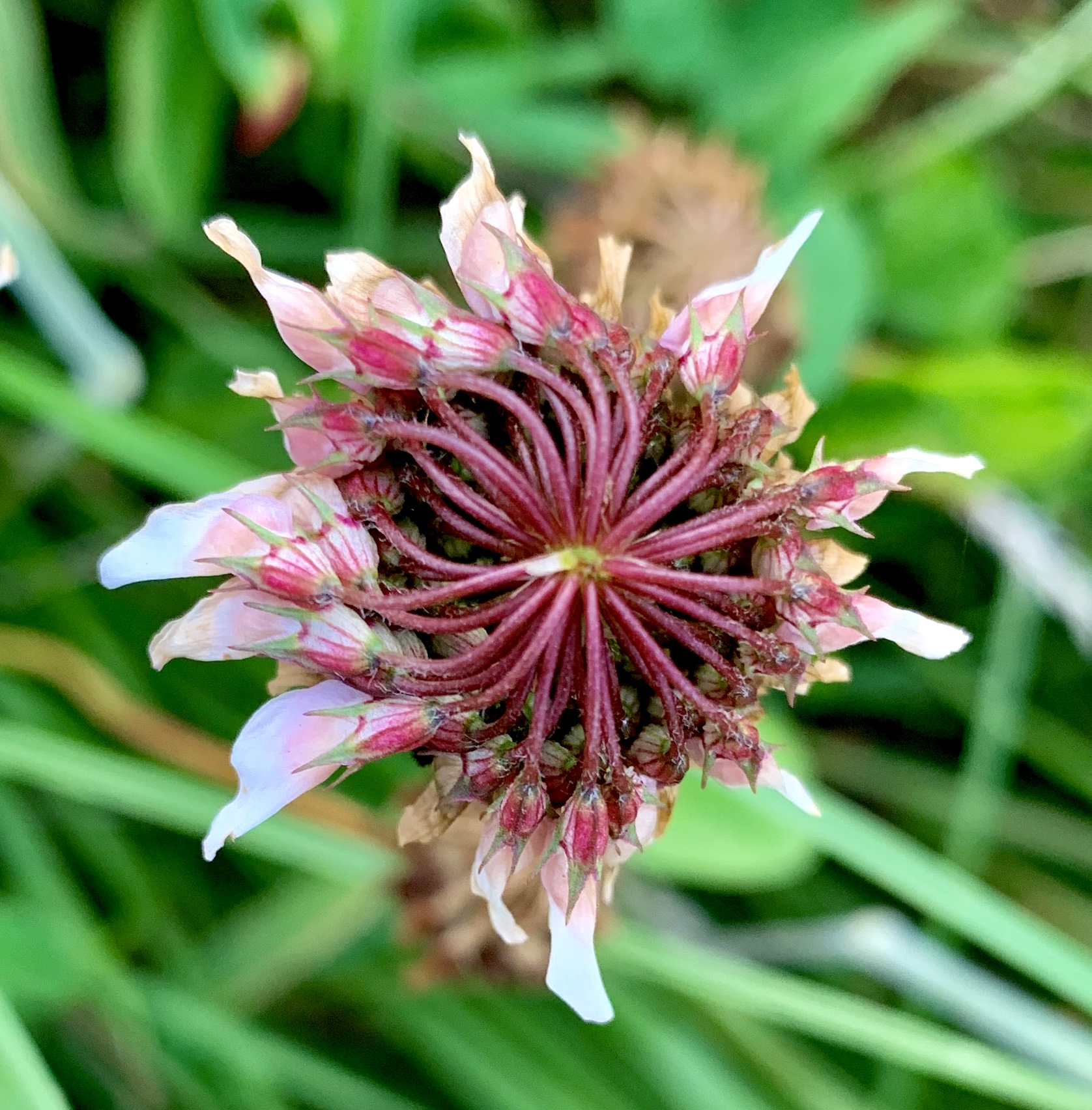
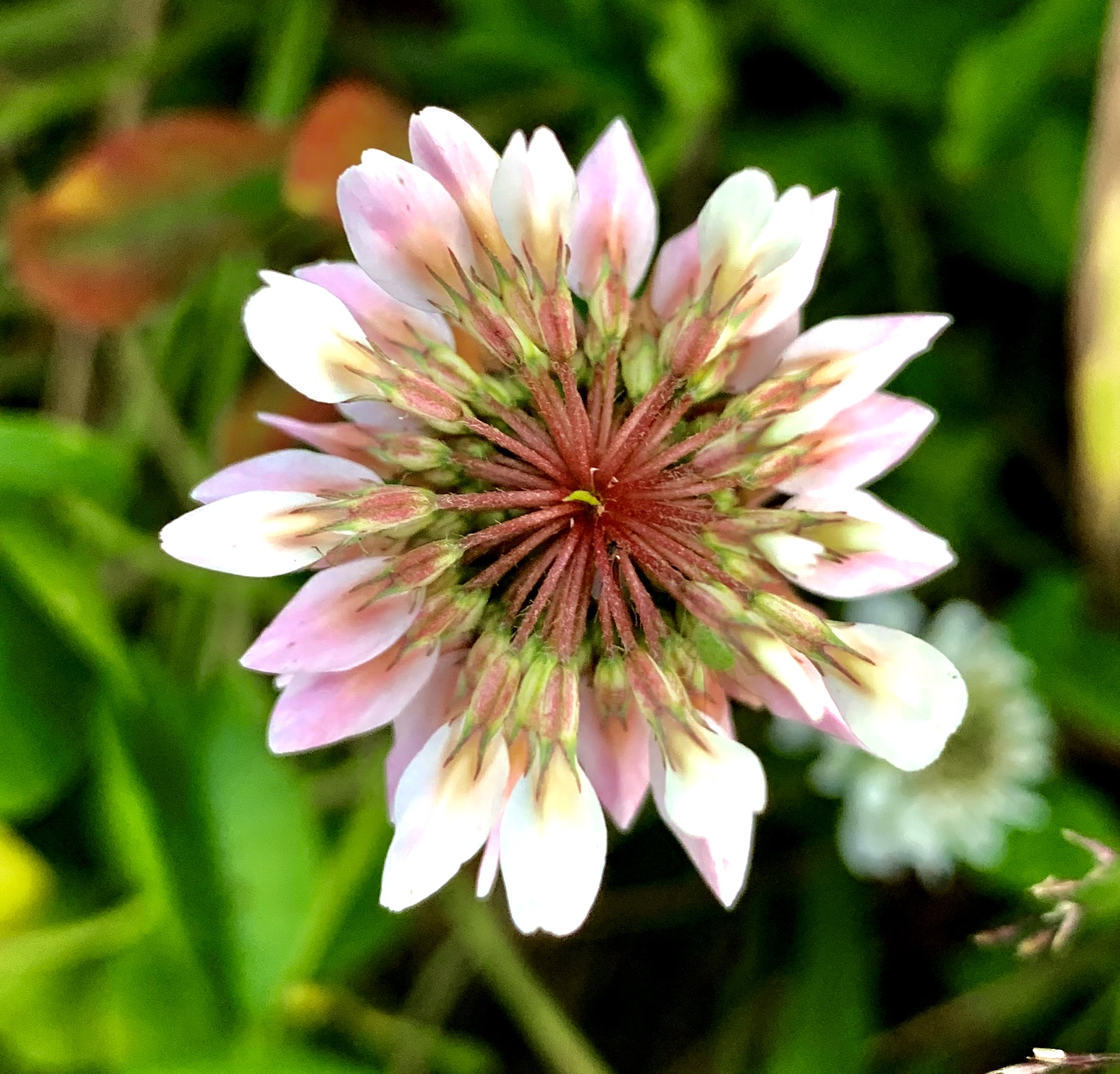
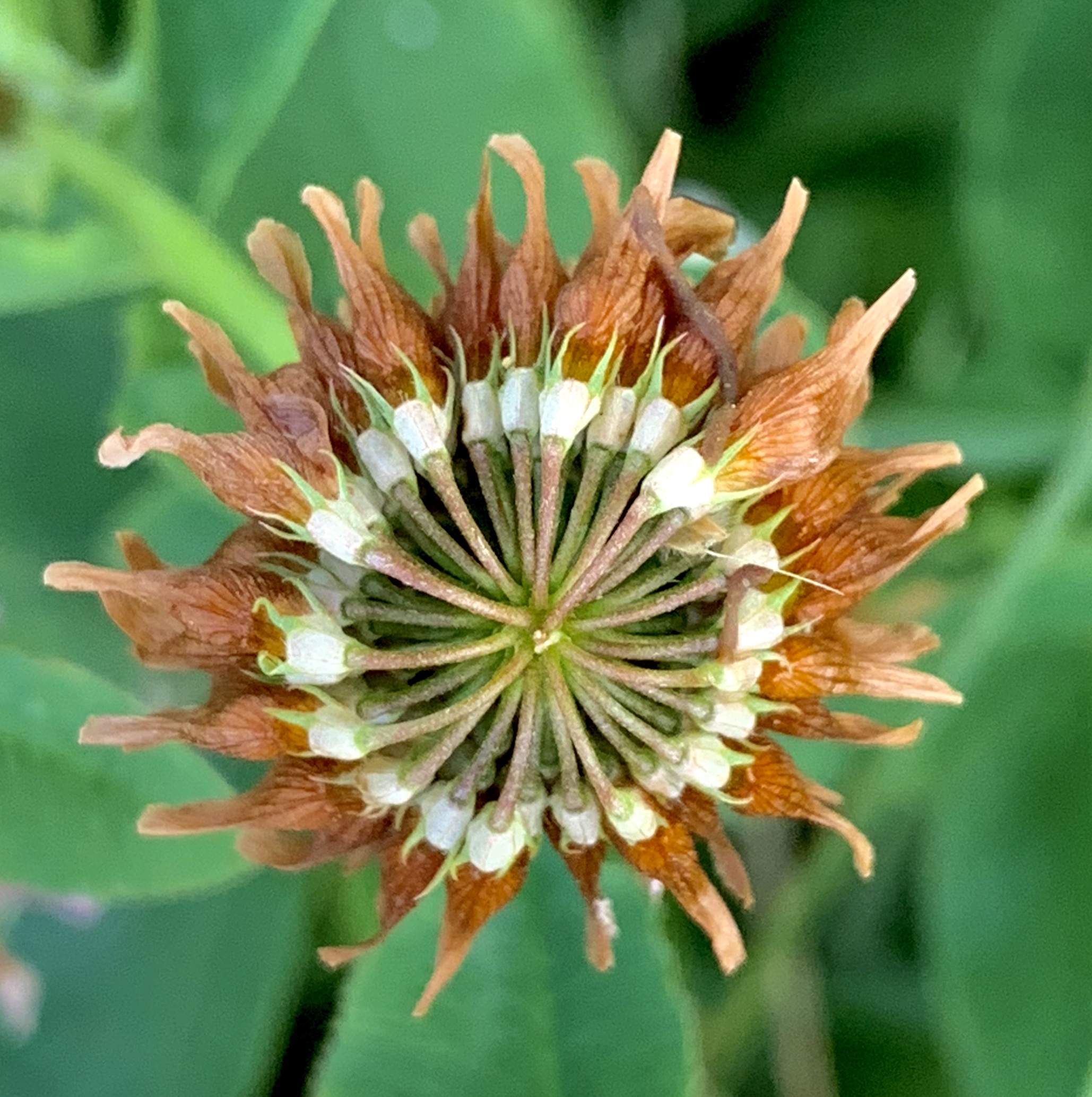
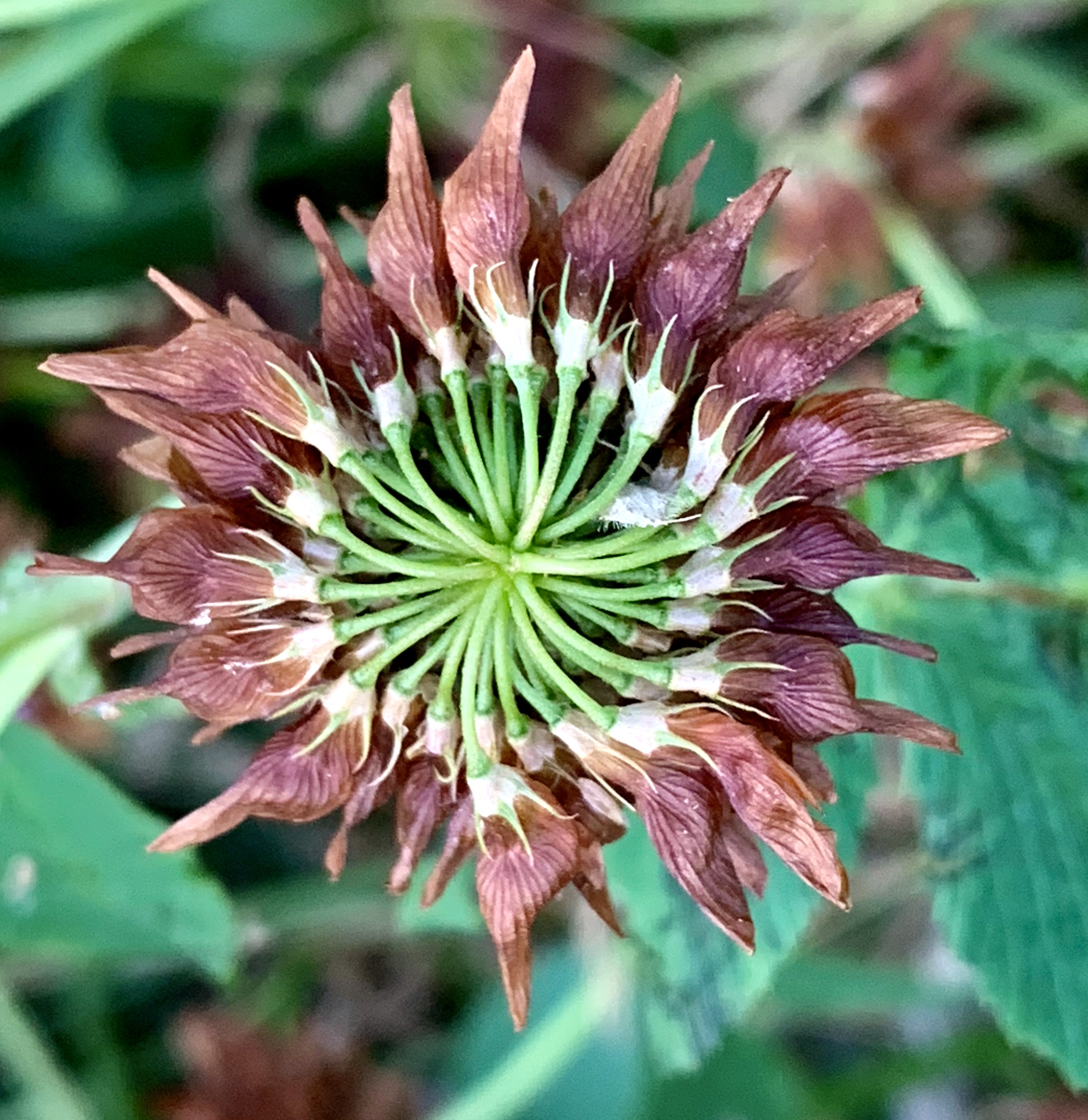
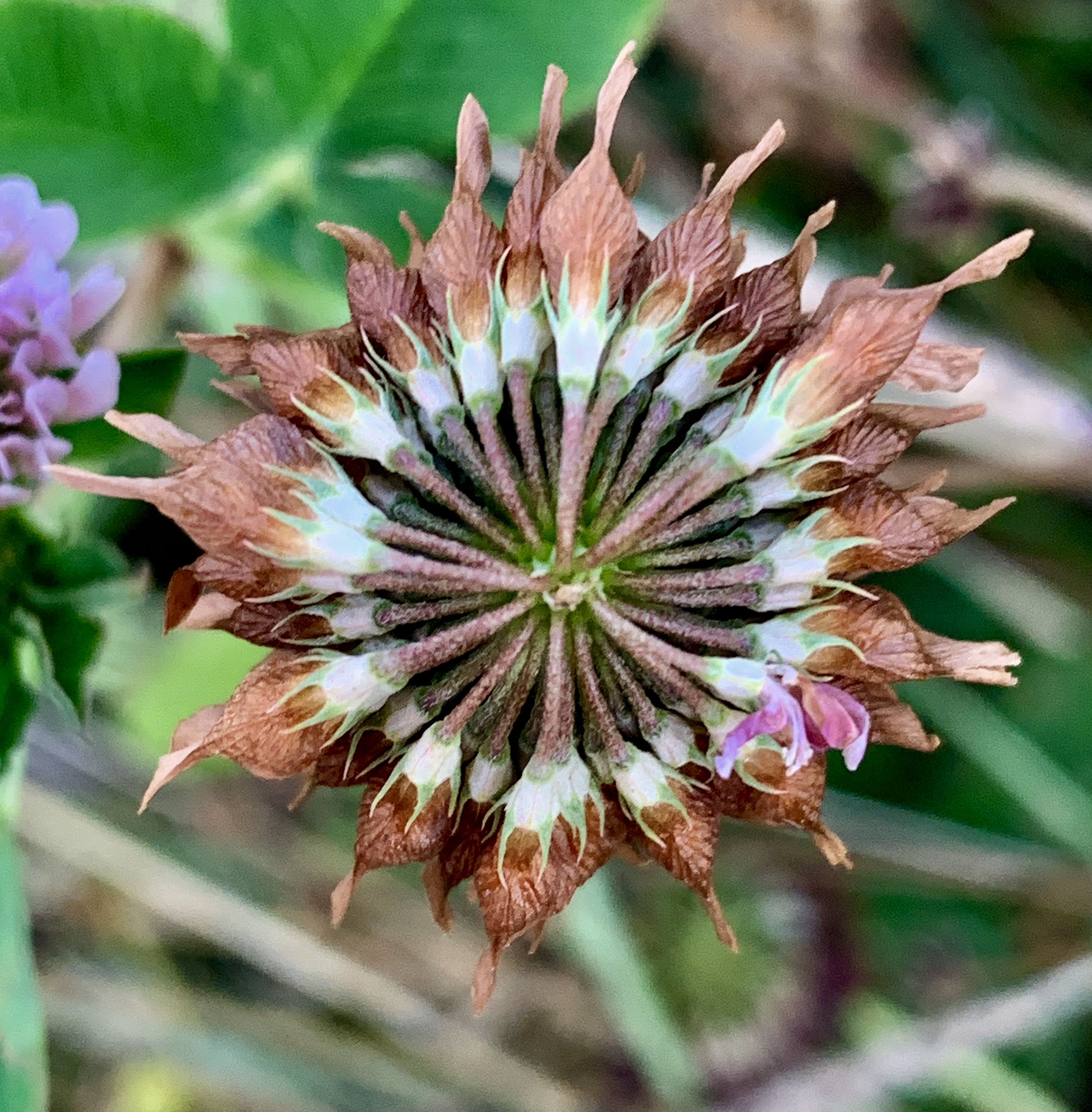
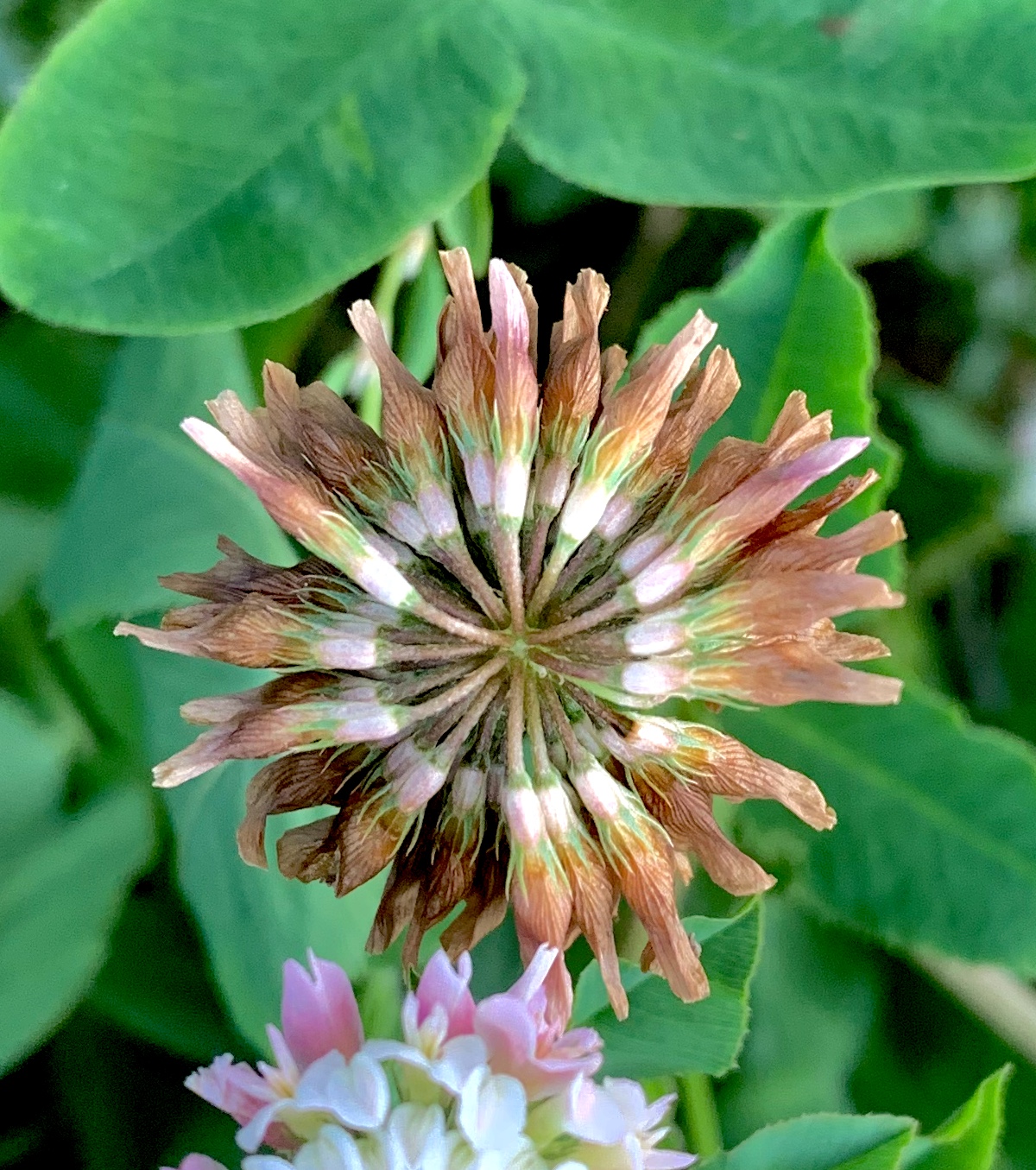
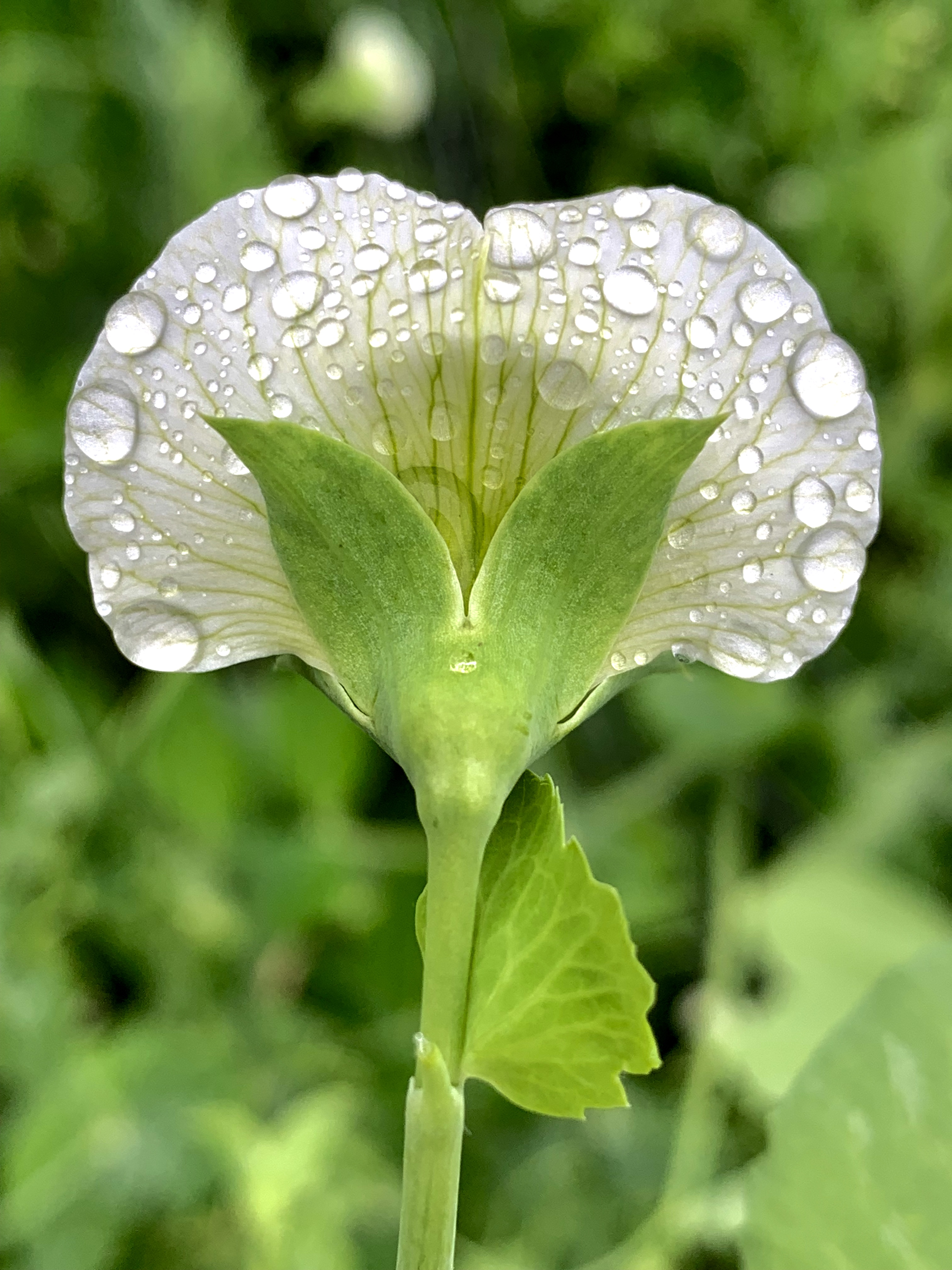
So I’m reminded, walking through the pasture’s clover patch, of all the ways to become seed and soil for the next generation. For a blossom that appears so plain and goes so unnoticed during its life, it dies back, enfolding upon itself, with character and color and drama, each a bit differently from its neighbor.
Just like us.

Perhaps it is the breath of clover we should remember at the last; God’s own breath comes to us disguised in so many ways as we walk this ground. Inhale deeply of Him and remember we too are made fruits of His eternal labor.
Never Leaving the Land

My grandparents owned the land,
worked the land, bound
to the earth by seasons of planting
and harvest.

They watched the sky, the habits
of birds, hues of sunset,
the moods of moon and clouds,
the disposition of air.
They inhaled the coming season,
let it brighten their blood
for the work ahead.

Soil sifted through their fingers
imbedded beneath their nails
and this is what they knew;
this rhythm circling the years.
They never left their land;
each in their own time
settled deeper.
~Lois Parker Edstrom “Almanac” from Night Beyond Black. © MoonPath Press, 2016

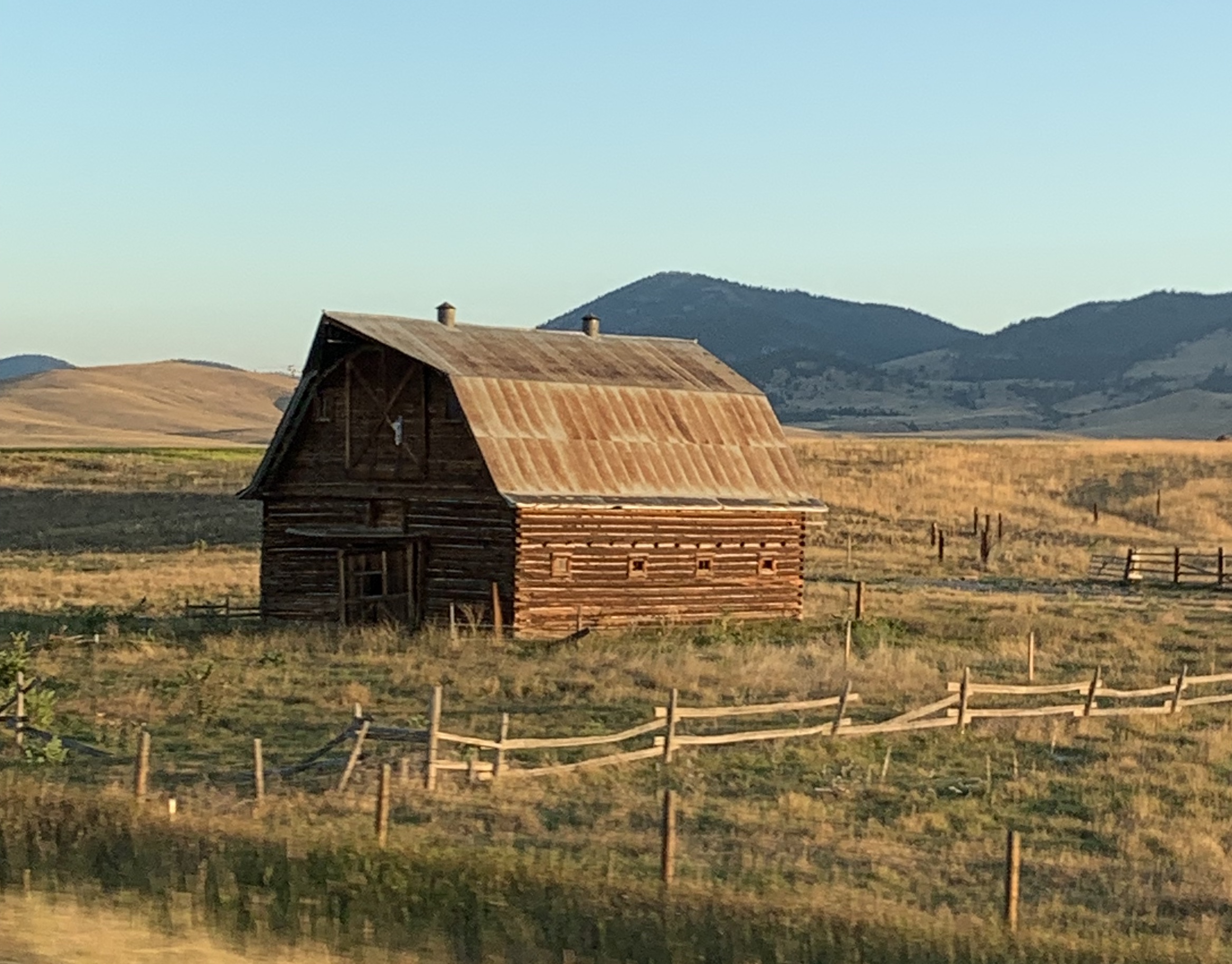
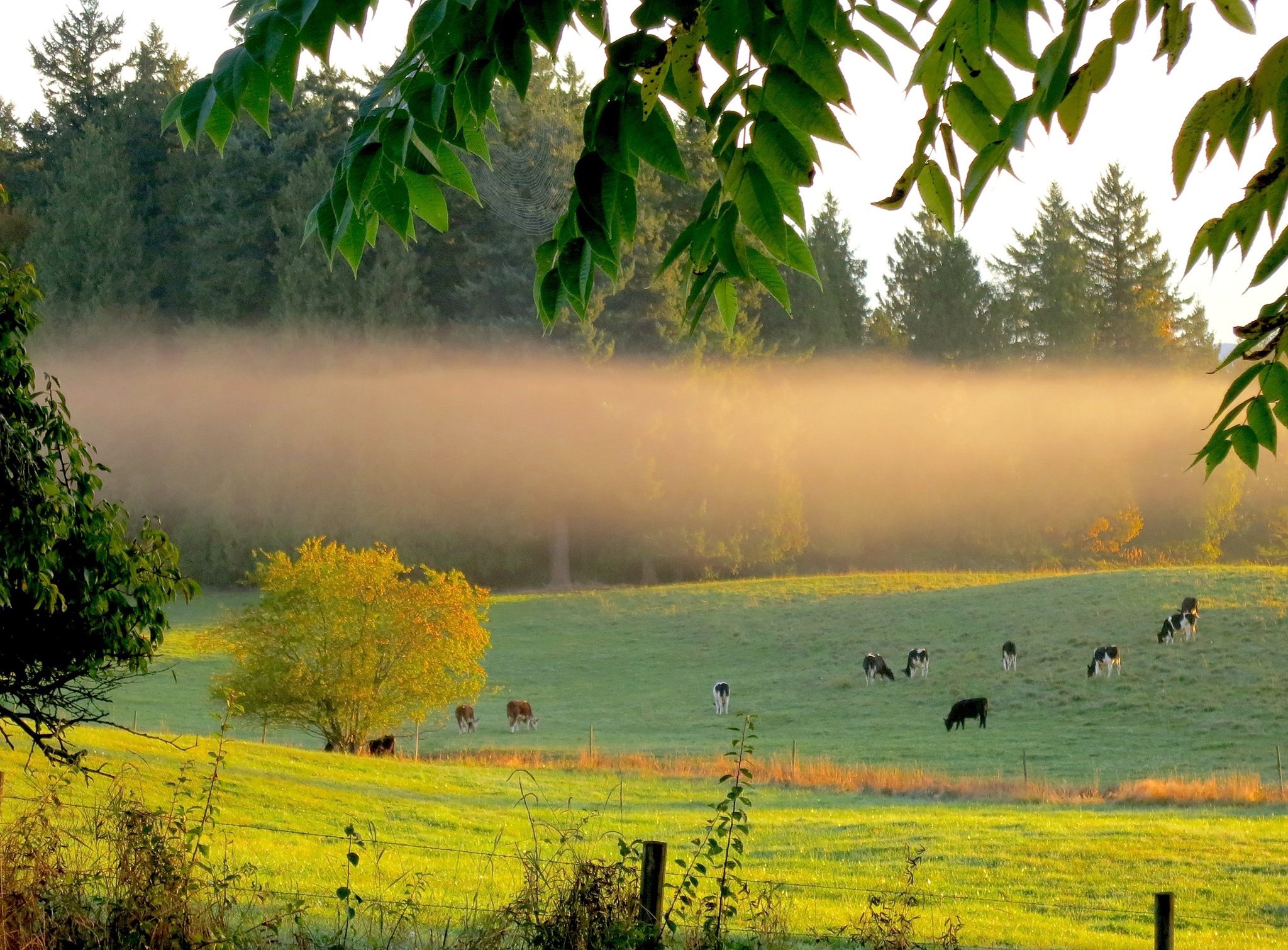
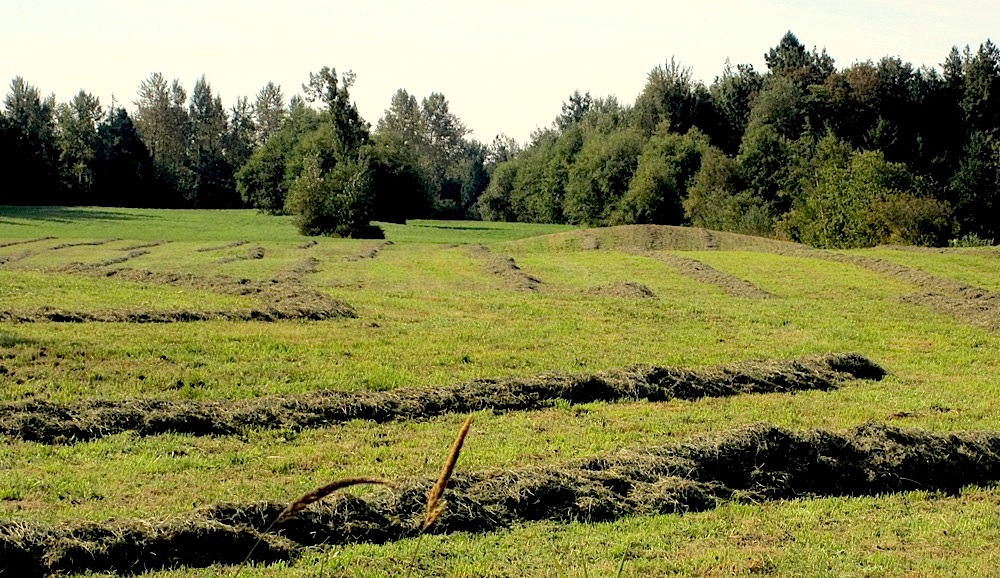
My husband and I met in the late 70’s while we were both in graduate school in Seattle, living over 100 miles away from our grandparents’ farms farther north in Washington. We lived farther still from my grandparents’ wheat farm in Eastern Washington and his grandparents’ hog farm in Minnesota. One of our first conversations together, the one that told me I needed to get to know this man better, was about wanting to move back to work on the land. We were both descended from peasant immigrants from the British Isles, Holland and Germany – farming was in our DNA, the land remained under our fingernails even as we sat for endless hours studying in law school and medical school classes.

When we married and moved north after buying a small farm, we continued to work full time at desks in town. We’ve never had to depend on this farm for our livelihood, but we have fed our family from the land, bred and raised livestock, and harvested and preserved from a large garden and orchard. It has been a good balance thanks to career opportunities made possible by our education, something our grandparents would have marveled was even possible.

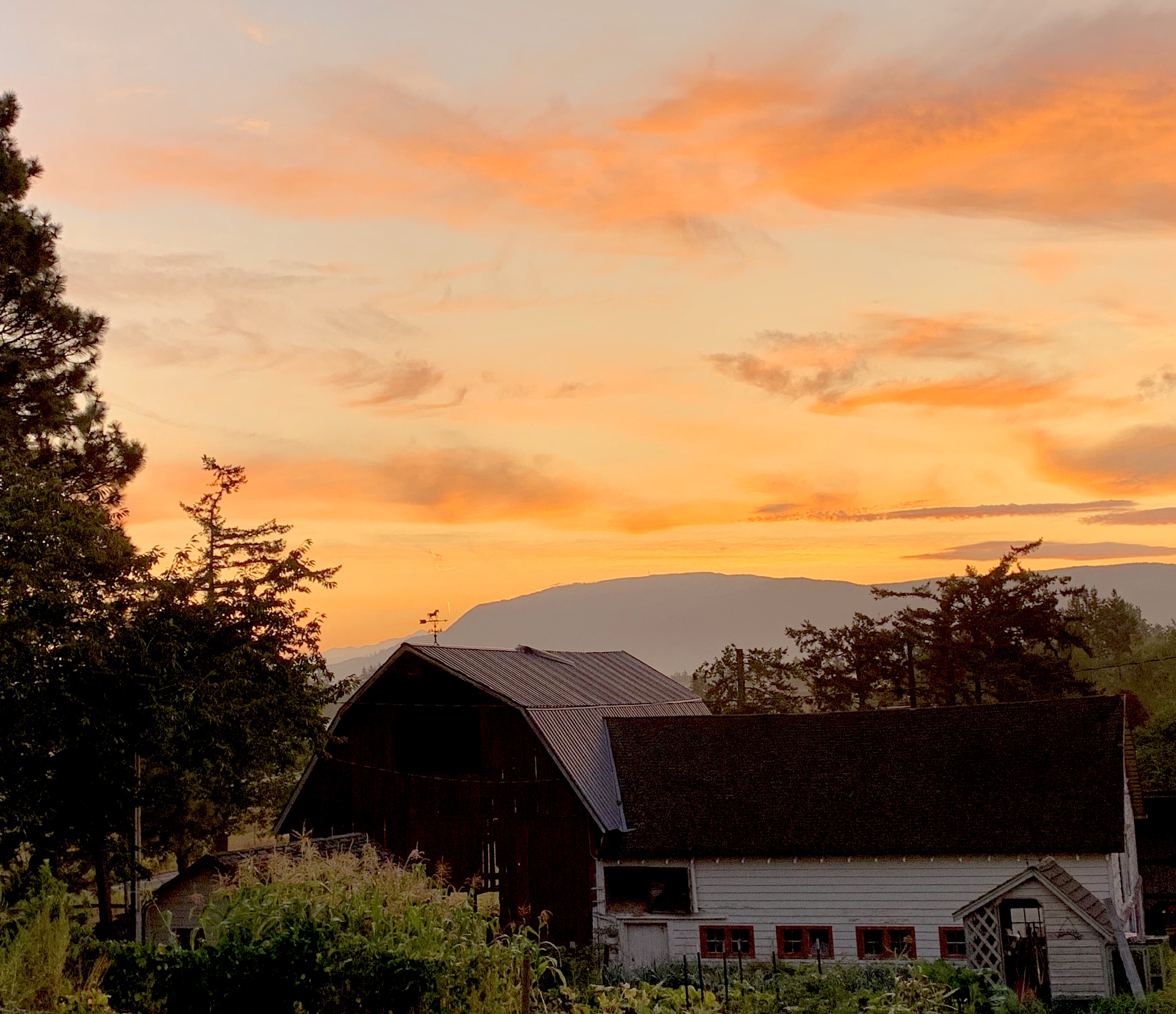
Like our grandparents, we watch in wonder at what the Creator brings to the rhythm of the land each day – the light of the dawn over the fields, the activity of the wild birds and animals in the woods, the life cycles of the farm critters we care for, the glow of the evening sun as night enfolds us. We are blessed by the land’s generosity when it is well cared for.

Now forty years after that first conversation together about returning to farming, my husband and I hope to never leave the land. It brought us together, fed our family, remains imbedded under our fingernails and in our DNA. Each in our own time, we will settle even deeper.

Thank you to retired RN and poet Lois Parker Edstrom for this exquisite poem about living and dying on the land. It has been my privilege to meet her and her husband and welcome them to our farm.
Your words have brought me many blessings!