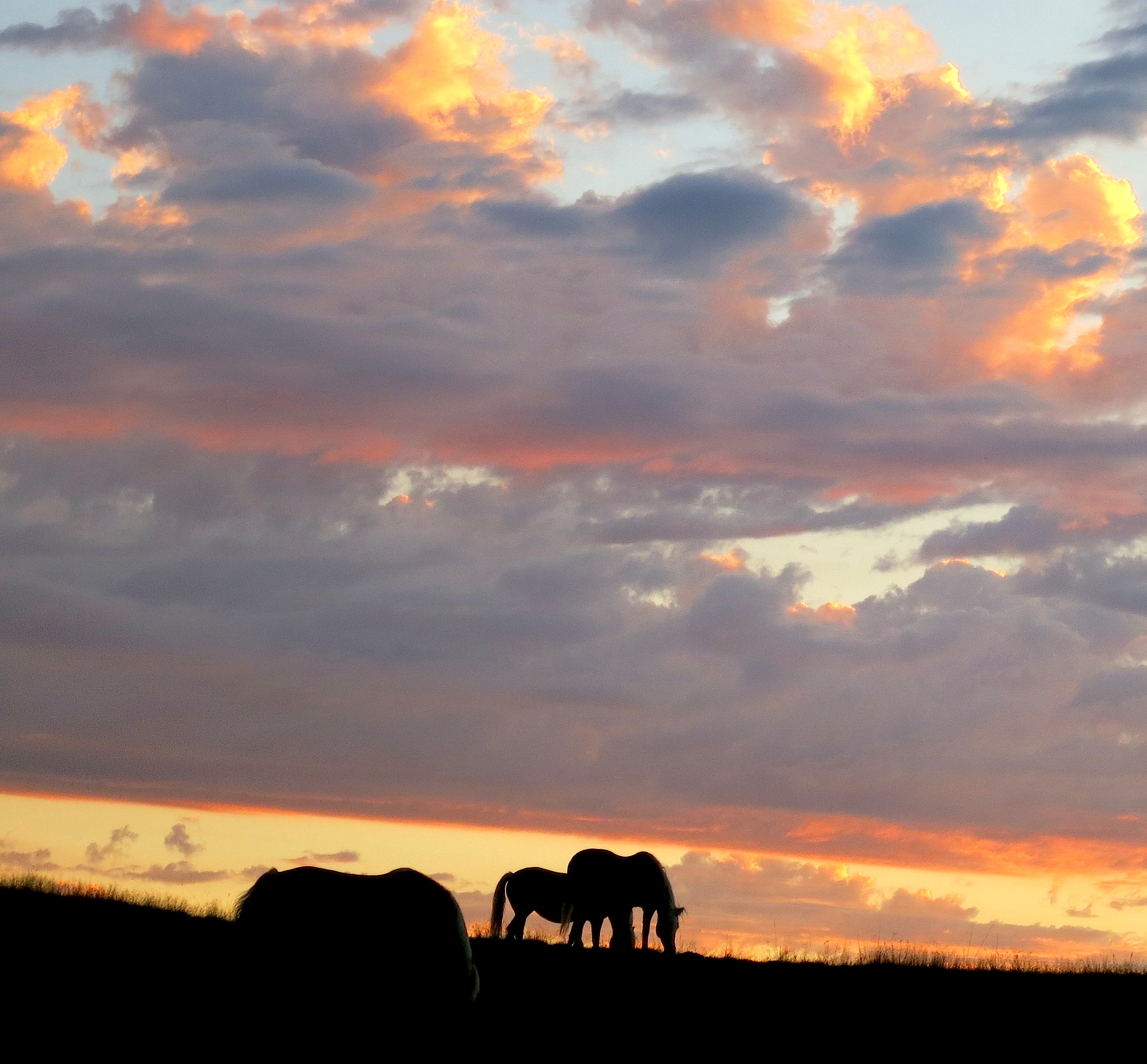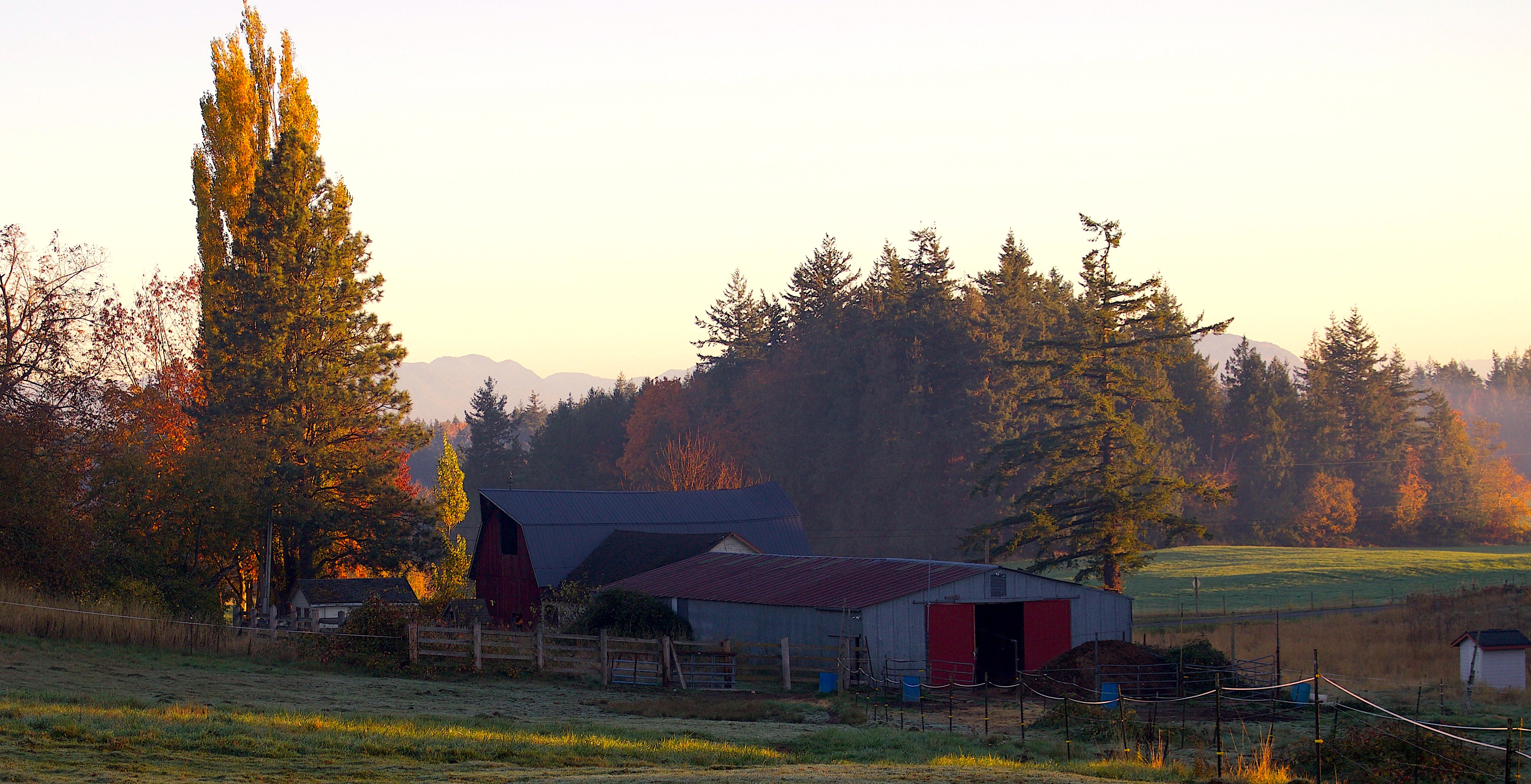
The Farm Goes On

A hill, a farm,
A forest, and a valley.
Half a hill plowed, half woods.
A forest valley and a valley field.

Sun passes over;
Two solstices a year
Cow in the pasture
Sometimes deer

A farmhouse built of wood.
A forest built on bones.
The high field, hawks
The low field, crows

Wren in the brambles
Frogs in the creek
Hot in summer
Cold in snow

The woods fade and pass.
The farm goes on.
The farm quits and fails
The woods creep down

Stocks fall you can’t sell corn
Big frost and tree-mice starve
Who wins who cares?
The woods have time.
The farmer has heirs.

~“Map” by Gary Snyder from Left Out in the Rain.
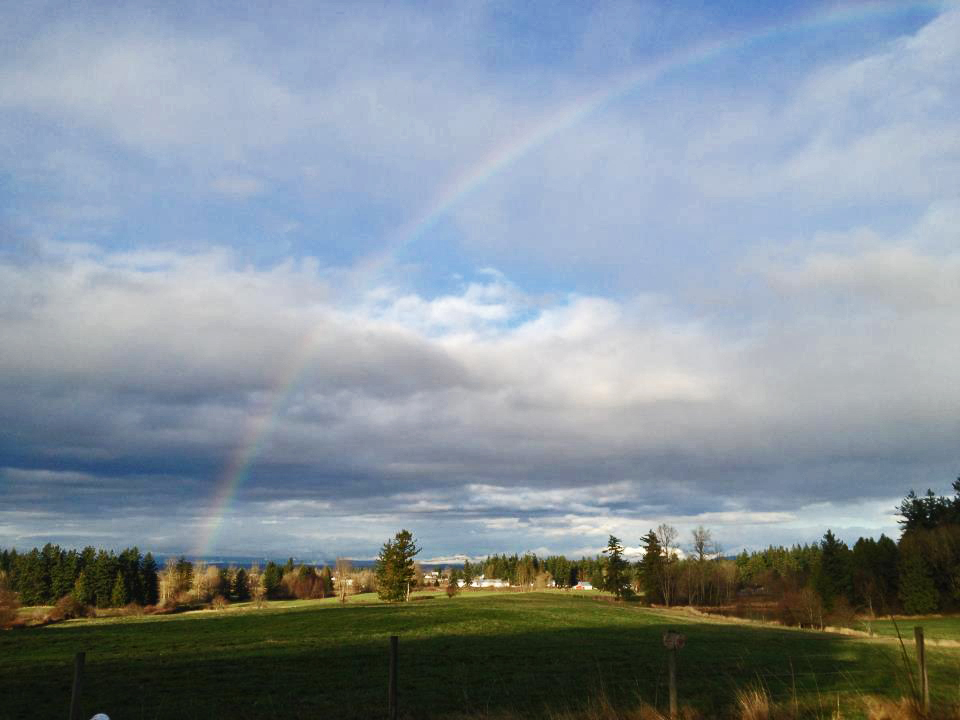
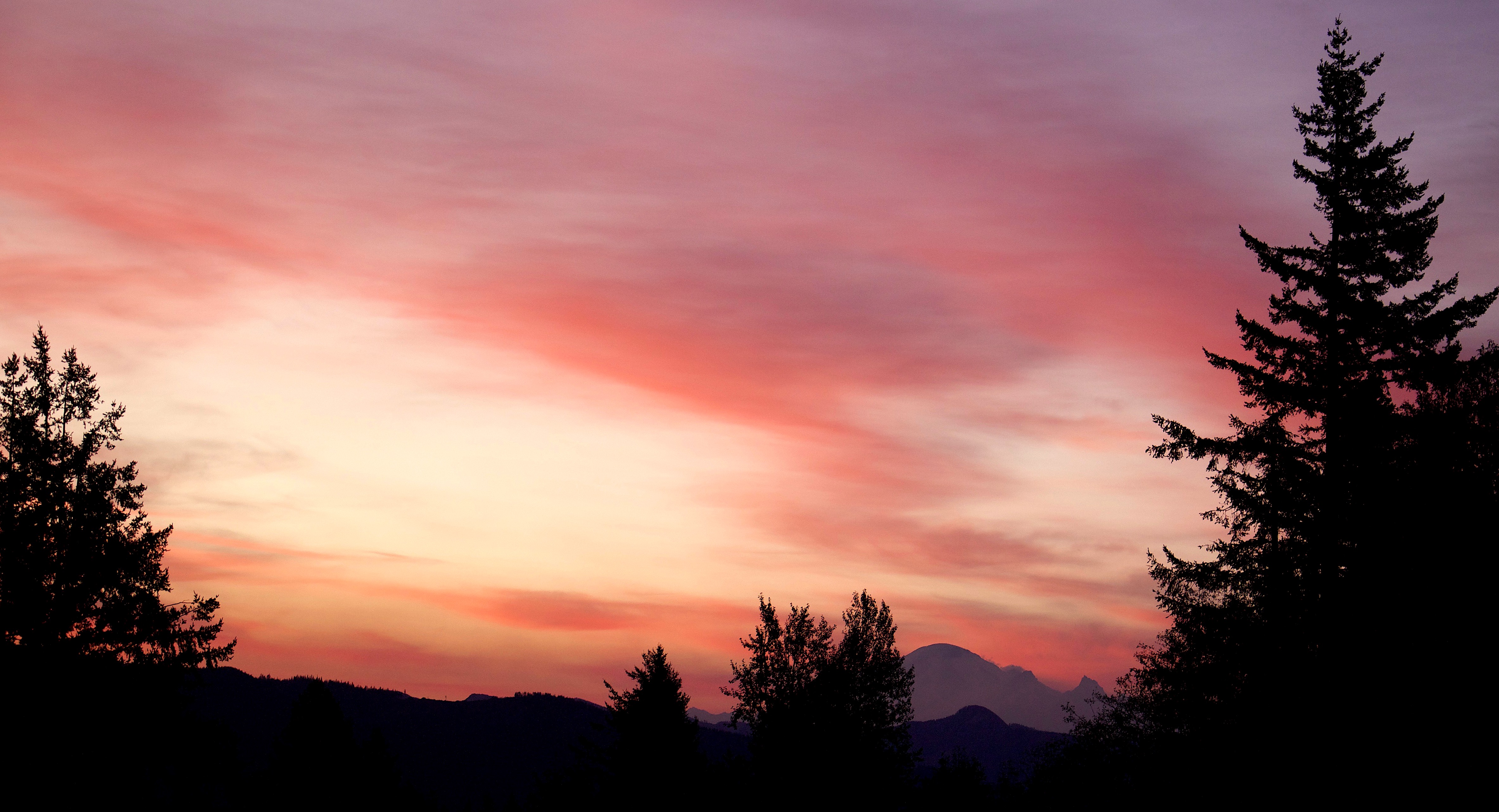
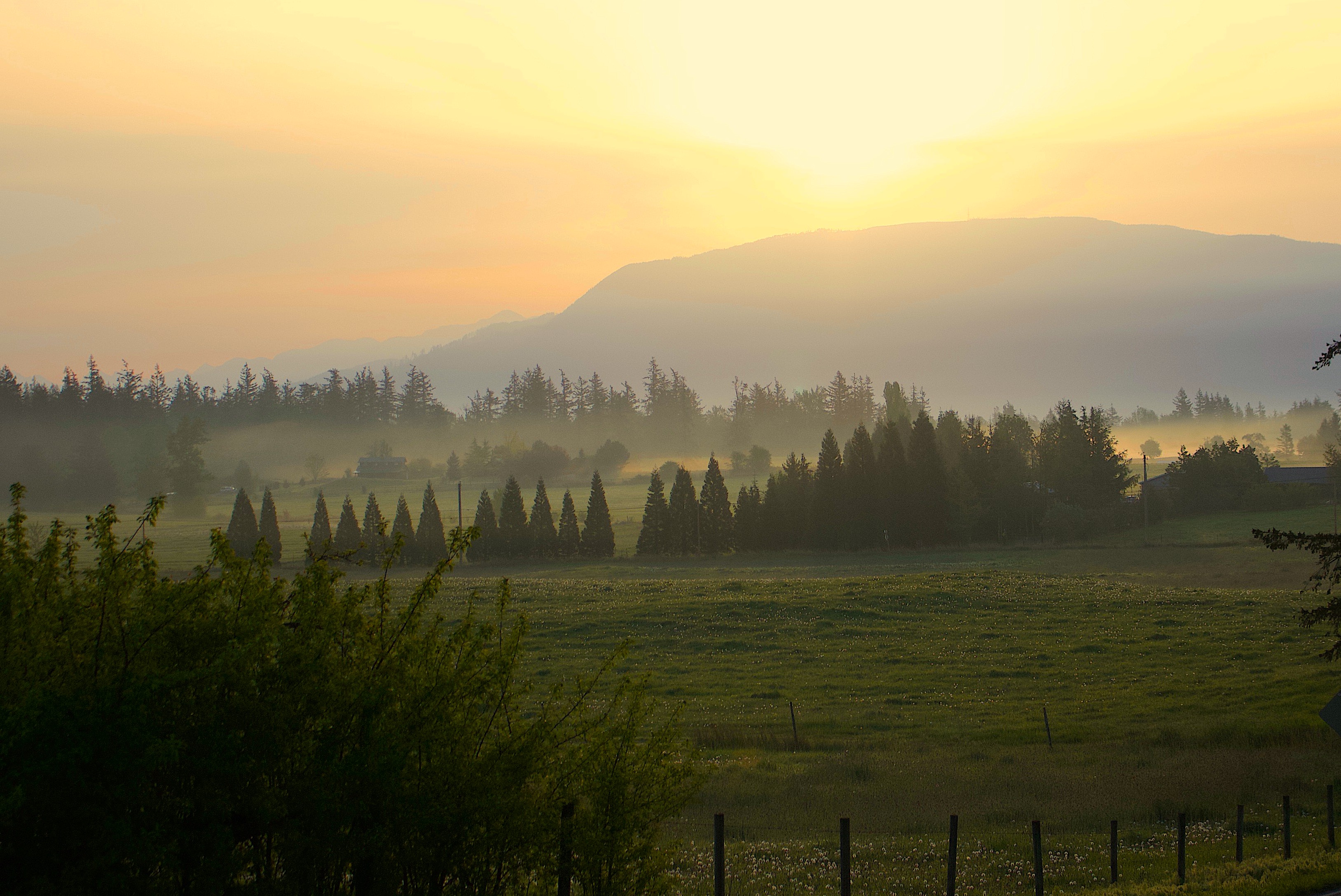
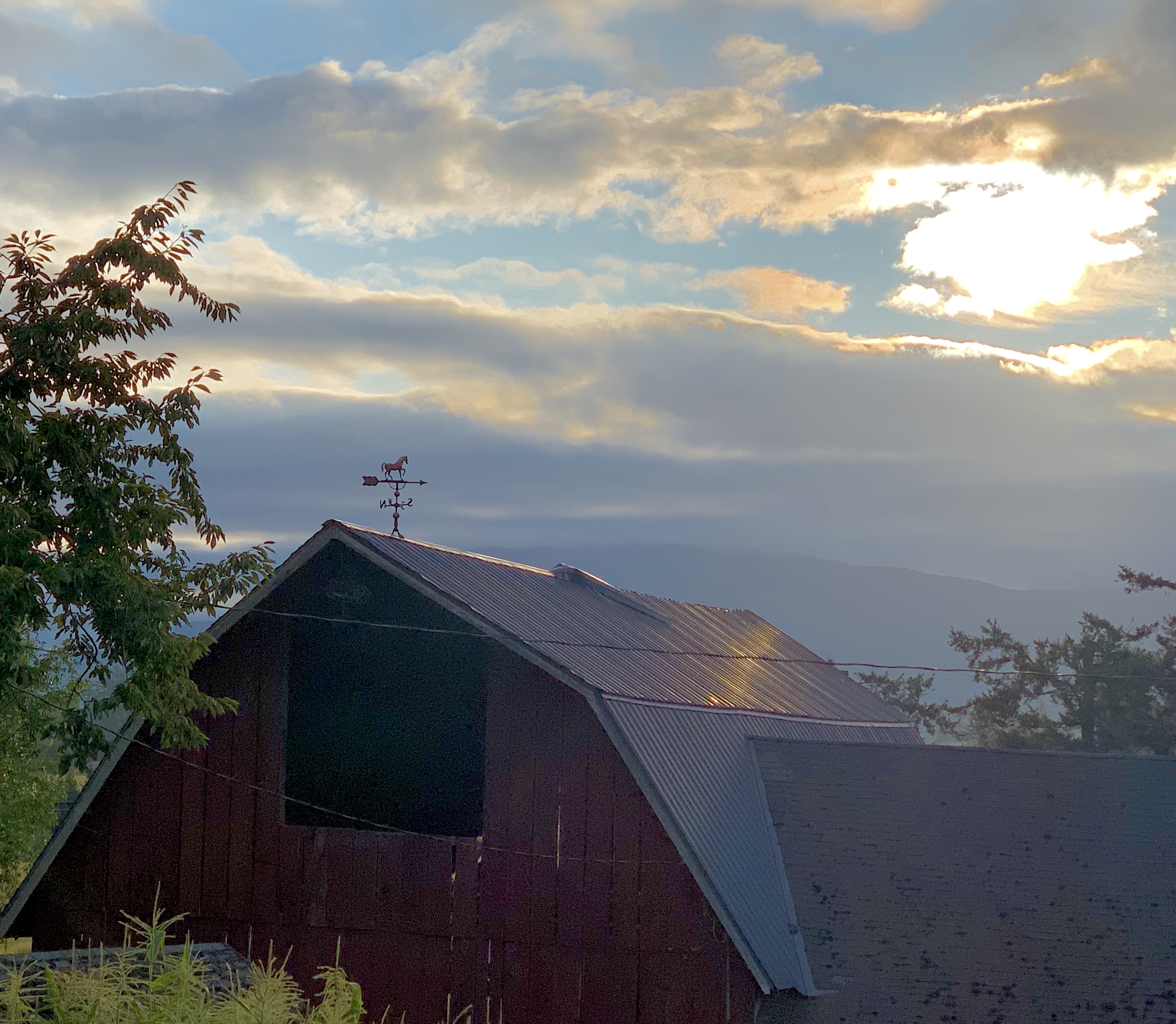
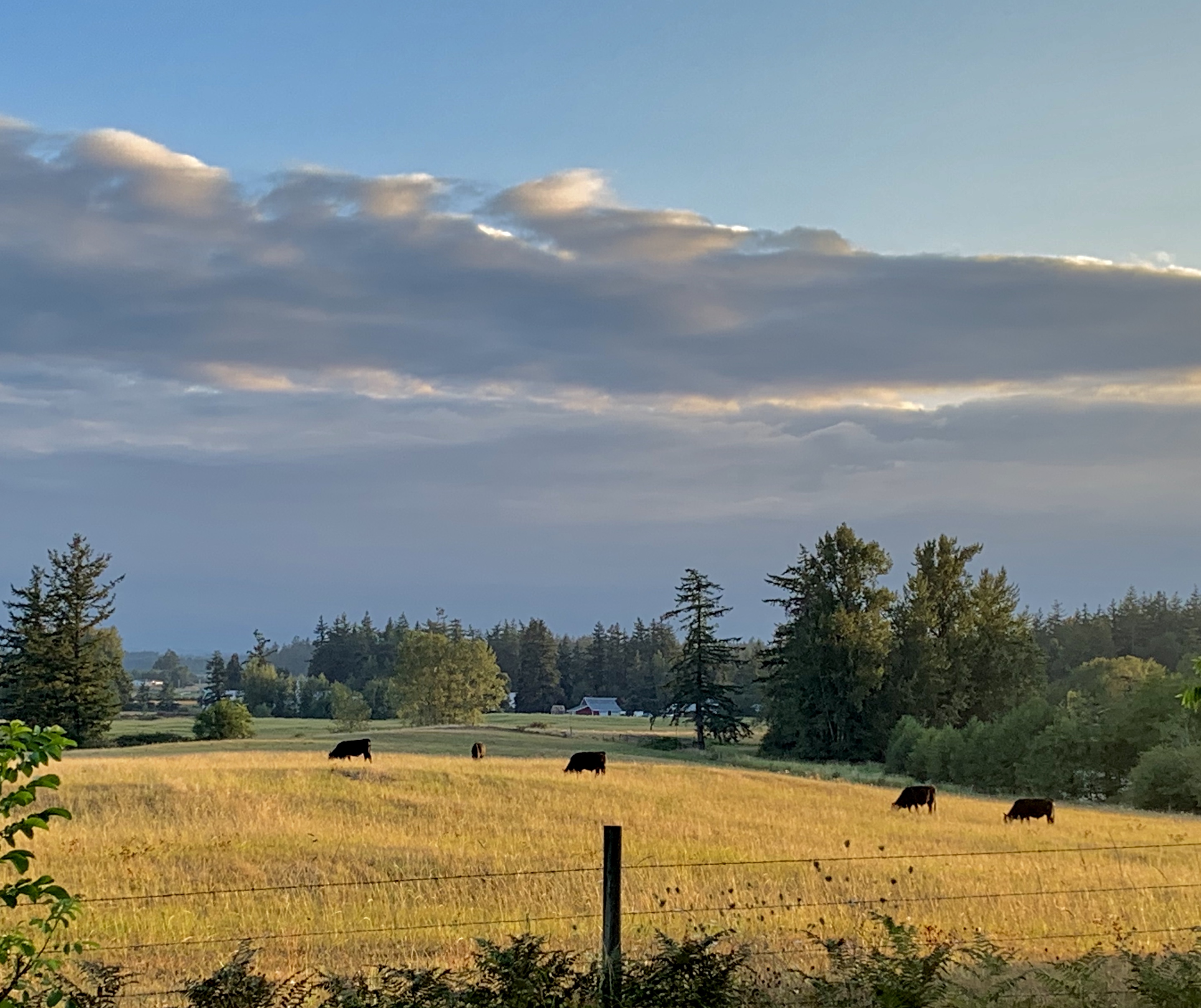
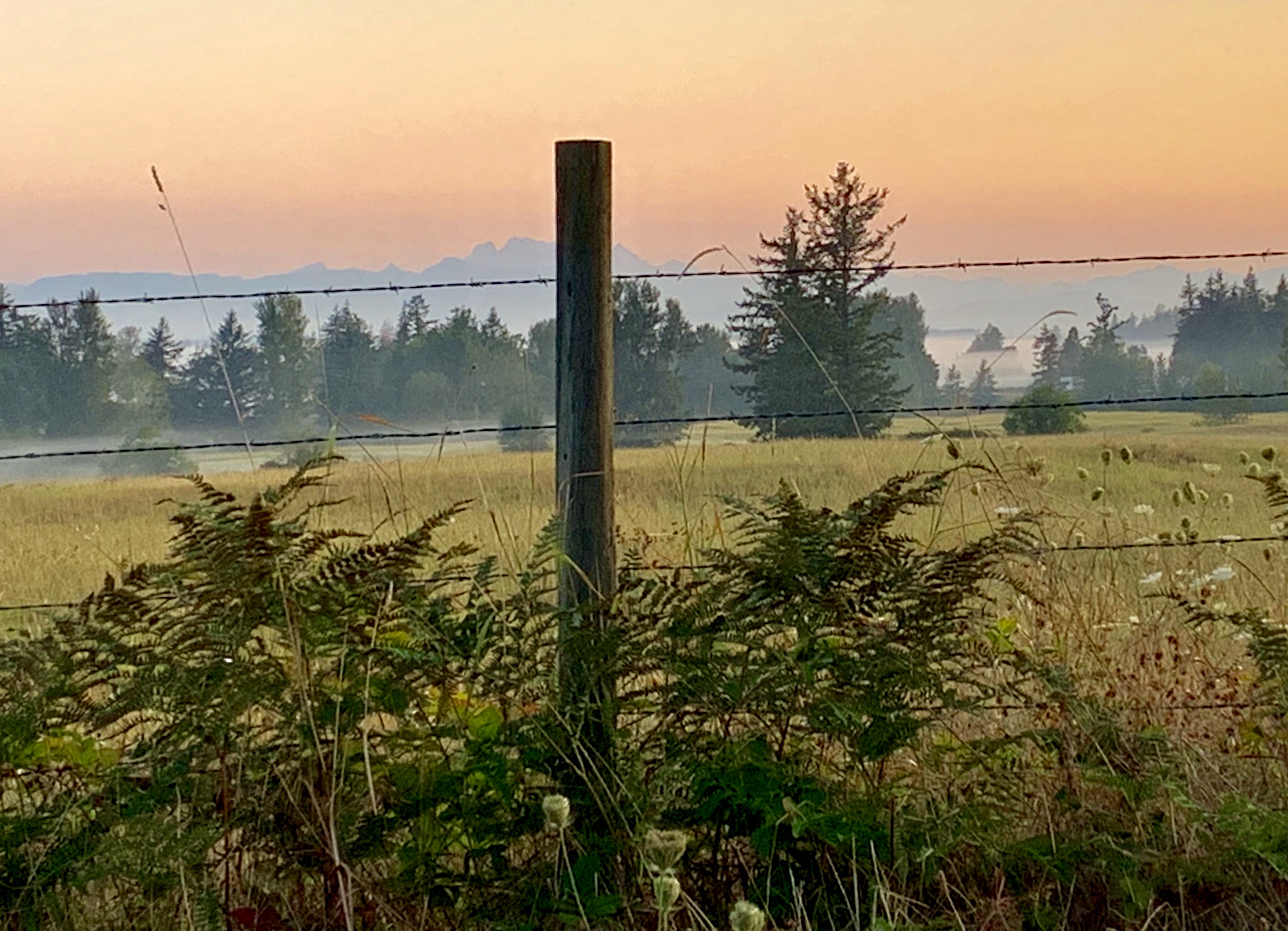
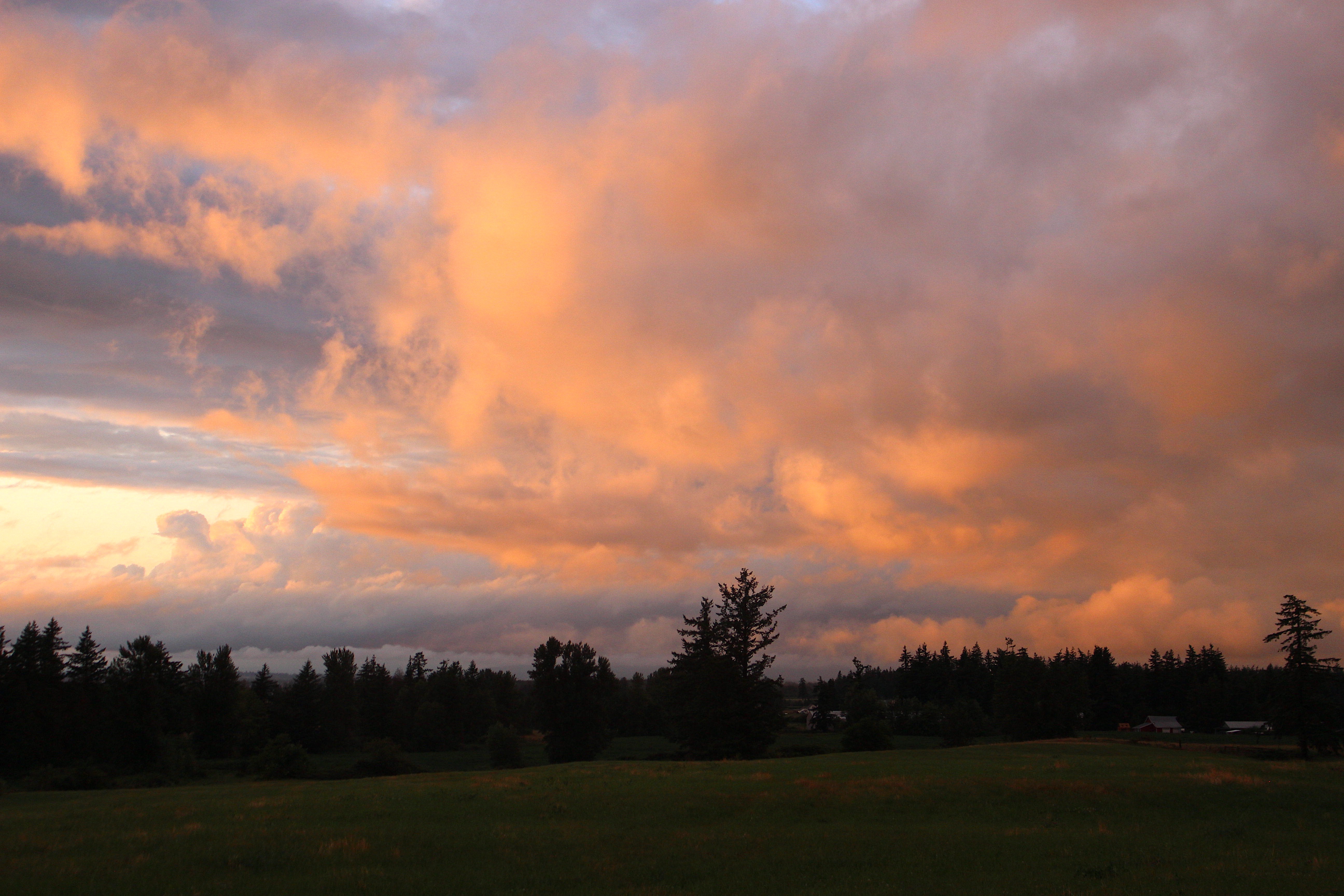
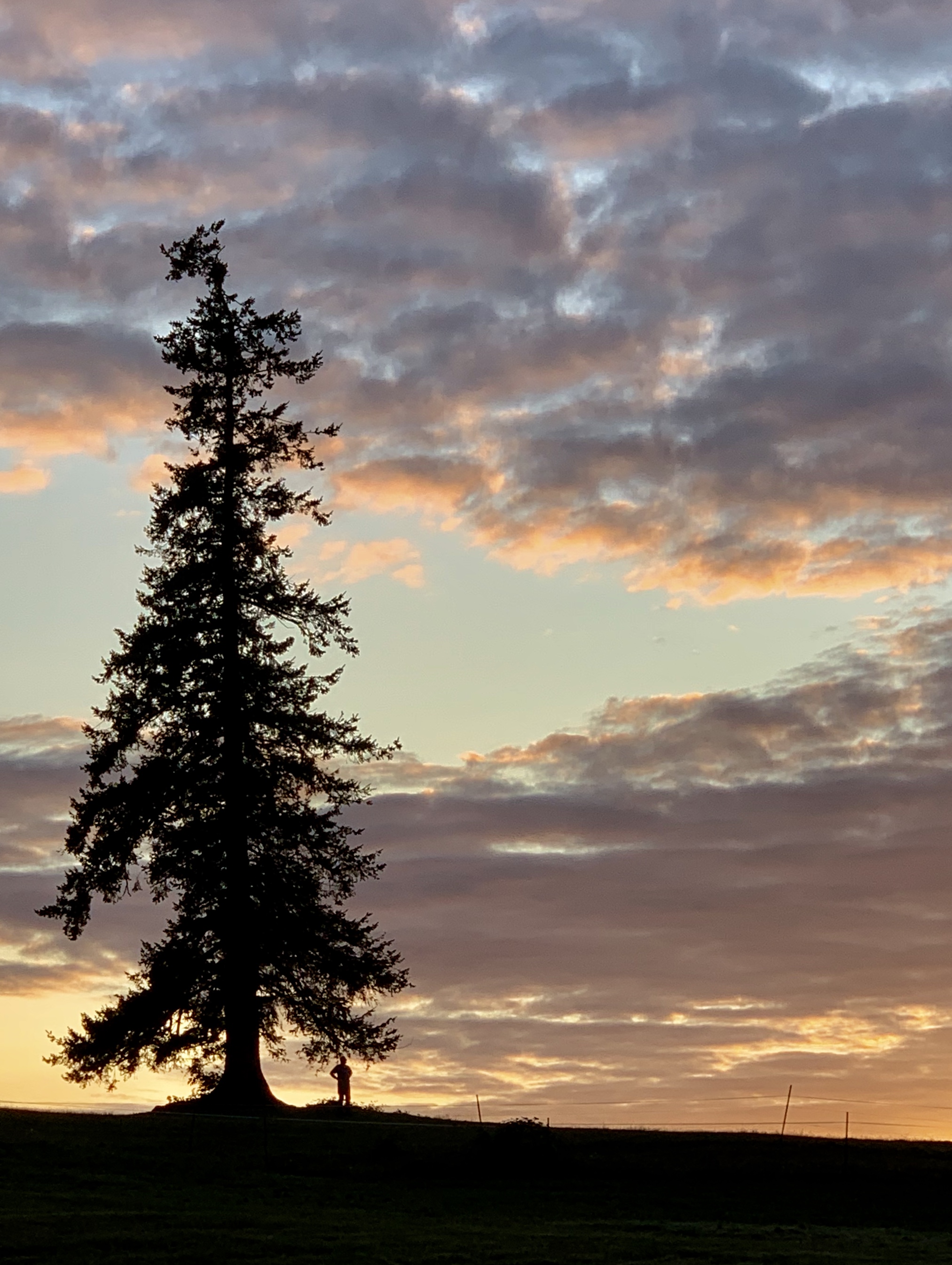
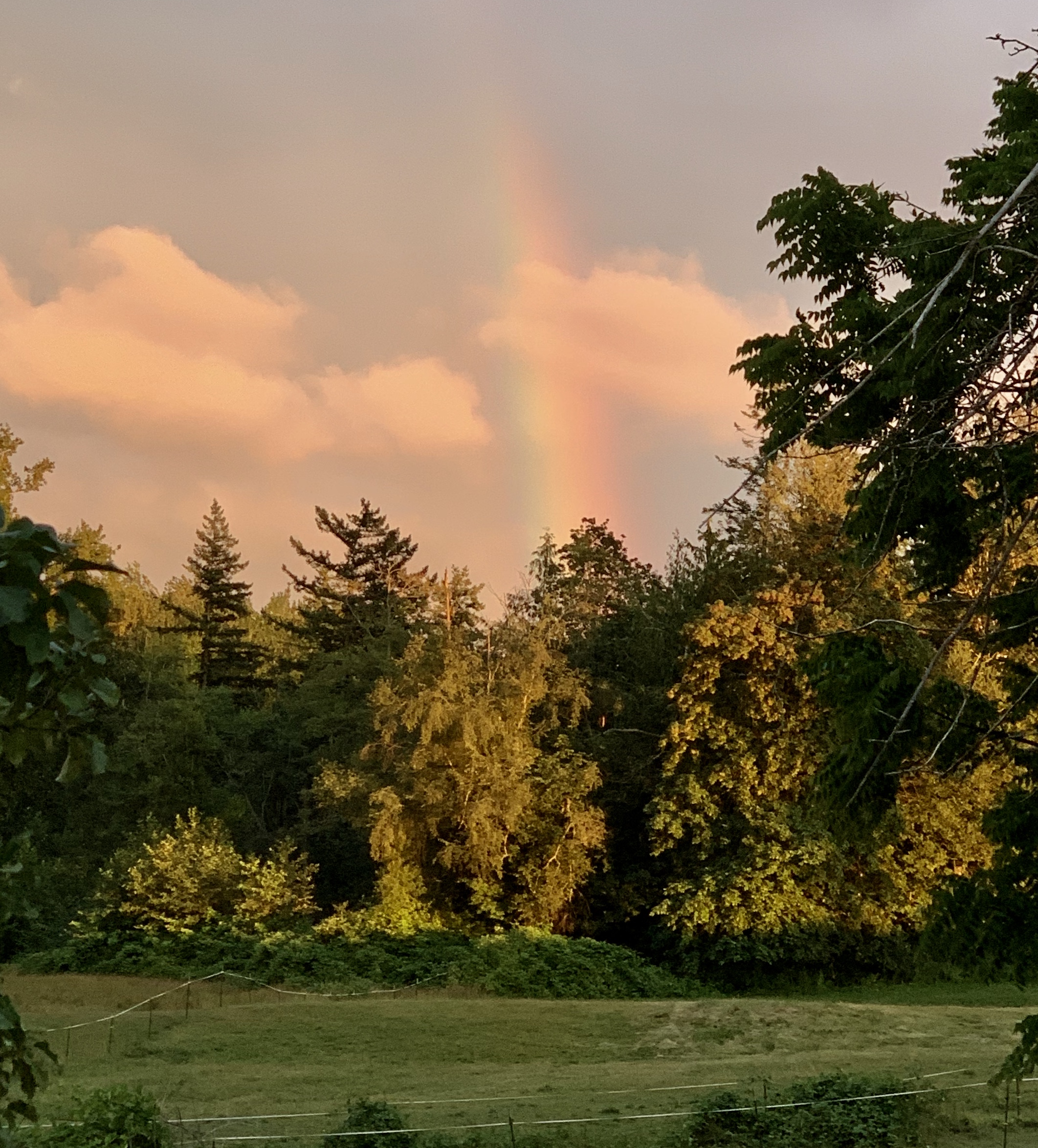
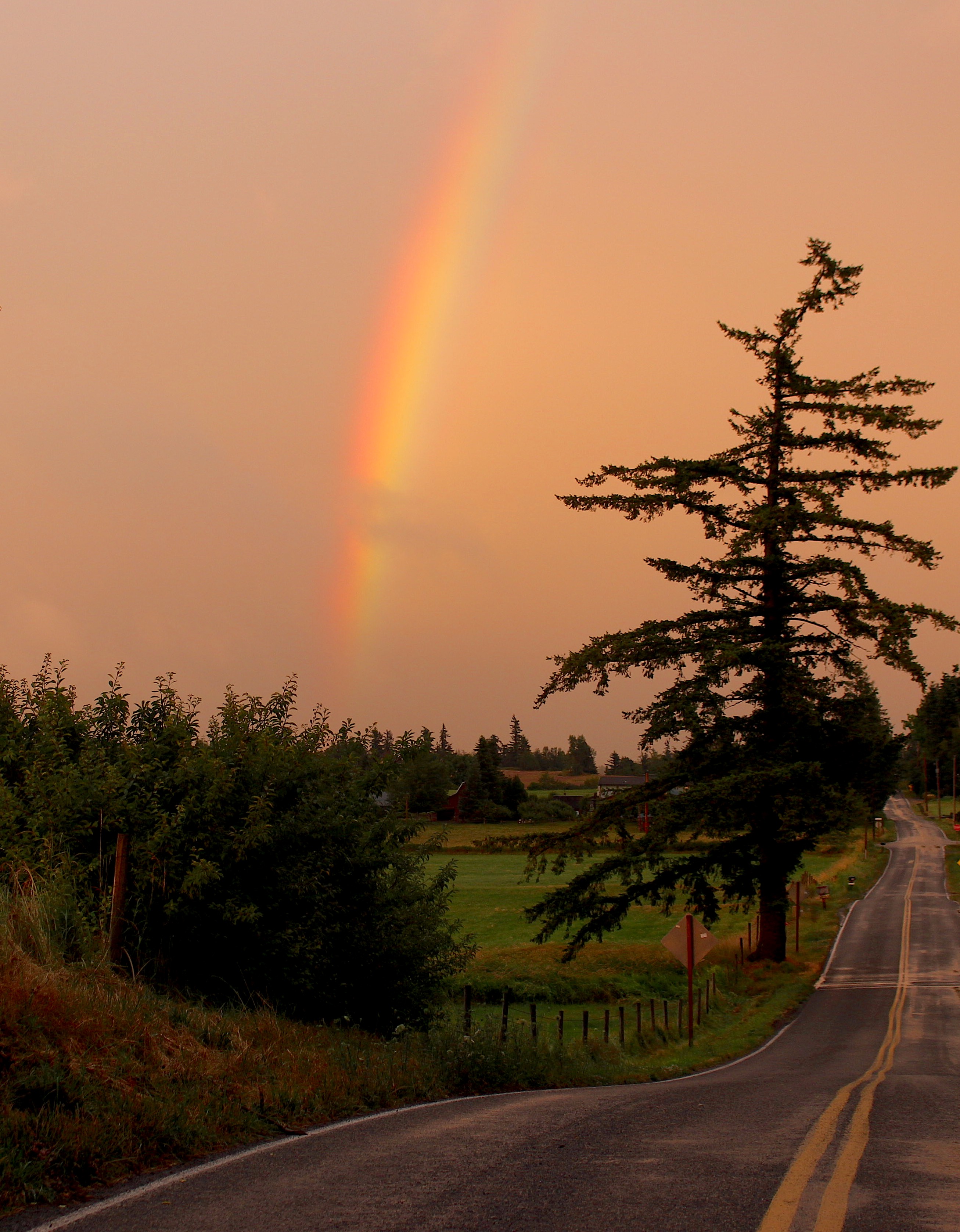
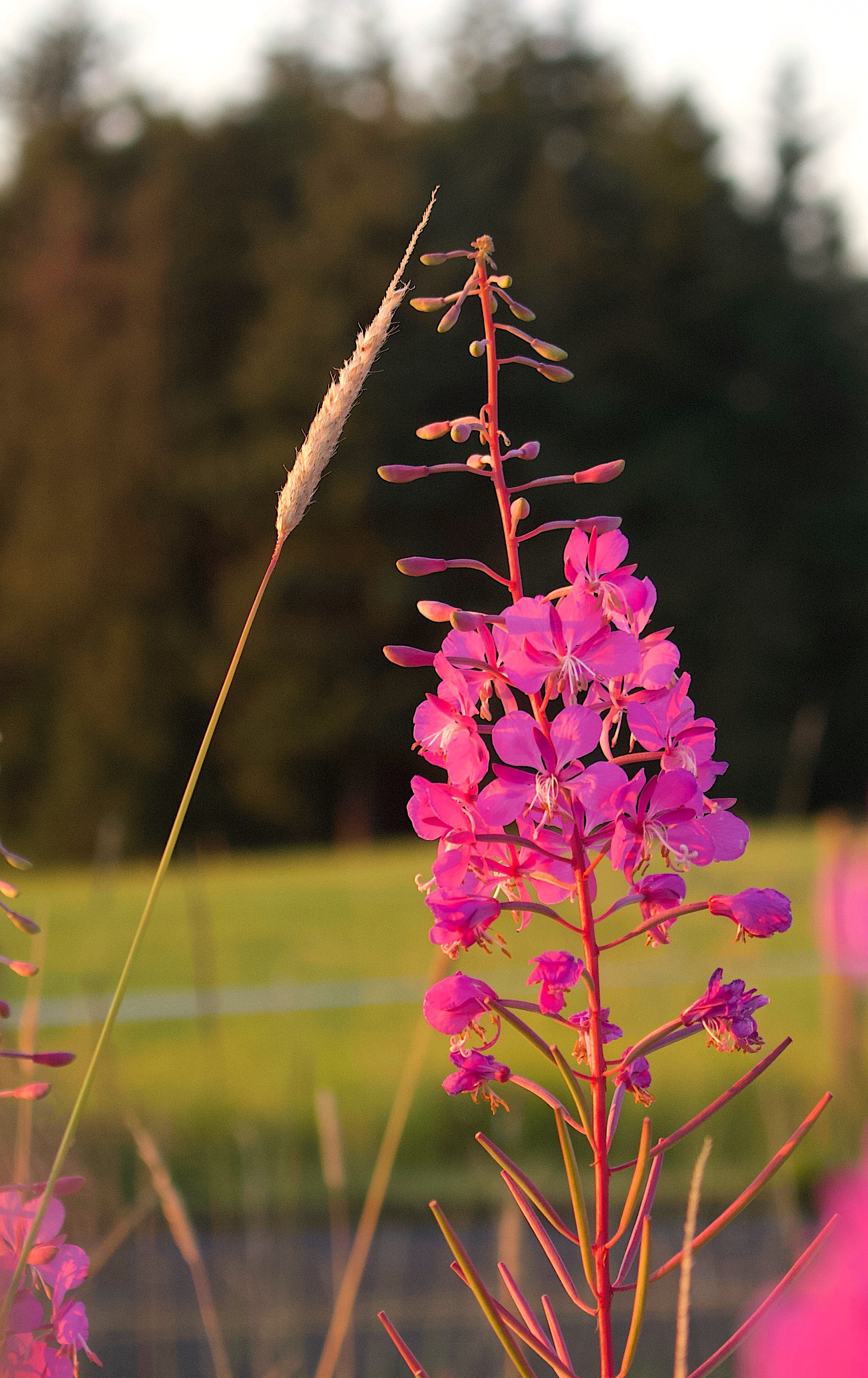
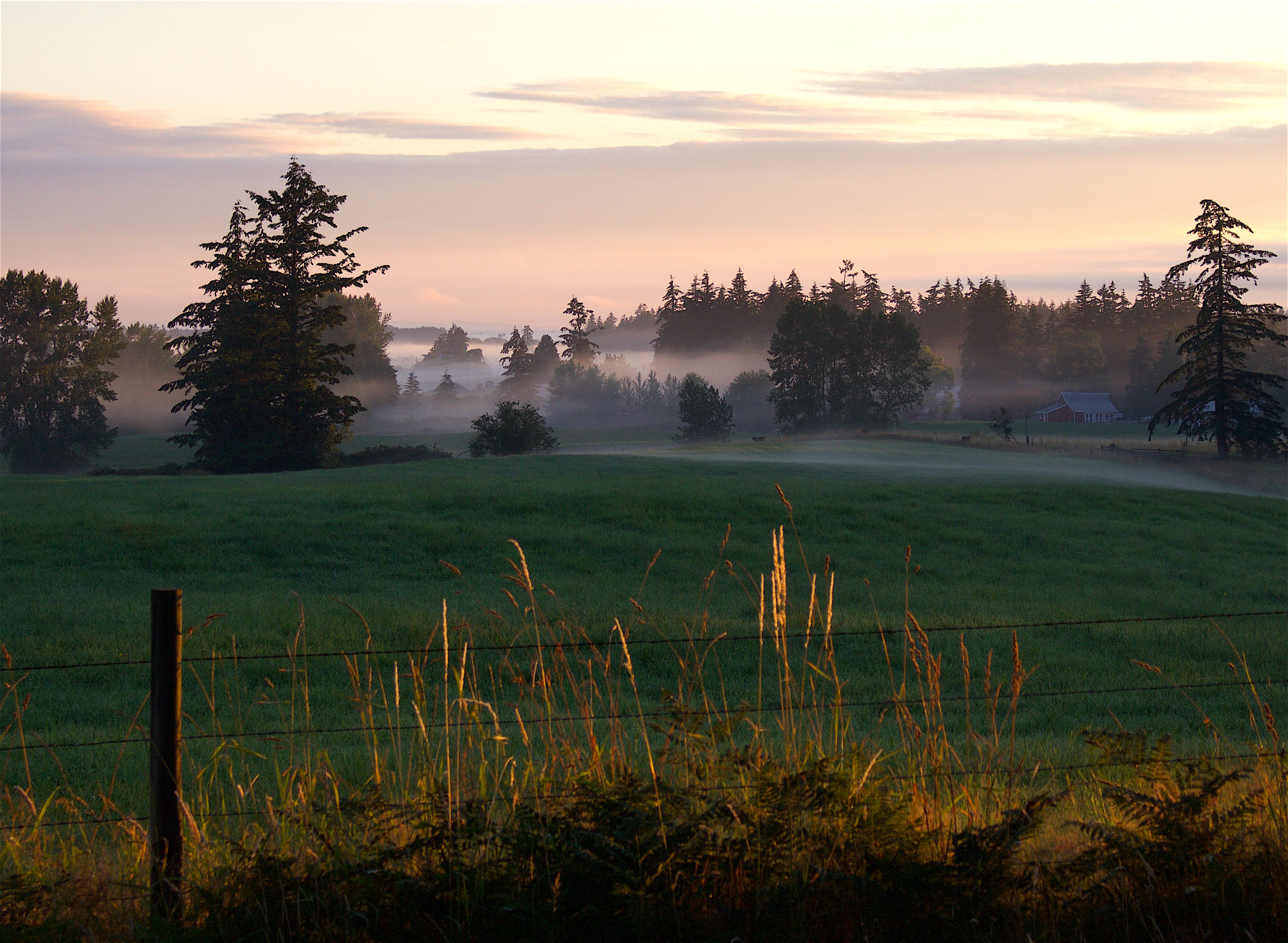
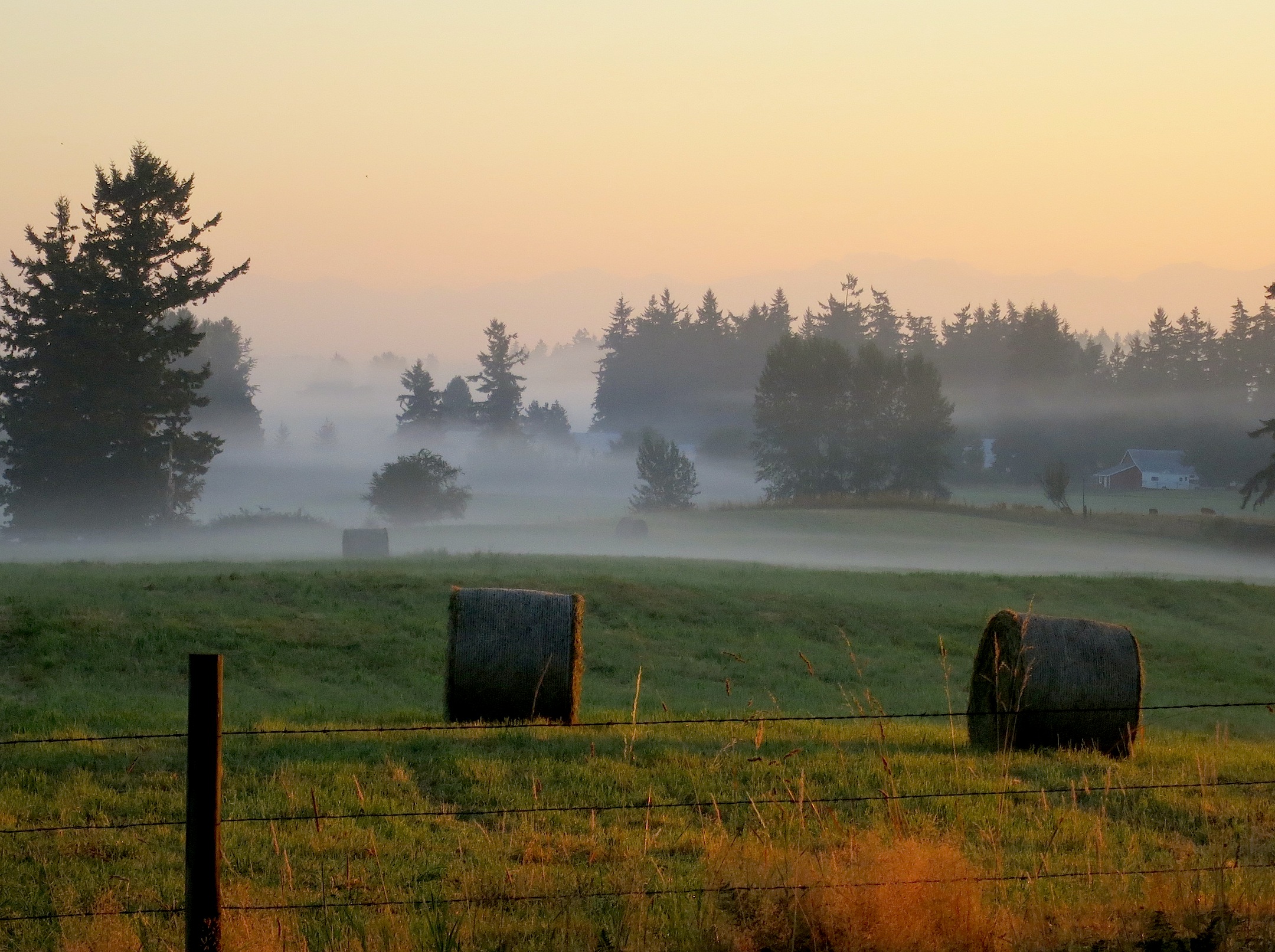
We have now passed from the season when our farm is brilliant, verdant and delicious to behold.  In June, the cherry orchard blossoms yield to fruit and the pastures are knee high with grass.  During the summer months, the daylight starts creeping over the eastern foothills at 4 AM and the last glimpse of sun disappears at nearly 10 PM.   So many hours of light to work with! 

I yearn for the coming dark rainy days to hide inside with a book. 

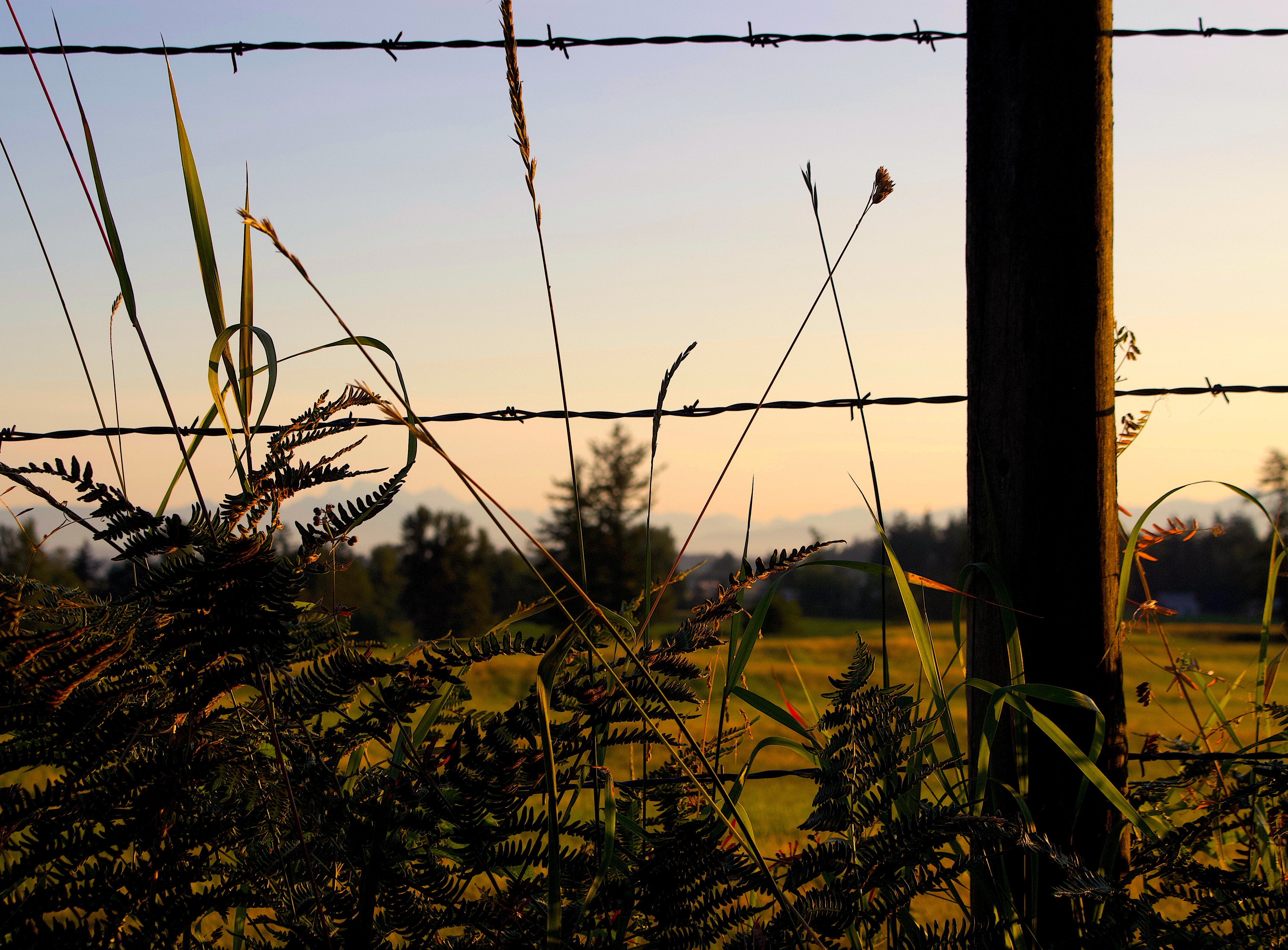
Instead the lawnmower and weed whacker call our names, and the fish pond needs cleaning and the garden must be prepared for winter.  It’s not that things don’t happen on the farm during months like this.  It’s just that nothing we do is enough.  Blackberry brambles have taken over everything, grass grows faster than we can keep it mowed down, the manure piles grow exponentially.  The fences always need fixing. 

Suddenly our farm dream seems not nearly so compelling.

We spent many years dreaming about the farm as we hoped it would be.  We imagined the pastures managed perfectly with fencing that was both functional and beautiful.  Our barns and buildings would be tidy and leak-proof, and the stalls secure and safe.  We’d have a really nice pick up truck with low miles on it, not a 35 year old hand me down truck with almost 200,000 miles. We would have trees pruned expertly and we’d have flower beds blooming as well as a vegetable garden yielding 9 months of the year.  Our hay would never be rained on. We would have dogs that wouldn’t run off and cats that would take care of all the rodents.  We wouldn’t have any moles, thistles, dandelions or buttercup.  The pheasant, deer, coyotes, raccoons, and wild rabbits would only stroll through the yard for our amusement and not disturb anything.  We’d have livestock with the best bloodlines we could afford and a steady demand from customers to purchase their offspring at reasonable prices so that not a dime of our off-farm income would be necessary to pay farm expenses.   Our animals (and we) would never get sick or injured.

And our house would always stay clean.

Dream on.  Farms are often back-breaking, morale-eroding, expensive sinkholes.   I know ours is.  Yet here we be and here we stay.

It’s home.  We’ve raised three wonderful children here.  We’ve bred and grown good horses and great garden and orchard crops and tons of hay from our own fields.  We breathe clean air and hear dozens of different bird songs and look out at some of the best scenery this side of heaven.  Eagles land in the trees in our front yard. It’s all enough for us even if we are not enough for the farm.  I know there will come a time when the farm will need to be a fond memory and not a daily reality.  Until then we will keep pursuing our dream as we and the farm grow older.   Dreams age and mature and I know now what I dreamed of when I was younger was not the important stuff.

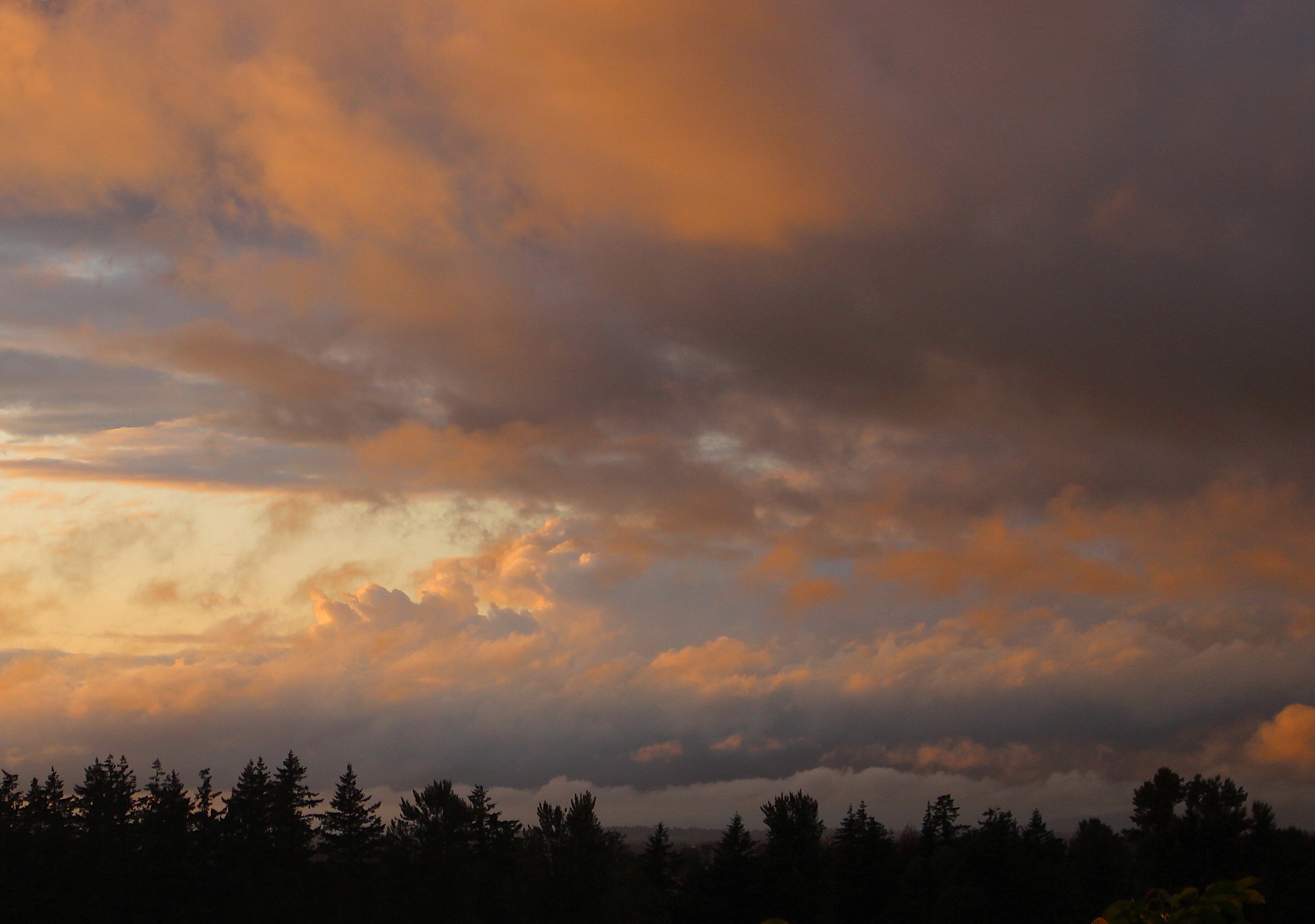
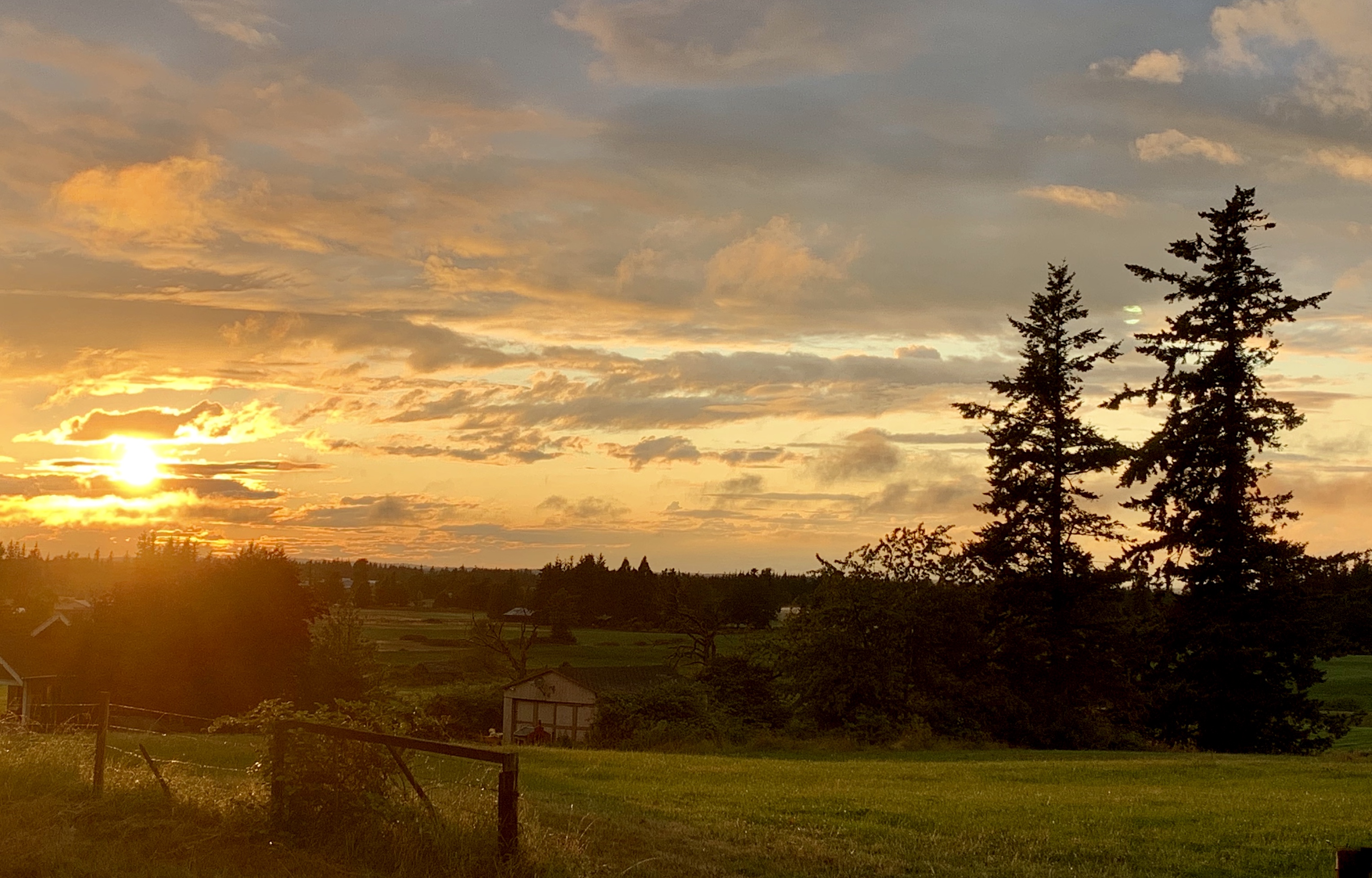
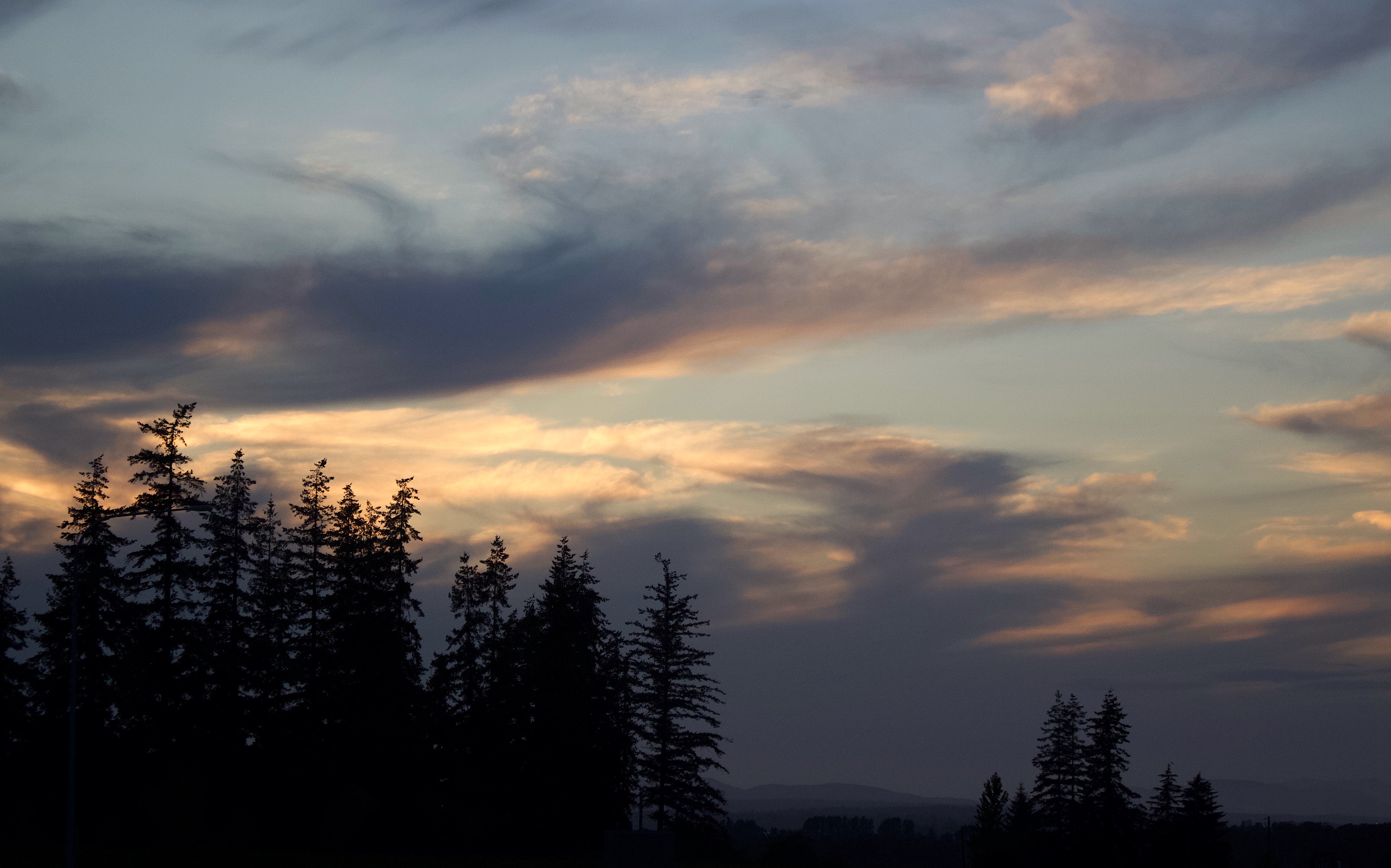
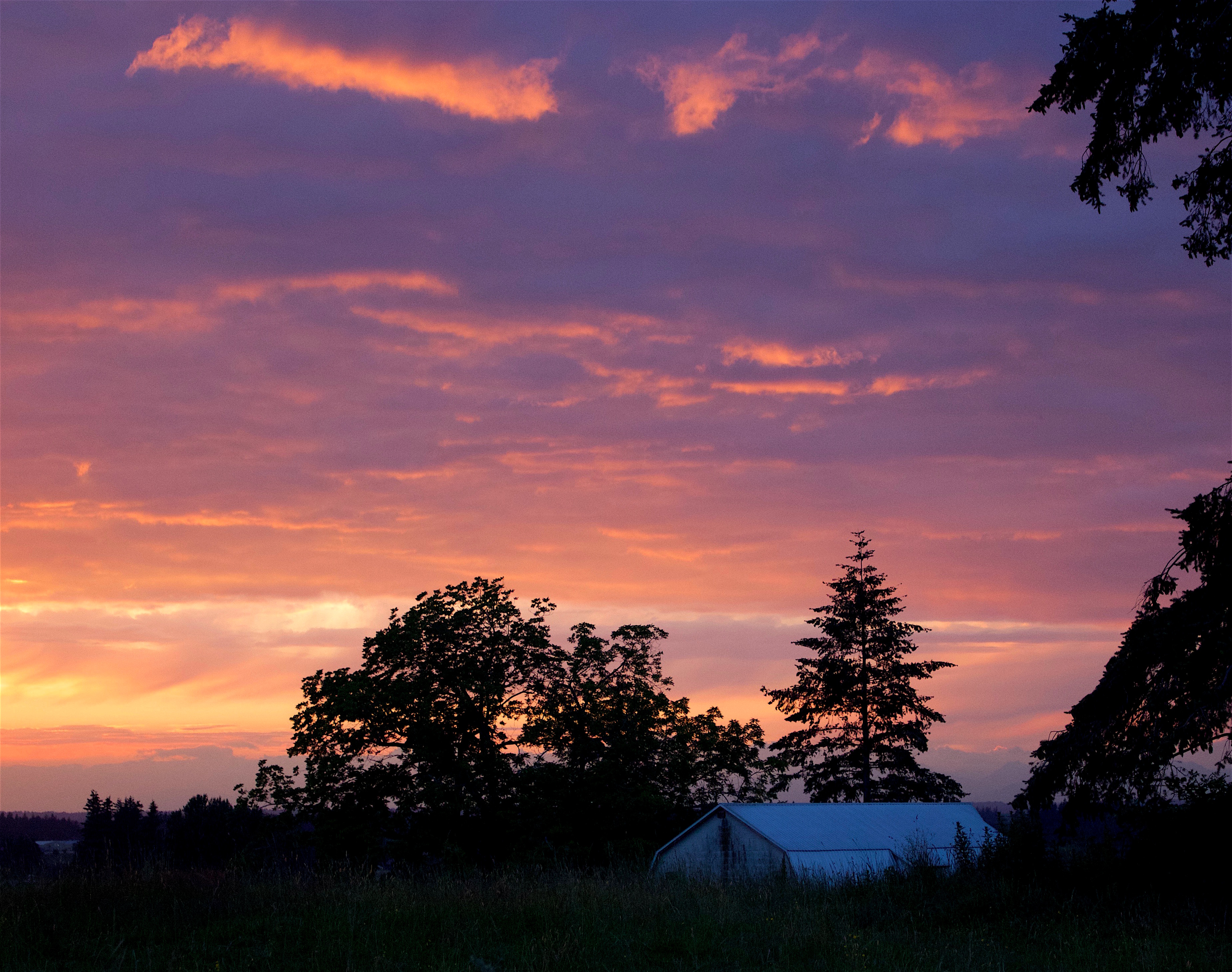
We have been blessed with one another, with the sunrises and the sunsets and everything in between.  This is the stuff of which the best dreams are made.
This Momentous Giving

To be amazed by love is not to be blinded but
to let the flare of wonder fill you
like air filling a sail.


Isn’t this the voice of God at work?

Even his silence breathes life into you, a golden sigh as fresh
as Eden. To love someone is not to lose anything,
but to gain it in giving it all away.
~Luci Shaw from “Amazed by Love” in Water Lines

Lovers must not live for themselves alone. 
They must finally turn their gaze at one another
back toward the community. 
If they had only themselves to consider,
lovers would not need to marry,
but they must think of others and of other things. 
They say their vows to the community as much as to one another,
and the community gathers around them
to hear and to wish them well, on their behalf and on its own. 


It gathers around them because it understands how necessary,
how joyful, and how fearful this joining is. 
These lovers, pledging themselves to one another “until death,”
are giving themselves away… 
Lovers, then, “die” into their union with one another
as a soul “dies” into its union with God. 


And so, here, at the very heart of community life,
we find … this momentous giving. 
If the community cannot protect this giving,
it can protect nothing—and our time is proving that this is so.
~Wendell Berry from Sex, Economy, Freedom & Community

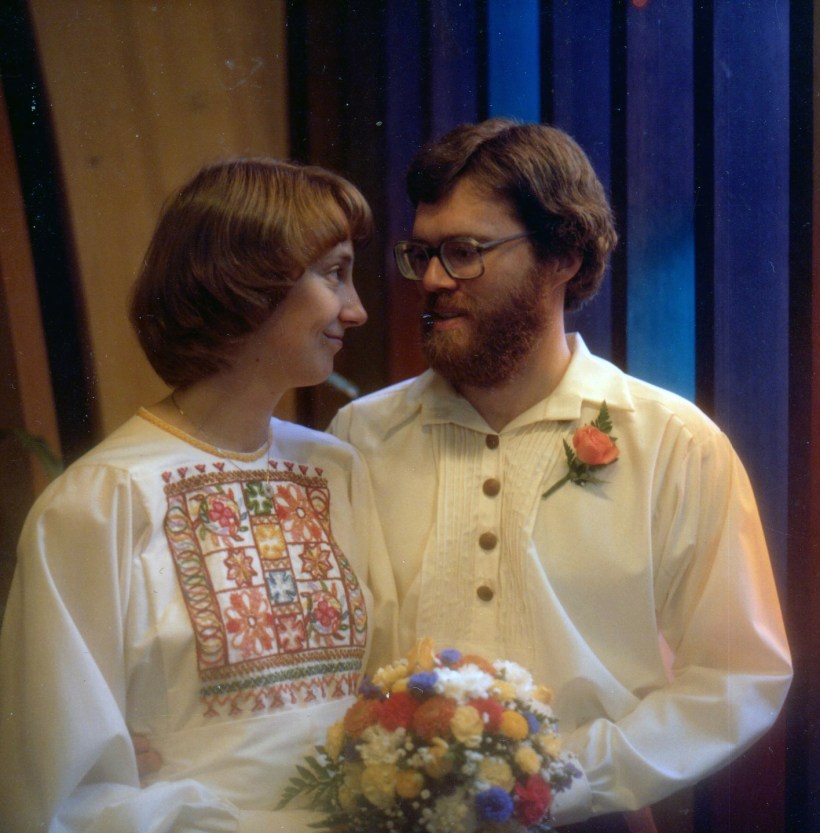
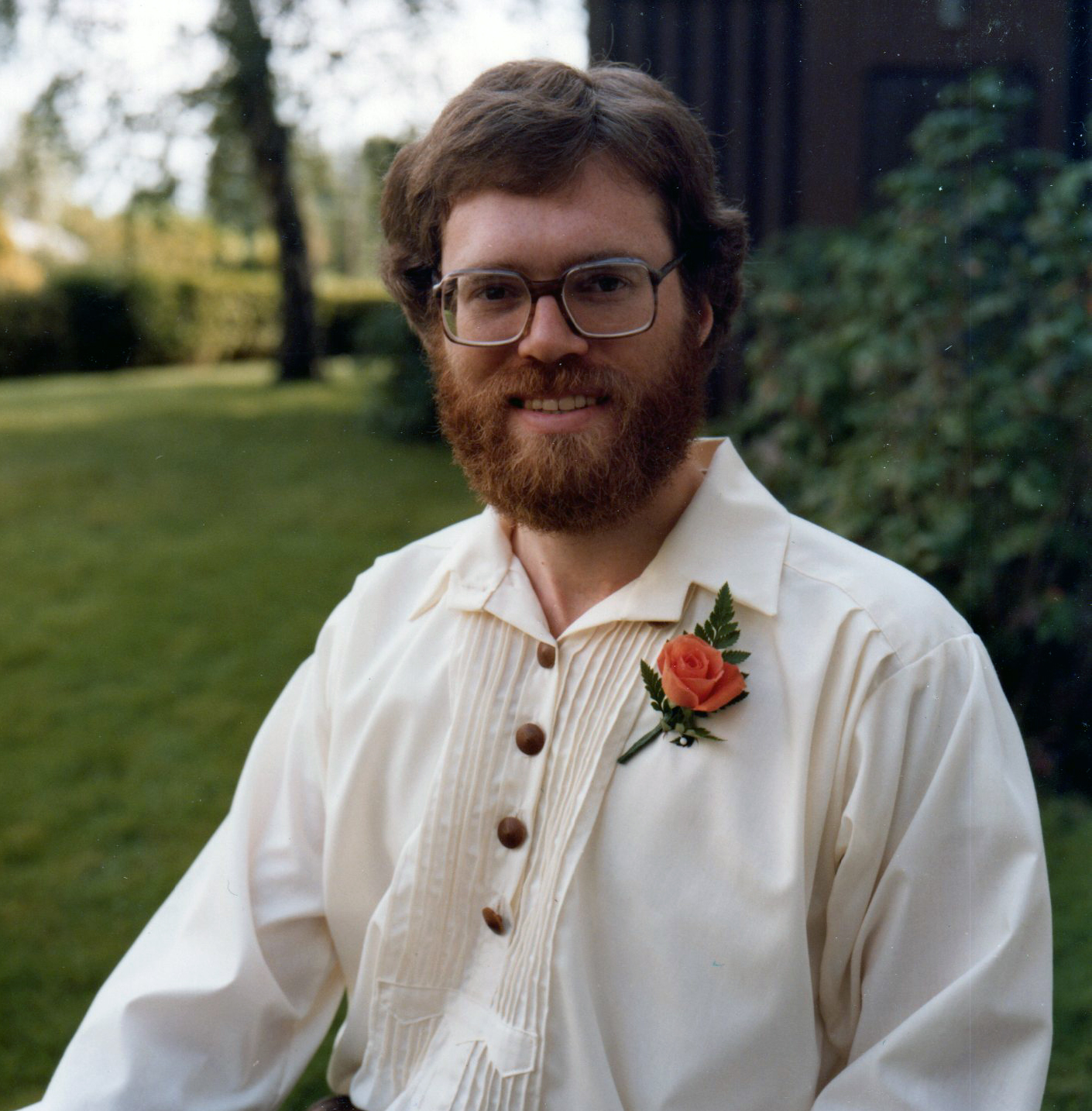
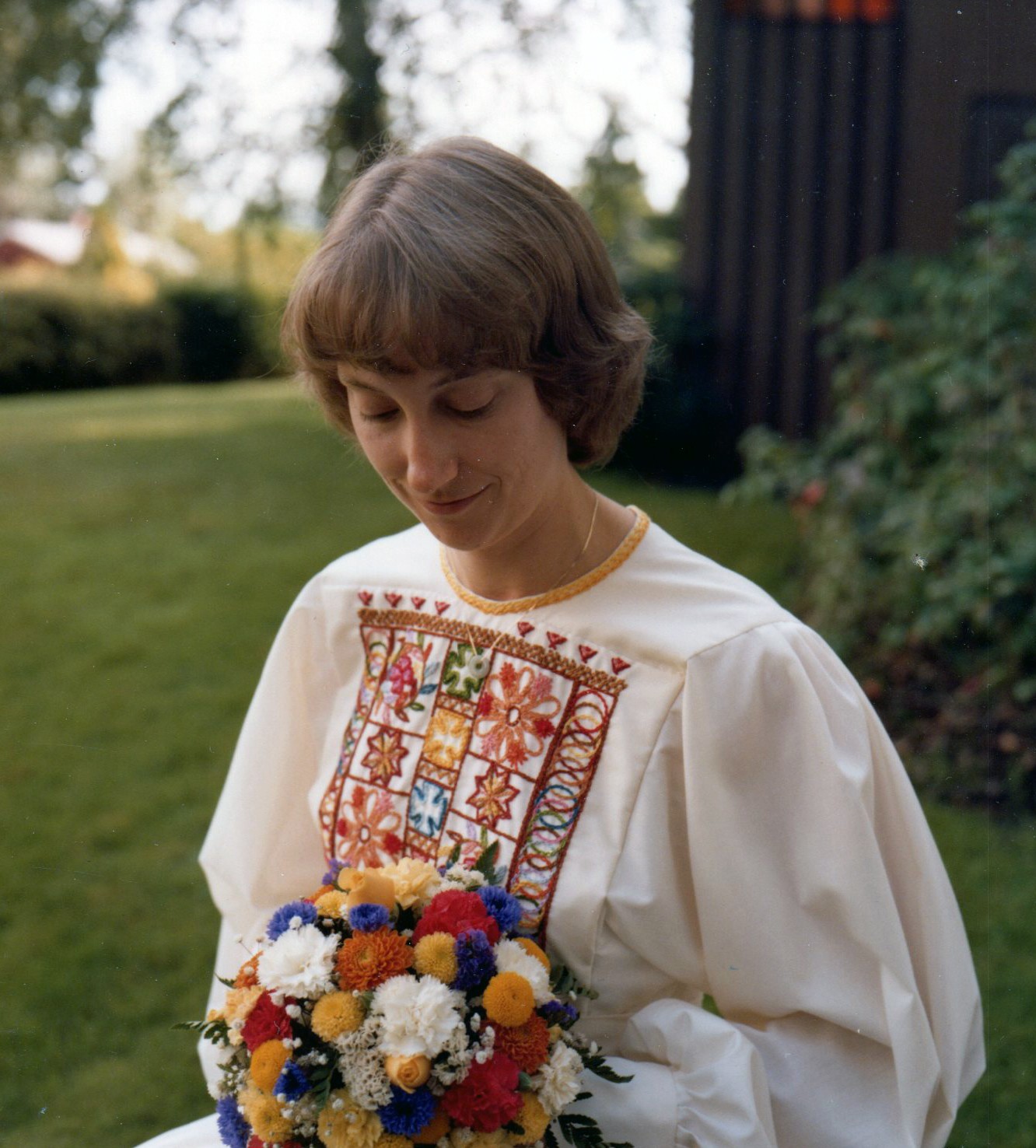
Before God and this gathering, I vow from my heart and spirit that I will be your wife/husband for as long as we both shall live.

I will love you with faithfulness, knowing its importance in sustaining us through good times and bad.

I will love you with respect, serving your greatest good and supporting your continued growth.

I will love you with compassion, knowing the strength and power of forgiveness.

I will love you with hope, remembering our shared belief in the grace of God and His guidance of our marriage.

“And at home, by the fire, whenever you look up, there I shall be–and whenever I look up, there will be you.”

(our wedding vows for our September 19, 1981 wedding at First Seattle Christian Reformed Church — the last line adapted from Thomas Hardy’s  “Far From the Madding Crowd”)

In the Quiet Misty Morning

In the quiet misty morning
When the moon has gone to bed,
When the sparrows stop their singing
And the sky is clear and red,
When the summer’s ceased its gleaming
When the corn is past its prime,
When adventure’s lost its meaning –
I’ll be homeward bound in time

Bind me not to the pasture
Chain me not to the plow
Set me free to find my calling
And I’ll return to you somehow

If you find it’s me you’re missing
If you’re hoping I’ll return,
To your thoughts I’ll soon be listening,
And in the road I’ll stop and turn
Then the wind will set me racing
As my journey nears its end
And the path I’ll be retracing
When I’m homeward bound again

Bind me not to the pasture
Chain me not to the plow
Set me free to find my calling
And I’ll return to you somehow

In the quiet misty morning
When the moon has gone to bed,
When the sparrows stop their singing
I’ll be homeward bound again.

~Marta Keen “Homeward Bound”

In my father’s near daily letters home to my mother during WWII, month after month after month, he would say, over and over while apologizing for the repetition:
“I will come home to you, I will return, I will not let this change me, we will be joined again…”

This was his way of convincing himself even as he carried the dead and dying after island battles: men he knew well and the enemy he did not know. He knew they were never returning to the home they died protecting and to those who loved them.

He shared little of battle in his letters as each letter was reviewed and signed off by a censor before being sealed and sent. This story made it through:

“You mentioned a story of Navy landing craft taking the Marines into Tarawa.  It reminded me of something which impressed me a great deal and something I’m sure I’ll never forget. 

So you’ll understand what I mean I’ll try to start with an explanation.  In training – close order drill- etc.  there is a command that is given always when the men form in the morning – various times during the day– after firing– and always before a formation is dismissed.  The command is INSPECTION – ARMS.  On the command of EXECUTION- ARMS each man opens the bolt of his rifle.  It is supposed to be done in unison so you hear just one sound as the bolts are opened.  Usually it is pretty good and sounds O.K.

Just to show you how the morale of the men going to the beach was – and how much it impressed me — we were on our way in – I was forward, watching the beach thru a little slit in the ramp – the men were crouched in the bottom of the boat, just waiting.  You see- we enter the landing boats with unloaded rifles and wait till it’s advisable before loading.  When we got about to the right distance in my estimation I turned around and said – LOAD and LOCK – I didn’t realize it, but every man had been crouching with his hand on the operating handle and when I said that — SLAM! — every bolt was open at once – I’ve never heard it done better – and those men meant business when they loaded those rifles. 

A man couldn’t be afraid with men like that behind him.”

My father did return home to my mother after almost three years of separation. He was “bound to the pasture and chained to the plow” as he resumed his love of farming the land and teaching others how it is done.

He never forgot those who died, making it possible for him to return home. I won’t forget either.

An Inheritance Bereft of Poetry

All day we packed boxes.
We read birth and death certificates.
The yellowed telegrams that announced
our births, the cards of congratulations
and condolences, the deeds and debts,
love letters, valentines with a heart
ripped out, the obituaries.

We opened the divorce decree,
a terrible document of division and subtraction.
We leafed through scrapbooks:
corsages, matchbooks, programs to the ballet,
racetrack, theatre—joy and frivolity
parceled in one volume—
painstakingly arranged, preserved
and pasted with crusted glue.

We sat together side by side
on the empty floor and did not speak.
There were no words
between us other than the essence
of the words from the correspondences,
our inheritance—plain speak,
bereft of poetry.
~Jill Bialosky from The Players

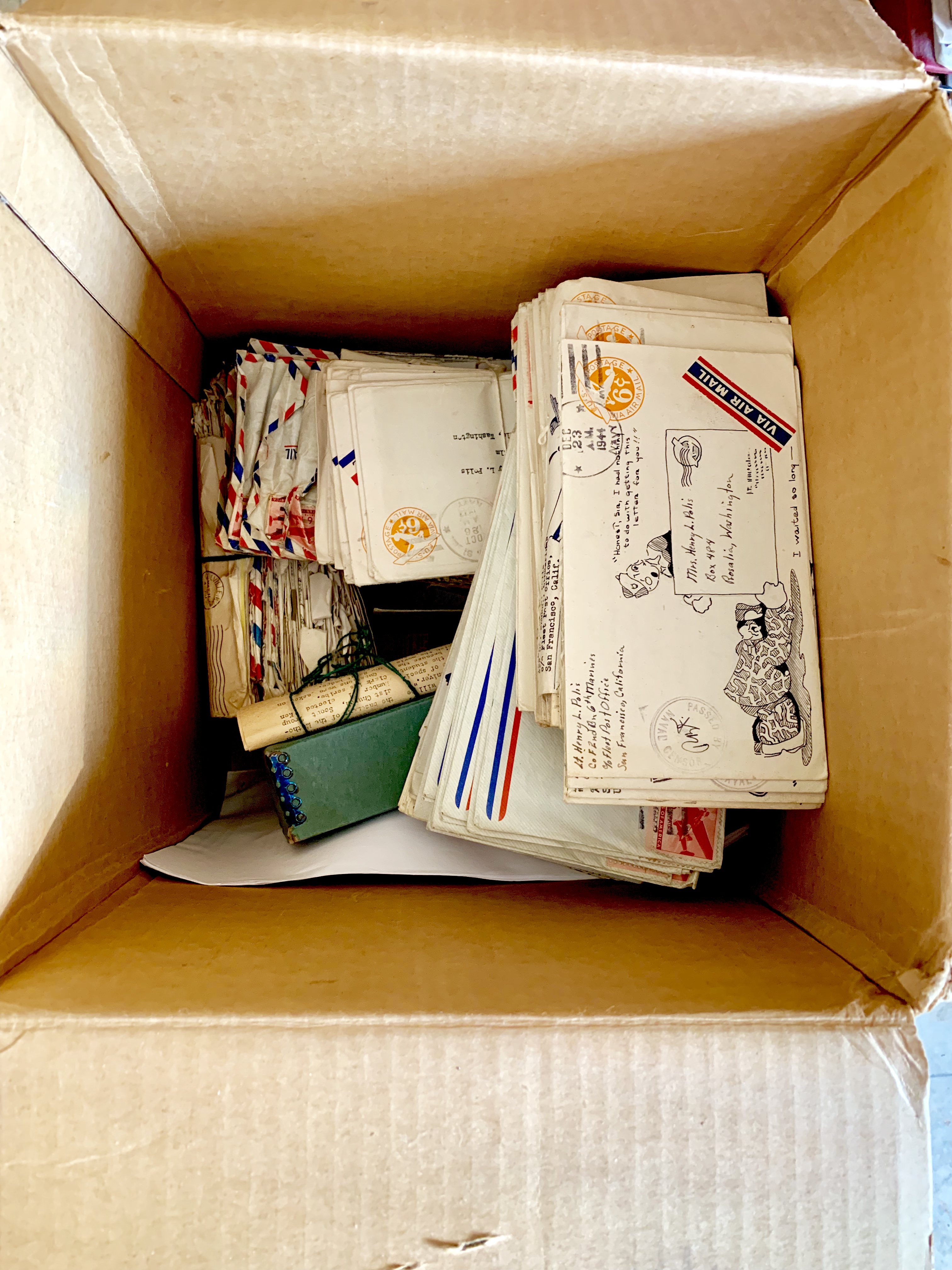
The box of over 700 letters, exchanged between my parents from late 1941 to mid-1945, sat unopened for decades. The time had come.

My parents barely knew each other before marrying quickly on Christmas Eve 1942 – the haste due to the uncertain future for a newly trained Second Lieutenant in the Marine Corps. They only had a few weeks together before she returned home to her rural teaching position and he readied himself for the island battles to come.

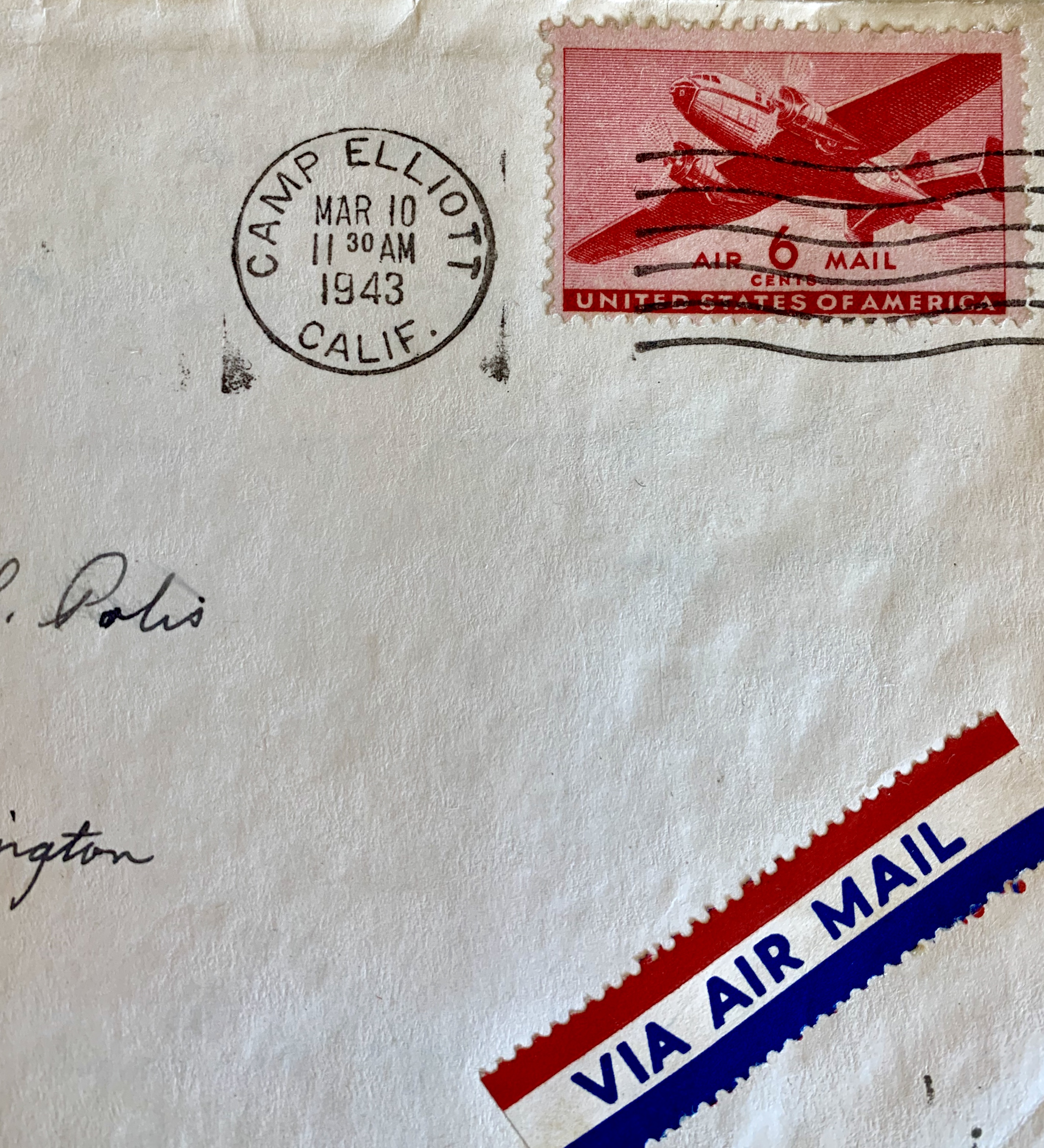
I’m now half-way through reading them in chronological order. I’m up to March 1943 when my father received orders that he would be shipped out to the South Pacific within days. They had no idea they would not see each other for another 30+ months or see each other again at all. They had no idea their marriage would fall apart 35 years later and they would reunite a decade after the divorce.

The letters do contain the long-gone but still-familiar voices of my parents, but they are the words and worries of youngsters of 20 and 21, barely prepared for the horrors to come from war and interminable waiting. Much of the time they wrote each other daily, though with minimal news to share and military censors at work, but they speak mostly of their desire for a normal life together rather than a routine centered on mailbox, pen and paper.

I’m not sure what I hoped to find in these letters. Perhaps I hoped for flowery romantic whisperings and the poetry of longing and loneliness. Instead I am reading plain spoken words from two people who somehow made it through those awful years to make my sister and brother and myself possible.

Our inheritance is contained in this musty box of words bereft of poetry. But decades later my heart is moved by these letters – I carefully refold them back into their envelopes and replace them gently back in order. A six cent airmail stamp – in fact hundreds and hundreds of them – was a worthwhile investment in their future and ultimately mine.

The Coiled Shell of Their Lives

Needing them still, I come
when I can, this time to the sea
where we share a room: their double bed,
my single. Morning fog paints the pale
scene even paler. Lace curtains breathing,
the chenille spread folded back,
my father’s feet white sails furled
at the edge of blue pajamas.
Every child’s dream, a parent
in each hand, though this child is fifty.
Their bodies fit easily, with room
to spare. When did they grow
so small? Grow so small—
as if it were possible to swell
backwards into an earlier self.


One more year, I ask the silence.
Last night to launch myself
into sleep I counted their breaths, the tidal
rise and fall I now put my ear to,
the coiled shell of their lives.
~Rebecca McClanahan from “Watching my Parents Sleeping Beside an Open Window Near the Sea” from Deep Light: New and Selected Poems.

My parents have been gone now for some time, my father over 25 years, my mother now over 10 years. Their dying was a long process of counted breaths and pauses. I witnessed their bodies curling into themselves, shrinking smaller, worn down by illness and age.

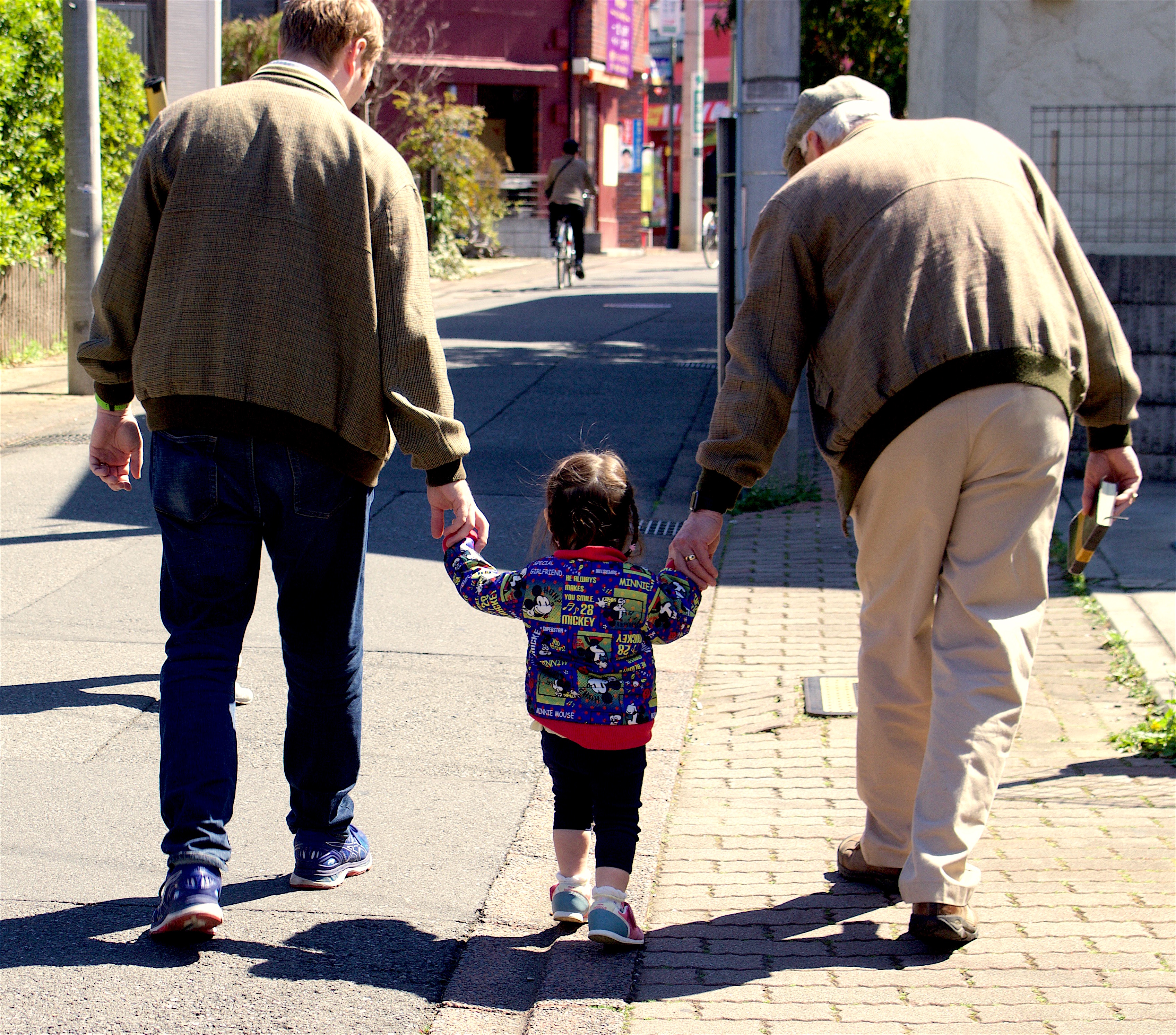
I still miss them, reminded of them by the events of my own life, still wanting them to take me by the hand as I navigate my own daily path.

After mom’s death, those possessions not distributed to family members have remained packed up and stored in our barn buildings. I know it is well past time to deal with their stuff as I become keenly aware of my own greying and aging.

Untouched in the bookshelf of our bedroom is a sealed box of over 500 letters written by my mother and father between 1941 and 1945. I know the letters began as they were getting to know each other at college, then going from “pinned” to “engaged” and continue for three and a half more years after a hurried wedding Christmas Eve 1942. By mid January 1943 my newly minted Marine officer father shipped out to spend the next three years of his life on the Pacific Ocean, fighting on the battlefields of Saipan, Tinian and Tarawa, not to return again to the states until late summer of 1945. My mother wrote her letters from a rural eastern Washington community, living in a “teachers’ cottage” with other war wives who taught school while waiting for their husbands to return home – or not.

It has taken me a decade to find the courage and time to devote to reading these letters they treasured and never threw away. Yesterday I sorted them unopened by postmark date into some semblance of order and sat down to start at the very beginning, which, of course, is my beginning as well. Only sixty letters in, I open each one with some trepidation and a lump in my throat about what I might find written there. I worry I may find things I don’t want to know. I hope I find things that I desperately need to know.

Most of all I want to understand the two people who became my parents within the coiled shell of their forty years together, though broken by a painful divorce which lasted a decade. Having lived through that awful time with them, I want to understand the origin of a love which mended their cracked shell, glueing them back together for five more years before my father died.
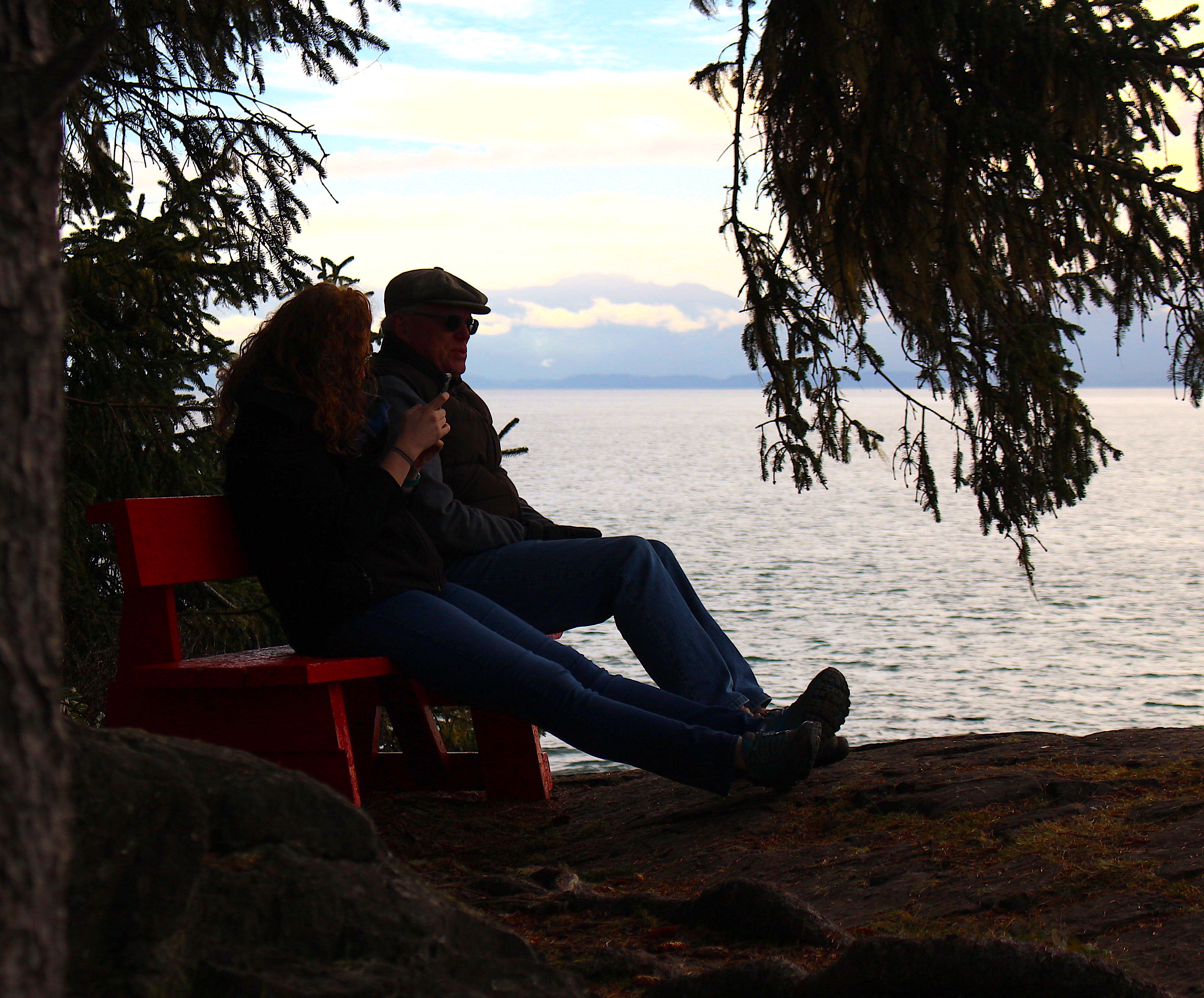
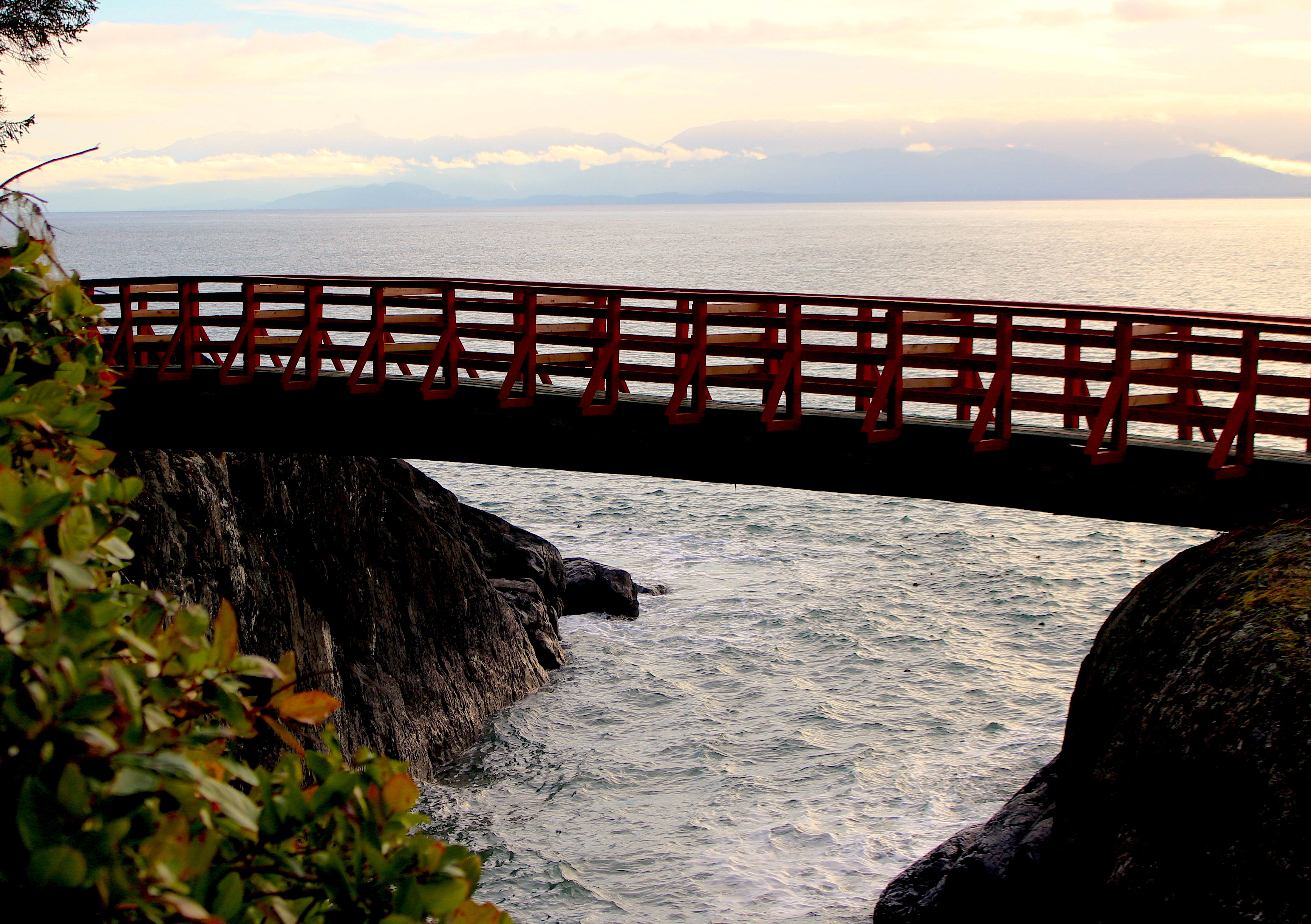
As I read their words over the next few weeks, I hope I too can cross a bridge back to them both.

Where Have I Been?

And the seasons they go round and round
And the painted ponies go up and down
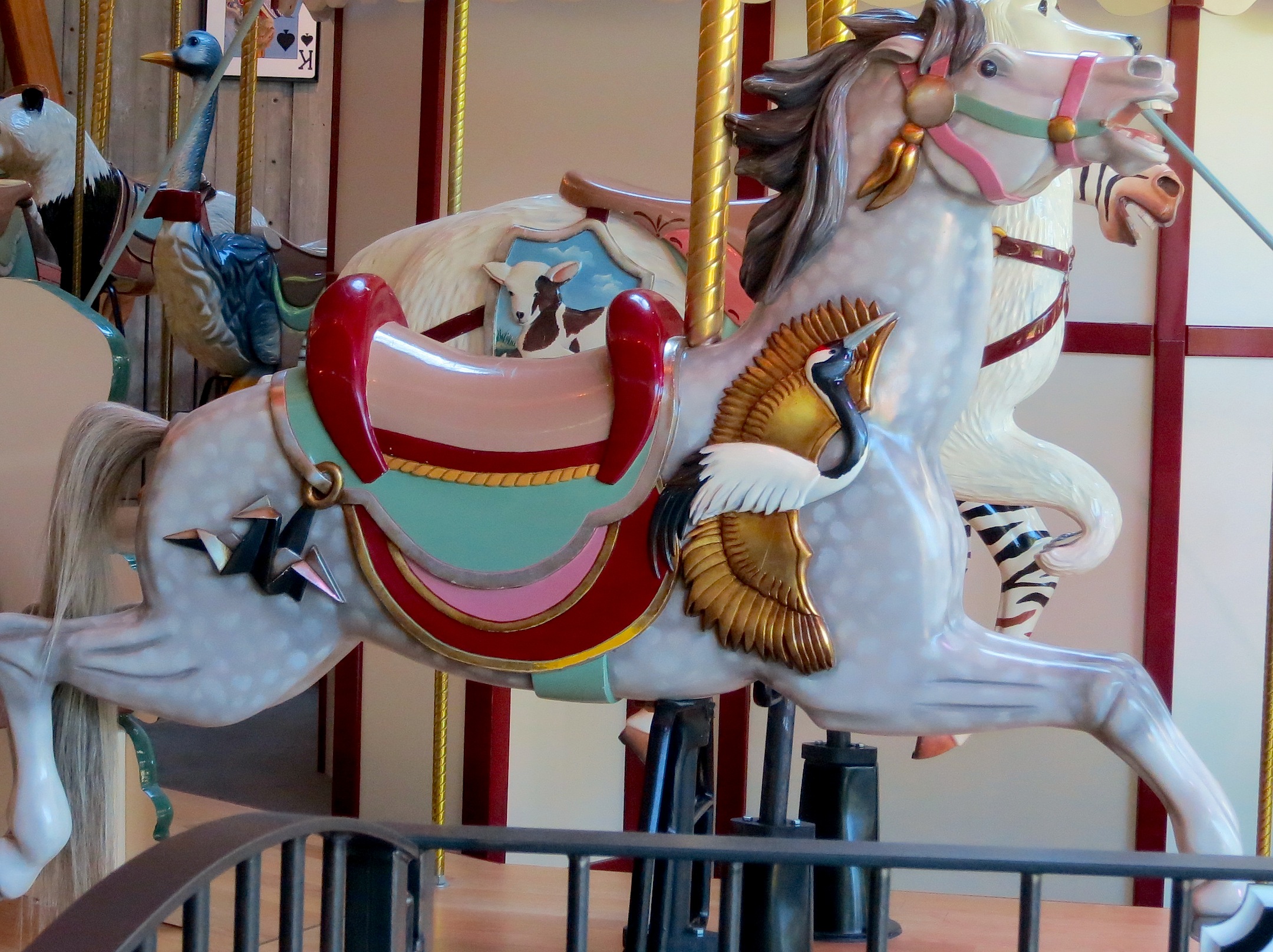
We’re captive on the carousel of time
We can’t return, we can only look behind
From where we came
And go round and round and round
In the circle game…
~Joni Mitchell “The Circle Game”

those lovely horses,
that galloped me,

moving the world,
piston push and pull,

into the past—dream to
where? there, when

the clouds swayed by
then trees, as a tire

swing swung
me under—rope groan.

now, the brass beam,
holds my bent face,

calliope cadence—O
where have I been?
~Richard Maxson “Carousel at Seventy”

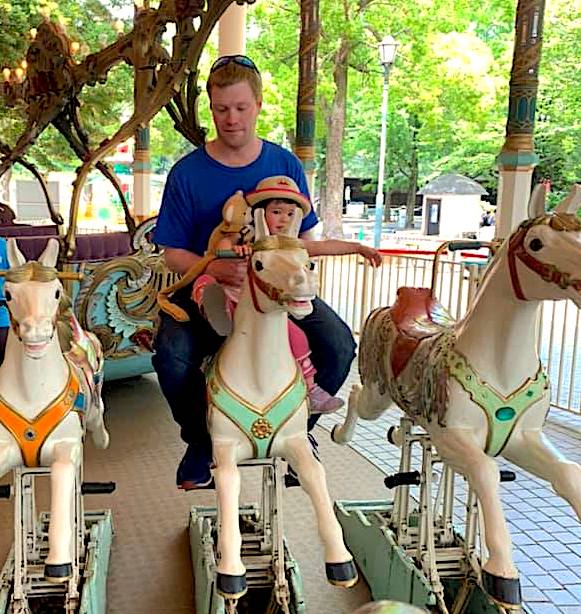
photo by Tomomi
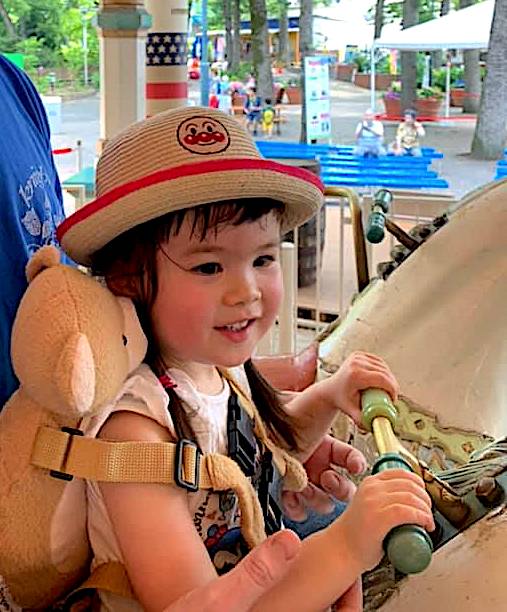
photo by Tomomi

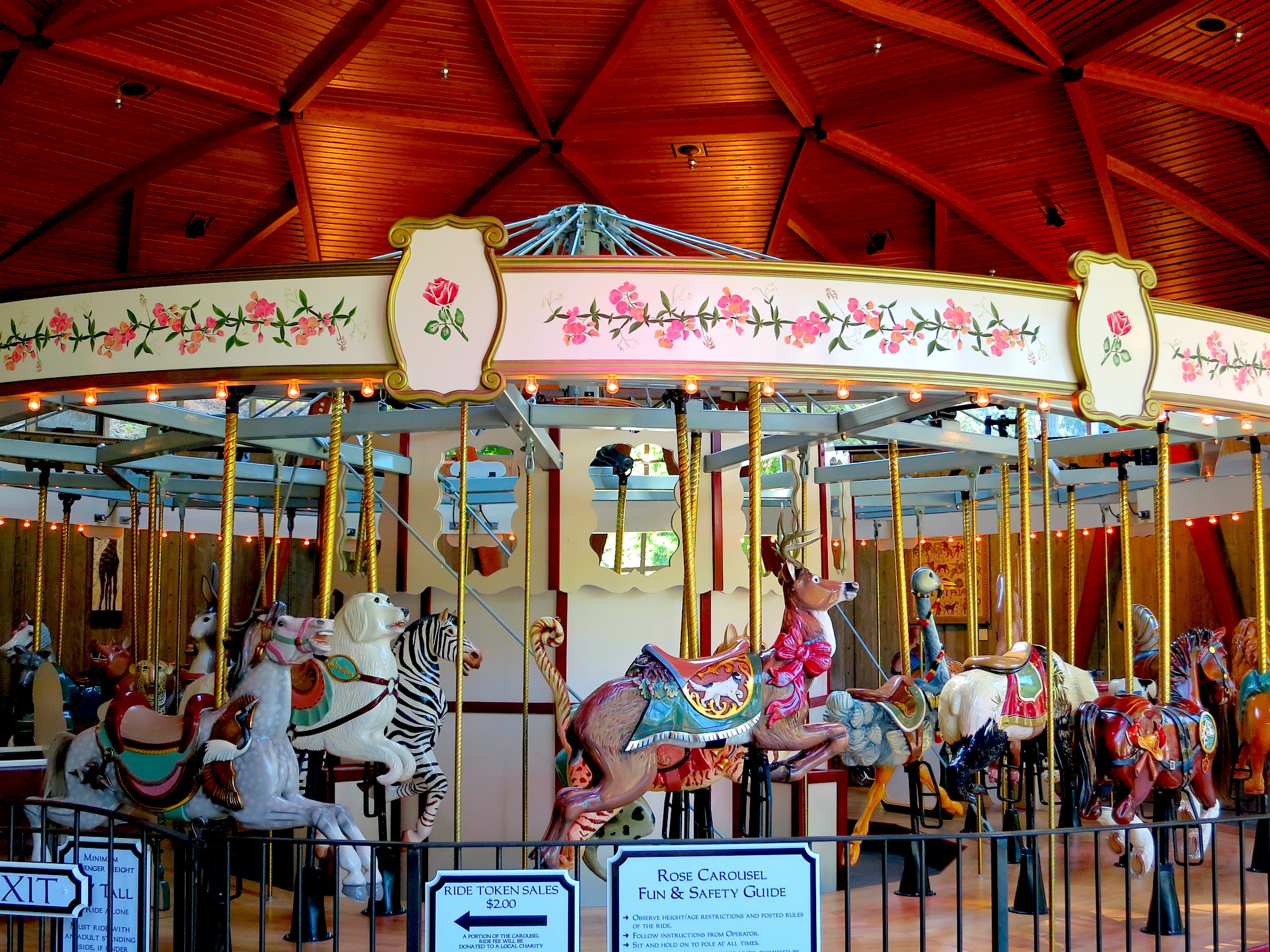
Sixty years ago in July, I was a five year old having her first ride on the historic carousel at Woodland Park Zoo before we moved from Stanwood to Olympia.
Fifty years ago — a teenager watching the first men walk on the moon the summer I started work as an assistant to a local dentist.
Forty years ago — deep in the guts of a hospital working a forty hour shift thinking about the man who was to become my husband.
Thirty years ago — my husband and I picking up bales of hay with two young children in tow after I had just accepted a new position doctoring at the local university & we are offered an opportunity to buy a larger farm.
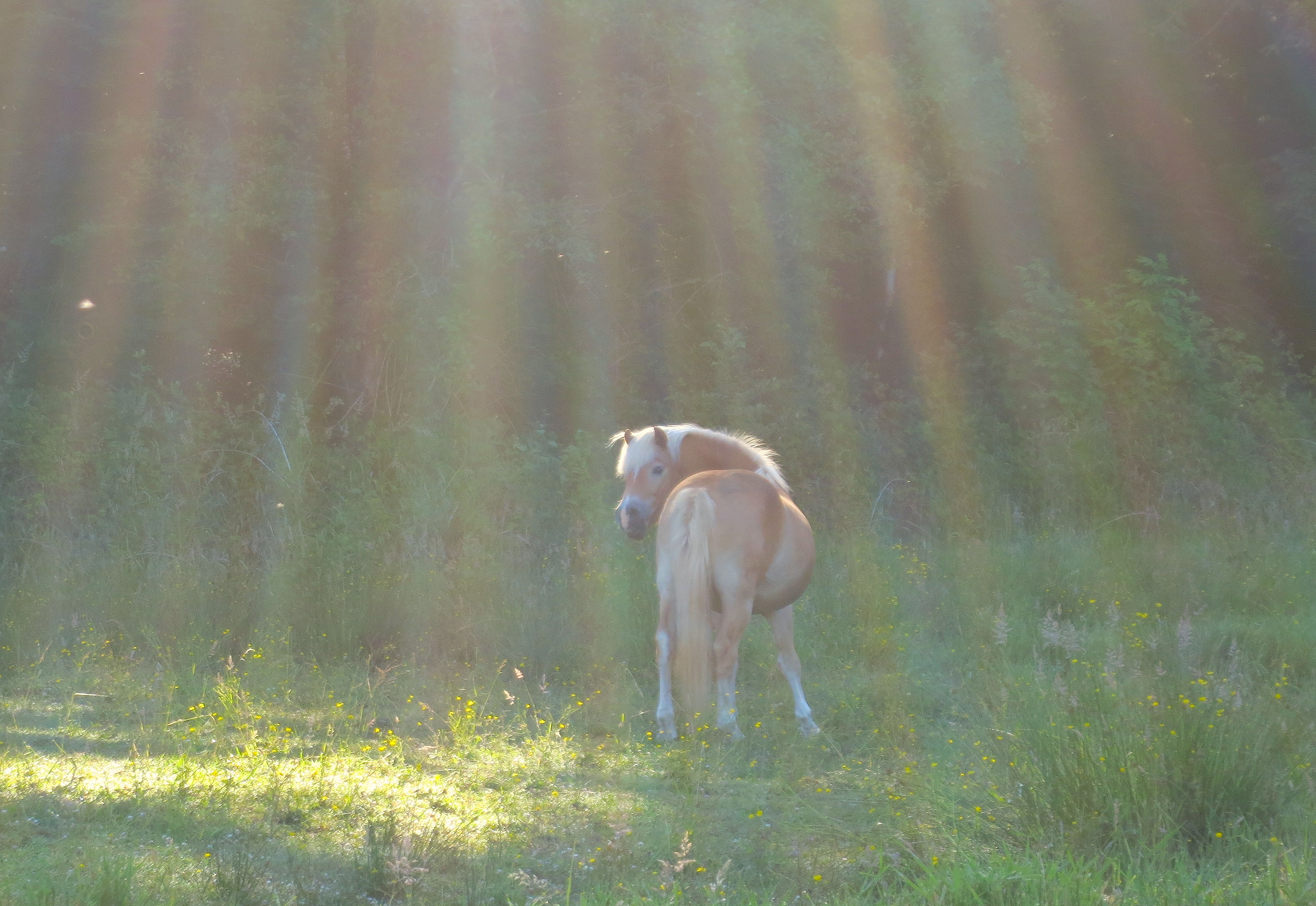
Twenty years ago — with three children and our farm house remodel complete, we have three local parents with health issues needing support, helping with church activities and worship, raising Haflinger foals and organizing a summer local Haflinger gathering of nearly 100 horses and owners, planning a new clinic building.
Ten years ago — two sons launched with one about to move to Japan, a daughter at home with a new driver’s license, my mother slowly bidding goodbye to life at a local care center, farming is less about horse raising and more about gardening, starting to record life on my blog.
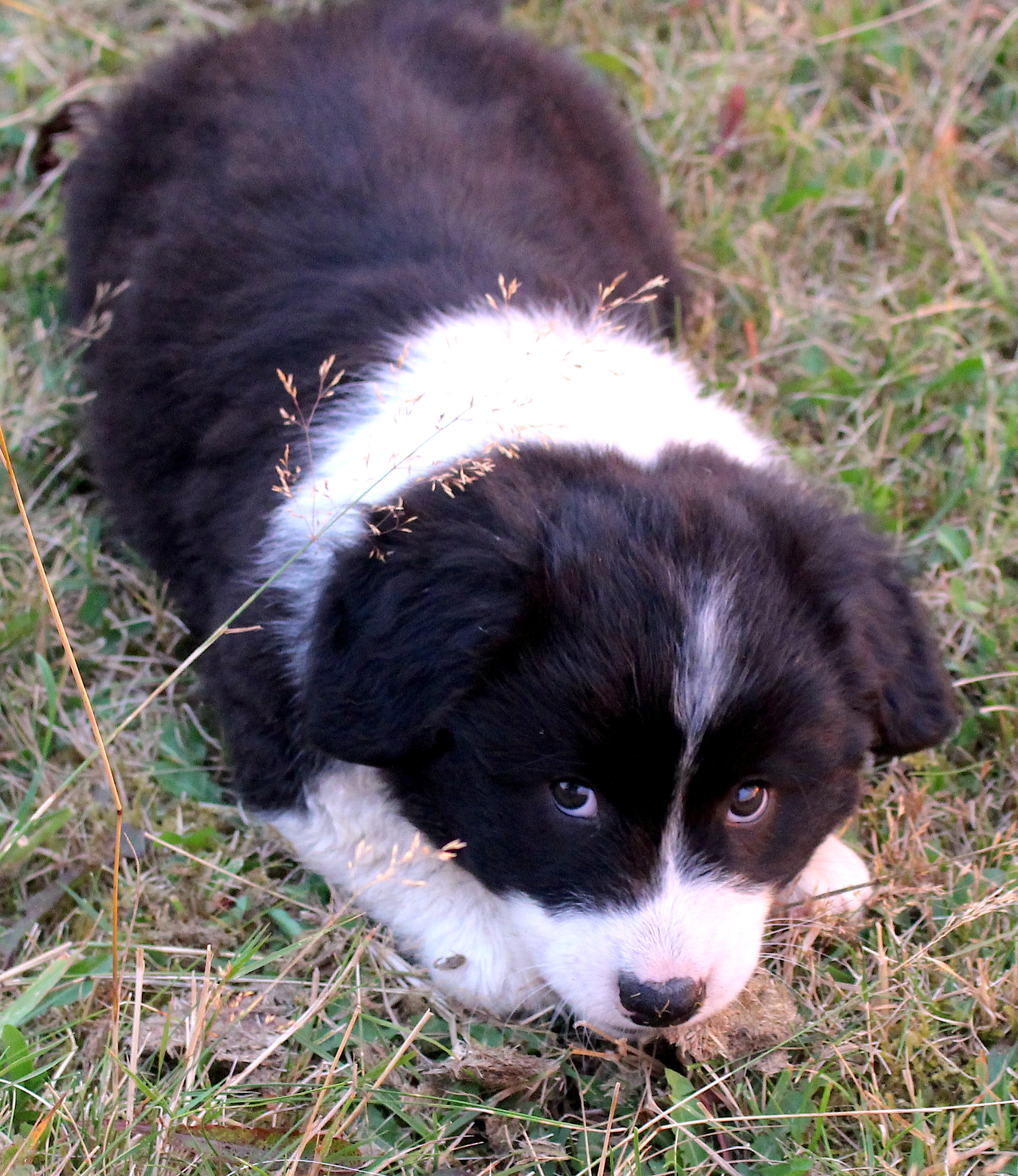
Five years ago — two sons married, a daughter off in the midwest as a camp counselor so our first summer without children at home. Time for a new puppy!
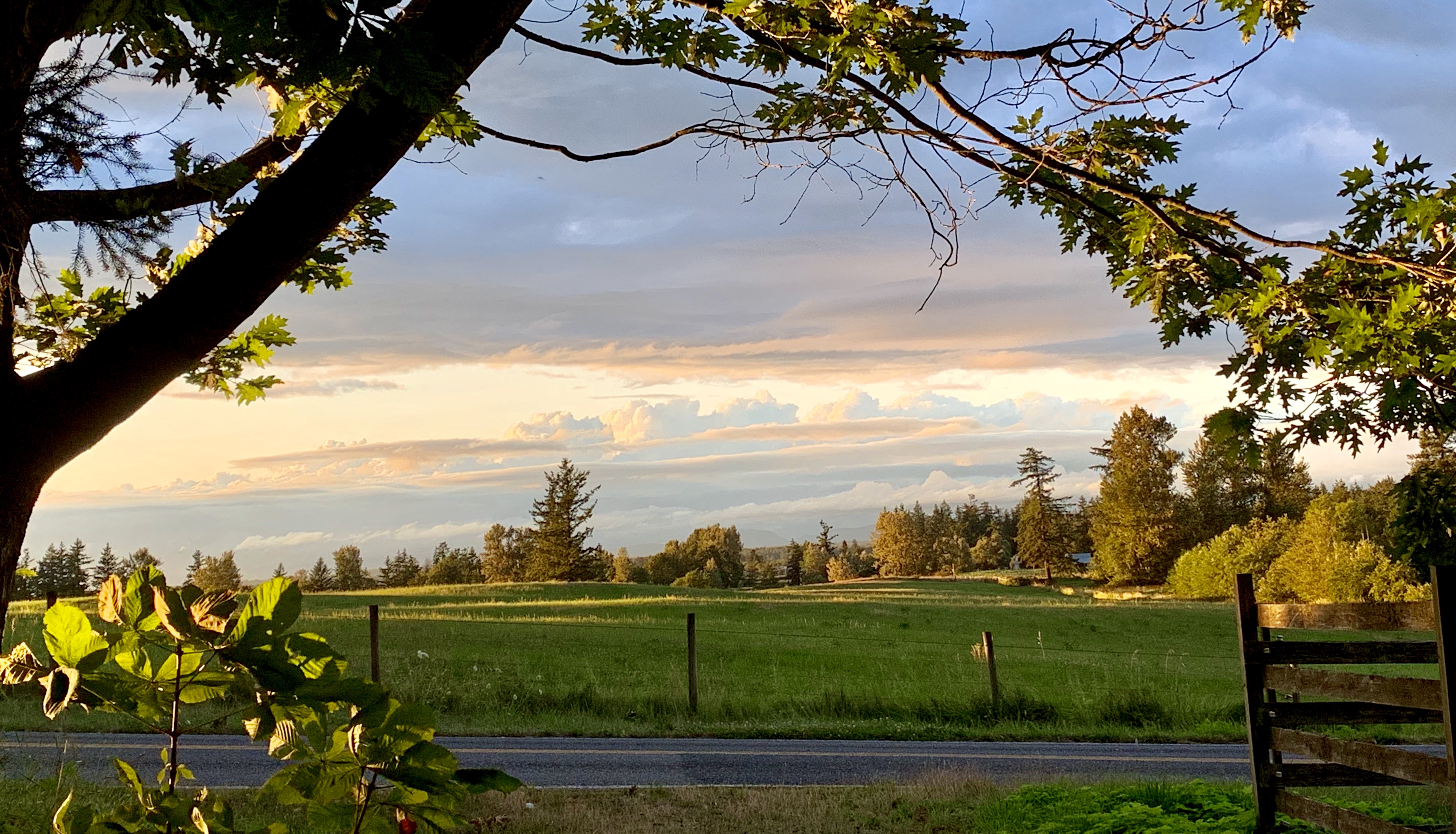
Now
O where have I been?
We can only look behind from where we came.

The decades pass, round and round – there is comfort knowing that through the ups and downs of daily life, I am still hanging on and if I slip and fall, there is Someone ready to catch me.


He Looks on Life with Quiet Eyes

  Who loves the rain    
    And loves his home, 
And looks on life with quiet eyes,  
     Him will I follow through the storm;    
     And at his hearth-fire keep me warm;
Nor hell nor heaven shall that soul surprise,    
     Who loves the rain, 
     And loves his home, 
And looks on life with quiet eyes.

~Frances Shaw, “Who loves the rain” from Look To the Rainbow

No jump-starting the day,
no bare feet slapping the floor
to bath and breakfast.

Dozing instead
in the nest
like, I suppose,
a pair of gophers

underground
in fuzz and wood shavings.
One jostles the other
in closed-eye luxury.

We are at last
perhaps
what we are:

uncombed,
unclothed,
mortal.

Pulse
and breath
and dream.

~Marjorie Saiser “Weekends, Sleeping In” from Beside You at the Stoplight. 

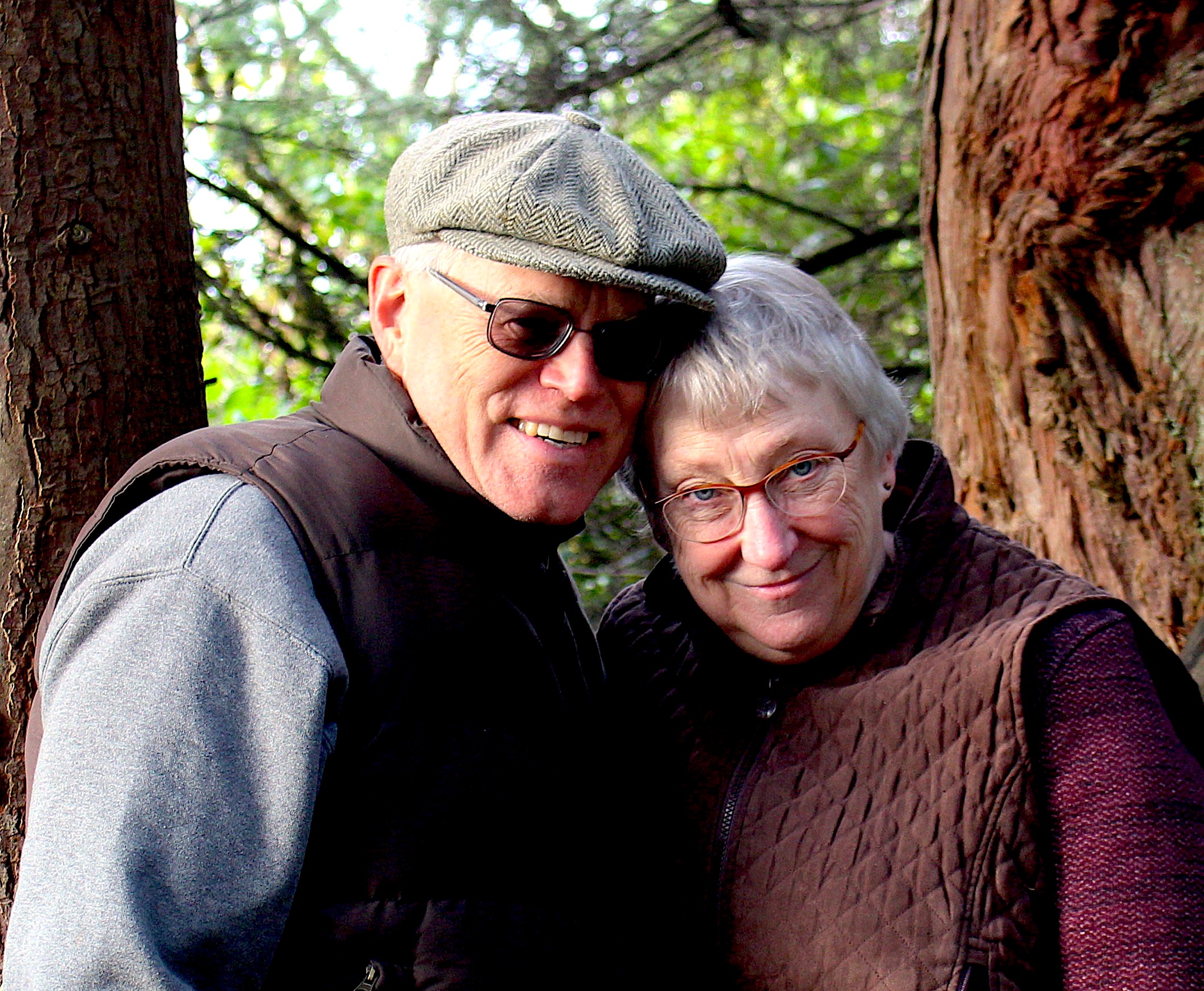
Each year, as we grow older together:
grayer, softer, gentler
with ourselves,
each other
and the world.

I pause,
on this day you were born,
to thank God yet again
for bringing you to earth
so we could meet,
raise three amazing children,
and walk this journey together
with pulse and breath and dreams.

It was your quiet brown eyes I trusted first
and just knew
I’d follow you anywhere
and I have.


Way Out Beyond Us

My father would lift me
to the ceiling in his big hands
and ask, 
How’s the weather up there?
And it was good, the weather
of being in his hands, his breath
of scotch and cigarettes, his face
smiling from the world below.
O daddy, was the lullaby I sang
back down to him as he stood on earth,
my great, white-shirted father, home
from work, his gold wristwatch
and wedding band gleaming
as he held me above him
for as long as he could,
before his strength failed
down there in the world I find myself
standing in tonight, my little boy
looking down from his flight
below the ceiling, cradled in my hands,
his eyes wide and already staring
into the distance beyond the man
asking him again and again,
How’s the weather up there?
~George Bilgere “Weather”.

It was hard work, dying, harder
than anything he’d ever done.

Whatever brutal, bruising, back-
breaking chore he’d forced himself

to endure—it was nothing
compared to this. And it took

so long. When would the job
be over? Who would call him

home for supper? And it was
hard for us (his children)—

all of our lives we’d heard
my mother telling us to go out,

help your father, but this
was work we could not do.

He was way out beyond us,
in a field we could not reach.

~Joyce Sutphen “My Father, Dying”

Deep in one of our closets is an old film reel of me about 16 months old sitting securely held by my father on his shoulders. I am bursting out with giggles as he repeatedly bends forward, dipping this head and shoulders down. I tip forward, looking like I am about to fall off, and when he stands back up straight, my mouth becomes a large O and I can almost remember the tummy tickle I feel. I want him to do it again and again, taking me to the edge of falling off and then bringing me back from the brink.

My father was a tall man, so being swept up onto his shoulders felt a bit like I was touching heaven.

It was as he was dying 24 years ago this week that I realized again how tall he was — his feet kept hitting the foot panel of the hospital bed my mother had requested for their home. We cushioned his feet with padding so he wouldn’t get abrasions even though he would never stand on them again, no longer towering over us.

His helplessness in dying was startling – this man who could build anything and accomplish whatever he set his mind to was unable to subdue his cancer. Our father, who was so self-sufficient he rarely asked for help, did not know how to ask for help now.

So we did what we could when we could tell he was uncomfortable, which wasn’t often. He didn’t say much, even though there was much we could have been saying. We didn’t reminisce. We didn’t laugh and joke together. We just were there, taking shifts catching naps on the couch so we could be available if he called out, which he never did.

This man:
who had grown up dirt poor,
fought hard with his alcoholic father
left abruptly to go to college – the first in his family –
then called to war for three years in the South Pacific.

This man:
who had raised a family on a small farm while he was a teacher,
then a supervisor, then a desk worker.

This man:
who left our family to marry another woman
but returned after a decade to ask forgiveness.

This man:
who died in a house he had built completely himself,
without assistance, from the ground up.

He didn’t need our help – he who had held tightly to us and brought us back from the brink when we went too far – he had been on the brink himself and was rescued, coming back humbled.

No question the weather is fine for him up there. I have no doubt.

Never Leaving the Land

My grandparents owned the land,
worked the land, bound
to the earth by seasons of planting
and harvest.

They watched the sky, the habits
of birds, hues of sunset,
the moods of moon and clouds,
the disposition of air.
They inhaled the coming season,
let it brighten their blood
for the work ahead.

Soil sifted through their fingers
imbedded beneath their nails
and this is what they knew;
this rhythm circling the years.
They never left their land;
each in their own time
settled deeper.
~Lois Parker Edstrom “Almanac” from Night Beyond Black. © MoonPath Press, 2016

My husband and I met in the late 70’s while we were both in graduate school in Seattle, living over 100 miles away from our grandparents’ farms farther north in Washington. We lived farther still from my grandparents’ wheat farm in Eastern Washington and his grandparents’ hog farm in Minnesota. One of our first conversations together, the one that told me I needed to get to know this man better, was about wanting to move back to work on the land. We were both descended from peasant immigrants from the British Isles, Holland and Germany – farming was in our DNA, the land remained under our fingernails even as we sat for endless hours studying in law school and medical school classes.

When we married and moved north after buying a small farm, we continued to work full time at desks in town. We’ve never had to depend on this farm for our livelihood, but we have fed our family from the land, bred and raised livestock, and harvested and preserved from a large garden and orchard. It has been a good balance thanks to career opportunities made possible by our education, something our grandparents would have marveled was even possible.

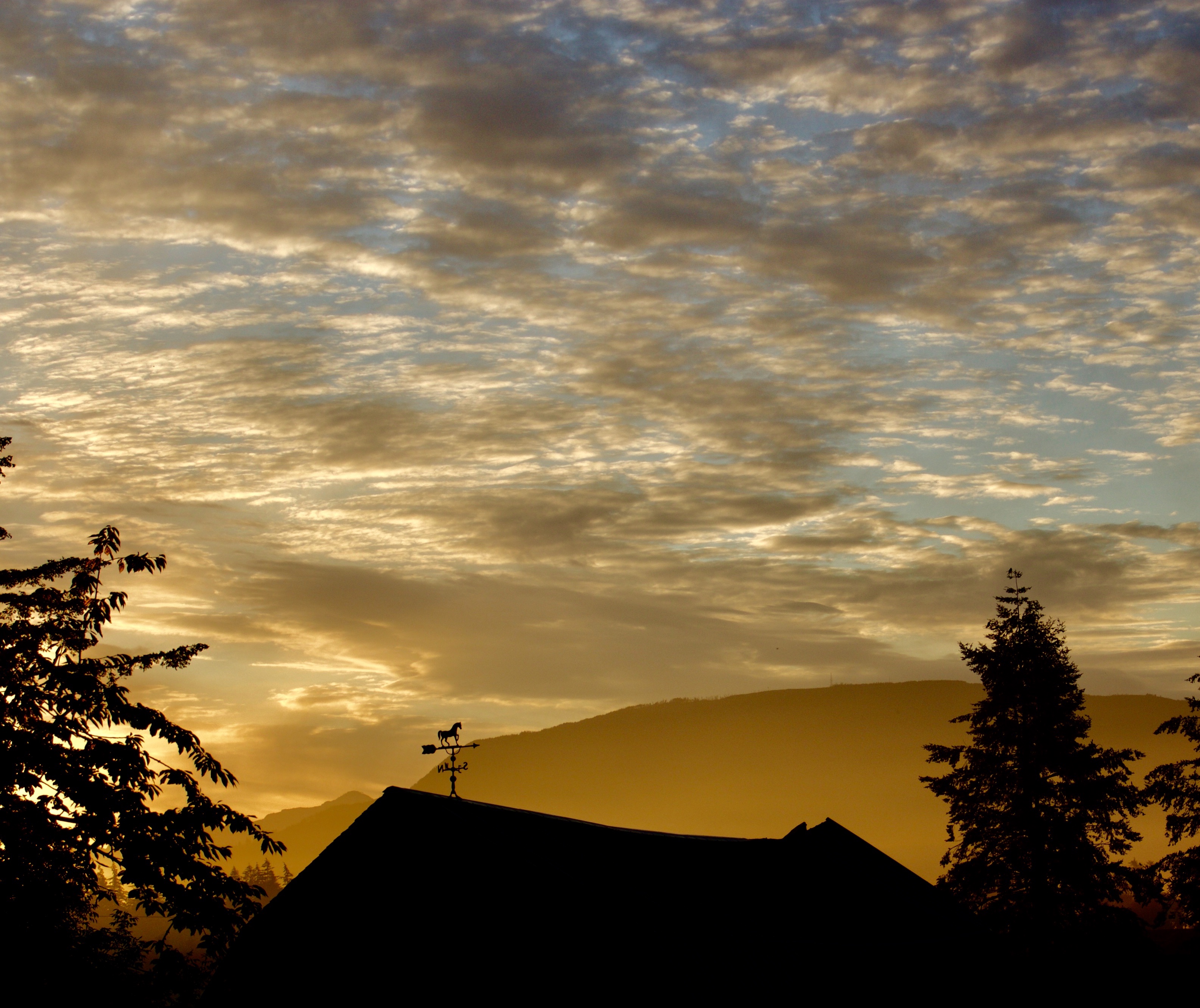
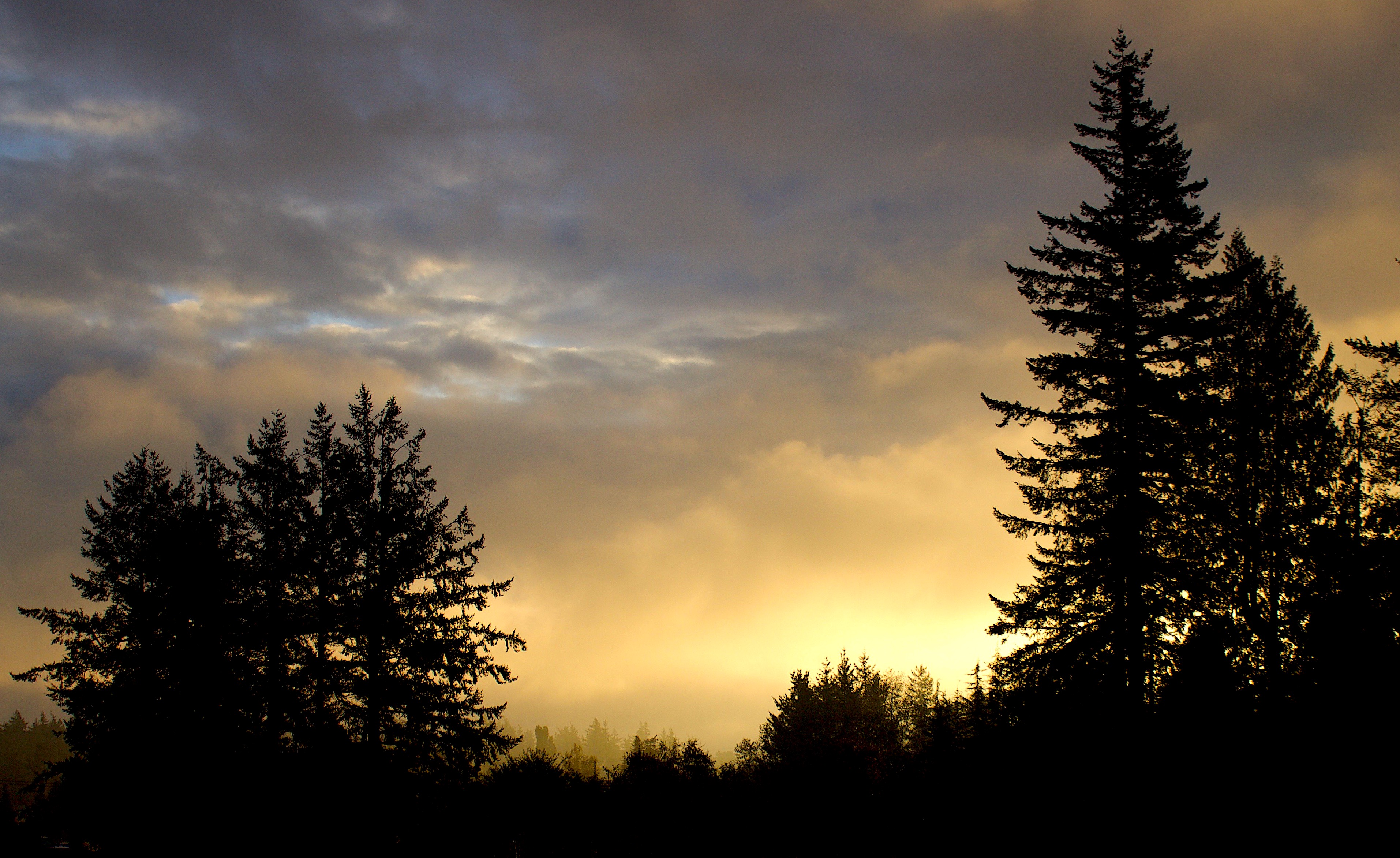
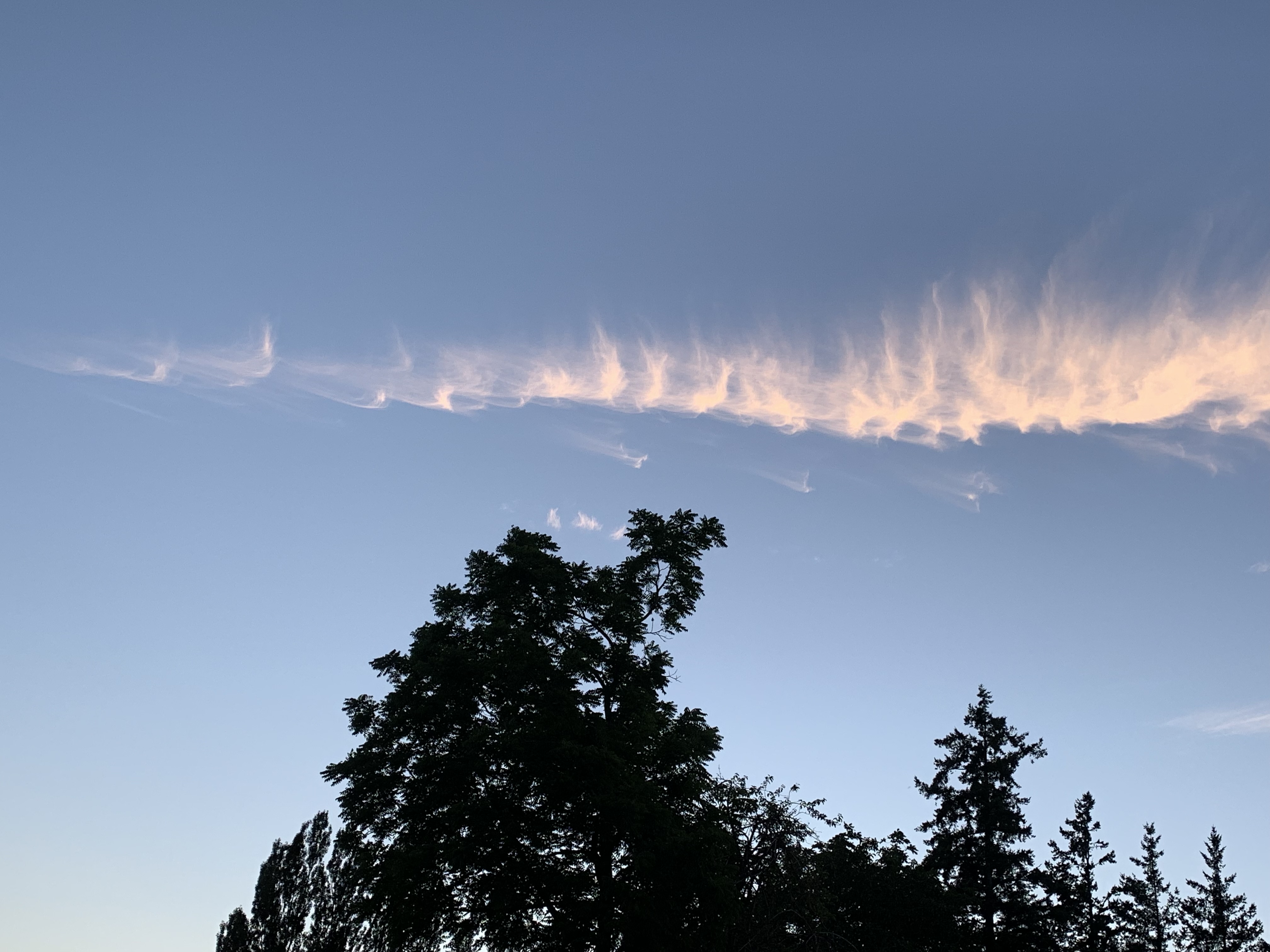
Like our grandparents, we watch in wonder at what the Creator brings to the rhythm of the land each day – the light of the dawn over the fields, the activity of the wild birds and animals in the woods, the life cycles of the farm critters we care for, the glow of the evening sun as night enfolds us. We are blessed by the land’s generosity when it is well cared for.

Now forty years after that first conversation together about returning to farming, my husband and I hope to never leave the land. It brought us together, fed our family, remains imbedded under our fingernails and in our DNA. Each in our own time, we will settle even deeper.

Thank you to retired RN and poet Lois Parker Edstrom for this exquisite poem about living and dying on the land. It has been my privilege to meet her and her husband and welcome them to our farm.
Your words have brought me many blessings!

Catch the Sunset

All day he’s shoveled green pine sawdust
out of the trailer truck into the chute.
From time to time he’s clambered down to even
the pile. Now his hair is frosted with sawdust.
Little rivers of sawdust pour out of his boots.

I hope in the afterlife there’s none of this stuff
he says, stripping nude in the late September sun
while I broom off his jeans, his sweater flocked
with granules, his immersed-in-sawdust socks.
I hope there’s no bedding, no stalls, no barn

no more repairs to the paddock gate the horses
burst through when snow avalanches off the roof.
Although the old broodmare, our first foal, is his,
horses, he’s fond of saying, make divorces.
Fifty years married, he’s safely facetious.

No garden pump that’s airbound, no window a grouse
flies into and shatters, no ancient tractor’s
intractable problem with carburetor
ignition or piston, no mowers and no chain saws
that refuse to start, or start, misfire and quit.
..

…then he says
let’s walk up to the field and catch the sunset
and off we go, a couple of aging fools.

I hope, he says, on the other side there’s a lot
less work, but just in case I’m bringing tools.
~Maxine Kumin from “Chores”

When I pull open the barn doors
every morning
and close them again each evening,
as our grandparents did
one hundred years ago,
six rumbling voices
rise in greeting.
We exchange scents,
nuzzle each others’ ears,
rumble grumble back a response.

We do our chores faithfully
as our grandparents once did–
draw fresh water
into buckets,
wheel away
the pungent mess underfoot,
release an armful of summer
from the bale,
reach under heavy manes
to stroke silken necks.

We don’t depend
on our horses’ strength
and willingness to
don harness
to carry us to town
or move the logs
or till the soil
as our grandparents did.

Instead,
these soft eyed souls,
born on this farm over
two long decades ago,
are simply grateful
for our constancy
morning and night
to serve their needs
until the day comes
they need no more.

And we depend on them
to depend on us
to be there
to open and close the doors;
their low whispering welcome
gives voice
to the blessings of
living on a farm
ripe with rhythms and seasons,
sunrises and sunsets that keep coming,
as if yesterday, today and tomorrow are
just like one hundred years ago.