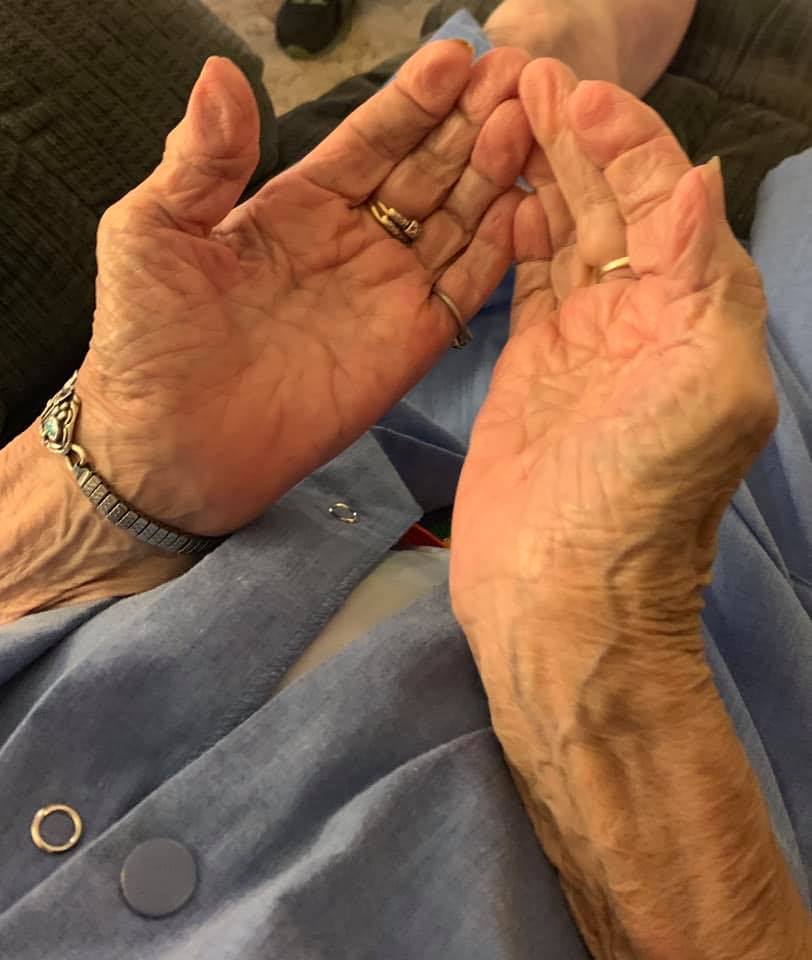
Nobody in the hospital Could tell the age Of the old woman who Was called Susanna
Because she had no visitors I would stop by to see her But she was always sleeping
One day I was beside her When she woke up Opening small dark eyes Of a surprising clearness
She looked at me and said You want to know the truth? I answered Yes
She said it’s something that My mother told me
There’s not a single inch Of our whole body That the Lord does not love
She then went back to sleep. ~Anne Porter from “Susanna”
photo by Andrea Nipges
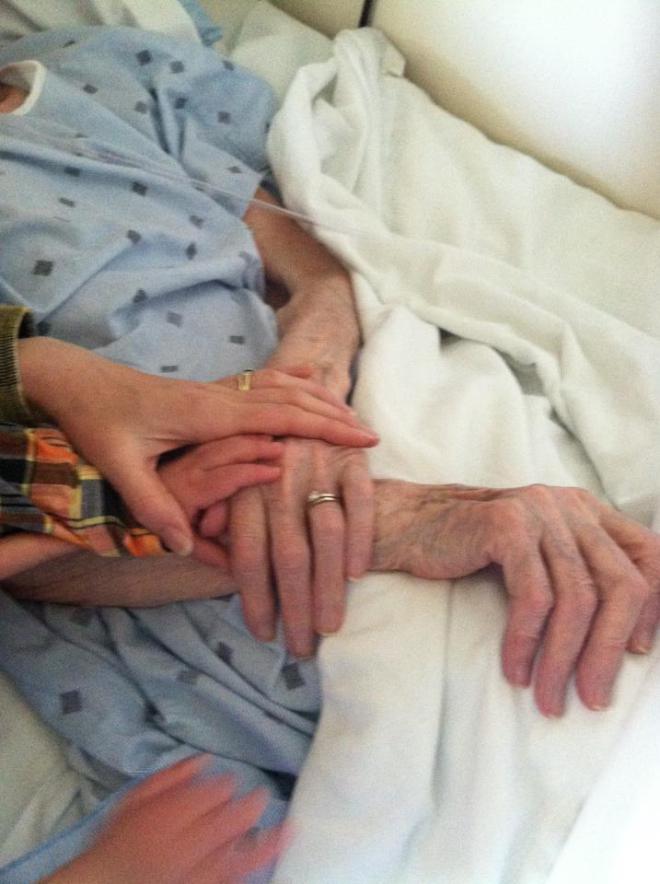
So many people lie in a hospital bed these days, all alone and fearful, wondering what could happen next, waiting for the tide to turn and move them back to the shore or sweep them out into the arms of their Creator forever.
We tend to forget the love of the One who made us, including our funny looking feet, our anxieties, the crooked teeth, the wrinkles, the scars, the split ends —
We see only our imperfections and frailty when our Creator sees dust made manifest in His image.
He loves us even when we do not love ourselves, as we hide our flaws and cover up our vulnerable nakedness.
He loves every inch because we are His opus, a masterpiece, so He became one of us.
He knew exactly what He was doing and even now, in the midst of our loneliness, He knows exactly what He is doing with the dust that still swirls around us.
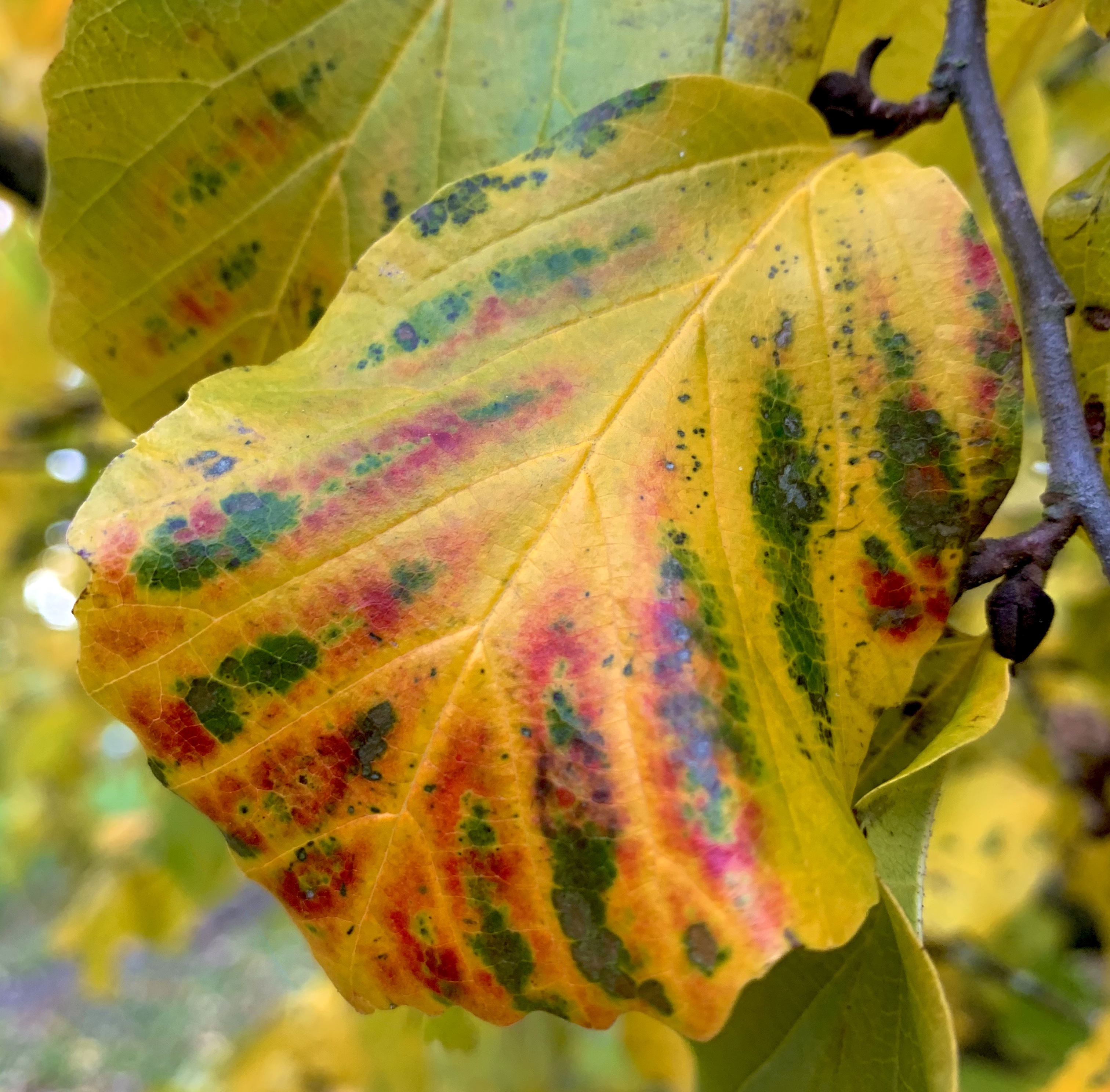
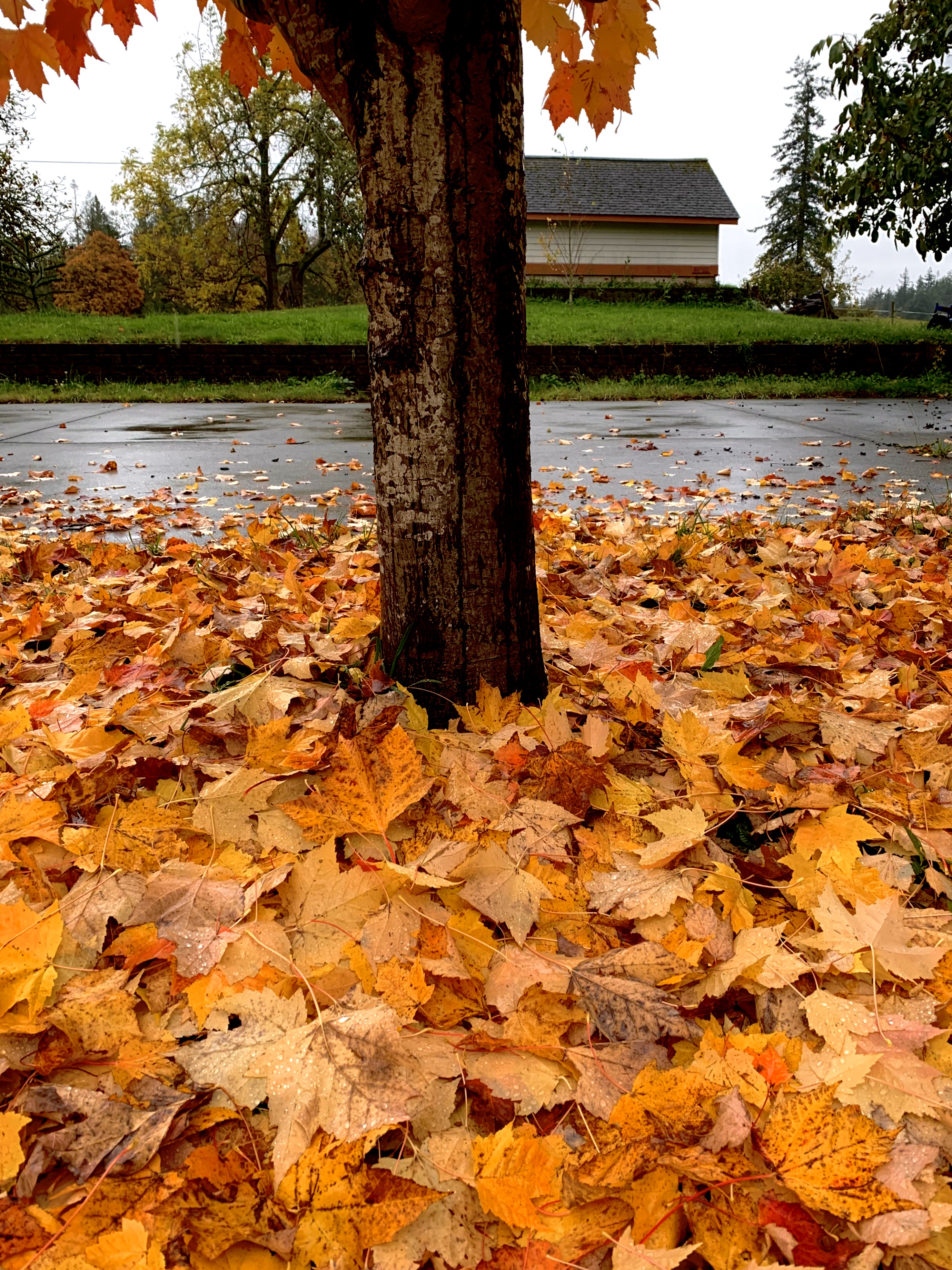
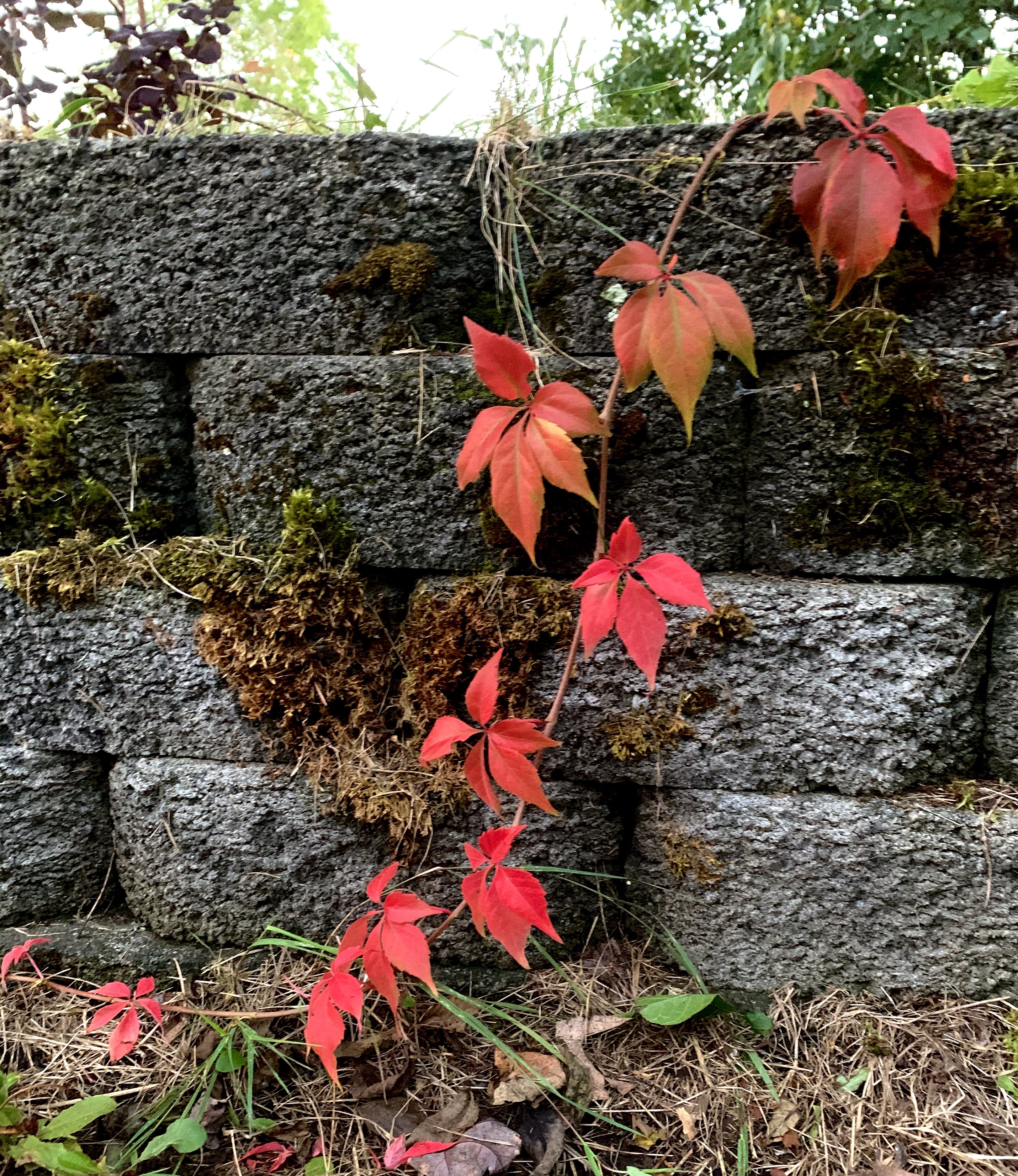
The melon shades of leaves will soon rust and fall gently to layers of rest and forgetting, like sunken poems, unusual love, and grave silence after the crows.
The black walnut tree trembles down its mysterious spheres to sleep darkly, to pulse with memory of heartwood.
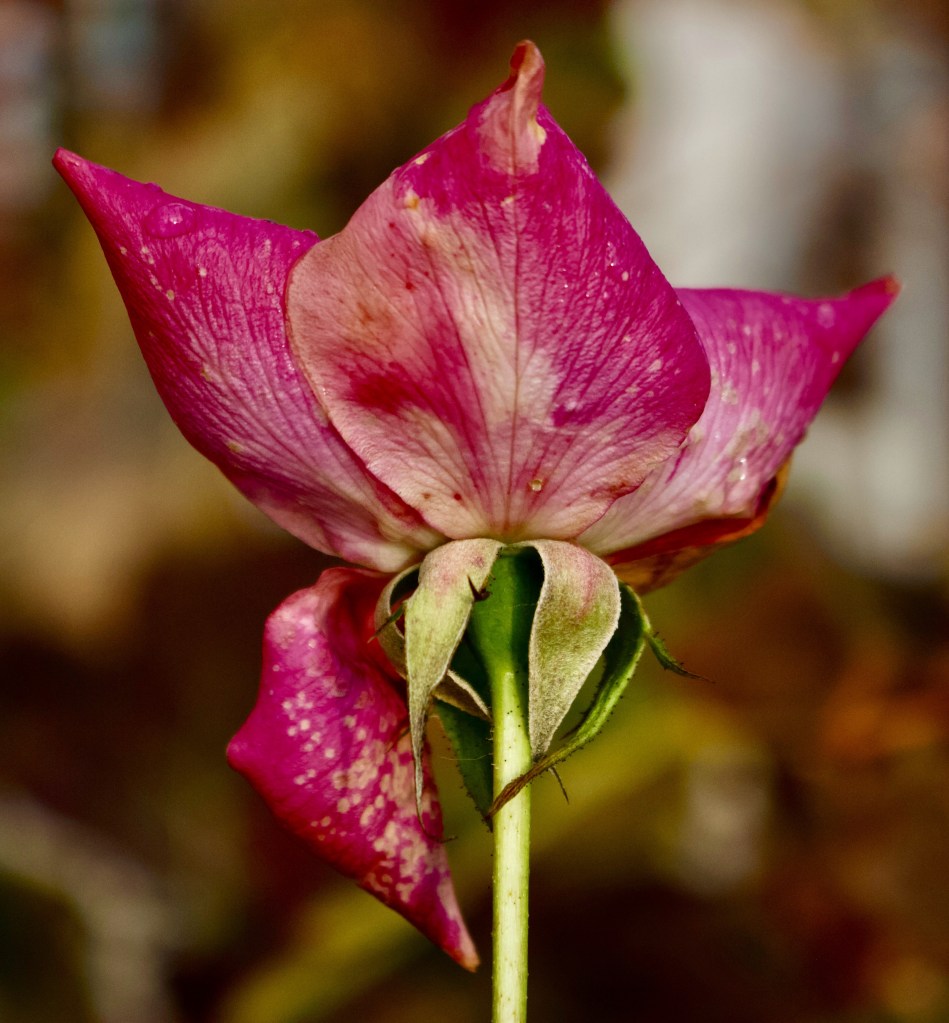
Old roses are paling with grace in this air of ruining tomorrows. Autumn again, and all the years twisting a garland of melancholy. ~Tim Buck, “Autumn” from VerseWrights Journal
The beauty around me is dying. It becomes harder to find vibrance and life in my surroundings in the volatility of deep autumn: a high wind warning is on the horizon in a few hours and we face a long winter as the uncontrolled pandemic continues unabated.
Those facts alone are enough to make me wander about the farm feeling melancholic. Even more than the loss of mere leaves and the fading of blooms is the reality of so many afflicted and infected people whose season for dying will come too soon.
Woe to us who are more concerned about our inconvenience and discomfort today than the months of ruined tomorrows for millions.
Lest it be forgotten in our bitterness – the promise of healing and renewal is also on the horizon.
May I listen for the pulse deep within the heartwood of each person with whom I have differences; my love for them must not fade nor wither but grow more graceful, more forgiving, more vibrant and beautiful by the day.
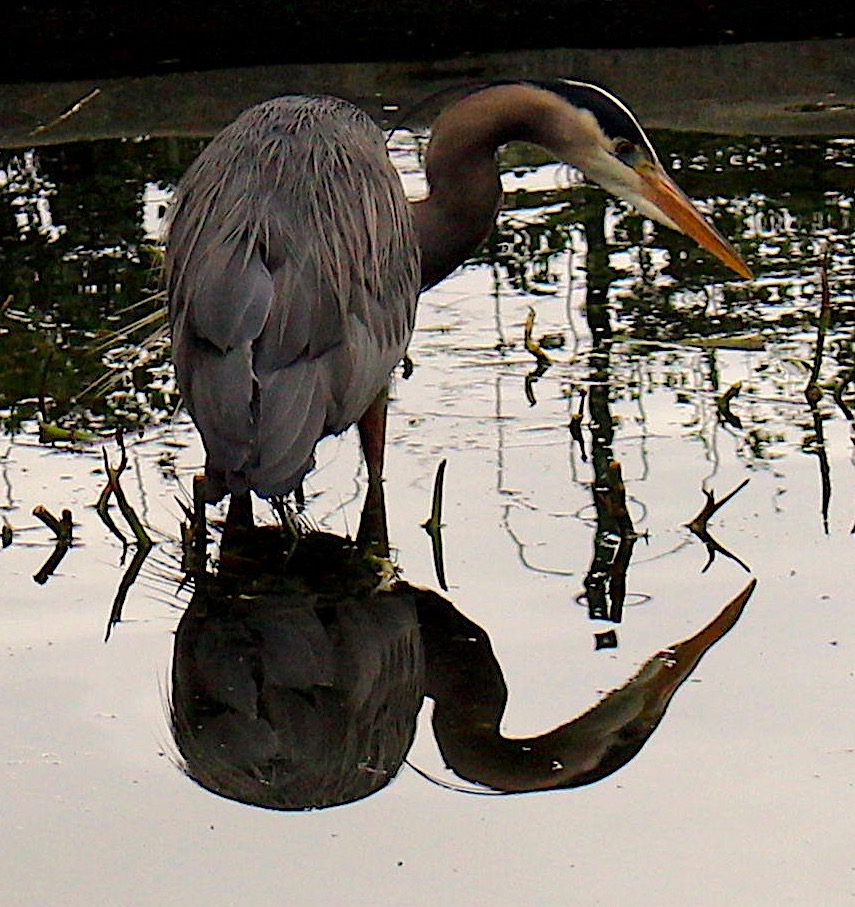
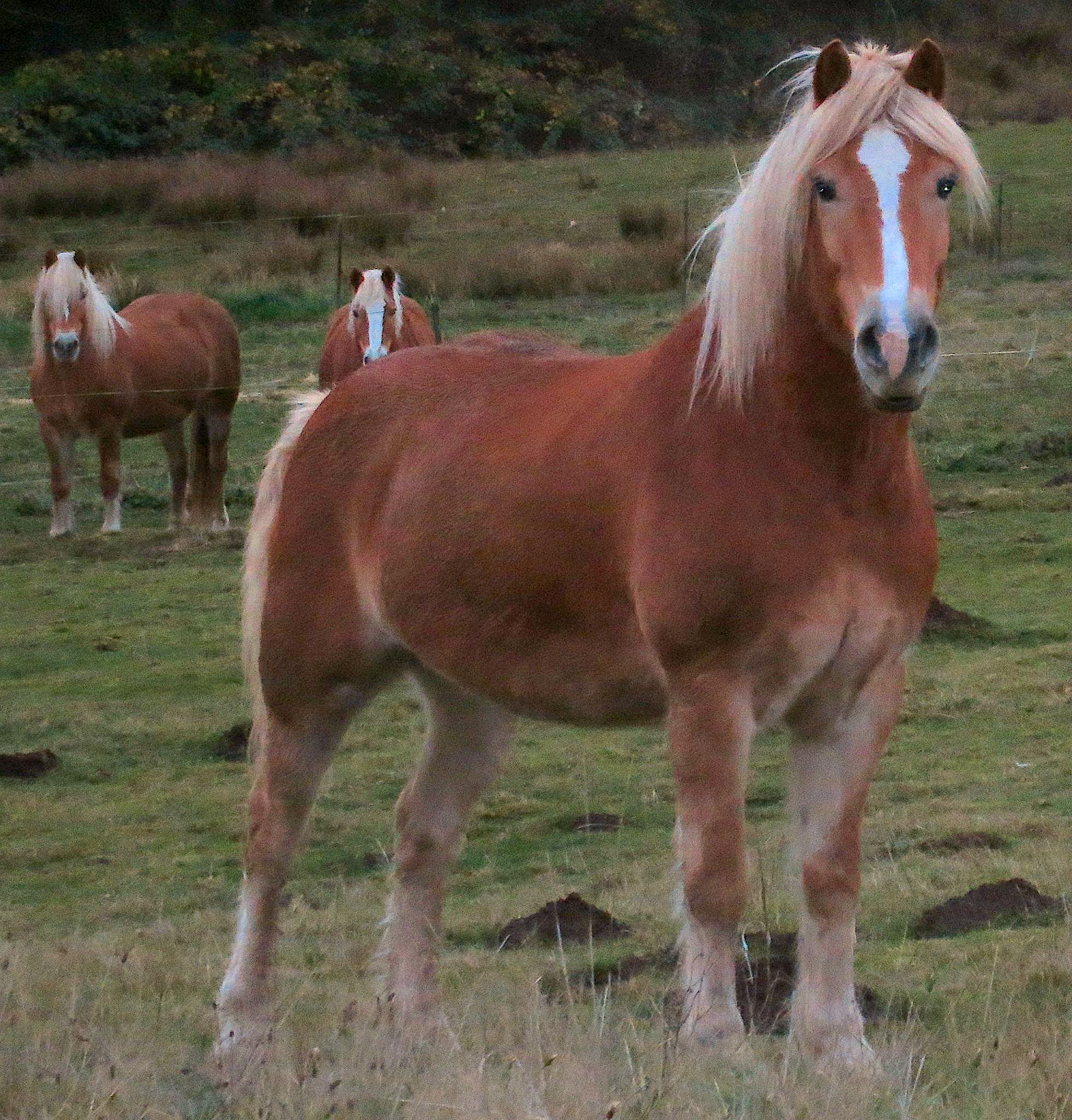
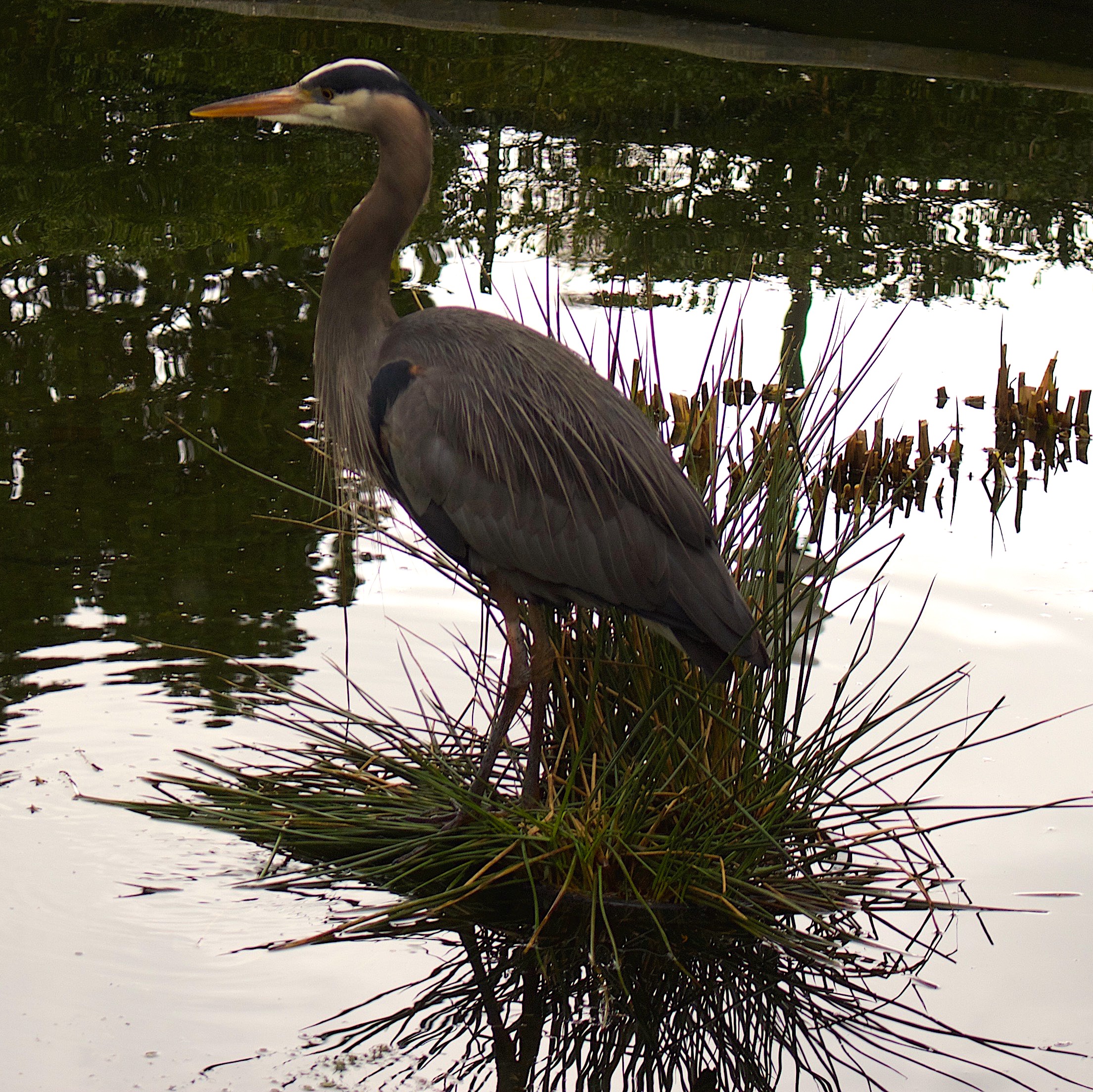
All winter the blue heron slept among the horses. I do not know the custom of herons, do not know if the solitary habit is their way, or if he listened for some missing one— not knowing even that was what he did— in the blowing sounds in the dark, I know that hope is the hardest love we carry. He slept with his long neck folded, like a letter put away. ~Jane Hirshfield “Hope and Love” from The Lives of the Heart
I know what it is like to feel out of step with those around me, an alien in my own land. At times I wonder if I belong at all as I watch the choices others make. I grew up this way, missing a connection that I could not find, never quite fitting in, a solitary kid becoming a solitary adult. The aloneness bothered me, but not in a “I’ve-got-to-become-like-them” kind of way.
I went my own way, never losing hope.
Somehow misfits find each other. Through the grace and acceptance of others, I found a soul mate and community. Even so, there are times when the old feeling of not-quite-belonging creeps in and I wonder whether I’ll be a misfit all the way to the cemetery, placed in the wrong plot in the wrong graveyard.
We disparate creatures are made for connection of some kind, with those who look and think and act like us, or with those who are something completely different. I’ll keep on the lookout for my fellow misfits, just in case there is another one out there looking for company along this journey.
Sometimes, hard-trying, it seems I cannot pray– For doubt, and pain, and anger, and all strife. Yet some poor half-fledged prayer-bird from the nest May fall, flit, fly, perch–crouch in the bowery breast Of the large, nation-healing tree of life;– Moveless there sit through all the burning day, And on my heart at night a fresh leaf cooling lay. ~George MacDonald from Diary of an Old Soul
I suspect I’m not the only U.S. citizen who slept fitfully last night, anxious about the election and how our nation’s peoples will accept and move on with life once official results are reported.
There can be no response but to bow in earnest prayer, waiting for a long-needed hatching of healing peace for our diverse beliefs and opinions.
Our lives are half-fledged, not yet fully delivered nor understood, doubt and distrust burns into our flesh like thorns on fire.
We have become a seething-angry and moaning-sore nation — today we will be further divided between those who win and those who lose. The moral high ground will go to the graceful loser who concedes defeat in a spirit of unity without stoking the fires of discontent. A gloating winner would bloat us all beyond recognition.
May our prayers for peace rise like a dove from hearts in turmoil, once again to soar on the wings of eagles.
Peace, come quickly. Be moved within us; no longer immobile. Cool our angry words. Take us to higher ground. Plow deep our hearts.
Stand still. The trees ahead and bushes beside you Are not lost. Wherever you are is called Here, And you must treat it as a powerful stranger, Must ask permission to know it and be known. The forest breathes. Listen. It answers, I have made this place around you. If you leave it, you may come back again, saying Here. No two trees are the same to Raven. No two branches are the same to Wren. If what a tree or a bush does is lost on you, You are surely lost. Stand still. The forest knows Where you are. You must let it find you. ~David Wagoner “Lost”
I’m frequently lost in the figurative forest of my days on this earth, unsure where I’m heading and struggling to figure out where I’ve been. It seems I have been following a path laid out before me, keeping my head down to make sure I don’t trip over a root or stumble on a rock, when around and above me are the clues to where I am and where I’m going.
So I stand still and breathe deeply of the forest and let it tell me where I am. It can tell when my focus is misdirected.
The road is long With many a winding turn That leads us to who knows where Who knows where But I’m strong Strong enough to carry him He ain’t heavy, he’s my brother
If I’m laden at all I’m laden with sadness That everyone’s heart Isn’t filled with the gladness Of love for one another
It’s a long, long road From which there is no return While we’re on the way to there Why not share
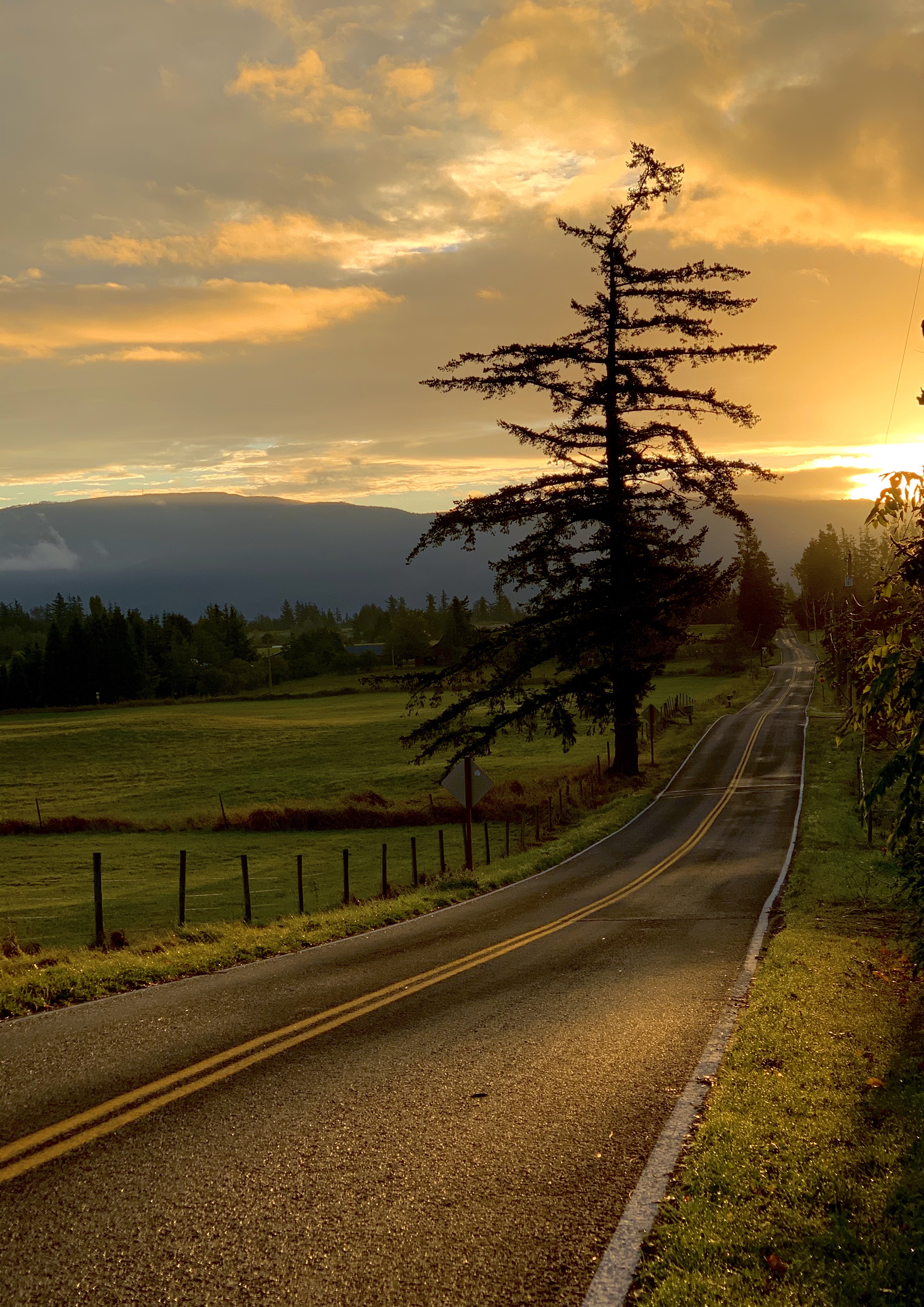
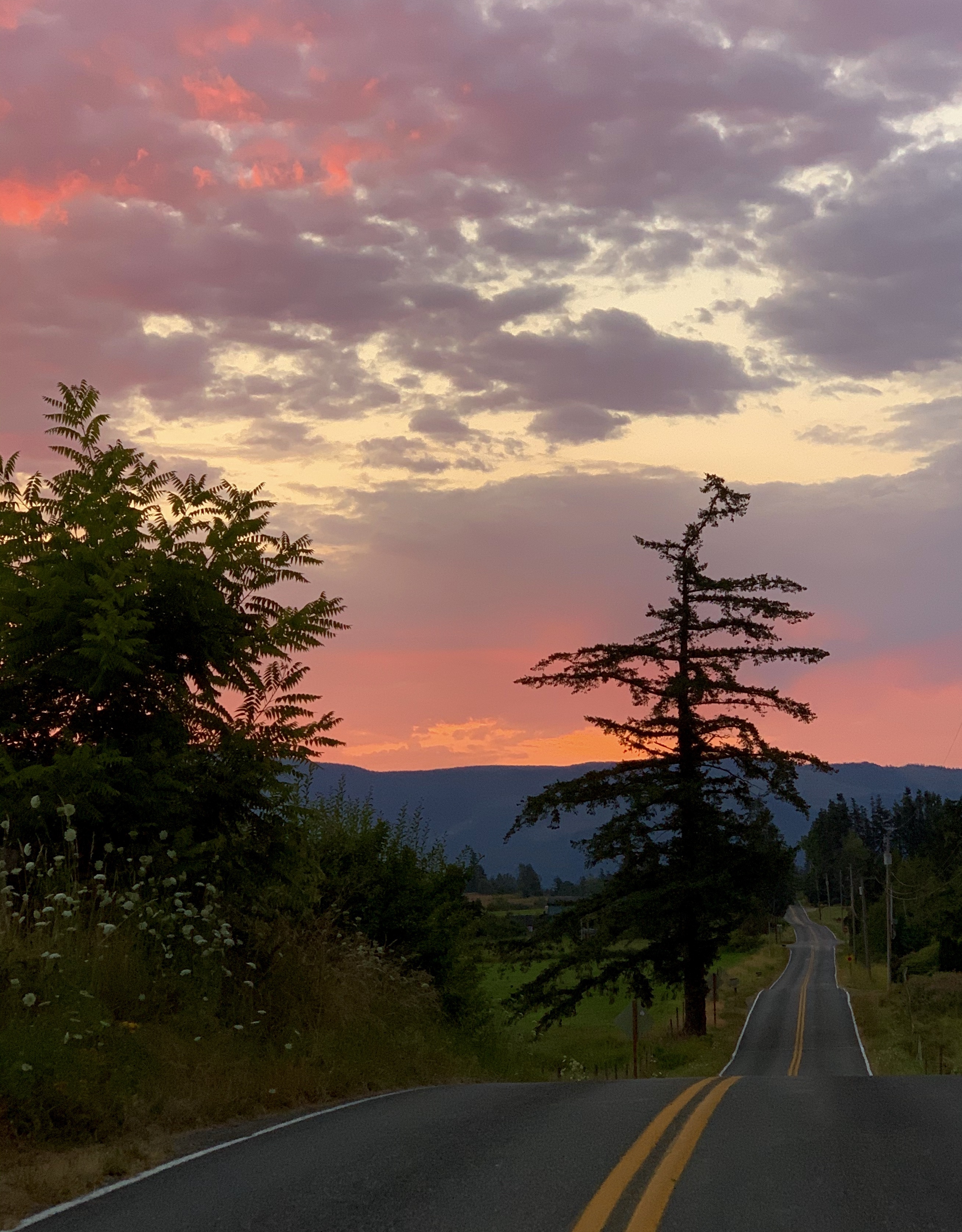
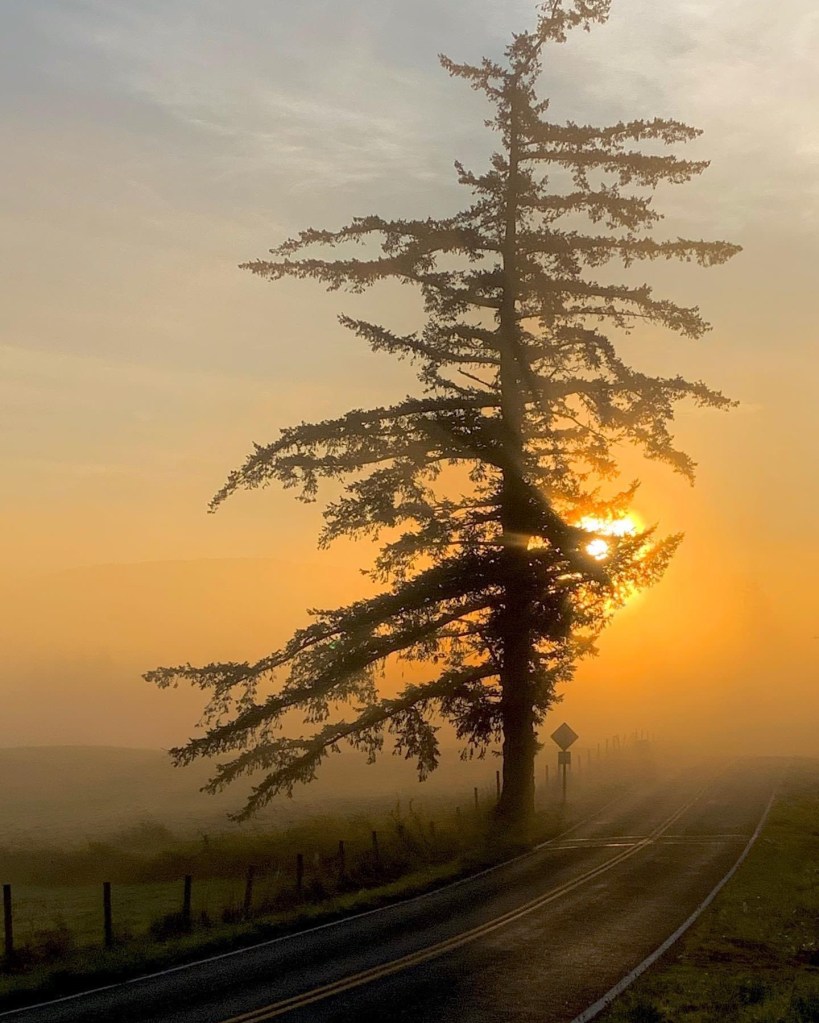
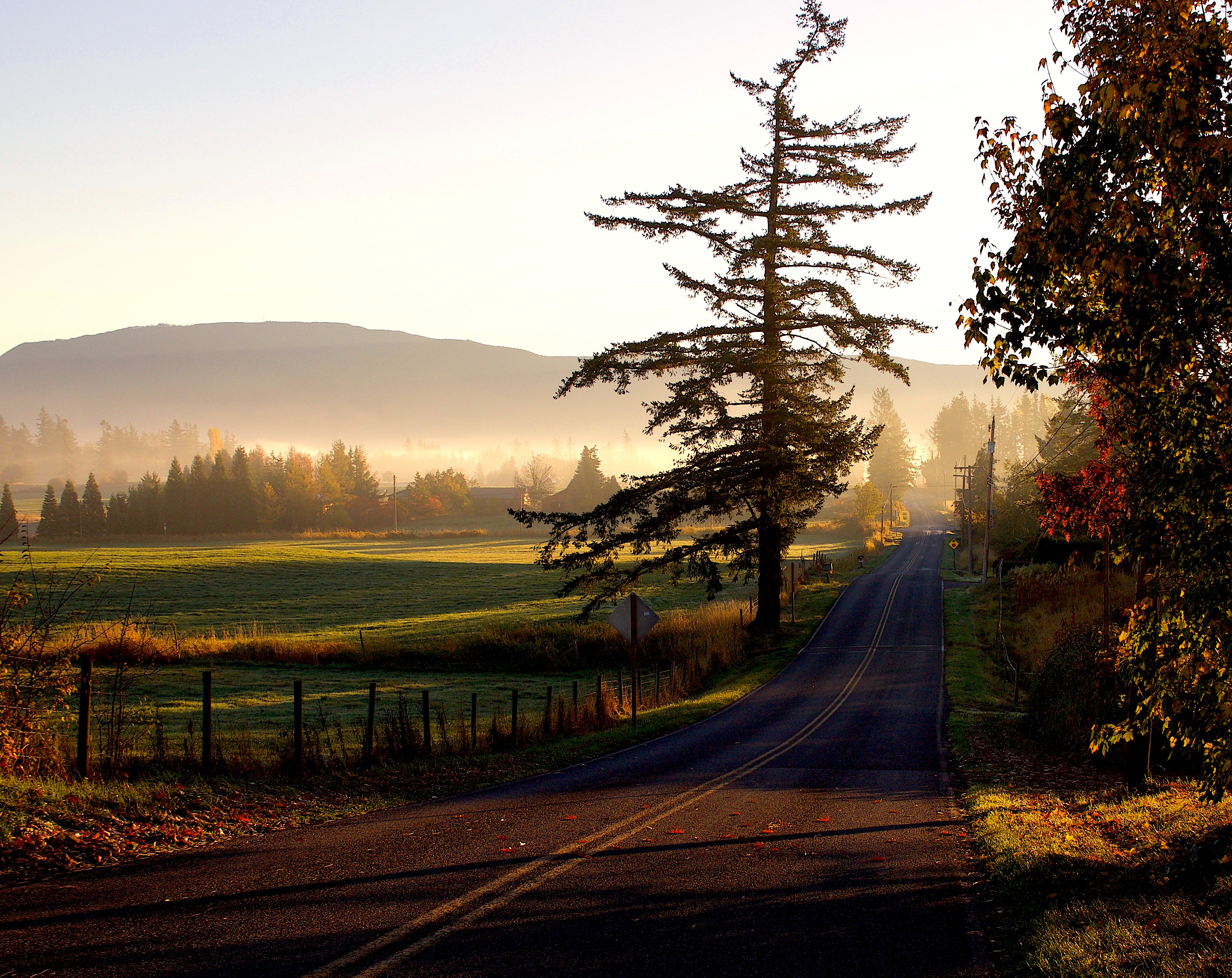
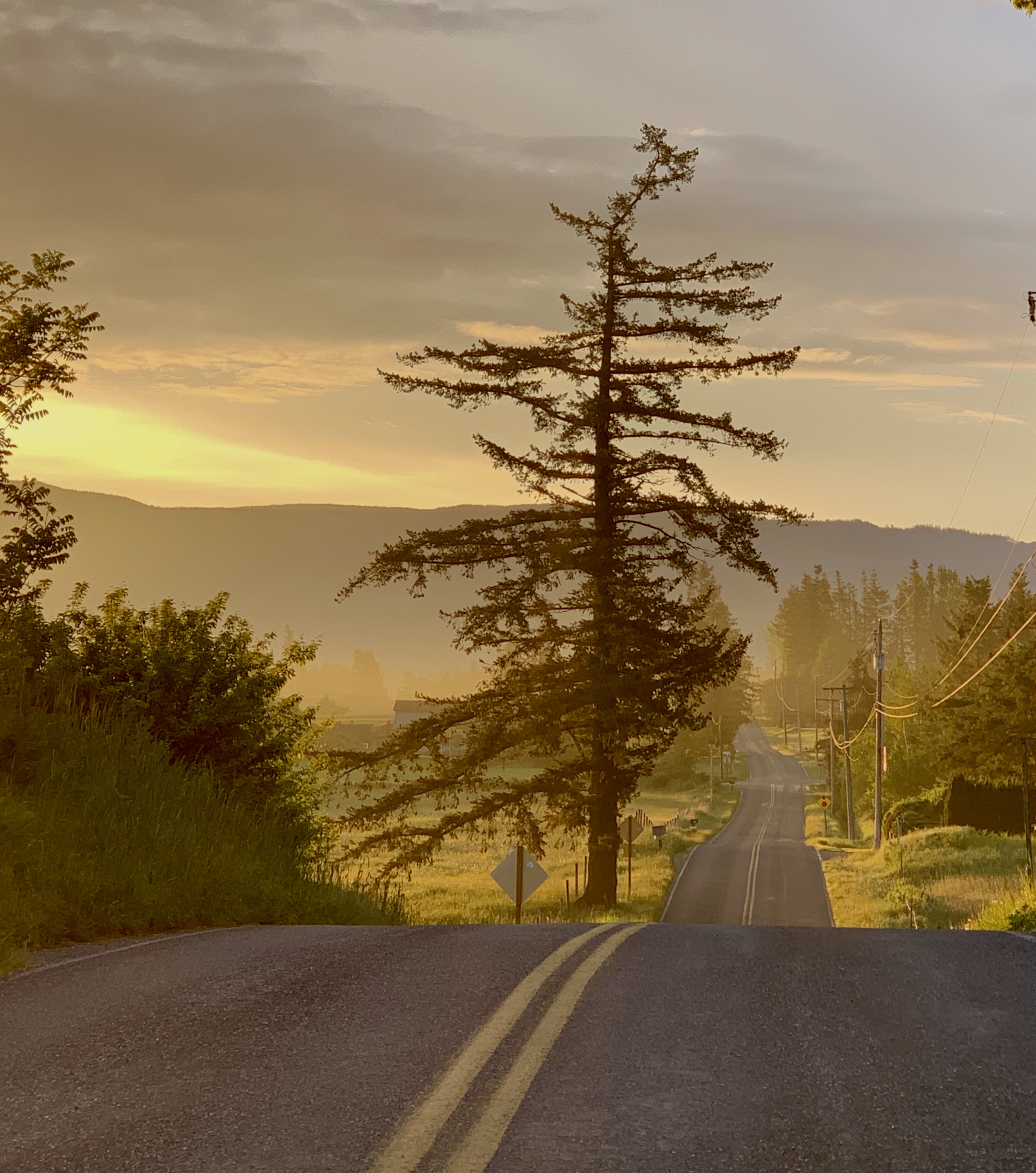
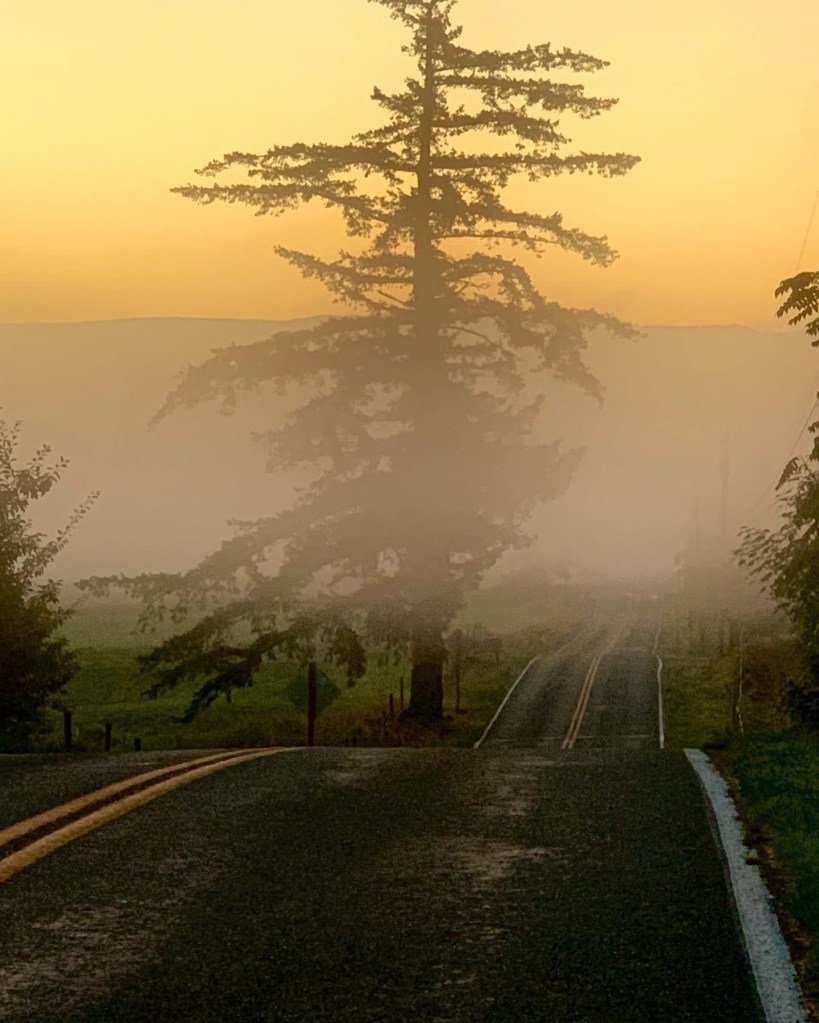
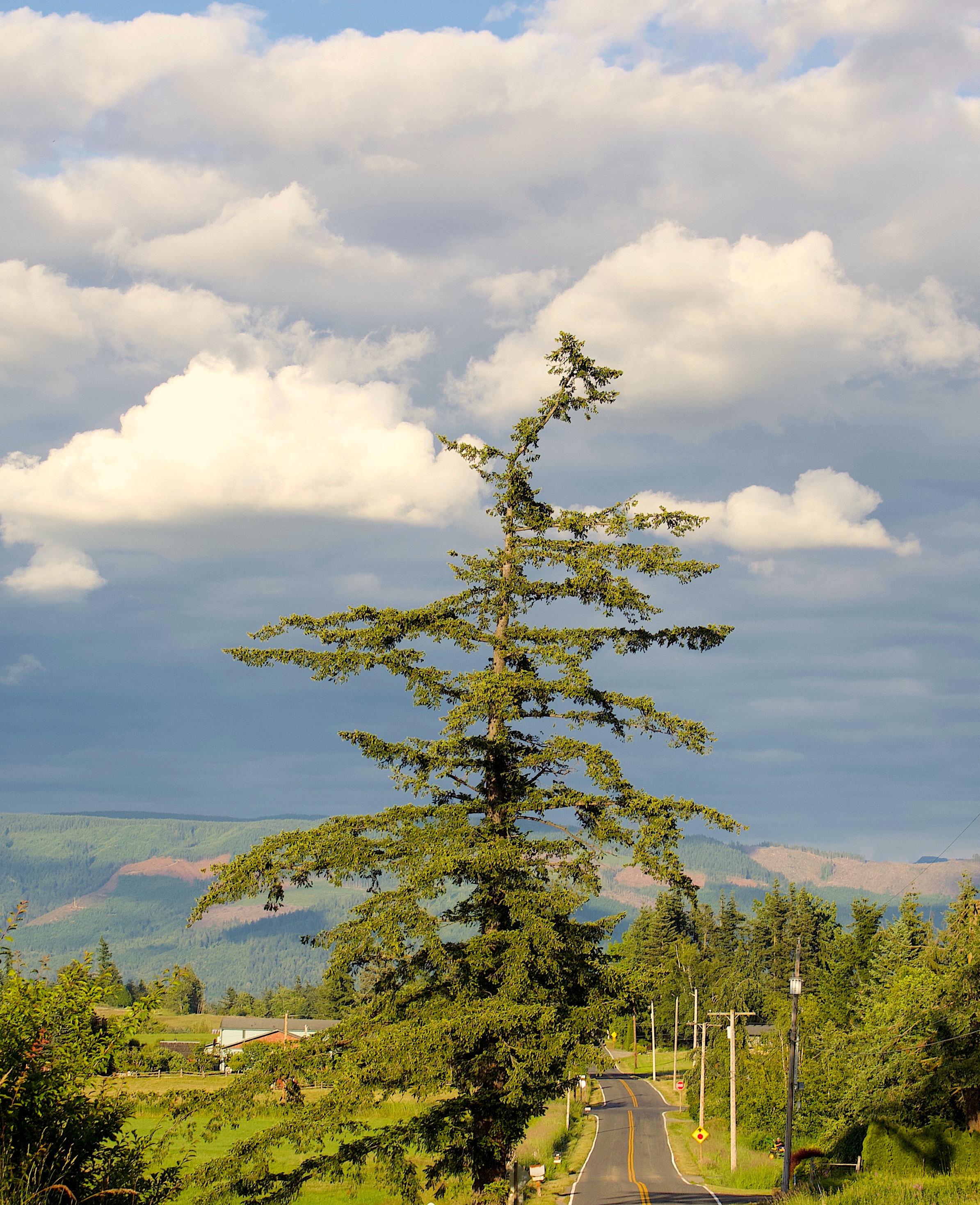
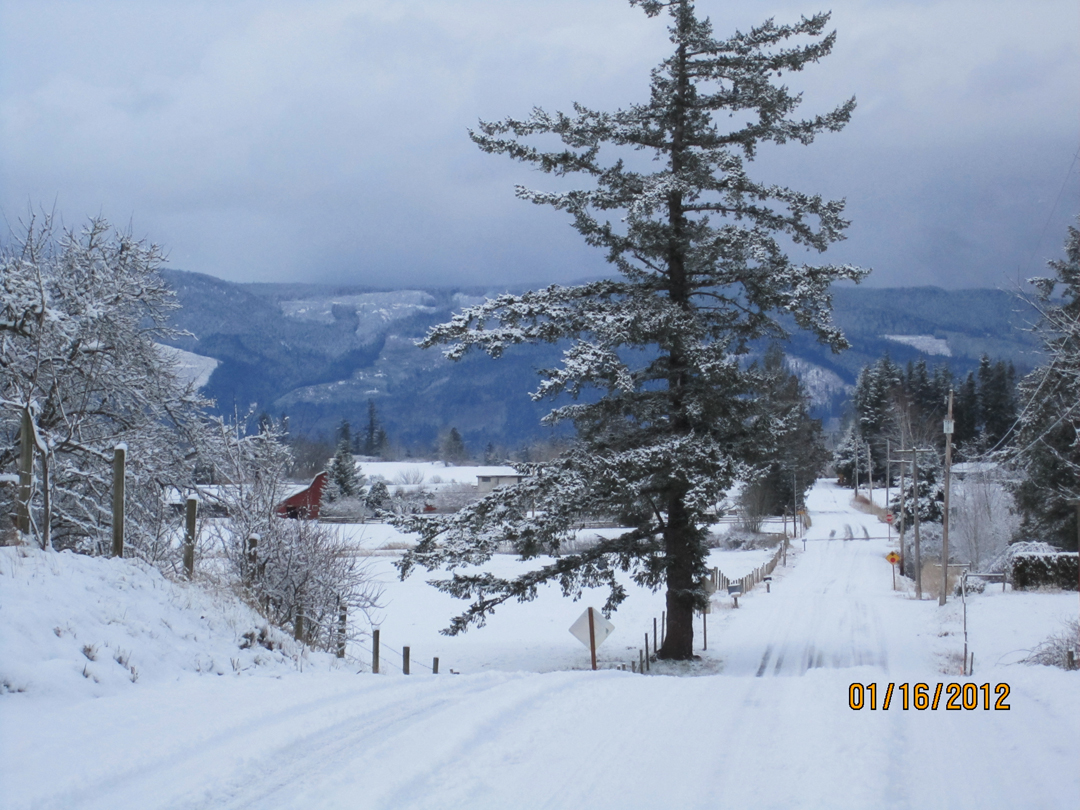
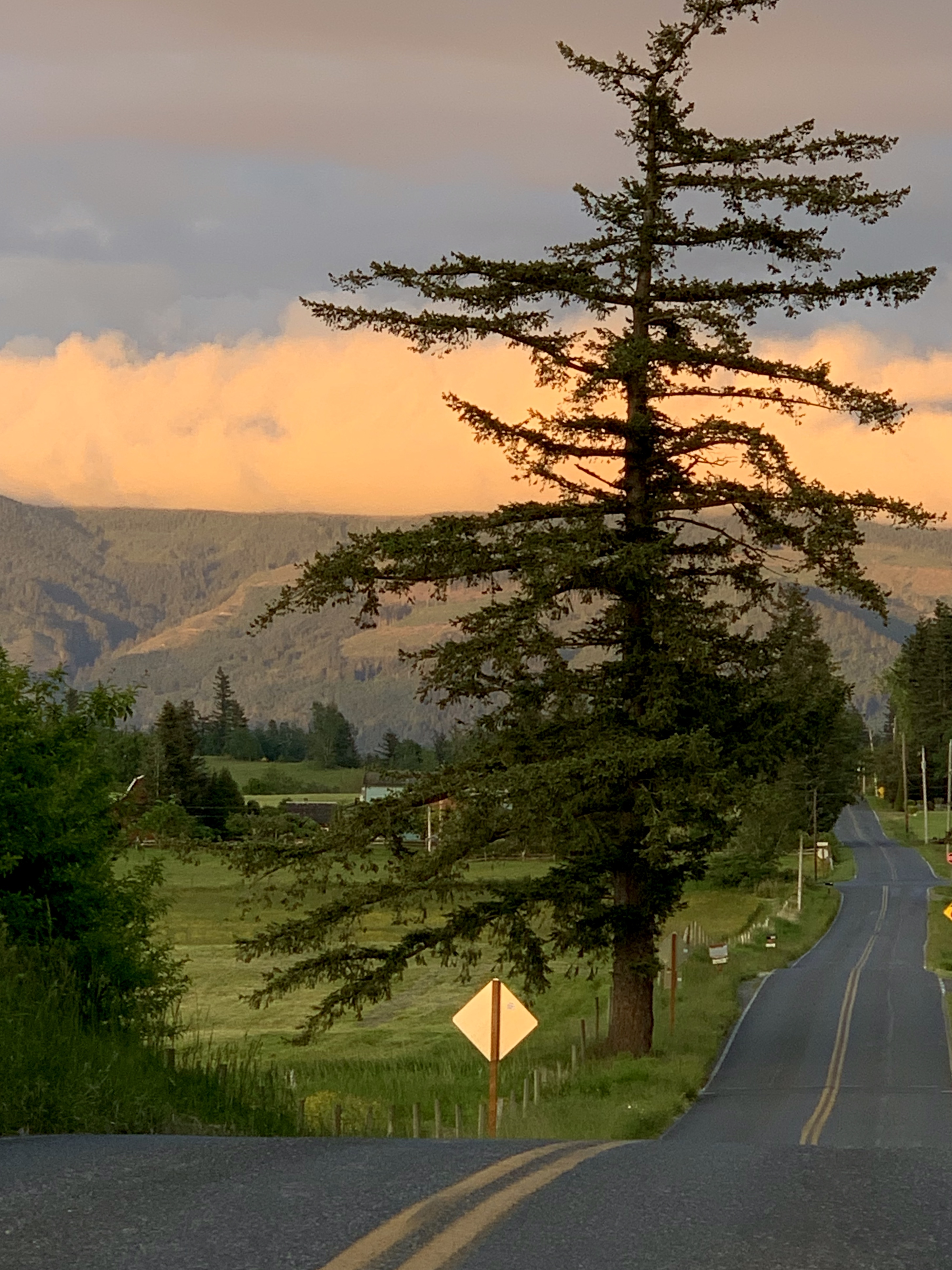
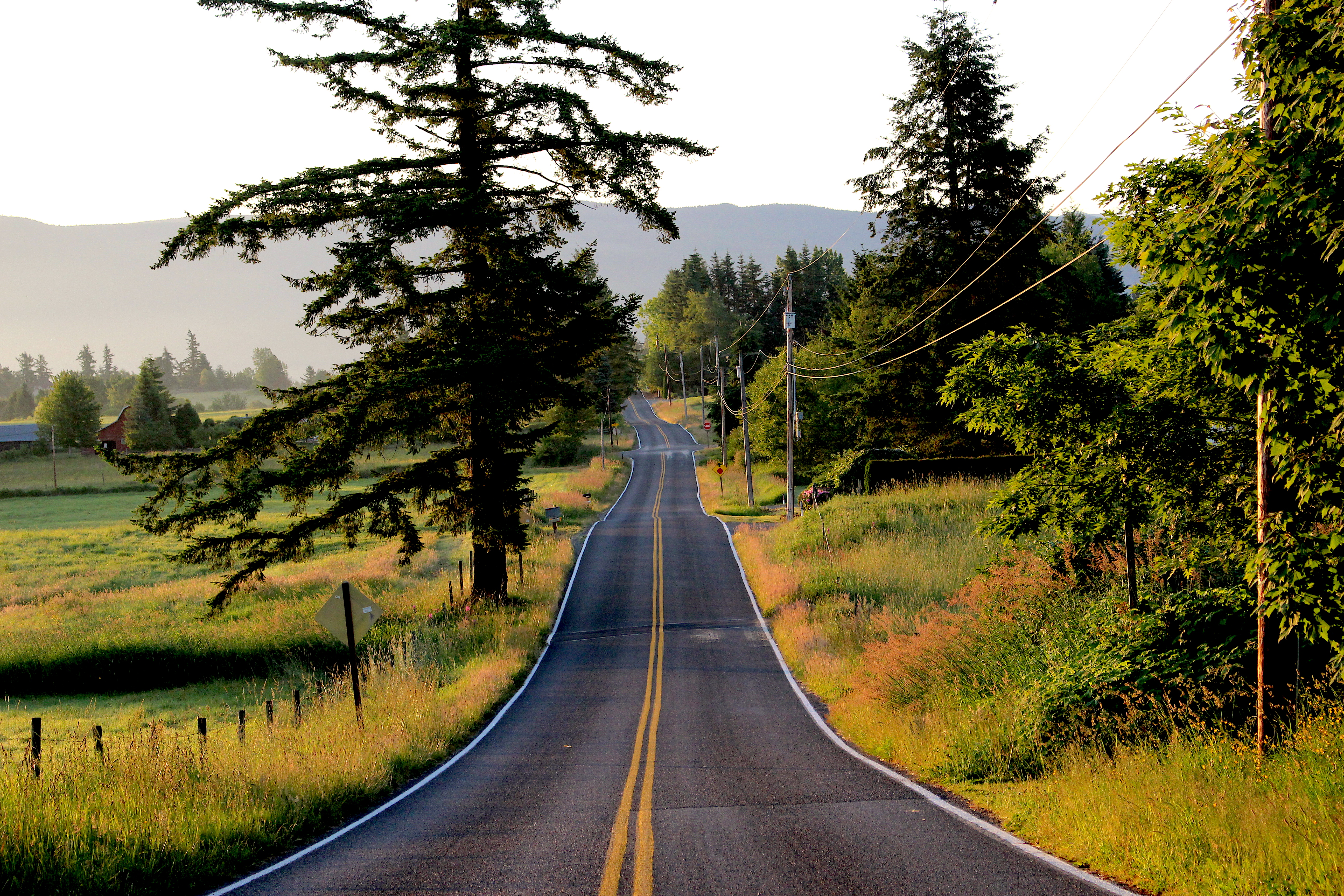
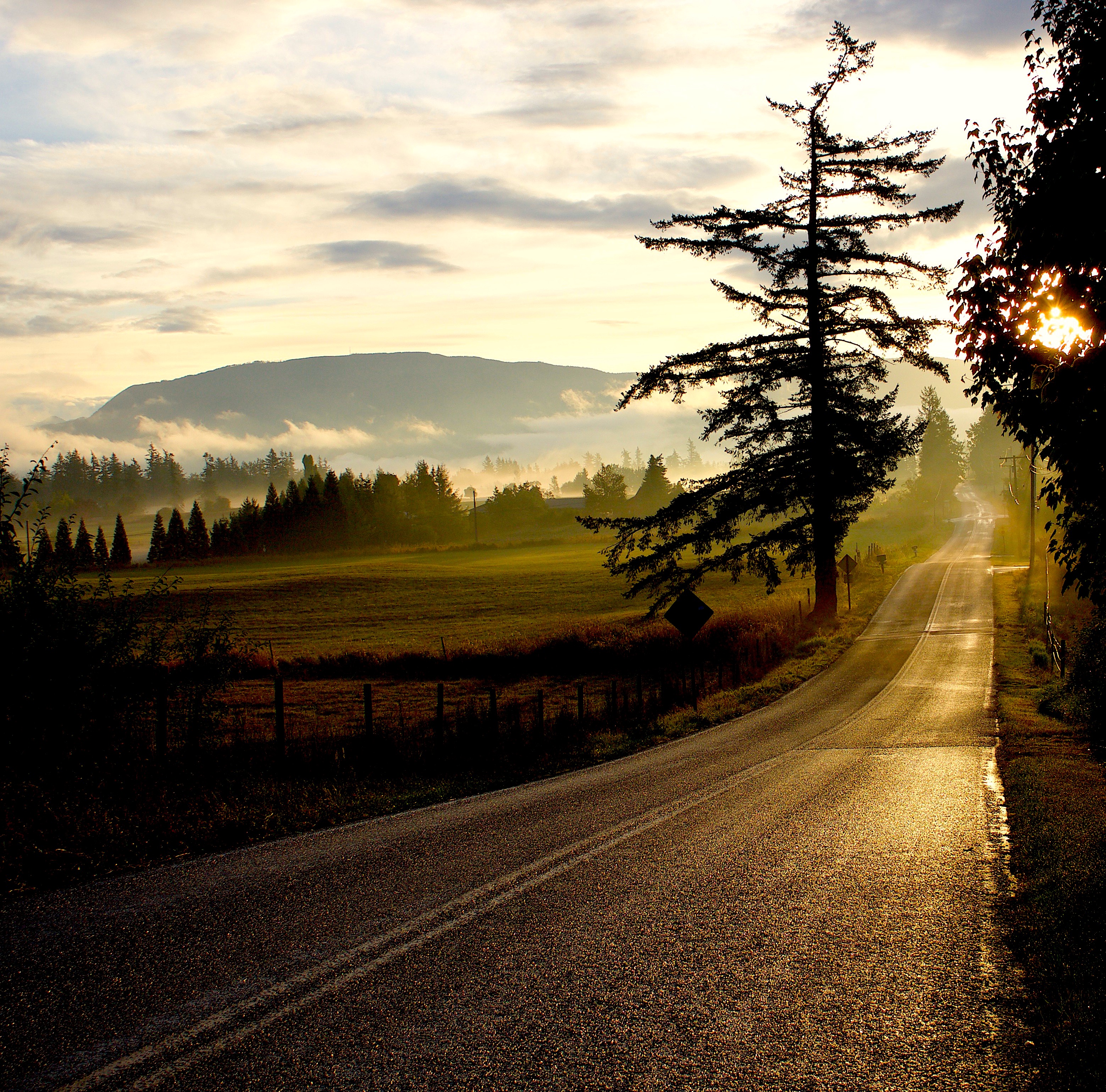
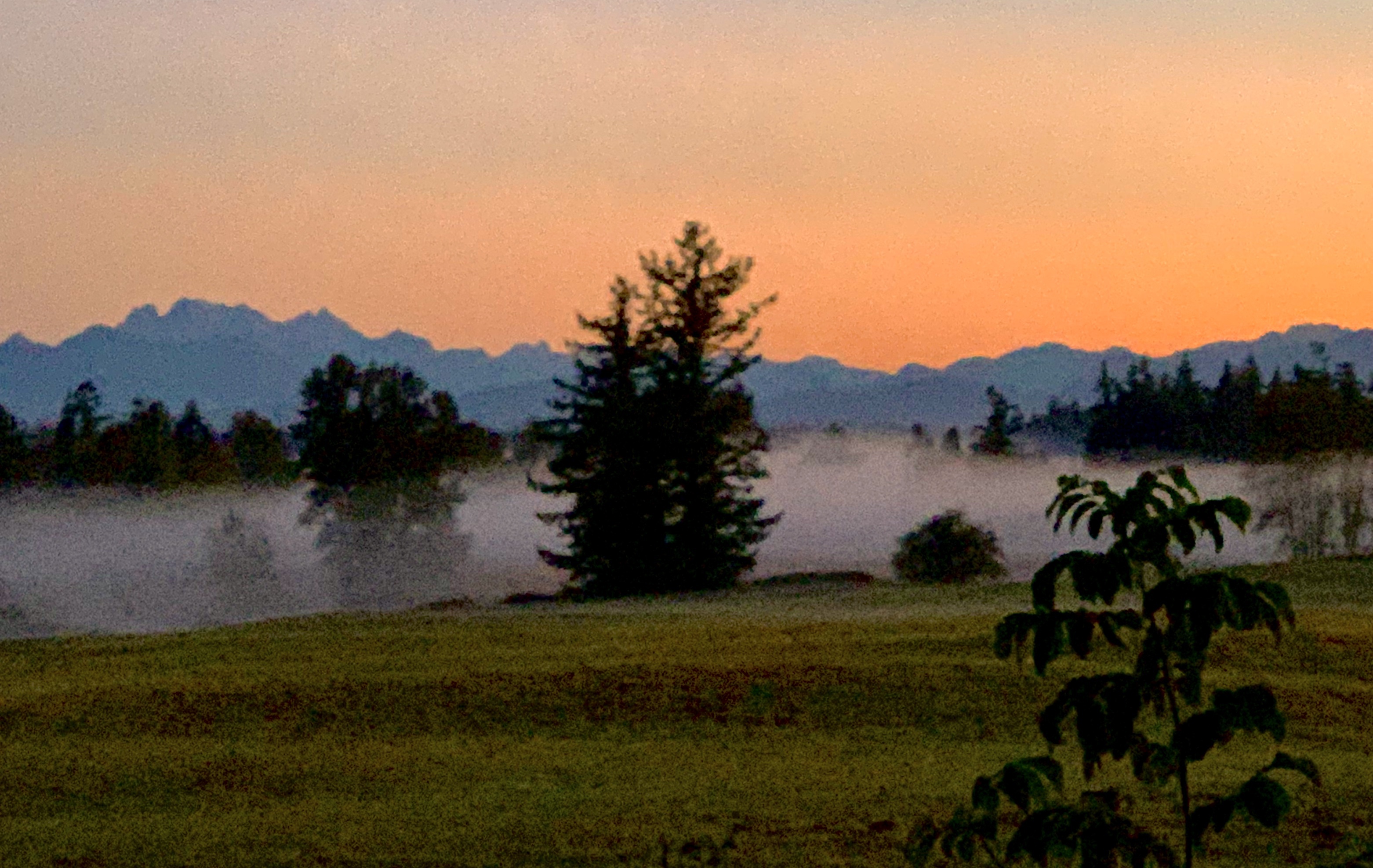
I know where this road ends to the east: at the very edge of the Cascade foothills, right in the middle of a small tribal nation trying to survive challenging economic times on their reservation land.
Heading west from here, there is another tribal nation trying to survive. In between are farmers who are having to sell their dairy herds because milk prices aren’t keeping up with the cost of maintaining their business. There are families now without sustainable wage employment because large industries have pulled up stakes and closed their doors. There is land that is overpriced as people flee the cities to come to rural surroundings because of ongoing pandemic shutdowns and worries.
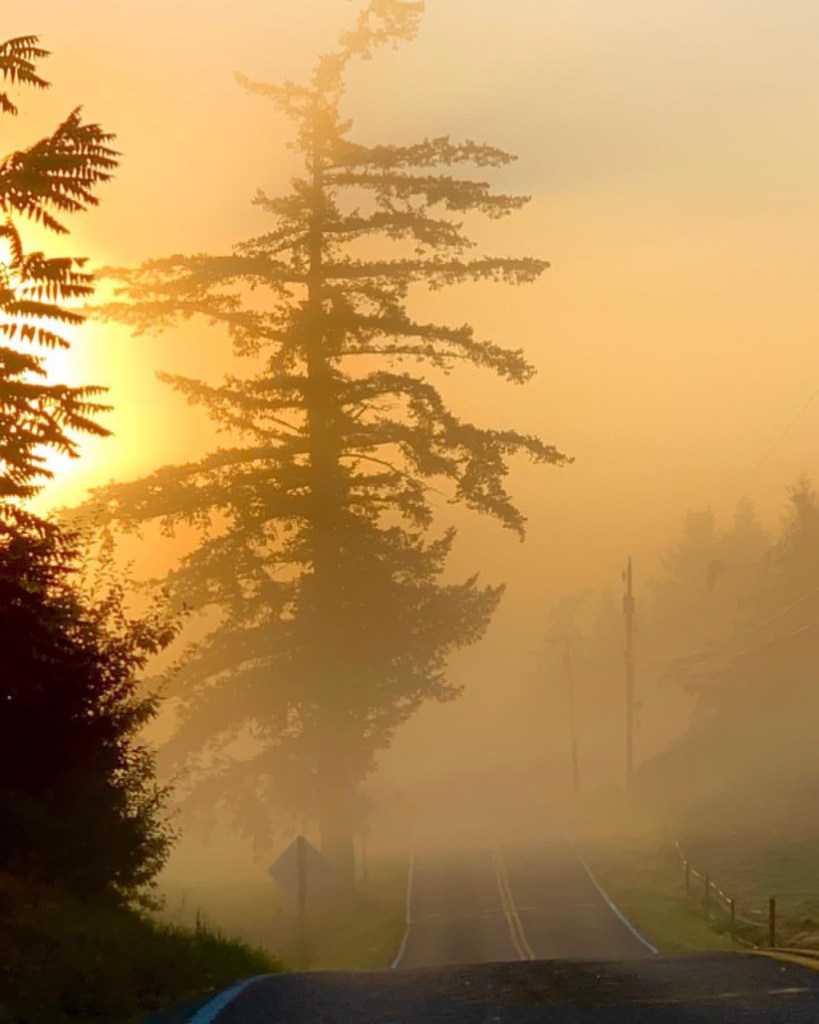
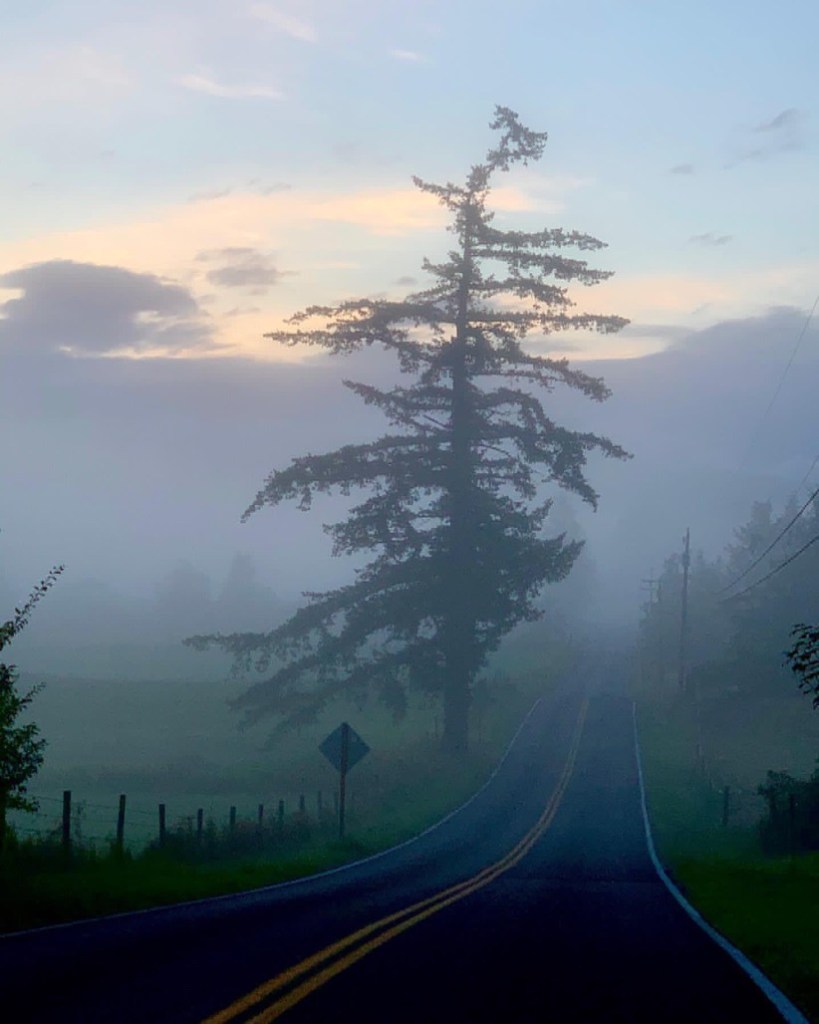
There is much sadness all along this country road during times like these, but that’s not new. In another 100 years it will still not be new. There will always be foggy and stormy days interspersed among times of hope and light.
We remain a diverse people of tears and struggle, but we take turns carrying one another when one has what another does not. We still have the sun and the rain and the soil, the turning of the seasons and the rhythm of sun up and sun down.
All men die. Not all men really live. ~William Wallace
Life — the temptation is always to reduce it to size. A bowl of cherries. A rat race. Amino acids. Even to call it a mystery smacks of reductionism. It is THE mystery.
After lecturing learnedly on miracles, a great theologian was asked to give a specific example of one. ‘There is only one miracle,’ he answered. “It is life.”
Have you wept at anything during the past year? Has your heart beat faster at the sight of young beauty? Have you thought seriously about the fact that someday you are going to die?
More often than not, do you really listen when people are speaking to you, instead of just waiting for your turn to speak? Is there anybody you know in whose place, if one of you had to suffer great pain, you would volunteer yourself?
If your answer to all or most of these questions is no, the chances are that you’re dead. ~Frederick Buechner from Listen to Your Life
I like mysteries if they are neatly solved between two book covers or contained within 90 minutes on a TV show.
Mysteries that don’t neatly resolve? Not so much. The uncertainty and unknowns can be paralyzing.
I am gifted the opportunity to witness miracles every day and the mystery is that I don’t often recognize them. I’m too “in my own head” to see.
If I weep, which I do more often than is comfortable to admit, am I weeping for something other than myself? If I listen, which I like to think I do well in my profession, but not as well in my personal life, do I really hear the perspective from another life and world view? If I become aware of someone’s suffering, am I willing to become uncomfortable myself to ease another’s pain?
I am being tested in these days of disrupted routines and potential threats to my health and well-being. Do I hunker down defensively or reach out unselfishly to make the best of the days that are left to me?
The mystery of when I will die can’t be solved until that moment comes, and I can’t be paralyzed by that unknown. But the everyday miracles of life are large and small and grand and plentiful and hidden in plain sight. I want to live every moment as their witness.
The world is changed. I feel it in the water. I feel it in the earth. I smell it in the air. Much that once was, is lost For none now live who remember it. ~J.R.R. Tolkien Galadriel’s prologue to The Fellowship of the Rings
There trudges one to a merry-making With a sturdy swing, On whom the rain comes down.
To fetch the saving medicament Is another bent, On whom the rain comes down.
One slowly drives his herd to the stall Ere ill befall, On whom the rain comes down.
This bears his missives of life and death With quickening breath, On whom the rain comes down.
One watches for signals of wreck or war From the hill afar, On whom the rain comes down.
No care if he gain a shelter or none, Unhired moves on, On whom the rain comes down.
And another knows nought of its chilling fall Upon him at all, On whom the rain comes down. ~Thomas Hardy “An Autumn Rain-scene”(1904)
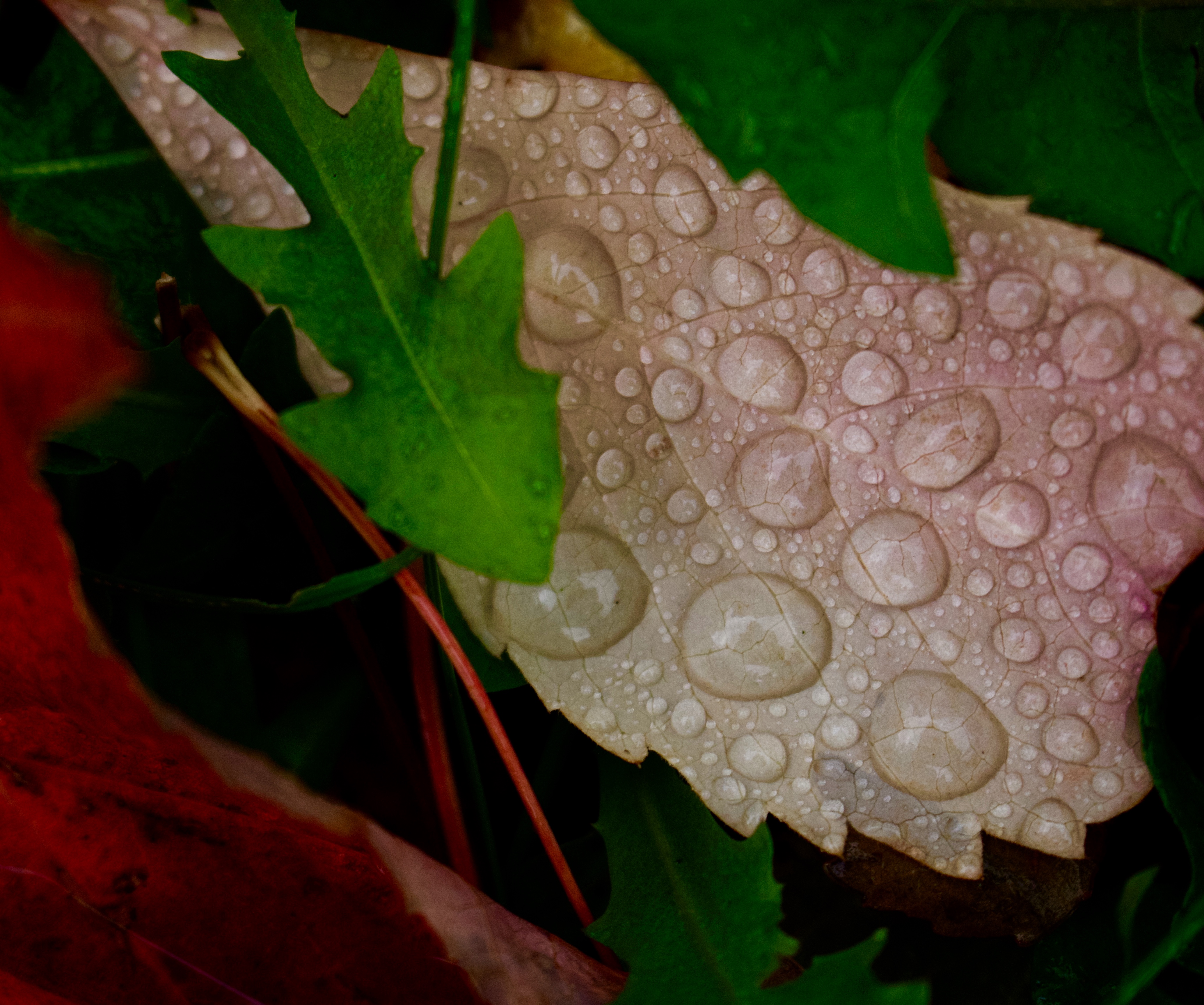
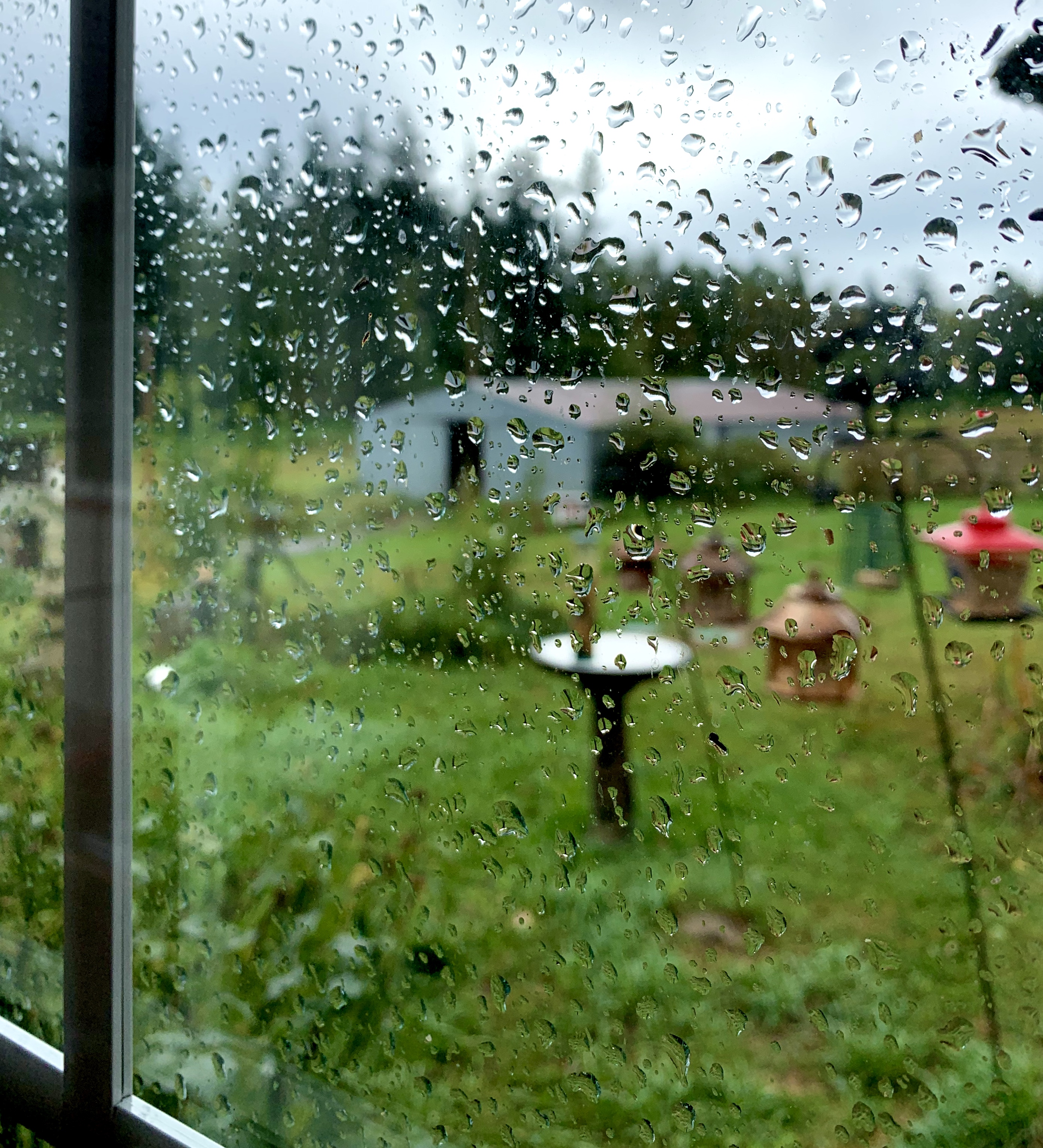
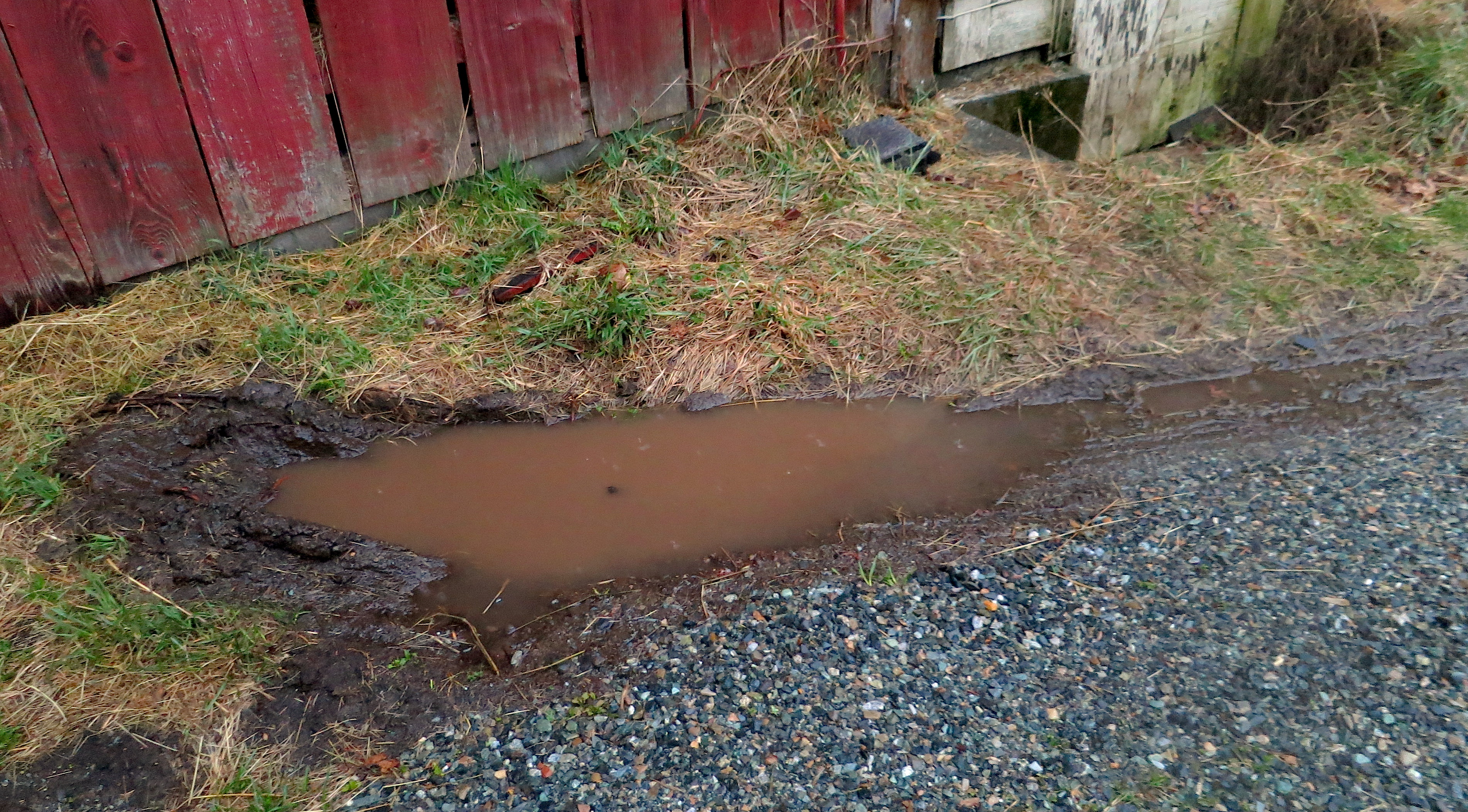
The rain has returned, now six months into a changed world. The rain blows, raging against the windows and puddling in the low spots, sparing nothing and no one.
It drenches all and everyone – none of us immune from the cleansing: whether missing the joy of sweet fellowship, whether bearing urgent messages or administering badly needed medication, whether trudging through the day’s chores, whether unemployed and praying for work, whether bearing witness to ongoing divisive conflict and tragedy, or whether the rain falls chill upon those newly lying still and silent beneath the soil.
In our universal soaking, may we look at one another with a renewed compassion. Each one of us deserves a warm and comforting toweling off, being buffed and fluffed so we’re ready to face what comes next.
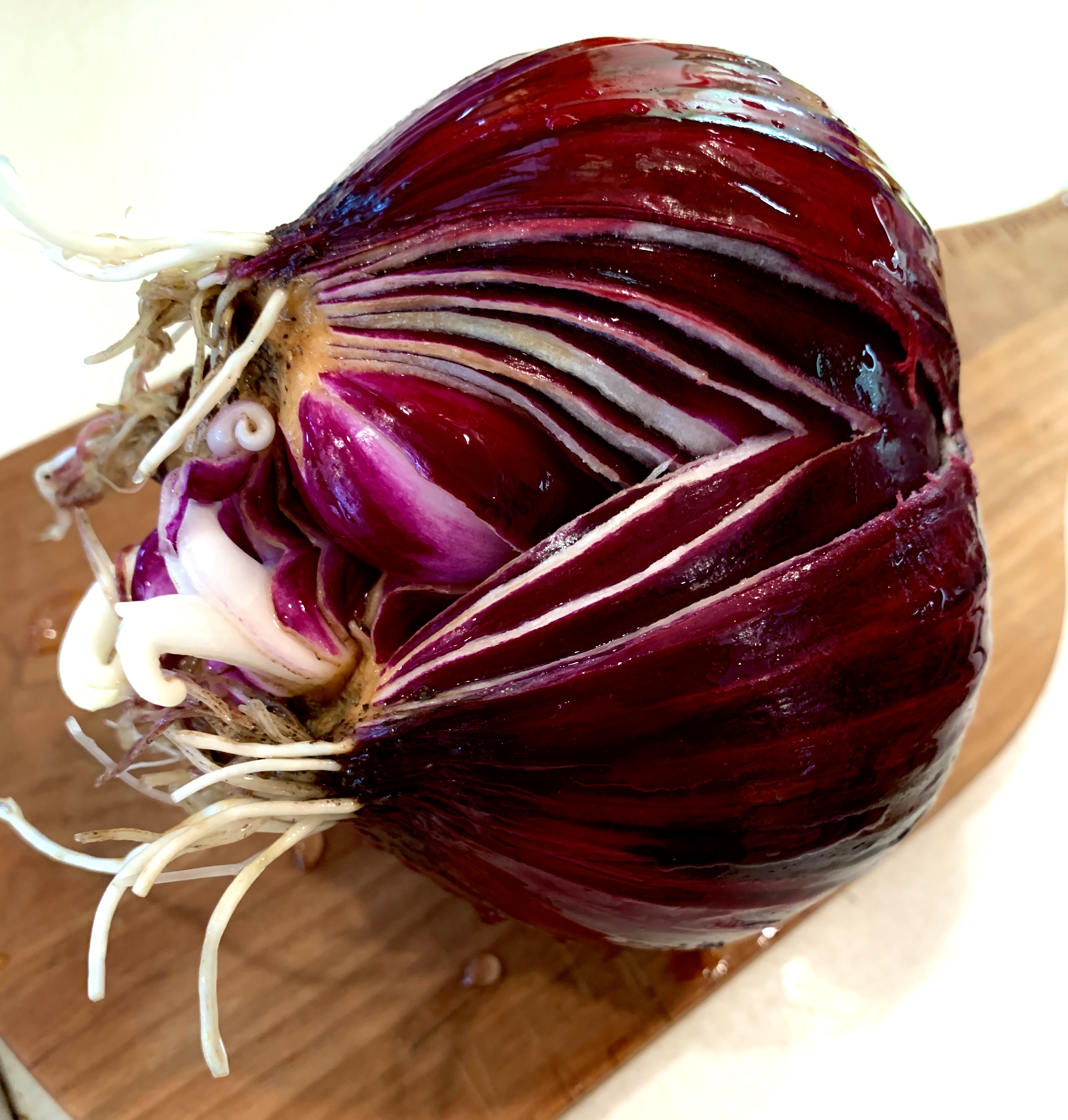
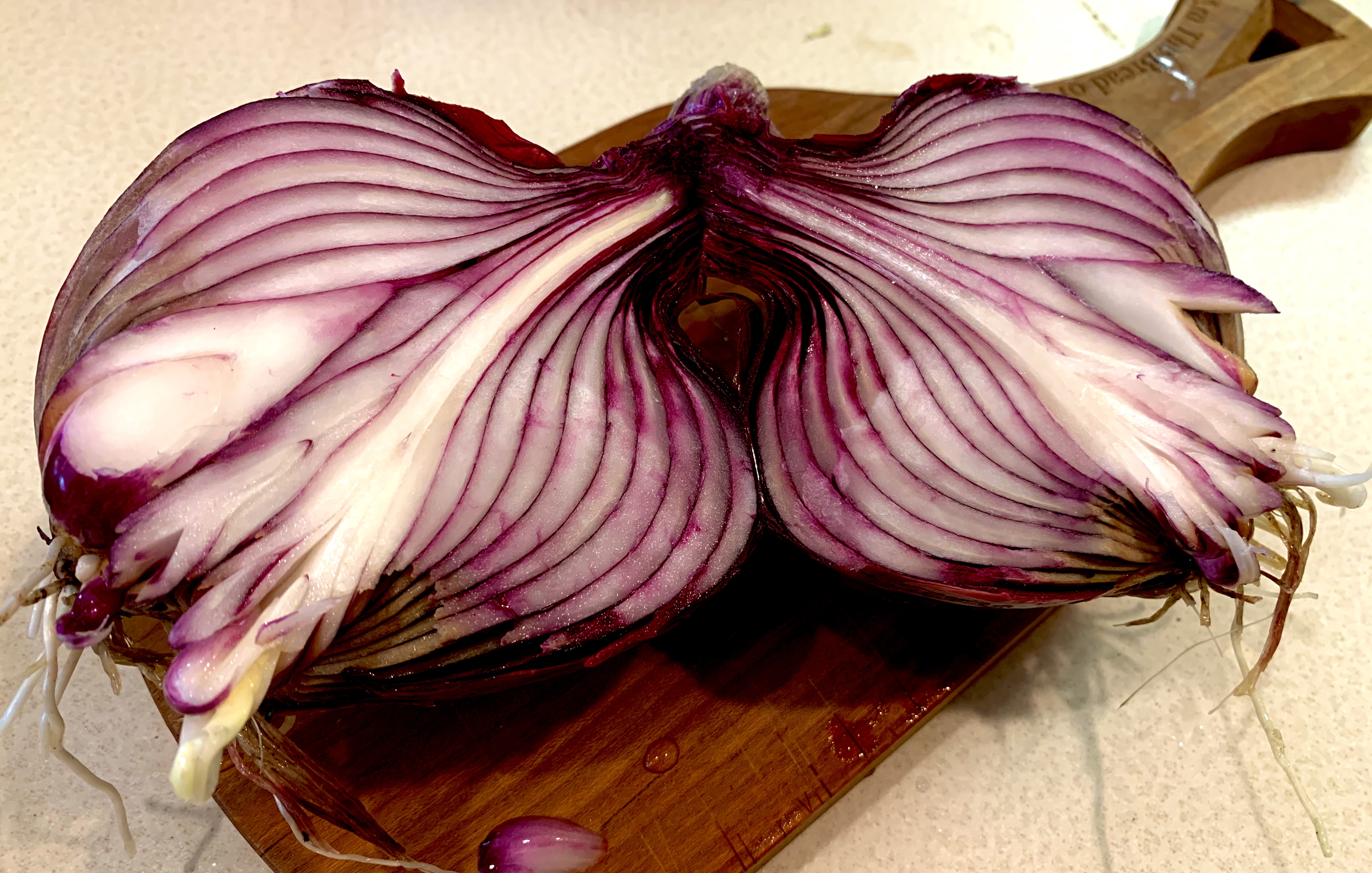
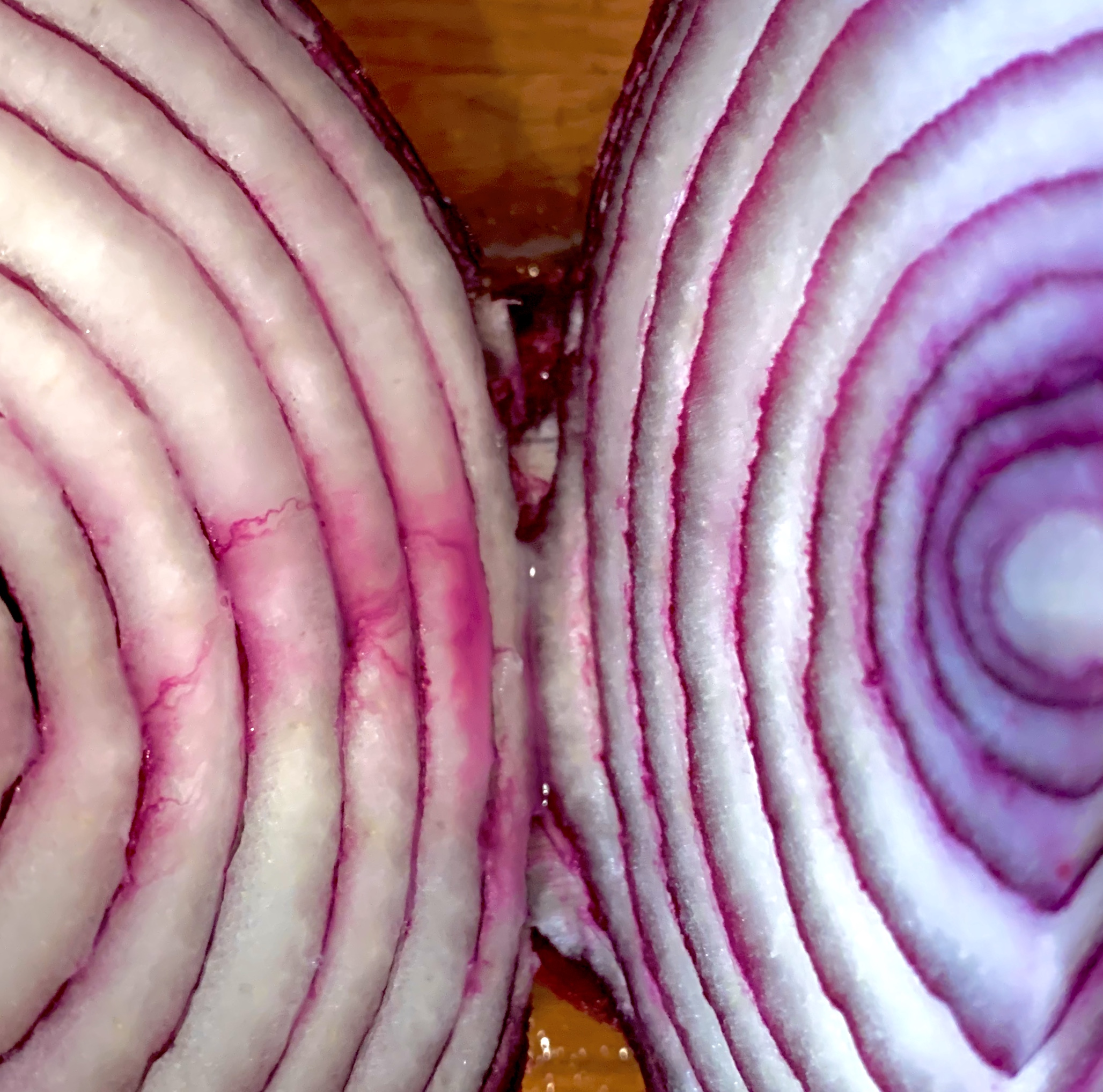
…It’s true it can make you weep to peel them, to unfurl and to tease from the taut ball first the brittle, caramel-colored and decrepit papery outside layer, the least
recent the reticent onion wrapped around its growing body, for there’s nothing to an onion but skin, and it’s true you can go on weeping as you go on in, through the moist middle skins, the sweetest
and thickest, and you can go on in to the core, to the bud-like, acrid, fibrous skins densely clustered there, stalky and in- complete, and these are the most pungent… ~William Matthews from “Onions”
…I would never scold the onion for causing tears. It is right that tears fall for something small and forgotten. How at meal, we sit to eat, commenting on texture of meat or herbal aroma but never on the translucence of onion, now limp, now divided, or its traditionally honorable career: For the sake of others, disappear. ~Naomi Shihab Nye, from “The Traveling Onion” from Words Under the Words: Selected Poems.
Onion, luminous flask, your beauty formed petal by petal, crystal scales expanded you and in the secrecy of the dark earth your belly grew round with dew. Under the earth the miracle happened and when your clumsy green stem appeared, and your leaves were born like swords in the garden, the earth heaped up her power showing your naked transparency…
…You make us cry without hurting us. I have praised everything that exists, but to me, onion, you are more beautiful than a bird of dazzling feathers, heavenly globe, platinum goblet, unmoving dance of the snowy anemone
and the fragrance of the earth lives in your crystalline nature. ~Pablo Neruda from “Ode to the Onion”
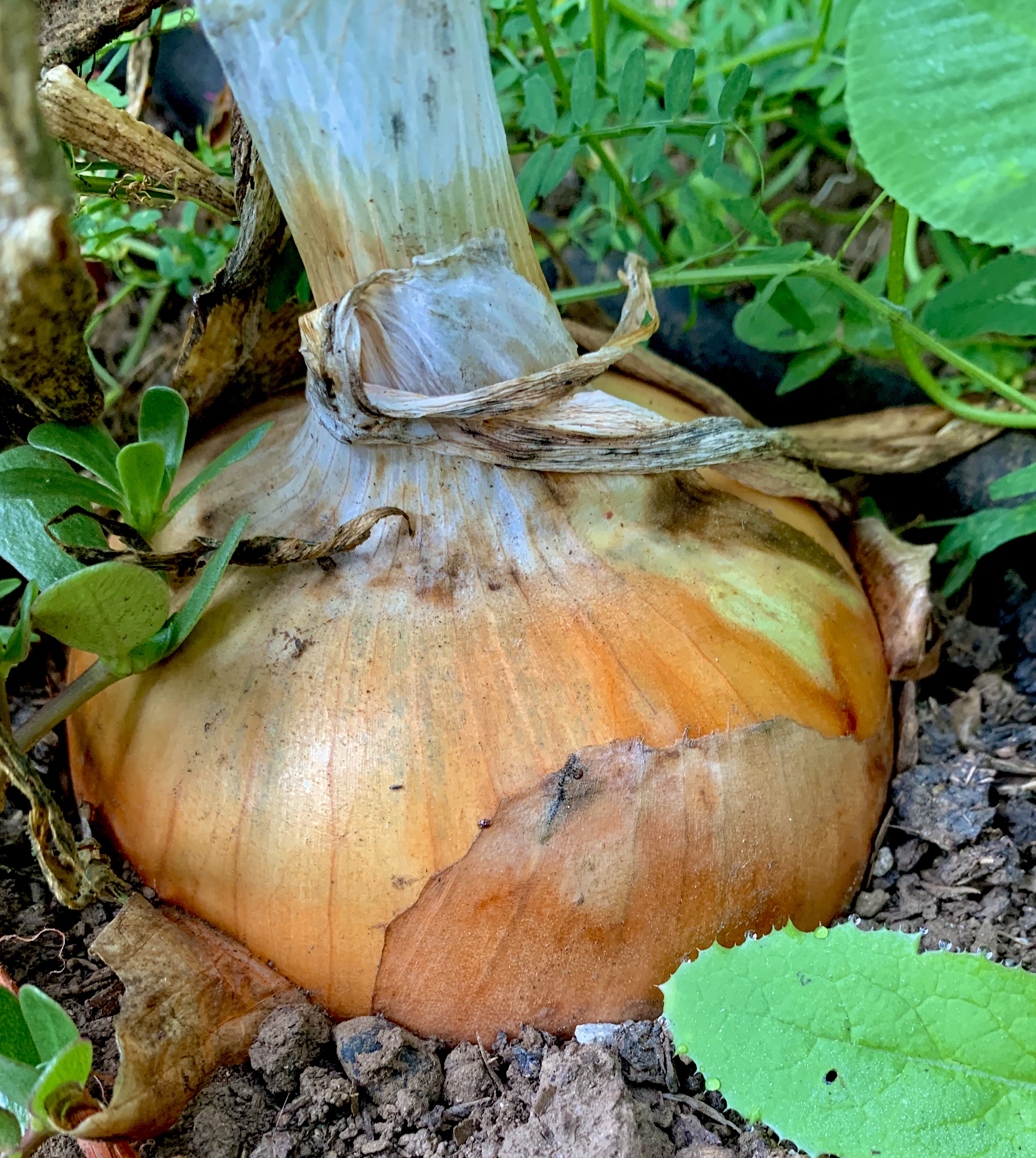
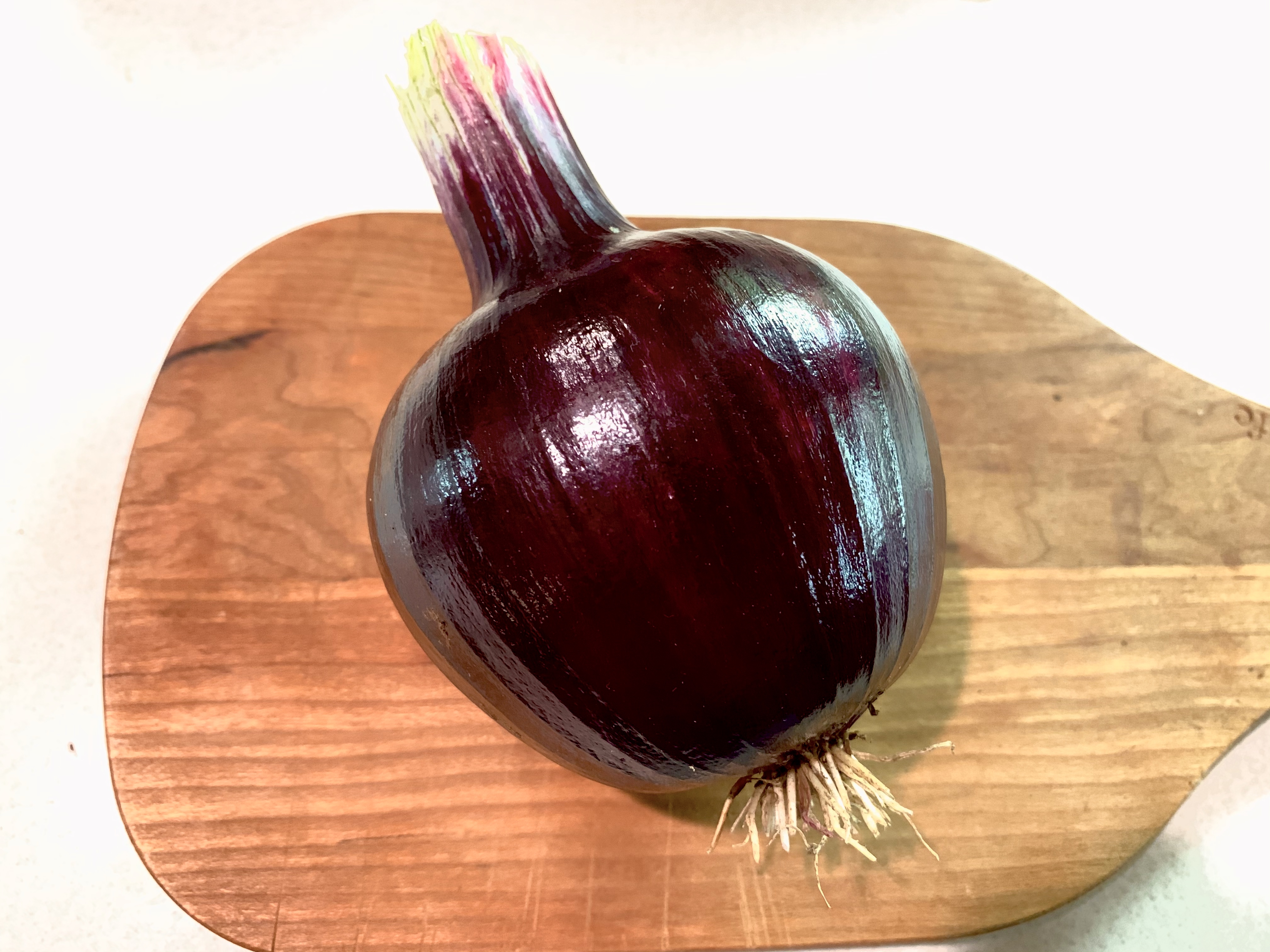
Everything smells of “eau de onion” here in the kitchen as the onions are brought in from our late summer garden to be stored or dehydrated and frozen for winter soups and stews.
This is weepy business, but these are good tears like I spill over the whistled Greensleeves theme from the old “Lassie” TV show, or during any childrens’ choir song, or by simply watching videos of our grandchildren who are quarantined so far away from our arms.
It takes almost nothing these days to make me weep, so onions are a handy excuse, allowing my tears to flow without explanation:
I weep over the headlines. I weep over how changed life is and for the sadness of the stricken. I weep over how messy things can get between people who don’t listen to one another or who misinterpret what they think they hear. I weep knowing we all have layers and layers of skin that appear tough on the outside, but as you peel gently or even ruthlessly cut them away, the layers get more and more tender until you reach the throbbing heart of us.
We tend to hide our hearts out of fear of being hurt, crying out in pain.
Like an onion, each one of us exists to make the day a bit better, the meal more savory, to enhance the flavors of all who are mixed into this melting pot together. We aren’t meant to stand alone, but to disappear into the stew, and be sorely missed if we are absent.
So very dish needs an onion, and for the sake of the dish, every onion vanishes in the process.
No, I don’t mean to make you cry as you peel my layers away, gently, one by one, each more tender until you reach my heart. Chop away at me if you must but weep the good tears, the ones that mean we weep for the sake of our meal together: you eating and drinking, and me – consumed.
The heart’s reasons seen clearly, even the hardest will carry its whip-marks and sadness and must be forgiven.
As the drought-starved eland forgives the drought-starved lion who finally takes her, enters willingly then the life she cannot refuse, and is lion, is fed, and does not remember the other.
So few grains of happiness measured against all the dark and still the scales balance.
The world asks of us only the strength we have and we give it. Then it asks more, and we give it. ~Jane Hirshfield “The Weighing” from The Beauty
So many right now feel they have no more left to give; so much has been asked, so much sacrificed, the scale feels broken, forever out of balance.
Yet more strength is needed, more requested, and somehow in some way, the scale steadies, rebalances because of that extra effort.
We can’t give up now. We need each other to give a little more try a little harder go a little farther smile behind the mask while showing our smile above the mask.
It only takes a little love to balance out all the rest.
from “Feats of Strength” by Tom Otterness at Western Washington University










 Barnstorming