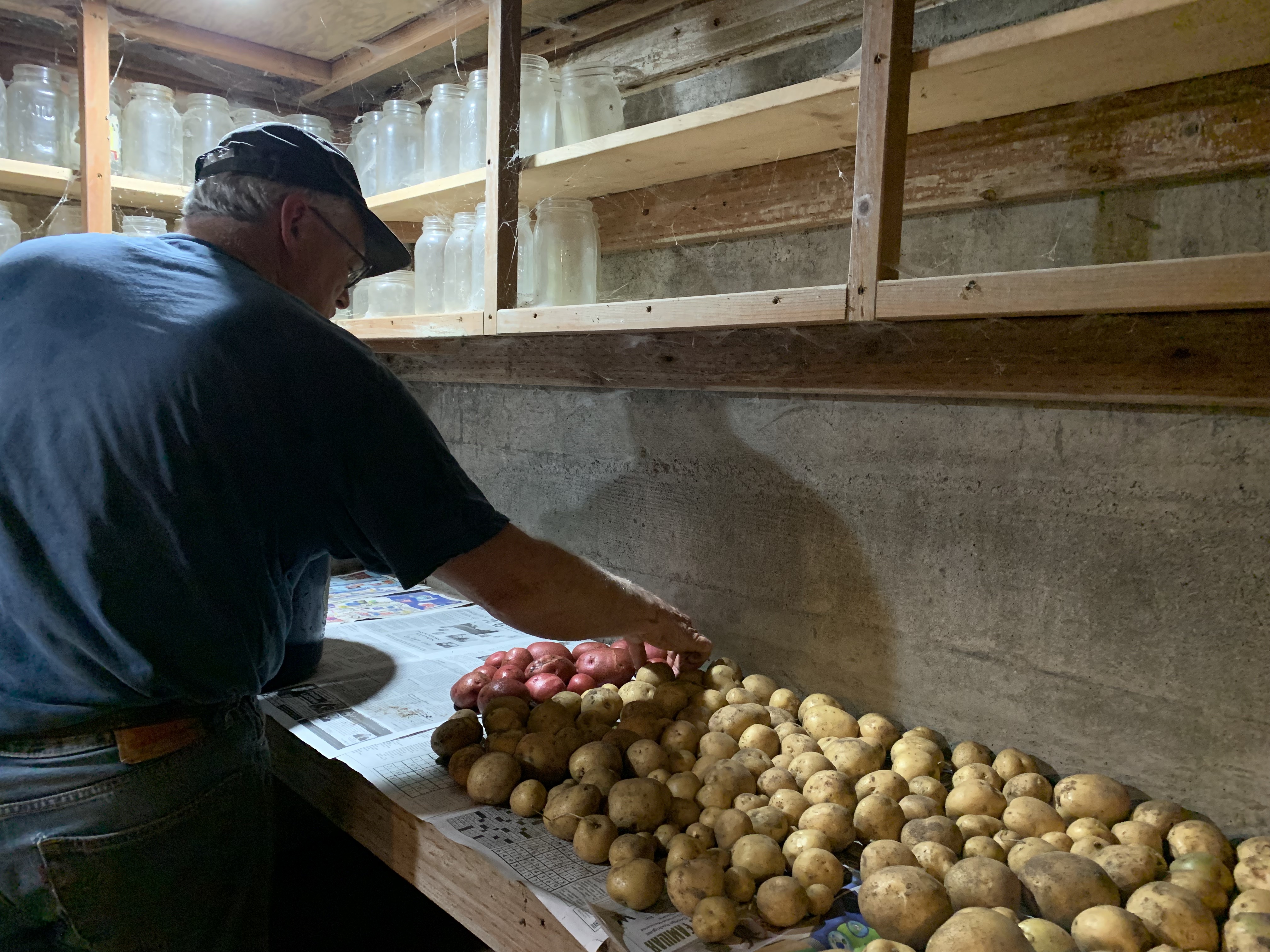
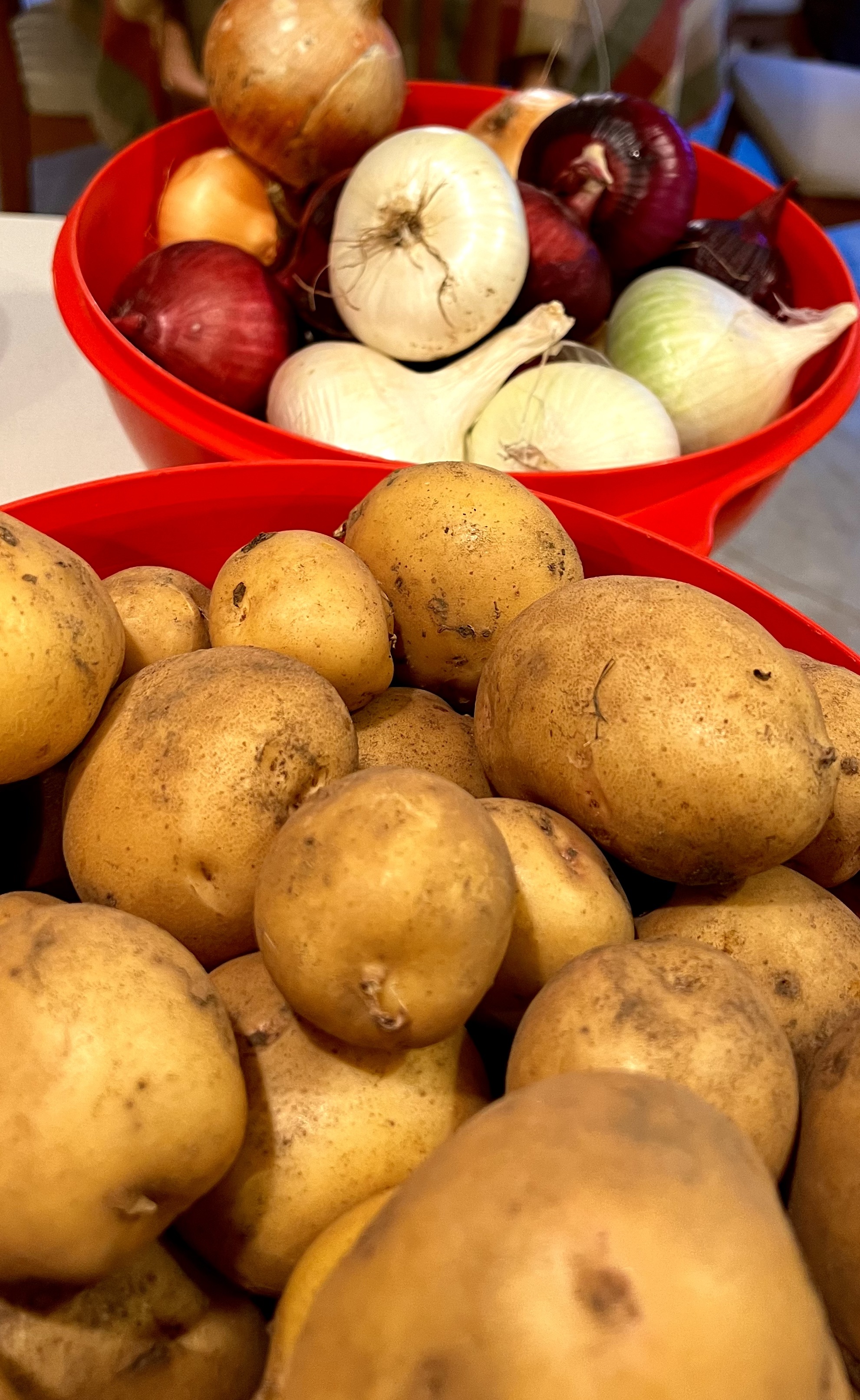
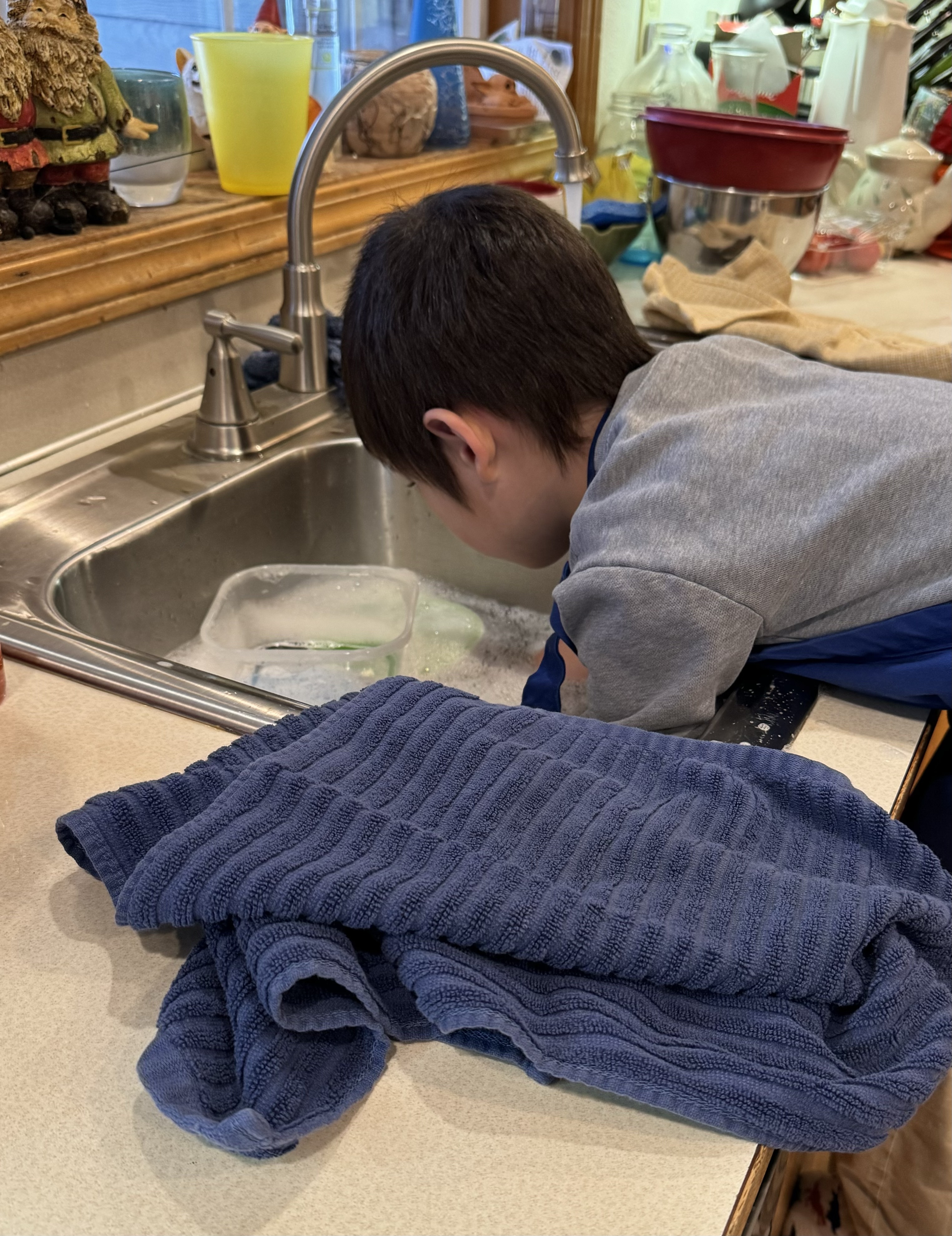
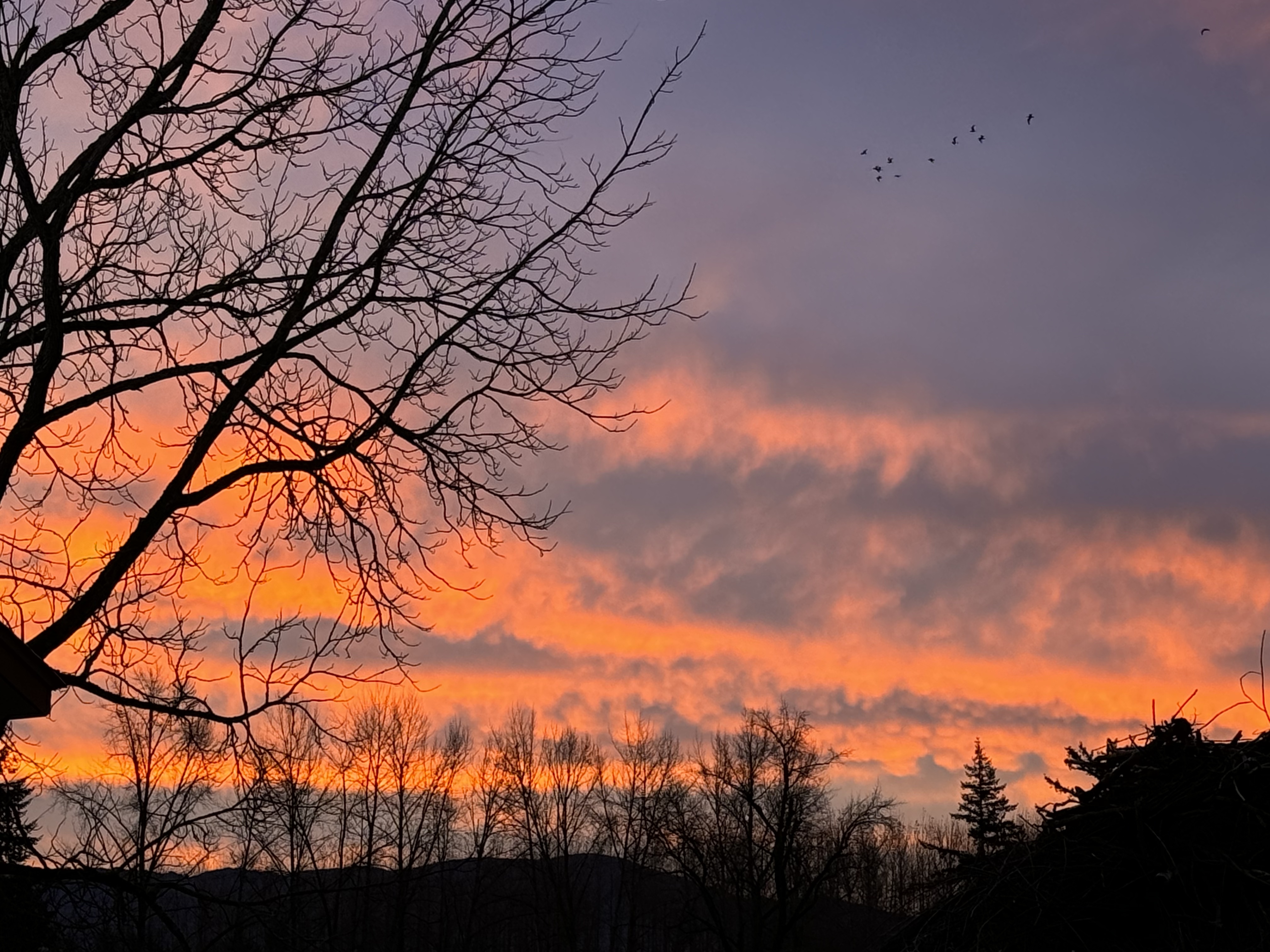
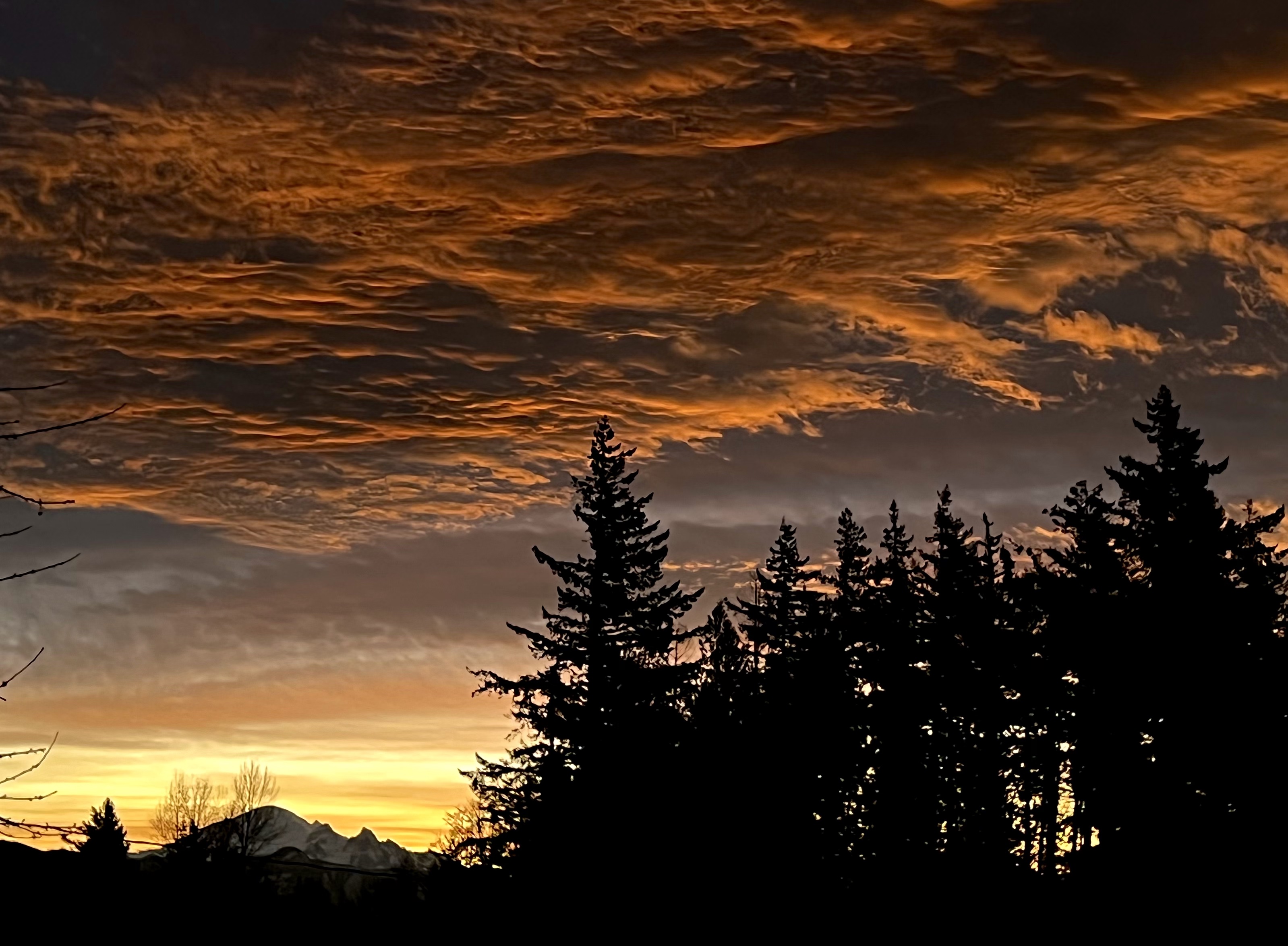
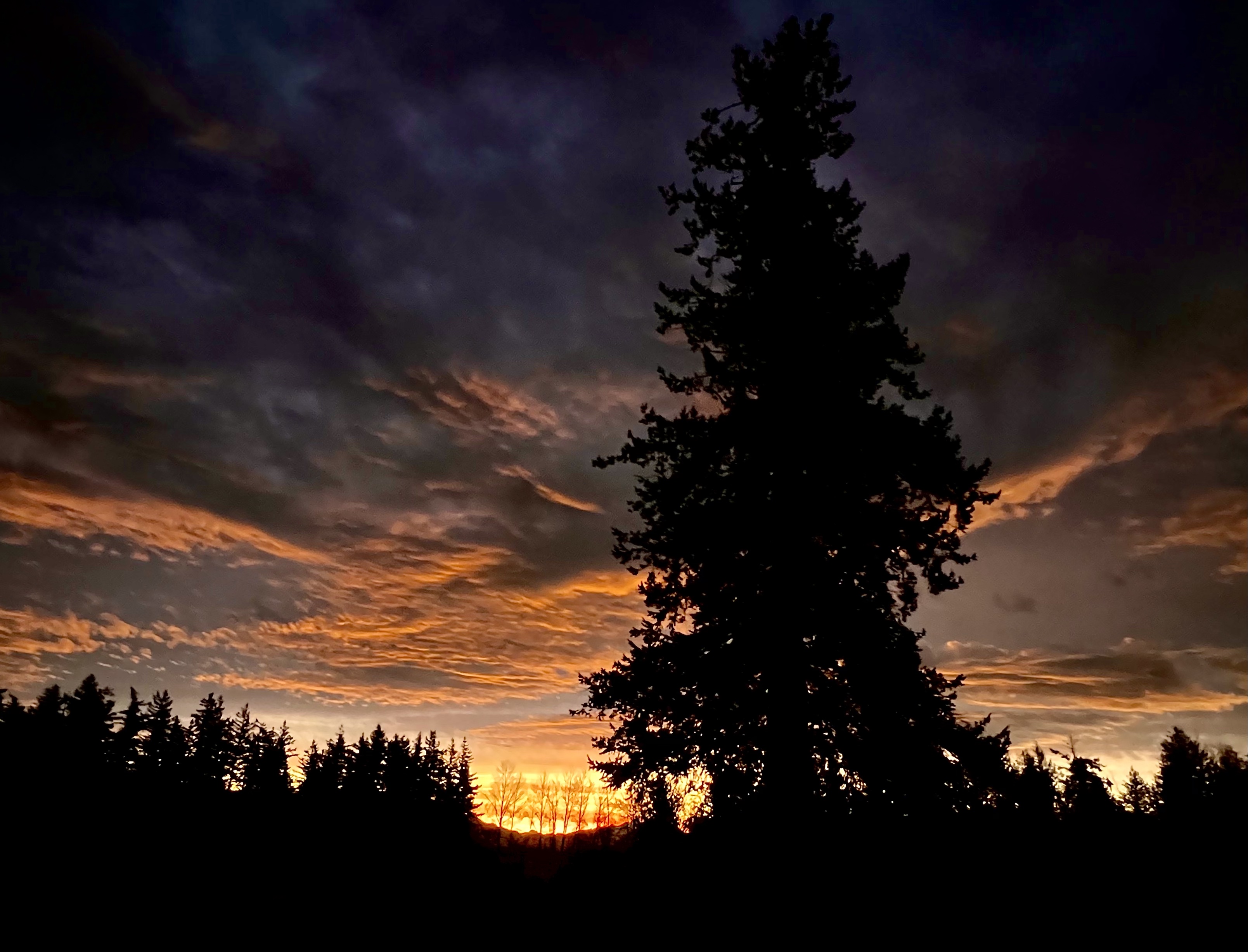
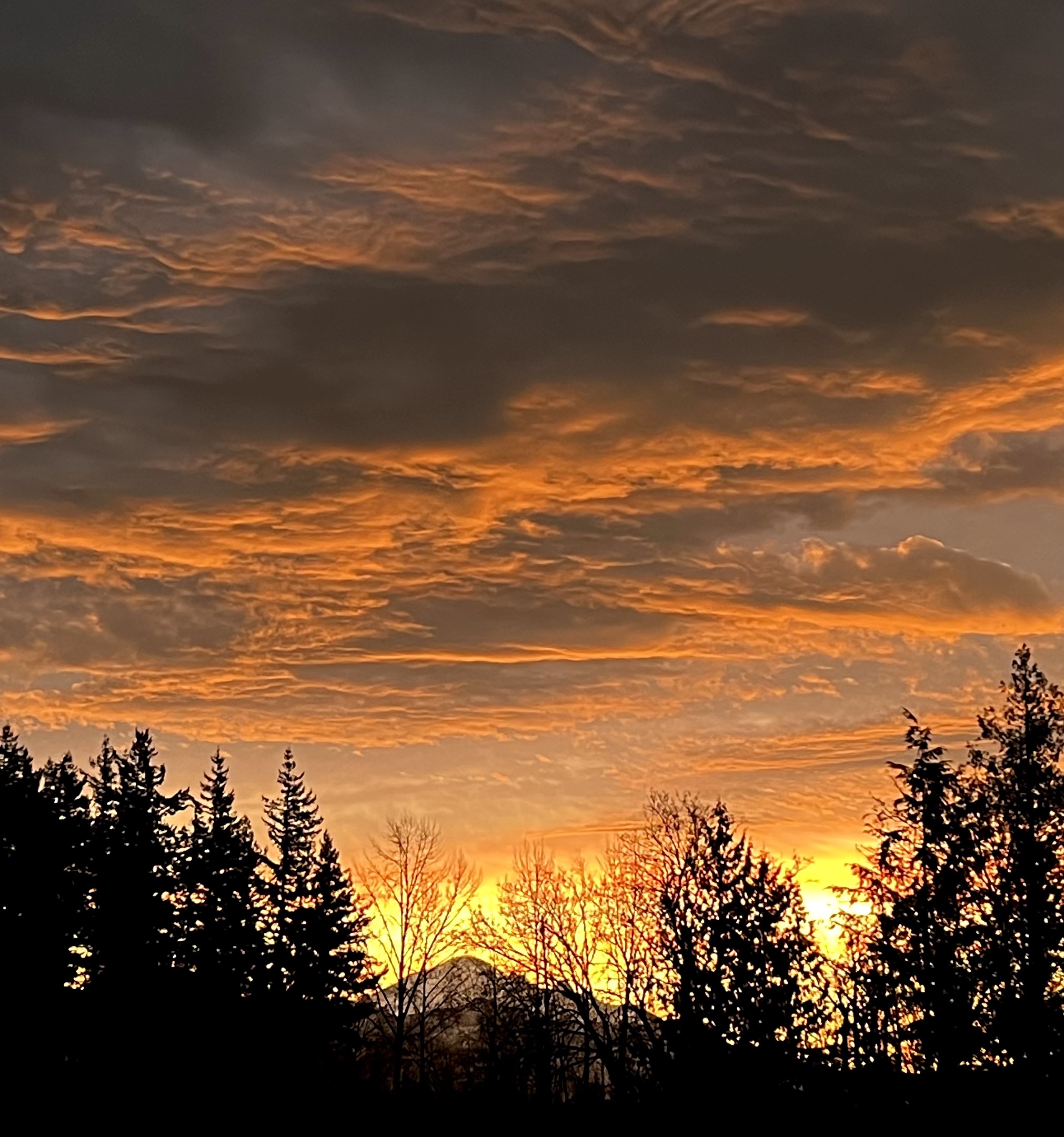
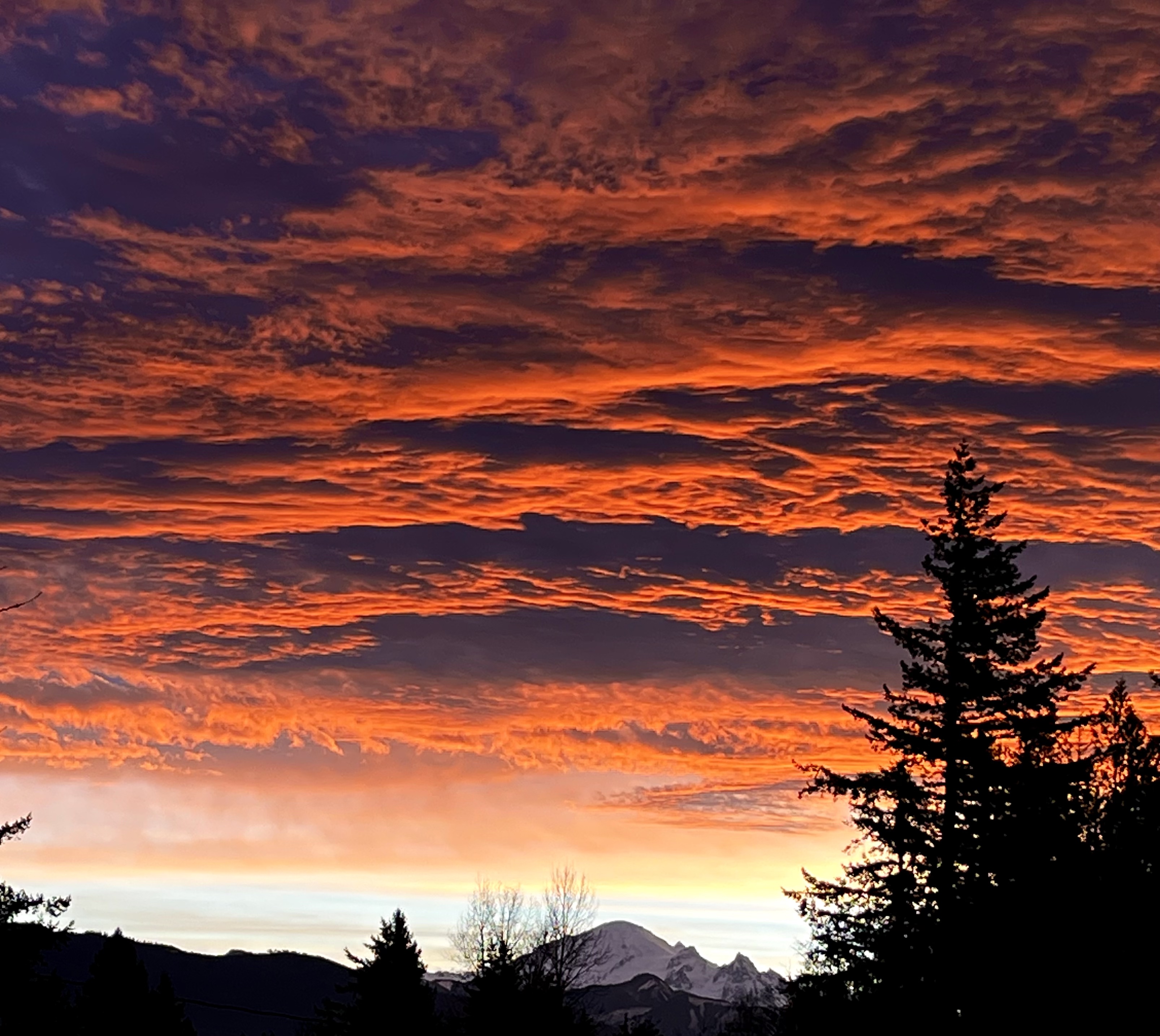
A life should leave deep tracks: ruts where she went out and back to get the mail or move the hose around the yard; where she used to stand before the sink, a worn-out place; beneath her hand the china knobs rubbed down to white pastilles; the switch she used to feel for in the dark almost erased. Her things should keep her marks. The passage of a life should show; it should abrade. And when life stops, a certain space— however small— should be left scarred by the grand and damaging parade. Things shouldn’t be so hard. ~Kay Ryan “Things Shouldn’t Be So Hard” from The Niagra River
“The passage of a life should show…”
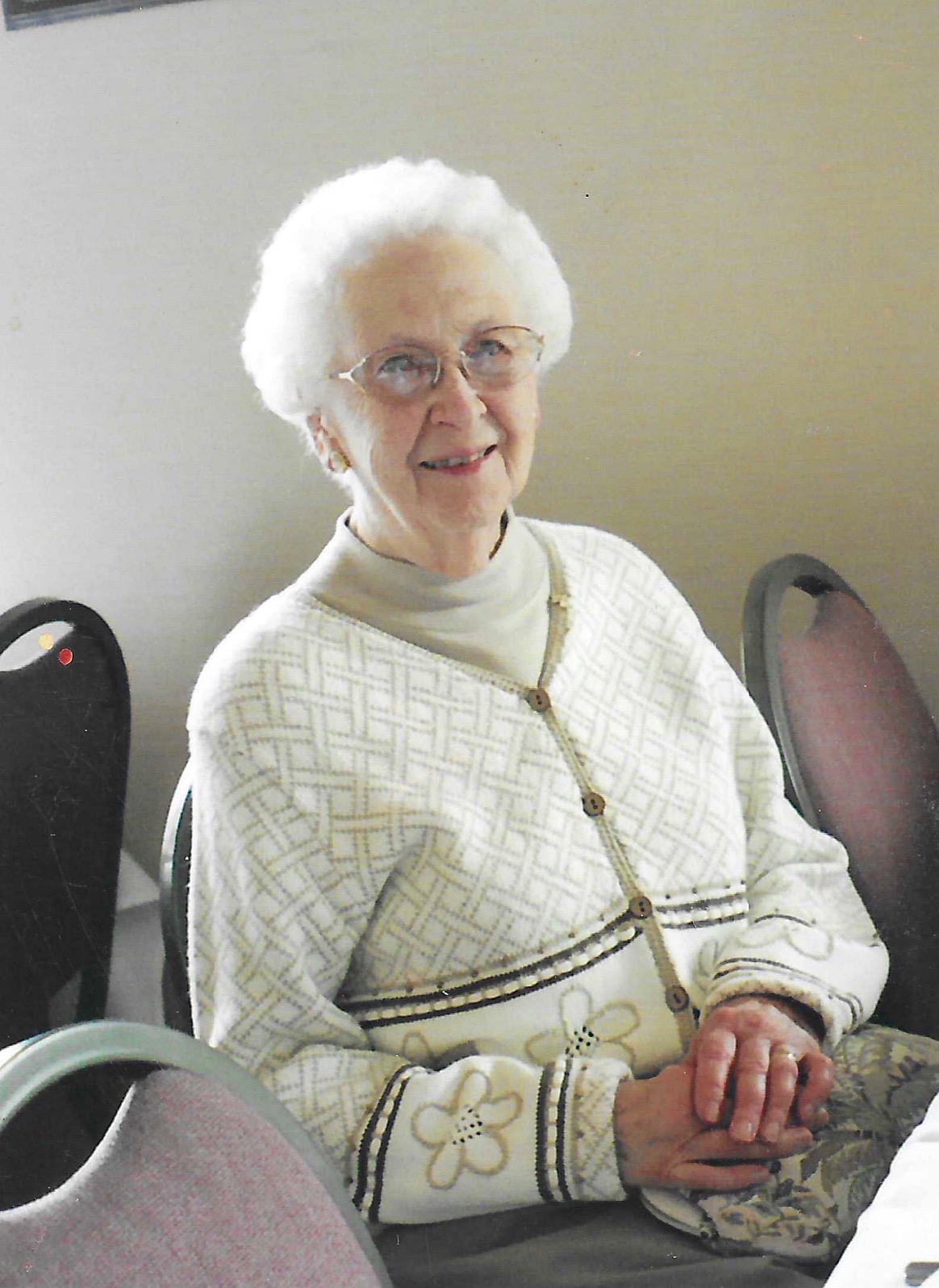
Since losing my friend Sara unexpectedly a month ago, I’ve thought a lot about the deep tracks she left behind. Traces of her life will forever mark her husband and children and grandchildren. They follow her pathways in her large farmhouse kitchen from sink to stove to cupboard to table. Her garden and orchard display her obvious affection for things that bloom and fruit while her wrap-around porch mirrors her love of sitting and witnessing it all.
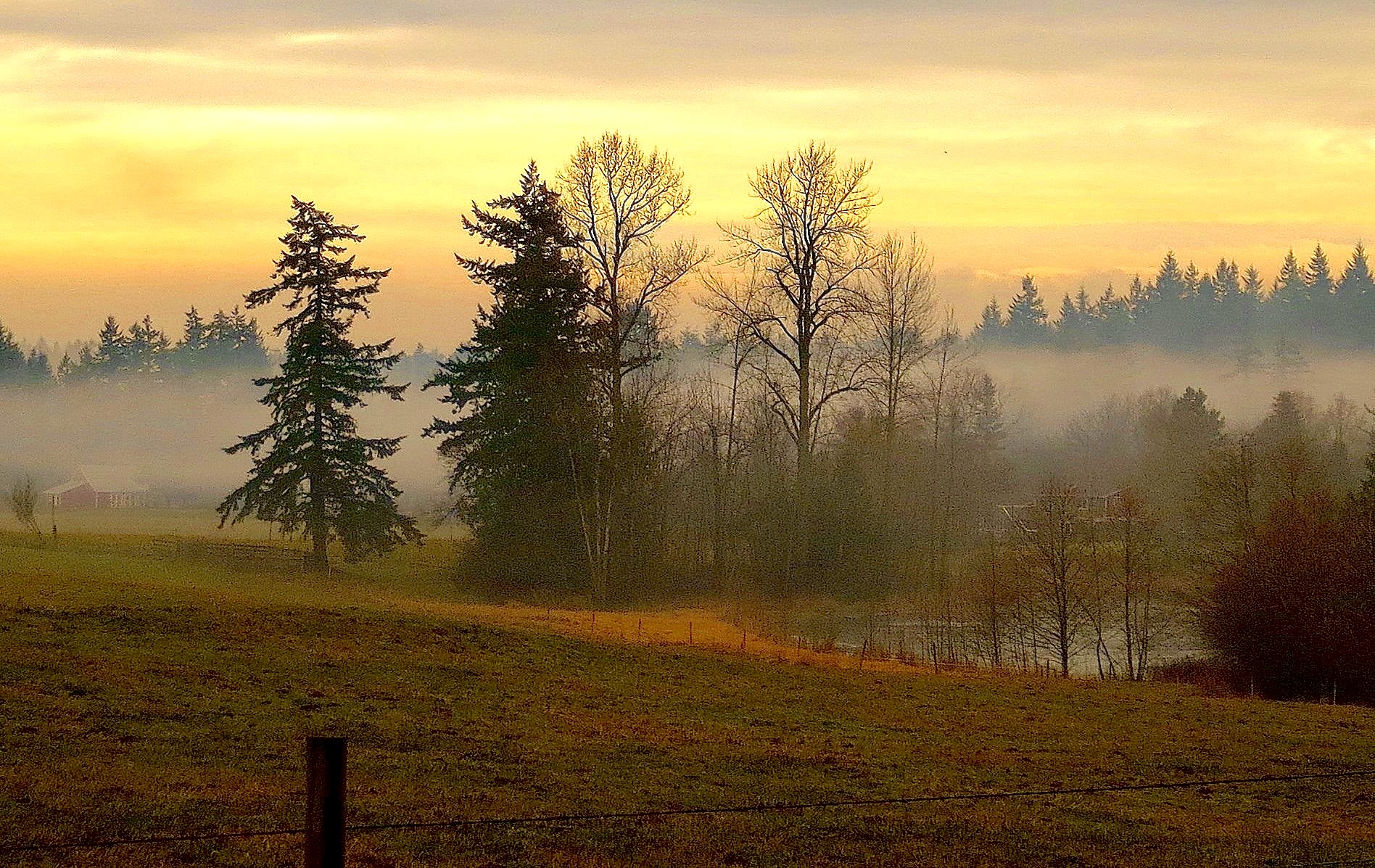
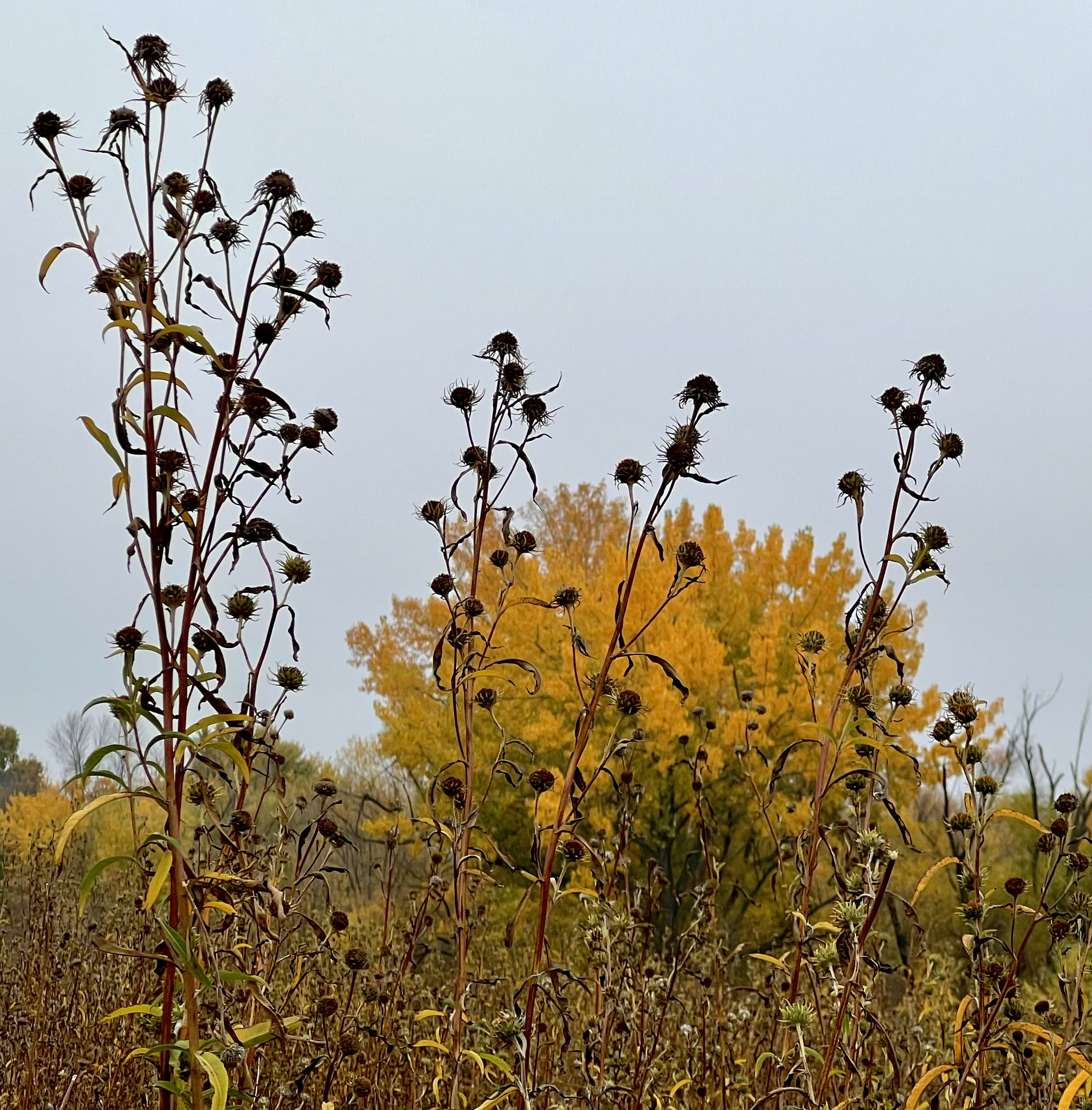
Most of all her tracks are showing up on so many broken hearts, where we still feel her presence. Although I realize she is truly gone from this world, it is as if the season suddenly changed in response to her leaving. The misty mornings seem weary, the trees are now bare, the frost has been thick and a north wind has started to blow. Before too long, we’ll be remembering her boot steps in the barnyard snow.
No one Sara touched has been left abraded or scarred from her use. She was far too gentle in her touch; she worked hard not to leave traces of where she had been, as determined as she was to avoid attention. Her intention was to always remain in the background so others could shine. Now that she is gone, the background itself has been changed. The passage of her life will not dim the light she focused on her family and friends and the patients who loved her.
She wouldn’t want it to be this hard without her here. But it is.
When you go home tell them of us and say – “For your tomorrow we gave our today” ~John Maxwell Edmonds from “The Kohima Epitaph”
They shall grow not old, as we that are left grow old: Age shall not weary them, nor the years condemn. At the going down of the sun and in the morning We will remember them. ~Lawrence Binyon from “For the Fallen” (1914)
We are the Dead. Short days ago We lived, felt dawn, saw sunset glow, Loved and were loved, and now we lie In Flanders fields. ~LtCol (Dr.) John McCrae from “In Flanders Fields”
November pierces with its bleak remembrance Of all the bitterness and waste of war. Our silence tries but fails to make a semblance Of that lost peace they thought worth fighting for. Our silence seethes instead with wraiths and whispers, And all the restless rumour of new wars, The shells are falling all around our vespers, No moment is unscarred, there is no pause, In every instant bloodied innocence Falls to the weary earth ,and whilst we stand Quiescence ends again in acquiescence, And Abel’s blood still cries in every land One silence only might redeem that blood Only the silence of a dying God. ~Malcolm Guite “Silence: a Sonnet for Remembrance Day”
To our military veterans here and abroad – in deep appreciation and gratitude– for the freedoms you have defended on behalf of us all:
No one is left untouched and unscarred in the bitterness of war.
My father was one of the fortunate ones who came home, returning to a quiet farm life after three years serving in the Pacific with the Marines Corp from 1942 to 1945. Hundreds of thousands of his colleagues didn’t come home, dying on beaches and battlefields. Tens of thousands more came home forever marked, through physical or psychological injury, by the experience of war and witness of death and mayhem all around them.
No matter how one views wars our nation has fought and may be obligated to fight in the future, we must support and care for the men and women who have made, on our behalf, the commitment and sacrifice to be on the front line for freedom’s sake.
Even our God died so we could stop fighting each other (and Him). What a waste we have not stopped to listen and understand His sacrifice enough to finally lay down our weapons against one another forever.
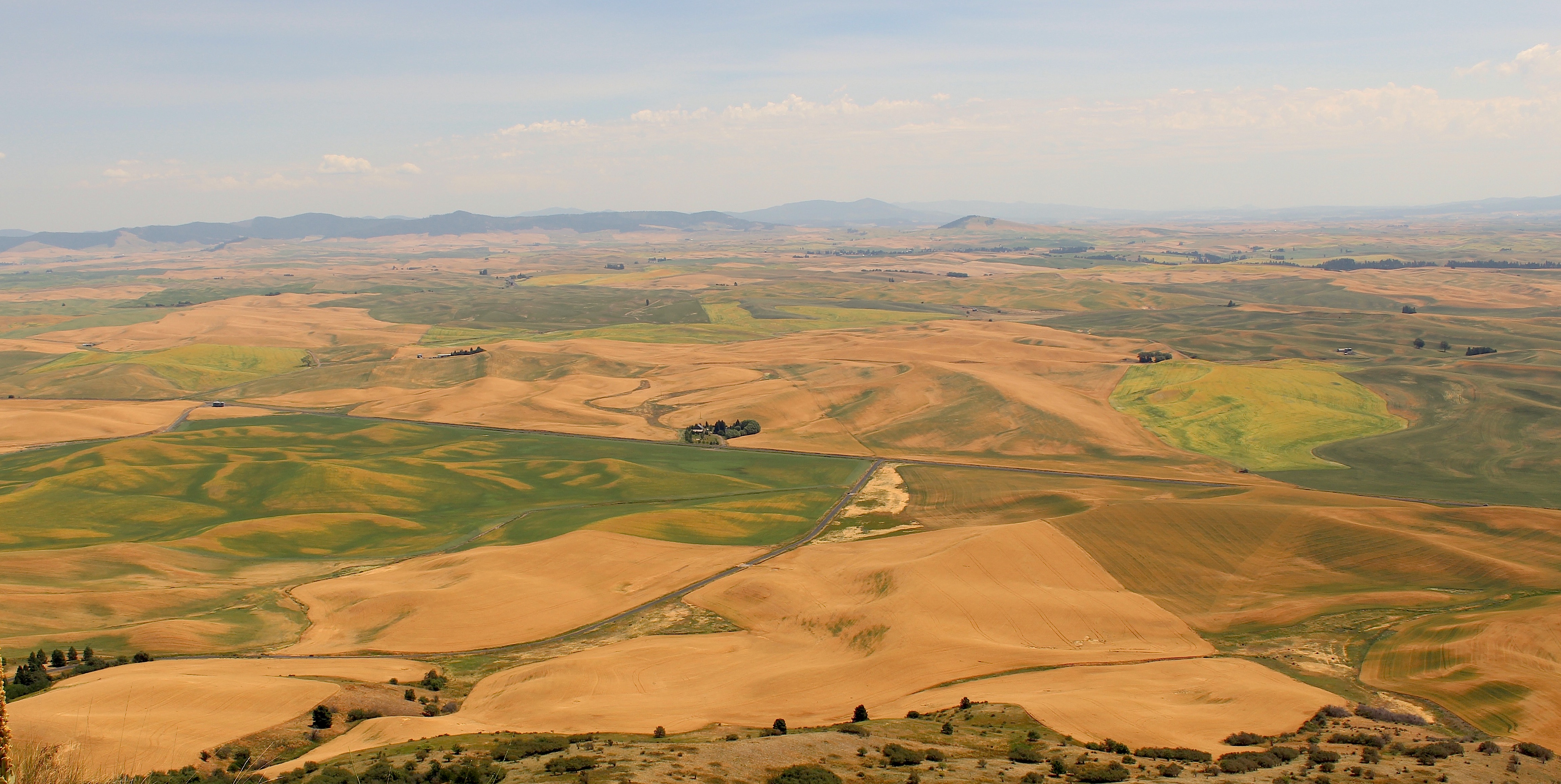
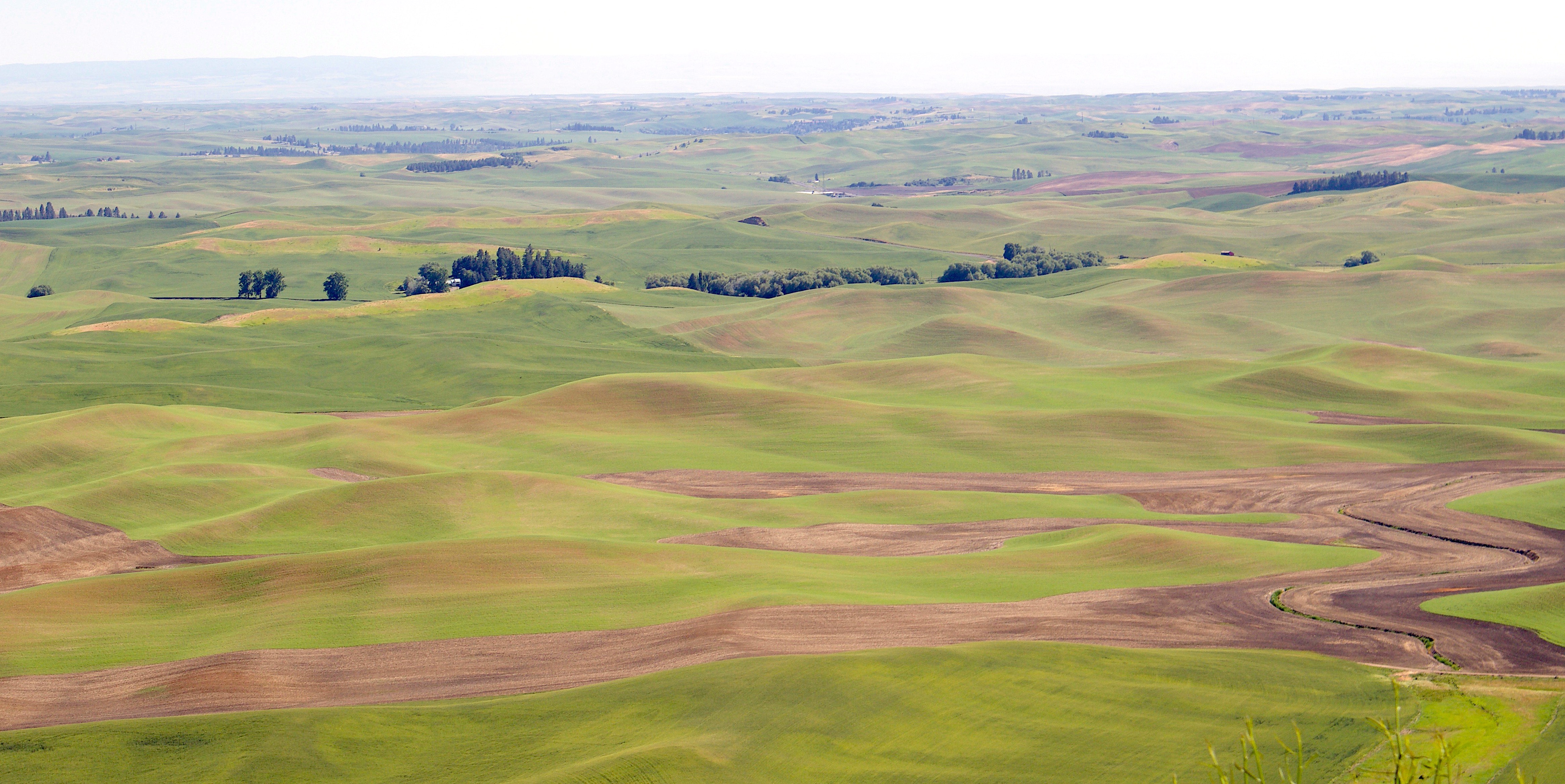
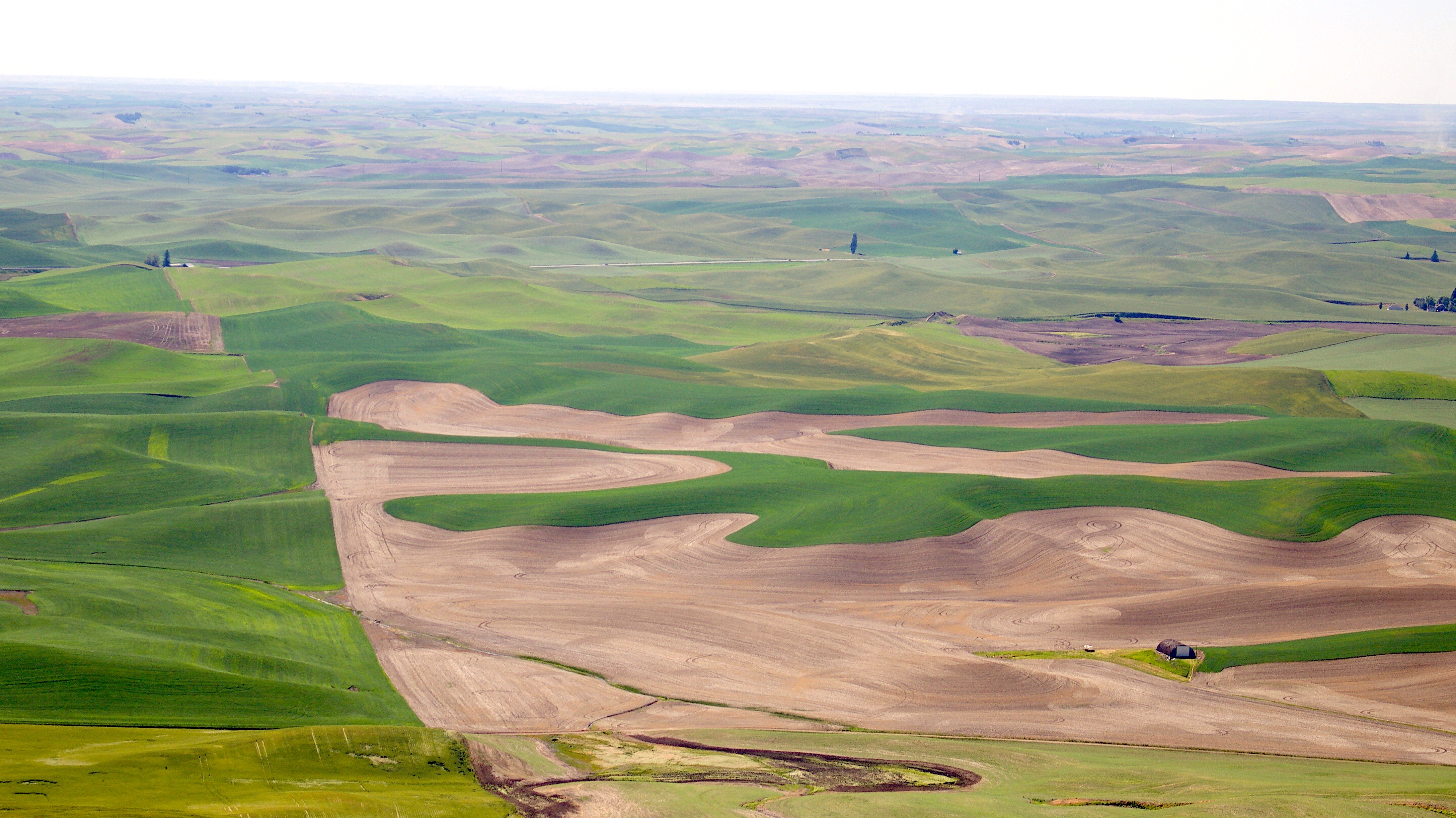
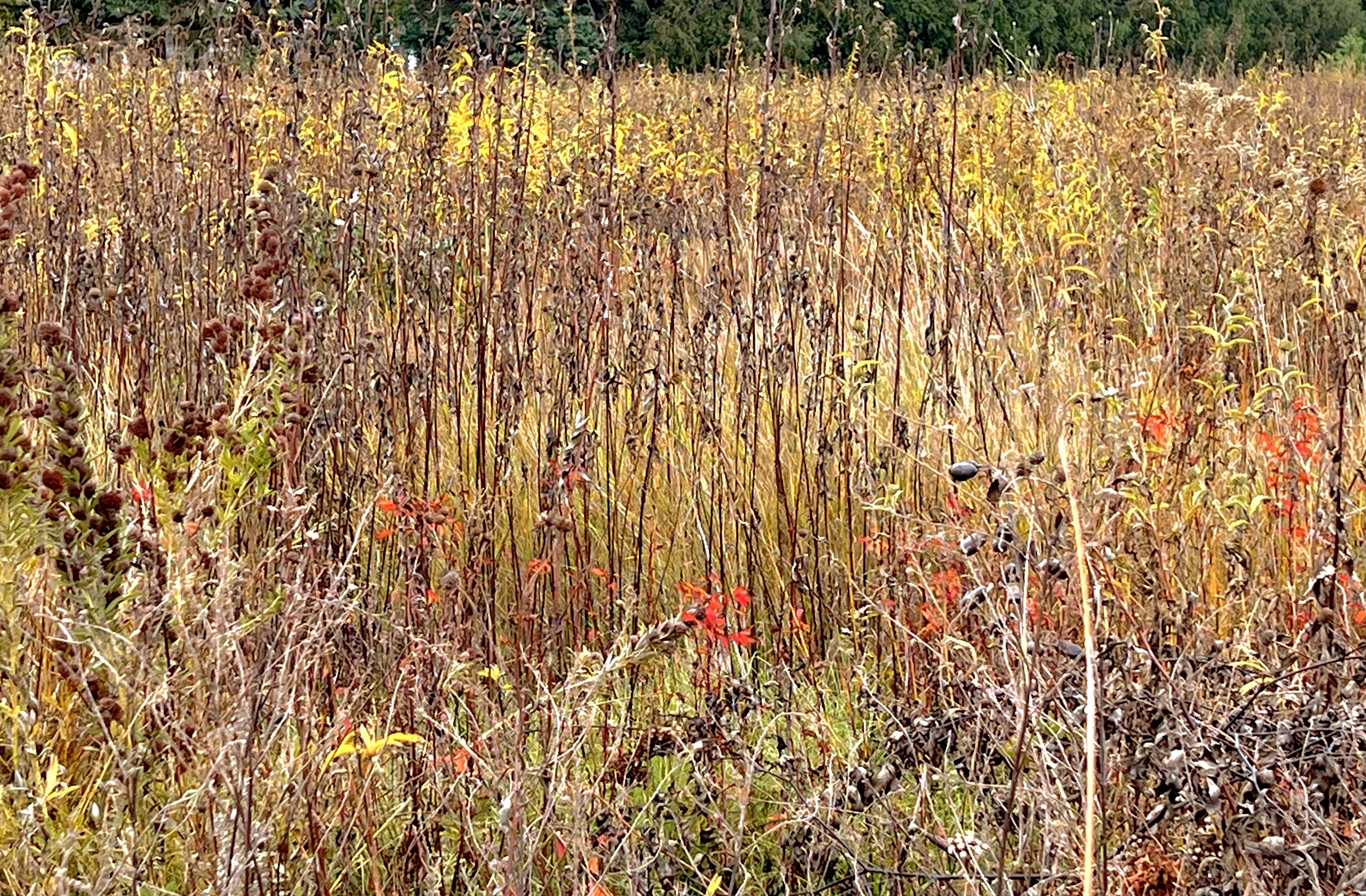
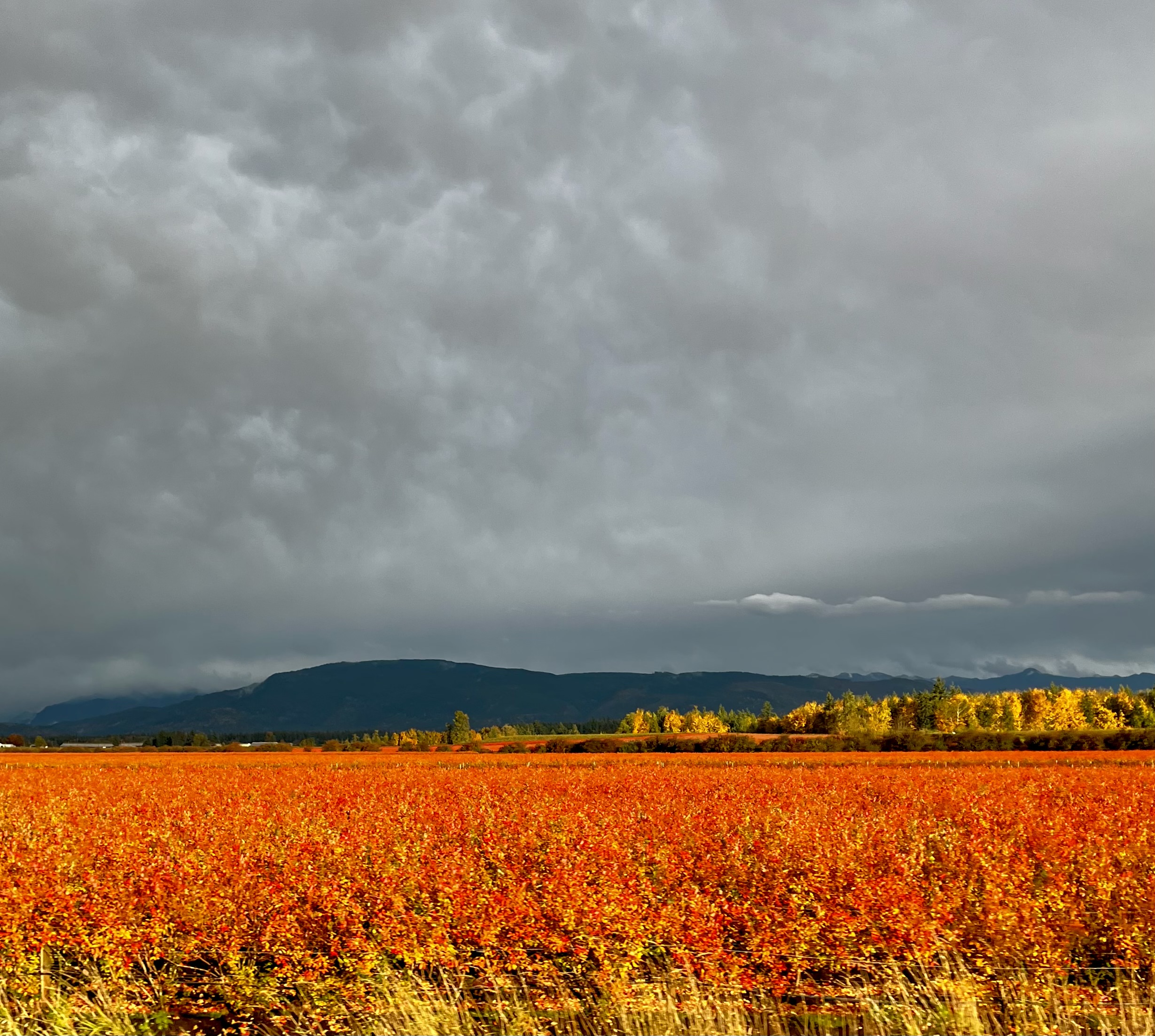
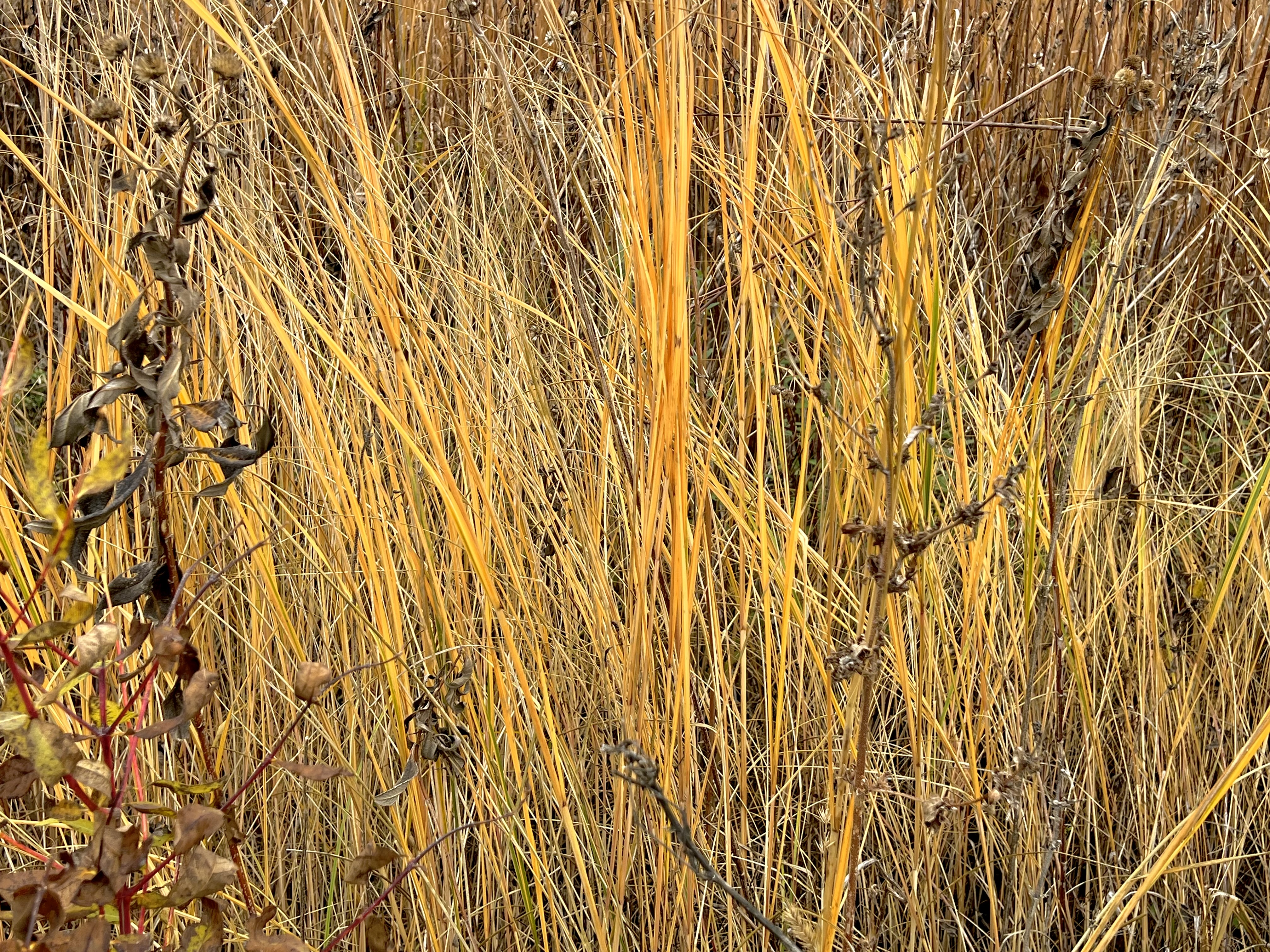
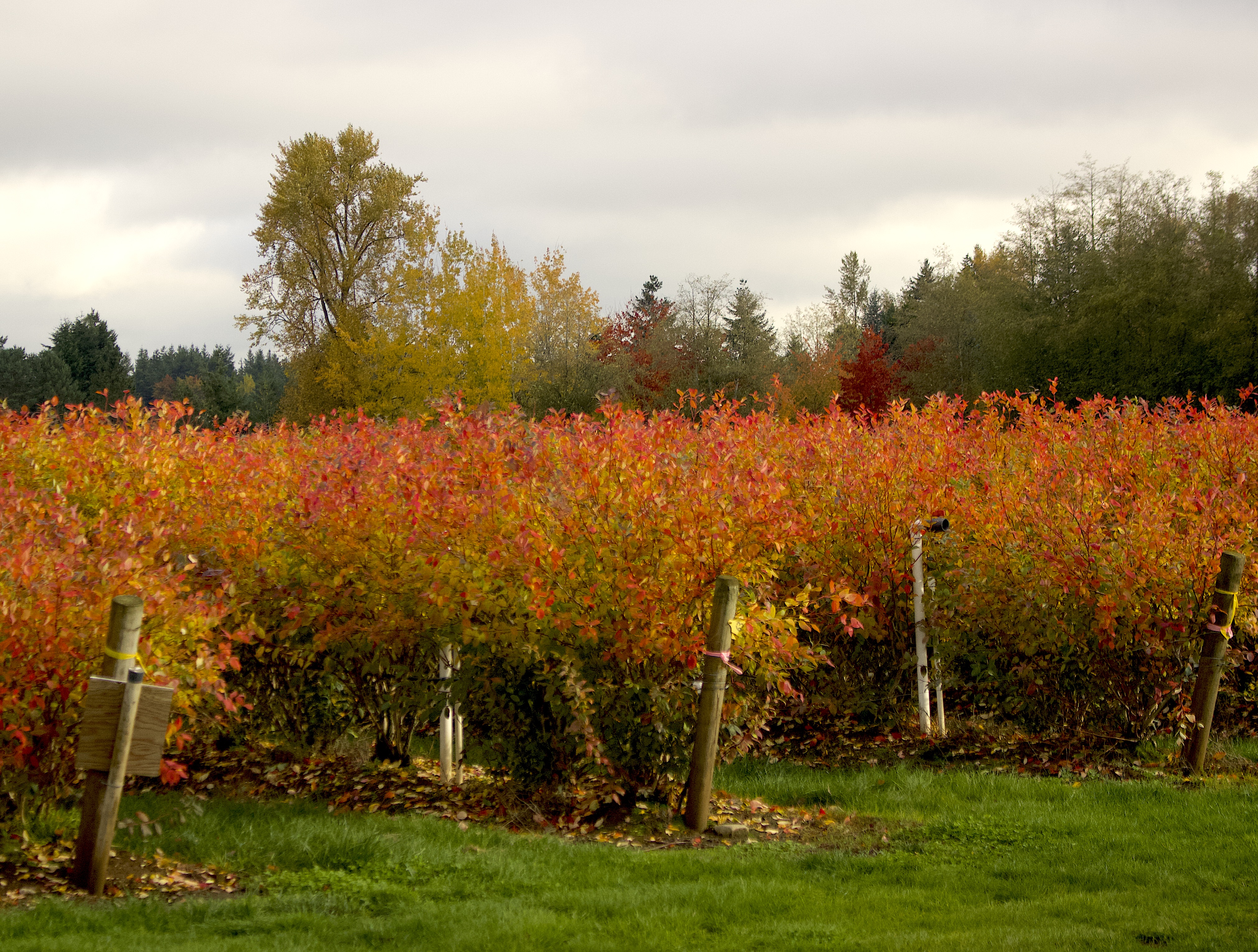
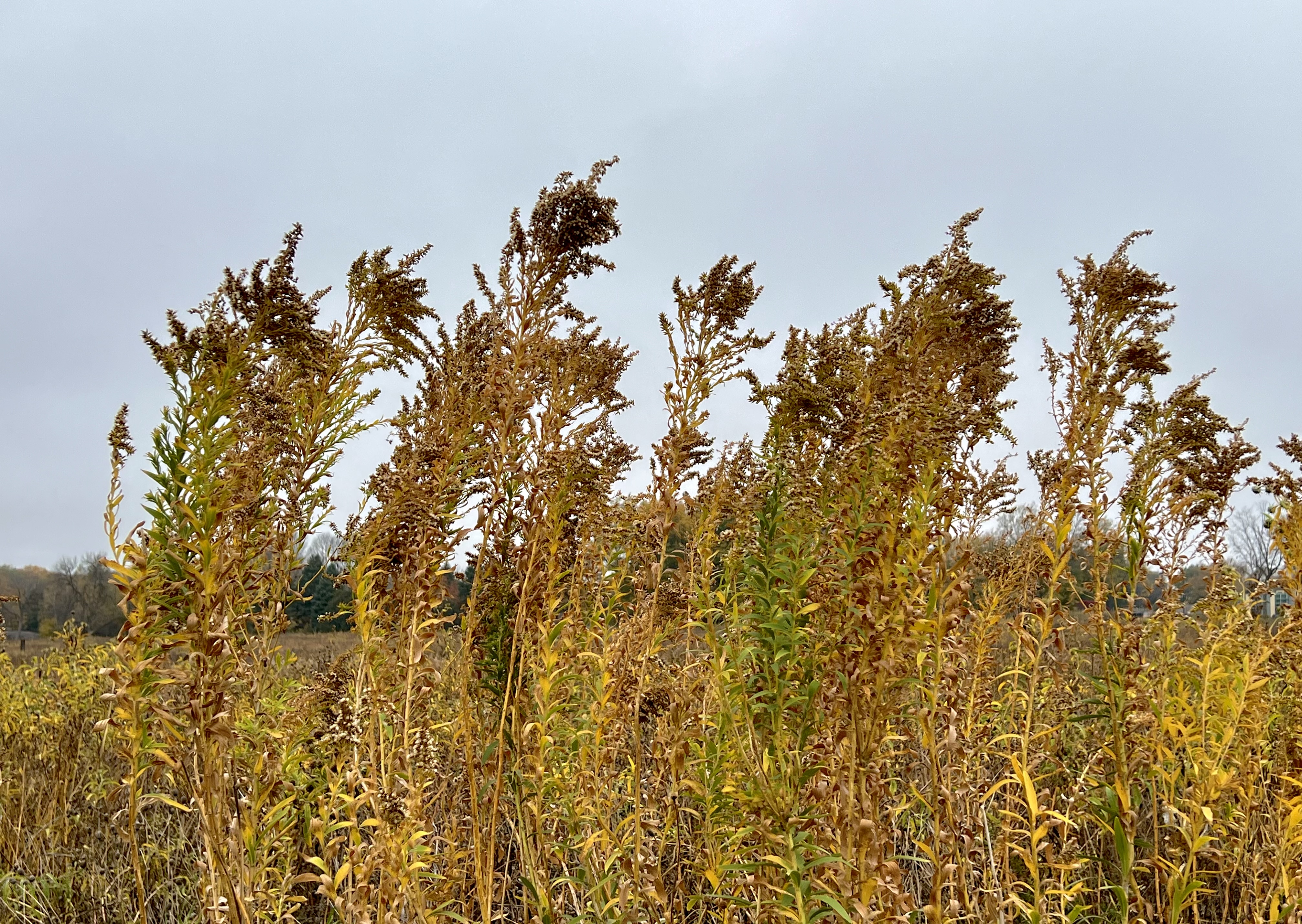
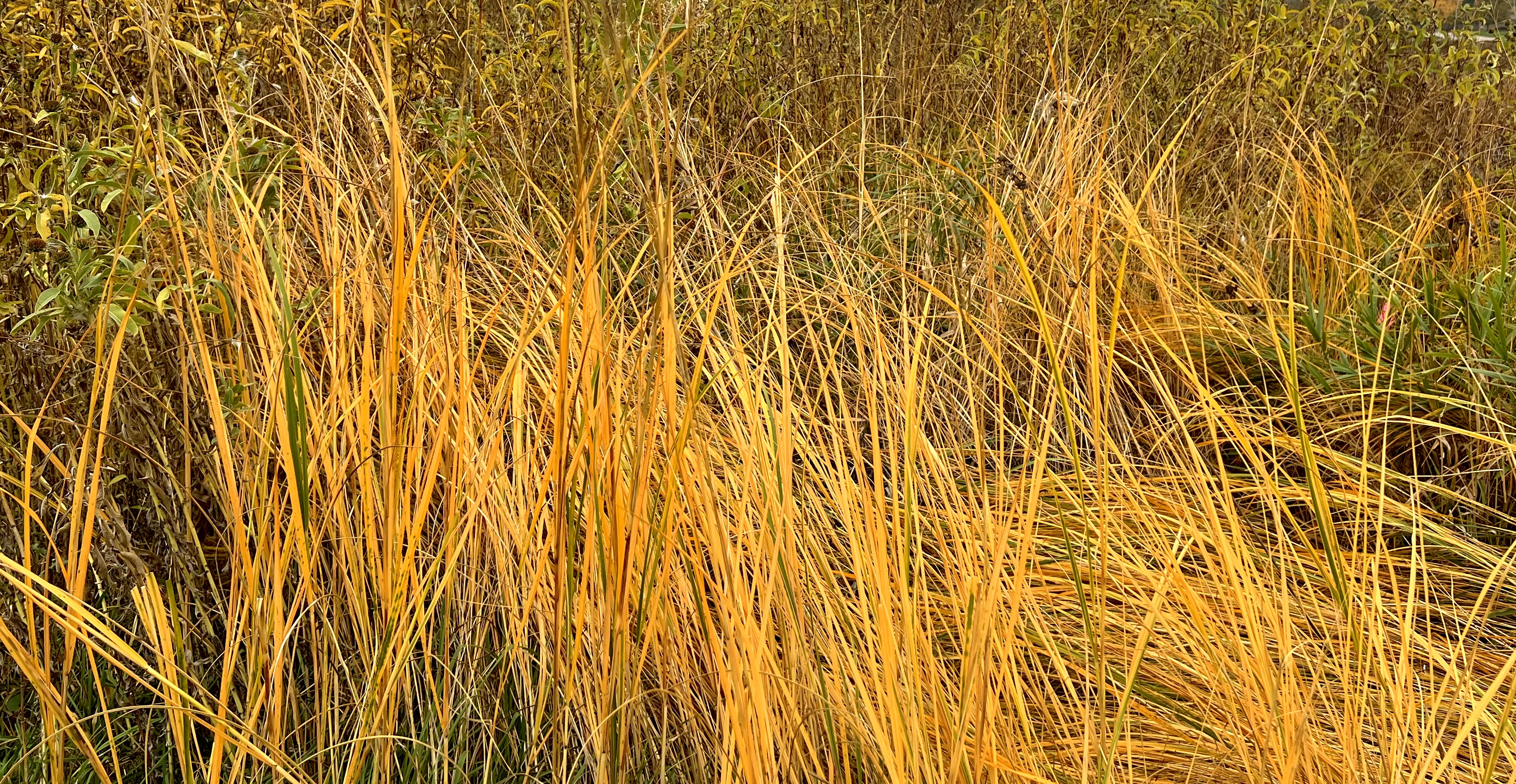
Once again, the field rehearses how to die. Some of the grass turns golden first. Some simply fades into brown. Just this morning, I, too, lay in corpse pose, practicing how to let myself be totally held by the earth without striving, how to meet the day without rushing off to do the next necessary or beautiful thing. Soon, the grass will bend or break, molder or disintegrate. Every year, the same lesson in how to join the darkness, how to be unmade, how quietly we might lean into the uncertainty, how generous the ground. ~Rosemerry Wahtola Trommer “Shavasana”
The prairie grasses are collapsing, withering to the ground, all spent after a season of flourishing. The next wind and rain storm will finish the job. Stems and leaves become rich compost in the seasons that follow, a generous bed for future seeds.
We expect this fading away.
I know it doesn’t mean the end – there is still vitality lying dormant, hidden away, waiting for the right moment to re-emerge, resurrect and live again.
I know this too about myself. The dying-time-of-year doesn’t get easier. It seems more real-time and vivid. Colors fade, leaves wrinkle and dry, fruit falls unconsumed and softened.
Our beauty, so evident only a short time ago, is meant to thrive inward, germinating, ready to rise again when called forth.
One-Time
Monthly
Yearly
Make a one-time or recurring donation to support daily Barnstorming posts
In a hundred trillion years— an actual number though we can’t begin to grasp it—the last traces of our universe will be not even a memory with no memory to lament it.
The last dust of the last star will not drift in the great nothing out of which everything we love or imagine eventually comes.
Yet every day, every four hours around the clock, Debbie prepares her goat’s-milk mix for the orphaned filly who sucks down all three liters of it, gratefully, it seems, as if it matters more than anything in the universe— and it does—at this moment while the sun is still four hours from rising on the only day that matters.
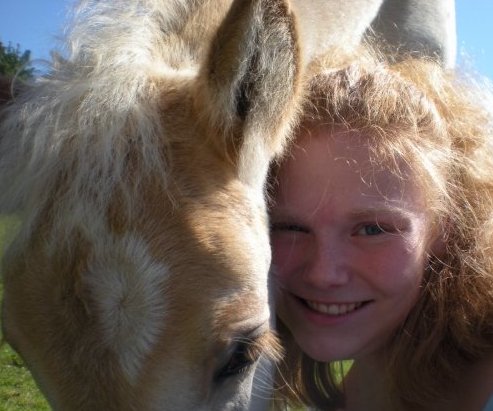
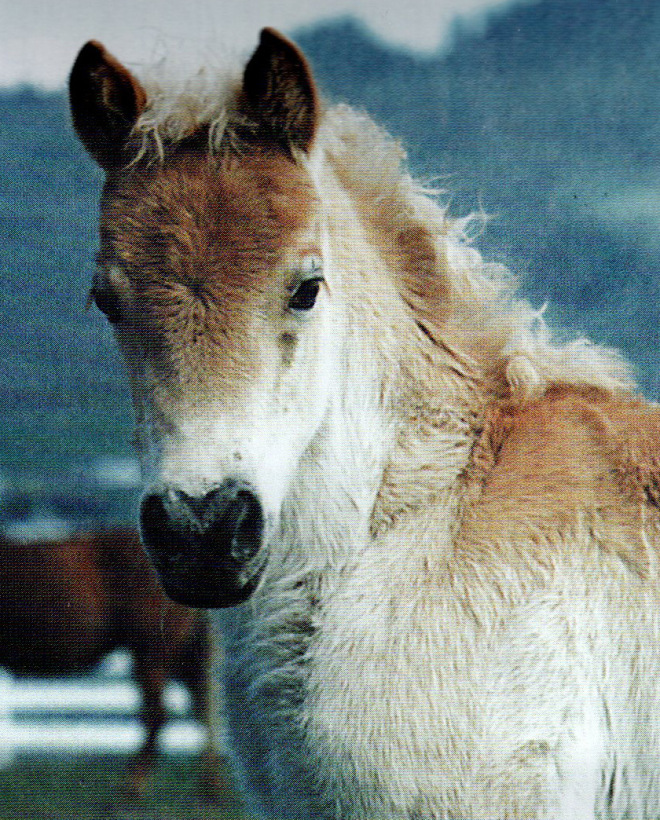
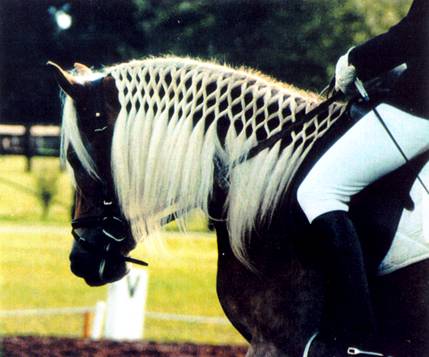
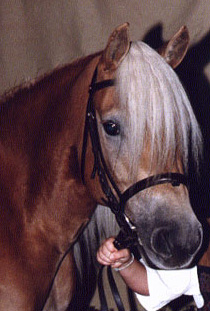
Over eight years ago, our Haflinger mare Marlee passed on to her forever home, far sooner than we planned. She was only twenty two, born only two months after our daughter’s birth, much too young an age for a Haflinger to die.
But something dire was happening to her over the previous two weeks — not eating much, an expanding girth, then shortness of breath. It was confirmed she had untreatable lymphoma.
Her bright eyes were shining to the end so it was very hard to ask the vet to turn the light off. But the time had clearly come.
Marlee M&B came to us as a six month old “runty orphan” baby by the lovely stallion Sterling Silver, but she was suddenly weaned at three days when her mama Melissa died of sepsis. She never really weaned from her around the clock bottle/bucket feeding humans Stefan and Andrea Bundshuh at M&B Farm in Canada. From them she knew people’s behavior, learned their nonverbal language, and understood human subtleties that most horses never learn. This made her quite a challenge as a youngster as it also meant there was no natural reserve nor natural respect for people. She had no boundaries taught by a mother, so we tried to teach her the proper social cues.
When turned out with the herd as a youngster, she was completely clueless–she’d approach the dominant alpha mare incorrectly, without proper submission, get herself bitten and kicked and was the bottom of the social heap for years, a lonesome little filly with few friends and very few social skills. She had never learned submission with people either, and had to have many remedial lessons on her training path. Once she was a mature working mare, her relationship with people markedly improved as there was structure to her work and predictability for her, and after having her own foals, she picked up cues and signals that helped her keep her foal safe, though she was one of our most relaxed “do whatever you need to do” mothers when we handled her foals as she simply never learned that she needed to be concerned.
Over the years, as the herd changed, Marlee became the alpha mare, largely by default and seniority, so I don’t believe she really trusted her position as “real”. She tended to bully, and react too quickly out of her own insecurity about her inherited position. She was very skilled with her ears but she was also a master at the tail “whip” and the tensed upper lip–no teeth, just a slight wrinkling of the lip. The herd scattered when they saw her face change. The irony of it all is that when she was “on top” of the herd hierarchy, she was more lonely than when she was at the bottom. And I think a whole lot less happy as she had few grooming partners any more.
She accompanied us to the fair for a week of display of our Haflingers year after year after year — she could be always counted on to greet the public and enjoy days of braiding and petting and kids sitting on her back.
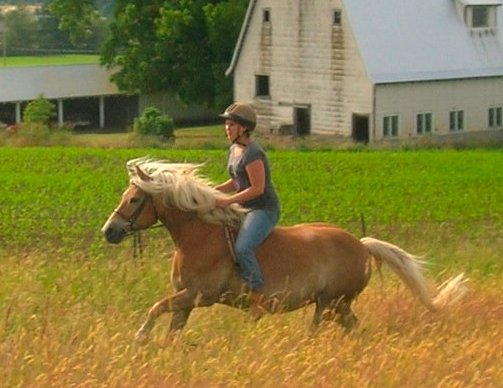
The day she started formal under saddle training was when the light bulb went off in her head–this was a job she could do! This was constant communication and interaction with a human being, which she craved! This was what she was meant for! And she thrived under saddle, advancing quickly in her skills, almost too fast, as she wanted so much to please her trainer.
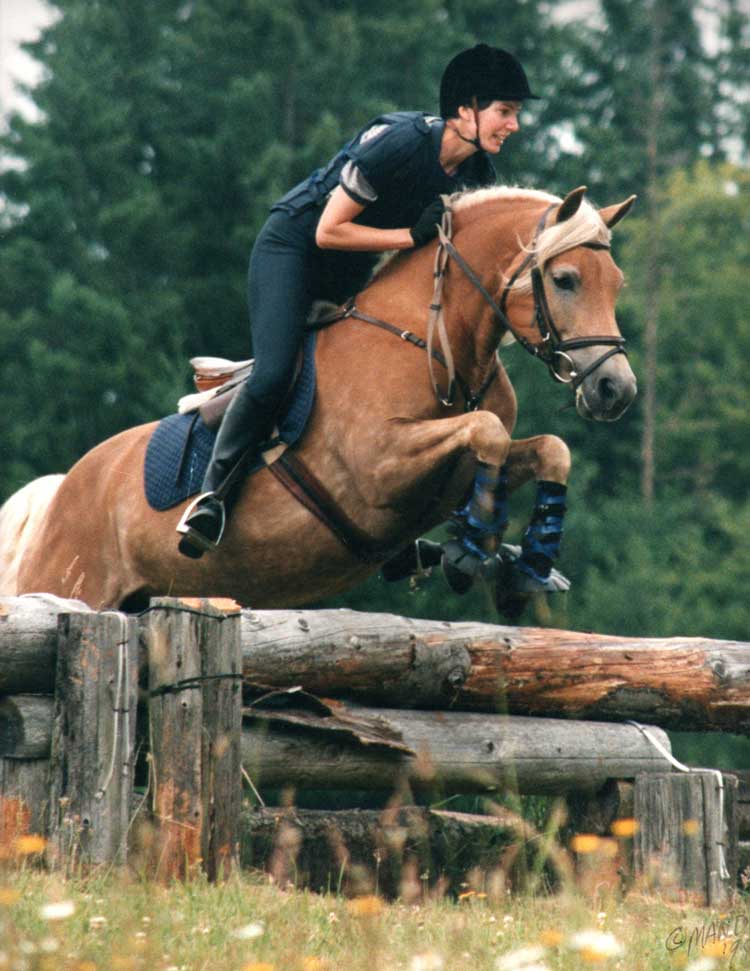
For a time, she had an unequaled record among North American Haflingers. She was not only regional champion in her beginner novice division of eventing as a pregnant 5 year old, but also received USDF Horse of the Year awards in First and Second Level dressage that year as the highest scoring Haflinger.
She had a career of mothering along with intermittent riding work, with 5 foals –Winterstraum, Marquisse, Myst, Wintermond, and Nordstrom—each from different stallions, and each very different from one another.
This mare had such a remarkable work ethic, was “fine-tuned” so perfectly with a sensitivity to cues–that our daughter said: “Mom, it’s going to make me such a better rider because I know she pays attention to everything I do with my body–whether my heels are down, whether I’m sitting up straight or not.” Marlee was, to put it simply, trained to train her riders.
I miss her high pitched whinny from the barn whenever she heard the back door to the house open. I miss her pushy head butt on the stall door when it was time to close it up for the night. I miss that beautiful unforgettable face and those large deep brown eyes where the light was always on. Keeping that orphan alive when she was so vulnerable in the first two months was all that mattered.
What a ride she had for twenty two years, that dear little orphan. What a ride she gave to many who trained her and who she trained over the years. Though I never climbed on her back, what joy she gave me all those years, as the surrogate mom who loved and fed her. May I meet her in my memories, whenever I feel lonesome for her, still unable to resist those bright eyes forever now closed in peace.
Marlee’s photo album:
One-Time
Monthly
Yearly
Make a one-time or recurring donation to support daily Barnstorming posts
Because what’s the alternative? Because of courage. Because of loved ones lost. Because no more. Because it’s a small thing; shaking hands; it happens every day. Because I heard of one man whose hands haven’t stopped shaking since a market day in Omagh. Because it takes a second to say hate, but it takes longer, much longer, to be a great leader. Much, much longer.
Because shared space without human touching doesn’t amount to much. Because it’s easier to speak to your own than to hold the hand of someone whose side has been previously described, proscribed, denied. Because it is tough. Because it is tough. Because it is meant to be tough, and this is the stuff of memory, the stuff of hope, the stuff of gesture, and meaning and leading. Because it has taken so, so long. Because it has taken land and money and languages and barrels and barrels of blood.
Because lives have been lost. Because lives have been taken.
Because to be bereaved is to be troubled by grief. Because more than two troubled peoples live here. Because I know a woman whose hand hasn’t been shaken since she was a man. Because shaking a hand is only a part of the start. Because I know a woman whose touch calmed a man whose heart was breaking. Because privilege is not to be taken lightly.
Because this just might be good. Because who said that this would be easy? Because some people love what you stand for, and for some, if you can, they can. Because solidarity means a common hand. Because a hand is only a hand; so hang onto it.
Nothing is new about conflicts over borders and religion and politics. What is new is the ability of an individual to share the terror and hatred to the rest of the world in mere seconds. We all become unwitting witnesses to human pain and suffering, eager to take sides if we can bear to watch.
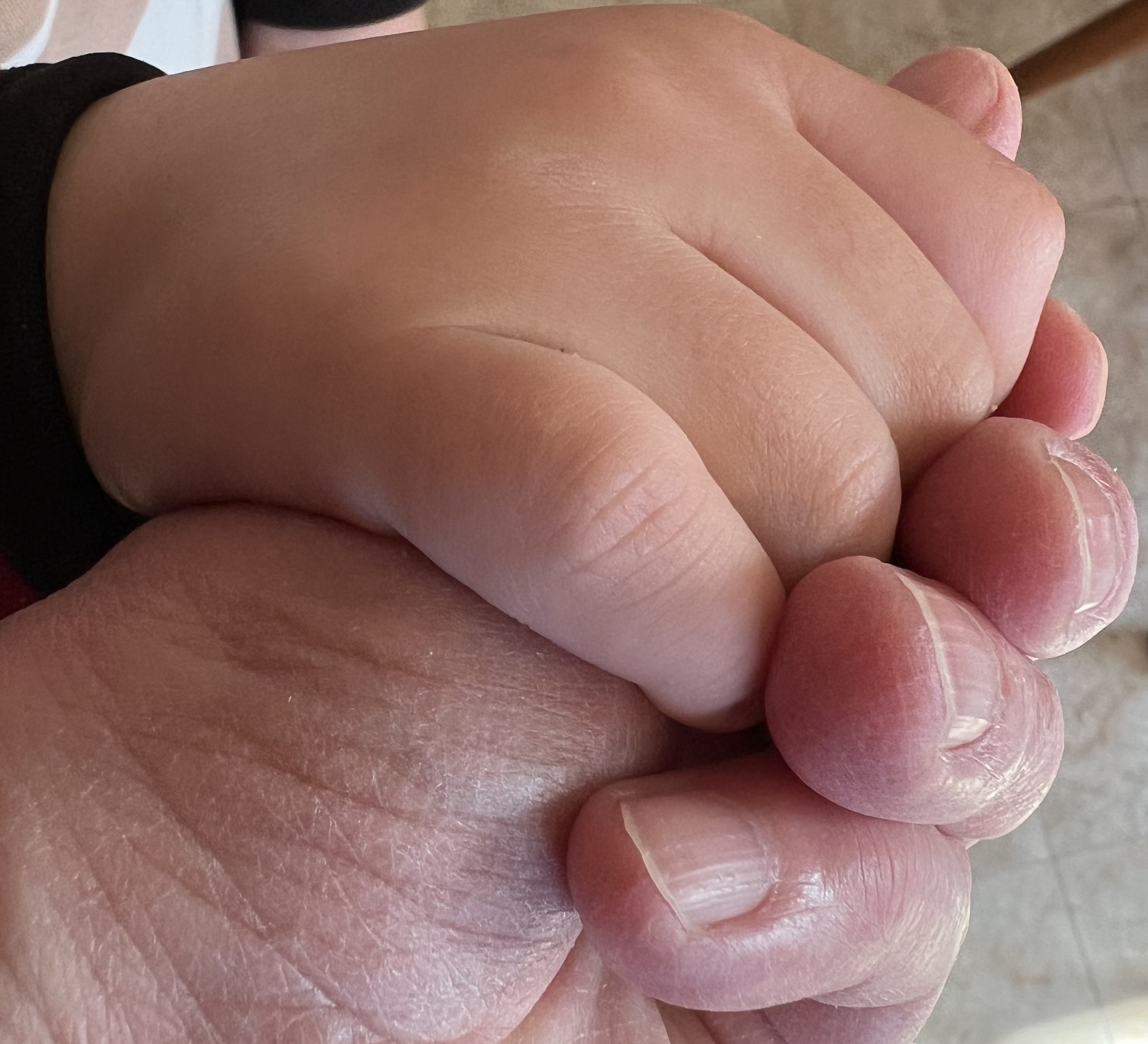
We each share a common hand. We need leaders who reach out to touch one another with more than words. They represent the human beings who lost limbs and lives in the battle for supremacy.
Historic handshakes are never meaningless, but even more vital is a connection between humans steeped in historical hatreds. We need to reach out and help lift each other’s burdens.
Take my hand. Look in my eyes. Even for one small second.
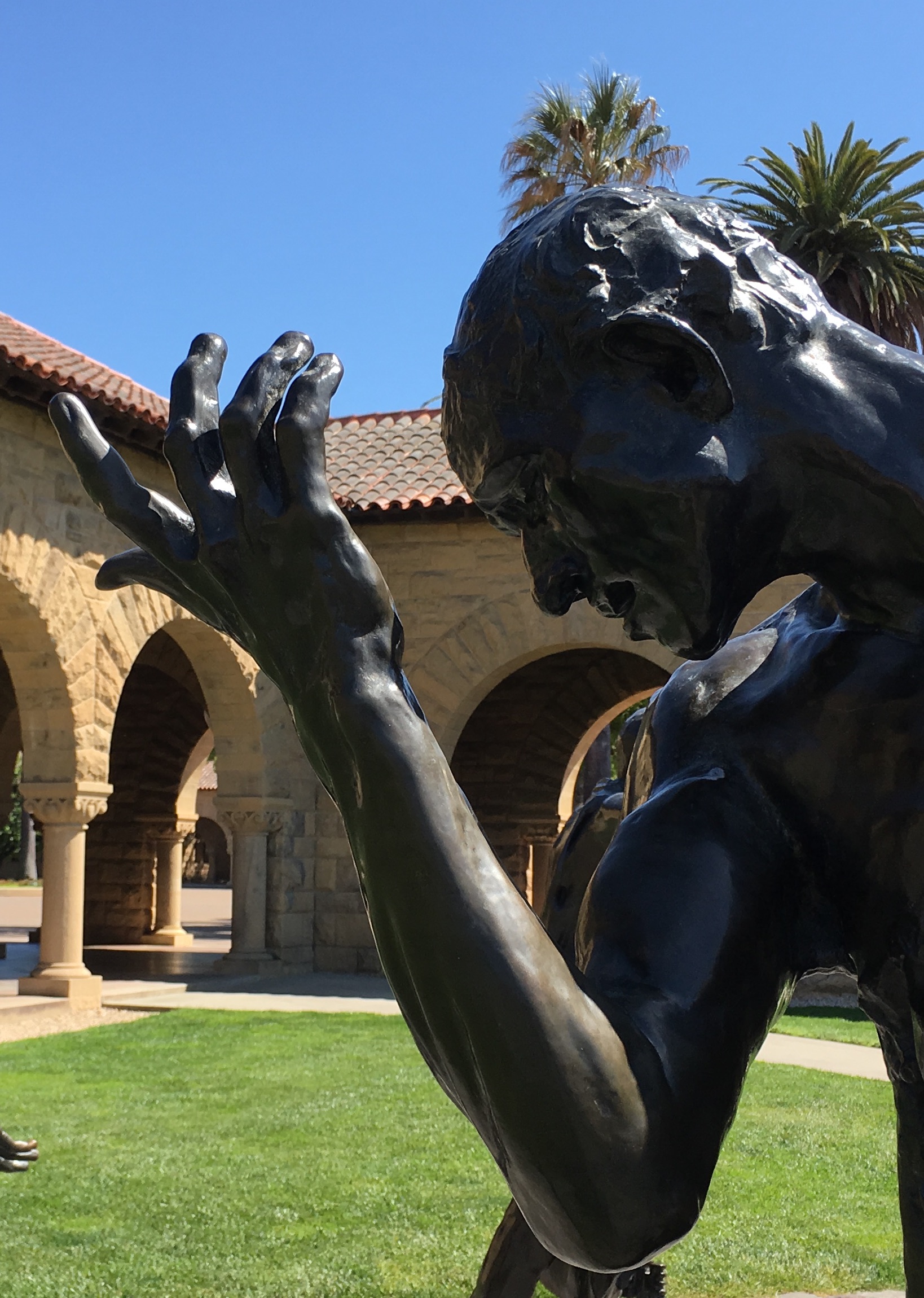
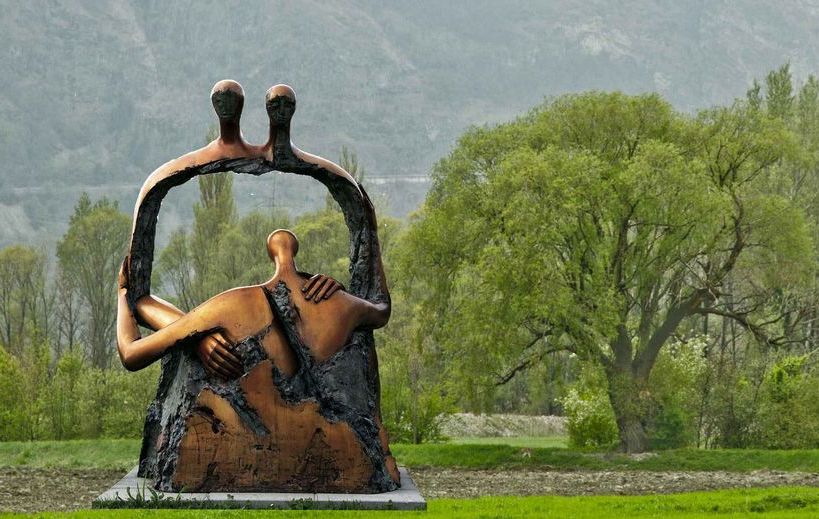
Sculpture by Artist Albert Gyorgy
One-Time
Monthly
Yearly
Make a one-time or recurring donation to support daily Barnstorming posts
This is the moment when you see again the red berries of the mountain ash and in the dark sky the birds’ night migrations.
It grieves me to think the dead won’t see them— these things we depend on, they disappear.
What will the soul do for solace then? I tell myself maybe it won’t need these pleasures anymore; maybe just not being is simply enough, hard as that is to imagine. ~Louise Glück “The Night Migrations”
(Louise Glück died yesterday at age 80; she was both a Nobel and Pulitzer Prize winner for poetry)
All through August and September thousands, maybe tens of thousands, of feathered creatures pass through this place and I almost never see a single one. The fall wood warbler migration goes by here every year, all of them, myriad species, all looking sort of like each other, yellow, brown, gray, all muted versions of their summer selves, almost indistinguishable from each other, at least to me, although definitely not to each other, all flying by, mostly at night, calling to each other as they go to keep the flock together, saying: chip, zeet, buzz, smack, zip, squeak— those sounds reassuring that we are all here together and heading south, all of us just passing through, just passing through, just passing through, just passing through. ~David Budbill “Invisible Visitors”from Tumbling Toward the End
Some feathered travelers slip past us unseen and unheard. They may stop for a drink in the pond or a bite to eat in the field and woods, but we never know they are there – simply passing through.
Others are compelled to announce their journey with great fanfare, usually heard before seen. The drama of migration becomes bantering conversation from bird to bird, bird to earth, bird to sun, moon and stars, with unseen magnetic forces pointing the way.
When not using voices, their wings sing the air with rhythmic beat and whoosh.
We’re all together here — altogether — even when our voices are raised sharply, our silences brooding, our hurts magnified, our sorrows deep. Our route and mode of travel become a matter of intense debate.
The ultimate destination is not in dispute however. It isn’t simply enough to just be, but to be heading to where we belong, to that which we depend upon. We are migrating souls finding a way back home where all is solace, all is meaning, all is grace, all is peace.
We’re just passing through, just passing through, just passing through.
And that is just the point… how the world, moist and beautiful, calls to each of us to make a new and serious response.
That’s the big question, the one the world throws at you every morning. “Here you are, alive. Would you like to make a comment?” ~Mary Oliver
The last few days, it has been impossible to stay a silent observer of the world when one awakes, still alive on a morning moist and beautiful, while on the other side of the earth, innocents have been brutally butchered in their beds, whole families murdered, bodies desecrated and dragged into the street.
It demands a response.
I cannot remain speechless in the face of evil. Such violence, fed by generations of hatred, begets more hatred and violence, on and on. It festers, blusters, rips apart, tortures, buries. And so it goes, an ongoing human history of wars and more wars.
And here I am, alive on a brilliant autumn morning, while others immeasurably suffer.
Called to make a new and serious response. Called to comment, as I do every day. Knowing my voice is only one in a vast wilderness of voices, crying out in lament over the dead and dying.
He loved to ask his mother questions. It was the pleasantest thing for him to ask a question and then to hear what answer his mother would give. Bambi was never surprised that question after question should come into his mind continually and without effort.
Sometimes he felt very sure that his mother was not giving him a complete answer, was intentionally not telling him all she knew. For then there would remain in him such a lively curiosity, such suspicion, mysteriously and joyously flashing through him, such anticipation, that he would become anxious and happy at the same time, and grow silent. ~Felix Salten from Bambi
A Wounded Deer—leaps highest— I’ve heard the Hunter tell— ‘Tis but the Ecstasy of death— And then the Brake is still! ~Emily Dickinson “165″
As the house of a person in age sometimes grows cluttered with what is too loved or too heavy to part with, the heart may grow cluttered. And still the house will be emptied, and still the heart.
Empty and filled, like the curling half-light of morning, in which everything is still possible and so why not.
Filled and empty, like the curling half-light of evening, in which everything now is finished and so why not.
Beloved, what can be, what was, will be taken from us. I have disappointed. I am sorry. I knew no better.
A root seeks water. Tenderness only breaks open the earth. This morning, out the window, the deer stood like a blessing, then vanished. ~Jane Hirschfield from “The Standing Deer”
My first time ever seated next to my mother in a movie theater, just a skinny four year old girl practically folded in half by a large padded chair whose seat won’t stay down, bursting with anticipation to see Disney’s Bambi.
Enthralled with so much color, motion, music, songs and fun characters, I am wholly lost in this new world of animated reality when suddenly Bambi’s mother looks up, alarmed, from eating a new clump of spring grass growing in the snow.
My heart leaps with worry. She tells him to run quickly for the thicket – find the safest place where she has always kept him warm next to her.
She follows behind, urges him to run faster, not to look back, don’t ever look back.
Then the gun shot hits my belly too.
My stomach twists as he cries out for his mother, pleading for her. I know in my heart she is lost forever, sacrificed to save him.
I sob as my mother reaches out to me, telling me not to look. I bury my face inside her hug, knowing Bambi is cold and alone with no mother any more.
My mama took me home before the end. I could not bear to watch the rest of the movie for years.
Those cries still echo in my ears any time someone hunts and shoots to kill the innocent.
Now, my own three children are grown, they have babies of their own, my mom is gone from this earth. I can even keep the seat from folding me in half in a movie theater.
I am nearing my eighth decade, and there are still places in this world where mothers and fathers sons and daughters grandmothers and grandfathers sisters and brothers and babies are hunted down despite the supposed safety of the thicket~ the sanctuary, the school, the grocery store, the home, places where we believe we are shielded from violence.
There can be no innocence when any of us may be hunted.
One-Time
Monthly
Yearly
Make a one-time or recurring donation to support daily Barnstorming posts
The soul’s sap quivers. There is no earth smell Or smell of living thing. This is the spring time But not in time’s covenant. Now the hedgerow Is blanched for an hour with transitory blossom Of snow, a bloom more sudden Than that of summer, neither budding nor fading, Not in the scheme of generation. Where is the summer, the unimaginable Zero summer?
We shall not cease from exploration And the end of all our exploring Will be to arrive where we started And know the place for the first time. Through the unknown, unremembered gate When the last of earth left to discover Is that which was the beginning;
And all shall be well and All manner of thing shall be well When the tongues of flames are in-folded Into the crowned knot of fire And the fire and the rose are one. ~T.S. Eliot – from “Little Gidding”from the Four Quartets
To think that this meaningless thing was ever a rose, Scentless, colourless, this! Will it ever be thus (who knows?) Thus with our bliss, If we wait till the close?
Though we care not to wait for the end, there comes the end Sooner, later, at last, Which nothing can mar, nothing mend:
An end locked fast, Bent we cannot re-bend. ~Christina Rossetti “Summer is Ended”
As a 3rd grader in November 1963, I learned the import of the U.S. flag being lowered to half mast in response to the shocking and violent death of our President. The lowering of the flag was so rare when I was growing up, it had dramatic effect on all who passed by —
our soul’s sap quivers
— something very sad had happened to our country, something or someone had tragically ended, warranting our silence, our stillness, and our grief.
For the twenty-two years since 9/11/01, our flag has spent significant time at half mast, most often due to our own home-grown mass shooting terrorism. When I see it flying low, I’m befuddled instead of contemplative, puzzling over what the latest loss might be as there are so many, sometimes all happening in the same time frame. We no longer are silenced by this gesture of honor and respect; we certainly are not stilled when personally and corporately instigating and suffering the same mistakes against humanity over and over again.
We are so bent. Will we ever be mended again?
Eliot wrote these prescient words of the Four Quartets in the midst of the WWII German bombing raids that destroyed so many people and neighborhoods. Perhaps he sensed the destruction he witnessed would not be the last time in history that evil visits the innocent, leaving them in ashes. There would be so many more losses to come, not least being the horror of 9/11/01.
There remains so much more sadness to be borne, such abundance of grief. Our world has become overwhelmed and stricken. Yet Eliot was right: we have yet to live in a Zero summer of endless hope and fruitfulness, of spiritual awakening and understanding. Where is it indeed? When will the summer Rose of beauty and fragrance rise again?
We must return, as people of faith to Eliot’s still point to which we are called on a remembrance day such as today. We must be stilled; we must be silenced. We must grieve the losses of this turning world and pray for release from the suffering we cause and we endure. Only in the asking, only in the kneeling down and pleading, are we surrounded by God’s unbounded grace.
Only then will His Rose bloom, once again recognizable.
“Zero Summer” imagines the unimaginable horror of Hiroshima and Nagasaki, and yet points to epiphanic awakening that transcend human imagination at the same time. T.S. Eliot, who coined this term in his “Four Quartets,” longed for that eternal summer, birthed out of the “still point,” where imagination is met with grace and truth. ~Makoto Fujimura
“There Are No Words” written on 9/11/2001 by Kitty Donohoe
there are no words there is no song is there a balm that can heal these wounds that will last a lifetime long and when the stars have burned to dust hand in hand we still will stand because we must
in one single hour in one single day we were changed forever something taken away and there is no fire that can melt this heavy stone that can bring back the voices and the spirits of our own
all the brothers, sisters and lovers all the friends that are gone all the chairs that will be empty in the lives that will go on can we ever forgive though we never will forget can we believe in the milk of human goodness yet
we were forged in freedom we were born in liberty we came here to stop the twisted arrows cast by tyranny and we won’t bow down we are strong of heart we are a chain together that won’t be pulled apart
One-Time
Monthly
Yearly
Make a one-time or recurring donation to support daily Barnstorming posts
I saw a deer skeleton gracing the roadside and didn’t stop to wonder where the flesh had gone, why just a tuft of fur clung, a bit of tail. Didn’t pause to ponder its change from leaping-warmth to cold, clean bones. Didn’t stop but glimpsed crisp, dark lines against snow, rib cage, long legs, perfect spine— what we with mounded dirt, neat lawn, and flowered stones seek so hard to hide— I drove quickly by. ~Laura Foley, “Intuition” from It’s This
I drive a night-darkened country road, white lines sweeping past, aware of advancing frost in the evening haze, anxious to return home to fireplace light.
Nearing a familiar corner, a stop sign looms, to the right, a rural cemetery sits silently expectant.
Open iron gates and tenebrous headstones, in the middle path, incongruous, a car’s headlights beam bright. I slow, thinking: lovers or vandals might seek inky cover of night.
Instead, these lights illuminate a lone figure, kneeling graveside, one hand resting heavily on a stone, head bowed in prayer.
A stark moment of solitary sorrow, invisible grieving of the heart focused in twin beams, impossible to hide.
A benediction of mourning; light piercing the heart’s blackness, as gentle fingertips trace the engraved letters of a beloved name.
As an uneasy witness, I withdraw as if touched myself and drive on into the night, struggling to see through the thickening mist of my eyes and the road.
One-Time
Monthly
Yearly
Make a one-time or recurring donation to support daily Barnstorming posts