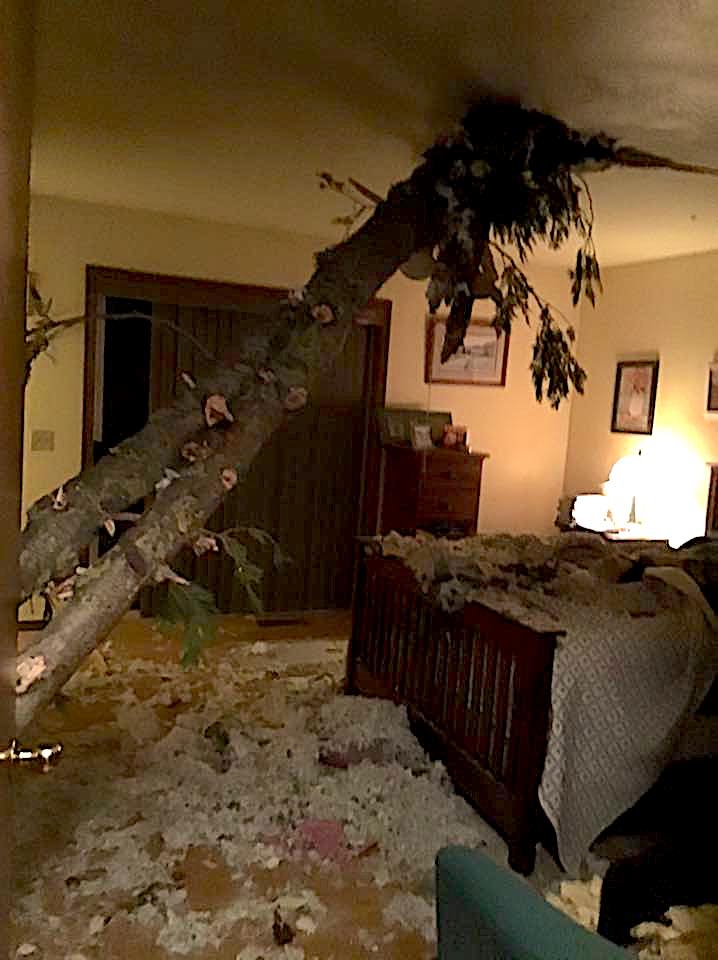
our friends’ bedroom after a tree fell through their roof in a windstorm – thankfully, no one was hurt
It has been a long 18 months of dwelling deeply in all kinds of “supposes” and “what ifs” because people were being crushed by a virus right and left.
I understand this kind of thinking, particularly when “in the moment” tragedies, (like a Florida condo building collapsing in the middle of the night) play out real-time in the palm of our hand in front of our eyes and we feel helpless to do anything but watch it unfold.
Those who know me well know I can fret and worry better than most. Medical training only makes this worse. I’m taught to think catastrophically. That is what I have done for a living – to always be ready for the worse case scenario and simply assume it will happen.
Sometimes it does happen and no amount of wishing it away will work.
When I rise, too often sleepless, to face a day of uncertainty as we all do ~ after careful thought, I reach for the certainty I am promised over the uncertainty I can only imagine:
What is my only comfort in life and in death? That I am not my own, but belong —body and soul, in life and in death— to my faithful Savior, Jesus Christ.
“Supposing it didn’t” — says our Lord (and we are comforted by this) but even if it did … even if it did – as awful things sometimes do – we are never abandoned.
He is with us always.
Enjoying these Barnstorming posts? A new book from Barnstorming is available to order here:
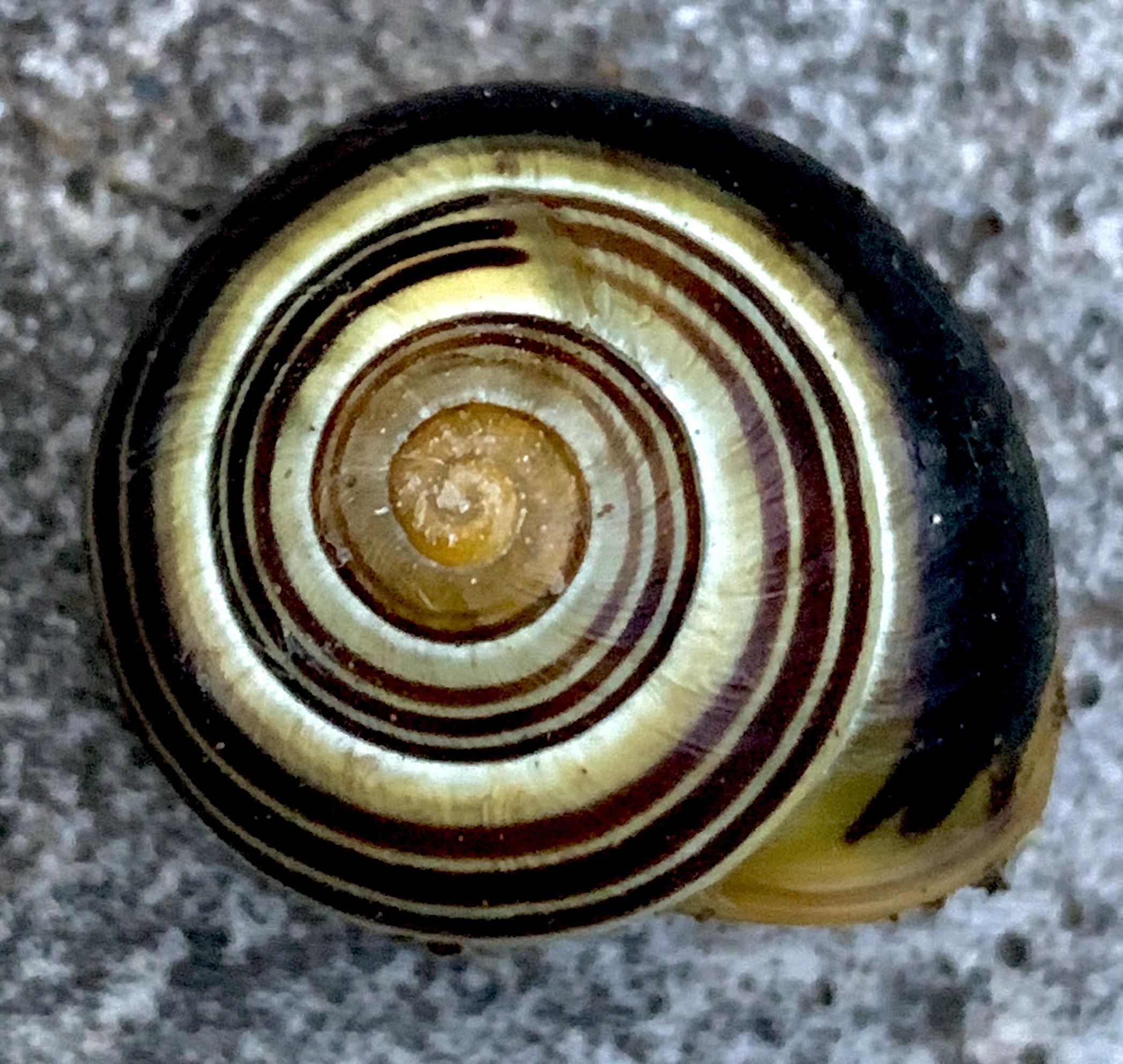
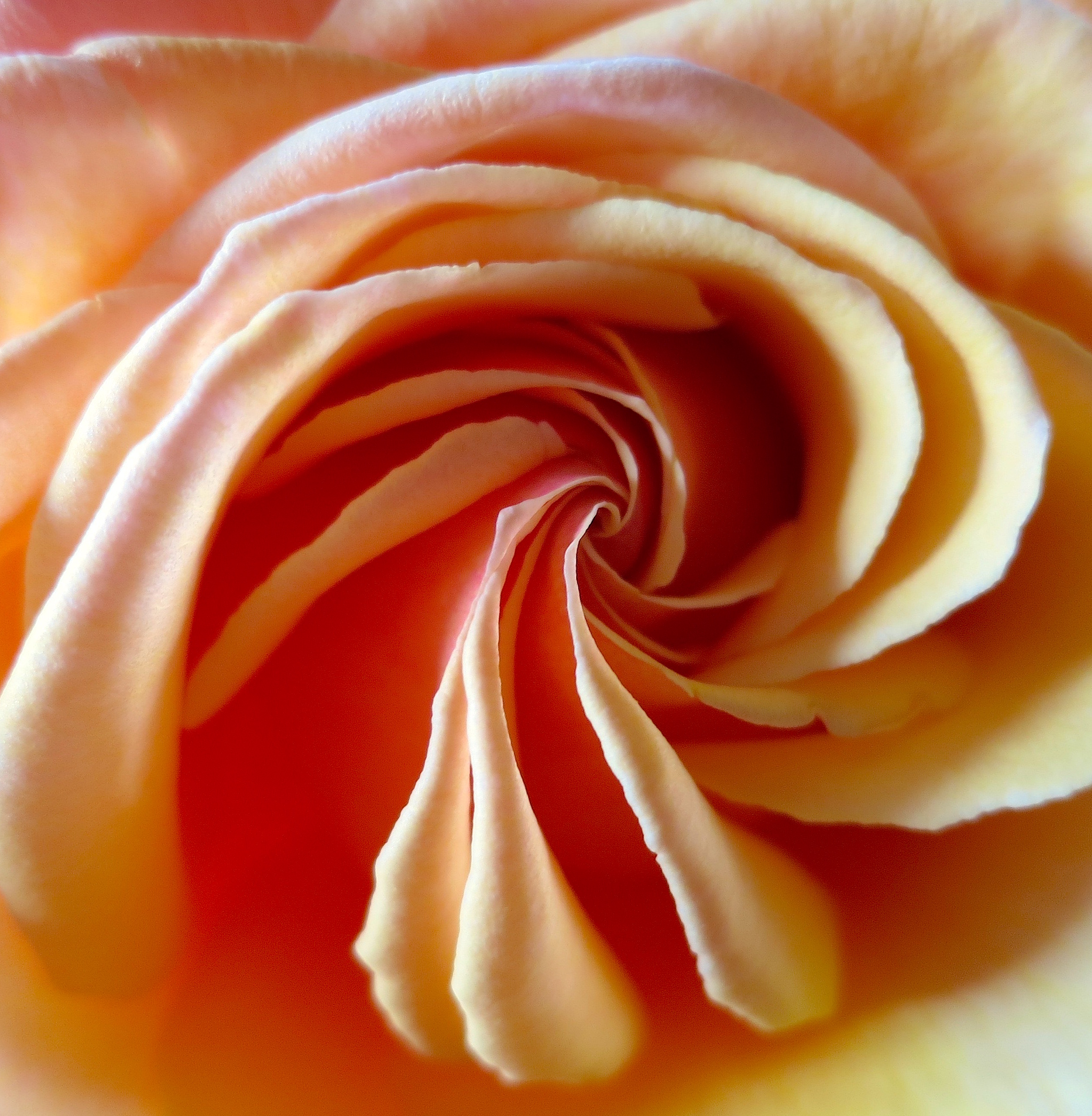
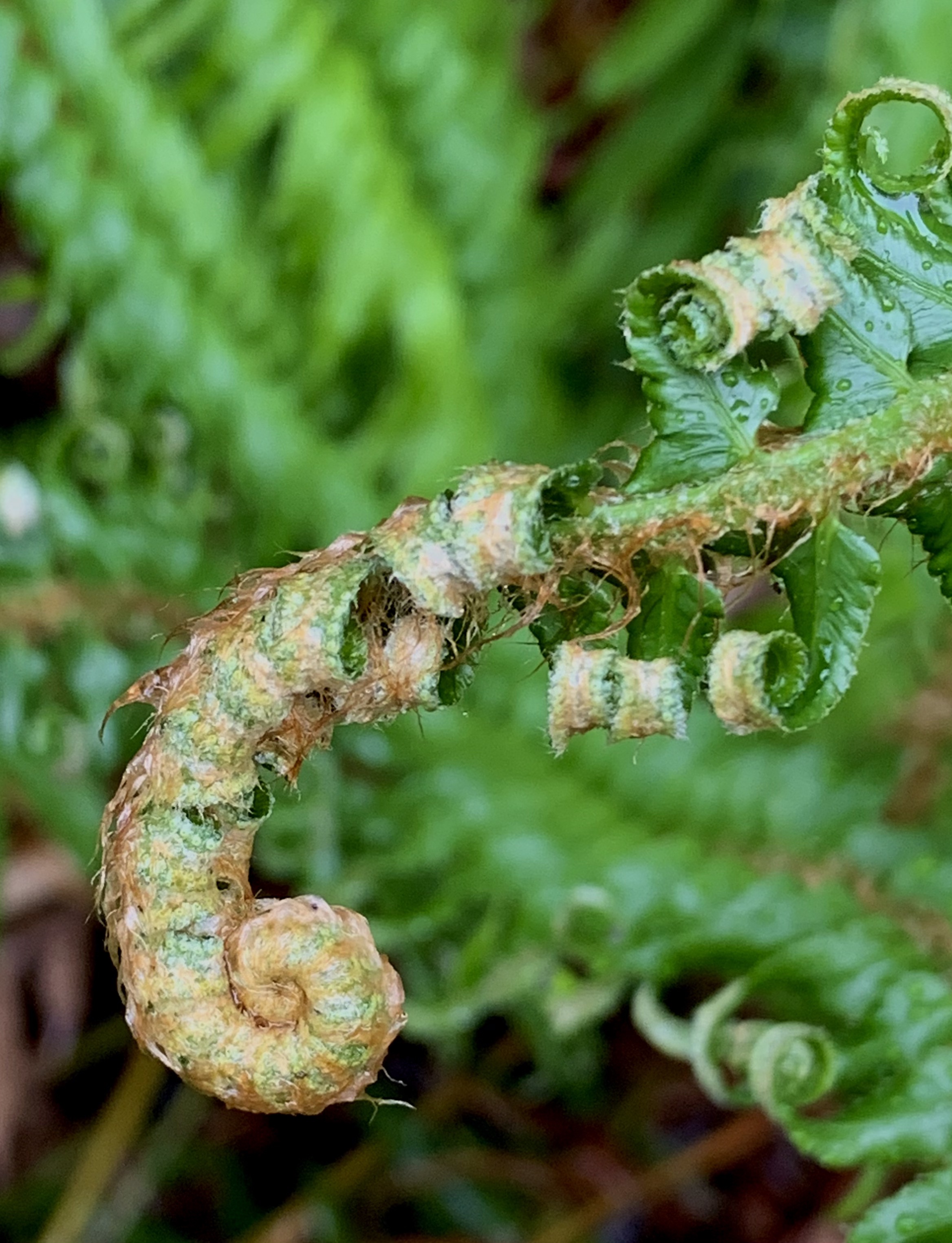
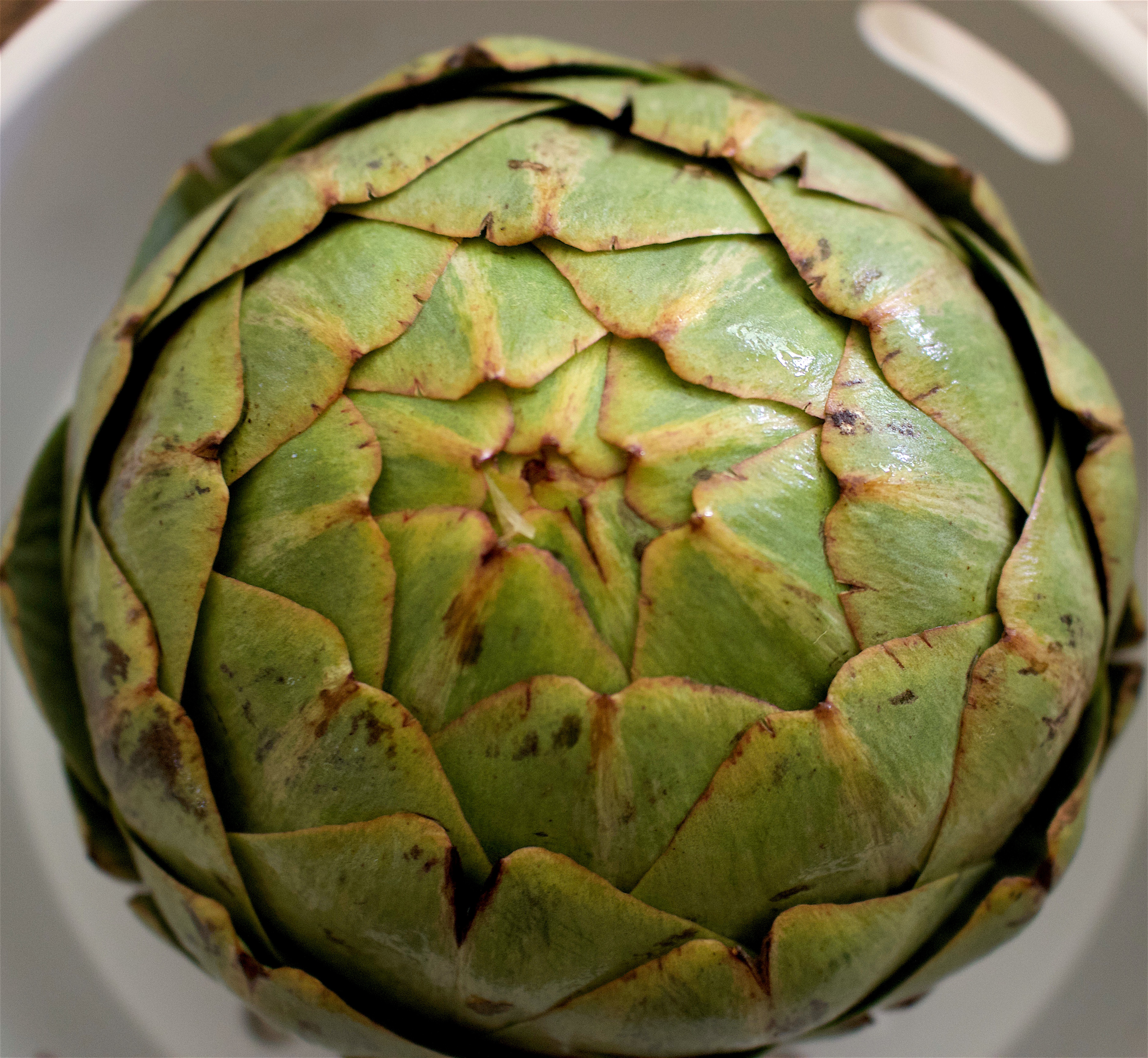
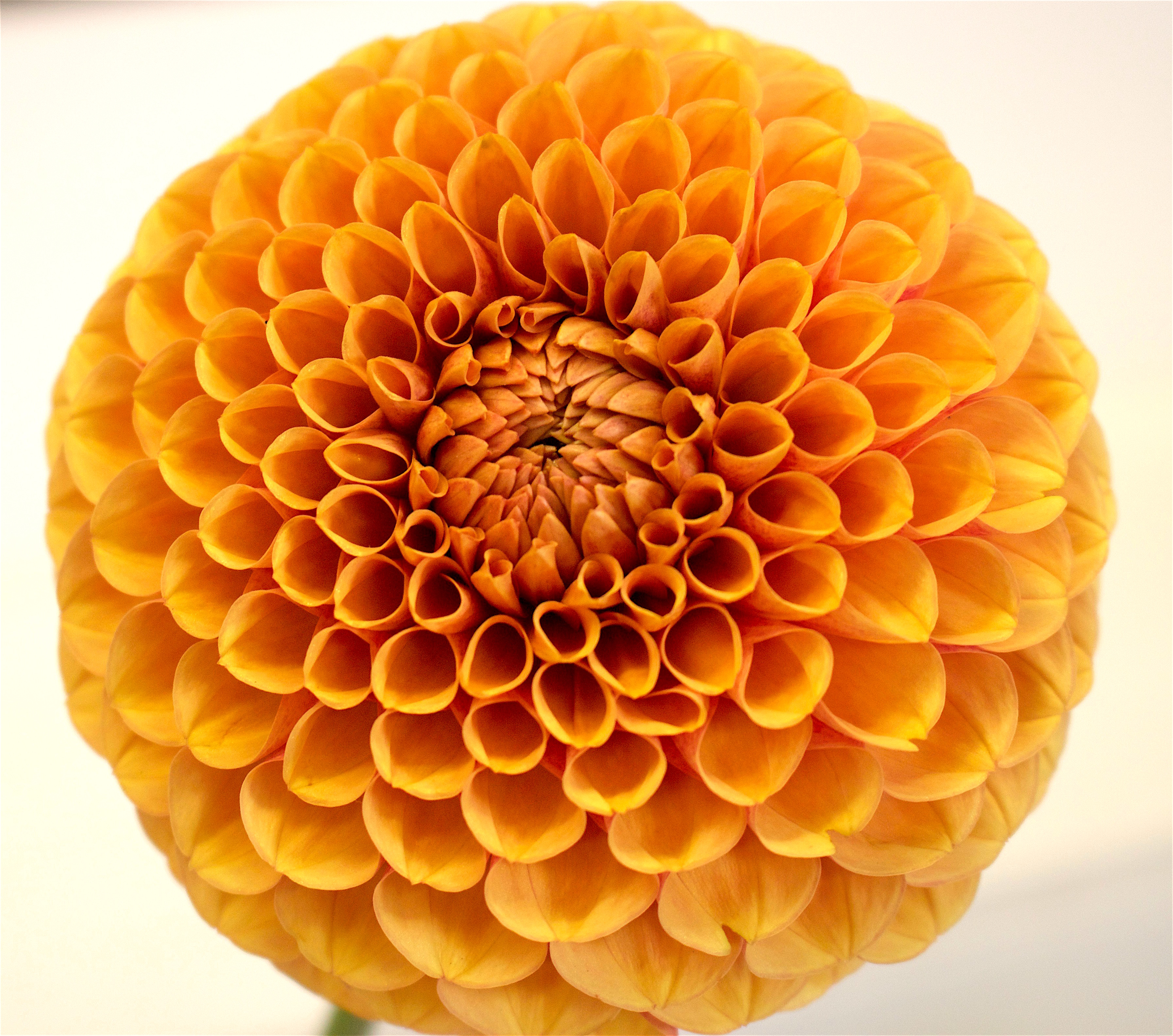
I look for the way things will turn out spiralling from a center, the shape things will take to come forth in
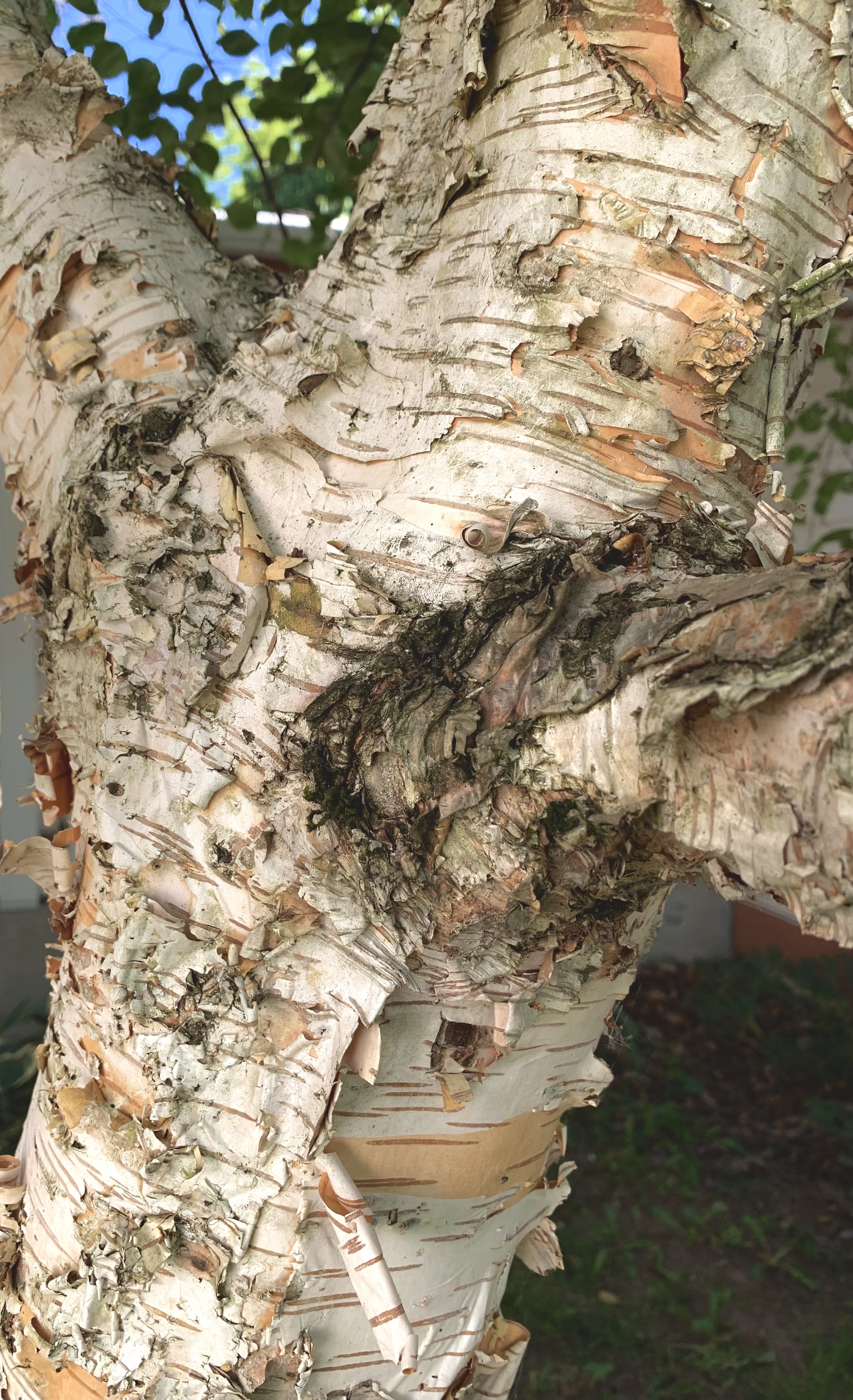
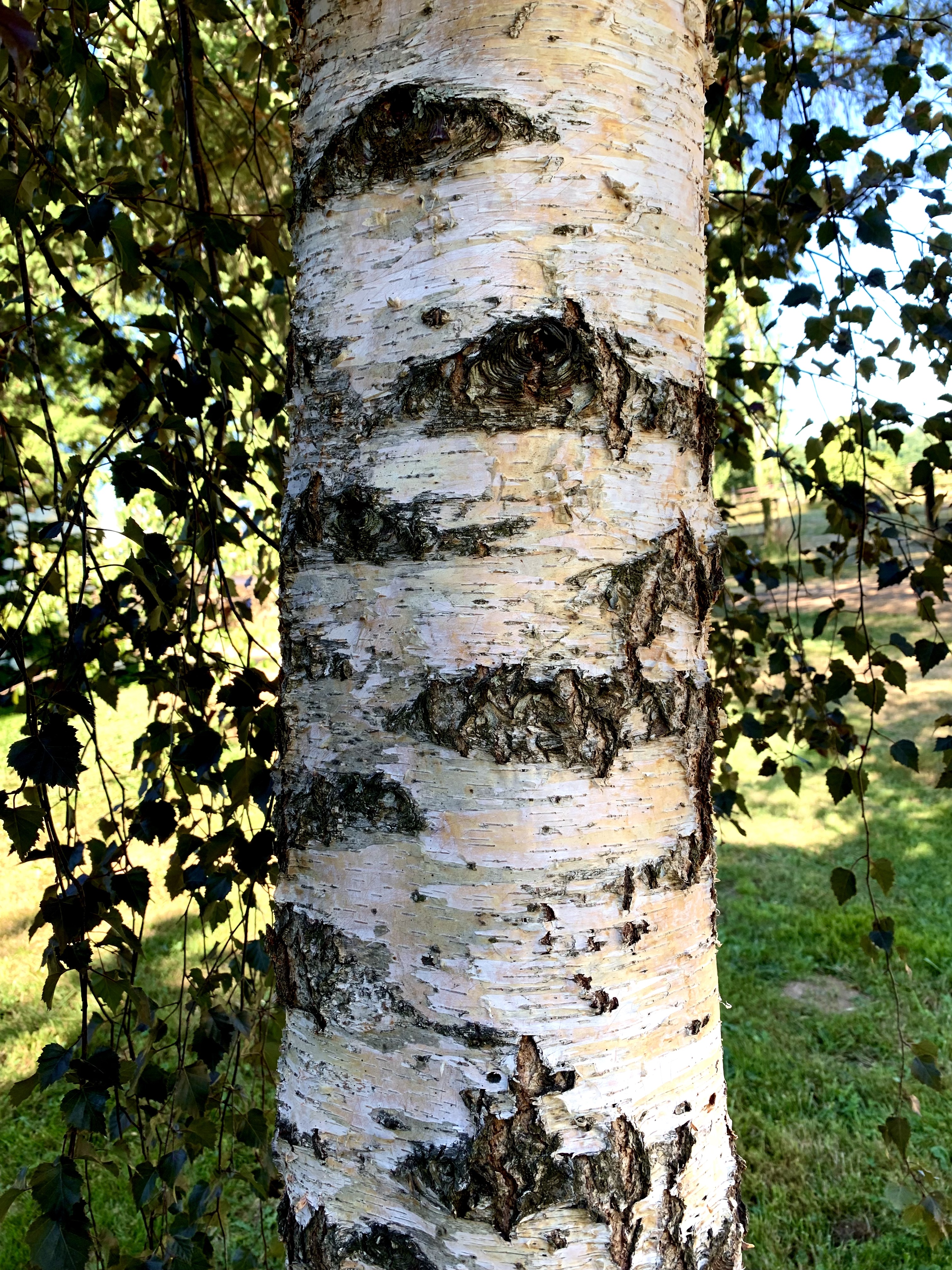
so that the birch tree white touched black at branches will stand out wind-glittering totally its apparent self:
I look for the forms things want to come as
from what black wells of possibility, how a thing will unfold:
not the shape on paper, though that, too, but the uninterfering means on paper:
not so much looking for the shape as being available to any shape that may be summoning itself through me from the self not mine but ours. ~A. R. Ammons, “Poetics” from A Coast of Trees
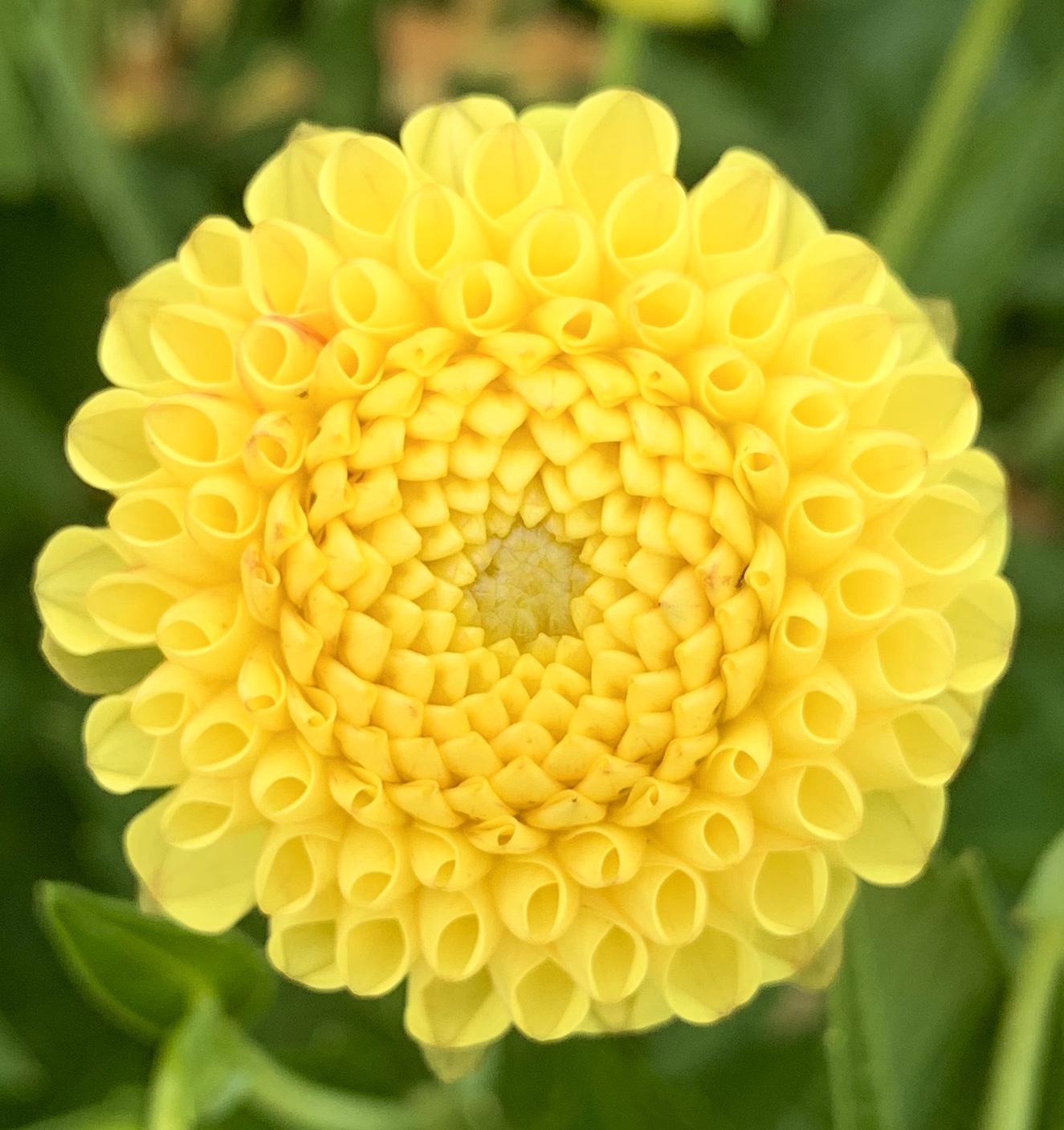
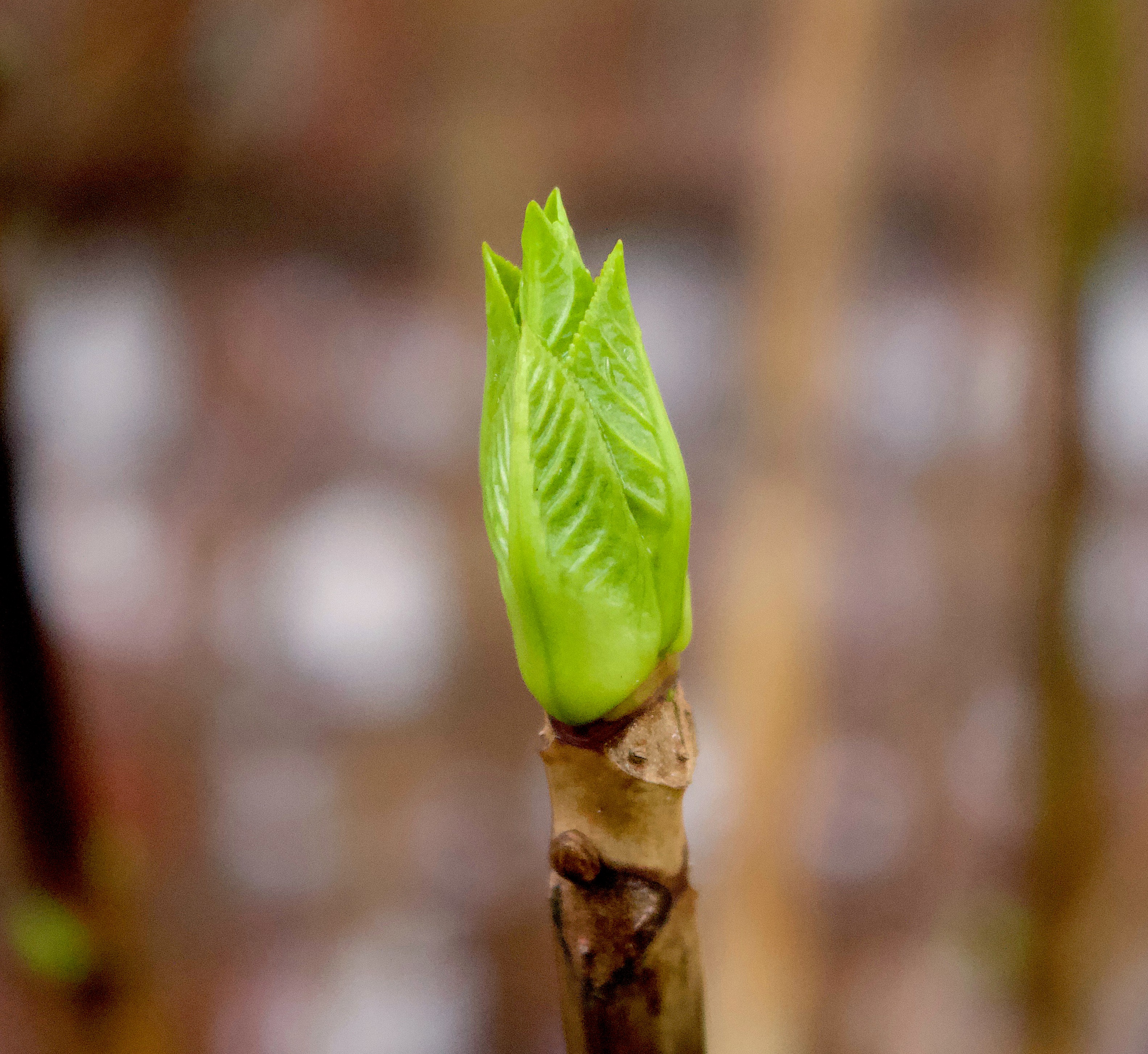
Even our very origin as a unique organism is a process of unfolding and spiraling: from our very first doubling after conception expanding to a complexity of trillions of cells powering our every thought and movement.
I look everywhere in my backyard world for beginnings and endings, wanting to understand where I fit and where I am in the process of this unfolding life. As I grow older, I find myself more peripheral than central, as I am meant to be – I have more perspective now. I can see where I came from, and where I am headed.
We unfurl, each one of us, slowly, surely, gently, in the Hands of our Creator God. He knows how each of us began as He was there from the beginning. He remains at the core our unfolding forever.
Enjoy these posts from Barnstorming? You will love this new book from Barnstorming available to order here:
overly delicate, like a flower skimmed of all fragrance.
You hear in the long last notes of the nightingale’s song
how to harbor what’s left of joy, how spring clutches
the green shoot of life and holds on and on through summer, prepares
for no end that is sure in coming, the fall ever endlessly repeating. ~Maureen Doallas “Recounting Seasons”, from Neruda’s Memoirs
One of my greatest joys is watching time as days become weeks, then months, and as years flow by, the seasons repeat seemingly endlessly. I know they must end for me eventually so I anticipate transitions before they take place.
In the “olden” days, many farmers kept daily hand-written diaries to track the events of the seasons: when the soil was warm enough to sow, when the harvest was ready, the highs and lows of temperature fluctuations, how many inches in the rain gauge, how deep the snow.
Now we follow the years with a swift scroll in our photo collection in our phones: the tulips bloomed two weeks later this year, or the tomatoes ripened early or the pears were larger two years ago.
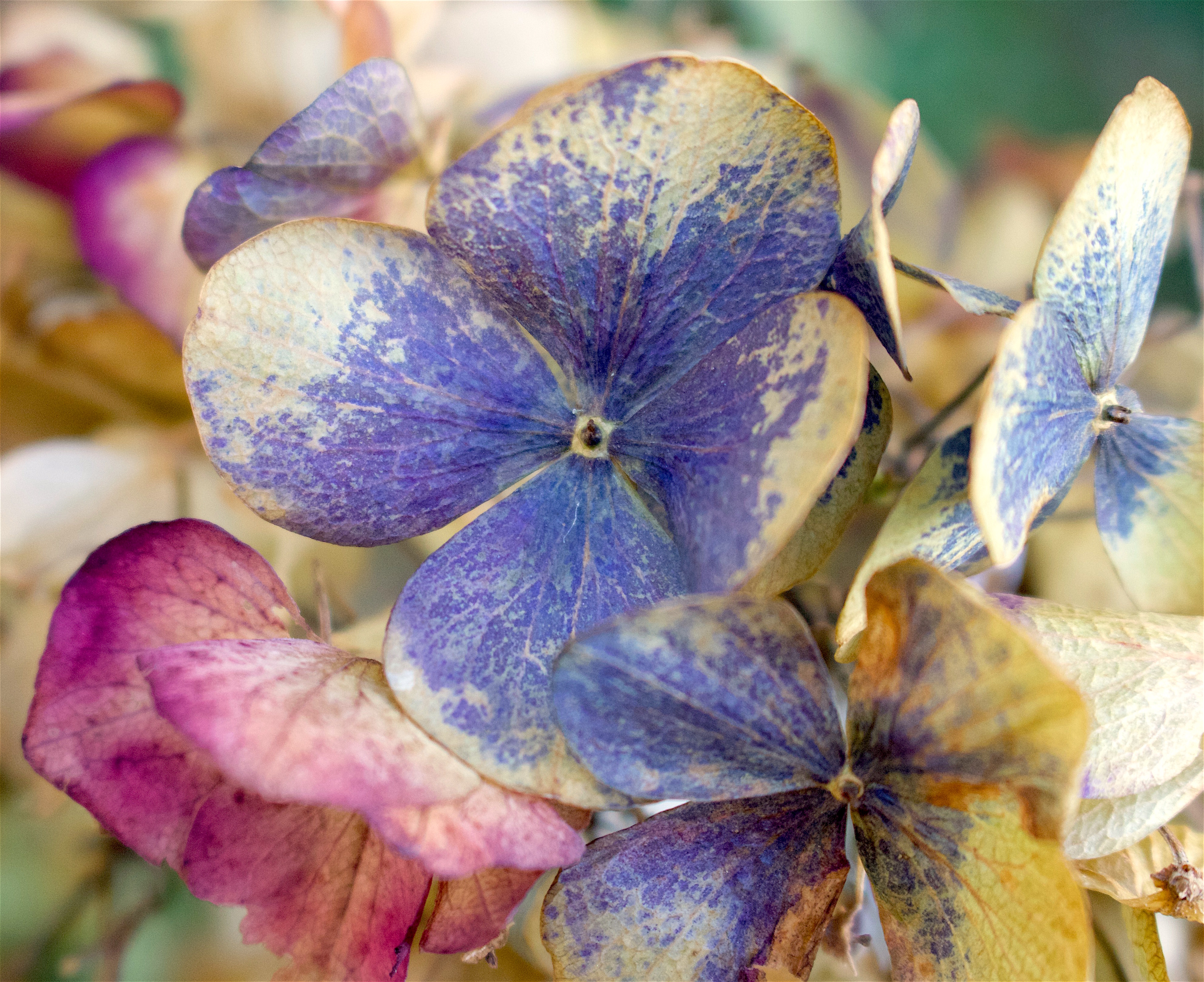
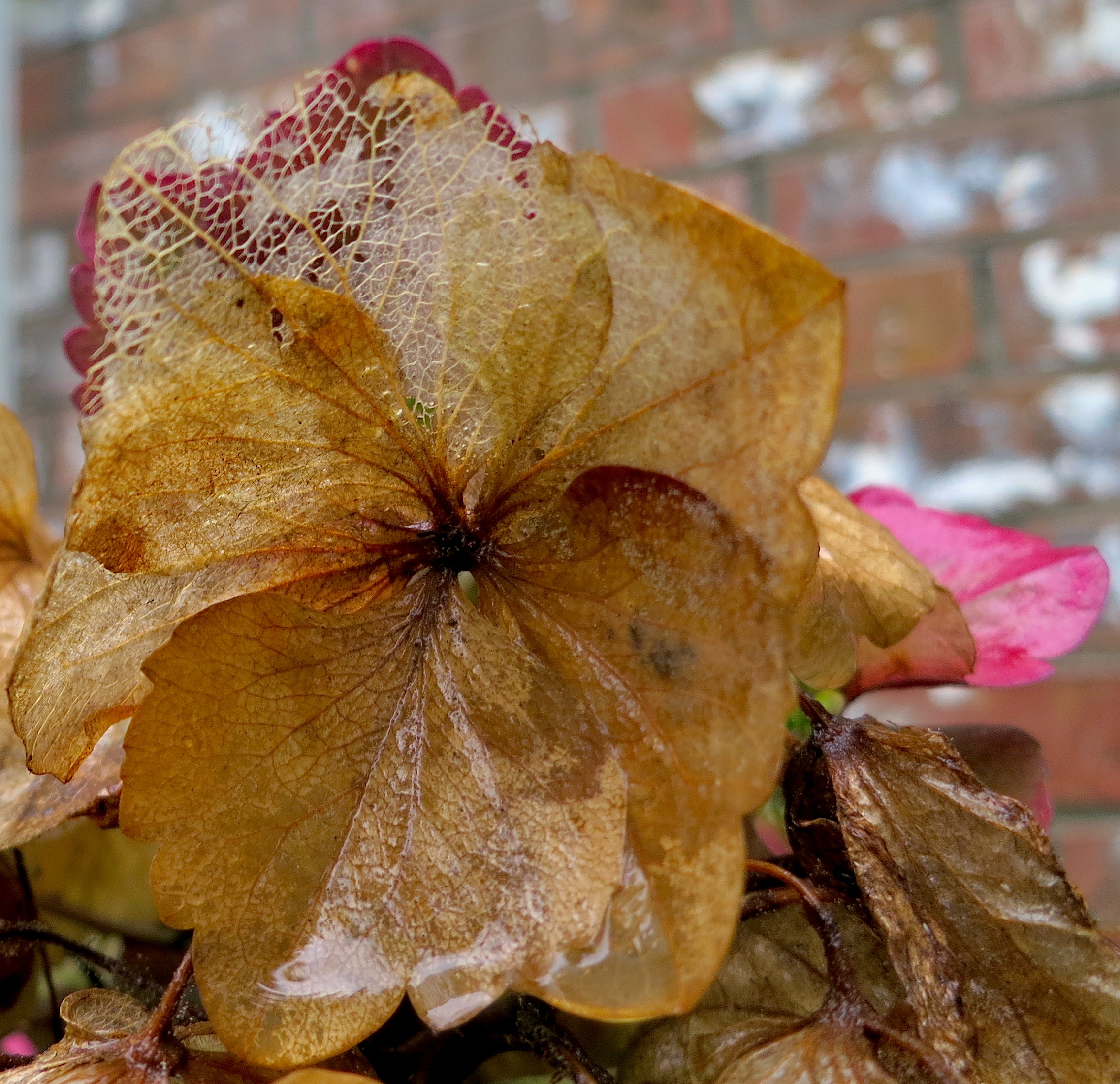
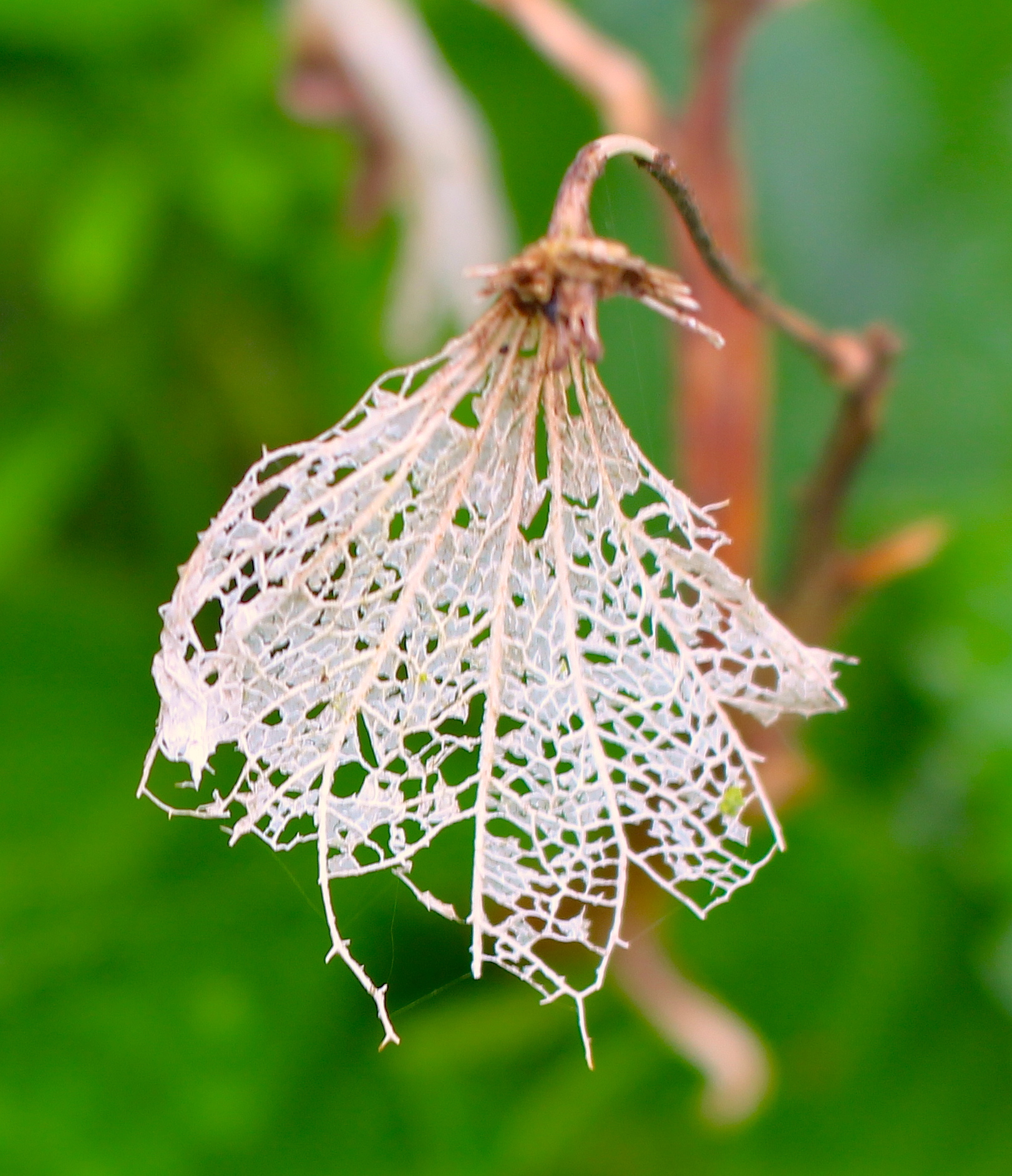
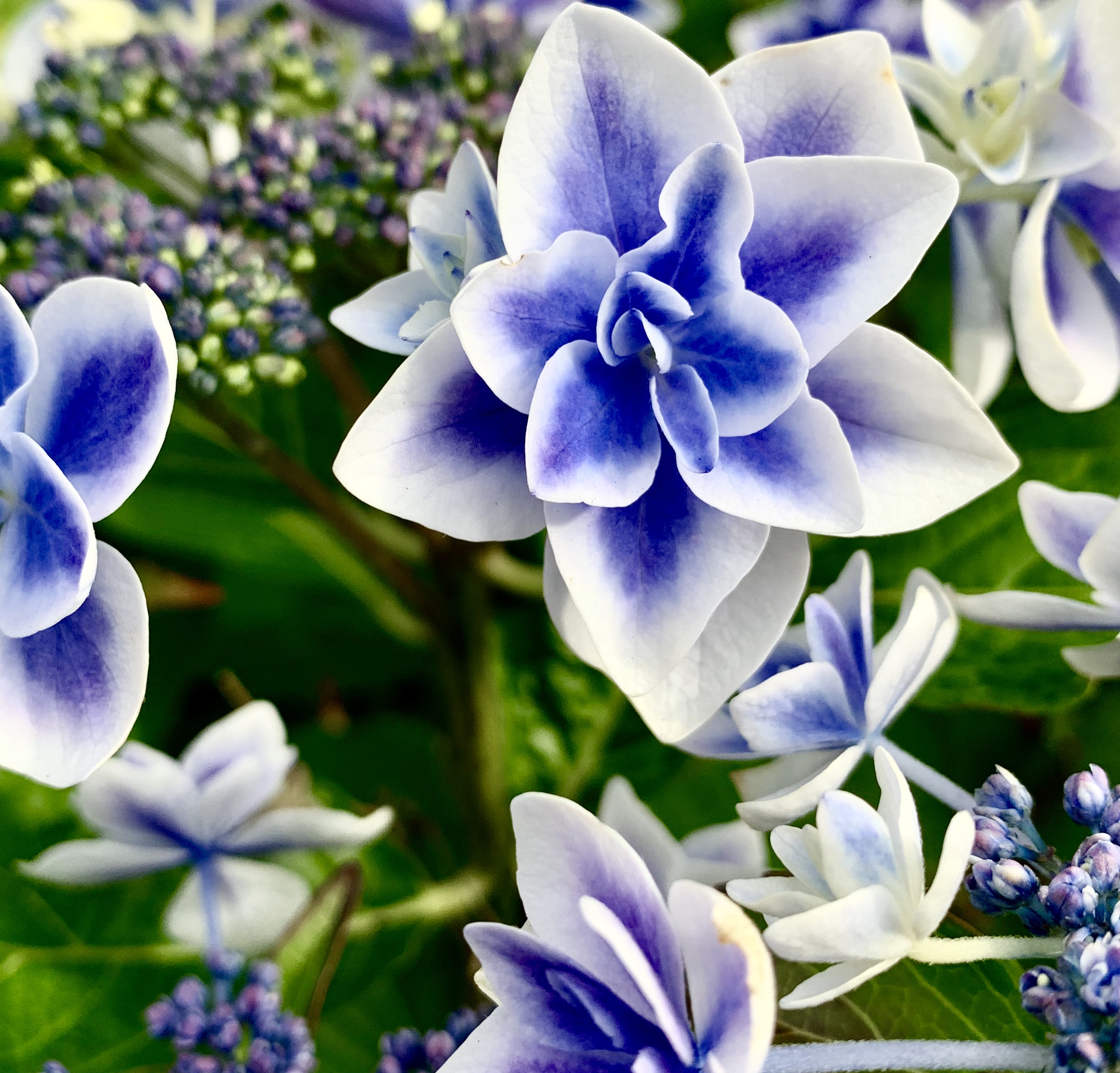
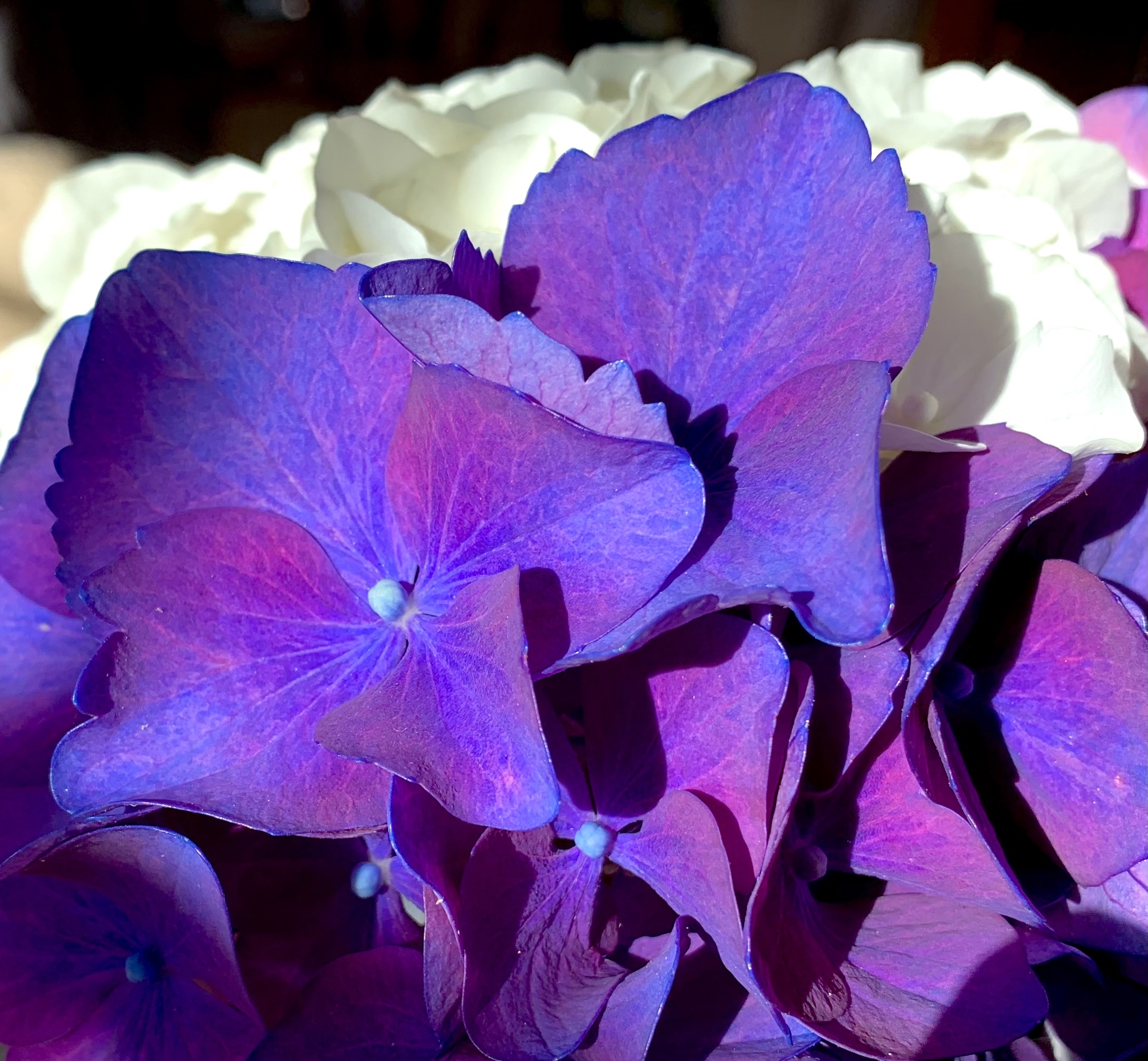
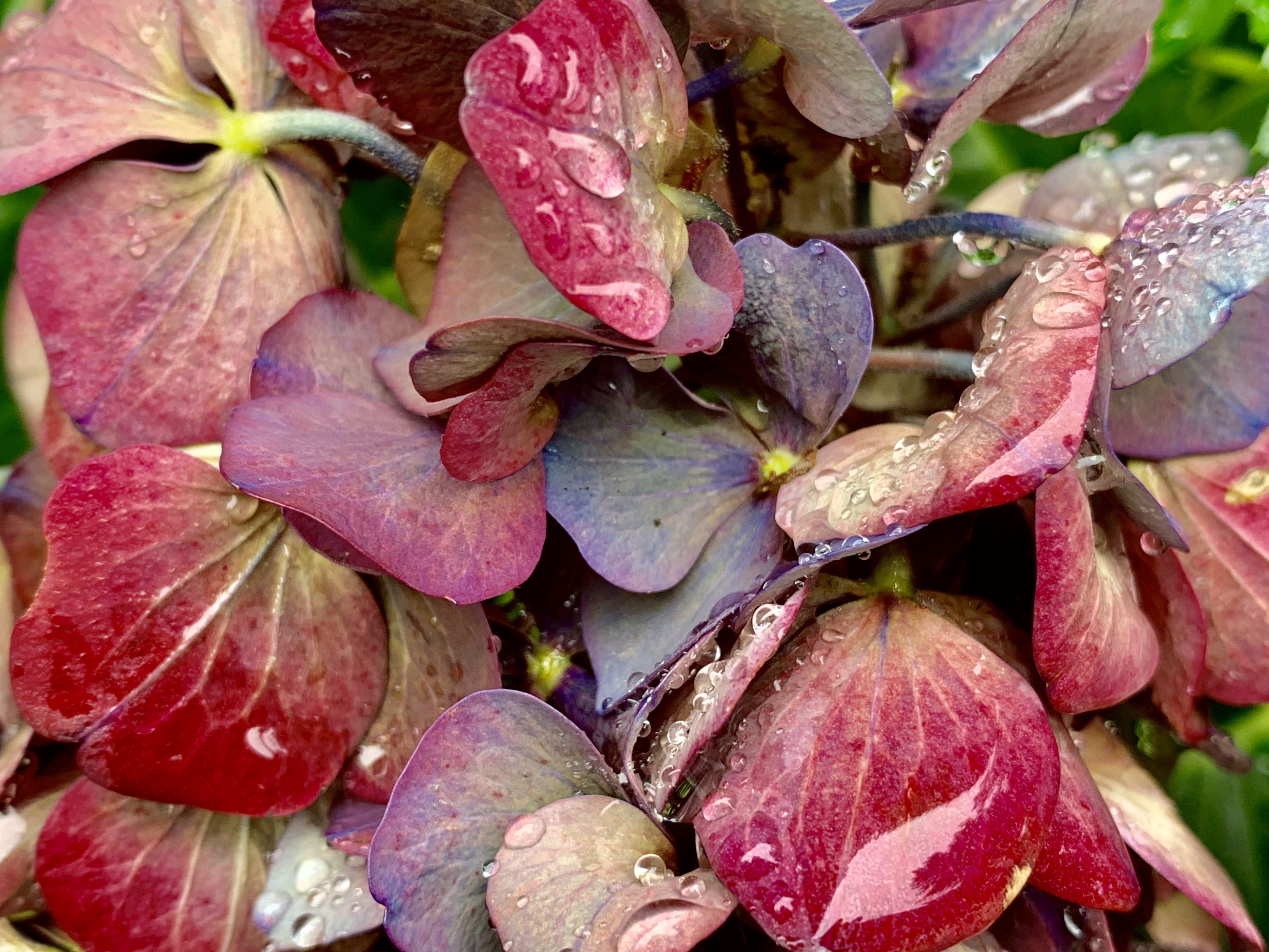
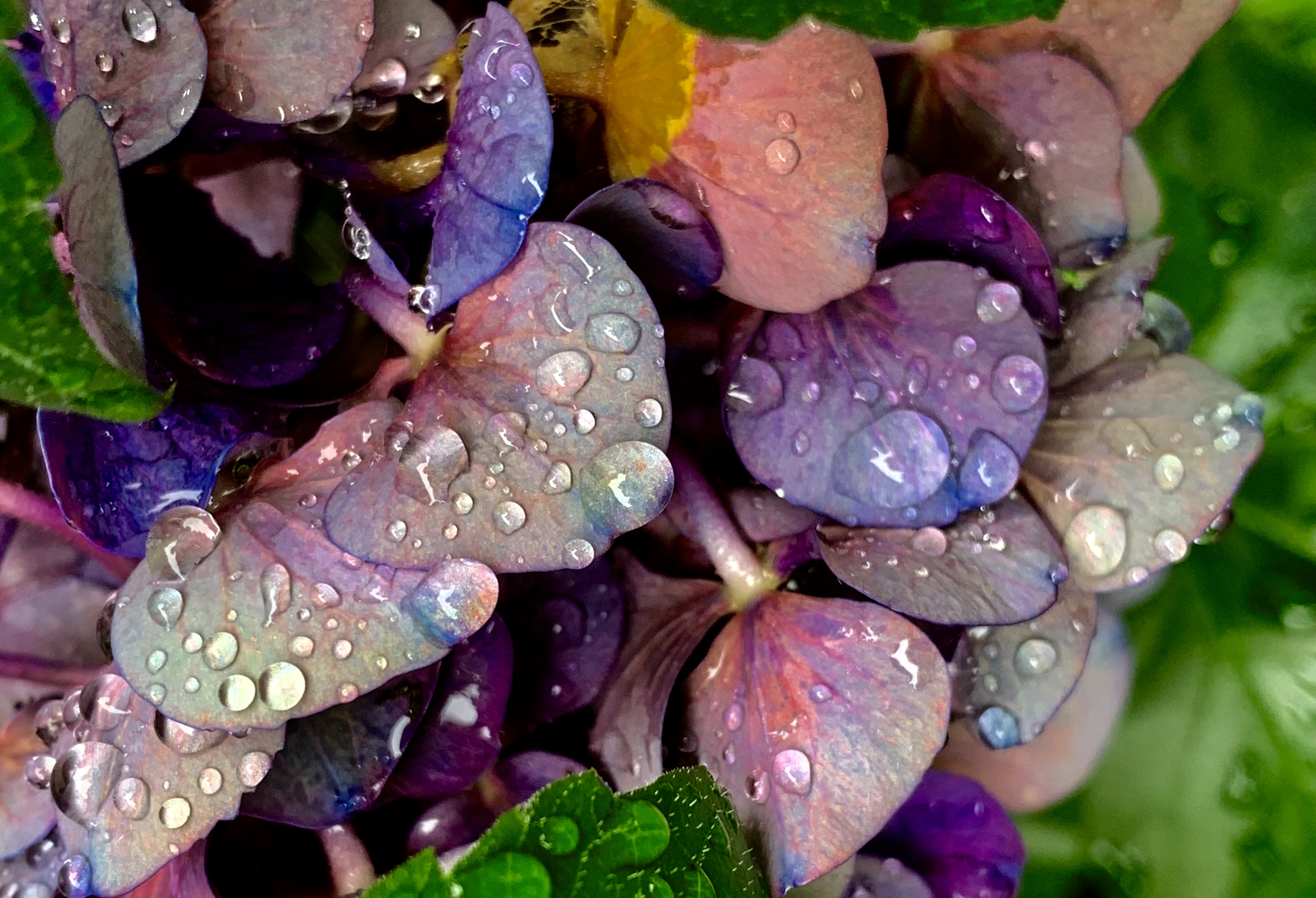
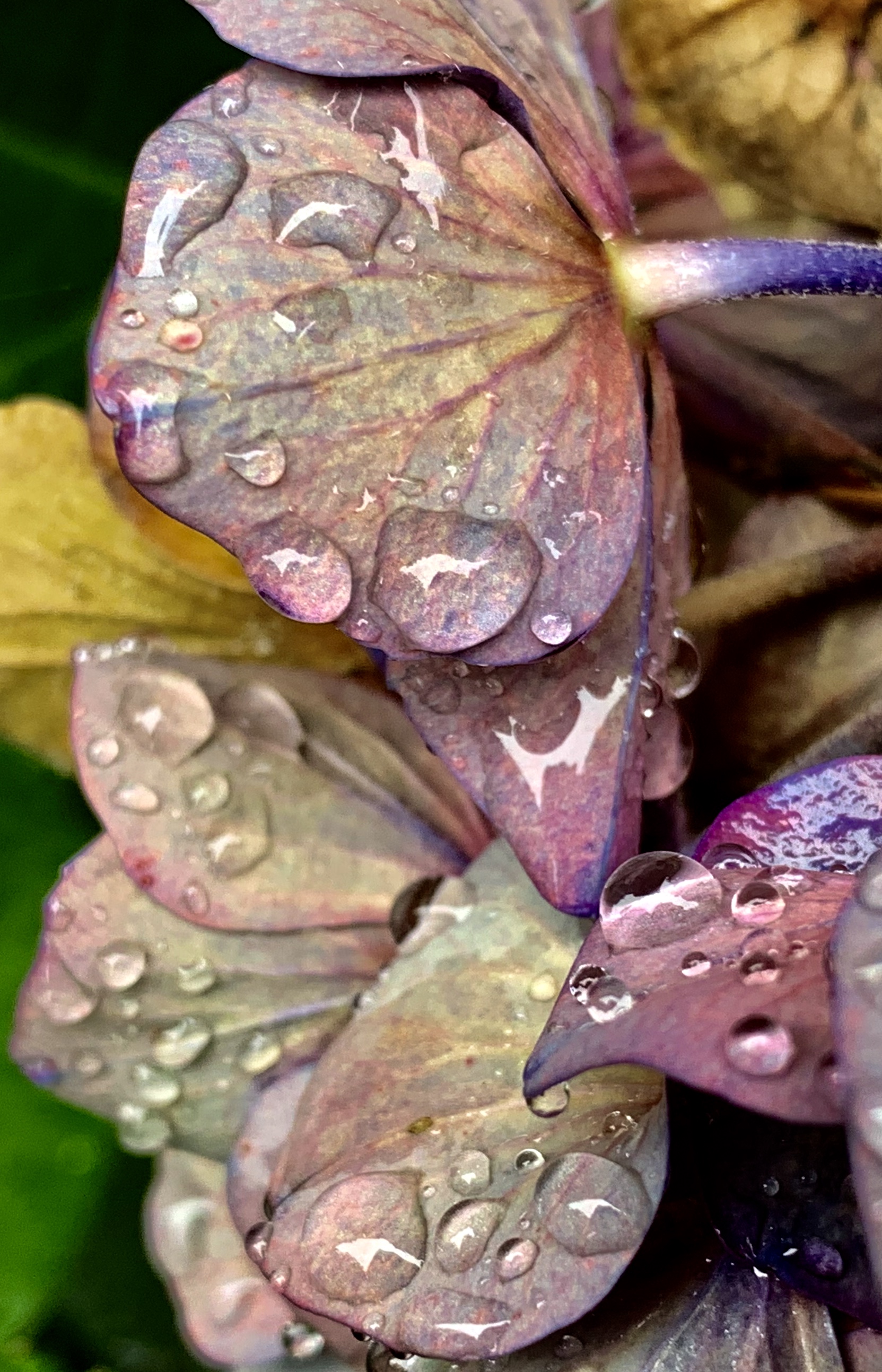
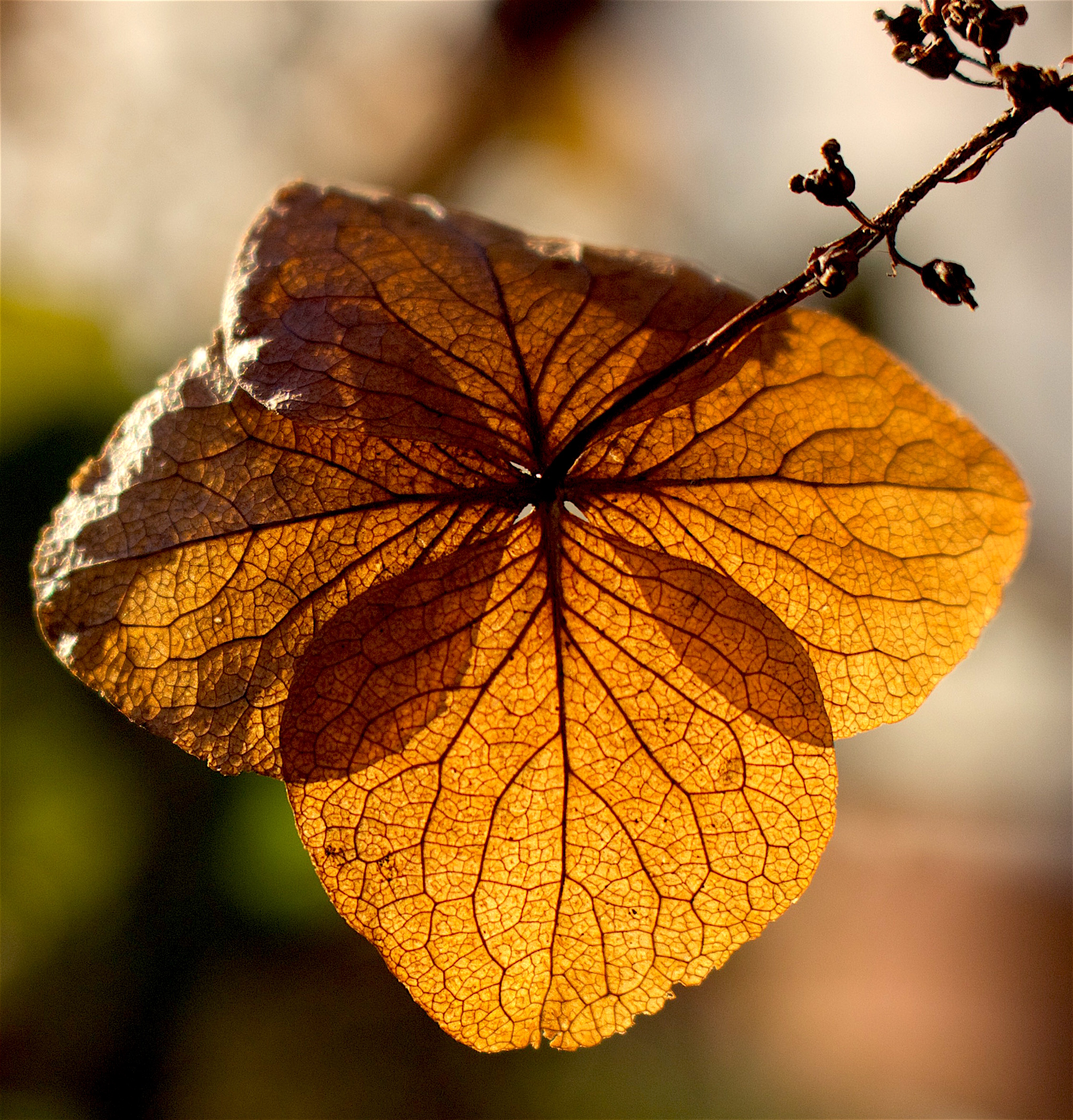
I take comfort things tend to repeat predictably year after year, yet I can spot subtle differences. Our hydrangea bushes are a harbinger of seasonal change: they are blooming a darker burgundy color this year, the lace caps are mostly blue rather than pink and purple. Their blooms fade eventually into blended earth tones, then blanche, finally losing color altogether and becoming skeletal.
And so it is with me. I harbor joy by noticing each change, knowing the repetition of the seasons and the cycle of blooming will continue, with or without me here watching. I am unnecessary except as a recorder of fact.
I will keep watching and keep documenting as long as I’m able.
Enjoying these Barnstorming posts? You’ll love this book from Barnstorming available to order here:
Who loves the rain And loves his home, And looks on life with quiet eyes, Him will I follow through the storm; And at his hearth-fire keep me warm; Nor hell nor heaven shall that soul surprise, Who loves the rain, And loves his home, And looks on life with quiet eyes. ~Frances Shaw, “Who loves the rain” from Look To the Rainbow
I would like to be the air that inhabits you for a moment only. I would like to be that unnoticed and that necessary. ~Margaret Atwood from “Variation on the Word Sleep”
For Dan’s birthday…
In this journey together, we inhabit each other, however long may be the road we travel; you have become the air I breathe, refreshing, renewing, restoring~~ you are that necessary to me, and that beloved.
Each year, as we grow older together: grayer, softer, gentler with ourselves, each other and the world.
I pause, on this day you were born, to thank God yet again for bringing you to earth so we could meet, raise three amazing children, and walk this journey together with pulse and breath and dreams.
It was your quiet brown eyes I trusted first and just knew I’d follow you anywhere and I have…
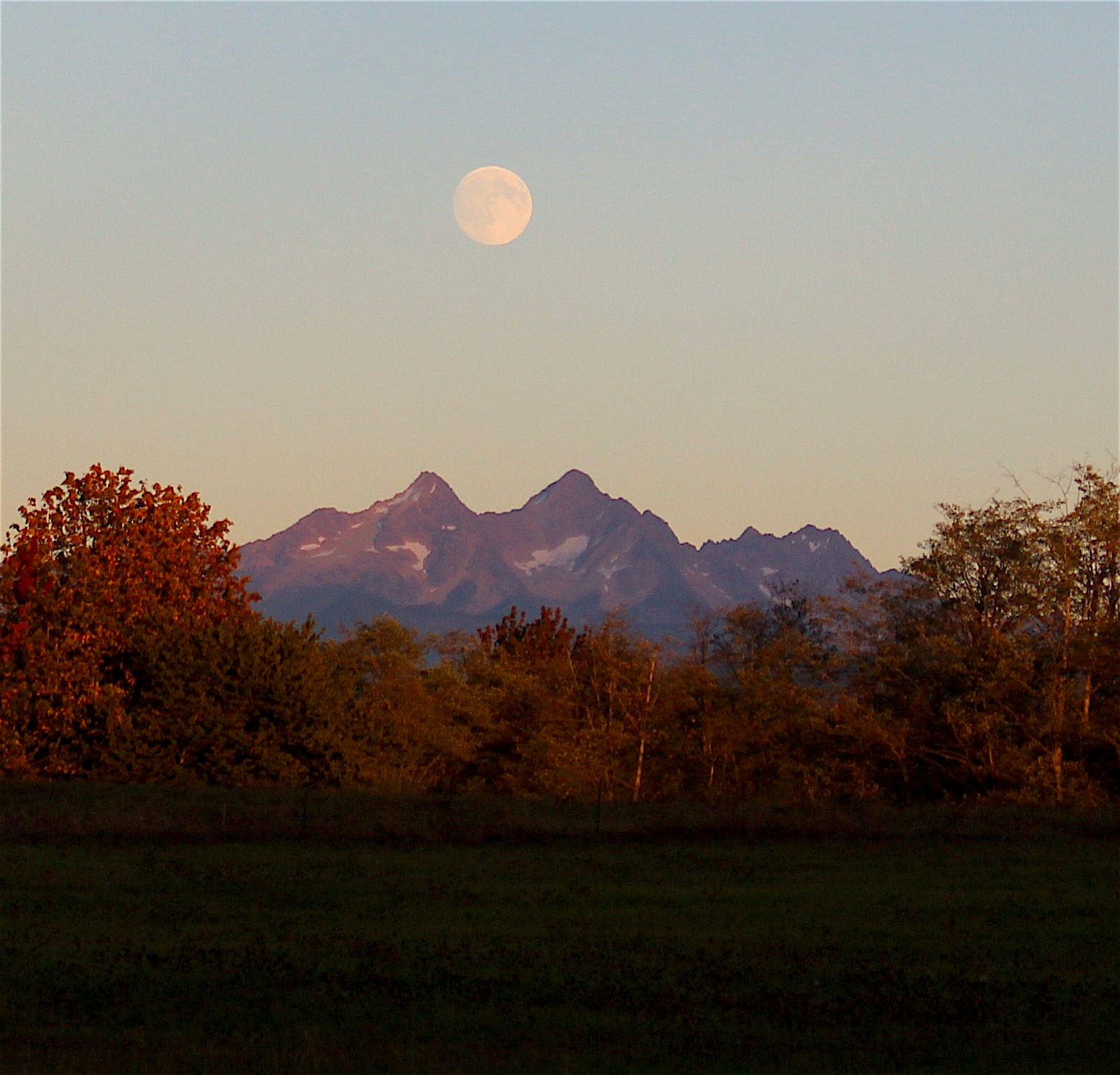
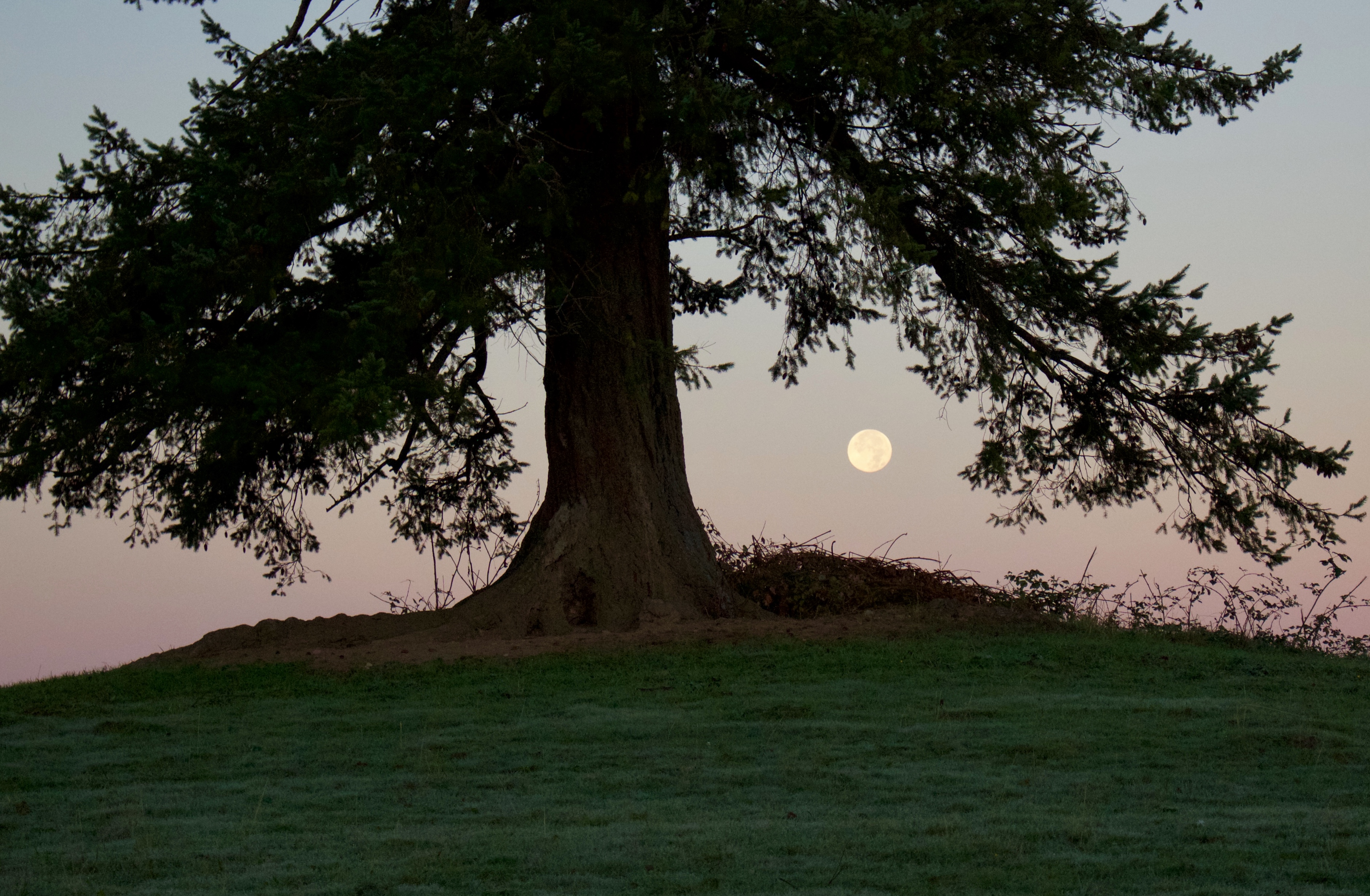
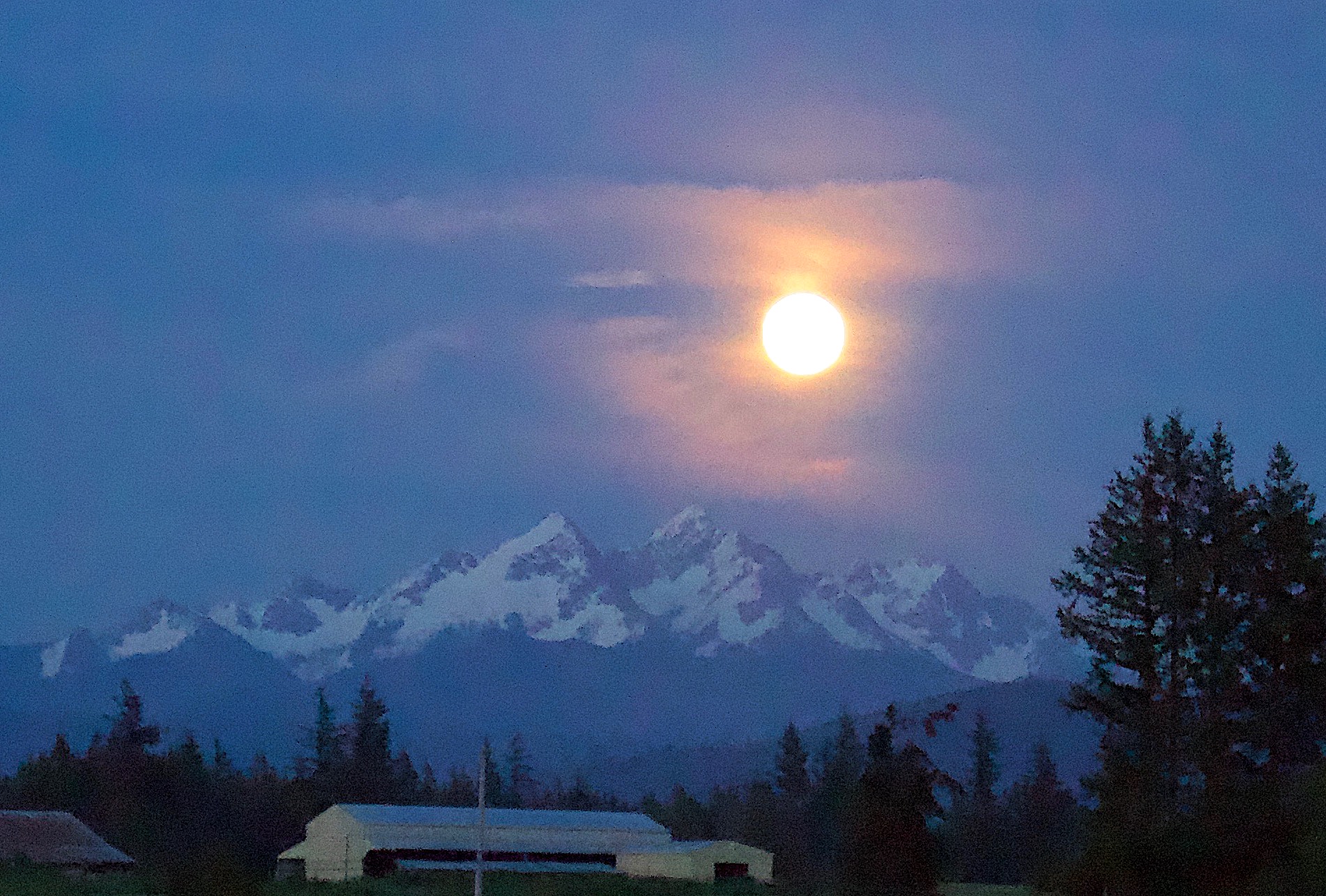
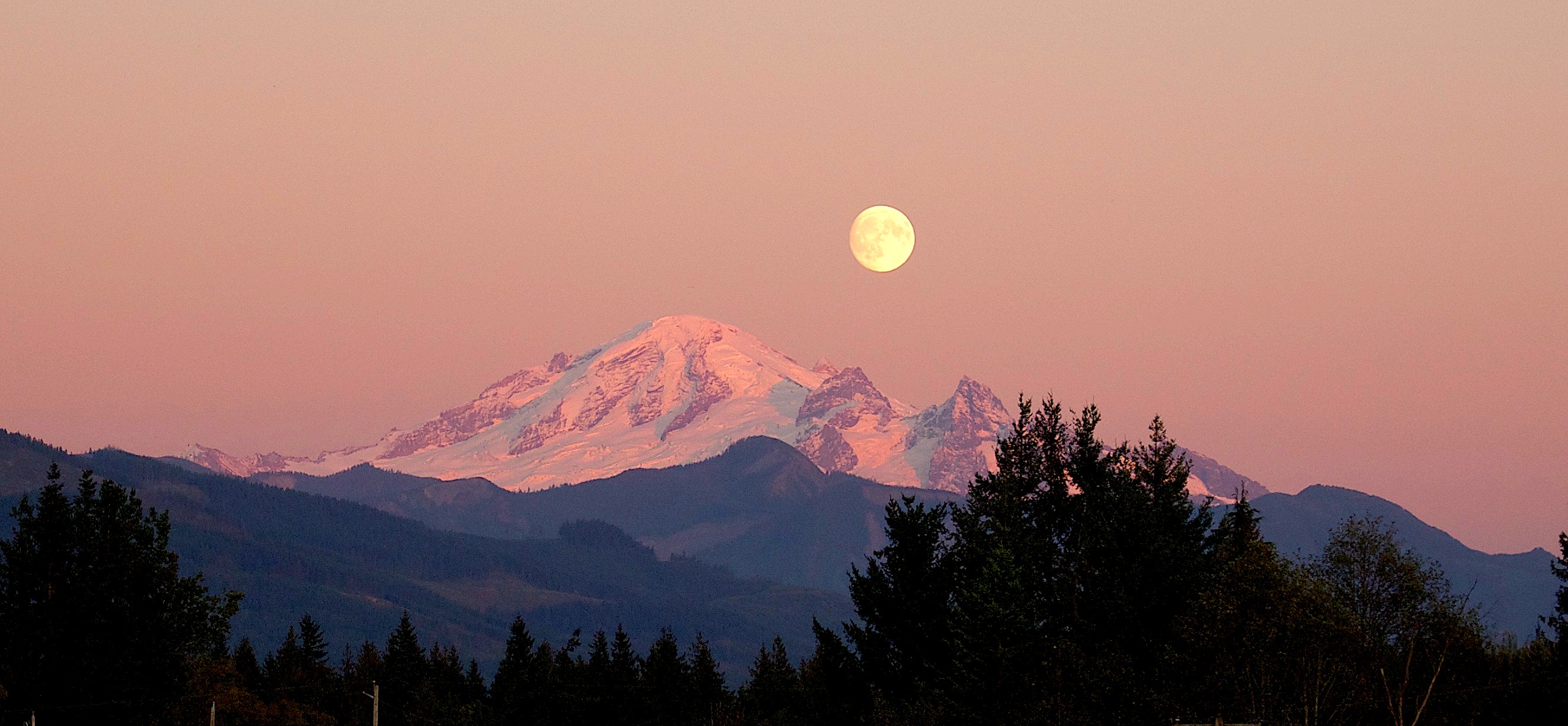
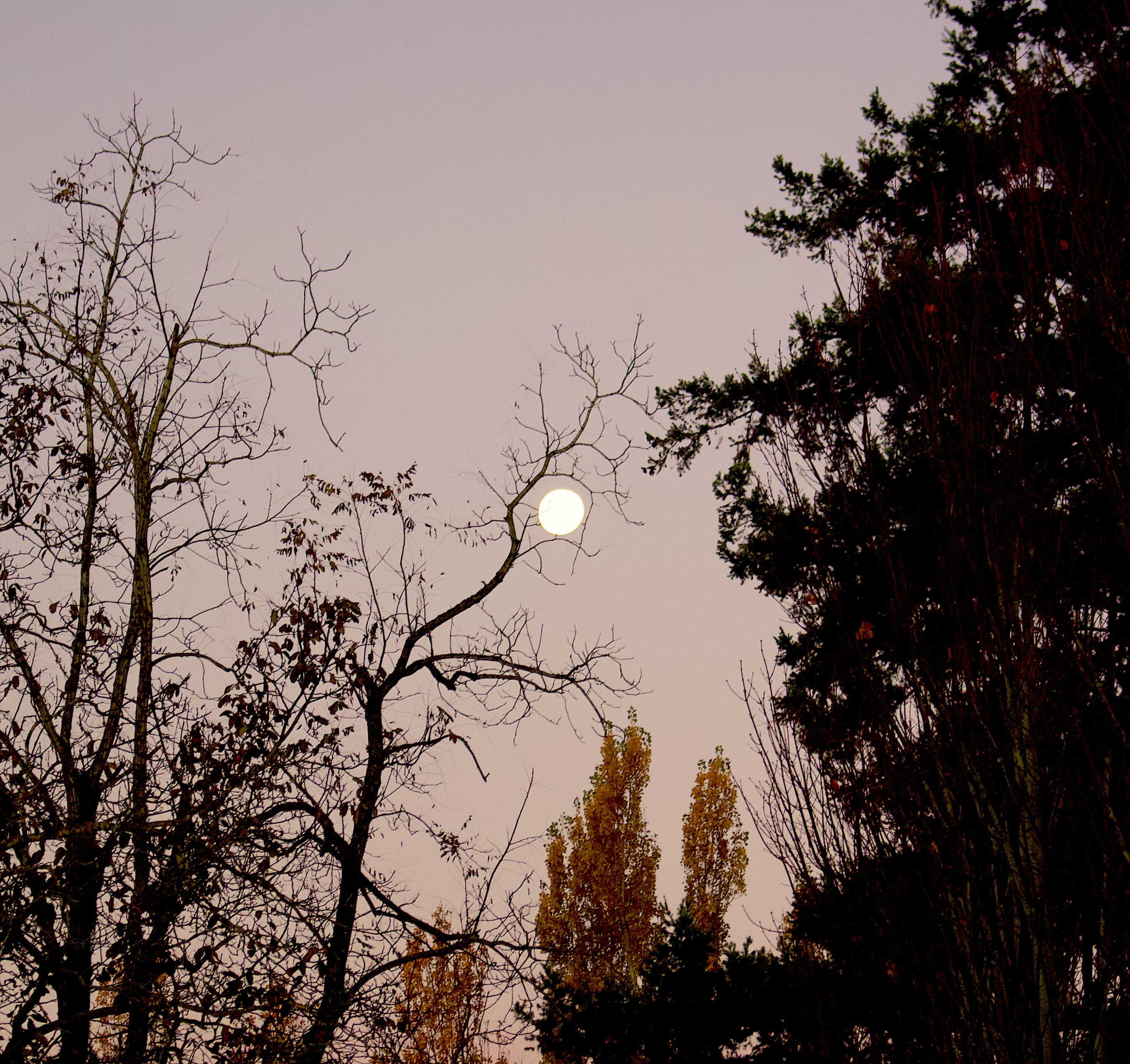
in other breaking news a silver moon sailed above the world and the only ones who knew it were the ones who looked up ~ Kat Lehmann, from Small Stones from the River
I spend too much time watching my feet for assurance about where my next step will land rather than looking up to appreciate Who directs my next step.
Perspective is everything; if I focus on what is above, I’ll be leaps and bounds ahead than if I only gaze down at the ground.
I’ve looked at life from both sides now: focusing on what lies beneath me… or looking up to apprehend the glories above…
I struggle to understand the mystery of both sides as I really don’t know life, at all.
But someday, I’m confident I will.
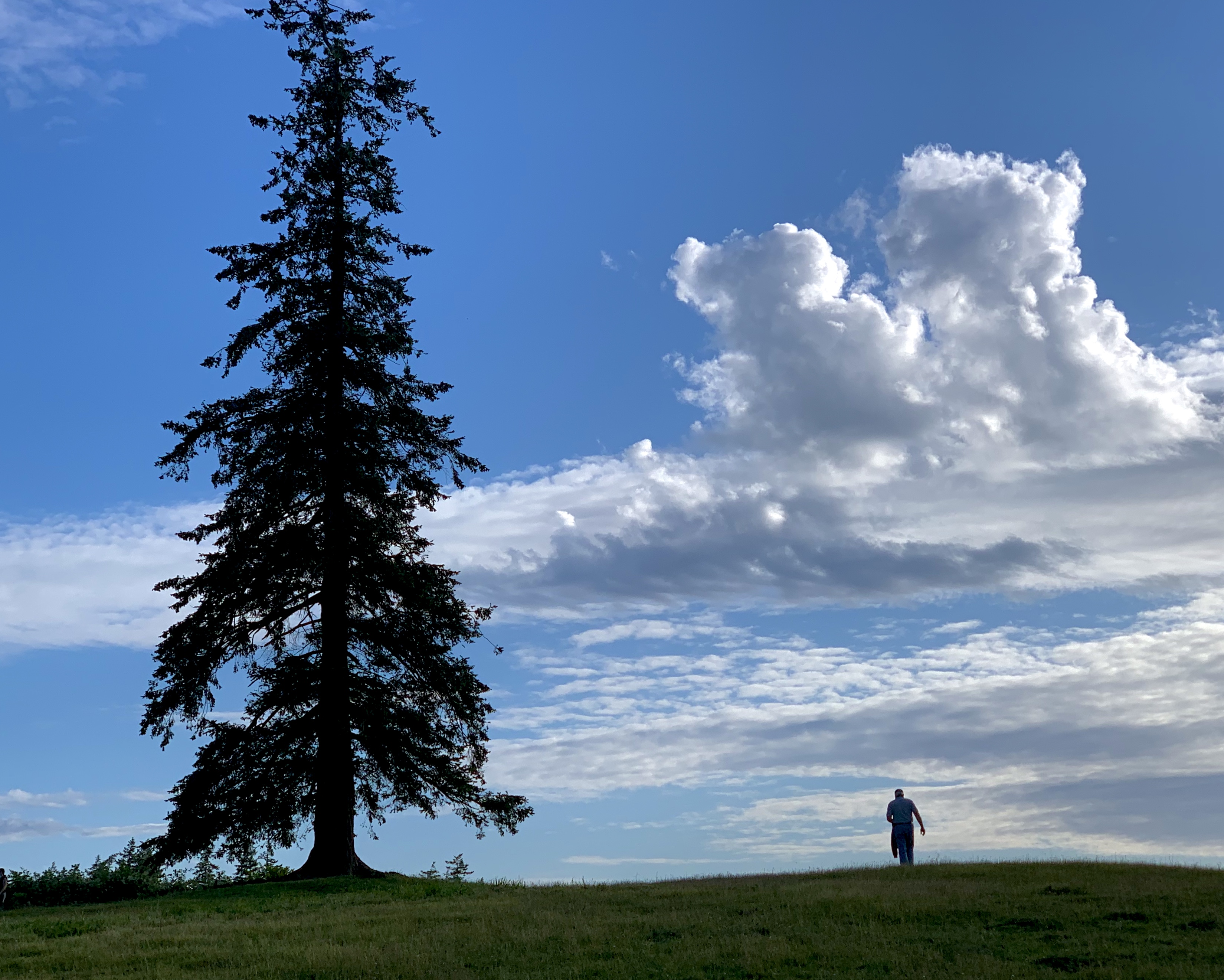
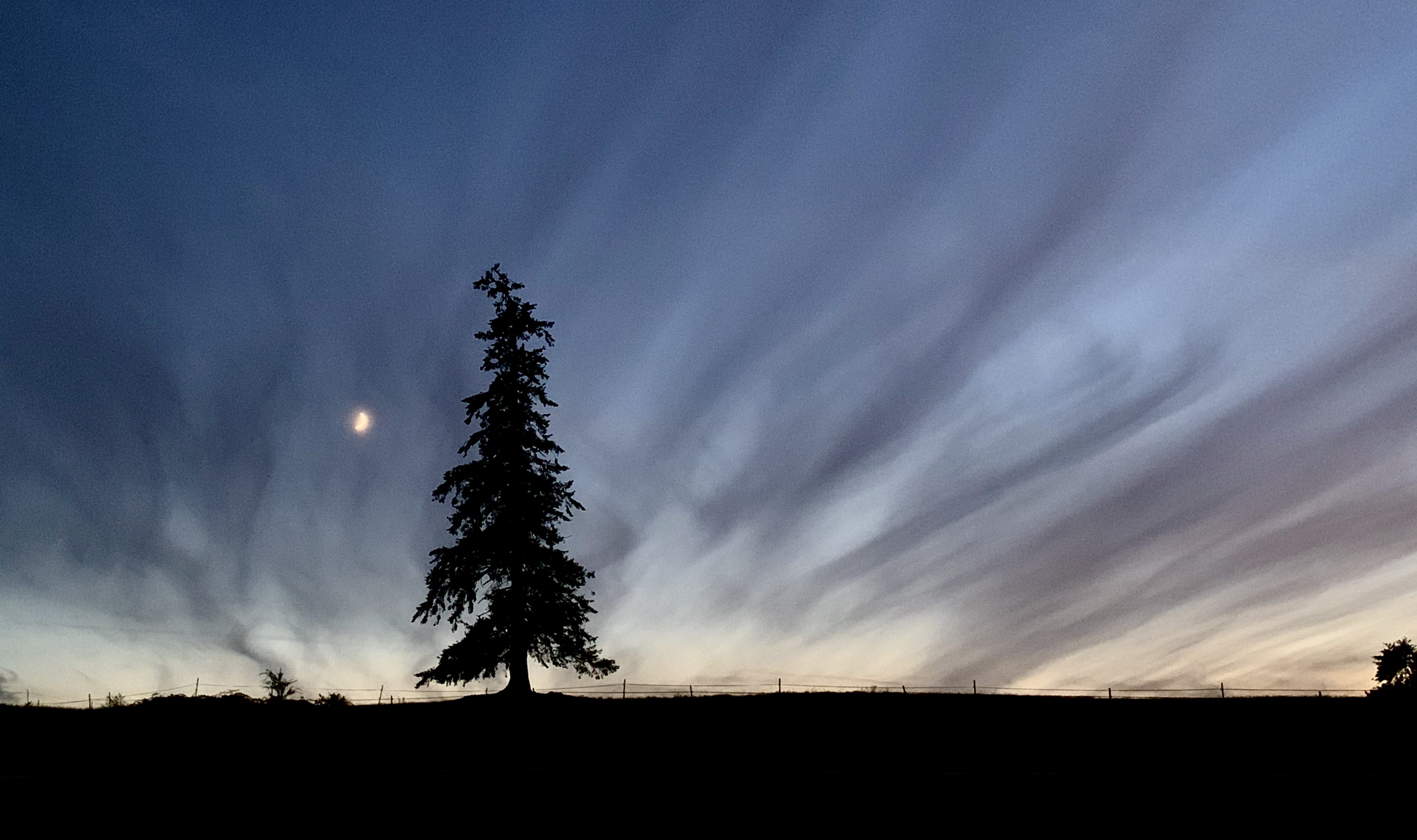
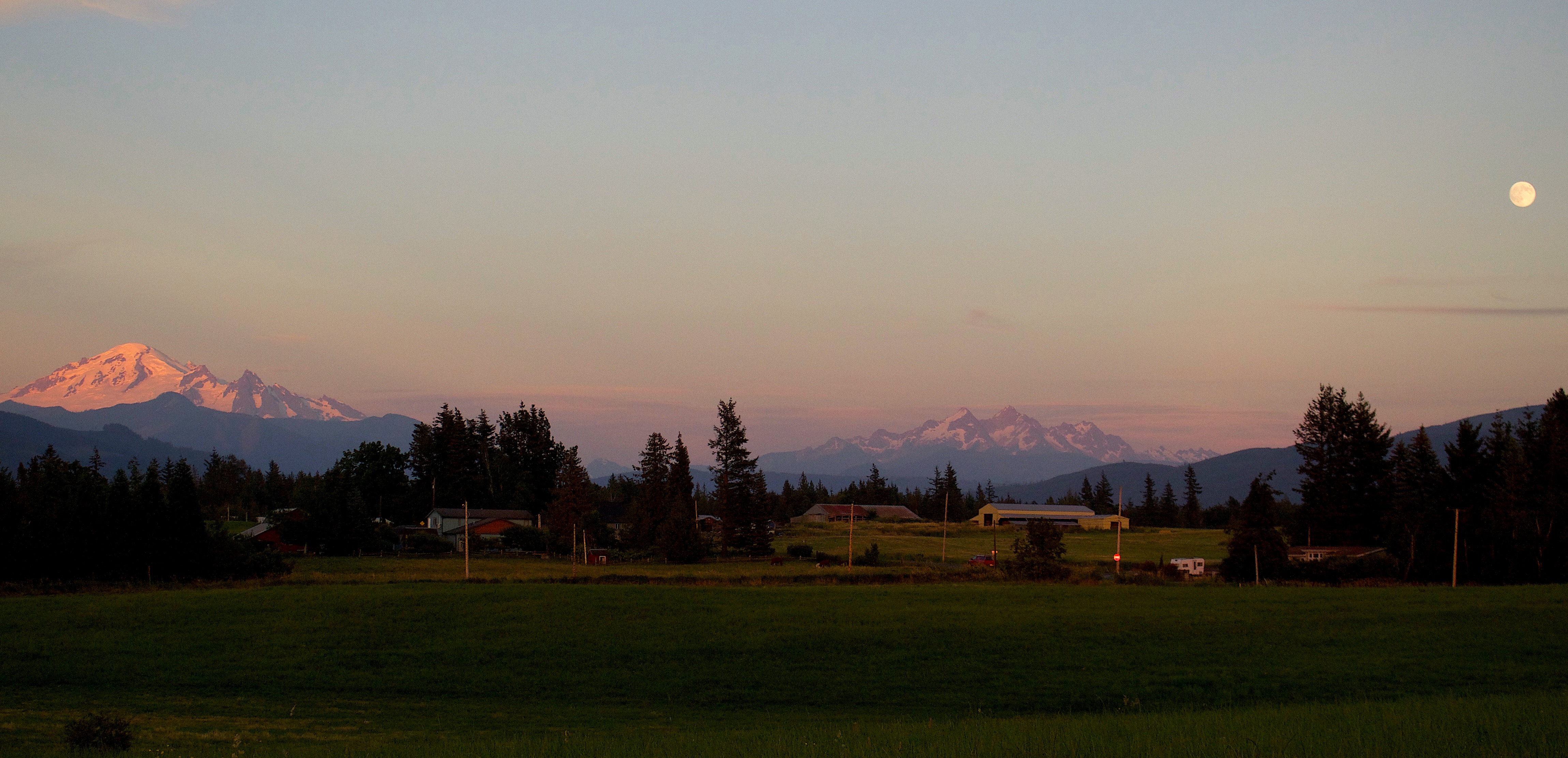
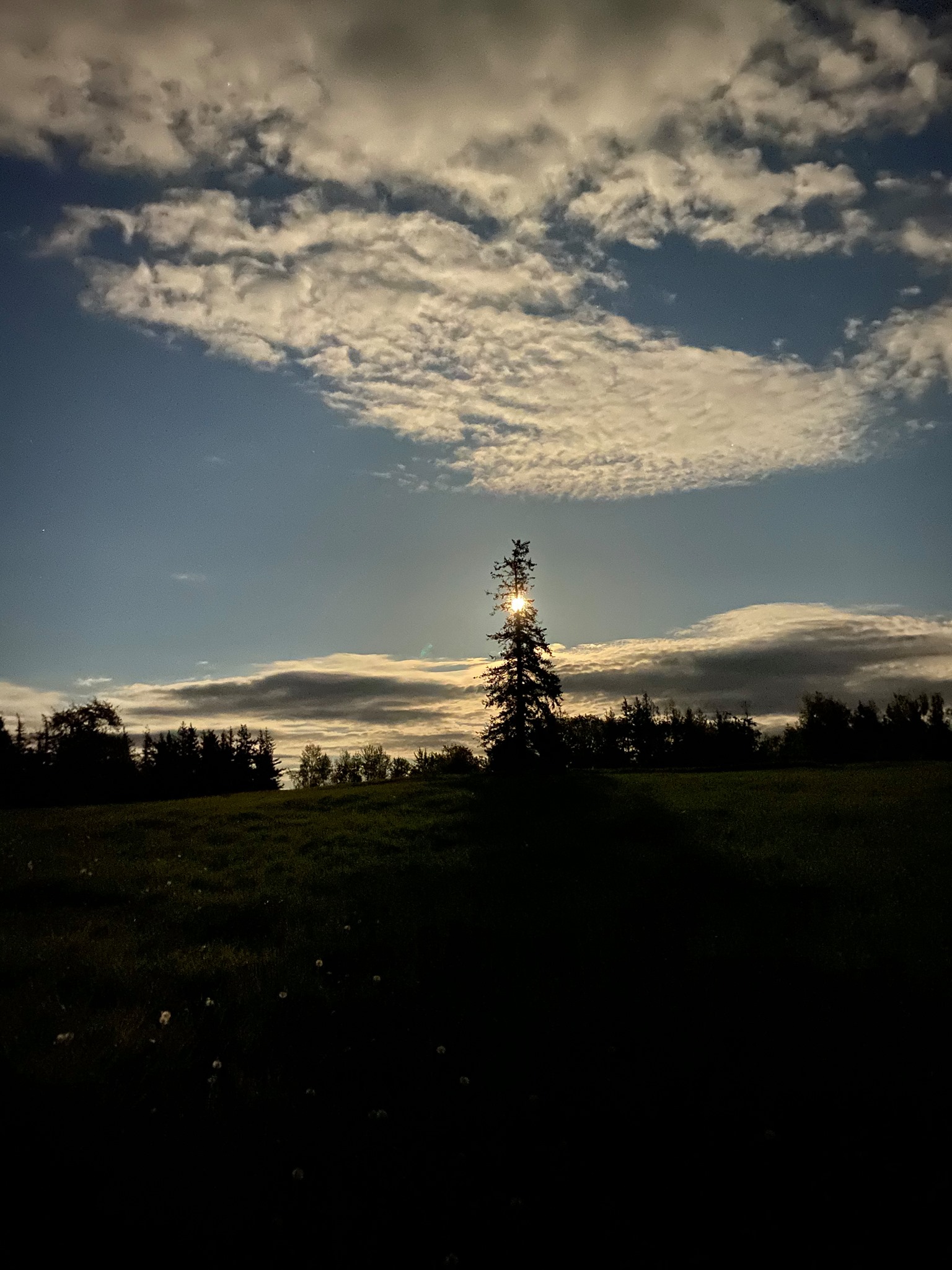
photo by Bob Tjoelker of the rising moon behind our hilltop fir tree
If you enjoy Barnstorming, consider our new book – available to order here:
Stay, stay at home, my heart, and rest; Home-keeping hearts are happiest, For those that wander they know not where Are full of trouble and full of care; To stay at home is best.
Weary and homesick and distressed, They wander east, they wander west, And are baffled and beaten and blown about By the winds of the wilderness of doubt; To stay at home is best.
Thank you to Harry Rodenberger for the hummingbird nest videos!
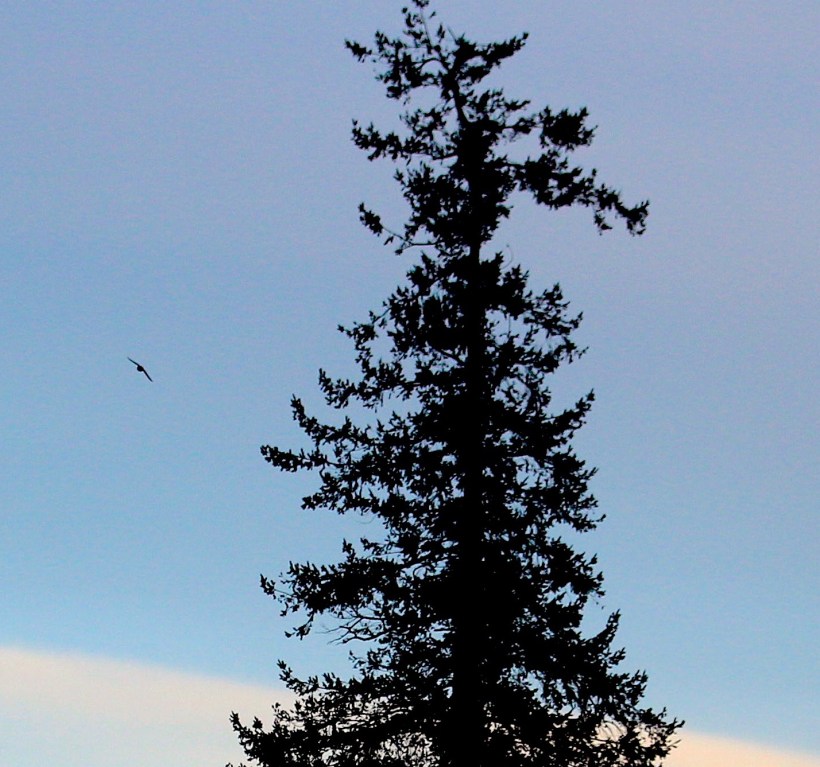
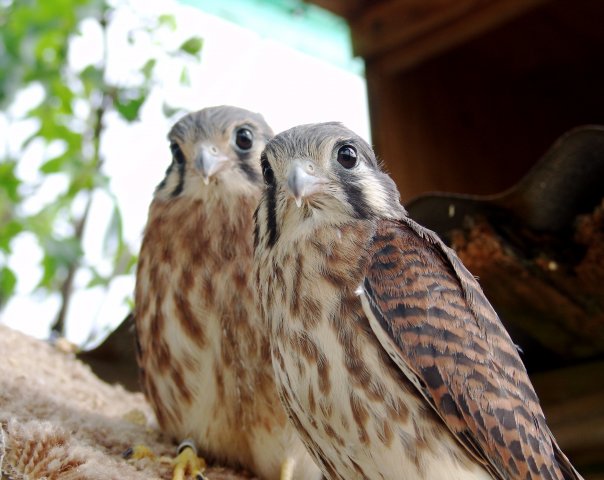
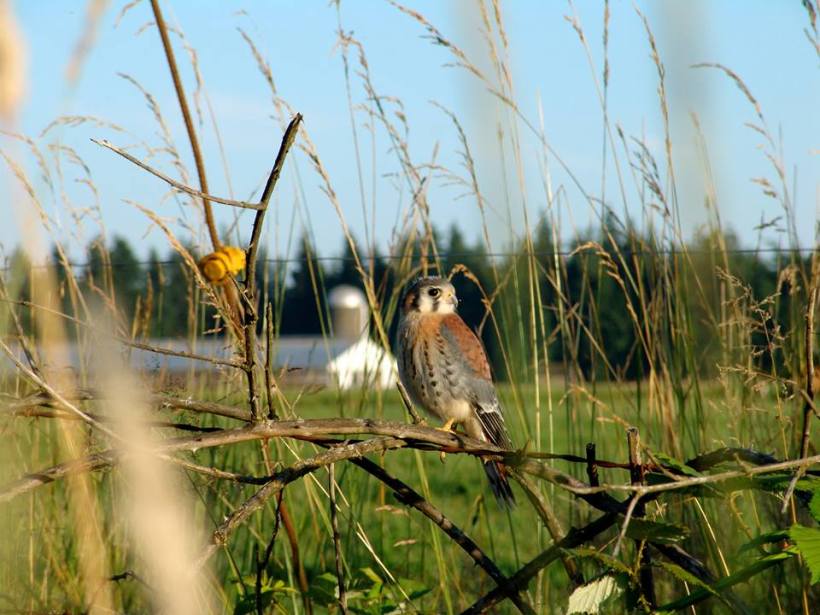
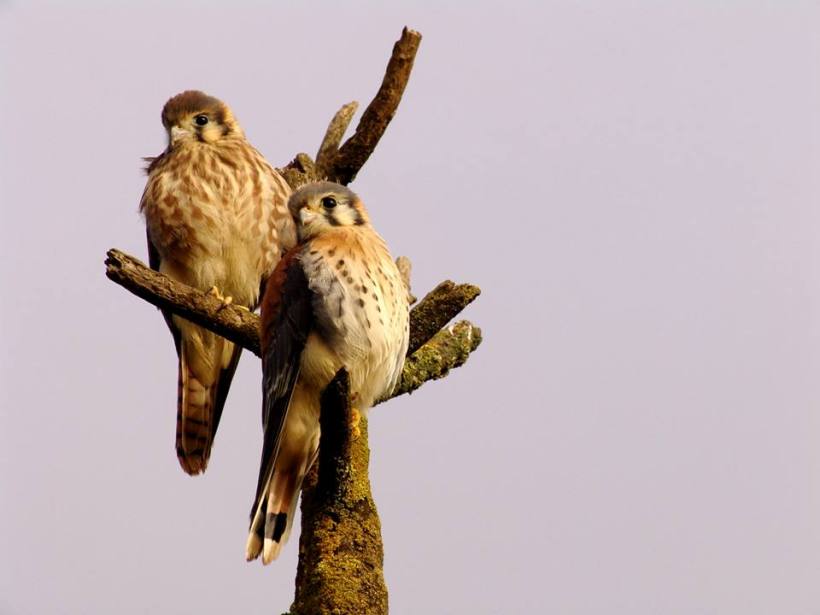
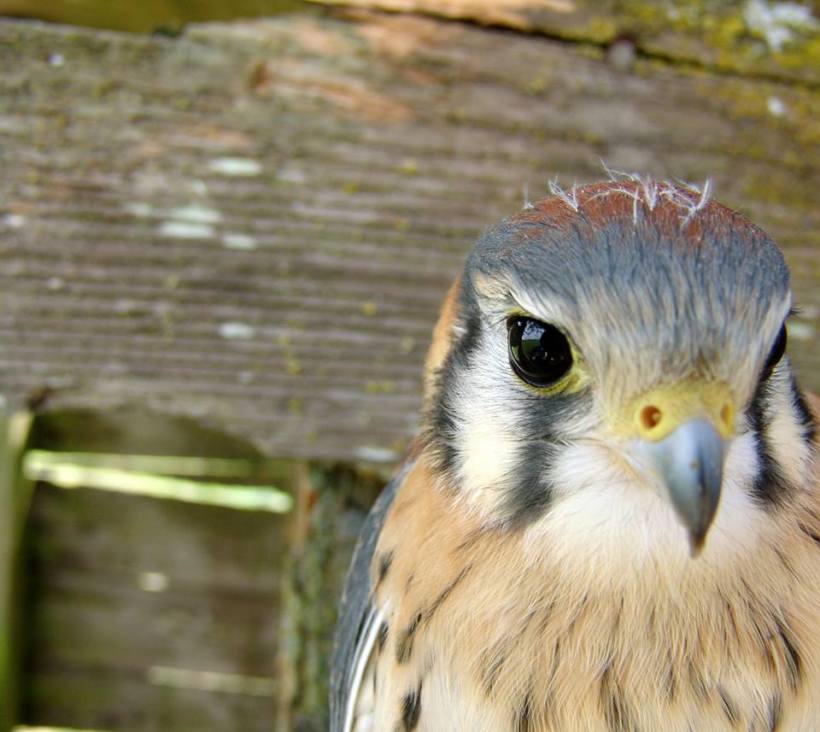
hawk in pursuit
We have been a disconsolate people, uneasy and restless, particularly during the past year of being told to stay at home is best. Safety and protection became the priority despite our longing for freedom of movement.
Now with pandemic restrictions lifting, many of us are impatient to fly and travel, even when the hawks in our lives remain in close pursuit. Though baffled, beaten and blown by the ever-buffeting winds of doubt and threat, we want our liberty.
It is easy to forget: this earthly home isn’t our “safe” place and true freedom isn’t going where we please when we please.
This life is merely vapor and our ultimate longing is for something far more eternal than we will find here.
We’re almost home – together on this journey through the darkness to forever.
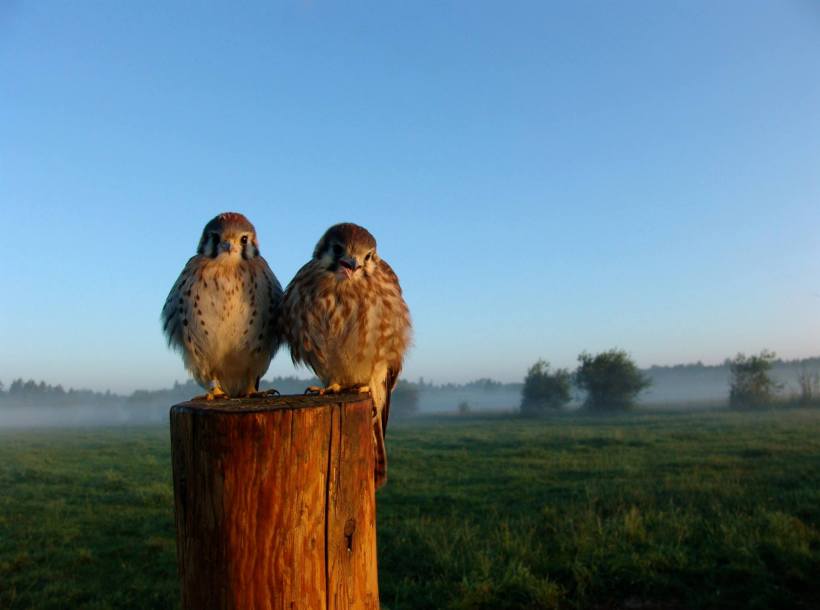
photos of kestrel falcons by Kate Steensmaphoto by Kate Steensmaphoto by Kate Steensmaphoto by Kate Steensmaphoto by Kate Steensma
If you enjoy these Barnstorming blogs, consider this new book from Barnstorming available for order here:
Serene the silver fishes glide, Stern-lipped, and pale, and wonder-eyed! As through the aged deeps of ocean, They glide with wan and wavy motion. They have no pathway where they go, They flow like water to and fro, They watch with never-winking eyes, They watch with staring, cold surprise, The level people in the air, The people peering, peering there: Who wander also to and fro, And know not why or where they go, Yet have a wonder in their eyes, Sometimes a pale and cold surprise. ~ Max Eastman, “At the Aquarium” Max Eastman: A Life
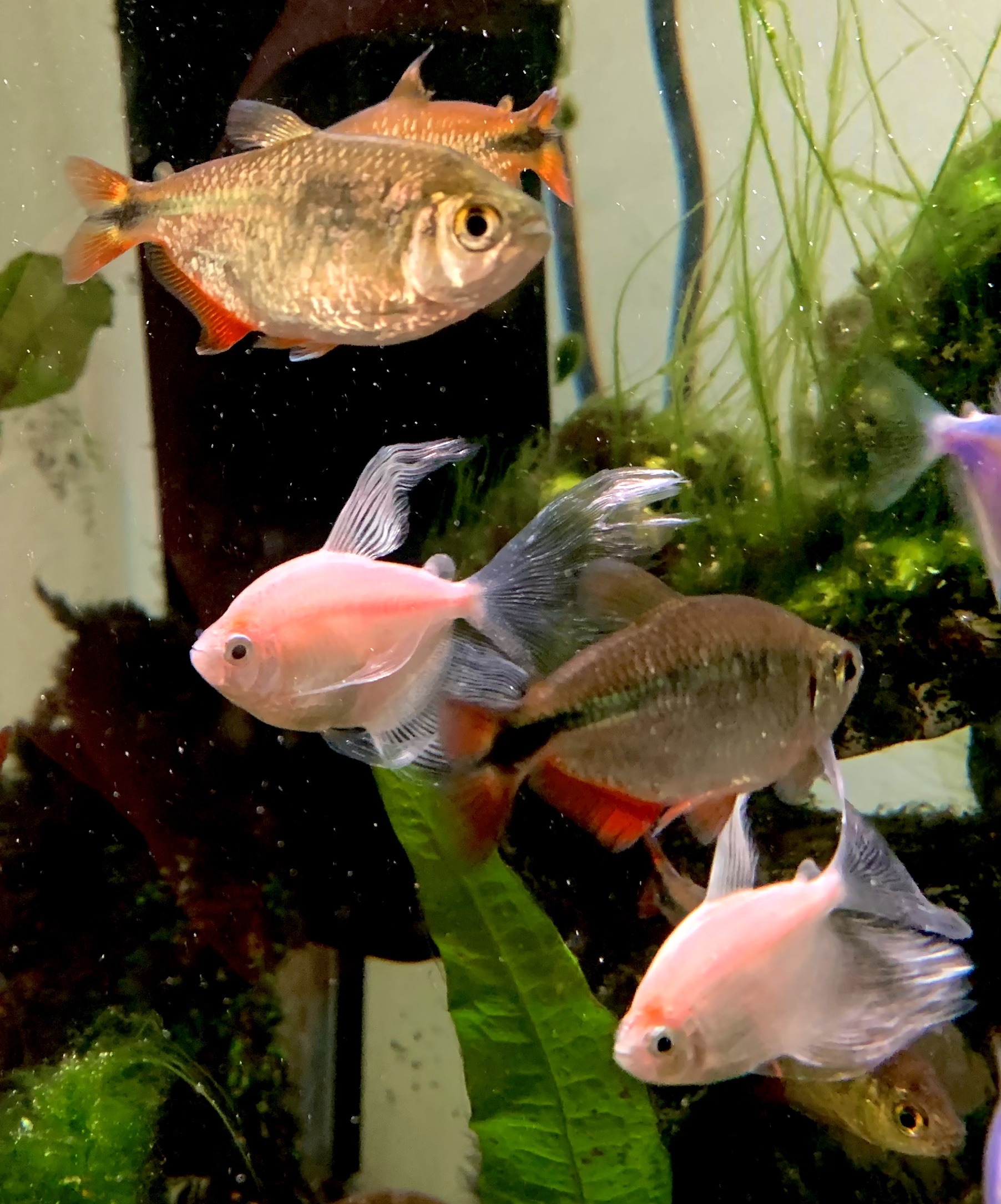
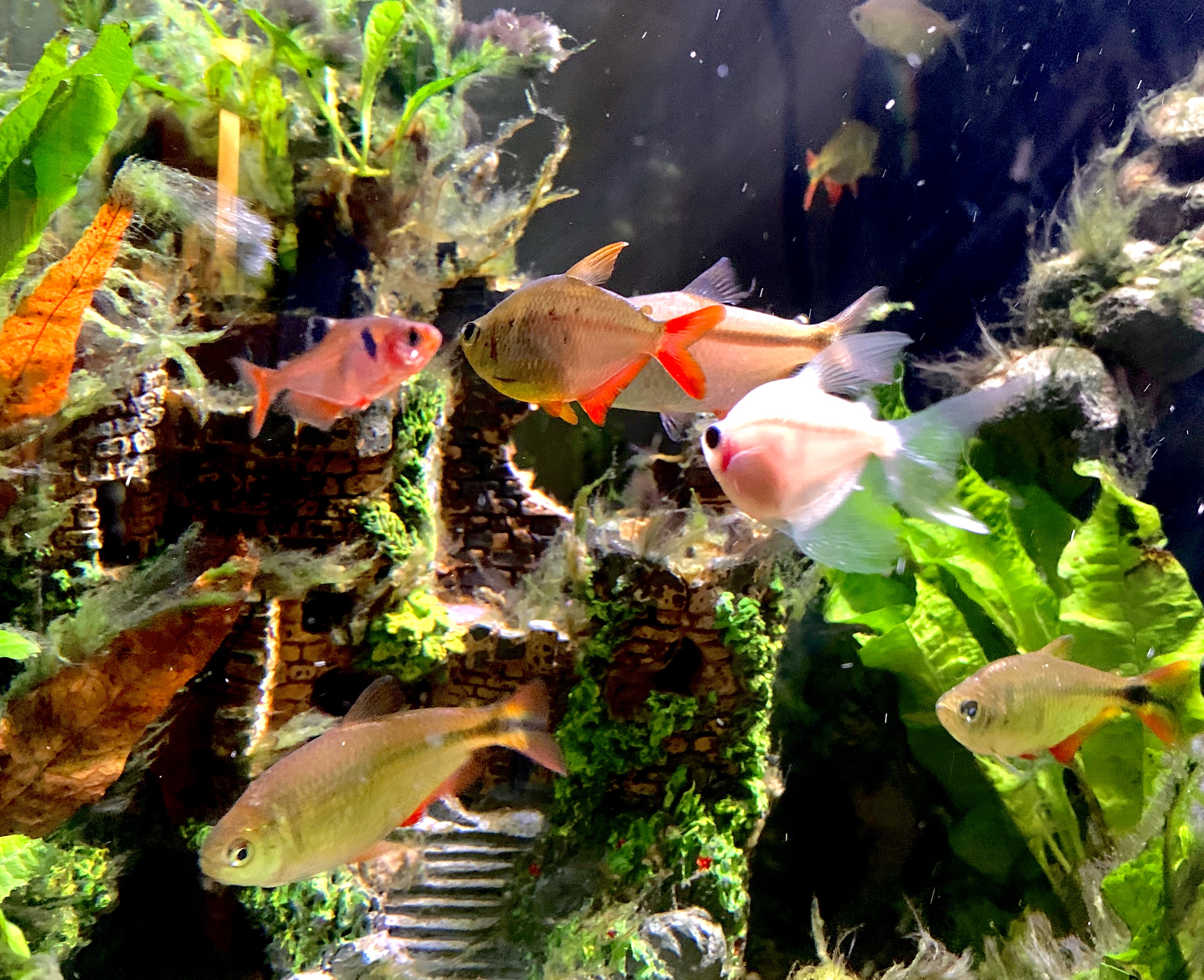
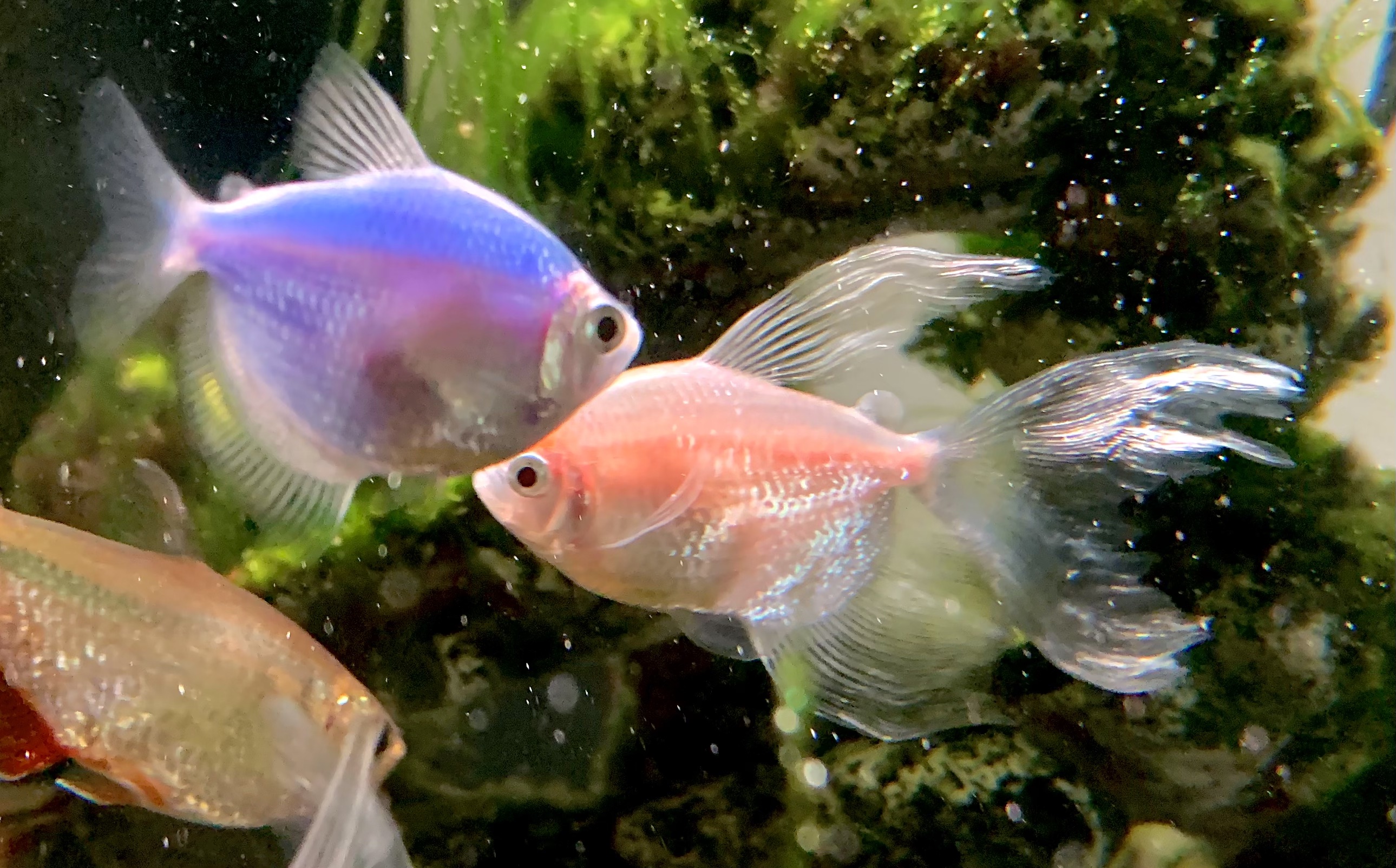
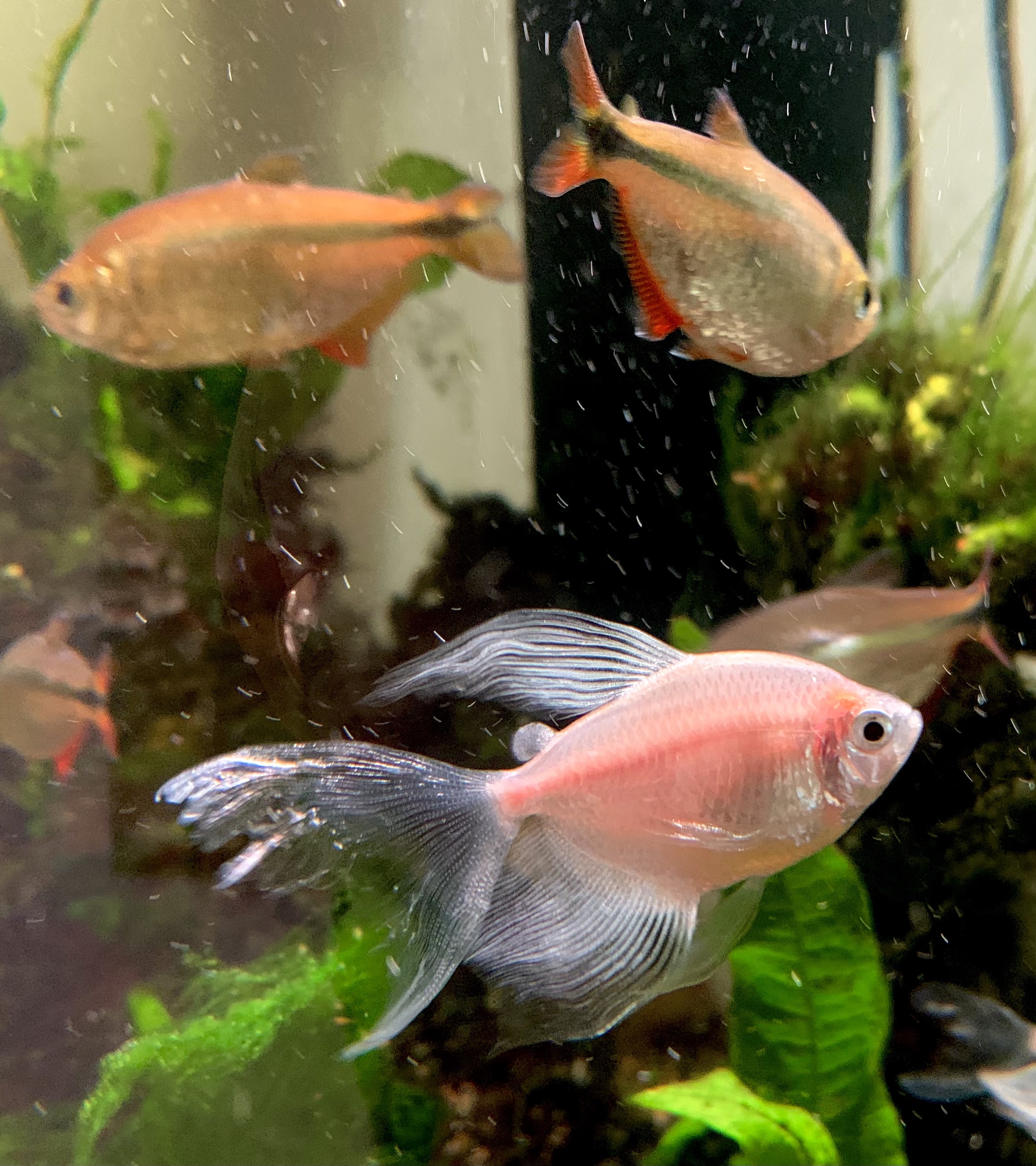
The fish are drifting calmly in their tank between the green reeds, lit by a white glow that passes for the sun. Blindly, the blank glass that holds them in displays their slow progress from end to end, familiar rocks set into the gravel, murmuring rows of filters, a universe the flying fox and glass cats, Congo tetras, bristle-nose pleocostemus all take for granted. Yet the platys, gold and red, persist in leaping occasionally, as if they can’t quite let alone a possibility—of wings, maybe, once they reach the air? They die on the rug. We find them there, eyes open in surprise. ~Kim Addonizio “Aquarium,” from The Philosopher’s Club
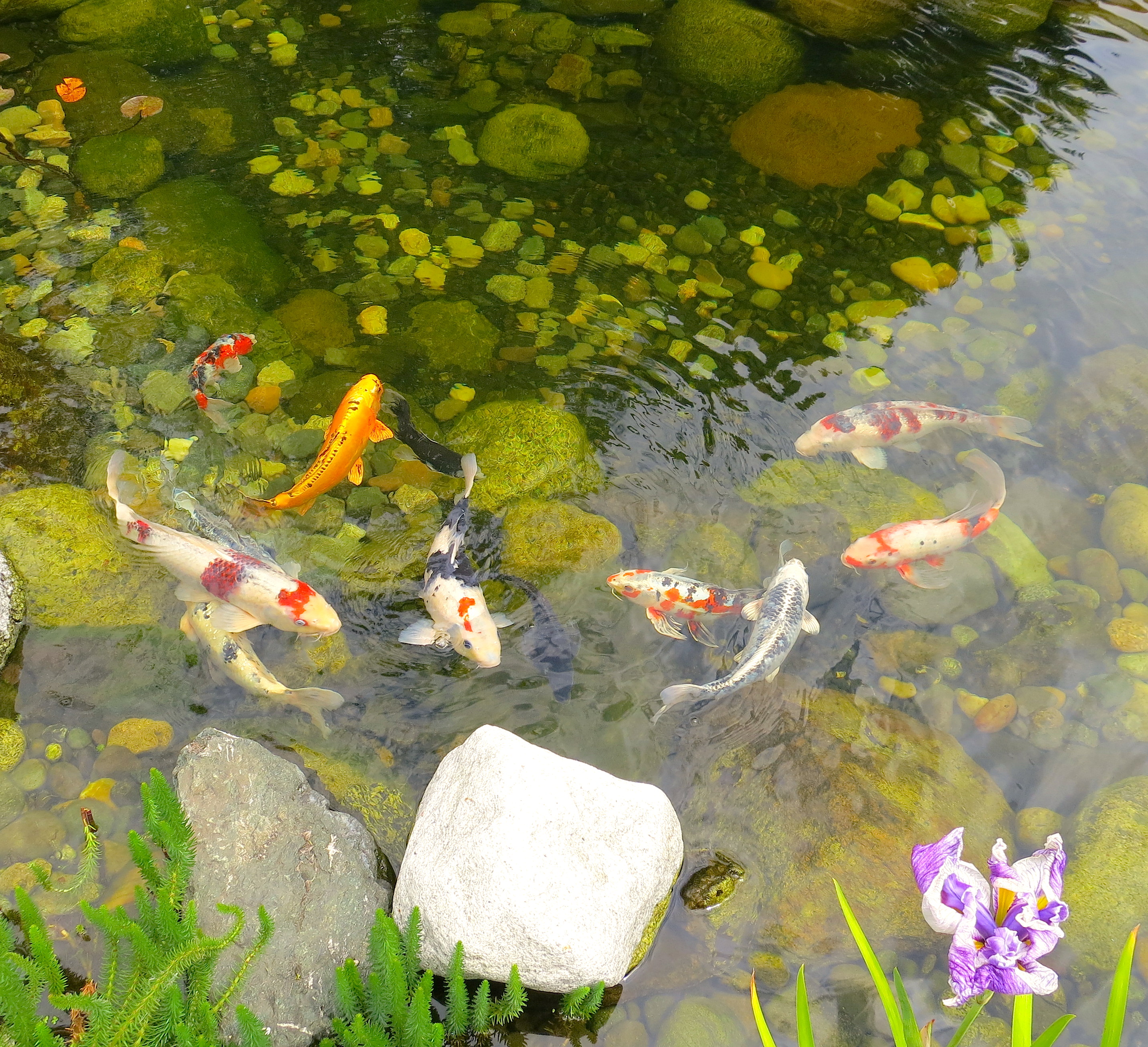
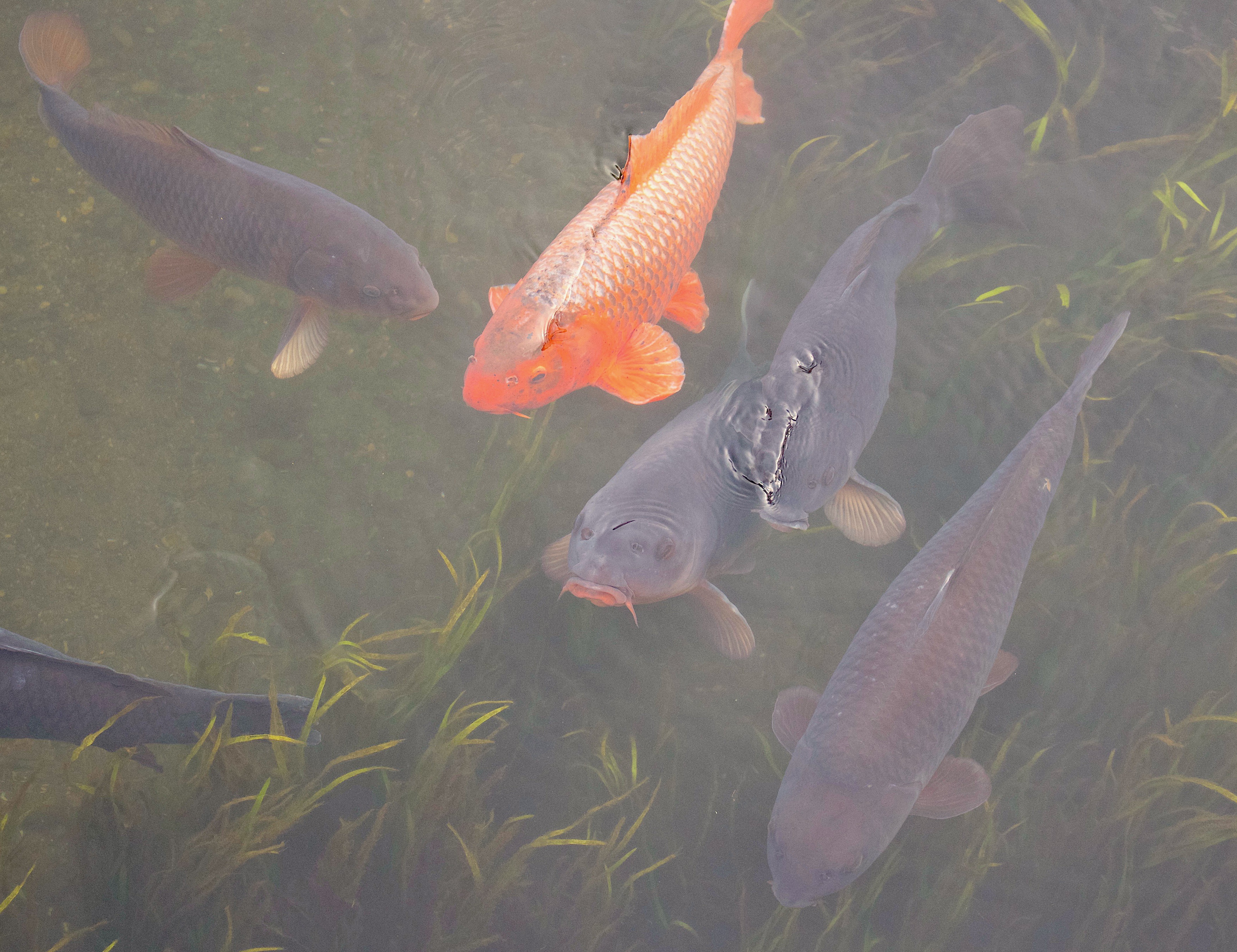
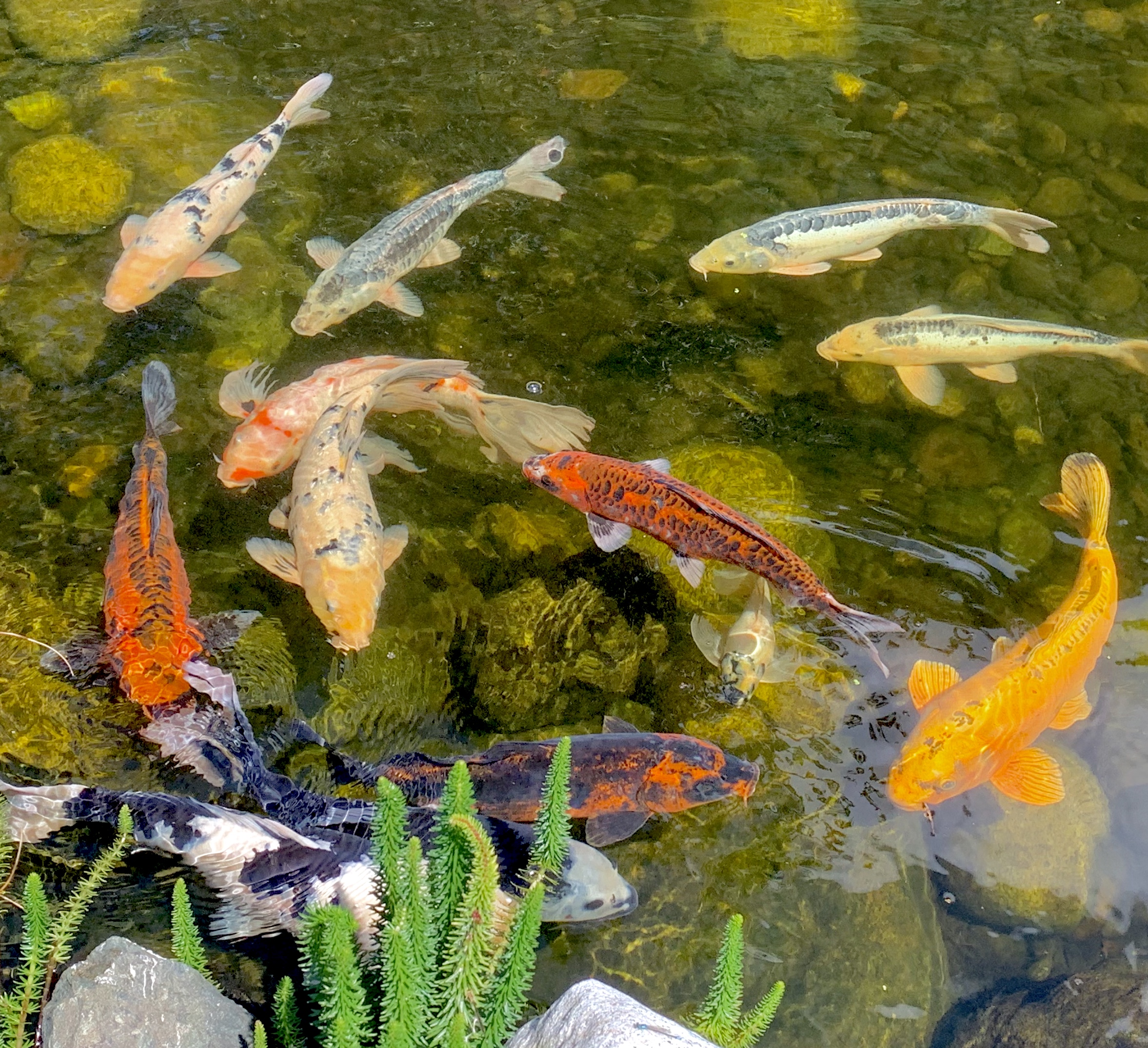
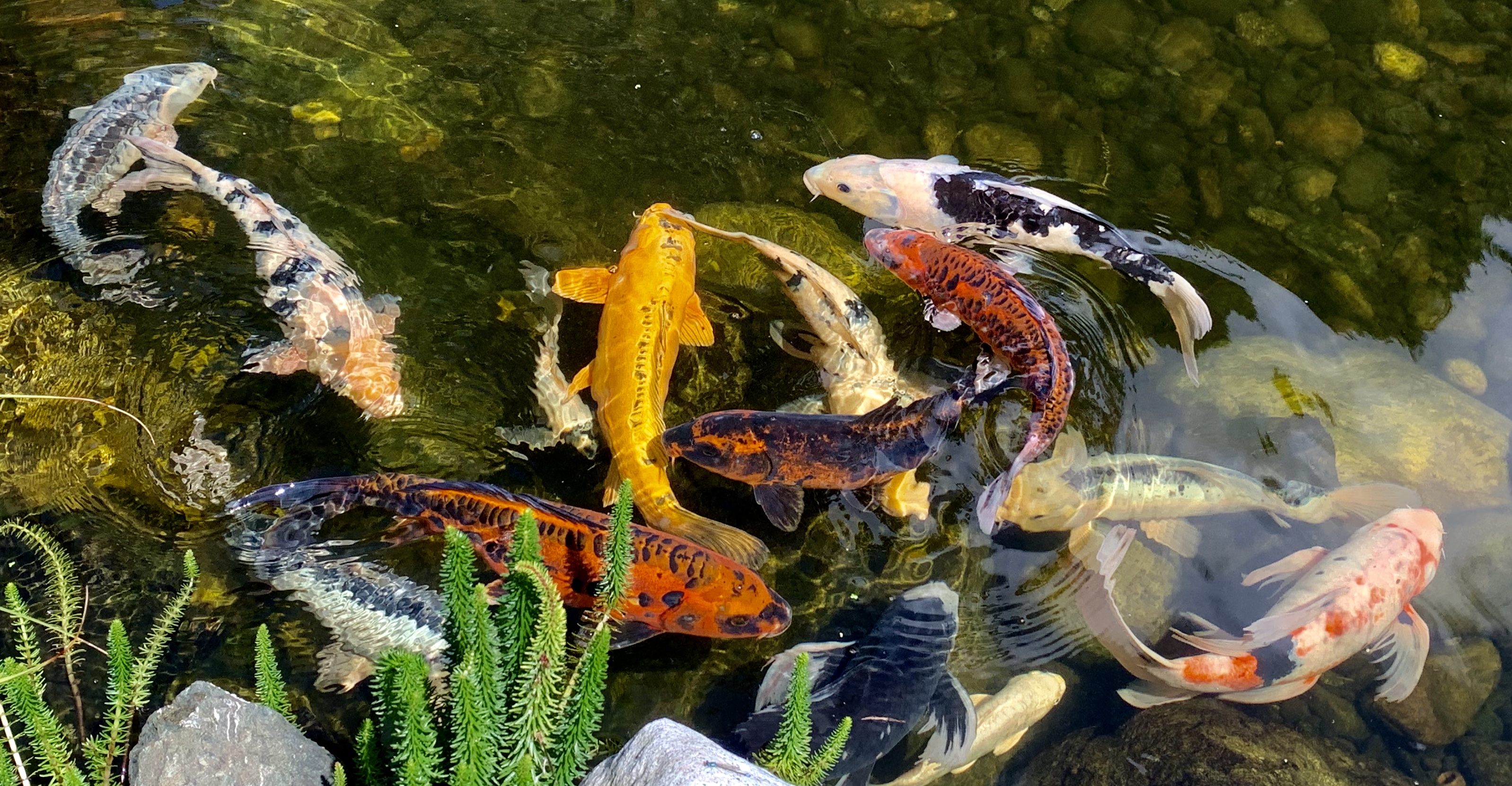
Our shadows bring them from the shadows: a yolk-yellow one with a navy pattern like a Japanese woodblock print of fish scales. A fat 18-karat one splashed with gaudy purple and a patch of gray. One with a gold head, a body skim-milk-white, trailing ventral fins like half-folded fans of lace. A poppy-red, faintly disheveled one, and one, compact, all indigo in faint green water. They wear comical whiskers and gather beneath us as we lean on the cement railing in indecisive late-December light, and because we do not feed them, they pass, then they loop and circle back. Loop and circle. Loop. “Look,” you say, “beneath them.” Beneath them, like a subplot or a motive, is a school of uniformly dark ones, smaller, unadorned, perhaps another species, living in the shadow of the gold, purple, yellow, indigo, and white, seeking the mired roots and dusky grasses, unliveried, the quieter beneath the quiet. ~Susan Kolodny “Koi Pond, Oakland Museum”
The water going dark only makes the orange seem brighter, as you race, and kiss, and spar for food, pretending not to notice me. For this gift of your indifference, I am grateful. I will sit until the pond goes black, the last orange spark extinguished. ~Robert Peake from “Koi Pond”
…the kingdom of heaven is like a net that was let down into the lake and caught all kinds of fish.When it was full, the fishermen pulled it up on the shore. Then they sat down and collected the good fish in baskets, but threw the bad away. Matthew 13: 47-48
I caught a tremendous fish and held him beside the boat half out of water, with my hook fast in a corner of his mouth. He didn’t fight. He hadn’t fought at all. He hung a grunting weight, battered and venerable and homely. I looked into his eyes which were far larger than mine but shallower, and yellowed, the irises backed and packed with tarnished tinfoil seen through the lenses of old scratched isinglass. They shifted a little, but not to return my stare. – It was more like the tipping of an object toward the light. I admired his sullen face, the mechanism of his jaw, and then I saw that from his lower lip – if you could call it a lip grim, wet, and weaponlike, hung five old pieces of fish-line, or four and a wire leader with the swivel still attached, with all their five big hooks grown firmly in his mouth. Like medals with their ribbons frayed and wavering, a five-haired beard of wisdom trailing from his aching jaw. I stared and stared and victory filled up the little rented boat, from the pool of bilge where oil had spread a rainbow around the rusted engine to the bailer rusted orange, the sun-cracked thwarts, the oarlocks on their strings, the gunnels- until everything was rainbow, rainbow, rainbow! And I let the fish go. ~Elizabeth Bishop from “The Fish”
All my life, I’ve taken care of a variety of fish in tanks and ponds. As a child, I would watch, mesmerized, as our tropical fish glided around, happily exploring their little ten gallon world. I willingly cleaned away the algae, rinsed the gravel and changed the filter. As a teenager, I boasted at least three different tanks aerating away in my bedroom, my own little aqua-cultural world of bubbles and fins.
During college and medical school, I chose to share my room with goldfish and bettas, thriving on their apparent contentment within a clear glass bowl. I didn’t think of them as emotional support animals, but there was a joy obvious in their albeit limited existence: they still thrived when I was away, not missing me, but were always thrilled when I fed them, and tolerated my messing with their home maintenance.
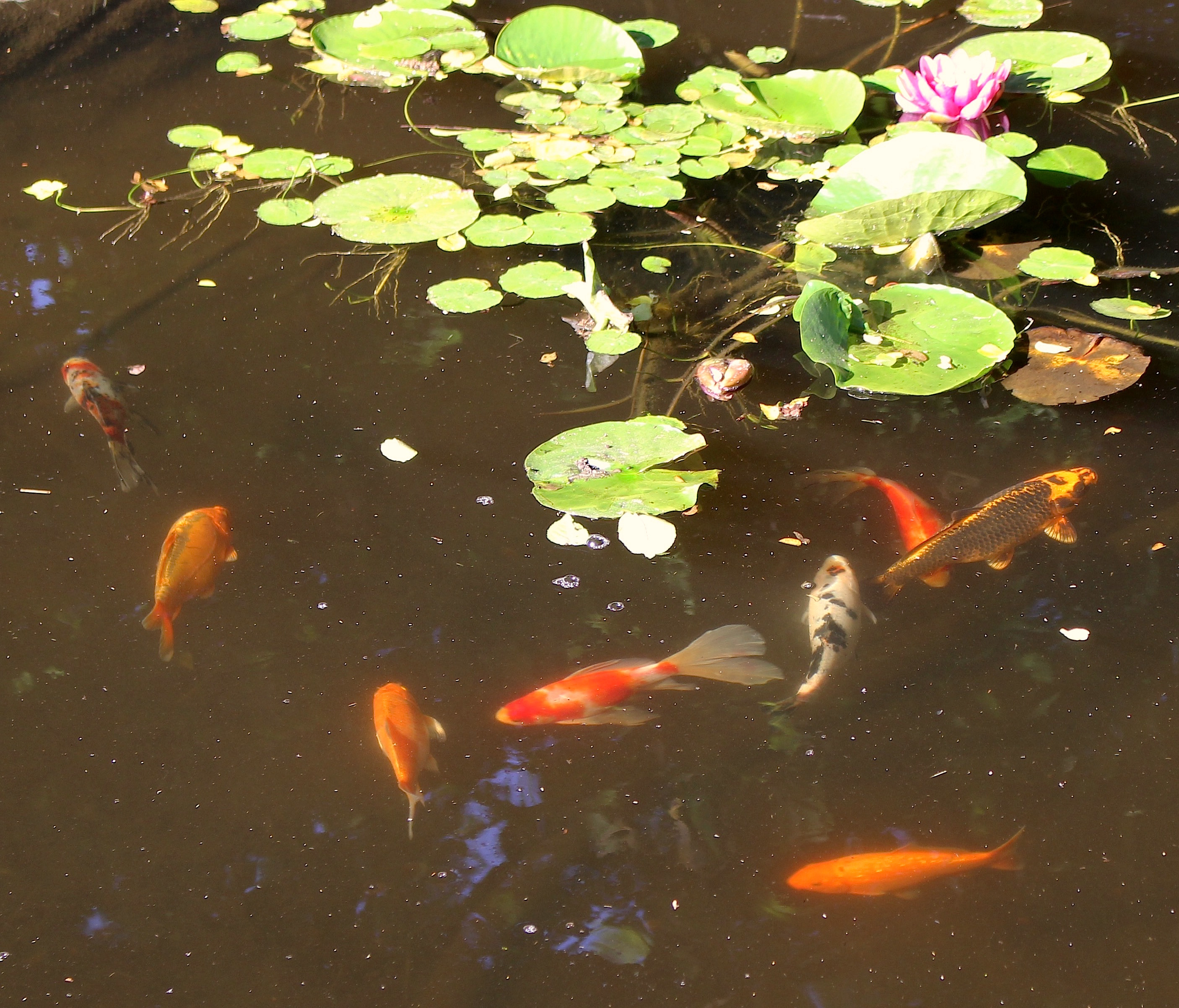
My current thirty gallon aquarium is decades old and boasts over two dozen fish and plenty of furry algae and plants. Some of my watery friends have lived ten years or more and when they pass, I miss them. Even the dozen koi and goldfish in our farm pond have expressive faces and individual personalities that I’ve gotten to know well as they come when I call.
I know the heart of compassion I feel for any creature I’m responsible for, as I know and have experienced the compassion of our Creator.
I would hope when the time comes that I end up in His net, that He’ll look me in the eye, see the wonder there as I gape at Him. He’ll count my blemishes and wounds and the number of hooks in my mouth from the times I’ve been caught and escaped, and if He’s not yet ready to take me home, or deems me not yet ready to leave this world, He’ll throw me back rather than throw me away to keep trying to get it right.
He has promised us that.
Rainbows, rainbows, rainbows indeed…
Interested in seeing more from Barnstorming? This new book is available for order here:
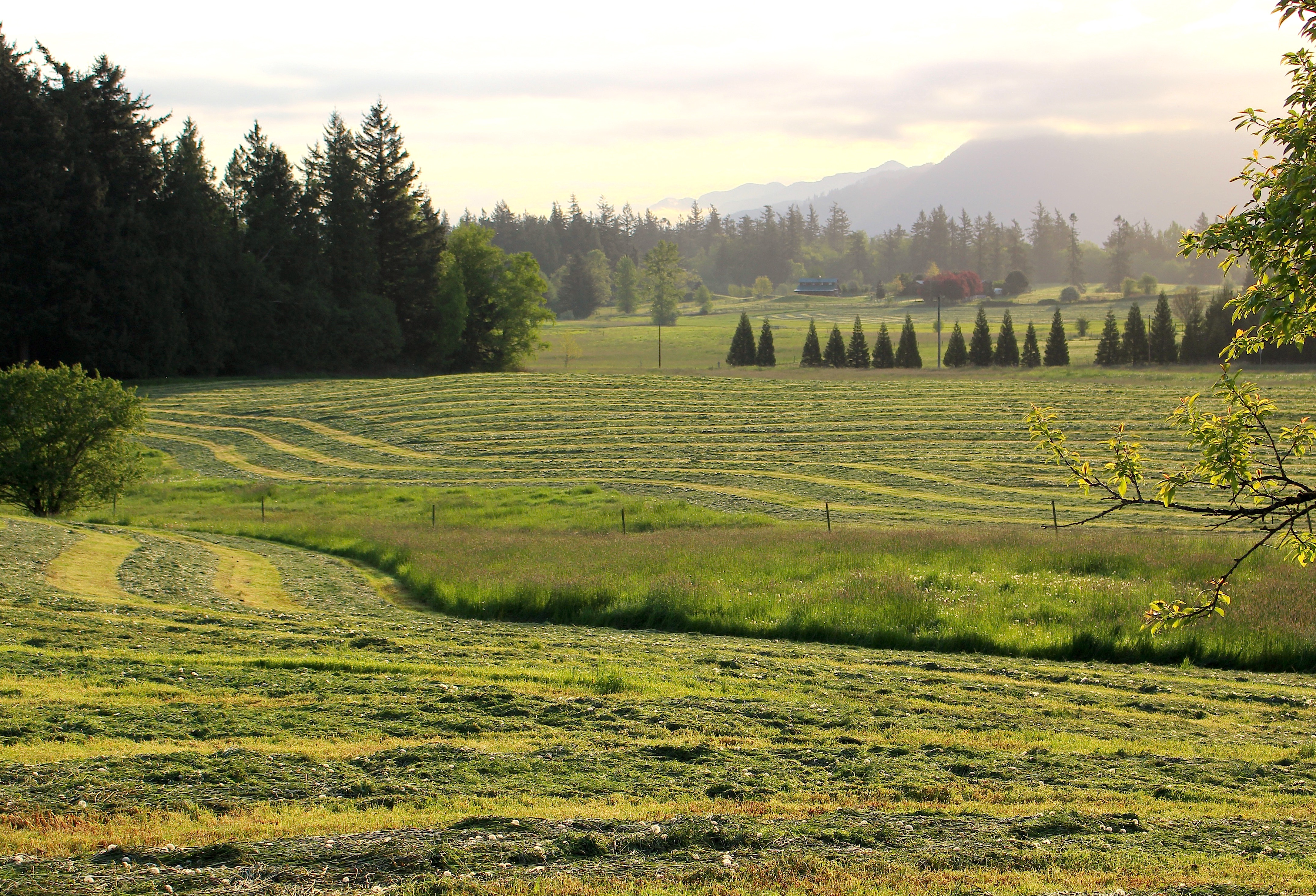
What is the hayfield in late afternoon that it can fly in the face of time,
and light can be centuries old, and even the rusted black truck I am driving
can seem to be an implement born of some ancient harvest,
and the rhythmic baler, which spits out massive bricks tied up in twine,
can seem part of a time before now because light glitters on the hay dust,
because the sun is sinking and we sweat under the high arc of mid-summer,
because our bodies cast such long shadows– Rebecca, with the baby strapped to her back,
the men who throw impossible weight to the top of the truck, the black and white
dog that races after mice or moles whose lives have been suddenly exposed.
How does the taste of my sweat take me down through the gate of childhood,
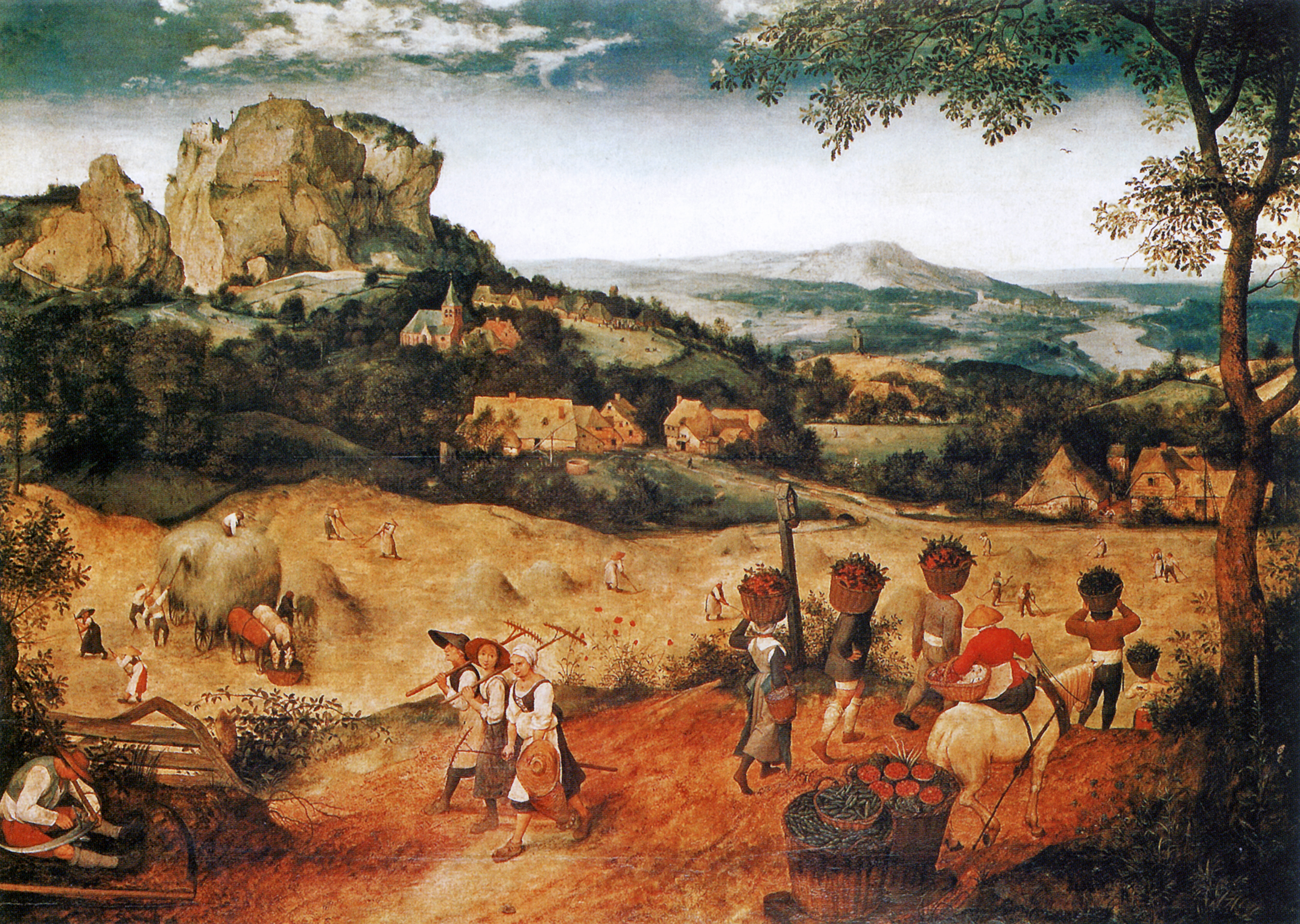
spinning backwards to land in a field painted by Bruigel, where the taste of salt
is the same, and the same heat rises in waves off a newly flattened field.
In the duskiness of slanted light, we laugh just as we laughed then, because there is
joy in what the earth gives, allowing our bodies to mingle with it, our voices
small on the field, our work assuring the goats can give milk, the sheep can grow wool,
and we will have in our bones the taste of something so old it travels in light. ~Susie Patlove “First Cutting” from Quickening
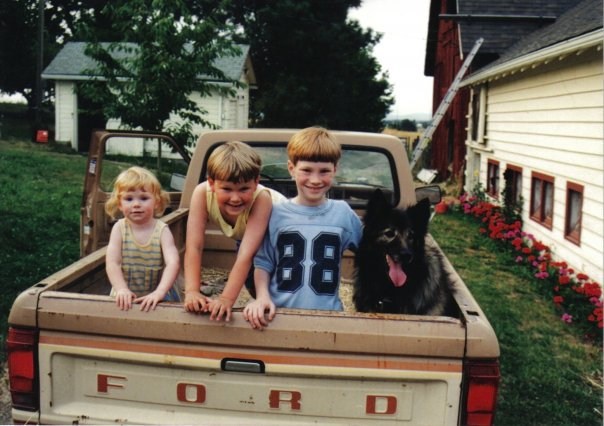
photo by Nate Gibsonphoto by Nate Gibson199420052011
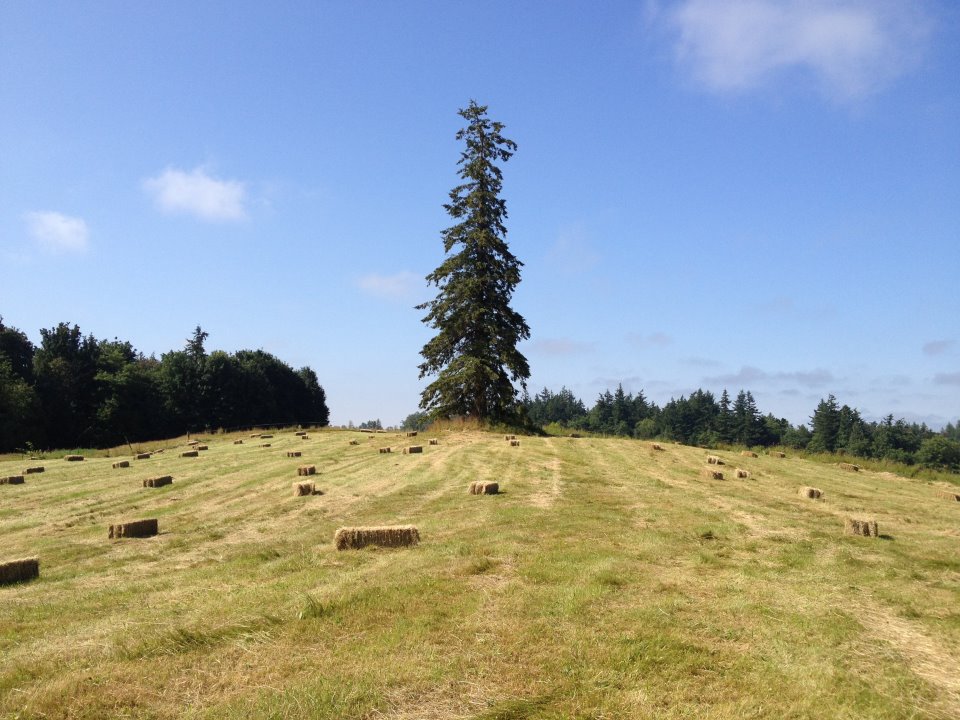
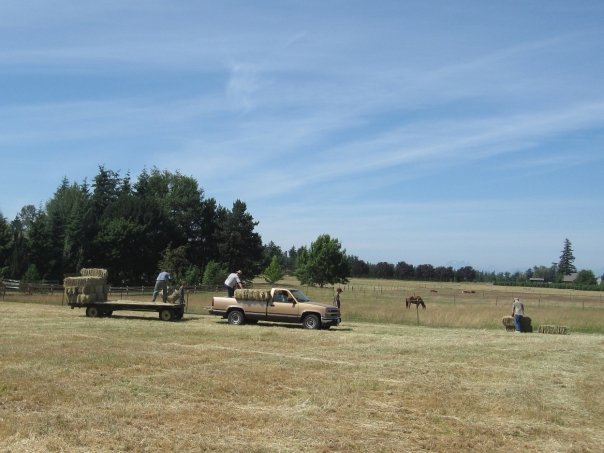
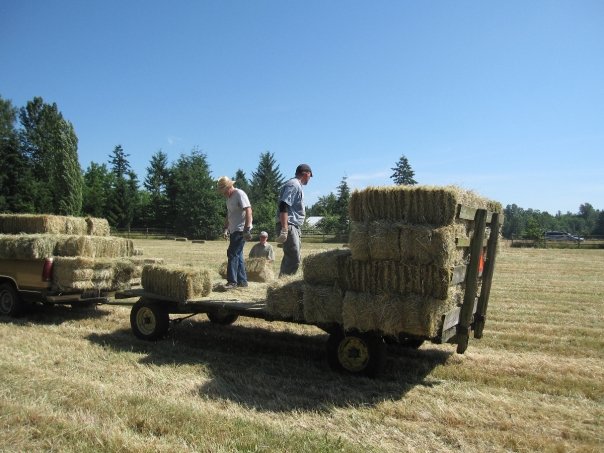
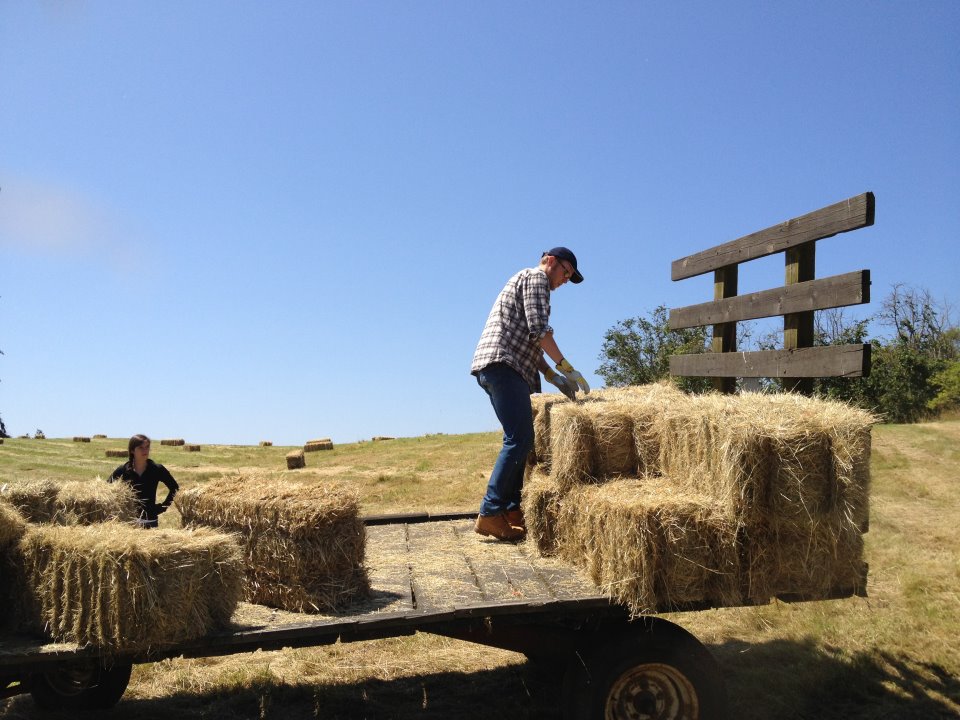
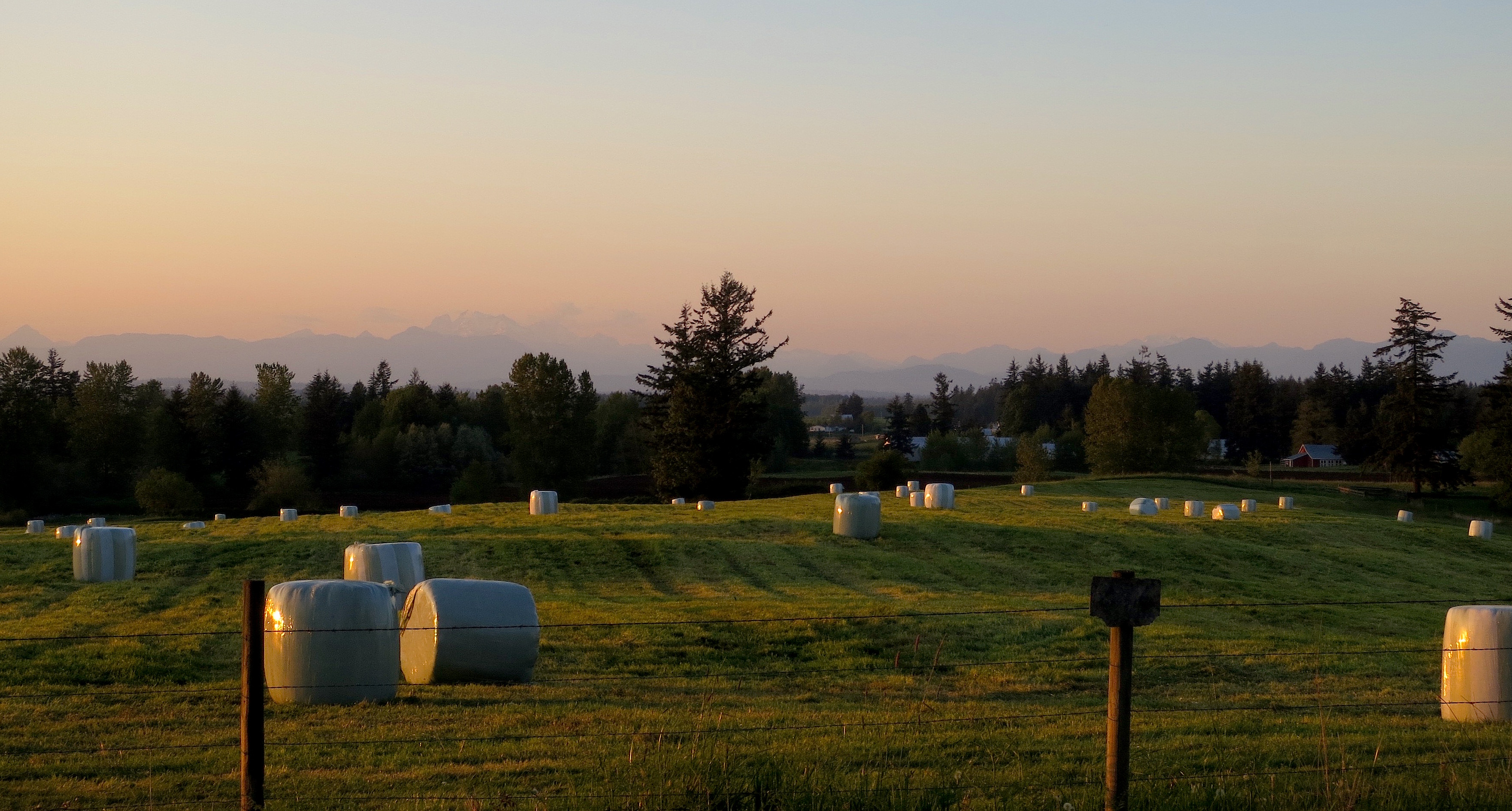
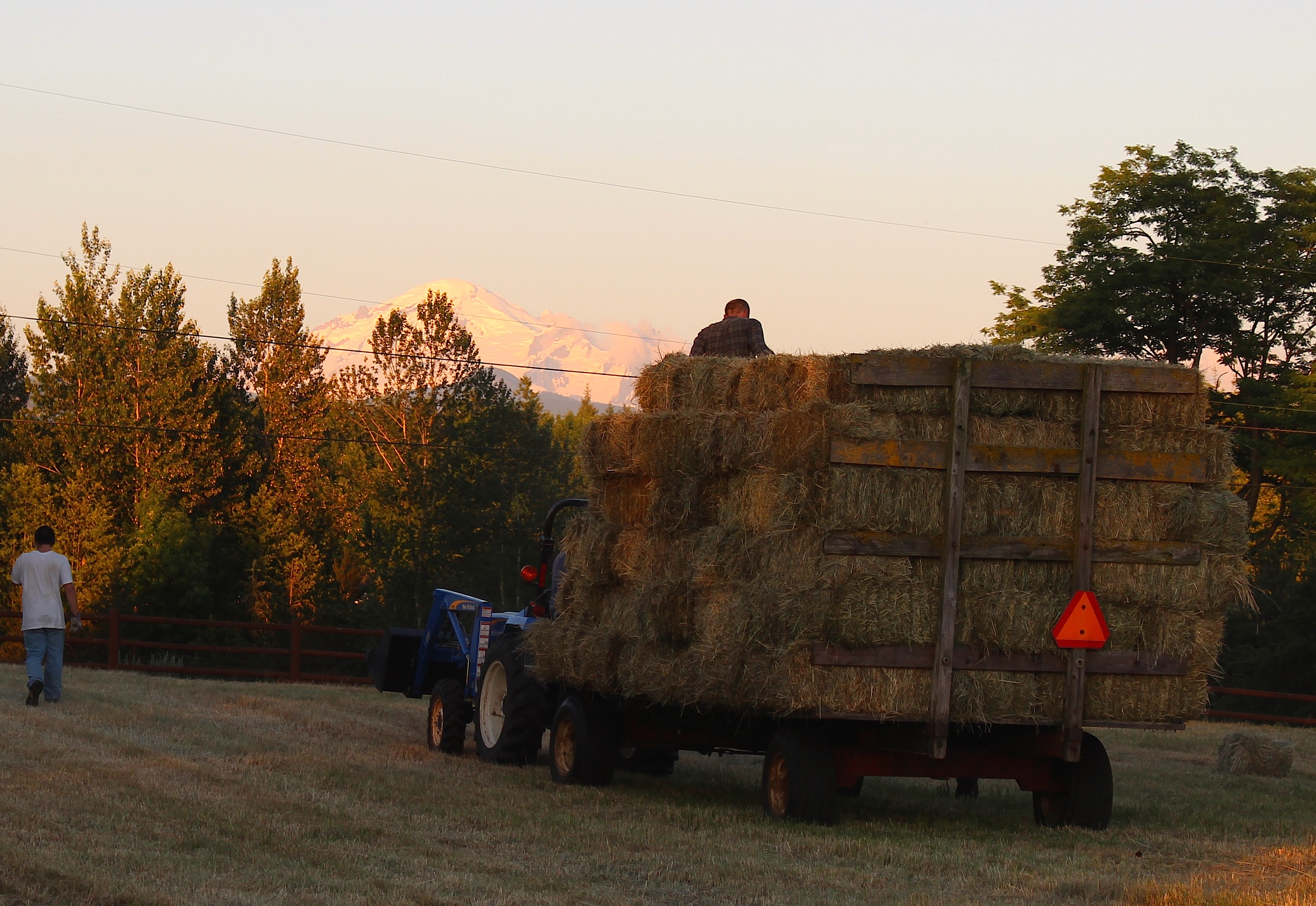
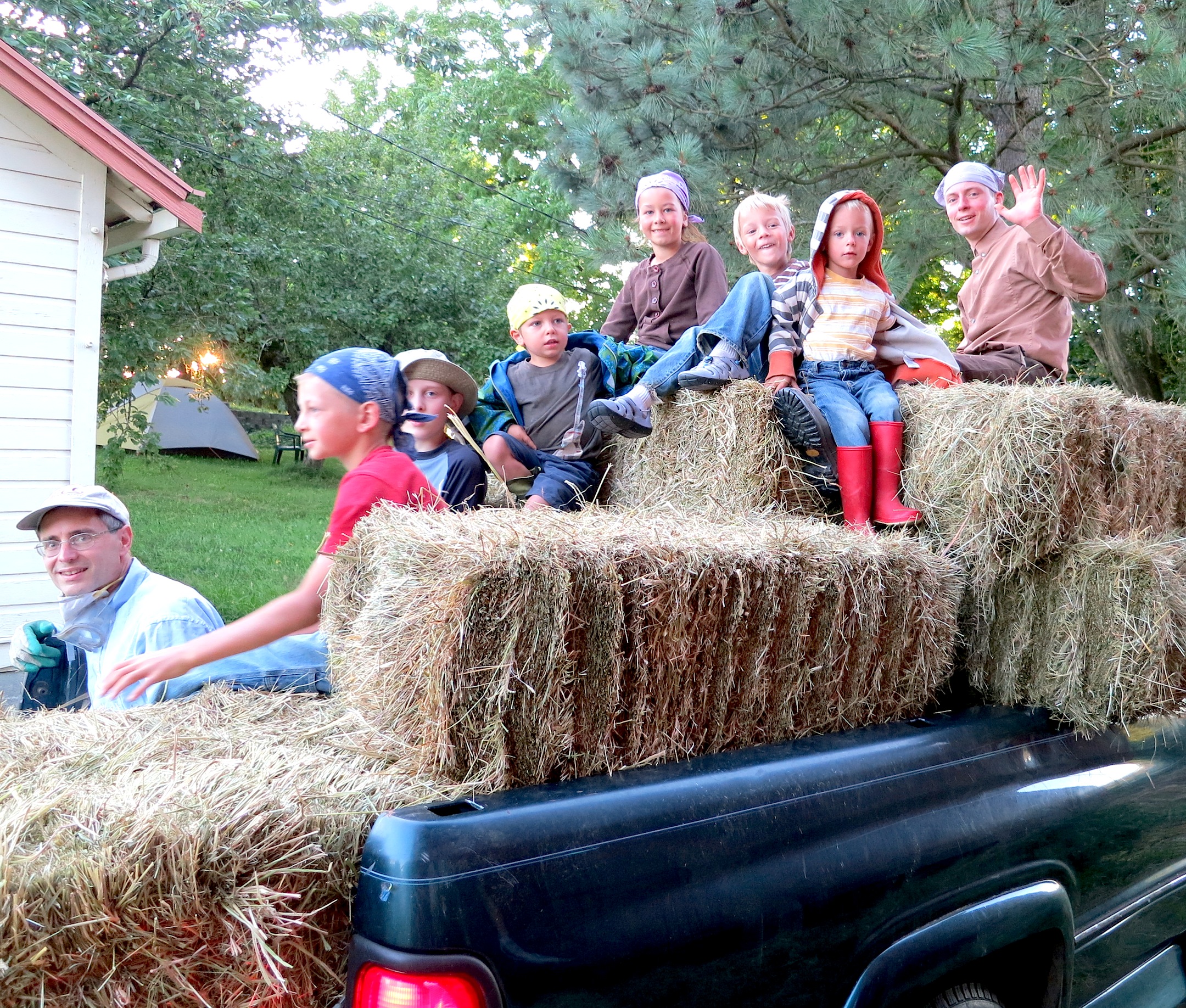
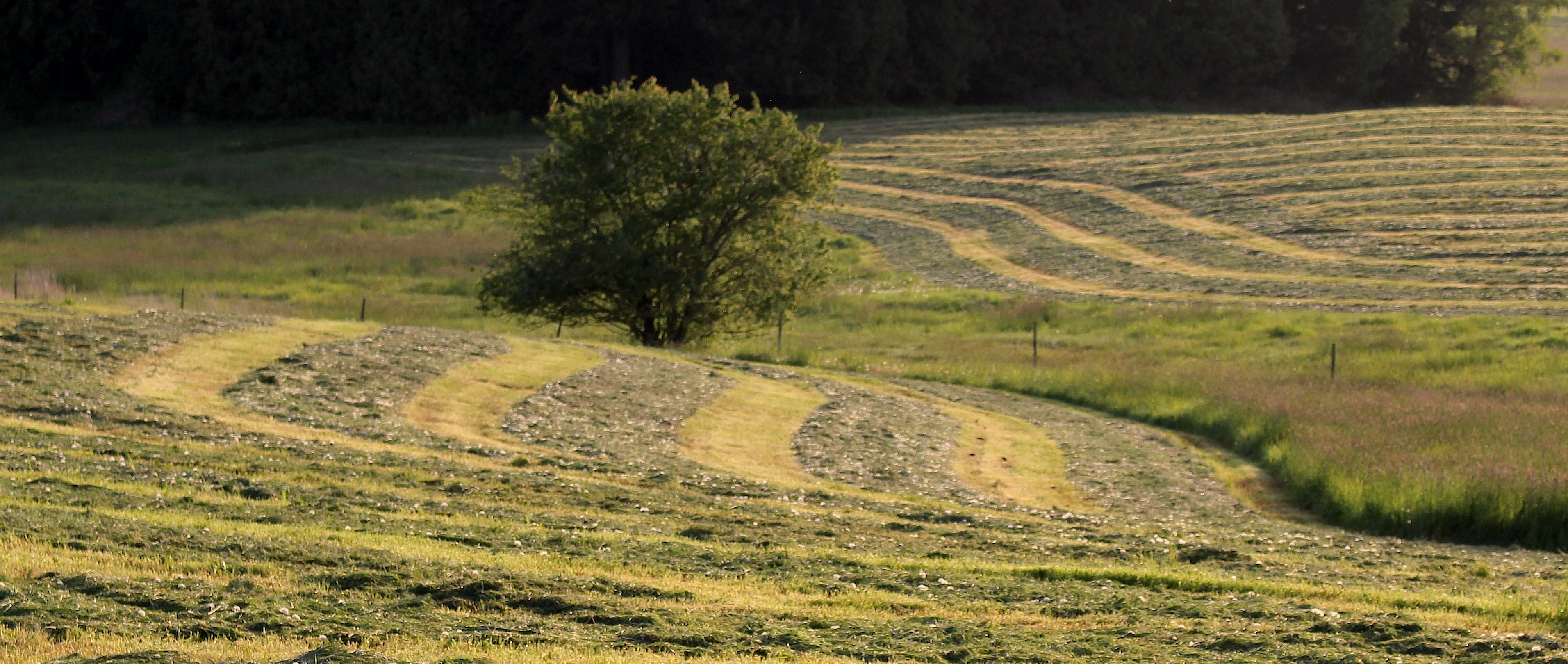
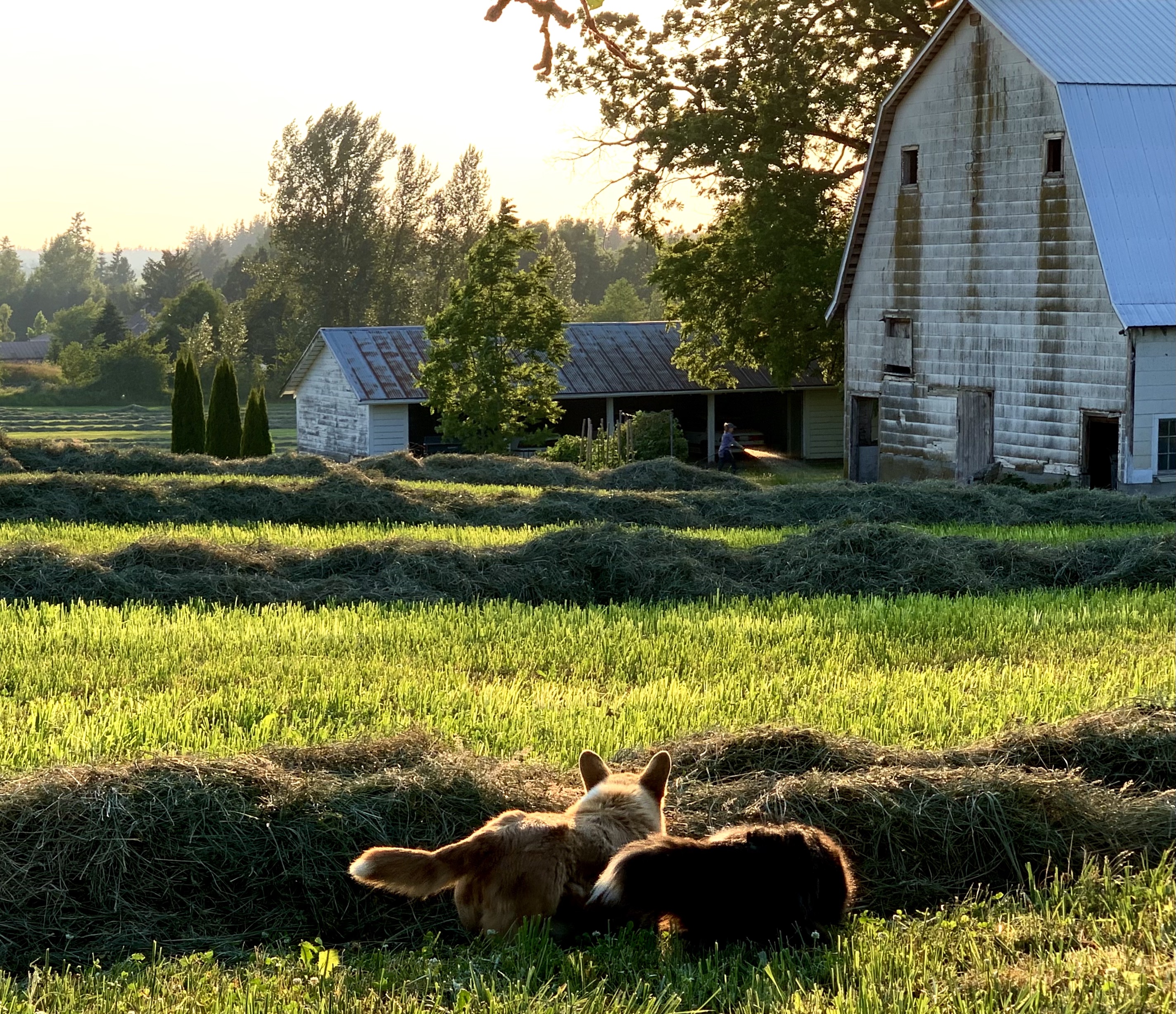
There is a timelessness to mid-summer hay harvest that goes back generations on both sides of our family. The cutting, raking and gathering of hay has evolved from horse-drawn implements and gathering loose shocks of hay to 100+ horse power air-conditioned tractors and huge round bales wrapped and stored in plastic sheathing rather than in barns.
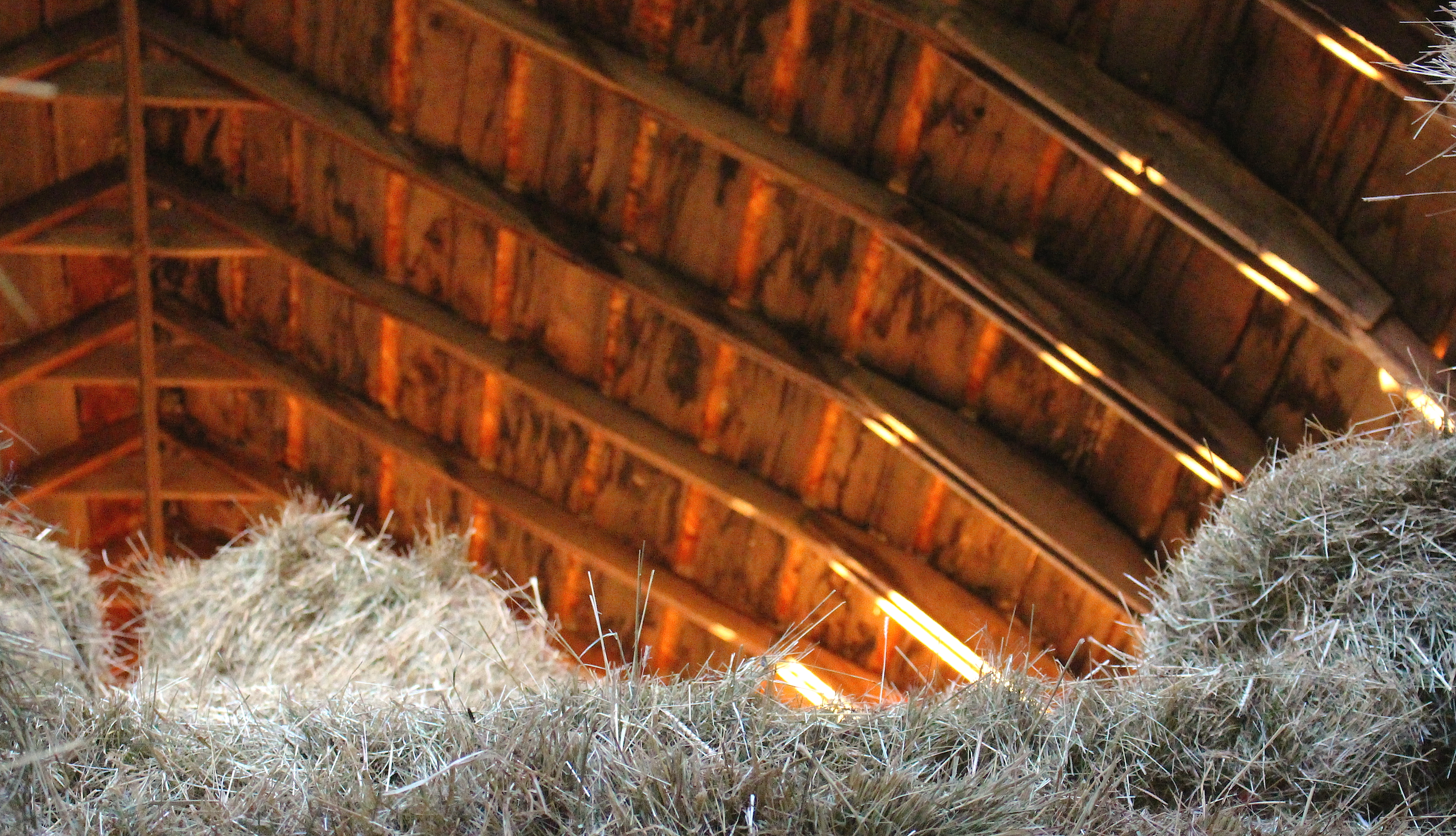
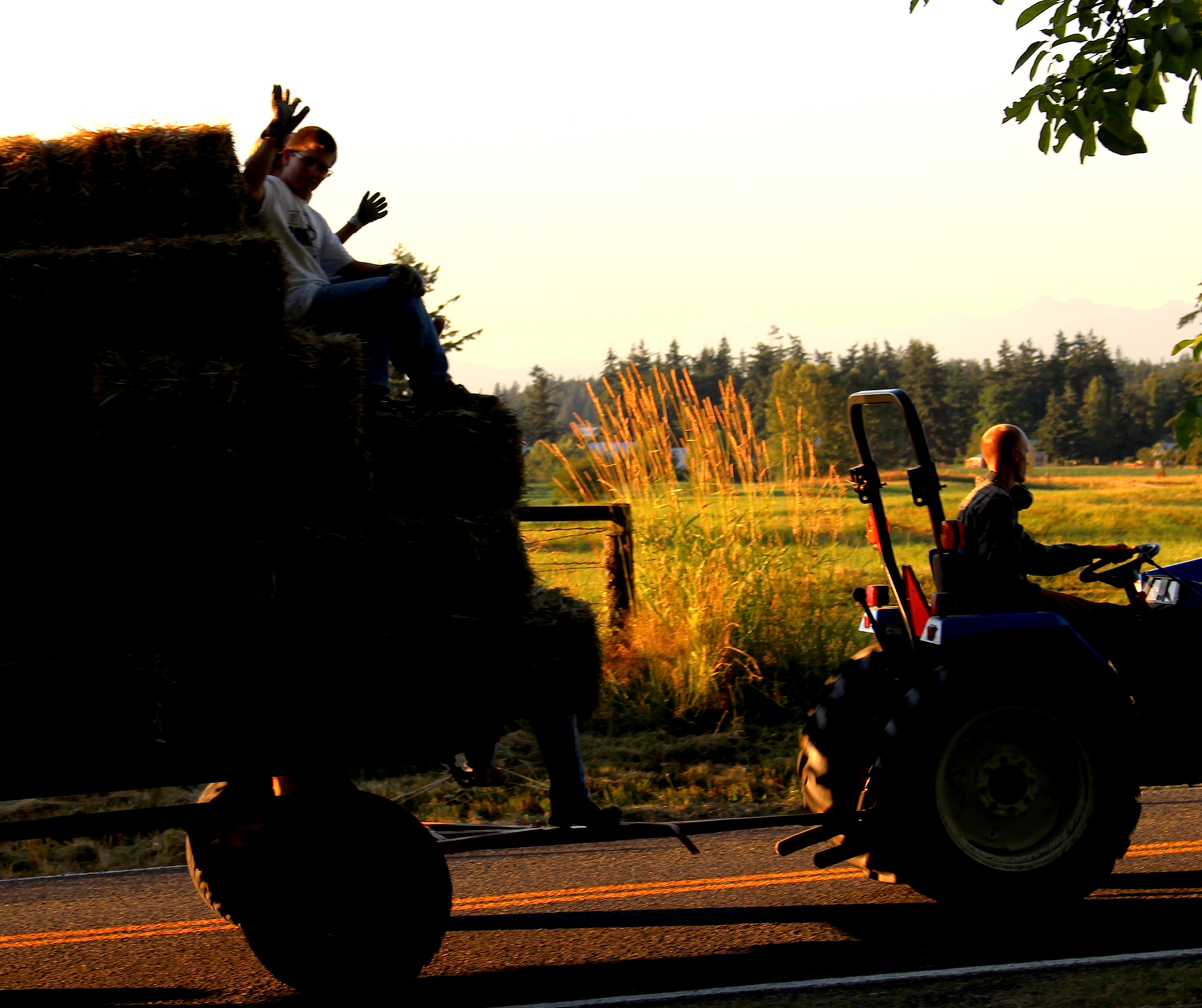
Our farm is happily stuck somewhere in-between: we still prefer filling the haybarn with bales that I can still lift and move myself to feed our animals. True hay harvest involves sweat and dust and a neighborhood coming together to preserve summer in tangible form.
I grew up on a farm with a hayfield – I still have the scar over my eyebrow where I collided with the handle of my father’s scythe when, as a toddler, I came too close behind him as he was taking a swing at cutting a field of grass one swath at a time. I remember the huge claws of the hay hook reaching down onto loose hay piled up on our wagon. The hook would gather up a huge load, lift it high in the air to be moved by pulley on a track into our spacious hay loft. It was the perfect place to play and jump freely into the fragrant memories of a summer day, even in the dark of winter.
But these days it is the slanted light of summer I remember most: -the weightlessness of dust motes swirling down sun rays coming through the slats of the barn walls as the hay bales are stacked -the long shadows and distant alpenglow in the mountains -the dusk that goes on and on as owls and bats come out to hunt above us
Most of all, I will remember the sweaty days of mid-summer as I open the bales of hay in mid-winter – the light and fragrance of those grassy fields spilling forth into the chill and darkness, in communion of blessing for our animals.
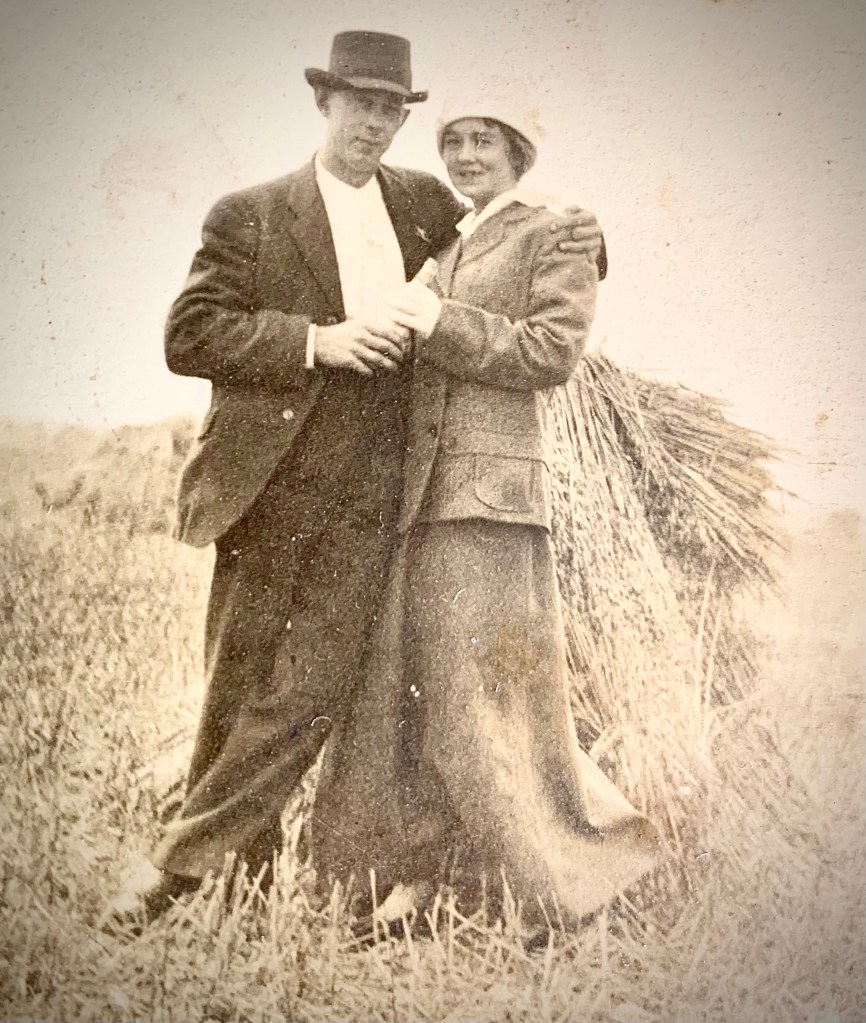
photo by Tayler RaePieter Bruegel “Hay Harvest”My grandparents Leslie Polis and Kittie Lovelace standing in a hayfield with loose hay shocks — 1915
Enjoy this blog post? A new book from Barnstorming is available to order here:
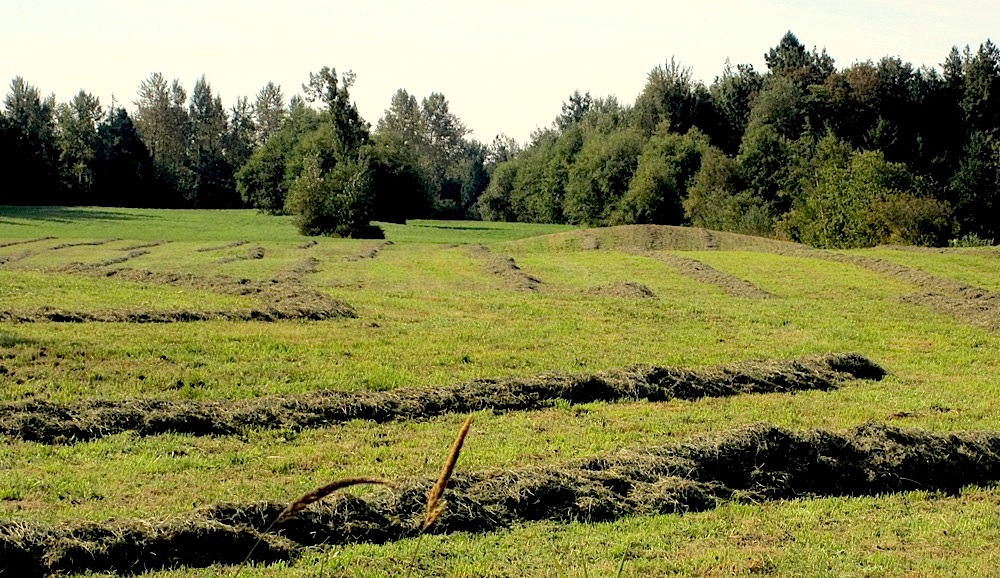
Mown meadows skirt the standing wheat; I linger, for the hay is sweet, New-cut and curing in the sun. Like furrows, straight, the windrows run, Fallen, gallant ranks that tossed and bent When, yesterday, the west wind went A-rioting through grass and grain. To-day no least breath stirs the plain; Only the hot air, quivering, yields Illusive motion to the fields Where not the slenderest tassel swings. Across the wheat flash sky-blue wings; A goldfinch dangles from a tall, Full-flowered yellow mullein; all The world seems turning blue and gold. Unstartled, since, even from of old, Beauty has brought keen sense of her, I feel the withering grasses stir; Along the edges of the wheat, I hear the rustle of her feet: And yet I know the whole sea lies, And half the earth, between our eyes. ~Sophie Jewett “In Harvest”
Autumn harvest happens outside of me despite sudden coolness of the air, thanks to showers that green the fields for one more month of grazing, midst the smell of the dying of vines and roots.
Autumn harvest is happening inside of me as I slow down my walk, curl up within the lengthening nights, the color of my thoughts turning to bronze and gold and red
before I let go before I let go
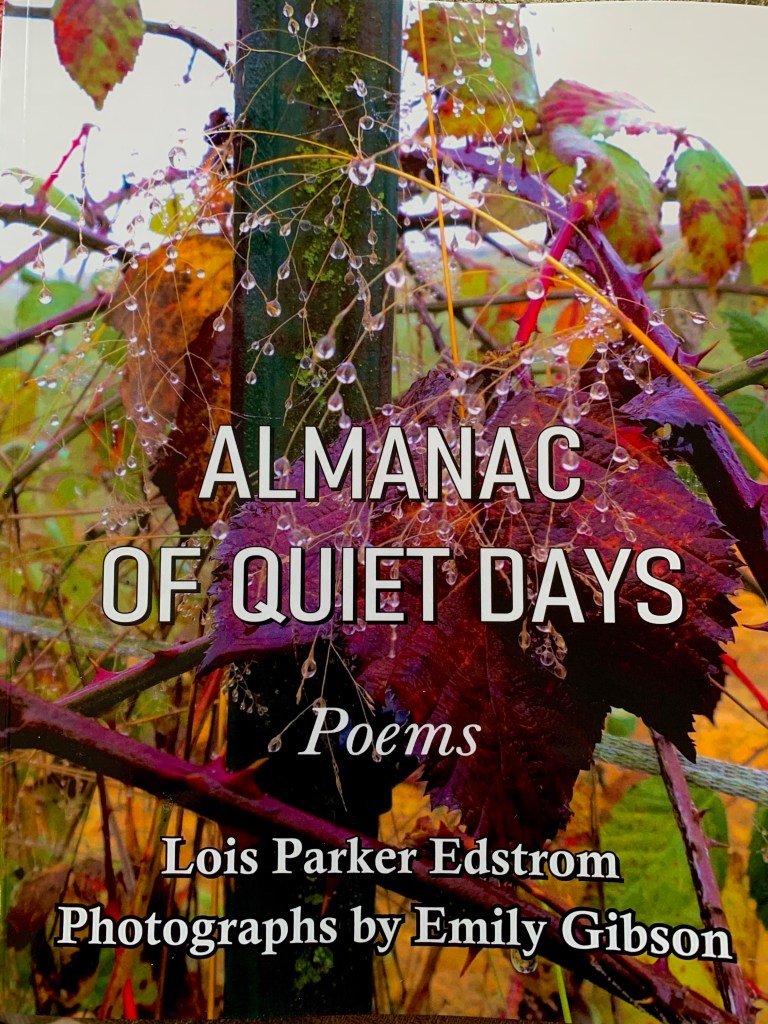
A book of beauty in words and photographs, available for order here:
We will grieve not, rather find Strength in what remains behind; In the primal sympathy Which having been must ever be;
Thanks to the human heart by which we live, Thanks to its tenderness, its joys, and fears, To me the meanest flower that blows can give Thoughts that do often lie too deep for tears. ~William Wordsworth from “Ode: Intimations of Immortality from Recollections of Early Childhood”
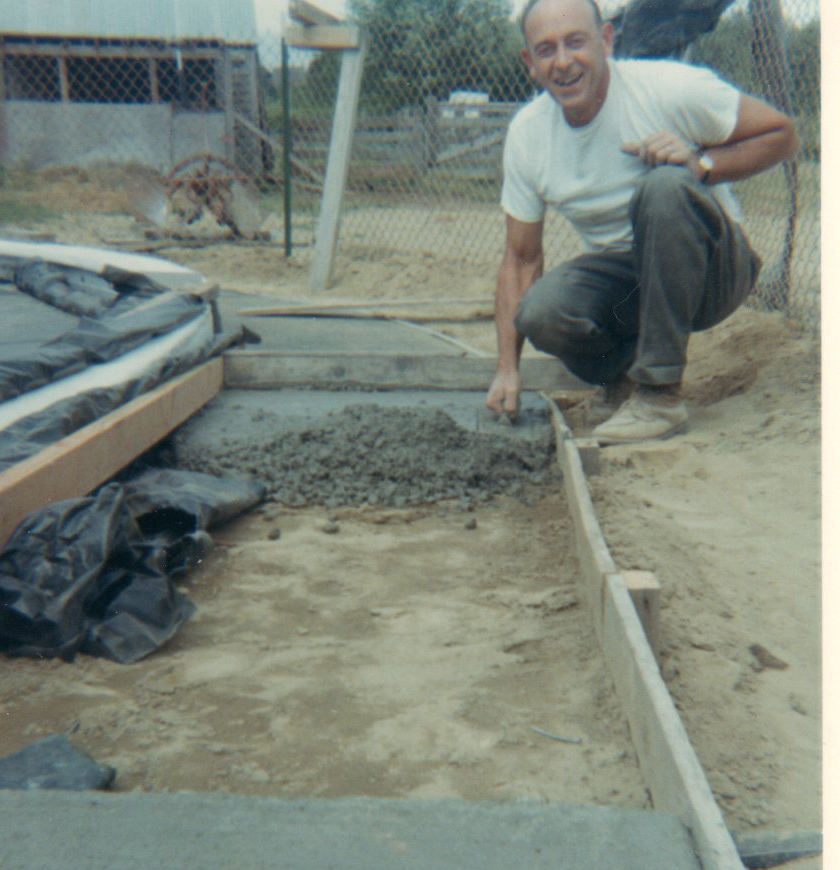
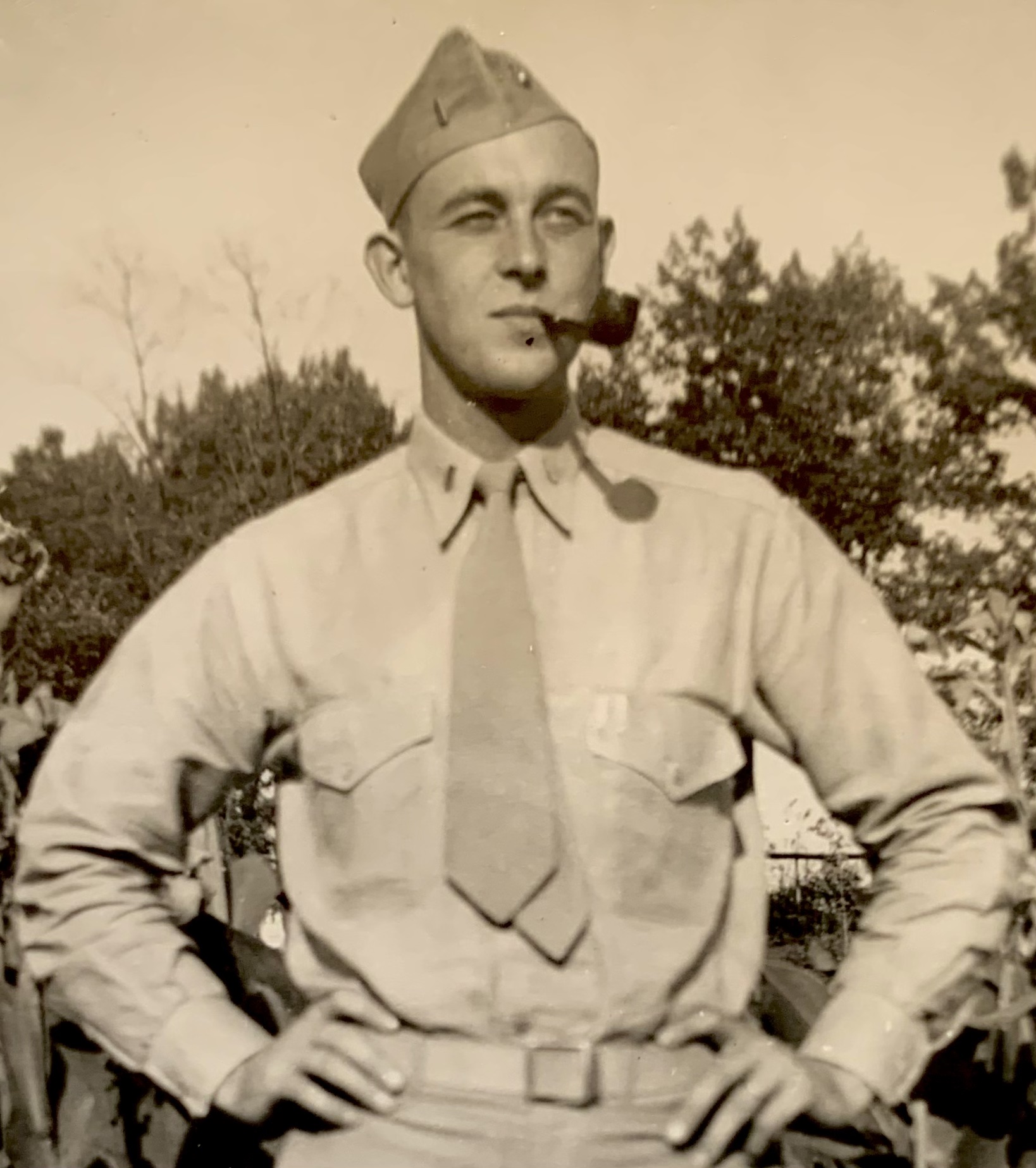
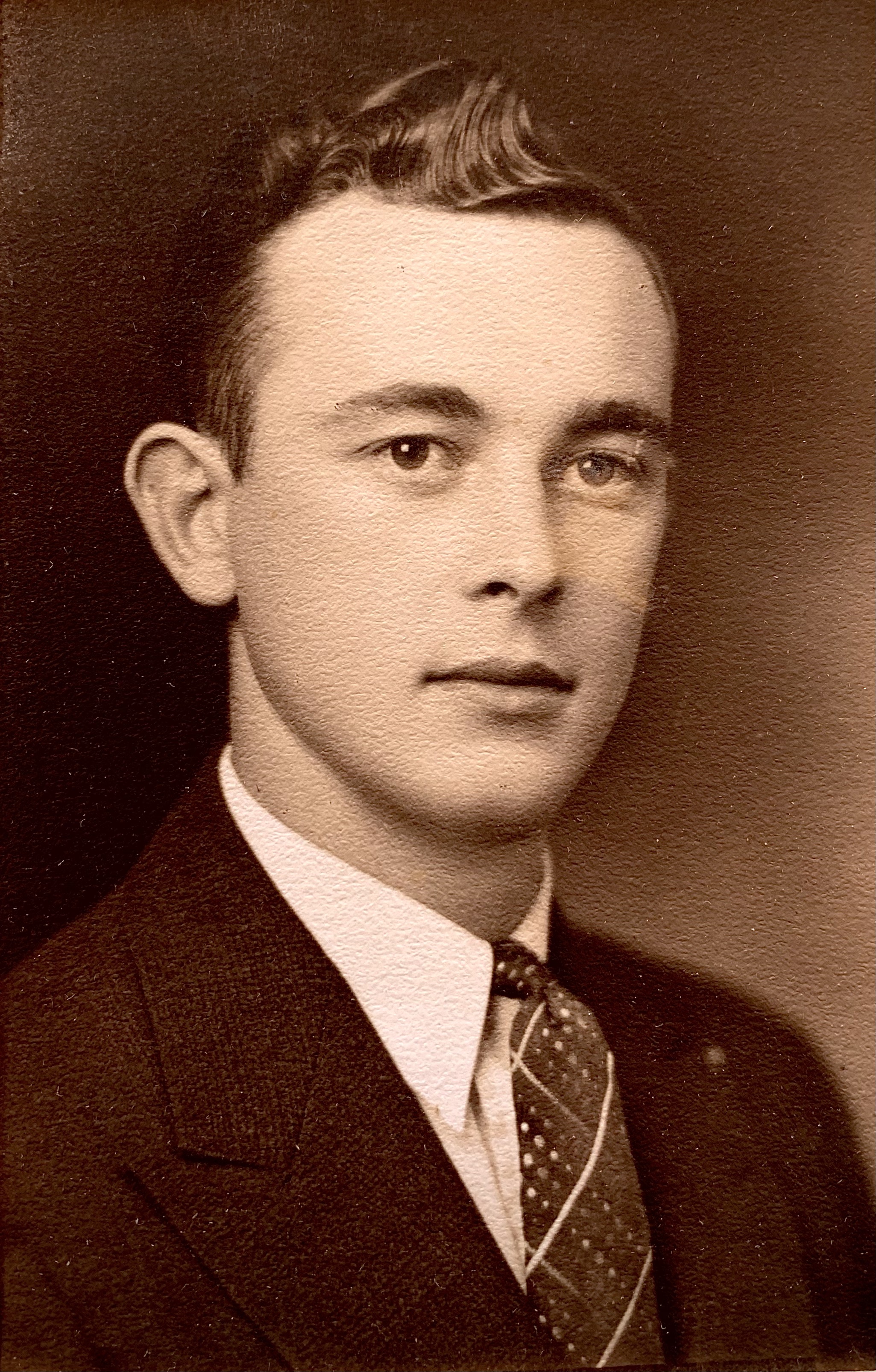
Twenty-six years ago today we watched at your bedside as you labored, readying yourself to die and we could not help except to be there while we watched you move farther away from us.
This dying, the hardest work you had ever done:
harder than handling the plow behind a team of draft horses, harder than confronting a broken, alcoholic and abusive father, harder than slashing brambles and branches to clear the woods, harder than digging out stumps, cementing foundations, building roofs, harder than shipping out, leaving behind a new wife after a week of marriage, harder than leading a battalion of men to battle on Saipan, Tinian and Tarawa, harder than returning home so changed there were no words, harder than returning to school, working long hours to support family, harder than running a farm with only muscle and will power, harder than coping with an ill wife, infertility, job conflict, discontent, harder than building your own pool, your own garage, your own house, harder than your marriage ending, a second wife dying, and returning home forgiven.
Dying was the hardest of all as no amount of muscle or smarts could stop it crushing you, taking away the strength you relied on for 73 years.
So as you lay helpless, moaning, struggling to breathe, we knew your hard work was complete and what was yet undone was up to us to finish for you.
A new book from Barnstorming is available for order here:




























 Barnstorming