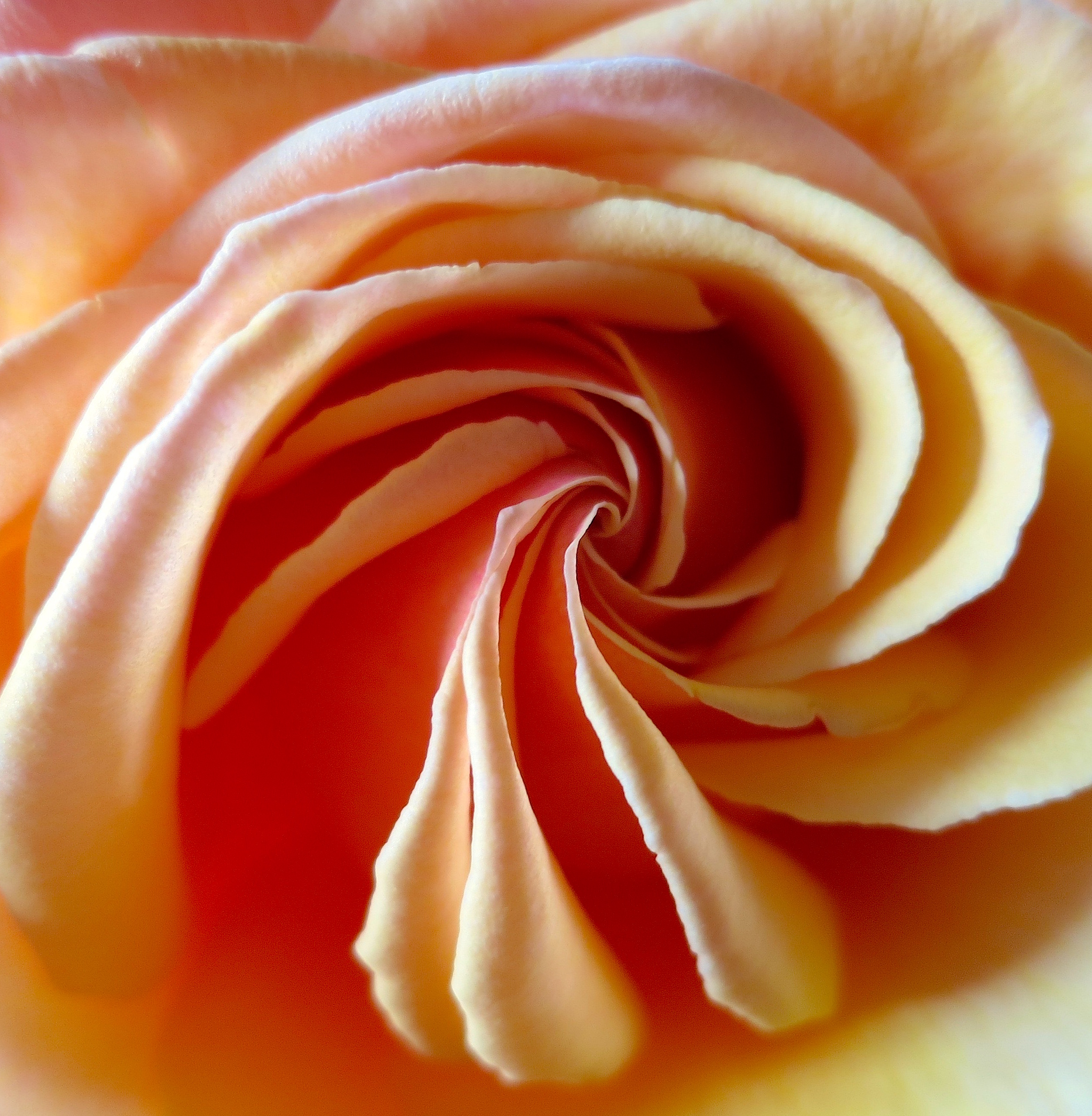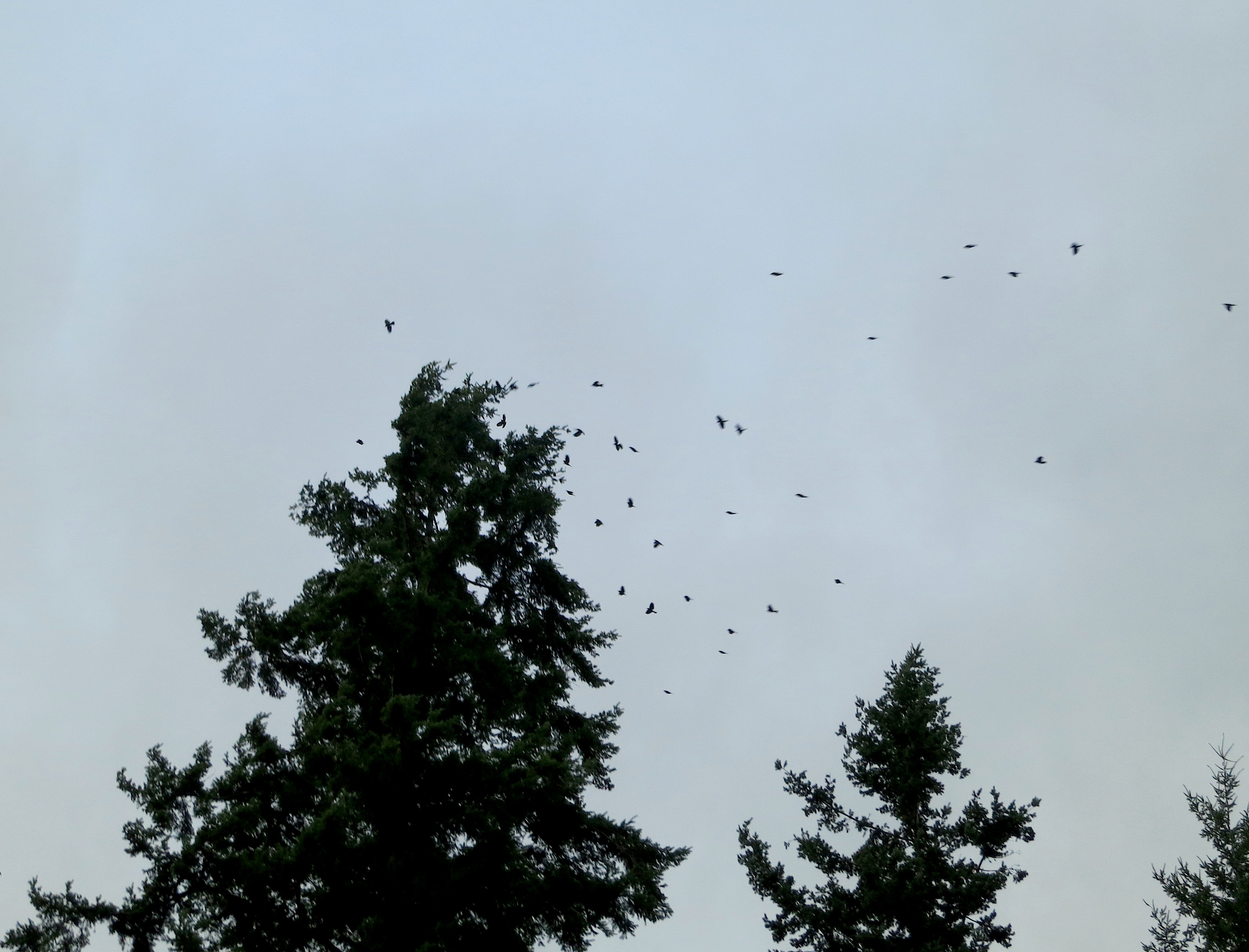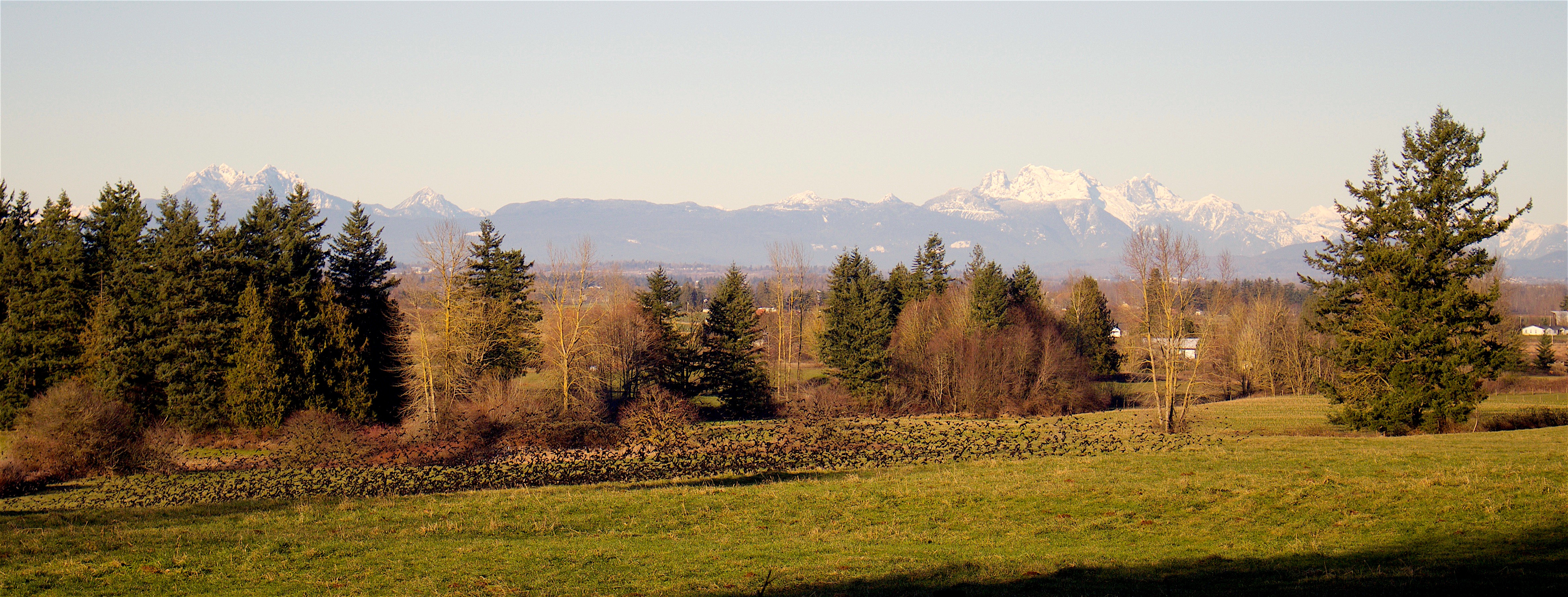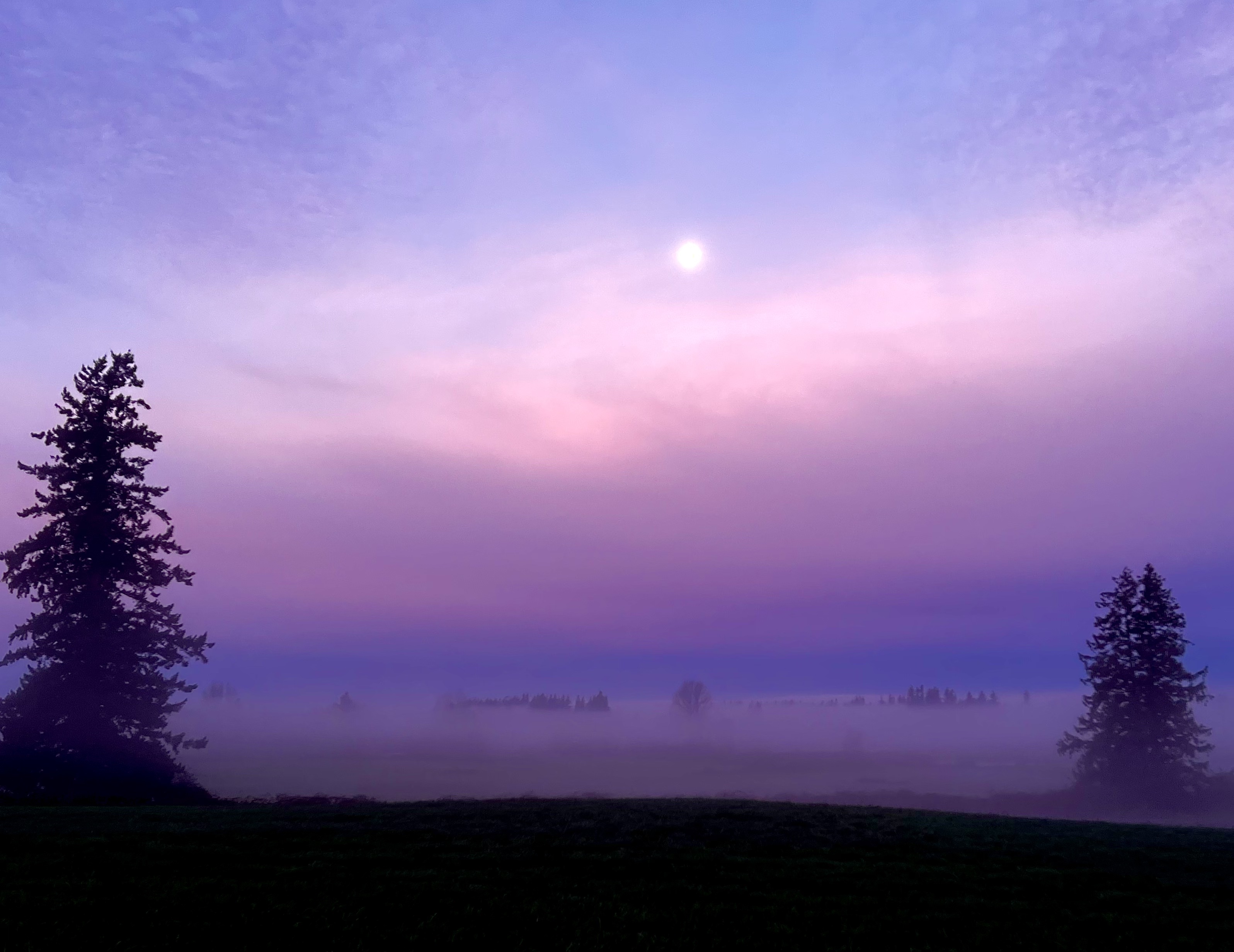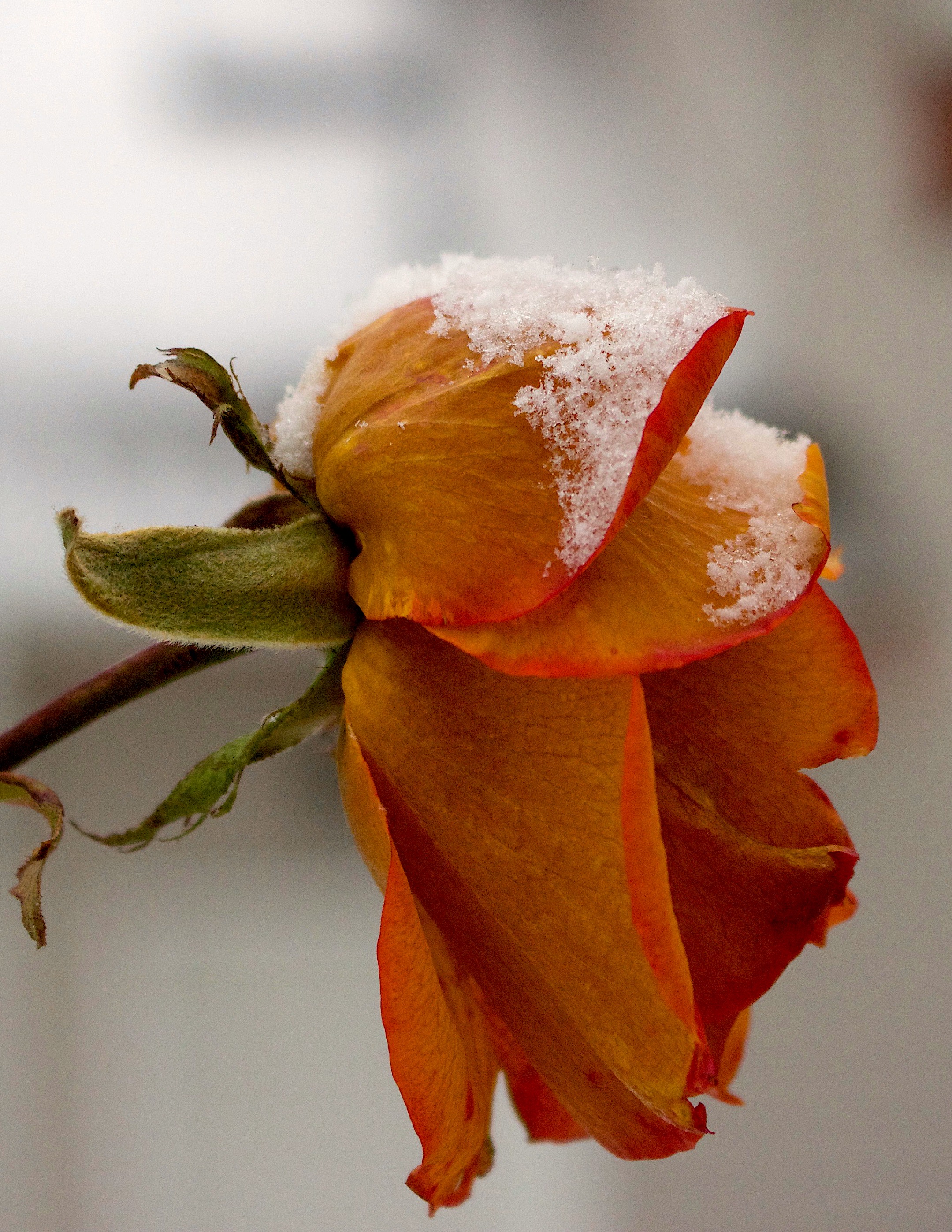
The Beginning Shall Remind Us of the End: The Rose Among the Thorns

…Do not be afraid, though briers and thorns are all around you
Ezekiel 2:6

<The ground> will produce thorns and thistles for you.
Genesis 3:18
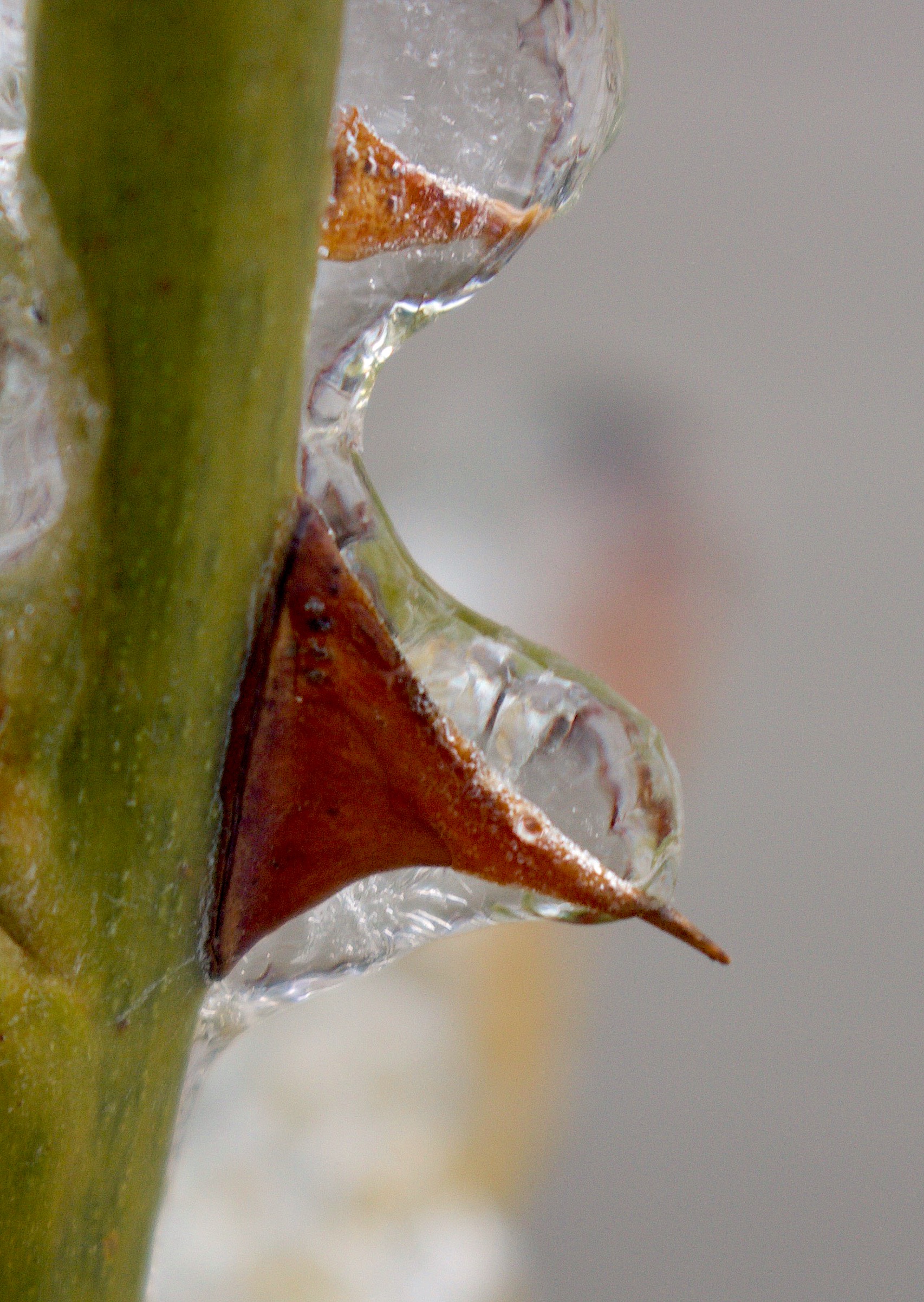
Perched on the high end of its
spinal stalk the brain blooms
like a pink cabbage rose
Peel back the blunt bone like a bud—
it will be meaty to touch, the
corolla folding in, folding in to echo
within the sepal skull
a blink of light, logarithms, a view
of ships in harbor, a word just now
rescued by memory, clipped arbor vitae
how it smells—spiced
Here God lives, burrowing among
the petals, cross-
pollinating. Here is Christ’s mind
juiced, joined, fleshed, celled.
Here is the clash,
the roil, an invasion, not gentle
as dew; the rose is unfurled
violently until the scent explodes
and detonates in the air
And oh, it trembles—
thousands of seeds ripen in it as
it reels in the wind
~Luci Shaw “Flower head”  

Christ … is a thorn in the brain. 
Christ is God crying I am here, 
and here not only in what exalts and completes and uplifts you, 
but here in what appalls, offends, and degrades you, 
here in what activates and exacerbates

all that you would call not-God. 
To walk through the fog of God 
toward the clarity of Christ is difficult 
because of how unlovely, 
how ungodly that clarity often turns out to be.
~Christian Wiman from Image Journal essay “Varieties of Quiet”
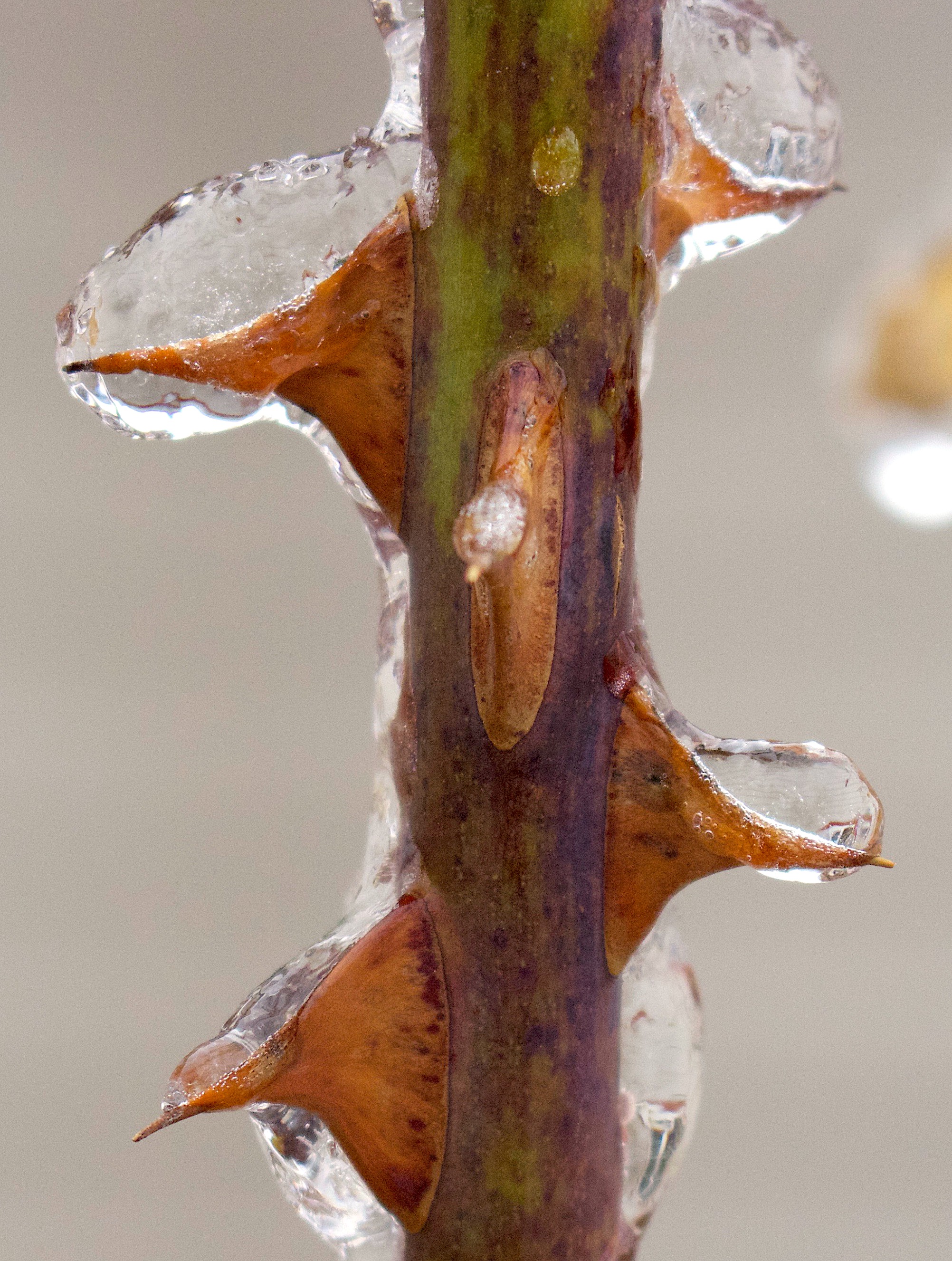
It was gardener/author Alphonse Karr in the mid-19th century who wrote that even though most people grumble about roses having thorns,  he was grateful that thorns have roses.  After all, there was a time when thorns were not part of our world, when we knew nothing of suffering and death, but pursuing and desiring more than we were already generously given, we received a bit more than we bargained for.

We continue to reel under the thorns our choices produce — indeed every day there is more bloodletting.

So a rose was sent to adorn the thorns and even then we chose thorns to make Him bleed. Yes, a fragrant rose blooms beautiful, bleeding amid the thorns, and will to the endless day.
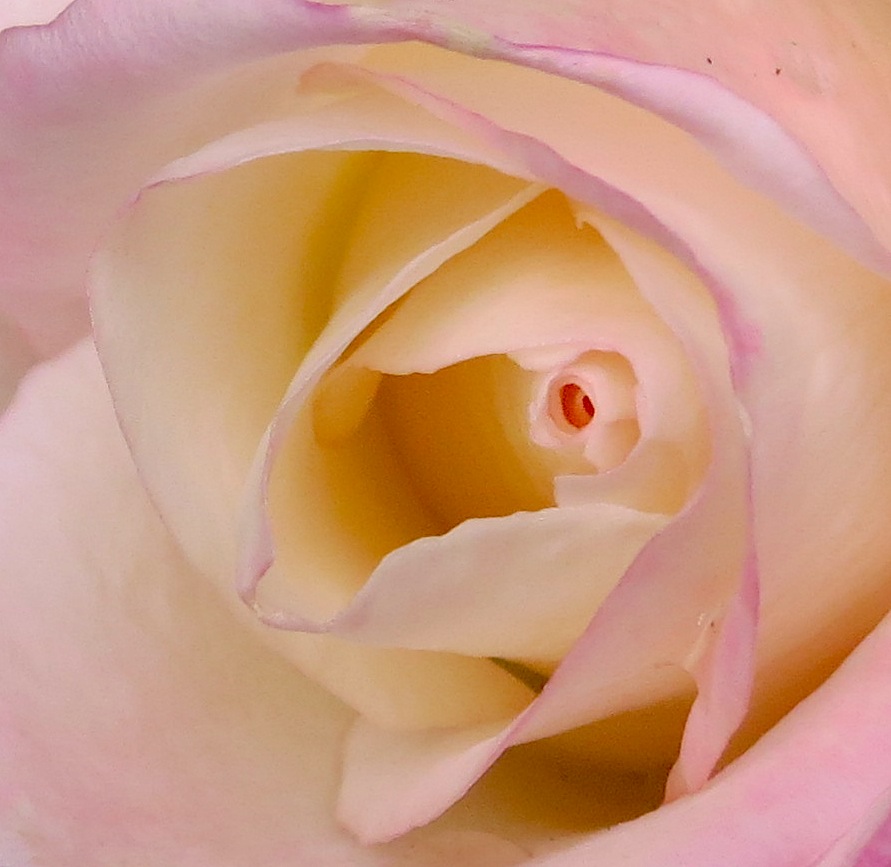
This year’s Barnstorming Advent theme “… the Beginning shall remind us of the End” is taken from the final lines in T.S. Eliot’s poem “The Cultivation of Christmas Trees”

1. Maria walks amid the thorn,
Kyrie eleison.
Maria walks amid the thorn,
Which seven years no leaf has born.
Jesus and Maria.

2. What ‘neath her heart doth Mary bear?
Kyrie eleison.
A little child doth Mary bear,
Beneath her heart He nestles there.
Jesus and Maria.

3. And as the two are passing near,
Kyrie eleison,
Lo! roses on the thorns appear,
Lo! roses on the thorns appear.
Jesus and Maria.

A spotless Rose is blowing, sprung from a tender root,
Of ancient seers’ foreshowing of Jesse promised fruit;
Its fairest bud unfolds to light
Amid the cold, cold winter; and in the dark midnight.

The Rose which I am singing, whereof Isaiah said,
Is from its sweet root springing in Mary, purest Maid;
For, through our God’s great love and might,
The blessed Babe she bare us in a cold, cold winter’s night.

This Flower, whose fragrance tender with sweetness fills the air, Dispels with glorious splendour the darkness everywhere;
True Man, yet very God,
From sin and death He saves us, and lightens every load.

O Jesus, by being born out of this vale of tears,
Let Thy help guide us to the hall of joy In your father’s kingdom,
As we praise You eternally; O God, give us that.

When Jesus Christ was yet a child
He had a garden small and wild
Where-in he cherished roses fair
And wove them into garlands there

Now as the summertime drew nigh
There came a troop of children by
And seeing roses on the tree
With shouts they plucked them merrily

“Do you bind roses in your hair?”

They cried in scorn to Jesus there
The boy said humbly “Take I pray
All but the naked thorns away”

Then of the thorns they made a crown
And with rough fingers pressed it down
Till on his forehead fair and young
Red drops of blood like roses sprung
~Plechtcheev, melody by Tchaikovsky

One-Time
Monthly
Yearly

Make a one-time donation to support Barnstorming

Make a monthly donation

Make a yearly donation

Choose an amount

¤5.00
¤10.00
¤20.00
¤5.00
¤15.00
¤100.00
¤5.00
¤15.00
¤100.00

Or enter a custom amount

¤

Your contribution is deeply appreciated.

Your contribution is appreciated.

Your contribution is appreciated.

DonateDonate monthlyDonate yearly

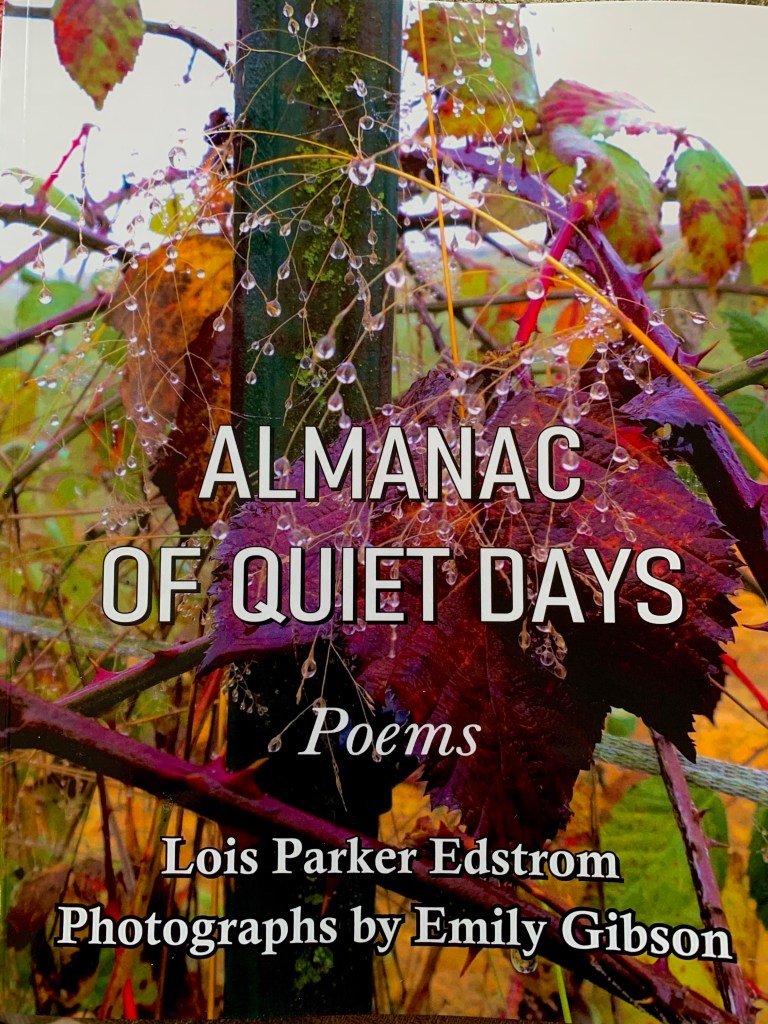
Give a gift of beauty in words and photography, available to order here:
Holy Moley

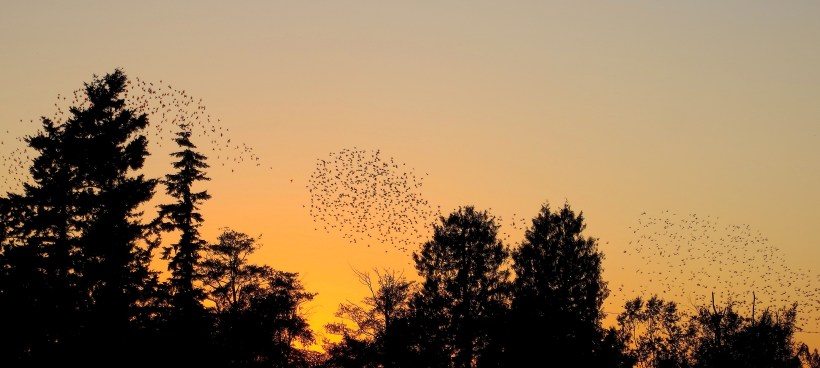
Cold morning. November, taking a walk,
when up ahead, suddenly, the trees unleave,
and thousands of starlings lift off, an immense
river of noise; they braid and unbraid themselves
over my head, the gray silk sky embroidered
with black kisses, the whoosh of their wings,
their chattering clatter, patterns broken/formed/
reformed, a scarf of ragged ribbons. Dumb-
struck, mouth open, I say holy and I say moley,
And then, they’re gone.
~Barbara Crooker, “Murmuration” from Some Glad Morning. 

Out of the dimming sky a speck appeared,
then another, and another.
It was the starlings going to roost. 
They gathered deep in the distance,  flock sifting into flock,
and strayed towards me, transparent and whirling, like smoke.
They seemed to unravel as they flew,
lengthening in curves, like a loosened skein. 
I didn’t move;
they flew directly over my head for half an hour. 

Each individual bird bobbed and knitted up and down
in the flight at apparent random, for no known reason except
that that’s how starlings fly, yet all remained perfectly spaced.
The flocks each tapered at either end from a rounded middle, like an eye. Overhead I heard a sound of beaten air, like a million shook rugs, a muffled whuff. Into the woods they sifted without shifting a twig, right through the crowns of trees, intricate and rushing, like wind.

Could tiny birds be sifting through me right now,
birds winging through the gaps between my cells,
touching nothing, but quickening in my tissues, fleet?
~Annie Dillard from Pilgrim at Tinker Creek

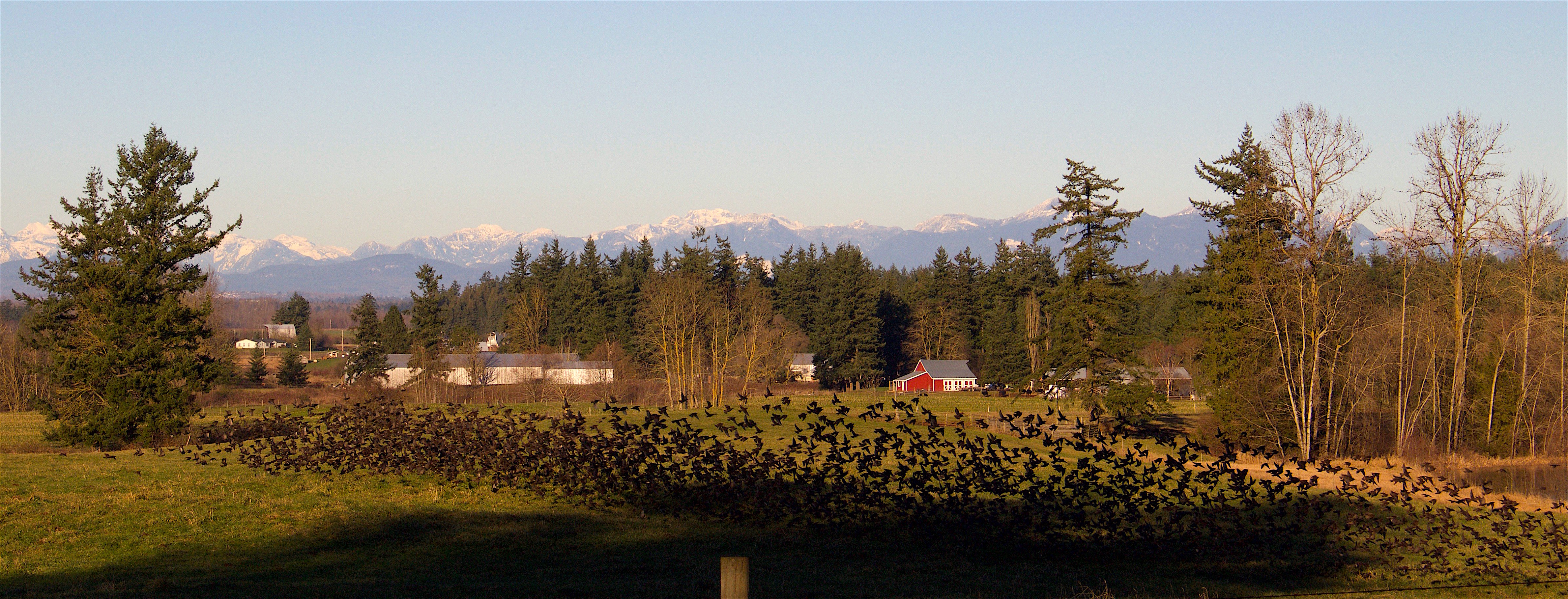
There comes a time in every fall
before the leaves begin to turn
when blackbirds group and flock and gather
choosing a tree, a branch, together
to click and call and chorus and clamor
announcing the season has come for travel.

Then comes a time when all those birds
without a sound or backward glance
pour from every branch and limb
into the air, as if on a whim
but it’s a dynamic, choreographed mass
a swoop, a swerve, a mystery, a dance

and now the tree stands breathless, amazed
at how it was chosen, how it was changed.

~Julie Cadwallader Staub “Turning” from Wing Over Wing

…yesterday I heard a new sound above my head
a rustling, ruffling quietness in the spring air

and when I turned my face upward
I saw a flock of blackbirds
rounding a curve I didn’t know was there
and the sound was simply all those wings,
all those feathers against air, against gravity
and such a beautiful winning:
the whole flock taking a long, wide turn
as if of one body and one mind.

How do they do that?

If we lived only in human society
what a puny existence that would be

but instead we live and move and have our being
here, in this curving and soaring world
that is not our own
so when mercy and tenderness triumph in our lives
and when, even more rarely, we unite and move together
toward a common good,

we can think to ourselves:

ah yes, this is how it’s meant to be.
~Julie Cadwallader Staub from “Blackbirds” from Wing Over Wing

Watching the starlings’ murmuration is a visceral experience – my heart leaps to see it happen above me.  I feel queasy following its looping amoebic folding and unfolding path.

Thousands of individual birds move in sync with one another to form one massive organism existing solely because each tiny component anticipates and cooperates to avoid mid-air collisions.  It could explode into chaos but it doesn’t.  It could result in massive casualties but it doesn’t.  They could avoid each other altogether but they don’t – they come together with a purpose and reasoning beyond our imagining. Even the silence of their movement has a discernible sound of air rushing past wings.

We humans are made up of just such cooperating component parts, that which is deep in our tissues, programmed in our DNA.  Yet we don’t learn from our designed and carefully constructed building blocks.  We have become frighteningly disparate and independent creatures, each going our own way bumping and crashing without care.

We have lost our internal moral compass for how it is meant to be.

The rustling ruffling quiet of wings in the air is like muffled weeping.

One-Time
Monthly
Yearly

Make a one-time donation to support Barnstorming

Make a monthly donation

Make a yearly donation

Choose an amount

¤5.00
¤10.00
¤20.00
¤5.00
¤15.00
¤100.00
¤5.00
¤15.00
¤100.00

Or enter a custom amount

¤

Your contribution is deeply appreciated.

Your contribution is appreciated.

Your contribution is appreciated.

DonateDonate monthlyDonate yearly

A book of beauty in words and photography, available for order here:

Things I Did Not Say or Do

IV  My fiftieth year had come and gone,
I sat, a solitary man,
In a crowded London shop,
An open book and empty cup
On the marble table-top.

While on the shop and street I gazed
My body of a sudden blazed;
And twenty minutes more or less
It seemed, so great my happiness,
That I was blessed and could bless.


V  Although the summer Sunlight gild
Cloudy leafage of the sky,
Or wintry moonlight sink the field
In storm-scattered intricacy,
I cannot look thereon,
Responsibility so weighs me down.

Things said or done long years ago,
Or things I did not do or say
But thought that I might say or do,
Weigh me down, and not a day
But something is recalled,
My conscience or my vanity appalled.
~William Butler Yeats,Vacillation Parts IV and V


In this, the last trimester of my life, I find myself dwelling on how I continue to grow and change, as if I was gestating all over again, 68 years later. It is a time or preparation for what comes next, while not wanting to miss a moment of what is – right now.

I have plenty of opportunity to replay the many moments I’ve regretted what I said or did, or what I could have said or did….and didn’t. Recalling remorse is far easier and stickier than replaying joy that seems so fleeting in my memory.

There are times when I feel both weighed down by memories and freed at the same time. It almost always happens while sitting in worship in church, while silently confessing how I have wronged those around me or turned my face from God, yet in the next moment, I feel the embrace of a Creator who never forgets but still forgives. It is an overwhelming knowledge that brings me to tears every time.

It is in that moment that my joy no longer is fleeting; it lives deeply in my cells since I, like all around me, am created in His image.

And God saw what He had made, and it was, and still is, good.
He made us for joy, not out of regret.

One-Time
Monthly
Yearly

Make a one-time donation to support Barnstorming

Make a monthly donation

Make a yearly donation

Choose an amount

¤5.00
¤10.00
¤20.00
¤5.00
¤15.00
¤100.00
¤5.00
¤15.00
¤100.00

Or enter a custom amount

¤

Your contribution is deeply appreciated.

Your contribution is appreciated.

Your contribution is appreciated.

Donate

Donate

Donate

A book of beauty in words and photography, available to order here:
The Safety of the Thicket

He loved to ask his mother questions. It was the pleasantest thing for him to ask a question and then to hear what answer his mother would give. Bambi was never surprised that question after question should come into his mind continually and without effort. 

Sometimes he felt very sure that his mother was not giving him a complete answer, was intentionally not telling him all she knew.  For then there would remain in him such a lively curiosity, such suspicion, mysteriously and joyously flashing through him, such anticipation, that he would become anxious and happy at the same time, and grow silent.
~Felix Salten from Bambi

A Wounded Deer—leaps highest—
I’ve heard the Hunter tell—
‘Tis but the Ecstasy of death—
And then the Brake is still!
~Emily Dickinson from “165″

My first time ever
seated next to my mother
in a movie theater, just
a skinny four year old girl
practically folded up in half
by a large padded chair
whose seat won’t stay down,
bursting with anticipation
to see Disney’s Bambi.

Enthralled with so much color,
motion,  music, songs and fun
characters, I am wholly lost
in a new world of animated
reality when suddenly
Bambi’s mother looks up,
alarmed,  from eating
a new clump of spring grass
growing in the snow.

My heart leaps
with worry.
She tells him
to run
for the thicket,
the safest place where
she has always
kept him warm
next to her.

She follows behind,
tells him to run faster,
not to look back,
don’t ever look back.

Then the gun shot
hits my belly too.

My stomach twists
as he cries out
for his mother,
pleading for her.
I know in my heart
she is lost forever,
sacrificed for his sake.

I sob as my mother
reaches out to me,
telling me not to look.
I bury my face
inside her hug,
knowing Bambi
is cold and alone
with no mother
at all.

My mama took me home
before the end.
I could not bear to watch
the rest of the movie 
for years.

Those cries
still echo
in my ears
every time someone hunts and shoots
to kill the innocent.

Now, my own children are grown,
they have babies of their own,
my mom is gone from this earth,
I can even keep the seat from folding
me up in a movie theater.

I am in my seventh decade, and
there are still places in this world where
mothers and fathers
sons and daughters
grandmothers and grandfathers
sisters and brothers
and babies are hunted down
despite the supposed safety of the thicket~
of the sanctuary, the school, the grocery store, the home,
where we believe we are shielded from violence.

There is innocence no longer,
if there ever was.

A book of beauty in words and photography, available to order here:
Why Did I Cry Today?

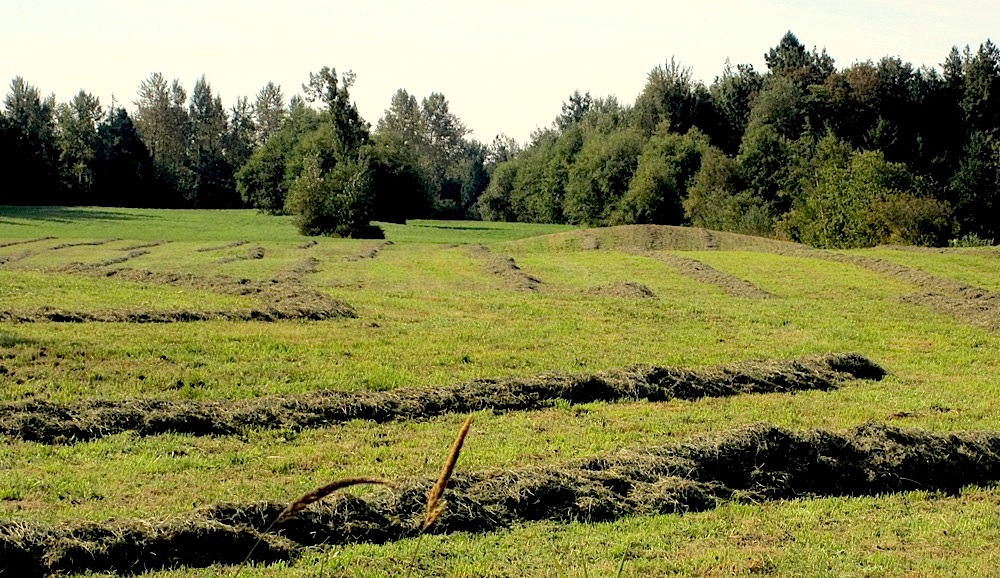
A second crop of hay lies cut   
and turned. Five gleaming crows   
search and peck between the rows.
They make a low, companionable squawk,   
and like midwives and undertakers   
possess a weird authority.

Crickets leap from the stubble,   
parting before me like the Red Sea.   
The garden sprawls and spoils.

Cloud shadows rush over drying hay,   
fences, dusty lane, and railroad ravine.   
The first yellowing fronds of goldenrod   
brighten the margins of the woods.

Schoolbooks, carpools, pleated skirts;   
water, silver-still, and a vee of geese.

*

The cicada’s dry monotony breaks   
over me. The days are bright   
and free, bright and free.

Then why did I cry today   
for an hour, with my whole   
body, the way babies cry?

*

A white, indifferent morning sky,   
and a crow, hectoring from its nest   
high in the hemlock, a nest as big   
as a laundry basket …
                                    In my childhood   
I stood under a dripping oak,
while autumnal fog eddied around my feet,   
waiting for the school bus
with a dread that took my breath away.

The damp dirt road gave off   
this same complex organic scent.

I had the new books—words, numbers,   
and operations with numbers I did not   
comprehend—and crayons, unspoiled   
by use, in a blue canvas satchel
with red leather straps.

Spruce, inadequate, and alien   
I stood at the side of the road.   
It was the only life I had.

~Jane Kenyon, “Three Songs at the End of Summer” from Collected Poems.

The first day back to school isn’t always the day after Labor Day as it was when I was growing up. Some students have been in classes for a couple weeks now, others started a few days ago to ease into the transition more gently, especially adjusting to classrooms and masking after a year of remote learning for so many.  Some will be return to the routine tomorrow: school buses will roar past our farm brimming with young faces under fresh masks, new clothes and shoes, stuffed back packs amid a fair amount of dread and anxiety.

I remember well that foreboding that accompanied a return to school — the strict schedule, the inflexible rules and the painful reconfiguration of social hierarchies and friend groups.  Even as a good learner and obedient student, I was a square peg being pushed into a round hole when I returned to the classroom; the students who struggled academically and who pushed against the boundaries of rules must have felt even more so. We all felt alien and inadequate to the immense task before us to fit in with one another, allow teachers to open our minds to new thoughts, and to become something and someone more than who we were before.

Growth is so very hard, our stretching so painful, the tug and pull of potential friendships stressful.  Two of my own children now make this annual transition to a new school year as veteran teachers.

For the first time in over thirty years, I won’t have yet another “first day” or new students under my care — it all feels new and unfamiliar yet again.

So I take a deep breath on this foggy Labor Day morning and am immediately taken back to the anxieties and fears of a skinny little girl in a new home-made corduroy jumper and saddle shoes, waiting for the schoolbus on a drippy wooded country road.

She is still me — just buried deeply in the fog of who I became after all those years of schooling, hidden somewhere under all the piled-on layers of learning and growing and hurting and stretching — but I do remember her well.

Like every student starting a new adventure tomorrow,
she could use a hug.

More like this is found in photos and words in this book from Barnstorming, available to order here:
Riding at Dusk

At dusk, everything blurs and softens…

The horse bears me along, like grace,
making me better than what I am,
and what I think or say or see
is whole in these moments, is neither
small nor broken.  Who then
is better made to say be well, be glad,

or who to long that we, as one,
might course over the entire valley,
over all valleys, as a bird in a great embrace
of flight, who presses against her breast,
in grief and tenderness,
the whole weeping body of the world?
~Linda McCarriston from “Riding Out At Evening”

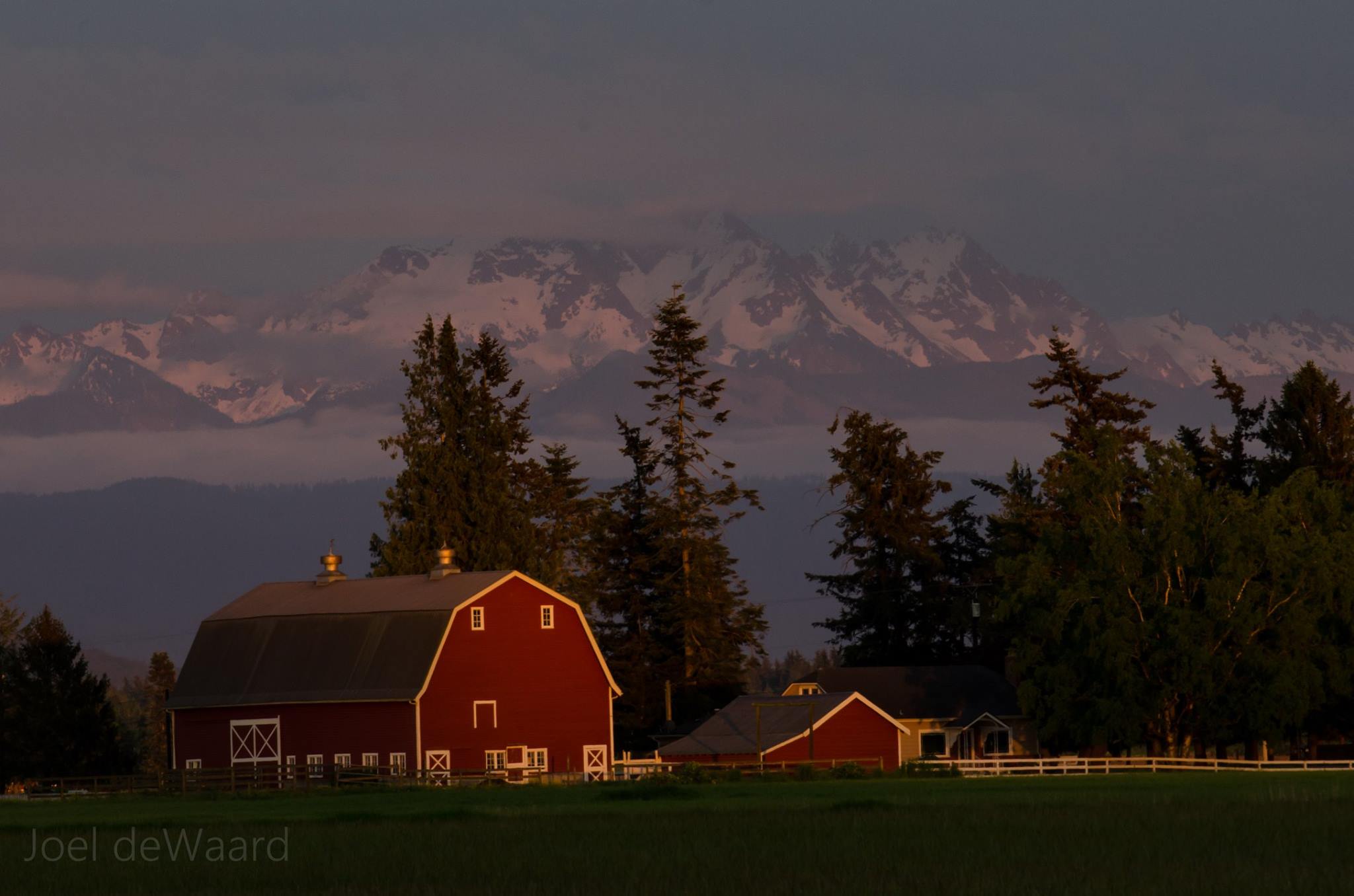
“Last Light” photo of Twin Sisters at dusk by Joel de Waard

We all need to remember transcendent moments in our lives, those brief times when all was well, our worries left behind in the dust.

Wounds healed, hearts full, senses filled with wonder, feeling whole rather than broken.

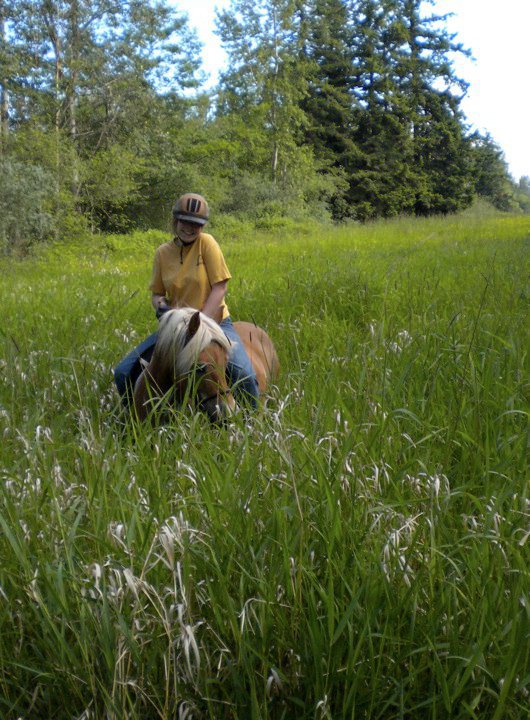
The summer evening rides of my younger years were just such a time: lifted by such powerful grace and transported to another time and place. It can feel like flying but mostly it feels like an embrace, one creature with another, exploring the world together.

All these years later, I am held fast by the memories and in remembering, I weep.

Surely, someday,
heaven will be something like this.

Sure on this shining night
Of star made shadows round,
Kindness must watch for me
This side the ground.
The late year lies down the north.
All is healed, all is health.
High summer holds the earth.
Hearts all whole.
Sure on this shining night I weep for wonder wand’ring far
alone
Of shadows on the stars.

~James Agee

More photos like this in a new book from Barnstorming, available to order here:
Supposing a Tree Fell

“Supposing a tree fell down, Pooh, when we were underneath it?”

“Supposing it didn’t,” said Pooh after careful thought.

Piglet was comforted by this.
~A.A. Milne from The Complete Tales of Winnie-the-Pooh

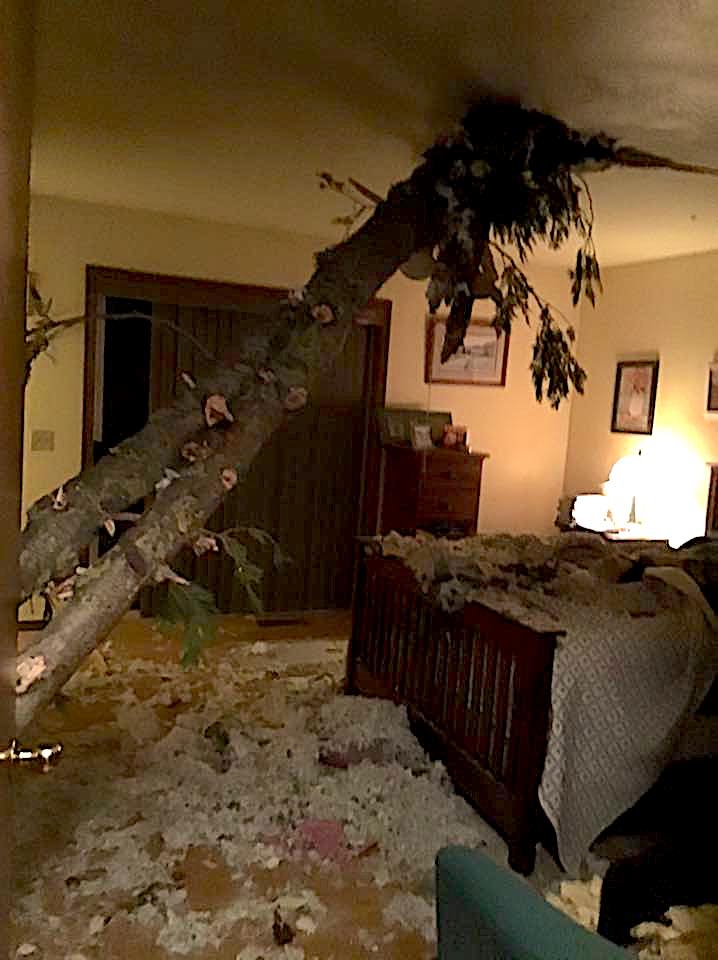
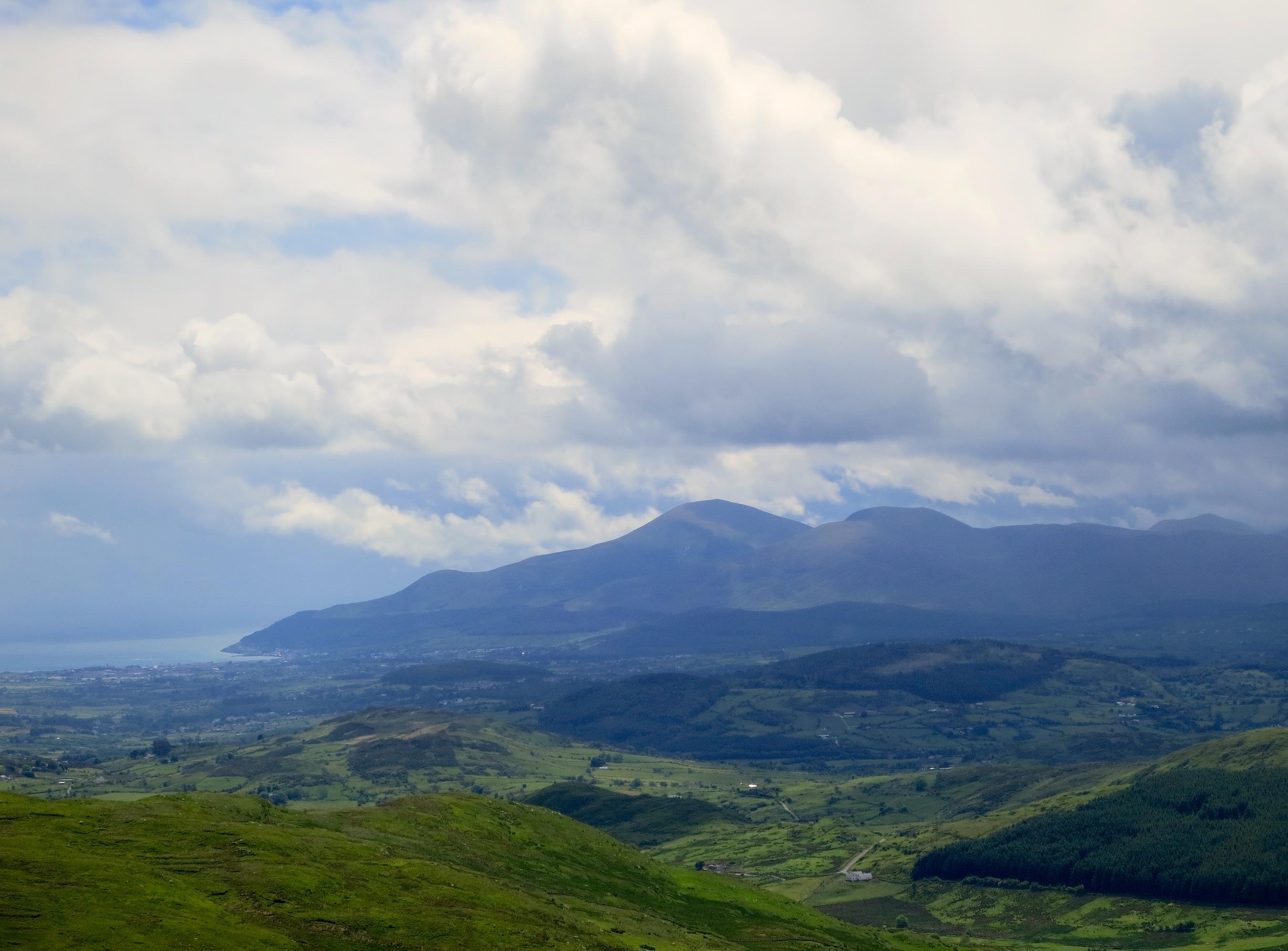
our friends’ bedroom after a tree fell through their roof in a windstorm – thankfully, no one was hurt

It has been a long 18 months of dwelling deeply
in all kinds of “supposes” and “what ifs”
because people were being crushed by a virus
right and left.

I understand this kind of thinking,
particularly when “in the moment” tragedies,
(like a Florida condo building collapsing in the middle of the night)
play out real-time in the palm of our hand
in front of our eyes
and we feel helpless to do anything
but watch it unfold.

Those who know me well
know I can fret and worry
better than most.
Medical training only makes this worse.
I’m taught to think catastrophically.
That is what I have done for a living –
to always be ready for the worse case scenario
and simply assume it will happen.

Sometimes it does happen
and no amount of wishing it away will work.

When I rise, too often sleepless,
to face a day of uncertainty
as we all do ~
after careful thought,
I reach for the certainty I am promised
over the uncertainty I can only imagine:

What is my only comfort in life and in death? 
That I am not my own, but belong
—body and soul, in life and in death—
to my faithful Savior, Jesus Christ.

“Supposing it didn’t” — says our Lord
(and we are comforted by this)
but even if it did … even if it did –
as awful things sometimes do –
we are never abandoned.

He is with us always.

Enjoying these Barnstorming posts? A new book from Barnstorming is available to order here:

The Reddening Light

Near dusk, near a path, near a brook,
we stopped, I in disquiet and dismay
for the suffering of someone I loved,
the doe in her always incipient alarm.

All that moved was her pivoting ear
the reddening sun was shining through
transformed to a color I’d only seen
in a photo of a new child in a womb.

Nothing else stirred, not a leaf,
not the air, but she startled and bolted
away from me into the crackling brush.

The part of my pain which sometimes
releases me from it fled with her, the rest,
in the rake of the late light, stayed.
~C. K. Williams  “The Doe”
from The Singing

Oh little one
who was to have been born this week in June
thirty eight years ago~
so wanted
so anticipated
but lost too soon.

Gone as swiftly in a clot of red
as a doe disappearing soundlessly into a thicket:
so long ago it makes me question
if you were real,
until my heart clenches again at the memory.

But you were
and you are
and someday
I’ll know you when I see you
and curious about who I am,
you won’t flee this time,
but stay to find out.

A new book from Barnstorming is available to order here:

Dwelling On What Has Been

The house had gone to bring again
To the midnight sky a sunset glow.
Now the chimney was all of the house that stood,
Like a pistil after the petals go.

The barn opposed across the way,
That would have joined the house in flame
Had it been the will of the wind, was left
To bear forsaken the place’s name.

No more it opened with all one end
For teams that came by the stony road
To drum on the floor with scurrying hoofs
And brush the mow with the summer load.

The birds that came to it through the air
At broken windows flew out and in,
Their murmur more like the sigh we sigh
From too much dwelling on what has been.

Yet for them the lilac renewed its leaf,
And the aged elm, though touched with fire;
And the dry pump flung up an awkward arm:
And the fence post carried a strand of wire.

For them there was really nothing sad.
But though they rejoiced in the nest they kept,
One had to be versed in country things
Not to believe the phoebes wept.
 ~Robert Frost “The Need of Being Versed in Country Things”

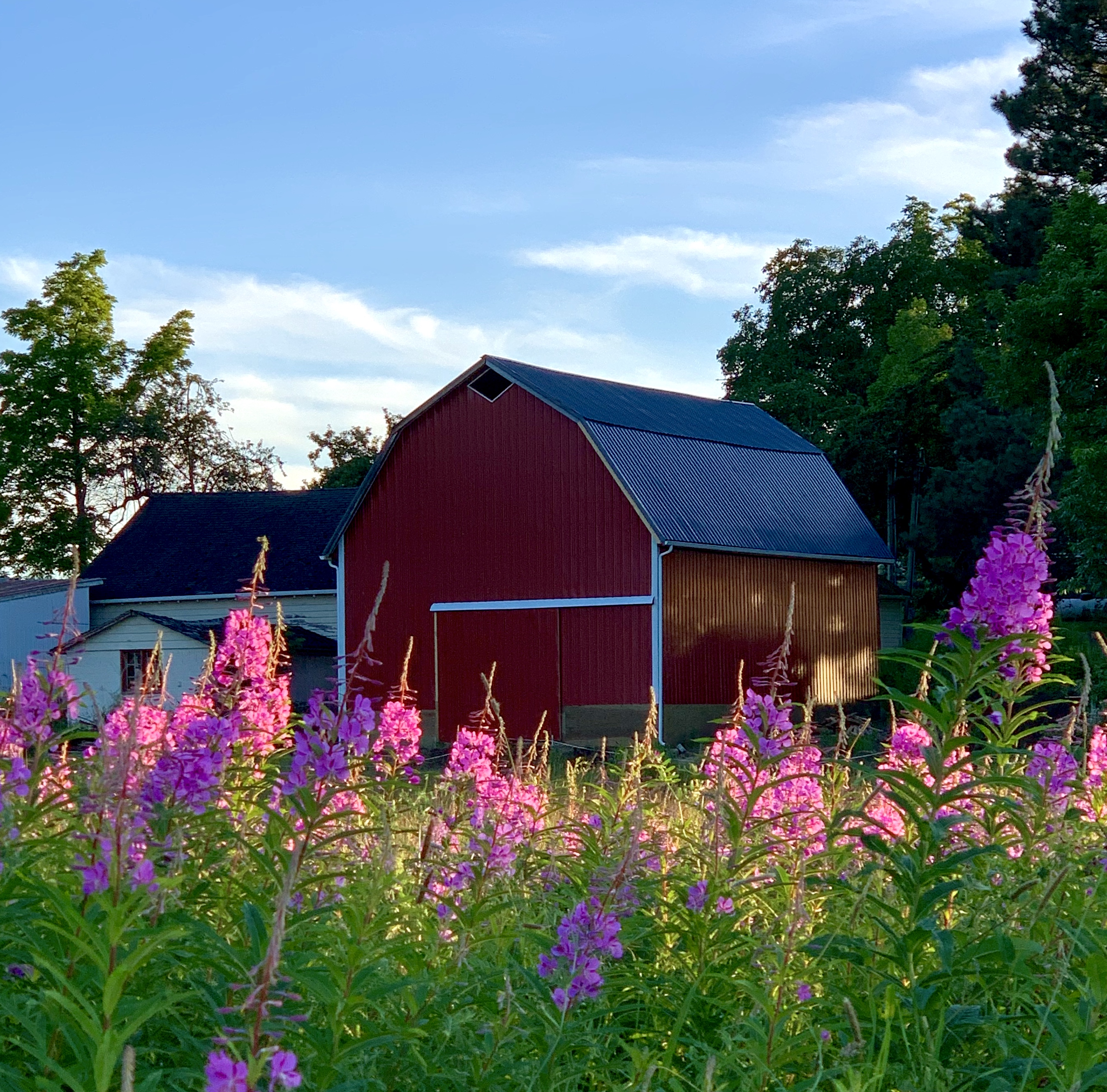
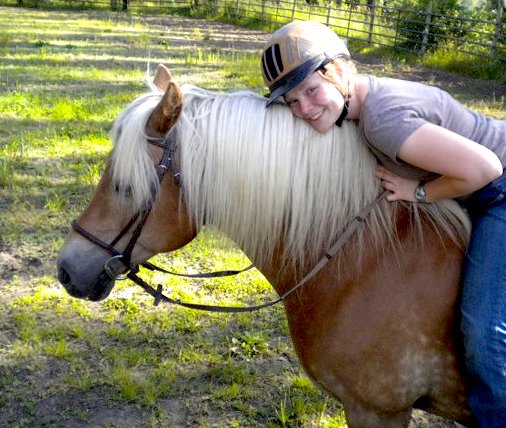
The field of my childhood farm (1954-59) with the red barn visible on the right. The house was destroyed by fire in the mid-60s but the barn was spared

photo by Harry Rodenberger

My family sold our first farm in East Stanwood when my father took a job working for the state in Olympia, moving to supervising high school agriculture teachers rather than being a teacher himself. It was a difficult transition for us all: we moved to a smaller home and a few acres, leaving behind a large two story house, a huge hay barn and chicken coop as well as large fields and a woods where our dairy cows had grazed.

Only a few years later, the old farmhouse burned down but the rest of the buildings were spared. It passed through a few hands and when we had occasion to drive by, we were dismayed to see how nature was taking over the place. The barn still stood but unused it was weathering and withering. The windows were broken, birds flew in and out, the former flower garden had grown wild and unruly.

This was the place I was conceived and learned to walk and talk, where I developed my love for wandering in the fields and respecting the farm animals we depended upon. I remember as a child of four sitting at the kitchen table looking out the window at the sunrise coming rising over the woods and making the misty fields turn golden.

Yet now this land has returned to its essence before the ground was ever plowed or buildings were constructed. It no longer belongs to our family (as if it ever did) but it forever belongs to our memories.

I am overly prone to nostalgia, dwelling more on what has been than what is now or what I hope is to come. It is easy to weep over the losses when time and circumstances reap circumstances that become unrecognizable.

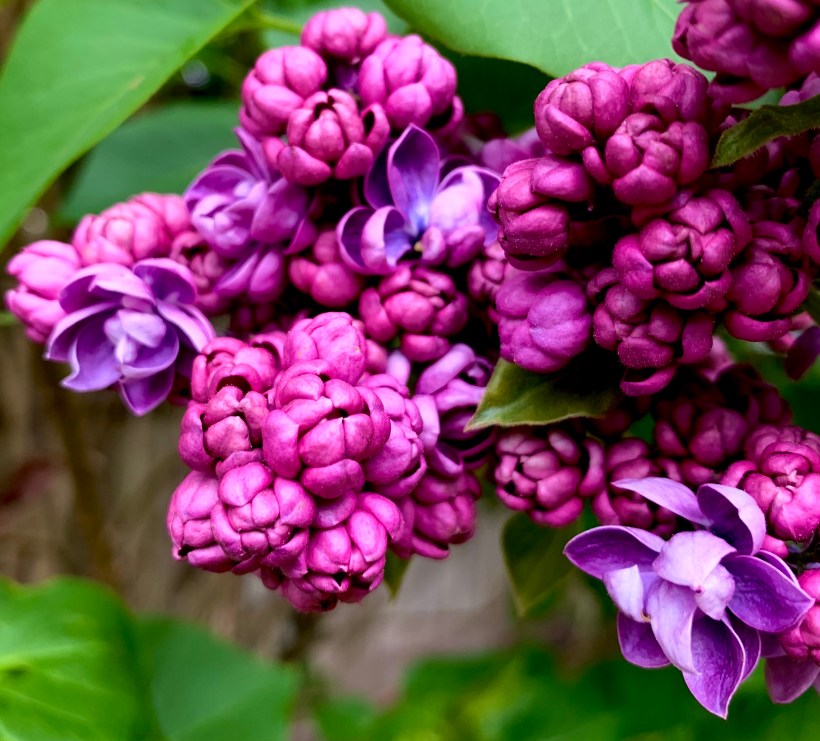
I may weep, but nature does not. The sun continues to rise over the fields, the birds continue to build nests, the lilacs grow taller with outrageous blooms, and each day ends with a promise of another to come.

So I must dwell on what lies ahead, not what perished in the ashes.

photo by Harry Rodenberger

A book available from Barnstorming — information about how to order here

Bones in the Ground

All winter your brute shoulders strained against collars, padding
and steerhide over the ash hames, to haul
sledges of cordwood for drying through spring and summer,
for the Glenwood stove next winter, and for the simmering range.

In April you pulled cartloads of manure to spread on the fields,
dark manure of Holsteins, and knobs of your own clustered with oats.
All summer you mowed the grass in meadow and hayfield, the mowing machine clacketing beside you, while the sun walked high in the morning;

and after noon’s heat, you pulled a clawed rake through the same acres,
gathering stacks, and dragged the wagon from stack to stack,
and the built hayrack back, uphill to the chaffy barn,
three loads of hay a day from standing grass in the morning.

Sundays you trotted the two miles to church with the light load
a leather quartertop buggy, and grazed in the sound of hymns.
Generation on generation, your neck rubbed the windowsill
of the stall, smoothing the wood as the sea smooths glass.

When you were old and lame, when your shoulders hurt bending to graze,
one October the man, who fed you and kept you, and harnessed you every morning, led you through corn stubble to sandy ground above Eagle Pond,
and dug a hole beside you where you stood shuddering in your skin,

and lay the shotgun’s muzzle in the boneless hollow behind your ear,
and fired the slug into your brain, and felled you into your grave,
shoveling sand to cover you, setting goldenrod upright above you,
where by next summer a dent in the ground made your monument.

For a hundred and fifty years, in the Pasture of dead horses,
roots of pine trees pushed through the pale curves of your ribs,
yellow blossoms flourished above you in autumn, and in winter
frost heaved your bones in the ground – old toilers, soil makers:

O Roger, Mackerel, Riley, Ned, Nellie, Chester, Lady Ghost.
~Donald Hall, “Names of Horses”

Photo of Aaron Janicki haying with his Oberlander team in Skagit County courtesy of Tayler Rae

As a child,  I regularly visited the horse grave dug by hand by my father in 1965 in an open clearing of our woods where our little chestnut mare, Dolly, rested in the ground.

She was felled by a vet’s bullet to the head after an agonizing bout with colic. I had returned to the house, unable to watch, but could not help but hear the gunshot as if it had gone through me as well.

At first her grave was a place to cry where no one but the trees and wild flowers could see.

When my tears dried up, it was a place to sing loudly where no one but chipmunks and my dog could hear.

Later it became the sanctuary where I retreated to talk to God when my church no longer was.

Her bones lie there still and no one but me knows where. The dent in the ground will always betray the spot.

No one but me still remembers you.