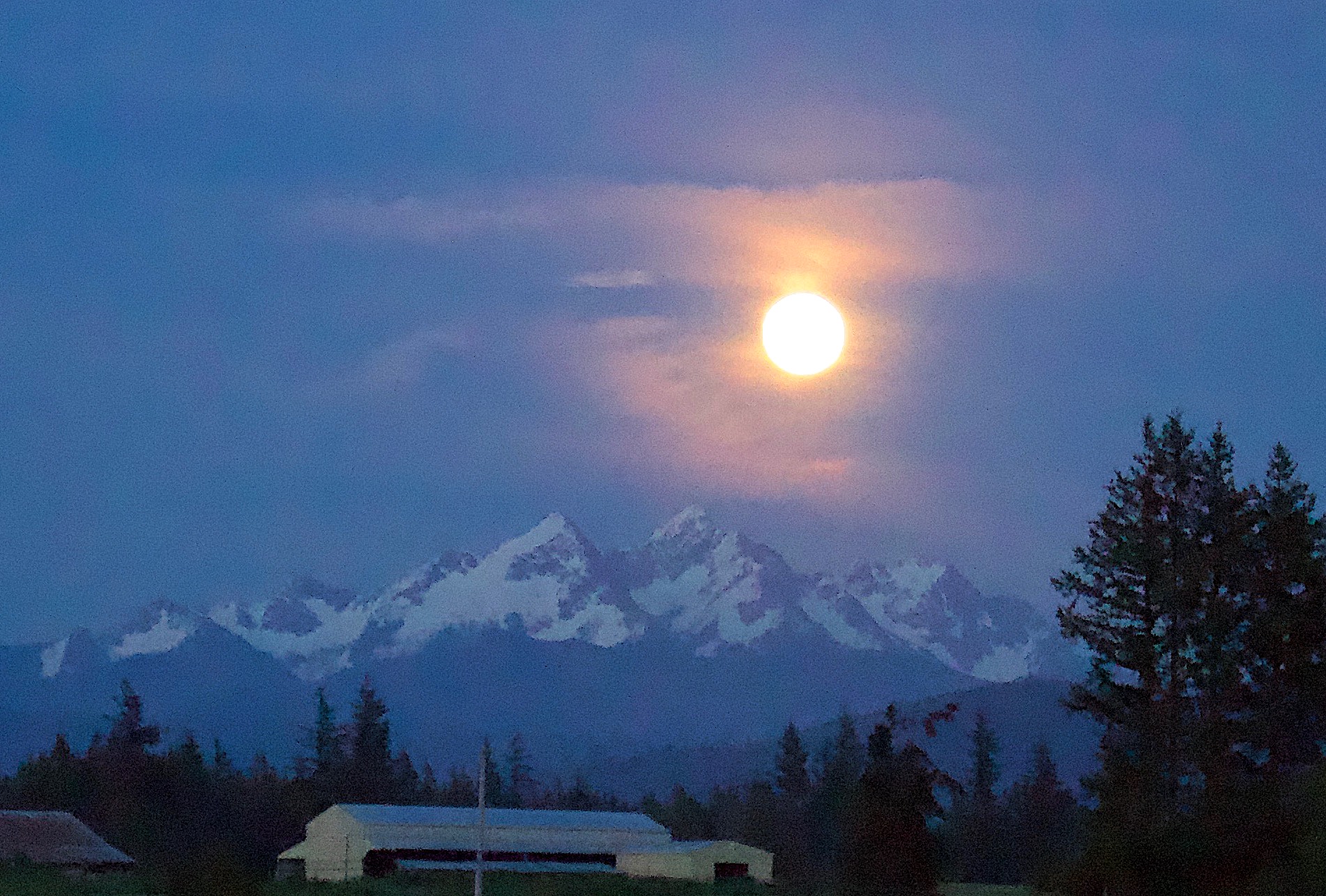
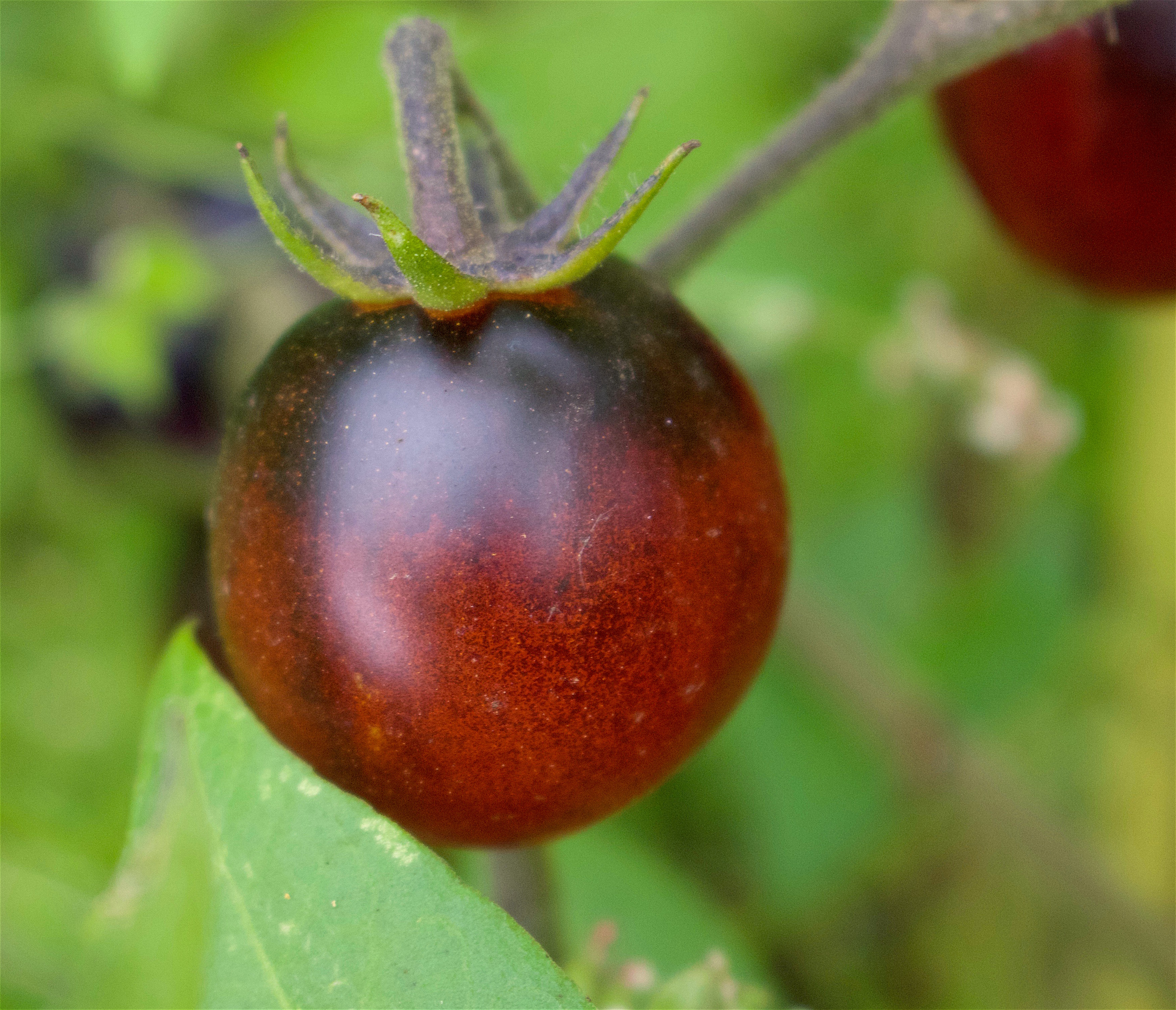
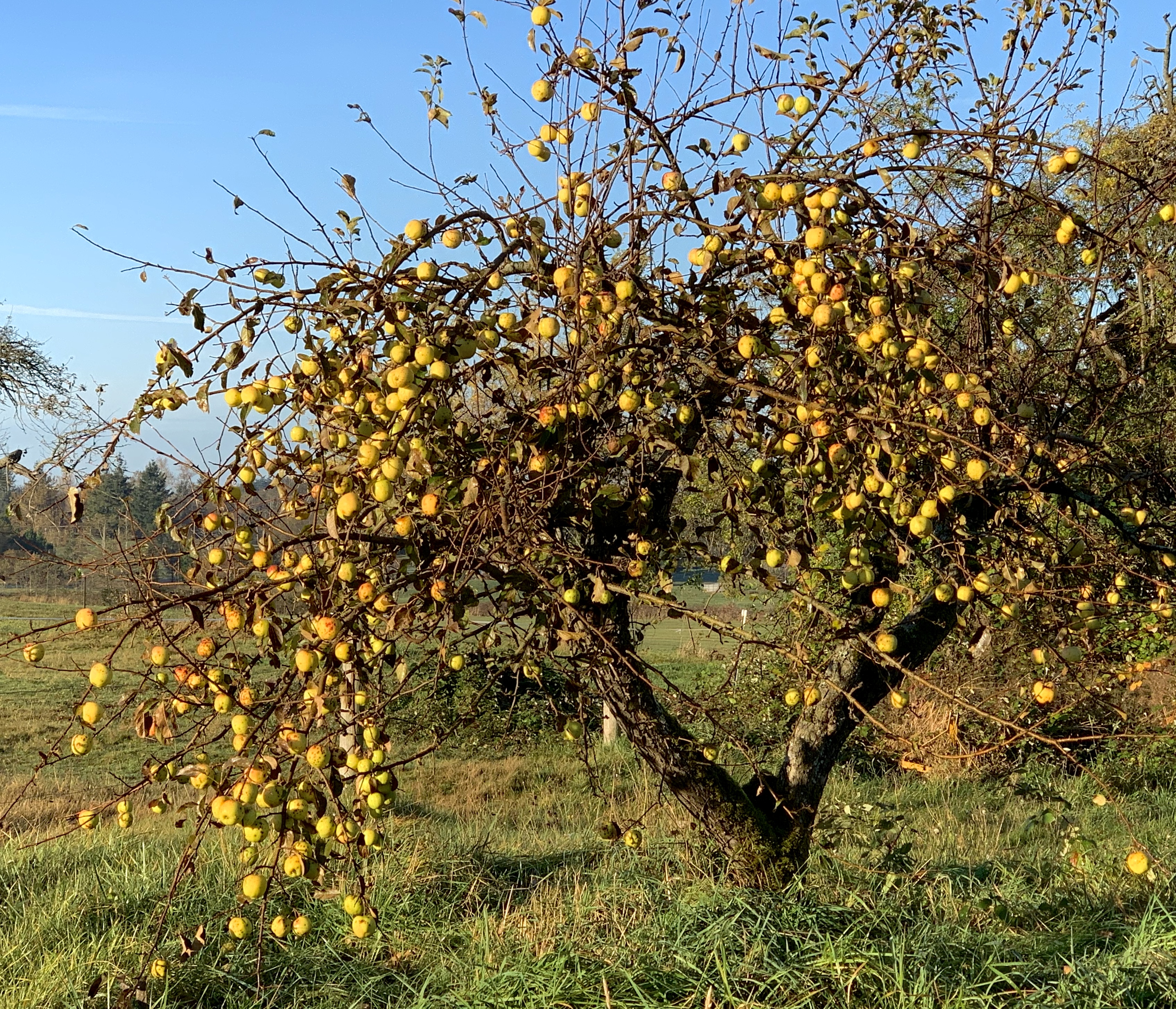
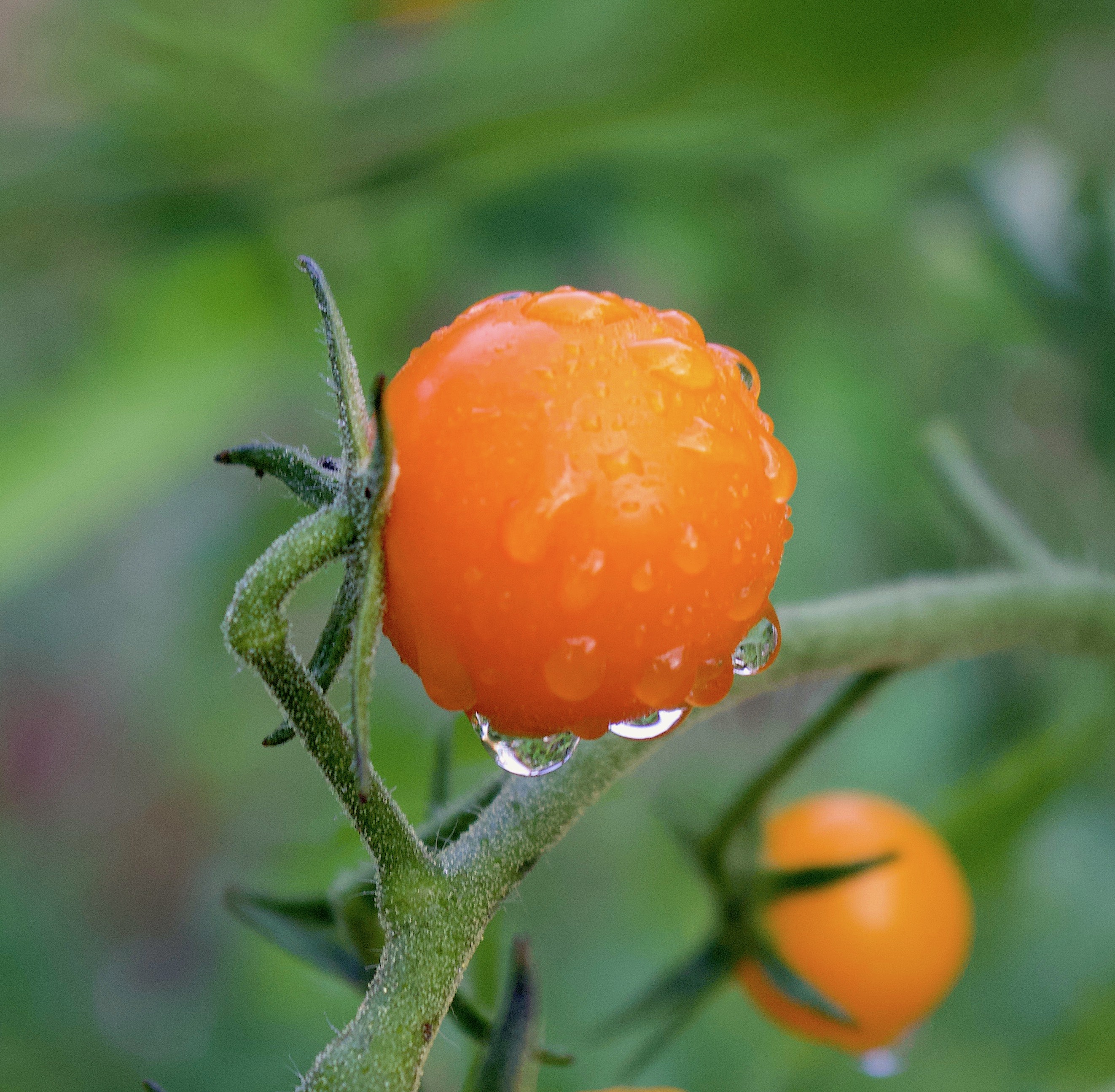
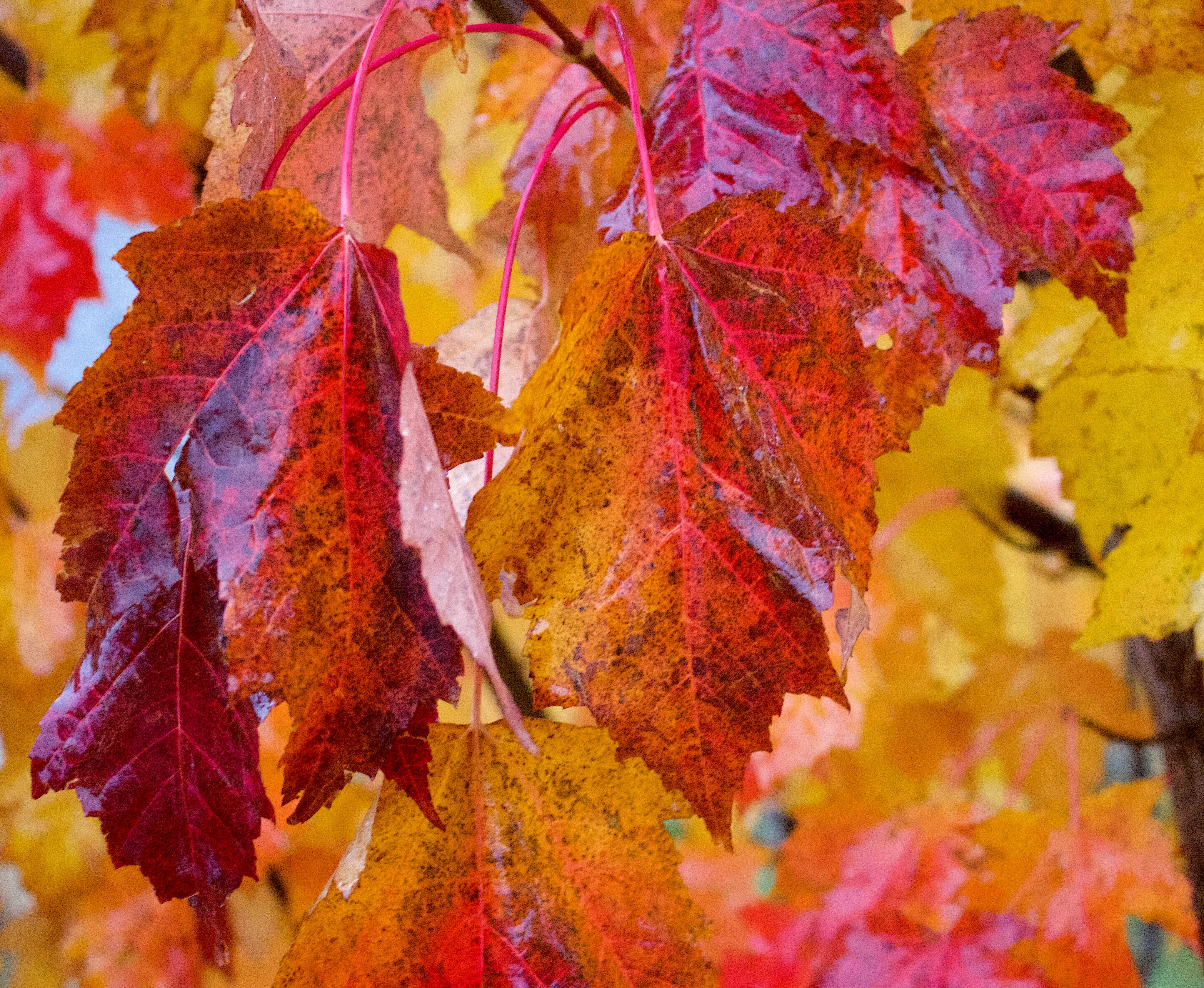
Night and day seize the day, also the night — a handful of water to grasp. The moon shines off the mountain snow where grizzlies look for a place for the winter’s sleep and birth. I just ate the year’s last tomato in the year’s fatal whirl. This is mid-October, apple time. I picked them for years. One Mcintosh yielded sixty bushels.
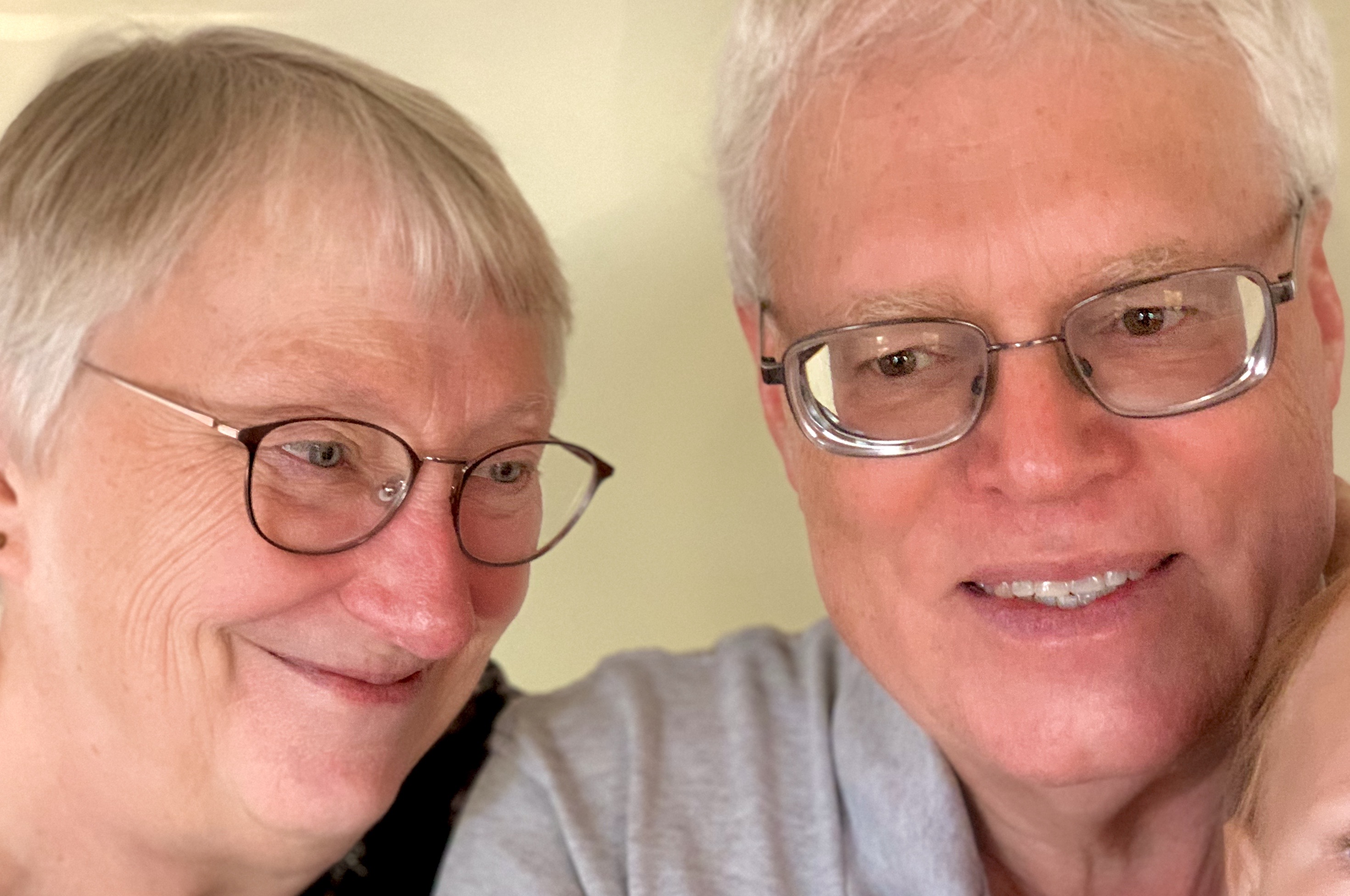
Fifty years later we hold each other looking out the windows at birds, making dinner, a life to live day after day, a life of dogs and children and the far wide country out by rivers, rumpled by mountains. So far the days keep coming. Seize the day gently as if you loved her. ~Jim Harrison, from “Carpe Diem” from Dead Man’s Float.
Forty some years later, the days keep coming, a life to live day after day after day. I try not to take a single one for granted, each morning a gift to be seized gently and embraced with reverent gratitude.
Even knowing I am meant to cherish this gift, I squander it. I grumble, I grouse, I can be tough to live alongside. I know better than to give into an impulse toward discontent, yet still it happens. Something inside me whispers that things could be better than they are — more of this, less of that — I tend to dwell on whatever my heart yearns for rather than the riches right in front of me.
I’m not the first one to struggle with this nor will I be the last. It turned out rather badly when those before me gave into their discontent and took what was not theirs to have.
We are still living out the consequences of that fall from grace.
Yet, even in our state of disgrace, despite our grumbling and groaning, we have been seized – gently and without hesitation – and held closely by One who loves us at our most unloveable.
Though my troubles and yearnings may continue, I will be content in that embrace, knowing even if I loosen my grip, I will not be let go.
It was like the moment when a bird decides not to eat from your hand, and flies, just before it flies, the moment the rivers seem to still and stop because a storm is coming, but there is no storm, as when a hundred starlings lift and bank together before they wheel and drop, very much like the moment, driving on bad ice, when it occurs to you your car could spin, just before it slowly begins to spin, like the moment just before you forgot what it was you were about to say, it was like that, and after that, it was still like that, only all the time. ~Marie Howe “Part of Eve’s Discussion” from The Good Thief.
Sometimes my mind’s eye will assume what is about to happen before it does, and I can see it play out before it does – yet sometimes it doesn’t.
Sometimes I teeter on the cusp of a new thought, a revelation that will change things completely — yet it never forms beyond that initial seed.
Sometimes I believe I can do whatever is right in my own eyes because it feels right – yet I don’t consider what that means forever.
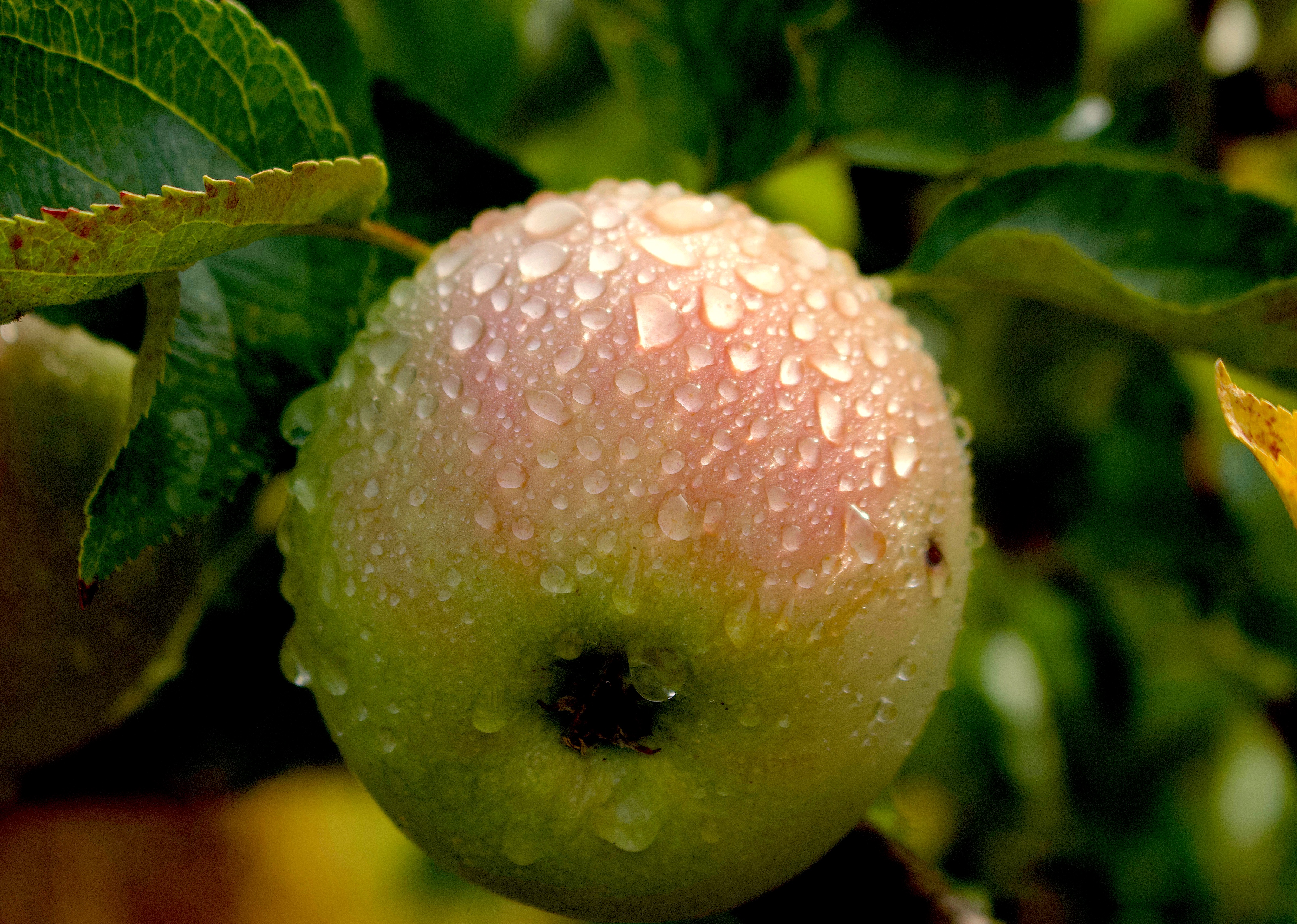
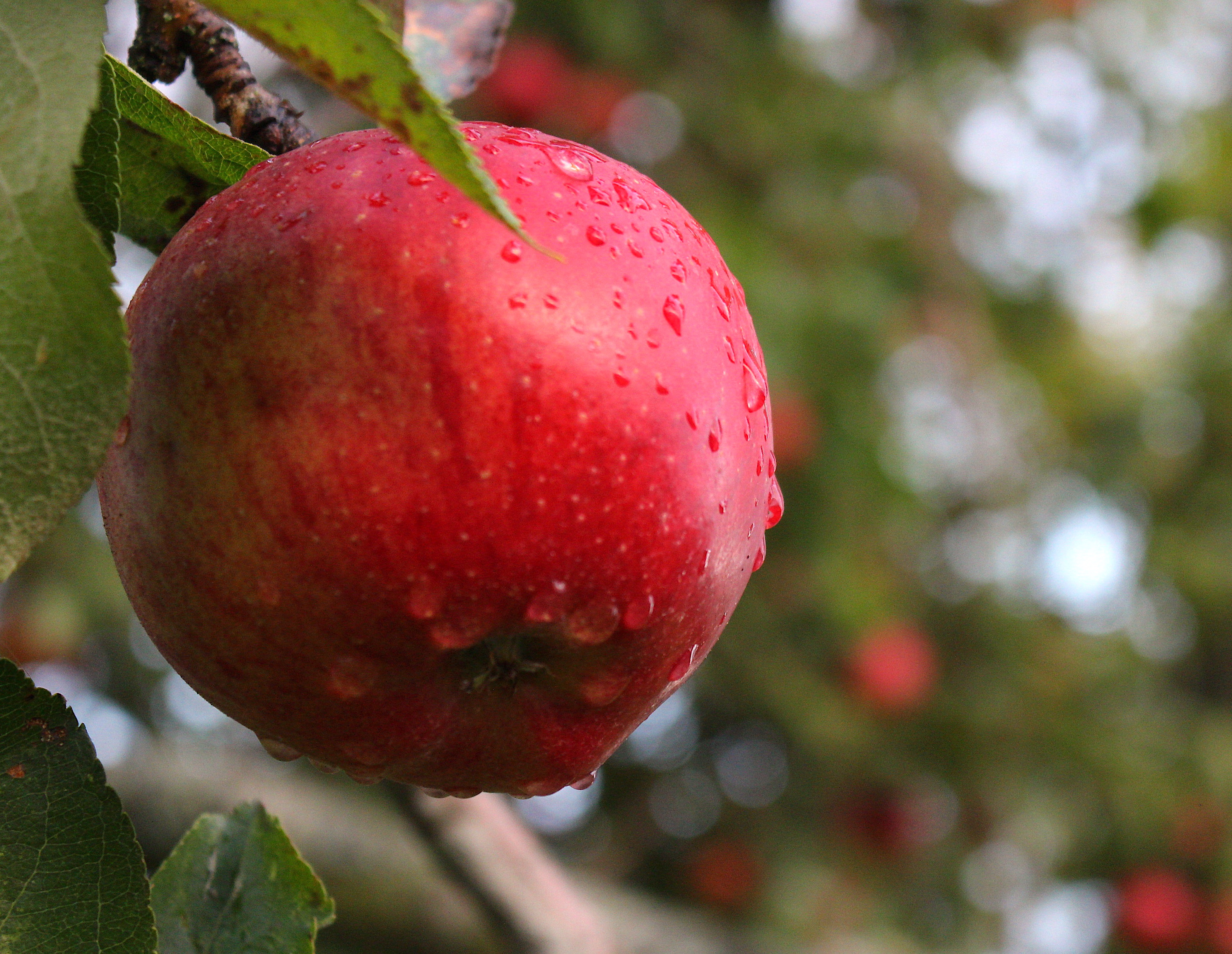
I reach for the fruit because I want it and I’m hungry and it is hanging there waiting for someone, anyone – yet if I hesitate for a moment and consider the worm hole before I take a bite, it just might spare the world so much sorrow and heartache.
Tis the last rose of summer Left blooming alone; All her lovely companions Are faded and gone: No flower of her kindred, No rose-bud is nigh, To reflect back her blushes, Or give sigh for sigh.
I’ll not leave thee, thou lone one! To pine on the stem; Since the lovely are sleeping, Go, sleep thou with them. Thus kindly I scatter Thy leaves o’er the bed, Where thy mates of the garden Lie scentless and dead.
So soon may I follow, When friendships decay, And from Love’s shining circle The gems drop away. When true hearts lie wither’ d, And fond ones are flown, Oh! who would inhabit This bleak world alone? ~Thomas Moore “The Last Rose of Summer”
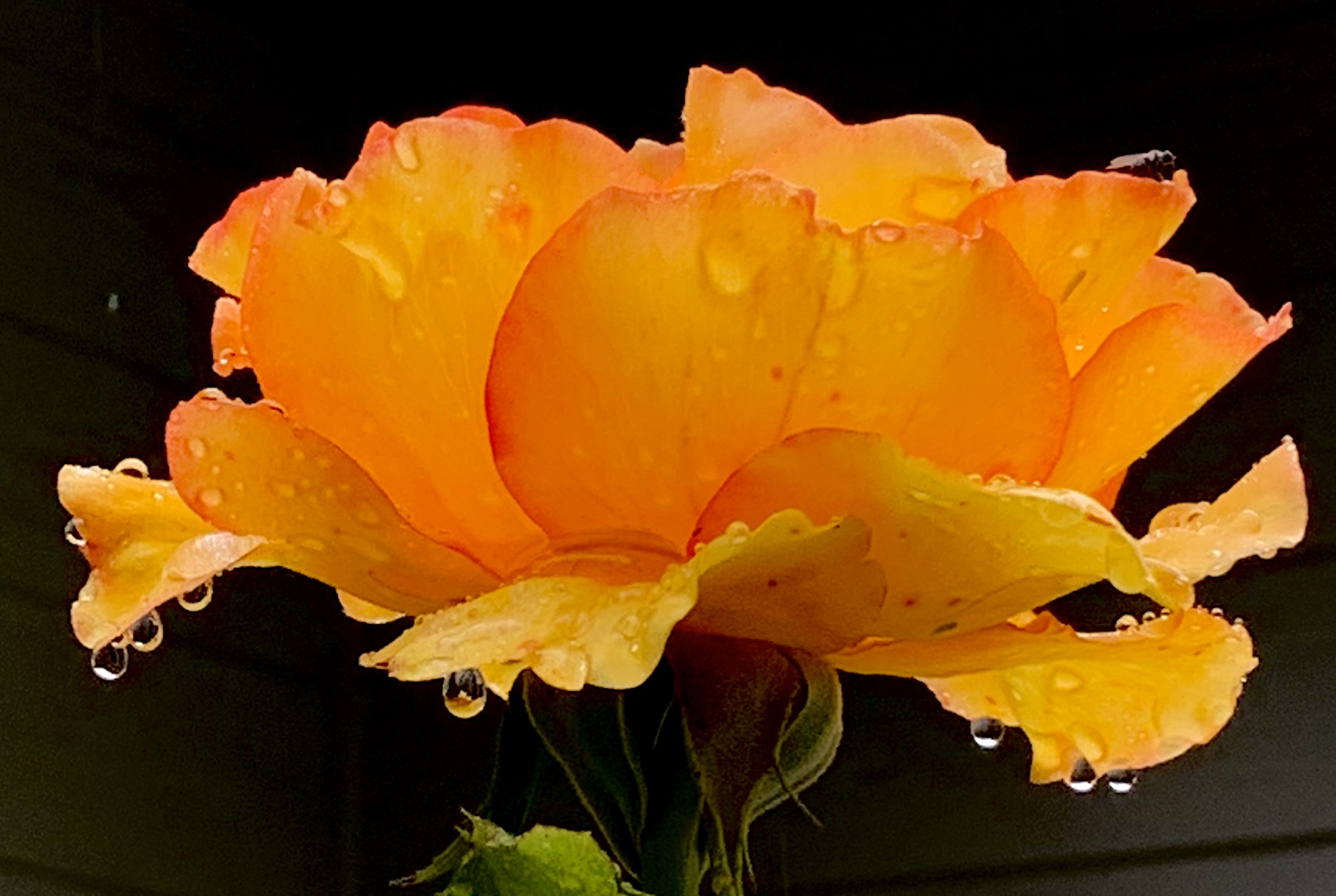
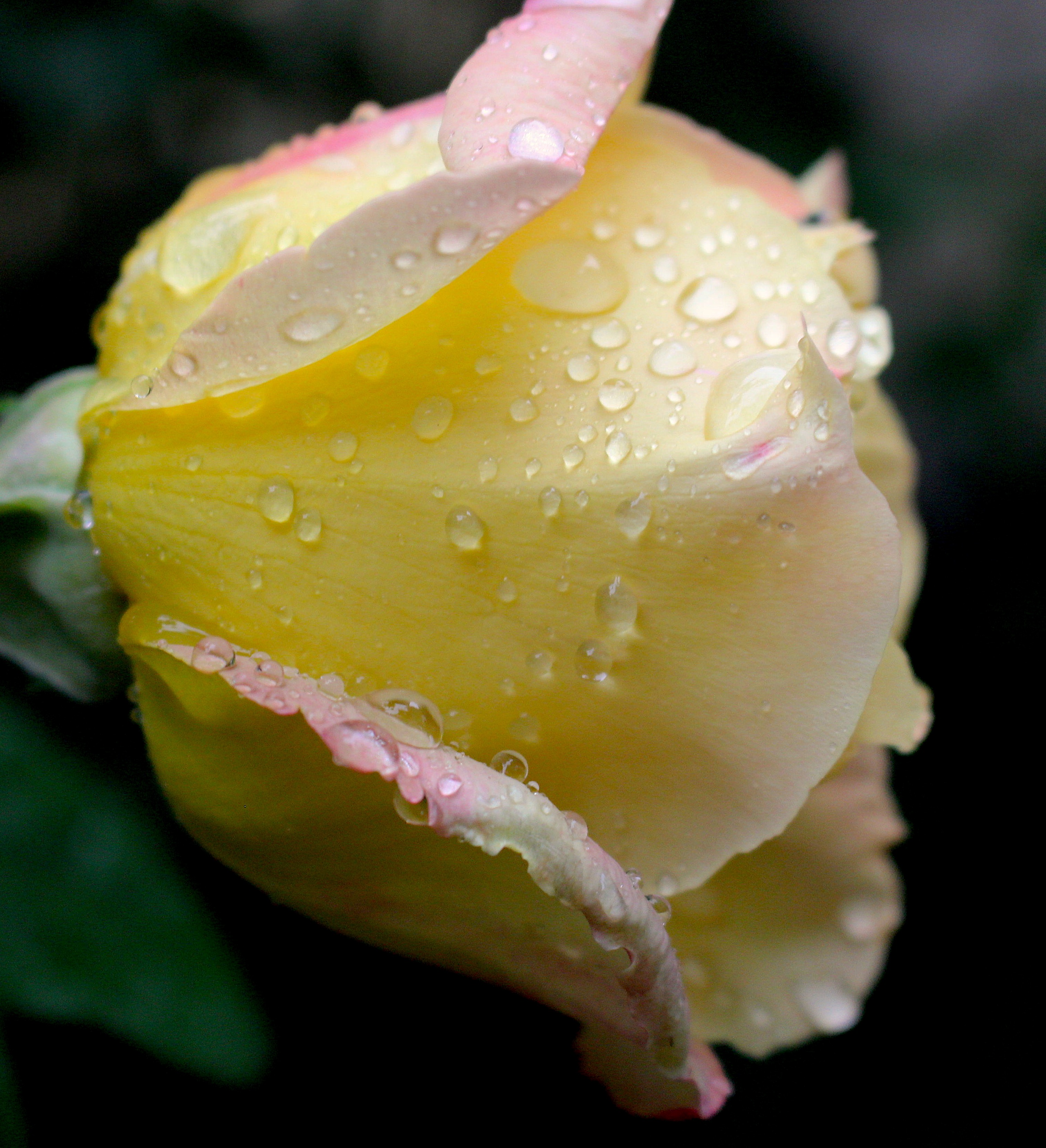
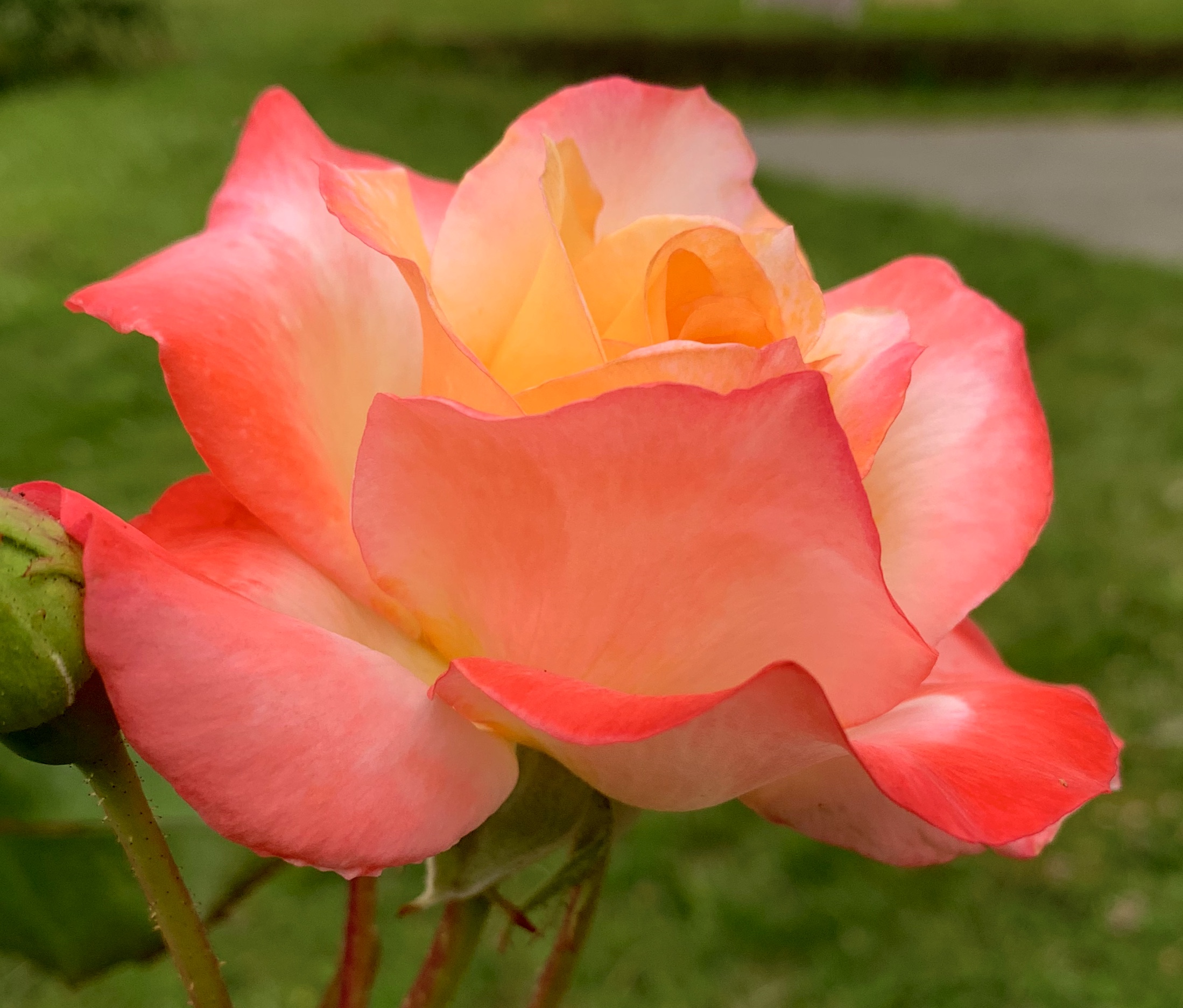
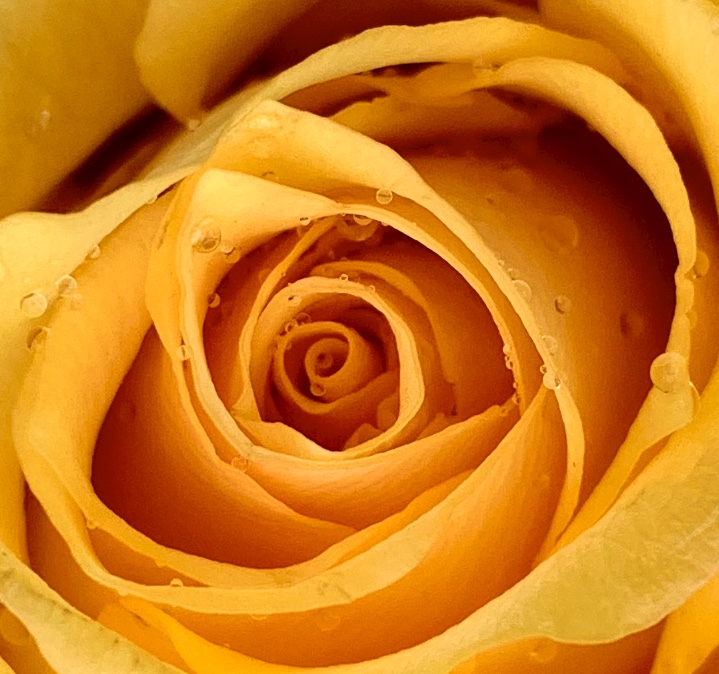
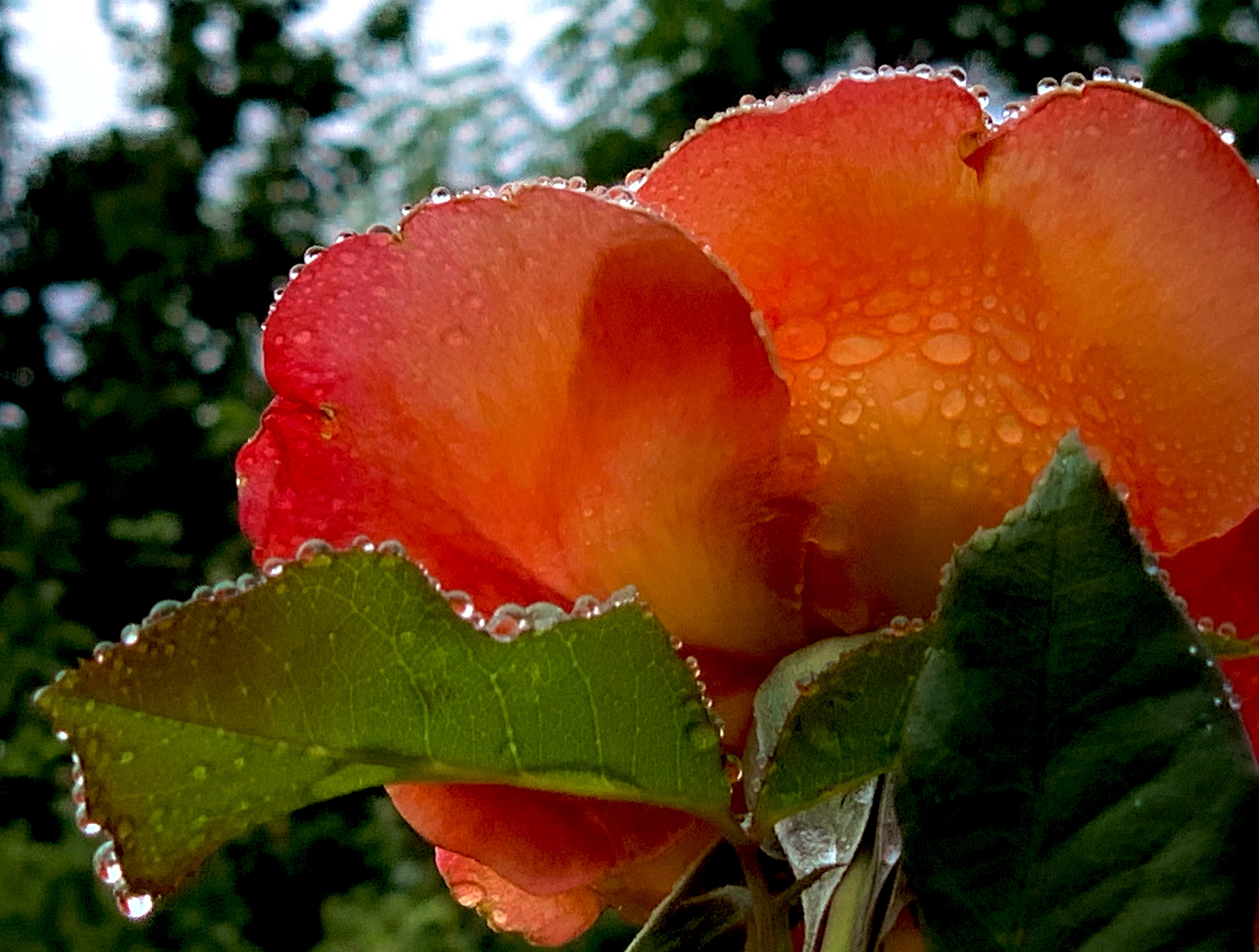
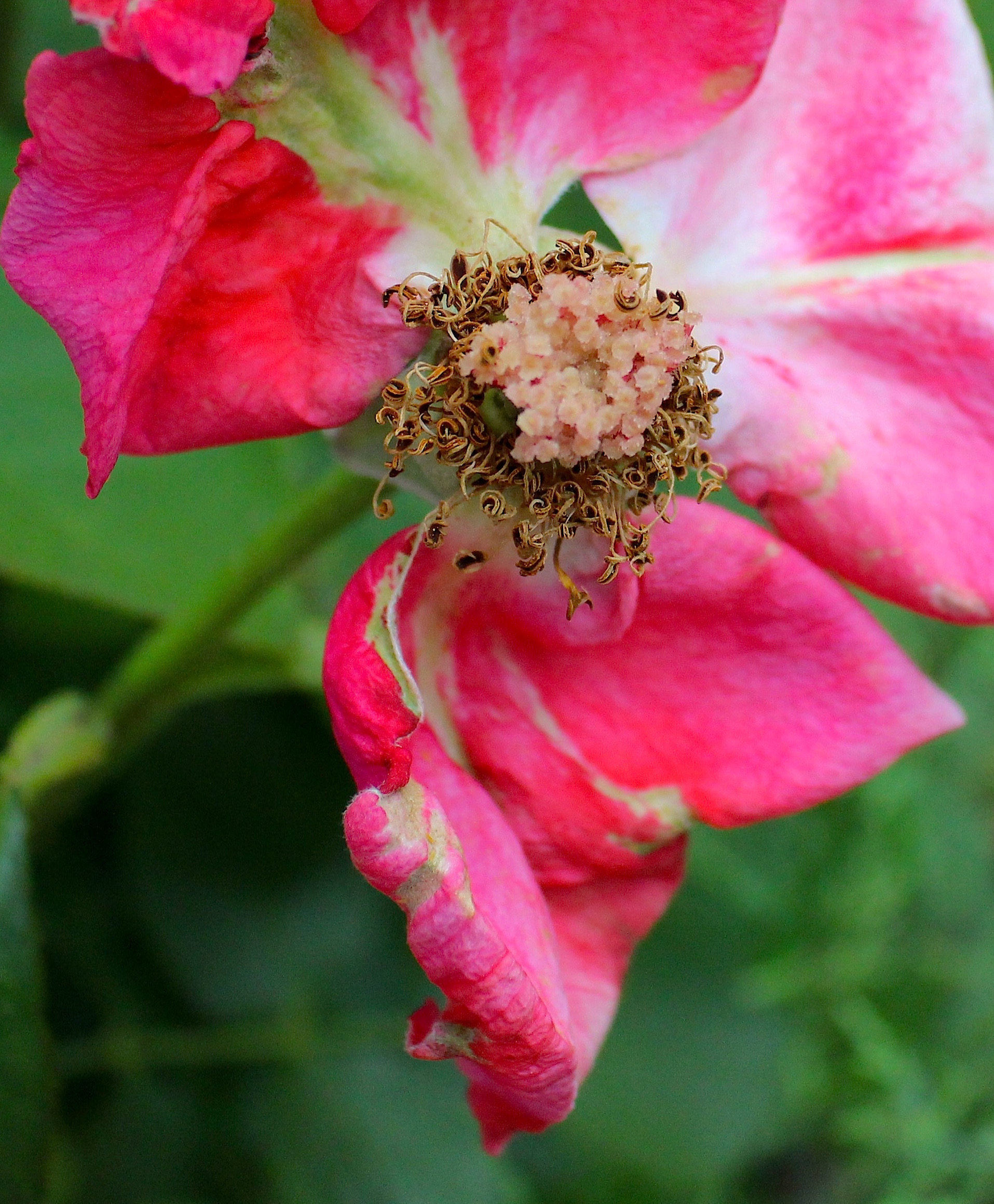
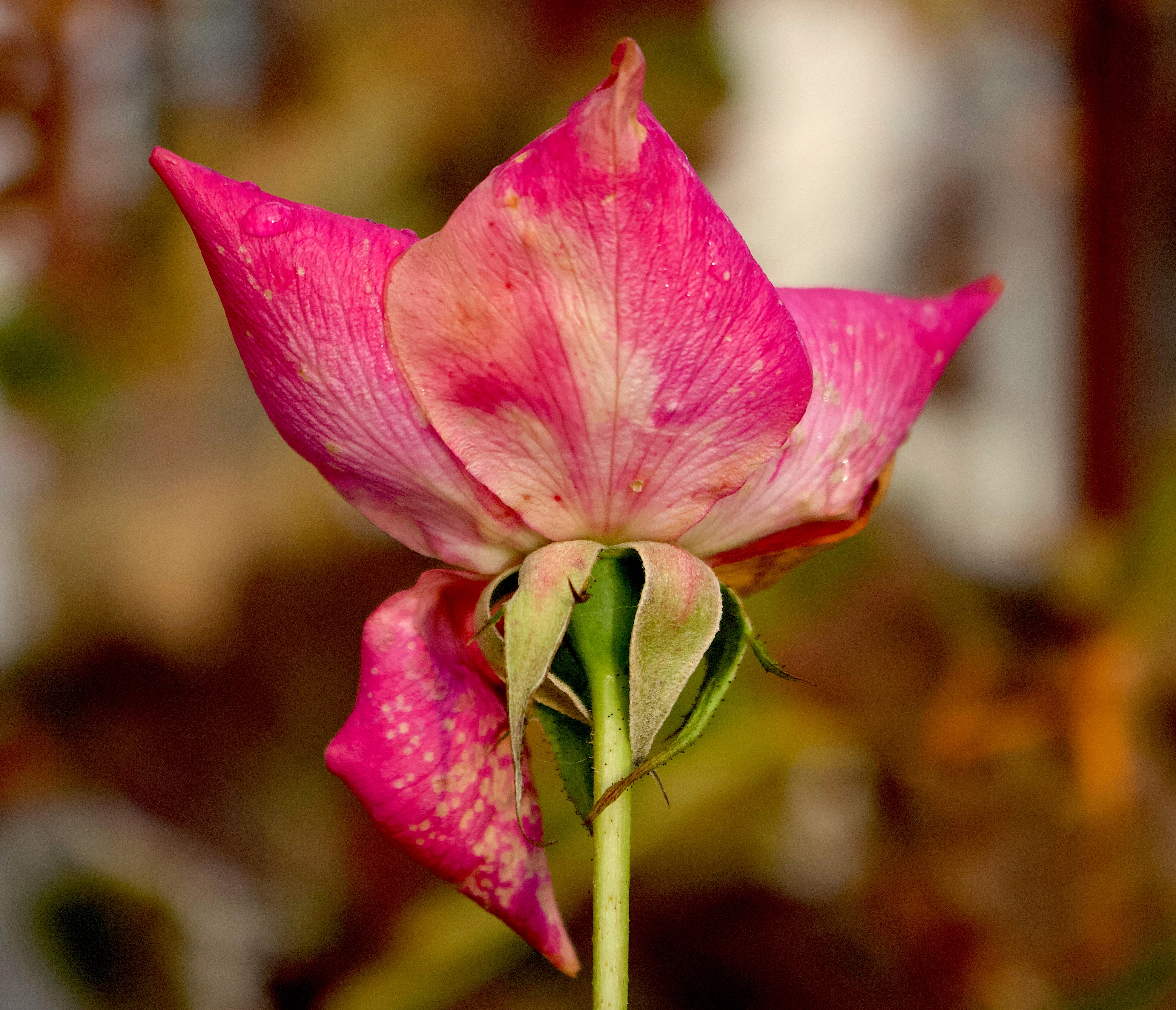
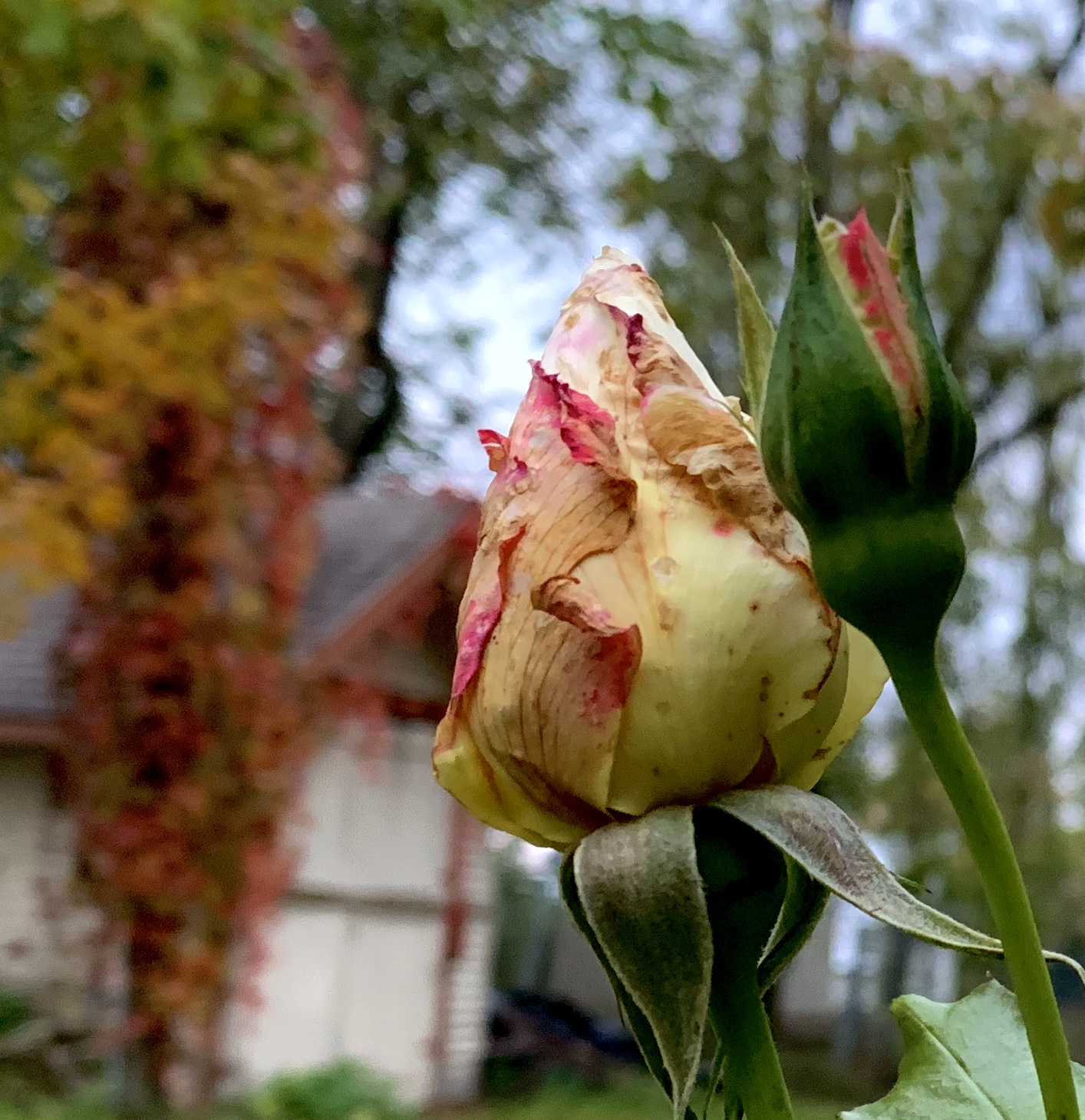
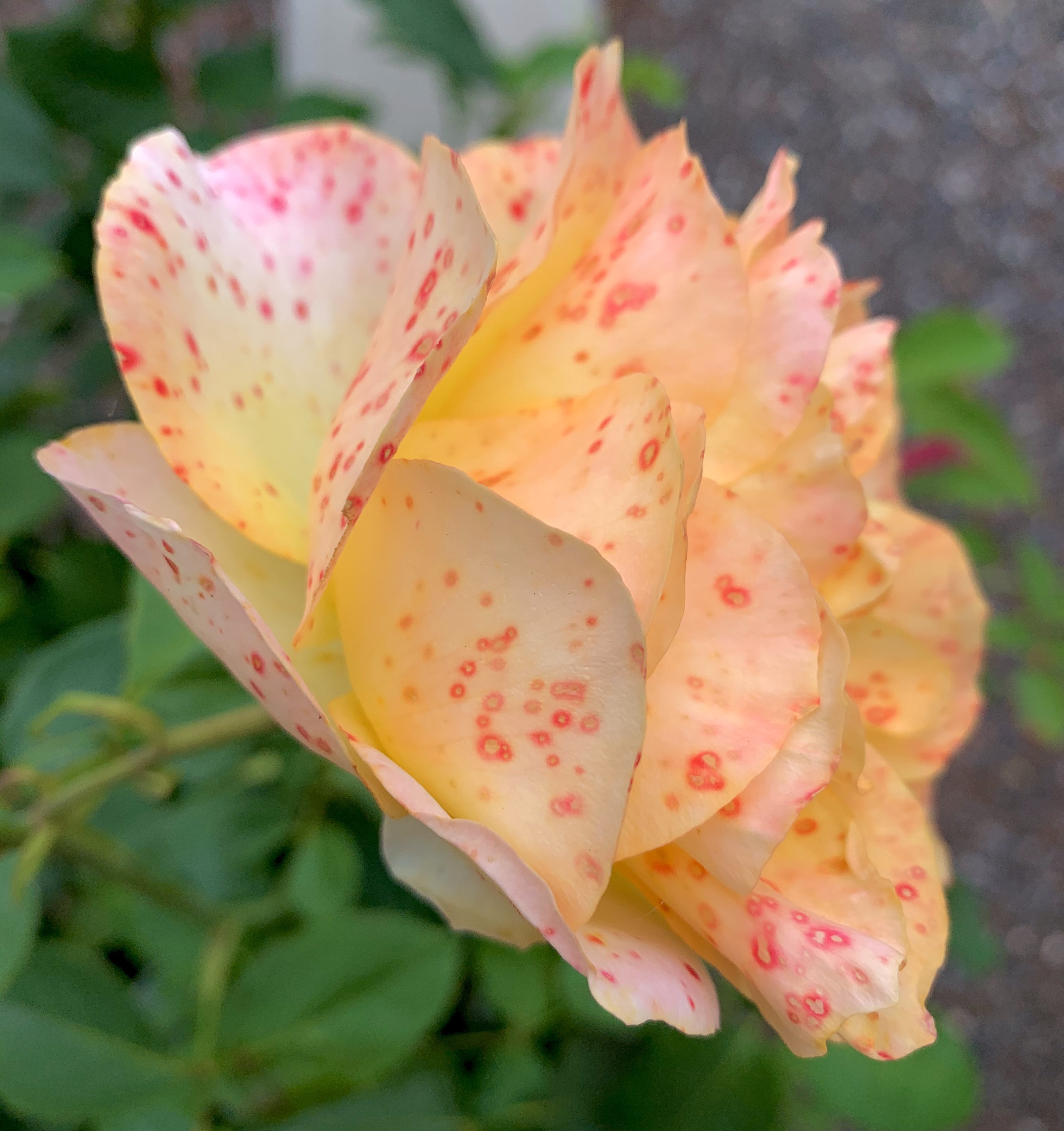
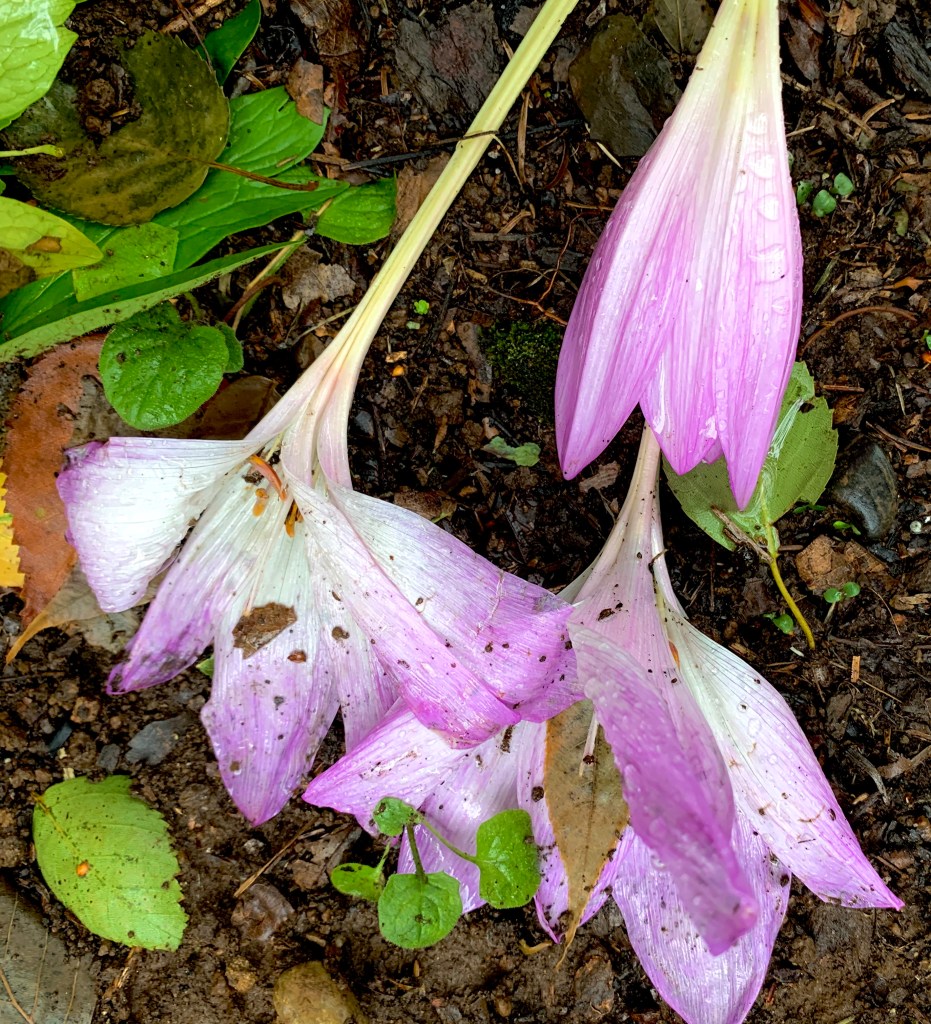
The last rose of the season is one tough bud. It has persisted through months of prunings and aphids and withering heat and frost-tipped mornings.
It doesn’t elegantly swell and swirl like its summer cousins adorned with pristine petals and silky smooth surface. It is blotchy and brown-tipped and not-a-little saggy.
Yet the last rose bud of the season is what I am. I would rather stay out on the bush than be plucked and admired in a vase. I would rather, plain as I am, weather my way through the elements to the fullest bloom possible and then drop, petal by petal, piece by piece to litter the ground below. I am meant to become the ground that will bear beauty next spring.
Rather than born for display, the last rose of October is born for hope.
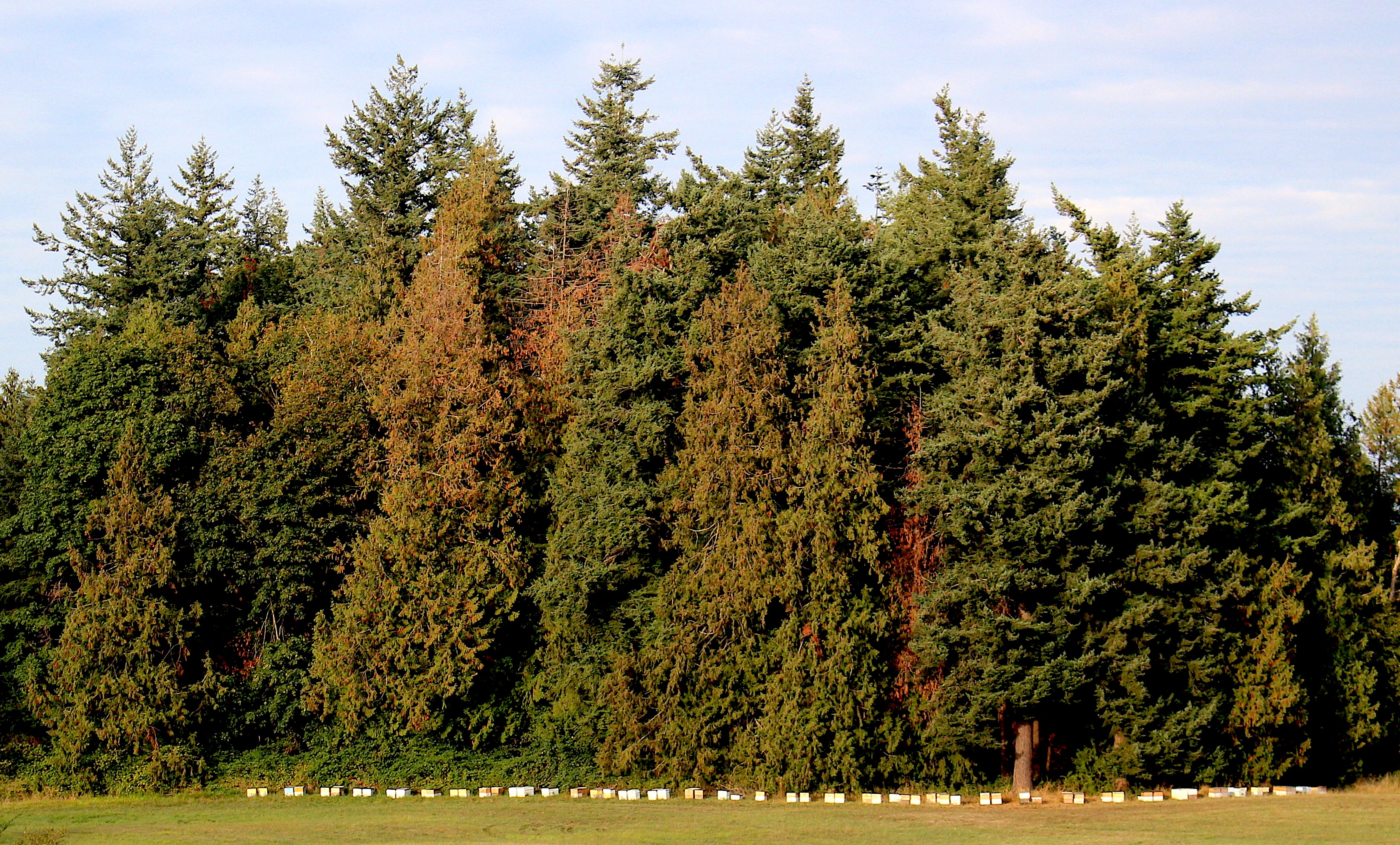
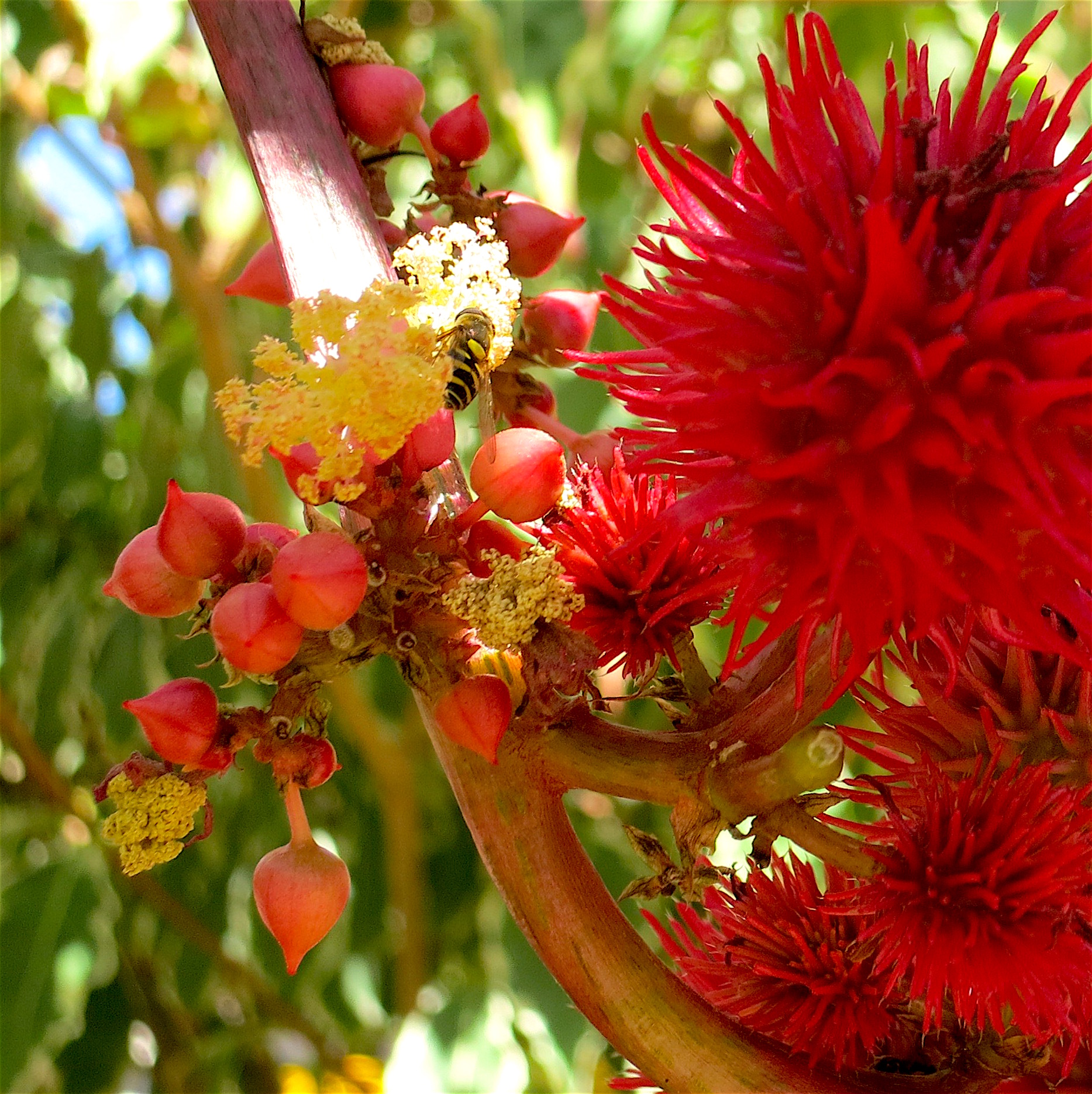
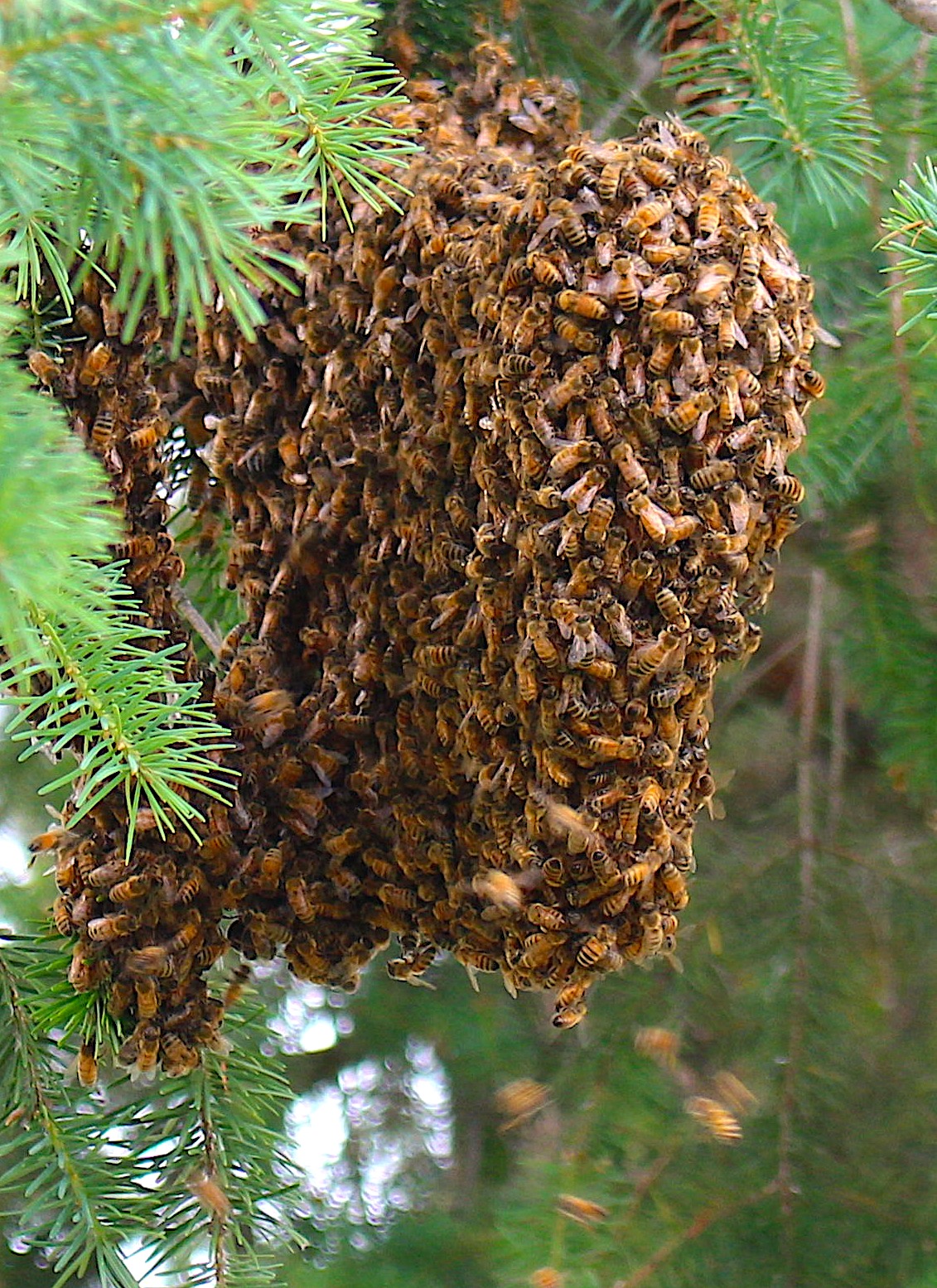
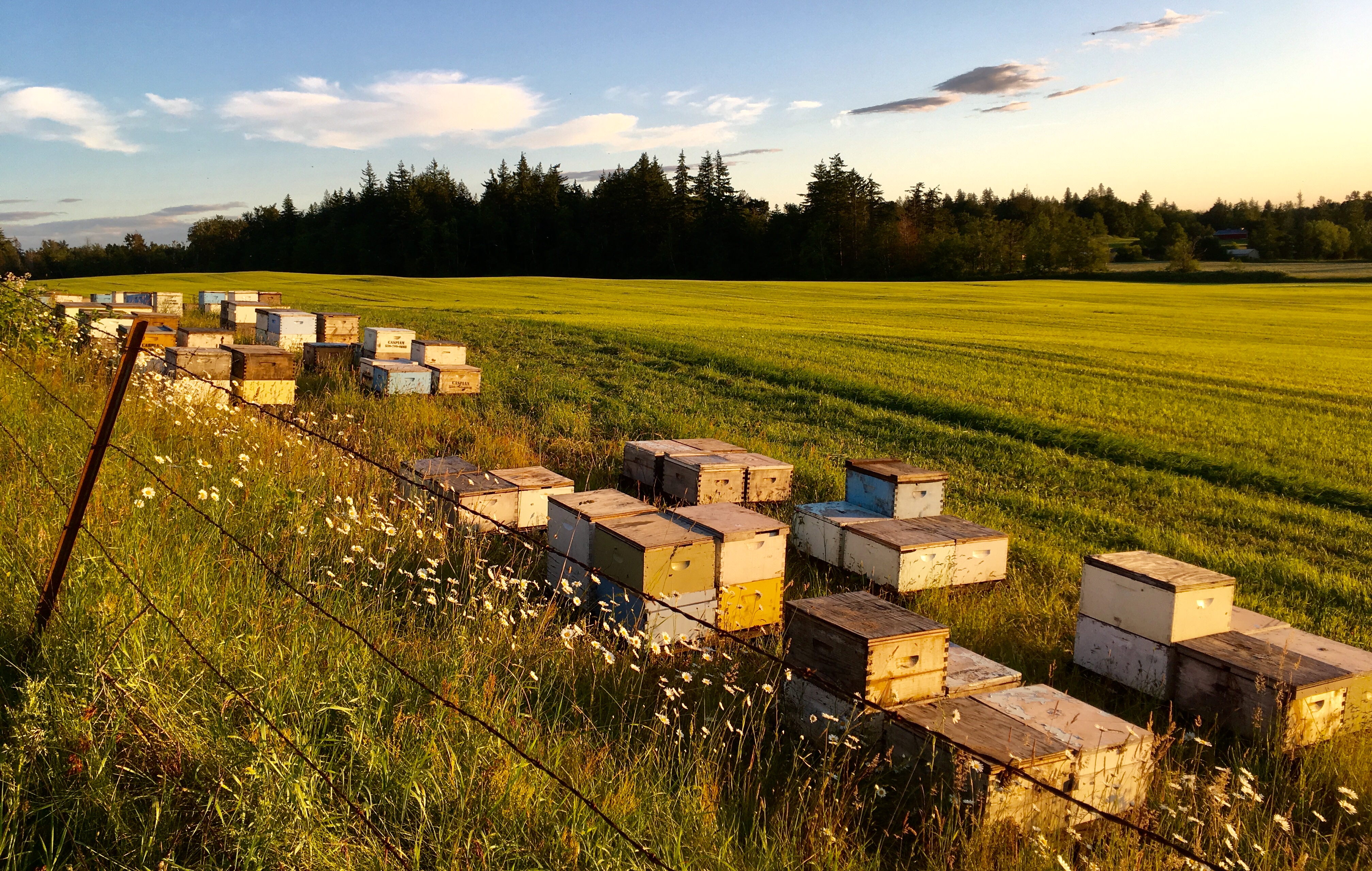
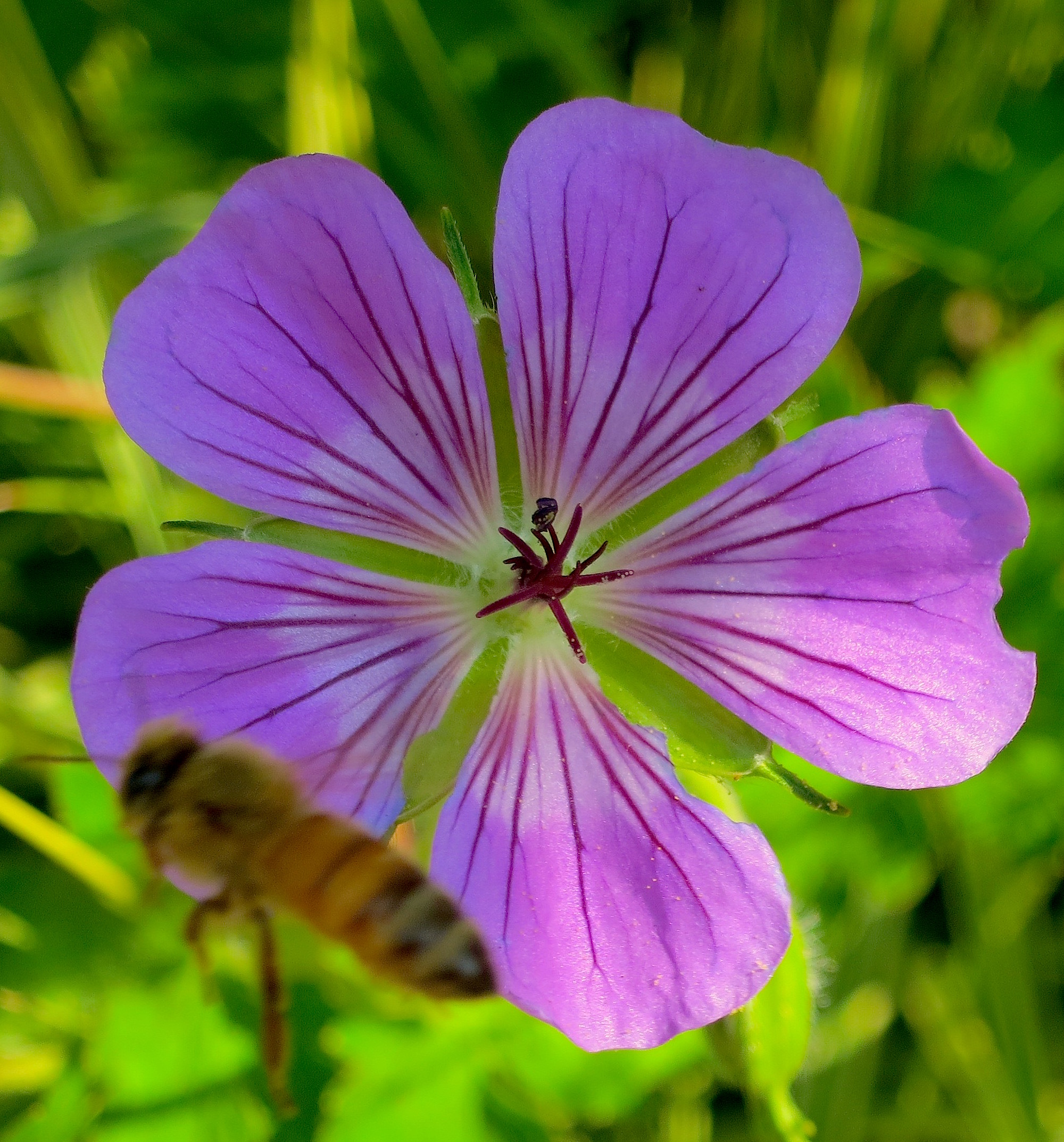
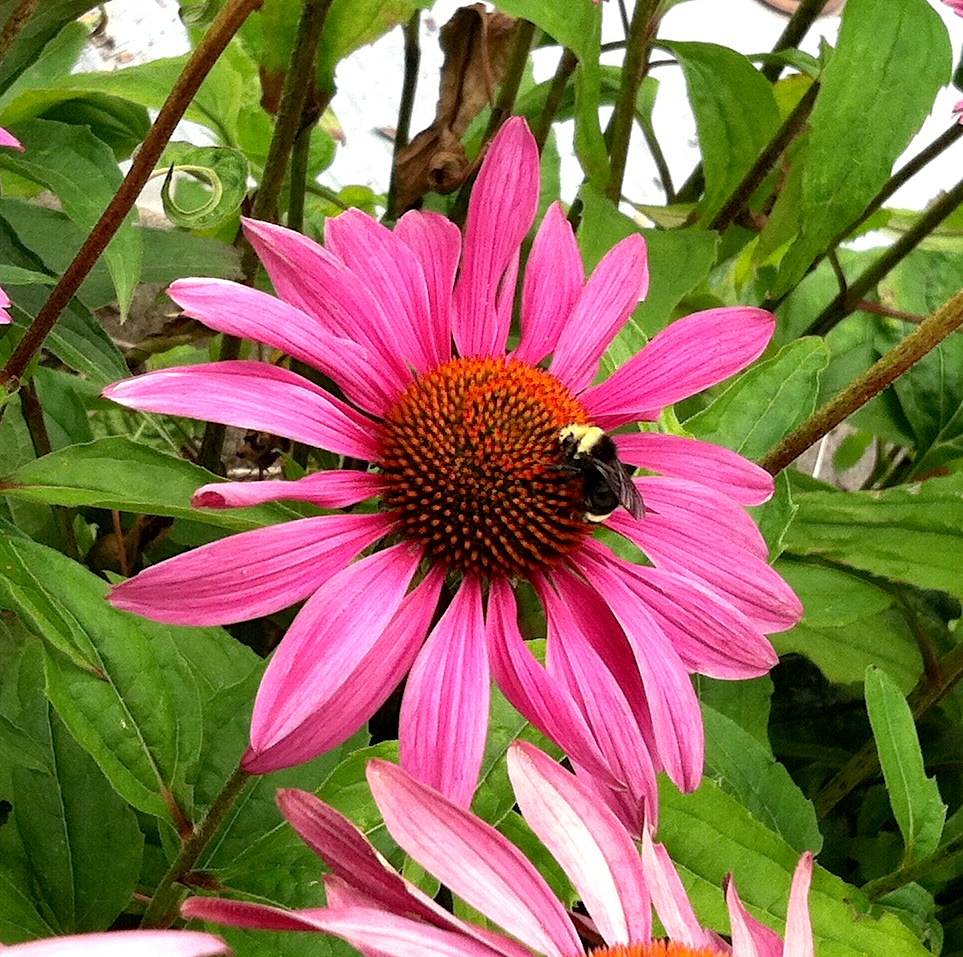
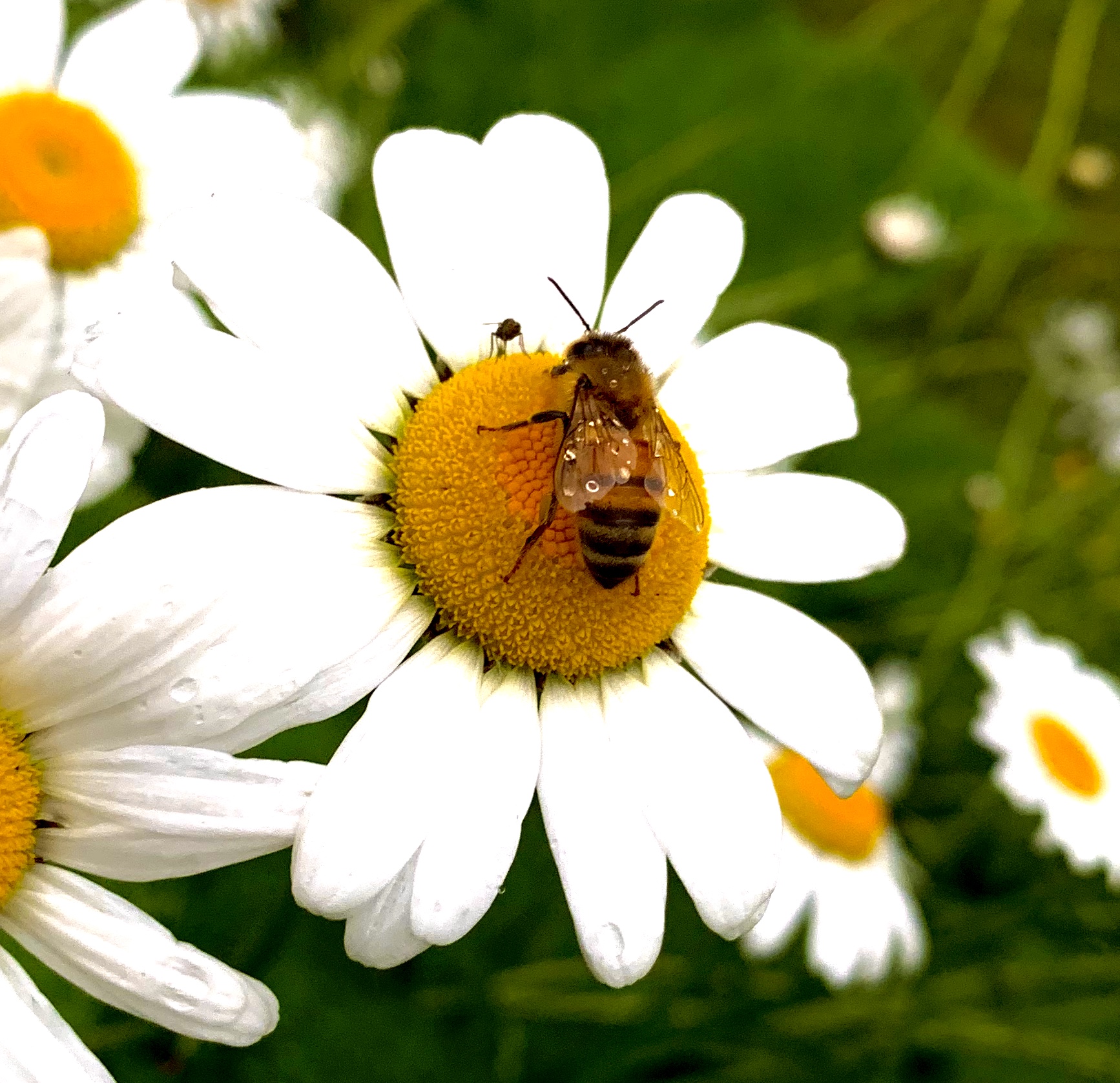
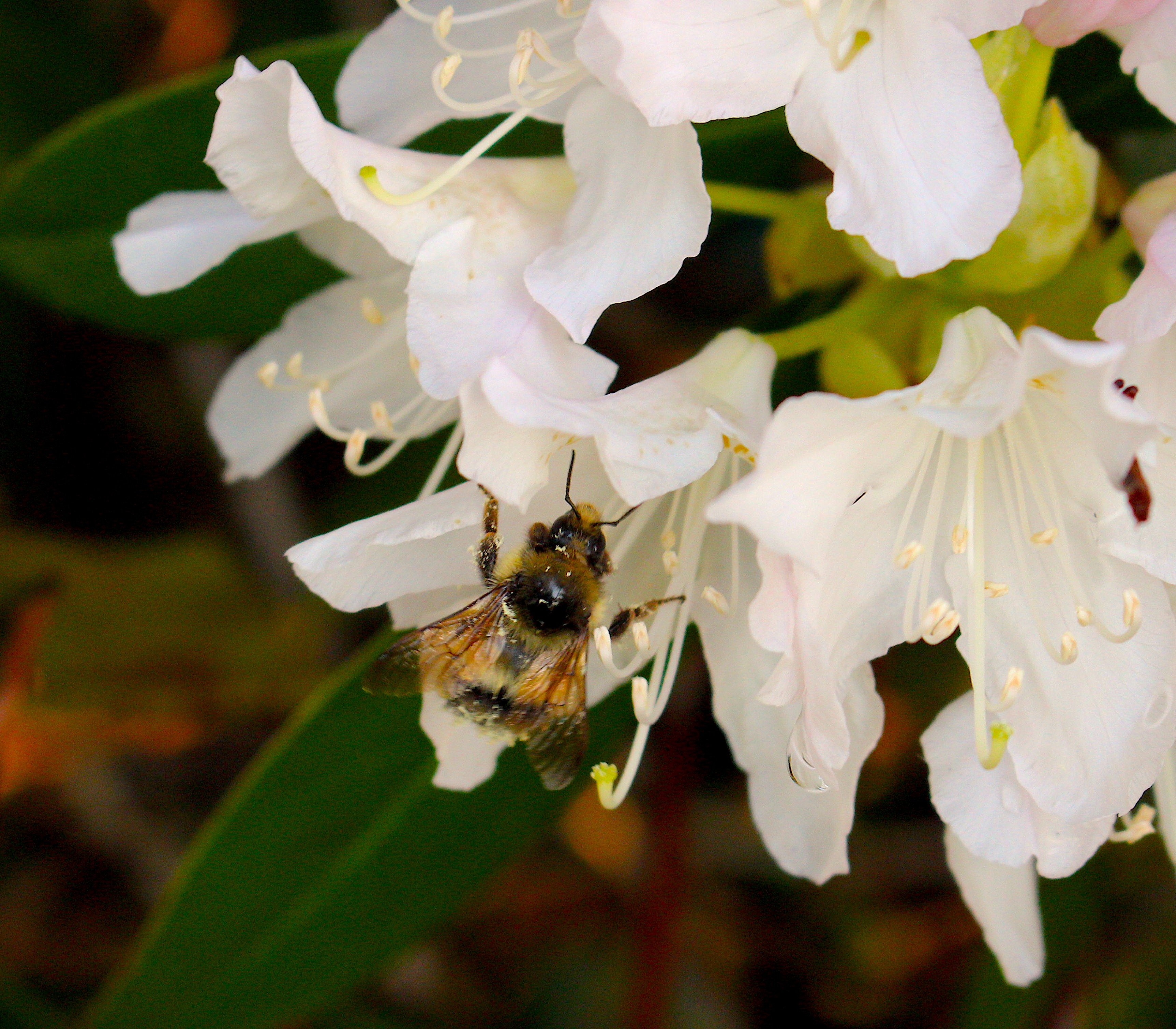
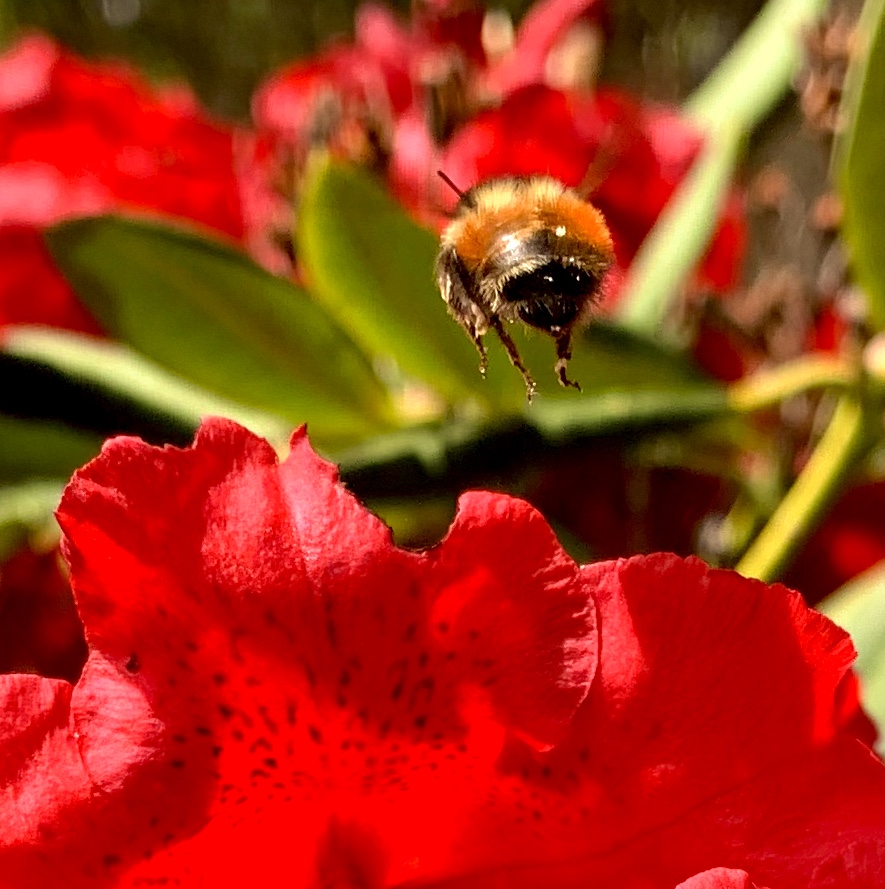
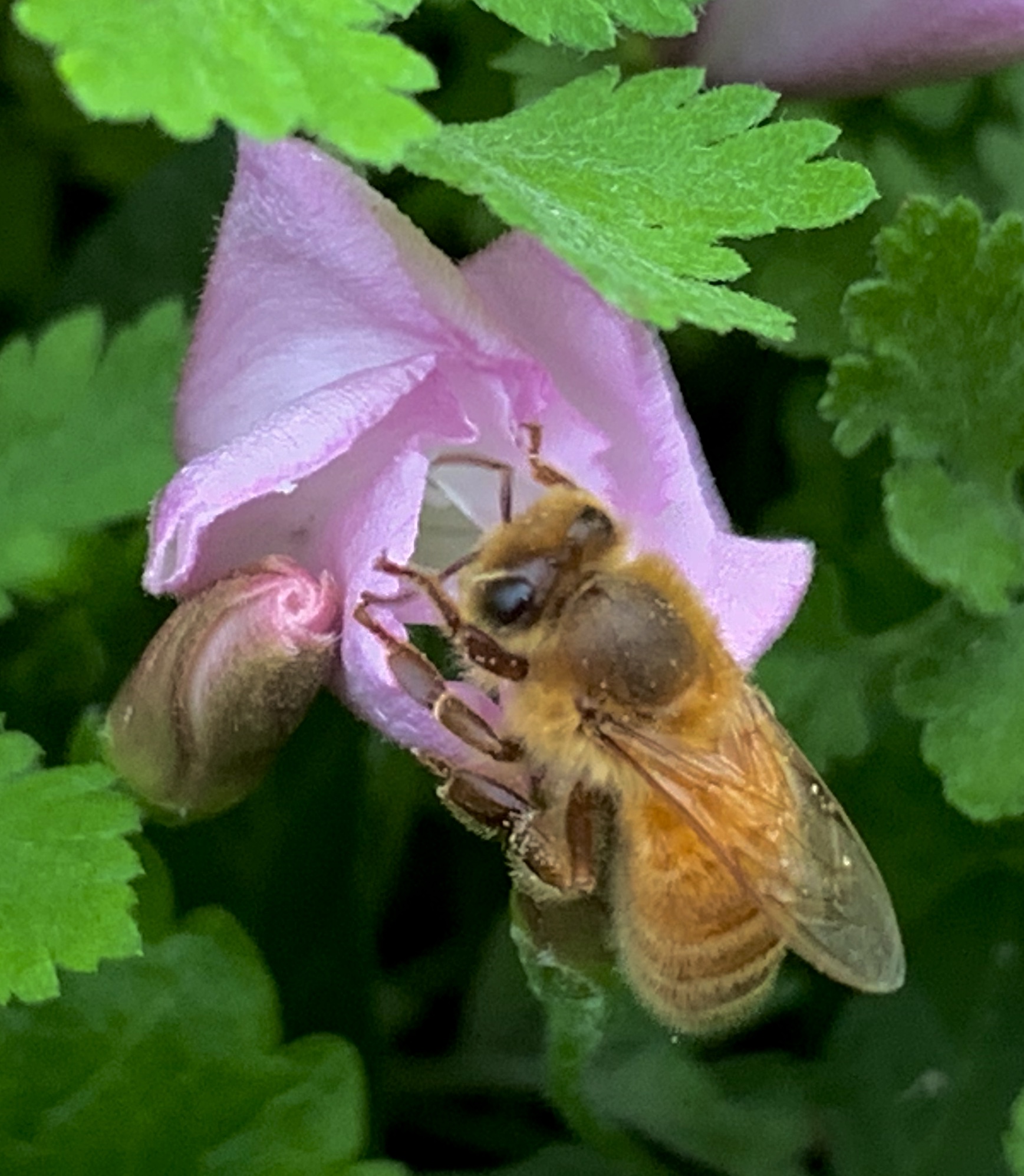
How the bees with such skill and purpose enter flower after flower sing their way home to create and cap the new honey just to get through the flowerless winter.
And how the bear with intention and cunning raids the hive shovels pawful after pawful into his happy mouth bats away indignant bees stumbles off in a stupor of satiation and stickiness.
And how we humans can’t resist its viscosity its taste of clover and wind its metaphorical power: don’t we yearn for a land of milk and honey? don’t we call our loved ones “honey?”
all because bees just do, over and over again, what they were made to do.
Oh, who could need more proof than honey to know that our world was meant to be
Our dependency on the lowly bee -to pollinate all the fruits and vegetables we need to thrive- is lost in the threat of bee viruses and giant killer hornets and chemical sprays.
Our dependency on the bee models how we are to be…
We too were placed here to service the created world and make it sweeter and more fruitful.
Instead, always greedy, we demand more than the world can give and we now wring our hands at our fate.
We were created from a profound spirit of sweetness and still, and yet, and in grace, we are forgiven for settling for sullen sourness.
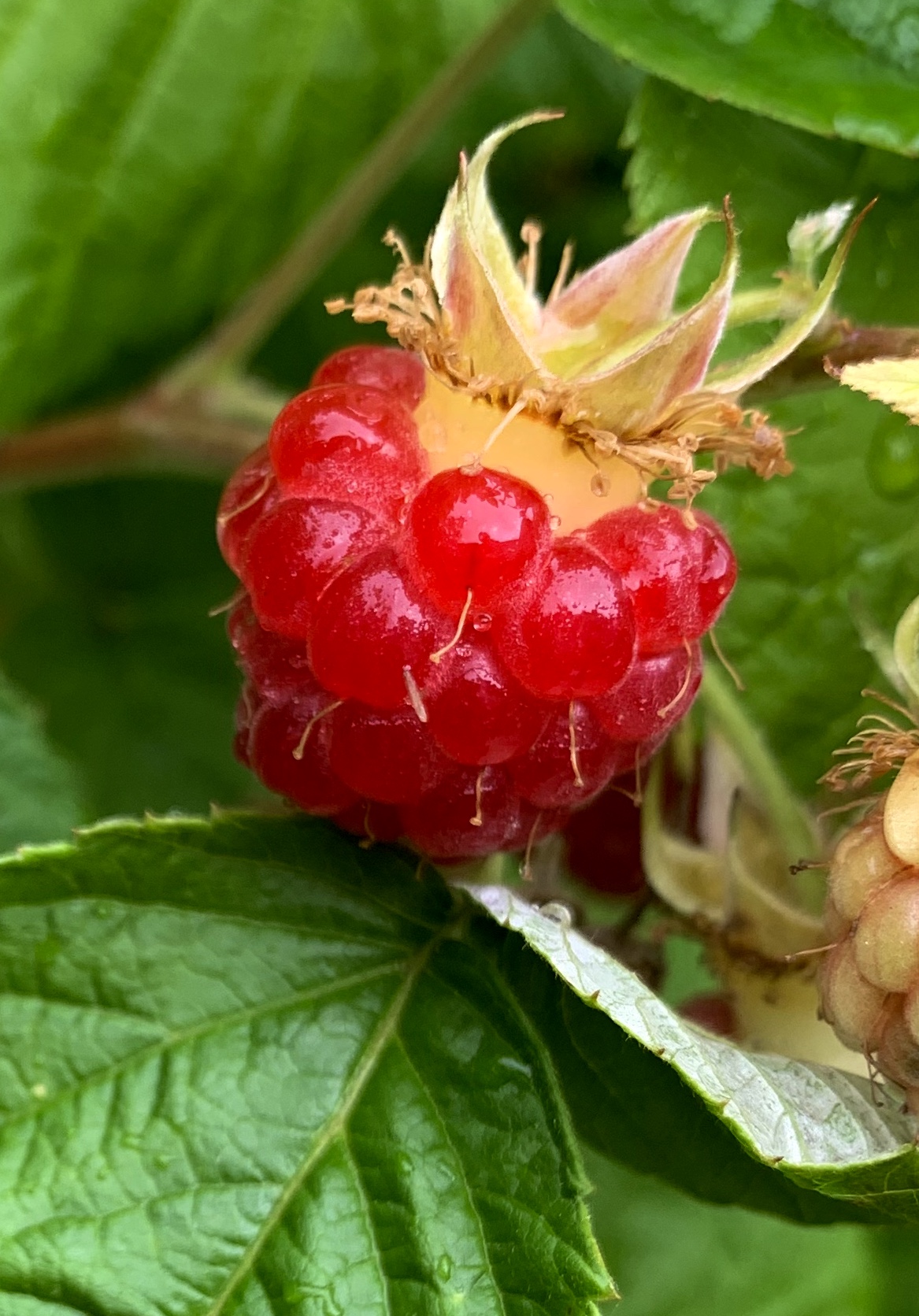
It was solid hedge, loops of bramble and thorny as it had to be with its berries thick as bumblebees. It drew blood just to get there, but I was queen of that place, at ten, though the berries shook like fists in the wind, daring anyone to come in. I was trying so hard to love this world—real rooms too big and full of worry to comfortably inhabit—but believing I was born to live in that cloistered green bower: the raspberry patch in the back acre of my grandparents’ orchard. I was cross- stitched and beaded by its fat, dollmaker’s needles. The effort of sliding under the heavy, spiked tangles that tore my clothes and smeared me with juice was rewarded with space, wholly mine, a kind of room out of the crush of the bushes with a canopy of raspberry dagger-leaves and a syrup of sun and birdsong. Hours would pass in the loud buzz of it, blood made it mine—the adventure of that red sting singing down my calves, the place the scratches brought me to: just space enough for a girl to lie down. ~Karin Gottshall “The Raspberry Room” from “Crocus”
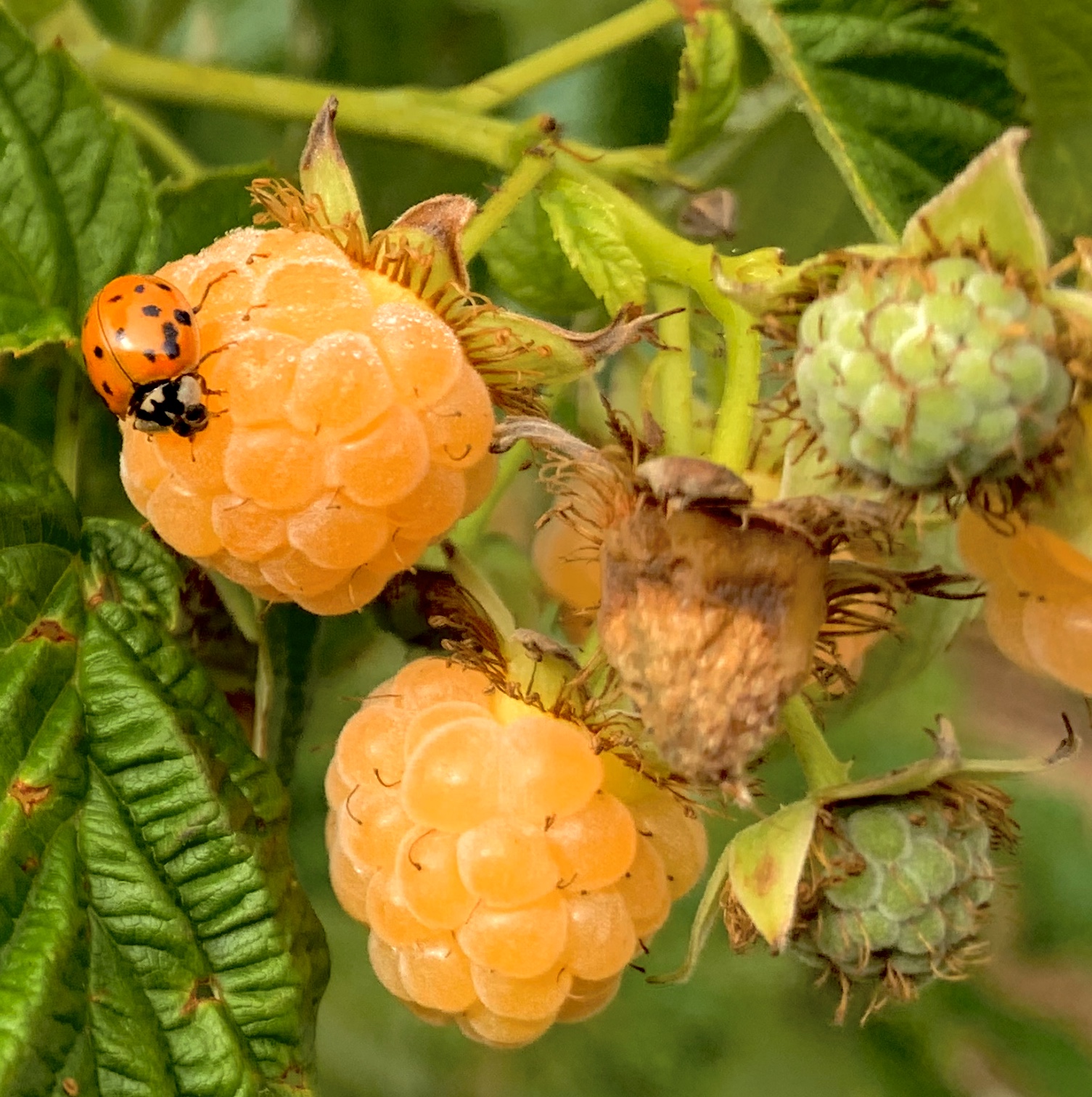
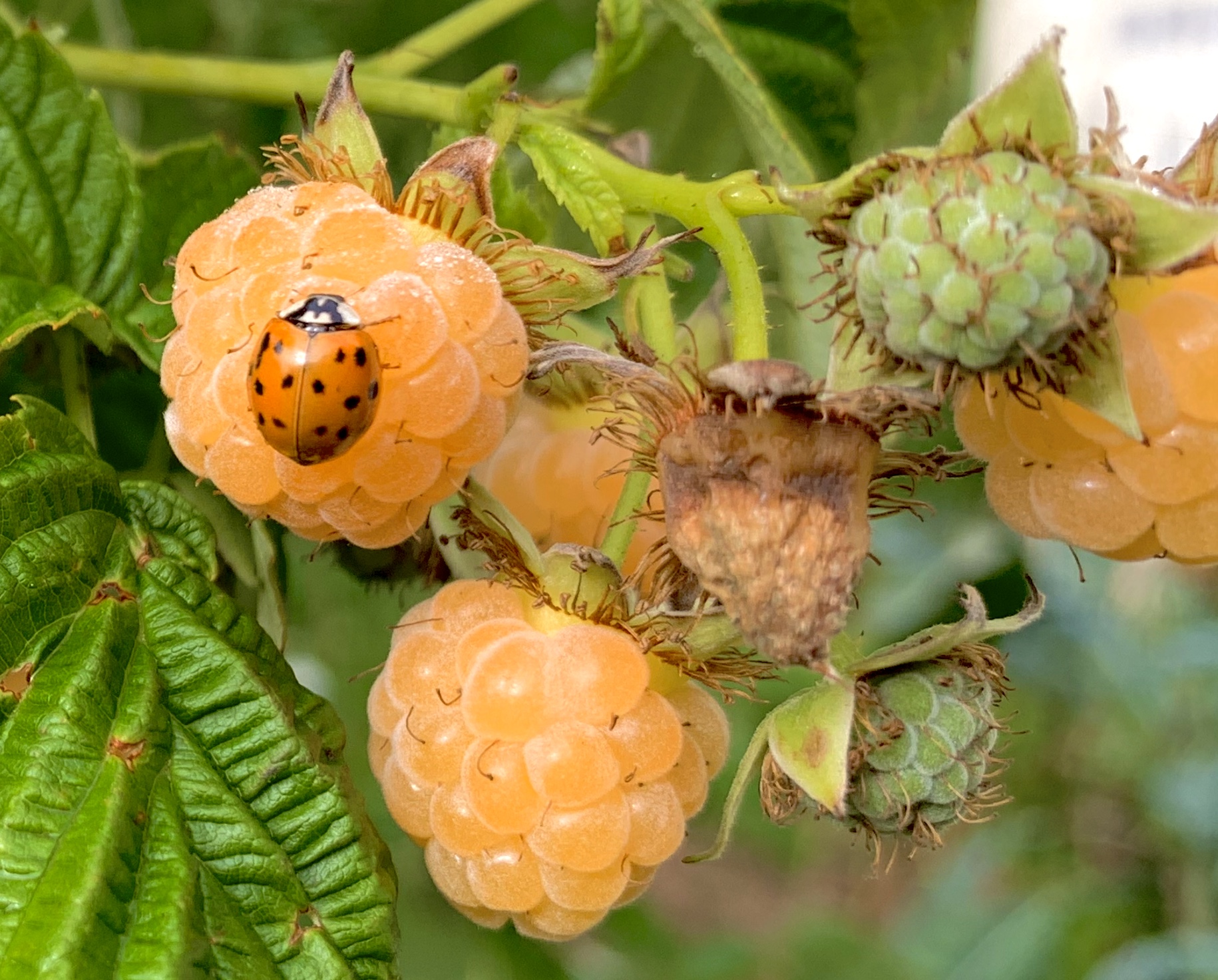
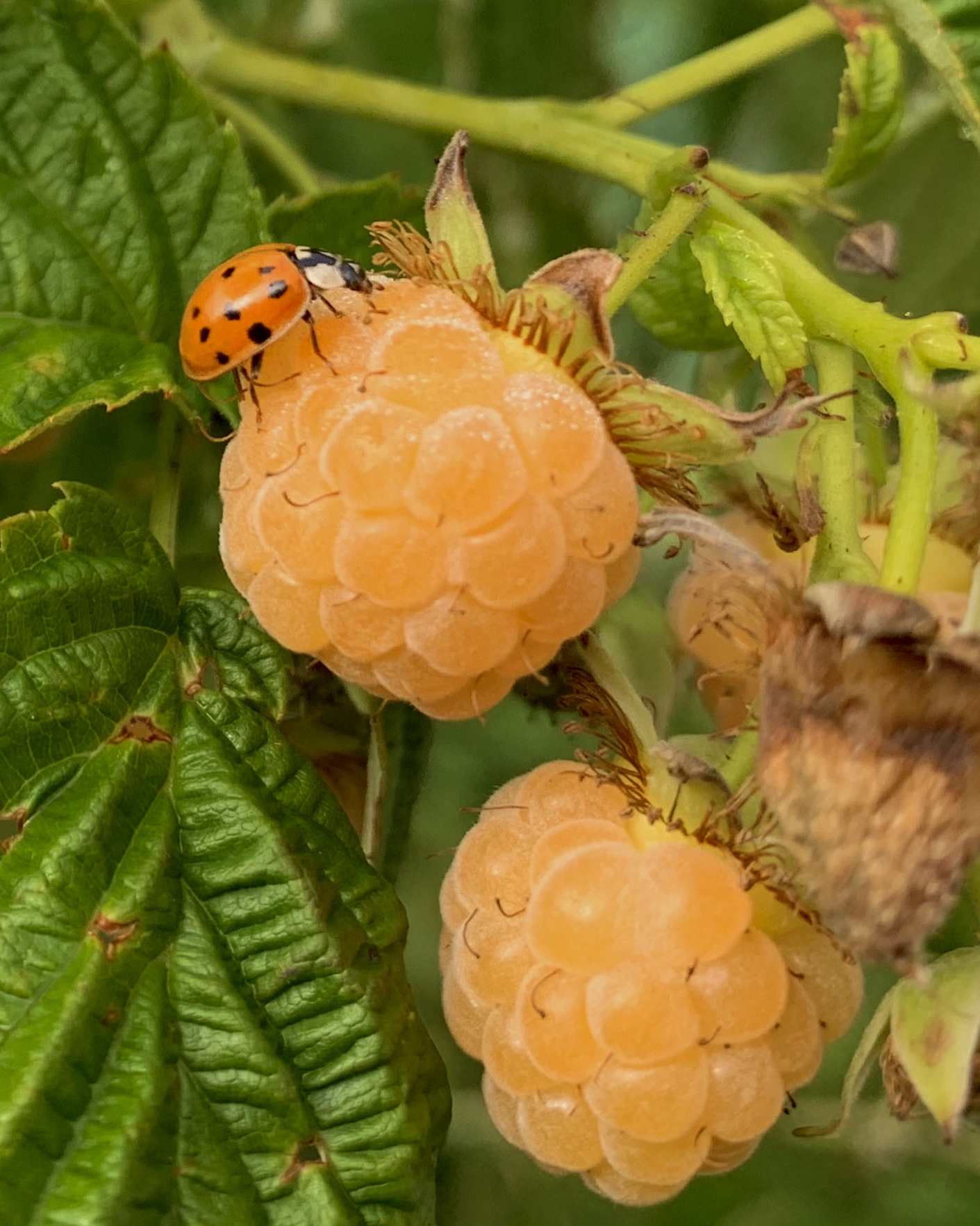
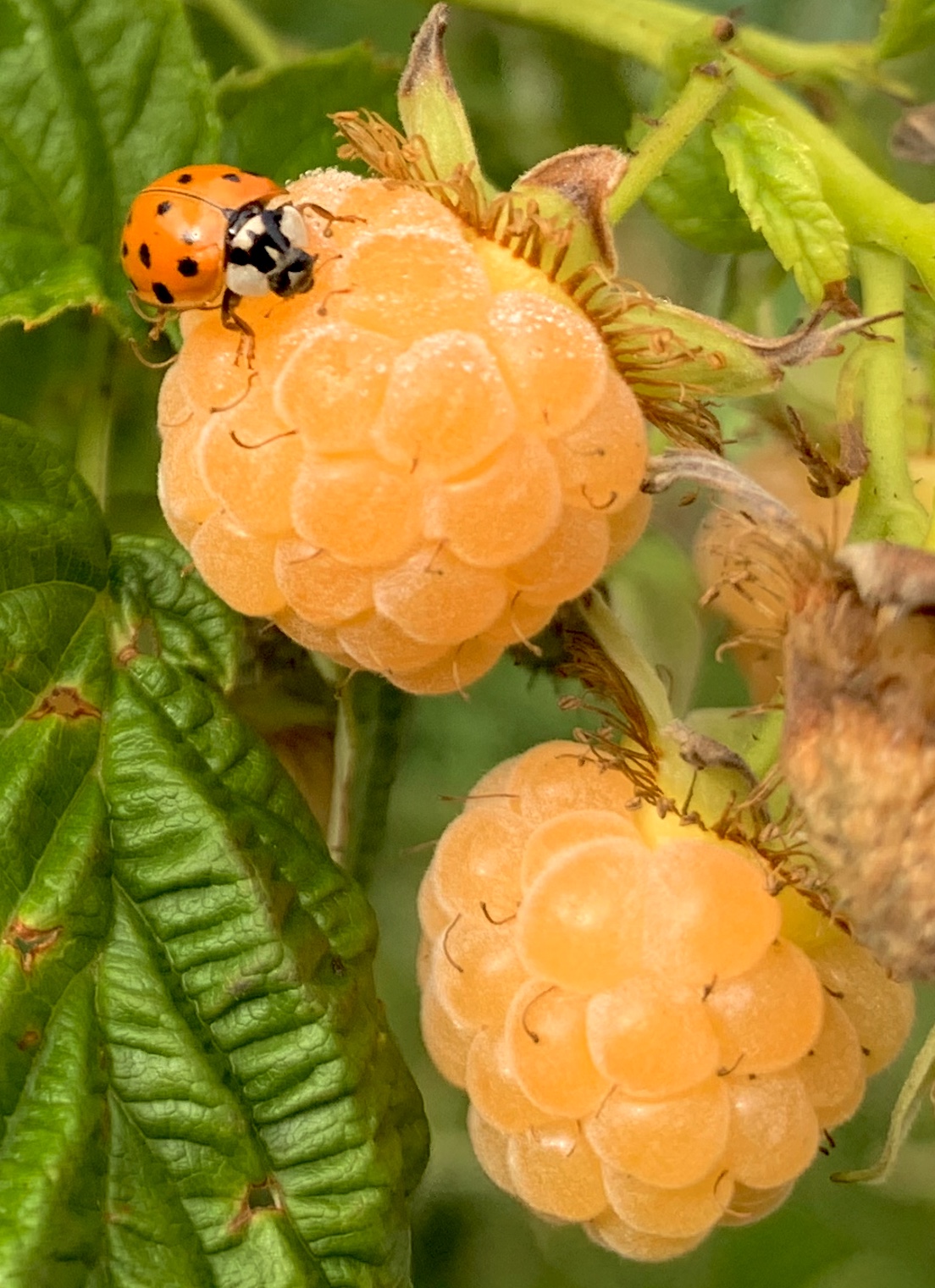
The raspberry bushes are worth exploring, despite the scratches required to be there. The reward for drawing blood is finding a sweetness hidden away which no one else can see: a lady beetle circumnavigating a tiny golden globe.
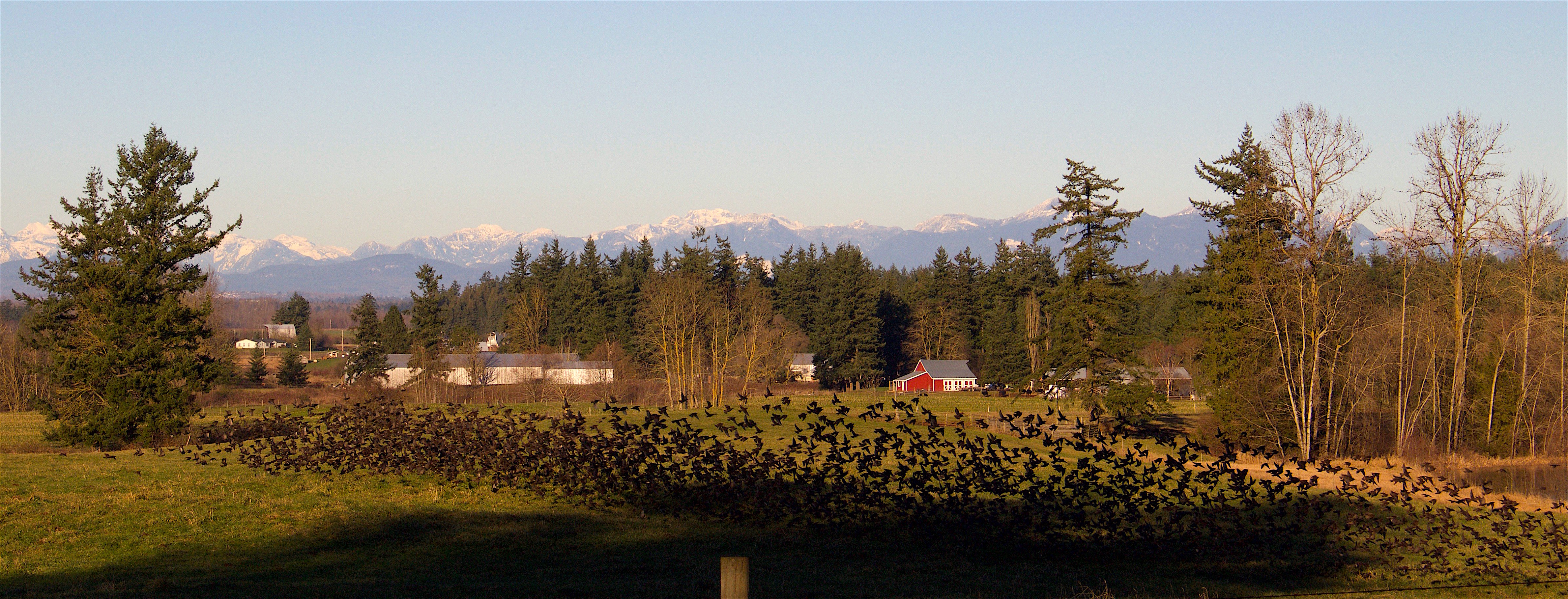
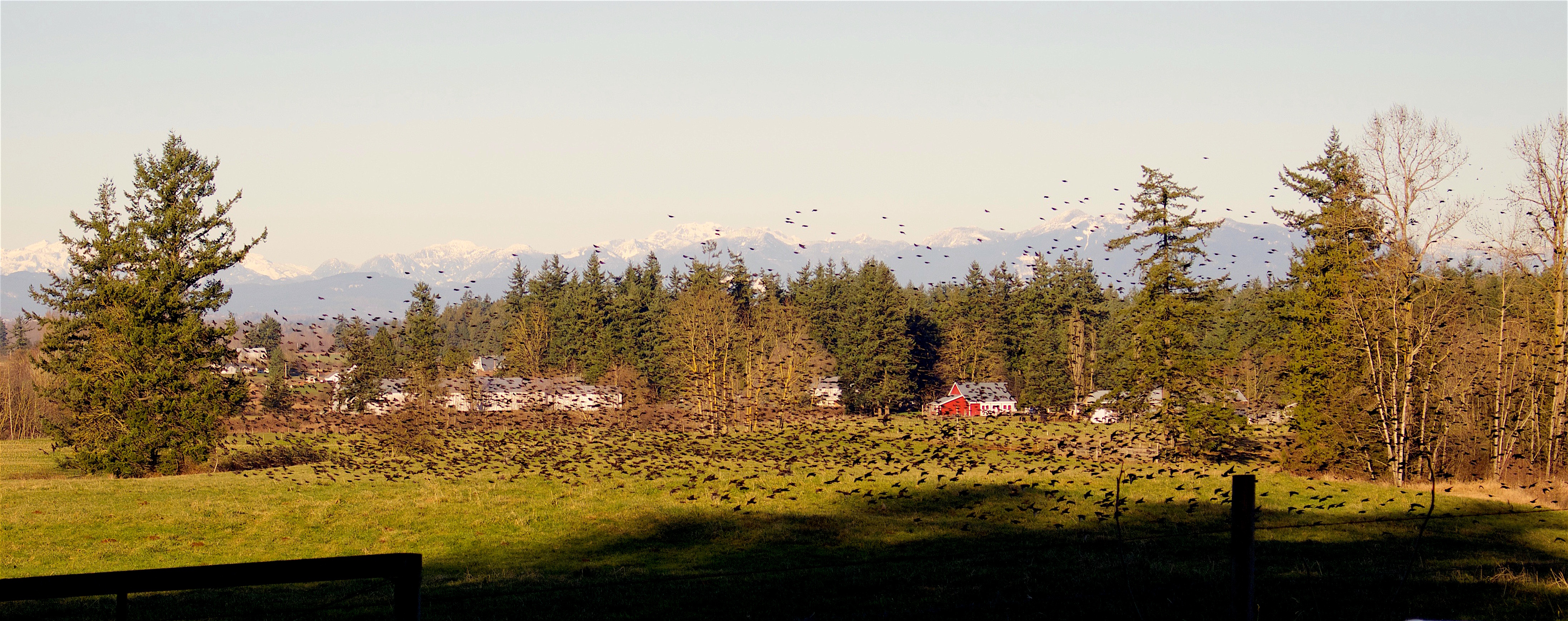
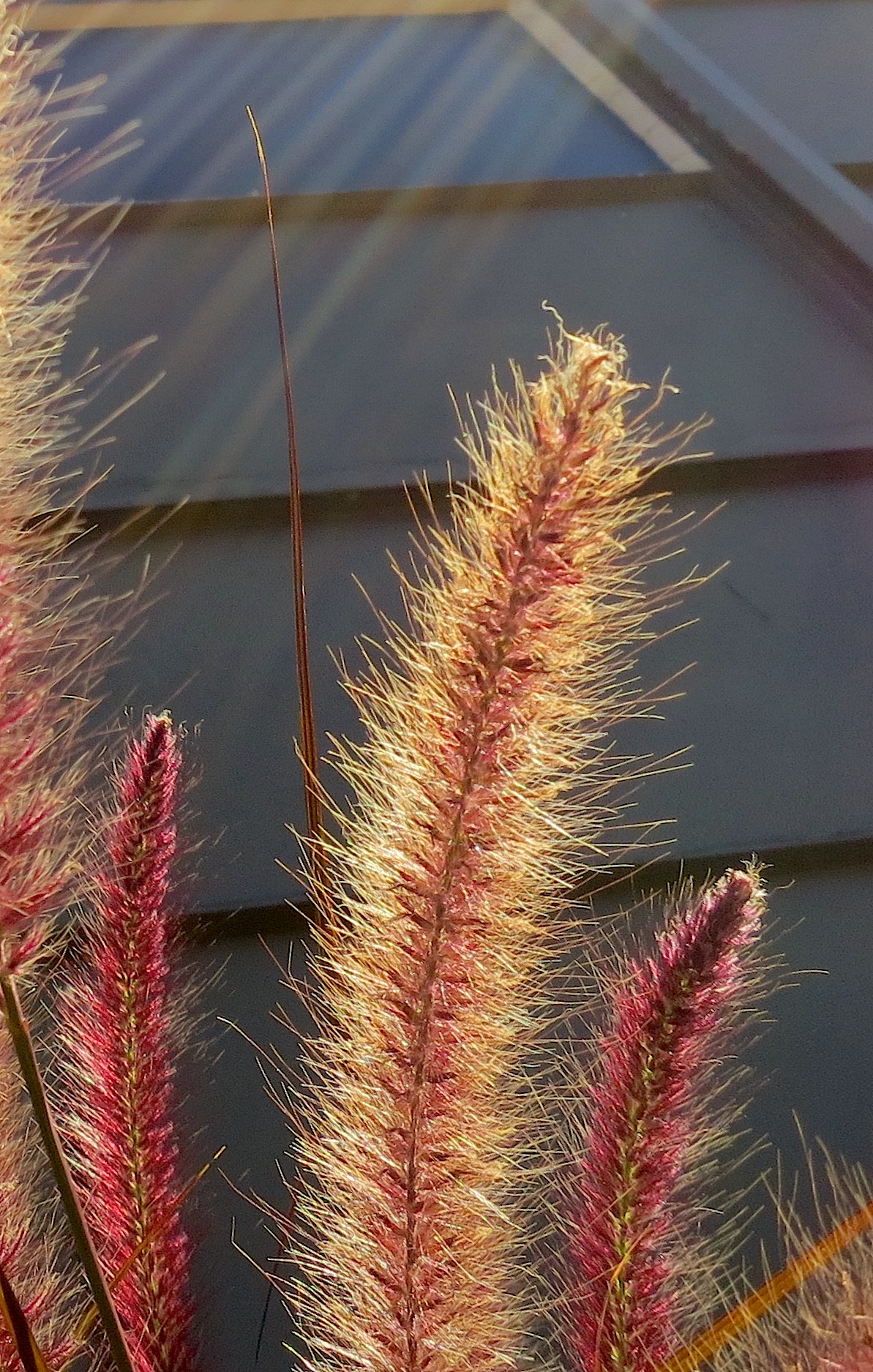
…and the garden diminishes: cucumber leaves rumpled and rusty, zucchini felled by borers, tomatoes sparse on the vines. But out in the perennial beds, there’s one last blast of color: ignitions of goldenrod, flamboyant asters, spiraling mums, all those flashy spikes waving in the wind, conducting summer’s final notes. The ornamental grasses have gone to seed, haloed in the last light. Nights grow chilly, but the days are still warm; I wear the sun like a shawl on my neck and arms. Hundreds of blackbirds ribbon in, settle in the trees, so many black leaves, then, just as suddenly, they’re gone. This is autumn’s great Departure Gate, and everyone, boarding passes in hand, waits patiently in a long, long line. ~Barbara Crooker “And Now It’s September” from Spillway
The advance of autumn usually feels like I’m waiting to embark on an unplanned journey that I wish to avoid. I don’t like airports, don’t like the strangeness of unfamiliar destinations, don’t like flying with nothing between me and the ground.
Now “fall” is just like that — like I’m falling.
I look at what is dying around me and know these blasts of color and fruitfulness are their last sad gasps.
So too, when I go out the departure gate, may I go down the long ramp gaily without fear and without regrets — maybe even with a skip in my step as I fall.
The world is changed. I feel it in the water. I feel it in the earth. I smell it in the air. Much that once was, is lost For none now live who remember it. ~J.R.R. Tolkien Galadriel’s prologue to The Fellowship of the Rings
There trudges one to a merry-making With a sturdy swing, On whom the rain comes down.
To fetch the saving medicament Is another bent, On whom the rain comes down.
One slowly drives his herd to the stall Ere ill befall, On whom the rain comes down.
This bears his missives of life and death With quickening breath, On whom the rain comes down.
One watches for signals of wreck or war From the hill afar, On whom the rain comes down.
No care if he gain a shelter or none, Unhired moves on, On whom the rain comes down.
And another knows nought of its chilling fall Upon him at all, On whom the rain comes down. ~Thomas Hardy “An Autumn Rain-scene”(1904)
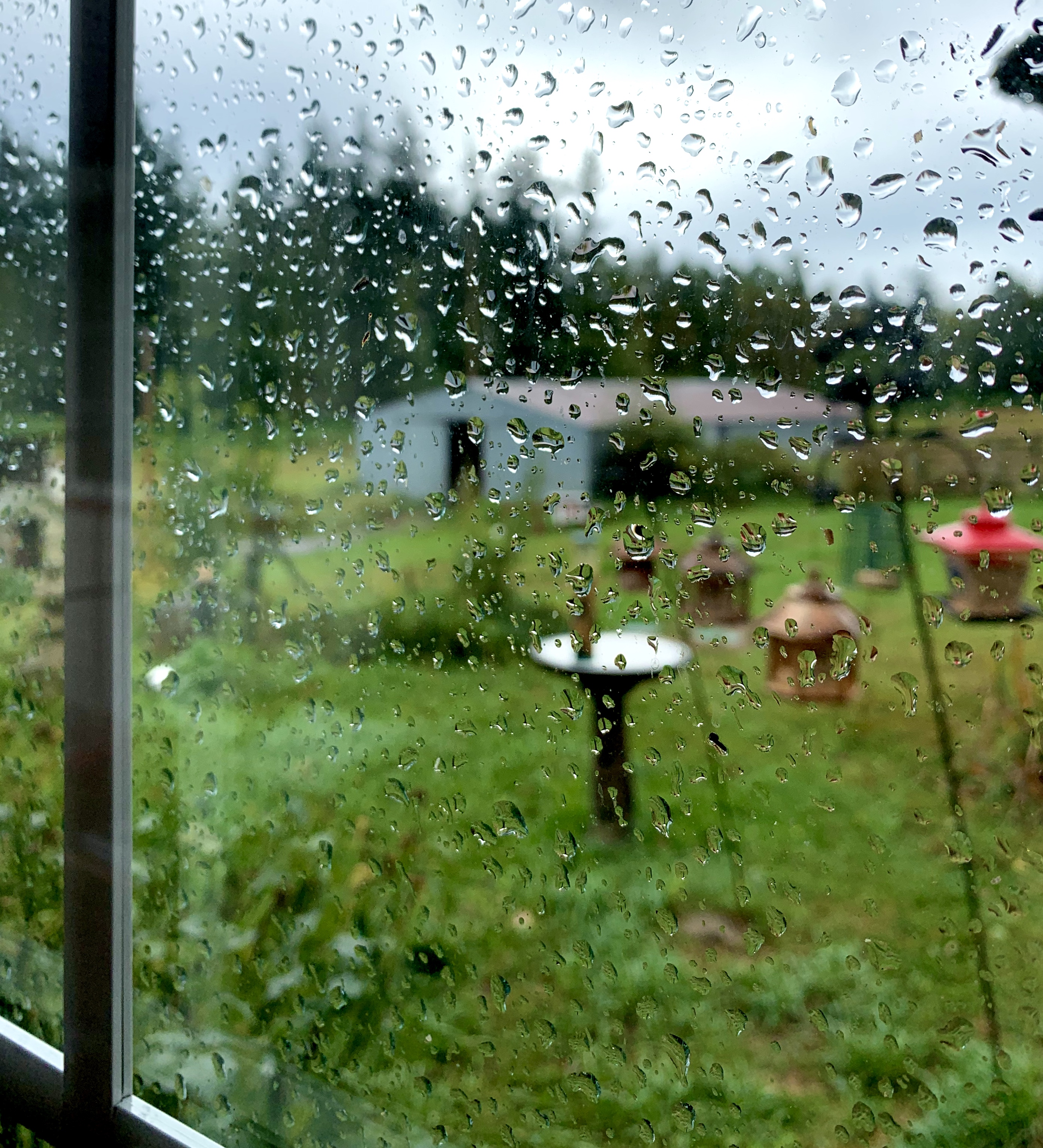
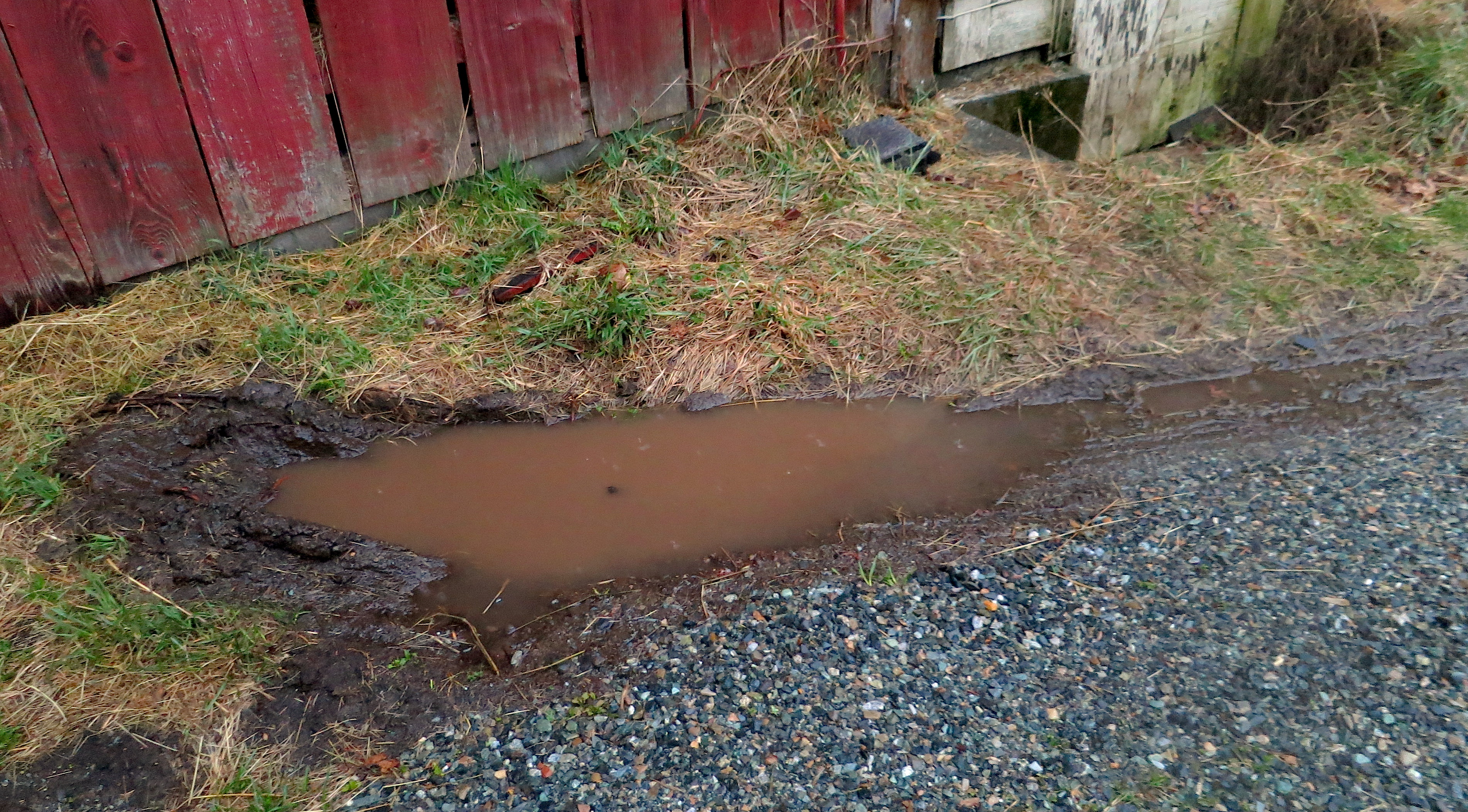
The rain has returned, now six months into a changed world. The rain blows, raging against the windows and puddling in the low spots, sparing nothing and no one.
It drenches all and everyone – none of us immune from the cleansing: whether missing the joy of sweet fellowship, whether bearing urgent messages or administering badly needed medication, whether trudging through the day’s chores, whether unemployed and praying for work, whether bearing witness to ongoing divisive conflict and tragedy, or whether the rain falls chill upon those newly lying still and silent beneath the soil.
In our universal soaking, may we look at one another with a renewed compassion. Each one of us deserves a warm and comforting toweling off, being buffed and fluffed so we’re ready to face what comes next.
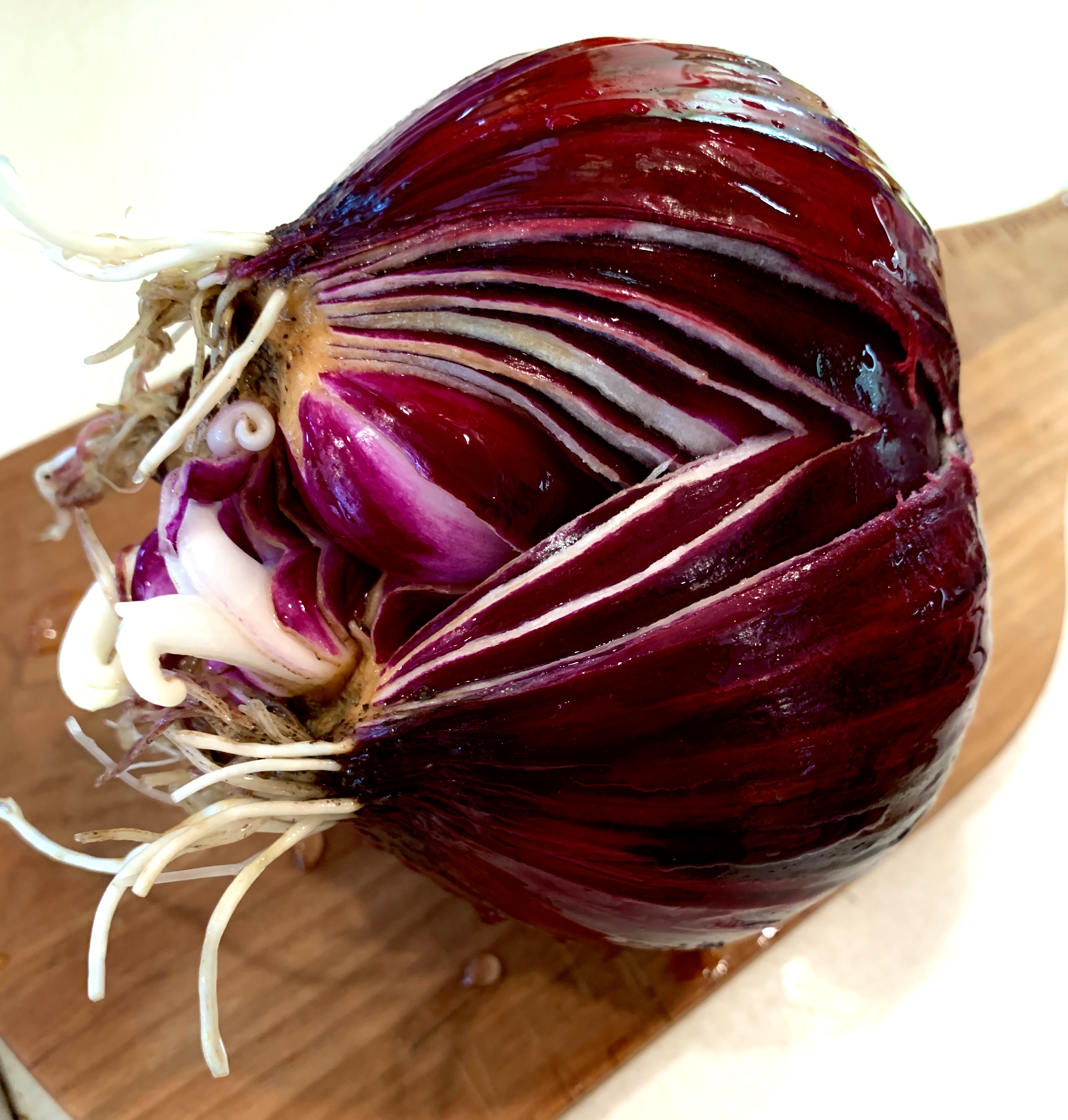
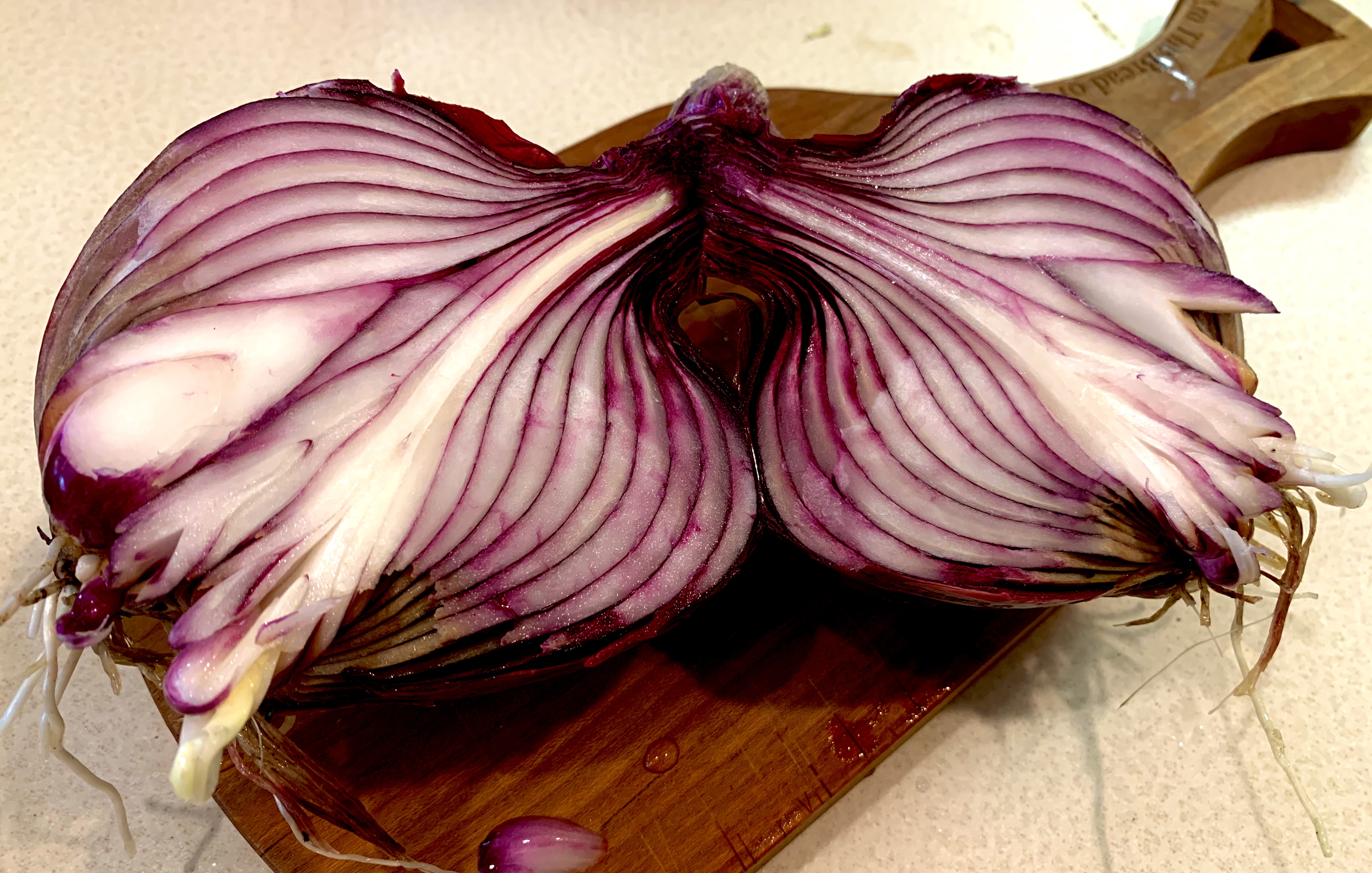
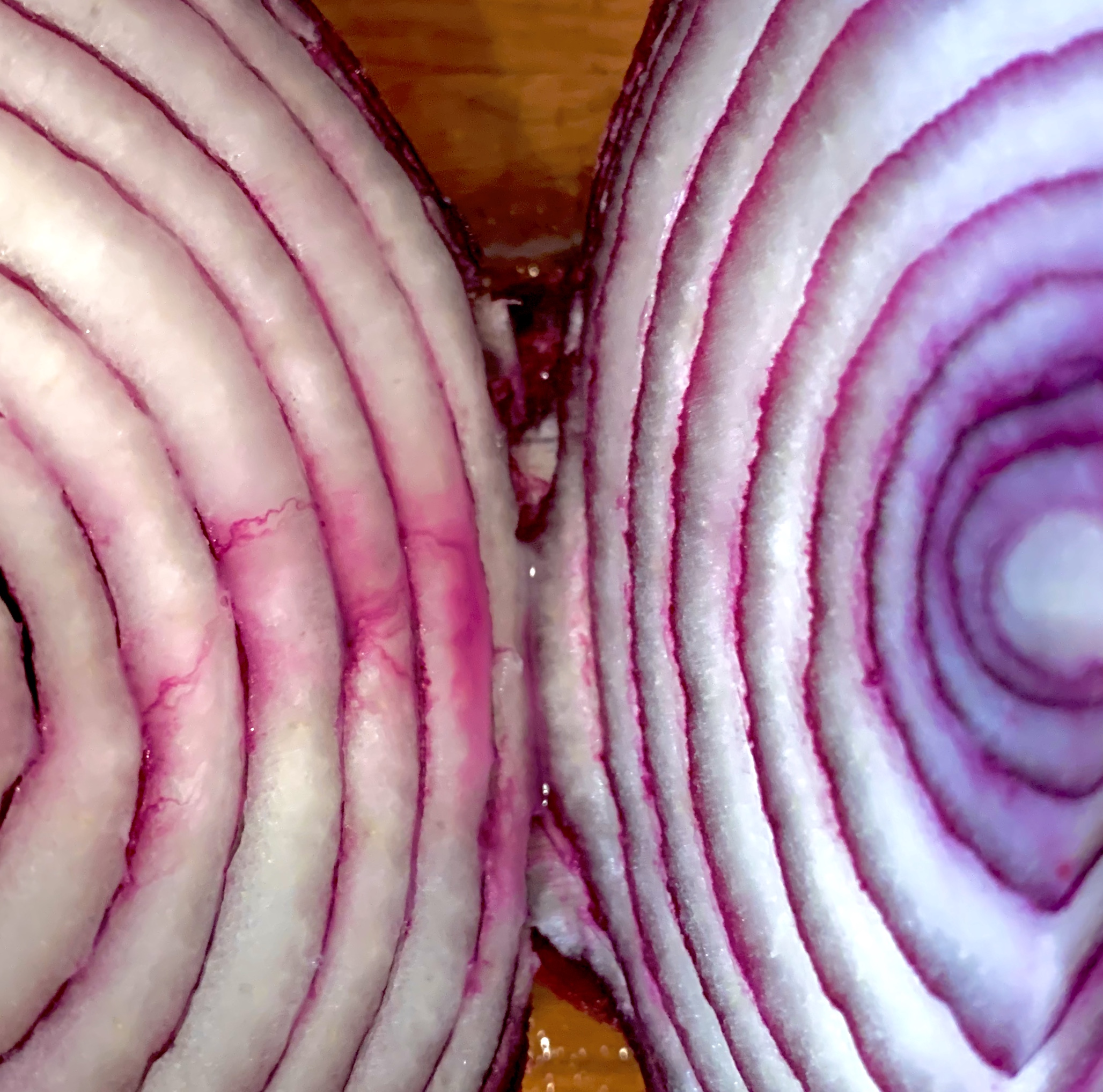
…It’s true it can make you weep to peel them, to unfurl and to tease from the taut ball first the brittle, caramel-colored and decrepit papery outside layer, the least
recent the reticent onion wrapped around its growing body, for there’s nothing to an onion but skin, and it’s true you can go on weeping as you go on in, through the moist middle skins, the sweetest
and thickest, and you can go on in to the core, to the bud-like, acrid, fibrous skins densely clustered there, stalky and in- complete, and these are the most pungent… ~William Matthews from “Onions”
…I would never scold the onion for causing tears. It is right that tears fall for something small and forgotten. How at meal, we sit to eat, commenting on texture of meat or herbal aroma but never on the translucence of onion, now limp, now divided, or its traditionally honorable career: For the sake of others, disappear. ~Naomi Shihab Nye, from “The Traveling Onion” from Words Under the Words: Selected Poems.
Onion, luminous flask, your beauty formed petal by petal, crystal scales expanded you and in the secrecy of the dark earth your belly grew round with dew. Under the earth the miracle happened and when your clumsy green stem appeared, and your leaves were born like swords in the garden, the earth heaped up her power showing your naked transparency…
…You make us cry without hurting us. I have praised everything that exists, but to me, onion, you are more beautiful than a bird of dazzling feathers, heavenly globe, platinum goblet, unmoving dance of the snowy anemone
and the fragrance of the earth lives in your crystalline nature. ~Pablo Neruda from “Ode to the Onion”
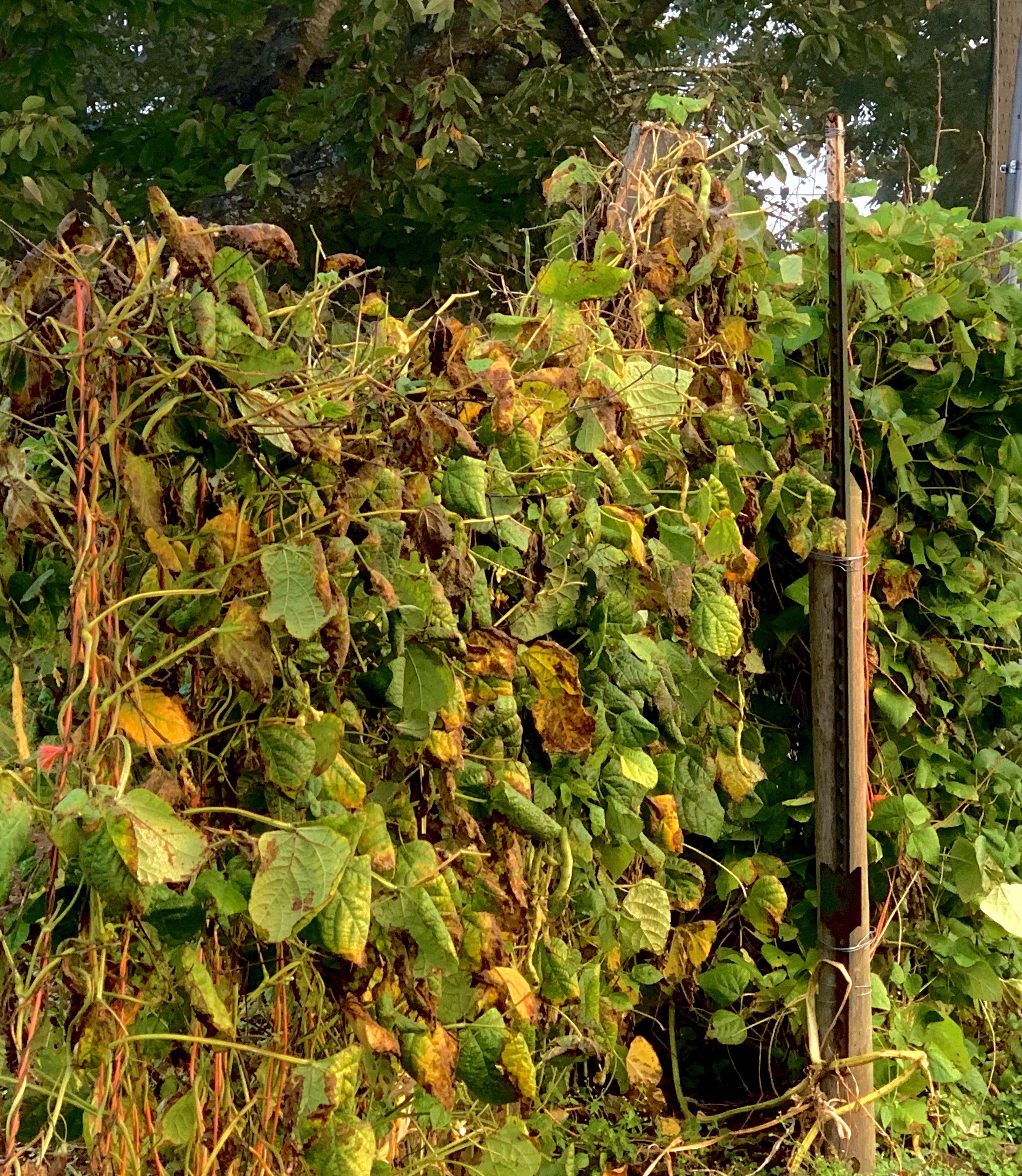
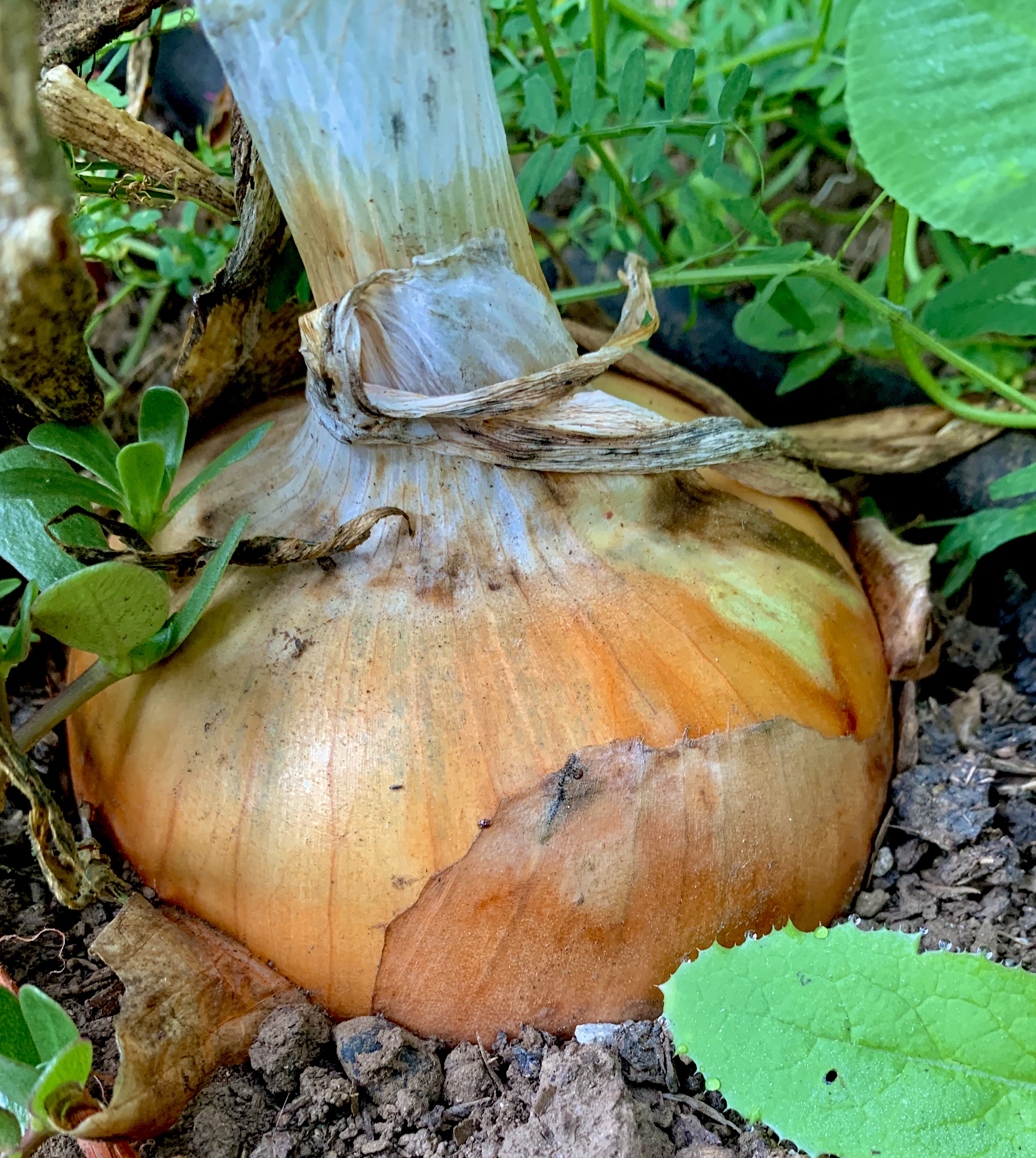
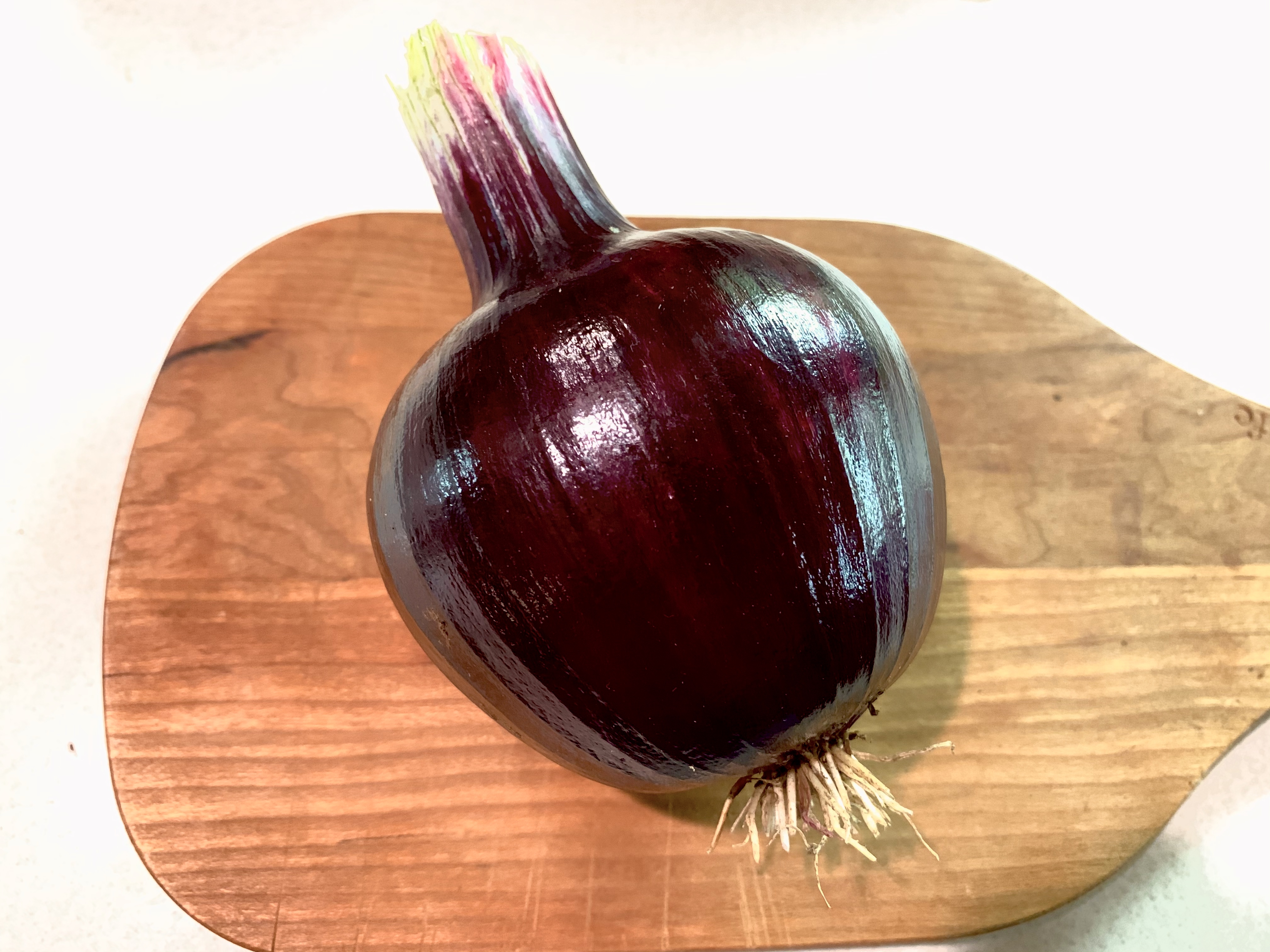
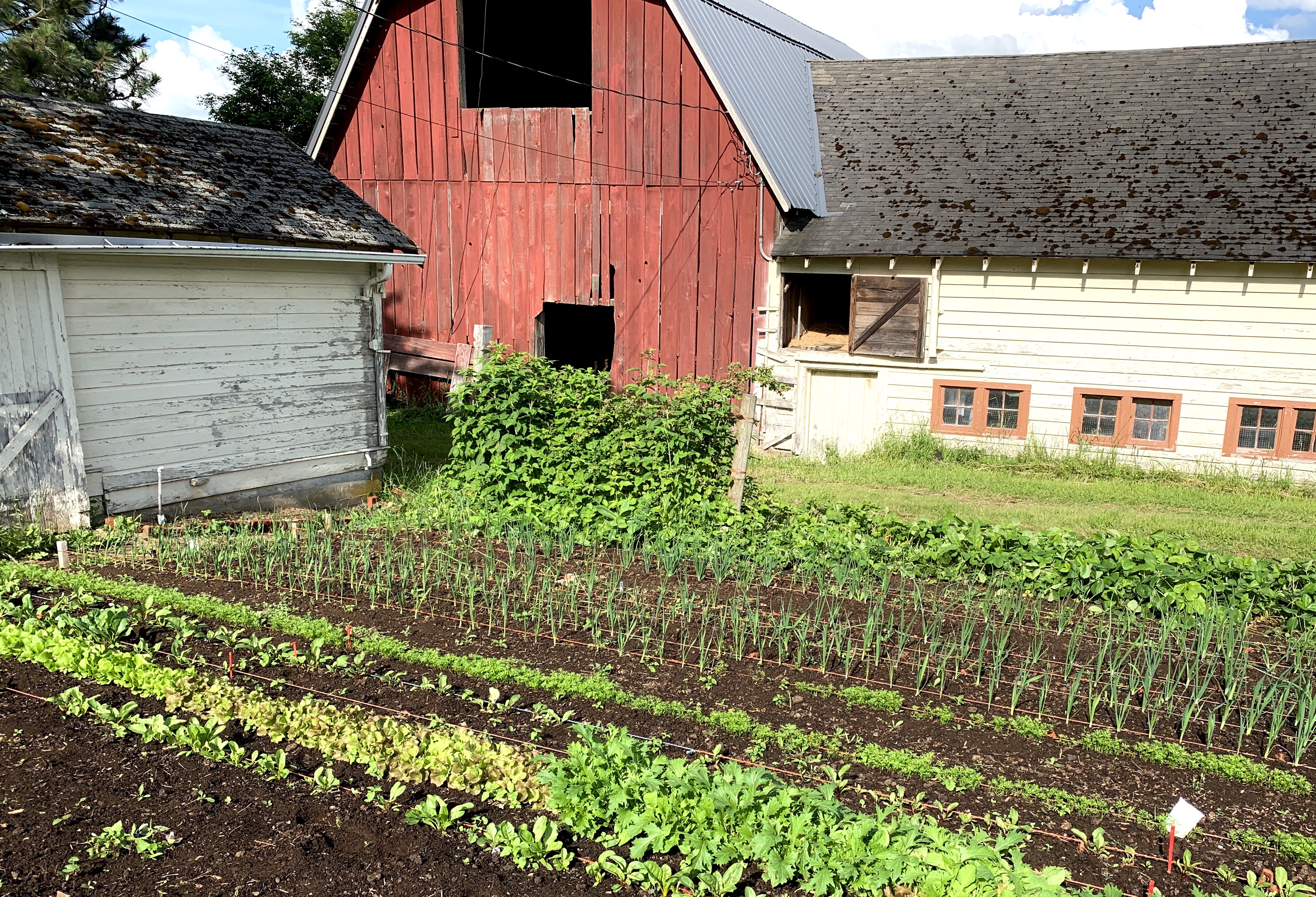
Everything smells of “eau de onion” here in the kitchen as the onions are brought in from our late summer garden to be stored or dehydrated and frozen for winter soups and stews.
This is weepy business, but these are good tears like I spill over the whistled Greensleeves theme from the old “Lassie” TV show, or during any childrens’ choir song, or by simply watching videos of our grandchildren who are quarantined so far away from our arms.
It takes almost nothing these days to make me weep, so onions are a handy excuse, allowing my tears to flow without explanation:
I weep over the headlines. I weep over how changed life is and for the sadness of the stricken. I weep over how messy things can get between people who don’t listen to one another or who misinterpret what they think they hear. I weep knowing we all have layers and layers of skin that appear tough on the outside, but as you peel gently or even ruthlessly cut them away, the layers get more and more tender until you reach the throbbing heart of us.
We tend to hide our hearts out of fear of being hurt, crying out in pain.
Like an onion, each one of us exists to make the day a bit better, the meal more savory, to enhance the flavors of all who are mixed into this melting pot together. We aren’t meant to stand alone, but to disappear into the stew, and be sorely missed if we are absent.
So very dish needs an onion, and for the sake of the dish, every onion vanishes in the process.
No, I don’t mean to make you cry as you peel my layers away, gently, one by one, each more tender until you reach my heart. Chop away at me if you must but weep the good tears, the ones that mean we weep for the sake of our meal together: you eating and drinking, and me – consumed.
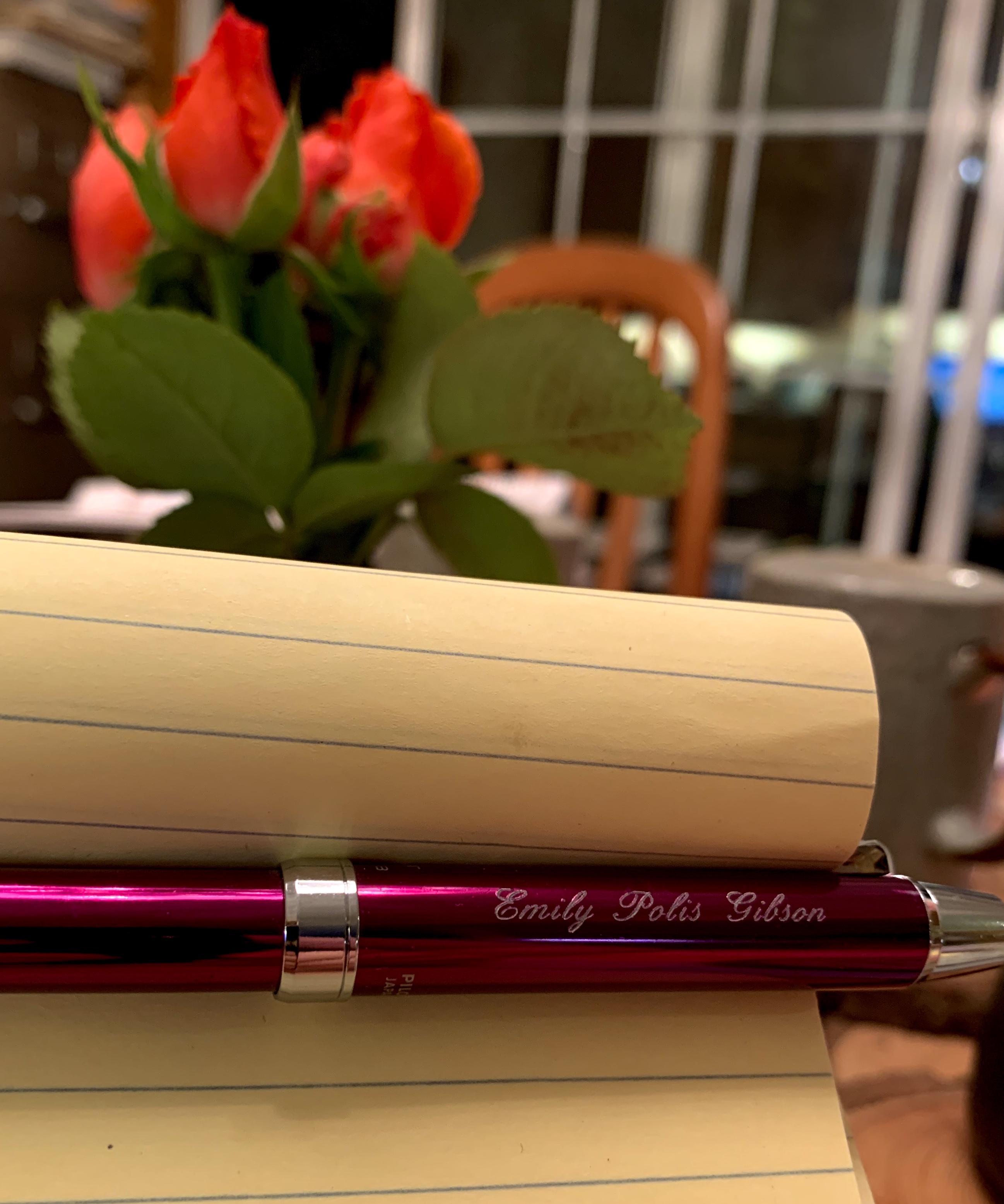
Between my finger and my thumb The squat pen rests; snug as a gun.
Under my window, a clean rasping sound When the spade sinks into gravelly ground: My father, digging. I look down
Till his straining rump among the flowerbeds Bends low, comes up twenty years away Stooping in rhythm through potato drills Where he was digging.
The coarse boot nestled on the lug, the shaft Against the inside knee was levered firmly. He rooted out tall tops, buried the bright edge deep To scatter new potatoes that we picked, Loving their cool hardness in our hands.
By God, the old man could handle a spade. Just like his old man.
My grandfather cut more turf in a day Than any other man on Toner’s bog. Once I carried him milk in a bottle Corked sloppily with paper. He straightened up To drink it, then fell to right away Nicking and slicing neatly, heaving sods Over his shoulder, going down and down For the good turf. Digging.
The cold smell of potato mould, the squelch and slap Of soggy peat, the curt cuts of an edge Through living roots awaken in my head. But I’ve no spade to follow men like them.
Between my finger and my thumb The squat pen rests. I’ll dig with it. ~Seamus Heaney, “Digging” from Death of a Naturalist
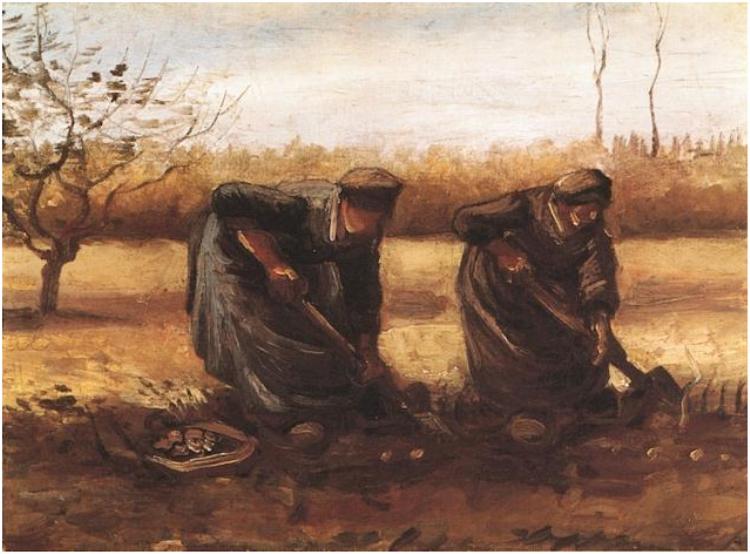
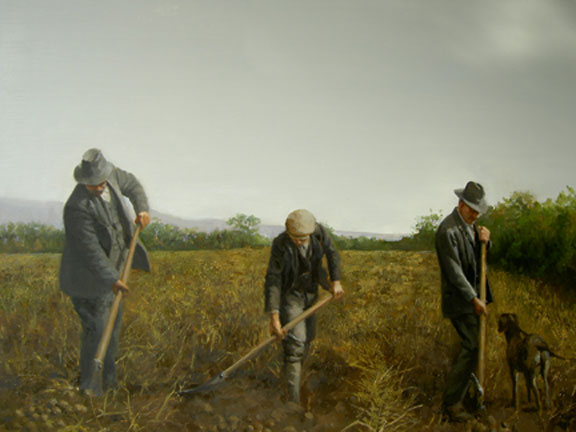
Van Gogh Painting, Oil on Canvas on Panel Nuenen: August, 1885 Kröller-Müller Museum Otterlo, The NetherlandsDigging Potatoes by Martin Driscoll http://www.martindriscoll.com
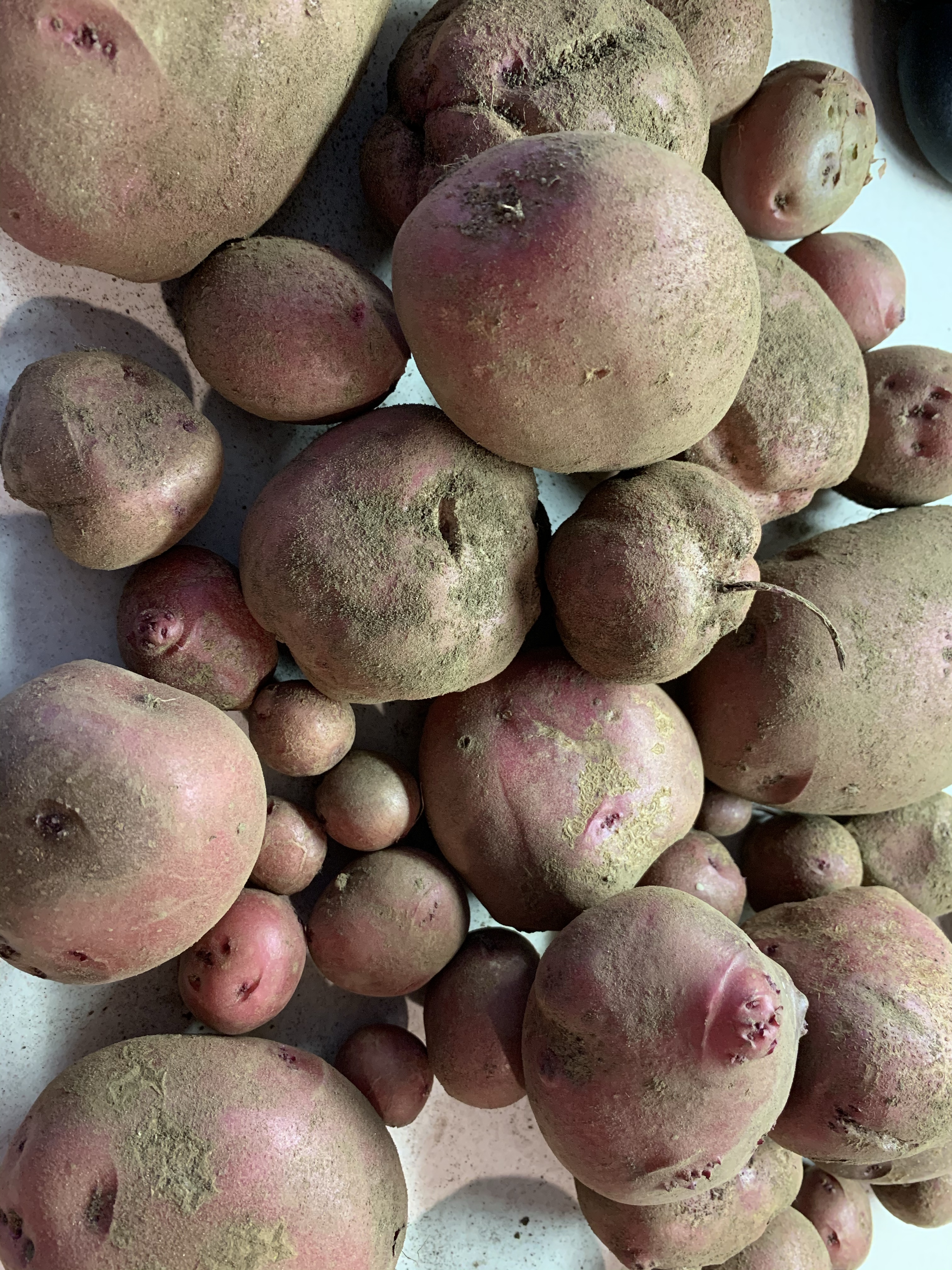
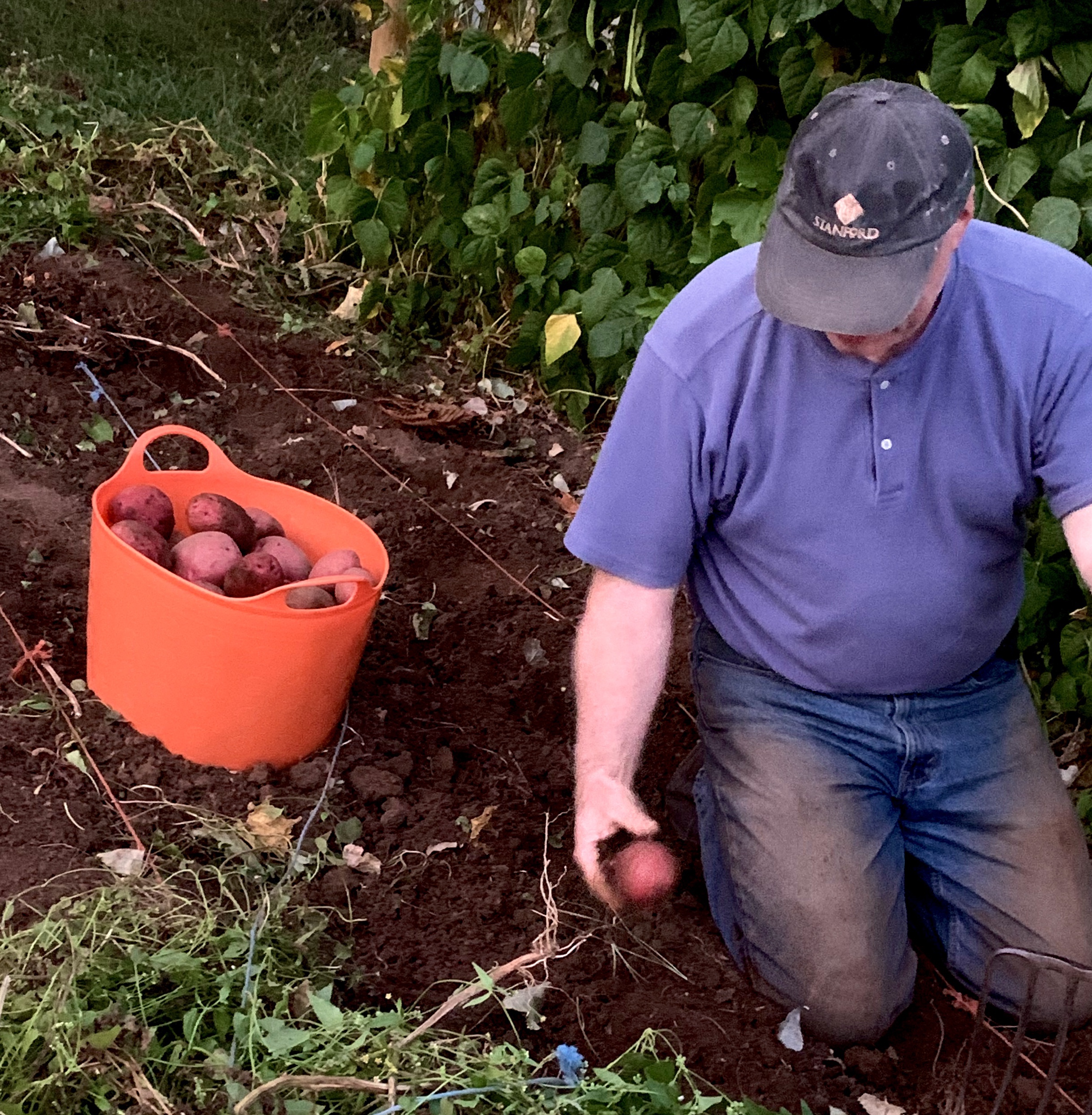
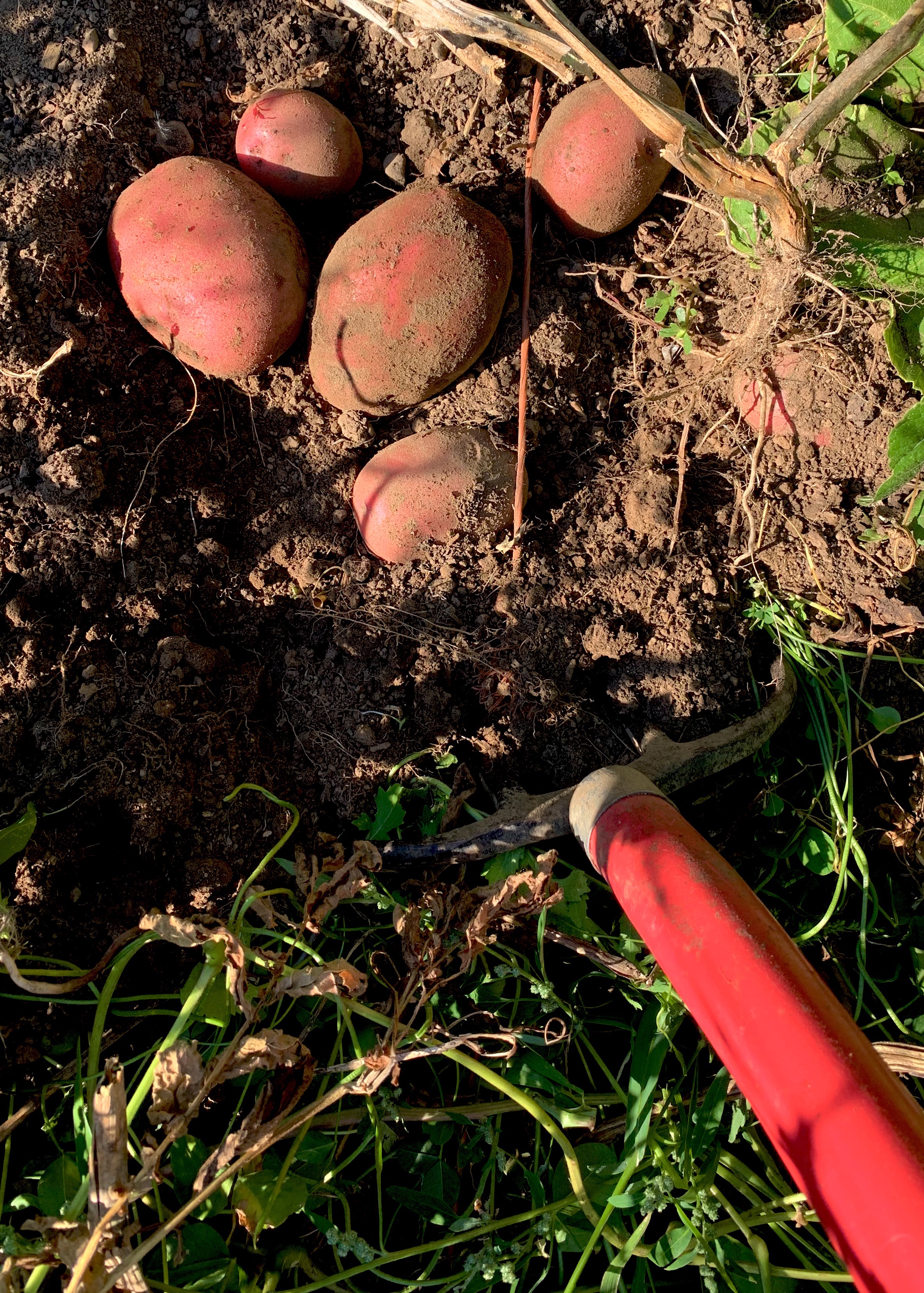
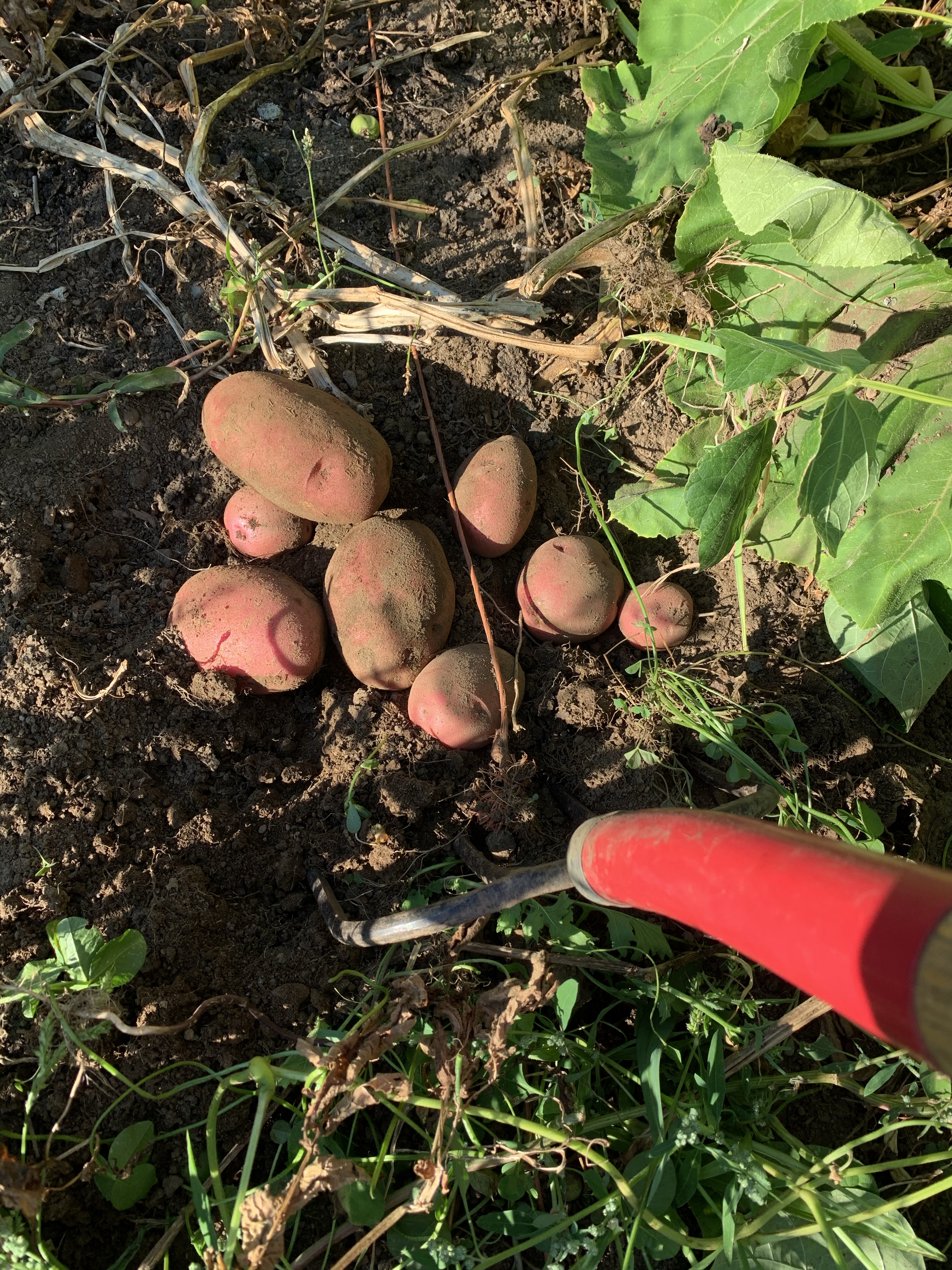
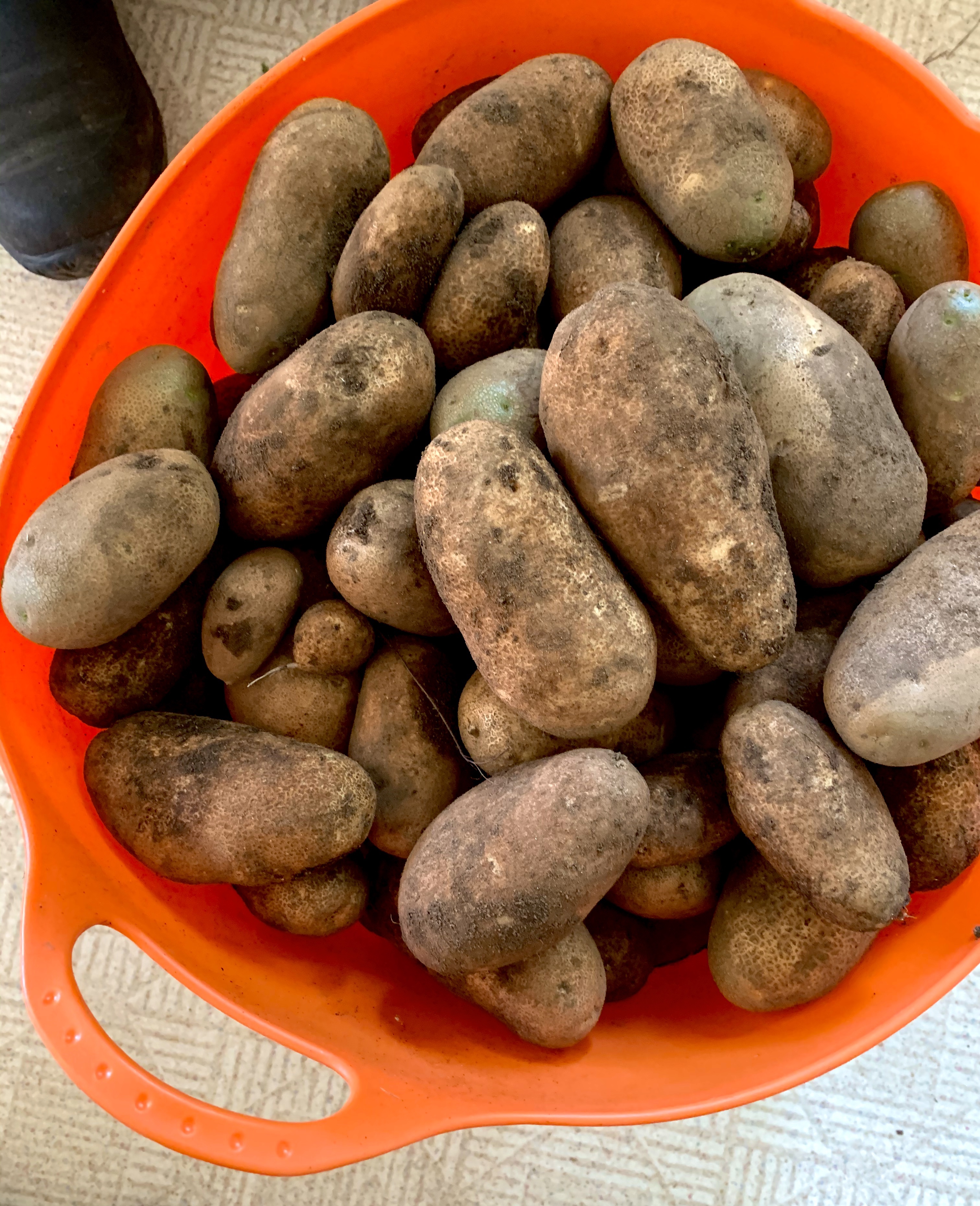
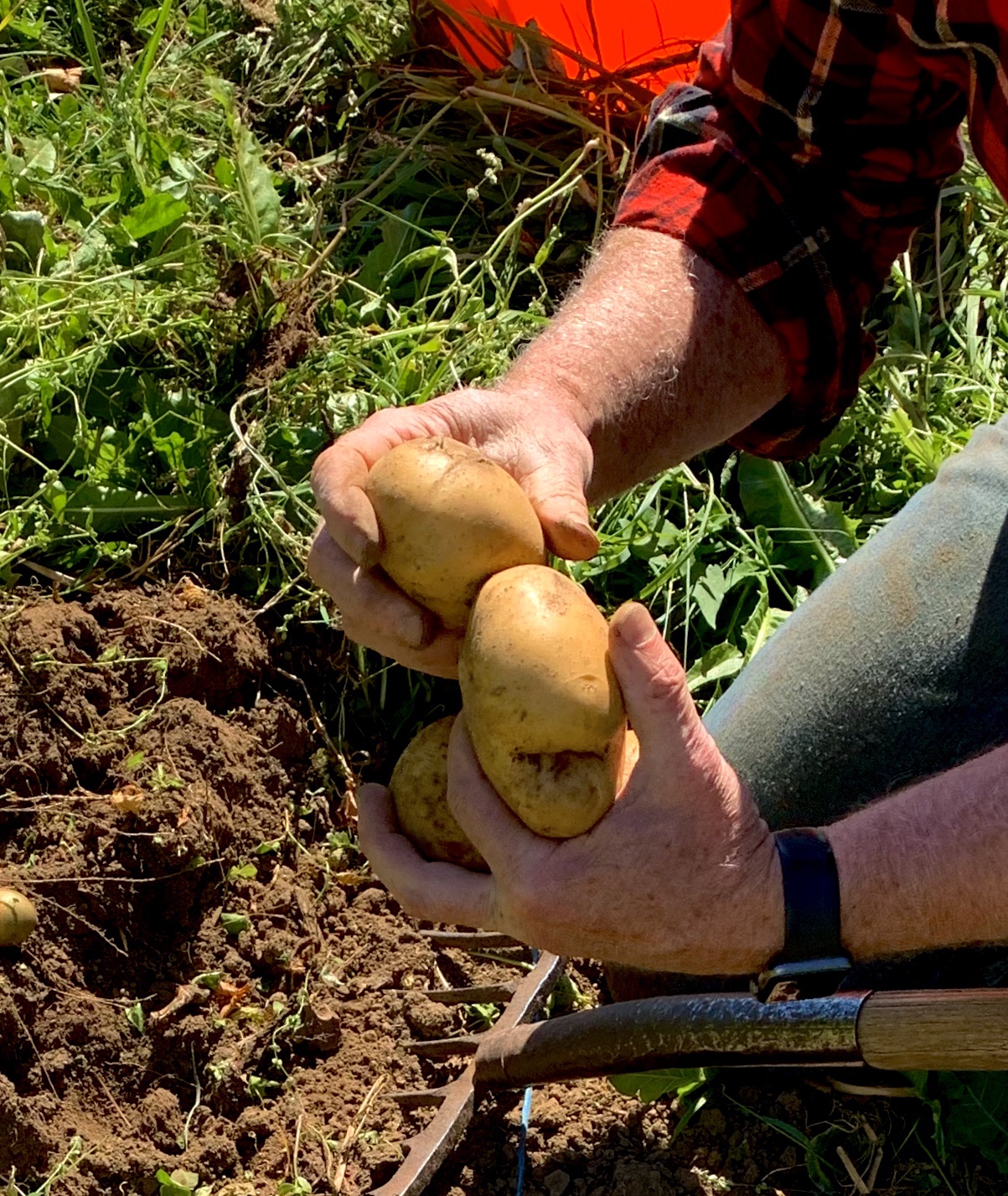
Digging potatoes is one of the most satisfying tasks for a farmer. Often the dead above-ground vines have melted into the ground, blending in with the weeds and encroaching sprawl of squash vines. Finding the treasure underneath the topsoil is an act of faith. You set the shovel or fork boldly into the dirt to loosen up the top eight inches. Then you submerge your hand into the dirt and come up with a fistful of potato gold nuggets, each smooth cool tuber rolling into fresh air like so many newly discovered hidden Easter eggs.
A daily dig for words to write isn’t nearly as easy as finding potatoes in the soil; the bounty under the surface often remains hidden away from my view and elusive. I have to keep searching and sifting and sorting. Some that I end up with are rotten. Some are overexposed, too green and toxic. Some are scabby and look ugly, but are still useable and hopefully tasty.
Yet I get out my virtual spade and dig into the dirt of life every day, hoping, just hoping, to come up with words in my hands that are not only beautiful, colorful, smooth and palatable, but a sheer delight for the digger/reader to discover along with me.
The lawyer told him to write a letter to accompany the will, to prevent potential discord over artifacts valued only for their sentiment.
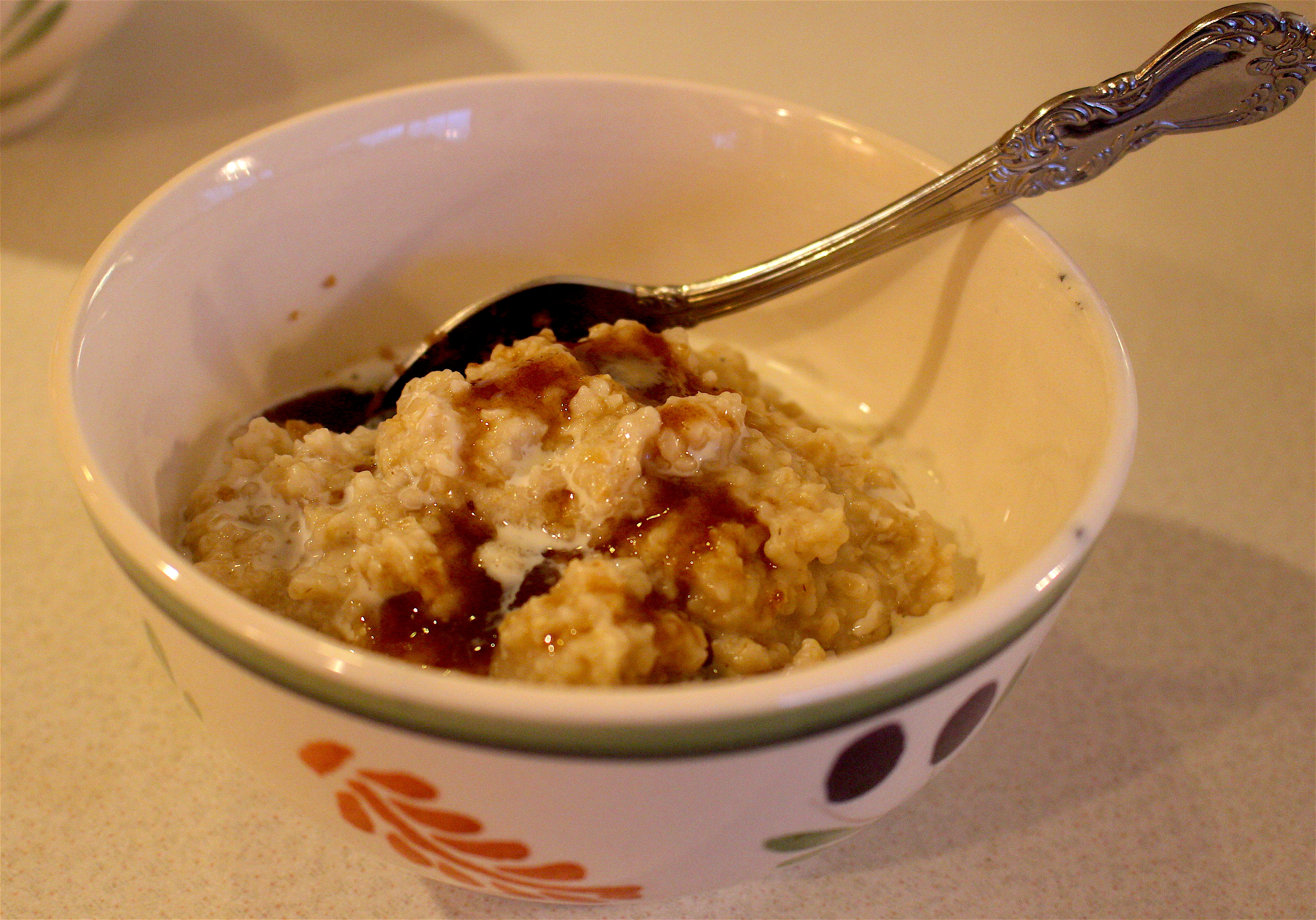
His wife treasures a watercolor by her father; grandmama’s spoon stirs their oatmeal every morning. Some days, he wears his father’s favorite tie.
He tries to think of things that could be tokens of his days: binoculars that transport bluebirds through his cataracts
a frayed fishing vest with pockets full of feathers brightly tied, the little fly rod he can still manipulate in forest thickets,
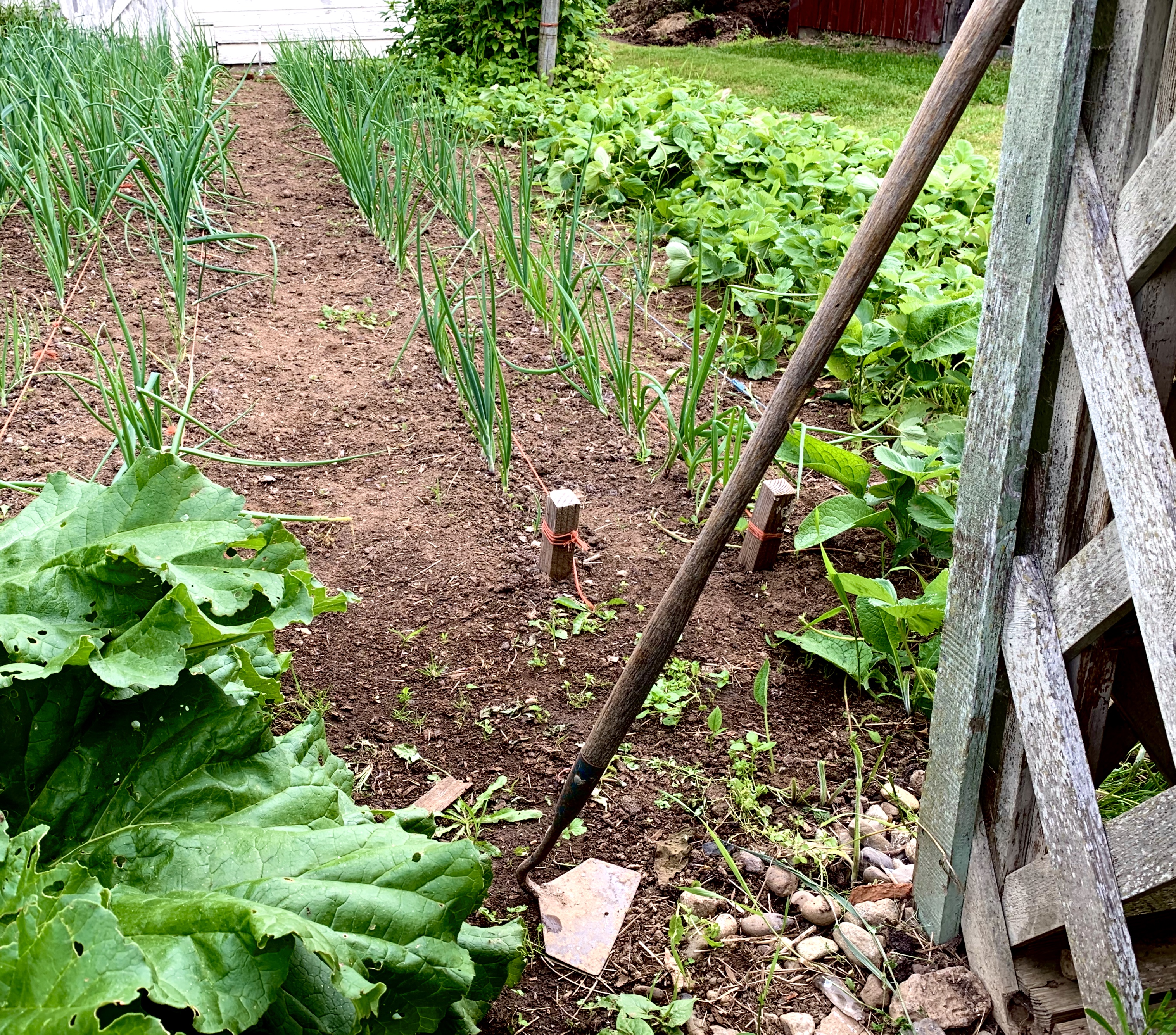
a sharp-tined garden fork, heft and handle fit for him, a springy spruce kayak paddle, a retired leather satchel.
He writes his awkward note, trying to dispense with grace some well-worn clutter easily discarded in another generation.
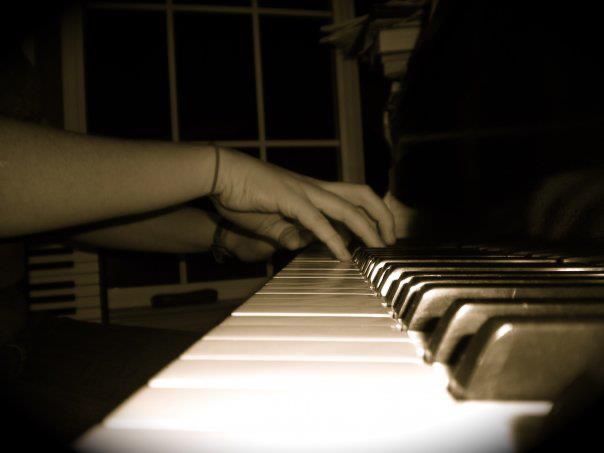
But what he wishes to bequeath are items never owned: a Chopin etude wafting from his wife’s piano on the scent of morning coffee
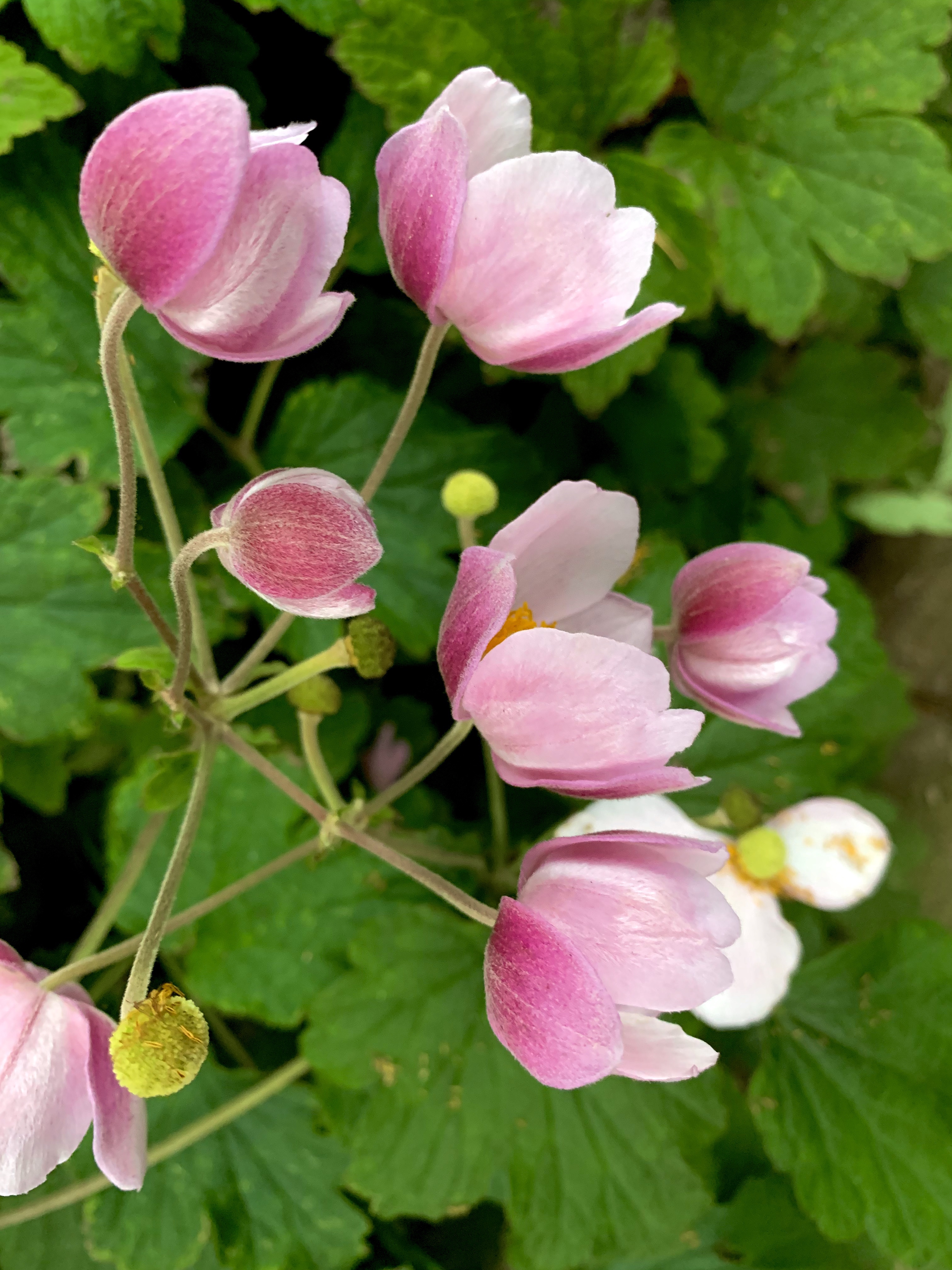
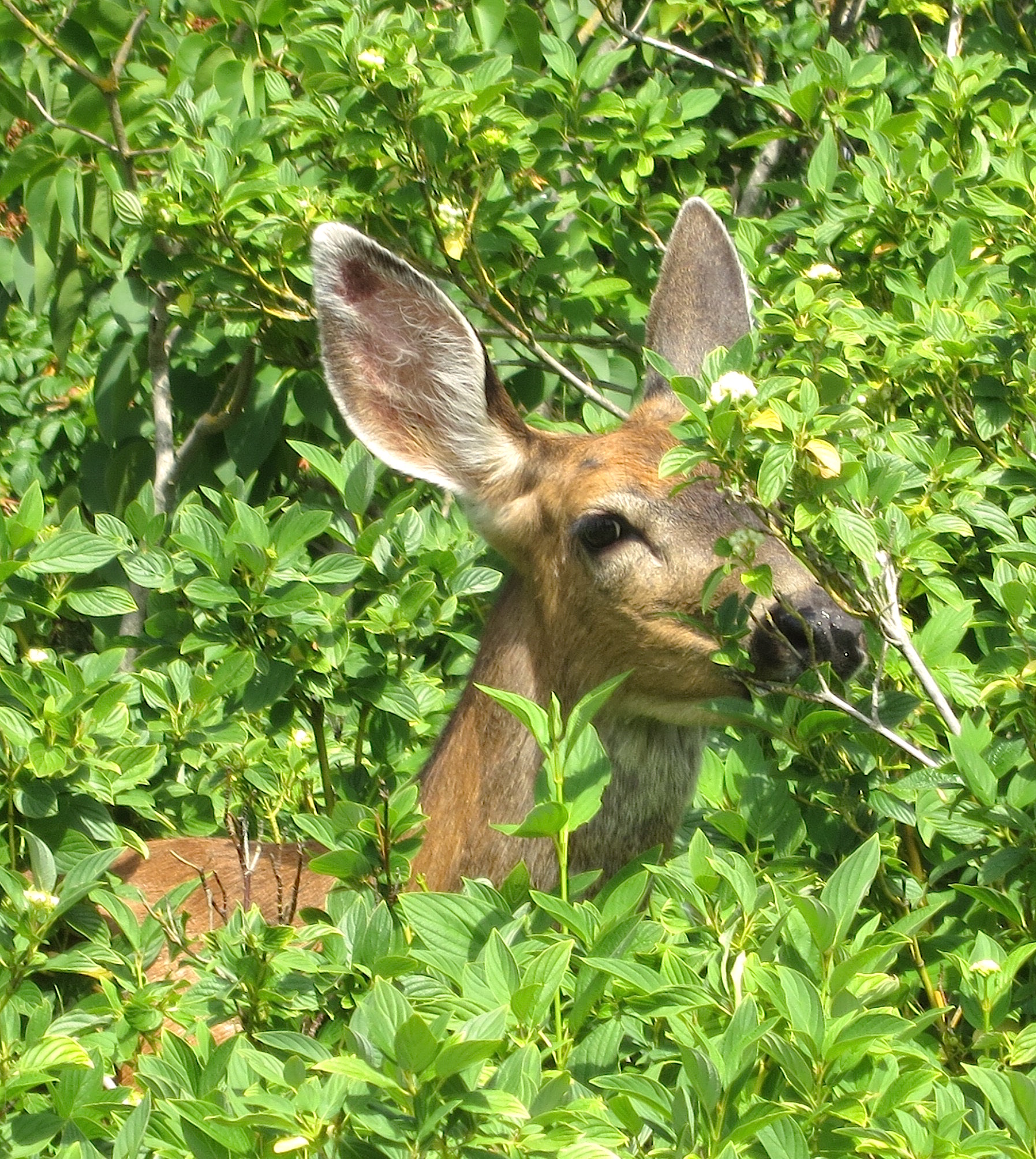
seedling peas poking into April, monarch caterpillars infesting milkweed leaves, a light brown doe alert in purple asters
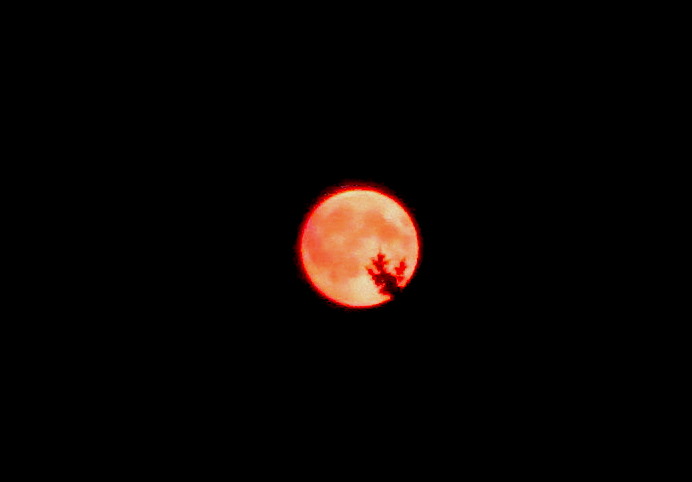
a full moon rising in October, hunting-hat orange in ebony sky, sunlit autumn afternoons that flutter through the heart like falling leaves. ~Raymond Byrnes “Personal Effects” from Waters Deep
We’ve seen families break apart over the distribution of the possessions of the deceased. There can be hurt feelings, resentment over perceived slights, arguments over who cared most and who cared least.
Thankfully, that didn’t happen with our parents’ belongings. There had been a slow giving away process as their health failed and they needed to move from larger spaces to smaller spaces. Even so, no one was eager to take care of the things that had no particular monetary or sentimental value. We still have boxes and boxes of household and personal items sitting unopened in storage on our farm for over a decade. Each summer I think I’ll start the sorting process but I don’t. My intentions are good but my follow-through is weak.
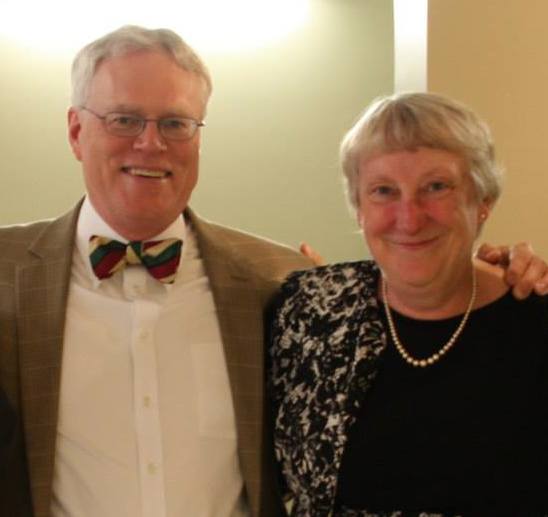
So my husband and I have said to each other and our children that we don’t want to leave behind stuff which ultimately has little meaning in a generation or two. We need now to do the work it takes to make sure we honor that promise.
There is so much we would rather bequeath than just stuff we own. It can’t be stored in boxes or outlined in our wills: these are precious possessions that don’t take up space. Instead, we bequeath our love of simple everyday blessings, while passing down our faith in God to future generations.
May our memories be kept alive through stories about the people we tried to be in this life, told to our grandchildren and their children, with much humor and a few tears – that would be the very best legacy of all.




















 Barnstorming