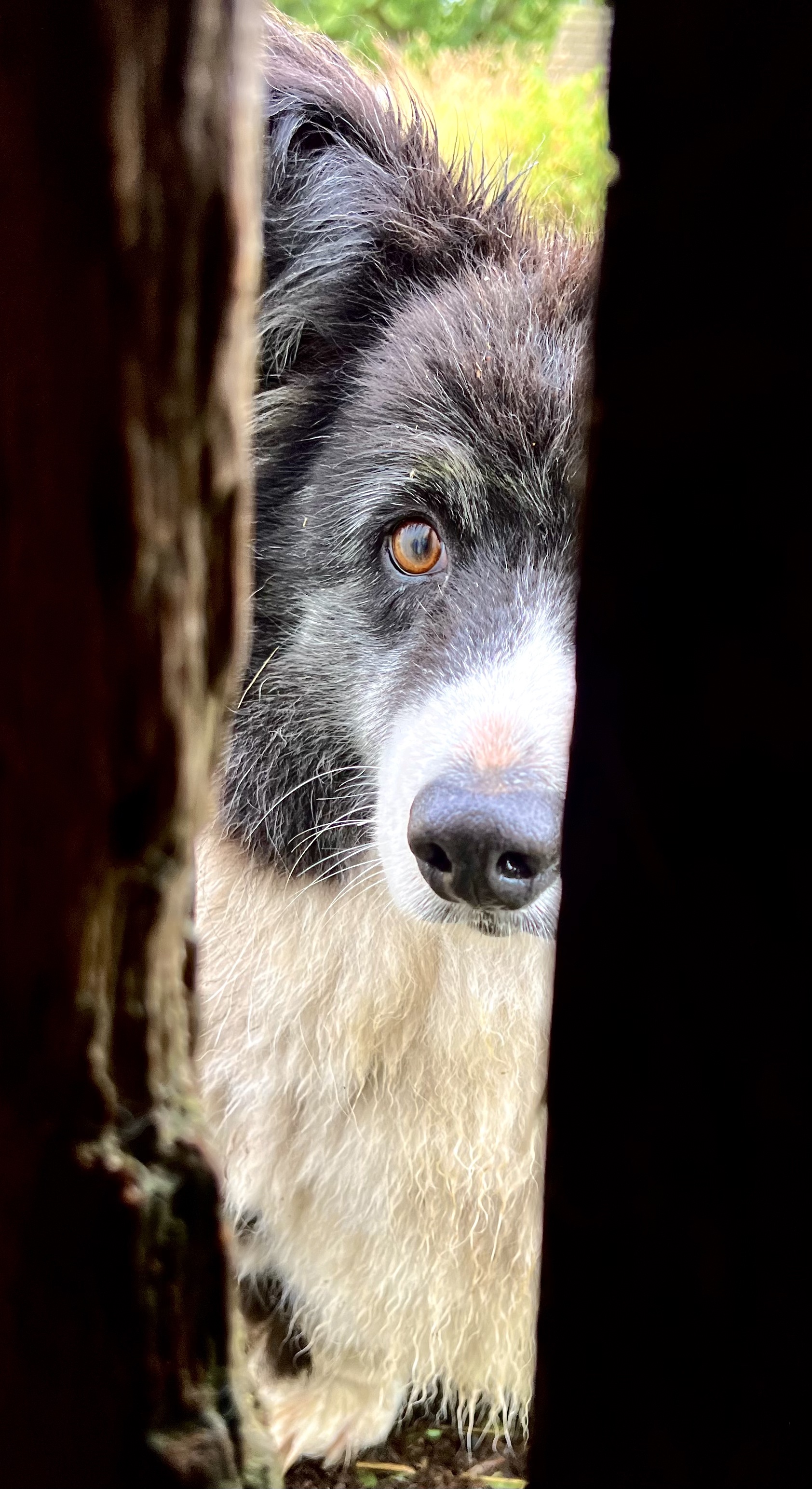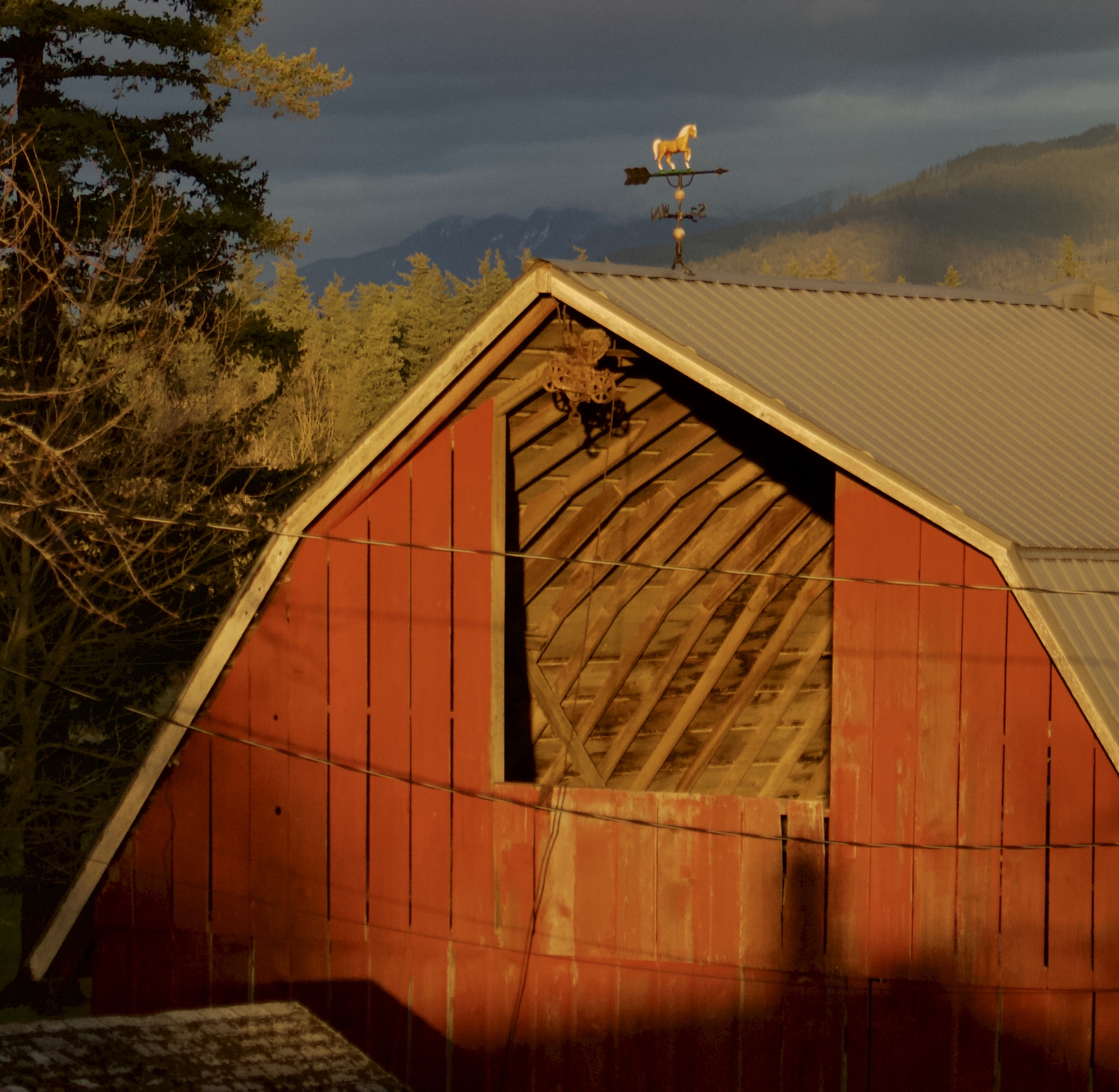
We Will See What We Can Do

I wanted a horse. This was long after
we sold the work horses, and I was feeling

restless on the farm. I got up early
to help my father milk the cows, talking

a blue streak about TV cowboys
he never had time to see and trying to

convince him that a horse wouldn’t cost
so much and that I’d do all the work.

He listened while he leaned his head
against the flank of a Holstein, pulling

the last line of warm milk into
the stainless bucket. He kept listening

while the milk-machine pumped like an engine,
and the black and silver cups fell off and

dangled down, clanging like bells when he
stepped away, balancing the heavy milker

against the vacuum hose and the leather belt.
I knew he didn’t want the trouble

of a horse, but I also knew there was nothing
else I wanted the way I wanted a horse—

another way of saying I wanted
to ride into the sunset and (maybe)

never come back—I think he knew that too.
We’ll see, he said, we’ll see what we can do.
Joyce Sutphen – “What Every Girl Wants”
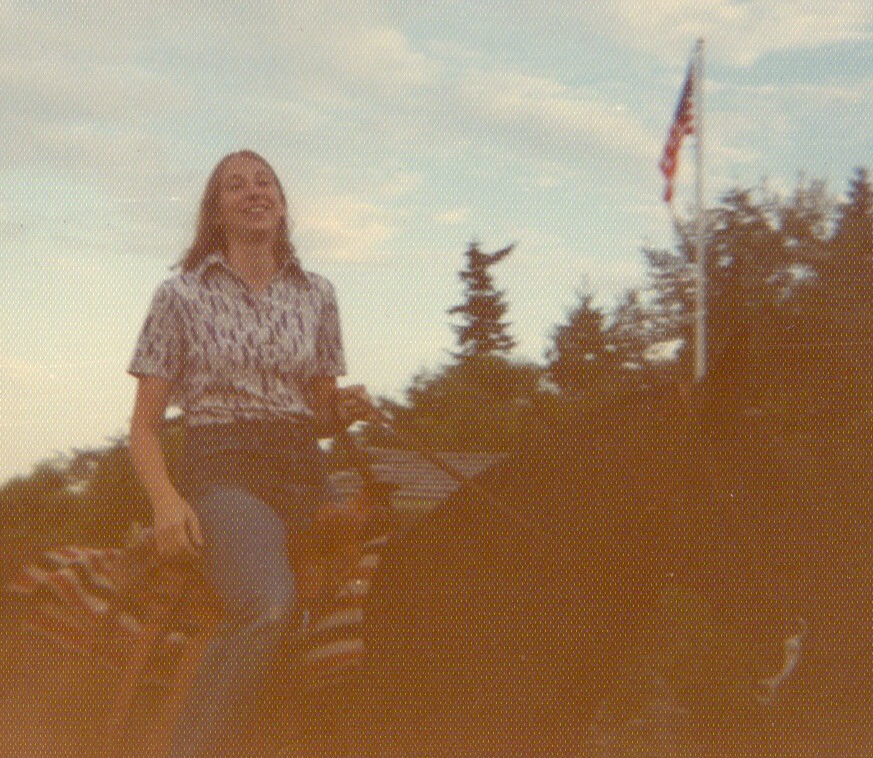
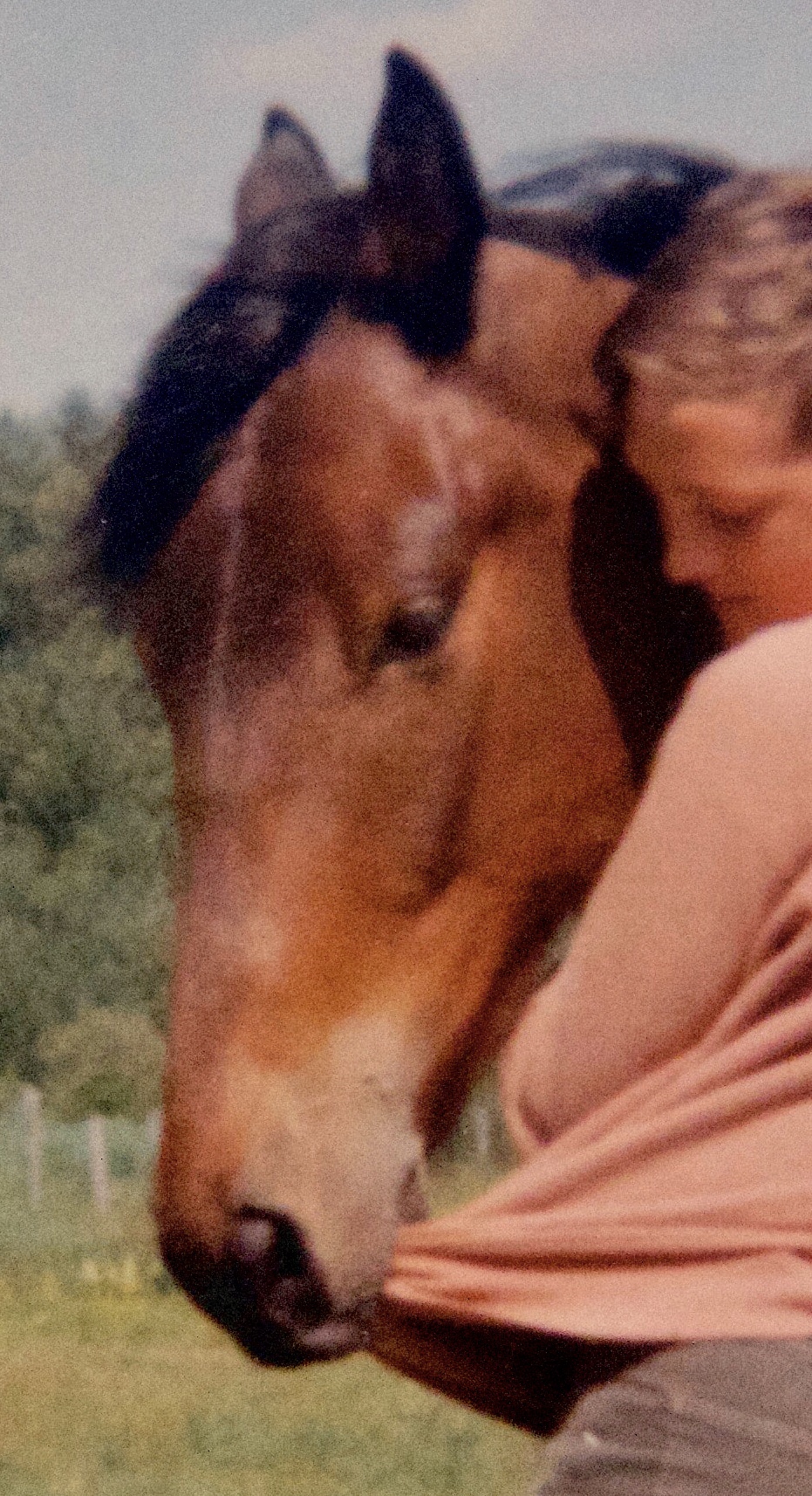
I once was a skinny freckled eleven year old girl who wanted nothing more than to have her own horse. Every inch of my bedroom wall had posters of horses, all my shelves were filled with horse books and horse figurines and my bed was piled with stuffed horses.

I suffered an extremely serious case of horse fever.

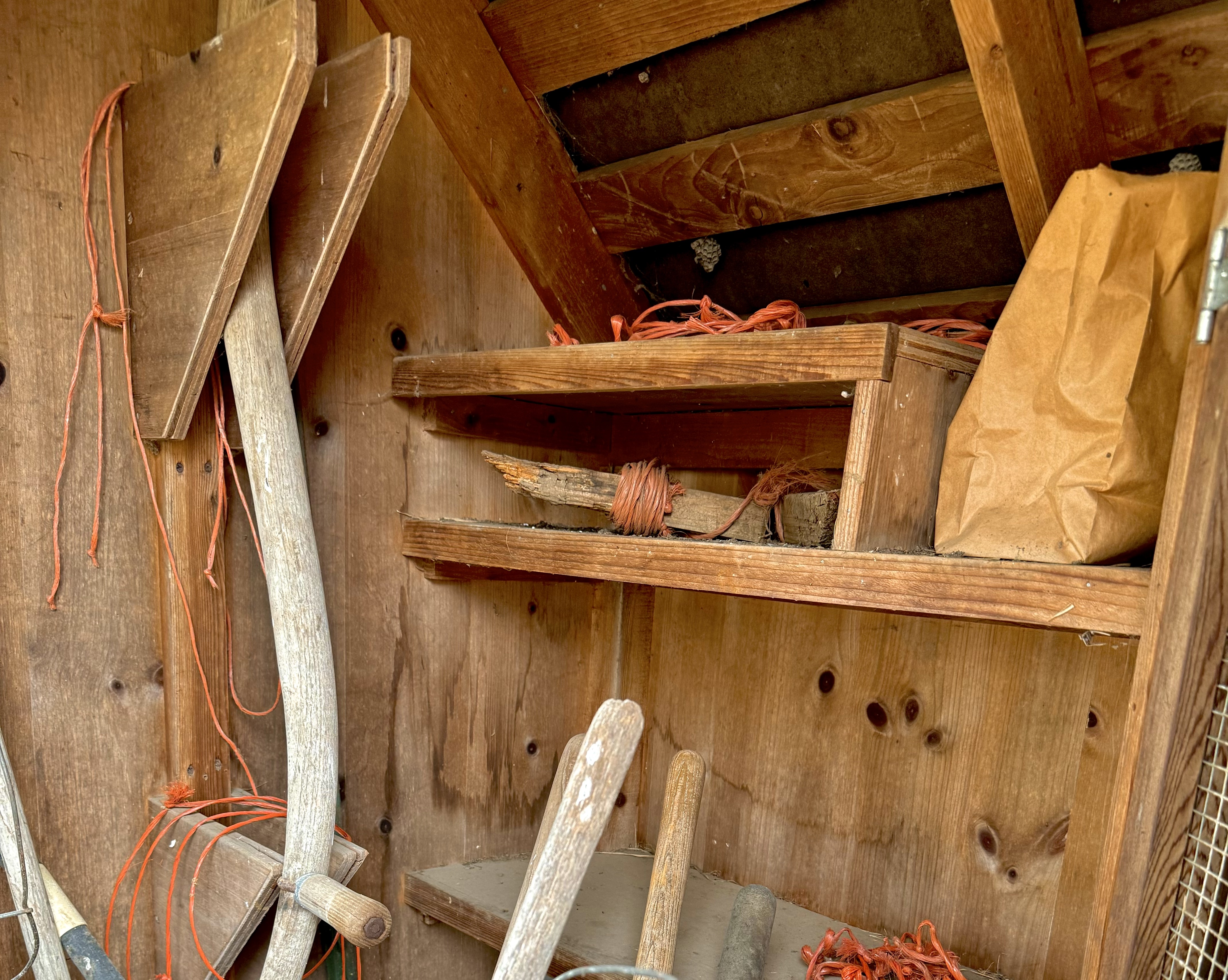
I had learned to ride my big sister’s horse while my sister was off to college, but the little mare had pushed down a hot wire to get into a field of spring oats which resulted in a terrible case of colic and had to be put down. I was inconsolable until I set my mind to buy another horse. We had only a small shed, not a real barn, and no actual fences other than the electric hot wire. Though I was earning money as best I could picking berries and babysitting, I was a long way away from the $150 it would take to buy a trained horse back in 1965.

I pestered my father about my dreams of another horse, and since he was the one to dig the hole for my sister’s horse to be buried, he was not enthusiastic.  “We’ll see,”  he said. “We will see what we can do.”

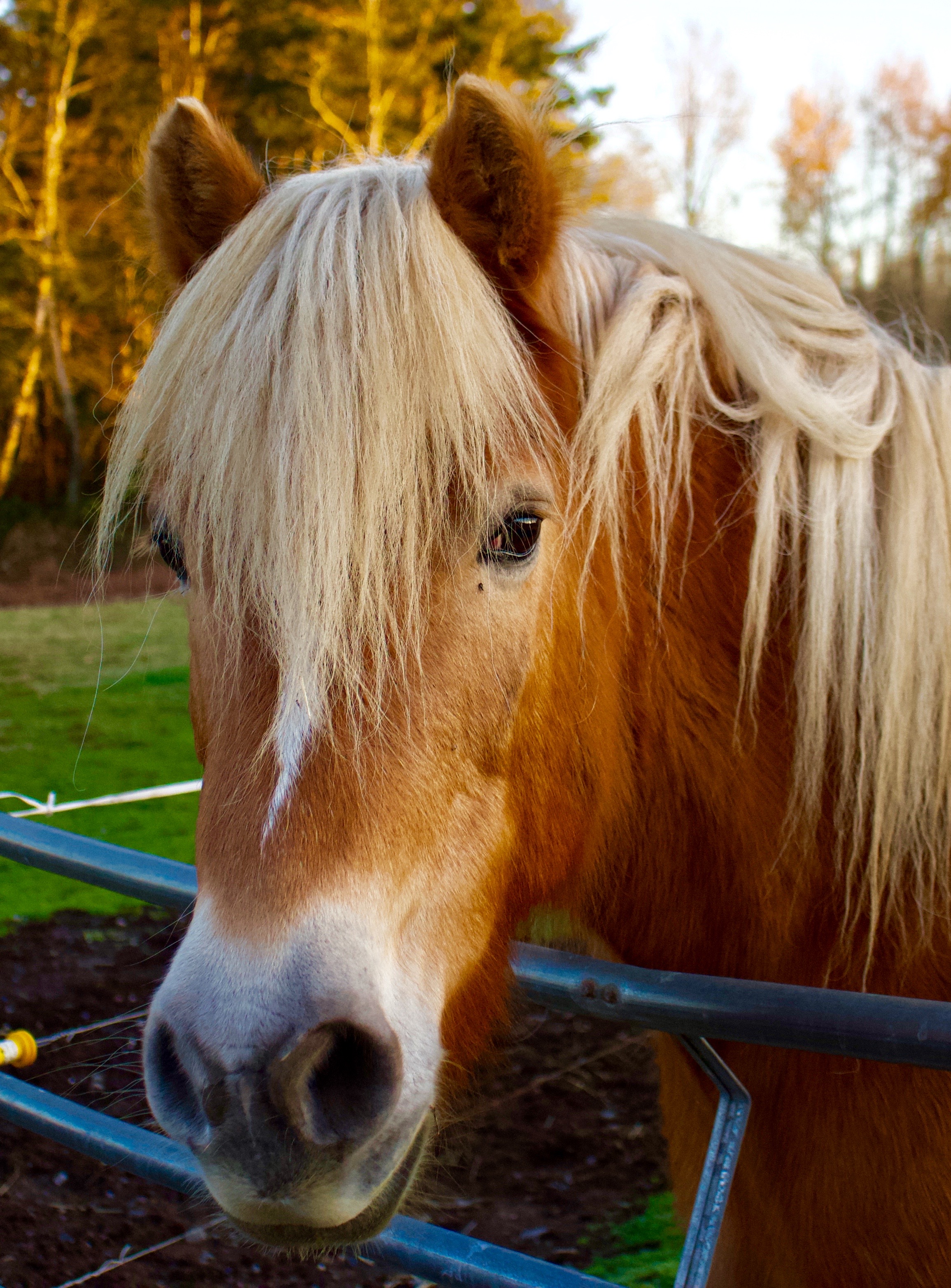
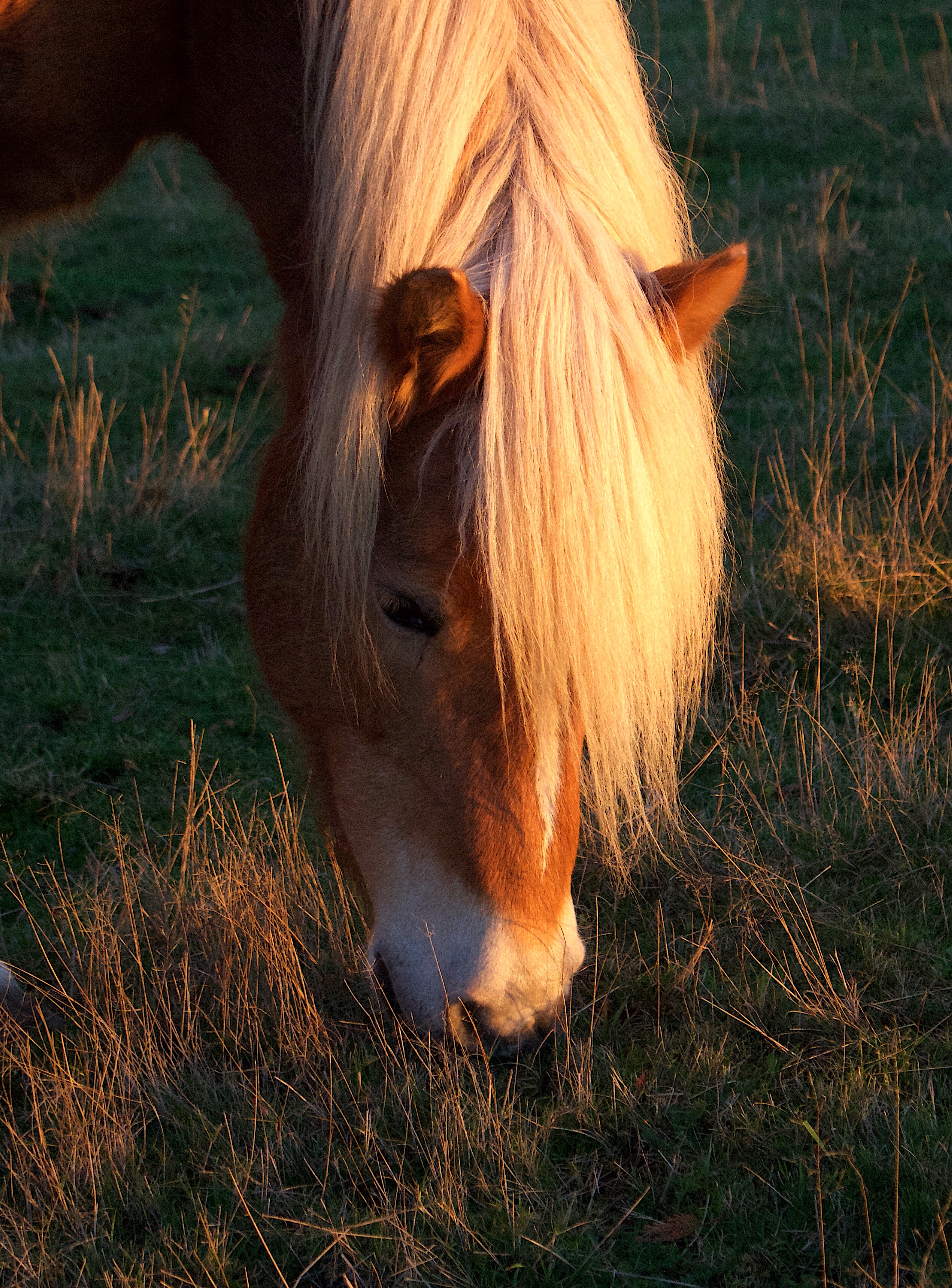
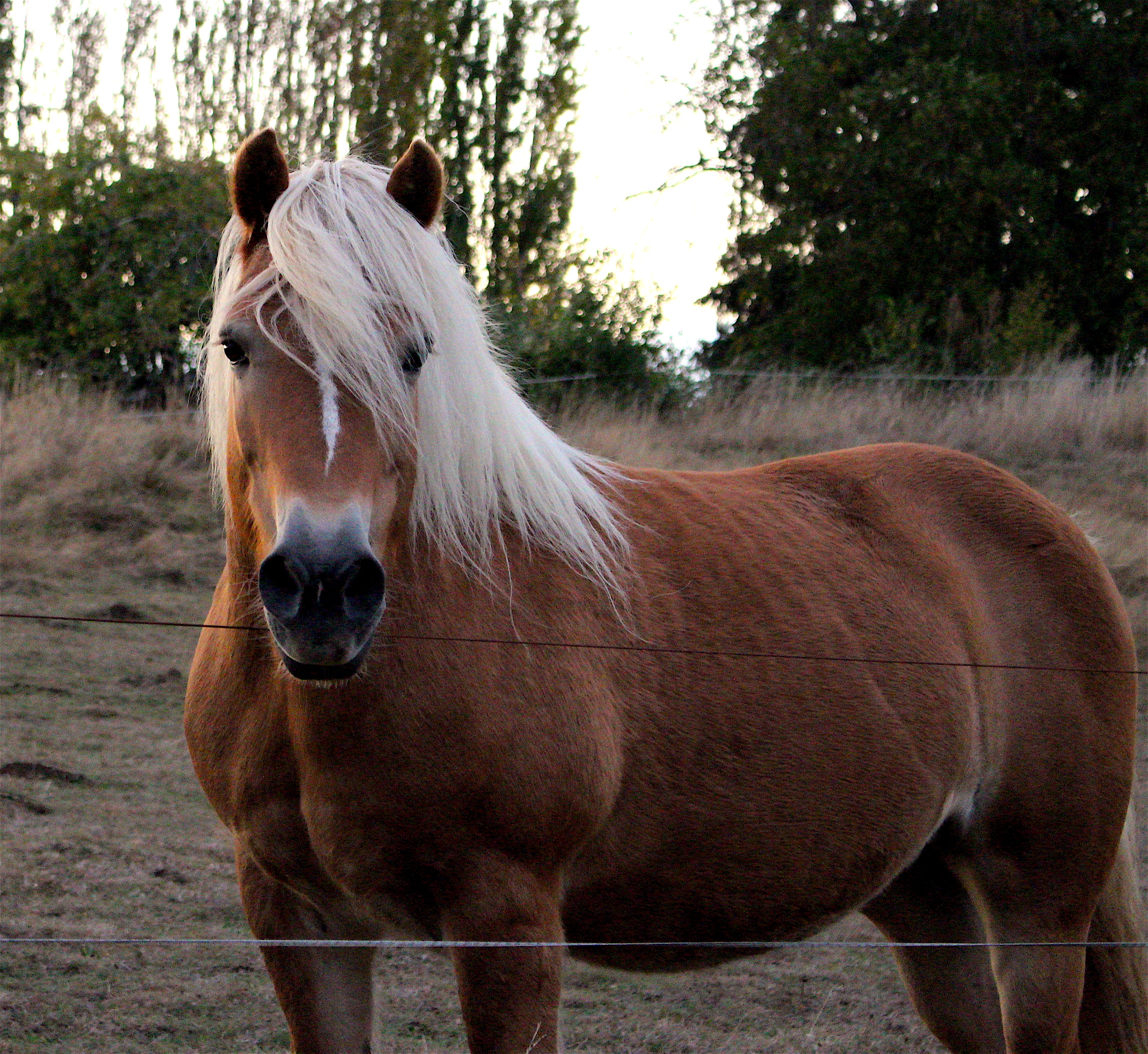
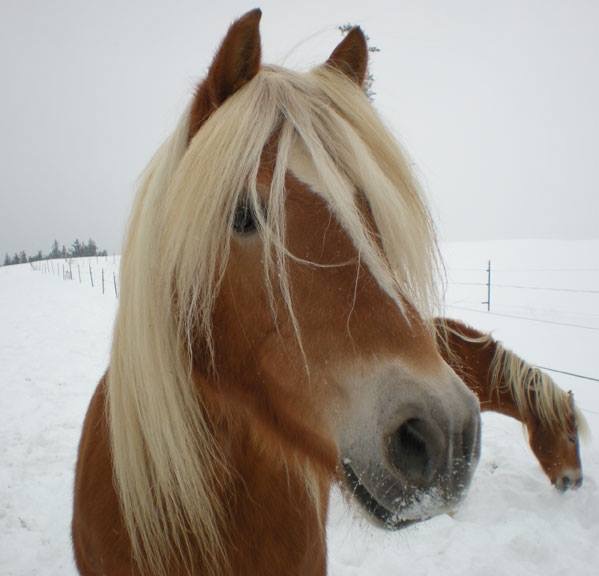
So I dreamed my horsey dreams, mostly about golden horses with long white manes, hoping one day those dreams might come true.

In fall 1965, the  local radio station KGY’s Saturday morning horse news program announced their “Win a Horse” contest. I knew I had to try. The prize was a weanling bay colt, part Appaloosa, part Thoroughbred, and the contest was only open to youth ages 9 to 16 years old. All I had to do was write a 250 word or less essay on “Why I Should Have a Horse”.

I worked and worked on my essay, crafting the right words and putting all my heart into it, hoping the judges would see me as a worthy potential owner. My parents took me to visit the five month old colt named “Prankster”, a fuzzy engaging little fellow who was getting plenty of attention from all the children coming to visit him, and that visit made me even more determined.

When I read these words now, I realize there is nothing quite like the passion of an eleven year old girl:

“Why I Should Have a Horse”

When God created the horse, He made one of the best creatures in the world. Horses are a part of me. I love them and want to win Prankster for the reasons which follow:

To begin with, I’m young enough to have the time to spend with the colt.  My older sister had a horse when she was in high school and her school activities kept her too busy to really enjoy the horse.  I’ll have time to give Prankster the love and training needed.

Another reason is that I’m shy.  When I was younger I found it hard to talk to anybody except my family.  When my sister got the horse I soon became a more friendly person.  When her horse recently died (about when Prankster was born), I became very sad.  If I could win that colt, I couldn’t begin to describe my happiness. 

Also I believe I should have a horse because it would be a good experience to learn how to be patient and responsible while teaching Prankster the same thing. 

When we went to see Prankster, I was invited into the stall to brush him. I was never so thrilled in my life! The way he stood there so majestically, it told me he would be a wonderful horse. 

If I should win him, I would be the happiest girl alive.  I would work hard to train him with love and understanding. If I could only get the wonderful smell and joy of horses back in our barn!

I mailed in my essay and waited.

Fifty nine years ago on this day, November 27, 1965, my mother and I listened to the local horse program that was always featured on the radio at 8 AM on Saturday mornings. They said they had over 300 essays to choose from, and it was very difficult for them to decide who the colt should go to. I knew then I didn’t have a chance. They had several consolation prizes for 2nd through 4th place, so they read several clever poems and heartfelt essays, all written by teenagers.  My heart was sinking by the minute.

The winning essay was next. The first sentence sounded very familiar to me, but it wasn’t until several sentences later that we realized they were reading my essay, not someone else’s. My mom was speechless, trying to absorb the hazards of her little girl owning a young untrained horse.

I woke up my dad, who was sick in bed with an early season flu bug. He opened one eye, looked at me, and said, “I guess I better get a fence up today, right?” Somehow, fueled by the excitement of a daughter whose one wish had just come true, he pulled himself together and put up a wood corral that afternoon, despite feeling so miserable.

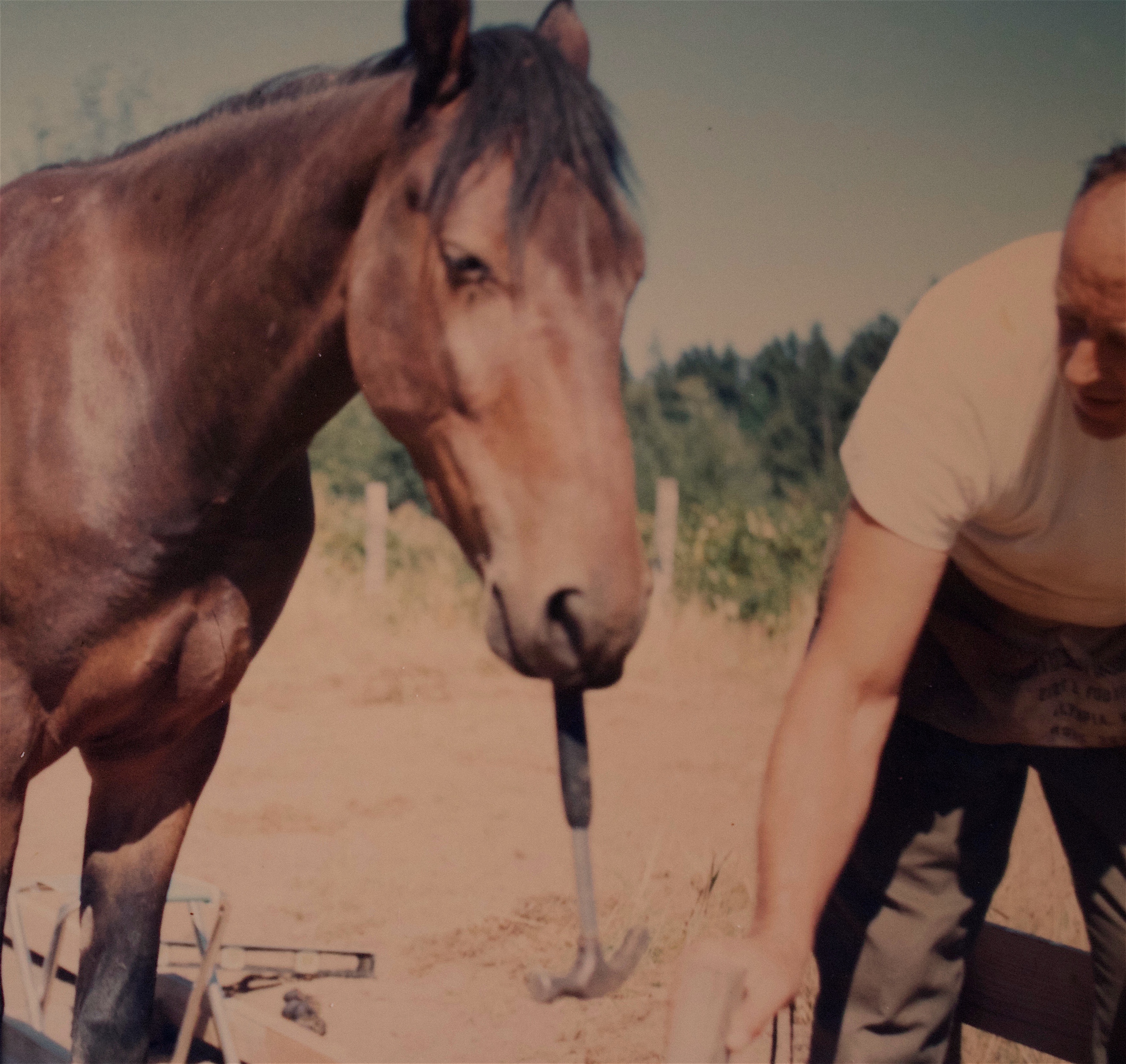
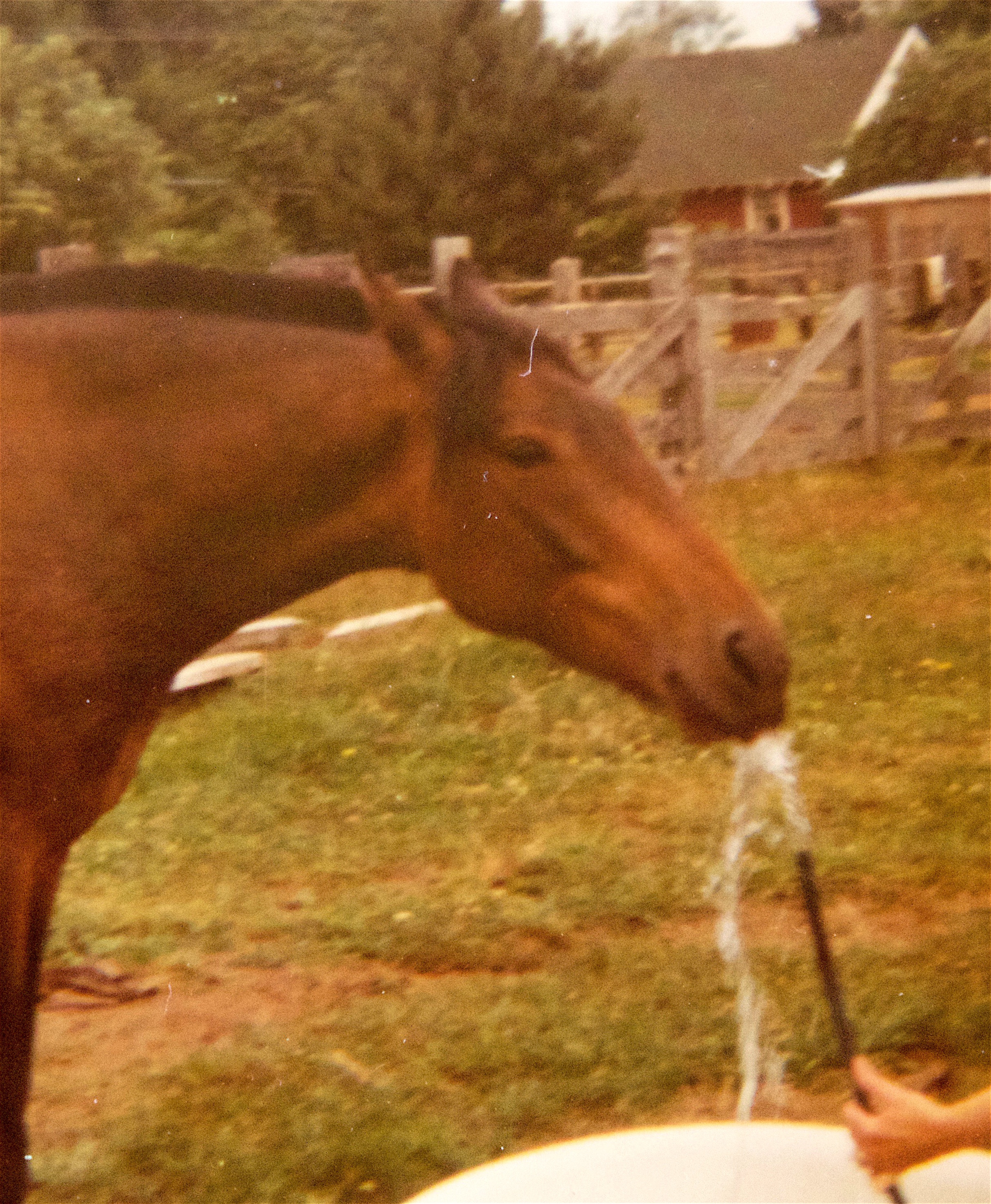
That little bay colt came home to live with me the next day. Over the next few months he and I did learn together, as I checked out horse training books from the library, and joined a 4H group with helpful leaders to guide me. I made plenty of mistakes along the way, learning from each one, including those that left behind scars I still bear.

Prankster was a typical adolescent gelding who lived up to his name — full of mischief with a sense of humor and a penchant for finding trouble, but he was mine and that was all that mattered.

…that and a dad who saw what he needed to do for his passionate kid.  I’ll never forget how he showed his love for me by doing what was needed in that moment.

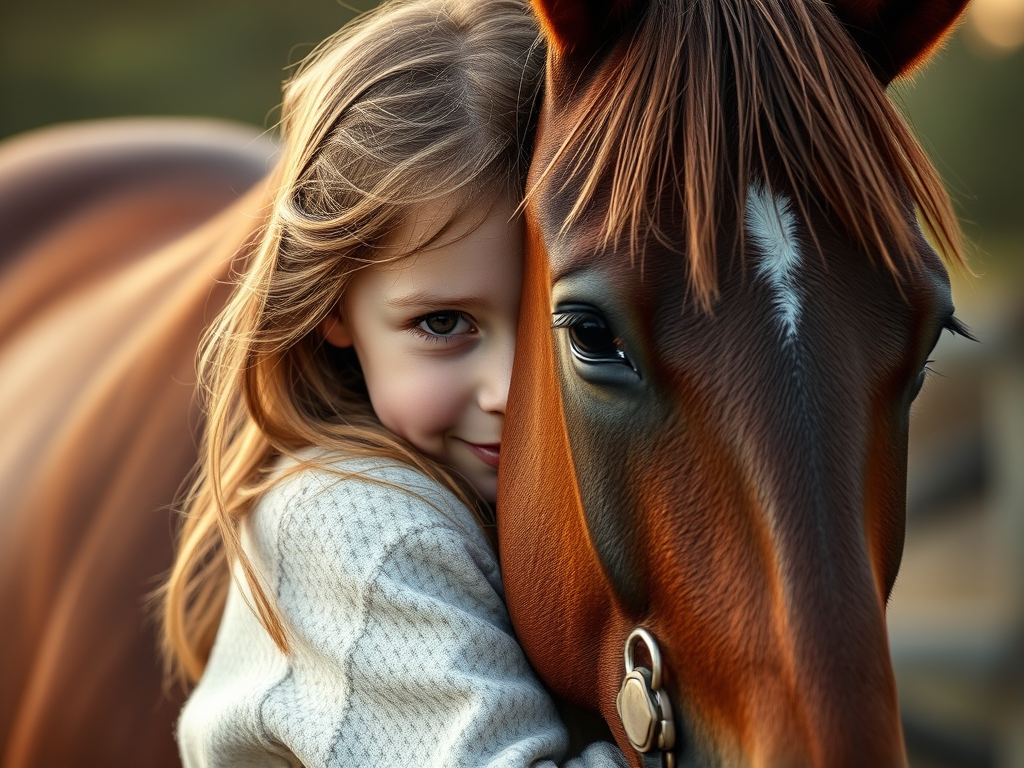
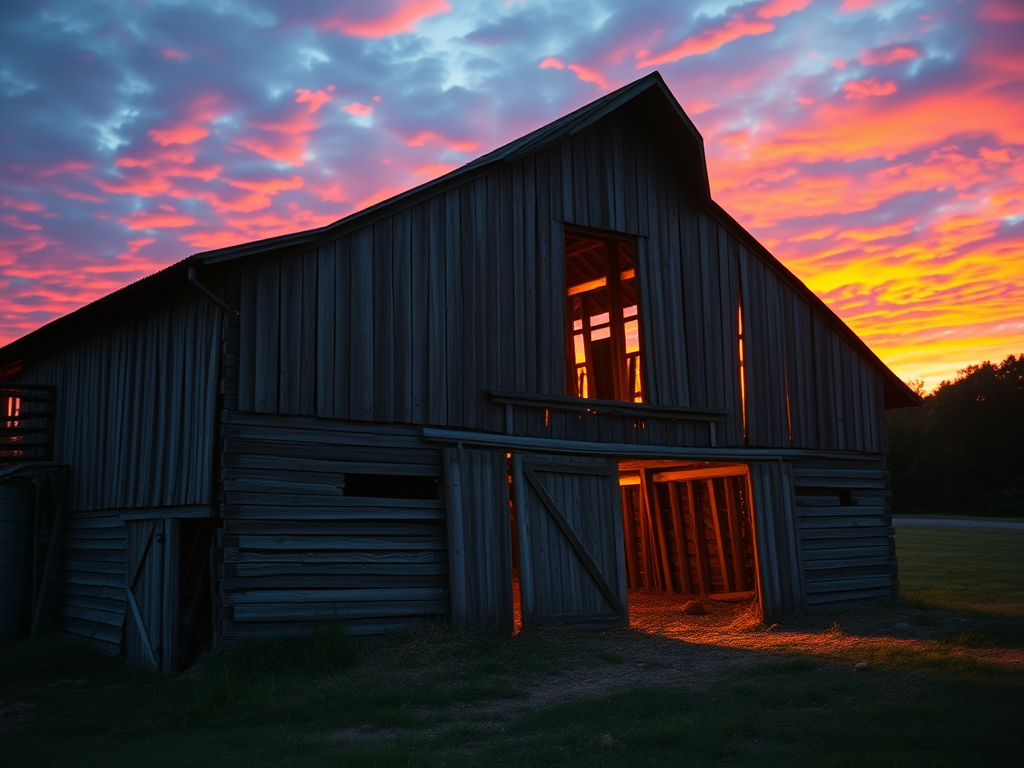
AI image created for this post
One-Time
Monthly
Yearly

Make a one-time or recurring donation to support daily Barnstorming posts

Make a monthly donation

Make a yearly donation

Choose an amount

$10.00
$25.00
$50.00
$5.00
$15.00
$100.00
$5.00
$15.00
$100.00

Or enter a custom amount

$

Your contribution is deeply appreciated.

Your contribution is appreciated.

Your contribution is appreciated.

DonateDonate monthlyDonate yearly
Good Things in Abundance

There was an entire aspect to my life that I had been blind to — the small, good things that came in abundance.
~Mary Karr from The Art of Memoir

We can only be said to be alive in those moments when our hearts are conscious of our treasures.
~Thornton Wilder, quotes from “Our Town”

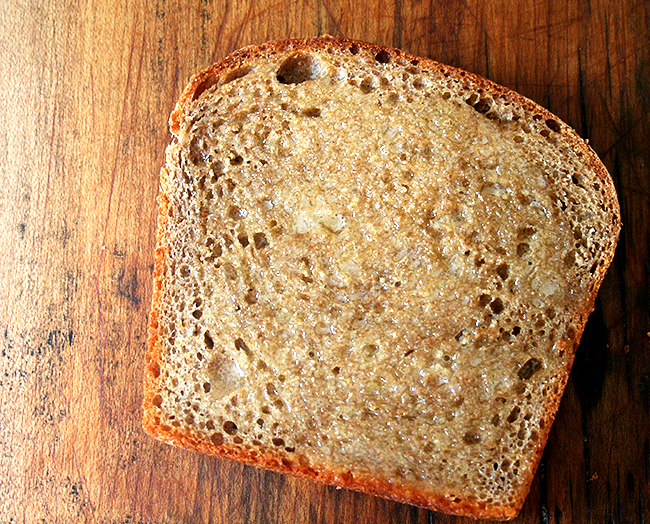
The smell of baking bread, smooth floured hands,
butter waiting to be spread with blackberry jam,
and I realize, this is no small thing.
These days spent confined,
I am drawn to life’s ordinary details,
the largeness of all we can do
alongside what we cannot.
The list of allowances far outweighs my complaints.
I am fortunate to have flour and yeast, a source of heat,
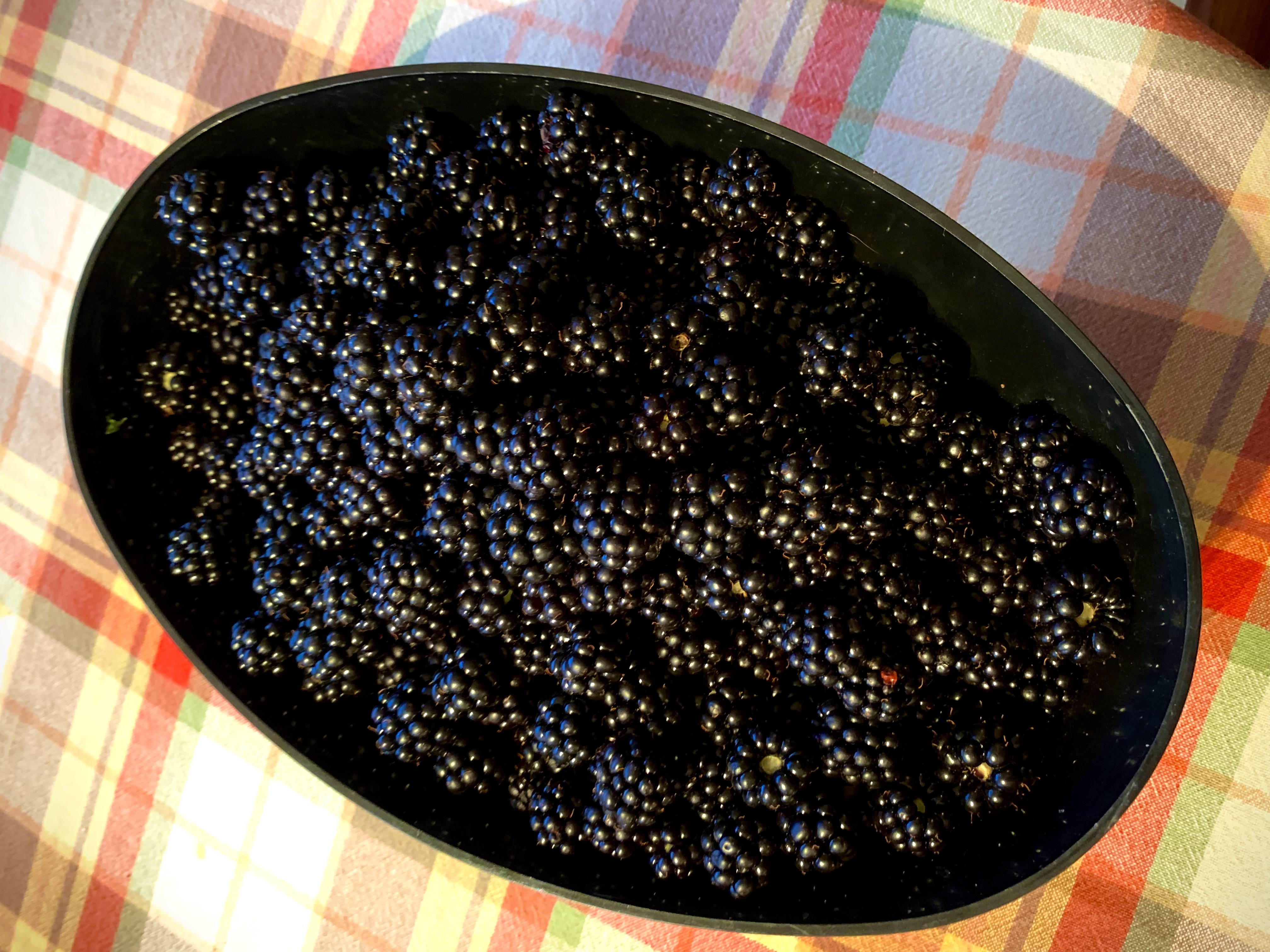
not to mention soft butter, the tartness of blackberries
harvested on a cold back road.
A kitchen, a home, two working
hands to stir and knead,
a clear enough head to gather it all.
Even the big toothy knife feels miraculous
as it grabs hold and cracks the crust.

~Ellen Rowland “No Small Thing”

The words from “Our Town” written over 80 years ago still ring true:
our country a Great Depression of the economy then –
now we stagger under a Great Depression of the spirit.

Despite being more connected electronically, we are actually more divisive than ever, many feeling estranged from family, friends, faith.

Some less economically secure,
yet many emotionally bankrupt.

May we be more conscious of our abundance –
our small daily treasures.

God knows we need Him.
He cares for us, even when
we turn our faces away from Him.

I search the soil of this life,
this farm, this faith
to find what still yearns
to grow, to bloom, to fruit,
to be harvested to share with others.

My deep gratitude goes to you
who visit here once in awhile, or daily.
Thank you to those who let me know
the small and the good I share with you
makes a difference.

I’m right here,
alongside you in joint Thanksgiving
to our Creator and Preserver.

Many blessings today and always,
Emily

Let it go my love my truest
Let it sail on silver wings
Life’s a twinkling and that’s for certain
But it’s such a fine thing

CHORUS:There’s a gathering of spirits
There’s a festival of friends
And we’ll take up where we left off
When we all meet again

I can’t explain it
I couldn’t if I tried
How the only things we carry
Are the things we hold inside

Like a day in the open
Like the love we won’t forget
Like the laughter that we started
And it hasn’t died down yet

Oh let it go my love my truest
Let it sail on silver wings
Life’s a twinkling and that’s for certain
But it’s such a fine thing

Oh yeah now didn’t we
And don’t we make it shine
Aren’t we standing in the center of
Something rare and fine

Some glow like embers
Like a light through colored glass
Some give it all in one great flame

Throwing kisses as they pass

So let it go my love my truest
Let it sail on silver wings
Life’s a twinkling and that’s for certain
But it’s such a fine thing

East of eden
But there’s heaven in our midst
And we’re never really all that far
From those we love and miss
Wade out in the water
There’s a glory all around
And the wisest say there’s a thousand ways
To kneel and kiss the ground

Oh let it go my love my truest
Let it sail on silver wings
Life’s a twinkling and that’s for certain
But it’s such a fine thing

One-Time
Monthly
Yearly

Make a one-time or recurring donation to support daily Barnstorming posts

Make a monthly donation

Make a yearly donation

Choose an amount

$10.00
$25.00
$50.00
$5.00
$15.00
$100.00
$5.00
$15.00
$100.00

Or enter a custom amount

$

Your contribution is deeply appreciated.

Your contribution is appreciated.

Your contribution is appreciated.

DonateDonate monthlyDonate yearly
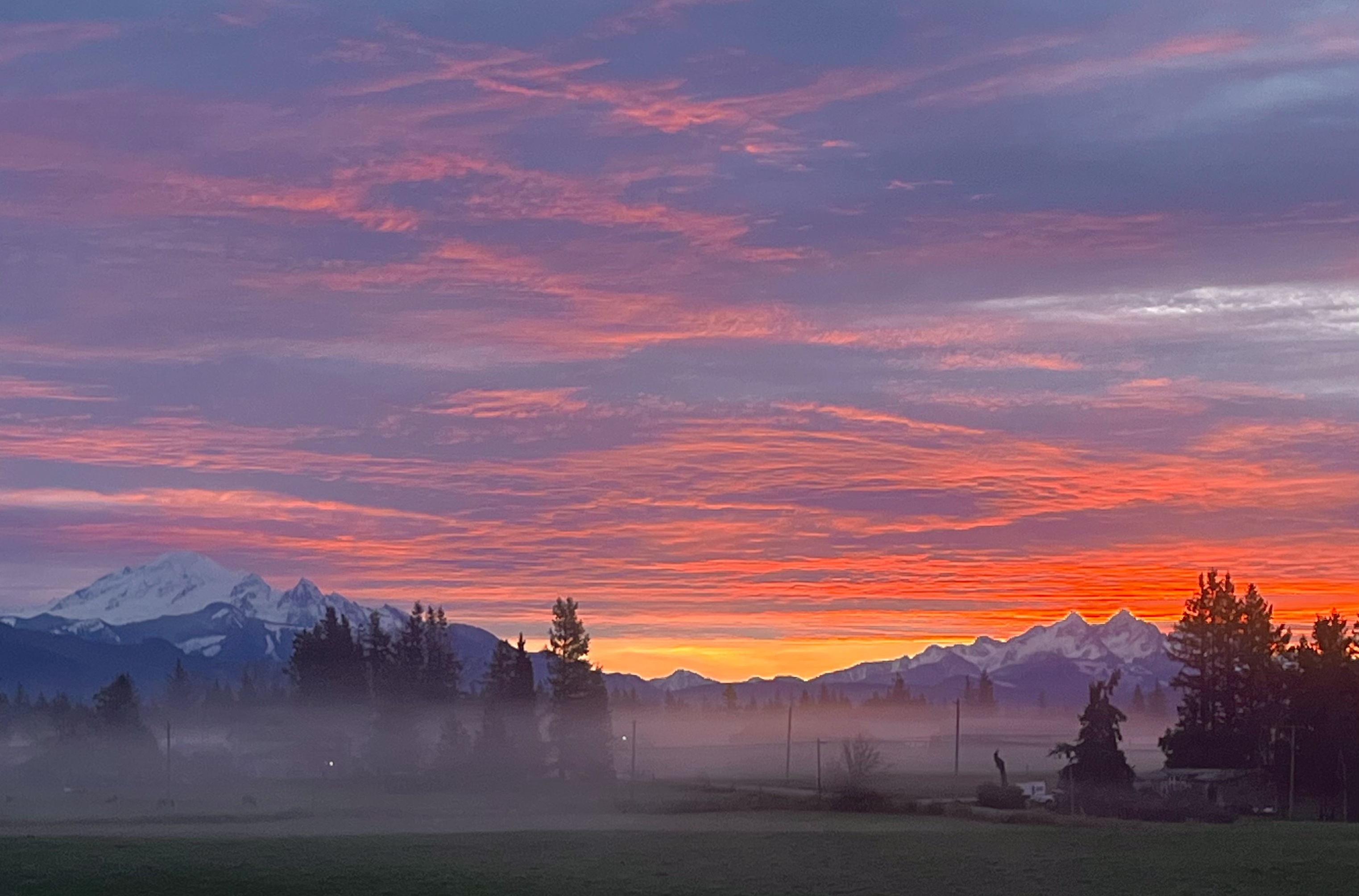
The Rustling Maize

A dim veil hangs over the landscape and flood,
And the hills are all mellowed in haze,
While Fall, creeping on like a monk ‘neath his hood,
Plucks the thick-rustling wealth of the maize.

And long for this manna that springs from the sod
Shall we gratefully give Him the praise,
The source of all bounty, our Father and God,
Who sent us from heaven the maize!
~William Fosdick “The Maize”

Come, boys, sing!—
                               Sing of the yellow corn,
                           Sing, boys, sing,
                               Sing of the yellow corn!
He springeth up from the fallow soil,
With the blade so green and tall,
And he payeth well the reaper’s toil,
When the husks in the autumn fall.
              The pointed leaves,
                  And the golden ear,
              The rustling sheaves,
                  In the ripened year—
                            Sing, boys, sing!
                               Sing of the yellow corn,
                            Sing, boys, sing,
                               Sing of the yellow corn.

He drinks the rain in the summer long,
And he loves the streams that run,
And he sends the stalk so stout and strong,
To bask in the summer sun.
              The pointed leaves,
                   And the golden ear,
              The rustling sheaves,
                   In the ripened year—
                              Sing, boys, sing!
                                  Sing of the yellow corn,
                              Sing, boys, sing,
                                  Sing of the yellow corn.

He loves the dews of the starry night,
And the breathing wind that plays
With his tassels green, when the mellow light
Of the moon on the meadow stays.
              The pointed leaves,
                   And the golden ear,
              The rustling sheaves,
                   In the ripened year—
                              Sing, boys, sing!
                                  Sing of the yellow corn,
                              Sing, boys, sing,
                                  Sing of the yellow corn.

A glorious thing is the yellow corn,
With the blade so green and tall,
A blessed thing is the yellow corn,
When the husks in the autumn fall.
              Then, sing, boys, sing!
                  Sing of the yellow corn,
              Sing, boys, sing,
                  Sing of the yellow corn!
                     The pointed leaves,
                          And the golden ear,
                     The rustling sheaves,
                          In the ripened year—
                              Come, sing, boys, sing!
                                   Sing of the yellow corn,
                               Sing, boys, sing,
                                   Sing of the yellow corn.

~Charles Eastman “The Yellow Corn”

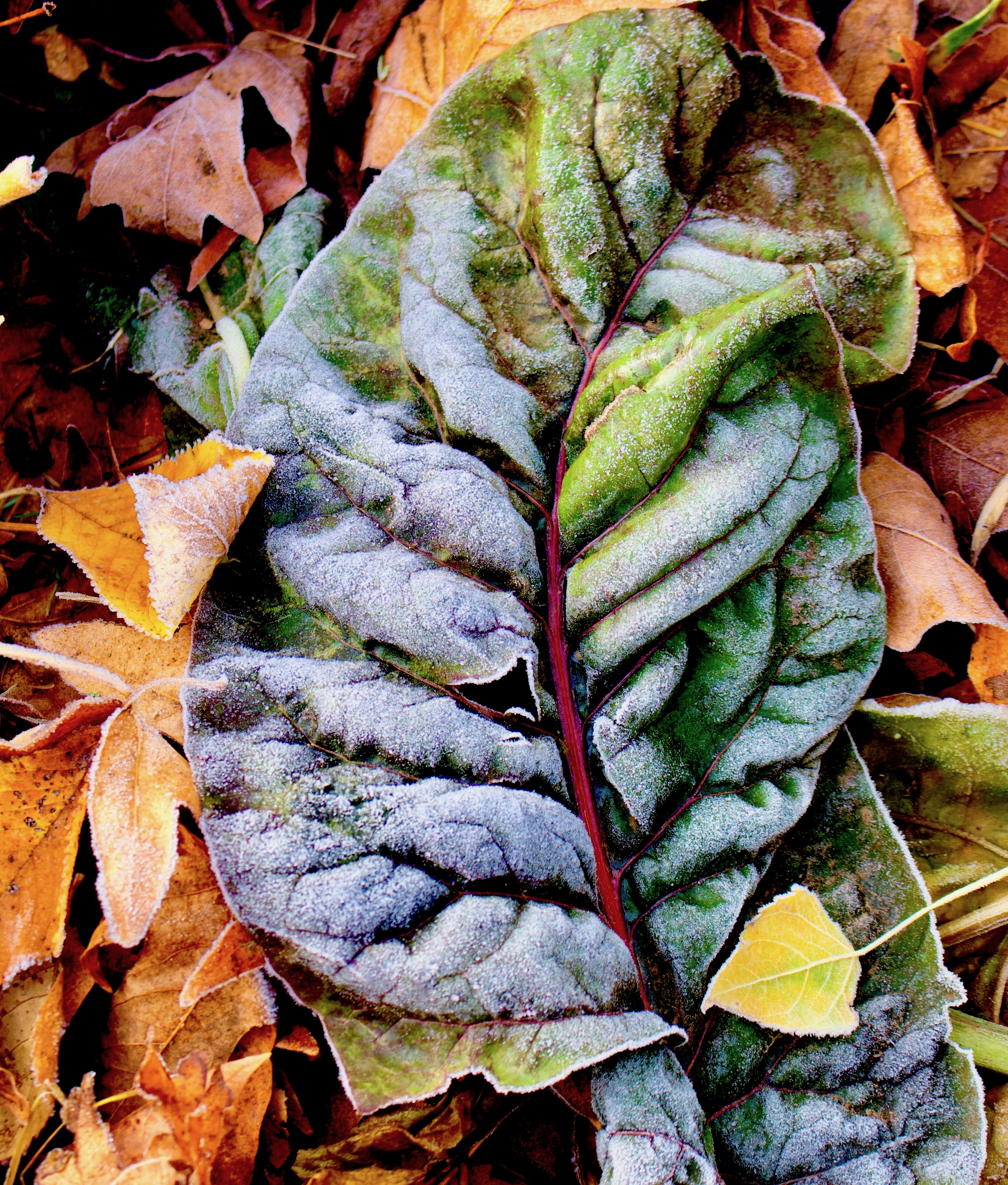
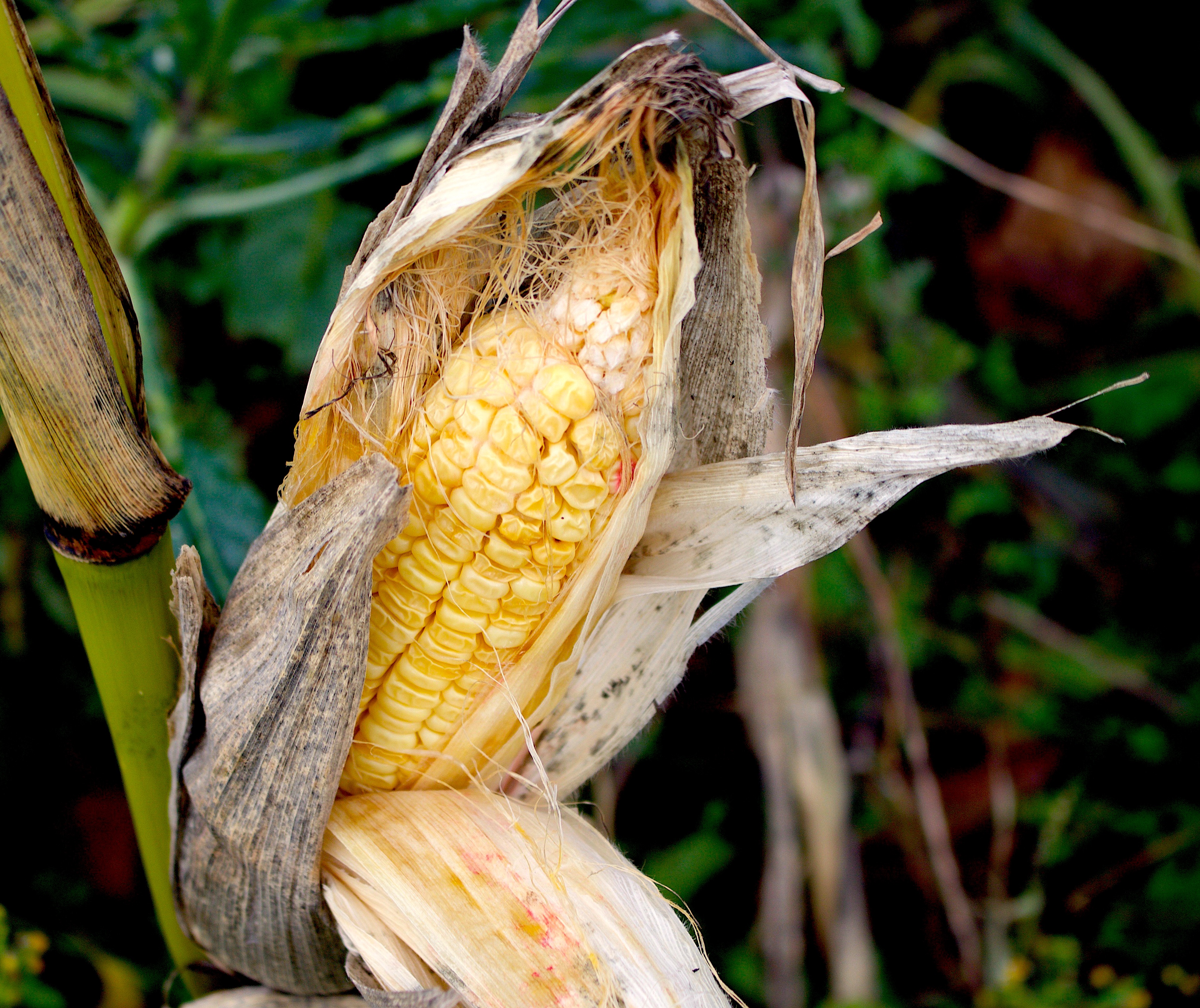
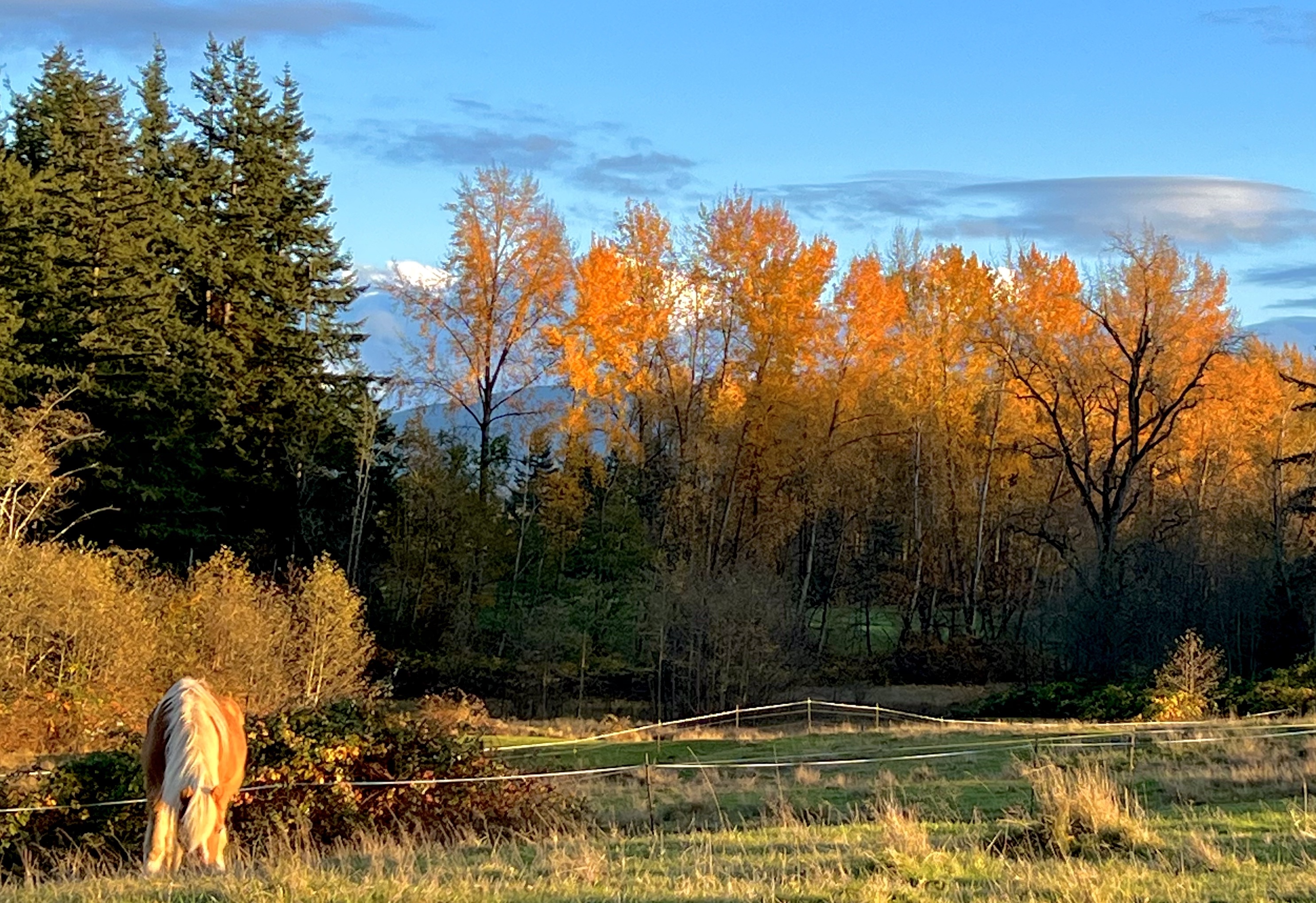
The dying autumn garden can feel like a treasure hunt as we pull out and sort through the dead and dying vines and stalks: a giant zucchini growing undetected under leaves, a rotting pumpkin collapsing into itself, fat hollowed beans ready to burst with seed.

Everything is dry and rustling in the north winds.

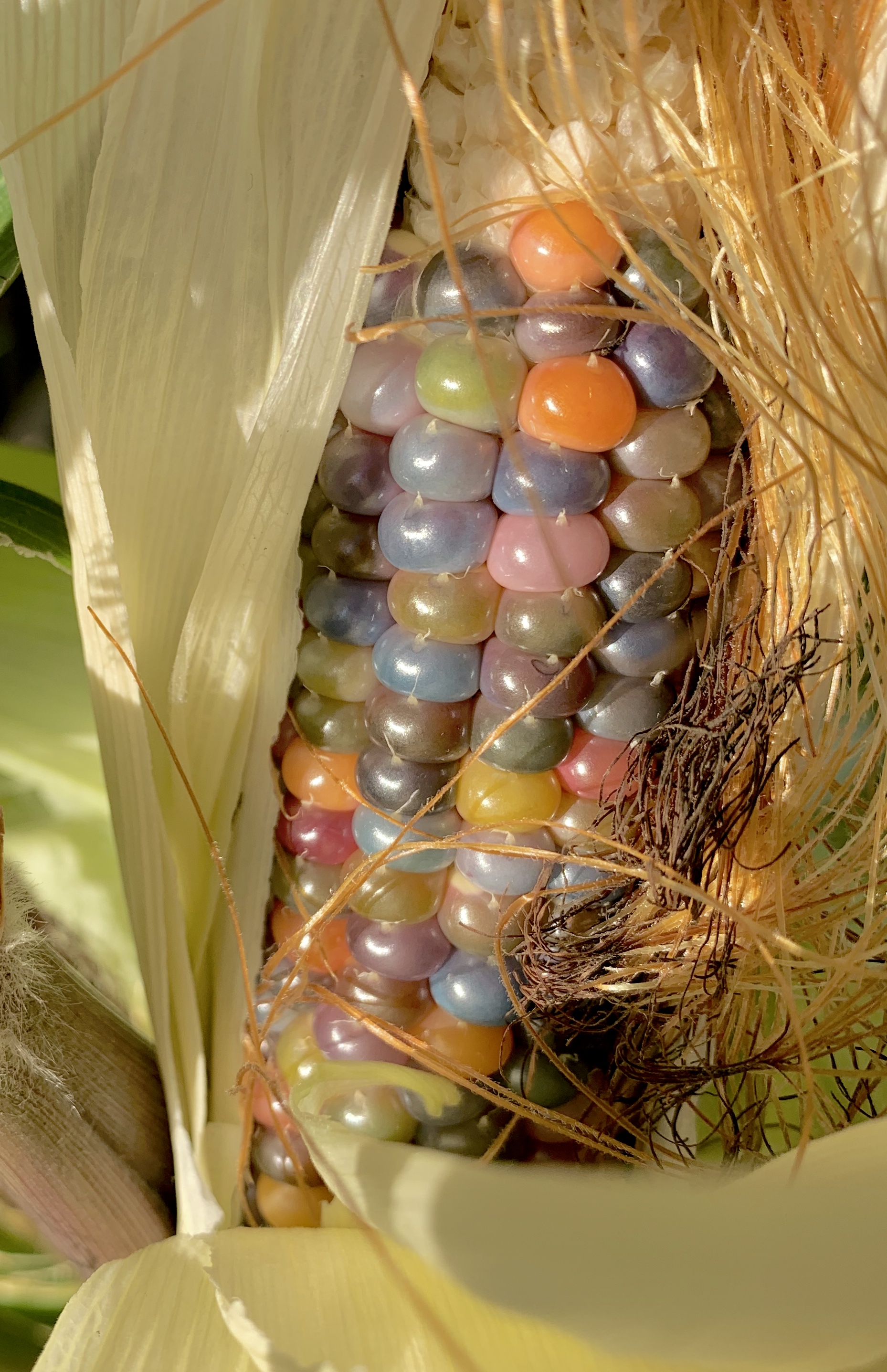
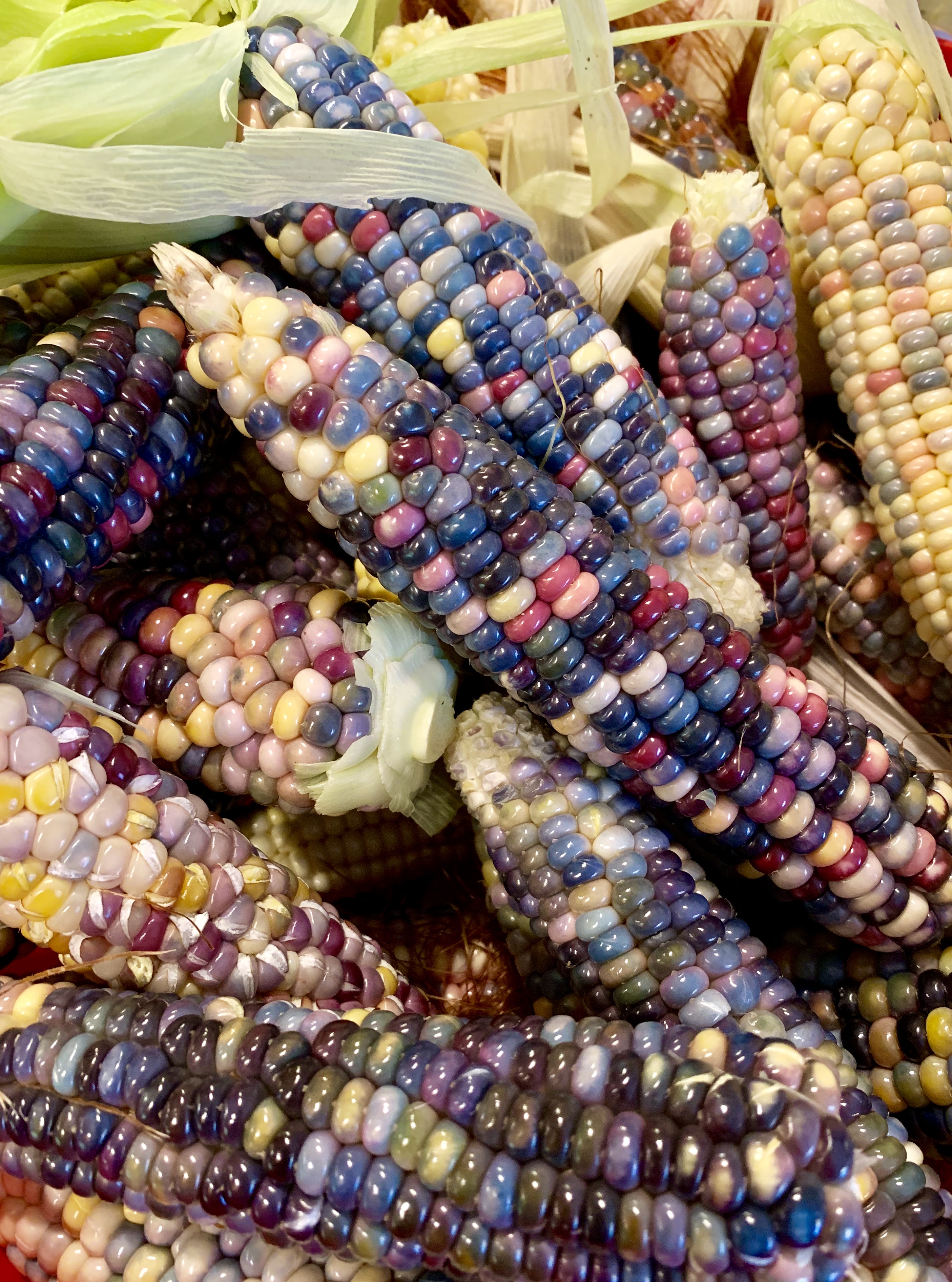
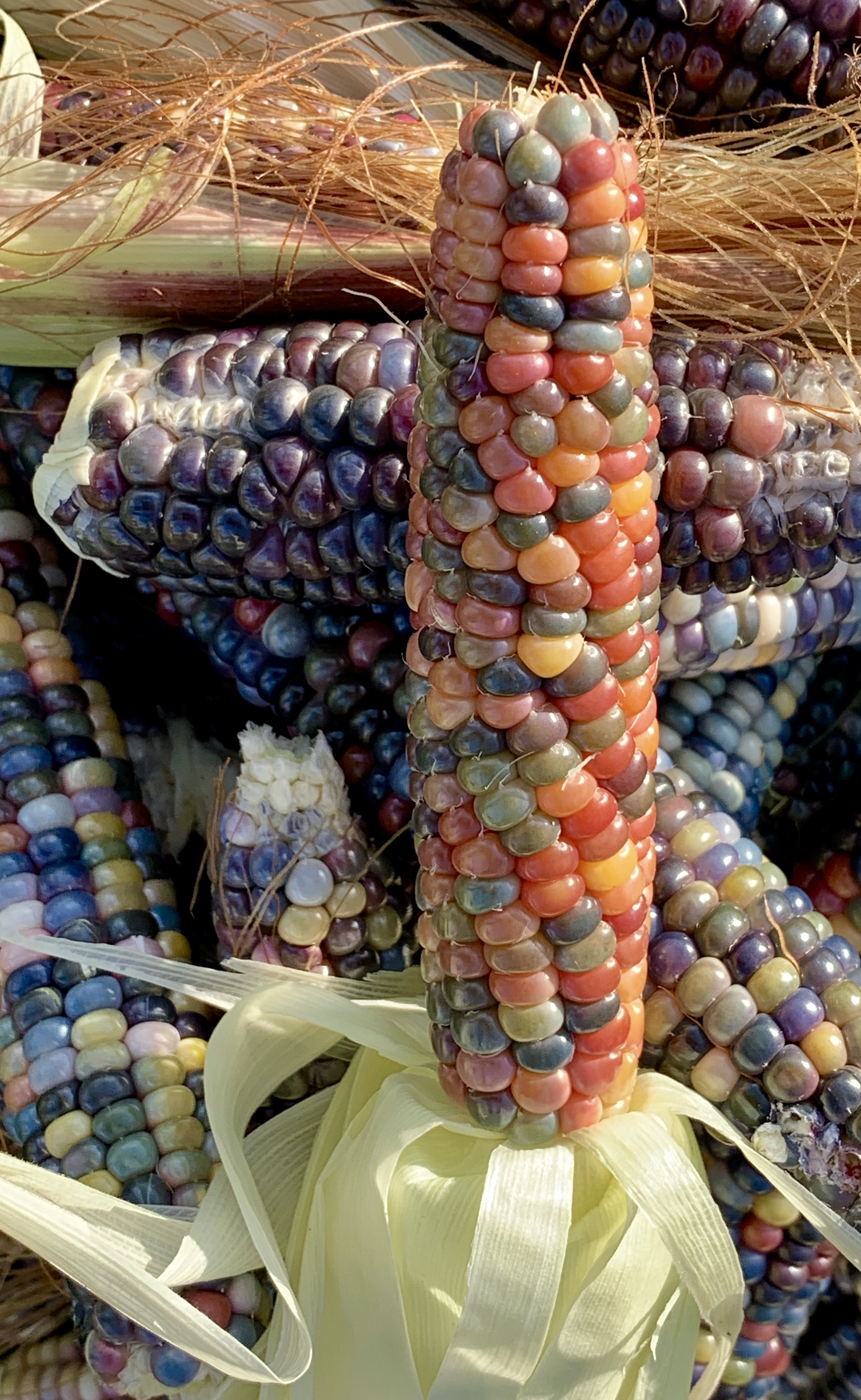
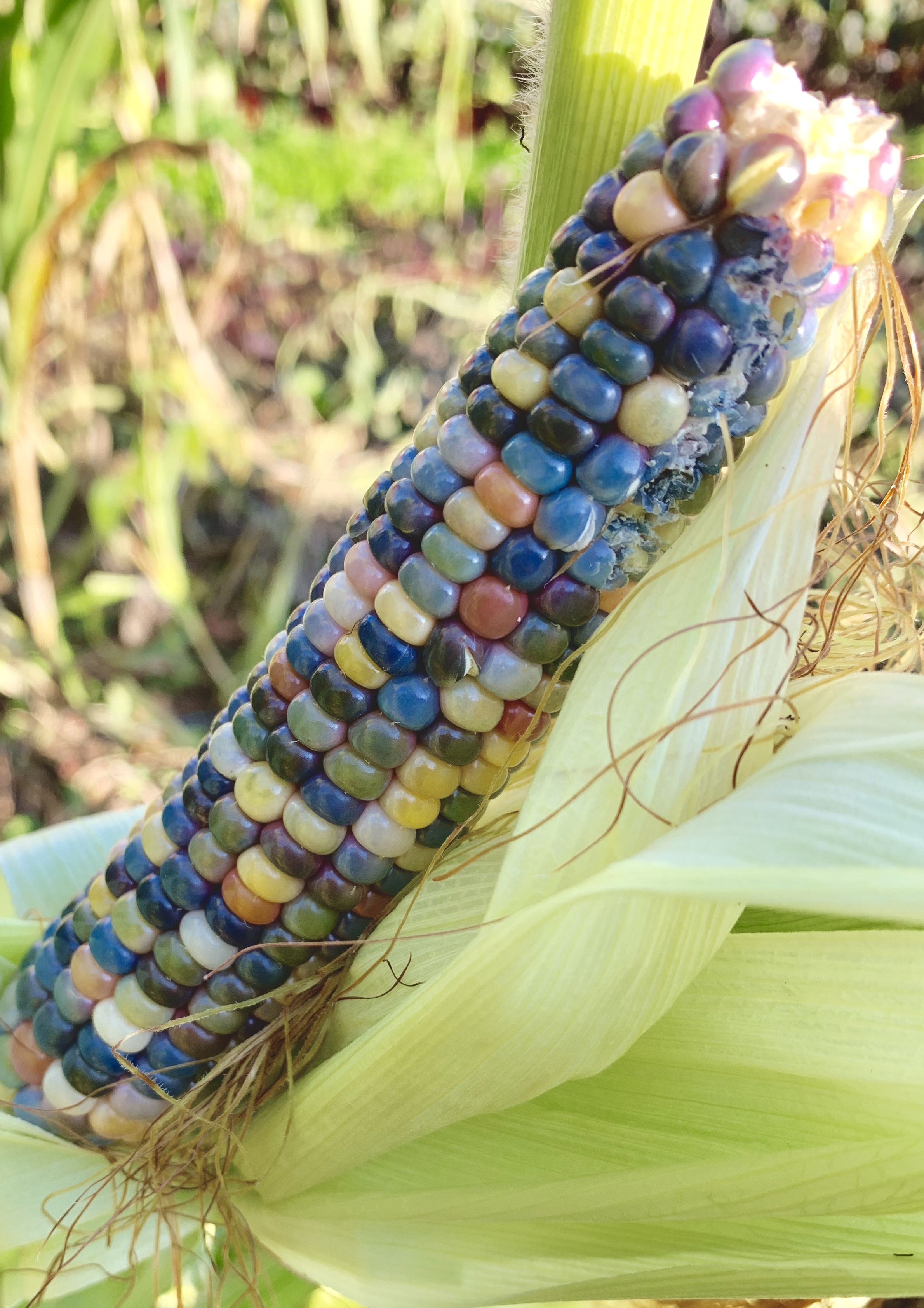
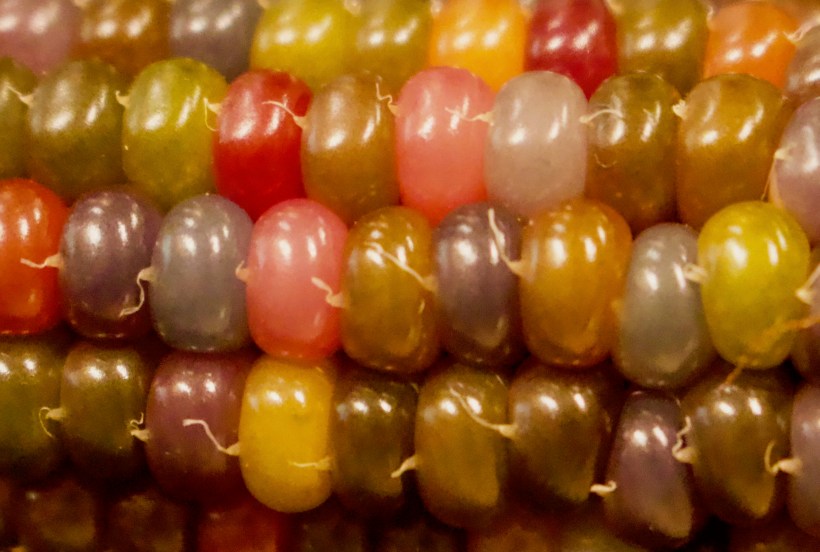
The greatest Easter Egg of all hidden away in husk and cornsilk is glass gem corn. It grew on stunted stalks with few apparent ears, so pitiful next to our robust sweet corn crop.

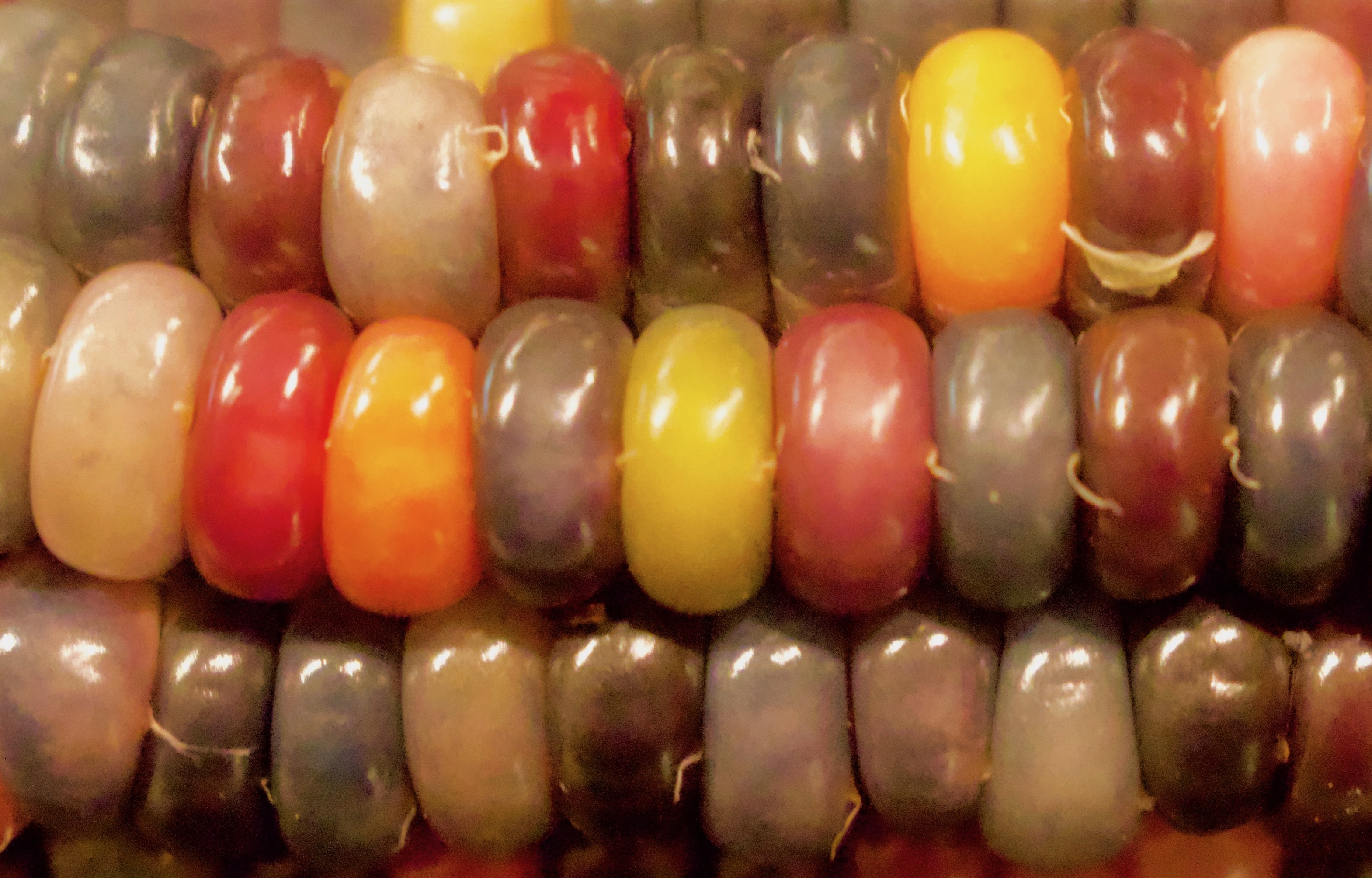
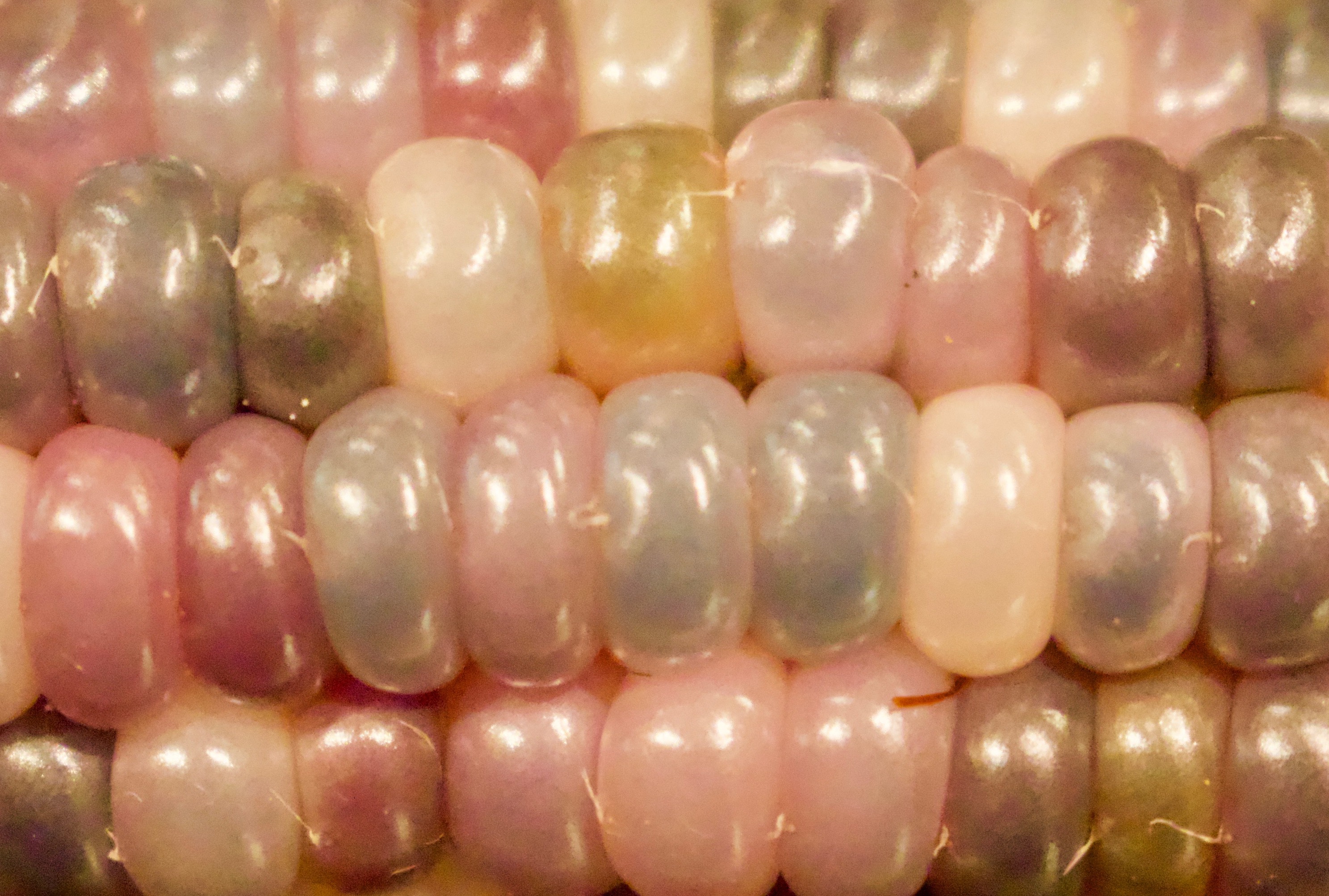
It fooled us; this corn is pure gold in a kaleidoscope Thanksgiving display – purely ornamental since it doesn’t grow prolific like a sweet yellow corn. Yet these meager ears glow like stained glass, colorful quilt swatches on a stalk.

God has a palette of heaven-sent color and imagination. People come in all colors too, thanks to His artistry, but not nearly so varied as these kernels of colored glass.

One-Time
Monthly
Yearly

Make a one-time and recurring donation to support daily Barnstorming posts

Make a monthly donation

Make a yearly donation

Choose an amount

$10.00
$25.00
$50.00
$5.00
$15.00
$100.00
$5.00
$15.00
$100.00

Or enter a custom amount

$

Your contribution is deeply appreciated.

Your contribution is appreciated.

Your contribution is appreciated.

DonateDonate monthlyDonate yearly

Until One Day

We who choose to surround ourselves with lives
more temporary than our own,
live within a fragile circle, easily and often breached.

Unable to accept its awful gaps,
we still would live no other way.

The life of a horse, often half our own,
seems endless until one day.


That day has come and gone for me,
and I am once again within a somewhat smaller circle.
~ Irving Townsend from Separate Lifetimes

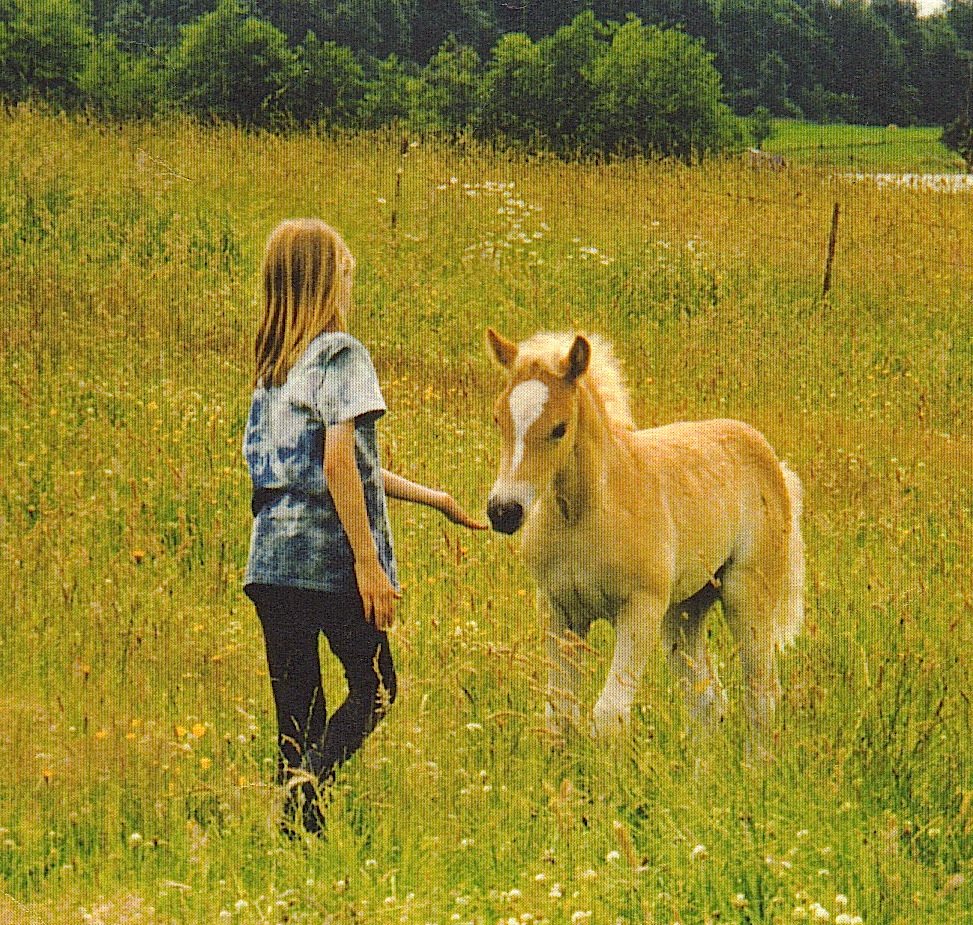
1996 photo of Noblesse with Chesna Klimek, taken by Norma Jenner

That day comes, yet not without warning.

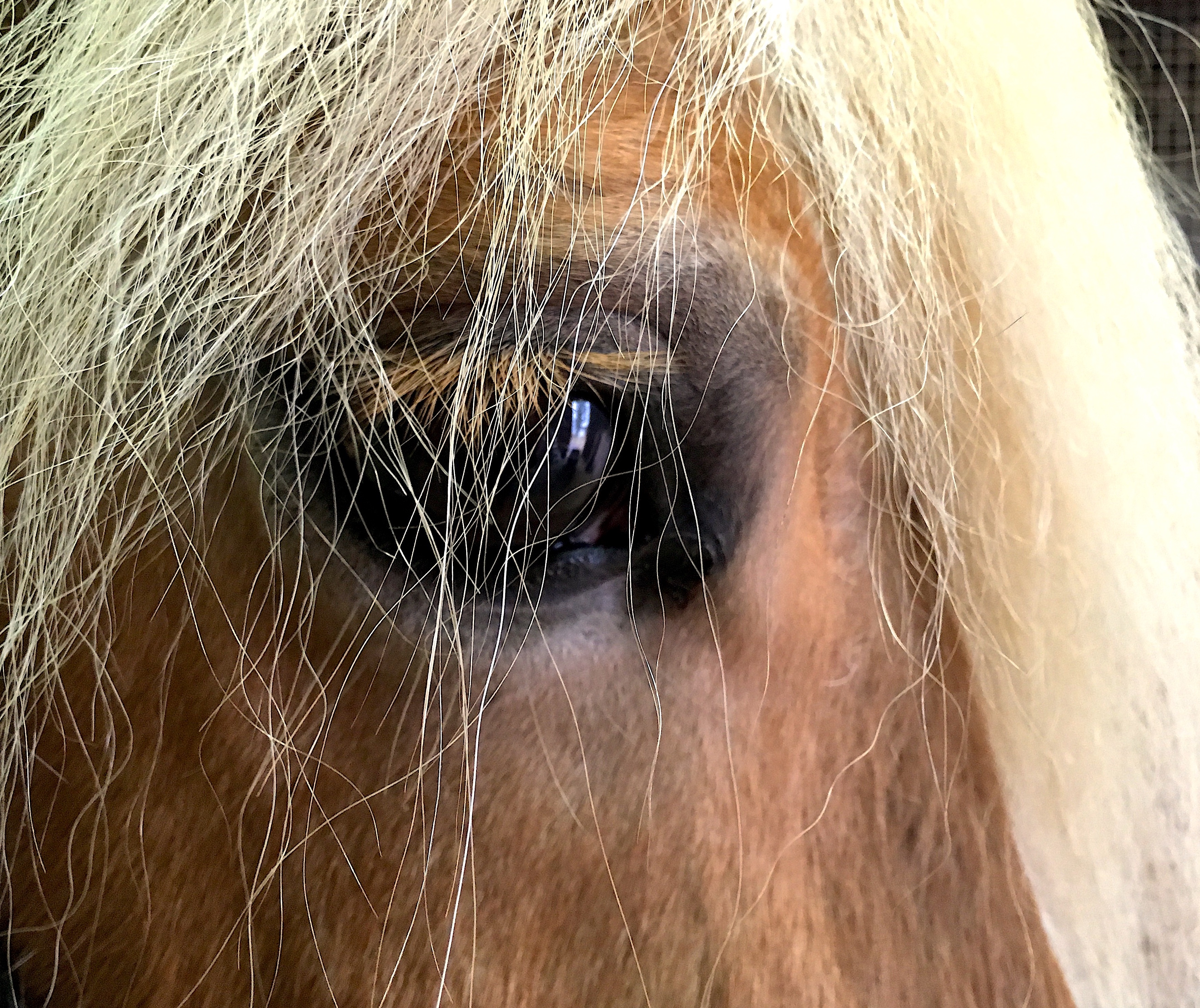
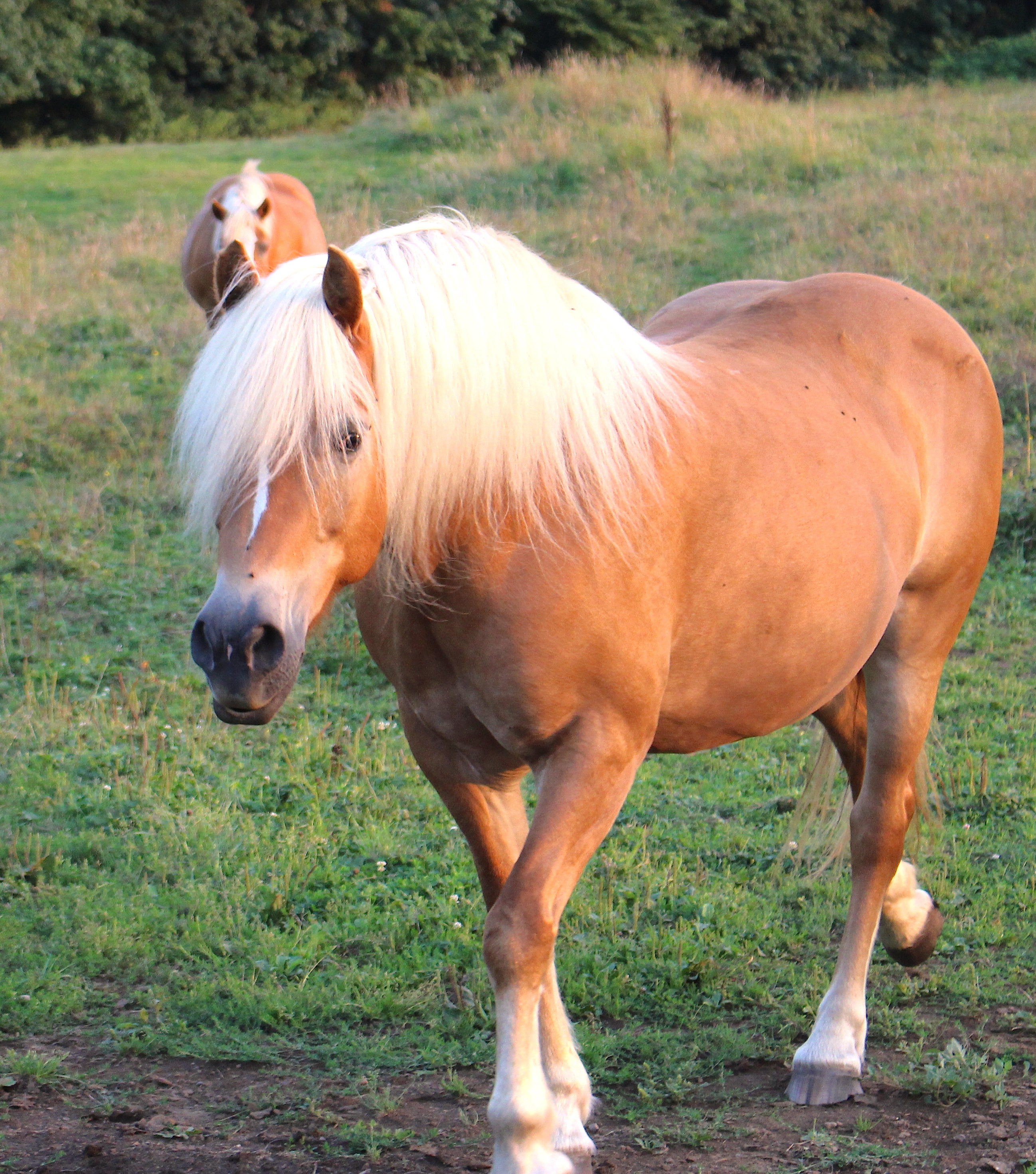
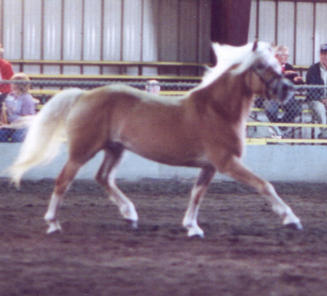
Noblesse, our oldest Haflinger mare, nearing 29 years old, kept convincing me this past summer she was living her best life and was not too old to keep enjoying more time on this earth. She came running when I whistled and would be the first to greet me when I came to the barn for chores.

It wasn’t all rainbows and roses for her. I would see her dozing more frequently, walking slowly due to joint pain, and showing the hallmark signs of metabolic dysfunction. I debated about calling the vet clinic to schedule her euthanasia. But then she would look at me defiantly: not yet, not yet…

This morning when I went out to the barn, she was standing with her head down, atypical for such an extroverted bossy mare who usually demands that I attend to her first. Then, she startled me by dropping down to roll and then rolled again. Not eating, reaching around to bite at her flanks. She was clearly miserable.

I knew then this was the day.

Within the hour, thanks to a responsive vet and his assistant, she was pain-free and no longer facing a cold wet winter ahead.

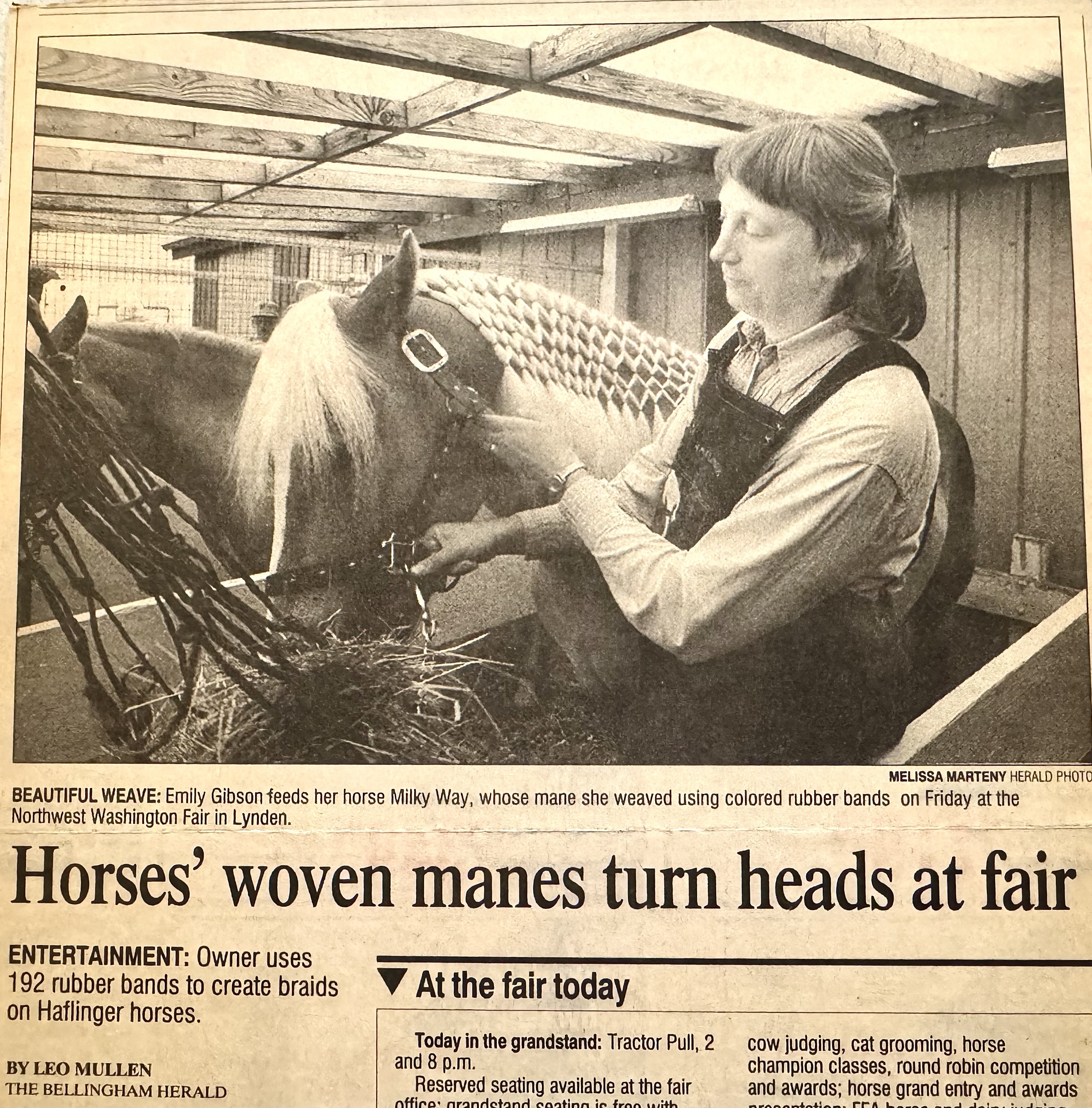
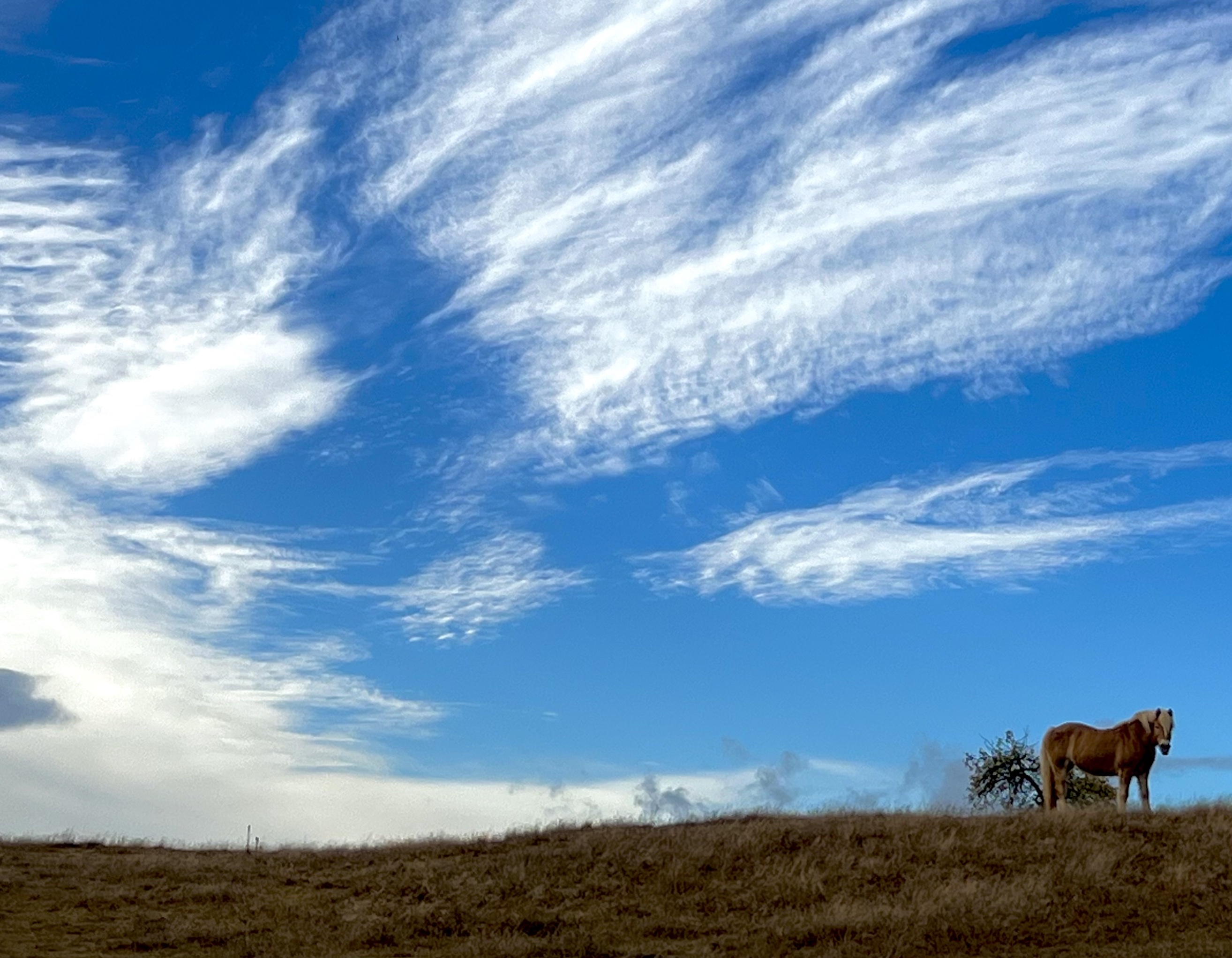
It is a wistful goodbye to Noblesse, given that she was born on this farm and raised her foals here. She was the first American-born gold-rated mare in AHR inspection and classification. Except for brief times away for training and always part of our Haflinger display at our regional fair, it was right and fitting that she should breathe her last on this farm.

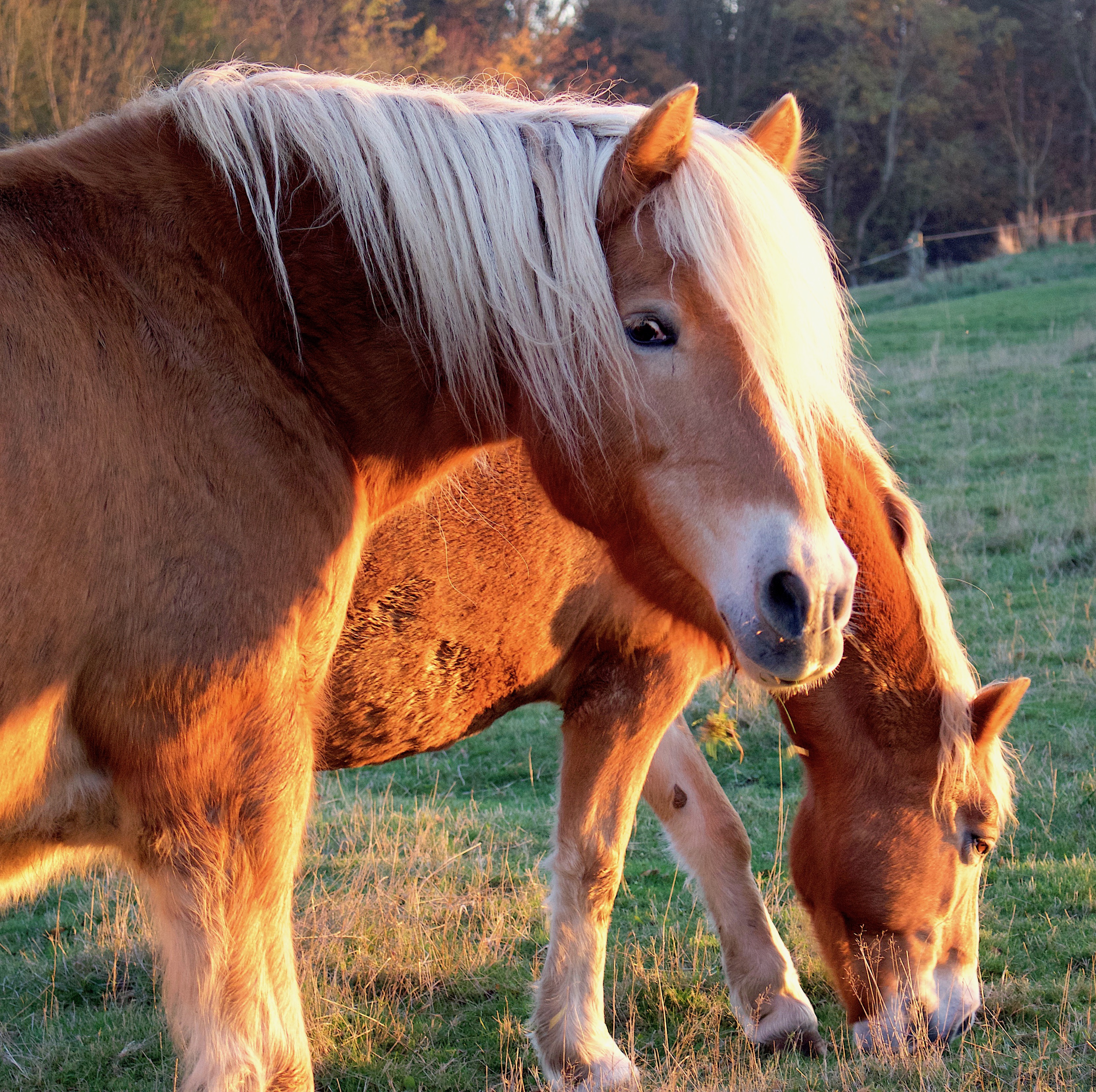
Our circle of aging Haflingers has just become smaller.
Two are her sons.

The life of a horse seems endless, until one day.
For Noblesse, that day was today.

One-Time
Monthly
Yearly

Make a one-time or recurring donation to support daily Barnstorming posts

Make a monthly donation

Make a yearly donation

Choose an amount

$10.00
$25.00
$50.00
$5.00
$15.00
$100.00
$5.00
$15.00
$100.00

Or enter a custom amount

$

Your contribution is deeply appreciated.

Your contribution is appreciated.

Your contribution is appreciated.

DonateDonate monthlyDonate yearly
Worthy of a Hot Bath

You can change the world with a hot bath,
if you sink into it from a place of knowing
you are worth profound care,
even when you are dirty and rattled.
Who knew?
~Anne Lamott from Small Victories: Spotting Improbable Moments of Grace

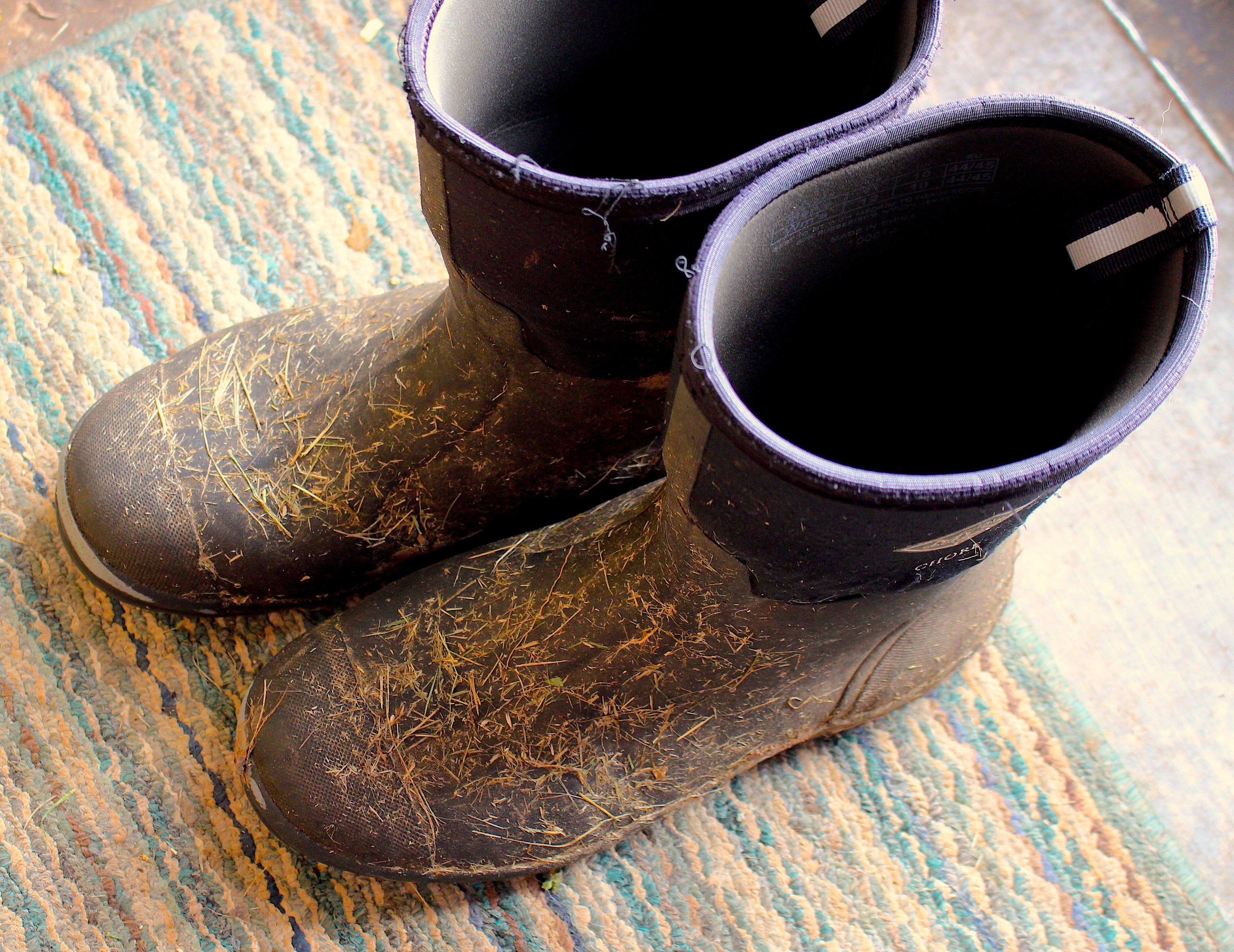
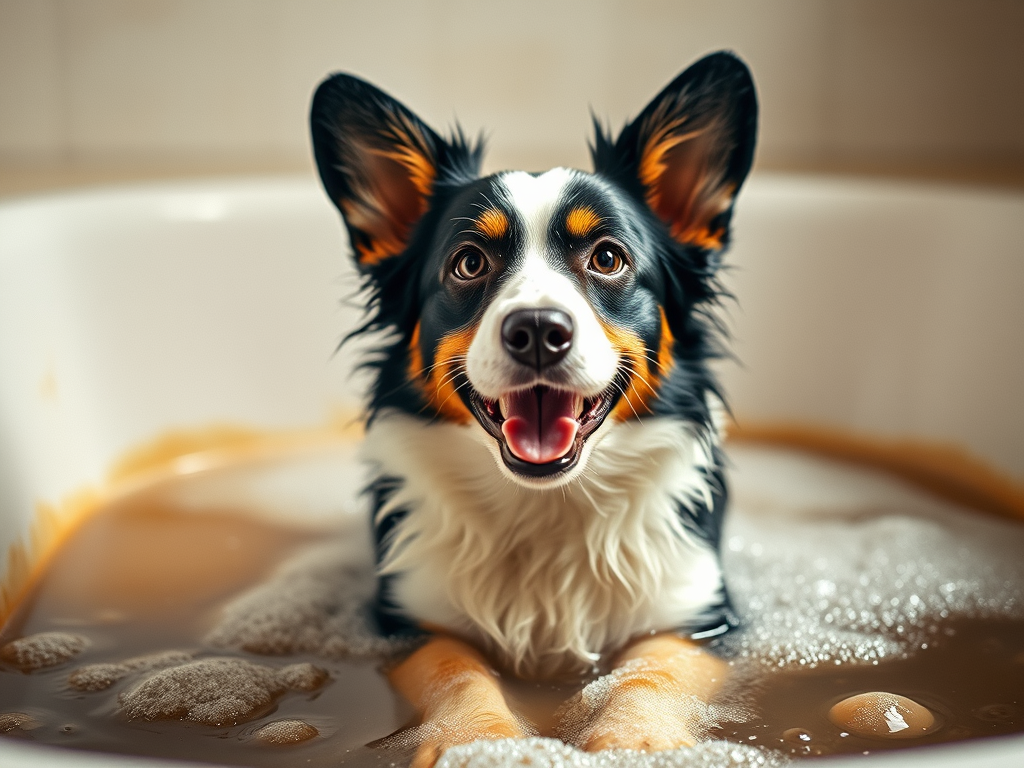
As a farmer, I spend at least a part of every day muddy and up to my knees and elbows in muck, especially now that the fall rains have arrived, turning beast and barnyard to mush. 

I call my barn life “the real stuff” as the rest of the hours of the day are spent dealing with “virtual stuff ” which nonetheless leaves me dirty and rattled.  Frankly, I prefer the real over virtual muck even though it smells worse, leaves my fingernails hopelessly grimy and is obvious to everyone where I’ve been.

The stains of the rest of my day are largely invisible to all but me and far harder to scrub away. But even virtual grime can become overwhelming.

It is so much easier for me to deal with what is produced in the barnyard over the mess of political lack of integrity and moral standing. What soils me can be washed off and I’m restored for another day of wallowing in my muck boots. There is true grace in drawing up clean warm water, soaping with the suds that truly cleanse by sinking down into a deep tub of renewal.

God knows how badly we all could use a good scrubbing right now.

AI image created for this post
One-Time
Monthly
Yearly

Make a one-time or recurring donation to support daily Barnstorming posts

Make a monthly donation

Make a yearly donation

Choose an amount

$10.00
$25.00
$50.00
$5.00
$15.00
$100.00
$5.00
$15.00
$100.00

Or enter a custom amount

$

Your contribution is deeply appreciated.

Your contribution is appreciated.

Your contribution is appreciated.

DonateDonate monthlyDonate yearly
Let the Evening Come

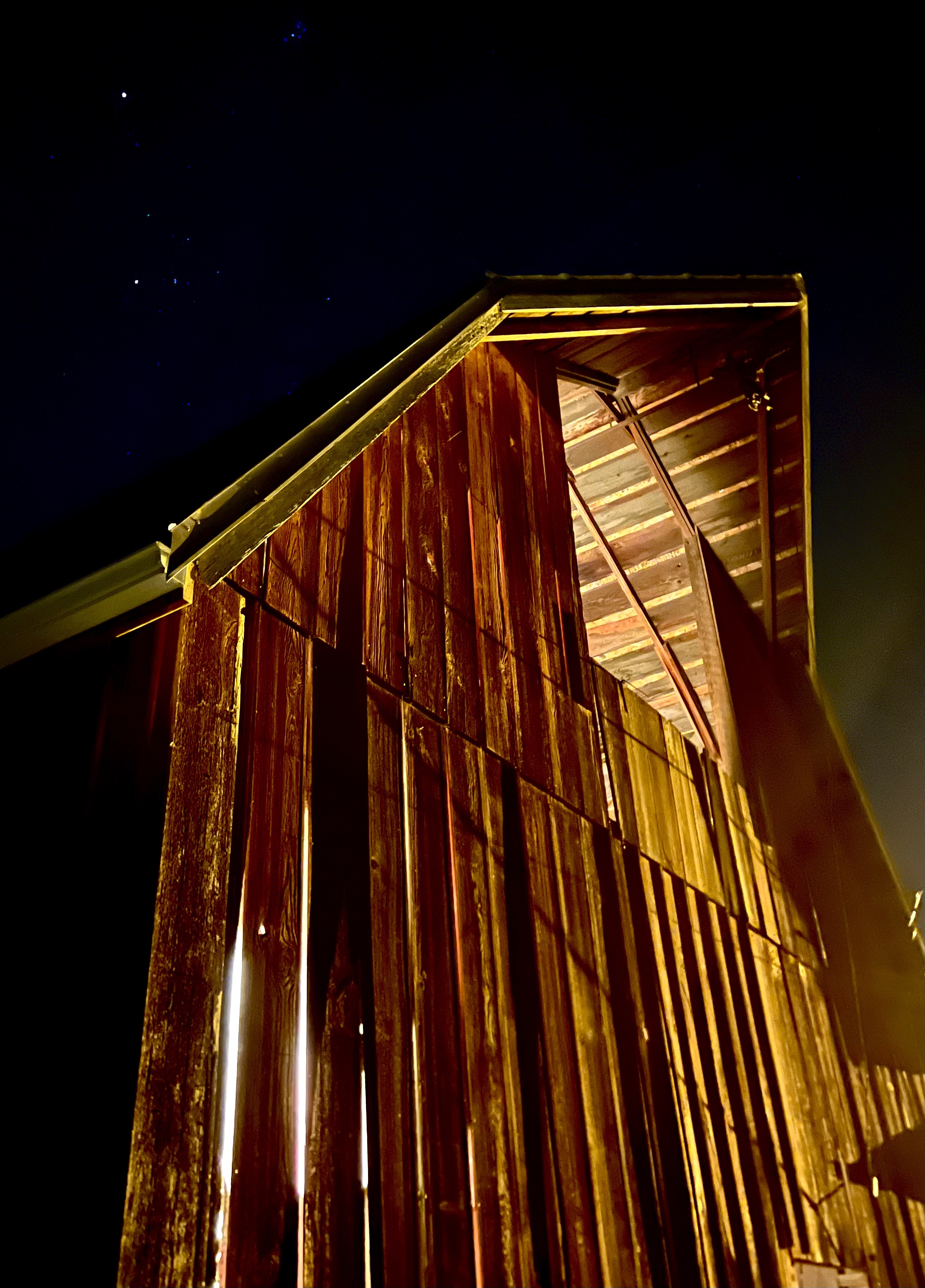
Let the light of late afternoon
shine through chinks in the barn, moving   
up the bales as the sun moves down.

Let the cricket take up chafing   
as a woman takes up her needles   
and her yarn. Let evening come.

Let dew collect on the hoe abandoned   
in long grass. Let the stars appear
and the moon disclose her silver horn.

Let the fox go back to its sandy den.   
Let the wind die down. Let the shed   
go black inside. Let evening come.

To the bottle in the ditch, to the scoop   
in the oats, to air in the lung   
let evening come.

Let it come, as it will, and don’t   
be afraid. God does not leave us 
comfortless, so let evening come.

~Jane Kenyon “Let Evening Come”

photo by Josh Scholten

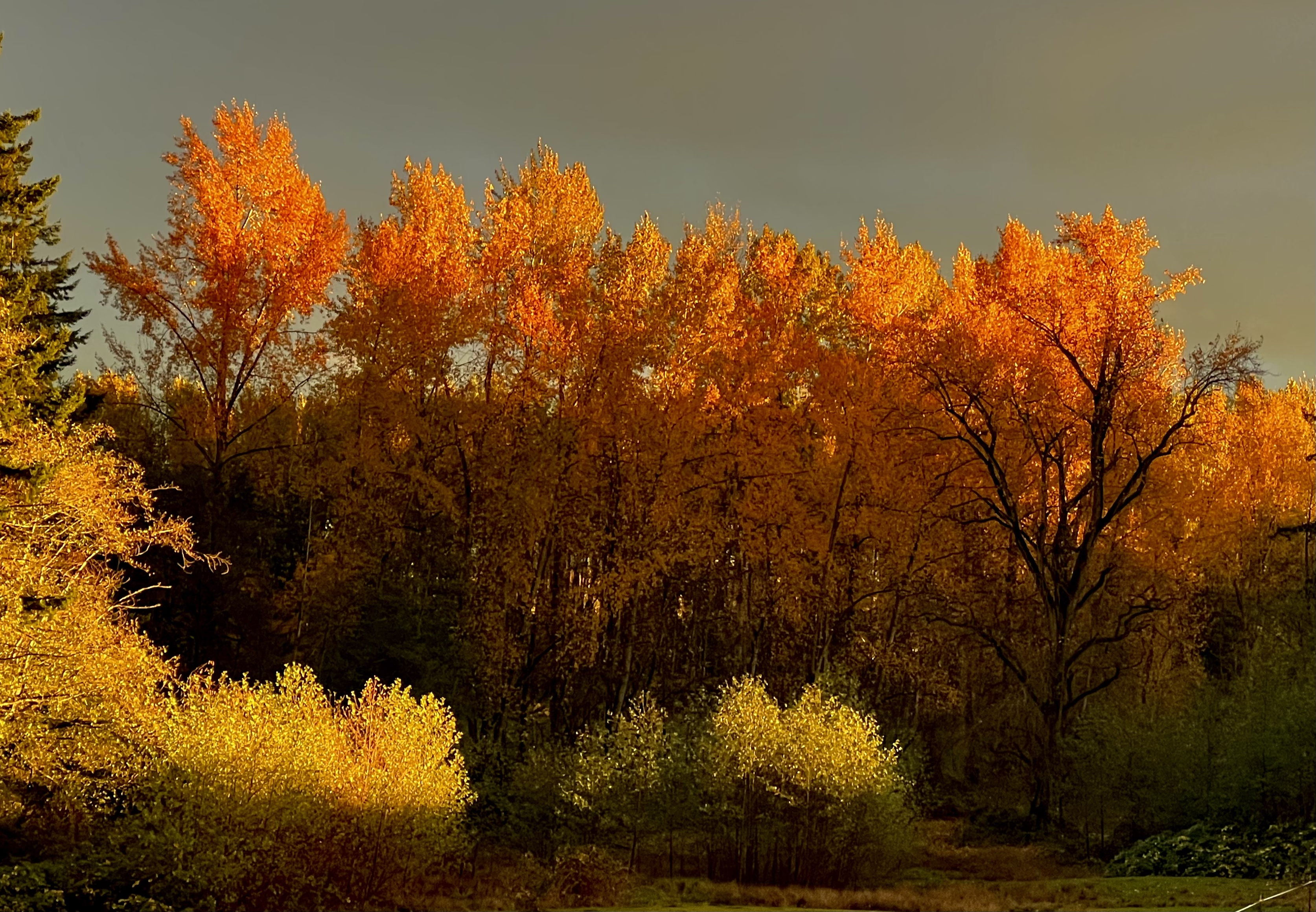
We resist nightfall in our lives. We fear the dark.

I wish I could remain forever sunshiny, vital and irreplaceable, living each moment with the energy I feel with the dawn. But I know that the forward momentum of time inevitably will wind me down to twilight.

I thought of this poem today as many of us struggle with newly elected leadership, uncertain what it means for us short-term and long-term.

We are not alone in our need to catch our breath and be still.
Each of us is created in the image of God, no matter how we disagree. 

So let evening come, as it will – there is no stopping it –
our lungs filled with the breath of God, our Creator.

We will not be left comfortless.

Now let the night be dark for all of me.
Let the night be too dark for me to see
Into the future. Let what will be be.

~Robert Frost from “Acceptance”

AI image created for this post
One-Time
Monthly
Yearly

Make a one-time or recurring donation to support daily Barnstorming posts

Make a monthly donation

Make a yearly donation

Choose an amount

$10.00
$25.00
$50.00
$5.00
$15.00
$100.00
$5.00
$15.00
$100.00

Or enter a custom amount

$

Your contribution is deeply appreciated.

Your contribution is appreciated.

Your contribution is appreciated.

DonateDonate monthlyDonate yearly

A Thousand Thousand Fruit to Touch

And then there is that day when all around,
all around you hear the dropping of the apples,

one by one, from the trees.
At first it is one here and one there,
and then it is three and then it is four

and then nine and twenty,
until the apples plummet like rain,
fall like horse hoofs in the soft, darkening grass,
and you are the last apple on the tree;
and you wait for the wind to work you slowly free
from your hold upon the sky, and drop you down and down.
Long before you hit the grass
you will have forgotten there ever was a tree,
or other apples, or a summer, or green grass below,
You will fall in darkness…
~Ray Bradbury from Dandelion Wine

But I am done with apple-picking now. 
Essence of winter sleep is on the night, 
The scent of apples: I am drowsing off. 
I cannot rub the strangeness from my sight 
I got from looking through a pane of glass 
I skimmed this morning from the drinking trough 
And held against the world of hoary grass. 
It melted, and I let it fall and break. 
But I was well 
Upon my way to sleep before it fell, 
And I could tell 
What form my dreaming was about to take. 
For I have had too much 
Of apple-picking: I am overtired 
Of the great harvest I myself desired. 
There were ten thousand thousand fruit to touch, 
Cherish in hand, lift down, and not let fall. 
For all 
That struck the earth, 
No matter if not bruised or spiked with stubble, 
Went surely to the cider-apple heap 
As of no worth. 
One can see what will trouble 
This sleep of mine, whatever sleep it is. 
Were he not gone, 
The woodchuck could say whether it’s like his 
Long sleep, as I describe its coming on, 
Or just some human sleep.
~Robert Frost from “After Apple-Picking”

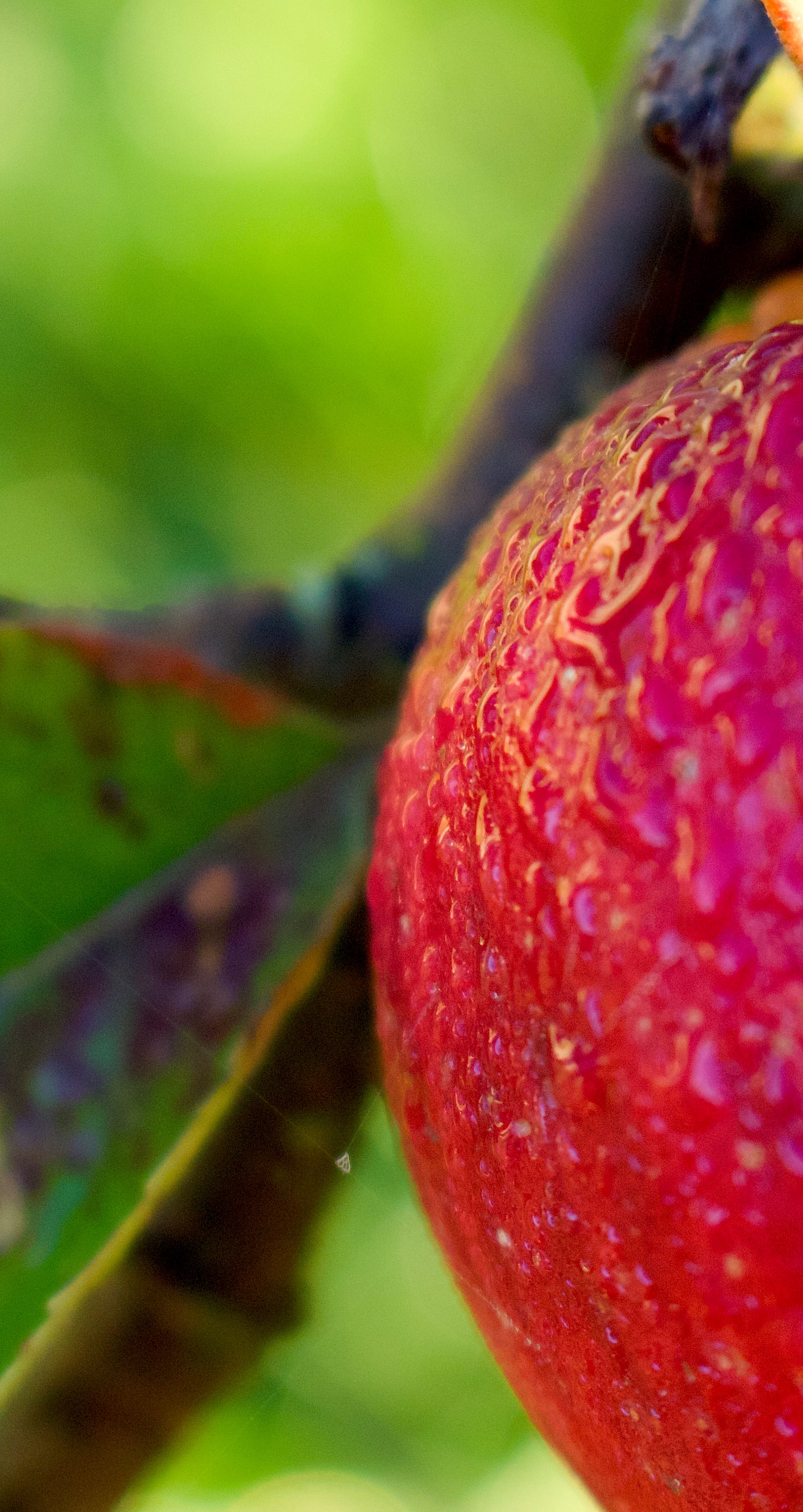
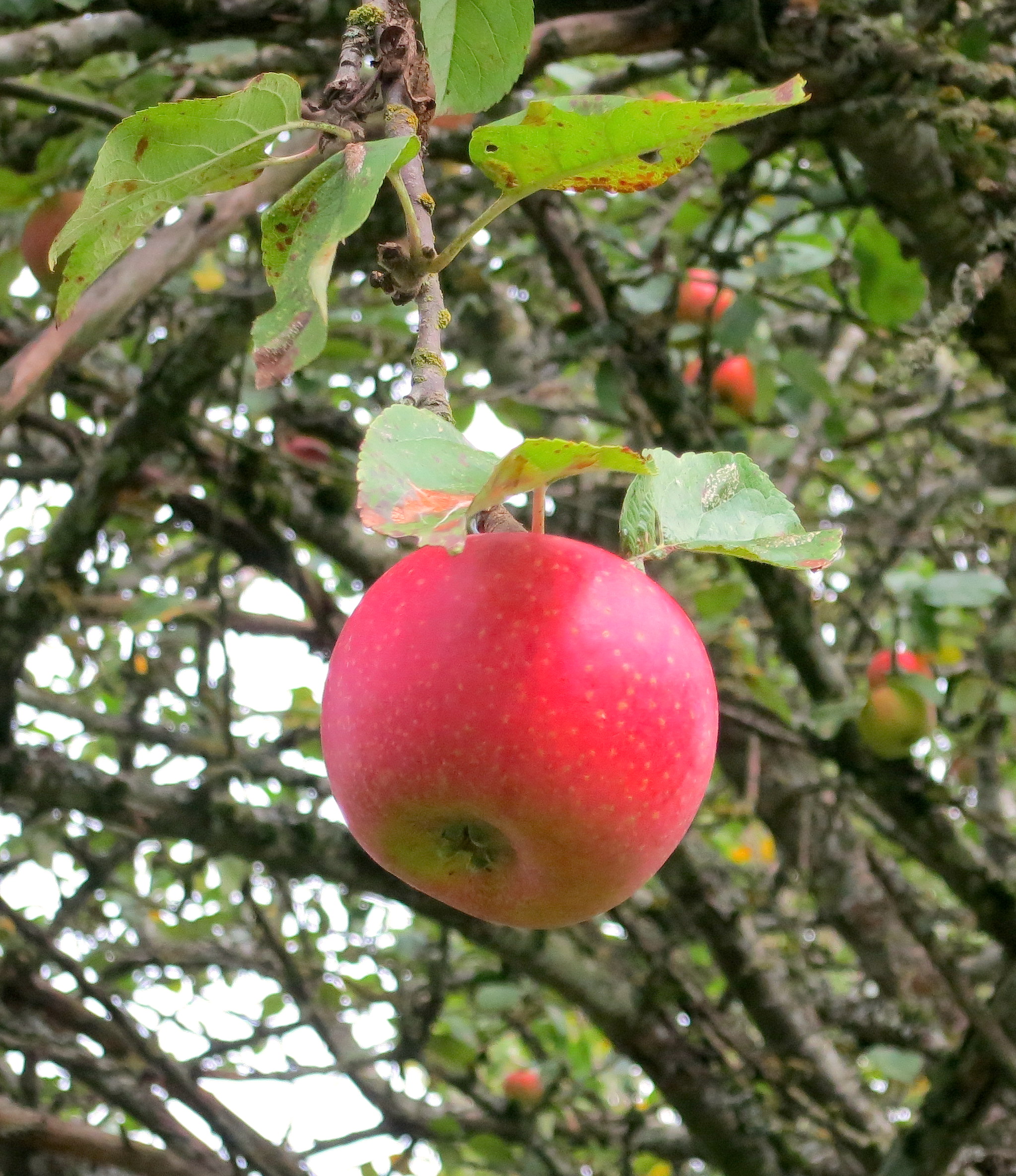
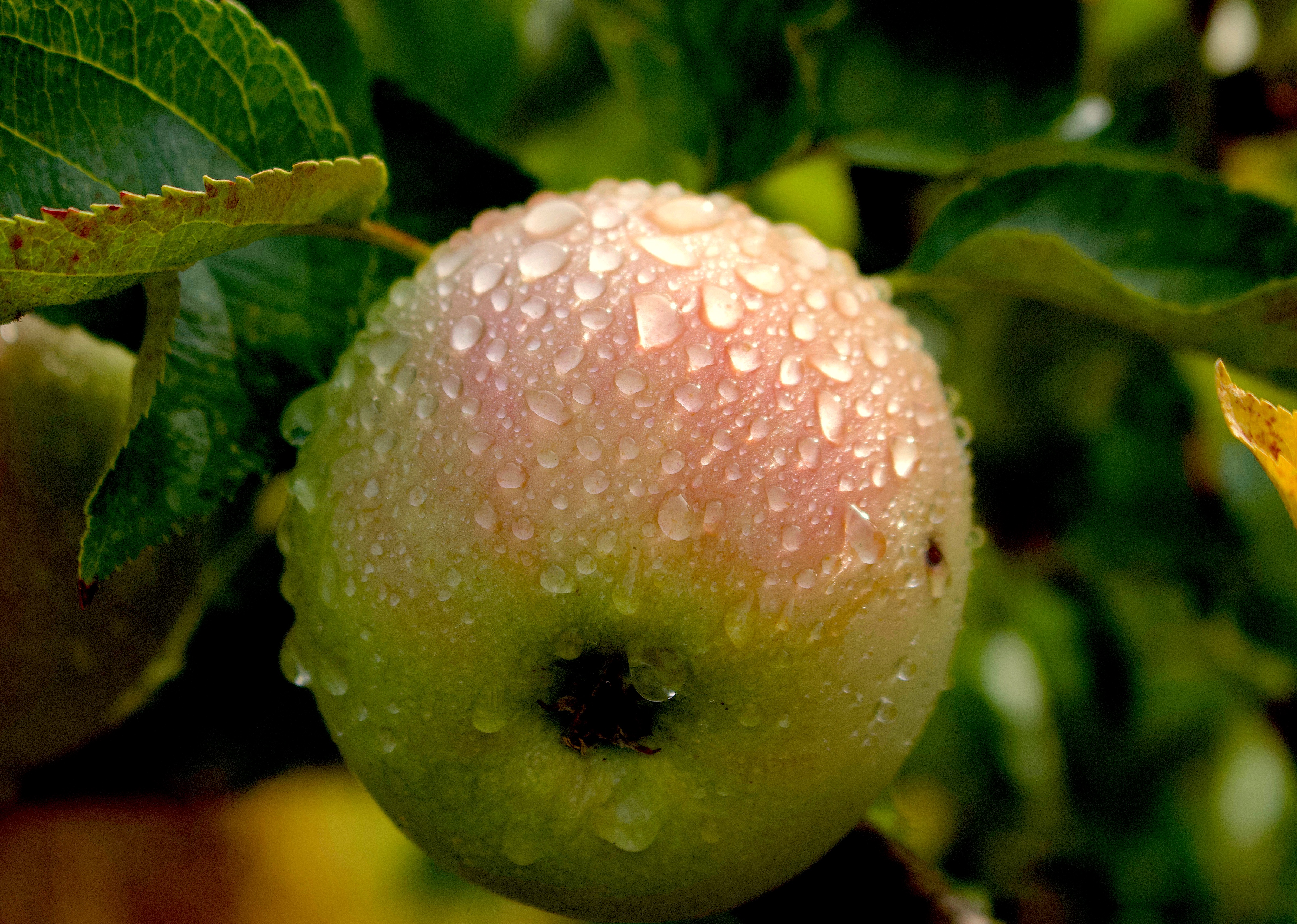
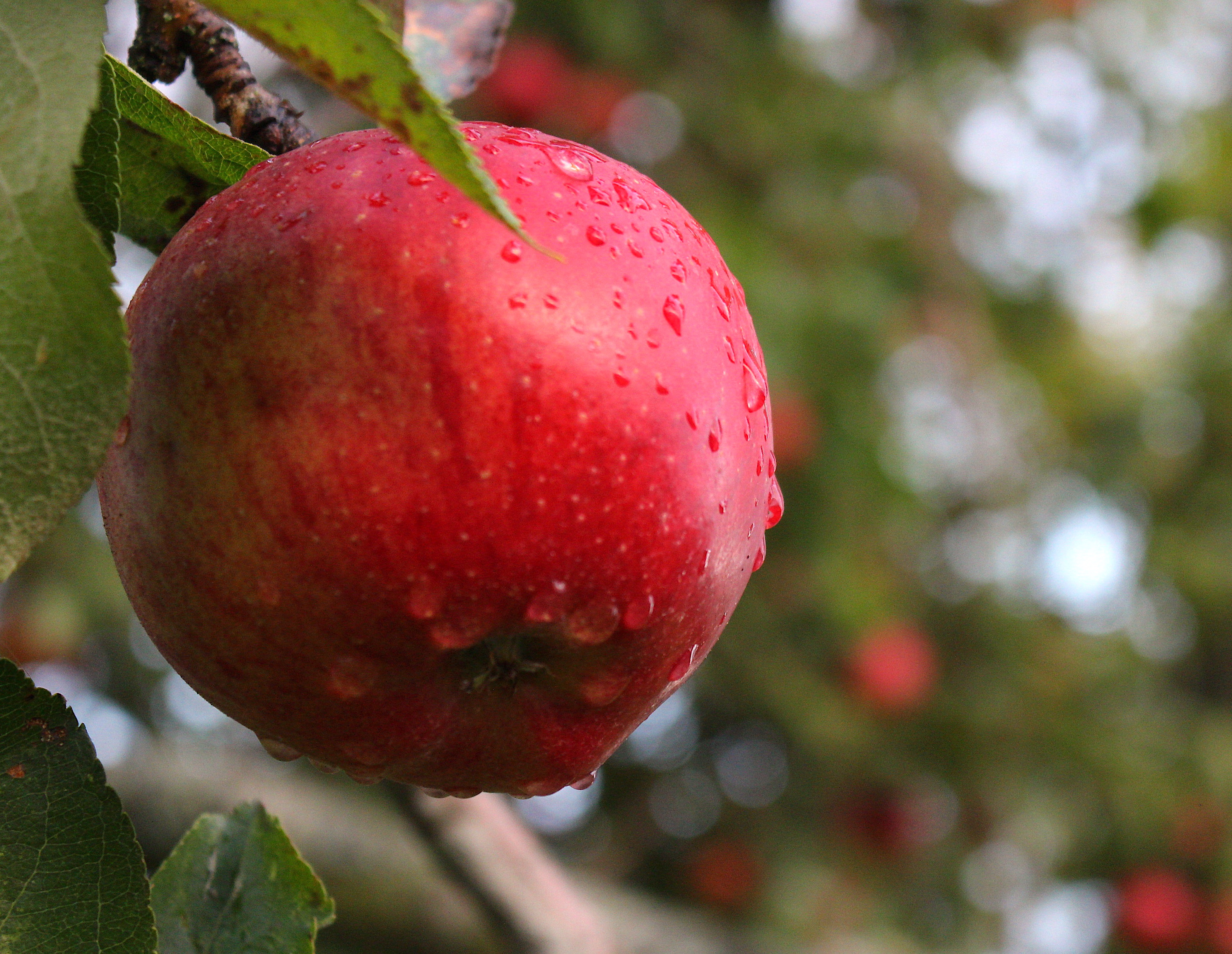
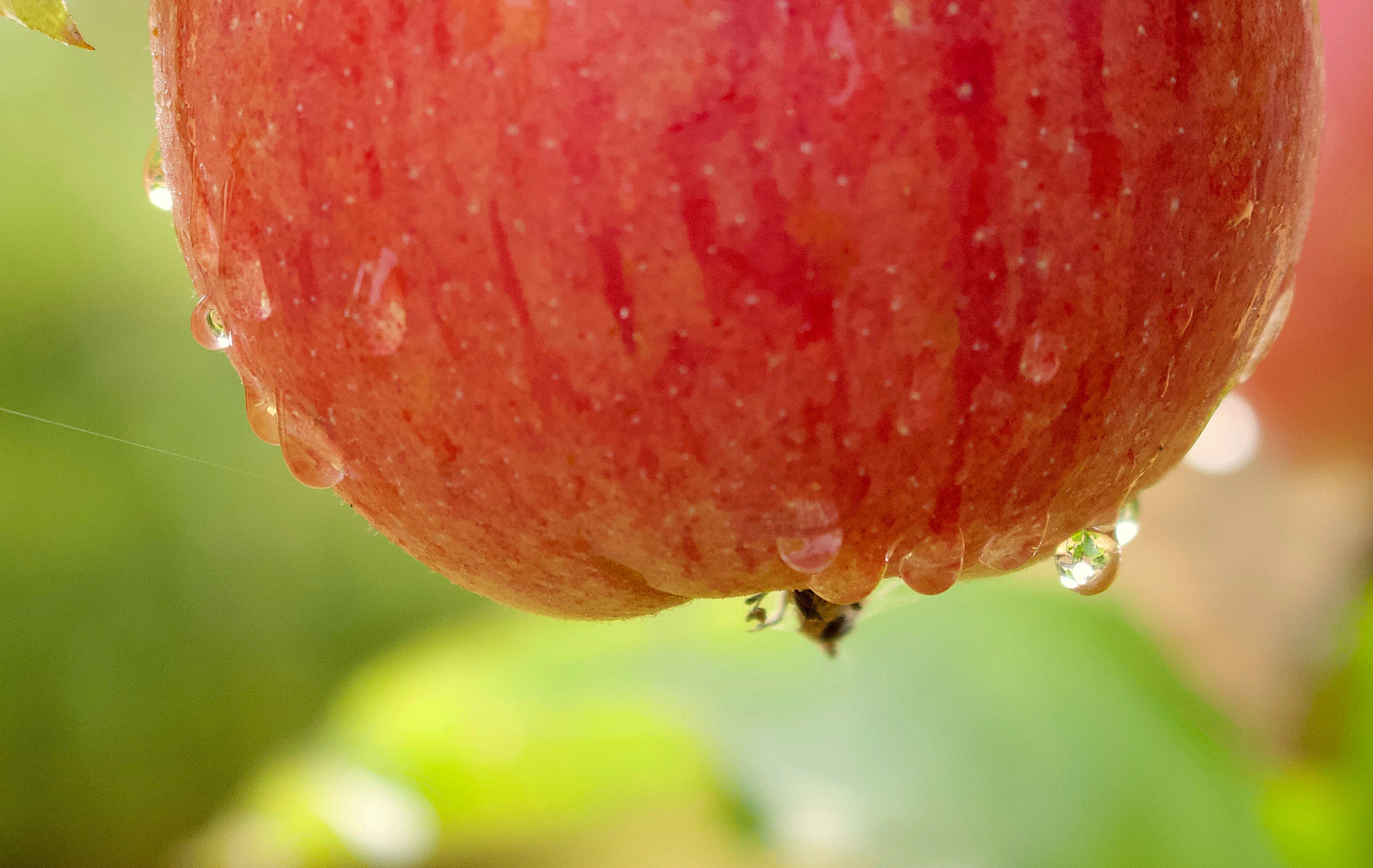
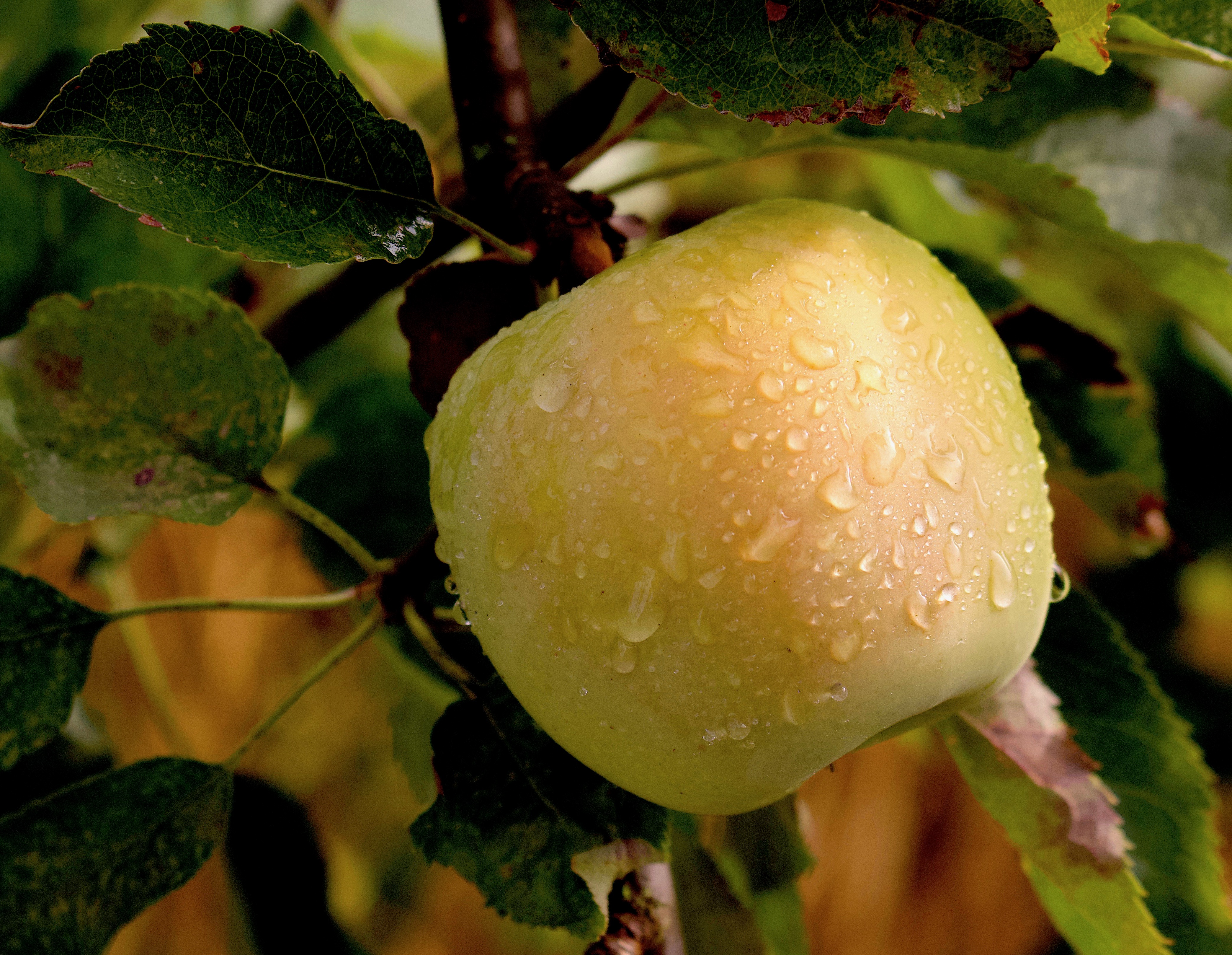
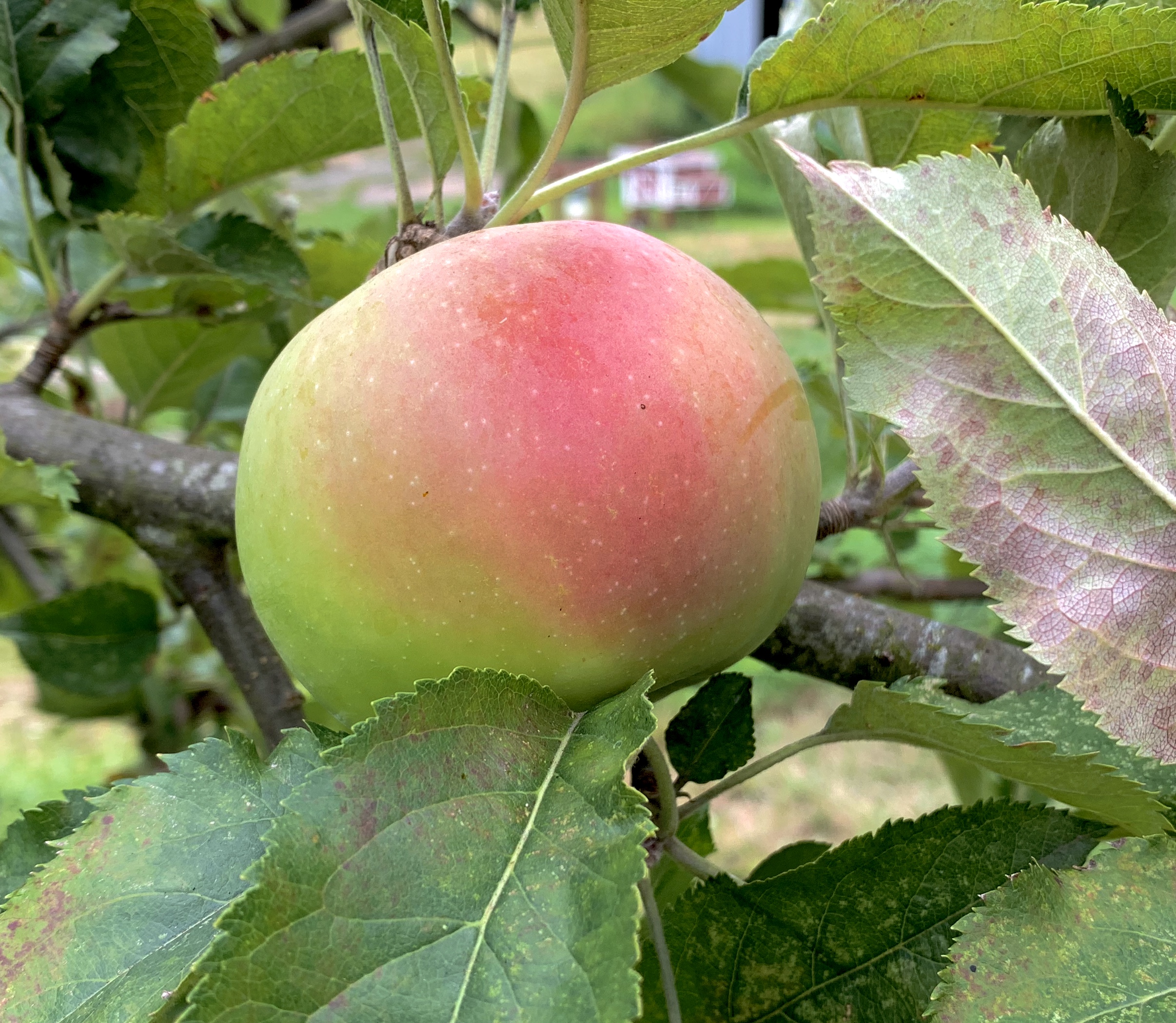
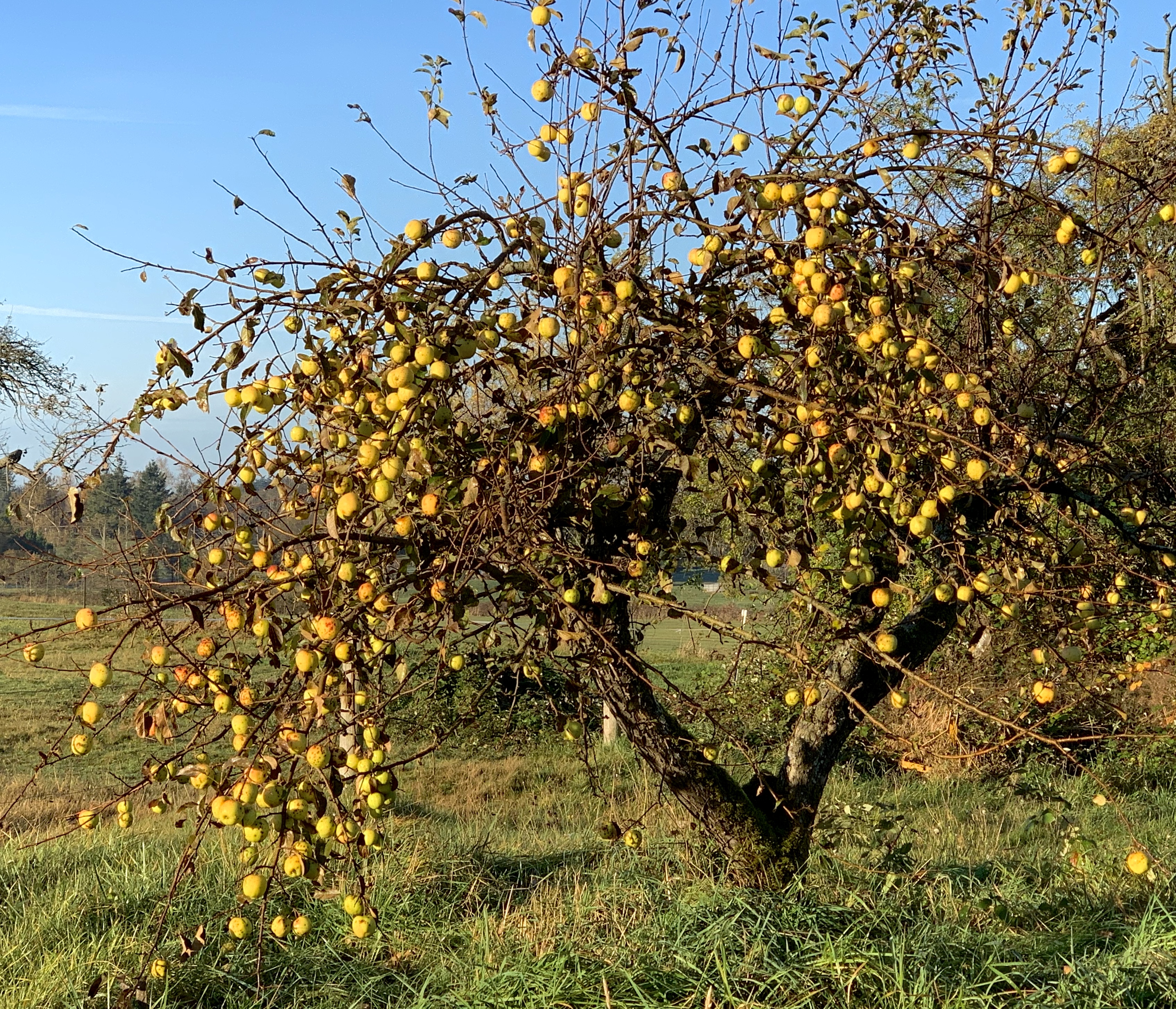
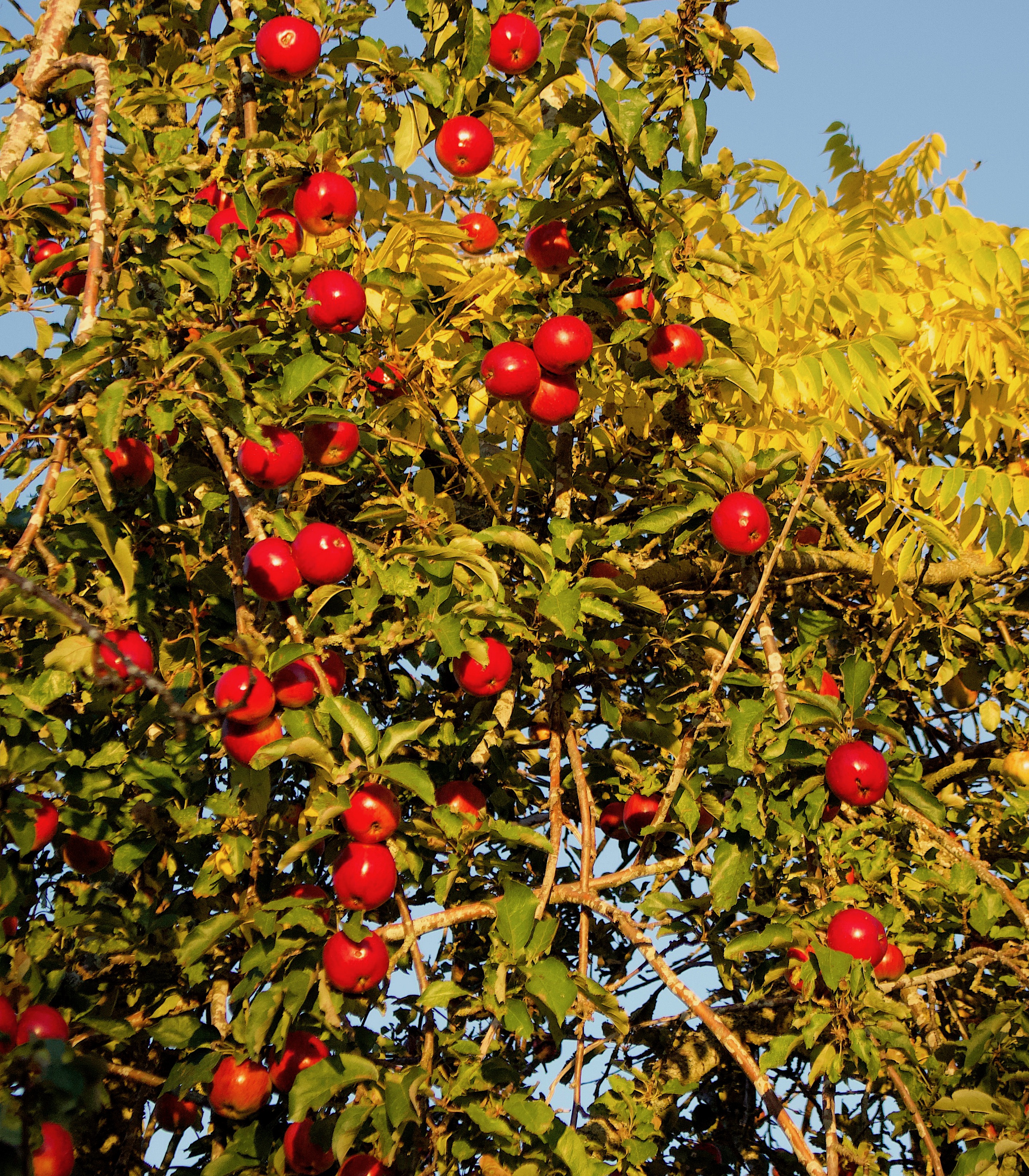
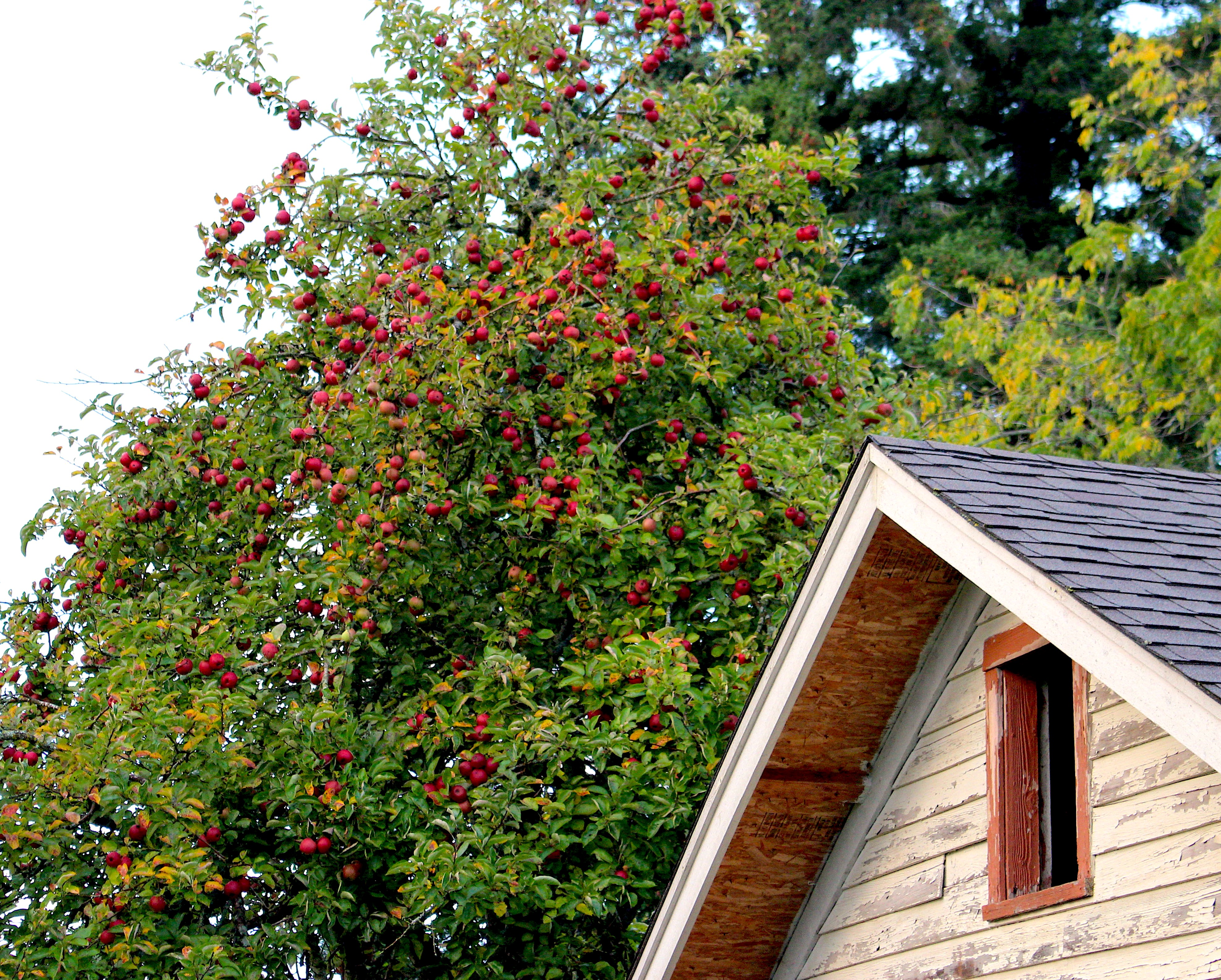
I pick up windfall apples to haul down to the barn for a special treat each night for the Haflingers. These are apples that we humans wouldn’t take a second glance at in all our satiety and fussiness, but the Haflingers certainly don’t mind a bruise, or a worm hole or slug trails over apple skin.

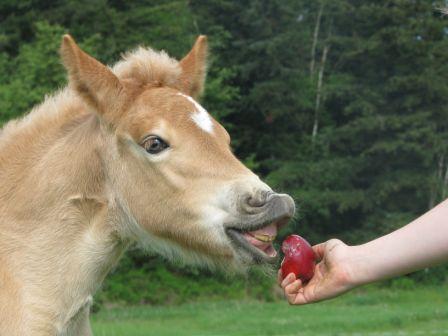
I’ve found over the years that our horses must be taught to eat apples–if they have no experience with them, they will bypass them lying in the field and not give them a second look. There simply is not enough odor to make them interesting or appealing–until they are cut in slices that is. Then they become irresistible and no apple is left alone from that point forward.

When I offer a whole apple to a young Haflinger who has never tasted one before, they will sniff it, perhaps roll it on my hand a bit with their lips, but I’ve yet to have one simply bite in and try. If I take the time to cut the apple up, they’ll pick up a section very gingerly, kind of hold it on their tongue and nod their head up and down trying to decide as they taste and test it if they should drop it or chew it, and finally, as they really bite in and the sweetness pours over their tongue, they get this look in their eye that is at once surprised and supremely pleased. The only parallel experience I’ve seen in humans is when you offer a five month old baby his first taste of ice cream on a spoon and at first he tightens his lips against its coldness, but once you slip a little into his mouth, his face screws up a bit and then his eyes get big and sparkly and his mouth rolls the taste around his tongue, savoring that sweet cold creaminess. His mouth immediately pops open for more.

It is the same with apples and horses. Once they have that first taste, they are our slaves forever in search of the next apple.

The Haflinger veteran apple eaters can see me coming with my sweat shirt front pocket stuffed with apples, a “pregnant” belly of fruit, as it were. They offer low nickers when I come up to their stalls and each horse has a different approach to their apple offering.

There is the “bite a little bit at a time” approach, which makes the apple last longer, and tends to be less messy in the long run. There is the “bite it in half” technique which leaves half the apple in your hand as they navigate the other half around their teeth, dripping and frothing sweet apple slobber. Lastly there is the greedy “take the whole thing at once” horse, which is the most challenging way to eat an apple, as it has to be moved back to the molars, and crunched, and then moved around the mouth to chew up the large pieces, and usually half the apple ends up falling to the ground, with all the foam that the juice and saliva create. No matter the technique used, the smell of an apple as it is being chewed by a horse is one of the best smells in the world. I can almost taste the sweetness too when I smell that smell.

What do we do when offered such a sublime gift from Someone’s hand? If it is something we have never experienced before, we possibly walk right by, not recognizing that it is a gift at all, missing the whole point and joy of experiencing what is being offered. How many wonderful opportunities are right under our noses, but we fail to notice, and bypass them because they are unfamiliar?

Perhaps if the Giver really cares enough to “teach” us to accept this gift of sweetness, by preparing it and making it irresistible to us, then we are overwhelmed with the magnitude of the generosity and are transformed by the simple act of receiving.

We must learn to take little bites, savoring each piece one at a time, making it last rather than greedily grab hold of the whole thing, struggling to control it, thereby losing some in the process. Either way, it is a gracious gift, and how we receive it makes all the difference.

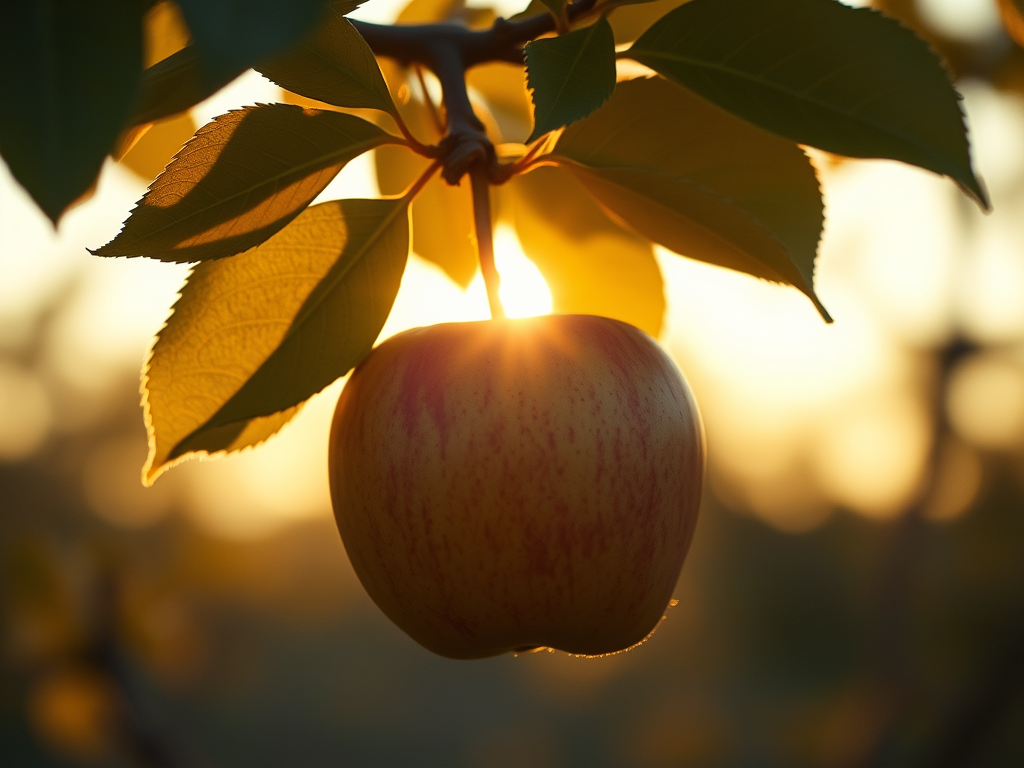
AI image created for this post

The tree of life my soul hath seen,
Laden with fruit and always green;
The trees of nature fruitless be,
Compared with Christ the Apple Tree.

His beauty doth all things excel,
By faith I know but ne’er can tell
The glory which I now can see,
In Jesus Christ the Appletree.

For happiness I long have sought,
And pleasure dearly I have bought;
I missed of all but now I see
‘Tis found in Christ the Appletree.

I’m weary with my former toil –
Here I will sit and rest awhile,
Under the shadow I will be,
Of Jesus Christ the Appletree.

With great delight I’ll make my stay,
There’s none shall fright my soul away;
Among the sons of men I see
There’s none like Christ the Appletree.

I’ll sit and eat this fruit divine,
It cheers my heart like spirit’al wine;
And now this fruit is sweet to me,
That grows on Christ the Appletree.

This fruit doth make my soul to thrive,
It keeps my dying faith alive;
Which makes my soul in haste to be
With Jesus Christ the Appletree.

One-Time
Monthly
Yearly

Make a one-time or recurring donation to support daily Barnstorming posts

Make a monthly donation

Make a yearly donation

Choose an amount

$10.00
$25.00
$50.00
$5.00
$15.00
$100.00
$5.00
$15.00
$100.00

Or enter a custom amount

$

Your contribution is deeply appreciated.

Your contribution is appreciated.

Your contribution is appreciated.

DonateDonate monthlyDonate yearly
That Point of Light

Push on it again,
that point of light.

What do you think
light is?

What is anything?

§

If you aren’t telling kids
how to live

in a world
you can’t imagine,

what are you doing?

Telling God
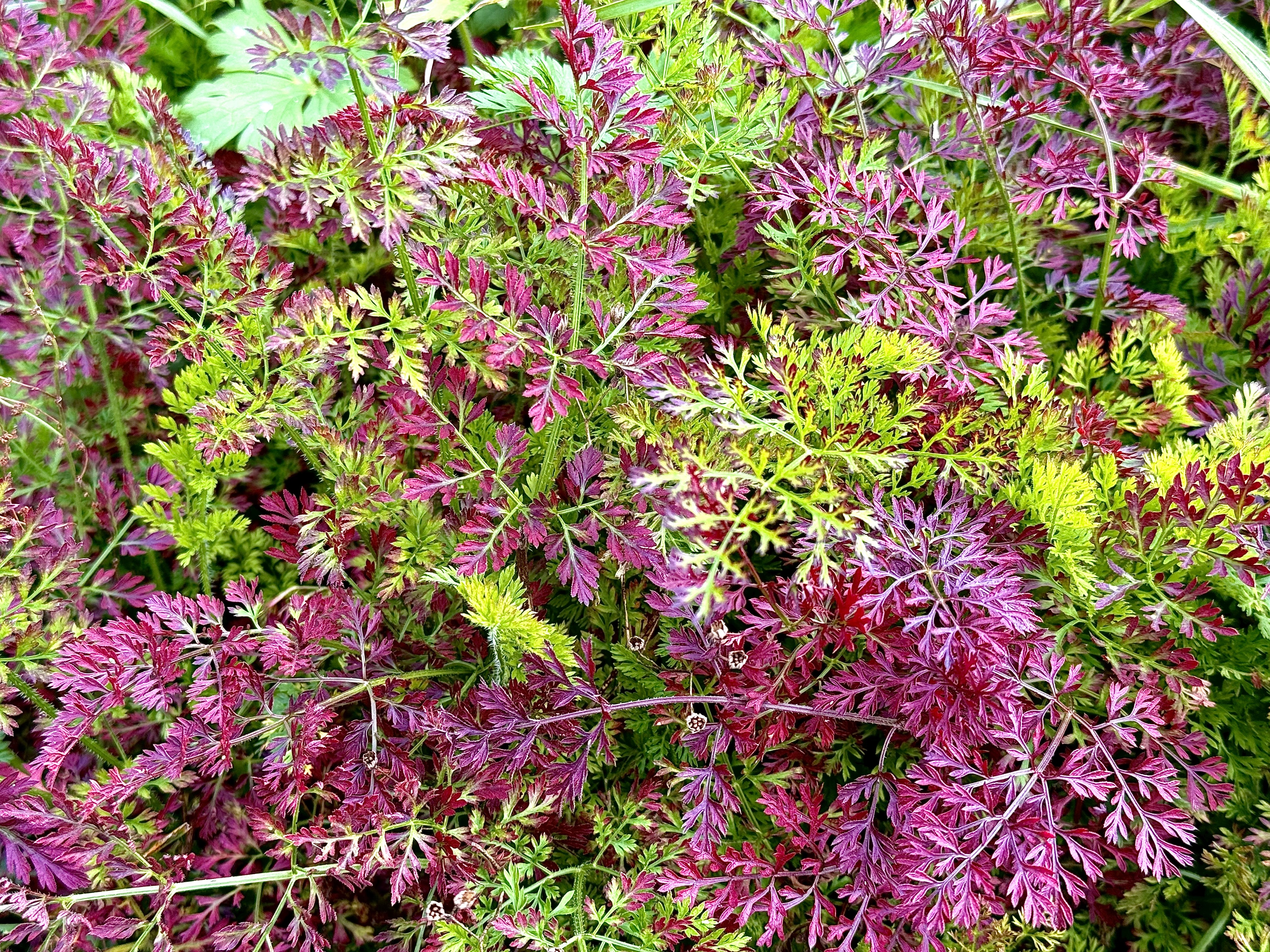
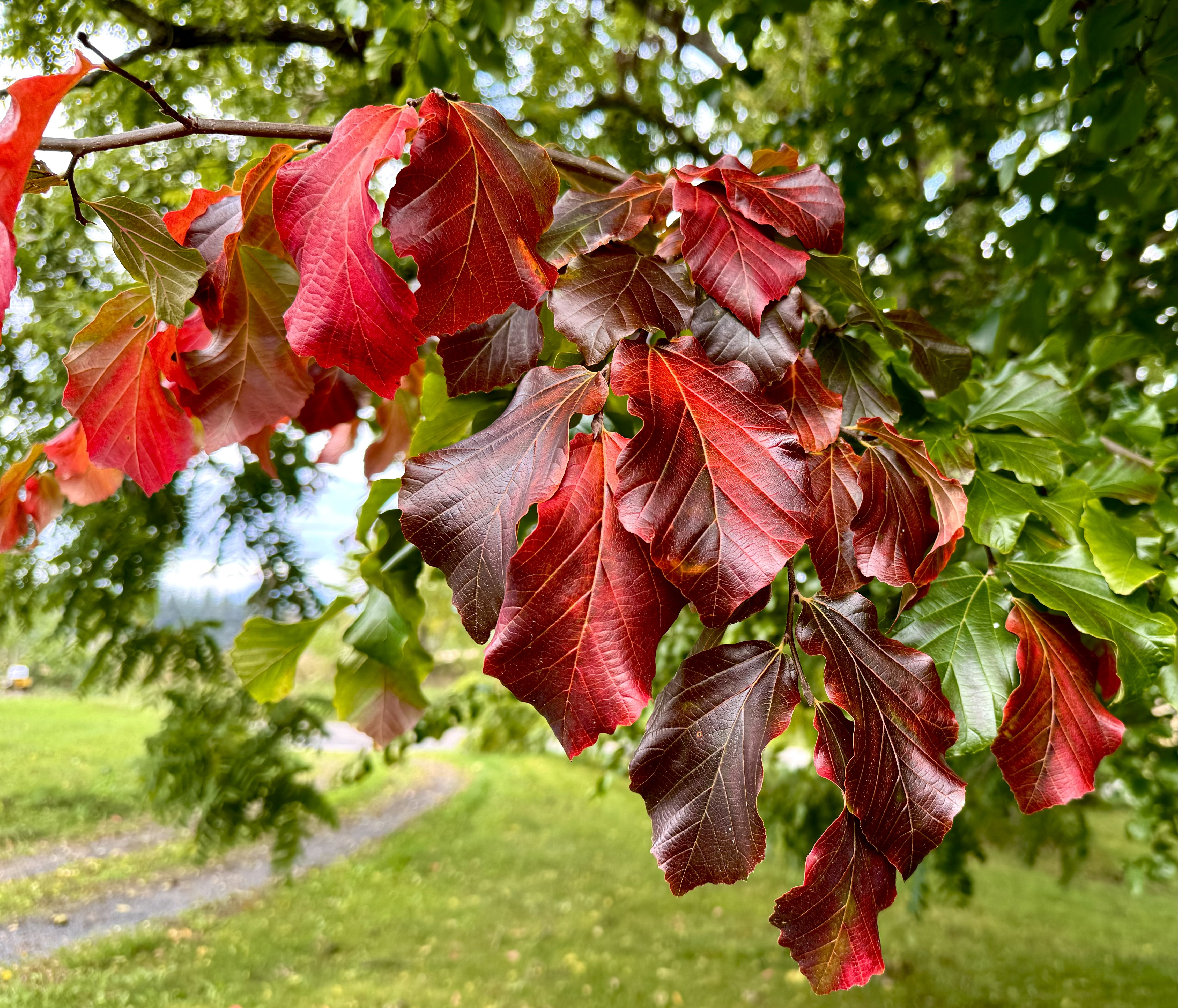
about fall’s
claret-colored leaves.

§

Touch me
like you do the foliage!

~Rae Armantrout “Conversations”

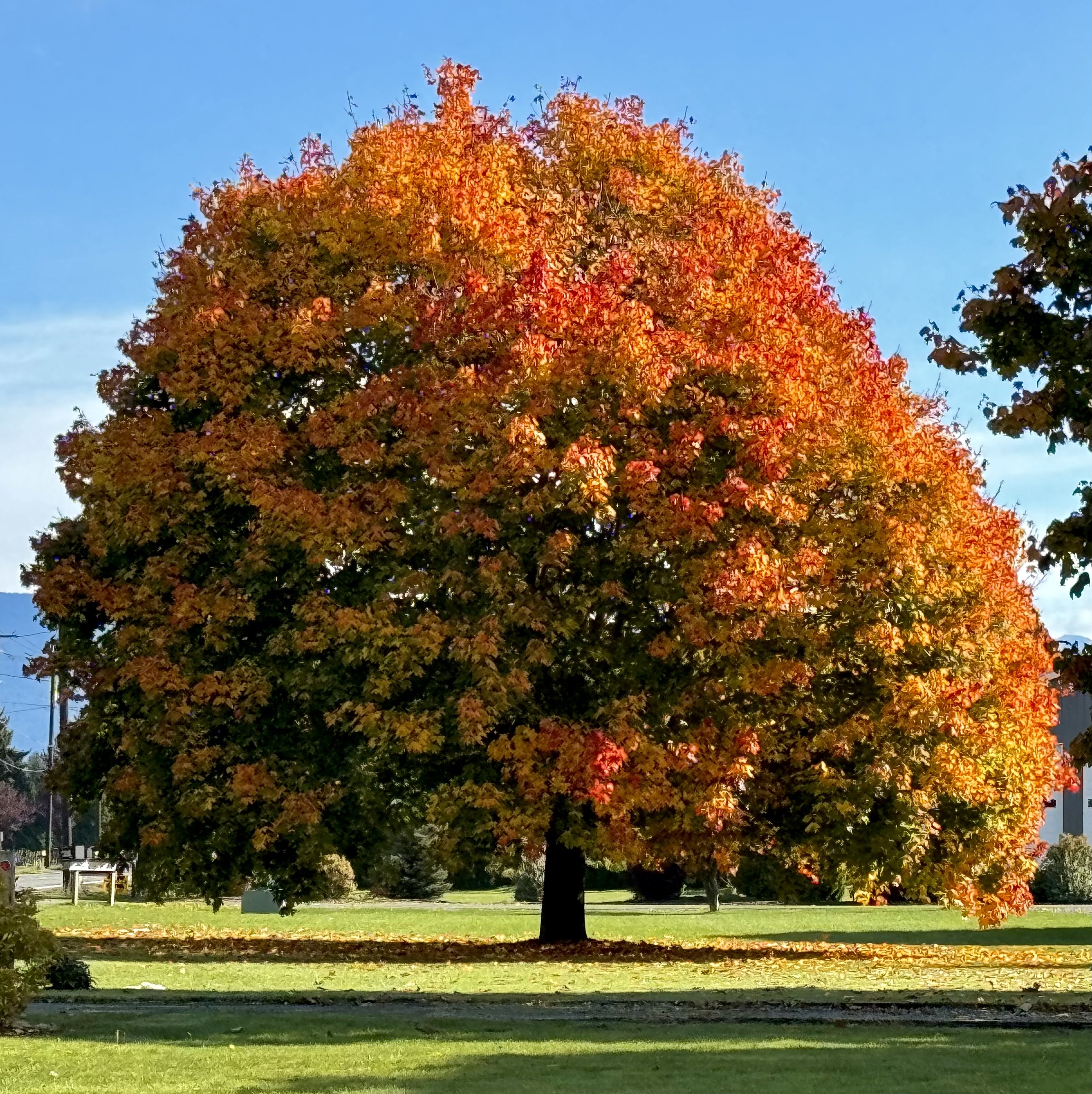
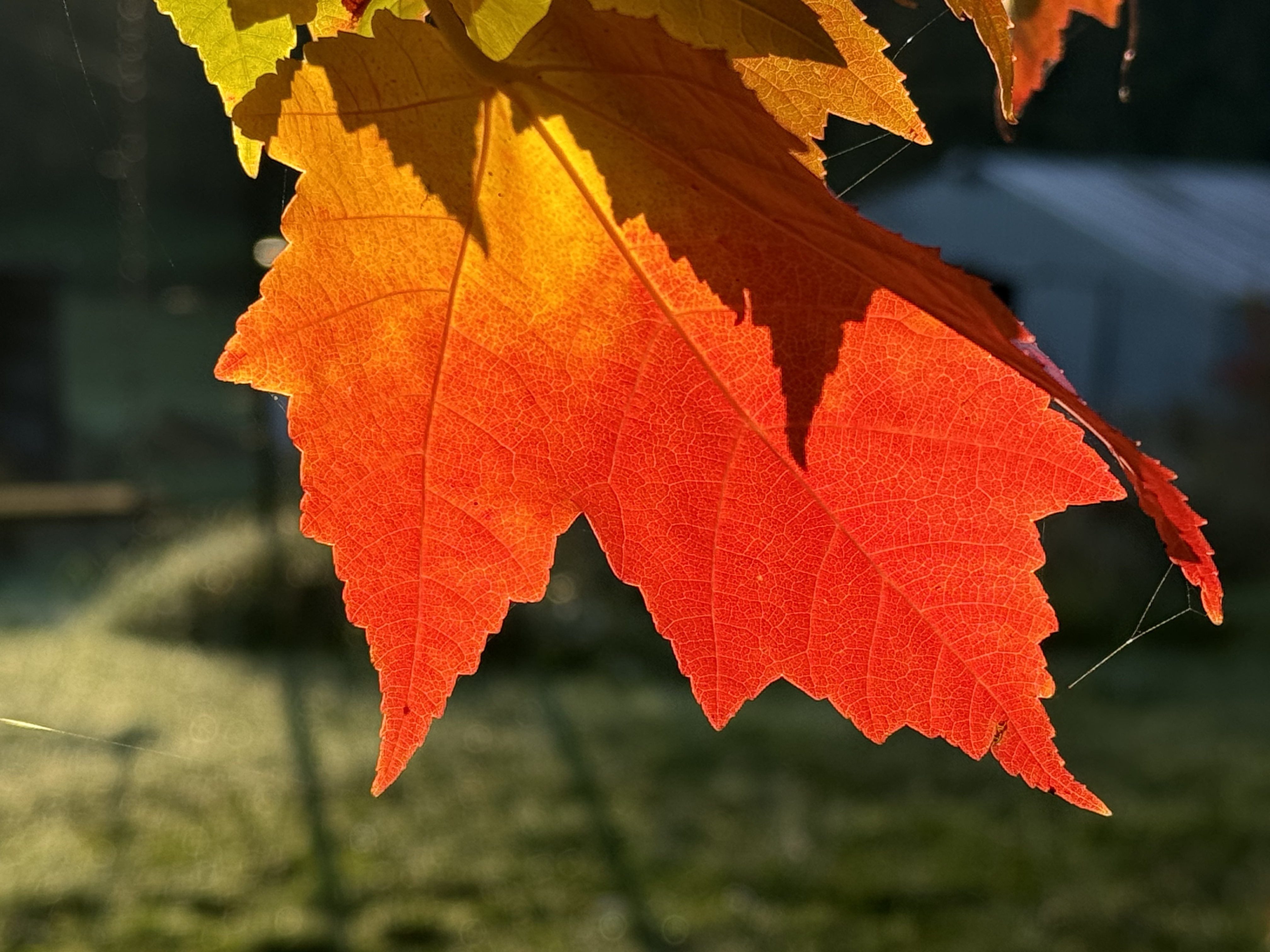
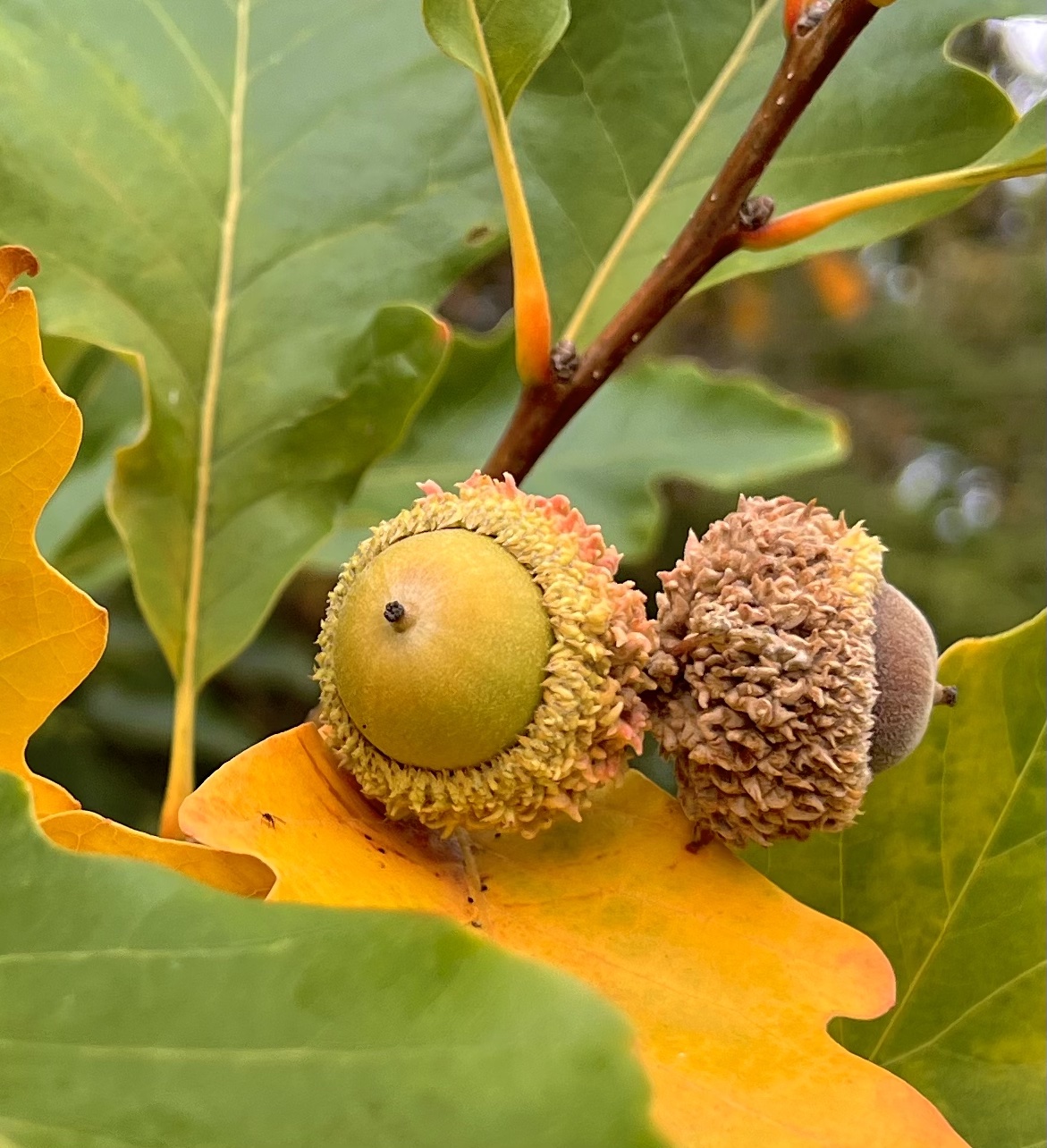
There is no season
when such pleasant and sunny spots
may be lighted on,

and produce so pleasant an effect
on the feelings,

as now in October.
The sunshine is peculiarly genial;
and in sheltered places,

as on the side of a bank,
or of a barn or house,
one becomes acquainted and friendly with the sunshine.
It seems to be of a kindly and homely nature.
~Nathaniel Hawthorne from  The American Notebooks: The Centenary Edition

Of course
I reach out and touch a leaf lit like fire
though cool on the surface,
the flame for show only

I can only guess at what the world might be like
for my grandchildren
but I do know this:
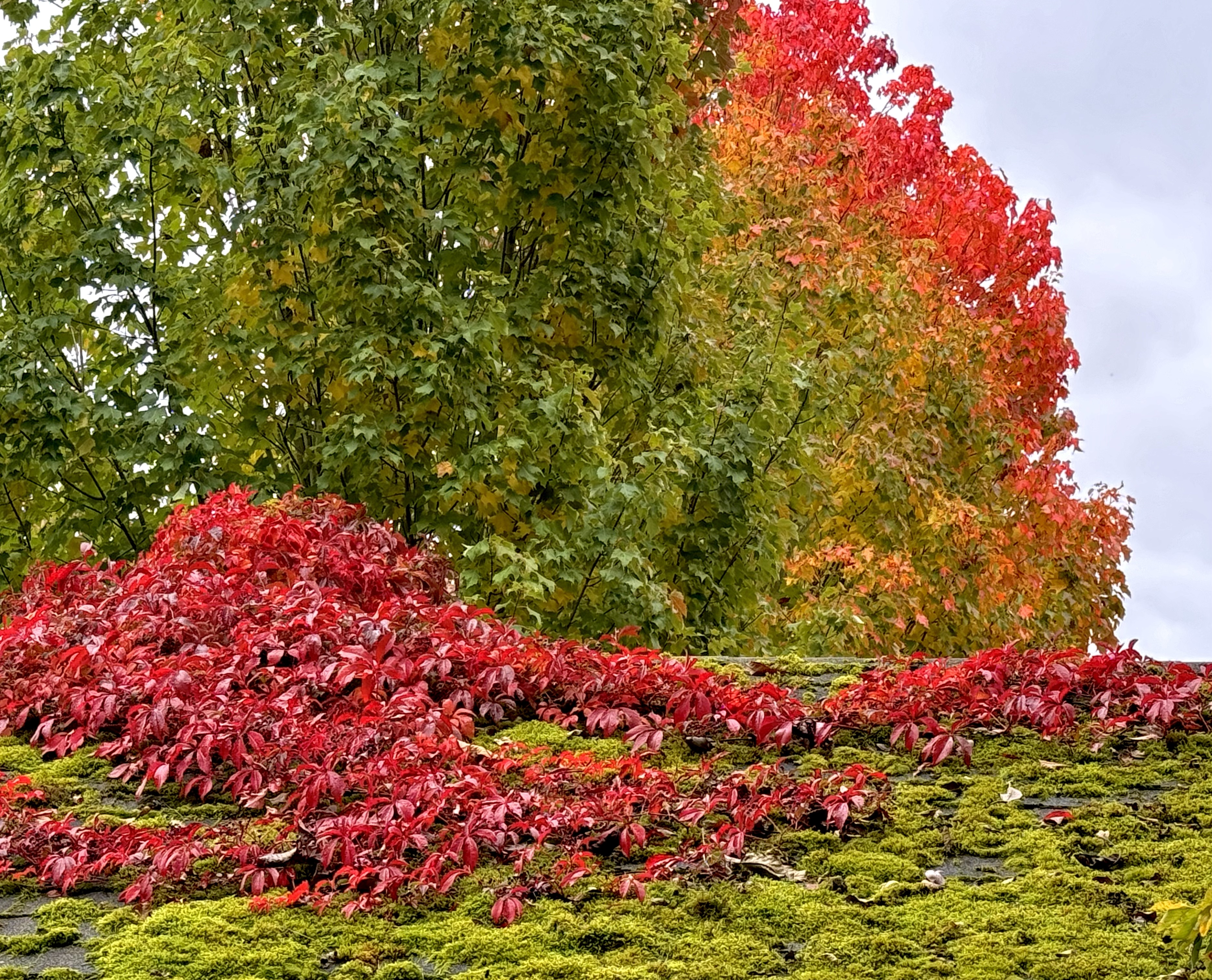
the leaves will turn fiery red in the fall
before they die.

So much has changed
since my grandmother stood on her porch
and wiped away a tear at the sight
of the reddening maples on the hillside.

And so much has not changed.

One-Time
Monthly
Yearly

Make a one-time or recurring donation to support daily Barnstorming posts

Make a monthly donation

Make a yearly donation

Choose an amount

$10.00
$25.00
$50.00
$5.00
$15.00
$100.00
$5.00
$15.00
$100.00

Or enter a custom amount

$

Your contribution is deeply appreciated.

Your contribution is appreciated.

Your contribution is appreciated.

DonateDonate monthlyDonate yearly
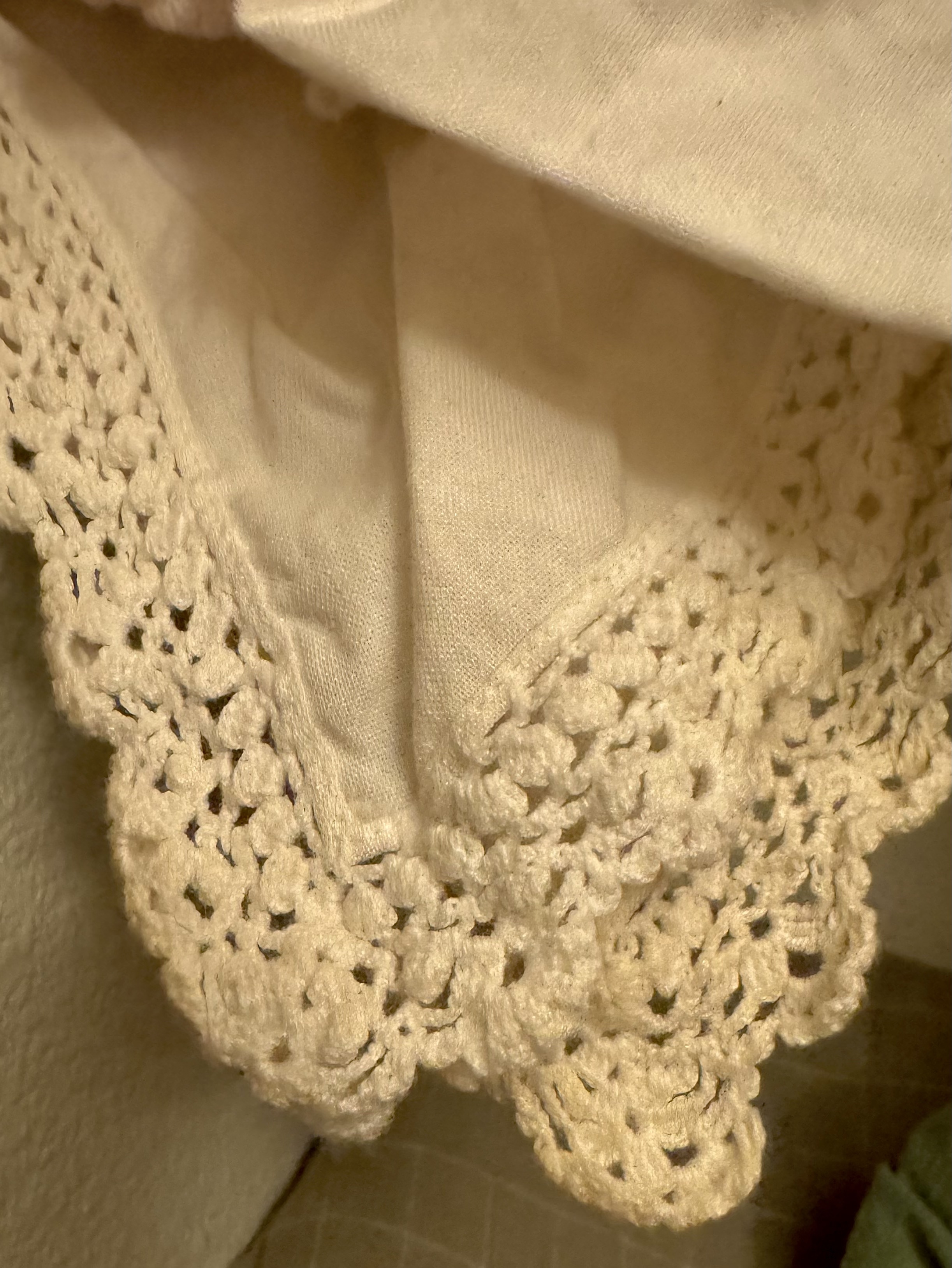
Scuttling

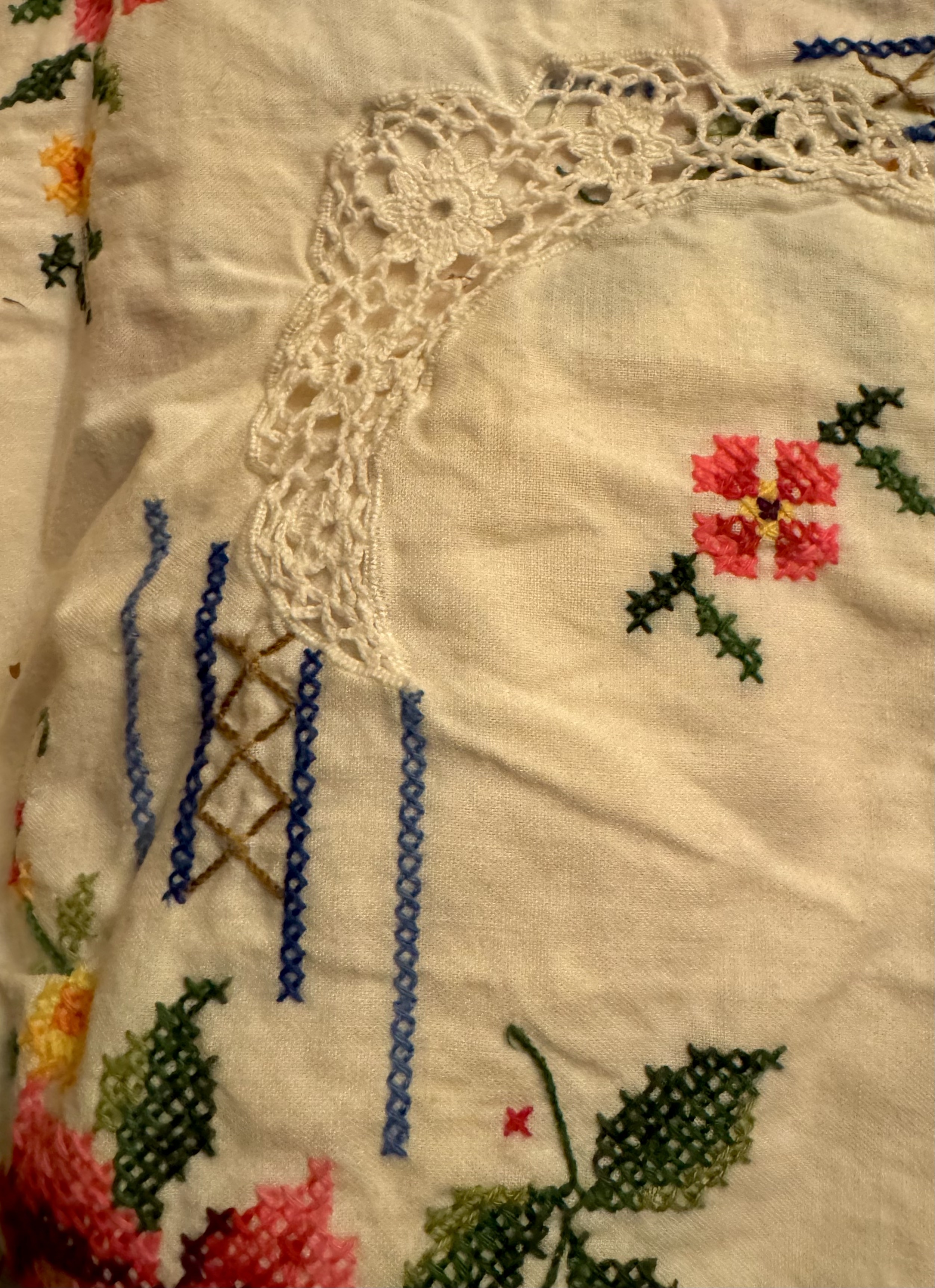
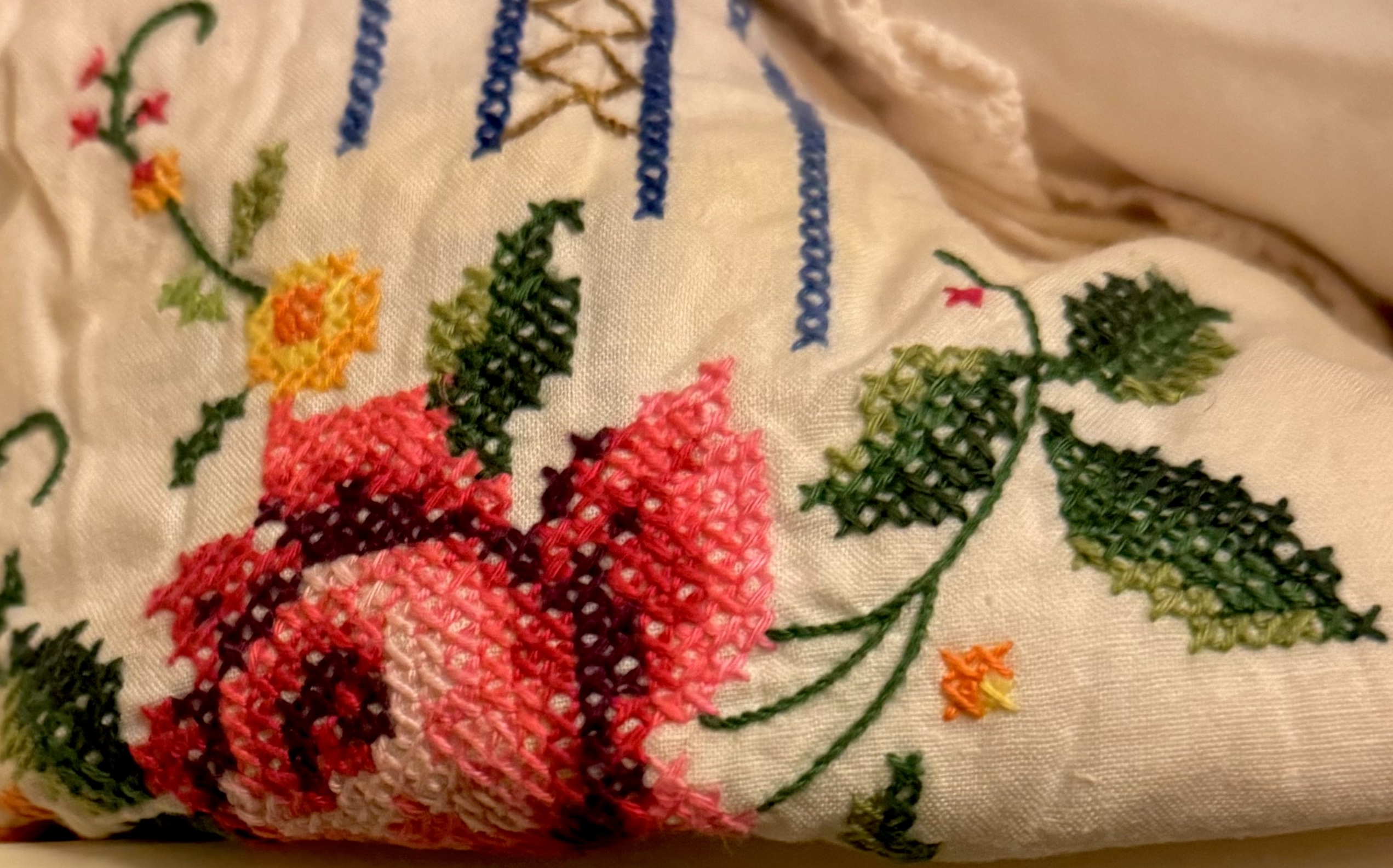
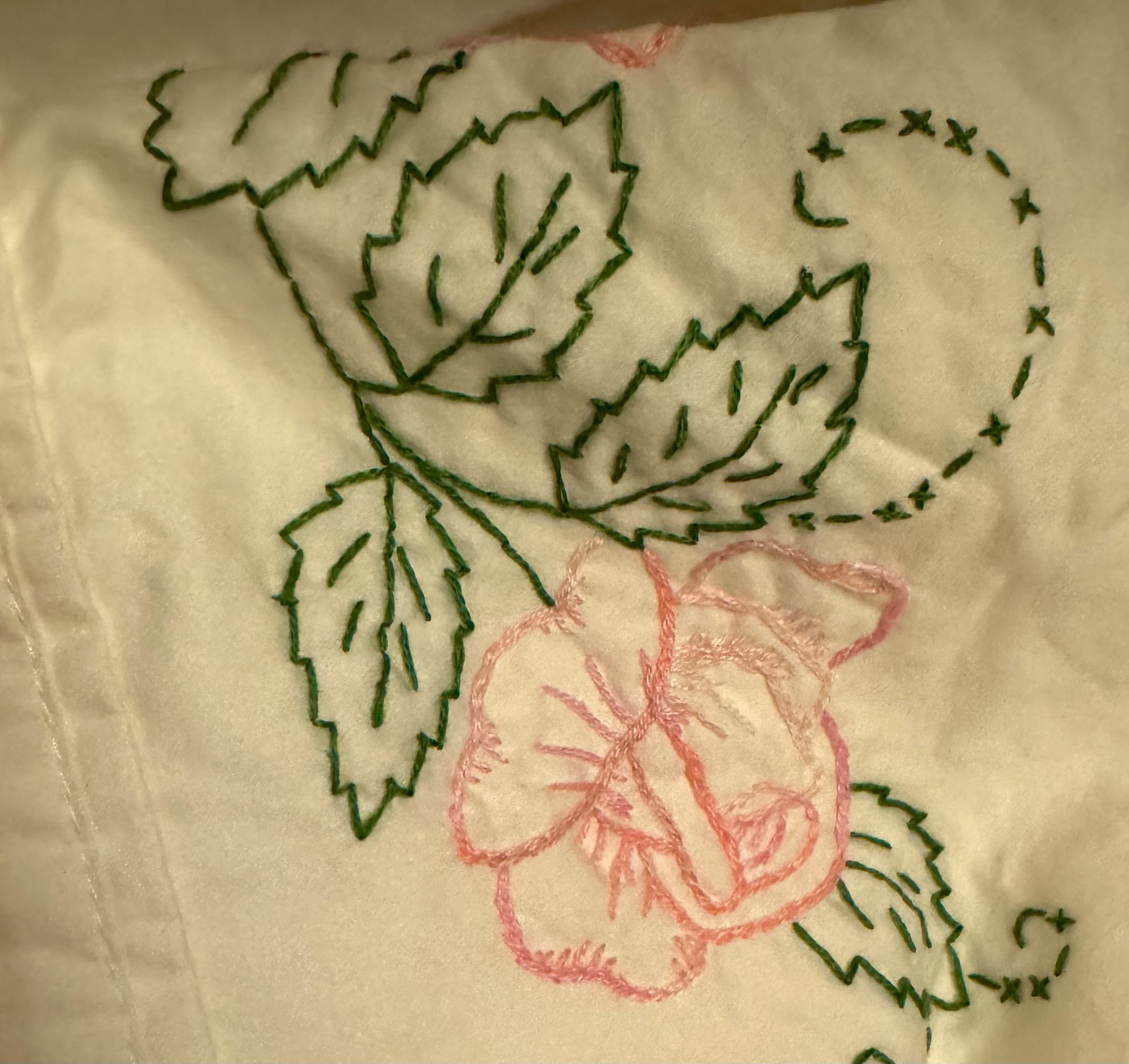
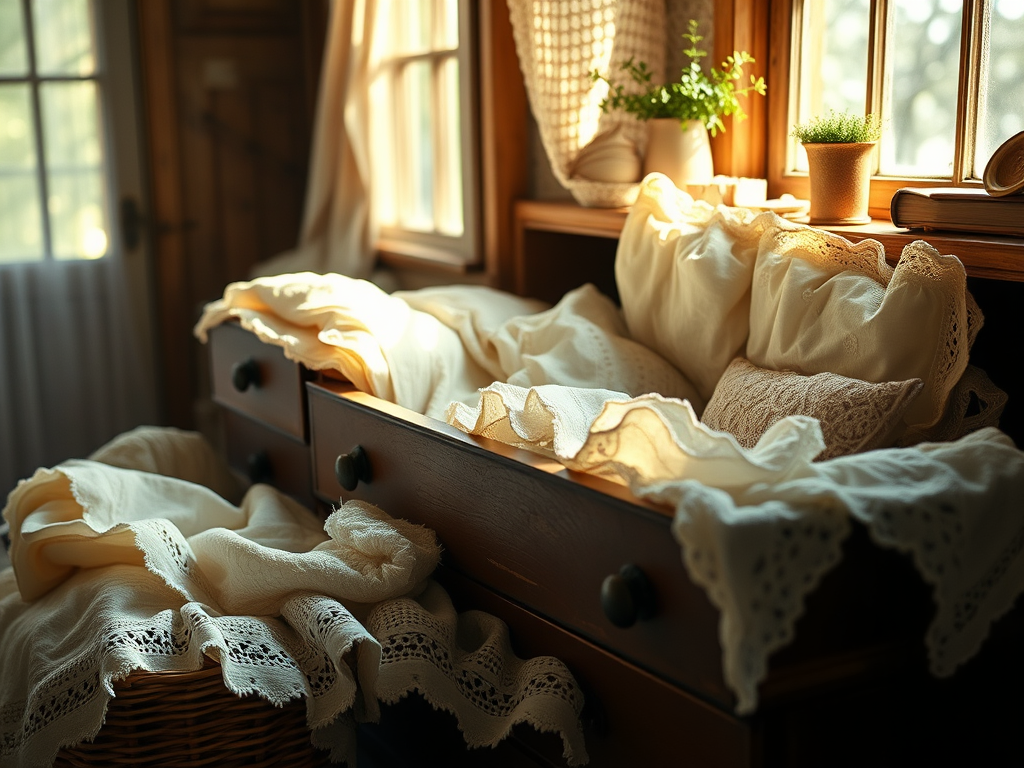
Searching for pillowcases trimmed  
with lace that my mother-in-law
once made, I open the chest of drawers   
upstairs to find that mice
have chewed the blue and white linen   
dishtowels to make their nest,
and bedded themselves
among embroidered dresser scarves   
and fingertip towels.

Tufts of fibers, droppings like black   
caraway seeds, and the stains of birth   
and afterbirth give off the strong   
unforgettable attar of mouse
that permeates an old farmhouse   
on humid summer days.

A couple of hickory nuts
roll around as I lift out
the linens, while a hail of black
sunflower shells
falls on the pillowcases,
yellow with age, but intact.

I’ll bleach them and hang them in the sun   
to dry. There’s almost no one left
who knows how to crochet lace…. 
  

The bright-eyed squatters are not here.   
They’ve scuttled out to the fields   
for summer, as they scuttled in
for winter—along the wall, from chair   
to skirted chair, making themselves   
flat and scarce while the cat
dozed with her paws in the air,
and we read the mail
or evening paper, unaware.
~Jane Kenyon, “Not Here” from Collected Poems

1

In a shoe box stuffed in an old nylon stocking
Sleeps the baby mouse I found in the meadow,
Where he trembled and shook beneath a stick
Till I caught him up by the tail and brought him in,
Cradled in my hand,
A little quaker, the whole body of him trembling,
His absurd whiskers sticking out like a cartoon-mouse,
His feet like small leaves,
Little lizard-feet,
Whitish and spread wide when he tried to struggle away,
Wriggling like a minuscule puppy.


Now he’s eaten his three kinds of cheese and drunk from his
bottle-cap watering-trough—
So much he just lies in one corner,
His tail curled under him, his belly big
As his head; his bat-like ears
Twitching, tilting toward the least sound.


Do I imagine he no longer trembles
When I come close to him?
He seems no longer to tremble.

2

But this morning the shoe-box house on the back porch is empty.
Where has he gone, my meadow mouse,
My thumb of a child that nuzzled in my palm? —
To run under the hawk’s wing,
Under the eye of the great owl watching from the elm-tree,
To live by courtesy of the shrike, the snake, the tom-cat.
I think of the nestling fallen into the deep grass,
The turtle gasping in the dusty rubble of the highway,
The paralytic stunned in the tub, and the water rising,—
All things innocent, hapless, forsaken.
~Theodore Roethke “The Meadow Mouse”

Let us walk in the woods, says the cat.
I’ll teach you to read the tabloid of scents,
to fade into shadow, wait like a trap, to hunt.
Now I lay this plump warm mouse on your mat.

~Marge Piercy from “The Cat’s Song”

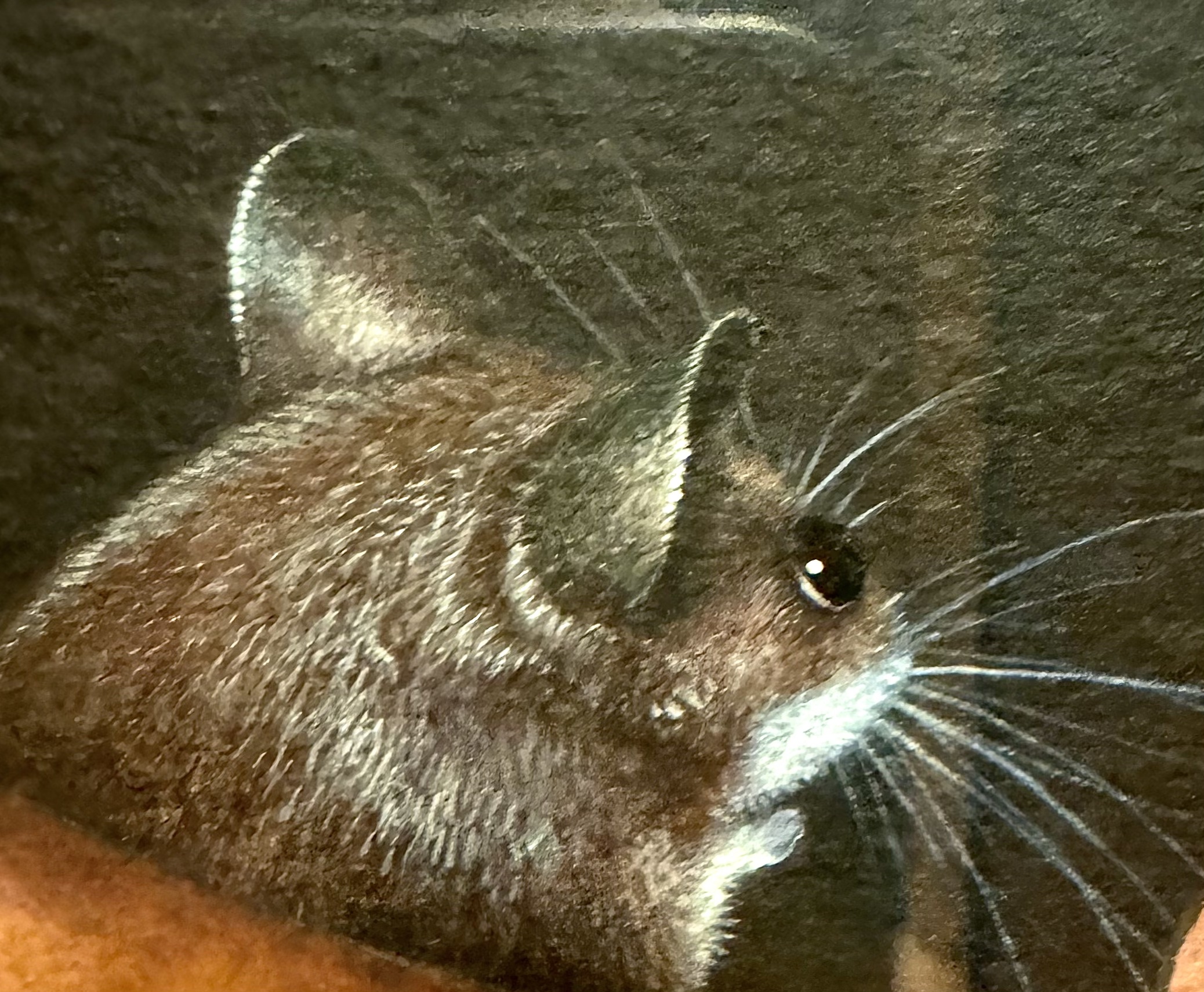
Our autumn house guests returned this week. They don’t tend to announce themselves; they prefer to creep in silently when we’re unaware, usually in the dark of the night, using whatever portal I haven’t plugged thoroughly enough with steel wool.

They leave for the summer, happier camping outside. Once the nights start feeling chilly, we might spot them out of the corner of our eye, scooting across the kitchen floor searching for any crumbs from dinner. I open the cupboard under the sink and see the evidence they surreptitiously have been back in residence for some time.

I’ve found their indoor camps in closets, and in storage boxes. They like to bring their outdoor treasures with them.

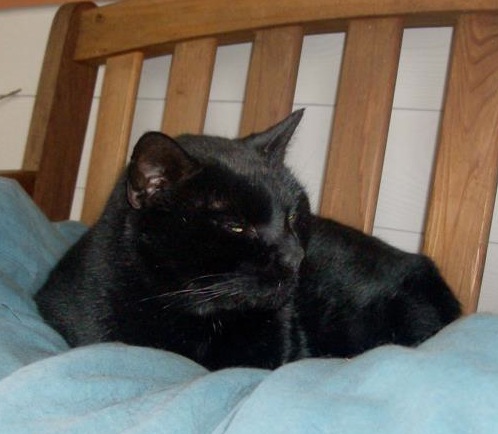
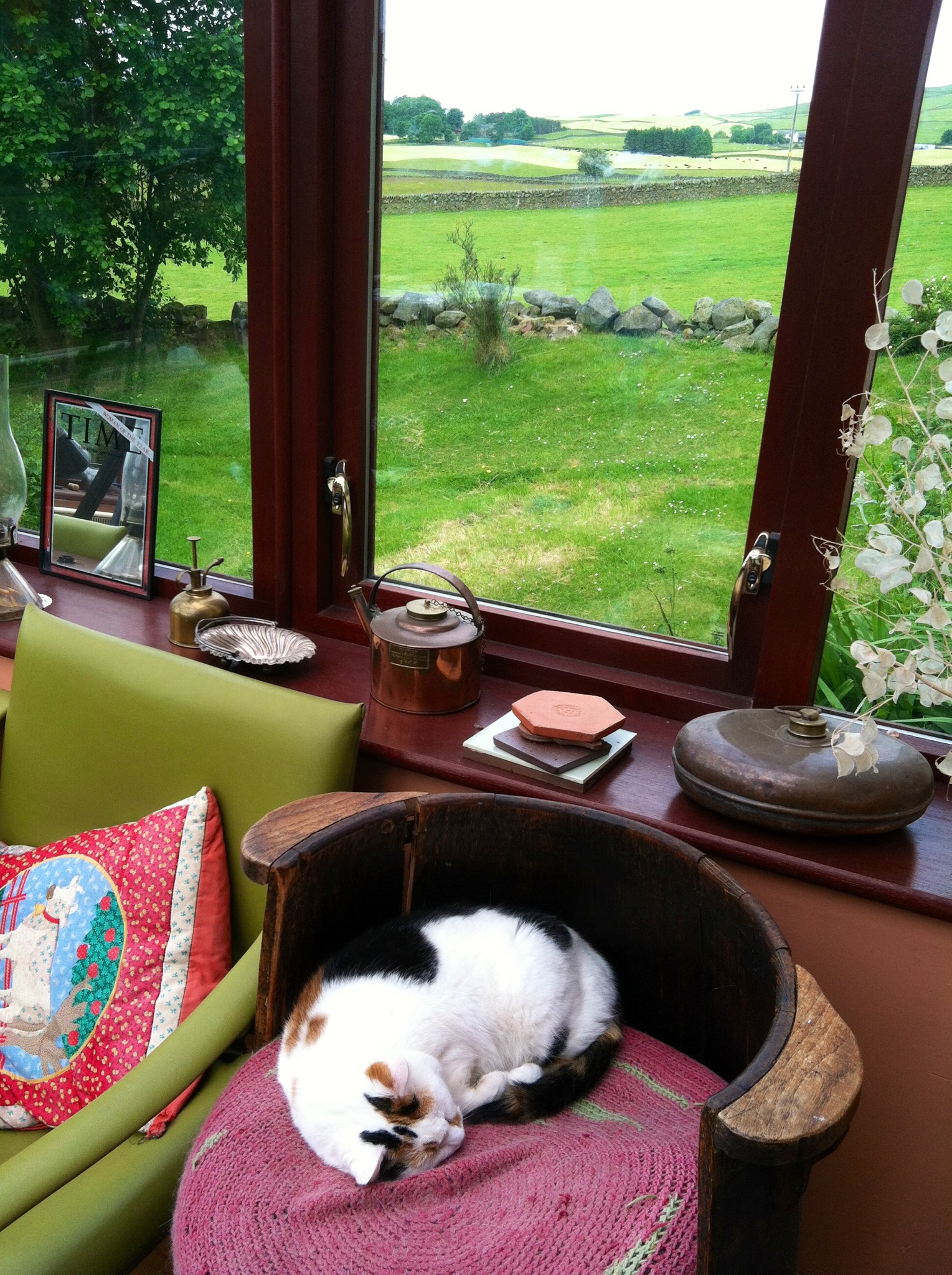
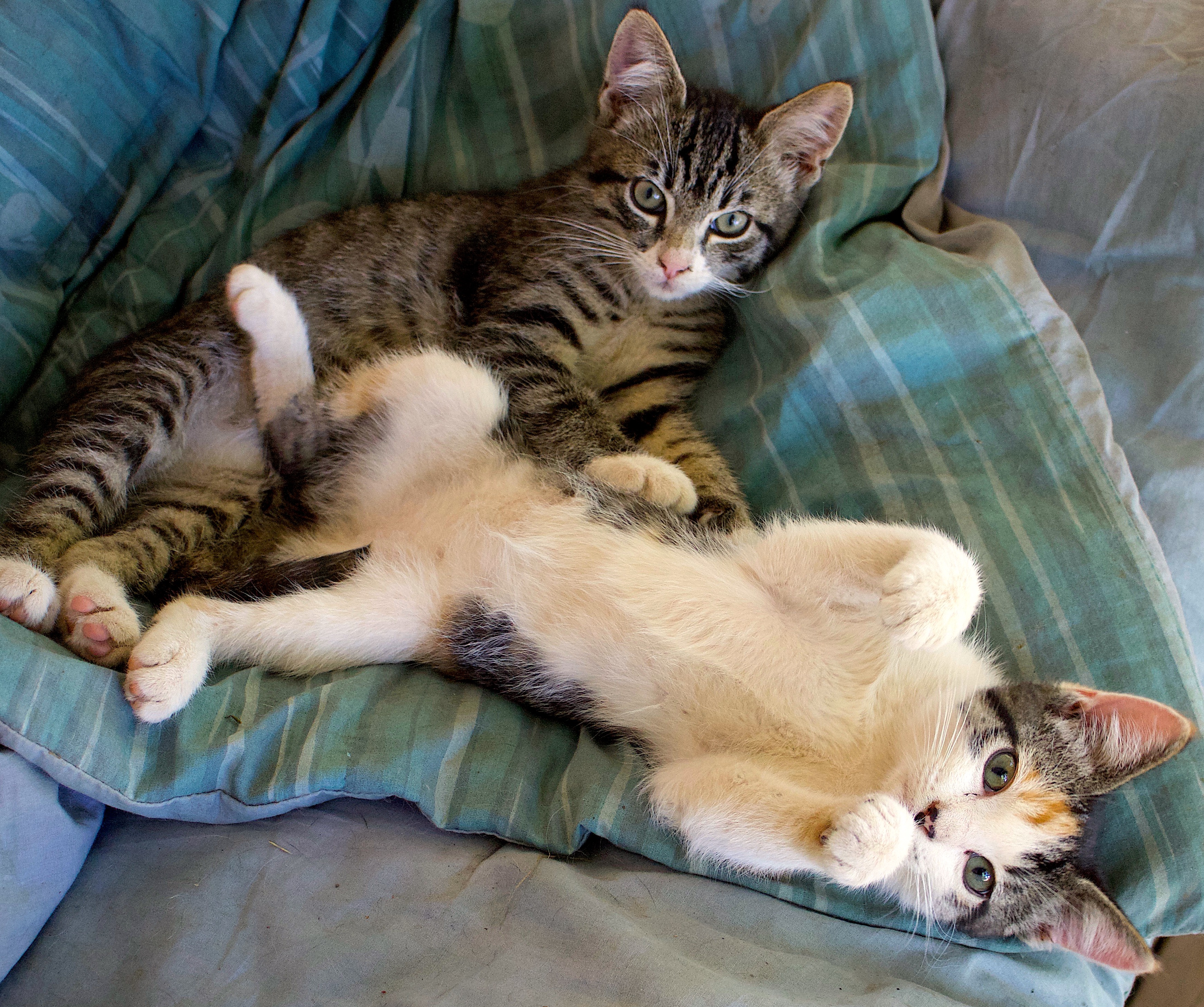
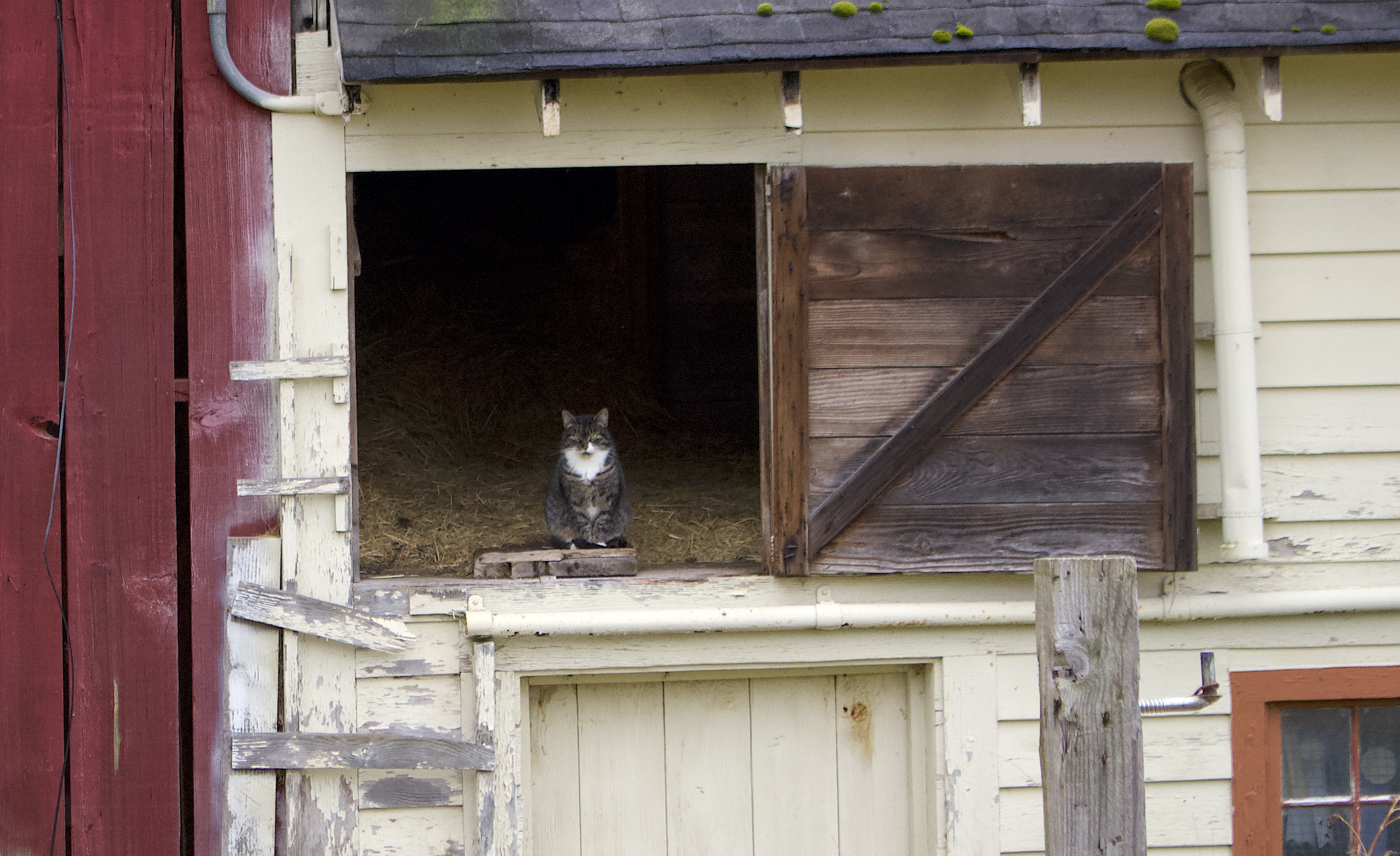
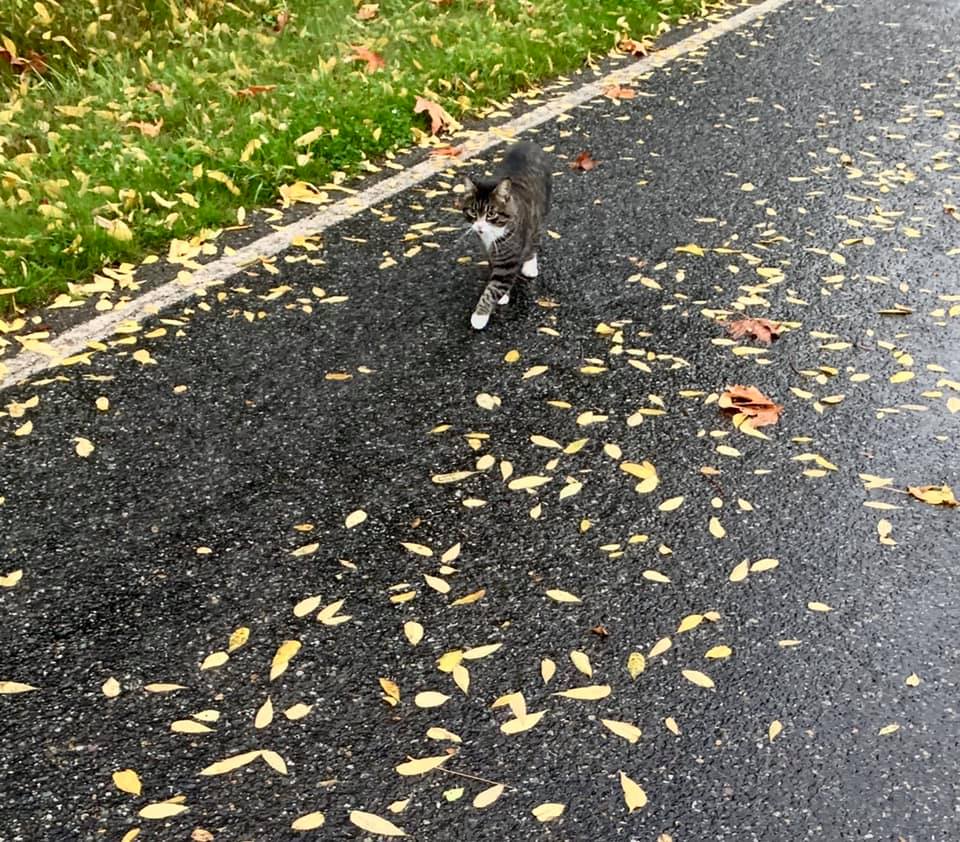
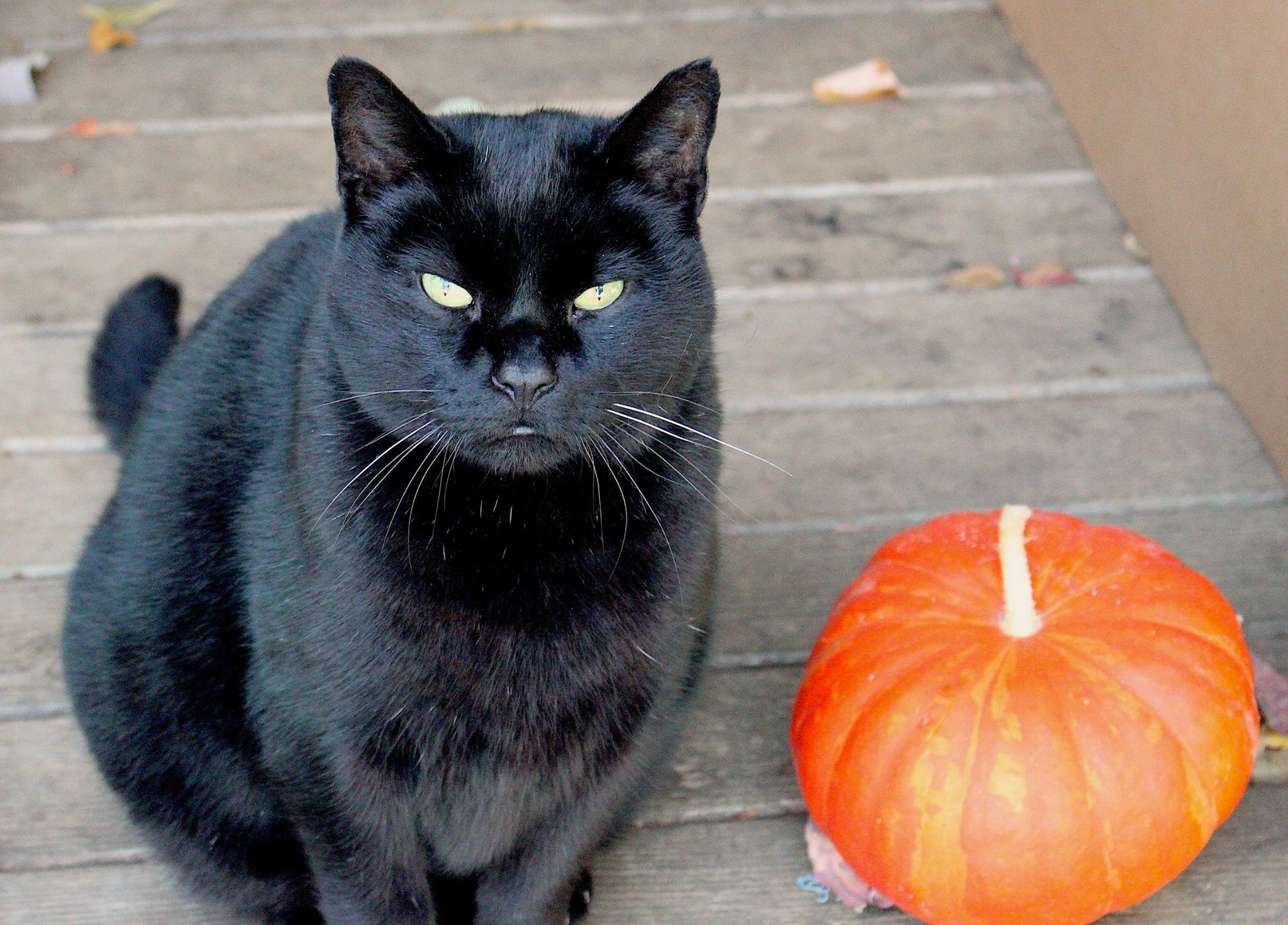
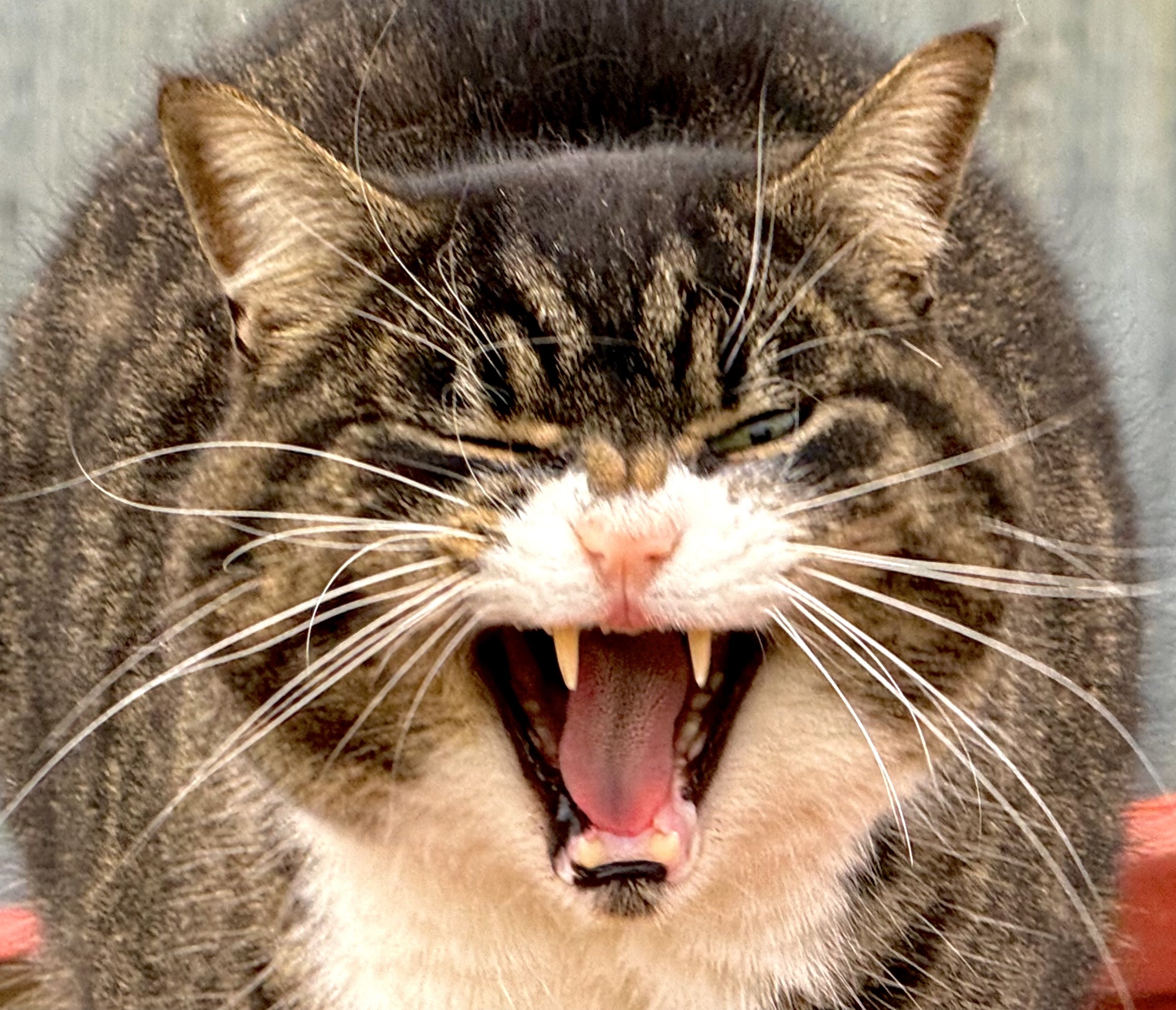
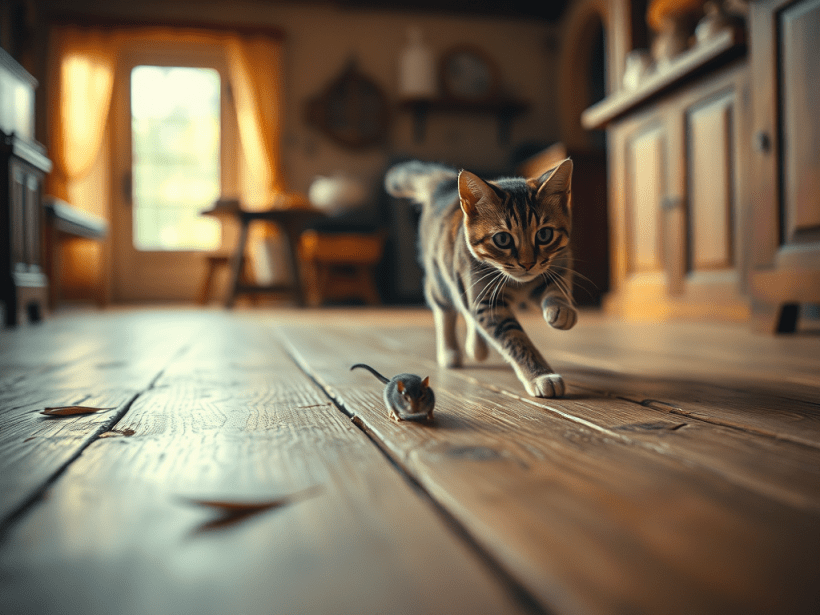
Our farm cats have been asleep at the wheel – they are supposed to be guarding all potential entry points. Yet these wee scuttlers got past them.

So I resort to primitive rodent control, traps baited with peanut butter and wait to hear the tell-tale snap of the spring. Instead, the bait is gone the next morning, with no furry body and no evidence of bloodshed. These are clever little scuttlers.

It is hard to outwit a smart mouse, and of course if one mouse is caught, there are at least thirty of its buddies yet to be caught.

Between the cats and the mice, the farm cats prove most wily. They pick their hapless victims at random, knowing they have job security as long as they allow only a few mice access to the house. Every few days, they leave scattered dissected mouse parts on the front porch to make a grisly impression, just to prove they, better than me, still know how to catch a mouse.

AI image created for this post
One-Time
Monthly
Yearly

Make a one-time or recurring donation to support daily Barnstorming posts

Make a monthly donation

Make a yearly donation

Choose an amount

$10.00
$25.00
$50.00
$5.00
$15.00
$100.00
$5.00
$15.00
$100.00

Or enter a custom amount

$

Your contribution is deeply appreciated.

Your contribution is appreciated.

Your contribution is appreciated.

DonateDonate monthlyDonate yearly
Cold Water on a Tender Tooth

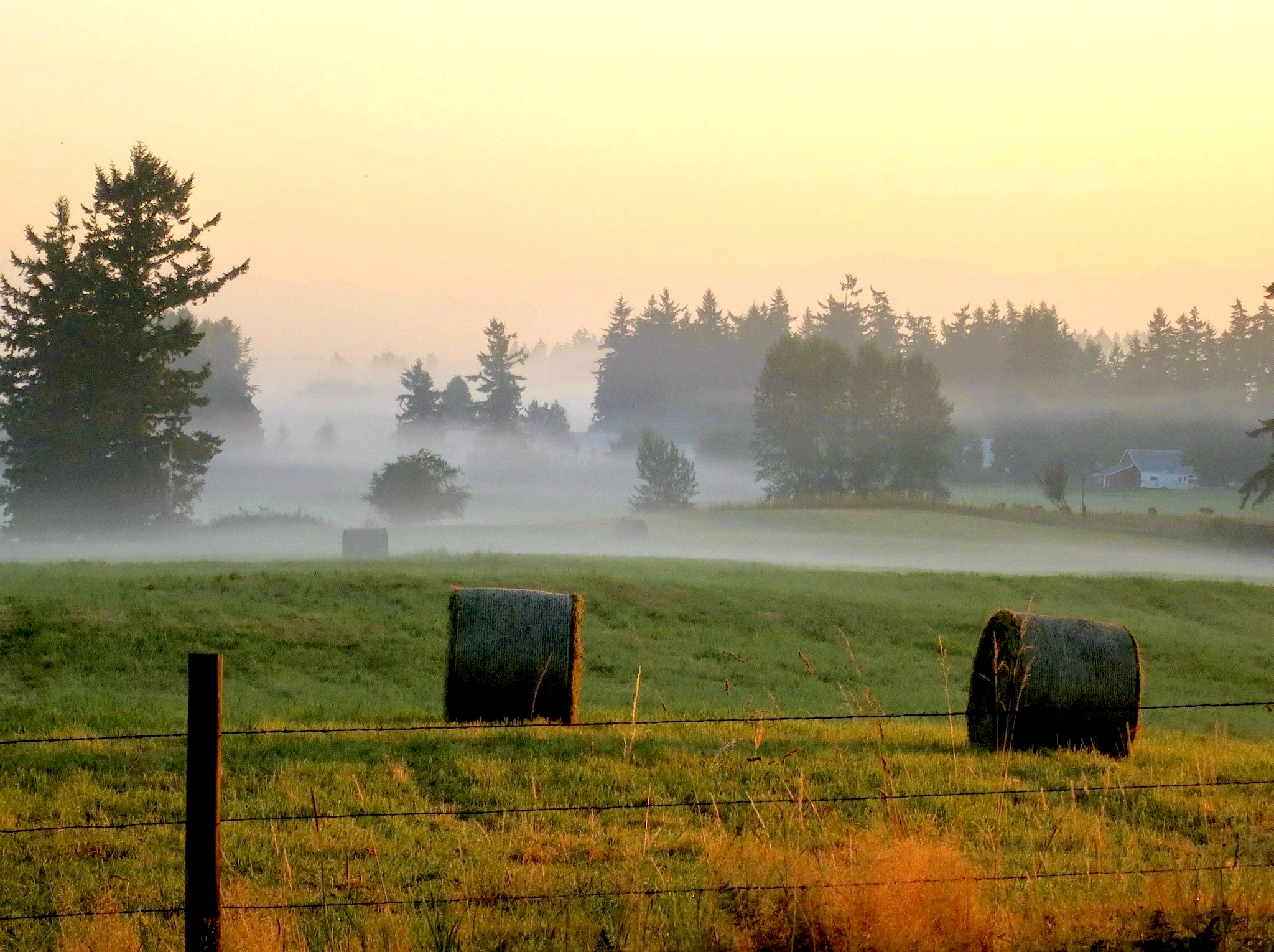
Last evening,
As I drove into this small valley,
I saw a low-hanging cloud
Wandering through the trees.
It circled like a school of fish
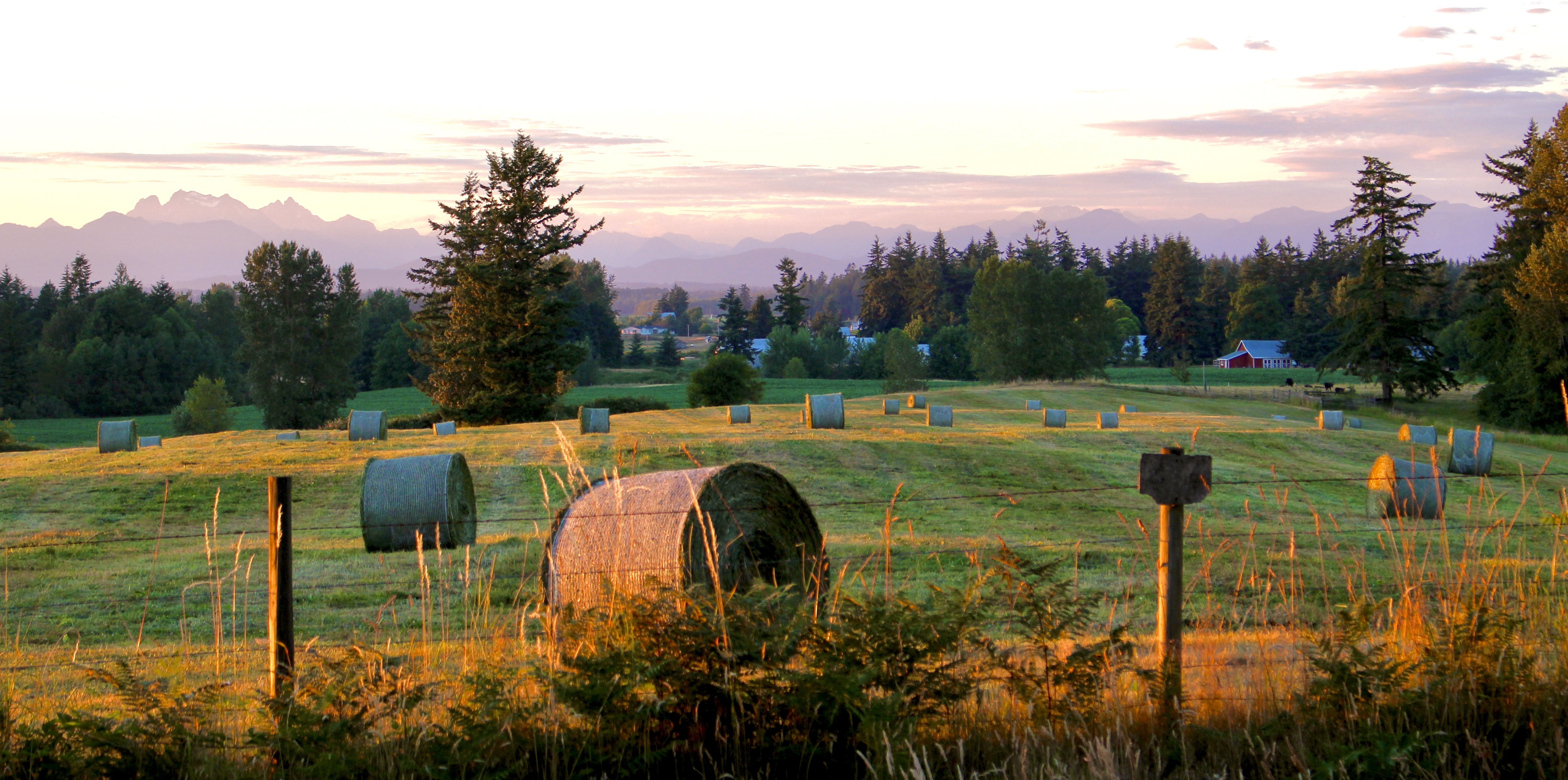
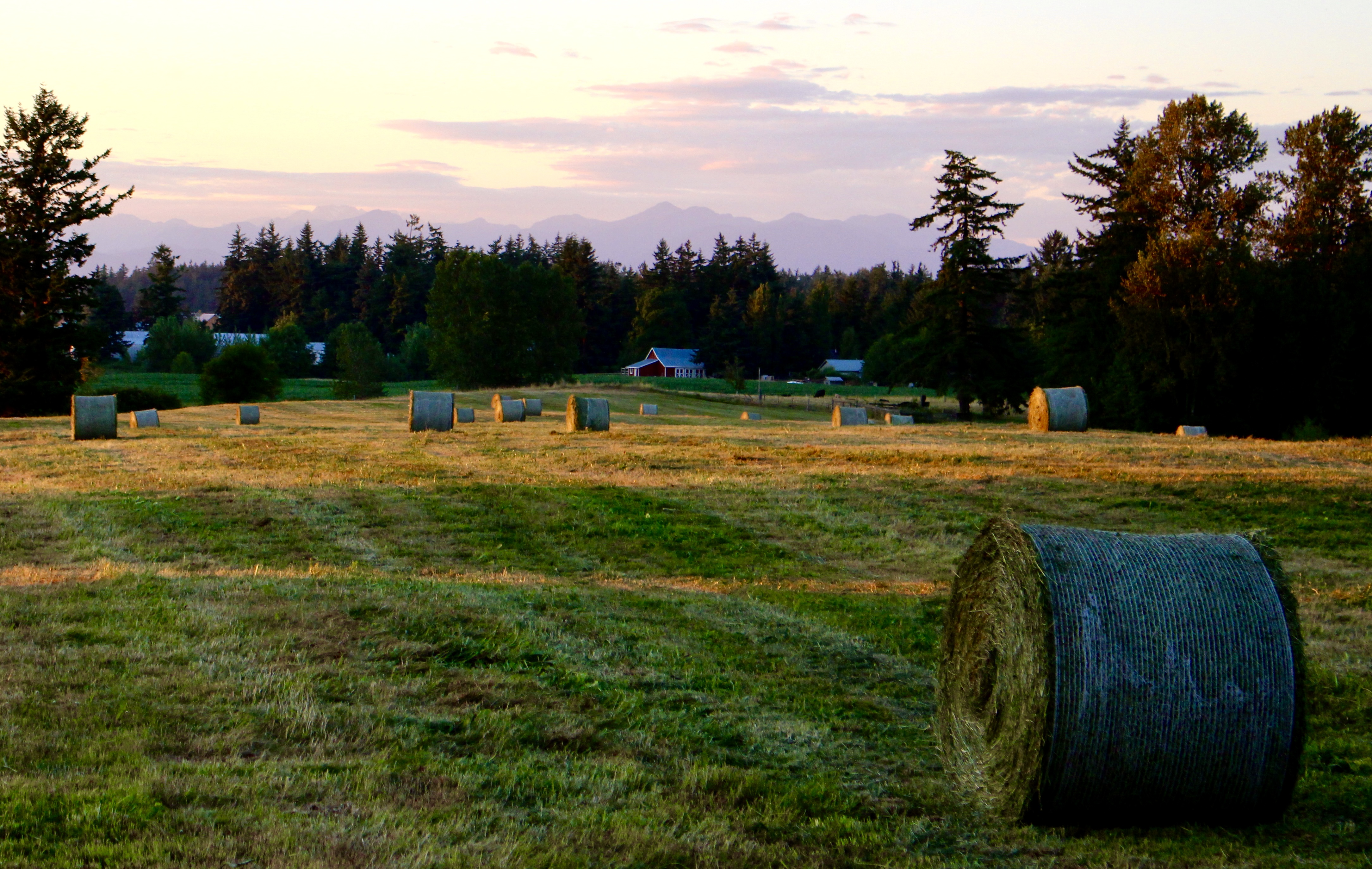
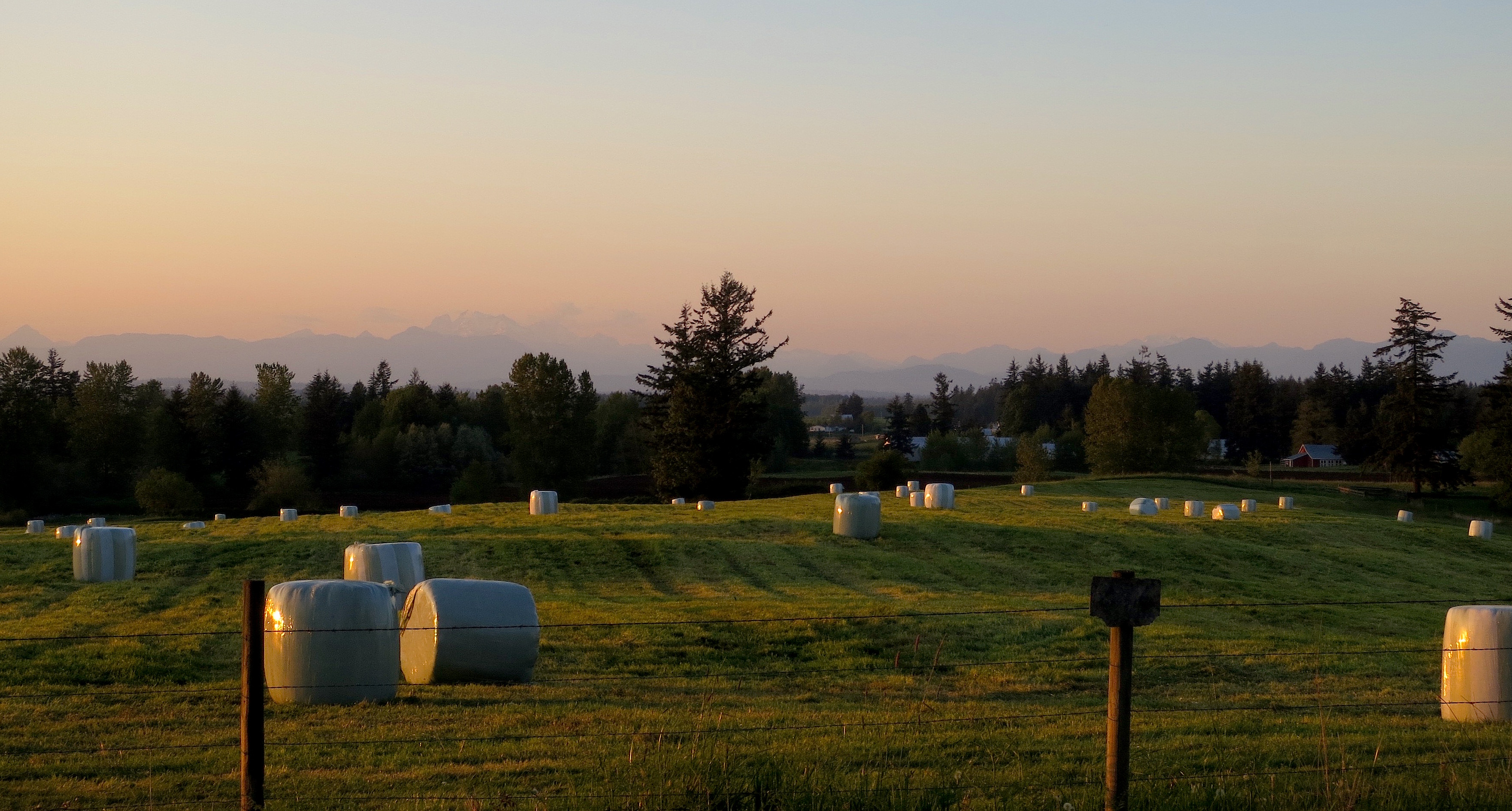
Around the dun-colored hay bales.
Reaching out its foggy hands
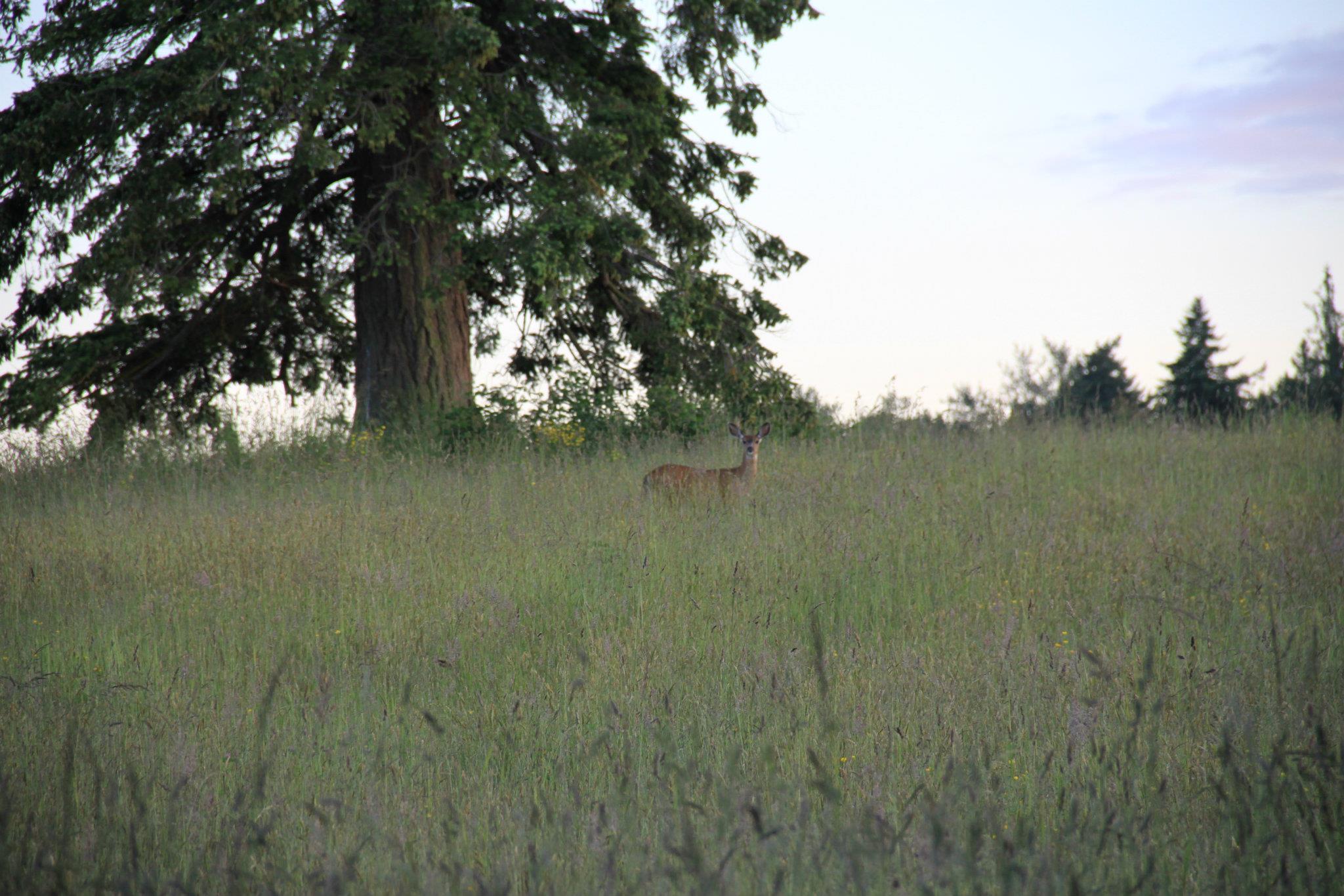
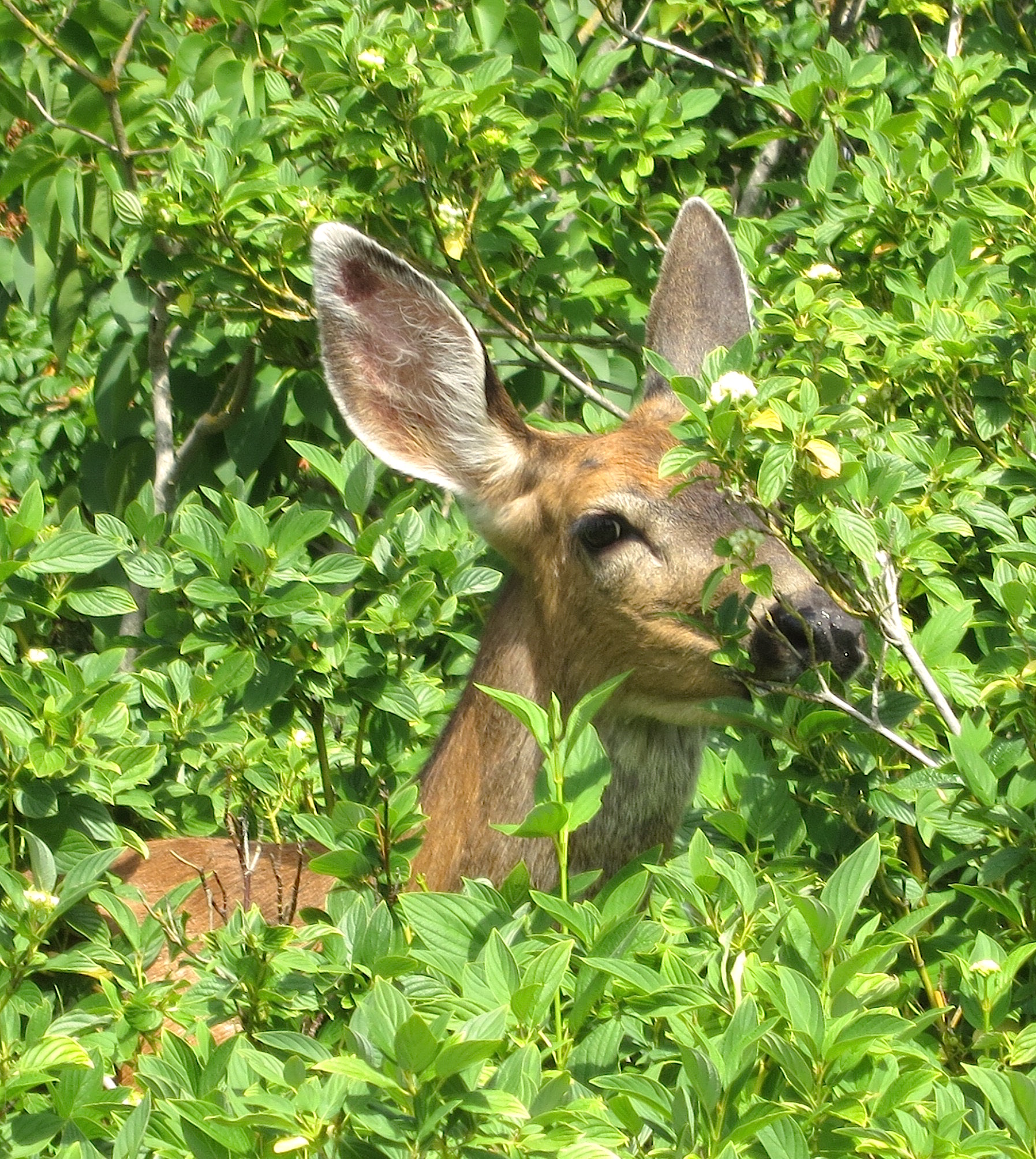
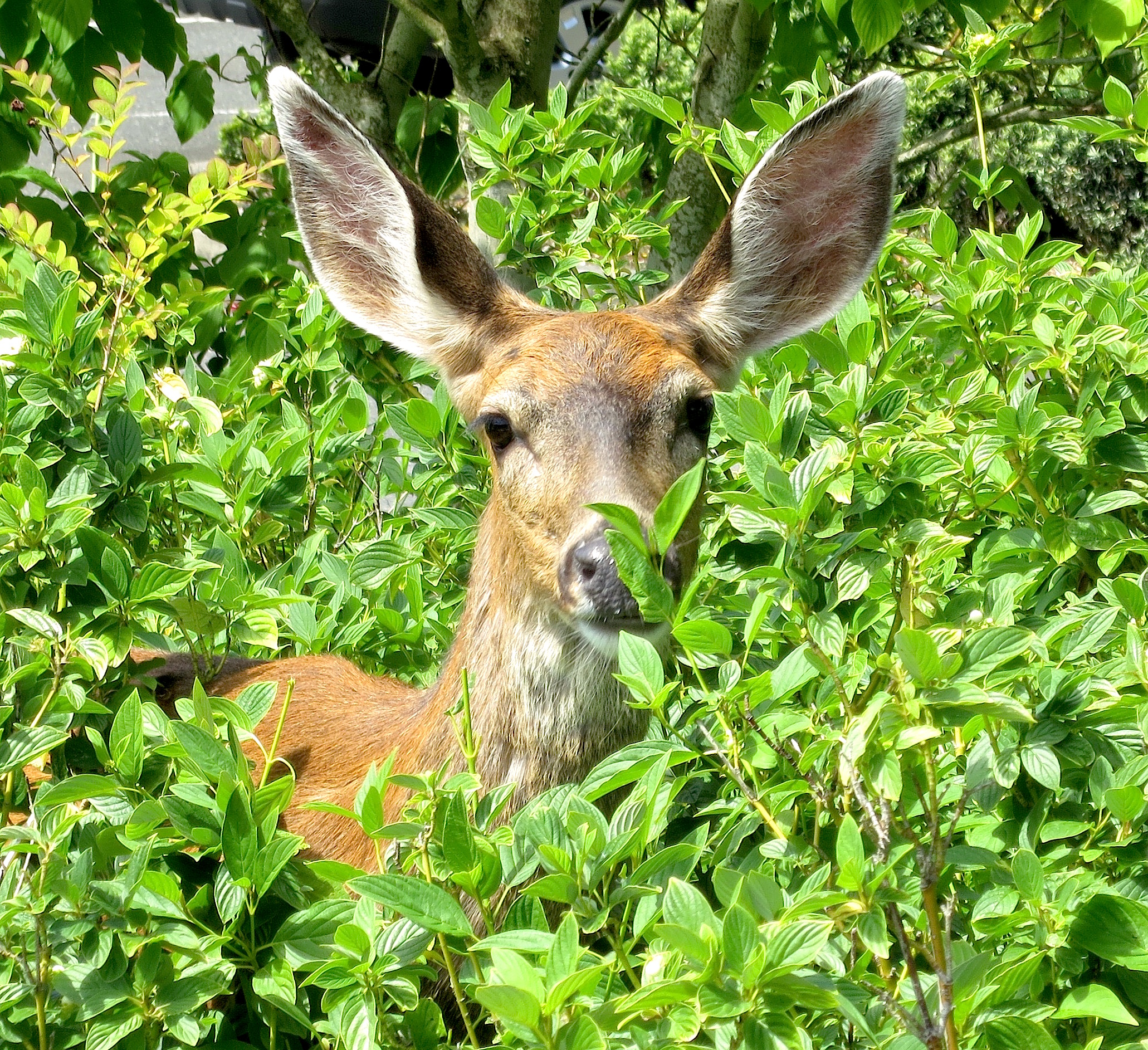
To stroke the legs of a perfect doe
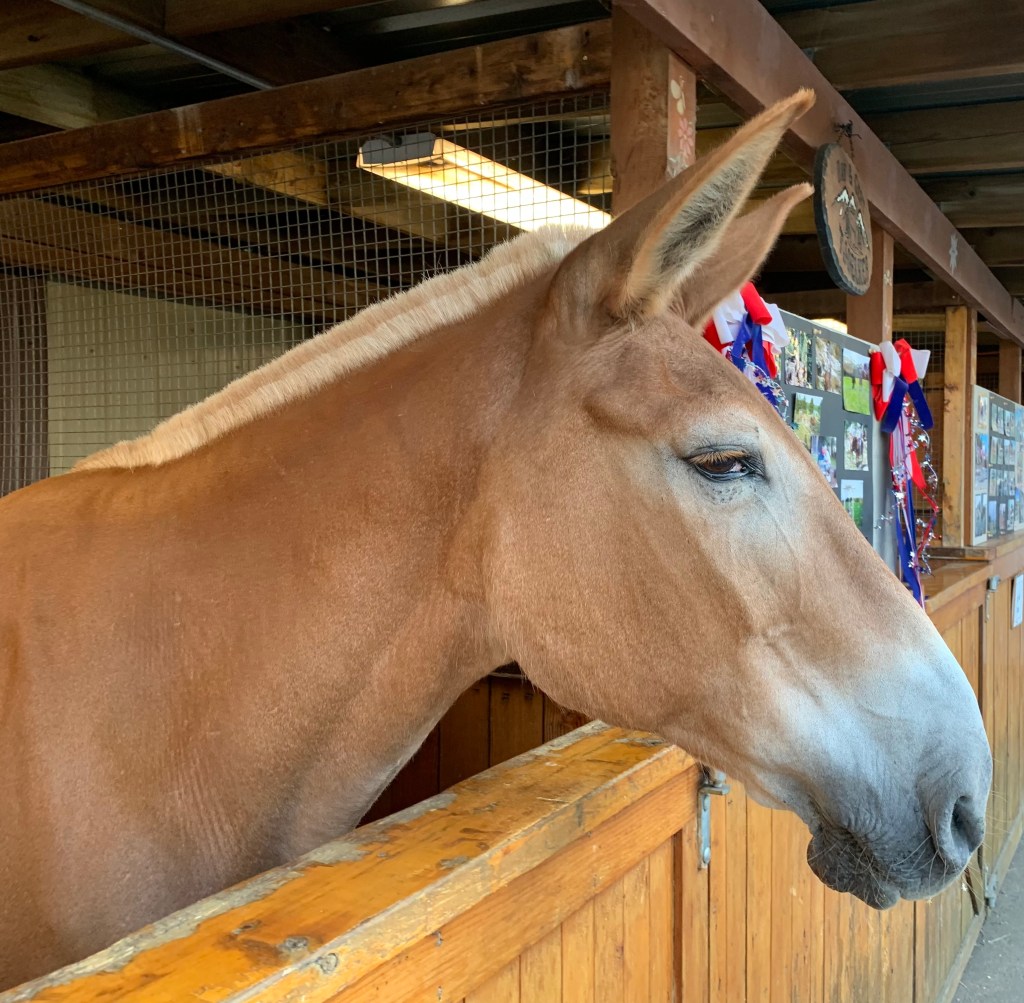
Quietly grazing in a neighbor’s mule pasture.

  I stopped the car
And stepping out into the blue twilight,
A wet mist brushed my face,
And then it was gone.
It was not unfriendly,
But it was not inclined to tell its secrets.

  I am in love with the untamed things,
The cloud, the doe,
Water, air and light.
I am filled with such tenderness
For ordinary things:
The practical mule, the pasture,
A perfect spiral of gathered hay.
And although I should not be,
Consistent as it is,
I am always surprised
By the way my heart will open
So completely and unexpectedly,
With a rush and an ache,
Like a sip of cold water
On a tender tooth.
~Carrie Newcomer “In the Hayfield” from A Permeable Life: Poems & Essays

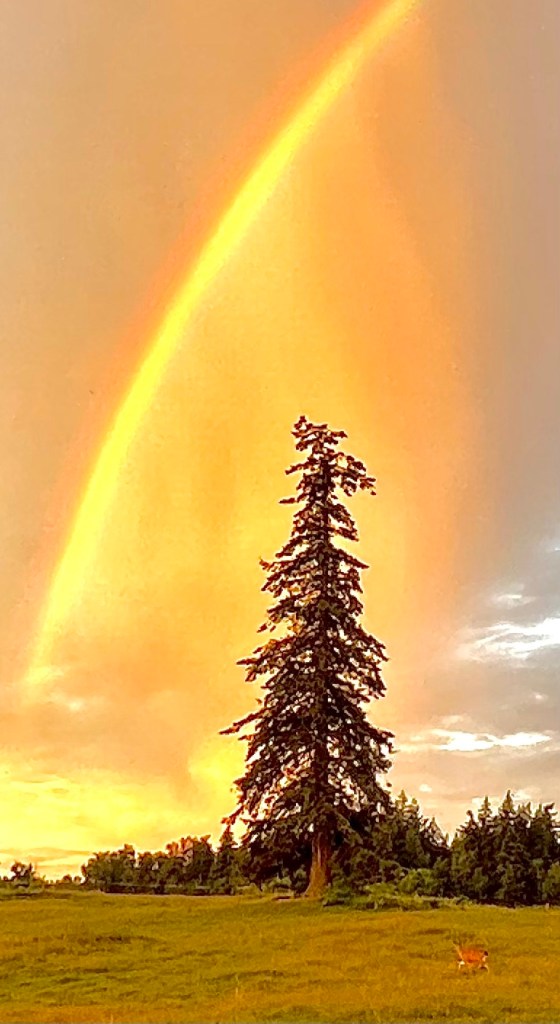
deer running in the foreground

Cool water on a tender tooth describes it exactly:

a moment of absolute wonder
brings exquisite tears to my eyes.
I’m so opened and exposed as to be painful,
feeling a clarity of being both sharp and focused.

it’s gone as quickly as it came,
but knowing it was there – unforgettable –
and knowing it is forever
only a memory,
both hurts,
and comforts…

One-Time
Monthly
Yearly

Make a one-time or recurring donation to support daily Barnstorming posts

Make a monthly donation

Make a yearly donation
Choose an amount

$10.00
$25.00
$50.00
$5.00
$15.00
$100.00
$5.00
$15.00
$100.00

Or enter a custom amount

$

Your contribution is deeply appreciated.
Your contribution is appreciated.

Your contribution is appreciated.

DonateDonate monthlyDonate yearly