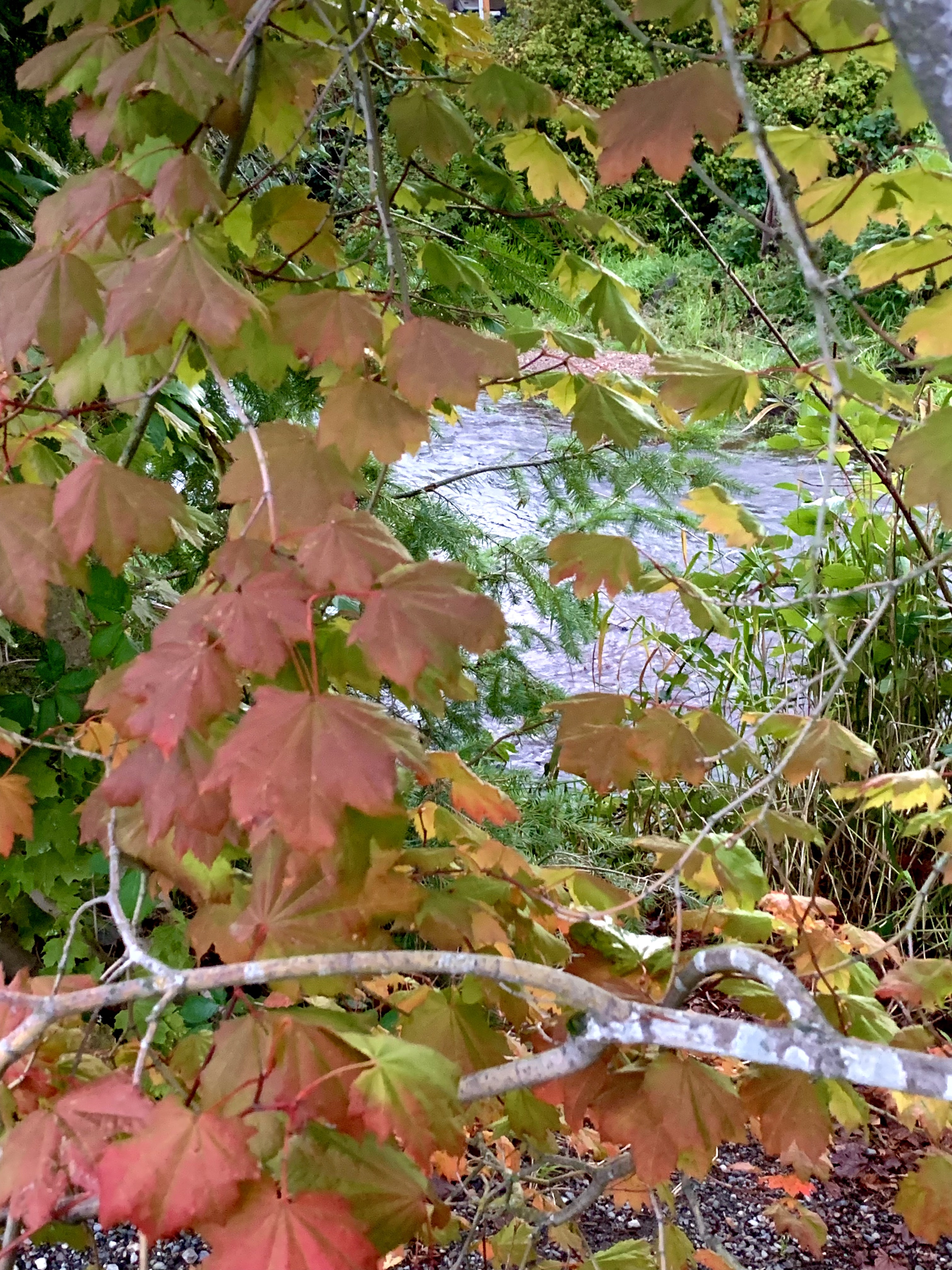
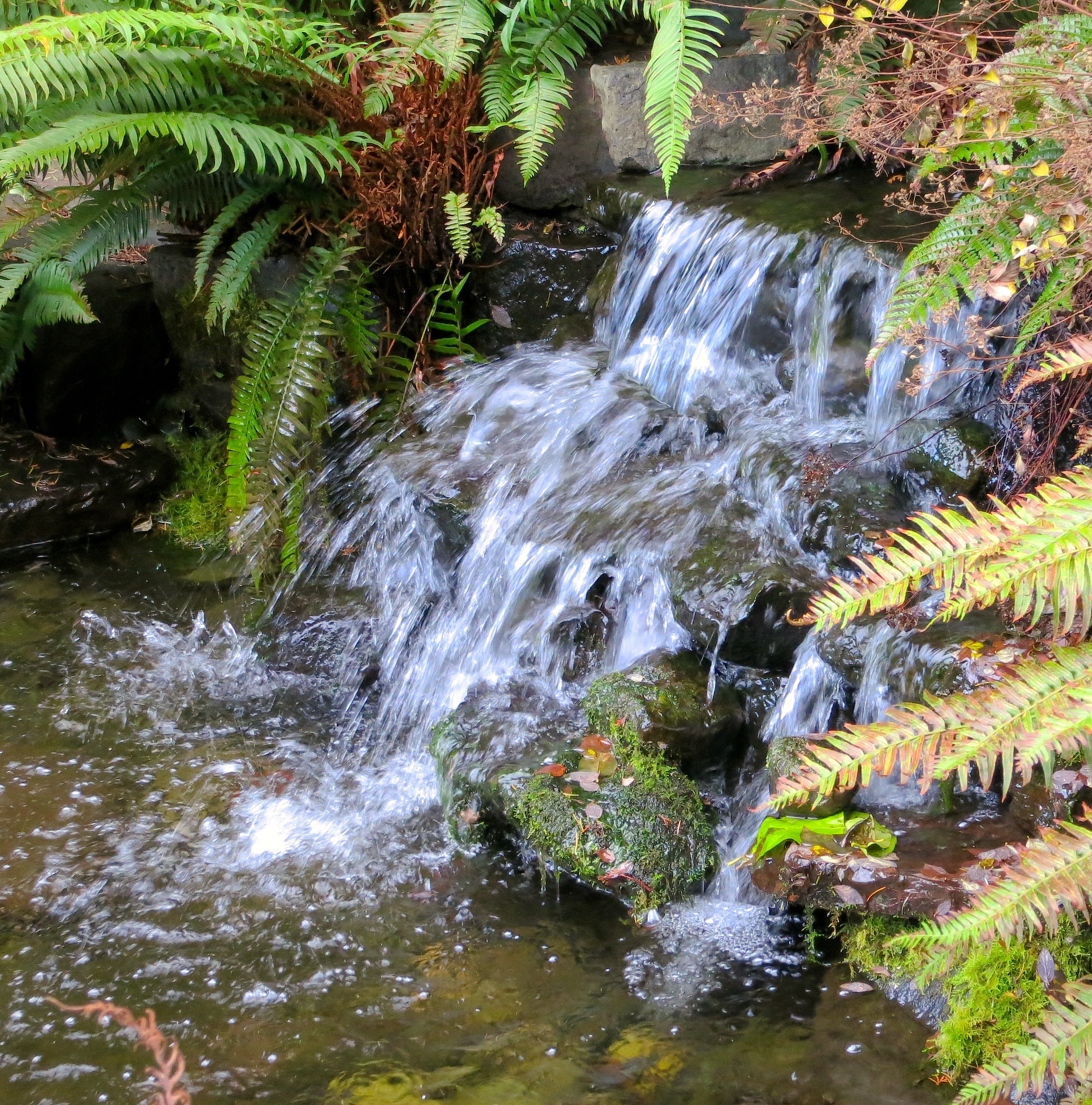
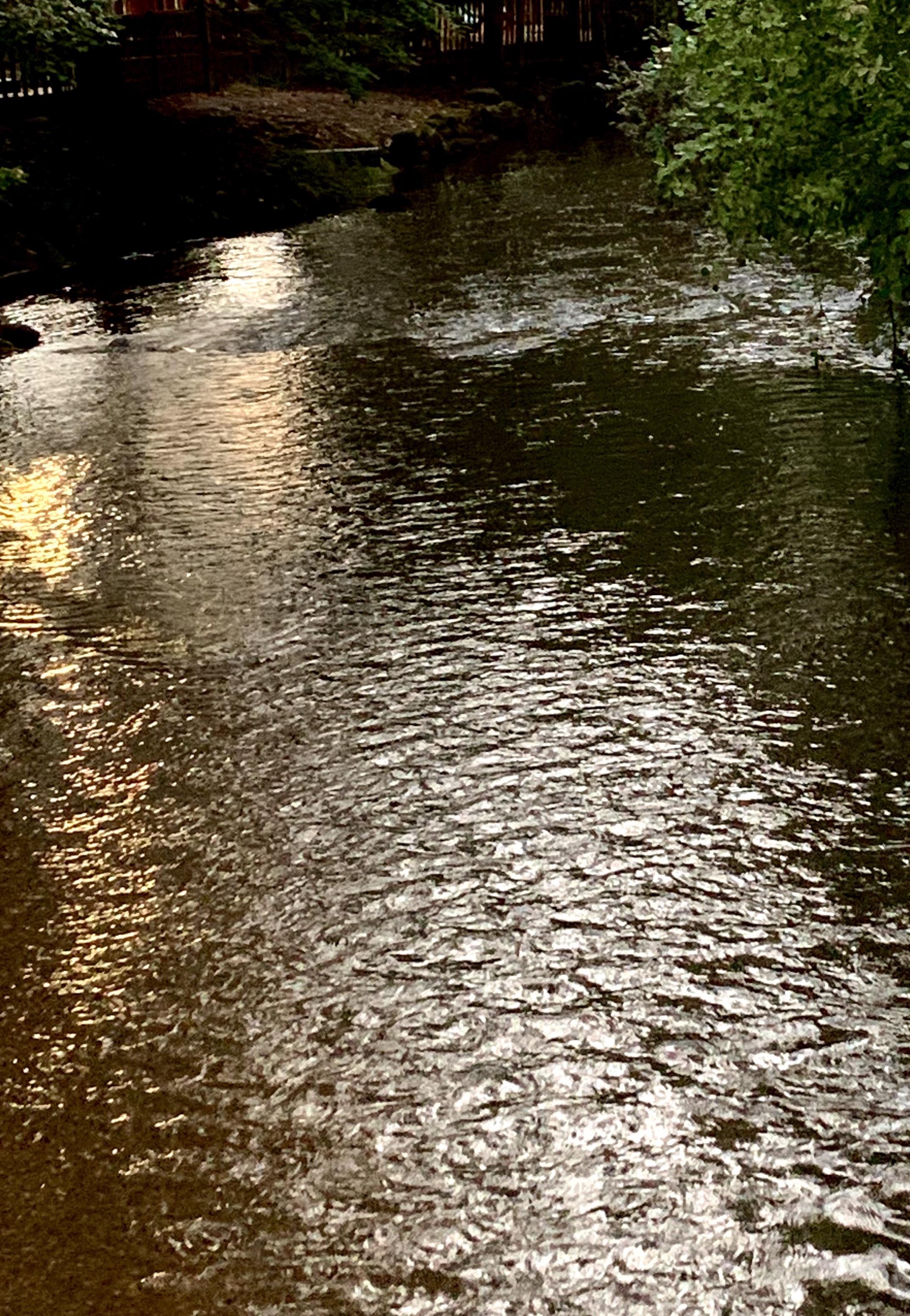
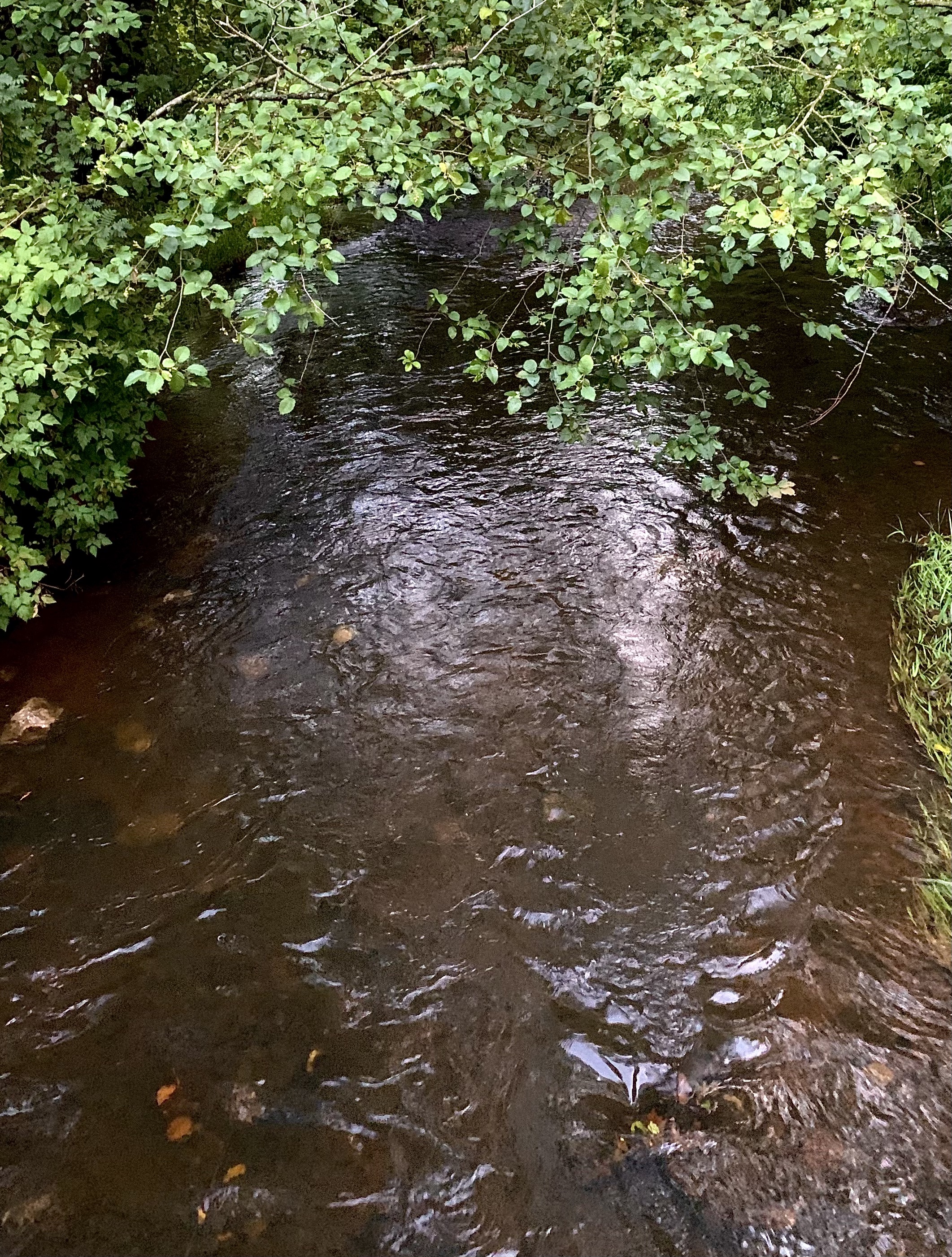
The Impeded Stream

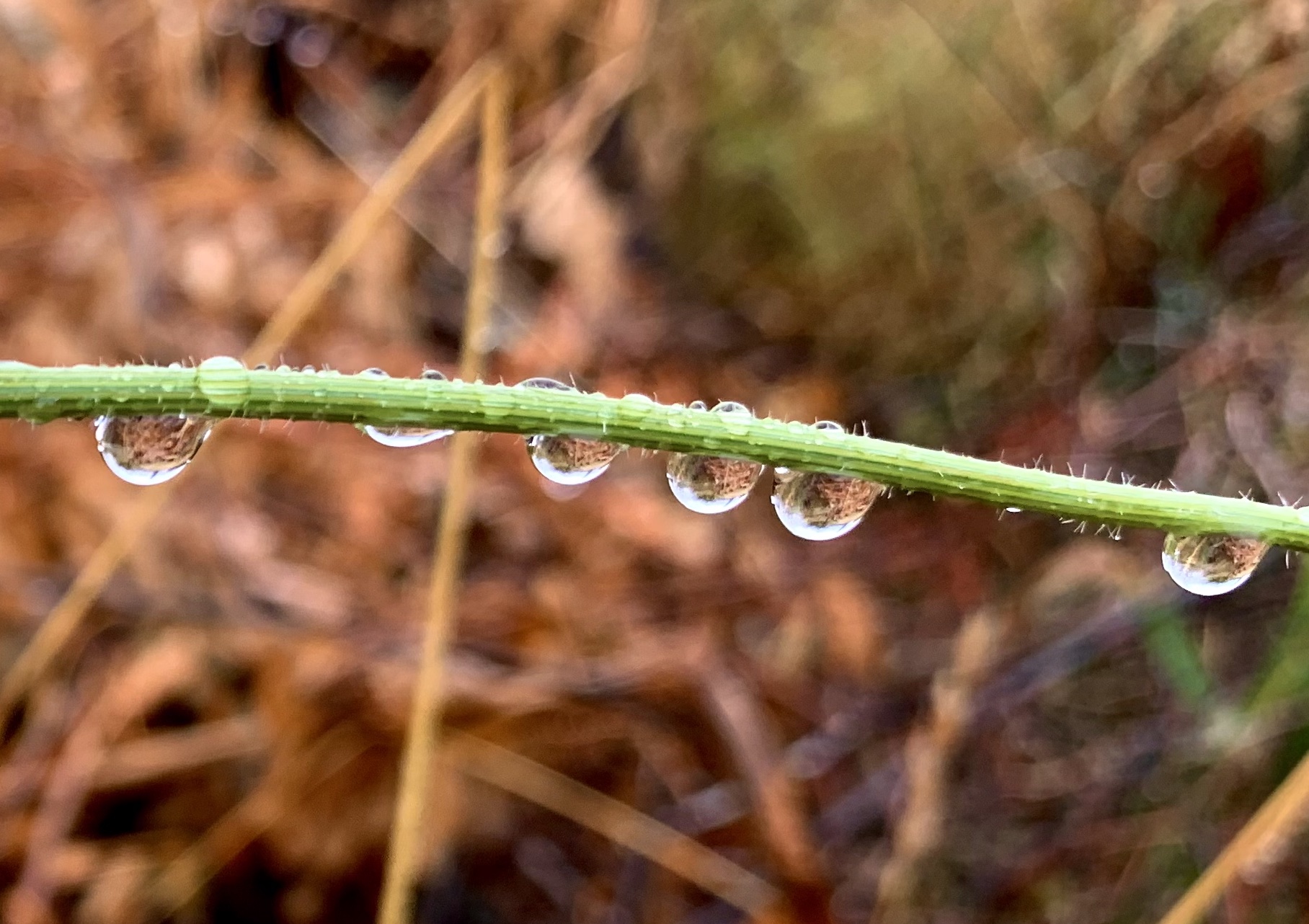
It may be that when we no longer know what to do we have come to our real work and that when we no longer know which way to go we have begun our real journey. The mind that is not baffled is not employed. The impeded stream is the one that sings.The world, the truth, is more abounding, more delightful, more demanding than we thought. What appeared for a time perhaps to be mere dutifulness … suddenly breaks open in sweetness — and we are not where we thought we were, nowhere that we could have expected to be.
~Wendell Berry from “Poetry and Marriage: The Use of Old Forms,” in Standing By Words

Who among us knows with certainty each morning
what we are meant to do that day
or where we are to go?

Or do we make our best guess by
putting one foot ahead of the other as we were taught
until the day is done and it is time to rest?

For me, over four decades,
I woke baffled each day
that I was allowed
to eavesdrop on heartbeats,
touch tender bellies,
sew up broken skin,
set fractured bones,
listen to and through tears.

I woke humbled with commitment and duty
to keep going even when too tired,
to offer care even when rejected.
to keep striving even if impeded.

Doing that work, I learned that
obstacles will slow but cannot stop
the cascade of love and hope over the rocks of life.

My days overflow with the uncertainty
of what comes next:
finding my real work
is to wade in deep,
tumbling over the barriers
and still keep singing.

Simply keep singing.

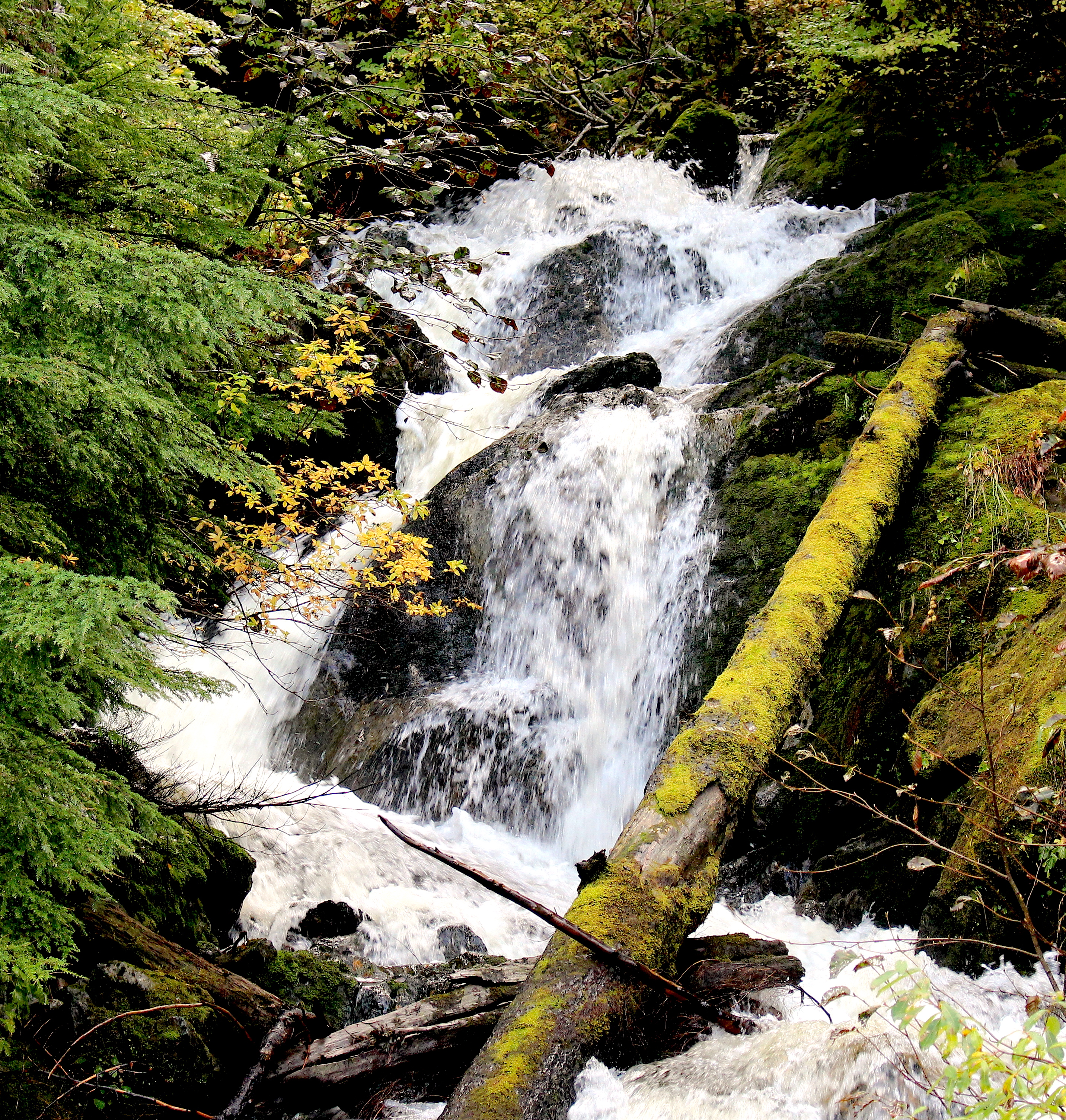
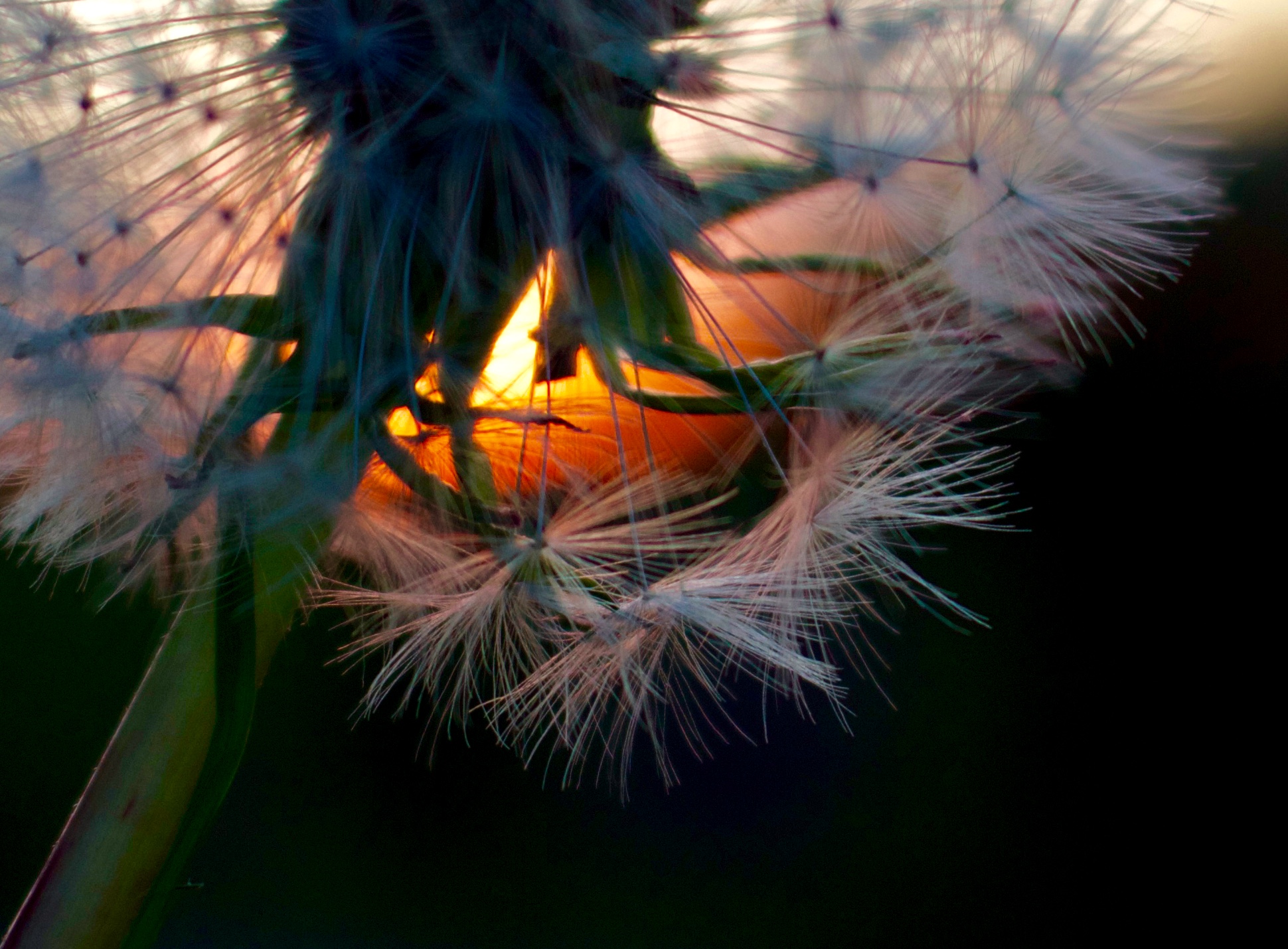
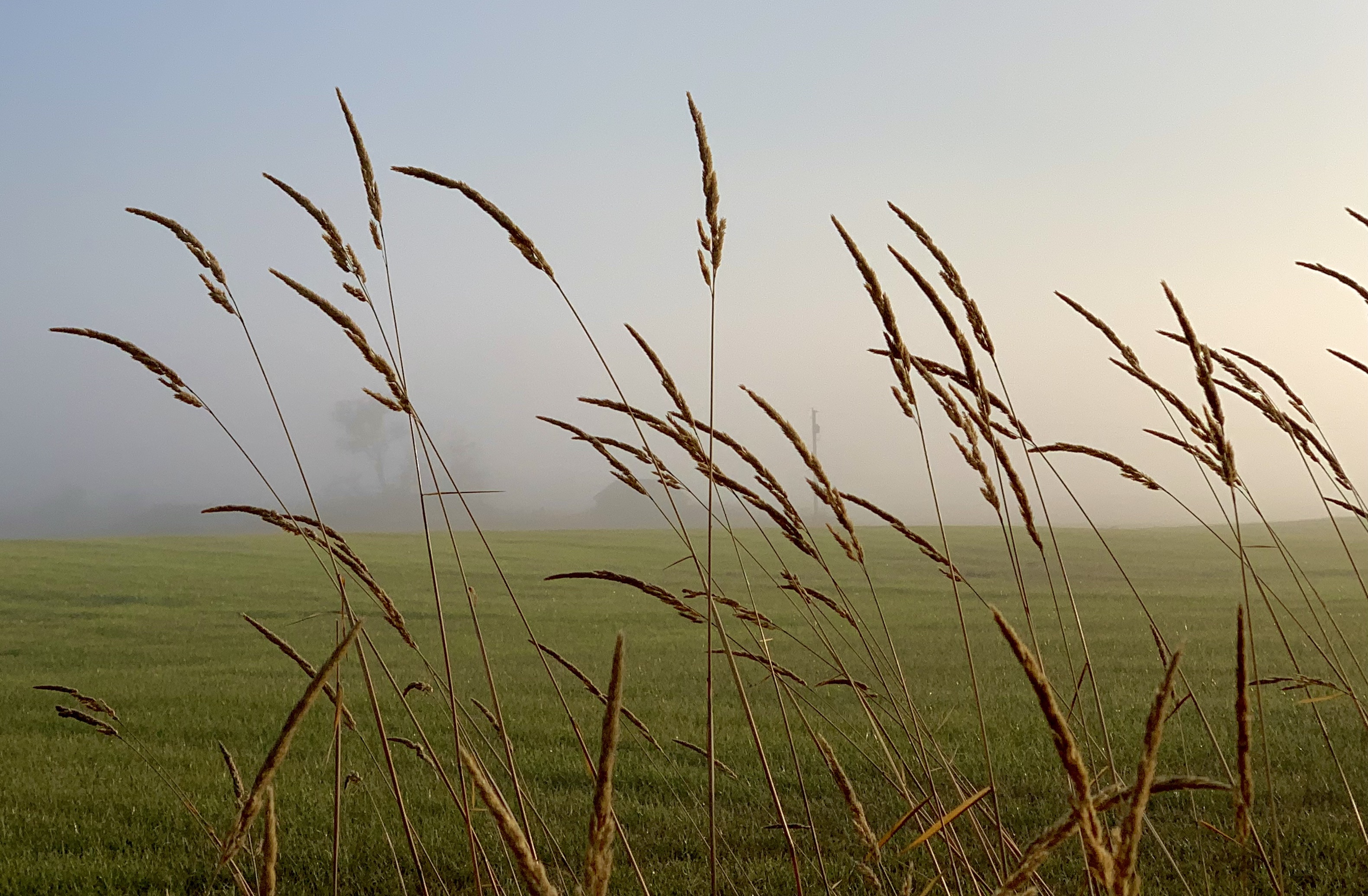
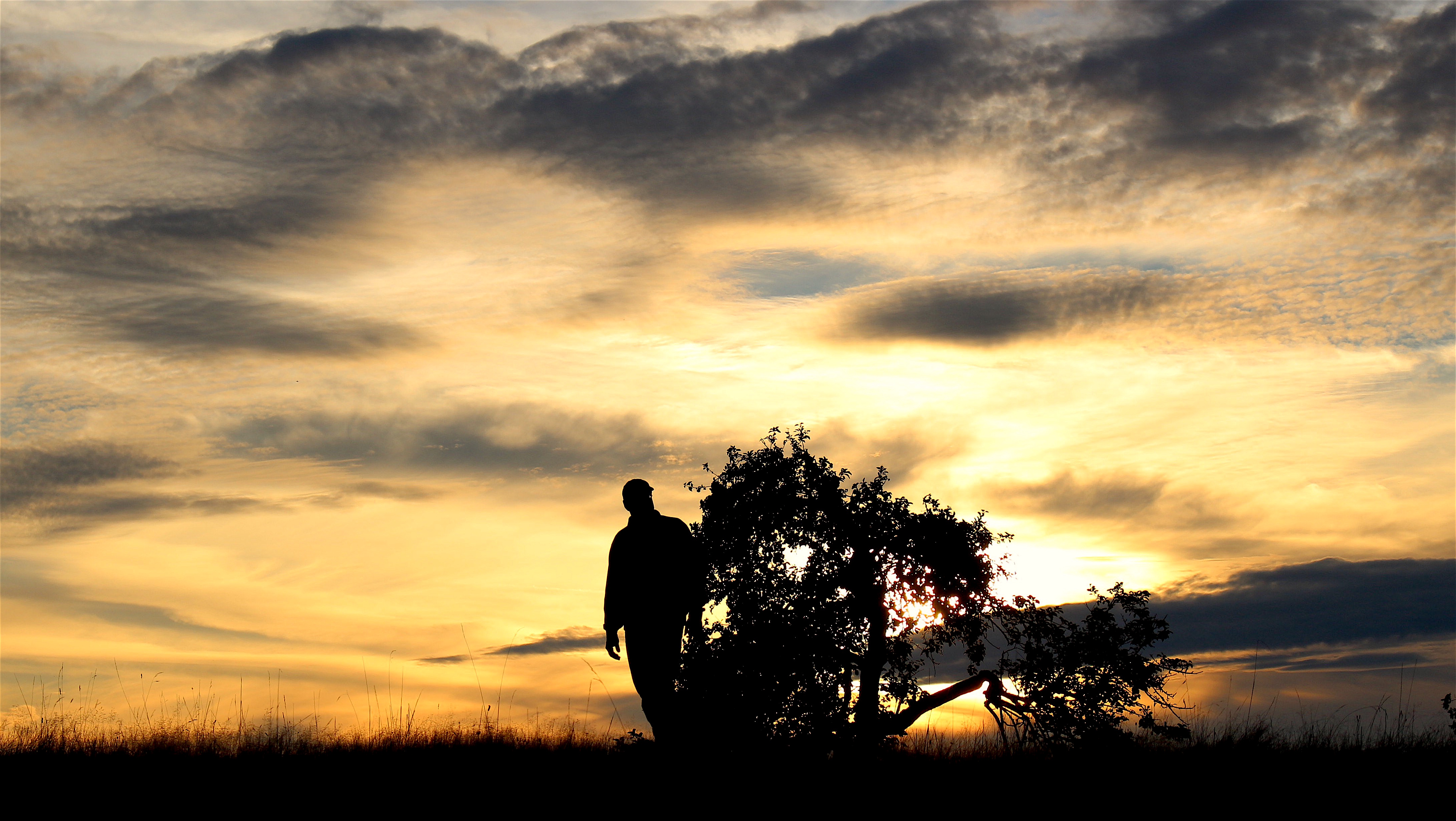
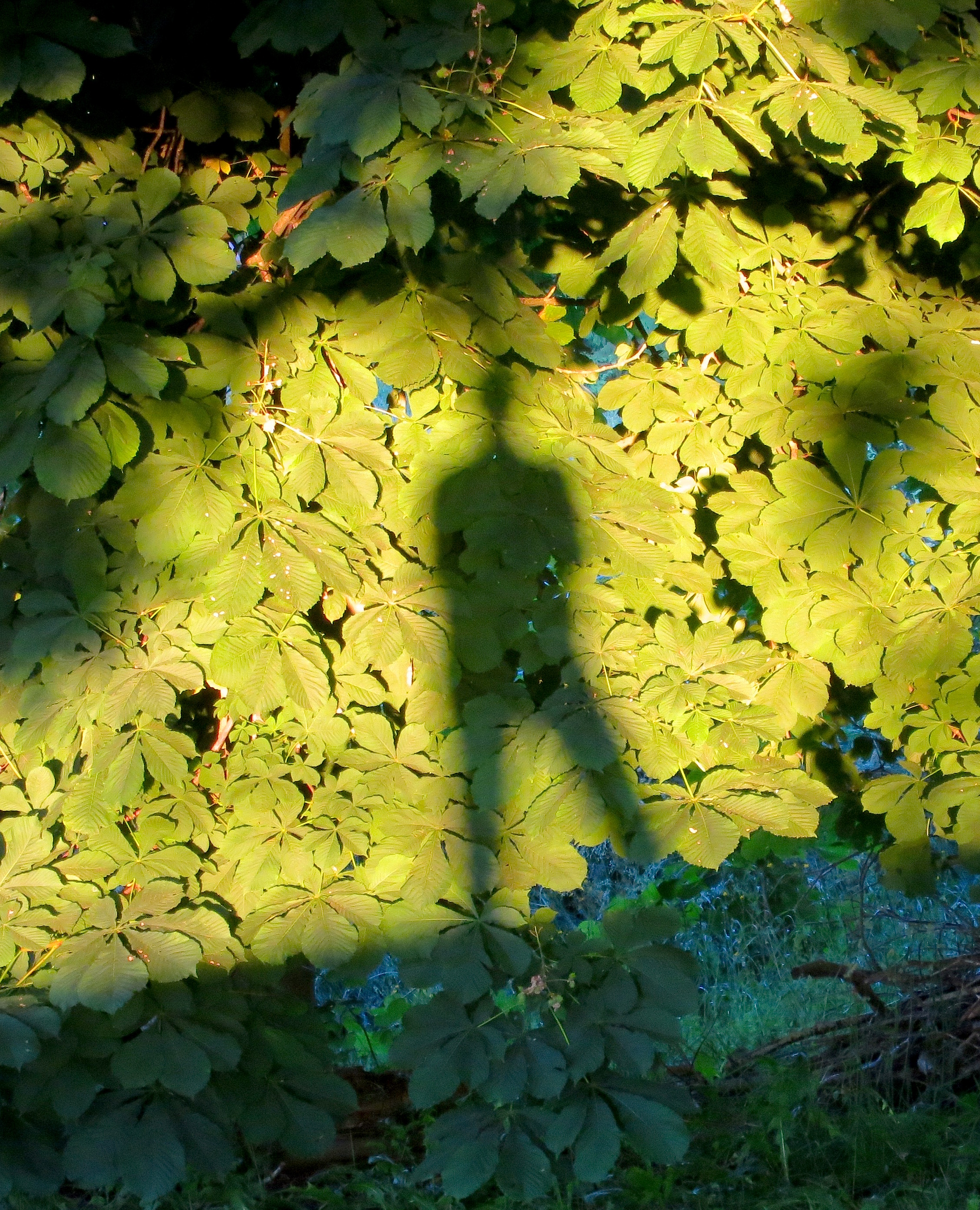
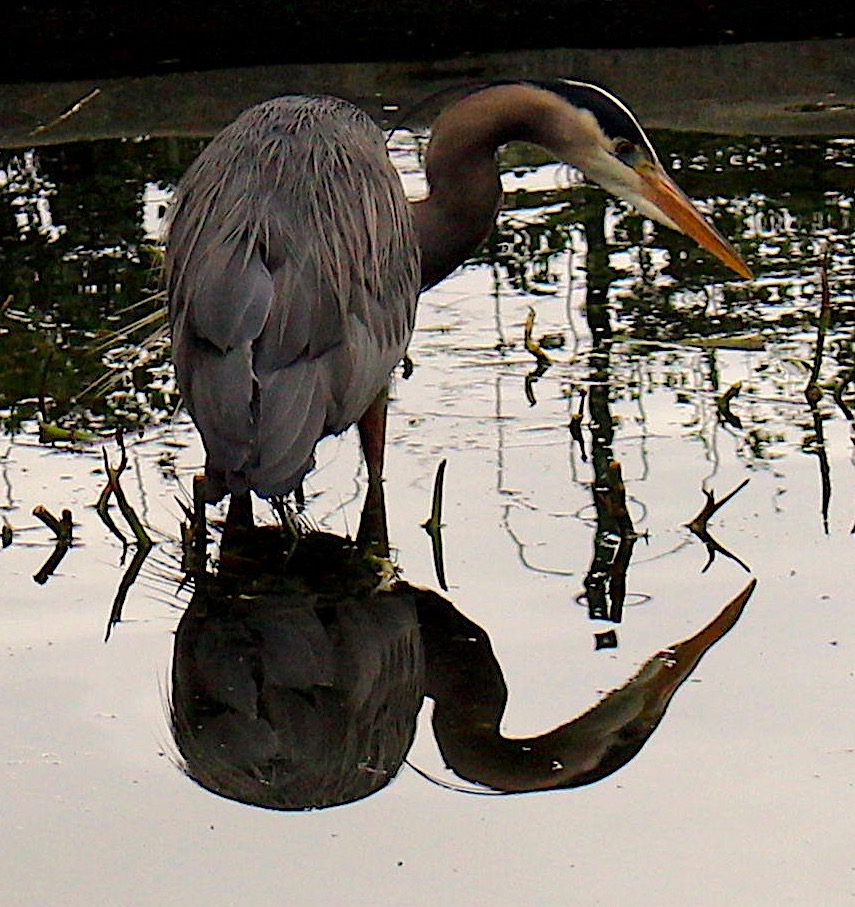
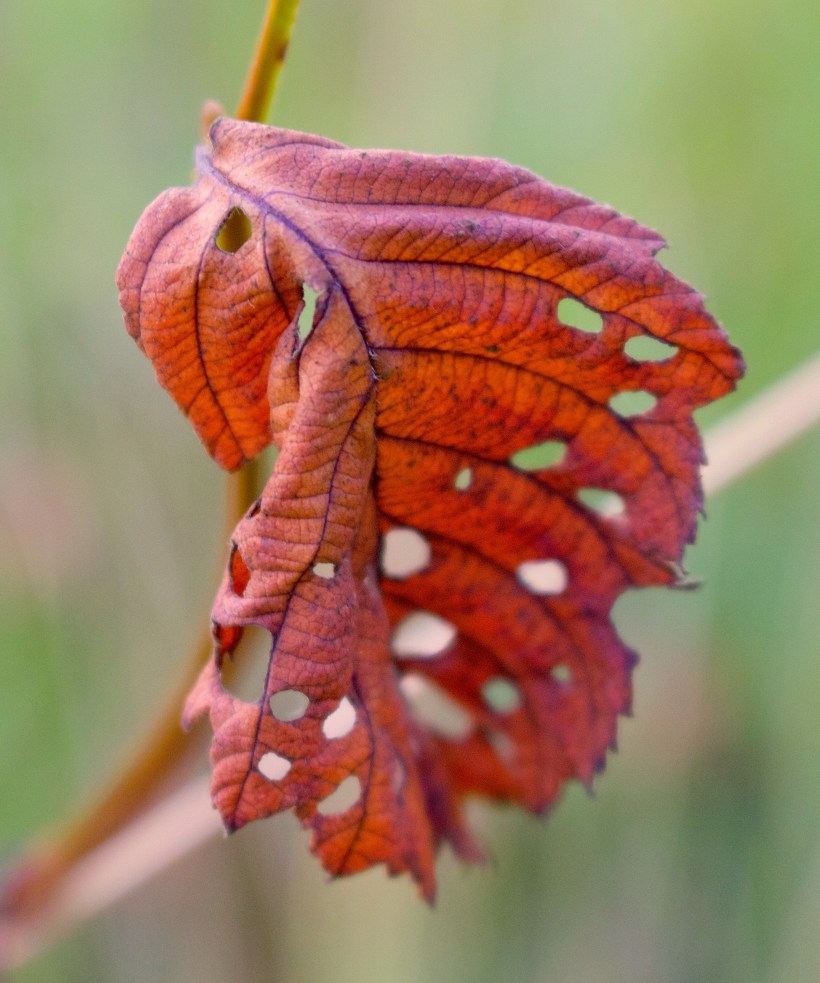
photo by Josh Scholten

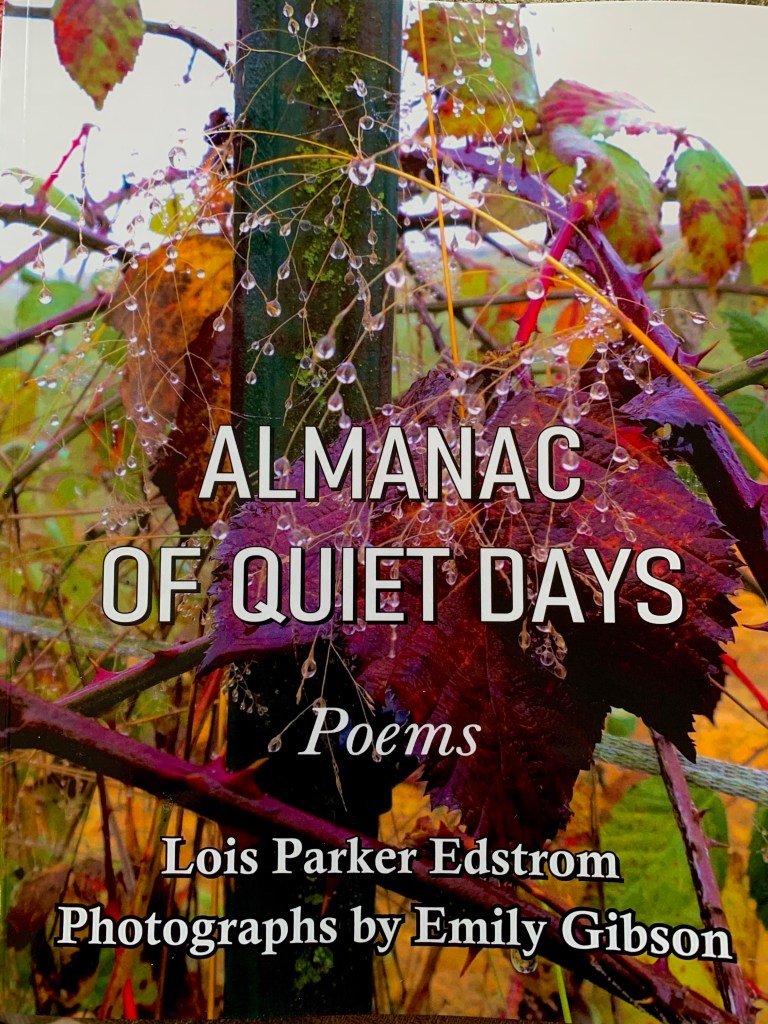
Find more beautiful words and photography in this Barnstorming book available for order here:

Full of Mystery

It’s strange to be here. The mystery never leaves you. 
~John O’Donohue from Anam Cara

We must learn to acknowledge
that the creation is full of mystery;
we will never entirely understand it.
We must abandon arrogance
and stand in awe.
We must recover the sense
of the majesty of creation,
and the ability to be worshipful in its presence.
For I do not doubt that it is only
on the condition of humility and reverence before the world
that our species will be able to remain in it.
~Wendell Berry from  The Art of the Commonplace: The Agrarian Essays

How did we come here and how is it we remain?

Even when the wind blows mightily,
the waters rise,
the earth shakes,
the fires rage,
the pandemic persists…

~we are here, granted another day to get it right. And will we?

It is strange to be here,
marveling at the mystery around us –
recognizing we are the ultimate mystery of creation,
placed here as its witnesses,
worshiping in humility, with reverence and obedience.

We don’t own what we see;
we only own our awe.

Looking for a beautiful book to own or give? This is available to order here:

By the Shade of Thought and Dreams

In the high woods that crest our hills,
Upon a steep, rough slope of forest ground,
Where few flowers grow, sweet blooms today I found
Of the Autumn Crocus, blowing pale and fair.
Dim falls the sunlight there;
And a mild fragrance the lone thicket fills.


Languidly curved, the long white stems
Their purple flowers’ gold treasure scarce display:
Lost were their leaves since in the distant spring,

Their February sisters showed so gay.
Roses of June, ye too have followed fleet!
Forsaken now, and shaded as by thought,
As by the human shade of thought and dreams,
They bloom ‘mid the dark wood, whose air has wrought
With what soft nights and mornings of still dew!
Into their slender petals that clear hue,
Like paleness in fresh cheeks; a thing
On earth, I vowed, ne’er grew
More delicately pure, more shyly sweet.

Child of the pensive autumn woods!
So lovely, though thou dwell obscure and lone,
And though thy flush and gaiety be gone;
Say, among flowers of the sad, human mind,
Where shall I ever find
So rare a grace? in what shy solitudes?

~Robert Laurence Binyon “Autumn Crocus”

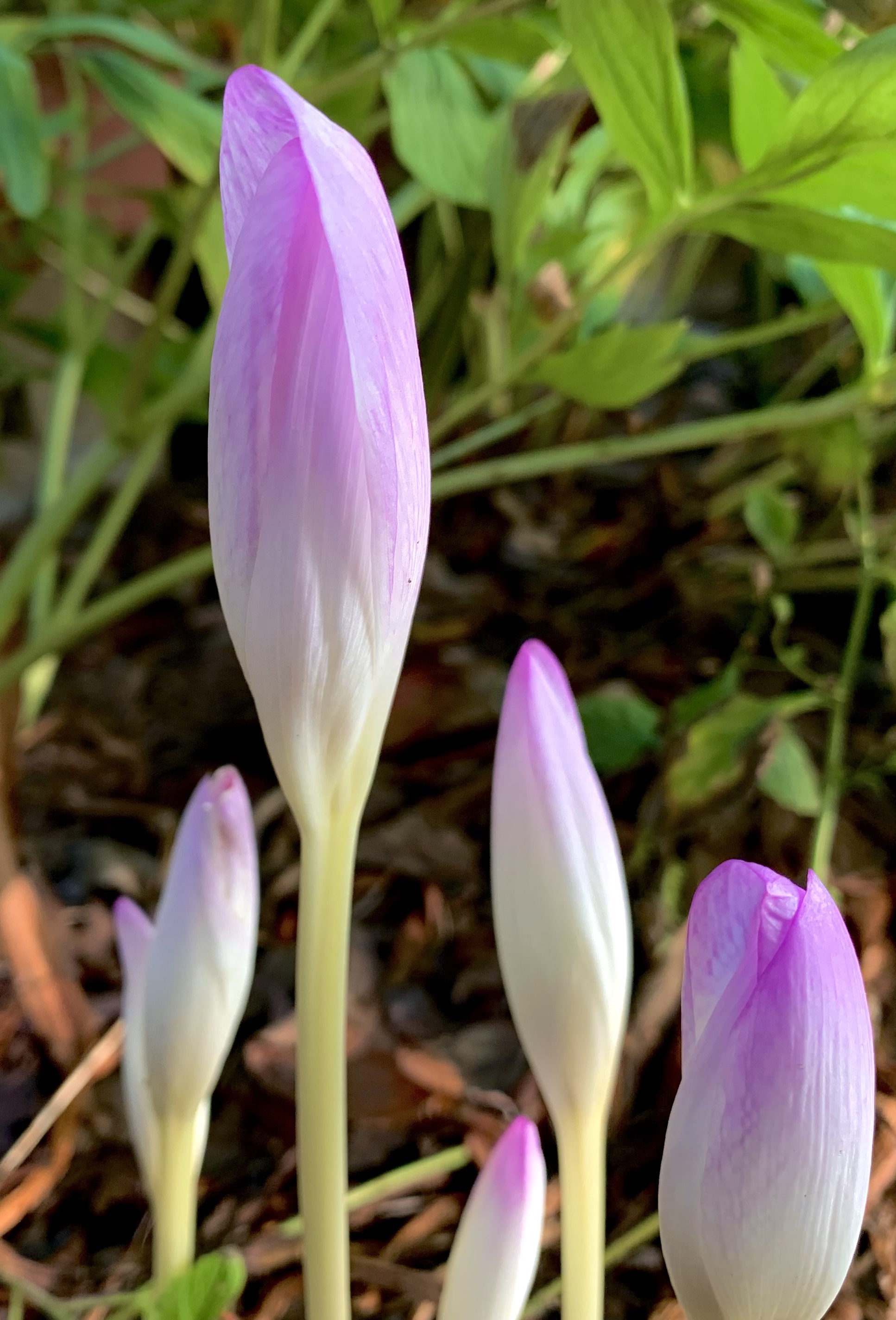
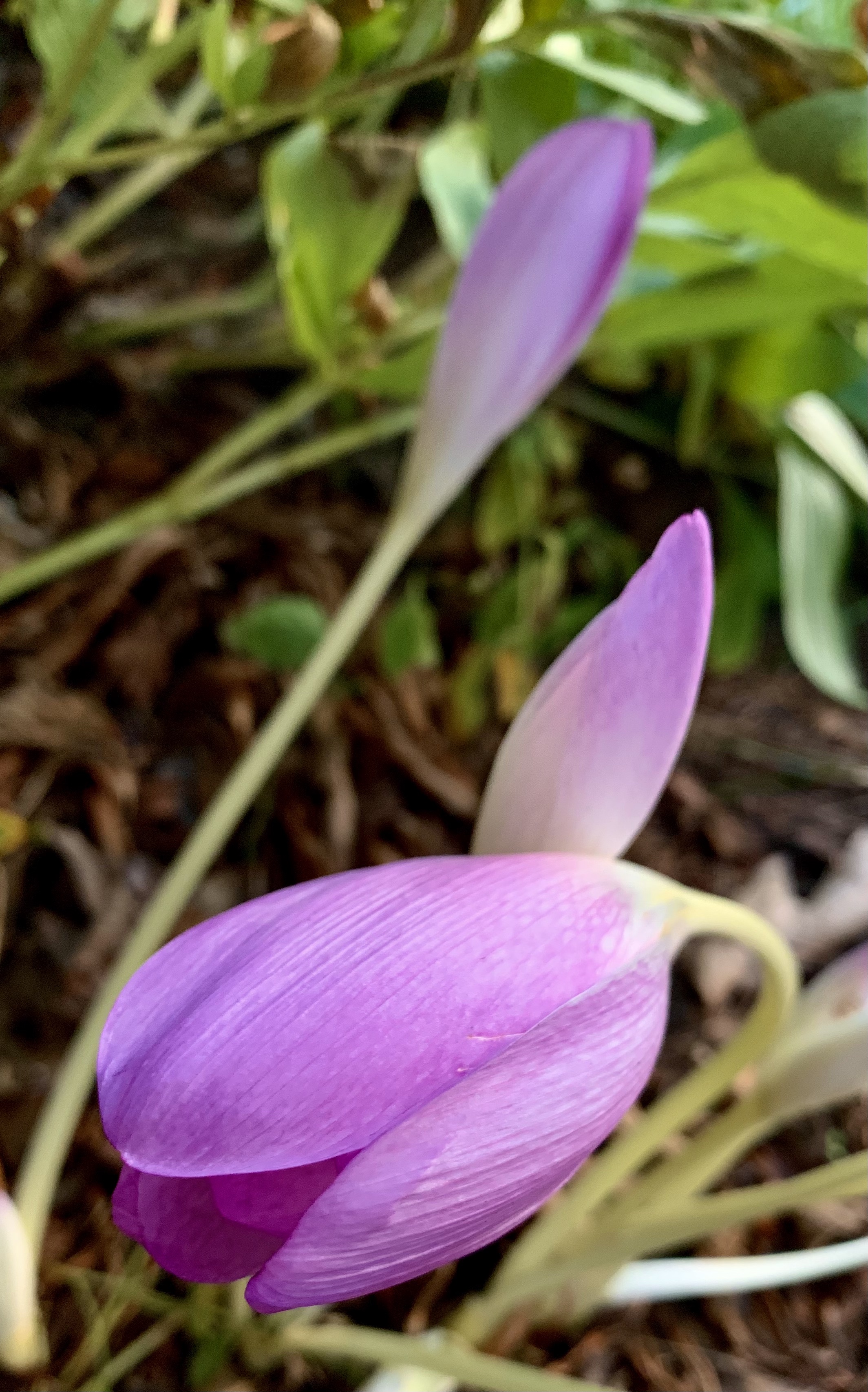
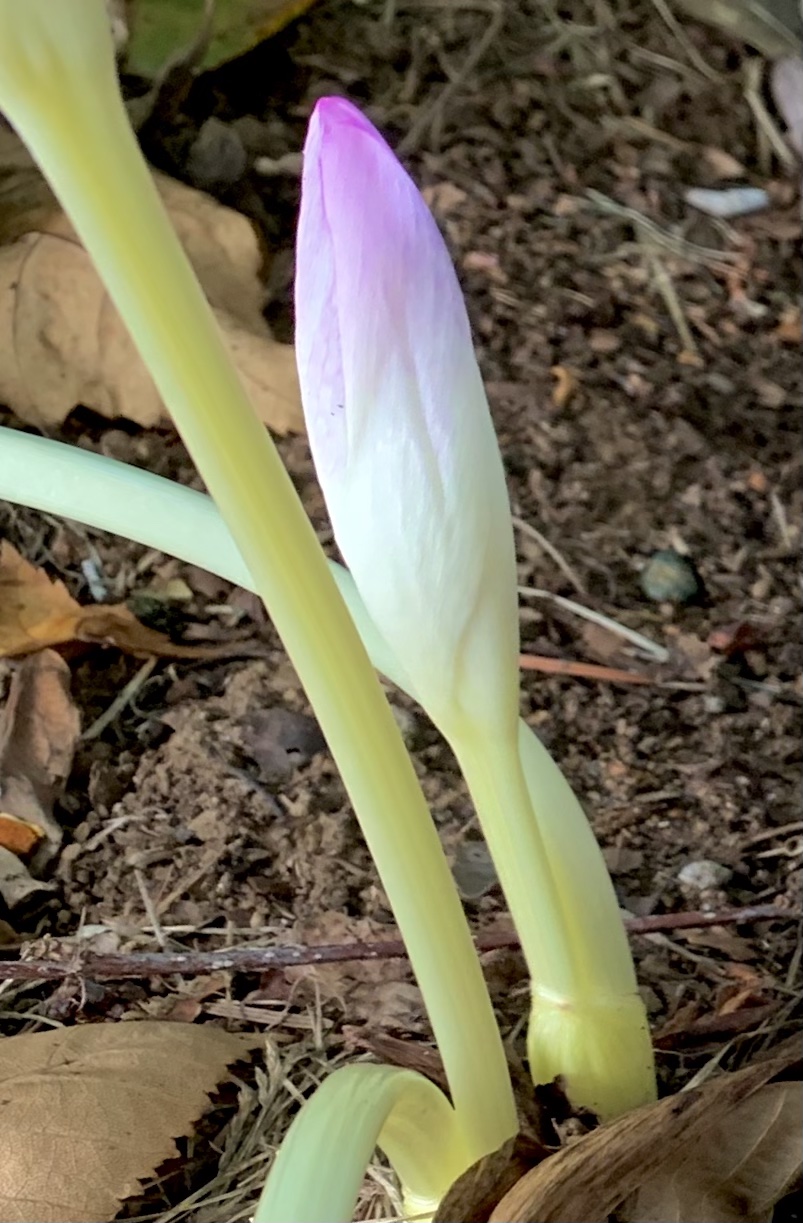
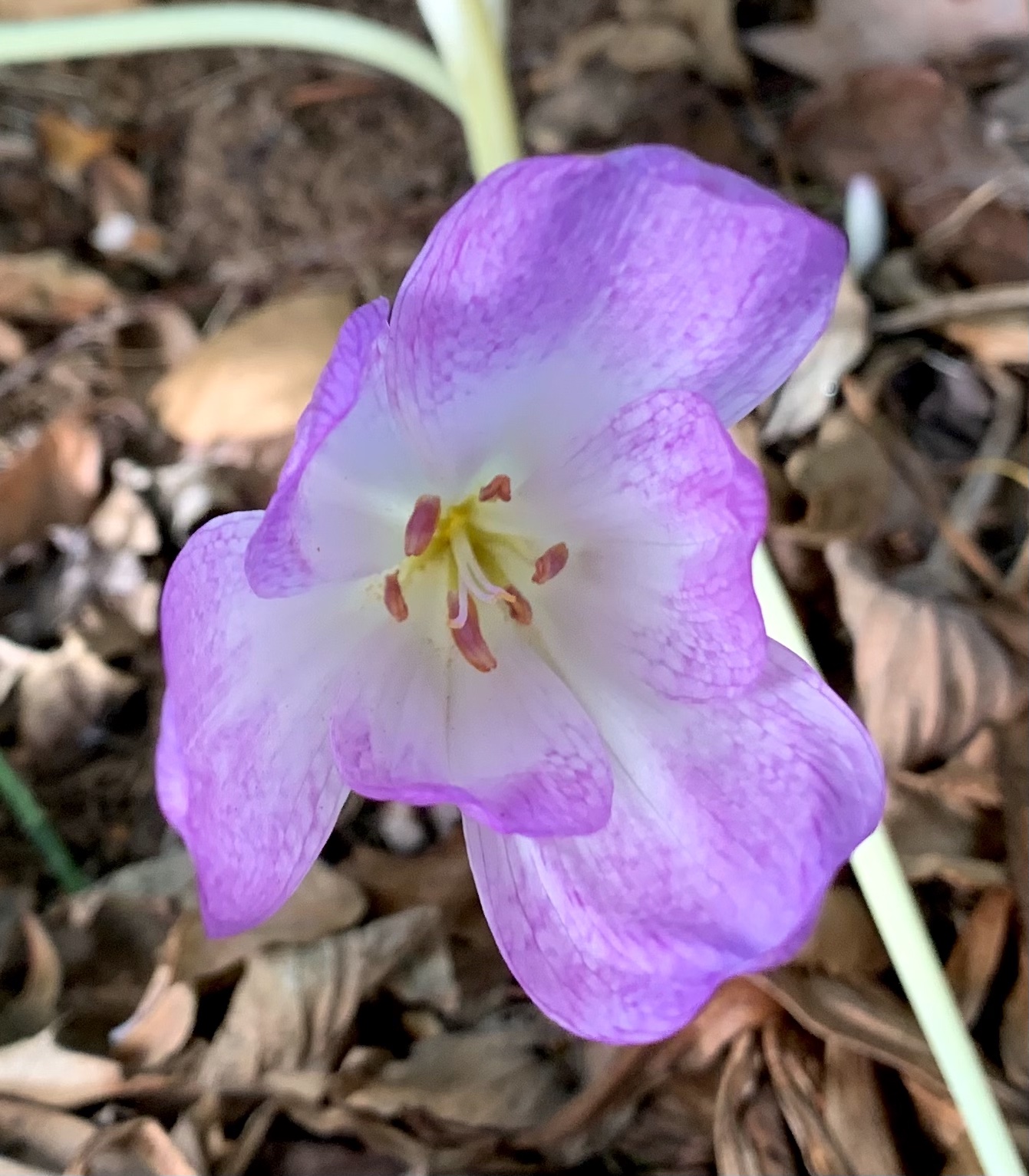
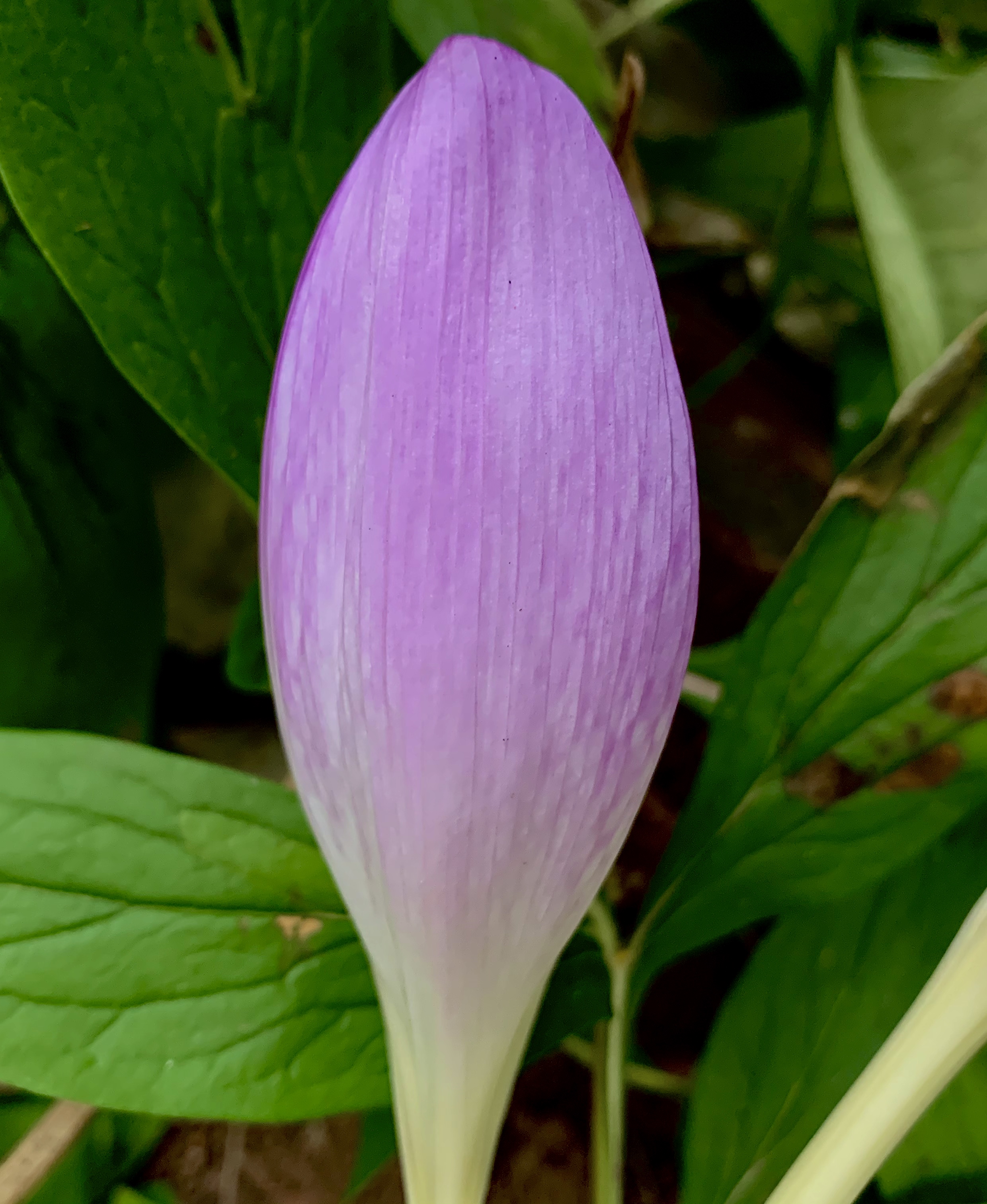
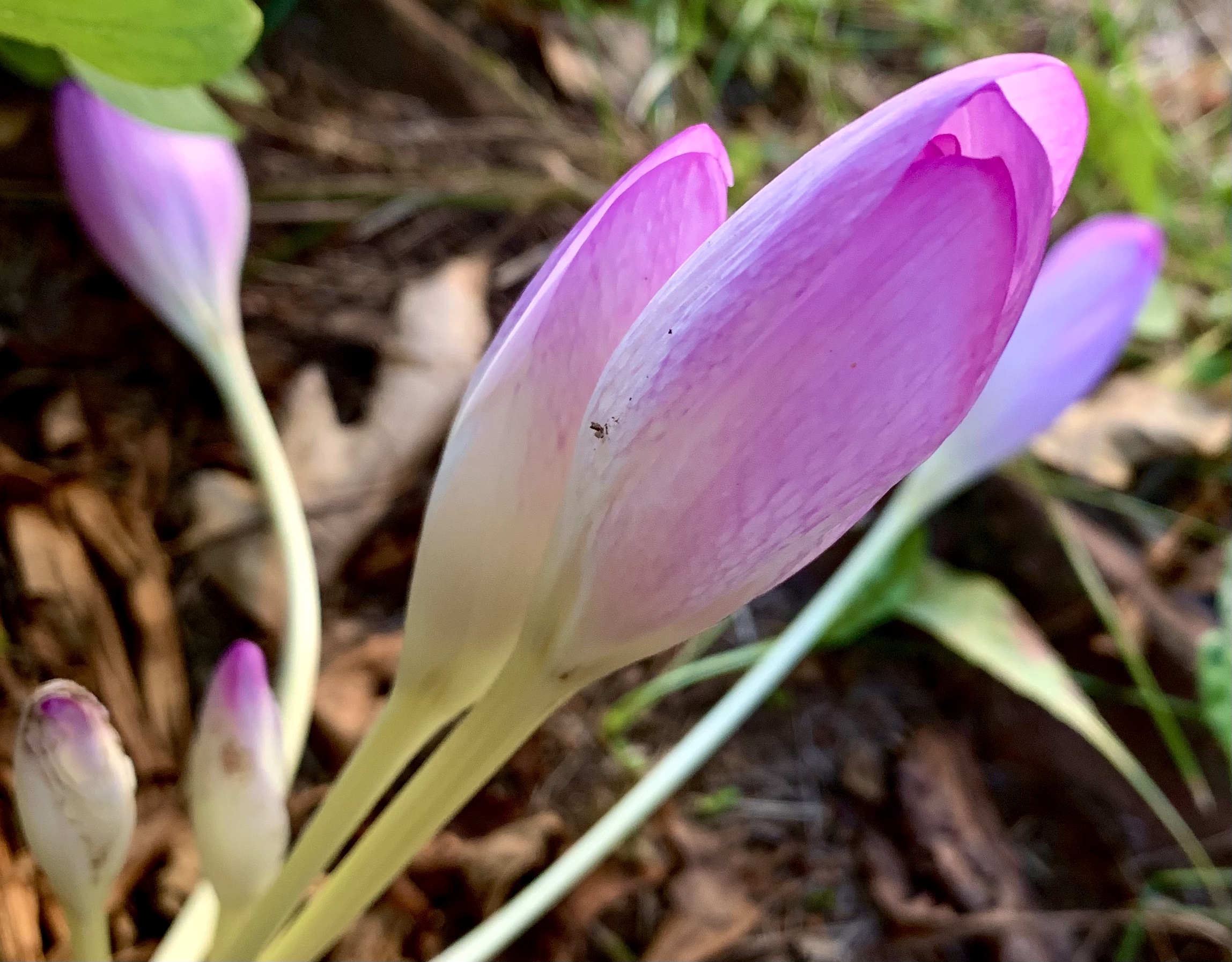
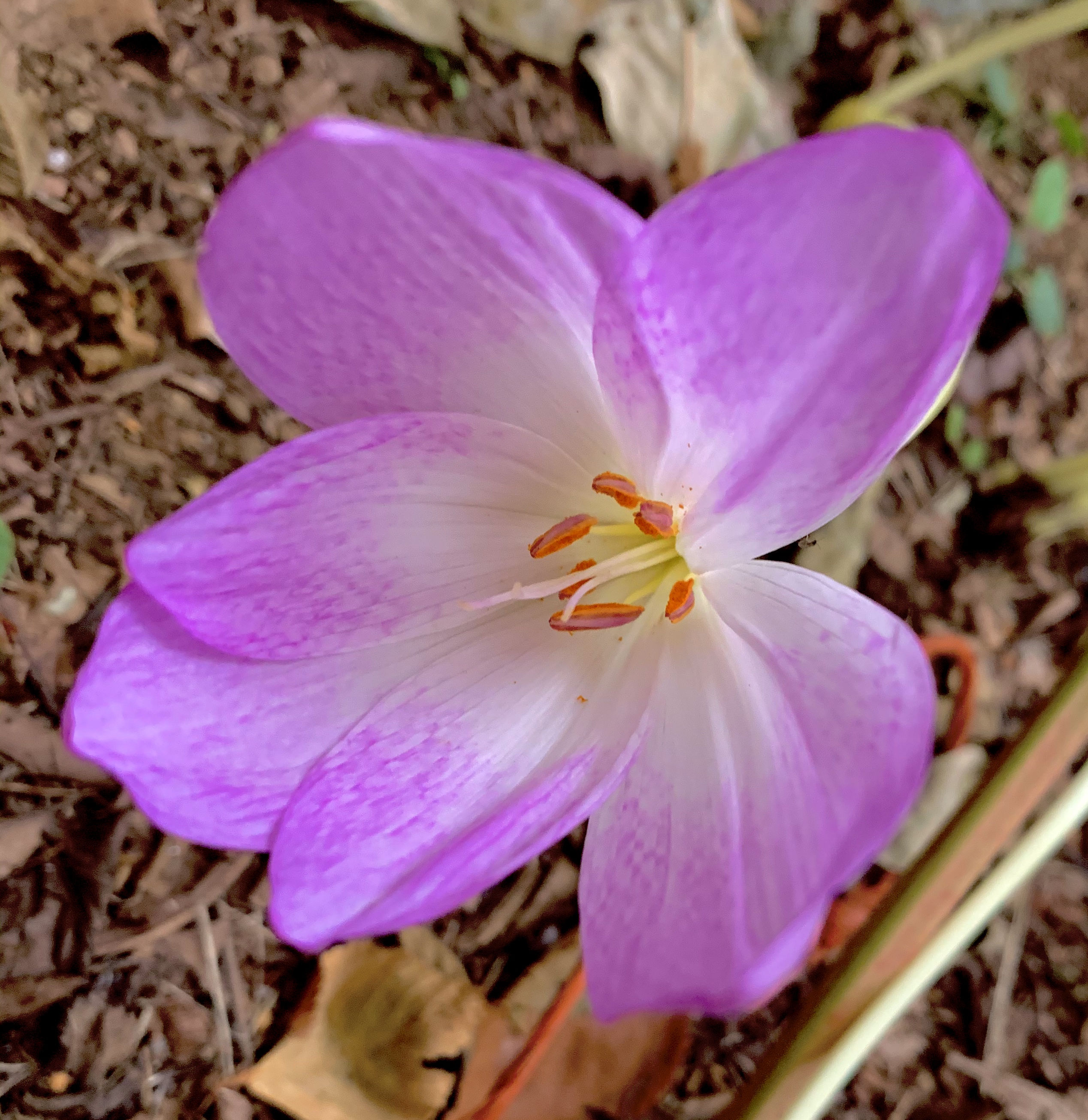
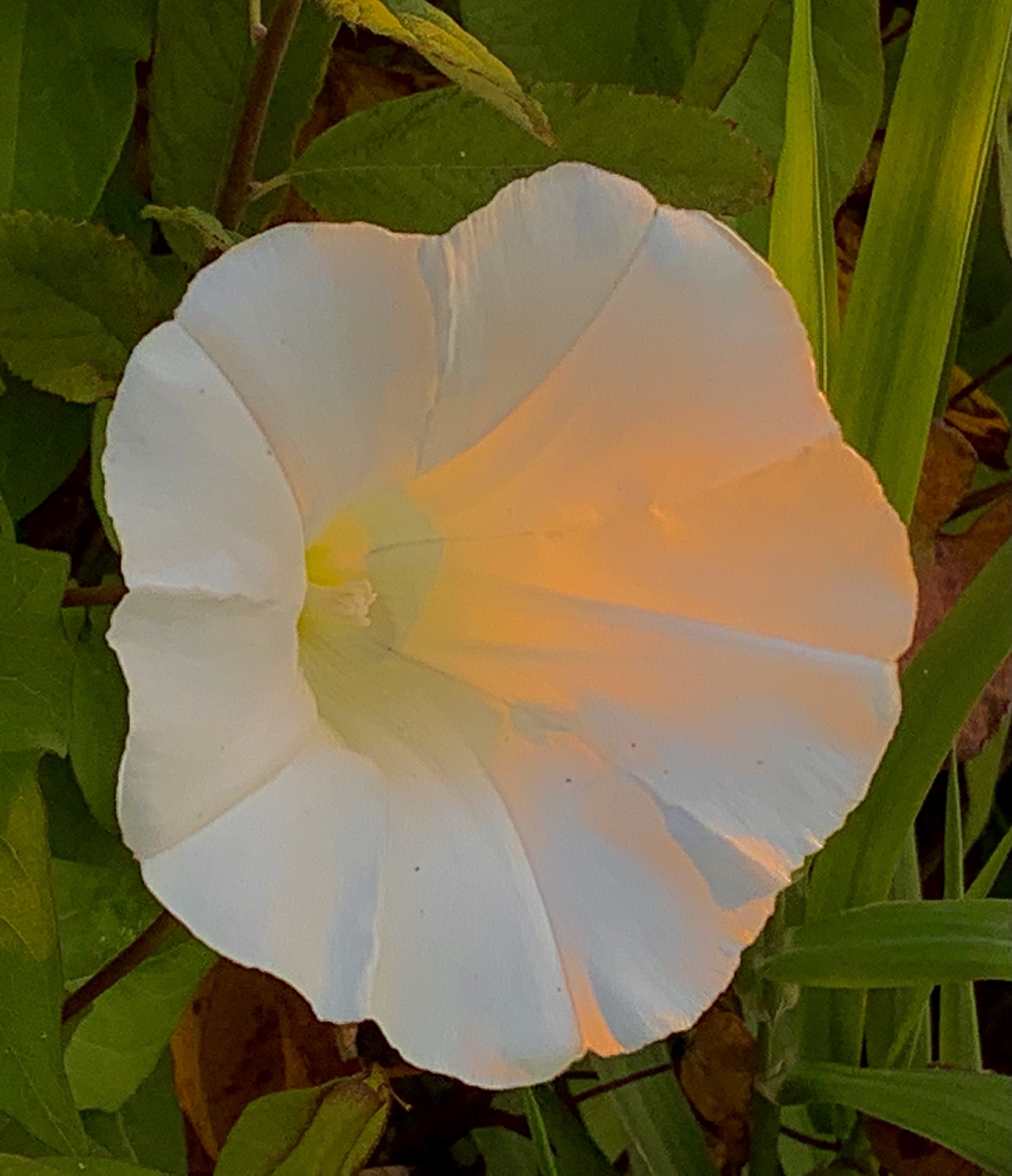
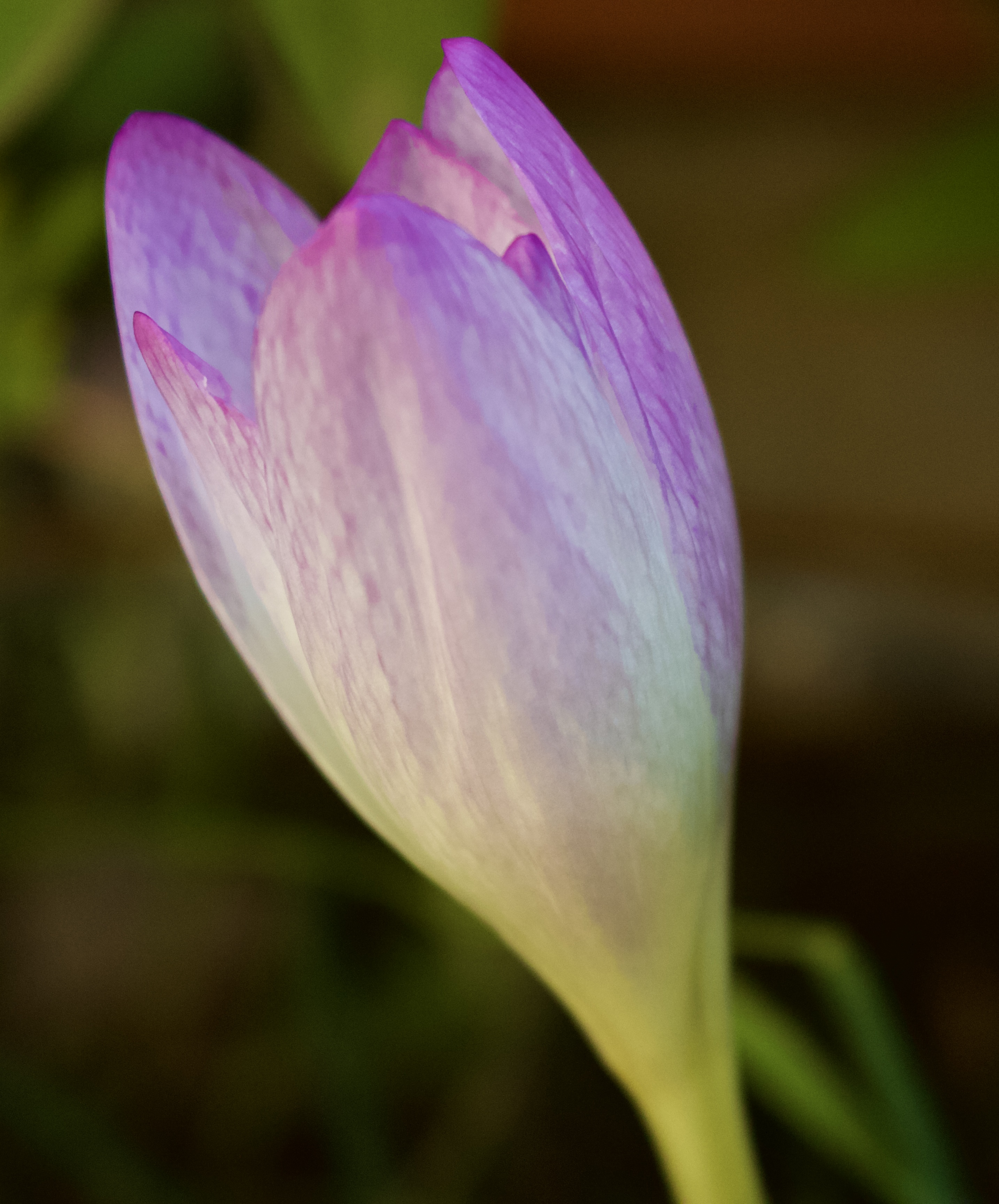
The early September emergence
of autumn crocus is always unexpected,
surprising even when I know where they hide
in the shade of spent peony bushes.

They are bound in waning summer dreams beneath the surface,
their incubation triggered by retreating light from above,
unlike their springtime cousins who emerge to the sun through snow.

The autumn crocus waits with thoughtful temerity,
summoned forth from earthly grime
to remind us the end of summer is not the end of them or us.

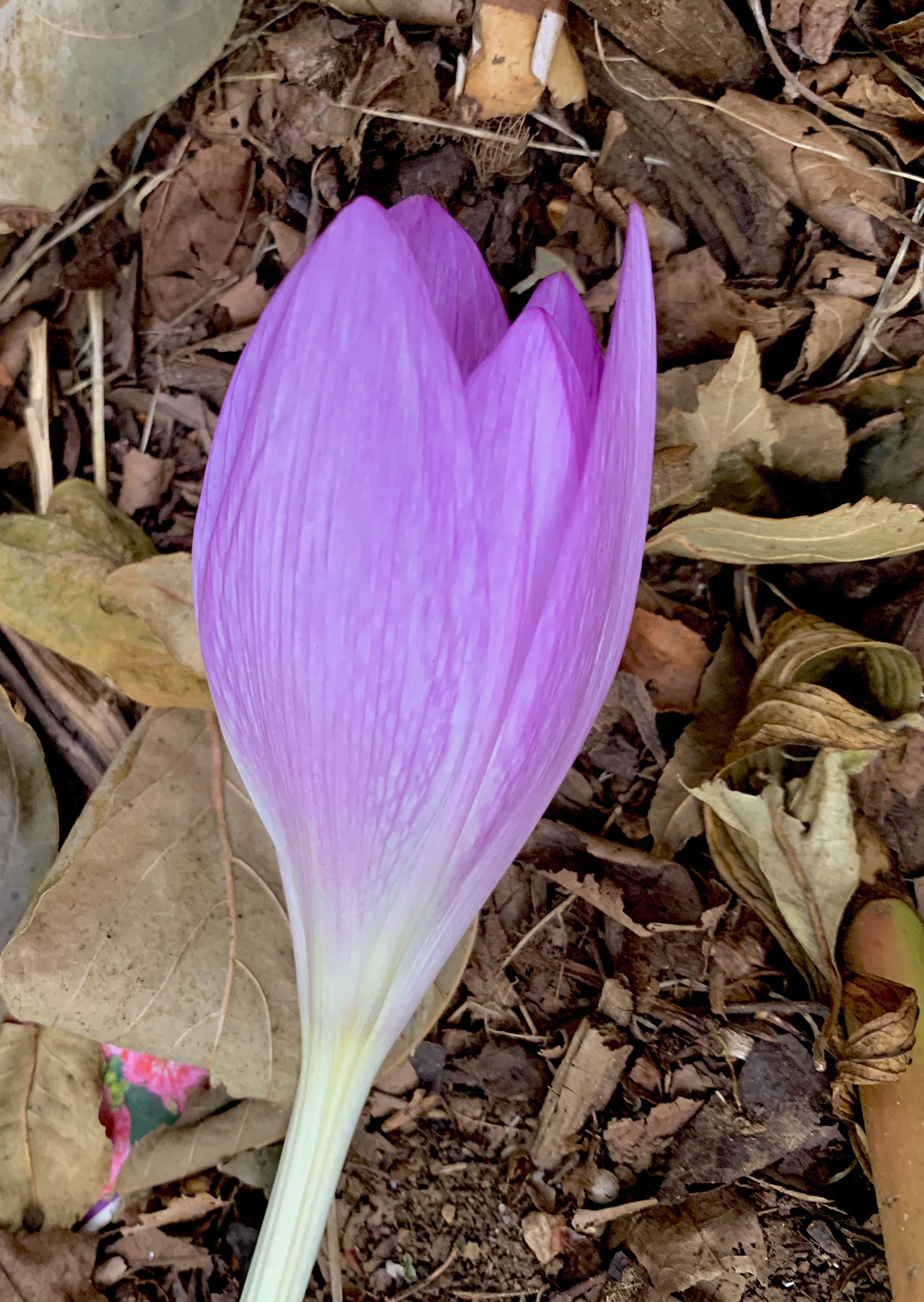
A luminous gift of hope and beauty
borne from a humble bulb;
plain and only soil-adorned.

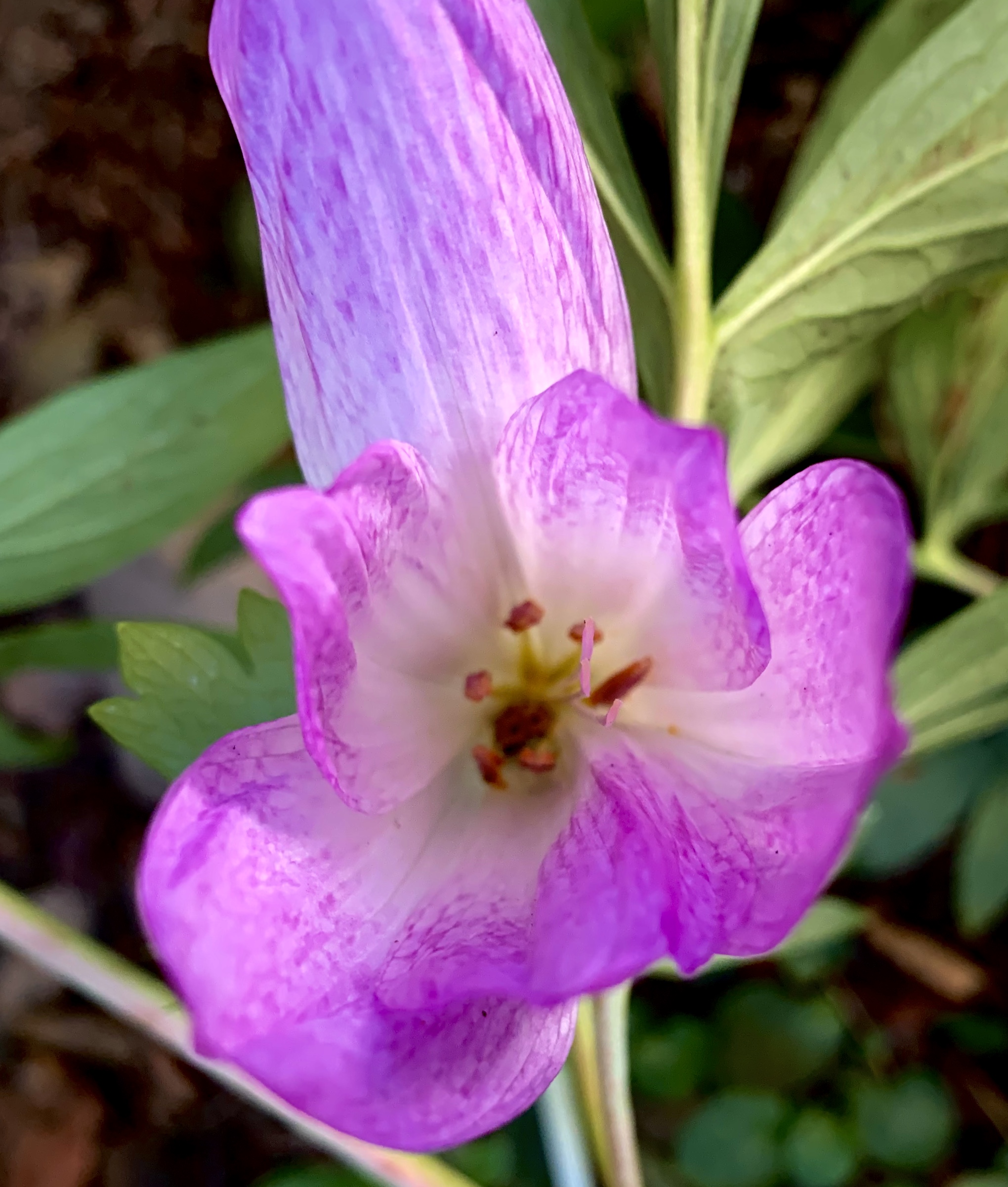
Slowly unfurling on a pale leggy stem,
the tender lavender petals peel back to reveal golden crowns of saffron,
brazenly blooming when all else is dying back.

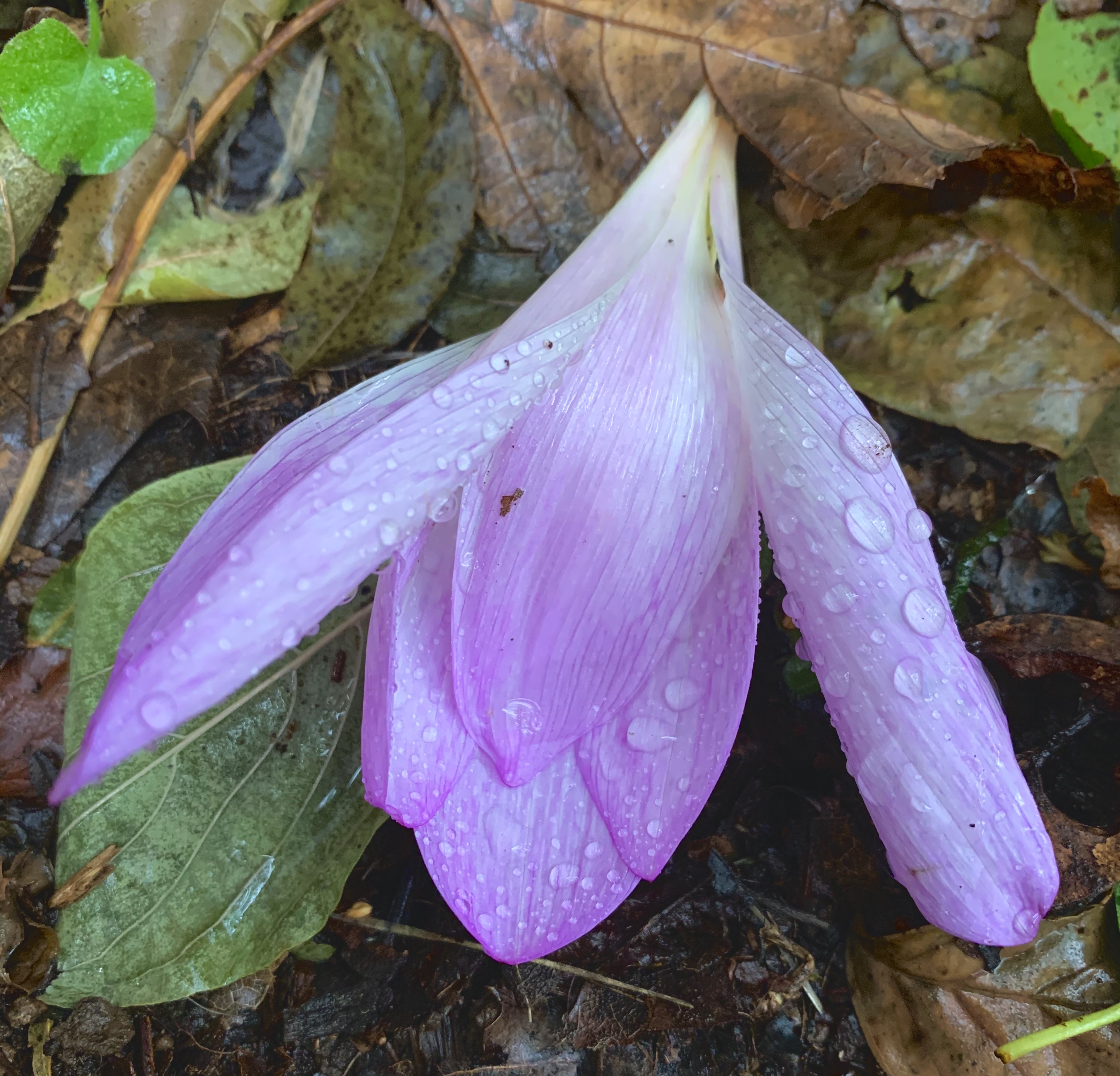
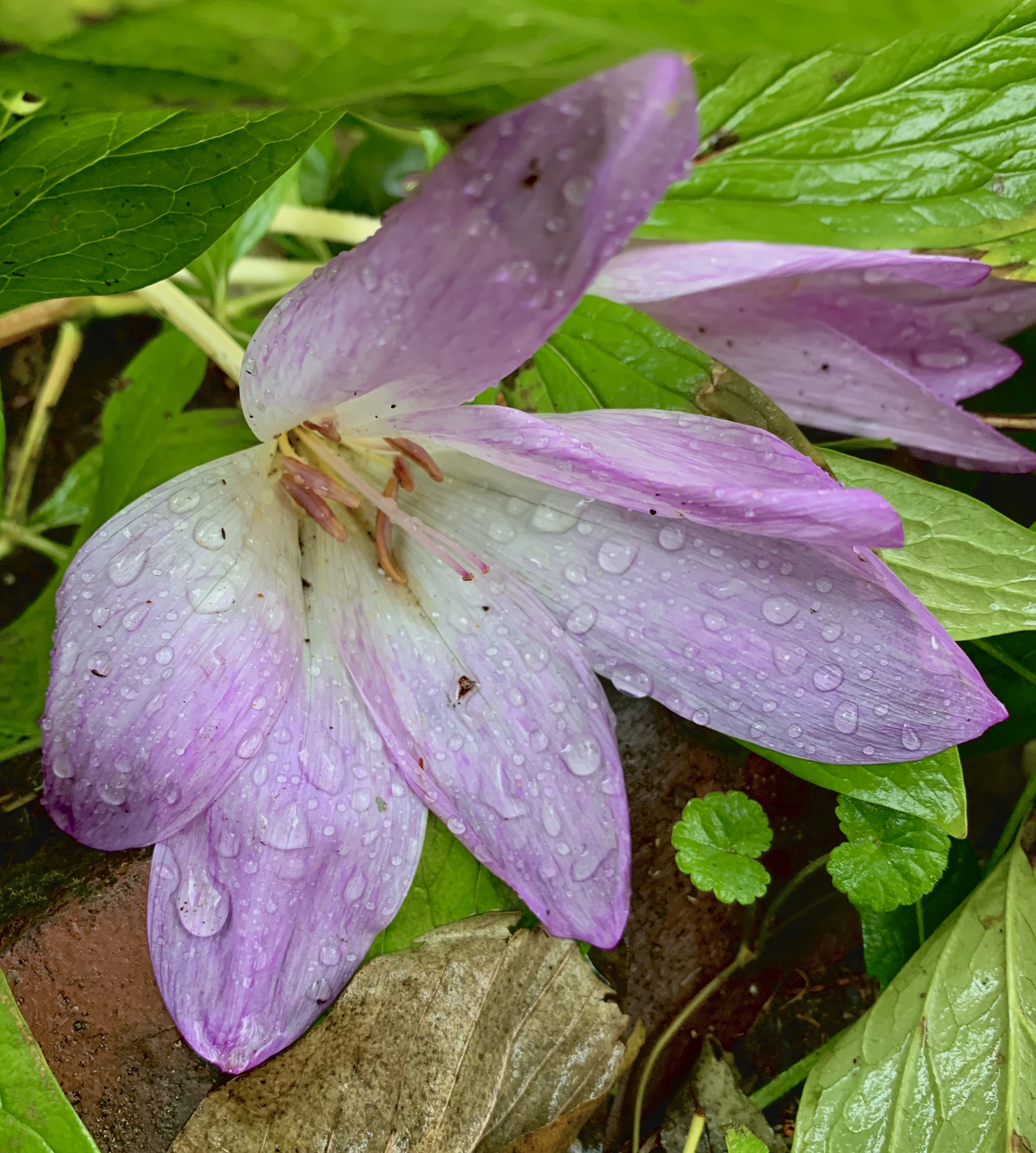
In the end, they too painfully wilt, deeply bruised and purple –
under the Sun’s reflection made manifest;
returning defeated, inglorious, fallen, to dust.

Yet we know – they remind us – they (and we) will rise again.

we know what is coming behind the crocus. The spring comes slowly down this way; but the great thing is that the corner has been turned. . . It remains with us to follow or not, to die in this winter, or to go on into that spring and that summer.
C.S. Lewis from God in the Dock

If you enjoy beautiful photos and words, consider ordering this Barnstorming book here:

Straining to Win the Sky

The tree is more than first a seed,
then a stem,
then a living trunk,
and then dead timber.
The tree is a slow,
enduring force
straining to win the sky.
~Antoine de Saint-Exupéry, The Wisdom of the Sands

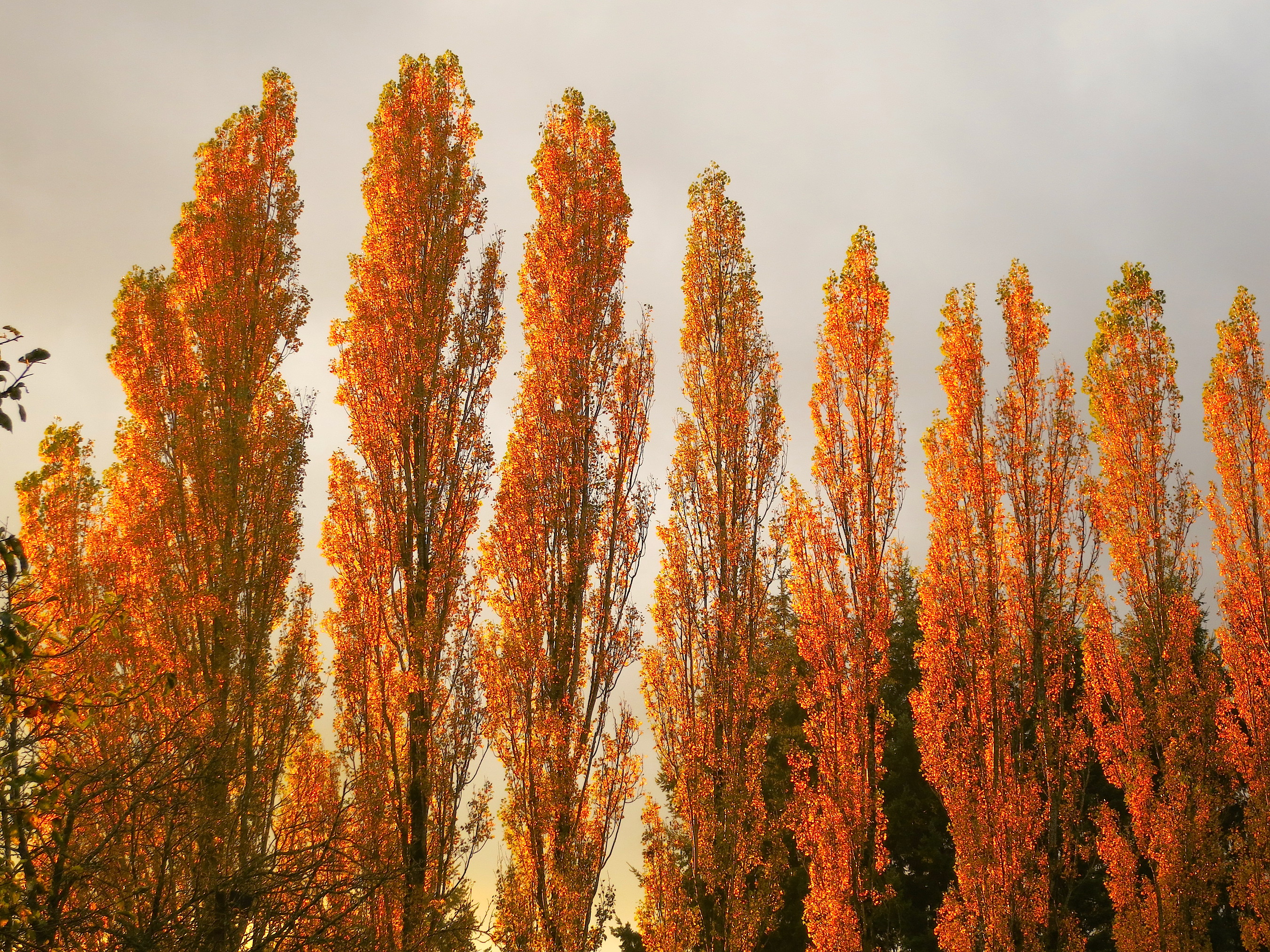
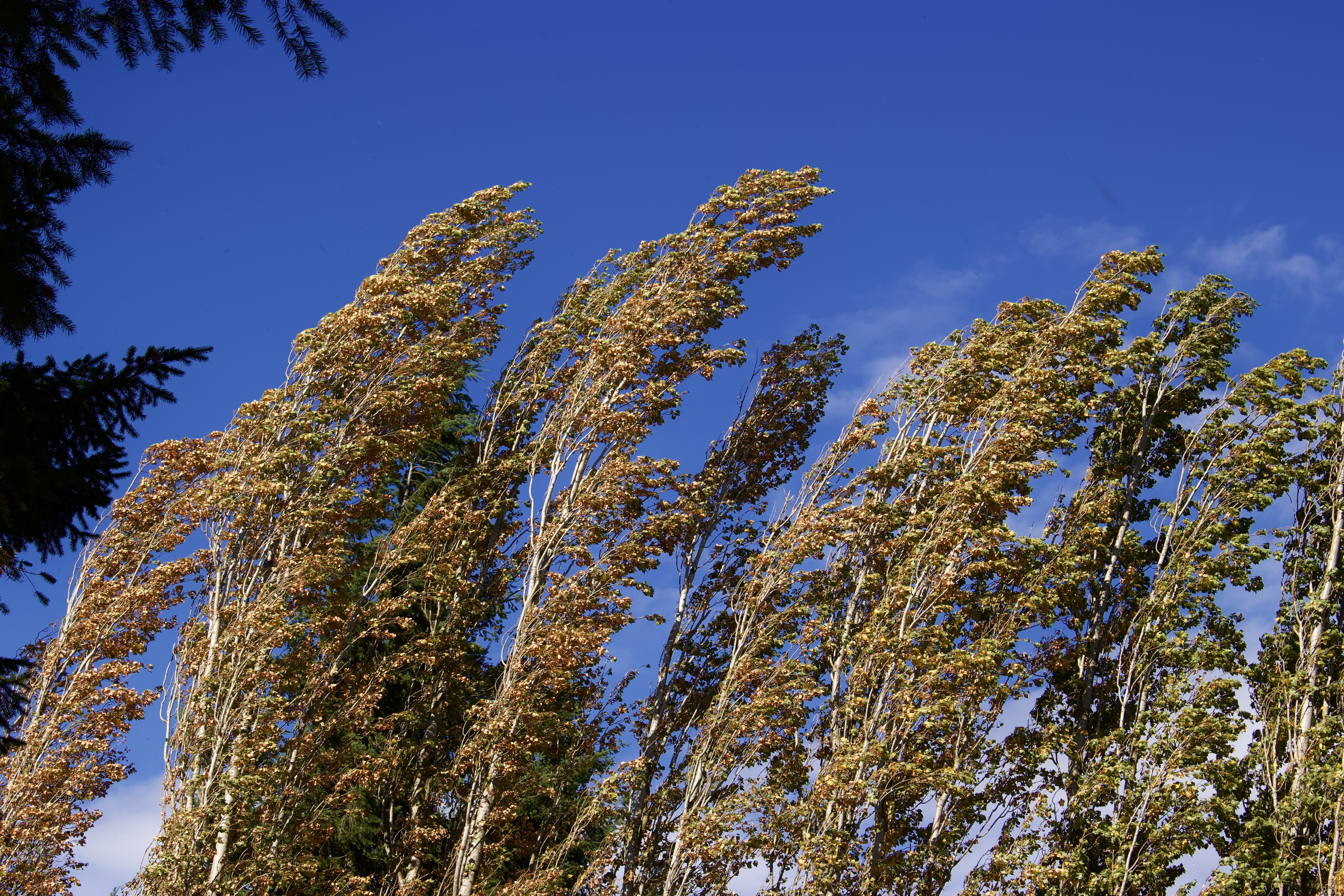
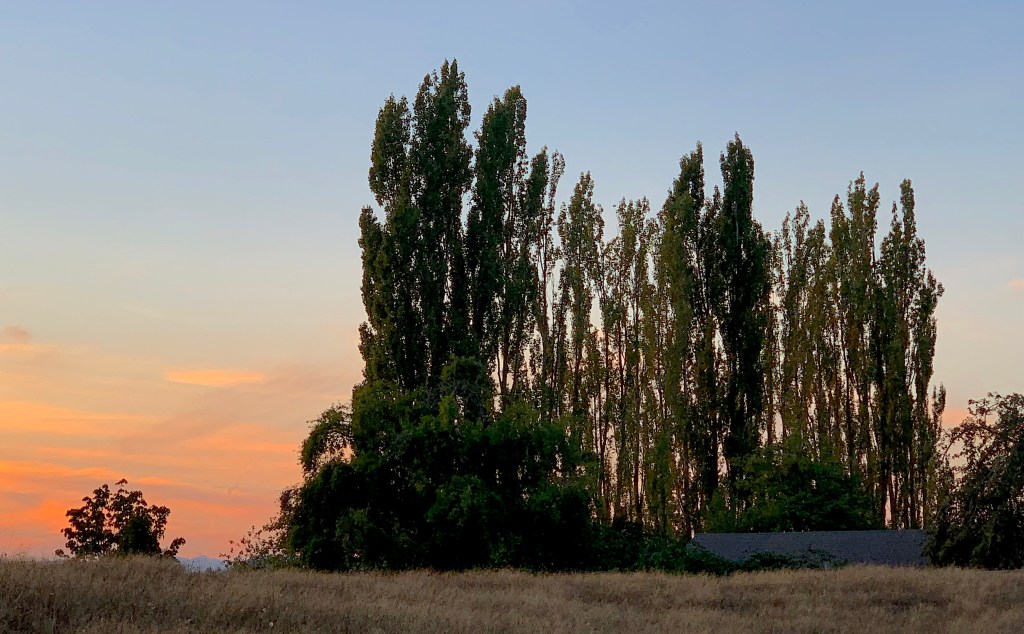
It is always a difficult decision to take down decades-old trees that have become a risk of falling in a windstorm or losing branches that can cause damage. The time had come for the row of Lombardy poplars lining our western property line, originally planted in the 70s to create a buffer for a newly constructed farm building at our neighbors’ place. In their old age, the poplars were breaking and failing.

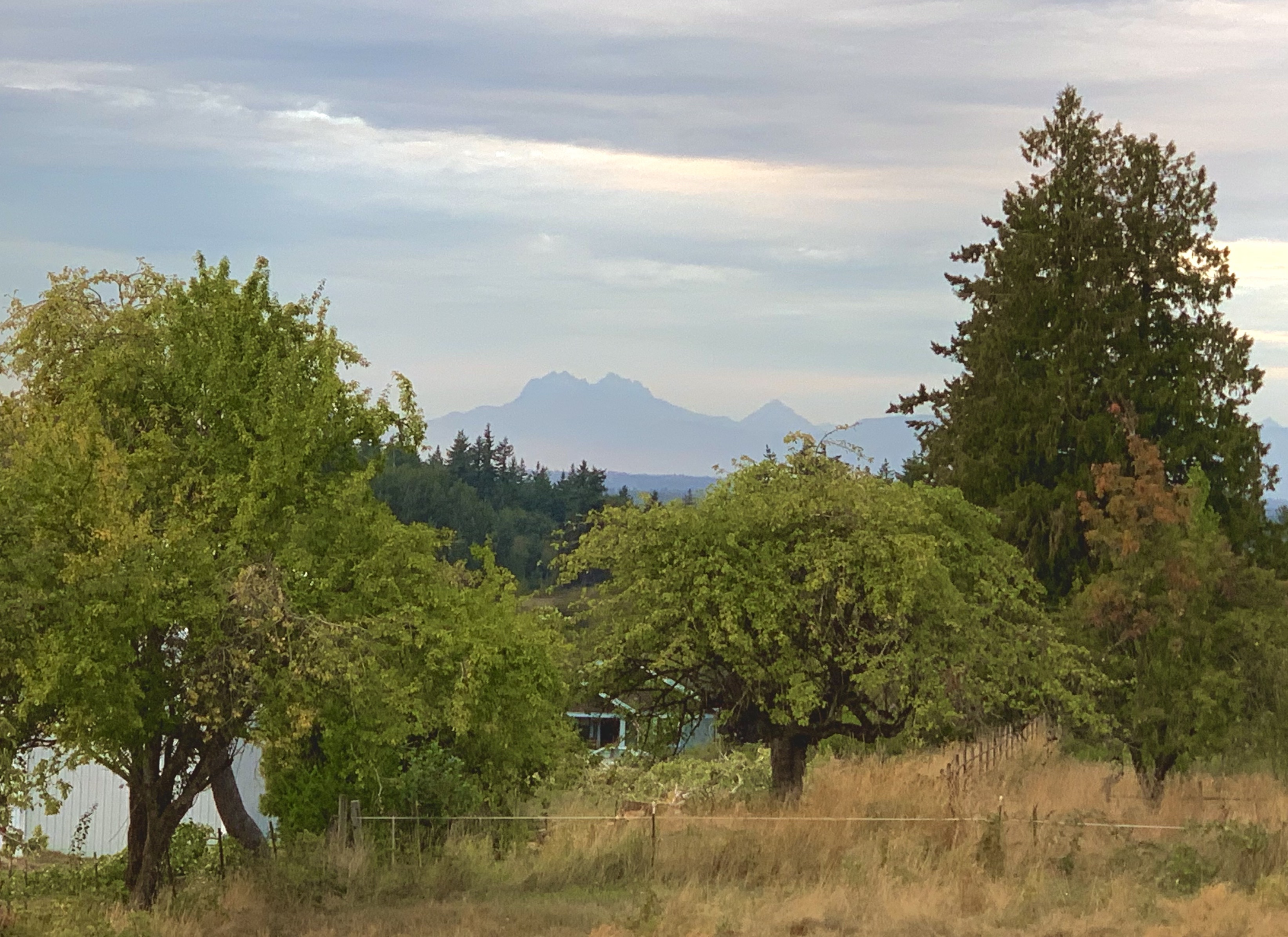
Yesterday they were felled by a tree expert who knew exactly how to bring them down in a tight area, leaving an open expanse we are adjusting to seeing. We are considering what might eventually take their place.

We have a few other dying trees on the farm we must part with soon, victims of recent drought years. It feels like parting with old friends. Each one reached to win the sky, but like us, must end up as dust.

And so we too are so much more than mere life cycle:
like trees, we are infinite variety and fascinating diversity,
clothed in finery yet at times naked and vulnerable;
we lift burdens in our arms and harbor the frail,
dig our roots deep and hold fast,
shade those overcome by the sun, and sing in the breeze.

Most of all, we aim high to touch and win a sky which remains beyond our grasp.

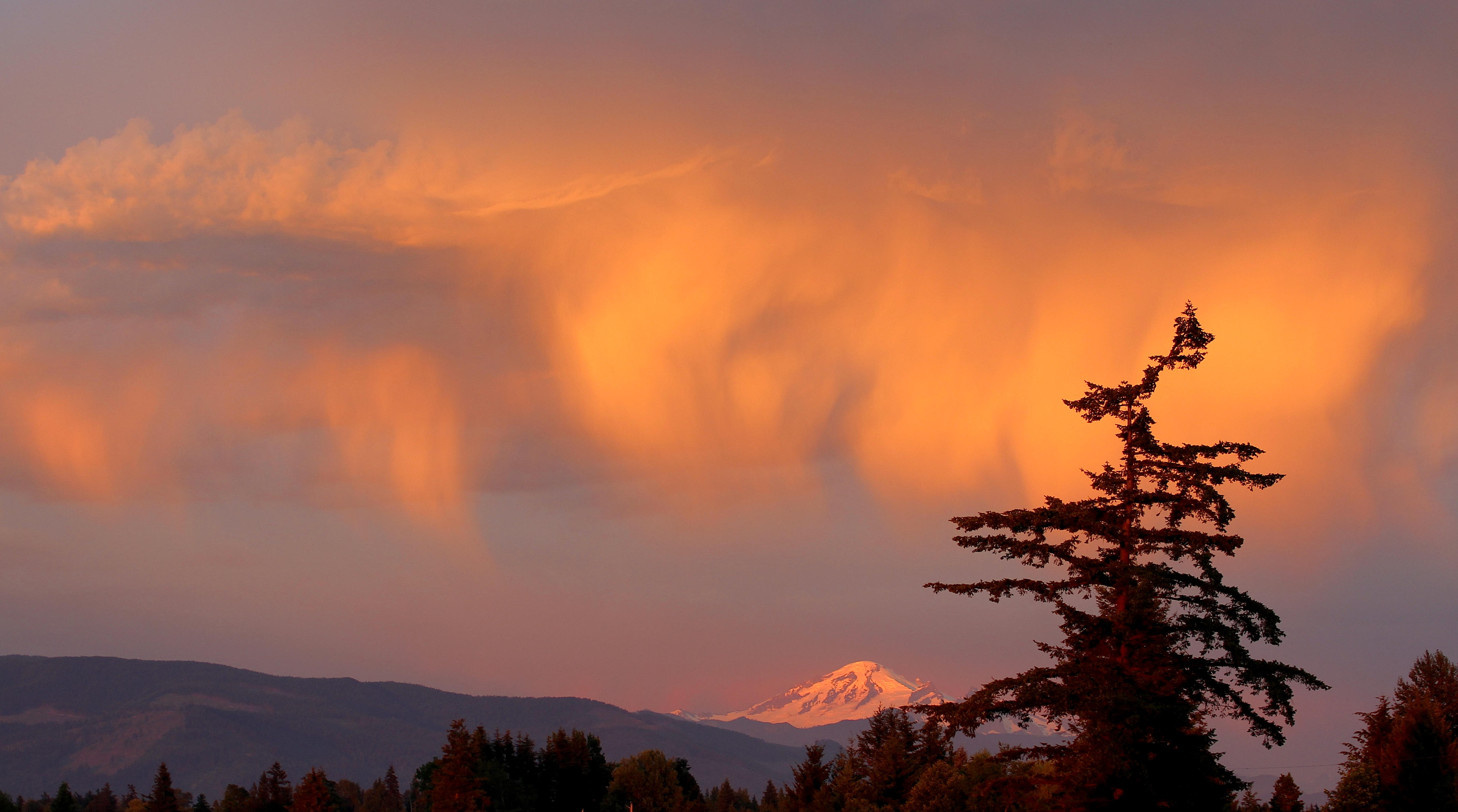
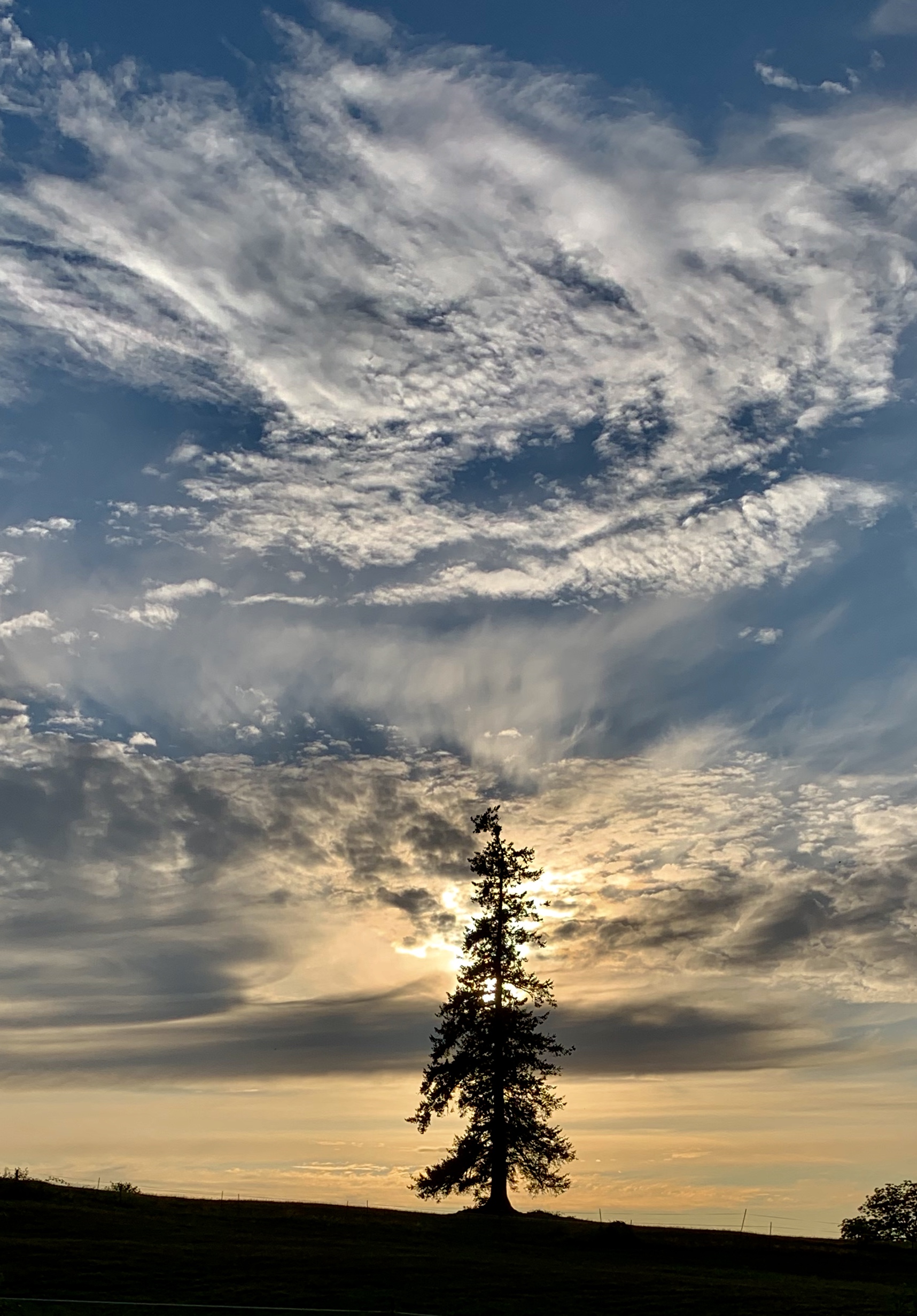
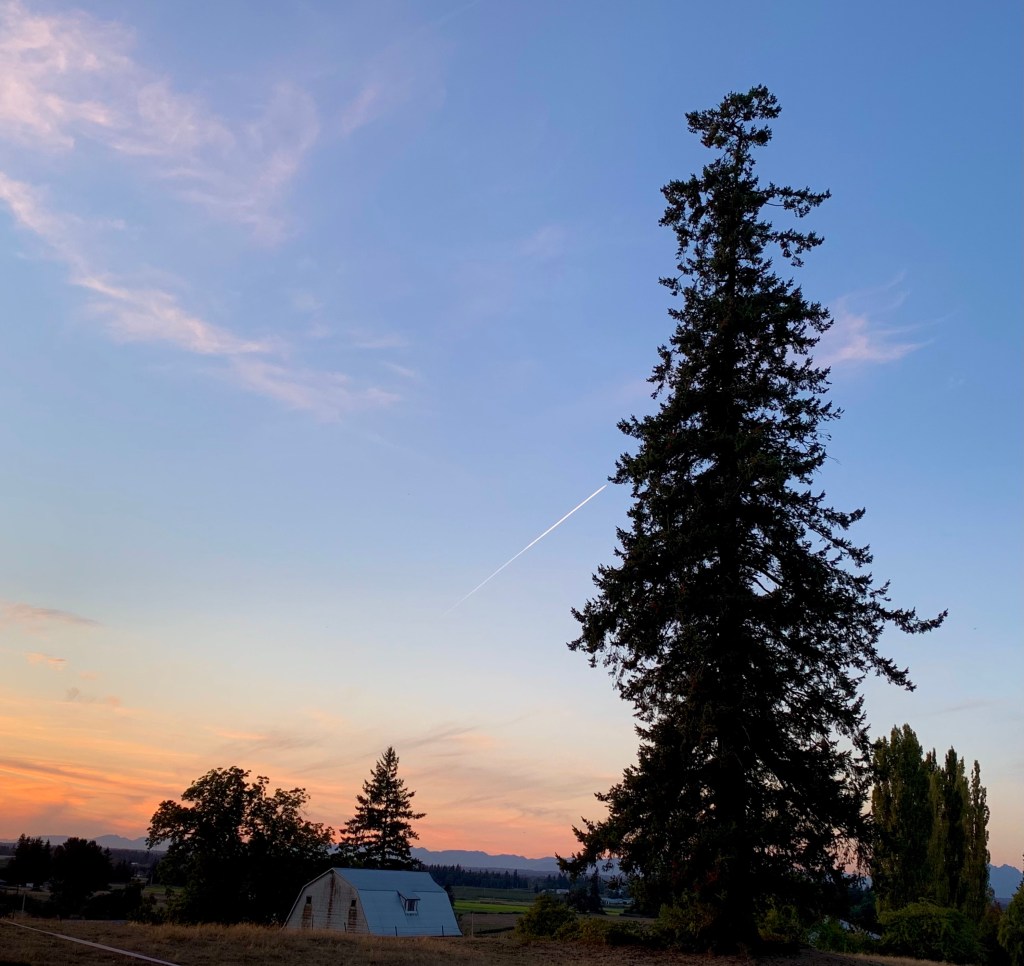
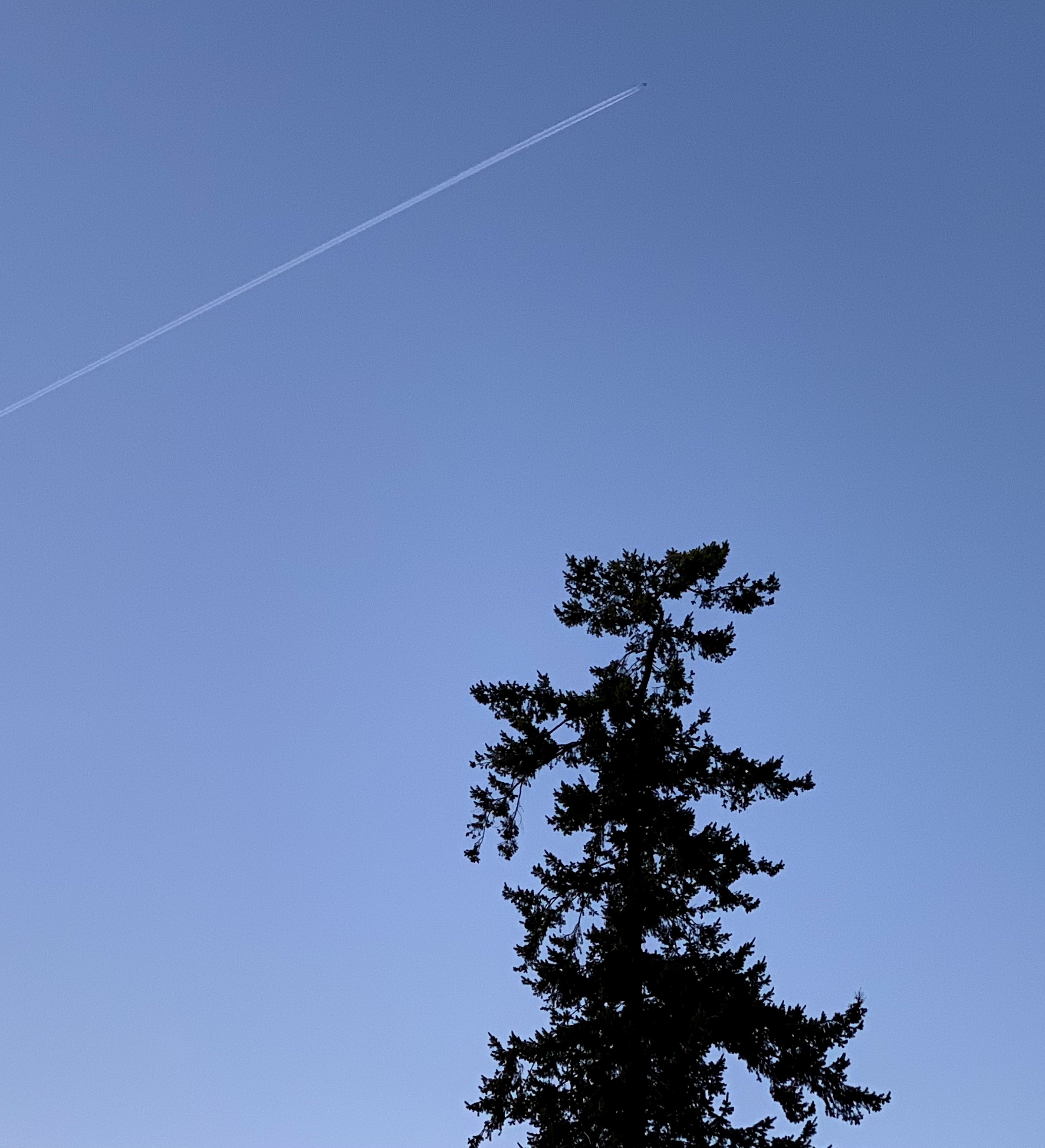
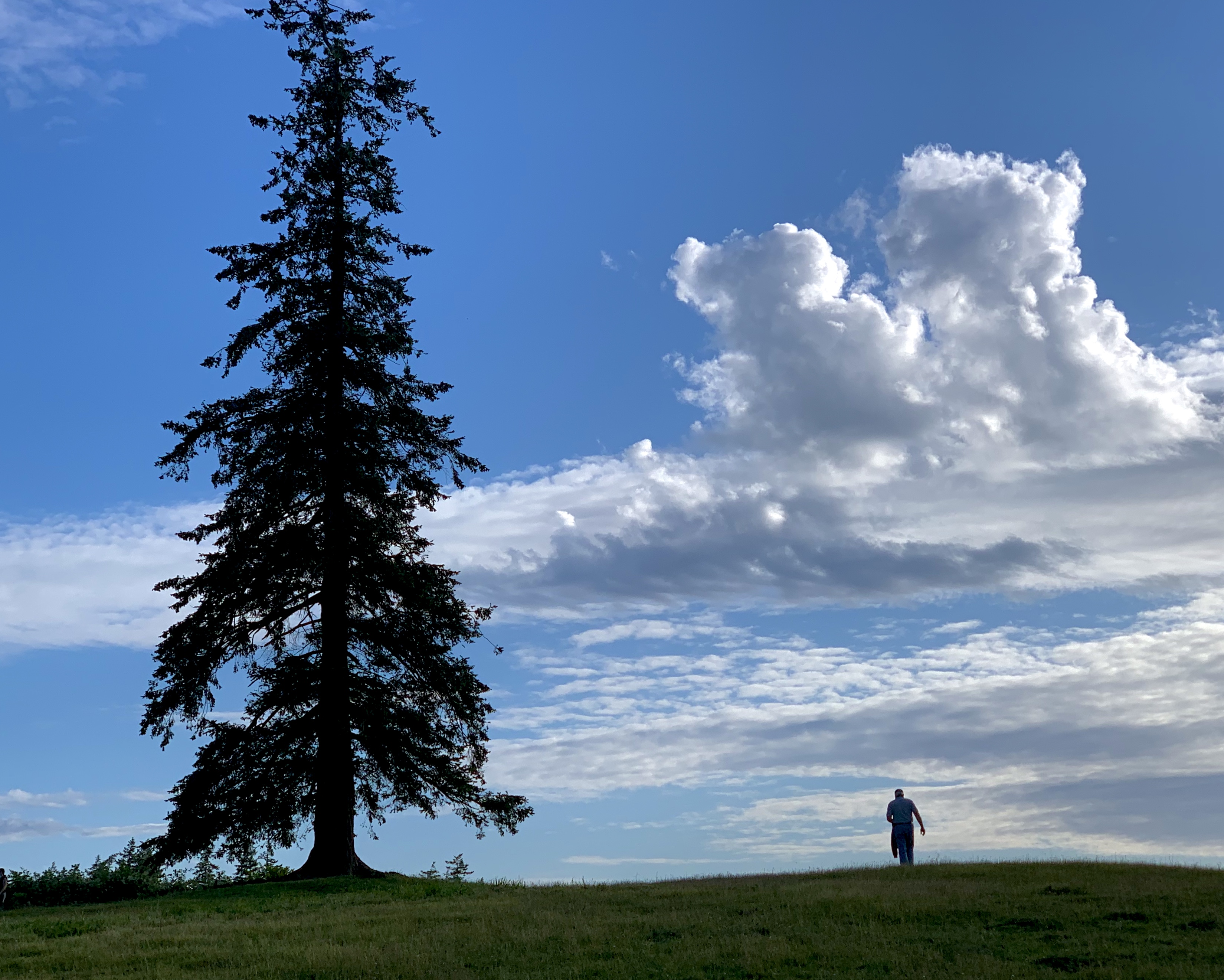
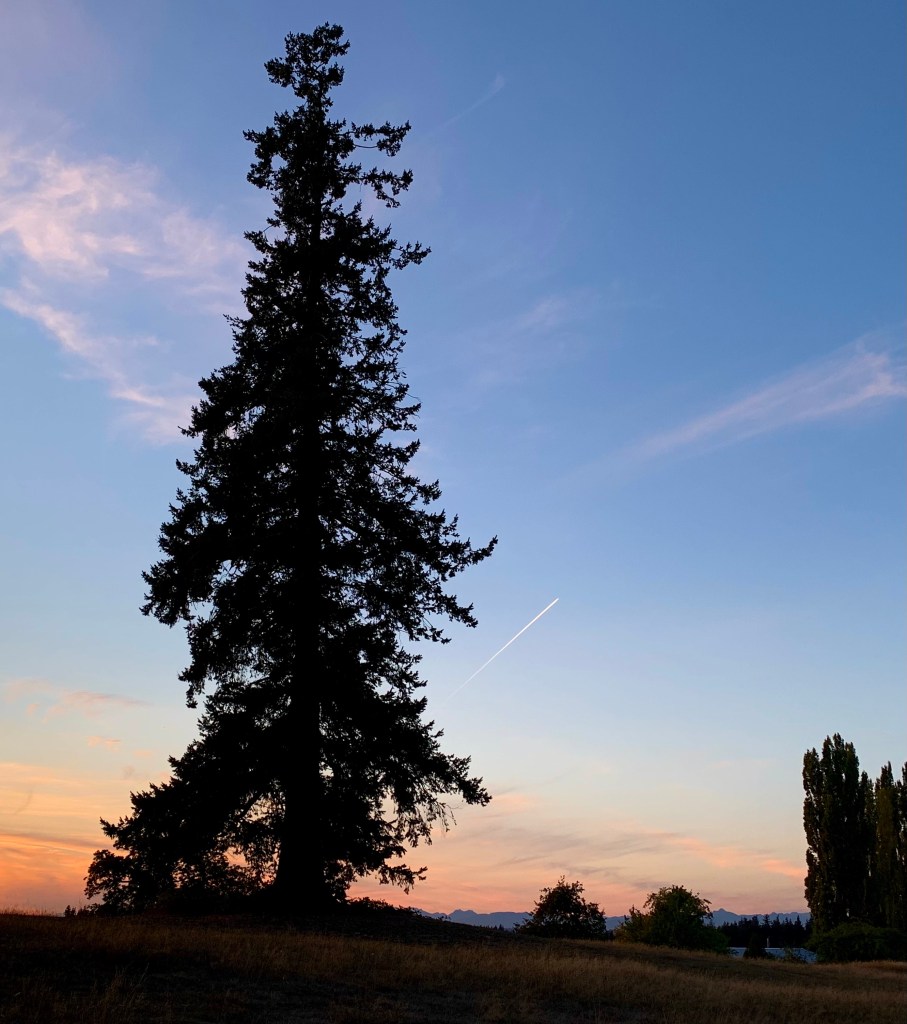
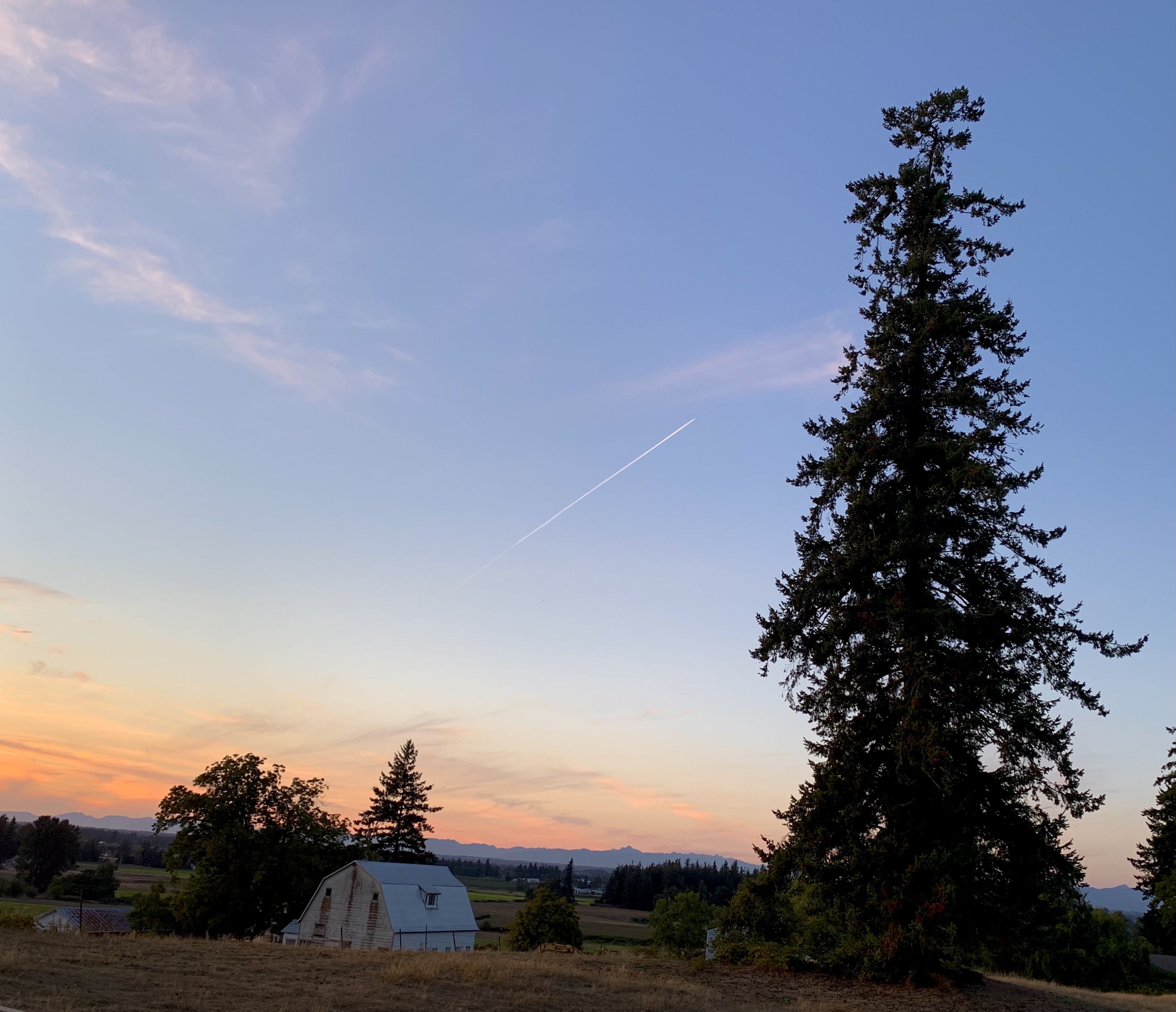
(Our lone fir on top of the hill is doing just fine and she remains our sentinel tree and farm focal point, trying to touch the jet planes that ascend from the nearby Vancouver, B.C. airport in the top pictures)

The night before they were felled
Last night, the missing poplar row revealed a new mountain view to the north

If you enjoy these Barnstorming posts, you’ll enjoy this book which is available to order here:

The Beauty of a Fogbow

We don’t need to understand why a rainbow or fogbow is formed in order to appreciate its beauty, of course, but understanding the physics of rainbows does give us a new set of eyes. I call this the beauty of knowledge.
~Walter Lewin from For the Love of Physics

Ghaist o a gaw that few hae seen
paintit on fog lyk a fugue o thi scheme
Noah supposit thi Lord tae mean
     when aa were drooned,
ither hauf o yin o His een
     thon runic roond.

Rope o smoke lyk a loop on a cable,
Grisaille Cain tae thi rainbow’s Abel,
ultra-blank tae infra-sable,
     auld noose o tow;
Yin that’s strang whaur Yang is faible:
     faur are ye now?
~WN Herbert “The Fogbow” from Omnesia

(this is my best guess of the meaning of Herbert’s inventive English/Gaelic/Scottish)

Ghost of a rainbow bruise that few have seen
painted on fog like a fugue of this scheme
Noah supposed the Lord to mean
when all were drowned
the other half of the dark cold earth is
a mysterious rune ruined.

A rope of smoke like a loop on a cable
a gray pallid Cain to the rainbow’s Abel,
outer-white to inner-black
old noose in tow;
the cold and dark is strong where warmth and light is feeble:
where are you now?

Look at a rainbow.
While it lasts, it is or appears to be,
a great arc of many colours occupying a position out there in space….
And now, before it fades, recollect all you have ever been told about the rainbow and its causes, and ask yourself the question,
Is it really there?
You know from memory that if you walked to the place where the rainbow ends, or seems to end, it would certainly not be ‘there’. In a word, reflection will assure you that the rainbow is the outcome of the sun, the raindrops and your own vision.
~Owen Barfield writing about “The Rainbow”

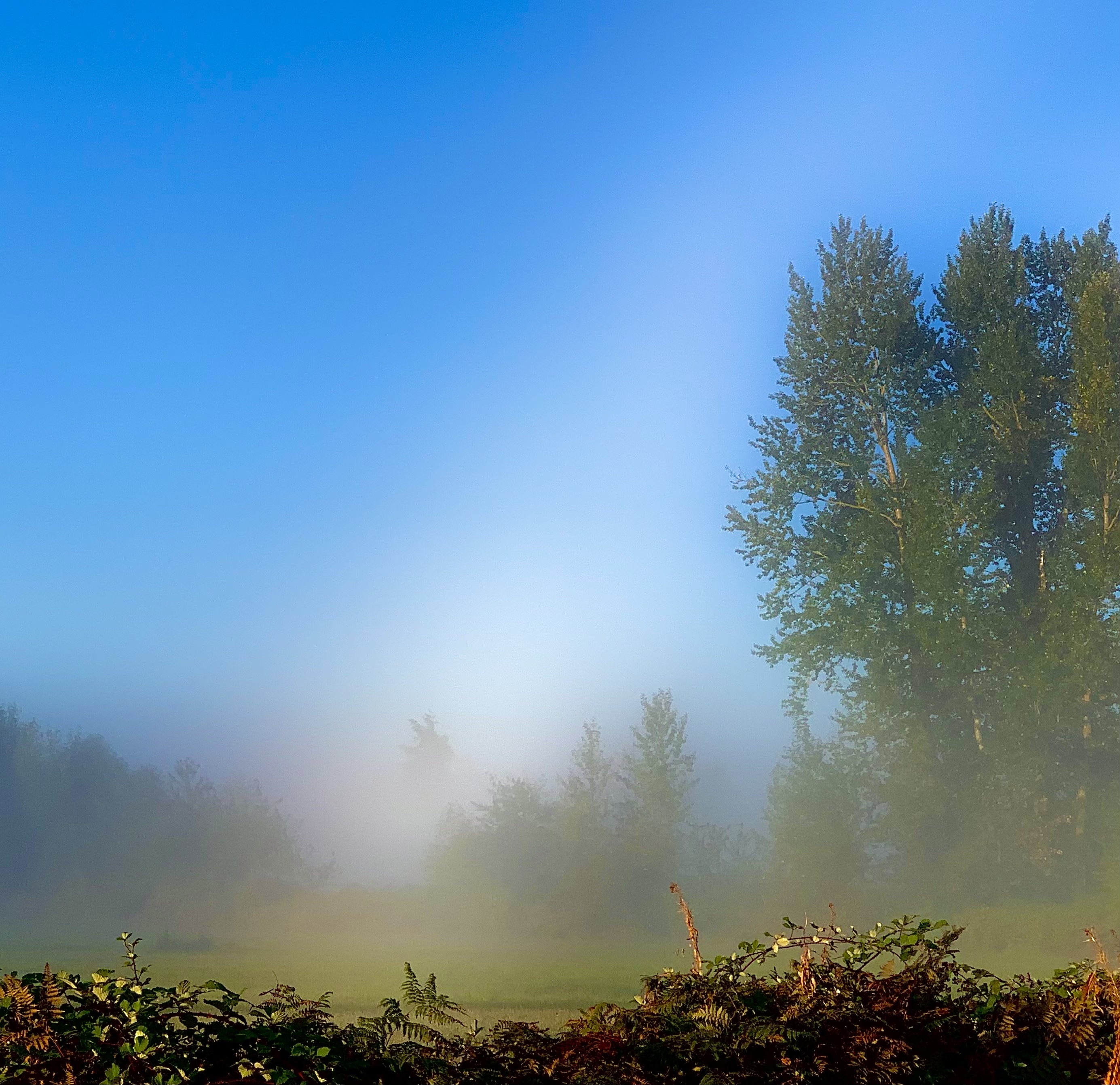
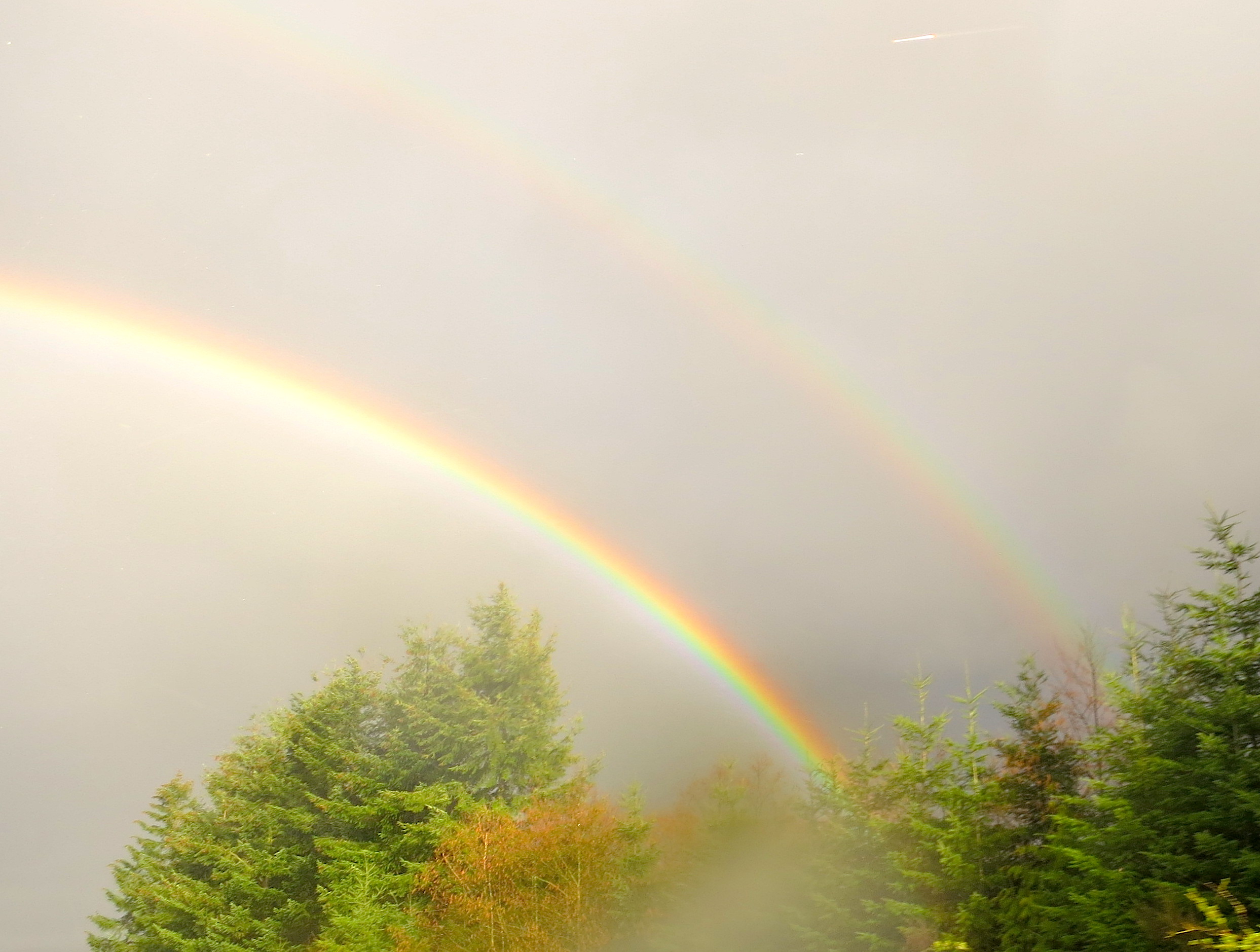
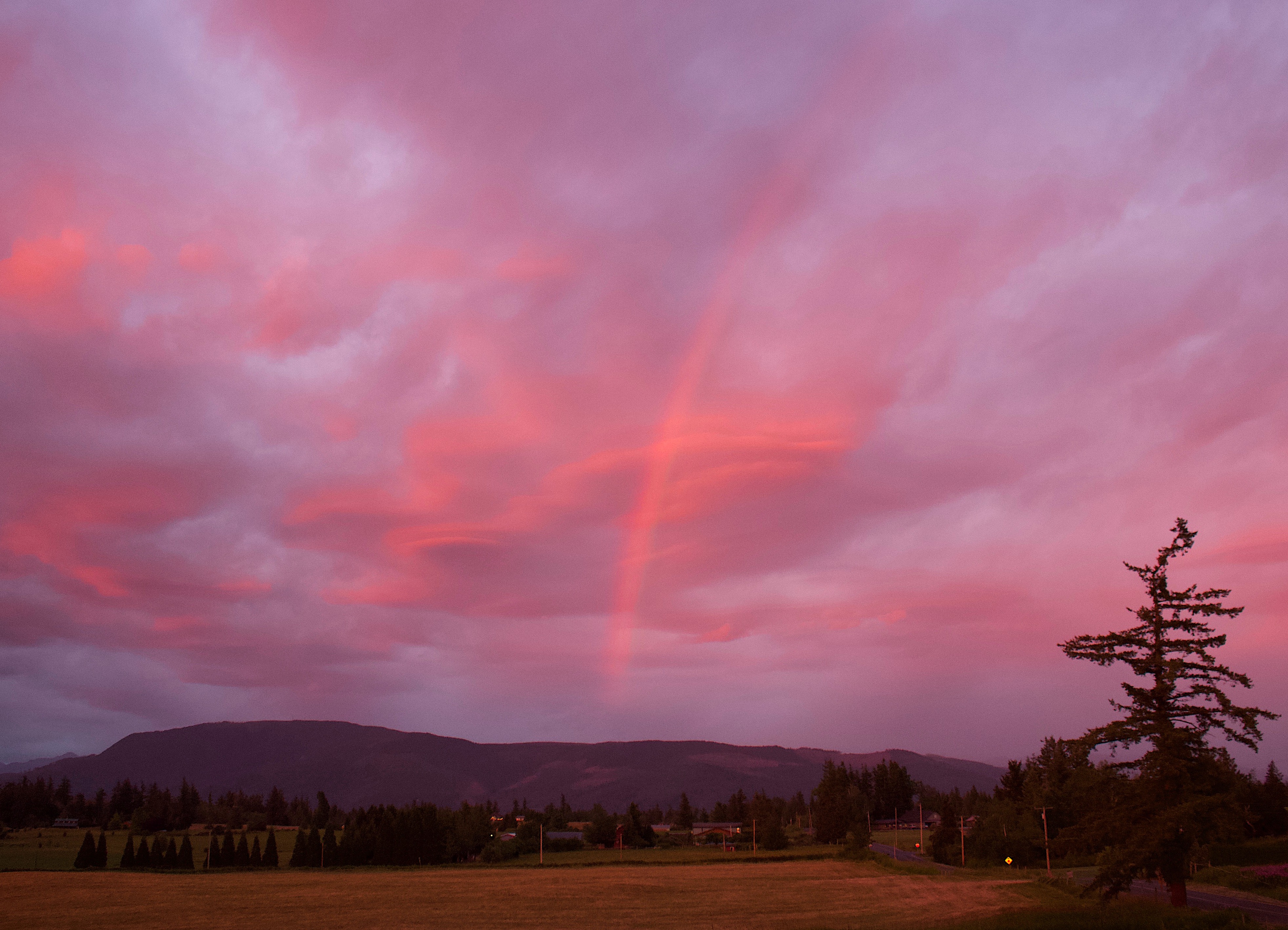
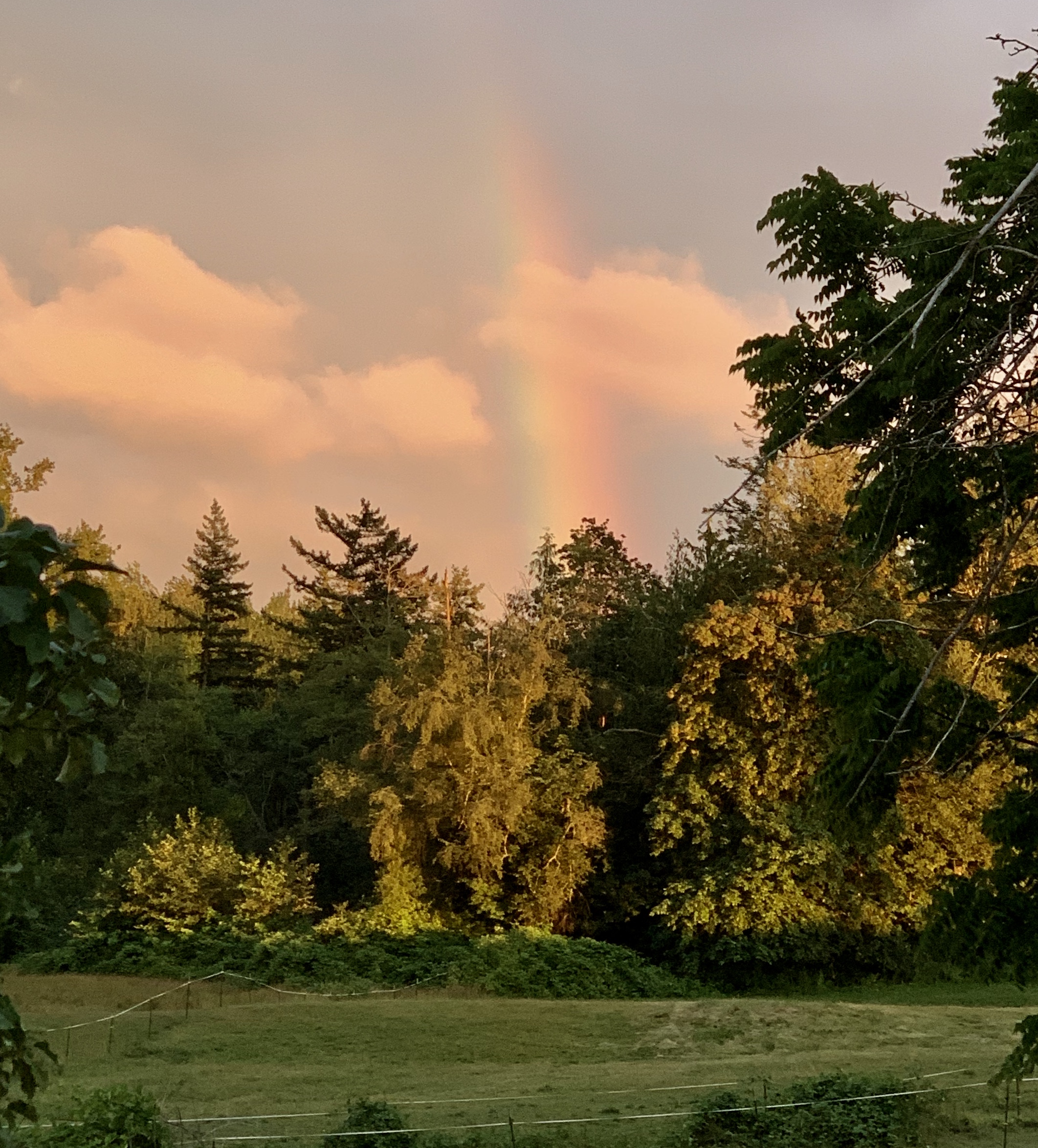
We saw our first “fogbow” or “ghost rainbow” early yesterday on our morning walk. It happened as we were heading east toward the sun, with the fog thickening, filling in behind us. We had just turned around to check the road to be sure no cars were coming before we crossed to the other side and there was this spectral image of foggy columns curving upward over the road to barely touch one another at the top. As we moved away from it, it vanished, as they say, “into thin air.”

This is an unusual phenomenon where the light and moisture in the air needs to be just right – reading about the physics of the fogbow helps to explain it and to render it even more beautiful. But the knowledge of how it happens isn’t nearly as impactful as the fact it was there at all for us to witness. Without our vision, it wasn’t really “there.”

The “bruised” rainbow color in the sky is God’s Old Testament promise to Noah to never destroy the world by flood again, establishing an everlasting covenant with His people while giving us the capacity to witness His promise. Perhaps the fogbow is ghostly reminder of those who have perished, whose blood, like Abel’s, cried out to God from the earth.

But where are we now? Do we seek to understand, believing the promises God made to us? Or do we walk right past God and His miraculous physics of creation, oblivious to what would not even exist without our ability to see it?

Somewhere, over the fogbow, way up high…

If you enjoy these posts, this book from Barnstorming may be of interest for yourself or as a gift to someone who loves beautiful photography and words of wisdom (from Lois Edstrom) – available to order here:

Where Eye Imagines Sight

A lurking man in that half light,
there where eye imagines sight,
stops my heart until I see
Lurking man is leaning tree.


What changed? The man? There was none. Tree?
The tree was always there. Then me?
I did not change. I came to see
and what I saw, what was could be.

~Archibald MacLeish, from Collected Poems 1917 to 1982

Every day I look for what is obvious on the farm – the trees, the flowers, the animals, the clouds, the lighting – all the daily and mundane things surrounding me. More often than not, what I see is straight-forward, needing no extra mental processing or interpretation.

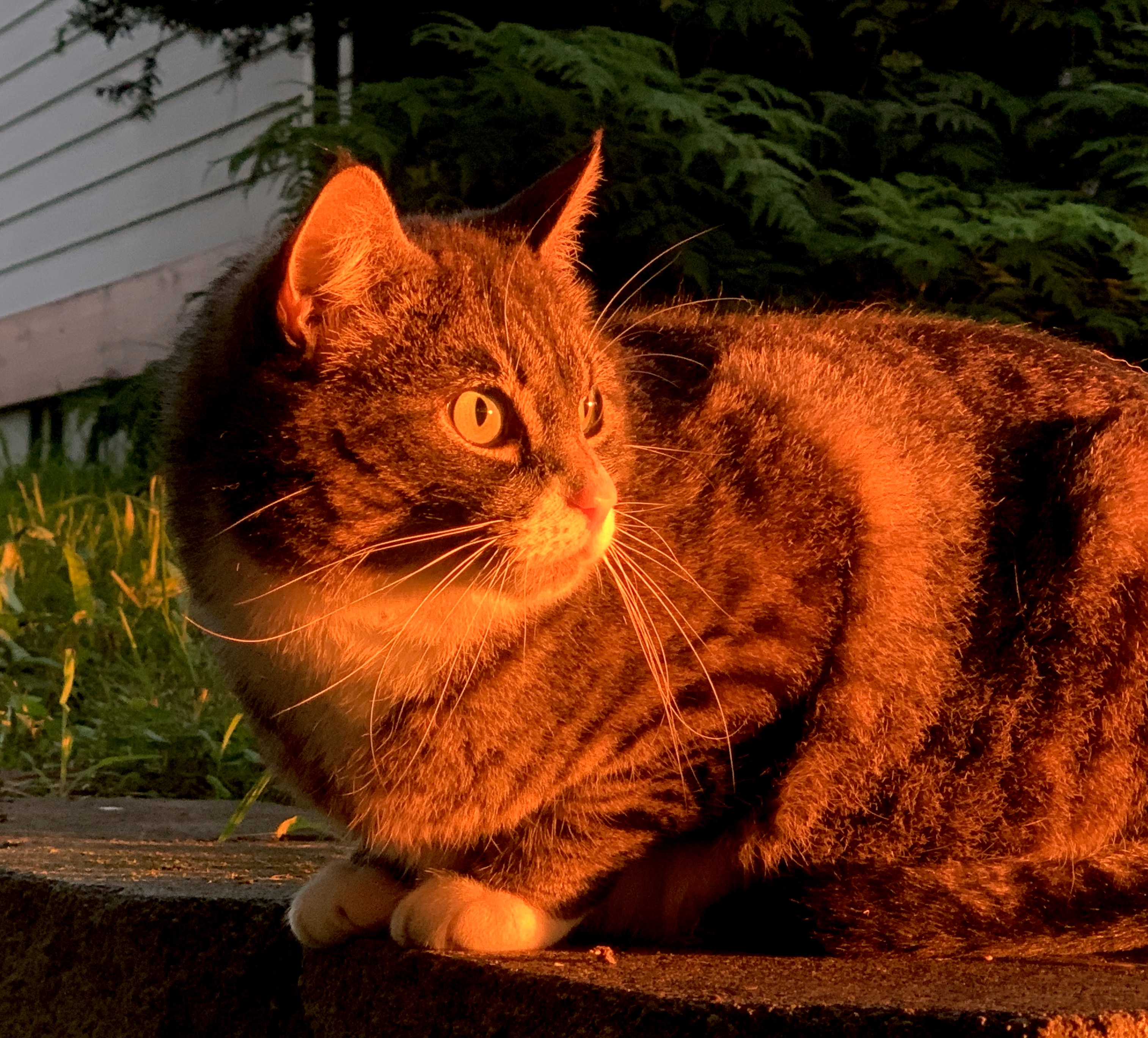
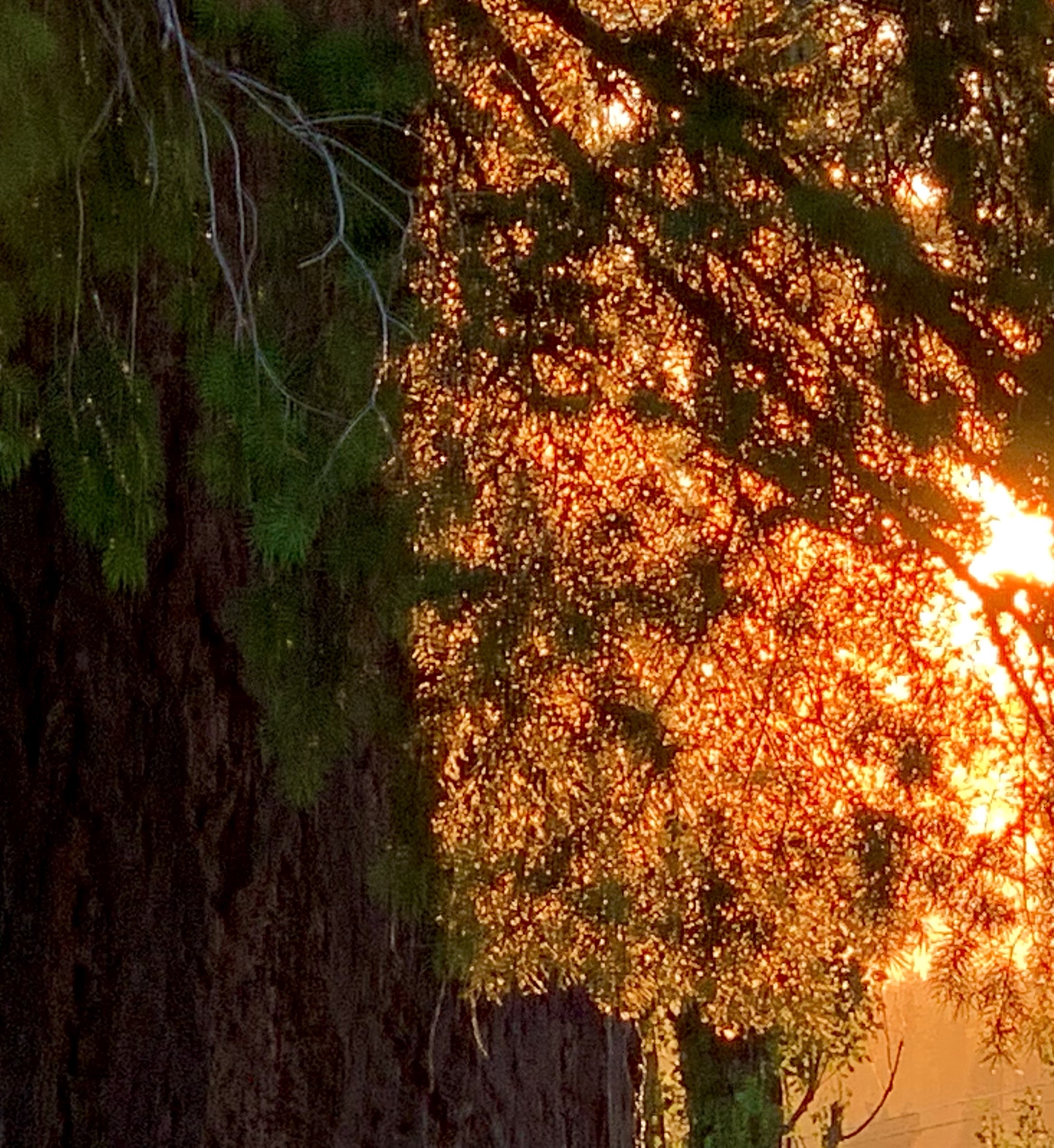
Occasionally, my mind’s eye sees more and I’m stopped in my tracks. What is it I’m seeing and how much am I simply imagining? I see what “could be” and that alone creates a new dimension to what, on the surface, is plain and simple. Suddenly what is plain becomes glorious – a flower is otherworldly, a cat transformed by light, a wet feather a thing of beauty, a tree moves and breathes as if it is on fire.

Because my mind’s eye wants to look deeper, I see more detail.
Because I myself am complex, I seek out complexity.
Because I need transformation and renewal,
my mind seeks to transform and renew.
Because nothing around me is quite as it seems on the surface,
I am called upon to notice it, in its beauty and in its simplicity.

I am changed by imagining how glorious things could be.

Imagine what your mind’s eye can see in more Barnstorming photos in this book, available to order here:

Wired With Alertness

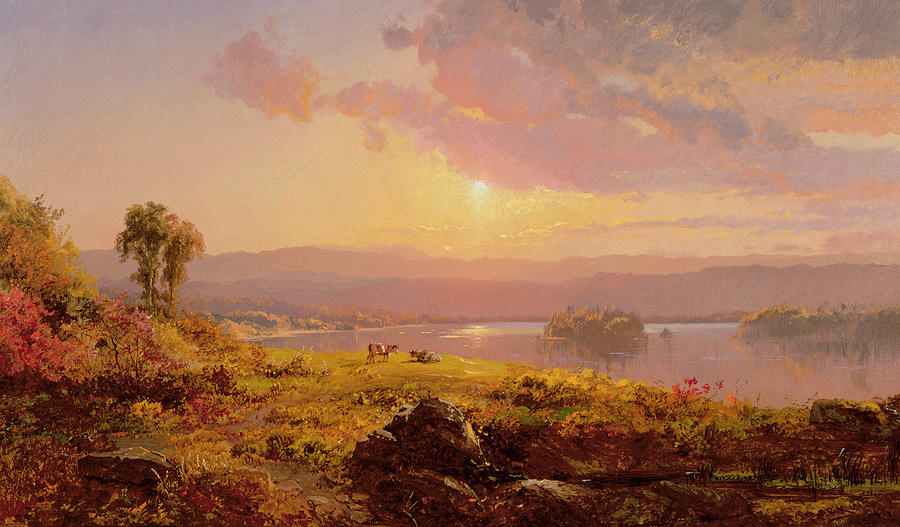
Edmund Darch Lewis – Susquehanna
Agnes Wallace by Robert Sivell

I have never been fishing on the Susquehanna
or on any river for that matter
to be perfectly honest.


Not in July or any month
have I had the pleasure — if it is a pleasure —
of fishing on the Susquehanna.


I am more likely to be found
in a quiet room like this one —
a painting of a woman on the wall,


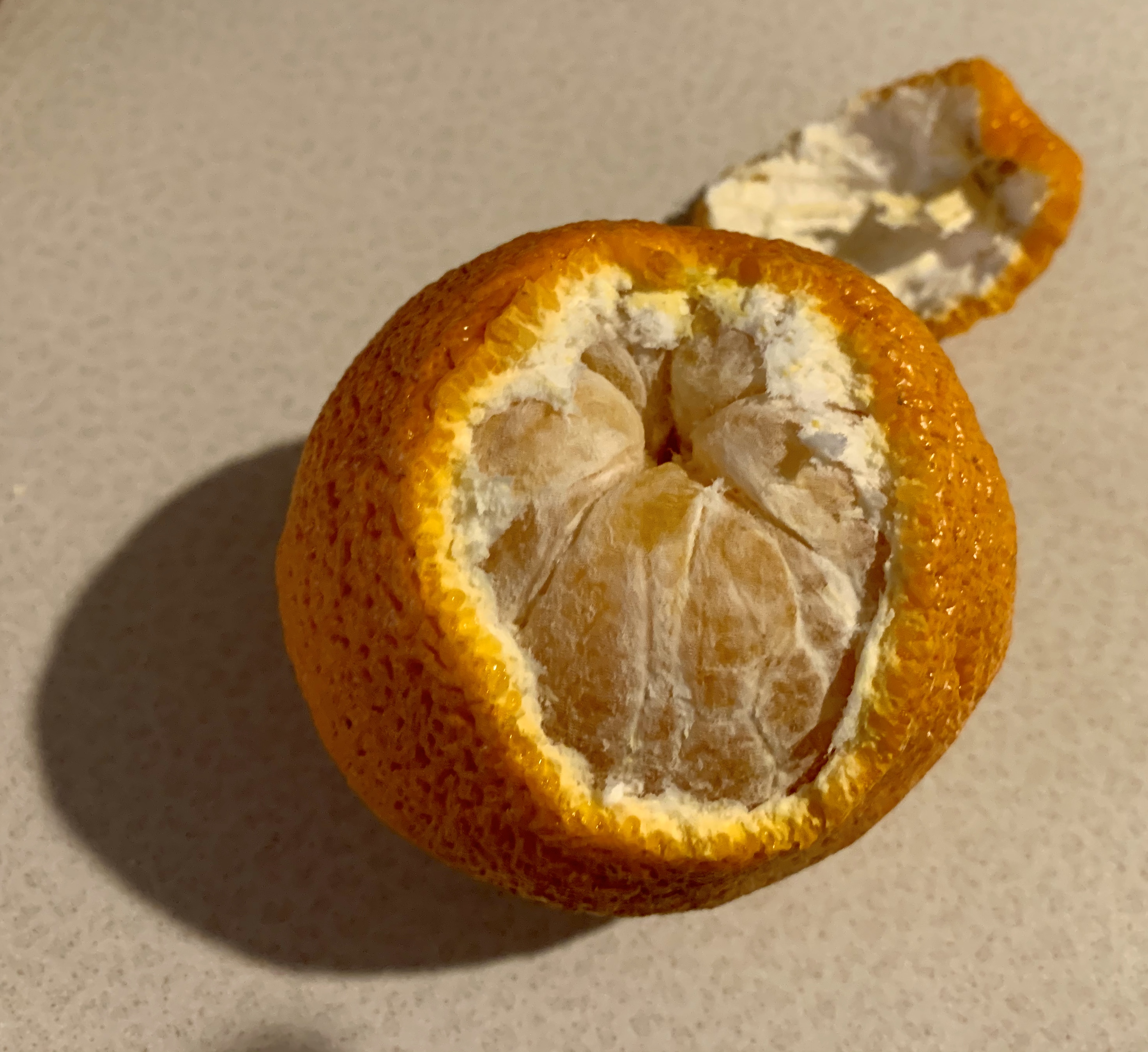
a bowl of tangerines on the table —
trying to manufacture the sensation
of fishing on the Susquehanna.


There is little doubt
that others have been fishing
on the Susquehanna,


rowing upstream in a wooden boat,
sliding the oars under the water
then raising them to drip in the light.


But the nearest I have ever come to
fishing on the Susquehanna
was one afternoon in a museum in Philadelphia,


when I balanced a little egg of time
in front of a painting
in which that river curled around a bend


under a blue cloud-ruffled sky,
dense trees along the banks,
and a fellow with a red bandana


sitting in a small, green
flat-bottom boat
holding the thin whip of a pole.


That is something I am unlikely

ever to do, I remember
saying to myself and the person next to me.


Then I blinked and moved on
to other American scenes
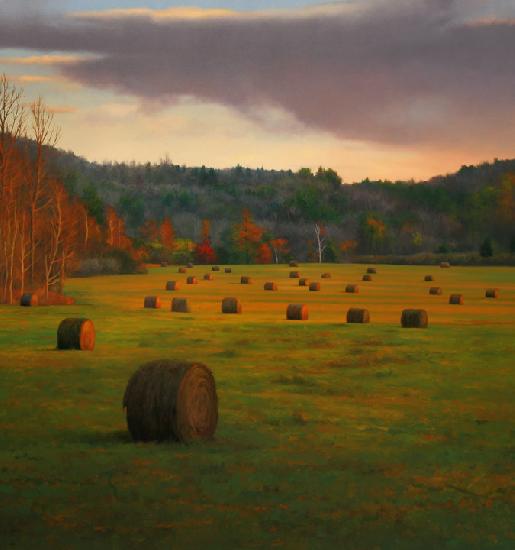
of haystacks, water whitening over rocks,


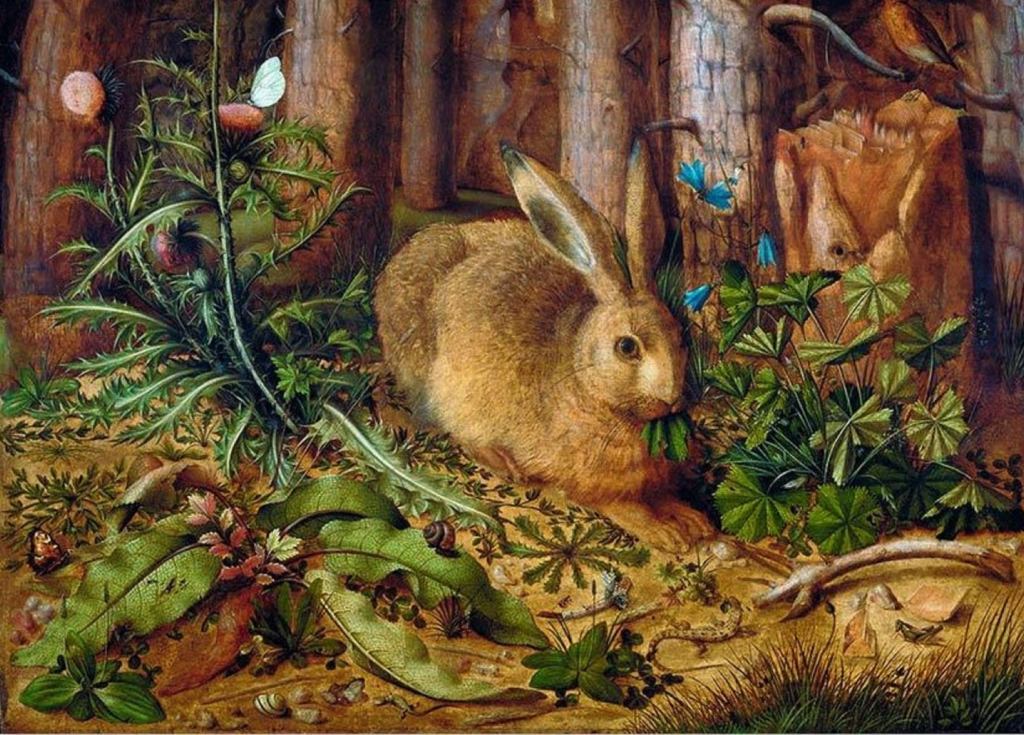
even one of a brown hare
who seemed so wired with alertness
I imagined him springing right out of the frame. 
~Billy Collins Fishing On The Susquehanna In July

A Hare in the Forest by Hans Hoffman (Getty Museum)
Susquehanna by Jasper Francis Cropsey
Hayfield–oil painting by Scott Prior http://www.scottpriorart.com

I live a quiet life in a quiet place. There are many experiences not on my bucket list that I’m content to simply imagine.

I’m not a rock climber or a zip liner or willing to jump out of an airplane. I won’t ride a horse over a four foot jump or race one around a track. Not for me waterskis or unicycles or motorcycles.

I’m grateful there are those who are eagerly wired with alertness for the next experience: adventurers who seek out the extremes of life so the rest of us can sit back and admire their courage and applaud their explorations and achievement.

My mind’s eye and imagination is powerful enough, thanks to the words and pictures of others. I find I’m content to explore the corners of my quiet places, both inside and outside, to see what I can build from what I find right here under my nose.

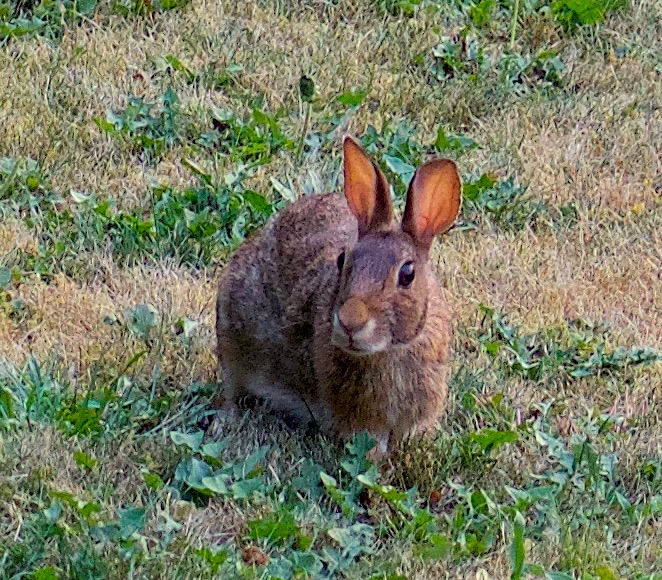
When the light is right, and I’m open enough to it, what I see is ready to spring right out of the frame.

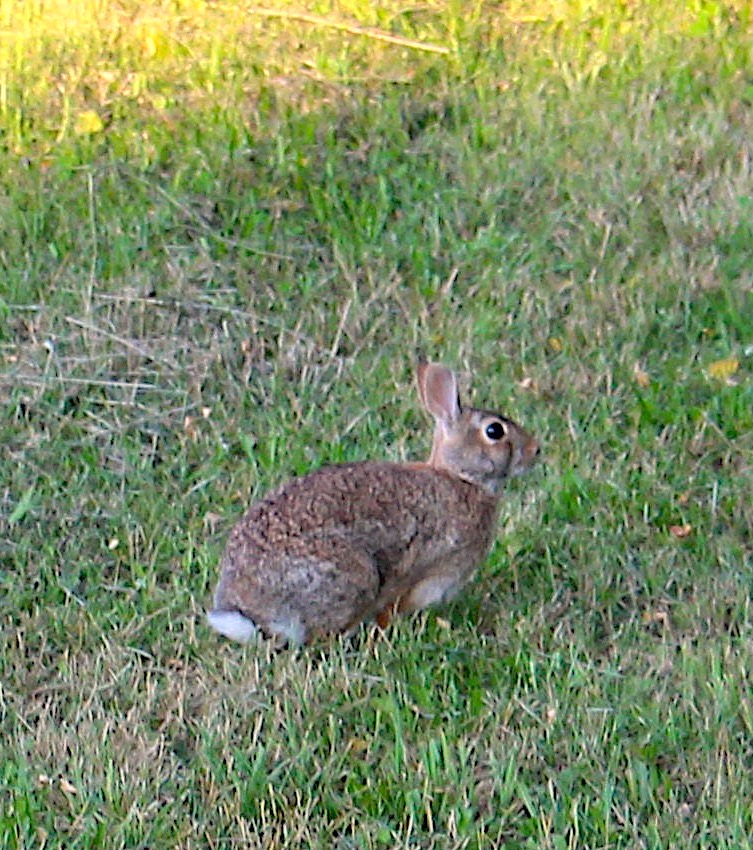
The difficulty to think at the end of day,
When the shapeless shadow covers the sun
And nothing is left except light on your fur—

….and August the most peaceful month.

To be, in the grass, in the peacefullest time,
And to feel that the light is a rabbit-light
In which everything is meant for you
And nothing need be explained;

You become a self that fills the four corners of
night.
~Wallace Stevens, from “A Rabbit As King of the Ghosts”
More of my images along with Lois Edstrom’s ekphrastic poetry can be found in this book, available for order here:

An Exquisite View

How often do we miss the fainter note
Or fail to see the more exquisite hue,
Blind to the tiny streamlet at our feet,
Eyes fixed upon some other, further view.
What chimes of harmonies escape our ears,
How many rainbows must elude our sight,
We see a field but do not see the grass,
Each blade a miracle of shade and light.
How then to keep the greater end in eye
And watch the sunlight on the distant peak,
And yet not tread on any leaf of love,
Nor miss a word the eager children speak?
Ah, what demand upon the narrow heart,
To seek the whole, yet not ignore the part.
~Philip Britts  “Sonnet 1

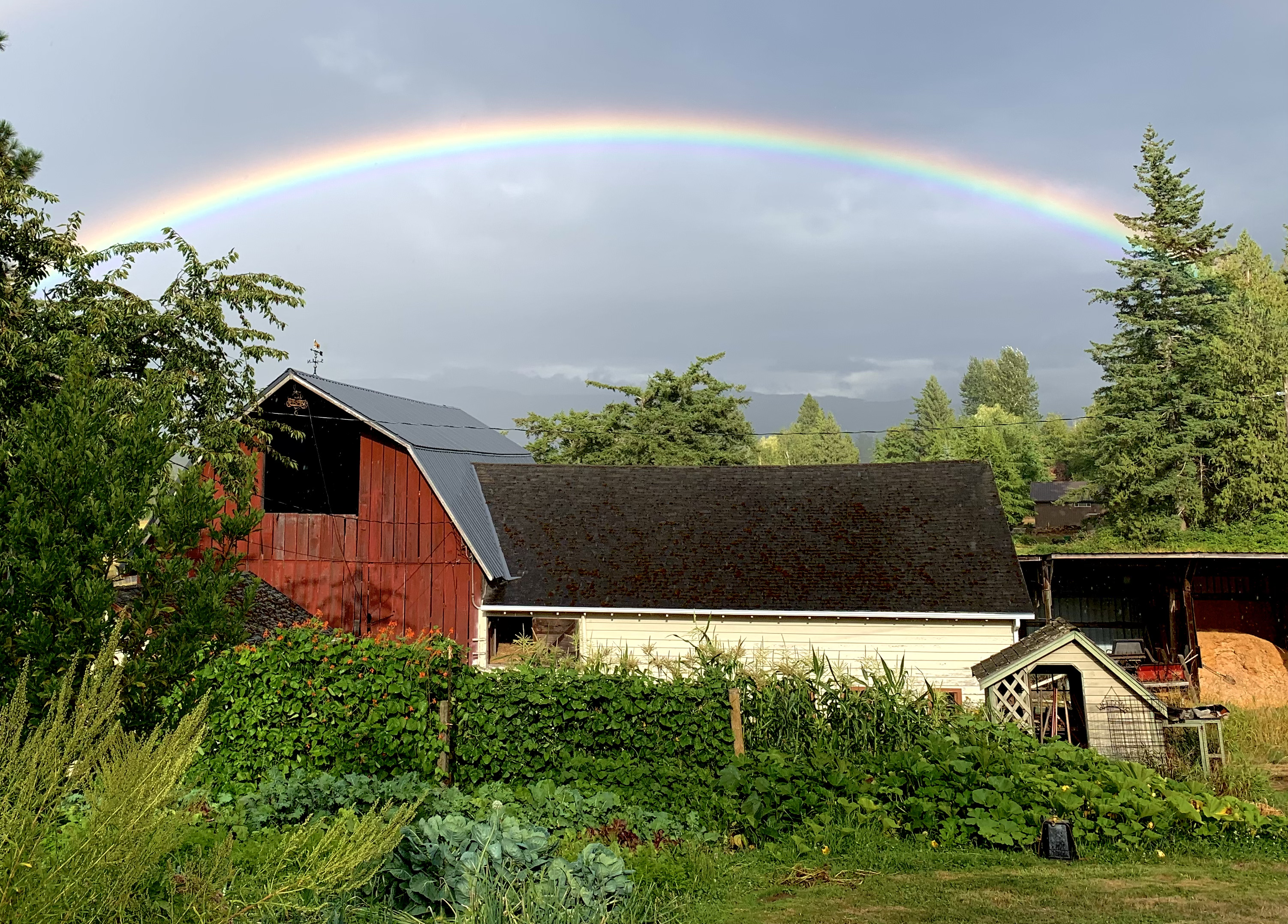
I saw the lovely arch
    Of Rainbow span the sky,
The gold sun burning
    As the rain swept by.

In bright-ringed solitude
    The showery foliage shone
One lovely moment,
    And the Bow was gone.
~Walter De La Mare “The Rainbow”

We are born nearly blinded, focused solely on our emptiness – a hunger to be filled and our need to be held.  As we grow, our focus sharpens to fall in love with those who feed and nurture us.

Eventually we discover, challenge and worship He who made us.

This world is often too much for us to take in as a whole — our exquisite view of shadow and light, color and gray, loneliness and embrace, sorrow and joy.

With more years and a broader vision, we scan for the finer details within the whole before it disappears with the changing light.  Time’s a wasting (and so are we) as we try to capture it all with the lenses of our eyes and hearts.
The end of life comes too soon, when once again our vision blurs and the world fades away from view.

We hunger yet again to be filled and held.

And then heaven itself will seem almost too much to take in – our hearts full to bursting with light and promise for the rest of eternity.

A new book is available from Barnstorming – maybe you know someone who would enjoy a gift of light and color and insightful words? Order here:

Resting in the Grace of the World

When despair for the world grows in me
and I wake in the night at the least sound
in fear of what my life and my children’s lives may be,
I go and lie down where the wood drake
rests in his beauty on the water, and the green heron feeds.

I come into the peace of wild things
who do not tax their lives with forethought
of grief. I come into the presence of still water.
And I feel above me the day-blind stars
waiting with their light. For a time
I rest in the grace of the world, and am free.
~Wendell Berry “The Peace of Wild Things” from The Selected Poems of Wendell Berry

When our grandchildren visit our farm,
I watch them rediscover
what I know are the joys and sorrows of this world.
I am reminded there is light beyond the darkness I fear,
there is peace amid the chaos,
there is a smile behind the tears,
there is stillness within the noisiness
there is rest despite my restlessness,
there is grace as old gives way to new.

A new book from Barnstorming is available to order here:

Much Too Beautiful to Stay

I love the look, austere, immaculate,
Of landscapes drawn in pearly monotones.
There’s something in my very blood that owns
Bare hills, cold silver on a sky of slate,
A thread of water, churned to milky spate
Streaming through slanted pastures fenced with stones.

I love those skies, thin blue or snowy gray,
Those fields sparse-planted, rendering meagre sheaves;
That spring, briefer than apple-blossom’s breath,
Summer, so much too beautiful to stay,
Swift autumn, like a bonfire of leaves,
And sleepy winter, like the sleep of death.

~Elinor Wylie from “Wild Peaches”

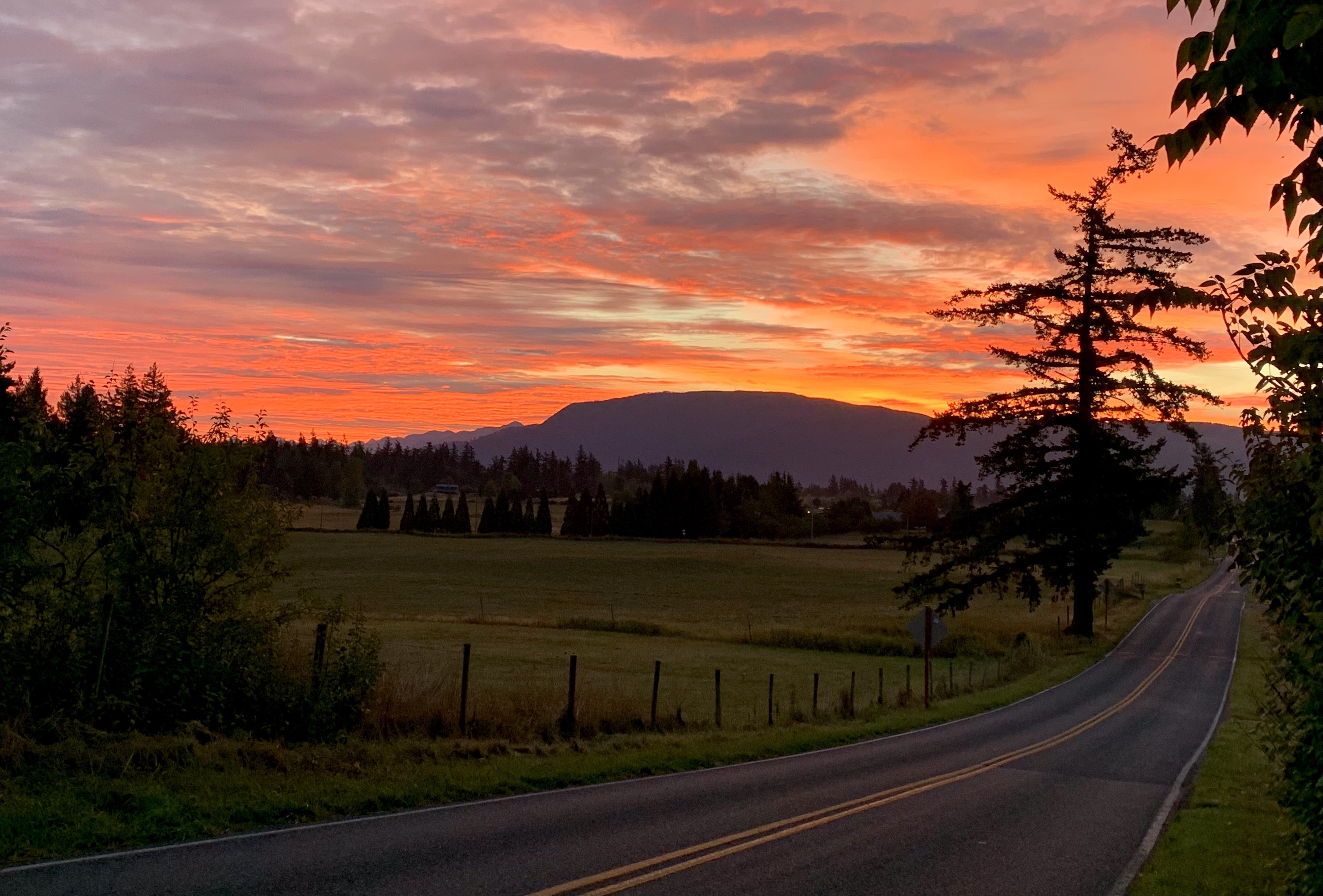
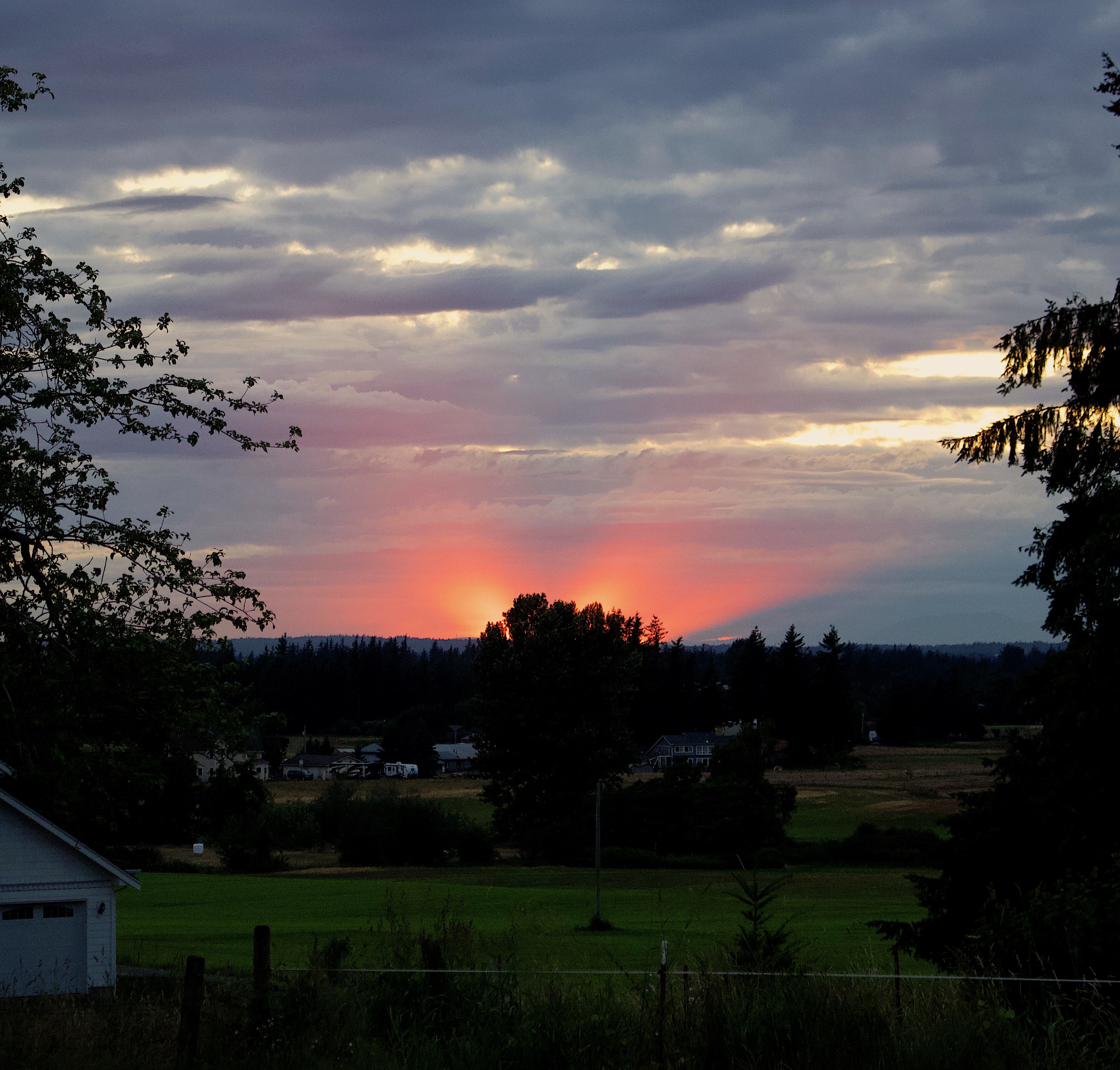
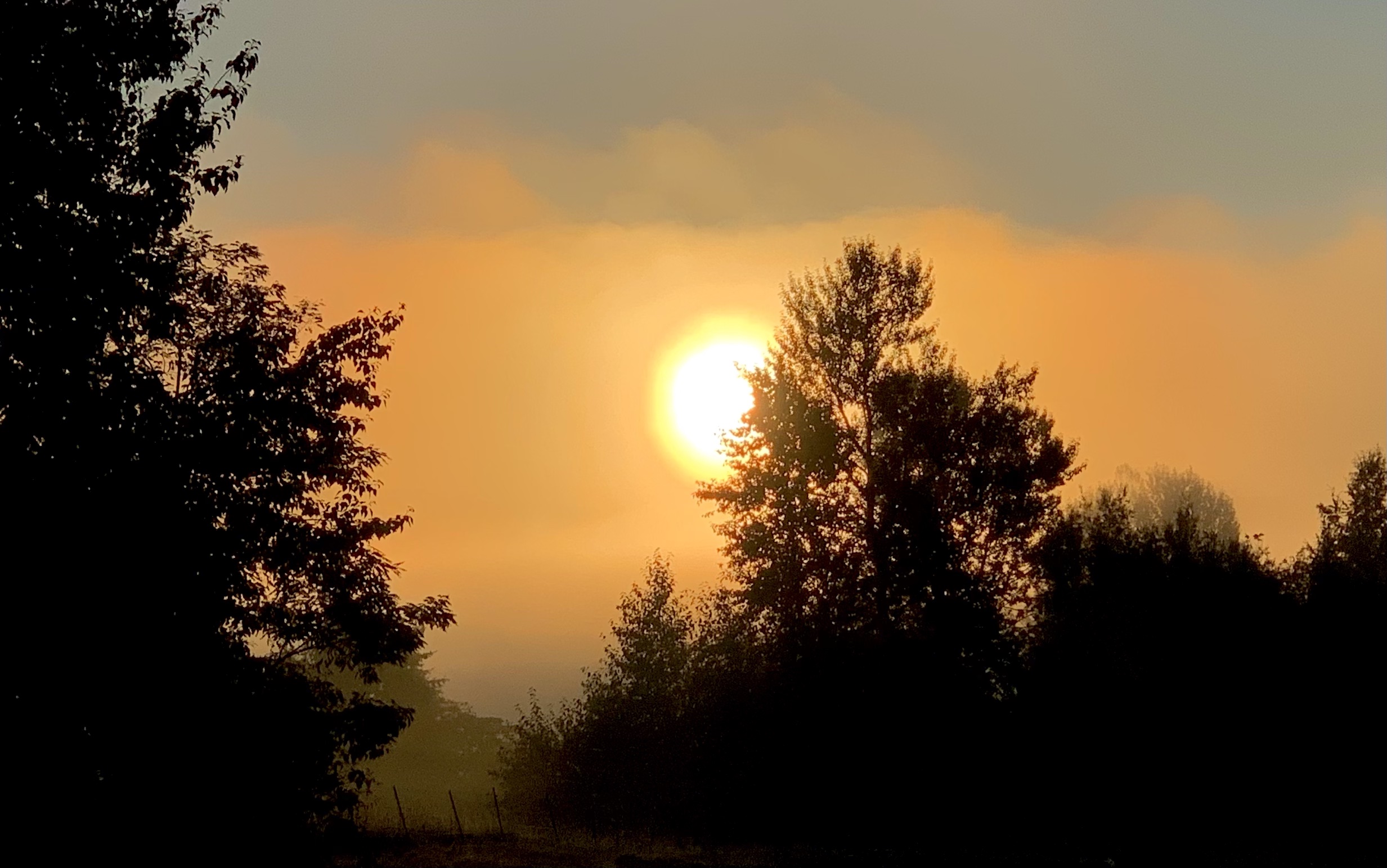
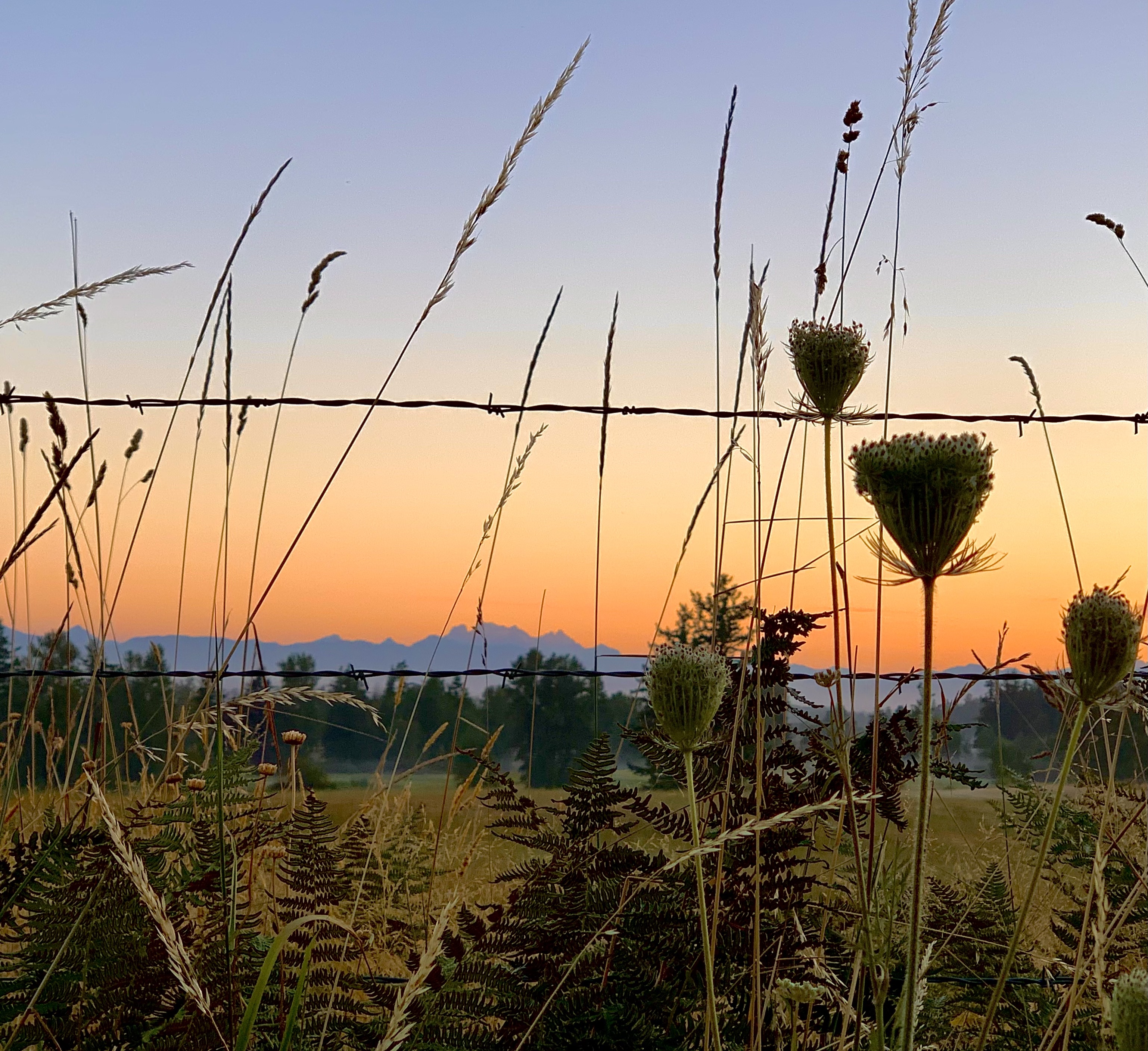
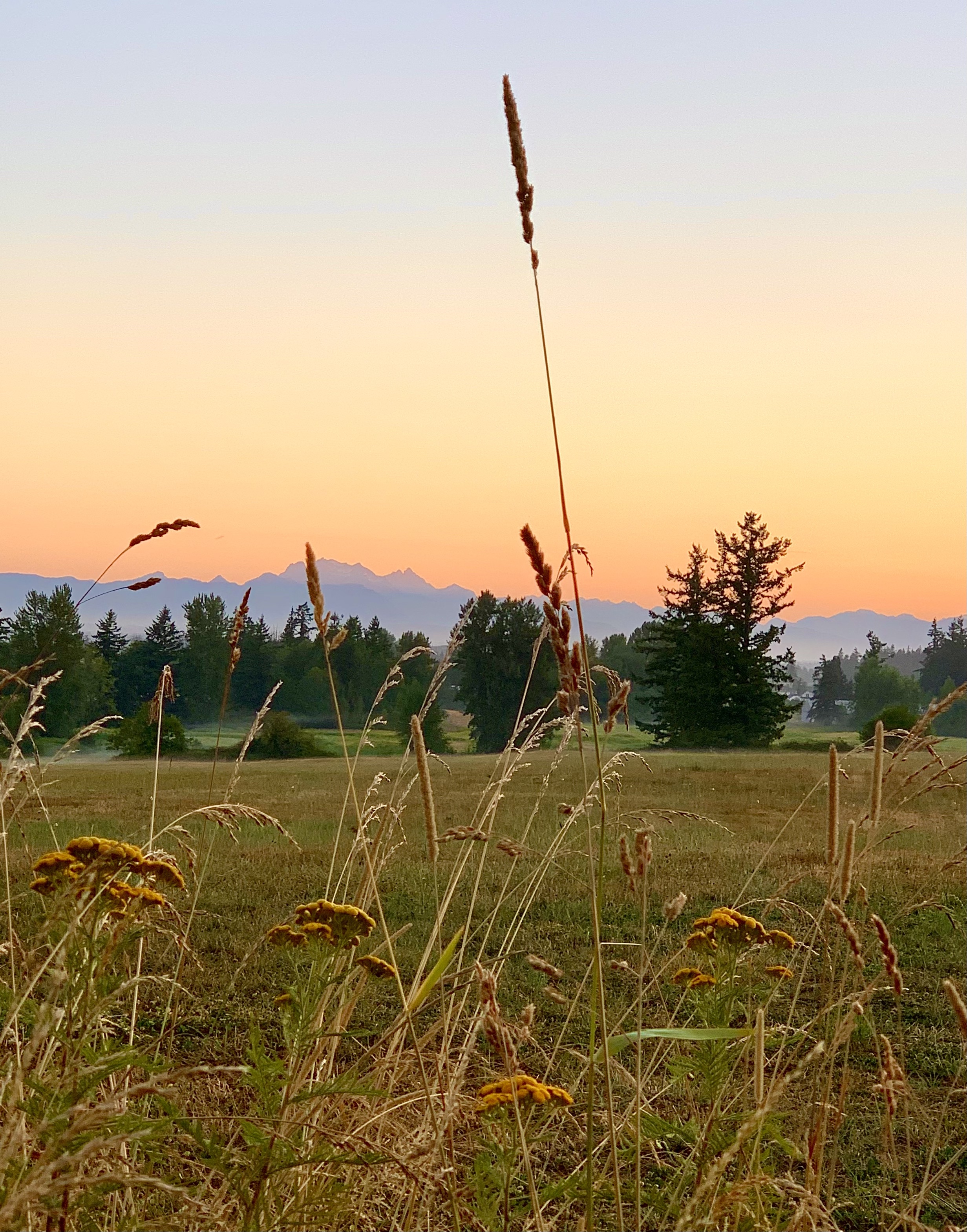
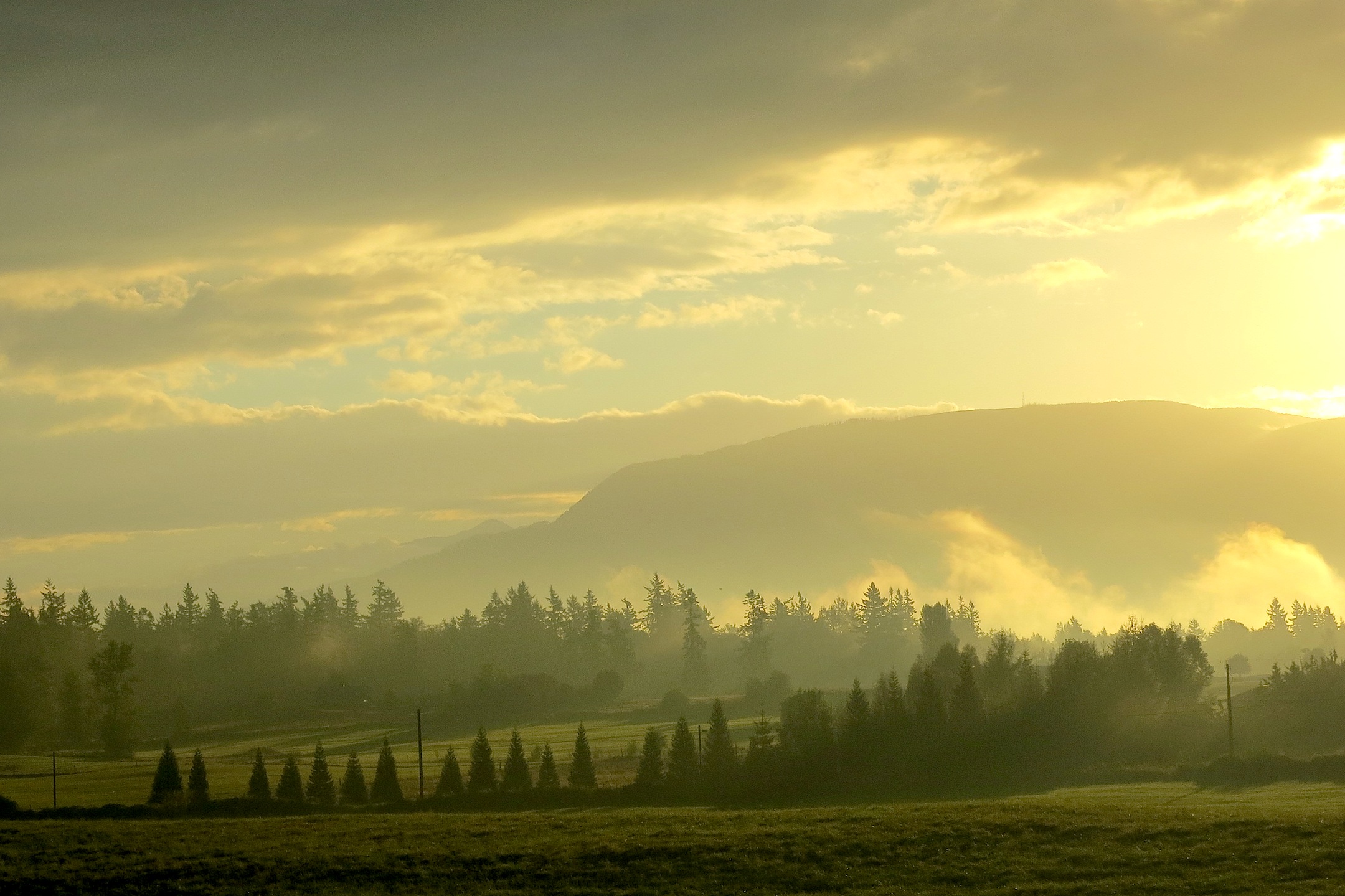
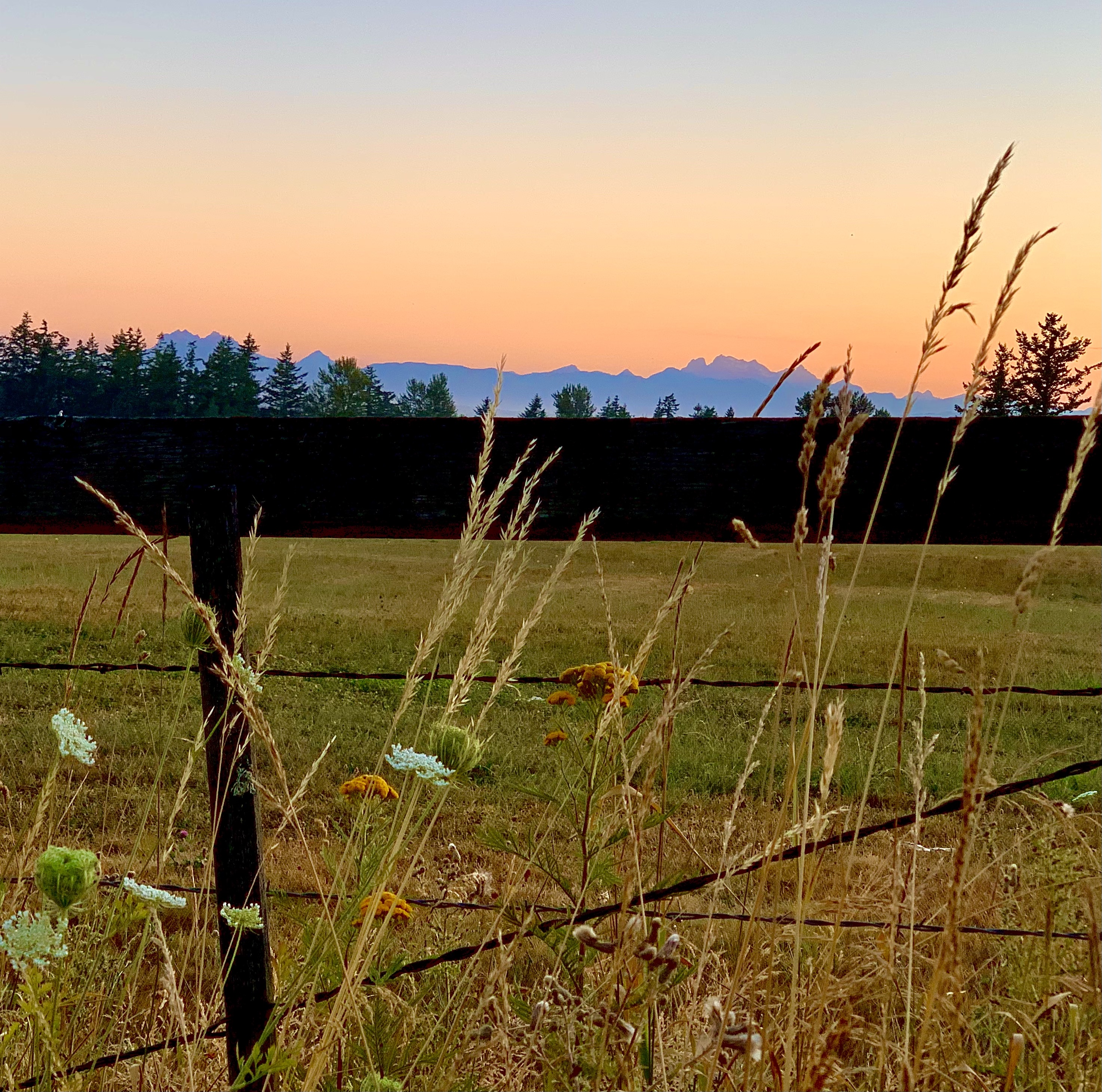
An amber light stretches from sky to ground
this beautiful morning, another mid-summer dawning-
today a clone of yesterday’s and the day before.

A stretch of forty identical days cannot last and will not stay.
I long again for rain and chill nights.

Drying up and pock-marked with holes,
I feel punched and withering in this browning landscape,
wondering on this Sabbath day of communing together
where holiness is to be found.

Enjoying daily Barnstorming posts? Here is our new book available for order here: