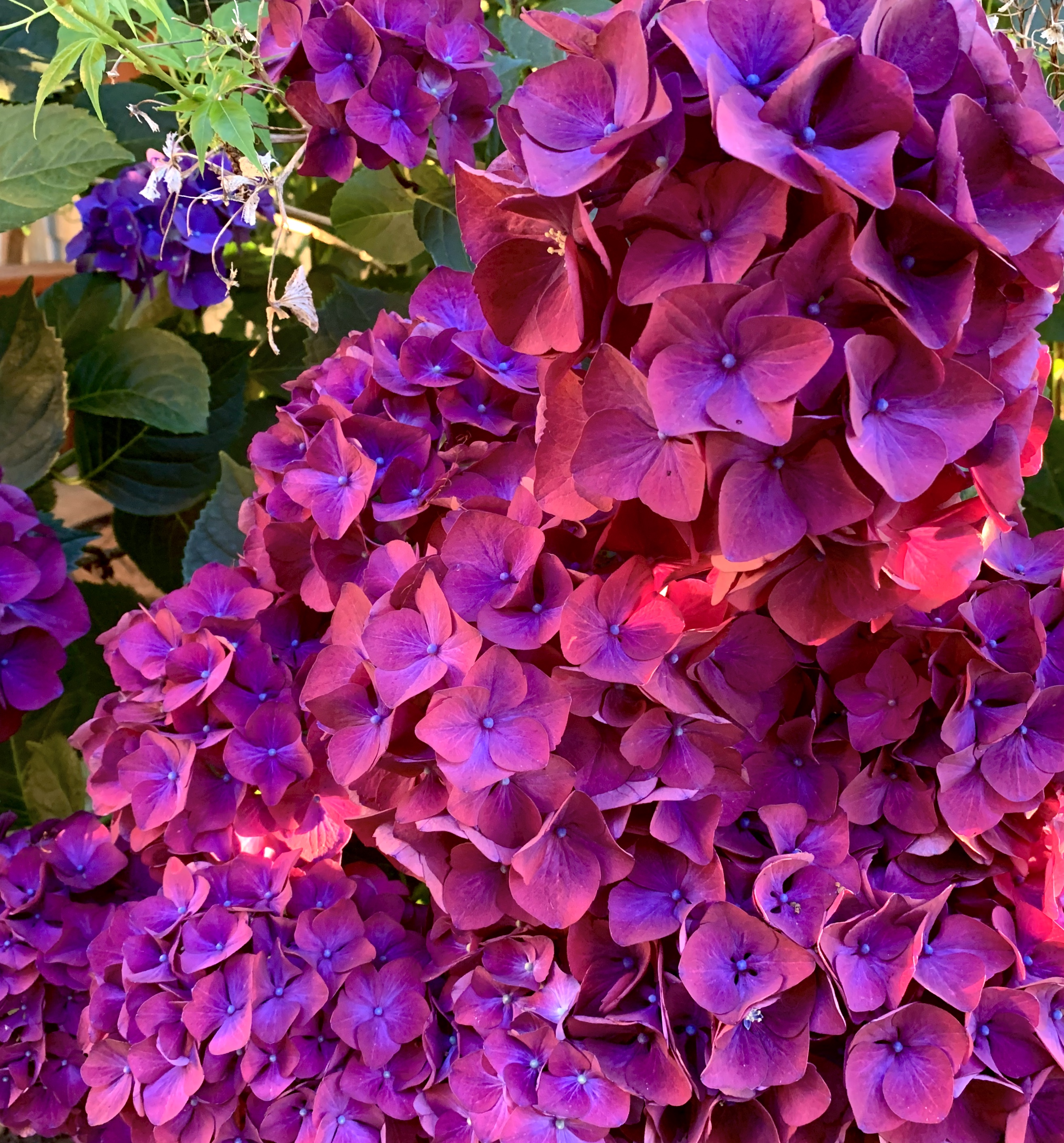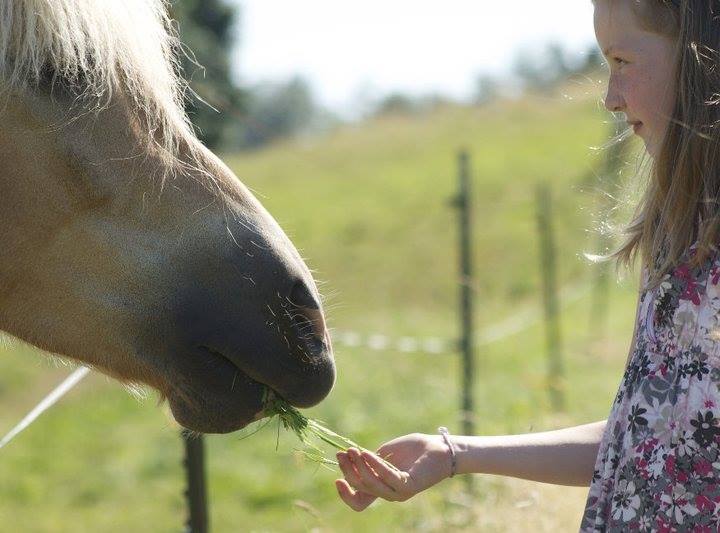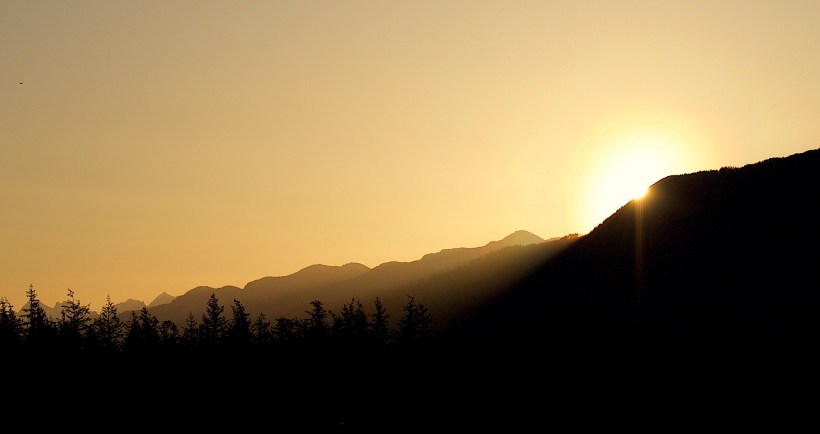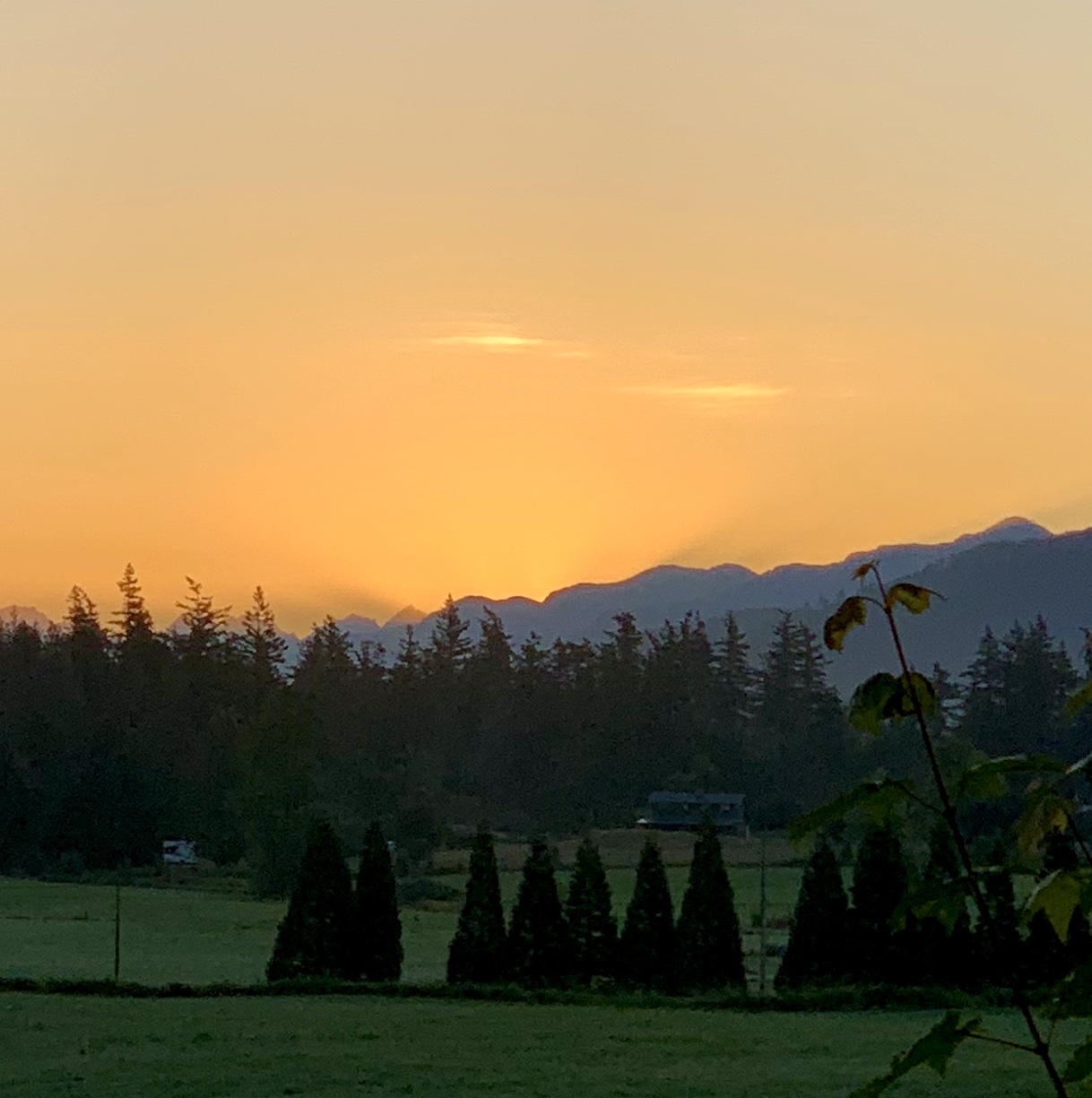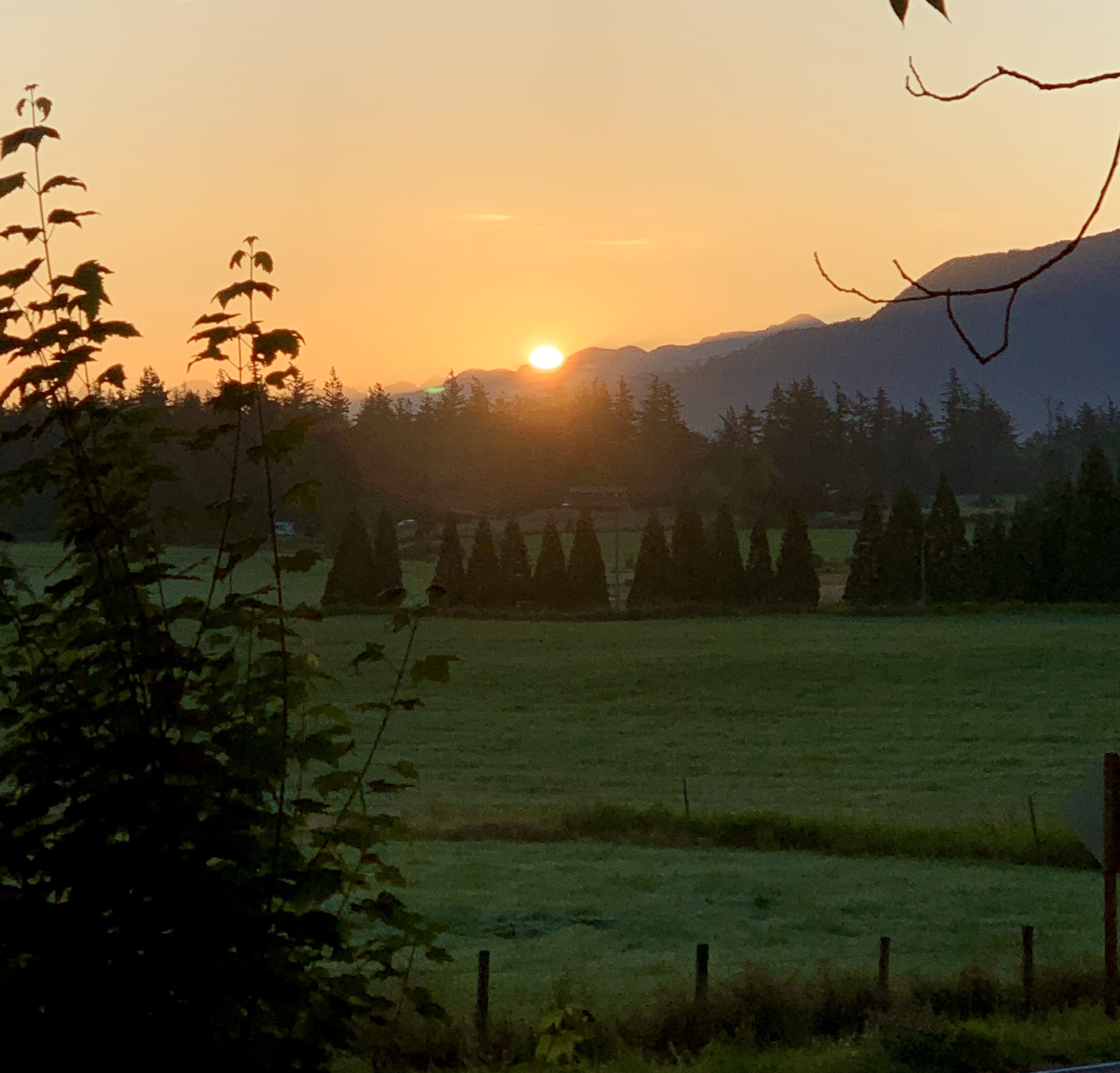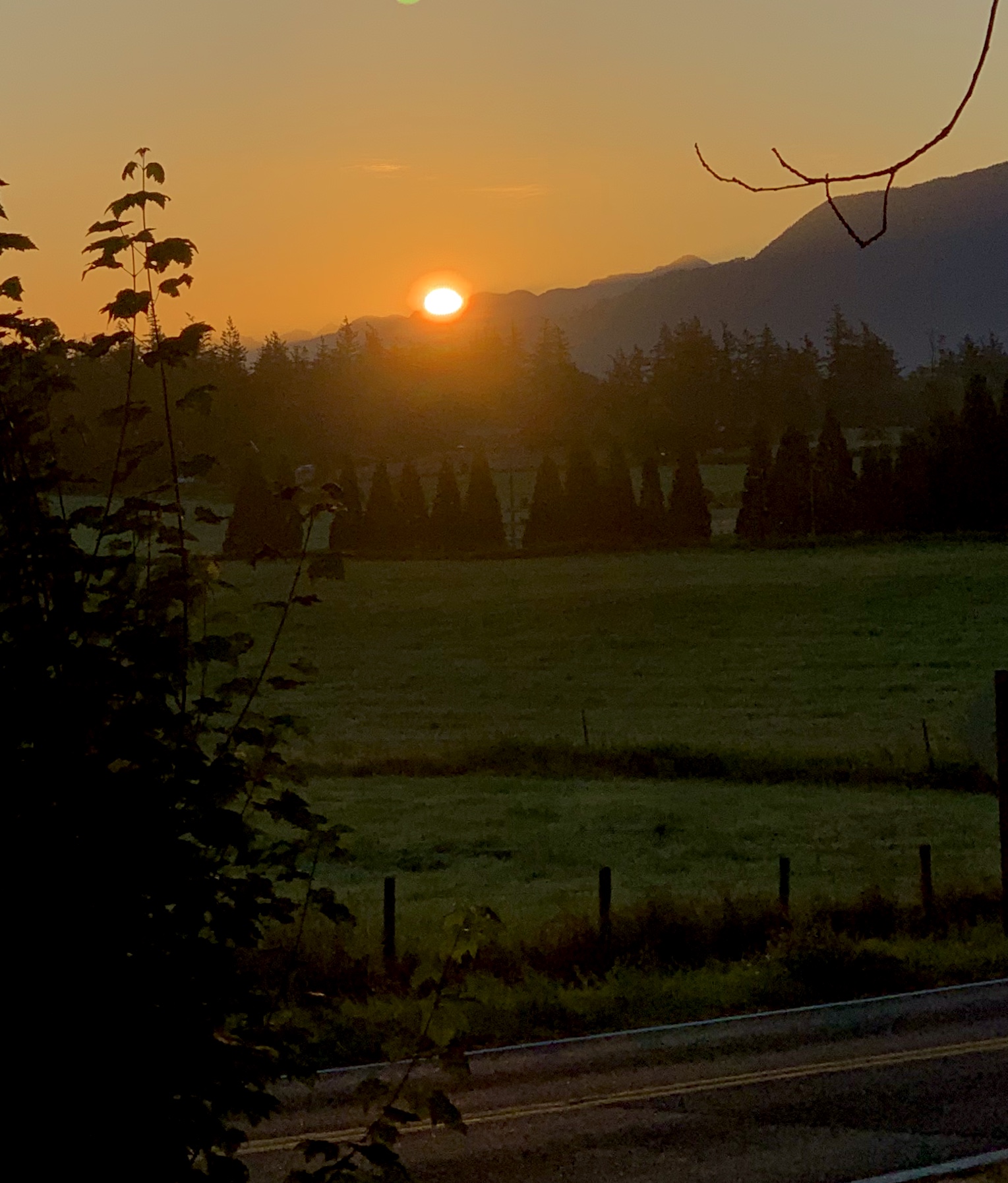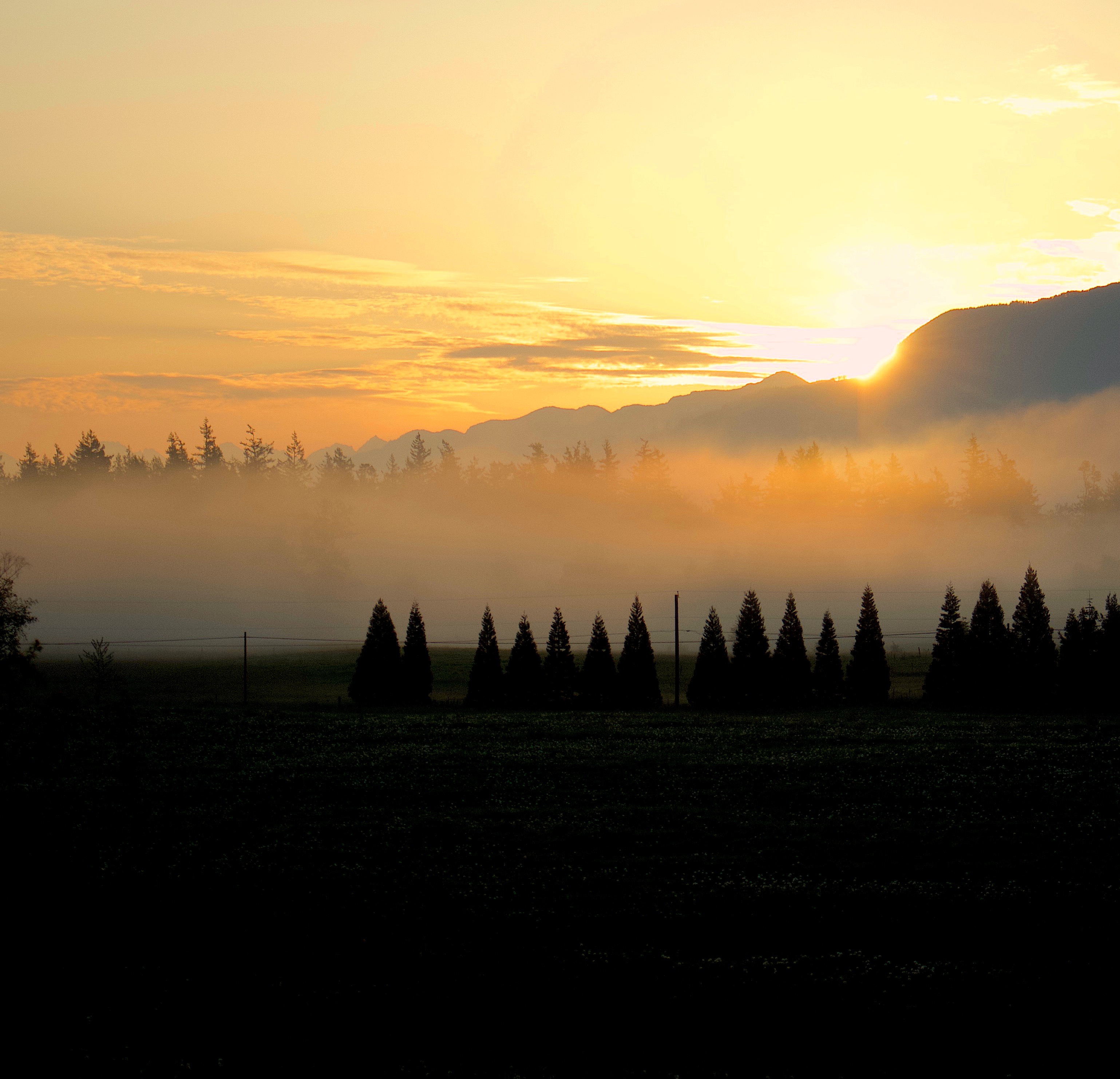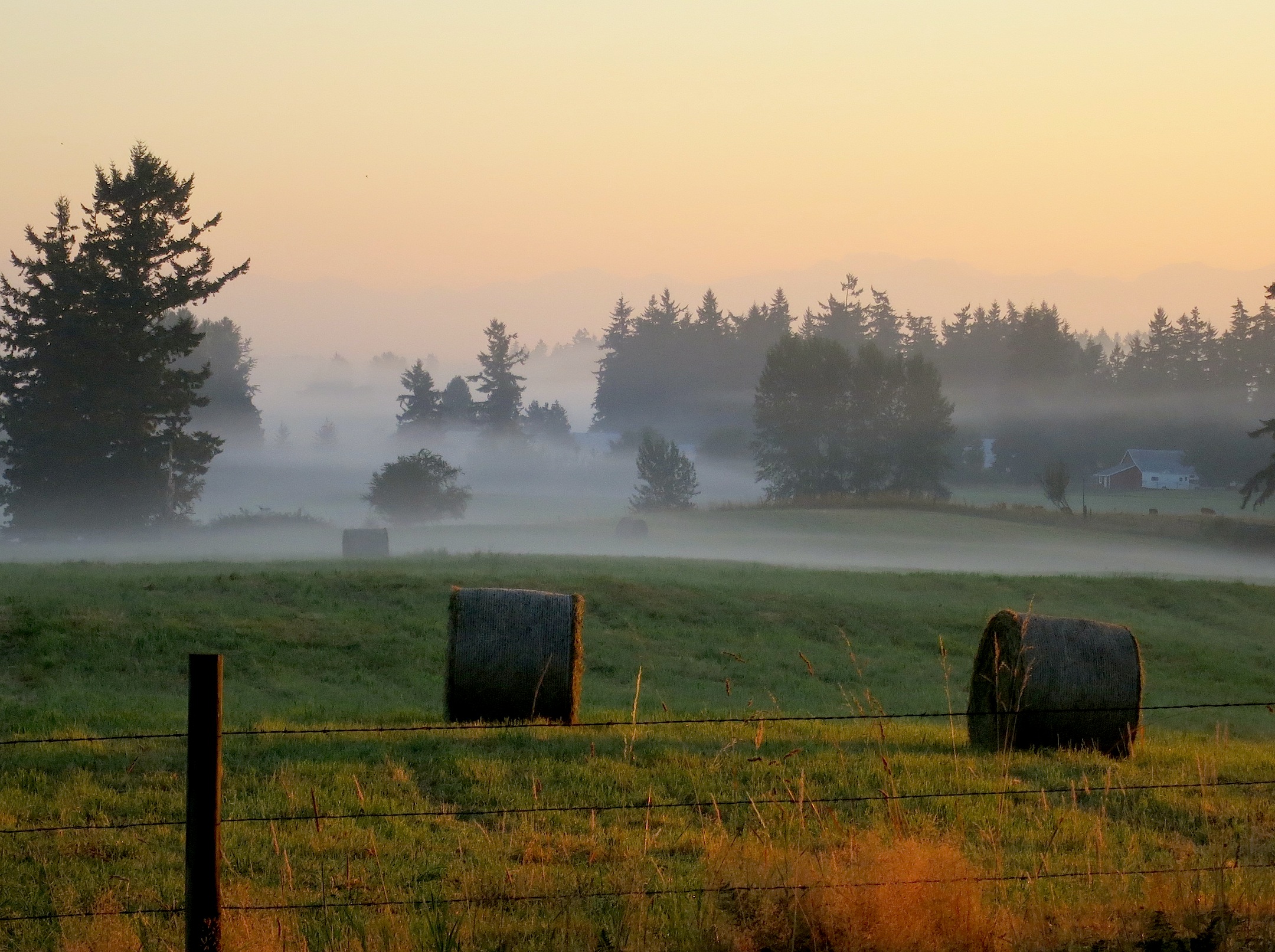
August and Abundantly So

But you can have the fig tree and its fat leaves like clown hands
gloved with green.
You can have the touch of a single eleven-year-old finger
on your cheek, waking you at one a.m. to say the hamster is back.
You can have the purr of the cat and the soulful look
of the black dog, the look that says, If I could I would bite
every sorrow until it fled, and when it is August,
you can have it August and abundantly so. You can have love,
though often it will be mysterious, like the white foam
that bubbles up at the top of the bean pot over the red kidneys
until you realize foam’s twin is blood.


You can speak a foreign language, sometimes,
and it can mean something. You can visit the marker on the grave
where your father wept openly. You can’t bring back the dead,
but you can have the words forgive and forget hold hands
as if they meant to spend a lifetime together.


You can have your grandfather sitting on the side of your bed,
at least for a while, you can have clouds and letters, the leaping
of distances, and Indian food with yellow sauce like sunrise.


You can’t count on grace to pick you out of a crowd
but here is your friend to teach you how to high jump,
how to throw yourself over the bar, backwards,
until you learn about love, about sweet surrender,
and here are periwinkles, buses that kneel, farms in the mind
as real as Africa. And when adulthood fails you,


you can still summon the memory of the black swan on the pond
of your childhood, the rye bread with peanut butter and bananas
your grandmother gave you while the rest of the family slept.
There is the voice you can still summon at will, like your mother’s,
it will always whisper, you can’t have it all,
but there is this.
~Barbara Ras from “You Can’t Have It All
from Bite Every Sorrow

My pragmatic mother who gave up her teaching career for marriage and family reminded me regularly that I couldn’t have it all: there was no way a woman can have a husband and children and a farm and a garden and animals and a profession and travel and volunteer in the community and not make a mess of it all and herself.

My father would listen to her and say softly under his breath: “you do whatever you put your mind to…you know what you are here for.”

They were both right. The alluring abundance of this life has invited me to want to touch and feel and taste it all, not unlike another woman who was placed with purpose in the Garden to be side-by-side companion and co-worker. Yet she demonstrated what happens when you want more than you are given and yes, she made a mess of it.

Yet there is this: despite wanting it all and working hard for it all and believing I could do it all, I indeed missed the point altogether.
It’s forgive and forget walking hand in hand for a lifetime.
It’s all gift, not earned.
It’s all grace, not deserved.
It’s all August abundance, all year long, to sustain us through the drought and drab of winter.

There is this: I know what I am here for.
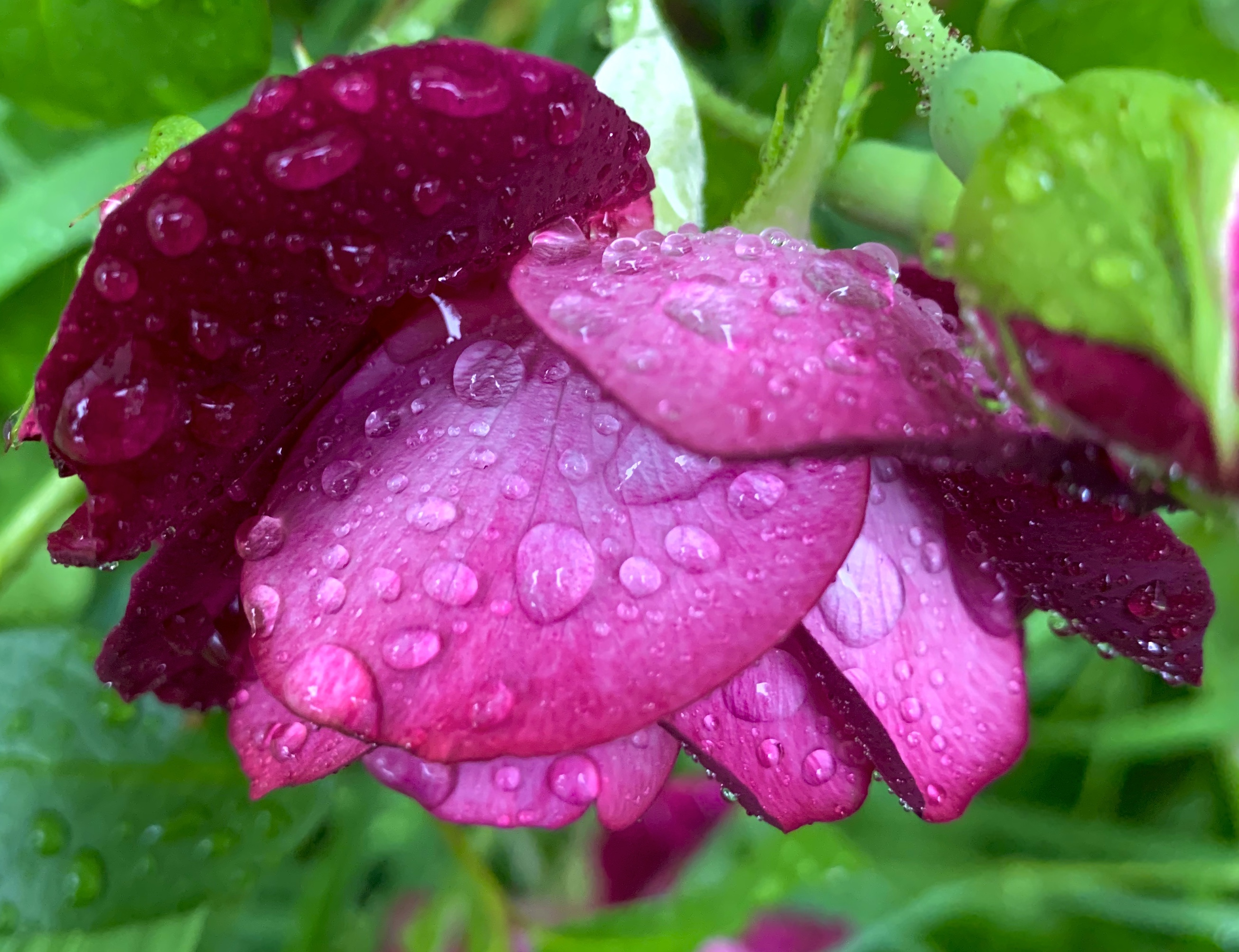
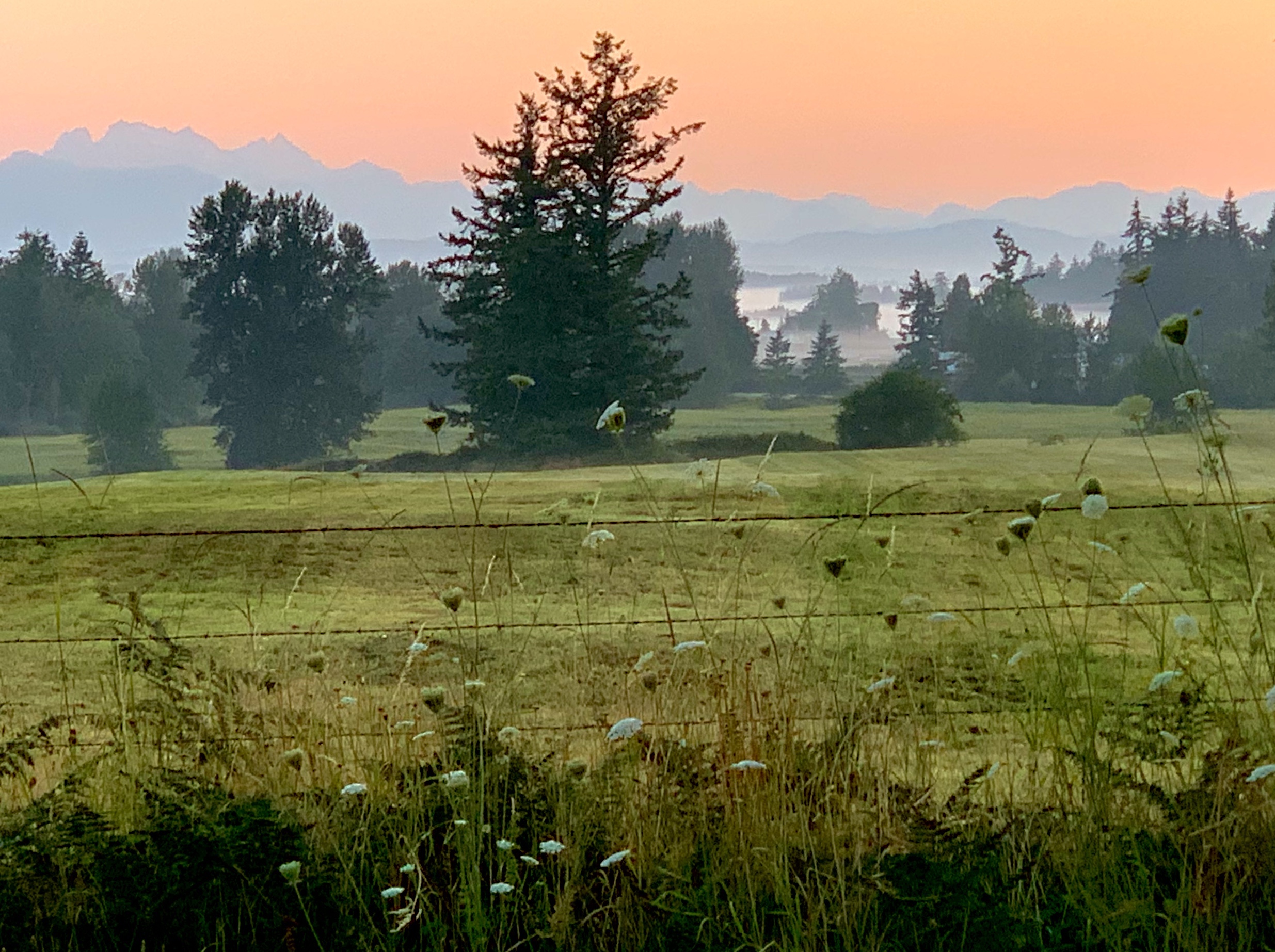
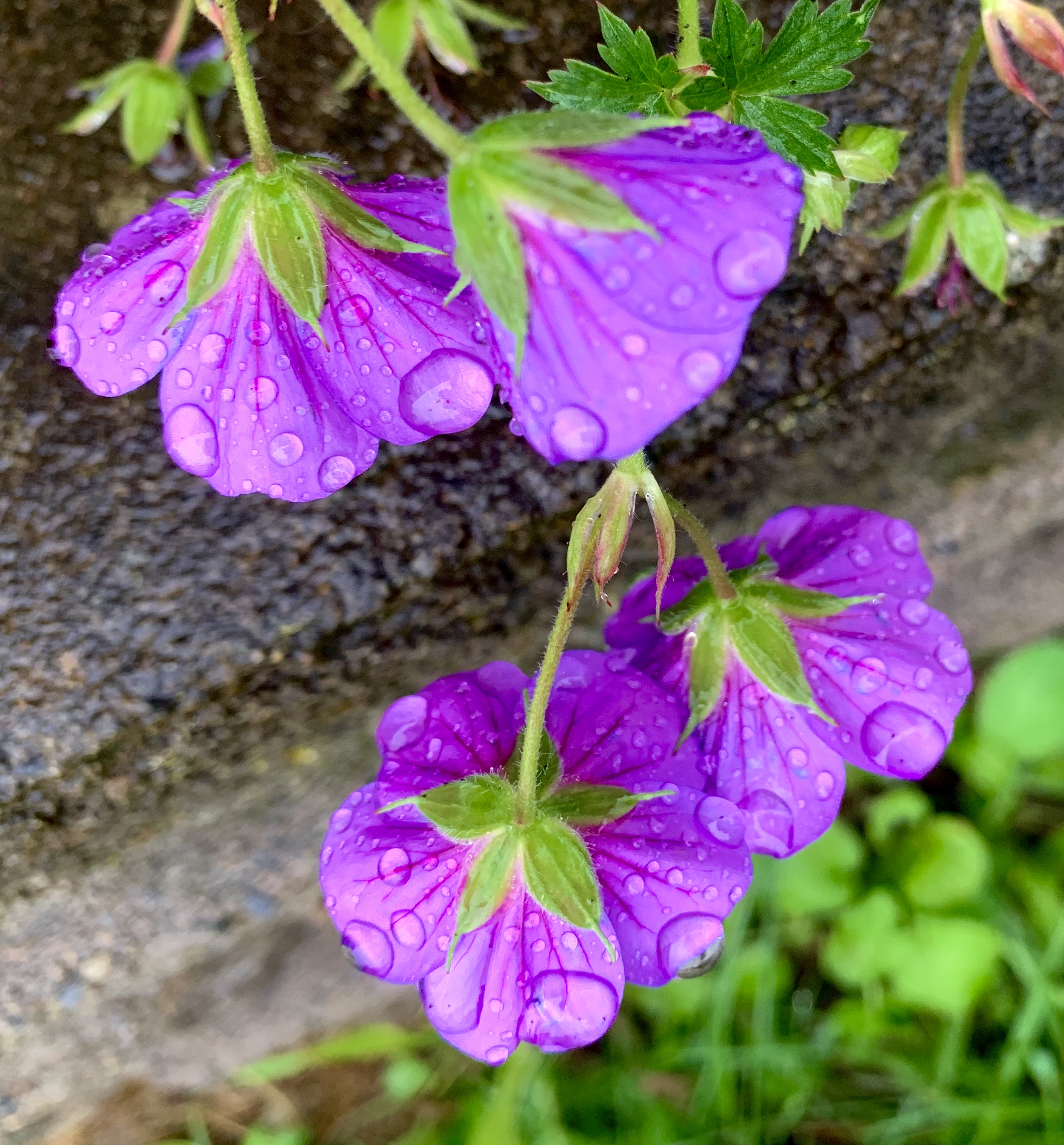
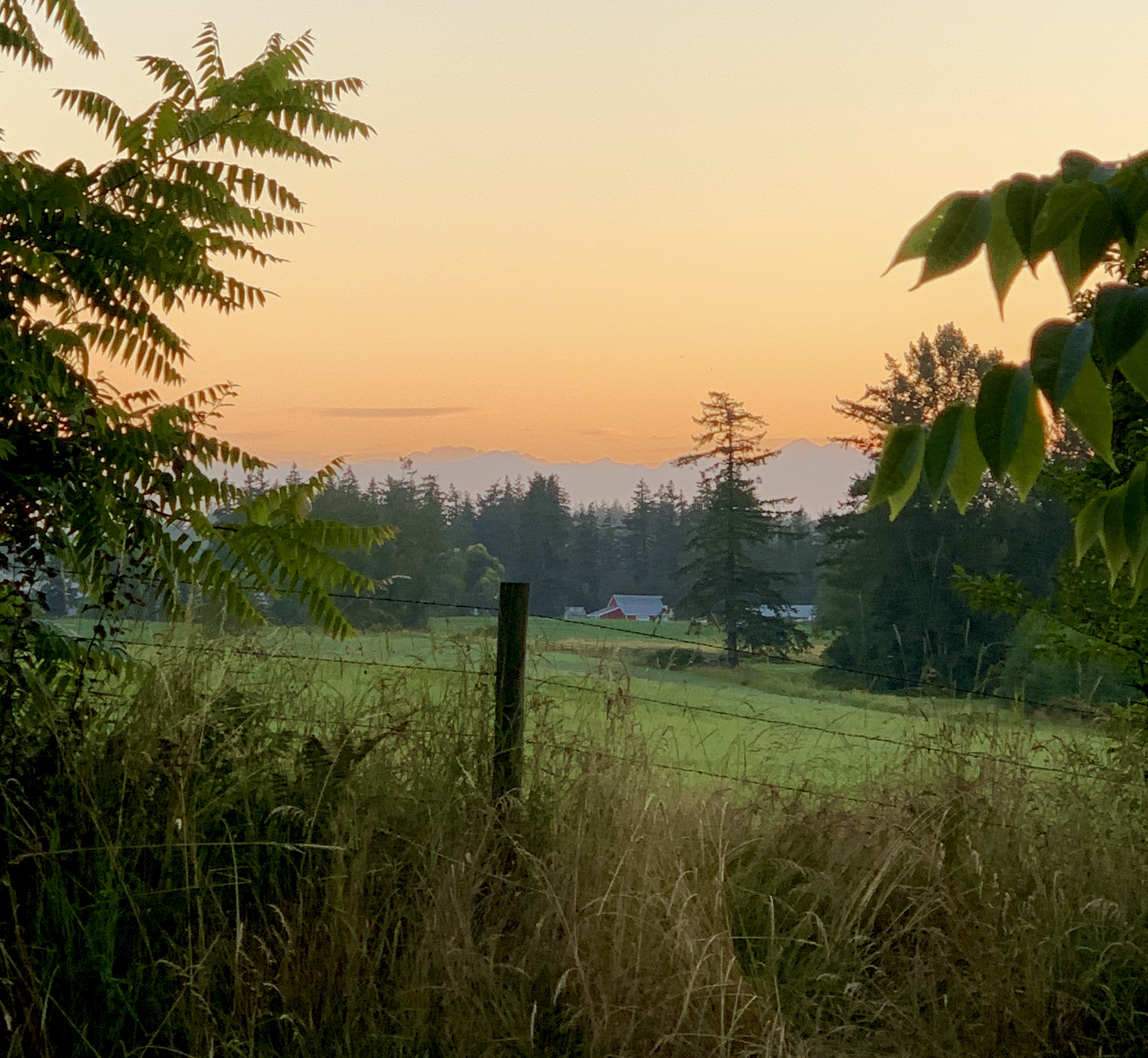
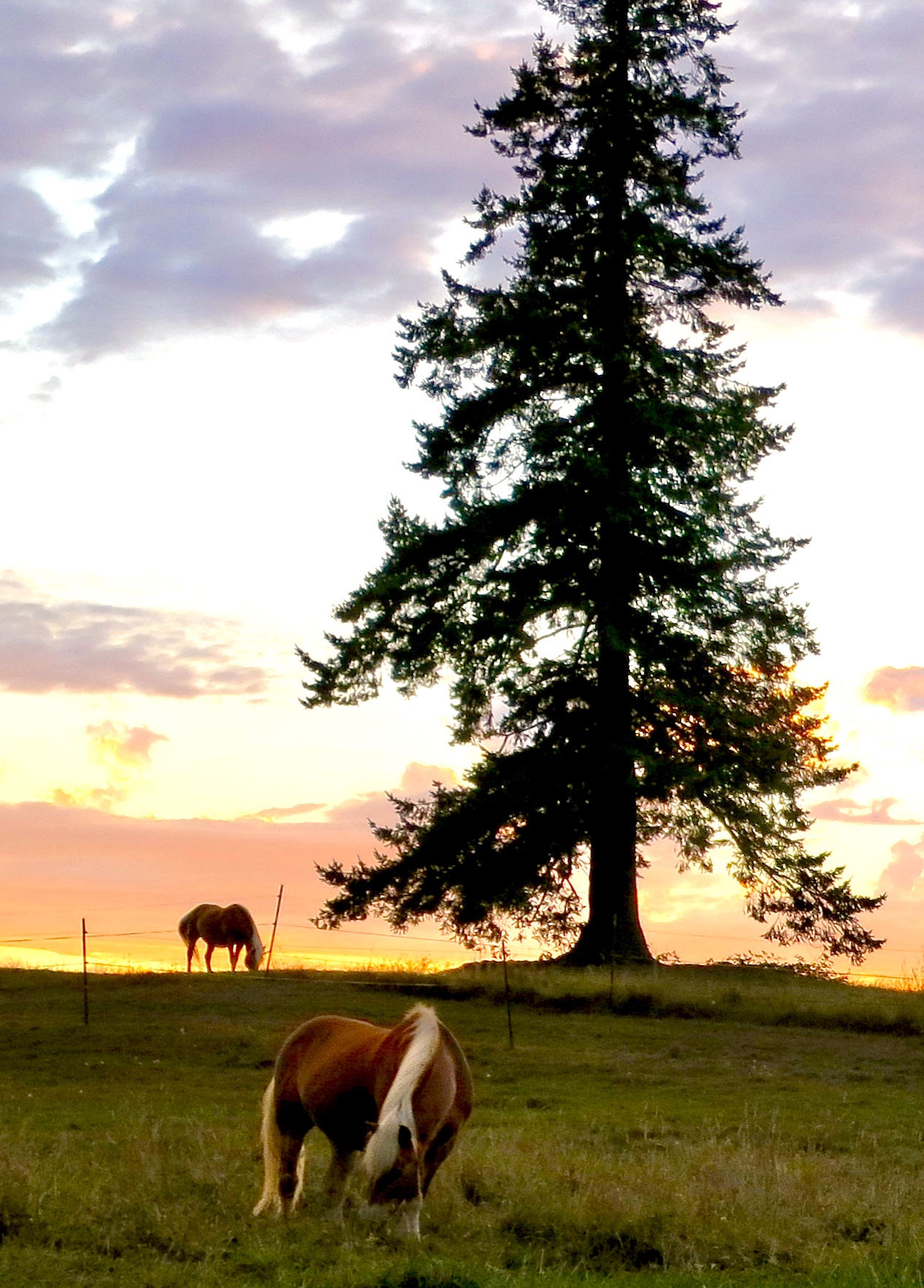
photo by Breanna Siebring Randall

Get Up and Go About the Day

Light wakes us – there’s the sun
climbing the mountains’ rim, spilling across the valley,
finding our faces.
It is July,

between the hay and harvest,
a time at arm’s length from all other time…

It is the time
to set aside all vigil, good or ill,
to loosen the fixed gaze of our attention
as dandelions let seedlings to the wind.
Wake with the light.
Get up and go about the day and watch
its surfaces that brighten with the sun.
~Kerry Hardie from “Sleep in Summer”

Saying good-bye to July
is admitting summer is already half-baked
and so are we–
we are still doughy
and not nearly done enough.

The rush to autumn is breathless.
We want to hold on tight
to our longish days
and our sweaty nights
for just a little while longer…

Please, oh please
grant us light
and steady us for the task
of getting ready and letting go.

A Poem About Cheese

The poets have been mysteriously silent on the subject of cheese.
~G.K.Chesterton

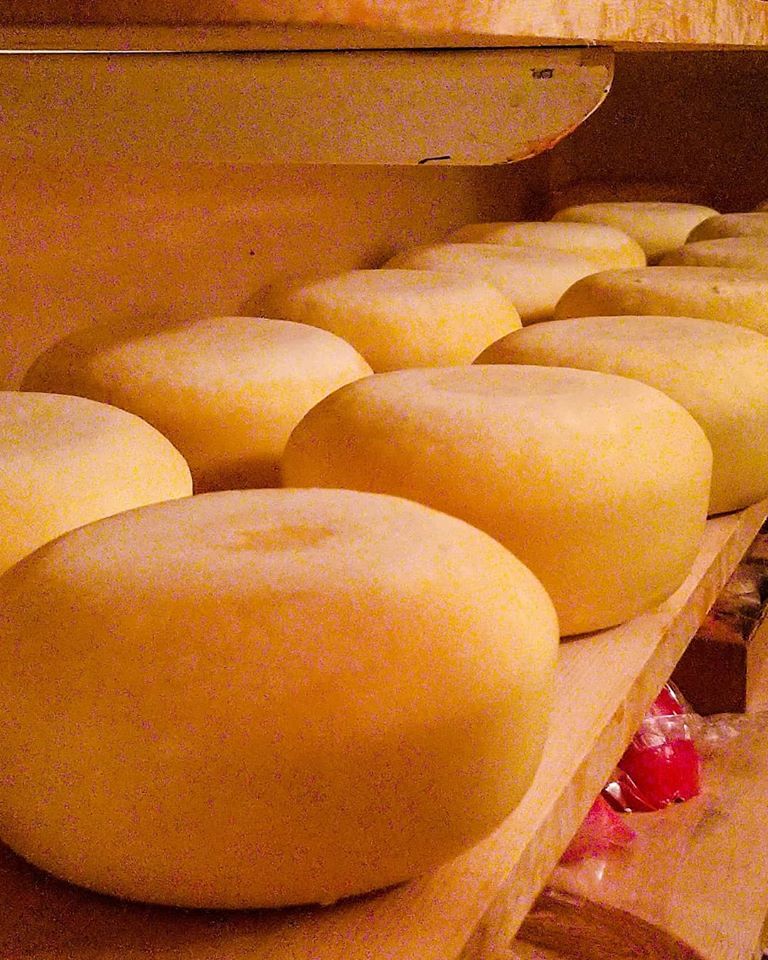
from Pleasant Valley Dairy

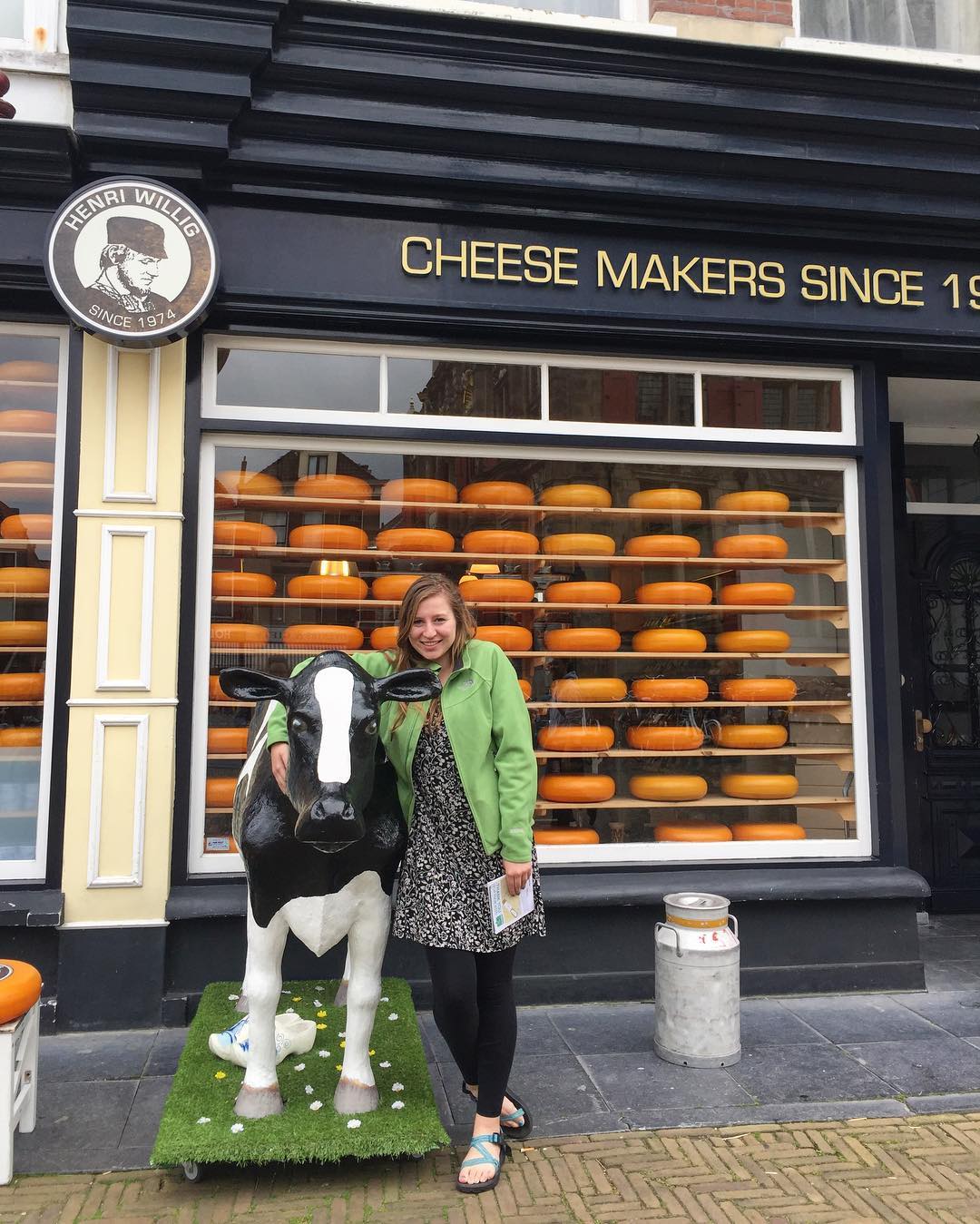
from Steensma Dairy on Ellie’s visit to Holland

Until now, that is…

It may be gouda for me to know
that cheddar is better – I’m totally nokkelost

Maasdam! It would take a swiss kick to the asiago
to dubliner my efforts to string the praises of gorgonzola

It could be a muenster of a havarti
to provolone the colby truth

Edam, what a mozzarella I’ve made for myself
ever since I got caught leyden and didn’t know jack

But it is all up to quark-y feta;  ask for parmesan
and it may gruyere on me, what a squeaker!

Ricotta go now
~a  farmer is waiting for me on the farmstead

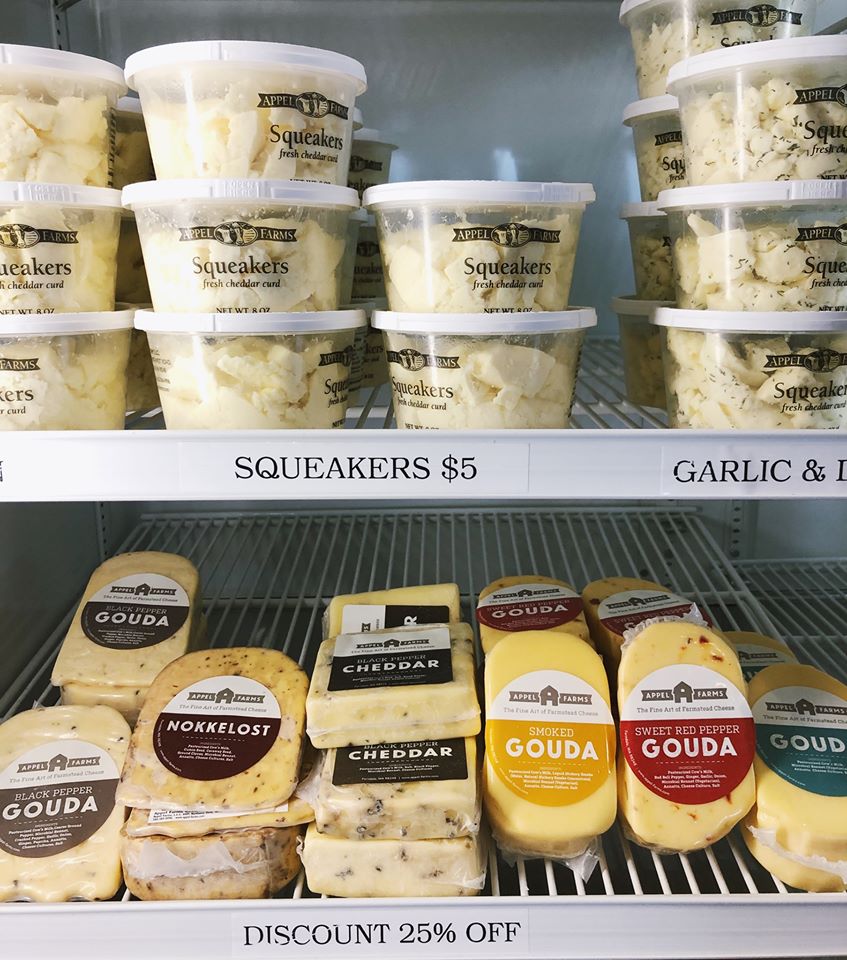
from Appel Farms
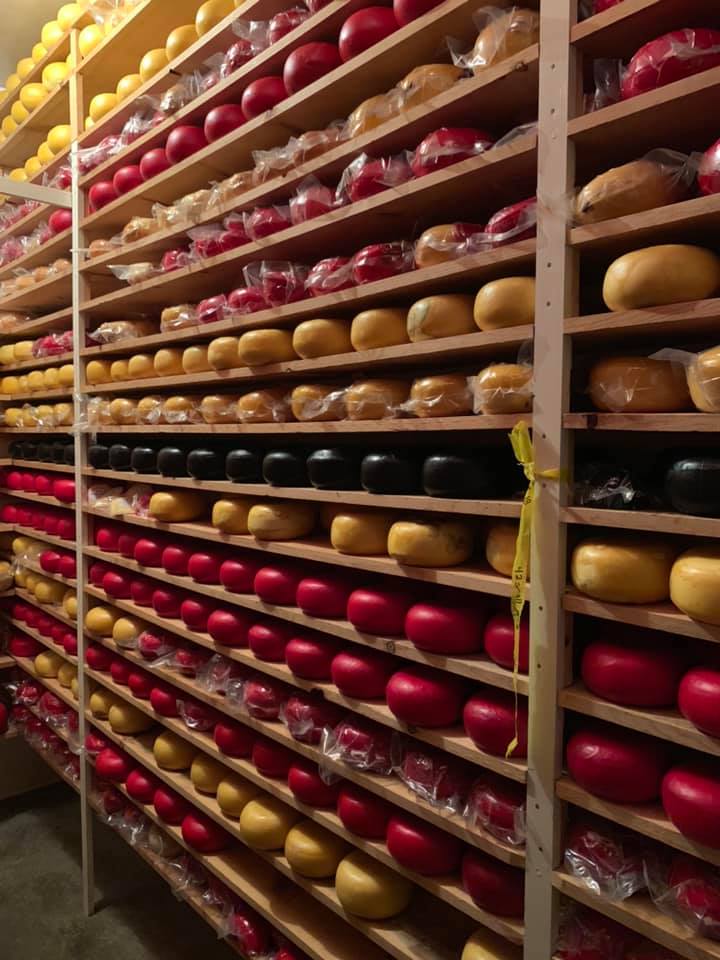
from Steensma Dairy

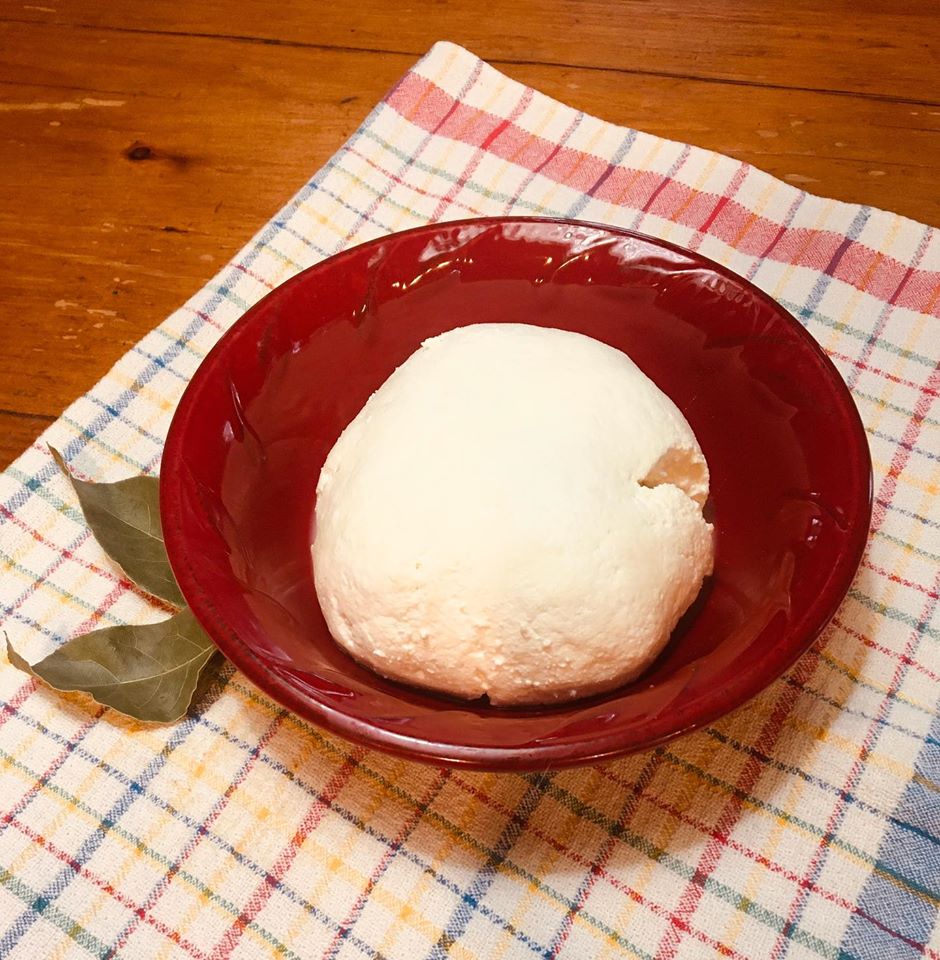
thank you to our local cheese producers for their photos of their cheeses – Appel Farms
Pleasant Valley Dairy
Steensma Dairy

Ancestral Wanderlust

Because I have come to the fence at night,
the horses arrive also from their ancient stable.
They let me stroke their long faces, and I note
in the light of the now-merging moon

how they, a Morgan and a Quarter, have been
by shake-guttered raindrops
spotted around their rumps and thus made
Appaloosas, the ancestral horses of this place.

Maybe because it is night, they are nervous,
or maybe because they too sense
what they have become, they seem
to be waiting for me to say something

to whatever ancient spirits might still abide here,
that they might awaken from this strange dream,
in which there are fences and stables and a man
who doesn’t know a single word they understand.

~Robert Wrigley “After a Rainstorm” from Beautiful Country

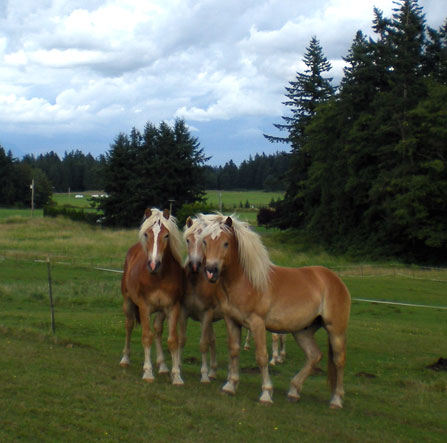
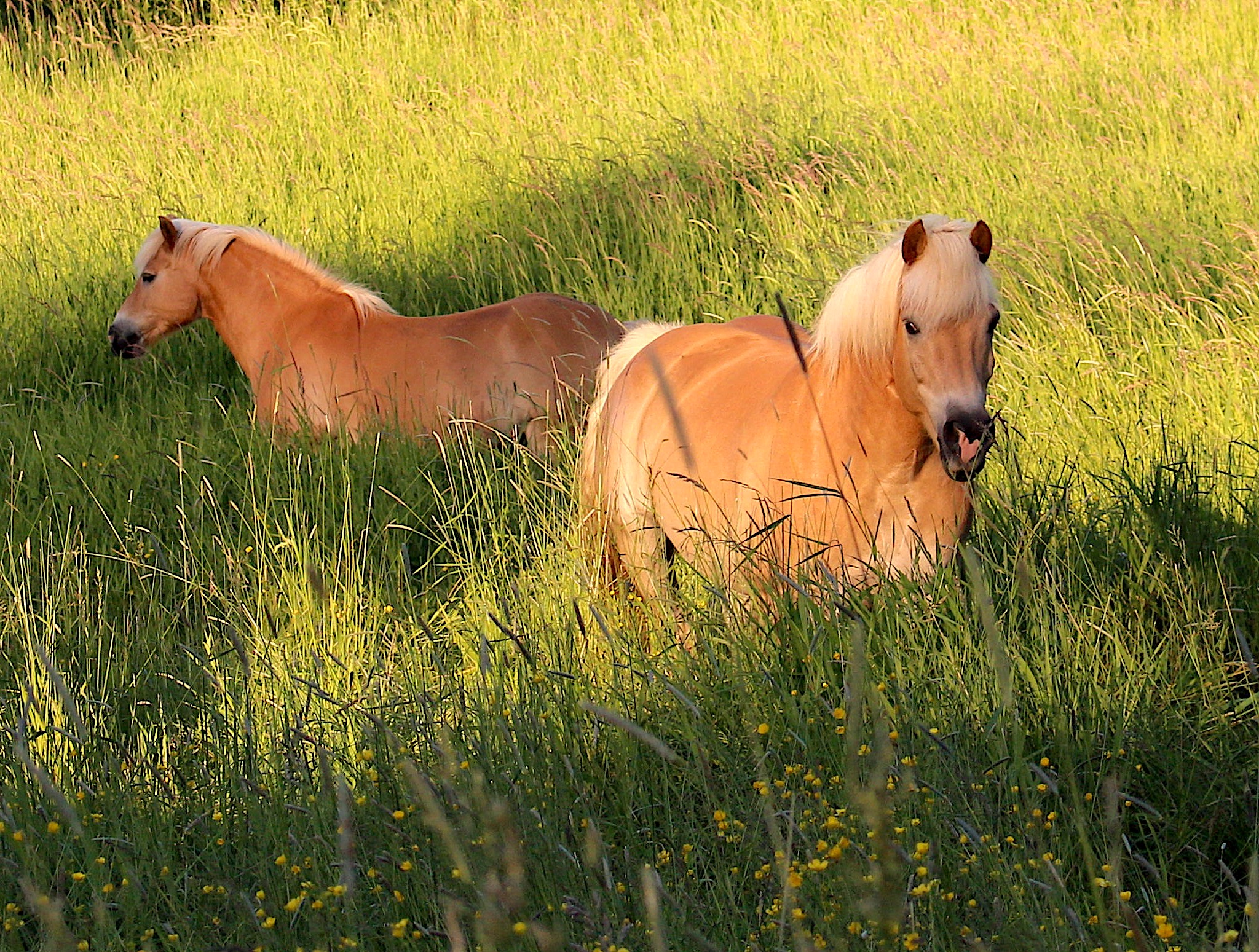
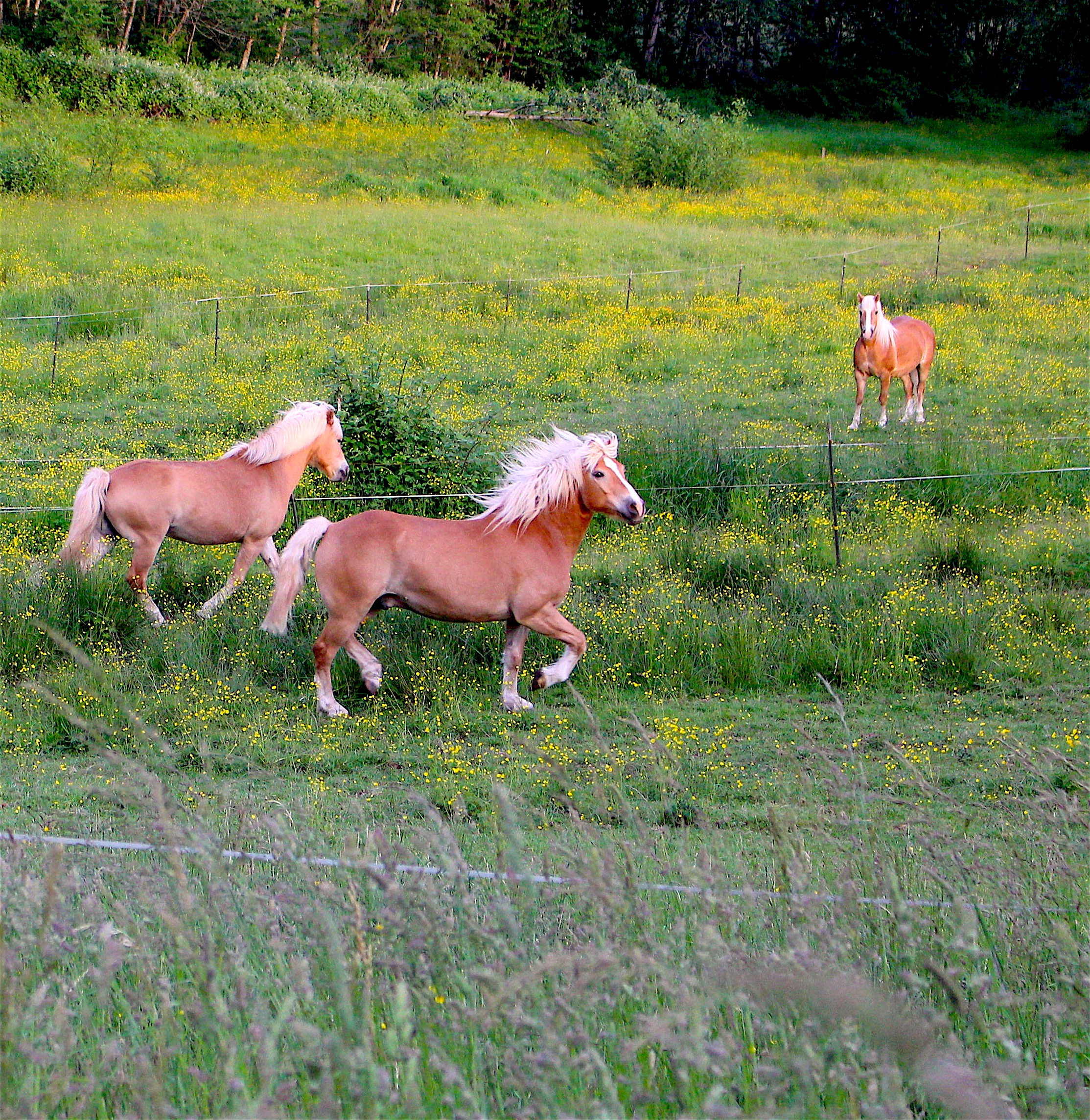
Haflinger horses must have a migration center in their brain that tells them that it is time to move on to other territory, a move based on quality of forage, the seasons, or maybe simply a sudden urge for a change in scenery. I imagine, over hundreds of years of living in the rather sparse Alpen meadows, they needed to move on to another feeding area enmasse on a pretty regular basis, or if the weather was starting to get crummy. Or perhaps the next valley over had a better view, who knows? Trouble is, my Haflingers seem to have the desire to “move to other pastures” even if the grass in their own territory is plentiful and the view is great. And there doesn’t seem to be much in the way of natural or man-made barrier that will discourage them.

I have a trio of geldings (the “Three Musketeers”) who are particularly afflicted with wanderlust. There is not a field yet that has held them when they decide together that it is time to move on. We are a hotwire and white tape fenced farm–something that has worked fairly well over the years, as it is inexpensive, easily repaired and best of all, easily moved if we need to change the fencing arrangement in our pasture rotation between five different 2 acre pastures. Previous generations of Haflingers have tested the hotwire and learned not to bother it again. No problem. But not the Three Musketeers.

They know when the wire is grounding out somewhere, so the current is low. They know when the weather is so dry that the conduction is poor through the wire. They know when I’ve absent mindedly left the fencer unplugged because I’ve had someone visit and we wanted to climb unshocked through the fences to walk from field to field. These three actually have little conferences out in the field together about this–I’ve seen them huddled together, discussing their strategy, and fifteen minutes later, I’ll look out my kitchen window and they are in another field altogether and the wire and tape is strewn everywhere and there’s not a mark on any of them. Even more mysteriously, often I can’t really tell where they made their escape as they leave no trace–I think one holds up the top wire with his teeth and the others carefully step over the bottom wire. I’m convinced they do this just to make me crazy.

Last night, when I brought them in from a totally different field from where they had started in the morning, they all smirked at me as they marched to their stalls as if to say, “guess what you have waiting for you out there.” It was too dark to survey the damage last night but I got up extra early to check it out this morning before I turned them out again.

Sure enough, in the back corner of the field they had been put in yesterday morning, (which has plenty of grass), the tape had been stretched, but not broken, and the wires popped off their insulators and dragging on the ground and in a huge tangled mass. I enjoyed 45 minutes of Pacific Northwest cloudy morning putting it all back together. Then I put them out in the field they had escaped to last night, thinking, “okay, if you like this field so well, this is where you’ll stay”.

Tonight, they were back in the first field where they started out yesterday morning. Just to make me crazy. They are thoroughly enjoying this sport. I’m ready to buy a grand poobah mega-wattage fry-their-whiskers fence charger.

But then, I’d be spoiling their fun and their travels. As long as they stay off the road, out of our garden, and out of my kitchen, they can have the run of the place. I too remember being afflicted with wanderlust, long long ago, and wanting to see the big wide world, no matter what obstacles had to be overcome or shocks I had to endure to get there. And I got there after all that trouble and effort and realized that home was really where I wanted to be. Now, prying me away from my little corner of the world gets more difficult every year. I hope my Haflinger trio will eventually decide that staying home is the best thing after all.

All Things Glad and Flourishing

Spring flew swiftly by, and summer came;
and if the village had been beautiful at first,
it was now in the full glow and luxuriance of its richness.
The great trees, which had looked shrunken and bare in the earlier months, had now burst into strong life and health;
and stretching forth their green arms over the thirsty ground,
converted open and naked spots into choice nooks,
where was a deep and pleasant shade
from which to look upon the wide prospect,
steeped in sunshine, which lay stretched out beyond.
The earth had donned her mantle of brightest green;
and shed her richest perfumes abroad.
It was the prime and vigour of the year;
all things were glad and flourishing.”
~ Charles Dickens from Oliver Twist 

Despite a pandemic,
despite economic hardship,
despite racial tensions and in-the-street protests,
despite political maneuvering and posturing:

life is green and flourishing and vigorous
even when we feel gray and withered and weakened.

May we not forget why we are here.
May we never forget our calling and purpose
to steward the earth and care for one another.

Do Not Even Think About Swatting or Trampling

One can no more approach people without love than one can approach bees without care. Such is the quality of bees…
~Leo Tolstoy

In the street outside a school
what the children learn
possesses them.
Little boys yell as they stone a flock of bees
trying to swarm
between the lunchroom window and an iron grate.
The boys sling furious rocks
smashing the windows.
The bees, buzzing their anger,
are slow to attack.
Then one boy is stung
into quicker destruction
and the school guards come
long wooden sticks held out before them
they advance upon the hive
beating the almost finished rooms of wax apart
mashing the new tunnels in
while fresh honey drips
down their broomsticks
and the little boy feet becoming expert
in destruction
trample the remaining and bewildered bees
into the earth.

Curious and apart
four little girls look on in fascination
learning a secret lesson
and trying to understand their own destruction.
One girl cries out
“Hey, the bees weren’t making any trouble!”
and she steps across the feebly buzzing ruins
to peer up at the empty, grated nook
“We could have studied honey-making!”

~Audre Lorde “The Bees”

…The world was really one bee yard, and the same rules work fine in both places.
Don’t be afraid, as no life-loving bee wants to sting you.
Still, don’t be an idiot; wear long sleeves and pants.
Don’t swat. Don’t even think about swatting.
If you feel angry, whistle. Anger agitates while whistling melts a bee’s temper.
Act like you know what you’re doing, even if you don’t.
Above all, send the bees love. Every little thing wants to be loved.

~Sue Monk Kidd from The Secret Life of Bees

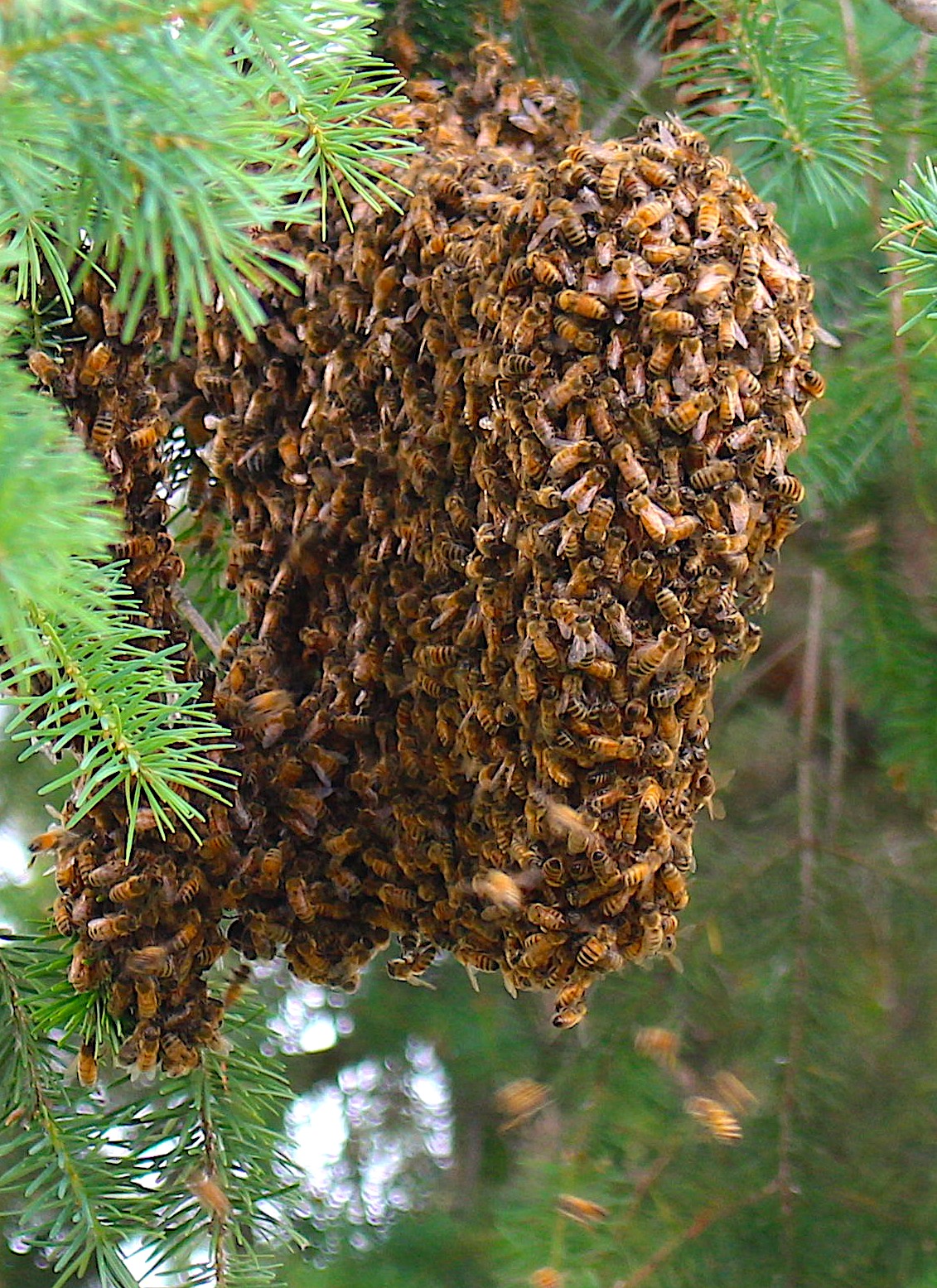
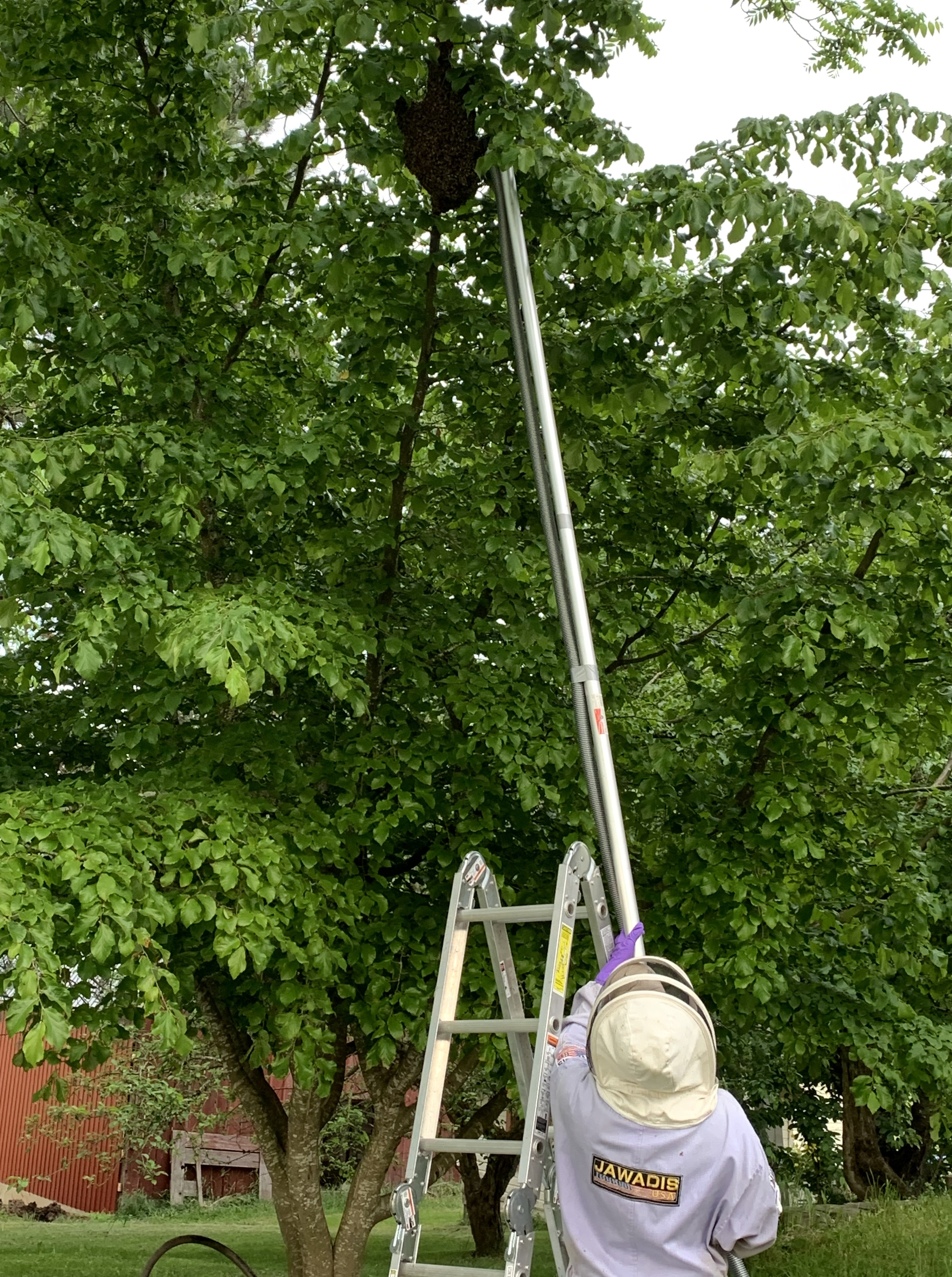
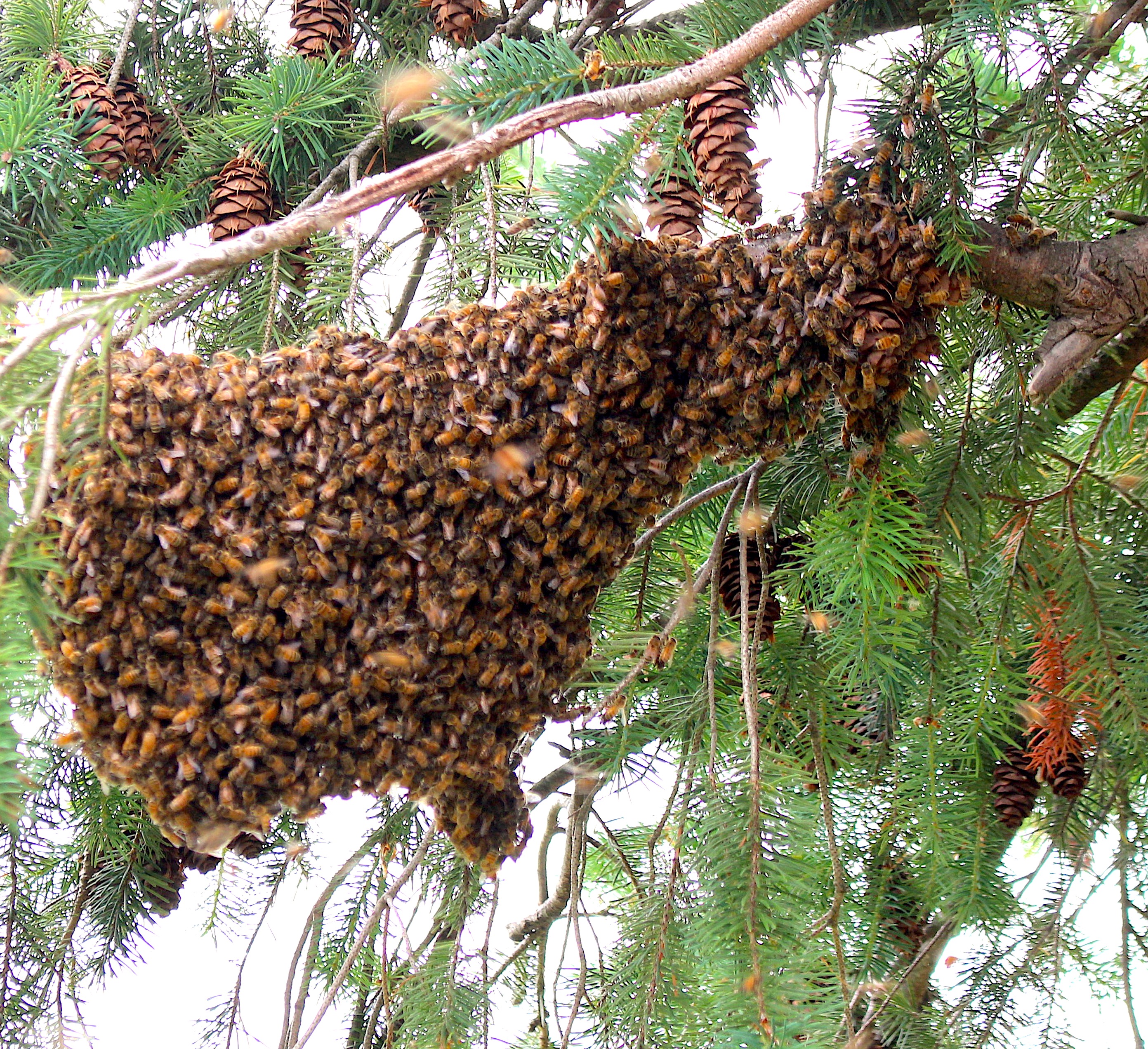
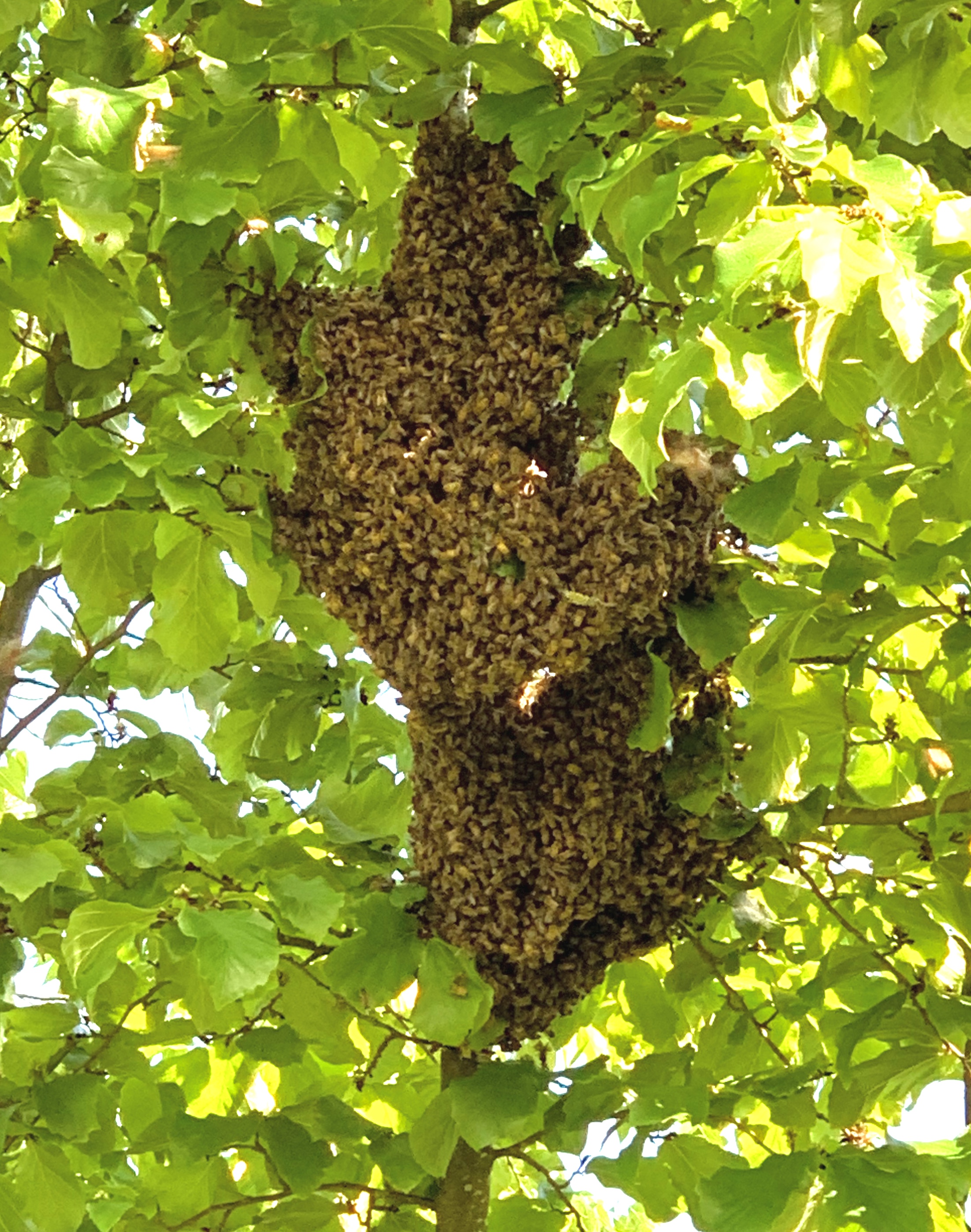
Our beekeeper niece Andrea gently vacuuming a swarm of honeybees on our farm into a new hive box to take home to join the rest of her several dozen hives.

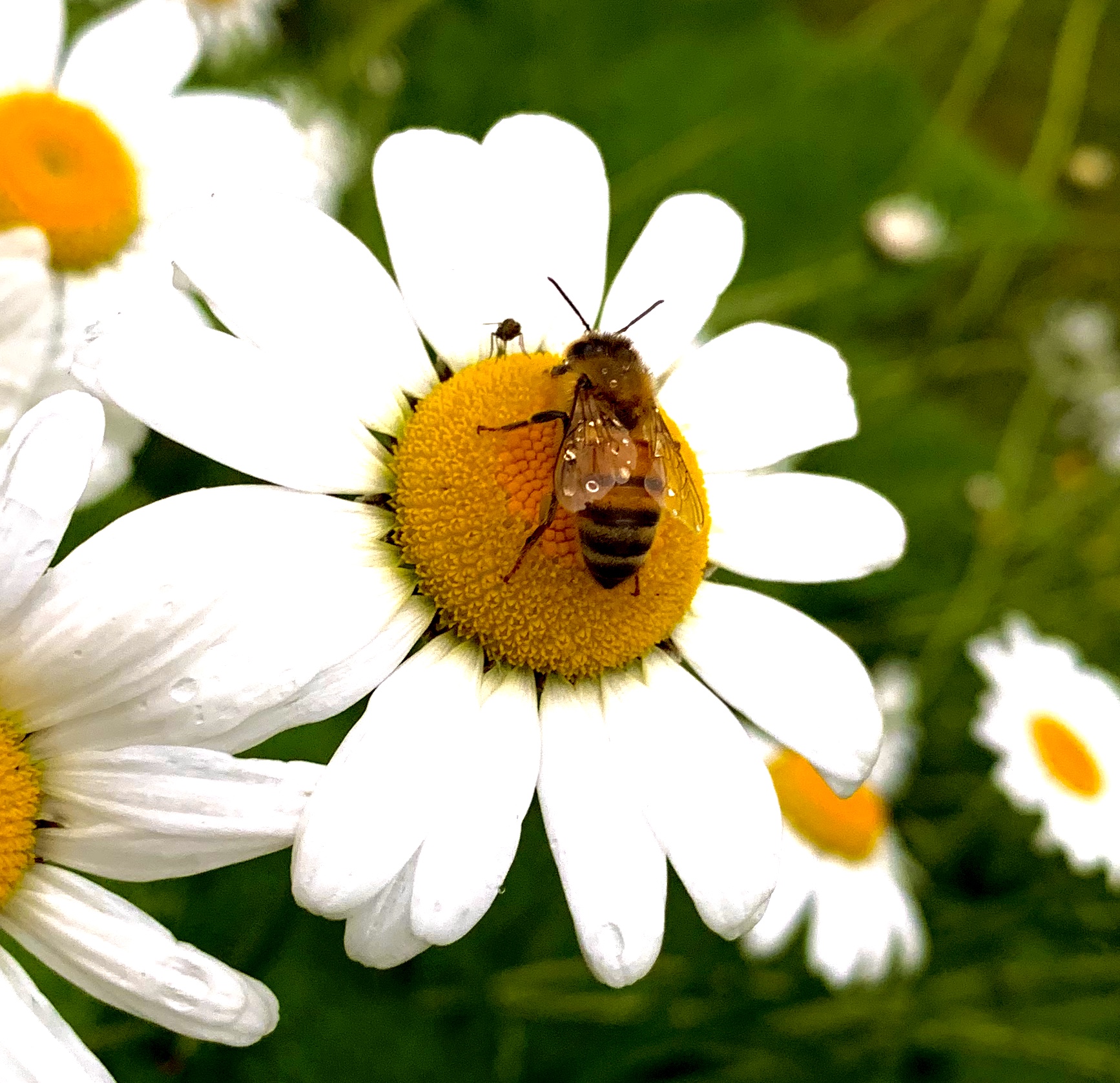
When the bee comes to your house, let her have beer; you may want to visit the bee’s house some day.
~Congo Proverb

An old Celtic tradition necessitates sharing any news from the household with the farm’s bee hives, whether cheery like a new birth or a wedding celebration or sad like a family death.  This ensures the hives’ well-being and continued connection to home and community – the bees are kept in the loop, so to speak, so they stay at home, not swarm and move on, possibly to even a less hospitable place where they may be trampled or destroyed.

Each little life should feel safe at home, each little life worthy — so much important honey-making to be done.

Good news seems always easy to share; we tend to keep bad news to ourselves so this tradition helps remind us that what affects one of us, affects us all.

These days, with instant news at our fingertips at any moment, bad news about the state of the world constantly bombards us, whether or not it is accurate. We feel compelled to respond without thinking, leading to even more swatting and trampling and destruction.

Like the bees who simply want to set up a safe place to make and store up honey, we want to flee and find a more hospitable home.

The Beekeeper, our Creator, comes personally to our rescue, reaching out to each of us to say:
“Here is the sadness that is happening. All will be well, dear ones. We will navigate your lives together. You are loved and valued. Come back home to stay.”

So Much Better

How much better it is
to carry wood to the fire
than to moan about your life.
How much better
to throw the garbage
onto the compost, or to pin the clean
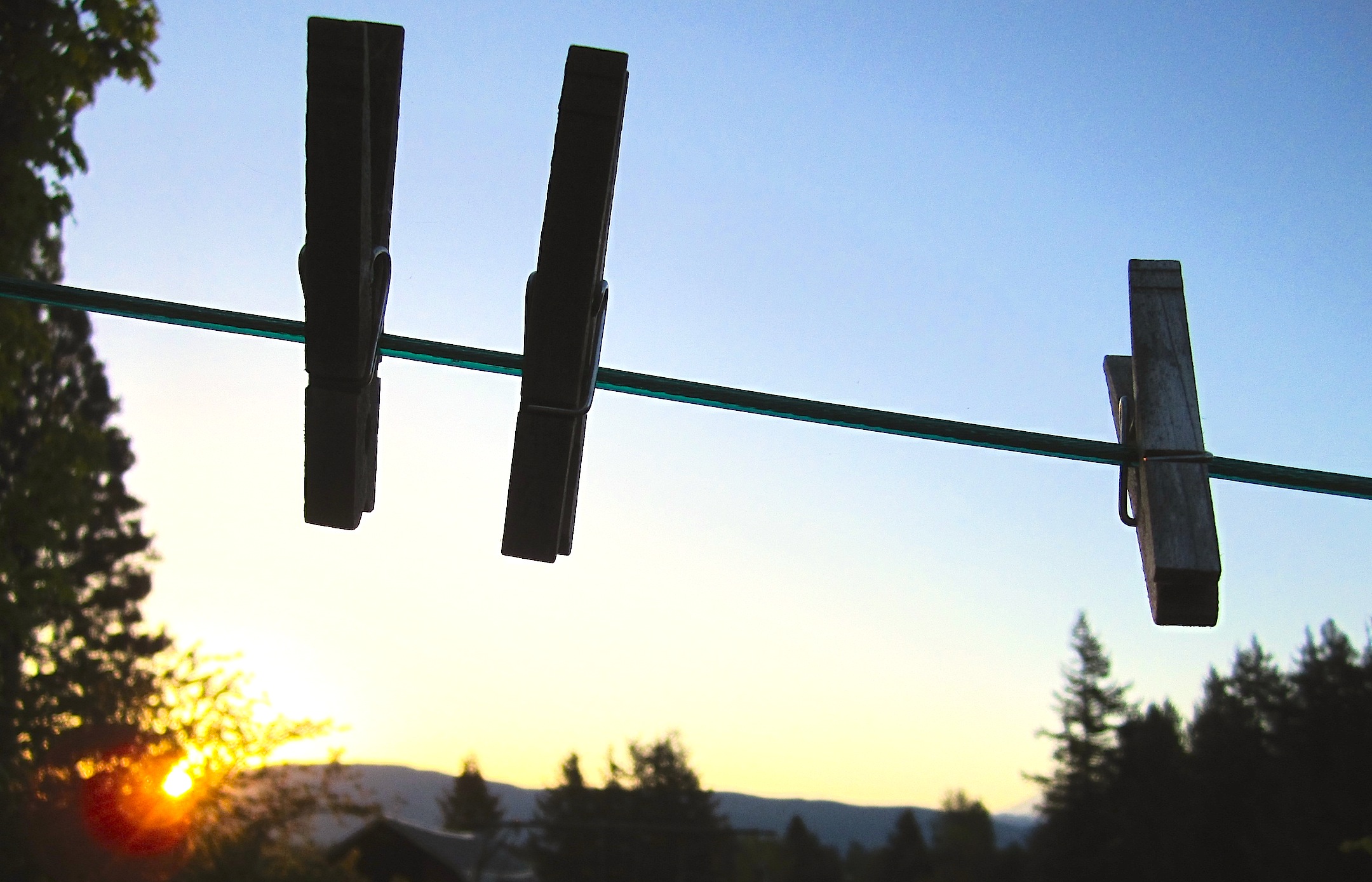
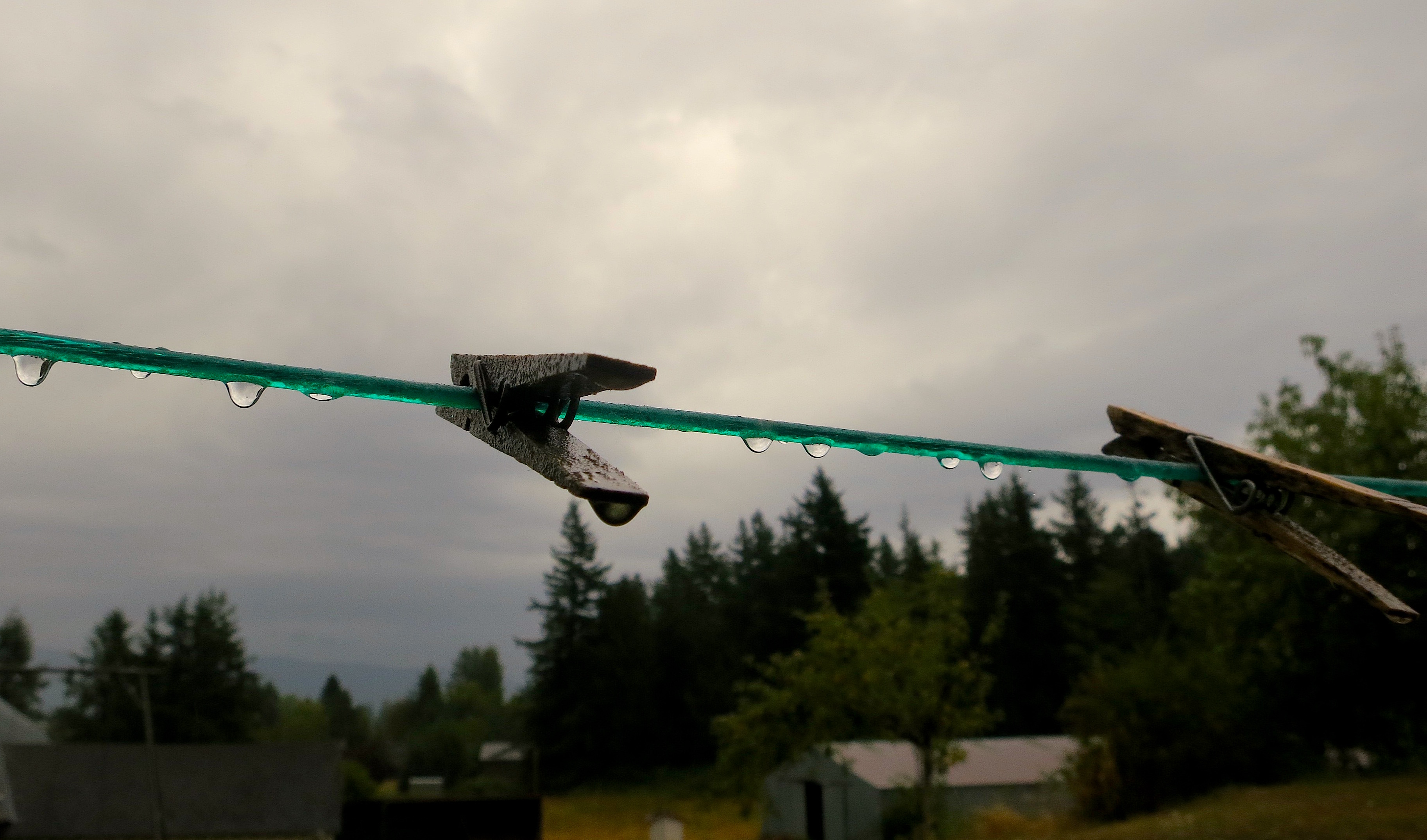
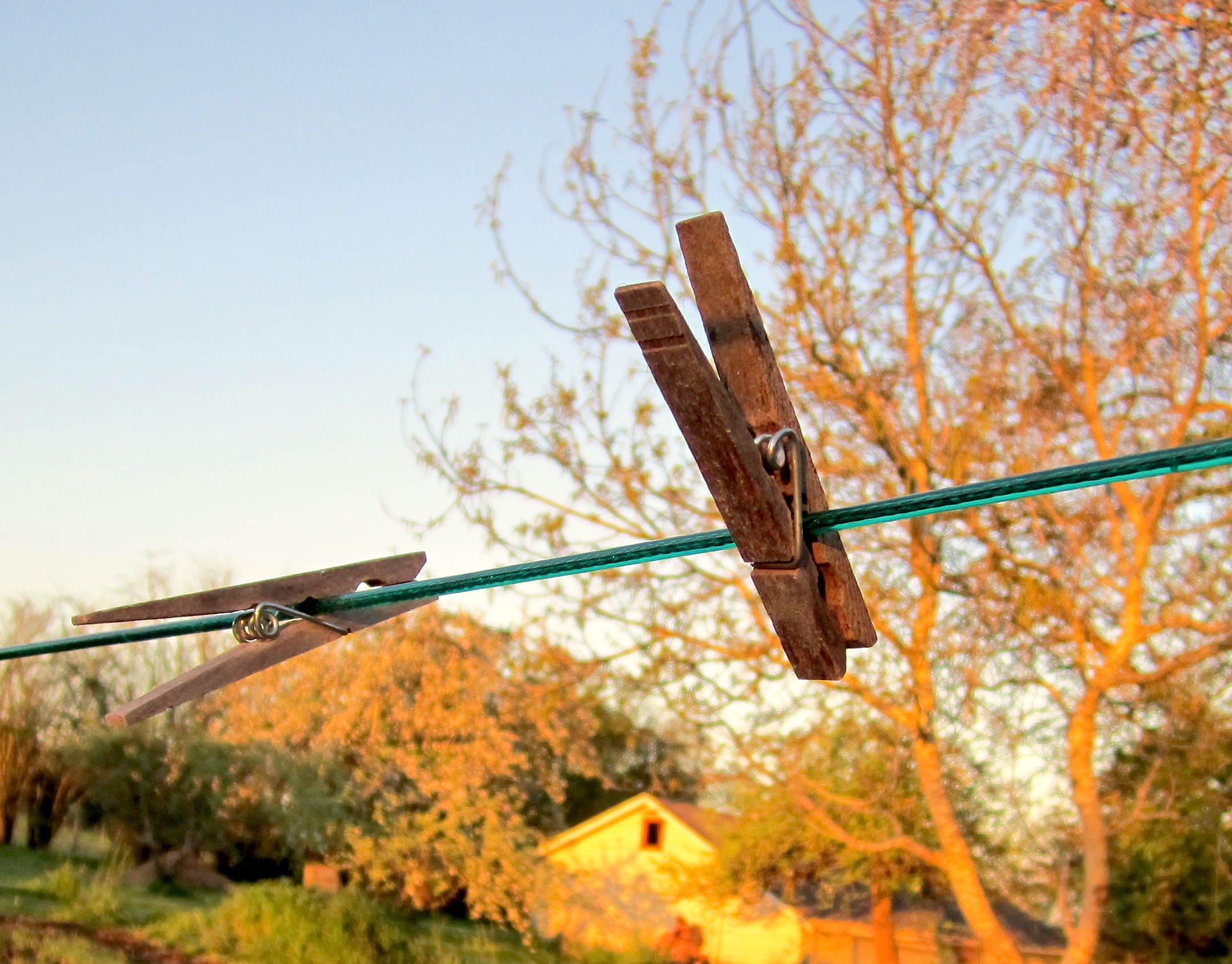
sheet on the line,
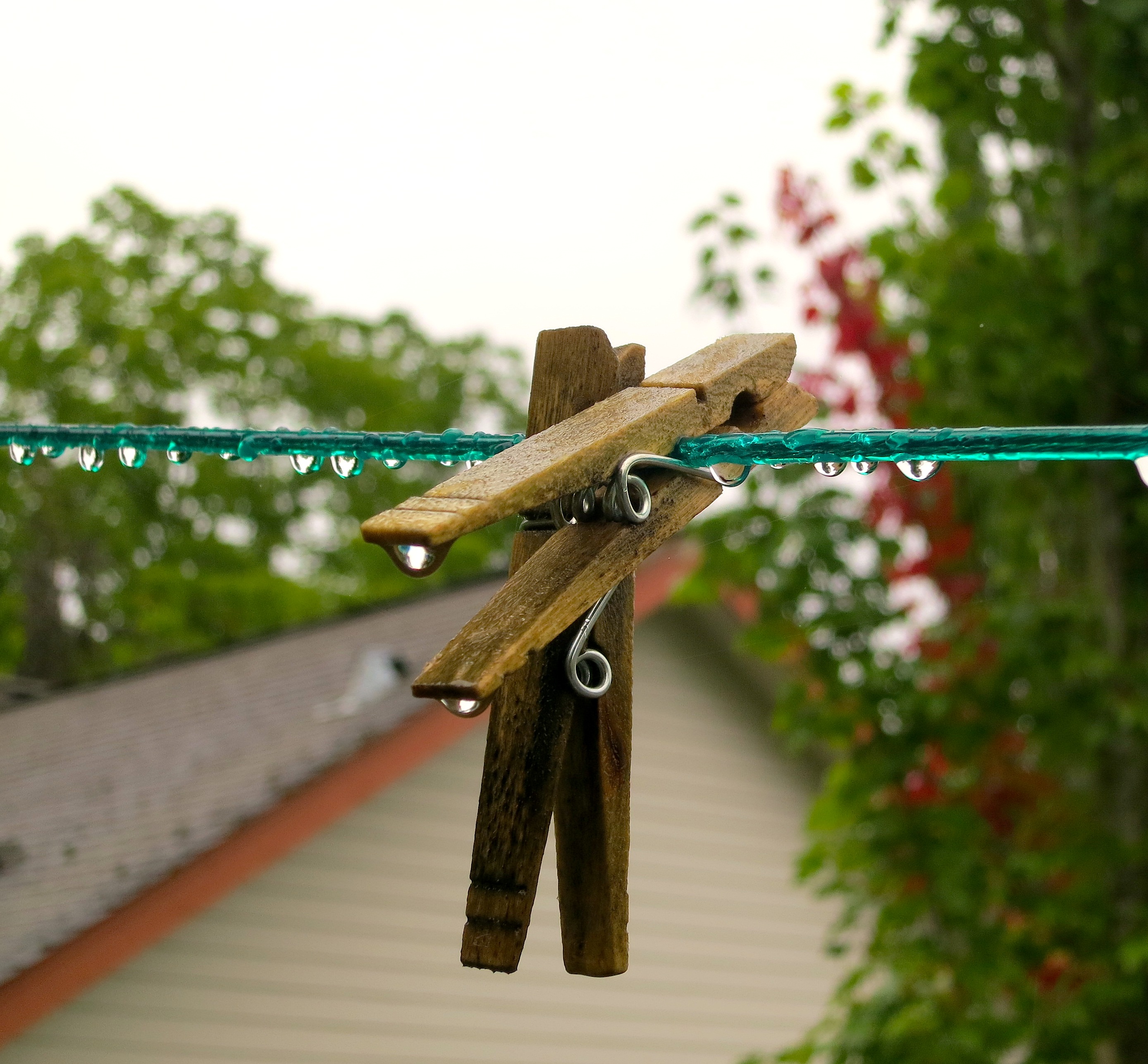
With a gray-brown wooden clothes pin.
~Jane Kenyon “The Clothespin”

I get easily overwhelmed with everything that needs to get done:
a full day of telehealth computer visits with patients from home but all the usual household and farm tasks waiting for me –grass to mow, flower beds to weed, garden to plant, fences to fix, manure to haul, animals to brush out — the list is endless and there are never enough hours in the day.  

So of course, I moan and whine and write about it.

Or I can set to work, tackling one thing at a time.  A simple task is accomplished, and then another, like hanging clothes on the line: this one is done, and now this one, pinned and hanging to freshen, renewed, in the spring breezes.

At the end of the day, I pull them down, bury my face in them and breathe deeply, knowing how much better I am than before I began.

So much better.

Springtime Passion

You come to fetch me from my work to-night 
When supper’s on the table, and we’ll see 
If I can leave off burying the white 
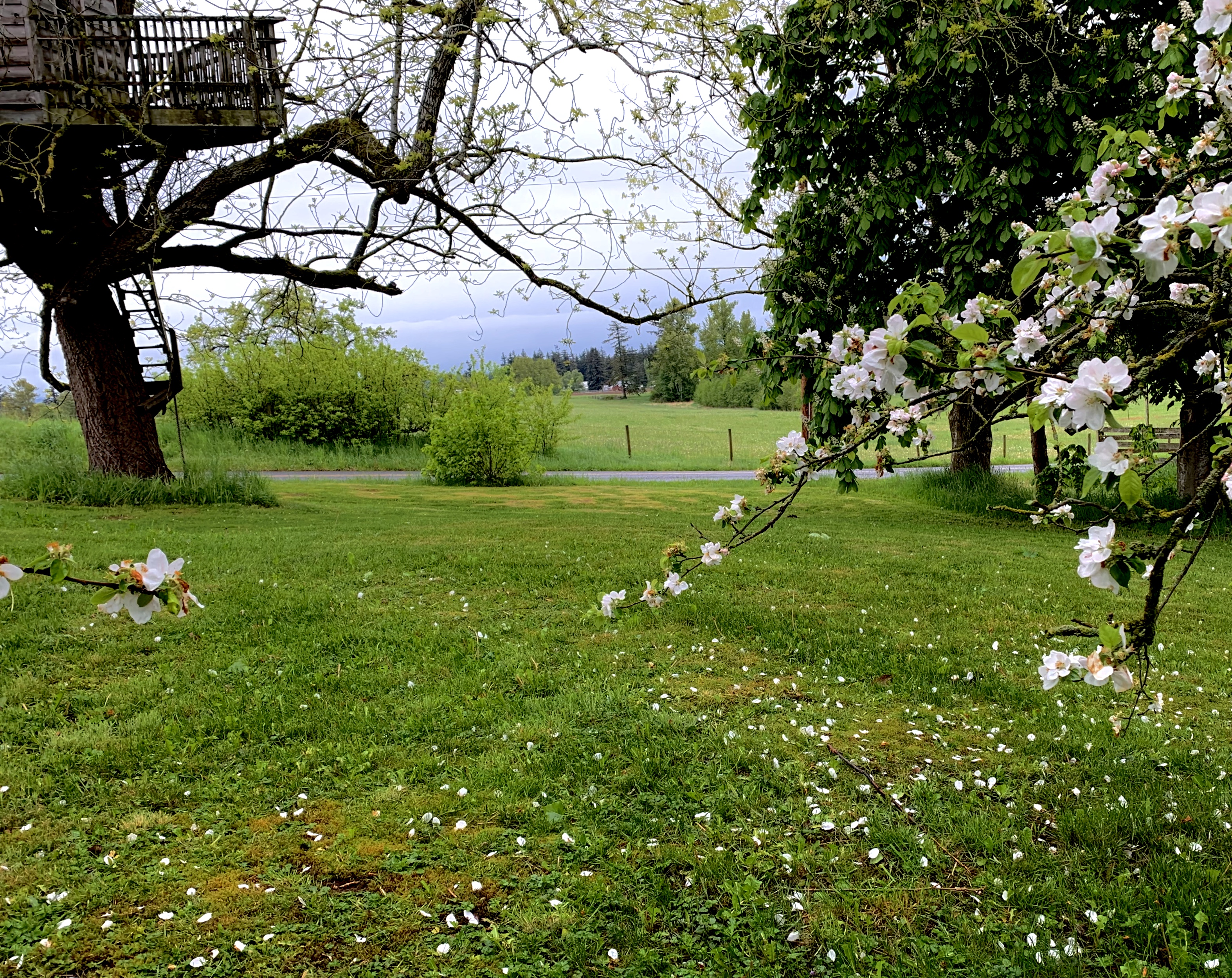
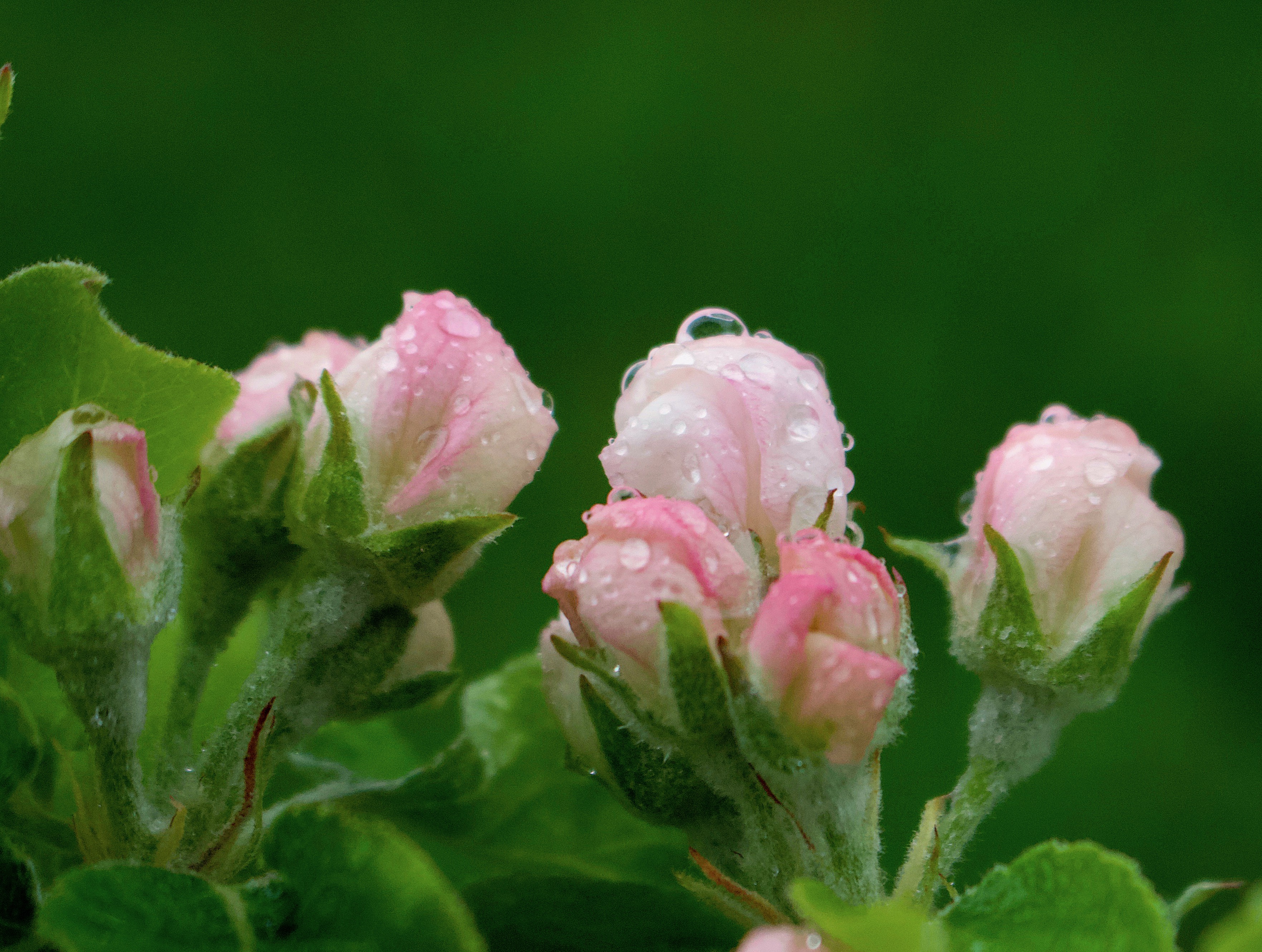
Soft petals fallen from the apple tree. 
(Soft petals, yes, but not so barren quite, 
Mingled with these, smooth bean and wrinkled pea);
And go along with you ere you lose sight 
Of what you came for and become like me, 
Slave to a springtime passion for the earth. 
How Love burns through the Putting in the Seed 
On through the watching for that early birth 
When, just as the soil tarnishes with weed, 
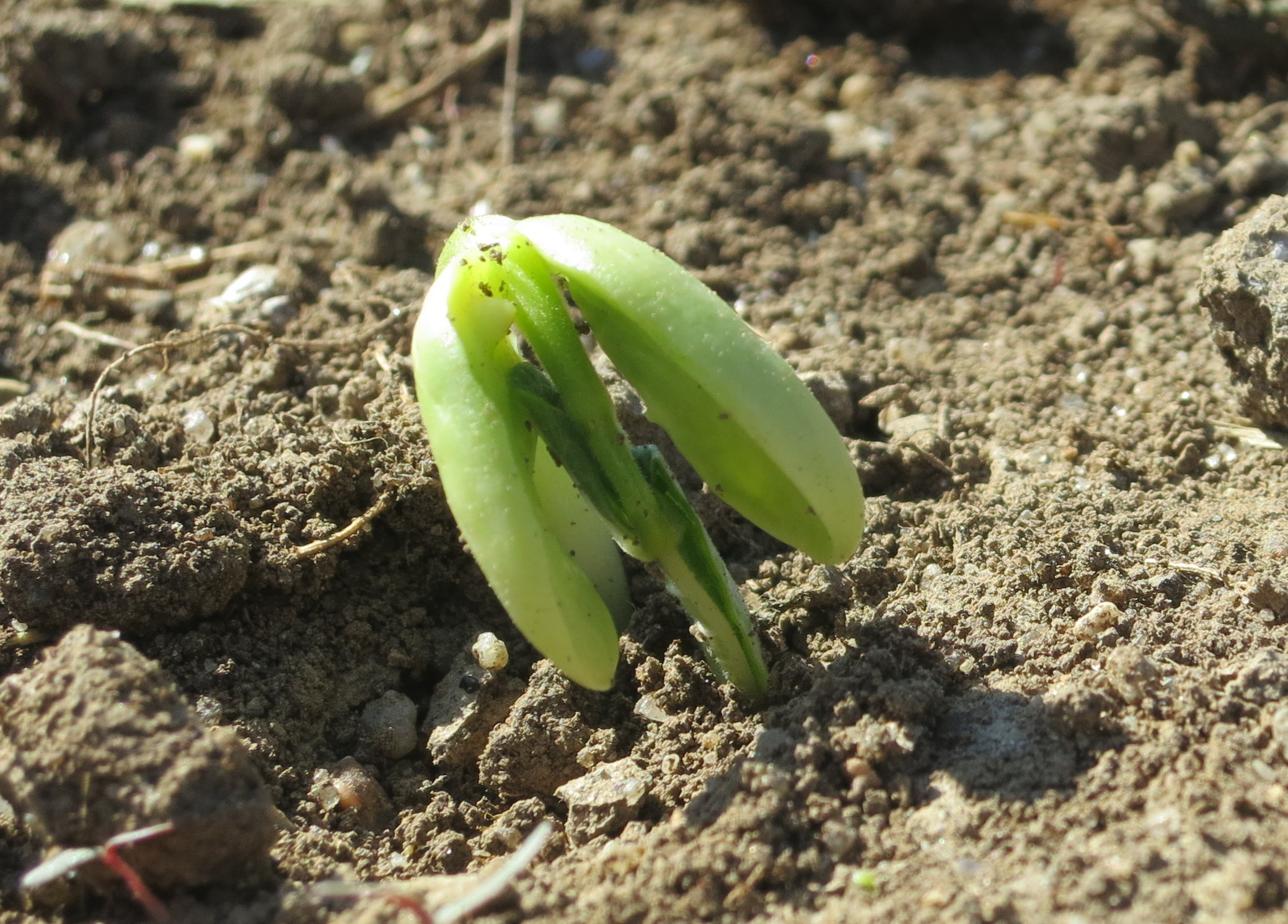
The sturdy seedling with arched body comes 
Shouldering its way and shedding the earth crumbs.
~Robert Frost “Putting in the Seed”

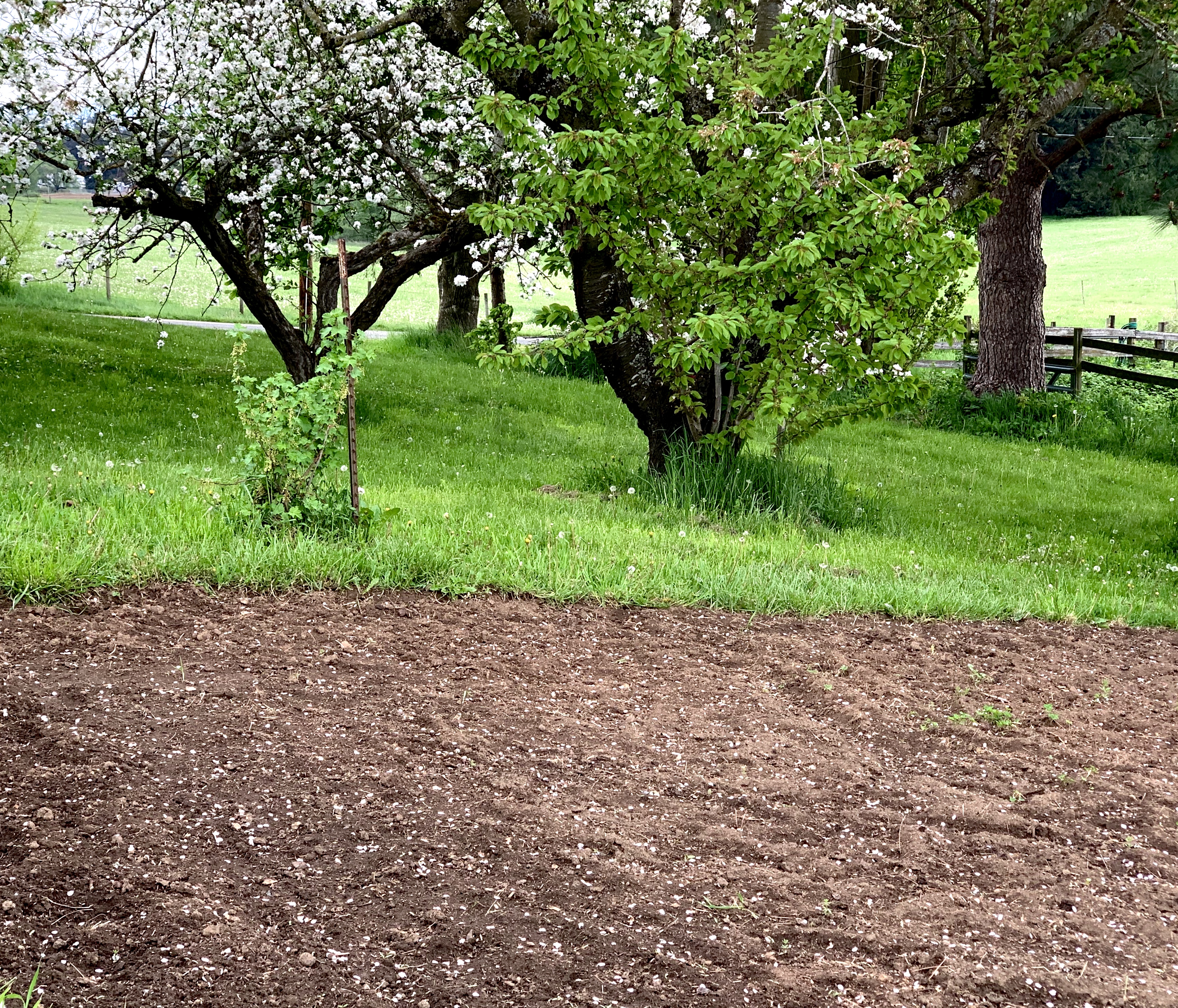
The garden is ready;
the soil turned over,
the compost mixed in,
rototilled to a fine crown.
Next will come the laying out of strings,
the trench hoed straight,
the seed laid one by one in the furrow
and covered gently with a light touch.

Then the sun warms
and showers moisten,
the seeds awaken to push upward,
bold and abrupt,
wanting to know the touch of sky and air
to leaf and leap
and bloom and bear.

Oh, how Love burns
in the Putting in the Seed.

Earth Day Lamenting

More often than not, I’m still groggy every morning when I step out the front door onto the porch to make my way down the gravel driveway to fetch the newspaper. More often than not, it is still quite dark out at 5:15 AM.  More often than not, my slippered foot lands on something a little crunchy and a little squishy and a lot icky on the welcome mat in front of my door.
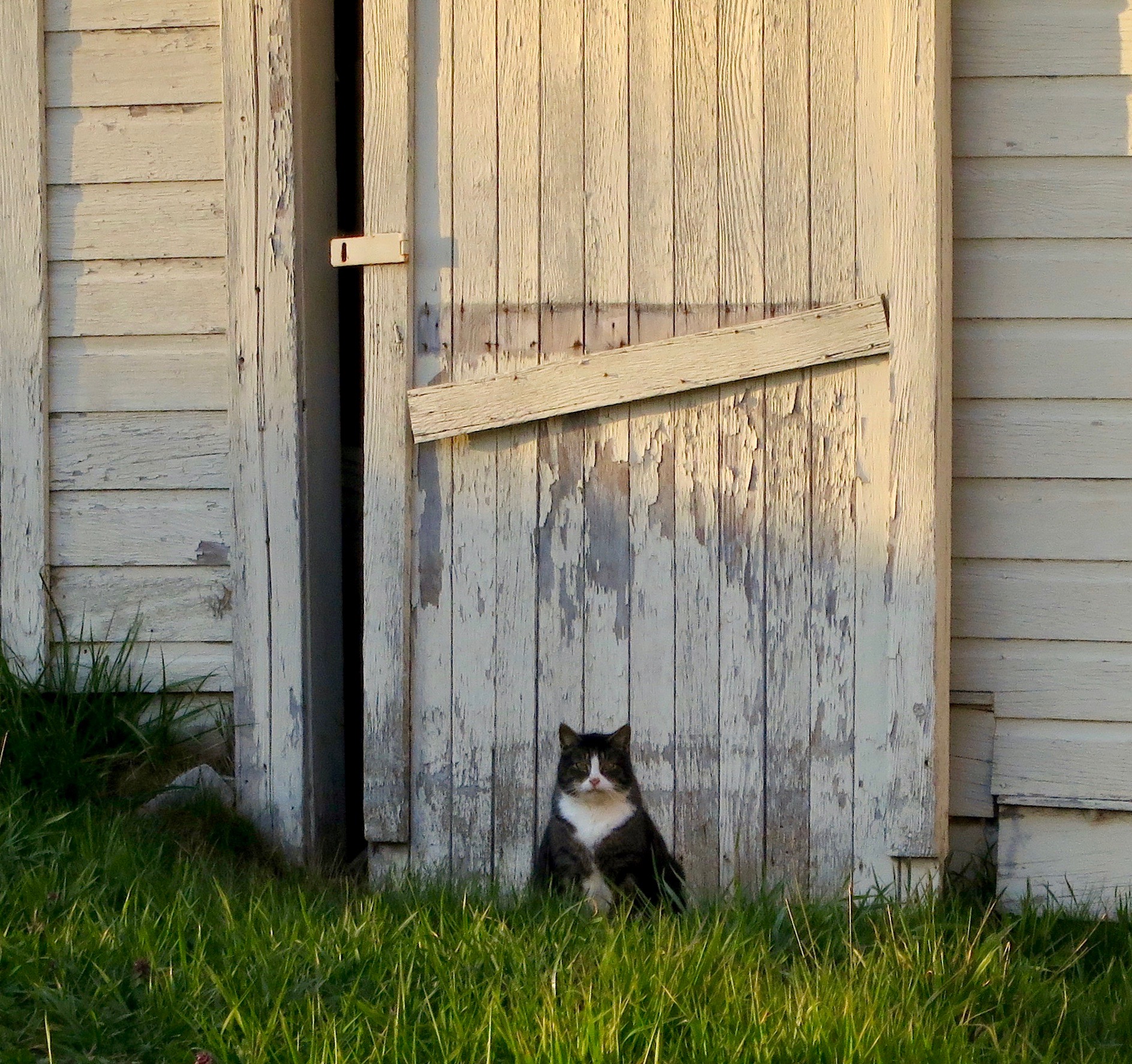
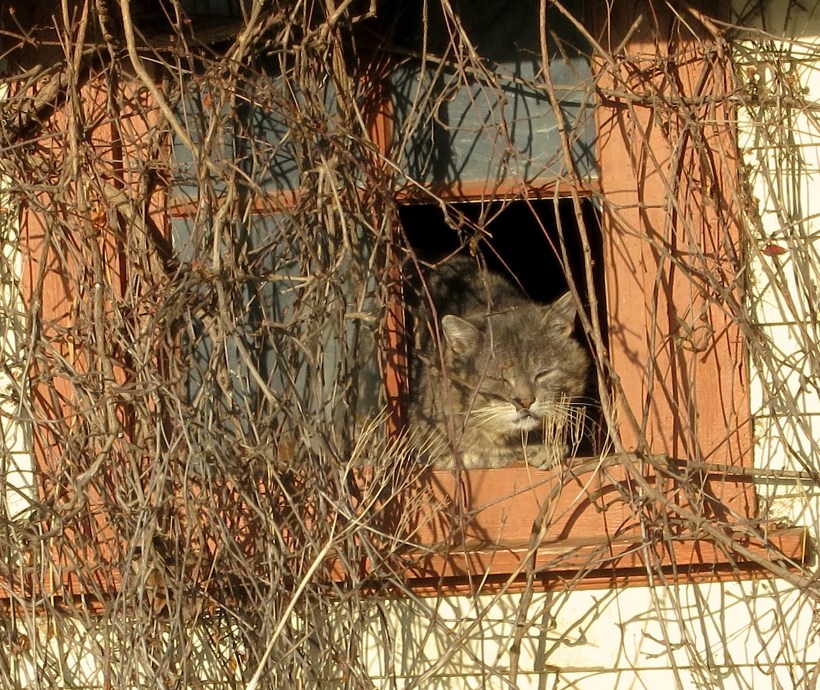
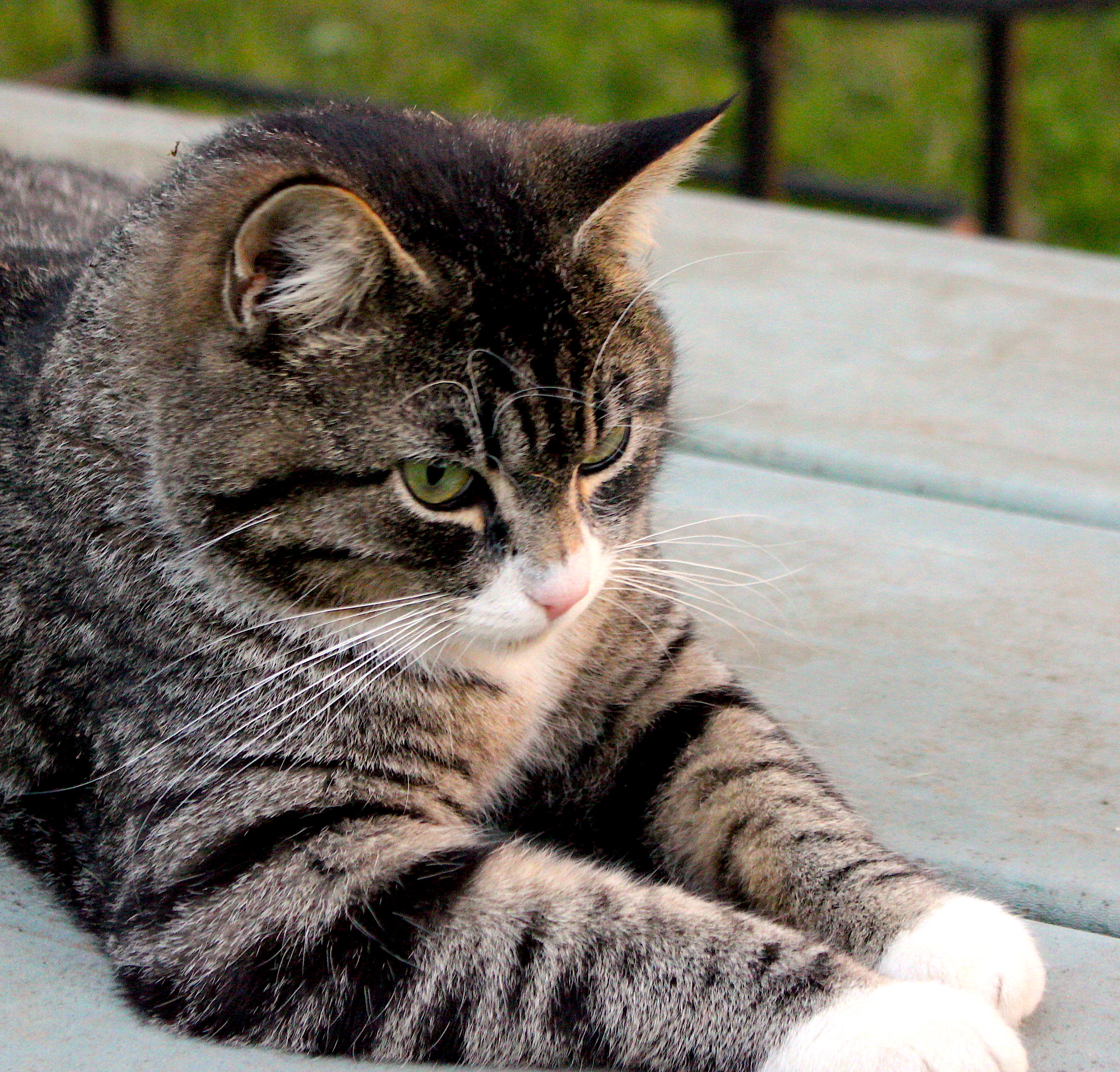
The front porch cat (as opposed to the back porch cat, the garden shed cat, the hay barn cat, the horse barn cat and an average of 3 additional stray cats), predator that he is, leaves behind certain remnants of his prey’s….um, body parts.  Mousey body parts or birdie body parts.  I assume, from the consistency of this little carnivore compost pile, these are unappealing to the kitty, so become the “leavings”, so to speak,  of the kill. Typically, it is a little mouse head, complete with little beady eyes, or a little bird head, complete with little beak, and something that looks suspiciously green and bulbous, like a gall bladder.  I don’t think heads or gall bladders are on my preferred delicacy list either. And they are certainly not on my list of things I like to wear on the bottom of my slipper.  Yet I do and I have.
I’m perplexed by this habit cats have of leaving behind the stuff they don’t want on the welcome mat, even the occasional whole shrew or field mouse, seemingly untouched by claw or incisor, but yet dead as a doornail on the doormat.  Some cat owners naively think their cats are presenting them with “gifts” – kind of a sacrificial offering to the human god that feeds them.  Nonsense.  Ask the mouse or bird how they feel about becoming the blood sacrifice.

I believe the welcome mat is the universal trash heap for cats and a testimony to their utter disdain for humans.   Leave for the human the unappetizing and truly grotesque…

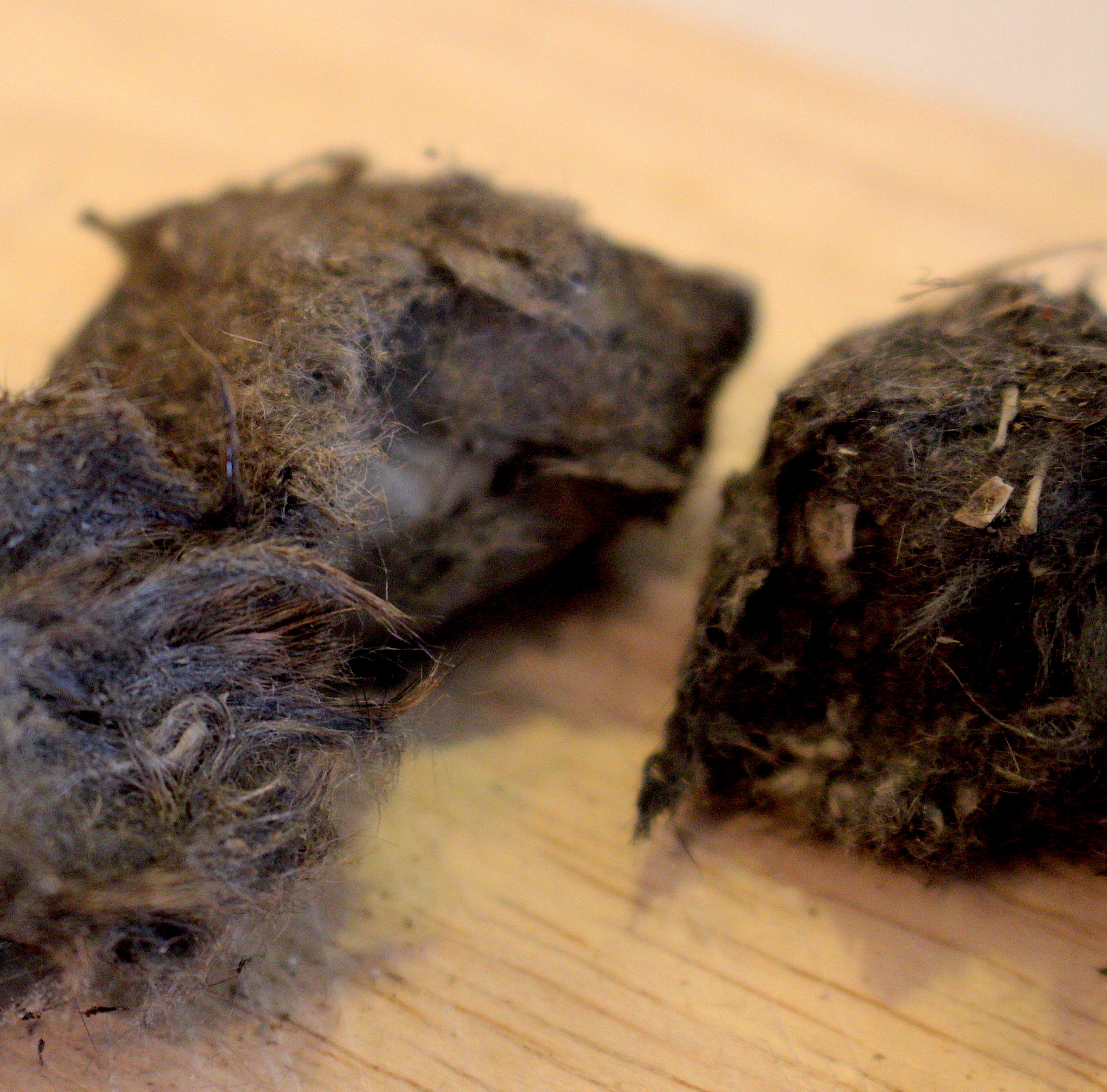
So humanity is not alone of earth’s creatures to create garbage heaps of unwanted stuff.  Not only cats, but barn owls are incredibly efficient at tossing back what they don’t want out of their furry meals.   Our old hay barn is literally peppered with pellets, popular with high school biology classes and my grand-nephews for dissection instruction.  These dried up brown fuzzy poop shaped objects are regurgitated by the owl after sitting in one of its  two stomachs for a number of hours. 

Bird barf.  

It’s fairly interesting stuff, which is why these pellets (which we recycle by donating by the  dozens to local schools) are great teaching material.  It is possible to practically reconstruct a mouse or bird skeleton from a pellet, or perhaps even both on a night when the hunting was good.  There is fur and there are feathers.  Whatever isn’t easily digestible doesn’t have much purpose to the owl, so up it comes again and becomes so much detritus on the floor and rafters of our barn.  Ask the mouse or rabbit (or occasional kitten) how they feel about becoming owl litter.  There should be a law.

Then there is the rather efficient Haflinger horse eating machine which leaves no calorie unabsorbed, which vacuums up anything remotely edible within reasonable reach, even if reasonable means contortions under a gate or fence with half of the body locked under the bottom rung, and the neck stretched 6 feet sideways to grab that one blade of grass still standing.  The reason why Haflingers don’t eventually explode from their intake is that Haflinger poop rivals elephant poop pound for pound per day, so there must be a considerable amount ingested that is indigestible and passed on, so to speak – like part of a cloth tail wrap, and that halter that went missing… you know, like those black holes in outer space–that’s what a Haflinger represents on earth.

At least we have figured out how to recycle all that poop back to the fields to feed the next generation of grass, which feeds the next generation of Haflingers, which becomes poop to feed the next generation of grass, and so on and so on and so on…

This is quite different from the recycled “cud” of the typical herbivore cow who regurgitates big green gobs of  grass/hay/silage to chew it  again in a state of (udder) contentment and pleasure.   If humans could figure out how to recycle a good meal for another good chew or two, the obesity rate would surely drop precipitously.   So would attendance at most happy hours. But then, how many skinny cows have I seen?  Probably as many as purple cows.  I never hope to see one, but I’d rather see than be one.

In my daily walk through life, I have my share of things I unceremoniously dump that I don’t want, don’t need,  can’t use, or abandon when I only want the palatable so figure the rest can rot. 

Today is Earth Day, and I feel properly shamed and guilty for my contribution to landfills, despite my avid recycling efforts for the past 50 years.  Nonetheless, I am in good company with my fellow carnivores and omnivores who daily leave behind and (sometimes) recycle what they don’t want or need.

I now need to figure out that herbivore cud thing.  I can go green, just might save on the grocery bill and my bathroom scale would thank me.

He Accepts Us As We Are: Going to Pieces

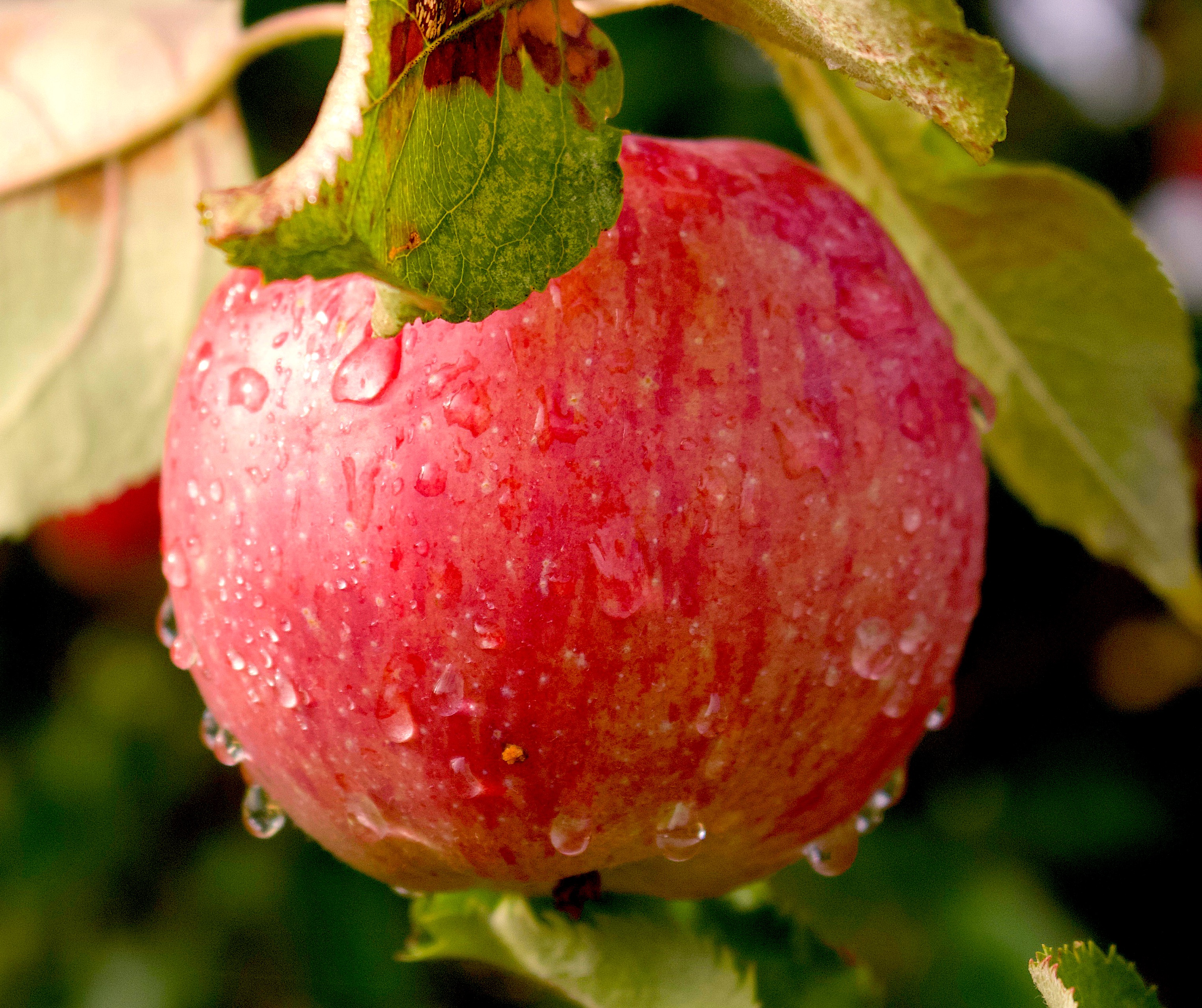
Even if I knew that tomorrow the world would go to pieces, I would still plant my apple tree.
~Martin Luther

There is big excitement in C block today.
On the window sill,
in a plastic ice cream cup
a little plant is growing.
This is all the men want to talk about:
how an apple seed germinated
in a crack of damp concrete;
how they tore open tea bags
to collect the leaves, leached them
in water, then laid the sprout onto the bed
made of Lipton. How this finger of spring
dug one delicate root down
into the dark fannings and now
two small sleeves of green
are pushing out from the emerging tip.
The men are tipsy with this miracle.
Each morning, one by one,
they go to the window and check
the progress of the struggling plant.
All through the day they return
to stand over the seedling
and whisper.
~Nancy Miller Gomez “Growing Apples”

As a child I was fascinated by the early 1800’s story of John Chapman (aka Johnny Appleseed) who traveled on foot around the eastern United States creating nurseries of apple trees.  When our family traveled in Ohio and Pennsylvania in the 1960s, we visited places that claimed to have apple trees planted by John Chapman.  I marveled at how one little seed planted in such confident faith had the potential to produce decades of fruit and hope for generations of folk.

My two childhood farms had old apple trees–gravensteins and transparent varieties–good for climbing in and always great as scratching branches and shady snoozing spots for the horses and cows.  One had a platform fort where I spent hours sitting munching on apple cores, surveying the fields and enjoying watching the animals standing beneath me, relaxed, napping, chewing cud and swatting flies.

When we bought our farm here in Whatcom County over thirty years ago, there were left a few antique variety apple trees of a once vital orchard.  They were aging, with bent and broken branches and hollowed trunks, but still continued to produce fruit, great for baking, sauce, cider and winter storage. We’ve lost a few of the old trees over the years to the wind and elements,  though now nearly a century old, the survivors keep providing.

It seems God has accepted I follow my own appleseed trail, so no matter what may happen in my own life, if I’ve planted a seed that takes root, there will be fruit and hope for the future. The Lord Himself continues to plant seeds and words in the midst of a world going to pieces. 

Some day fifty years from now, a kid sitting high up in the branches of an apple tree,  contemplating life and its meaning,  will have an apple to munch and words to chew.

“O the Lord is good to me
and so I thank the Lord
for giving me the things I need-
the sun, the rain, and my appleseeds-
the Lord is good to me!”

This year’s Lenten theme for Barnstorming:

God sees us as we are,
loves us as we are,
and accepts us as we are.
But by His grace,
He does not leave us where we are.
~Tim Keller

The tree of life my soul hath seen,
Laden with fruit and always green:
The trees of nature fruitless be
Compared with Christ the apple tree.

His beauty doth all things excel:
By faith I know, but ne’er can tell
The glory which I now can see
In Jesus Christ the apple tree.

For happiness I long have sought,
And pleasure dearly I have bought:
I missed of all; but now I see
Tis found in Christ the apple tree.

I’m weary with my former toil,
Here I will sit and rest awhile:
Under the shadow I will be,
Of Jesus Christ the apple tree.

This fruit doth make my soul to thrive,
It keeps my dying faith alive;
Which makes my soul in haste to be
With Jesus Christ the apple tree.