Days pass when I forget the mystery. Problems insoluble and problems offering their own ignored solutions jostle for my attention… And then once more the quiet mystery is present to me, the throng’s clamor recedes: the mystery that there is anything, anything at all, let alone cosmos, joy, memory, everything, rather than void: and that, O Lord, Creator, Hallowed one, You still, hour by hour sustain it. ~Denise Levertov from “Primary Wonder” from Sands of the Well
Here is the mystery, the secret, one might almost say the cunning, of the deep love of God: that it is bound to draw upon itself the hatred and pain and shame and anger and bitterness and rejection of the world, but to draw all those things on to itself is precisely the means chosen from all eternity by the generous, loving God, by which to rid his world of the evils which have resulted from human abuse of God-given freedom. ~N.T. Wright from The Crown and The Fire
Inundated by the inevitable bad news of the world, I must cling to the mystery of His magnetism for my own weaknesses, flaws and bitterness.
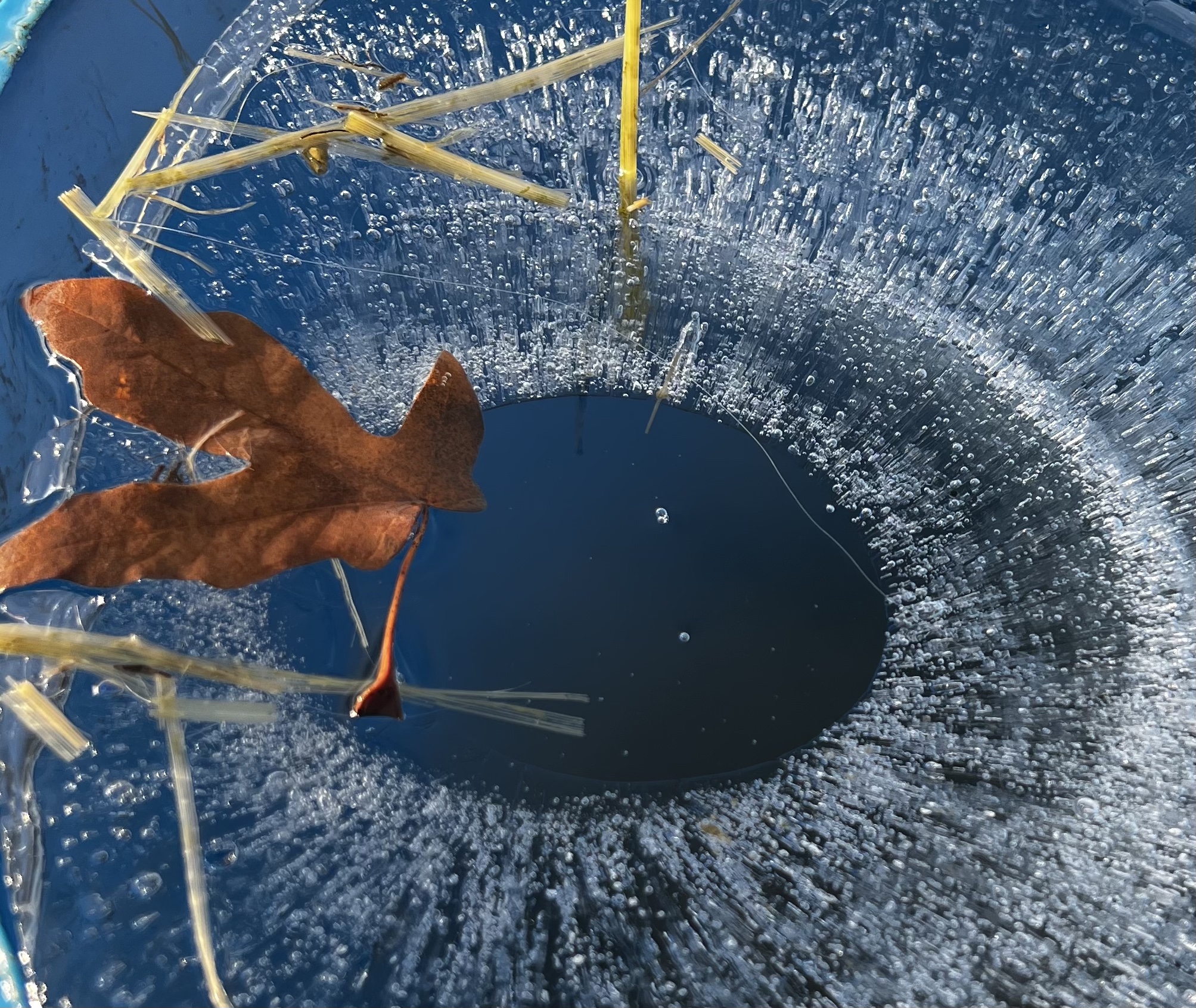
I am frozen in the ice of sin, waiting to be thawed.
He willingly pulls evil onto Himself, out of me. Hatred and pain and shame and anger disappear into the vortex of His love and beauty, the mucky corners of my heart vacuumed spotless.
We are let in on a secret: He is not sullied by absorbing the dirty messes of our lives.
Created in His image, sustained and loved, thus a reflection of Him, it is no mystery we are washed forever clean.
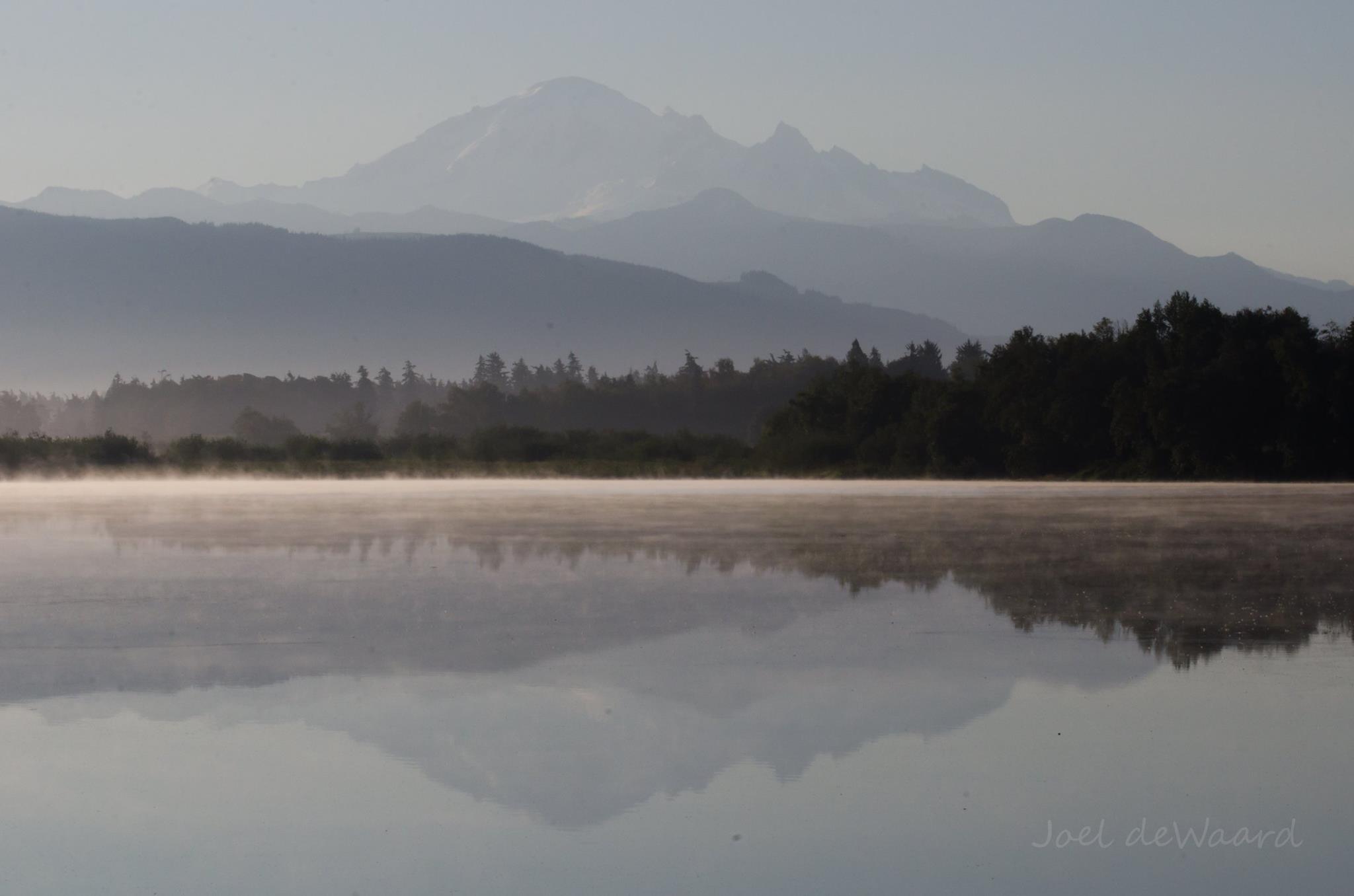
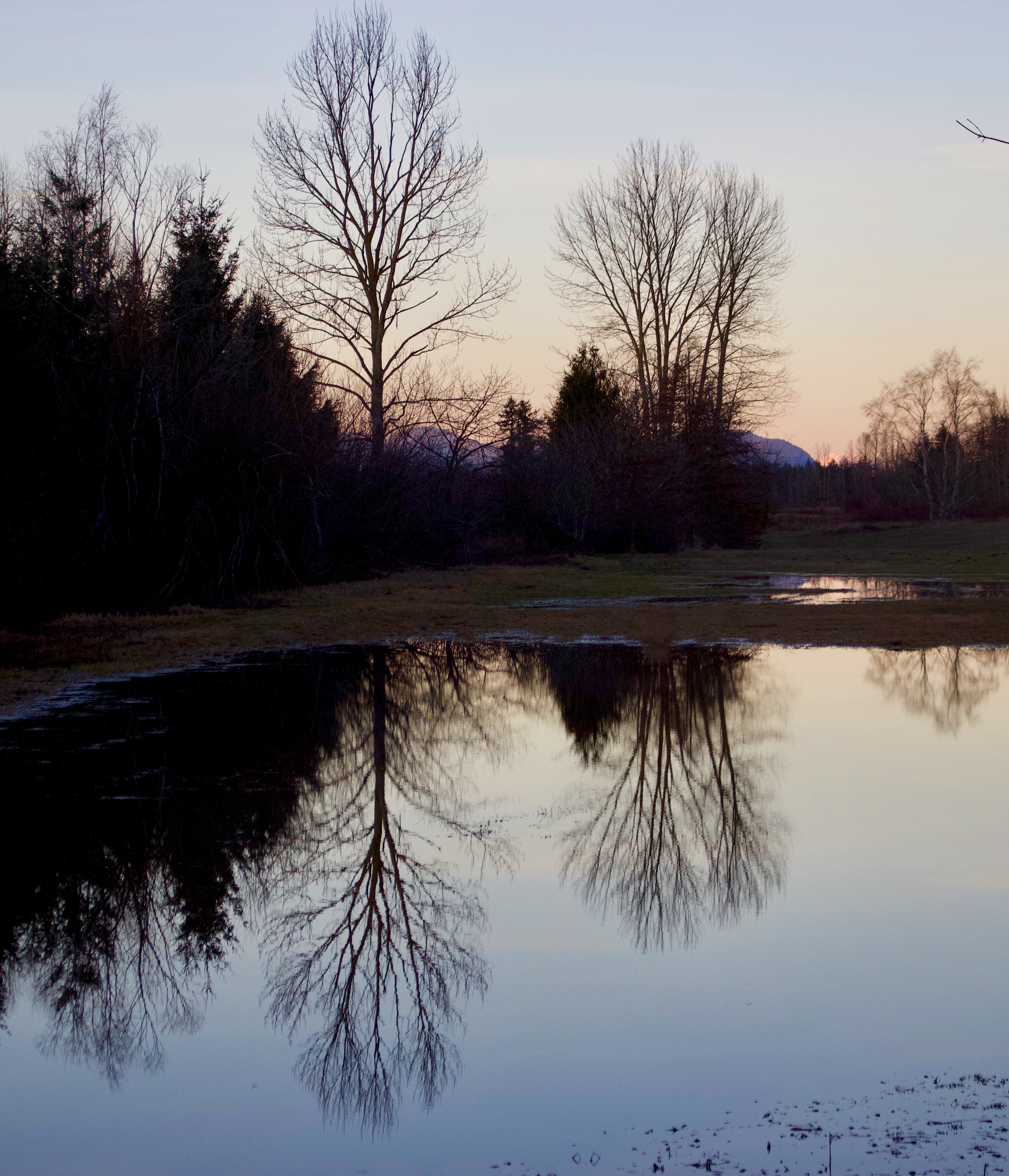
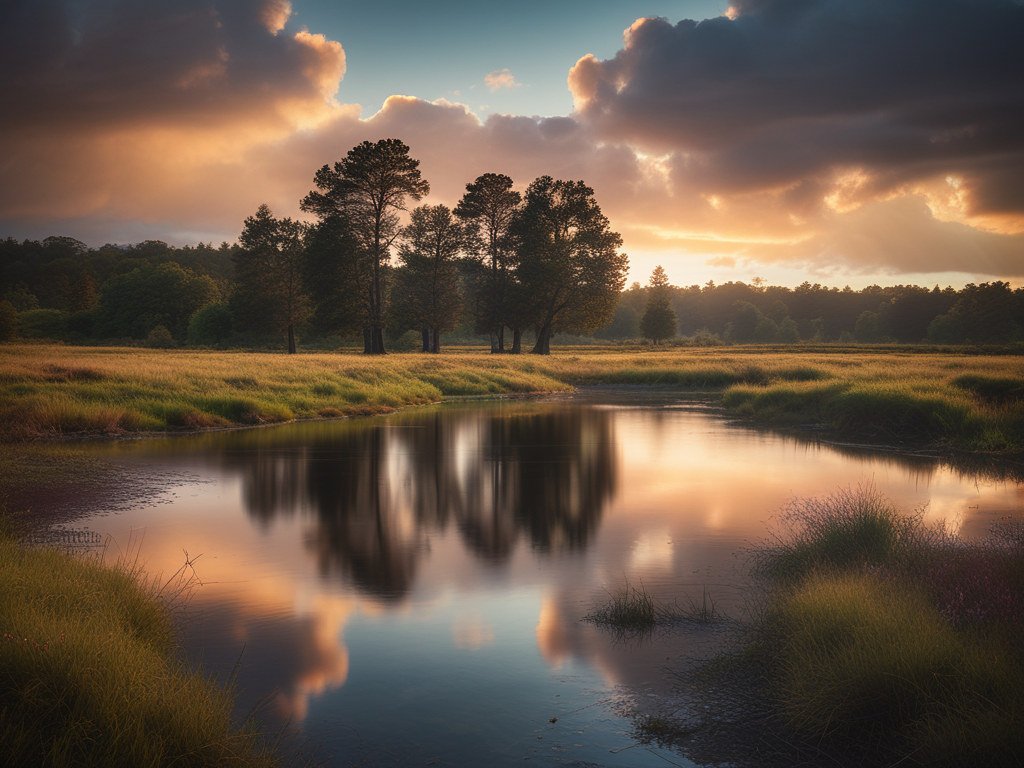
photo of Mt. Baker reflected in Wiser Lake by Joel DeWaard
This year’s Barnstorming Lenten theme is Ephesians 3:9:
…to bring to light for everyone what is the plan of the mystery hidden for ages in God, who created all things…
One-Time
Monthly
Yearly
Make a one-time or recurring donation to support daily Barnstorming posts
The thing is to love life, to love it even when you have no stomach for it and everything you’ve held dear crumbles like burnt paper in your hands, your throat filled with the silt of it. When grief sits with you, its tropical heat thickening the air, heavy as water more fit for gills than lungs; when grief weights you like your own flesh only more of it, an obesity of grief, you think, How can a body withstand this? Then you hold life like a face between your palms, a plain face, no charming smile, no violet eyes, and you say, yes, I will take you I will love you, again. ~Ellen Bass, “The Thing Is” from Mules of Love
...everything here seems to need us —Rainer Maria Rilke
It’s a hard time to be human. We know too much and too little. Does the breeze need us? If you’ve managed to do one good thing, the ocean doesn’t care. But when Newton’s apple fell toward the earth, the earth, ever so slightly, fell toward the apple. ~Ellen Bass from “The World Has Need of You” from Like a Beggar
Fallen leaves will climb back into trees. Shards of the shattered vase will rise and reassemble on the table. Plastic raincoats will refold into their flat envelopes. The egg, bald yolk and its transparent halo, slide back in the thin, calcium shell. Curses will pour back into mouths, letters un-write themselves, words siphoned up into the pen. My gray hair will darken and become the feathers of a black swan. Bullets will snap back into their chambers, the powder tamped tight in brass casings. Borders will disappear from maps. Rust revert to oxygen and time. The fire return to the log, the log to the tree, the white root curled up in the un-split seed. Birdsong will fly into the lark’s lungs, answers become questions again. When you return, sweaters will unravel and wool grow on the sheep. Rock will go home to mountain, gold to vein. Wine crushed into the grape, oil pressed into the olive. Silk reeled in to the spider’s belly. Night moths tucked close into cocoons, ink drained from the indigo tattoo. Diamonds will be returned to coal, coal to rotting ferns, rain to clouds, light to stars sucked back and back into one timeless point, the way it was before the world was born, that fresh, that whole, nothing broken, nothing torn apart. ~Ellen Bass “When You Return” from Like a Beggar
There is so much grief these days so much anger, so much loss of life, so much weeping.
How can we withstand this? How can we know, now, when we are barely able to breathe that we might know – at some point – we might have the stomach to love life again?
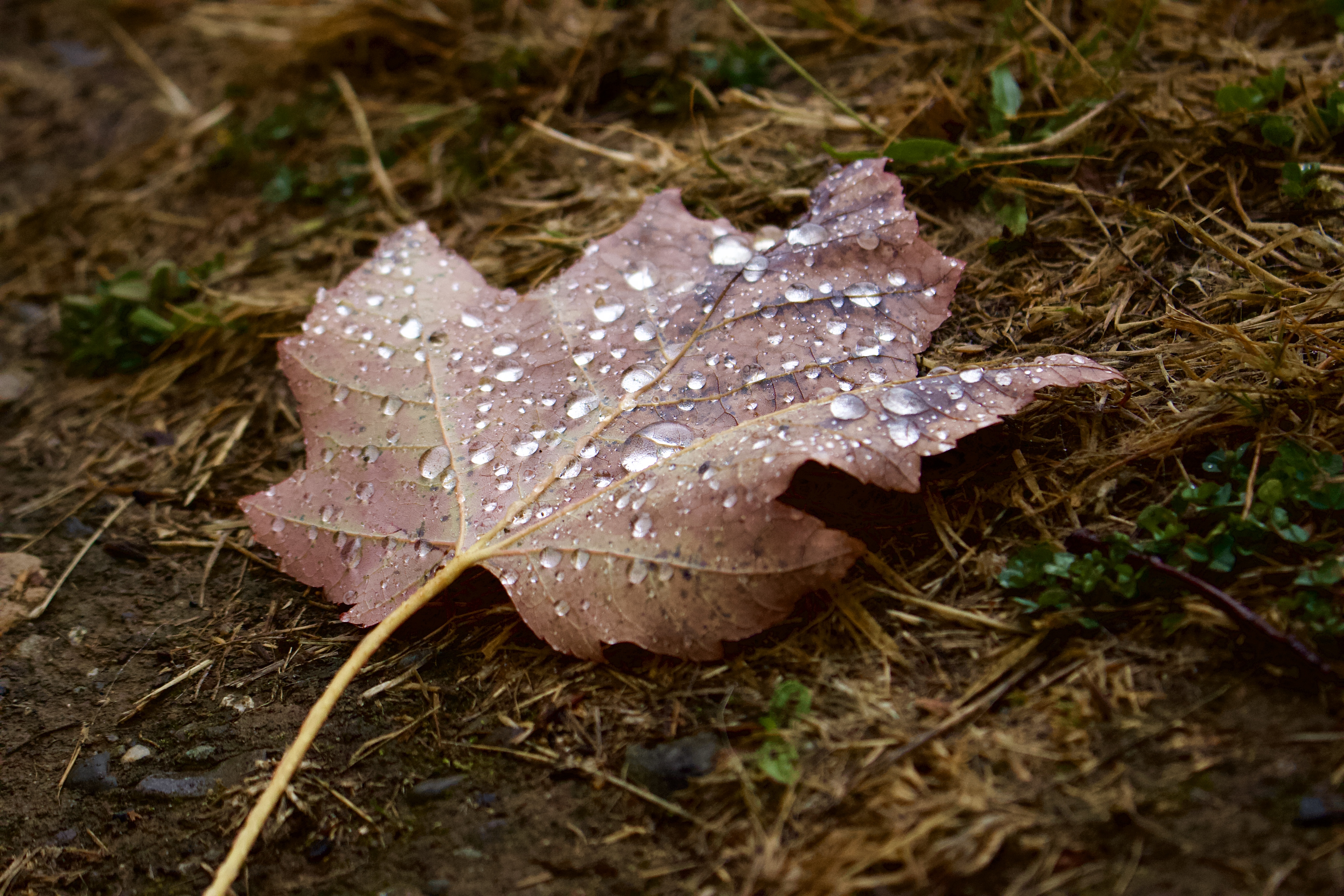
This time of year, no matter which way I turn, autumn’s kaleidoscope displays new patterns, new colors, new empty spaces as I watch the world die into itself once again.
Some dying is flashy, brilliant, blazing – a calling out for attention. Then there is the hidden dying that happens without anyone taking notice: just a plain, tired, rusting away letting go.
I spent this morning adjusting to the change in season by occupying myself with the familiar task of moving manure. Cleaning barn is a comforting chore, allowing me to transform tangible benefit from something objectionable and just plain stinky to the nurturing fertilizer of the future.
It feels like I’ve actually accomplished something.
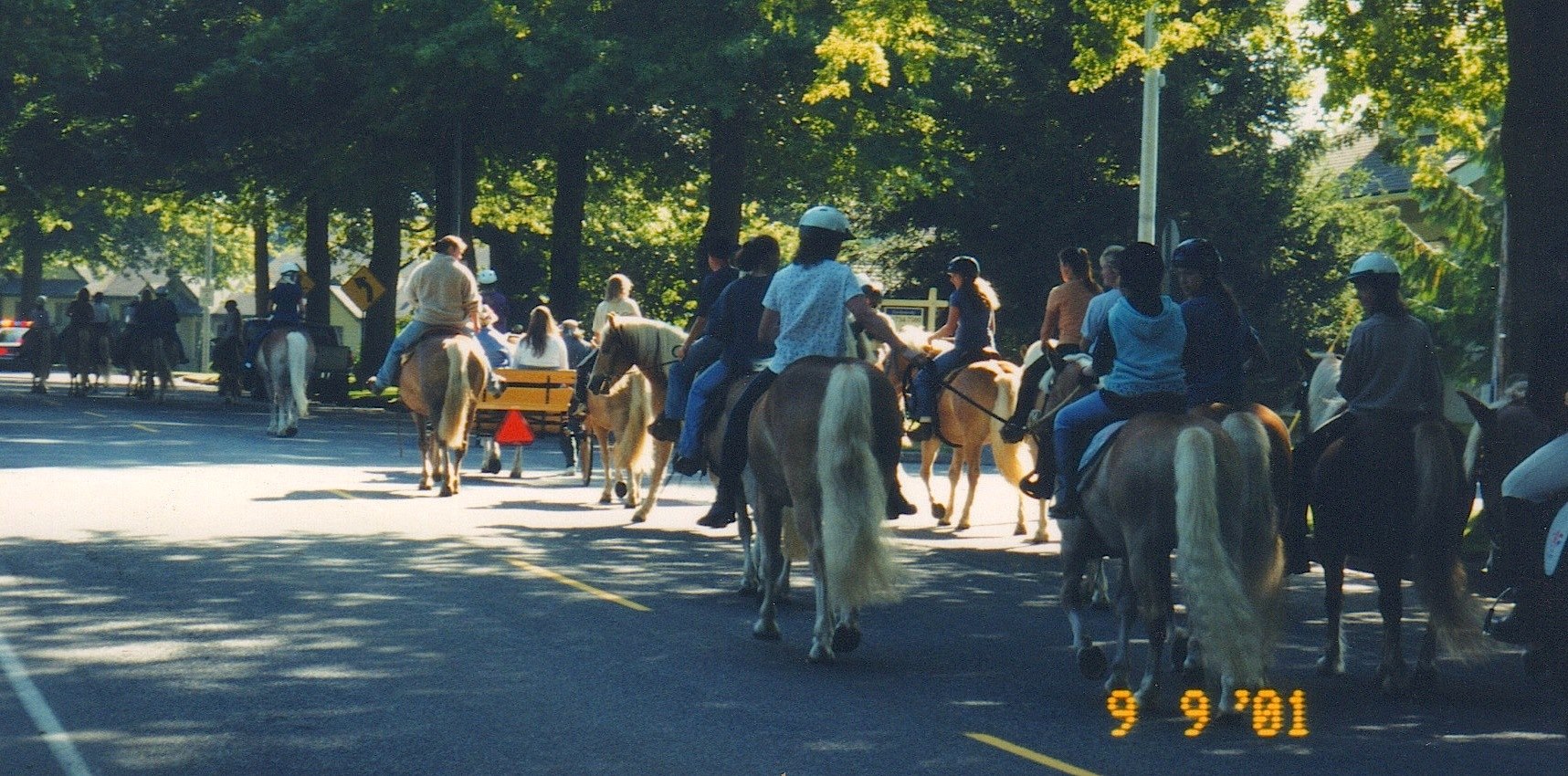
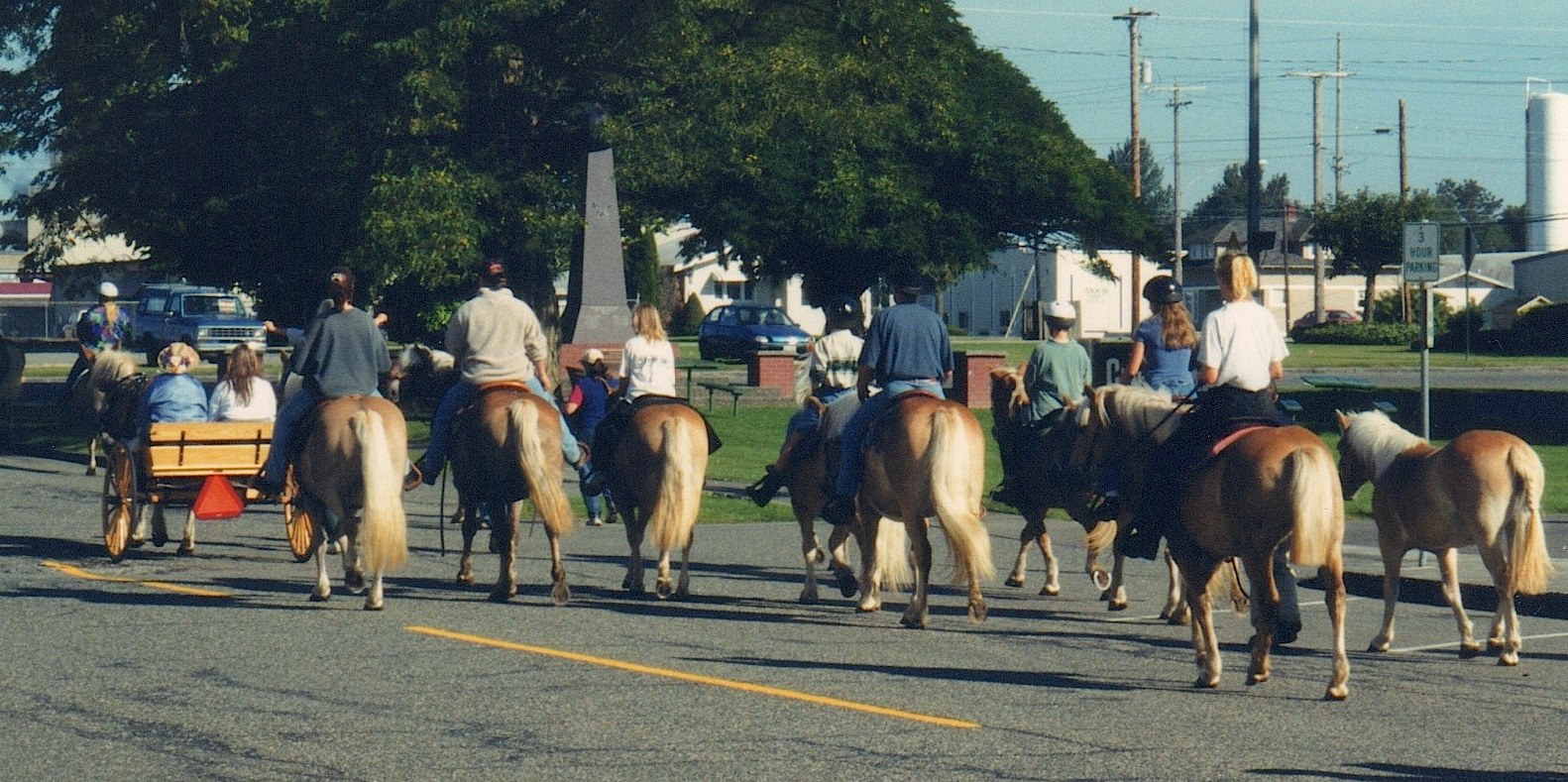
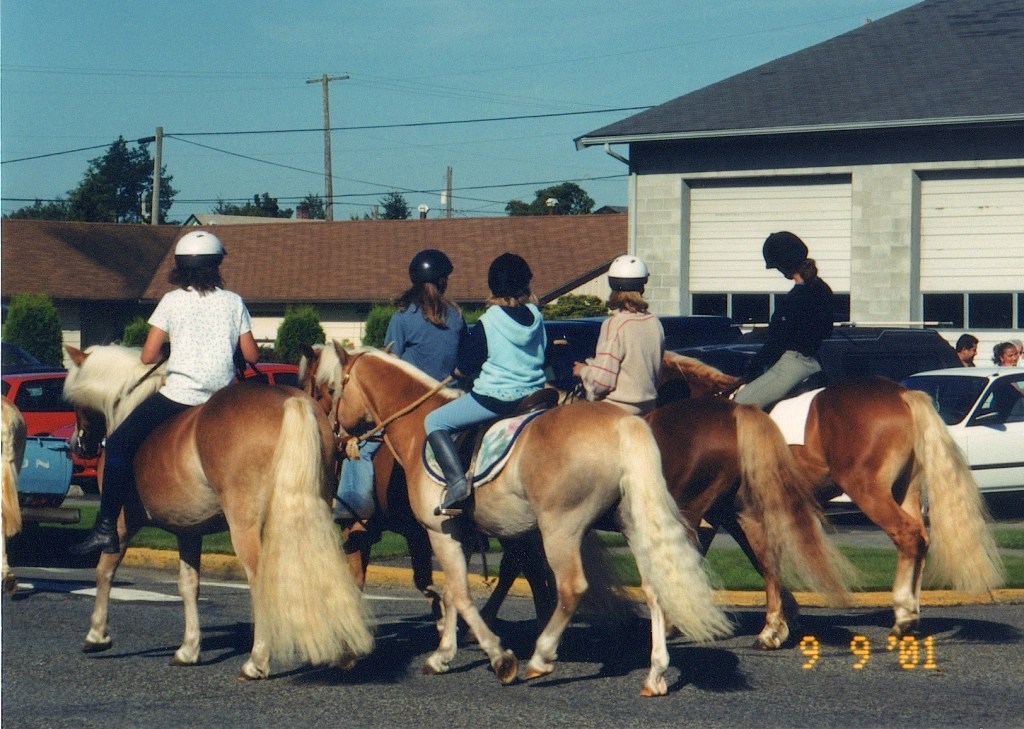
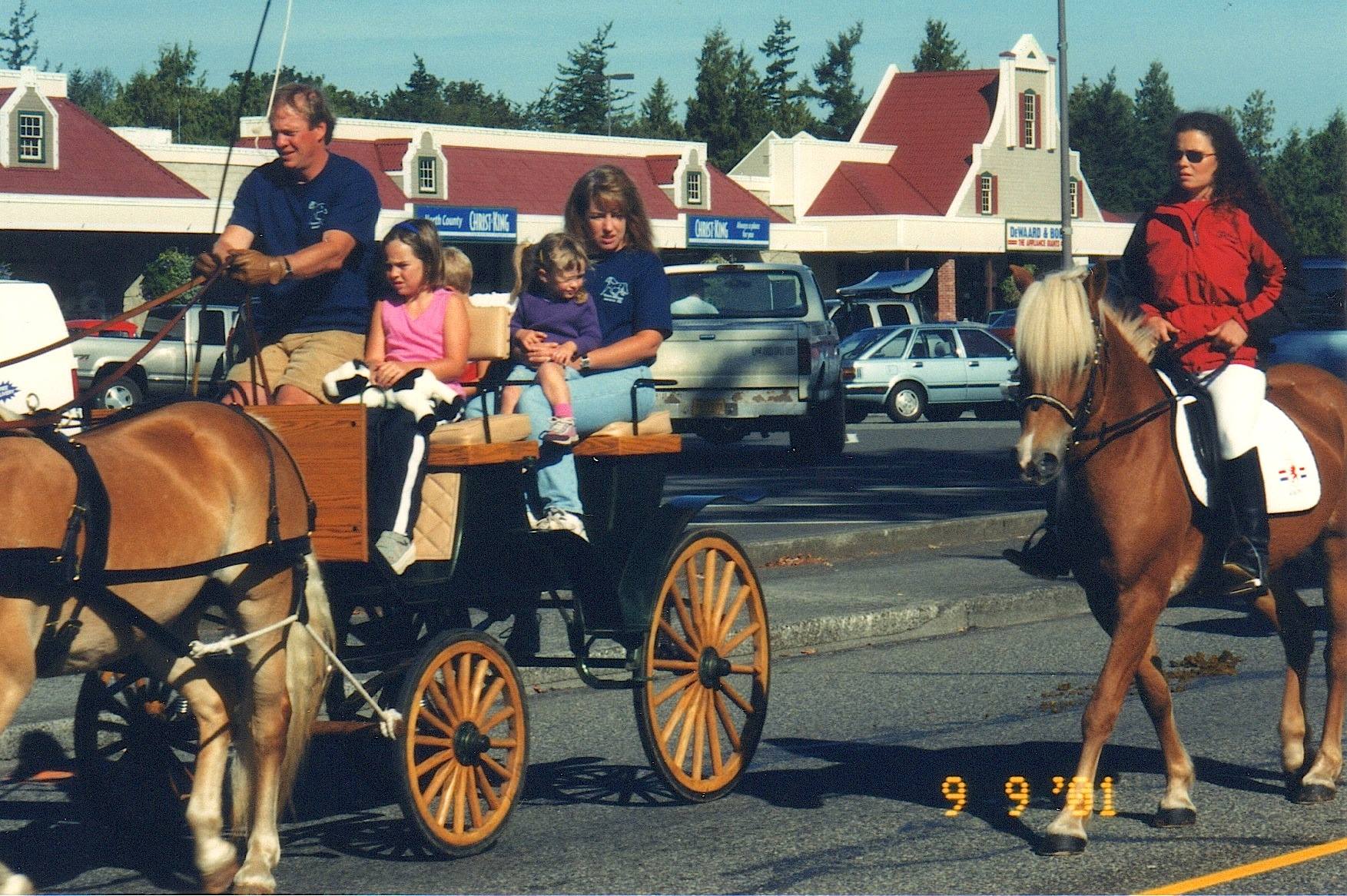
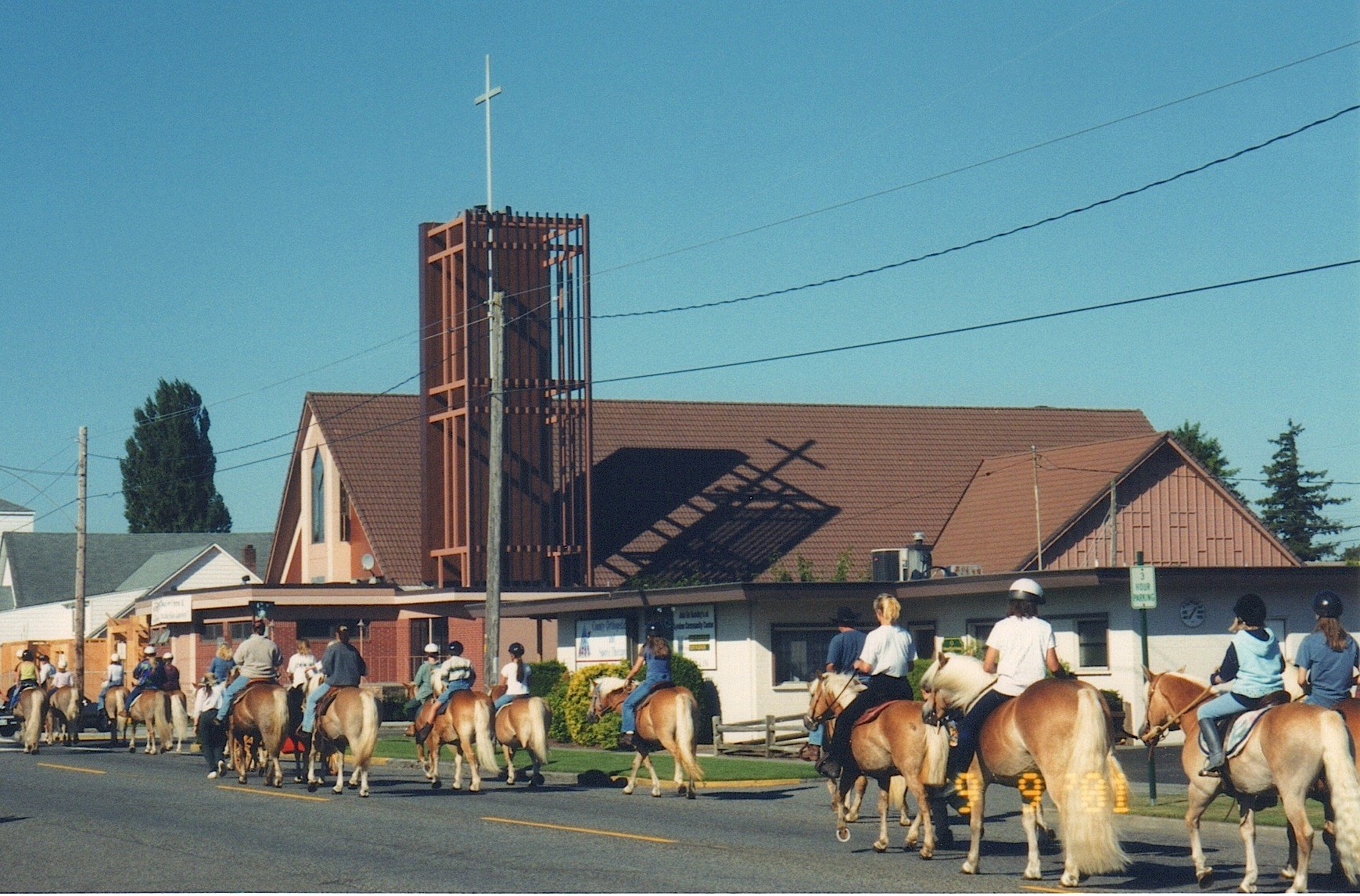
As I scoop and push the wheelbarrow, I recalled another barn cleaning 24 years ago, just days before the world changed on 9/11/01.
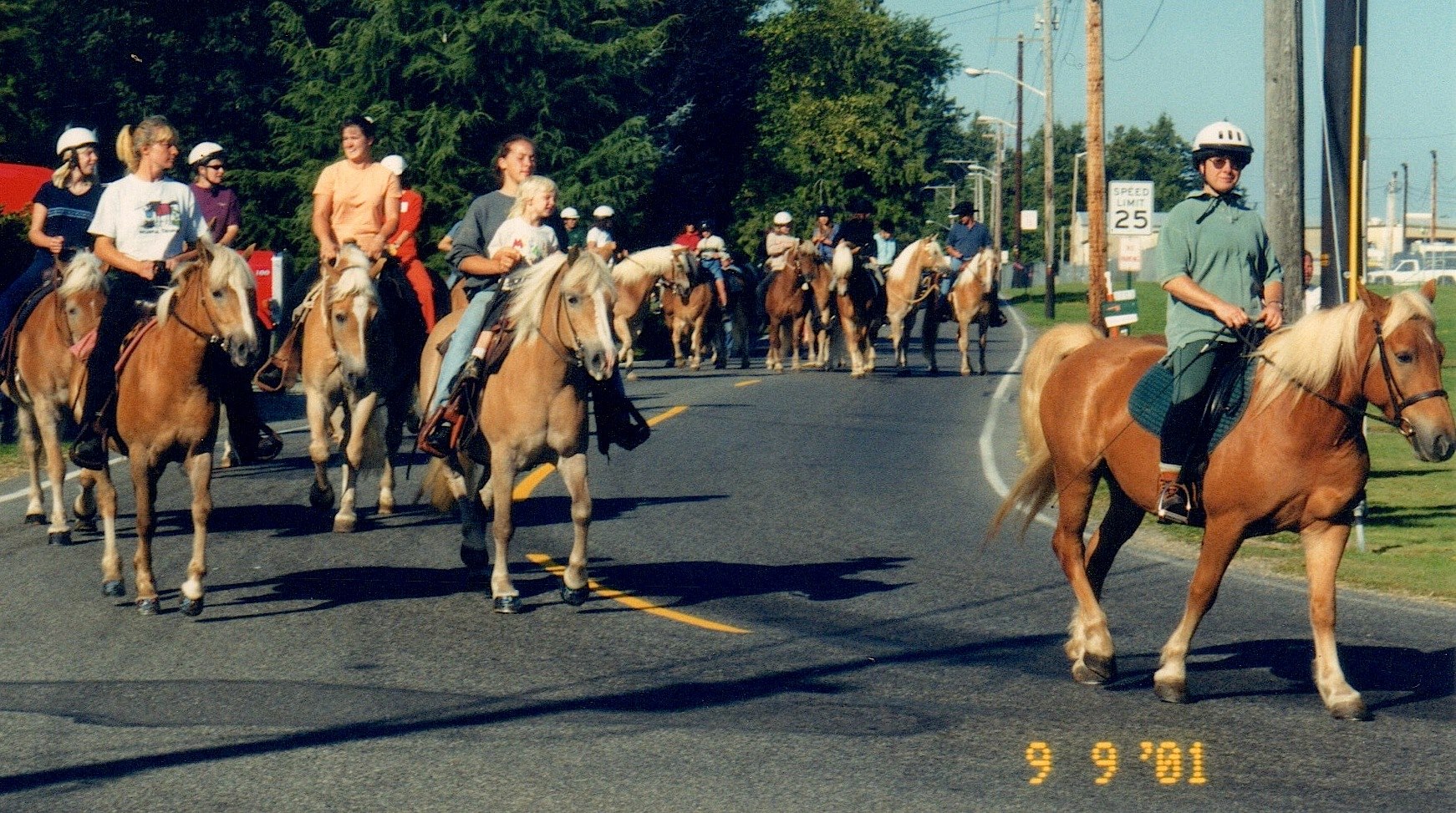
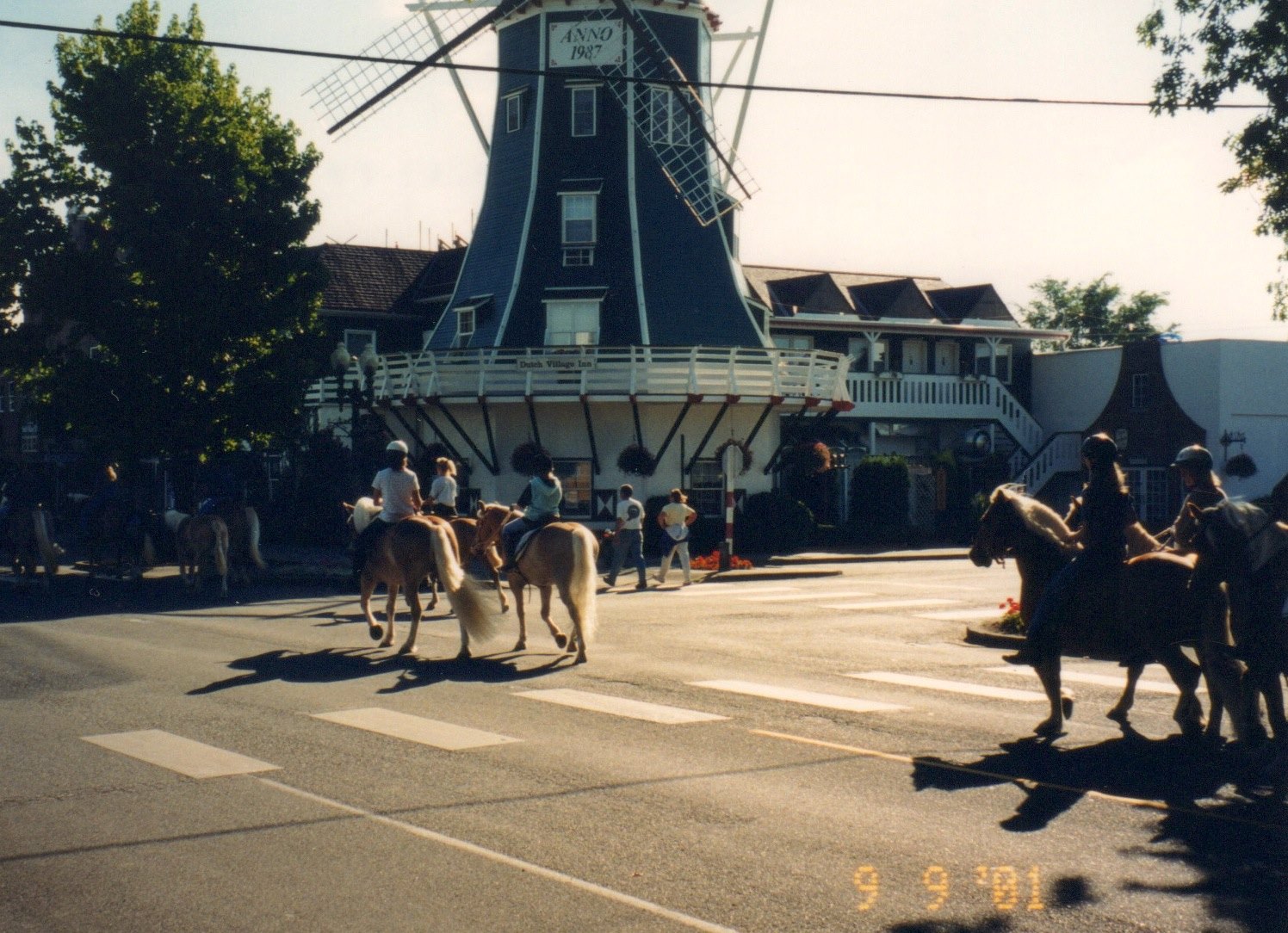
I was one of three or four friends left cleaning over ninety stalls after a Haflinger horse event that I had organized at our local fairgrounds. Some people had brought their horses from over 1000 miles away to participate for several days, including a Haflinger parade through our town on a quiet Sunday morning.
There had been personality clashes and harsh words among some participants along with criticism directed at me as the organizer that I had taken very personally. As I struggled with the umpteenth wheelbarrow load of manure, tears stung my eyes and my heart.
I was miserable with regret, feeling my work had been futile and unappreciated.
One friend had stayed behind with her young family to help clean up the large facility and she could see I was struggling to keep my composure. Jenny put herself right in front of my wheelbarrow and looked me in the eye, insisting I stop for a moment and listen:
“You know, none of these troubles and conflicts will amount to a hill of beans years from now. People will remember a fun event in a beautiful part of the country, a wonderful time with their Haflingers, their friends and family, and they’ll be all nostalgic about it, not giving a thought to the infighting or the sour attitudes or who said what to whom. So don’t make this about you and whether you did or didn’t make everyone happy. You loved us all enough to make it possible to meet here and the rest was up to us. So quit being upset about what you can’t change. There’s too much you can still do for us.”
Jenny had no idea how wise her words were, even two days later, on 9/11.
During tough times since (and there have been plenty), Jenny’s advice replays, reminding me to cease seeking appreciation from others or feeling hurt when harsh words come my way.
She was right about the balm found in the tincture of time. She was right about giving up the upset in order to die to self and self absorption, and instead to focus outward.
I have remembered.
Jenny herself did not know that day she would subsequently spend six years dying while still loving life every day, fighting a relentless cancer that was only slowed in the face of her faith and intense drive to live.
She became a rusting leaf gone holy, fading imperceptibly over time, crumbling at the edges until she finally had to let go. Her dying did not flash brilliance, nor draw attention at the end. Her intense focus during the years of her illness had always been outward to others, to her family and friends, to the healers she spent so much time with in medical offices, to her firm belief in the plan God had written for her and those who loved her.
So Jenny let go her hold on life here. And we reluctantly let her go. Brilliance cloaks her as her focus is now on things eternal.
You were so right, Jenny. The hard feelings from a quarter century ago don’t amount to a hill of beans now. The words you spoke to me that day taught me to love life even when I have no stomach for it.
All of us did have a great time together a few days before the world changed. And manure transforms over time to rich, nurturing compost.
I promise I am no longer upset that I can’t change what is past nor the fact that you and so many others have now left us.
But we’ll catch up later.
One-Time
Monthly
Yearly
Make a one-time or recurring donation to support daily Barnstorming posts
…And when the sun rises we are afraid it might not remain when the sun sets we are afraid it might not rise in the morning when our stomachs are full we are afraid of indigestion when our stomachs are empty we are afraid we may never eat again when we are loved we are afraid love will vanish when we are alone we are afraid love will never return and when we speak we are afraid our words will not be heard nor welcomed but when we are silent we are still afraid
So it is better to speak remembering we were never meant to survive. ~Audre Lorde from “A Litany for Survival”
We are all here so briefly, just trying to survive.
Although designed to live forever, we are fallen, running the clock out as long as we can.
Just one day more, we say. Give us just one more.
From the first, there has been struggle – the pain of our birth, the cry of our laboring mother, then feeding and protection of our children, keeping them safe from the bombs of war and the ravages of disease, followed by weakening of our frail aging bodies.
If there is a reason for all this (and there is): life’s struggles redeem us.
Heaven knows, each life means something to God, each death echoes His sorrow.
We fear we fail to make a difference in such a short time. So we speak. Hear our voices. Just one day more, Lord. Please – one day more.
Tomorrow we’ll discover What our God in Heaven has in store One more dawn One more day One day more… ~from Les Miserable
AI image created for this post
One-Time
Monthly
Yearly
Make a one-time or recurring donation to support daily Barnstorming posts
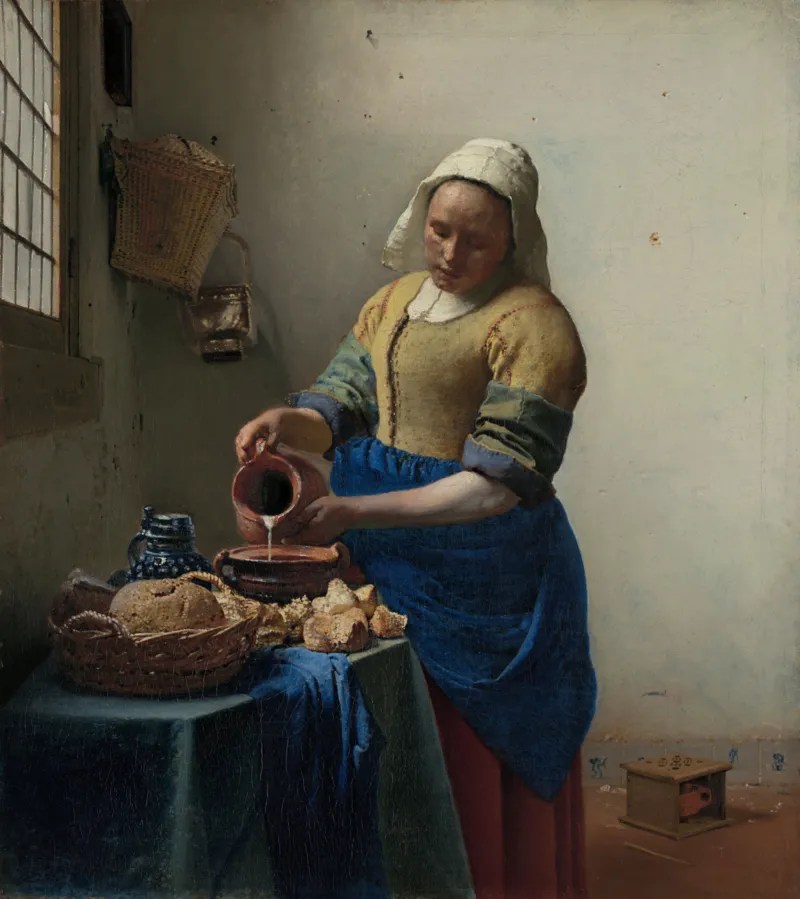
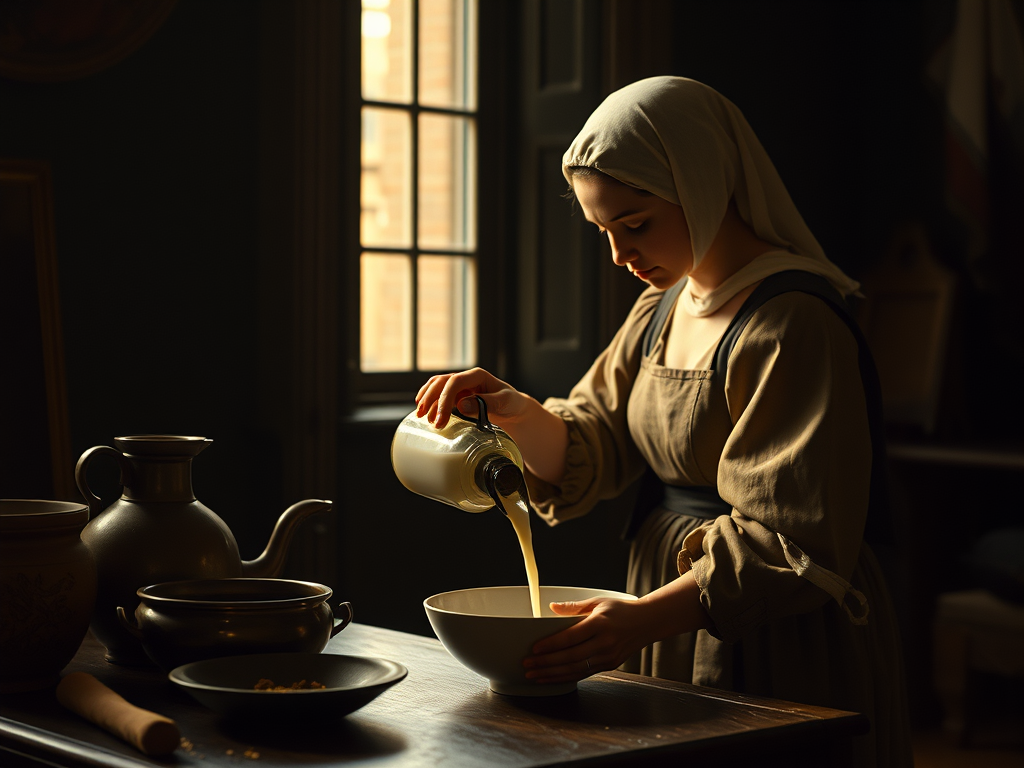
As long as that woman from the Rijksmuseum in painted quiet and concentration keeps pouring milk day after day from the pitcher to the bowl the World hasn’t earned the world’s end. ~Wislawa Szymborska “Vermeer” tr. by Claire Cavanagh and Stanislaw Baranczak from Here
Vermeer’s “The Milkmaid” from the Rijksmuseum, Amsterdam
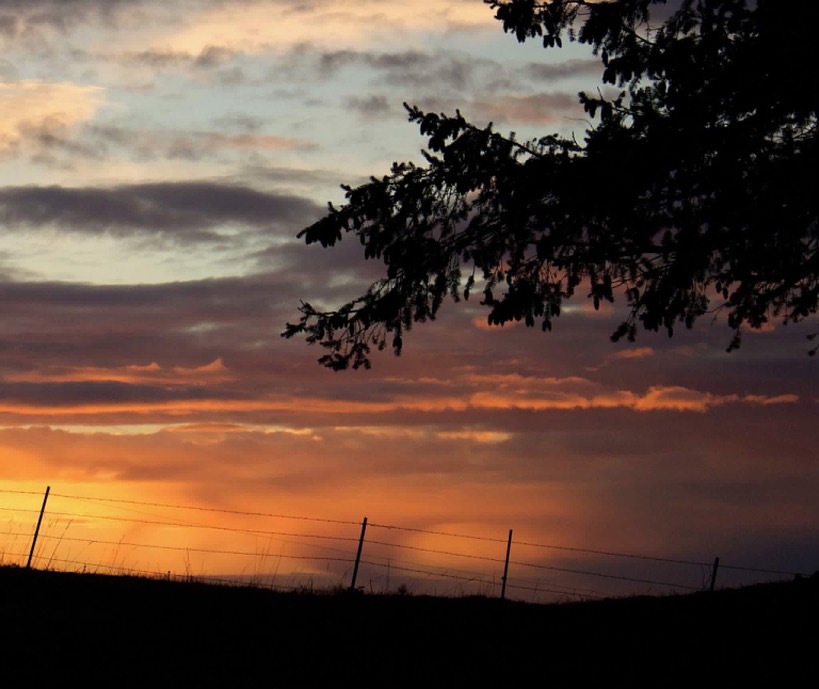
As ever, the sun rises and the sun sets, day after day. God continues to pour out His colors across the skies.
God loves us enough to plant each of us here with a plan for our redemption.
We don’t know how much longer.
Today we wave flags, some in a show of power, some in a show of gratitude, some in a show of discontent.
Instead, I pour milk as a daily sacrament: quietly, with great concentration and appreciation, as that is the work I must do, day after day.
To milk the cows and raise wheat for bread and conceive children and raise them up to pour and bake.
This is God’s created world, after all. We must do our best to restore and preserve all that He has made.
So keep milking and keep pouring.
AI image created for this post
One-Time
Monthly
Yearly
Make a one-time or recurring donation to support daily Barnstorming posts
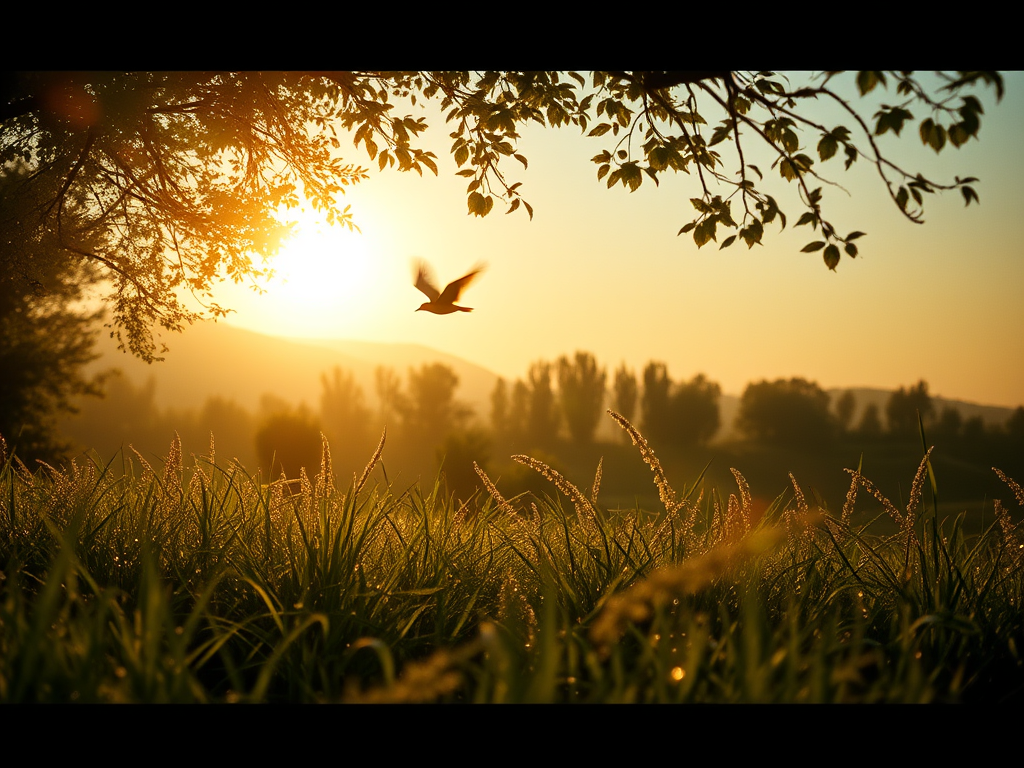
when the sun peeks over the horizon to greet the day and spread golden honey warmth to the dark, sleepy earth
when the birds begin to stir and twitter and tune their songs to one another
when the trees rustle as the morning breeze opens her eyes from slumber, and the dew is heavy on the blades of grass
when I know morning has come once again and we are not lost to the night, even as we are not lost to the day
light dawns, and I can move again breathing in streams of fresh morning air lighting a candle for rejuvenation and praying the day in with ginger and salt and clay
Each morning is a fresh try at life, a new chance to get things right when our yesterdays are broken.
So I drink deeply of the golden dawn, take a full breath of cool air and dive in head first into luminous light and bushels of blossoms, hoping I too might float on the morning magic.
AI image created for this post
One-Time
Monthly
Yearly
Make a one-time or recurring donation to support daily Barnstorming posts
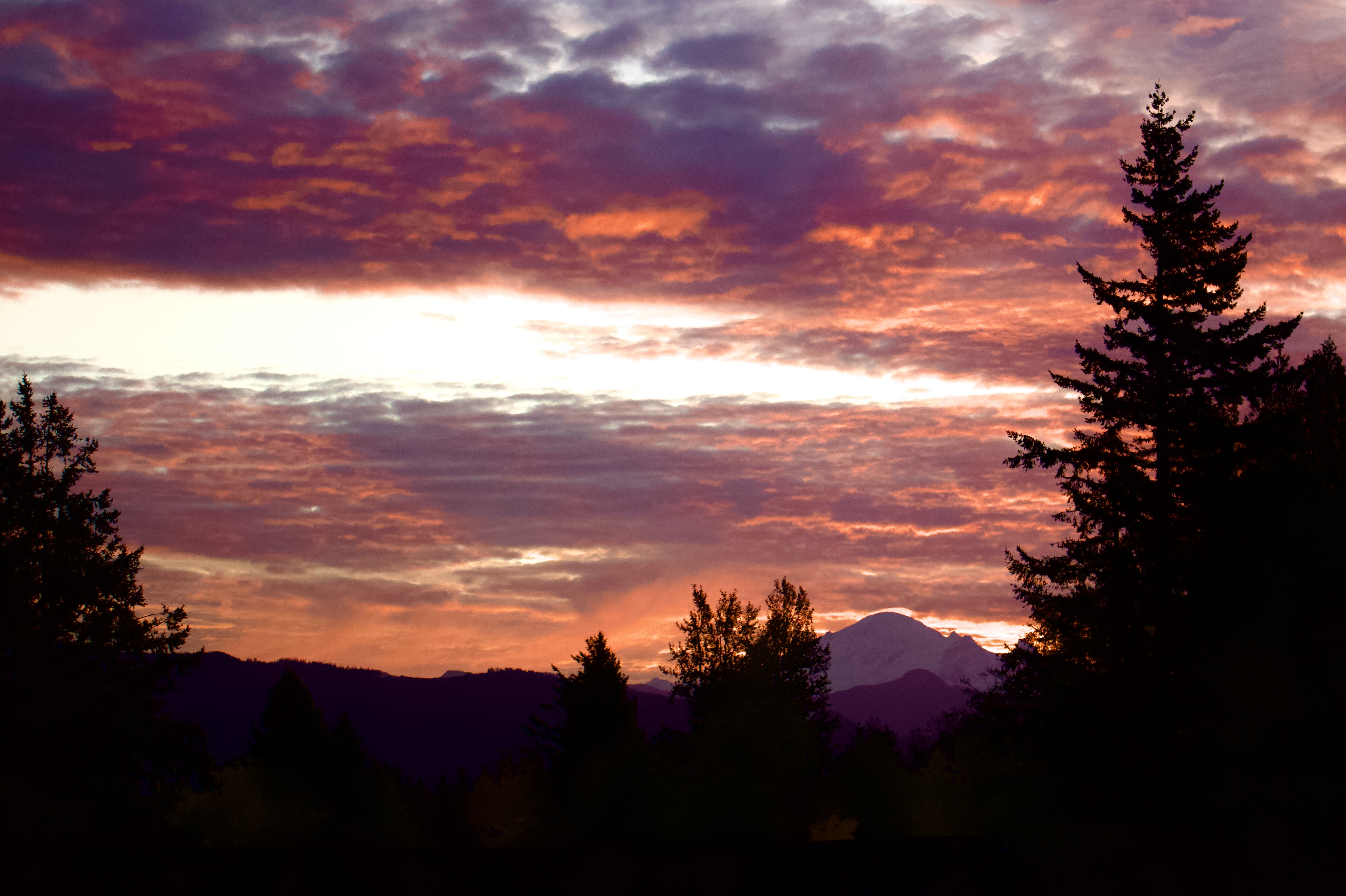
Every morning, cup of coffee in hand, I look out at the mountain. Ordinarily, it’s blue, but today it’s the color of an eggplant. And the sky turns from gray to pale apricot as the sun rolls up…
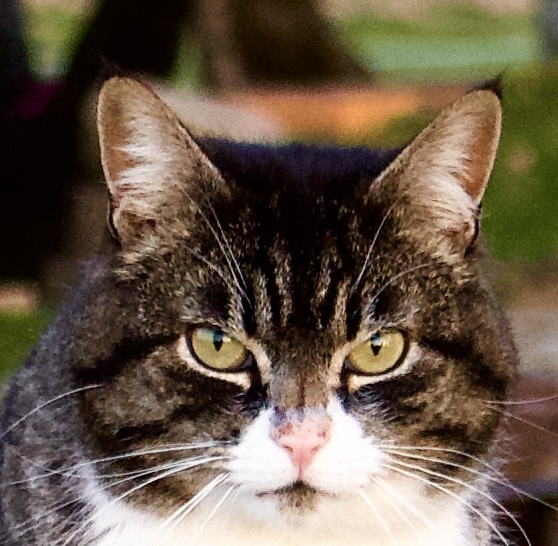
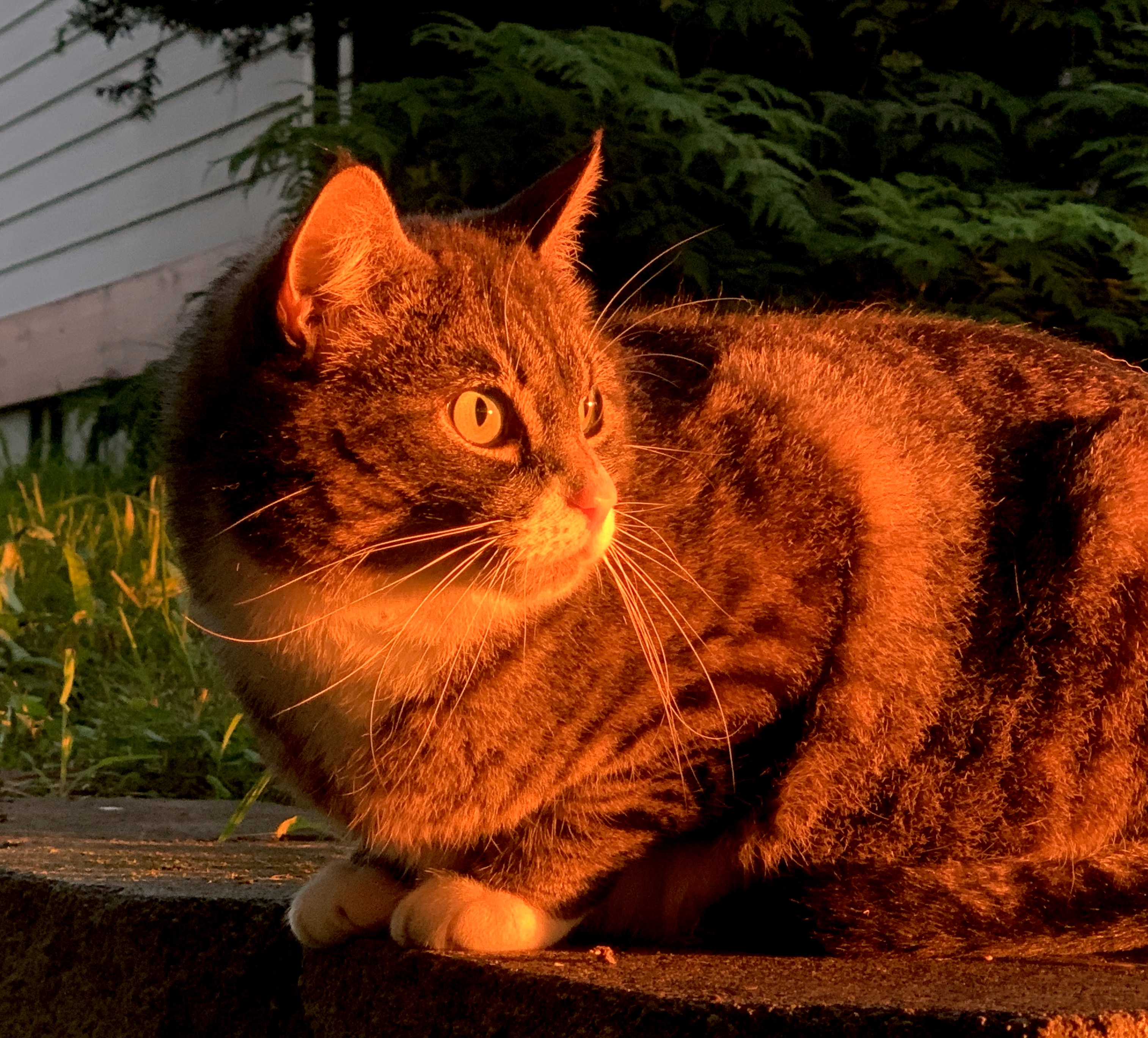
I study the cat’s face and find a trace of white around each eye, as if he made himself up today for a part in the opera. ~Jane Kenyon, from “In Several Colors” from Collected Poems.
If you notice anything it leads you to notice more and more.
And anyway I was so full of energy. I was always running around, looking at this and that.
If I stopped the pain was unbearable.
If I stopped and thought, maybe the world can’t be saved, the pain was unbearable. ~Mary Oliver from “The Moths” from Dream Work
I try to look at things in a new way as I wander about my day, my eyes scanning for how the hidden dusty corners of my life become illuminated by a penetrating morning sunbeam when the angle is just right.
The rest of the time, cobwebs, dust bunnies and smudges remain invisible to me until the searching light finds them.
What was “blue” becomes “eggplant” in the new light.
Trying to clean up a grungy messed-up upside-down world of pain is hard work.
It means admitting my own laziness, while falling down on the job again and again, I must always be willing to get back up.
If I stop acknowledging my own and others’ messiness, if I refuse to stay on top of the grime, if I give up the work of salvage and renewal, I then abandon God’s promise to transform this world.
He’s still here, ready and waiting, handing me a broom, a duster, and cleaning rags, so I shall keep at it – mopping up the messes I can reach, seeking what tries to stay hidden.
AI image created for this post
One-Time
Monthly
Yearly
Make a one-time or recurring donation to support daily Barnstorming posts
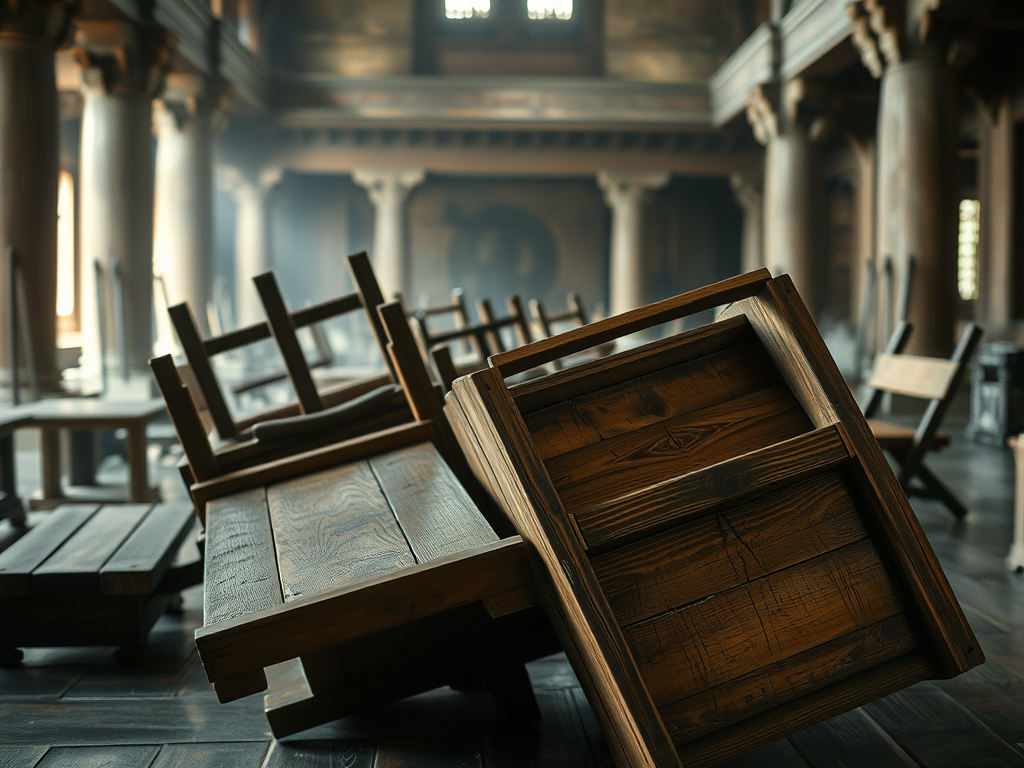
To invite Jesus to cleanse the temple of our hearts is not to ask for guilt and shame. It is to ask for healing. The same Lord who overturned tables did so not to destroy and humiliate, but to reclaim and restore. He interrupts only that which obstructs. He removes only that which hinders life and worship. His cleansing is never punitive; it is always redemptive. ~Scott Sauls from “What Would Jesus Overturn in Your Life?”
To live coram Deo is to live one’s entire life in the presence of God, under the authority of God, to the glory of God. To live in the presence of God is to understand that whatever we are doing and wherever we are doing it, we are acting under the gaze of God.
There is no place so remote that we can escape His penetrating gaze. To live all of life coram Deo is to live a life of integrity. It is a life of wholeness that finds its unity and coherency in the majesty of God.
Our lives are to be living sacrifices, oblations offered in a spirit of adoration and gratitude.
A fragmented life is a life of disintegration. It is marked by inconsistency, disharmony, confusion, conflict, contradiction, and chaos. Coram Deo … before the face of God. …a life that is open before God. …a life in which all that is done is done as to the Lord. …a life lived by principle, not expediency; by humility before God, not defiance. ~R.C. Sproulfrom “What Does “coram Deo” mean?”
We cannot escape His gaze…all of us, all colors, shapes and sizes… Created in His image, imago dei, so He looks at us as His reflections in the mirror of the world.
What we do, how we speak, how we treat others reflects the face of God. Jesus is the embodied temple, bringing His sacrifice to the people, rather than people coming to the temple with their sacrifices.
I cringe to think how we hide from His gaze. All I see around me and within me is: inconsistency, dishonesty, disharmony, confusion, conflict, contradiction, and chaos.
Everywhere, everyone is saying: only I know what is best.
We call hypocrisy on one another, holding fast to moral high ground when the reality is: we drown together in the mud of our mutual guilt and lack of humility. All that we have done to others, we have done to God Himself.
It is time for us to be on our knees asking for cleansing, for the temples of our hearts to be overturned, our corruption scattered.
Jesus comes to cleanse, repair, reclaim and restore – us.
Kind of takes one’s breath away.
This year’s Lenten theme:
…where you go I will go… Ruth 1:16
AI image created for this post
VERSE 1 It is not death to die To leave this weary road And join the saints who dwell on high Who’ve found their home with God It is not death to close The eyes long dimmed by tears And wake in joy before Your throne Delivered from our fears CHORUS O Jesus, conquering the grave Your precious blood has power to save Those who trust in You Will in Your mercy find That it is not death to die VERSE 2 It is not death to fling Aside this earthly dust And rise with strong and noble wing To live among the just It is not death to hear The key unlock the door That sets us free from mortal years T To praise You evermore Original words by Henri Malan (1787-1864). Translated by George Bethune (1847)
Angels, where you soar Up to God’s own light Take my own lost bird On your hearts tonight; And as grief once more Mounts to heaven and sings Let my love be heard Whispering in your wings
One-Time
Monthly
Yearly
Make a one-time or recurring donation to support daily Barnstorming posts
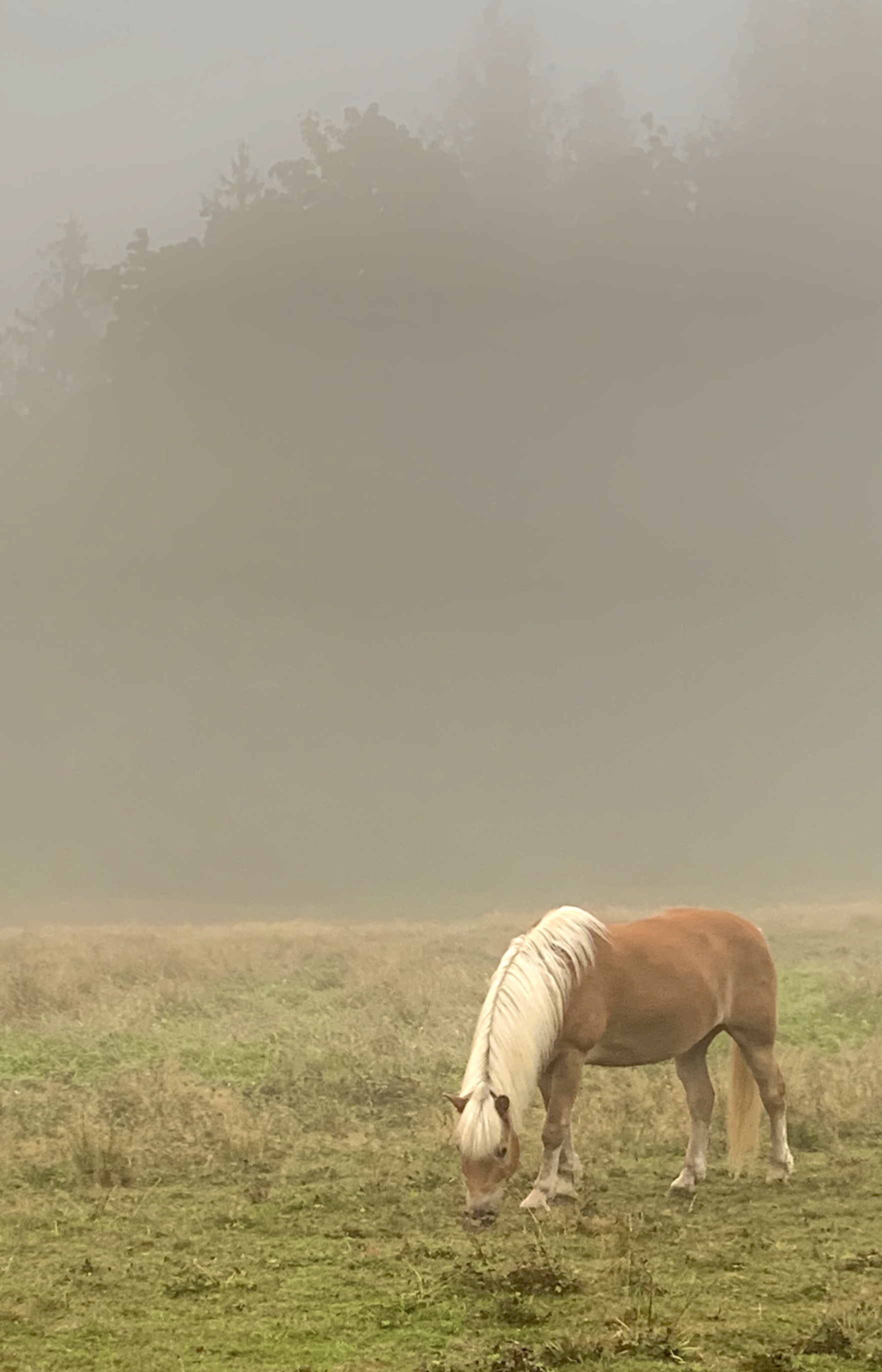
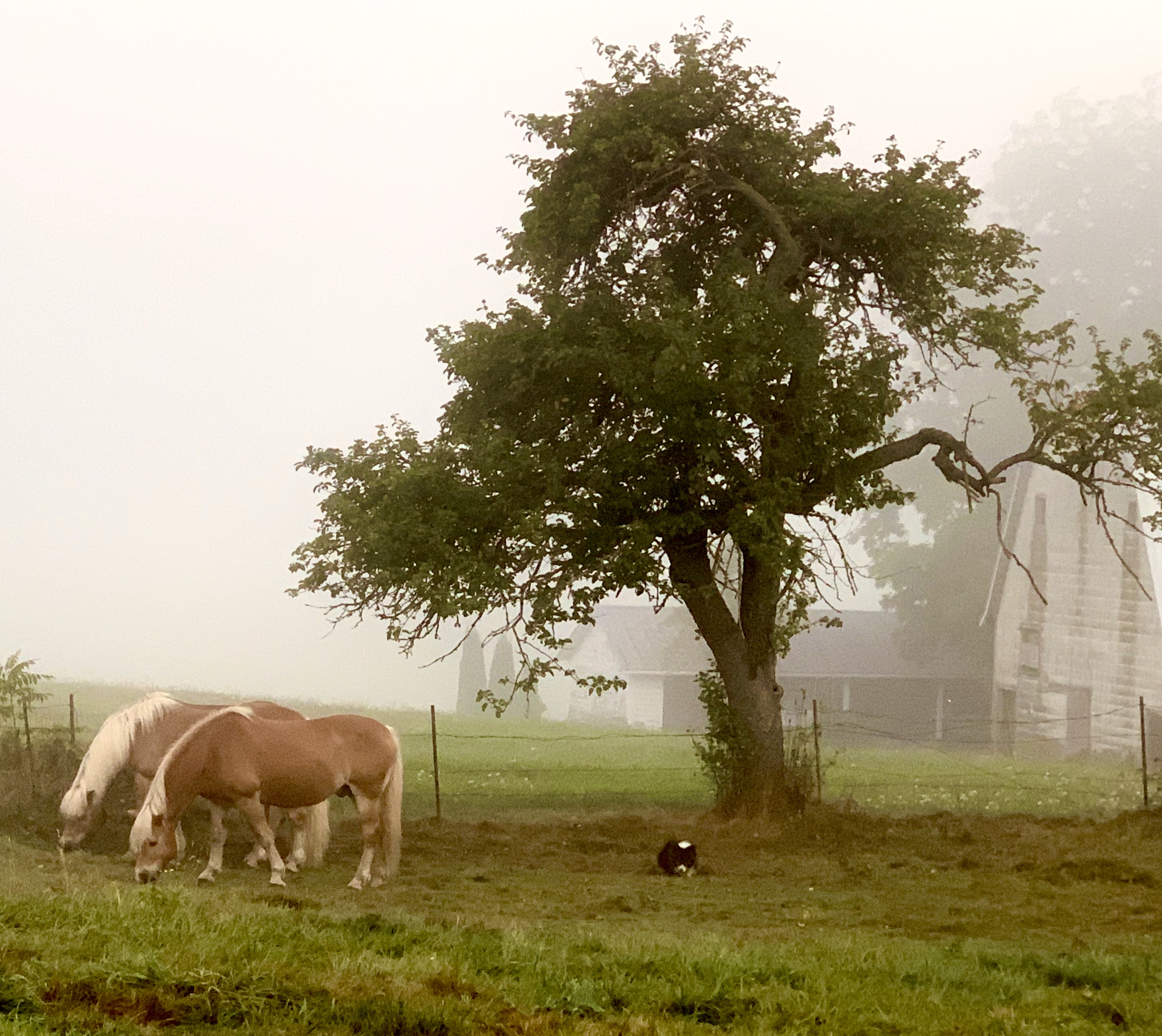
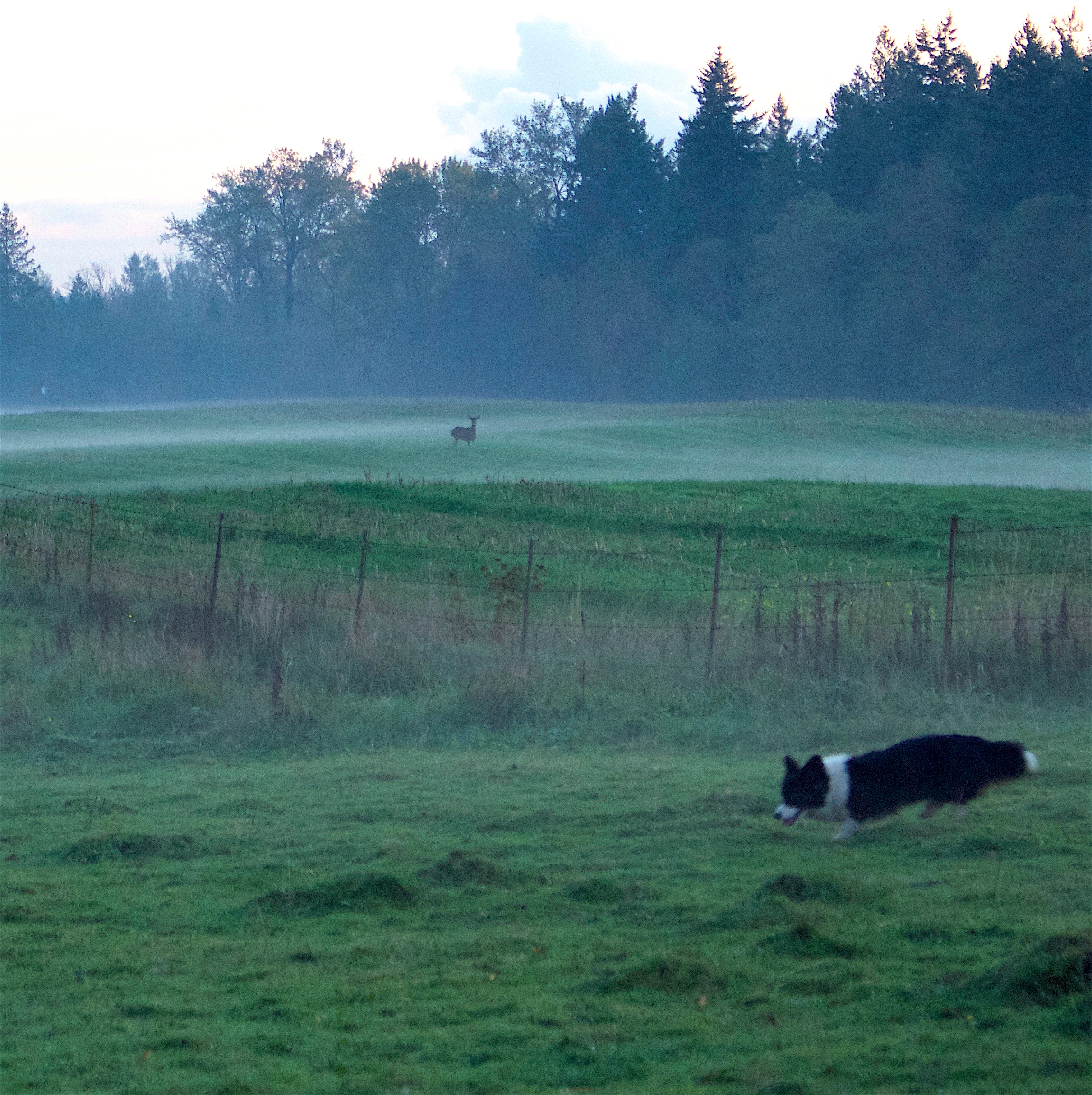
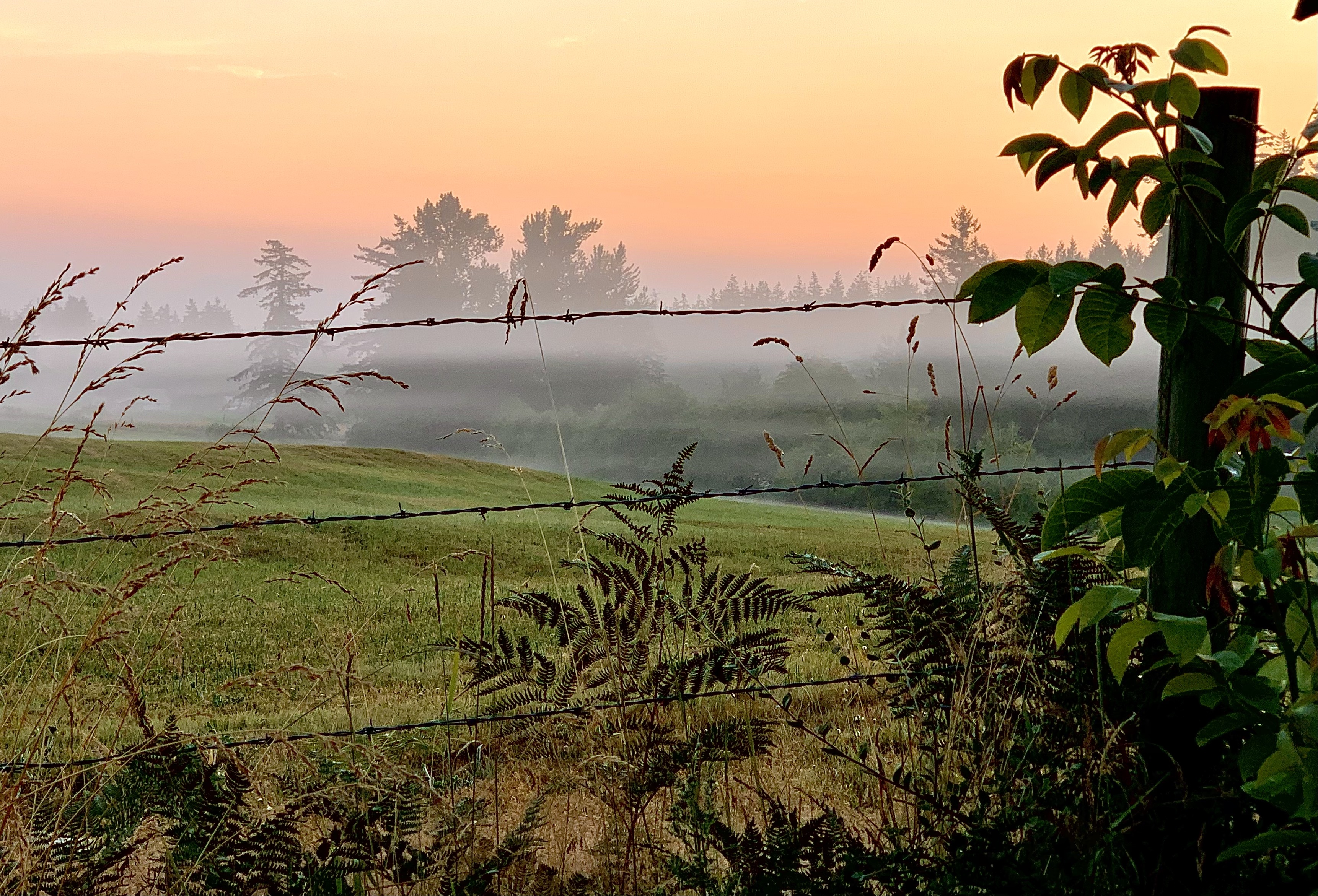
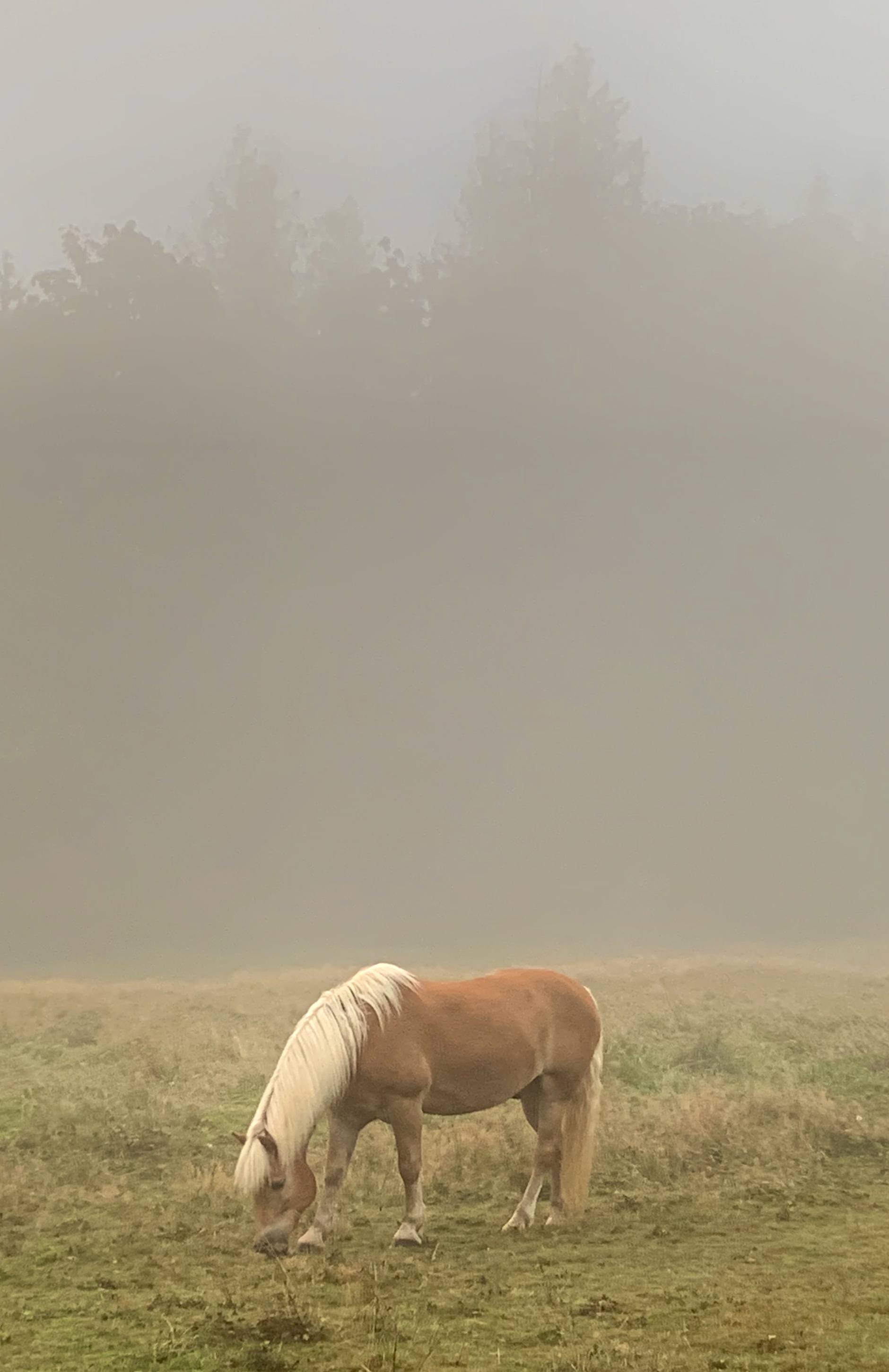
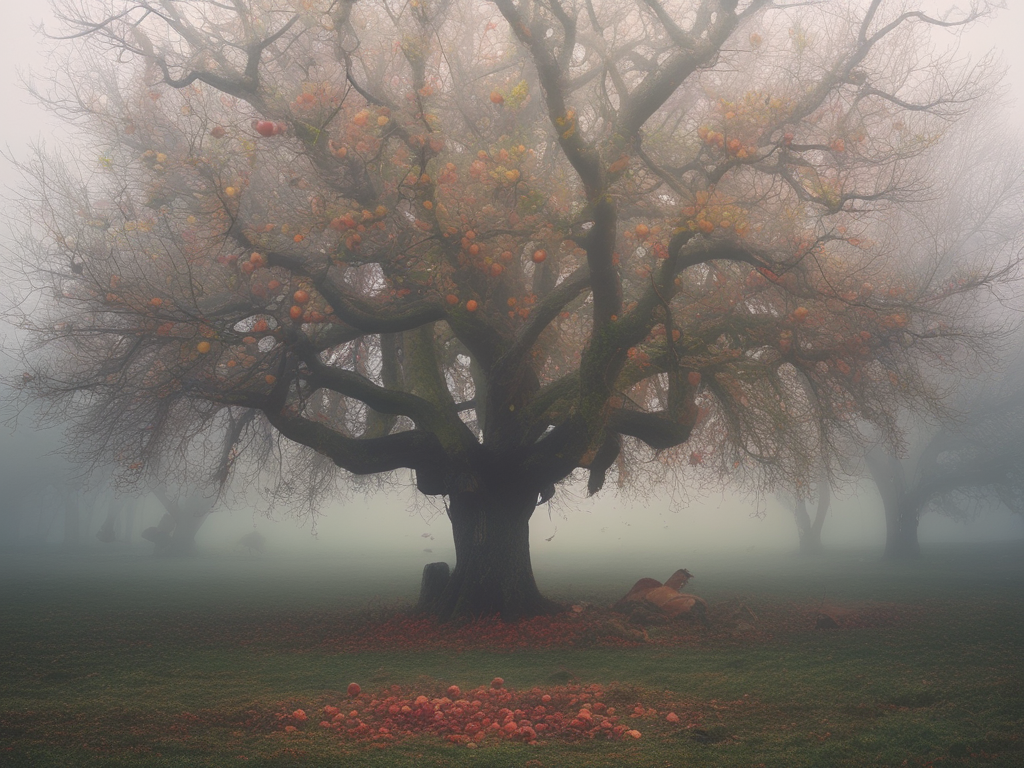
On the second day of fog, she goes to meet it sits on the broad root of a broken down apple tree, remembers being a child in such fog, searching for fairy houses. She hears movement in the grass, keeps very still while the veil of haze rises to treetops bronzed by the burn of the sun. Slowly horses and deer appear all around her, they graze close together, nosing fallen apples, until she forgets this is still a fallen world. ~Lonnie Hull DuPont, “On the Second Day of Fog” from She Calls the Moon by Its Name
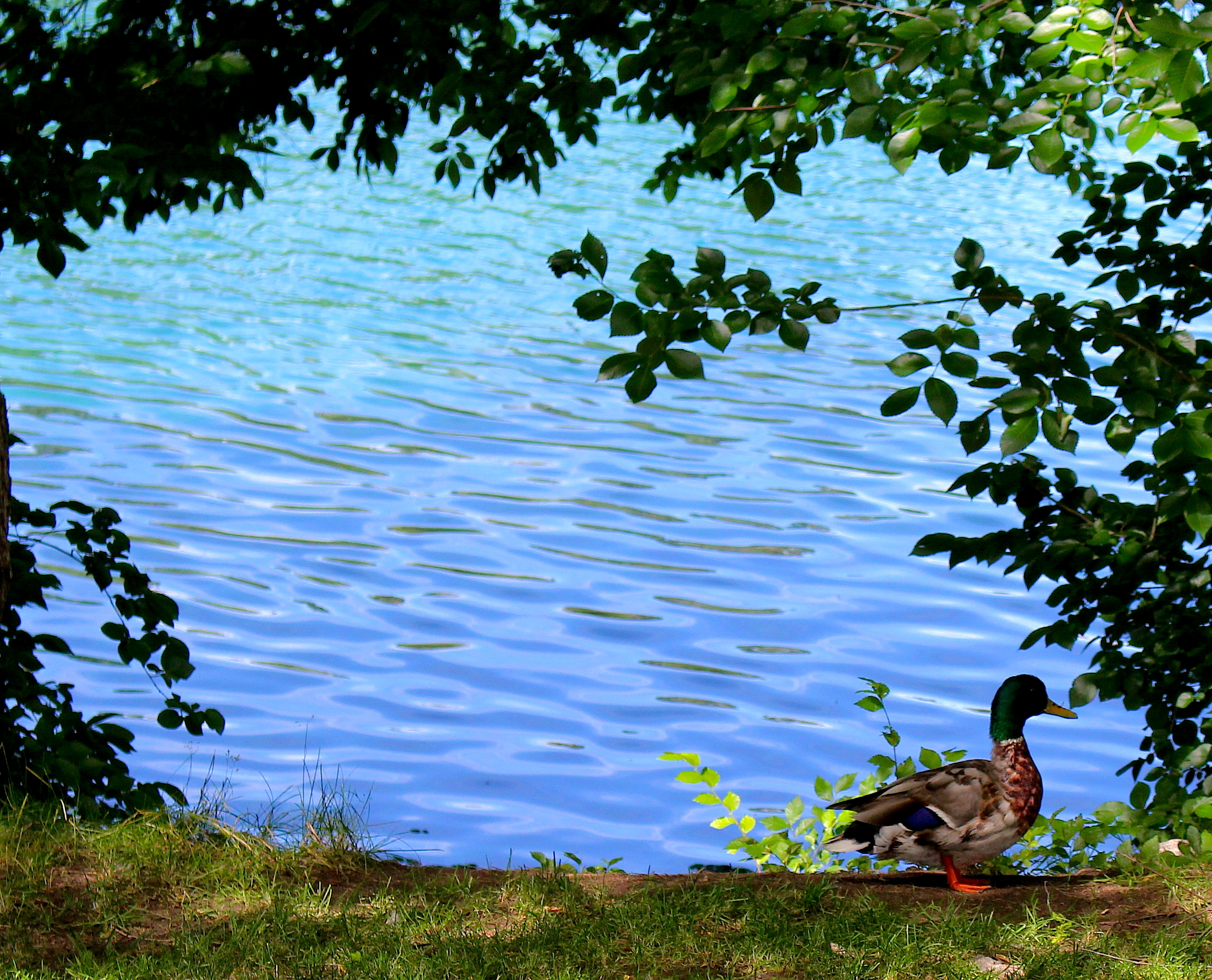
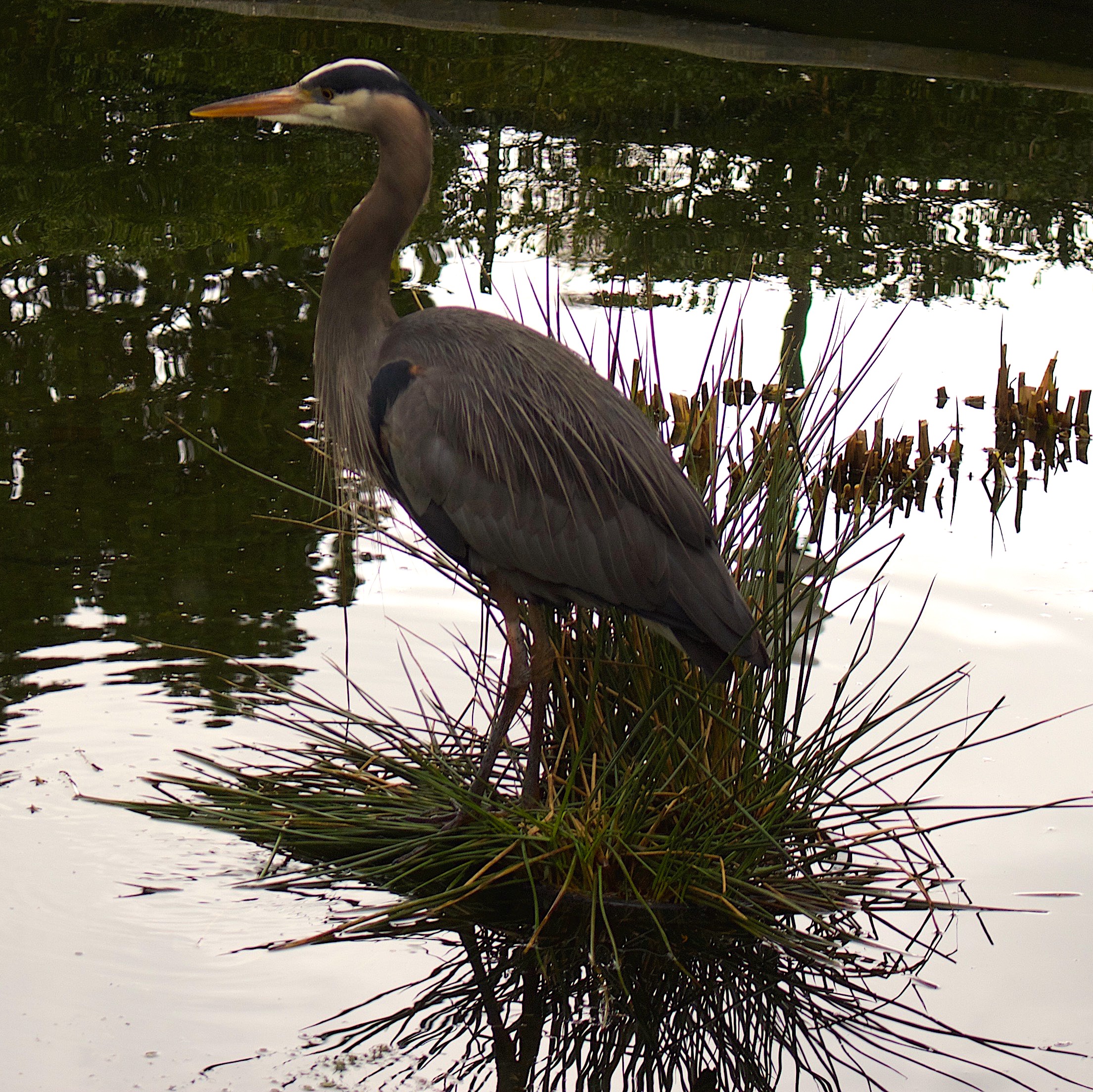
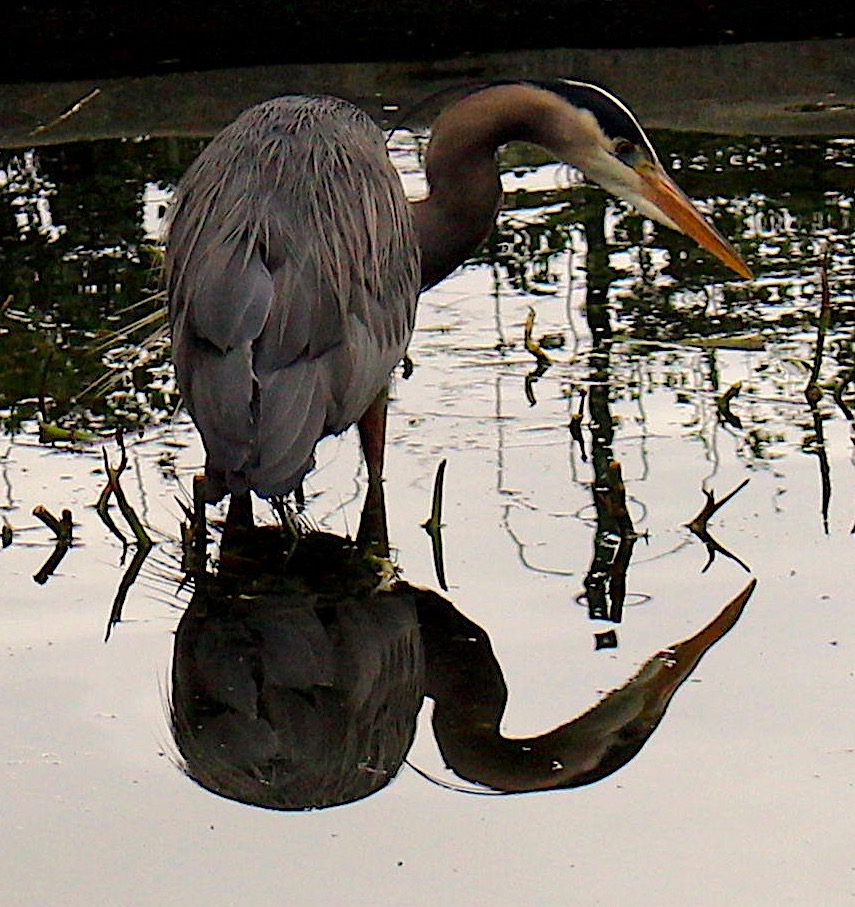
When despair for the world grows in me and I wake in the night at the least sound in fear of what my life and my children’s lives may be, I go and lie down where the wood drake rests in his beauty on the water, and the great heron feeds. I come into the peace of wild things who do not tax their lives with forethought of grief. I come into the presence of still water. And I feel above me the day-blind stars waiting with their light. For a time I rest in the grace of the world, and am free. ~Wendell Berry “The Peace of Wild Things“
When our grandchildren come to visit, I watch as yet another generation rediscovers the mystery of what we know about the joys and sorrows of this fallen but redeemed world.
I am reminded there is light beyond the fearsome darkness, there is peace amid the chaos, there is a smile behind the tears, there is stillness within the noisiness there is rest despite the restlessness, there is grace – ah, there is grace as inevitably the old gives way to the new.
One-Time
Monthly
Yearly
Make a one-time or recurring donation to support daily Barnstorming posts
On the green hill with the river beyond it long ago and my father there and my grandmother standing in her faded clothes wrinkled high-laced black shoes in the spring grass among the few gravestones inside their low fence by the small white wooden church the clear panes of its windows letting the scene through from the windows on the other side of the empty room and a view of the trees over there my grandmother hardly turned her head staring like a cloud at the empty air not looking at the green glass gravestone with the name on it of the man to whom she had been married and who had been my father’s father she went on saying nothing her eyes wandering above the trees that hid the river from where we were a place where she had stood with him one time when they were young and the bell kept ringing ~W. S. Merwin “Widnoon” from The Moon Before Morning
I remember my grandfather as a somber quiet man who used to slowly rock in a wooden chair that now happens to sit empty here in our home.
For most of his life, my Grandpa drank heavily but he wasn’t just any drunk. He was a mean drunk. Surly, cursing, prone to throwing things and people, especially at home.
Grandma used to say he learned to drink in the logging camps and I suspect that is true. He started working as a logger before he was fully grown, dropping out of school, leaving home around age sixteen and heading up to the hills where real money could be made. He learned more than how to cut down huge old growth Douglas Fir trees, skid them down the hills using a team of horses, and then roll them onto waiting wagons to be hauled to the mills. He learned how to live with a group of men who surfaced once or twice a month from the hills to take a bath, bootleg booze during prohibition and maybe go to church with their womenfolk.
Mostly the loggers taught him how to curse and drink.
He headed home to the farm with muscles and attitude a few years later, and started the process of felling trees, creating a “stump farm” that was a challenge to work because huge stumps dotted the fields and hills. He slowly worked at blasting them out of the ground so the land could be tilled. It proved more than he had strength and motivation to do, so his fields were never very fruitful, mostly growing hay for his own animals. He went to work in the local saw mill to make ends meet.
He cleaned up some when he met my grandmother, who at eighteen was seven years younger, and eager to escape her role as chief cook and bottle washer for her widowed father and younger brother. She was devout, lively and full of energy and talked constantly while he, especially when sober, preferred to let others do the talking. It was an unusual match but he liked her cooking and she was ready to escape the drudgery of her father’s household and be wooed.
They settled on the stump farm and began raising a family, trying to eke out what living they could from the land, from the sporadic work he found at the saw mill, and every Sunday, took the wagon a mile down the road to the Bible Church where they both sang with gusto.
He still drank when he had the money, blowing his pay in the local tavern, and stumbling in the back door roaring and burping, falling into bed with his shoes on. Grandma was a teetotaler and yelled into his ruddy face about the wrath of God anytime he drank, their four children hiding when the dishes started to fly, and when he would whip off his belt to hit anyone who looked sideways at him.
When their eldest daughter took sick and died of lymphoma at age eight despite the little doctoring that was available, Grandpa got sober for awhile. He saw it as punishment from God, or at least that is what Grandma told him through her sobs as she struggled to cope with her loss.
Over the years, he relapsed many times, losing fingers in his work at the mill, and losing the respect of his wife, his children and the people in the community. Grandma took the kids for several months to cook in a boarding house in a neighboring town, simply to be able to feed her family while Grandpa squandered what he had on drink. Reconciled over and over again, Grandma would come back to him, sending their only son to fetch him from the tavern for the night. My Dad would bicycle to that dark and smoky place, stand Grandpa up and guide him staggering out to their truck for the weaving drive home on country roads. On more than one occasion, Grandpa, belligerent as ever, would resist leaving and throw a punch at his boy, usually missing by a mile.
But once the boy grew taller and strong enough to fight back, managing to knock Grandpa to the ground in self-defense, the punching and resistance stopped. The boozing didn’t.
Grandpa sobered up for good while his boy fought in the war overseas in the forties, striking a bargain with God that his boy would come home safe to work the farm as long as Grandpa left alcohol alone. It stuck and he stayed sober. His boy came home. Grandpa saw it as a promise kept and became an elder in his Bible Church, taught Sunday School and gave his extra cash to the church rather than the tavern. He and Grandma donated a house on their property to the church for a parsonage.
Some twelve years later, sitting in a Christmas Sunday School program one Christmas Eve, Grandpa leaned toward Grandma and she saw his face broken out in sweat, his face ashen.
“It’s hot in here, I need air, “ he said and collapsed in her lap. He was gone, just like that. He left the rest of his family behind while he sat in church, sober as can be, on the day before Christmas.
There is no question in my mind he knew he was forgiven. He headed home one more time, not weaving or swerving but traveling straight and narrow.
AI image created for this postAI image created for this post
One-Time
Monthly
Yearly
Make a one-time or recurring donation to support daily Barnstorming posts
Life is grace. Sleep is forgiveness. The night absolves. Darkness wipes the slate clean, not spotless to be sure, but clean enough for another day’s chalking. ~Frederick Buechner from The Alphabet of Grace
Today is the tomorrow hoped for last night, a clean slate on which to leave a mark on a new day after night’s erasing rest.
No matter what took place the day before, no matter the misgivings, no matter what should have been left unsaid, no matter how hard the heart, there is another day to make it right.
Forgiveness finds a foothold in the dark, when eyelids close and leak, thoughts quietly crack open, voices hush in prayers of praise, petition and redemption.
And so now sleep on it, knowing his grace abounds in blameless dreams.
Morning will come awash in new light, another chance to write anew.
AI image created for this post
One-Time
Monthly
Yearly
Make a one-time or recurring donation to support daily Barnstorming posts



























 Barnstorming