I wonder what it would be like to live in a world where it was always June. ~L. M. Montgomery from Anne of the Island
Each month is special in its own way: I tend to favor April and October for how the light plays on the landscape during transitional times — a residual of what has been, with a hint of what lies ahead.
Then there is June. Dear, gentle, abundant and overwhelming June. Nothing is dried up, there is such a rich feeling of ascension into lushness of summer with an “out of school” attitude, even if one has graduated long ago.
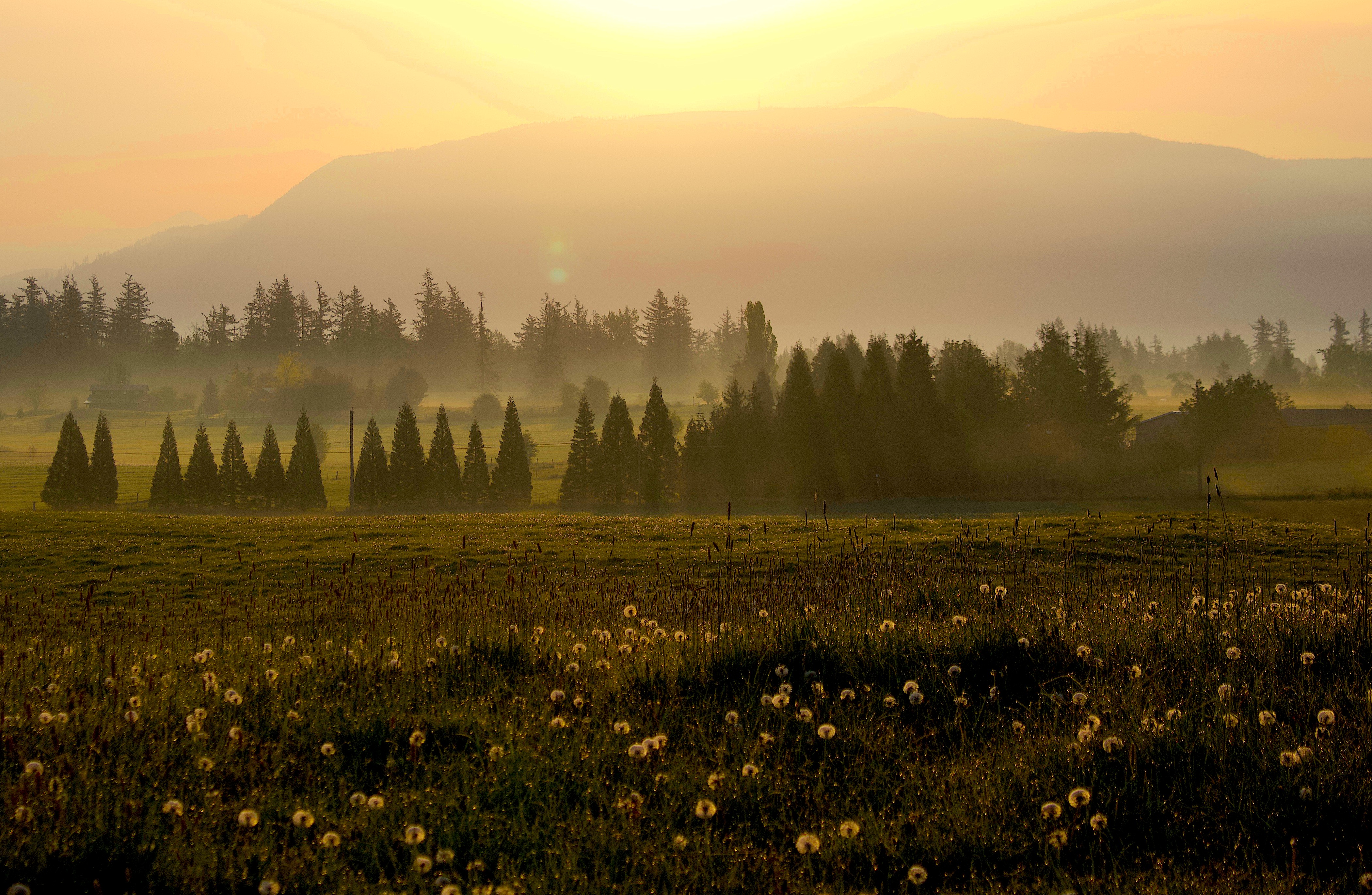
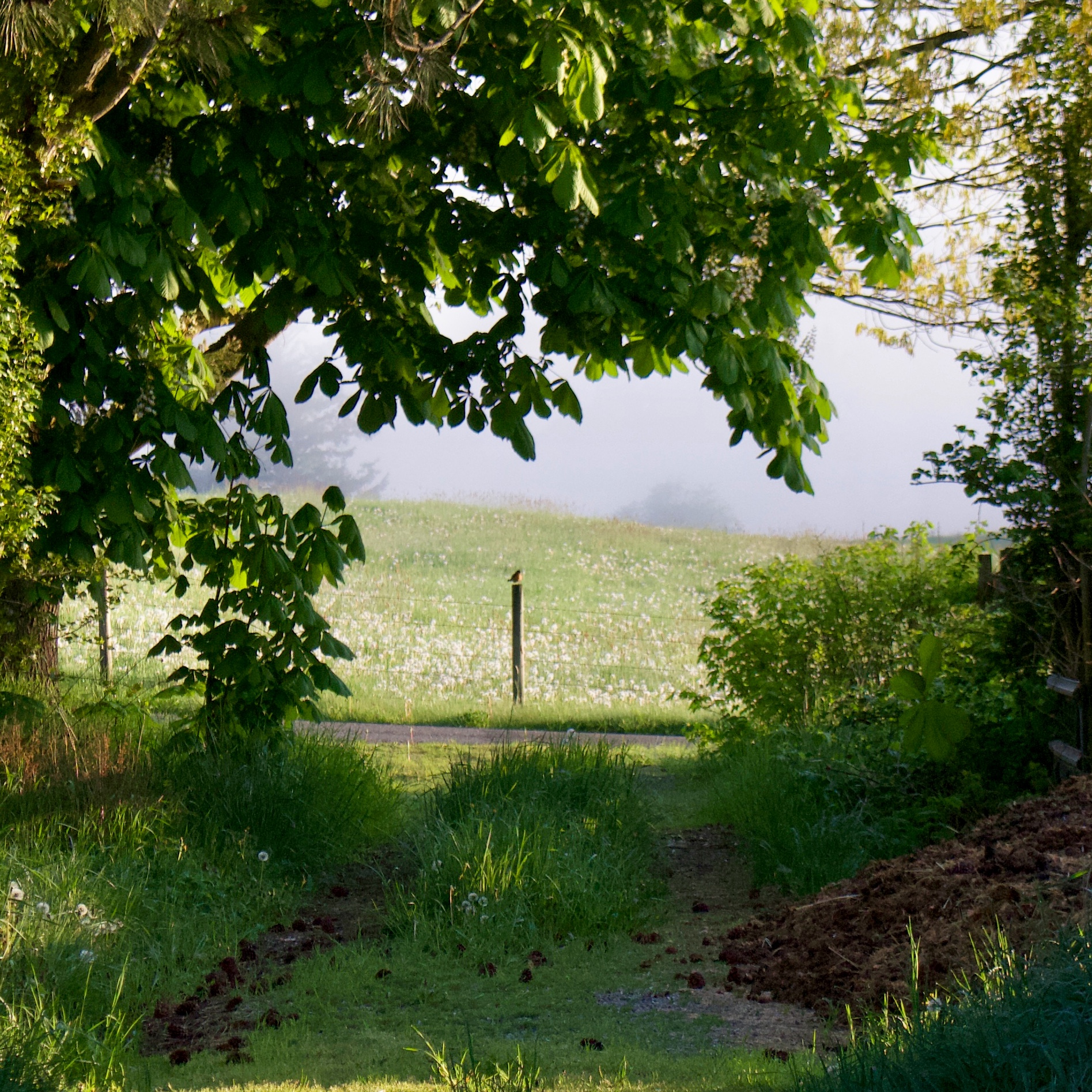
And the light, and the birdsong and the dew and the greens — such vivid verdant greens.
As lovely as June is, 30 days is more than plenty or I would become completely saturated. Then I can be released from my sated stupor to wistfully hunger for June for 335 more.
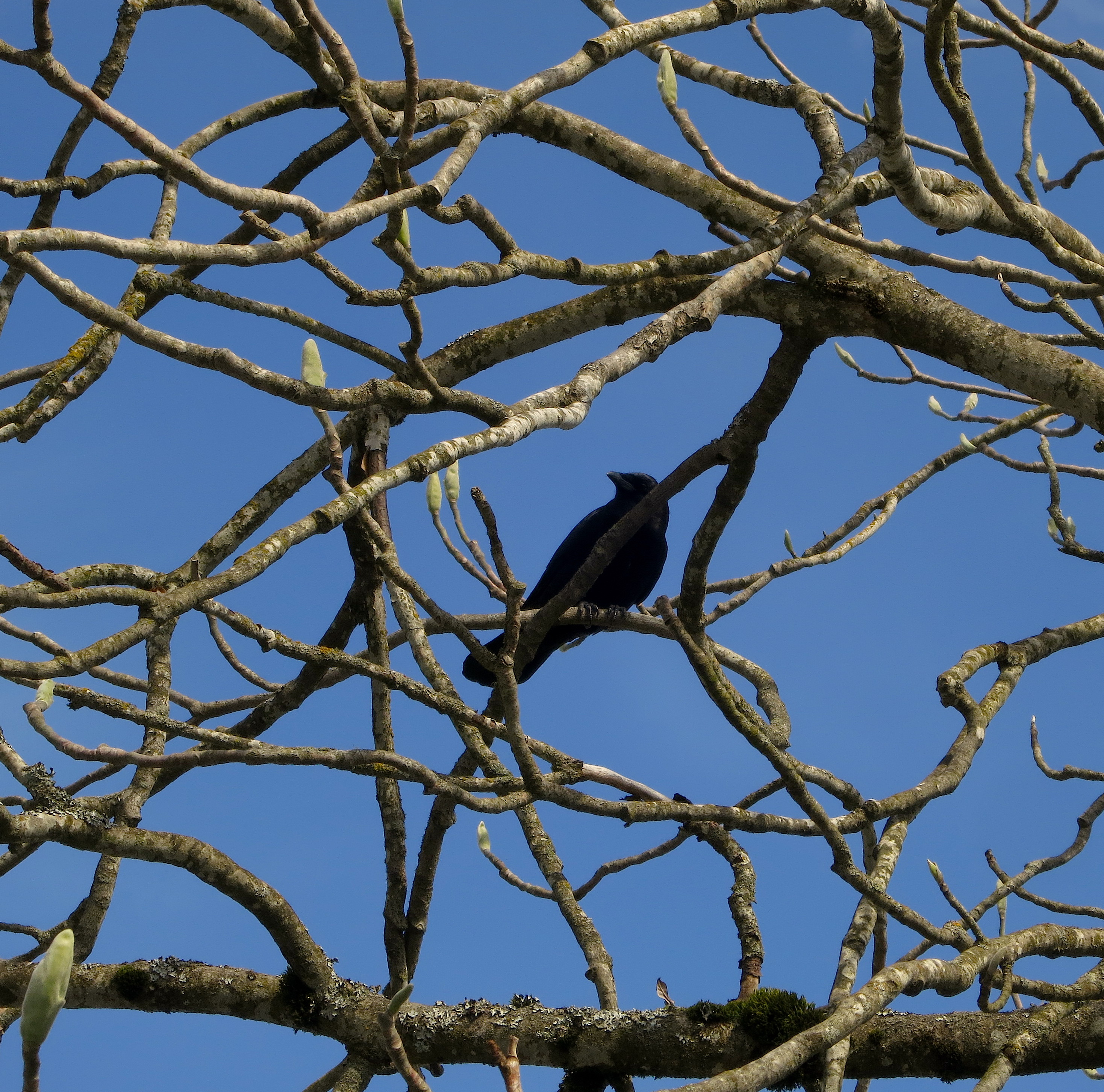
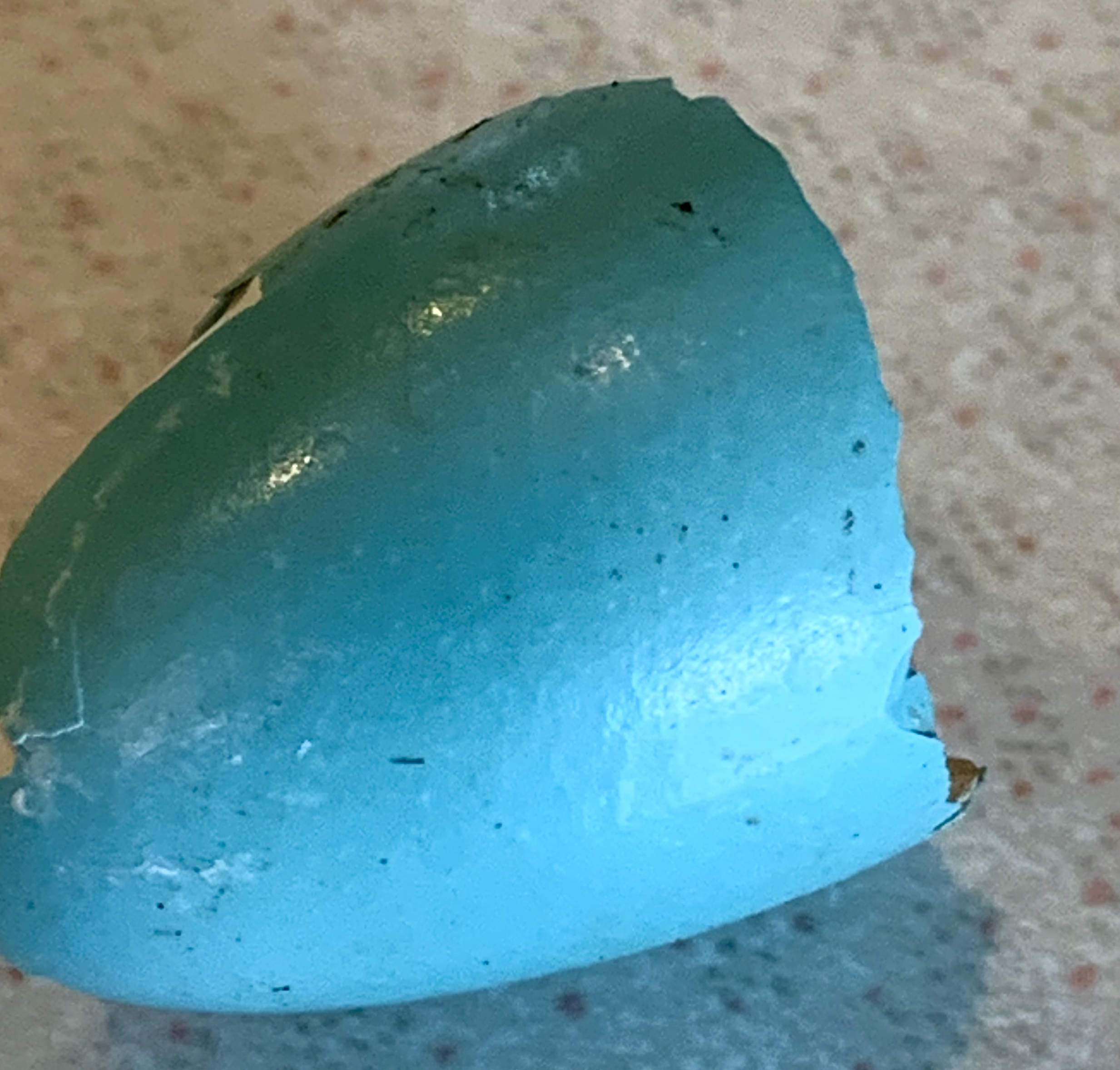
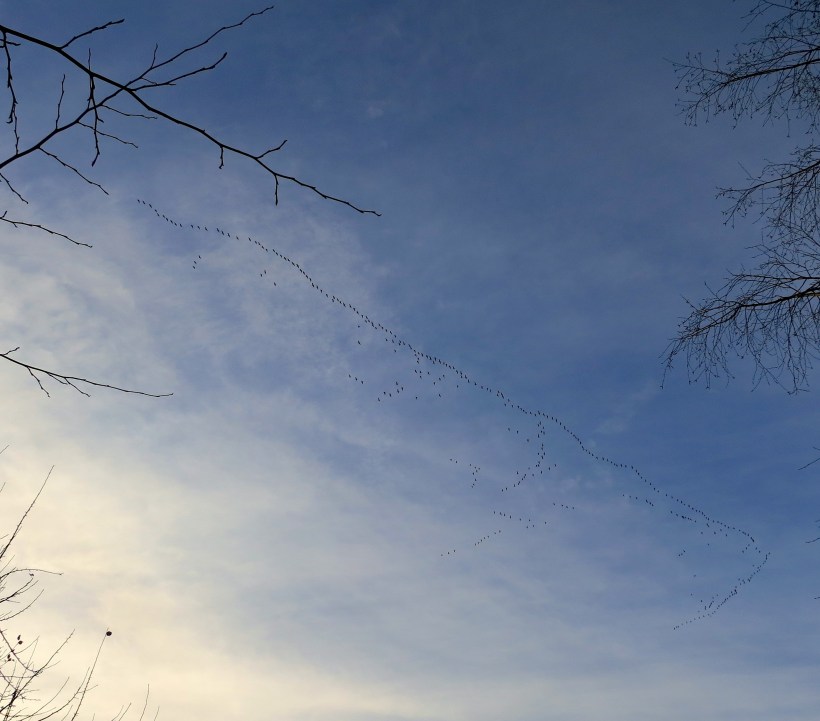
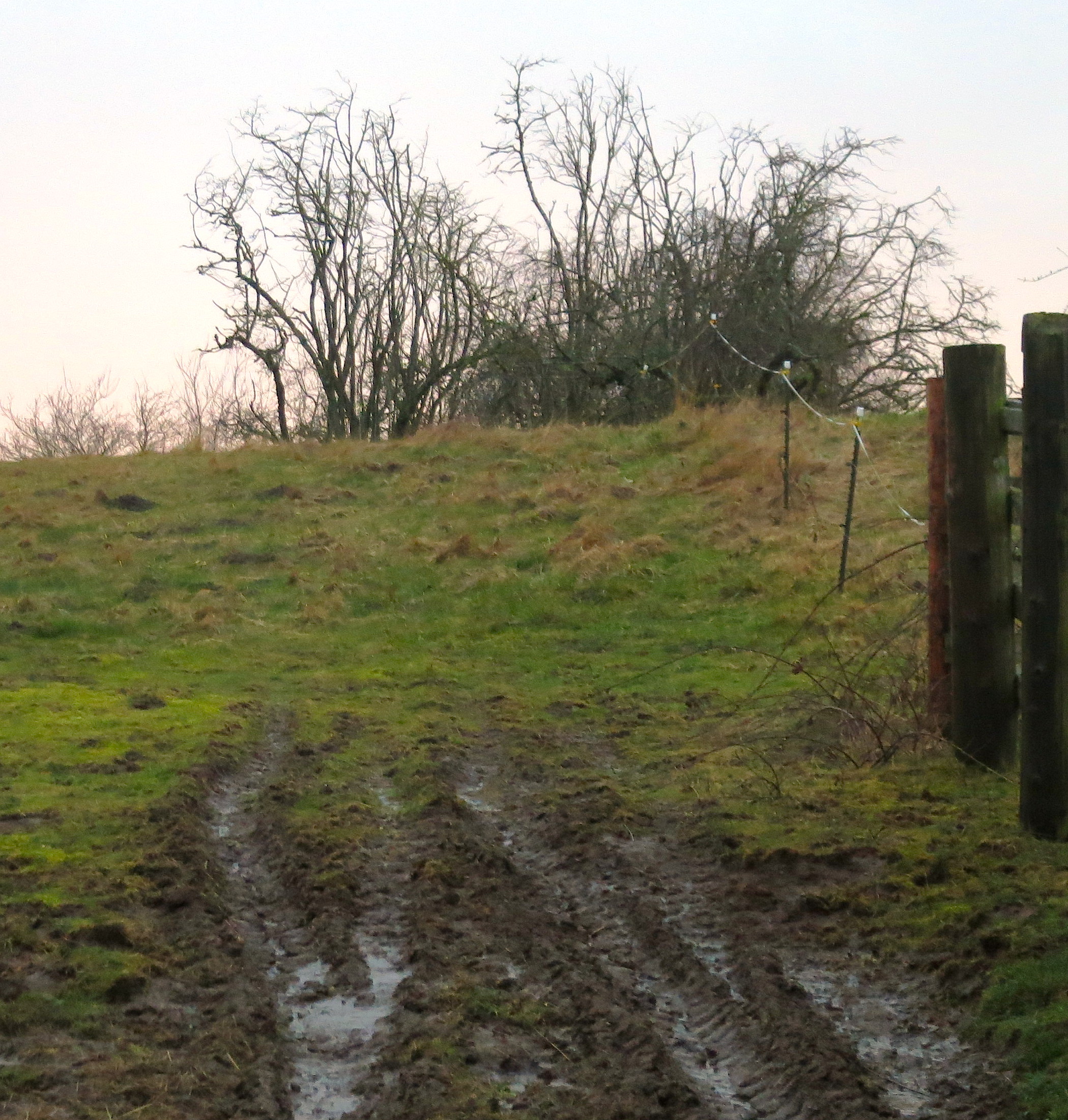
The crow’s voice filtered through the walls of the farmhouse makes sounds of a rusty car engine turning over. Clouds on a north wind that whistles softly and cold. Spruce trees planted in a line on the south side of the house weave and scrape at the air. I’ve walked to a far field to a fence line of rocks where I am surprised to see soft mud this raw day. No new tracks in the mud, only desiccated grass among the rocks, a bare grove of trees in the distance, a blue sky thin as an eggshell with a crack of dark geese running through it, their voices faint and almost troubled as they disappear in a wedge that has opened at last the cold heart of winter. ~Tom Hennen, “Early Spring in the Field” from Darkness Sticks to Everything: Collected and New Poems.
I shouldn’t be turning on the heat in the house on a late May morning but there is still an undeniable chill, even at this point in spring. The flowers outside are lush, but we’re still two or three weeks behind our usual bloom schedule.
We’re all impatient to be done with the coldness of a winter that has driven a wedge between people and politics, families and friends, well and ill.
We seek warmth and renewal and hugs and handshakes.
Instead we are asked for patience, to continue to practice the art of waiting for a safe reentry to spring and summer. No one wants to be tossed brutally back to the winter we just crawled away from.
May we emerge together, muddied but whole, ready to face whatever comes next.
What stood will stand, though all be fallen, The good return that time has stolen. Though creatures groan in misery, Their flesh prefigures liberty To end travail and bring to birth Their new perfection in new earth. At word of that enlivening Let the trees of the woods all sing And every field rejoice, let praise Rise up out of the ground like grass. What stood, whole in every piecemeal Thing that stood, will stand though all Fall–field and woods and all in them Rejoin the primal Sabbath’s hymn. ~Wendell Berry, from “Sabbaths” (North Point Press, 1987).
We live in a time where the groaning need anddividedness of humankind is especially to be felt and recognized…
Yet this terrific human need and burden of the times causes us to see how weak and powerless we are to change this. Then we must see that if we are to advocate change, we must start with ourselves. We must recognize that we as individuals are to blame for social injustice, oppression, and the downgrading of others, whether personal or on a broader plane. We must see that a revolution must take place against all that destroys life. This revolution must become a revolution different from any the world has ever seen. God must intervene and lead such a revolution with his Spirit and his justice and his truth. ~Dwight Blough from the introduction to When the Time was Fulfilled (1965)
22 For we know that the whole creation has been groaning together in the pains of childbirth until now. 23 And not only the creation, but we ourselves, who have the firstfruits of the Spirit, groan inwardly as we wait eagerly for adoption as sons, the redemption of our bodies. 24 For in this hope we were saved. Now hope that is seen is not hope. For who hopes for what he sees? 25 But if we hope for what we do not see, we wait for it with patience.
26 Likewise the Spirit helps us in our weakness. For we do not know what to pray for as we ought, but the Spirit himself intercedes for us with groanings too deep for words. Romans 8: 22-26
We are groaning in anticipation of what might come next – so many ill, so many lost. What can we make of this, how can we make sense of it?
We could groan together in the hard labor of birthing a newly unified people all facing the same viral enemy. Instead we groan angry and bitter, irritable with one another, wanting to find someone else, anything to blame for our misery.
God willingly pulls our groanings onto Himself and out of us. He understands even when we are too inarticulate to form the words we want Him to hear.
We must cling tenaciously to the mystery of God’s magnetism for our weakness and suffering and allow His healing us to begin.
By His Spirit we will be forever changed and our groanings will be no more.
Oh, give us pleasure in the flowers today; And give us not to think so far away As the uncertain harvest; keep us here All simply in the springing of the year.
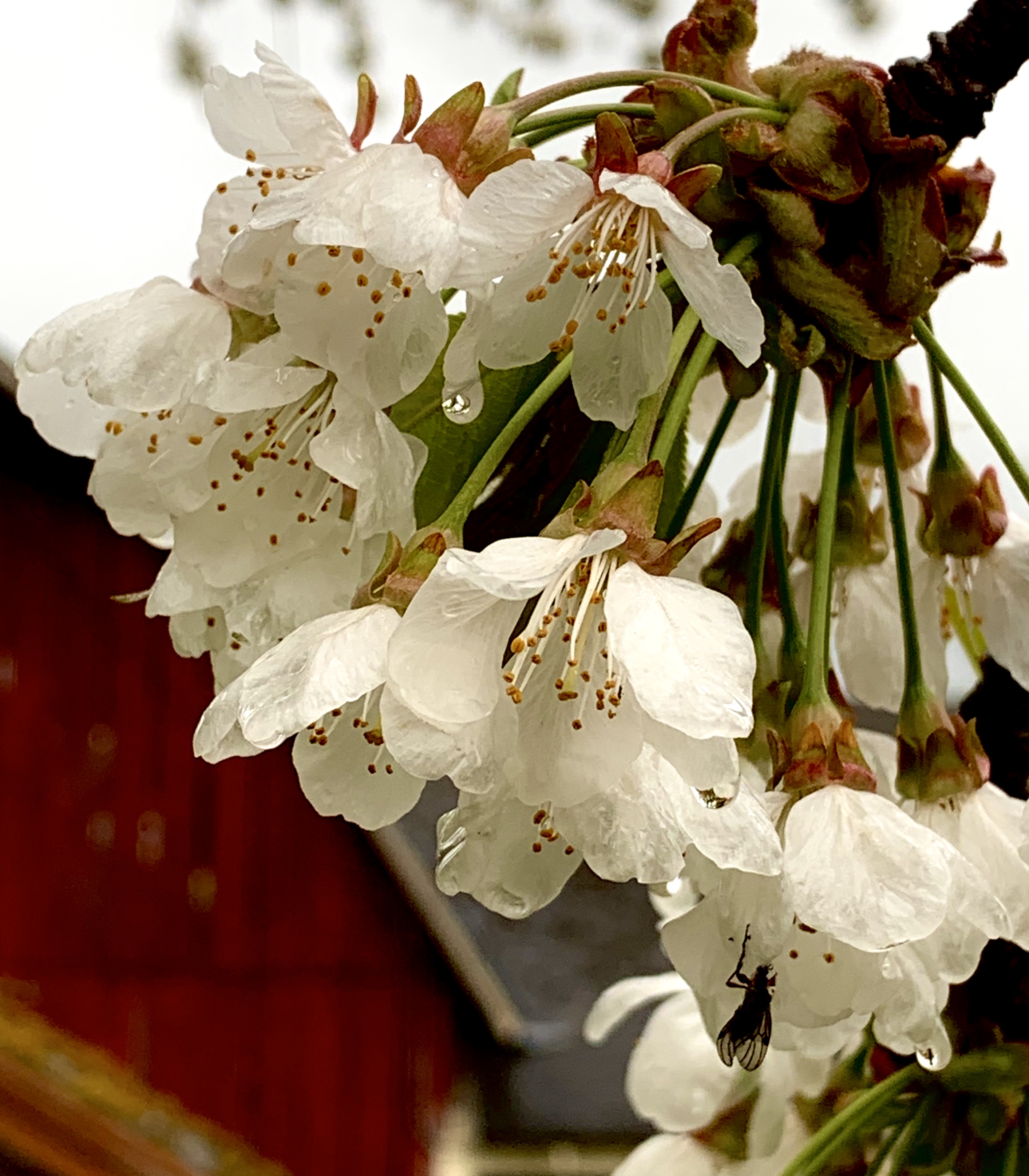
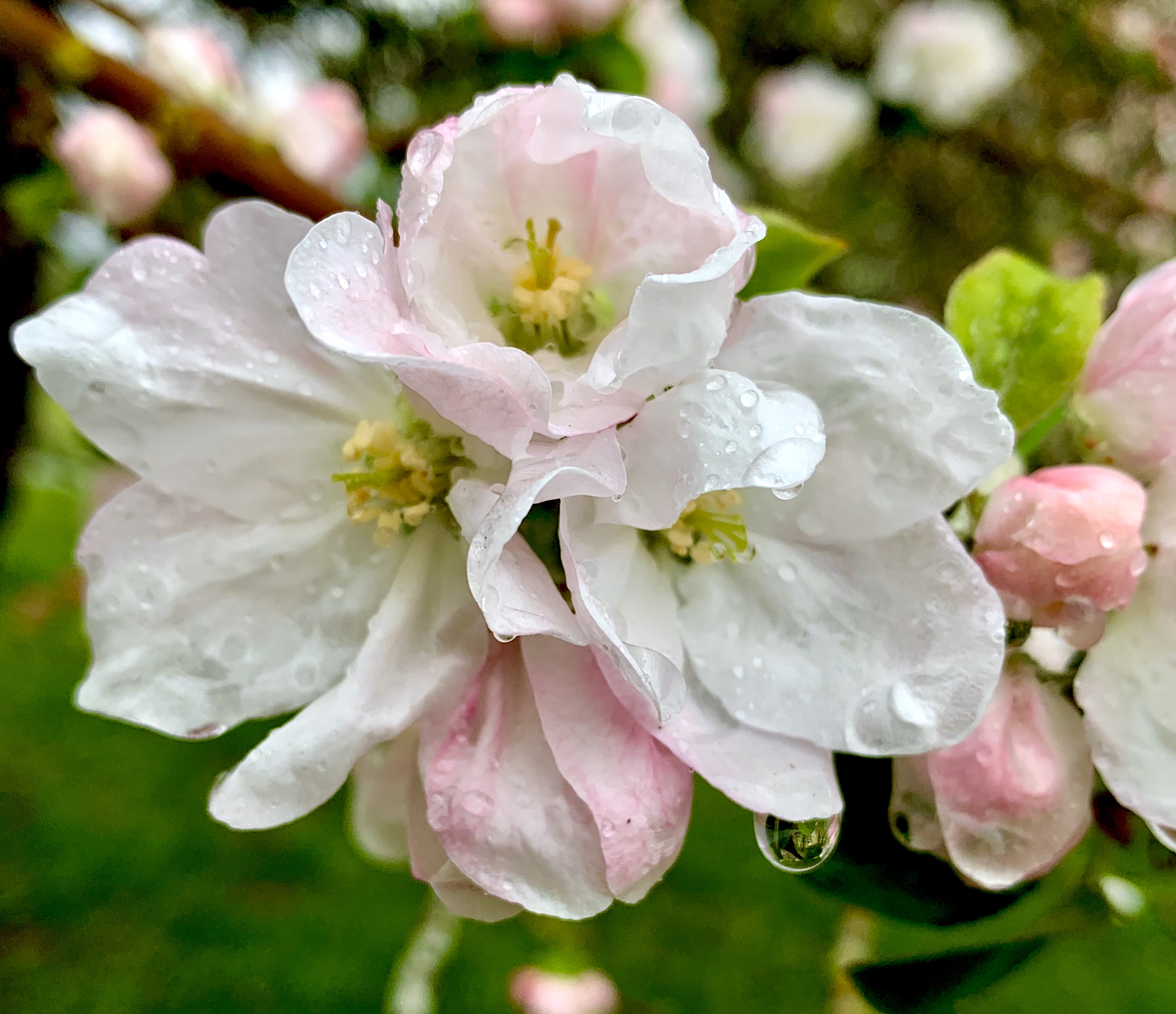
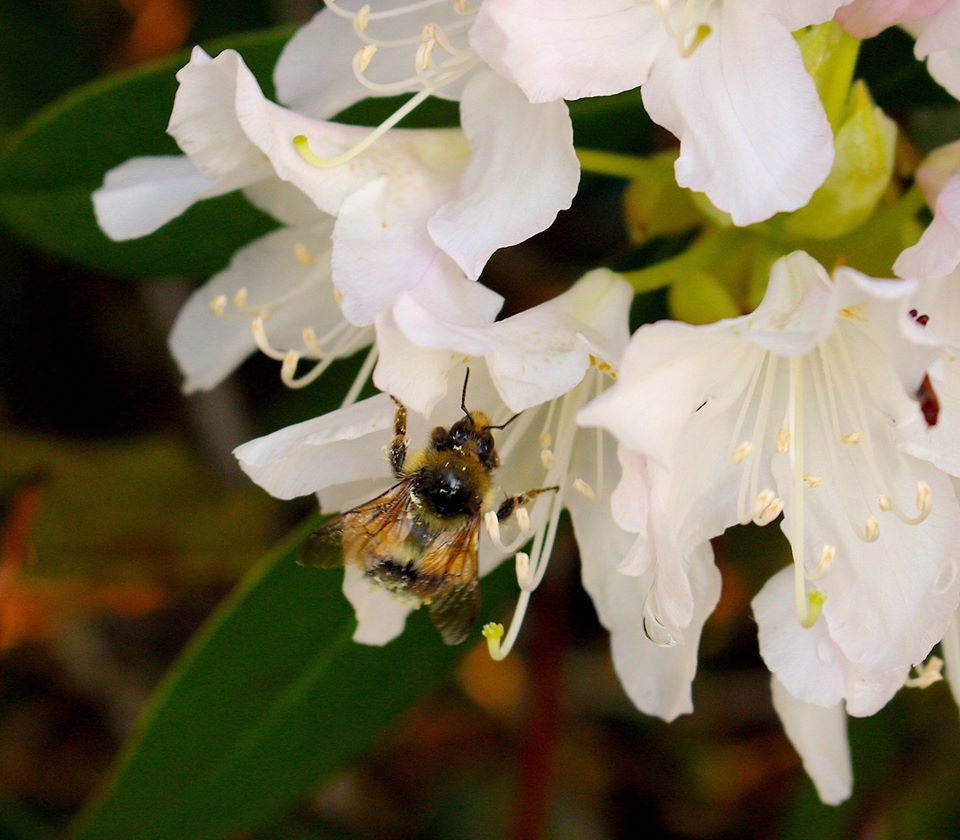
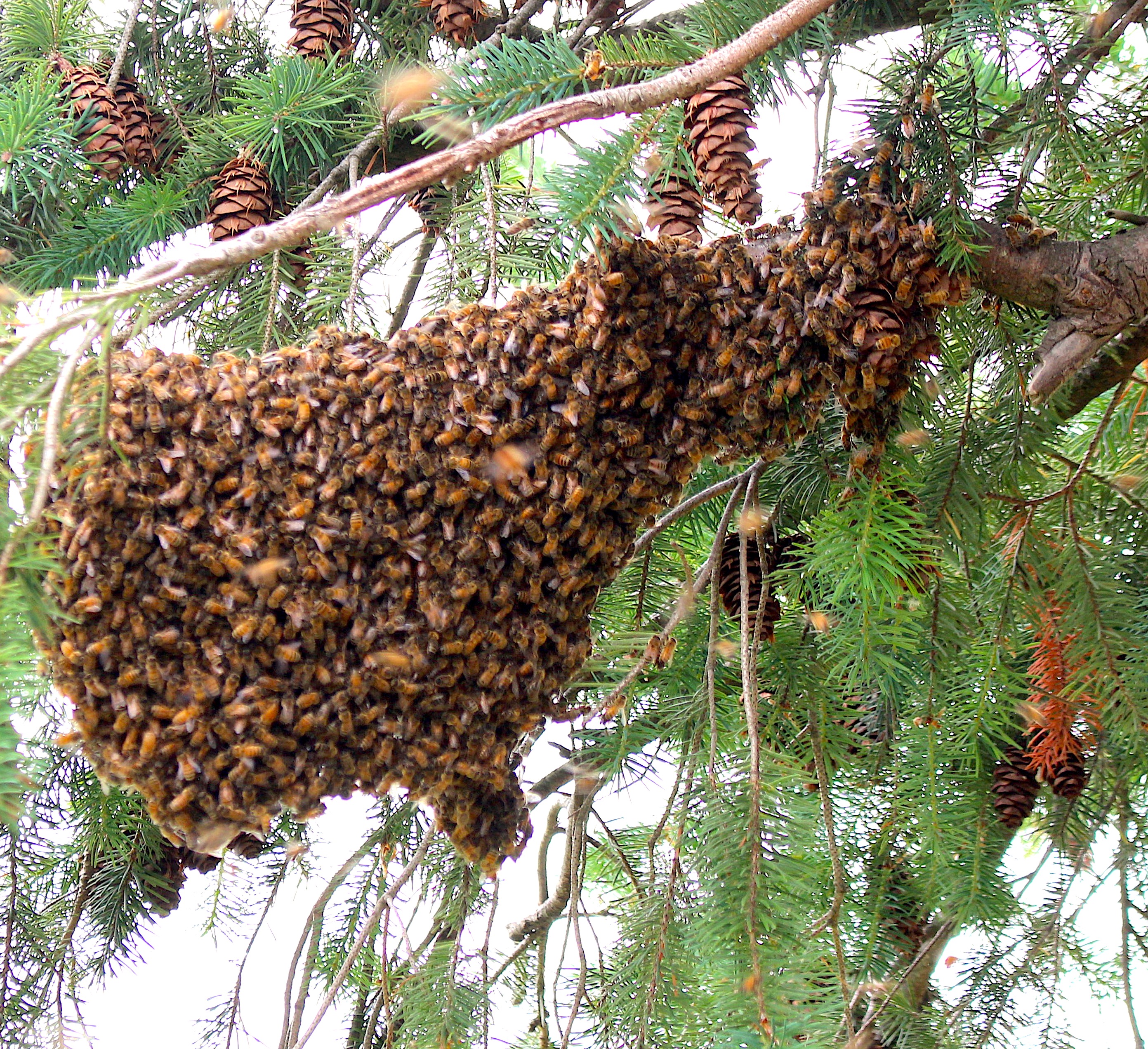
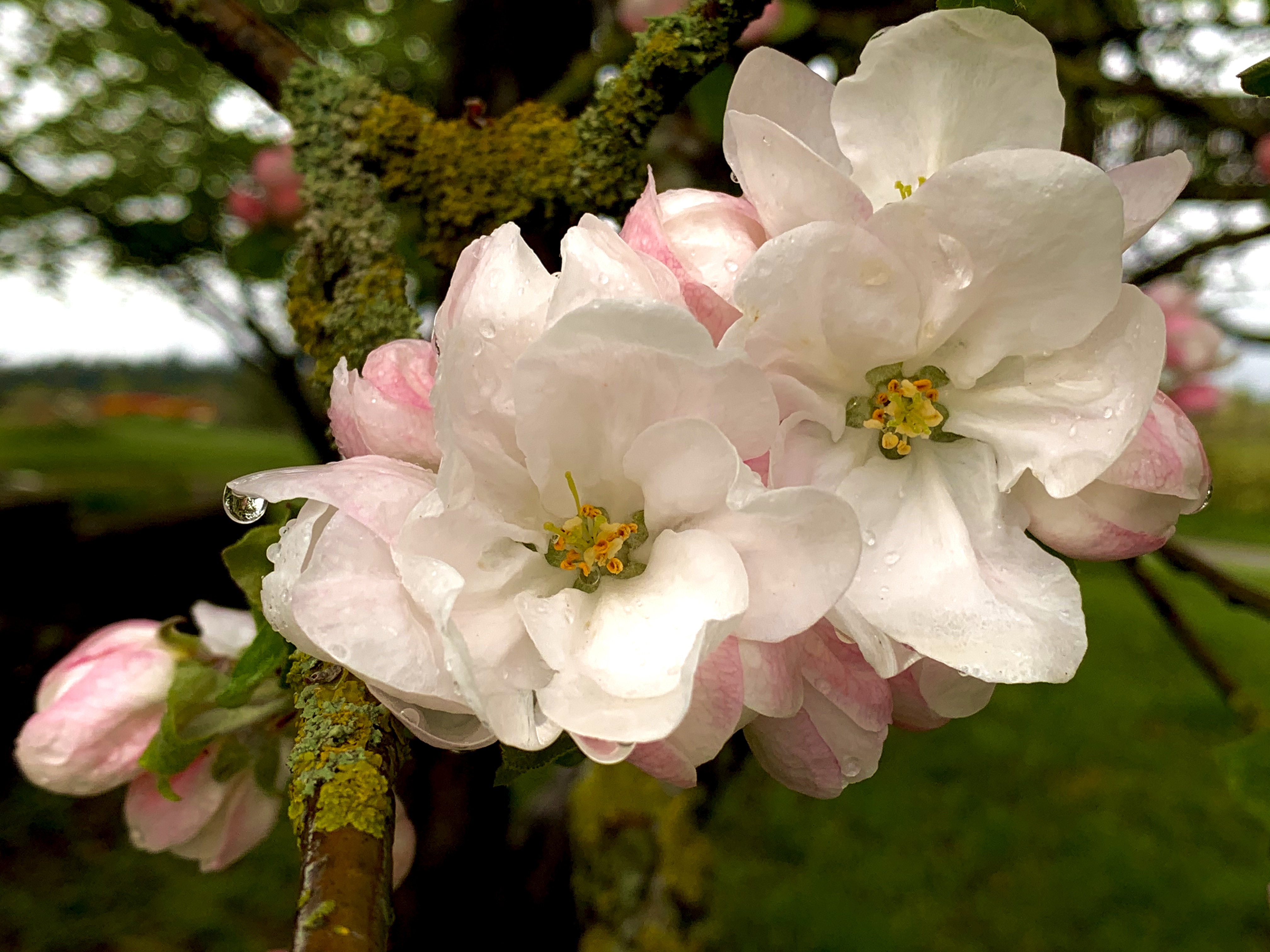
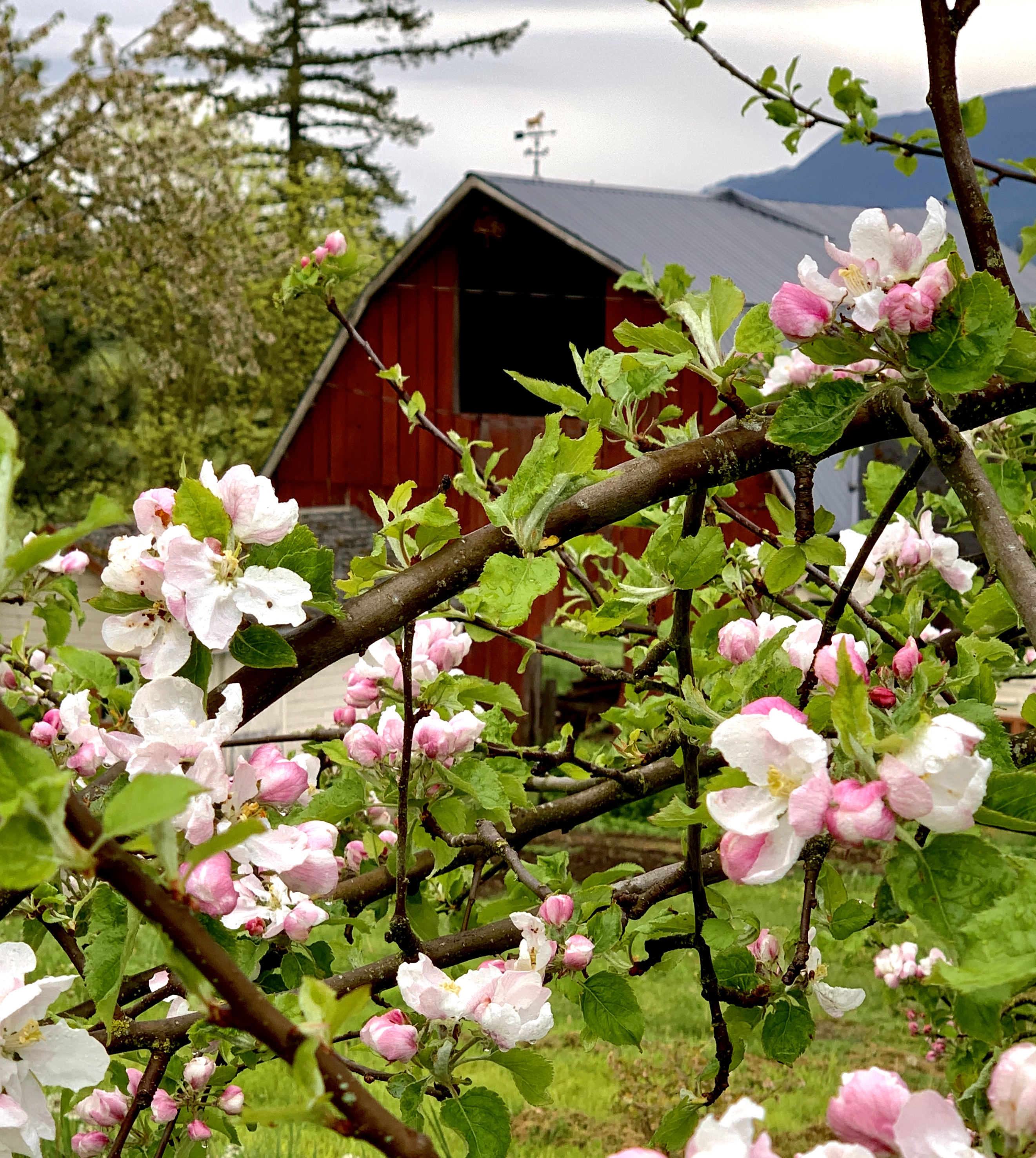
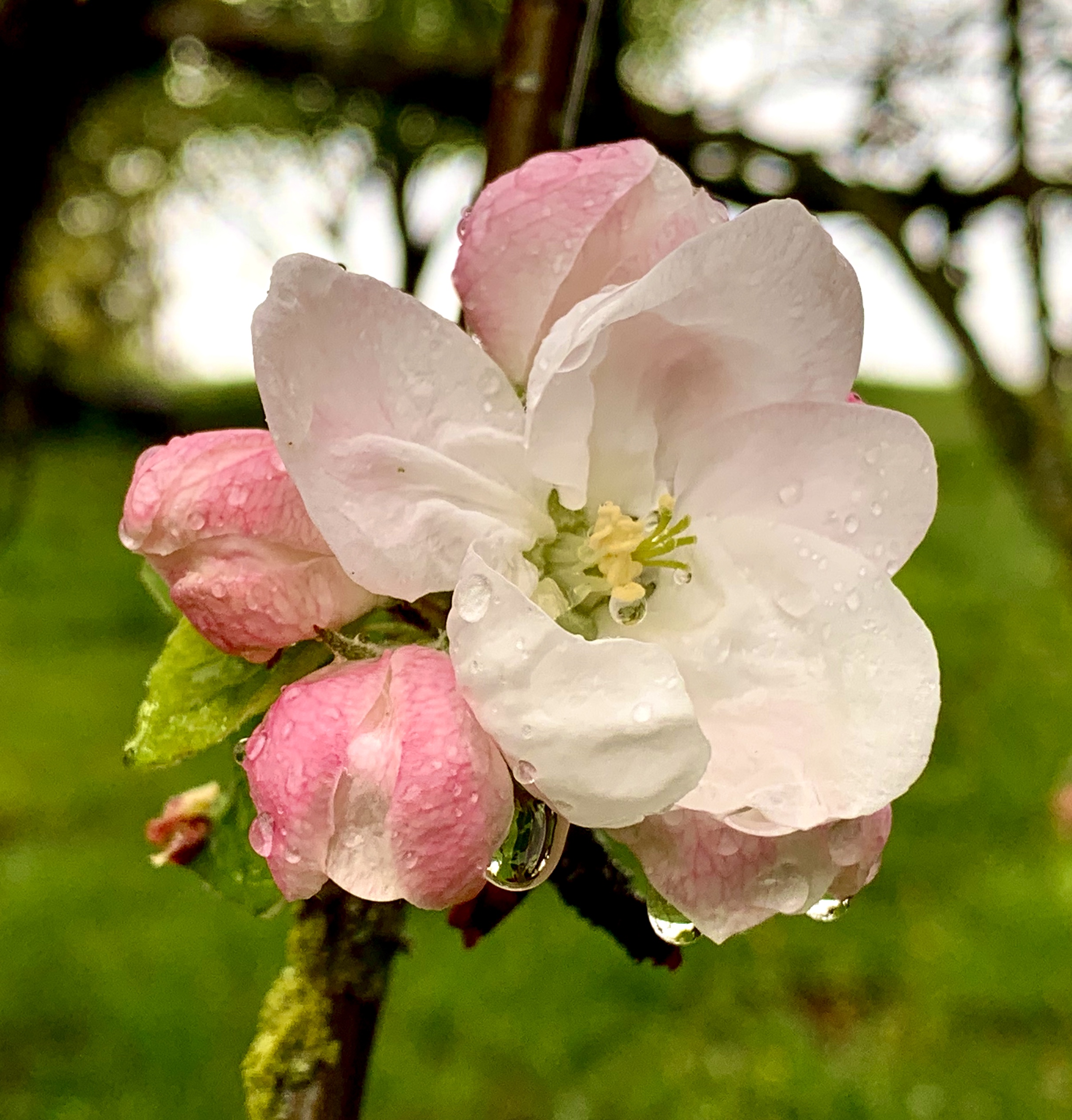
Oh, give us pleasure in the orchard white, Like nothing else by day, like ghosts at night; And make us happy in the happy bees, The swarm dilating round the perfect trees.
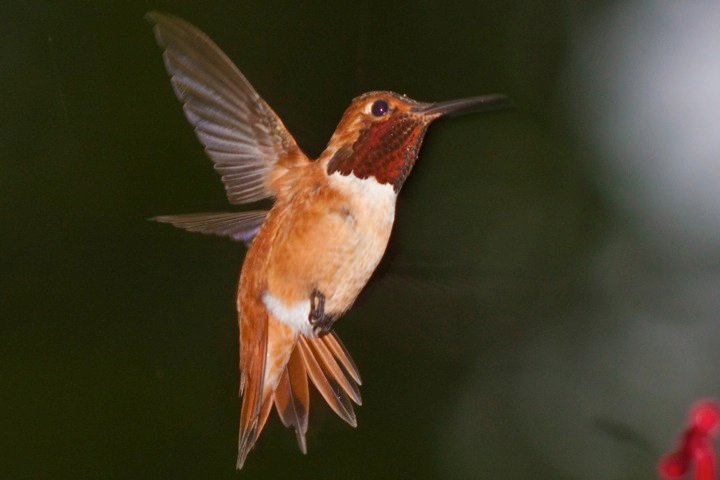
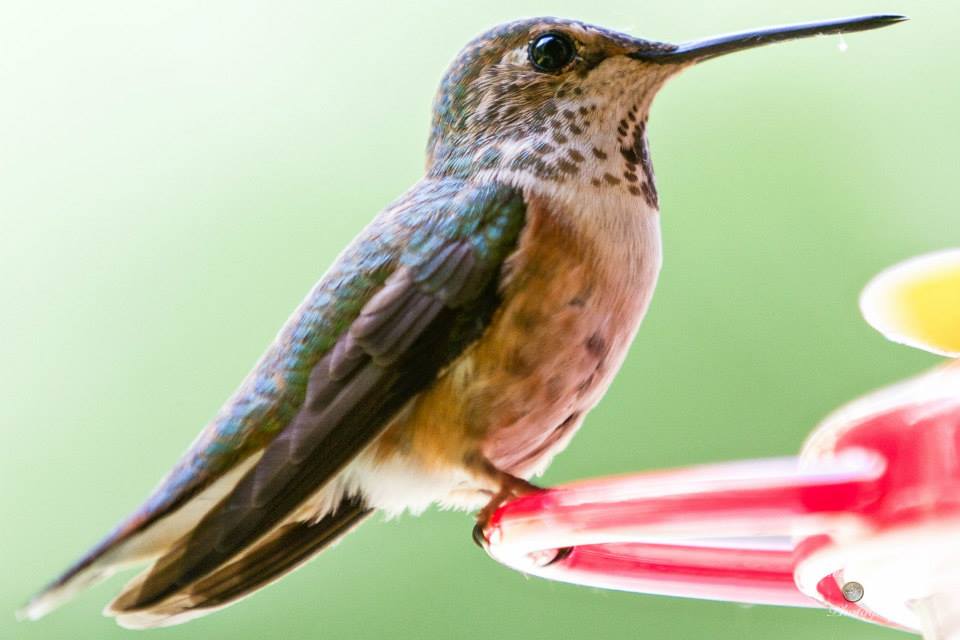
And make us happy in the darting bird That suddenly above the bees is heard, The meteor that thrusts in with needle bill, And off a blossom in mid-air stands still.
For this is love and nothing else is love, The which it is reserved for God above To sanctify to what far ends He will, But which it only needs that we fulfil. ~Robert Frost“A Prayer in Spring”
We are wisely warned what may happen in the next few months: a second or third wave of virus, more disruption, more closures, more deaths. There seems no end in sight on this long COVID road. Or perhaps the end is prematurely near for too many.
Thinking so far away to uncertain times ahead, we need to remember the future has always been uncertain; we just aren’t reminded so starkly. Instead we are reminded to dwell in the present here and now, appreciating these quiet moments at home for what they may bestow.
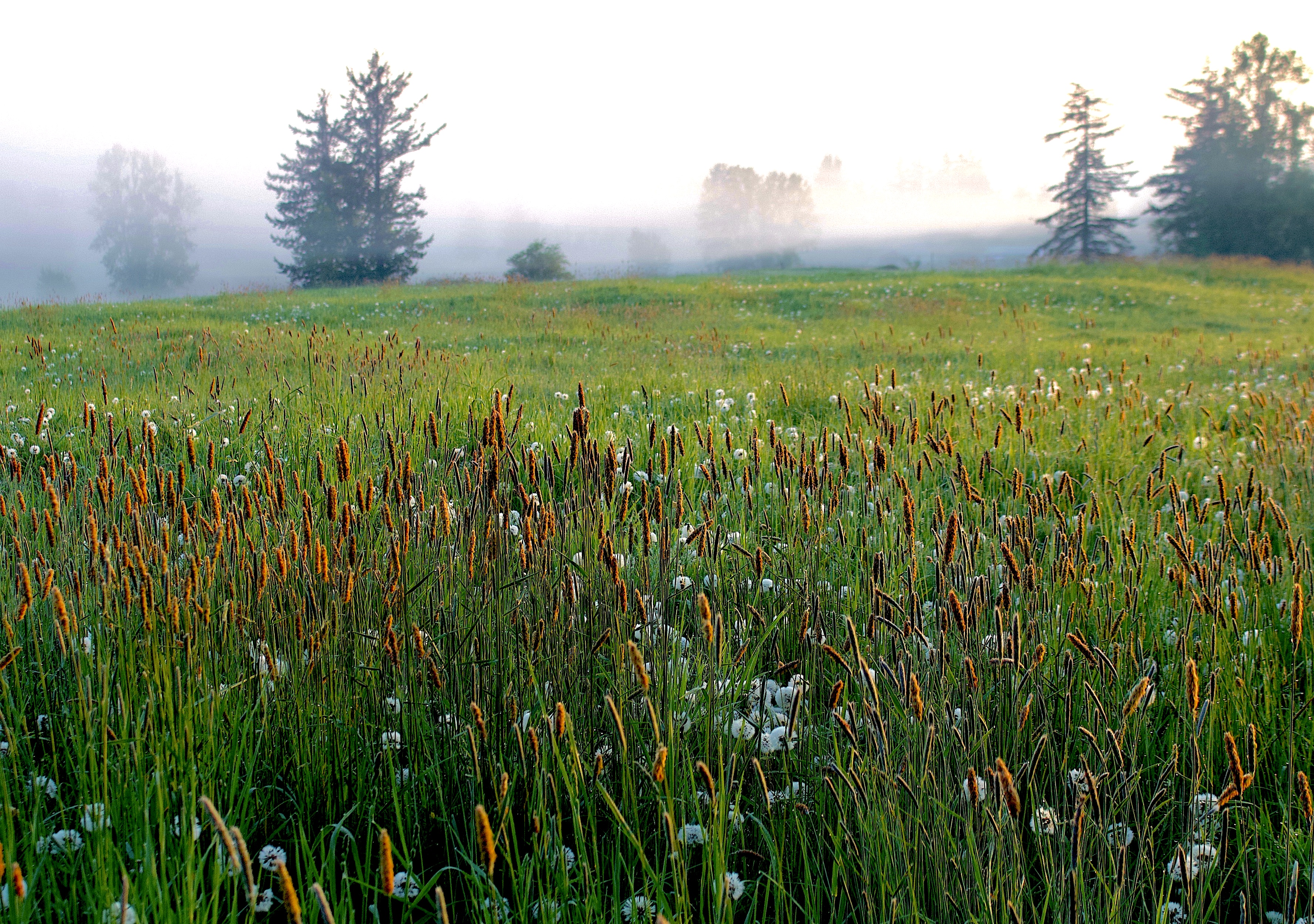
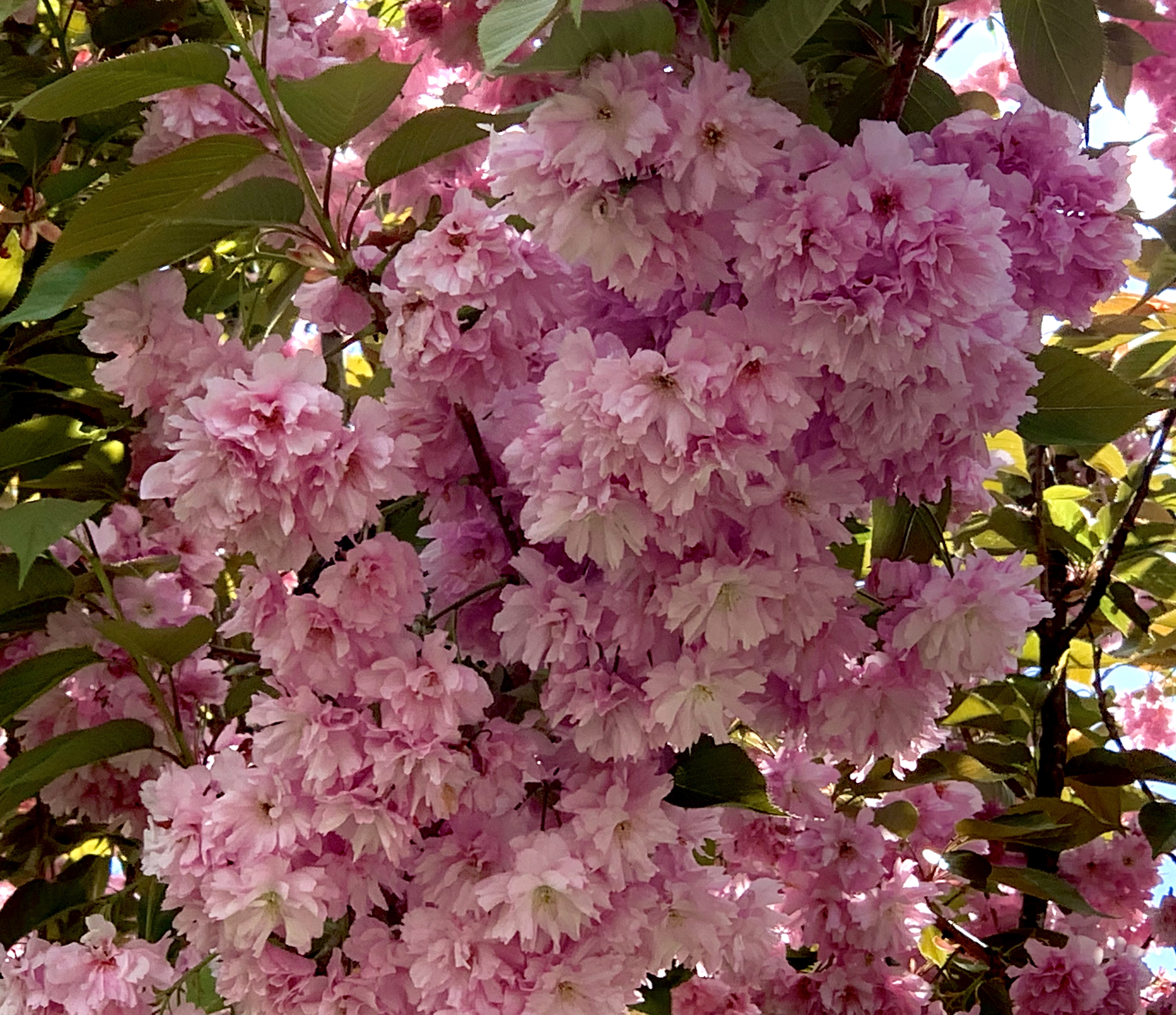
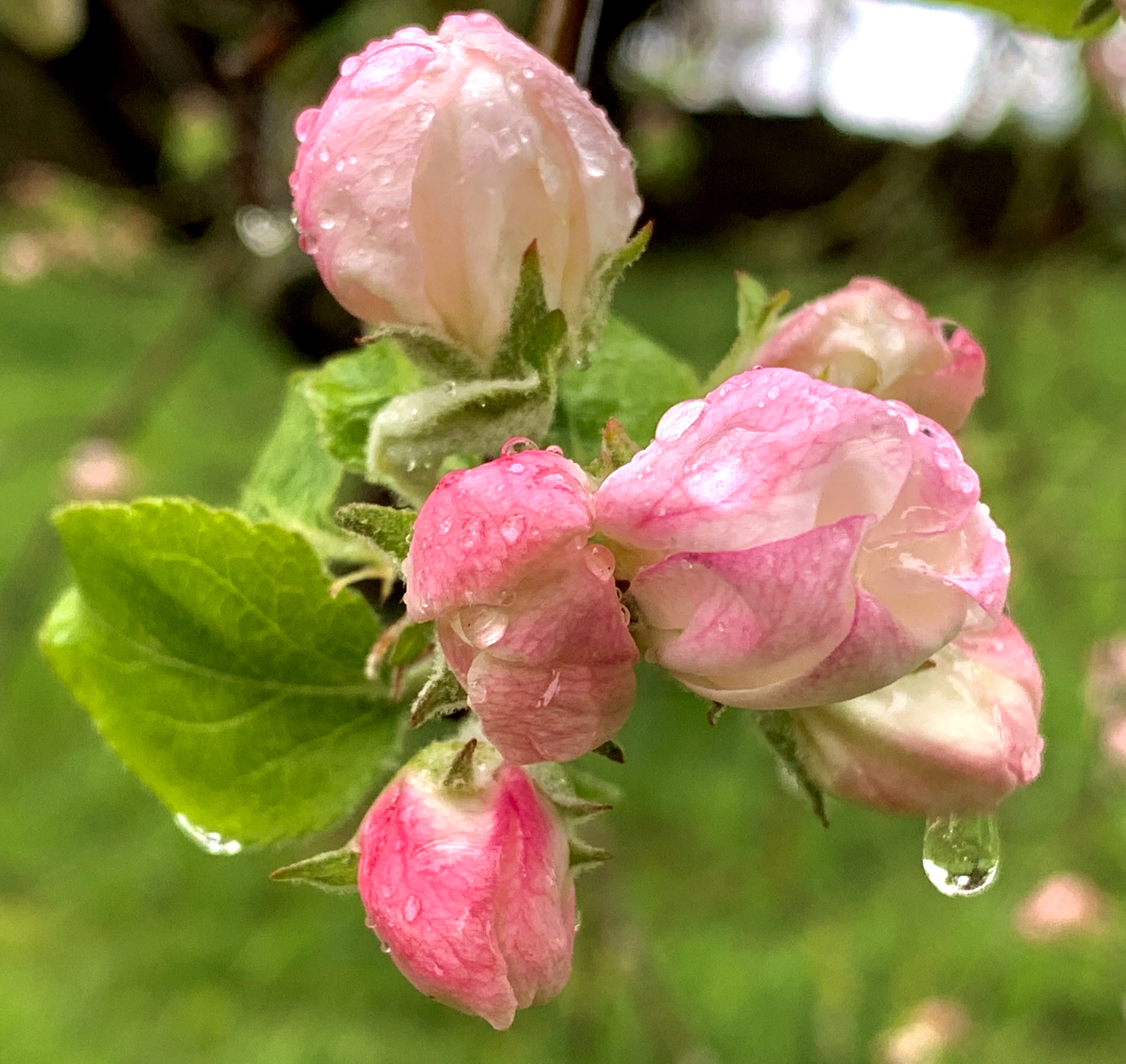
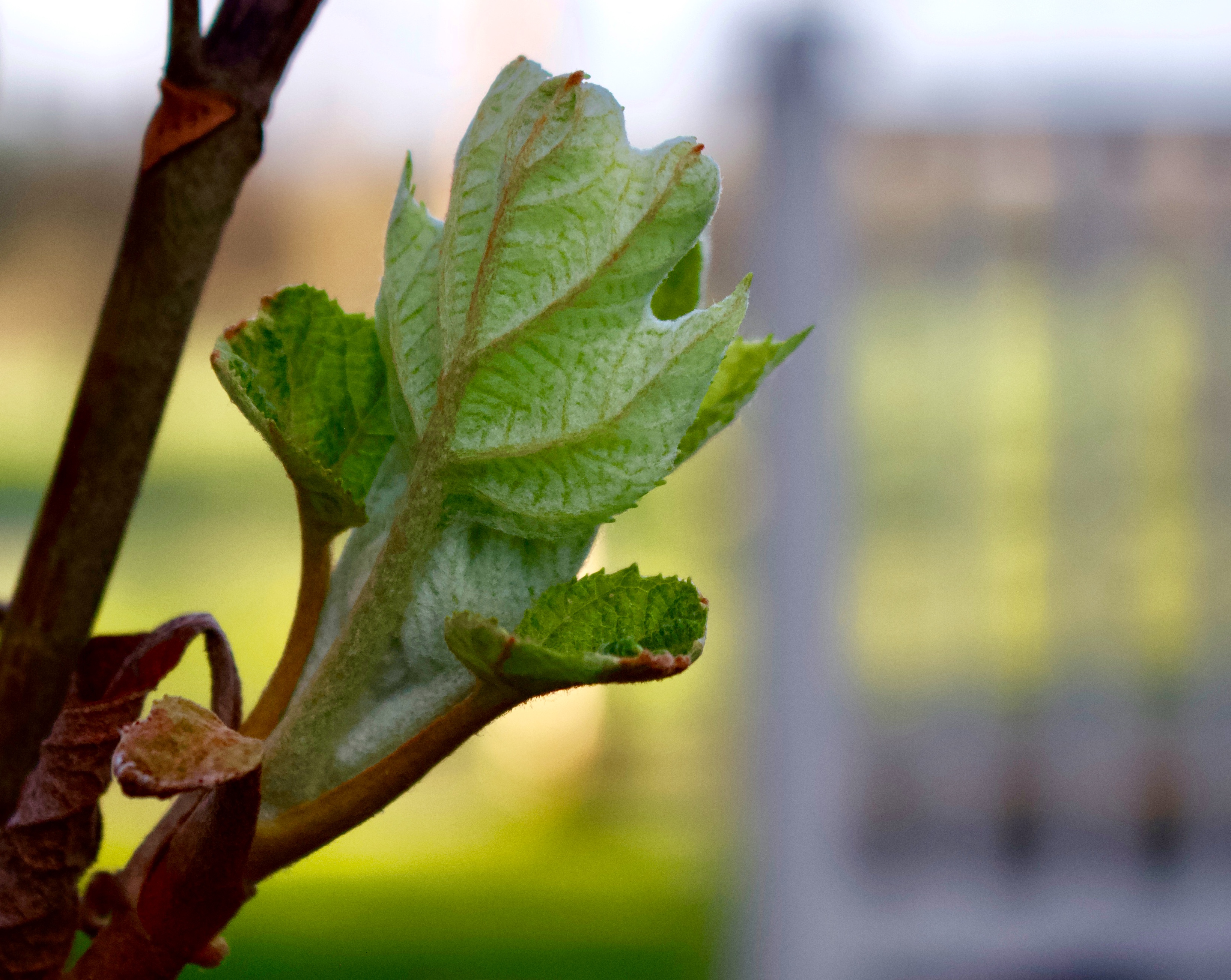
The earth is springing even while our hearts are weary of distancing and isolation. Each breath is filled with new fragrance, the greens startlingly verdant, each blossom heavy with promise.
There is reassurance in this renewal we witness yet again.
This, now, is love springing. This is His love, reminding us He has not abandoned us. This is love and nothing else can be as certain as that.
This is the grip, like this: both hands. You can close your eyes if you like. When I say, “Now,” it’s time. Don’t wait or it’s all over. But not too soon, either—just right. Don’t worry. Let’s go. Both hands. ~William Stafford, “Survival Course” from Even in Quiet Places.
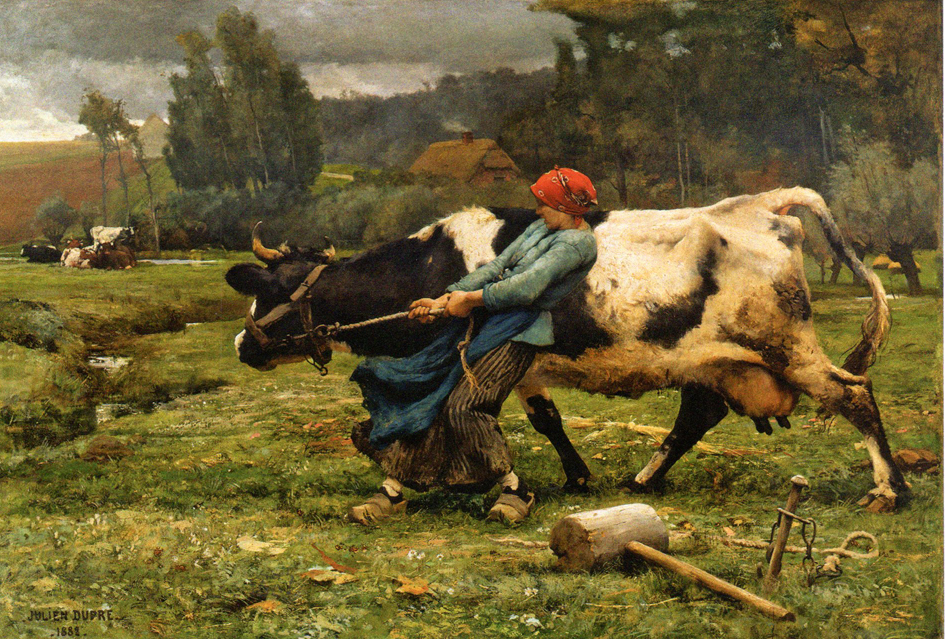
I know well the feeling of pulling against a momentum determined to break free of the strength I can muster to keep it under control. This is how my life, personally and professionally has often felt over the decades. It seems I am barely hanging on, at times losing my grip, my feet braced but slipping beneath me.
The full-uddered cow in the painting is compelled to join her herd in a pastoral scene just across the creek, but the milk maid must resist the cow’s escape. For the cow’s benefit and comfort, she must be milked. The cow has another agenda. She has snapped her rope tie, almost pulled up the stake, and in a show of strength and determination, the maid braces to pull a much larger animal around to retie her and restore things to how they were.
The action suggests the maid may succeed, but the cow’s attention is directed far afield. She doesn’t even feel the tug on her halter. We’re not fully convinced the cow won’t suddenly pull loose and break away from the maid’s grip, leaping the stream, tail raised straight in the air like a flag of freedom.
Right now, as spring advances rapidly with grass growing thick in the pastures, our horses smell that richness in the air. Sometimes this tug of war takes place when my plan is different than the horse’s. The fields are too wet for them to be out full time yet, so they must wait for the appropriate time to be released to freedom. The grass calls to them like a siren song as I feed them their portion of last summer’s uninviting hay. They can pull my shoulders almost out of joint when they are determined enough, they break through fences in their pursuit of green, they push through stall doors and lift gates off hinges. Right now I’m barely an adequate counterbalance to the pursuit of their desires and I struggle to remind them I’m on the other end of their lead rope.
Each day I find I try too hard to restore order in my life, on the farm, in the house, in my work, with my family. I want to pull that cow back around, get her tied up and relieved of her burden of milk so that it can nurture and replenish others. Sometimes I hang on, only to be pulled roughly along on the ground, scraped and yelling in the process.
Sometimes I just let go and have to try to catch that cow all over again.
Once in awhile I successfully get the cow turned around and actually milked without a spill.
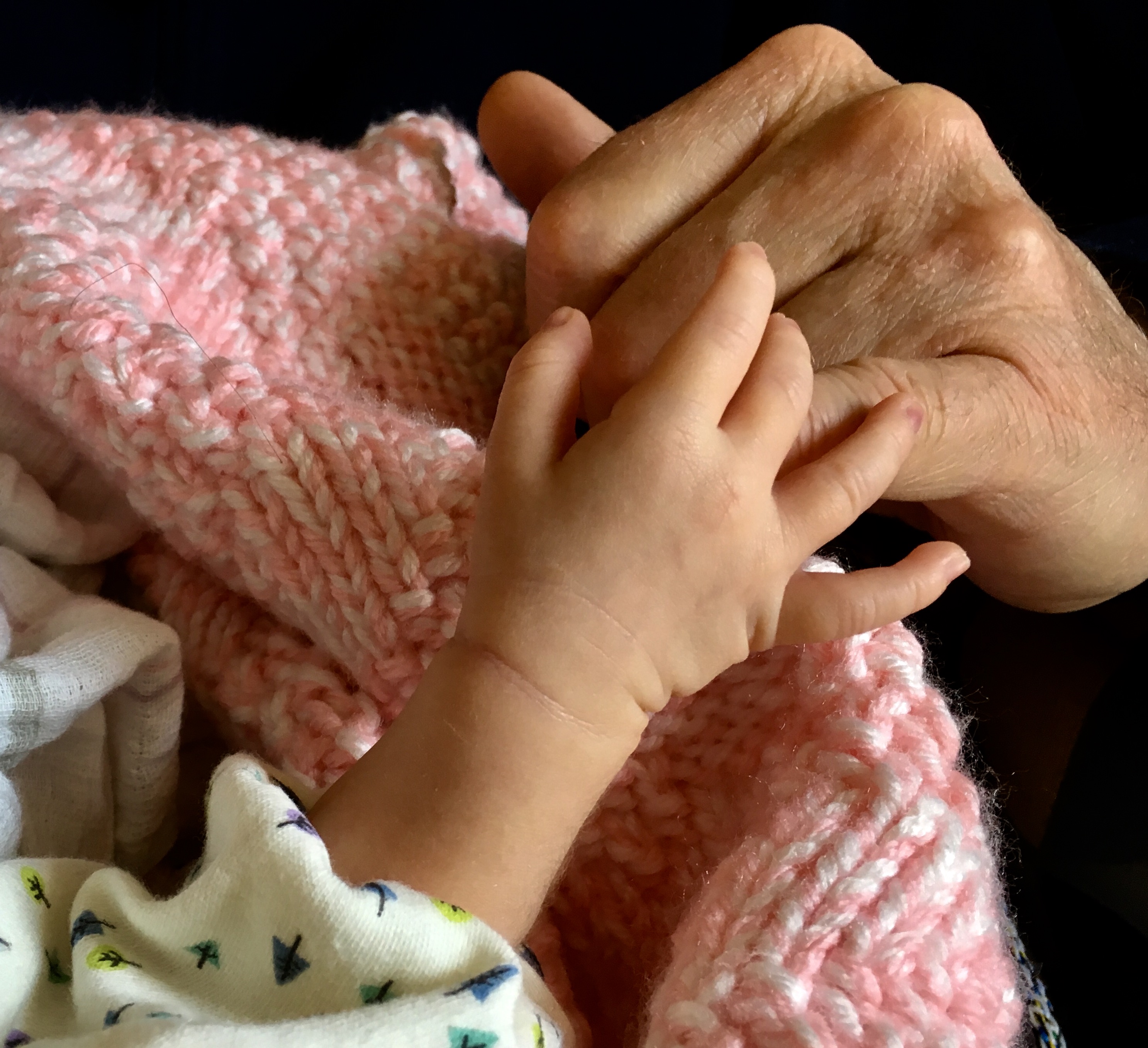
I’ve held on with both hands. I’m clasping them together in prayer and petition that I won’t get pulled into the mud. I’ve got a grip. And maybe, just maybe, I will make cheese….
portrait of Dan’s mom, Emma Gibson, praying, by granddaughter Sara Larsen
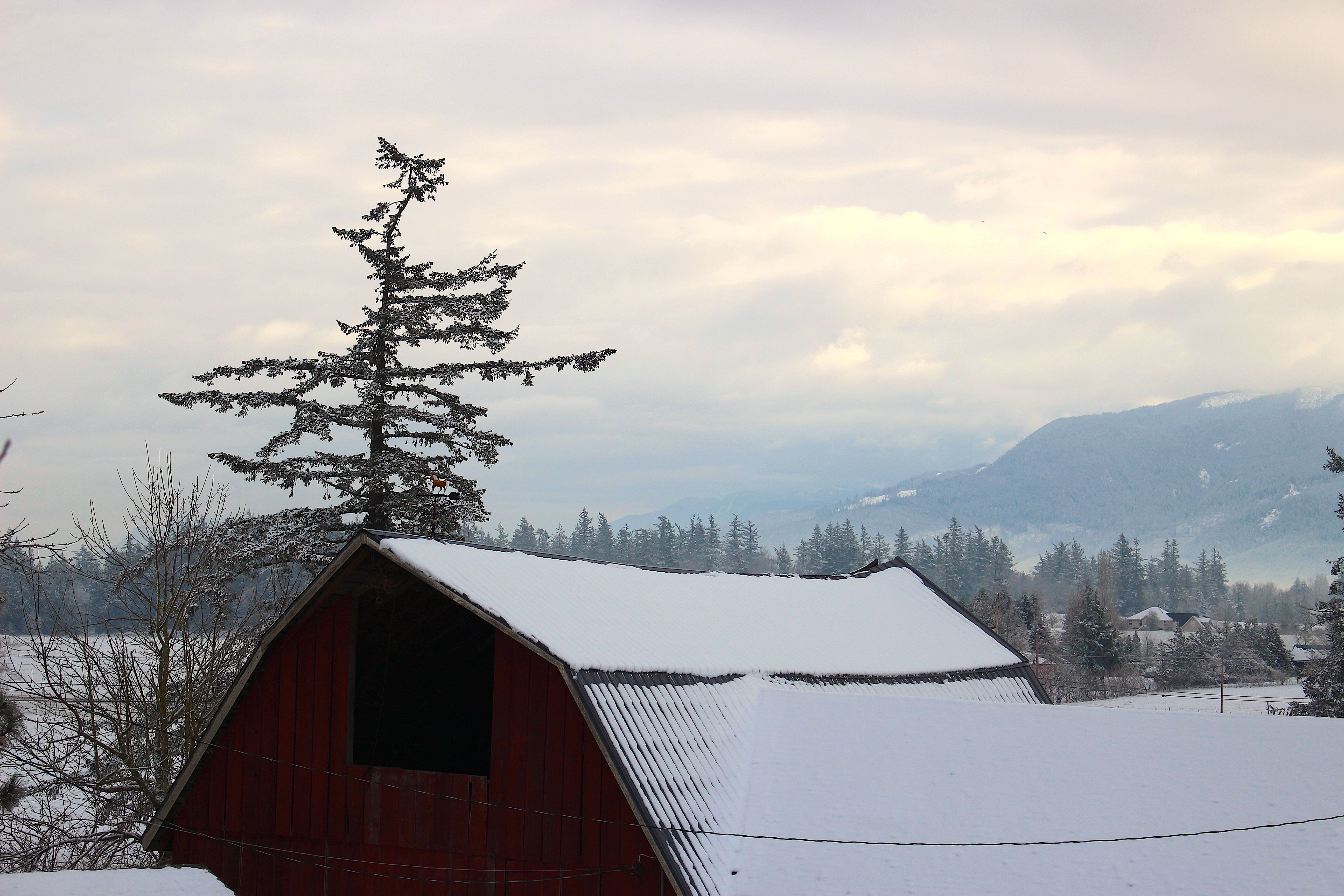
It’s frail, this spring snow, it’s pot cheese packing down underfoot. It flies out of the trees at sunrise like a flock of migrant birds. It slips in clumps off the barn roof, wingless angels dropped by parachute. Inside, I hear the horses knocking aimlessly in their warm brown lockup, testing the four known sides of the box as the soul must, confined under the breastbone. Horses blowing their noses, coming awake, shaking the sawdust bedding out of their coats. They do not know what has fallen out of the sky, colder than apple bloom, since last night’s hay and oats. They do not know how satisfactory they look, set loose in the April sun, nor what handsprings are turned under my ribs with winter gone. ~Maxine Kumin “Late Snow” from Selected Poems: 1960 – 1990
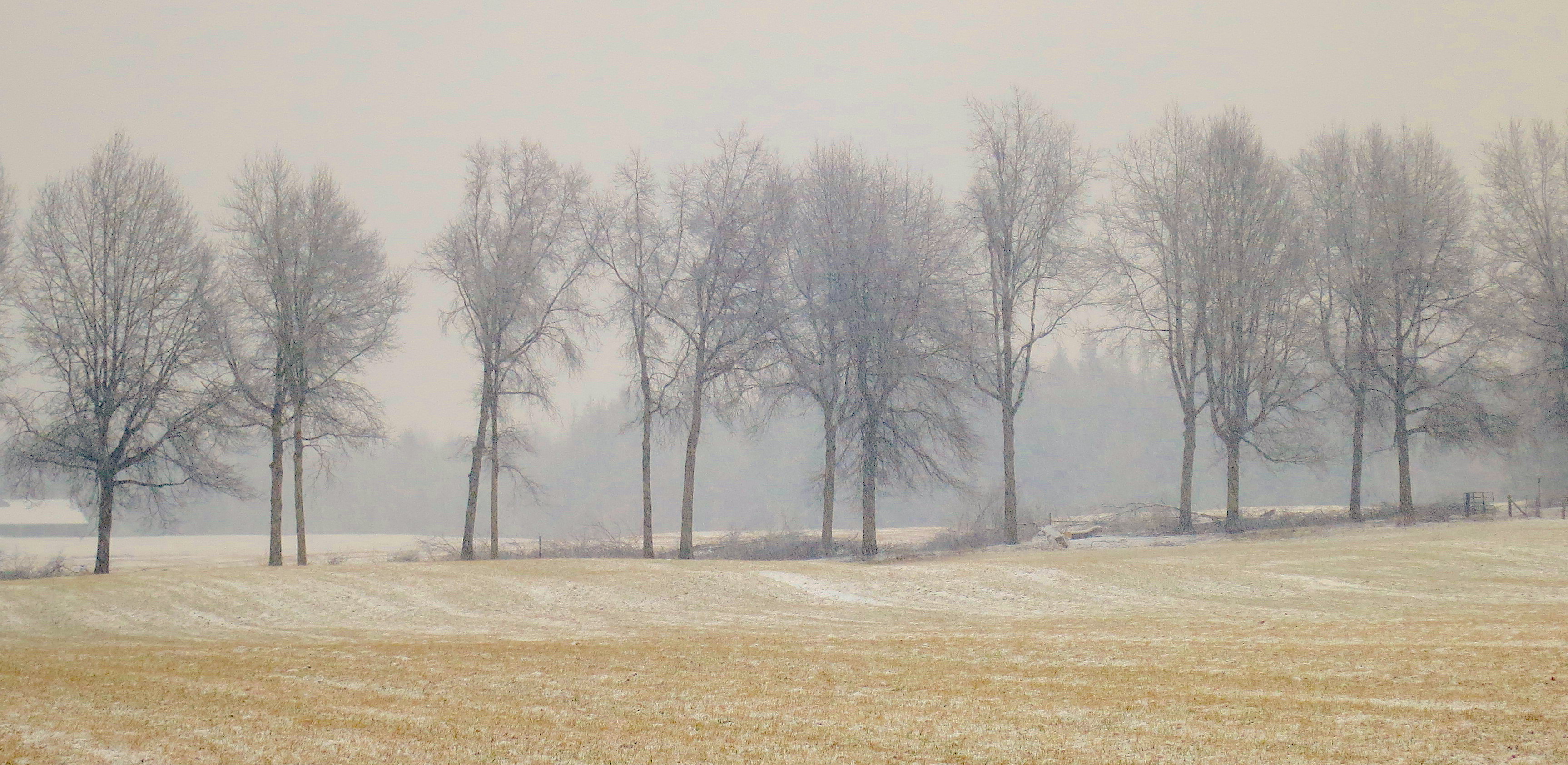
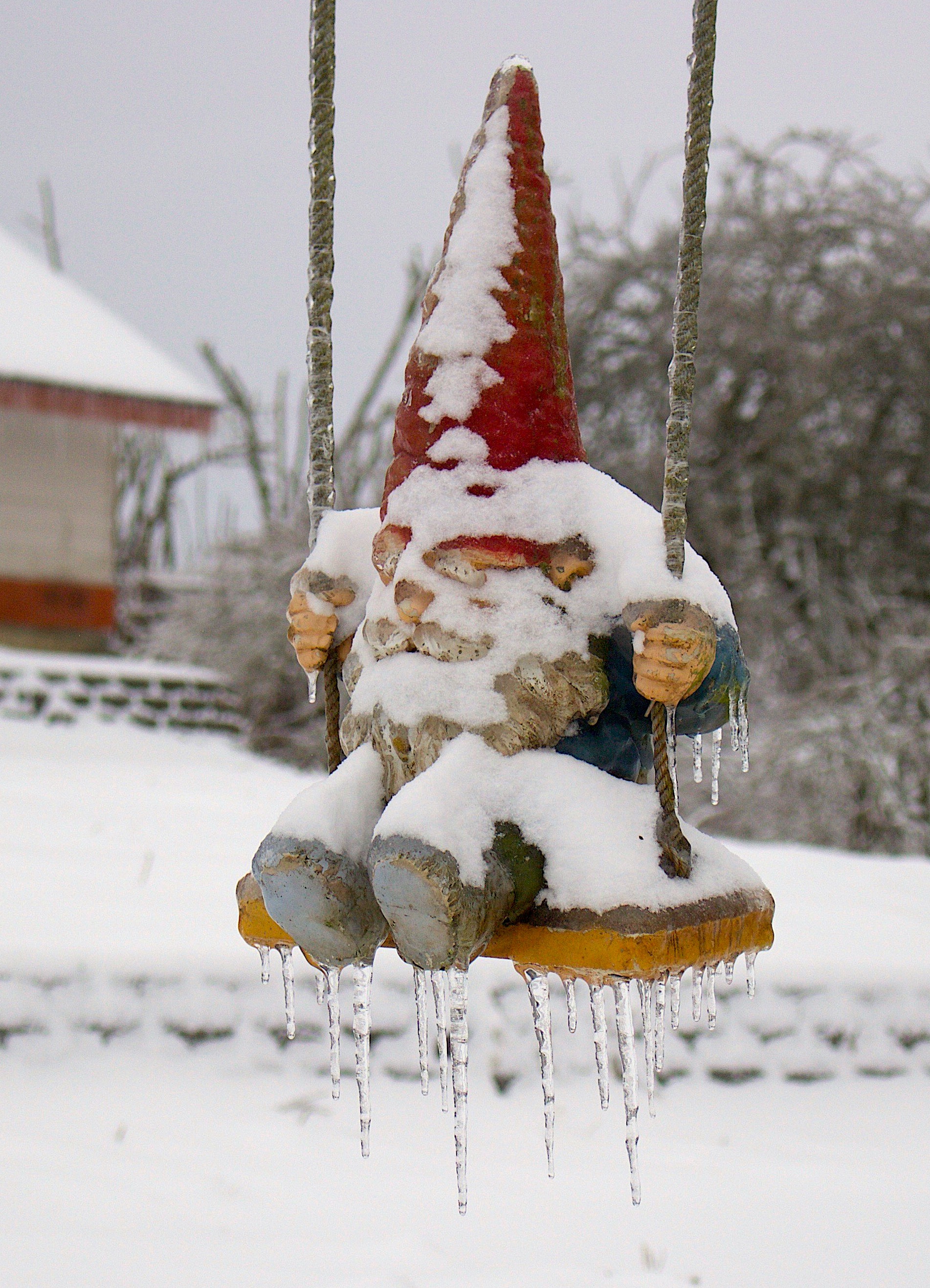
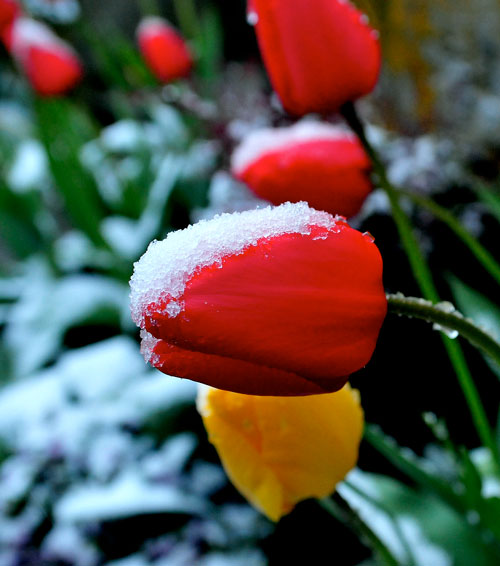
This past weekend we had it all: sun, rain, windstorm, hail, and some local areas even reported a late April snowfall. It is disorienting to have one foot still in winter and the other firmly on grass growing out of control and needs mowing.
It is also confusing to look at pandemic data and hear varying experts’ interpretations about what is happening, what they predict and what strategies are recommended.
It may be time to loosen the tight grip on social distancing yet many are reticent to emerge from the safety of their confinement, for good reason.
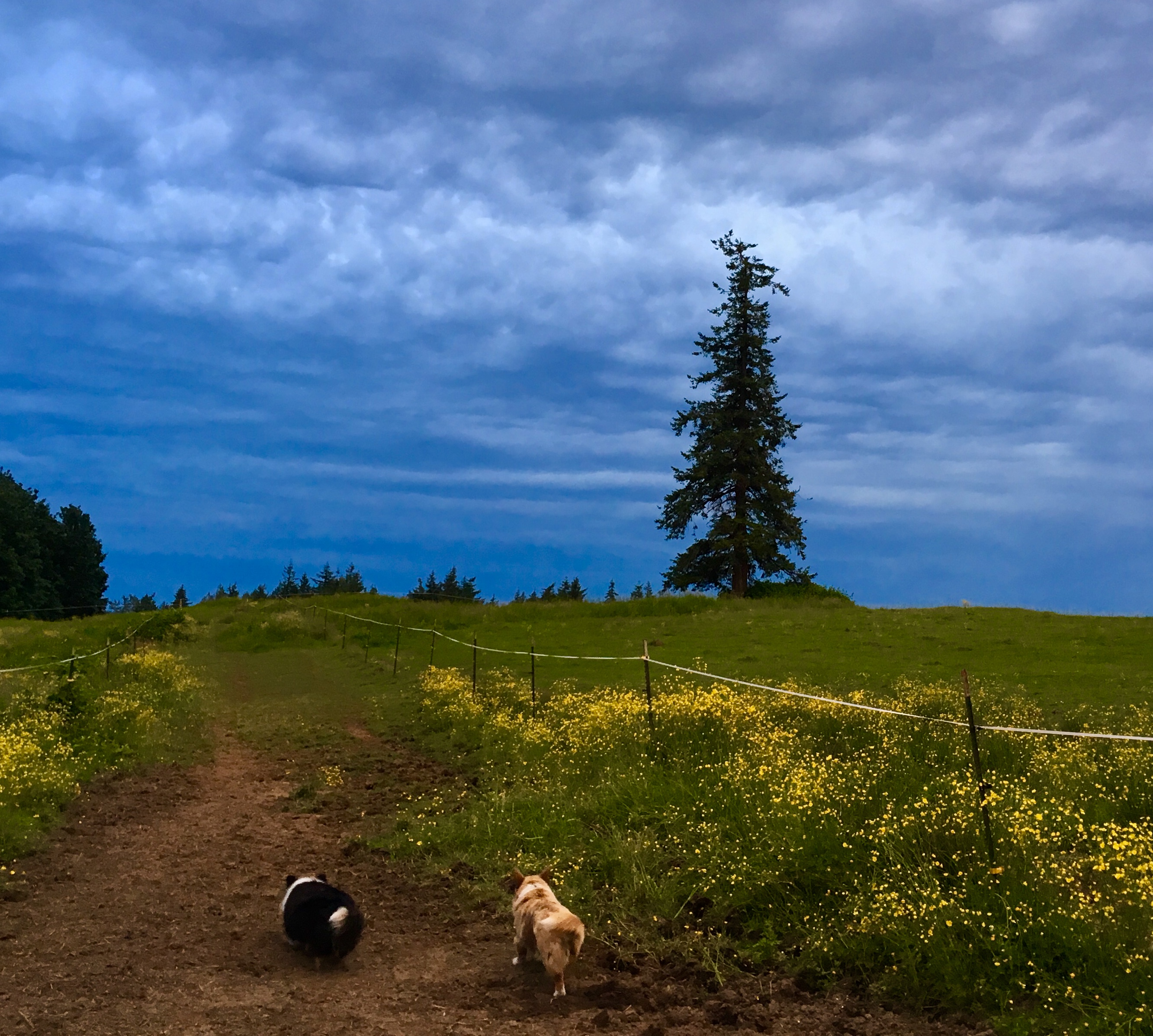
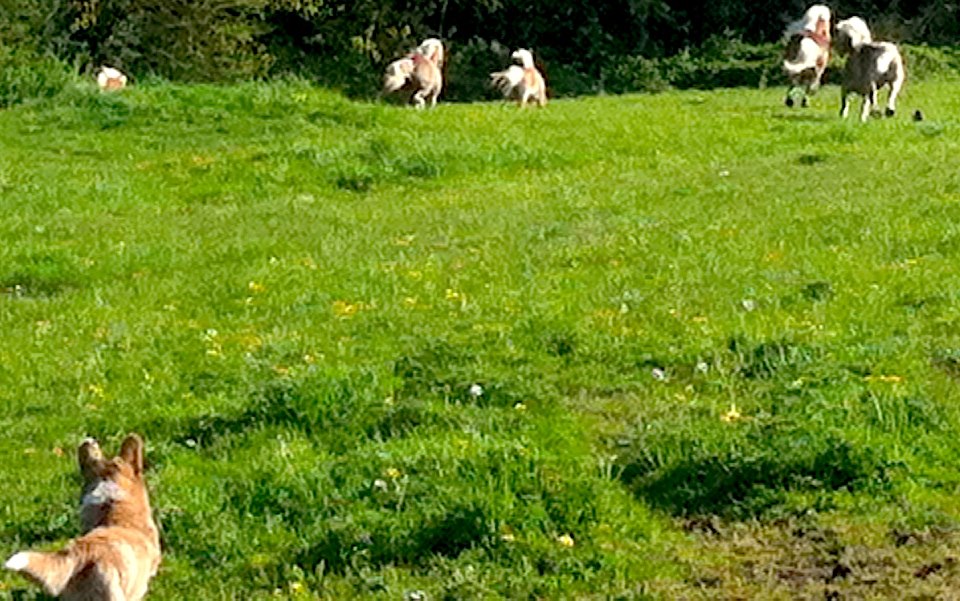
Just last week, we released the Haflingers from their winter lock-in back onto the fields – their winter-creaky barn-confined joints stretched as they joyfully ran the perimeter of the fields before settling their noses into fresh clover. Their ribs sprung with the fragrance of the apple blossom perfume of the orchard and it lifted my sagging spirit to see them gallop. But even the horses are not ready for complete freedom either – I whistled them in after two hours, not wanting them to eat themselves sick with too much spring grass. Their time on the outside will be tightly controlled until it is safe for them to be out unrestricted.
Surprisingly, the horses leave the sun and the grass and the relative freedom and come in willingly to settle back into their stalls and their confinement routine.
I’m not so different. I long to be set loose in the April sun with the freedom to go when and where I wish. But the new reality means winter is not entirely gone yet and may not be for some time. There are still tragic and untimely losses of life, still plenty of weeping and lament from the grief-stricken who have been robbed prematurely of loved ones due to a virus that is circulating indiscriminately.
So we must ease out slowly, carefully and cautiously, with one ear cocked and ready to be whistled back in when we are called to return to safety.
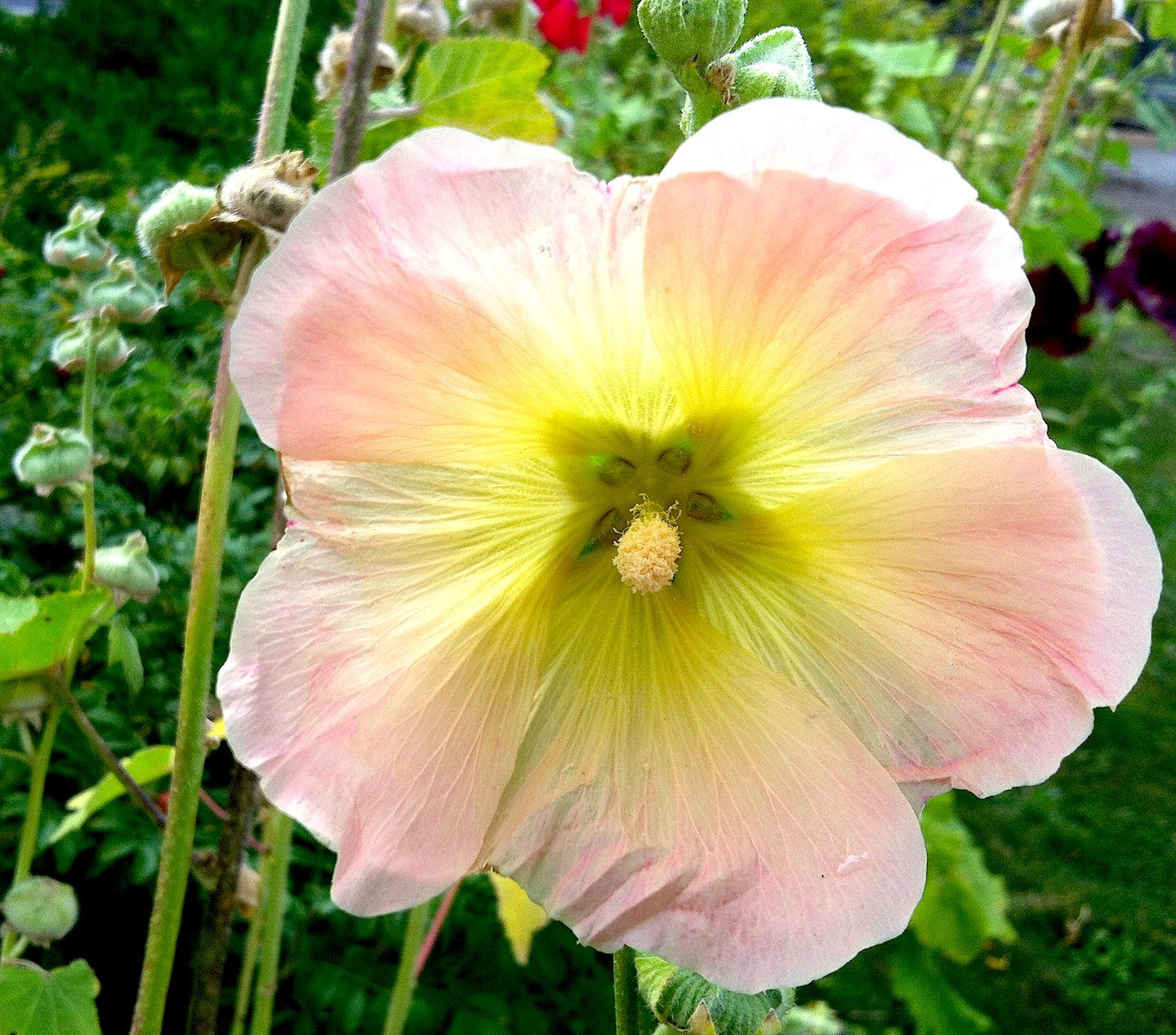
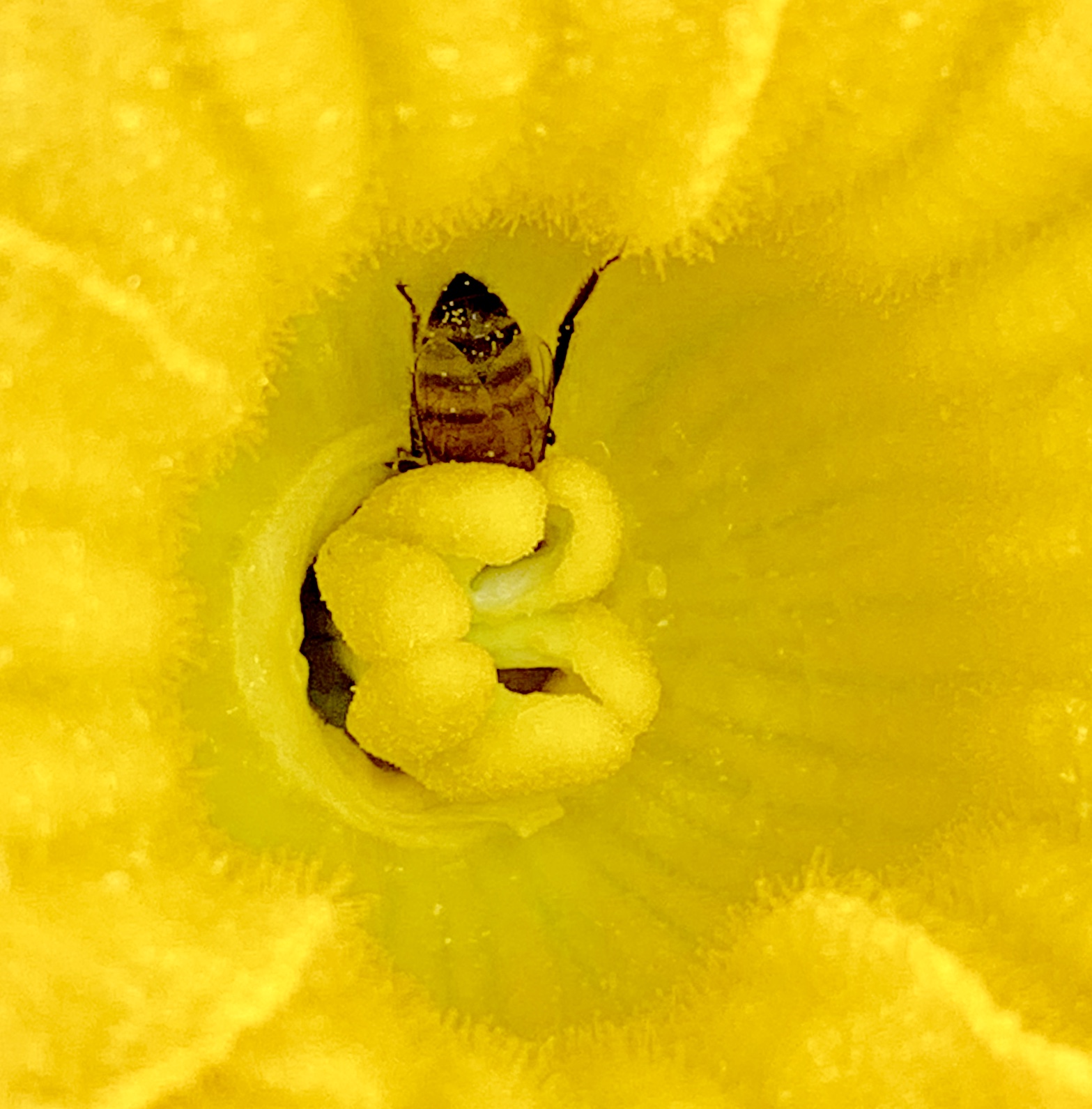
He calls the honeybees his girls although he tells me they’re ungendered workers who never produce offspring. Some hour drops, the bees shut off. In the long, cool slant of sun, spent flowers fold into cups. He asks me if I’ve ever seen a Solitary Bee where it sleeps. I say I’ve not. The nearest bud’s a long-throated peach hollyhock. He cradles it in his palm, holds it up so I spy the intimacy of the sleeping bee. Little life safe in a petal, little girl, your few furious buzzings as you stir stay with me all winter, remind me of my work undone. ~Heid E. Erdrich, from “Intimate Detail” from The Mother’s Tongue
The barn’s brown gable, the vine by the door,— Nothing changed but the hives of bees. Before them, under the garden wall, Forward and back, Went drearily singing the chore-girl small, Draping each hive with a shred of black. Trembling, I listened: the summer sun Had the chill of snow; For I knew she was telling the bees of one Gone on the journey we all must go! ~John Greenleaf Whittier from “Telling the Bees”
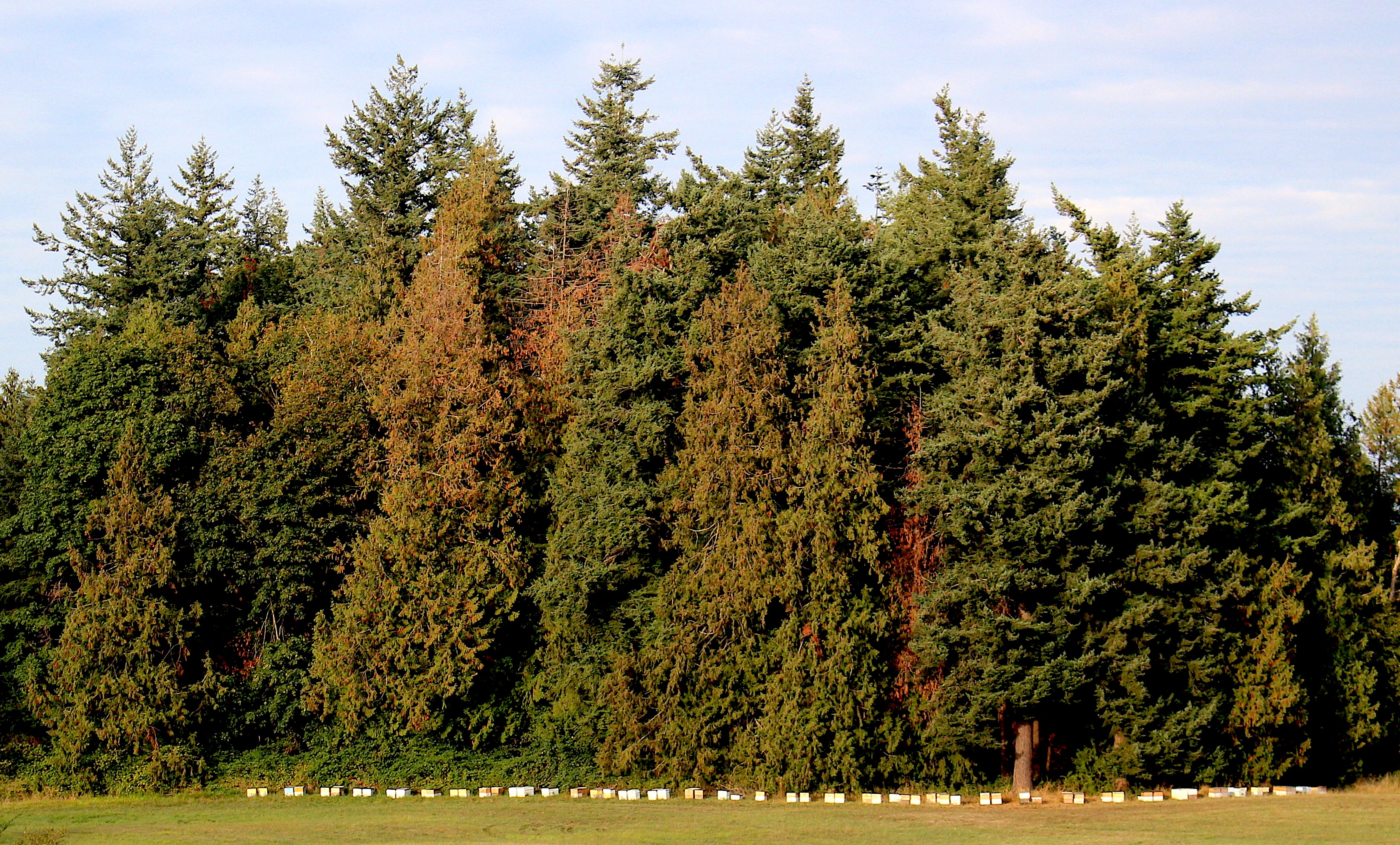
An old Celtic tradition necessitates sharing any news from the household with the farm’s bee hives, whether cheery like a new birth or a wedding celebration or sad like a family death. This ensures the hives’ well-being and continued connection to home and community – the bees are kept in the loop, so to speak, so they stay at home, not swarm and move on to a more hospitable place.
Each little life safe at home, each little life with work undone.
Good news seems always easy to share; we tend to keep bad news to ourselves so this tradition helps remind us that what affects one of us, affects us all.
These days, with instant news at our fingertips at any moment, bad news is constantly bombarding us. Like the bees in the hives of the field, we want to flee from it and find a more hospitable home.
I hope the Beekeeper, our Creator, comes personally to each of us to say: “Here is what has happened. All will be well, dear one. We will navigate your little life together.”
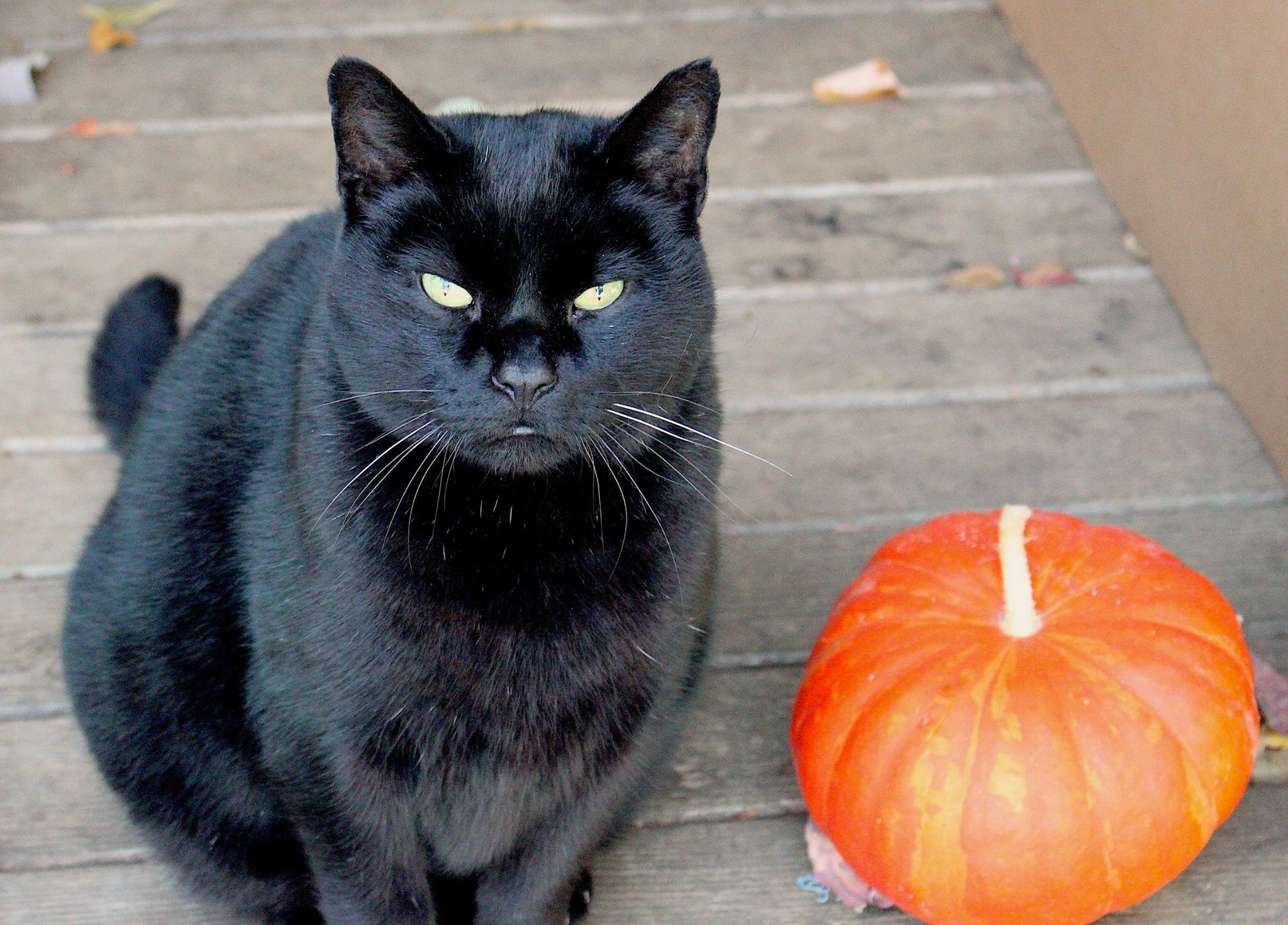
On Halloween day in 1985, I packed up my clothes, a roll up mattress, grabbed one lonely pumpkin from our small garden, locked our rental house door for the last time, climbed in my car and headed north out of Seattle. I never looked back in the rear view mirror at the skyline after nine years living in the city. My husband had moved to Whatcom County two months earlier to start his new job. I had stayed behind to wrap up my Group Health family practice in the Rainier Valley of Seattle, now leaving the city for a new rural home and a very uncertain professional future.
Never before had I felt such exhilaration at breaking through one wall to discover the unknown that lay on the other side.
I knew two things for sure: I was finally several months pregnant after a miscarriage and two years of infertility, so our family had begun. We were going to actually live in our own house, not just a rental, complete with a few acres and a barn.
A real (sort of) starter farm.
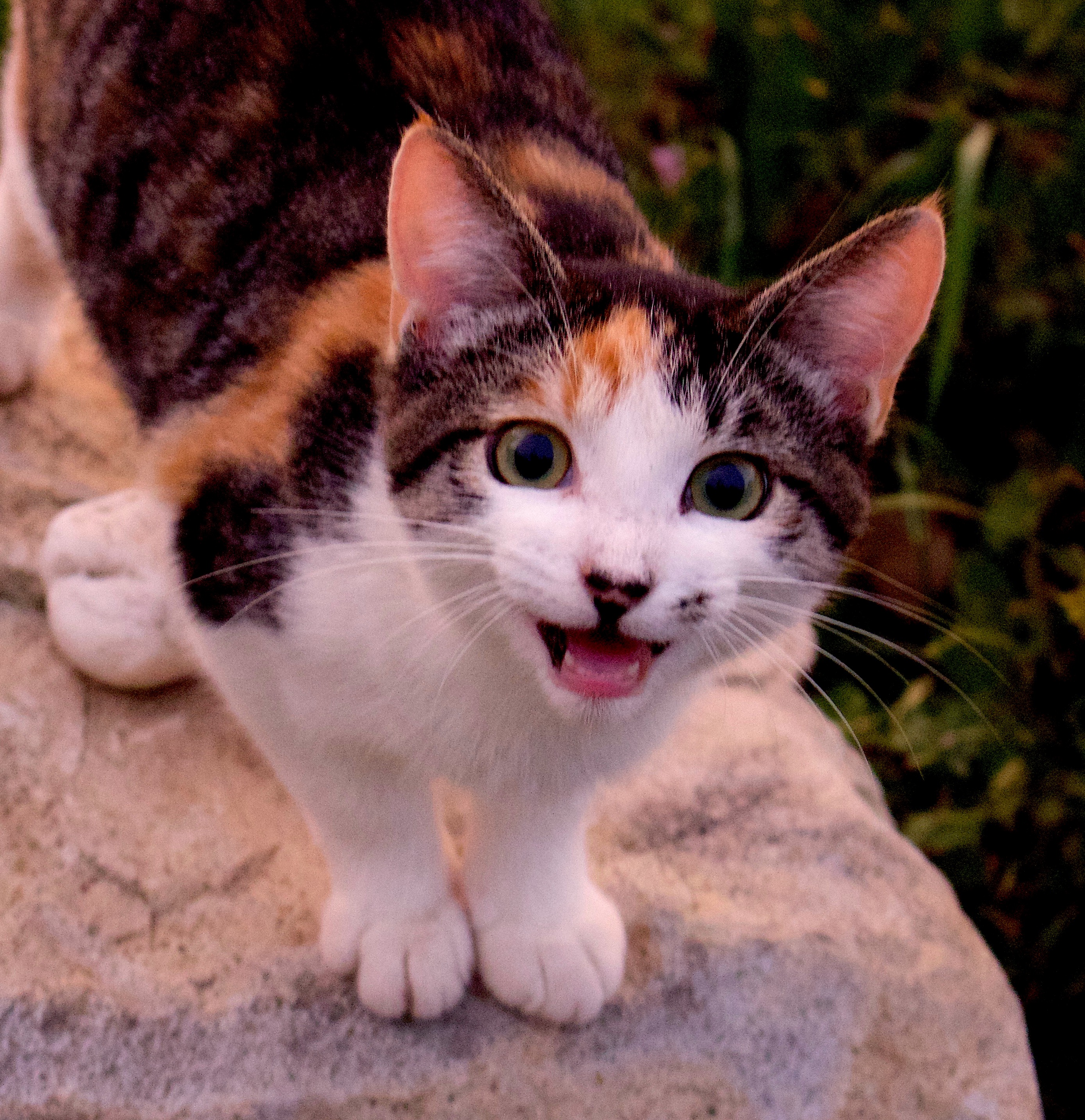
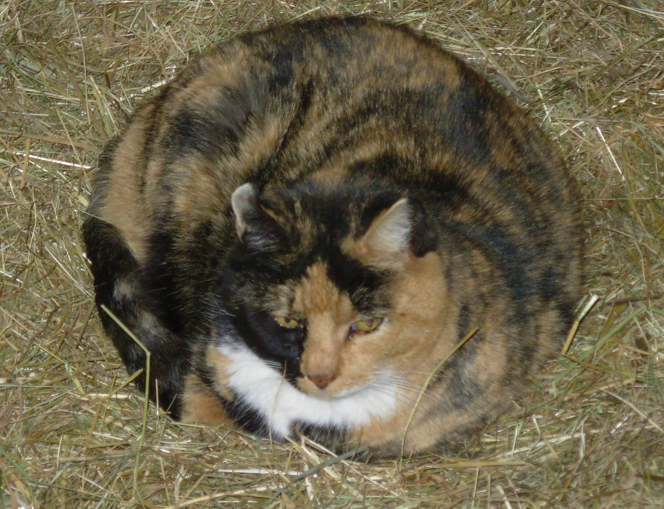
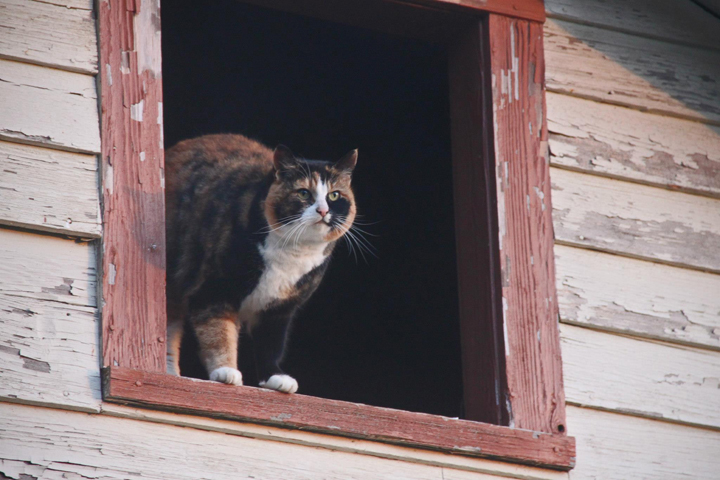
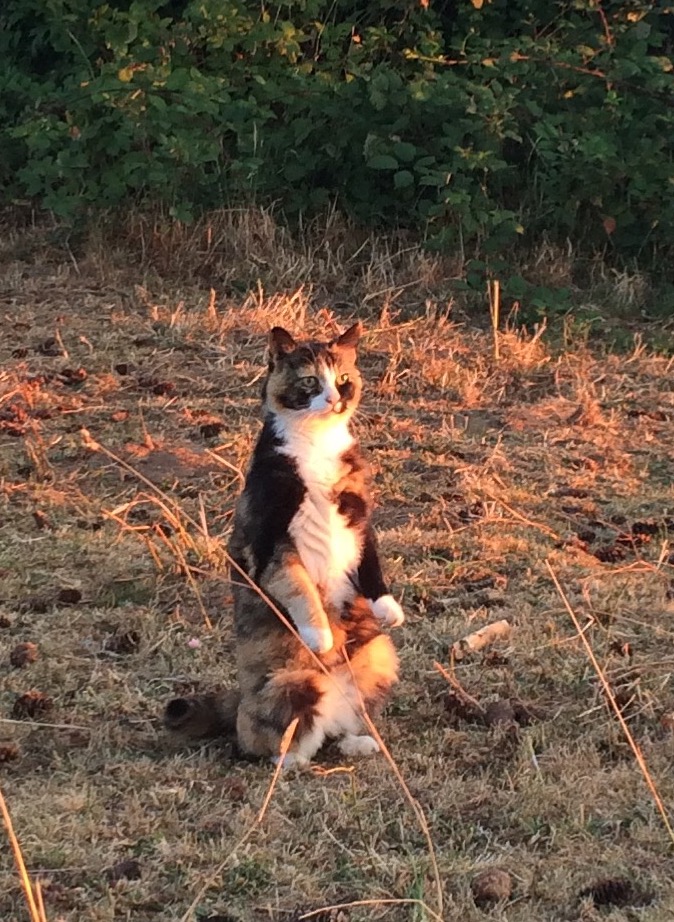
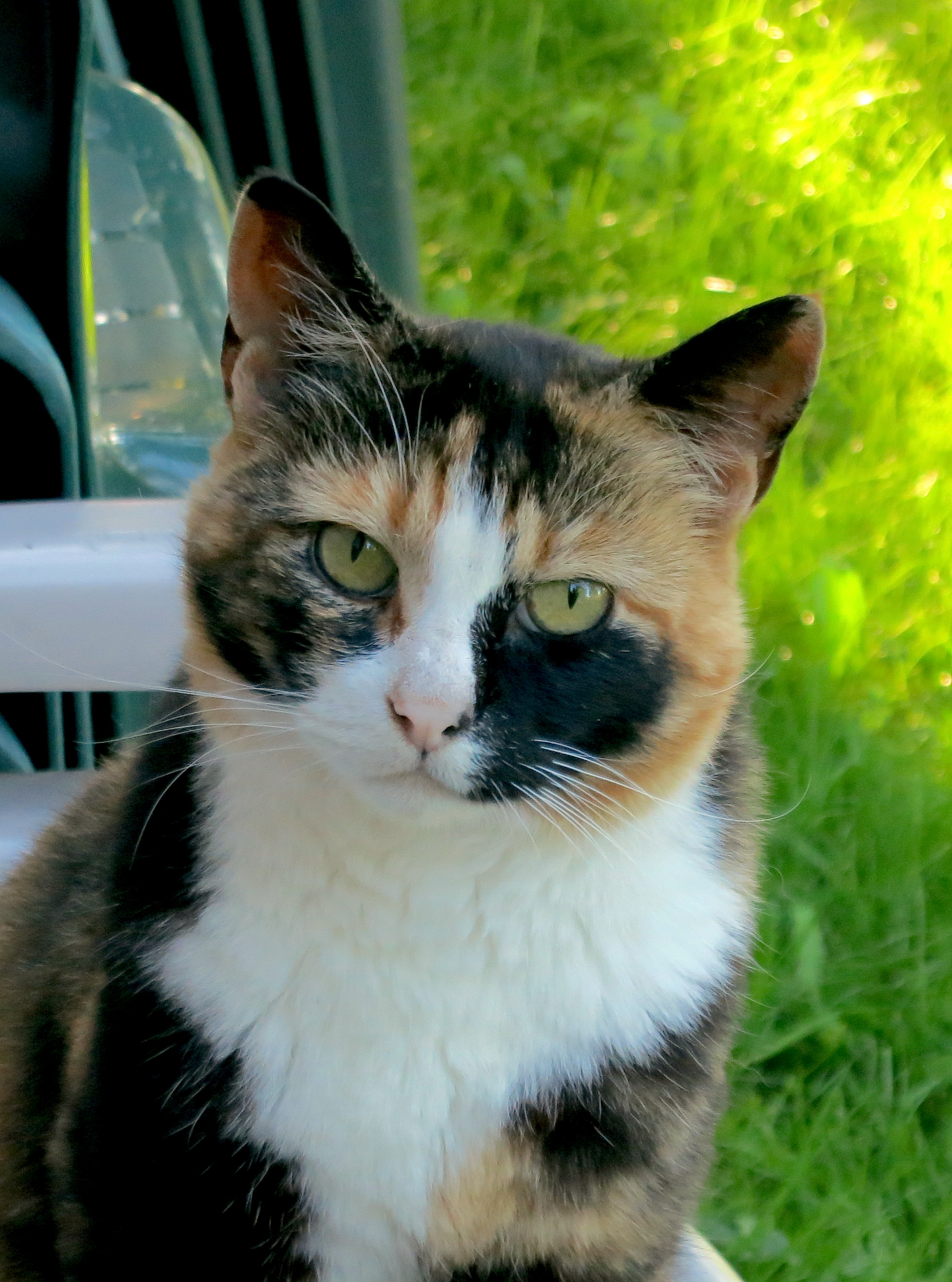
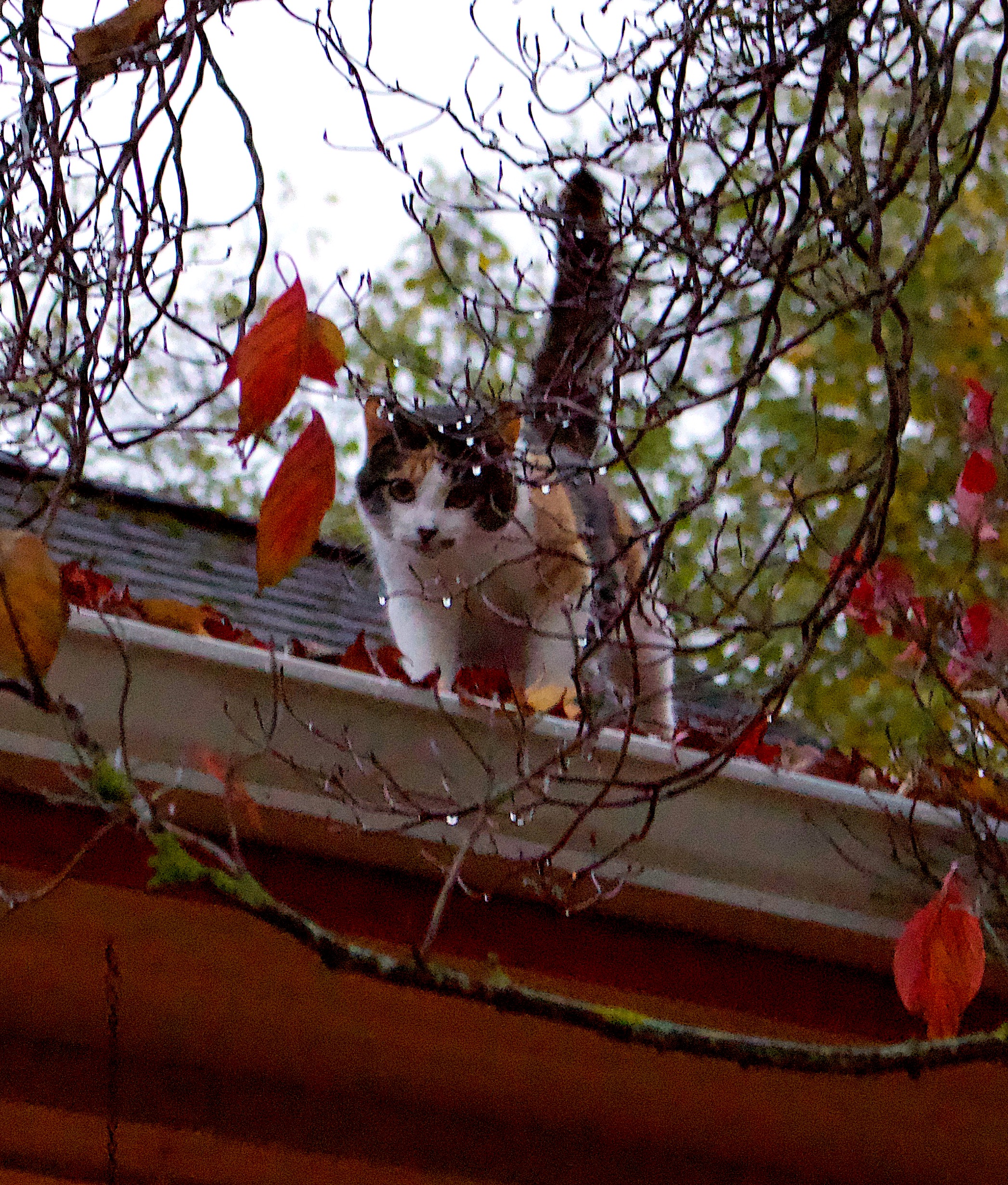
Since no farm can be complete without animals, I stopped at the first pet store I drove past and found two tortoise shell calico kitten sisters peering up at me, just waiting for new adventures in farmland. Their box was packed into the one spot left beside me in my little Mazda. With that admittedly impulsive commitment to raise and nurture those kittens, life seemed brand new.
I will never forget the feeling of freedom on that drive north out of the traffic congestion of the city. The highway seemed more open, the fall colors more vibrant, the wind more brisk, our baby happily kicking my belly, the kittens plaintively mewing from their box. There seemed to be so much potential even though I had just left behind the greatest job that could be found in any urban setting (the most diverse zip code in the United States): an ideal family practice with patients from all over the world: Muslims from the Middle East and Indonesia, Orthodox Jews, Italian Catholics, African Americans, Cambodians, Laotians, Vietnamese. I would never know so much variety of background and perspective again and if I could have packed them all into the Mazda and driven them north with me, I would have.
We started our farm with those kittens dubbed Nutmeg and Oregano, soon adding an ethnic diversity of farm animals: Belgian Tervuren dog Tango, Haflinger horse Greta, Toggenburg goats Tamsen and her kids, a few Toulouse geese, Araucana chickens, Fiona the Scottish Highland cow, then another Haflinger Hans and another, Tamara. I worked as a fill in locums doctor in four different clinics before our first baby, Nate, was born. We soon added little brother Ben and seven years later, sister Lea. We settled happily into parenthood, our church community, serving on school and community boards, gardening, and enduring the loss of our parents one by one.
Thirty four years later our children have long ago grown and gone to new homes of their own, off to their own adventures beyond the farm. Our sons married wonderful women, moving far away from home, our daughter teaches a fourth grade classroom a few hours away and we have two grandchildren with the third expected any moment.
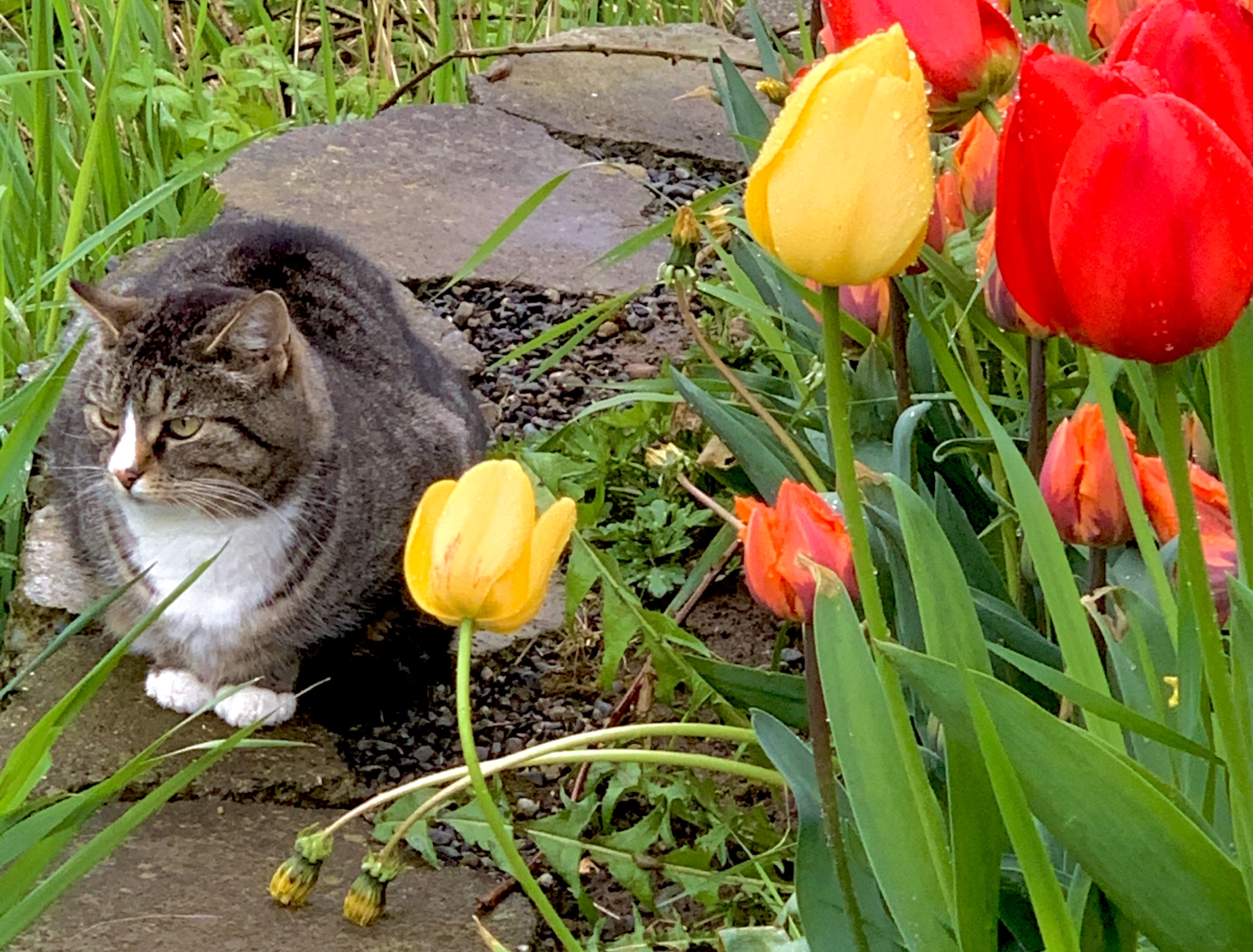
A few cats, two Cardigan Corgi dogs, and a hand full of ponies remain at the farm with us. We are now both gray and move a bit more slowly, enjoy our naps and the quiet of the nights and weekends. My work has evolved from four small jobs to two decades of two part time jobs to one more than full time job that fit me like a well worn sweater 24 hours a day for thirty years. With retirement looming, I’m trying out a three day a week schedule and the old sweater doesn’t fit quite so comfortably.
My happily retired husband finds he is busier than ever: volunteering, serving on boards and being a full time farmer on our larger 20 acre place of fields and woods.
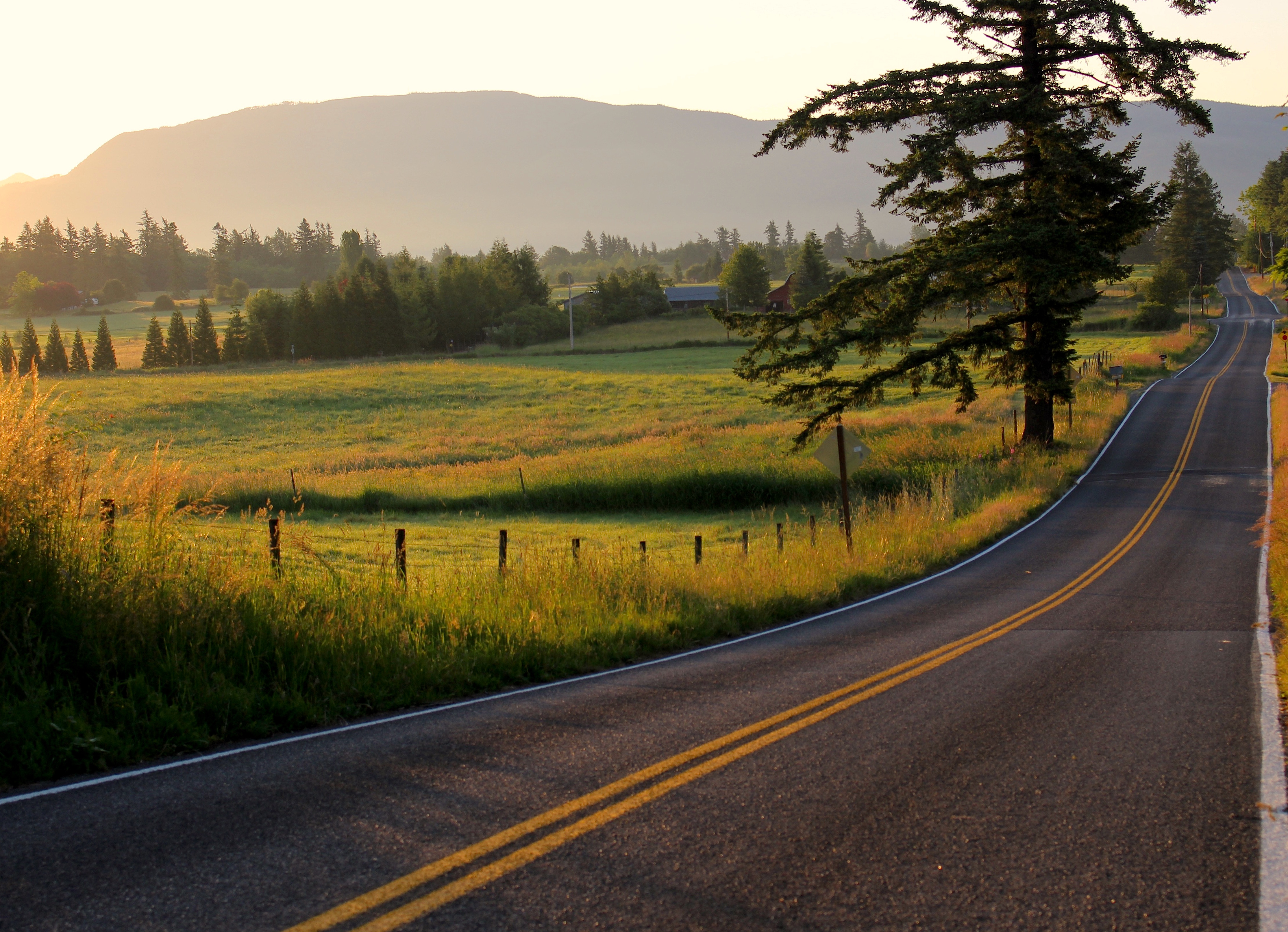
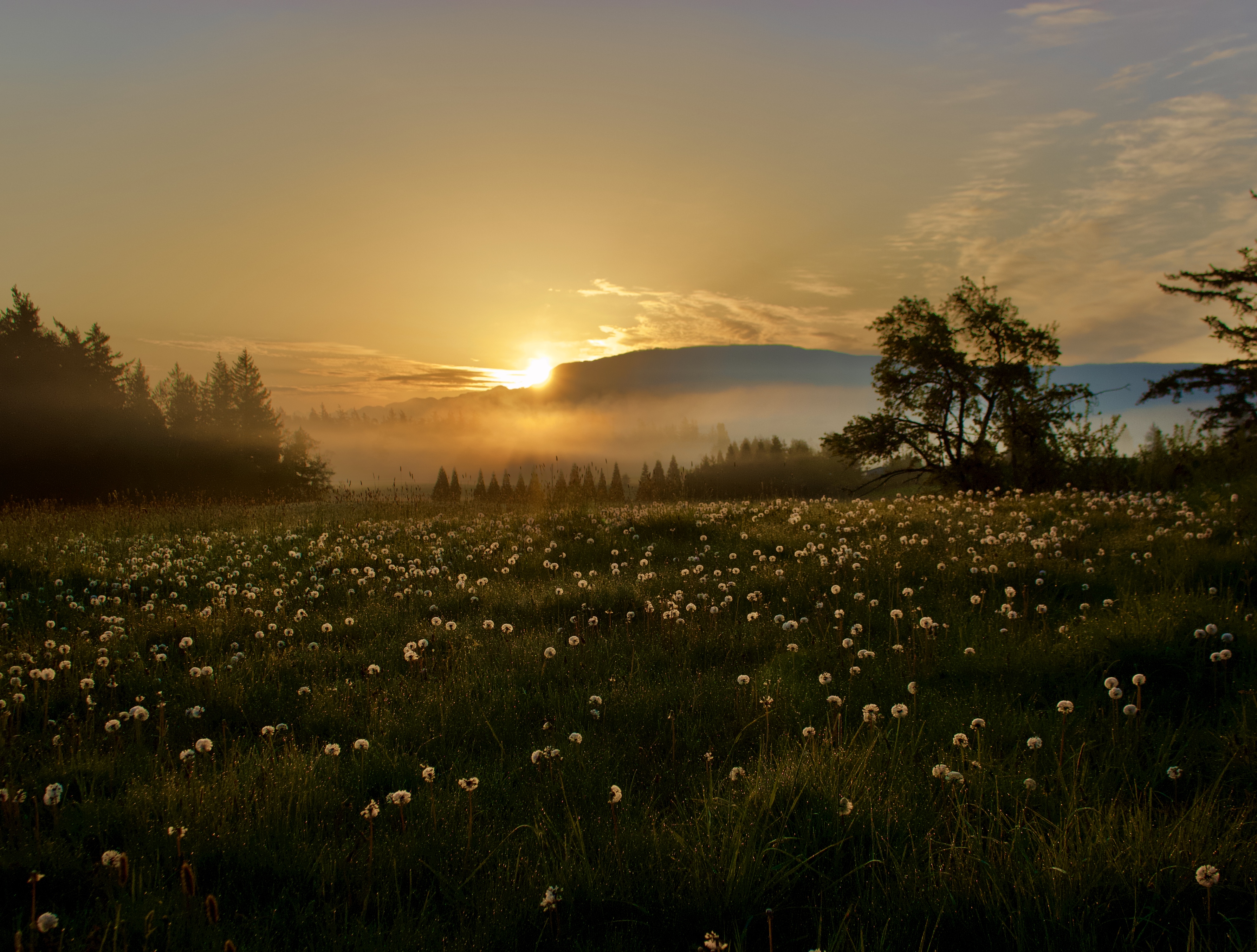
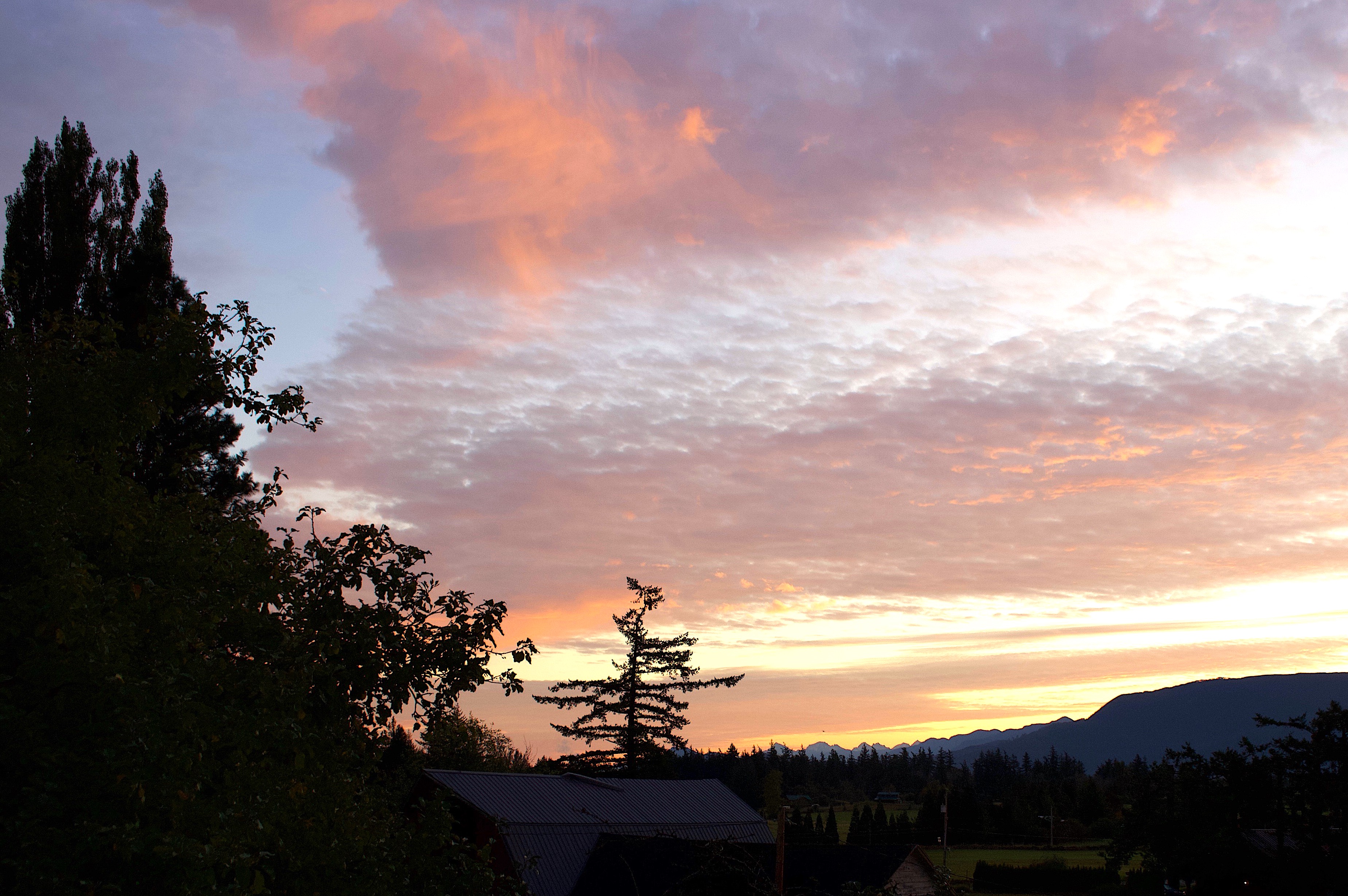
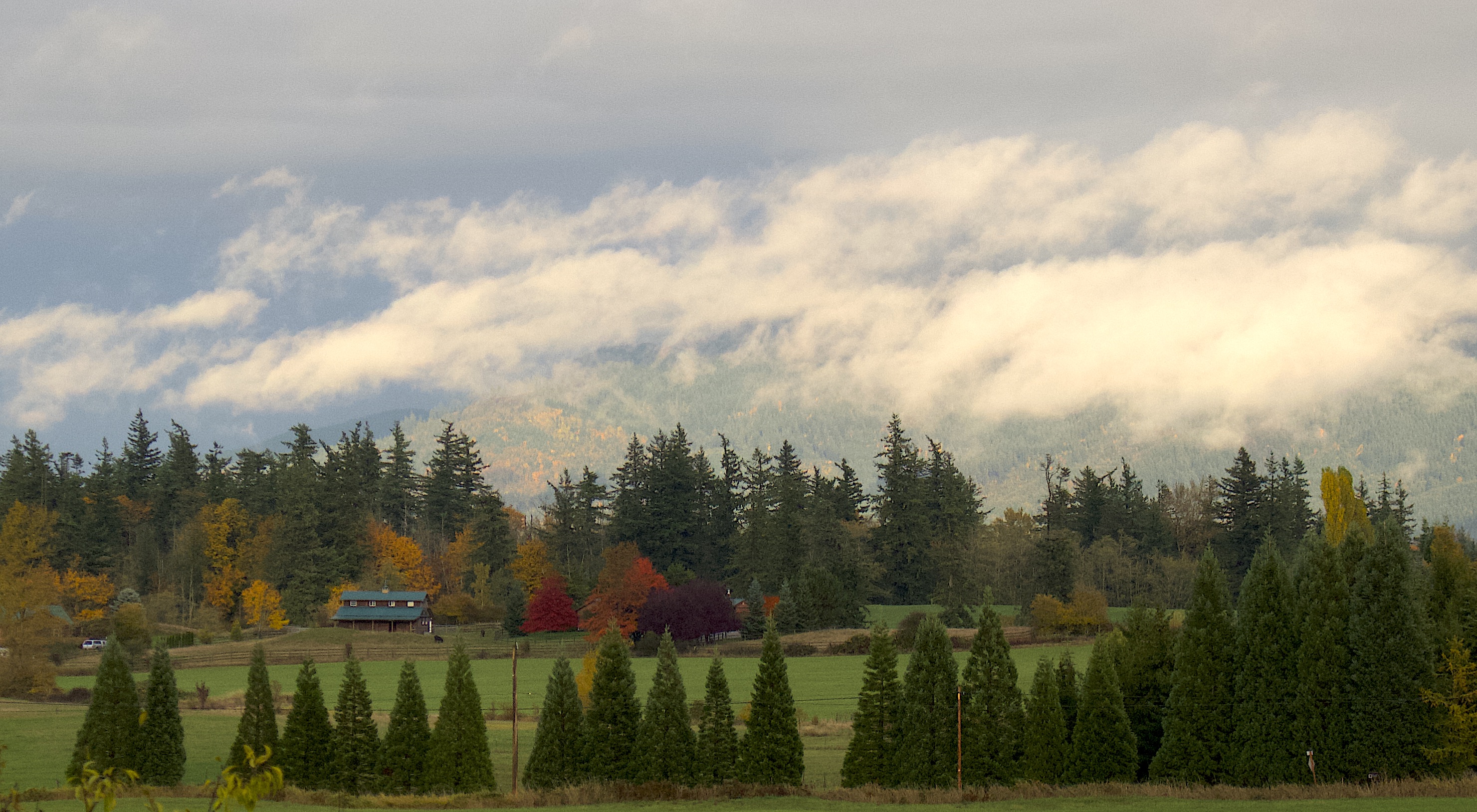
That rainy Halloween day over three decades ago I was freed into a wider world. I would no longer sit captive in freeway rush hour bumper to bumper traffic jams. Instead I celebrate my daily commute through farm fields, watching eagles fly, and new calves licked by their mamas. I am part of a broader community in a way I never could manage in the city, stopping to visit with friends at the grocery store, playing piano and teaching at church. Our home sits in the midst of woods and corn fields, with deer strolling through the fields at dawn, coyotes howling at night, Canadian and snow geese and trumpeter swans calling from overhead and salmon becoming more prolific every year in nearby streams. The snowy Cascades greet us in the morning and the sunset over Puget Sound bids us good night.
It all started October 31, 1985 with two orange and black kittens and a pumpkin sitting beside me in a little Mazda, my husband waiting for my homecoming 100 miles north. Now, thirty four years and three grown children and three (almost) grandchildren later, we celebrate this Halloween transition anniversary together. We’re still pregnant with the possibility that a wide world is waiting, just on the other side of the wall.
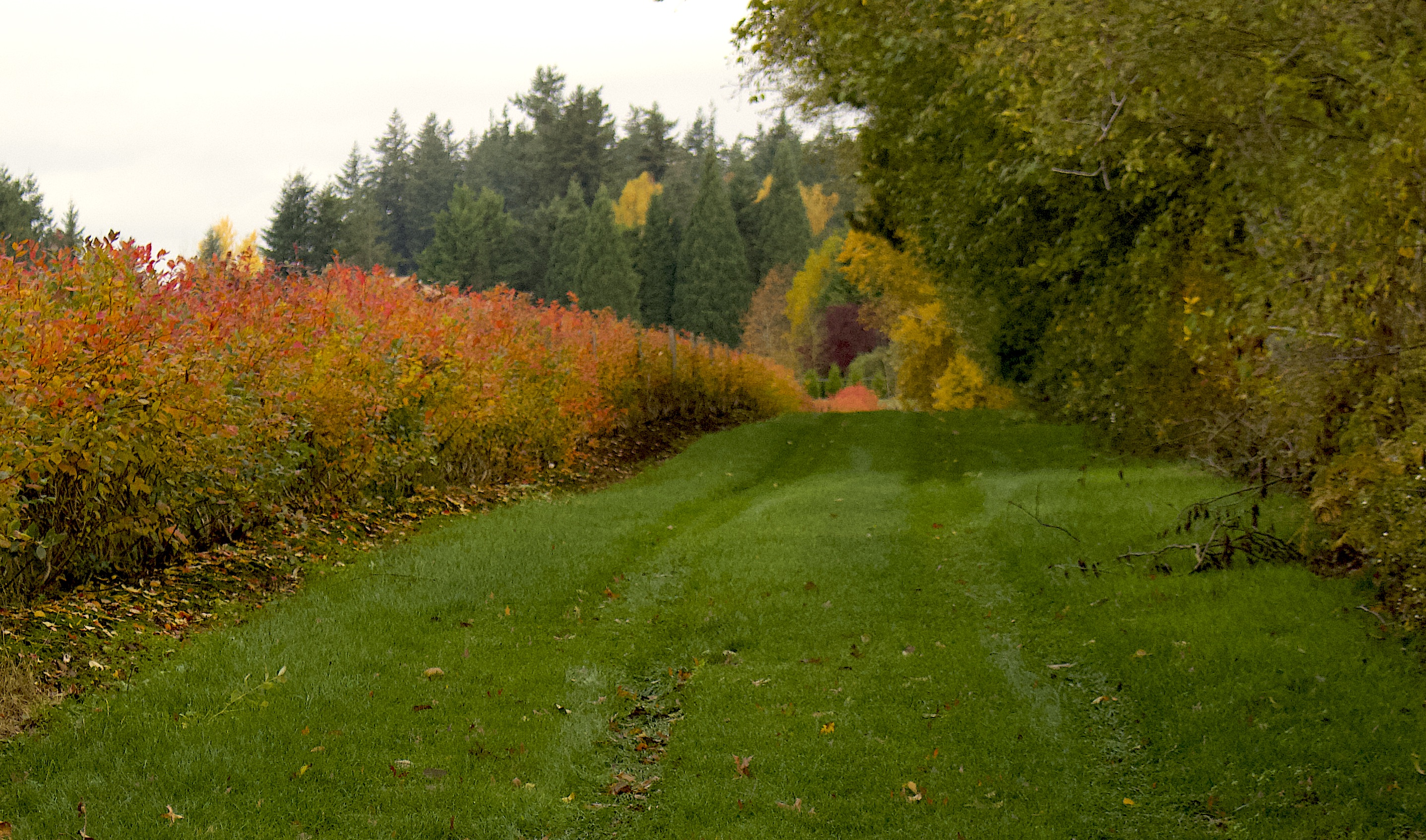
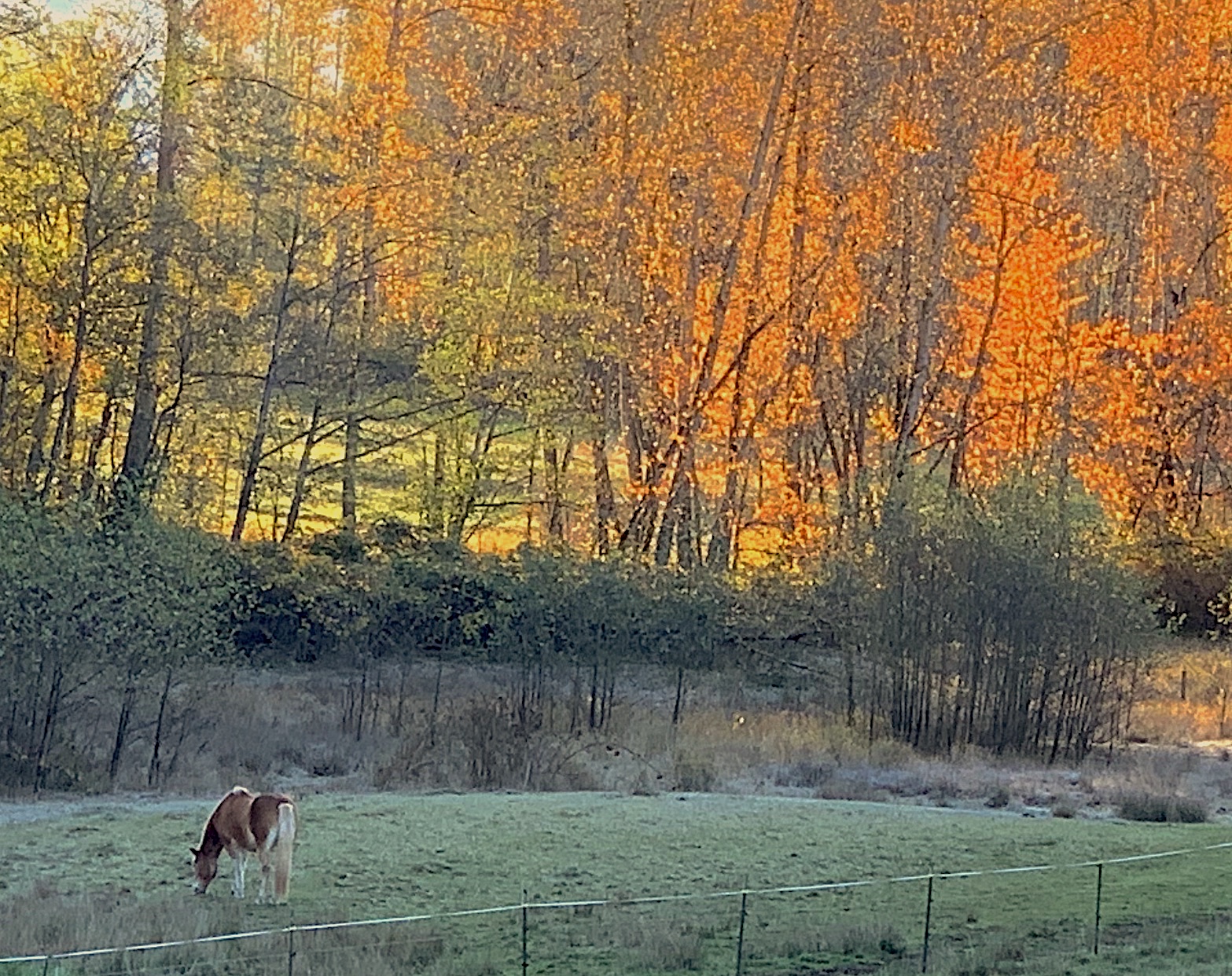
It’s half-past October, the woods are on fire, blue skies stretch all the way to heaven. Of course, we know that winter is coming, its thin winding sheets and its hard narrow bed. But right now, the season’s fermented to fullness… ~Barbara Crooker from “Reel” in The Book of Kells
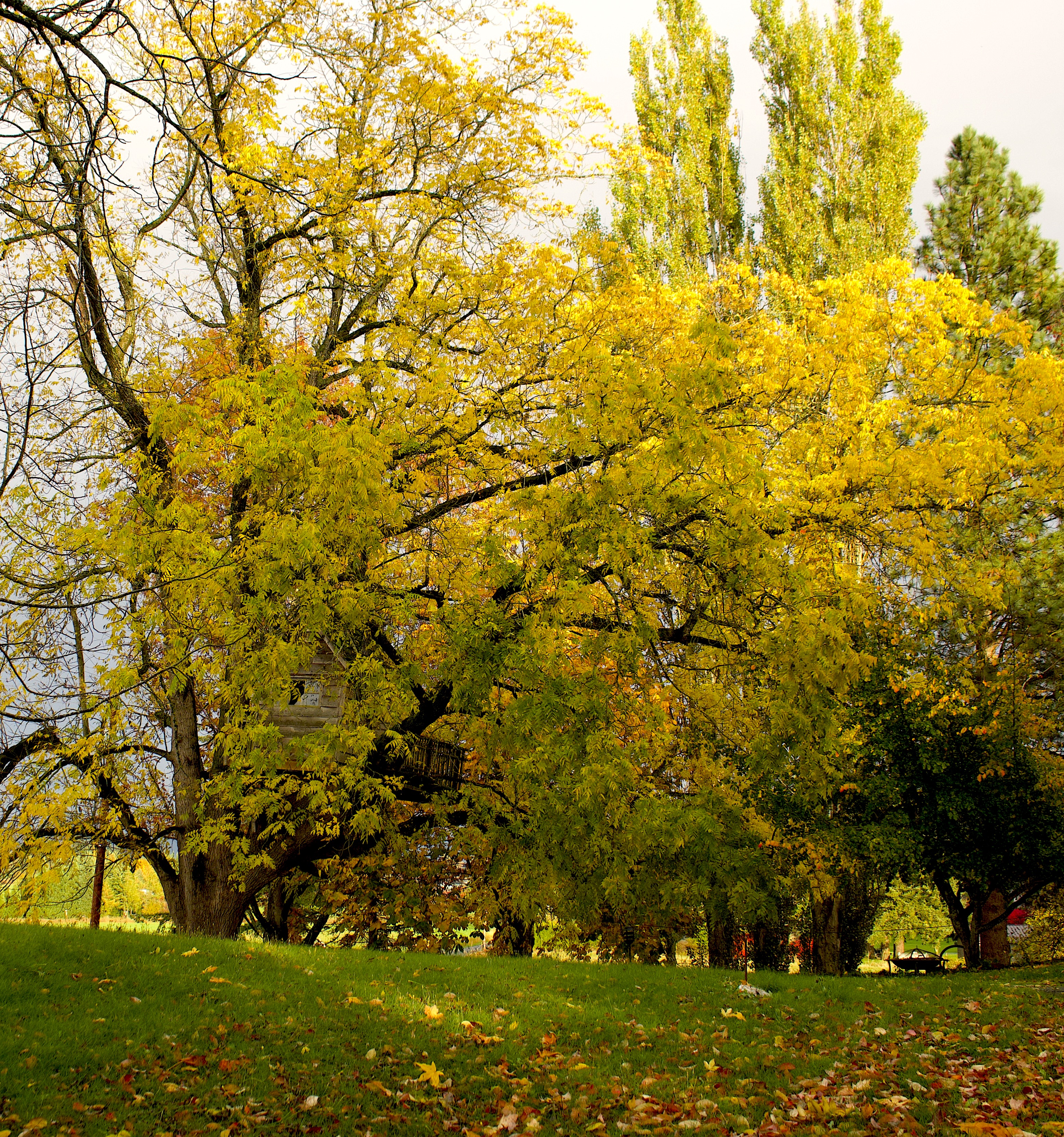
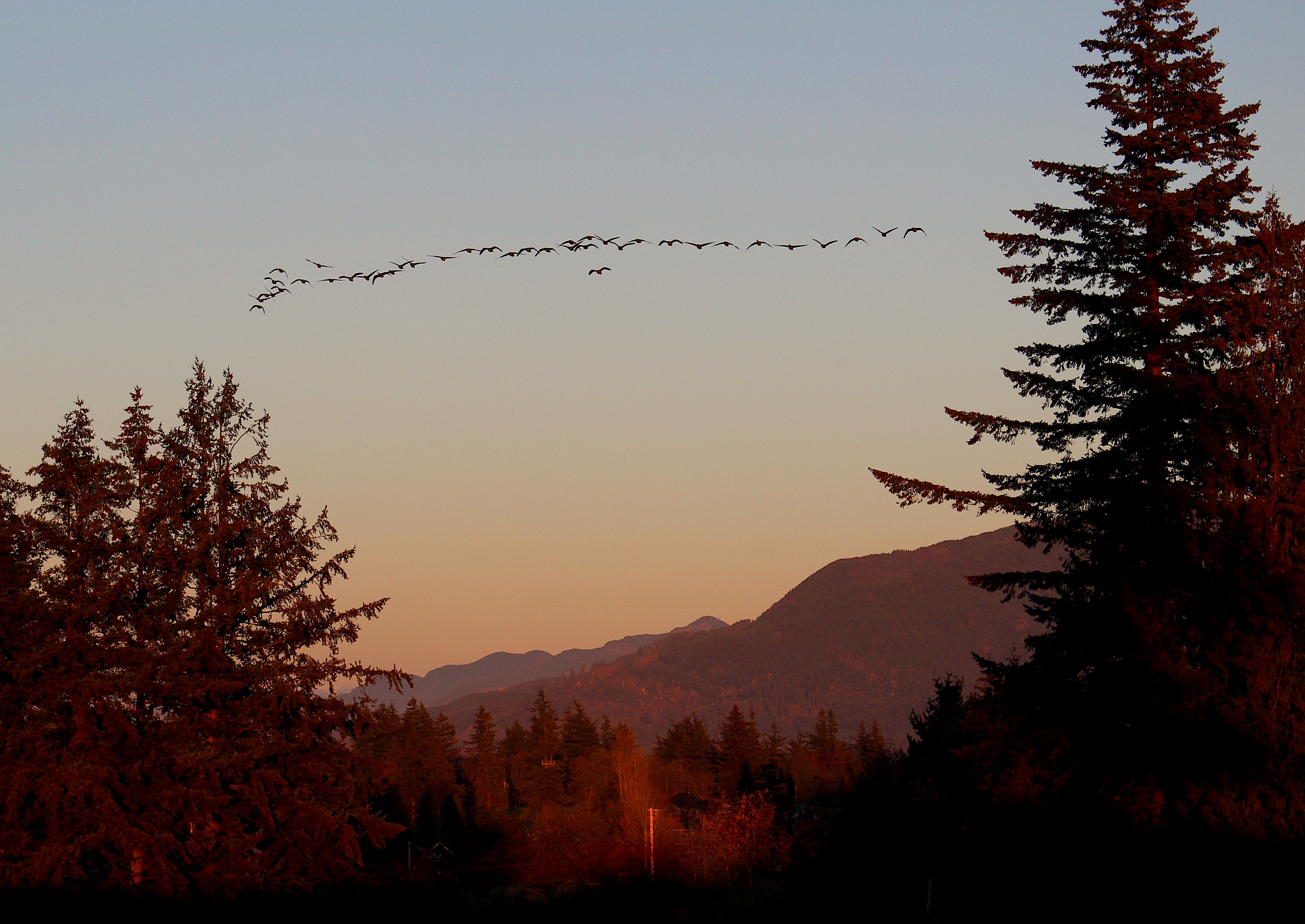
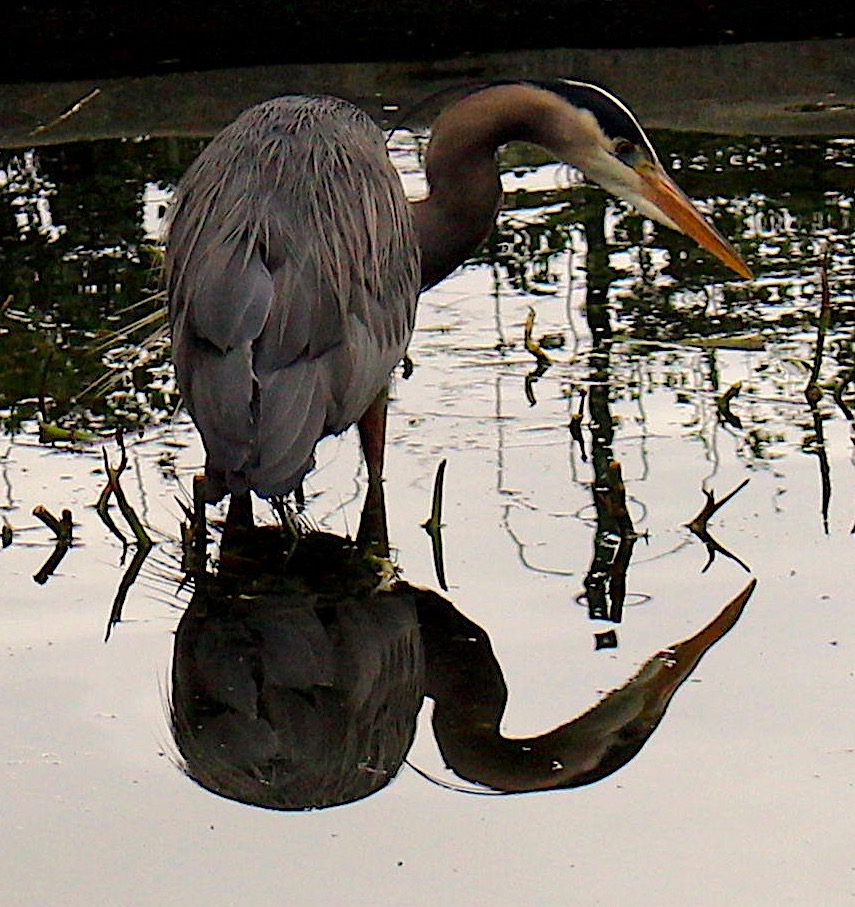
I want to praise things that cannot last. The scarlet and orange leaves are already gone, blown down by a cold rain, crushed and trampled. They rise again in leaf meal and wood smoke. The Great Blue Heron’s returned to the pond, settles in the reeds like a steady flame. Geese cut a wedge out of the sky, drag the gray days behind them like a skein of old wool. I want to praise everything brief and finite. ~Barbara Crooker from her poem “Equinox” in Selected Poems.
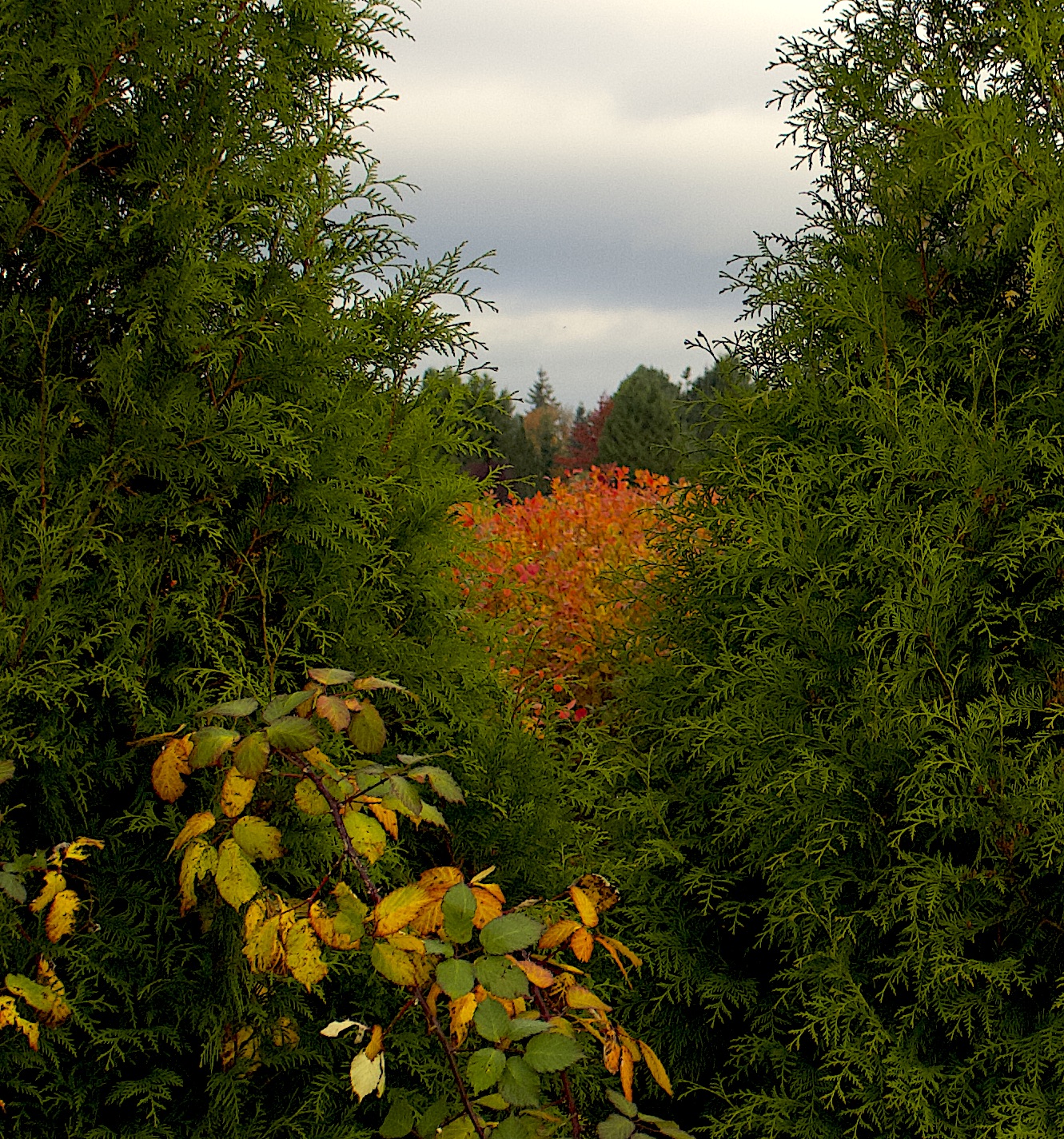
This fading transitional October renders us transient ourselves- only visitors here, not laying down claims but passing through while enjoying the scenery, knowing that this too won’t last but it is sweet ~let me say it again~ oh so sweet while we’re here.
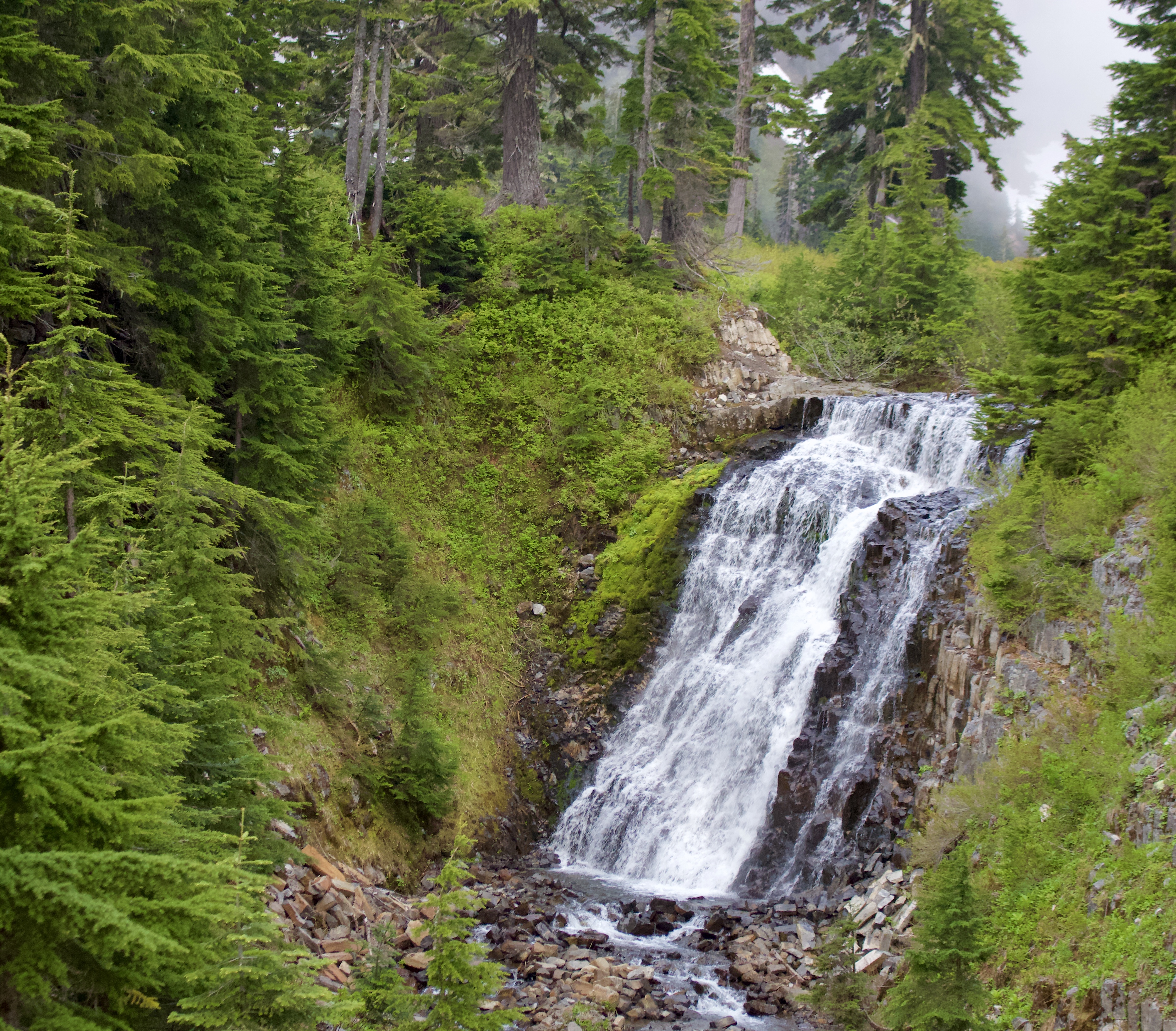
I miss the friendship with the pine tree and the birds that I had when I was ten. And it has been forever since I pushed my head under the wild silk skirt of the waterfall.
The big rock on the shore was the skull of a dead king whose name we could almost remember. Under the rooty bank you could dimly see the bunk beds of the turtles.
Nobody I know mentions these things anymore. It’s as if their memories have been seized, erased, and relocated among flowcharts and complex dinner-party calendars.
Now I want to turn and run back the other way, barefoot into the underbrush, getting raked by thorns, being slapped in the face by branches.
Down to the muddy bed of the little stream where my cupped hands make a house, and
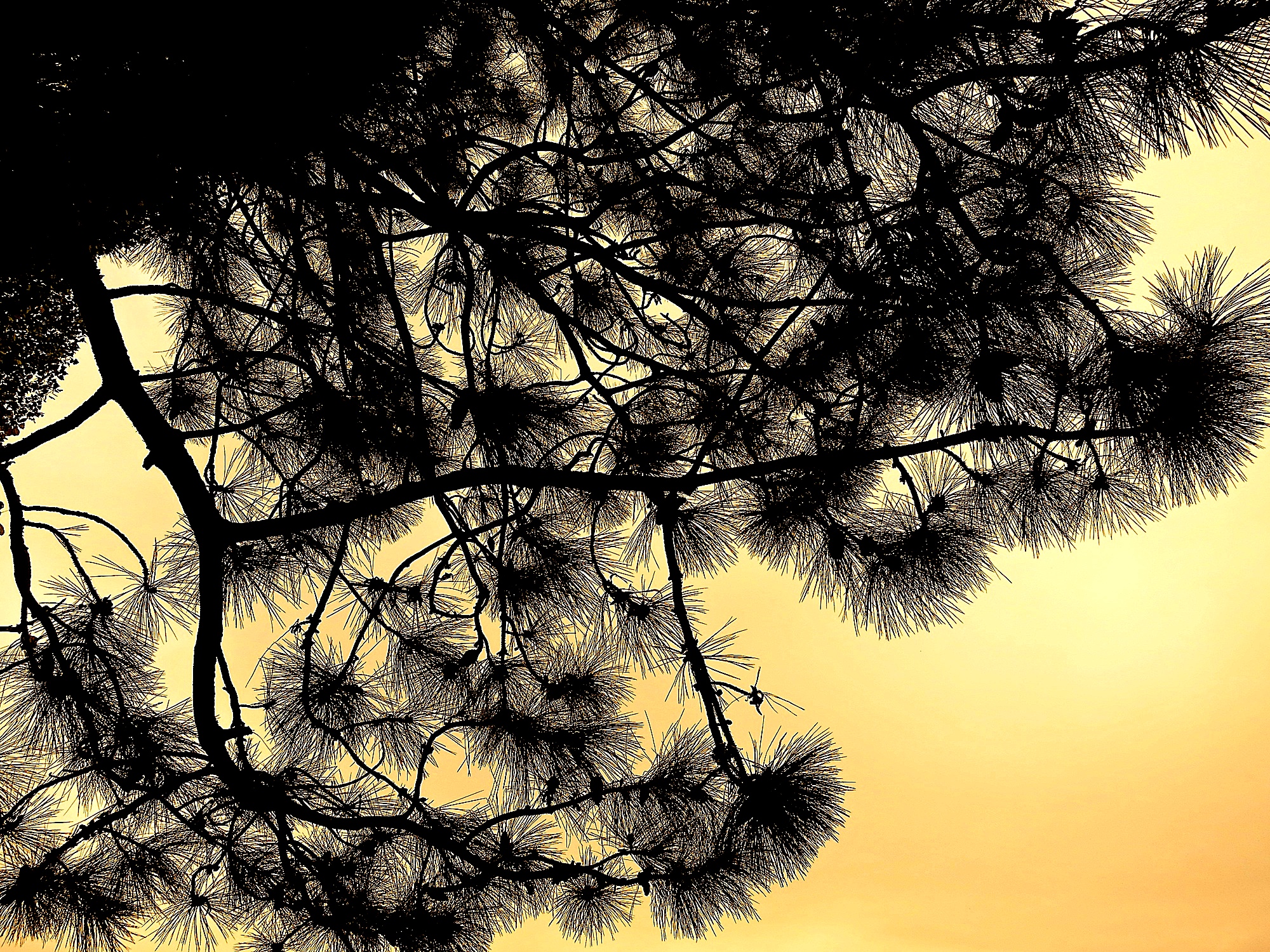
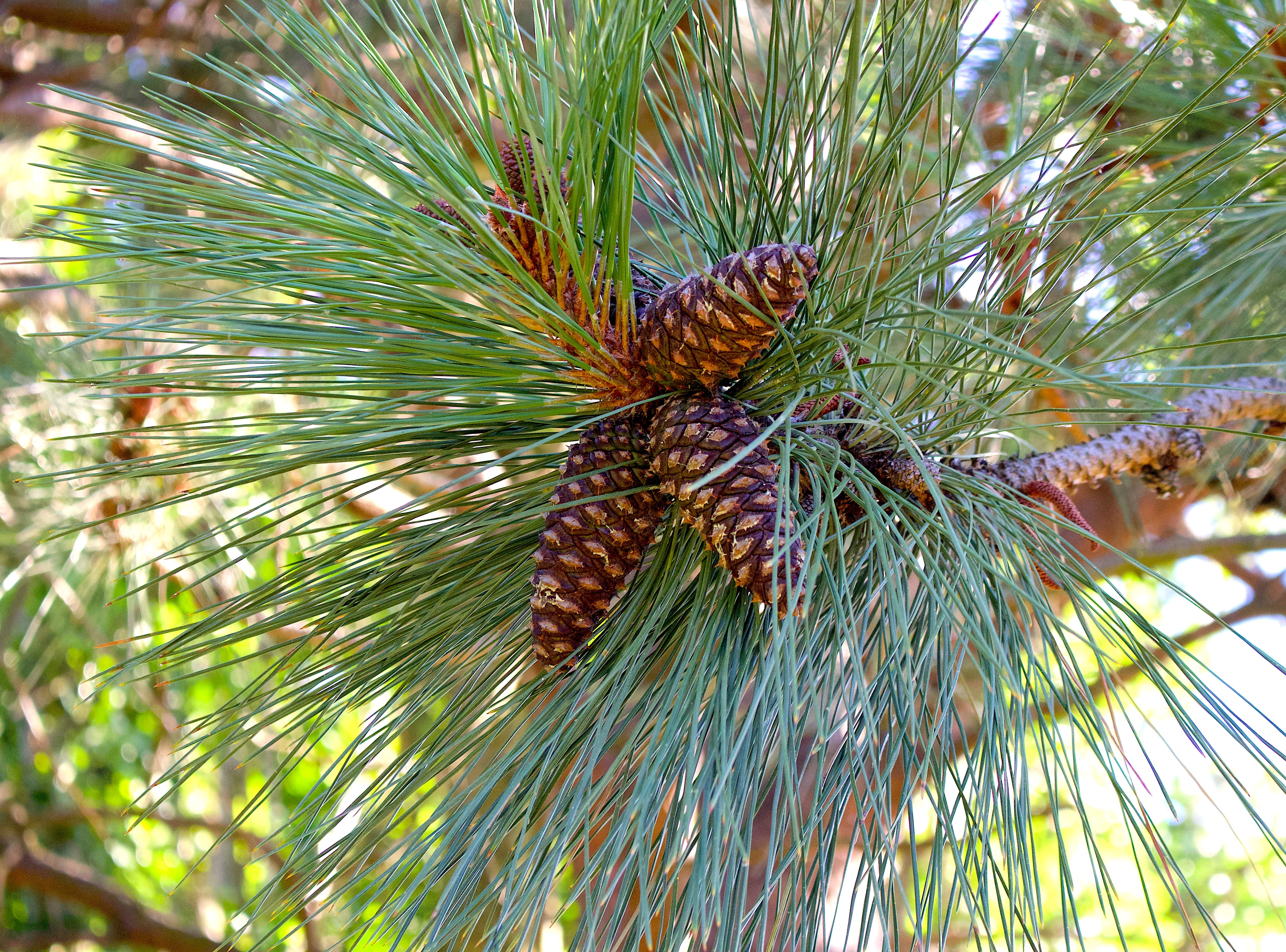
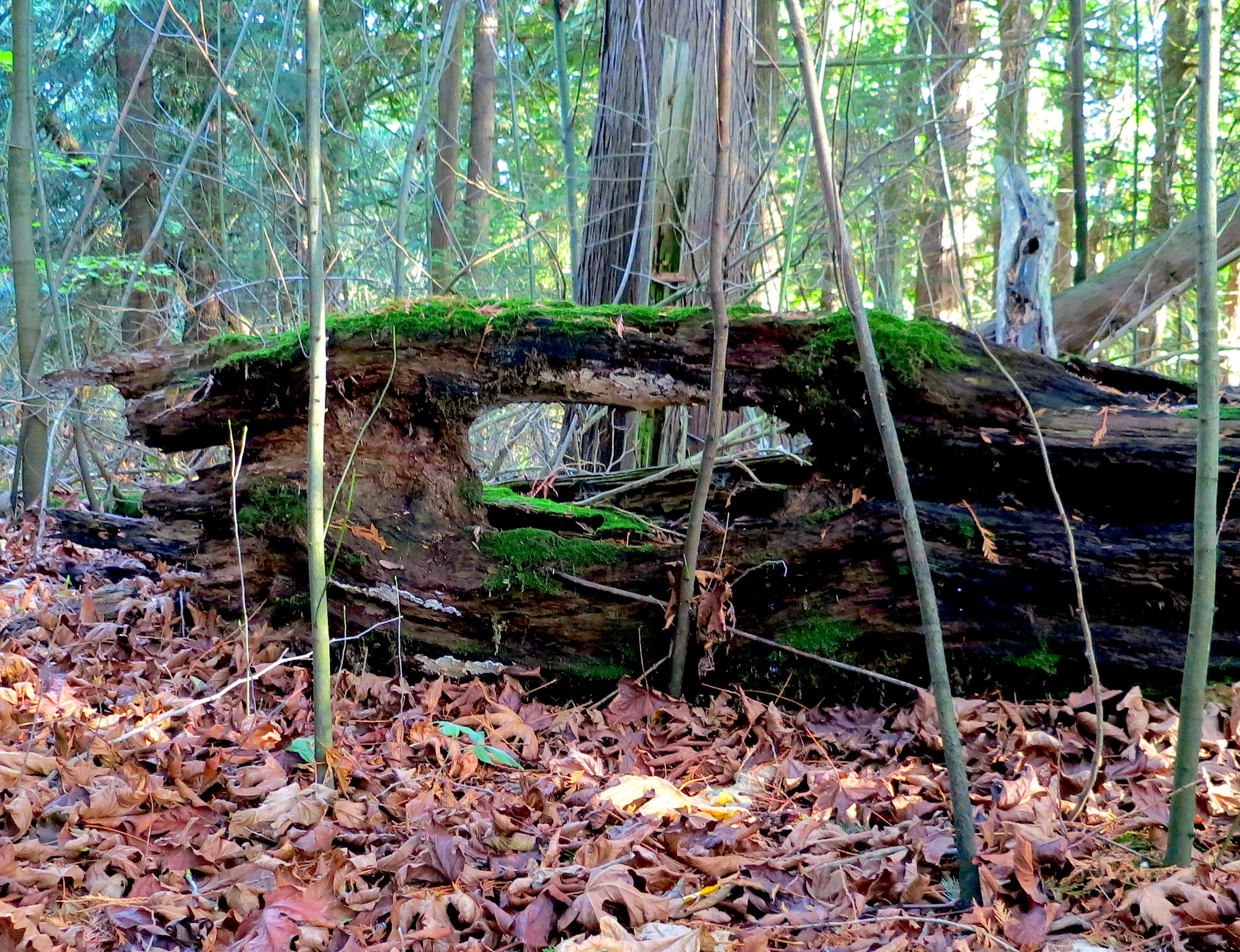
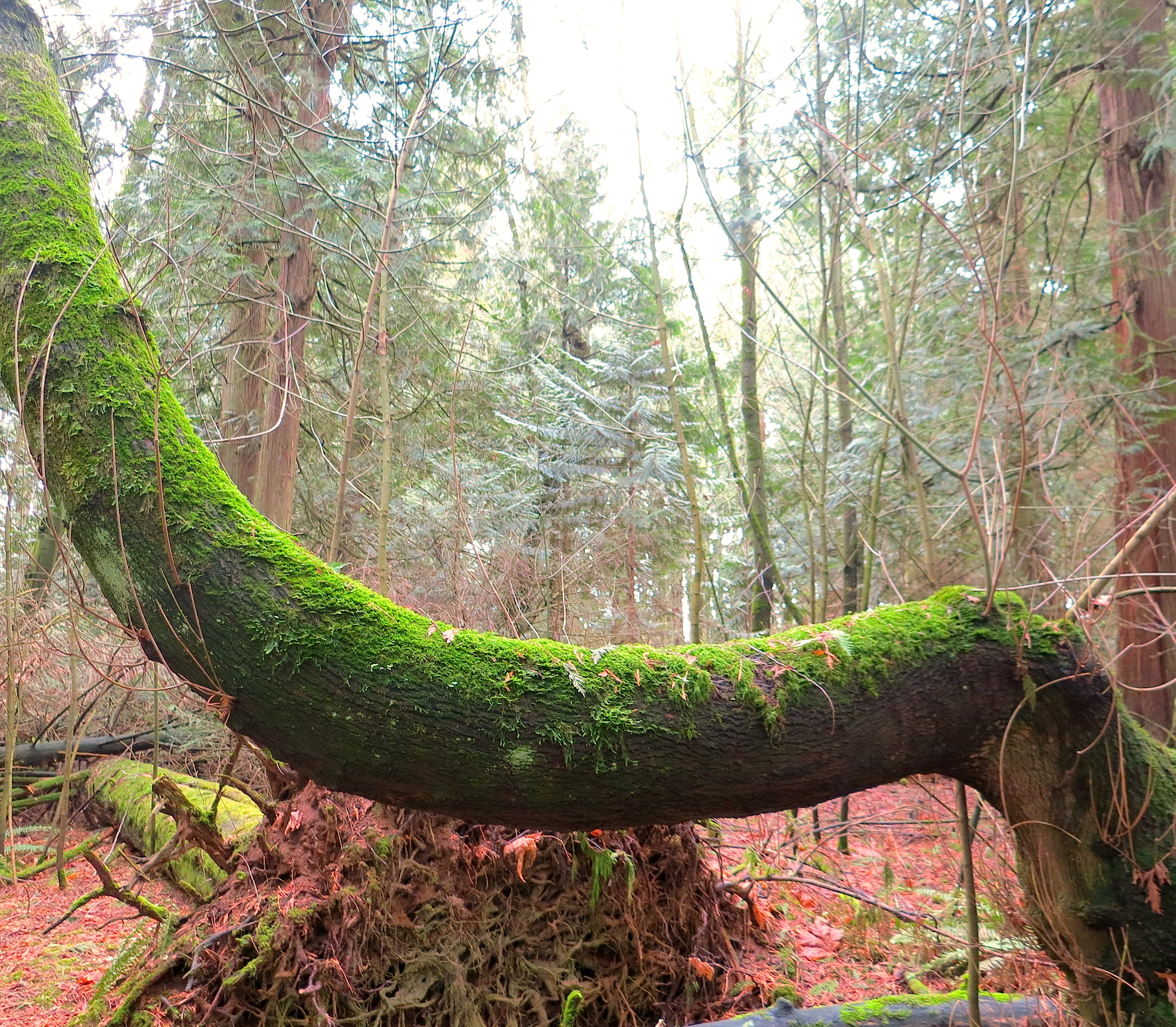
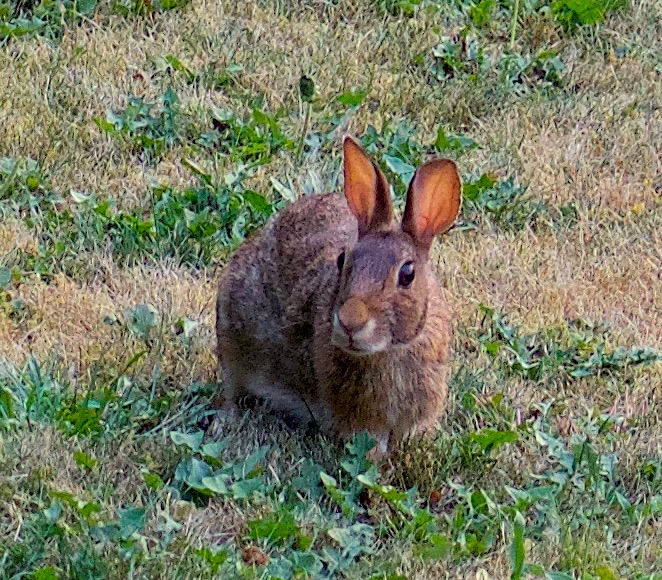
I grew up on a small farm with several acres of woodland. It was my near-daily retreat until I left for college: I walked among twittering birds, skittering wild bunnies, squirrels and chipmunks, busy ant hills and trails, blowing leaves, swimming tadpoles, falling nuts, waving wildflowers, large firs, pines, cottonwoods, maples and alder trees.
I had a favorite “secret” spot sitting perched on a stump where a large rock provided a favorite warm sunning spot for salamanders. They and I would make eye contact and ponder what the other was thinking.
It was where I felt closest to Creation, more so than the house I slept in with my family, the busy classrooms, the dentist office and retirement home where I worked.
Only our church sanctuary was such a thin place with a “can almost touch the hem of God” reality.
At college I searched for a place as private, as quiet, as serene, as full of the voices of creation – nothing ever matched the woods of my childhood home. I gave up as I lived a decade in the city and almost forgot what a familiar woods felt like.
I’ve come close again on this farm we’ve stewarded for thirty years, but the constant distractions are much greater now than when I was a child. I can’t empty out my head and heart as completely to receive the gifts of the field and trees and woodlands. I have greater worries, bigger responsibilities, places to go, people to see, things to do, a shorter timeline to get what I want to accomplish done …
Perhaps the time will come again to simply gaze into the eyes of a fellow creature, and invite them in with a head and heart ready to receive what they and our Creator have to give.















 Barnstorming