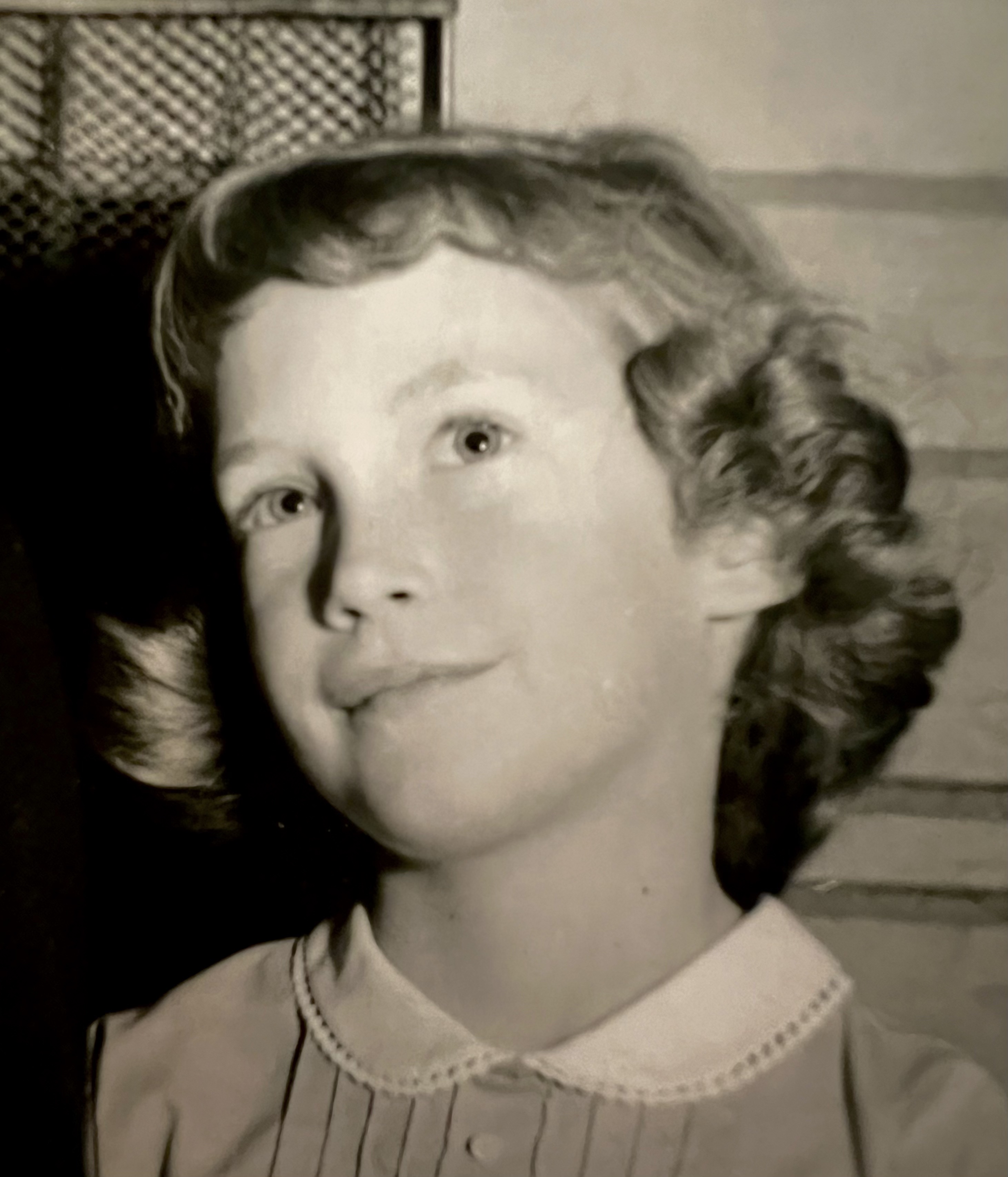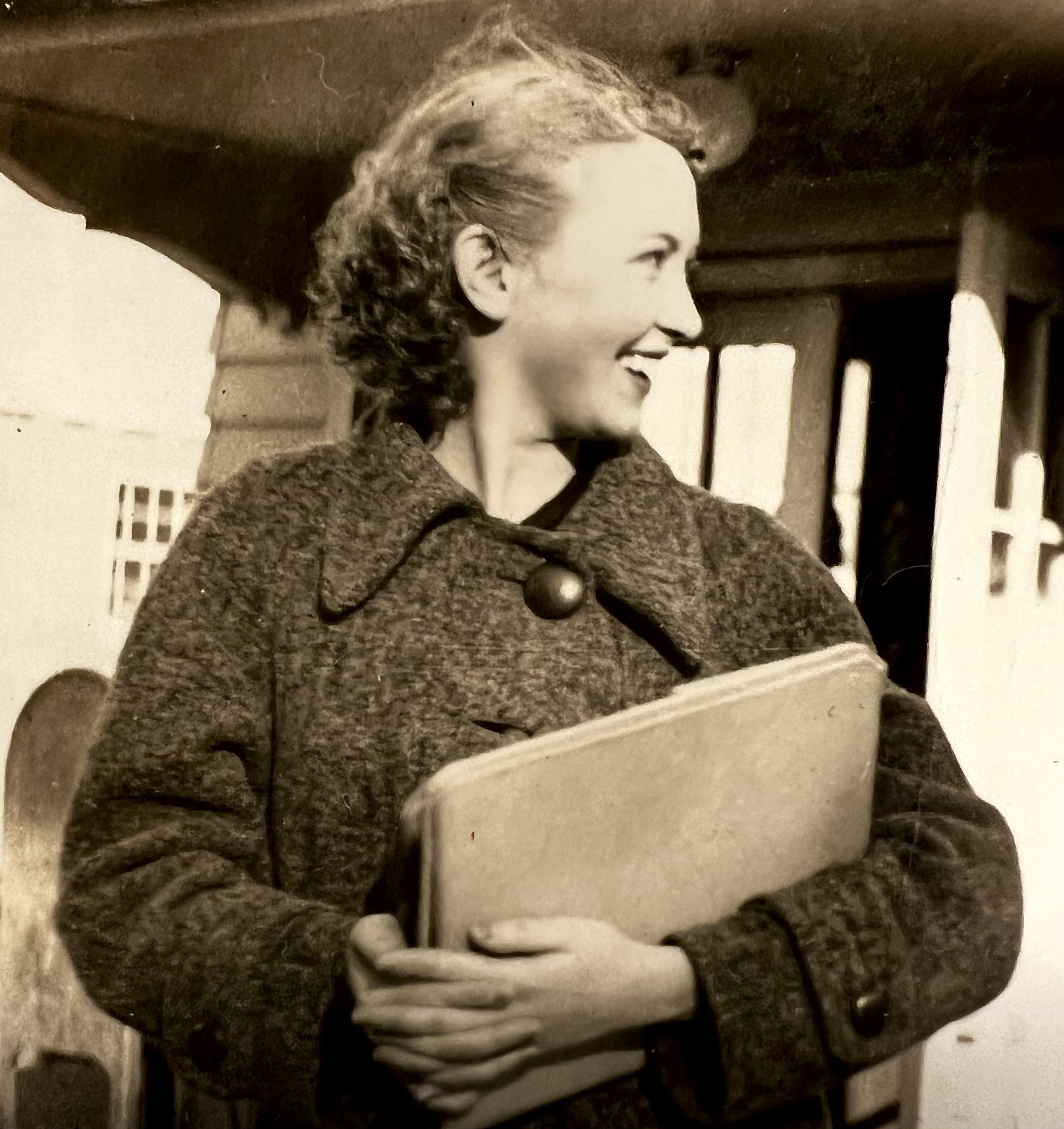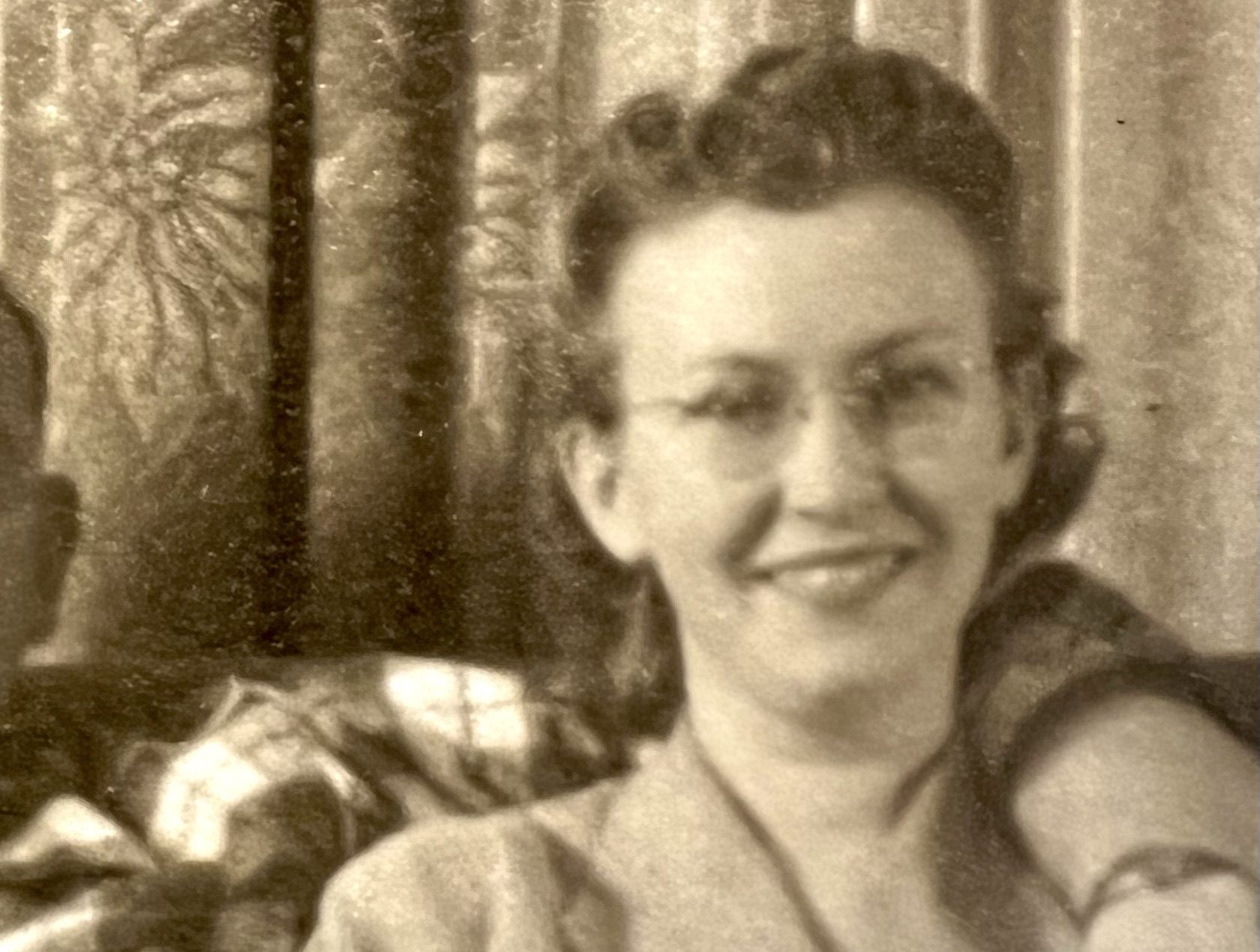
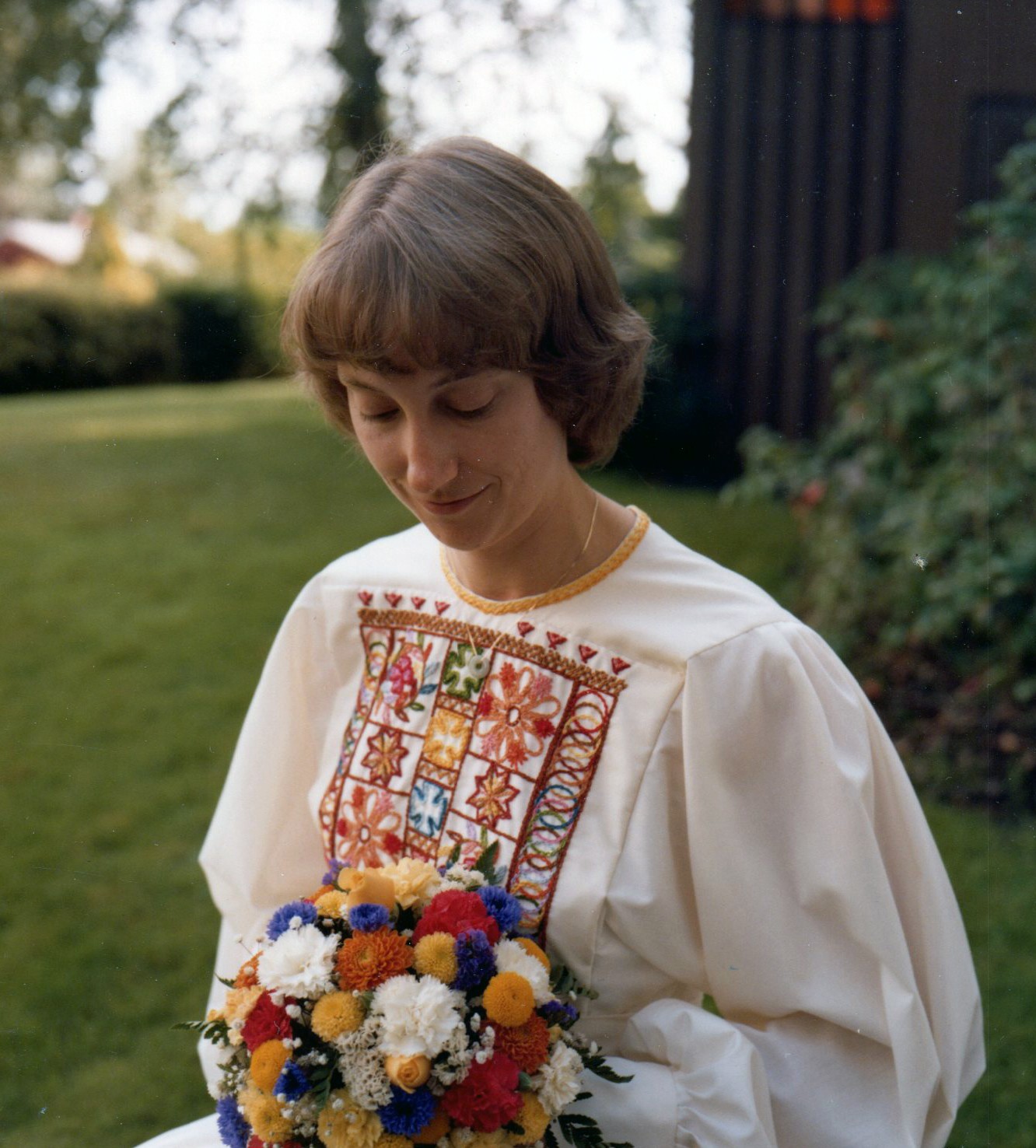
She wasn’t looking when they took this picture: sitting on the grass in her bare feet wearing a cotton dress, she stares off to the side watching something on the lawn the camera didn’t catch. What was it? A ladybug? A flower? Judging from her expression, possibly nothing at all, or else the lawn was like a mirror, and she sat watching herself, wondering who she was and how she came to be there sitting in this backyard, wearing a cheap, white dress, imagining that tomorrow would be like all her yesterdays, while her parents chatted and watched, as I do years later, too distantly to interfere. ~Dana Gioia, “Photograph of My Mother as a Young Girl” from Daily Horoscope
Seeing photos of ancestors a century past
is like looking at your own fingerprints—
circles and lines you can’t recognize
until someone else with a stranger’s eye looks close and says that’s you. ~Joseph Bruchac, “Prints” from Sing: Poetry from the Indigenous Americas.
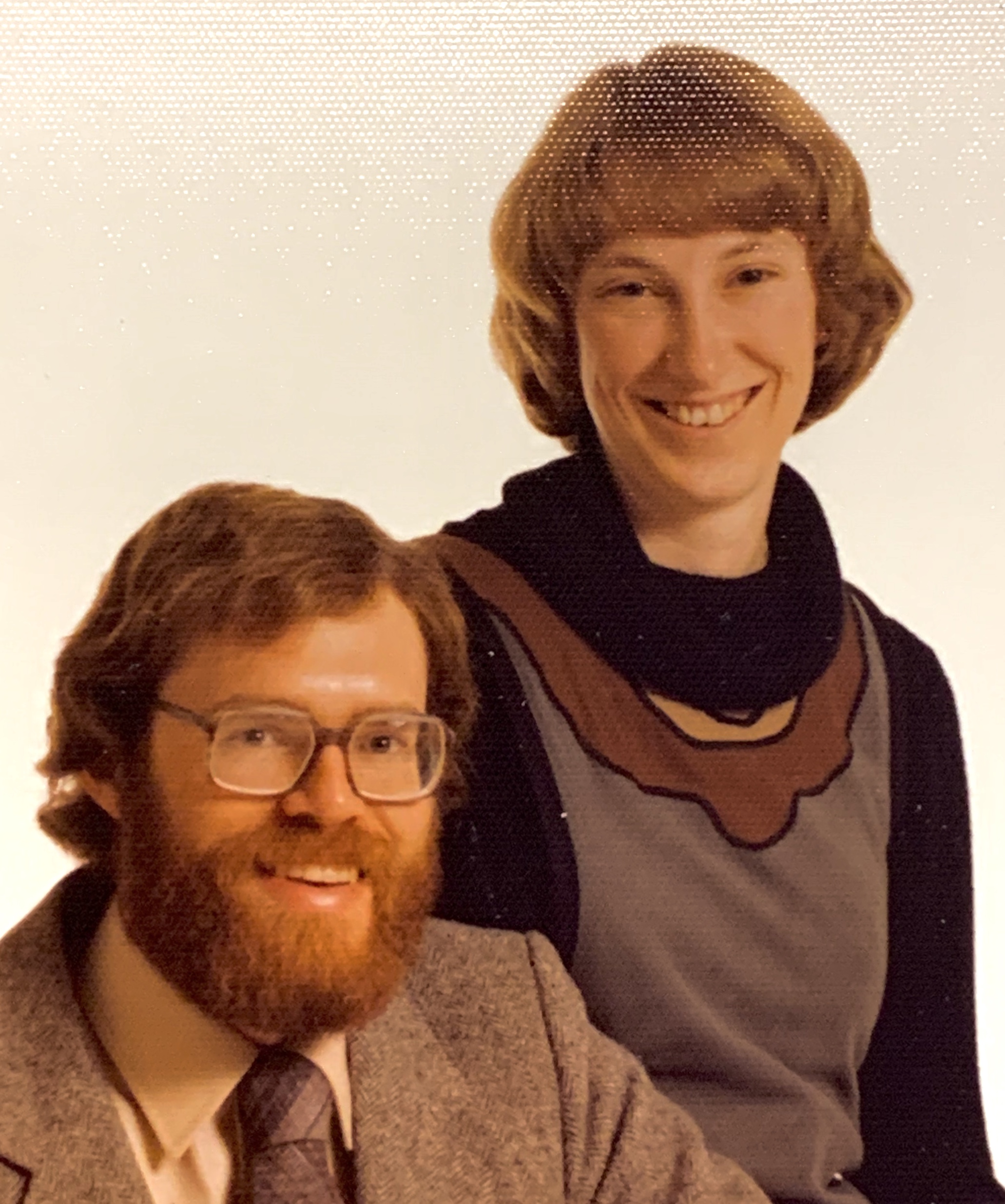
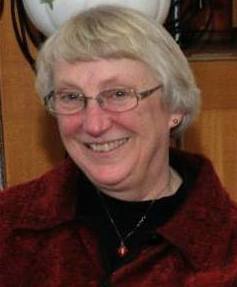
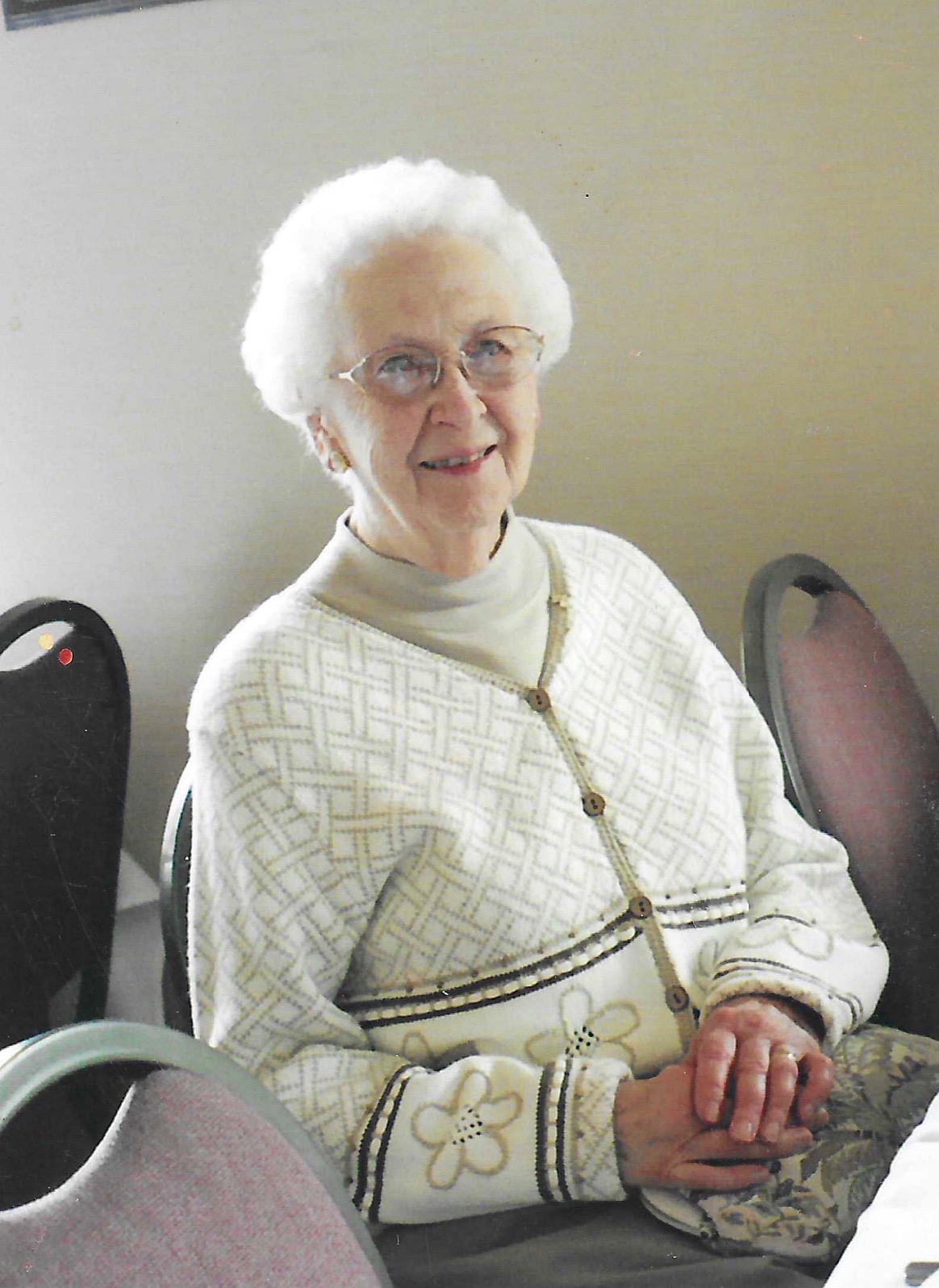
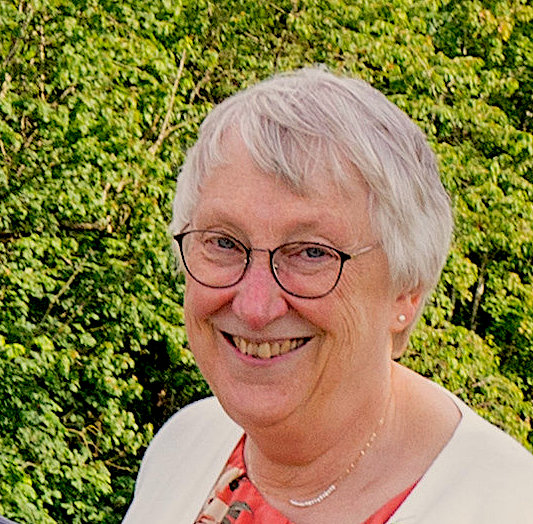
Growing up, it was never obvious to me that I looked like either one of my parents. Once, as a naughty kid, I told them I thought I was adopted as there wasn’t a single photo to be found of my mother looking pregnant (never mind that few women in the 50’s allowed themselves to be photographed pregnant).
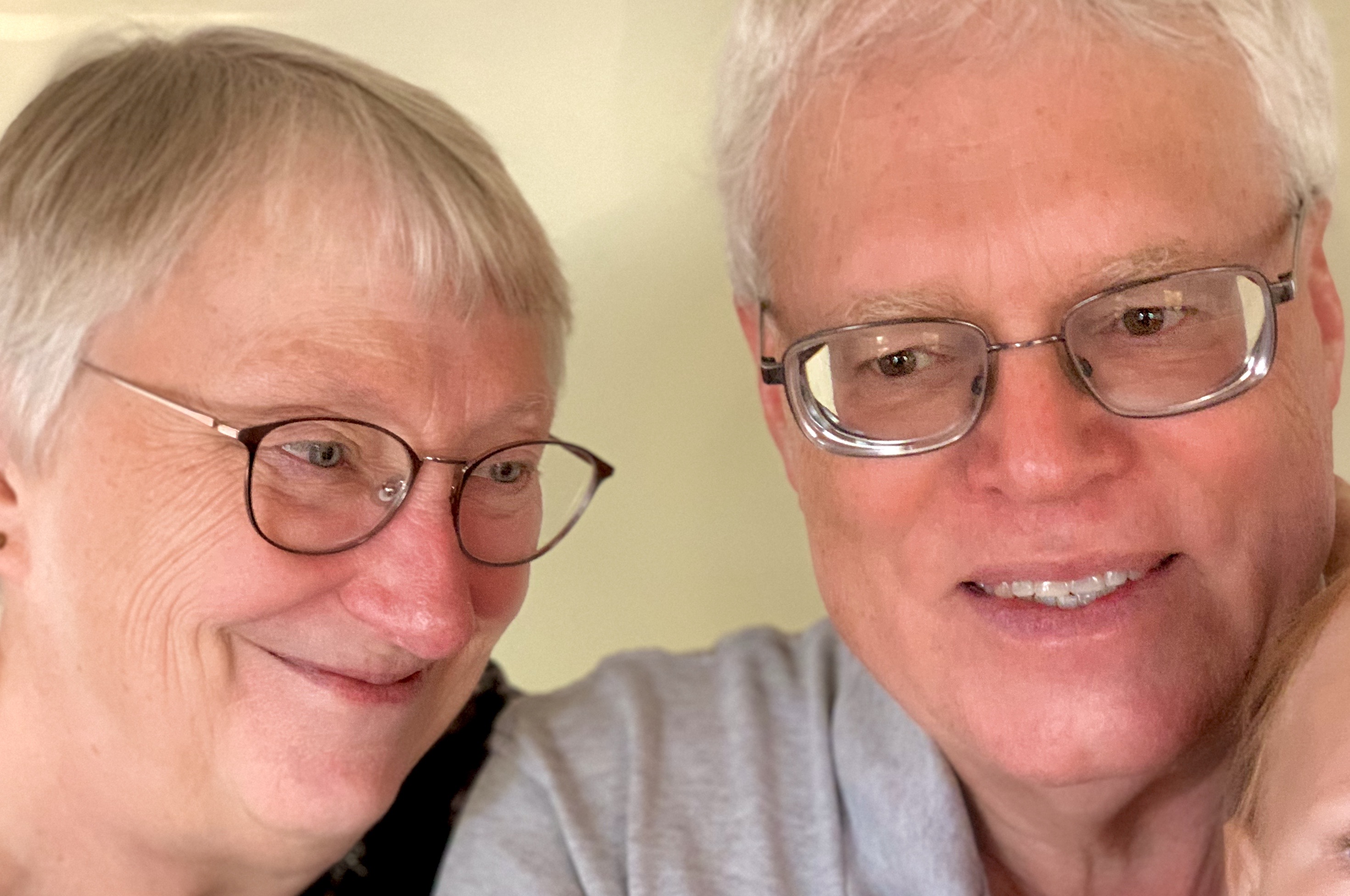
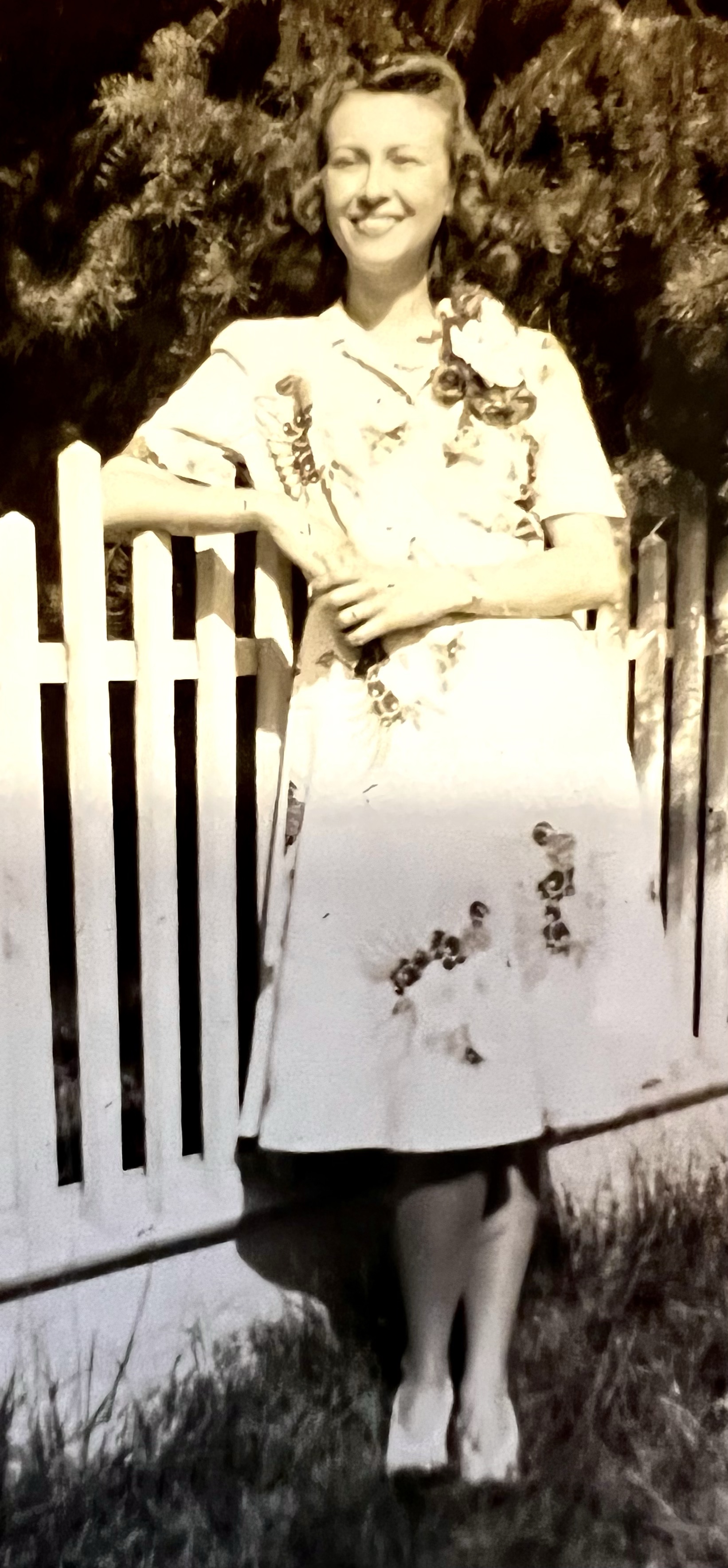
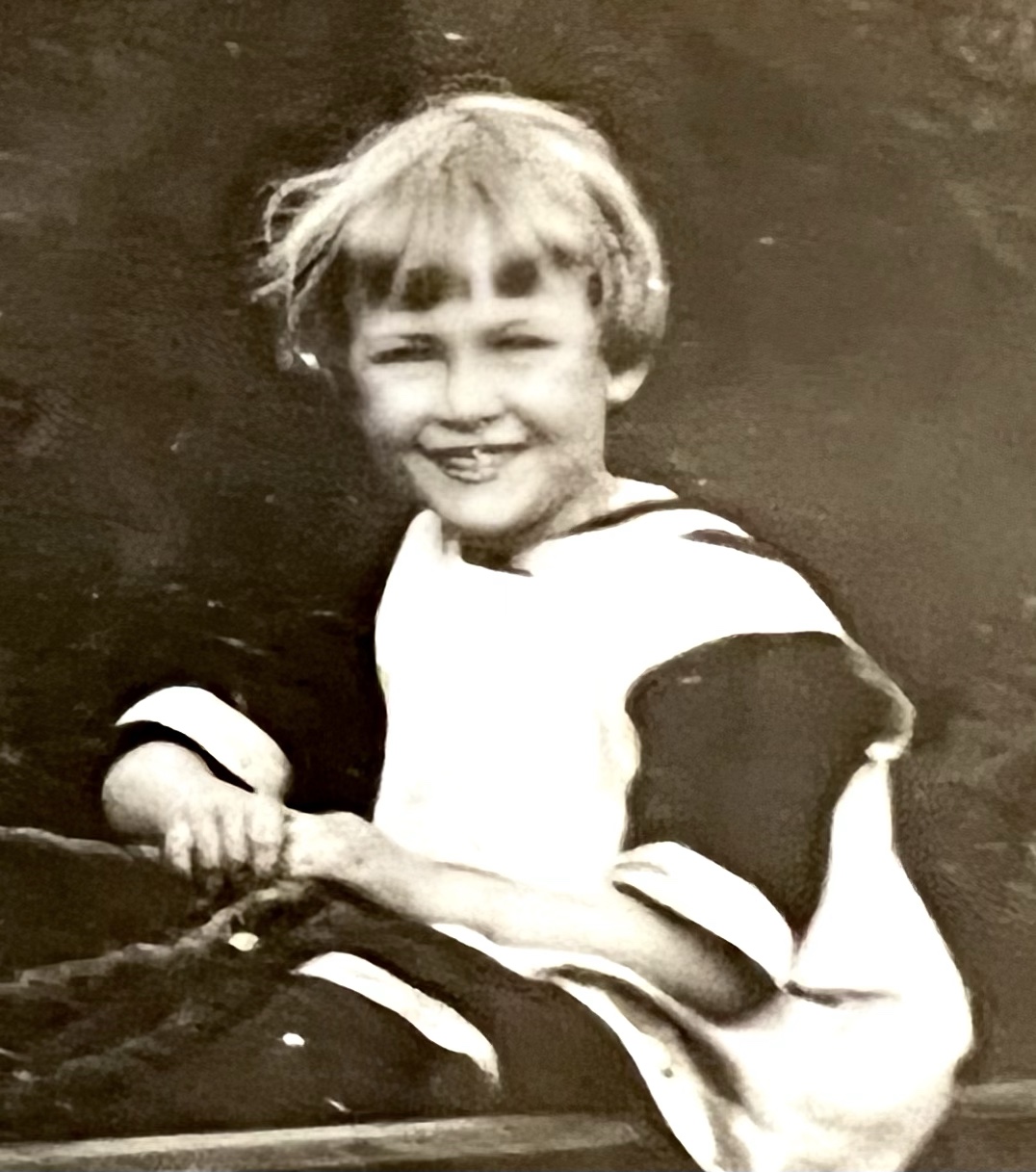
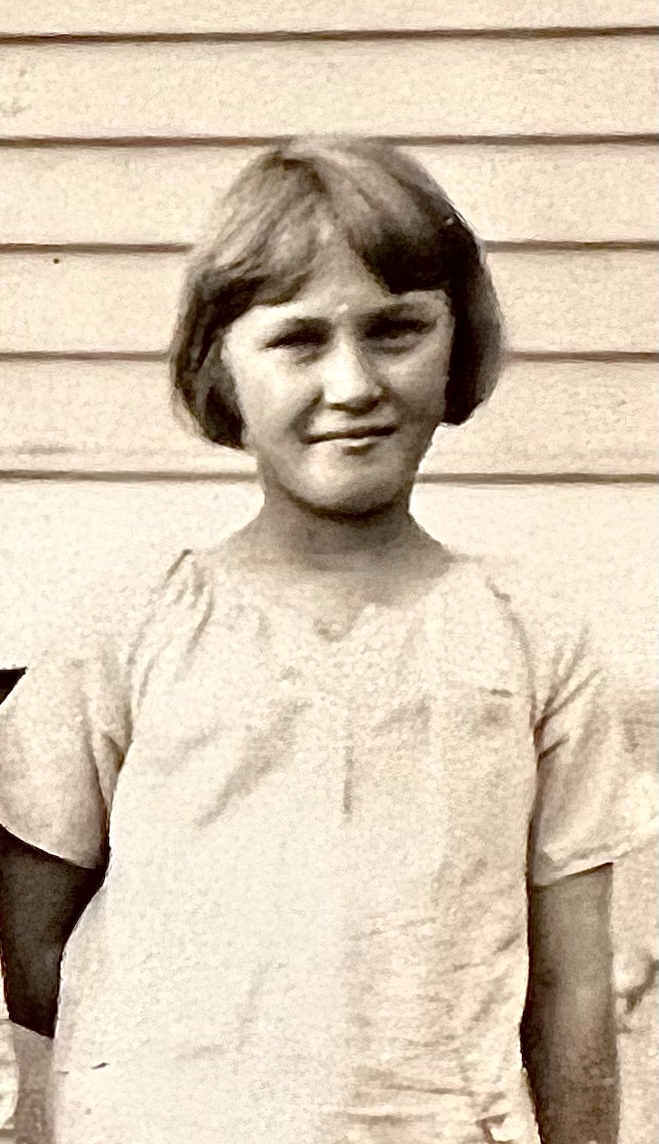
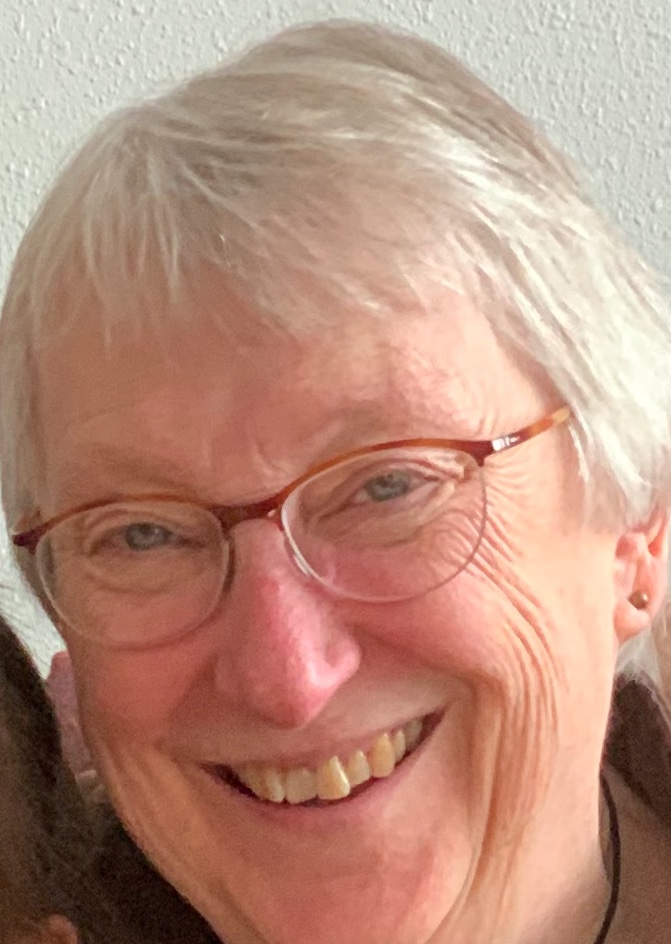
Searching the faces of extended family in old photographs, others would comment on the facial similarities between my young mother and me.
And indeed, the older I have become, the more I see my mother looking back at me in the mirror.
The characteristics I inherited from my father aren’t as obvious in the mirror: his persistence and problem-solving, his inability to ever fully relax, his drive to get things done and not give up.
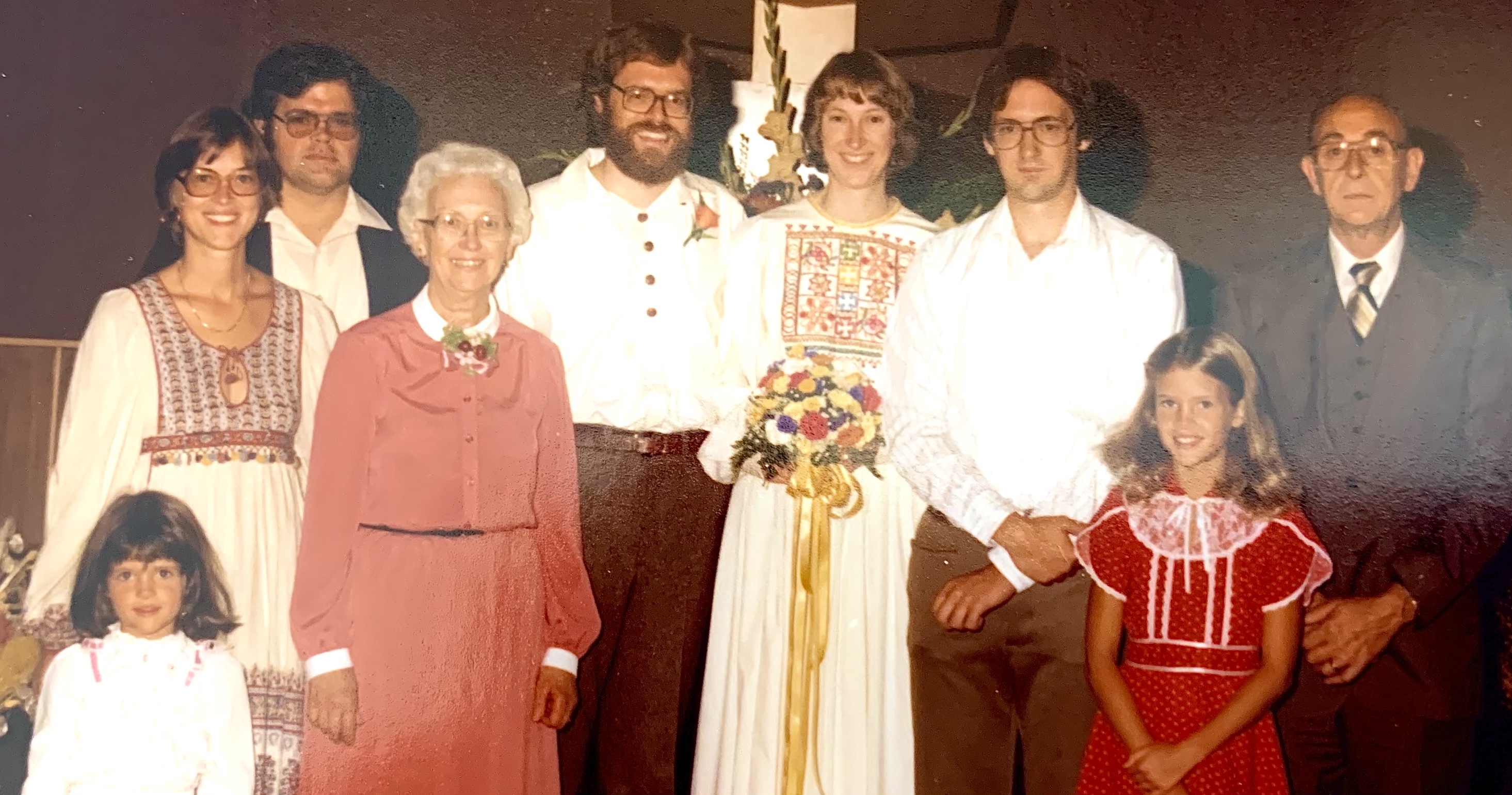
So, yes, that is me in the photos of my mother taken nearly a century ago, as well as those taken not so long ago.
I now recognize me in those photos, grateful to resemble such a loving and lovely mom.
One-Time
Monthly
Yearly
Make a one-time or recurring donation to support daily Barnstorming posts
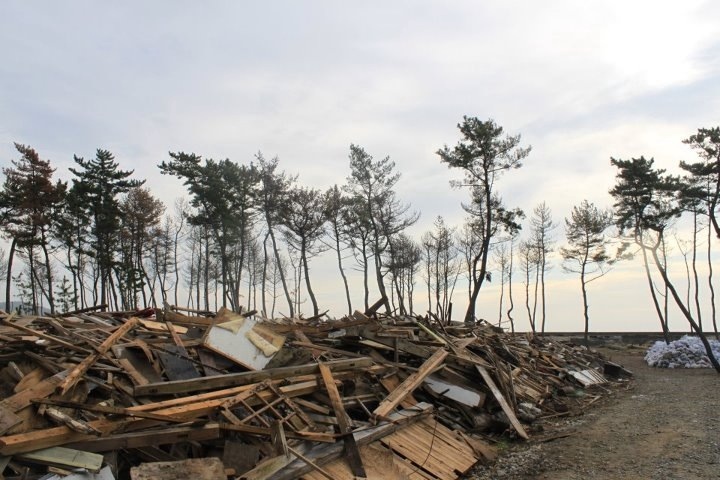
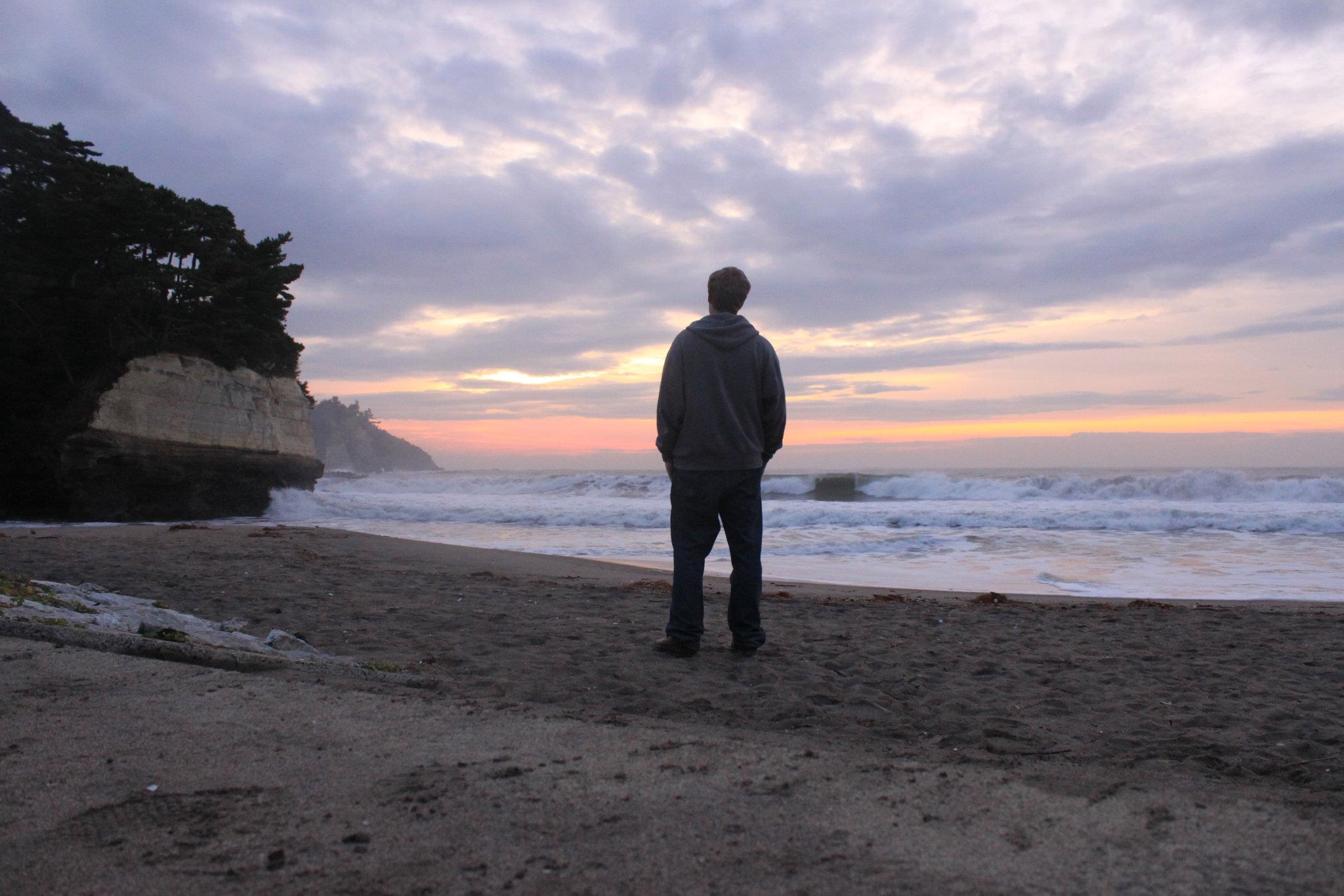
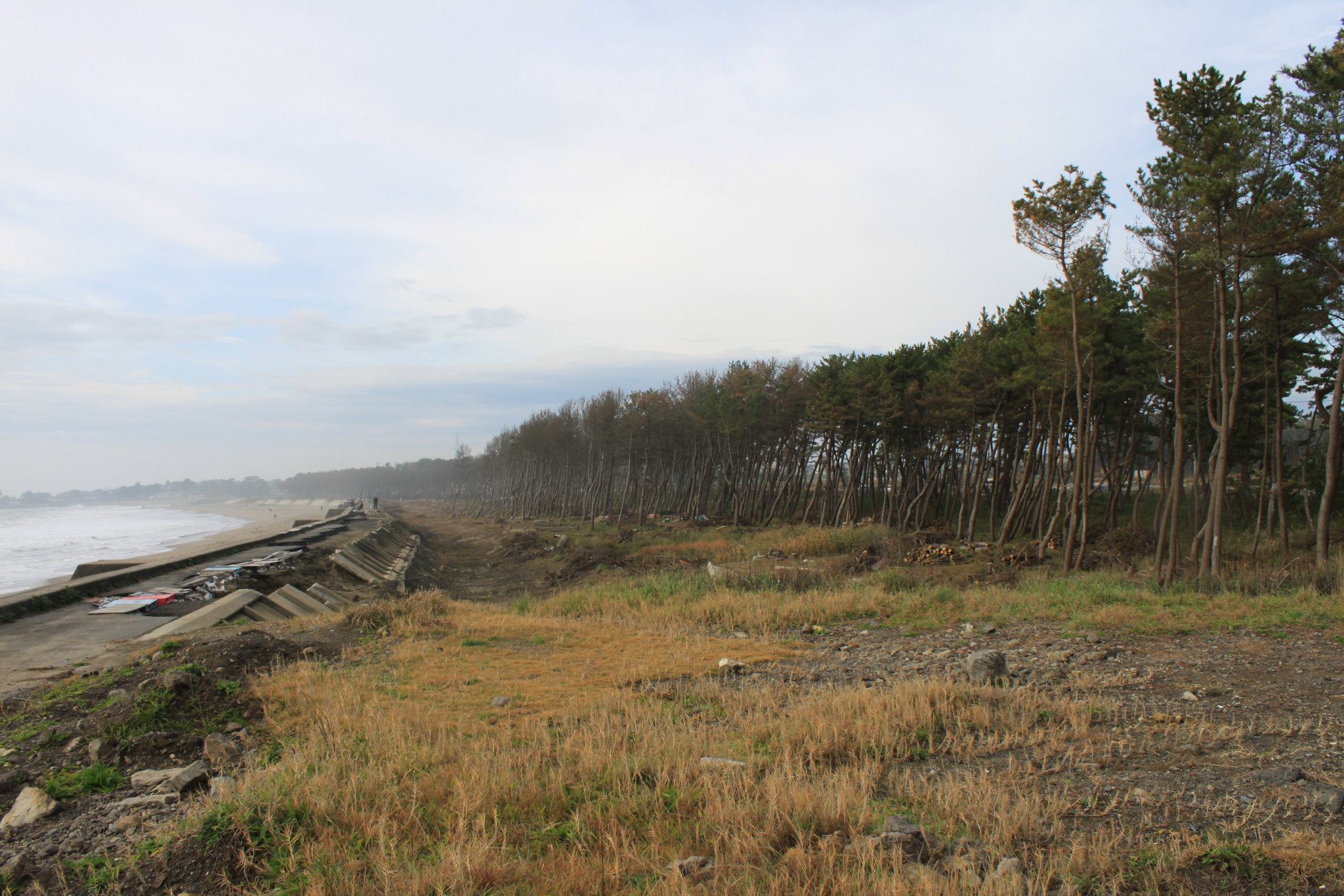
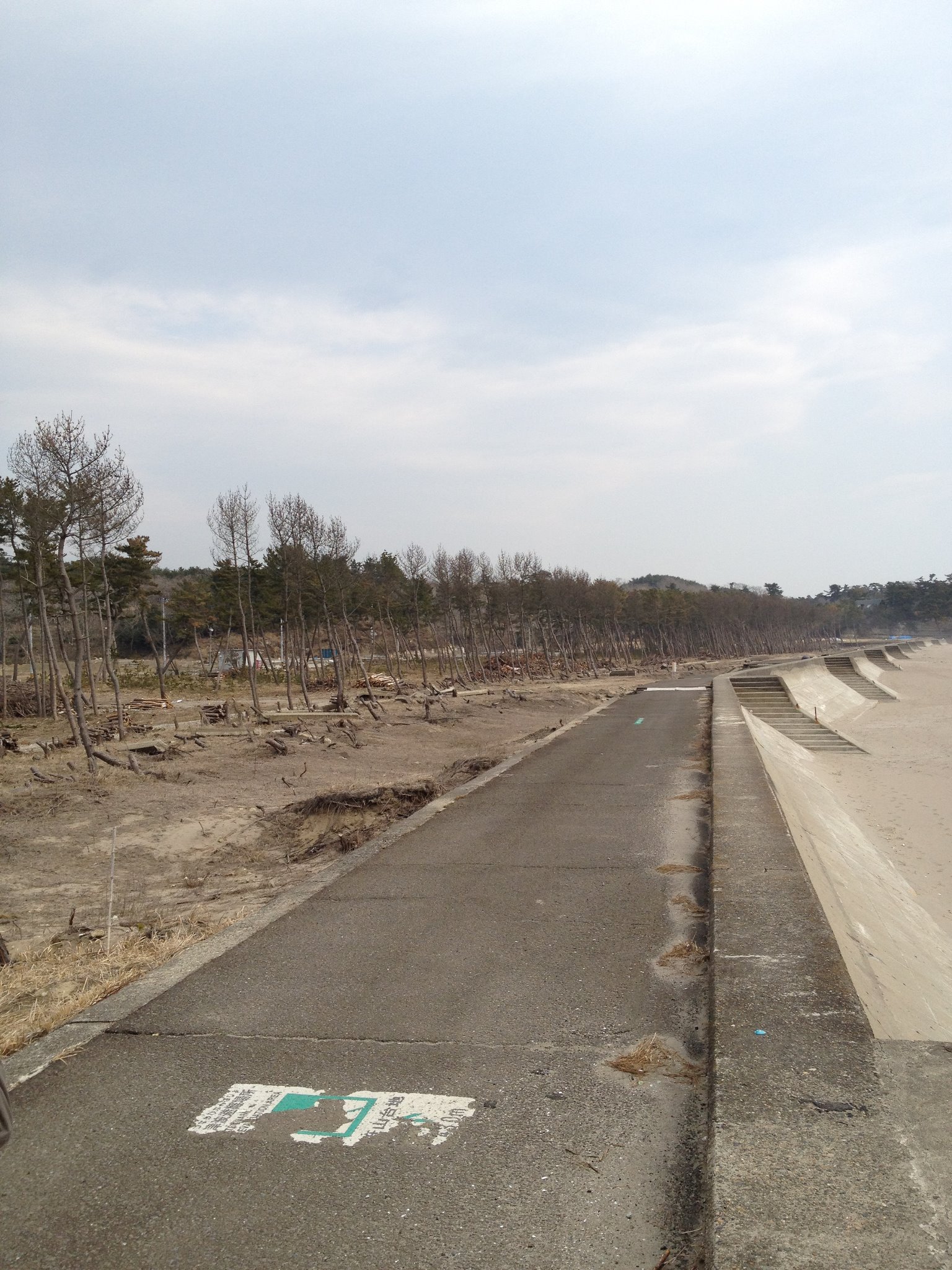
In 2012, we stayed with our friends Brian and Bette at their cabin on a bluff just above the Pacific Ocean at Sendai, Japan, just a few dozen feet above the devastation that wiped out an entire fishing village below during the 3/11/11 earthquake and tsunami.
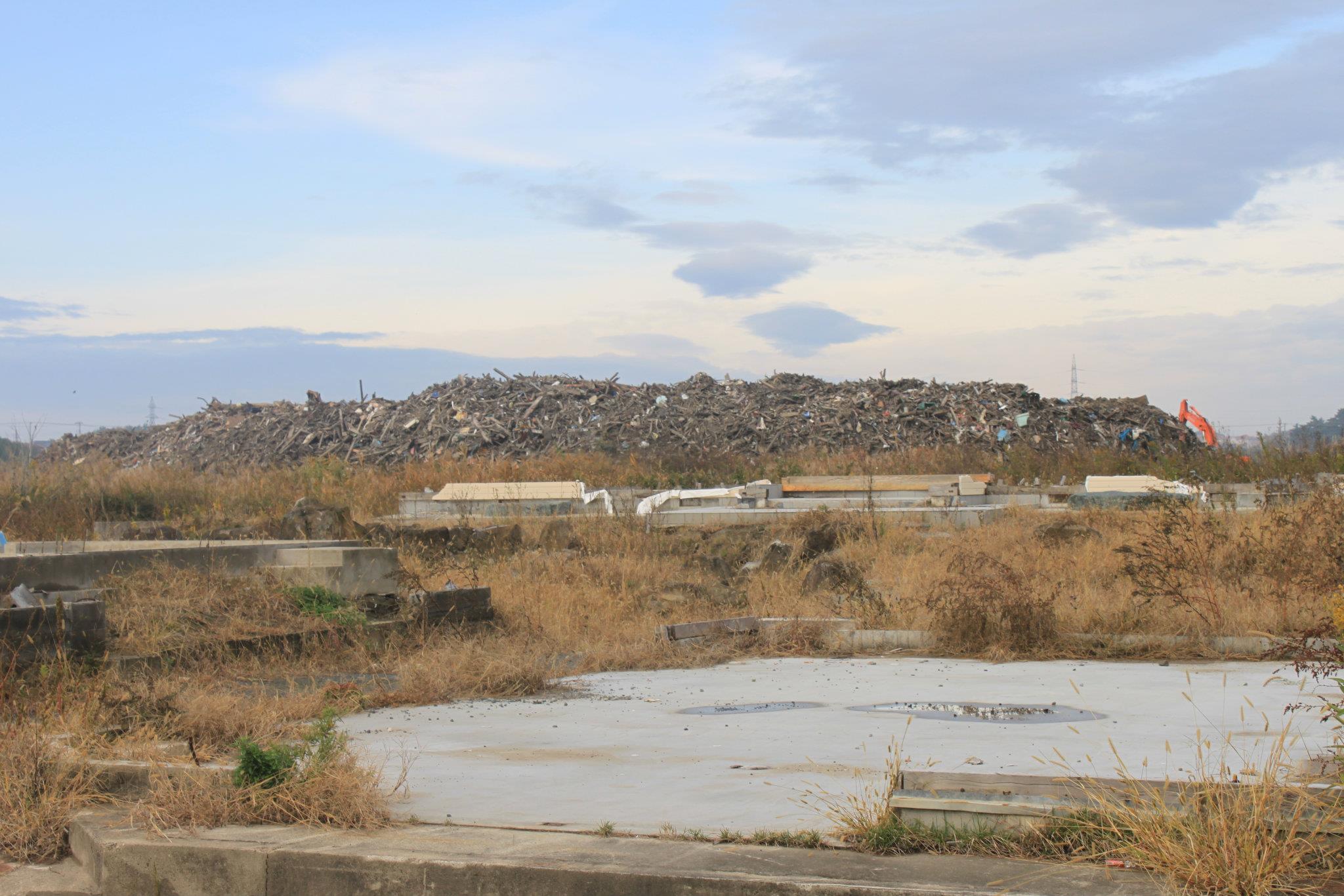
As we walked that stretch of beach, we heard the stories of the people who had lived there, some of whom did not survive the waves that swept their houses and cars away before they could escape. We walked past the footprints of foundations of hundreds of demolished homes, humbled by the rubble mountains yet to be hauled away a year later, to be burned or buried. There were acres of wrecked vehicles piled one on another, waiting to become scrap metal.
It was visual evidence of life so suddenly and dramatically disrupted and carried away.
This had been a place of recreation and respite for some who visited regularly, commerce and livelihood for others who stayed year round and, in ongoing recovery efforts, struggling to be restored to something familiar. Yet it looked like a foreign ghostly landscape. Many trees perished, lost, broken off, fish nets still stuck high on their scarred trunks. There were small memorials to lost family members within some home foundations, with stuffed animals and flowers wilting from the recent anniversary observance.
Tohoku is a powerful place of memories for those who still live there and know what it once was, how it once looked and felt, and painfully, what it became in a matter of minutes on 3/11/11. The waves swept in inexplicable suffering, then carried their former lives away. Happiness gave ground to such terrible pain that could never have hurt as much without the joy and contentment that preceded it.
We are tempted to ask God why He doesn’t do something about the suffering that happened in this place or anywhere a disaster occurs –but if we do, He will ask us the same question right back. We need to be ready with our answer and our action.
God knows suffering. Far more than we do. He took it all on Himself, feeling His pain amplified, as it was borne out of His love and joy in His creation.
This beautiful place, and its dedicated survivors have slowly recovered, but the inner and outer landscape is forever altered. What remains the same is the pulsing tempo of the waves, the tides, and the rhythm of the light and the night, happening just as originally created.
With that realization, pain will finally give way, unable to stand up to His love, His joy, and our response to His sacrifice.
We can call Him up anytime and anywhere.
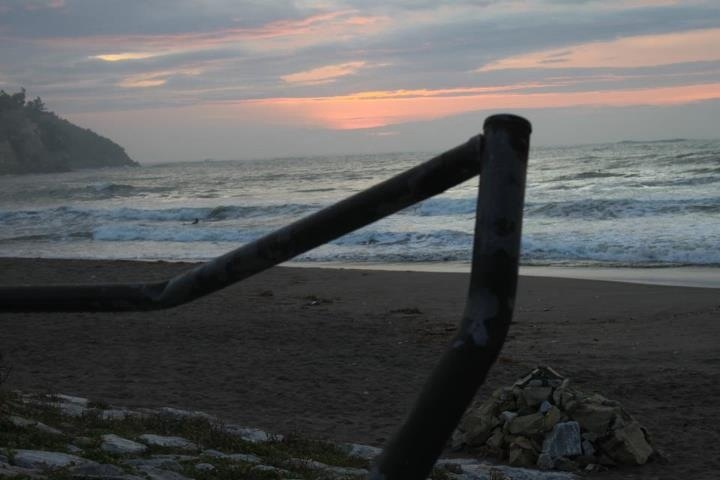
bent gate at Sendai beach -2012
One-Time
Monthly
Yearly
Make a one-time or recurring donation to support daily Barnstorming posts
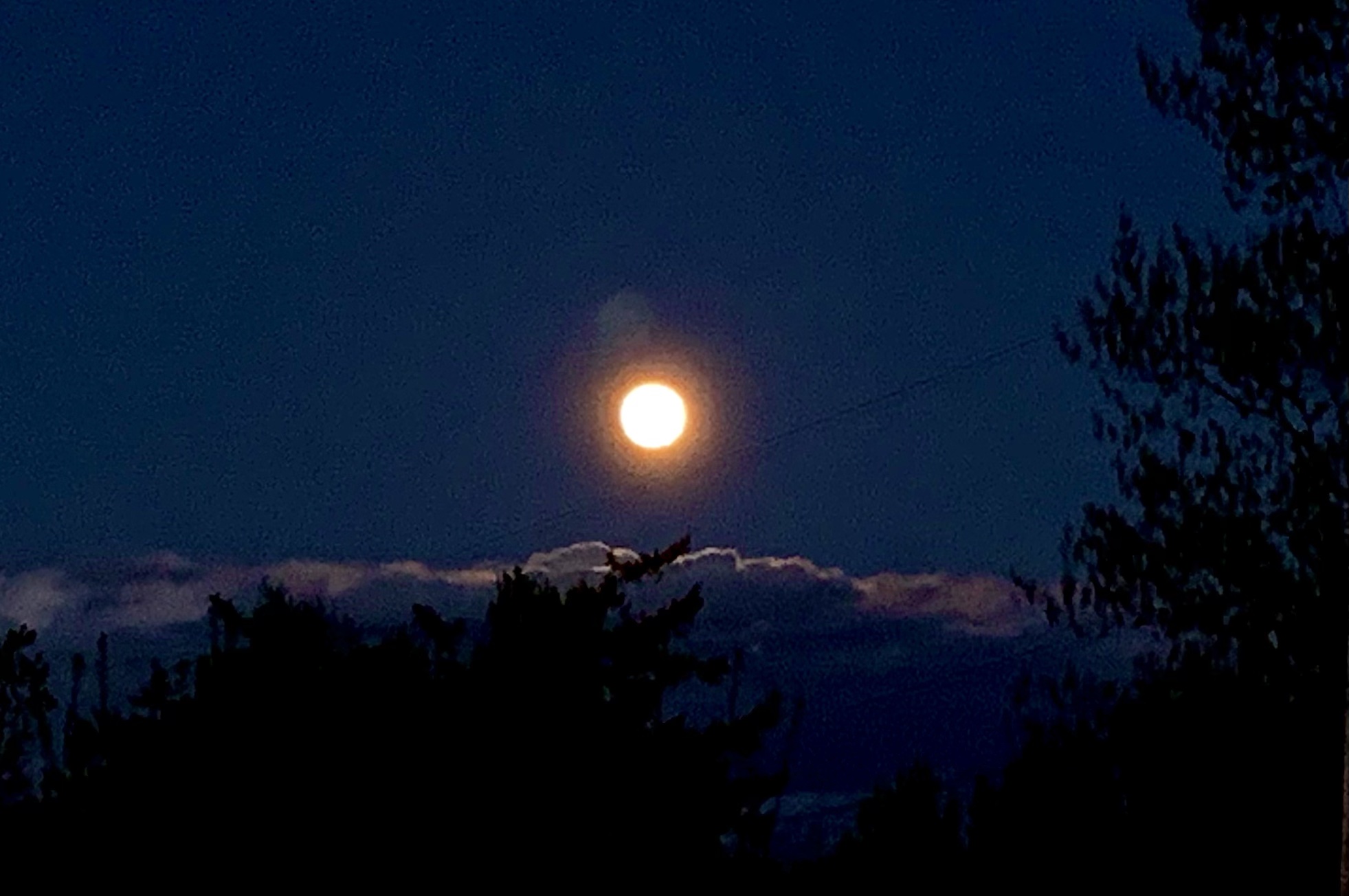
At the edge of the city, at the edge of the world, at the edge between the earth and endless sky, the moonshining place, the place where we hung our long summer legs over the edge and fought the urge to drop a shoe or sneak a real first kiss, the place where we played hide-and-go-seek and Tag, you’re it! until we couldn’t breathe or the sun went down, the place where we came on the quietest nights to feel the moon kiss the edge between our skin and endless sky. ~Sarah Kobrinsky, from Nighttime on the Otherside of Everything
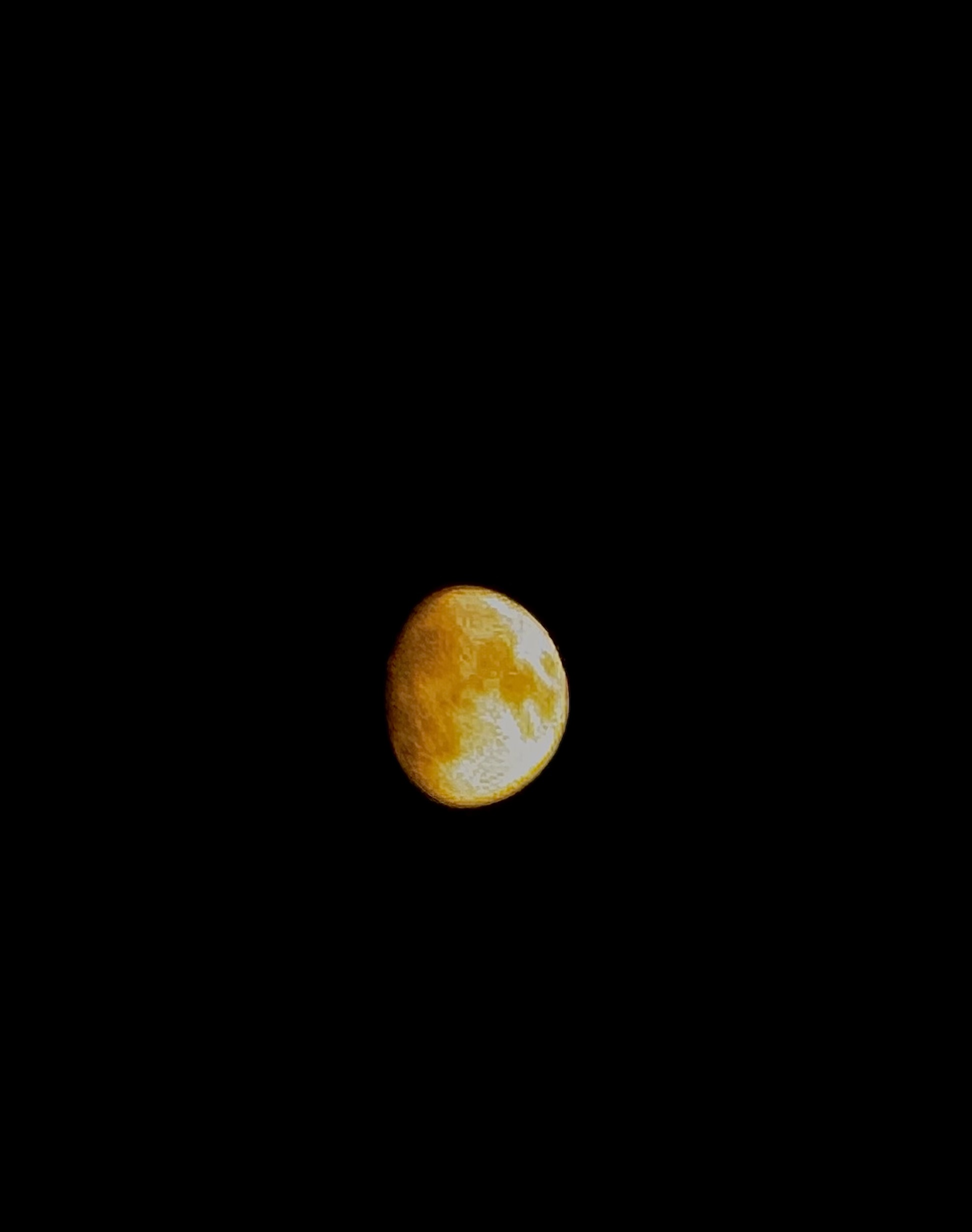
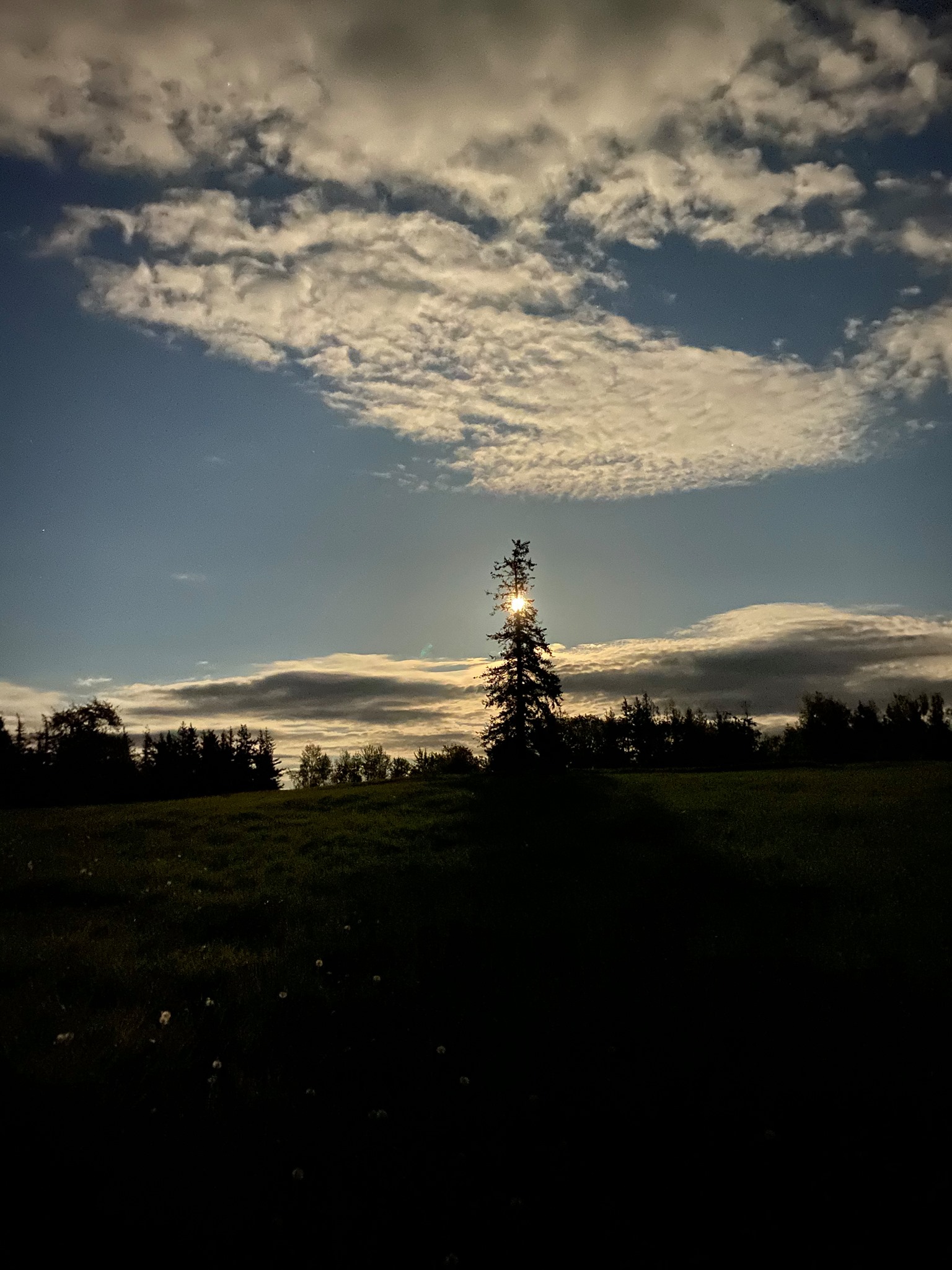
Once when we were playing hide-and-seek and it was time to go home, the rest gave up on the game before it was done and forgot I was still hiding. I remained hidden as a matter of honor until the moon rose. ~Galway Kinnell “Hide-and-Seek 1933” from Strong Is Your Hold.
Tomorrow there will be sun, scalloped by clouds, ushered in by a waterfall of birdsong. It will be a temperate seventy-five, low humidity. For twenty-four hours, all politicians will be silent. Reality programs will vanish from TV, replaced by the “snow” that used to decorate our screens when reception wasn’t working. Soldiers will toss their weapons in the grass. The oceans will stop their inexorable rise. No one will have to sit on a committee. When twilight falls, the aurora borealis will cut off cell phones, scramble the internet. We’ll play flashlight tag, hide and seek, decorate our hair with fireflies, spin until we’re dizzy, collapse on the dew-decked lawn and look up, perhaps for the first time, to read the long lines of cold code written in the stars…. ~Barbara Crooker “Tomorrow” from Some Glad Morning.
As a kid playing hide-n-seek, I always preferred to be the “seeker” as I was secretly afraid if I hid, I would be forgotten, everyone would go home and I wouldn’t be found.
Even so, I was too proud to quit the game and come out of hiding. Of course that never happened in real life. I was really lousy at hiding.
When I got older, I was no better at hiding, though I tried. God would always locate me, even without sending the tell-tale spotlight of the moon to find me.
I gave up hiding long ago. Once found, there is no point in trying to disappear from His sight.
His eye shines bright upon us all.
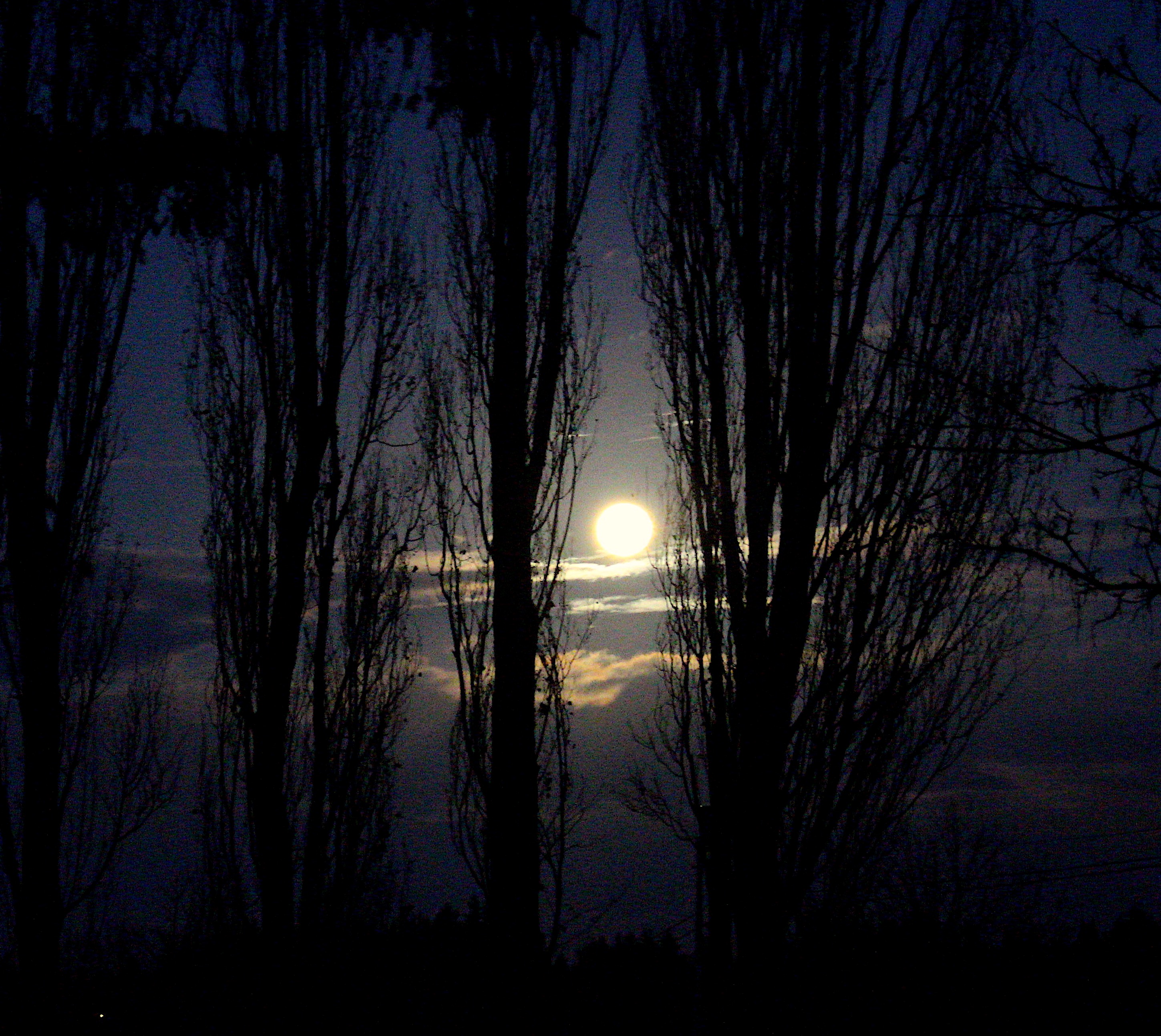
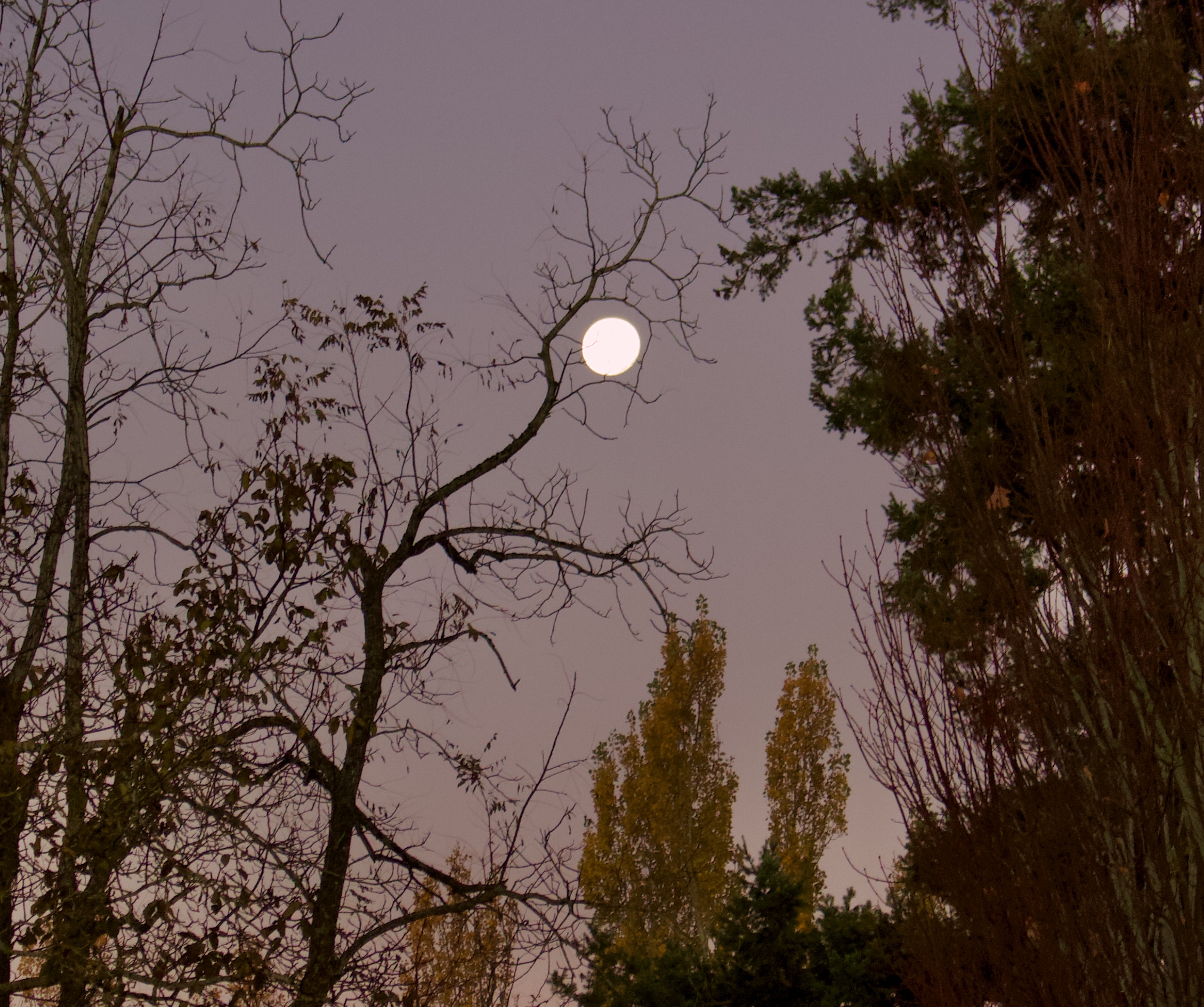
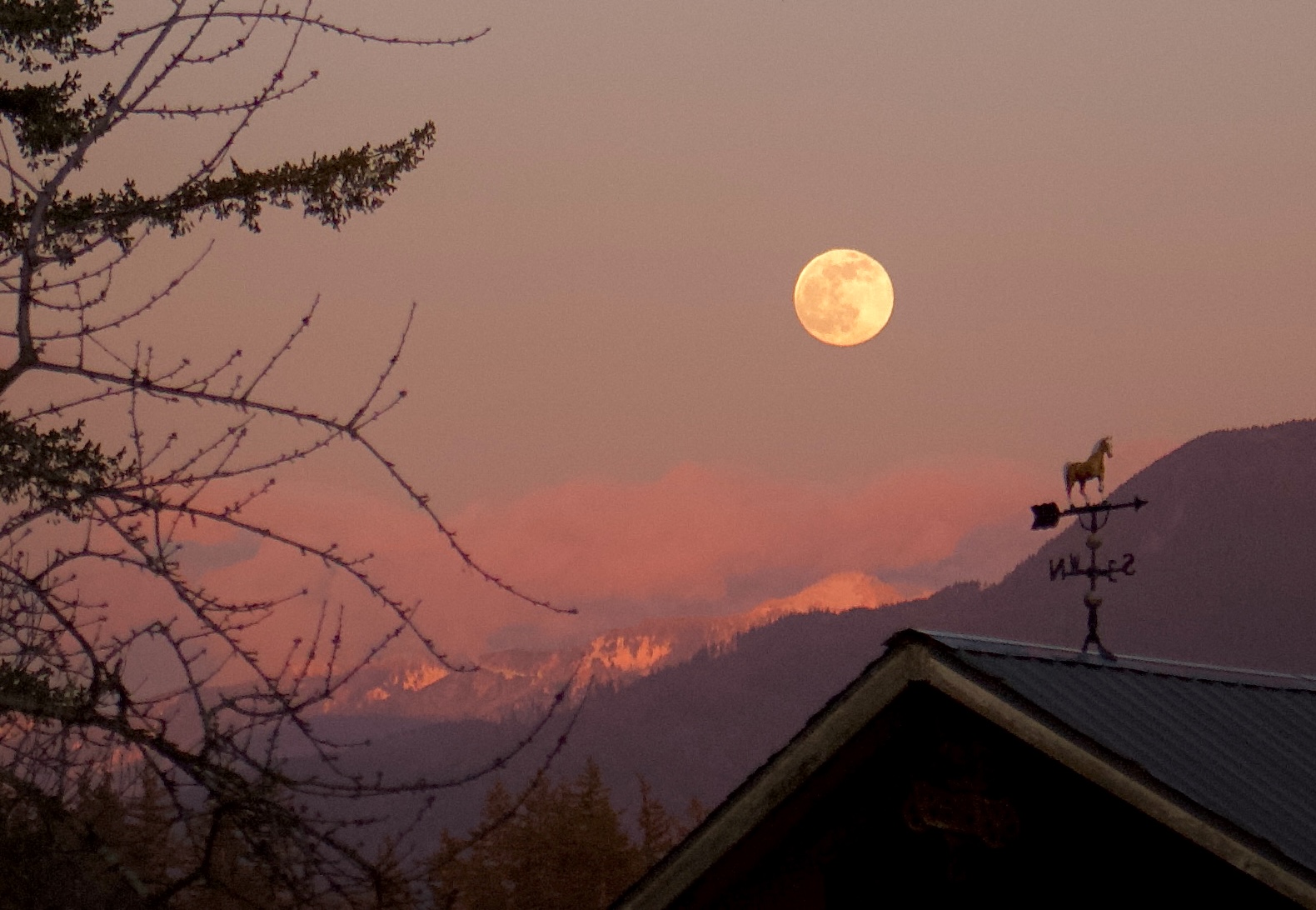
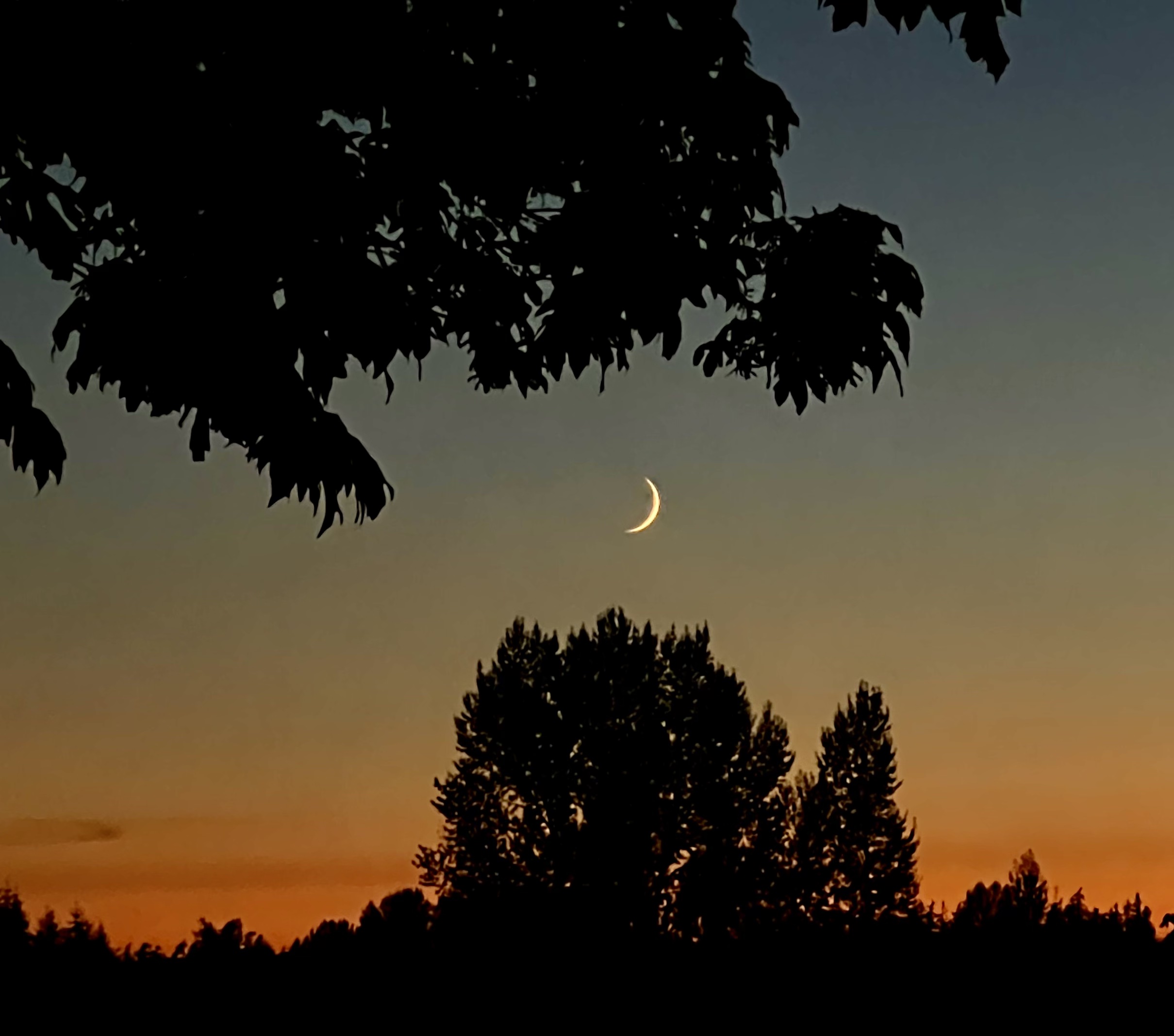
photo of supermoon by Harry Rodenbergerphoto of supermoon by Bob Tjoelker
One-Time
Monthly
Yearly
Make a one-time or recurring donation to support daily Barnstorming posts
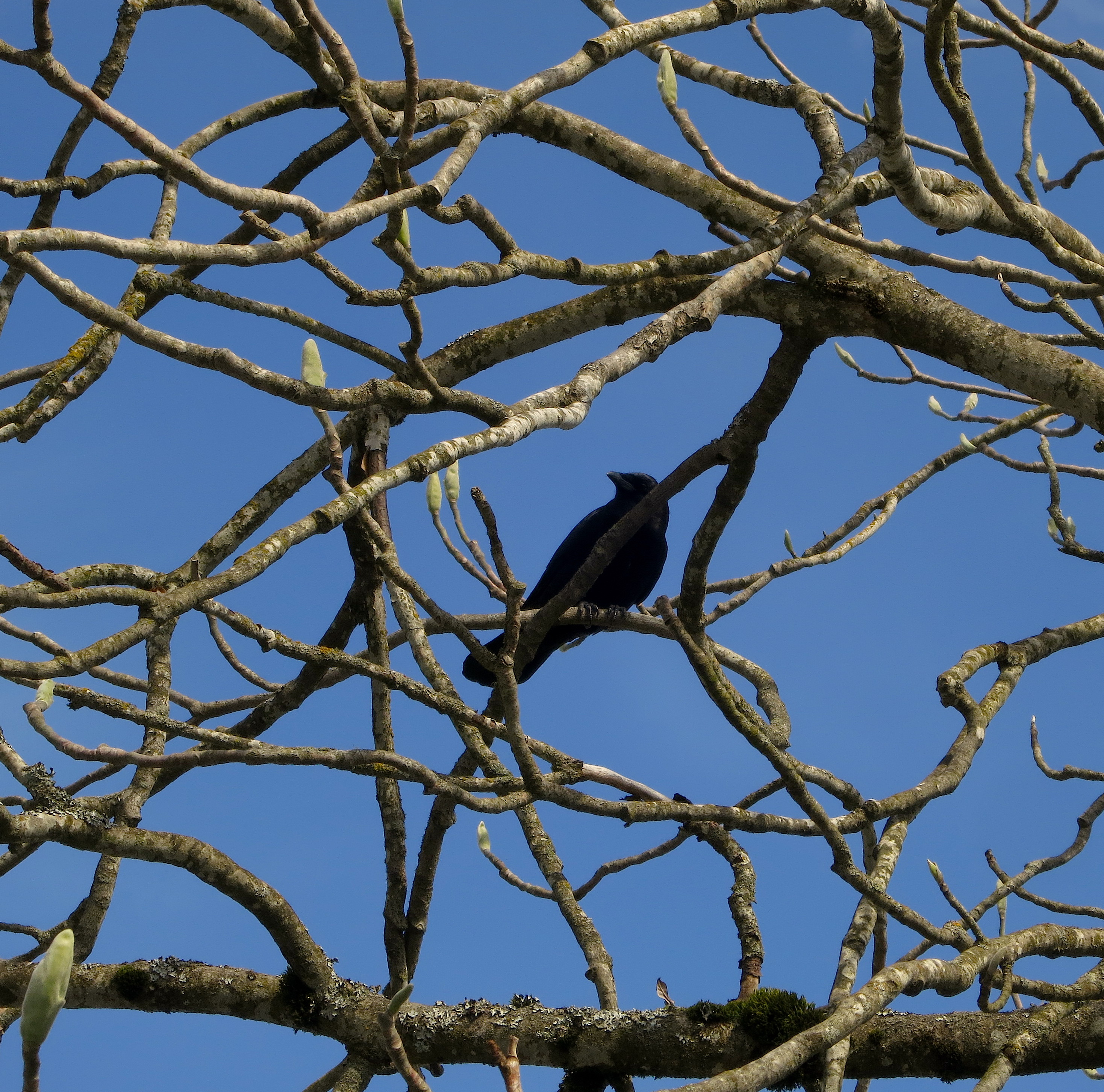
A second crop of hay lies cut and turned. Five gleaming crows search and peck between the rows. They make a low, companionable squawk, and like midwives and undertakers possess a weird authority.
Crickets leap from the stubble, parting before me like the Red Sea. The garden sprawls and spoils.
Cloud shadows rush over drying hay, fences, dusty lane, and railroad ravine. The first yellowing fronds of goldenrod brighten the margins of the woods.
Schoolbooks, carpools, pleated skirts; water, silver-still, and a vee of geese.
*
The cicada’s dry monotony breaks over me. The days are bright and free, bright and free.
Then why did I cry today for an hour, with my whole body, the way babies cry?
*
A white, indifferent morning sky, and a crow, hectoring from its nest high in the hemlock, a nest as big as a laundry basket …
In my childhood I stood under a dripping oak, while autumnal fog eddied around my feet, waiting for the school bus with a dread that took my breath away.
The damp dirt road gave off this same complex organic scent. I had the new books—words, numbers, and operations with numbers I did not comprehend—and crayons, unspoiled by use, in a blue canvas satchel with red leather straps.
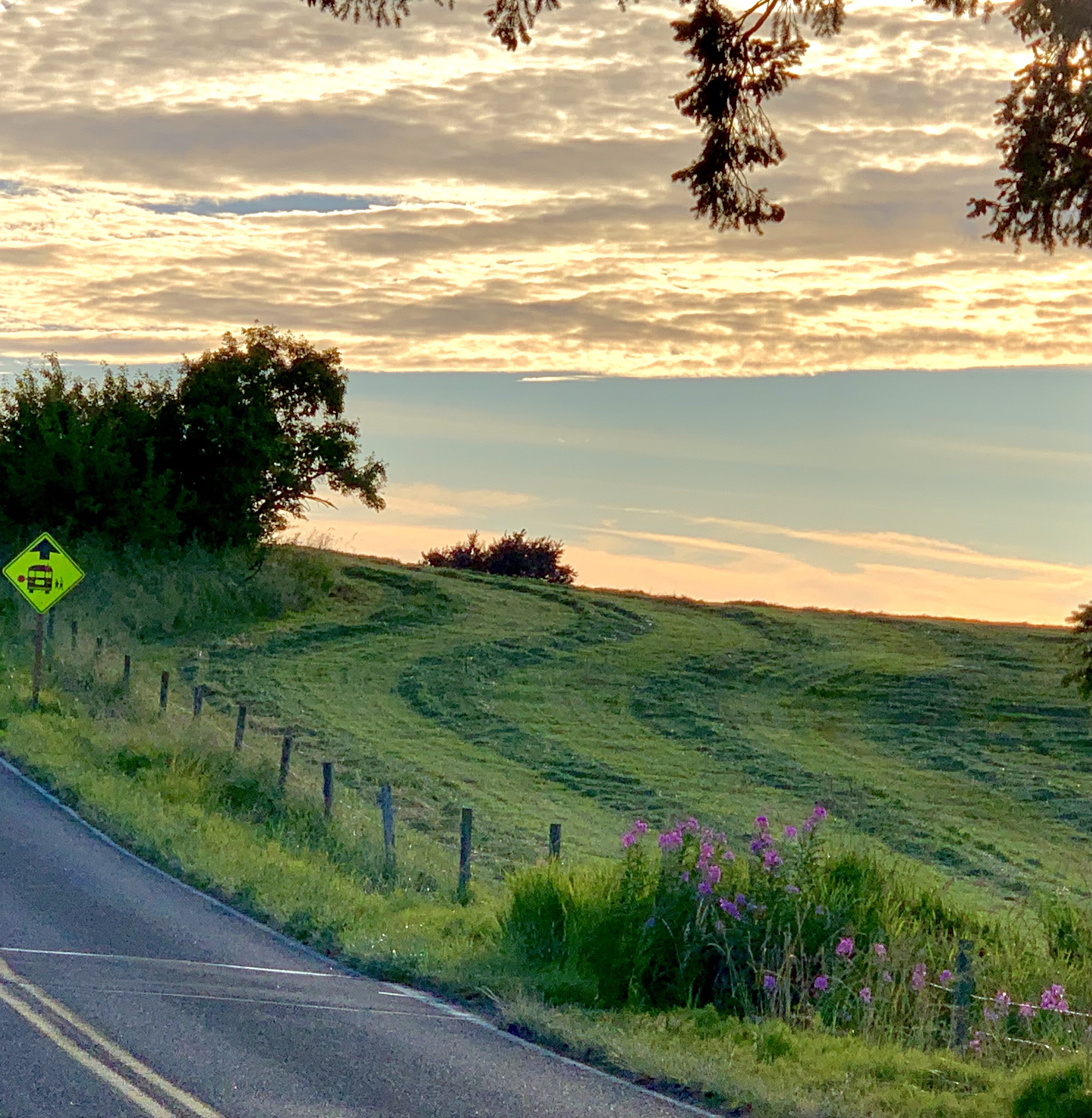
Spruce, inadequate, and alien I stood at the side of the road. It was the only life I had. ~Jane Kenyon from “Three Songs at the End of Summer”
Yesterday, my son taught me the sign for lockdown— different than locking a door, or the shutdown we invented at the start of the pandemic. Little fistfuls of locks swept quickly between us, a sign designed especially for school.
My son spent his first years a different kind of locked up—an orphanage in Bangkok, where he didn’t speak and they couldn’t sign. He came home, age four, silent. We thought being here could open doors. It has, of course. He’s learned so much at the deaf school; the speech therapist calls it a Language Explosion. I keep lists of the words he’s gathered: vanilla, buckle, castle, stay. And lockdown. He absorbs it like the rest. Now the schools he builds with Magna-Tiles have lockdowns. I worry in trying to give him keys, we’ve only changed the locks.
To lock down a deaf school, we use a special strobe. When it flashes, we flip switches and sign through darkness. The children know to stay beneath the windows. Every five minutes a robot texts: “Shelter in place is still in effect. Please await further instructions.” Then we pull the fire alarm, a tactical move to unsettle the shooter. Hearing people can’t think with noise like that. A piercing thing we don’t detect, to cover the sounds we make, the sounds we don’t know we’re making. ~Sara Nović “Lockdown at the School for the Deaf”
The first day back to school now isn’t always the day after Labor Day as it was when I was growing up. Some students have been in classes for a couple weeks already, others started a few days ago to ease into the transition more gently.
Some return to the routine this morning – school buses roar past our farm brimming with eager young faces and stuffed back packs amid a combination of excitement and anxiety.
I remember well that foreboding that accompanied a return to school — the strict schedule, the inflexible rules and the often harsh adjustment of social hierarchies and friend groups. Even as a good learner and obedient student, I was a square peg being pushed into a round hole when I returned to the classroom. The students who struggled academically and who pushed against the boundaries of rules must have felt even more so. We all felt alien and inadequate to the immense task before us to fit in with one another, allow teachers to structure and open our minds to new thoughts, and to become something and someone more than who we were before.
Growth is so very hard, our stretching so painful, the tug and pull of friendships stressful. And for the last two decades, there is the additional fear of lockdowns and active shooters.
I worked with students on an academic calendar for over 30 years, yet though I’m now retired, I still don’t sleep well in anticipation of all this day means.
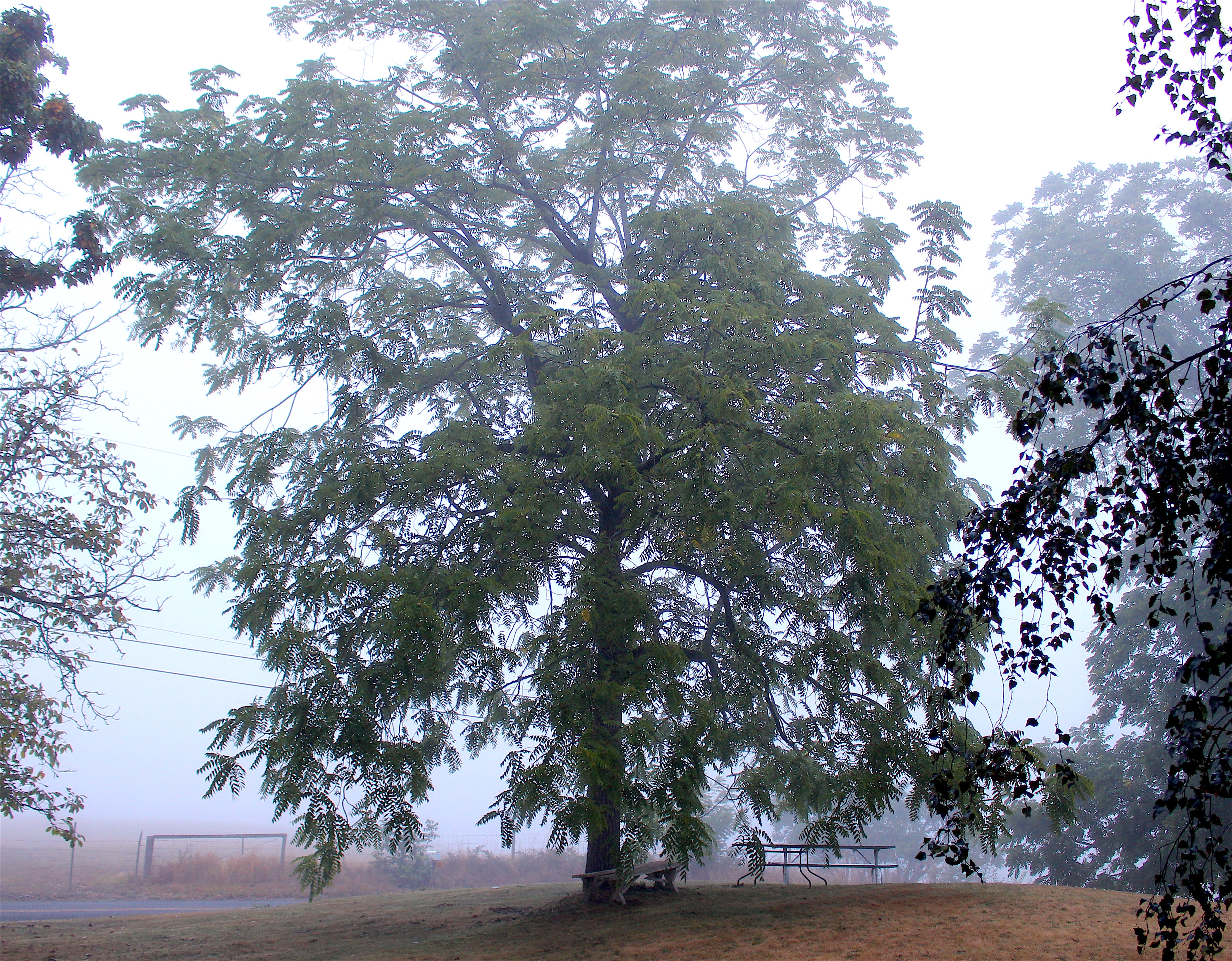
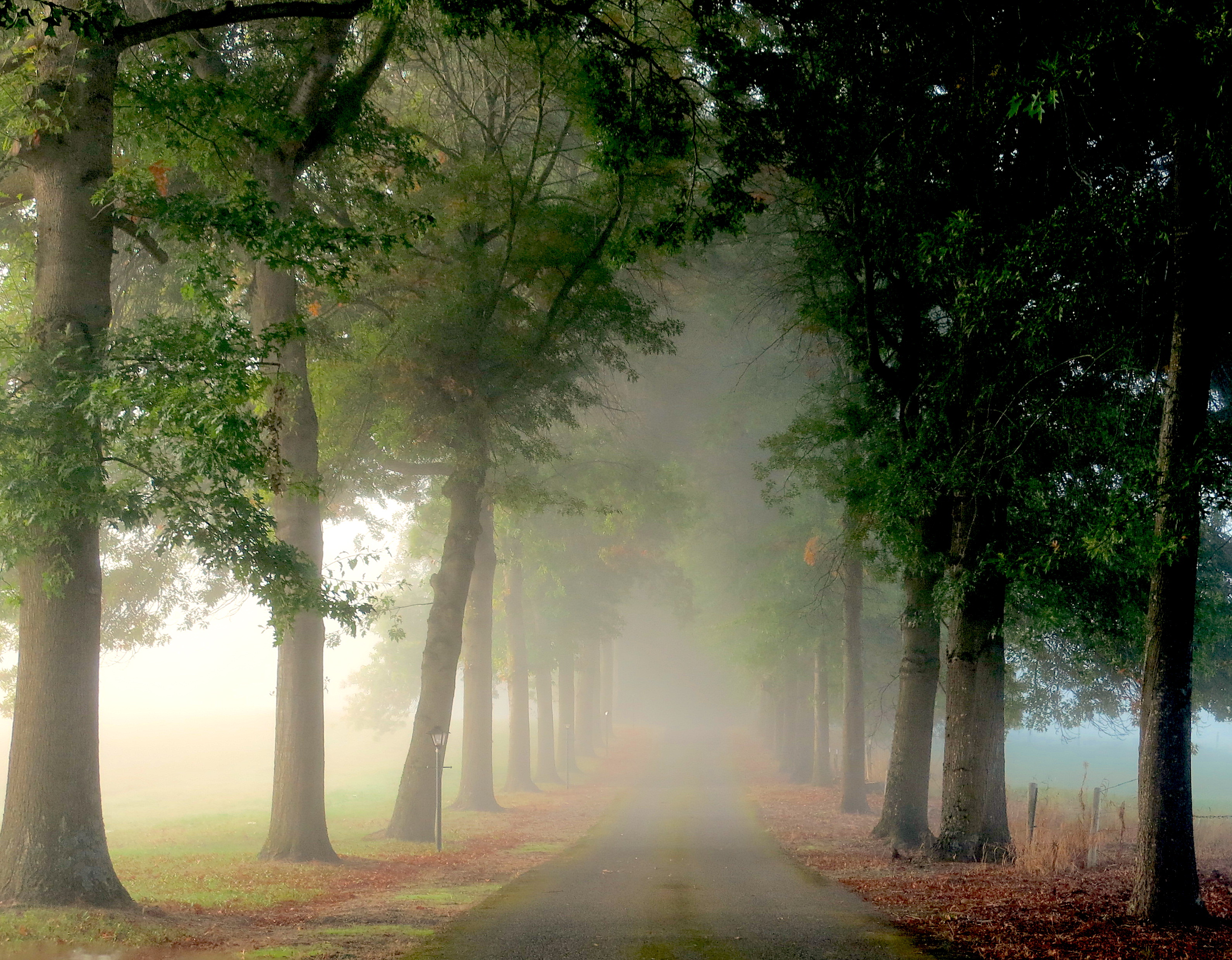
So I take a deep breath on a foggy post-Labor Day morning and am immediately taken back to the anxieties and fears of a skinny little girl in a new home-made corduroy jumper and saddle shoes, waiting for the schoolbus on our drippy wooded country road.
She is still me — just buried deeply in the fog of who I became after all those years of schooling, hidden somewhere under all the piled-on layers of learning and growing and hurting and stretching — I do remember her well.
Like every student starting a new adventure today, we could all use a hug.
Lo! I am come to autumn, When all the leaves are gold; Grey hairs and golden leaves cry out The year and I are old.
In youth I sought the prince of men, Captain in cosmic wars, Our Titan, even the weeds would show Defiant, to the stars.
But now a great thing in the street Seems any human nod, Where shift in strange democracy The million masks of God.
In youth I sought the golden flower Hidden in wood or wold, But I am come to autumn, When all the leaves are gold. ~G.K. Chesterton “Gold Leaves”
One-Time
Monthly
Yearly
Make a one-time or recurring donation to support daily Barnstorming posts
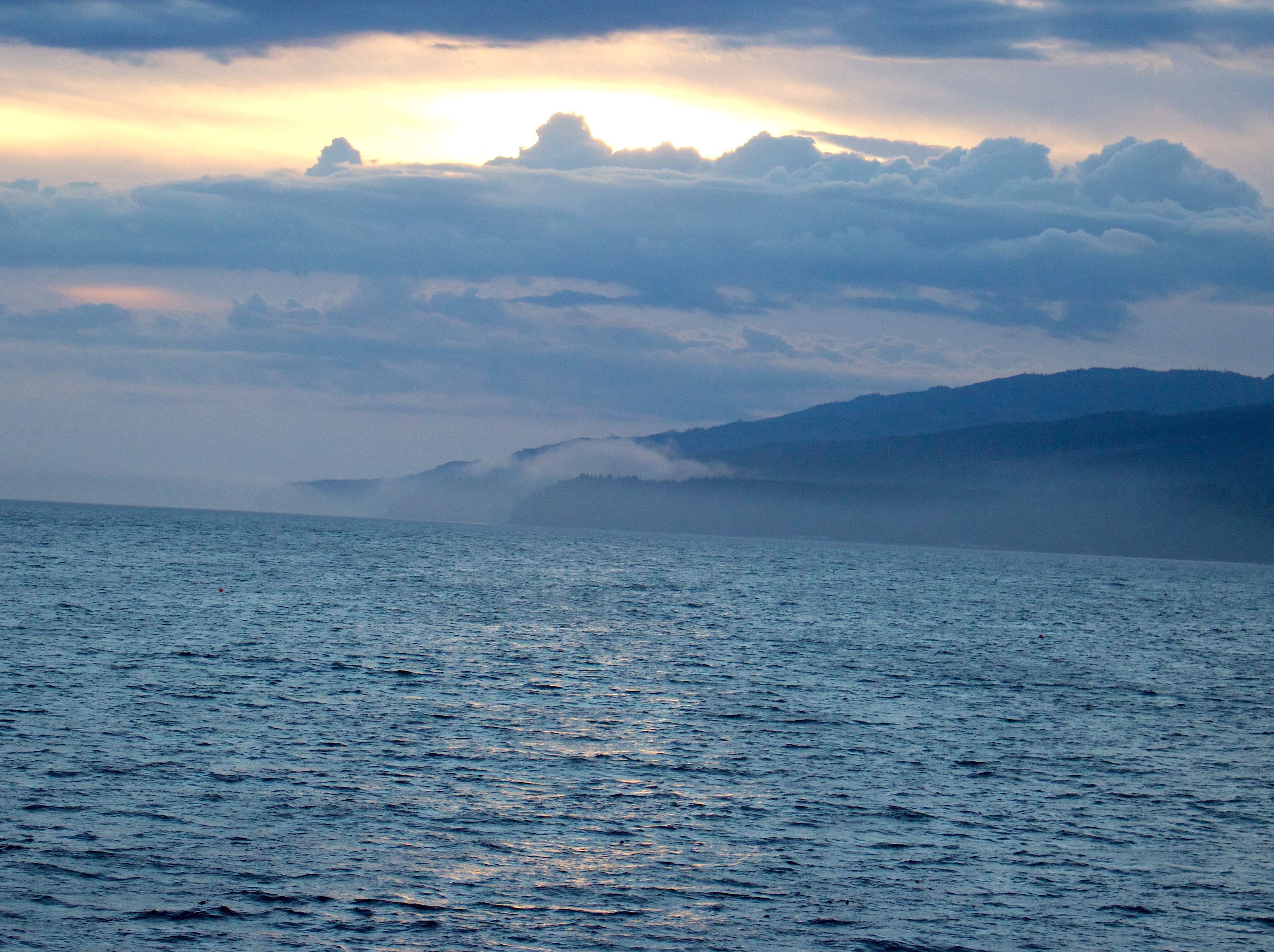
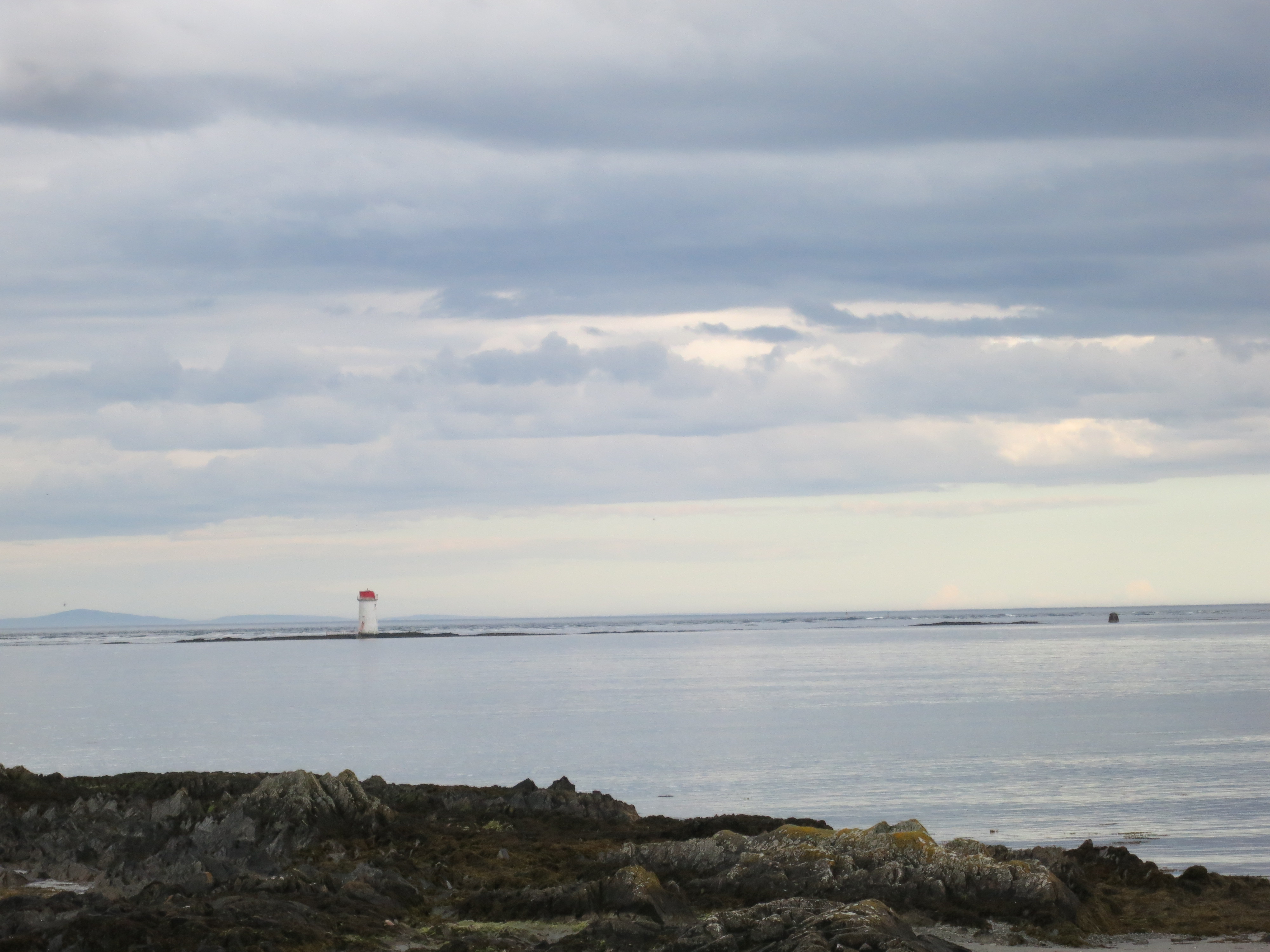
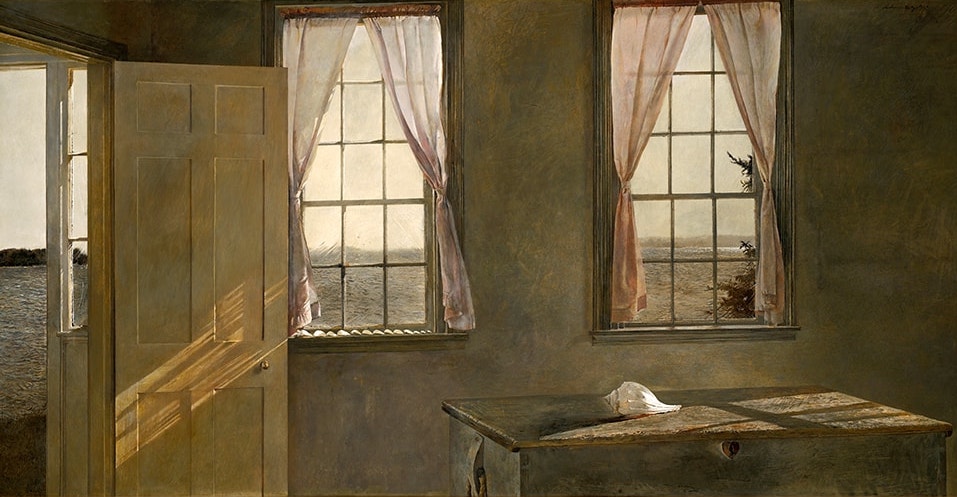
Needing them still, I come when I can, this time to the sea where we share a room: their double bed, my single. Morning fog paints the pale scene even paler. Lace curtains breathing, the chenille spread folded back, my father’s feet white sails furled at the edge of blue pajamas. Every child’s dream, a parent in each hand, though this child is fifty. Their bodies fit easily, with room to spare. When did they grow so small? Grow so small— as if it were possible to swell backwards into an earlier self.
“Her Room” by Andrew Wyeth in the Farnsworth Art Museum
My parents have been gone now for some time, my father 30 years, my mother, nearly 17 years. Their dying was a long process of counted breaths and pauses. I witnessed their bodies curling into themselves, shrinking smaller, worn down by illness and age.
I still miss them as I’m reminded of them by the events of my own life, still wanting them to take me by the hand as I navigate my own daily path.
After mom’s death, those possessions not distributed to family members have remained packed up and stored in our barn buildings. I know it is well past time to deal with their stuff as I become keenly aware of my own graying and aging.
In the house, next to where I write, is a box of over 500 letters written by my mother and father between 1941 and 1945. The letters began as they were getting to know each other at college, going from “pinned” to “engaged” and continue for three and a half more years after a hurried wedding Christmas Eve 1942. By mid-January 1943, my newly minted Marine officer father shipped out to spend the next three years of his life fighting on the battlefields of Saipan, Tinian and Tarawa in the Pacific Ocean, not to return again to the states until late summer of 1945.
My mother wrote her letters from the small rural eastern Washington community of Colville, living in a “teachers’ cottage” with other war wives who taught school while waiting for their husbands to return home – or not.
It took me a decade to find the courage and time to devote to reading these letters they treasured and never threw away. I sorted them unopened by postmark date into some semblance of order and sat down to start at the very beginning, which, of course, is my beginning as well. I opened each one with some trepidation and a lump in my throat about what I might find written there. I worried I may find things I didn’t want to know. I hoped I would find things that I desperately needed to know.
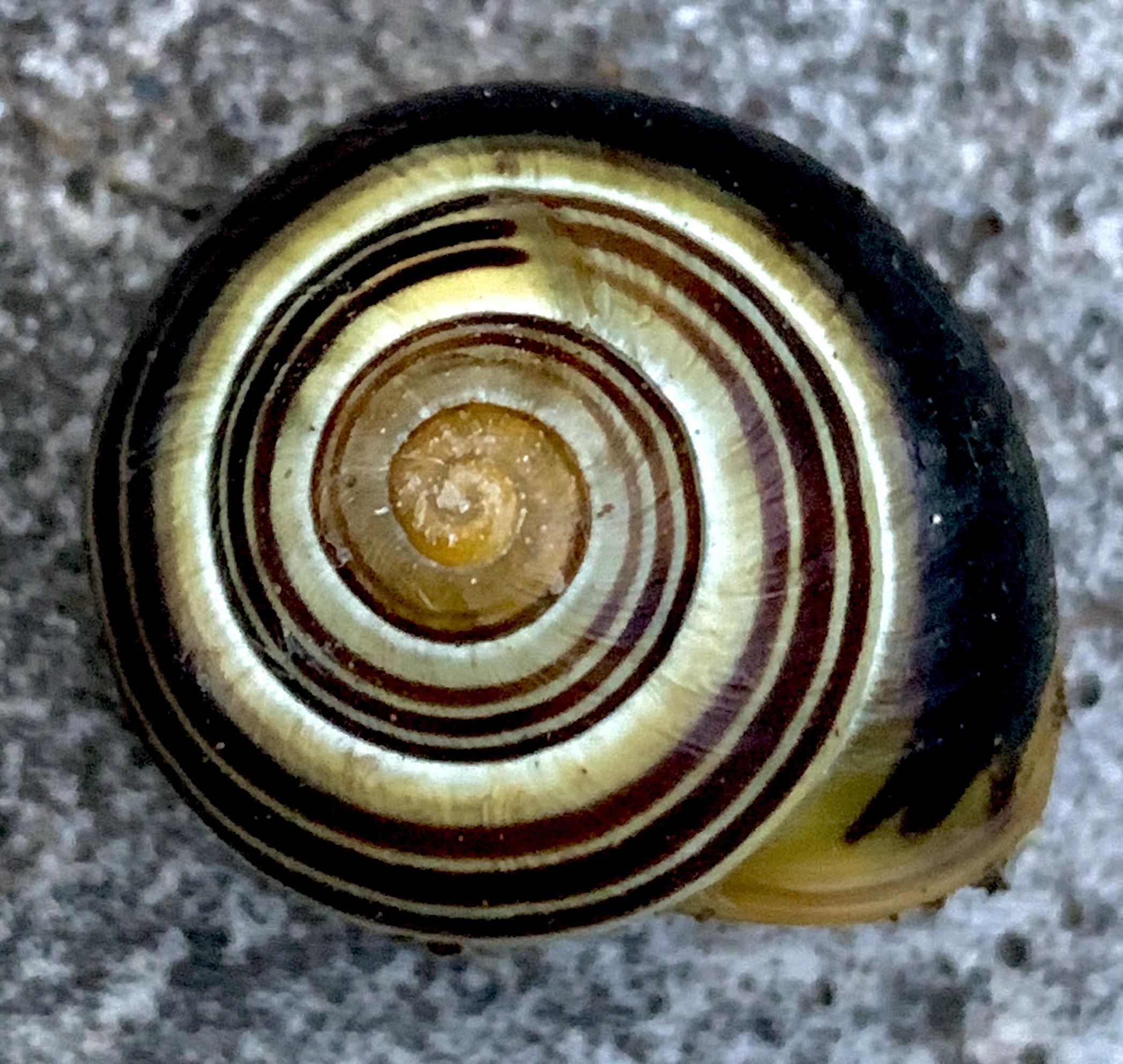
Most of all I wanted to understand the two people who became my parents within the coiled shell of their forty years together, though broken by a painful divorce which lasted a decade. Having lived through that awful time with them, I want to understand the origin of a love which eventually mended their cracked shell of companionship, gluing them back together for five more years before my father died.
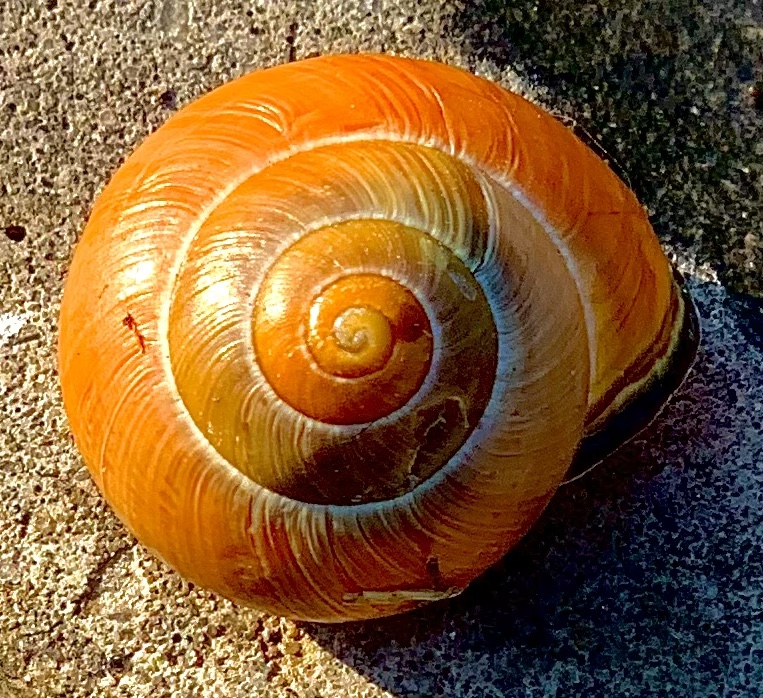
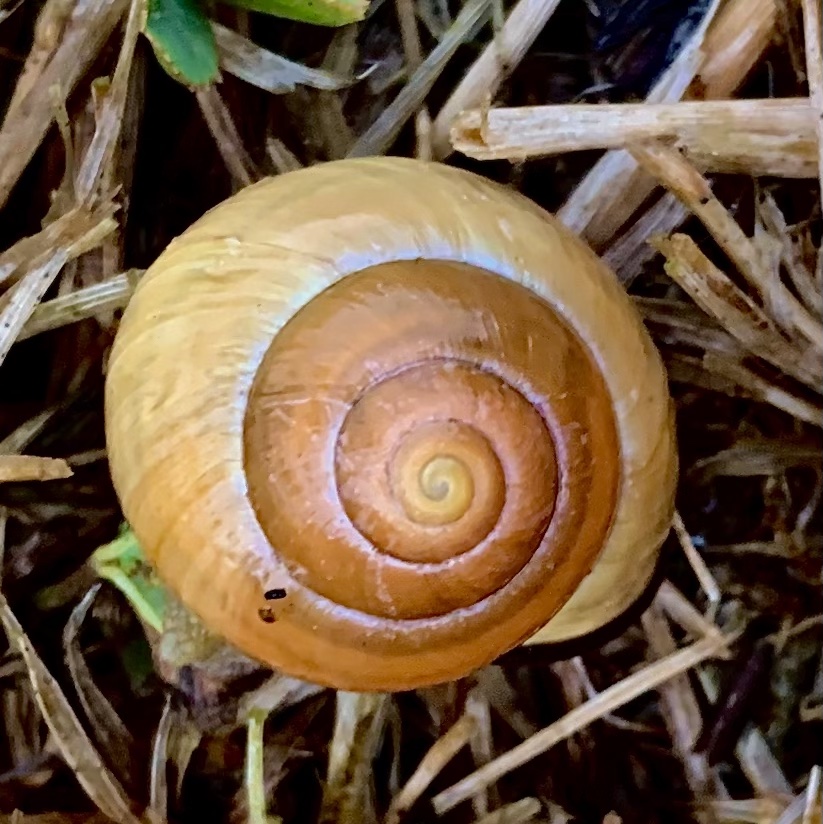
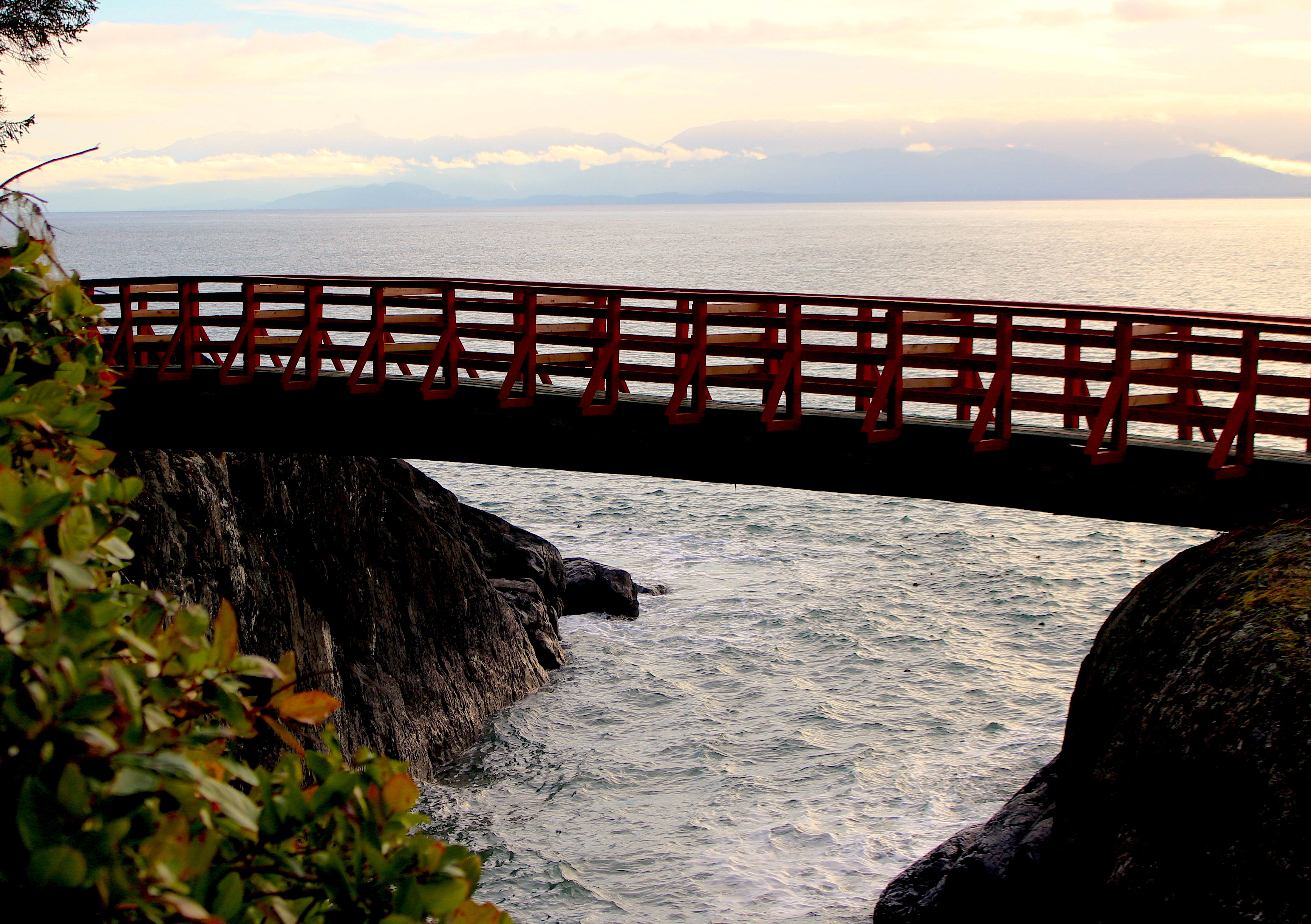
As I ponder their words, I too cross a bridge back to them both, my ear pressed to the coiled shell of those fading voices, as if I might still hear the sea, at times bringing them closer, then pulling them farther away.
AI image created for this post
One-Time
Monthly
Yearly
Make a one-time or recurring donation to support daily Barnstorming posts
After another school/church massacre; how can there be nothing new to say?
We’ve learned nothing about keeping weapons out of the hands of people bent on destruction – taking themselves out after taking others with them.
To our children and grandchildren: as a society, we have failed to keep you out of harm’s way by failing to control the harm of modern weapons in the wrong hands.
How can we be forgiven over and over as shootings happen again and again. Maybe we didn’t pull the trigger, but we allowed someone else to.
Together, we share the responsibility for each and every death that has happened, and more bound to happen on our watch.
And that is a heavy burden to bear.
One-Time
Monthly
Yearly
Make a one-time or recurring donation to support daily Barnstorming posts
And out of the houses the rats came tumbling. Great rats, small rats, lean rats, brawny rats, Brown rats, black rats, gray rats, tawny rats, Grave old plodders, gay young friskers, Fathers, mothers, uncles, cousins, Cocking tails and pricking whiskers, Families by tens and dozens, Brothers, sisters, husbands, wives– Followed the Piper for their lives. From street to street he piped advancing, And step for step they followed dancing, Until they came to the river Weser Wherein all plunged and perished! ~Robert Browning from “The Pied Piper of Hamelin”
photo by Nate Gibson
It was 27 years ago in the middle of a hot August much like this one. With no air conditioning then, as now, we used fans and at night hoped for comfort from any cooling breeze drifting through the window curtains.
Sleep can be elusive when one is busy sweating all night.
I remember waking suddenly from a fitful sleep in the dark of night, startled by a sound I could not readily identify. I lay still, my eyes wide open staring into the black space of our bedroom, discerning the sound of intermittent splashing in the adjacent bathroom.
What the heck?
Our five year old daughter’s bedroom was the next room in the hallway on the other side of the bathroom. I called out her name, wondering what she could possibly be doing in the middle of the night, making splashing noises in the bathroom.
No answer. More splashing.
Now I was worried. I got up, walked into the hallway, peered into the dark bathroom, unable to see anything amiss. I flipped on the light switch. As my eyes tried to adjust to the sudden illumination, I was able to see one thing that most definitely did not belong in this picture: a rat’s hind end and long tail disappearing back down into the toilet. I gasped, shut the bathroom door quickly and gathered my wits.
There is nothing that will turn one’s stomach quite like seeing a rat in a place it absolutely should not be.
I checked my daughter’s room, flipped the light on quickly to scan the floor and her bed, and she was soundly sleeping and all seemed fine. I shut off her light and shut her door quietly.
Then I woke the man of the house, the only reasonable thing to do in such a situation.
I’m not sure he believed me. Maybe I had only imagined I’d seen a rat? Maybe it was all a dream? Maybe the heat was getting to me?
I went and got a broom and handed it to him. He opened the door to the bathroom a crack, and saw little puddles on the bathroom floor and dirty wet marks on the toilet seat. He quickly closed the door again and looked at me.
There definitely had been a grimy little something in that bathroom. But where was it now??
He opened the door again and went in, getting the broom handle ready to clobber the varmint. He peeked into the toilet and there was nothing to be found except some scummy debris floating in the water and scattered on the seat. He flushed. He flushed again. Nothing.
It was really hard to believe that a rat would voluntarily dive back into a toilet bowl and swim into the pipes …. unless it was headed for another toilet bowl. We quickly closed the toilet lid, piled books on top and went to check the two other bathrooms–no signs of disturbance, wet paw prints or other ratty evidence of invasion.
There is little rational thinking that goes on in the middle of the night when a rat has swum up your pipes into a toilet. I admit to being a little emotional. That’s when we went for the bleach and poured a gallon down each toilet bowl, flushing a dozen times each, thoroughly disrupting all the healthy bacterial flora in our septic drain field. It did make me feel better momentarily. We closed all the toilet lids, closed all the bathroom doors and didn’t sleep a wink the rest of the night. When we inspected the toilets in the morning, one of the other toilets had been “visited” as well, but with the lid shut, the rat had disappeared back down the pipe.
In the morning, we coolly told lies to our three children. We told them two of our toilets were plugged up and they had to use one only, and always put the lid down afterward. We decided if we told them about a rat in the bowl, they would never feel safe about sitting on the toilet again. There is the potential of a real psychological PTSD (post-toileting stress disorder) entity. I certainly didn’t feel safe about sitting on the toilet and kept furtively looking down, which doesn’t make for a very relaxed bathroom visit. It can be positively constipating.
We did a search under the house, around the house, trying to figure out where rats could have found access to our septic system. Finally, we discovered that a pipe previously connecting the septic drain field to our temporary single-wide trailer living quarters during our major farm house remodel the previous year had not been completely sealed off when the trailer was removed. It was an open invitation to rodents seeking a cool dark (and wet) place to hide during a hot summer.
It wasn’t the end of our rat woes, but it was the last time they breached our plumbing. We later had a major invasion of our barns, requiring the ongoing services of expert exterminators as well as super duper barn cat defense. I’m proud to say we’ve not seen evidence of rats or their homely furry selves for nearly three decades now. I wish I could say the same for their field mouse cousins, but that’s another story for another time…
We never told anyone about this little middle-of-the-night episode. In fact, our children thought for years we had sudden massive toilet failure at our house.
…until I blogged about it a few years ago because it is a good tale (tail??) to tell…
Sorry, kids. We lied to you – sort of.
One-Time
Monthly
Yearly
Make a one-time or recurring donation to support daily Barnstorming posts
On Sundays, when the rain held off, after lunch or later, I would go with my twelve year old daughter into town, and put down the time at junk sales, antique fairs.
There I would lean over tables, absorbed by lace, wooden frames, glass. My daughter stood at the other end of the room, her flame-coloured hair obvious whenever— which was not often—
I turned around. I turned around. She was gone. Grown. No longer ready to come with me, whenever a dry Sunday held out its promises of small histories. Endings.
Spirit of irony, my caustic author of the past, of memory,—
and of its pain, which returns hurts, stings—reproach me now, remind me that I was in those rooms, with my child, with my back turned to her, searching—oh irony!— for beautiful things. ~Eavan Boland from “The Necessity for Irony” in The Lost Land.
How is it we look past the golden treasure right in front of us, the beauty gifted generously to us, to pursue the glittery with no value in the long run?
If my history of misplaced focus be forgiven, it is only because of your own golden and generous grace – ironically, always the most beautiful object of my searching.
One-Time
Monthly
Yearly
Make a one-time or recurring donation to support daily Barnstorming posts
My father would lift me to the ceiling in his big hands and ask, How’s the weather up there? And it was good, the weather of being in his hands, his breath of scotch and cigarettes, his face smiling from the world below. O daddy, was the lullaby I sang back down to him as he stood on earth, my great, white-shirted father, home from work, his gold wristwatch and wedding band gleaming as he held me above him for as long as he could, before his strength failed down there in the world I find myself standing in tonight, my little boy looking down from his flight below the ceiling, cradled in my hands, his eyes wide and already staring into the distance beyond the man asking him again and again, How’s the weather up there? ~George Bilgere “Weather”.
It was hard work, dying, harder than anything he’d ever done.
Whatever brutal, bruising, back- breaking chore he’d forced himself
to endure—it was nothing compared to this. And it took
so long. When would the job be over? Who would call him
home for supper? And it was hard for us (his children)—
all of our lives we’d heard my mother telling us to go out,
help your father, but this was work we could not do.
He was way out beyond us, in a field we could not reach. ~Joyce Sutphen “My Father, Dying”
Deep in one of our closets is an old film reel of me about 16 months old sitting securely held by my father on his shoulders. I am bursting out with giggles as he repeatedly bends forward, dipping his head and shoulders down. I tip forward, looking like I am about to fall off, and when he stands back up straight, my mouth becomes a large O and I can almost remember the tummy tickle I feel. I want him to do it again and again, taking me to the edge of falling off and then bringing me back from the brink.
My father was a tall man, so being swept up onto his shoulders felt a bit like I was touching heaven.
It was as he lay dying 30 years ago this summer that I realized again how tall he was — his feet kept hitting the foot panel of the hospital bed my mother had requested for their home. We cushioned his feet with padding so he wouldn’t get abrasions even though he would never stand on them again, no longer towering over us.
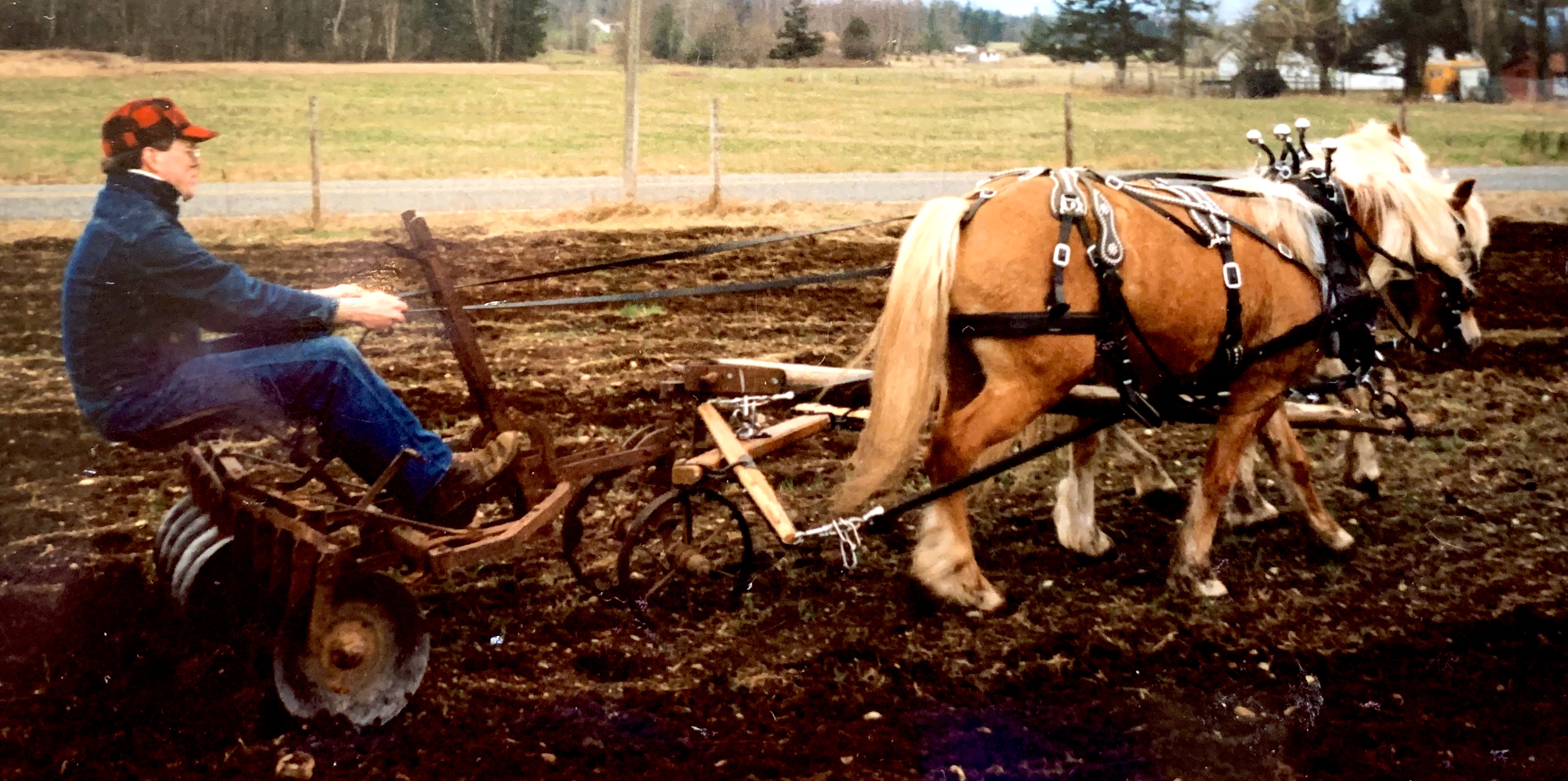
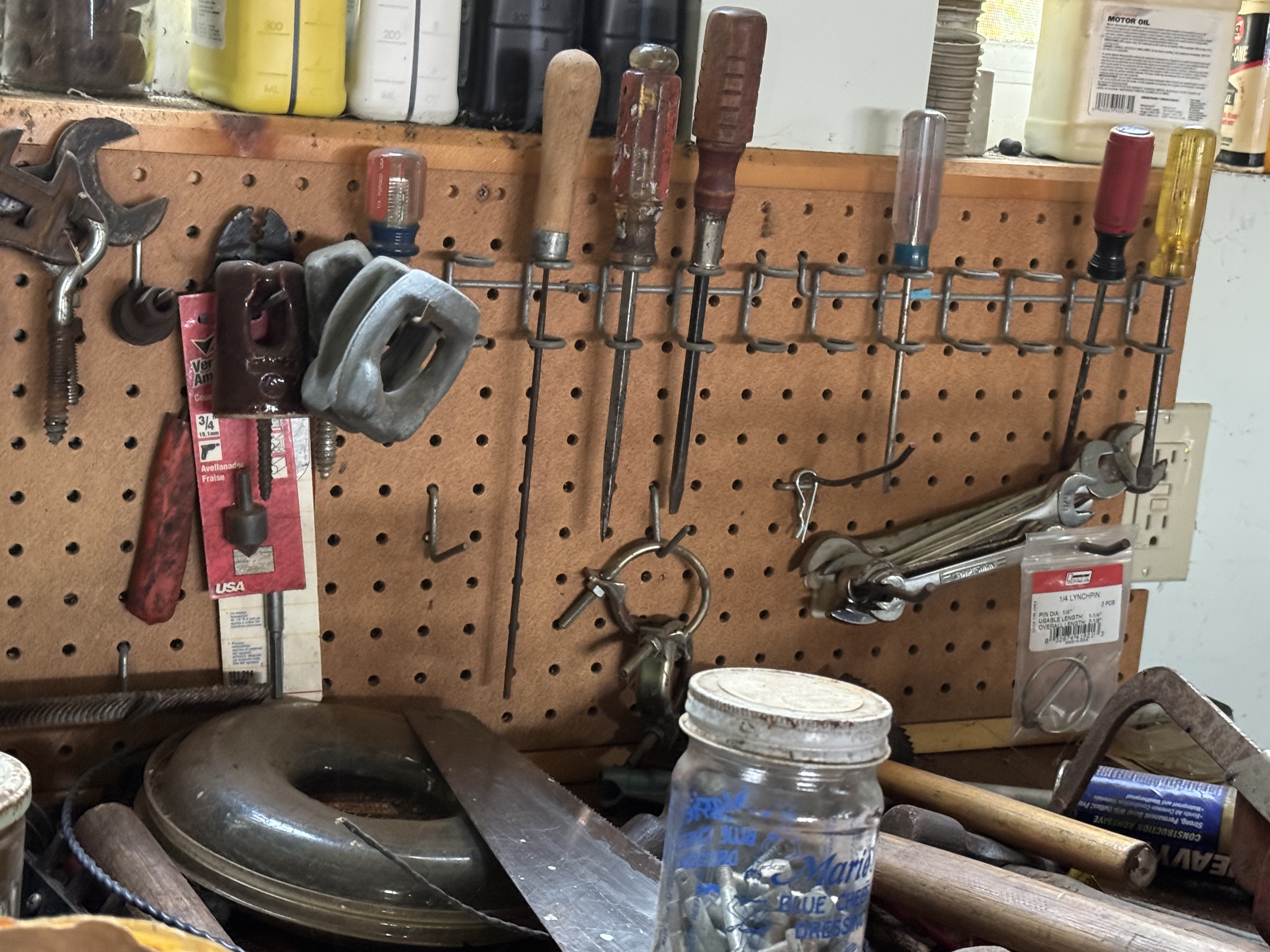
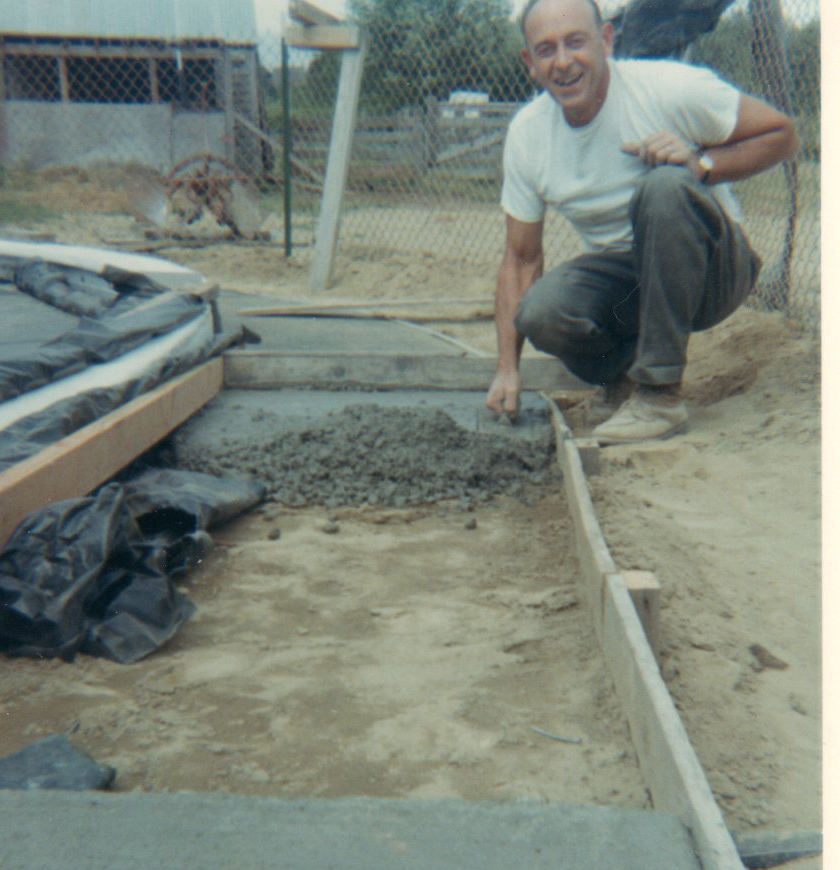
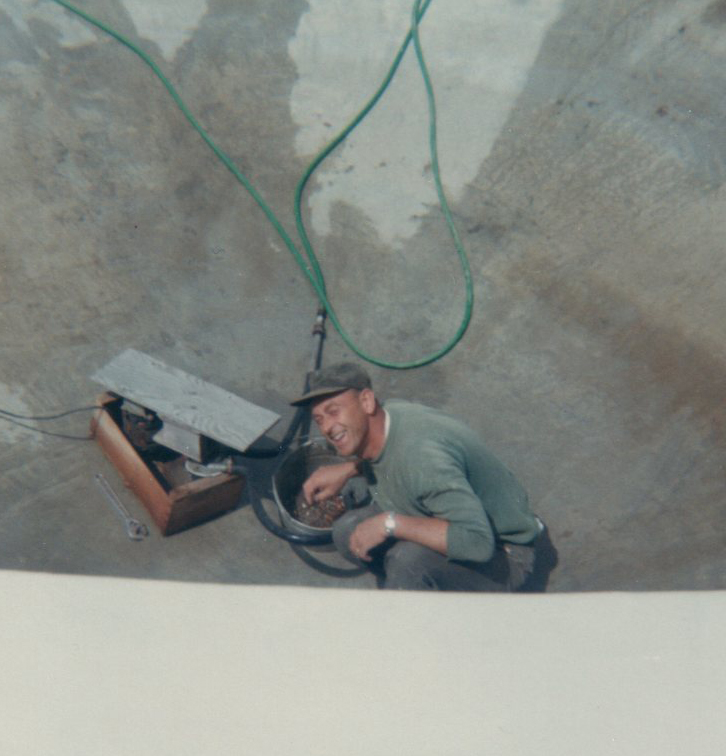
His helplessness in dying was startling – this man who could build anything and accomplish whatever he set his mind to was unable to subdue his cancer. Our father, who was so self-sufficient he rarely asked for help, did not know how to ask for help now.
So we did what we could when we could tell he was uncomfortable, which wasn’t often. He didn’t say much, even though there was much we could have been saying. We didn’t reminisce. We didn’t laugh and joke together. We just were there, taking shifts catching naps on the couch so we could be available if he called out, which he never did.
This man: who had grown up dirt poor, fought hard with his alcoholic father left abruptly to go to college – the first in his family – then called to war for three years in the South Pacific.
This man: who had raised a family on a small farm while he was a teacher, then a supervisor, then a desk worker.
This man: who left our family to marry another woman but returned after a decade to ask forgiveness.
This man: who died in a house he had built completely himself, without assistance, from the ground up.
He didn’t need our help – he who had held tightly to us and brought us back from the brink when we went too far – he had been on the brink himself and was rescued, coming back humbled.
No question the weather is fine for him up there. I have no doubt.
One-Time
Monthly
Yearly
Make a one-time or recurring donation to support daily Barnstorming posts
The cousins are coming! Cousins, cousins. Here come the boys. Bedlam, mayhem, noise, noise, noise. Blow up the air mattresses, hide the breakable toys. Cousins, cousins. Here come the boys. ~John Forster and Tom Chapin“Cousins”
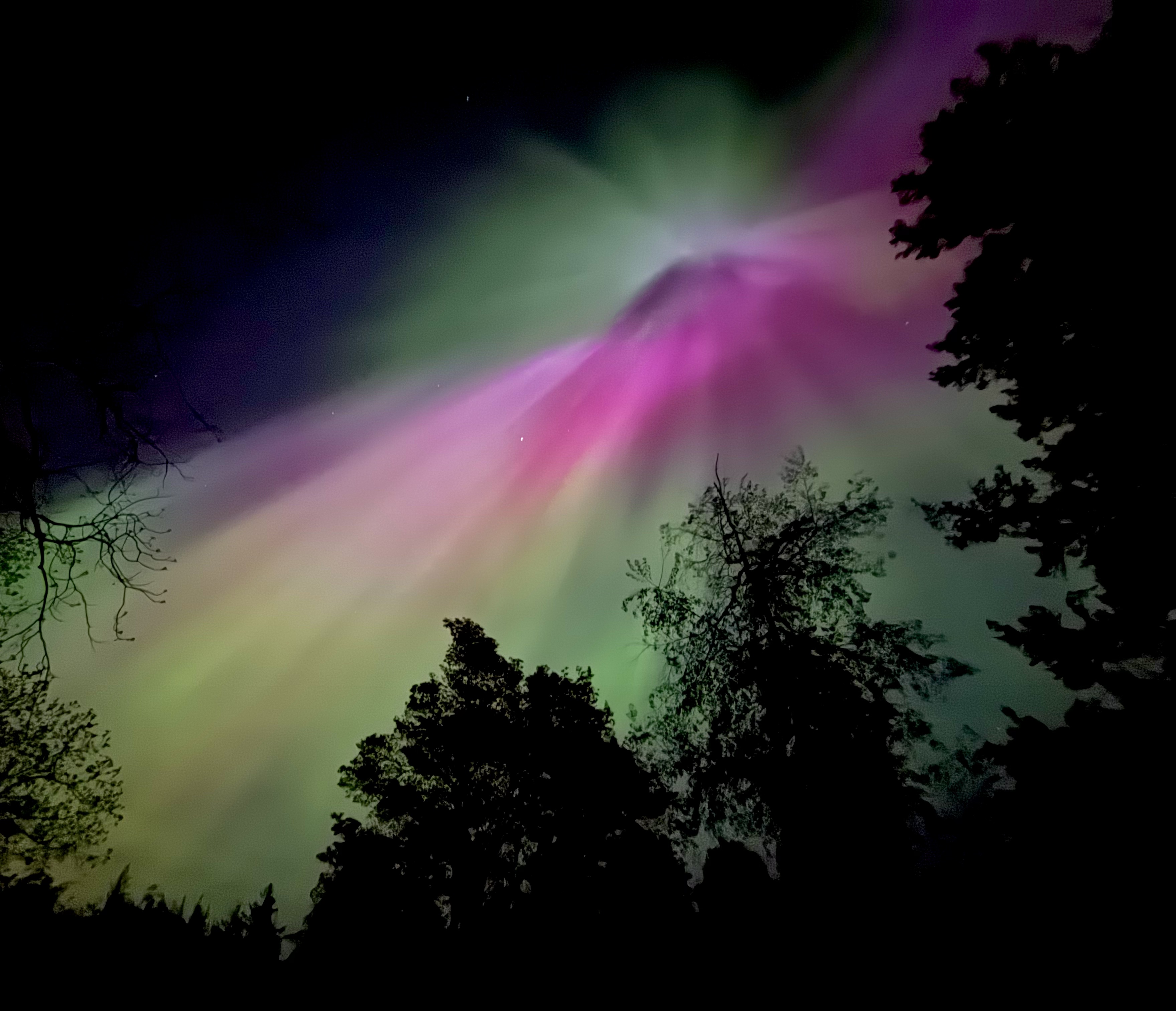
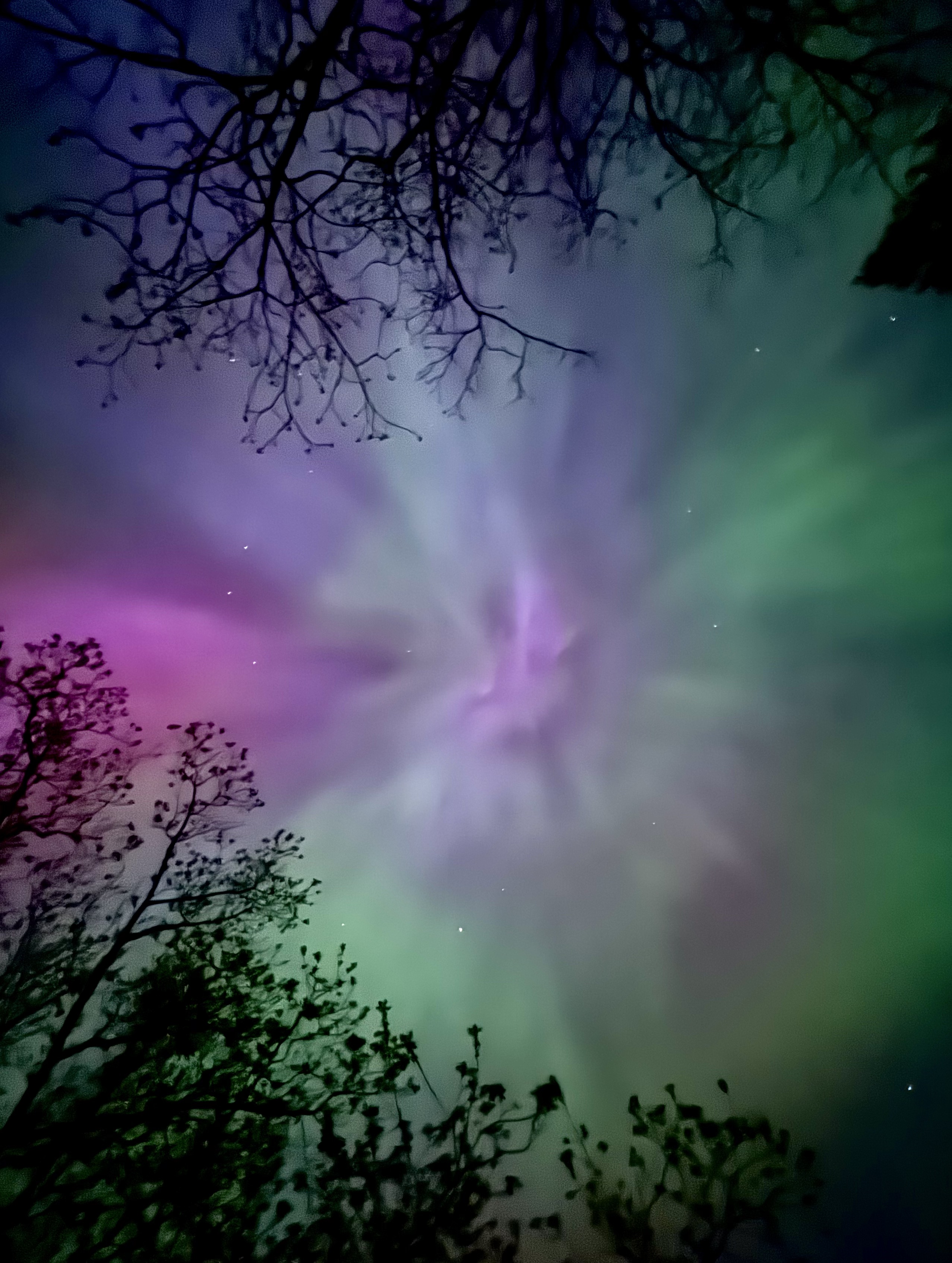
photo of a windy day — photo by Danyale Tammingaphoto of a windy day — photo by Nate Lovegren
When I was growing up, I got to see my cousins maybe once a year but never lived near extended family. It was always an exciting day when the cousins were coming for a visit, or we went to see them. Now as adults, I have sadly lost touch with several of them.
I’m particularly envious of the close relationships between ten cousins growing up on the same farm just down the road from us- essentially they live interchangeably between one house or the other. What a great way to grow up, with two families who will take you in whenever you want a change in scenery or siblings. If you are fighting with a brother or sister, you can hopefully find compatible cousins a few hundred yards away.
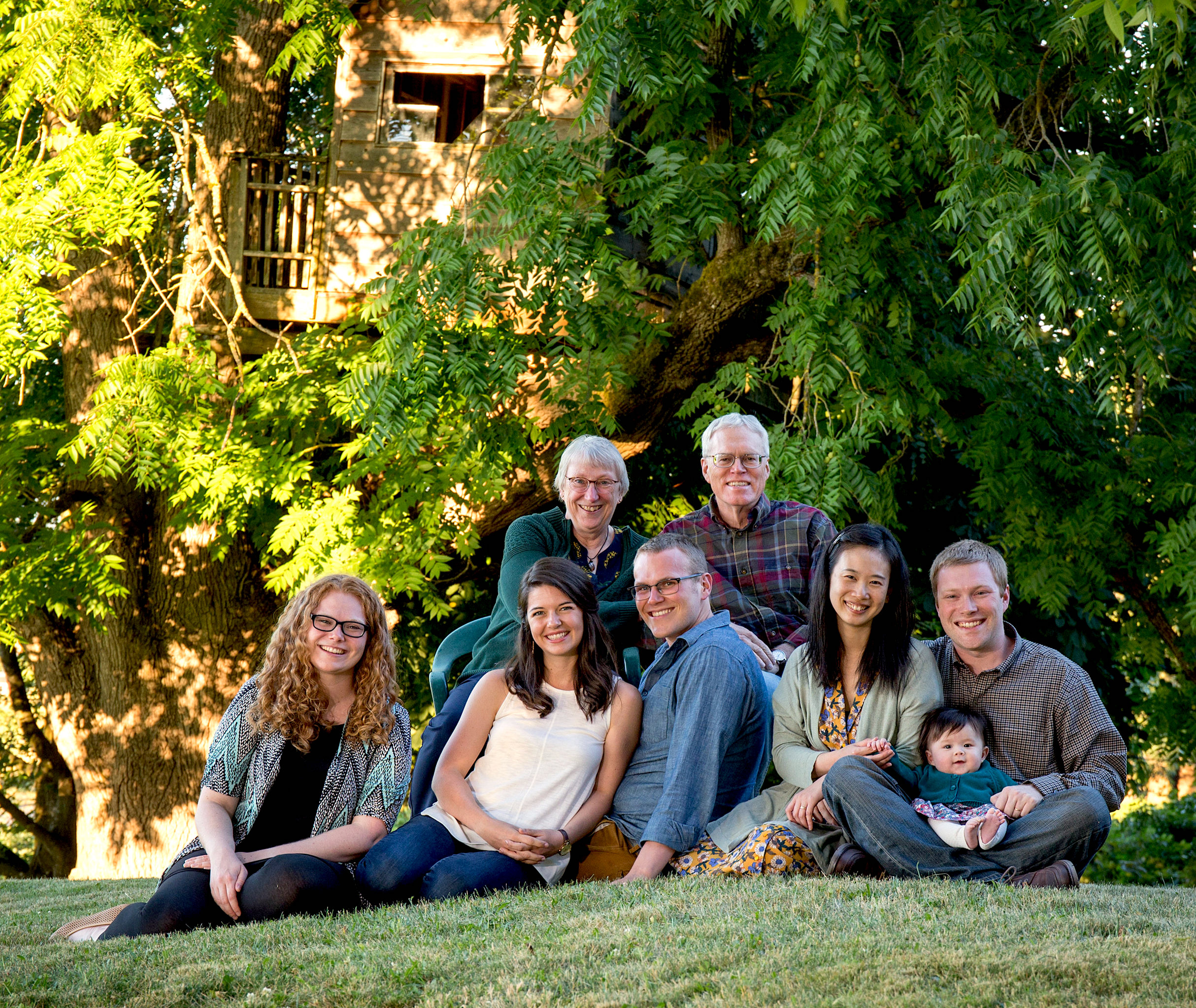
Now we have six grandchildren living far from one another. This week they are able to play altogether in the same room in our ordinarily quiet and boring home —-at times it is mayhem and noise noise noise, but wonderful happy giggles and games abound.
It is a perfect time to treasure these family ties between our grandchildren creating as much bedlam and mayhem as possible!
One-Time
Monthly
Yearly
Make a one-time or recurring donation to support daily Barnstorming posts