Courage is almost a contradiction in terms. It means a strong desire to live taking the form of a readiness to die. ~ G.K. Chesterton
They shall grow not old, as we that are left grow old: Age shall not weary them, nor the years condemn. At the going down of the sun and in the morning We will remember them. ~Lawrence Binyon from “For the Fallen” (1914)
We are the Dead. Short days ago We lived, felt dawn, saw sunset glow, Loved and were loved, and now we lie In Flanders fields. ~LtCol (Dr.) John McCrae from “In Flanders Fields”
When you go home tell them of us and say – “For your tomorrow we gave our today” ~John Maxwell Edmonds from “The Kohima Epitaph”
To all our U.S. veterans over the centuries – with deep appreciation and gratitude–for the freedoms you have defended on behalf of us all:
My father was one of the fortunate ones who came home, returning to a quiet farm life after three years serving in the Pacific with the Marines Corp from 1942 to 1945. For the first time I have been reading his letters home to my mother over the last few months, realizing how uncertain was their future together. Hundreds of thousands of his colleagues didn’t come home, dying on beaches and battlefields. Tens of thousands more came home forever marked, through physical or psychological injury, by the experience of war.
We citizens must support and care for the men and women who have made the commitment to be on the front line for our freedom’s sake.
I’m unsure why the United States does not call November 11 Remembrance Day as the Commonwealth nations did at the WW1 Armistice. This is a day that demands much more than the more passive name Veterans’ Day represents.
This day calls all citizens who appreciate their freedoms to stop what they are doing and interrupt the routine rhythm of their lives. We are to remember in humble thankfulness the generations of military veterans who answered the call to defend their countries by sacrificing their time, resources, sometimes health and well being, and too often their lives.
Remembrance means never forgetting what it costs to defend freedom. It means acknowledging the millions who have given of themselves and continue to do so on our behalf. It means never ceasing to care. It means a commitment to provide resources needed for the military to remain strong and supported. It means unending prayers for safe return to family. It means we hold these men and women close in our hearts, always teaching the next generation about the sacrifices they made.
Most of all, it means being willing ourselves to become the sacrifice when called.
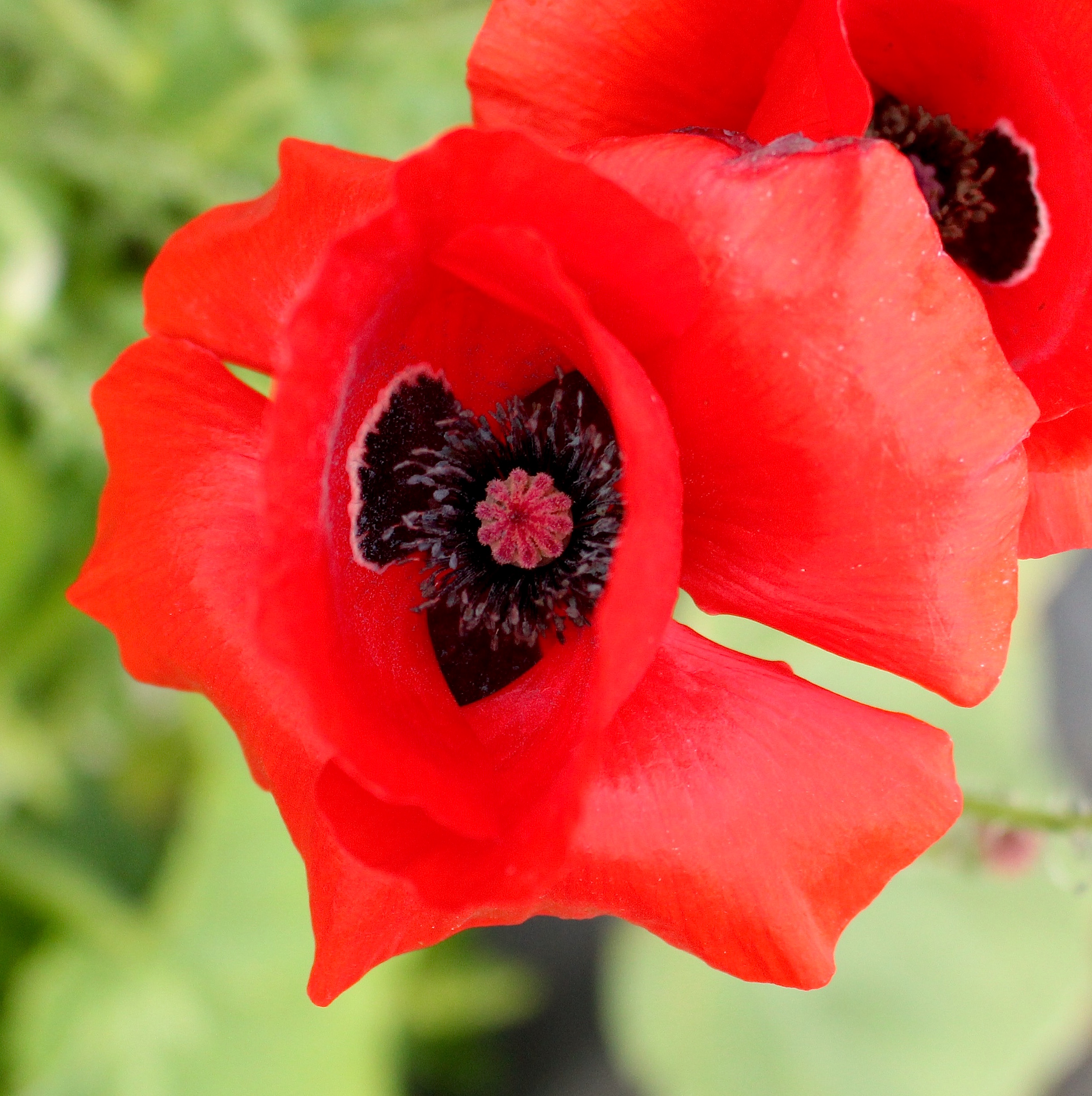
To you from failing hands we throw The torch; be yours to hold it high. If ye break faith with us who die We shall not sleep, though poppies grow…
“There’s never an end to dust and dusting,” my aunt would say as her rag, like a thunderhead, scudded across the yellow oak of her little house. There she lived seventy years with a ball of compulsion closed in her fist, and an elbow that creaked and popped like a branch in a storm. Now dust is her hands and dust her heart. There’s never an end to it. ~Ted Kooser “Carrie” from Flying at Night: Poems 1965-1985
My Great Aunt Marion was considered odd, no question about it. She usually dressed in somber woolens, smelling faintly of mothballs and incense. Her straight gray hair was bobbed with bangs, unfashionable for the wavy permanents of the fifties and the beehives of the sixties. Aunt Marion was a second grade teacher all her life, never marrying, and she lived for over 50 years in a spotless tiny apartment until the day she died in 1975. She bequeathed what little she had to the church she had faithfully attended a few blocks away and was buried in the family plot on a windswept hill overlooking Puget Sound.
I was overseas when she died, and to my knowledge, none of the extended family attended her funeral. In her retirement years she had become reclusive and remote. It was clear visitors weren’t welcome so visits to her became rare. In an effort to counteract that, I have annually visited her gravesite for the past 30+ years, paying homage to this aunt who remained an enigma in life and became even more mysterious in death.
She grew up in the early 20th century in an impoverished German immigrant family who relocated from Wisconsin to the northwest. Her father was gone most of the year running steamboats up the Yukon, leaving her mother to make do as a some time school teacher and full time mother. Her older brother dropped schooling early for the rough and ready life of the local logging camps but Marion finished teachers’ college at the Western Washington Normal School on the hill in Bellingham. She began her life’s work teaching 2nd grade a few miles away at Geneva Elementary School, and became the primary caretaker in her mother’s declining years.
Her shock over her brother’s marriage to a much younger teenage girl in 1917 created foment within an already fractious family that persisted down through the generations. As the offspring of that union, my father tried to prove his worth to his judgmental aunt. She was had a spiky and thorny personality, stern and unforgiving, but politely tolerated his existence though would never acknowledge his mother. Family gatherings weren’t possible due to the ongoing bitter conflict between the two strong-willed ladies.
Though Marion was childless, her heart belonged to her many students as well as a number of children she sponsored through relief organizations in developing countries around the world. Her most visible joy came from her annual summer trip to one of those exotic countries to meet first hand the child she was sponsoring. It seemed to fuel her until the next trip could be planned. She visited Asia and India numerous times, as well as Central and South America. It provided the purpose that was missing in the daily routine of her life at home.
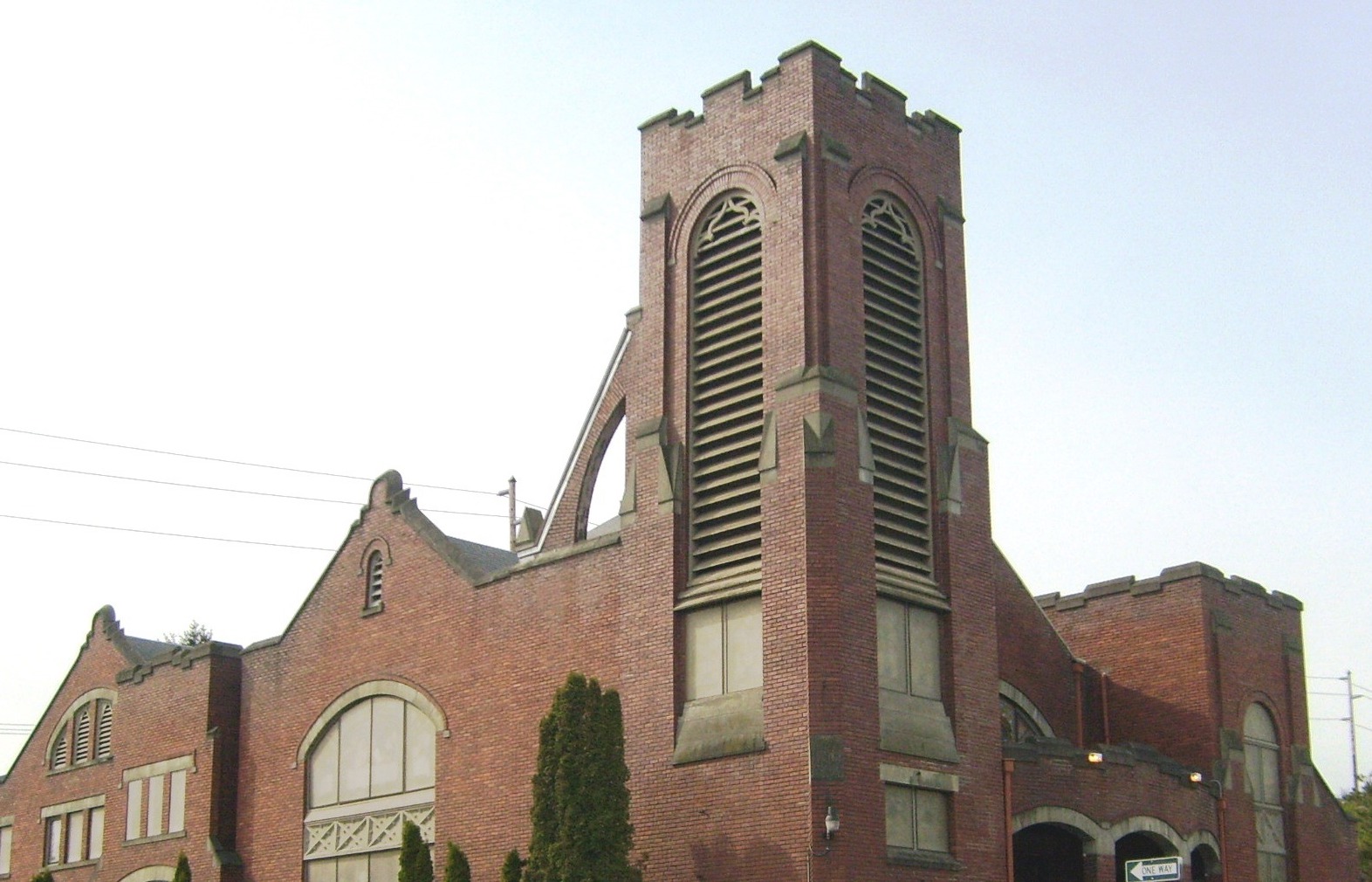
I moved to my great aunt’s community over three decades ago, 10 years after she had died. I’d occasionally think of her as I drove past her old apartment building or the Methodist church she attended. Several years ago, I noticed a new wing on the old church, modern, spacious and airy. I commented on it to a co-worker who I knew attended that church.
He said the old church building had undergone significant remodeling over the years to update the wiring and plumbing, to create a more welcome sanctuary for worship and most recently to add a new educational wing for Sunday School and after school programs during the weekdays. As one of the council members in the church’s leadership, he commented that he was fortunate to attend a church equipped with financial resources to provide programs such as this in a struggling neighborhood that had more than its share of latch-key kids and single parents barely making do. He mentioned an endowment from a bequest given over 40 years ago by a spinster schoolteacher in her will. This lady had attended the church faithfully for years, and was somewhat legendary for her silent weekly presence in the same pew and that she rarely spoke to others in the church. She arrived, sat in the same spot, and left right after the service, barely interacting. Upon her death, she left her entire estate to the church, well over $1 million in addition to the deed to an oil well in Texas which has continued to flow and prosper over the past several decades. The new wing was dedicated to her memory as it represented her expressed desire for her neighborhood.
I asked if her name was Marion and he stared at me baffled. Yes, I knew her, I said. Yes, she was a remarkable woman. Yes, how proud she would be to see her legacy – what she had worked so hard for and then left behind — come to fruition.
There were times as I was growing up I wondered if my Great Aunt Marion had a secret lover somewhere, or if she led a double life as her life at home seemed so lonely and painful. I know now that she did have a secret life. She loved the children she had made her own and she lived plainly and simply in order to provide for others who had little. Her extended family is better off having never inherited that money or an oil well. It could have torn an already conflicted family apart and Marion knew, estranged from her only blood relatives, her money would hurt us more than it would help.
Her full story has died with her. Even so, I mourn her anew, marveling at what became of the dust of her, the legacy she chose to leave.
1. In Christ there is no east or west, in him no south or north, but one great fellowship of love throughout the whole wide earth.
2. In Christ shall true hearts everywhere their high communion find; his service is the golden cord close binding humankind.
3. Join hands, companions in the faith, whate’er your race may be! Who loves and serves the one in him, throughout the whole wide earth.
4. In Christ now meet both east and west; in him meet south and north, all Christly souls are one in him throughout the whole wide earth. ~William Dunkerley
We Christians are often rightfully accused of being judgmental and unwilling to consider other points of view. We can be the first to criticize another Christian of being unfaithful or heretical, not following doctrine and creeds, or being too liberal or too conservative or just too plain stubborn.
I’ve done it myself (doing it now in this post!) and have received more than my share of mean-spirited, even hateful, messages from Christian brothers and sisters who disagree with my point of view on some issue. Christians can tend to revel in eating their own.
When I’m tempted to judge lest I be judged, I remember who Christ hung out with: the cast offs and most undesirable people in society. They were surely more receptive to His message than those who believed they knew better than Him, who questioned His actions and motives, and who plotted against Him behind His back.
We need reminding that Christ isn’t more present in one political party over another, one denomination or faith community over another, one zip code over another, or in one racial or ethnic group over another.
We, east and west, north and south, constitute His body on earth, we dwell fully in His image just as we were created to be. It is only through His loving Spirit we are brought home where we belong, back to the center from the fraying edges of our faith.
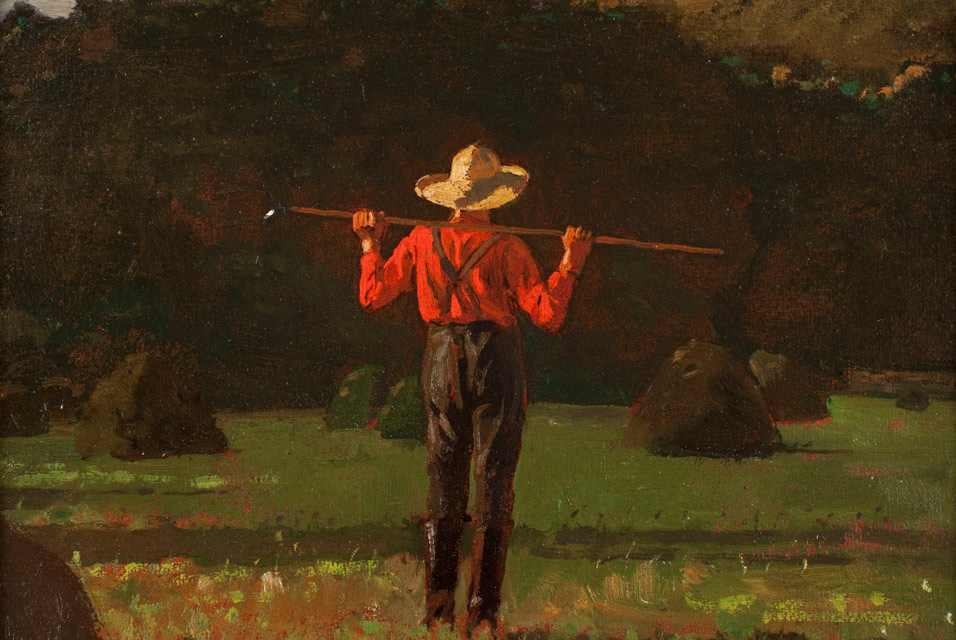
When a friend calls to me from the road And slows his horse to a meaning walk, I don’t stand still and look around On all the hills I haven’t hoed, And shout from where I am, What is it? No, not as there is a time to talk. I thrust my hoe in the mellow ground, Blade-end up and five feet tall, And plod: I go up to the stone wall For a friendly visit. ~Robert Frost, “A Time to Talk” from The Poetry of Robert Frost: The Collected Poems
We don’t take the time to visit anymore. Human connection is too often via VPN and pixels, chat groups and texts, GIFs and tweets. We’ve lost the fine art of conversation and intently listening, and no one remembers how to write a letter long-hand, fold it into an envelope, put a stamp on it and drop it into a mailbox.
No wonder our grandchildren are unsure how to cultivate a relationship like they might a garden: working the soil of another’s life, turning it over and over, fluffing it up, pulling out the unwanted weeds that smother growth, nurturing it with the best fertilizer, planting the seeds most likely to germinate, drenching with the warmth of light and energy, keeping the roots from getting thirsty.
We need to listen; we need to talk; we need to take time; we need to lean on the walls between us and bridge our gaps as best we can.
Just call out to me. I’ll stop what I’m doing, drop my hoe and plod over for a good chin wag. It’s what every good gardener needs to do.
On Halloween day in 1985, I packed up my clothes, a roll up mattress, grabbed one lonely pumpkin from our small garden, locked our rental house door for the last time, climbed in my car and headed north out of Seattle. I never looked back in the rear view mirror at the skyline after nine years living in the city. My husband had moved to Whatcom County two months earlier to start his new job. I had stayed behind to wrap up my Group Health family practice in the Rainier Valley of Seattle, now leaving the city for a new rural home and a very uncertain professional future.
Never before had I felt such exhilaration at breaking through one wall to discover the unknown that lay on the other side.
I knew two things for sure: I was finally several months pregnant after a miscarriage and two years of infertility, so our family had begun. We were going to actually live in our own house, not just a rental, complete with a few acres and a barn.
A real (sort of) starter farm.
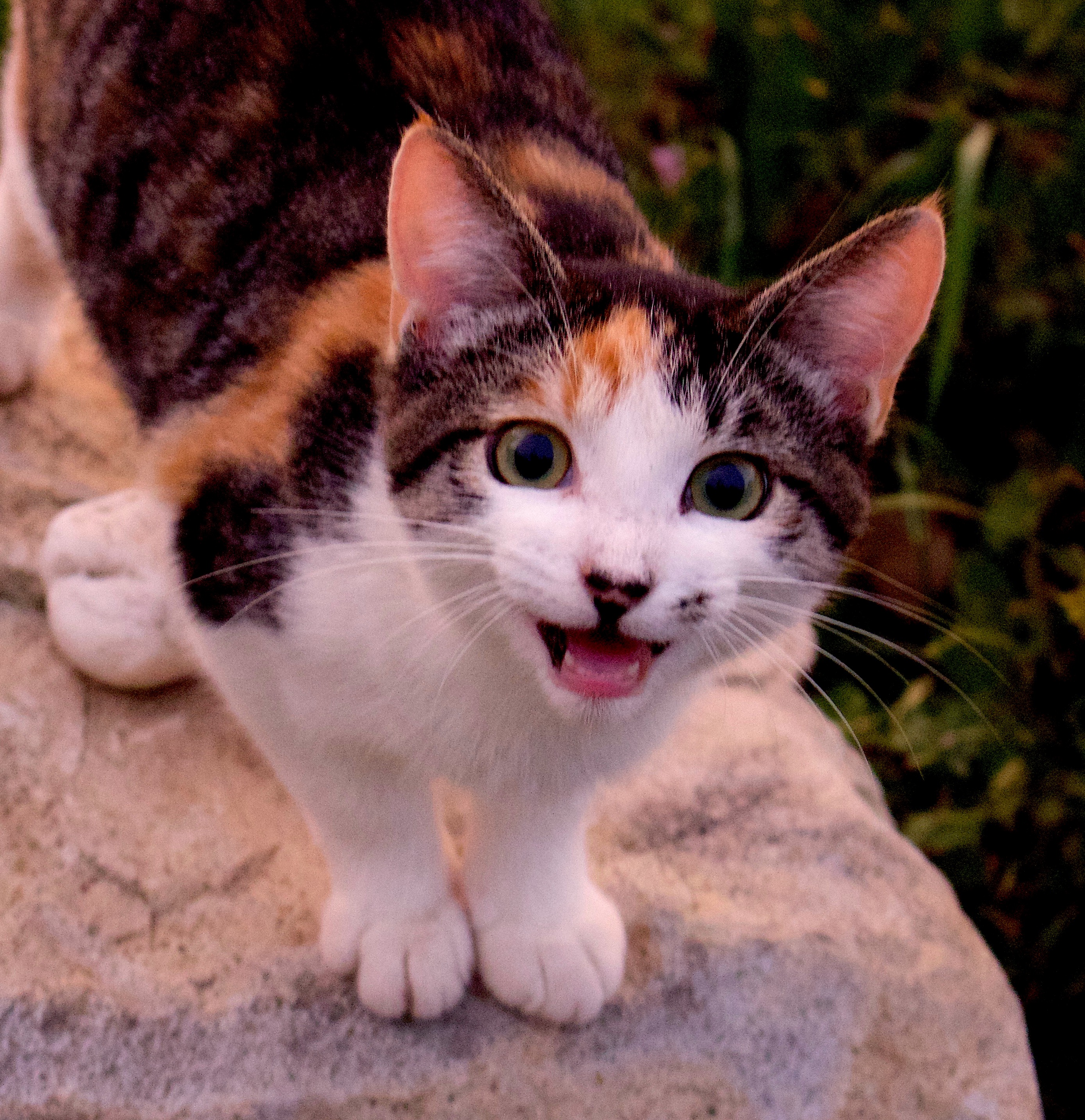
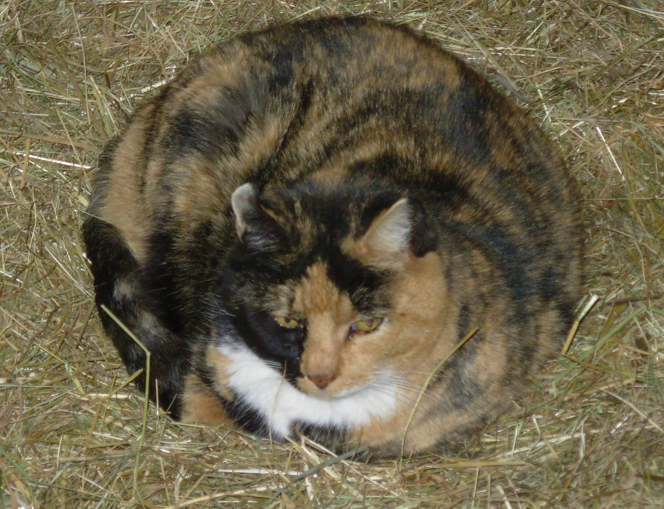
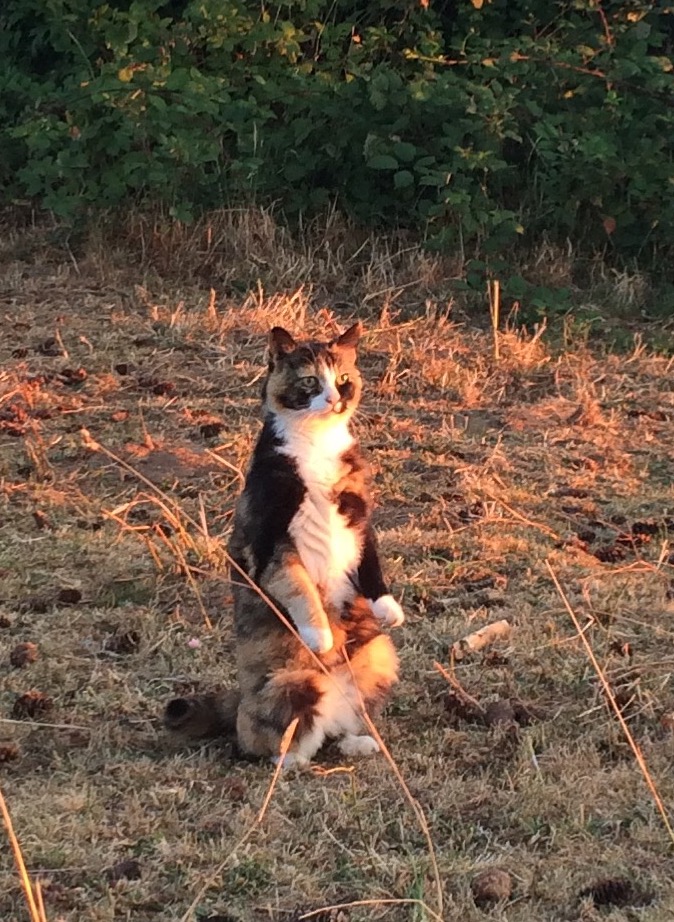
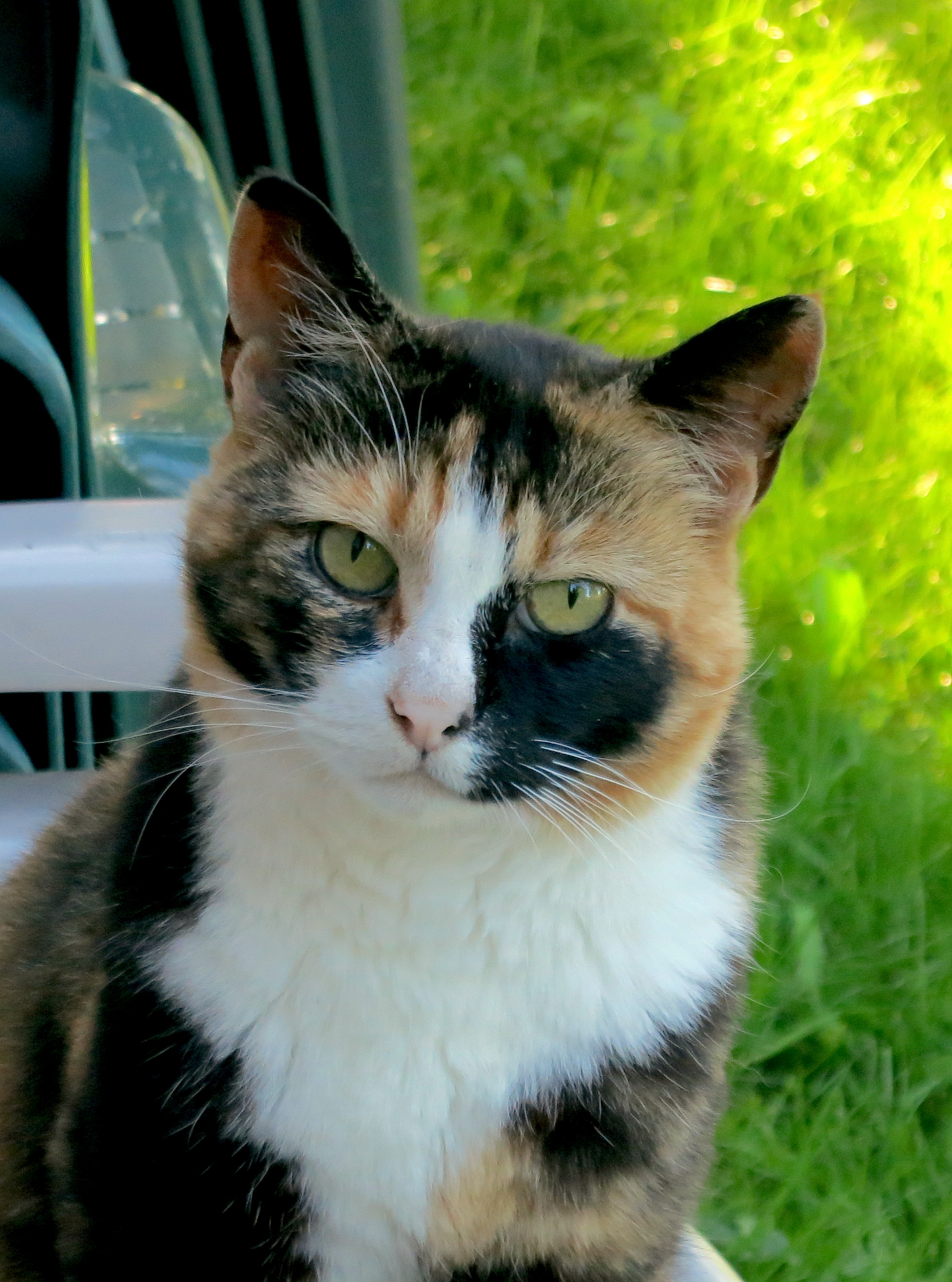
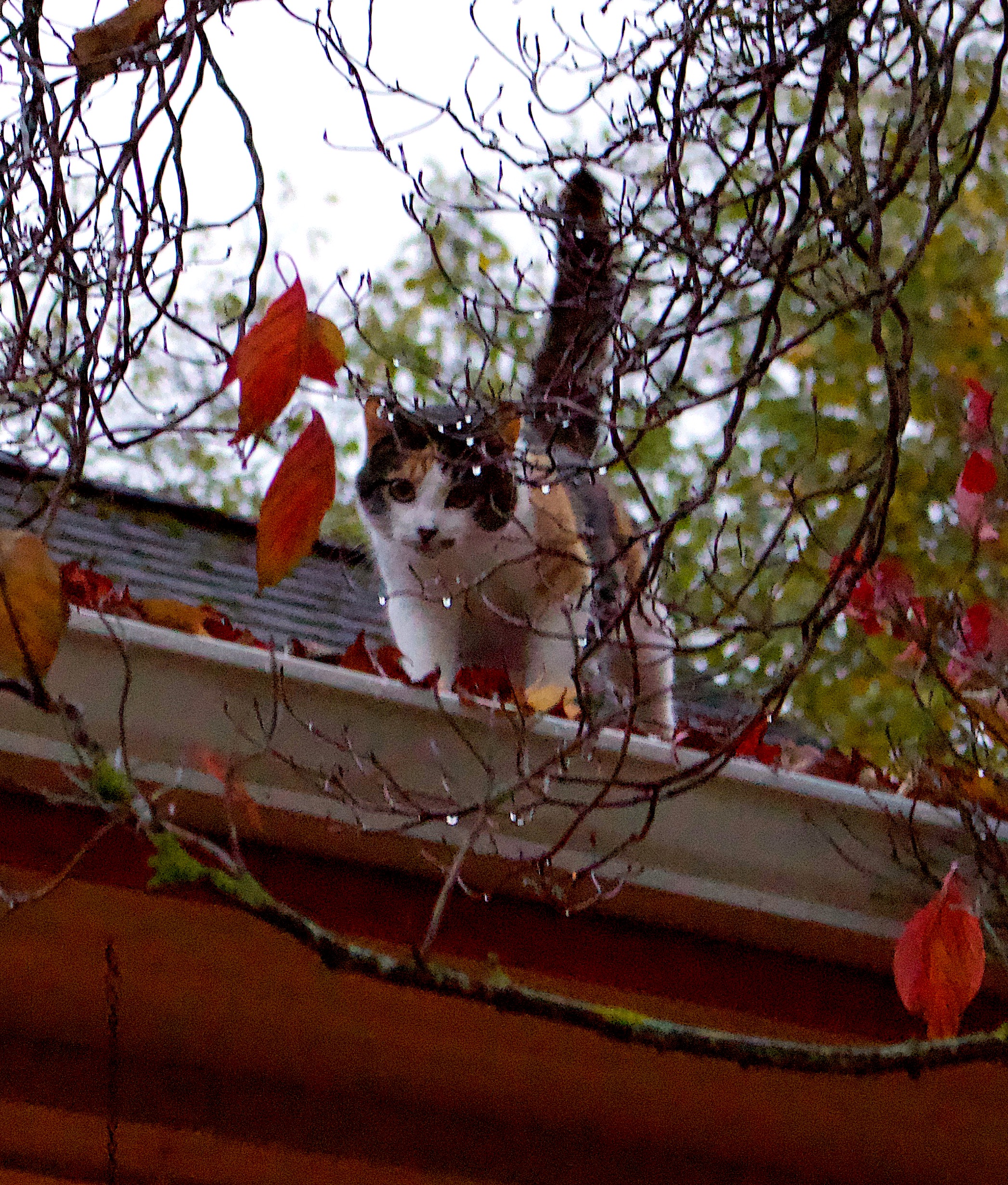
Since no farm can be complete without animals, I stopped at the first pet store I drove past and found two tortoise shell calico kitten sisters peering up at me, just waiting for new adventures in farmland. Their box was packed into the one spot left beside me in my little Mazda. With that admittedly impulsive commitment to raise and nurture those kittens, life seemed brand new.
I will never forget the feeling of freedom on that drive north out of the traffic congestion of the city. The highway seemed more open, the fall colors more vibrant, the wind more brisk, our baby happily kicking my belly, the kittens plaintively mewing from their box. There seemed to be so much potential even though I had just left behind the greatest job that could be found in any urban setting (the most diverse zip code in the United States): an ideal family practice with patients from all over the world: Muslims from the Middle East and Indonesia, Orthodox Jews, Italian Catholics, African Americans, Cambodians, Laotians, Vietnamese. I would never know so much variety of background and perspective again and if I could have packed them all into the Mazda and driven them north with me, I would have.
We started our farm with those kittens dubbed Nutmeg and Oregano, soon adding an ethnic diversity of farm animals: Belgian Tervuren dog Tango, Haflinger horse Greta, Toggenburg goats Tamsen and her kids, a few Toulouse geese, Araucana chickens, Fiona the Scottish Highland cow, then another Haflinger Hans and another, Tamara. I worked as a fill in locums doctor in four different clinics before our first baby, Nate, was born. We soon added little brother Ben and seven years later, sister Lea. We settled happily into parenthood, our church community, serving on school and community boards, gardening, and enduring the loss of our parents one by one.
Thirty four years later our children have long ago grown and gone to new homes of their own, off to their own adventures beyond the farm. Our sons married wonderful women, moving far away from home, our daughter teaches a fourth grade classroom a few hours away and we have two grandchildren with the third expected any moment.
A few cats, two Cardigan Corgi dogs, and a hand full of ponies remain at the farm with us. We are now both gray and move a bit more slowly, enjoy our naps and the quiet of the nights and weekends. My work has evolved from four small jobs to two decades of two part time jobs to one more than full time job that fit me like a well worn sweater 24 hours a day for thirty years. With retirement looming, I’m trying out a three day a week schedule and the old sweater doesn’t fit quite so comfortably.
My happily retired husband finds he is busier than ever: volunteering, serving on boards and being a full time farmer on our larger 20 acre place of fields and woods.
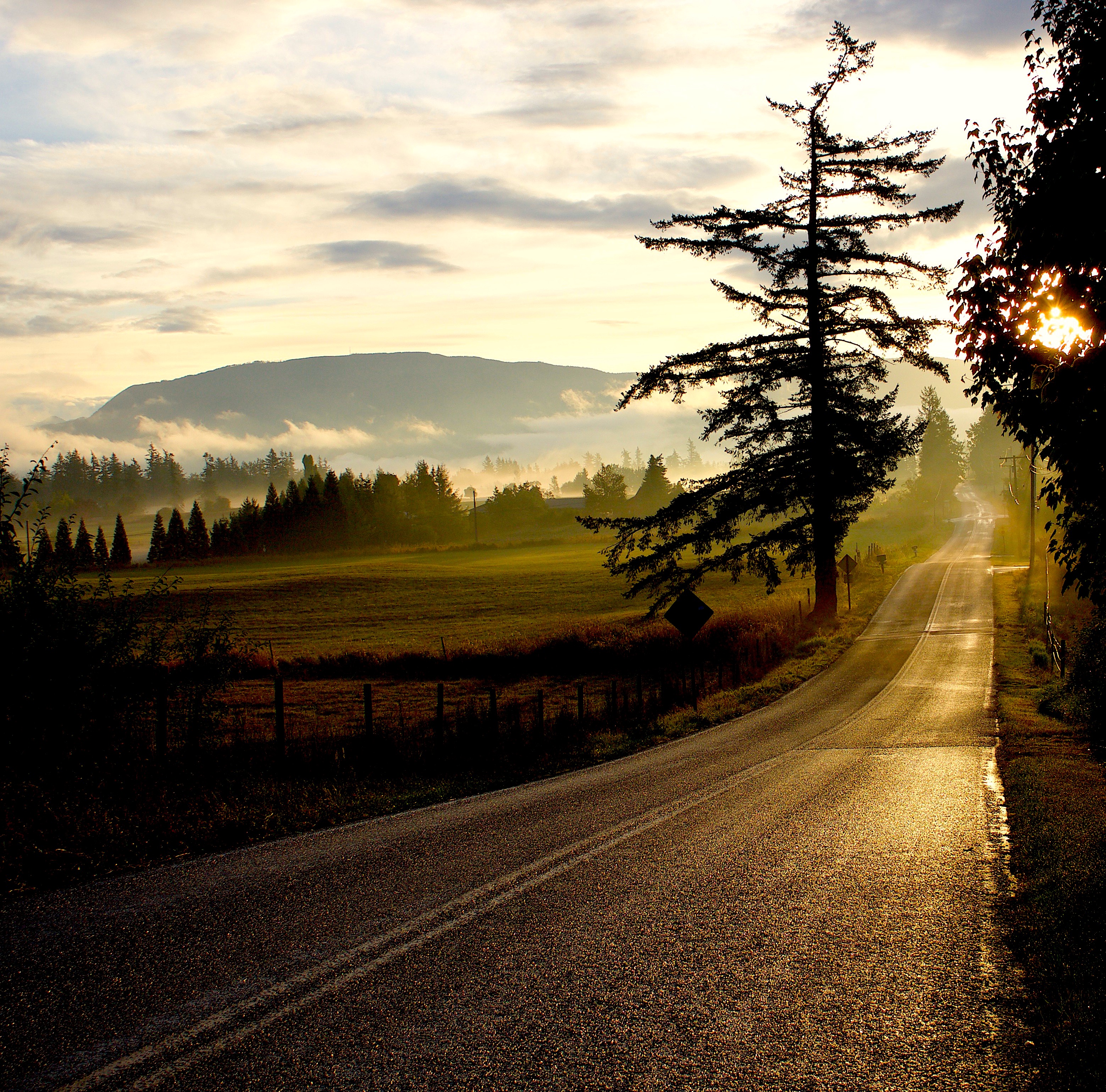
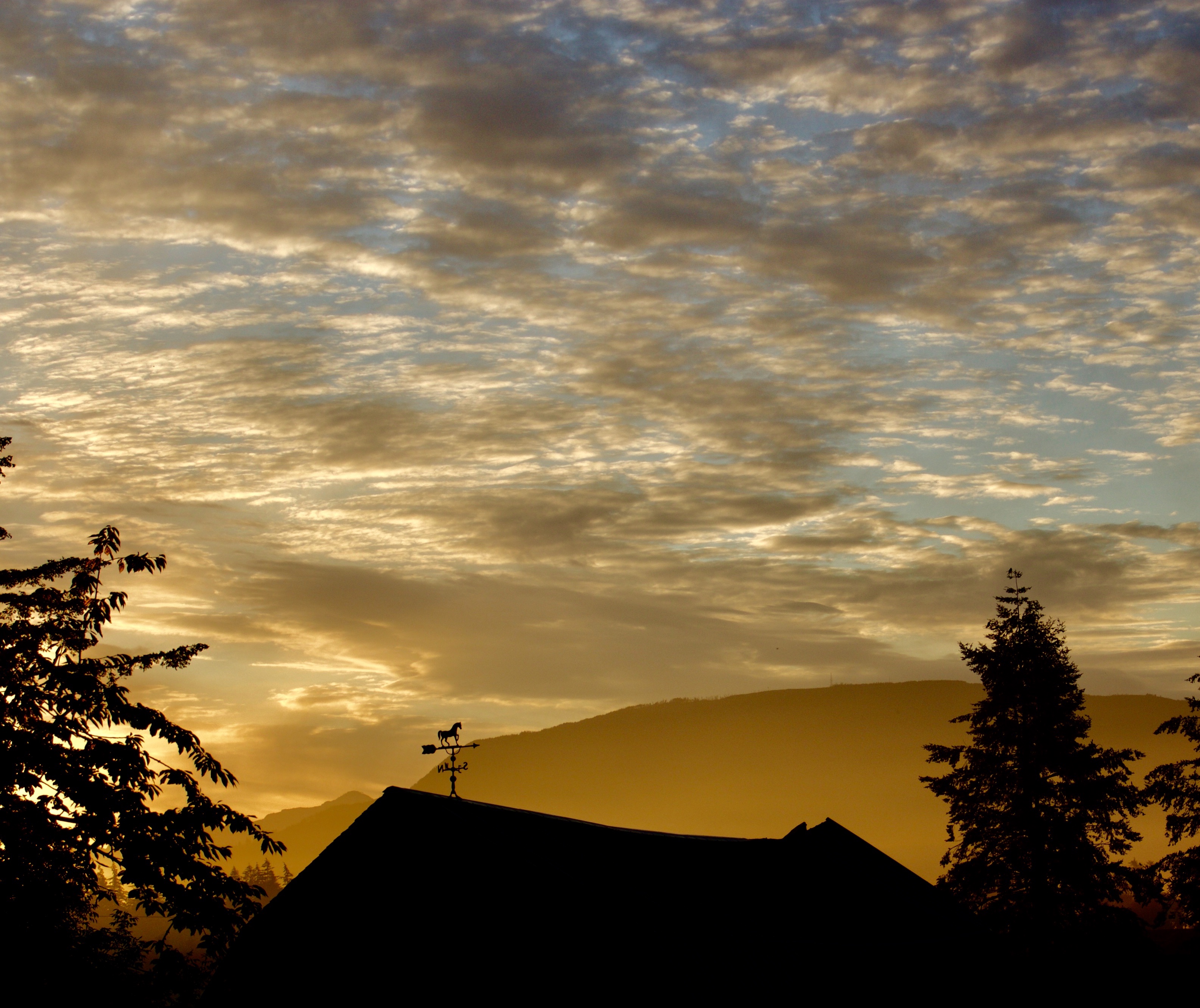
That rainy Halloween day over three decades ago I was freed into a wider world. I would no longer sit captive in freeway rush hour bumper to bumper traffic jams. Instead I celebrate my daily commute through farm fields, watching eagles fly, and new calves licked by their mamas. I am part of a broader community in a way I never could manage in the city, stopping to visit with friends at the grocery store, playing piano and teaching at church. Our home sits in the midst of woods and corn fields, with deer strolling through the fields at dawn, coyotes howling at night, Canadian and snow geese and trumpeter swans calling from overhead and salmon becoming more prolific every year in nearby streams. The snowy Cascades greet us in the morning and the sunset over Puget Sound bids us good night.
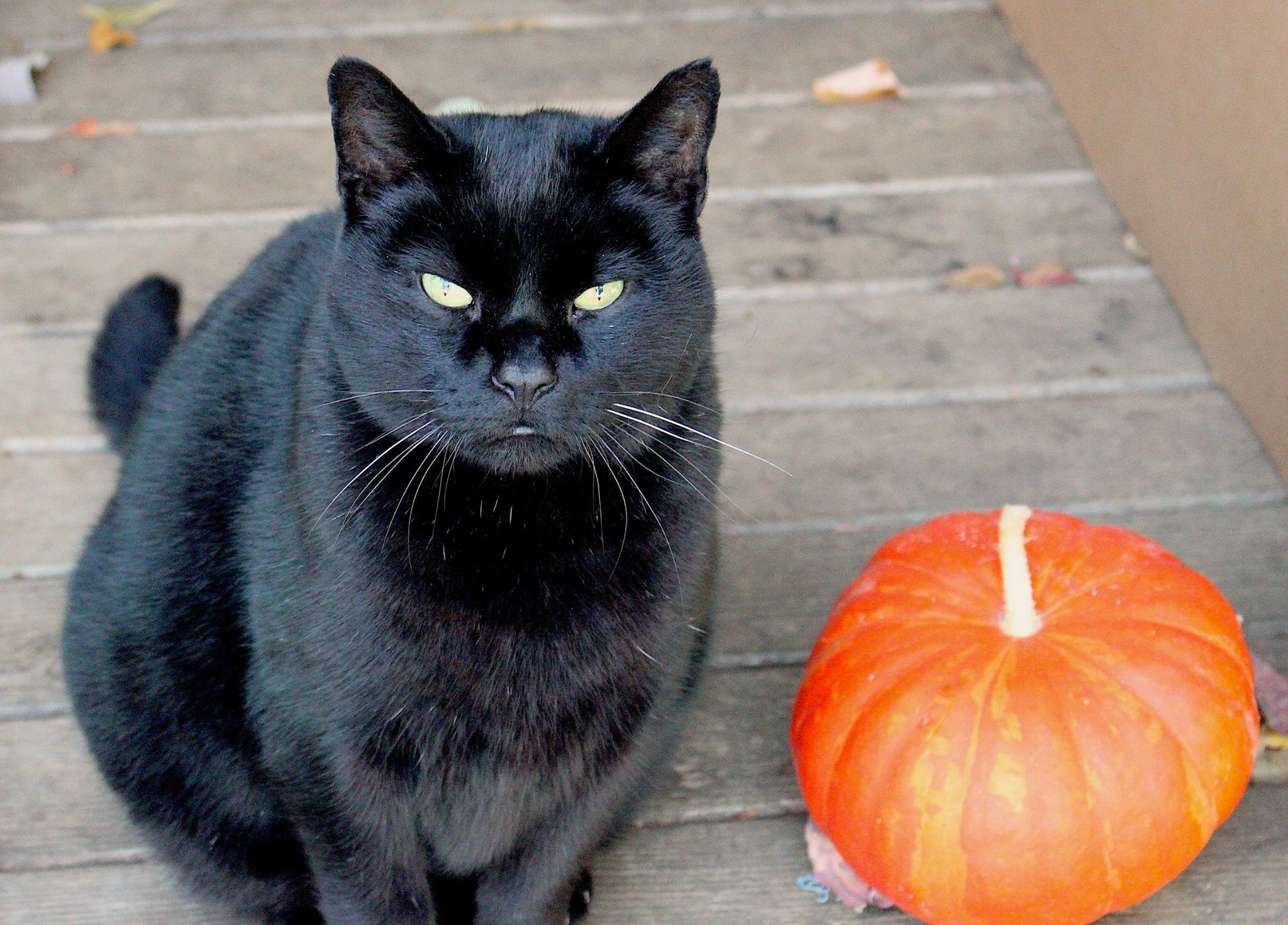
It all started October 31, 1985 with two orange and black kittens and a pumpkin sitting beside me in a little Mazda, my husband waiting for my homecoming 100 miles north. Now, thirty four years and three grown children and three (almost) grandchildren later, we celebrate this Halloween transition anniversary together. We’re still pregnant with the possibility that a wide world is waiting, just on the other side of the wall.
I spent this morning adjusting to this change in season by occupying myself with the familiar task of moving manure. Cleaning barn is a comforting chore, allowing me to transform tangible benefit from something objectionable and just plain stinky to the nurturing fertilizer of the future. It feels like I’ve actually accomplished something.
As I scooped and pushed the wheelbarrow, I remembered another barn cleaning twenty years ago, when I was one of three or four friends left cleaning over ninety stalls after a Haflinger horse event that I had organized at our local fairgrounds. Some people had brought their horses from over 1000 miles away to participate for several days. Whenever horse people gather, there were personality clashes and harsh words among some participants along with criticism directed at me that I had taken very personally. As I struggled with the umpteenth wheelbarrow load of manure, tears stung my eyes and my heart. I was miserable with regrets. After going without sleep and making personal sacrifices over many months planning and preparing for the benefit of our group, my work felt like it had not been acknowledged or appreciated.
My friend Jenny had stayed behind with her family to help clean up the large facility and she could see I was struggling to keep my composure. Jenny put herself right in front of my wheelbarrow and looked me in the eye, insisting I stop for a moment and listen.
“You know, none of these troubles and conflicts will amount to a hill of beans years from now. People will remember a fun event in a beautiful part of the country, a wonderful time with their horses, their friends and family, and they’ll be all nostalgic about it, not giving a thought to the infighting or the sour attitudes or who said what to whom. So don’t make this about you and whether you did or didn’t make everyone happy. You loved us all enough to make it possible to meet here and the rest was up to us. So quit being upset about what you can’t change. There’s too much you can still do for us.”
During tough times which still come often in my professional life, Jenny’s advice replays, reminding me to stop seeking appreciation from others, or feeling hurt when harsh words come my way. She was right about the balm found in the tincture of time and she was right about giving up the upset in order to die to self and self absorption, and keep focusing outward.
Jenny, I have remembered what you said even though sometimes I emotionally relapse and forget.
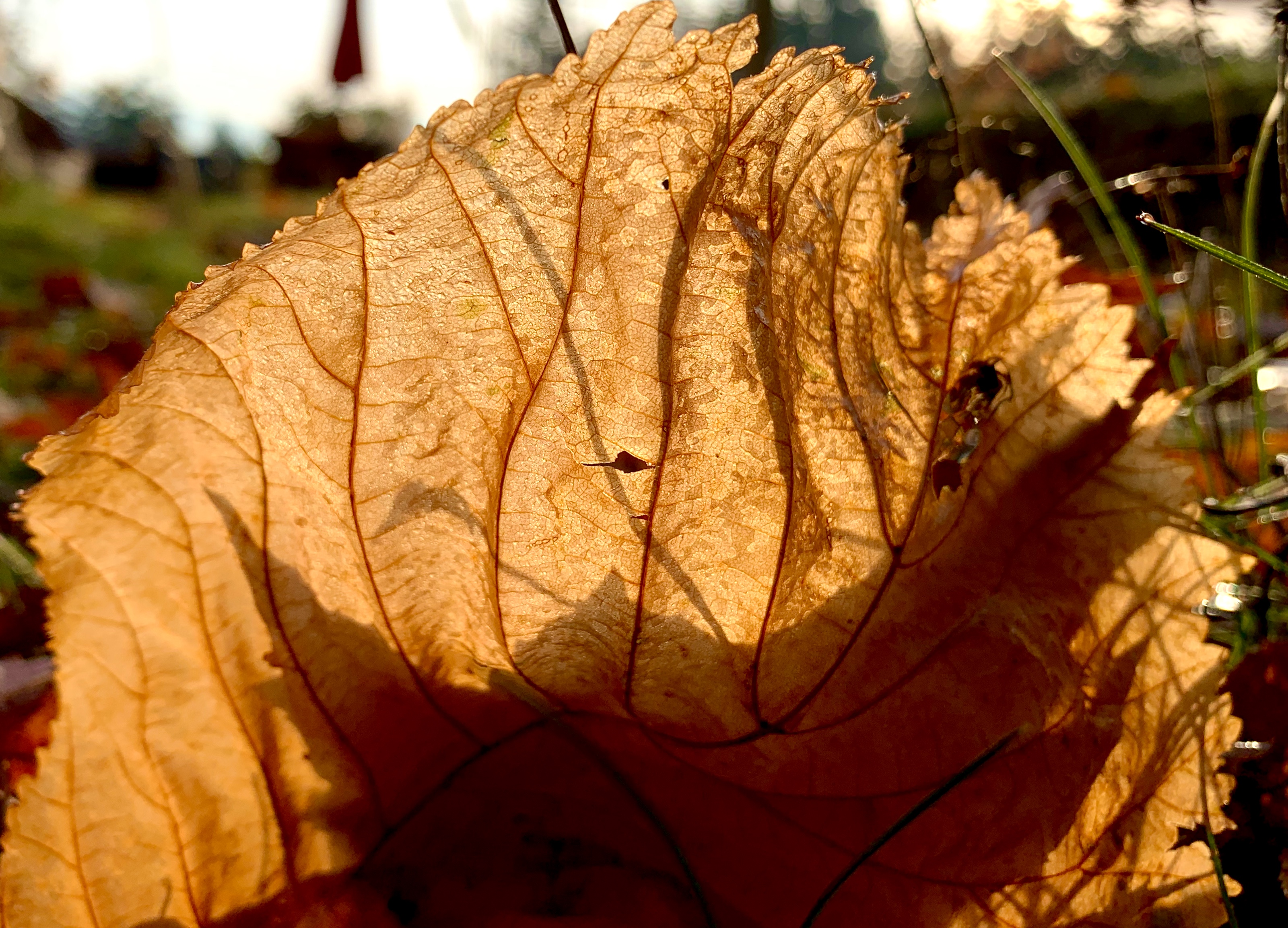
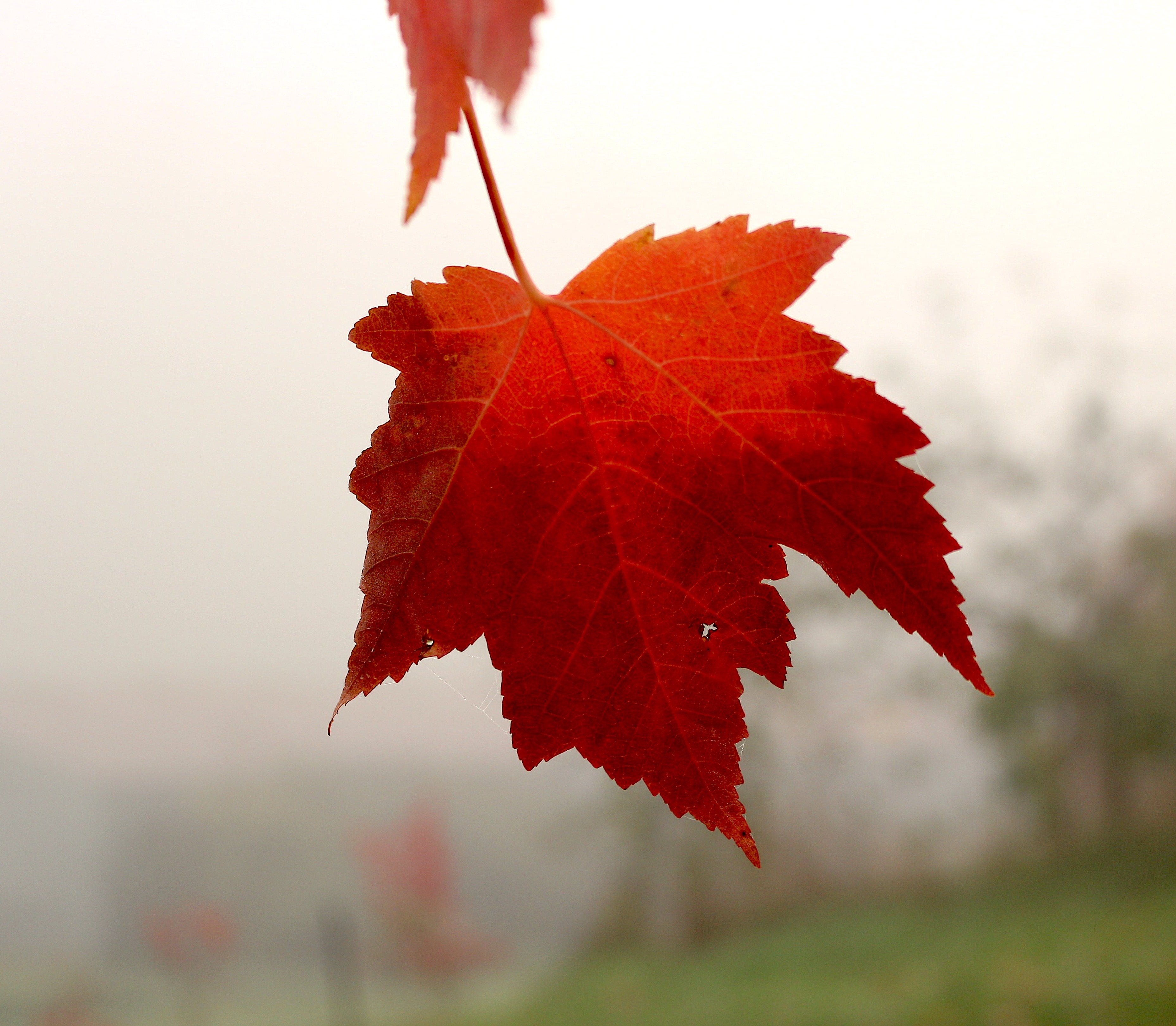
Jenny herself spent the next six years literally dying, while vigorously living her life every day, fighting a relentless cancer that was initially helpless in the face of her faith and intense drive to live. She became a rusting leaf, fading imperceptibly over time, crumbling at the edges until she finally let go. Her dying did not flash brilliance, nor draw attention at the end. Her intense focus during the years of her illness had always been outward to others, to her family and friends, to the healers she spent so much time with in medical offices, to her belief in the plan God had written for her and others.
Despite her intense love for her husband and young children, she had to let go her hold on life here. And we all had to let her go.
Brilliance cloaks her as her focus is now on things eternal.
You were so right, Jenny. No conflicts from twenty years ago amounted to a hill of beans; all is remembered fondly by those who were part of the gathering. I especially treasure the words you wisely spoke to me.
And I’m no longer upset that I can’t change the fact that you have left us. There is still so much you do for us, alive in our memories.
Starting here, what do you want to remember? How sunlight creeps along a shining floor? What scent of old wood hovers, what softened sound from outside fills the air?
Will you ever bring a better gift for the world than the breathing respect that you carry wherever you go right now? Are you waiting for time to show you some better thoughts?
When you turn around, starting here, lift this new glimpse that you found; carry into evening all that you want from this day. This interval you spent reading or hearing this, keep it for life –
What can anyone give you greater than now, starting here, right in this room, when you turn around? ~William Stafford, “You Reading This, Be Ready” from Ask Me
Nearly ten years of daily writing here in this spot:
I have met many people who I will never meet face to face but who share with me their love of the land, their family, their animals and most of all — our Lord.
What do I want to remember?
Mostly, I want to remember your light and love as it finds its way through the darkest and thorniest corners of my life:
a kind word, a silent tear, a crooked smile, a whispered prayer.
What do I want you to remember having visited here?
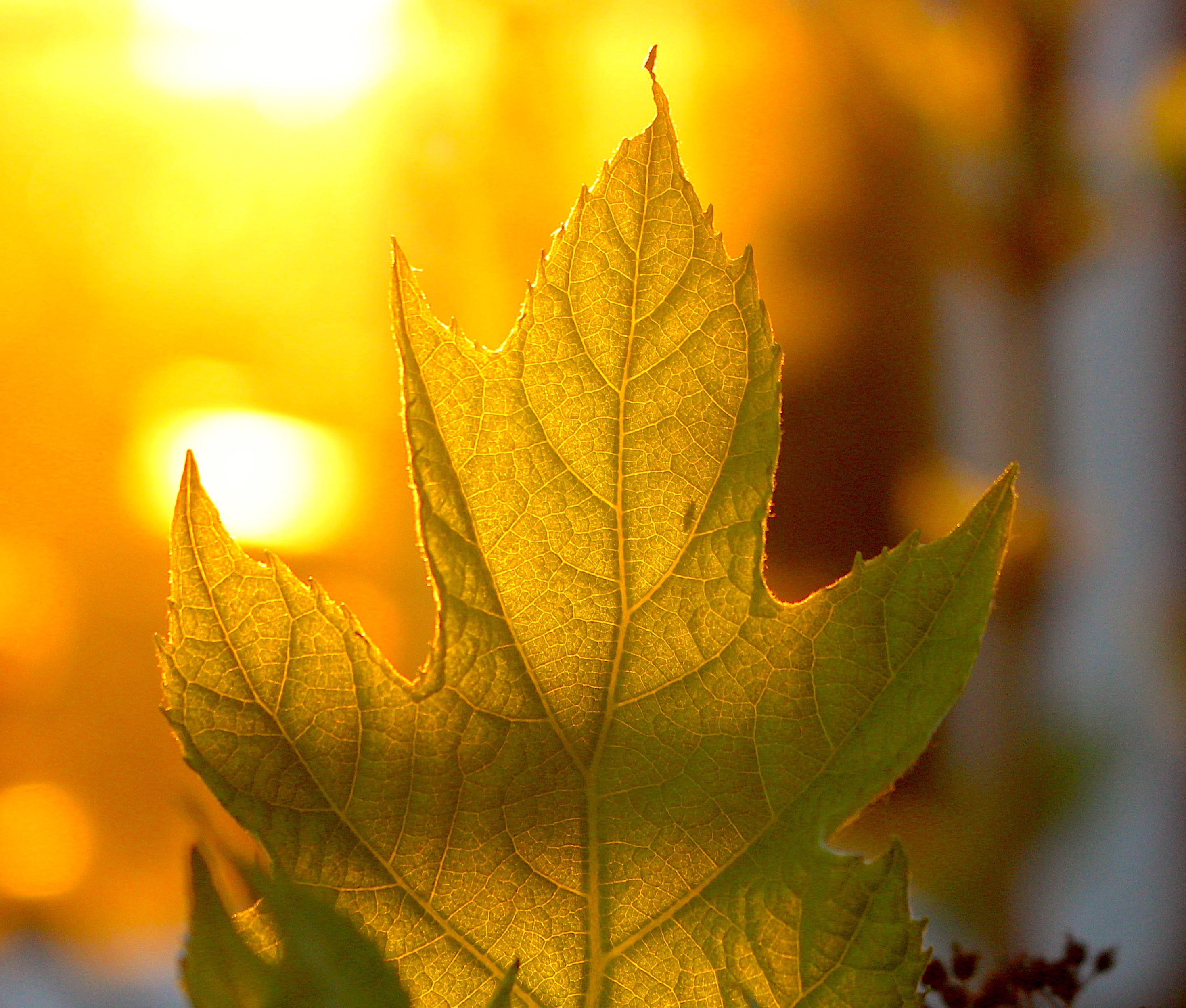
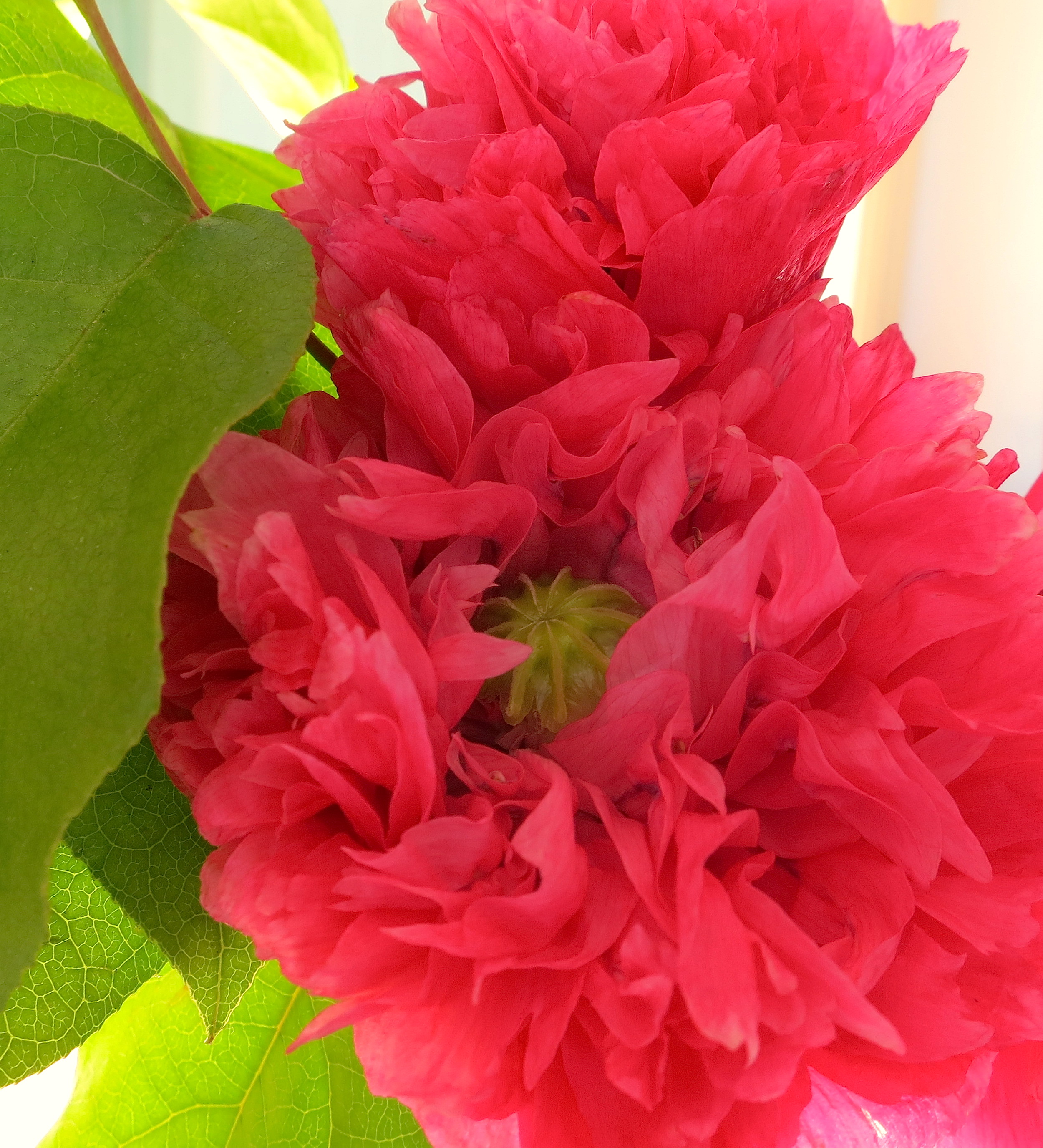
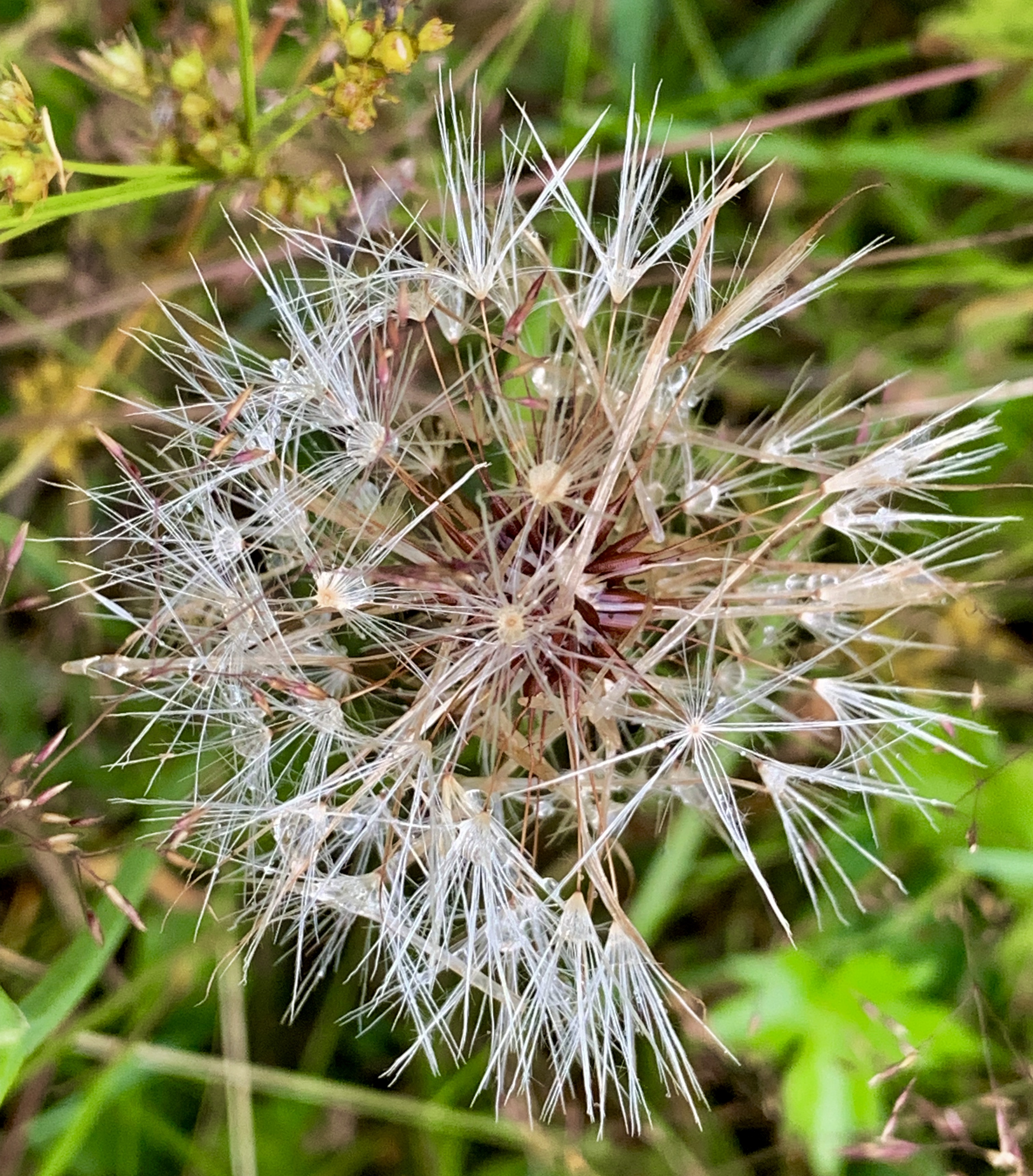
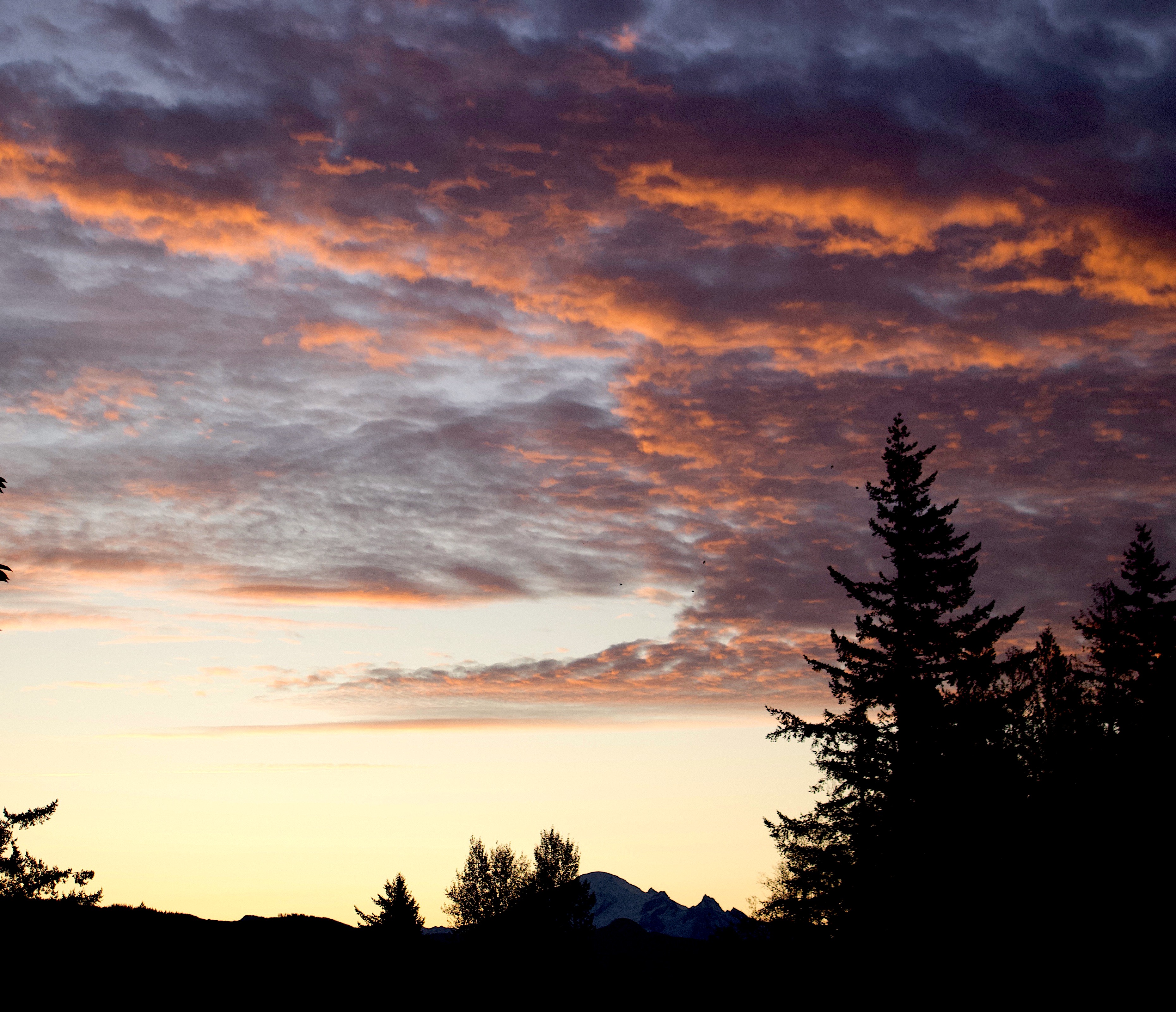
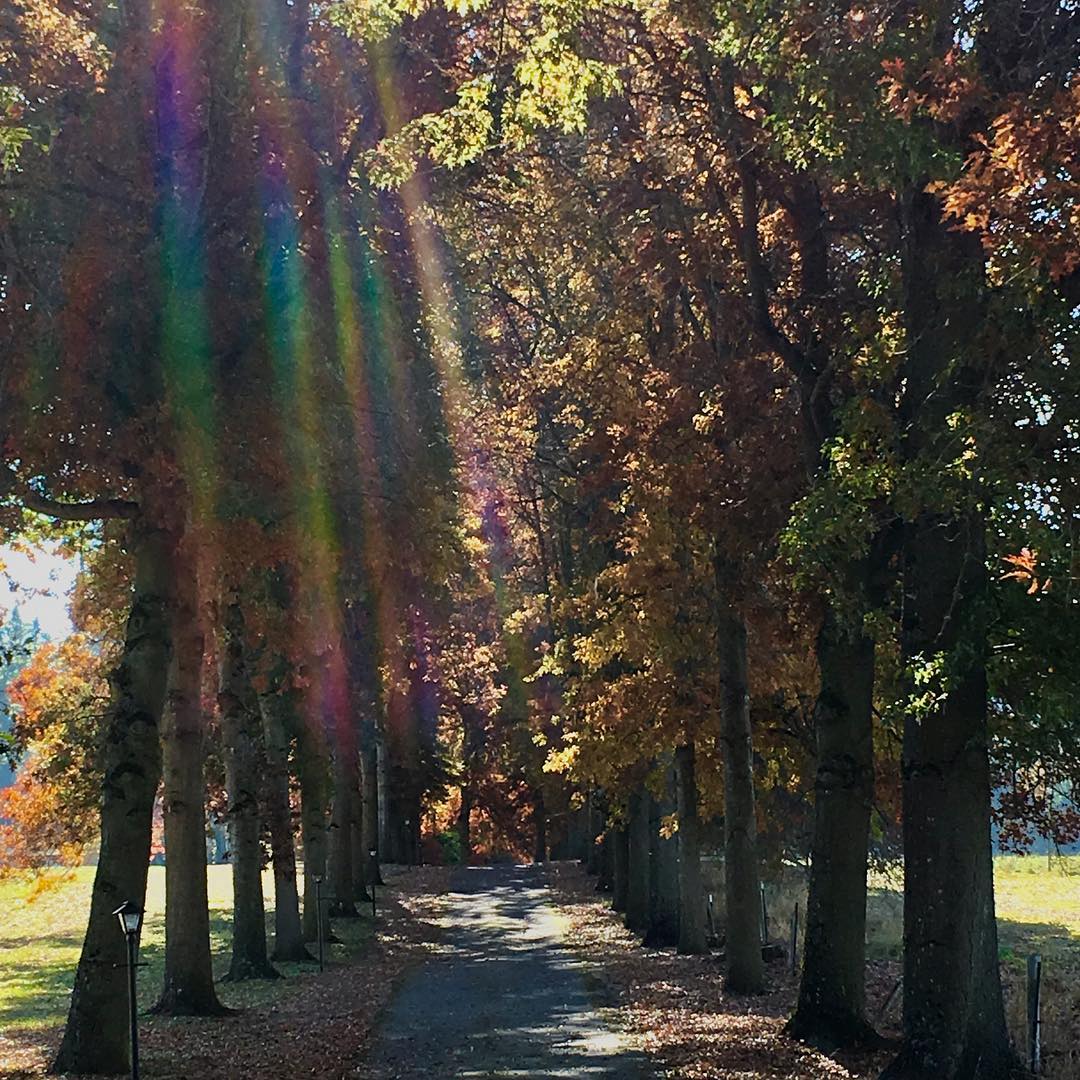
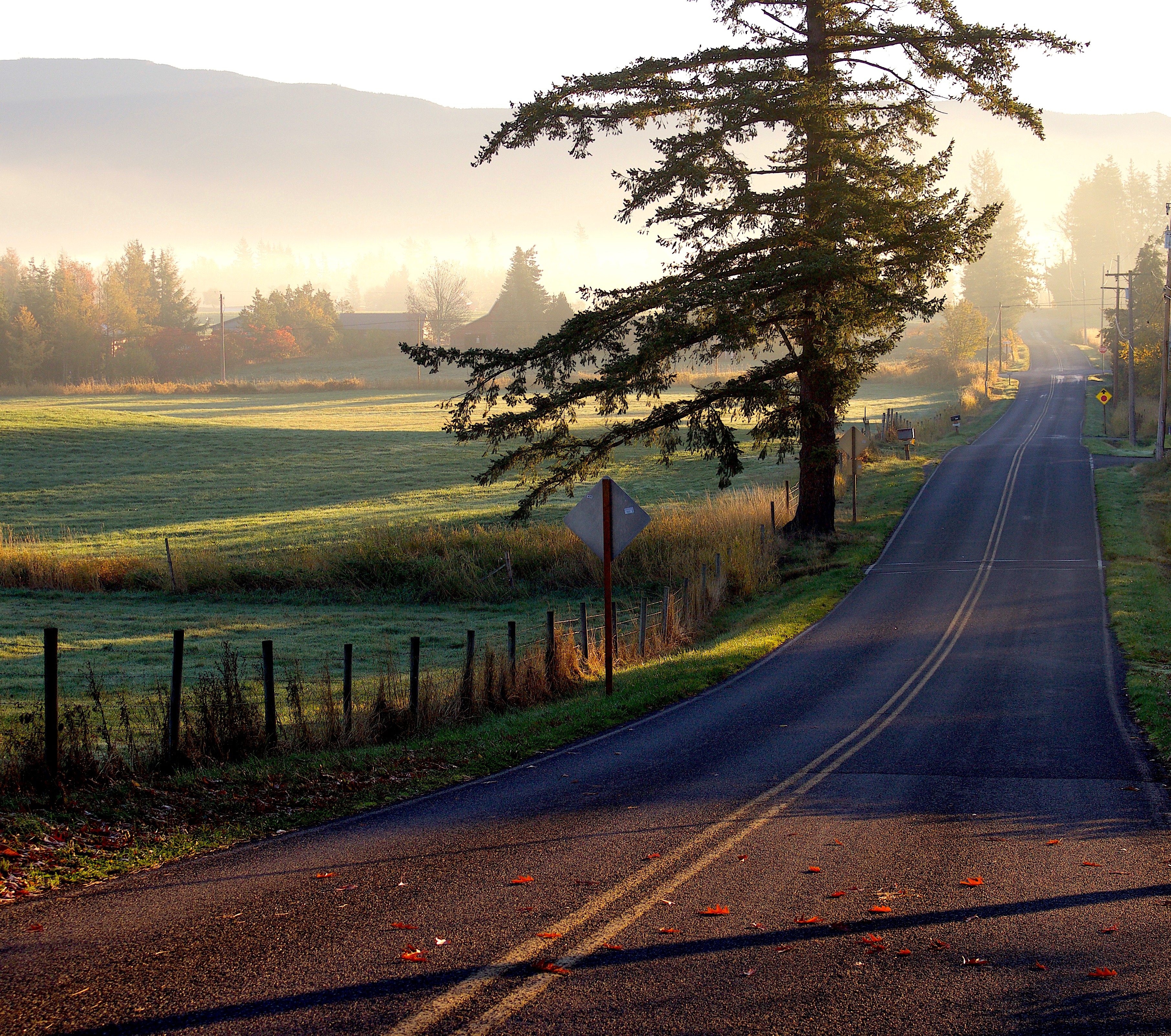
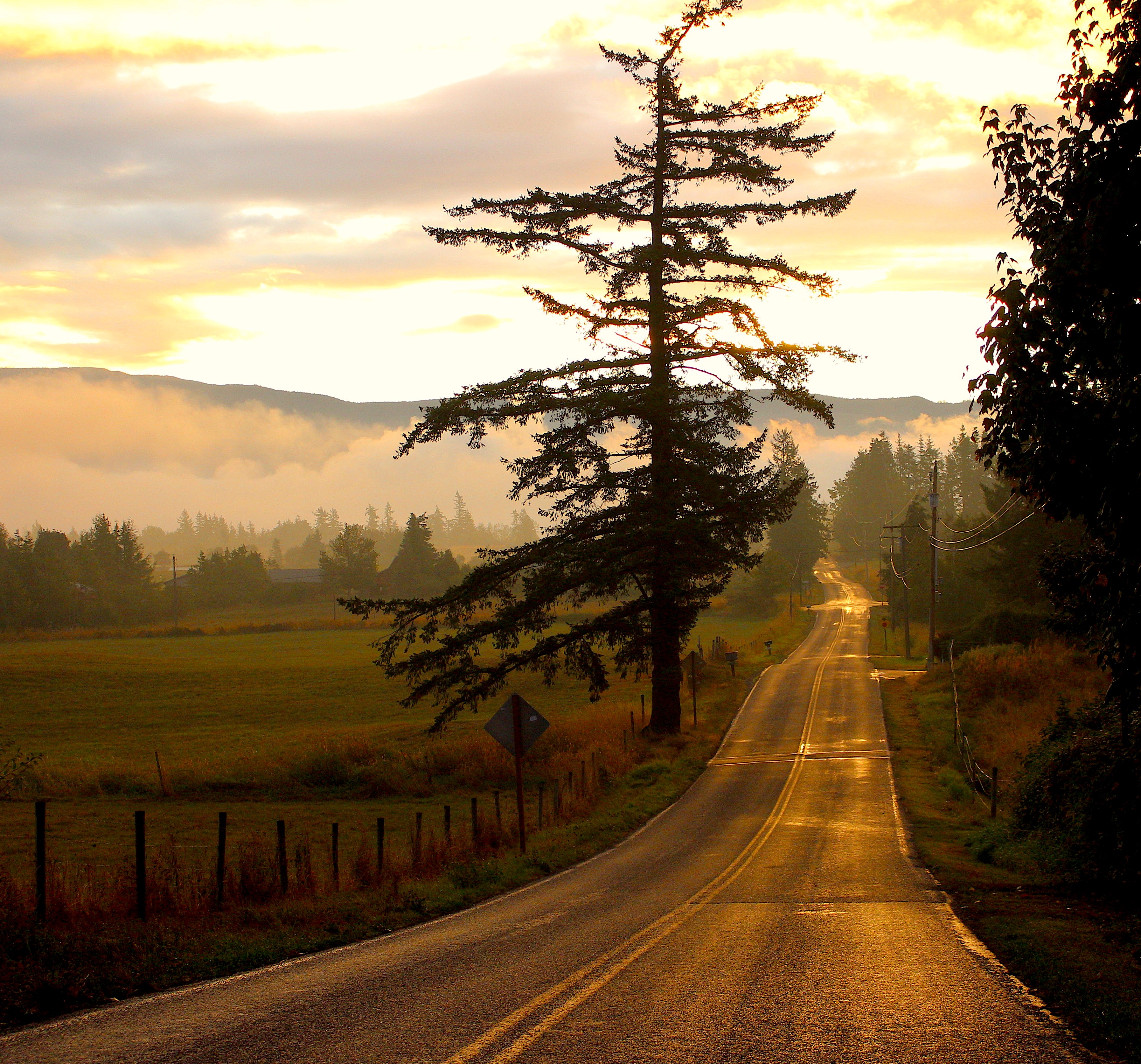
I want you to remember there is warmth in these words and colors in these photos that don’t come close to what it is like for real.
Mostly, I want you to know that each morning, I send out this love to hundreds I’ll never meet, but who are nevertheless my Barnstorming brothers and sisters.
Carry me with you and pass the light forward. You never know where it might end up.
The world begins at a kitchen table. No Matter what, we must eat to live.
The gifts of earth are brought and prepared, set on the table. So it has been since creation, and it will go on.
We chase chickens or dogs away from it. Babies teethe at the corners. They scrape their knees under it.
It is here that children are given instructions on what it means to be human. We make men at it, we make women.
At this table we gossip, recall enemies and the ghosts of lovers.
Our dreams drink coffee with us as they put their arms around our children. They laugh with us at our poor falling-down selves and as we put ourselves back together once again at the table.
This table has been a house in the rain, an umbrella in the sun.
We have given birth on this table, and have prepared our parents for burial here.
Wars have begun and ended at this table. It is a place to hide in the shadow of terror. A place to celebrate the terrible victory.
At this table we sing with joy, with sorrow. We pray of suffering and remorse. We give thanks.
Perhaps the world will end at the kitchen table, while we are laughing and crying, eating of the last sweet bite. ~Joy Harjo “Perhaps the World Ends Here”
Our life revolves around this table. This is where we hang out late into the evening, and begin the day before dawn. This is where the prayers happen, the meals happen, the arguments happen. This is where we understand each other.
Being too warm the old lady said to me is better than being too cold I think now in between is the best because you never give it a thought but it goes by too fast I remember the winter how cold it got I could never get warm wherever I was but I don’t remember the summer heat like that only the long days the breathing of the trees the evenings with the hens still talking in the lane and the light getting longer in the valley the sound of a bell from down there somewhere I can sit here now still listening to it ~W.S. Merwin “Remembering Summer” from Garden Time
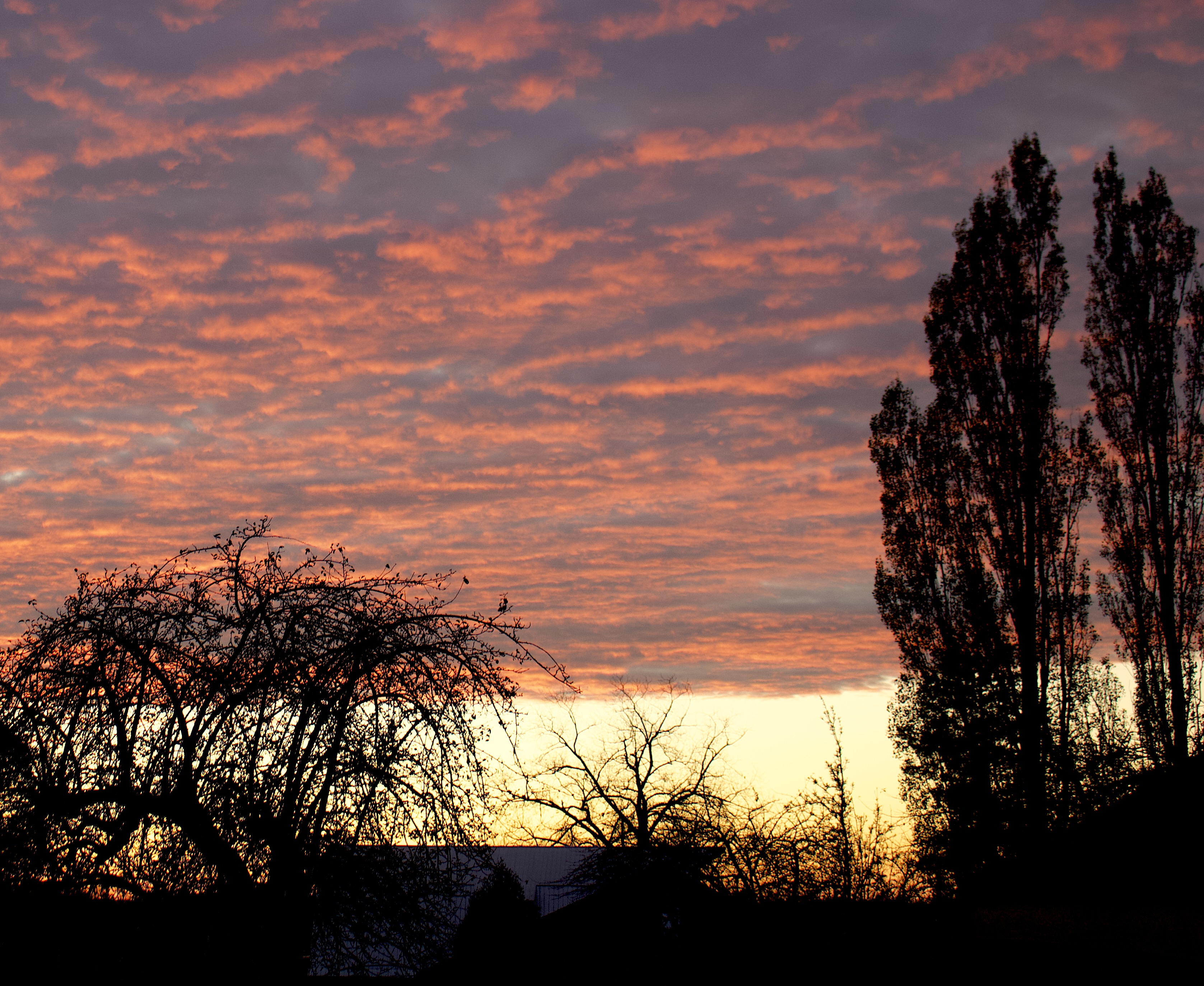
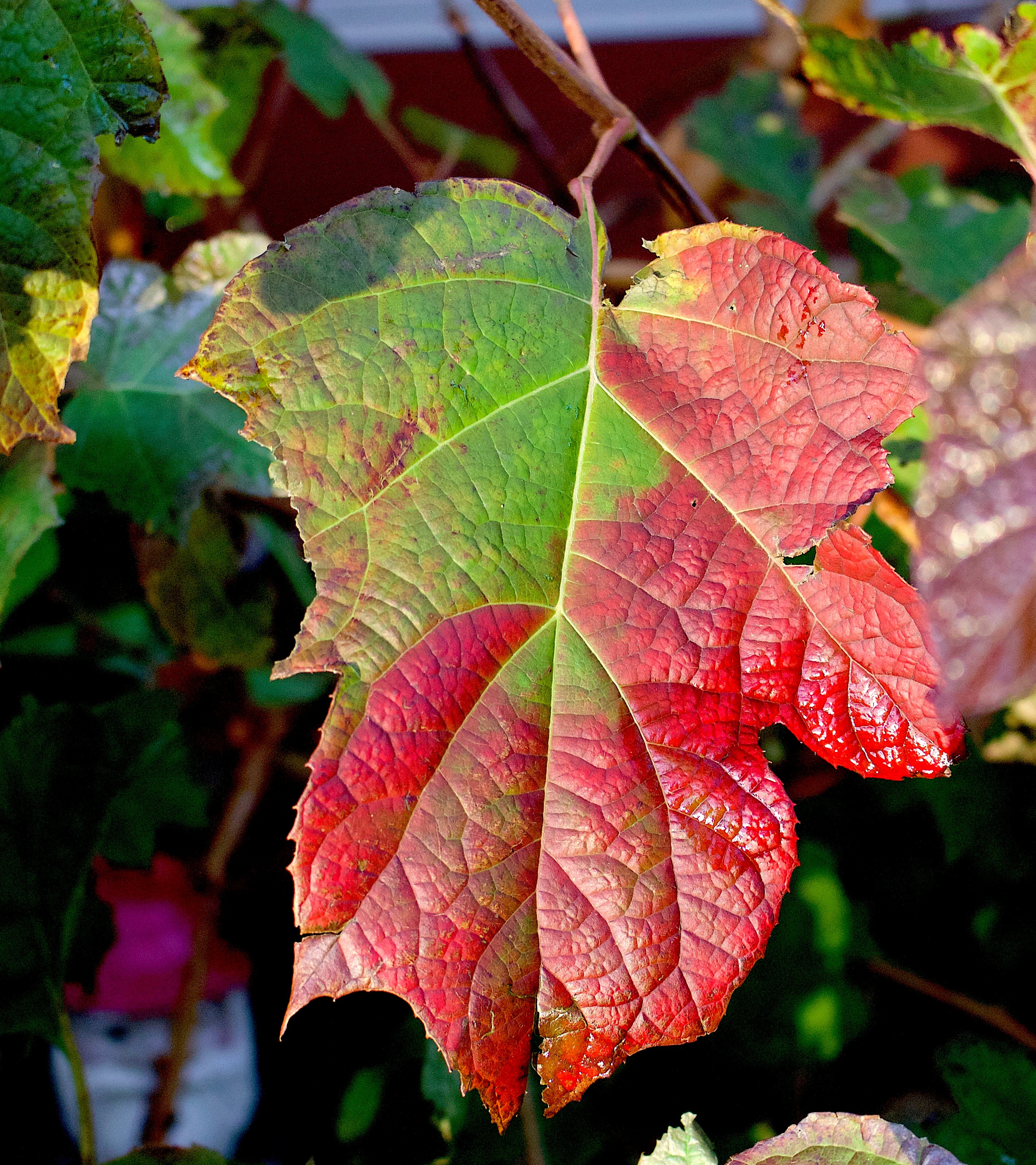
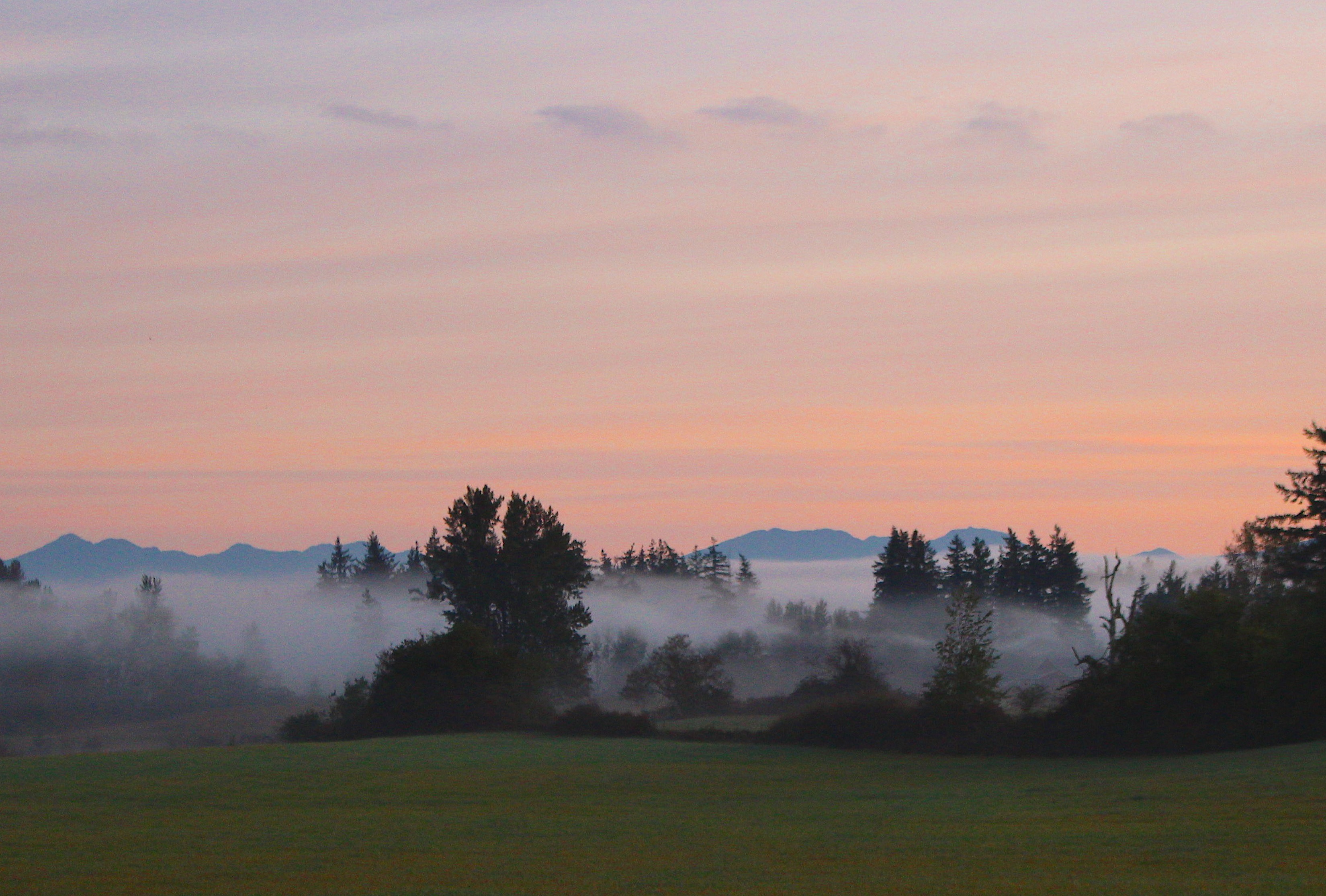
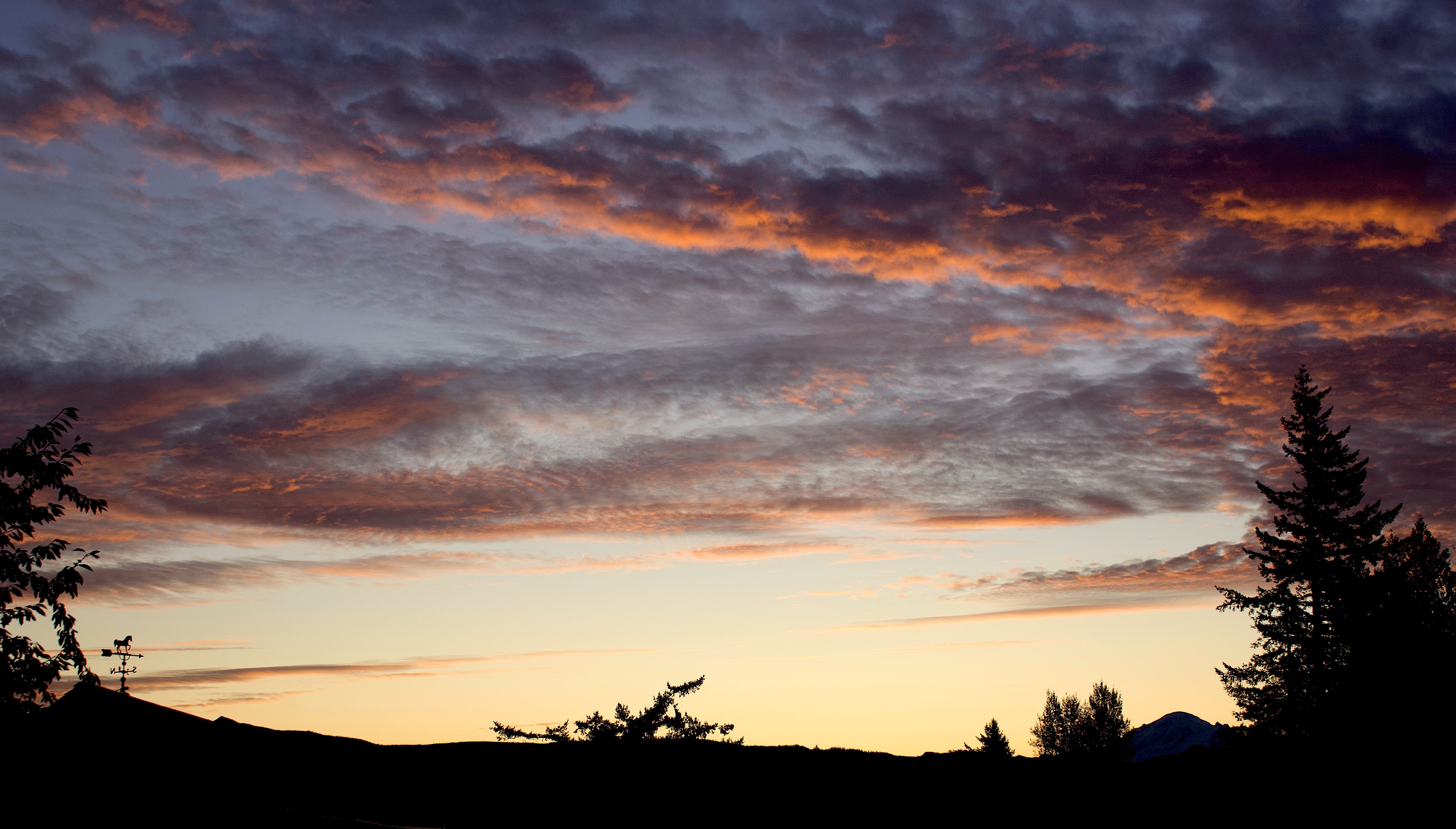
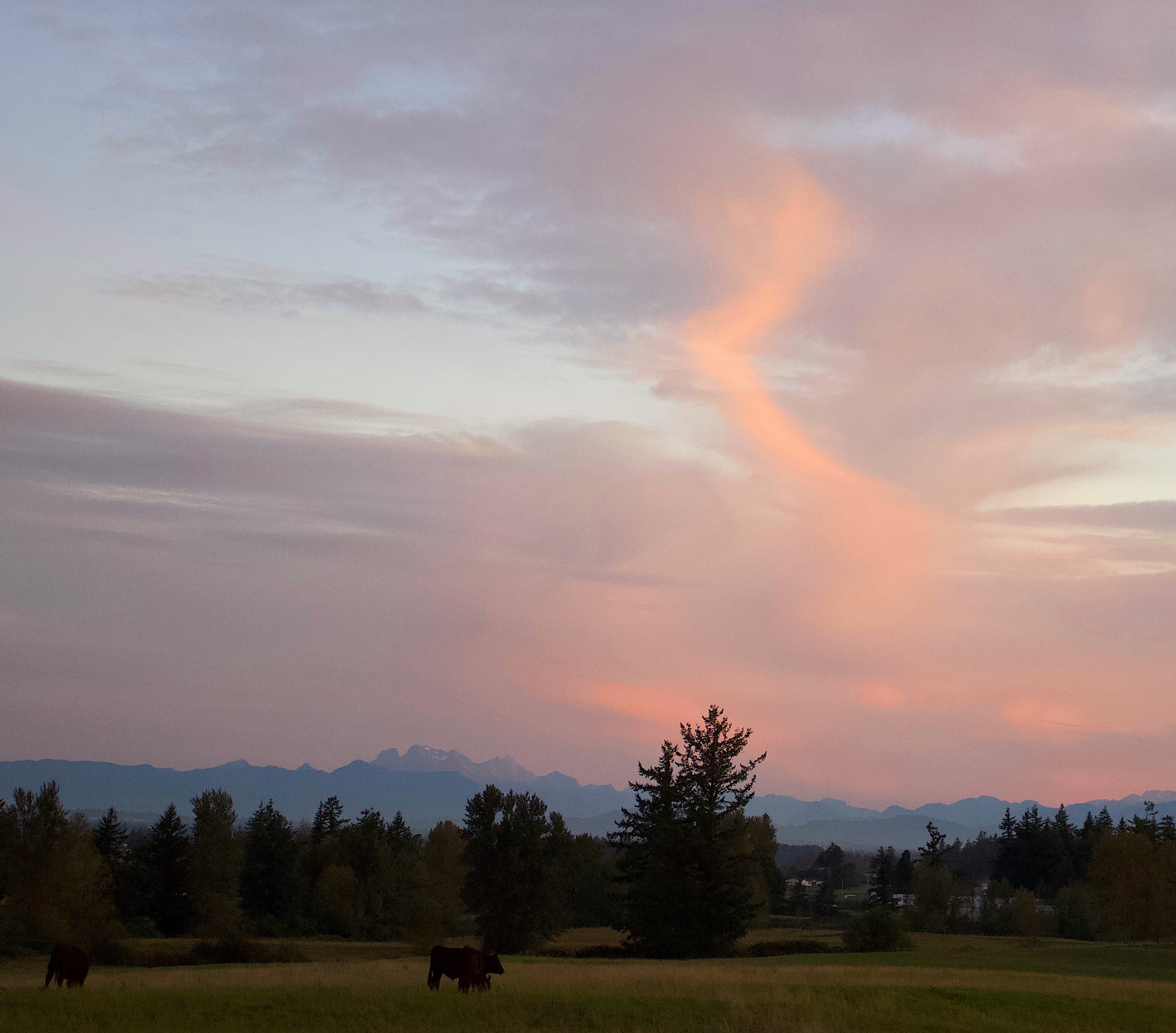
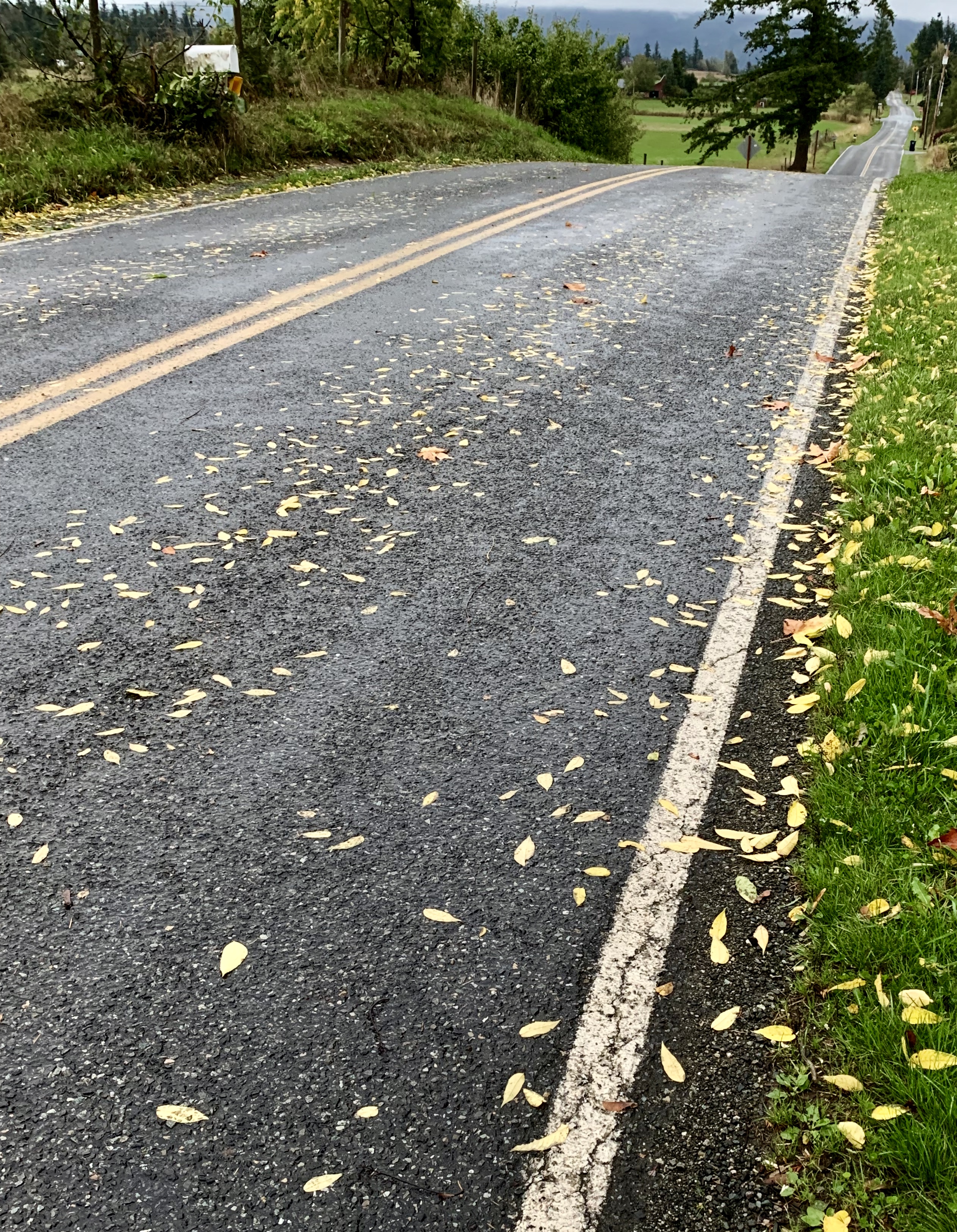
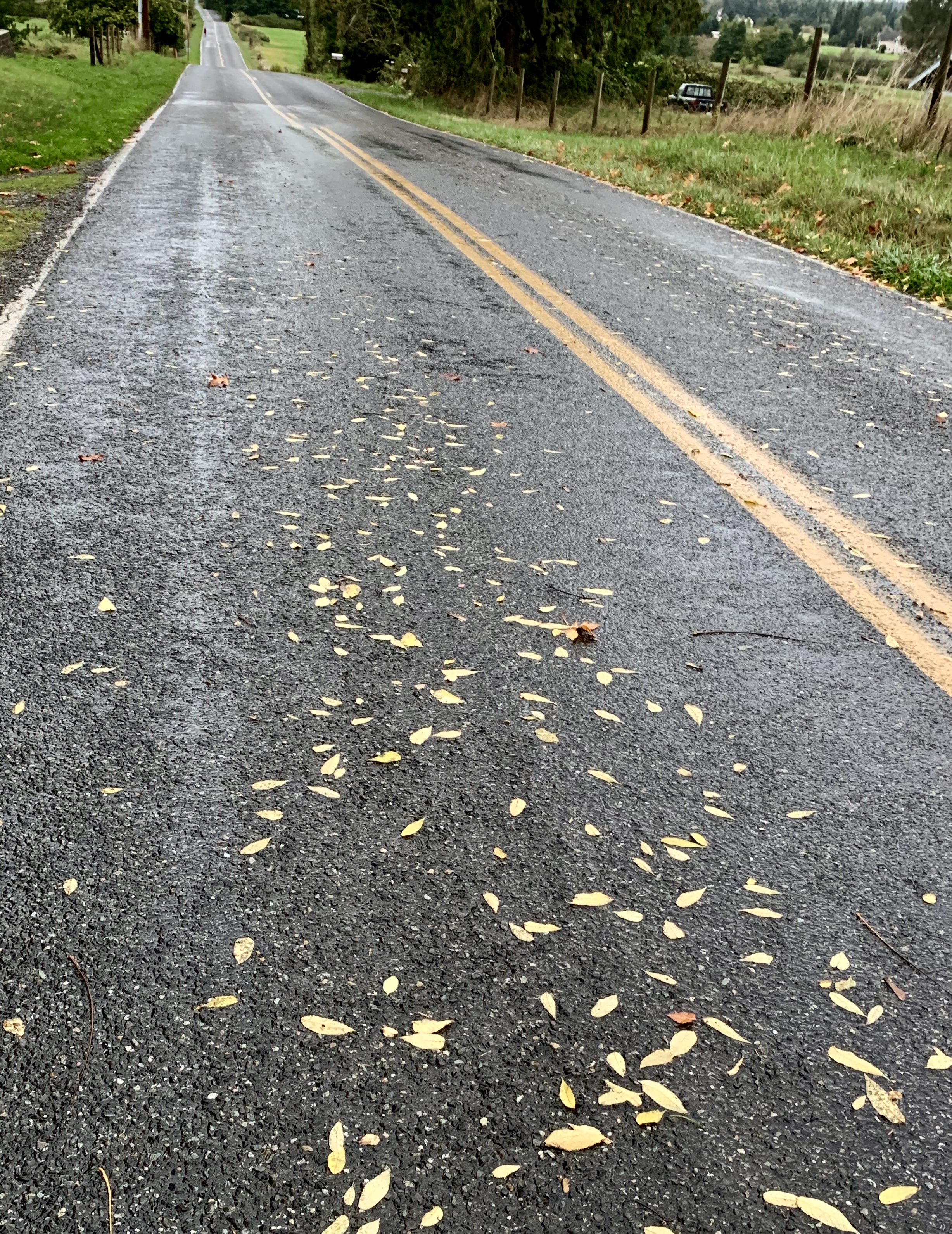
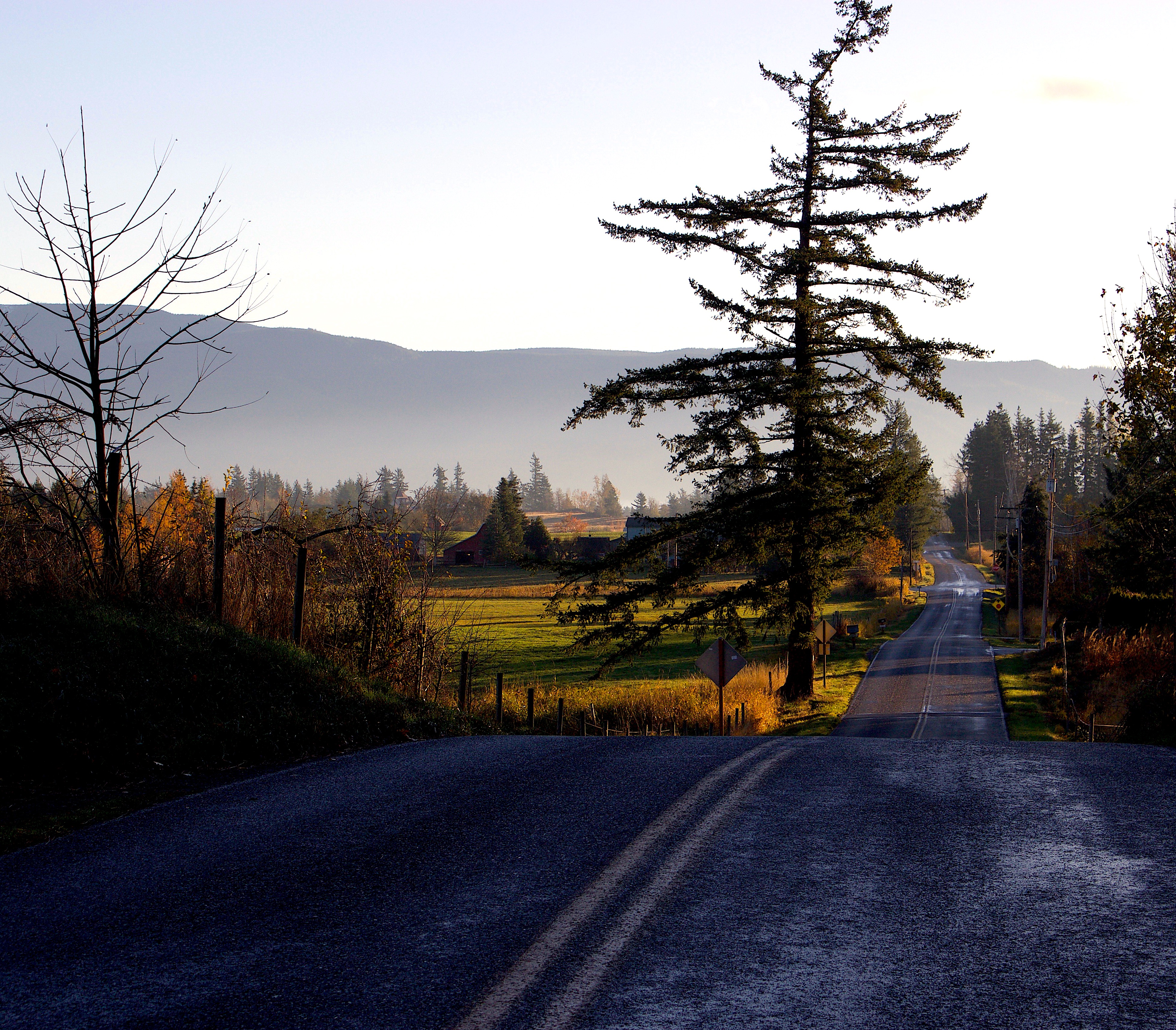
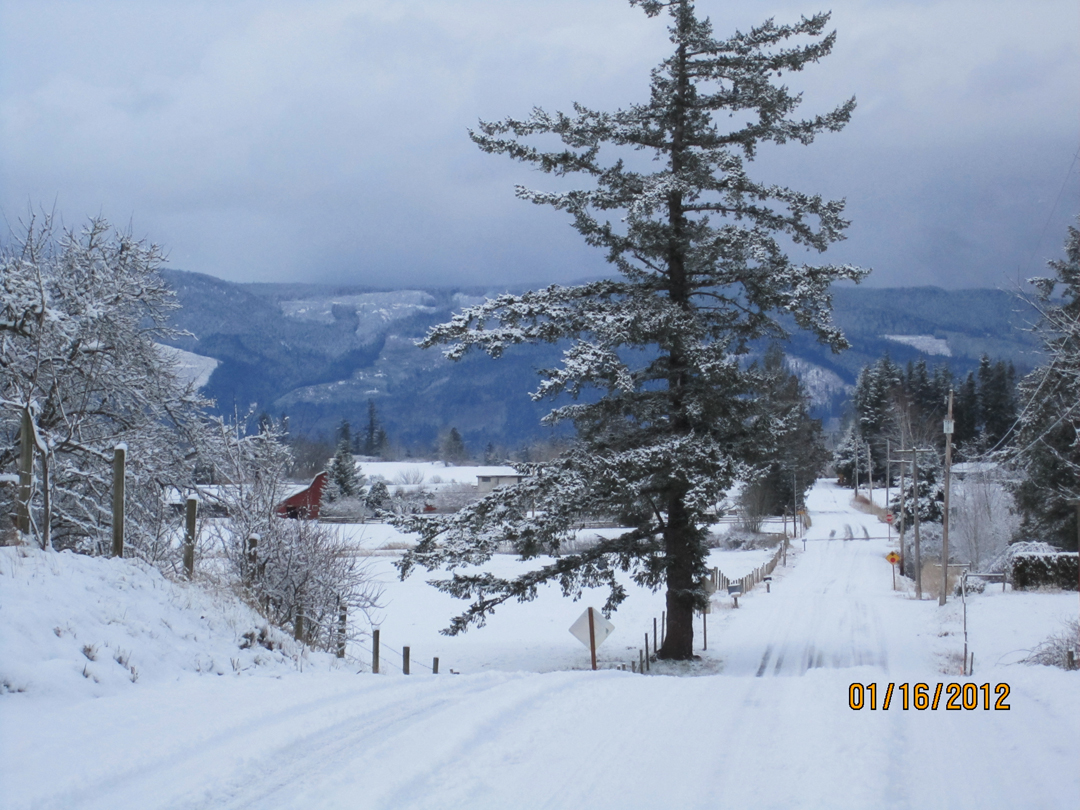
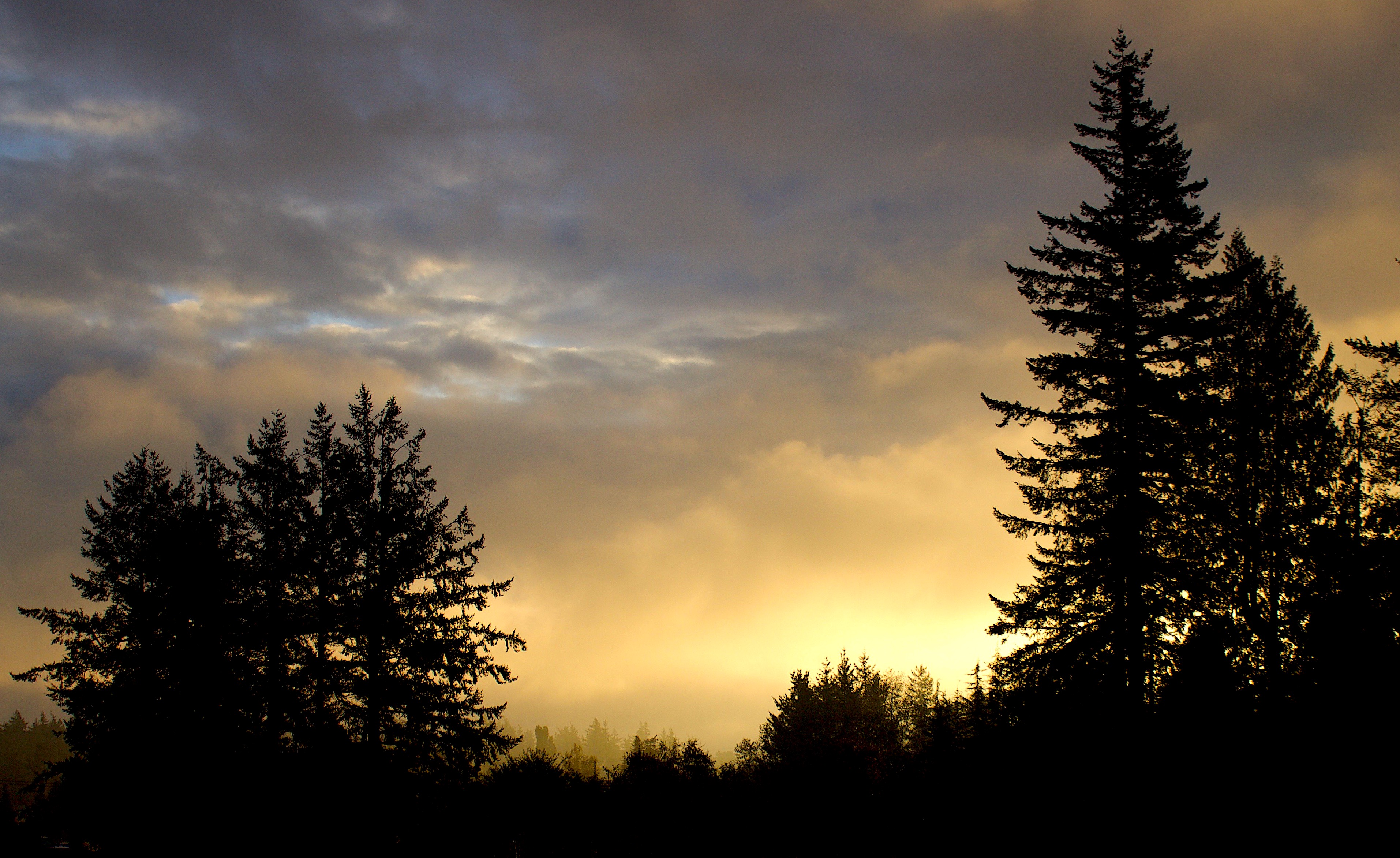
Yet another transition between seasons and adapting to the demands of a new day ~ there is good reason things don’t stay the same.
Air and light and colors change, as do I, as I must.
That perfect tipping point balance is only a moment in time; gone by too fast and I scramble to adjust yet again, holding out hope I can walk carefully, cautiously along the center line.
To be amazed by love is not to be blinded but to let the flare of wonder fill you like air filling a sail.
Isn’t this the voice of God at work?
Even his silence breathes life into you, a golden sigh as fresh as Eden. To love someone is not to lose anything, but to gain it in giving it all away. ~Luci Shaw from “Amazed by Love” in Water Lines
Lovers must not live for themselves alone. They must finally turn their gaze at one another back toward the community. If they had only themselves to consider, lovers would not need to marry, but they must think of others and of other things. They say their vows to the community as much as to one another, and the community gathers around them to hear and to wish them well, on their behalf and on its own. It gathers around them because it understands how necessary, how joyful, and how fearful this joining is. These lovers, pledging themselves to one another “until death,” are giving themselves away… Lovers, then, “die” into their union with one another as a soul “dies” into its union with God.
And so, here, at the very heart of community life, we find … this momentous giving. If the community cannot protect this giving, it can protect nothing—and our time is proving that this is so. ~Wendell Berry fromSex, Economy, Freedom & Community
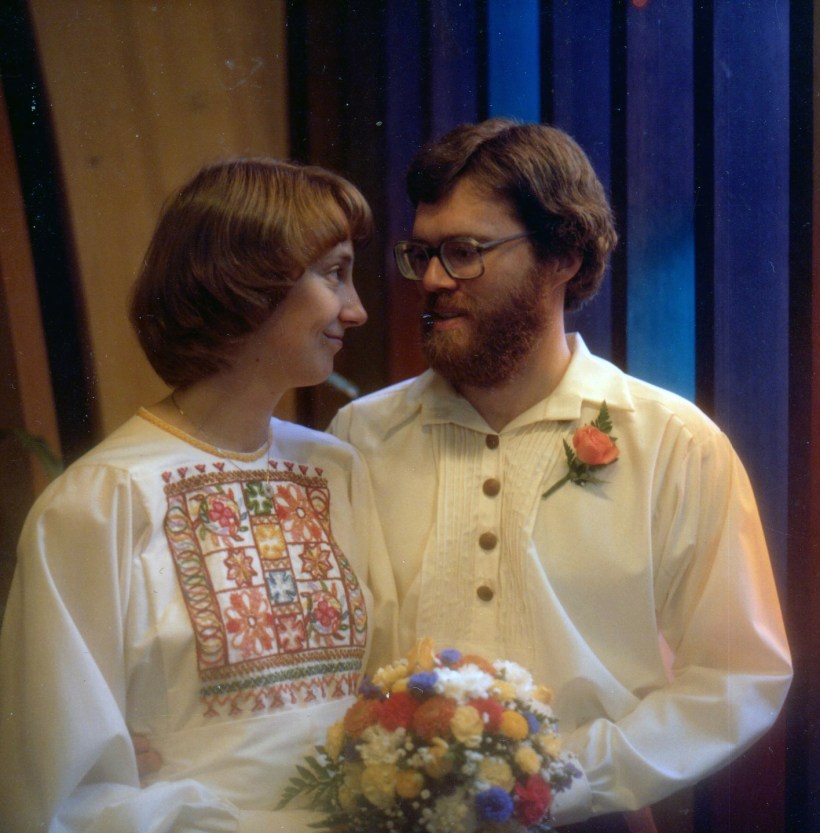
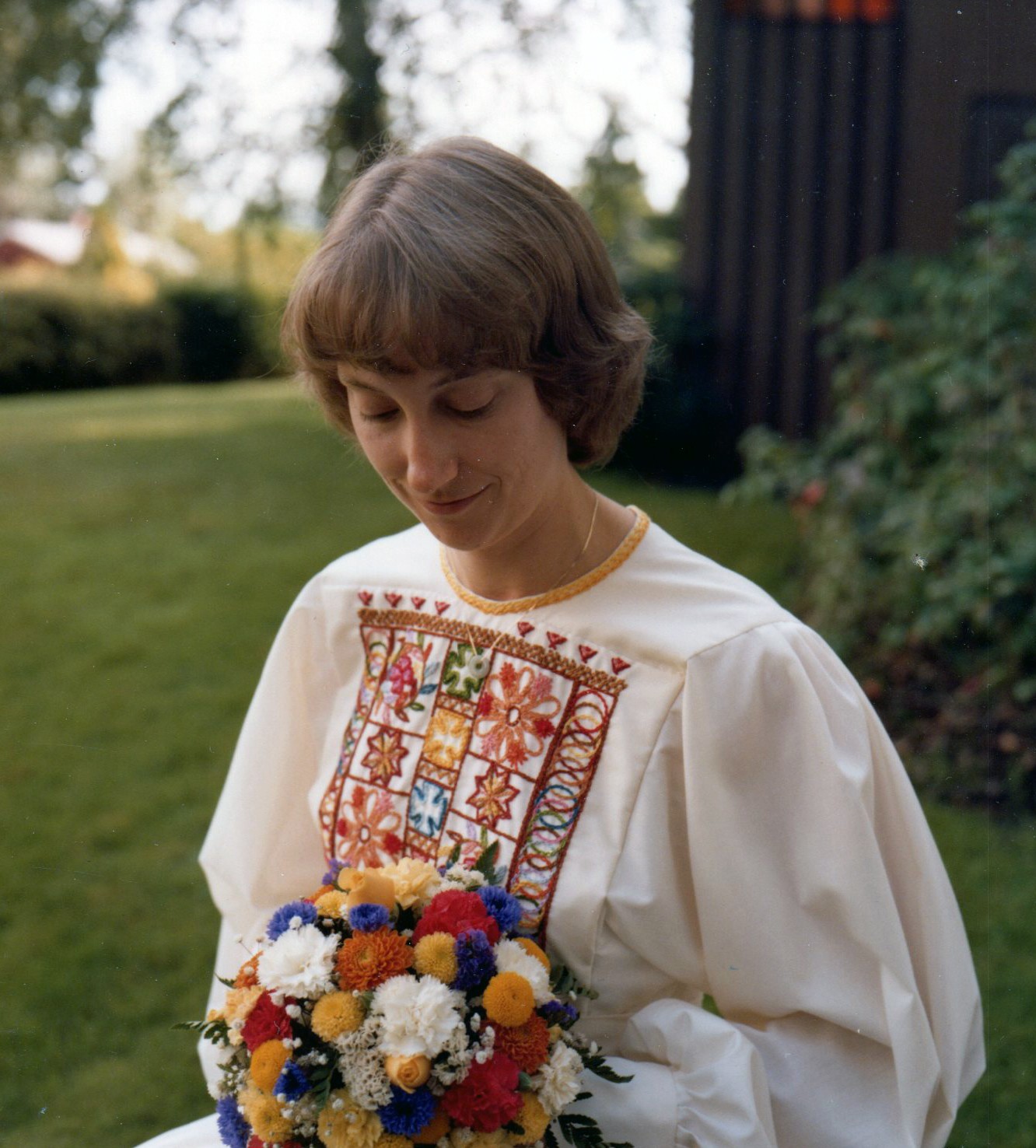
Before God and this gathering, I vow from my heart and spirit that I will be your wife/husband for as long as we both shall live.
I will love you with faithfulness, knowing its importance in sustaining us through good times and bad.
I will love you with respect, serving your greatest good and supporting your continued growth.
I will love you with compassion, knowing the strength and power of forgiveness.
I will love you with hope, remembering our shared belief in the grace of God and His guidance of our marriage.
“And at home, by the fire, whenever you look up, there I shall be–and whenever I look up, there will be you.”
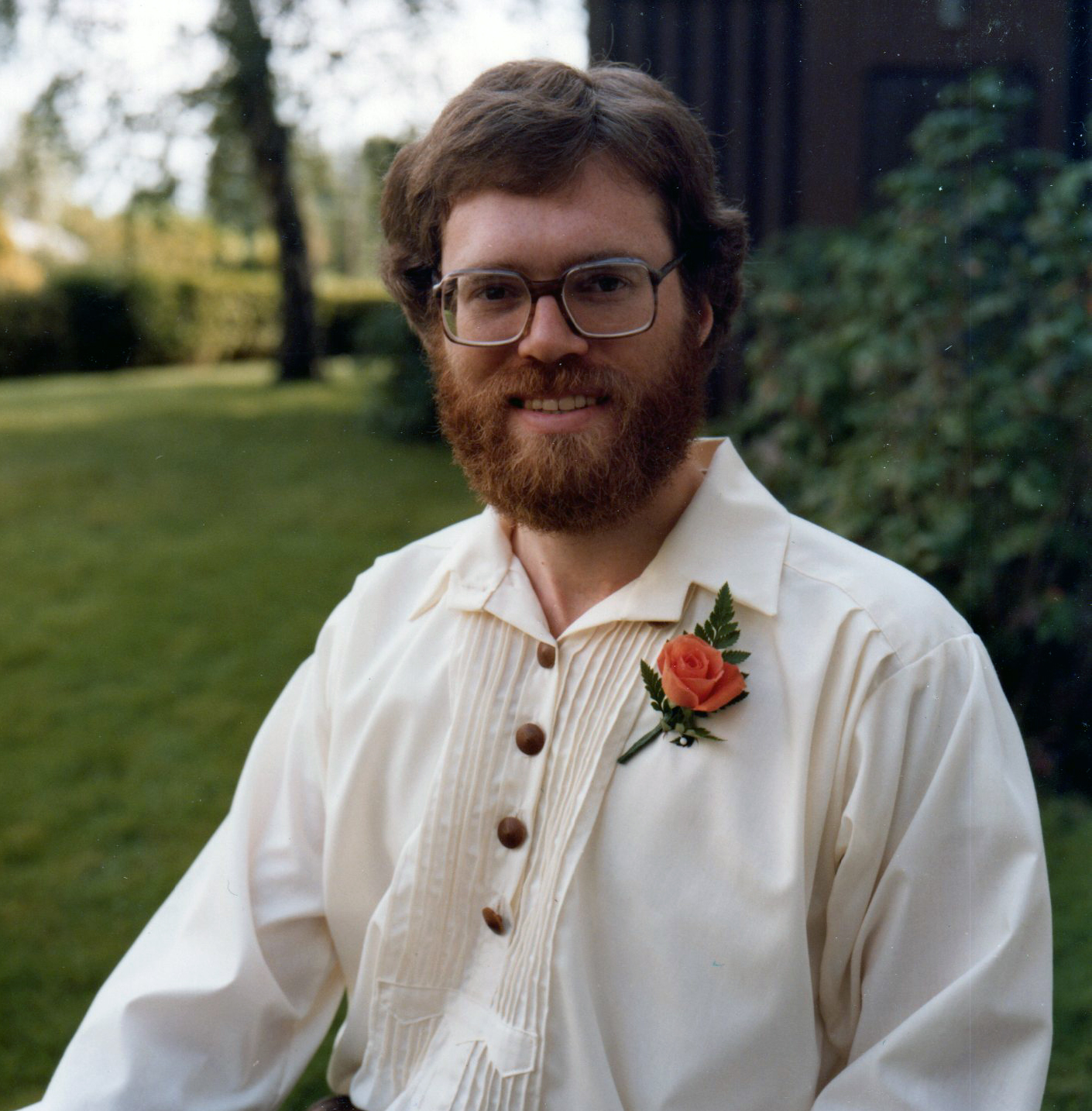
(our wedding vows for our September 19, 1981 wedding at First Seattle Christian Reformed Church — the last line adapted from Thomas Hardy’s “Far From the Madding Crowd”)






 Barnstorming