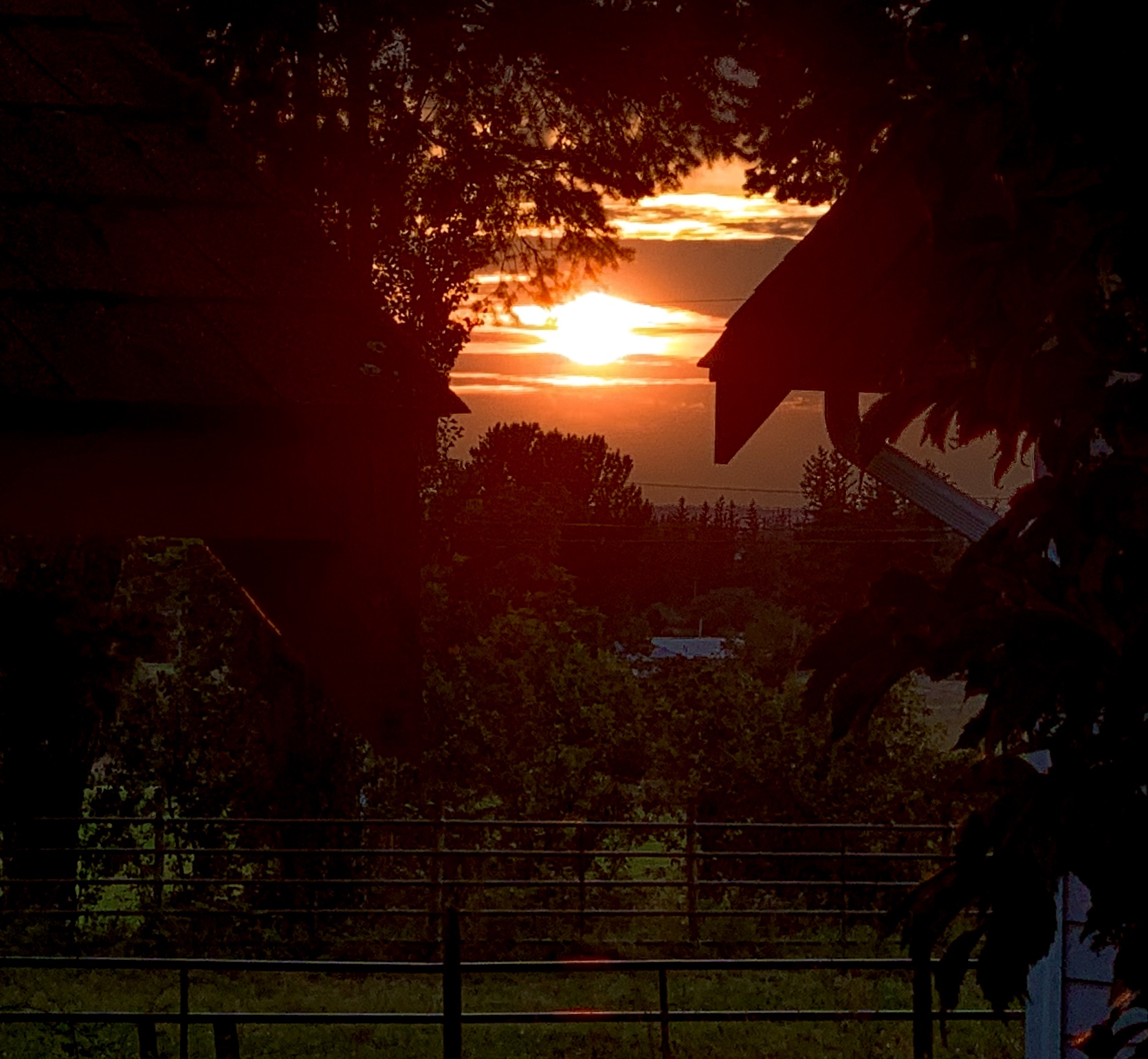
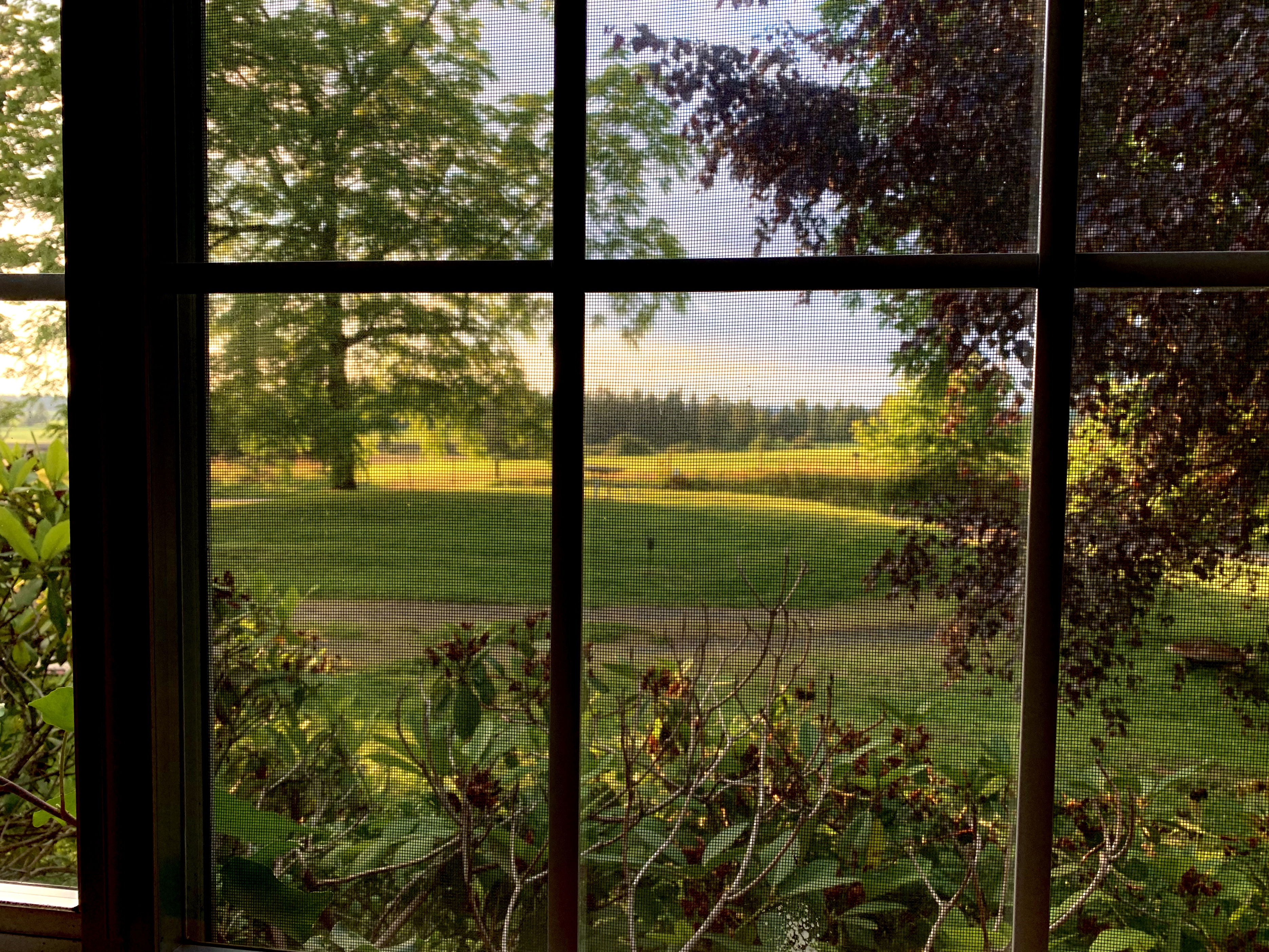
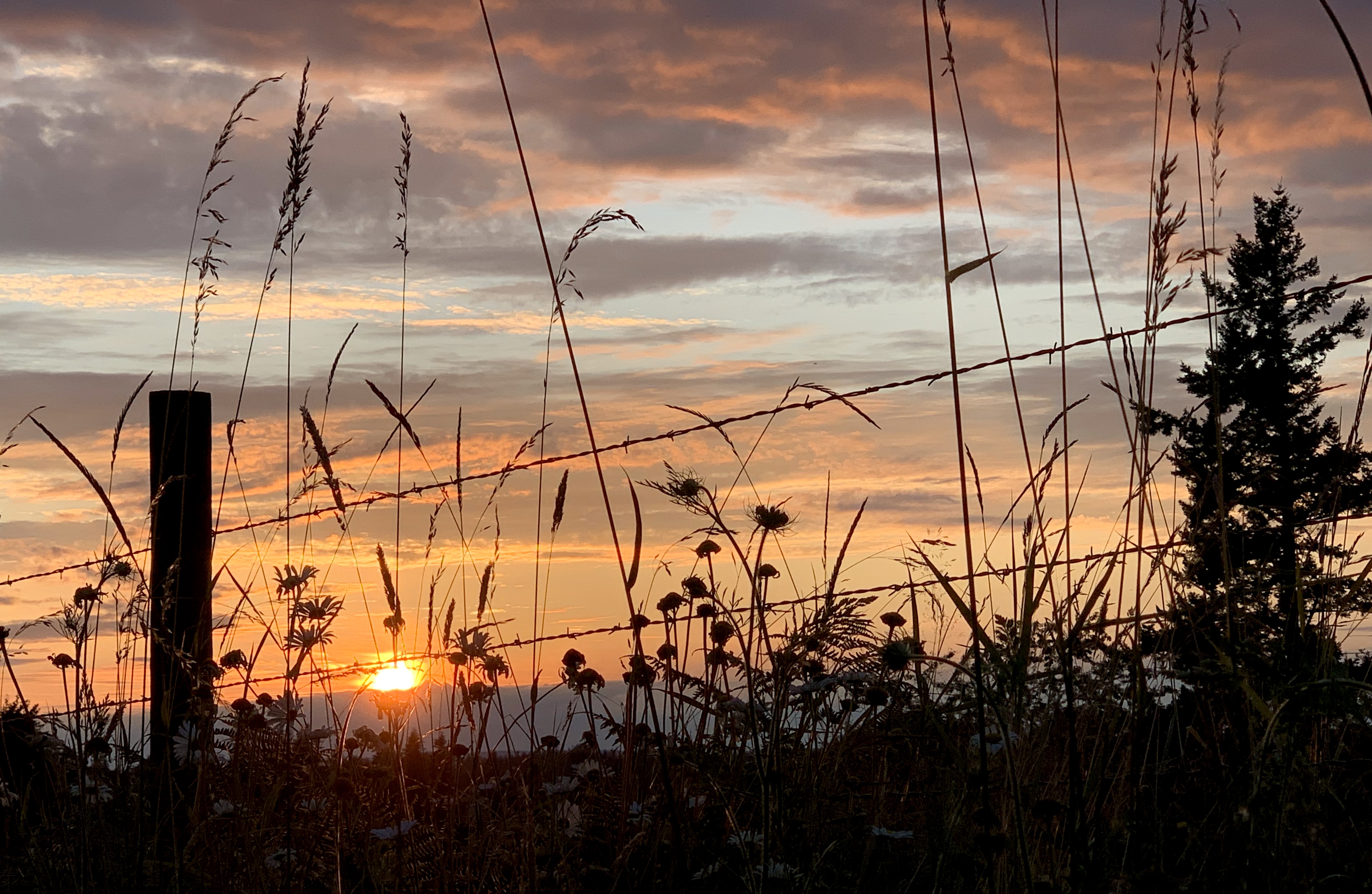
Just past dawn, the sun stands with its heavy red head in a black stanchion of trees, waiting for someone to come with his bucket for the foamy white light, and then a long day in the pasture. I too spend my days grazing, feasting on every green moment till darkness calls, and with the others I walk away into the night, swinging the little tin bell of my name. ~Ted Kooser “A Birthday Poem”
This is not a usual summer, lacking boisterous gatherings of family and friends, missing our endless July outdoor meals~ instead staying in place, quietly feasting upon each gifted moment while close-crop grazing ’til I’m full up and spilling over, ready to someday again share all I have until empty.
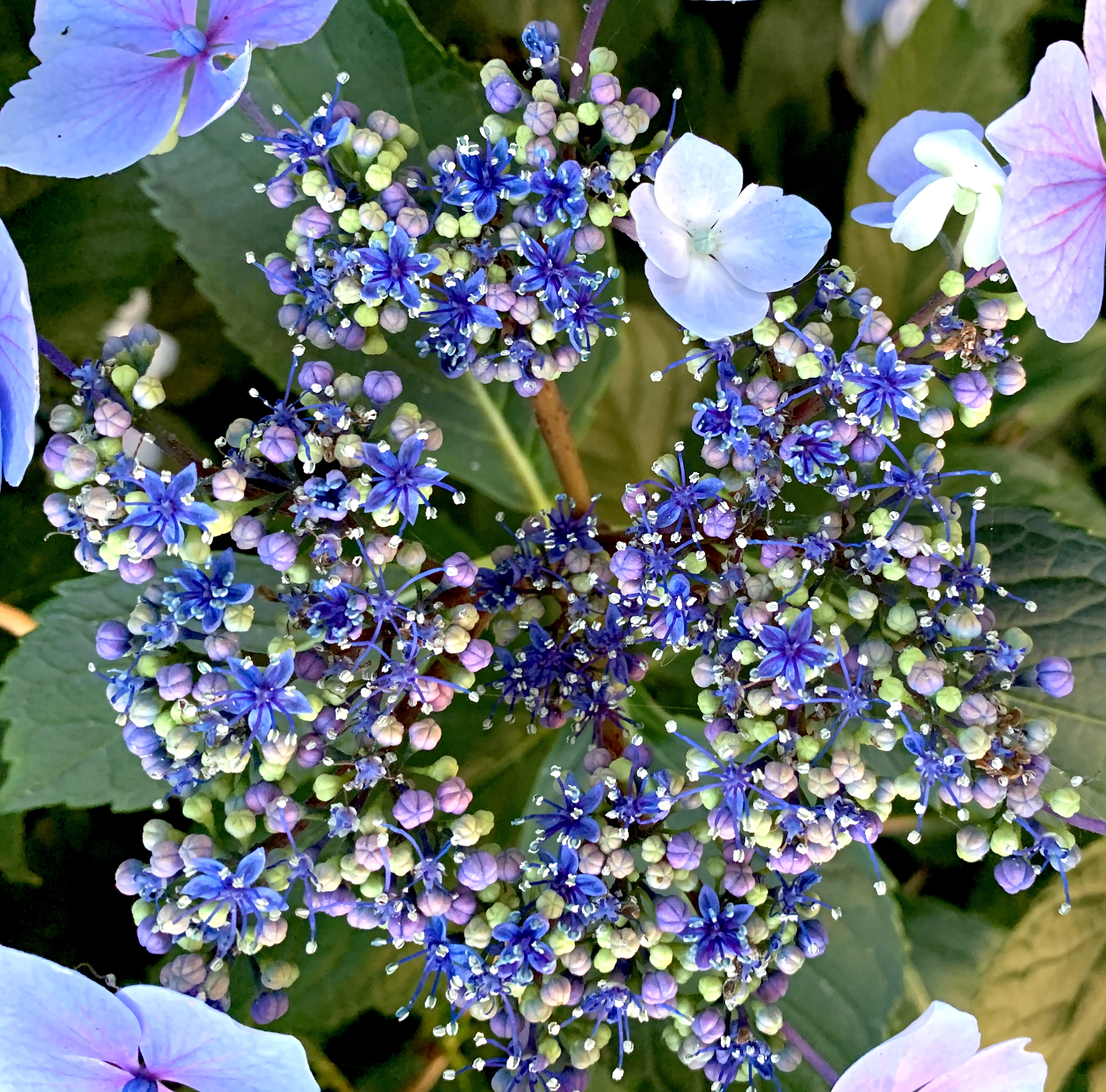
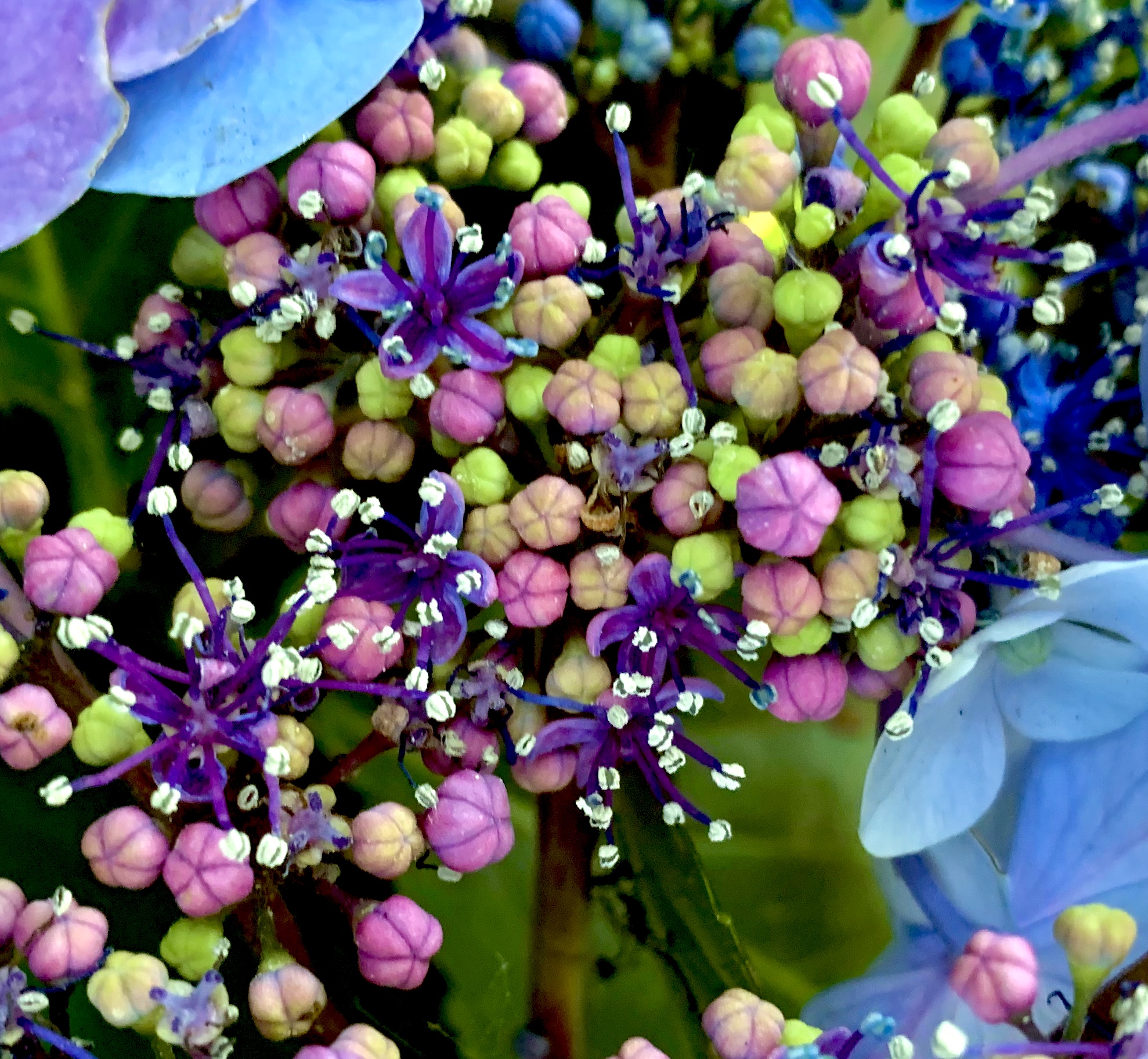
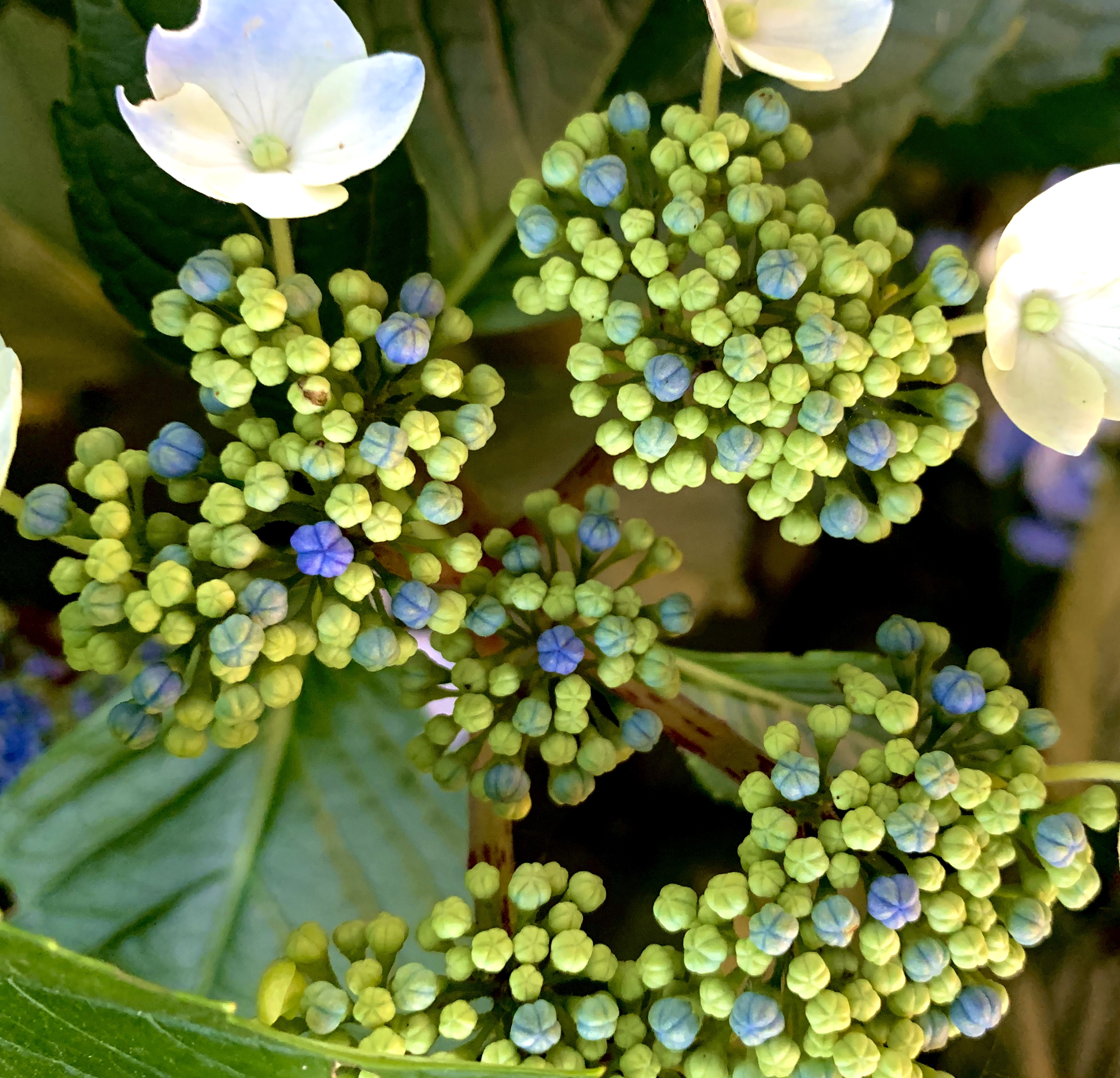
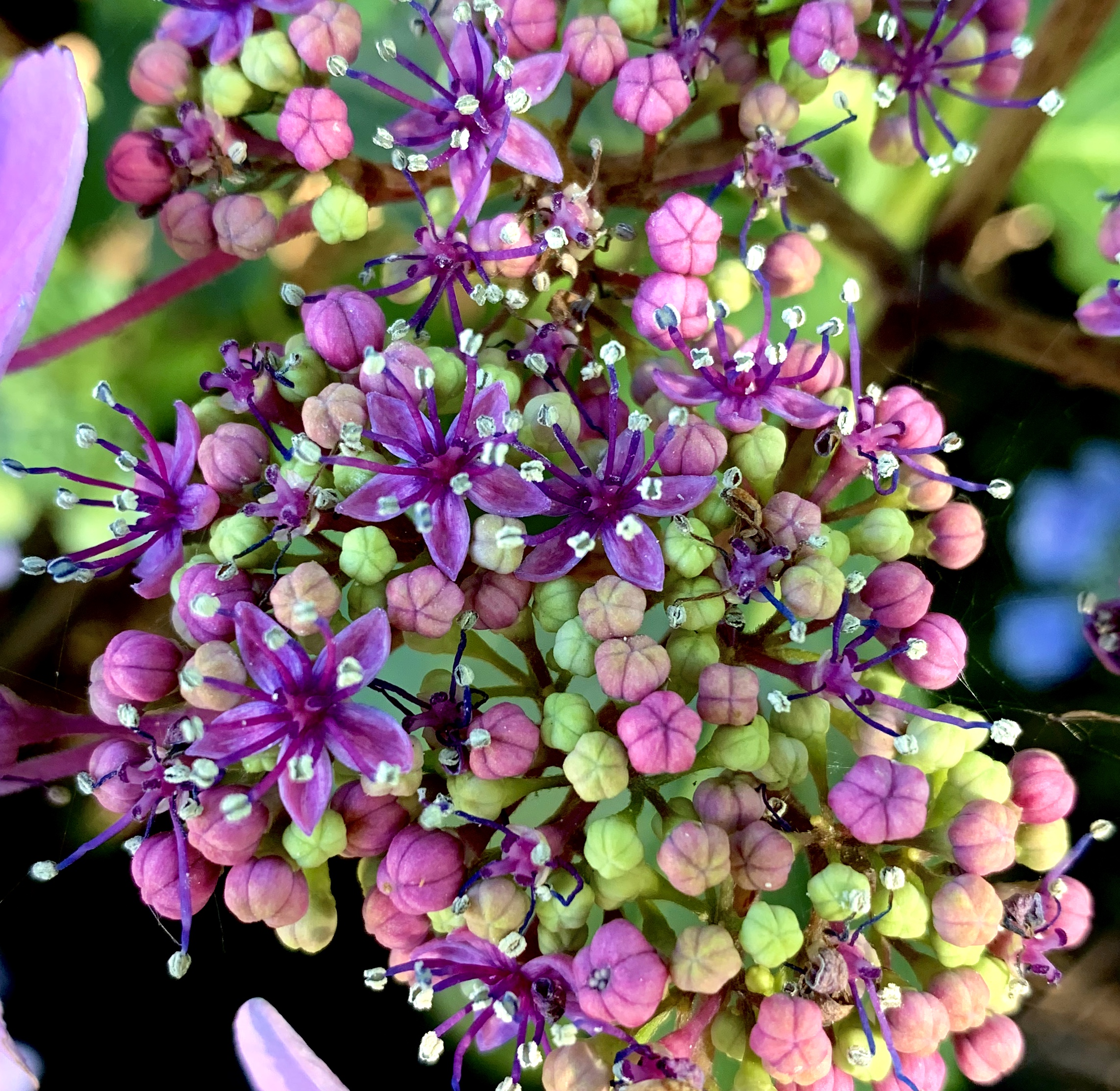
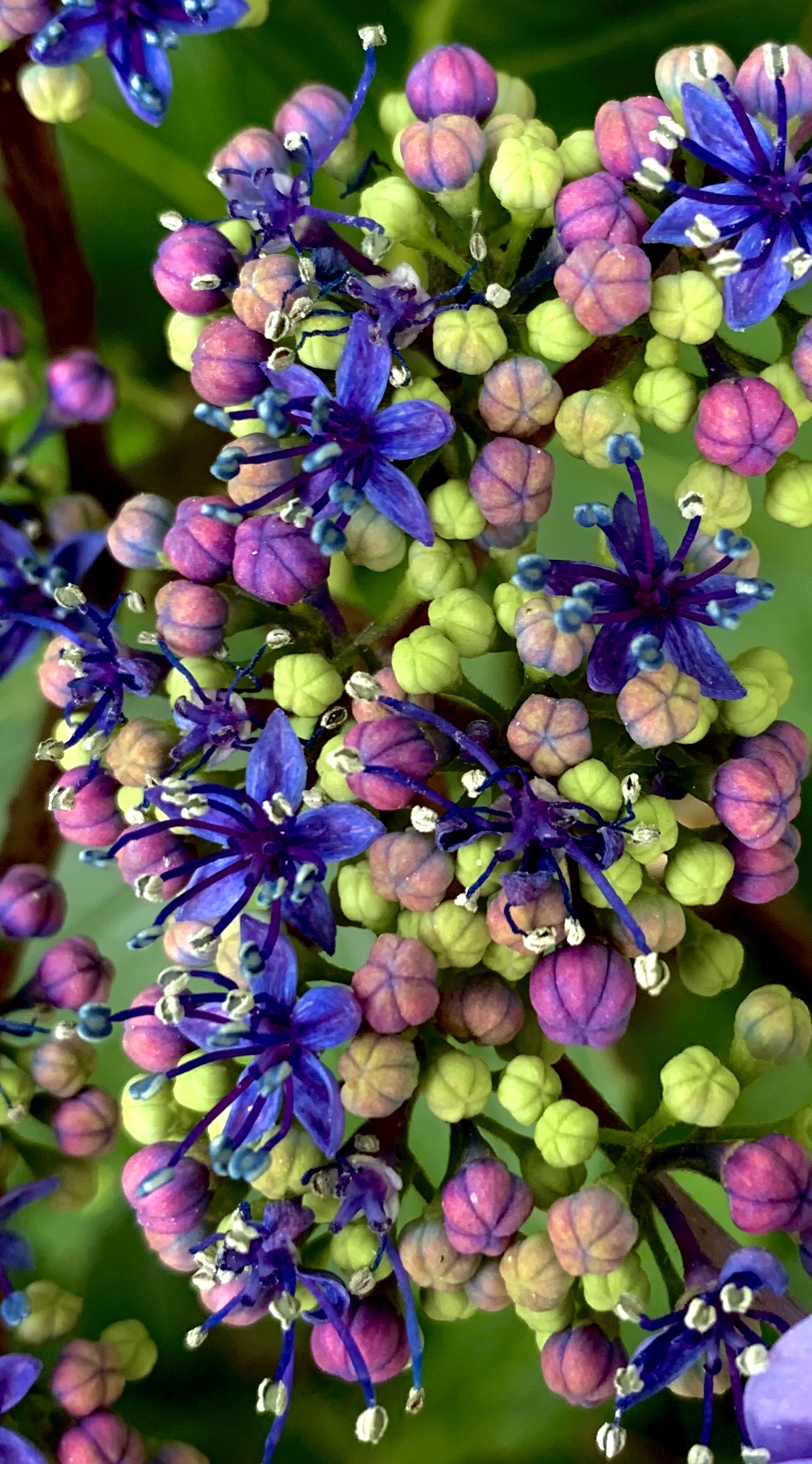
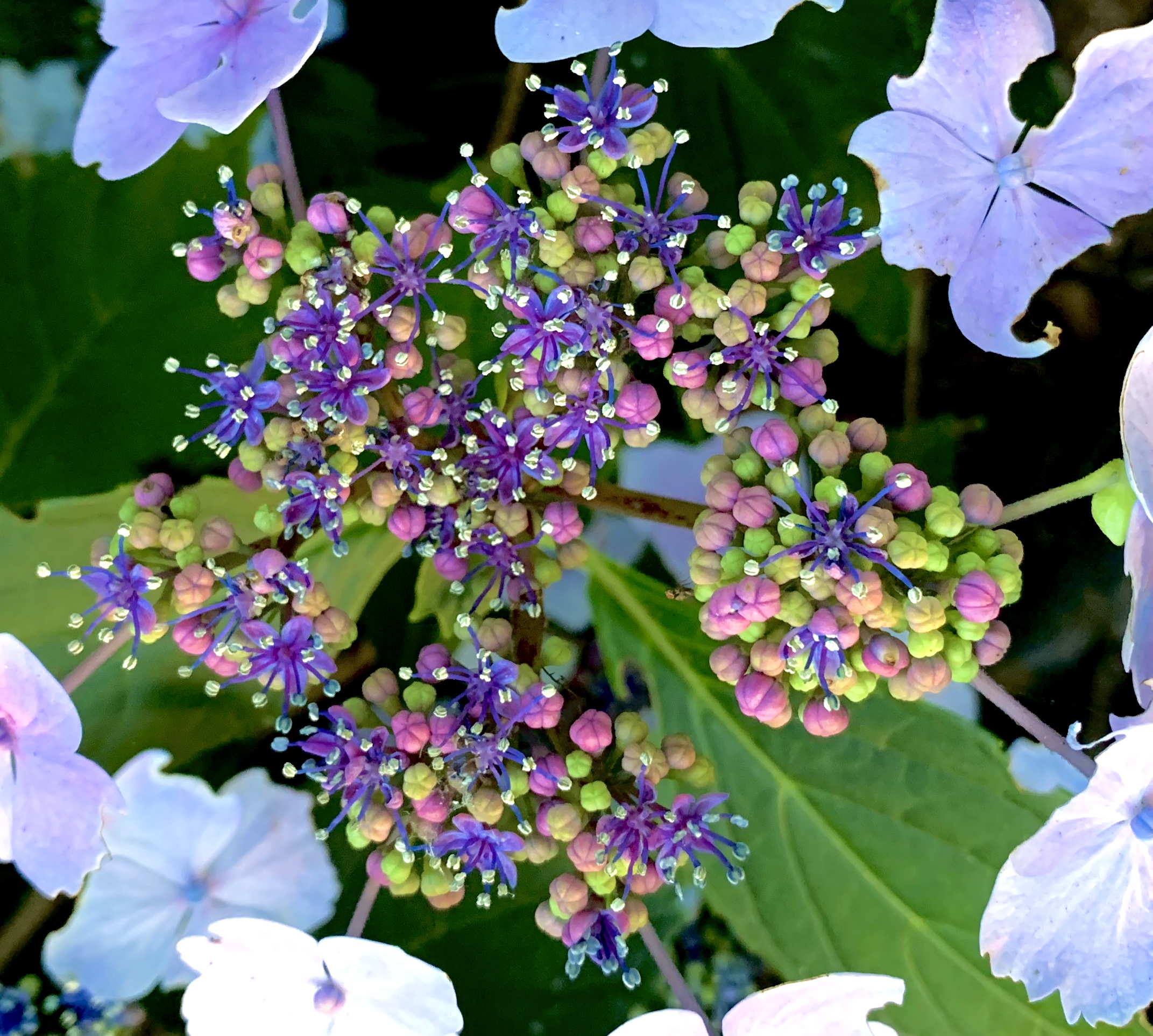
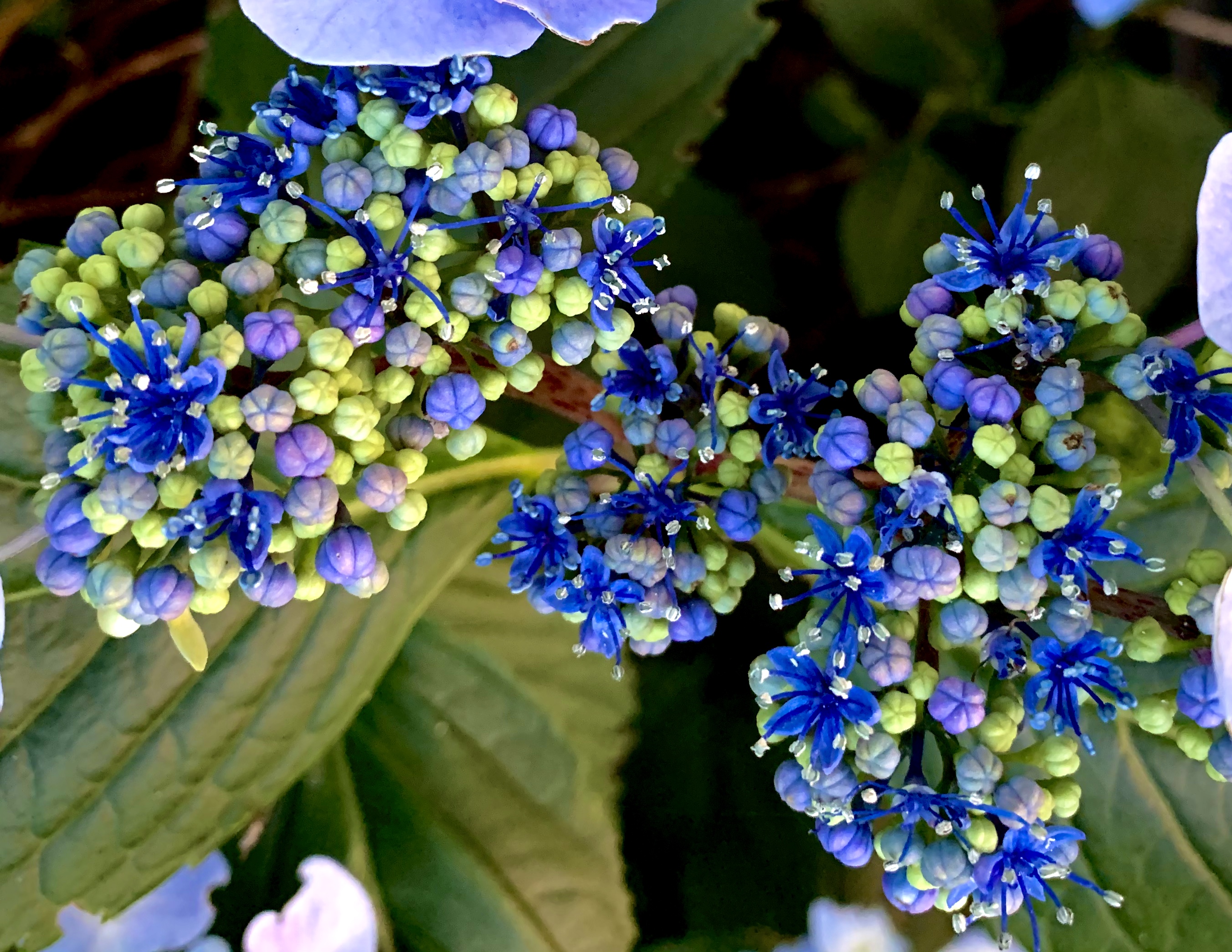
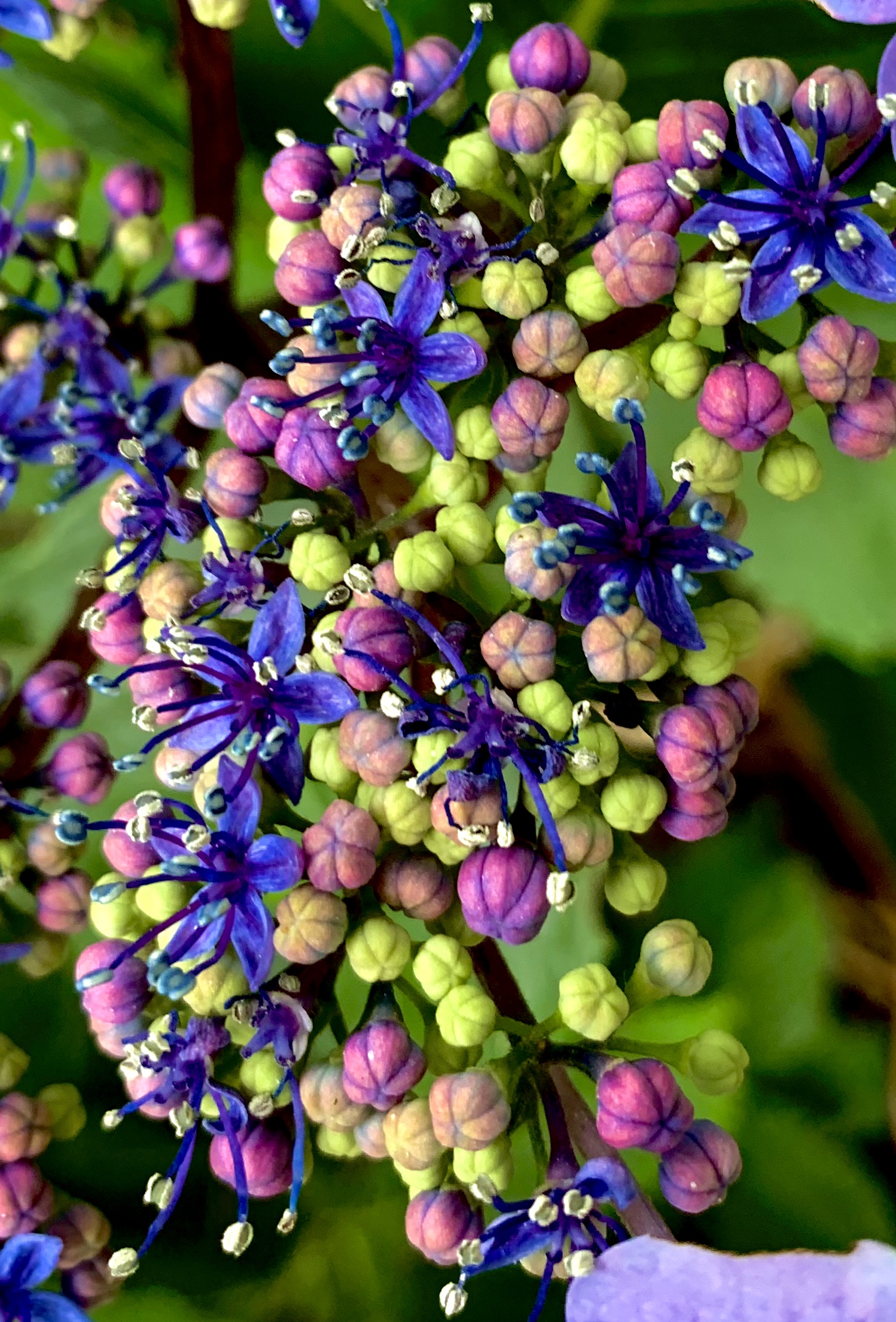
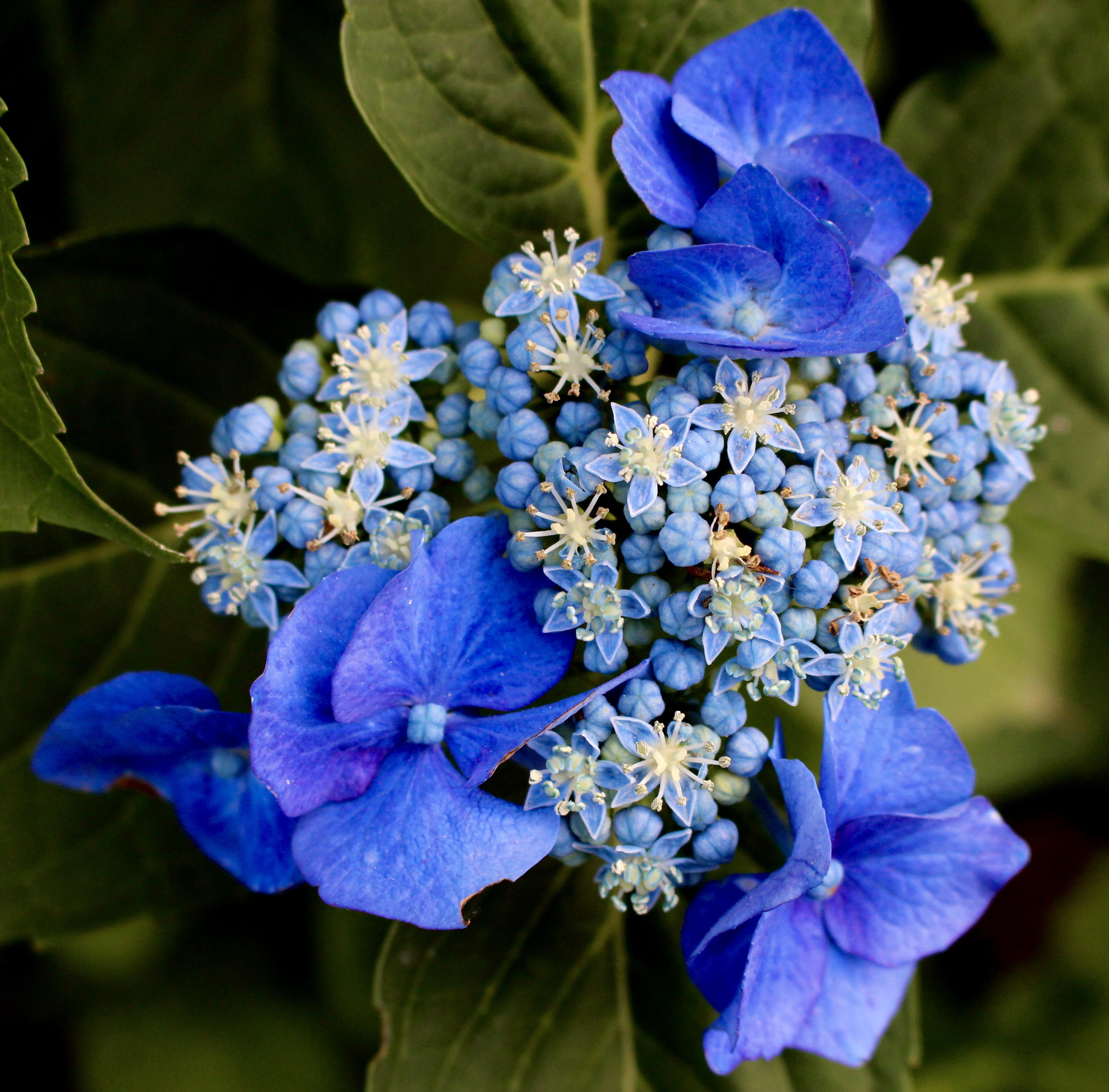
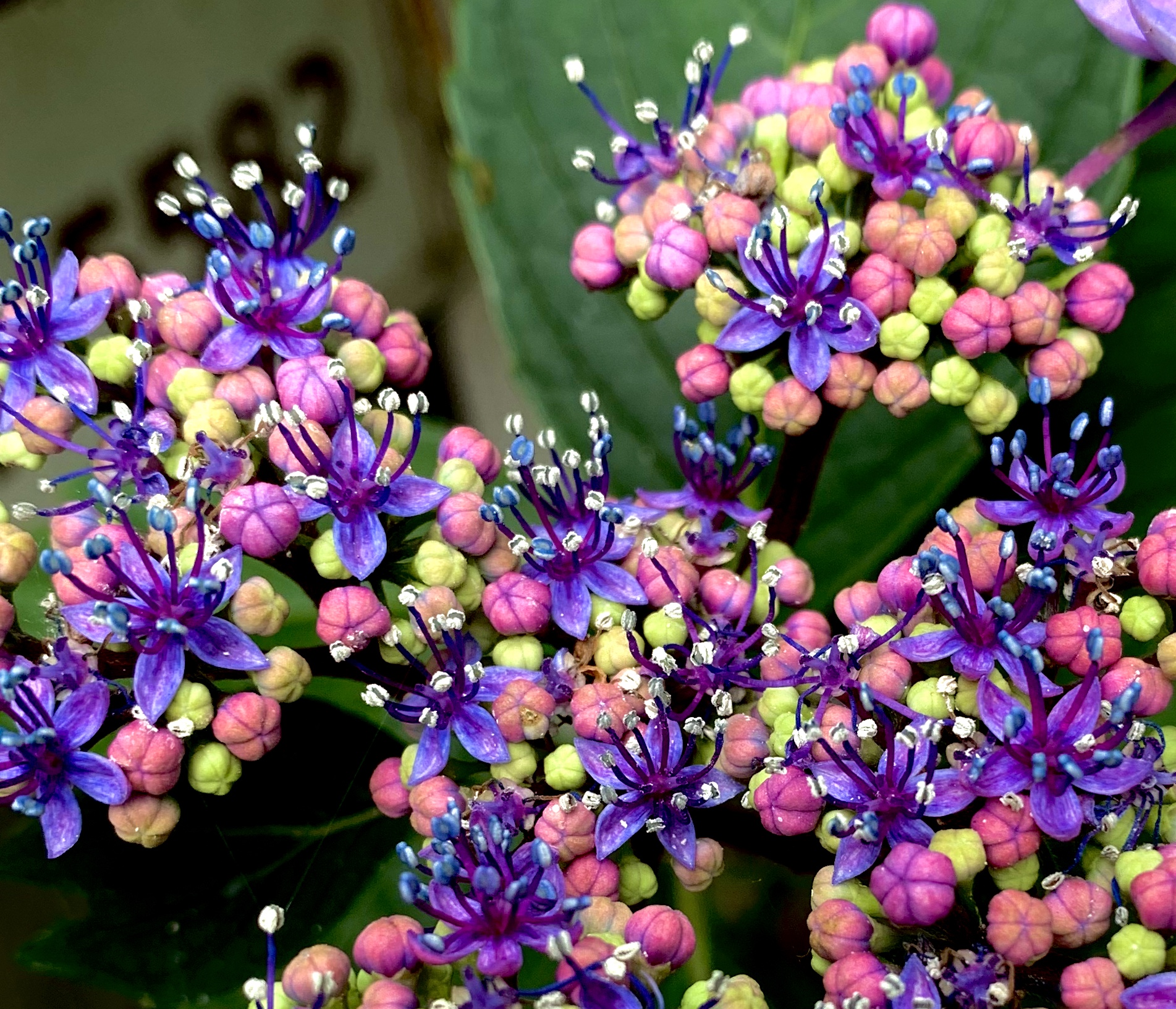
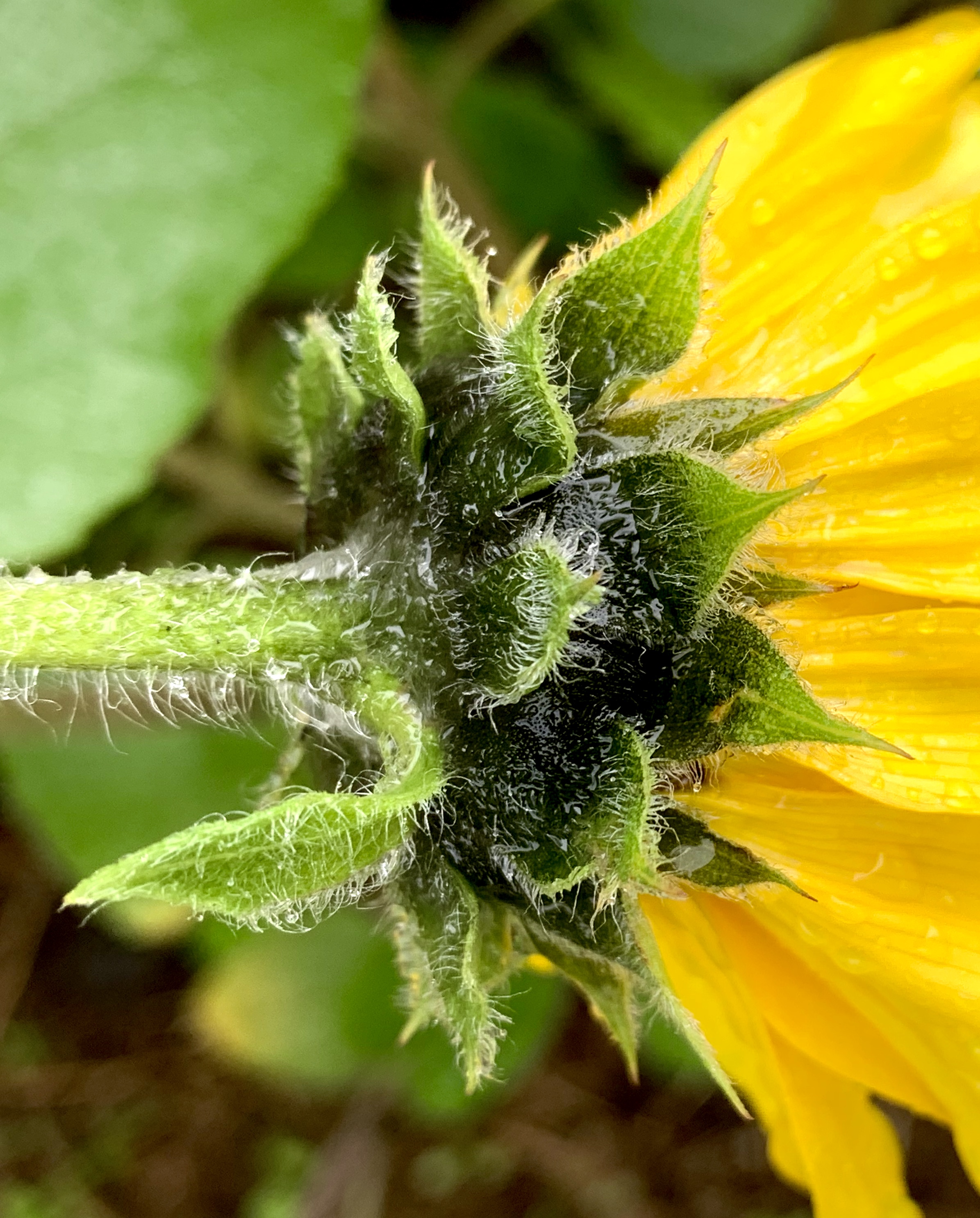
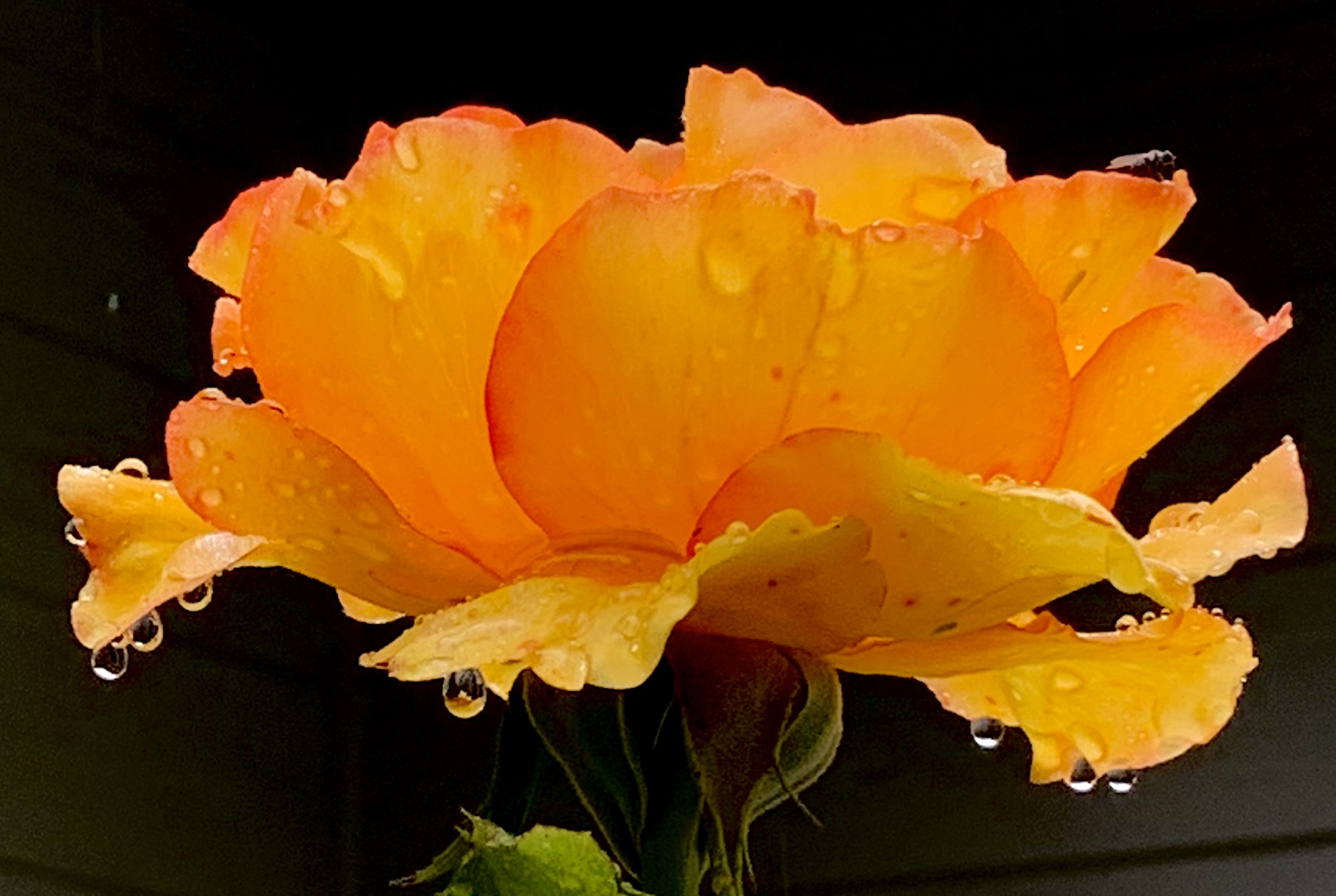
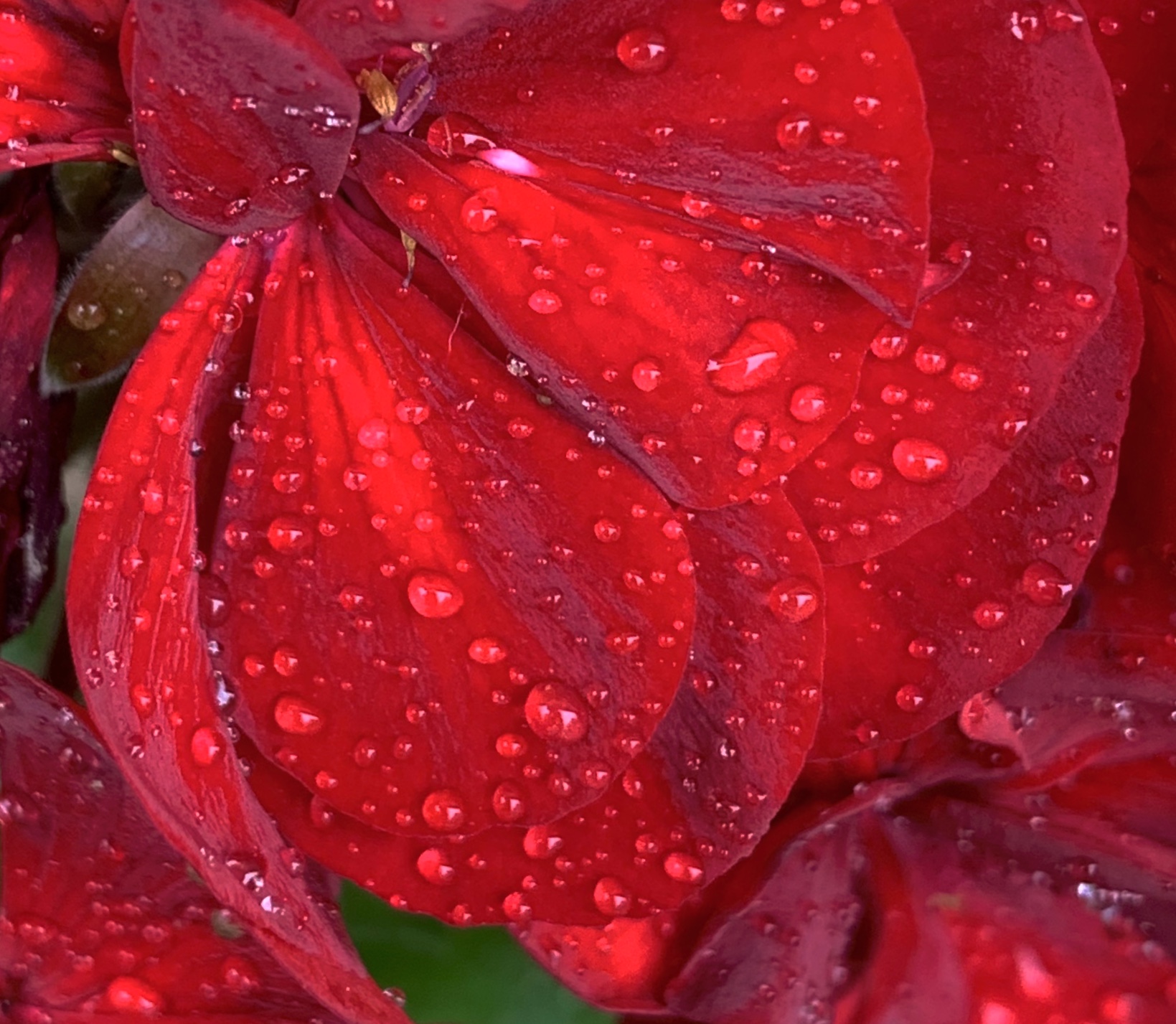
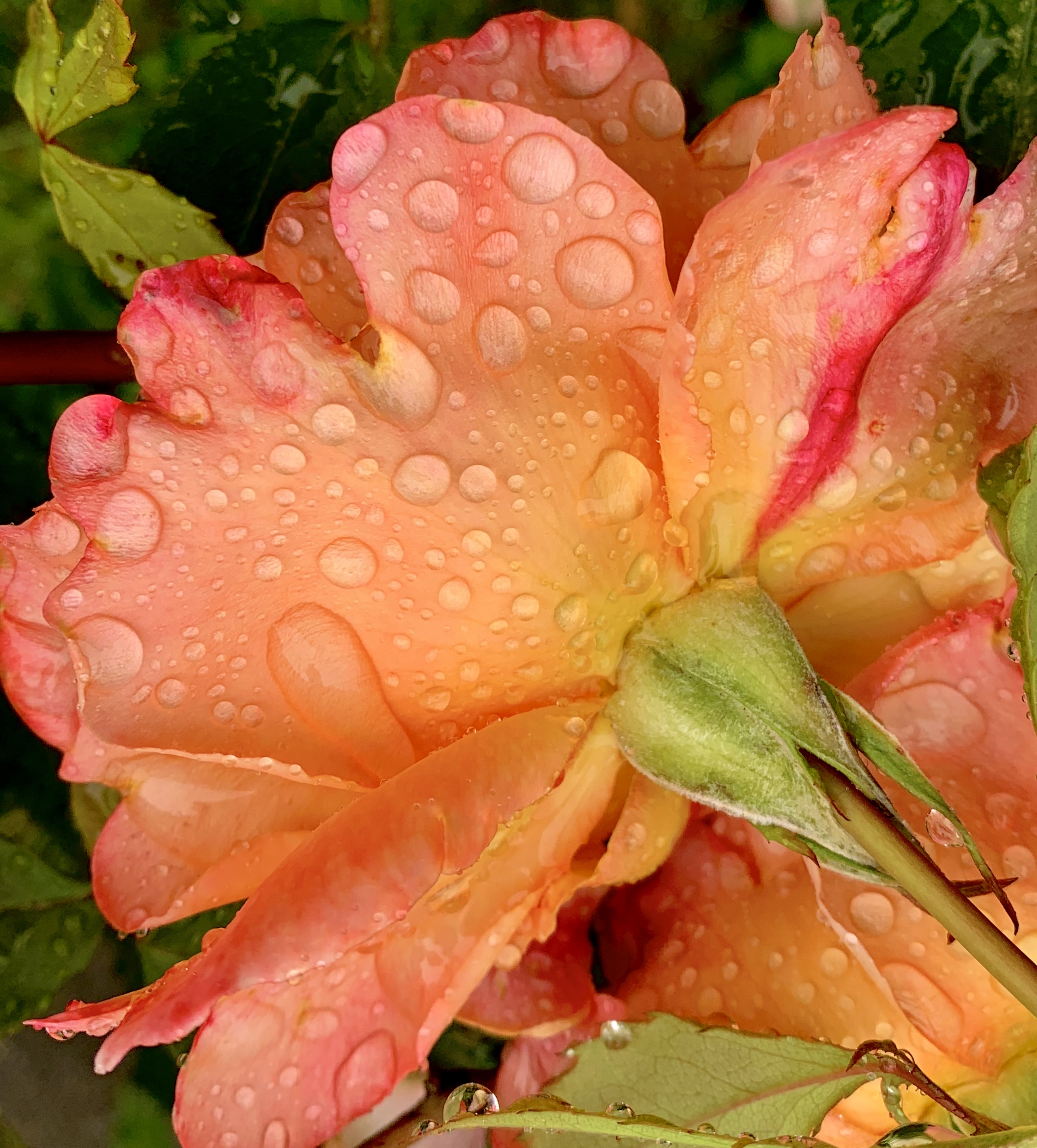
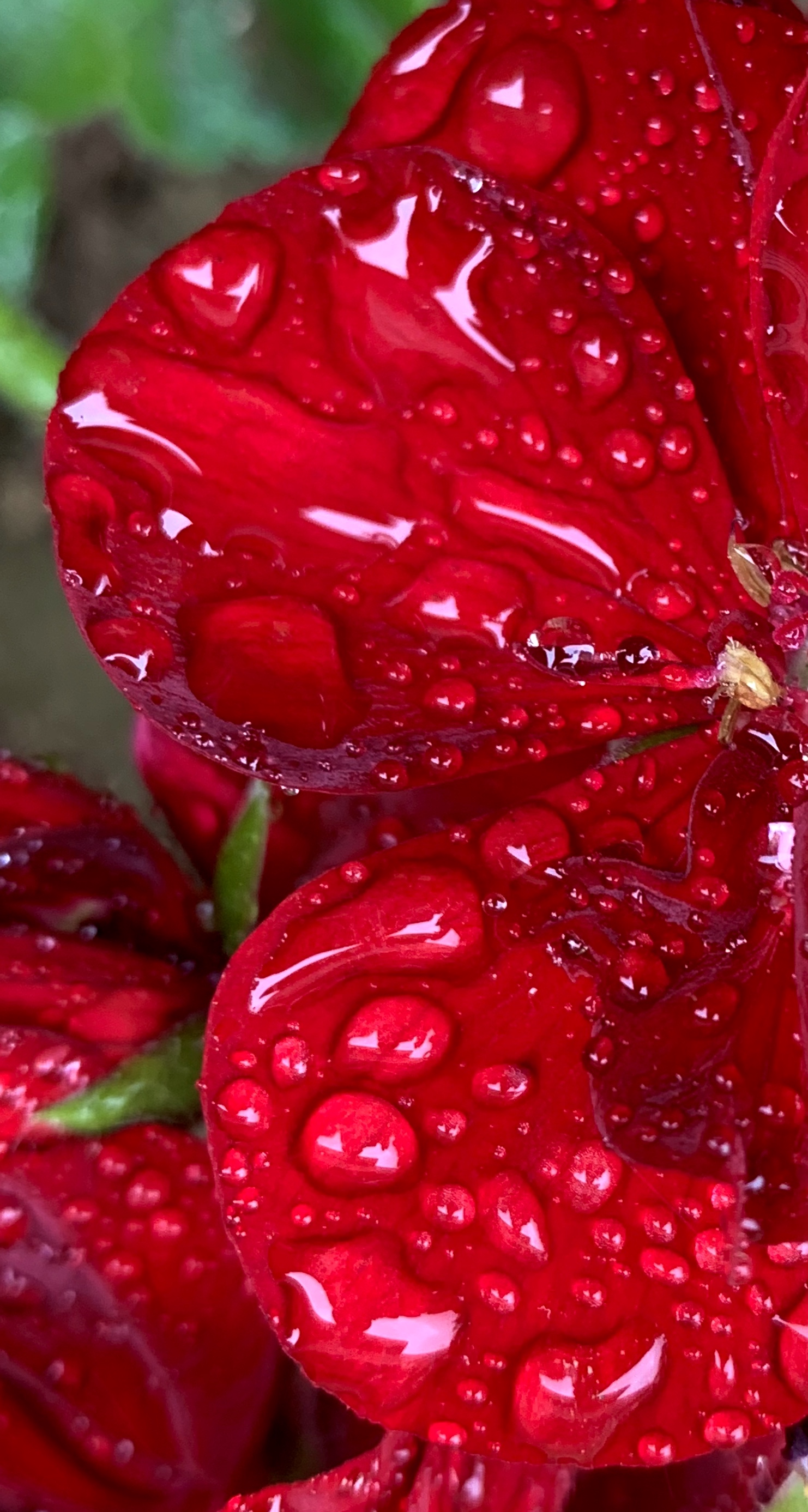
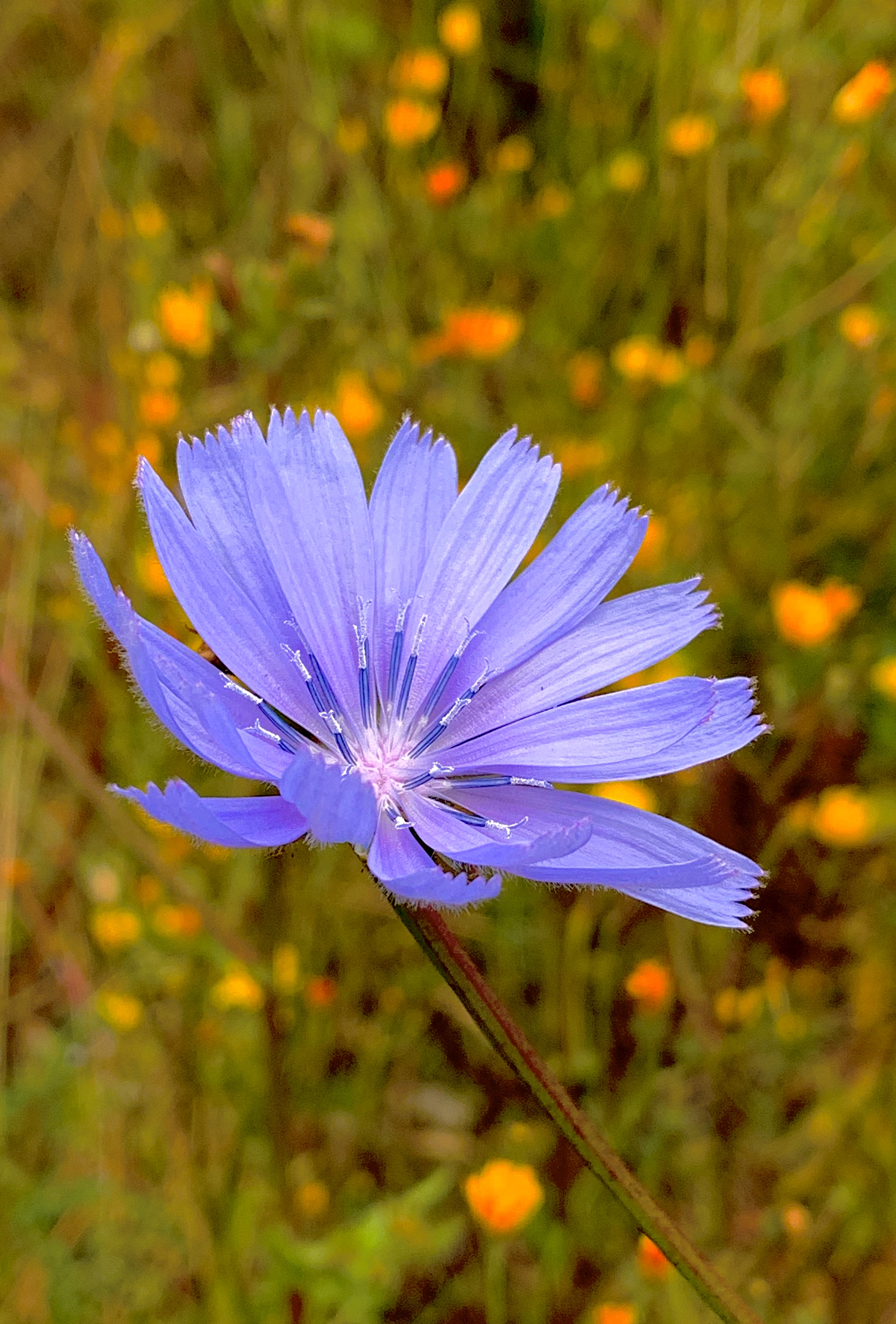
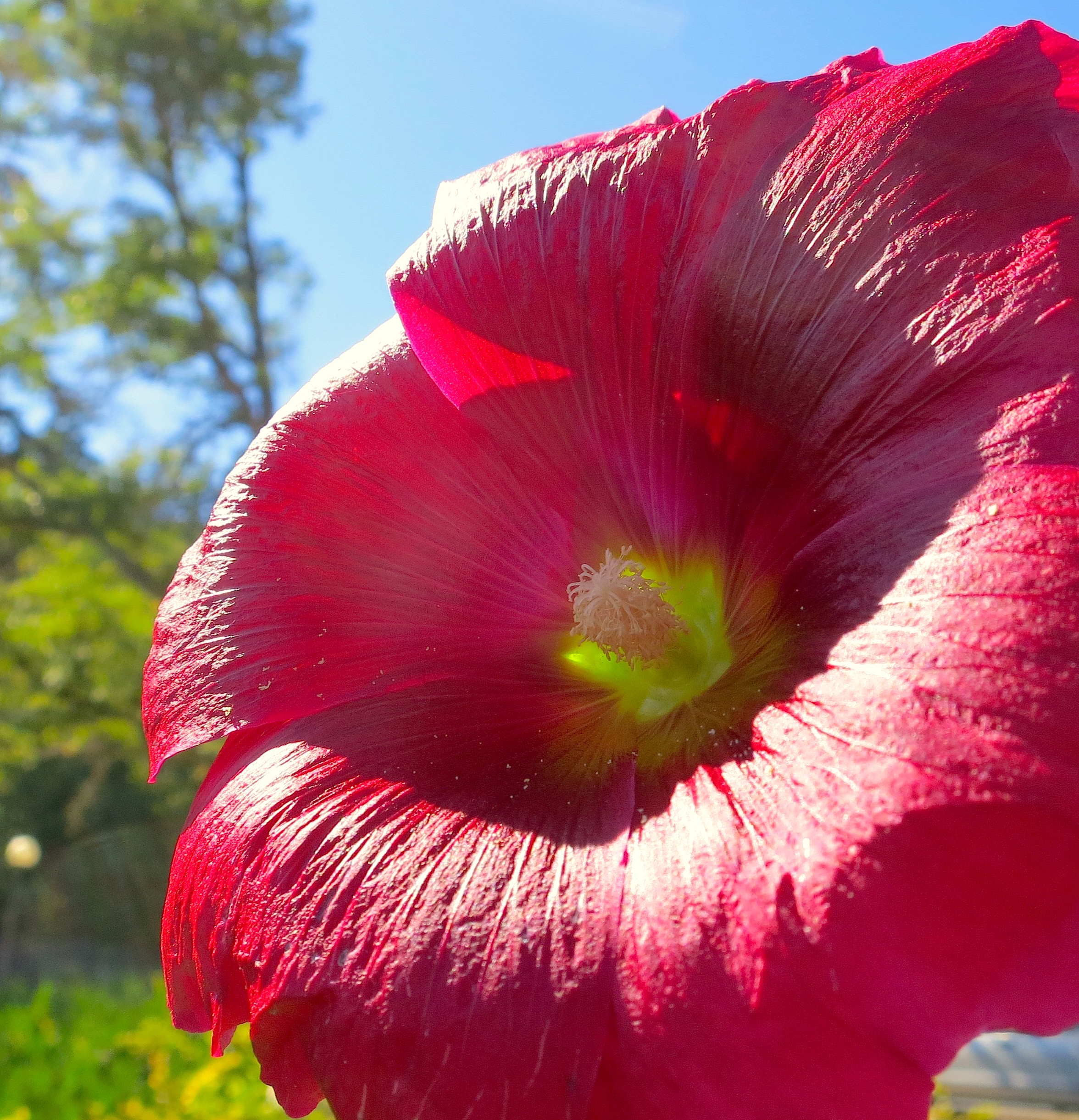
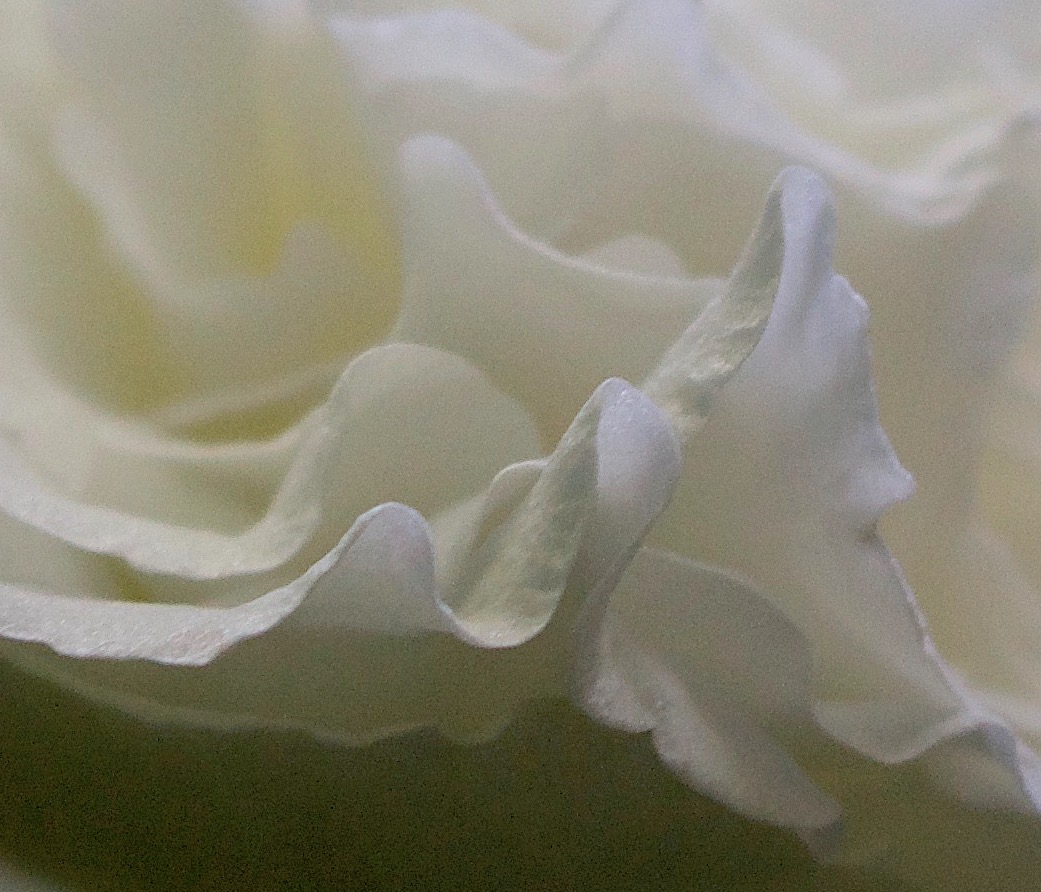
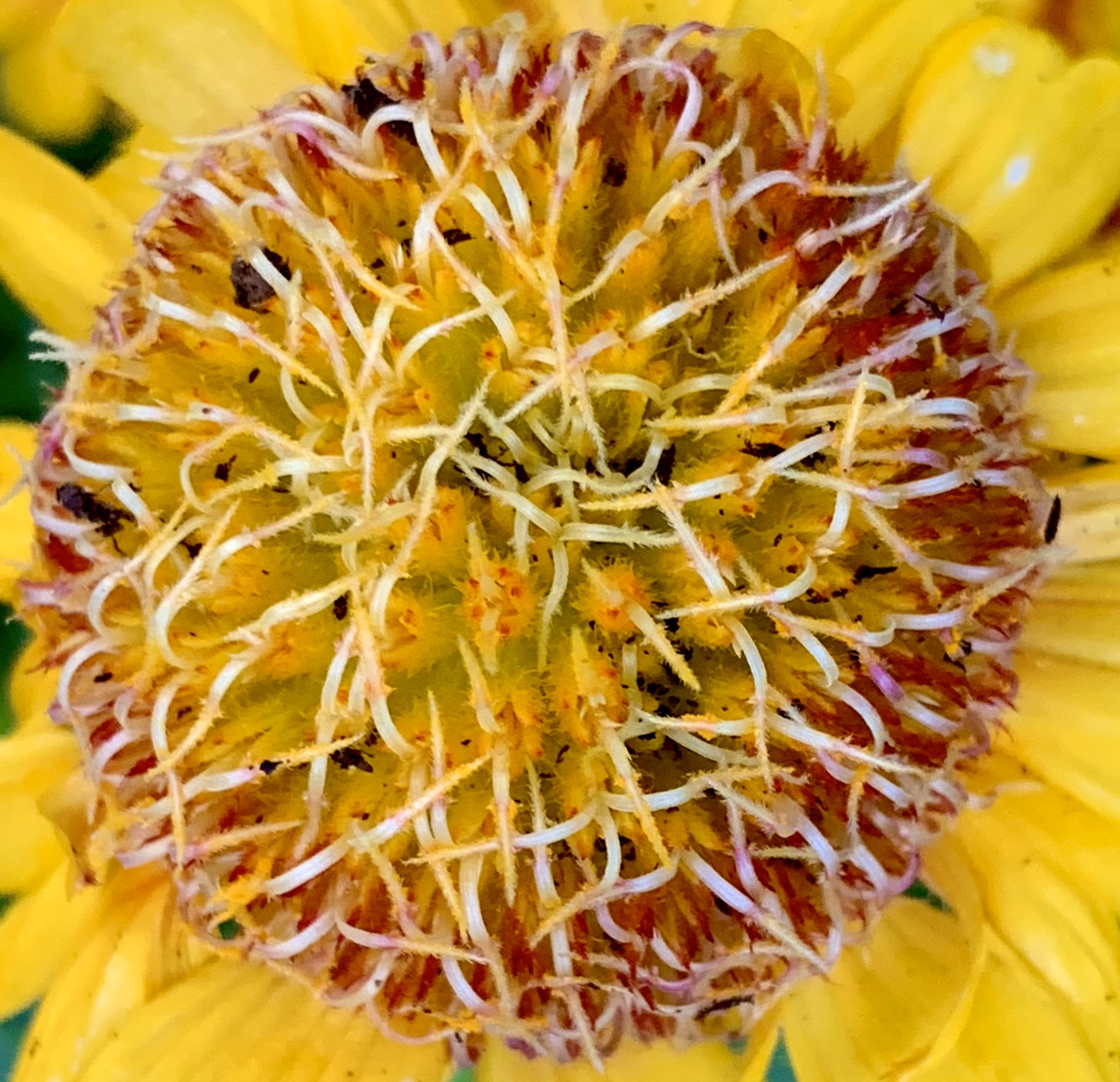
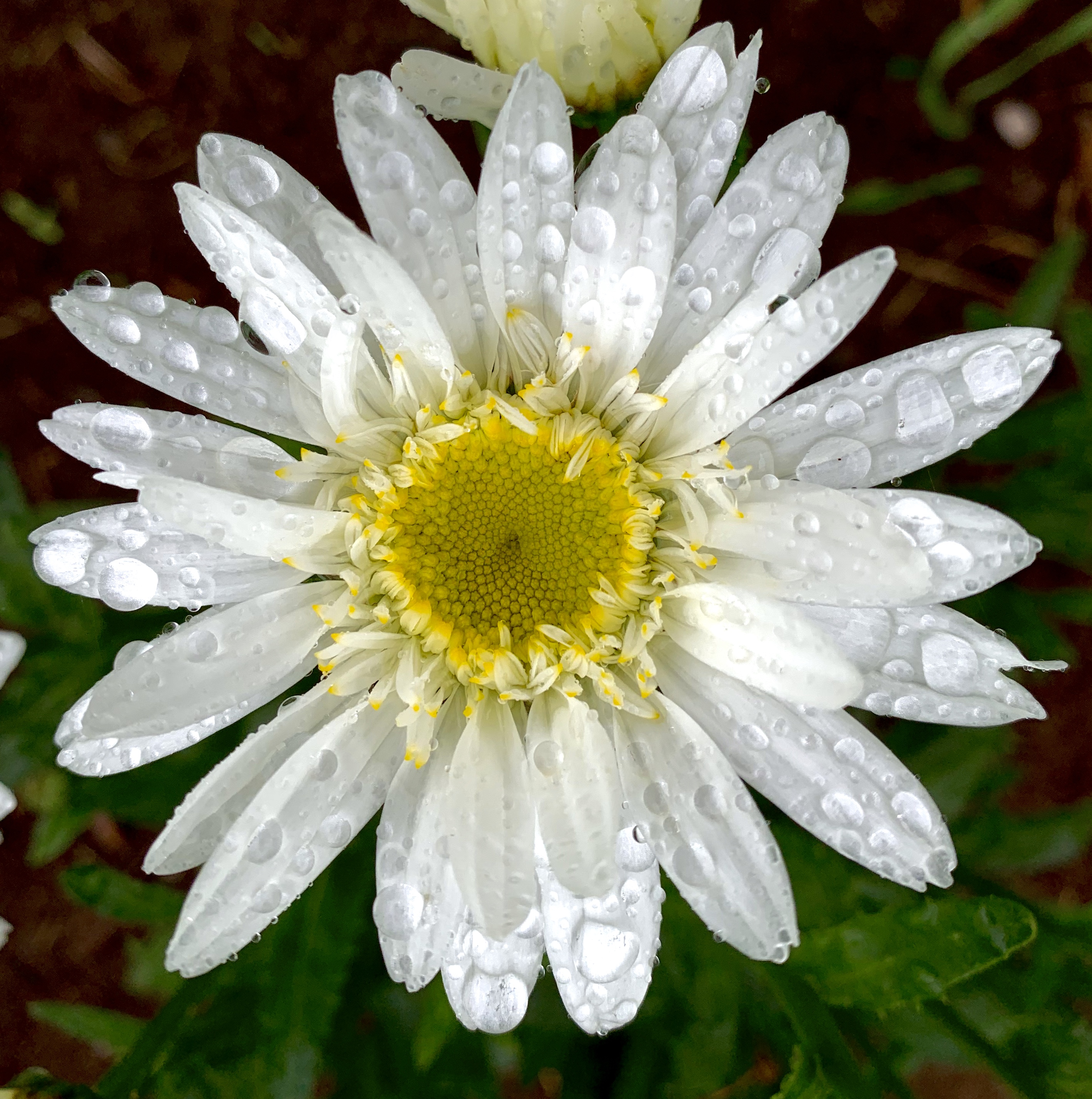
Who would have thought it possible that a tiny little flower could preoccupy a person so completely that there simply wasn’t room for any other thought? ~ Sophie Scholl from At the Heart of the White Rose
Little flower, but if I could understand what you are, root and all in all, I should know what God and man is. ~ Tennyson
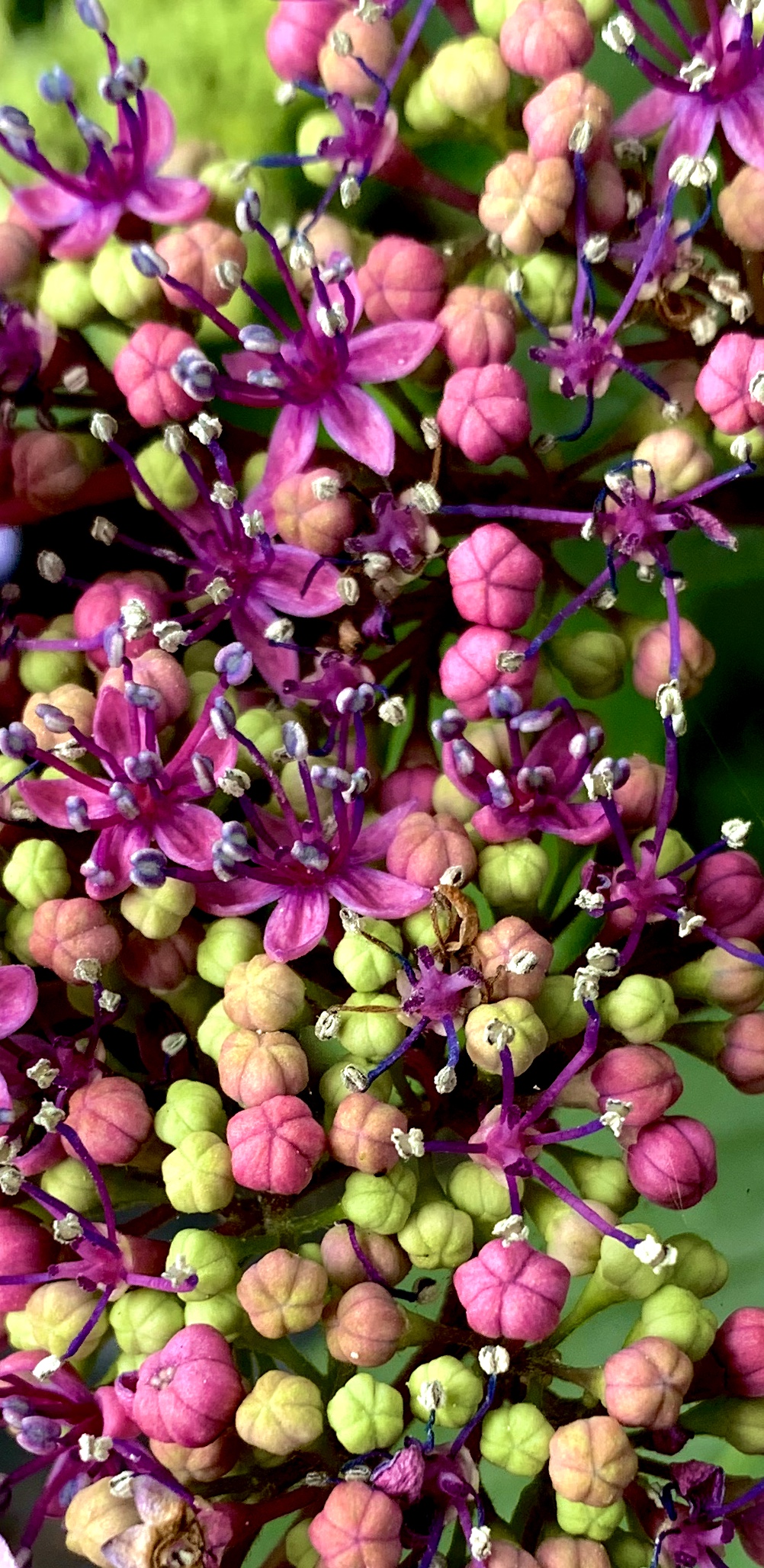
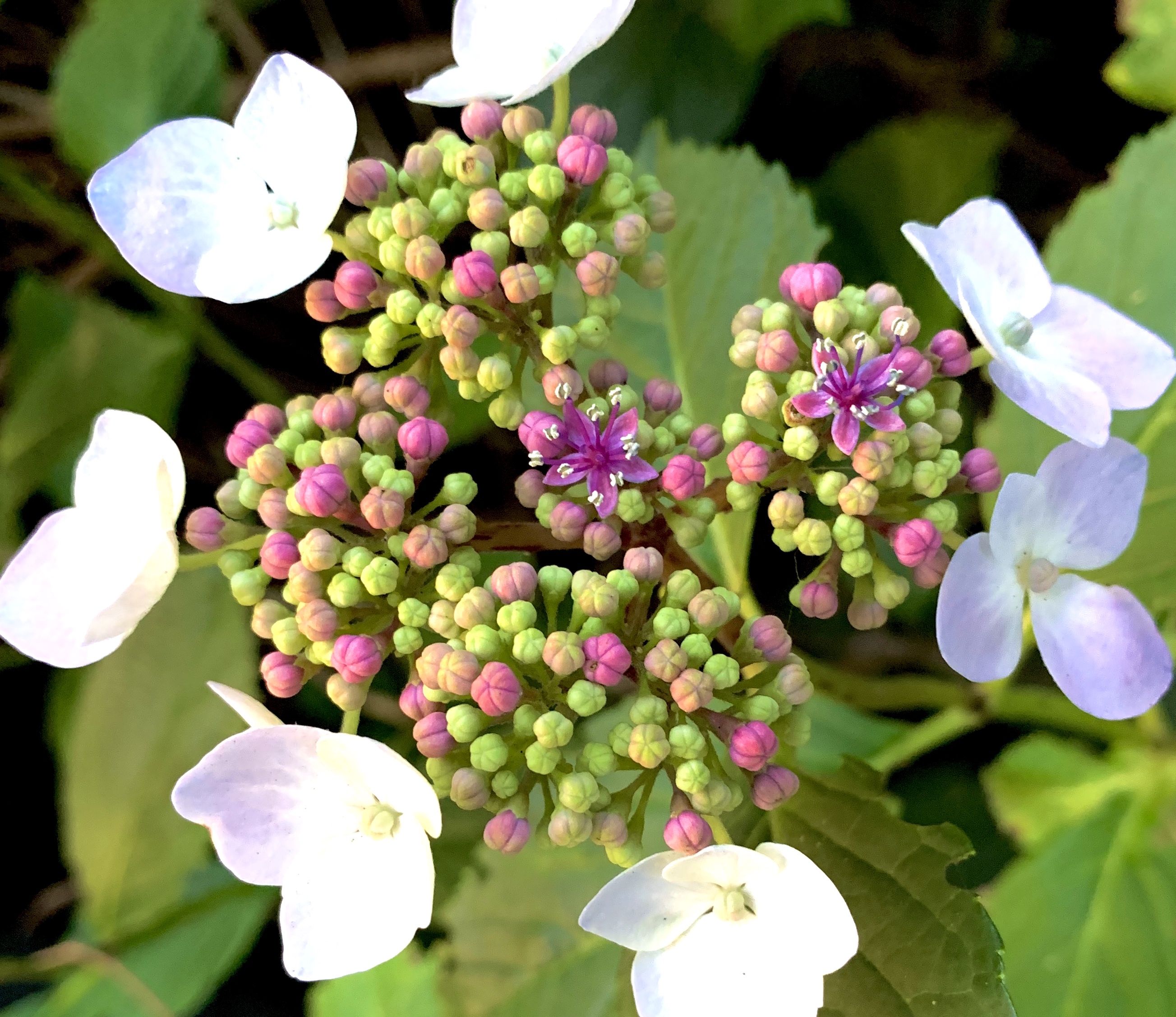
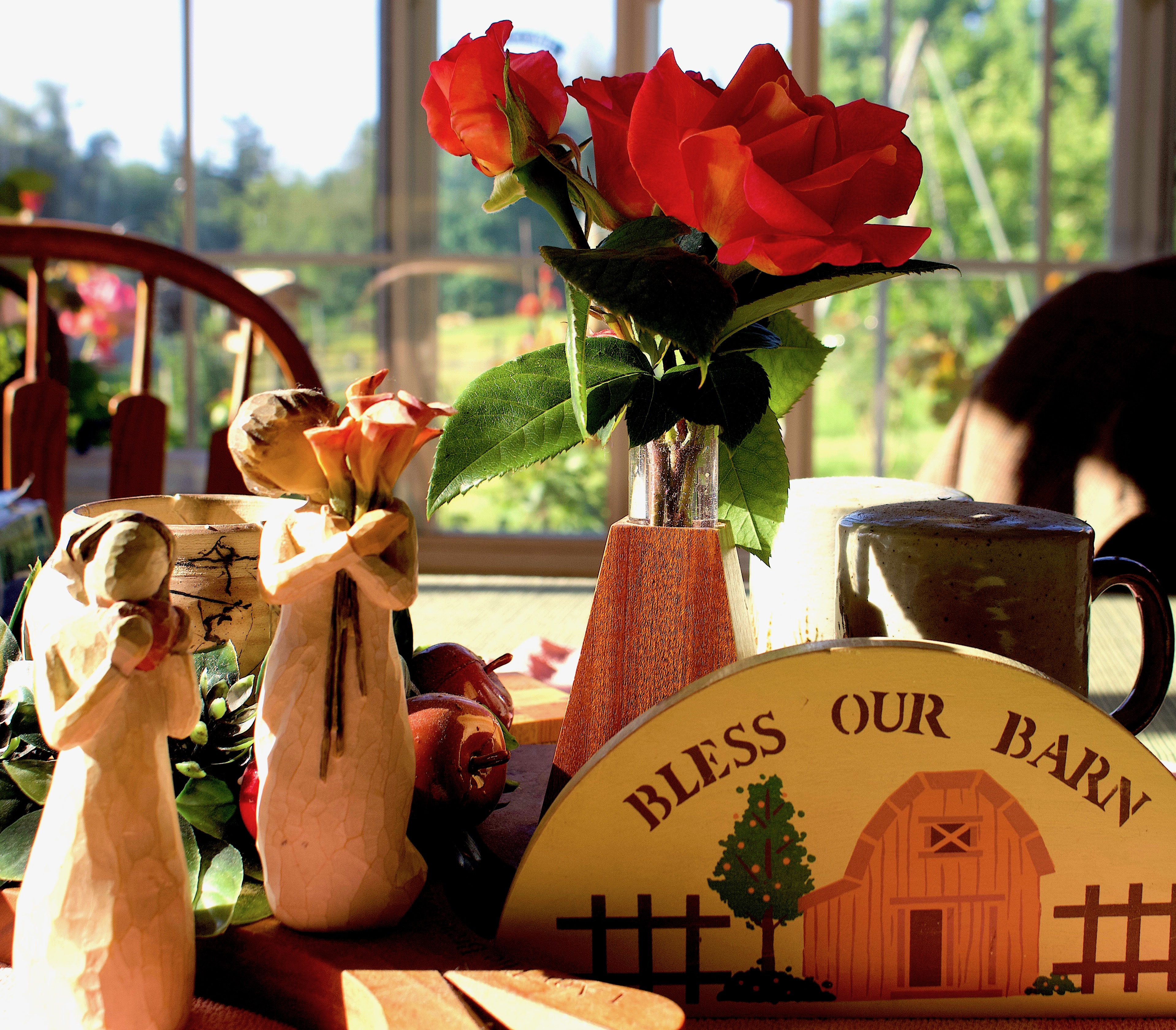
There are days we live⠀ as if death were nowhere⠀ in the background; from joy⠀ to joy to joy, from wing to wing,⠀ from blossom to blossom to⠀ impossible blossom, to sweet impossible blossom.⠀ ~Li-Young Lee from “From Blossoms”
Summer was our best season: it was sleeping on the back screened porch in cots, or trying to sleep in the tree house; summer was everything good to eat; it was a thousand colors in a parched landscape… ~Harper Lee from “To Kill a Mockingbird”
I seek relief anywhere it can be found: this parched landscape fills with anger and lashing out, division and distrust, discouragement and disparity.
I want to live again as if death is not in the background of overflowing ICUs and irrational shootings.
I want to be so preoccupied with the medley of beauty around me, there can be no room for other thoughts.
I want to understand how God still loves man even when we turn away.
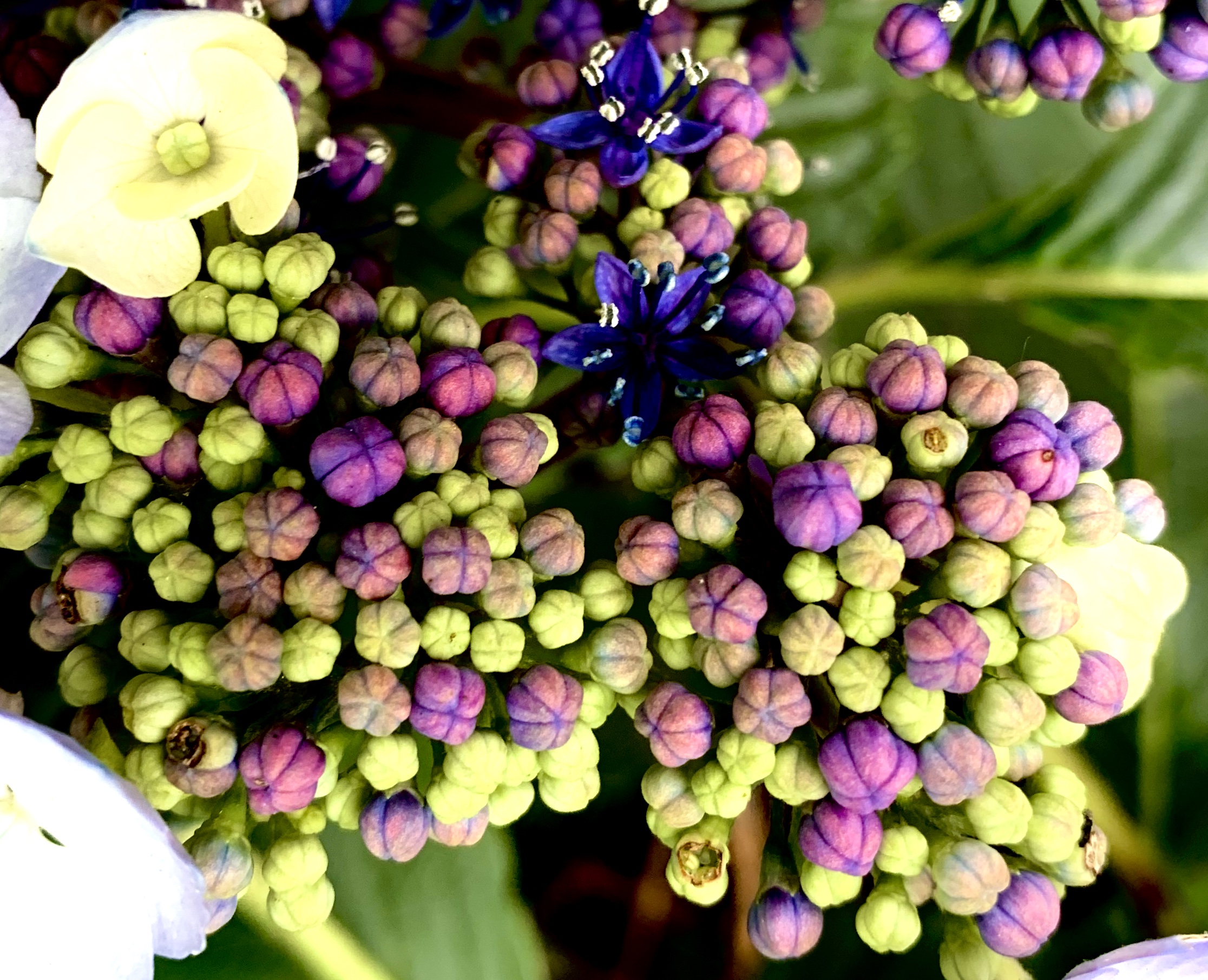
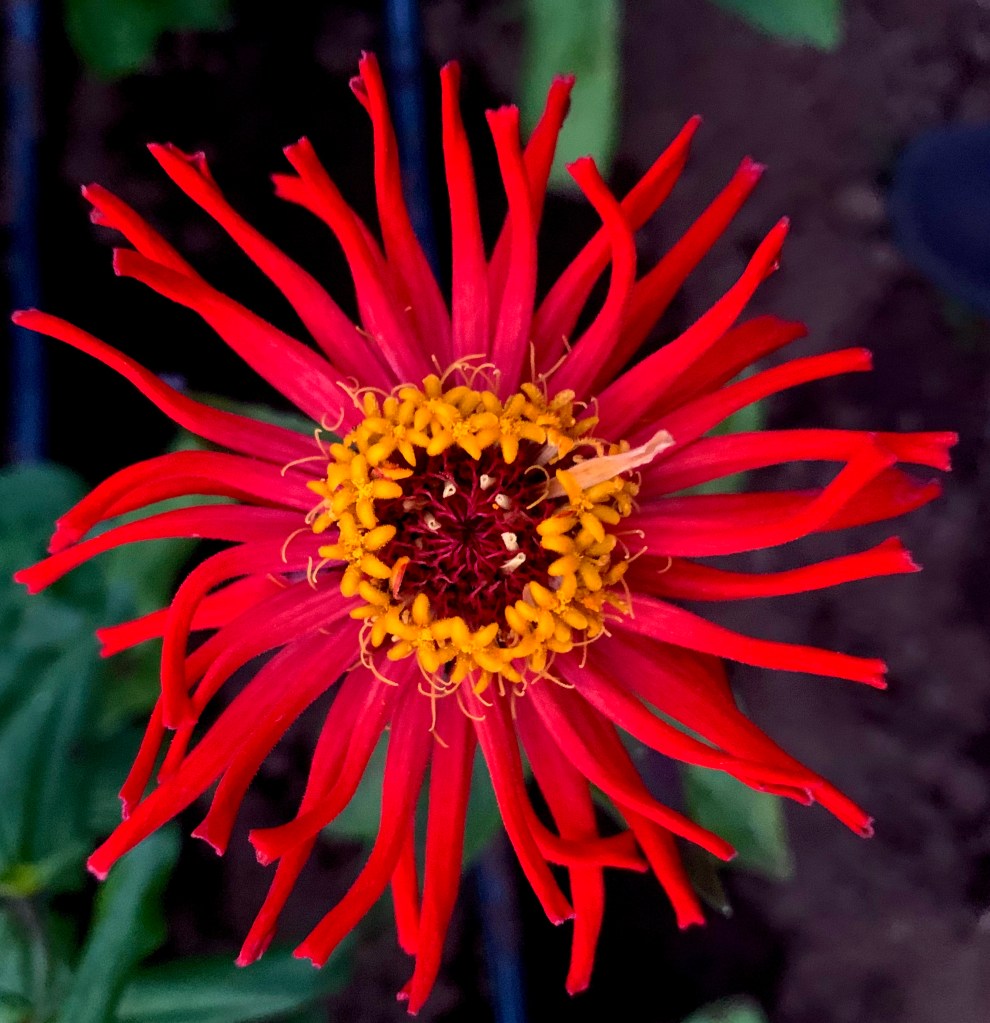
I want to revel in the impossible possible, in a variegated kaleidoscope of colors prepared to bloom bountiful in an overwhelming tapestry of unity.
He was a new old man behind the counter, skinny, brown and eager. He greeted me like a long-lost daughter, as if we both came from the same world, someplace warmer and more gracious…
…his face lit up as if I were his prodigal daughter returning, coming back to the freezer bins in front of the register which were still and always filled with the same old Cable Car ice cream sandwiches and cheap frozen greens. Back to the knobs of beef and packages of hotdogs, these familiar shelves strung with potato chips and corn chips…
I lumbered to the case and bought my precious bottled water and he returned my change, beaming as if I were the bright new buds on the just-bursting-open cherry trees, as if I were everything beautiful struggling to grow, and he was blessing me as he handed me my dime over the counter and the plastic tub of red licorice whips. This old man who didn’t speak English beamed out love to me in the iron week after my mother’s death so that when I emerged from his store my whole cock-eyed life – what a beautiful failure ! – glowed gold like a sunset after rain. ~Alison Luterman from “At the Corner Store”
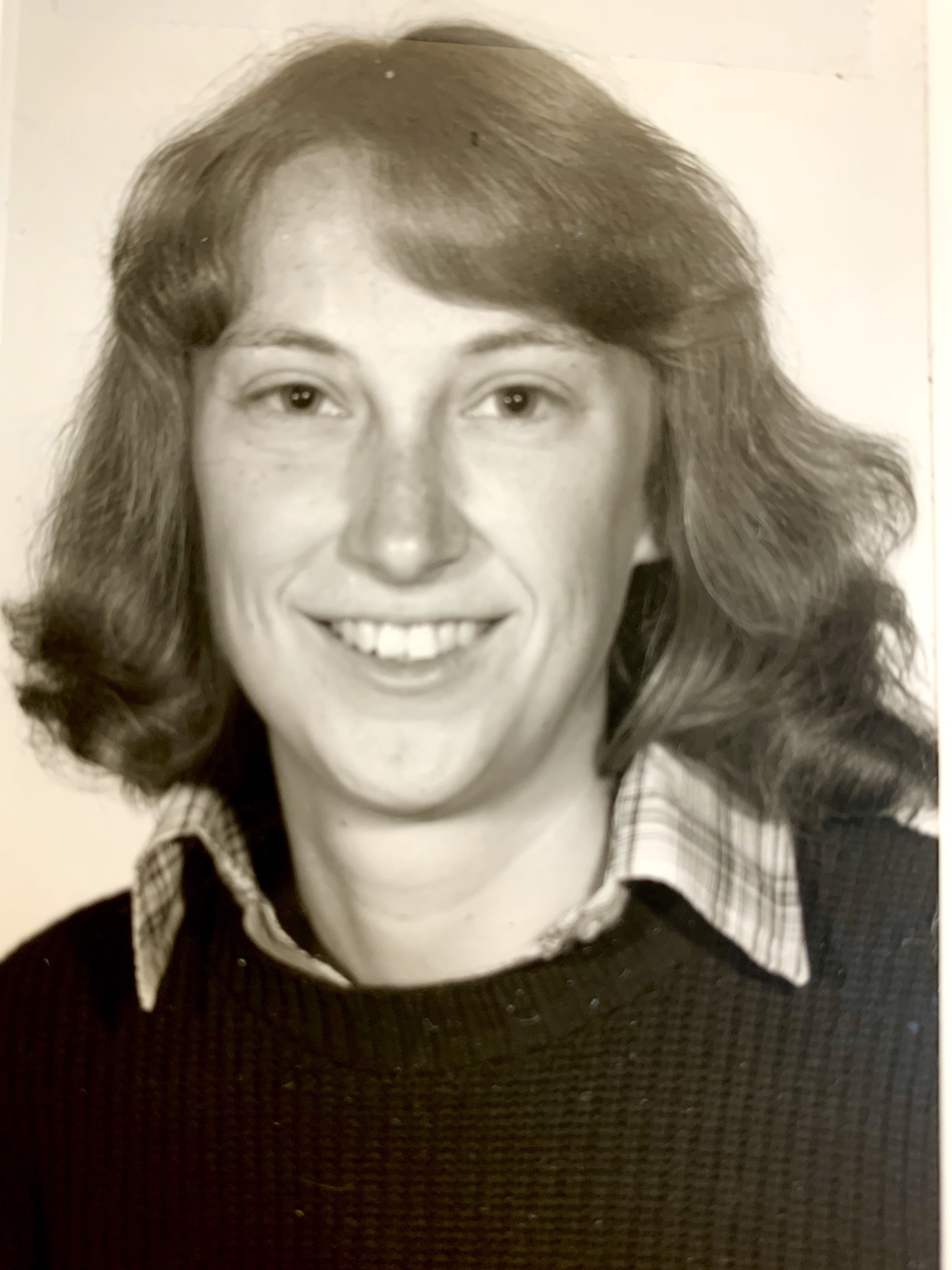
During the COVID-19 quarantine, we’ve chosen to shop at small locally owned markets in our rural county rather than the large chain groceries we usually frequent. They are less busy, more personal and desperately need the business. As we walk in, we are greeted with “hi kids, let me know if I can help you find anything!” – there is something nice about two gray heads being called “kids” because in our hearts, we still are – see below.
Yesterday, the market cashier/manager noticed a cane that had been left in one of the aisles and said “oh, Harry must have left his cane behind again, I guess he won’t get too far without it so I’ll leave it right here by the door for when he comes to get it.”
You wanna go where everybody knows your name…
These stores make me think of the rural markets only a couple miles from where I grew up in two different communities in Washington state. These were the stores that often provided the basic provisions for farm families like ours, as well as an informal community gathering spot. In Garrison Keillor’s Lake Woebegon, it’s called Ralph’s Pretty Good Grocery, where “if you can’t find it at Ralph’s, you can probably get along (pretty good) without it.”
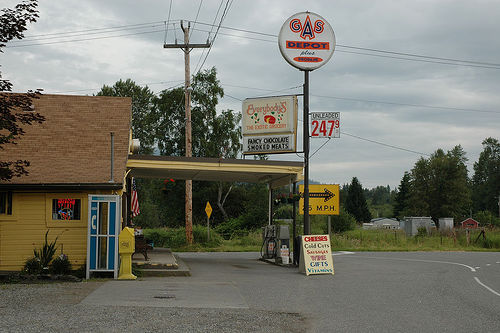
It still wasn’t that unusual in the fifties and sixties for a rural “mom and pop” operation to have a small grocery store in the front part of their refurbished home, often with a single gas pump sitting in the front yard. The store had a reversible sign in the front window that said OPEN from dawn to dusk, unless the store owner needed a shower or a nap. When you’d walk through the creaky front screen door, it slammed behind you with a bang, automatically notifying the store owner in the back of the house a customer had arrived. They knew us by name, knew what our typical purchases would be, and always enjoyed a chat to catch up on the neighborhood news. It meant a cup of tea or some pretty powerful coffee for mom and a stick of chewing gum for the kids.
There was always a cork board for flyer postings, with hand written notices of the latest community events, plus “for sale”, “for free”, or “lost” items. There might be a polaroid picture of “Tinkerbelle — looking for our lost cat, children can’t stop crying” , or a hastily scribbled note from a harried mother “seeking a mother’s helper to do laundry and ironing”, or “free puppies–take your choice.” This was “Craig’s List” before Craig was born.
Sitting at the intersection of farm roads, corner stores were a natural outlet for local produce to be sold, from fresh eggs to seasonal berries and fruit, to pumpkins and squash piled up in the front yard in the fall. Some store owners even did their own butchering and meat cutting before regulations made it too difficult to meet government standards.
The “bread and butter” for a store to thrive and stay in business was just that: they supplied the basic staples that families might need in a pinch– cornflakes and cheerios, loaves of Wonder bread and milk, bags of sugar and flour, toilet paper and wieners, Crisco for a pie crust or a cube of butter for baking cookies, Elmer’s Glue, scotch tape and construction paper for rainy day art projects. Children were frequently sent on errands to the corner store on foot, or on their bicycles, or occasionally on their horses to get some immediately needed missing item.
Or perhaps they were sent to the corner store with a list just to get them out of their mothers’ hair.
The motivation for kids to make the store trip was the reward of a cold soda pop or an ice cream bar in the summer, hot chocolate with a marshmallow in the winter, and a carefully selected variety of treats from the bulk candy bins. I had a particular affinity for multicolored jawbreakers and red licorice whips.
The store my mother frequented in the tiny hamlet of East Stanwood, Washington had pretty much everything she needed, and the shopkeeper always had a fresh cookie for my brother and me. We often brought extra eggs from our flock that mom would bring in for credit, but our raw Guernsey cow milk could not be sold through the store so was sold directly to our neighbors instead.
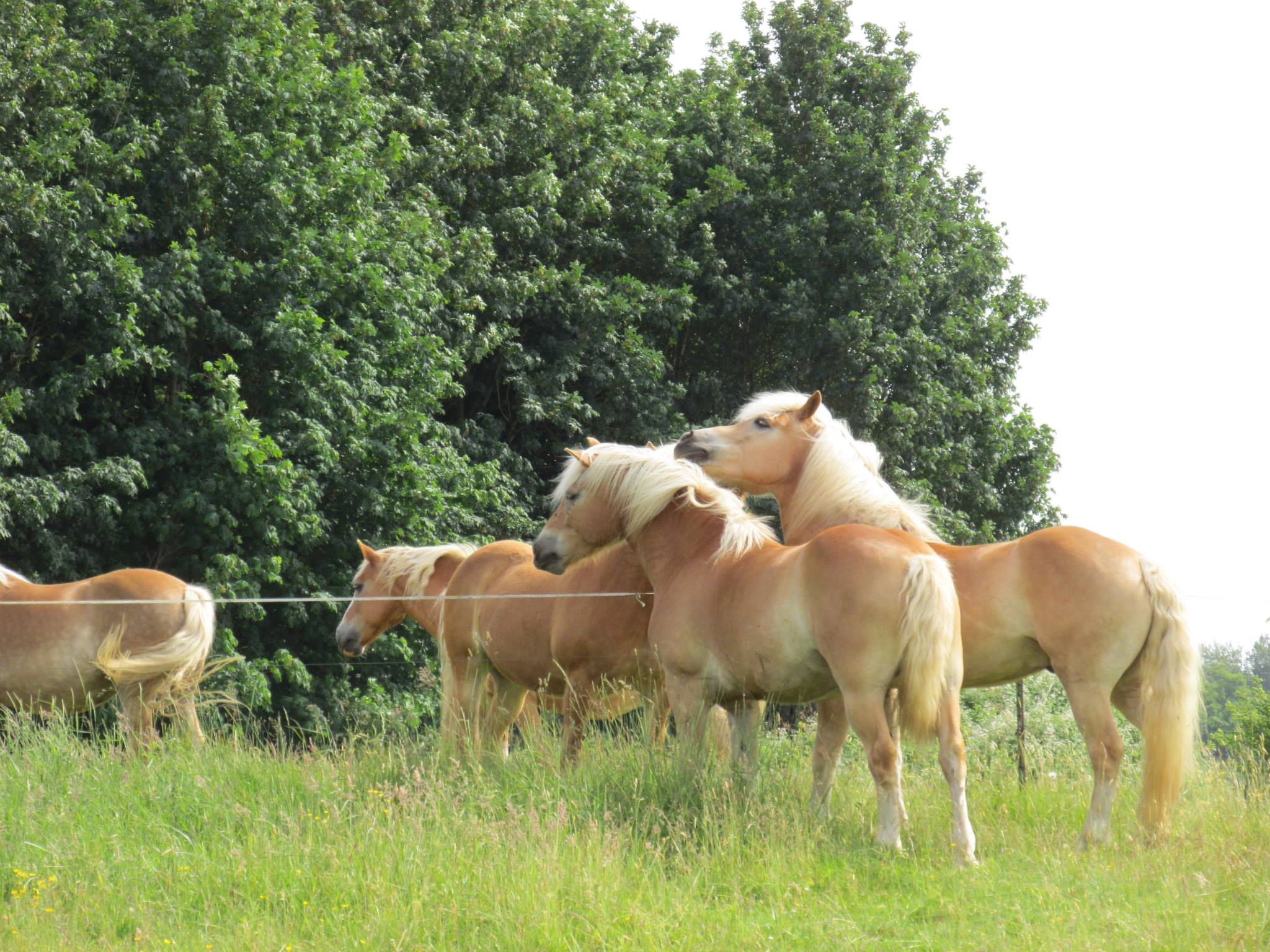
Once we moved to a rural neighborhood outside Olympia, Washington, the local corner store was at the “otherwise nothin’ happening” corner of Libby Road and Ames Huntley Road, almost three miles away from our little farm on Friendly Grove Road. It was a long walk, though an easy bike ride along narrow country roads. We kids could usually think of a good excuse at least twice a week during the summer to make that trek to the store and stock up. My older sister would ride her horse to the store, using a telephone pole as a hitching post while she shopped.
On our visits to family in Japan, there are plenty of small family-owned corner markets in the huge cities, each with their own flavor and personality matching their owners. It’s good to see the persistence in the U.S. of small local markets that actually sell produce, not just convenience store beer, cigarettes and lottery tickets. With the emphasis to “eat local” and county farmers marketing and selling their own produce, there are more of these now in our area.
Just a few miles from us is a market owned by an East Indian family and has an eclectic combination of curries, chili peppers, and all kinds of spices and ethnic ingredients sought by our local Hispanic and Indian farm neighbors.
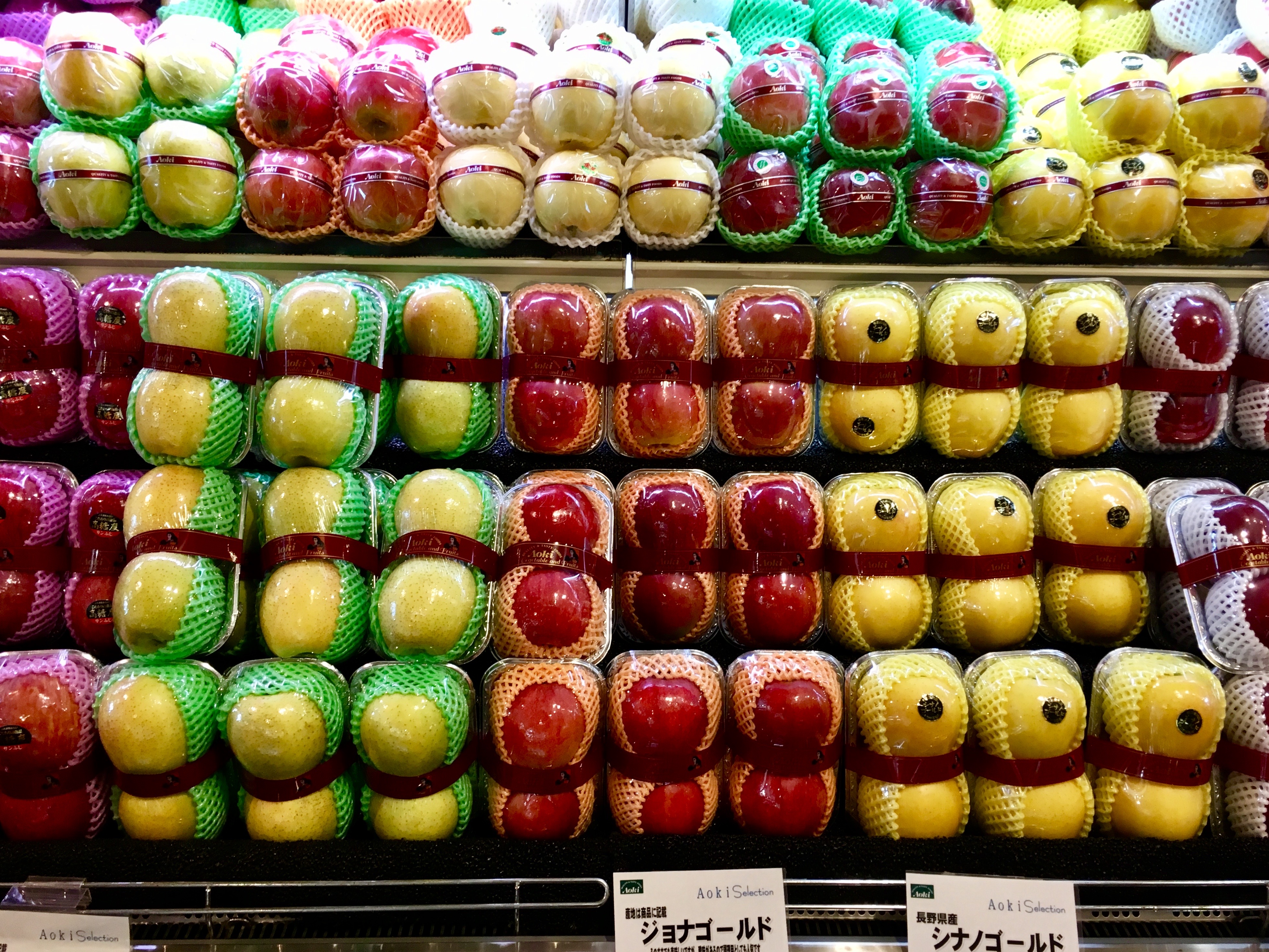
There is an orchard nearby that has opened a store not only marketing their boxes of apples, but also sells cider, frozen apple pies ready to bake and home ground honey peanut butter.
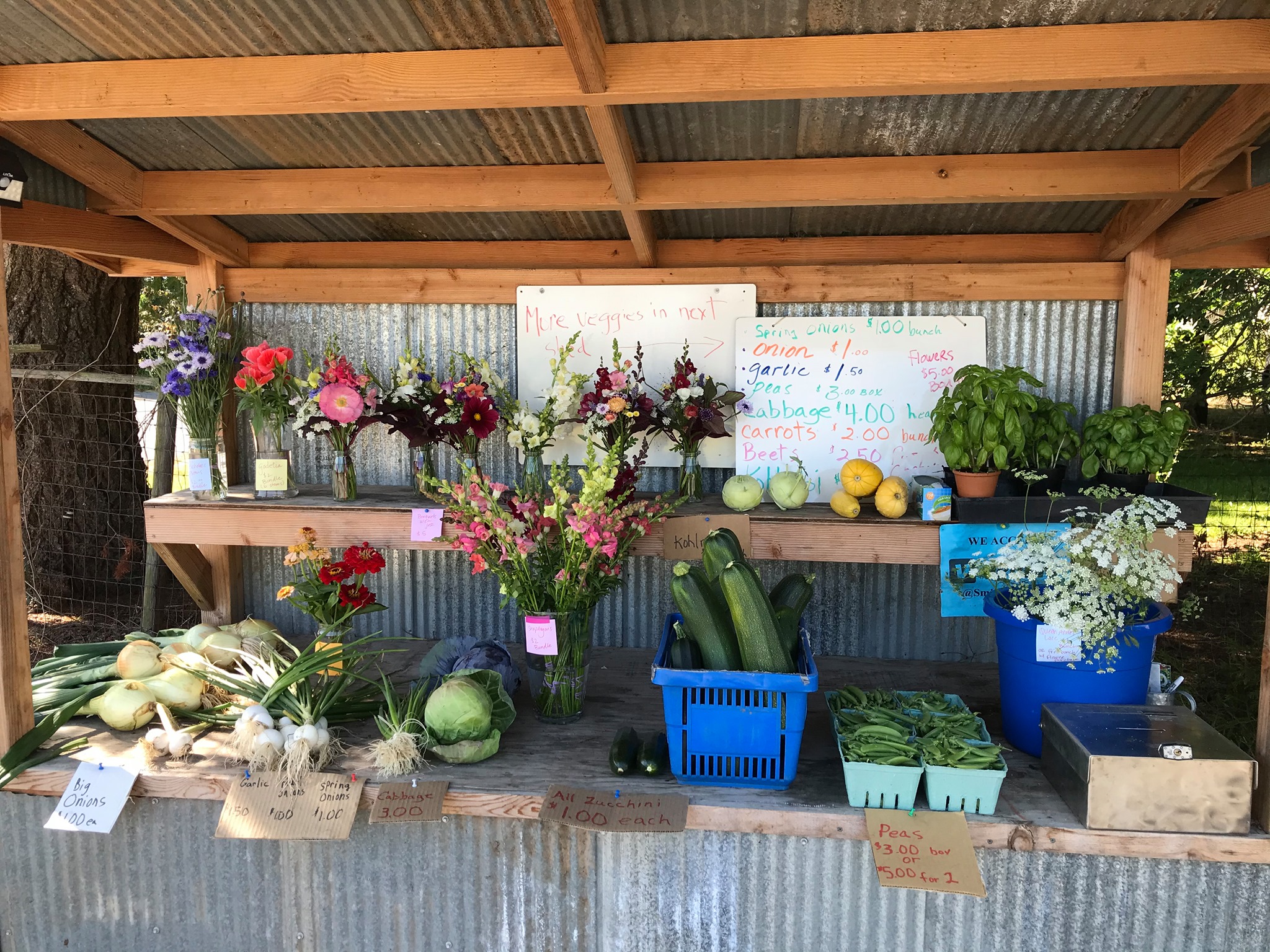
We have local dairies producing their own homogenized pasteurized milk and ice cream, others making and selling cheese, some that raise grass fed organic beef and lamb, as well as heritage breed pork and turkeys. This time of year there are lots of end-of-the-driveway vegetable and flower stands as farmers sell their wares on the honor system, with the money going into a lock box right there by the road.
It almost feels like going home again. When I walk into a small market, it is tempting to think of pulling up a chair next to a wood burning stove, sipping a cup of tea and catching up on the neighborhood news. That can’t happen with social distancing, but my hope is to help these markets survive for when, someday, we can sit and visit and learn each others’ names and stories.
Hard to reach, so you yank your clothes getting at it—the button at your neck, the knotted shoe. You snake your fingers in until your nails possess the patch of skin that’s eating you. And now you’re in the throes of ecstasy, eyes lolling in your skull, as if sensing the first time the joy one takes in being purely animal.
It’s so good to have a scratch, though isn’t it a drag living like this, jounced on a high wire of impulses, every wish the same programmed response to another signal passed from cell to cell, amounting in the end to a distraction— if truth be told—from rarer things, thoughts free from the anchor-chain of self? ~David Yezzi from “Itchy”
There is almost nothing more frustrating than having an itch you can’t reach. It is hard to think of anything else; you become entirely immersed in that sensation and the need to relieve it. It’s almost as difficult as stifling a yawn or trying to prevent a sneeze. It becomes literally painful: some things simply can’t be stopped.
So scratching an itch becomes the most important thing in the moment. And having done finally done it, you can move on to other things in your day and not think about it again.
So when the itch is hard to reach, it is surely a blessing to have a mama or close buddy who will scratch it for you. In fact, there is hardly anything as wonderful as someone who will be on the look out for your moments of distraction and discomfort and without even being asked, take care of it for you.
And to be really in sync, you’ll find their itch to scratch at the same time. I knew “scratch my back, and I’ll scratch yours” must have come from somewhere — just out in my back field. Quid pro quo.
I closed my mother’s eyes when she died and again, my father’s
I made no fortune no headlines nothing went viral
I sang and danced for no one
I remembered I noticed I breathed
Just an ordinary life filled with extraordinary love.
How disappointing. ~Mary Poindexter McLaughlin “Alma Mater”
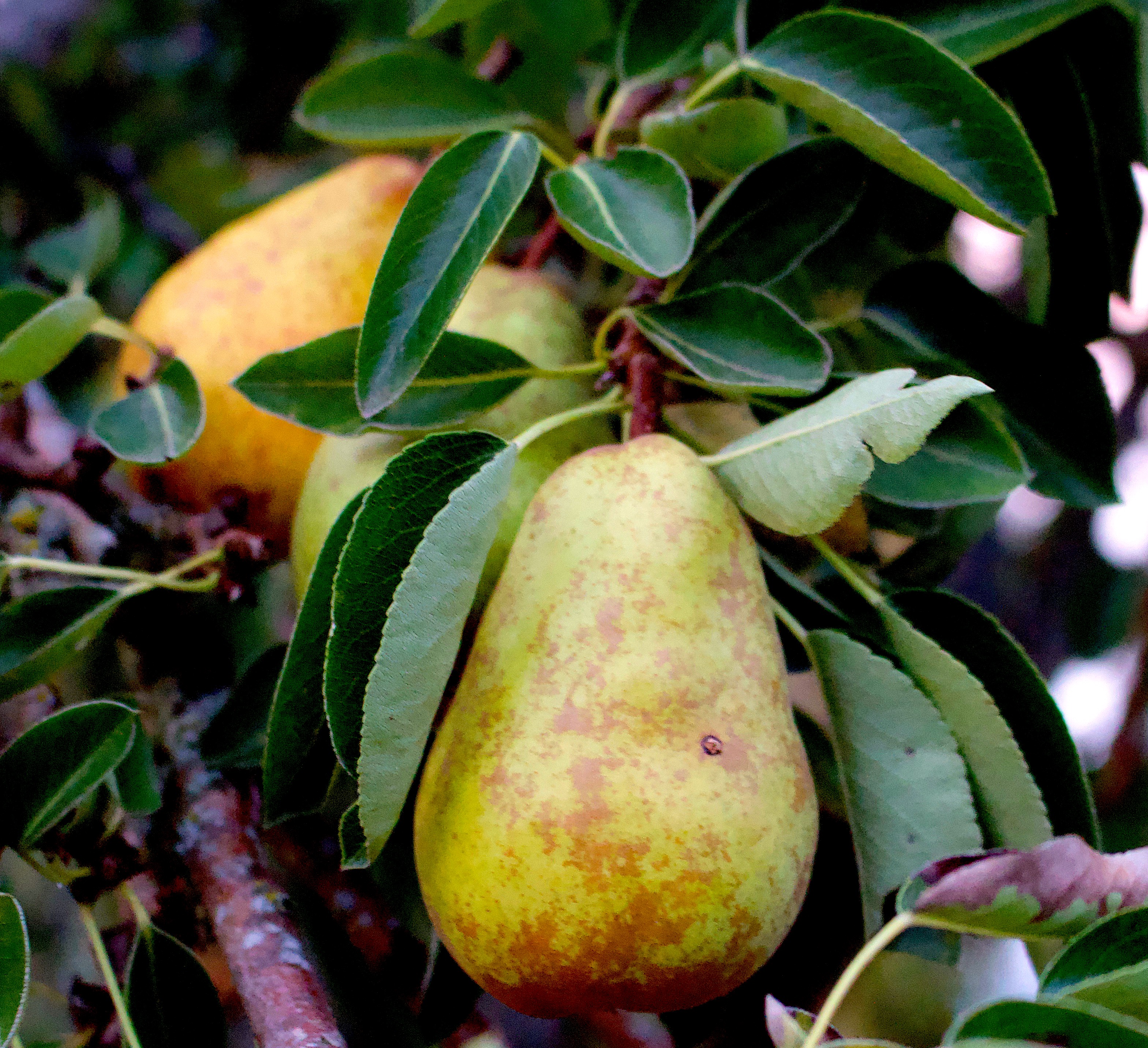
Do not ask your children to strive for extraordinary lives. Such striving may seem admirable, but it is a way of foolishness. Help them instead to find the wonder and the marvel of an ordinary life. Show them the joy of tasting tomatoes, apples, and pears. Show them how to cry when pets and people die. Show them the infinite pleasure in the touch of a hand. And make the ordinary come alive for them. The extraordinary will take care of itself. ~William Martin from The Parent’s Tao Te Ching: Ancient Advice for Modern Parents
Parents can hold expectations of success for their children that reflect their own deficiencies or failures. After all, we want the world to be a better place for them than for us.
Yet no academic degree, no bank account, no notoriety or award can match living an ordinary life filled with extraordinary love.
I did disappoint my parents despite checking off all the boxes they hoped I would achieve in my younger years, because in retrospect, I disappointed myself.
I tended to cling to old grievances and resentments, withholding myself emotionally from them. I could have been more compassionate in their failing years, more available even though physically present. That is something I cannot undo except to pray now for forgiveness for my own deficiencies and failures.
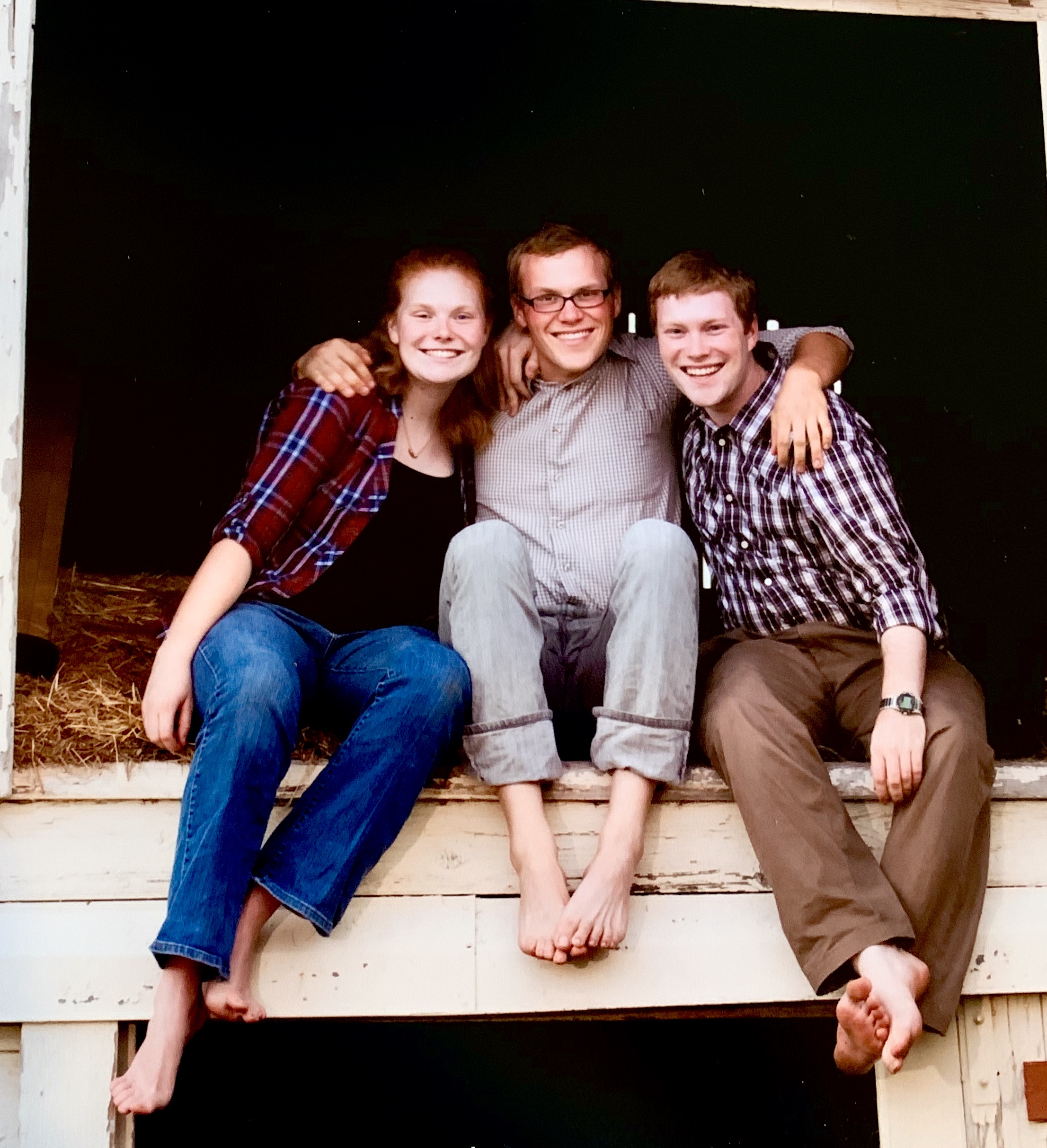
Giving birth to three tall kind people who we have sent into the world, I hope for them what I wish I had understood when I was sent into the world by my parents: living an ordinary life of extraordinary love is more important than anything else they set out to do.
I rejoice as I see them foster such love with their spouses and their children and their communities: remembering, noticing and breathing life into each new day.
Seeing that, I can let go of my own disgrace and disappointment in myself.
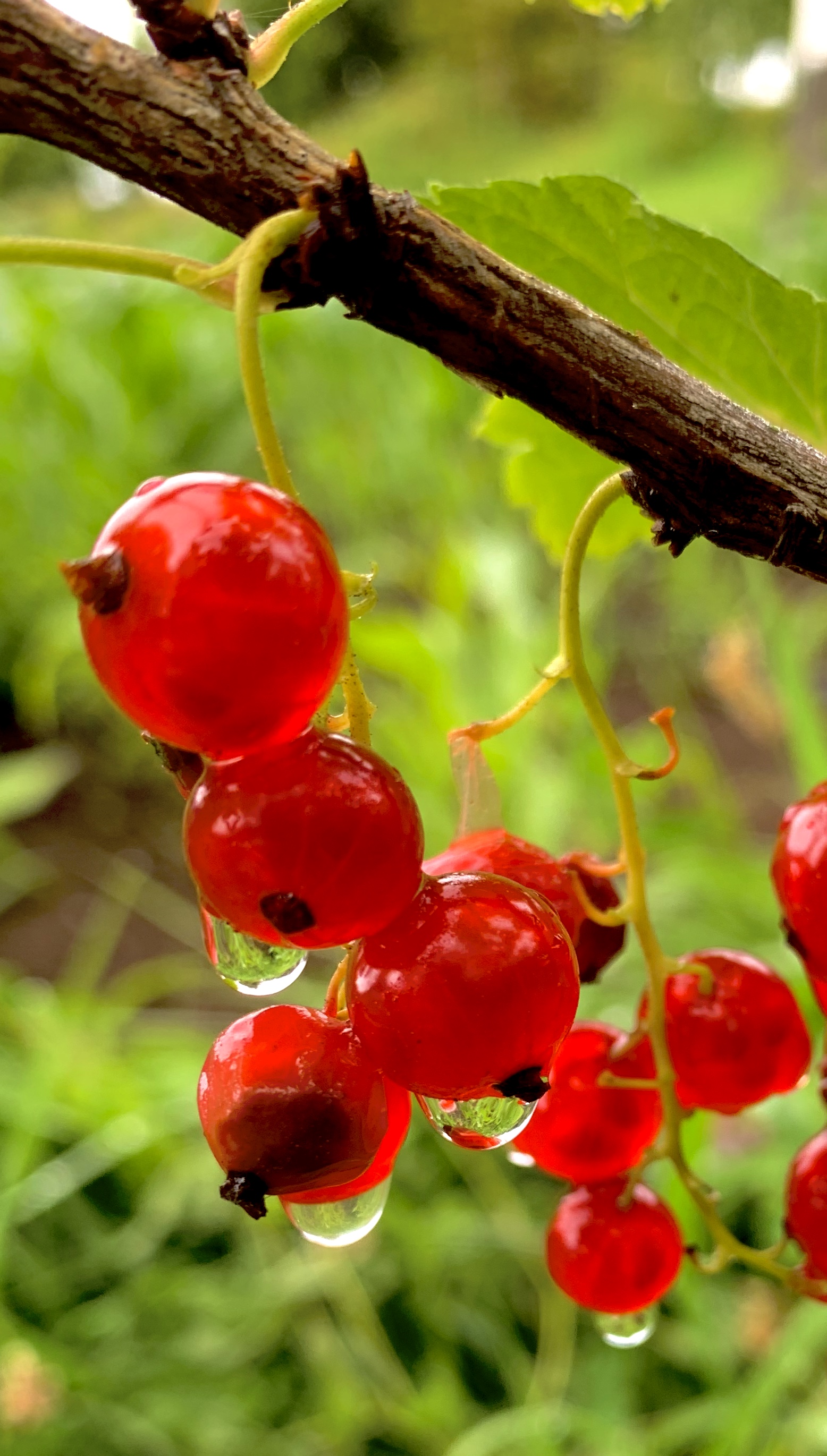
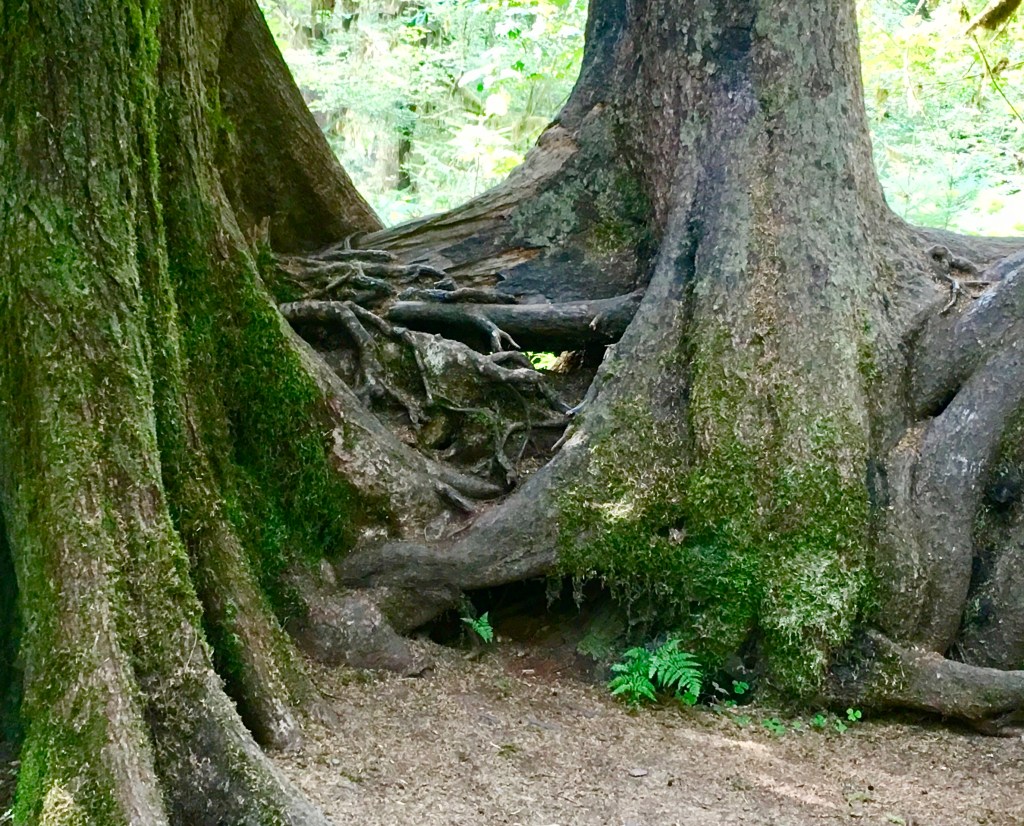
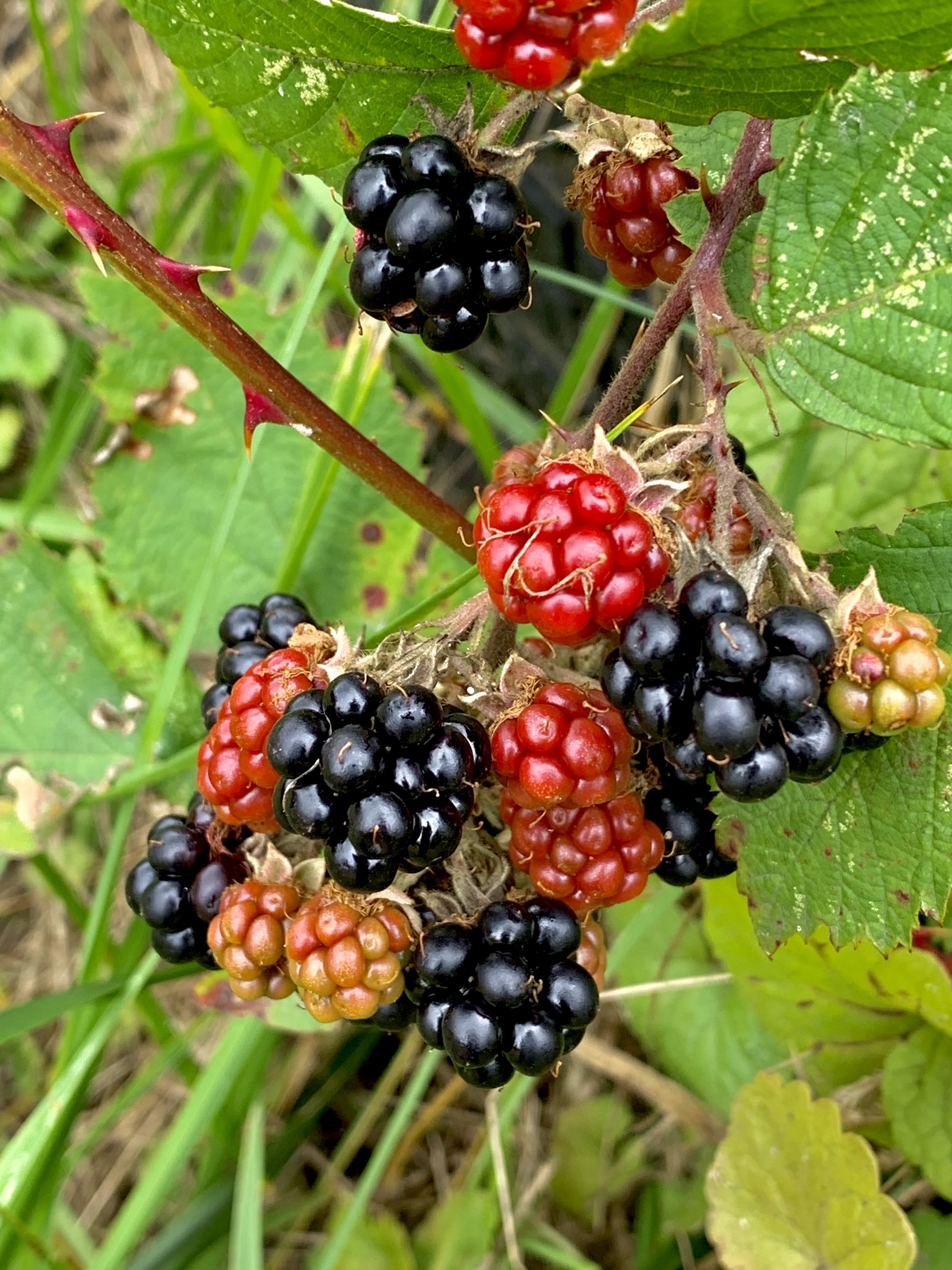
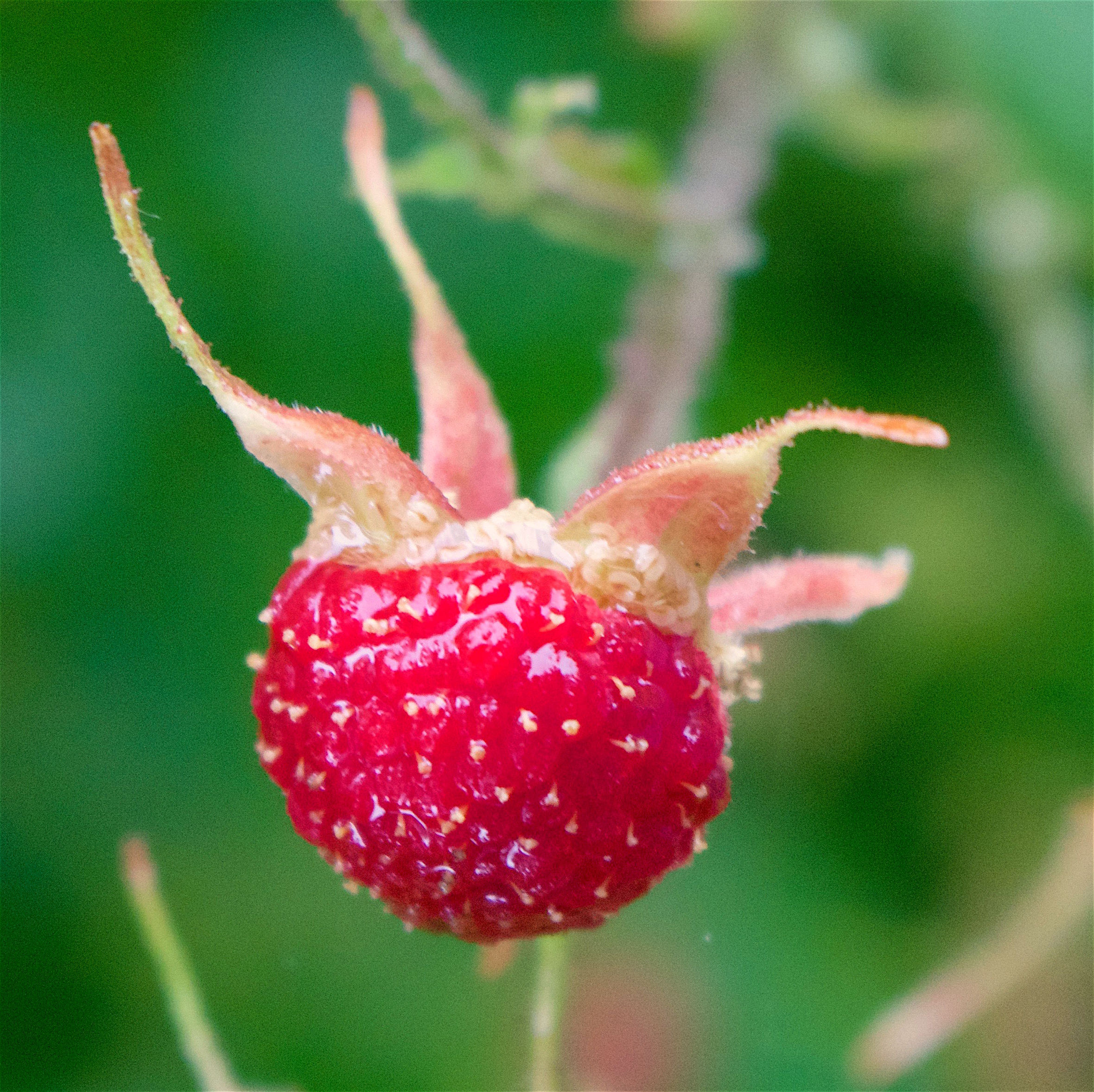
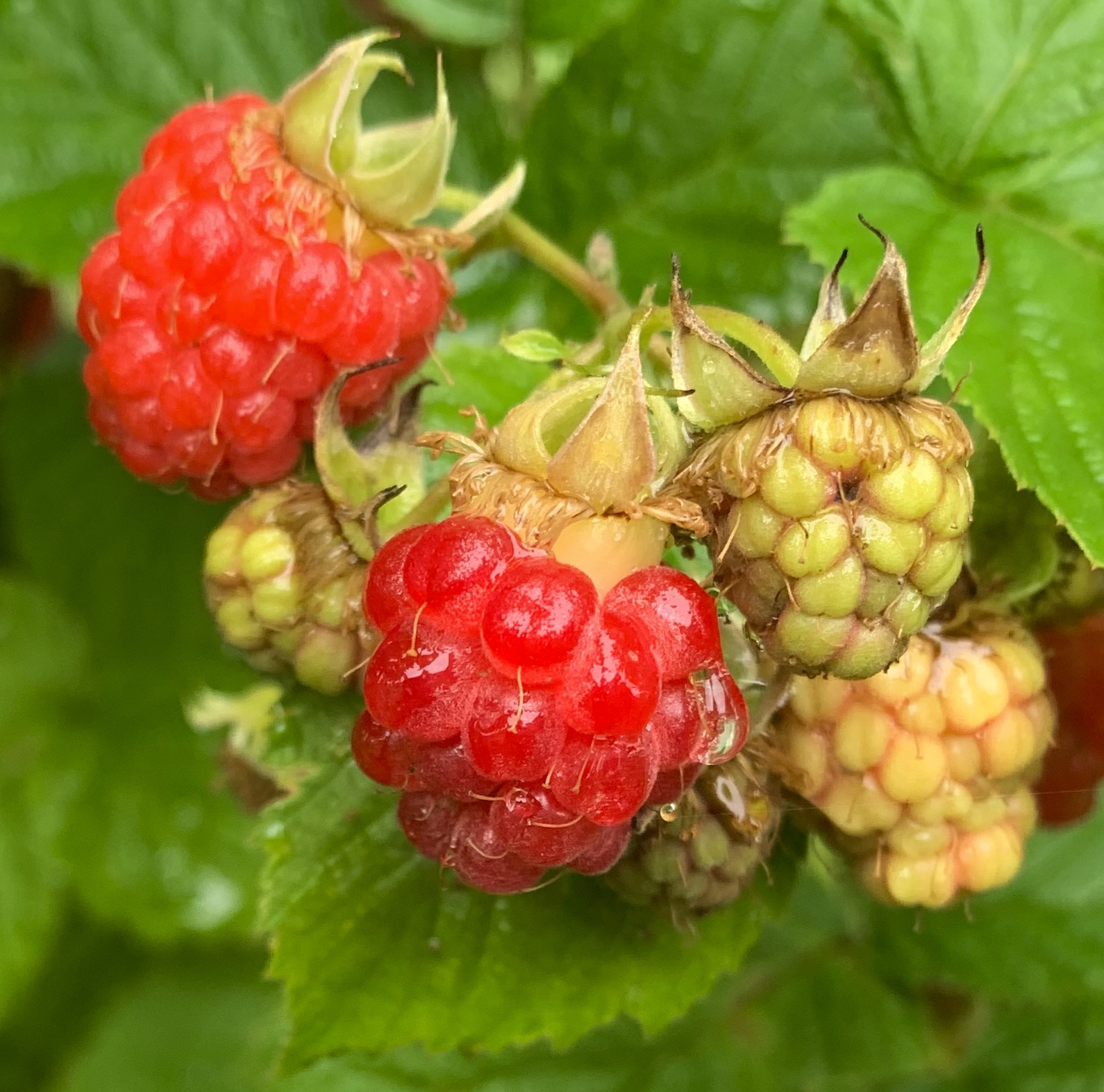
However just and anxious I have been I will stop and step back from the crowd of those who may agree with what I say, and be apart. There is no earthly promise of life or peace but where the roots branch and weave their patient silent passages in the dark; uprooted, I have been furious without an aim. I am not bound for any public place, but for ground of my own where I have planted vines and orchard trees, and in the heat of the day climbed up into the healing shadow of the woods. Better than any argument is to rise at dawn and pick dew-wet berries in a cup. ~Wendell Berry “A Standing Ground”from The Selected Poems of Wendell Berry
This is an age of argument: silence is labeled violence so we’re induced to have our say and look for others to listen and support our point of view. Without mutual agreement, there is plenty of fodder for argument with a duel-to-the-death determination to win others over to our way of thinking.
Agreeing to disagree doesn’t seem to be an option any longer. Why can’t our debates simply settle down to get on with life and find a way to live alongside each other? Instead, if I don’t see it your way, I’m morally deficient or hostile or worst of all I’m not an ally, so by modern definition, I’ve become the enemy.
But I’m not the enemy and never want to be.
It’s enough to make one retreat from the fray altogether. Those of us who have been around awhile know: anger puts a match to feelings that burn hot inside and outside. Initially debate is energizing with a profound sense of purpose and direction, yet too soon it becomes nothing but ashes.
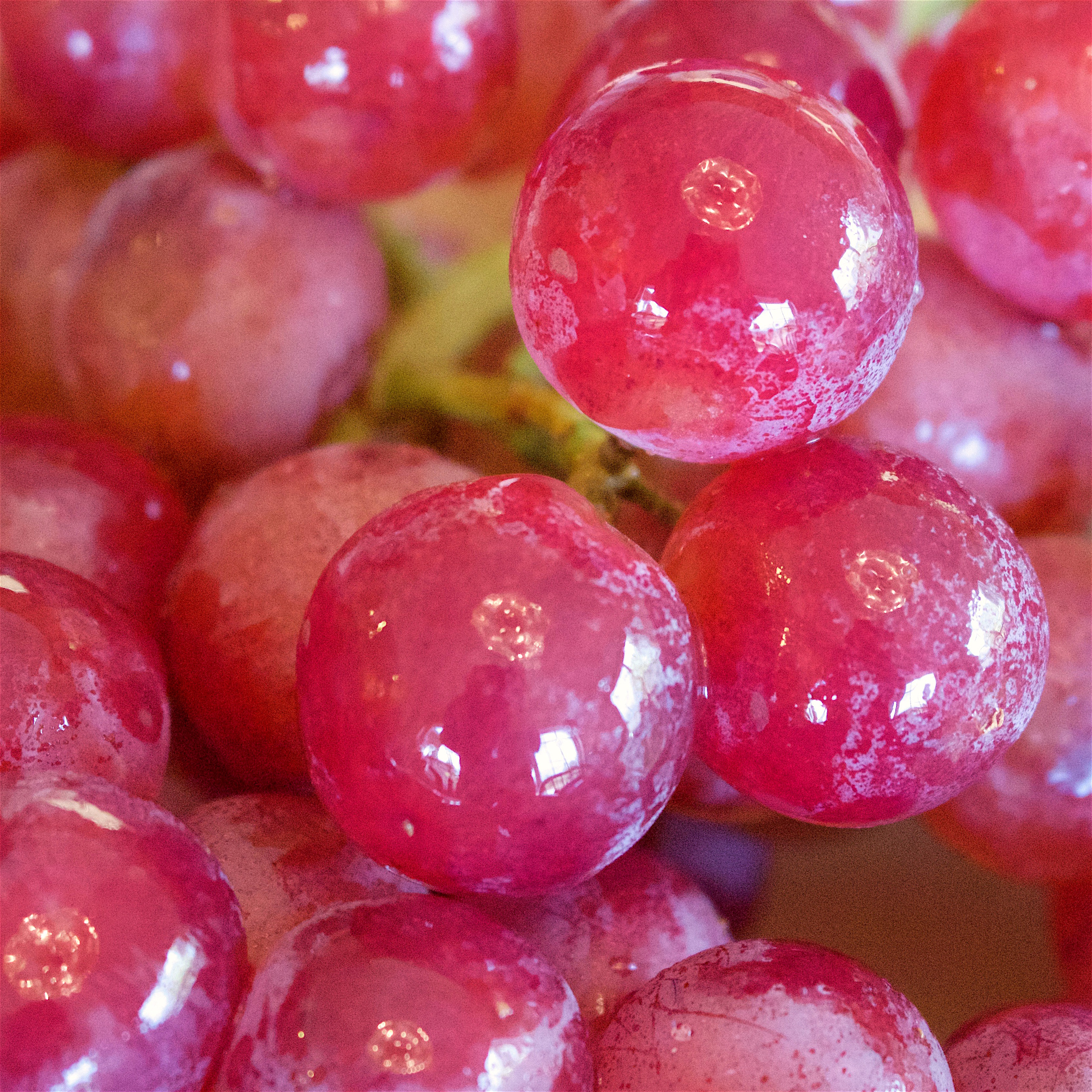
I refuse to be furious for the sake of fury and indignation. Arguments, tempting as they may be in the heat of the moment, don’t hold a candle to the lure of sharing sweet fruit of the garden and the cool shadows of the forest with those who need it most.
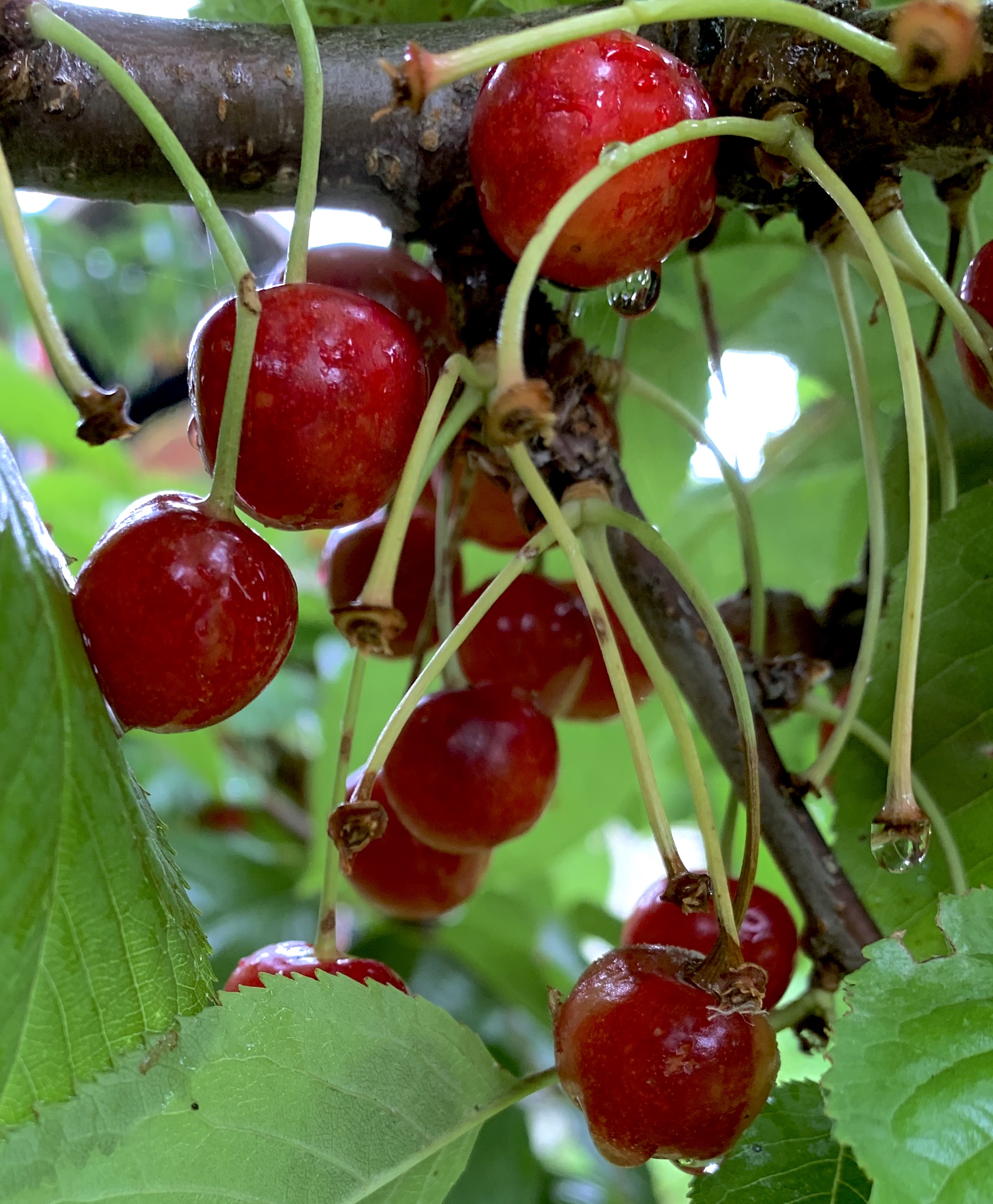
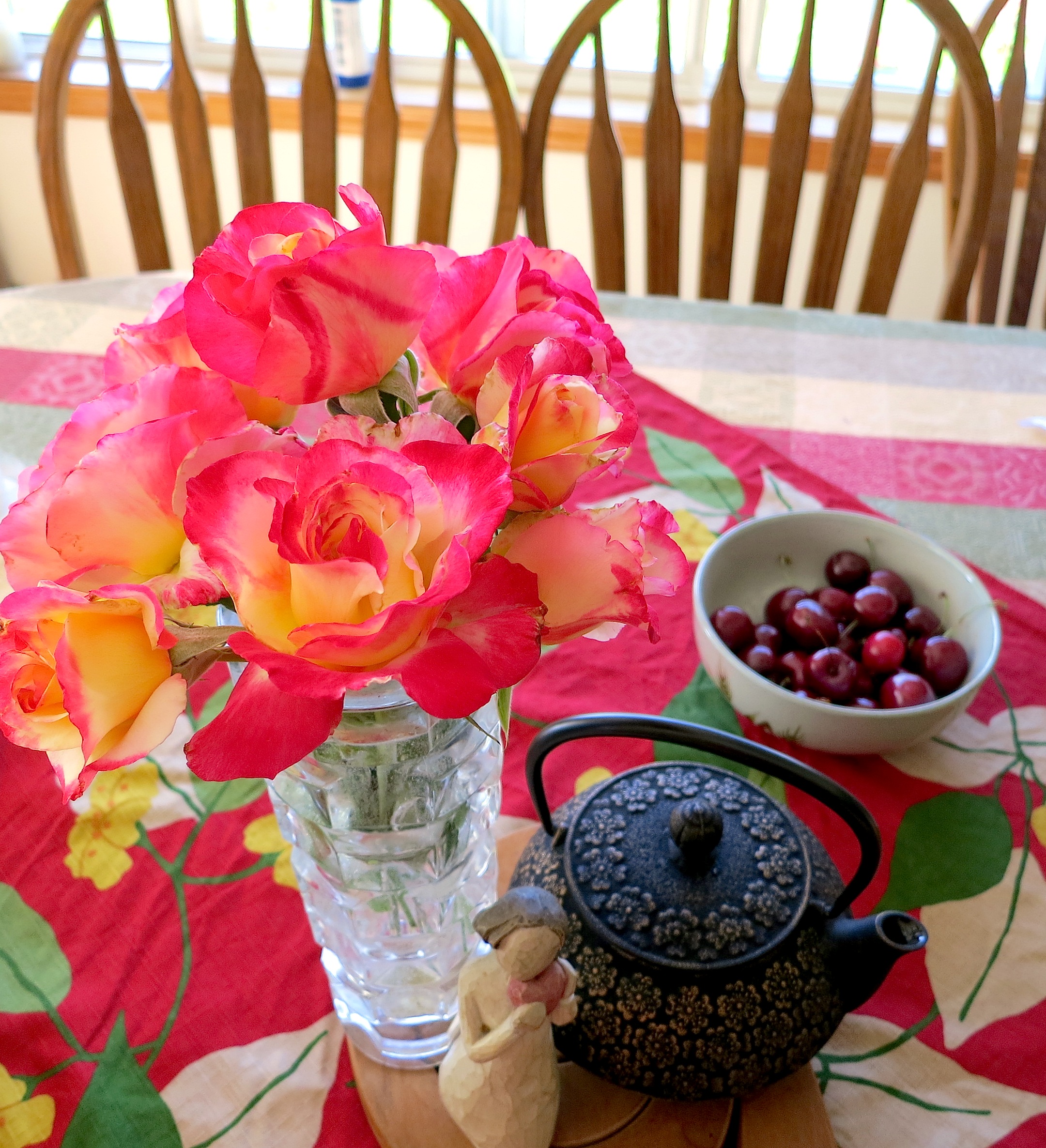
So come in and help me eat berries and cherries but leave your arguments at the door. You can pick them up later on your way out if you wish, but most likely they will have forgotten all about you and wandered away while you were busy living life.
Fickle things, arguments – they tend to fizzle out until someone decides to light a match to them again.
I’ve learned that even when I have pains, I don’t have to be one … I’ve learned that people will forget what you said, people will forget what you did, but people will never forget how you made them feel. ~Maya Angelouon her 70th birthday, citing a quote from Carl Buehner
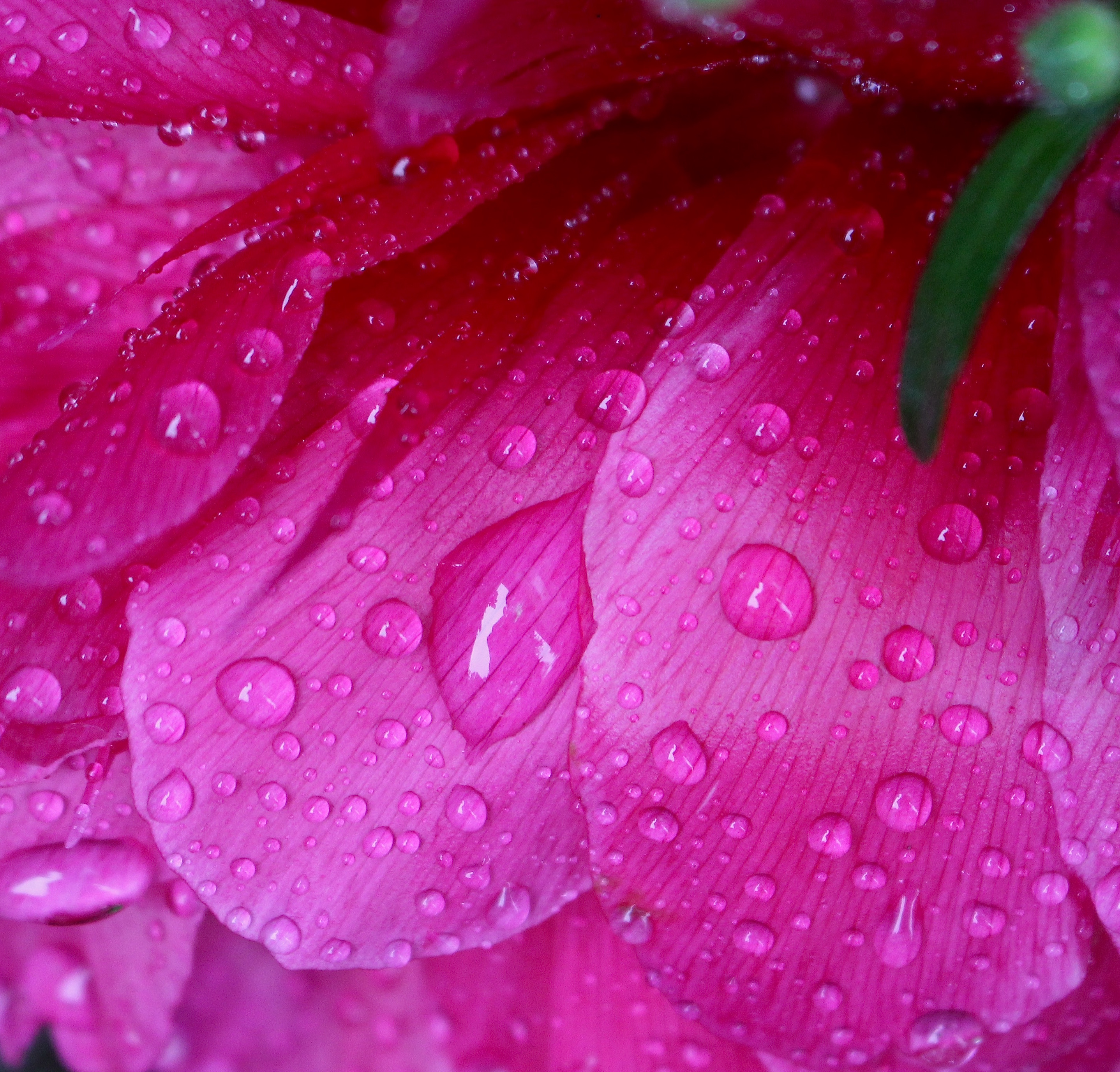
I learned from my mother how to love the living, to have plenty of vases on hand in case you have to rush to the hospital with peonies cut from the lawn, black ants still stuck to the buds. I learned to save jars large enough to hold fruit salad for a whole grieving household, to cube home-canned pears and peaches, to slice through maroon grape skins and flick out the sexual seeds with a knife point. I learned to attend viewings even if I didn’t know the deceased, to press the moist hands of the living, to look in their eyes and offer sympathy, as though I understood loss even then. I learned that whatever we say means nothing, what anyone will remember is that we came. I learned to believe I had the power to ease awful pains materially like an angel. Like a doctor, I learned to create from another’s suffering my own usefulness, and once you know how to do this, you can never refuse. To every house you enter, you must offer healing: a chocolate cake you baked yourself, the blessing of your voice, your chaste touch. ~Julie Kasdorf– “What I Learned from my Mother”
Usually a mom knows best about these things — how to love others when and how they need it and how to ease pain, not become one. We don’t always get it right though, and dads can do it better.
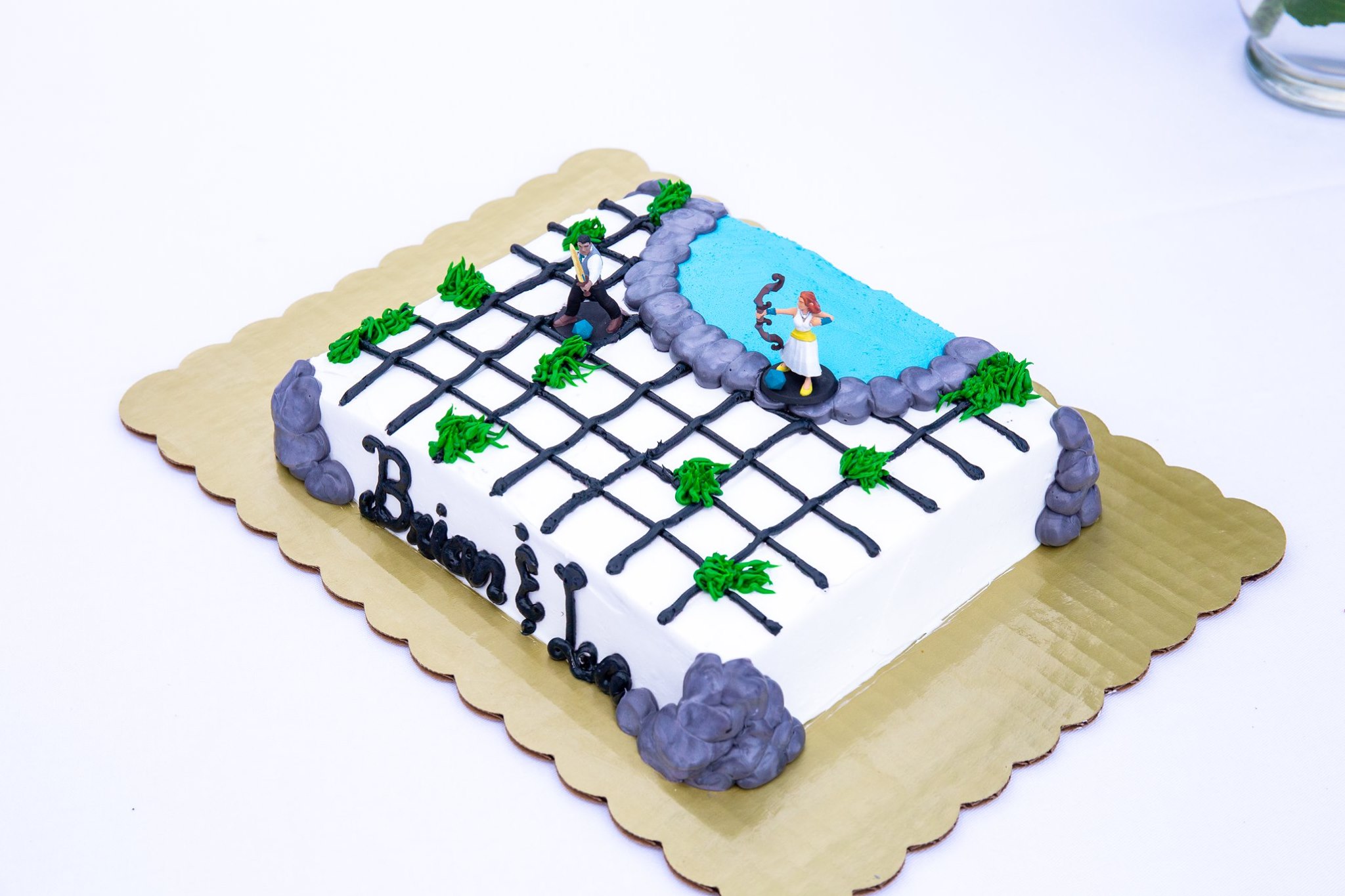
Showing up with food is always a good thing but it is the showing up part that is the real food; bringing along a cake is simply the icing.
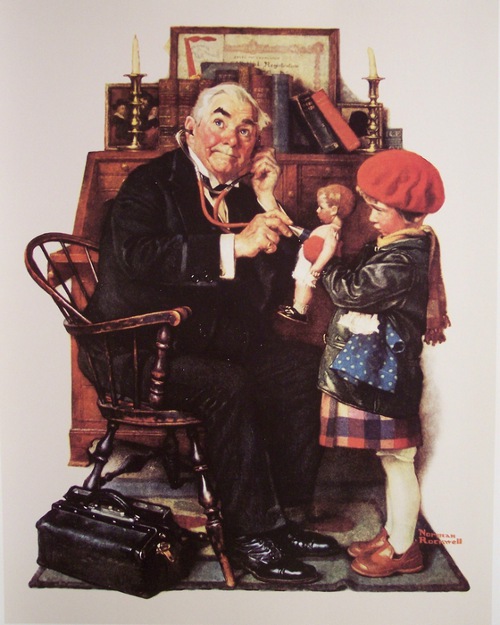
This is a good reminder that as a doctor, my usefulness has tended to depend on another’s suffering. No illness, no misery, no symptoms and I’m out of a job. I can only hope that someday that might be the case. What a world it would be, especially as now suffering is universal.
And then I can still be a mom and grandmom even if there is no more doctor work to be done: ….if I’d known it could help, I’d have baked a cake and shown up with it…
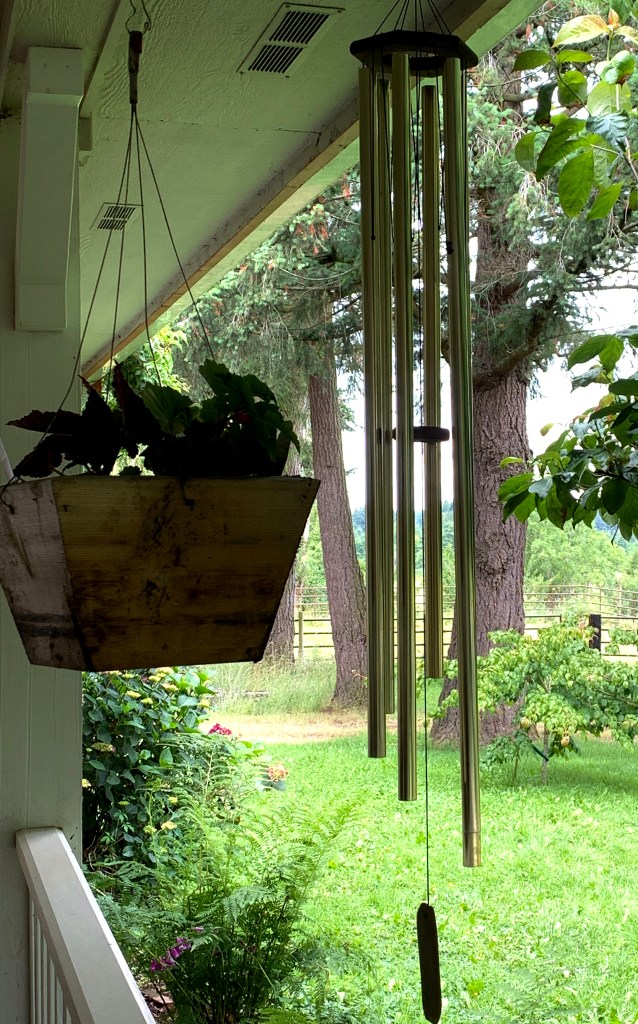
Now we are here at home, in the little nation of our marriage, swearing allegiance to the table we set for lunch or the windchime on the porch,
its easy dissonance. Even in our shared country, the afternoon allots its golden lines so that we’re seated, both in shadow, on opposite
ends of a couch and two gray dogs between us. There are acres of opinions in this house. I make two cups of tea, two bowls of soup,
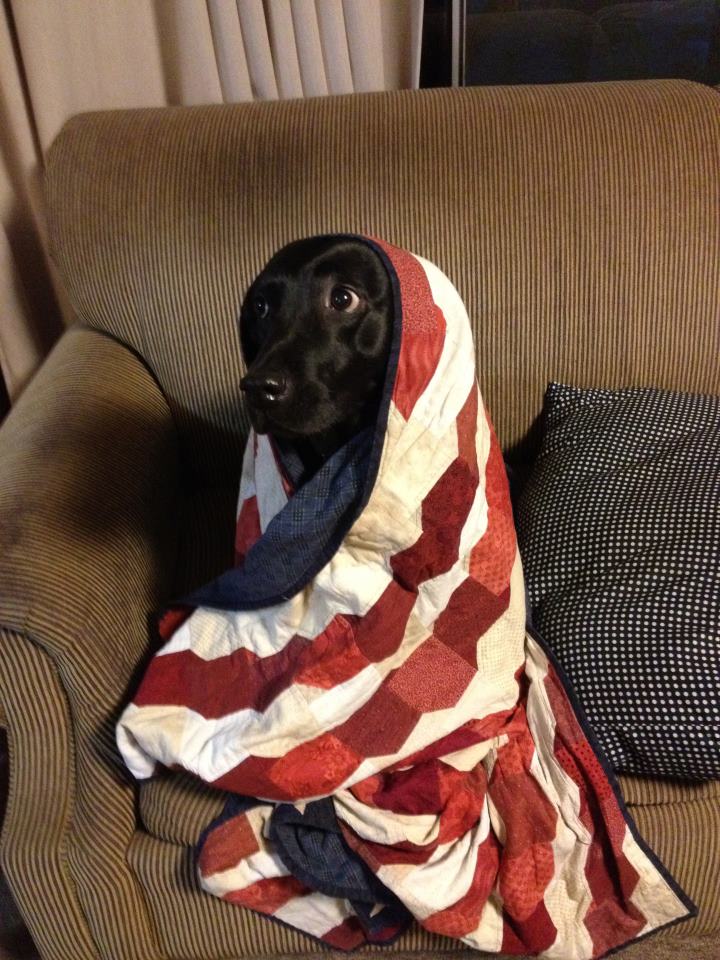
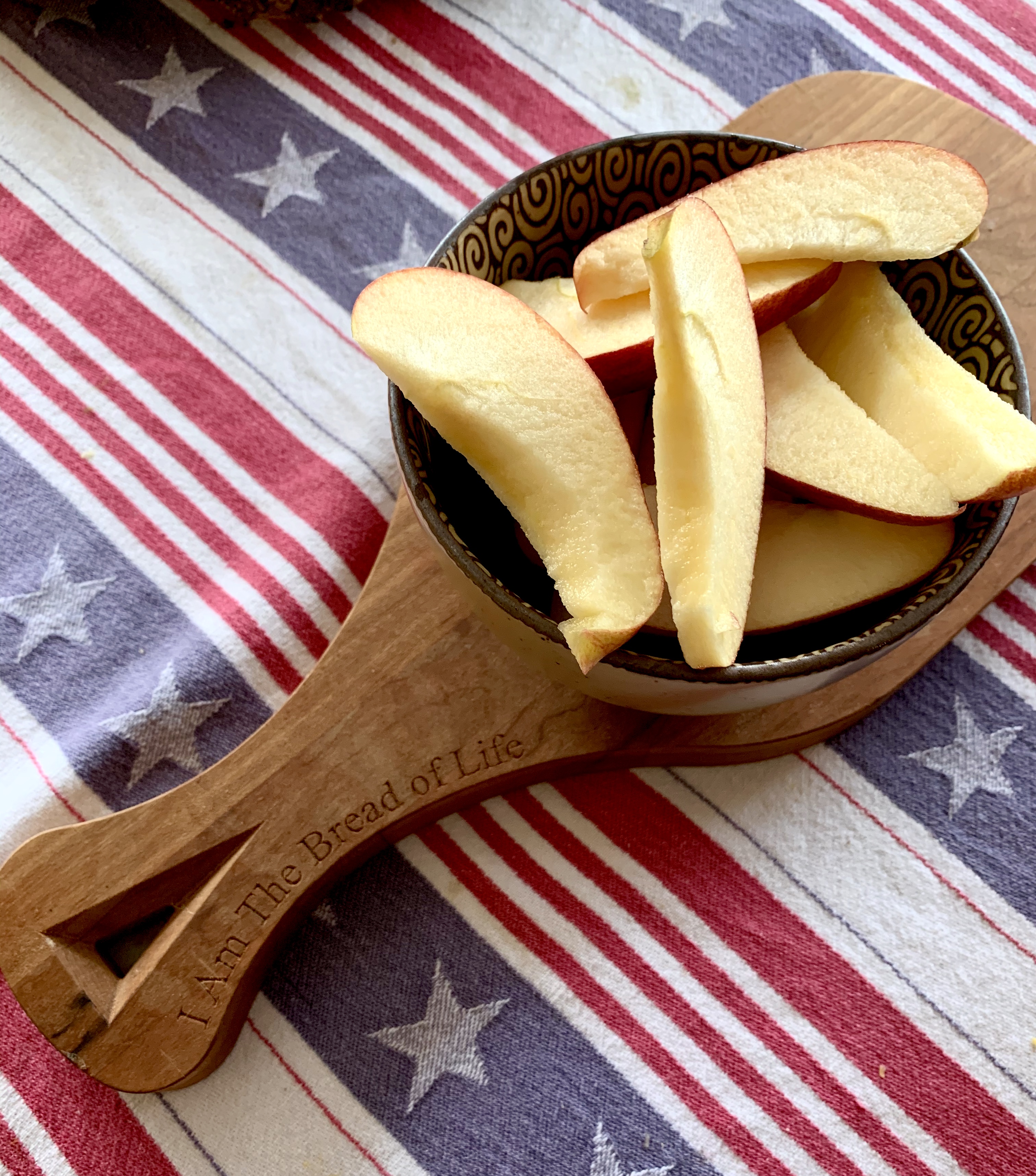
divide an apple equally. If I were a patriot, I would call the blanket we spread across our bed the only flag—some nights we’ve burned it with our anger at each other.Some nights we’ve welcomed the weight, a woolen scratch on both our skins. My love, I am pledging
to this republic, for however long we stand, I’ll watch with you the rain’s arrival in our yard. We’ll lift our faces, together, toward the glistening. ~Jehanne Dubrow from “Pledge”
photo by Bette Vander Haak
Whether it is a beloved country, or a devoted marriage, there is need for loyalty to last through the difficult times and the imperfections.
We pledge allegiance to the republic of one another among acres of opinions: our differences in how we see the world contrast with our shared goals and dreams. Our stubborn persistence to stay intact is threatened by our fragile weaknesses that can easily break us asunder.
So we stand united, no matter the dissonance and the disagreements, drenched with the responsibility and accountability to make this union work, no matter what, for as long as we shall live, and much much beyond.
May we glisten with the pledge of allegiance: we can only accomplish this together.
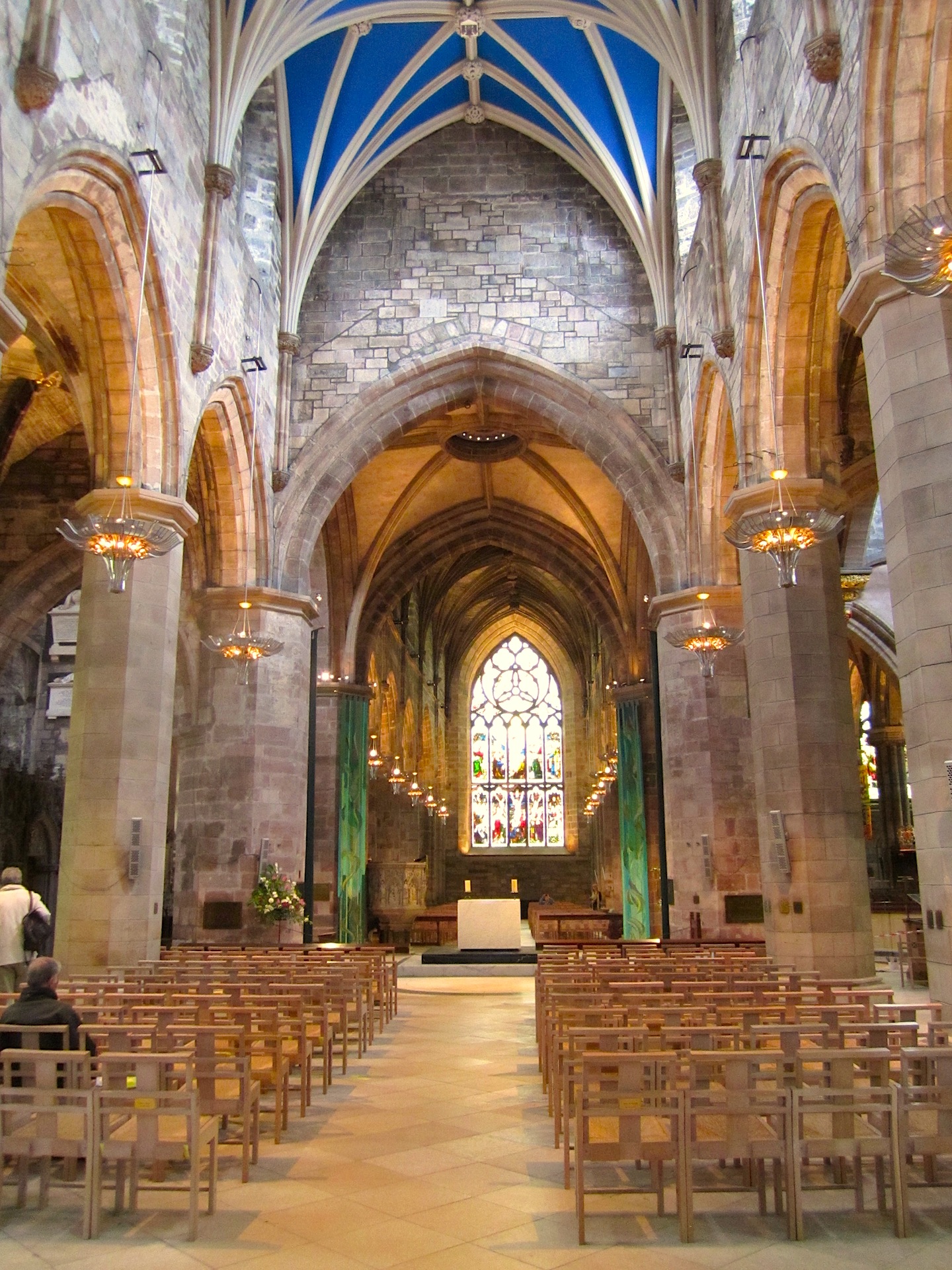
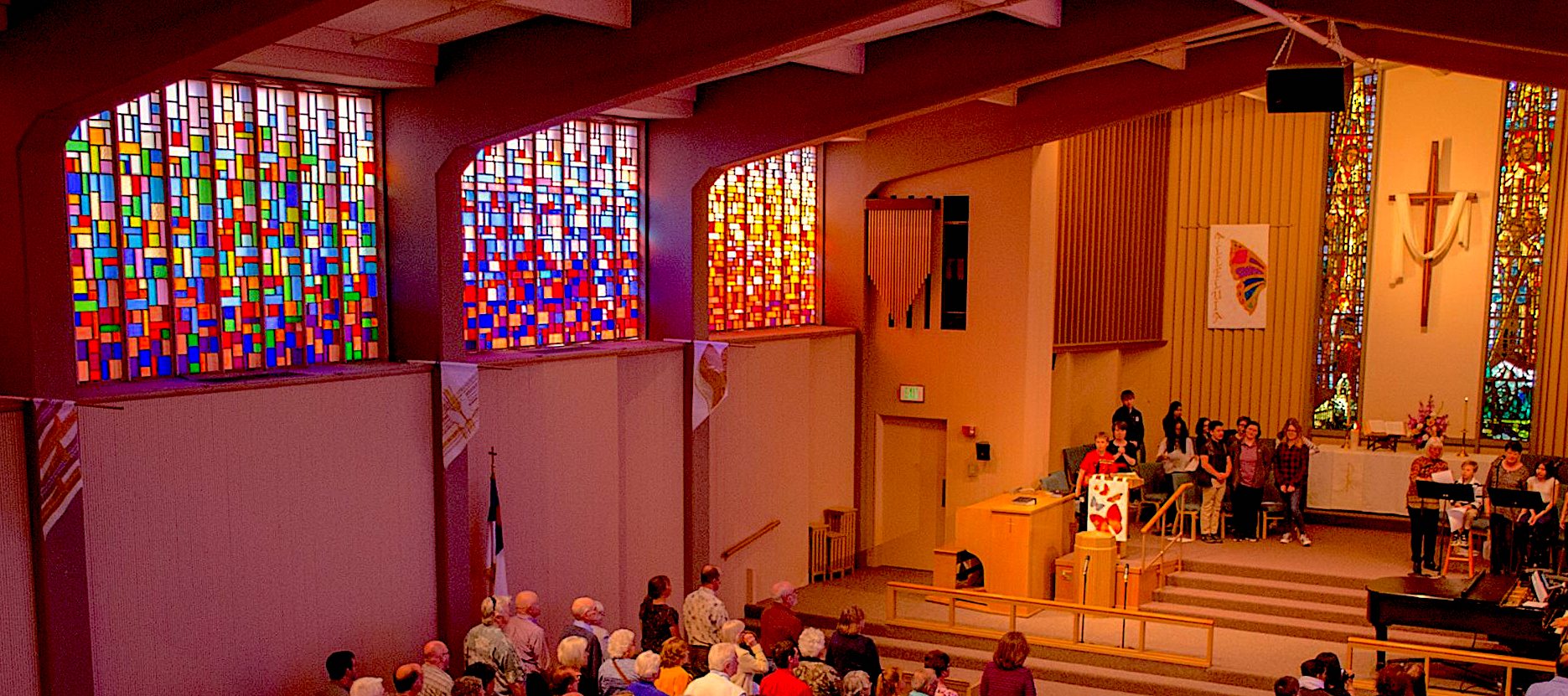
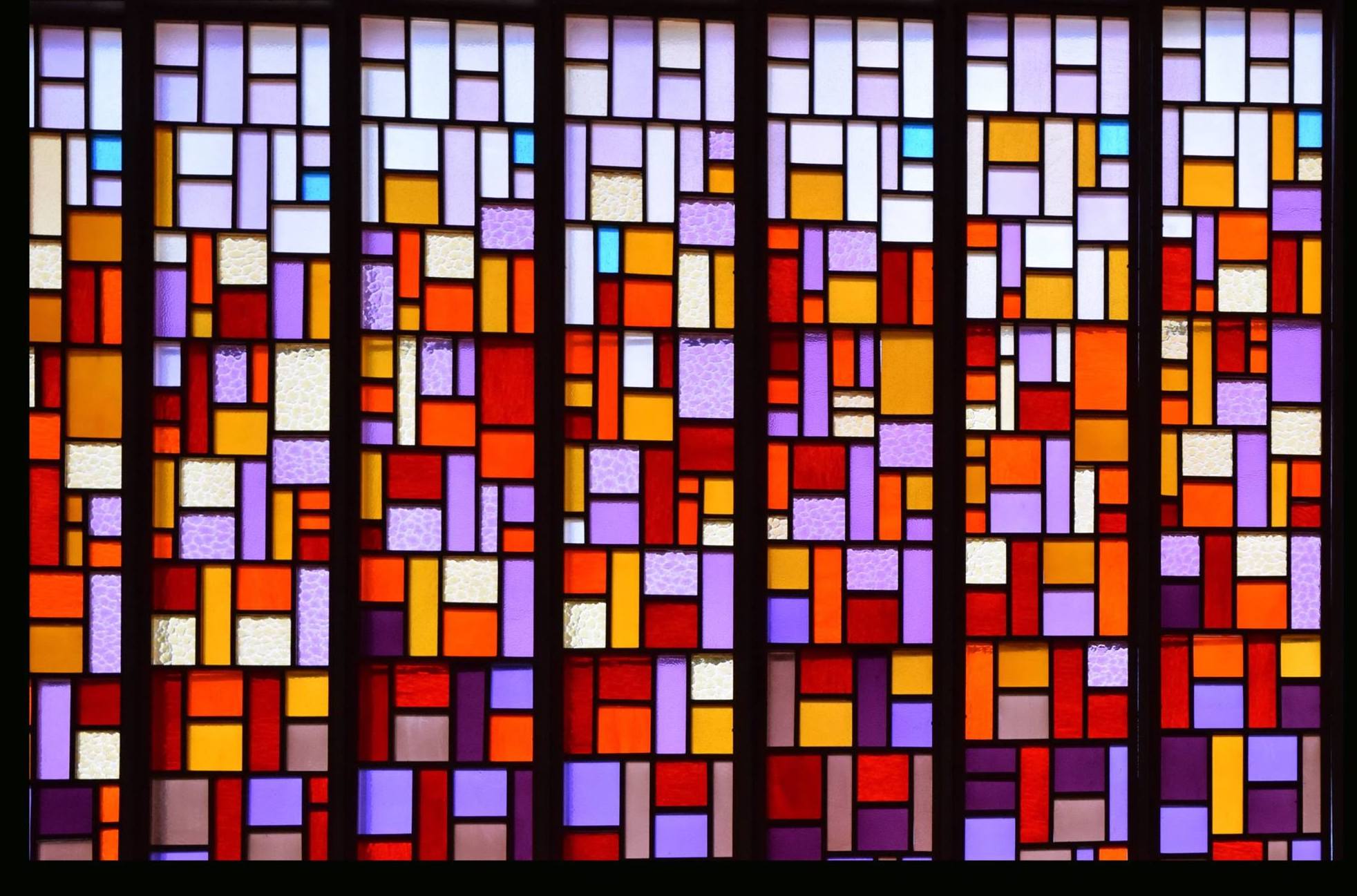
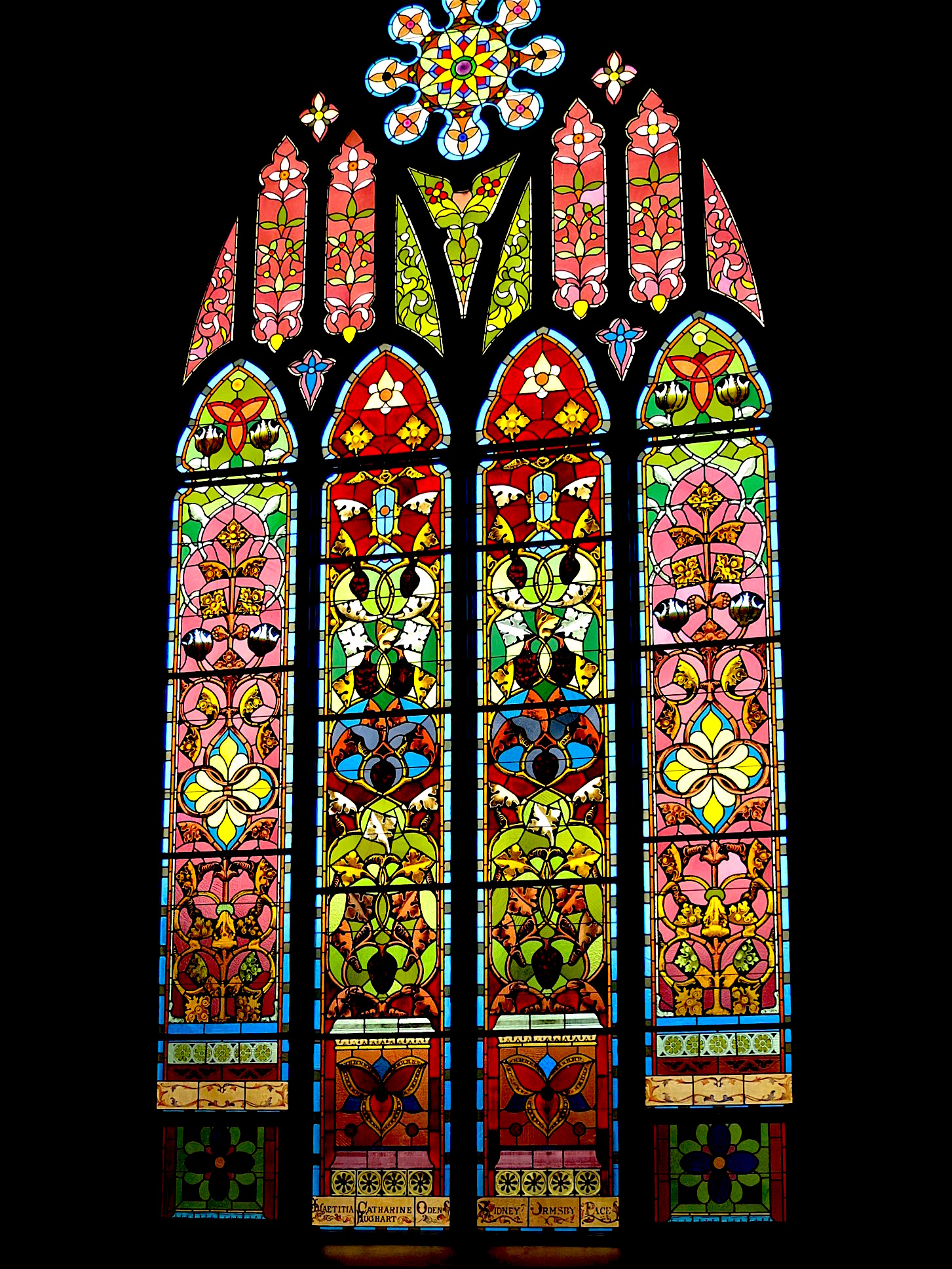
Because my parents had denied me comic books as sordid and salacious, I would sneak a look at those of friends, the bold and bright slick covers, pages rough as news and inked in pinks and greens and blues as cowboys shouted in balloons and Indian yells were printed on the clouds. I borrowed books and hid them in the crib and under shoes and under bed. The glories of those hyperbolic zaps and screams were my illuminated texts, the chapbook prophets of forbidden and secret art, the narratives of quest and conquest in the West, of Superman and Lash Larue. The print and pictures cruder than the catalog were sweeter than the cake at Bible School. I crouched in almost dark and swilled the words that soared in their balloons and bulbs of grainy breath into my pulse, into the stratosphere of my imagination, reaching Mach and orbit speed, escape velocity just at the edge of Sputnik’s age, in stained glass windows of the page. ~Robert Morgan “Funny Books” from The Strange Attractor: New and Selected Poems
I learned to read at age four by spending hours poring over the stained glass panels of innumerable 10 cent comic books. One was sent weekly to us kids by our grandfather who only saw us twice a year so we took turns reading that comic over and over until we had the pictures and the content of the dialogue balloons completely memorized before the next one arrived.
My personal favorites were Superman and Archie and Little Lulu but I didn’t discriminate – I’d read anything with colorful pictures and thought bubbles, which probably explains my persisting penchant for Life magazines and National Geographics.
It also explains this blog being 2/3 photos and 1/3 text. I need pictures to get me through most reading material. Medical school was a breeze thanks to so many pictures in the text books. A good thing I’m not an attorney – no pictures in those texts.
I eventually graduated in my cynical pre-teen years to Mad Magazine and (when my parents weren’t paying attention — Cracked) and finally gave up comics altogether by high school.
So whatever happened to a collection of 762 comic books that had accumulated over years of Grandpa’s mailings, as well as my own purchases, spending my hard-earned allowance on comics throughout the 60’s?
As an industrious (and bored) nine year old in the summer of 1964, I decided to open a neighborhood comic book library for kids who wanted to borrow them so I catalogued each and every one on notebook paper and then created a card system taped into each one inside, just like at the real library. If a local kid borrowed a comic, I kept the card showing the date it was borrowed and when it was “due” back and who the borrower was. I don’t remember having many library visitors, as we lived in a rural part of the community, but I did have few friends who would take home several comics (a limit of 3!) and return them the following week.
Eventually the comics were put to rest in a trunk that was stored in our barn and forgotten until my mother had to sell the farm and get everything moved out after my parents’ divorce. My brother and I both thought the other sibling had managed to grab the comic collection but when we talked about it years later, realized that neither of us had possession of them. This became a bit of an issue when we realized that well-cared-for vintage comic books were selling for significant prices in today’s market and we estimated that our collection may have been worth a few thousand dollars.
But oh well.
I hope they ended up in someone’s worthy hands, complete with their kid-made library cards taped to the inside and very well-thumbed pages.
The irony is that to this day, I can’t look at stained glass windows in church without wondering about the silent thought balloons rising above the heads of the people around me. I suspect they would make a great story.
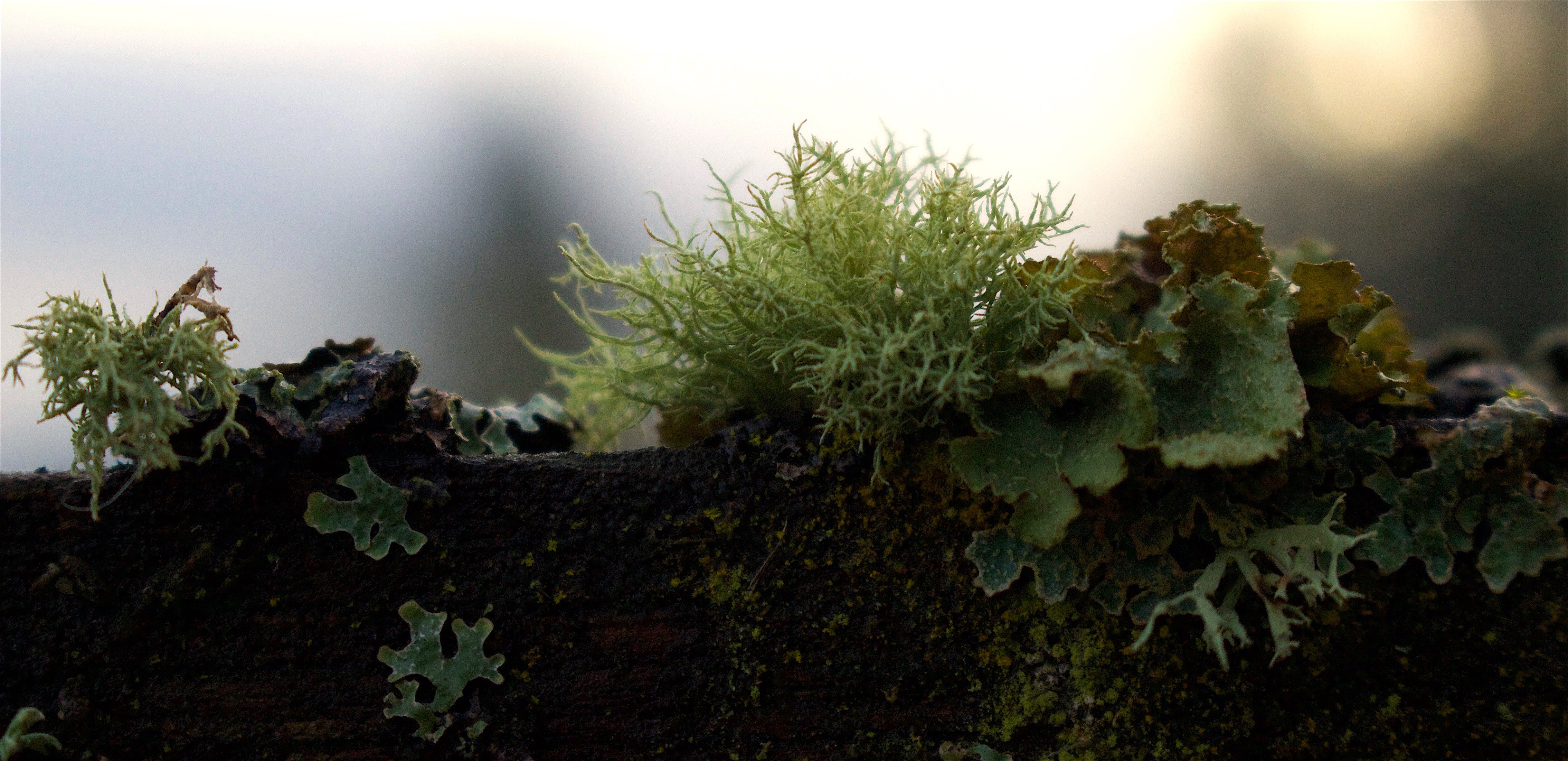
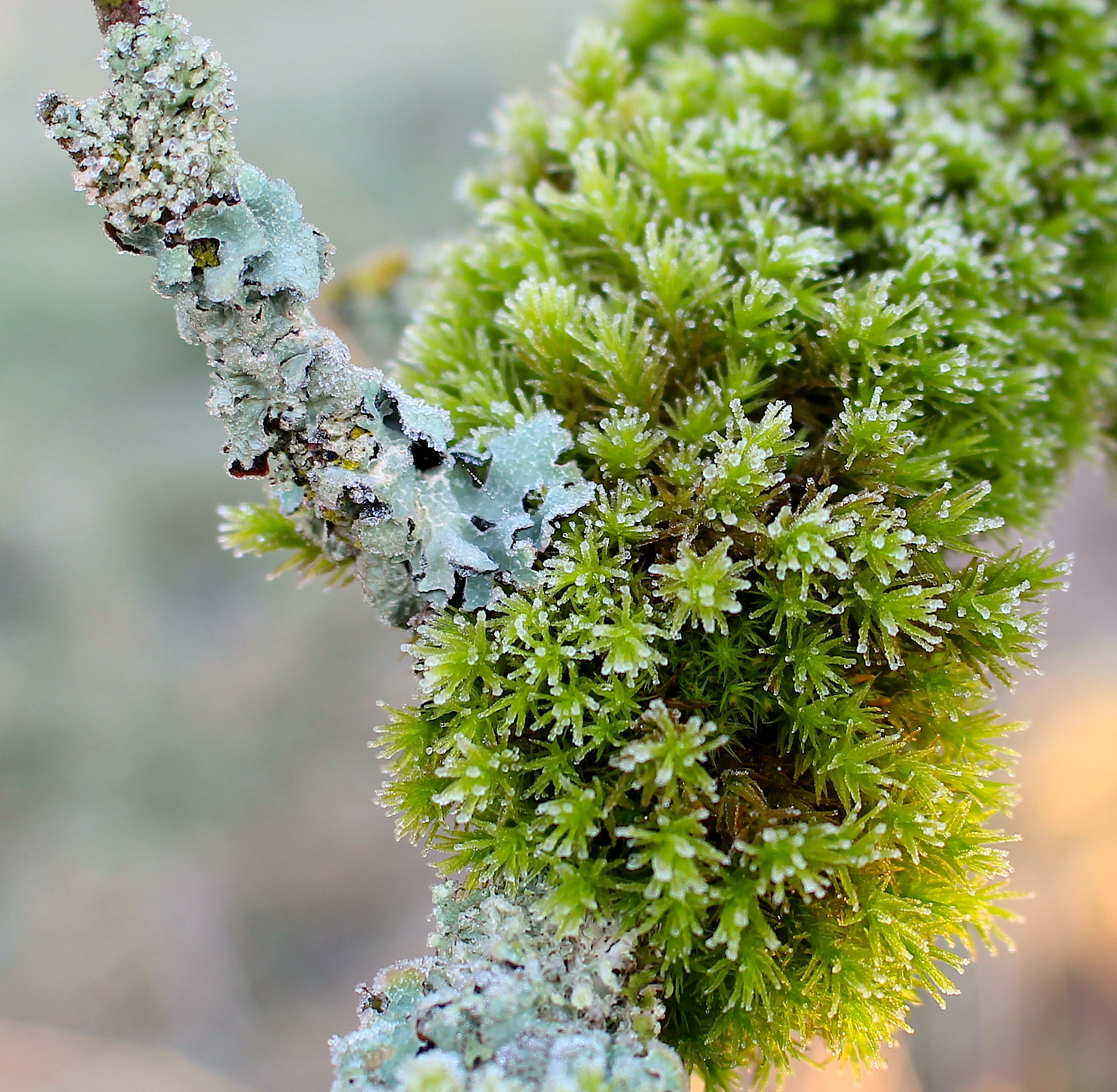
There is an ancient conversation going on between mosses and rocks, poetry to be sure. About light and shadow and the drift of continents. This is what has been called the “dialect of moss on stone – an interface of immensity and minuteness, of past and present, softness and hardness, stillness and vibrancy…
Learning to see mosses is more like listening than looking. A cursory glance will not do it. Mosses are not elevator music; they are the intertwined threads of a Beethoven quartet. ~Robin Kimmerer from Gathering Moss: A Natural and Cultural History of Mosses
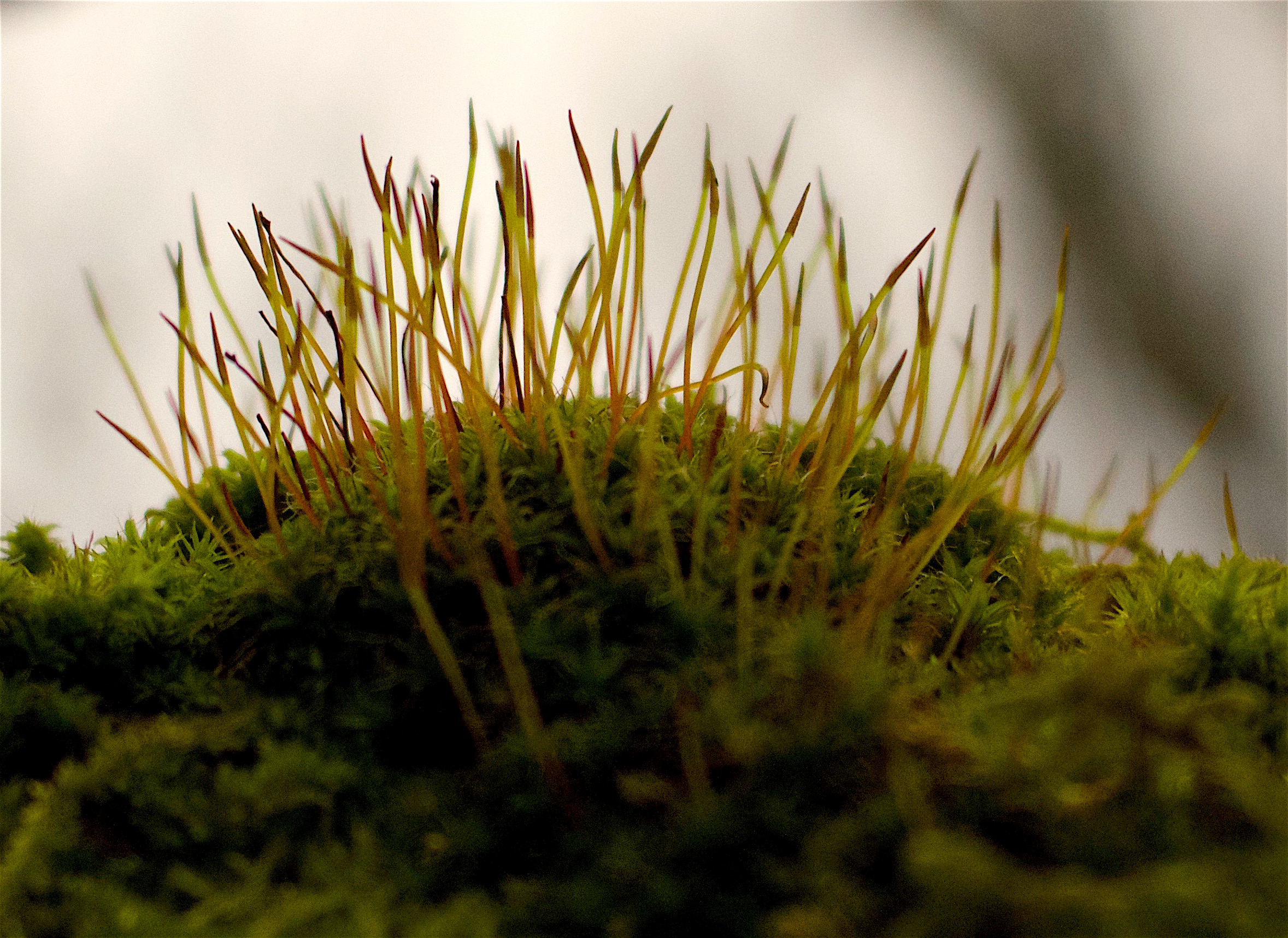
Most lie low, flourishing with damp, harvesting sunlight, no commotion, moss mouse-silent, even through wind and hail, stoic through motors roaring fumes, through fat-clawed bears grubbing.
They can soothe the knife-edges of stones with frothy leaf by leaf of gray-green life, and burned-ground mosses cover destruction, charred stumps, trees felled and blackened. Cosmopolitan mosses likewise salve sidewalk cracks, crumbling walls.
They root in thin alpine air, on sedentary sand dunes, cling to cliff seeps beneath spilling springs. For rest, they make mats on streamside banks, for pleasure produce silky tufts, wavy brooms of themselves in woodlands for beauty, red roof moss for whim, elf cap, hair cap, sphagnum for nurturing.
I believe they could comfort the world with their ministries. That is my hope, even though this world be a jagged rock, even though this rock be an icy berg of blue or a mirage of summer misunderstood (moss balm for misunderstanding), even though this world be blind and awry and adrift, scattering souls like spores through the deep of a starlit sea. ~Pattiann Rogers from “The Moss Method”
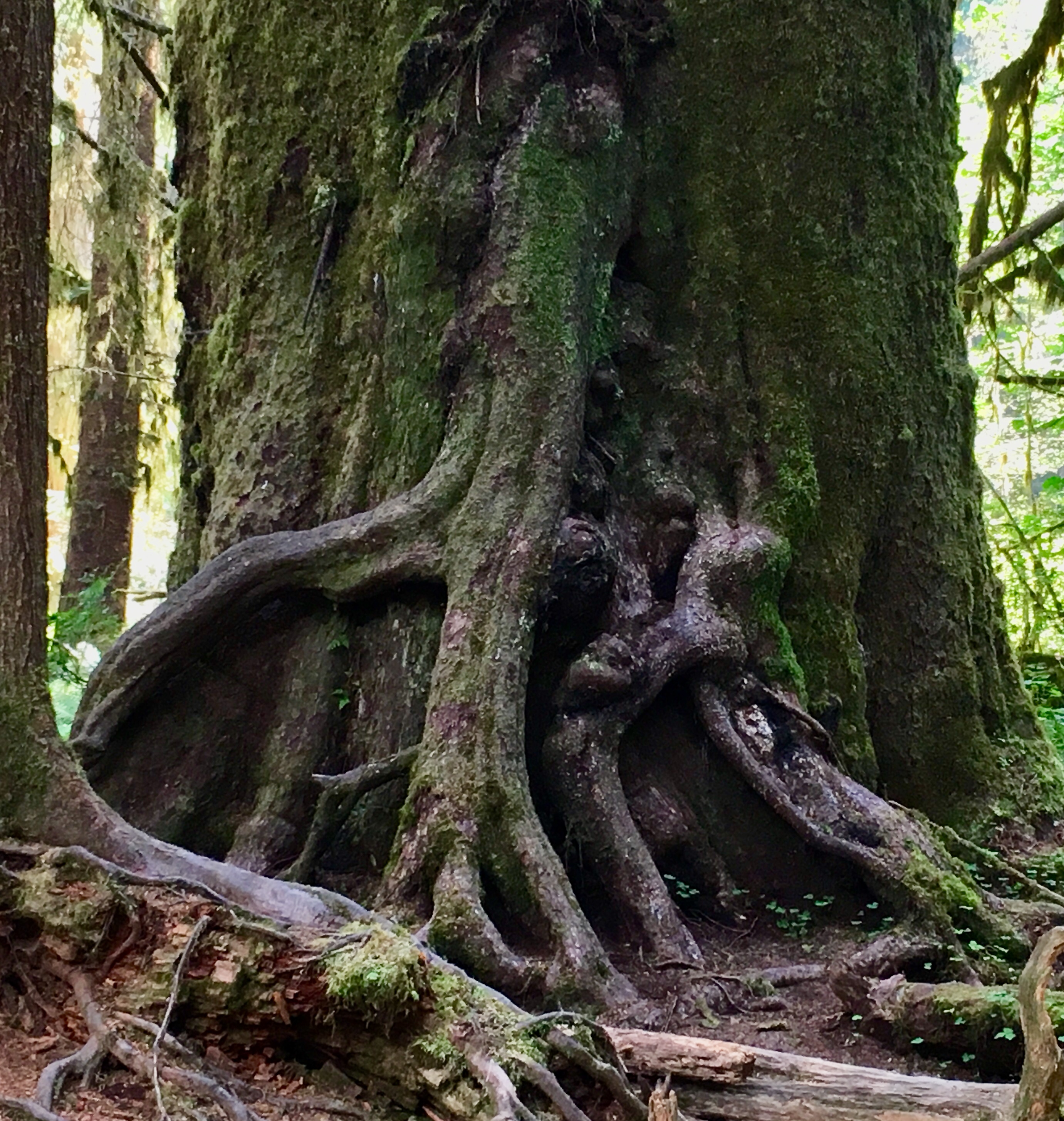
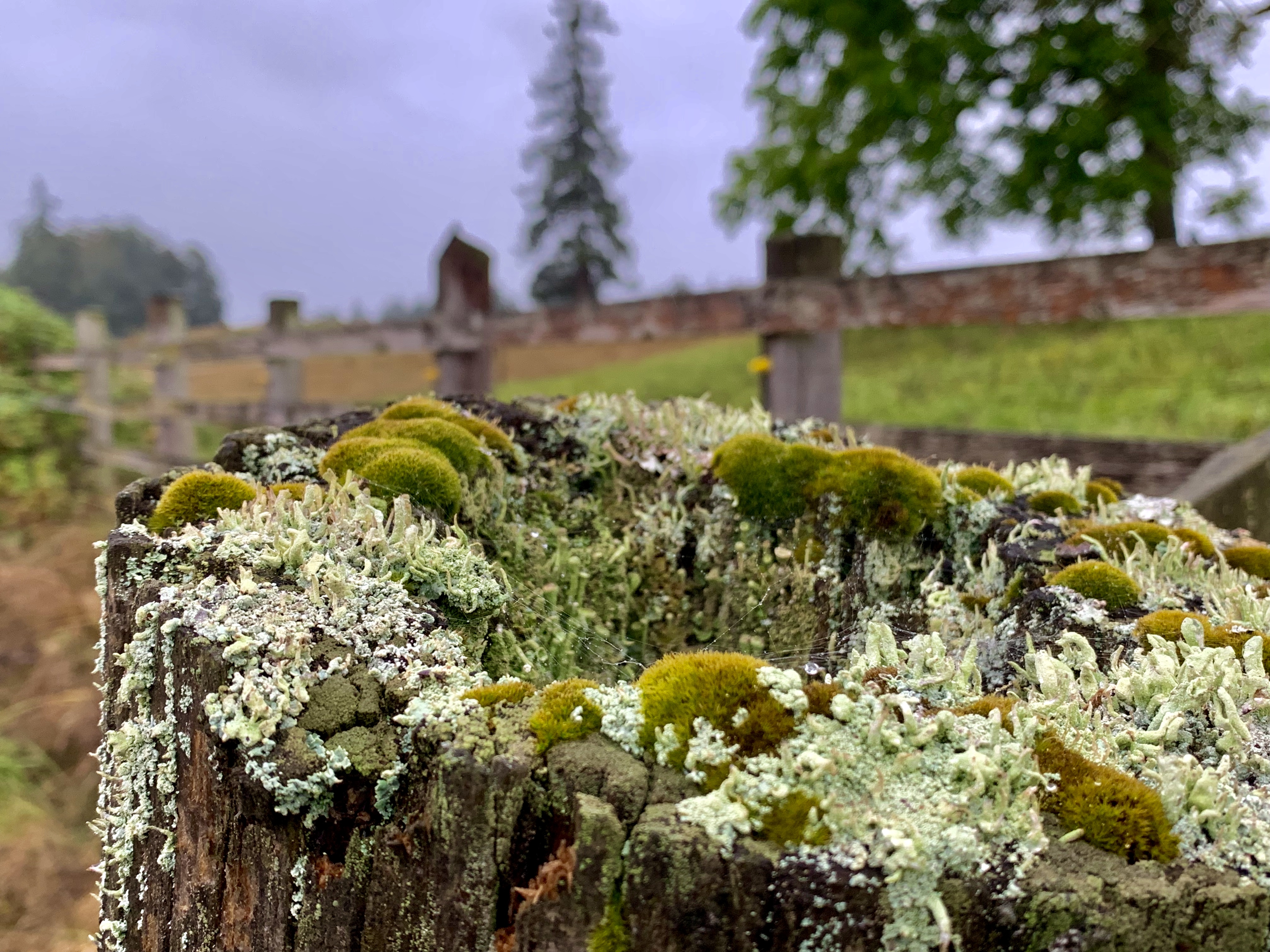
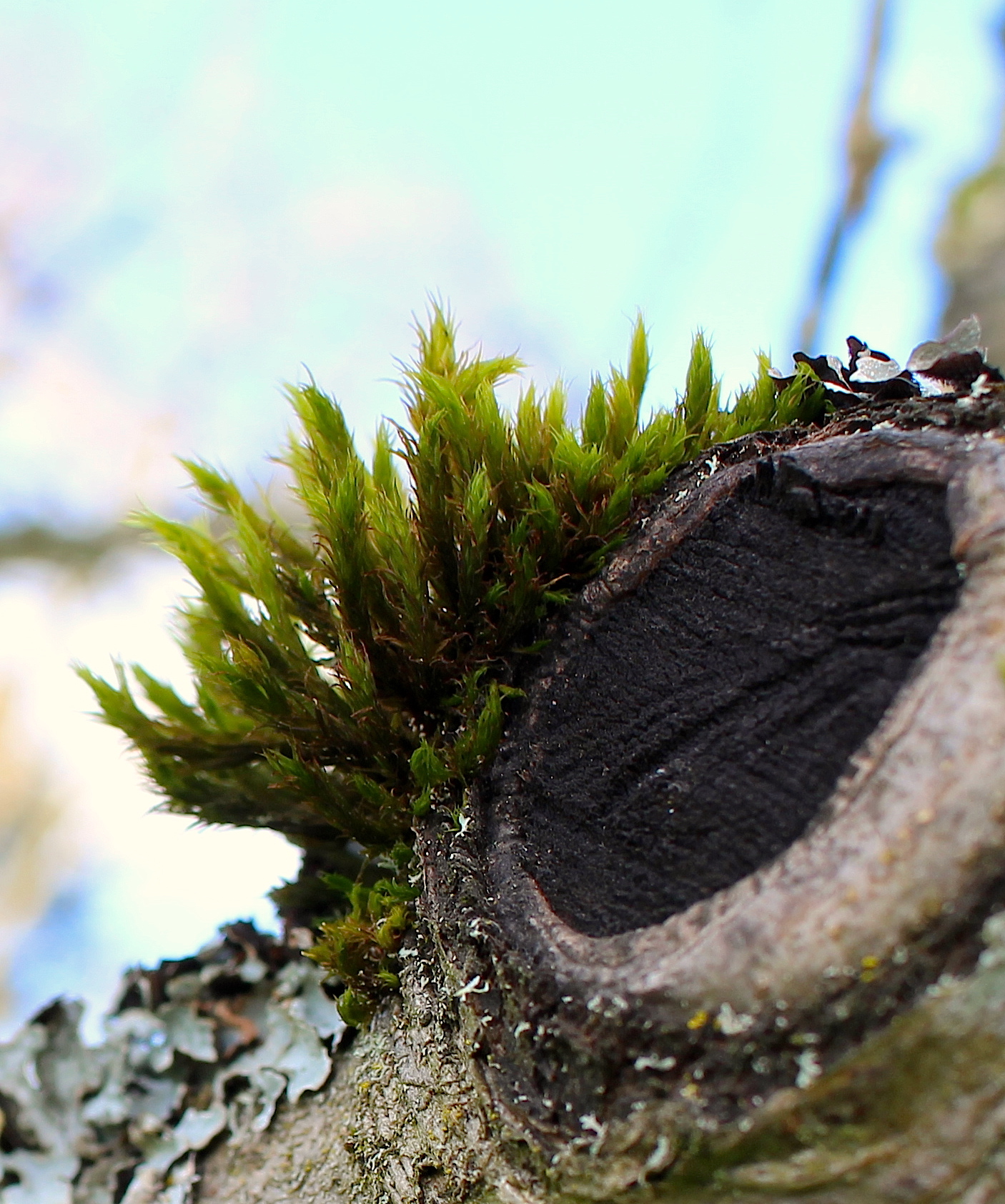
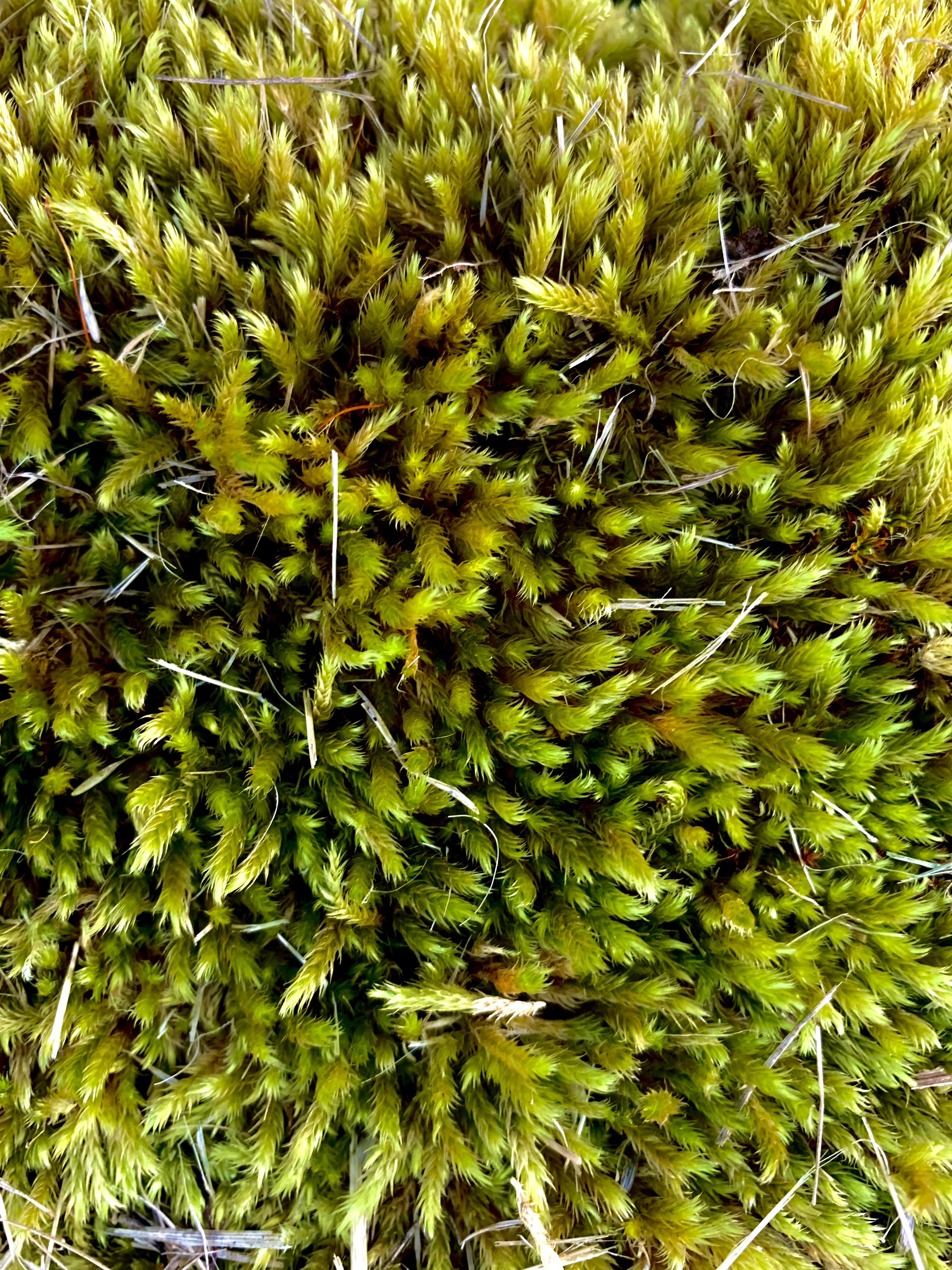
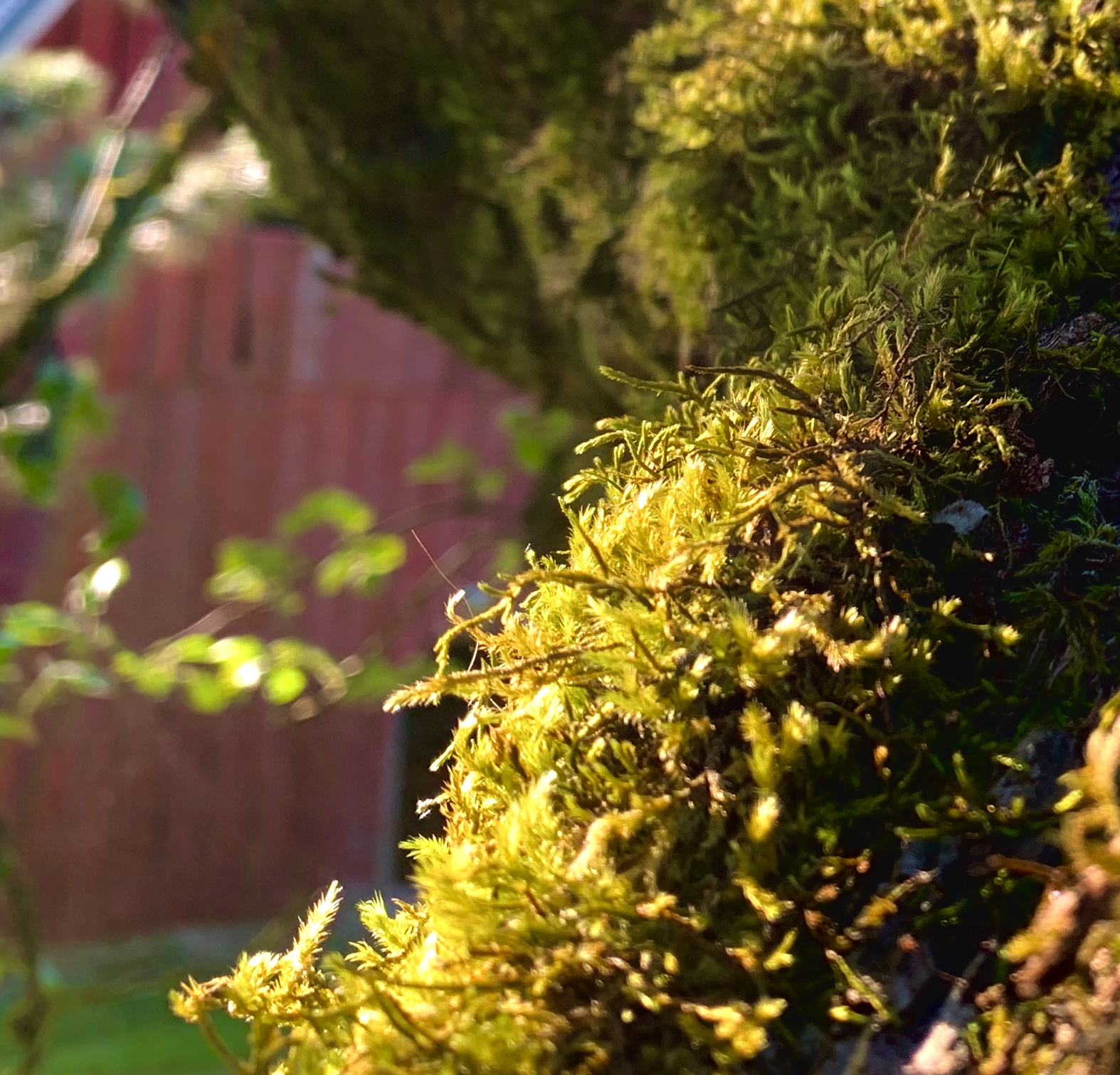
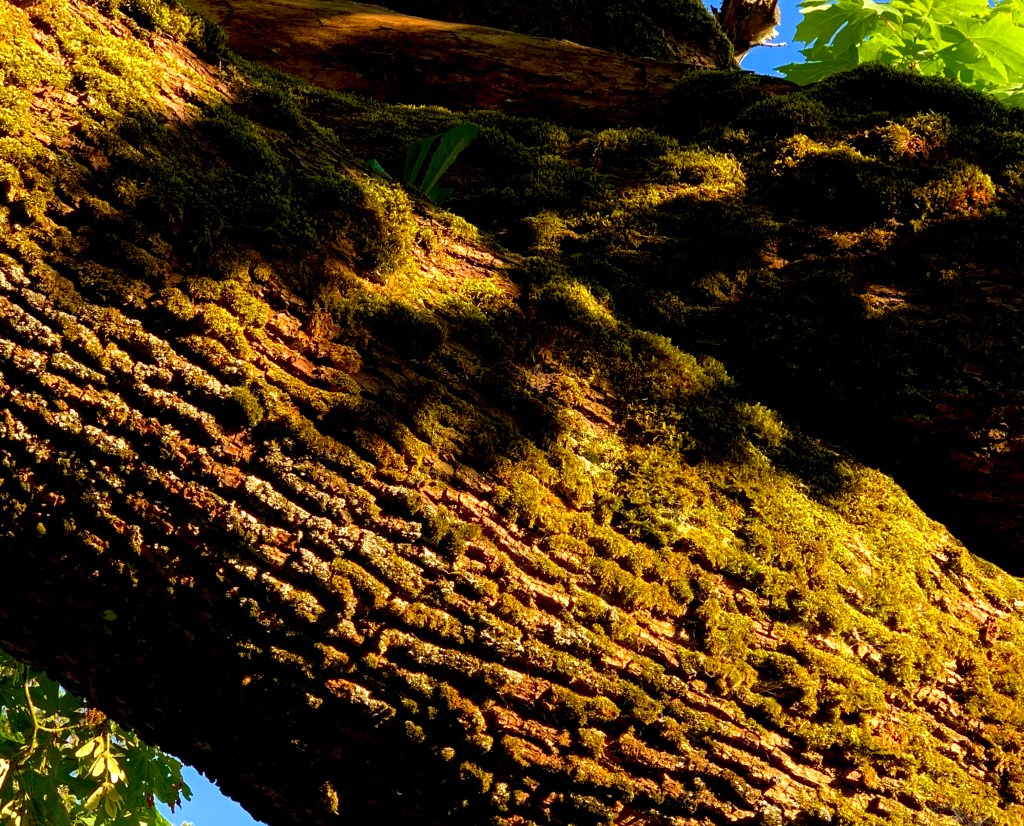
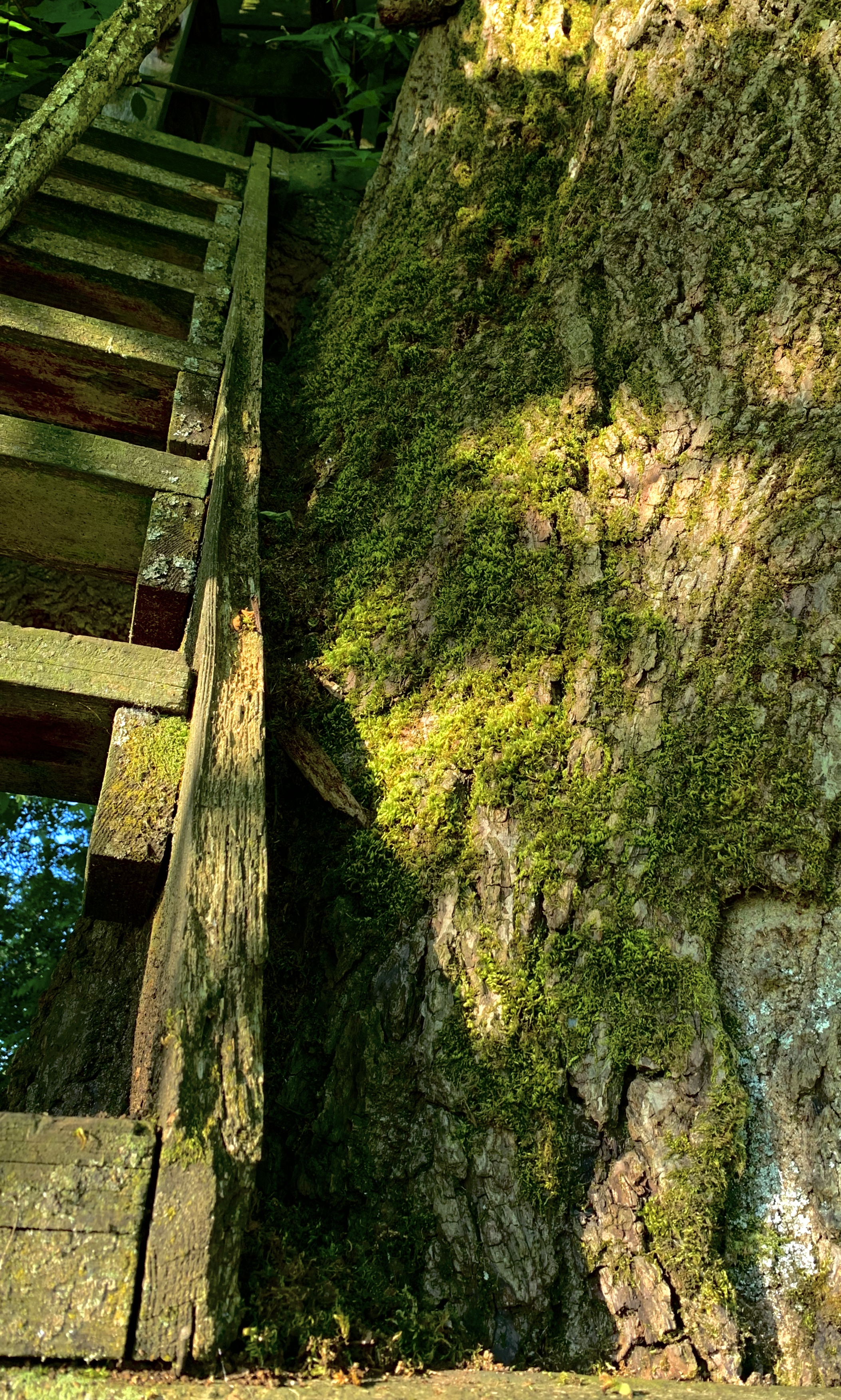
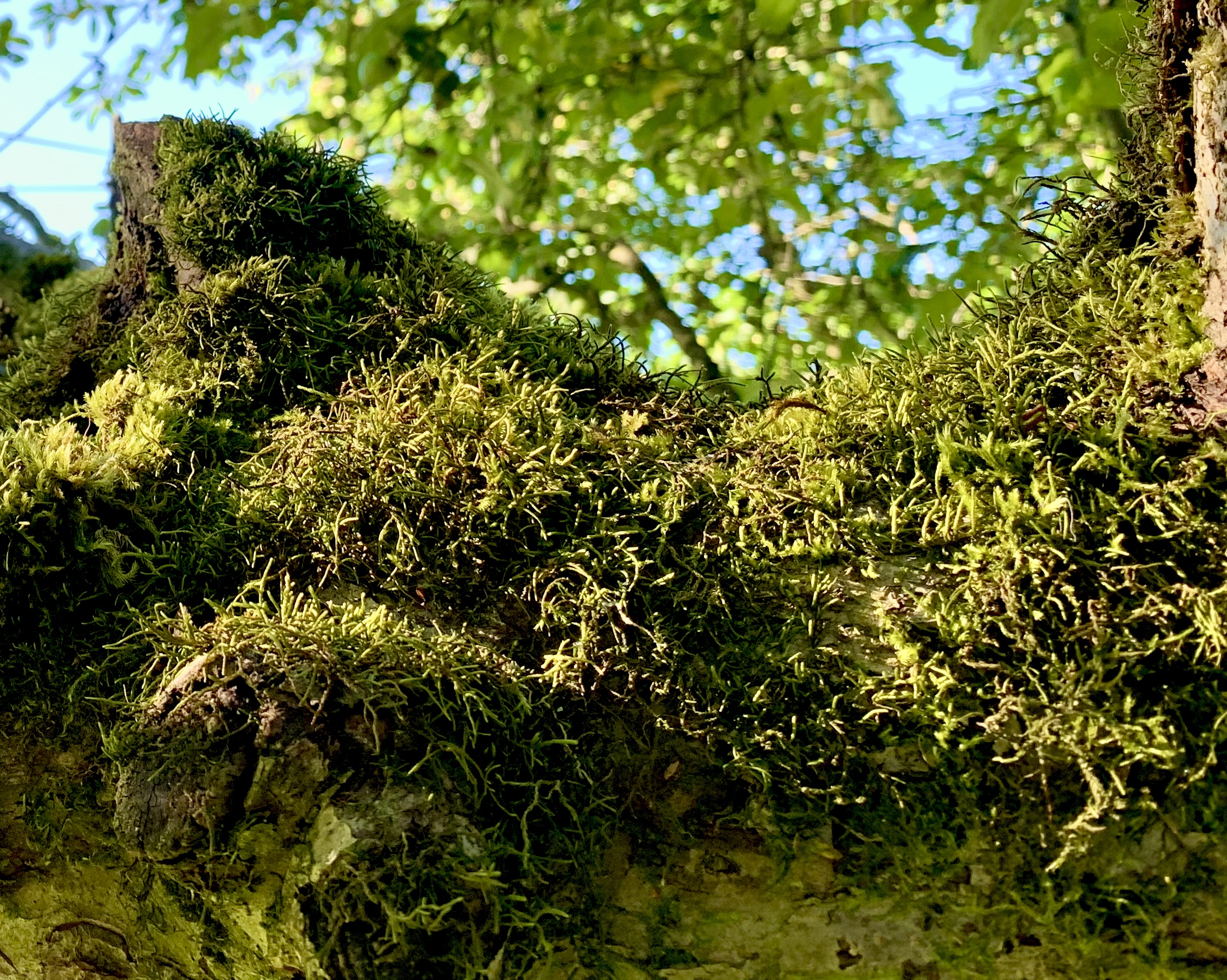
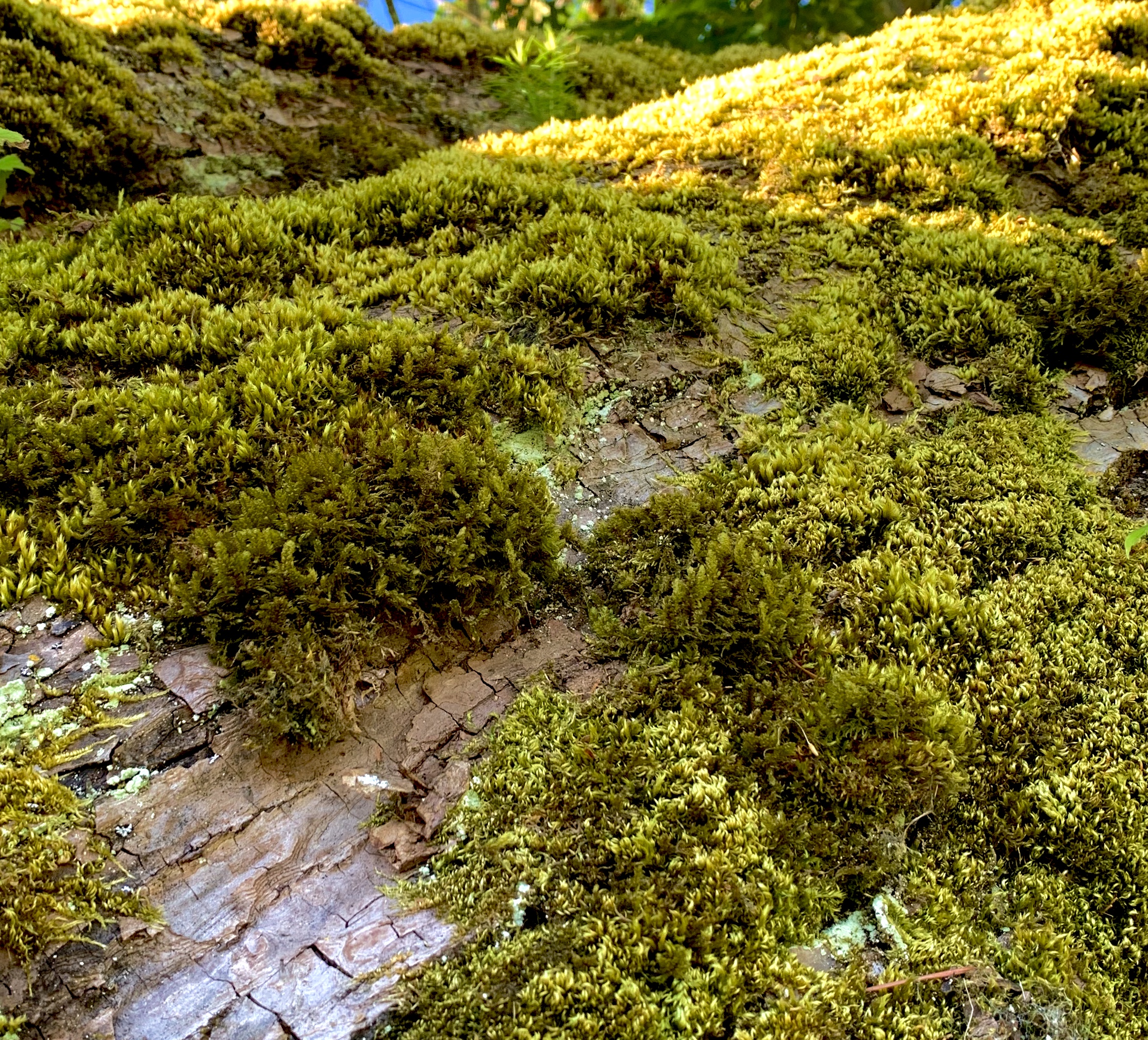
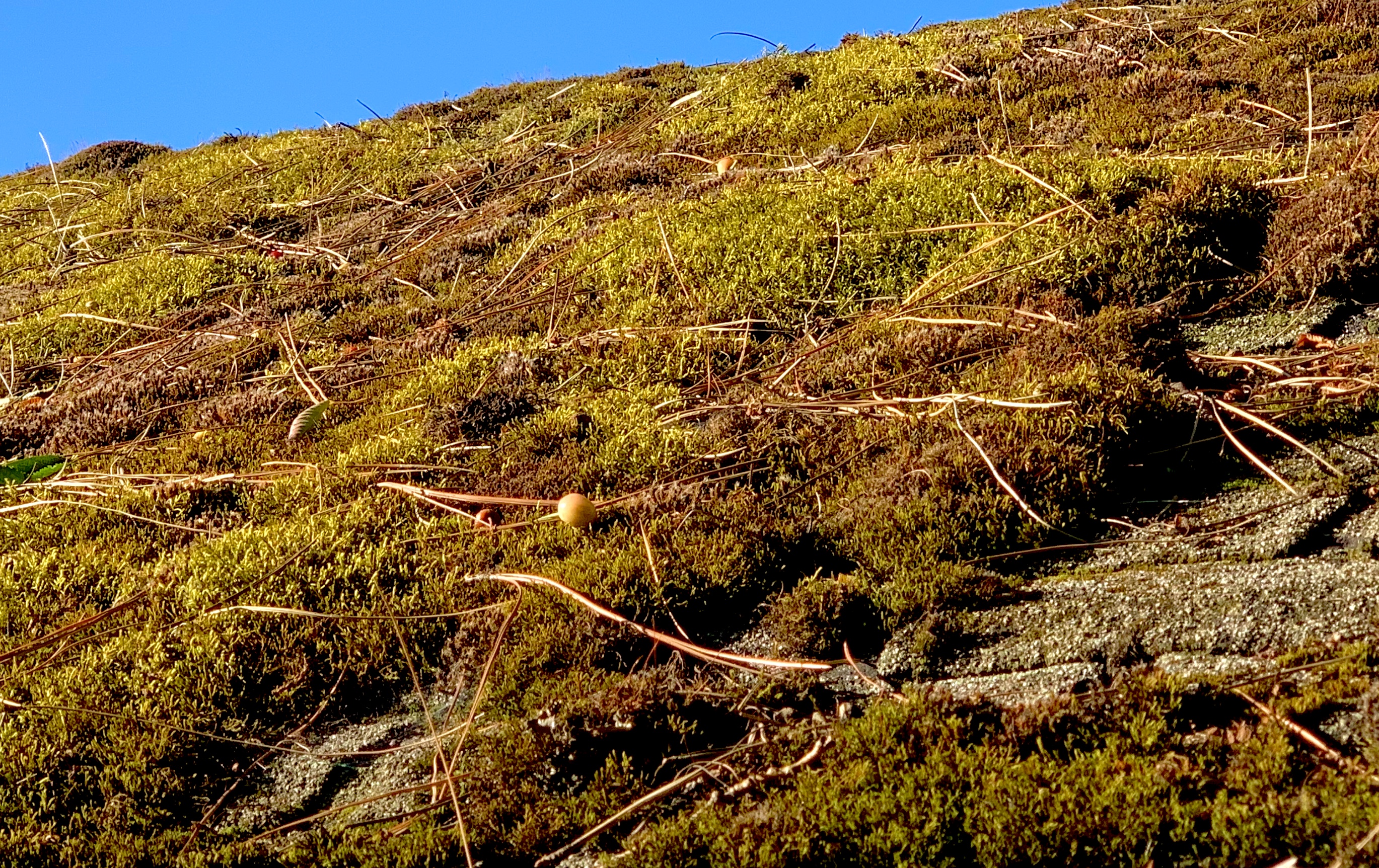
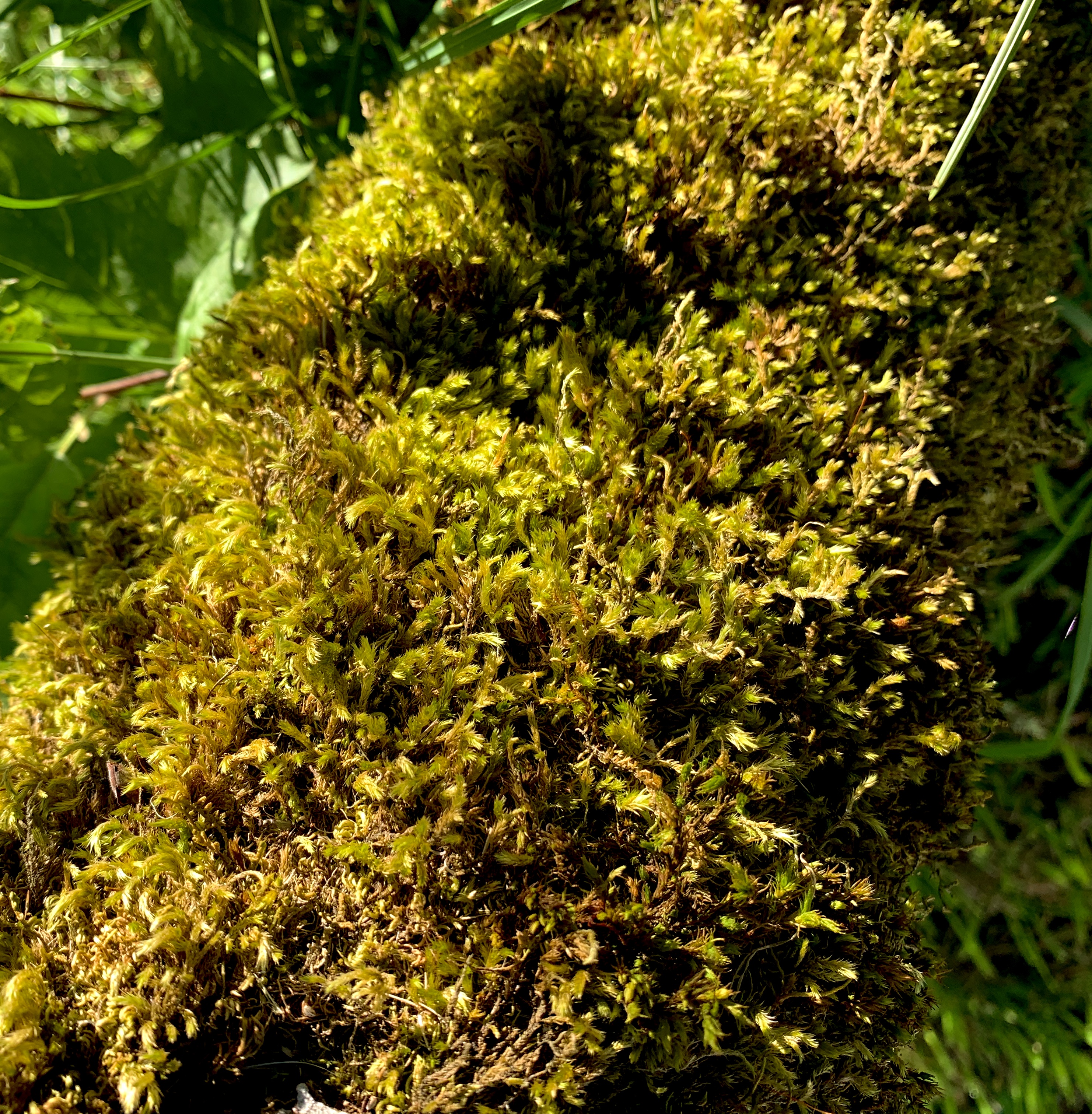
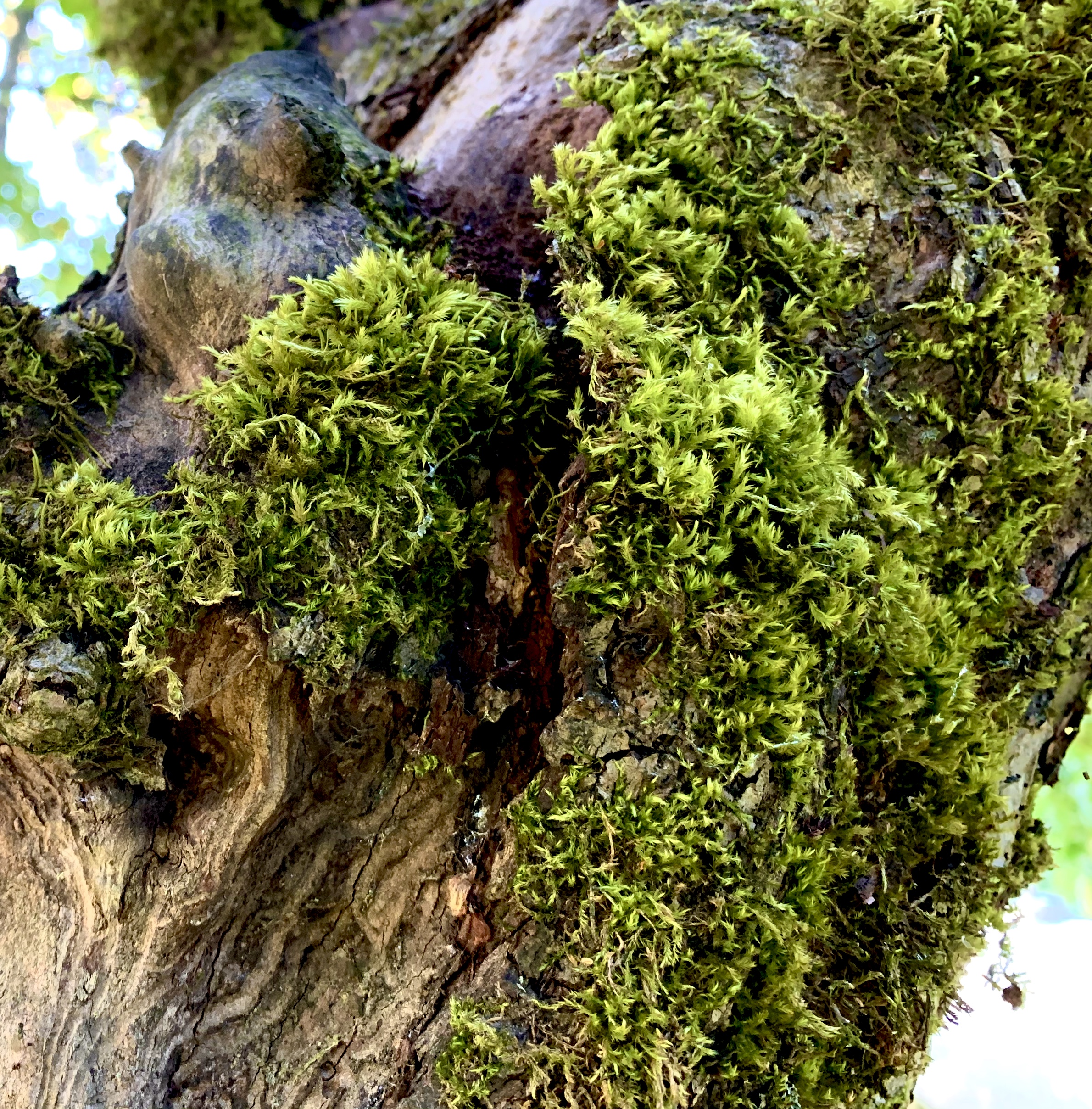
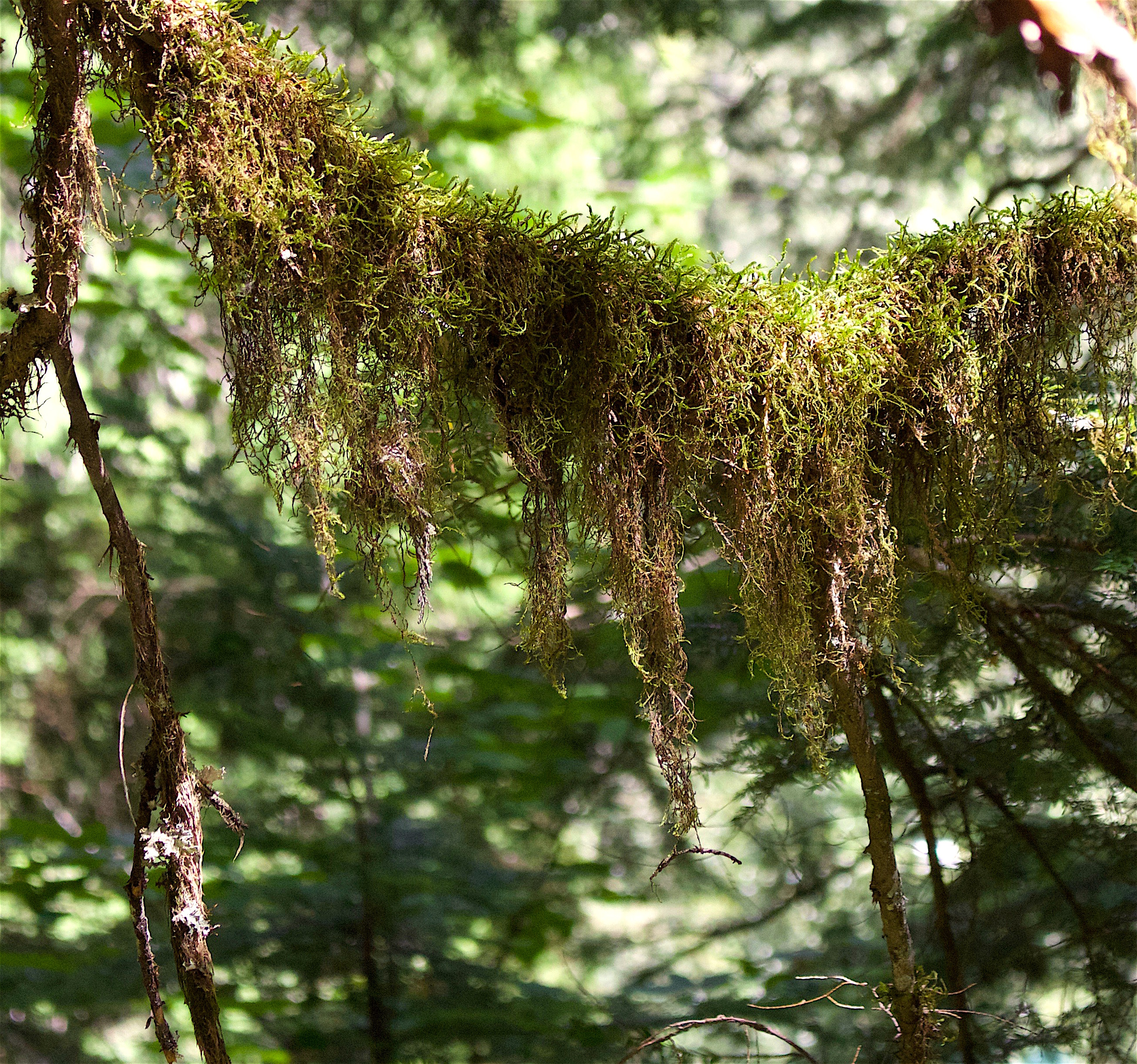
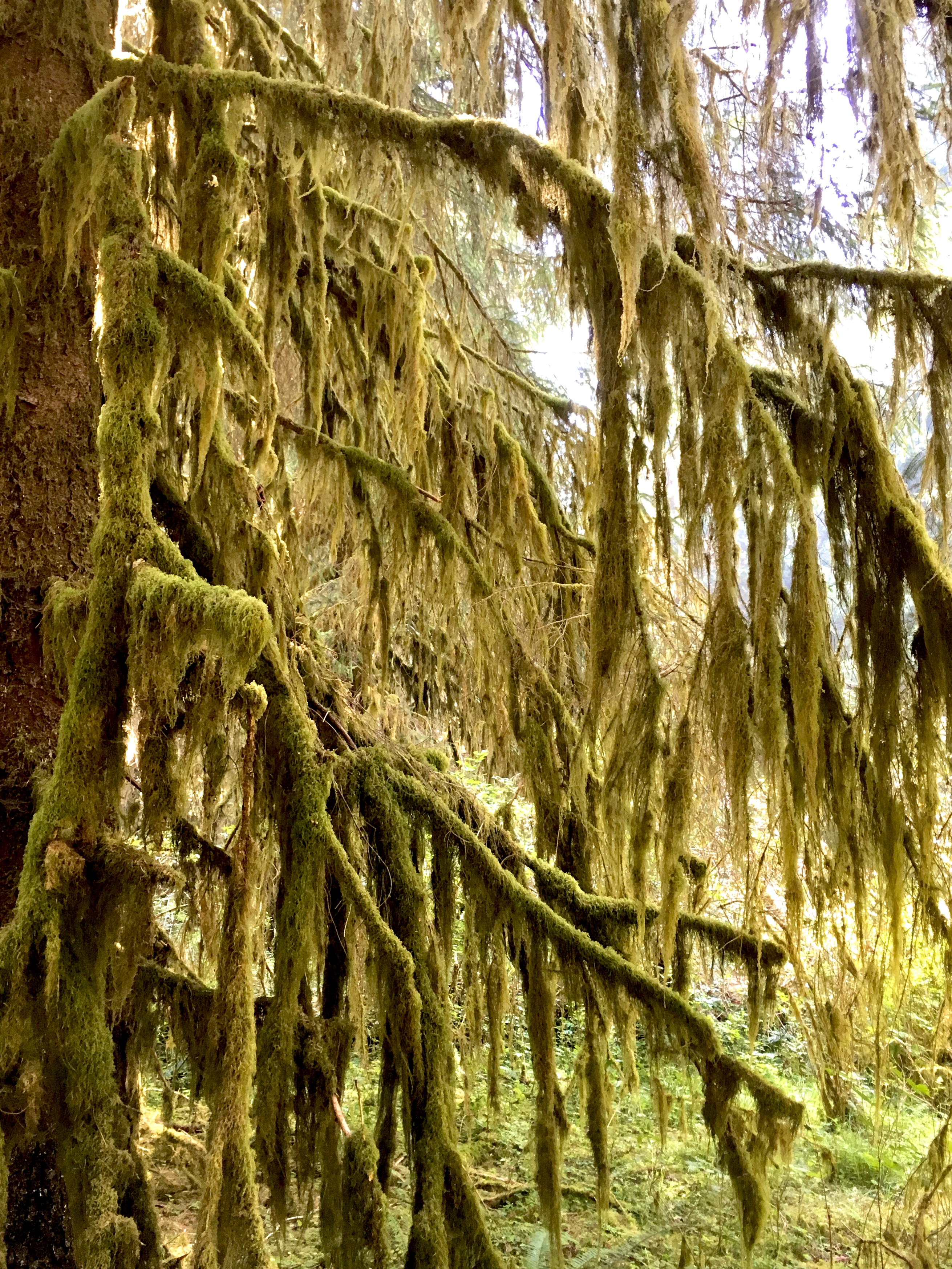
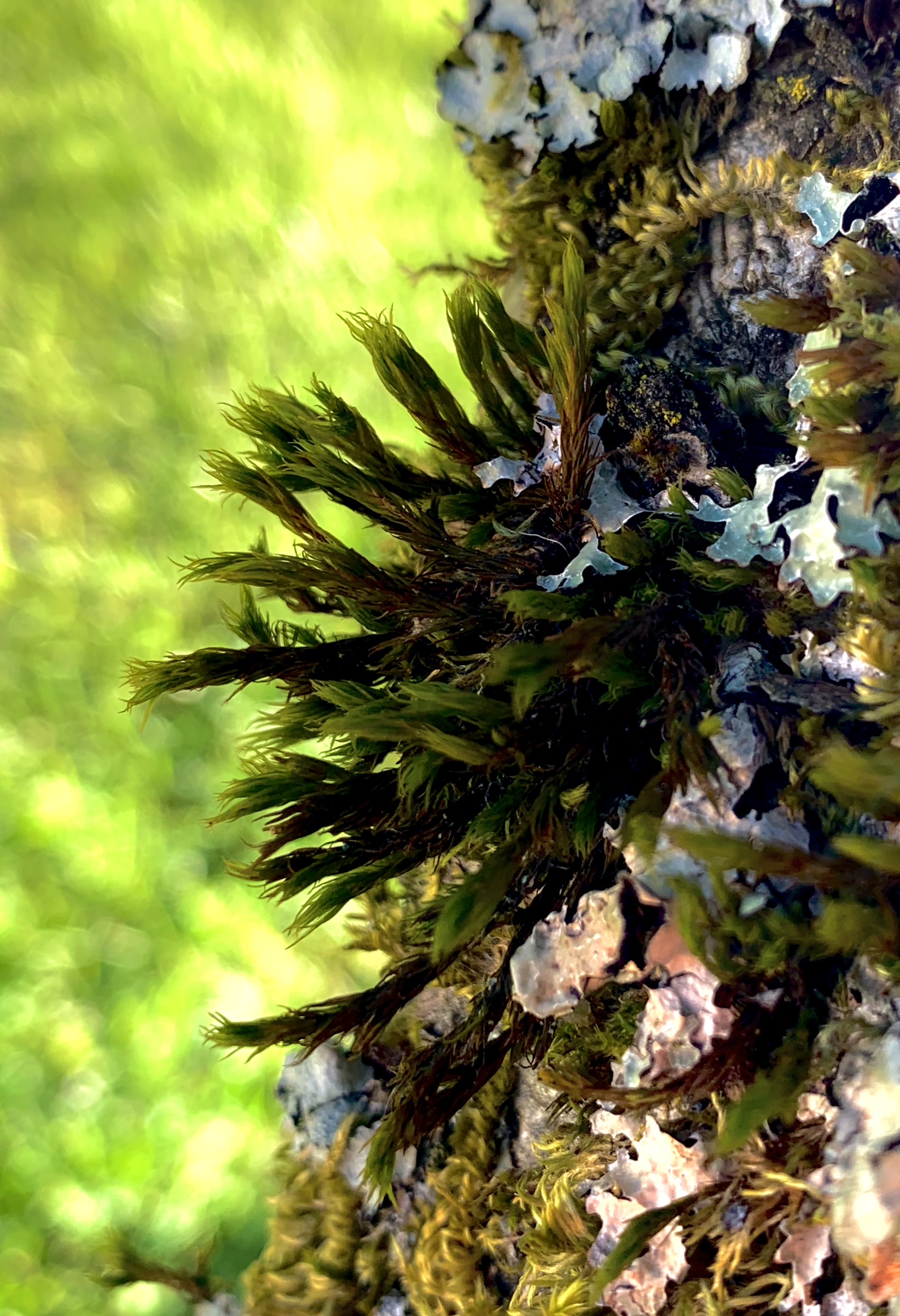
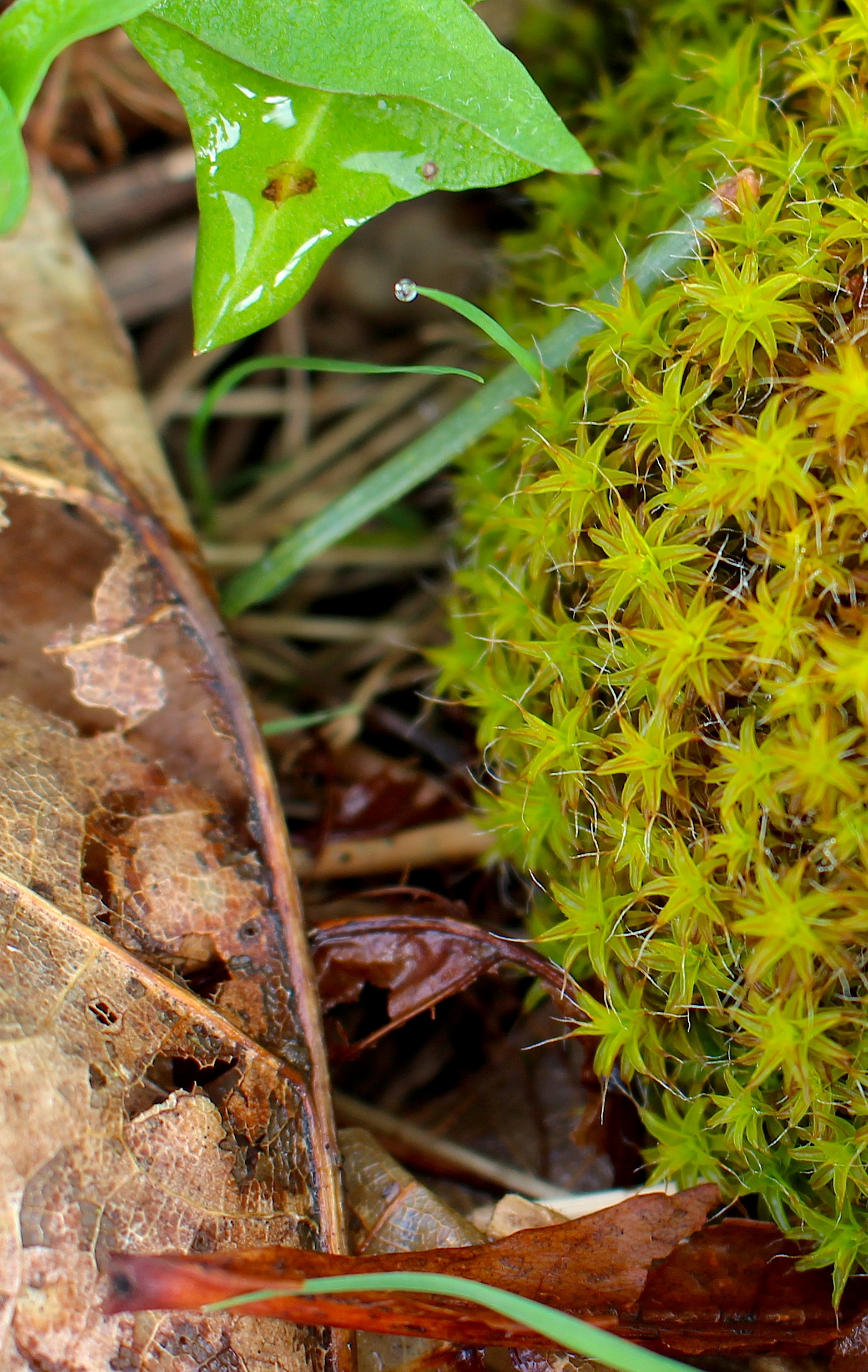
In this part of the world, mosses are everywhere. They are so much a part of the green backdrop, they become invisible as part of the scenery. Our lawn is mostly moss carpet in some spots, and many shingles on roofs sprout verdant fuzz.
Trees and rocks are festooned with moss: draped, painted and garlanded. Moss rugs make bare-foot tree climbing a more comfy adventure with branches forming hairy armpits and cushiony crotches.
Moss is softens our sharp edges, it forgives our abrasive surfaces, it heals the wounds and gaps and cracks. It becomes balm-like therapy for a struggling world baring its teeth in anger and misunderstanding.
I say let it grow: green, gentle, generous and grace-filled. We all can use more of that.






















 Barnstorming