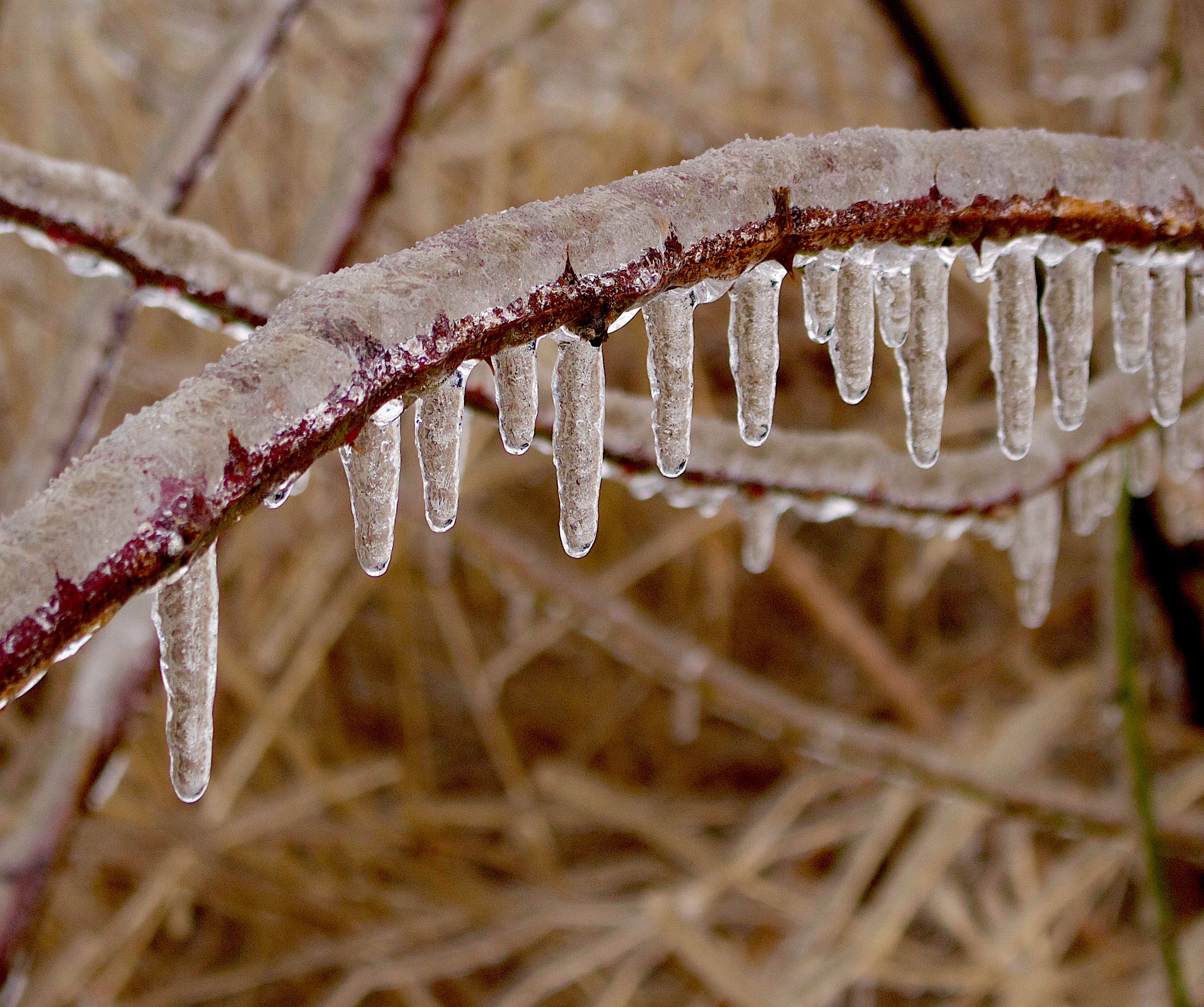
Because They Are No More

The snow is melting
and the village is flooded
     with children.
~Kobayashi Issa (translated by Robert Haas)
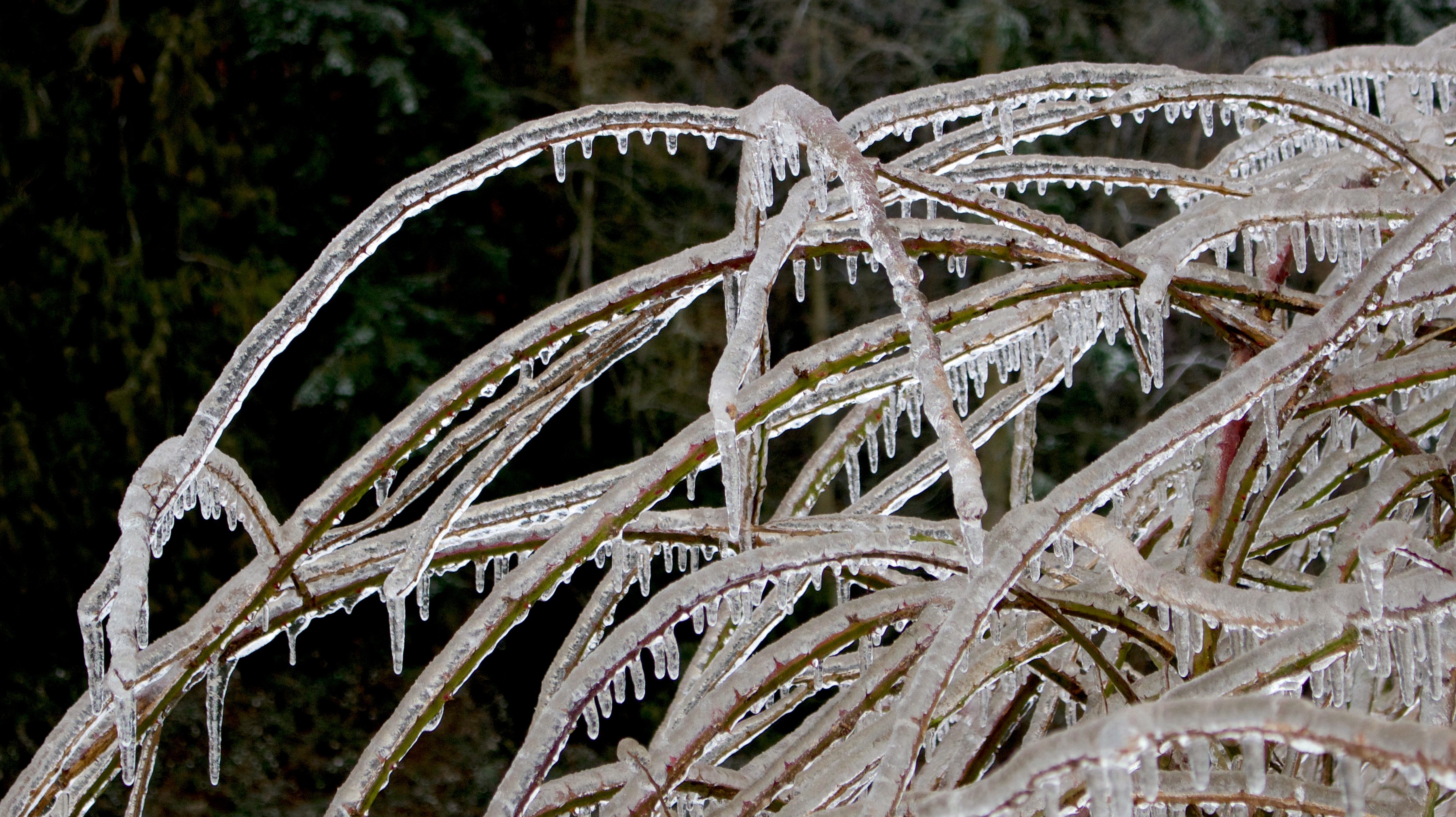
A voice is heard in Ramah,
    mourning and great weeping,
Rachel weeping for her children
    and refusing to be comforted,
    because they are no more.
Matthew 2:18 and Jeremiah 31:15

…as you sit beneath your beautifully decorated tree, eat the rich food of celebration, and laugh with your loved ones, you must not let yourself forget the horror and violence at the beginning and end of the Christmas story. The story begins with the horrible slaughter of children and ends with the violent murder of the Son of God. The slaughter depicts how much the earth needs grace. The murder is the moment when that grace is given.

Look into that manger representing a new life and see the One who came to die. Hear the angels’ celebratory song and remember that sad death would be the only way that peace would be given. Look at your tree and remember another tree – one not decorated with shining ornaments, but stained with the blood of God.

As you celebrate, remember that the pathway to your celebration was the death of the One you celebrate, and be thankful.
~Paul Tripp

God could, had He pleased, have been incarnate in a man of iron nerves, the Stoic sort who lets no sigh escape him. Of His great humility He chose to be incarnate in a man of delicate sensibilities who wept at the grave of Lazarus and sweated blood in Gethsemane. Otherwise we should have missed the great lesson that it is by his will alone that a man is good or bad, and that feelings are not, in themselves, of any im­portance. We should also have missed the all-important help of knowing that He has faced all that the weakest of us face, has shared not only the strength of our nature but every weakness of it except sin. If He had been incarnate in a man of immense natural courage, that would have been for many of us almost the same as His not being incar­nate at all.
― C.S. Lewis, The Collected Letters of C.S. Lewis

There is no consolation for families
of those lost to death come too soon:
a rogue king’s slaughter of innocents,
and now so much needless death:
weather, war, accidents, random shootings, COVID.

Arms ache with the emptiness of grief,
beds and pillows lie cold and unused,
hugs never to come again.

There is no consolation;
only mourning and great weeping,
sobbing that wrings dry
every human cell,
leaving dust behind,
which is our beginning
and our end.

God came to us
for times such as this,
born of the dust of woman and
the breath of the Holy Spirit,
God bent down to
lie in manger dust,
walk on roads of dust,
die and be laid to rest as dust
to conquer such evil as this
that displaces masses and massacres innocents.

He became dust to be
like us
He began a mere speck in a womb
like us

His heart beat
like ours
breathing each breath
like ours
until a fearful fallen world
took His
and our breath
away.

He shines through
the shadows of death
to guide our stumbling uncertain feet.

He hears our cries
as He cried too.
He knows our tears
as He wept too.
He knows our mourning
as He mourned too.
He knows our dying
as He died too.

God weeps
as this happens.

Only God can glue together
what evil has shattered.
He asks us to hand Him
the pieces of our broken hearts.

We will know His peace
when He comes
to bring us home,
our tears finally dried,
our cells no longer
just dust,
as we are glued together
by the holy breath of our God
forevermore.

Lully, lullay, thou little tiny child,
Bye bye, lully, lullay.
Thou little tiny child,
Bye bye, lully, lullay.

O sisters too, how may we do
For to preserve this day
This poor youngling for whom we sing,
“Bye bye, lully, lullay?”

Herod the king, in his raging,
Chargèd he hath this day
His men of might in his own sight
All young children to slay.

That woe is me, poor child, for thee
And ever mourn and may
For thy parting neither say nor sing,
“Bye bye, lully, lullay.”

One-Time
Monthly
Yearly

Make a one-time or recurring donation to support Barnstorming

Make a monthly donation

Make a yearly donation

Choose an amount

¤5.00
¤10.00
¤20.00
¤5.00
¤15.00
¤100.00
¤5.00
¤15.00
¤100.00

Or enter a custom amount

¤

Your contribution is deeply appreciated.

Your contribution is appreciated.

Your contribution is appreciated.

DonateDonate monthlyDonate yearly
The Beginning Shall Remind Us of the End: Came Down and Disappeared Into Us

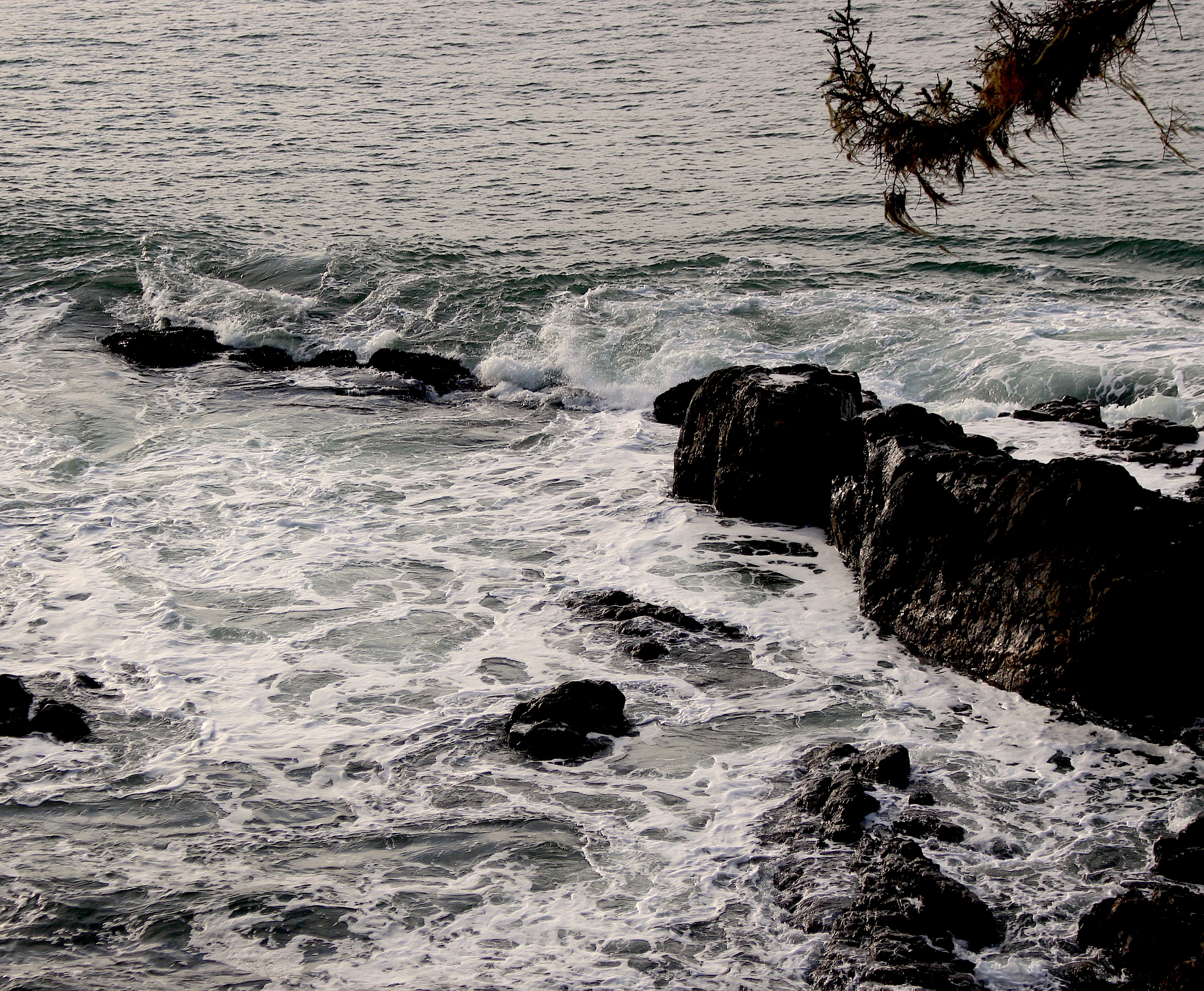
[The Incarnation is like] a wave of the sea which,
rushing up on the flat beach,
runs out, even thinner and more transparent,
and does not return to its source but sinks into the sand and disappears.
~Hans Urs von Balthasar from Origen: Spirit and Fire

The Word became flesh.
Ultimate Mystery born with a skull you could crush one-handed.

Incarnation.
It is not tame.
It is not beautiful.
It is uninhabitable terror.
It is unthinkable darkness riven with unbearable light.


Agonized laboring led to it,
vast upheavals of intergalactic space,

time split apart,
a wrenching and tearing of the very sinews of reality itself.
You can only cover your eyes and shudder before it, before this:
“God of God, Light of Light, very God of very God… who for us and for our salvation,” as the Nicene Creed puts it, “came down from heaven.”

Came down.

Only then do we dare uncover our eyes and see what we can see.
It is the Resurrection and the Life she holds in her arms.
It is the bitterness of death he takes at her breast.
~Frederick Buechner from Whistling in the Dark

Down he came from up,
and in from out,
and here from there.
A long leap,
an incandescent fall
from magnificent
to naked, frail, small,
through space,
between stars,
into our chill night air,
shrunk, in infant grace,
to our damp, cramped
earthy place
among all
the shivering sheep.

And now, after all,
there he lies,
fast asleep.
~Luci Shaw “Descent” from Accompanied By Angels

Perhaps it is the mystery of the thing that brings us back,
again and again, to read the story of 
how God came down and disappeared into us.

How can this be?
God appearing on earth first to animals,
then the most humble of humans.

How can He be?
Through the will of the Father and the breath of the Spirit,
the Son was, and is and yet to be.

O great mystery beyond all understanding.

This year’s Barnstorming Advent theme “… the Beginning shall remind us of the End” is taken from the final lines in T.S. Eliot’s poem “The Cultivation of Christmas Trees”

O magnum mysterium,
et admirabile sacramentum,
ut animalia viderent Dominum natum,
jacentem in praesepio!
Beata Virgo,
cujus viscera meruerunt portare Dominum Christum.
Alleluia!

O great mystery and wondrous sacrament,
that animals should see the new-born Lord lying in their Manger!
Blessed is the Virgin
whose womb was worthy to bear the Lord Jesus Christ.
Alleluia!

One-Time
Monthly
Yearly

Make a one-time donation to support Barnstorming

Make a monthly donation

Make a yearly donation

Choose an amount

¤5.00
¤10.00
¤20.00
¤5.00
¤15.00
¤100.00
¤5.00
¤15.00
¤100.00

Or enter a custom amount

¤

Your contribution is deeply appreciated.

Your contribution is appreciated.

Your contribution is appreciated.

DonateDonate monthlyDonate yearly
The Beginning Shall Remind Us of the End: No Longer Homeless

Today is my mother’s birthday,
but she’s not here to celebrate
by opening a flowery card
or looking calmly out a window.

If my mother were alive,
she’d be 114 years old,
and I am guessing neither of us
would be enjoying her birthday very much.

Mother, I would love to see you again
to take you shopping or to sit
in your sunny apartment with a pot of tea,
but it wouldn’t be the same at 114.

And I’m no prize either,
almost 20 years older than the last time
you saw me sitting by your deathbed.
Some days, I look worse than yesterday’s oatmeal.

It must have been frigid that morning
in the hour just before dawn
on your first December 1st
at the family farm a hundred miles north of Toronto
.

Happy Birthday, anyway. Happy Birthday to you.
~Billy Collins from “December 1”

December 1st is not my mother’s birthday but it was her death day thirteen years ago.

Yet it felt a bit like a birth.

The call came from the care center about 5:30 AM on the Monday after Thanksgiving on a frozen morning: the nurse gently said her breathing had changed, it wasn’t long now until she’d be gone.

My daughter and I quickly dressed and went out into bleak darkness to make the ten minute drive to where she lay. Mom had been wearily existing since a femur fracture 9 months earlier on a cruel April 1st morning. Everything changed for her at 87 years of being active at home. It was the beginning of the end for her, unable to care for herself at home.

These nine months had been her gestation time to transition to a new life. It occurred to me as I drove – she was about to be born in her long-awaited yet long-feared transition to death.

Her room was darkened except for the multicolored lights on the table top artificial Christmas tree I had brought her a few days earlier. It cast colorful shadows onto the walls and the white bedspread on her hospital bed. It even made her look like she had color to her cheeks where there actually was none.

There was no one home.

She had already left, flown away while we drove the few miles to come to her. There was no reaching her now. Her skin was cooling, her face hollowed by the lack of effort, her body stilled and sunken.

I could not weep at that point – it was time for her to leave us behind. She was so very tired, so very weary, so very ready for heaven. And I, weary too, felt much like yesterday’s oatmeal, something she actually very much loved during her life, cooking up a big batch a couple times a week, enough to last several days.

I knew, seeing what was left of her there in that bed, Mom was no longer settling for yesterday’s oatmeal and no longer homeless. I knew she now she was present for a feast, would never suffer insomnia again, would no longer be fearful of dying, that her cheeks would be forever full of color.

I knew she had a new beginning: the glory of rebirth thanks to her Savior who had gently taken her by the hand to a land where joy would never end.

Happy Birthday, Mom. Happy December 1st Birthday to you.

I’ll fly away, oh glory
I’ll fly away in the morning
When I die hallelujah by and by
I’ll fly away

God makes us happy as only children can be happy.
God wants to always be with us, wherever we may be –
in our sin, in our suffering and death.
We are no longer alone;
God is with us.
We are no longer homeless;
a bit of the eternal home itself has moved unto us. 
~Dietrich Bonhoeffer

Some bright morning when this life is over
I’ll fly away
To that home on God’s celestial shore
I’ll fly away

I’ll fly away, oh glory
I’ll fly away in the morning
When I die hallelujah by and by
I’ll fly away

When the shadows of this life have gone
I’ll fly away
Like a bird from these prison walls I’ll fly
I’ll fly away

Oh how glad and happy when we meet
I’ll fly away
No more cold iron shackles on my feet
I’ll fly away

Just a few more weary days and then
I’ll fly away
To a land where joys will never end
I’ll fly away

I’ll fly away oh glory
I’ll fly away in the morning
When I die hallelujah by and by
I’ll fly away
I’ll fly away

~Albert Brumley

This year’s Barnstorming Advent theme “… the Beginning shall remind us of the End” is taken from the final lines in T.S. Eliot’s poem “The Cultivation of Christmas Trees”

A book of beauty in words and photography, available to order here:


We Were All Beautiful Once

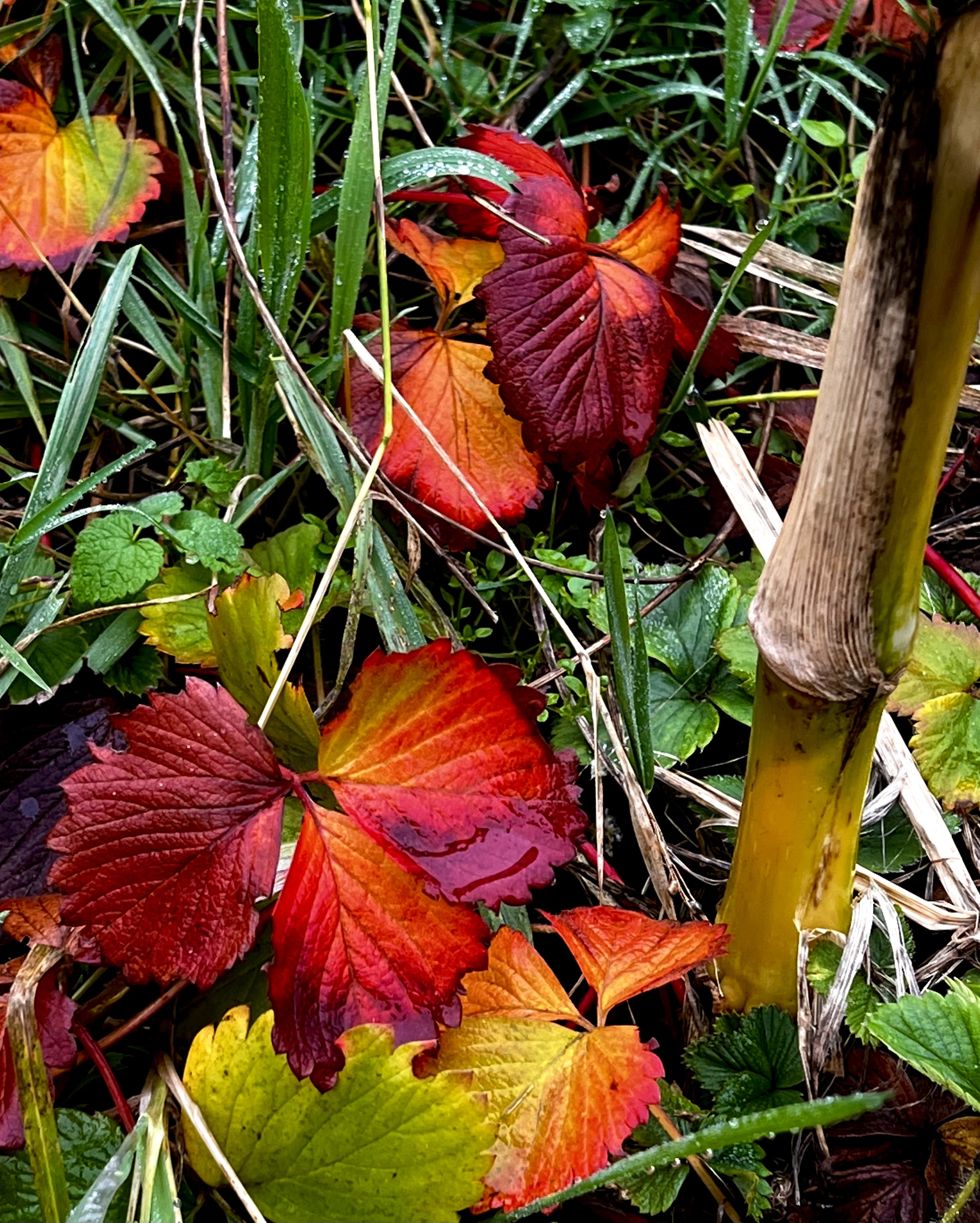
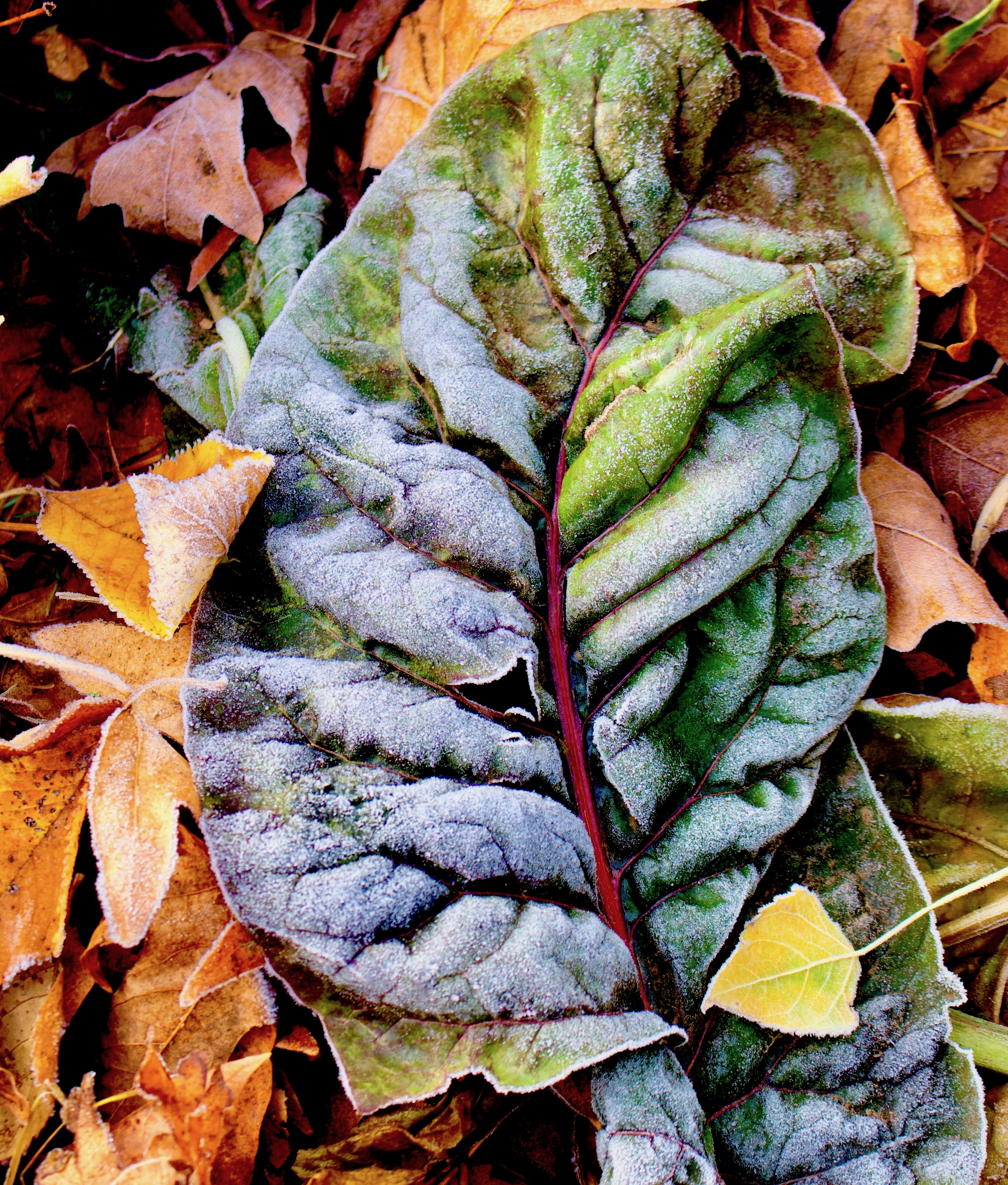
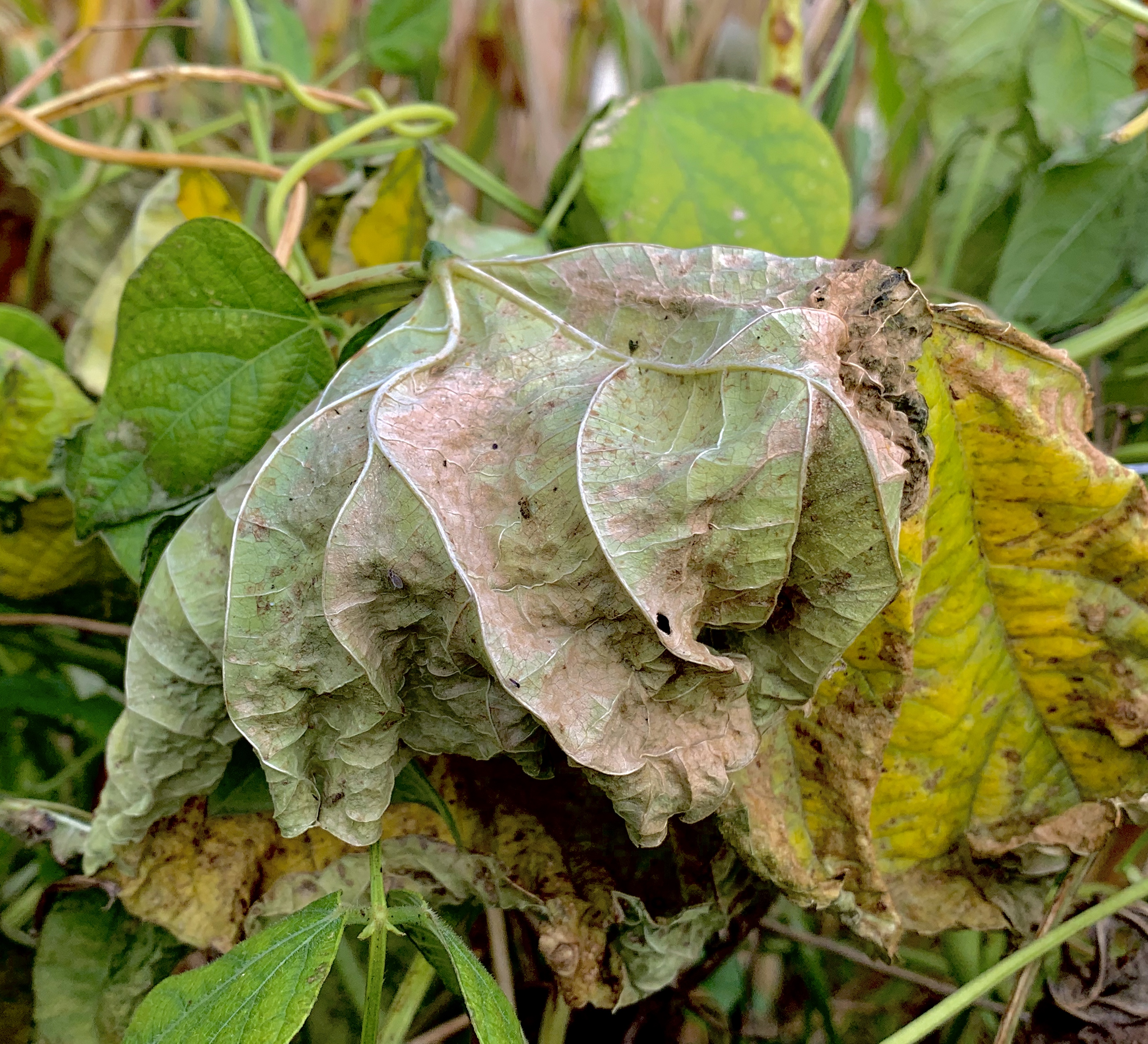
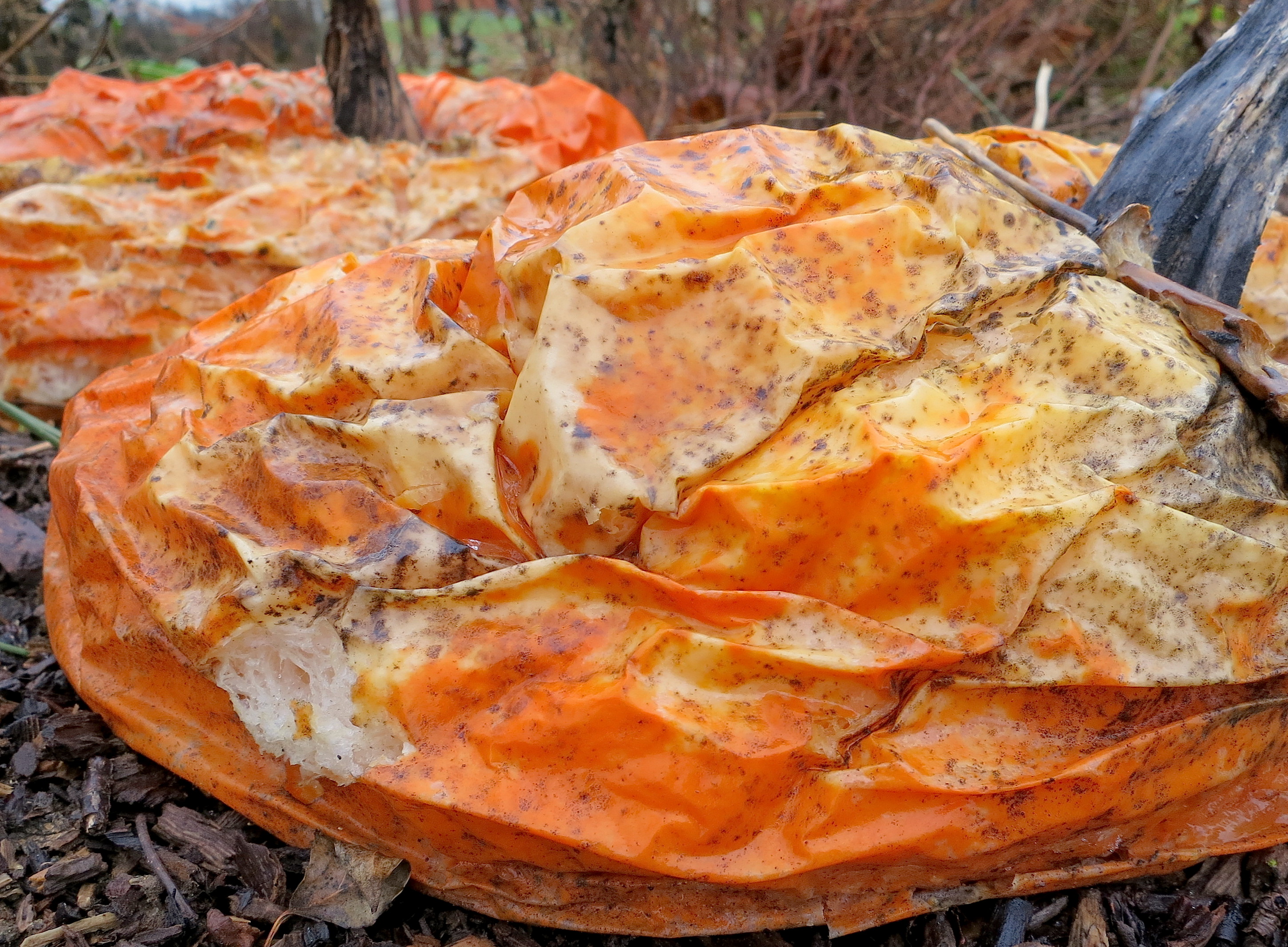
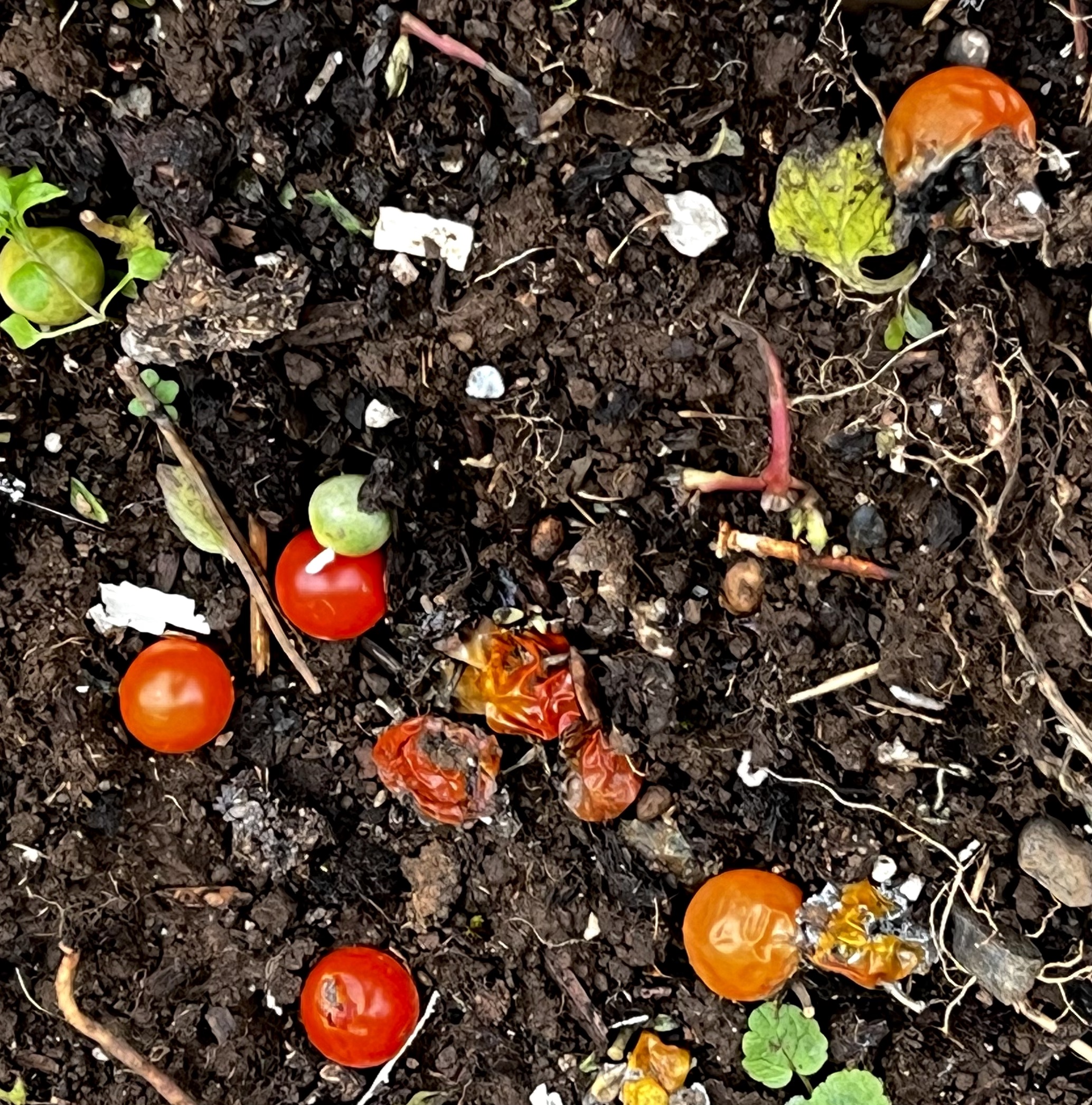
Everything in the garden is dead, killed by a sudden hard
freeze, the beans, the tomatoes, fruit still clinging to the
branches. It’s all heaped up ready to go to the compost
pile: rhubarb leaves, nasturtiums, pea vines, even the
geraniums. It’s too bad. The garden was so beautiful,
green and fresh, but then we were all beautiful once.
Everything dies, we understand. But the mind of the
observer, which cannot imagine not imagining, goes on.
The dynasties are cut down like the generations of grass,
the bodies blacken and turn into coal. The waters rise and
cover the earth and the mind broods on the face of the
deep, and learns nothing.
~Louis Jenkins, “Freeze” from Where Your House is Near: New and Selected Poems

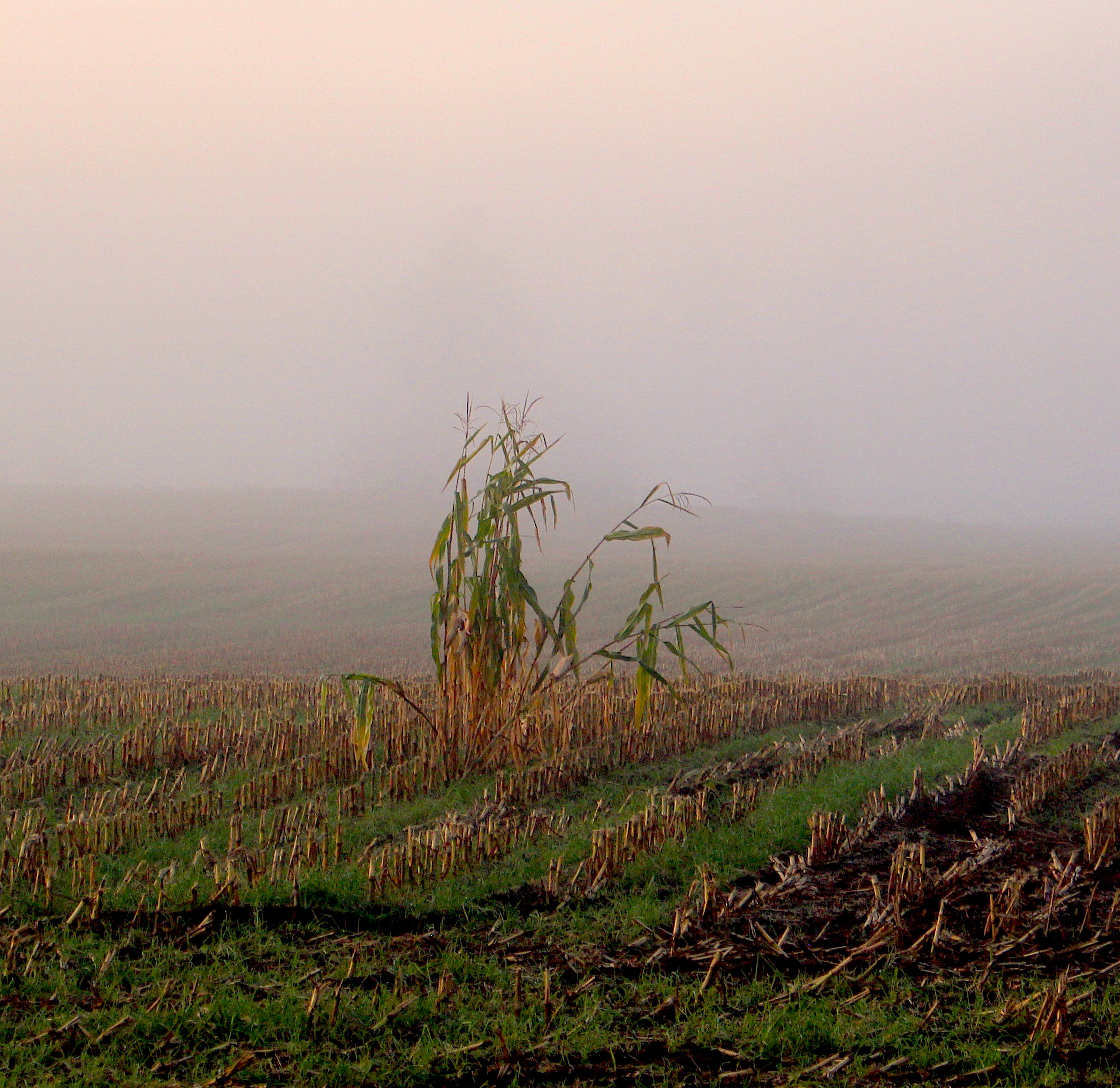
This week was our first hard freeze of autumn, following on the heels of the worst flooding in a half century in our county. The land and all that grows here experienced a one-two punch – when the waters pulled back into the streams and rivers, what was left behind looked frozen, soaked and miserable. The people whose homes were devastated are so much more than miserable; they are mudding out by removing everything down to the studs to try to begin again. With hundreds of volunteers and disaster teams helping, there are piles of kitchen appliances, dry wall, carpet and every household item along the main streets of nearby towns, waiting to be hauled off.

Surveying our dying garden is small potatoes in comparison to a flooded town only a few miles away. The memories of how beautiful our garden was a 2-3 months ago is nothing in contrast to the families who lost their stored heirlooms and cherished memories to the muck and mire of deep waters.

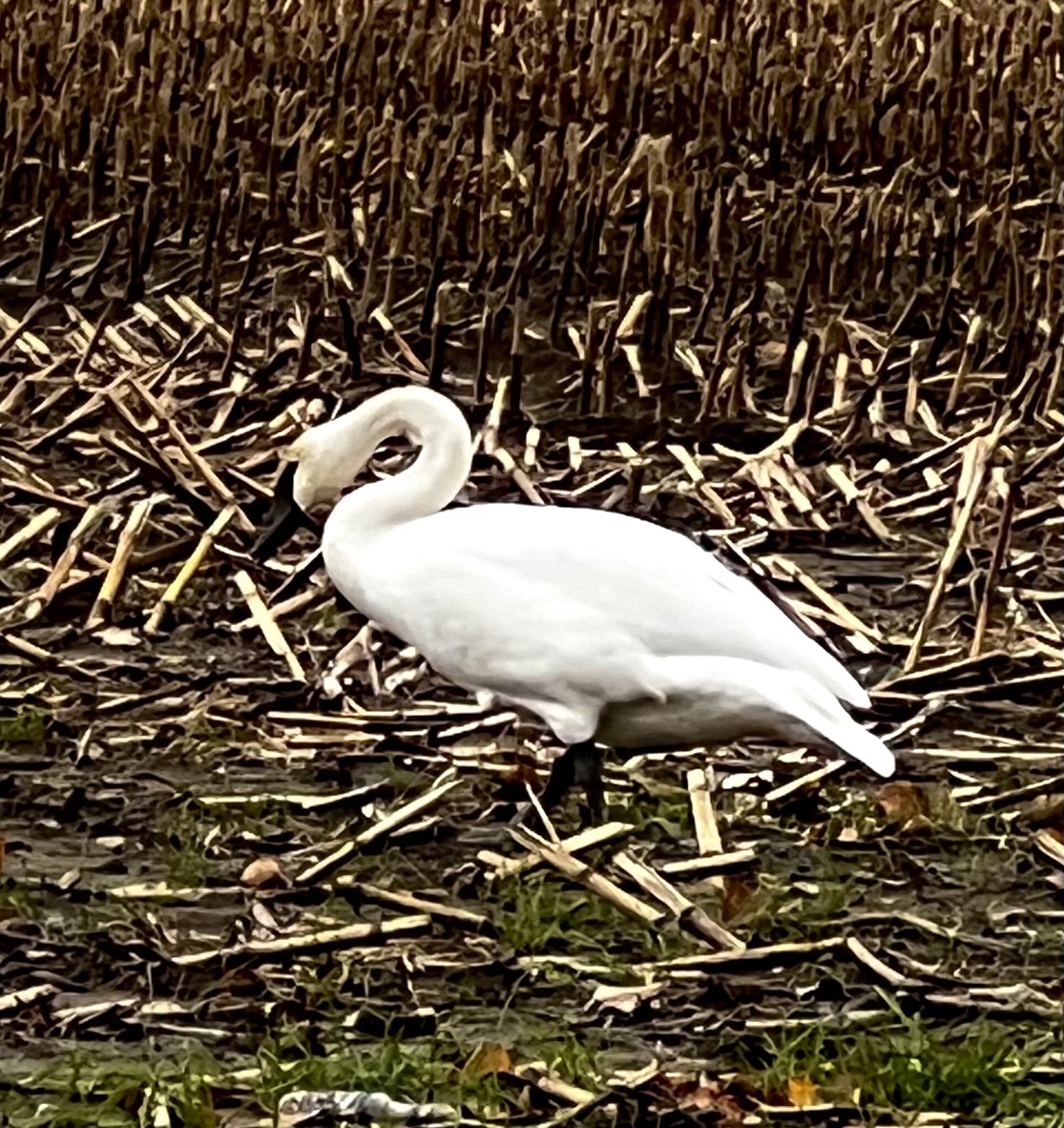
But we are a resilient community. We are people of persistence and creativity and there will eventually be beauty again here. Driving on a newly opened road beside the still-surging river where a few days ago several feet of water covered a cornfield, I spotted a trumpeter swan, standing in glorious spotless white, picking her way through the mud-stained cornstalks, hoping to find something of value left behind in the devastation.

There is still hope; it did not wash away. We only need to use our imagination to find it.

One-Time
Monthly
Yearly

Make a one-time donation to support Barnstorming

Make a monthly donation

Make a yearly donation

Choose an amount

¤5.00
¤10.00
¤20.00
¤5.00
¤15.00
¤100.00
¤5.00
¤15.00
¤100.00

Or enter a custom amount

¤

Your contribution is deeply appreciated.

Your contribution is appreciated.

Your contribution is appreciated.

DonateDonate monthlyDonate yearly
A book of beauty in words and photography, available to order here:

The Scar of Proud Flesh

There are names for what binds us:
strong forces, weak forces.
Look around, you can see them:
the skin that forms in a half-empty cup,
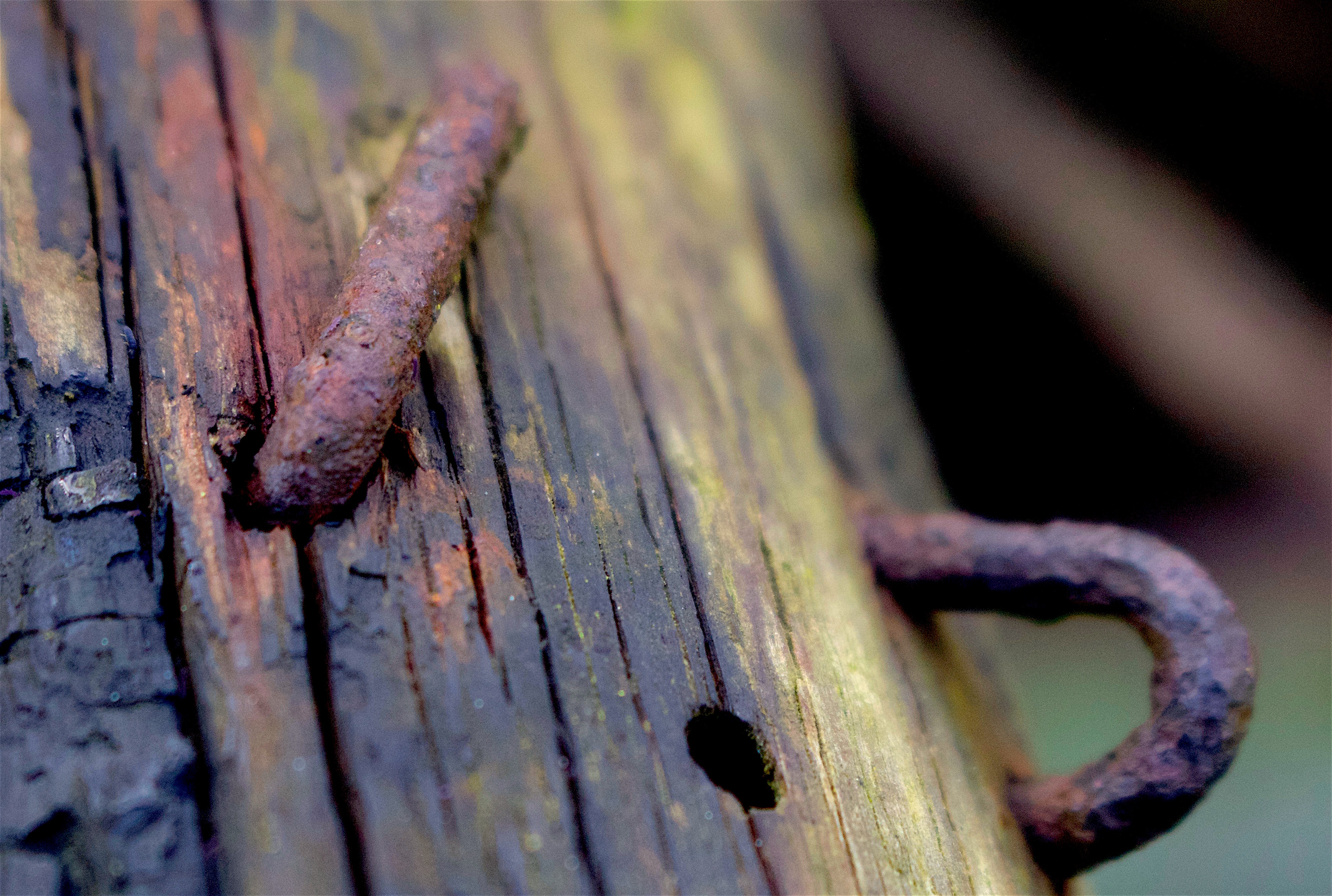
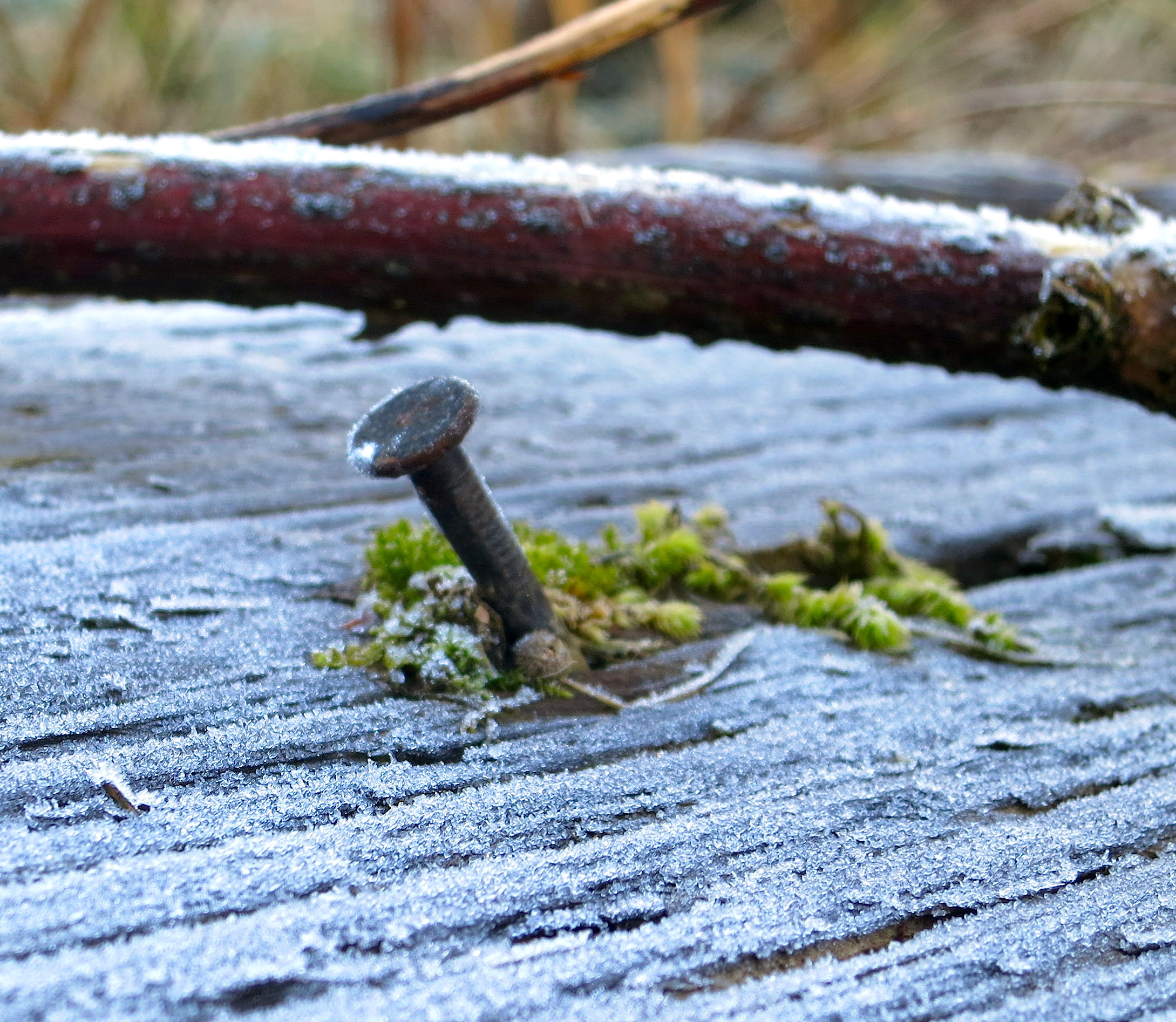
nails rusting into the places they join,
joints dovetailed on their own weight.

The way things stay so solidly whenever they’ve been set down –
and gravity, scientists say, is weak.

And see how the flesh grows back across a wound, with a great vehemence,
more strong than the simple, untested surface before.

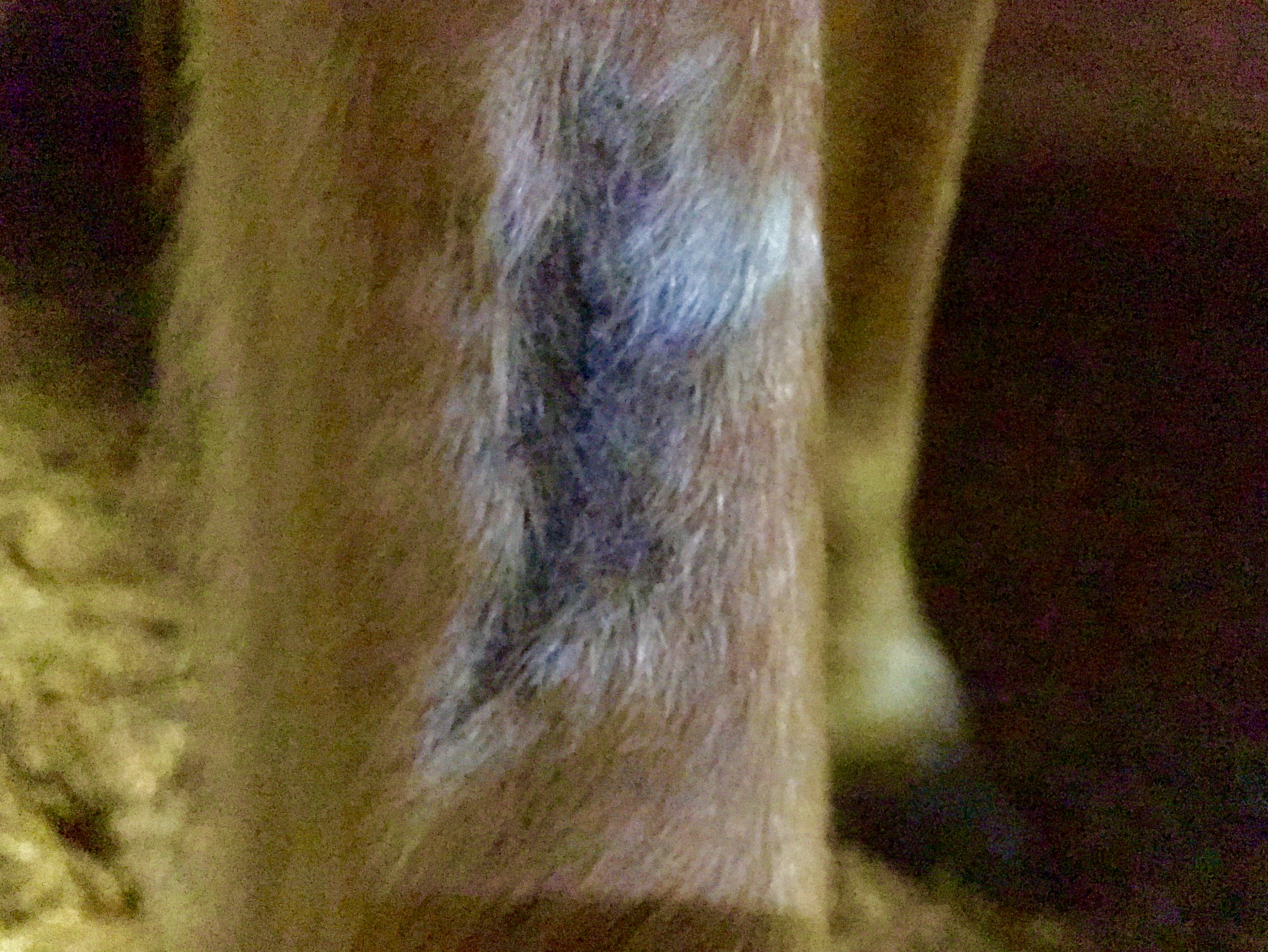
There’s a name for it on horses, when it comes back darker and raised:
proud flesh, as all flesh is proud of its wounds,
wears them as honors given out after battle,
small triumphs pinned to the chest –

And when two people have loved each other,
see how it is like a scar between their bodies,
stronger, darker, and proud;
how the black cord makes of them a single fabric
that nothing can tear or mend.
~Jane Hirshfield  “For What Binds Us”

Scars come in various sizes and shapes, some hidden, some quite obvious to all.  How they are inflicted also varies–some accidental, others therapeutic, and too many intentional. 

The most insidious are the ones so deep inside,  no one can see or know they are there.

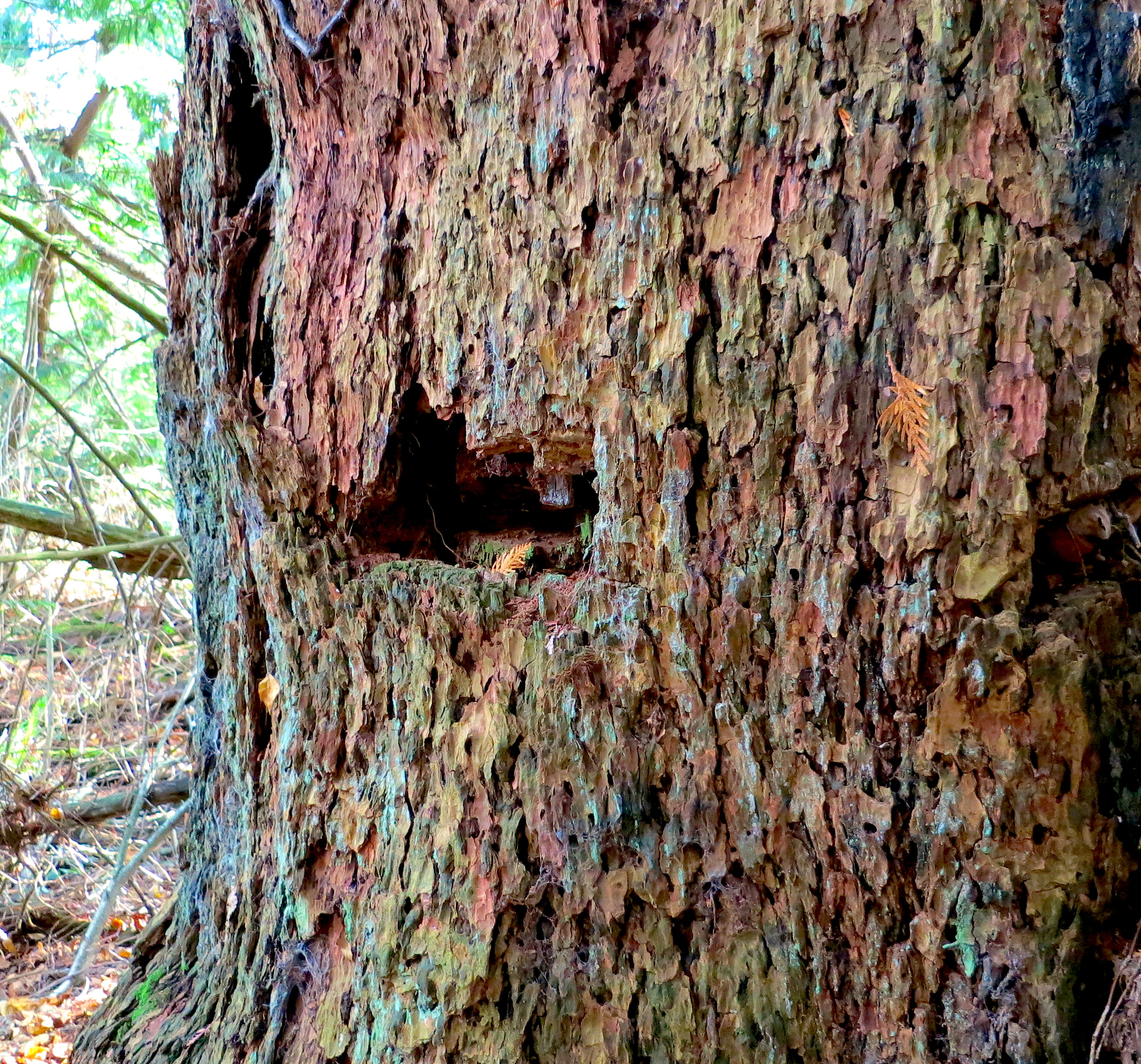
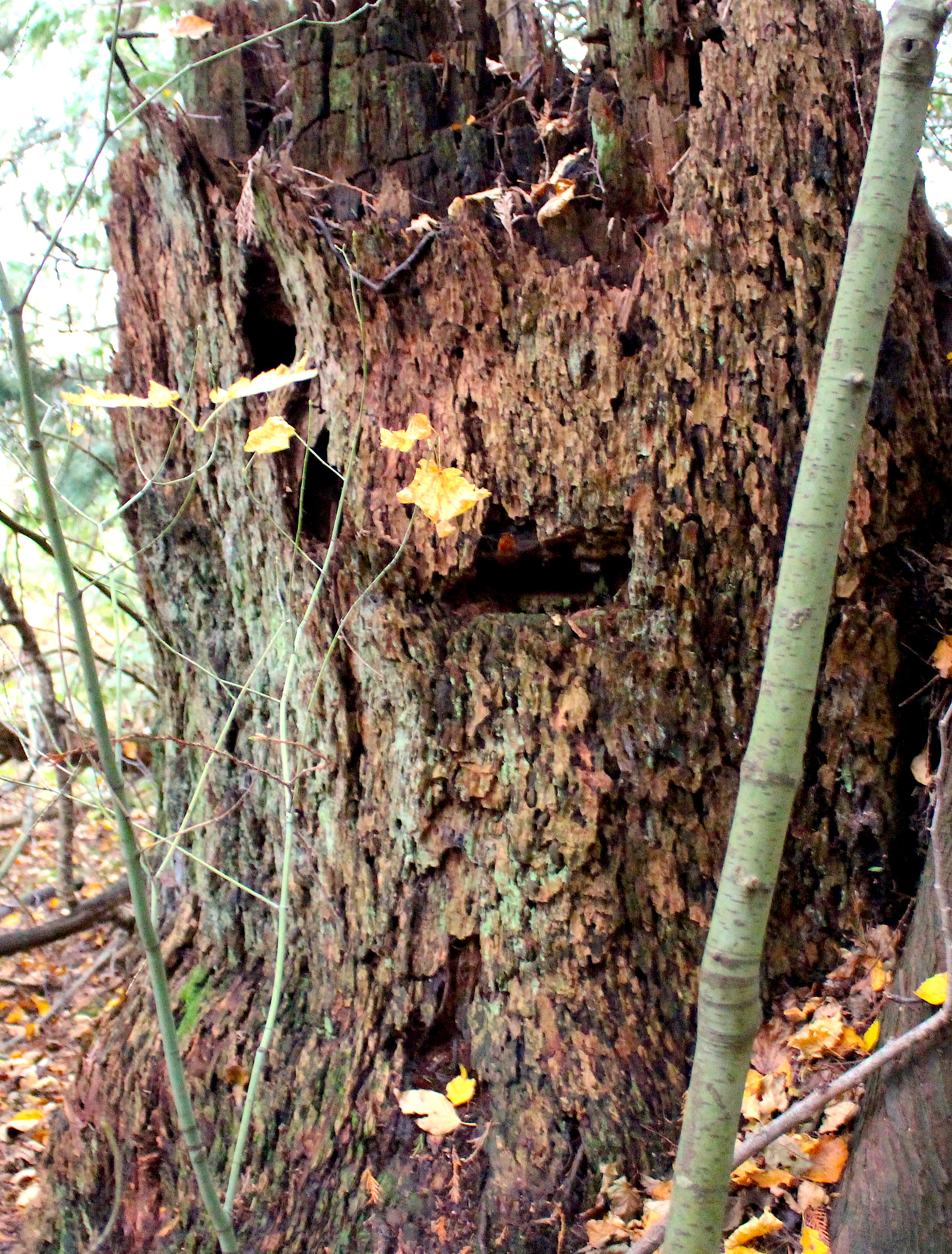
Back in our woodlot stands a sawed off stump of a cedar that was old growth in virgin forest over a hundred years ago.  One day clearcut loggers came through and took every tree they could to haul to the local sawmills to become beams and lumber for the growing homesteading population in the region.  This cedar once was grand and vast, covering an immense part of the forest floor, providing protection to trillium at its feet and finches’ nests and raptors hunting in its branches.   It nurtured its environment until other plans were made, and one day, axes fell on its sides to cut out the notches for the springboards where two loggers stood either side of the proud trunk to man the saw which brought the tree down. 

Where the wood went is anyone’s guess.  It could be one of the mighty beams supporting our old hay barn roof or it could have become the foundation flooring of a nearby one room school house.  It surely had a productive and meaningful life as part of a structure somewhere until rot or carpenter ants or fire brought it once again to its knees.

But this ghost of a stump remains, a tombstone of remembrance of a once grand tree, the notch scars embedded deep in its sides, nursing new seedlings from its center and moss, lichen and ferns from its sides.

I come from logger stock so I don’t begrudge these frontier settlers their hard scrabble living, nor minimize their dangerous work in order to feed themselves and their families.  It’s just I’m struck by those scars over one hundred years later — such a visible reminder of what once was a vital living organism toppled for someone’s need and convenience.

Trees are not unique.  It happens to people too.  Everyday scars are inflicted for reasons hard to justify.  Too often I see them self-inflicted in an effort to feel something other than despair.  Sometimes they are inflicted by others out of fear or need for control.

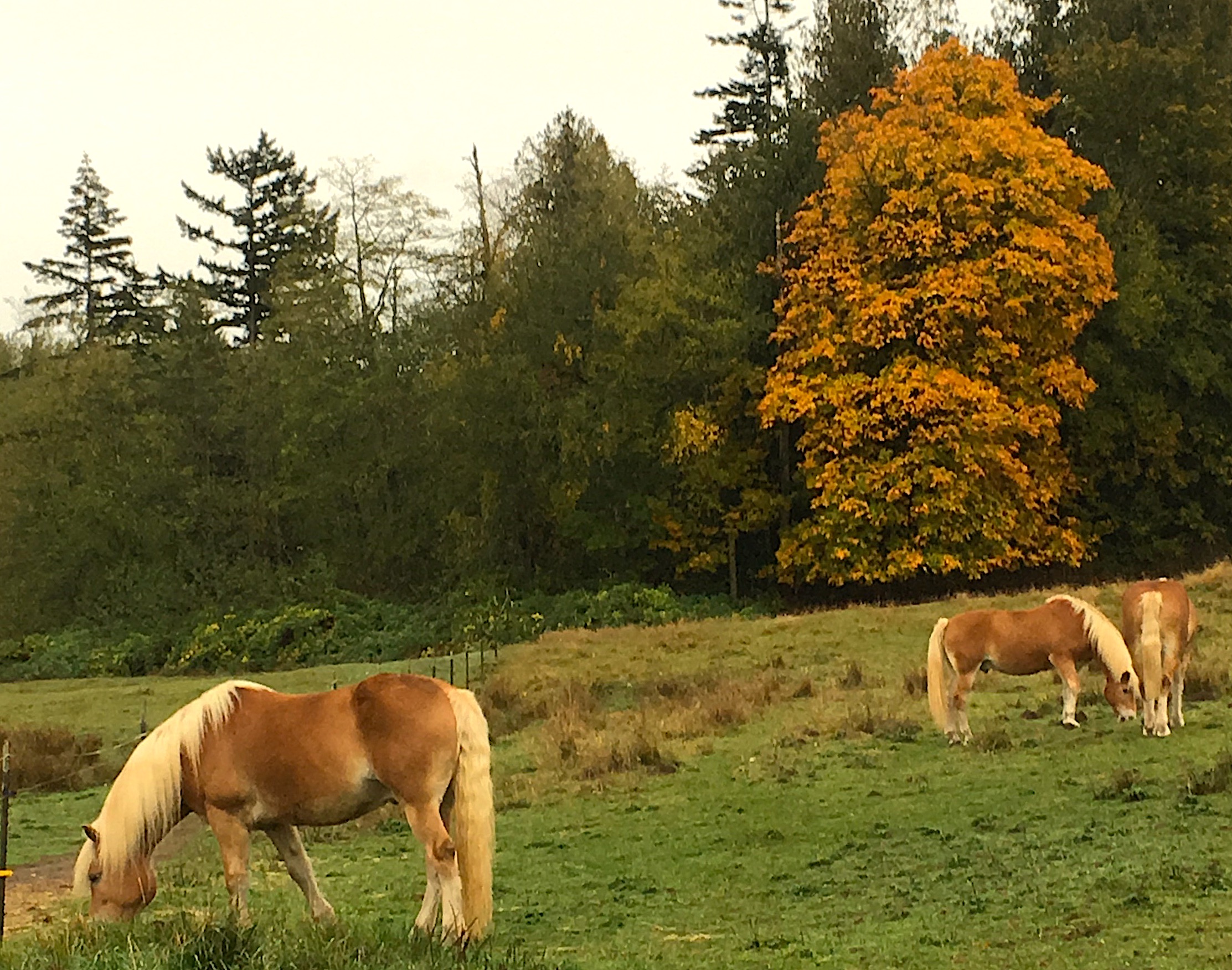
Sometimes they are simply the scars of living – on our horses they are a dark tough scar of leathery “proud flesh”. These are the wounds that accumulate on our journey through our numbered days.

None of them are as deep and wide as the scars that were accepted on our behalf, nor as wondrous as the Love that oozed from them, nor as amazing as the Grace that abounds to this day because of the promise they represent. 

These are scars from the Word made Flesh, a proud flesh that won’t give way, lasting forever.

As a result, that Tree lives, and so do we.

One-Time
Monthly
Yearly

Make a one-time donation to support Barnstorming

Make a monthly donation

Make a yearly donation

Choose an amount

¤5.00
¤10.00
¤20.00
¤5.00
¤15.00
¤100.00
¤5.00
¤15.00
¤100.00

Or enter a custom amount

¤

Your contribution is deeply appreciated.

Your contribution is appreciated.

Your contribution is appreciated.

DonateDonate monthlyDonate yearly

A book of beauty in words and photography, available to order here:

For Your Tomorrow We Gave Our Today

When you go home tell them of us and say –
“For your tomorrow we gave our today”
~John Maxwell Edmonds from “The Kohima Epitaph” 

I’m unsure why the United States does not call November 11 Remembrance Day as the Commonwealth nations did over a century ago at the Armistice. This is a day that demands much more than the more passive name Veterans’ Day represents.

This day calls all citizens who appreciate our freedoms to stop what we are doing and disrupt the routine rhythm of our lives. We are to remember in humble thankfulness the generations of military veterans who sacrificed time, resources, sometimes health and well being, and too often their lives in answering the call to defend their countries.

Remembrance means
~never forgetting what it costs to defend freedom.
~acknowledging the millions who have given of themselves and continue to do so on our behalf.
~never ceasing to care.
~a commitment to provide resources needed for the military to remain strong and supported.
~unending prayers for safe return home to family.
~we hold these men and women close in our hearts, always teaching the next generation about the sacrifices they made.

Most of all,
it means being willing ourselves to become the sacrifice when called.

We are the Dead. Short days ago
We lived, felt dawn, saw sunset glow,
Loved and were loved, and now we lie
In Flanders fields.

To you from failing hands we throw    
The torch; be yours to hold it high.    
If ye break faith with us who die
We shall not sleep, though poppies grow…
~LtCol (Dr.) John McCrae from “In Flanders Fields”

A book of beauty in words and photography, available to order here:

But Right Now

Maybe night is about to come
calling, but right now
the sun is still high in the sky.

It’s half-past October, the woods
are on fire, blue skies stretch
all the way to heaven. Of course,
we know that winter is coming, its thin
winding sheets and its hard narrow bed.

But right now, the season’s fermented
to fullness, so slip into something
light, like your skeleton; while these old
bones are still working, my darling,
let’s dance.
~Barbara Crooker, “Reel” from The Book of Kells

I’ve never been much of a dancer; we were taught square dancing in grade school when we were kids so I could do-si-do with the best of them.

The non-descript dancing of the sixties and seventies never appealed to me – it was kind of like writhing in place, sometimes alone, sometimes in parallel with another body.

Our church used to hold once a year square dances in November along with a harvest dinner, gathered in a school gymnasium, so my husband and I learned to Virginia Reel up and back and be sore the next day. Those were the days…

But right now, we watch our trees dance this time of year, getting more naked with each passing day and breeze. They sway and bow and join limbs, their bare bones grasping one another in preparation for their cold and narrow winter bed, wrapped in the shroud that will give way, yet again to the green leaves of spring, only a few months away.
A book of beauty in words and photography, available to order here:
Bagging Gold

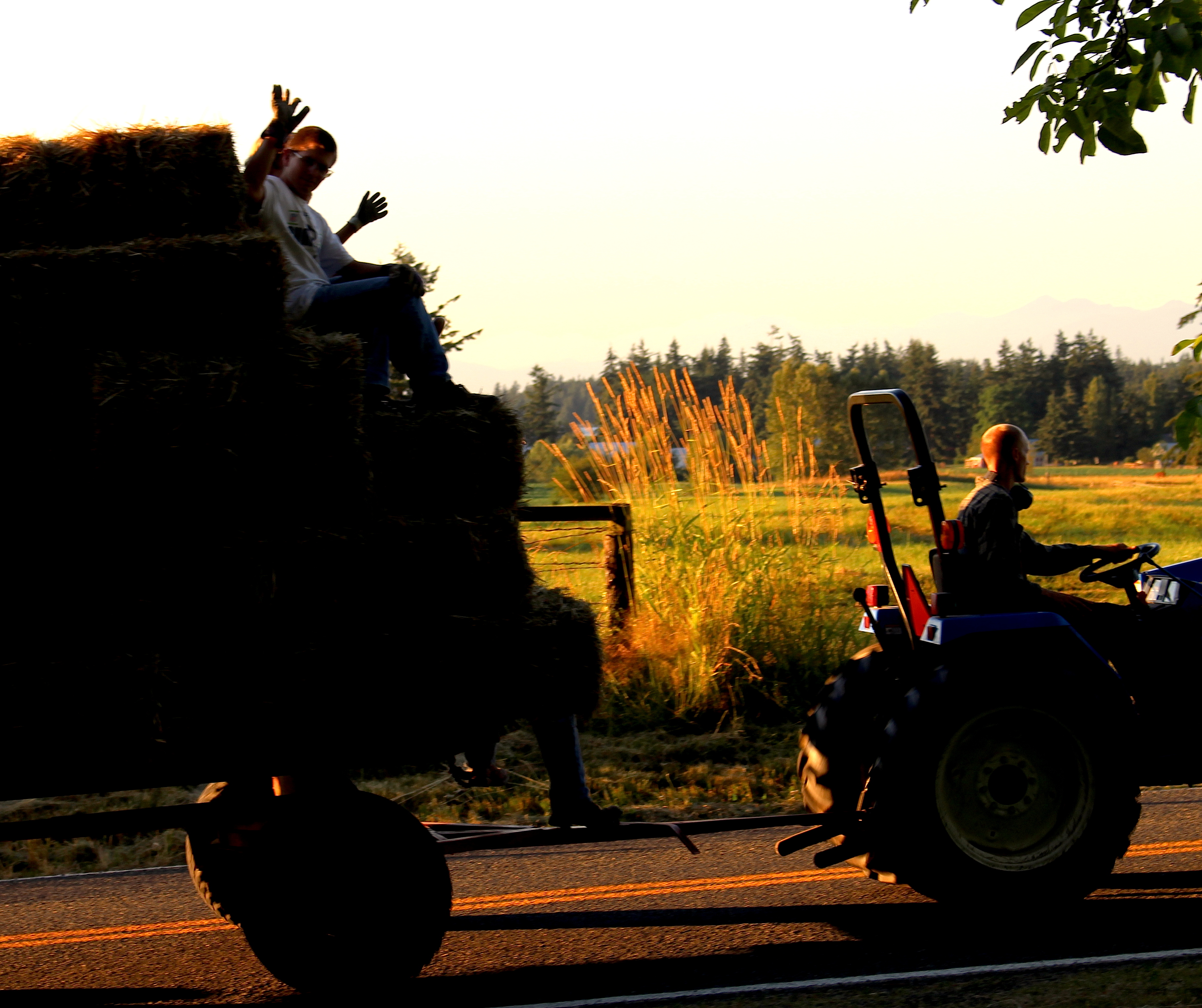
All afternoon his tractor pulls a flat wagon
with bales to the barn, then back to the waiting
chopped field. It trails a feather of smoke.
Down the block we bend with the season:
shoes to polish for a big game,
storm windows to batten or patch.
And how like a field is the whole sky now
that the maples have shed their leaves, too.
It makes us believers—stationed in groups,
leaning on rakes, looking into space. We rub blisters
over billows of leaf smoke. Or stand alone,
bagging gold for the cold days to come.

~David Baker “Neighbors in October”

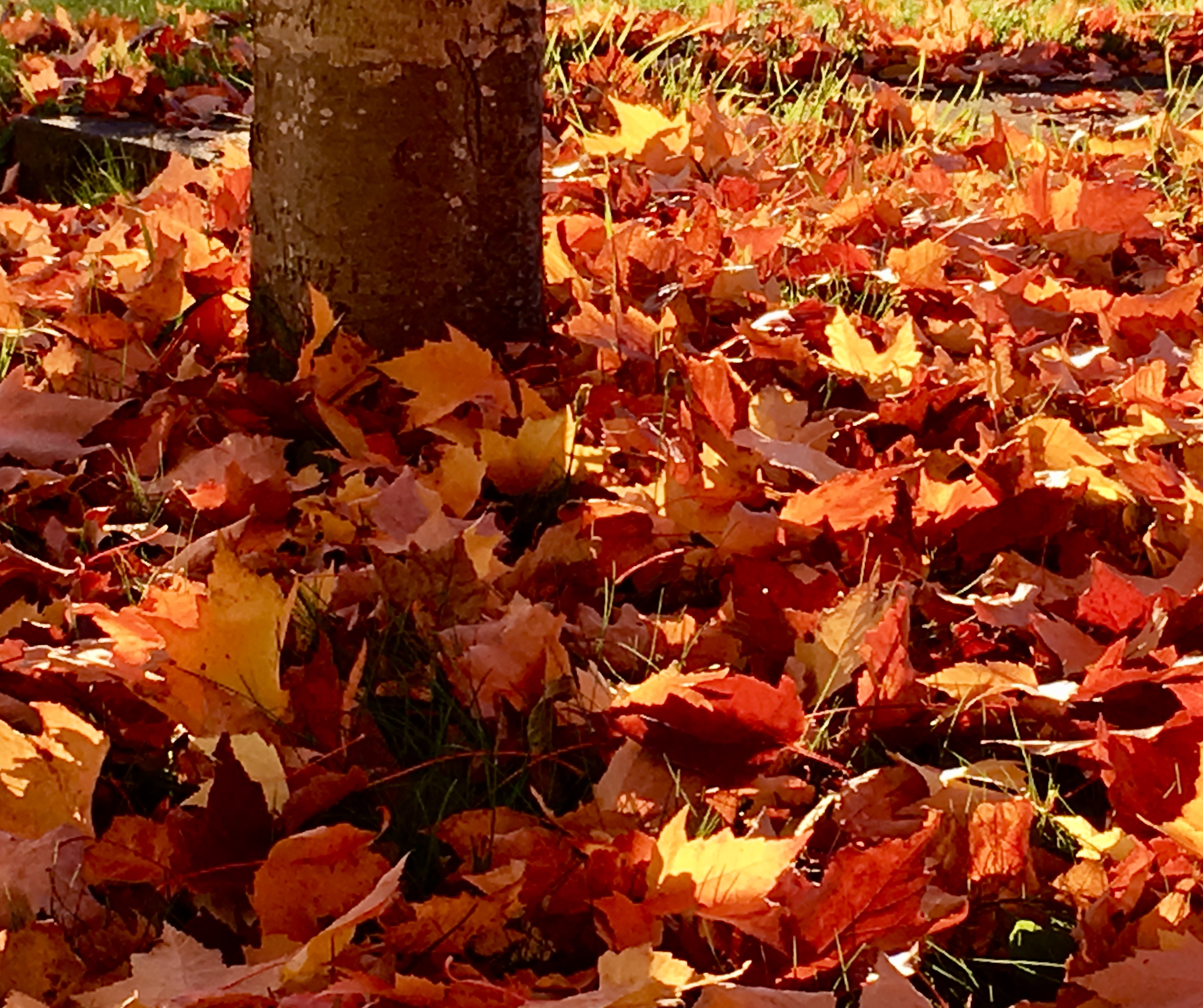
There is a desperation to these October days:
the leaves torn from branches by unrelenting gusts
with no thought to where they may land~
upon which patch of grass or gravel will be their final resting place
to wilt and wither in the rain,
under frost,
buried by eventual peaceful snowbanks
until they return to dust.

Or in my need to hold on to what I can
of what was,
I preserve a few like precious treasure,
tucked between book pages
to remain forever neighbors
with the words they embrace.

A book with beautiful words and photography (but no leaves tucked inside) is available to order here:

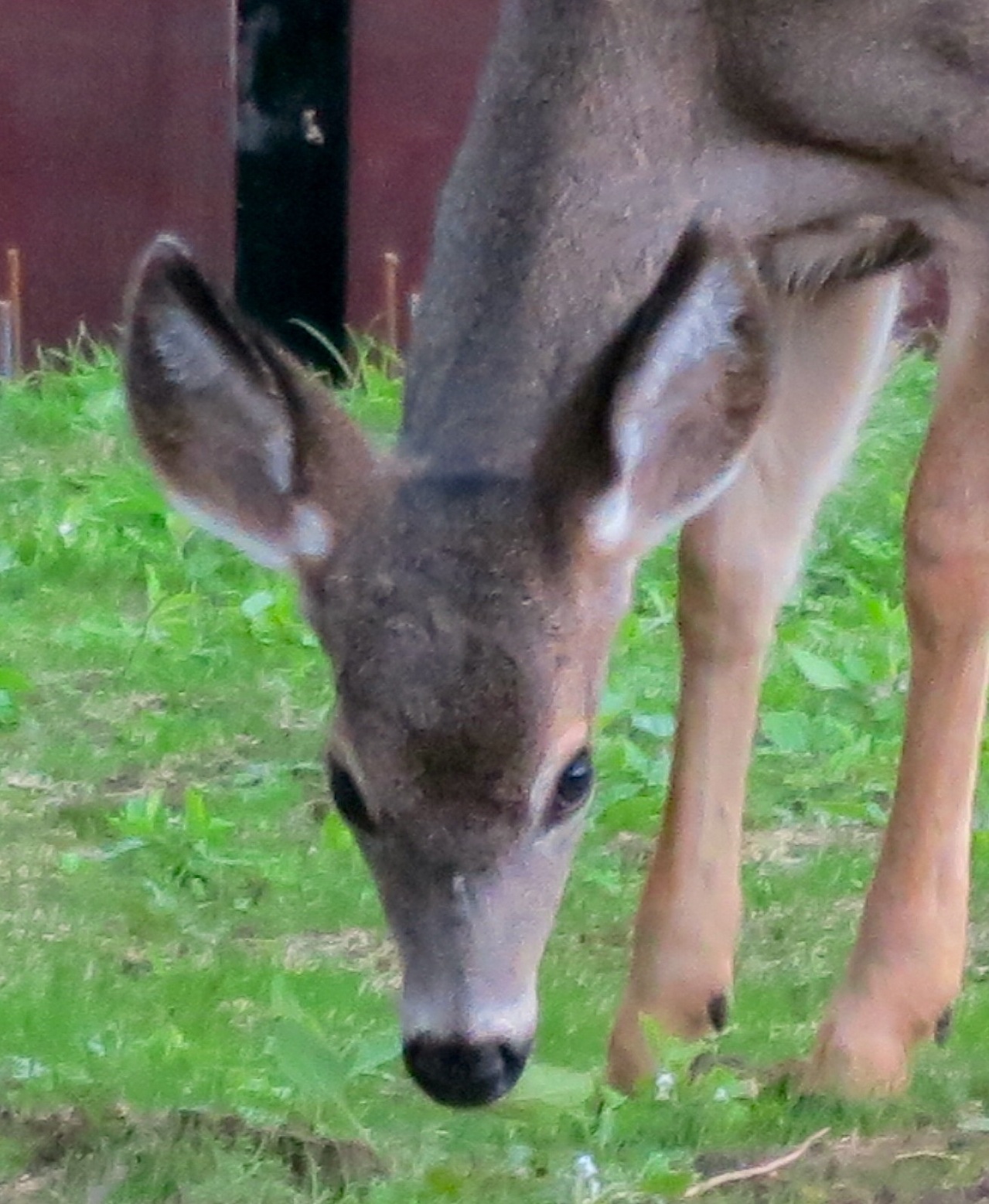
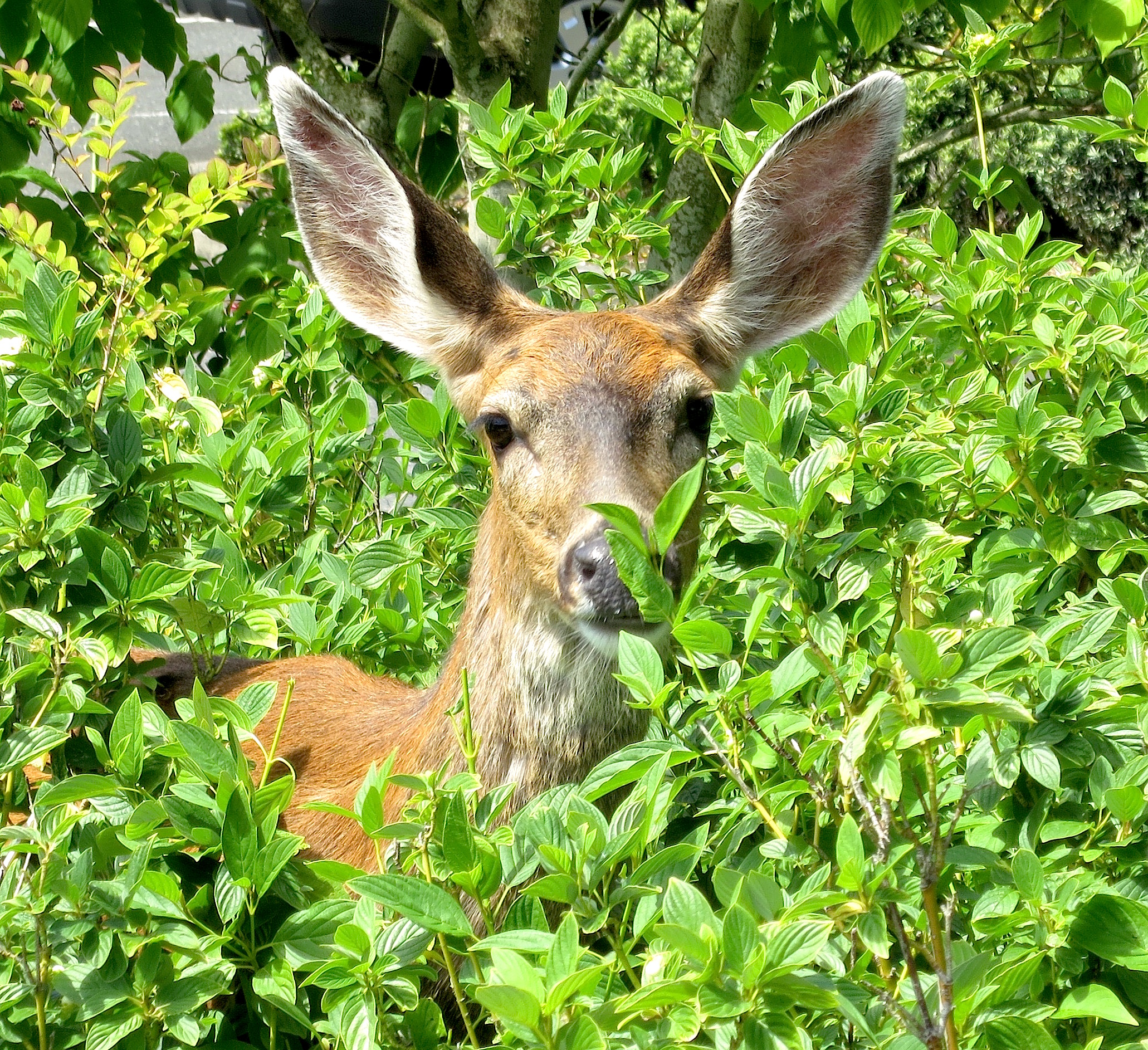
The Safety of the Thicket

He loved to ask his mother questions. It was the pleasantest thing for him to ask a question and then to hear what answer his mother would give. Bambi was never surprised that question after question should come into his mind continually and without effort. 

Sometimes he felt very sure that his mother was not giving him a complete answer, was intentionally not telling him all she knew.  For then there would remain in him such a lively curiosity, such suspicion, mysteriously and joyously flashing through him, such anticipation, that he would become anxious and happy at the same time, and grow silent.
~Felix Salten from Bambi

A Wounded Deer—leaps highest—
I’ve heard the Hunter tell—
‘Tis but the Ecstasy of death—
And then the Brake is still!
~Emily Dickinson from “165″

My first time ever
seated next to my mother
in a movie theater, just
a skinny four year old girl
practically folded up in half
by a large padded chair
whose seat won’t stay down,
bursting with anticipation
to see Disney’s Bambi.

Enthralled with so much color,
motion,  music, songs and fun
characters, I am wholly lost
in a new world of animated
reality when suddenly
Bambi’s mother looks up,
alarmed,  from eating
a new clump of spring grass
growing in the snow.

My heart leaps
with worry.
She tells him
to run
for the thicket,
the safest place where
she has always
kept him warm
next to her.

She follows behind,
tells him to run faster,
not to look back,
don’t ever look back.

Then the gun shot
hits my belly too.

My stomach twists
as he cries out
for his mother,
pleading for her.
I know in my heart
she is lost forever,
sacrificed for his sake.

I sob as my mother
reaches out to me,
telling me not to look.
I bury my face
inside her hug,
knowing Bambi
is cold and alone
with no mother
at all.

My mama took me home
before the end.
I could not bear to watch
the rest of the movie 
for years.

Those cries
still echo
in my ears
every time someone hunts and shoots
to kill the innocent.

Now, my own children are grown,
they have babies of their own,
my mom is gone from this earth,
I can even keep the seat from folding
me up in a movie theater.

I am in my seventh decade, and
there are still places in this world where
mothers and fathers
sons and daughters
grandmothers and grandfathers
sisters and brothers
and babies are hunted down
despite the supposed safety of the thicket~
of the sanctuary, the school, the grocery store, the home,
where we believe we are shielded from violence.

There is innocence no longer,
if there ever was.

A book of beauty in words and photography, available to order here:

A Benediction of Mourning

The waning October moon reluctantly rose,
pulling back from the full globe of a few nights before.

I drive a night darkened country road, white lines sweeping past,
aware of advancing frost in the evening haze,
anxious to return home to fireplace light.

Nearing a familiar corner, a stop sign loomed,
to the right, a rural cemetery sits silently expectant.

Open iron gates and tenebrous headstones,
in the middle path, incongruous, a car’s headlights beam bright.
I slowed, thinking: lovers or vandals would seek inky cover of night.

Instead, these lights illuminate a lone figure, kneeling graveside,
one hand resting heavily on a stone, head bowed in prayer.

A stark moment of solitary sorrow,
invisible grieving of the heart
focused by twin beams.

A benediction of mourning; light piercing their blackness,
as gentle fingertips trace the engraved letters of a beloved name.

An uneasy witness, I withdraw as if touched myself
and drive on into the night, struggling to see
through the thickening mist of my eyes and the road.

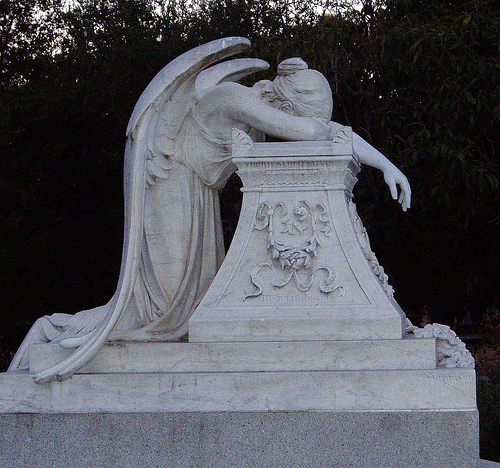
Angel of Grief–Stanford University

A book of beauty in words and photography, available for order here: