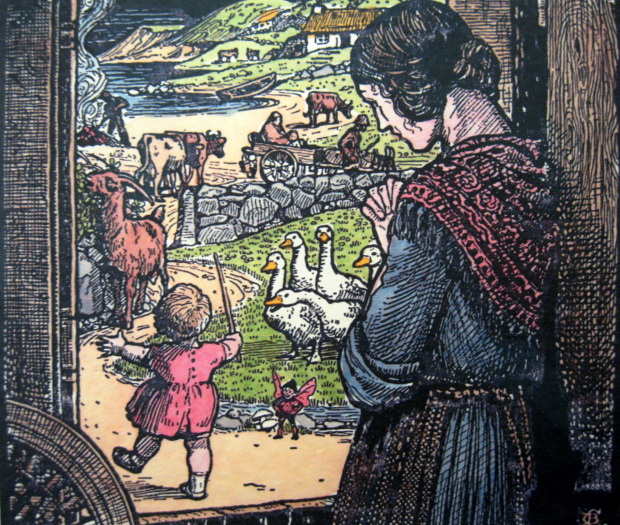
God keep my jewel this day from danger; From tinker and pooka and bad-hearted stranger. From harm of the water, from hurt of the fire. From the horns of the cows going home to the byre. From the sight of the fairies that maybe might change her. From teasing the ass when he’s tied to the manger. From stones that would bruise her, from thorns of the briar. From evil red berries that wake her desire. From hunting the gander and vexing the goat. From the depths o’ sea water by Danny’s old boat. From cut and from tumble, from sickness and weeping; May God have my jewel this day in his keeping. ~Winifred Lett (1882-1973) Prayer for a Child
This prayer has hung in our home for almost three decades, purchased when I was pregnant with our first child. When I first saw it with its drawing of the praying mother watching her toddler leave the safety of the home to explore the wide world, I knew it addressed most of my worries as a new mother, in language that helped me smile at my often irrational fears. I would glance at it dozens of time a day, and it would remind me of God’s care for our children through every scary thing, real or imagined.
And I continue to pray for our grown children, their spouses, and now for four precious grandchildren who live too far away from us. I do this because I can’t not do it, and because I’m helpless without the care and compassion of our sovereign God.
May I be changed by my prayers.
I pray because I can’t help myself. I pray because I’m helpless. I pray because the need flows out of me all the time, waking and sleeping. It doesn’t change God. It changes me. ~C.S. Lewis
Sleep child upon my bosom, It is cosy and warm; Mother’s arms are tight around you, A mother’s love is in my breast; Nothing shall disturb your slumber, Nobody will do you harm; Sleep in peace, dear child, Sleep quietly on your mother’s breast.
Sleep peacefully tonight, sleep; Gently sleep, my lovely; Why are you now smiling, Smiling gently in your sleep? Are angels above smiling on you, As you smile cheerfully, Smiling back and sleeping, Sleeping quietly on my breast?
Do not fear, it is nothing but a leaf Beating, beating on the door; Do not fear, only a small wave Murmurs, murmurs on the seashore; Sleep child, there’s nothing here Nothing to give you fright; Smile quietly in my bosom, On the blessed angels yonder.
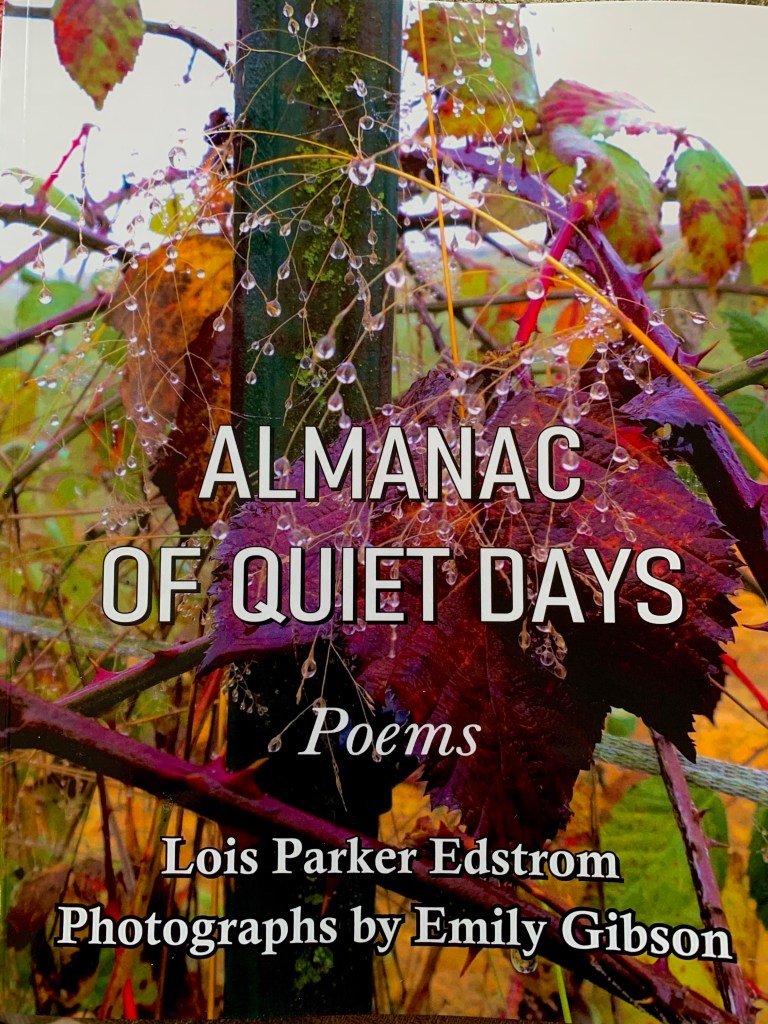
Order here for this book of beautiful words and photography:
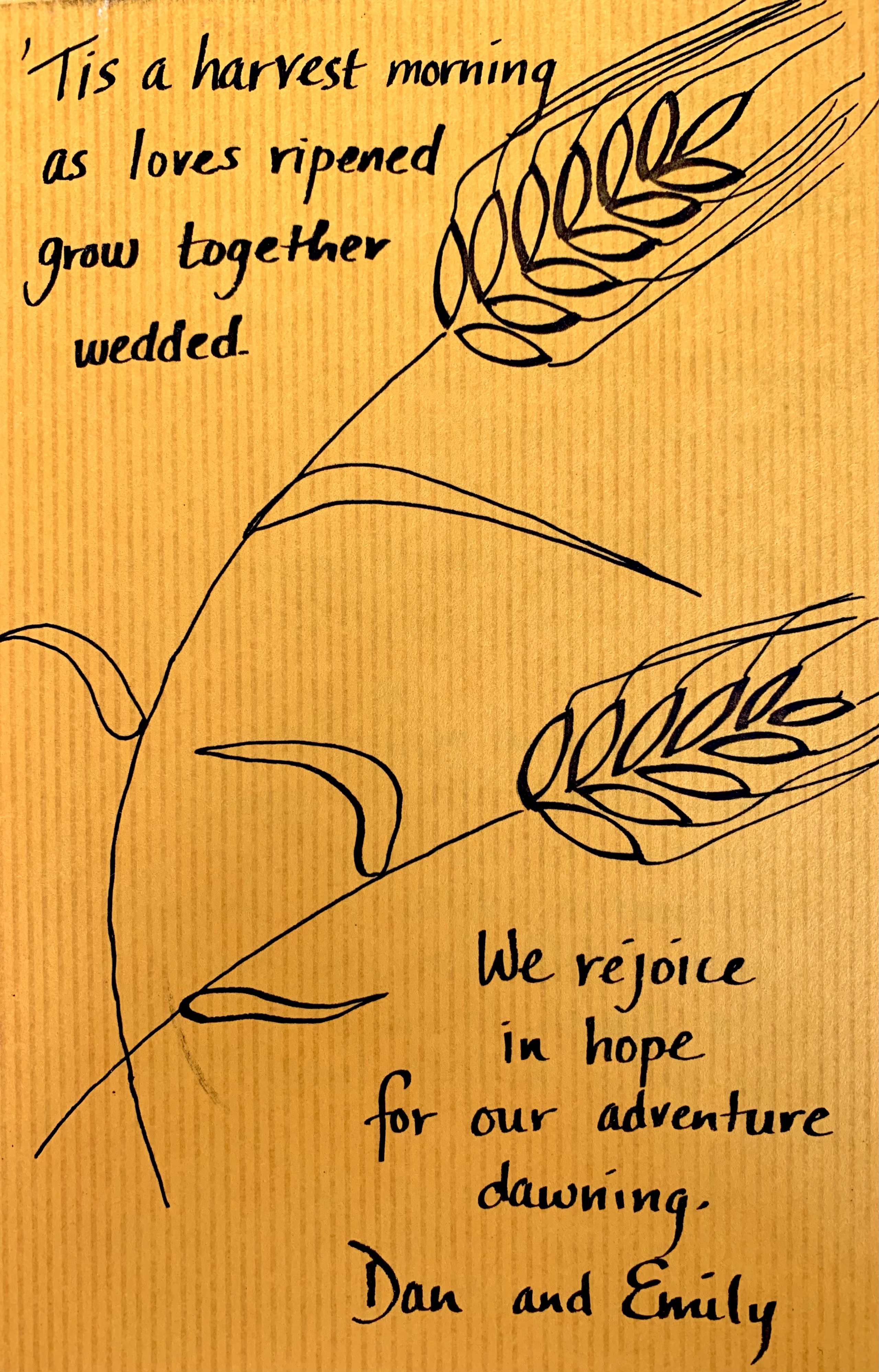
The meaning of marriage begins in the giving of words. We cannot join ourselves to one another without giving our word. And this must be an unconditional giving, for in joining ourselves to one another we join ourselves to the unknown. ~Wendell Berry from “Poetry and Marriage” in Standing By Words
Our vows to one another forty years ago today:
Before God and this gathering, I vow from my heart and spirit that I will be your wife/husband for as long as we both shall live.
I will love you with faithfulness, knowing its importance in sustaining us through good times and bad.
I will love you with respect, serving your greatest good and supporting your continued growth.
I will love you with compassion, knowing the strength and power of forgiveness.
I will love you with hope, remembering our shared belief in the grace of God and His guidance of our marriage.
“And at home, by the fire, whenever you look up, there I shall be–and whenever I look up, there will be you.”
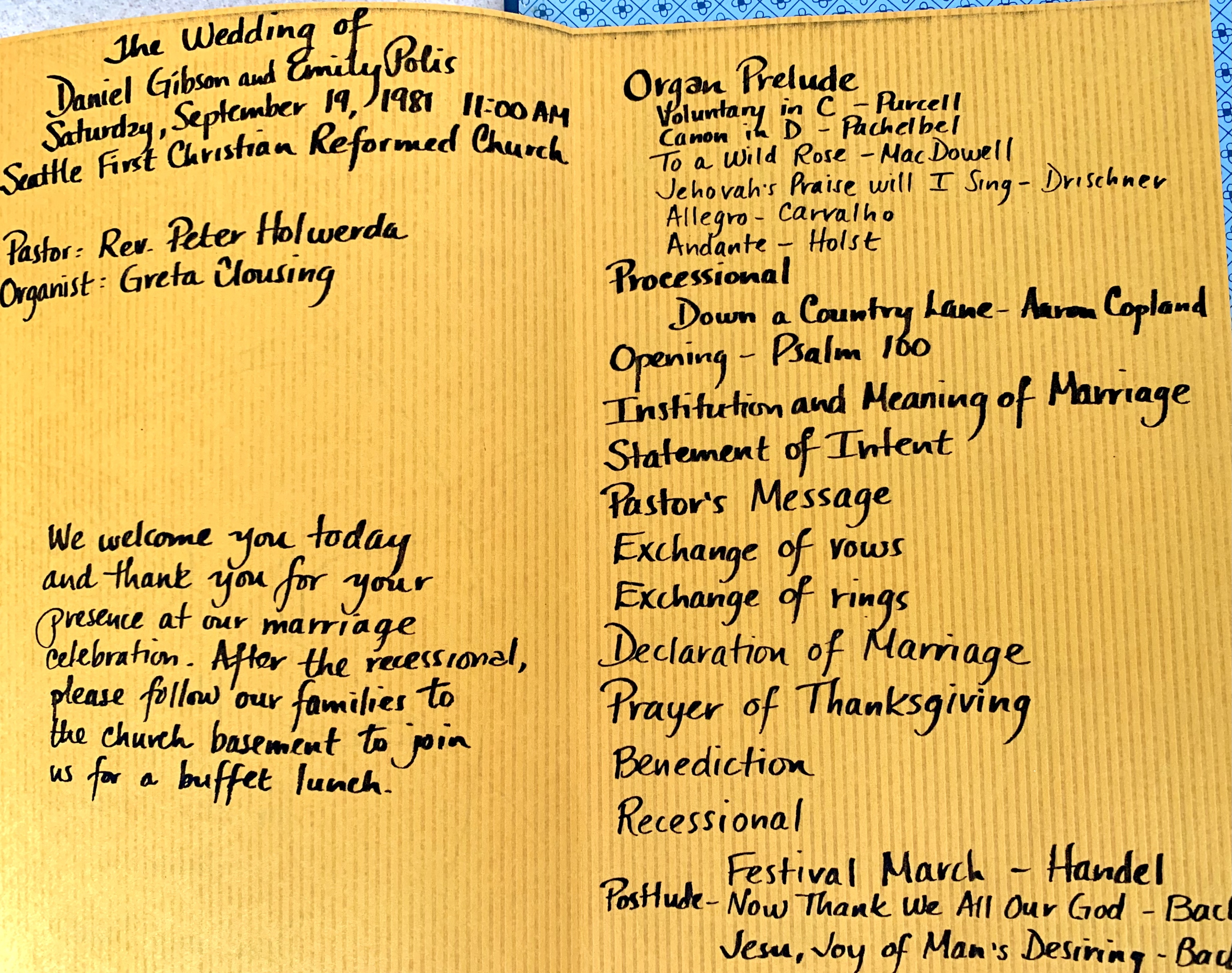
(our wedding vows for our September 19, 1981 wedding at First Seattle Christian Reformed Church — the last line adapted from Thomas Hardy’s “Far From the Madding Crowd”)
Sometimes our life reminds me of a forest in which there is a graceful clearing and in that opening a house, an orchard and garden, comfortable shades, and flowers red and yellow in the sun, a pattern made in the light for the light to return to. The forest is mostly dark, its ways to be made anew day after day, the dark richer than the light and more blessed, provided we stay brave enough to keep on going in.
We enter, willing to die, into the commonwealth of its joy. ~Wendell Berry from “A Country of Marriage”
…Marriage… joins two living souls as closely as, in this world, they can be joined. This joining of two who know, love, and trust one another brings them in the same breath into the freedom of sexual consent and into the fullest earthly realization of the image of God. From their joining, other living souls come into being, and with them great responsibilities that are unending, fearful, and joyful. The marriage of two lovers joins them to one another, to forebears, to descendants, to the community, to heaven and earth. It is the fundamental connection without which nothing holds, and trust is its necessity. ~Wendell Berry from Sex, Economy, Freedom and Community
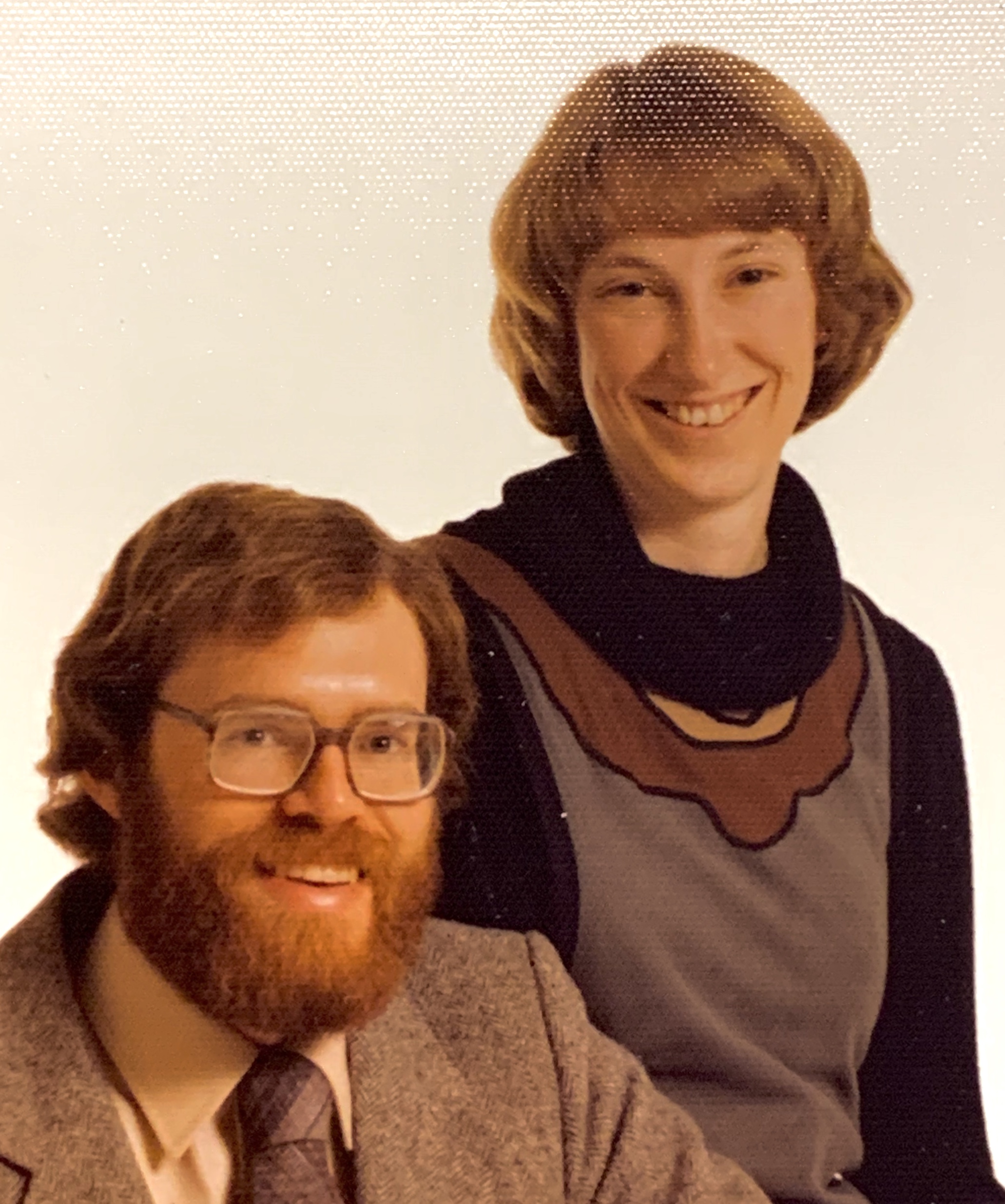
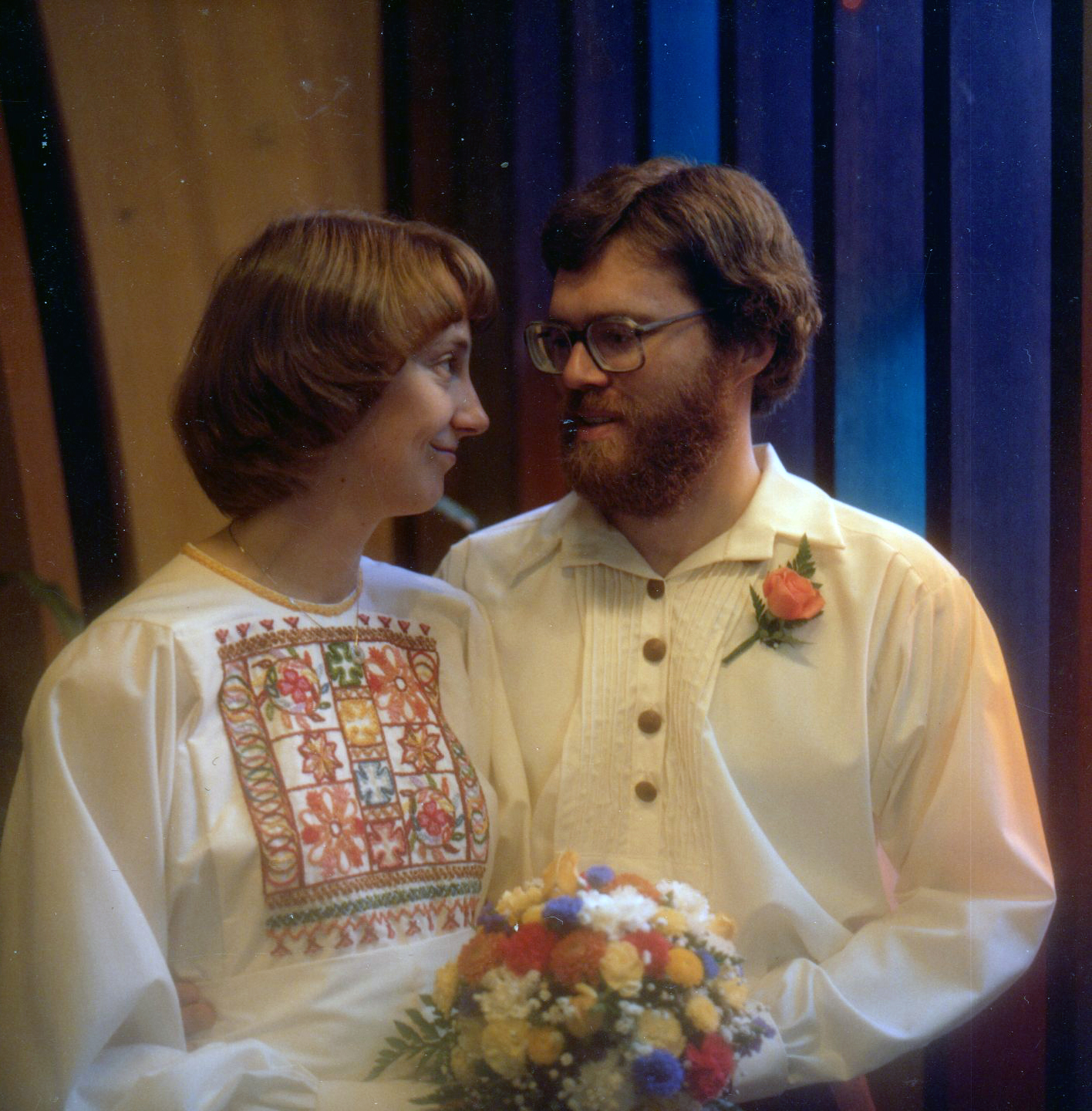
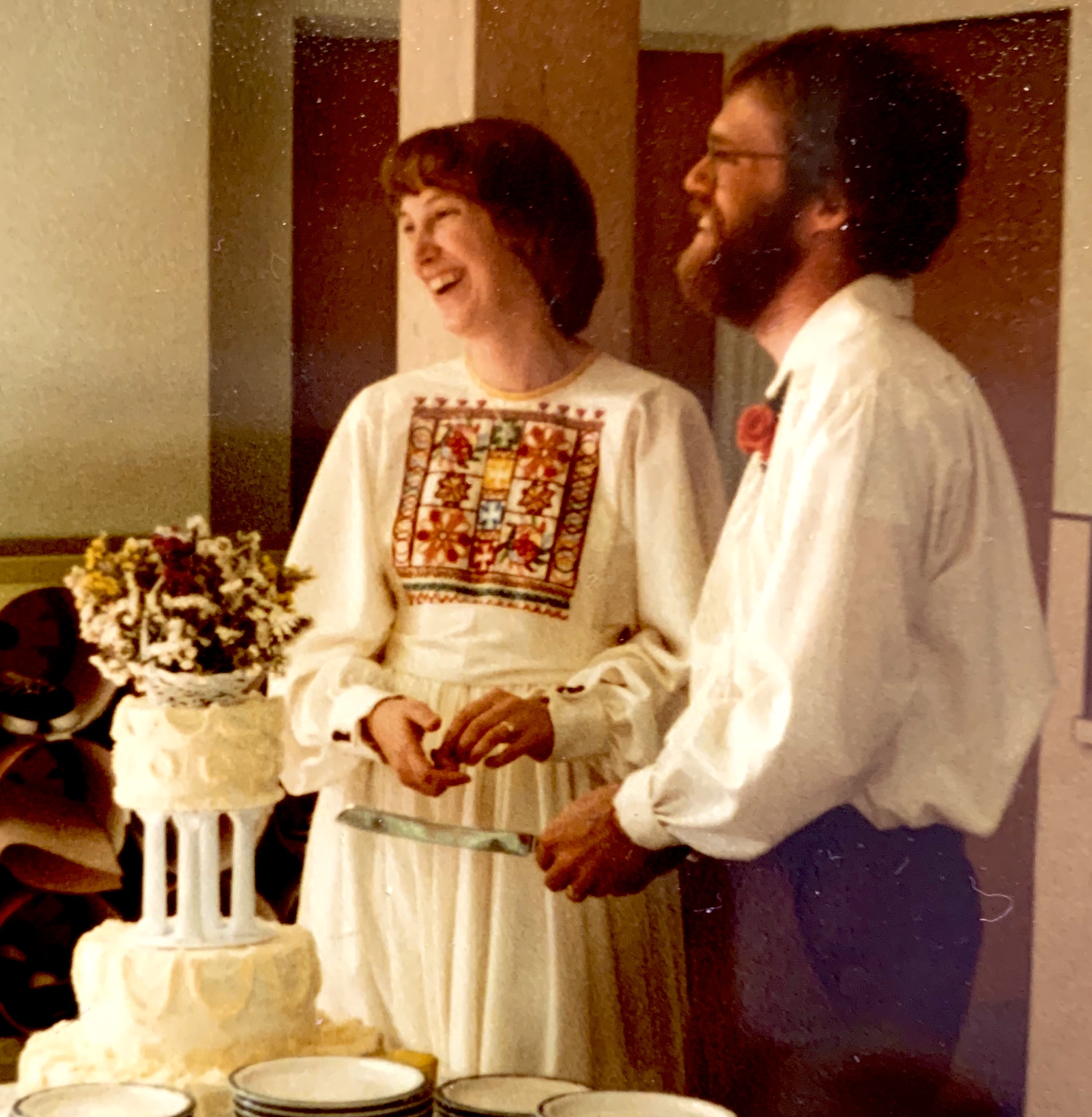
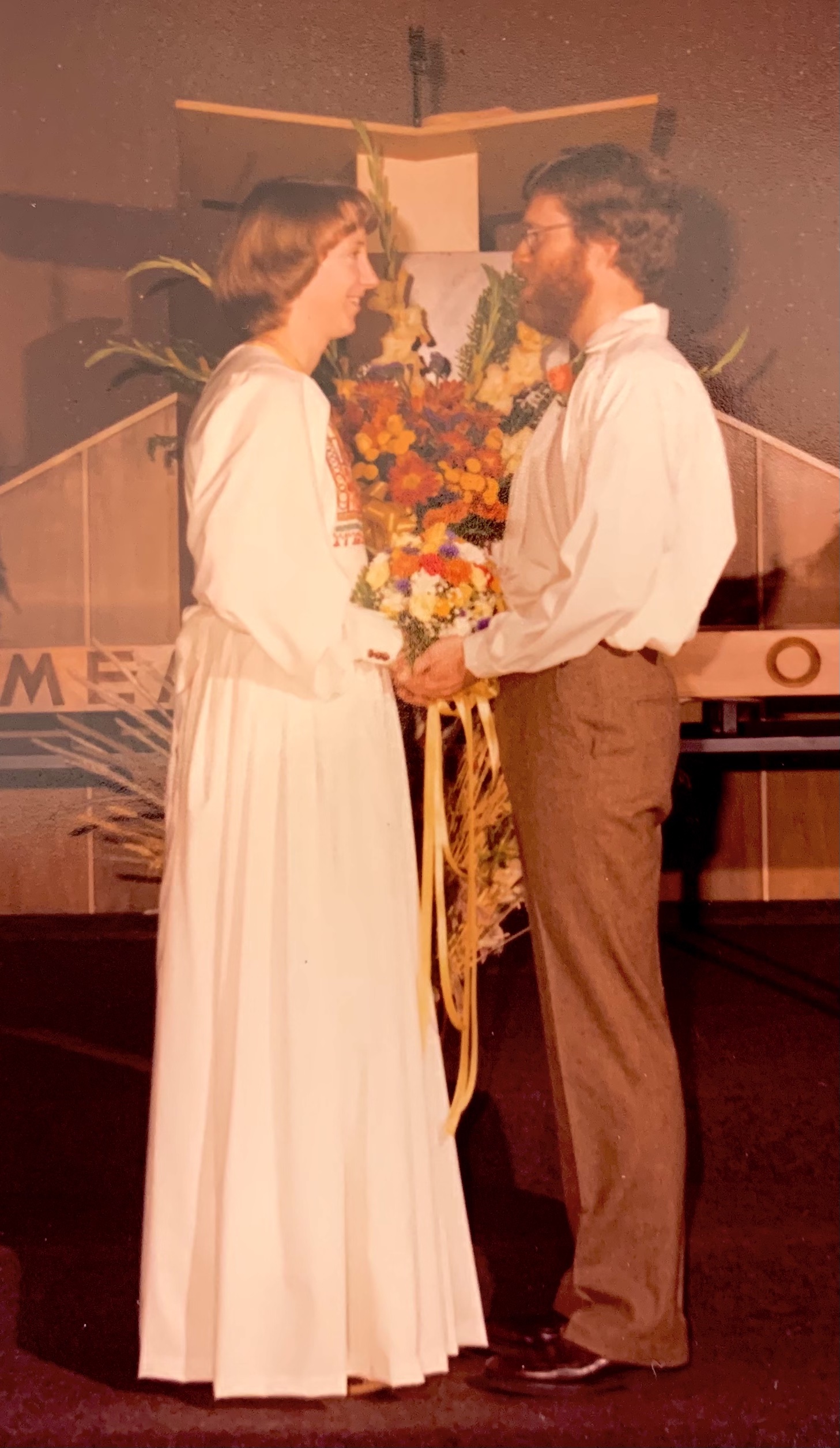
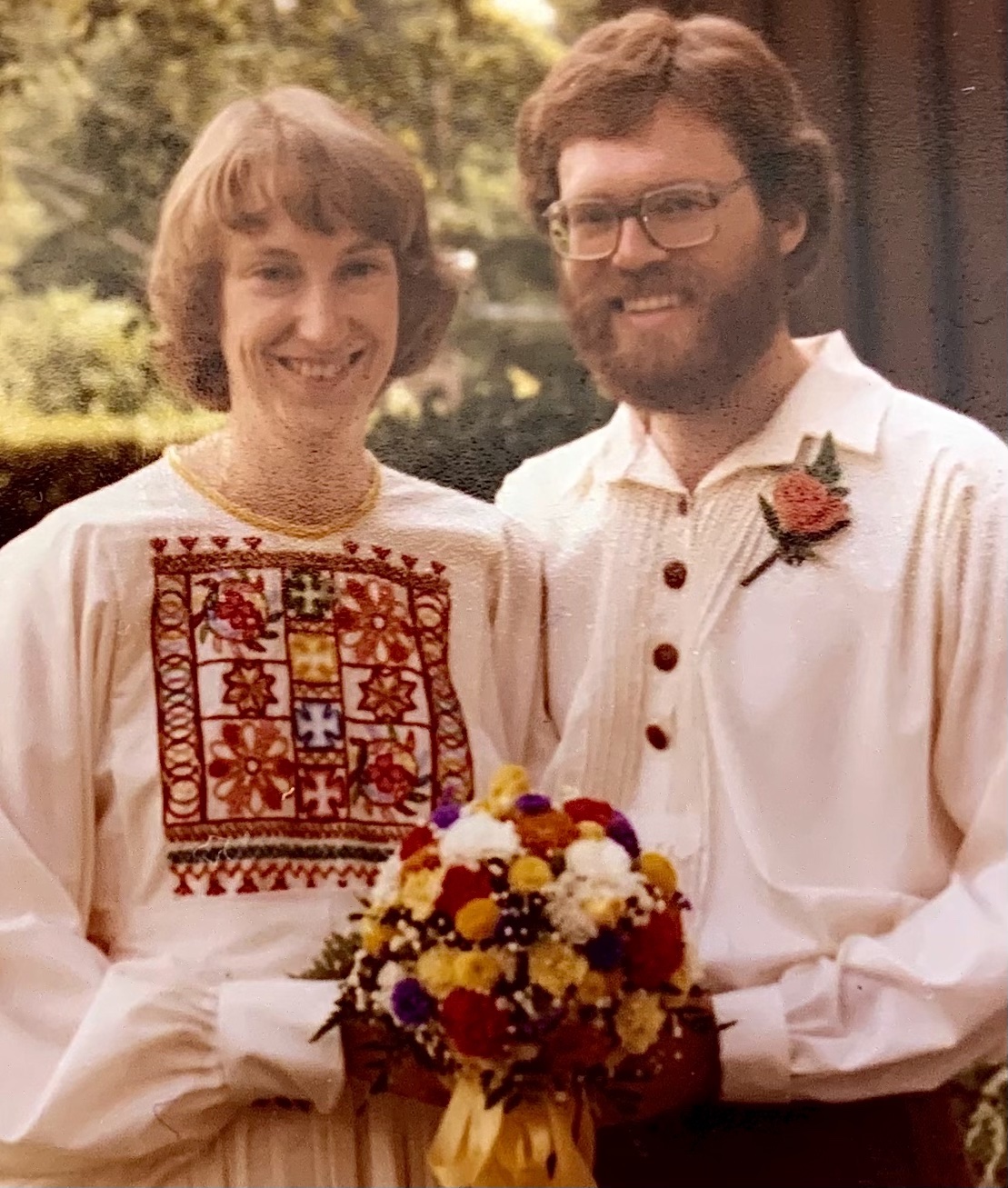
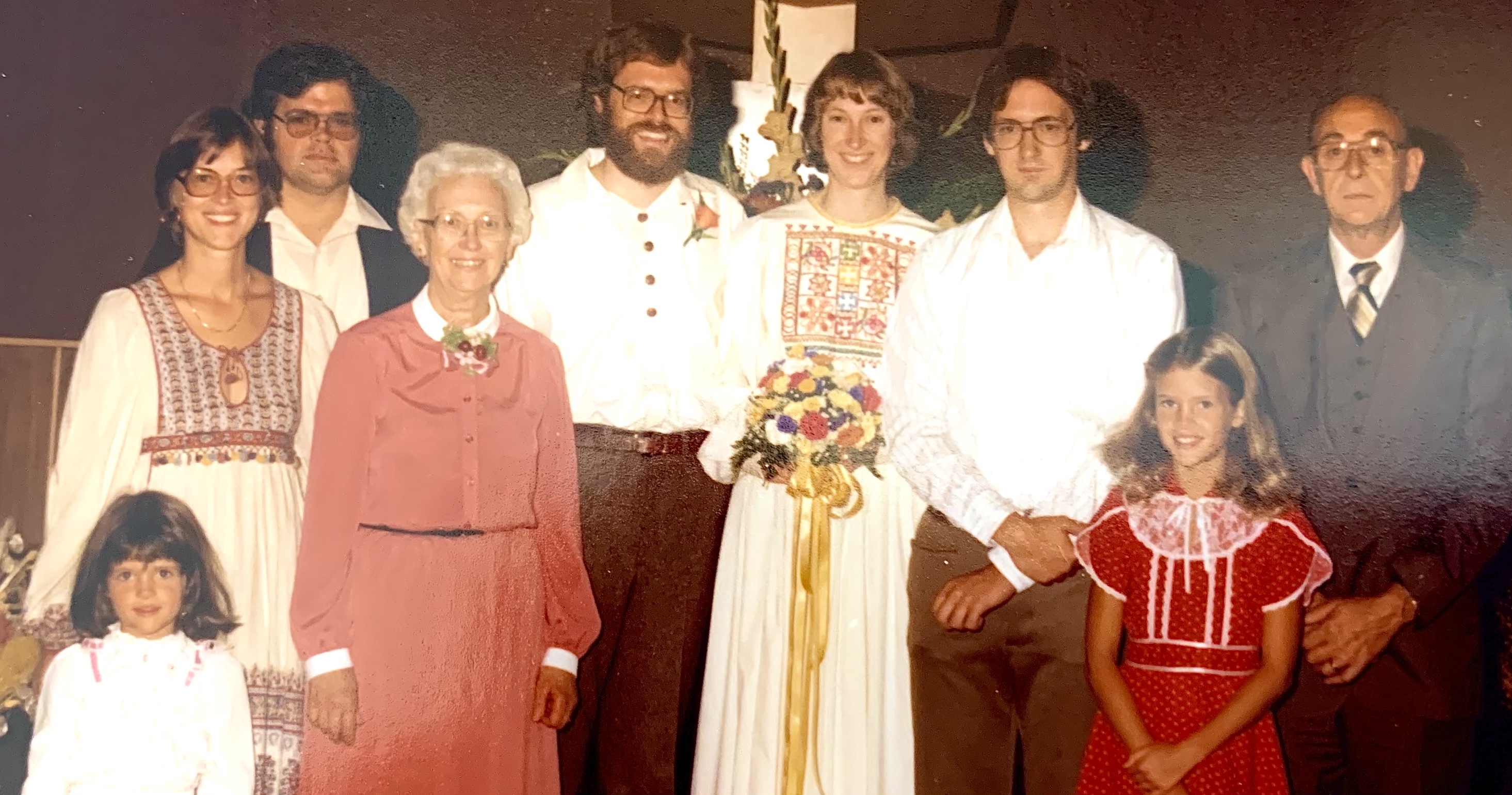
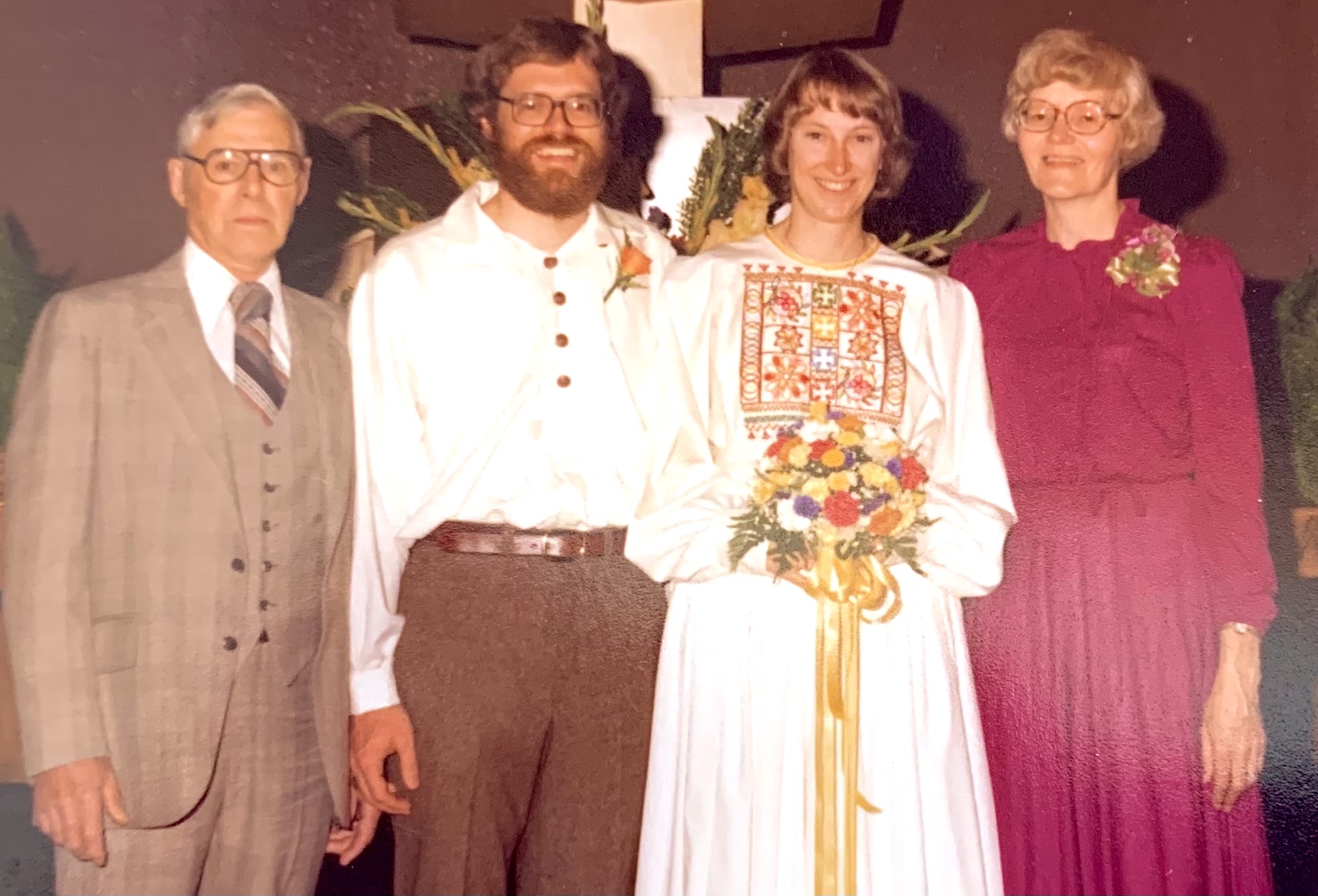
We married in our Seattle church with our pastor officiating, with a small group of family and friends as witnesses.
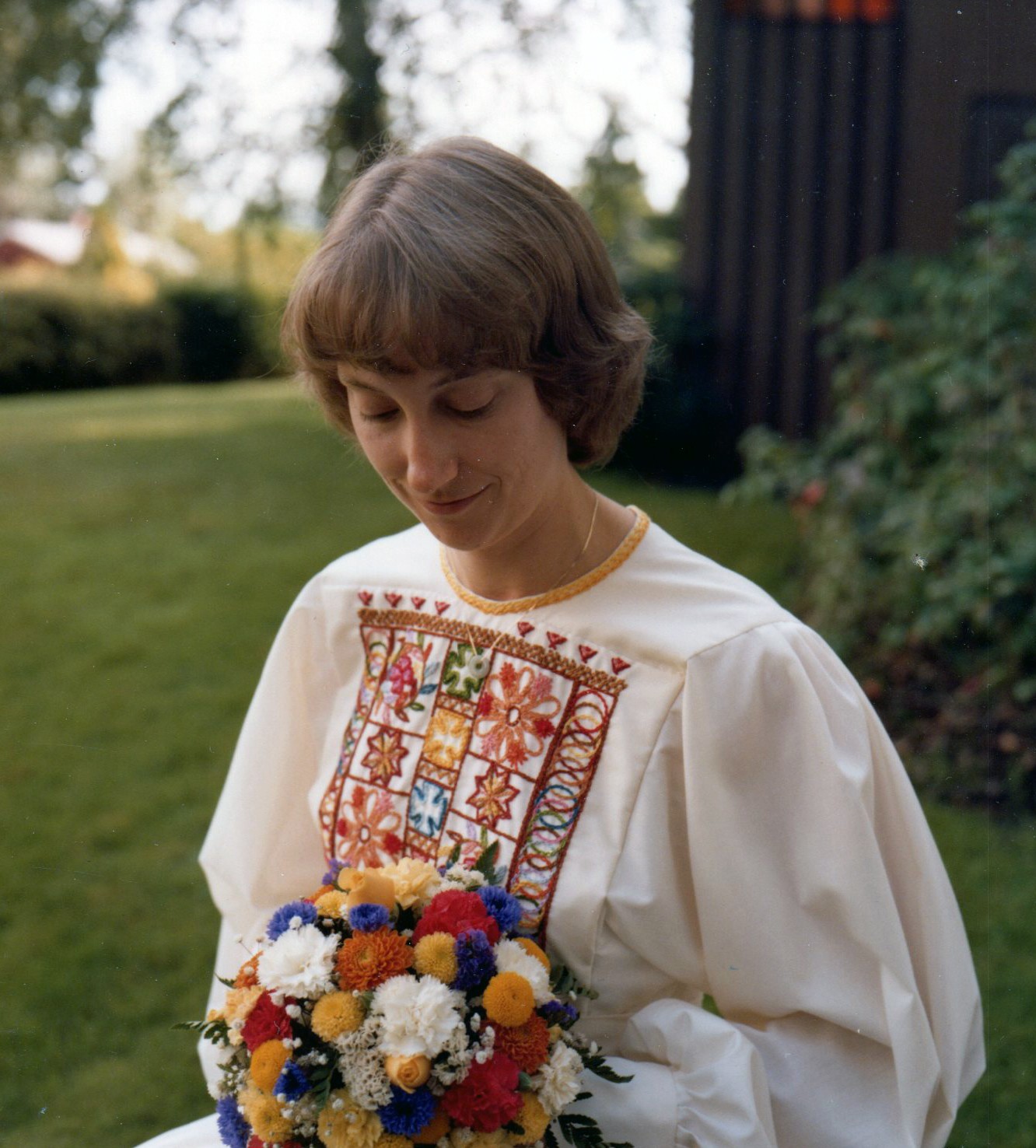
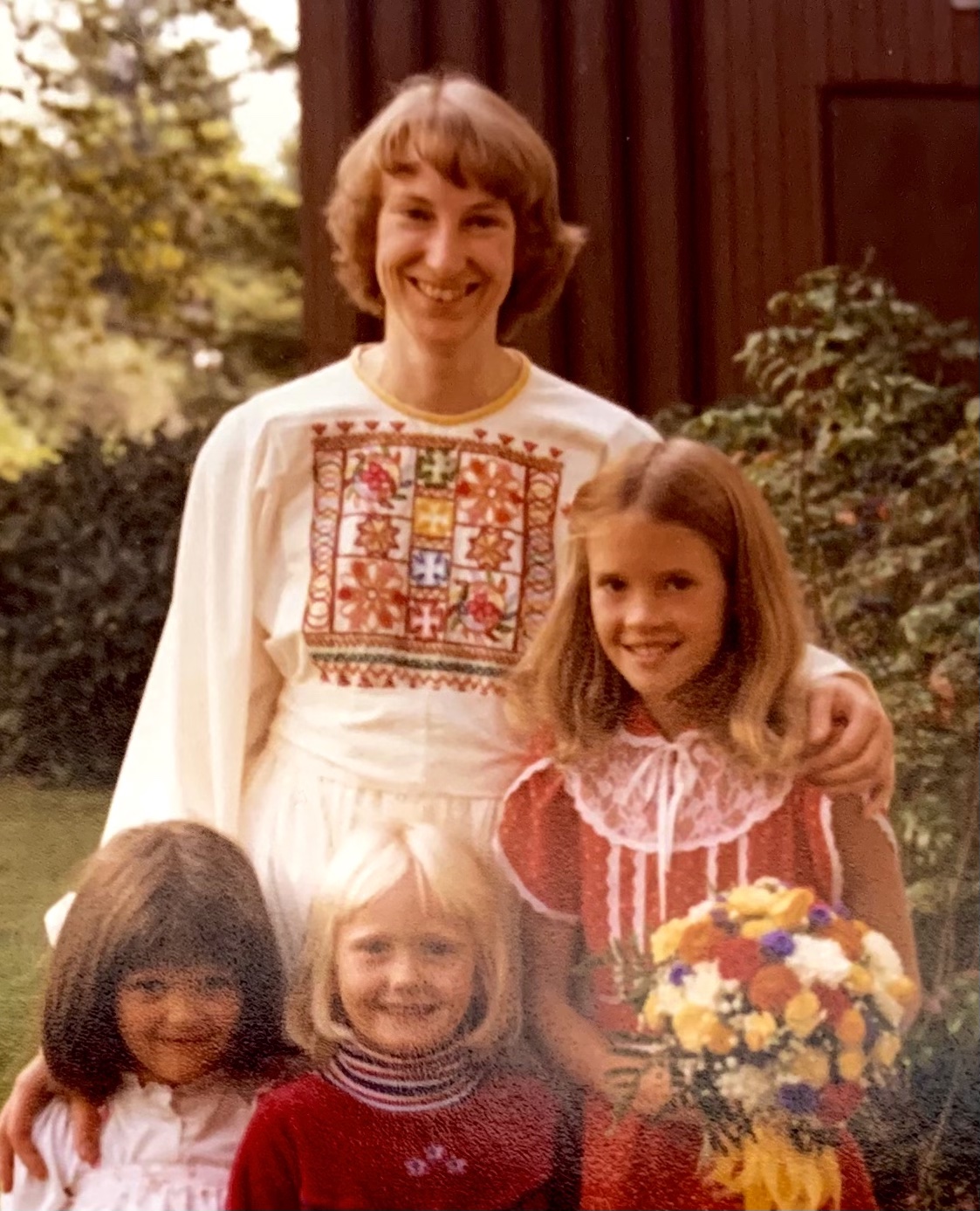
It was a wedding created by two frugal people with little to spend – I sewed my dress and Dan’s shirt from muslin, we grew our own flowers, our families helped potluck the lunch afterward and our tiered carrot cake was made by a friend.
Yet our vows to one another were not frugal and held nothing back. They were extravagant and comprehensive, coming from our hearts and spirits. The music we asked our amazing organist to play (versions below) inspired us by its simplicity and complexity – very much like the families that raised us and the God we worship.
Our vows have taken us from the city to the countryside, to the raising and rejoicing in three amazing children (each of whom wrote movingly to us today) and now four grandchildren. We served more than forty years as a public-employed attorney and physician, have laid down those responsibilities, and picked up the tools of farm and garden along with church and community service for as long as we are able.
We treasure each day of living together in faithfulness, respect, compassion and hope – knowing that how we love and find joy in one another mirrors how God loves and revels in His people.
We are praying for many more days to fill us with what endures.
A pot of red lentils simmers on the kitchen stove. All afternoon dense kernels surrender to the fertile juices, their tender bellies swelling with delight.
In the yard we plant rhubarb, cauliflower, and artichokes, cupping wet earth over tubers, our labor the germ of later sustenance and renewal.
Across the field the sound of a baby crying as we carry in the last carrots, whorls of butter lettuce, a basket of red potatoes.
I want to remember us this way— late September sun streaming through the window, bread loaves and golden bunches of grapes on the table, spoonfuls of hot soup rising to our lips, filling us with what endures. ~Peter Pereira from “A Pot of Red Lentils”
Here are versions of the organ music we selected for prelude, processional, recessional and postlude
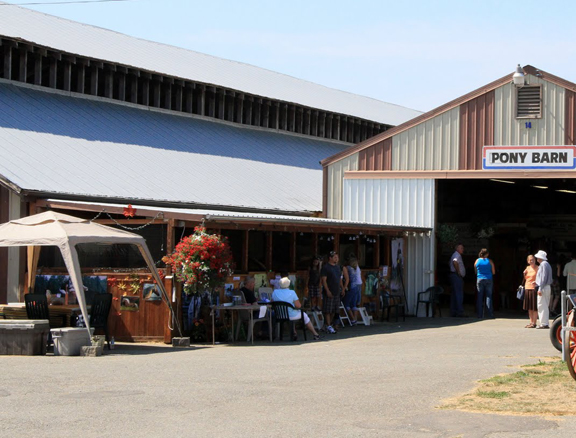
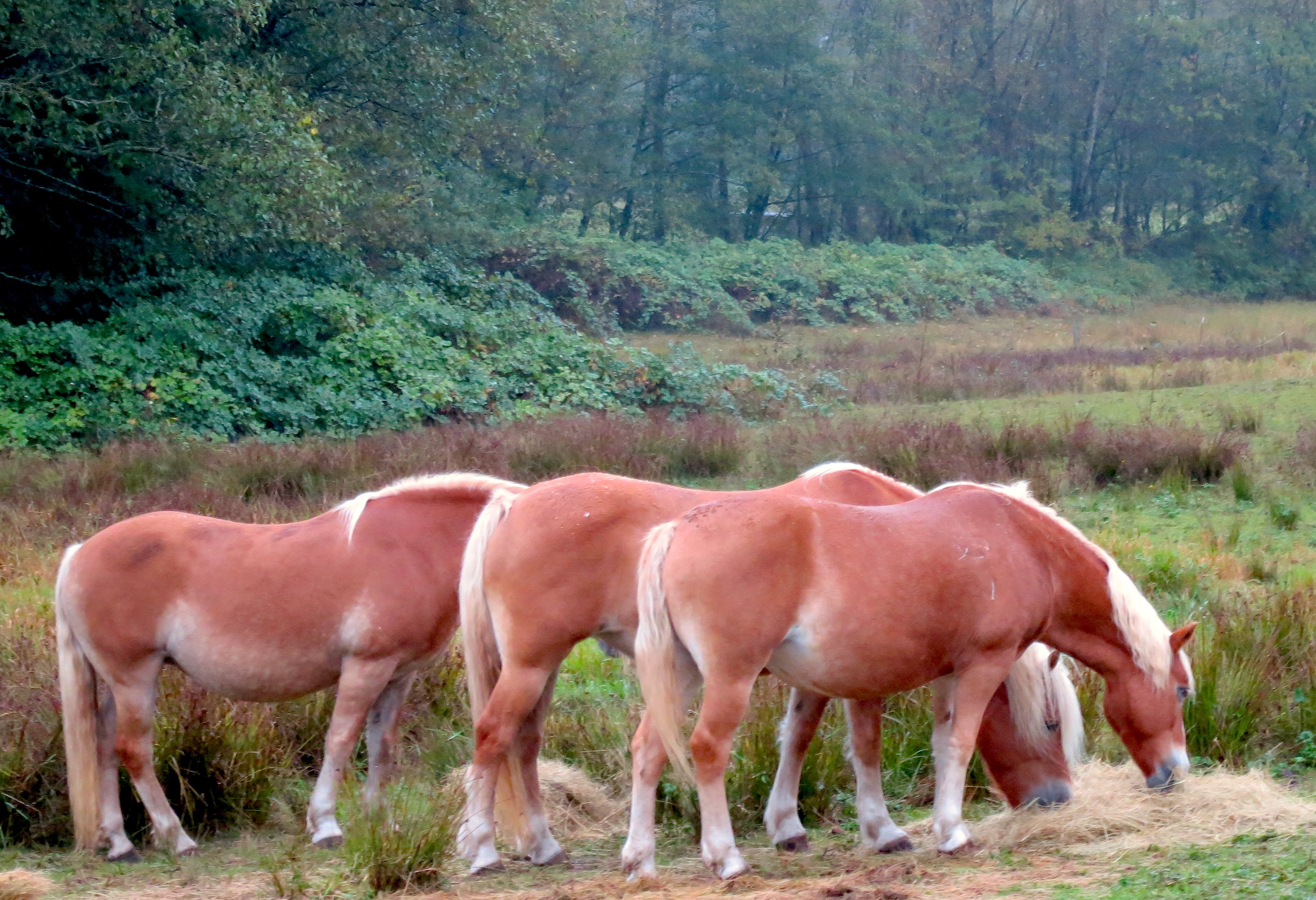
The Northwest Washington Fair in Lynden is underway this week and for the ninth year in a row, our Haflinger horses aren’t there on display. I feel wistful as I wake up too early on a foggy summer morning, remembering the twenty years where I would gather up our sleepy children and their friends and head into the fairgrounds to clean stalls, walk the ponies and prepare for the day. We are no long “doing” the fair as a farm, and I’m still a little bit sad about that.
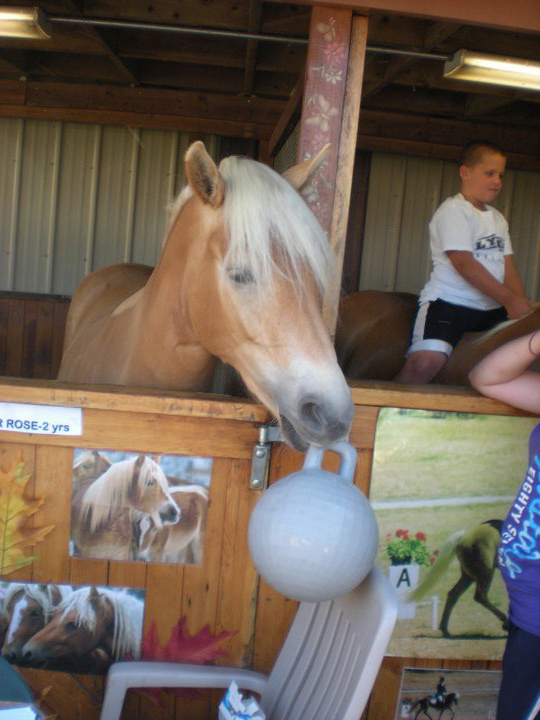
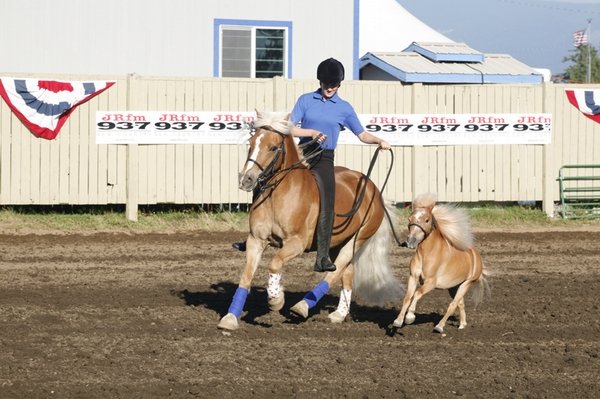
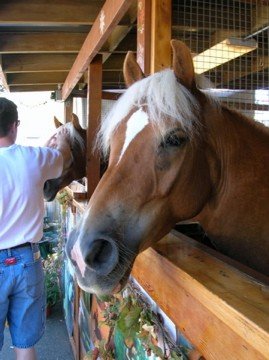
Our farm, BriarCroft, had been a consistent presence at this fair for nearly two decades, promoting the Haflinger breed in a well-decorated outdoor display, providing 24 hour a day coverage for the horses for the 6 days of the fair. We petitioned the Fair Board for 5 years in the late 1980s to allow us to display at the fair, and they finally said “okay, here’s the space, build it yourself” and we did! We were not there for classes, competition, or ribbons. We were there because people enjoyed our Haflingers and we enjoyed the people.
But now that our children are all grown up and moved away, we lack their help to “man” the horse stalls. I miss spending that intense one week time with all of the several dozen “kid” helpers from over the years, most of them now with children of their own.
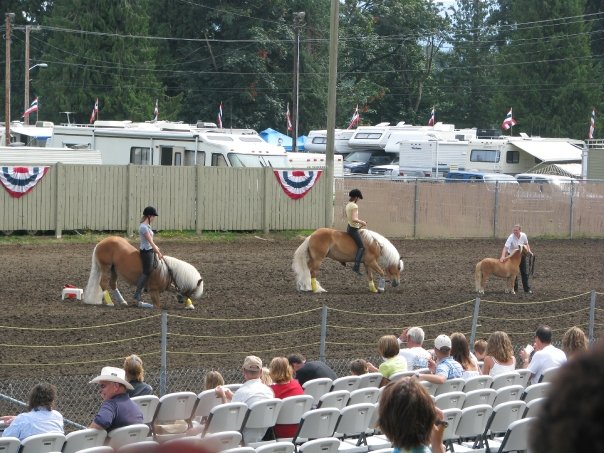
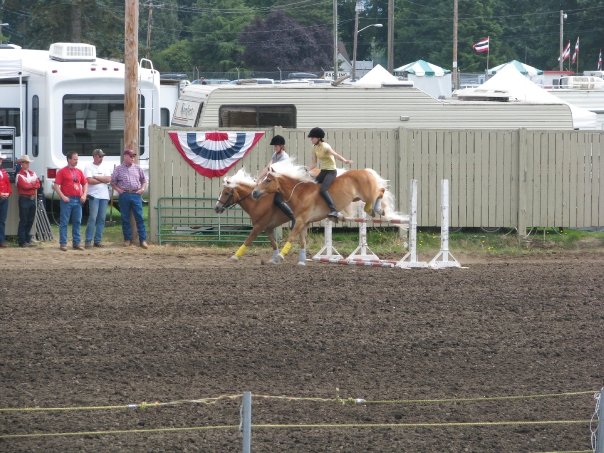
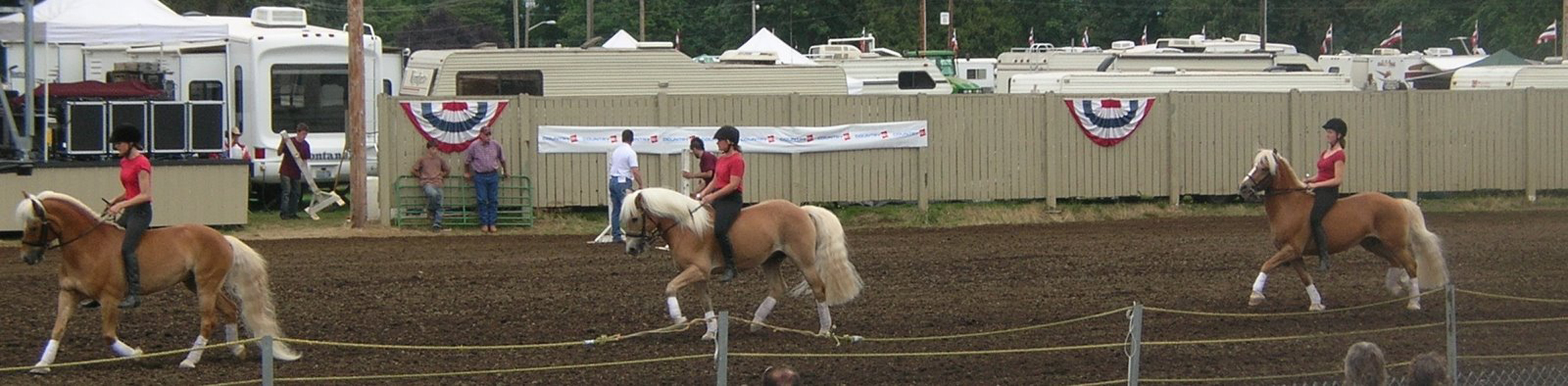
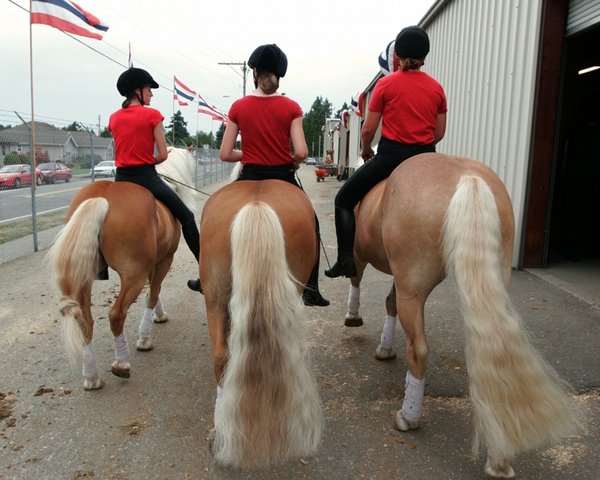
Every year between 1992 and 2012, we were there, sometimes sharing space and duties with other Haflinger farms (Rodenbergers and McKees), along with several brave young women (Kelsy Smith, Chesna Klimek and Emily Vander Haak) who did Haflinger “trick riding” as part of the daily Grandstand show. The older kids watched the younger kids, the in-between kids did most of the horse stall cleaning duty, and we adults sat and shot the breeze.
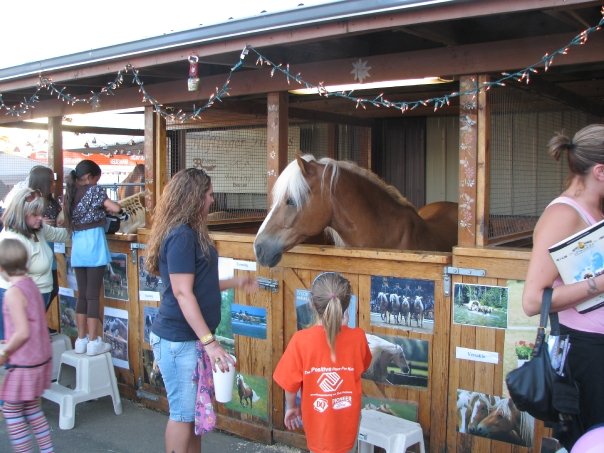
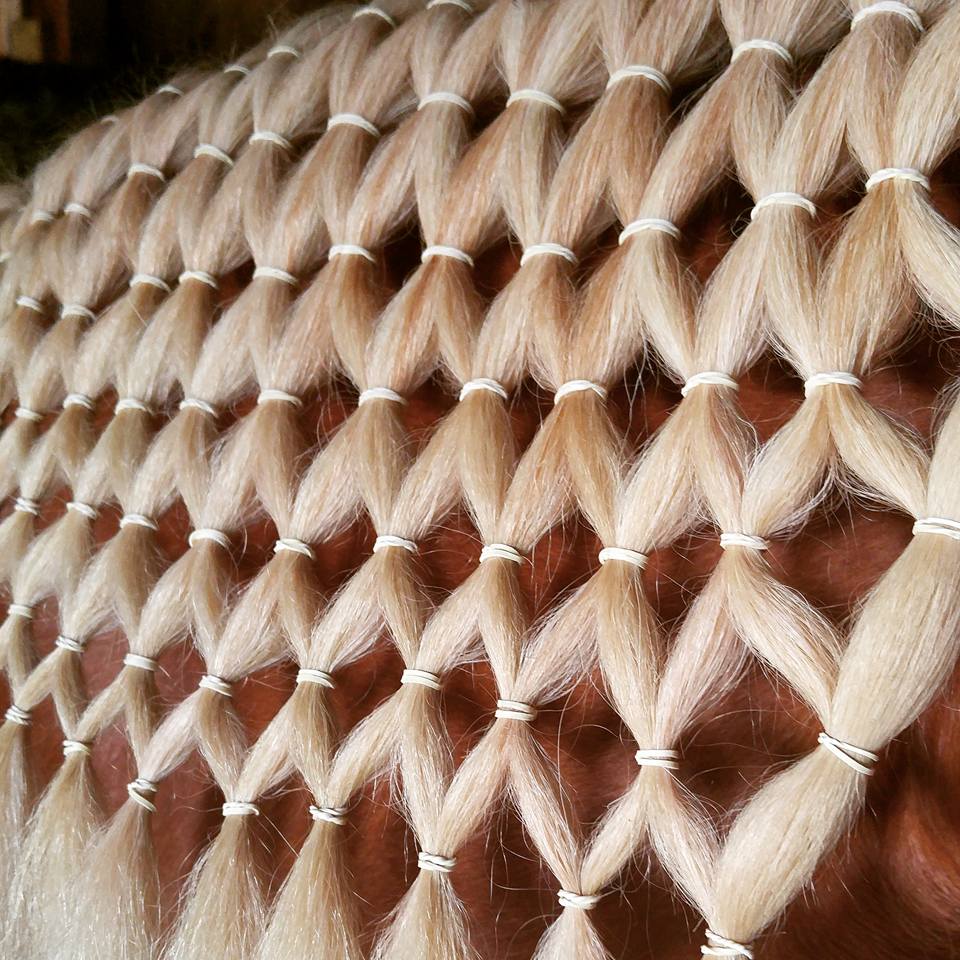
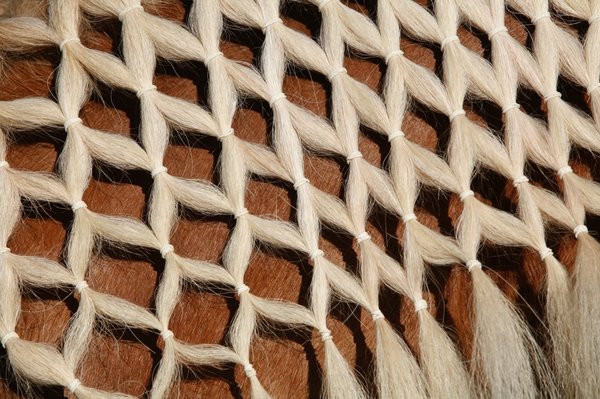
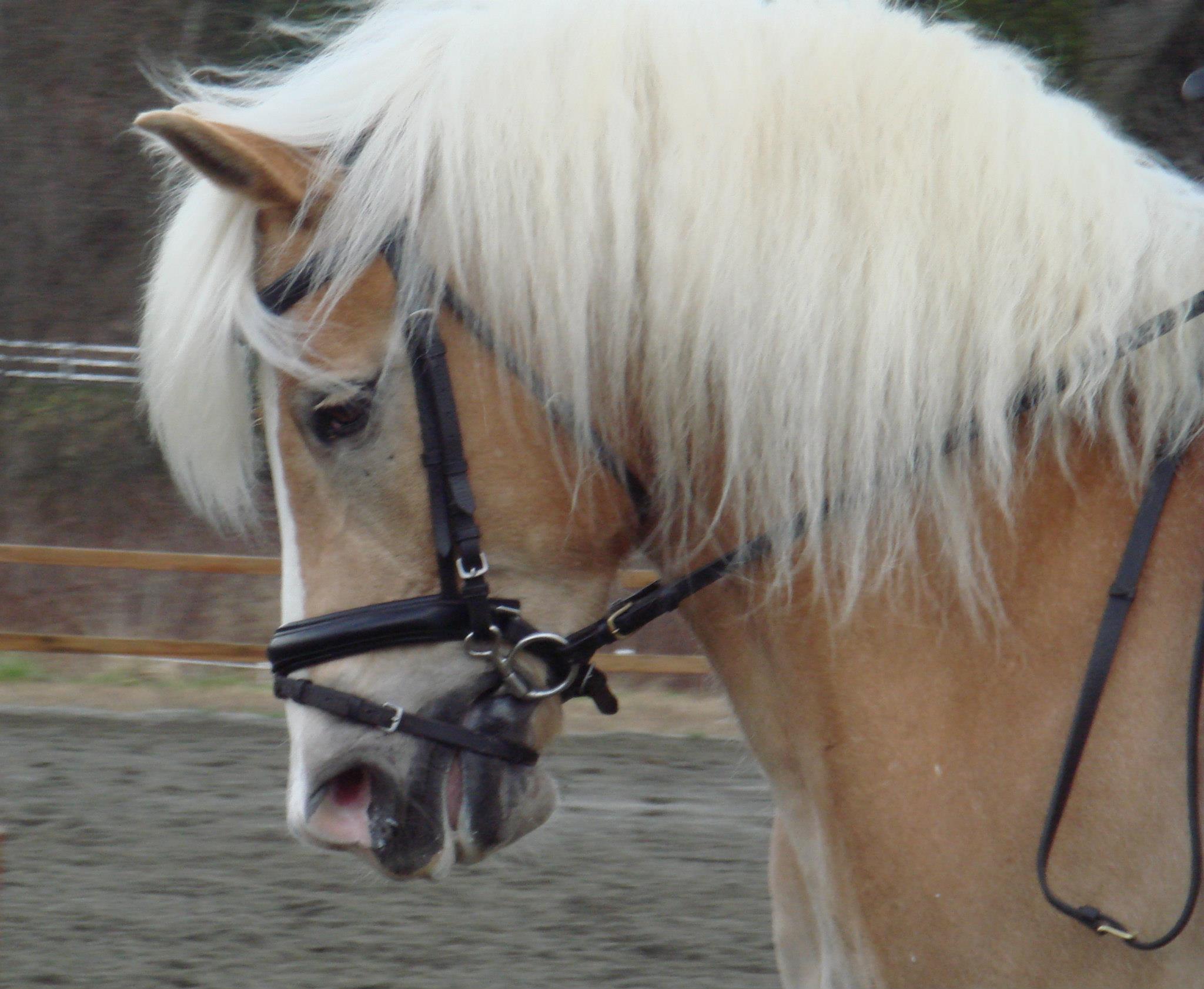
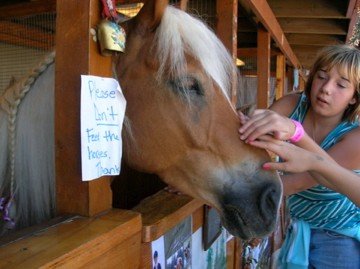
Our display created good will for the fair visitors who depended on us every year to be there with horses that they and their children could actually pet (and sit on) without fear, who enjoyed our braiding demonstrations, and our various Haflinger trivia contests with prizes. Our horses came to represent what dreams are made of.
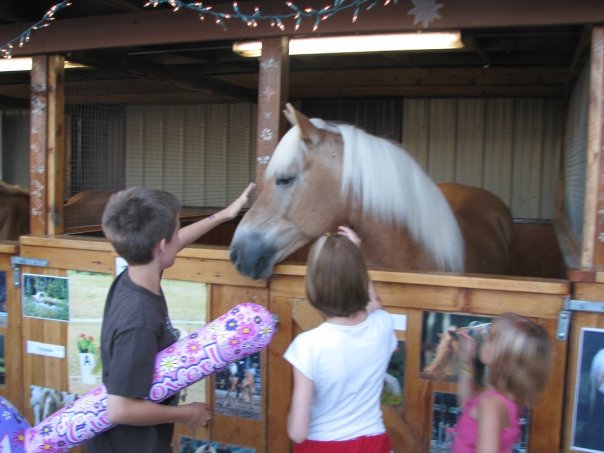
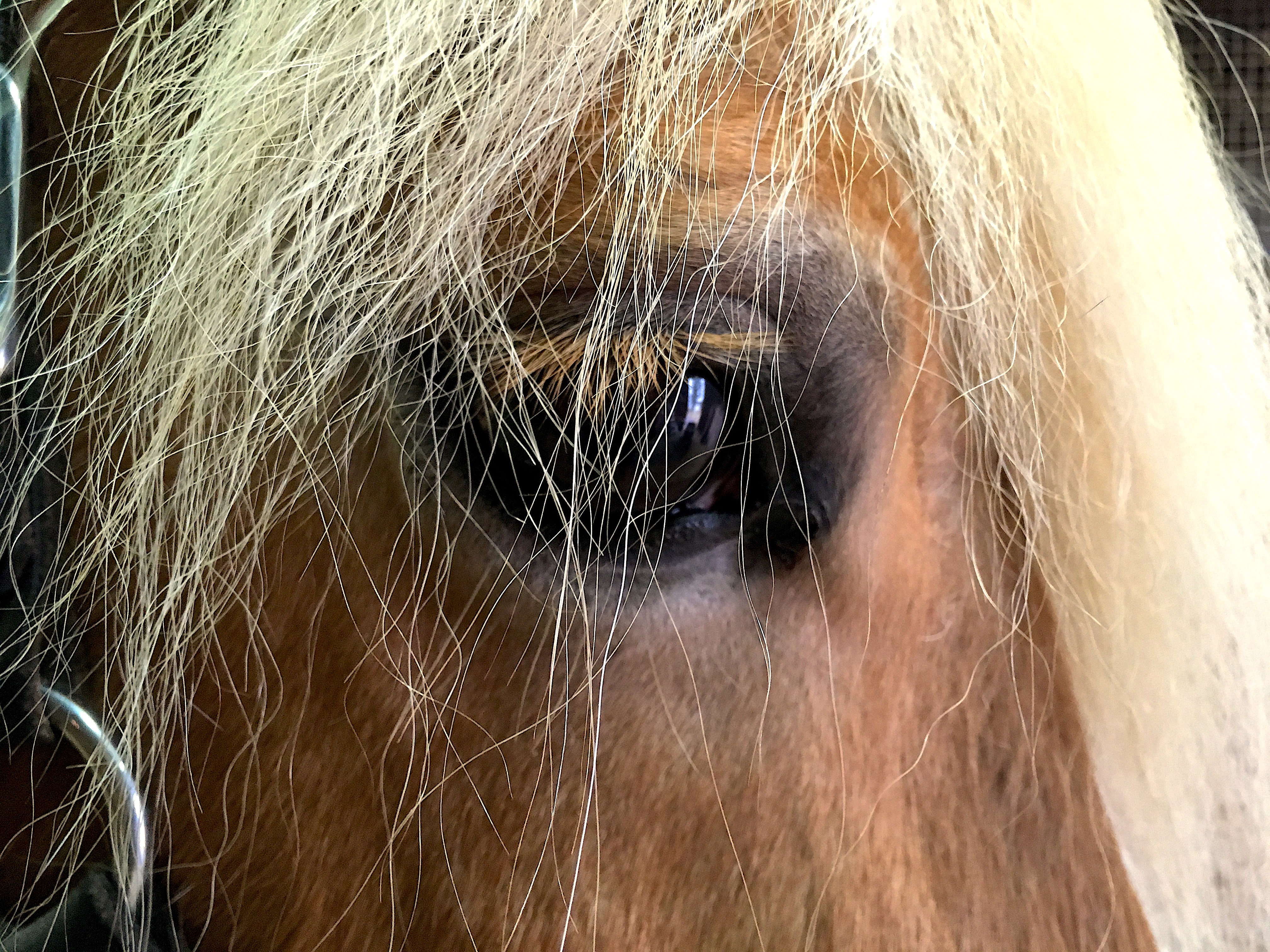
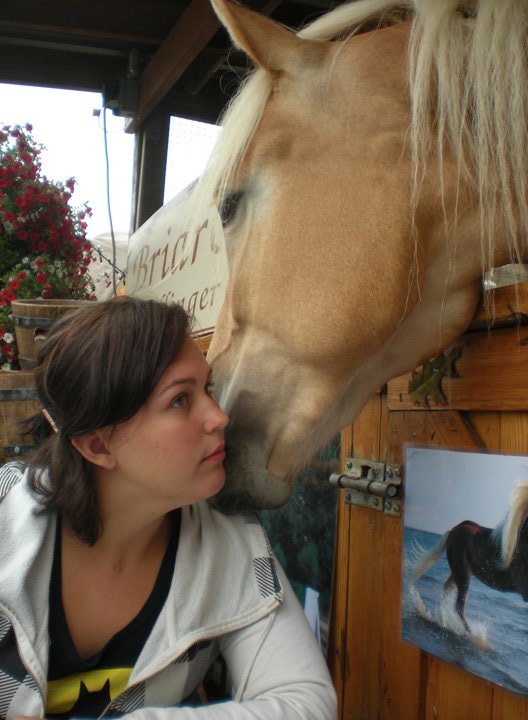
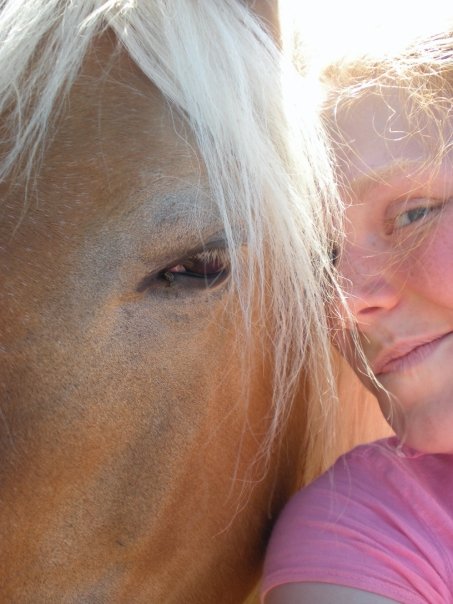
Countless times a day there would be a bright eyed child who approached our stalls, climbed up on the step stools and reached up to pet a Haflinger nose or neck and looked deep into those big brown Haflinger eyes, and lost their heart forever to the breed. They will not forget that moment when a horse they had never met before loved them back. Haflingers are magic with children and we saw that over and over again.
Our first year, in 1992, a mom and her 6 year old son came up to our stalls, as do some 10,000 people a day, and spent a long time petting the horses and talking to them, and enjoying them. They walked off, with the little boy looking over his shoulder at the Haflingers until they turned a corner and went out of sight. An hour later they were back and spent more time with the Haflingers. I offered the little boy a chance to sit on a Haflinger, and he agreed readily, and sat and sat and sat, playing with the mane and petting the shoulder and neck and was simply in heaven, quietly dreaming his own dreams on the back of a horse. His mom told me that they lived in a suburb near Seattle, but always spent this particular week in August at a local beach cabin, and the fair was one of their favorite activities each year. Her son Gary had never had an opportunity to sit on a horse before.
Next year, they were back, and Gary was a little taller, but still a quiet boy, and he kept dragging his mom back to the Haflingers, and she’d sit and visit as he’d sit on the Haflingers. He watched as we watered the horses, or fed them hay, or cleaned their stalls, and pretty soon he was asking if he could do the scooping, or dump the buckets or brush the horses. So he became, out of his own initiative, a helper.
By the time he was 8, he was spending several hours at a time with us at the stalls, taking his turn at the chores, and his mom, trusting that he was in good hands, and that he certainly wasn’t going to wander away from the Haflingers, would check back with him now and then to see if he wanted to go on rides, or see a performance, and his response was always “no, I can do that anytime, but I don’t get to see Haflingers very often!” He would talk a little about his hope someday to have a farm where he could raise Haflingers, and one year even said that his folks were looking at property to buy with acreage, but apparently a job for his dad didn’t materialize, so he remained a city kid in reality, even if he was a future farm kid in his heart.
Gary was one of our regular kid helpers every year until he was 12 when he started turning out for junior high football, and the football summer camp coincided with our fair week, so we’d only see him briefly on Saturdays as he got into his teens. He’d stop by to say hi, pet the horses, catch up on the Haflinger news, and because he only had a few hours to spend at the fair, he’d head off to other things. I really missed him and his happy smile around the stalls.
When he was 15, I missed seeing him because I was working when he stopped by. When he stopped by at age 16, he strolled up to me and I found I was looking up at this young man who I had to study to recognize. I’m a tall woman of 5’10”–he was at least 4 inches taller than me! He told me he wanted to come by because some of his best summer memories were of spending time with the Haflingers at the fair and he wanted me to know that. He thanked me for welcoming him and allowing him to “hang out” with the Haflingers. He told me his hope and dream someday was to live somewhere where he could raise Haflingers, and he was working hard in school so he could make that happen. He was a 4.0 student and the first string quarterback on his high school football team. I was as proud as if he was my own son.
This young man received a full scholarship to play football at a major university, and over four years waited his turn to be the starting quarterback. Once he had his chance, after only a few games of being the starter, he was tackled hard, sustaining a neck fracture which thankfully resulted in no permanent damage, but his college football career was suddenly over.
I have lost track of Gary over the years and I hope he is faring well. I hope his connection with our horses left him with a legacy of love for animals he’ll pass onto his children someday.
So on this misty late summer morning, instead of heading to the fairgrounds to clean stalls, I’m going to turn our dusty, unbathed Haflingers out in the field as usual. They don’t even know all the excitement they are missing.
I do hope the fair-goers still miss the friendly golden horses, with the big brown eyes, who helped make dreams come true.
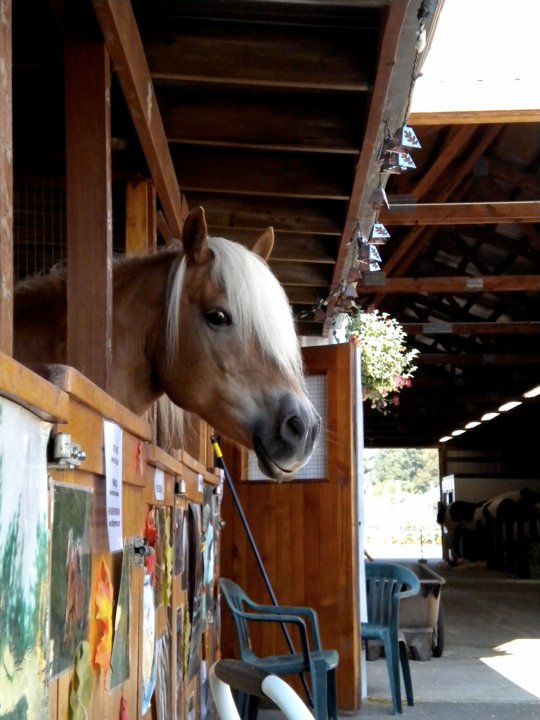
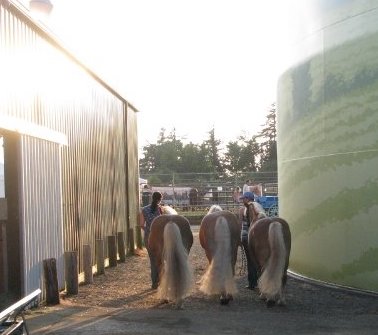
Our Haflinger display at the NW Washington Fair
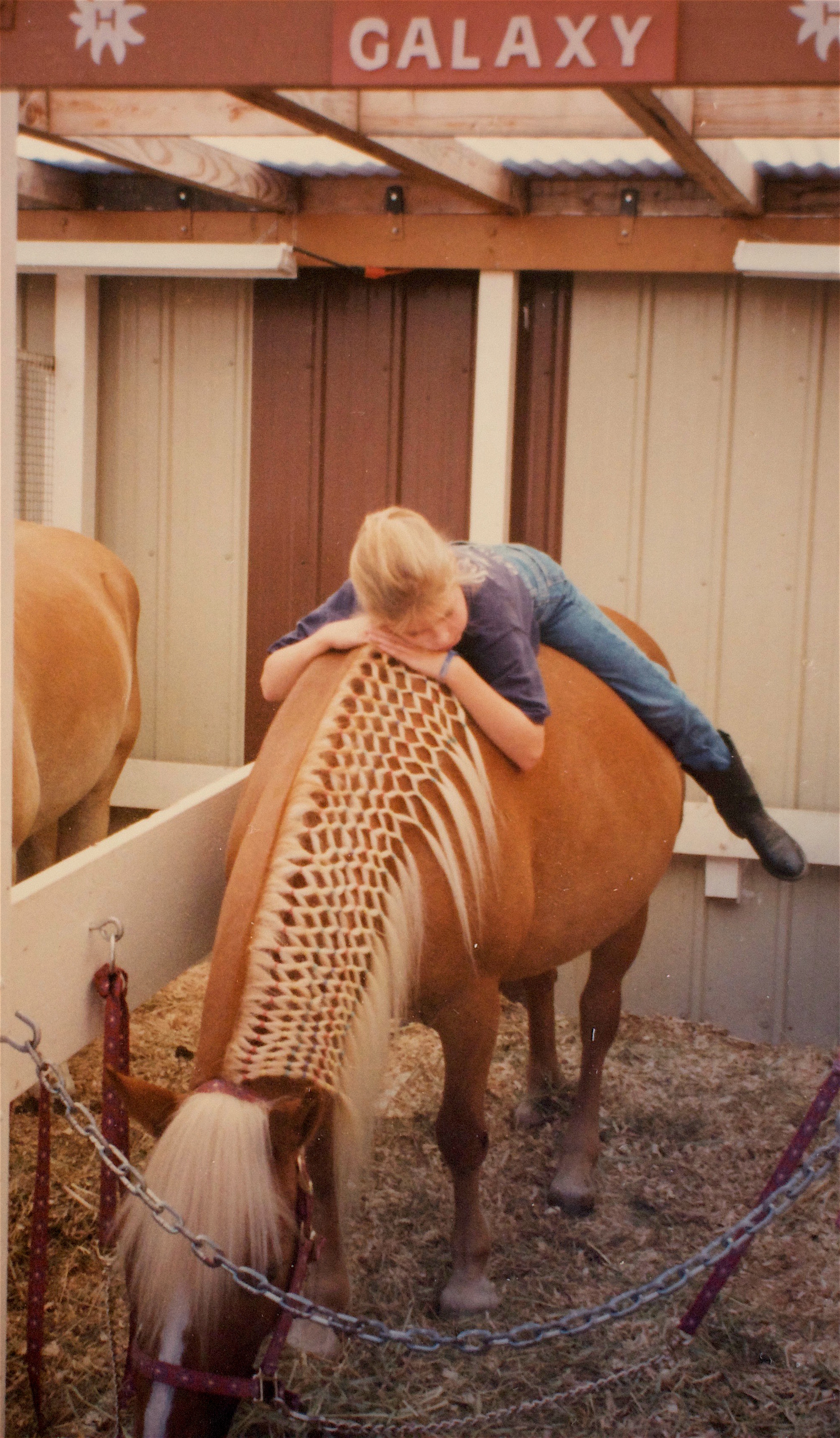
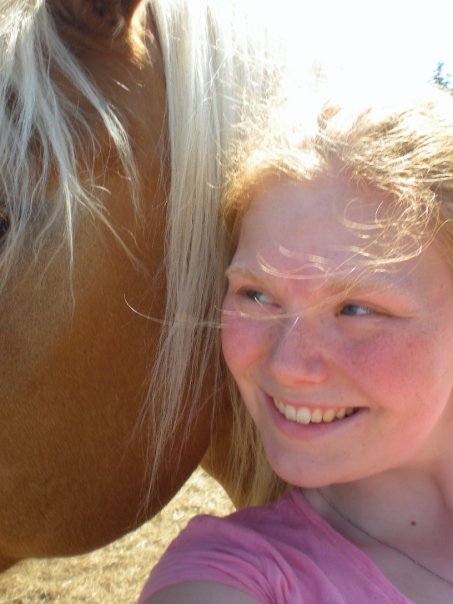
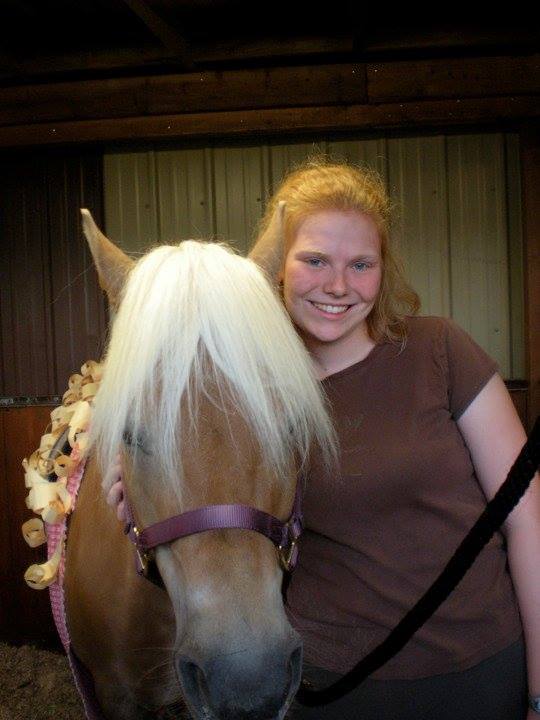
Trillium as a yearling with me at the fair 1993 – she is still part of our herd at age 29
Thank you to Lea Gibson Lozano, Emily Vander Haak, Kelsy Smith, and Chesna Klimek for their photos in this collection.
A photo of our Haflingers and poems are found in this new book from Barnstorming, available to order here:
What is the hayfield in late afternoon that it can fly in the face of time,
and light can be centuries old, and even the rusted black truck I am driving
can seem to be an implement born of some ancient harvest,
and the rhythmic baler, which spits out massive bricks tied up in twine,
can seem part of a time before now because light glitters on the hay dust,
because the sun is sinking and we sweat under the high arc of mid-summer,
because our bodies cast such long shadows– Rebecca, with the baby strapped to her back,
the men who throw impossible weight to the top of the truck, the black and white
dog that races after mice or moles whose lives have been suddenly exposed.
How does the taste of my sweat take me down through the gate of childhood,
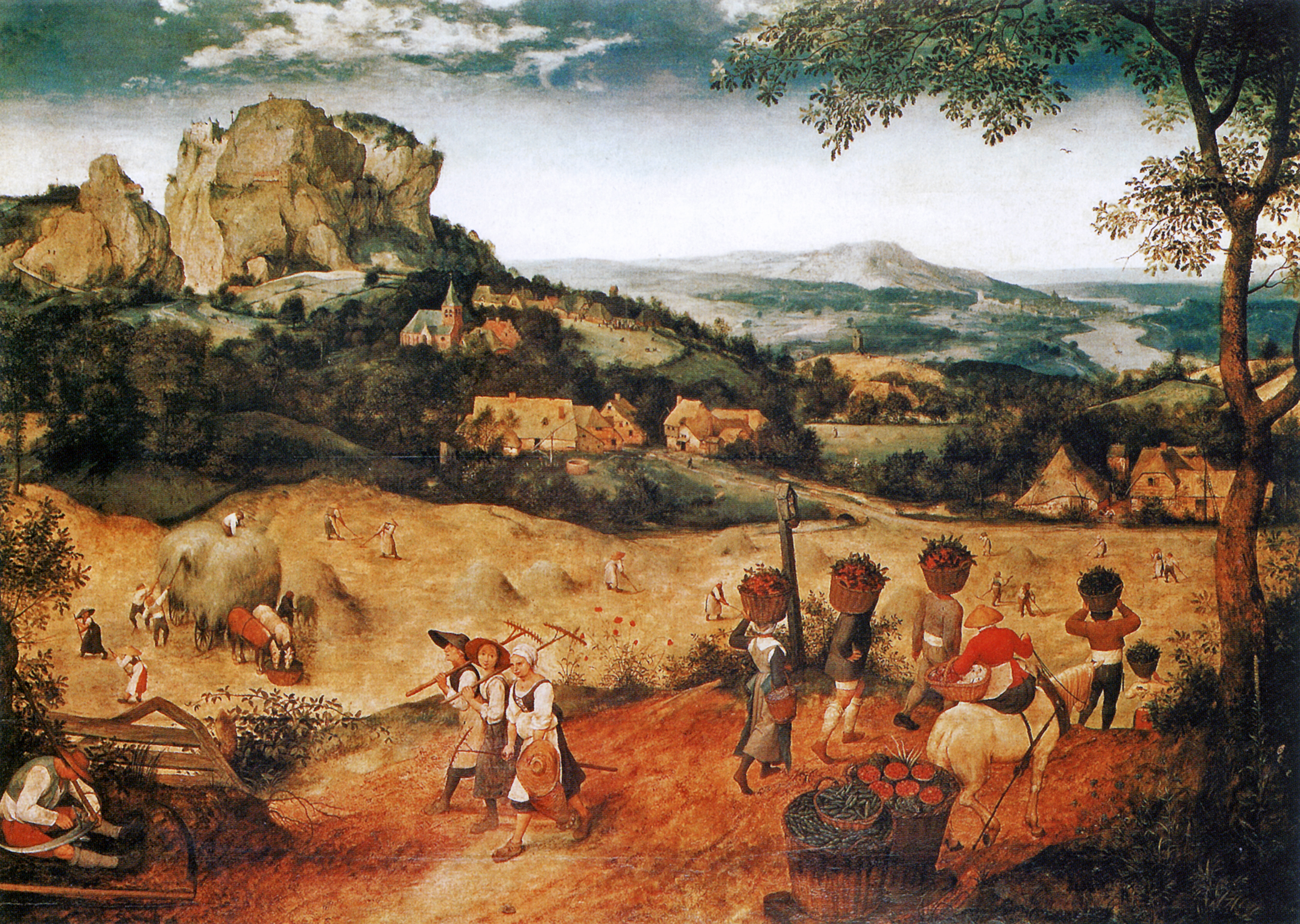
spinning backwards to land in a field painted by Bruigel, where the taste of salt
is the same, and the same heat rises in waves off a newly flattened field.
In the duskiness of slanted light, we laugh just as we laughed then, because there is
joy in what the earth gives, allowing our bodies to mingle with it, our voices
small on the field, our work assuring the goats can give milk, the sheep can grow wool,
and we will have in our bones the taste of something so old it travels in light. ~Susie Patlove “First Cutting” from Quickening
photo by Nate Gibsonphoto by Nate Gibson199420052011
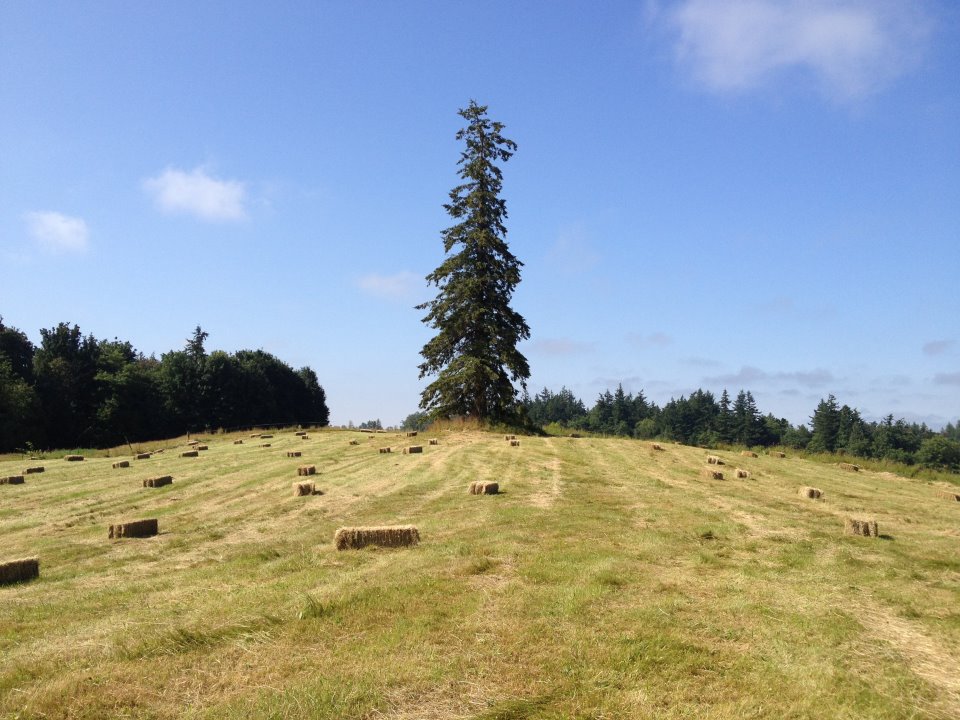
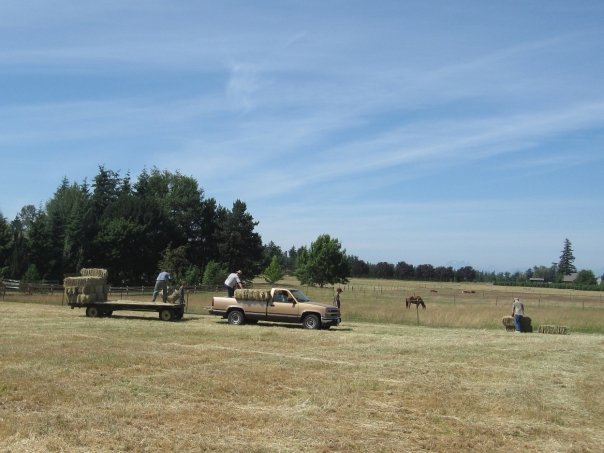
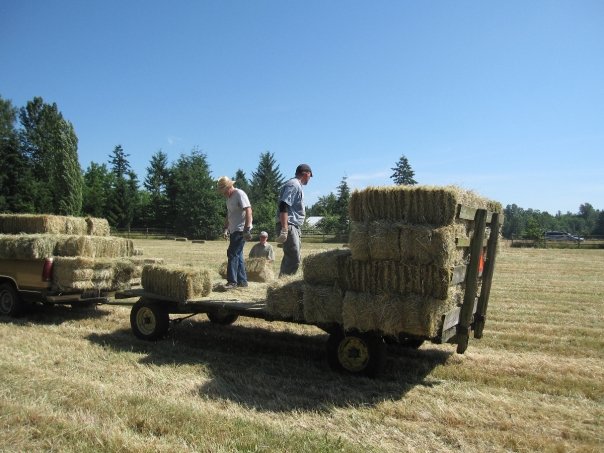
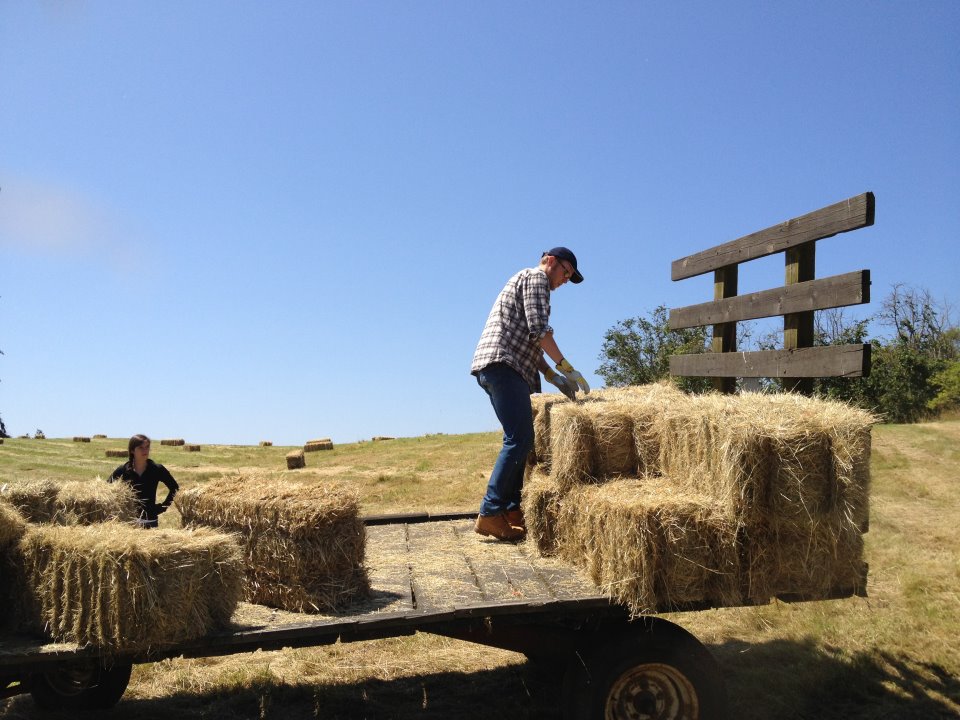
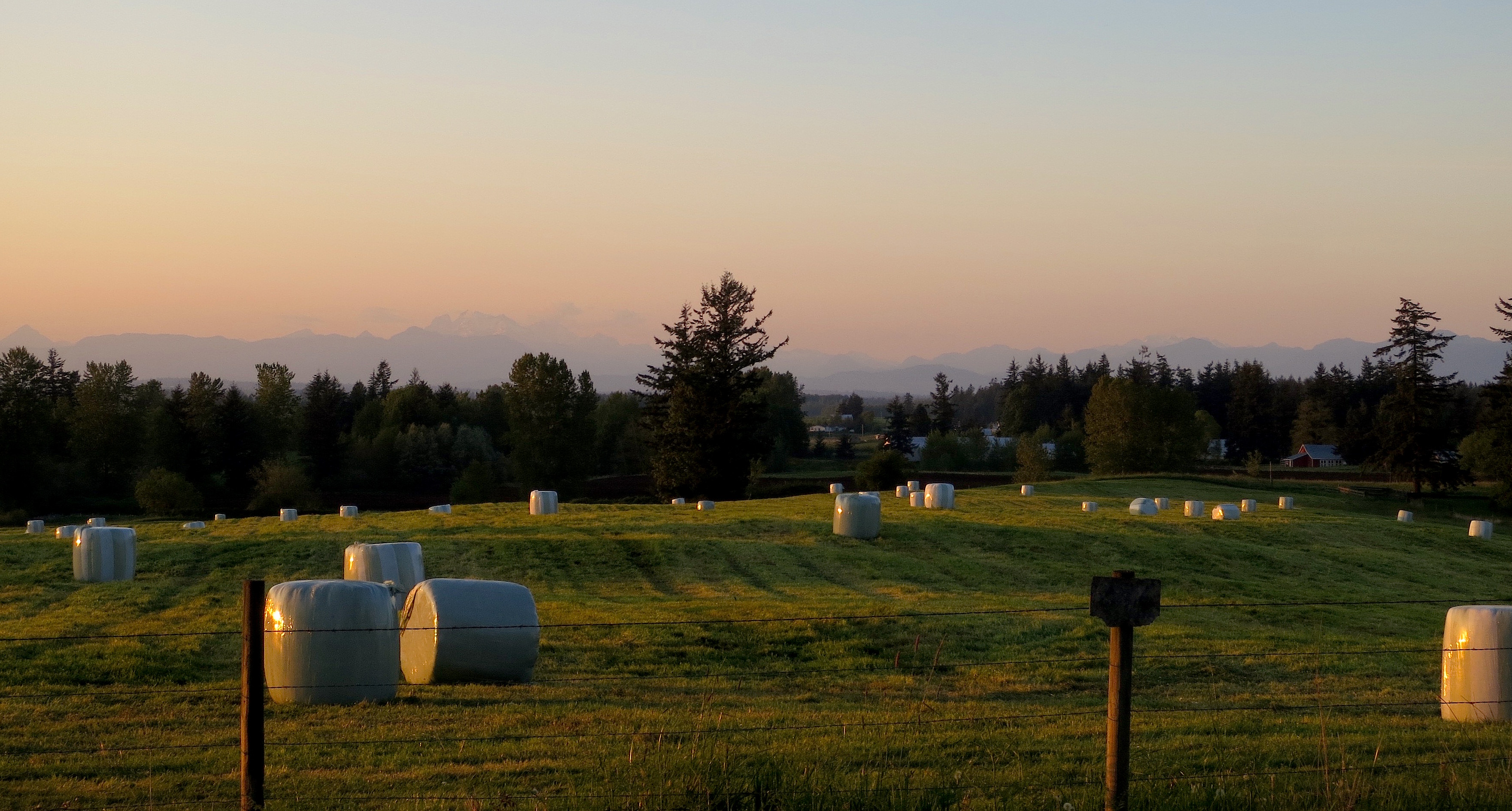
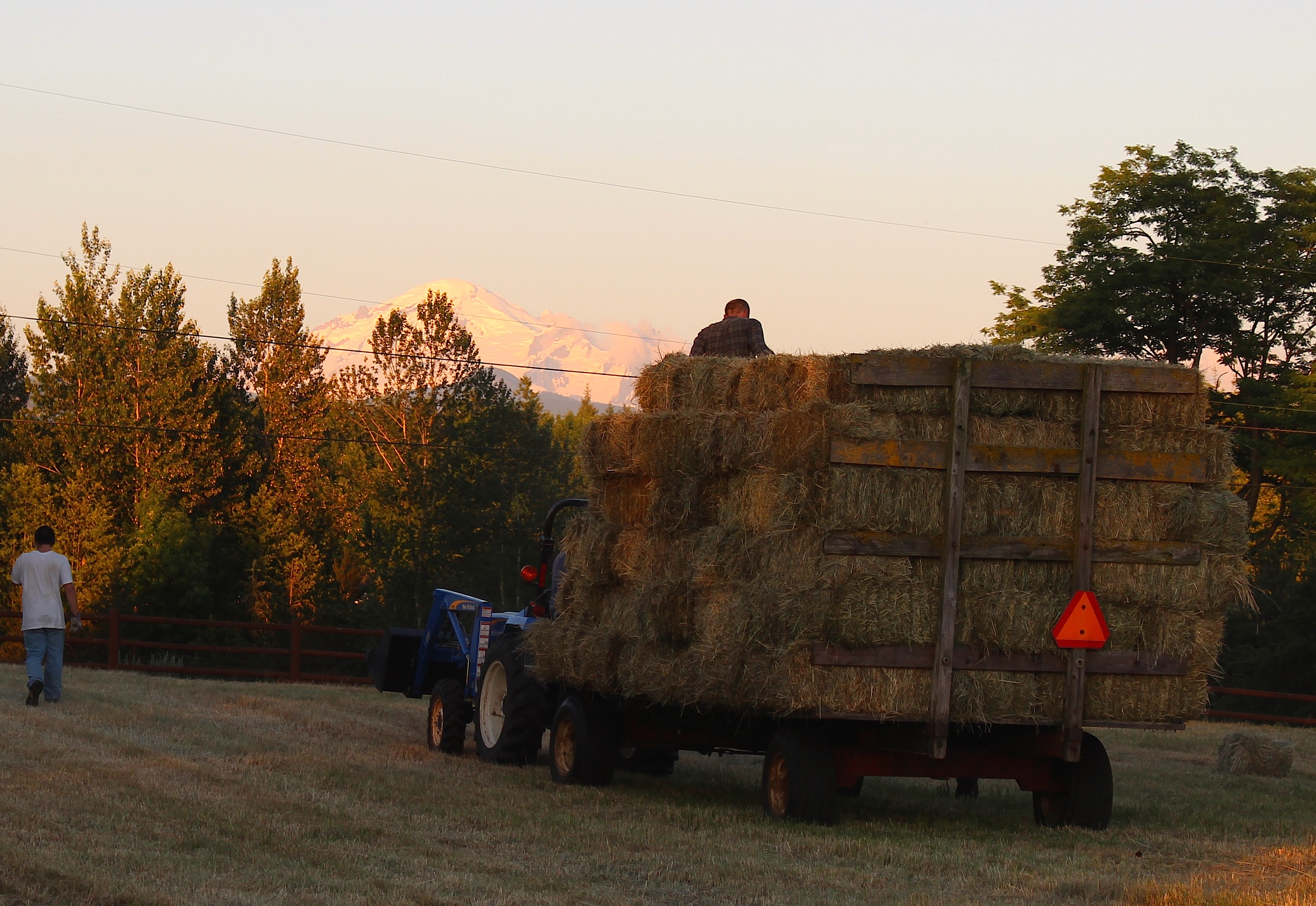
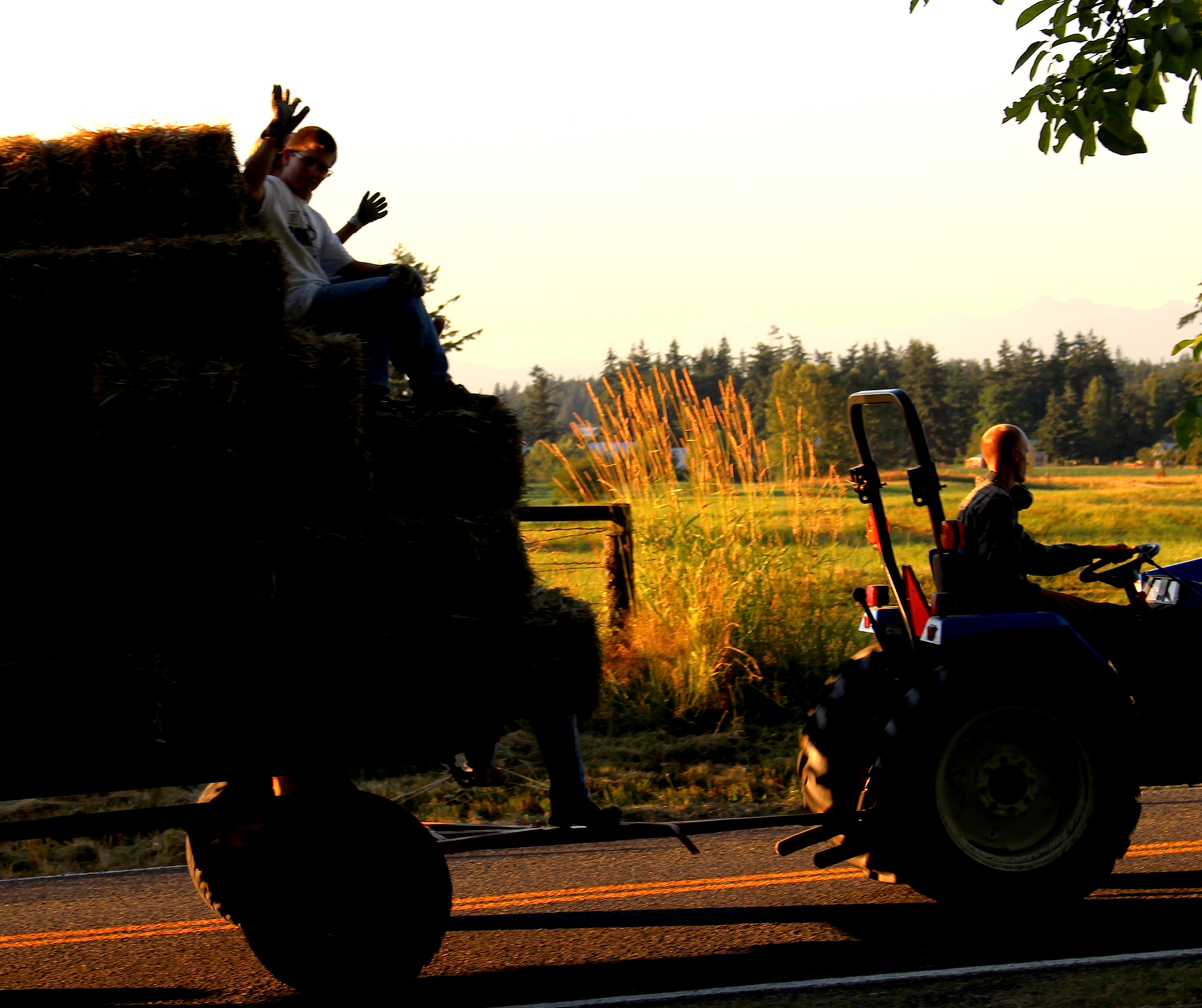
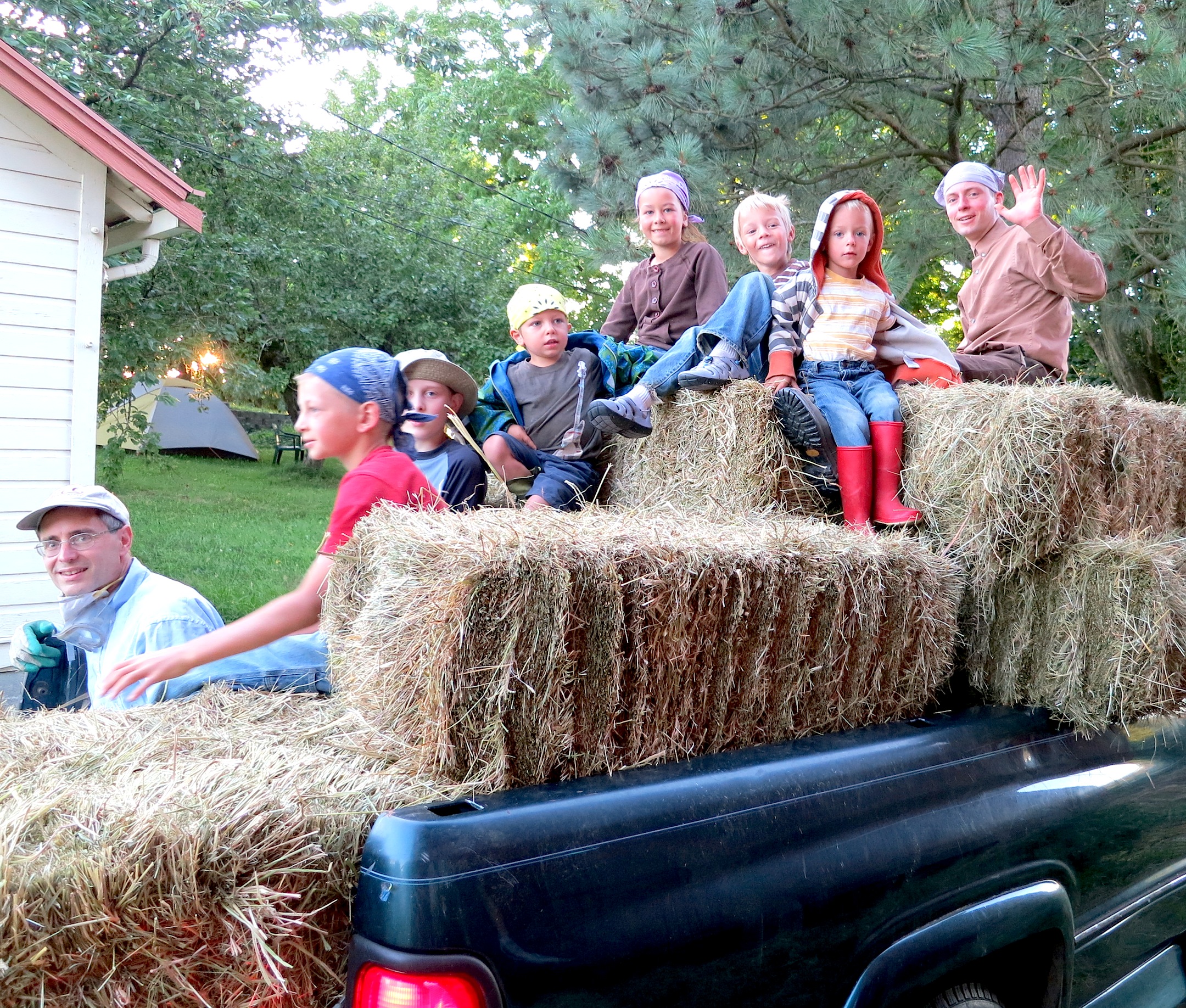
There is a timelessness to mid-summer hay harvest that goes back generations on both sides of our family. The cutting, raking and gathering of hay has evolved from horse-drawn implements and gathering loose shocks of hay to 100+ horse power air-conditioned tractors and huge round bales wrapped and stored in plastic sheathing rather than in barns.
Our farm is happily stuck somewhere in-between: we still prefer filling the haybarn with bales that I can still lift and move myself to feed our animals. True hay harvest involves sweat and dust and a neighborhood coming together to preserve summer in tangible form.
I grew up on a farm with a hayfield – I still have the scar over my eyebrow where I collided with the handle of my father’s scythe when, as a toddler, I came too close behind him as he was taking a swing at cutting a field of grass one swath at a time. I remember the huge claws of the hay hook reaching down onto loose hay piled up on our wagon. The hook would gather up a huge load, lift it high in the air to be moved by pulley on a track into our spacious hay loft. It was the perfect place to play and jump freely into the fragrant memories of a summer day, even in the dark of winter.
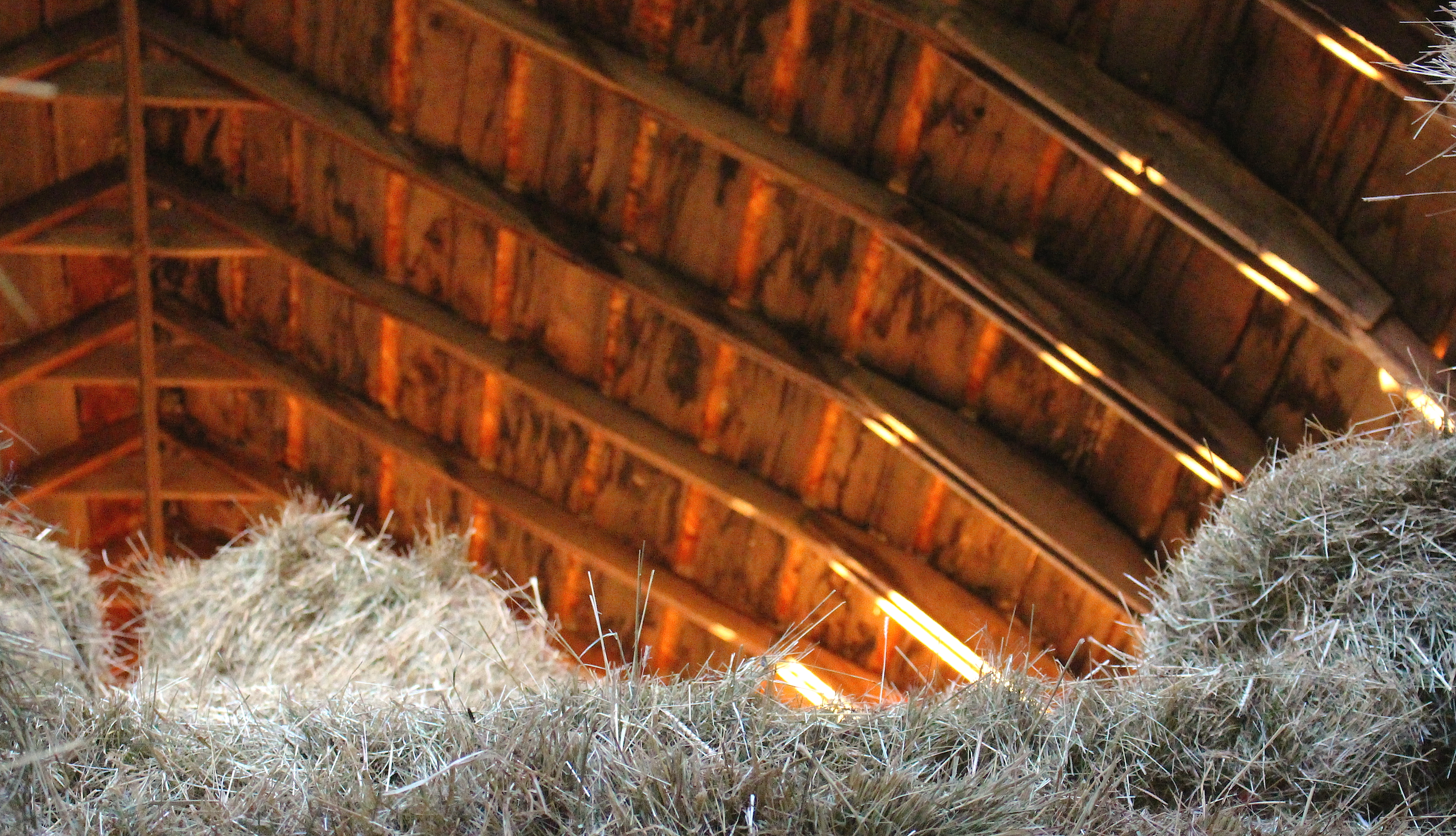
But these days it is the slanted light of summer I remember most: -the weightlessness of dust motes swirling down sun rays coming through the slats of the barn walls as the hay bales are stacked -the long shadows and distant alpenglow in the mountains -the dusk that goes on and on as owls and bats come out to hunt above us
Most of all, I will remember the sweaty days of mid-summer as I open the bales of hay in mid-winter – the light and fragrance of those grassy fields spilling forth into the chill and darkness, in communion of blessing for our animals.
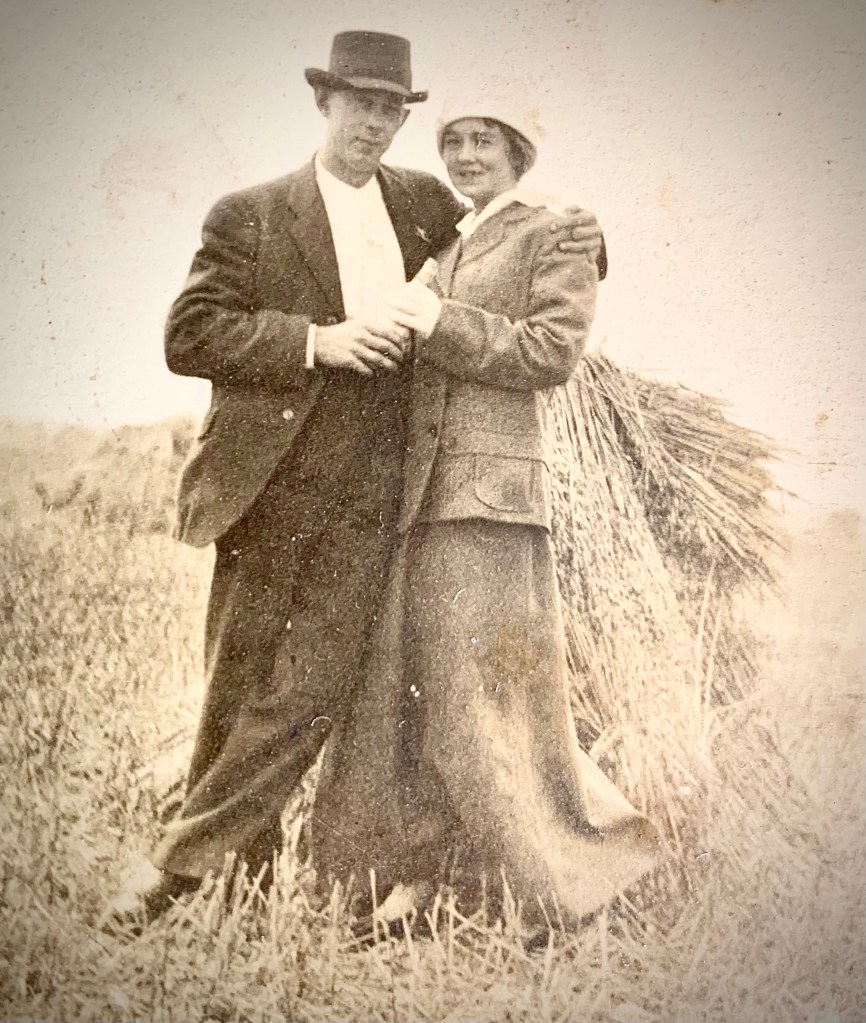
photo by Tayler RaePieter Bruegel “Hay Harvest”My grandparents Leslie Polis and Kittie Lovelace standing in a hayfield with loose hay shocks — 1915
Enjoy this blog post? A new book from Barnstorming is available to order here:
We will grieve not, rather find Strength in what remains behind; In the primal sympathy Which having been must ever be;
Thanks to the human heart by which we live, Thanks to its tenderness, its joys, and fears, To me the meanest flower that blows can give Thoughts that do often lie too deep for tears. ~William Wordsworth from “Ode: Intimations of Immortality from Recollections of Early Childhood”
Twenty-six years ago today we watched at your bedside as you labored, readying yourself to die and we could not help except to be there while we watched you move farther away from us.
This dying, the hardest work you had ever done:
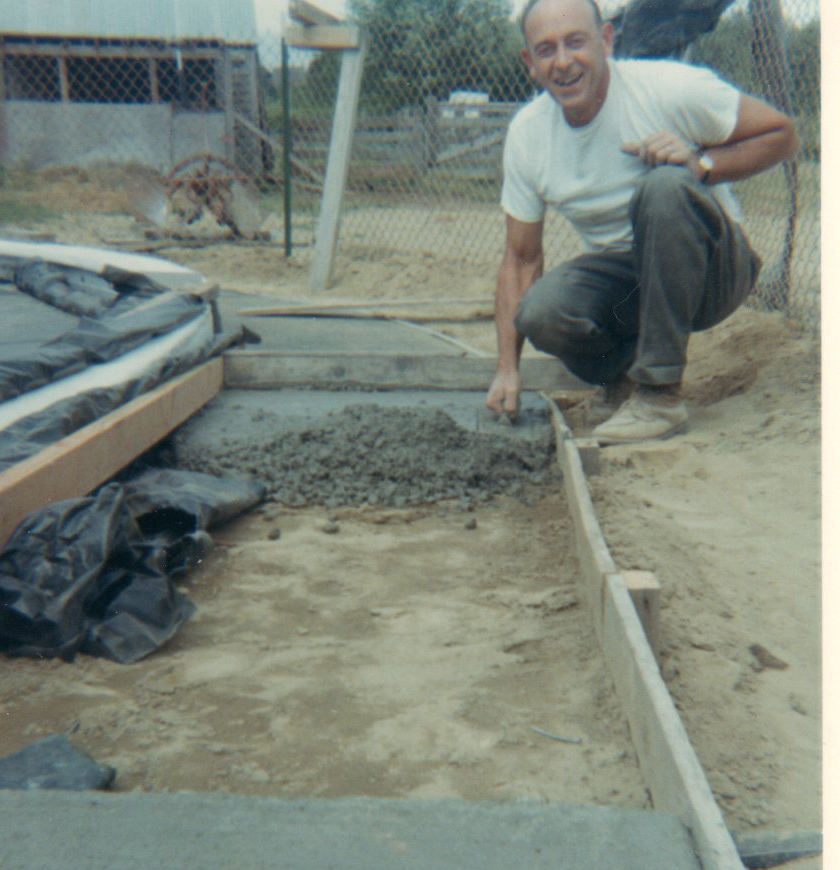
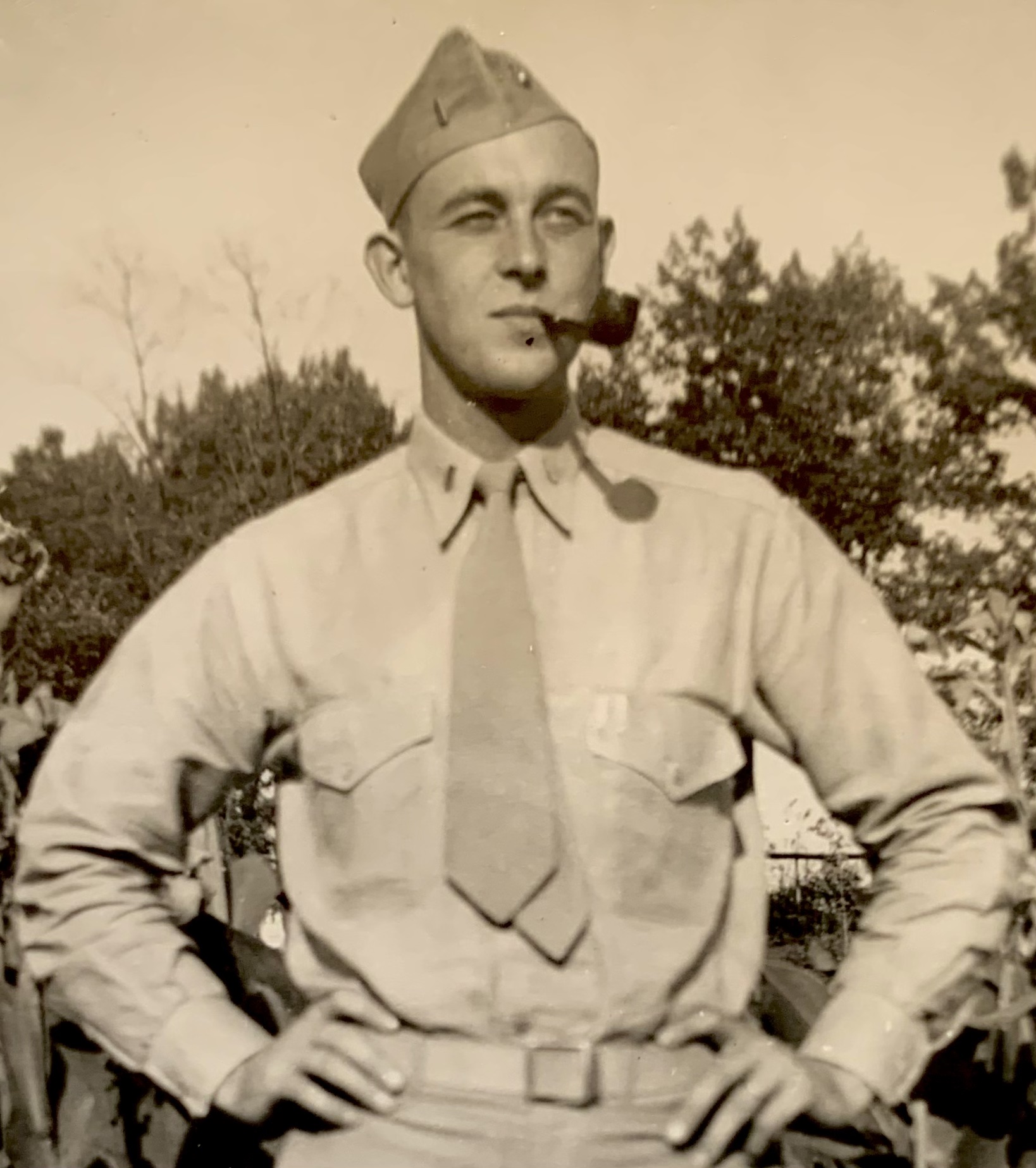
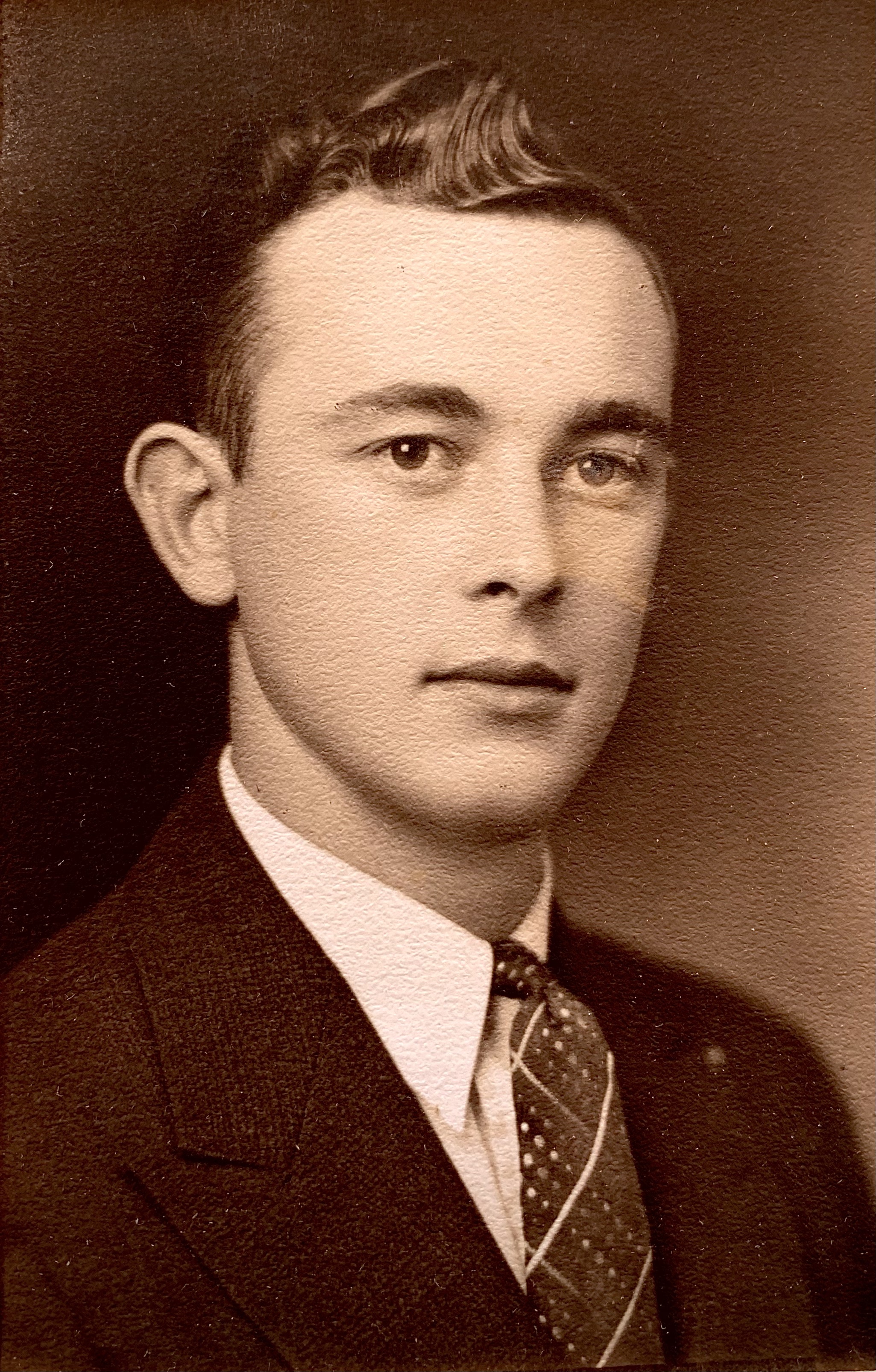
harder than handling the plow behind a team of draft horses, harder than confronting a broken, alcoholic and abusive father, harder than slashing brambles and branches to clear the woods, harder than digging out stumps, cementing foundations, building roofs, harder than shipping out, leaving behind a new wife after a week of marriage, harder than leading a battalion of men to battle on Saipan, Tinian and Tarawa, harder than returning home so changed there were no words, harder than returning to school, working long hours to support family, harder than running a farm with only muscle and will power, harder than coping with an ill wife, infertility, job conflict, discontent, harder than building your own pool, your own garage, your own house, harder than your marriage ending, a second wife dying, and returning home forgiven.
Dying was the hardest of all as no amount of muscle or smarts could stop it crushing you, taking away the strength you relied on for 73 years.
So as you lay helpless, moaning, struggling to breathe, we knew your hard work was complete and what was yet undone was up to us to finish for you.
A new book from Barnstorming is available for order here:
In your next letter, please describe the weather in great detail. If possible, enclose a fist of snow or mud,
everything you know about the soil, how tomato leaves rub green against your skin and make you itch, how slow
the corn is growing on the hill. Thank you for the photographs of where the chicken coop once stood,
clouds that did not become tornadoes. When I try to explain where I’m from, people imagine corn bread, cast-iron,
cows drifting across grass. I interrupt with barbed wire, wind, harvest air that reeks of wheat and diesel.
I hope your sleep comes easy now that you’ve surrendered the upstairs, hope the sun still lets you drink
one bitter cup before its rise. I don’t miss flannel shirts, radios with only AM stations, but there’s a certain kind
of star I can’t see from where I am— bright, clear, unconcerned. I need your recipes for gravy, pie crust,
canned green beans. I’m sending you the buttons I can’t sew back on. Please put them in the jar beside your bed.
In your next letter, please send seeds and feathers, a piece of bone or china you plowed up last spring. Please promise I’m missing the right things. ~Carrie Shipers, “In Your Next Letter” from Cause for Concern
For our children (and now their children) who have left the farm, now living far away:
I want to be sure you are missing the right things about this incredible place.
There is so much about a farm that is worrisome, burdensome, back-breaking and unpredictable. Don’t miss those things.
Miss what is breath-taking, awe-inspiring and heart-swelling.
We miss you more than we can ever say, indeed an intensive “missing” that can’t be expressed in words. So I send this to you and you’ll understand.
Some of the most powerful memories of summer come out of our childhood when we wake up on a June morning and suddenly remember that school is out and that summer stretches in front of us as endlessly as the infinities of space.
Everything is different. The old routines are gone. The relentless school bus isn’t coming. The bells will be silent in silent hallways.
Time lurches ahead in imprecisely measured chunks.
Sometimes the beginning and ending of seasons are the yardstick, or the celebration of a holiday or a birthday. Memories tend to be stickiest surrounding a milestone event: a graduation, a move, a wedding, a birth, a road trip, a funeral.
But Summer needs nothing so remarkable to be memorable. It simply stands on its own in all its extravagant abundance of light and warmth and growth and color stretching deep within the rising and setting horizons. Each long day can feel like it must last forever, never ending.
Yet summer does eventually wind down, spin itself out, darkening gradually into the shadow dusk of autumn and the night of winter.
I always let go of summer with reluctance, feeling as if no summer like it will ever come again.
Yet another will, somehow, somewhere, someday. Surely a never-ending summer is what heaven itself will be.
Perfectly delightful and delightfully perfect.
We’ve already had a taste.
A new book from Barnstorming is available to order here:
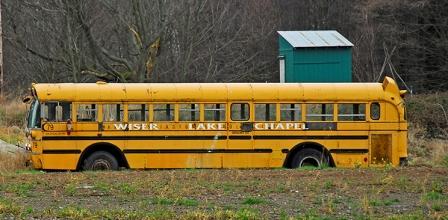
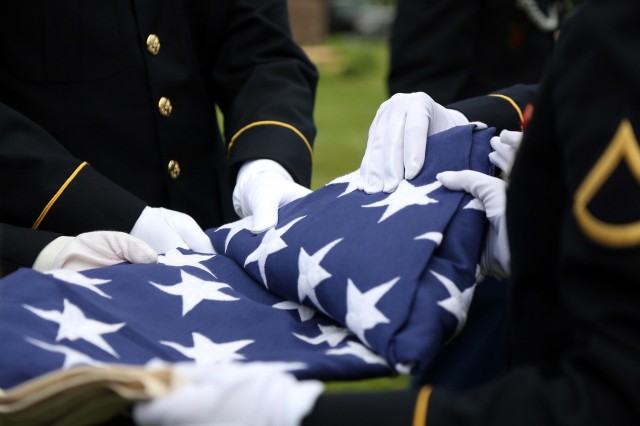
Whatever he needs, he has or doesn’t have by now. Whatever the world is going to do to him it has started to do. With a pencil and two Hardy Boys and a peanut butter sandwich and grapes he is on his way, there is nothing more we can do for him. Whatever is stored in his heart, he can use, now. Whatever he has laid up in his mind he can call on. What he does not have he can lack. The bus gets smaller and smaller, as one folds a flag at the end of a ceremony, onto itself, and onto itself, until only a heavy wedge remains. Whatever his exuberant soul can do for him, it is doing right now. Whatever his arrogance can do it is doing to him. Everything that’s been done to him, he will now do. Everything that’s been placed in him will come out, now, the contents of a trunk unpacked and lined up on a bunk in the underpine light. ~Sharon Olds “The Summer-Camp Bus Pulls Away from the Curb”
photo by Gary Herbert
photo from army.mil
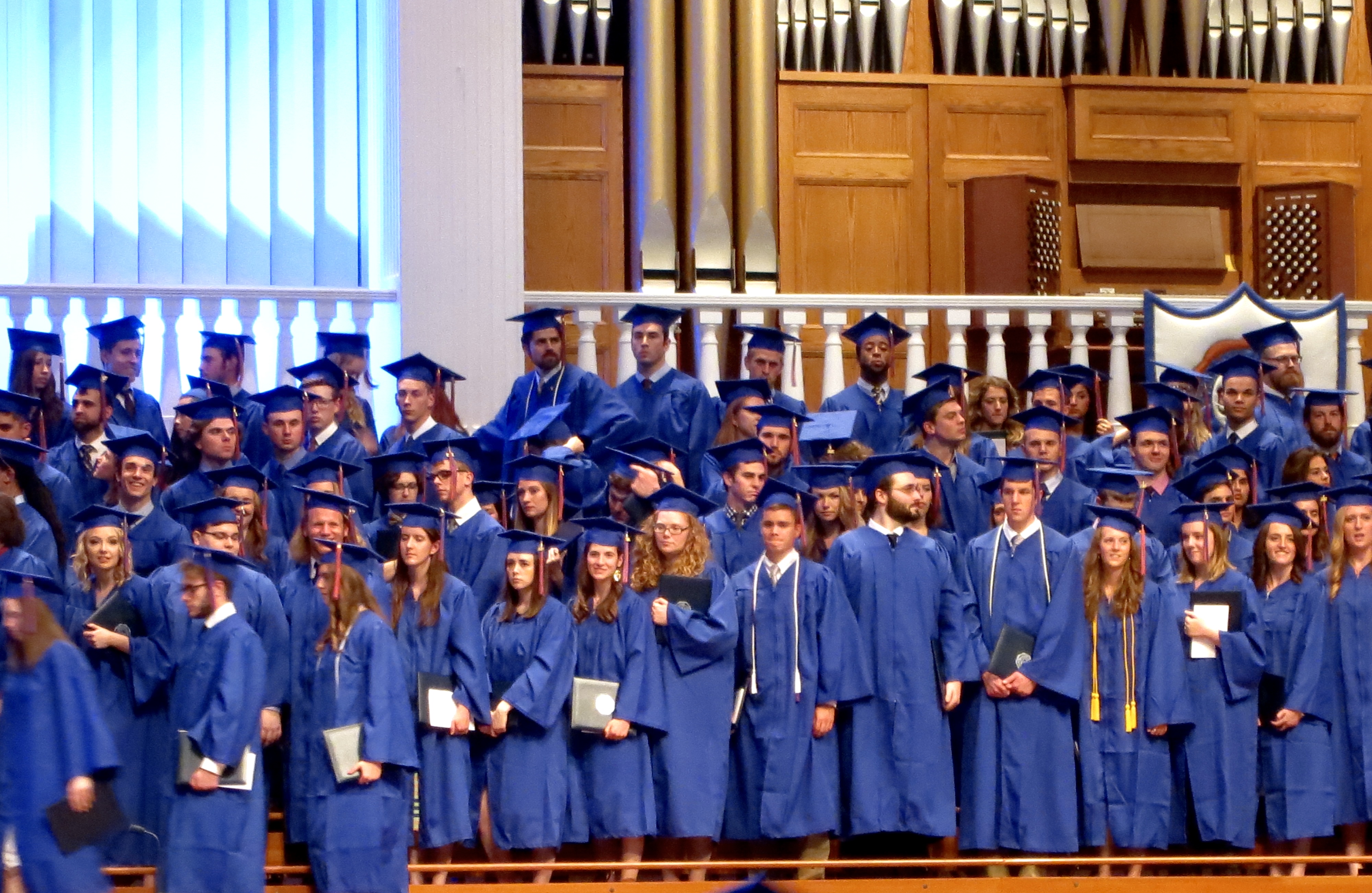
This is the season for graduations and commencements to the next phase of life, when students move into the adult world and don’t look back.
As a parent, as an educator, as a mentor within church and community, and over thirty two years as a college health physician witnessing this transition many times over, I can’t help but be wistful about what I may have left undone and unsaid with the generation about to launch. In their moments of vulnerability, did I pack enough love into their hearts so they can pull it out when it is most needed?
When our three children traveled the world after their graduations, moving beyond the fenced perimeter of our little farm, I trusted they left well prepared.
As a former school board member, I watched our students, parents and teachers work diligently together in their preparation for that graduation day, knowing the encompassing love behind each congratulatory hand shake.
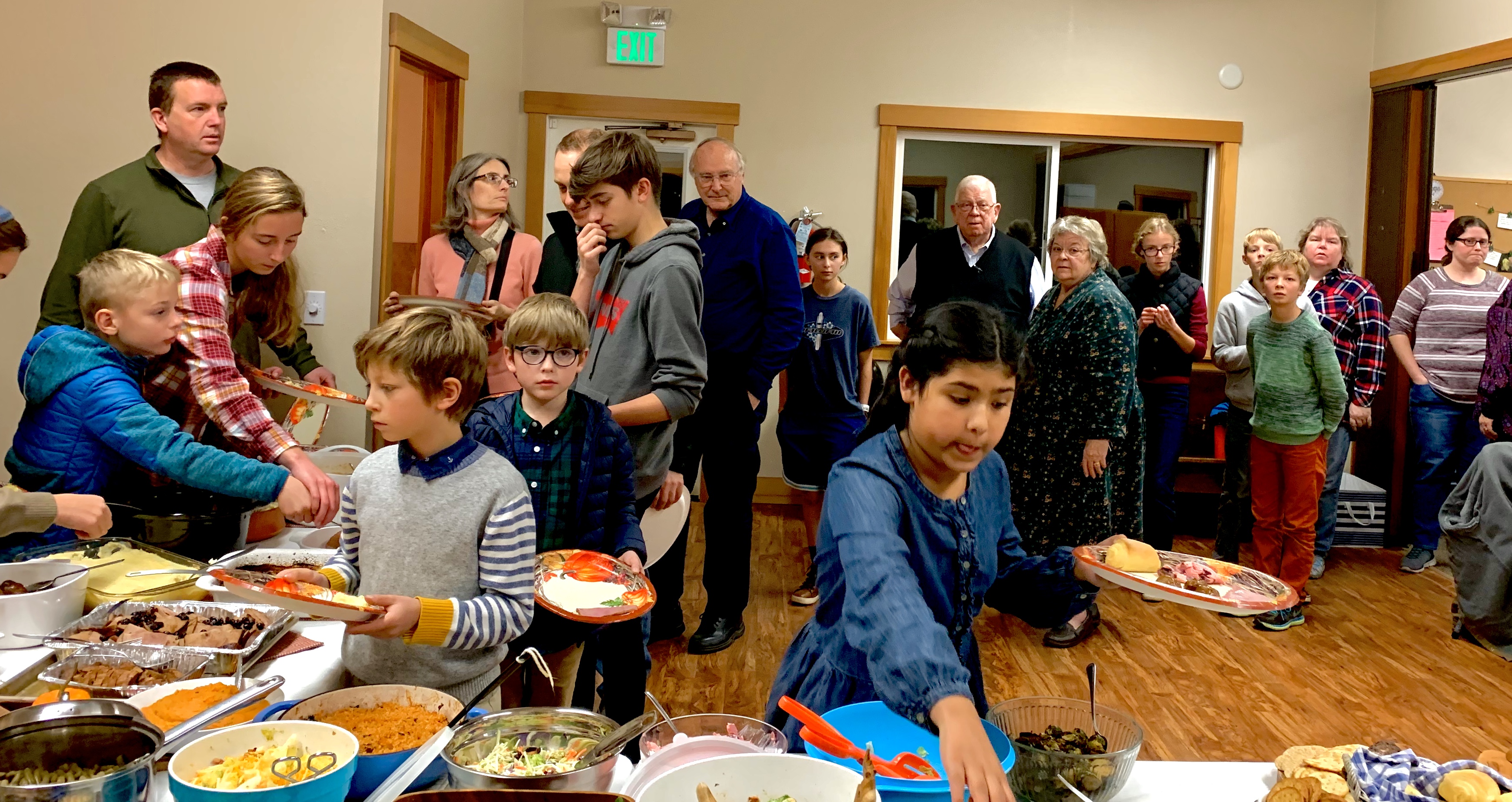
When another batch of our church family children say goodbye, I remember holding them in the nursery, listening to their joyful voices as I played piano accompaniment in Sunday School, feeding them in innumerable potlucks over the years. I pray we have fed them well in every way with enough spiritual food to stick to their ribs in the “thin” and hungry times.
When hundreds of my student/patients move on each year beyond our university health clinic, I pray for their continued emotional growth buoyed by plenty of resilience when the road gets inevitably bumpy.
I believe I know what is stored in the hearts of our graduates because I, among many others, helped them pack it full of love. Only they will know the time to unpack it when the need arises.
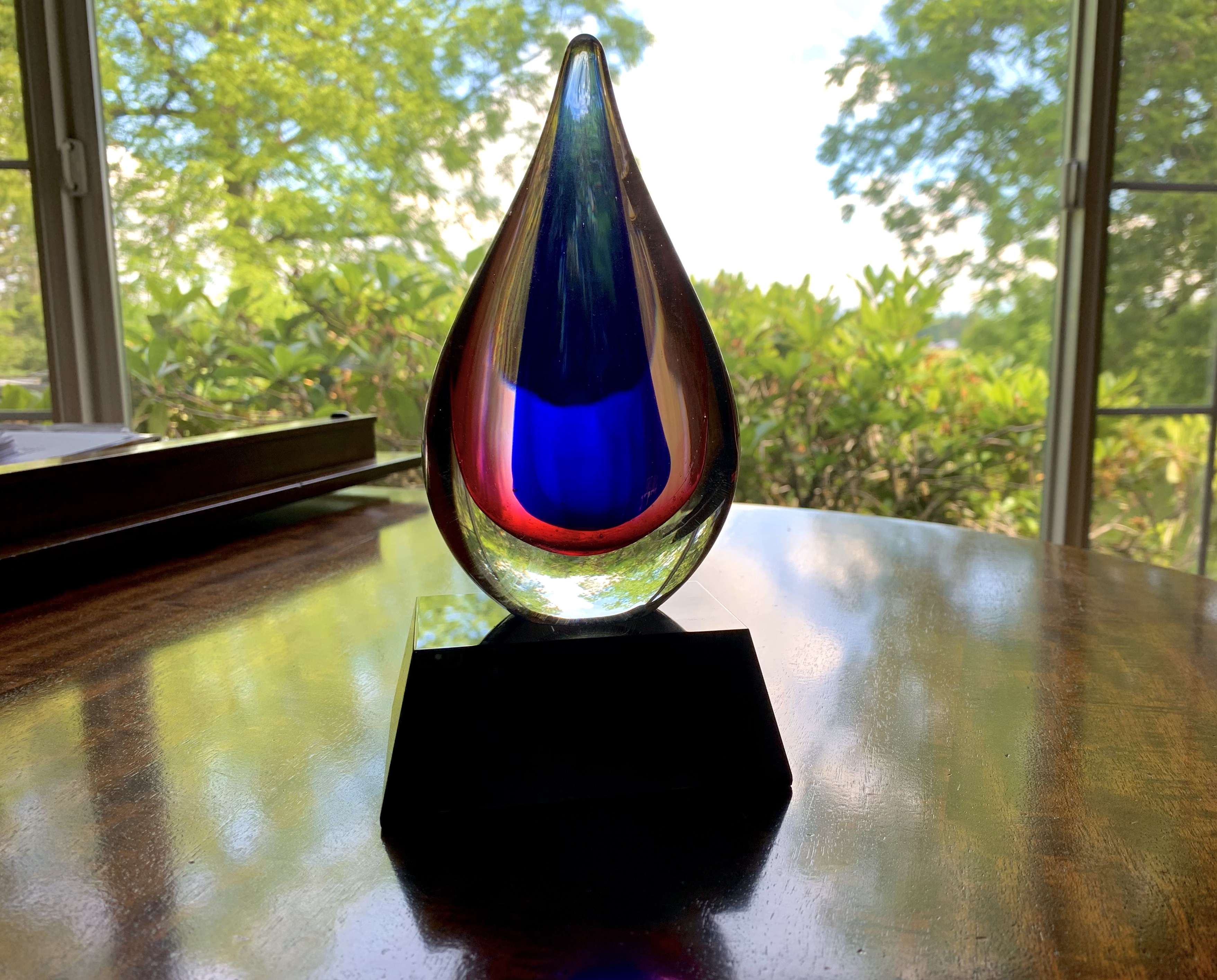
And now, this year, I find I am “graduating” as well, moving away from a regular clinic work schedule to whatever waits for me next. I cleaned out my desk yesterday, carrying the detritus of three decades back home with me, including a packed-away glass “tear drop” I somehow earned ten years ago for “exceptional effort.” All I really remember about that time in my professional life are the shed tears that award acknowledged unbeknownst. It was a fitting symbol for what I had been through during a hard year.
I’m not exactly climbing on a bus with my lunch packed to go to summer camp, but it feels a bit similar as I enter this new phase. I’m nervous, I’m sad, I’m excited, I’m exuberant, so much like all the graduates I’ve seen commence over the years.
And best of all for me, summer camp is right here on the farm, peanut butter sandwiches included.
A new book from Barnstorming available to order here:
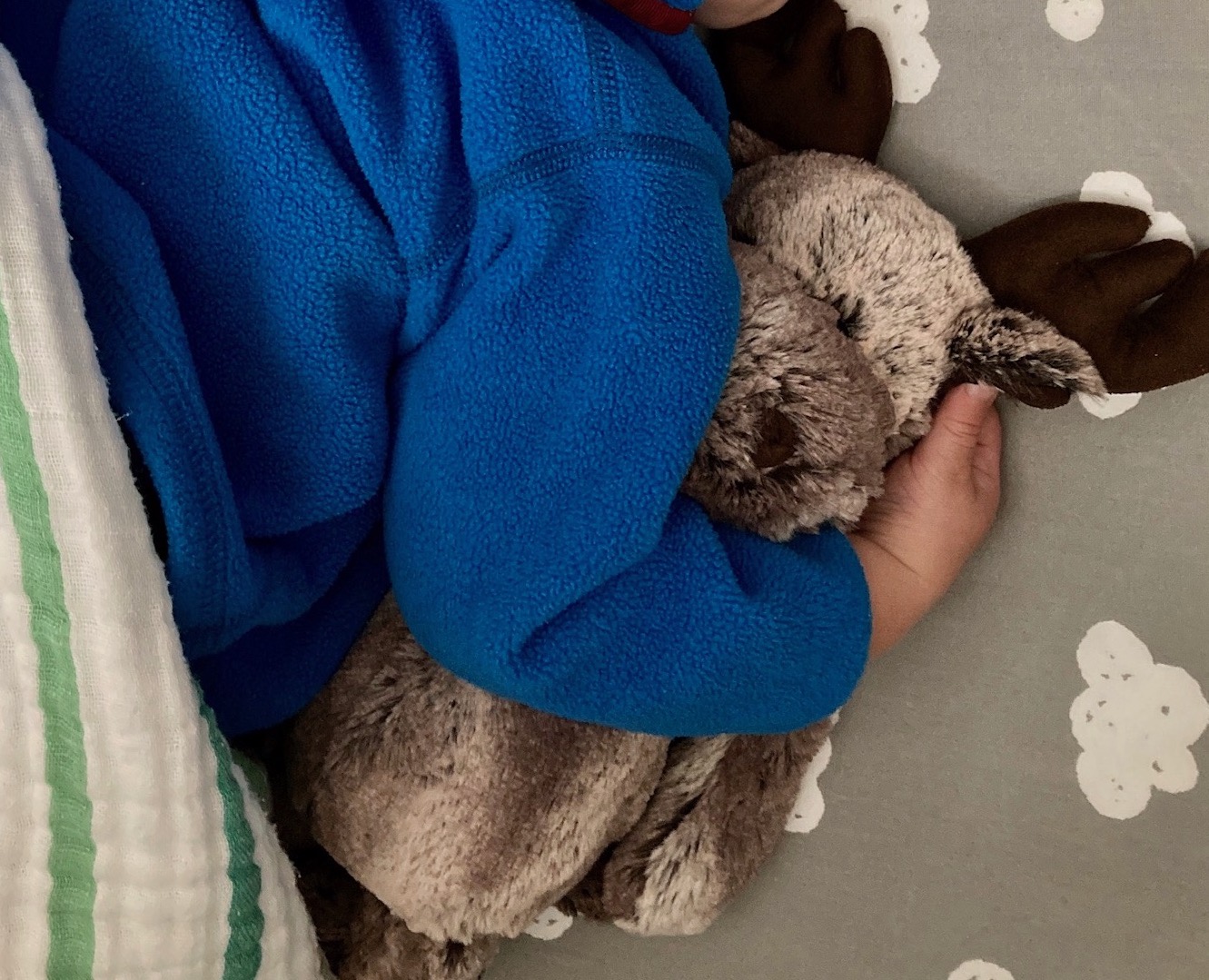
The children have gone to bed. We are so tired we could fold ourselves neatly behind our eyes and sleep mid-word, sleep standing warm among the creatures in the barn, lean together and sleep, forgetting each other completely in the velvet, the forgiveness of that sleep.
Then the one small cry: one strike of the match-head of sound: one child’s voice: and the hundred names of love are lit as we rise and walk down the hall.
One hundred nights we wake like this, wake out of our nowhere to kneel by small beds in darkness. One hundred flowers open in our hands, a name for love written in each one. ~Annie Lighthart “The Hundred Names of Love”
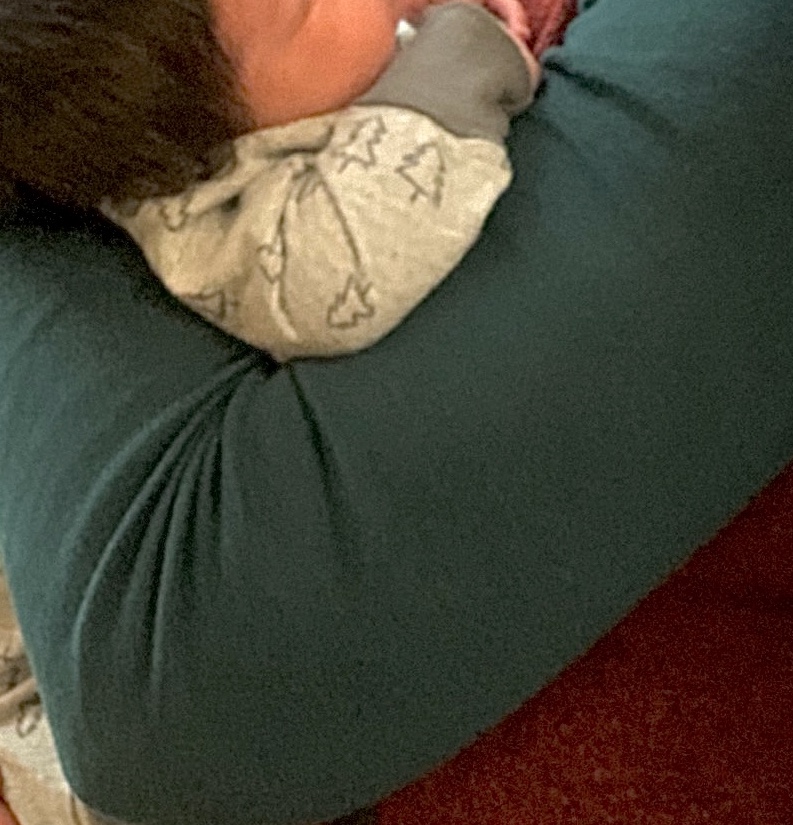
In the lull of evening, your son nested in your arms becomes heavier and with a sigh his body sloughs off its weight like an anchor into deep sleep, until his small breath is the only thing that exists.
And as you move the slow dance through the dim hall to his bedroom and bow down to deliver his sleeping form, arms parting, each muscle defining its arc and release— you remember the feeling of childhood,
traveling beneath a full moon, your mother’s unmistakable laugh, a field of wild grass, windows open and the night rushing in as headlights trace wands of light across your face—
there was a narrative you were braiding, meanings you wanted to pluck from the air, but the touch of a hand eased it from your brow and with each stroke you waded further
into the certainty of knowing your sleeping form would be ushered by good and true arms into the calm ocean that is your bed. — Alexandra Lytton Regalado, “The T’ai Chi of Putting a Sleeping Child to Bed” author of Matria
Each of those countless nights of a child wakening, each of the hundreds of hours of lulling them in the moonlit dark, leading them back to the soft forgiveness of sleep.
I remember the moves of that hypnotic dance, a head nestled snug into my neck, their chest pressed into mine, our hearts beating in synchrony as if they were still inside.
Even when our sleep was spare and our rest was sparse, those night times rocking in unison were worth every waking moment, trusting we’re in this together, no matter what, no matter how long.
We’re in this together.
A new book from Barnstorming is available to order here:
Sometimes, in the middle of a crowded store on a Saturday afternoon, my husband will rest his hand on my neck, or on the soft flesh belted at my waist, and pull me to him. I understand
his question: Why are we so fortunate when all around us, friends are falling prey to divorce and illness? It seems intemperate to celebrate in a more conspicuous way
so we just stand there, leaning in to one another, until that moment of sheer blessedness dissolves and our skin, which has been touching, cools and relents,
settling back into our separate skeletons as we head toward Housewares to resume our errands. ~Sue Ellen Thompson, “Leaning In” from The Golden Hour
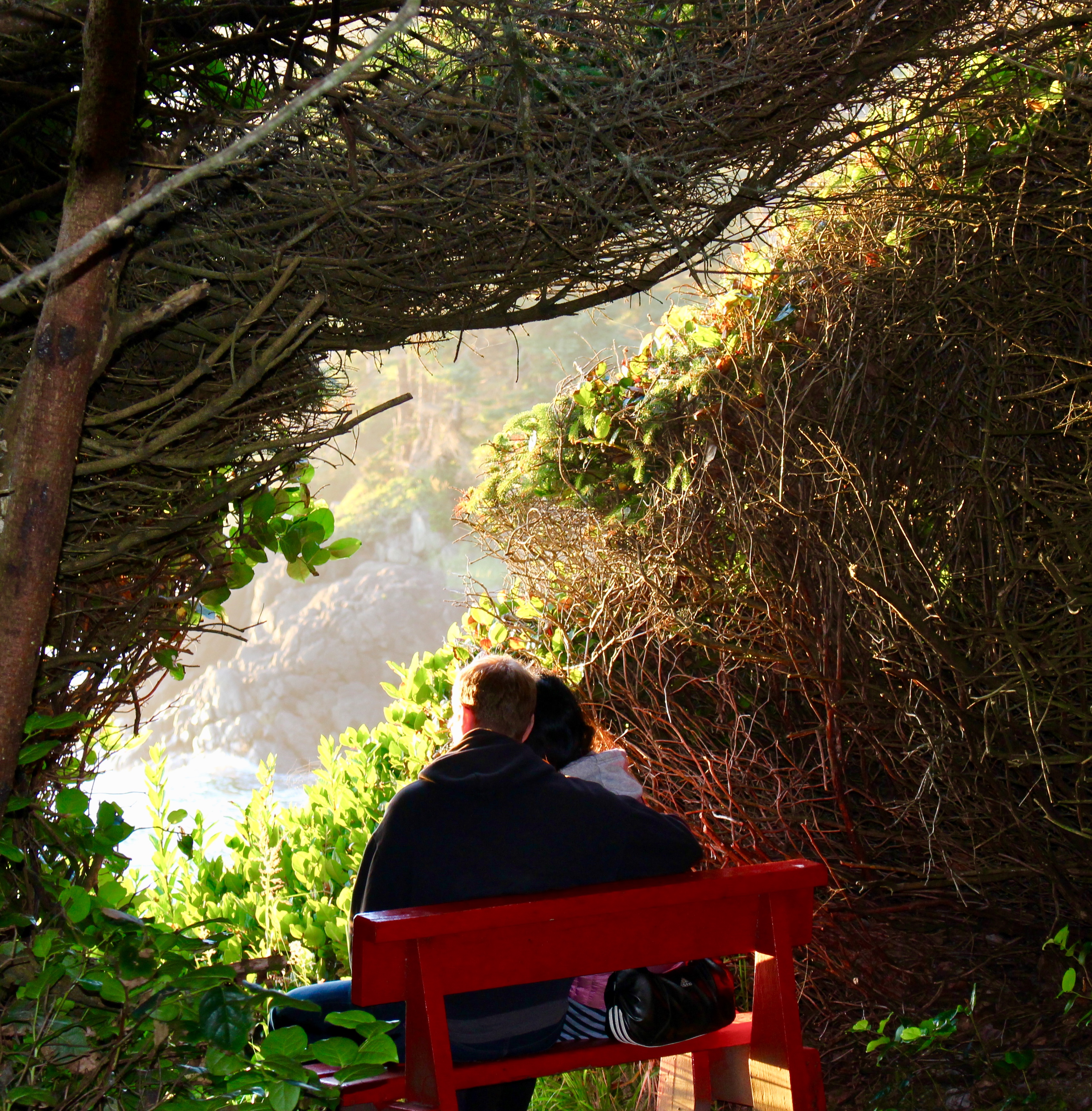
It never fails to amaze me that after nearly forty years of life together, even in the most mundane moments, I still feel that invisible connection to you no matter where we are. That connection is made visible and tangible in our children and now our grandchildren.
We are blessed to have found each other and to regularly remind ourselves of that. We were meant to be and everything good continues to flow from that.
Soli Deo gloria.
A new book available from Barnstorming – information on how to order here




























 Barnstorming