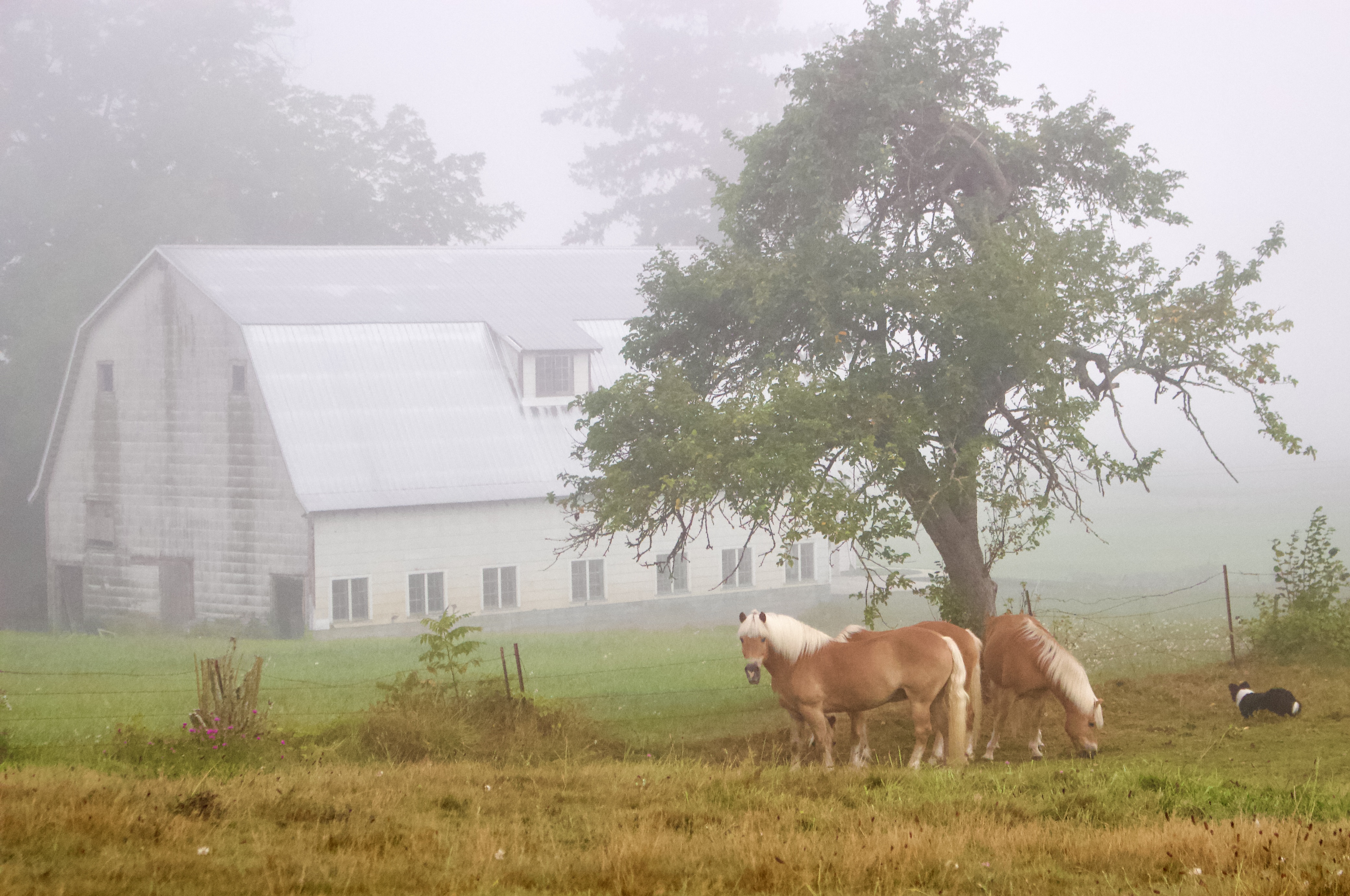
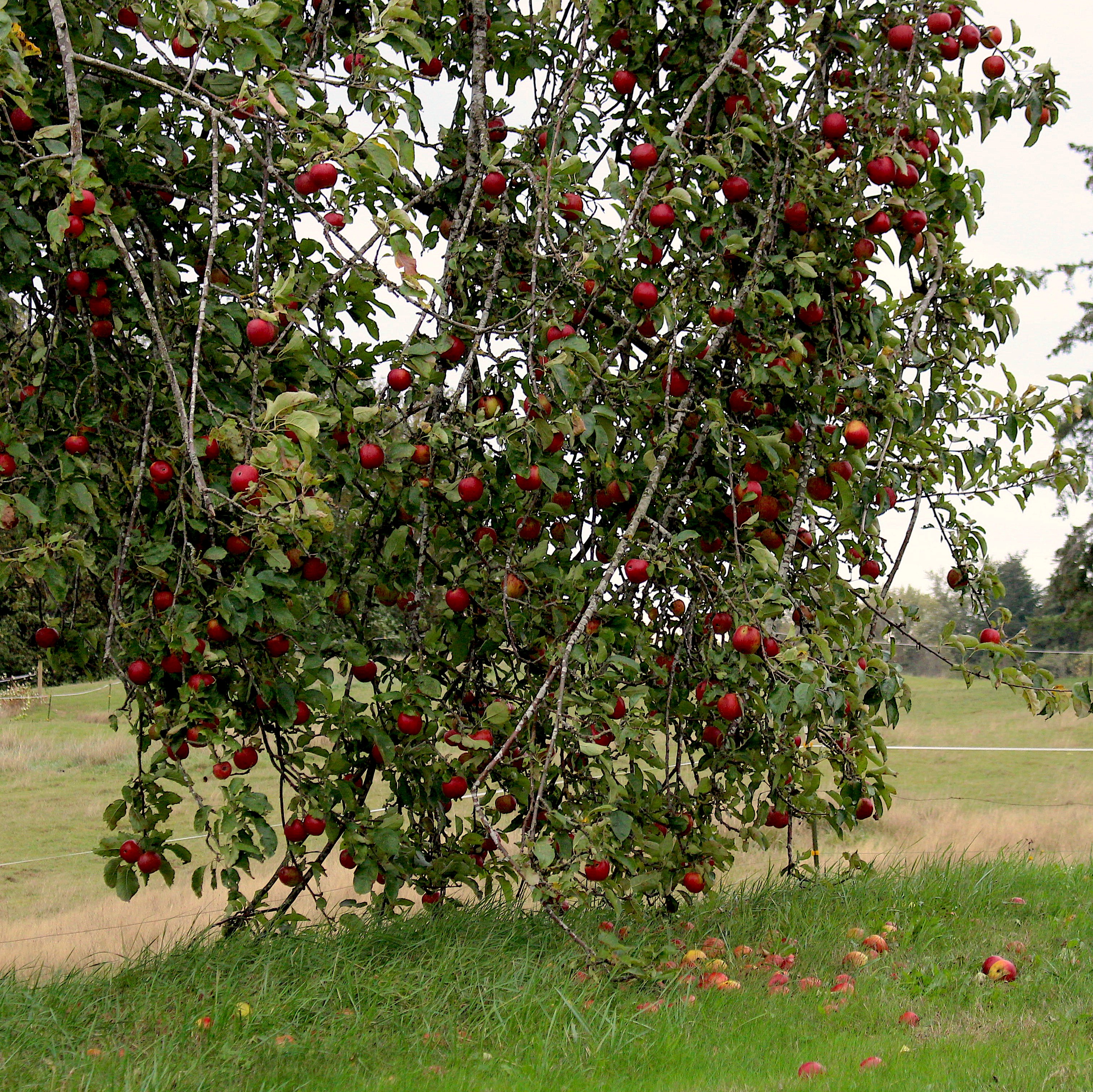
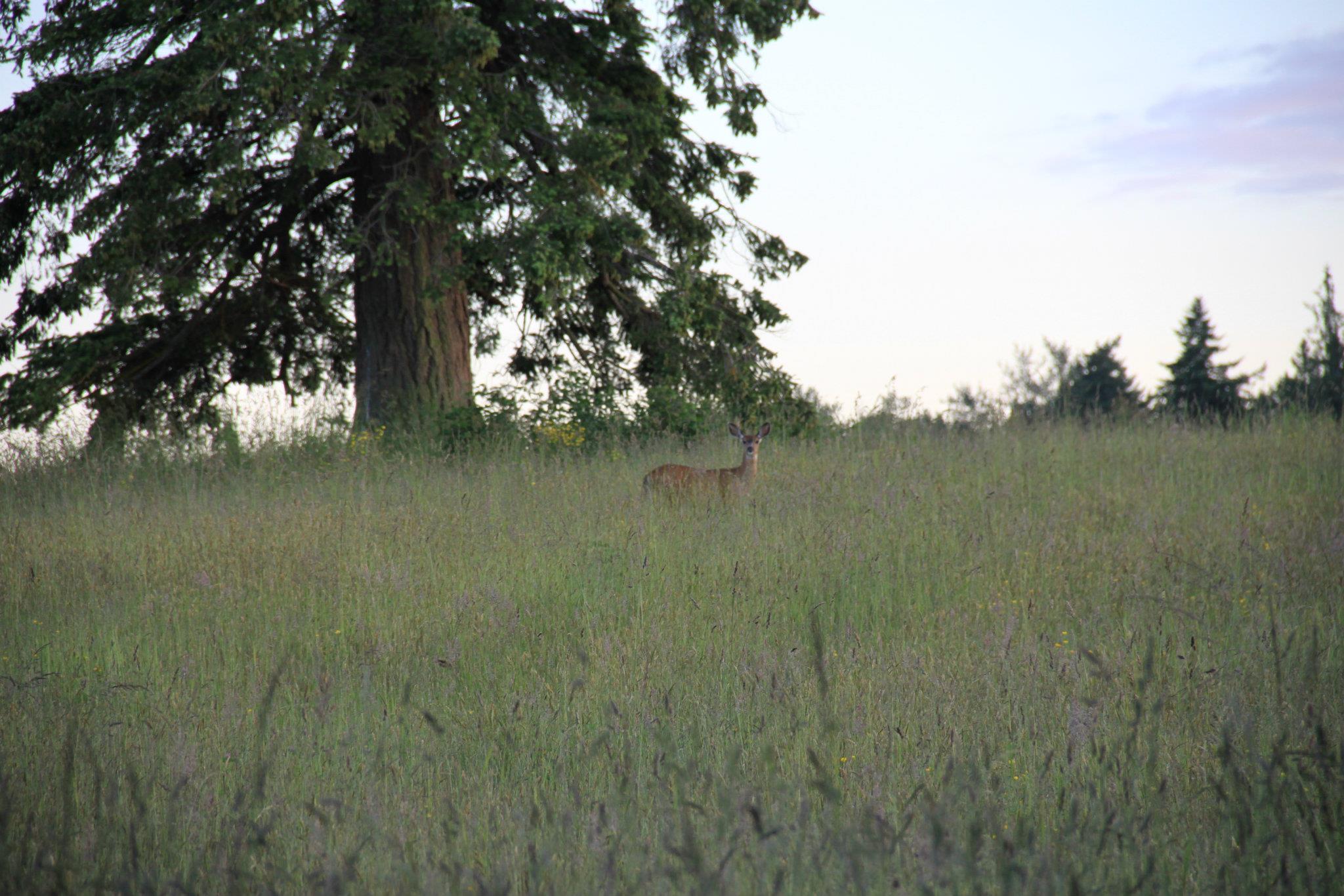
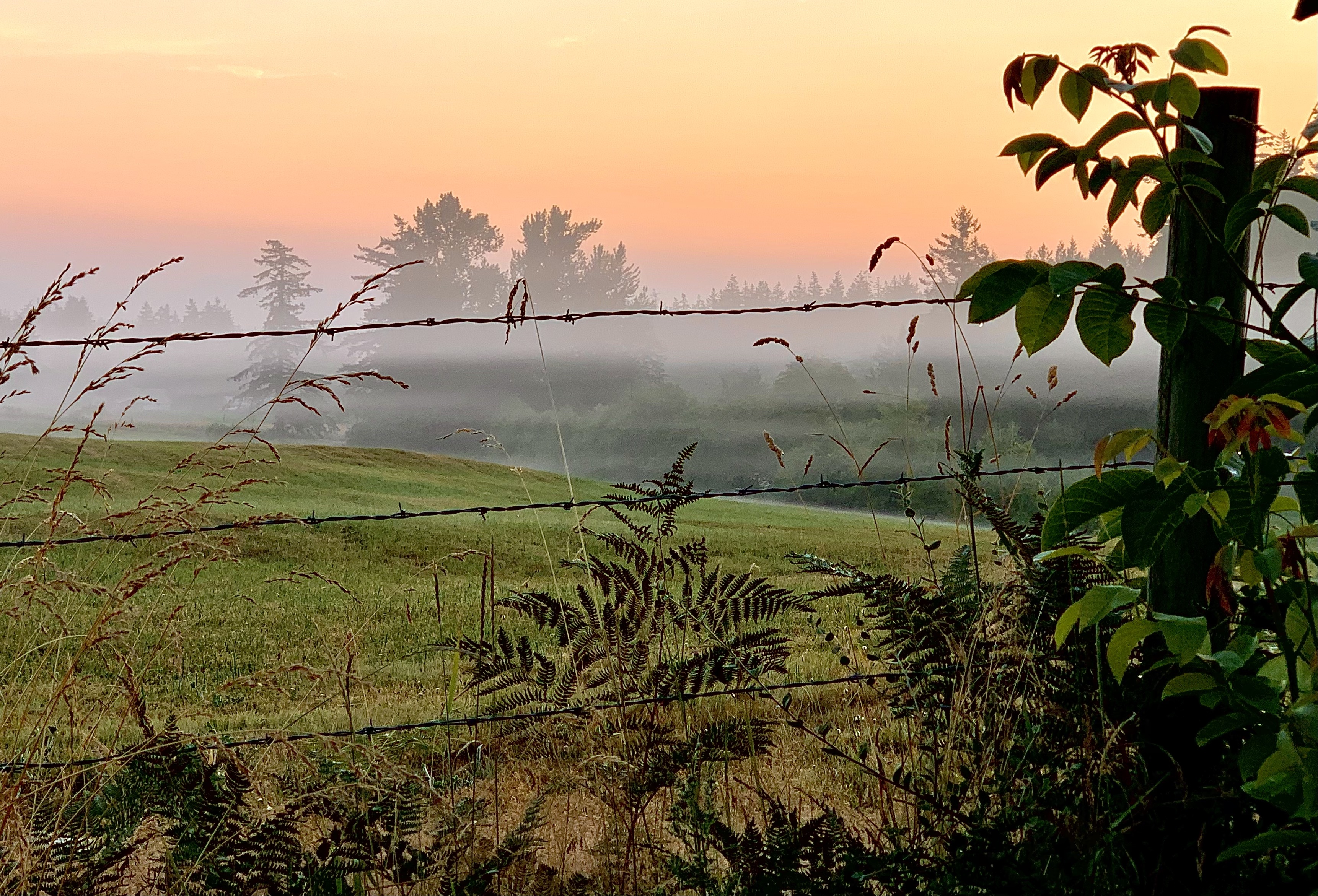
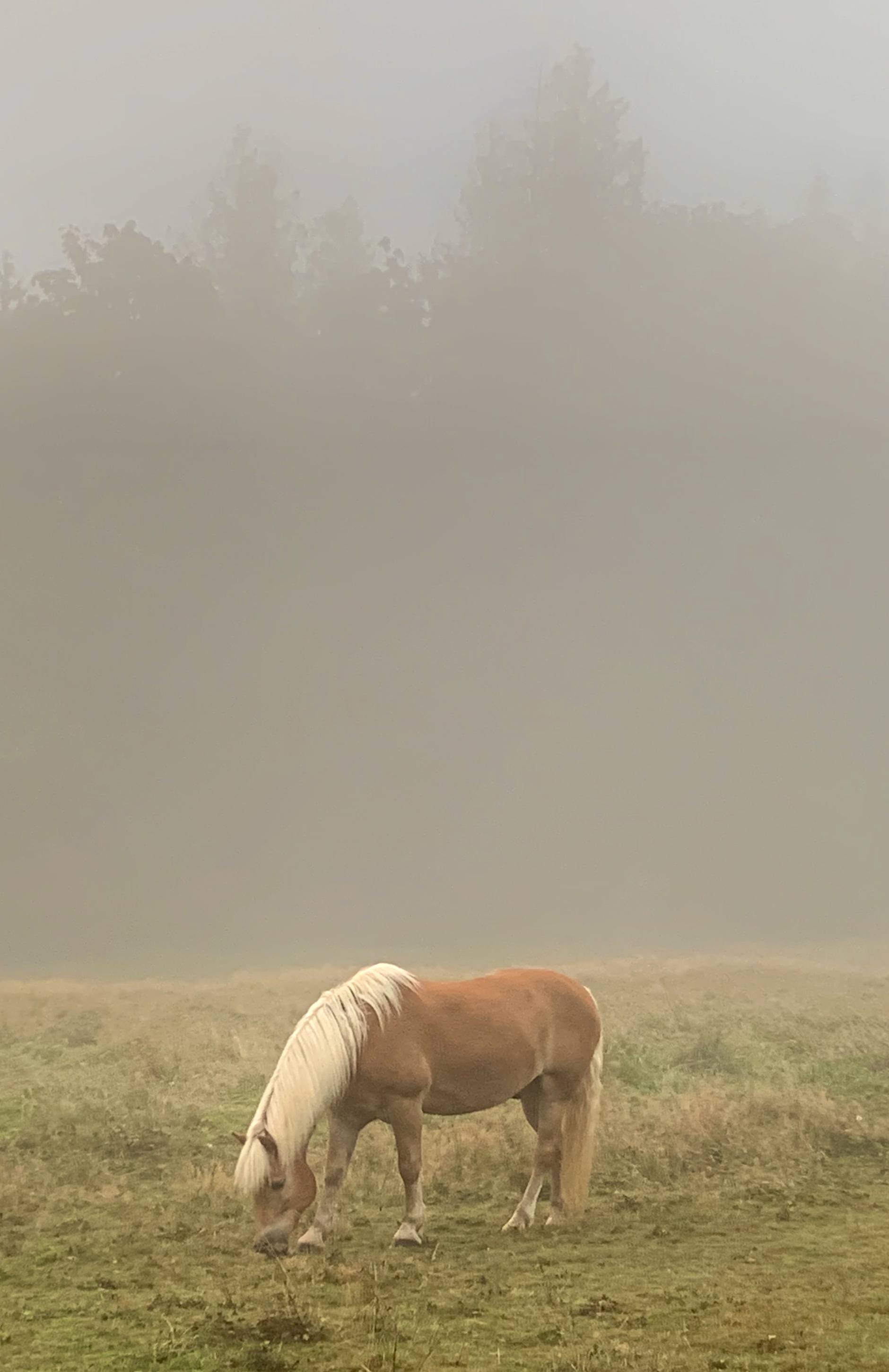
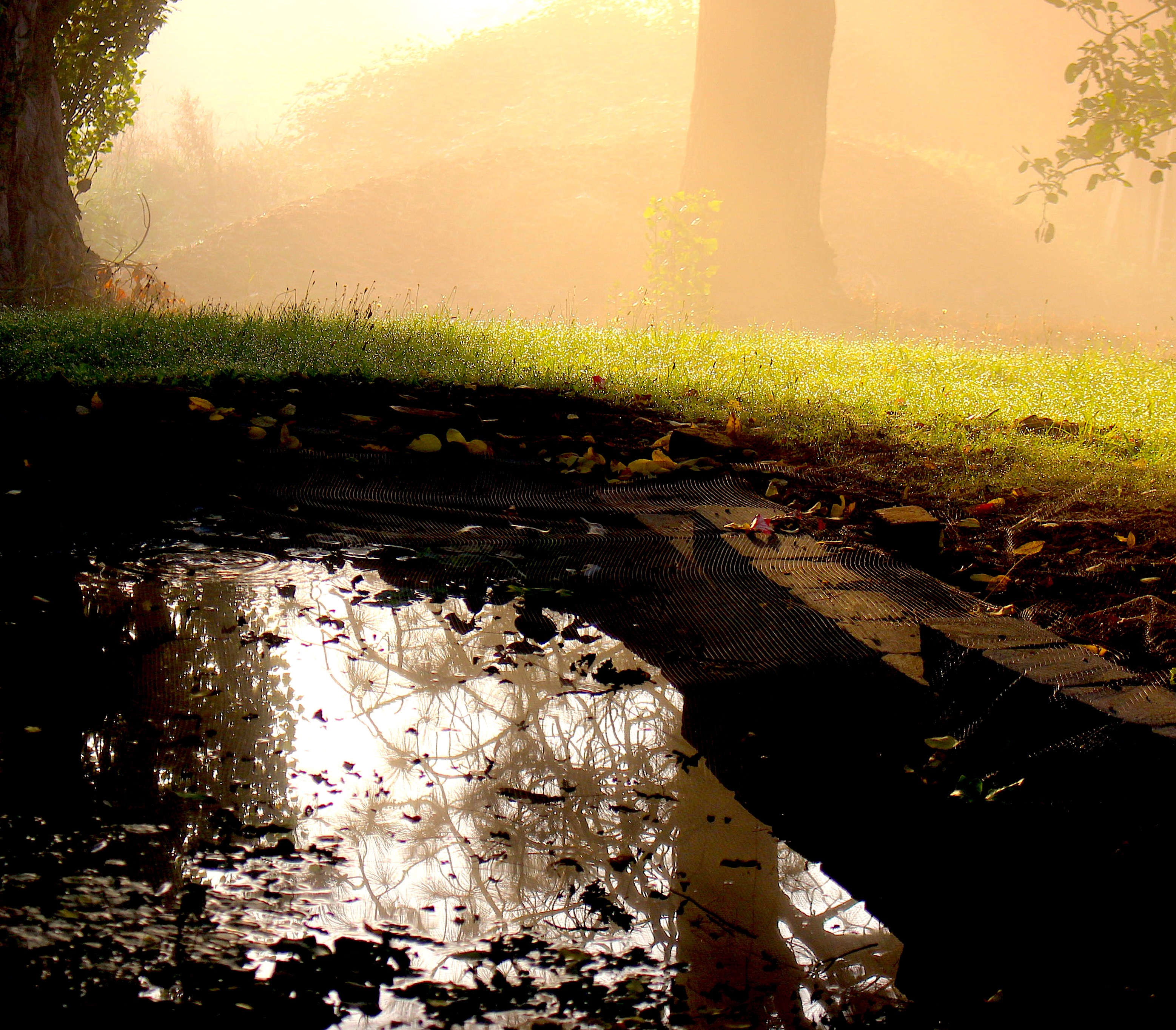
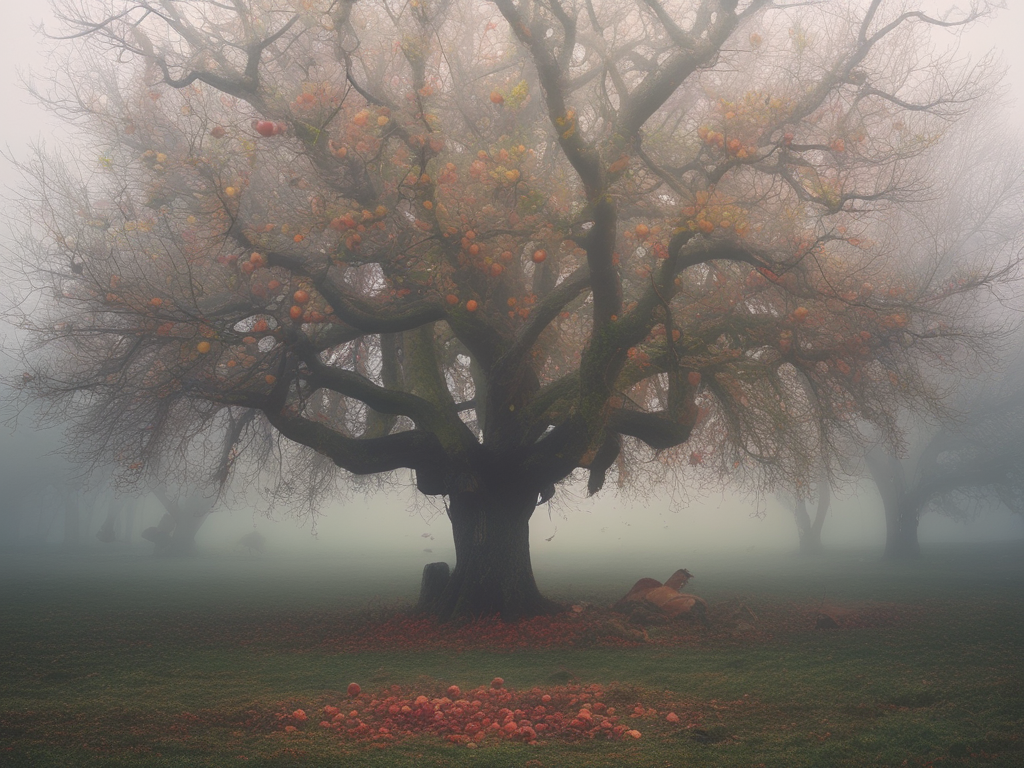
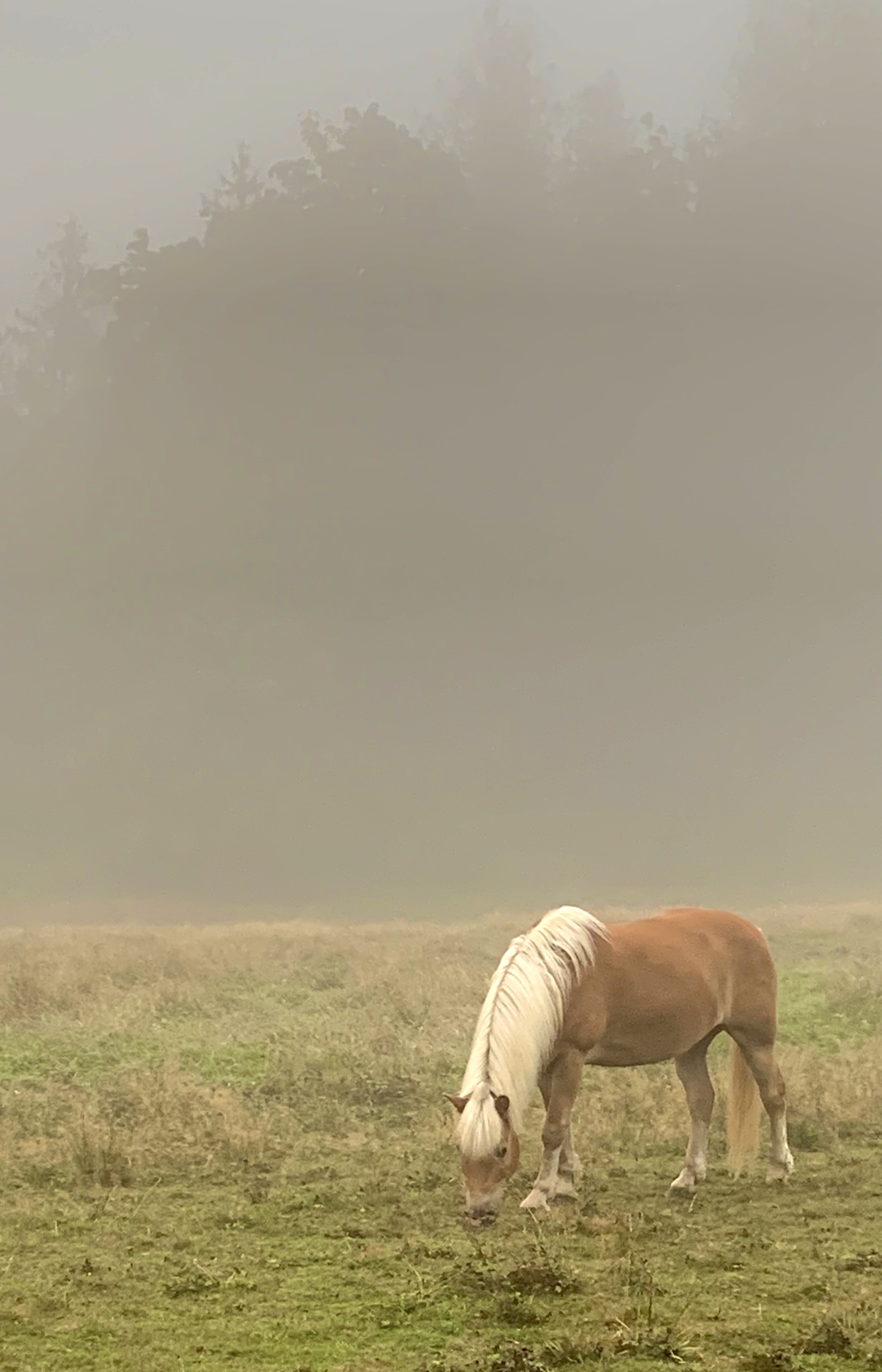
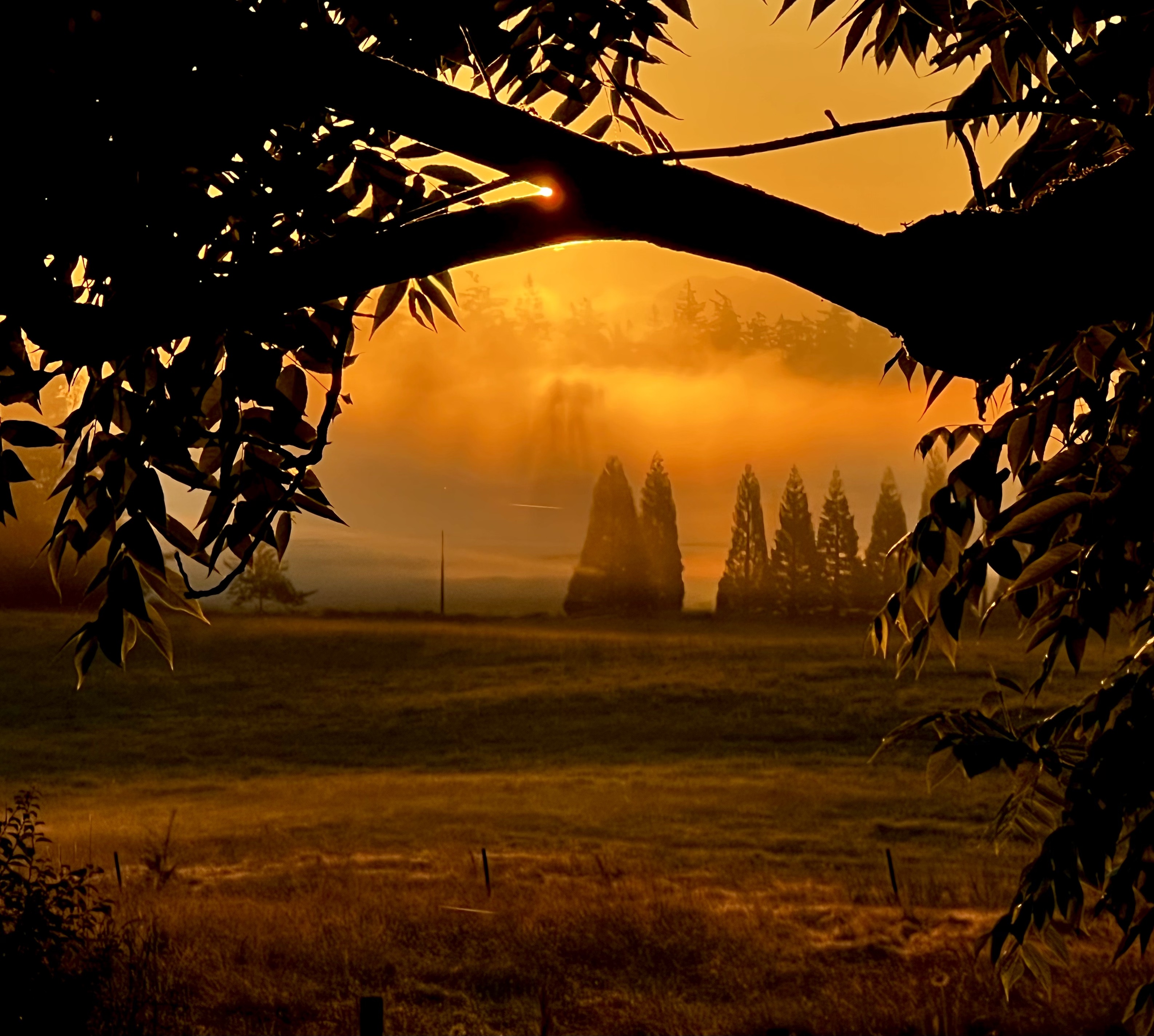
On the second day of fog, she goes to meet it sits on the broad root of a broken down apple tree, remembers being a child in such fog, searching for fairy houses. She hears movement in the grass, keeps very still while the veil of haze rises to treetops bronzed by the burn of the sun. Slowly horses and deer appear all around her, they graze close together, nosing fallen apples, until she forgets this is still a fallen world. ~Lonnie Hull DuPont, “On the Second Day of Fog” from She Calls the Moon by Its Name
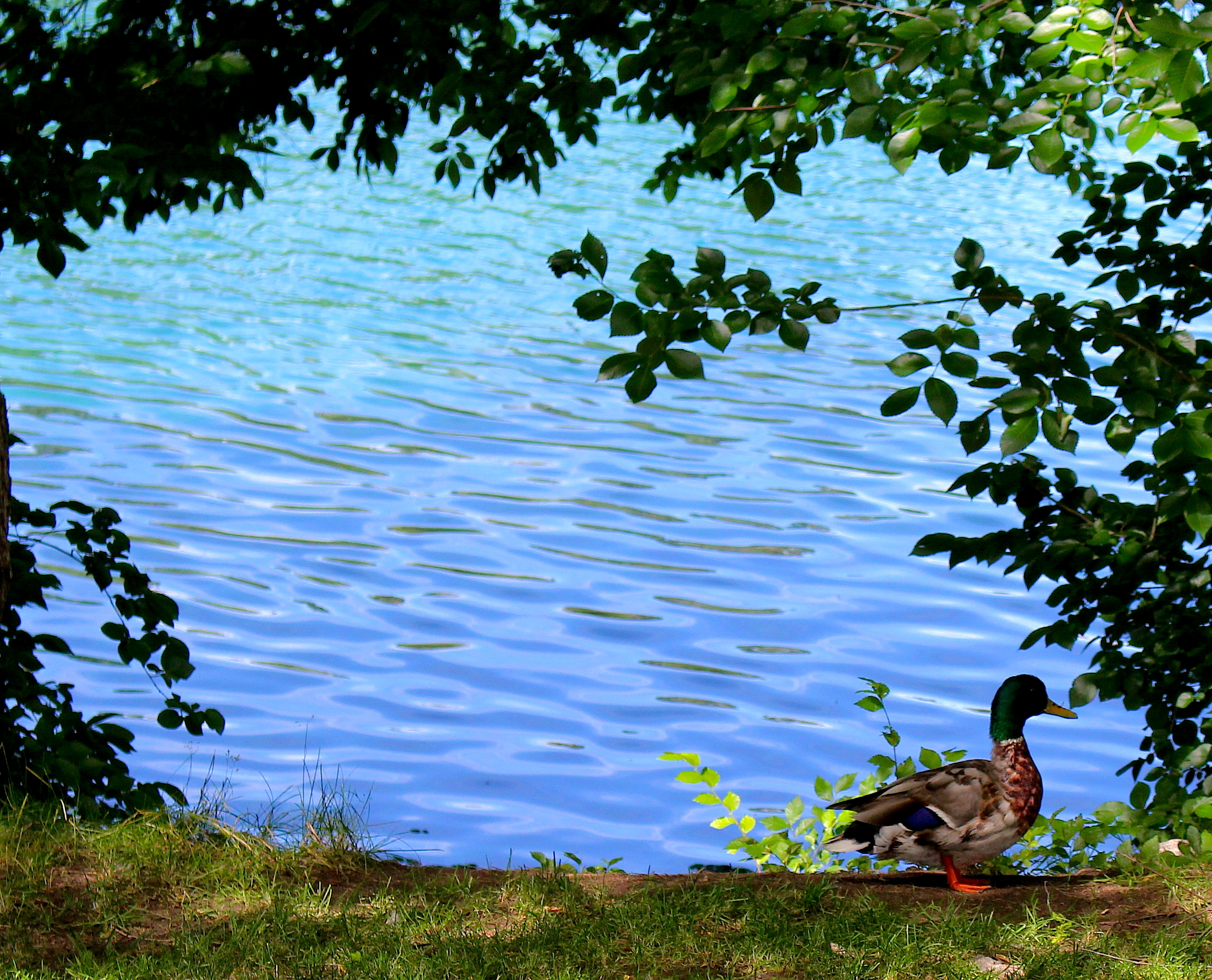
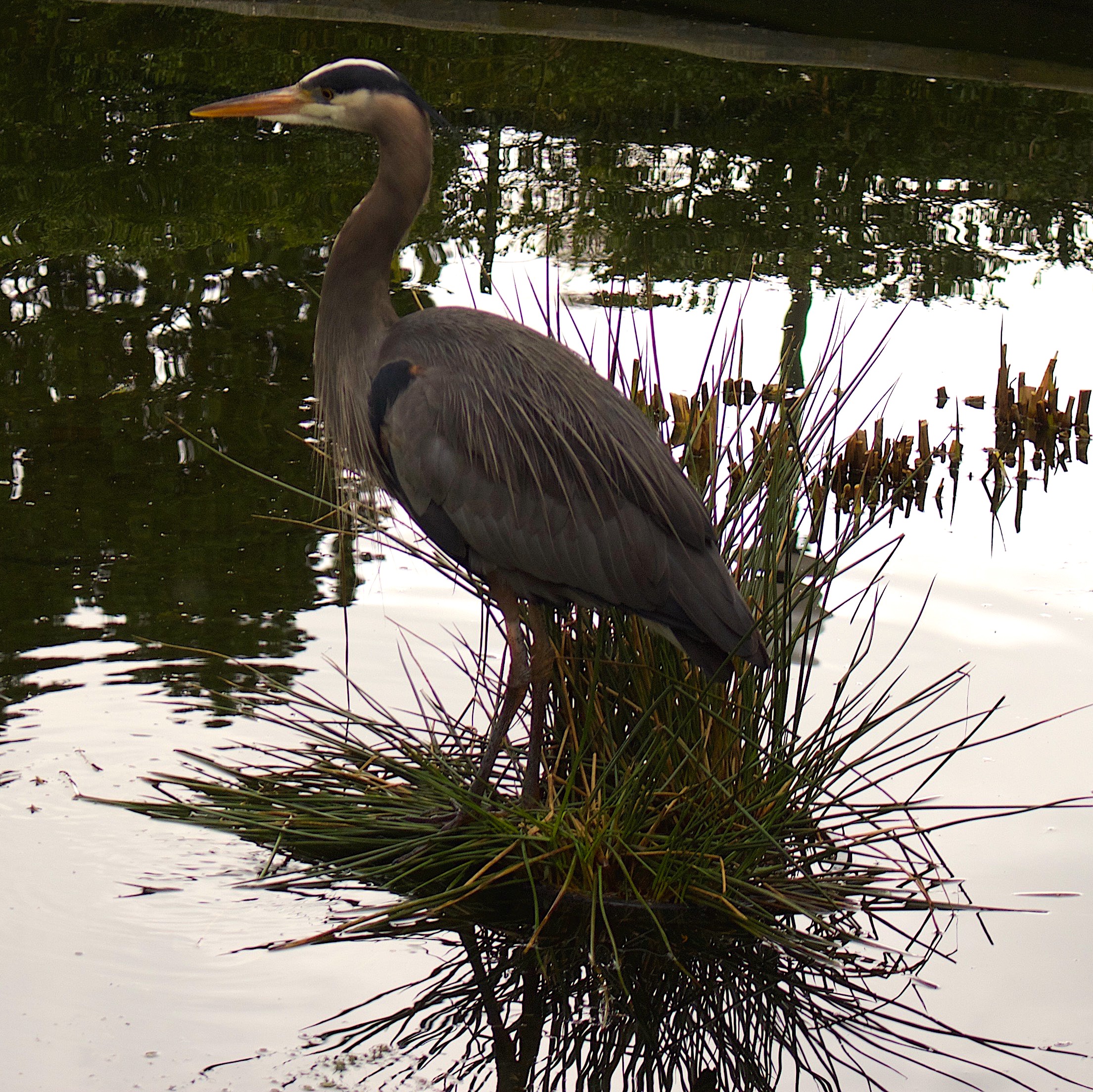
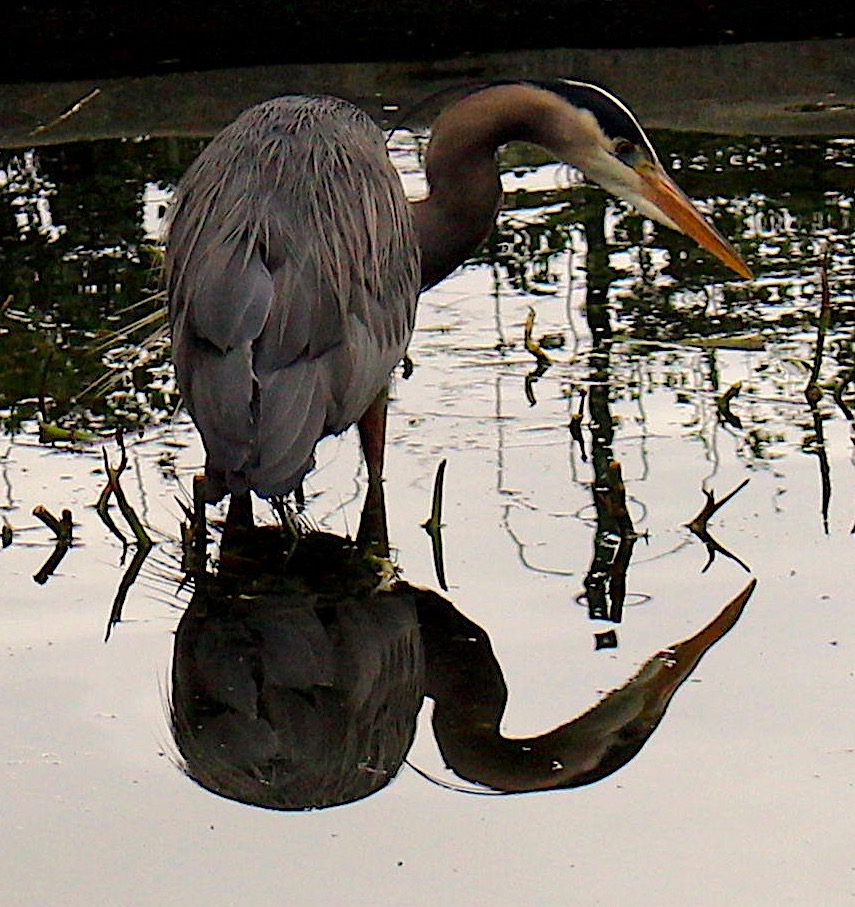
When despair for the world grows in me and I wake in the night at the least sound in fear of what my life and my children’s lives may be, I go and lie down where the wood drake rests in his beauty on the water, and the great heron feeds. I come into the peace of wild things who do not tax their lives with forethought of grief. I come into the presence of still water. And I feel above me the day-blind stars waiting with their light. For a time I rest in the grace of the world, and am free. ~Wendell Berry “The Peace of Wild Things“
When our grandchildren come to visit, I watch as yet another generation rediscovers the mystery of what we know about the joys and sorrows of this fallen but redeemed world.
I am reminded there is light beyond the fearsome darkness, there is peace amid the chaos, there is a smile behind the tears, there is stillness within the noisiness there is rest despite the restlessness, there is grace – ah, there is grace as inevitably the old gives way to the new.
One-Time
Monthly
Yearly
Make a one-time or recurring donation to support daily Barnstorming posts
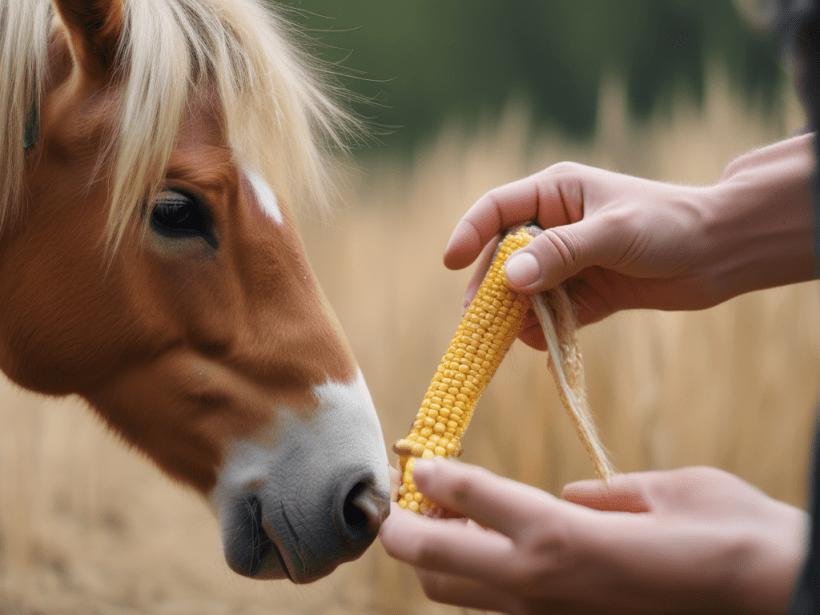
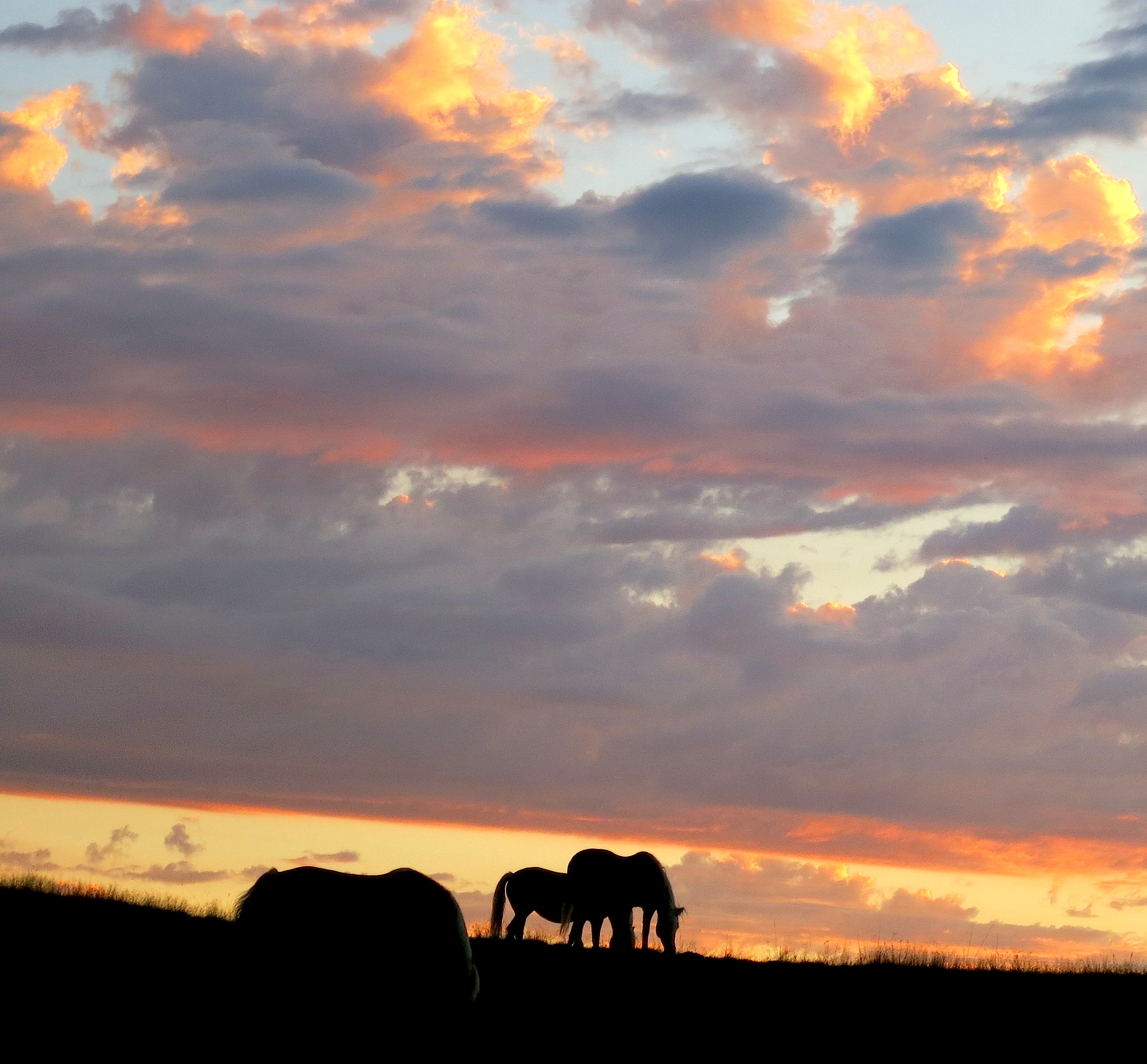
I stop the car along the pasture edge, gather up bags of corncobs from the back, and get out. Two whistles, one for each, and familiar sounds draw close in darkness— cadence of hoof on hardened bottomland, twinned blowing of air through nostrils curious, flared. They come deepened and muscular movements conjured out of sleep: each small noise and scent heavy with earth, simple beyond communion, beyond the stretched-out hand from which they calmly take corncobs, pulling away as I hold until the mid-points snap. They are careful of my fingers, offering that animal-knowledge, the respect which is due to strangers; and in the night, their mares’ eyes shine, reflecting stars, the entire, outer light of the world here. ~Jane Hirshfield “After Work” from Of Gravity and Angels
photo by Emily VanderHaak
Just off the highway to Rochester, Minnesota, Twilight bounds softly forth on the grass. And the eyes of those two Indian ponies Darken with kindness. They have come gladly out of the willows To welcome my friend and me. We step over the barbed wire into the pasture Where they have been grazing all day, alone. They ripple tensely, they can hardly contain their happiness That we have come. They bow shyly as wet swans. They love each other. There is no loneliness like theirs. At home once more, They begin munching the young tufts of spring in the darkness. I would like to hold the slenderer one in my arms, For she has walked over to me And nuzzled my left hand. She is black and white, Her mane falls wild on her forehead, And the light breeze moves me to caress her long ear That is delicate as the skin over a girl’s wrist. Suddenly I realize That if I stepped out of my body I would break Into blossom. ~James Wright, “A Blessing” from Above the River: The Complete Poems
Horses have been a daily part of my life for over fifty years, though while I attended school and worked in the city, I was forced to limit myself to goldfish.
Eventually living on a farm in the country was my goal, rather than a seeking out a prestigious career in the city. Raising horses (and cattle and goats and chickens and geese and ducks and dogs and cats…) was always my hope and dream.
And dreams sometimes come true.
As I get older, I realize how much easier goldfish are in comparison. Horses are so much bigger and stronger than I am; I’m far more aware of where I am and where they are so I don’t have an unscheduled landing.
As they get older (in their second and third decades of life), the horses have plenty of opinions, deeply trusting they belong here on this farm. They know the routine, the lay of the land, they know each other and they know me.
As the person who does their daily feeding and watering and brushing and bed cleaning, I expect them to be respectful and polite and they expect the same of me. Sometimes we mutually bump into senior citizen stubbornness.
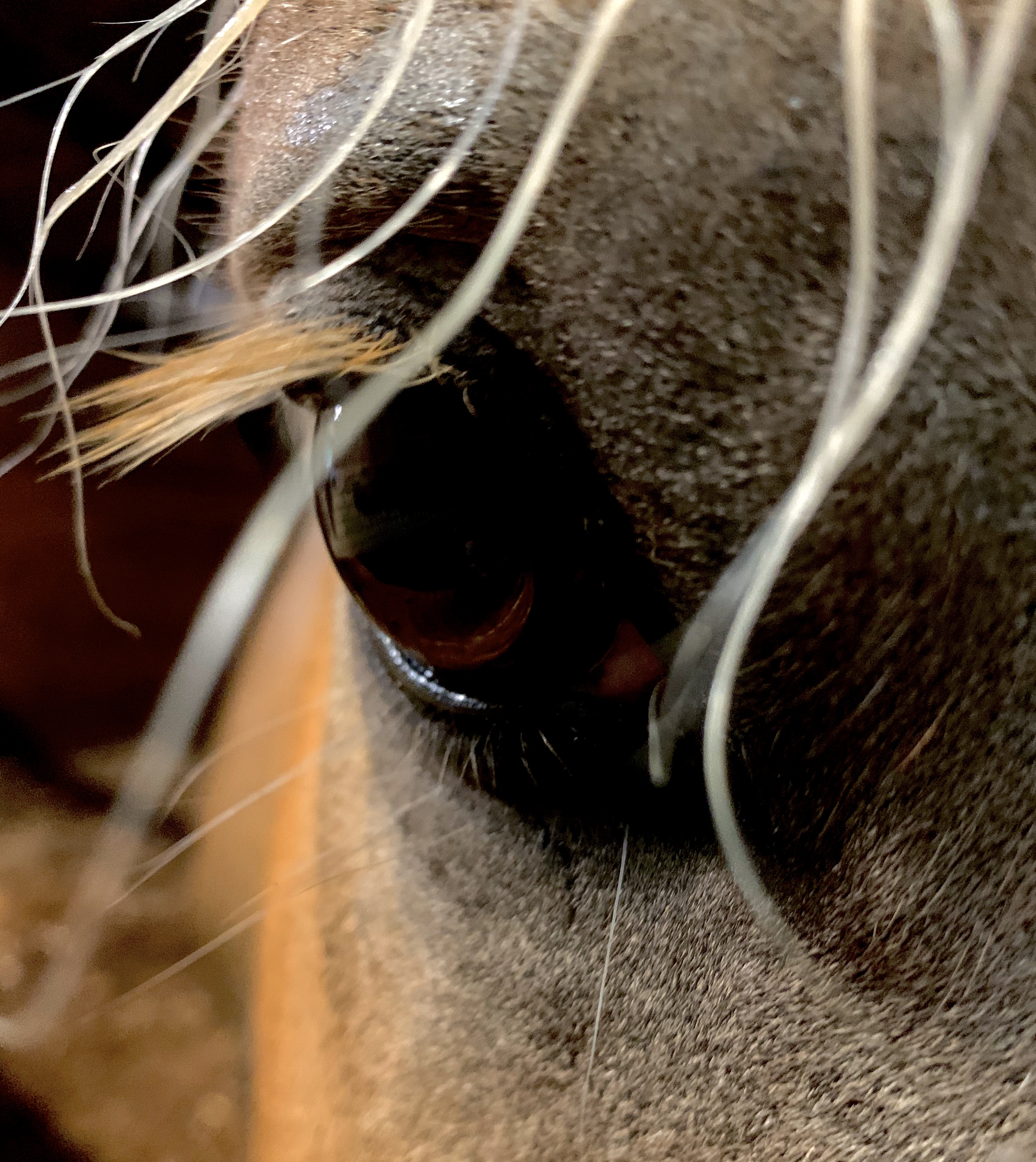
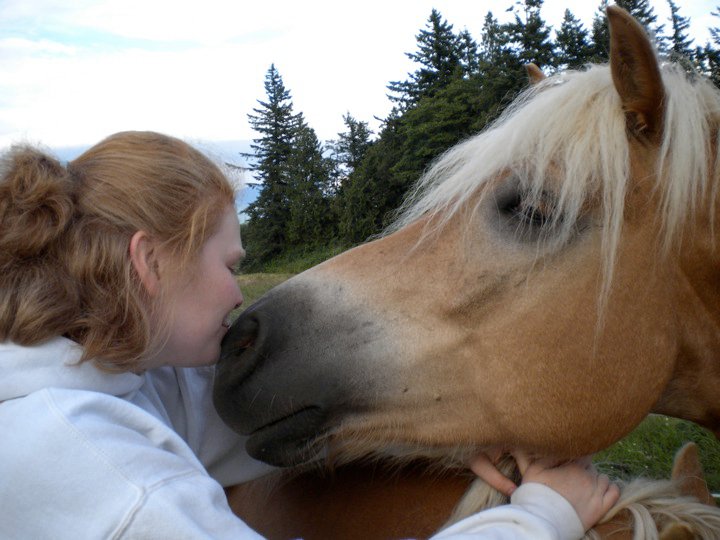
Even so, for as long as we all shall live, I find it a pure blessing to look into their shining eyes.
AI image created for this post
One-Time
Monthly
Yearly
Make a one-time or recurring donation to support daily Barnstorming posts
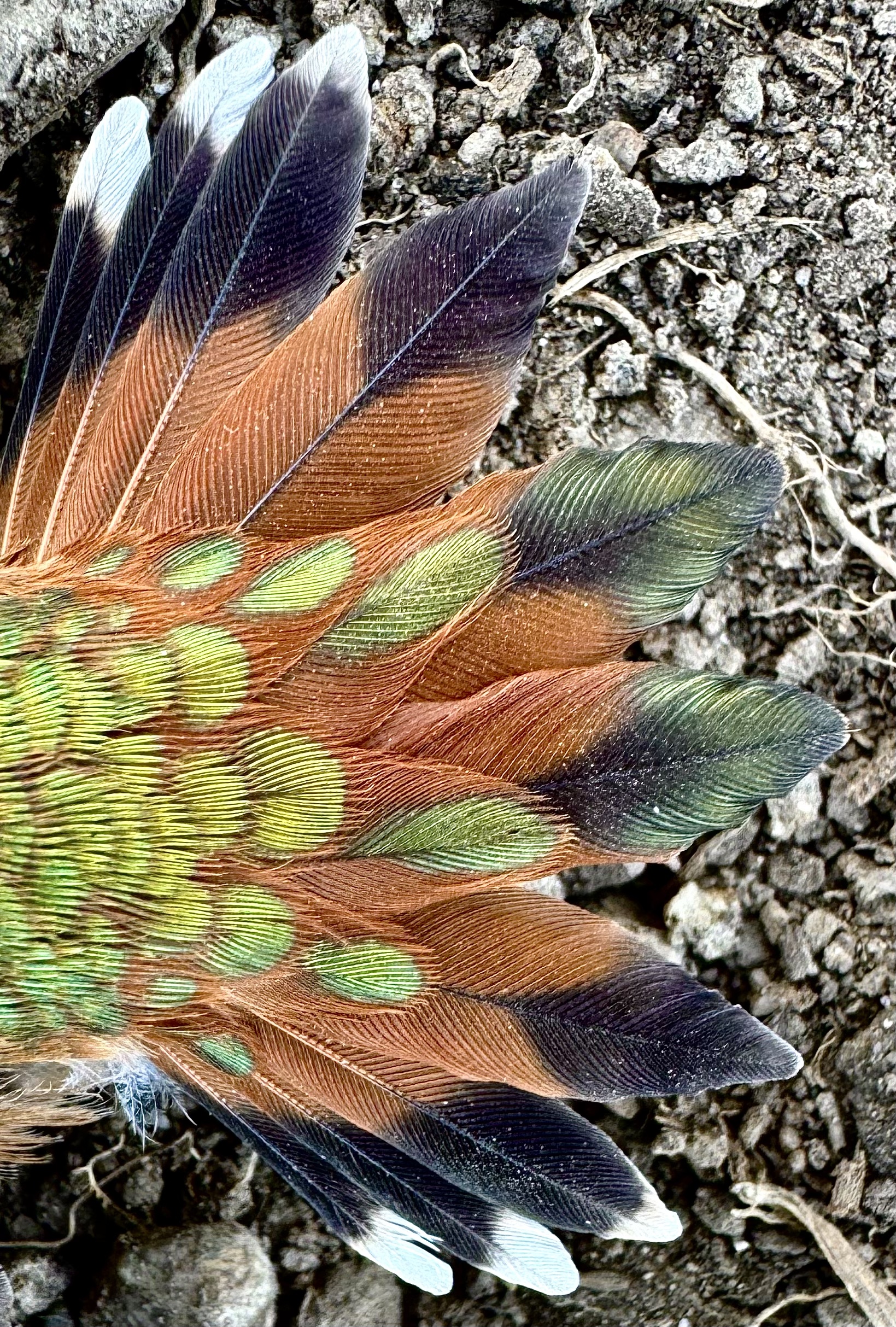
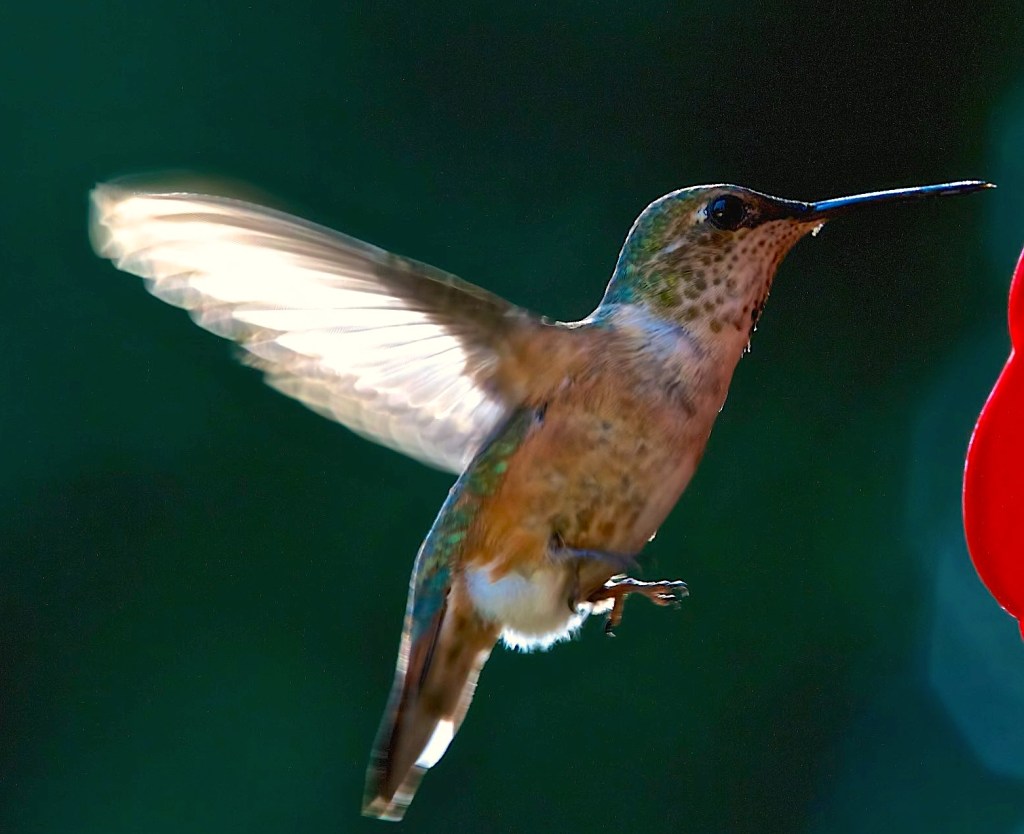
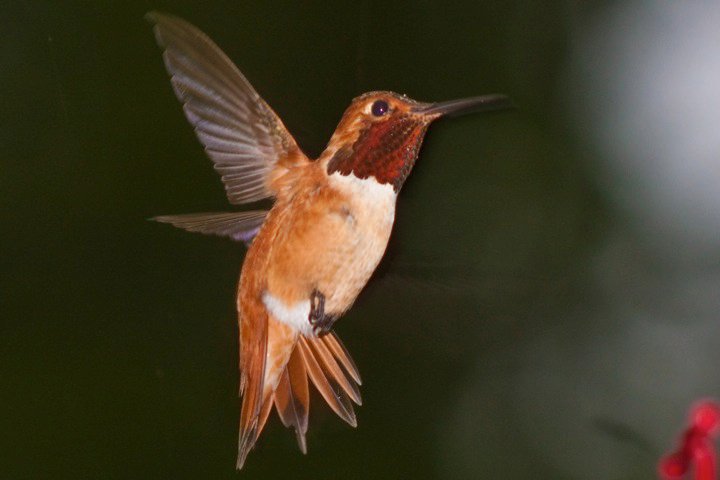
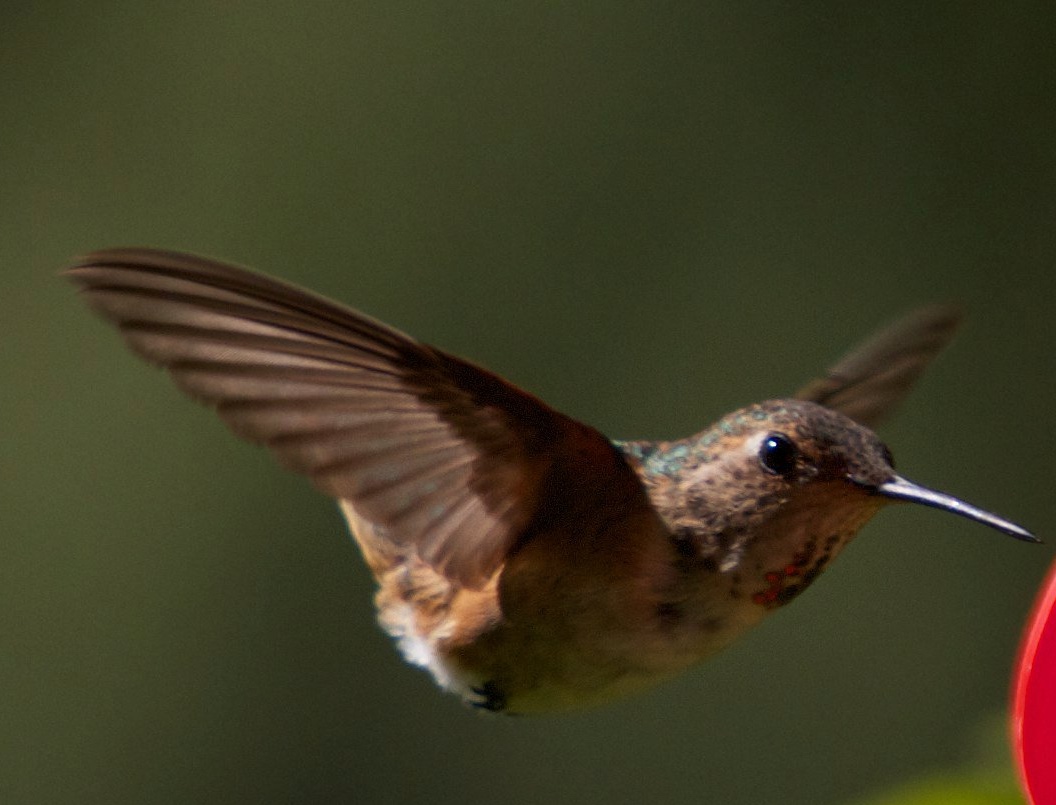
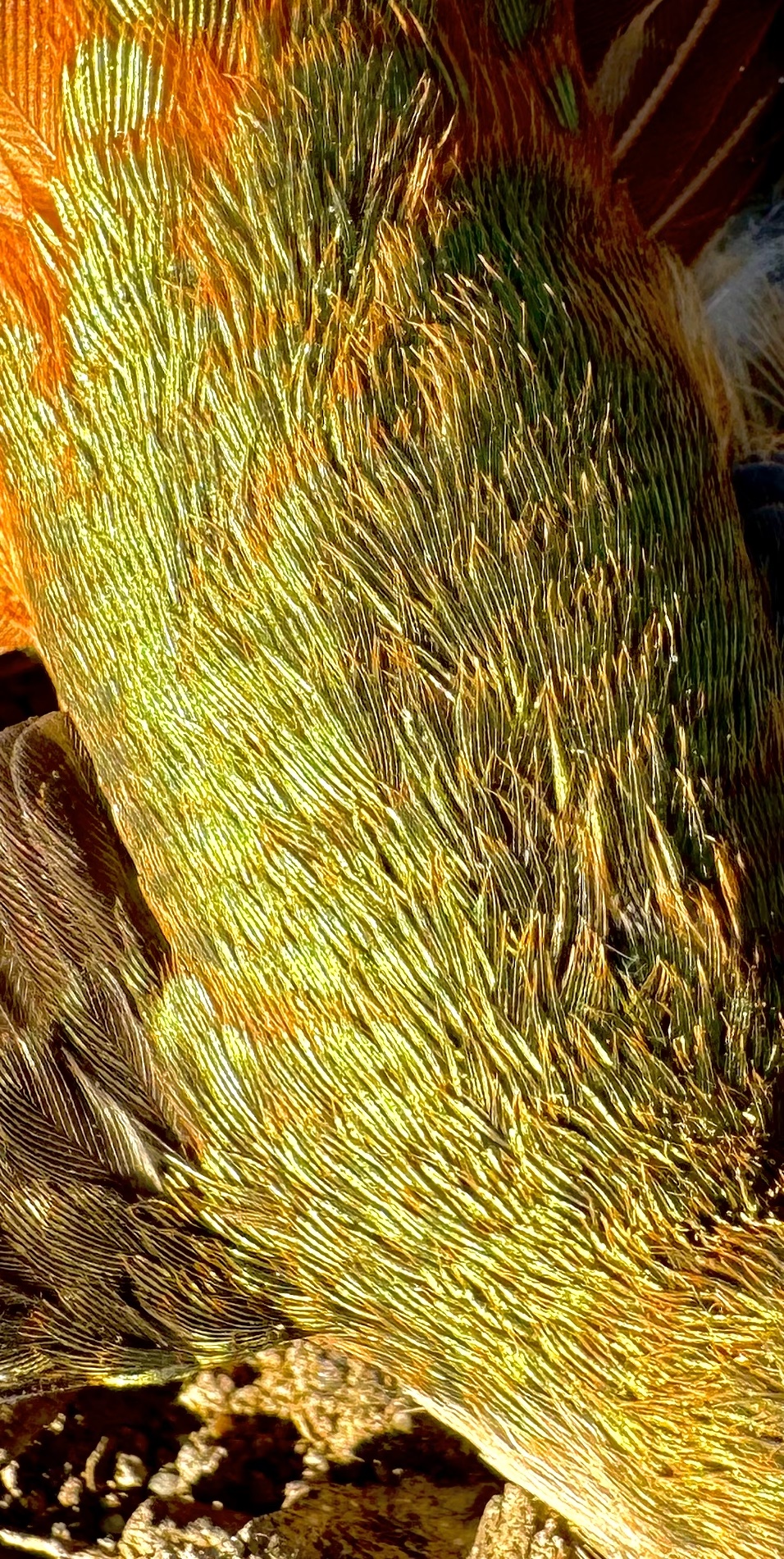
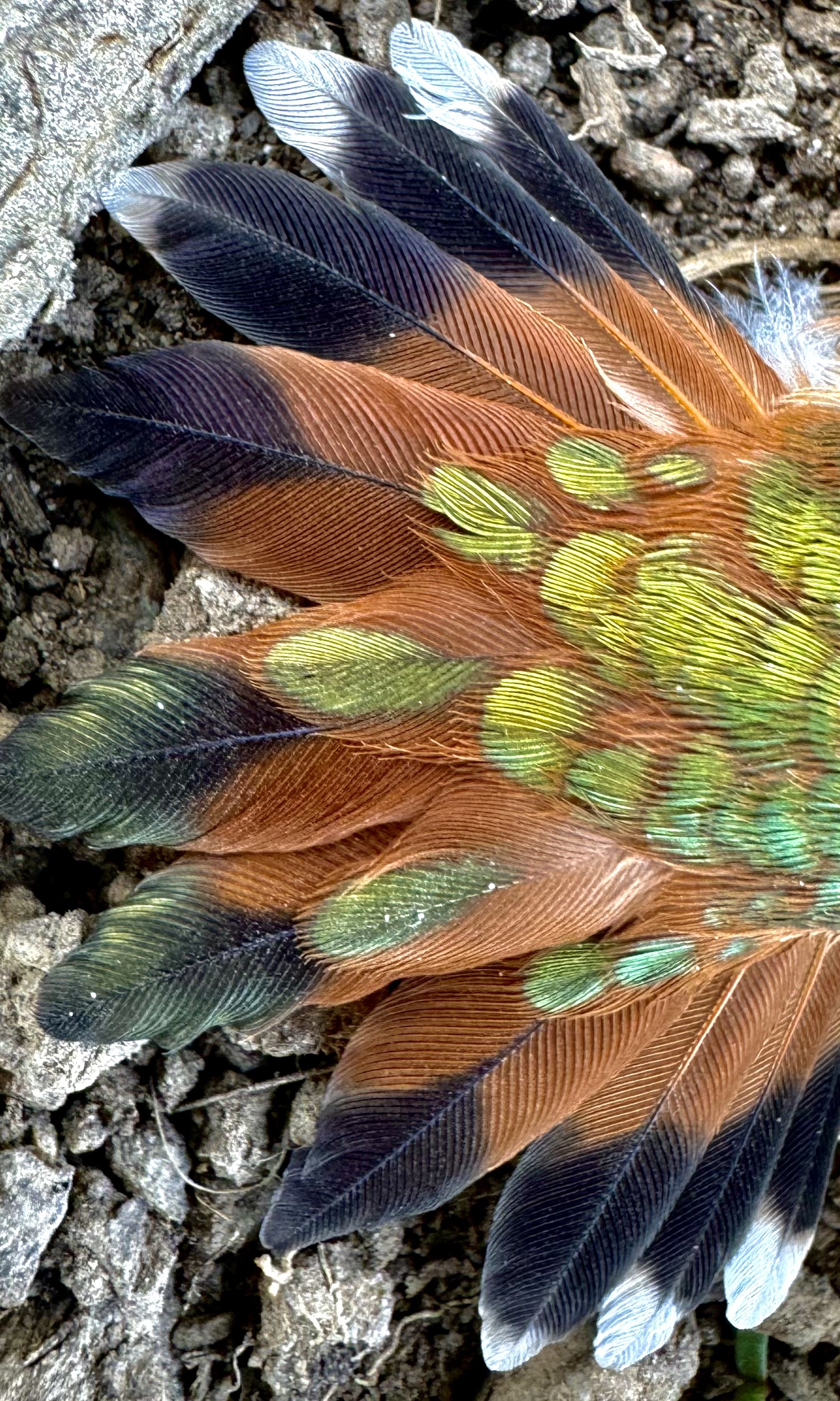
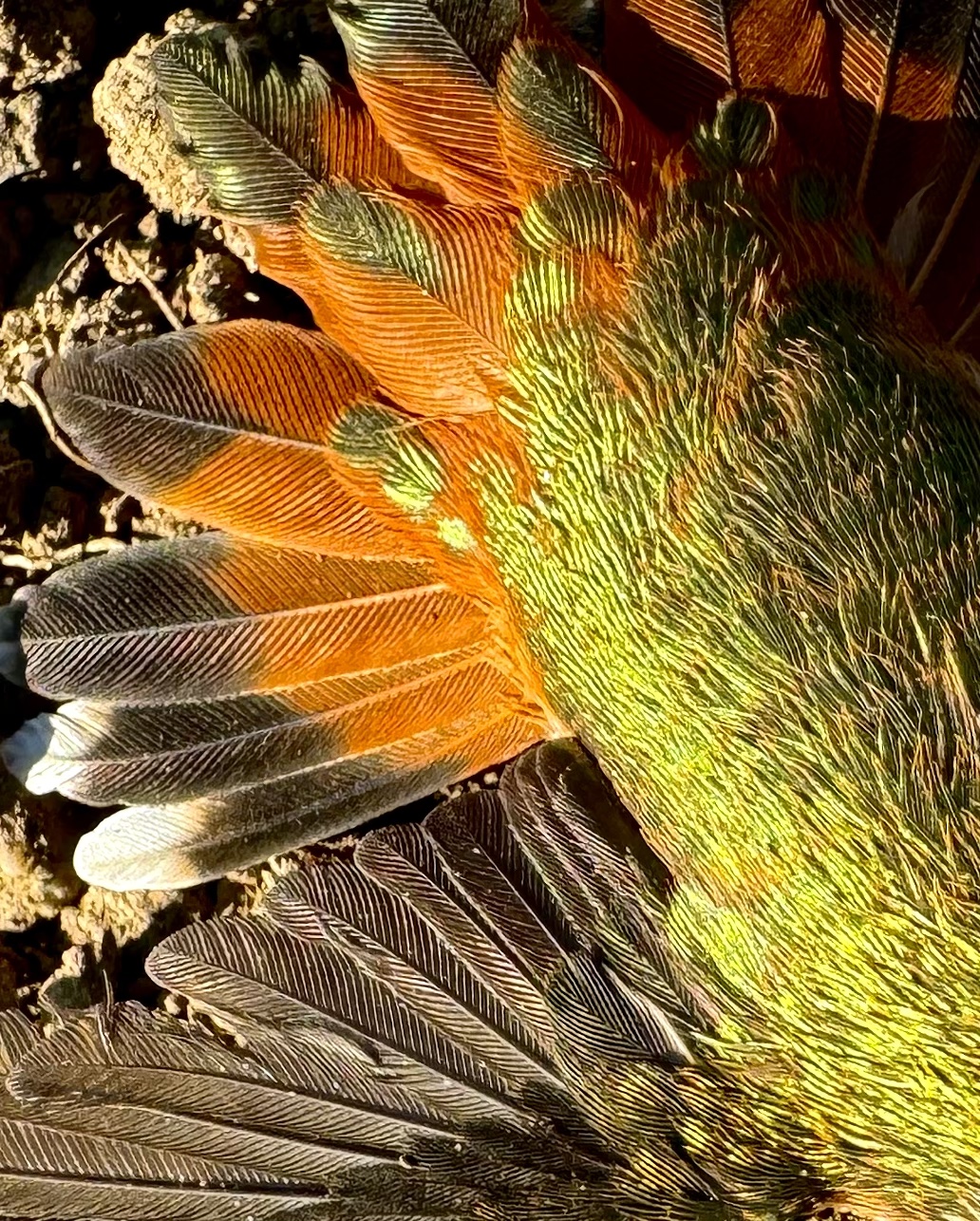
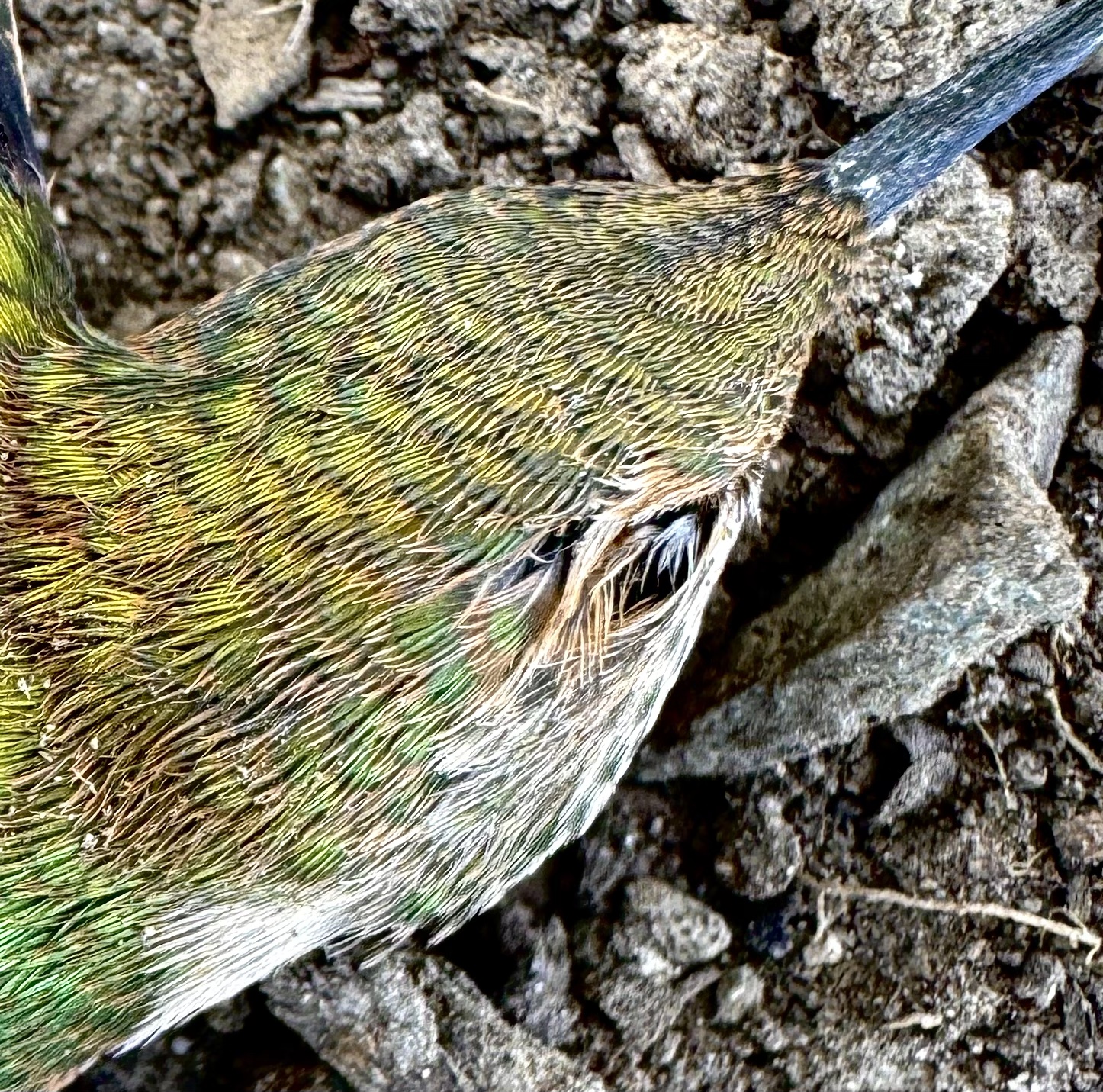
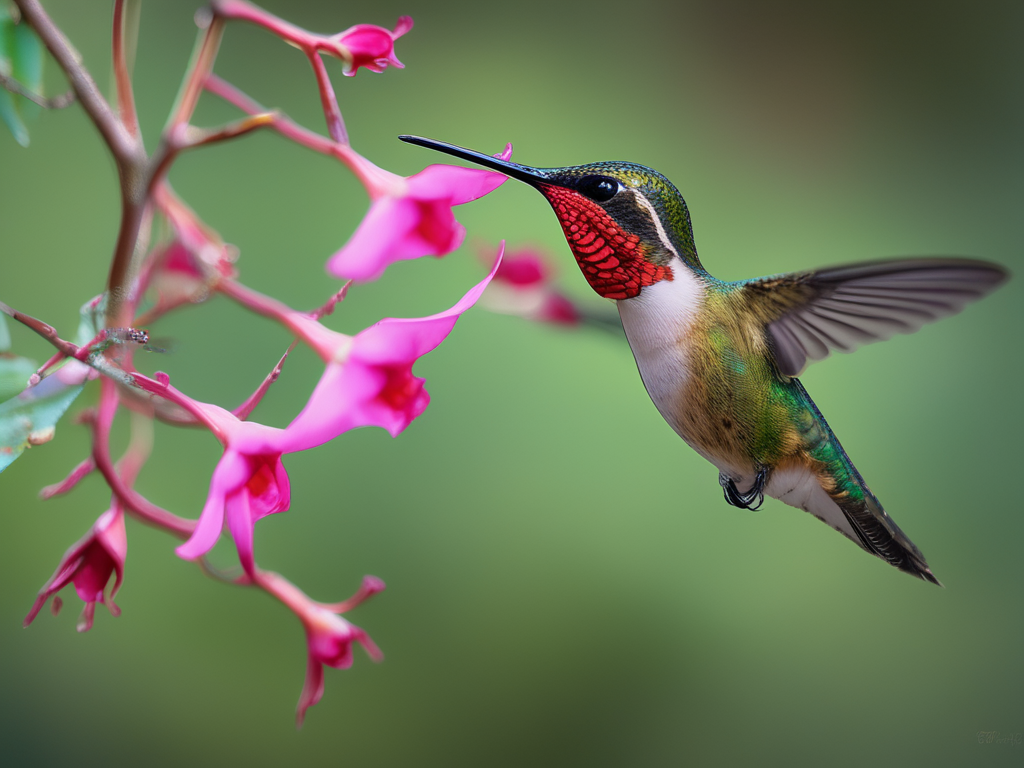
When I was with the green hummingbird, it became the company I didn’t know I needed. We spent our mornings together, and after it went its way, I read and wrote.
…a hummingbird, essential company in the endless journey through dead-ends, restarts, and new beginnings – as well as a reminder of the beauty of the world, the power of the sun, the rain, love, and life, all packed inside the body of a creature that weighs less than an ounce. A sign that within the smallest detail, the whole world is present, and just as the gravity and magnificence of life is present in the mountains, oceans, stars, and everything larger than life, it is also brilliantly present in its smallest bird. ~Zito Madu from “Hummingbirds are Wondrous” in Plough
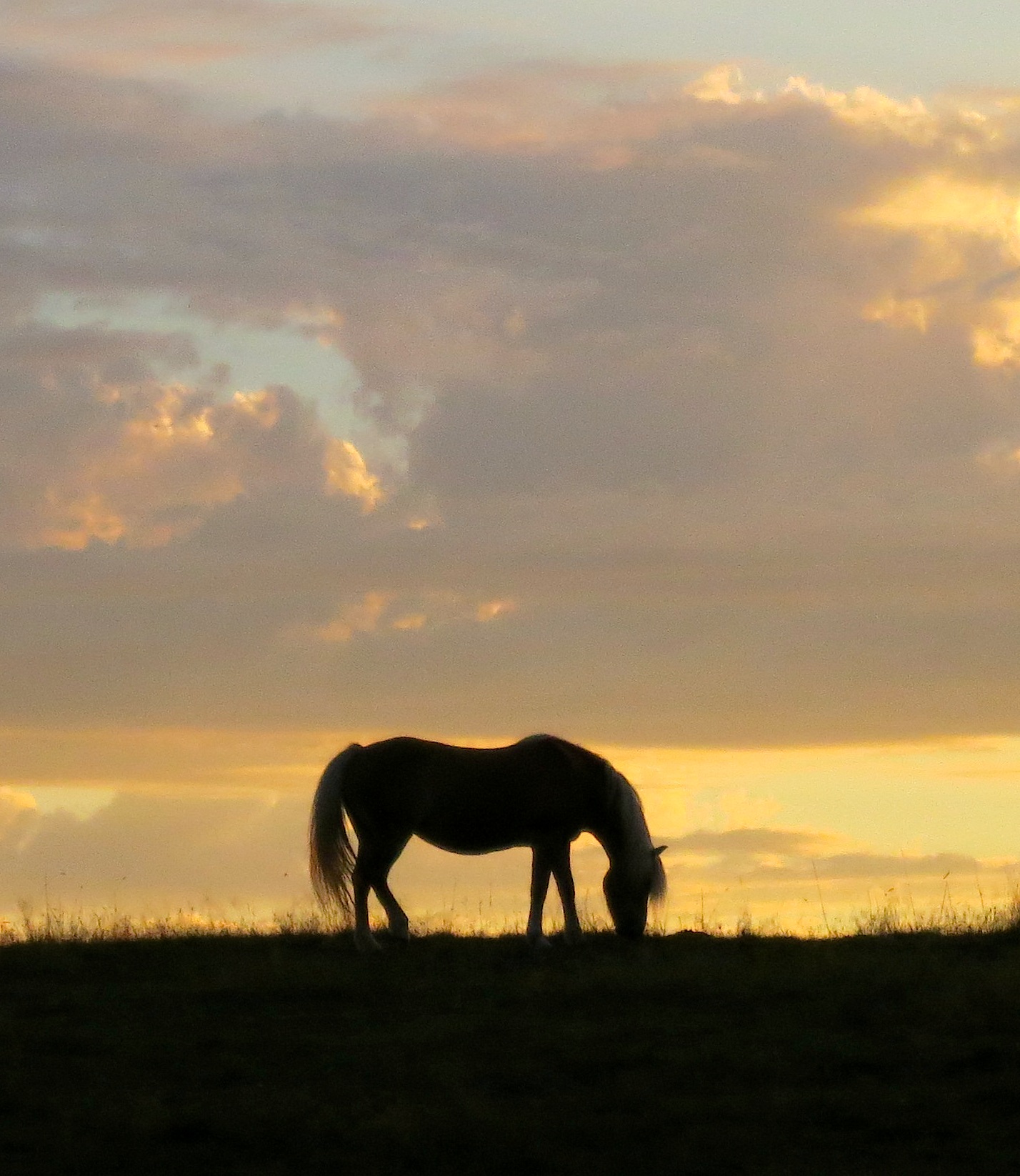
Because I have come to the fence at night, the horses arrive also from their ancient stable. They let me stroke their long faces, and I note in the light of the now-merging moon
how they, a Morgan and a Quarter, have been by shake-guttered raindrops spotted around their rumps and thus made Appaloosas, the ancestral horses of this place.
Maybe because it is night, they are nervous, or maybe because they too sense what they have become, they seem to be waiting for me to say something
to whatever ancient spirits might still abide here, that they might awaken from this strange dream, in which there are fences and stables and a man who doesn’t know a single word they understand. ~Robert Wrigley “After a Rainstorm”from Beautiful Country
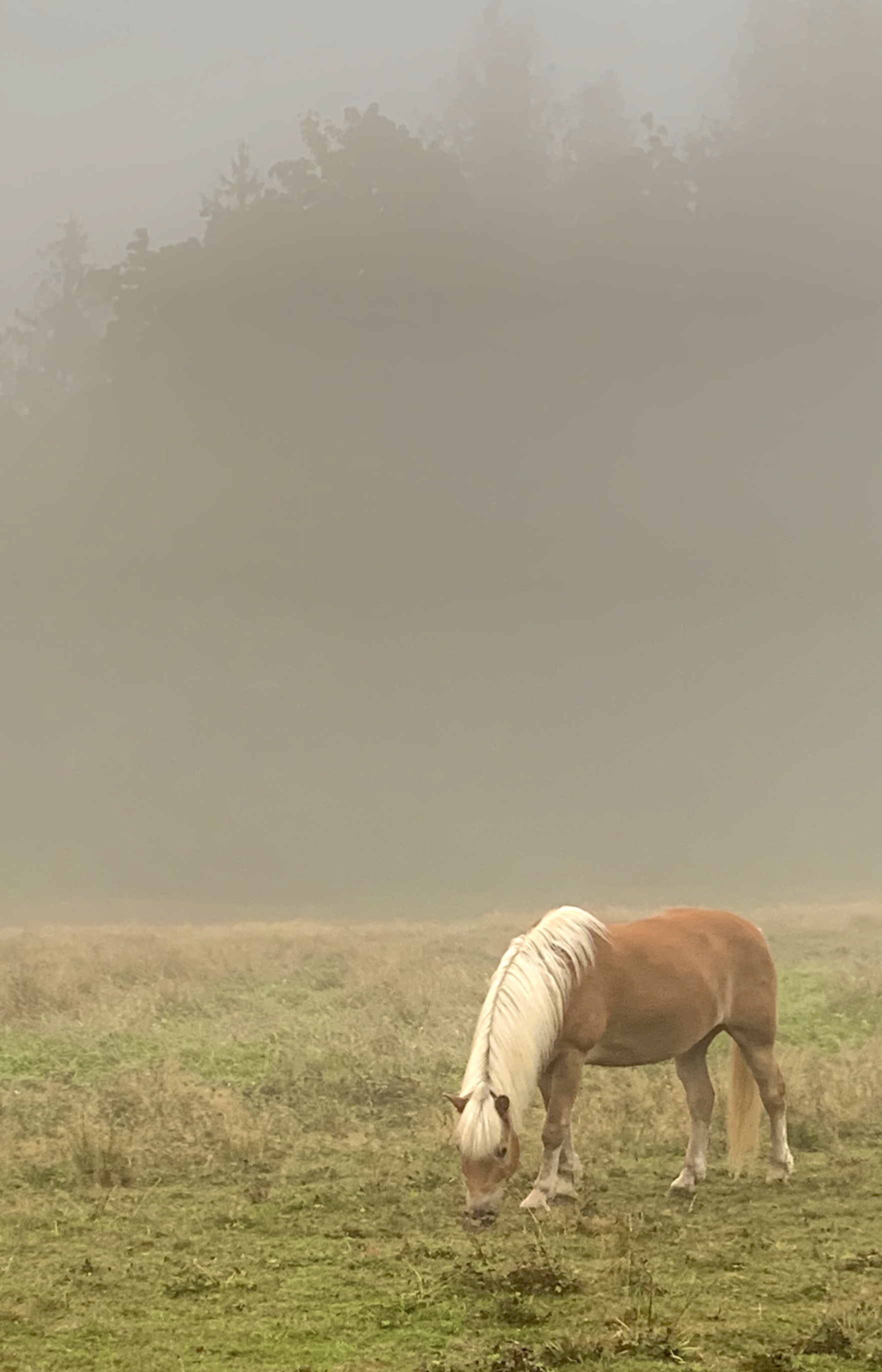
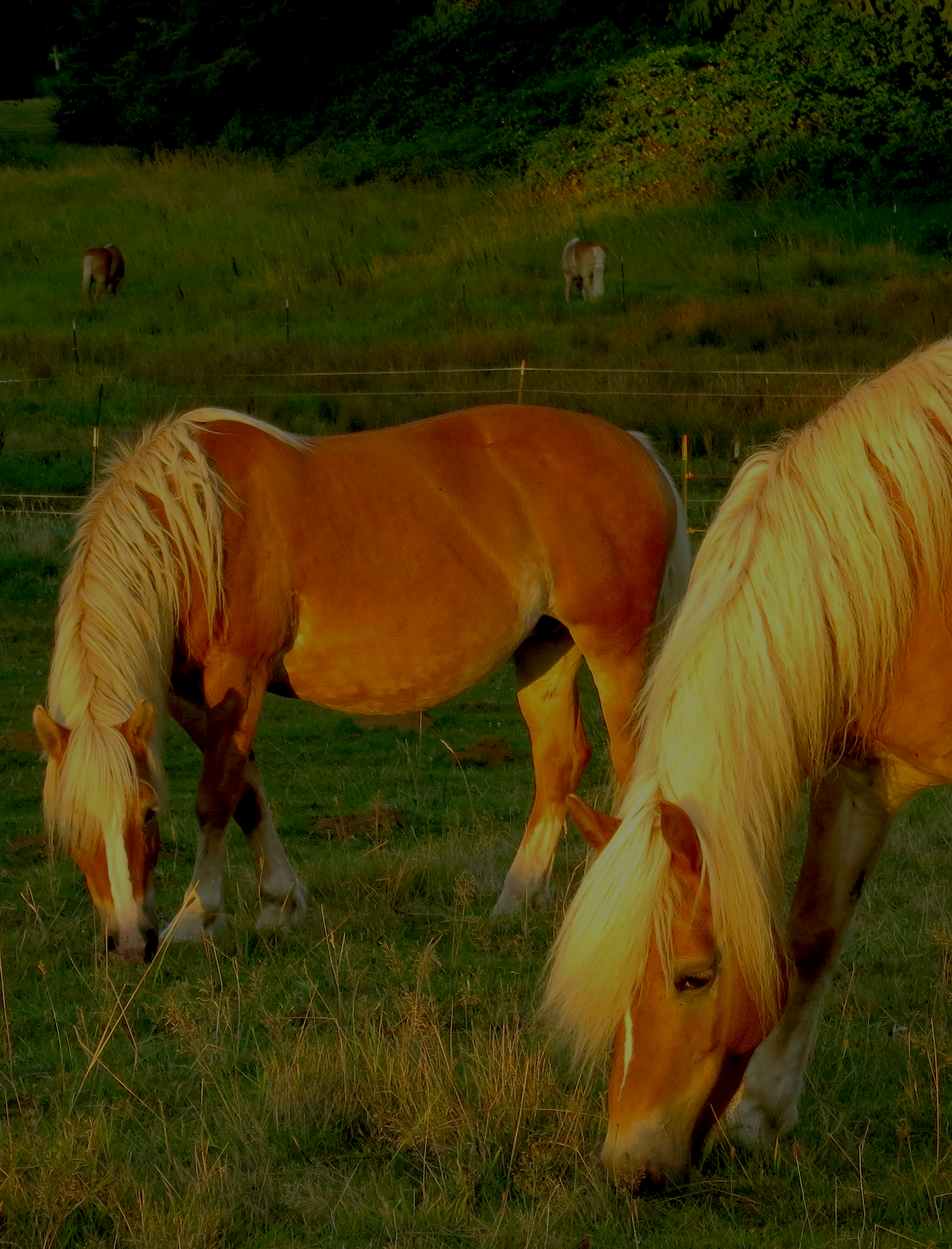
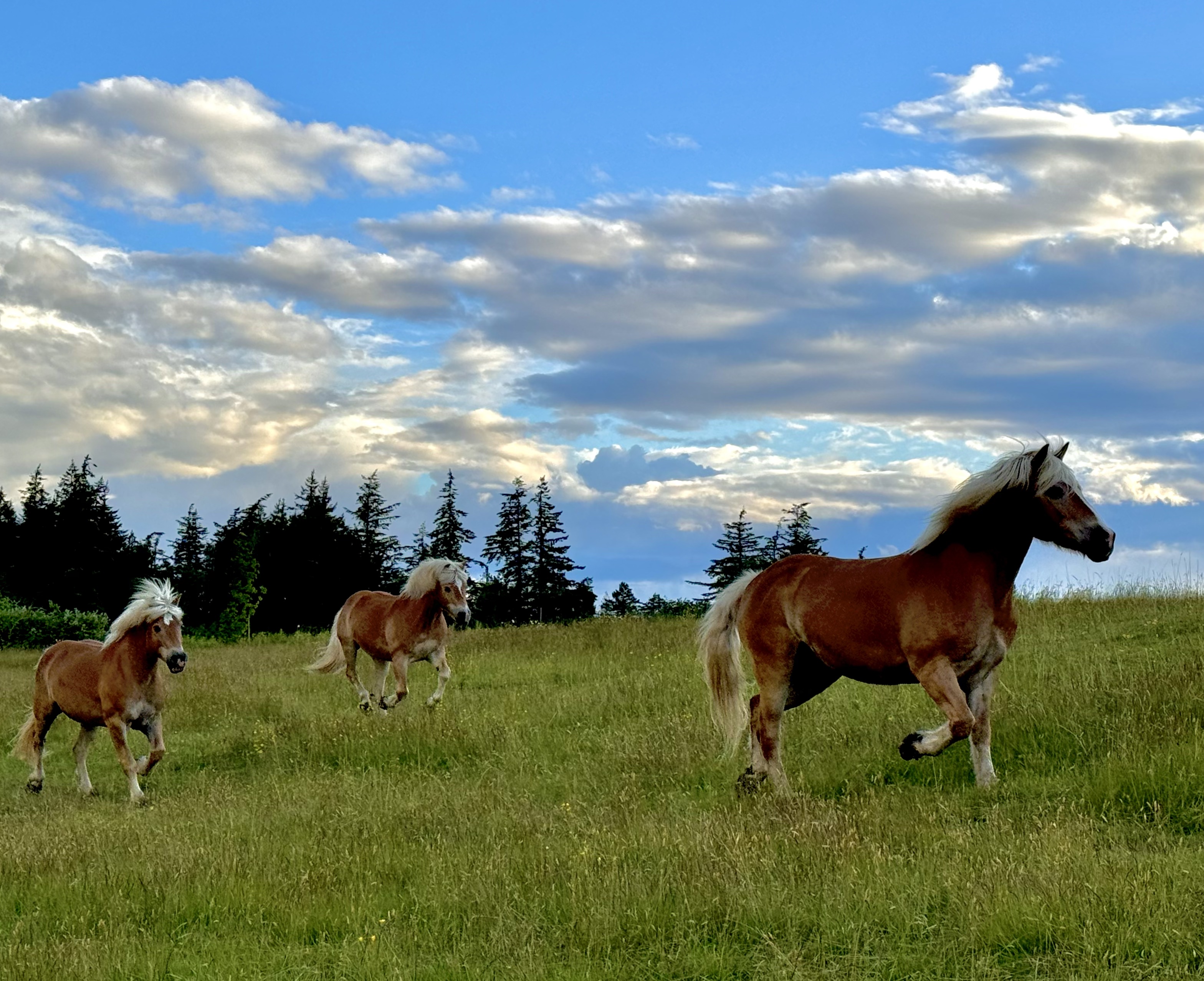
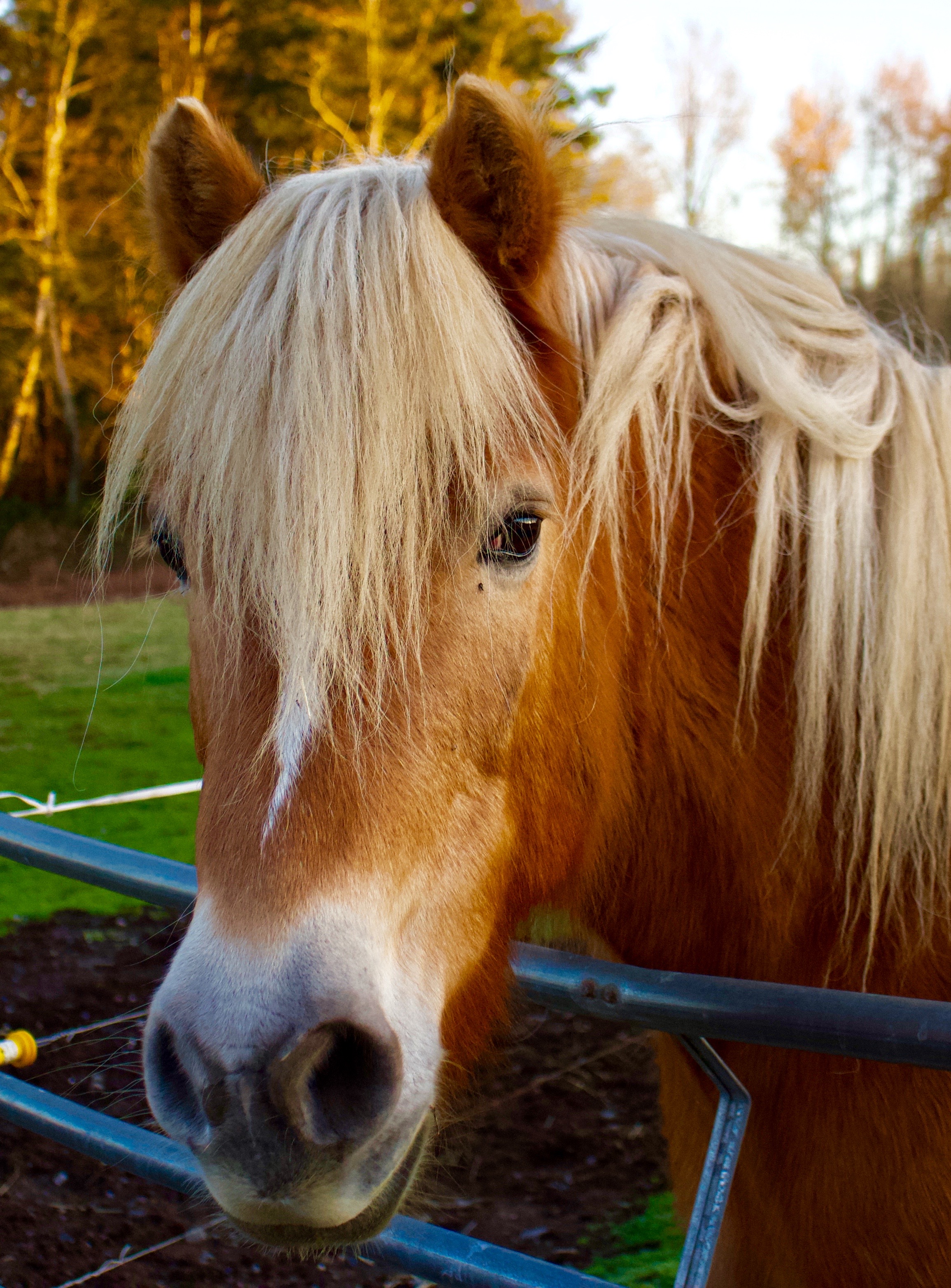
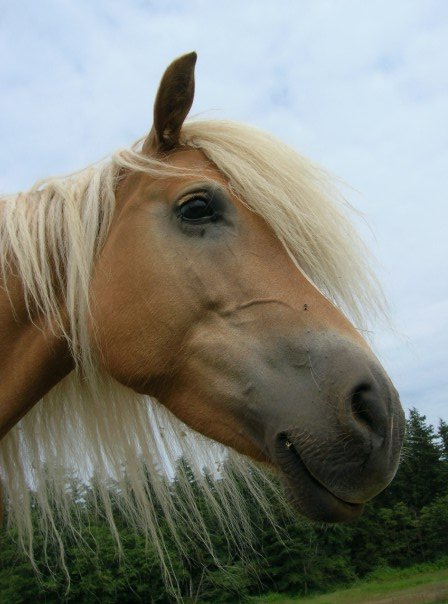
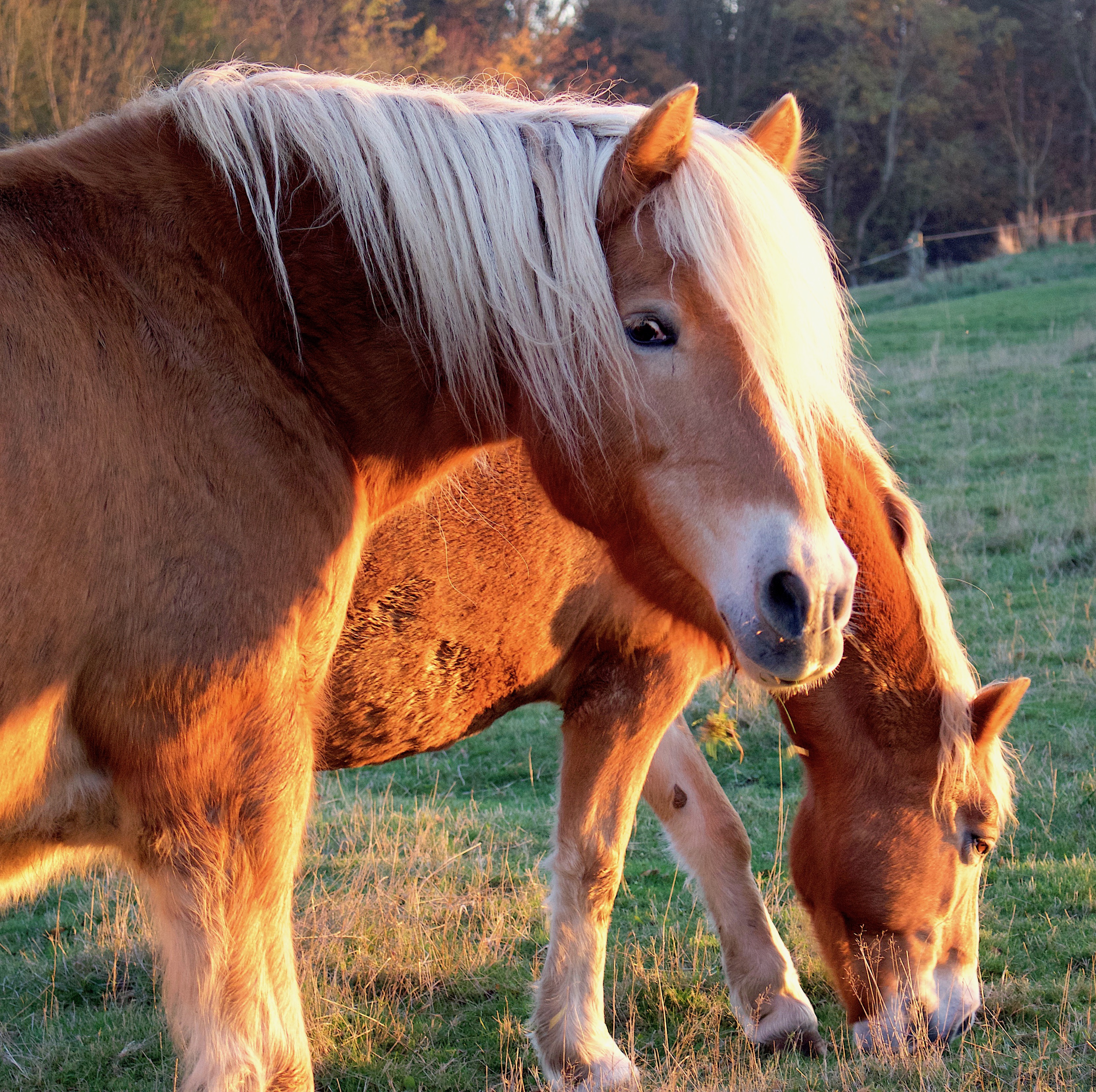
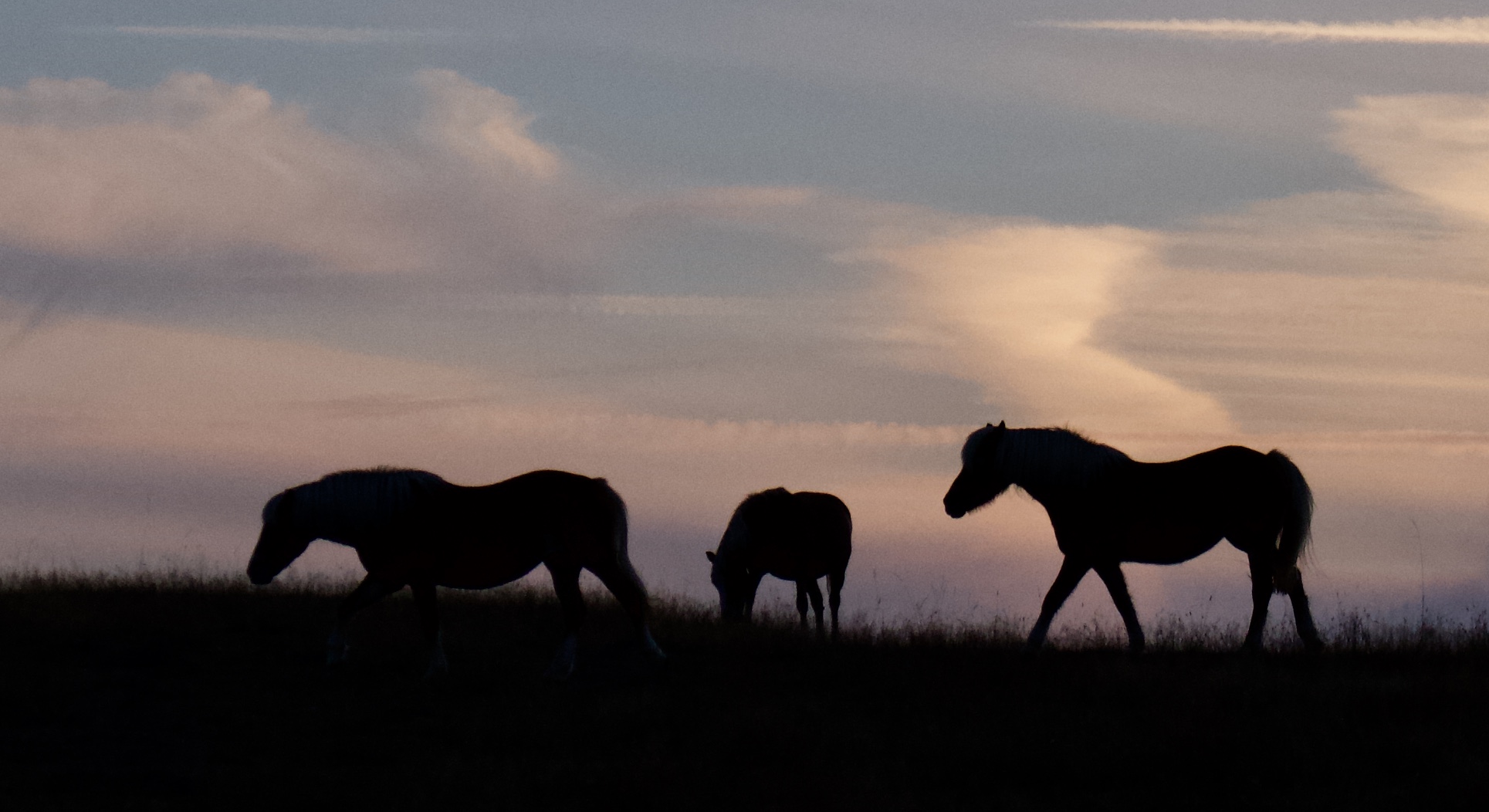
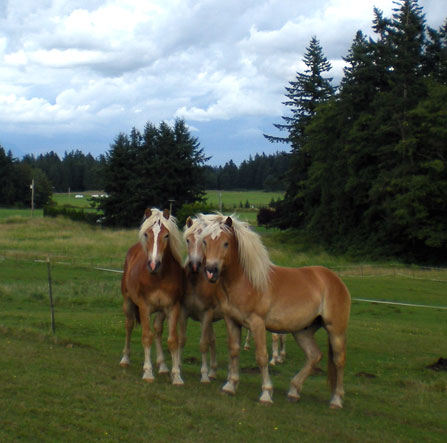
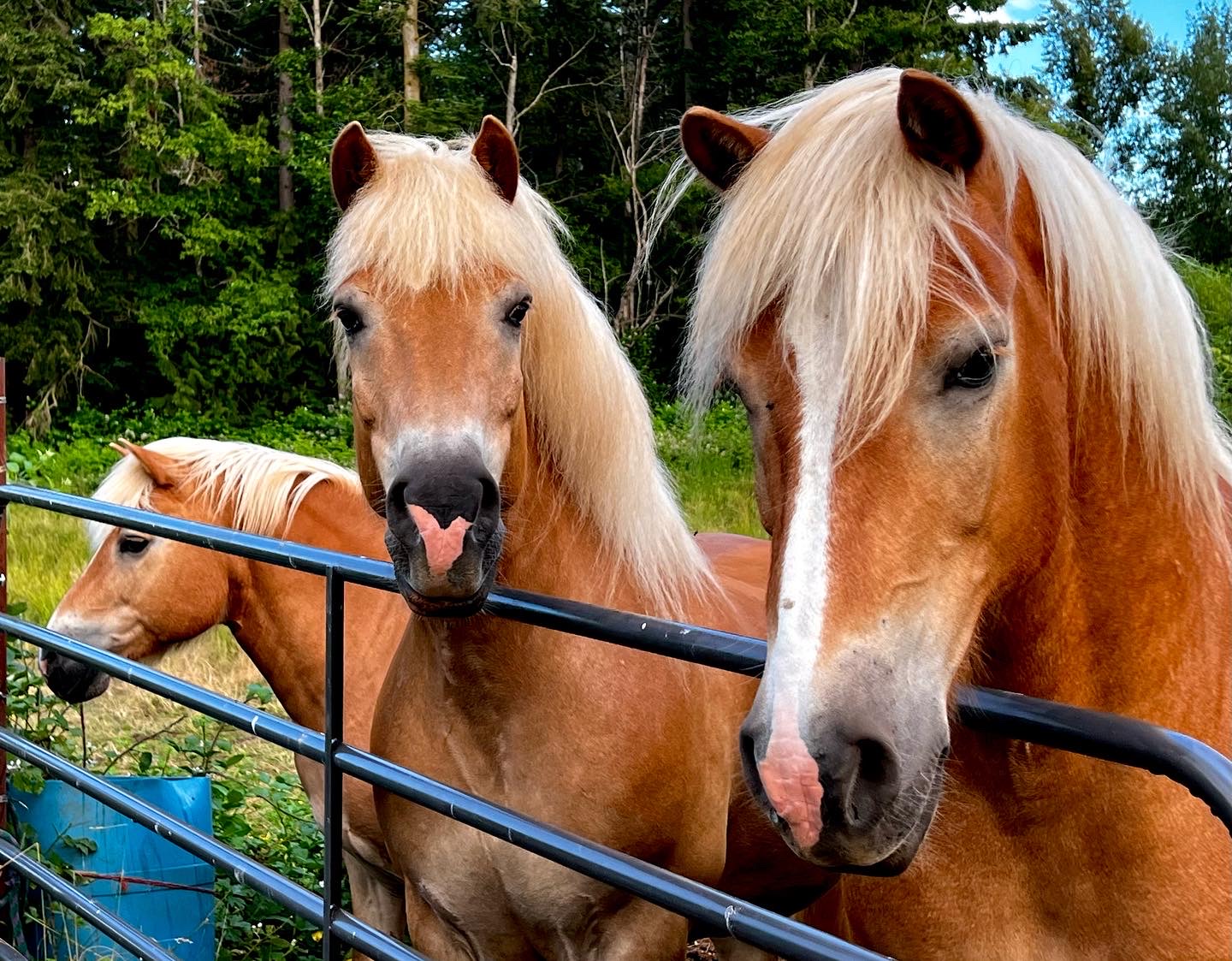
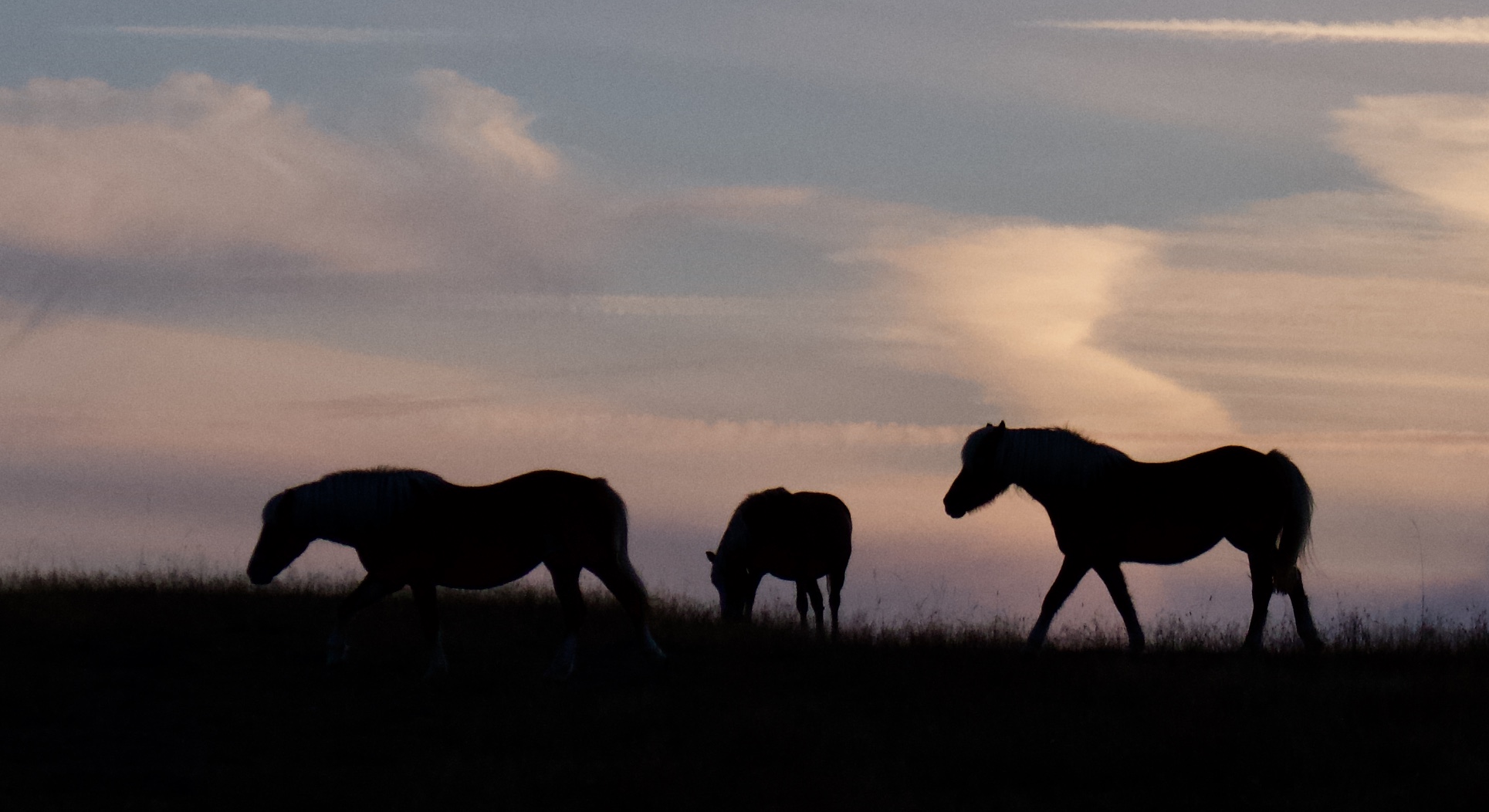
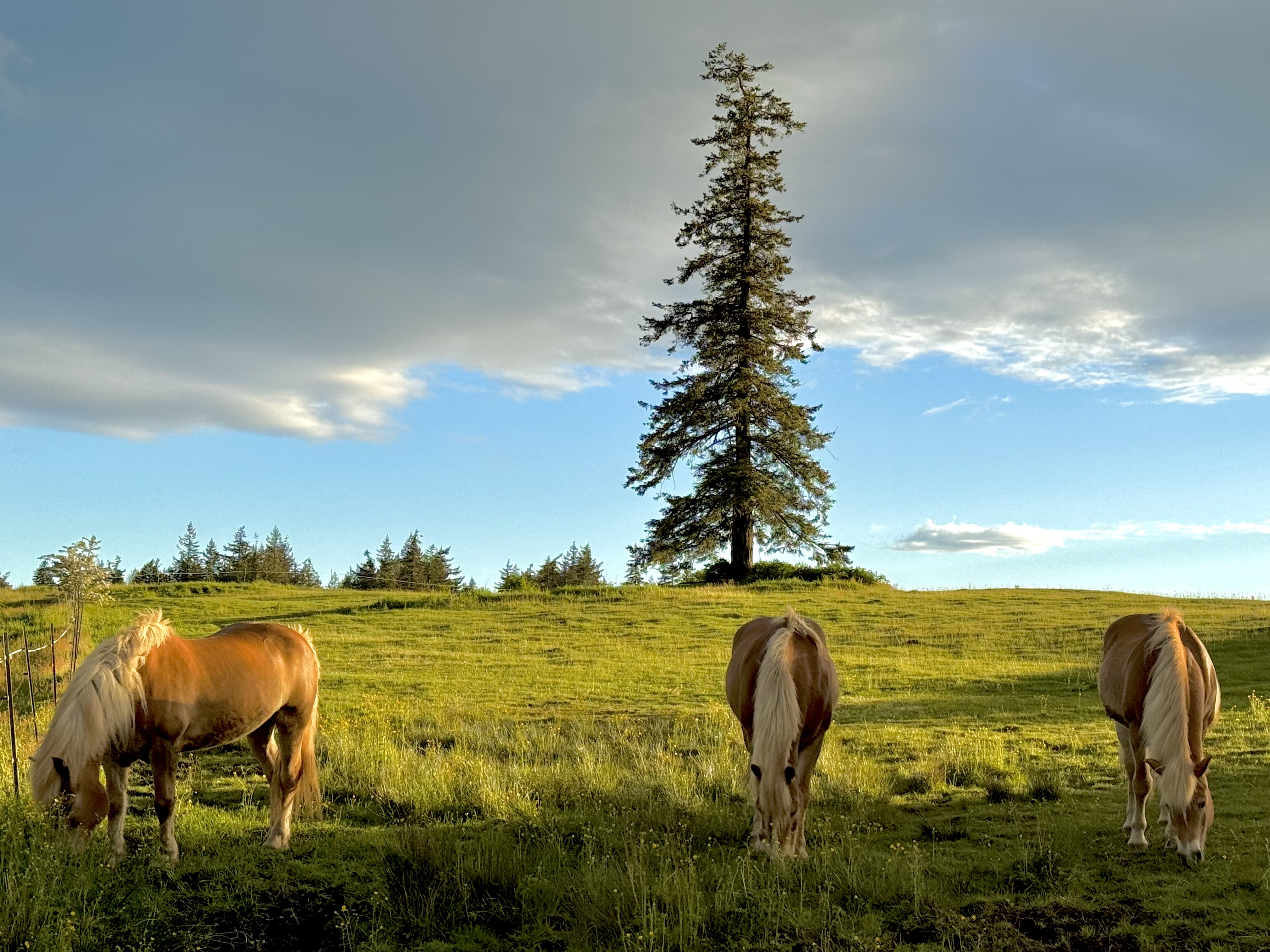
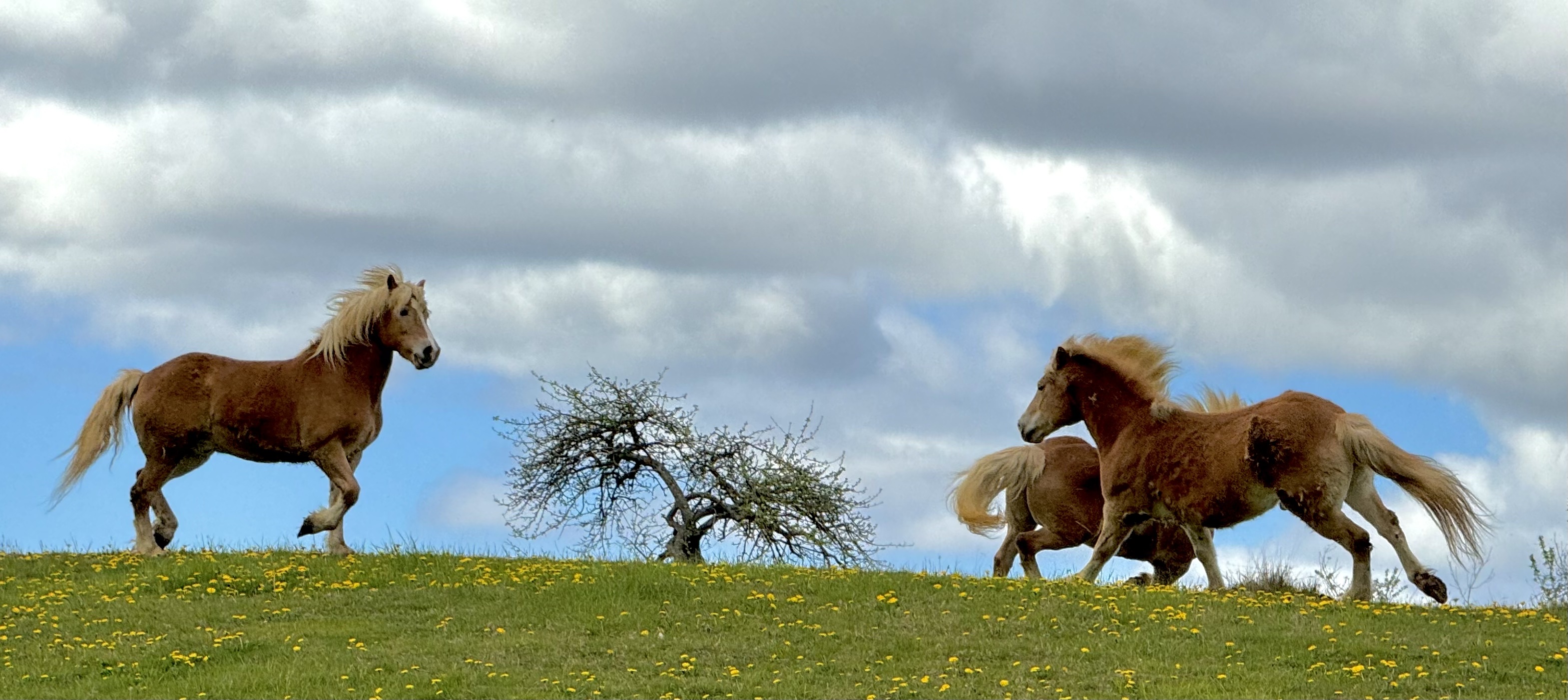
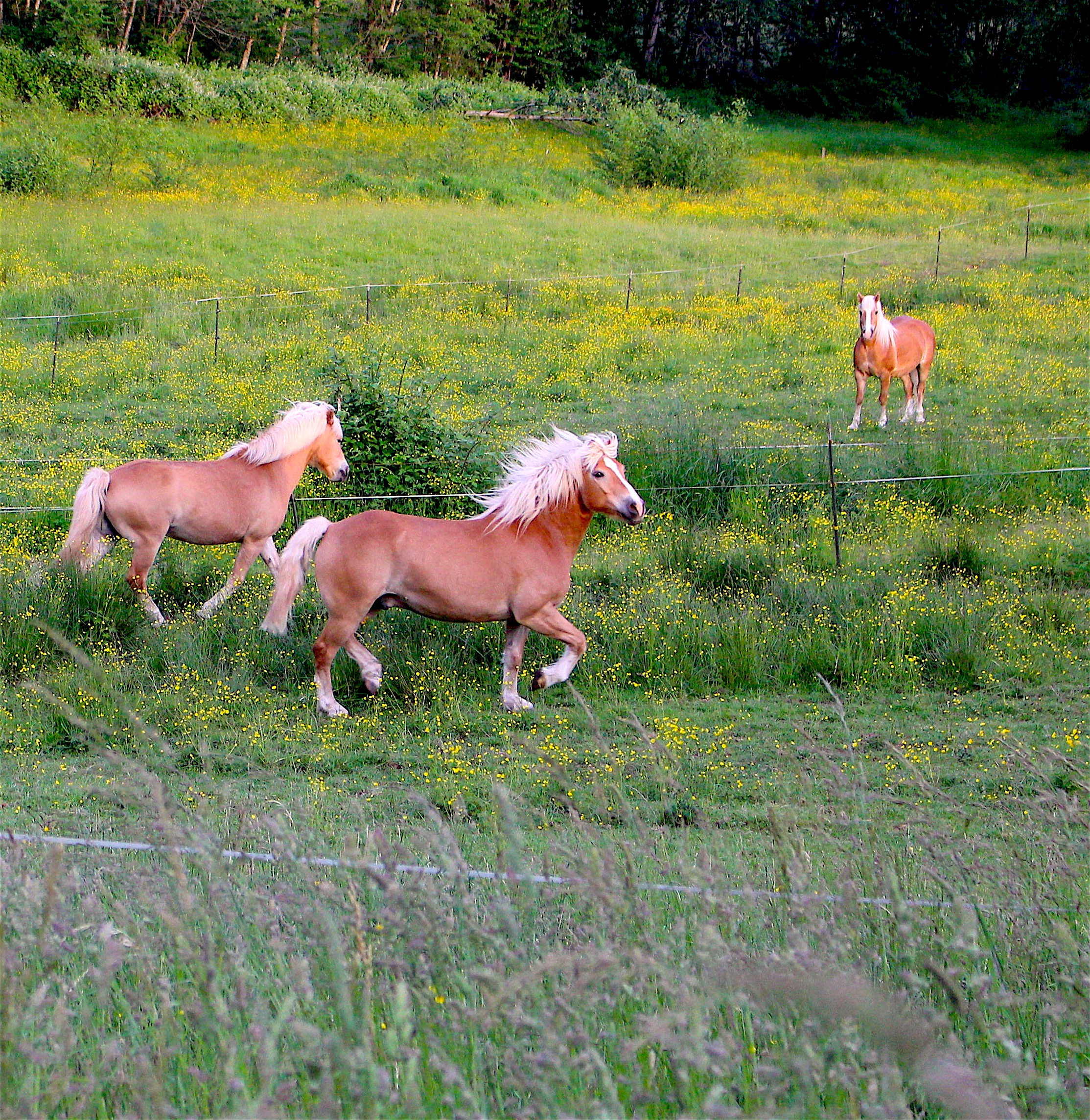
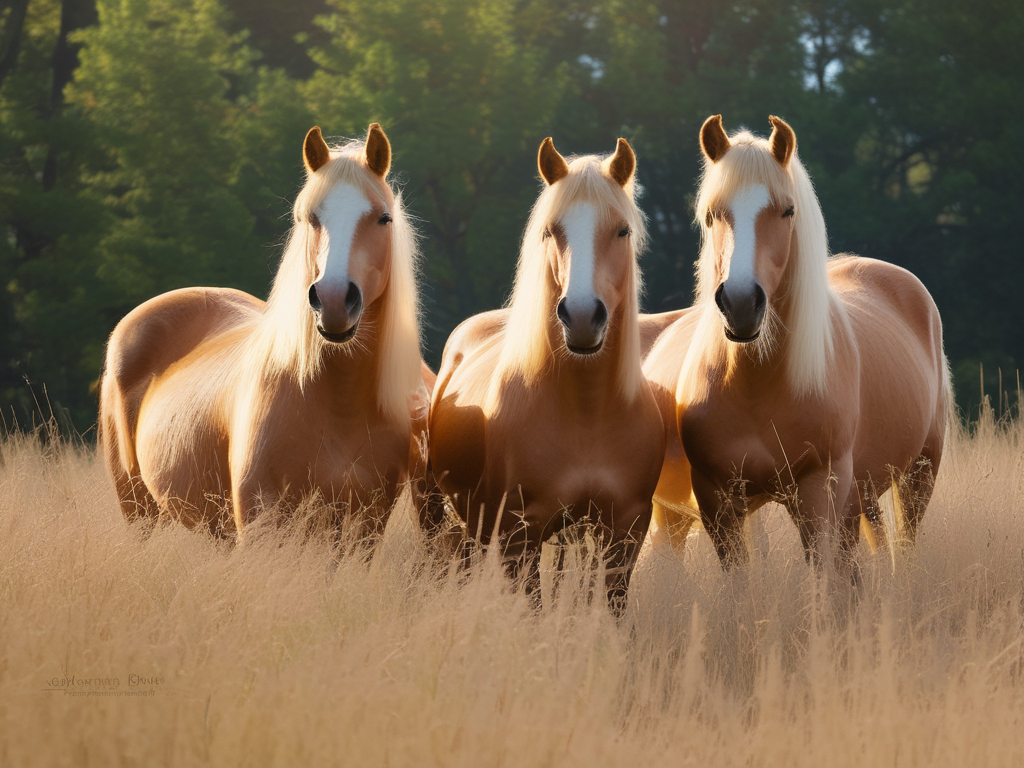
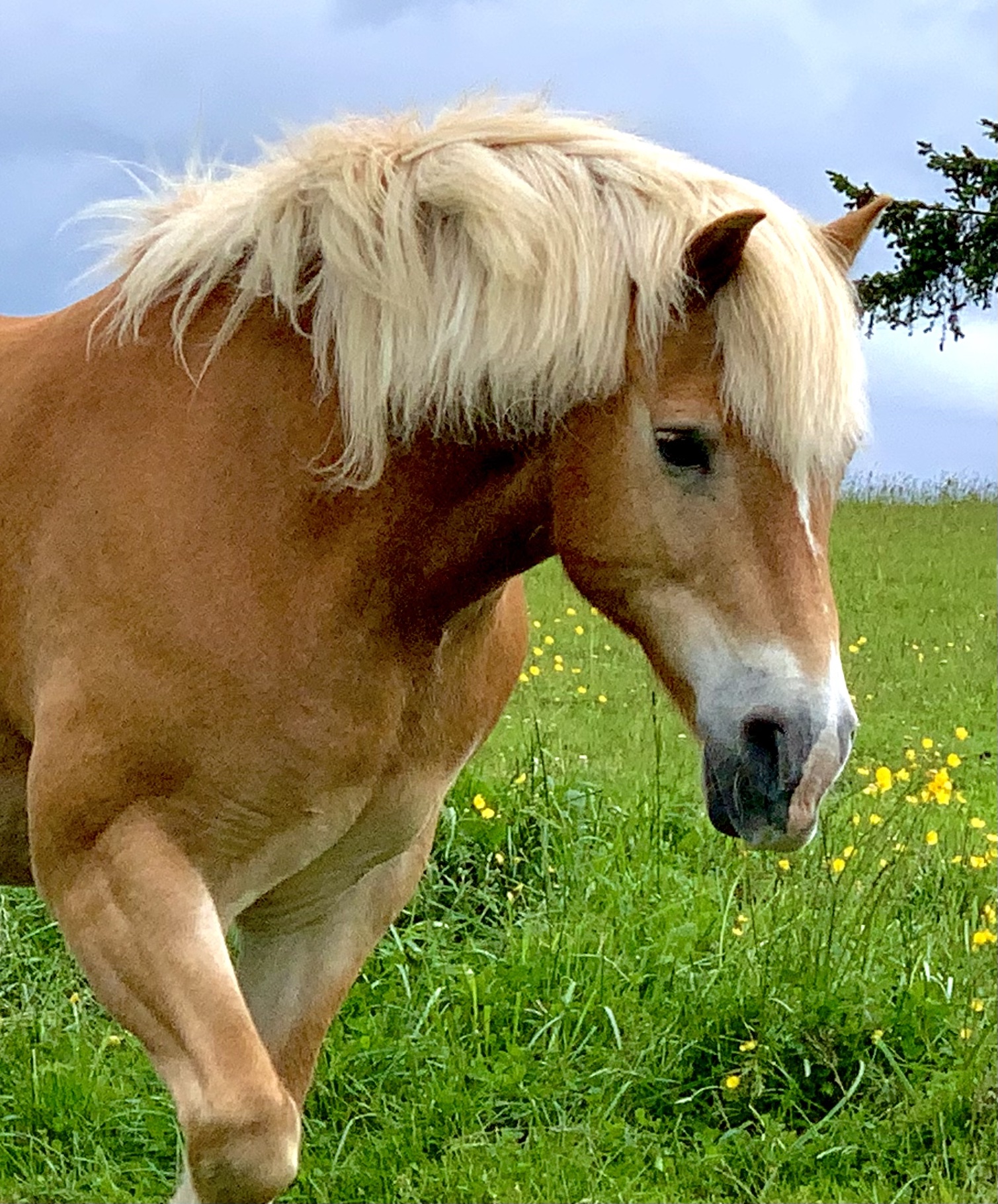
During our three decades of Haflinger horse ownership, I figured out long ago that Haflingers must have a migration center in their brain that tells them that it is time to move on to other territory – a move based on quality of forage, the seasons, or maybe simply a sudden urge for a change in scenery. This thrifty mountain breed adapted over hundreds of years to living in rather sparse Alpen meadows. They needed to move on to another feeding area enmasse on a pretty regular basis, or when the weather was starting to get crummy.
Or perhaps the next valley over had a better view, who knows? Trouble is, my Haflingers seem to have the desire to “move to other pastures” even if the grass in their own territory is plentiful and the view is great. And there doesn’t seem to be much in the way of natural or man-made barrier that will discourage them.
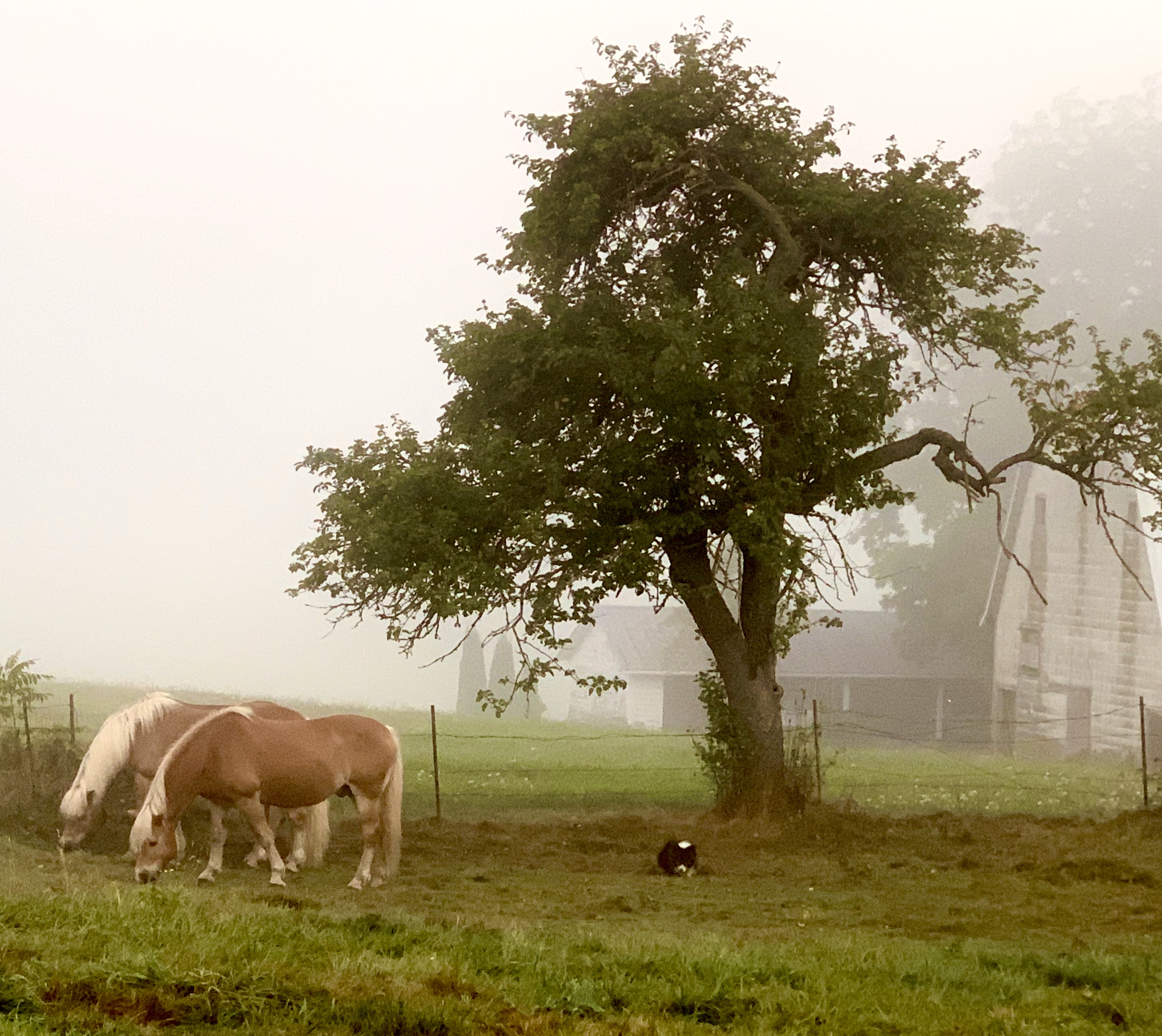
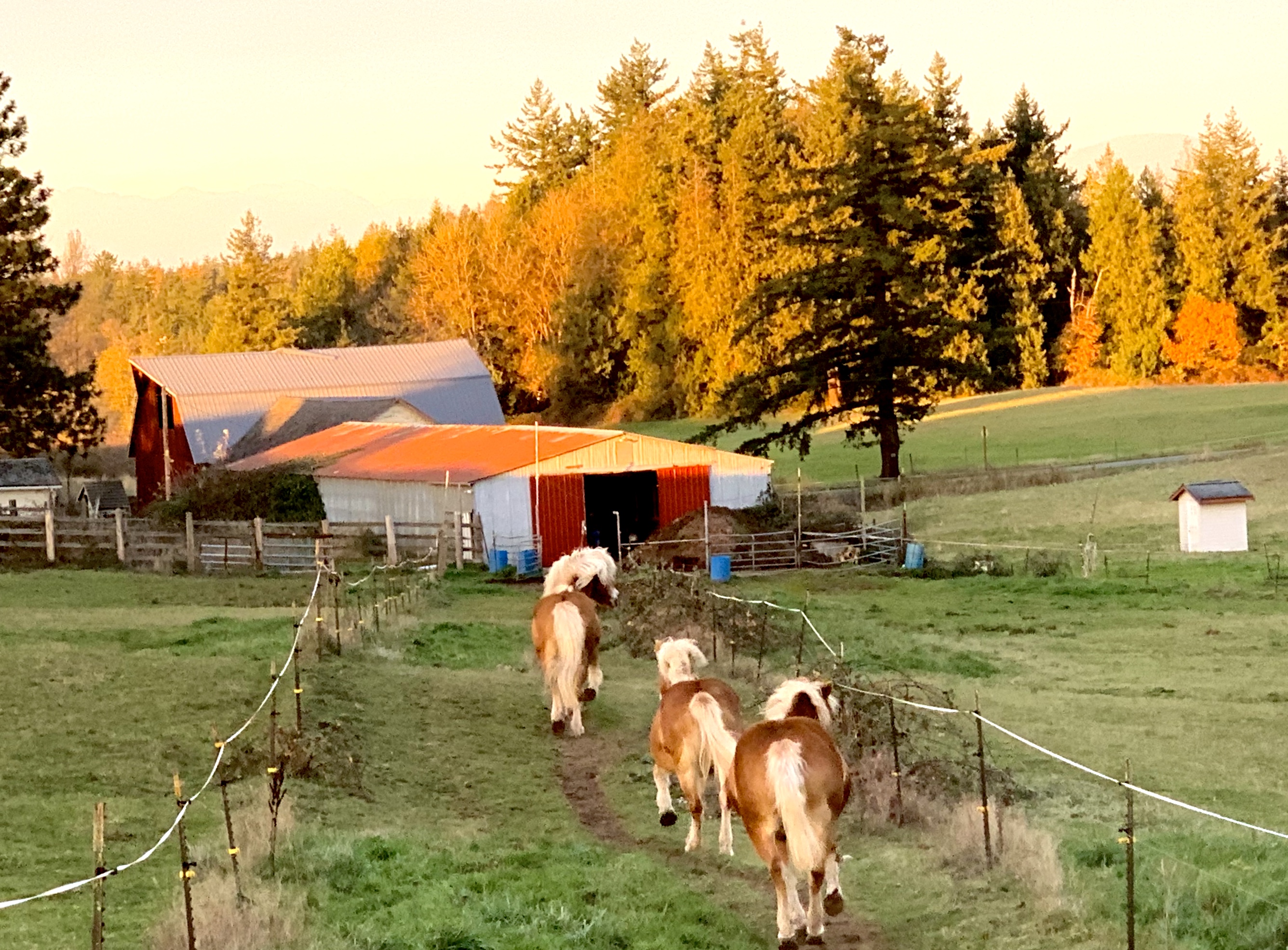
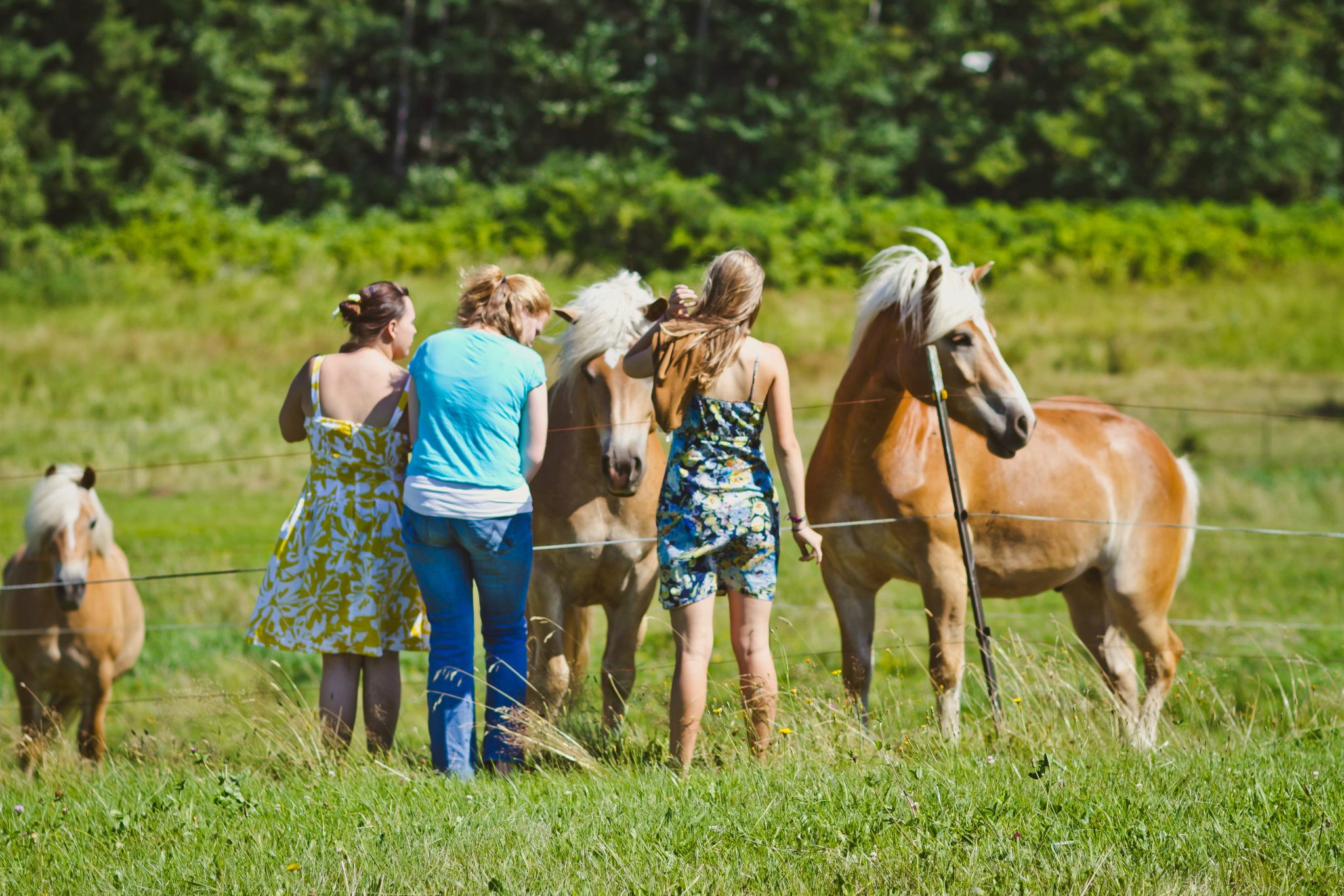
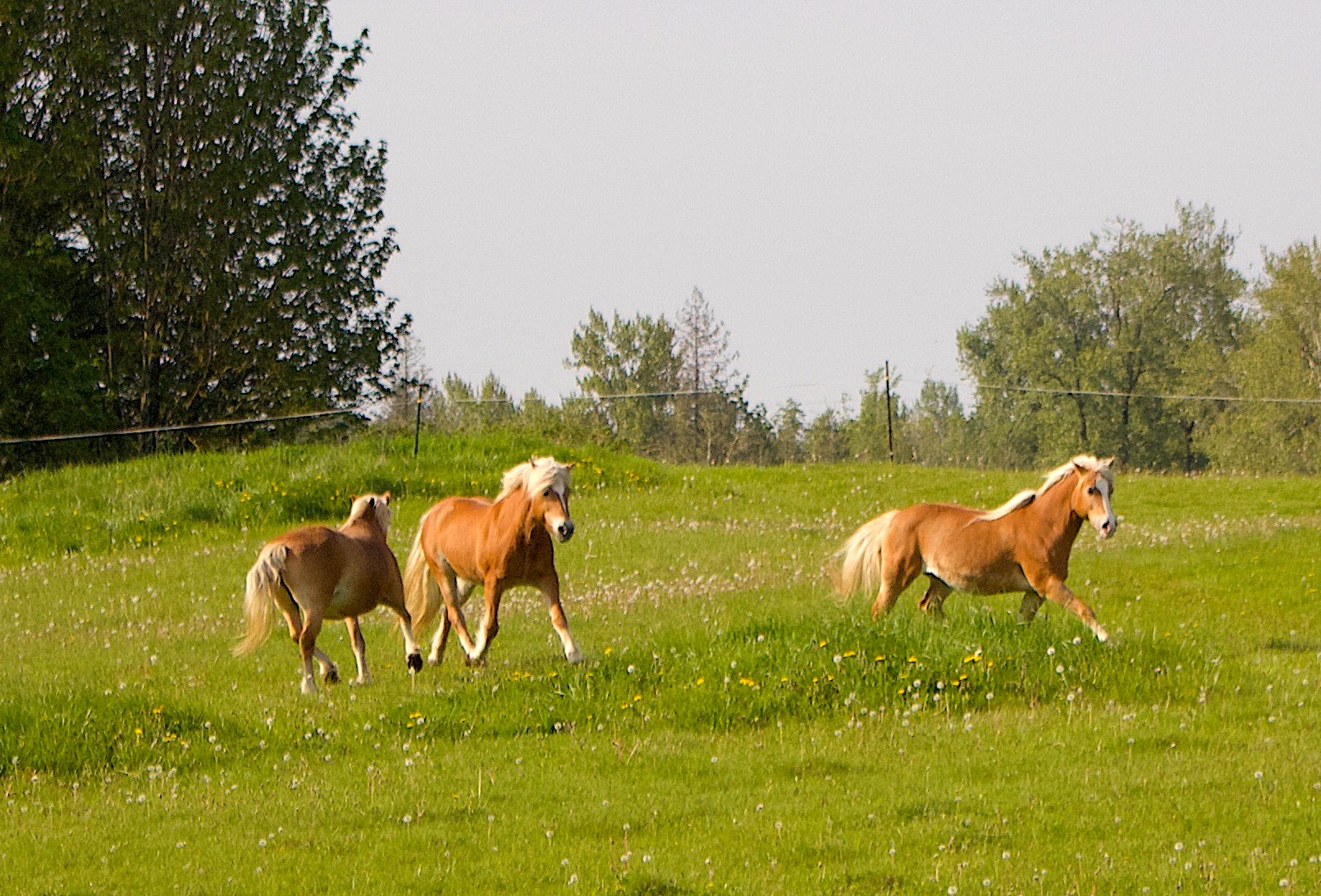
I have a trio of geldings I dub the “Three Musketeers”) who are particularly afflicted with wanderlust. There is not a field yet that has held them when they decide together that it is time to move on. We are a hotwire and white tape fenced farm–something that has worked fairly well over the years, as it is inexpensive, easily repaired and best of all, easily moved if we need to change the fencing arrangement in our pasture rotation between five different 2 acre pastures.
Previous generations of Haflingers have tested the hotwire and learned not to bother it again. No problem.
But not the Three Musketeers.
They know when the wire is grounding out somewhere, so the current is low. They know when the weather is so dry that conduction is poor through the wire. They know when I’ve absent-mindedly left the fencer unplugged because I’ve had someone visit and we wanted to climb unshocked through the fences to walk from field to field.
These three actually have little conferences out in the field together about this. I’ve seen them huddled together, discussing their strategy, and fifteen minutes later, I’ll look out my kitchen window and they are in another field altogether and the wire and tape is strewn everywhere and there’s not a mark on any of them. Even more mysteriously, often I can’t really tell where they made their escape as they leave no trace–I think one holds up the top wire with his teeth and the others carefully step over the bottom wire. I’m convinced they do this just to make me crazy.
Last night, when I brought them in from a totally different field from where they had started in the morning, they all smirked at me as they marched to their stalls as if to say, “guess what you have waiting for you out there.” It was too dark to survey the damage last night but I got up extra early to check it out this morning before I turned them out again.
Sure enough, in the back corner of the field they had been put in yesterday morning, (which has plenty of grass), the tape had been stretched, but not broken, and the wires popped off their insulators and dragging on the ground and in a huge tangled mass. I enjoyed 45 minutes of Pacific Northwest summer morning putting it all back together. Then I put them out in the field they had escaped to last night, thinking, “okay, if you like this field so well, this is where you’ll stay”.
Tonight, they were back in the first field where they started out yesterday morning. Just to prove they could do it. They are thoroughly enjoying this sport. I’m ready to buy a grand poobah mega-wattage fry-their-whiskers fence charger.
But then, I’d be spoiling their fun and their travels. As long as they stay off the road, out of our garden, and out of my kitchen, they can have the run of the place. I too remember being afflicted with wanderlust, long long ago, and wanting to see the big wide world, no matter what obstacles had to be overcome or shocks I had to endure to get there. And I got there after all that trouble and effort and realized that home was really where I wanted to be.
Now, prying me away from my little corner of the world gets more difficult every year. I hope my Haflinger trio will eventually decide that staying home is the best thing after all. Maybe they will listen to what I have to say this time.
AI image created for this post
One-Time
Monthly
Yearly
Make a one-time or recurring donation to support daily Barnstorming posts
Who would have thought it possible that a tiny little flower could preoccupy a person so completely that there simply wasn’t room for any other thought? ~ Sophie Scholl from At the Heart of the White Rose
Little flower, but if I could understand what you are, root and all in all, I should know what God and man is. ~ Tennyson
There are days we live as if death were nowhere in the background; from joy to joy to joy, from wing to wing, from blossom to blossom to impossible blossom, to sweet impossible blossom. ~Li-Young Lee from “From Blossoms”
Summer was our best season: it was sleeping on the back screened porch in cots, or trying to sleep in the tree house; summer was everything good to eat; it was a thousand colors in a parched landscape… ~Harper Lee from “To Kill a Mockingbird”
I seek relief anywhere it can be found: this parched political landscape so filled with anger and lashing out, division and distrust, discouragement and disparity.
I want to be otherwise preoccupied with the medley of beauty around me, so there can be no room for other thoughts.
How is it? — for thousands of years and in thousands of ways, God still loves man even when we turn from Him.
I want to revel in the impossible possible, in the variegated mosaic of grace prepared to bloom so bountifully in an overwhelming tapestry of unity, between man and man, and man and God.
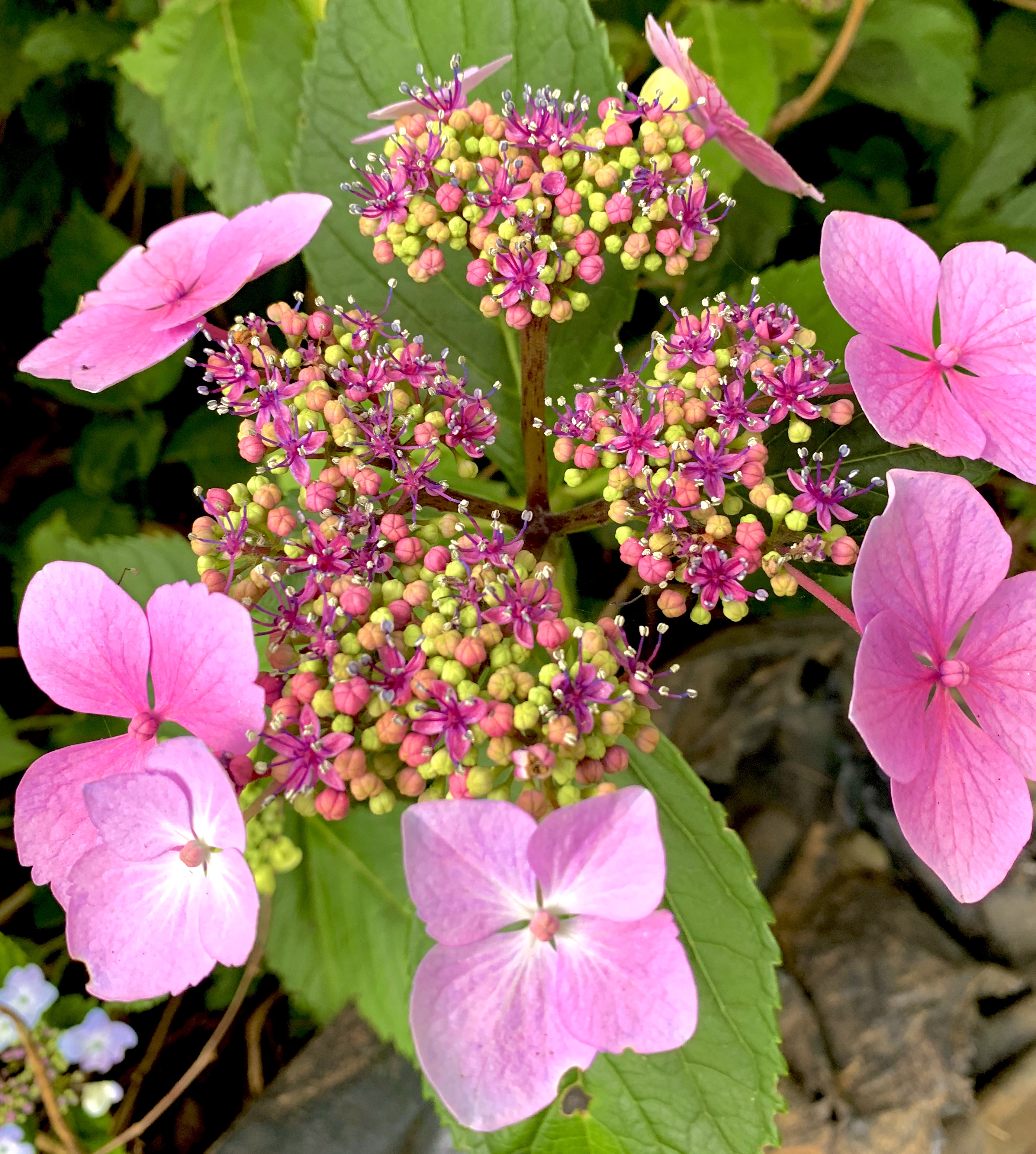
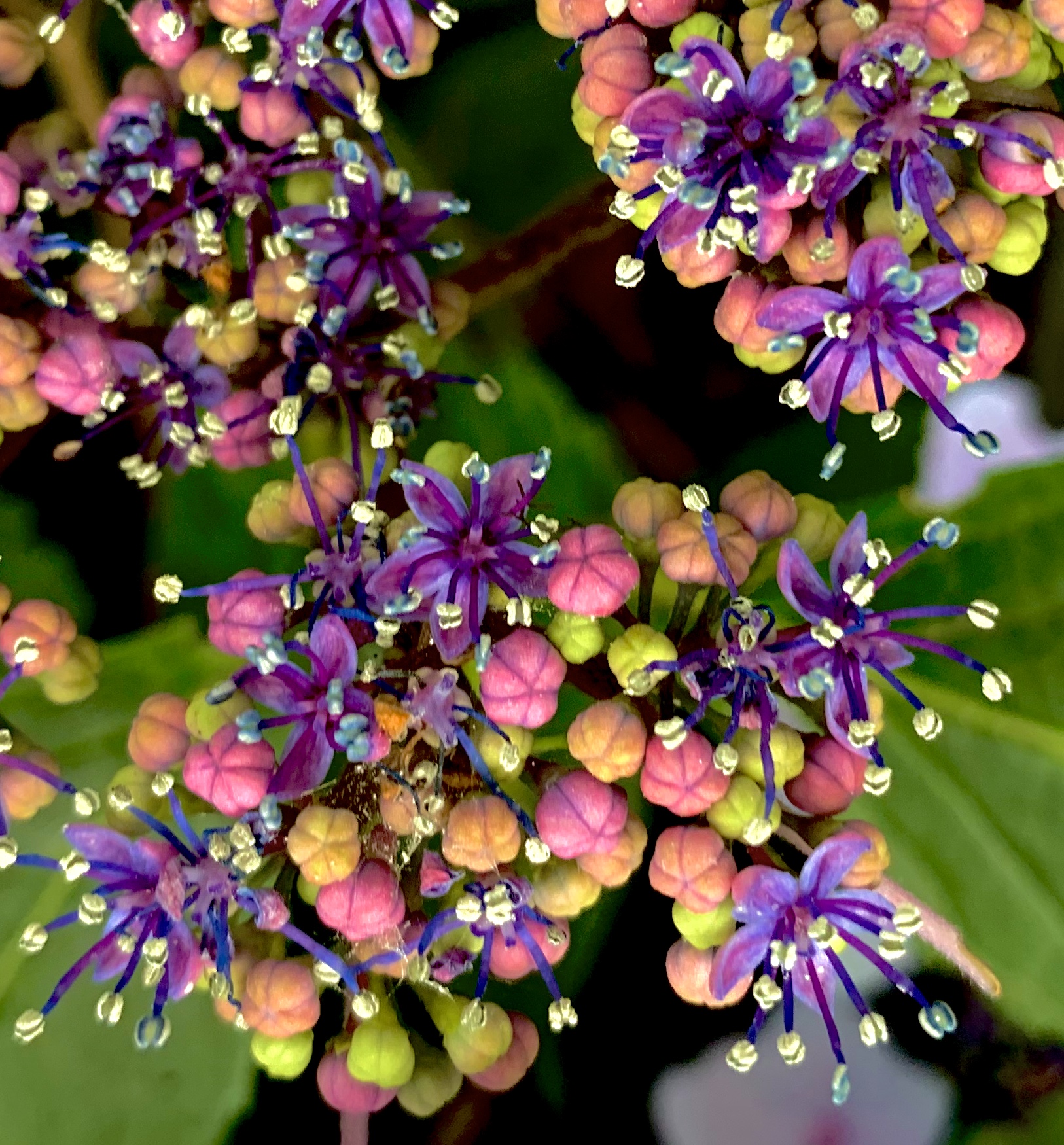
AI image created for this post
One-Time
Monthly
Yearly
Make a one-time or recurring donation to support daily Barnstorming posts
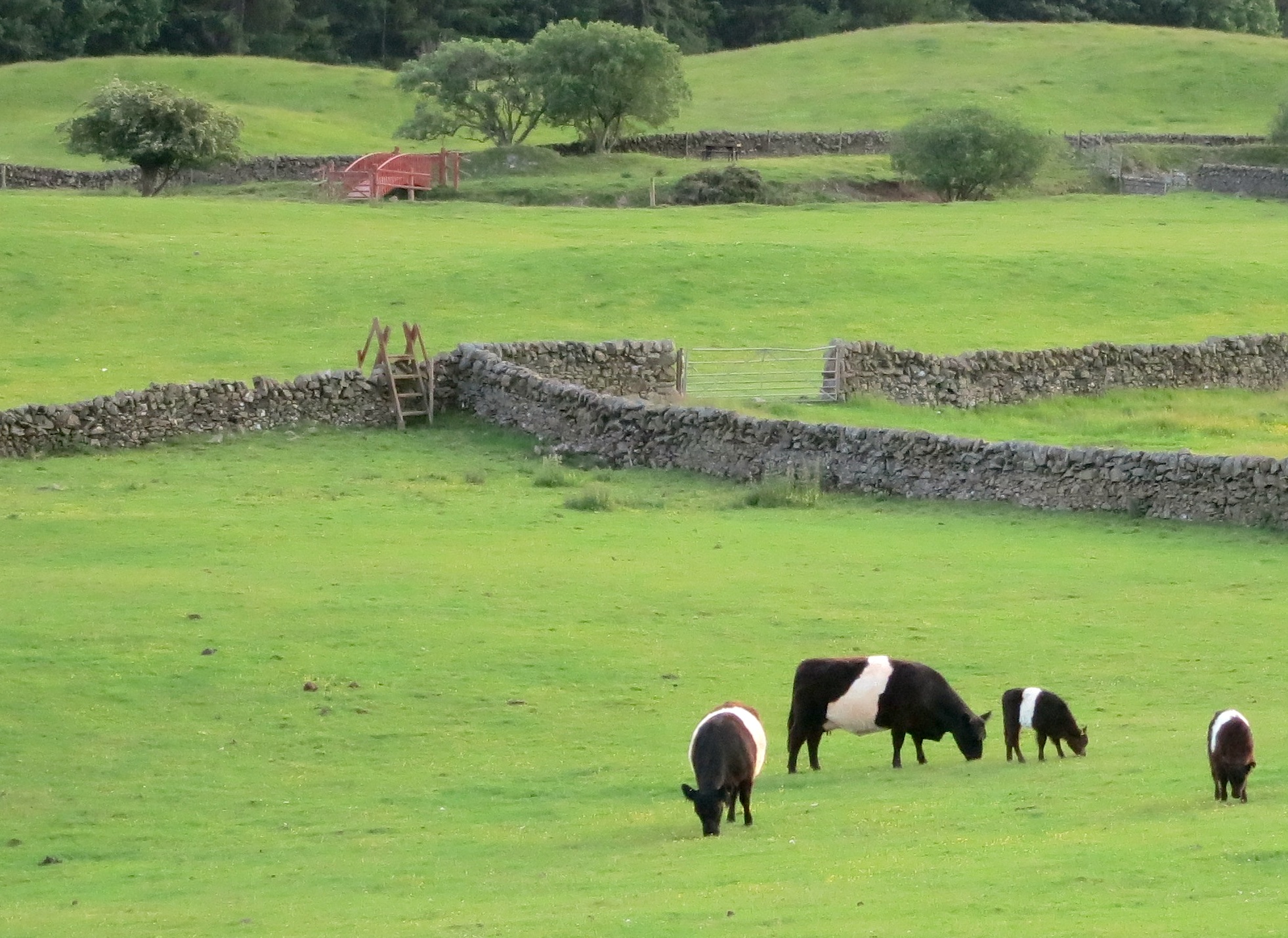
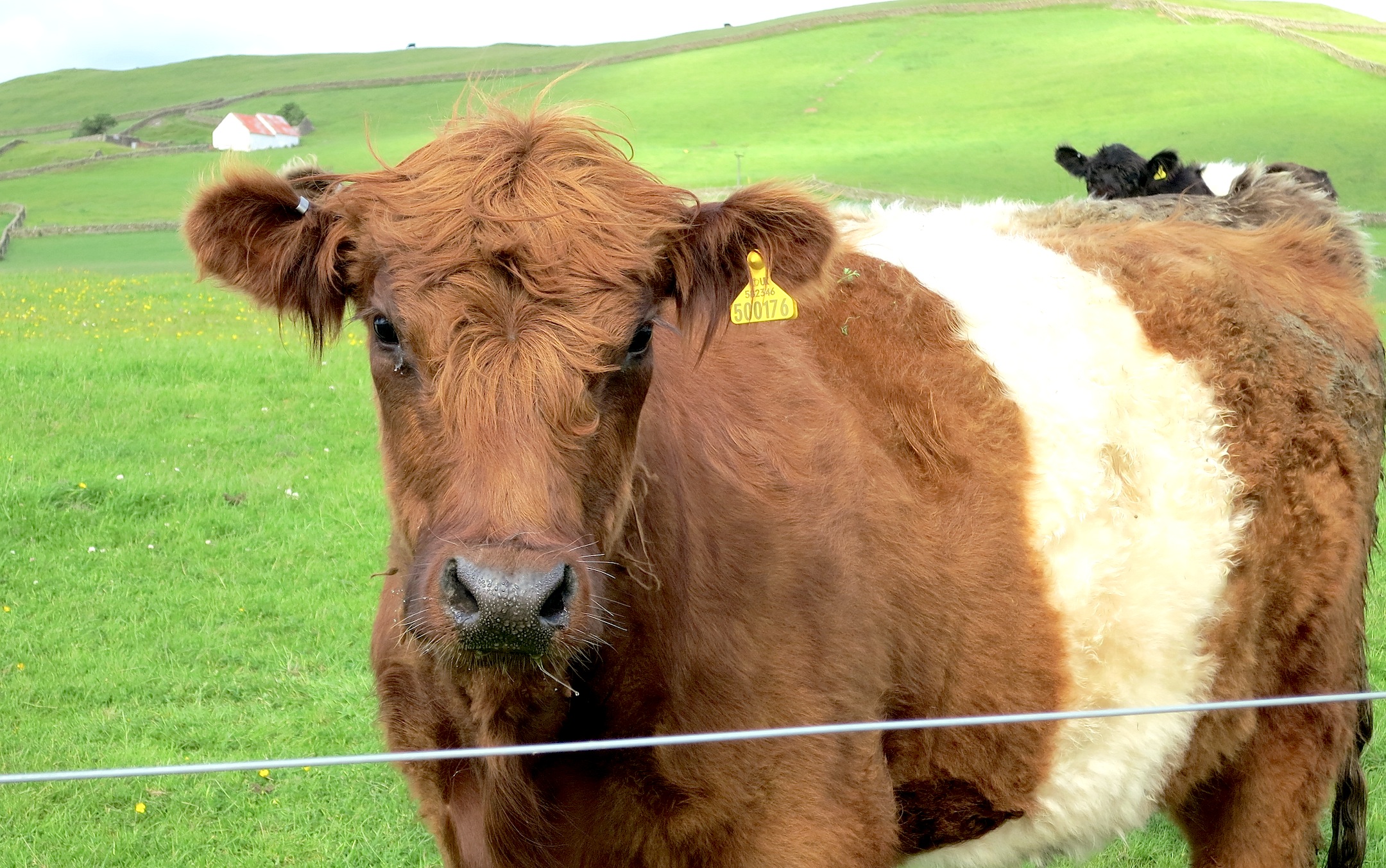
There were a few dozen who occupied the field across the road from where we lived, stepping all day from tuft to tuft, their big heads down in the soft grass, though I would sometimes pass a window and look out to see the field suddenly empty as if they had taken wing, flown off to another country.
Then later, I would open the blue front door, and again the field would be full of their munching or they would be lying down on the black-and-white maps of their sides, facing in all directions, waiting for rain. How mysterious, how patient and dumbfounded they appear in the long quiet of the afternoon.
But every once in a while, one of them would let out a sound so phenomenal that I would put down the paper or the knife I was cutting an apple with and walk across the road to the stone wall to see which one of them was being torched or pierced through the side with a long spear.
Yes, it sounded like pain until I could see the noisy one, anchored there on all fours, her neck outstretched, her bellowing head laboring upward as she gave voice to the rising, full-bodied cry that began in the darkness of her belly and echoed up through her bowed ribs into her gaping mouth.
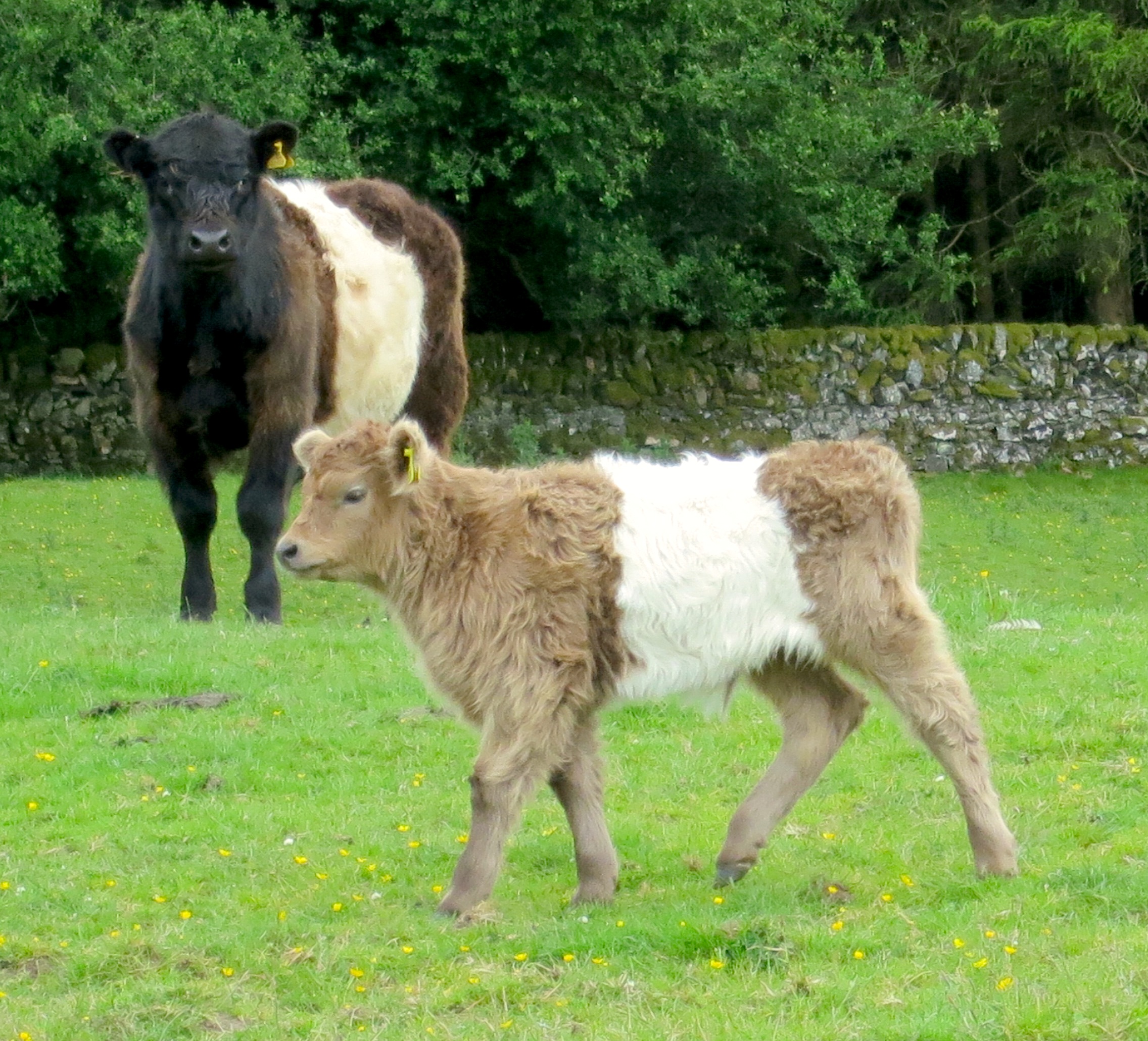
Then I knew that she was only announcing the large, unadulterated cowness of herself, pouring out the ancient apologia of her kind to all the green fields and the gray clouds, to the limestone hills and the inlet of the blue bay, while she regarded my head and shoulders above the wall with one wild, shocking eye. ~Billy Collins “Afternoon with Irish Cows”
In recognition of Cow Appreciation Day today:
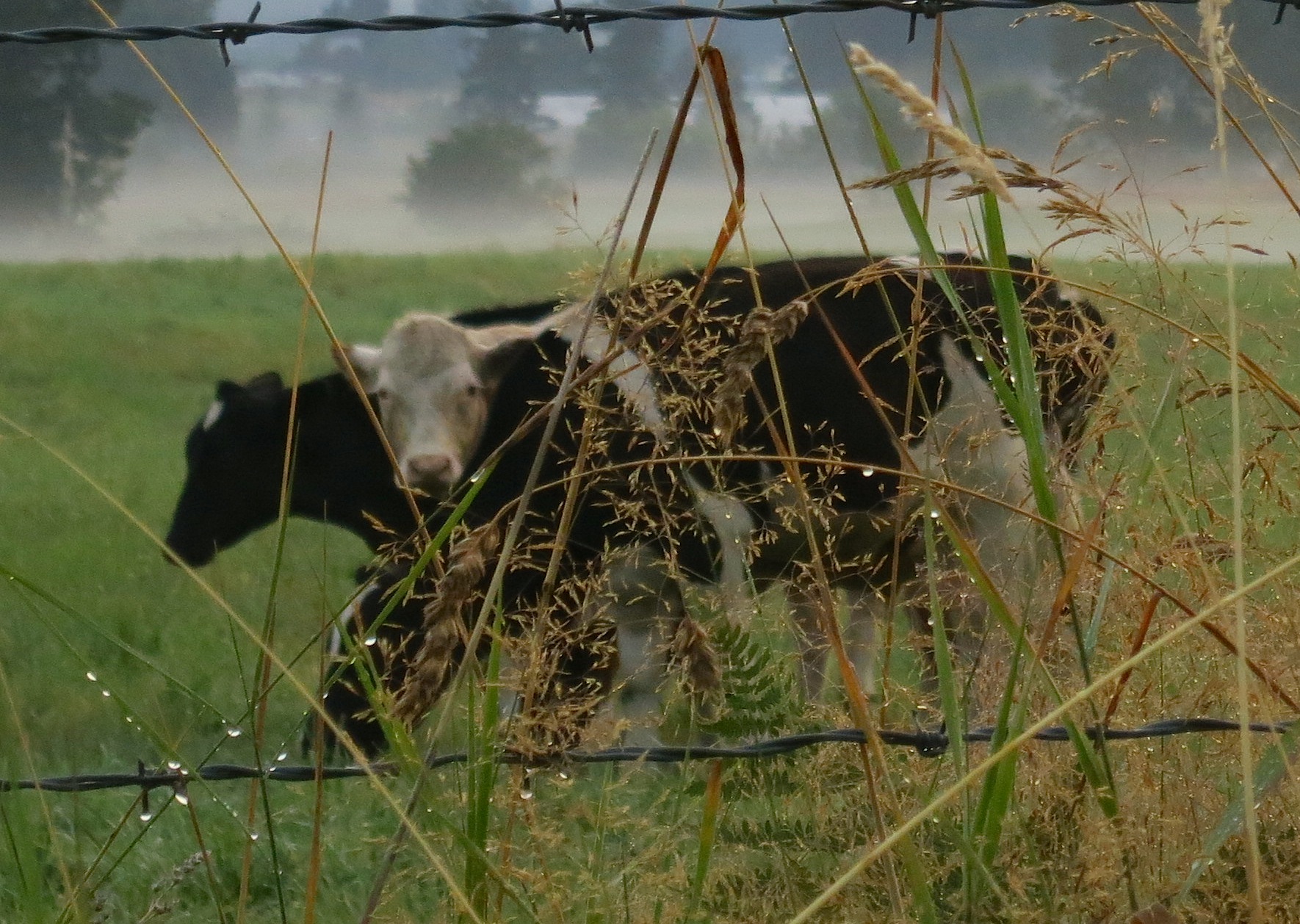
Most of my life I have been surrounded by cows. I sat on their bony backs while my dad hand-milked our three Guernsey cows. I learned about their pastoral preferences by following their meandering paths through the fields and woods. I know all about their nosiness and their noisiness and their utter fascination with the antics of their humans.
Our family farm had Scottish Highland cattle and cross-breds for a time – raising calves meant monitoring our cows in heat. There isn’t anything else that sounds like a cow in heat. Nothing. Especially in the middle of the night.
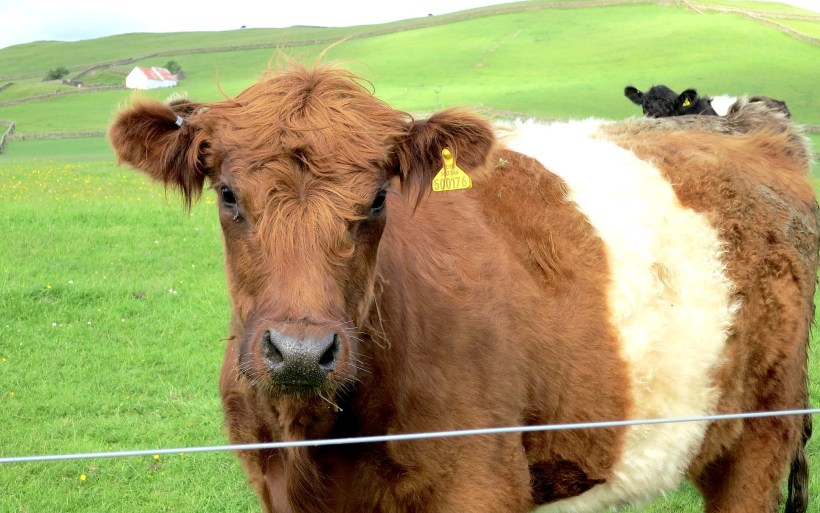
During our farm stay travels in Ireland and Scotland a decade ago, we made a point to get to know the local bovines, just for comparison’s sake. Sure enough, the cows there were just as charming and curious as the ones at home, although a bit furrier with more interesting coloration.
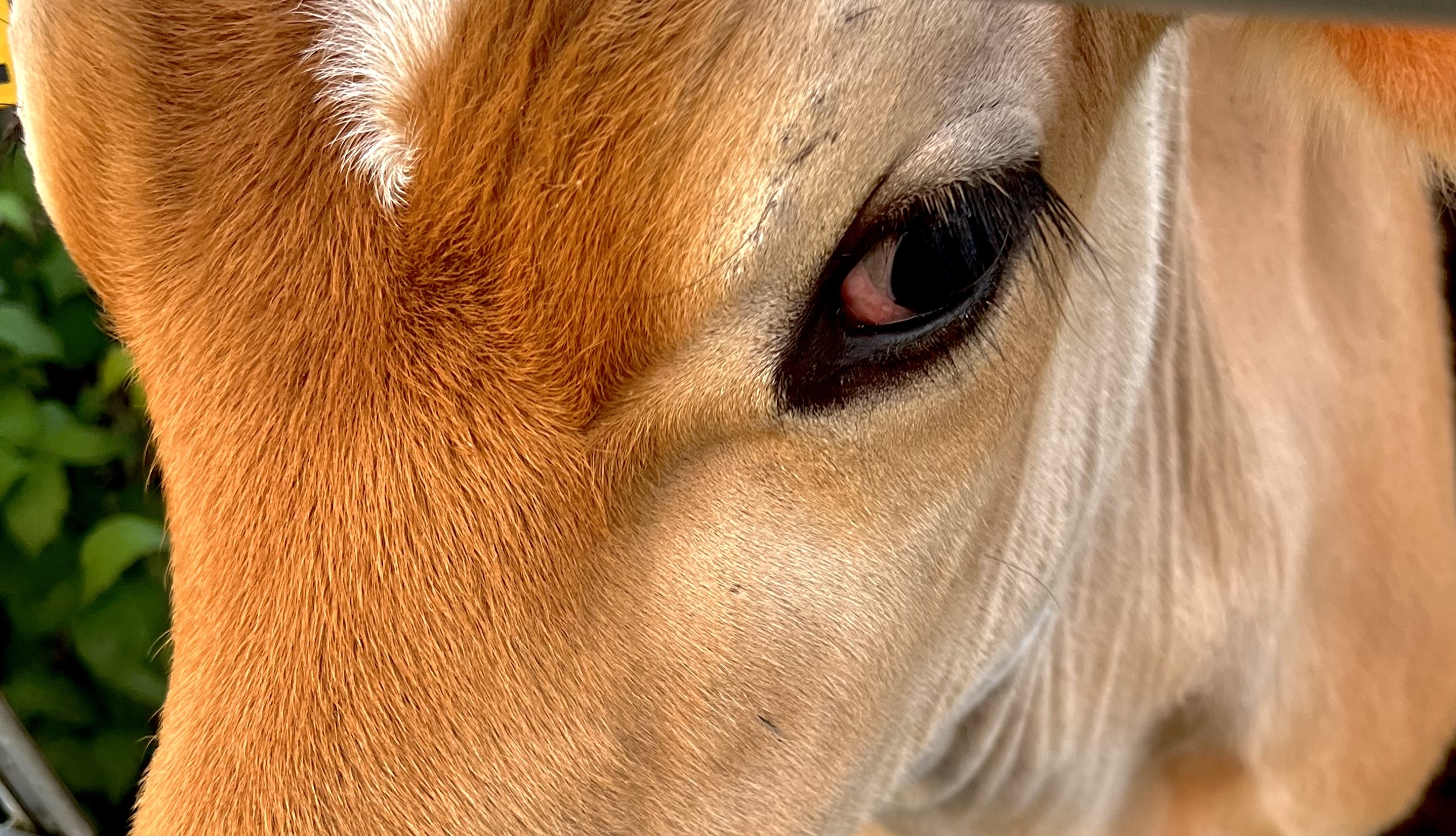
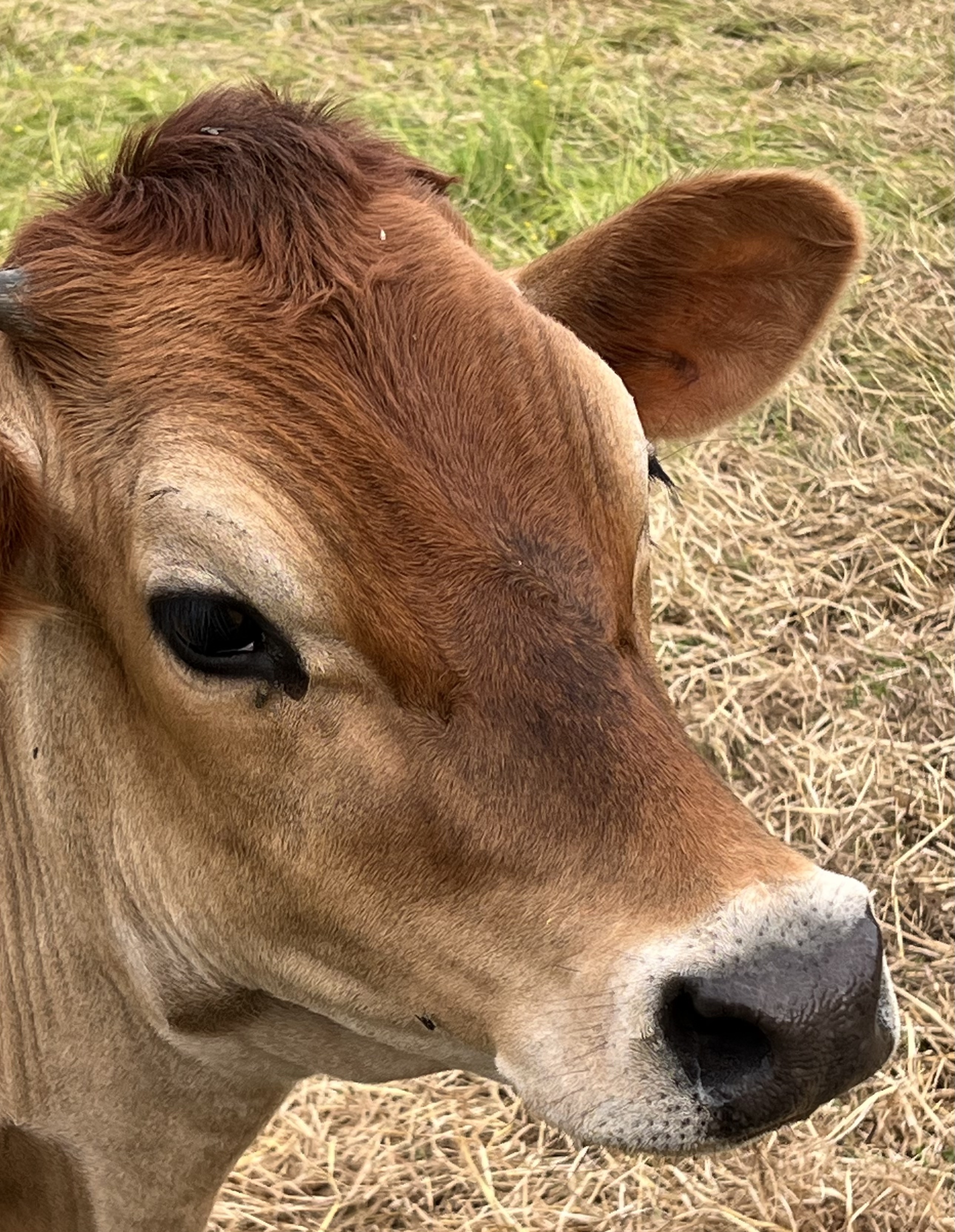
We are currently providing temporary lodging for some young steers who need the run of some grassy acreage as they grow and fill out. They are quite content and not the least bit noisy. Having them here reminds me I’ve missed the sound of cows’ reassuring cud chewing, their soft flap of ear, their oval brown eyes, but most of all the acrobatics of a tongue that wraps itself around a clump of grass while grazing and can reach up and clean out a moist nose.
A wondrous creature: their cowness is the perfect combination of mystery and magnificence.
And I need to learn how to play the trombone…
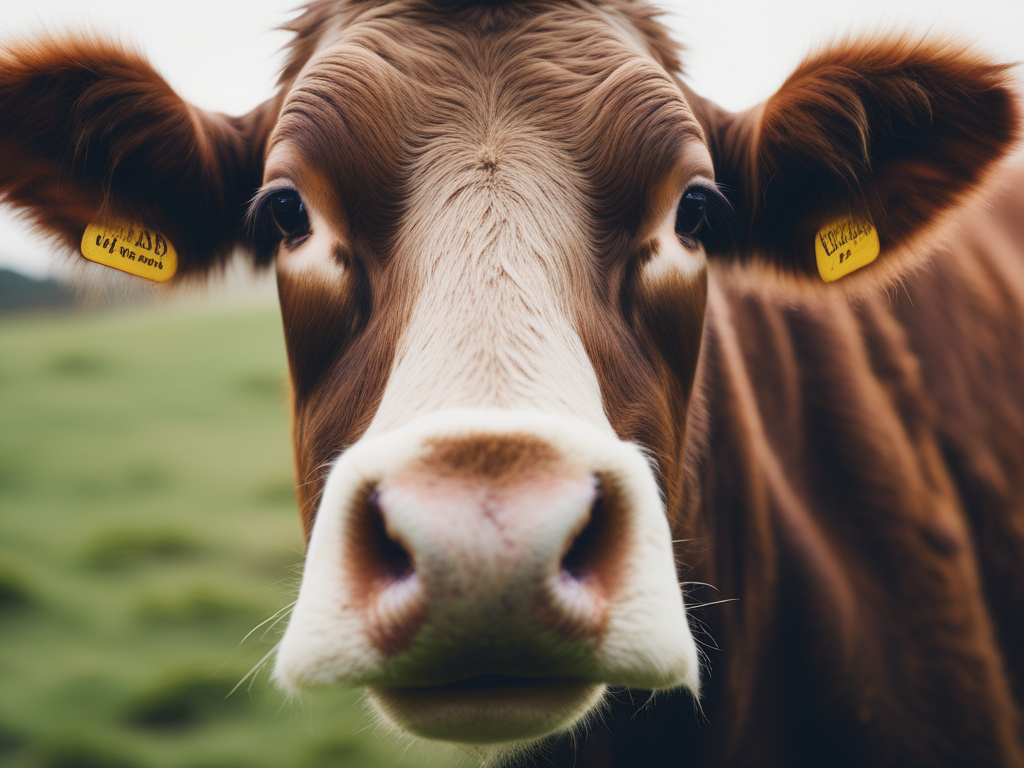
AI image created for this post
One-Time
Monthly
Yearly
Make a one-time or recurring donation to support daily Barnstorming posts
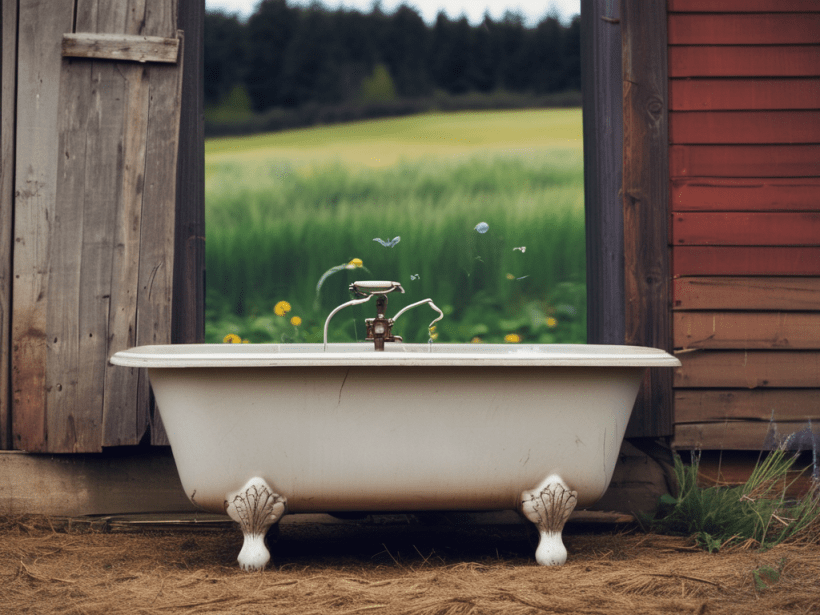
Let the end of all bathtubs be this putting out to pasture of four Victorian bowlegs anchored in grasses.
Let all longnecked browsers come drink from the shallows while faucets grow rusty and porcelain yellows.
Where once our nude forebears soaped up in this vessel come, cows, and come, horses.
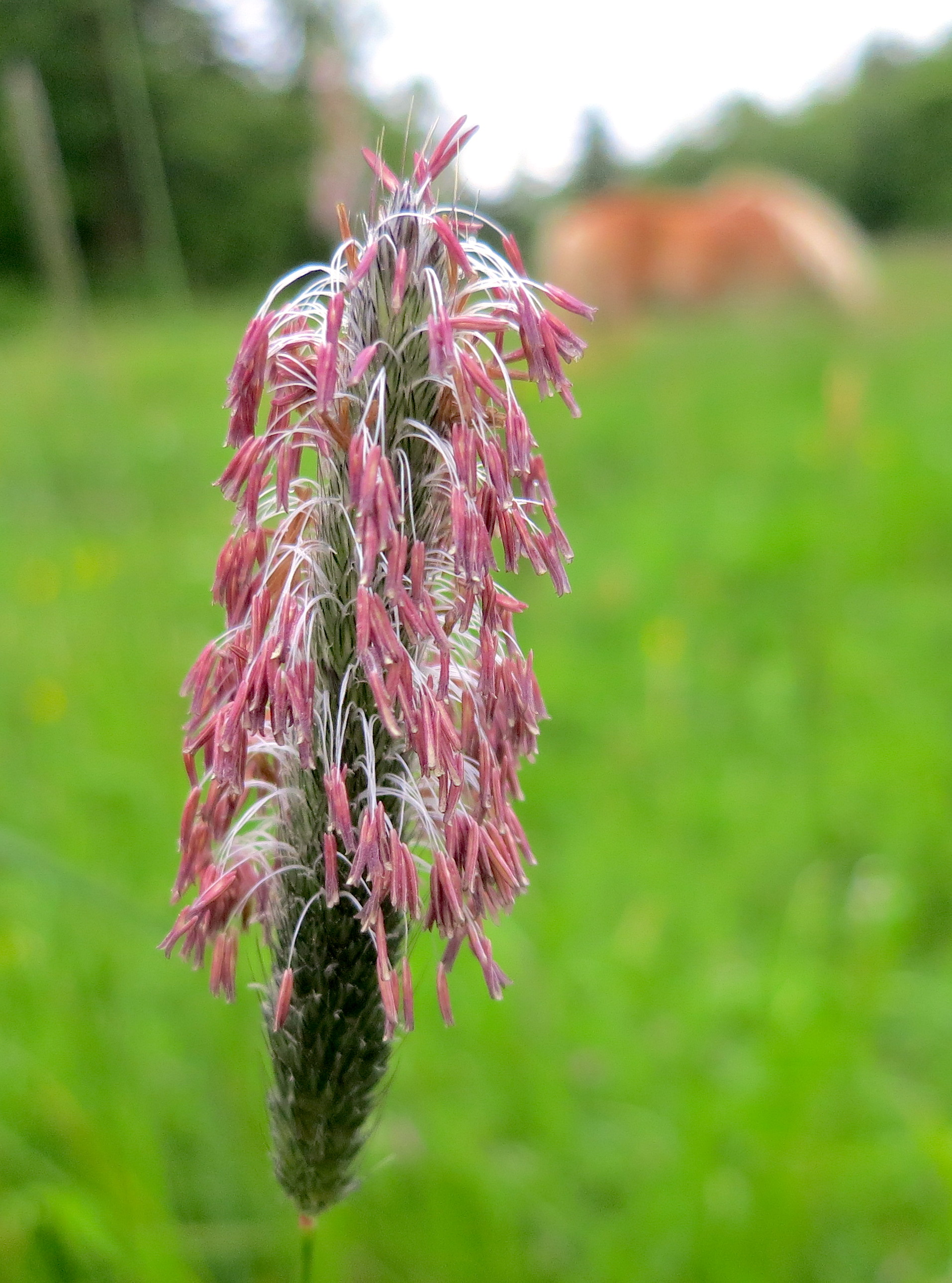
Bring burdock and thistle, come slaver the scum of timothy and clover on the cast-iron lip that our grandsires climbed over
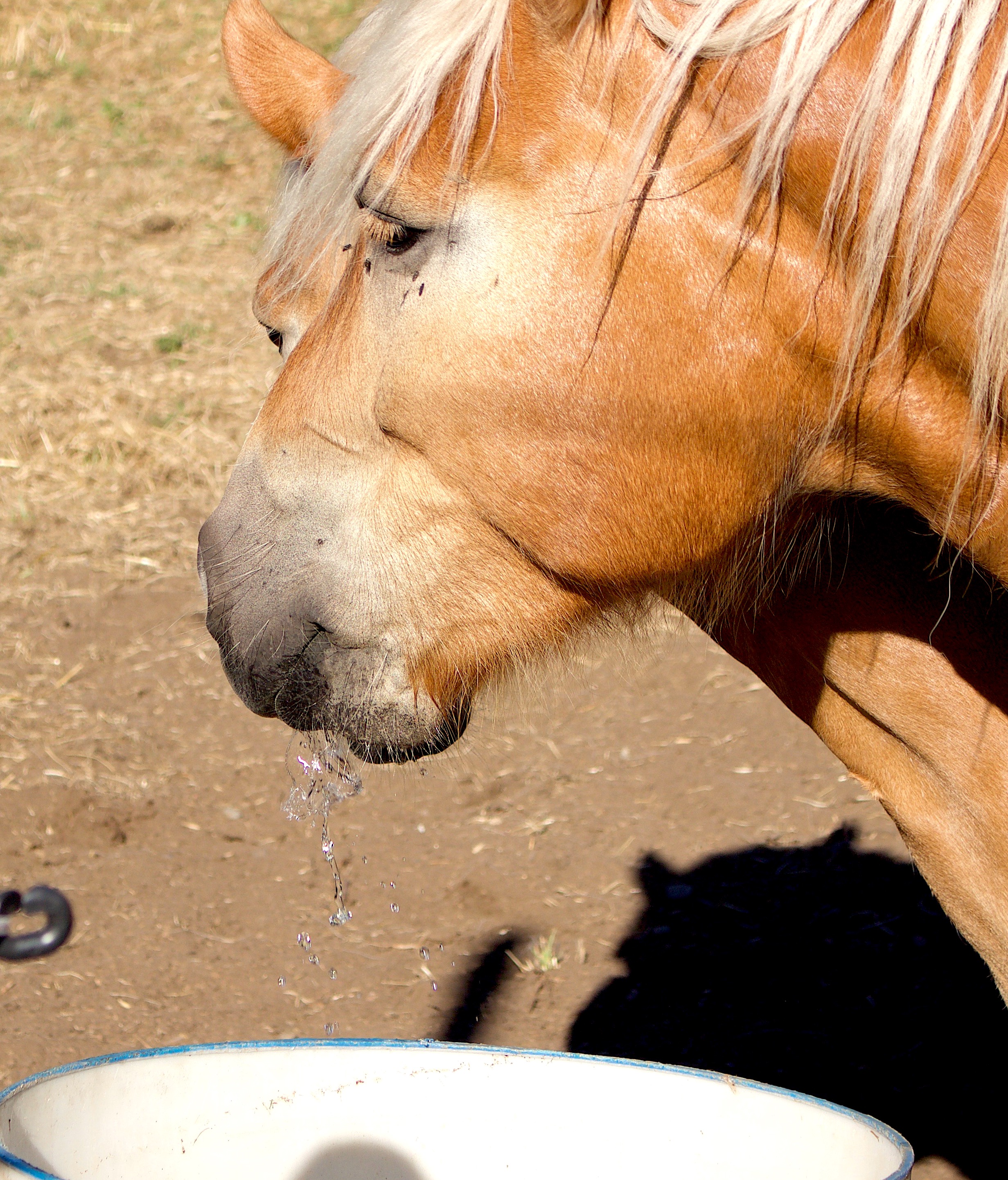
and let there be always green water for sipping that muzzles may enter thoughtful and rise dripping. ~Maxine Kumin “Watering Trough” from Selected Poems
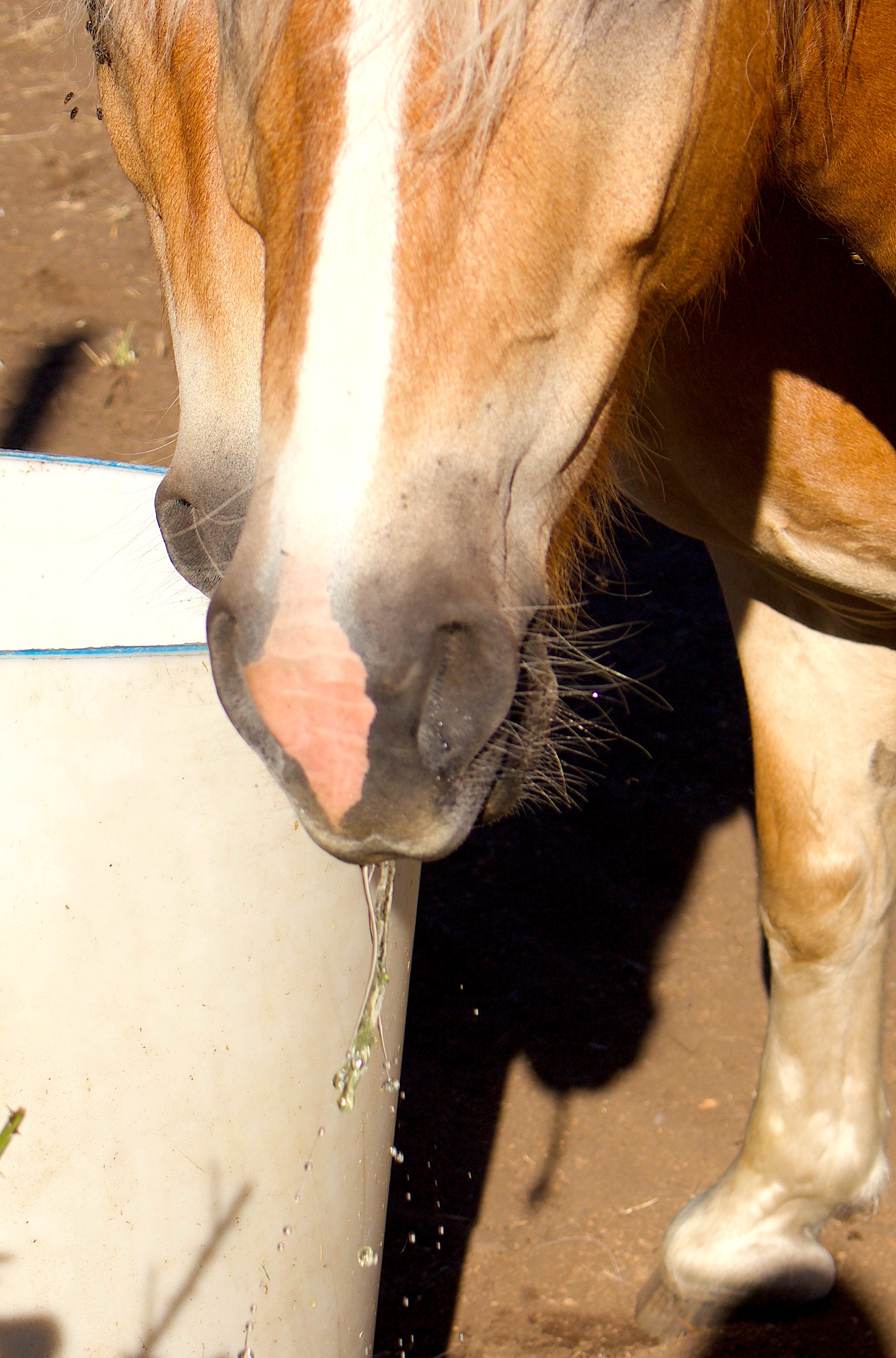
photo by Emily Vander Haak
Farmers became the original recyclers before it was a word or an expectation — there isn’t anything that can’t be used twice or thrice for whatever is needed, wherever and whenever, especially far from the nearest retail outlet or farm supply store.
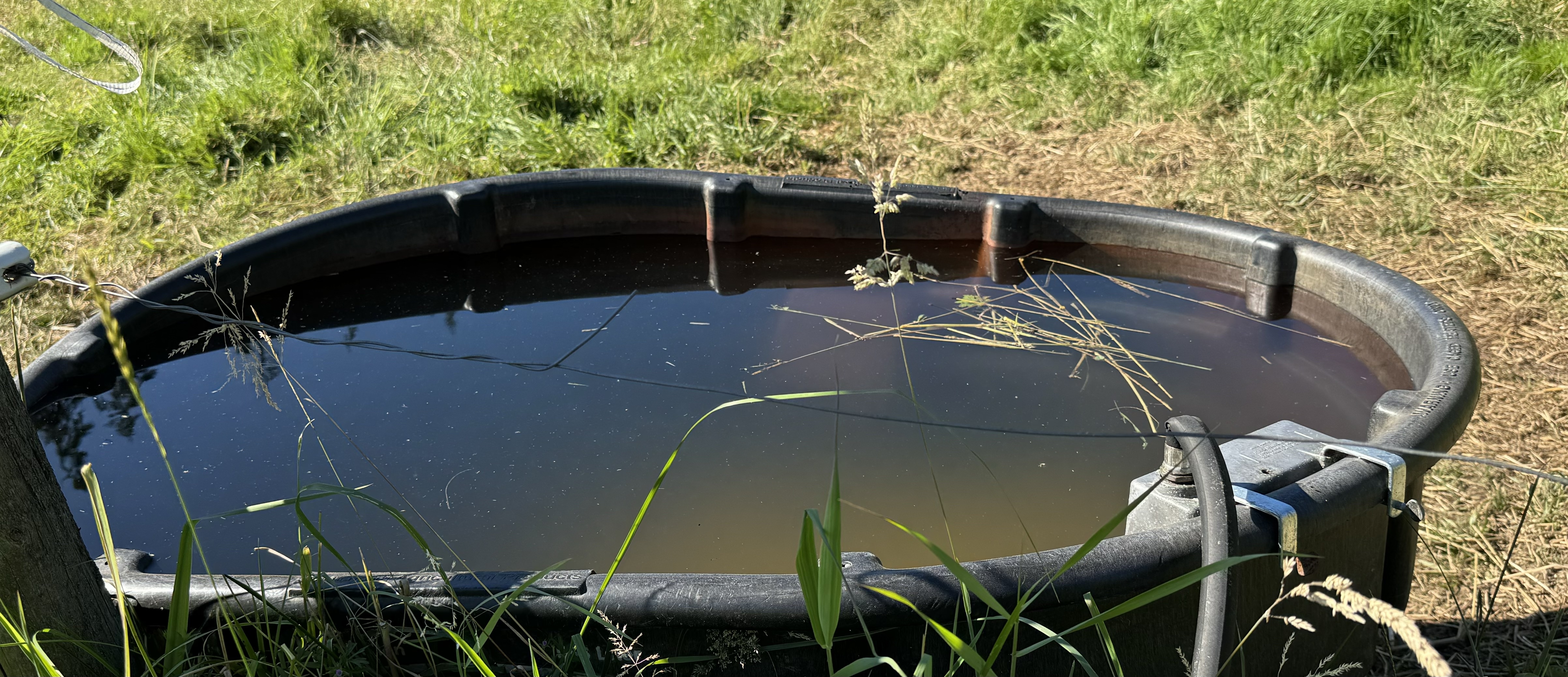
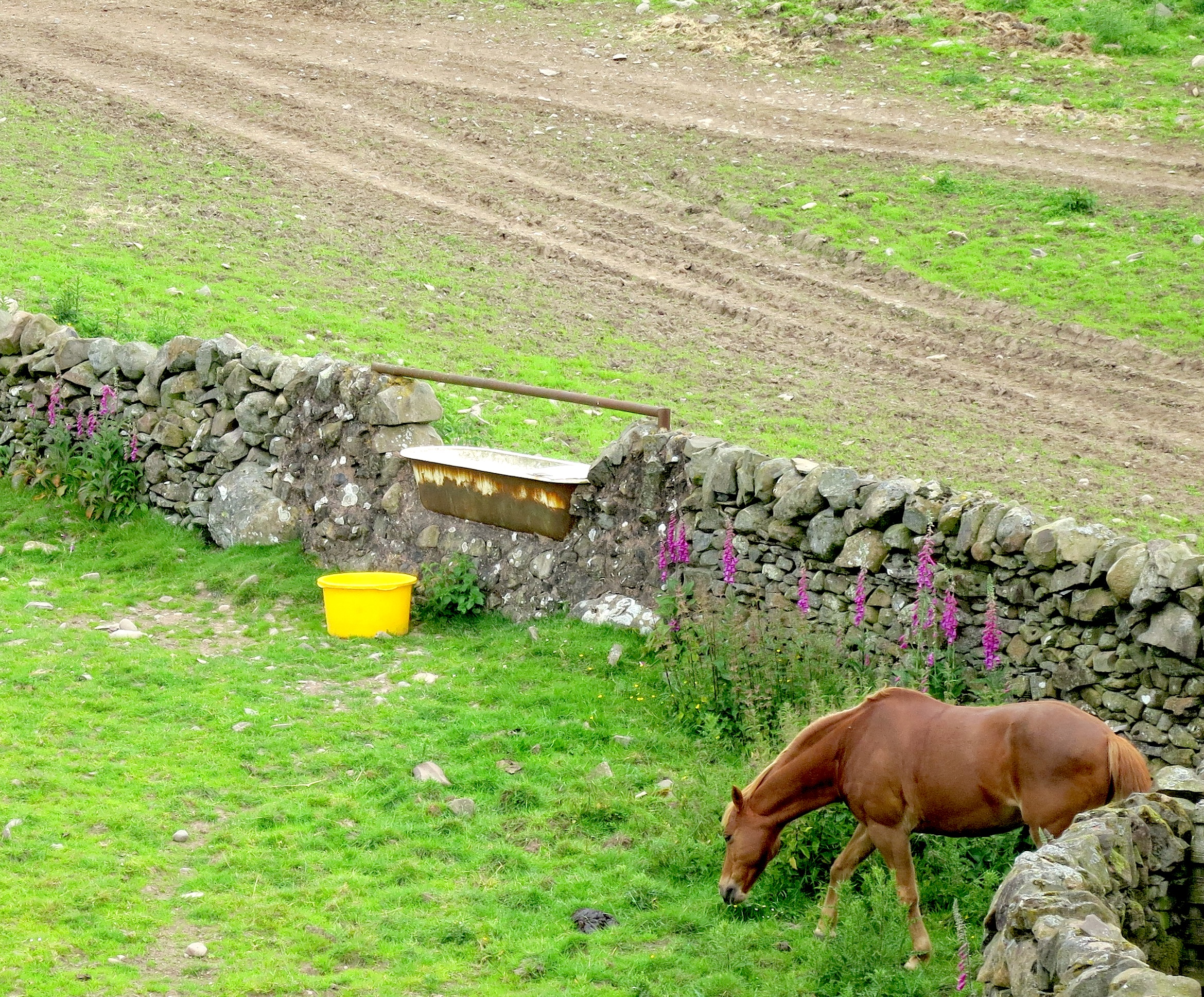
The water troughs on the farm where I grew up were cast-off four-legged bath tubs hauled home from the dump, exactly like the old tub I bathed in when staying overnight at my grandma’s farm house. She needed her tub to stay put right in the bathroom, never considering an upgrade and remodel; she would never offer it up to her cows.
But there were people who could afford to install showers and molded tubs so out their tubs went to find new life and purpose on farms like ours.
When I was a kid, we kept goldfish in our bathtub water trough, to keep the algae at bay and for the amusement of the farm cats. The horses and cows would stand idle, drowsing by the tub, their muzzles dripping, mesmerized by flashes of orange circling the plugged drain.
I often wondered what they thought of sharing their drinking water with fish, but I suspect they had more weighty things to ponder: where the next lush patch of grass might be, how to reach that belly itch, and finding the best shade with fewest flies for that summer afternoon nap.
When it comes to sharing a tub, maybe farm animals aren’t that different from their farmer keepers after all: they both stand dripping and thoughtful alongside the tub, contemplating what comes next. After a long hot summer day, it may well be a well-earned rest.
AI image created for this post
One-Time
Monthly
Yearly
Make a one-time or recurring donation to support daily Barnstorming posts
(I wrote this 15 years ago on July 6 and have updated it with an addendum)
I remember childhood summers as 3 months of full-out celebration– long lazy days stretching into nights that didn’t seem to really darken until 11 PM and bright birdsong mornings starting out at 4:30 AM. Not only were there the brief family vacations at the beach or to visit cousins, but there was the Fourth of July, Daily Vacation Bible School, the county fair, family reunions, and of course and most importantly, my July birthday. Yes, there were mundane chores to be done, a garden to tend, a barn to clean, berries to pick, a lawn to mow and all that stuff, but my memories of summer are mostly about fluff and frolic.
So where are the summer parties now? Who is out there celebrating without me? Nothing seems to be spontaneous as it was when I was a child. Instead, most grown-ups have to go to work most days in the summer.
I’m finding myself in the midst of my 55th summer and I have to create celebrations if they are going to happen in my life. Without that perspective, the bird song at 4:30 AM can feel more irritant than blessing and the long days often mean I fall asleep nodding over a book at 9 PM. I want to treasure every, every minute of this precious time yet they flow through my fingers like so much water, faster and faster.
I realize there will be very few “family” summers left as I watch my children grow into adults and spread their wings. They will be on to new adventures in future summers. So each family ritual and experience together takes on special meaning and needs to be appreciated and remembered.
So….for this summer my family has crammed as much in as we can in celebration of the season:
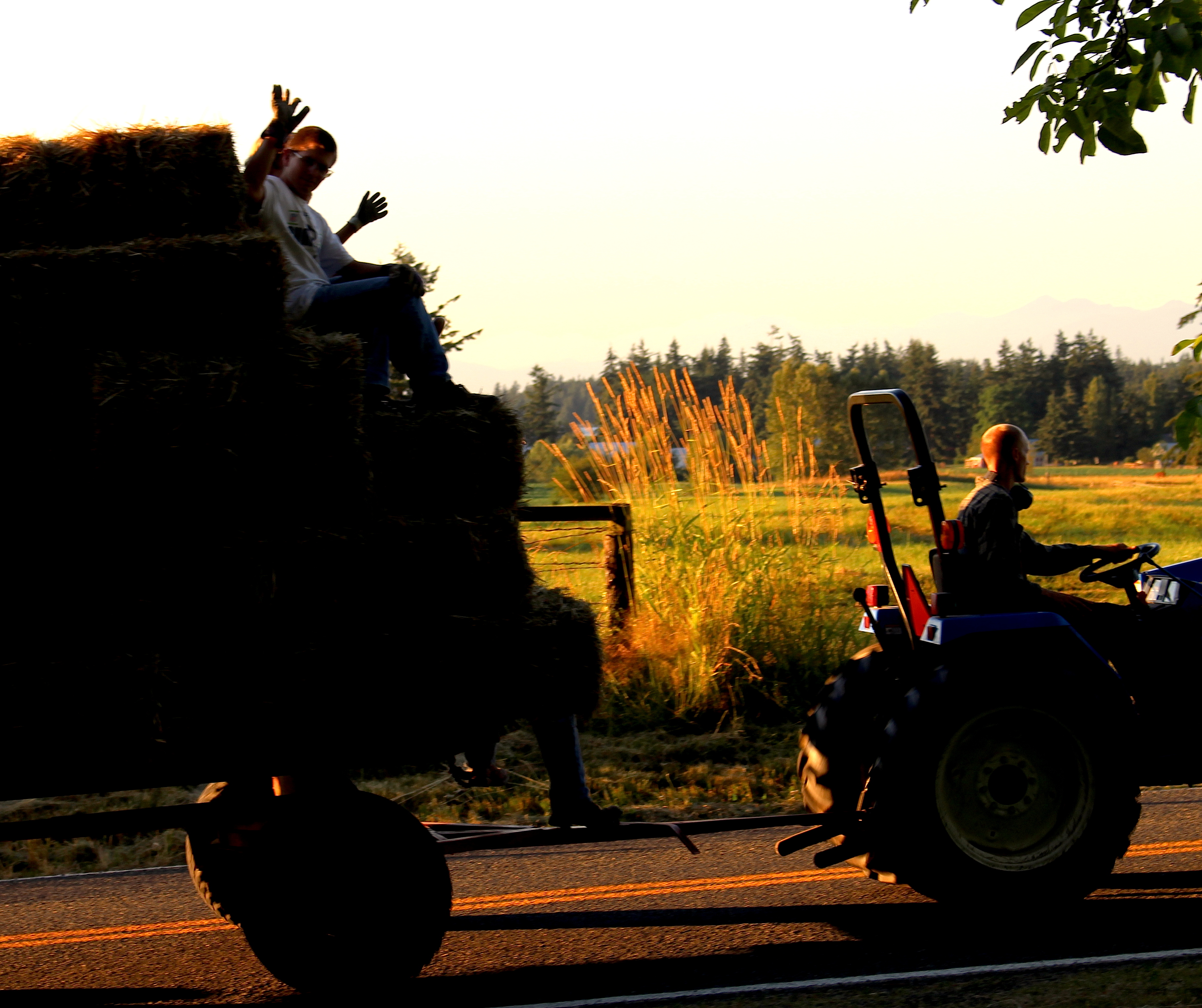
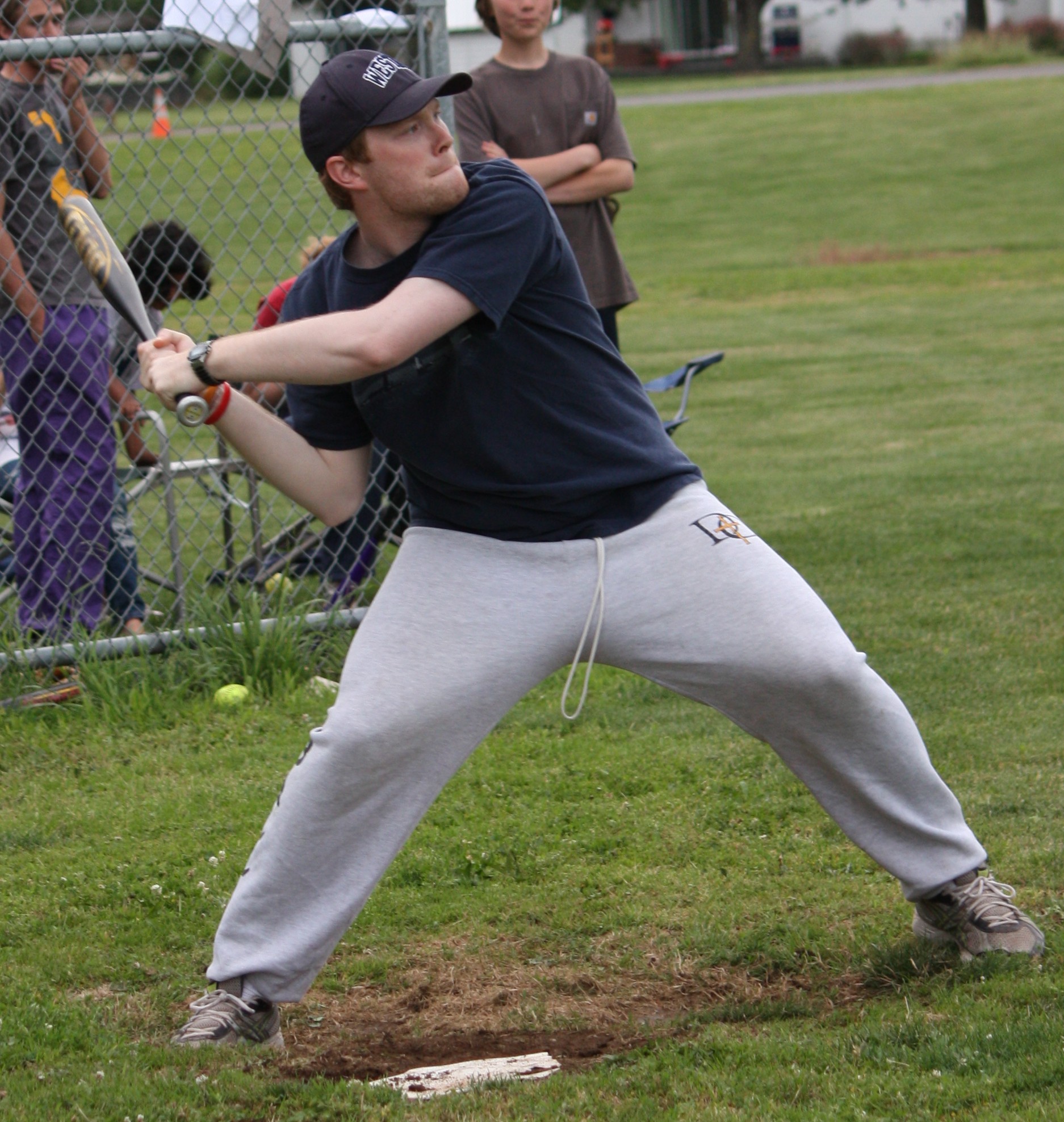
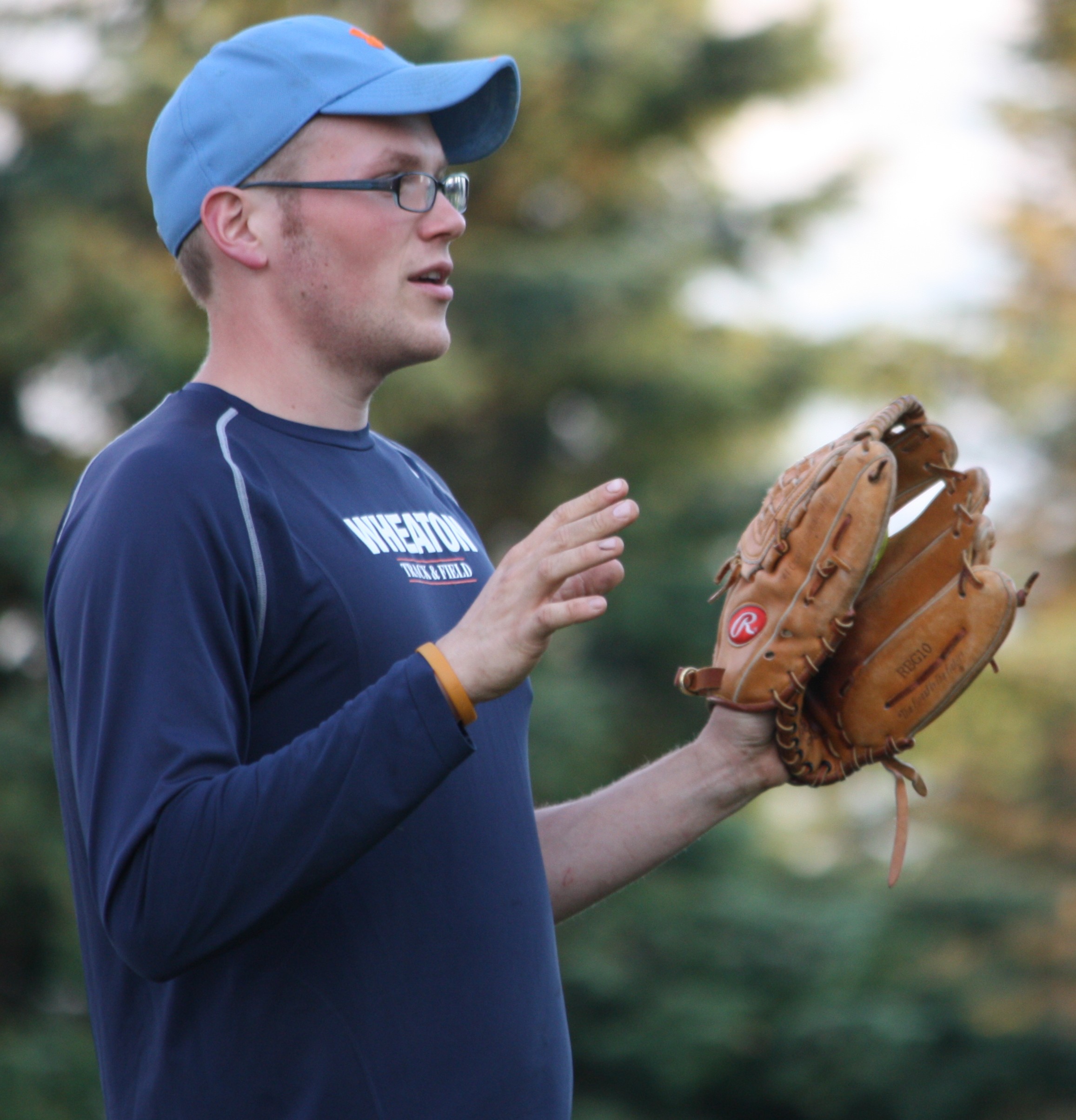
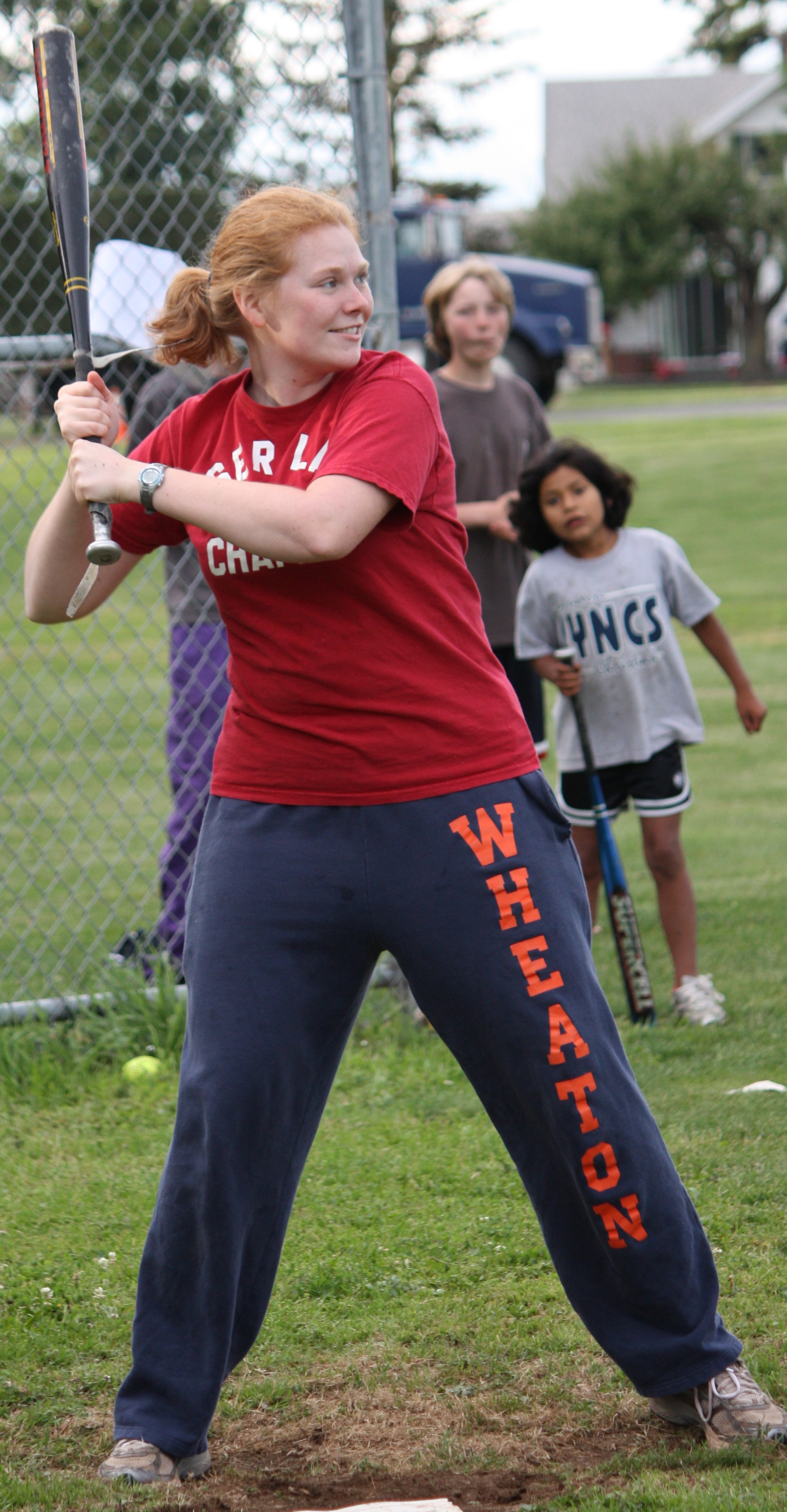
We just spent some time in the hayfields bringing in the bales with friends–our little crew of seven–sweating and itchy and exhausted, but the sight and smell of several hundred hay bales, grown on our own land, harvested without being rained on and piled in the barn is sweet indeed. Weekly we are out on the softball field in church league, yelling encouragement and high-fiving each other, hooting at the good hits and the bad, the great catches and the near misses, and getting dirty and sprained, and as happy to lose as to win. We had a wonderful July 4 barbeque with good friends culminating in the fireworks show on our farm’s hill overlooking miles of valley around us, appreciating everyone else’s backyard displays as well as our own.
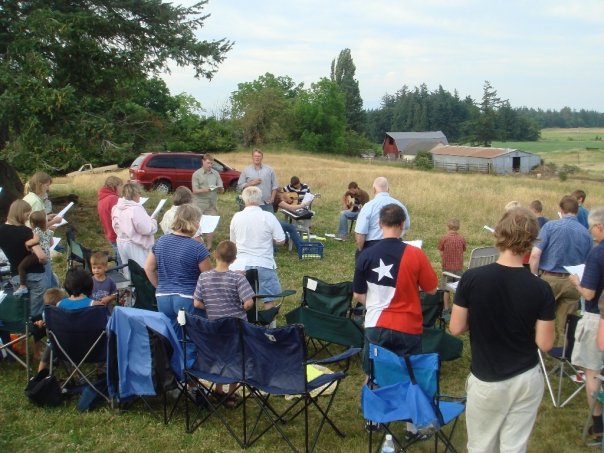
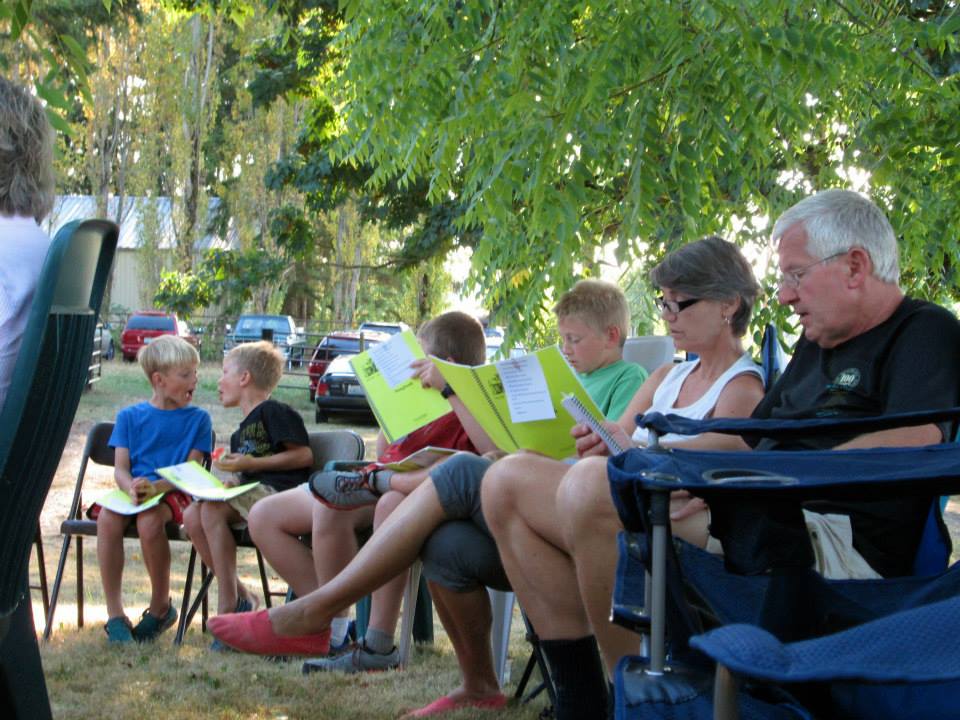
We are now able to sing hymns in church in four part harmony, and last night our children helped lead the singing last night in an evening “campfire church” for over fifty fellow worshipers on our hill. In a couple weeks, we’ll take to the beach for three days of playing in the sand, roasting hot dogs. reading good books, and playing board games. We’ll try to make the trek down to Seattle by train to spend the day watching the Mariners play (and likely lose).
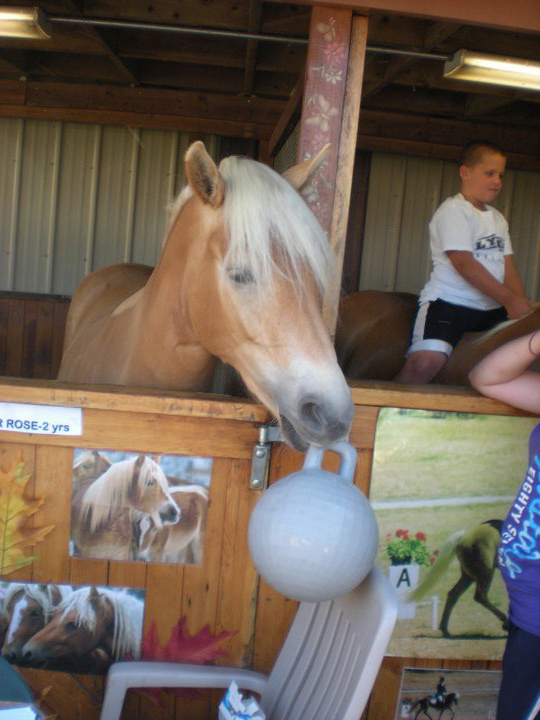
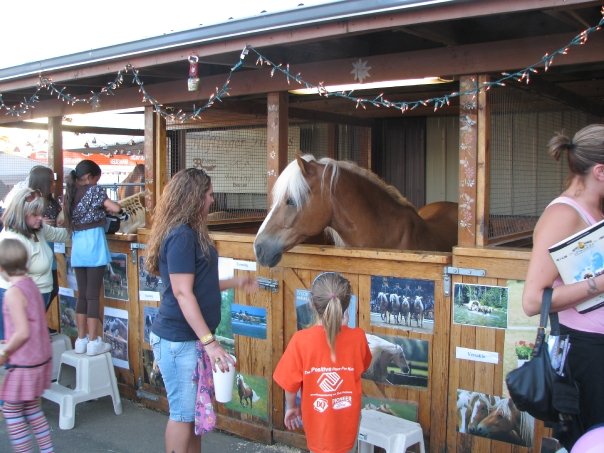
One change after seventeen years of hosting a display of our horses at the Lynden Fair: due to “off the farm” work and school schedules, we can’t muster the necessary round-the-clock crew of being there for our little part of small town agricultural pursuits.
Yet the real party happens right here every day in small ways without any special planning. It doesn’t require money or special food or traveling beyond our own soil. It is the smiles and good laughs we share together, and the hugs for kids taller than I am. It’s adult conversations with the new adults in our family–no longer adolescents.
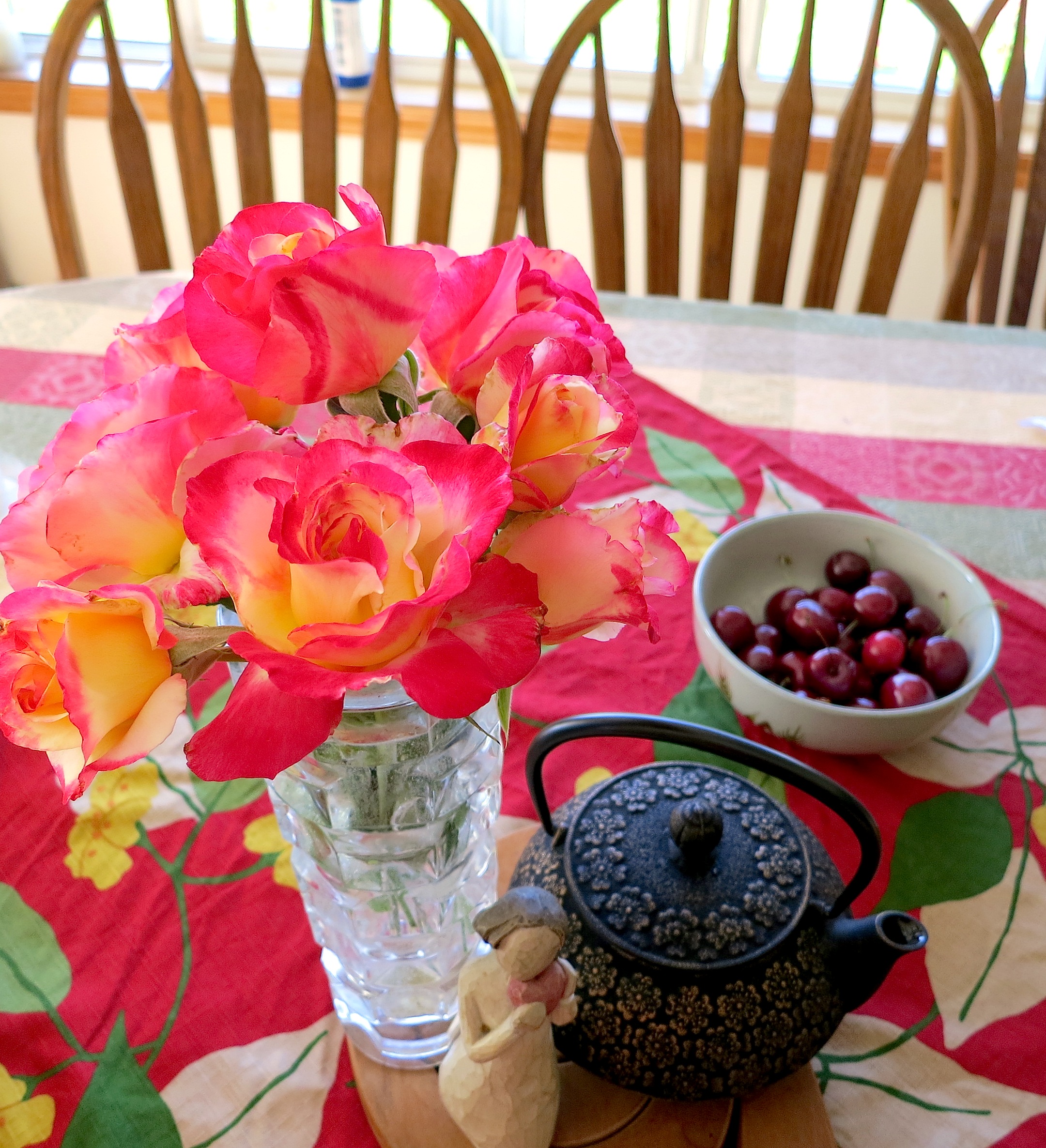
It’s finding delight in fresh cherries from our own trees, currants and berries from our own bushes, greens from the garden, flowers for the table from the yard.
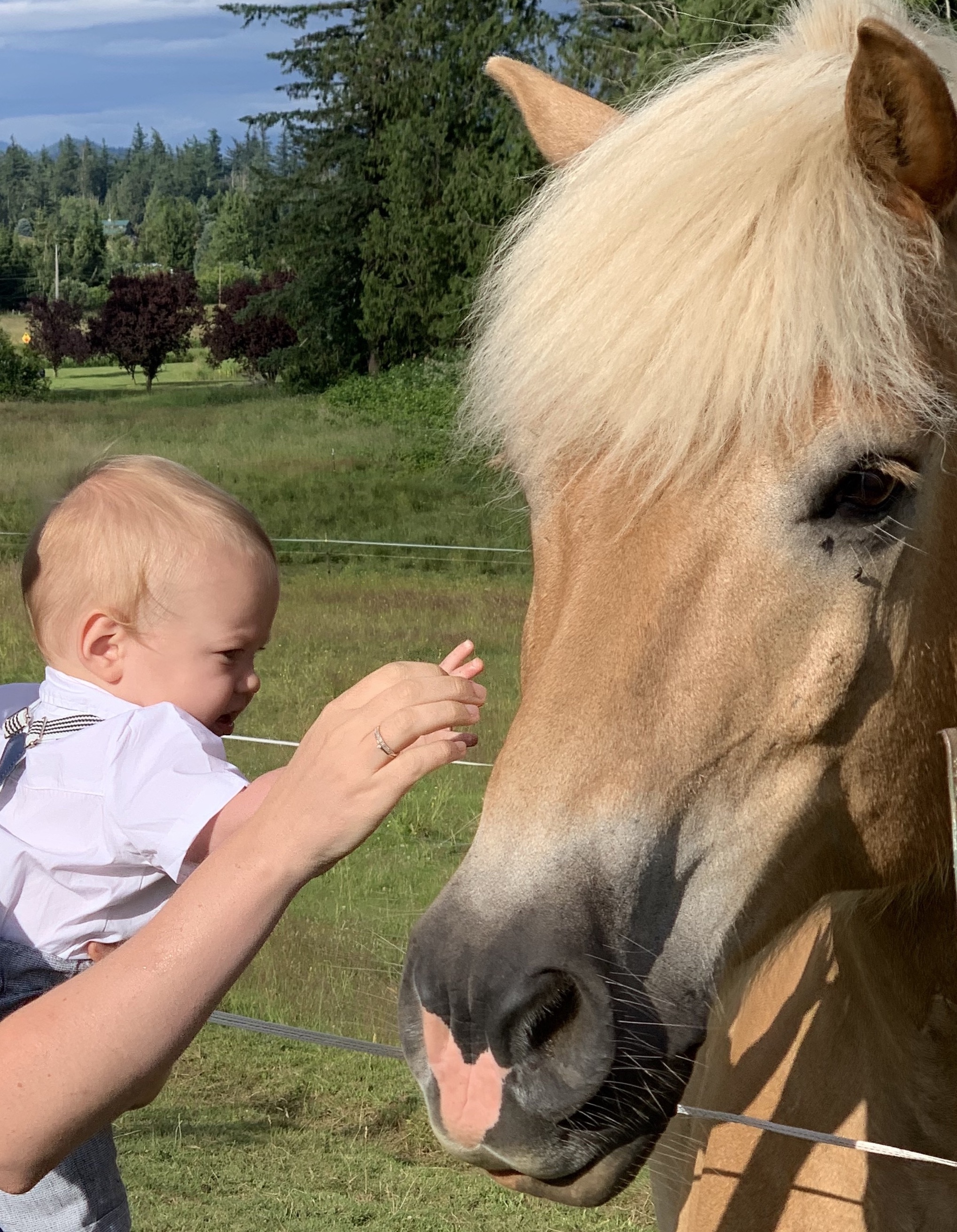
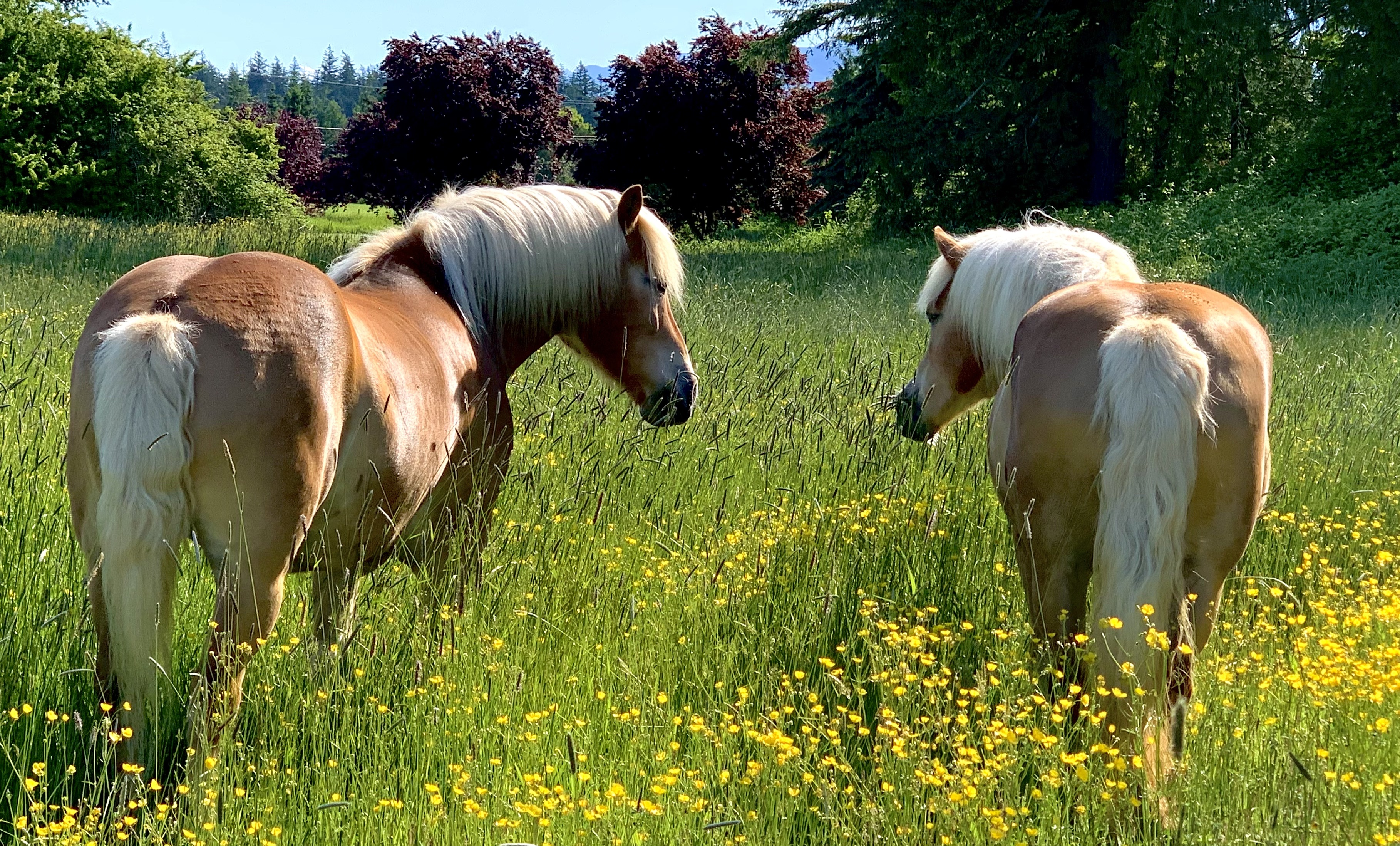
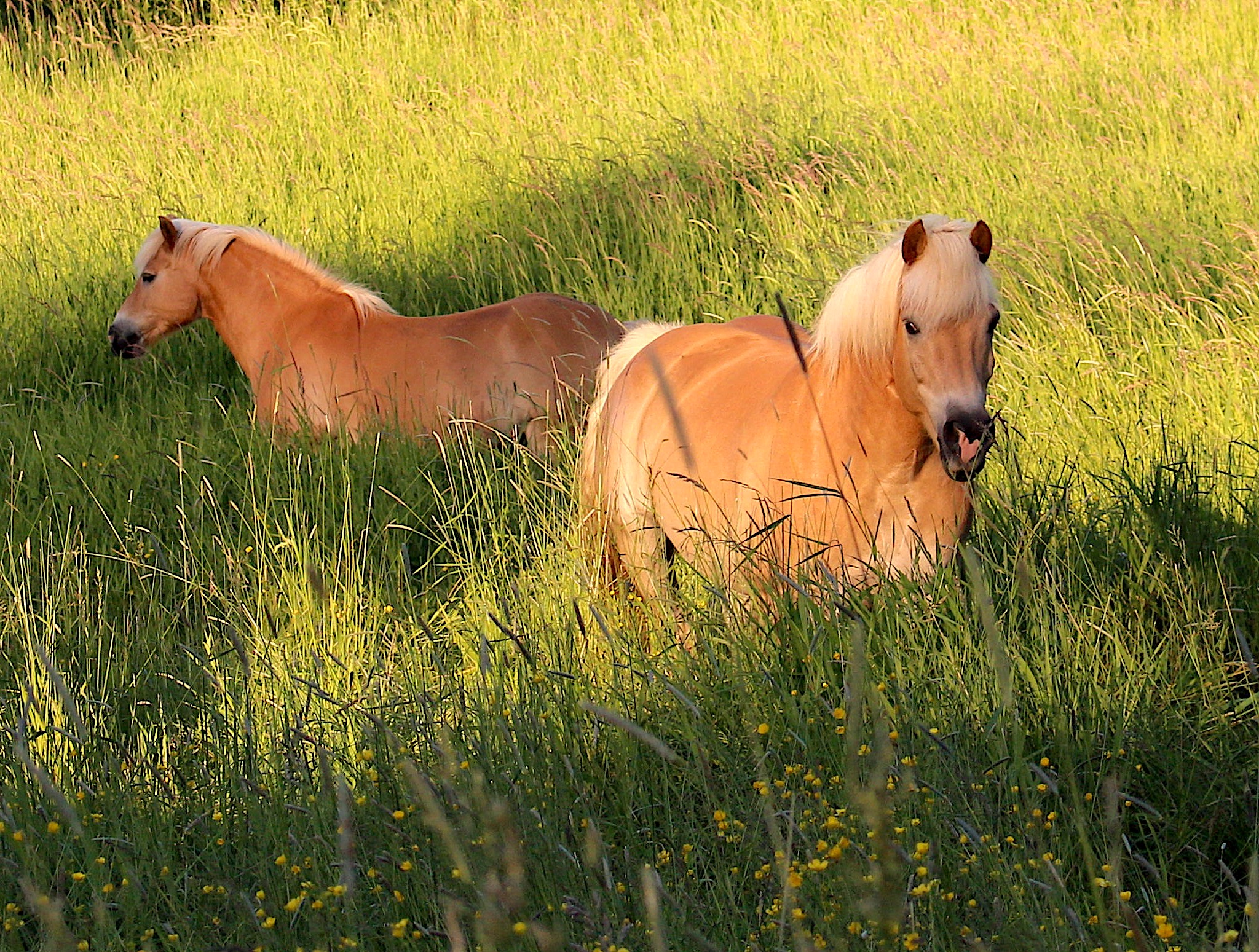
It is the Haflingers in the field that come right up to us to enjoy rubs and scratches and follow us like puppies. It is babysitting for neighborhood toddlers who remind us of the old days of having small children, and who give us a glimpse of future grandparenthood. It is good friends coming from far away to ride our horses and learn farm skills.
It is an early morning walk in the woods or a late evening stroll over the hills. It is daily contact with aging parents who no longer hear well or feel well but nevertheless share of themselves in the ways they are able. It is the awesome power of an evening sunset filled with hope and the calming promise of a new day somewhere else in this world of ours.
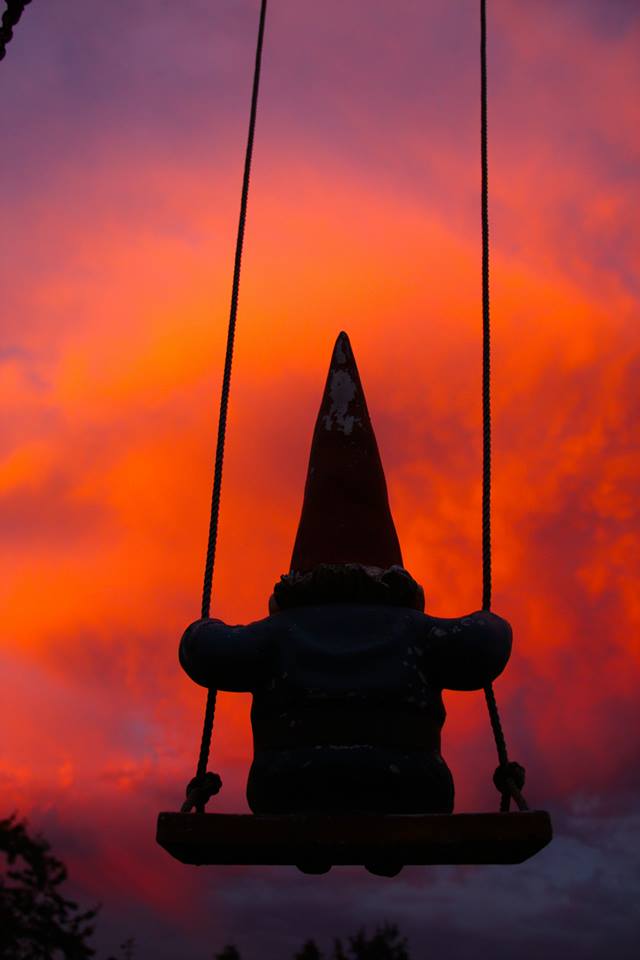
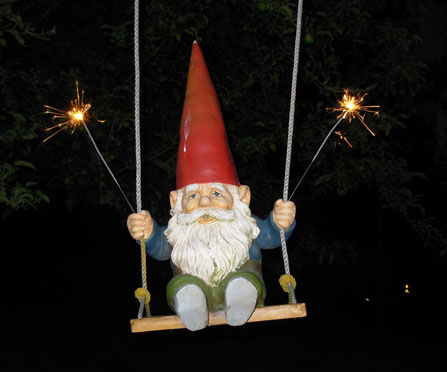
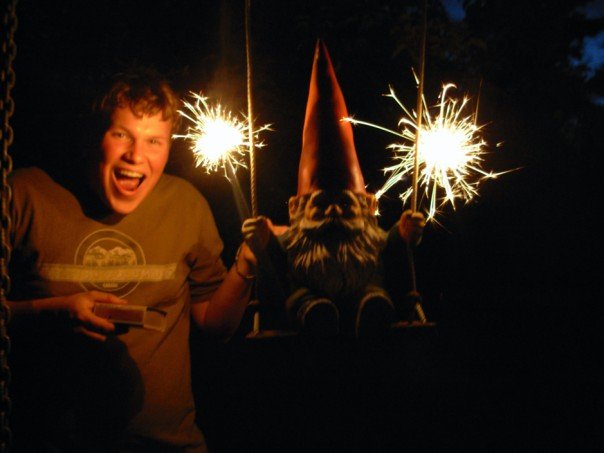
Some days may not look or feel like there’s a summer party happening, but that is only because I haven’t searched hard enough. The party is here, sparklers and all, even if only in my own mind.
Addendum: Fifteen years have passed since this was written and I’m glad I can look back and be reminded how full of life those family summers were. We seldom have the full-meal-deal of everyone together at one time, and since our parents have passed on to eternal summers in heaven, we have now the blessings of six grandchildren. Freckles abound!
We still can make a party happen, if only in our own minds.
AI image created for this post
One-Time
Monthly
Yearly
Make a one-time or recurring donation to support daily Barnstorming posts
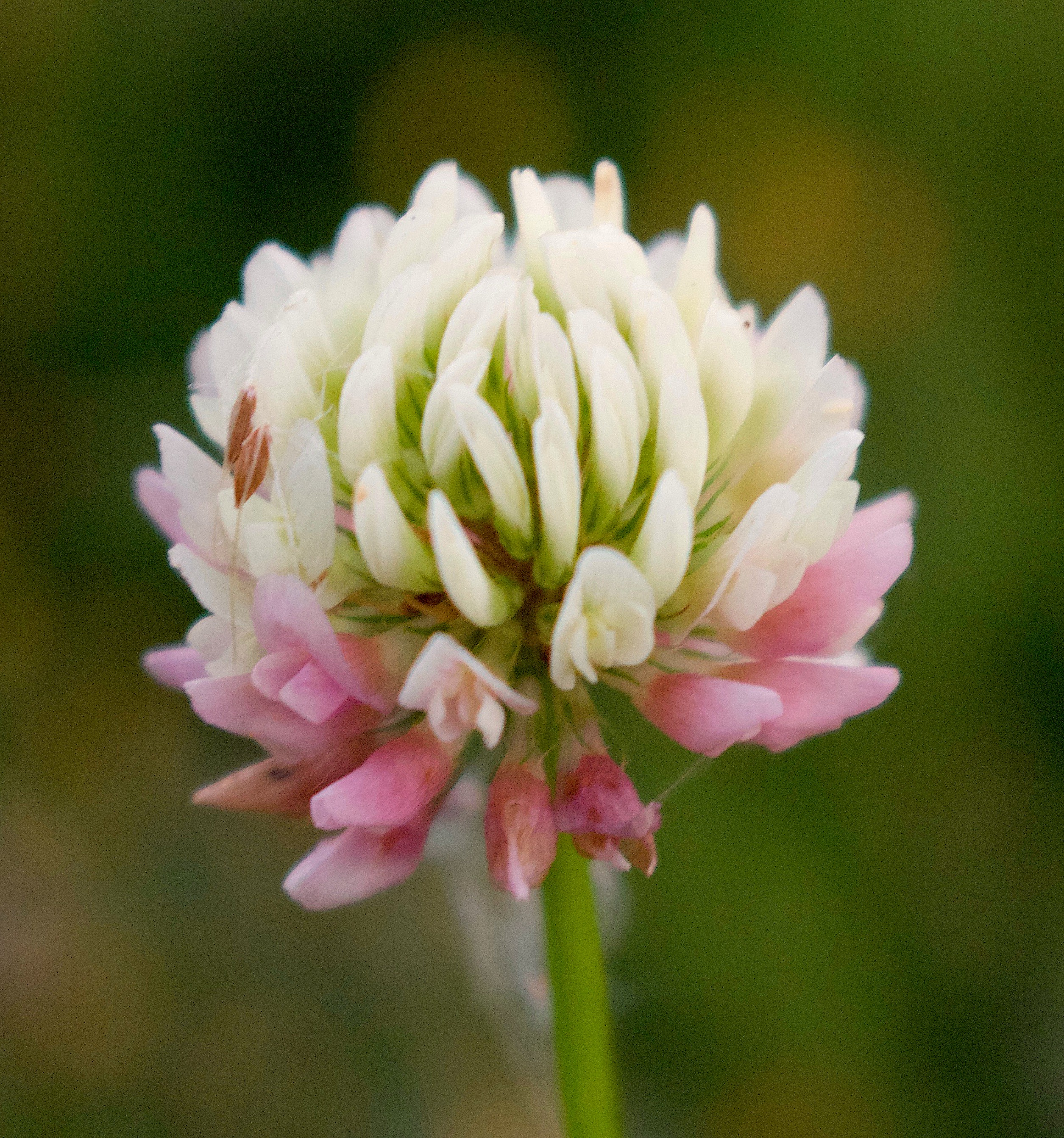
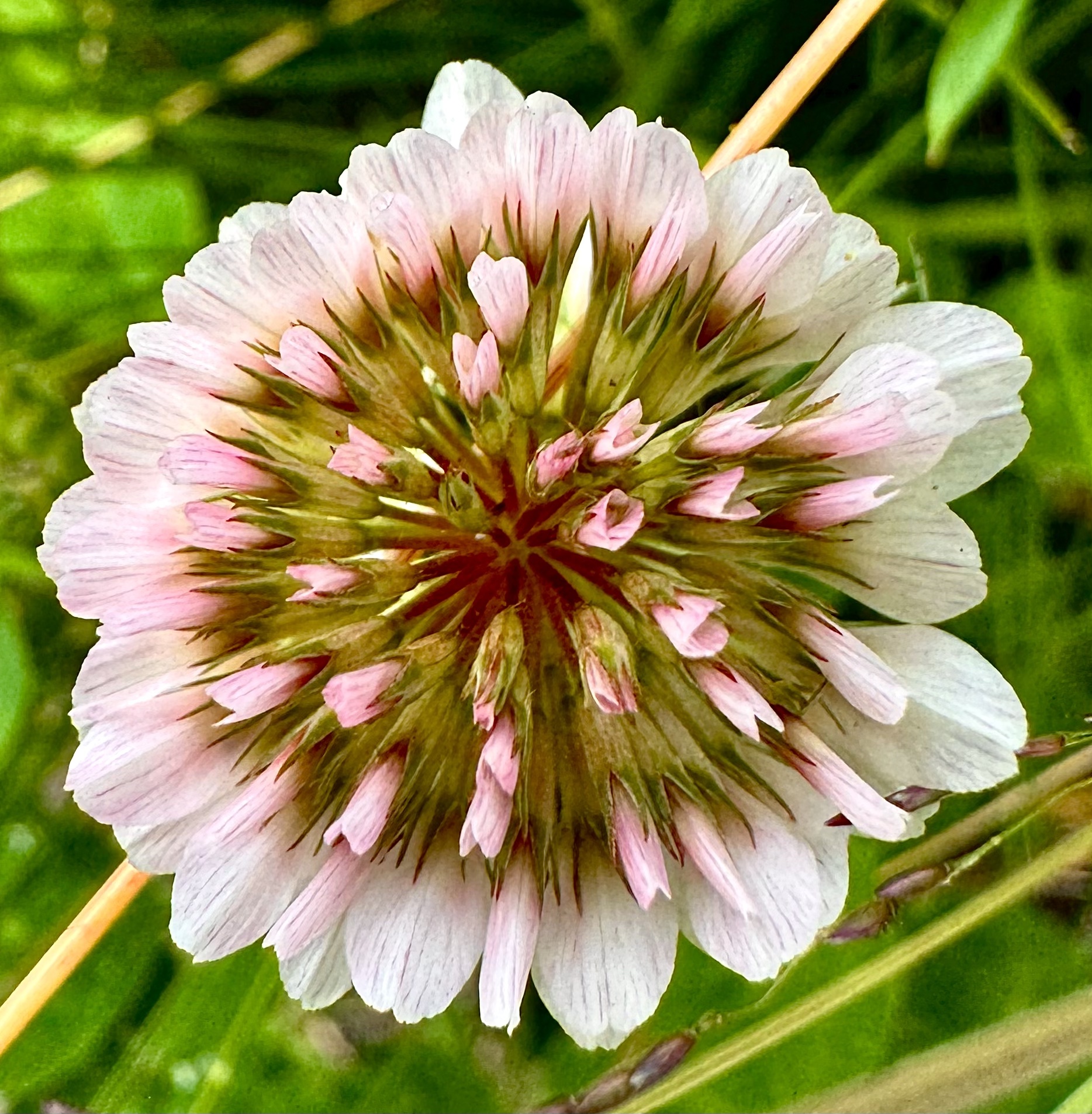
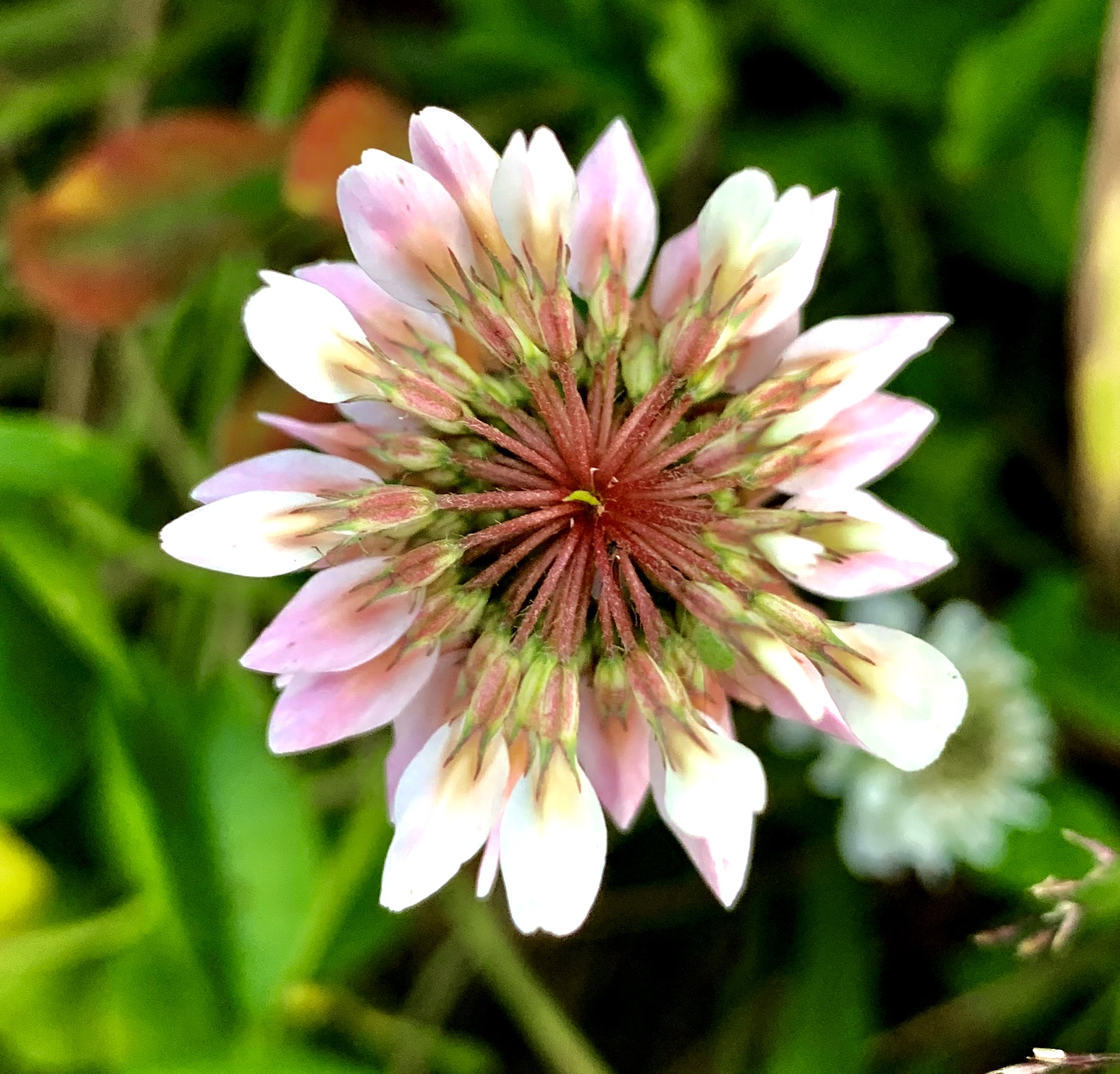
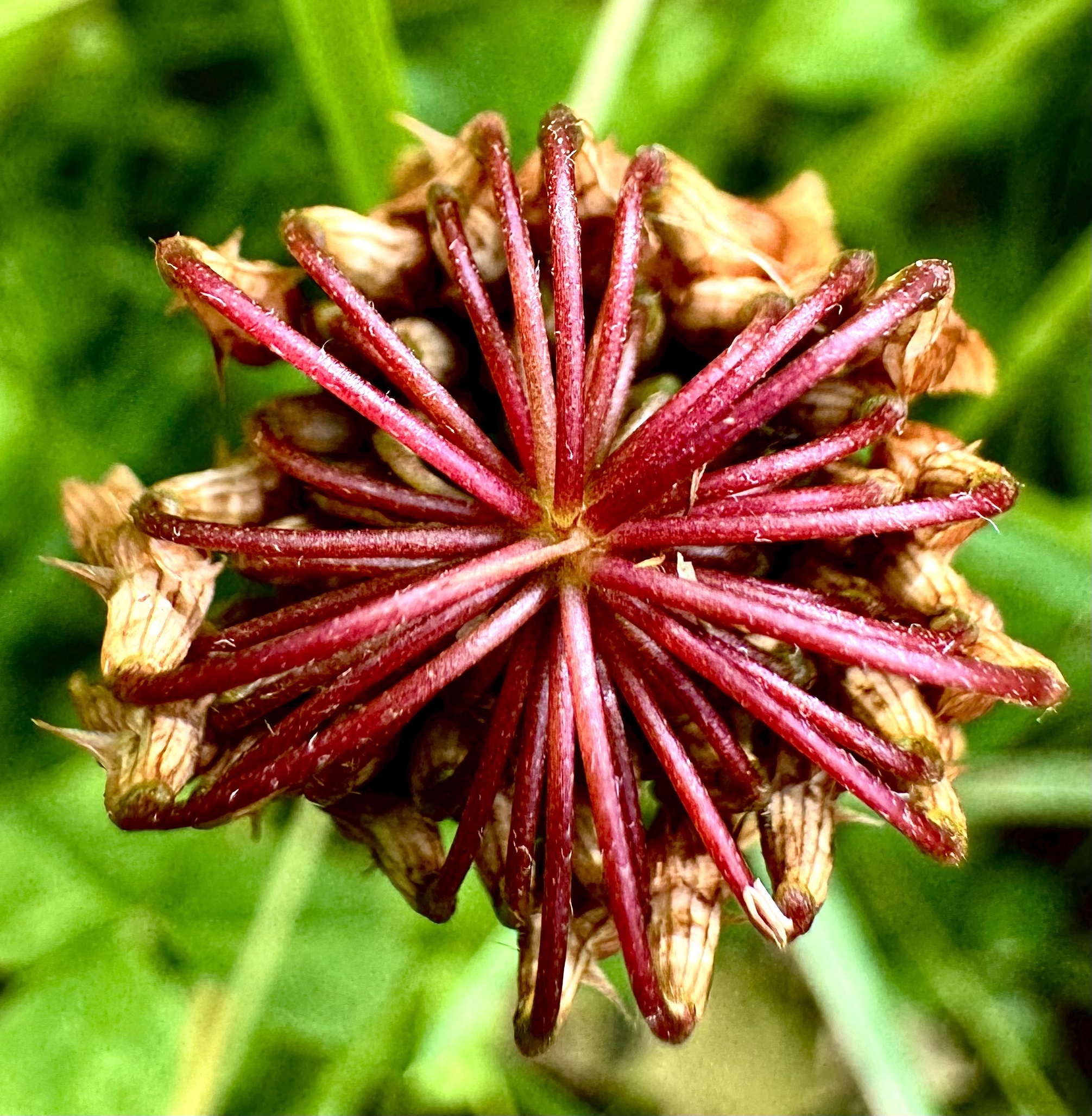
…war spreading, families dying, the world in danger, I walk the rocky hillside, sowing clover… ~Wendell Berry “February 2, 1968”
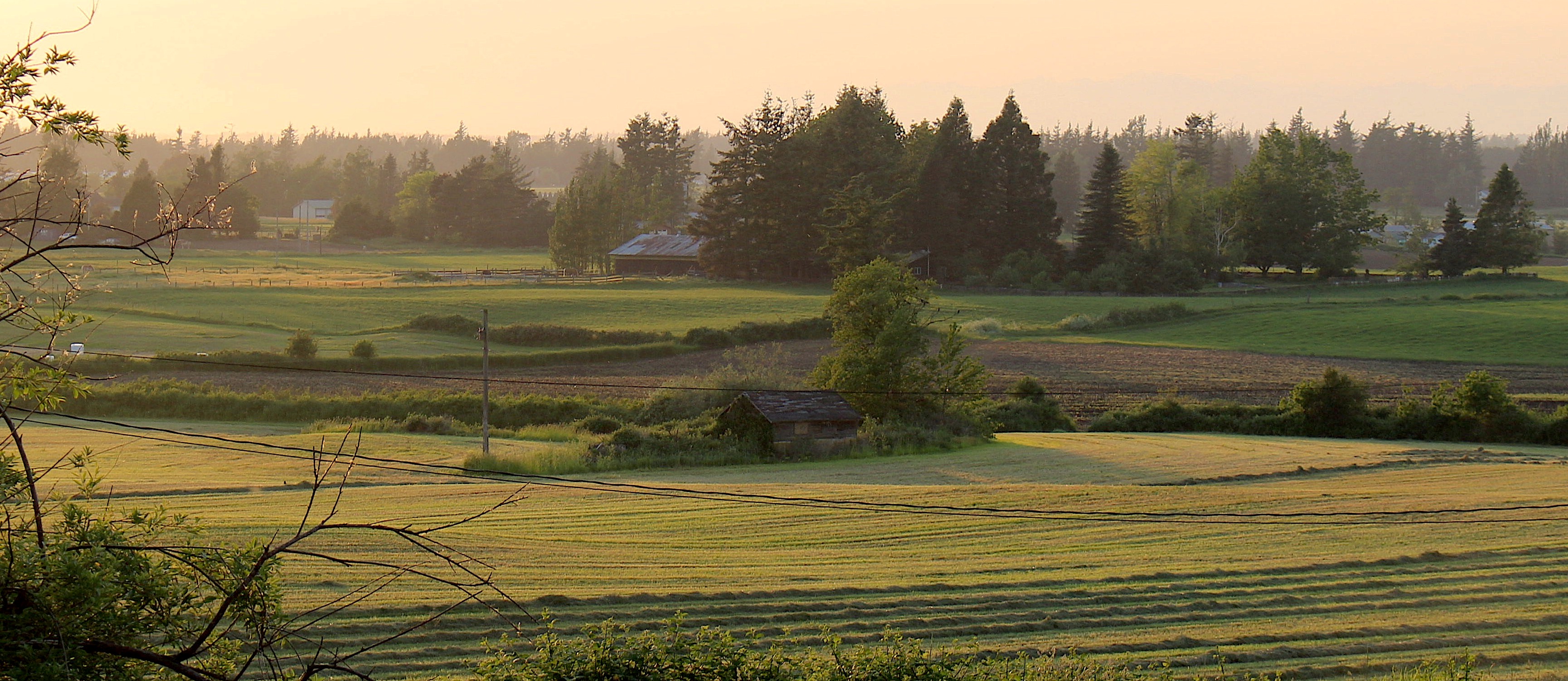
However you may come, You’ll see it suddenly Lie open to the light Amid the woods: a farm Little enough to see Or call across—cornfield, Hayfield, and pasture, clear As if remembered, dreamed And yearned for long ago, Neat as a blossom now With all the pastures mowed And the dew fresh upon it, Bird music all around. That is the vision, seen As on a Sabbath walk: The possibility Of human life whose terms Are Heaven’s and this earth’s.
The land must have its Sabbath Or take it when we starve. The ground is mellow now, Friable and porous: rich. Mid-August is the time To sow this field in clover And grass, to cut for hay Two years, pasture a while, And then return to corn.
This way you come to know That something moves in time That time does not contain. For by this timely work You keep yourself alive As you came into time, And as you’ll leave: God’s dust, God’s breath, a little Light. ~Wendell Berry from The Farm
These are fragrant acres where Evening comes long hours late And the still unmoving air Cools the fevered hands of Fate.
Meadows where the afternoon Hangs suspended in a flower And the moments of our doom Drift upon a weightless hour.
And we who thought that surely night Would bring us triumph or defeat Only find that stars are white Clover at our naked feet. ~Tennessee Williams “Clover”
Farming is daily work outside of the constraints of time – labor done this day is caring for what is eternal, despite weather, war, uncertainty.
There is a timelessness about summer: the preparing and planting and preserving, a cycle of living and dying repeating through generations.
We, like our farming forebears, will become God’s dust again.
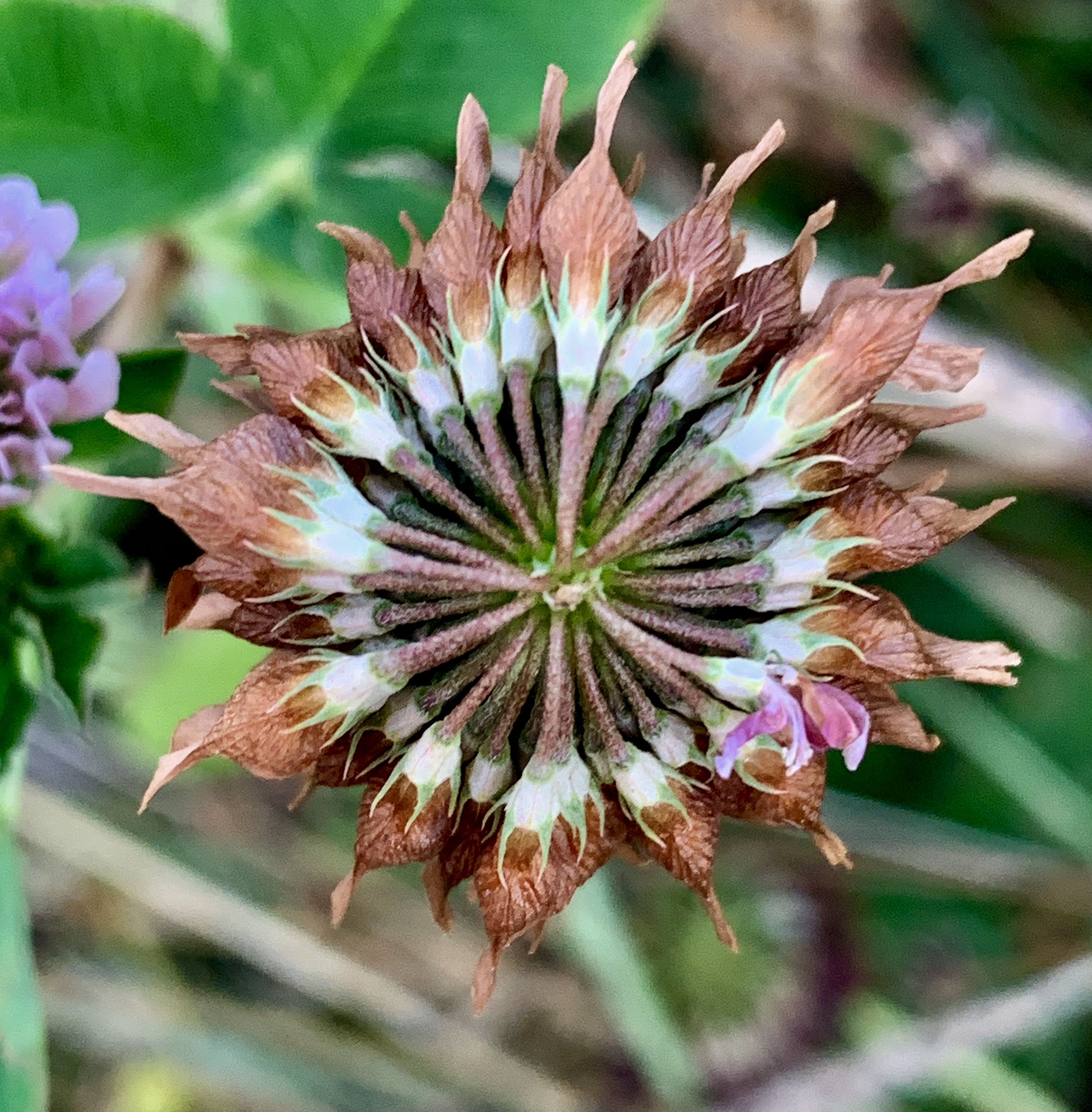
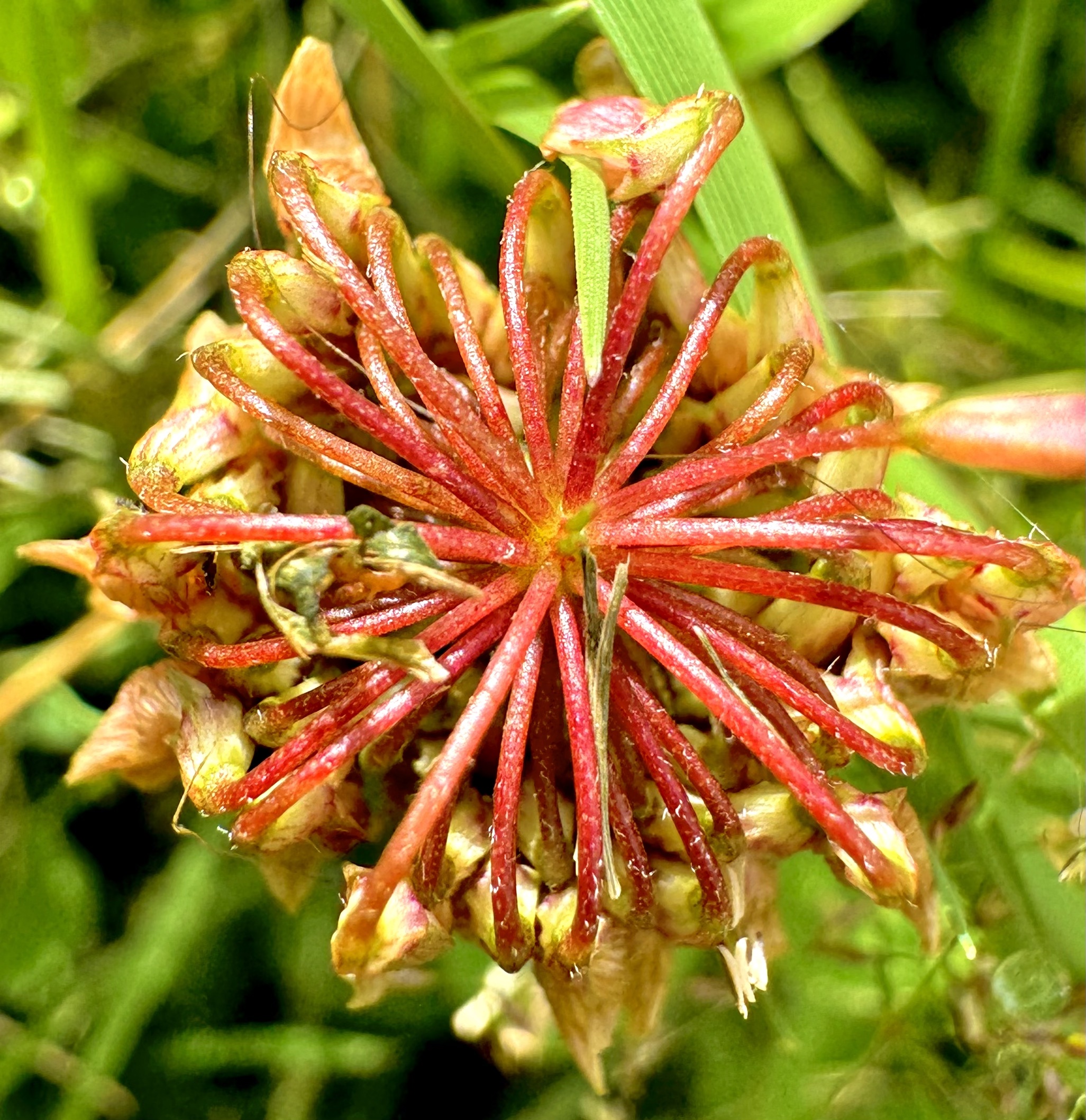
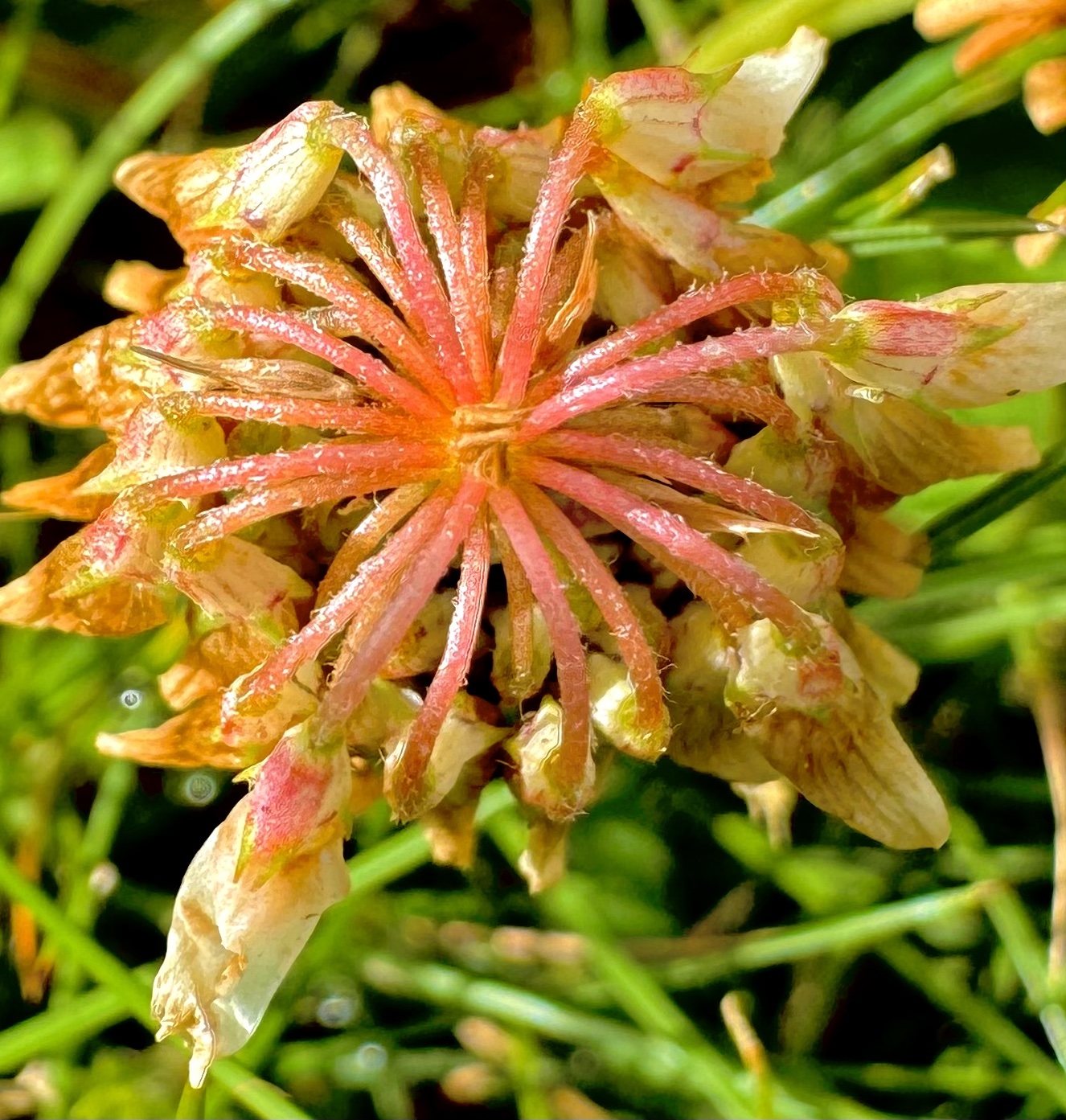
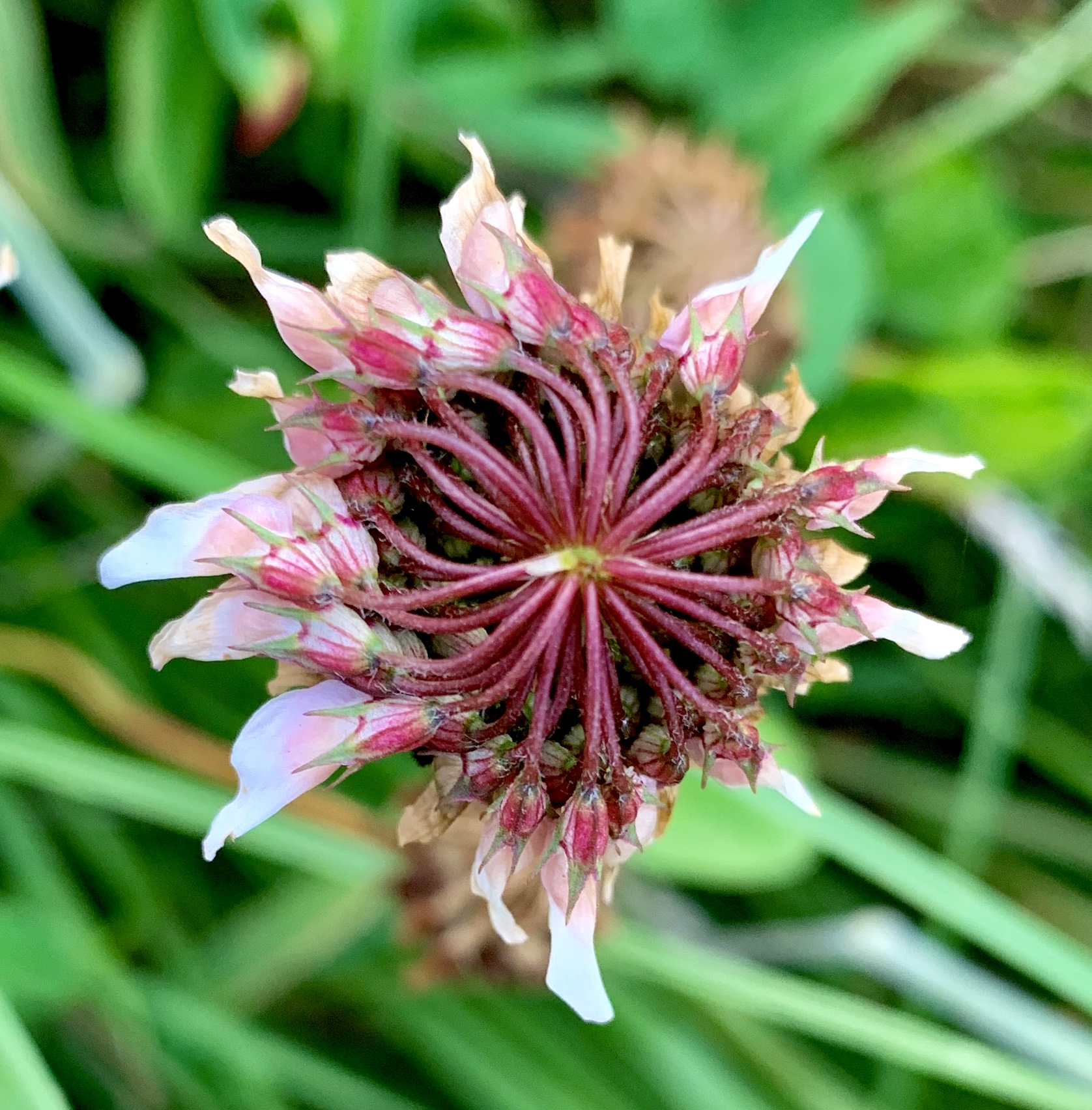
I’m reminded, walking through our pasture’s clover, I become seed and soil for the next generation. Like a blossom so plain and unnoticed during its life, I enfolds myself back to the ground, sighing and dying.
Perhaps it is the breath of clover we should remember at the last, as God’s own breath.
Inhale deeply of Him in the dust of the clover field.
AI image created for this post
One-Time
Monthly
Yearly
Make a one-time or recurring donation to support daily Barnstorming posts






















 Barnstorming