…I’m taking the day off. Quiet as a feather. I hardly move though really I’m traveling a terrific distance.
Stillness. One of the doors into the temple. ~Mary Oliver from “Today” from A Thousand Mornings
Some days warrant stillness. On this Sabbath day of rest, seek to be quiet as a feather, silently in place, listening.
Maybe, hear each other again. Surely, hear the Word of God.
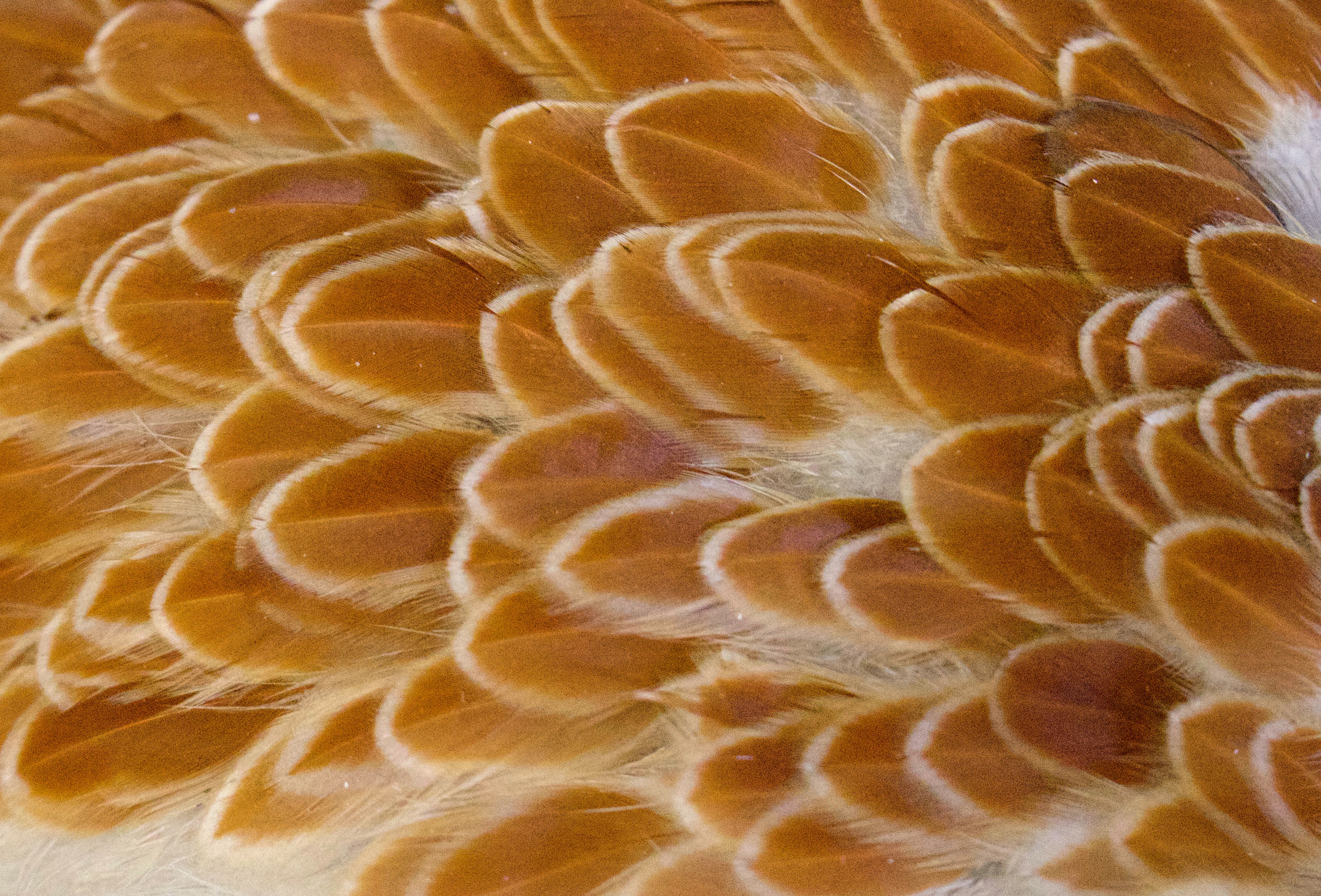
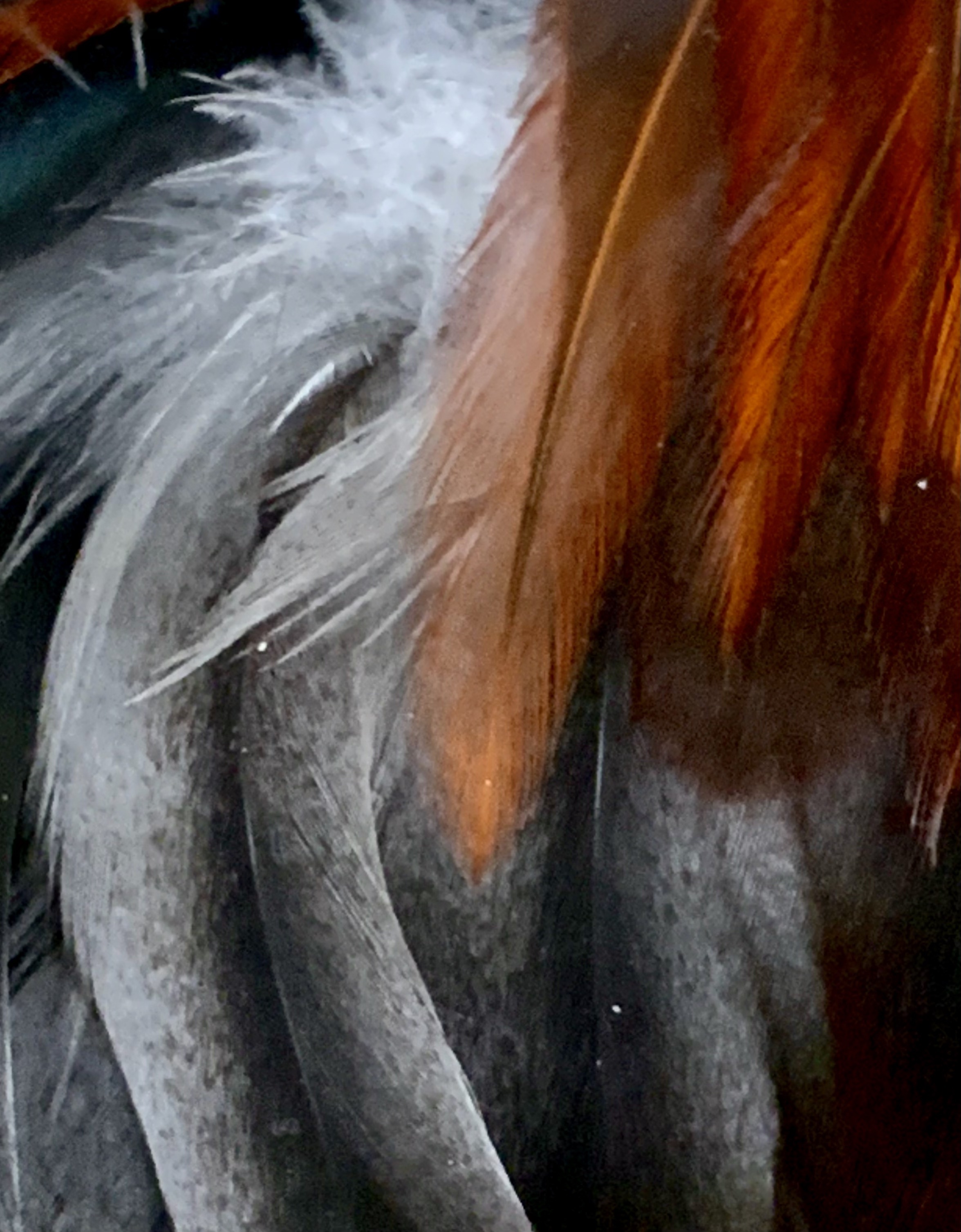
A funny thing about feathers: alone, each one is merely fluff and air. Together — feathers become lift and power, with strength and will to soar beyond the tether of gravity’s pull on our flawed humanity back to dust.
As quiet as a feather, joined and united, one overlapping another, rise above and fly as far as your life and breath can take you.
May peace be still.
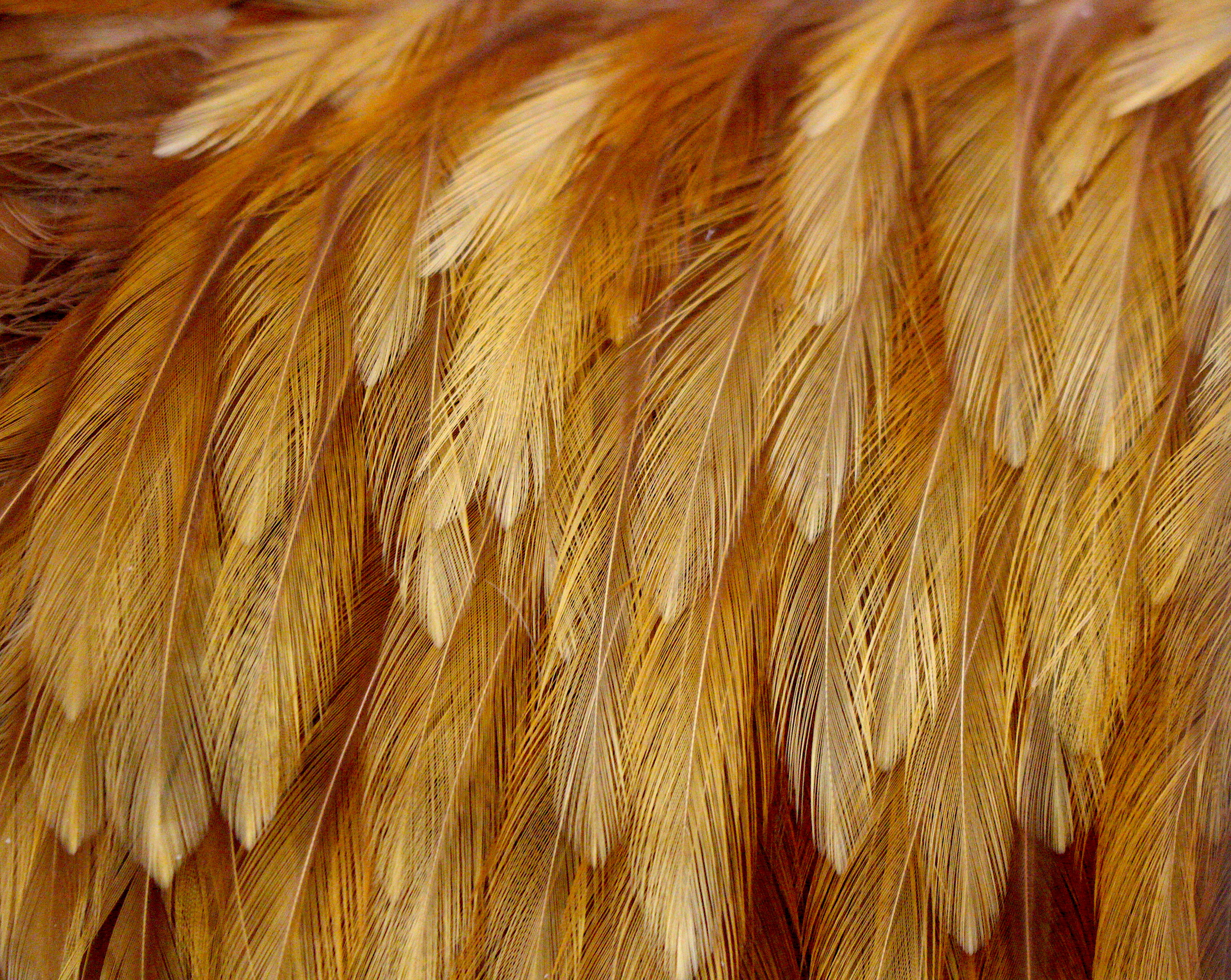
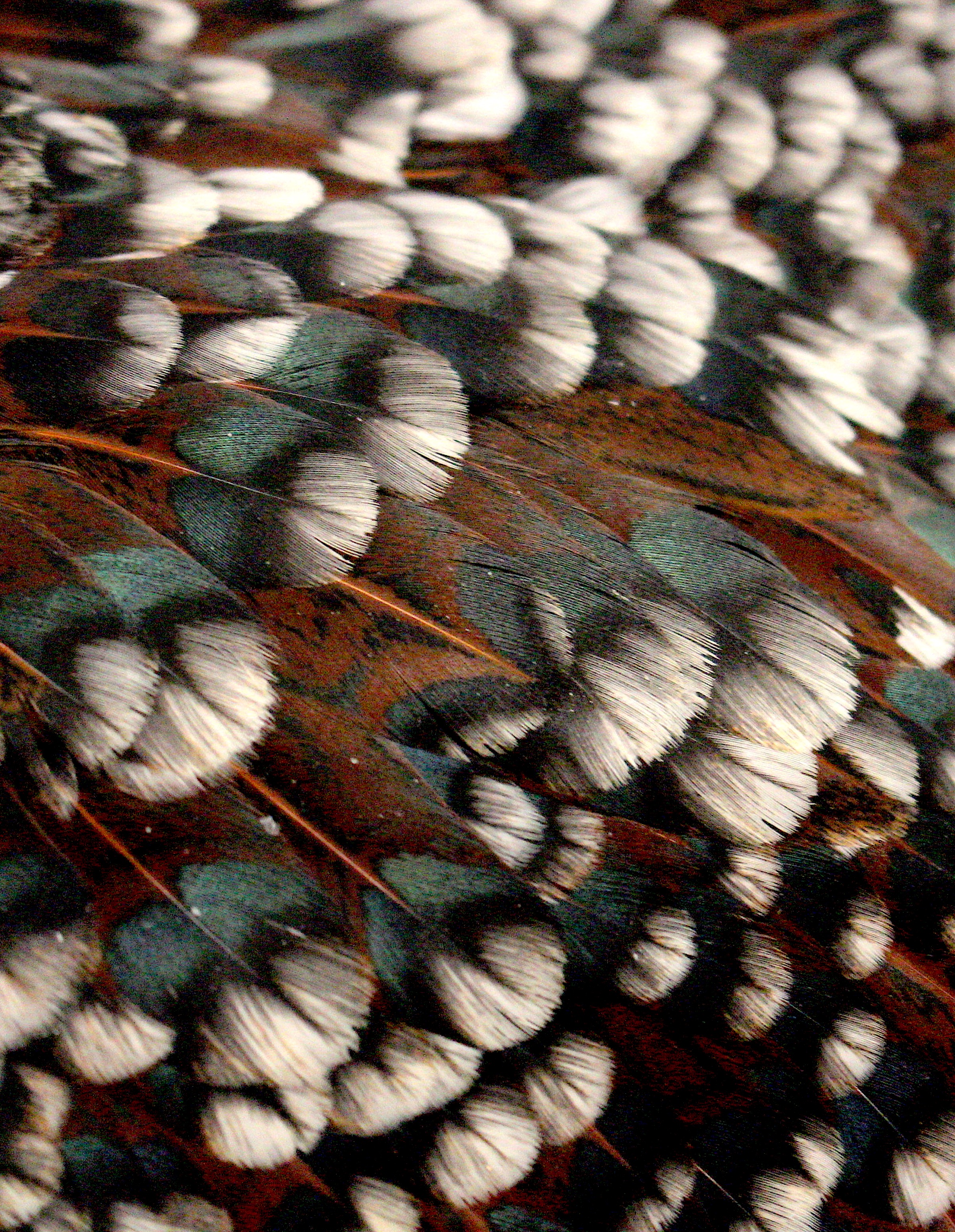
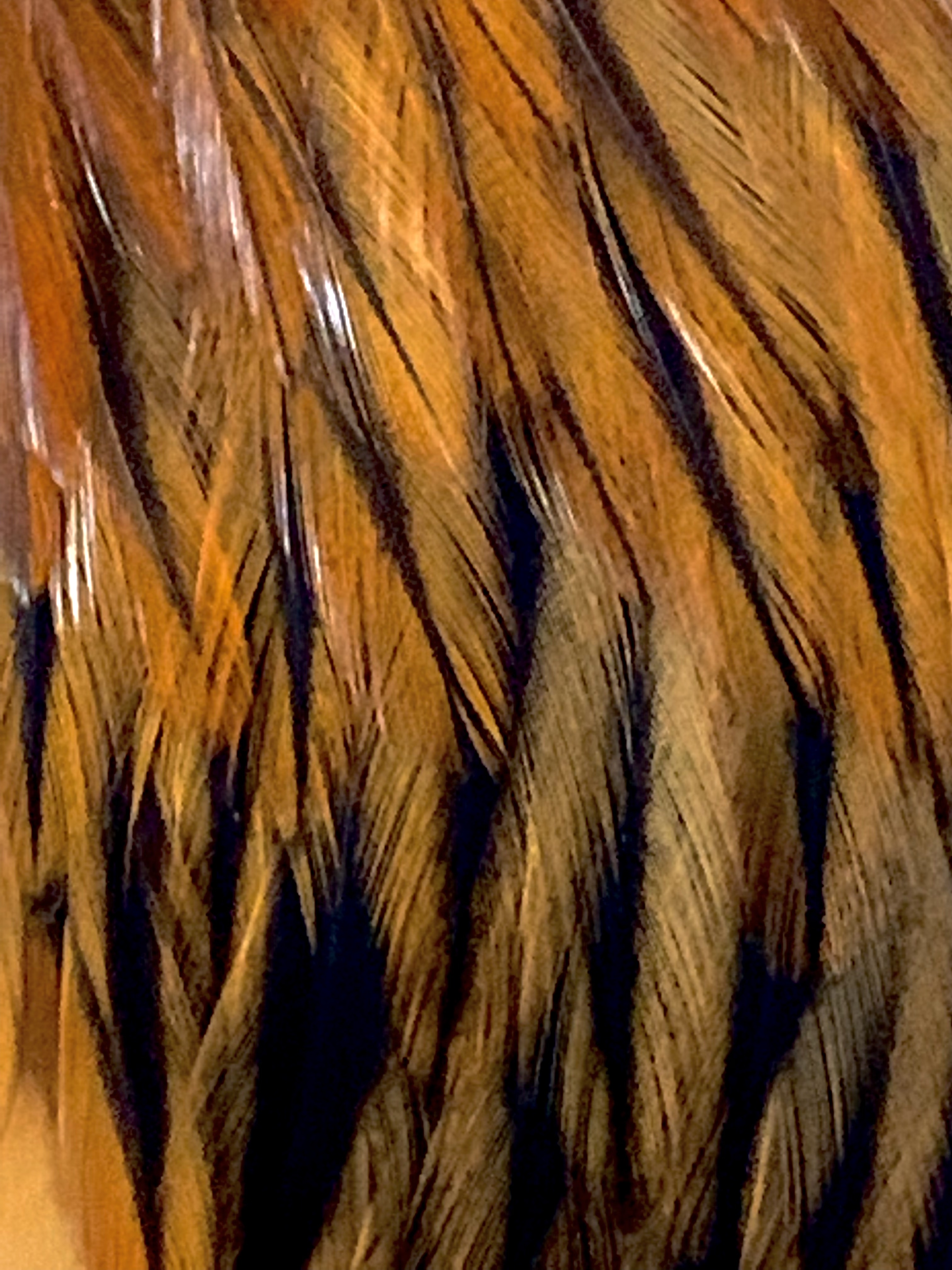
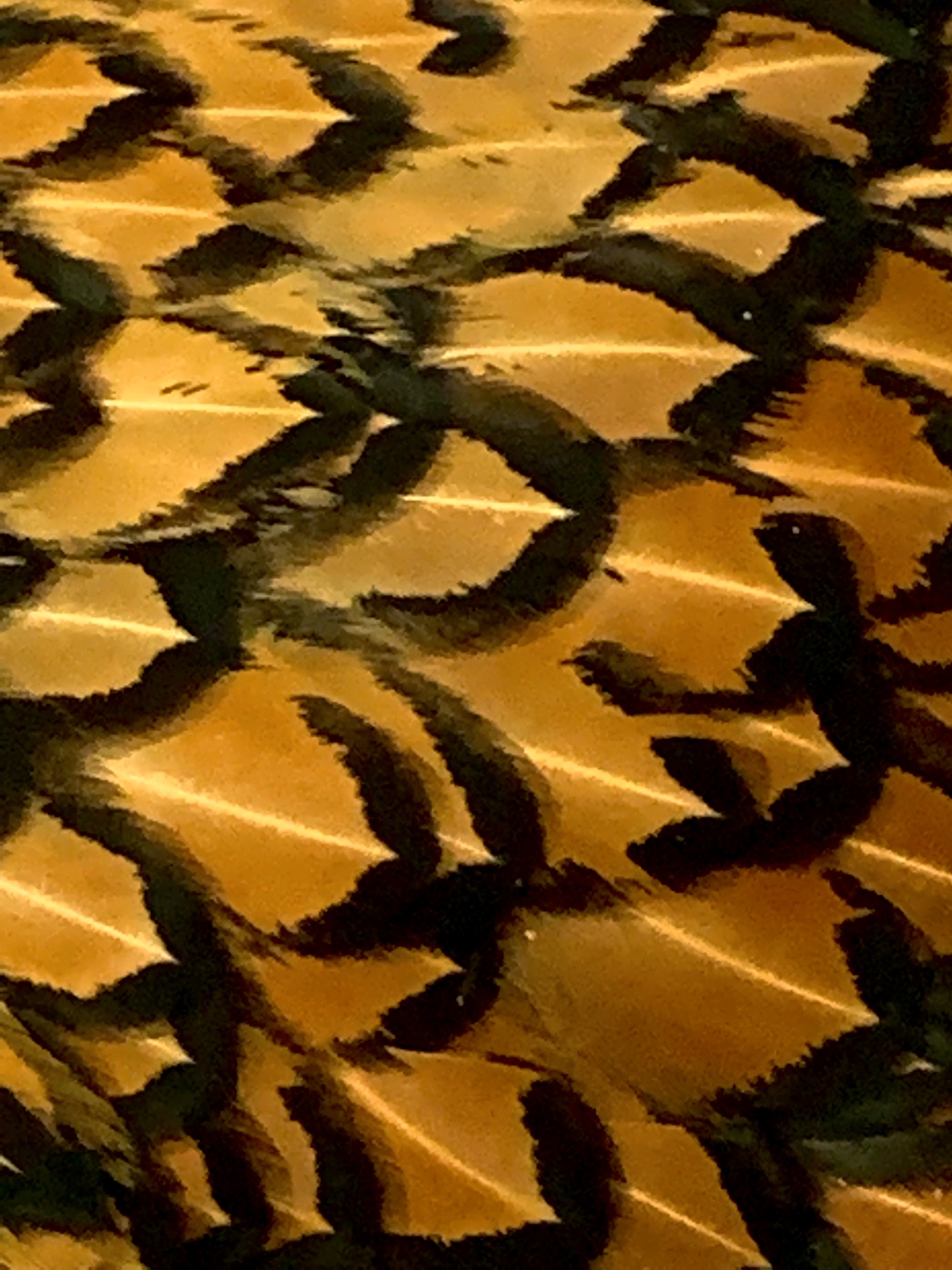
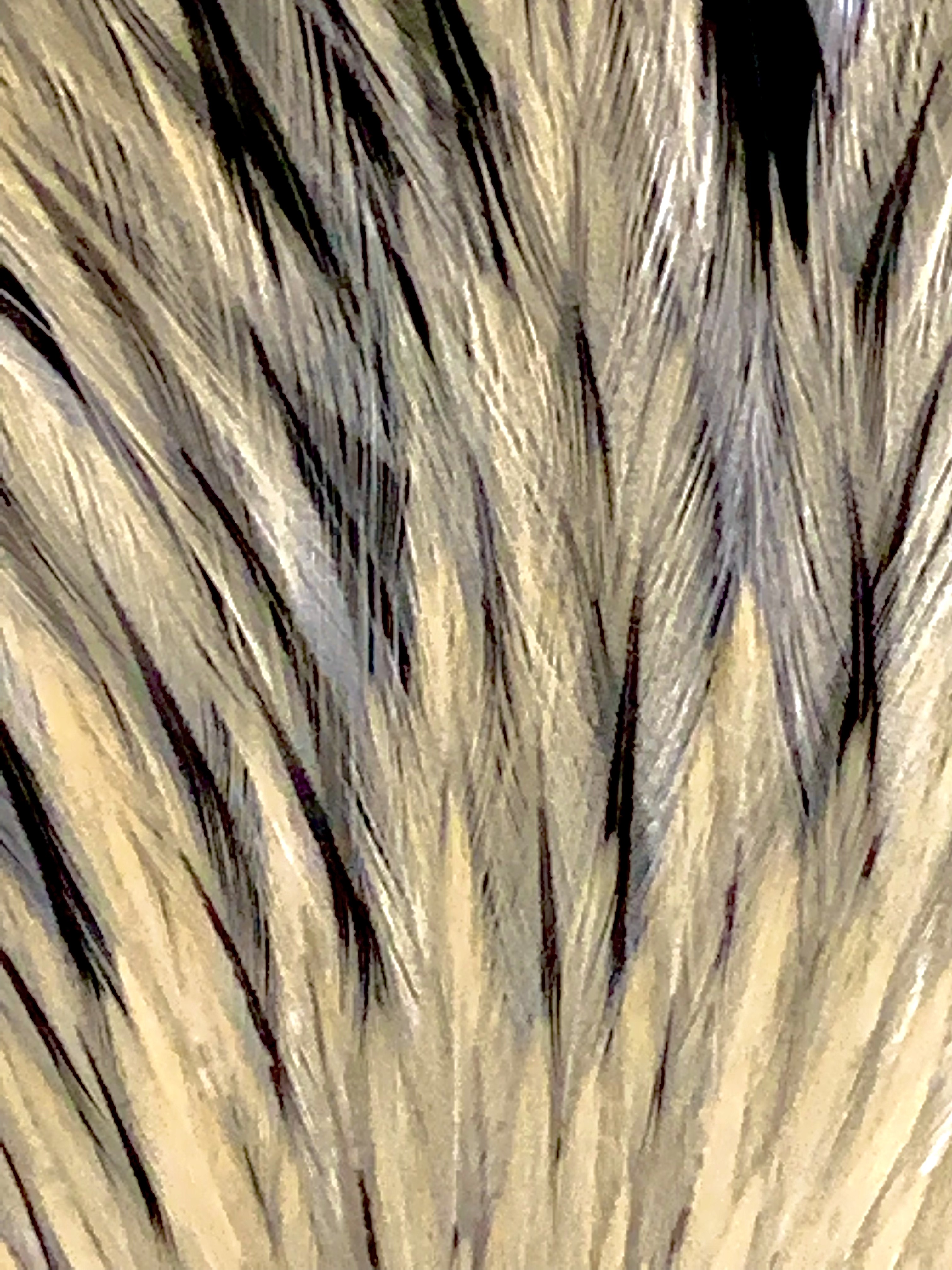
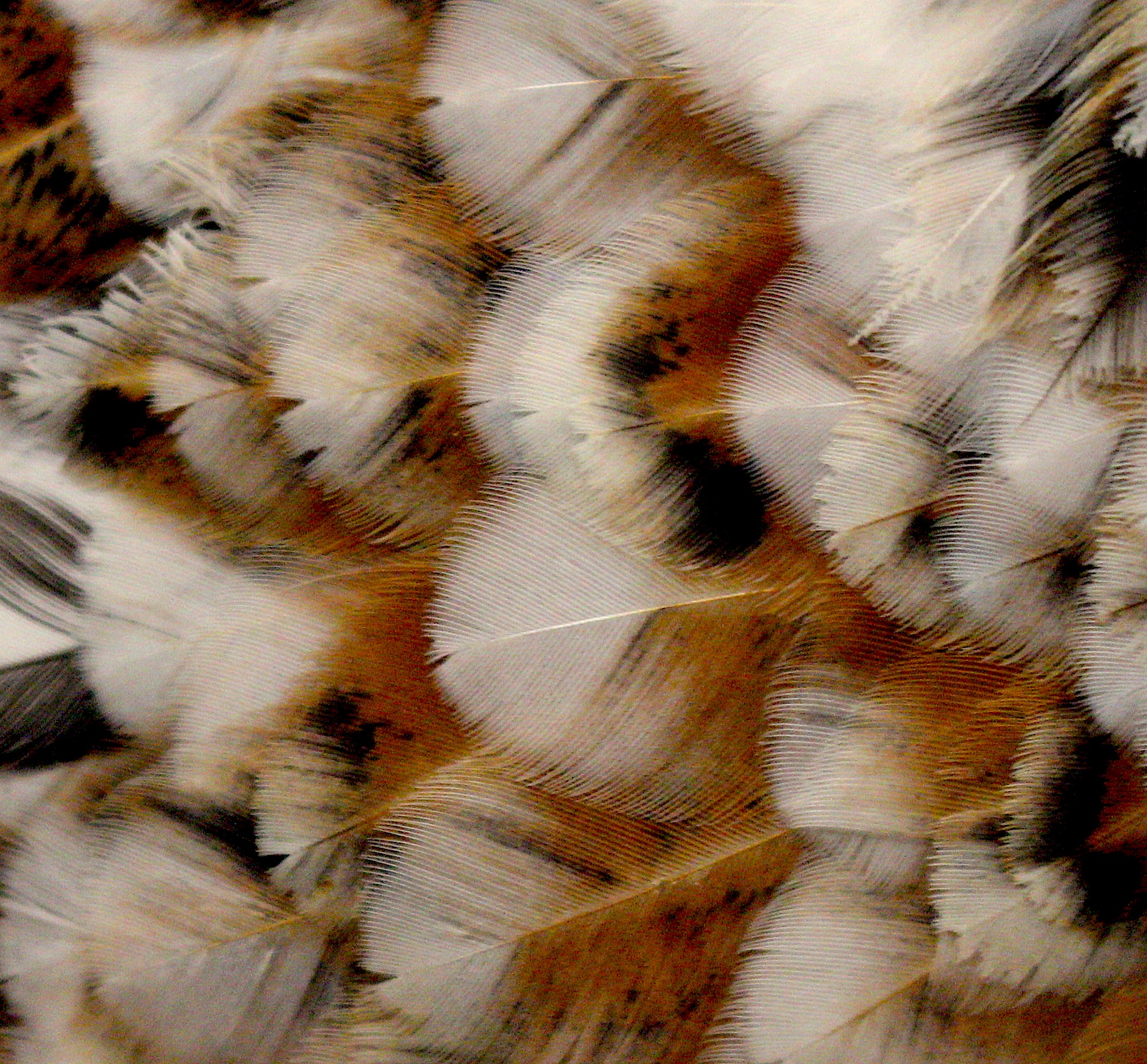
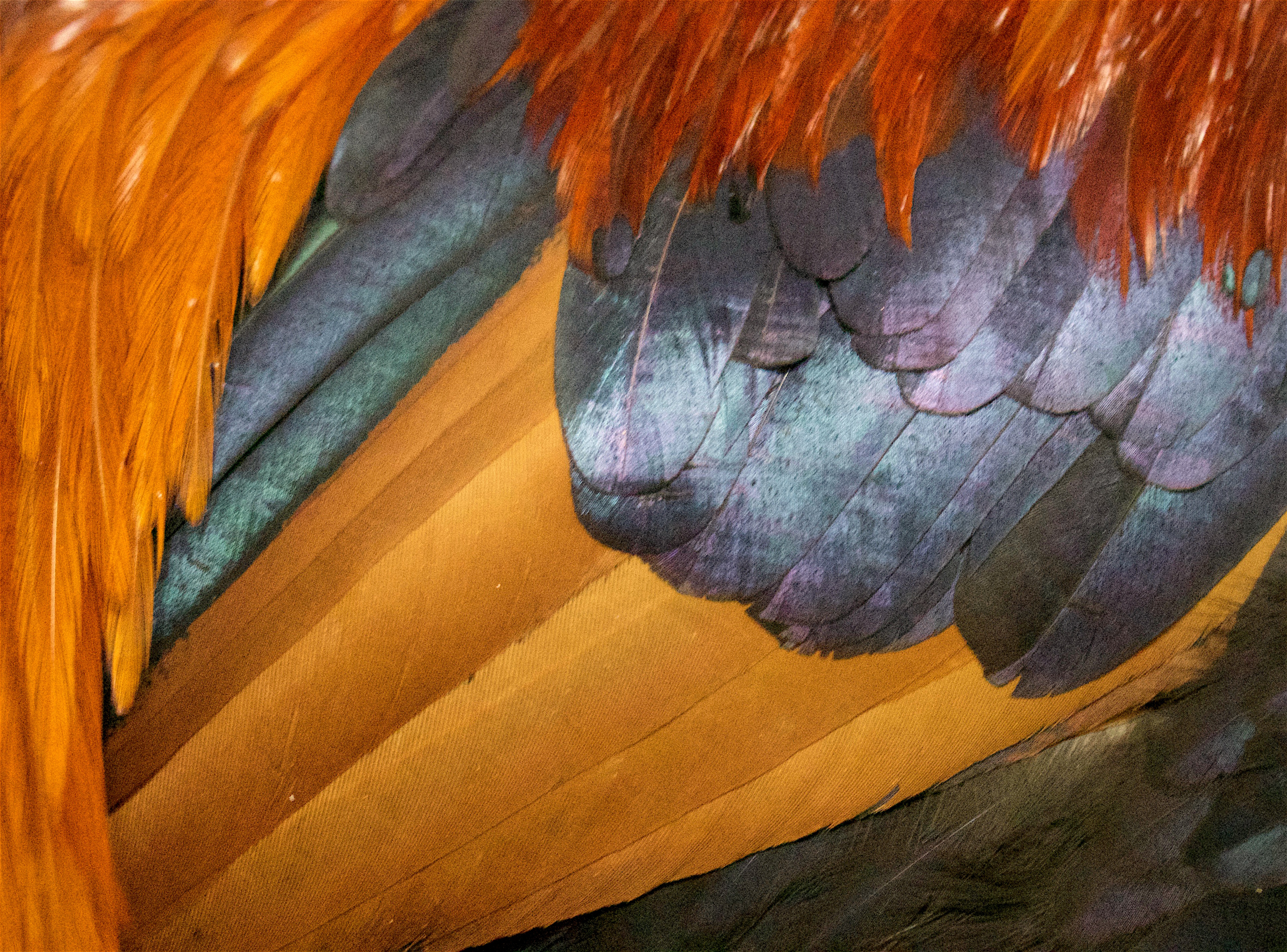
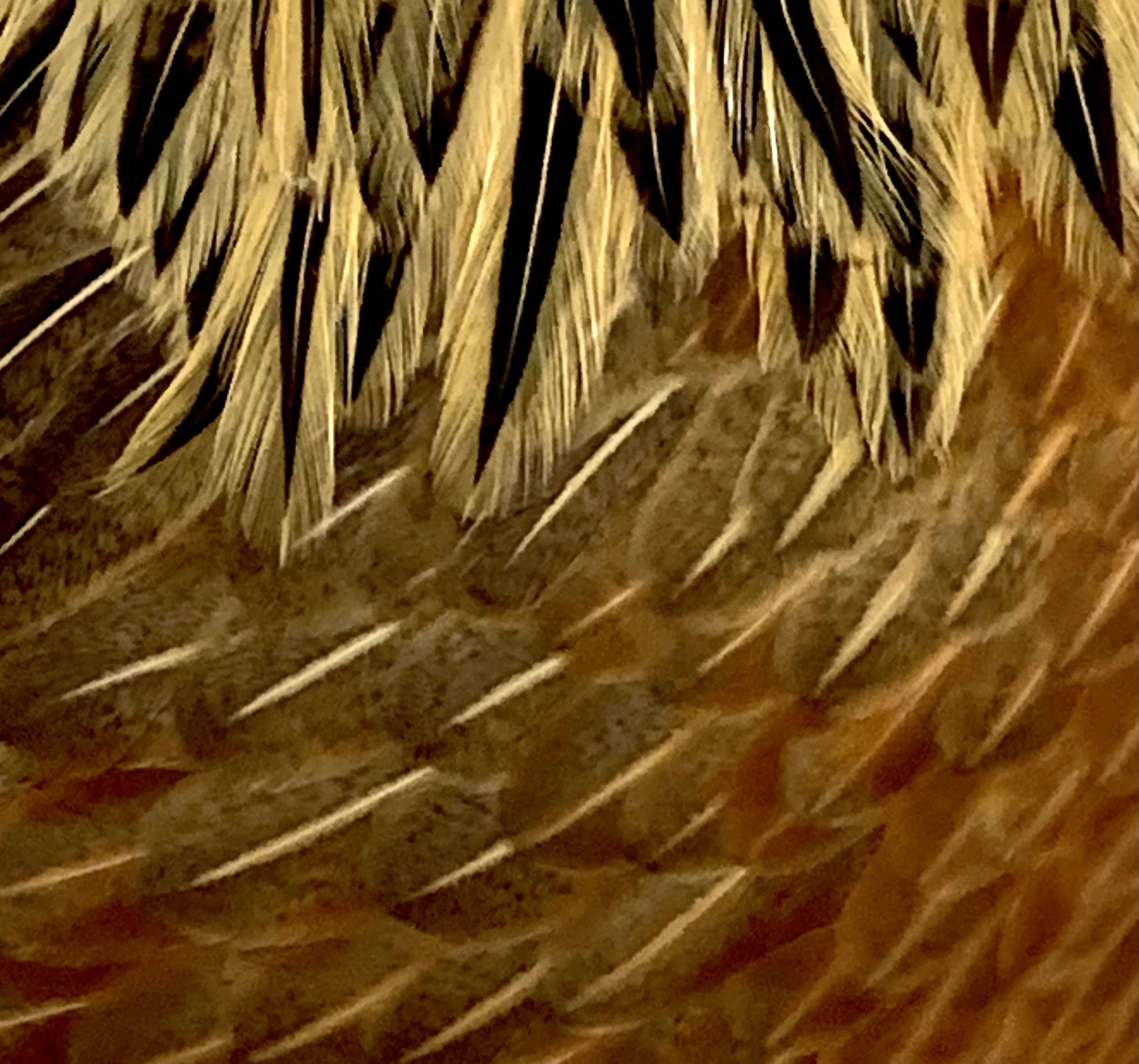
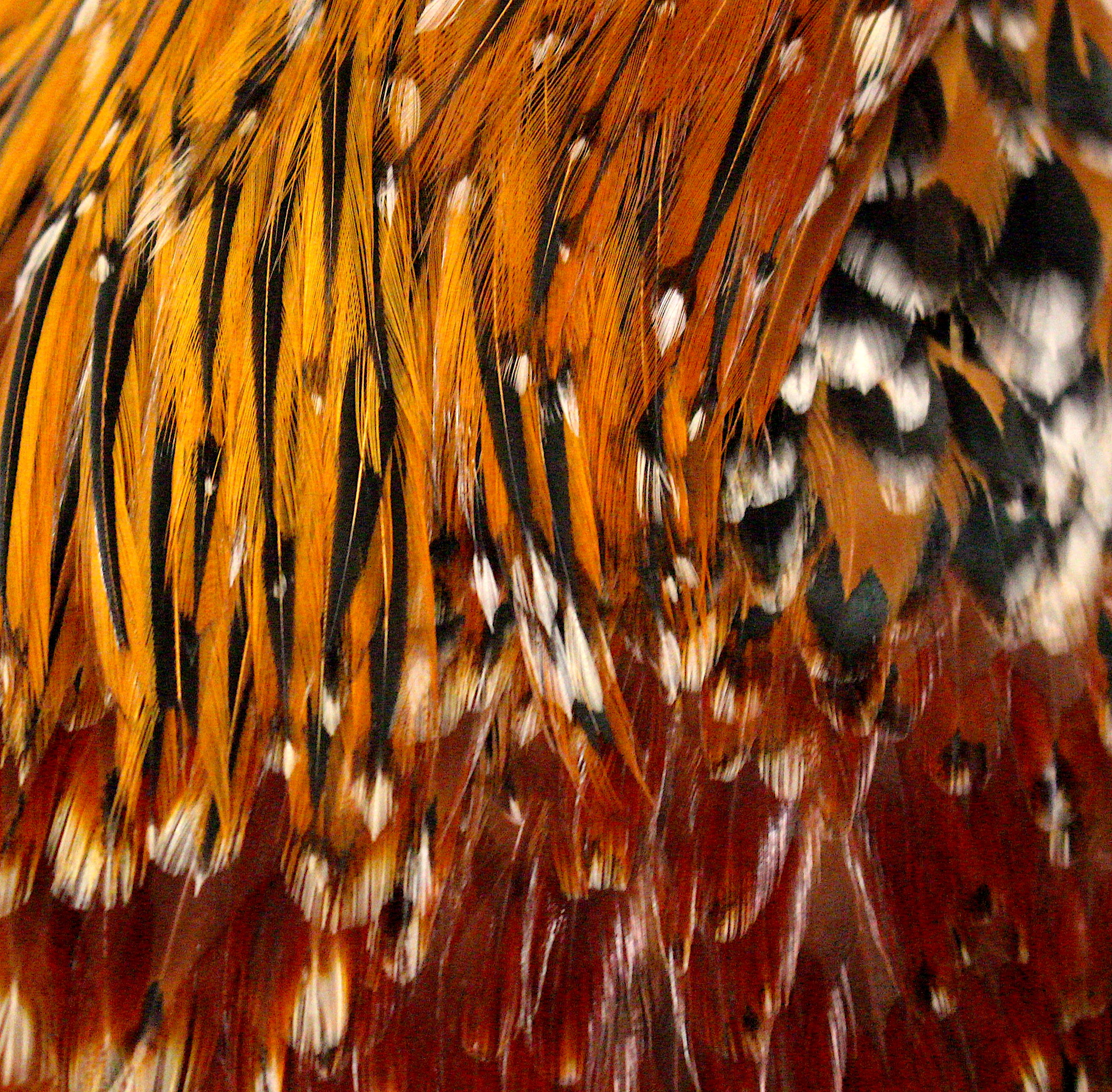
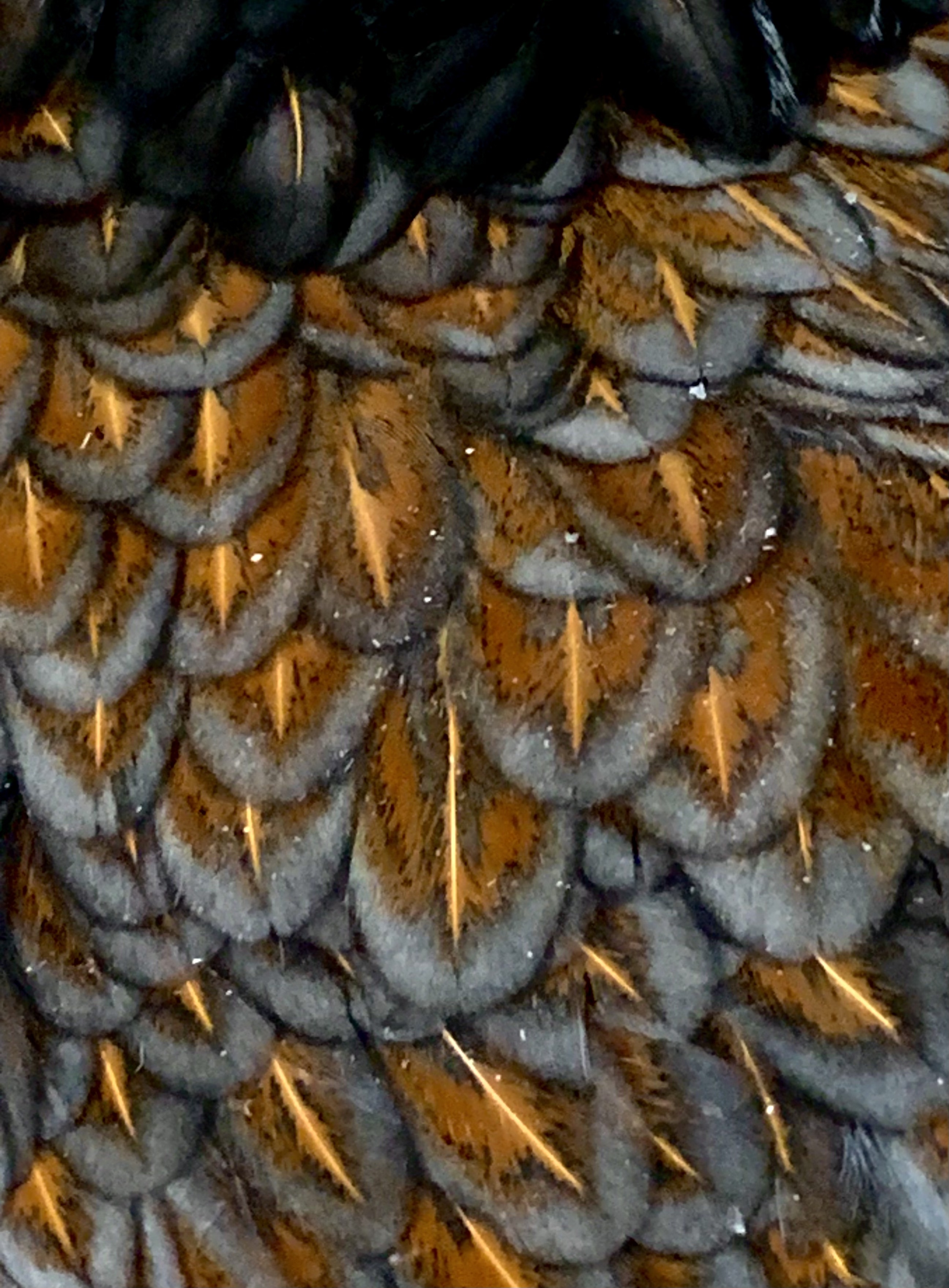
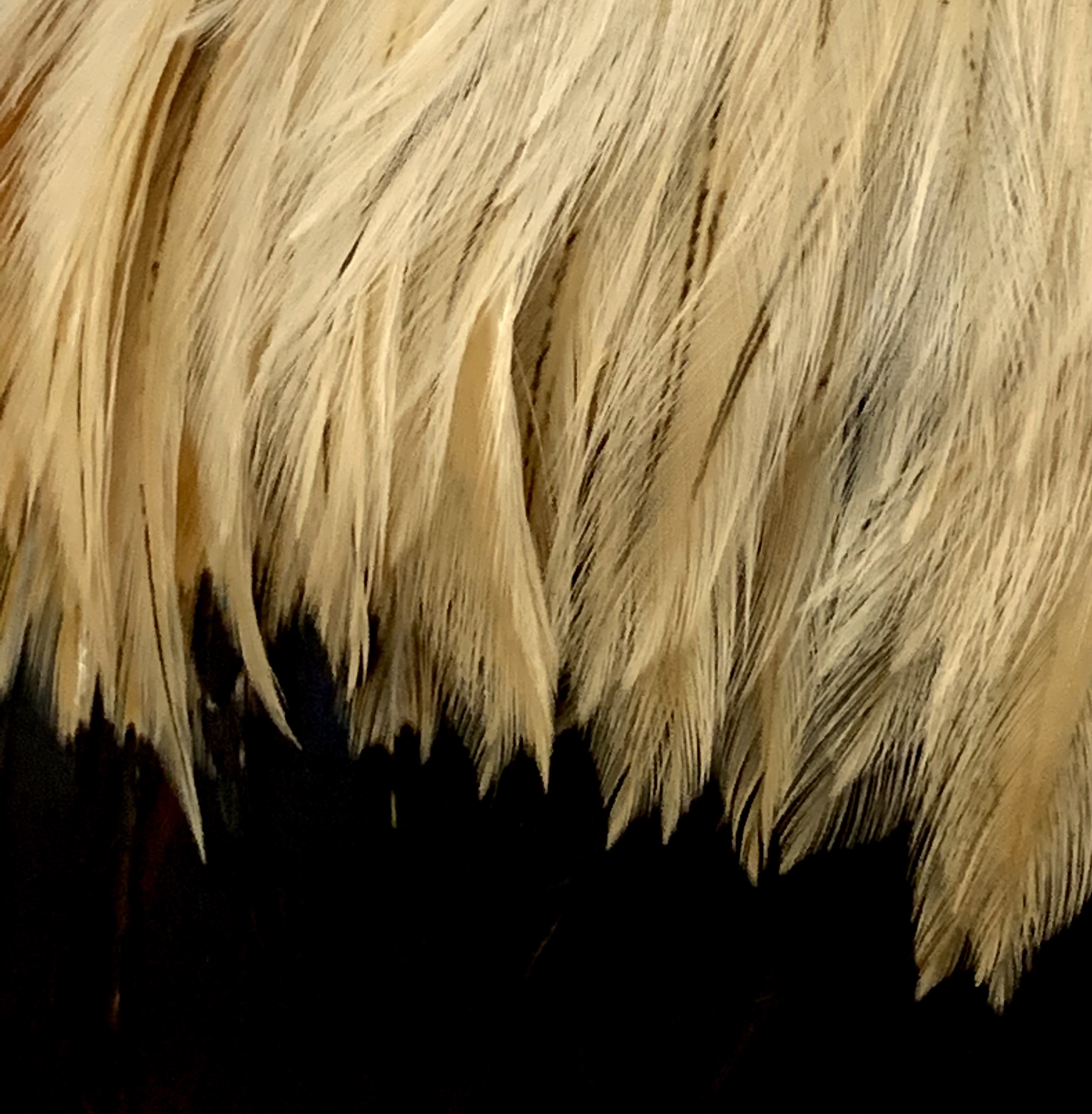
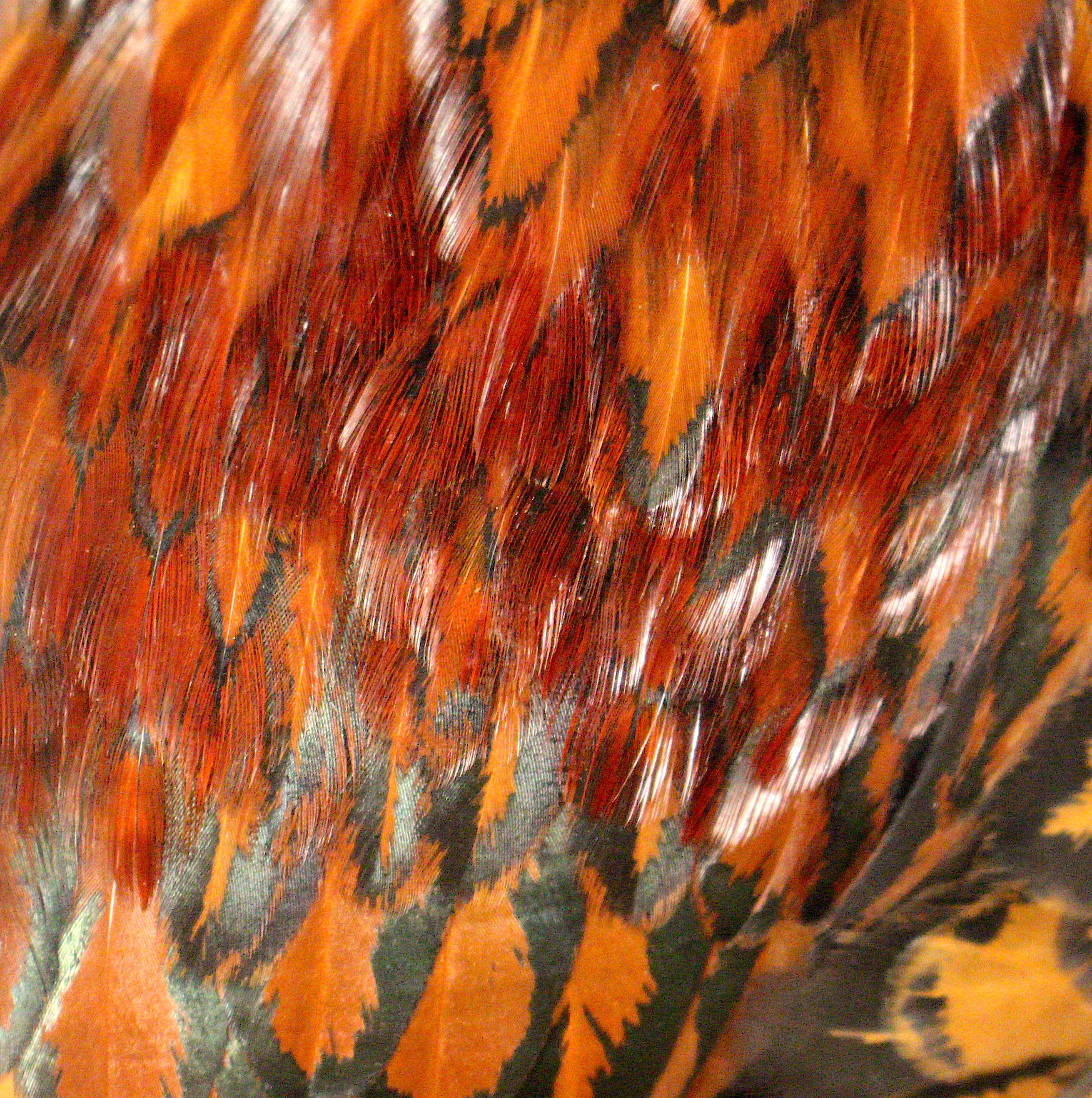
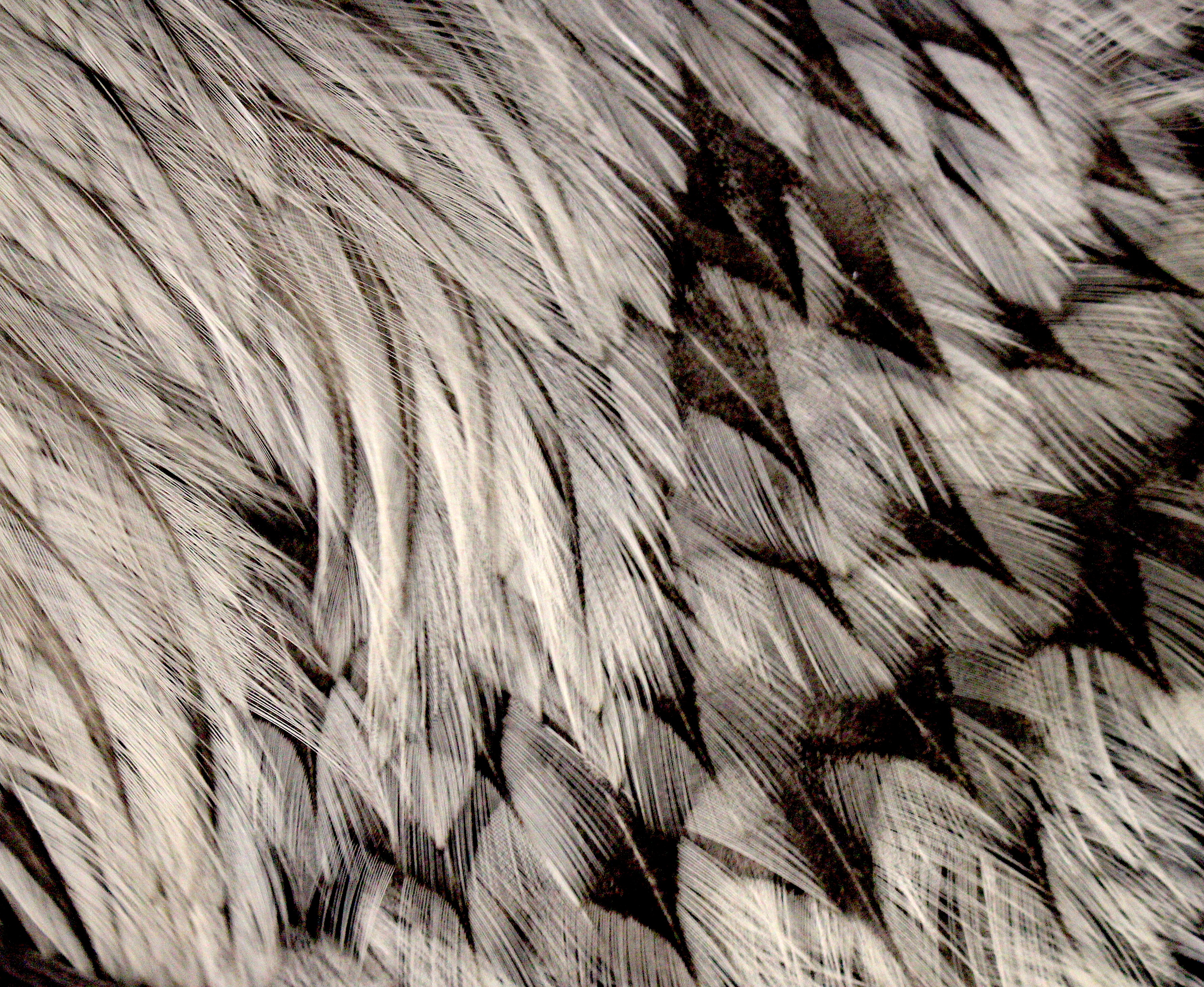
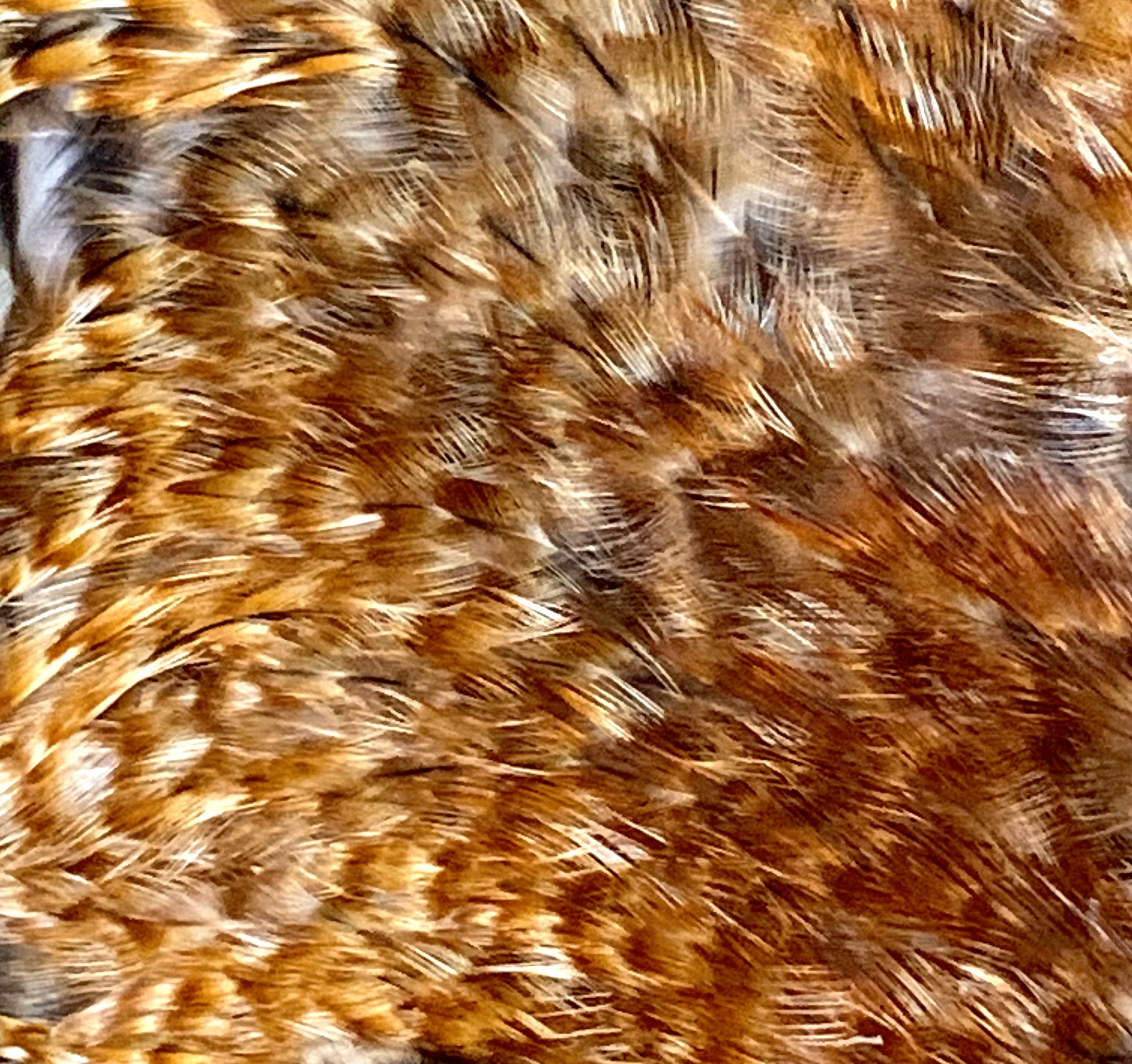
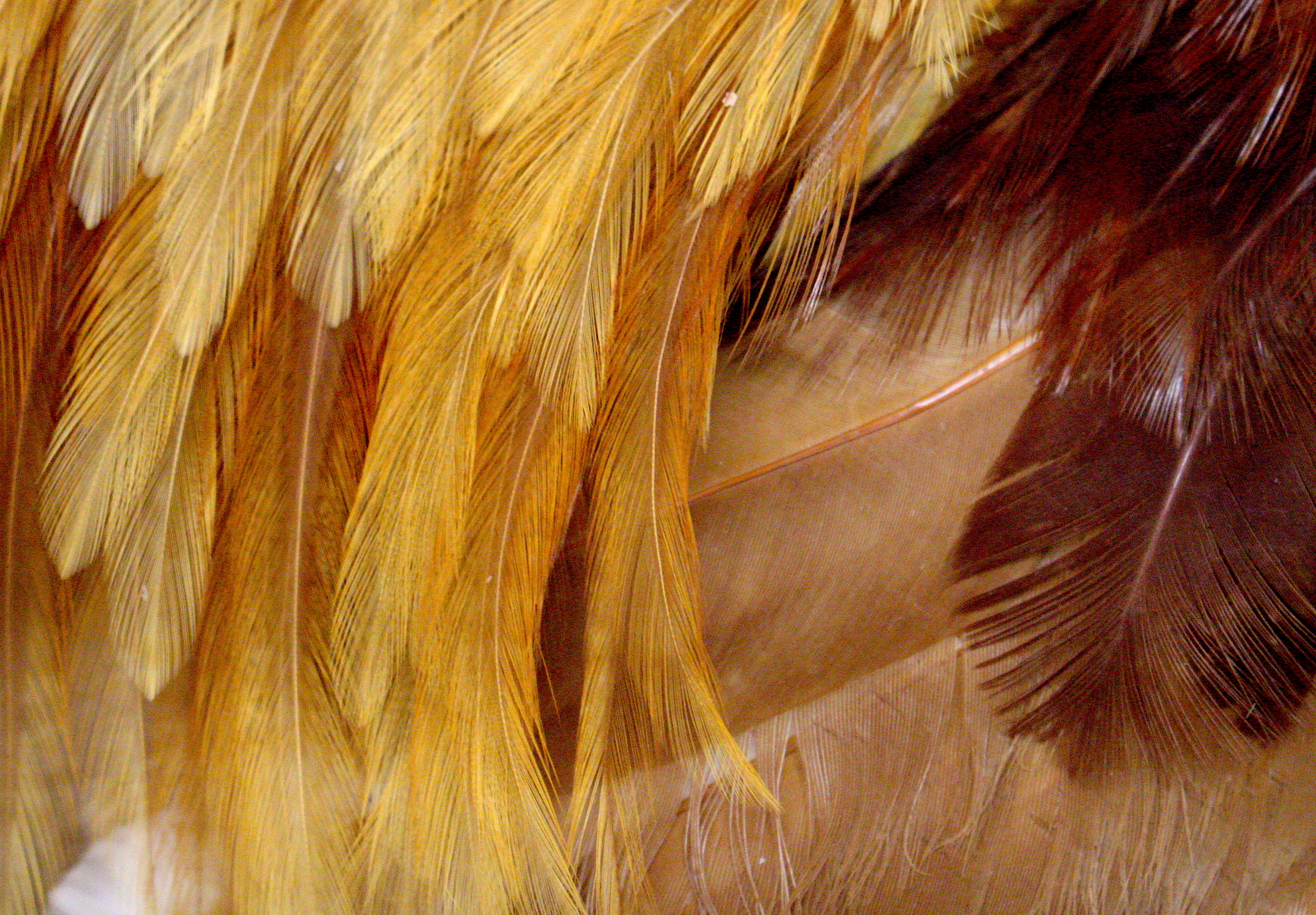
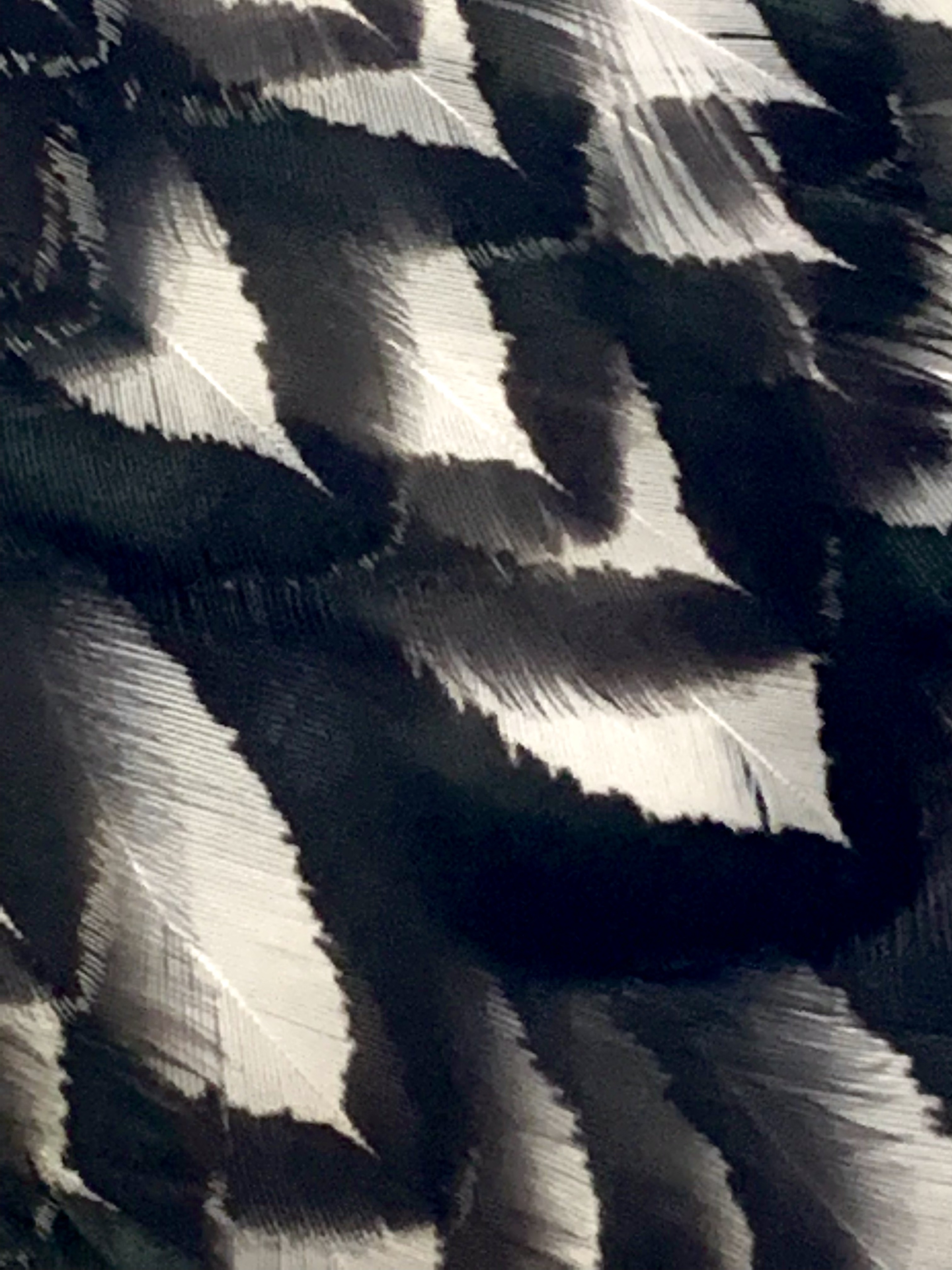
Thank you, once again, to the chickens displayed at the NW Washington Fair in Lynden last week, who struggled to be still in their cages for these close-up feather photos….
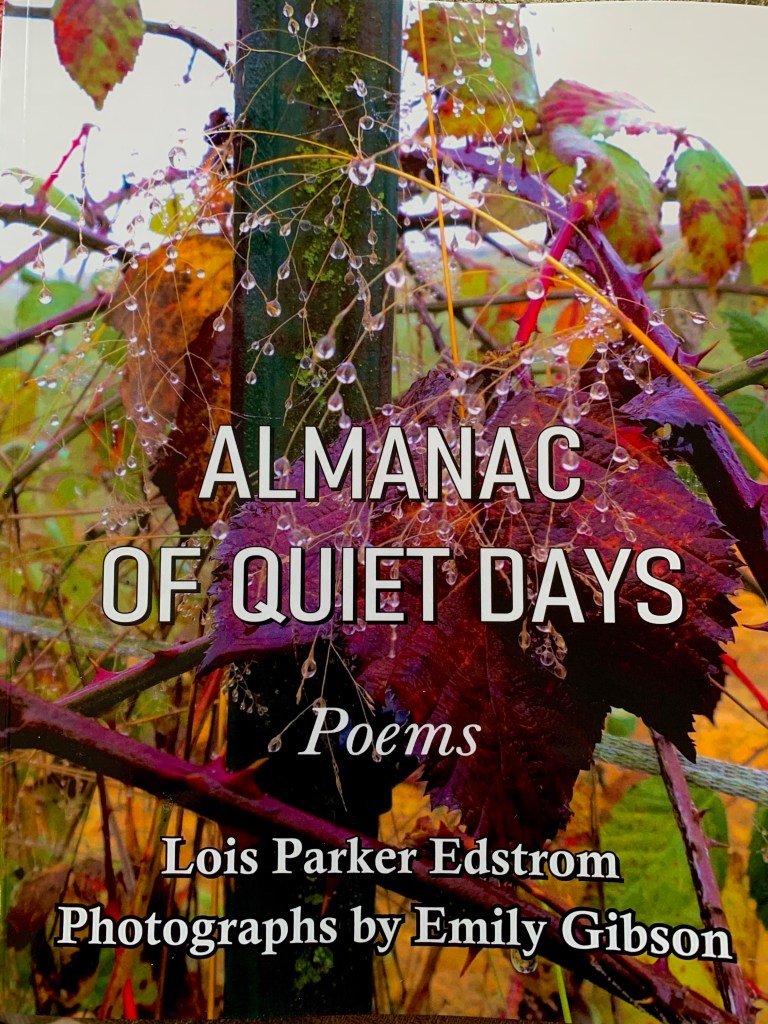
More Barnstorming photos and poems from Lois Edstrom are available in this book from Barnstorming. Order here:
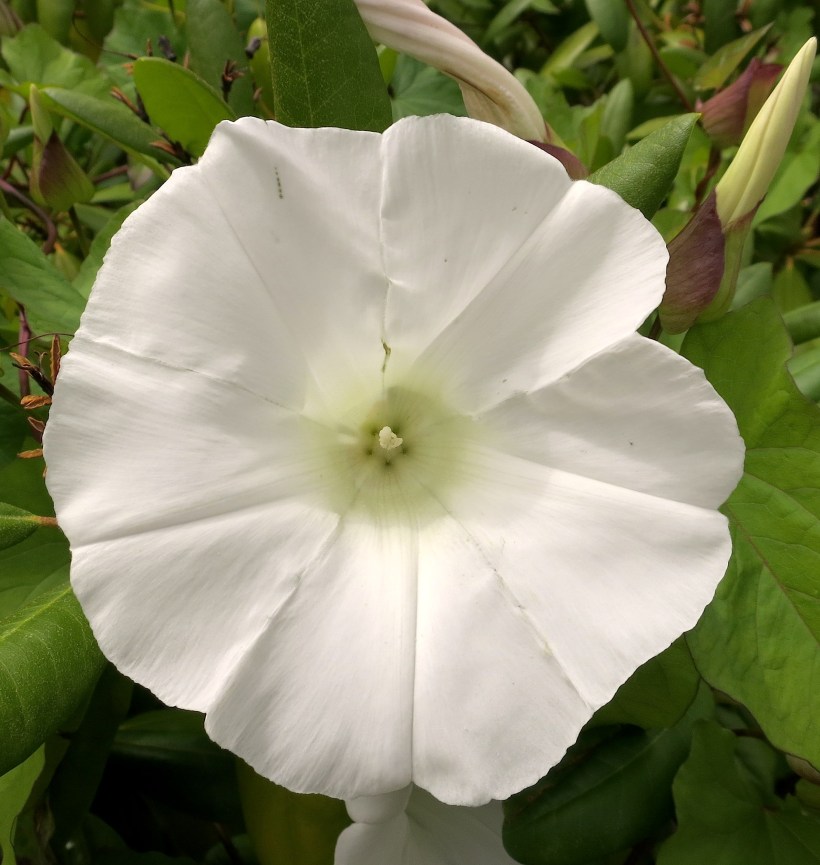
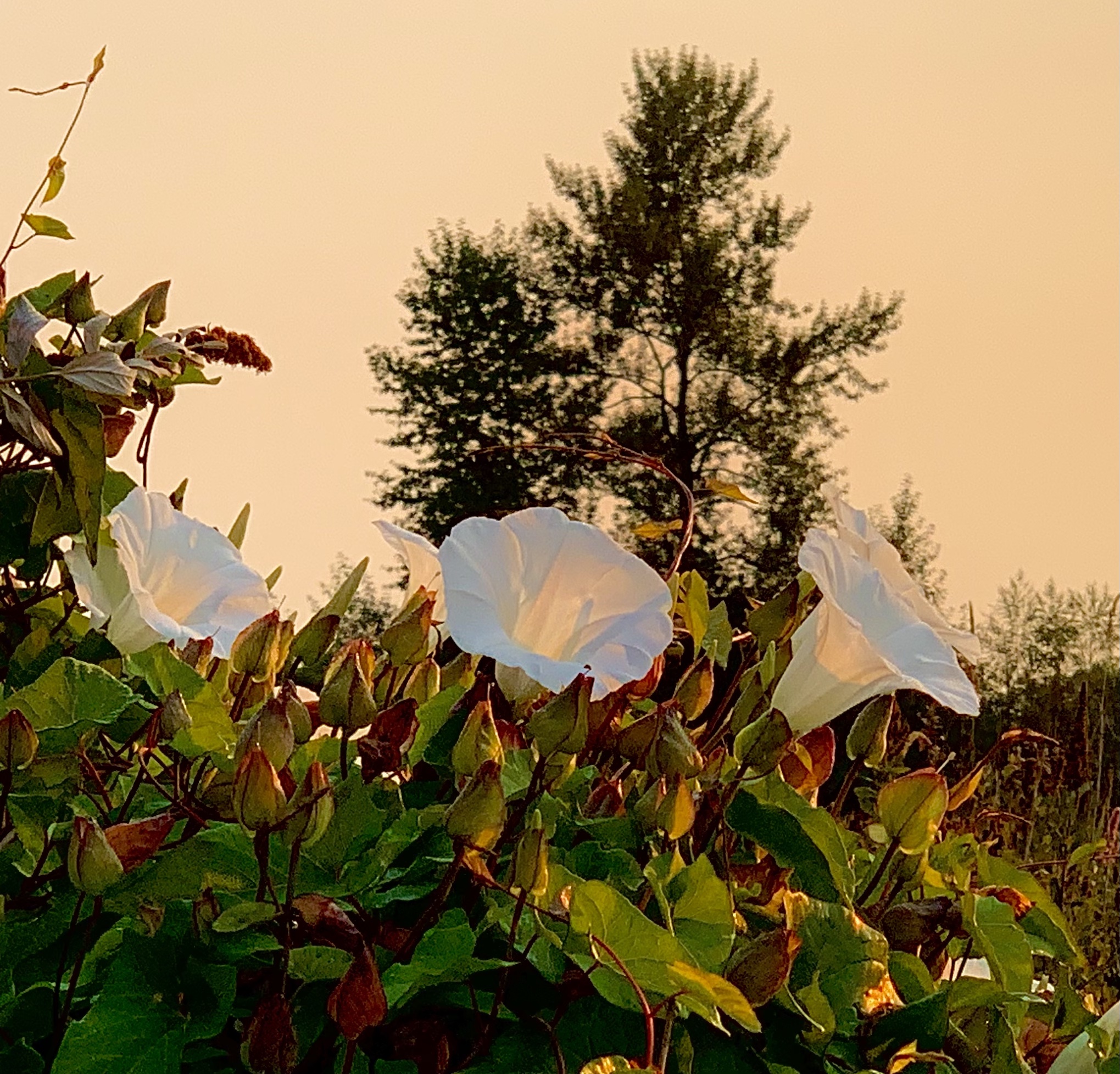
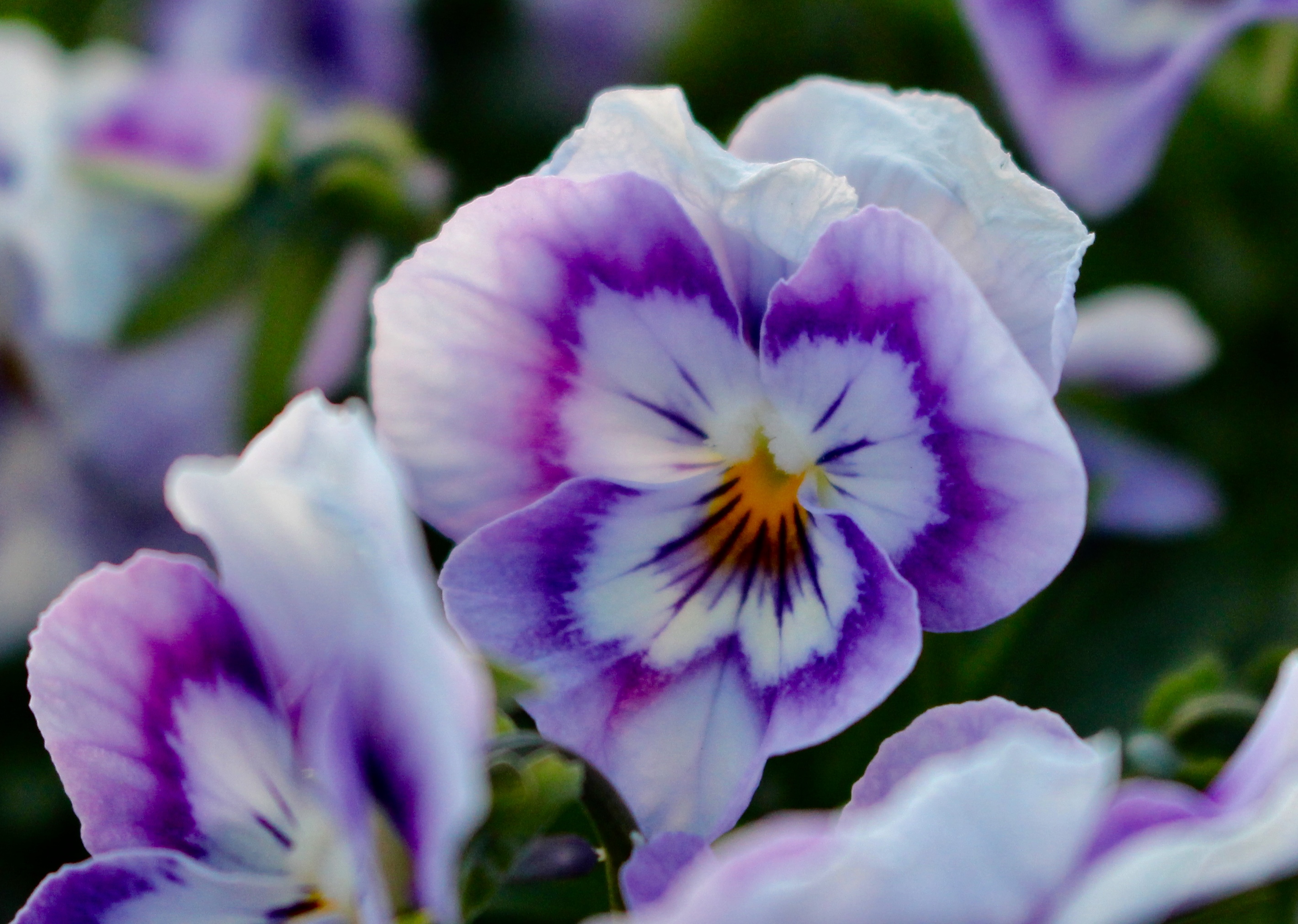
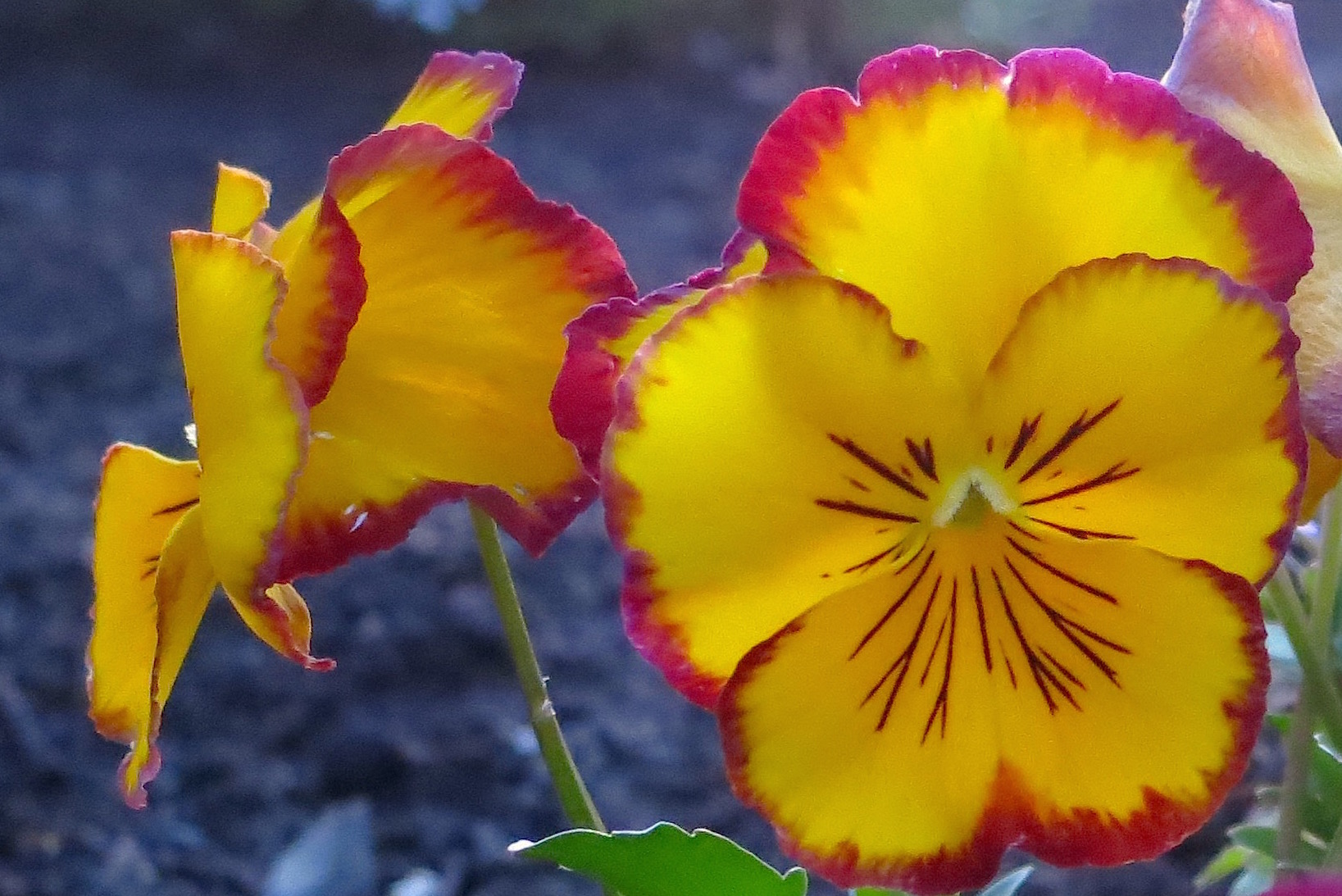
Old-fashioned flowers! I love them all: The morning-glories on the wall, The pansies in their patch of shade, The violets, stolen from a glade, The bleeding hearts and columbine, Have long been garden friends of mine; But memory every summer flocks About a clump of hollyhocks.
The mind’s bright chambers, life unlocks Each summer with the hollyhocks. ~Edgar Guest from “Hollyhocks”
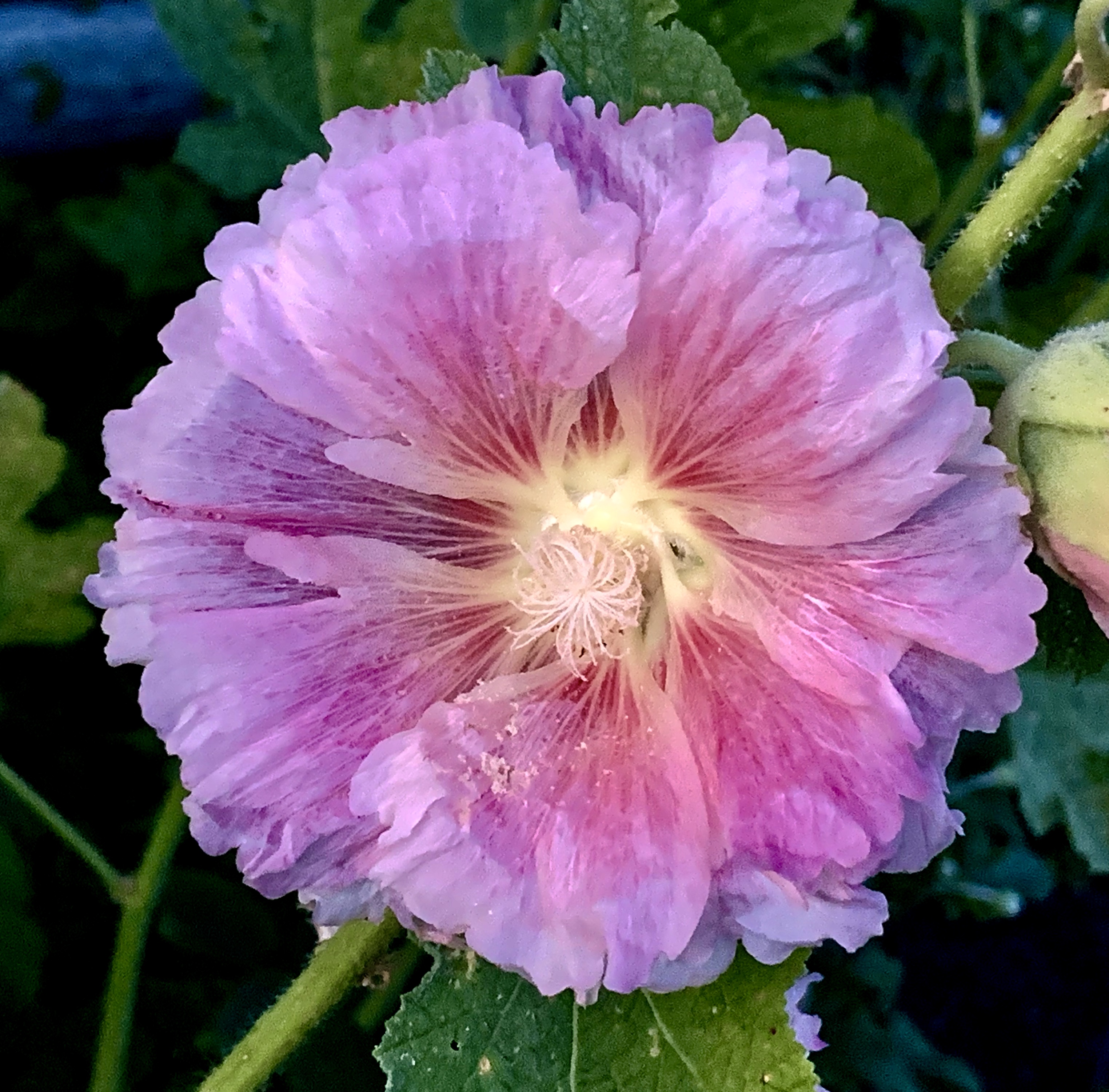
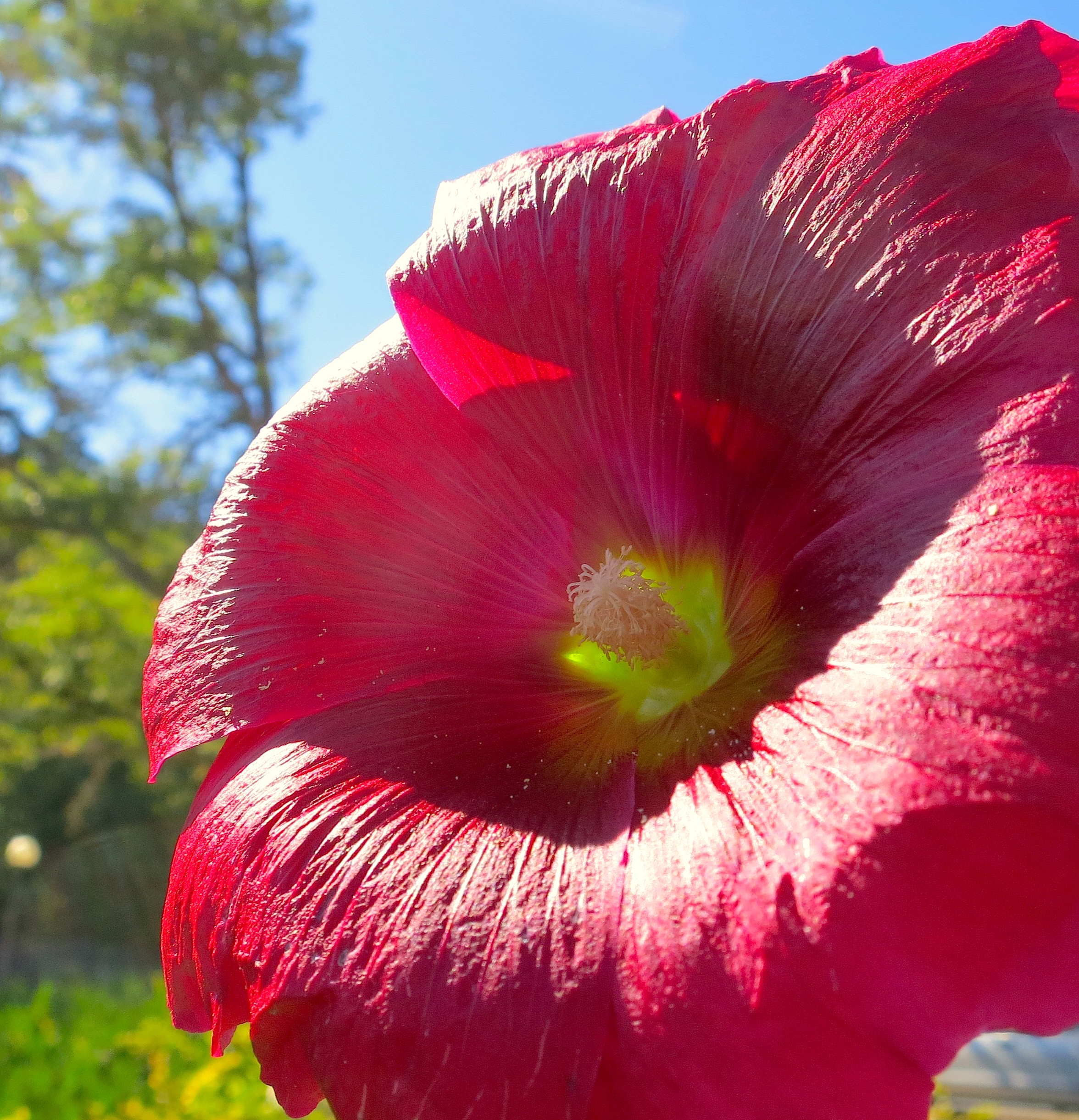
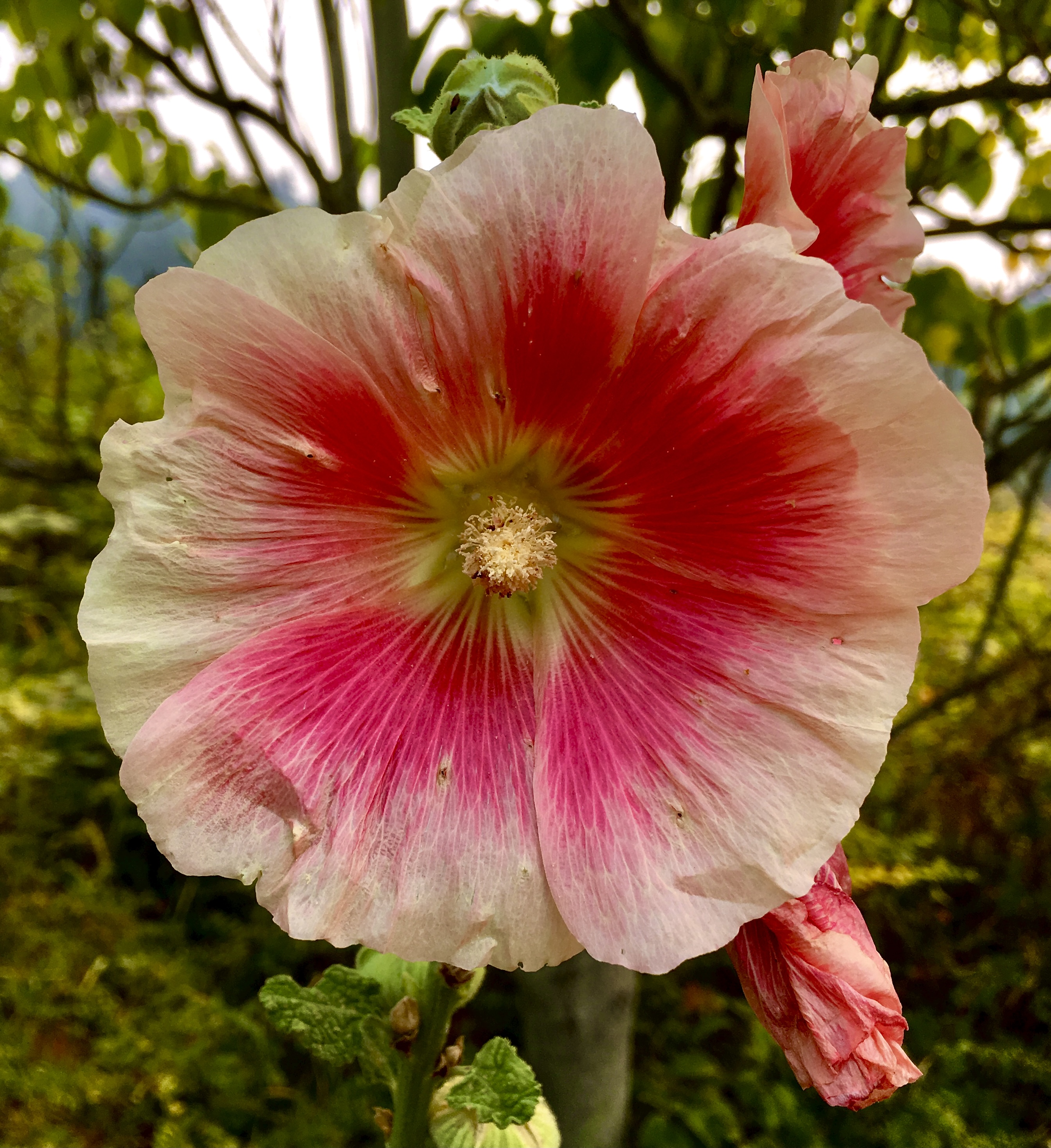
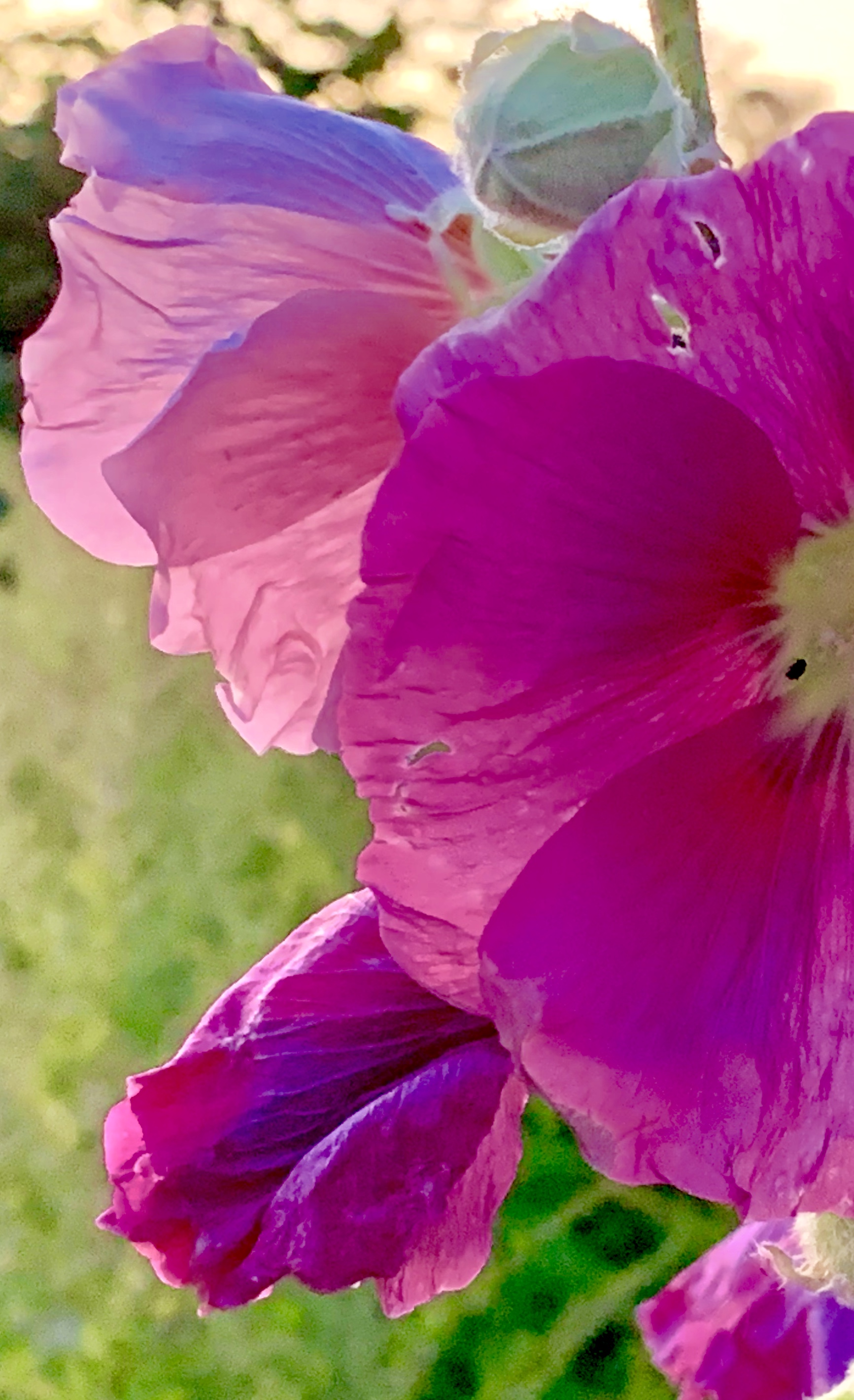
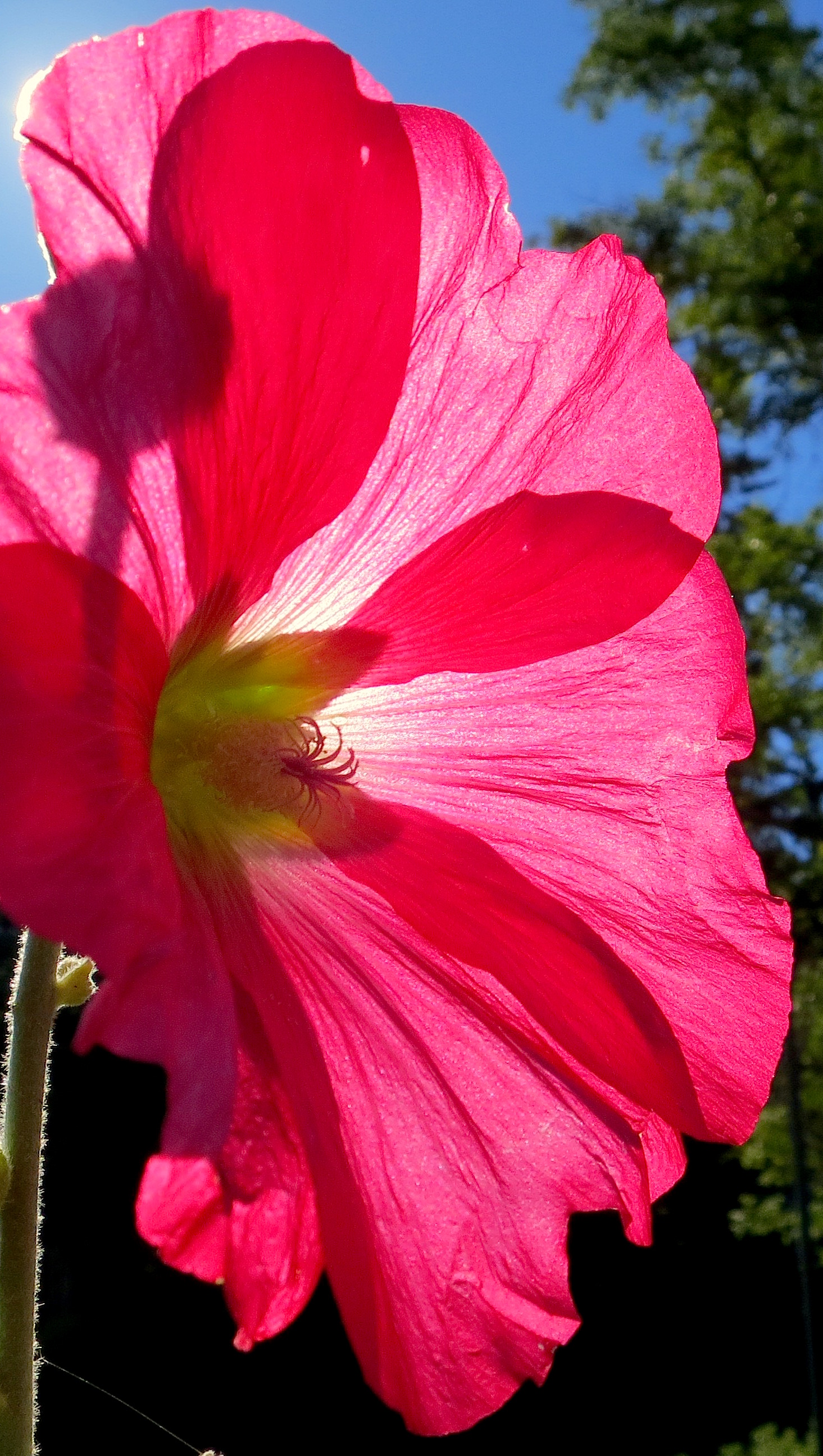
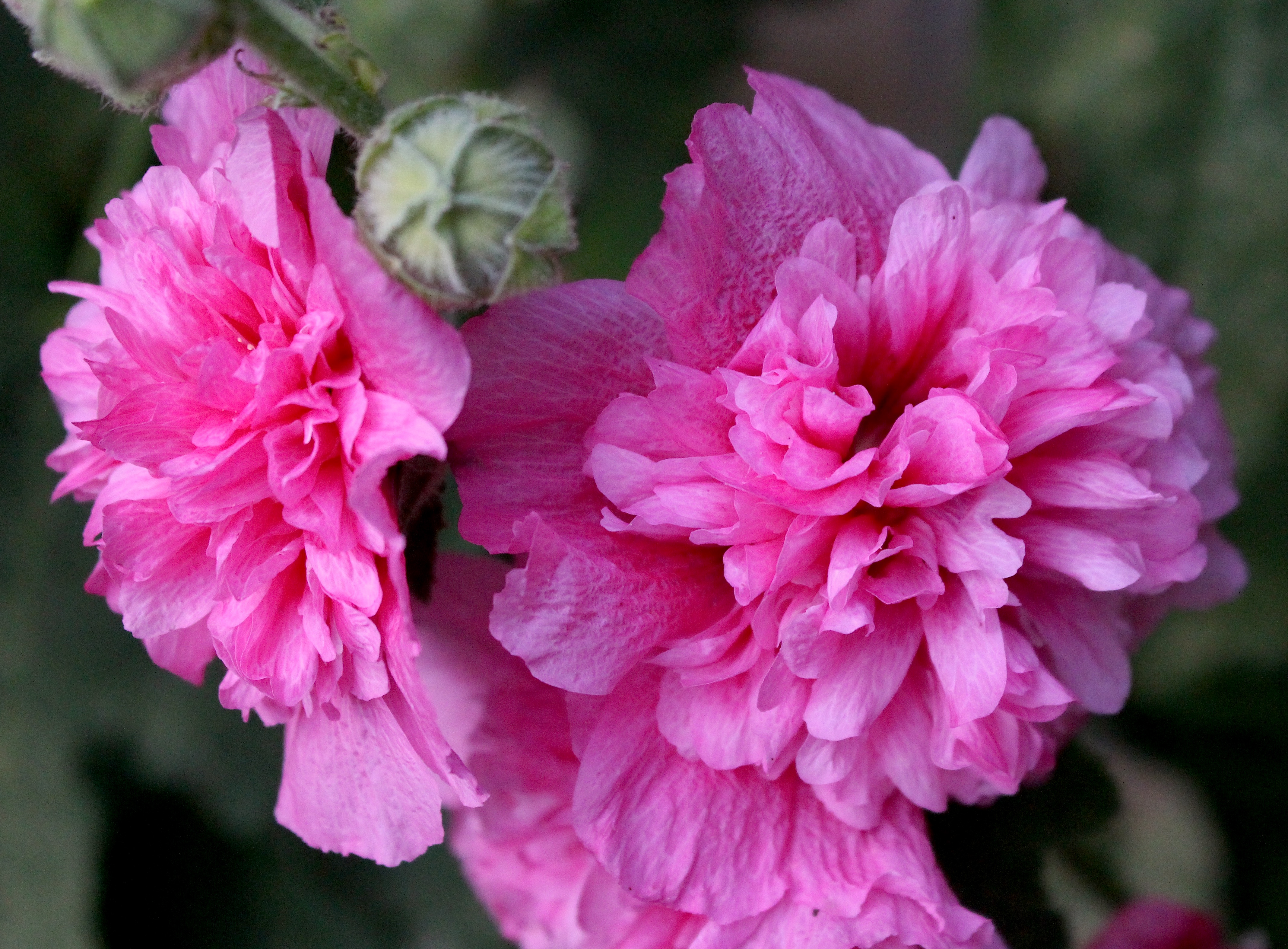
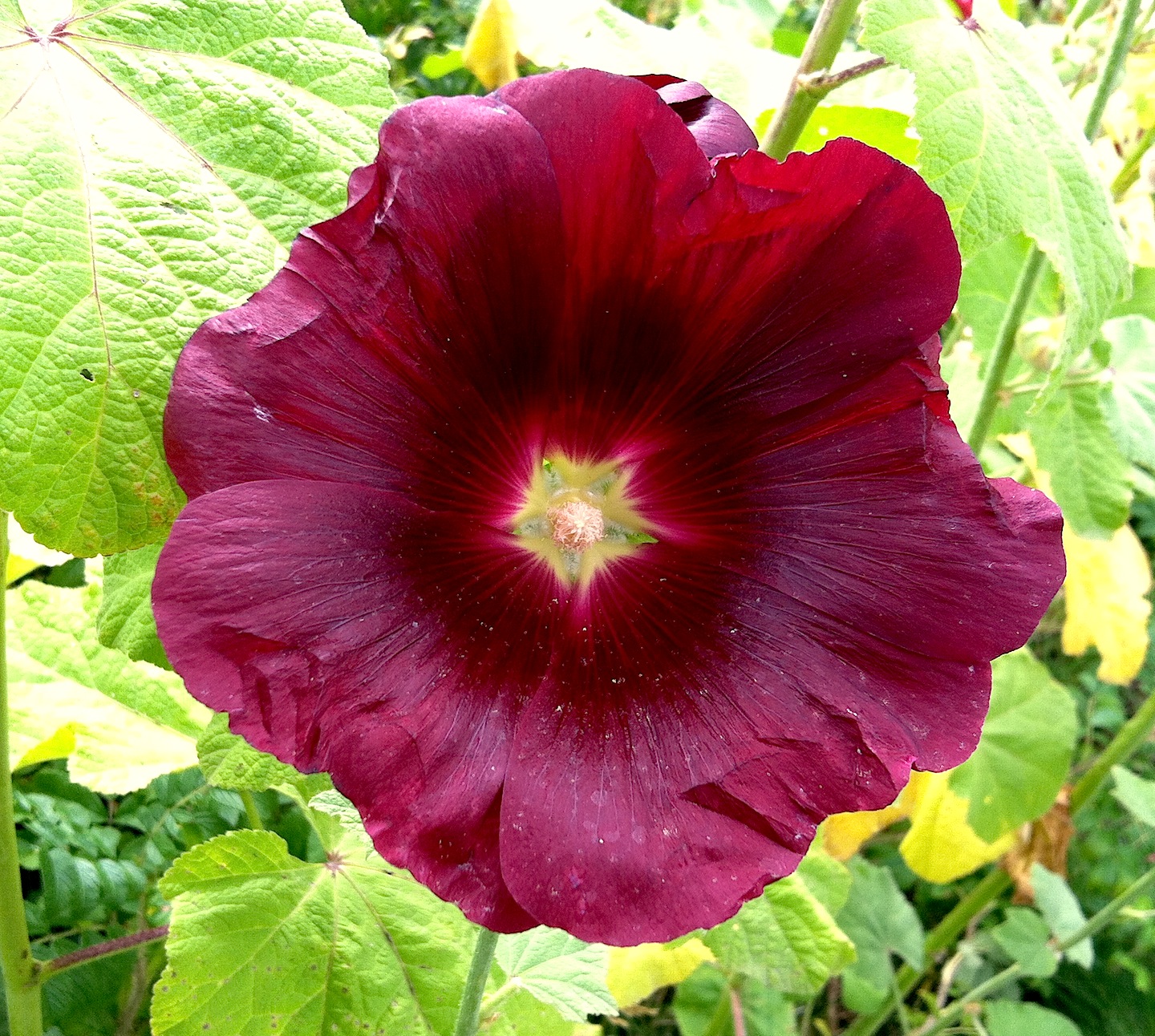
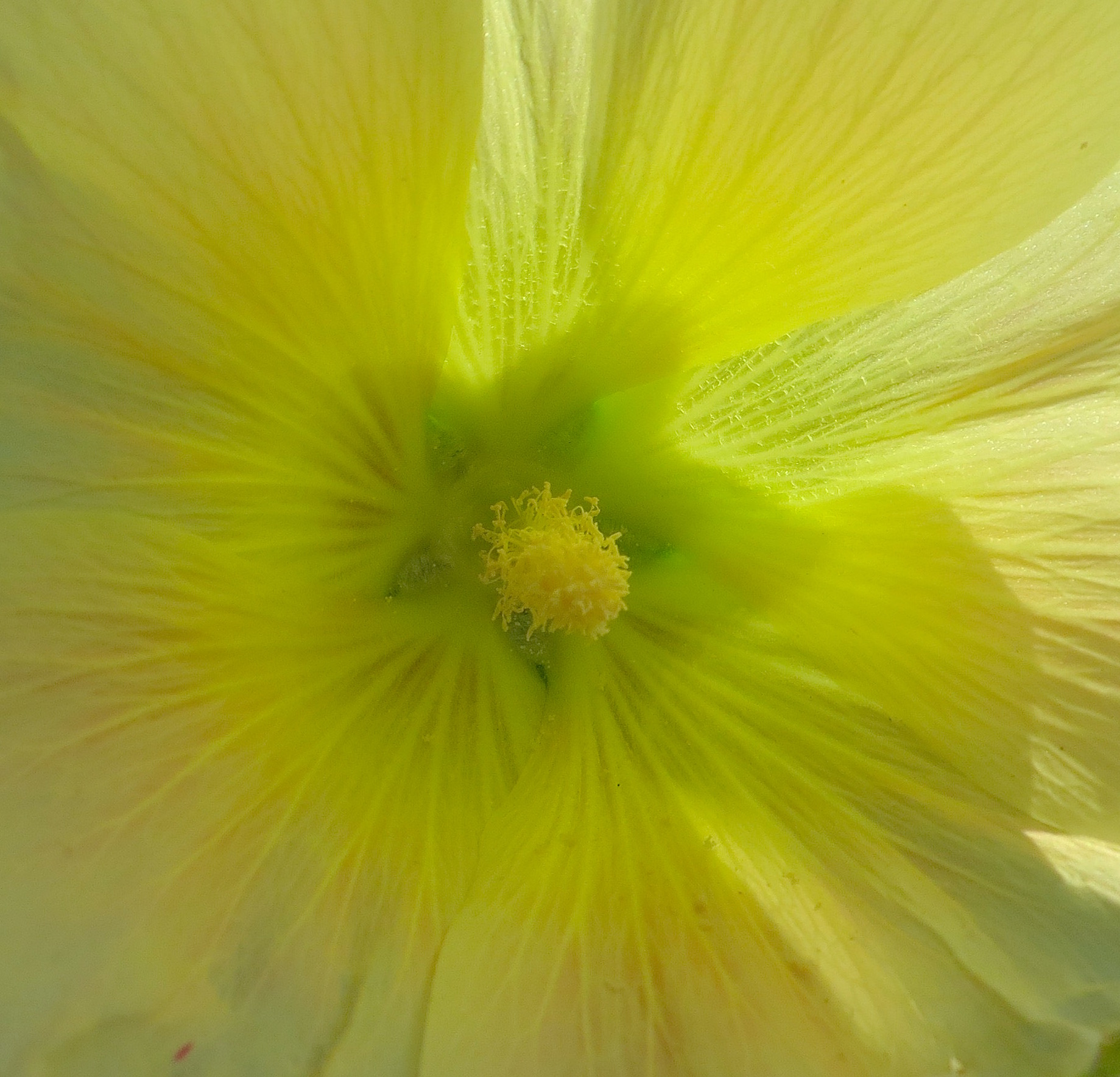
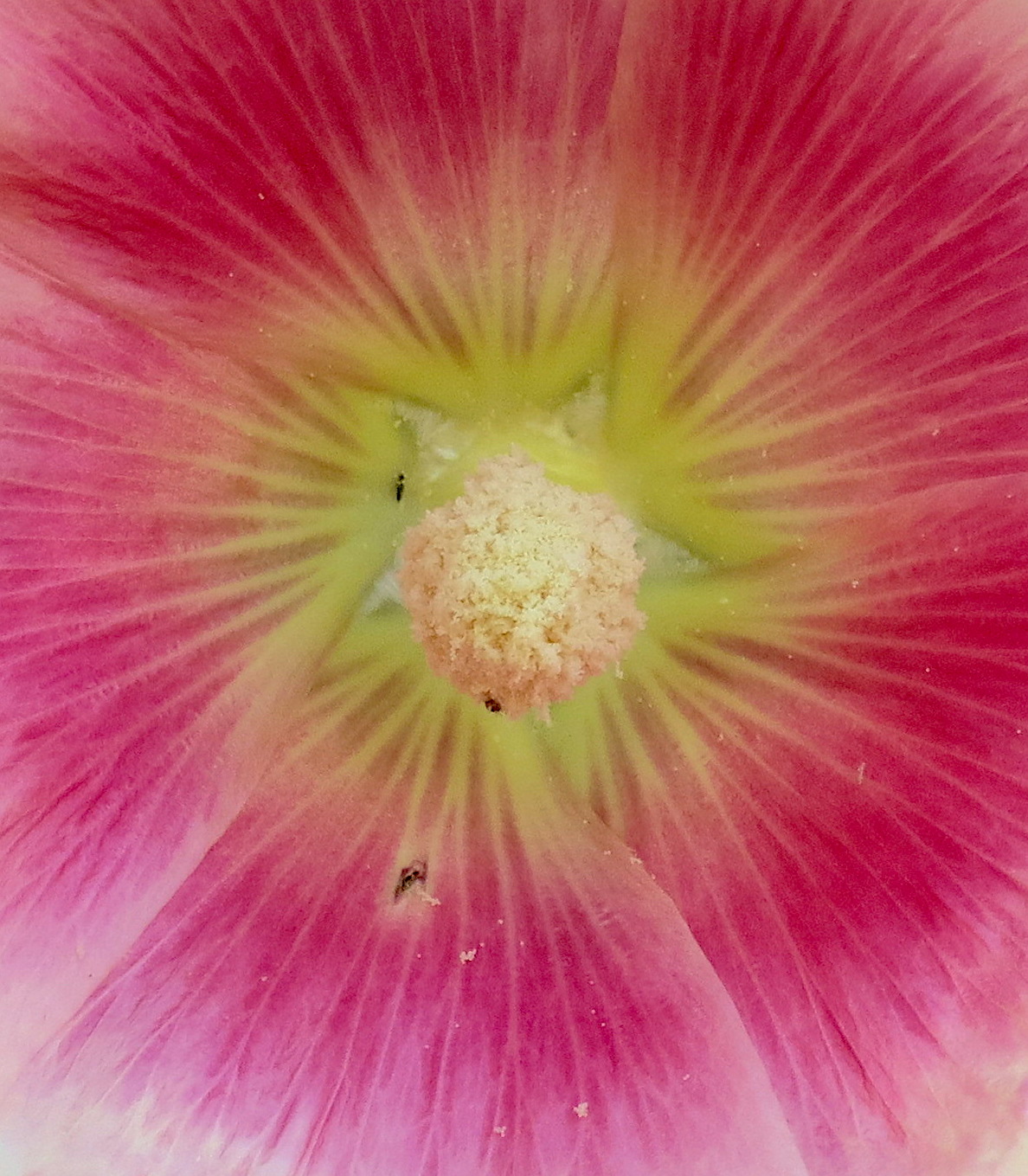
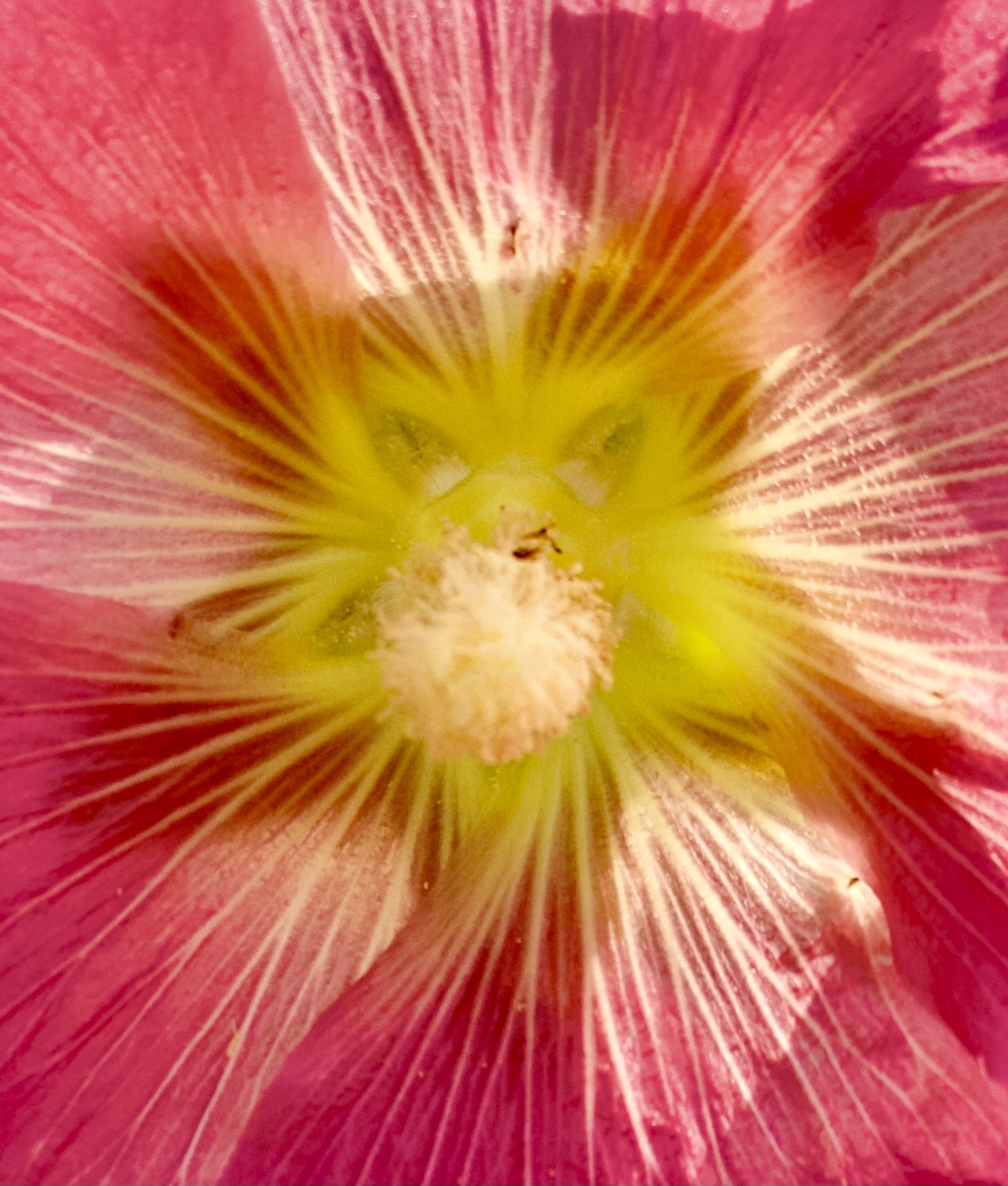
The endless well of summer lies deep in the heart of old-fashioned flowers, but no well is so deep as hollyhocks – the veins of their petals pumping color as they sway on long-nubbined stems, carefree in the breeze.
My mind is suddenly unlocked, opened by a hollyhock key.
hollyhock
Enjoy more photos and poems in this book from Barnstorming, available for order here:
You get down on your knees in the dark earth—alone for hours in hot sun, yanking weed roots, staking trellises, burning your shoulders, swatting gnats; you strain your muscled midwestern neck and back, callous your pianist’s hands.
You cut roses back so they won’t fruit, rip out and replace spent annuals. You fill your garden dense with roots and vines. And when a humble sprout climbs like a worm up out of death, you are there to bless it, in your green patch, all spring and summer long,
hose like a scepter, a reliquary vessel; you hum through the dreamy wilderness—no one to judge, absolve, or be absolved—purified by labor, confessed by its whisperings, connected to its innocence.
So when you heft a woody, brushy tangle, or stumble inside grimy, spent by earth, I see all the sacraments in place— and the redeemed world never smelled so sweet. ~Ken Weisner, “The Gardener” from Anything on Earth.
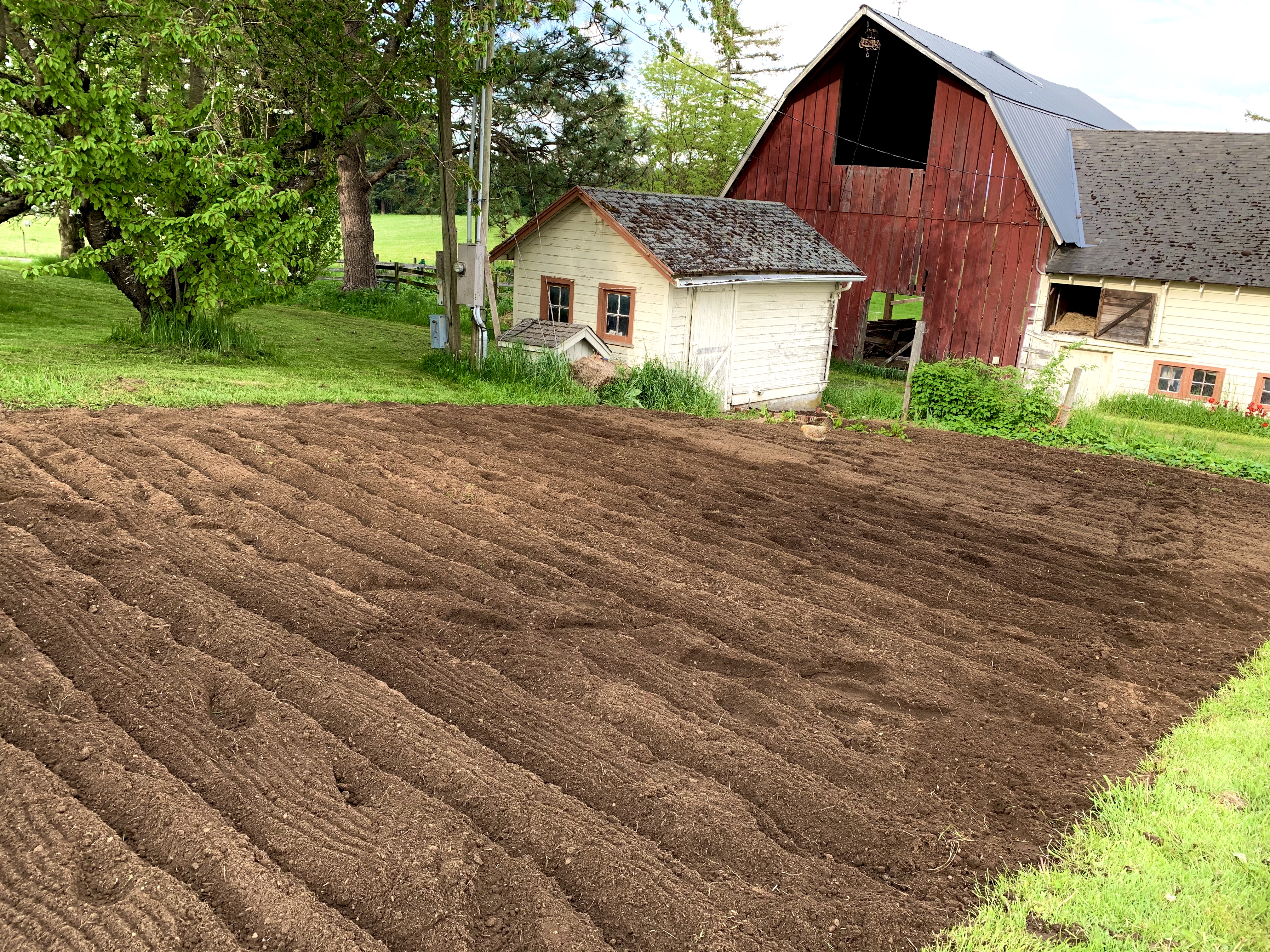
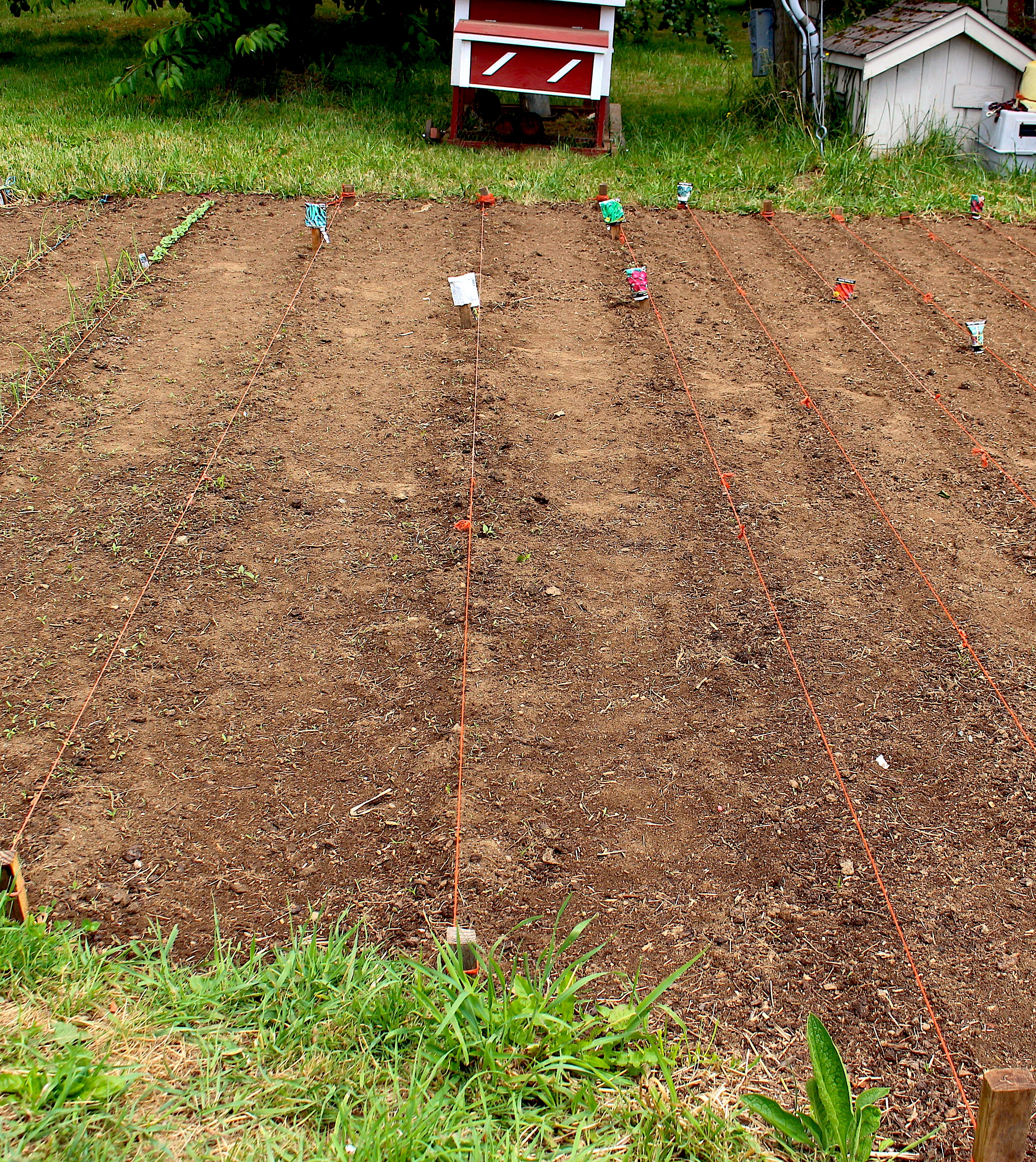
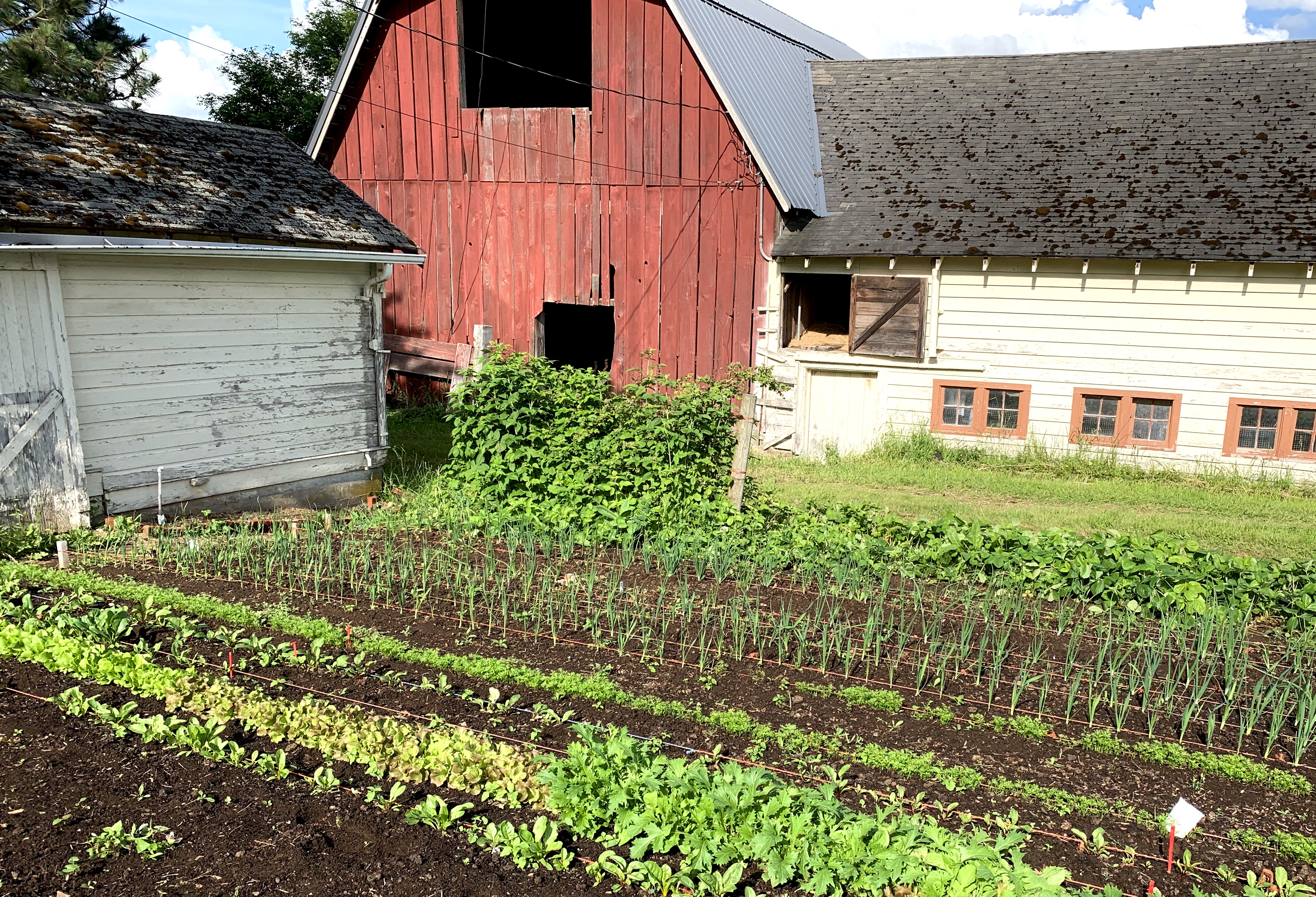
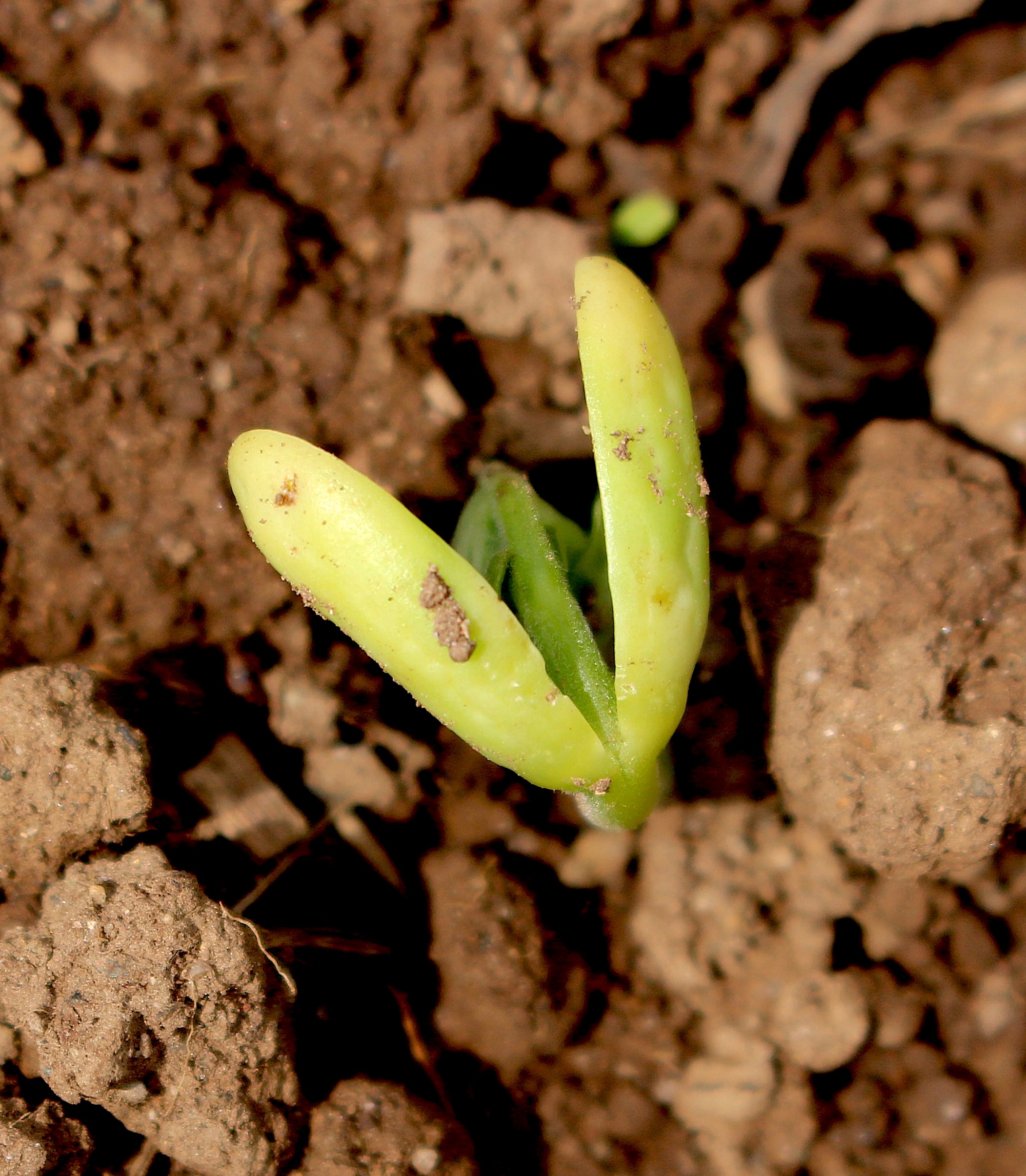
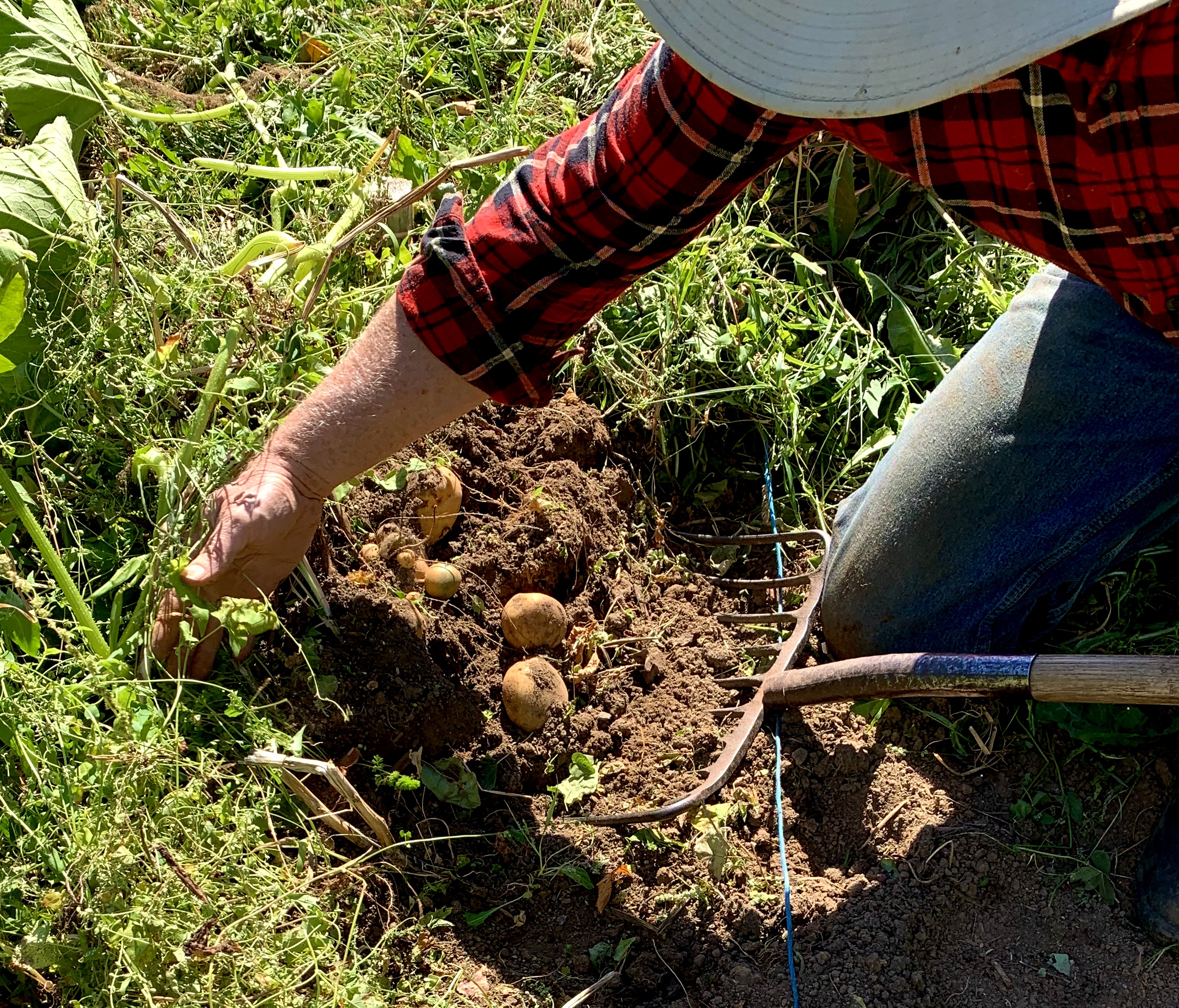
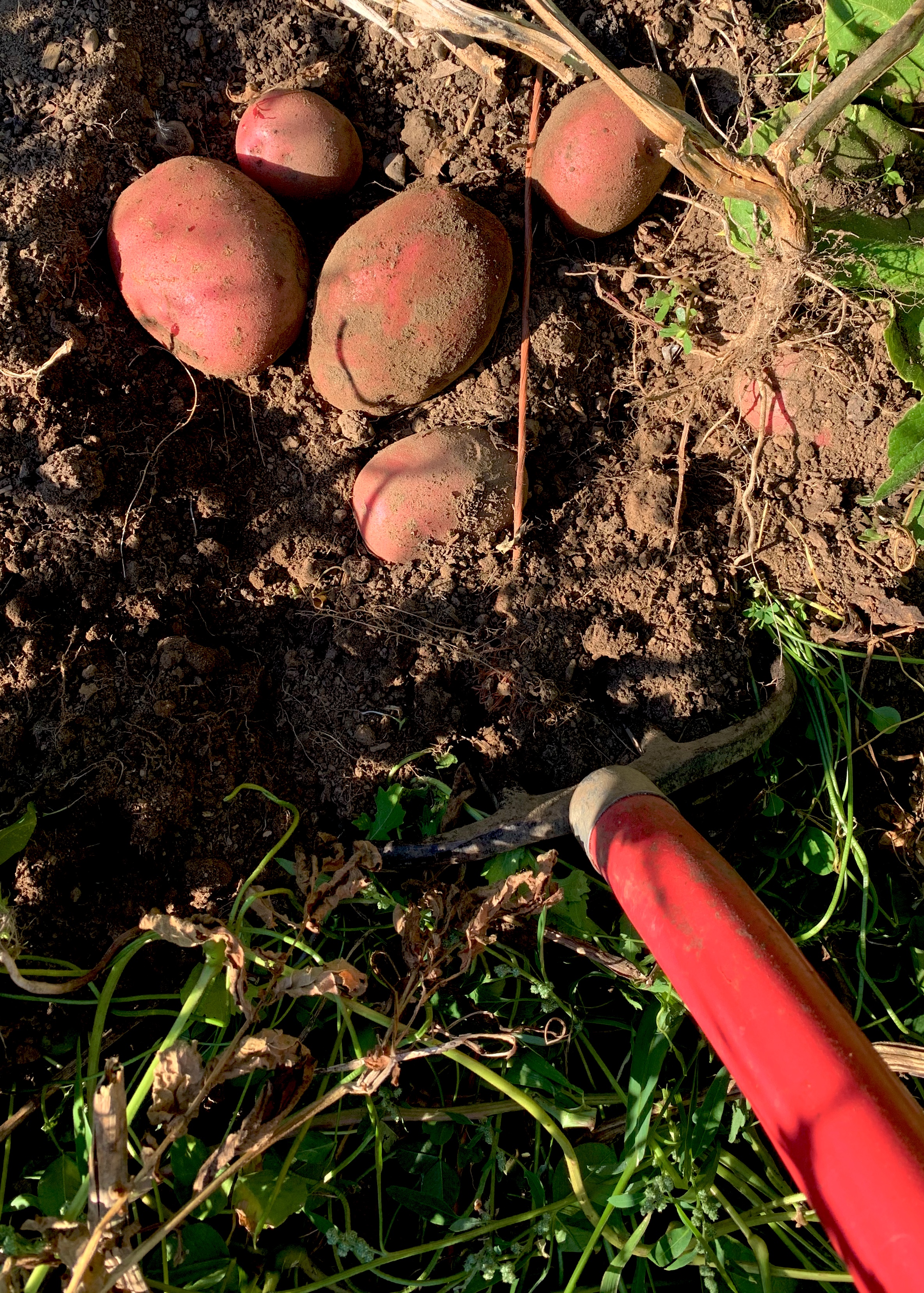
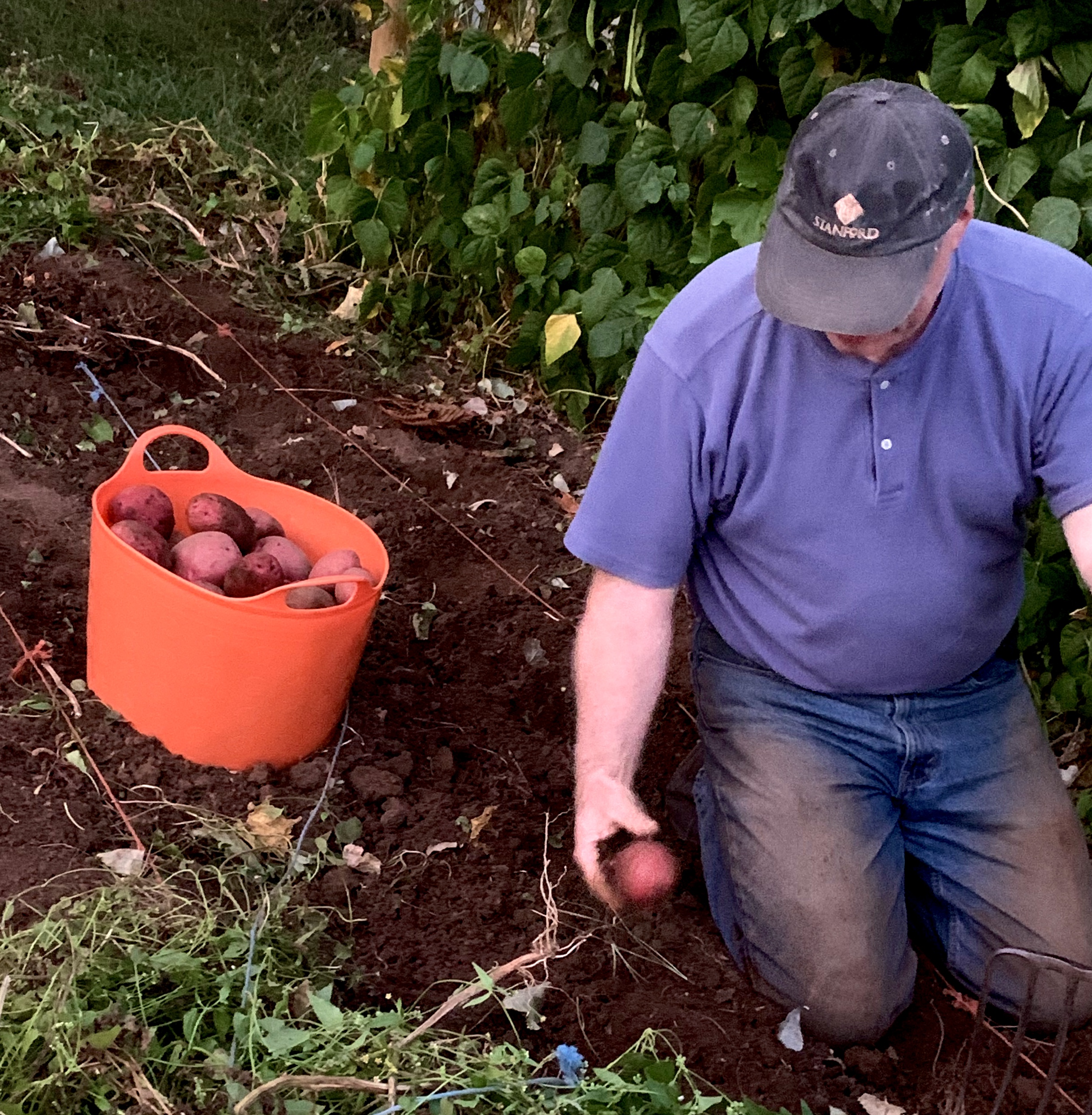
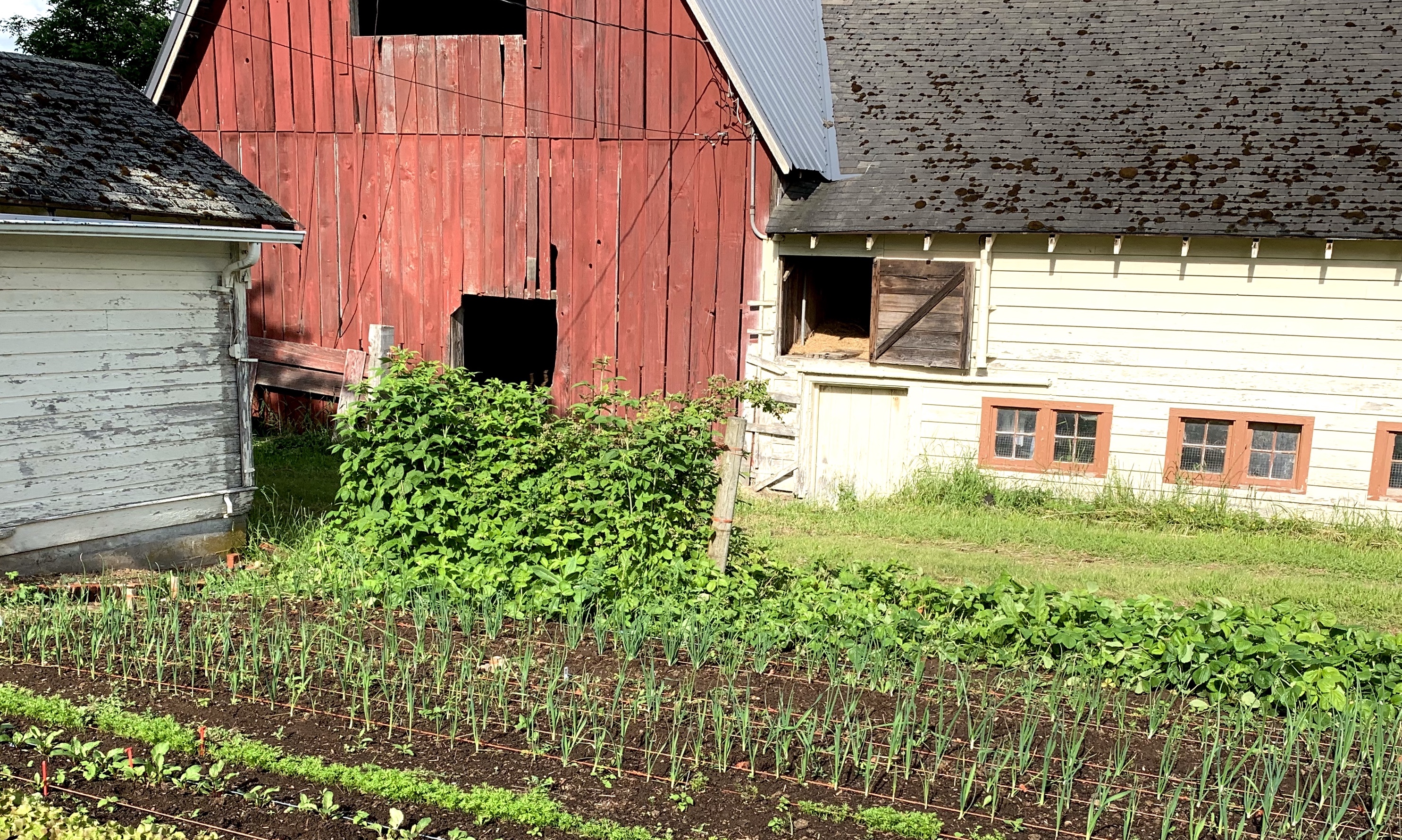
We are in full-garden produce preservation mode right now on the farm – these are the days when we pick the fruits of Dan’s labors – all the hours he spent this spring preparing the soil with rich compost, meticulously pulling out weeds by the roots, rototilling and cultivating, then staking/stringing/sowing the rows, then standing back to watch the sun and rain coax the seeds from the dark.
All this happens in a mere few weeks – we never tire of this illustration of redemption and renewal we’re shown year after year – how a mess of weeds and dirt can be cleared, refined and cleansed to once again become productive and fruitful, feeding those who hunger – both now and deep into winter and next spring.
It gives me hope; even when I myself am feeling full of weeds and despairingly dirty and overwhelmed, I can be renewed. It takes a persistent Gardener who is willing and eager to prune away what is useless, and sow anew what is needed for me to thrive and produce – His hands and knees are covered with my grime.
And the fruit that results! – so very sweet…
If you enjoy Barnstorming posts like this, you’ll enjoy this new book from Barnstorming, available to order here:
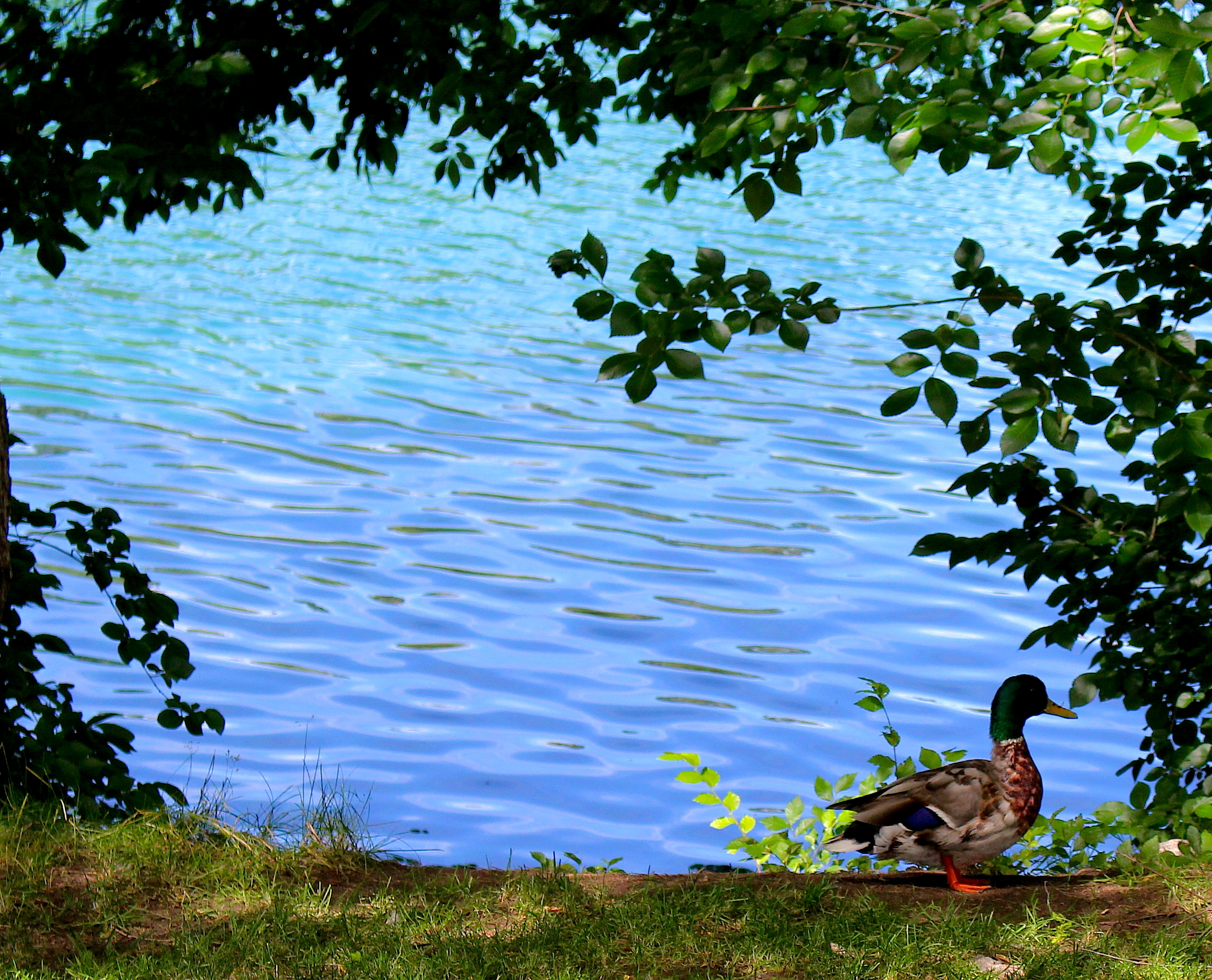
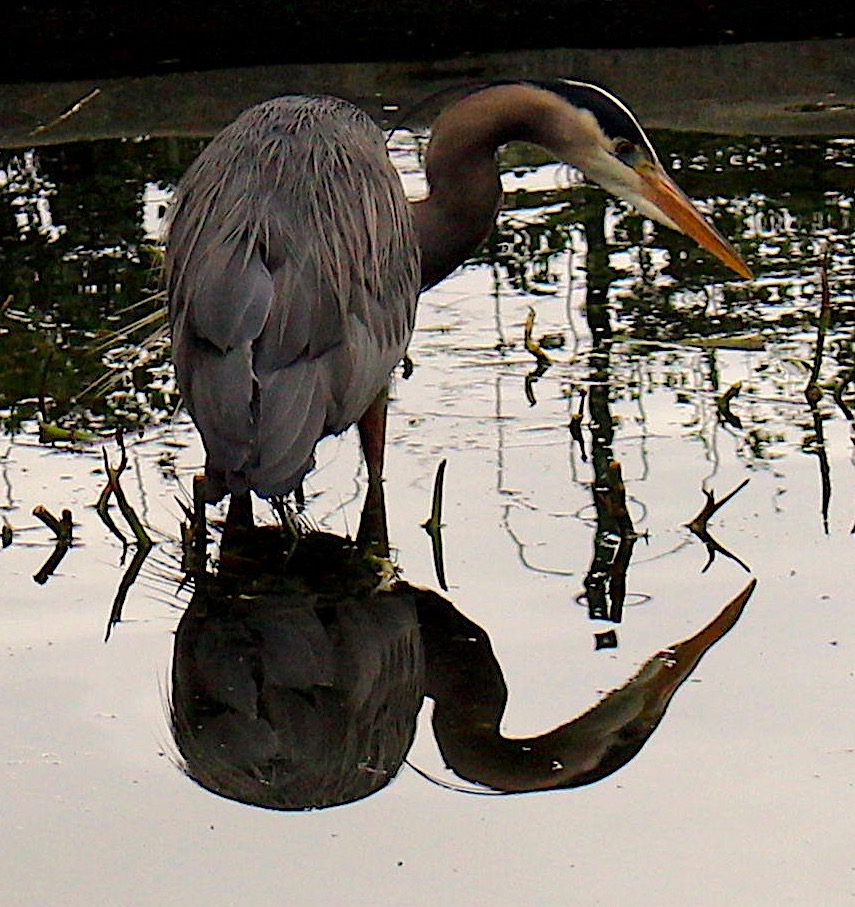
When despair for the world grows in me and I wake in the night at the least sound in fear of what my life and my children’s lives may be, I go and lie down where the wood drake rests in his beauty on the water, and the green heron feeds. I come into the peace of wild things who do not tax their lives with forethought of grief. I come into the presence of still water. And I feel above me the day-blind stars waiting with their light. For a time I rest in the grace of the world, and am free. ~Wendell Berry “The Peace of Wild Things” fromThe Selected Poems of Wendell Berry
When our grandchildren visit our farm, I watch them rediscover what I know are the joys and sorrows of this world. I am reminded there is light beyond the darkness I fear, there is peace amid the chaos, there is a smile behind the tears, there is stillness within the noisiness there is rest despite my restlessness, there is grace as old gives way to new.
A new book from Barnstorming is available to order here:
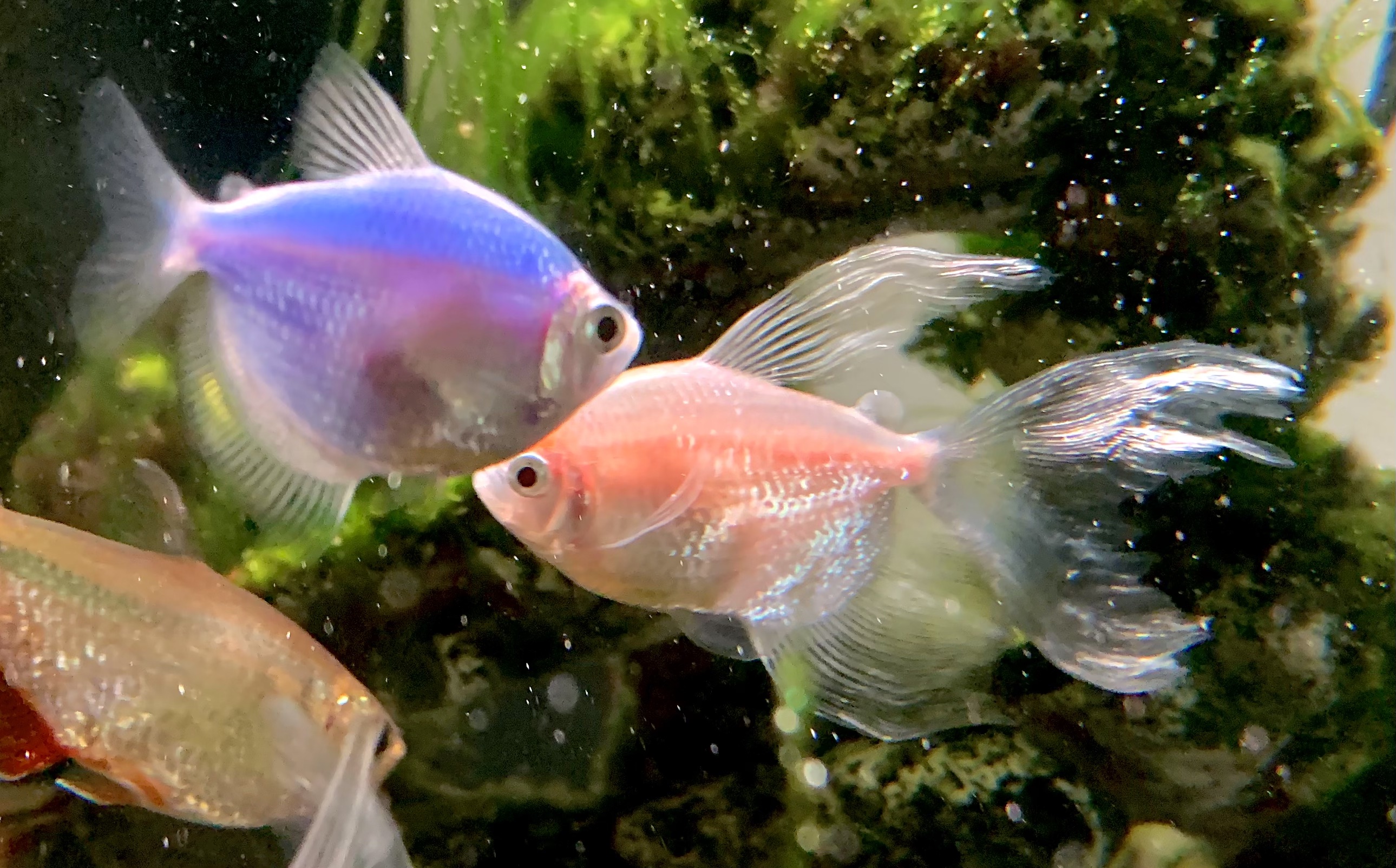
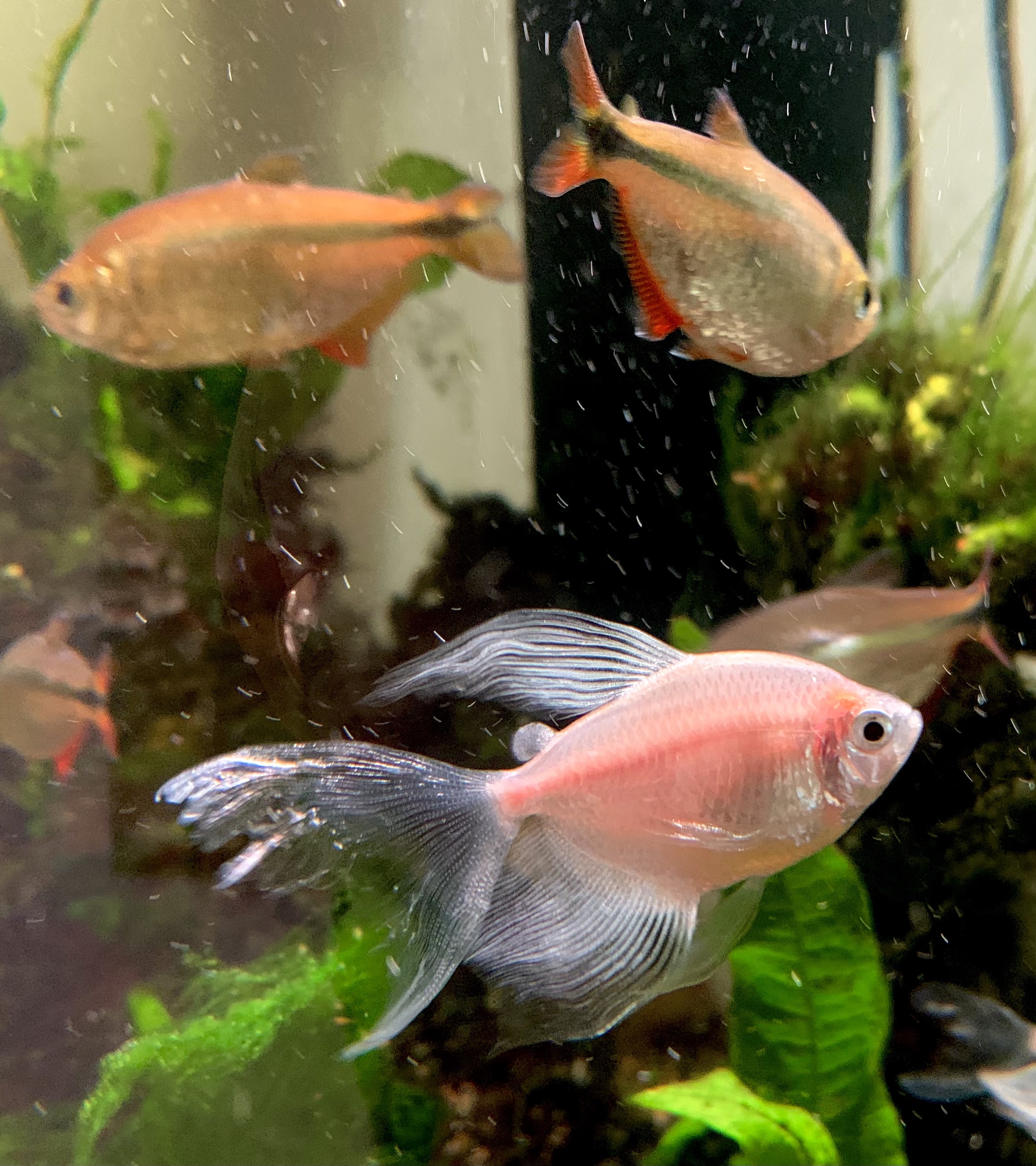
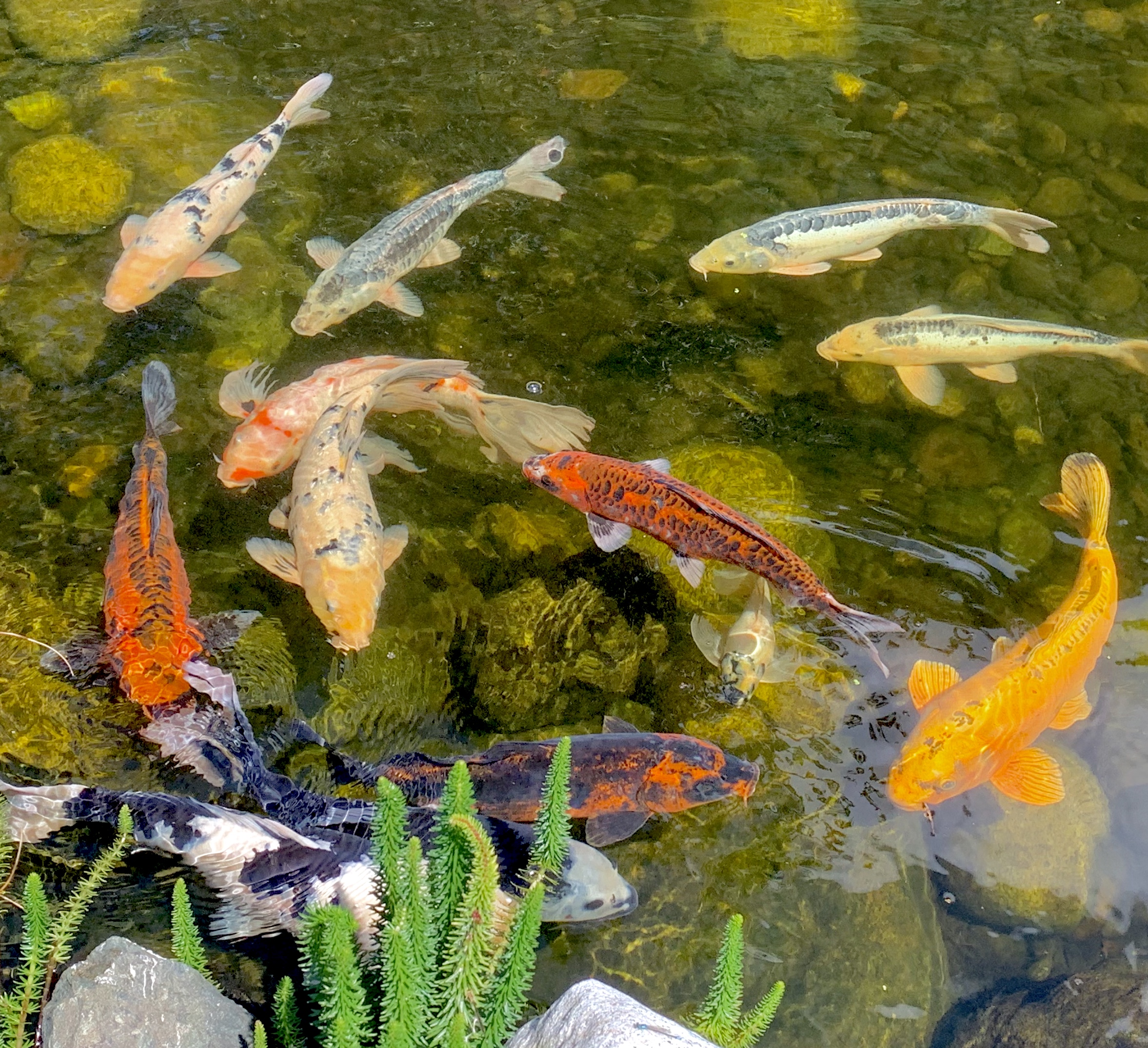
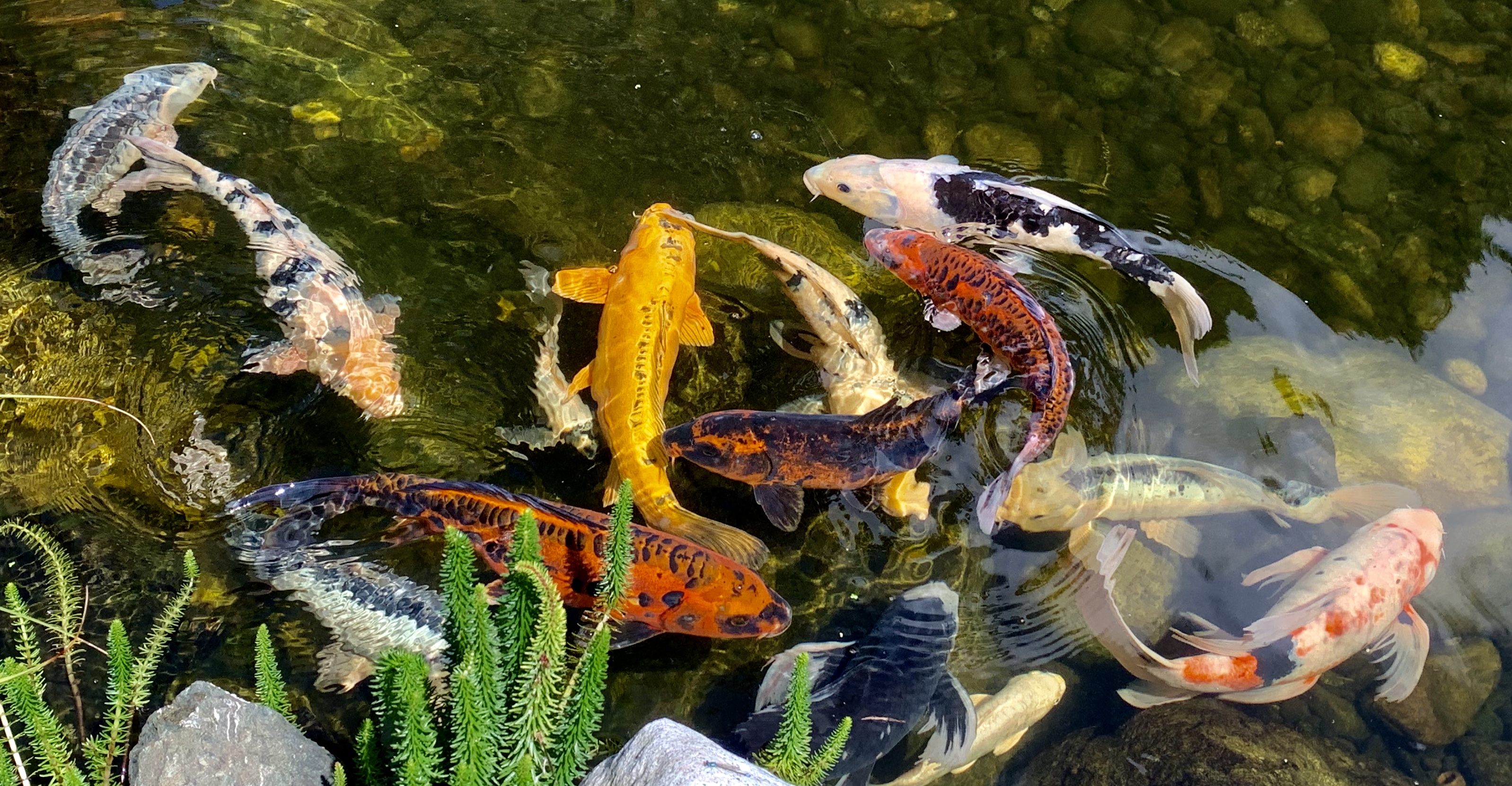
Serene the silver fishes glide, Stern-lipped, and pale, and wonder-eyed! As through the aged deeps of ocean, They glide with wan and wavy motion. They have no pathway where they go, They flow like water to and fro, They watch with never-winking eyes, They watch with staring, cold surprise, The level people in the air, The people peering, peering there: Who wander also to and fro, And know not why or where they go, Yet have a wonder in their eyes, Sometimes a pale and cold surprise. ~ Max Eastman, “At the Aquarium” Max Eastman: A Life
The fish are drifting calmly in their tank between the green reeds, lit by a white glow that passes for the sun. Blindly, the blank glass that holds them in displays their slow progress from end to end, familiar rocks set into the gravel, murmuring rows of filters, a universe the flying fox and glass cats, Congo tetras, bristle-nose pleocostemus all take for granted. Yet the platys, gold and red, persist in leaping occasionally, as if they can’t quite let alone a possibility—of wings, maybe, once they reach the air? They die on the rug. We find them there, eyes open in surprise. ~Kim Addonizio “Aquarium,” from The Philosopher’s Club
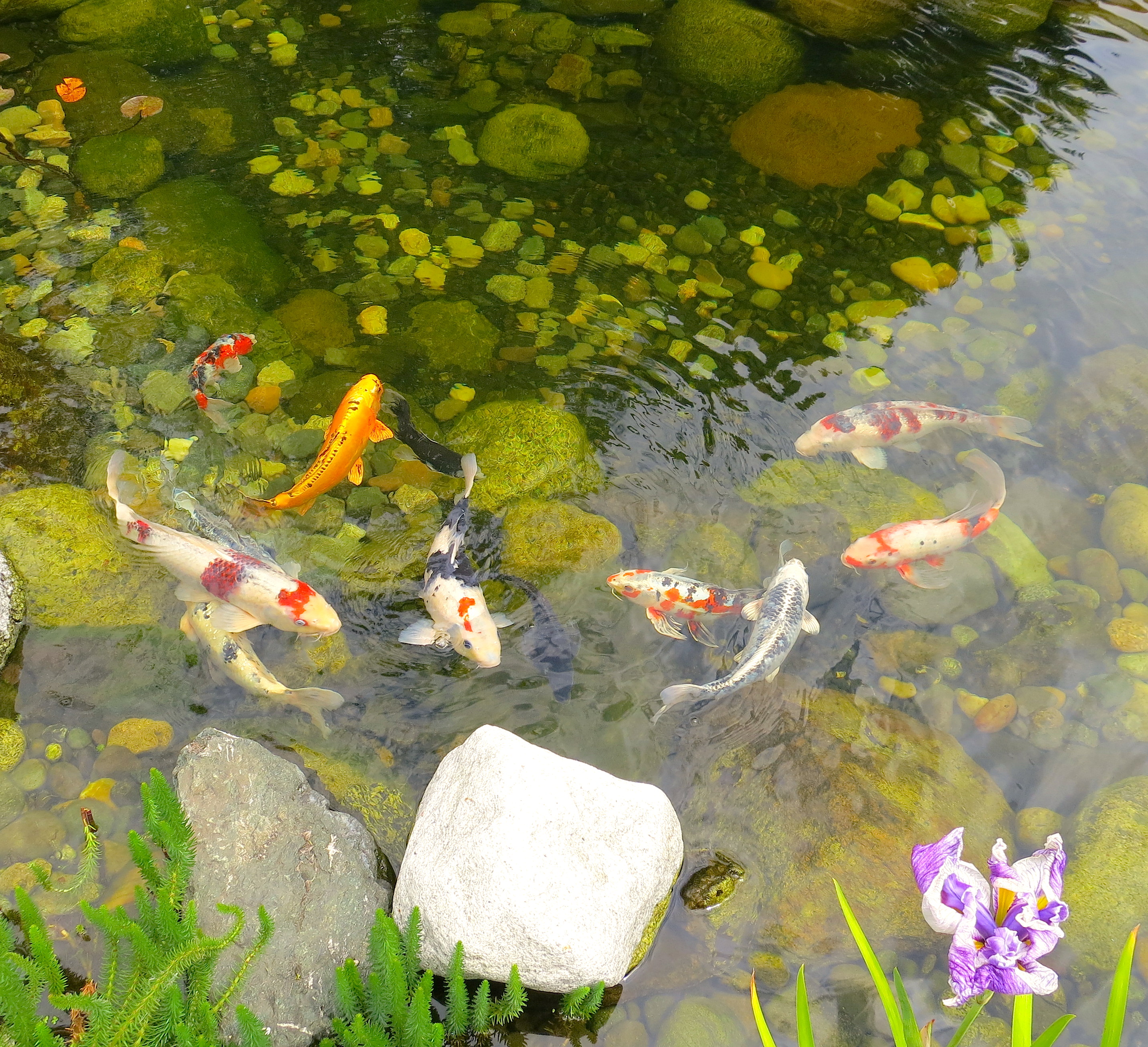
Our shadows bring them from the shadows: a yolk-yellow one with a navy pattern like a Japanese woodblock print of fish scales. A fat 18-karat one splashed with gaudy purple and a patch of gray. One with a gold head, a body skim-milk-white, trailing ventral fins like half-folded fans of lace. A poppy-red, faintly disheveled one, and one, compact, all indigo in faint green water. They wear comical whiskers and gather beneath us as we lean on the cement railing in indecisive late-December light, and because we do not feed them, they pass, then they loop and circle back. Loop and circle. Loop. “Look,” you say, “beneath them.” Beneath them, like a subplot or a motive, is a school of uniformly dark ones, smaller, unadorned, perhaps another species, living in the shadow of the gold, purple, yellow, indigo, and white, seeking the mired roots and dusky grasses, unliveried, the quieter beneath the quiet. ~Susan Kolodny “Koi Pond, Oakland Museum”
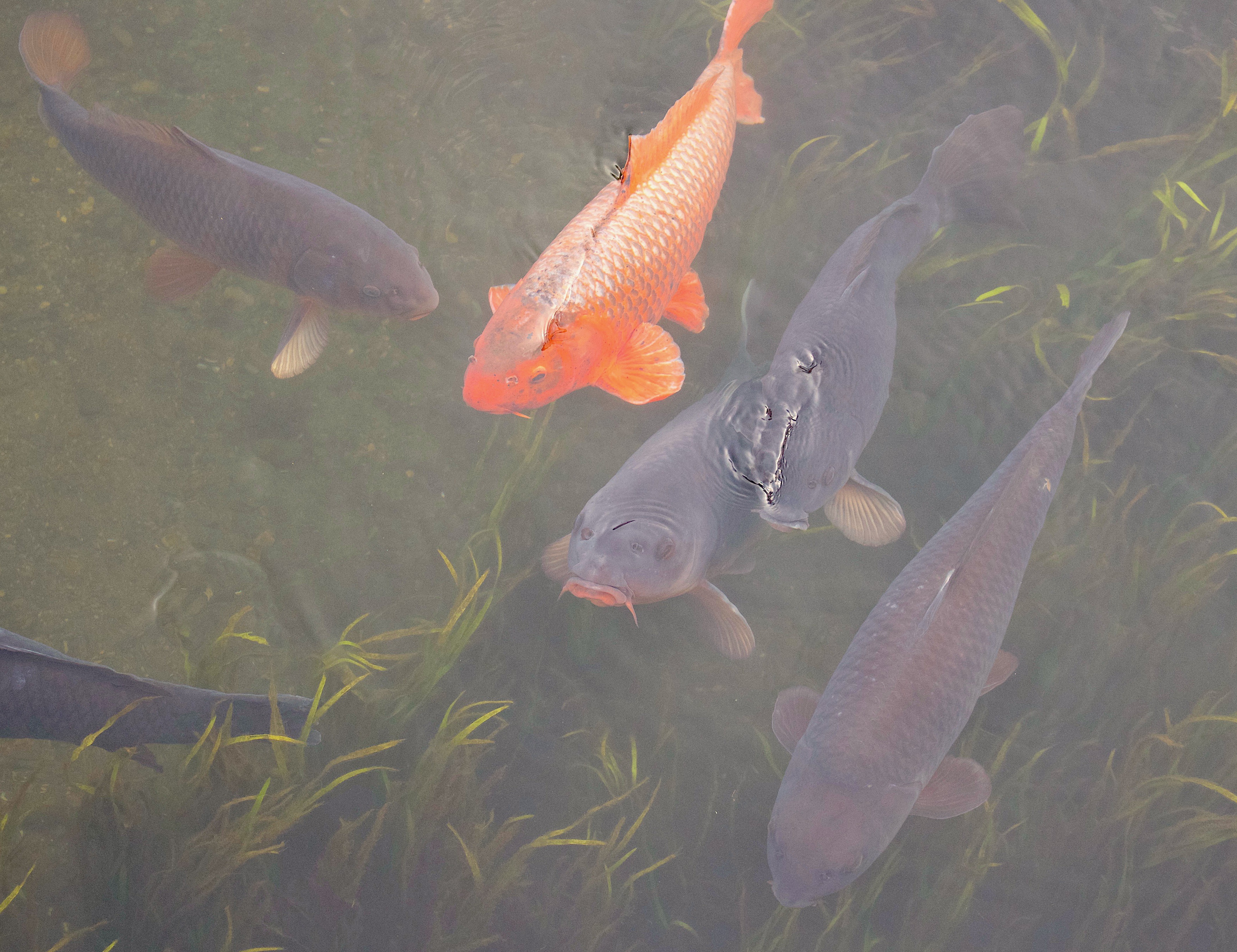
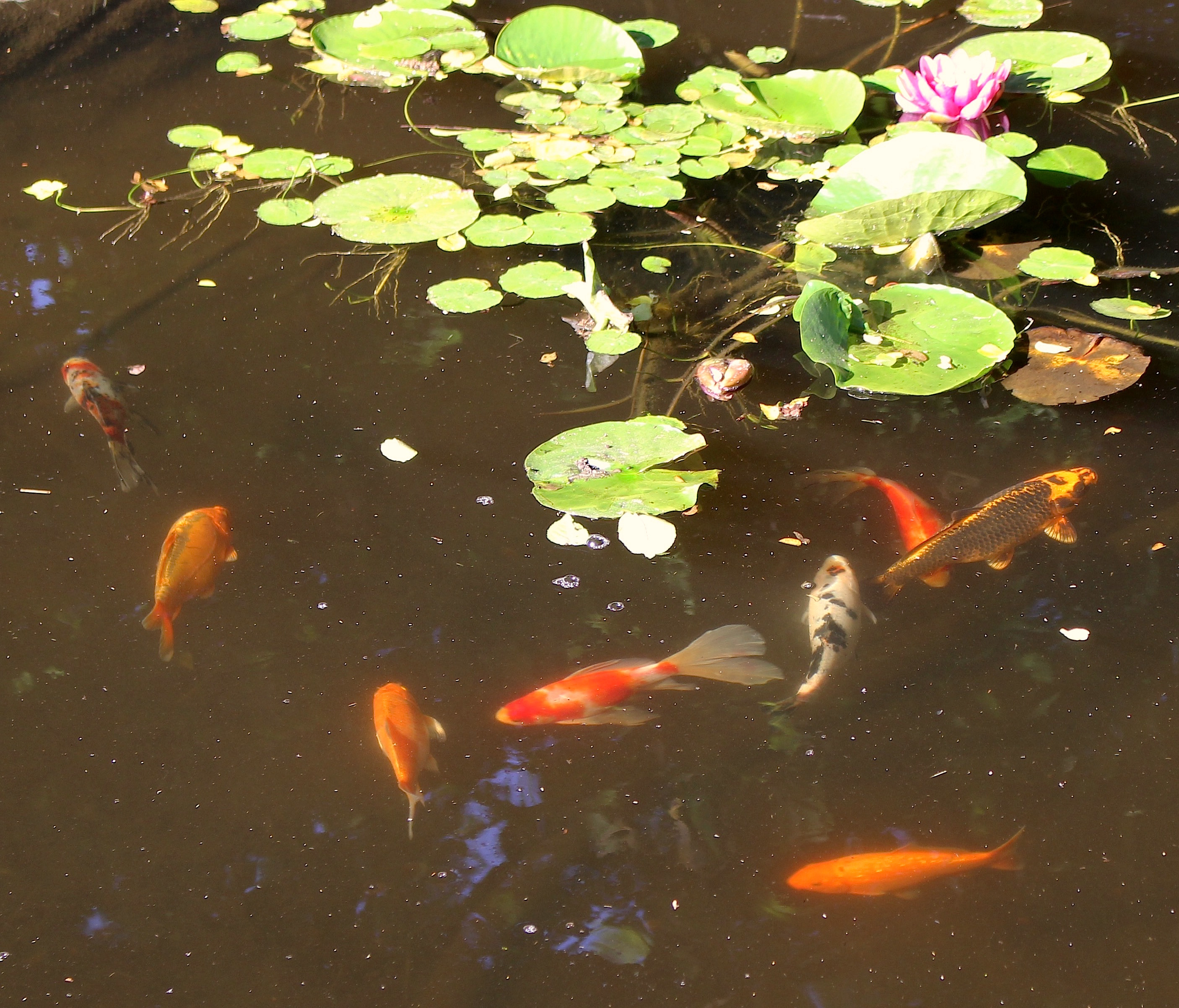
The water going dark only makes the orange seem brighter, as you race, and kiss, and spar for food, pretending not to notice me. For this gift of your indifference, I am grateful. I will sit until the pond goes black, the last orange spark extinguished. ~Robert Peake from “Koi Pond”
…the kingdom of heaven is like a net that was let down into the lake and caught all kinds of fish.When it was full, the fishermen pulled it up on the shore. Then they sat down and collected the good fish in baskets, but threw the bad away. Matthew 13: 47-48
I caught a tremendous fish and held him beside the boat half out of water, with my hook fast in a corner of his mouth. He didn’t fight. He hadn’t fought at all. He hung a grunting weight, battered and venerable and homely. I looked into his eyes which were far larger than mine but shallower, and yellowed, the irises backed and packed with tarnished tinfoil seen through the lenses of old scratched isinglass. They shifted a little, but not to return my stare. – It was more like the tipping of an object toward the light. I admired his sullen face, the mechanism of his jaw, and then I saw that from his lower lip – if you could call it a lip grim, wet, and weaponlike, hung five old pieces of fish-line, or four and a wire leader with the swivel still attached, with all their five big hooks grown firmly in his mouth. Like medals with their ribbons frayed and wavering, a five-haired beard of wisdom trailing from his aching jaw. I stared and stared and victory filled up the little rented boat, from the pool of bilge where oil had spread a rainbow around the rusted engine to the bailer rusted orange, the sun-cracked thwarts, the oarlocks on their strings, the gunnels- until everything was rainbow, rainbow, rainbow! And I let the fish go. ~Elizabeth Bishop from “The Fish”
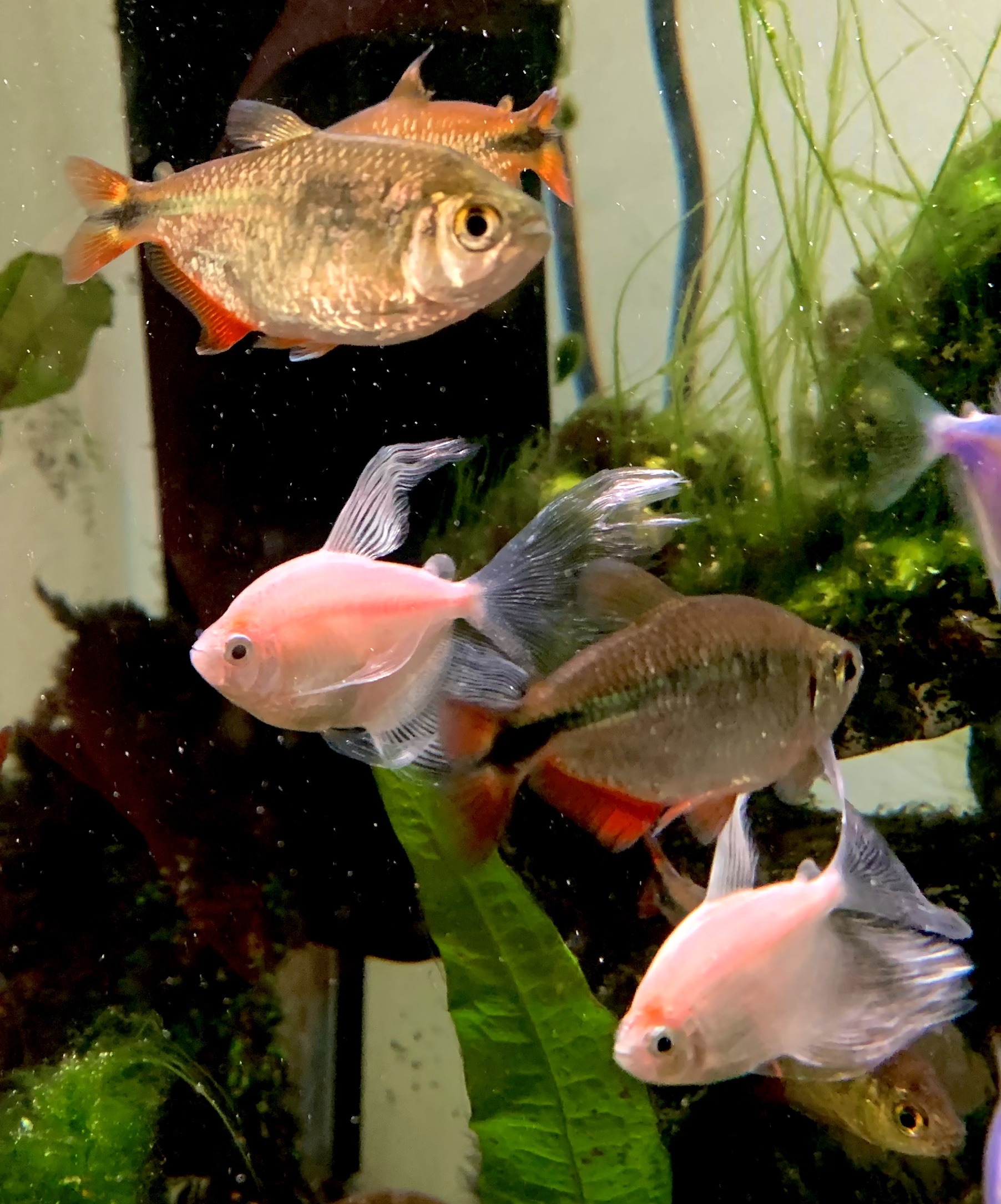
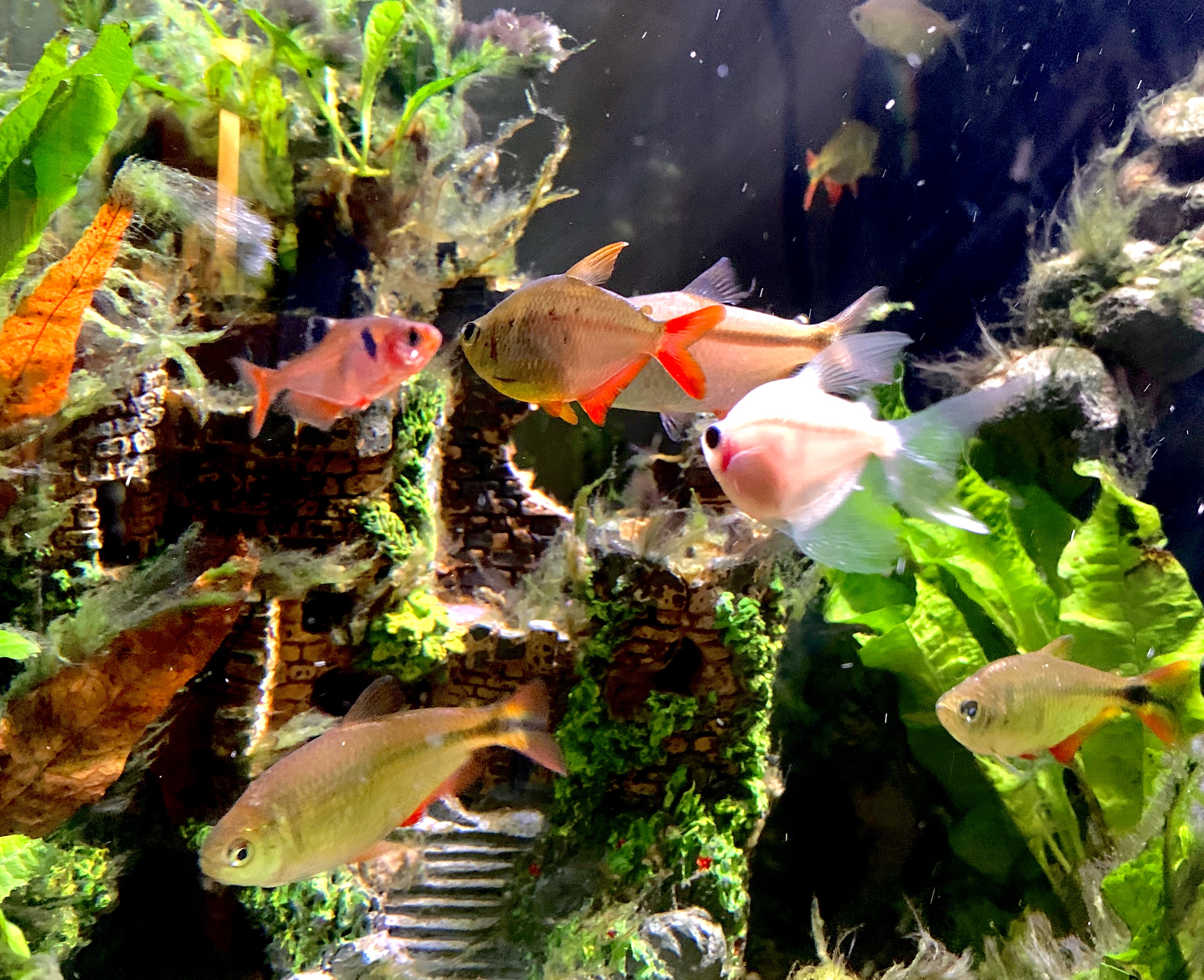
All my life, I’ve taken care of a variety of fish in tanks and ponds. As a child, I would watch, mesmerized, as our tropical fish glided around, happily exploring their little ten gallon world. I willingly cleaned away the algae, rinsed the gravel and changed the filter. As a teenager, I boasted at least three different tanks aerating away in my bedroom, my own little aqua-cultural world of bubbles and fins.
During college and medical school, I chose to share my room with goldfish and bettas, thriving on their apparent contentment within a clear glass bowl. I didn’t think of them as emotional support animals, but there was a joy obvious in their albeit limited existence: they still thrived when I was away, not missing me, but were always thrilled when I fed them, and tolerated my messing with their home maintenance.
My current thirty gallon aquarium is decades old and boasts over two dozen fish and plenty of furry algae and plants. Some of my watery friends have lived ten years or more and when they pass, I miss them. Even the dozen koi and goldfish in our farm pond have expressive faces and individual personalities that I’ve gotten to know well as they come when I call.
I know the heart of compassion I feel for any creature I’m responsible for, as I know and have experienced the compassion of our Creator.
I would hope when the time comes that I end up in His net, that He’ll look me in the eye, see the wonder there as I gape at Him. He’ll count my blemishes and wounds and the number of hooks in my mouth from the times I’ve been caught and escaped, and if He’s not yet ready to take me home, or deems me not yet ready to leave this world, He’ll throw me back rather than throw me away to keep trying to get it right.
He has promised us that.
Rainbows, rainbows, rainbows indeed…
Interested in seeing more from Barnstorming? This new book is available for order here:
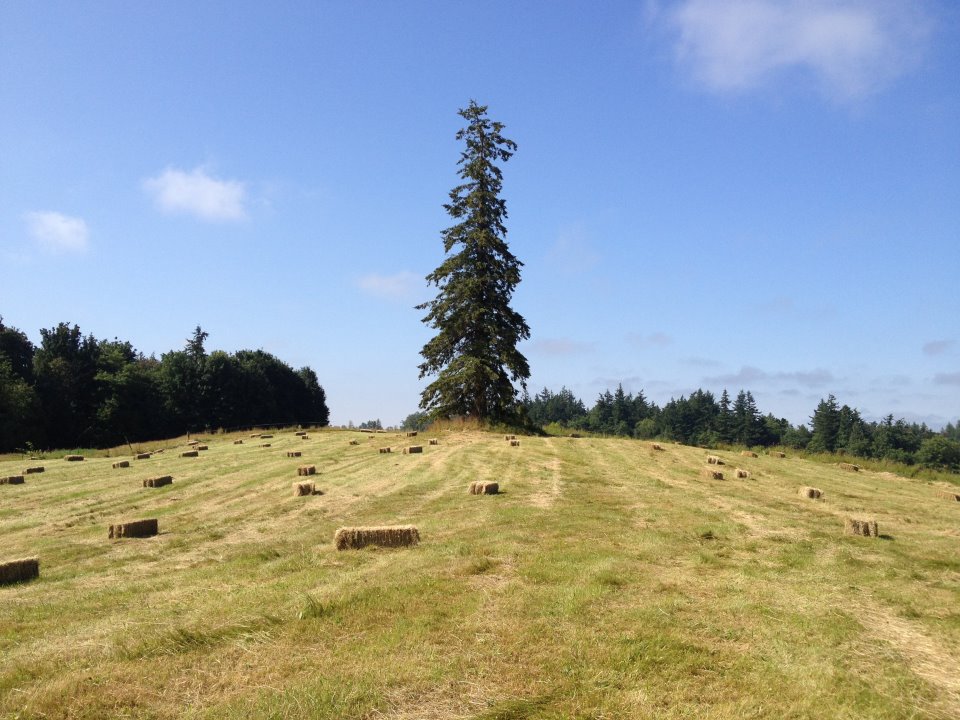
What is the hayfield in late afternoon that it can fly in the face of time,
and light can be centuries old, and even the rusted black truck I am driving
can seem to be an implement born of some ancient harvest,
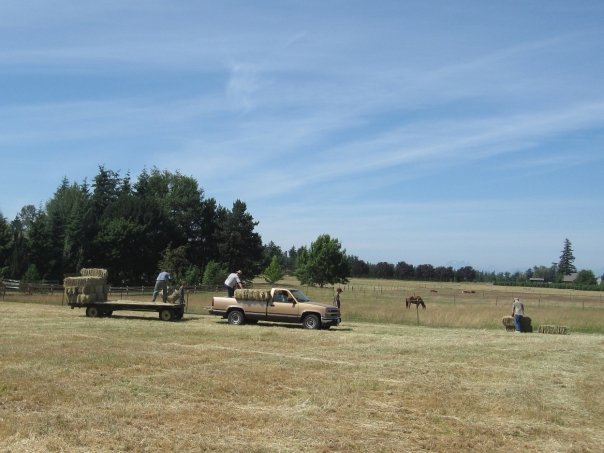
and the rhythmic baler, which spits out massive bricks tied up in twine,
can seem part of a time before now because light glitters on the hay dust,
because the sun is sinking and we sweat under the high arc of mid-summer,
because our bodies cast such long shadows– Rebecca, with the baby strapped to her back,
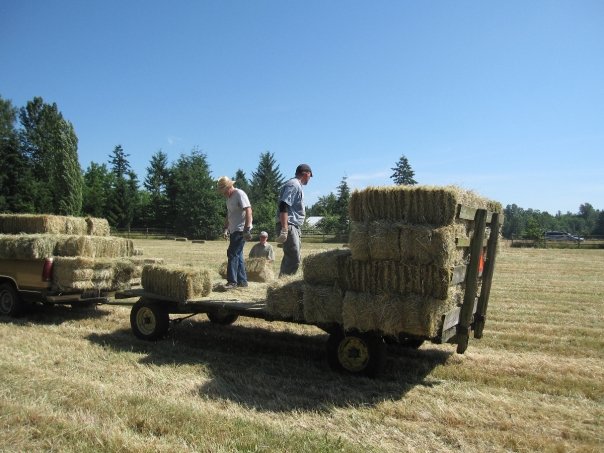
the men who throw impossible weight to the top of the truck, the black and white
dog that races after mice or moles whose lives have been suddenly exposed.
How does the taste of my sweat take me down through the gate of childhood,
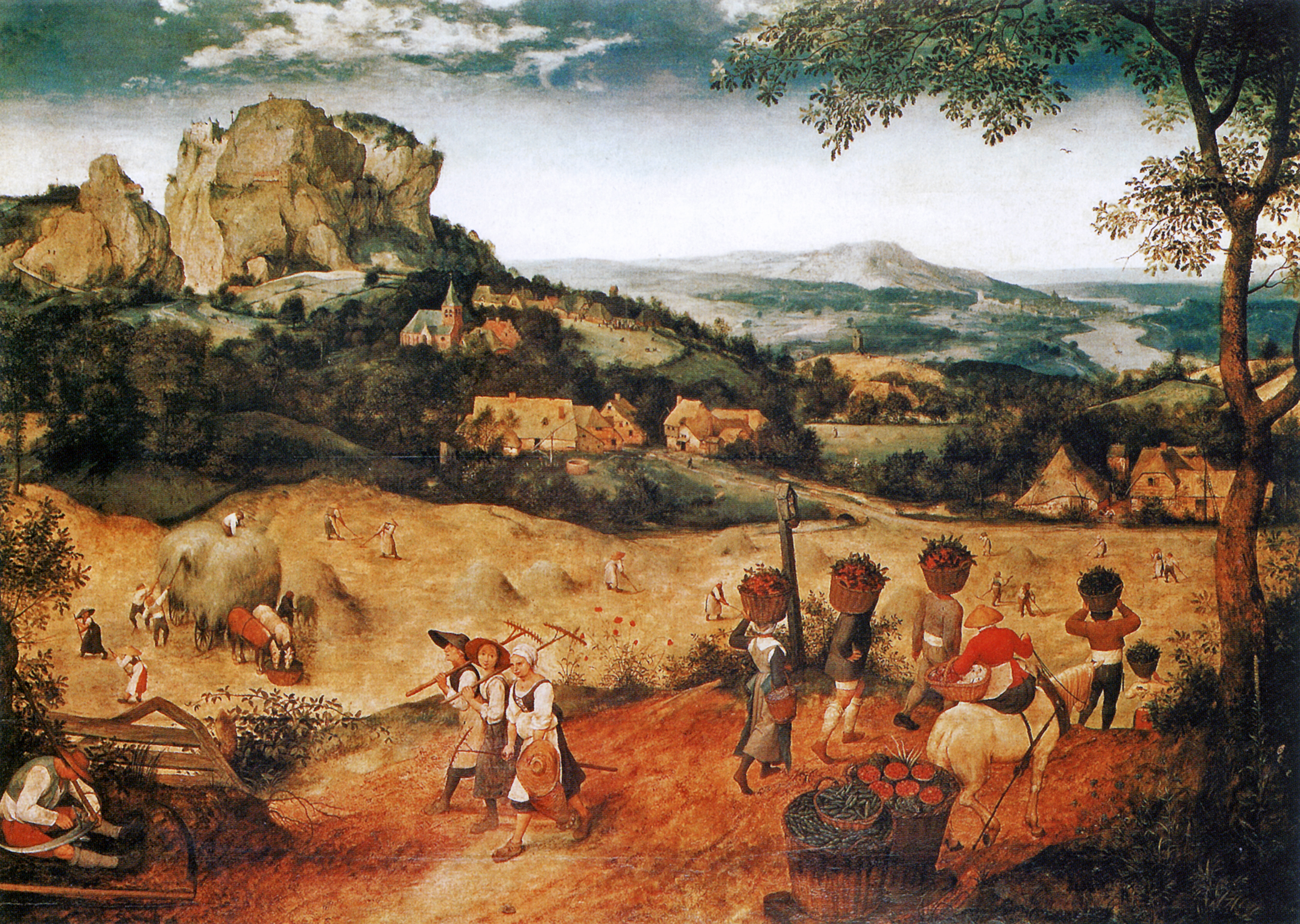
spinning backwards to land in a field painted by Bruigel, where the taste of salt
is the same, and the same heat rises in waves off a newly flattened field.
In the duskiness of slanted light, we laugh just as we laughed then, because there is
joy in what the earth gives, allowing our bodies to mingle with it, our voices
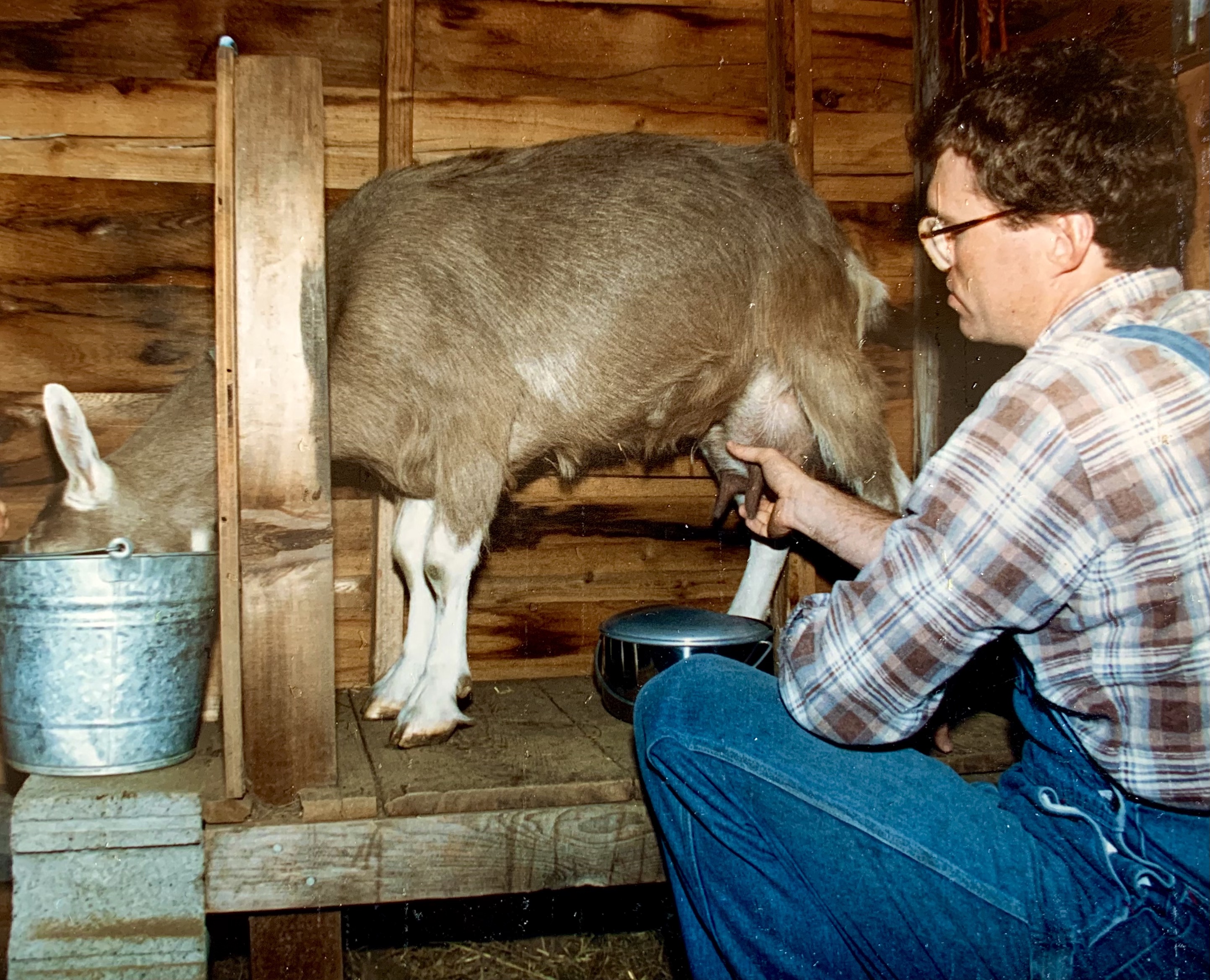
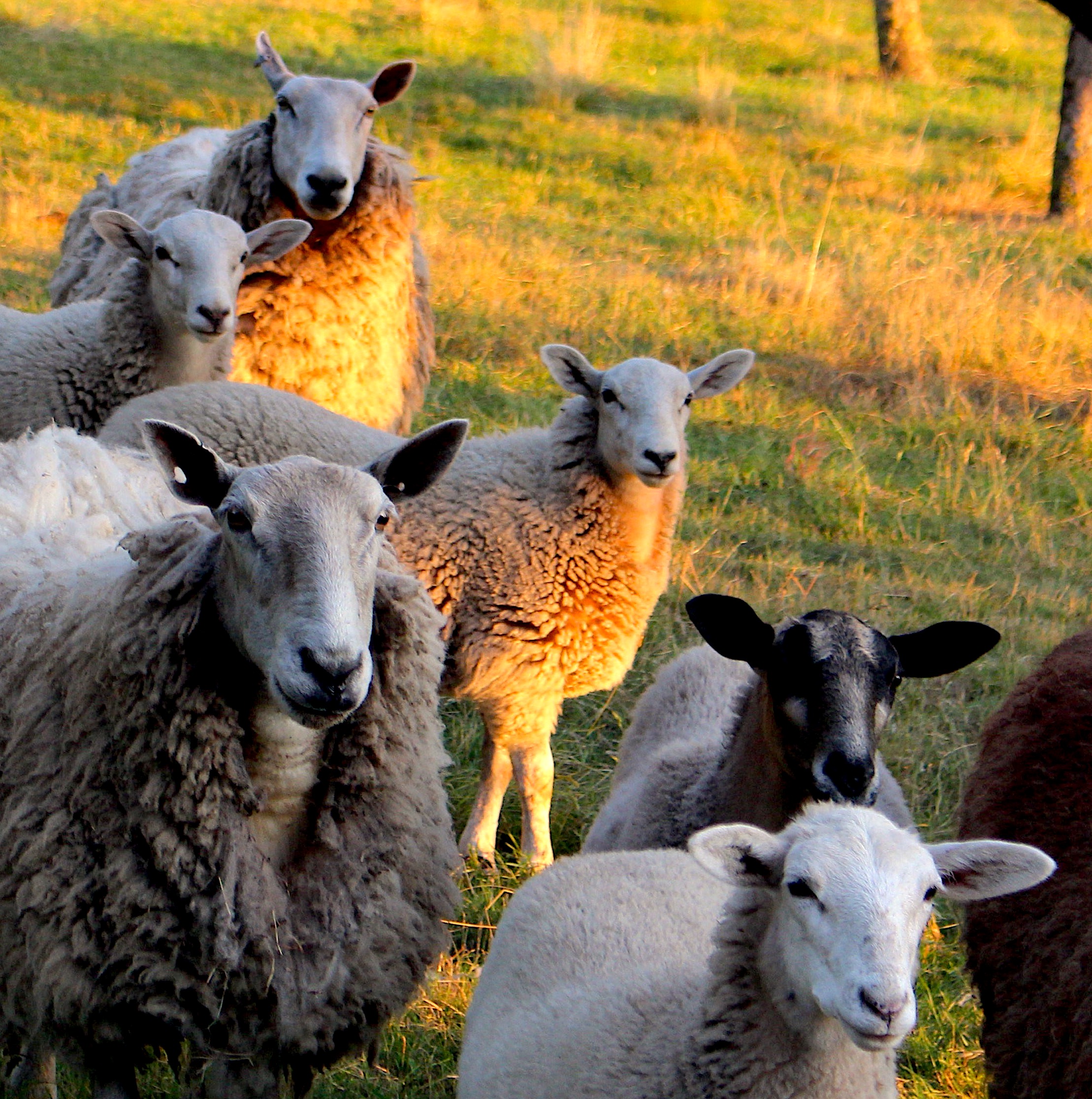
small on the field, our work assuring the goats can give milk, the sheep can grow wool,
and we will have in our bones the taste of something so old it travels in light. ~Susie Patlove “First Cutting” from Quickening
photo by Nate Gibsonphoto by Nate Gibson199420052011
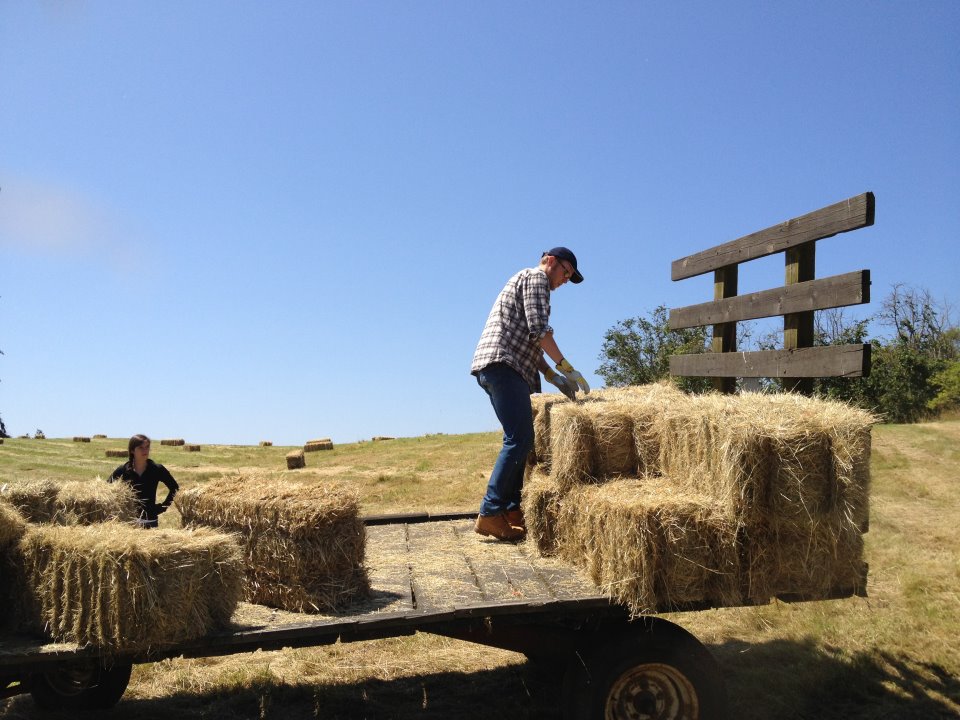
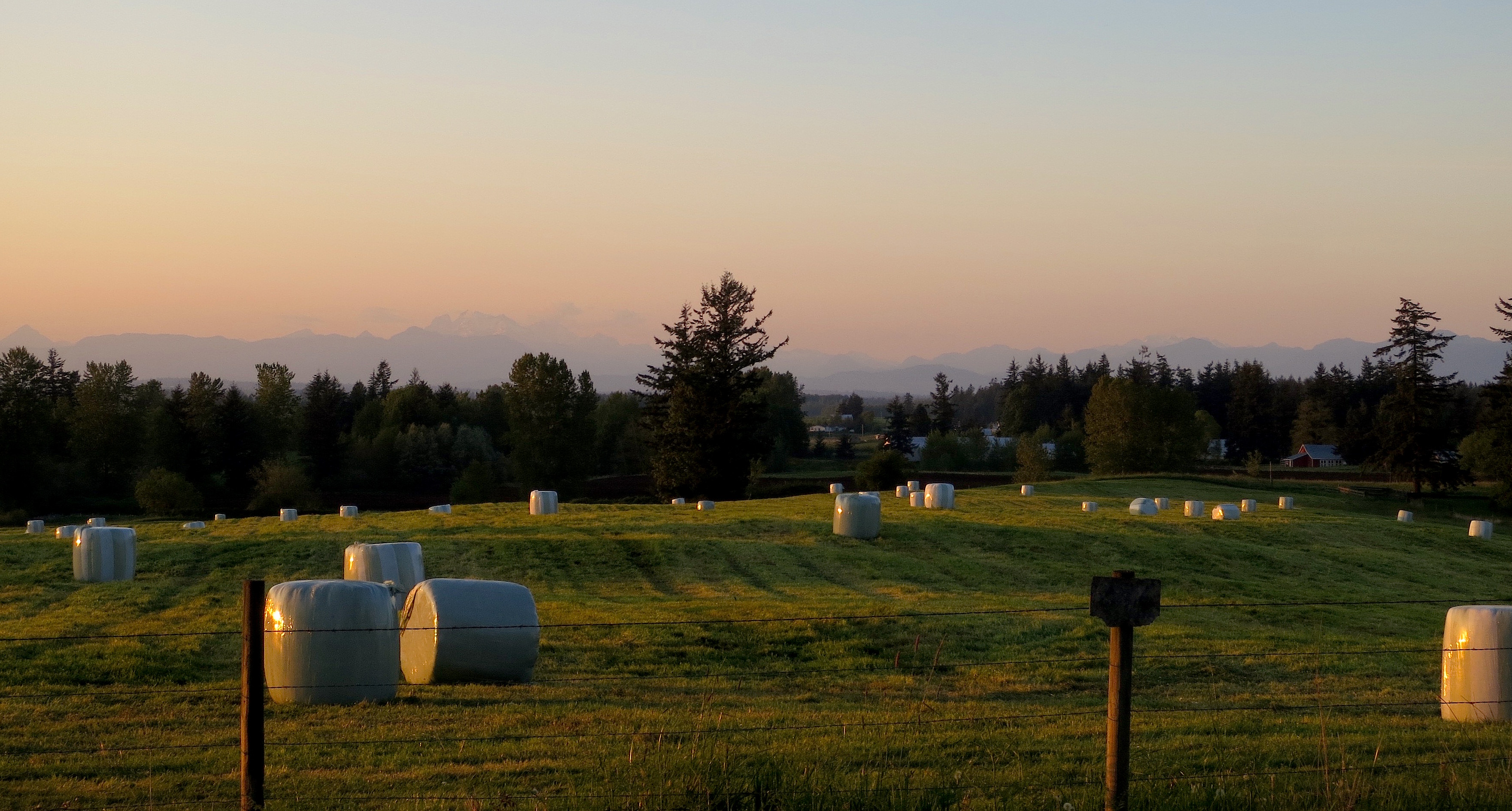
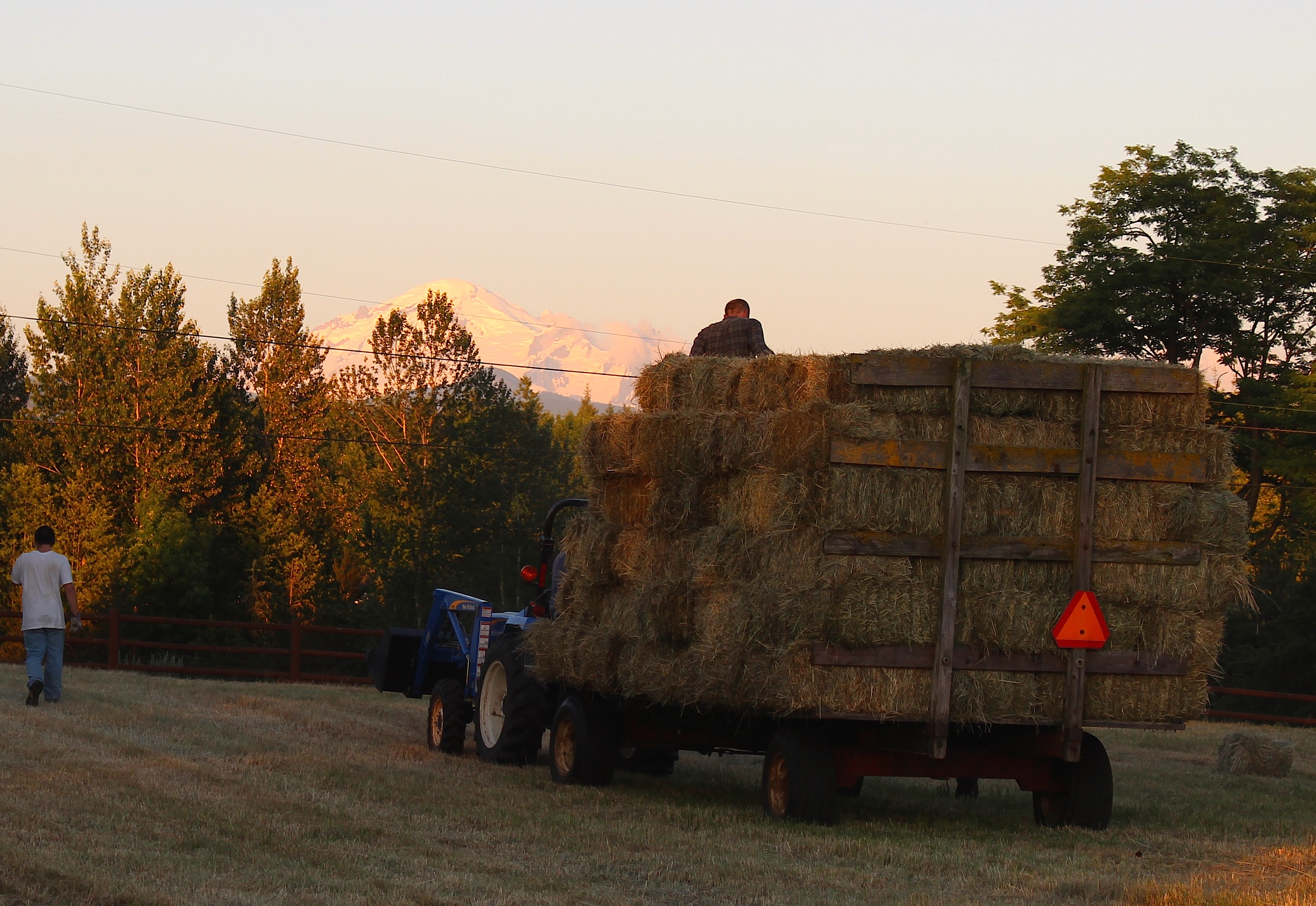
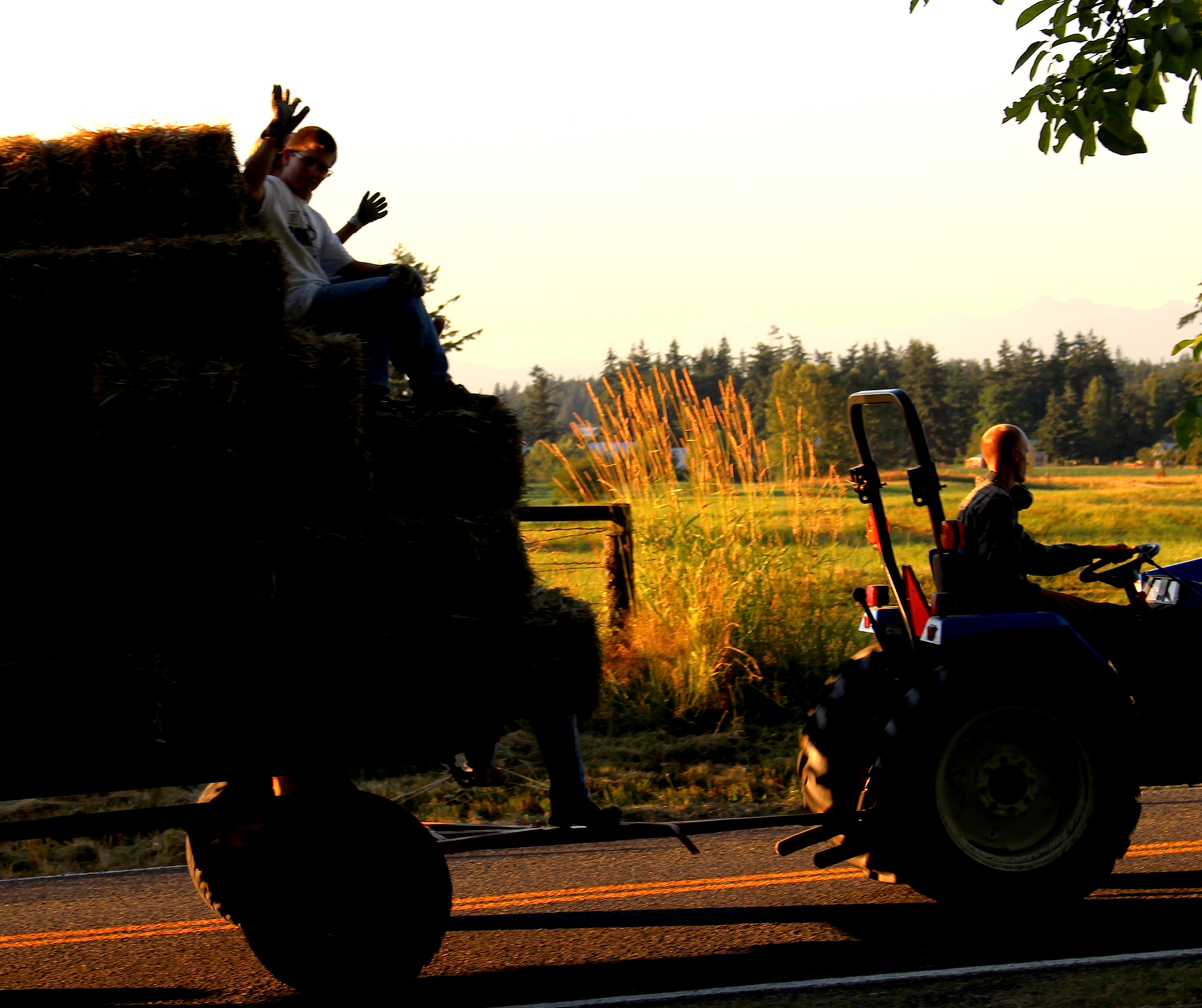
There is a timelessness to mid-summer hay harvest that goes back generations on both sides of our family. The cutting, raking and gathering of hay has evolved from horse-drawn implements and gathering loose shocks of hay to 100+ horse power air-conditioned tractors and huge round bales wrapped and stored in plastic sheathing rather than in barns.
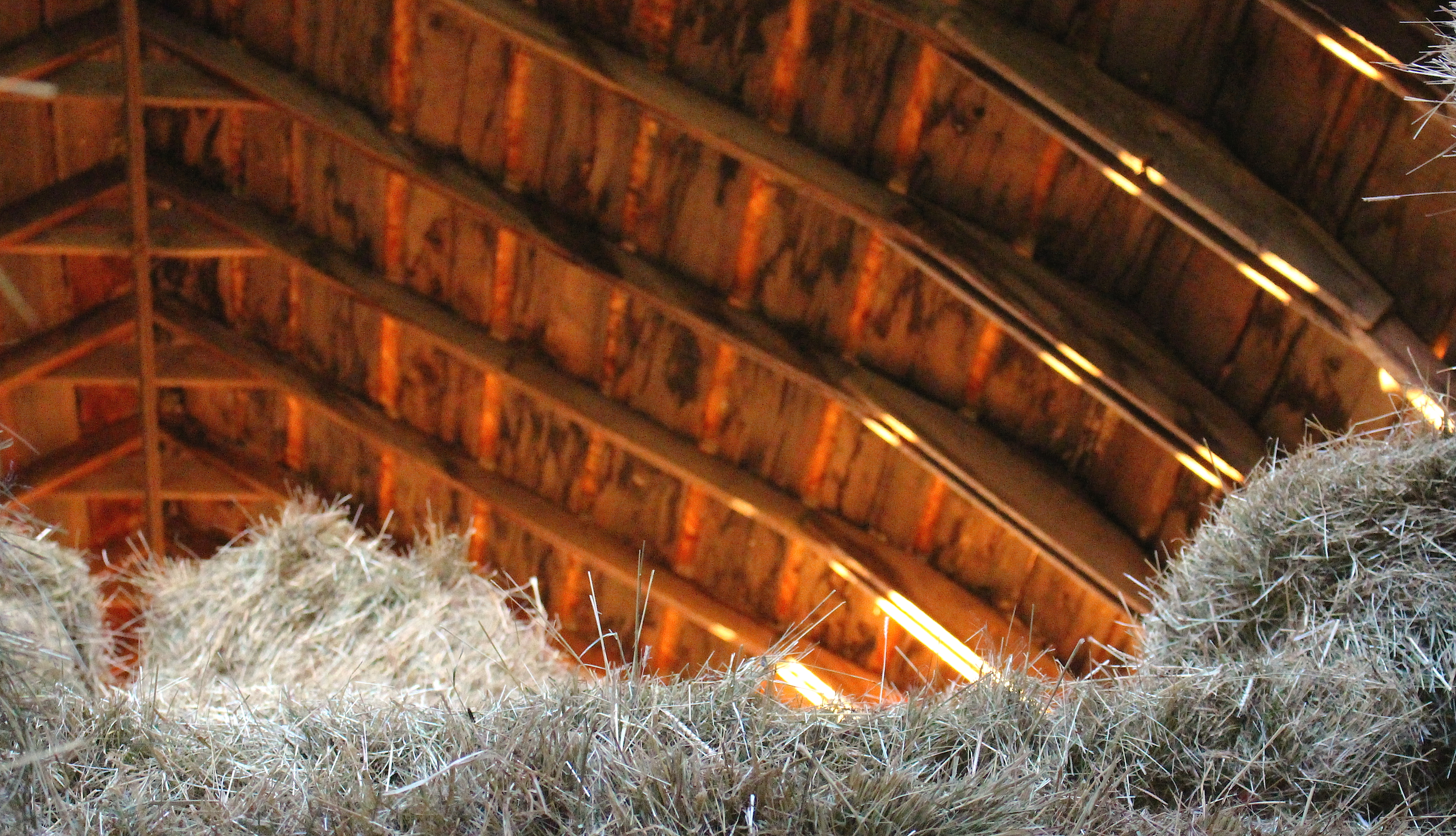
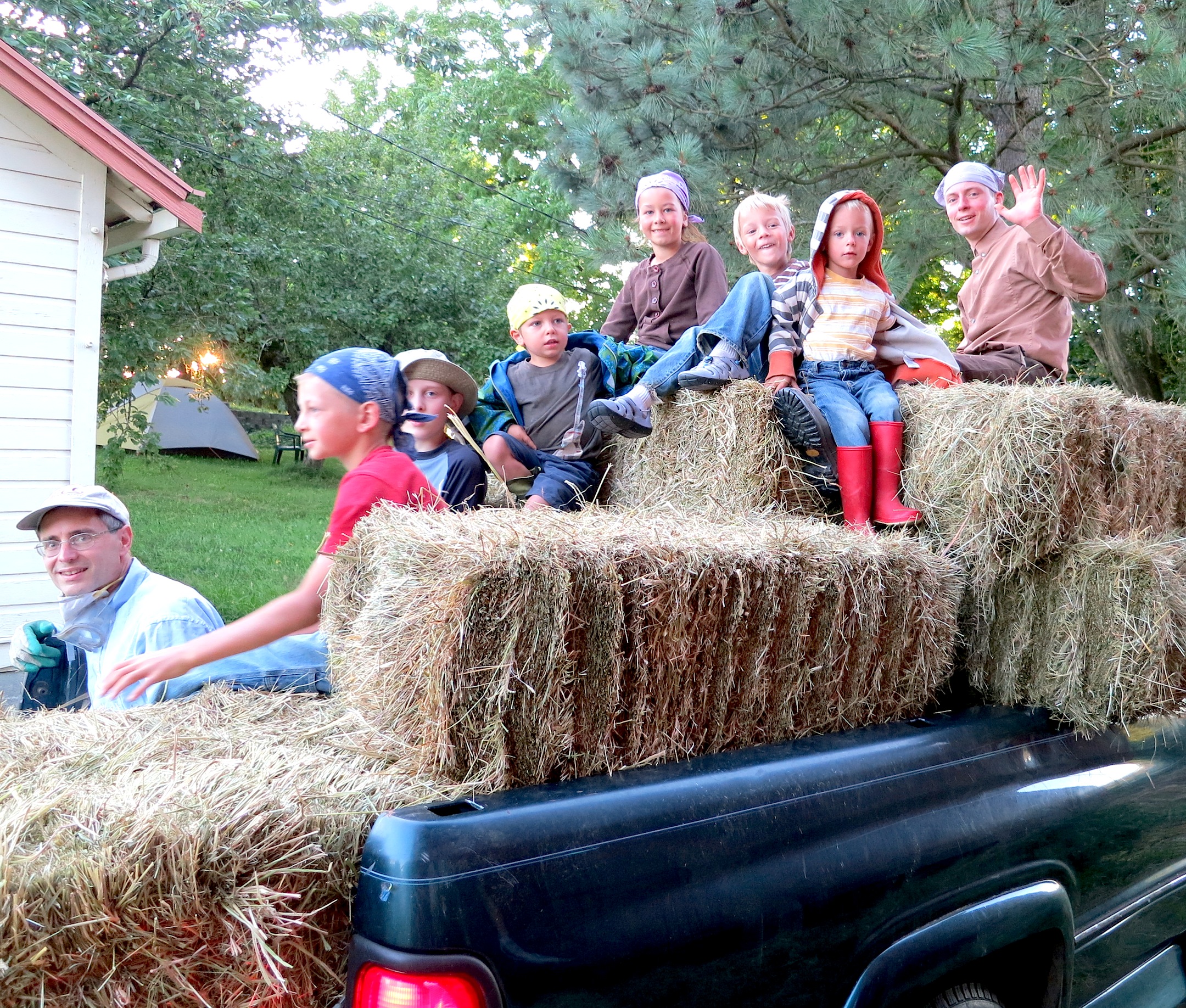
Our farm is happily stuck somewhere in-between: we still prefer filling the haybarn with bales that I can still lift and move myself to feed our animals. True hay harvest involves sweat and dust and a neighborhood coming together to preserve summer in tangible form.
I grew up on a farm with a hayfield – I still have the scar over my eyebrow where I collided with the handle of my father’s scythe when, as a toddler, I came too close behind him as he was taking a swing at cutting a field of grass one swath at a time. I remember the huge claws of the hay hook reaching down onto loose hay piled up on our wagon. The hook would gather up a huge load, lift it high in the air to be moved by pulley on a track into our spacious hay loft. It was the perfect place to play and jump freely into the fragrant memories of a summer day, even in the dark of winter.
But these days it is the slanted light of summer I remember most: -the weightlessness of dust motes swirling down sun rays coming through the slats of the barn walls as the hay bales are stacked -the long shadows and distant alpenglow in the mountains -the dusk that goes on and on as owls and bats come out to hunt above us
Most of all, I will remember the sweaty days of mid-summer as I open the bales of hay in mid-winter – the light and fragrance of those grassy fields spilling forth into the chill and darkness, in communion of blessing for our animals.
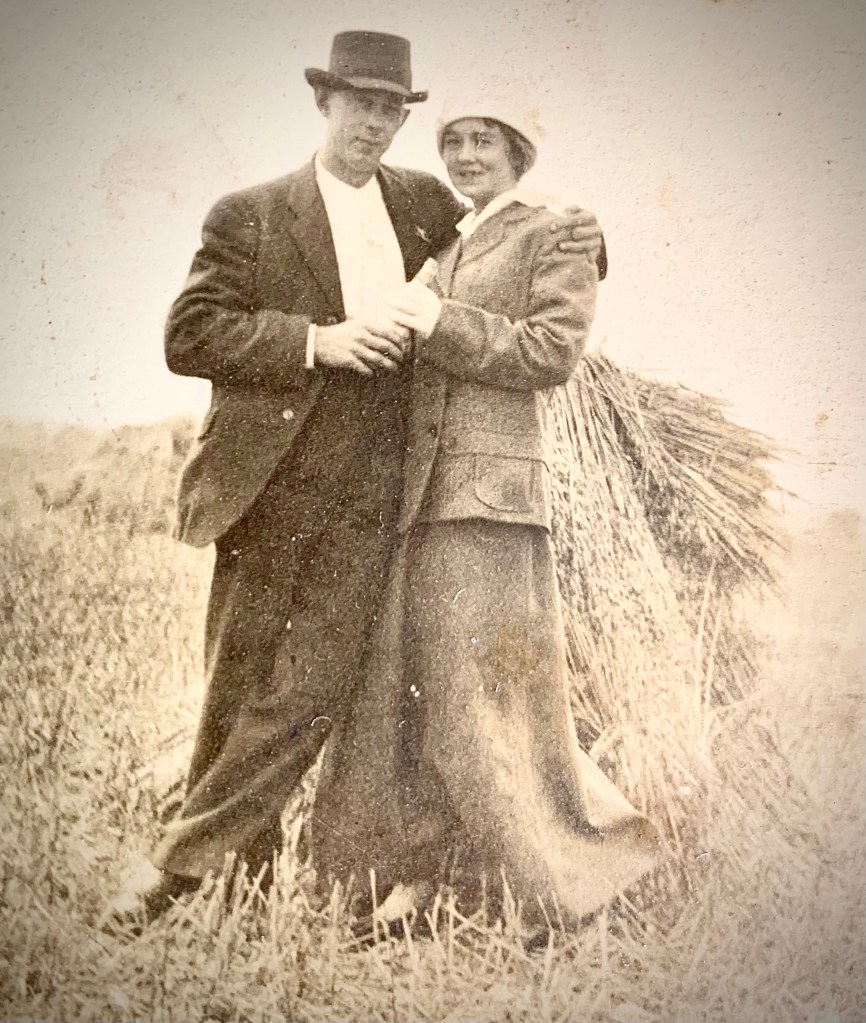
photo by Tayler RaePieter Bruegel “Hay Harvest”My grandparents Leslie Polis and Kittie Lovelace standing in a hayfield with loose hay shocks — 1915
Enjoy this blog post? A new book from Barnstorming is available to order here:
“Hold on,” she said, “I’ll just run out and get him. The weather here’s so good, he took the chance To do a bit of weeding.”
So I saw him Down on his hands and knees beside the leek rig, Touching, inspecting, separating one Stalk from the other, gently pulling up Everything not tapered, frail and leafless, Pleased to feel each little weed-root break, But rueful also . . .
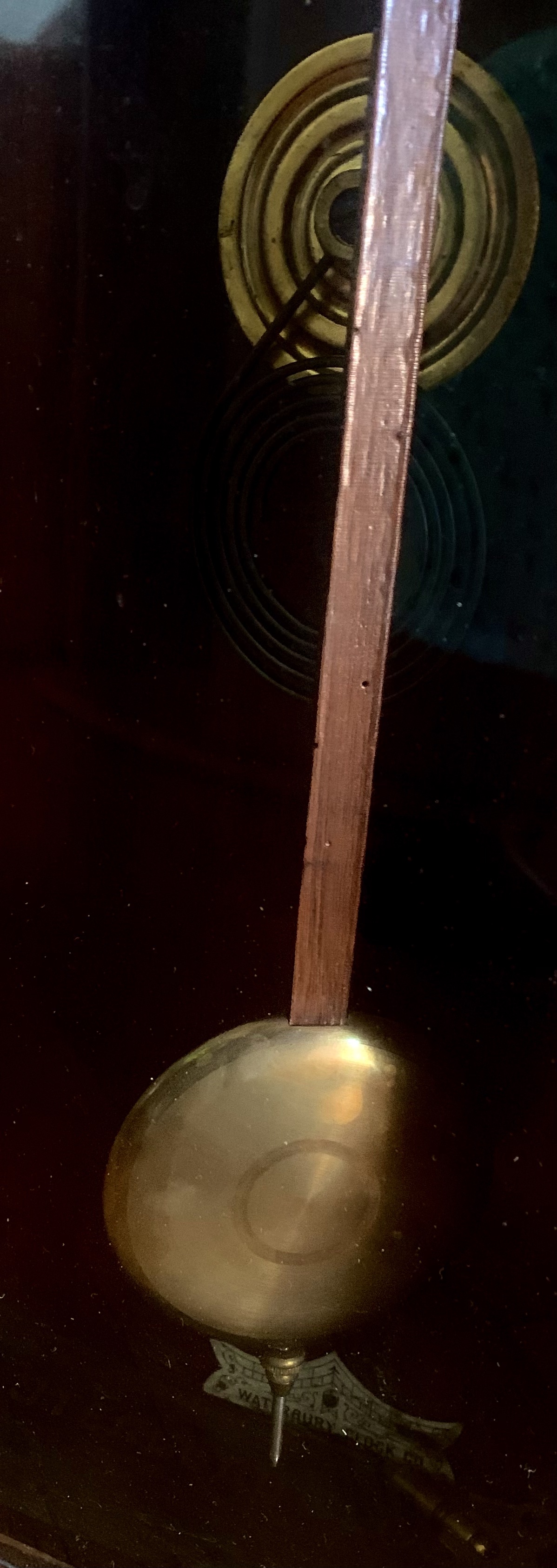
Then found myself listening to The amplified grave ticking of hall clocks Where the phone lay unattended in a calm Of mirror glass and sunstruck pendulums . . .
And found myself then thinking: if it were nowadays, This is how Death would summon Everyman.
Next thing he spoke and I nearly said I loved him.
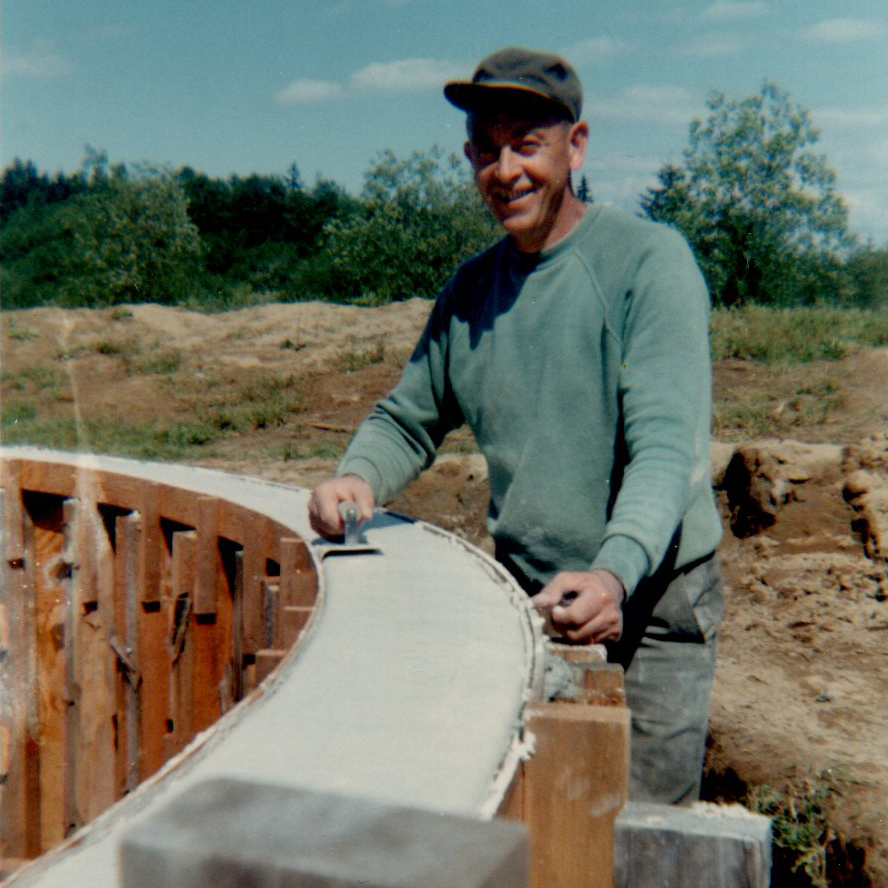
My father was a complex man. I understand better now where my own complicated nature comes from.
As inscrutable as he could be, there were things I absolutely understood about him:
he was a man of action – he never just sat, never took a nap, never wasted a day of his life without accomplishing something tangible.
he was a man of the soil – he plowed and harrowed and sowed and fertilized and weeded and harvested
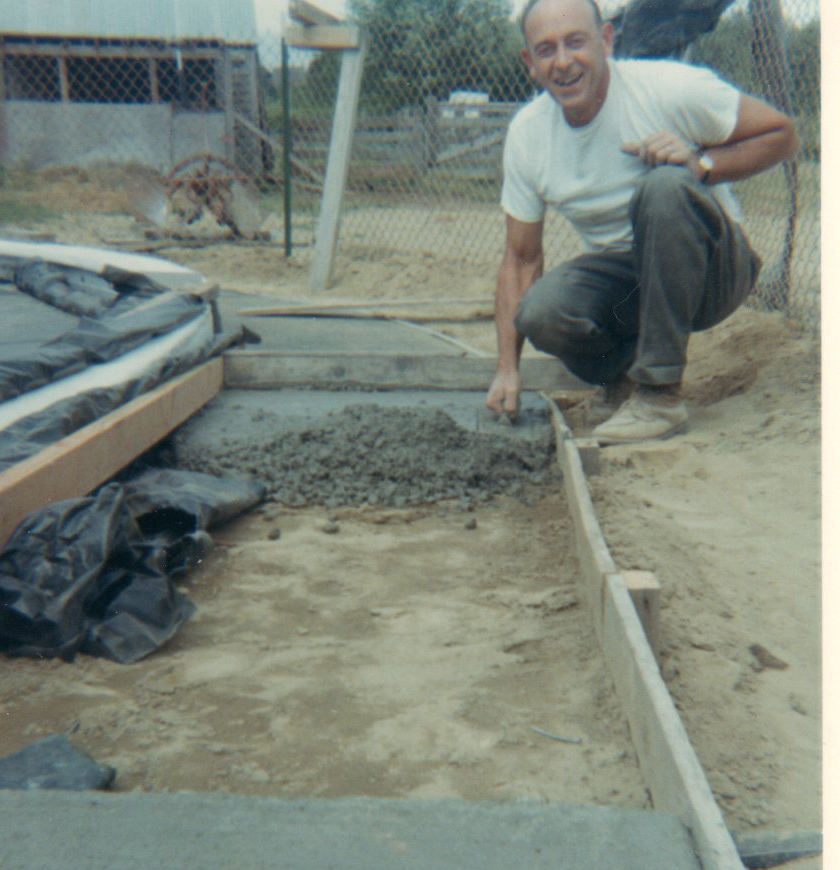
he was a man of inventiveness – he figured out a better way, he transformed tools and buildings, he started from scratch and built the impossible
he didn’t explain himself – and never felt the need to.
Time keeps ticking on without him here, now 26 years since he took his last breath as the clock pendulum swung in his bedroom. He was taken too young for all the projects he still had in mind.
He handed off a few to me. Some I have done. Some still wait, I’m not sure why.
My regret is not understanding how much he needed to hear how loved he was. He seemed fine without it being said. But he wasn’t.
I wish I had said it when I had the chance.
Ben packaged in a paper bag by Grandpa HankPouring the sidewalk by hand
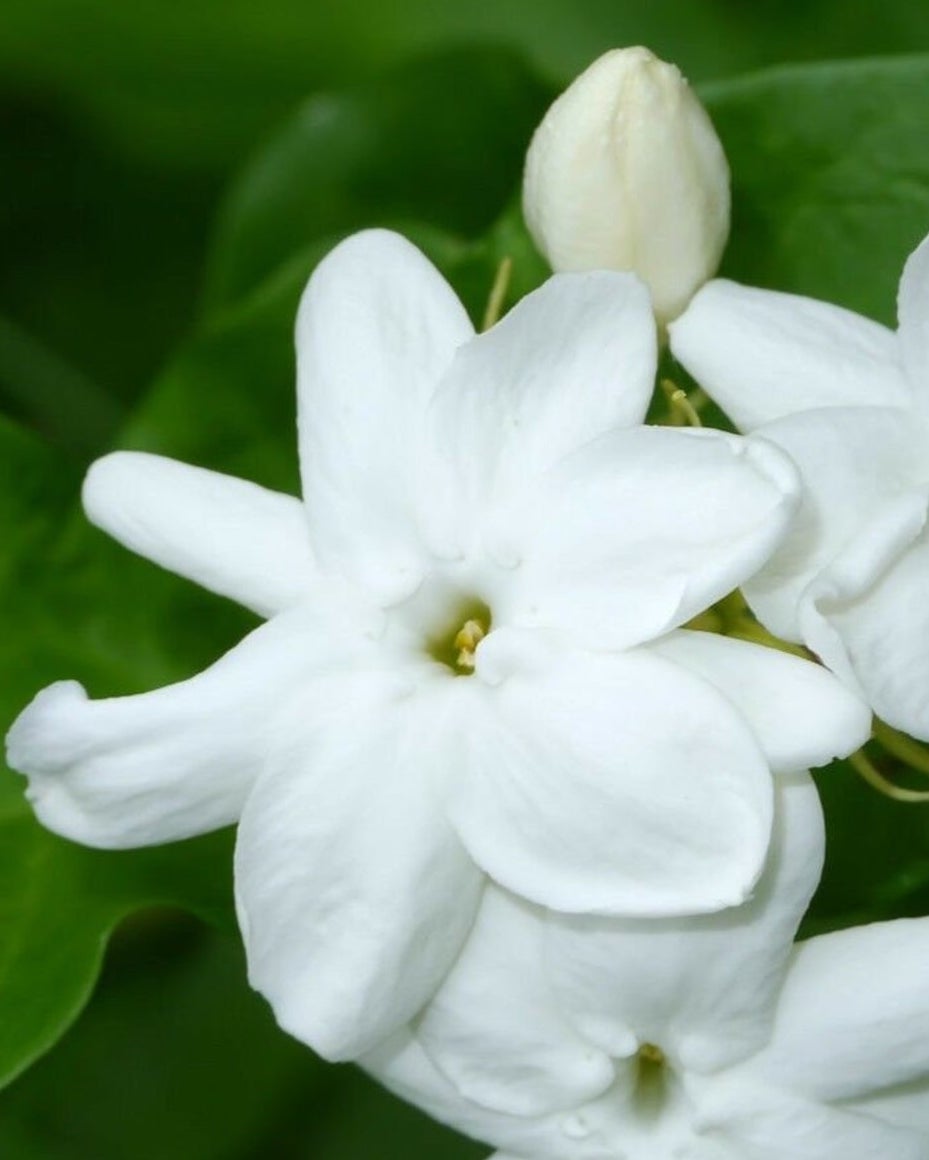
The wind, one brilliant day, called to my soul with an odor of jasmine.
“In return for the odor of my jasmine, I’d like all the odor of your roses.”
“I have no roses; all the flowers in my garden are dead.”
“Well then, I’ll take the withered petals and the yellowed leaves and the waters of the fountain.”
The wind left. And I wept. And I said to myself: “What have you done with the garden that was entrusted to you?” ~Antonio Machado “The Wind, One Brilliant Day” translated by Robert Bly
This garden bloomed with potential, entrusted to me for 32 years: the health and well-being of 16,000 students, most thriving and flourishing, some withering, their petals falling, a few have been lost altogether.
As the winds of time sweep away another group of graduates from my care, to be blown to places unknown, their beauty and fragrance gone from here.
I marvel at their growth, but also weary weep for those who left too soon, wondering if I failed to water them enough – or is it I who am parched in this garden with a thirst unceasing, my roots reaching deep into drought-stricken soil, ever so slowly drying out?
A new book from Barnstorming available for order here:
Happy the man, whose wish and care A few paternal acres bound, Content to breathe his native air, In his own ground. Whose herds with milk, whose fields with bread, Whose flocks supply him with attire, Whose trees in summer yield him shade, In winter fire.
Blest, who can unconcernedly find Hours, days, and years slide soft away, In health of body, peace of mind, Quiet by day,
Sound sleep by night; study and ease, Together mixed; sweet recreation; And innocence, which most does please, With meditation.
Thus let me live, unseen, unknown; Thus unlamented let me die; Steal from the world, and not a stone Tell where I lie.
~Alexander Pope, “Ode to Solitude” from Pope: Poems
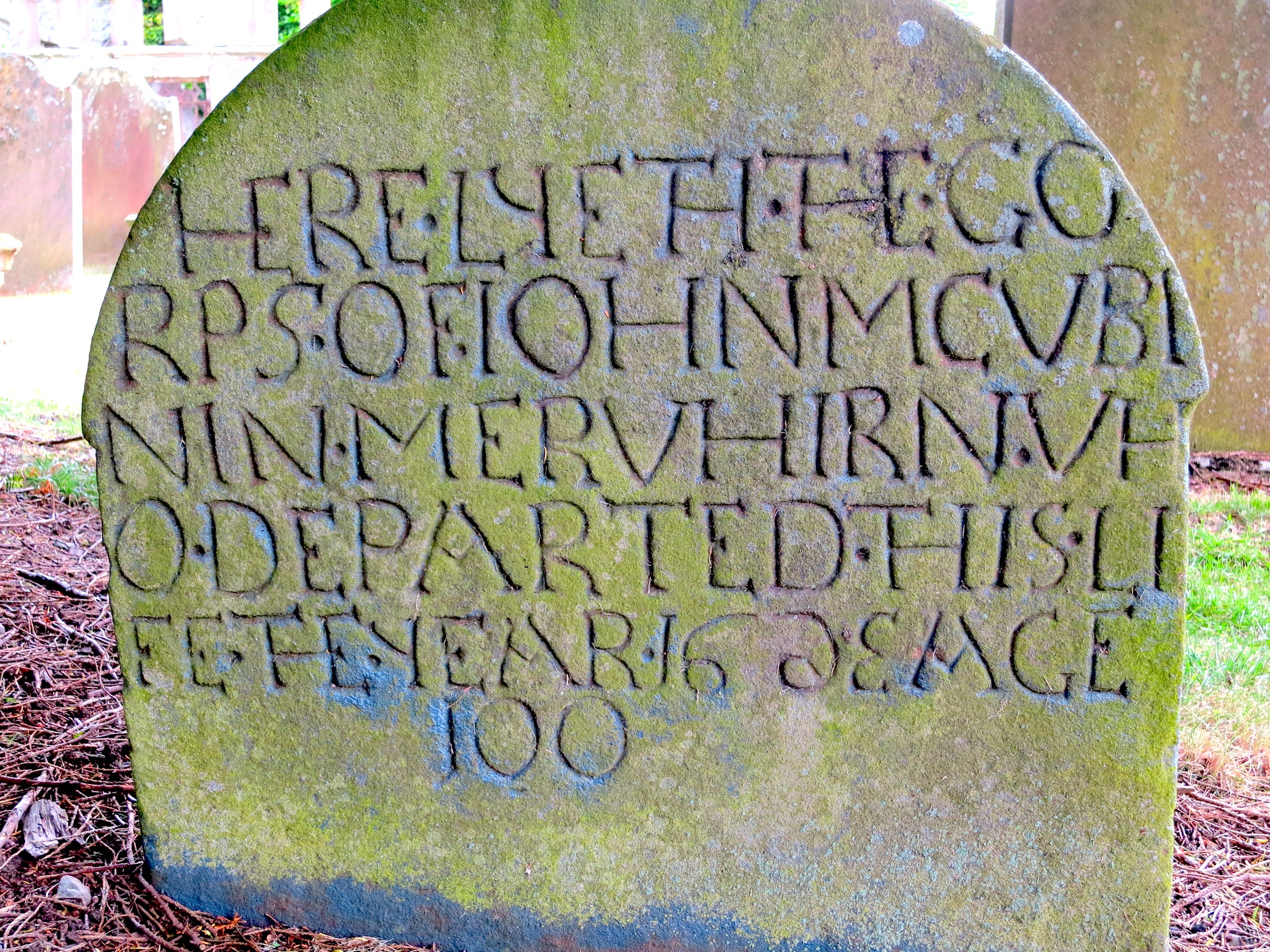
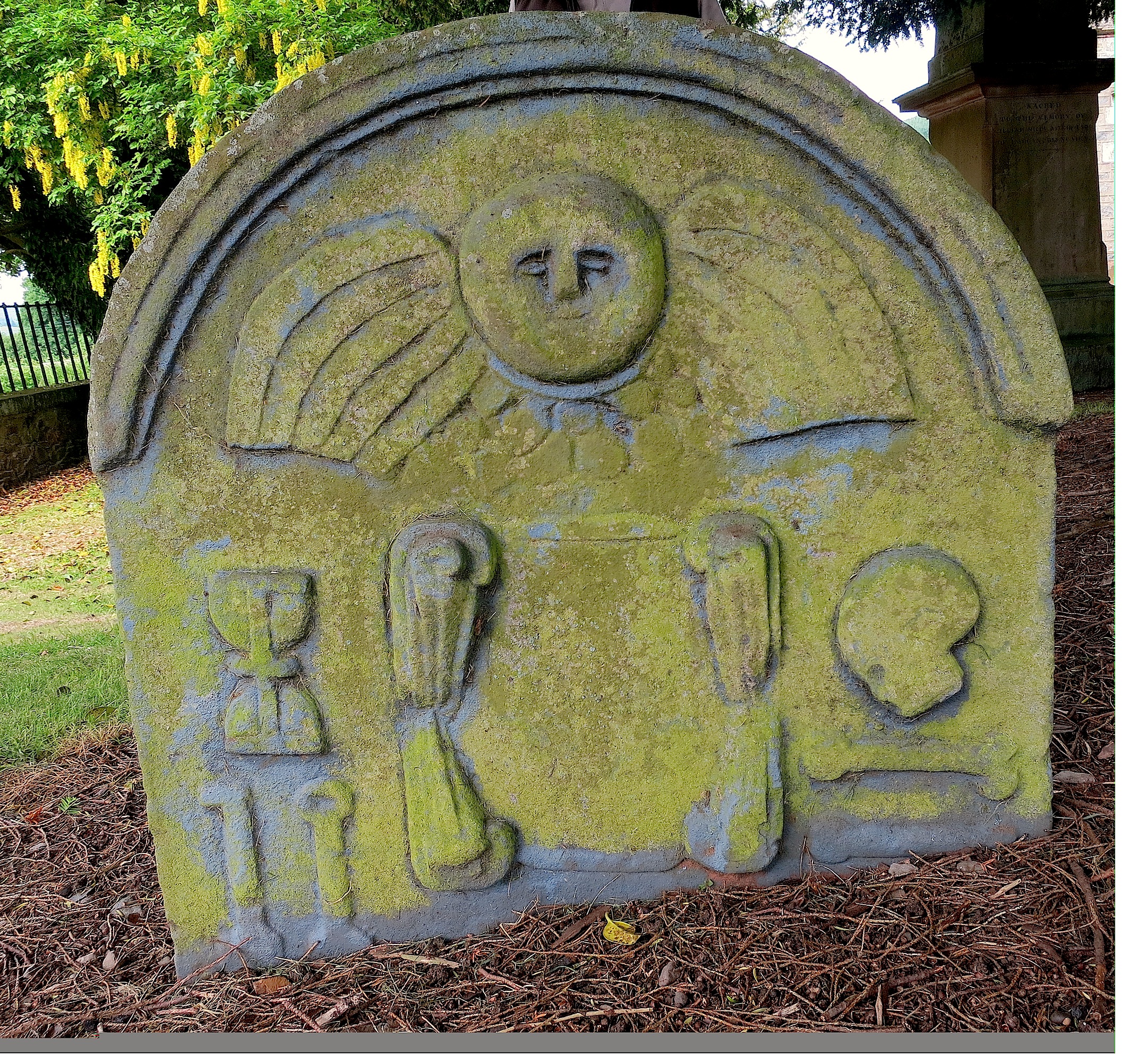
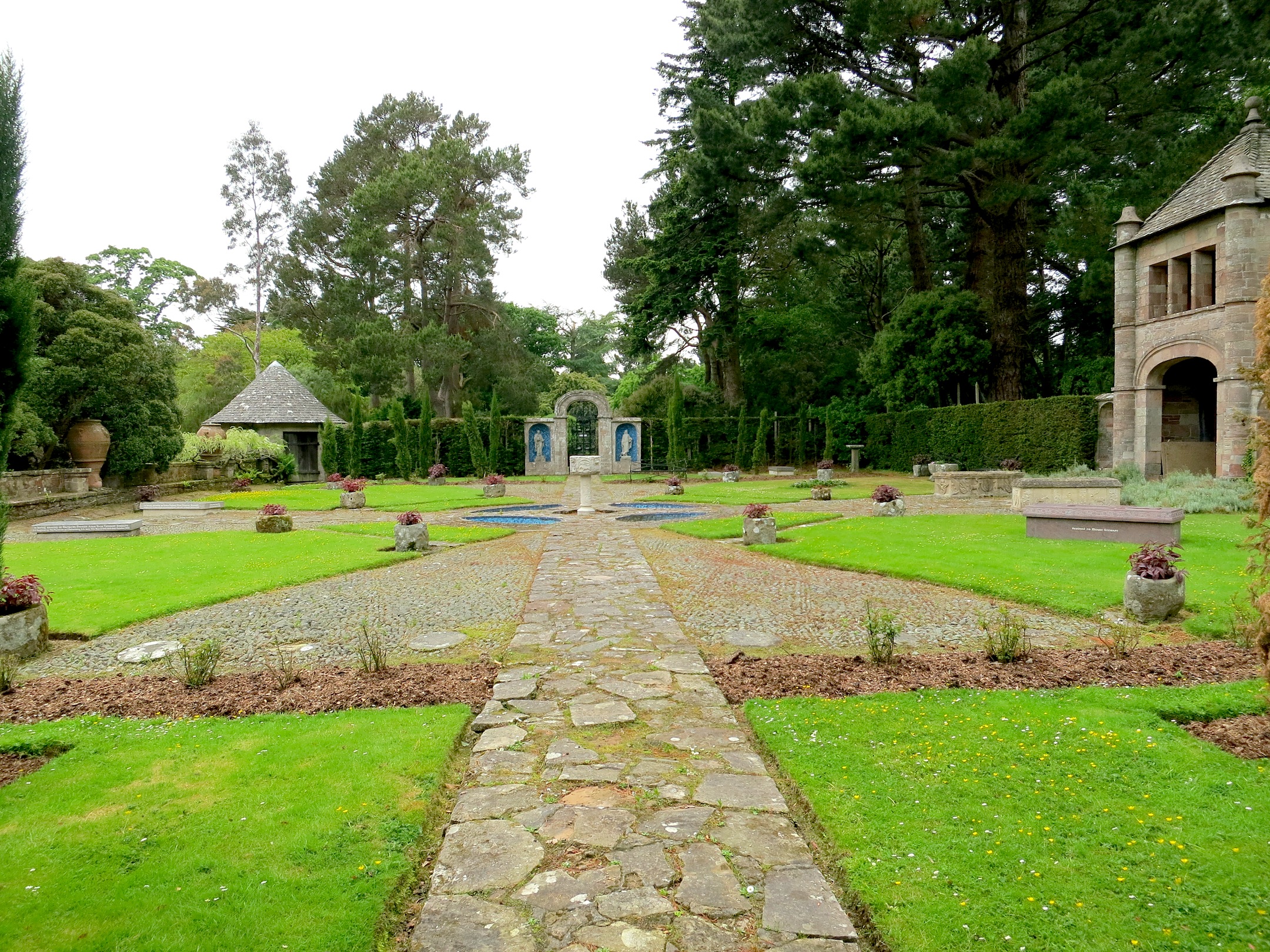
450 year old gravestone in Glencairn Parish Cemetery in Scotland which reads: Here Lyeth The Corps Of John Mcubin in Meruhirn (Marwhin) Who Departed This Life The Year 1663 Age 100other side of the same stone
But the effect of her being on those around her was incalculably diffusive: for the growing good of the world is partly dependent on unhistoric acts, and that things are not so ill with you and me as they might have been, is half owing to the number who lived faithfully a hidden life, and rest in unvisited tombs. ~George Eliot’s final sentence in Middlemarch
We have no idea who came before us, unseen, unknown, unheralded, unvisited, yet they, by living and dying, made our lives better today.
They lie, forgotten, now dust in the ground.
Yet they lived fully and lovingly, stewards of the earth and its creatures, parents to the next generation and the next and the next, placed here as images of their Creator.
May we, someday, having also lived faithfully in the fullness of time, leave behind a legacy of good and unhistoric acts that leave this world a better place for those who walk behind us in our footsteps.
It’s the least we can do, to honor those whose footprints we now follow.
A new book from Barnstorming available for order here
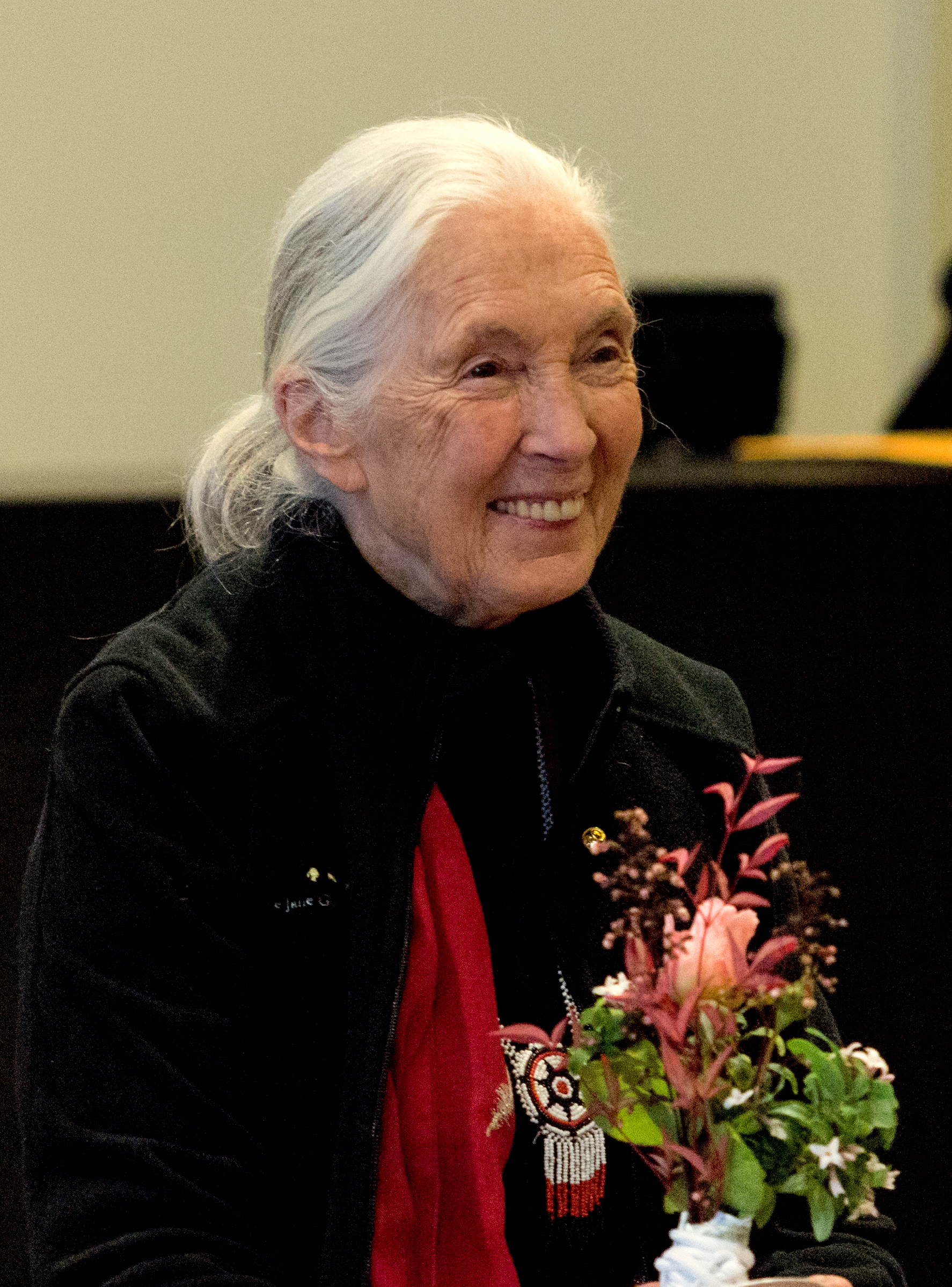
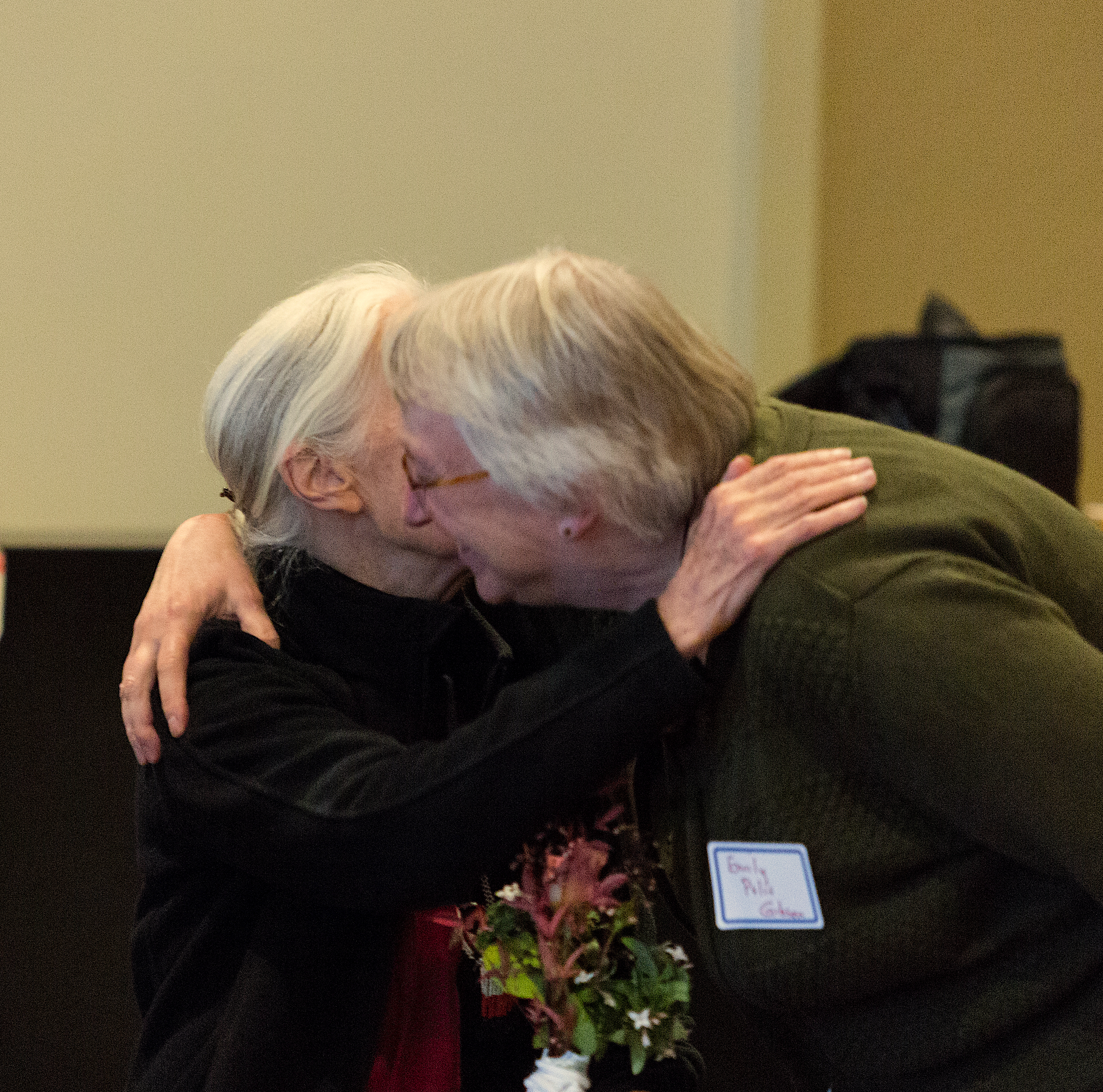
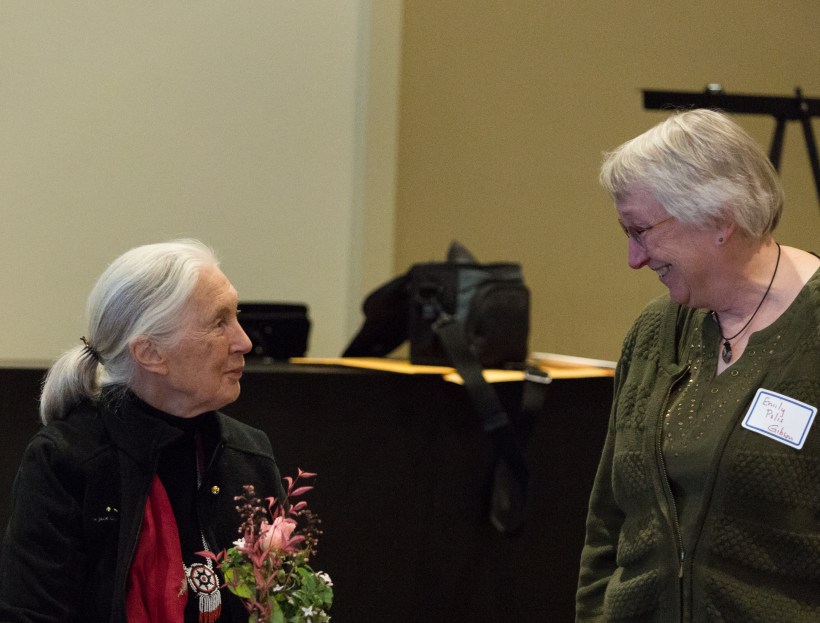
photo of Jane Goodall, smiling at me as I came up to give her a hug, courtesy of WWU University Communications (2018)courtesy of WWU Communicationscourtesy of WWU University Communications
Standing outside a non-descript door in a long dark windowless hallway of offices at the Stanford Medical Center, I took a deep breath and swallowed several times to clear my dry throat. I hoped I had found the correct office, as there was only a number– no nameplate to confirm who was inside.
I was about to meet a childhood hero, someone whose every book I’d read and every TV documentary I had watched. I knocked with what I hoped was the right combination of assertiveness (“I want to be here to talk with you and prove my interest”) and humility (“I hope this is convenient for you as I don’t want to intrude”). I heard a soft voice on the other side say “Come in” so I slowly opened the door.
It was a bit like going through the wardrobe to enter Narnia. Bright sunlight streamed into the dark hallway as I stepped over the threshold. Squinting, I stepped inside and quickly shut the door behind me as I realized there were at least four birds flying about the room. They were taking off and landing, hopping about feeding on bird seed on the office floor and on the window sill. The windows were flung wide open with a spring breeze rustling papers on the desk. The birds were very happy occupying the sparsely furnished room, which contained only one desk, two chairs and Dr. Jane Goodall.
She stood up and extended her hand to me, saying, quite unnecessarily, “Hello, I’m Jane” and offered me the other chair when I told her my name. She was slighter than she appeared when speaking up at a lectern, or on film. Sitting back down at her desk, she busied herself reading and marking her papers, seemingly occupied and not to be disturbed. It was as if I was not there at all.
It was disorienting. In the middle of a bustling urban office complex containing nothing resembling plants or a natural environment, I had unexpectedly stepped into a bird sanctuary instead of sitting down for a job interview. I wasn’t sure what I was supposed to do or say. Jane didn’t really ever look directly at me, yet I was clearly being observed. So I waited, watching the birds making themselves at home in her office, and slowly feeling at home myself. I felt my tight muscles start to relax and I loosened my grip on the arms of the chair.
There was silence except for the twittering of the finches as they flew about our heads.
After awhile she spoke, her eyes still perusing papers: “It is the only way I can tolerate being here for any length of time. They keep me company. But don’t tell anyone; the people here would think this is rather unsanitary.”
I said the only thing I could think of: “I think it is magical. It reminds me of home.”
Only then did she look at me. “Now tell me why you’d like to come work at Gombe…”
The next day I received a note from her letting me know I was accepted for the research assistantship to begin a year later. I had proven I could sit silently and expectantly, waiting for something, or perhaps nothing at all, to happen. For a farm girl who never before traveled outside the United States, I was about to embark on an adventure far beyond the barnyard.
(I had no idea when I applied for this position in March of 1974 that a little more than a year later, on May 19, 1975, I would be hiding in a Tanzanian jungle alongside Jane and her eight year old son Grub – that story is found here.
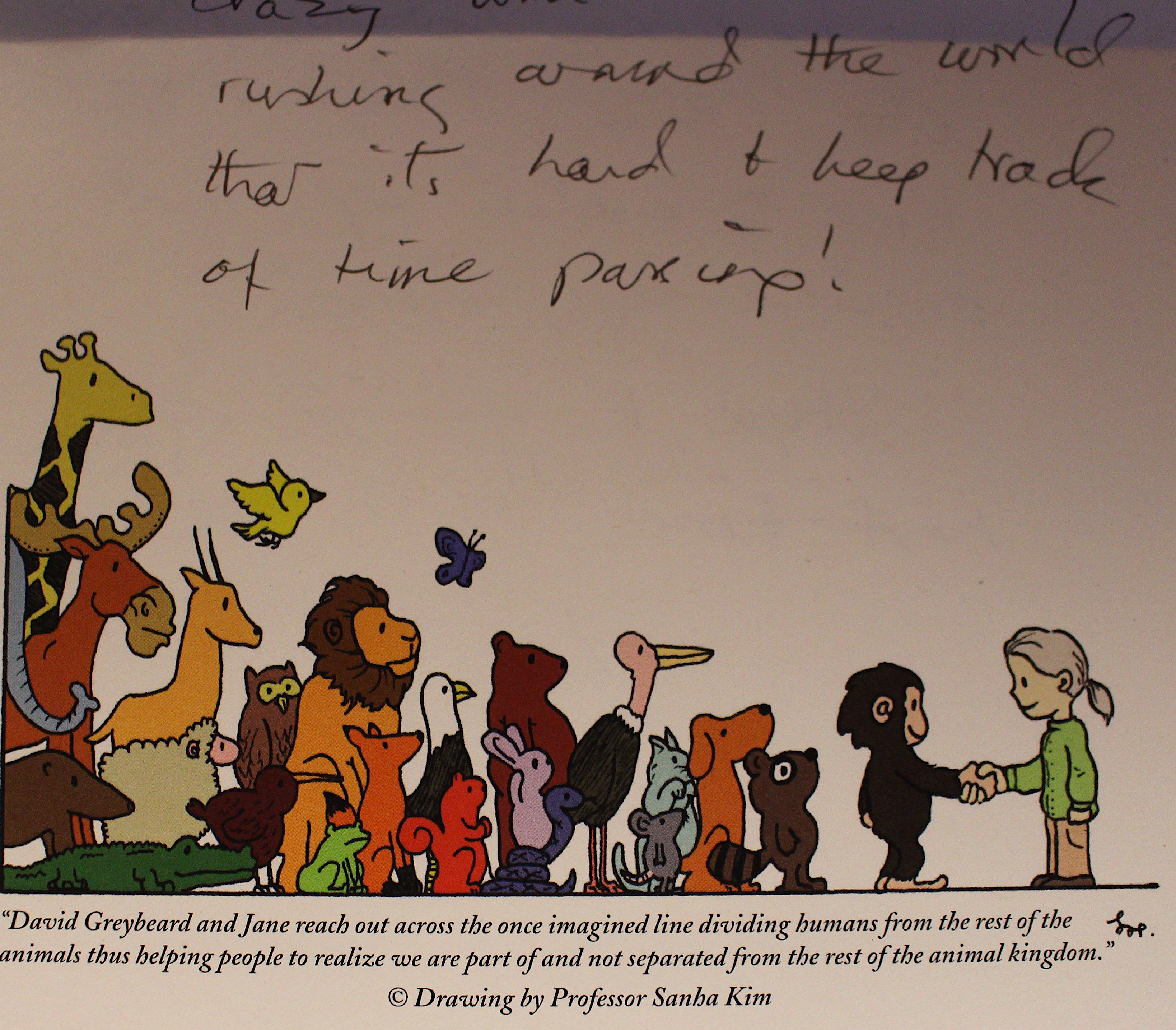
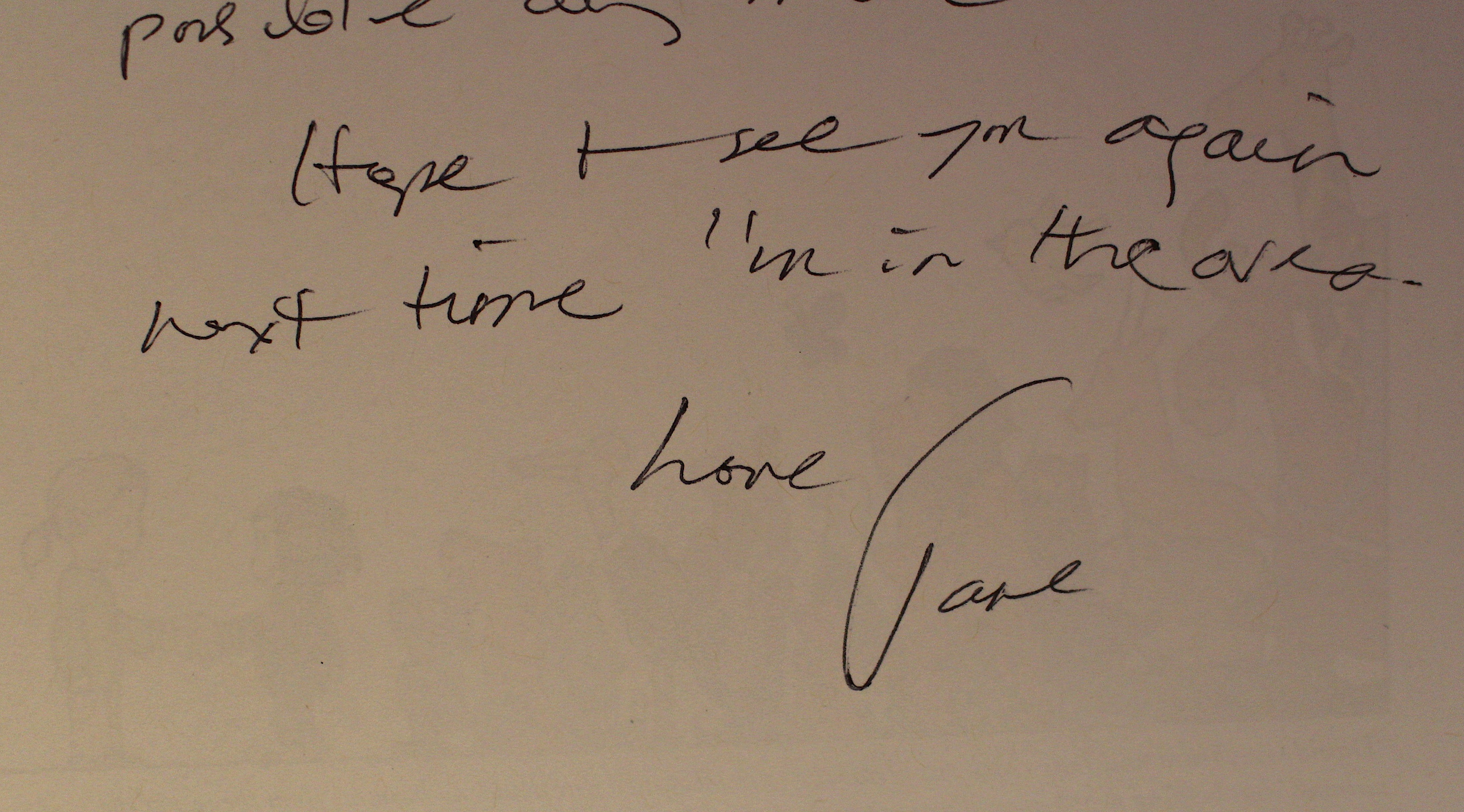
True to Jane’s tradition of impeccable graciousness, she sent me a hand-written note after her last visit in 2018 when she came to speak at Western Washington University in Bellingham.
A documentary “Jane” is streaming online and reviewed at https://www.nytimes.com/2017/10/18/movies/jane-review-jane-goodall-documentary.html
A new book from Barnstorming is available for order here




















 Barnstorming