Did I Find Everything I Was Looking For?

Did you find everything you were
looking for?
 Julie, the magenta-haired

checkout girl, asks, and no, I think,
I didn’t find inner peace, or answers to

several questions I’ve been mulling,
like are we headed for nuclear war and

does the rest of the world think America
has gone bonkers and also, by the way,

I could not find the tofu bacon, and
the chocolate sorbet shelf was empty

(I did find canned pumpkin in aisle four)
but I am silent and smile at Julie who

seems to know what I’m thinking anyway
so I hold back and muse on the view

of the bay this morning when we walked
the dog and the parsnip soup we’ll

make for dinner and realize that total
fulfillment probably jades the senses and

the bagger asks if I’d like help today
carrying my groceries out to the car.

~Thomas R. Moore, “Finding Everything” from Red Stone Fragments
He was a new old man behind the counter, skinny, brown and eager.
He greeted me like a long-lost daughter,
as if we both came from the same world,
someplace warmer and more gracious…

…his face lit up as if I were his prodigal daughter returning,
coming back to the freezer bins in front of the register
which were still and always filled
with the same old Cable Car ice cream sandwiches and cheap frozen greens.
Back to the knobs of beef and packages of hotdogs,
these familiar shelves strung with potato chips and corn chips…


I lumbered to the case and bought my precious bottled water
and he returned my change, beaming
as if I were the bright new buds on the just-bursting-open cherry trees,
as if I were everything beautiful struggling to grow,
and he was blessing me as he handed me my dime
over the counter and the plastic tub of red licorice whips.
This old man who didn’t speak English
beamed out love to me in the iron week after my mother’s death
so that when I emerged from his store
    my whole cock-eyed life  –
    what a beautiful failure ! –
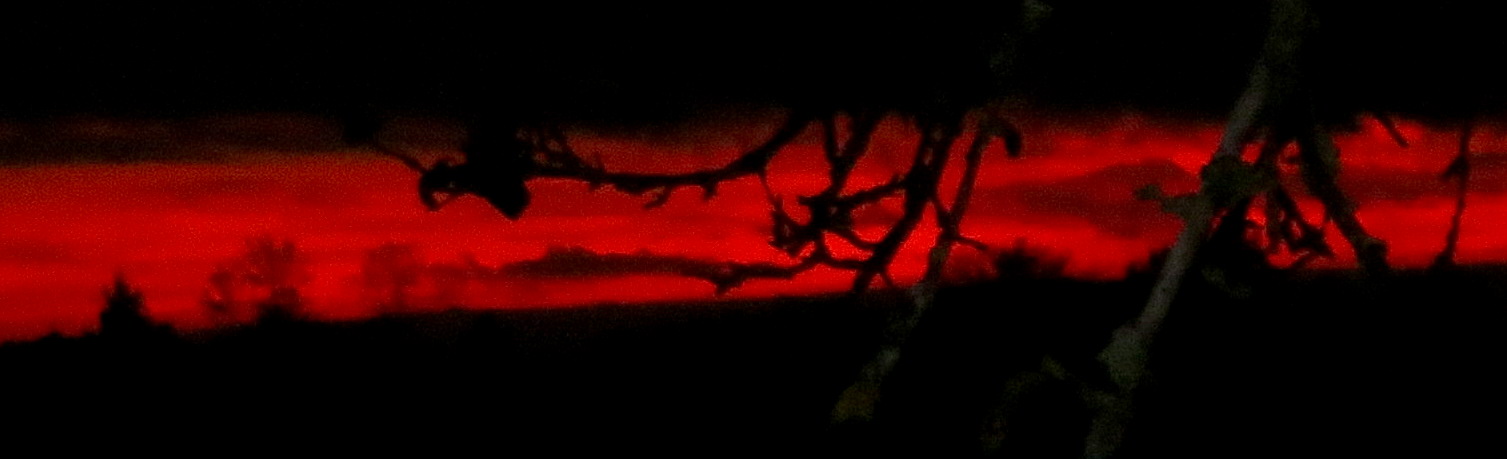
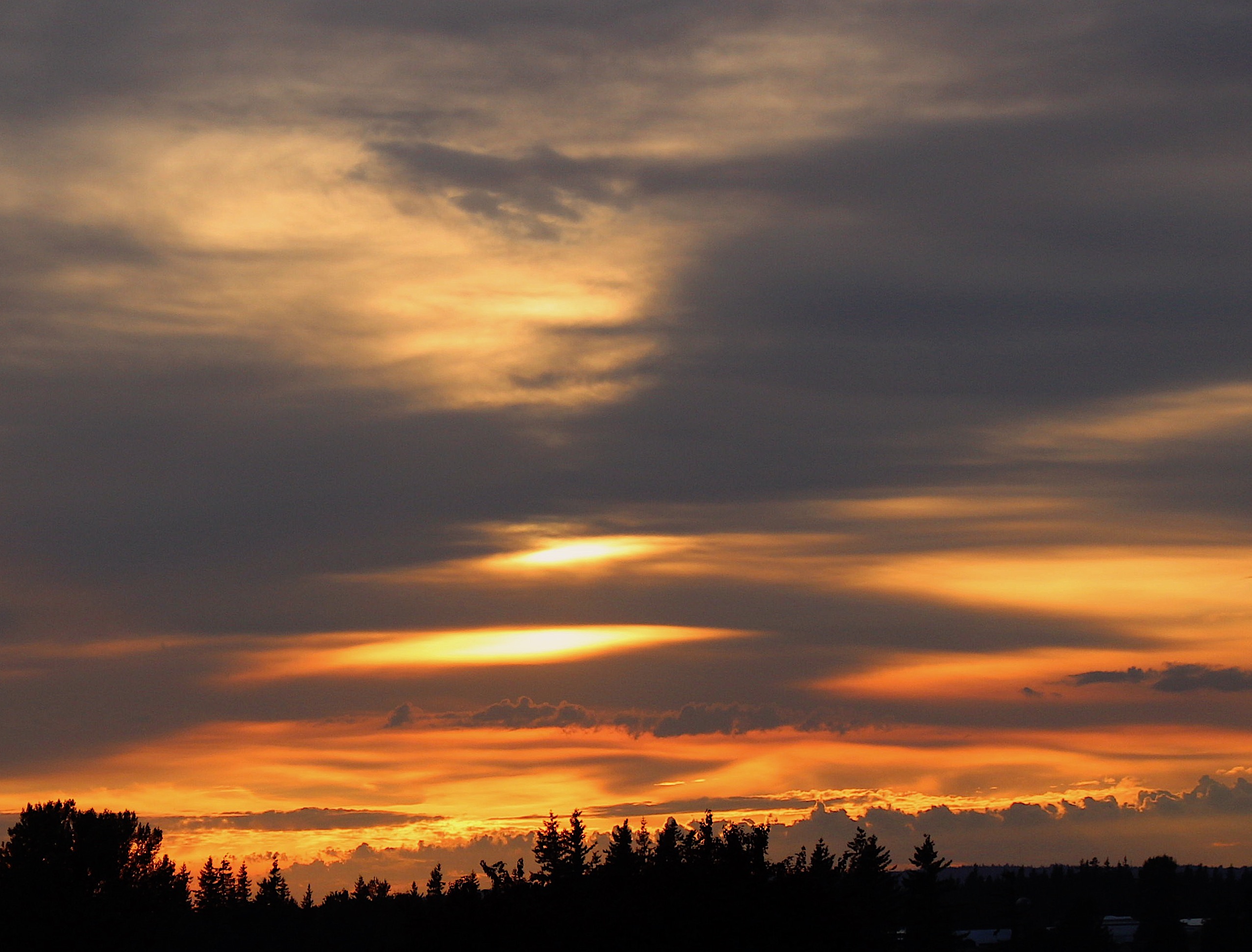
glowed gold like a sunset after rain.
~Alison Luterman from “At the Corner Store”

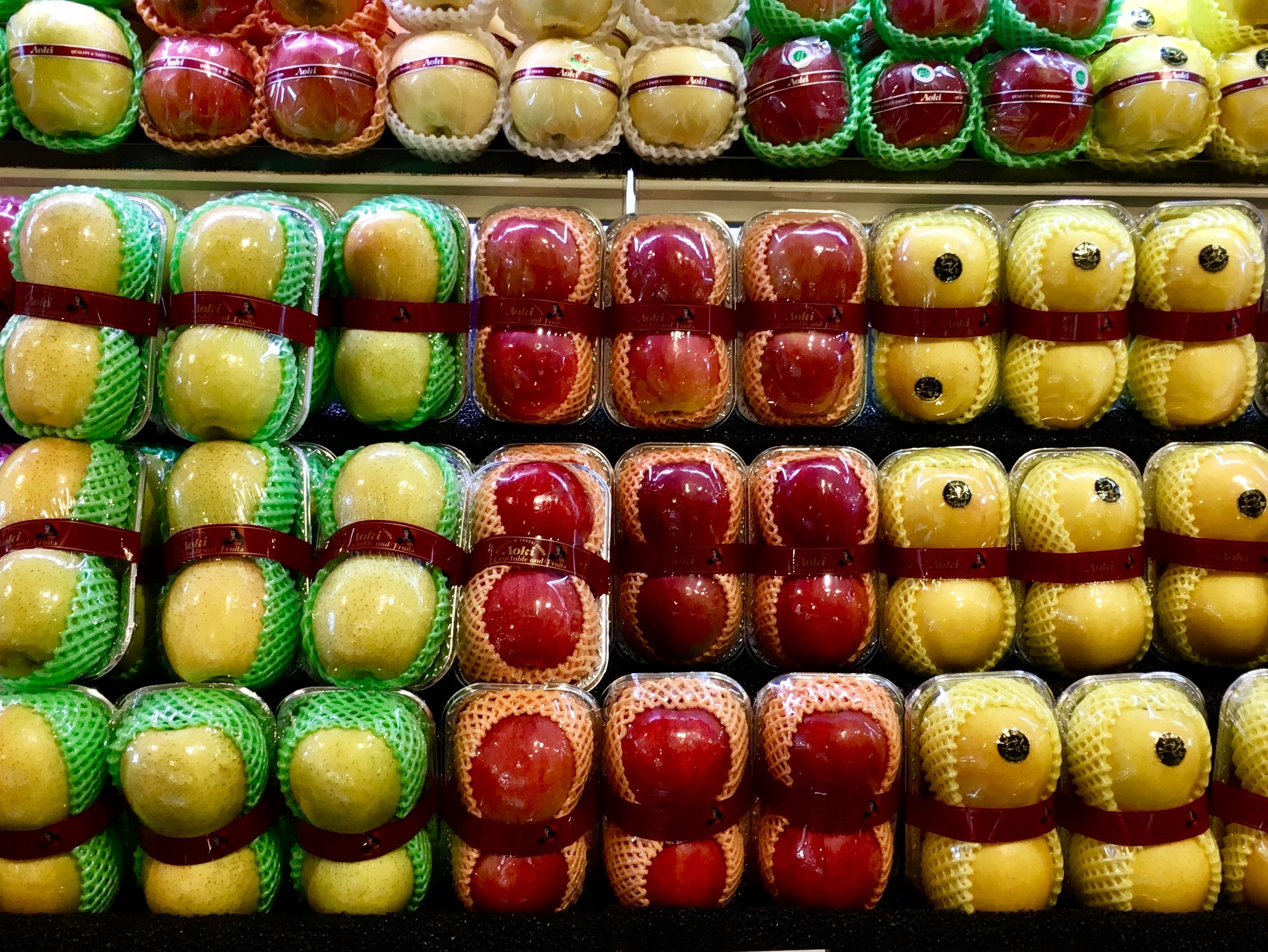
During these two years of COVID-time precautions, grocery shopping has been an extra ordeal for both the shoppers and the store workers. We remain hidden behind our masks – both the ones mandated by state regulations to be covering our faces, as well as the ones we usually hide behind while out and about in polite society.

This week as I shopped in one of our local grocery stores, I witnessed a particularly poignant scene. As I waited my six foot distance in the check out line, the older man ahead of me was greeted by the young cashier with the standard “Did you find everything you were looking for?” He looked at her from behind his mask and his eyes were obviously smiling as she scanned his groceries. He responded with:
“I looked for world peace on your shelves, but it must have been sold out…”

She stopped scanning and looked directly at him for the first time, trying to discern if she misunderstood him or if he was mocking her or what. “Did you try Aisle 4?” she replied and they both laughed. They continued in light-hearted conversation as she continued scanning and once he had paid for his order and packed up his cart, he looked at her again.

“Thank for so much for coming to work today – I am so grateful for what you do.” He wheeled away his groceries and she stood, stunned, watching him go.

As I came up next, I looked at her watering eyes as she tried to compose herself and I said to her: “I’ll bet you don’t hear that often enough, do you?” She pulled herself together and shook her head, trying to make sense of the gift of words he had bestowed on her.

“No – like never,” she said as she scanned my groceries. “How could he possibly have known that I almost didn’t come to work today because it has been so stressful to be here? People are usually polite, but lately more and more have been so mean and refusing to put on their masks when I ask them to. No one seems to care about how others are feeling any more.”

She brushed away a tear and I paid for my groceries, and told her:

“I hope the rest of your work day is as great as that last customer. You’ve given me everything I was looking for today…”

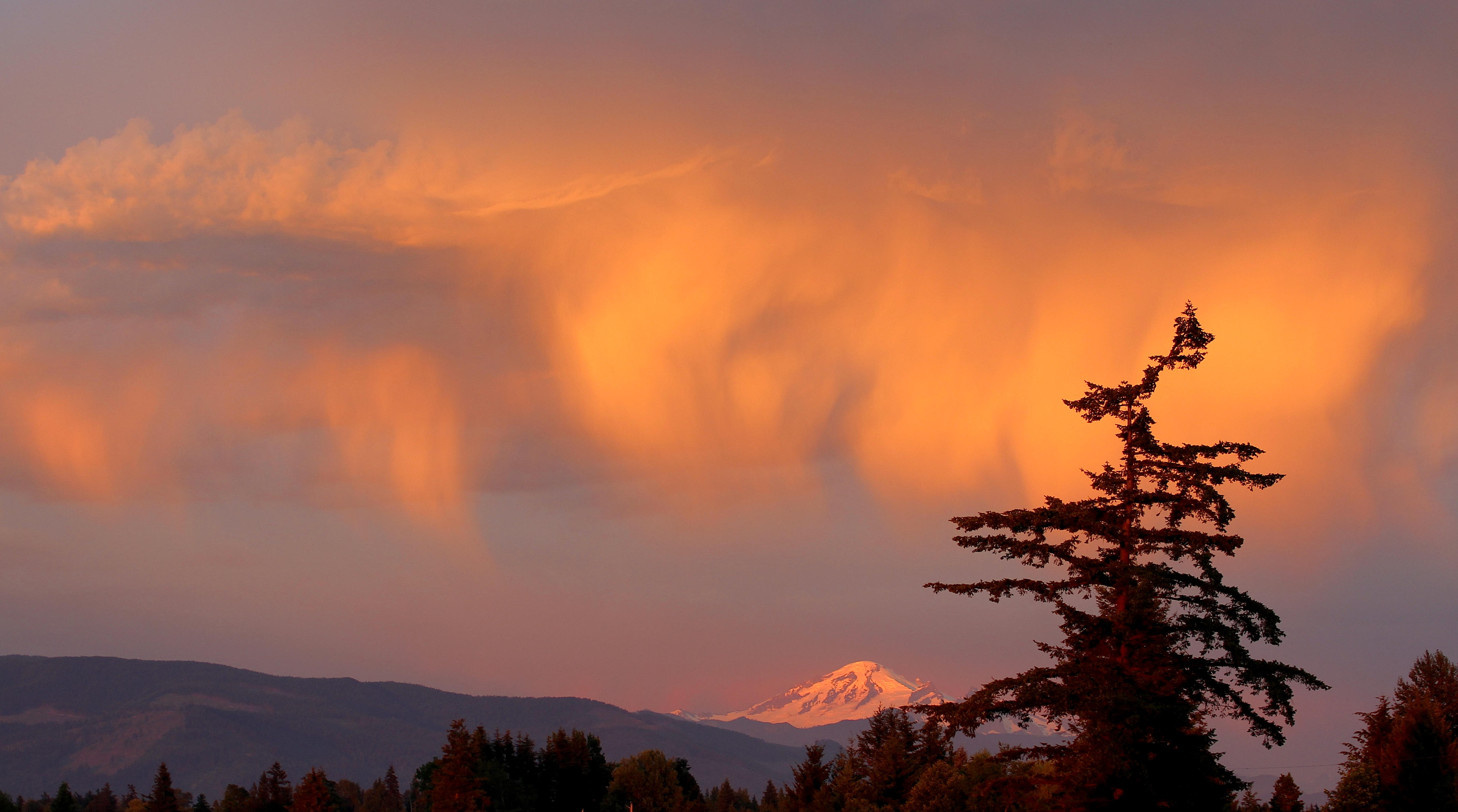
And I emerged from the store feeling like I had scored a pot of gold like a sunset after rain.

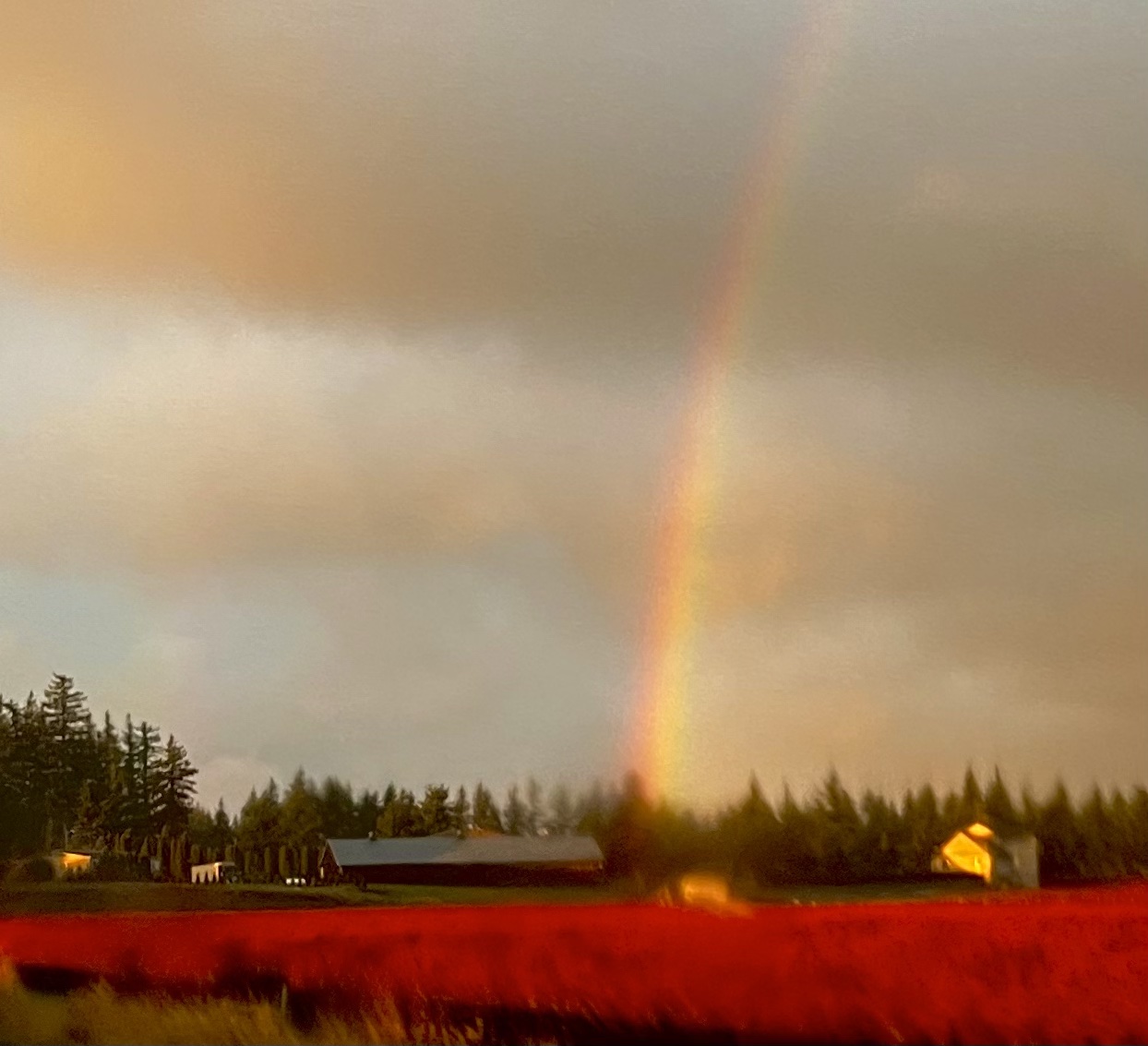
last night’s rainbow through a windshield in pouring rain at 50mph

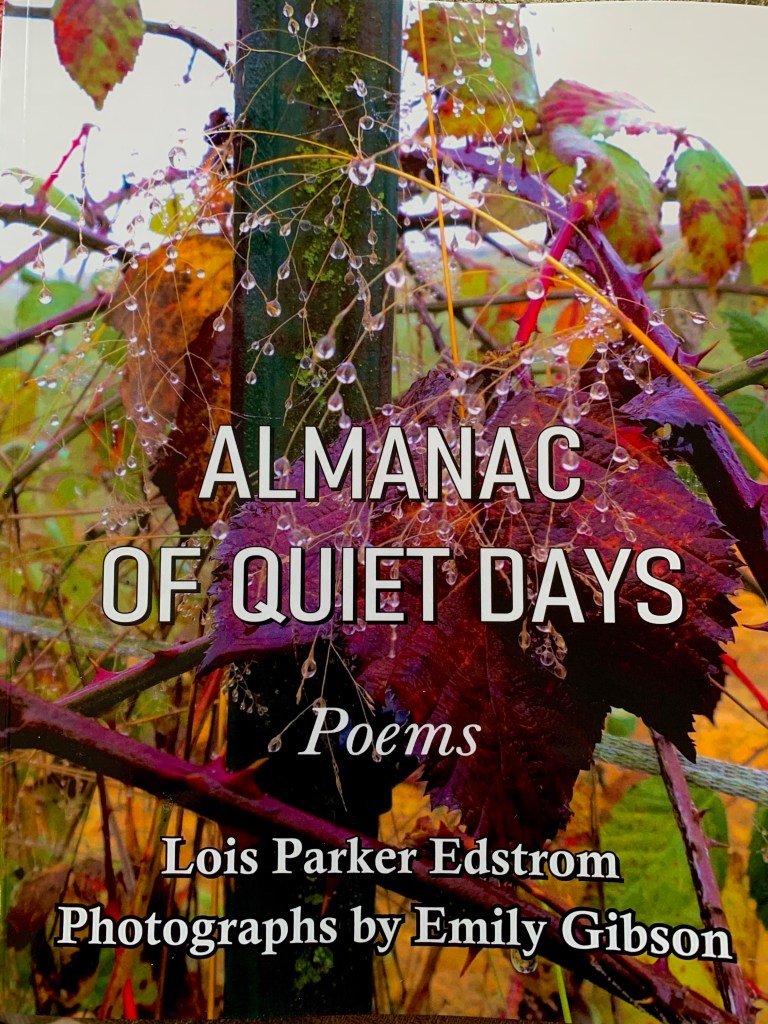
Try finding everything you are looking for in a book of beauty in words and photographs, available to order here:
One-Time
Monthly
Yearly

Make a one-time or recurring donation to support Barnstorming

Make a monthly donation

Make a yearly donation

Choose an amount

¤5.00
¤10.00
¤20.00
¤5.00
¤15.00
¤100.00
¤5.00
¤15.00
¤100.00

Or enter a custom amount

¤

Your contribution is deeply appreciated.

Your contribution is appreciated.

Your contribution is appreciated.

DonateDonate monthlyDonate yearly
Too Many Dwindled Dawns

Morning without you is a dwindled dawn.
~Emily Dickinson in a letter to a friend April 1885

Over the years, the most common search term bringing new readers to my Barnstorming blog is “dwindled dawn.”

I have written about Emily Dickinson’s “dwindles” on a number of occasions before when I miss having a house full of our three children, now spread far with families of their own. Even so, I had not really been diagnosed with a serious case myself until the last two years of COVID-time.

I am clearly not the only one. “Dwindles” have spread across the globe during the COVID pandemic more quickly than the virus.

There really isn’t a pill or other therapy that works well for dwindling. One of the most effective treatments is breaking bread with friends and family all in the same room, at the same table, lingering over conversation or singing together in harmony, because there really is nothing more vital for us to do.

Just being together is the ultimate cure.

Maybe experiencing friend and family deficiency will help us understand how crucial we are to one another. Sadly, due to the pandemic, too many are now gone forever, lost to further gatherings together. It is high time to replenish the reservoir before we all dwindle away to nothing.

So if you are visiting these words for the first time because you too searched for “dwindled dawn” — welcome to Barnstorming. We can stave off the dwindles by joining together in our shared isolation.

Because mornings without you all diminishes me.
I just want you to know.

One-Time
Monthly
Yearly

Make a one-time or recurring donation to support Barnstorming

Make a monthly donation

Make a yearly donation

Choose an amount

¤5.00
¤10.00
¤20.00
¤5.00
¤15.00
¤100.00
¤5.00
¤15.00
¤100.00

Or enter a custom amount

¤

Your contribution is deeply appreciated.

Your contribution is appreciated.

Your contribution is appreciated.

DonateDonate monthlyDonate yearly
To Break Your Heart

Here is a story
to break your heart.
Are you willing?
This winter
the loons came to our harbor
and died, one by one,
of nothing we could see.
A friend told me
of one on the shore
that lifted its head and opened
the elegant beak and cried out
in the long, sweet savoring of its life
which, if you have heard it,
you know is a sacred thing.,
and for which, if you have not heard it,
you had better hurry to where
they still sing.
And, believe me, tell no one
just where that is.
The next morning
this loon, speckled
and iridescent and with a plan
to fly home
to some hidden lake,
was dead on the shore.
I tell you this
to break your heart,
by which I mean only
that it break open and never close again
to the rest of the world.
~Mary Oliver “Lead” from New and Selected Poems

Why shouldn’t we go through heartbreaks?

…if through a broken heart
God can bring His purposes to pass in the world,
then thank Him for breaking your heart.
~Oswald Chambers from “Ye are not your own” from My Utmost for the Highest

These last two years have seen an epidemic of heart-break.

Due to hospital visitor restrictions, thousands of loved ones have died of COVID without family by their side, deprived of the solace of hearing familiar voices and being touched by familiar hands. A weary and over-worked health care team can only do so much in their efforts to comfort and console when so many patients are losing their battle with the virus at the same time. Although nurses and doctors have always been witnesses to the cries of the dying and the weeping of the grief-stricken, that is usually together at the bedside.

An iPad screen isn’t the same for those saying good-bye forever.

For all the advances of our modern society – through technology and communication and the development of medical miracles – people still die and others still grieve and weep over their loss. We’re not used to dying happening with such frequency to those who have no business dying in the first place. We assume death rates exceeding birth rates happens only in third world countries beset with drought or plague.

Not any more.

So my heart is tender – for those lost, for those left behind, for those trying their best to save lives when they are weary and ill themselves, for the irony of hundreds of thousands of unnecessary deaths when the preventive measures available to us all are so clear-cut.

If anything, a breaking heart is an open invitation for the solace of a God who himself had no business dying in the first place, but did. He cried out in a long, sweet savoring of his life and ours, saving us in the process.

One-Time
Monthly
Yearly

Make a one-time or recurring donation to Barnstorming

Make a monthly donation

Make a yearly donation

Choose an amount

¤5.00
¤10.00
¤20.00
¤5.00
¤15.00
¤100.00
¤5.00
¤15.00
¤100.00

Or enter a custom amount

¤

Your contribution is deeply appreciated.

Your contribution is appreciated.

Your contribution is appreciated.

DonateDonate monthlyDonate yearly
The Tenacity of Nature

By the road to the contagious hospital
under the surge of the blue
mottled clouds driven from the
northeast — a cold wind. Beyond, the
waste of broad, muddy fields
brown with dried weeds, standing and fallen

patches of standing water
the scattering of tall trees

All along the road the reddish
purplish, forked, upstanding, twiggy
stuff of bushes and small trees
with dead, brown leaves under them
leafless vines —

Lifeless in appearance, sluggish
dazed spring approaches —

They enter the new world naked,
cold, uncertain of all
save that they enter. All about them
the cold, familiar wind —

Now the grass, tomorrow
the stiff curl of wildcarrot leaf

One by one objects are defined —
It quickens: clarity, outline of leaf

But now the stark dignity of
entrance — Still, the profound change
has come upon them: rooted they
grip down and begin to awaken
~William Carlos Williams “Spring and All”

I ask your doctor
of infectious disease if she’s
read Williams   he cured
sick babies I tell her and
begin describing spring
and all   she’s looking at the wall
now the floor   now your chart
now the door   never
heard of him she says
but I can’t stop explaining
how important this is
I need to know your doctor
believes in the tenacity of nature
to endure   I’m past his heart
attack   his strokes   and now as if
etching the tombstone myself   I find
I can’t remember the date
he died or even
the year   of what now
are we the pure products   and what
does that even mean   pure   isn’t it
obvious   we are each our own culture
alive with the virus that’s waiting
to unmake us
~Brian Russell, “The Year of What Now”

It is the third January of a pandemic
of a virus far more tenacious than
we have proven to be,
it continues to unmake us,
able to mutate spike proteins seemingly overnight
while too many of us stubbornly
remain unchanged by this,
clinging to our “faith over fear”
and “my body, my choice”
and “lions, not sheep”
and “never comply” —
because self-determination must trump
compassion for the unfortunate fate of vulnerable millions.

We defend the freedom to choose
to be vectors of a contagion
that may not sicken us yet fills
clinics, hospitals and morgues.

William Carlos Williams, the early 20th century physician,
would be astonished at the clinical tools we have now
to fight this scourge.
William Carlos Williams, last centuries’ imagist poet,
would recognize our deadly erosion of cooperation
when faced with a worthy viral opponent.

So what happens now?

Starting with this third pandemic winter,
with our souls in another deep freeze,
covered in snow and ice and bitter wind chill,
a tenuous hope of restoration could awaken –
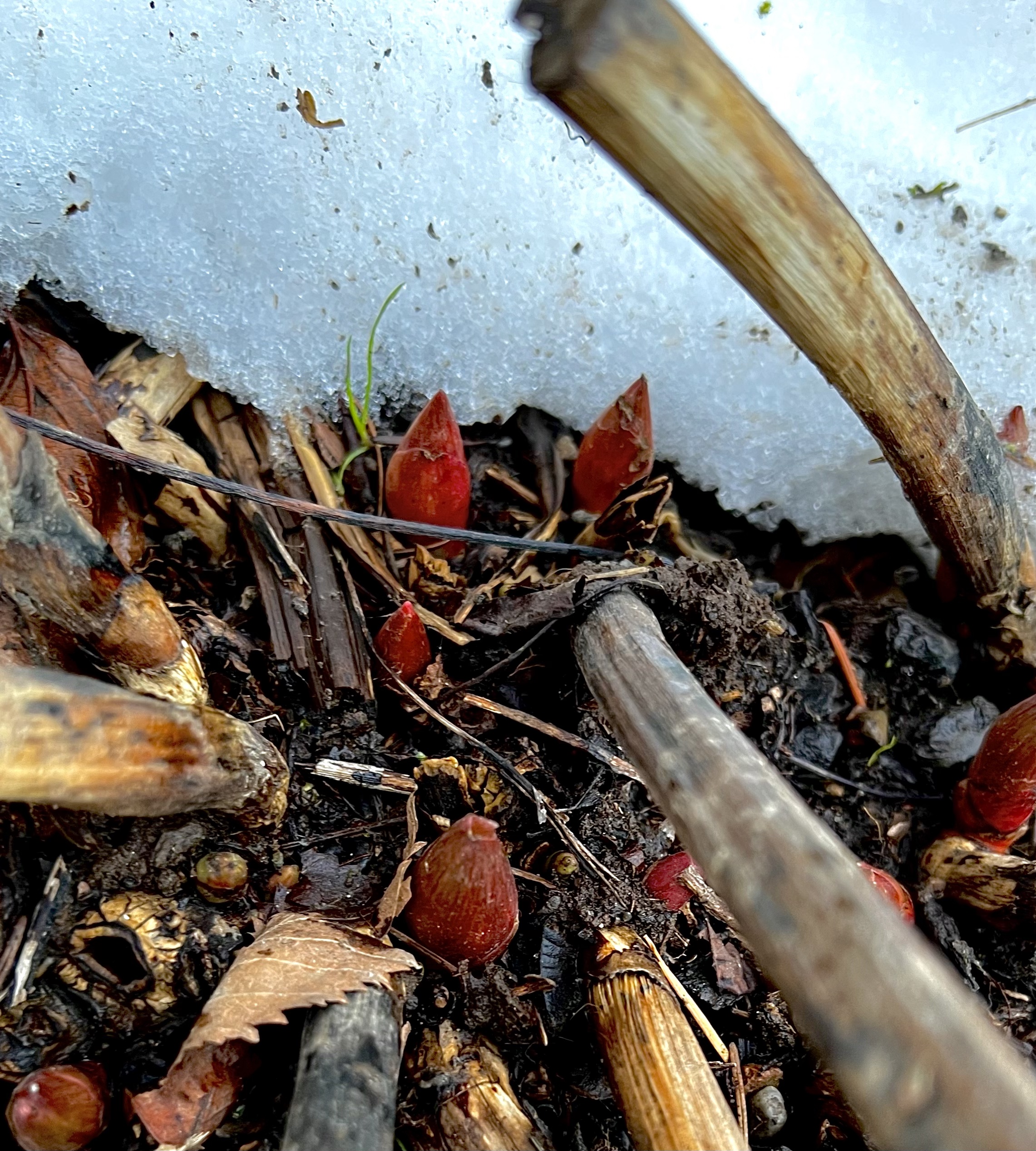
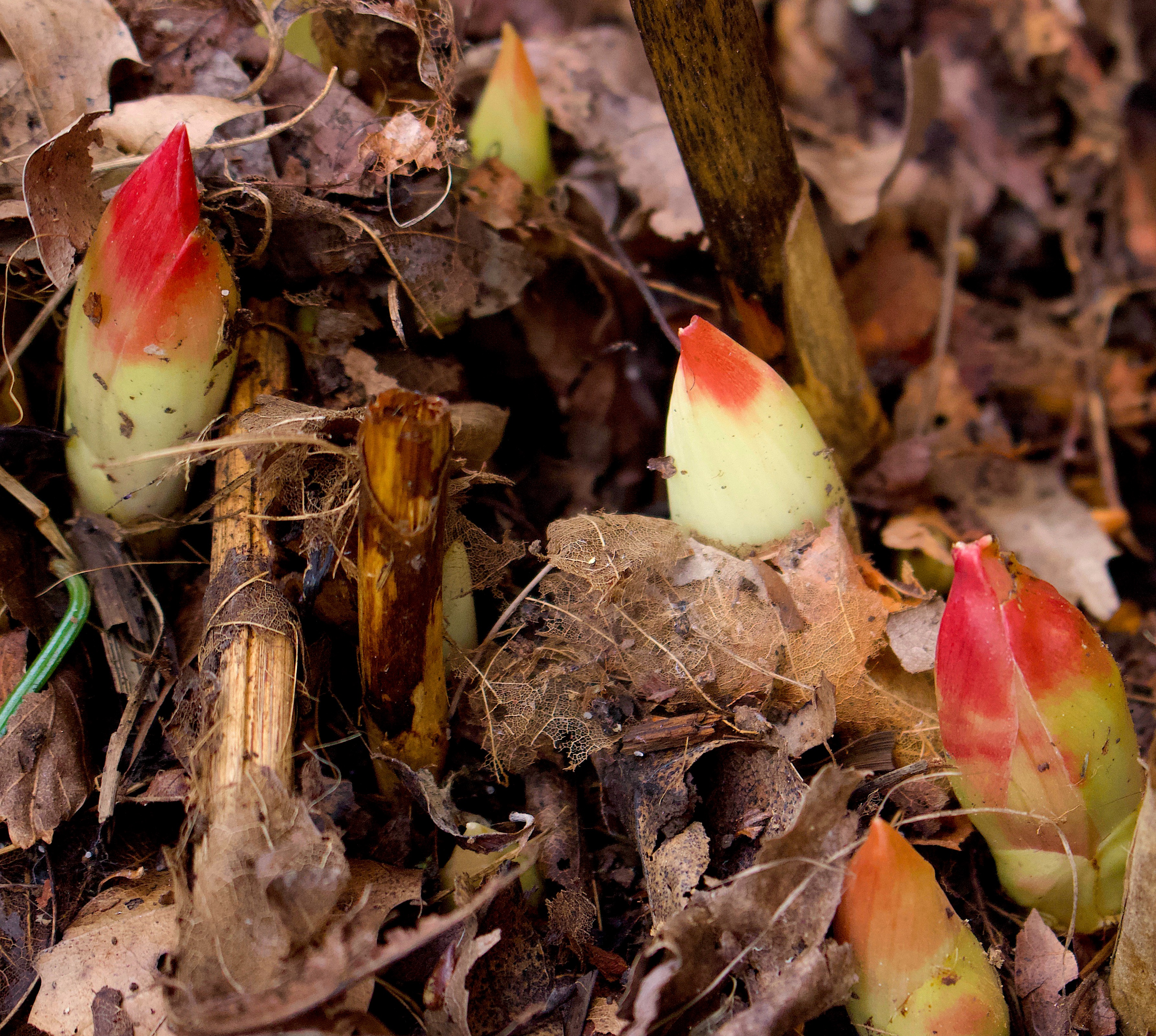
tender buds swelling,
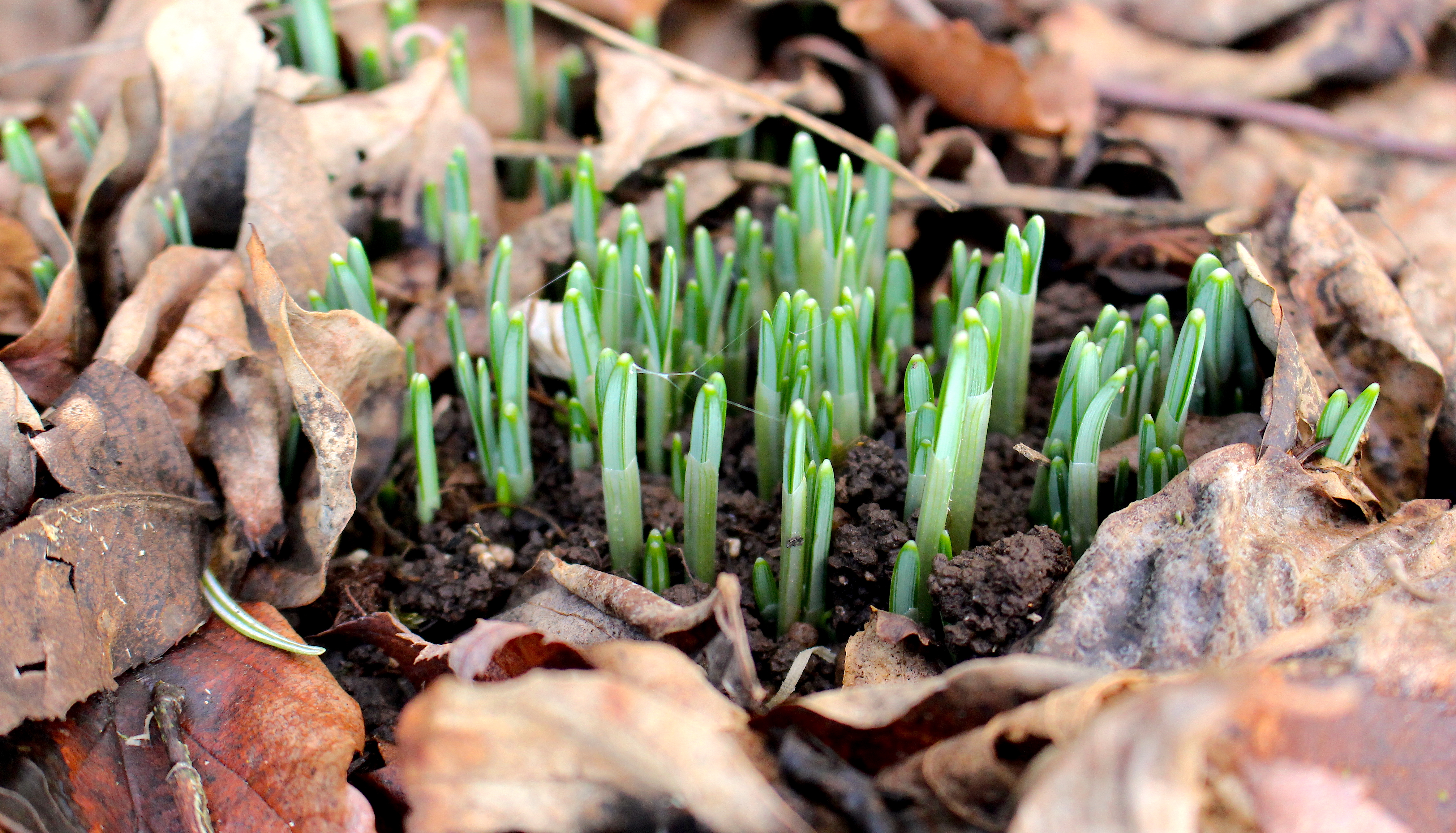
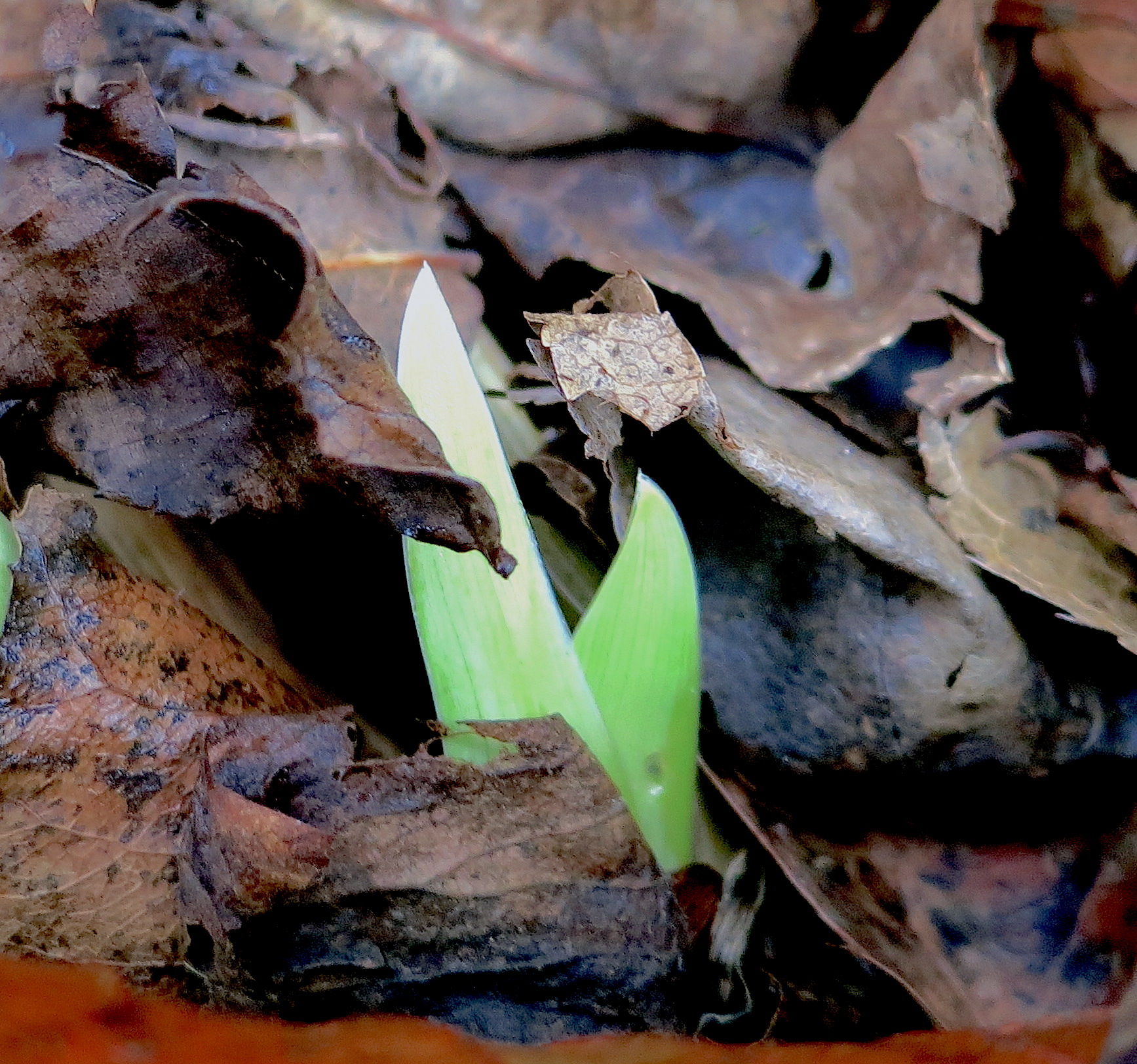
bulbs breaking through soil,
being called forth from long burial
in a dark and cold and heartless earth.

Like a mother who holds
the mystery of her quickening belly,
knowing we nurture other lives with our own body,
we too can be hopeful and marveling
at who we are created to be.

She, and we, know soon and very soon
there will be spring.

One-Time
Monthly
Yearly

Make a one-time or recurring donation to support Barnstorming

Make a monthly donation

Make a yearly donation

Choose an amount

¤5.00
¤10.00
¤20.00
¤5.00
¤15.00
¤100.00
¤5.00
¤15.00
¤100.00

Or enter a custom amount

¤

Your contribution is deeply appreciated.

Your contribution is appreciated.

Your contribution is appreciated.

DonateDonate monthlyDonate yearly
Because They Are No More

The snow is melting
and the village is flooded
     with children.
~Kobayashi Issa (translated by Robert Haas)

A voice is heard in Ramah,
    mourning and great weeping,
Rachel weeping for her children
    and refusing to be comforted,
    because they are no more.
Matthew 2:18 and Jeremiah 31:15

…as you sit beneath your beautifully decorated tree, eat the rich food of celebration, and laugh with your loved ones, you must not let yourself forget the horror and violence at the beginning and end of the Christmas story. The story begins with the horrible slaughter of children and ends with the violent murder of the Son of God. The slaughter depicts how much the earth needs grace. The murder is the moment when that grace is given.

Look into that manger representing a new life and see the One who came to die. Hear the angels’ celebratory song and remember that sad death would be the only way that peace would be given. Look at your tree and remember another tree – one not decorated with shining ornaments, but stained with the blood of God.

As you celebrate, remember that the pathway to your celebration was the death of the One you celebrate, and be thankful.
~Paul Tripp

God could, had He pleased, have been incarnate in a man of iron nerves, the Stoic sort who lets no sigh escape him. Of His great humility He chose to be incarnate in a man of delicate sensibilities who wept at the grave of Lazarus and sweated blood in Gethsemane. Otherwise we should have missed the great lesson that it is by his will alone that a man is good or bad, and that feelings are not, in themselves, of any im­portance. We should also have missed the all-important help of knowing that He has faced all that the weakest of us face, has shared not only the strength of our nature but every weakness of it except sin. If He had been incarnate in a man of immense natural courage, that would have been for many of us almost the same as His not being incar­nate at all.
― C.S. Lewis, The Collected Letters of C.S. Lewis

There is no consolation for families
of those lost to death come too soon:
a rogue king’s slaughter of innocents,
and now so much needless death:
weather, war, accidents, random shootings, COVID.

Arms ache with the emptiness of grief,
beds and pillows lie cold and unused,
hugs never to come again.

There is no consolation;
only mourning and great weeping,
sobbing that wrings dry
every human cell,
leaving dust behind,
which is our beginning
and our end.

God came to us
for times such as this,
born of the dust of woman and
the breath of the Holy Spirit,
God bent down to
lie in manger dust,
walk on roads of dust,
die and be laid to rest as dust
to conquer such evil as this
that displaces masses and massacres innocents.

He became dust to be
like us
He began a mere speck in a womb
like us

His heart beat
like ours
breathing each breath
like ours
until a fearful fallen world
took His
and our breath
away.

He shines through
the shadows of death
to guide our stumbling uncertain feet.

He hears our cries
as He cried too.
He knows our tears
as He wept too.
He knows our mourning
as He mourned too.
He knows our dying
as He died too.

God weeps
as this happens.

Only God can glue together
what evil has shattered.
He asks us to hand Him
the pieces of our broken hearts.

We will know His peace
when He comes
to bring us home,
our tears finally dried,
our cells no longer
just dust,
as we are glued together
by the holy breath of our God
forevermore.

Lully, lullay, thou little tiny child,
Bye bye, lully, lullay.
Thou little tiny child,
Bye bye, lully, lullay.

O sisters too, how may we do
For to preserve this day
This poor youngling for whom we sing,
“Bye bye, lully, lullay?”

Herod the king, in his raging,
Chargèd he hath this day
His men of might in his own sight
All young children to slay.

That woe is me, poor child, for thee
And ever mourn and may
For thy parting neither say nor sing,
“Bye bye, lully, lullay.”

One-Time
Monthly
Yearly

Make a one-time or recurring donation to support Barnstorming

Make a monthly donation

Make a yearly donation

Choose an amount

¤5.00
¤10.00
¤20.00
¤5.00
¤15.00
¤100.00
¤5.00
¤15.00
¤100.00

Or enter a custom amount

¤

Your contribution is deeply appreciated.

Your contribution is appreciated.

Your contribution is appreciated.

DonateDonate monthlyDonate yearly

The Beginning Shall Remind Us of the End: Wake Us From Drowsy Worship

A little aside from the main road,
becalmed in a last-century greyness,
there is the chapel, ugly, without the appeal
to the tourist to stop his car
and visit it. The traffic goes by,
and the river goes by, and quick shadows
of clouds, too, and the chapel settles
a little deeper into the grass.

But here once on an evening like this,
in the darkness that was about
his hearers, a preacher caught fire
and burned steadily before them
with a strange light, so that they saw
the splendour of the barren mountains
about them and sang their amens
fiercely, narrow but saved
in a way that men are not now.
~R.S. Thomas “The Chapel”

The journey begins when Christians leave their homes and beds. They leave, indeed, their life in this present and concrete world, and whether they have to drive 15 miles or walk a few blocks, a sacramental act is already taking place…

For they are now on their way to constitute the Church, or to be more exact, to be transformed into the Church of God. They have been individuals, some white, some black, some poor, some rich, they have been the ‘natural’ world and a natural community. And now they have been called to “come together in one place,” to bring their lives, their very world with them and to be more than what they were: a new community with a new life.

We are already far beyond the categories of common worship and prayer. The purpose of this ‘coming together’ is not simply to add a religious dimension to the natural community, to make it ‘better’ – more responsible, more Christian. The purpose is to fulfill the Church, and that means to make present the One in whom all things are at their end, and all things are at their beginning.
~ Father Alexander Schmemann from For the Life of the World

Unexpected God,
your coming advent alarms us.
Wake us from drowsy worship,
from the sleep that neglects love,
and the sedative of misdirected frenzy.
Awaken us now to your coming,
and bend our angers into your peace.
Amen.
~Revised Common Lectionary

Sometimes the very walls of our churches
separate us from God
and each other.


In our various naves and sanctuaries
we are safely separated from those outside,
from other denominations, other religions,
separated from the poor, the ugly, the dying.…


The house of God is not a safe place.
It is a cross where time and eternity meet,
and where we are – or should be –
challenged to live more vulnerably,
more interdependently.
~Madeleine L’Engle, from  A Stone for a Pillow

Does anyone have the foggiest idea
of what sort of power we so blithely invoke?
Or, as I suspect, does no one believe a word of it?
The churches are
children playing
on the floor with their chemistry sets,
mixing up a batch of TNT to kill a Sunday morning.
It is madness to wear ladies’ straw hats and velvet hats to church;
we should all be wearing crash helmets.
Ushers should issue life preservers and signal flares;
they should lash us to our pews.

~Annie Dillard from Teaching a Stone to Talk

Being a Christian during a pandemic is nothing new in the history of the world. We’ve been through this again and again, on the frontlines caring for others during the Black Death, dying while serving unselfishly through plague after plague, and most recently during the killing influenza of the early 20th century.

Somehow the last two years of COVID-time feel different …

No one is happy that congregational singing takes place through masks. There are fewer handshakes and hugs and some of us feel safer worshiping while streaming a live feed on a screen. Some are flat out angry at having to worship with any restrictions and opt to stay away or move to churches with no such rules. Yet Christians are called to come together to raise our voices corporately in praise, prayer and thanksgiving despite potential health risks and physical inconvenience.

We are to love one another when we are most unloveable.

We tend to forget that walking into church on any Sabbath, not just during a pandemic, takes courage and commitment as we automatically become emotionally and spiritually vulnerable to one another. What one of us says and does can bless or hurt us all. This can be no drowsy worship: we are the poor, the ugly and the dying.

When I hear the secular folks in society scoff at attending church as a “crutch for the weak”, they underestimate what it means to admit a desperate need for salvation and grace that can only be found inside those doors. We who sit in a pew in the sanctuary cling to the life preserver found in the Word. We are lashed to our seats and must hang on.  It is only because of God’s grace that we survive the tempests of temptation, guilt and self-doubt in order to let go of our own anger at the state of the world and the state of our own souls.

Exposing ourselves to the radical mystery and immense power of the living God is not for the faint of heart, yet all of us on the verge of heart failure need God’s deep roots to thrive and grow in our rocky soul soil.

So we must not forget our crash helmets… or our masks.

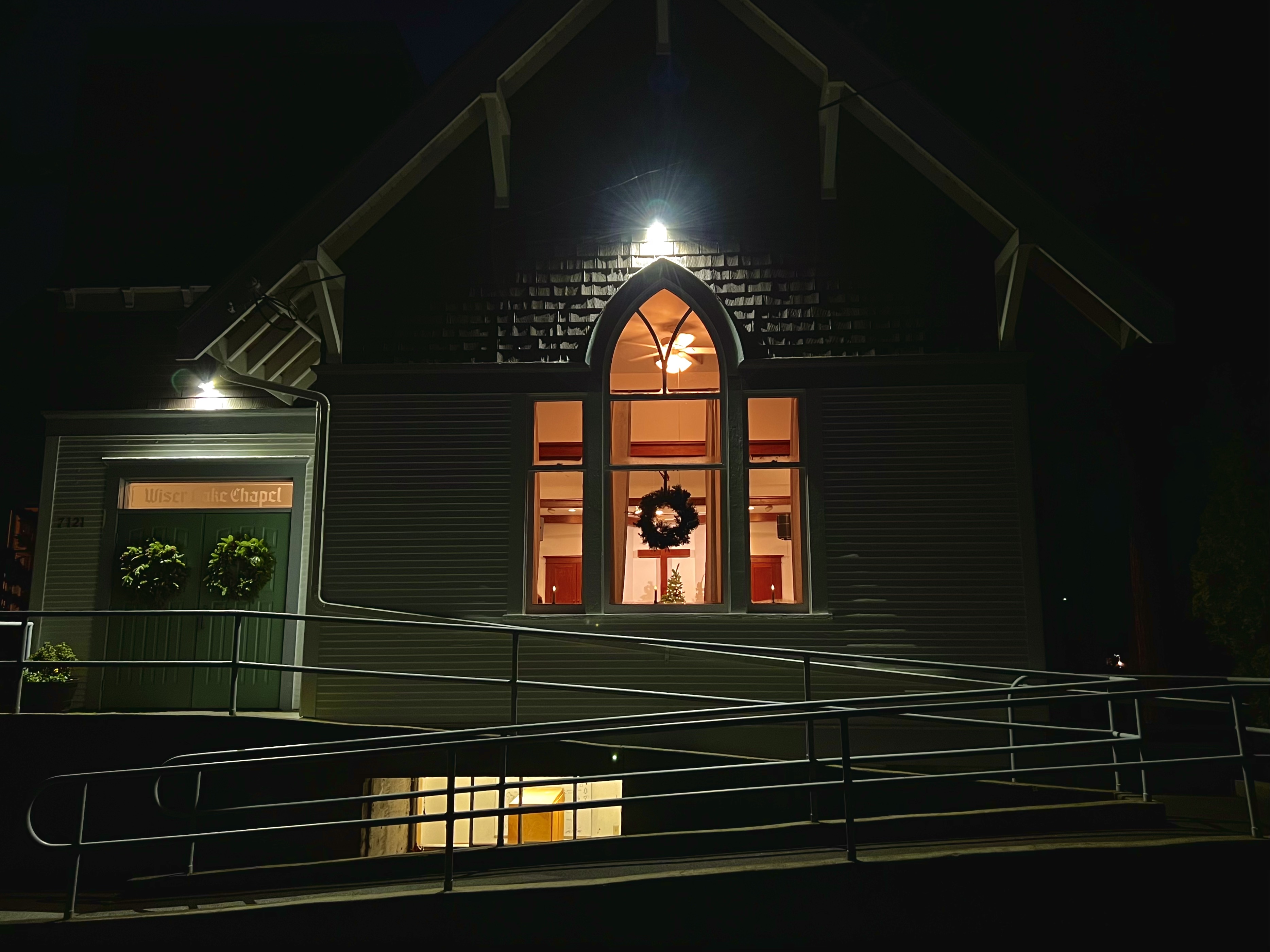
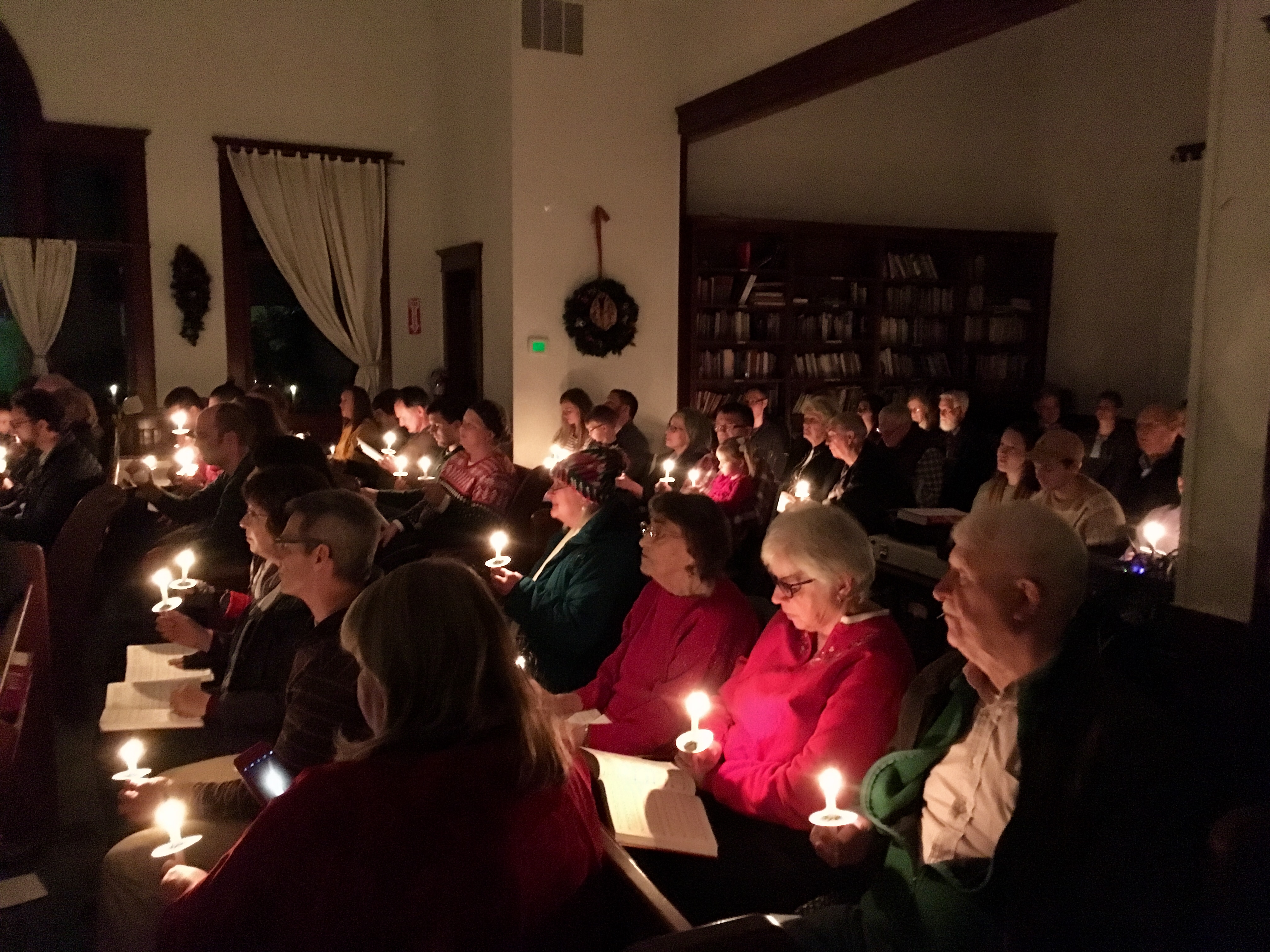
photo by Barb Hoelle

This year’s Barnstorming Advent theme “… the Beginning shall remind us of the End” is taken from the final lines in T.S. Eliot’s poem “The Cultivation of Christmas Trees”

One-Time
Monthly
Yearly

Make a one-time donation to support Barnstorming

Make a monthly donation

Make a yearly donation

Choose an amount

¤5.00
¤10.00
¤20.00
¤5.00
¤15.00
¤100.00
¤5.00
¤15.00
¤100.00

Or enter a custom amount

¤

Your contribution is deeply appreciated.

Your contribution is appreciated.

Your contribution is appreciated.

DonateDonate monthlyDonate yearly
Just Enough Light and Shadow

In faith there is enough light for those who want to believe
and enough shadows to blind those who don’t.
~Blaise Pascal

Be comforted; the world is very old,
  And generations pass, as they have passed,
  A troop of shadows moving with the sun;
Thousands of times has the old tale been told;
  The world belongs to those who come the last,
  They will find hope and strength as we have done.
~Henry Wadsworth Longfellow “A Shadow”

The shadow’s the thing. 
If I no longer see shadows as “dark marks,” 
as do the newly sighted,

then I see them as making some sort of sense of the light.
They give the light distance;
they put it in its place.
They inform my eyes of my location here, here O Israel,
here in the world’s flawed sculpture,

here in the flickering shade of the nothingness
between me and the light.
~Annie Dillard from Pilgrim at Tinker Creek

I find myself seeking the safety of hiding in the shadows under a rock where lukewarm moderates tend to congregate, especially on Sundays.

Extremist views predominate simply for the sake of staking out one’s claim to one’s political turf.  There is no spirit of compromise, negotiation or collaboration – that would be perceived as a sign of weakness.  Instead it is “my way or the wrong way.”

I’m ready to say “no way,” as both sides are intolerably intolerant of the other as I watch them volley back and forth over my cowering head. As someone who is currently volunteering oodles of hours to help manage a community’s response to end COVID controlling our lives, I find myself smack dab in the middle of extremes.

The chasm is most gaping when we bring up any discussion of faith and how it influences our response to the pandemic.  Religion and politics are already angry neighbors constantly arguing over how high to build the fence between them, what it should be made out of, what color it should be, should there be peek holes, should it be electrified with barbed wire to prevent moving back and forth, should there be a gate with or without a lock and who pays for the labor.  Add in a pandemic to argue about and we become stymied and paralyzed.

In a country founded on the principle of freedom of religion, there are more and more who believe our forefathers’ blood was shed for freedom from religion and others feel there can be only one religion here.

Yet others feel we are founded on freedom from science and epidemiological data, because what possibly can those researchers know when the random person on YouTube says something far more palatable?

Good grief.

Give us the right to believe in nothing whatsoever or give us death. Perhaps both actually go together.

And so it goes.  We the people bring out the worst in our leadership as facts are distorted, the truth is stretched or completely abandoned, unseemly pandering abounds and curried favors are served for breakfast, lunch and dinner.

Enough already. Time for the shadows to abate and the Light to shine.

In the midst of this morass, we who want to believe still choose to believe but won’t force belief on anyone else. It’s called freedom of religion for a reason.

There is just enough Light shining for those who seek it.  No need to remain blinded in the shadowlands of unbelief or “my way or the highway.”

I’ll come out from under my rock if you do.

In fact…I think I just did.

A book of beauty in words and photography, available to order here:

Held My Breath

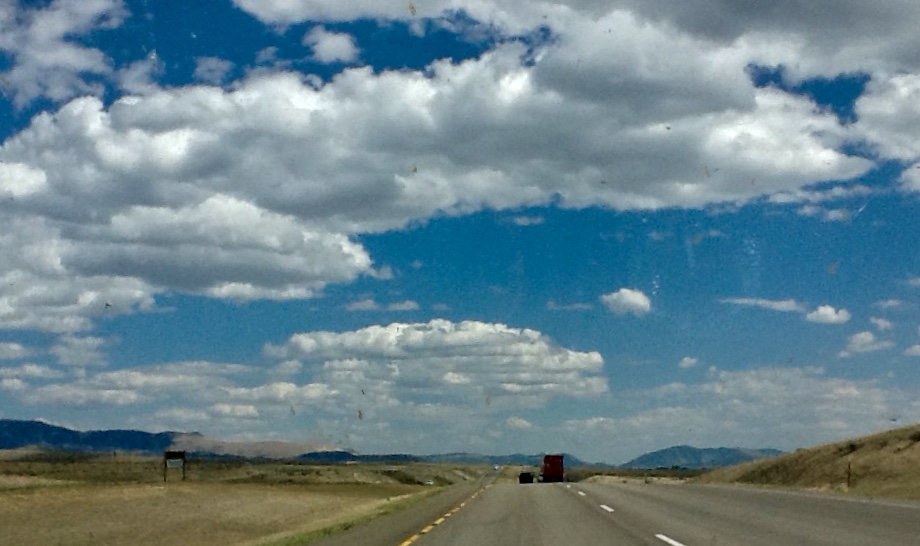
We drove across high prairie,
the Mississippi behind us,
nothing ahead for miles
but sky,

a loamy sky, thick enough
to put a trowel into,
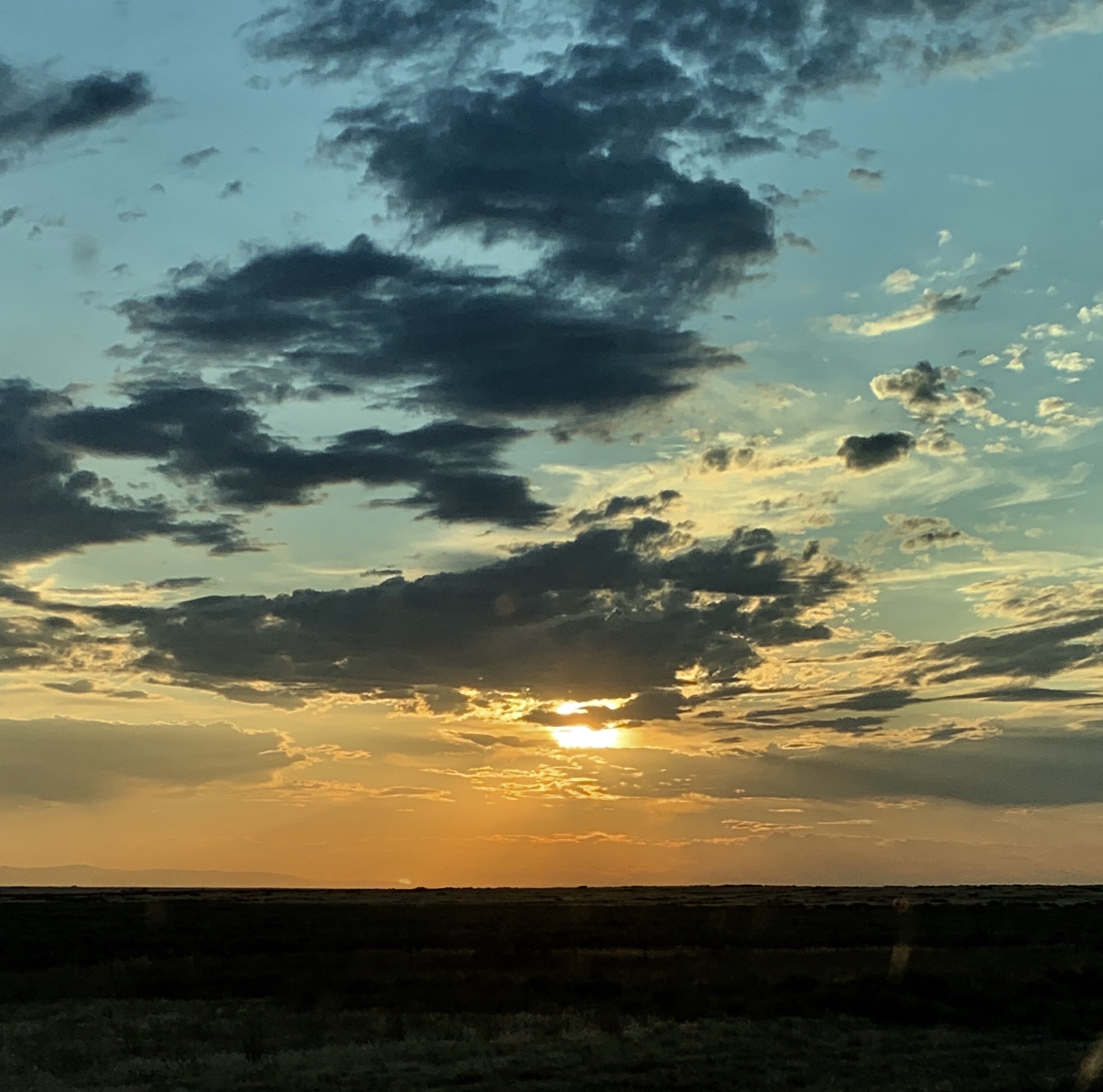
but off to the south
clouds pulled


away from one another
as if to stand back
take a long look,
and in that


space what light was left
of the sun
already gone below
the horizon


flowed up and held there
and we did too hold
our breaths at the sudden
beauty.
~Athena Kildegaard “We drove across high prairie…” from Cloves & Honey.

We didn’t drive this time;
instead we boarded a plane
with other masked people,
holding our breath with the unfamiliarity
of being so close to strangers—
rather than a response
to the beauty of what we saw.

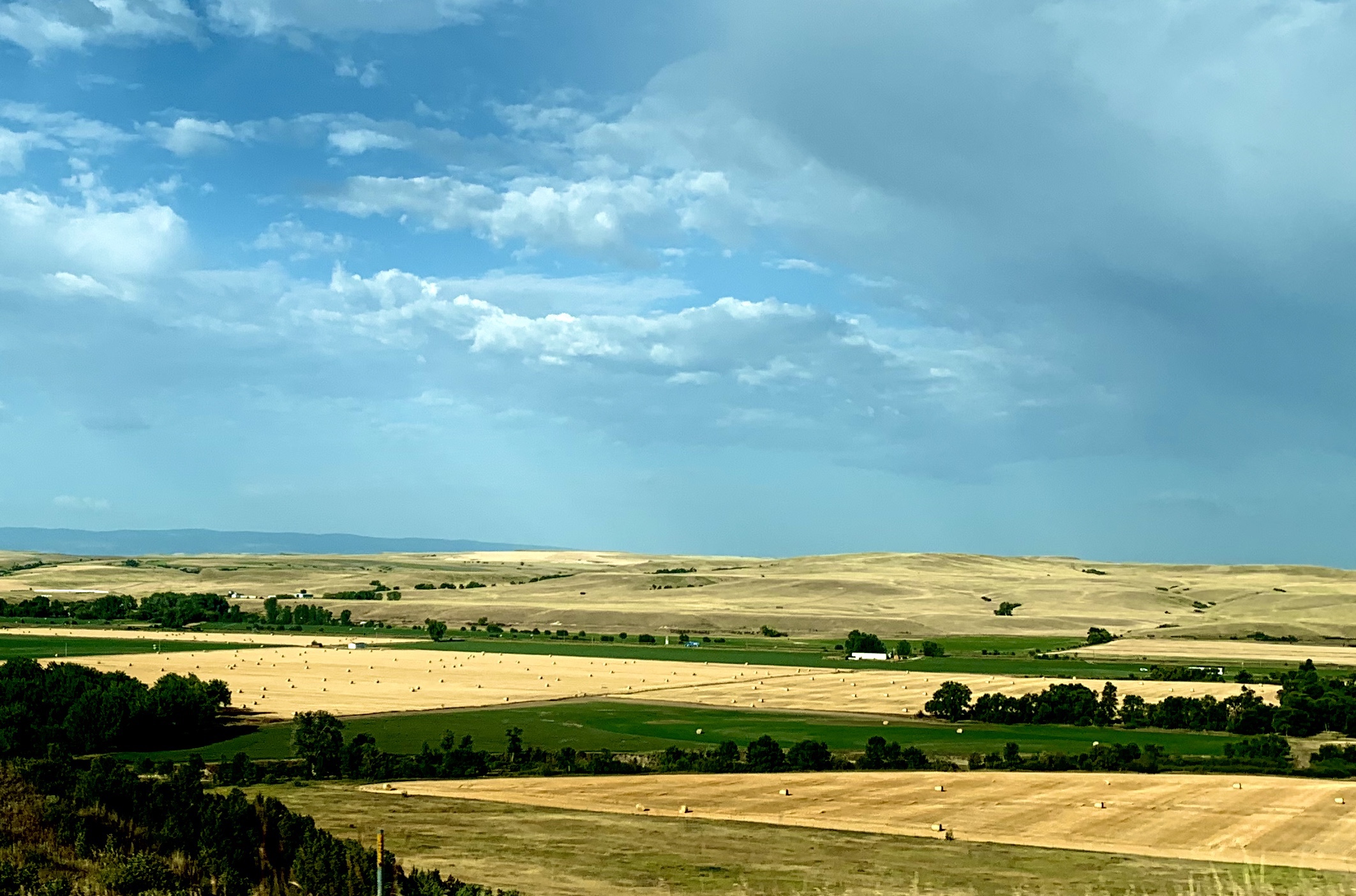
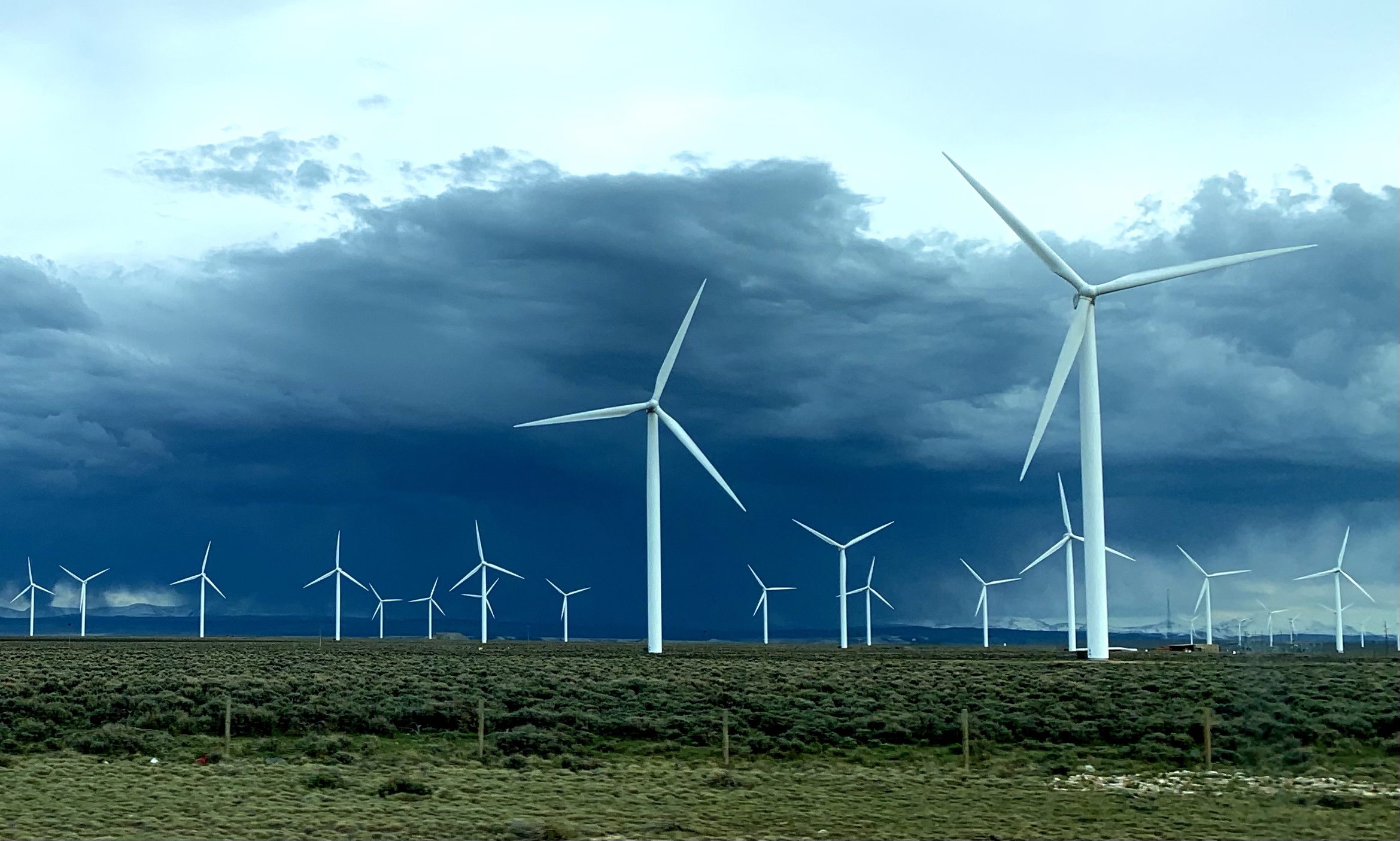
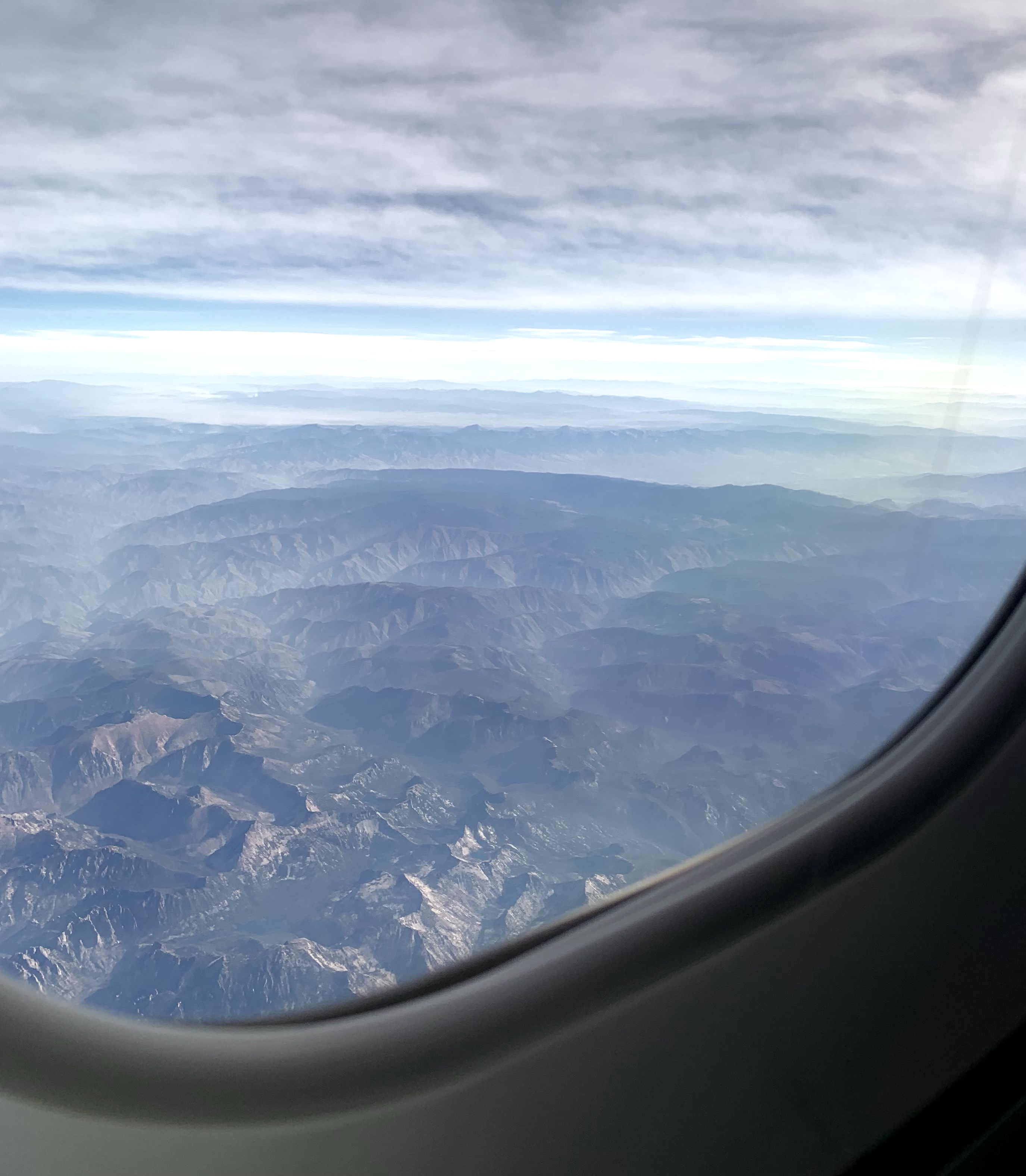
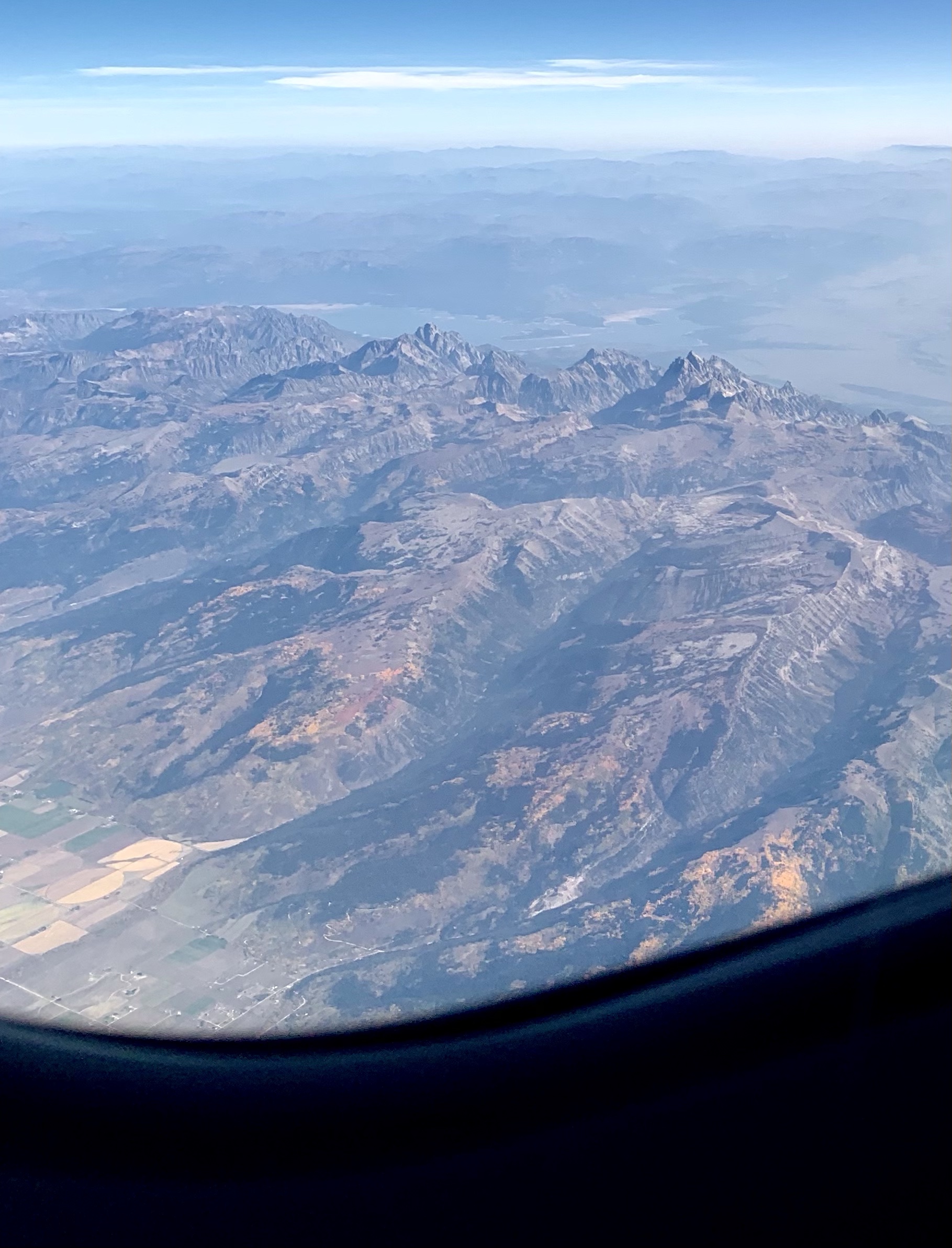
The vast landscape appeared below
rather than stretching out before us,
its emptiness stark and lonely from the air
as well as from the road.

We hold our breath,
awed by the reality
that we are truly here.
Really here, one way or the other.

In two hours, rather than two days.
Masked, but never blind to the beauty.

A book of beautiful words and photos available to order

Unanswerable Questions

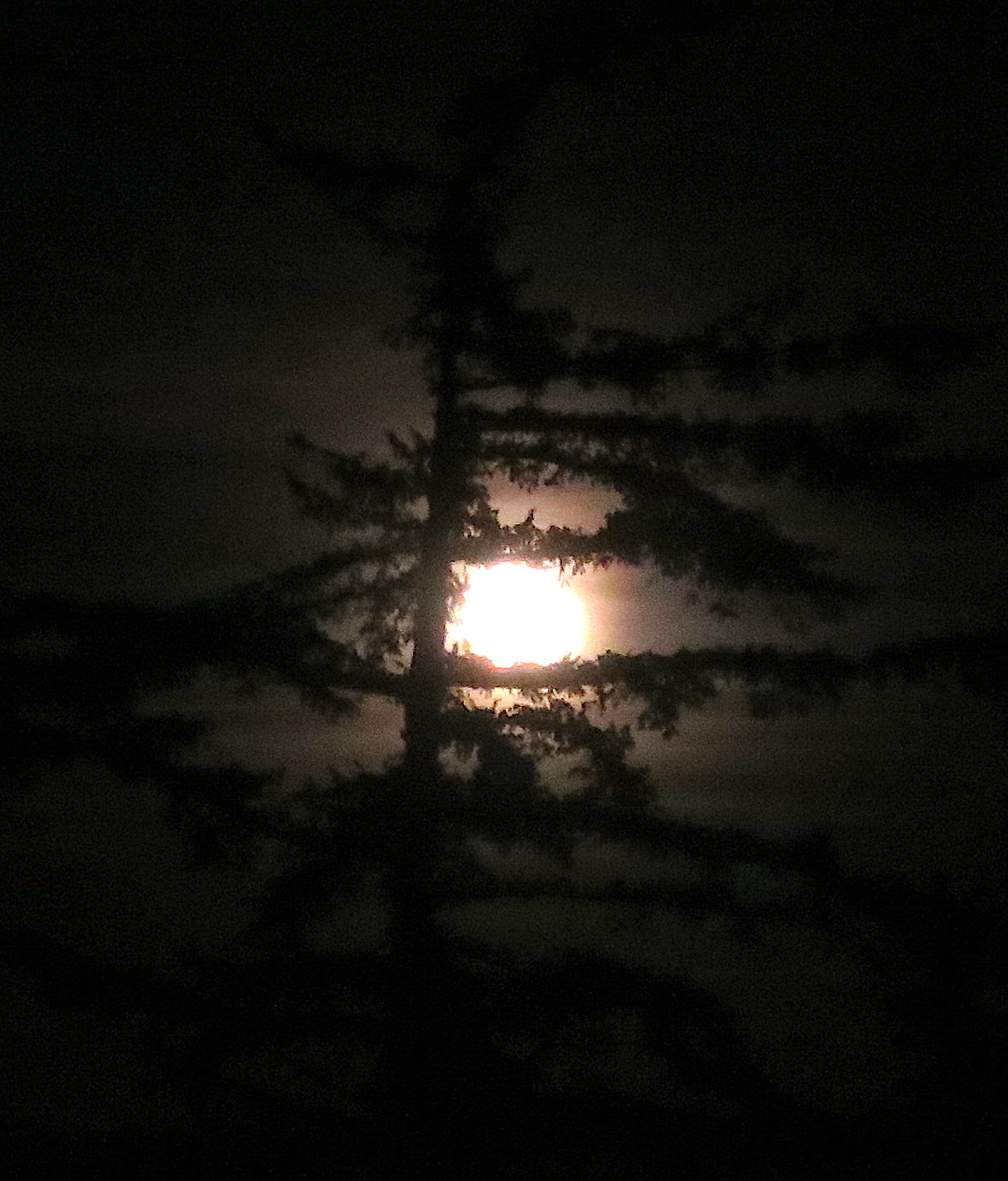
Under the harvest moon,
When the soft silver
Drips shimmering over the garden nights,
Death, the gray mocker,
Comes and whispers to you
As a beautiful friend
Who remembers.

Under the summer roses
When the flagrant crimson
Lurks in the dusk
Of the wild red leaves,
Love, with little hands,
Comes and touches you
With a thousand memories,
And asks you
Beautiful, unanswerable questions.
~Carl Sandburg, “Under the Harvest Moon”

As we enter the season
of all that is lush and lovely
which starts to wither and decay before our eyes,
we know the flowers and trees aren’t alone.
Death, whispering within its gray night’s cloak,
has been stealing the young and old since time began,
but never as boldly as during a pandemic.
Millions of family members are left
with nothing but bittersweet memories
of their loved ones now buried deep.

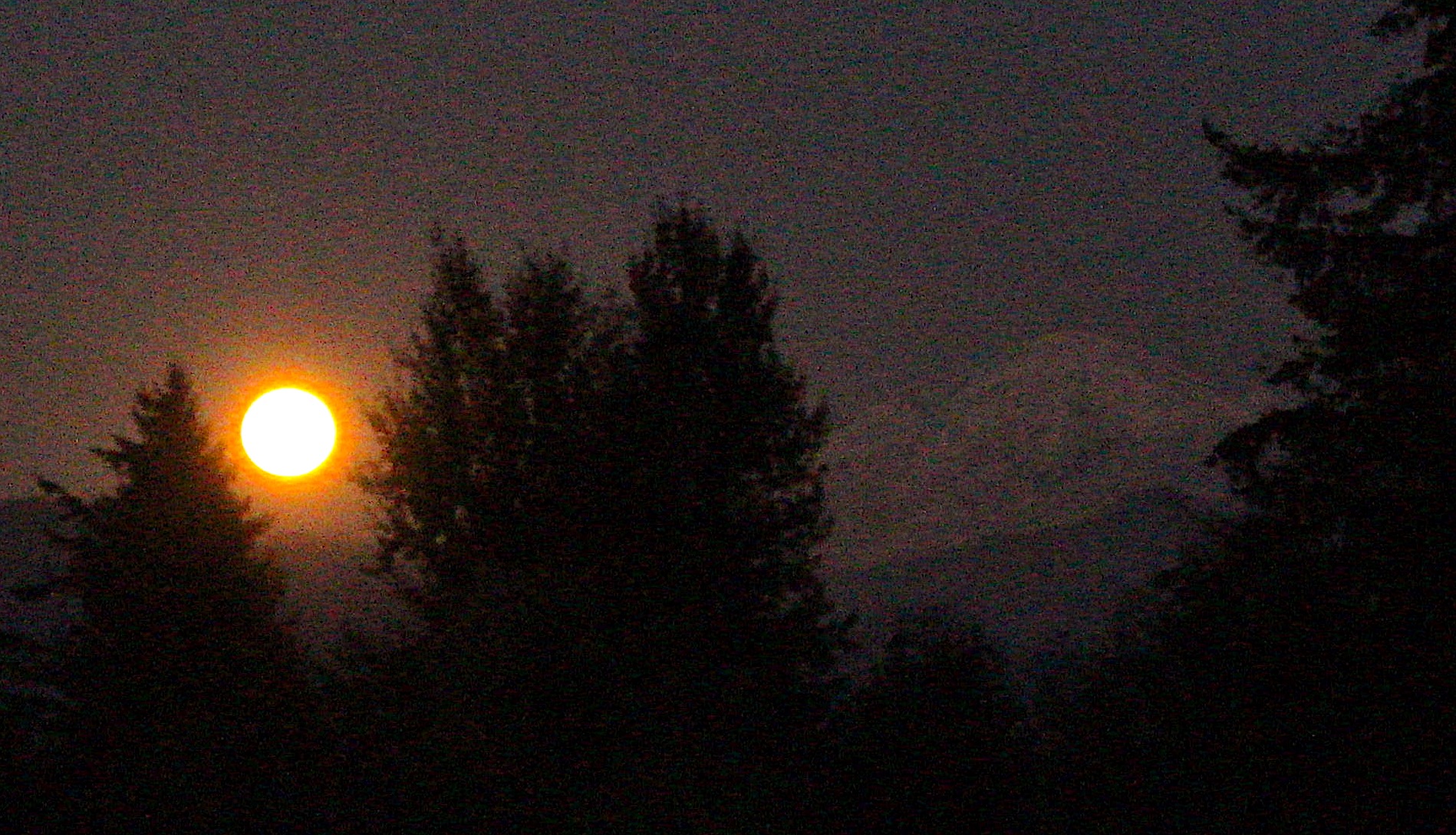
The harvest moon – not nearly bright enough,
as a poor reflection of the sun –
mocks us who covet light
during a rampage of contagious illness and death.

As we endure the searing beauty of yet another dying season,
let us treasure those we protect through our care and concern.
Let us cherish the memories of those we’ve lost.
There can be only one answer to the unanswerable questions:
Love itself died to become Salvation,
an ever-sufficient Light that leads us home.

A book of beauty in words and photos is available to order here:


Full of Mystery

It’s strange to be here. The mystery never leaves you. 
~John O’Donohue from Anam Cara

We must learn to acknowledge
that the creation is full of mystery;
we will never entirely understand it.
We must abandon arrogance
and stand in awe.
We must recover the sense
of the majesty of creation,
and the ability to be worshipful in its presence.
For I do not doubt that it is only
on the condition of humility and reverence before the world
that our species will be able to remain in it.
~Wendell Berry from  The Art of the Commonplace: The Agrarian Essays

How did we come here and how is it we remain?

Even when the wind blows mightily,
the waters rise,
the earth shakes,
the fires rage,
the pandemic persists…

~we are here, granted another day to get it right. And will we?

It is strange to be here,
marveling at the mystery around us –
recognizing we are the ultimate mystery of creation,
placed here as its witnesses,
worshiping in humility, with reverence and obedience.

We don’t own what we see;
we only own our awe.

Looking for a beautiful book to own or give? This is available to order here: