Writing with Quiet Hands

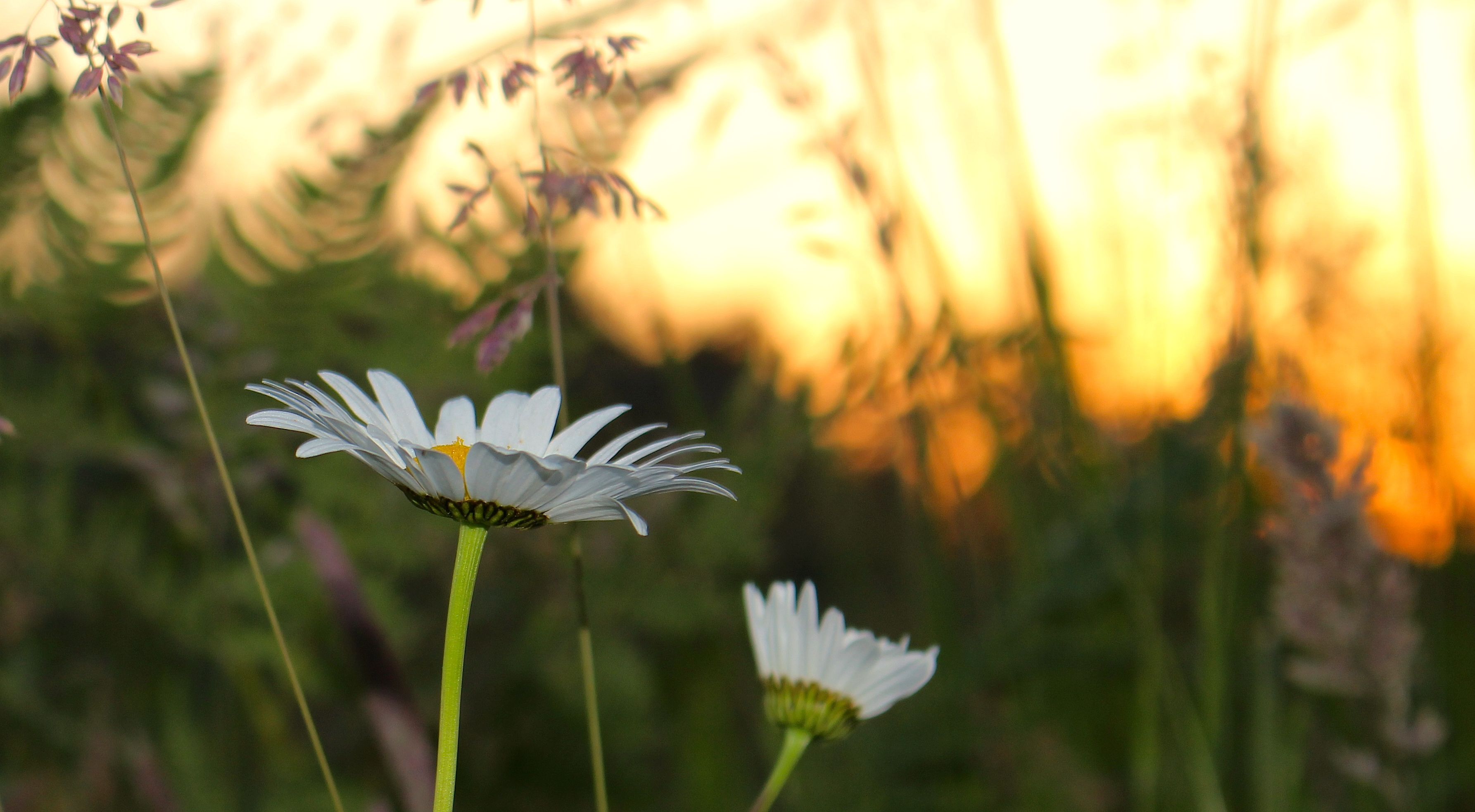
I want to write with quiet hands. I
want to write while crossing the fields that are
fresh with daisies and everlasting and the
ordinary grass. I want to make poems while thinking of
the bread of heaven and the
cup of astonishment; let them be

songs in which nothing is neglected,
not a hope, not a promise. I want to make poems
that look into the earth and the heavens
and see the unseeable. I want them to honor
both the heart of faith, and the light of the world;
the gladness that says, without any words, everything.
~Mary Oliver “Everything”
Sometimes I think all the best poems
have been written already,
and no one has time to read them,
so why try to write more?

At other times though,
I remember how one flower
in a meadow already full of flowers
somehow adds to the general fireworks effect

as you get to the top of a hill
in Colorado, say, in high summer
and just look down at all that brimming color.
I also try to convince myself

that the smallest note of the smallest
instrument in the band,
the triangle for instance,
is important to the conductor

who stands there, pointing his finger
in the direction of the percussions,
demanding that one silvery ping.
And I decide not to stop trying,

at least not for a while, though in truth
I’d rather just sit here reading
how someone else has been acquainted
with the night already, and perfectly.

~Linda Pastan “Rereading Frost” from Queen of a Rainy Country. 
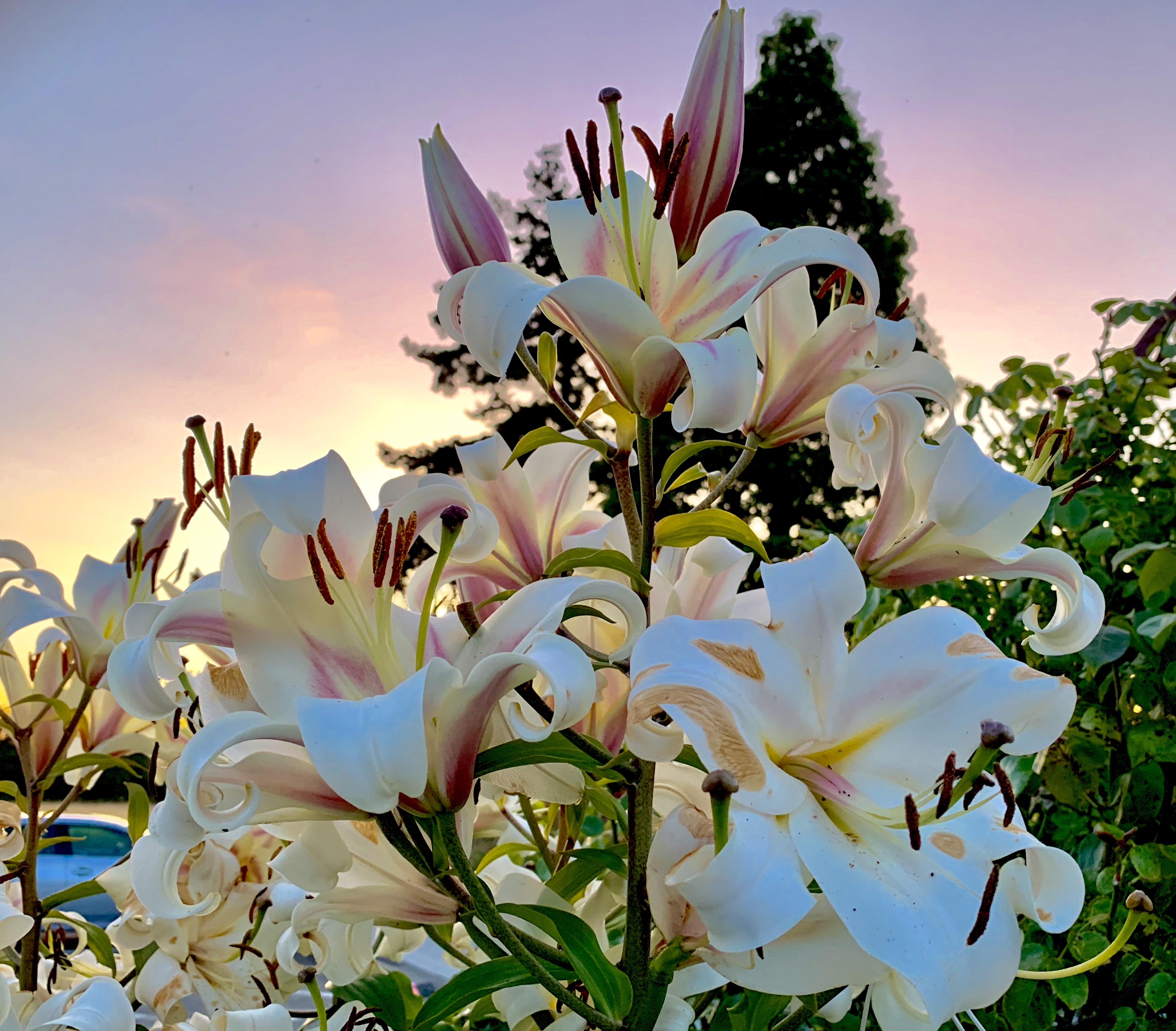
This morning

poem hopes 

that even though
its lines are broken
 

its reader 

will be drawn forward to the part where blueberries
firm against fingers 

say roundness sweetness unspeakable softness
    
in the morning
light.

~L.L. Barkat, “This Morning” from The Golden Dress

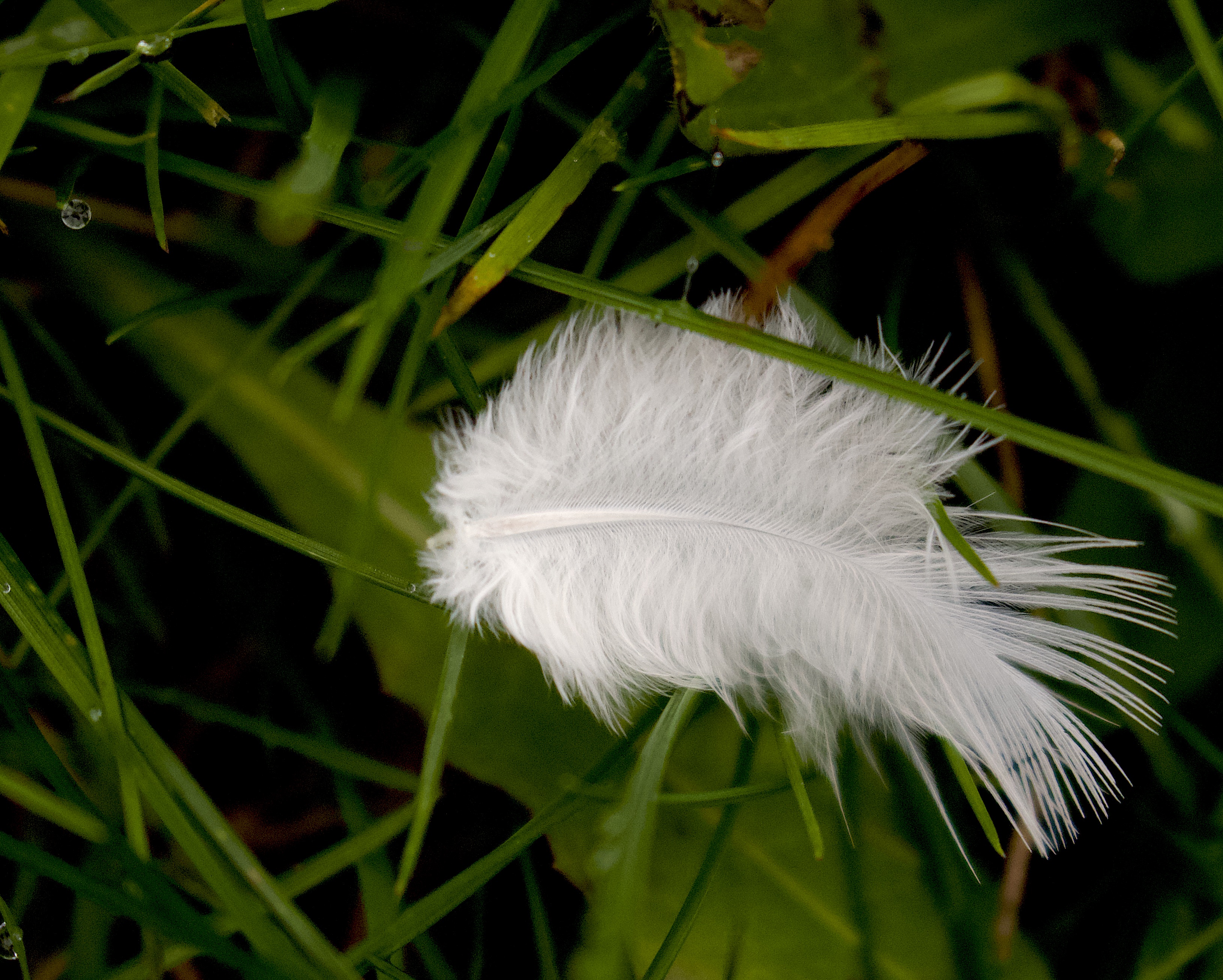
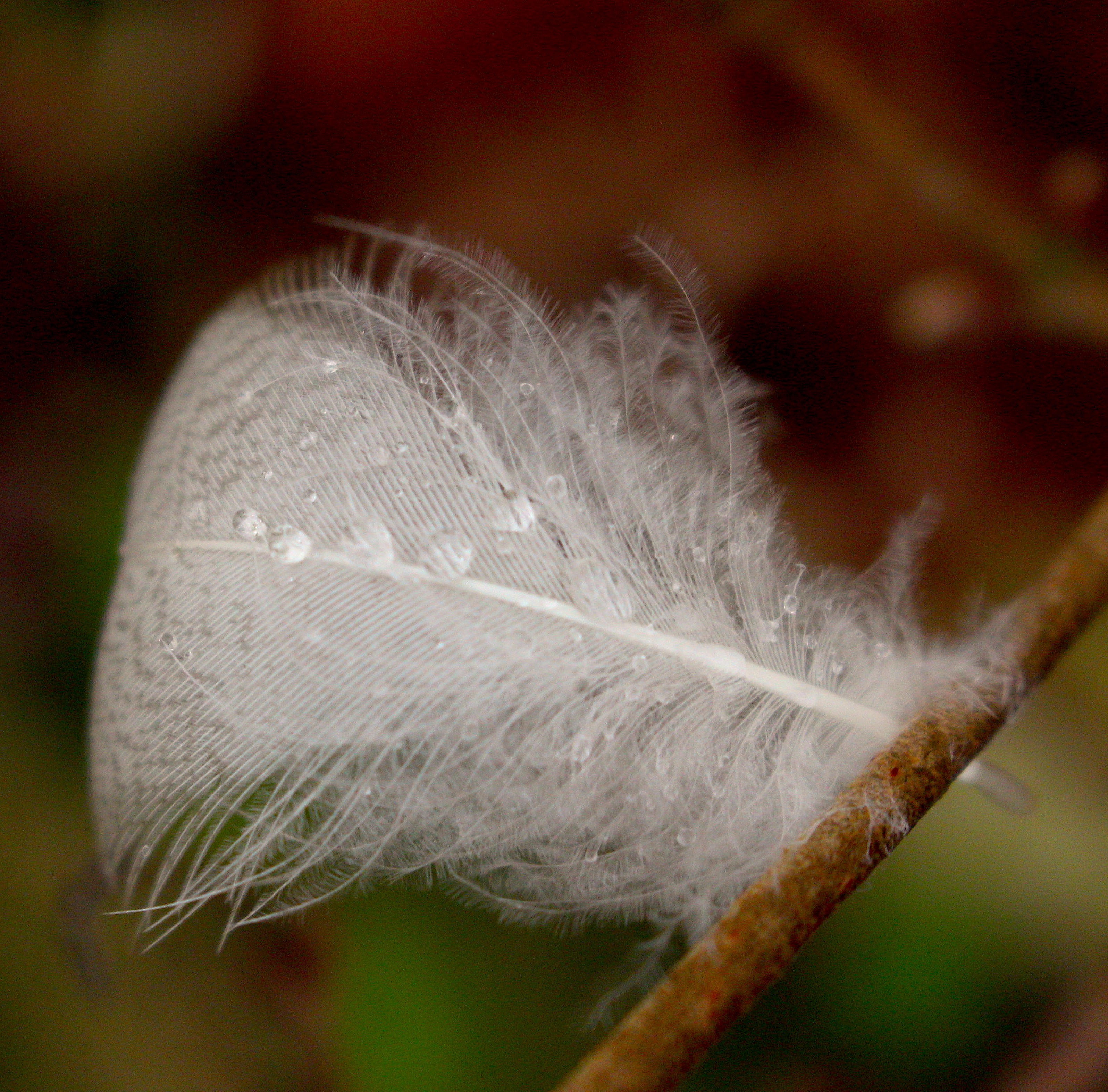
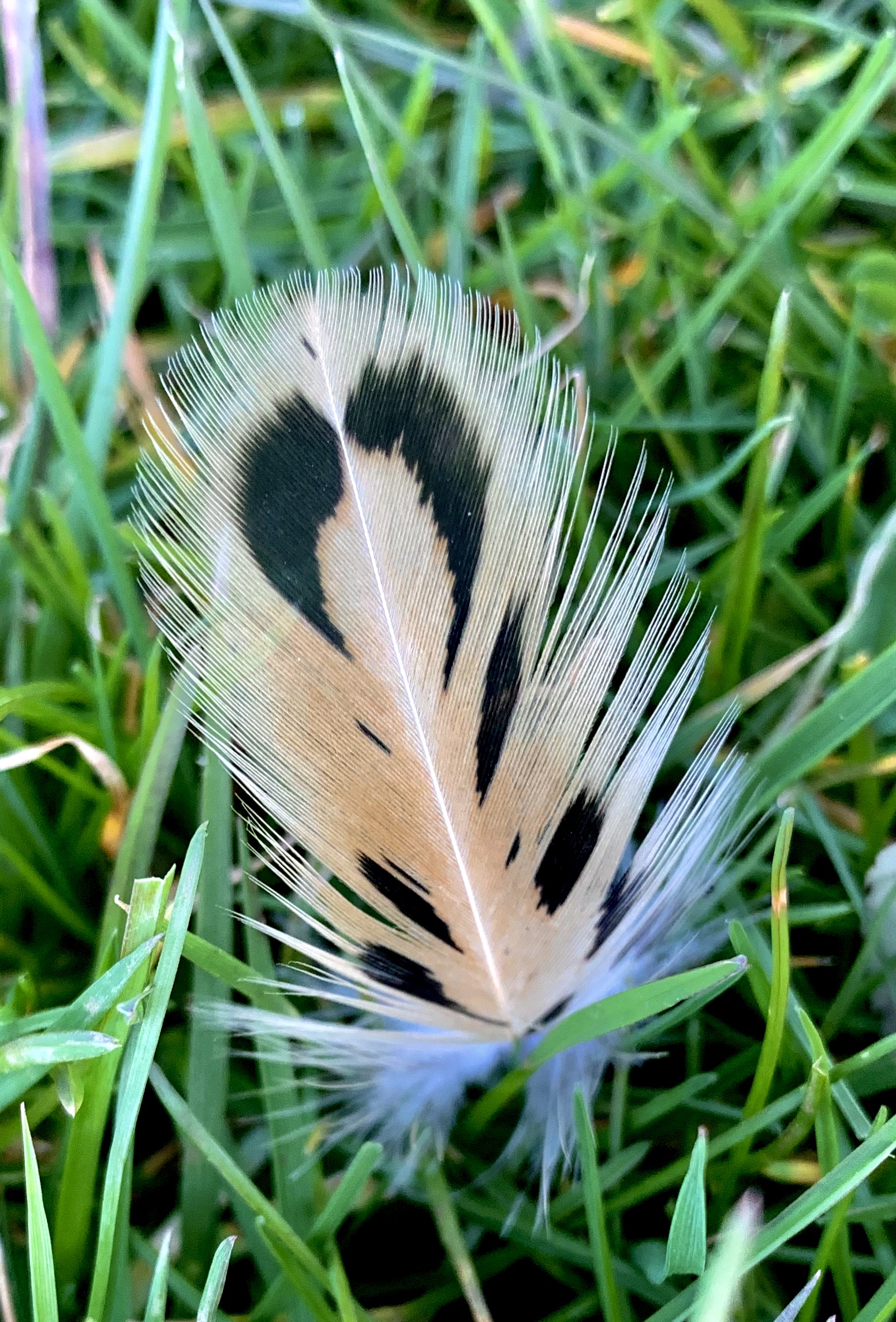
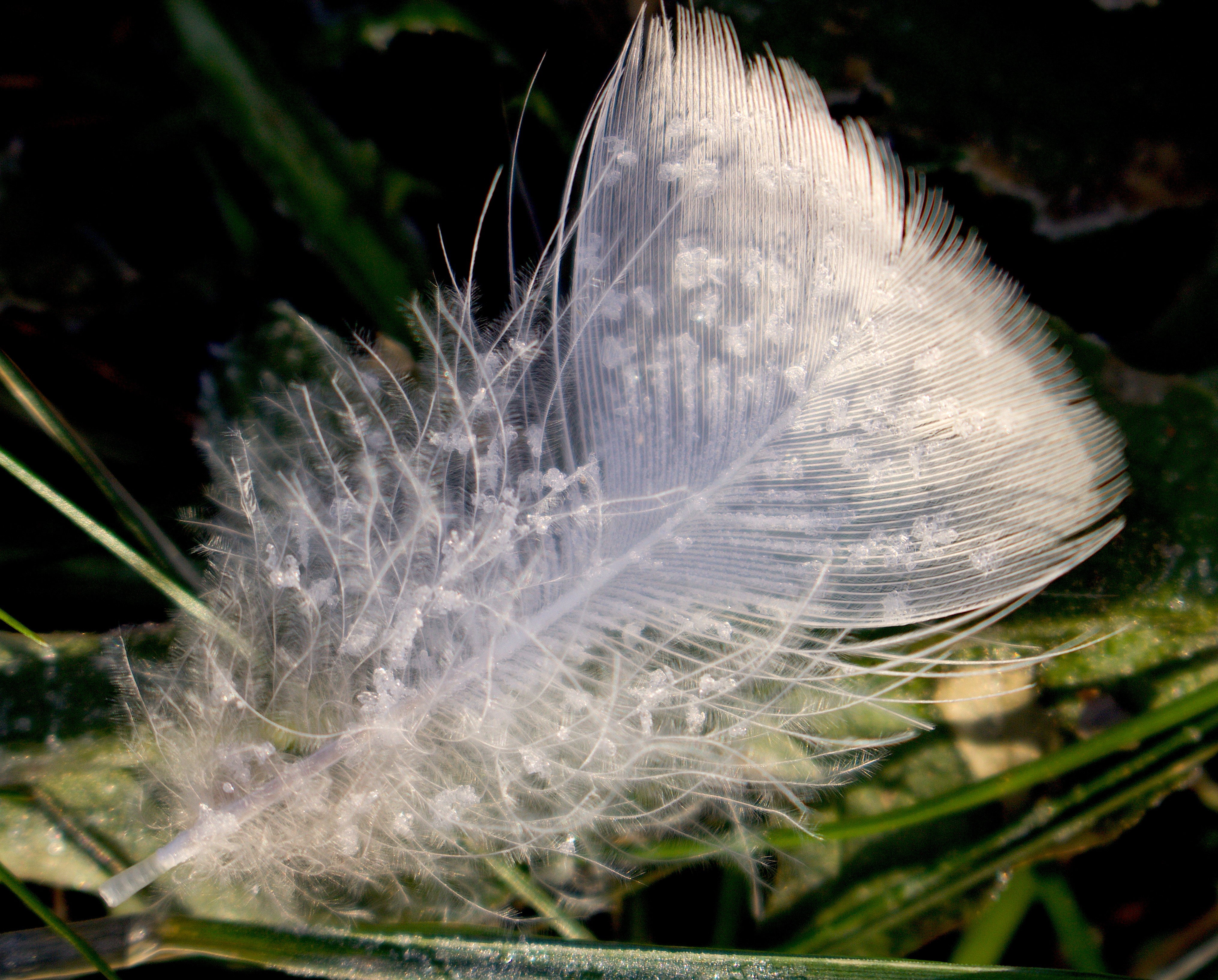
I’m asked frequently by people who read this blog why I use poems by other authors when I could be writing more original work myself. Why do I use my photos to illustrate another person’s words instead of inspiring my own?

My answer, like poet Linda Pastan above is:

Sometimes I think all the best poems
have been written already,
and no one has time to read them,
so why try to write more?

Yet, like Linda, for over a decade now, I’ve decided not to stop trying, since I’ve committed myself to being here every day with something that may help me (and perhaps you) breathe in with gladness and gratitude the fragrance of words within this weary world.

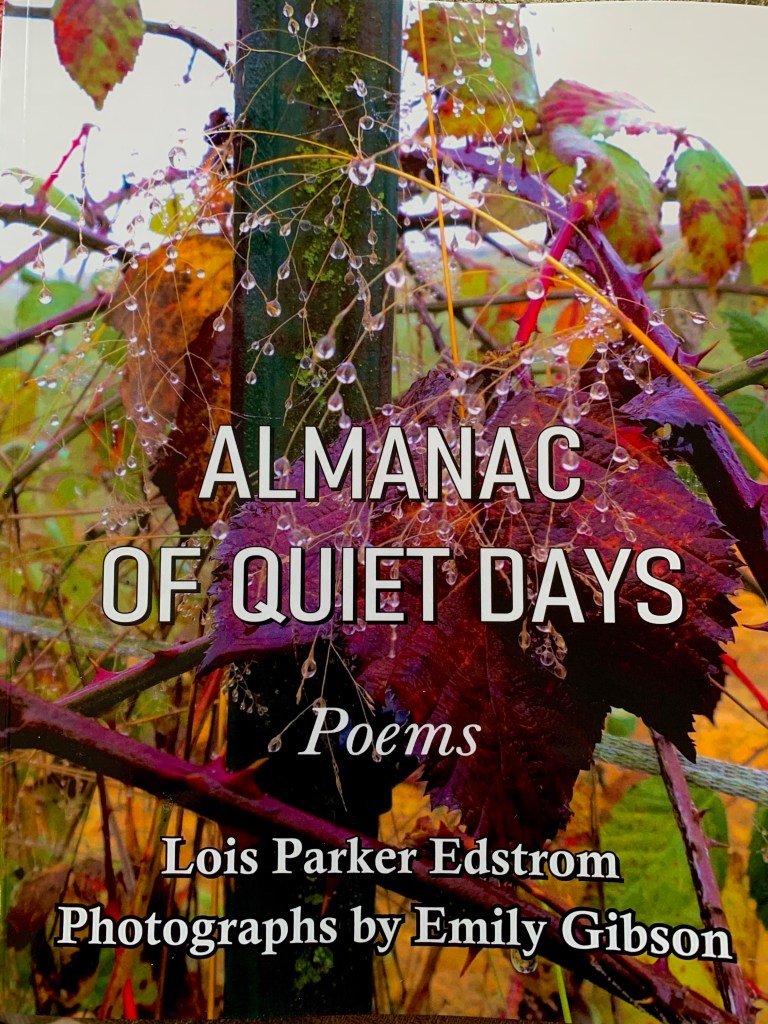
There are several hundred of you who do take time to come visit this corner of the web every day, and several dozen of you have actually purchased the Almanac of Quiet Days book where my photos inspired poet Lois Edstrom to write her own words of grace and beauty. That is a source of great encouragement to me!

Like poet Mary Oliver, I cannot separate the poetry of my photos from the poetry of words I compose – I try to see the unseeable and help others to see it as well:

I want to make poems
that look into the earth and the heavens
and see the unseeable.

I am so awed at your faithful reading and generous sharing of what I offer here.

Even when my lines are broken, or I say again what another has already said much better, yet bears repeating — I too try to write with quiet hands, and see through quiet eyes, out of reverence and awe for what unseeable gifts God has given us.

Thank you for being here with me, looking for those illuminating words and pictures which lift the veil.
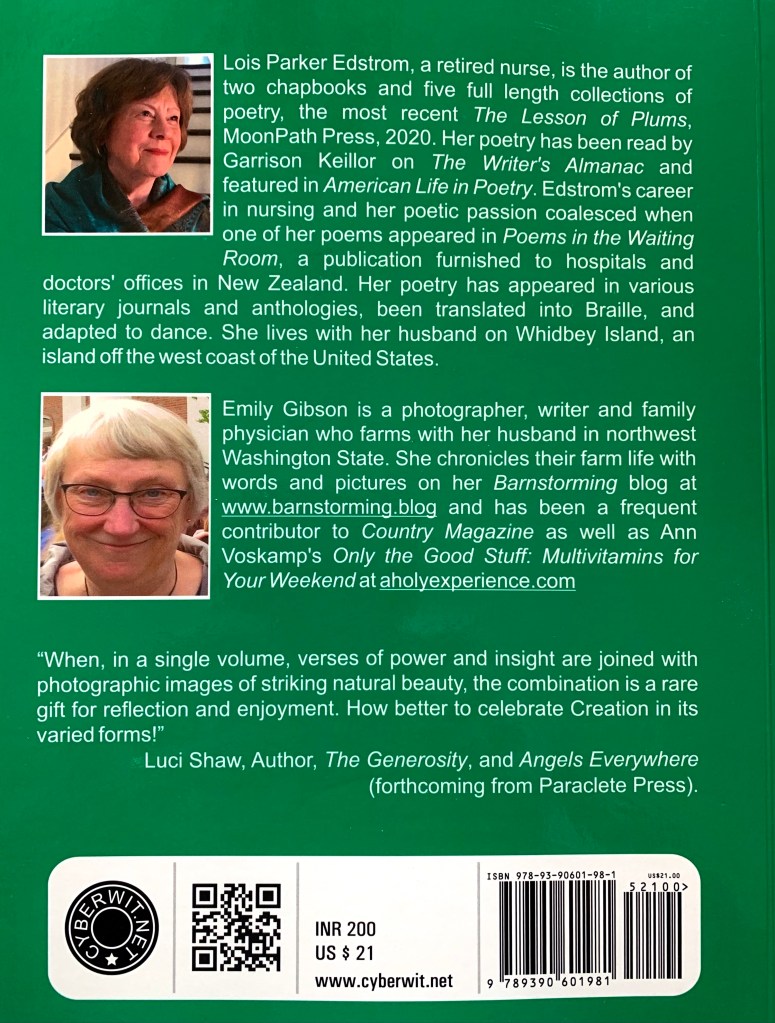
Perhaps you would like to hold a Barnstorming book in your hands?
This new book is available for order here:
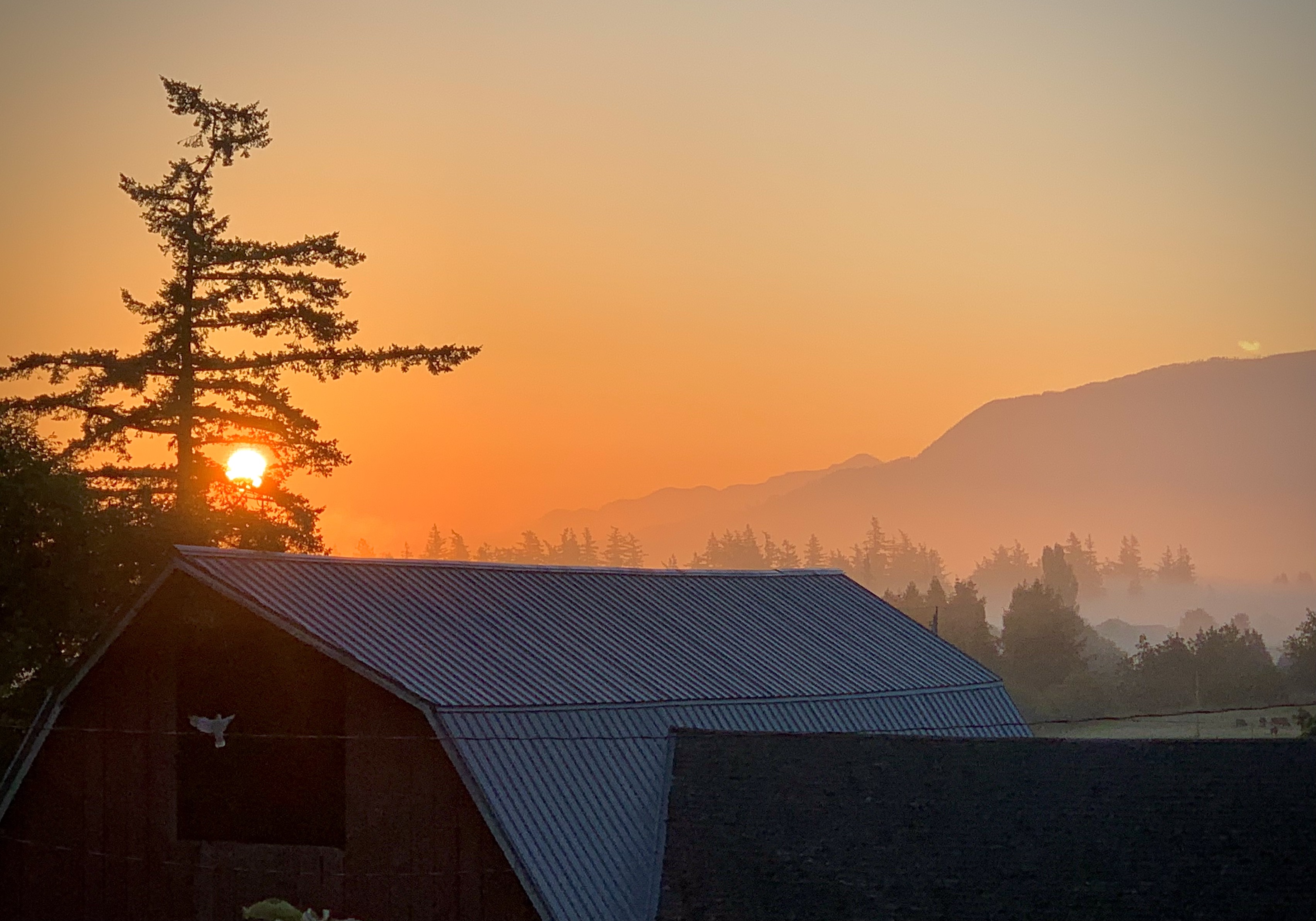
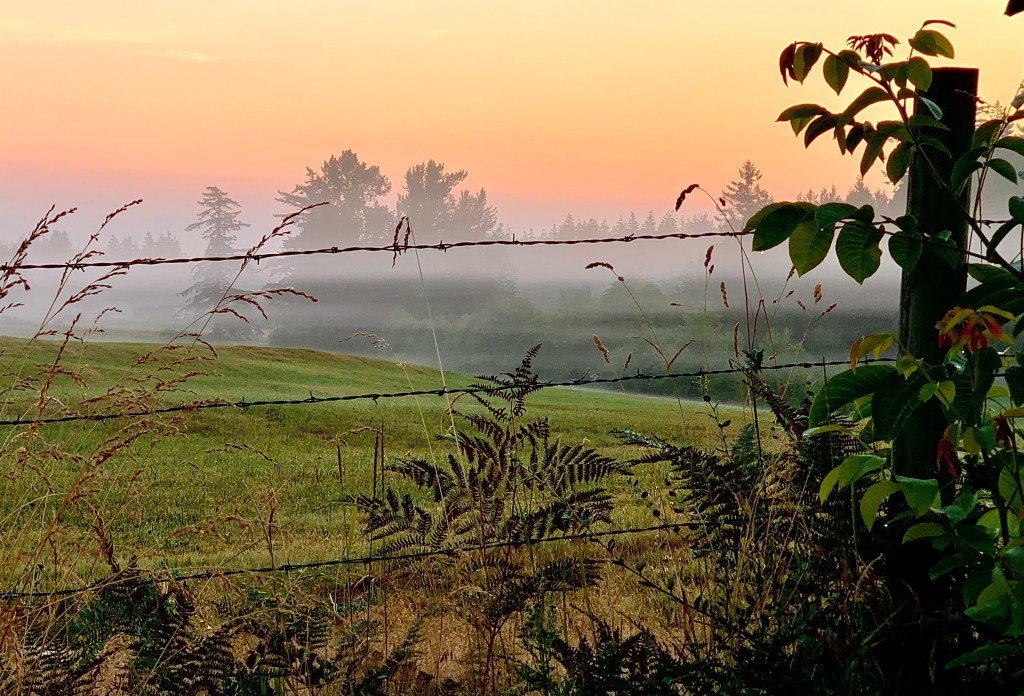
Mist in the Fields

A girl comes out
of the barn, holding
a lantern
like a bucket of milk

or like a lantern.
Her shadow’s there.
They pump a bucket of water
and loosen their blouses,

they lead the mare out
from the field
their thin legs
blending with the wheat.

Crack a green kernel
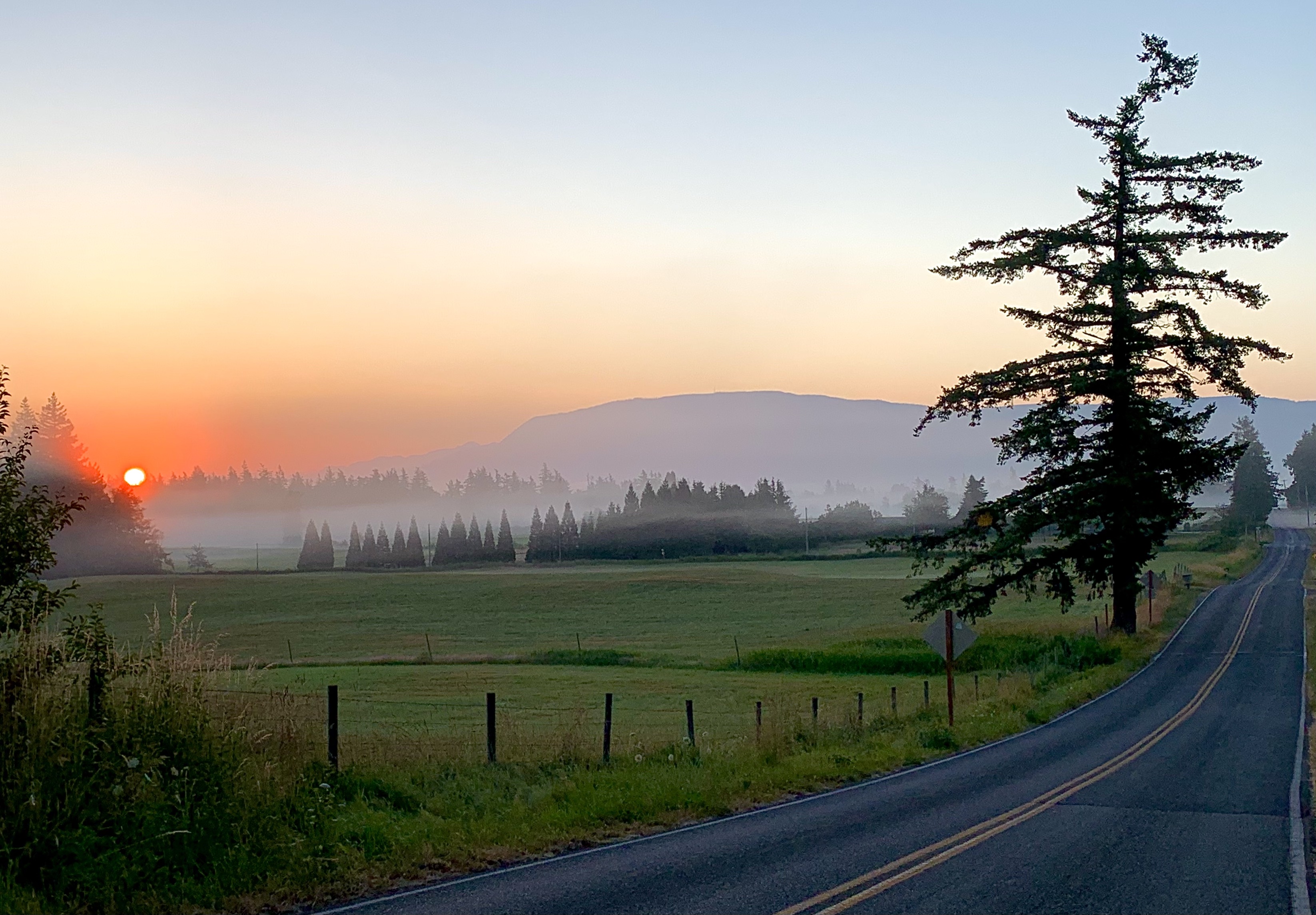
in your teeth.  Mist
in the fields,
along the clay road

the mare’s footsteps
fill up with milk.
~Franz Wright  “Morning” from Ill Lit:Selected and New Poems

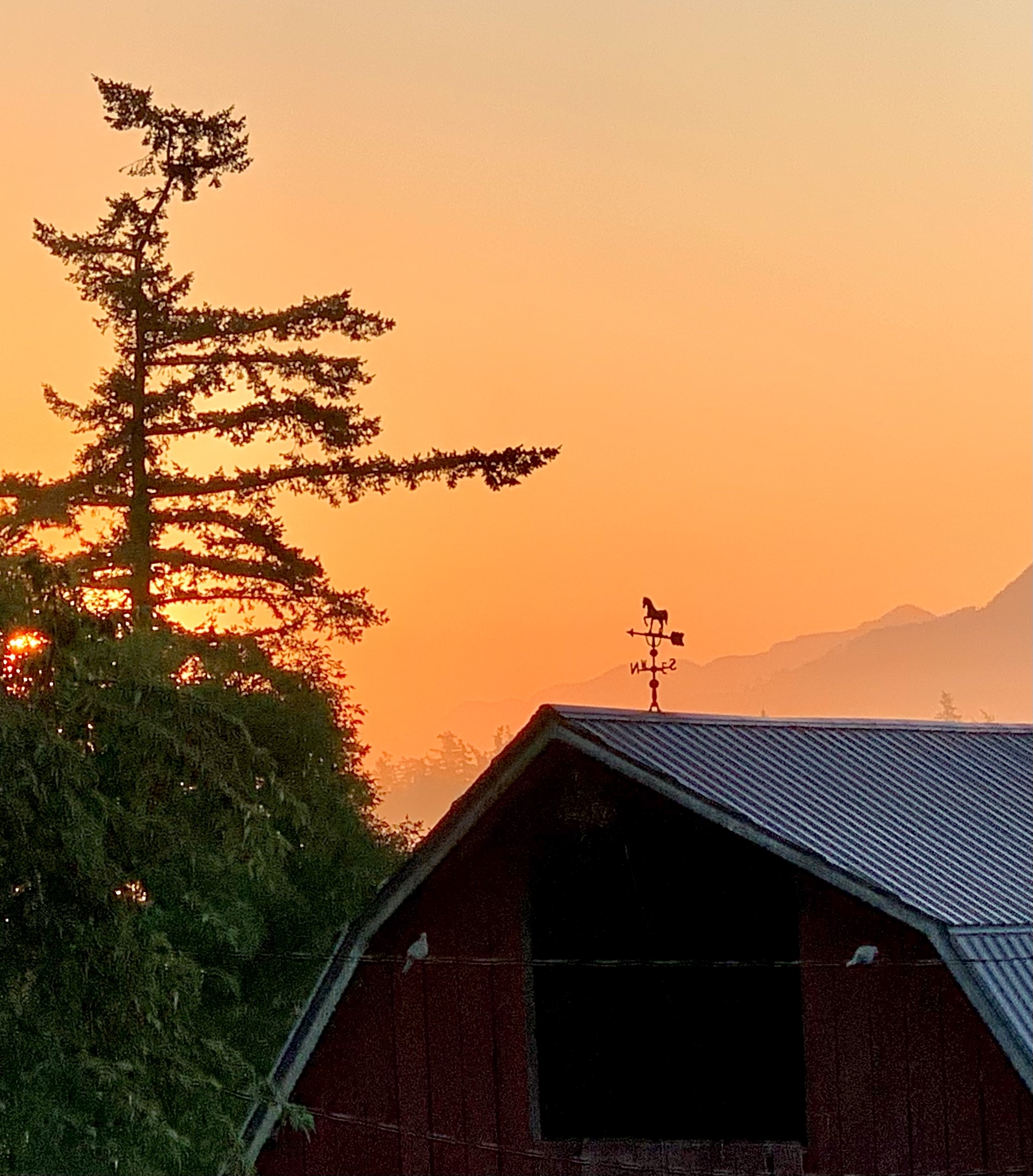
Each morning as I rise
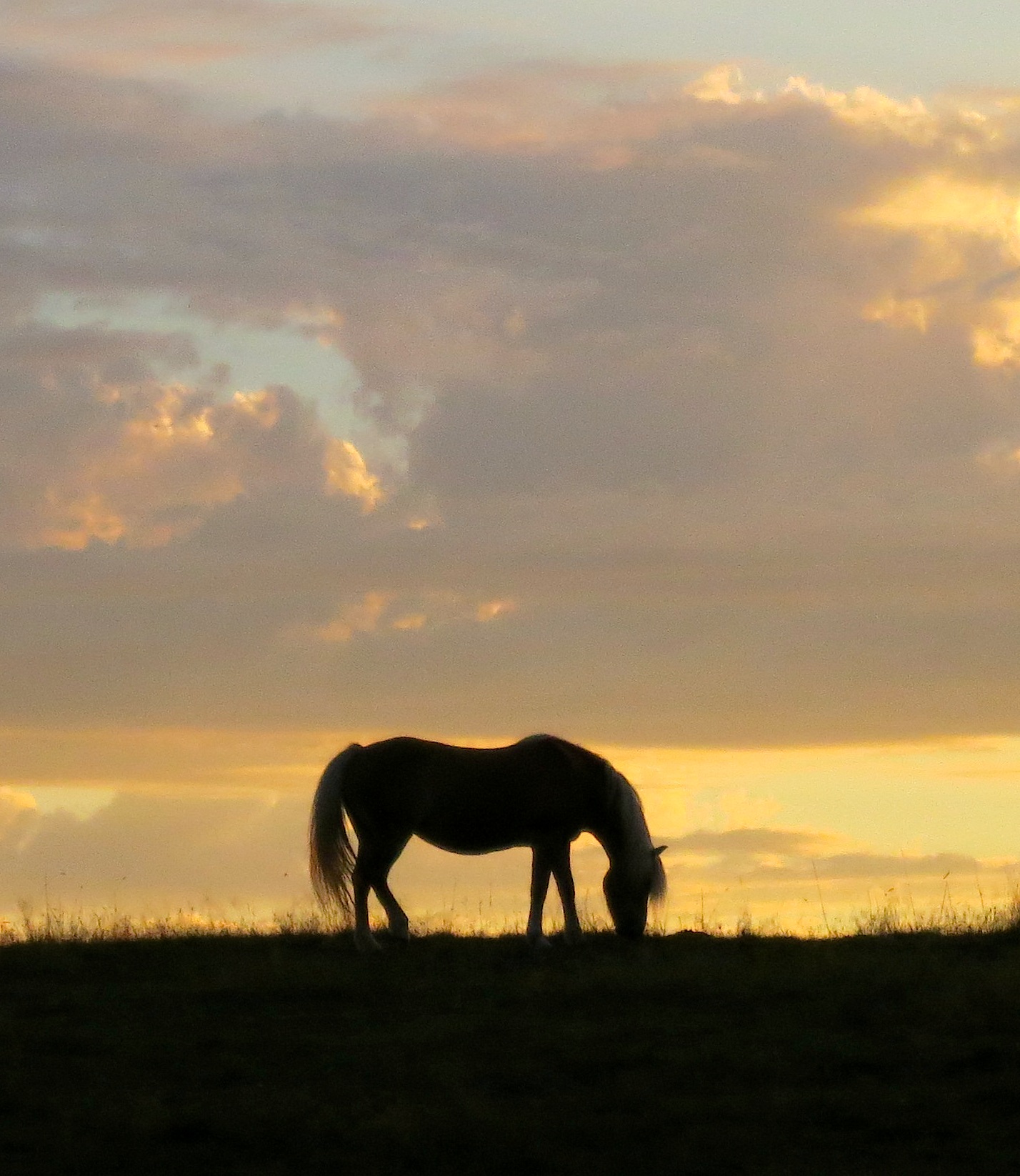
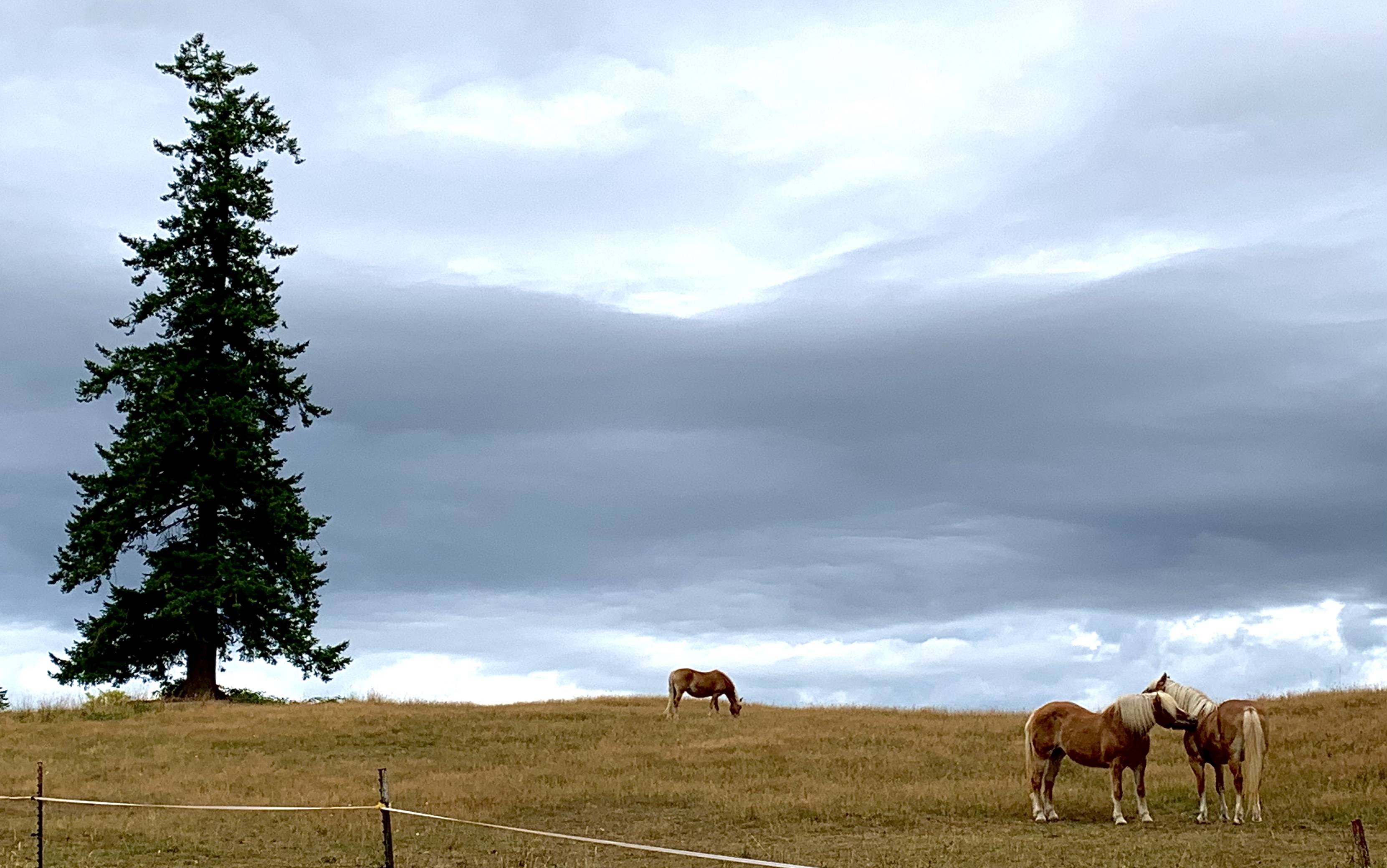
to let the horses out to graze for the day,
I’m once again that teenage girl who awoke early
to climb on horseback to greet the summer dawn,
mist in my hair and dew on my boots,
picking ripe blackberries and blueberries as we rode past.

The angled light always drew sharper shadow lines as the sun rose
until I knew it was time to turn around,
each hoof step taking us closer to home
to clean barn, do chores, hang laundry,
weed the garden until sunset.

It is sunlight that creates and then erases
all in me that is shadow.
Eventually, only the real me remains.

If you enjoy these posts from Barnstorming, consider our new book available to order here:
A Down Comforter of Relief

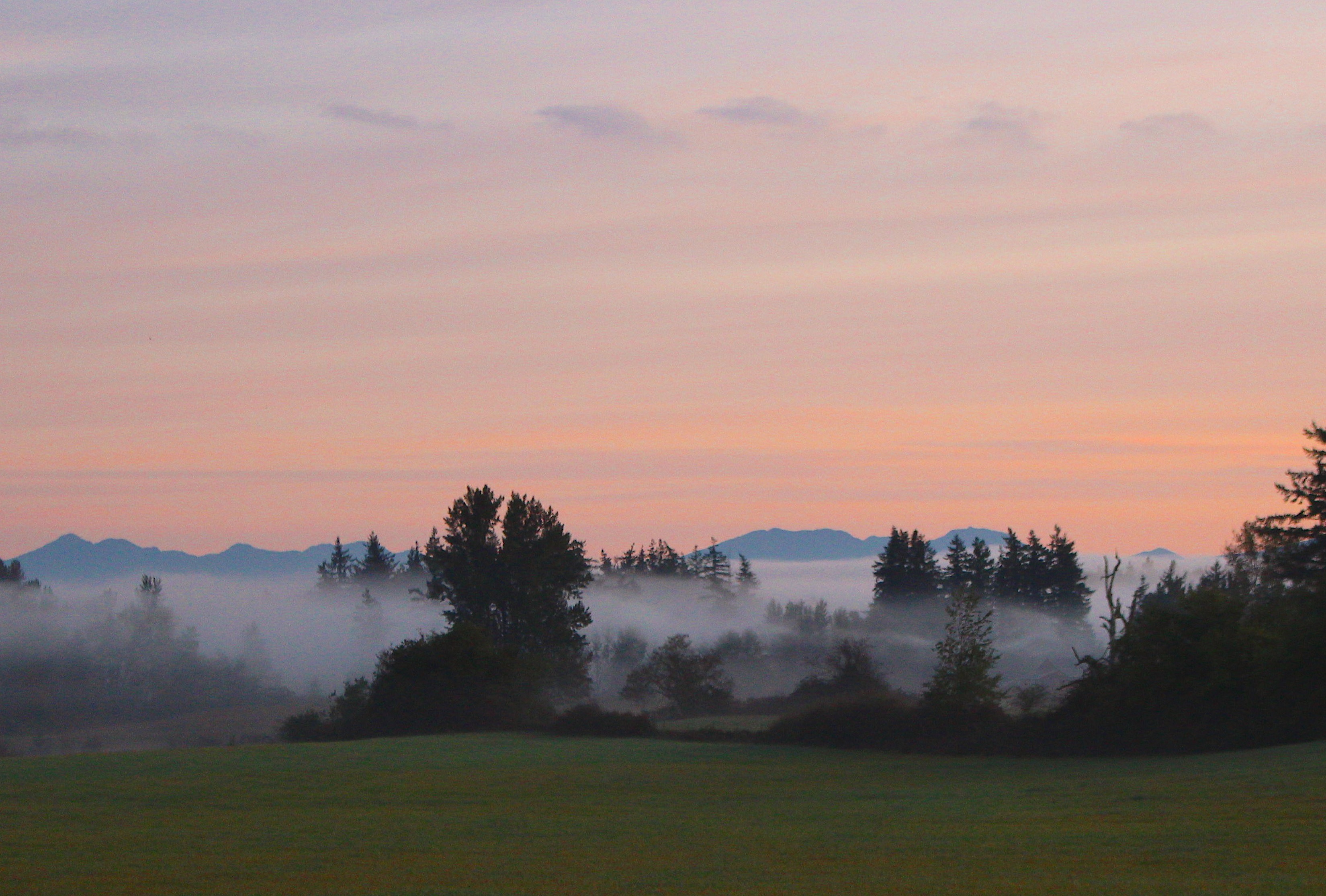
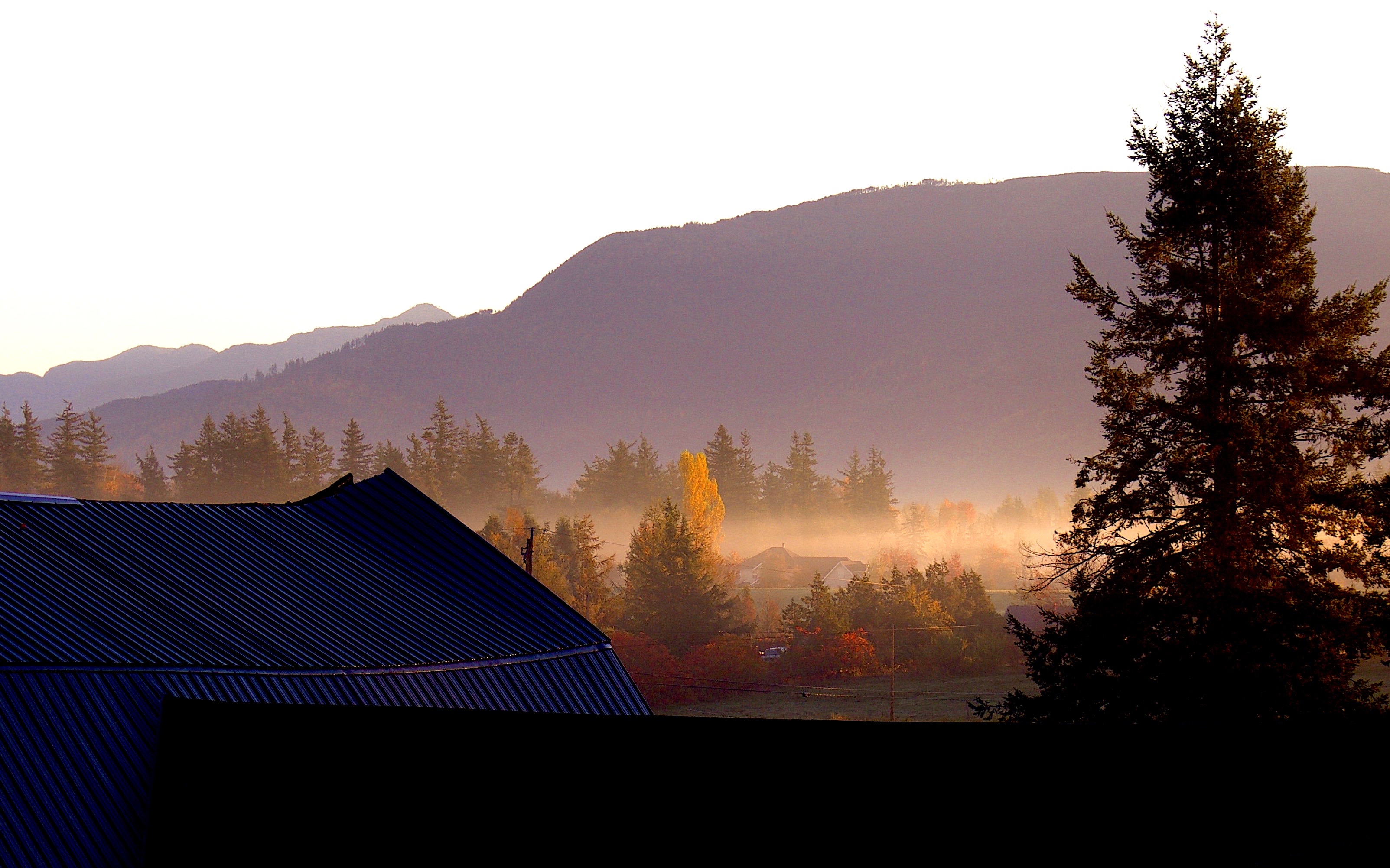
There is something mysterious about fog.
It whispered to Sandburg as it crept into the harbor


on little cat feet. It settles over Admiralty Inlet,
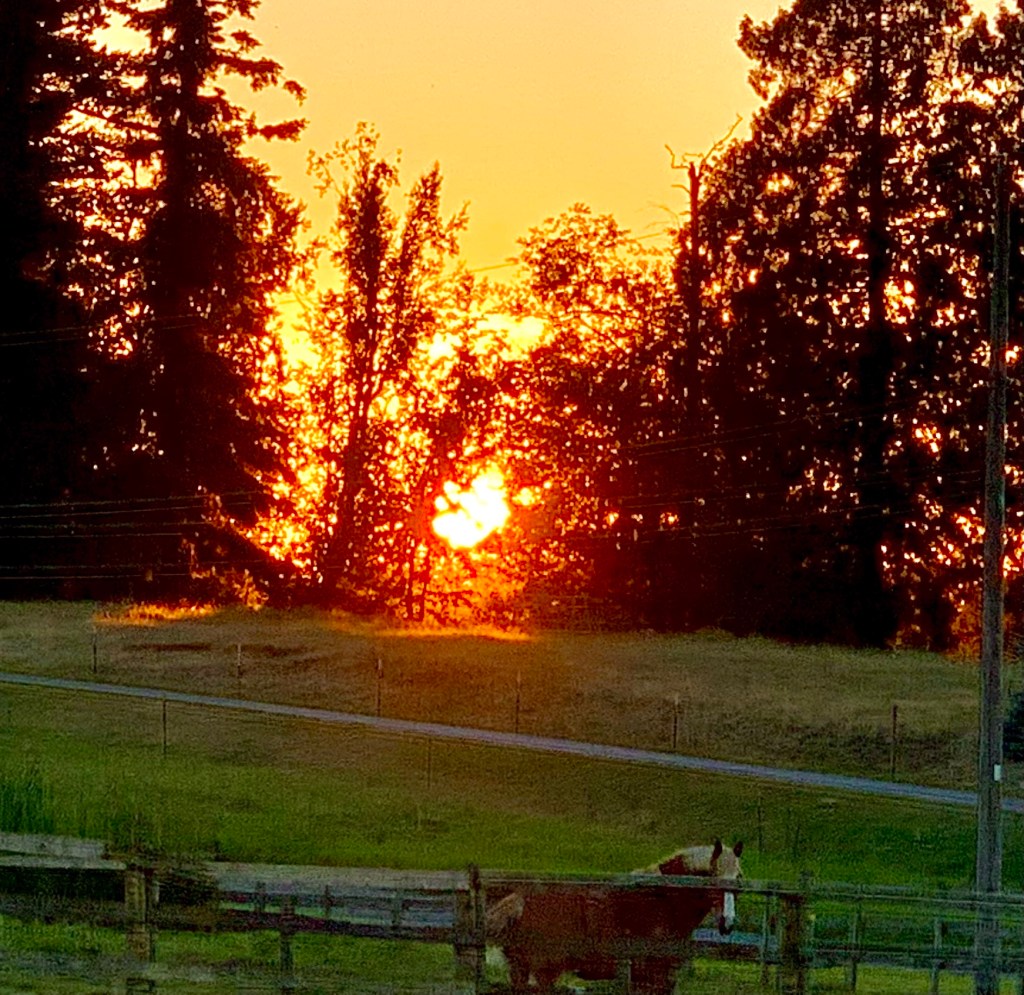
a down comforter of relief on a simmering summer day.


It moves in quickly, a cool mist that settles lightly
on our faces and arms as we trudge up the hill


toward home. Then the stillness, how it tamps down
sound, reminding us to honor silence and drift


through an inner landscape of ideas,
enter into the ethereal magic of another world
,

as if we were birds soaring in clouds
that have come down to enfold us,


quieting the minor furies we create.
~Lois Parker Edstrom from Glint (MoonPath Press, 2019)

And so you have a life that you are living only now,
now and now and now,
gone before you can speak of it,
and you must be thankful for living day by day,
moment by moment …
a life in the breath and pulse and living light of the present…

~Wendell Berry from Hannah Coulter

~Lustravit lampade terras~
(He has illumined the world with a lamp)
The weather and my mood have little connection.
I have my foggy and my fine days within me;
my prosperity or misfortune has little to do with the matter.
– Blaise Pascal from “Miscellaneous Writings”

The only thing more frightening than the unknown
is the fear that the next moment will be just like the last
or perhaps worse. 

I tend to forget:
the moment just passed can never be retrieved and relived.  

Worry and sorrow and angst are more contagious
than the latest viral scourge.
I mask up and wash my hands of it throughout the day.
I wish we could be vaccinated to protect us all from our unnamed fears.

I want to say to myself:
Stop and acknowledge this moment in time.
Stop wanting to be numb to all discomfort.
Stop fearing the next moment.
Just stop.
Instead, simply be,
now and now and now.

I need to know:
this moment, foggy or fine, is mine alone,
a down comforter of relief~
this moment of weeping and sharing
and breath and pulse and light.
I shout for joy in it
even when sound is muffled in morning fog.
It is to be celebrated.
I mustn’t hold back.

A new book from Barnstorming (with poetry from today’s poet Lois Edstrom) can be ordered here:

On the Lip of the Solstice


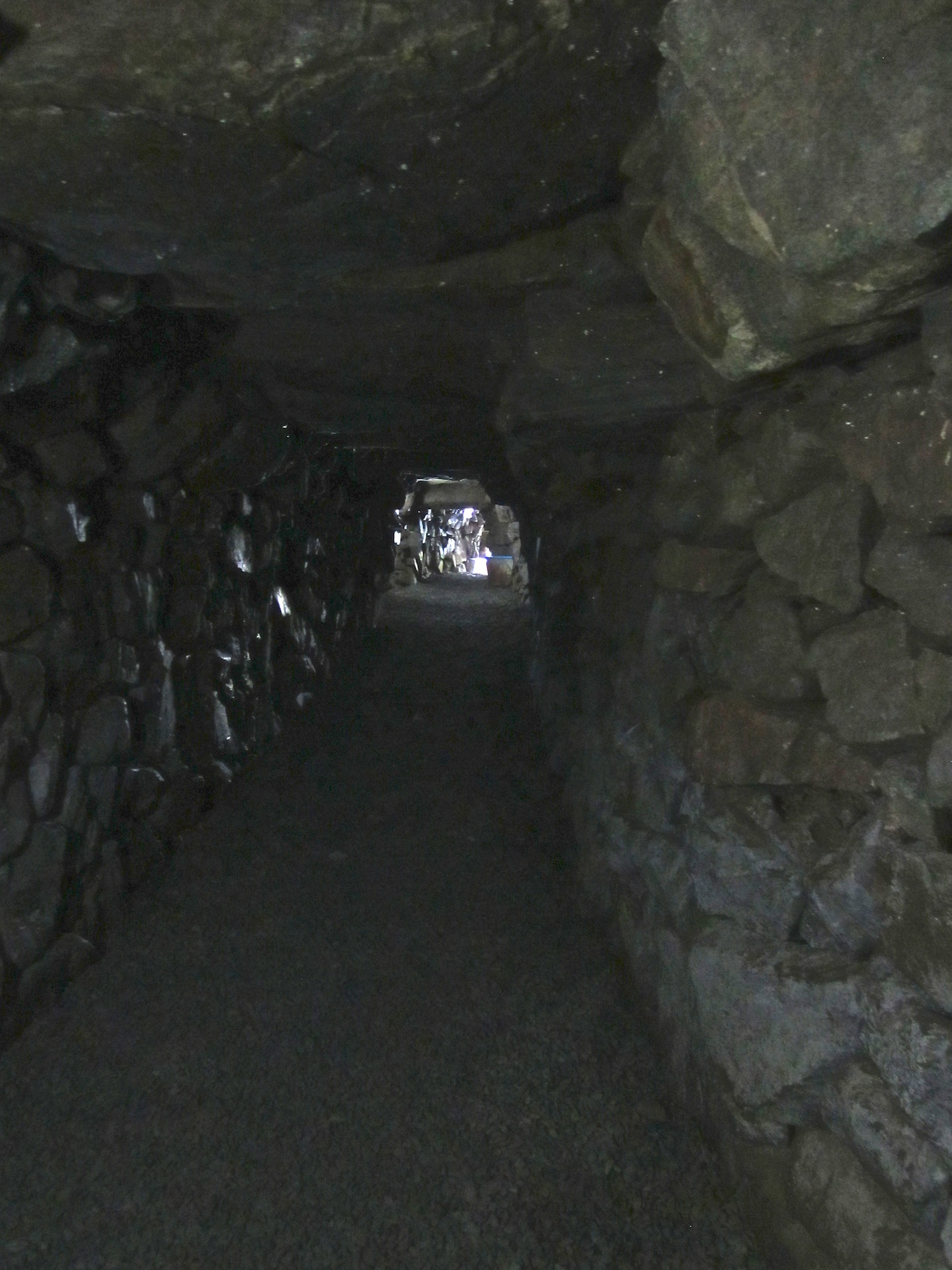
It’s deep time here, this barrow grave five thousand years old,
where we follow like sheep behind the guide to the heart
of its cruciform center. I’ve never been in a space so dark.
What was it like to fear that the sun would not return,
that crops would wither, deer flee, that night’s dark cloak
was all there was? But miraculously, on the lip of the solstice,
the light returned, liquid and golden, ran down the narrow corridor,
hit the back wall, splashed in the stone basin, and they knew summer
would come back, run to fruit. Light, dark, freeze, thaw, seedtime,
harvest, wheel of the year, the spiral dance. What would they make
of our device-laden lives, fossil-fueled cars, over-stocked larders?
Who stands in the dark and listens now, gaping at the stars?
— Barbara Crooker, “Newgrange” from The Book of Kells

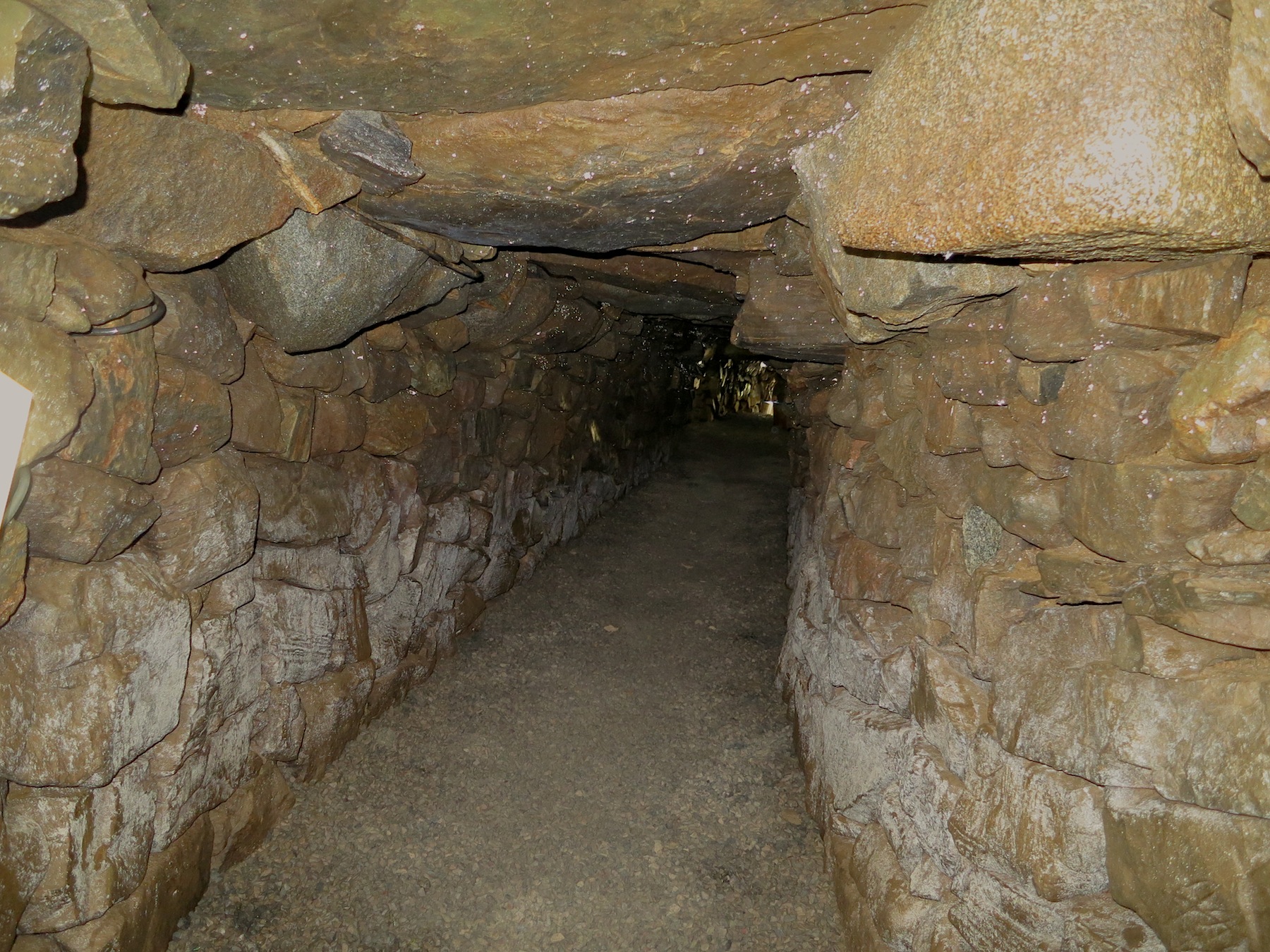
Finnis Soutterain underground

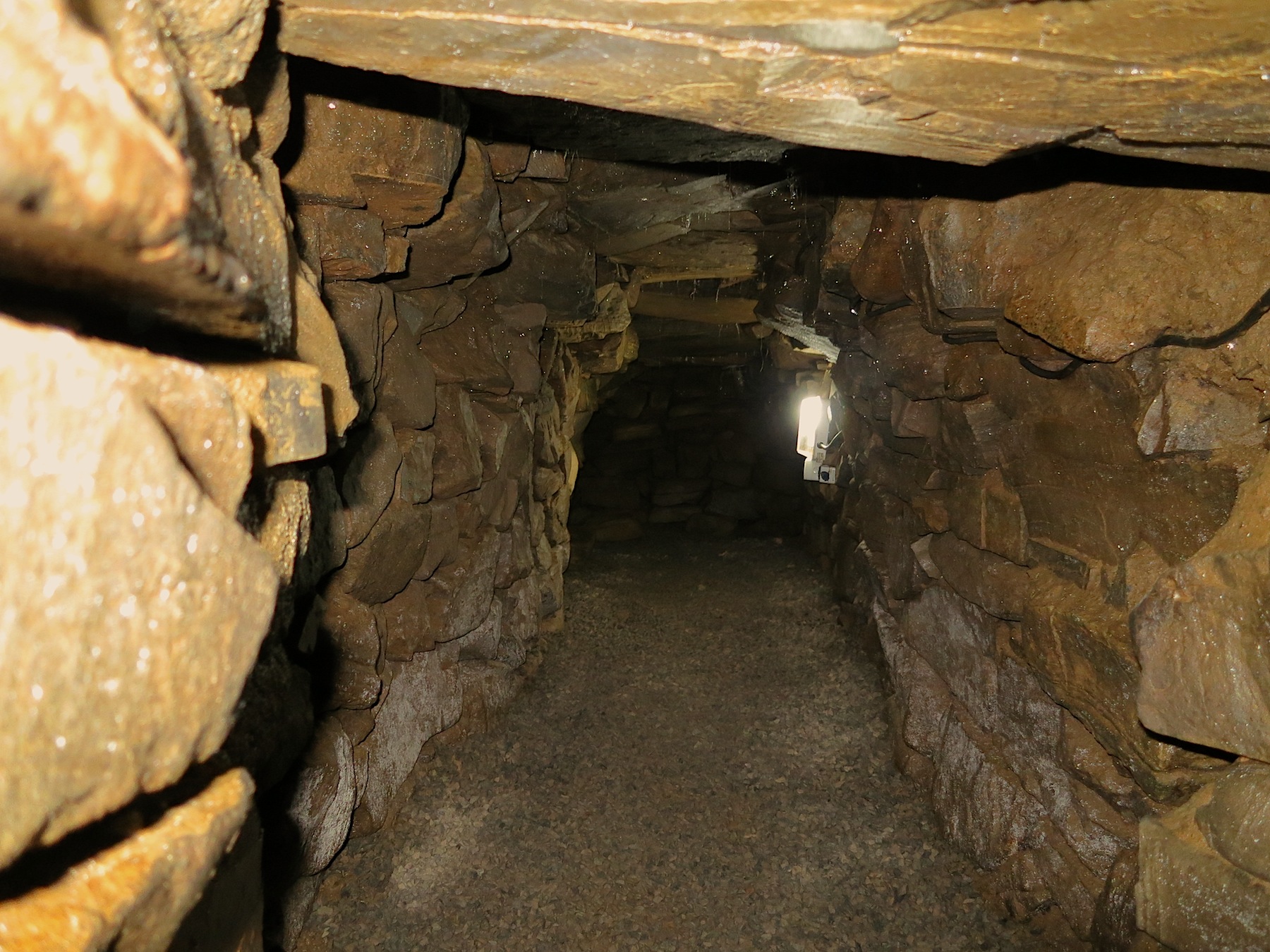
Finnis Soutterain underground

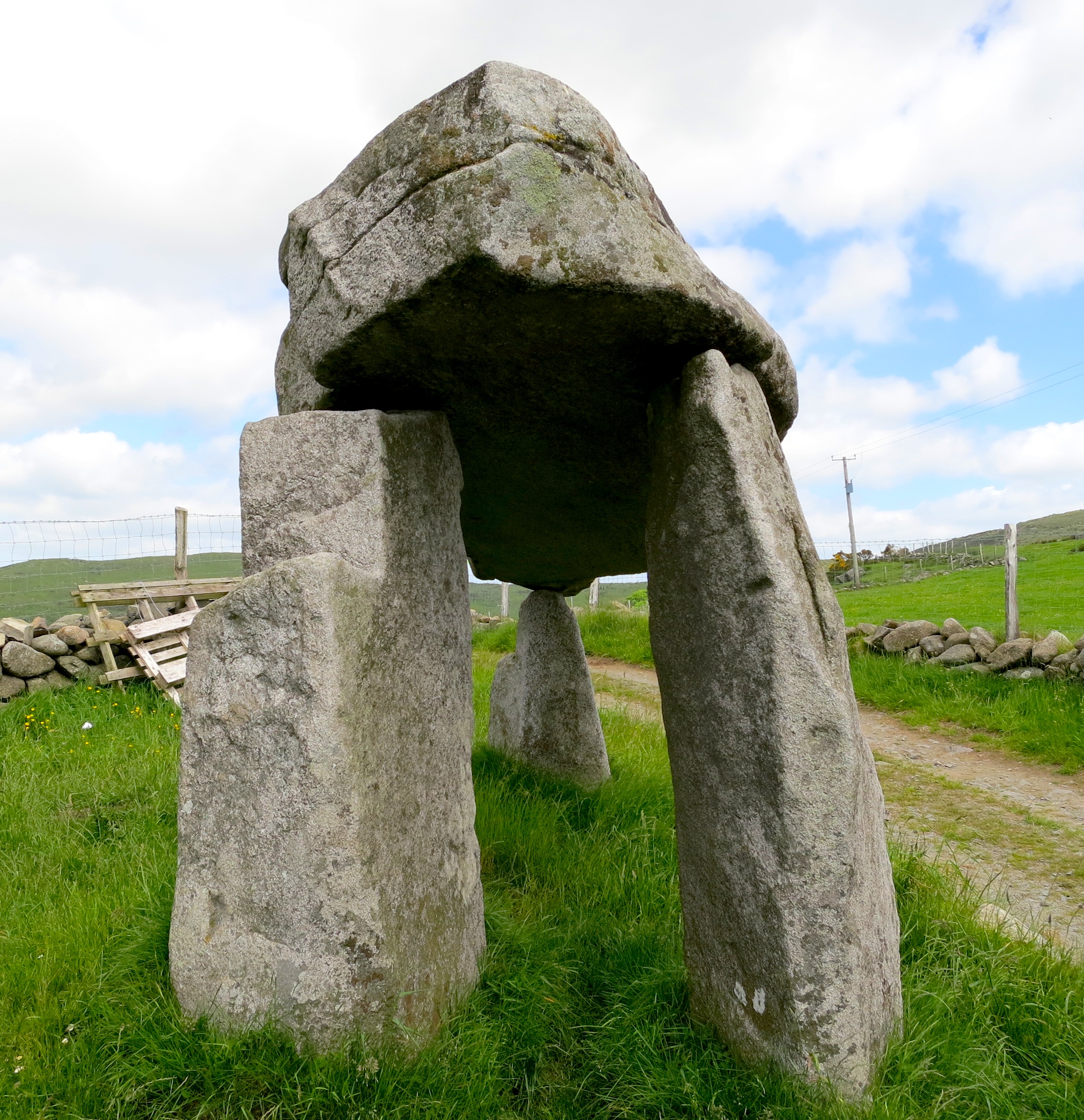
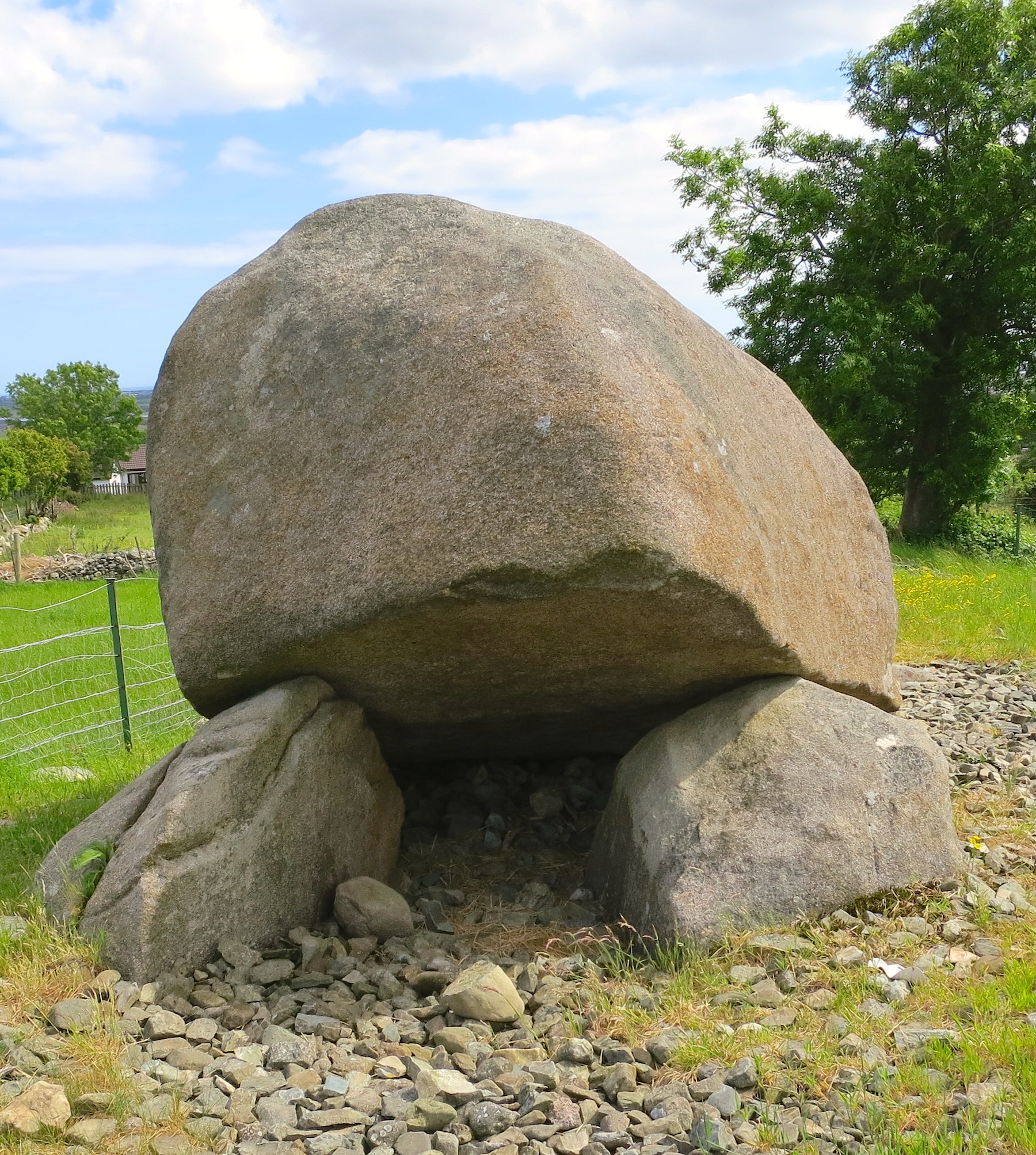
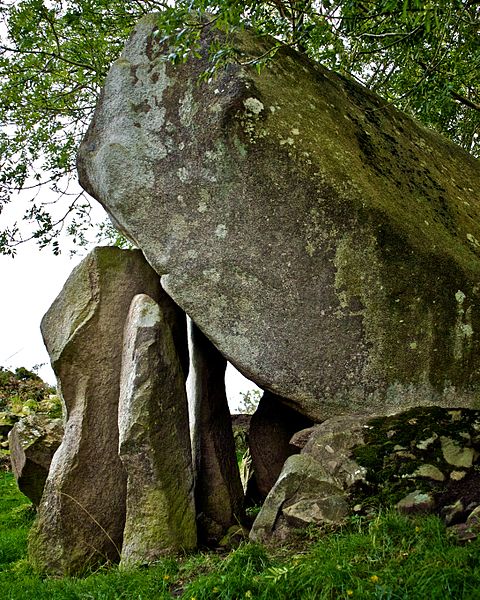
There is nothing so dark as centuries-old underground tunnels and portal tombs, some positioned with an opening to capture a beam of light exactly at either the winter or summer solstice, illuminating what dwells in blackness the rest of the year.

The more recent ninth century soutterain tunnels were refuge for Christians hiding from invaders, keeping whole villages safe from capture.

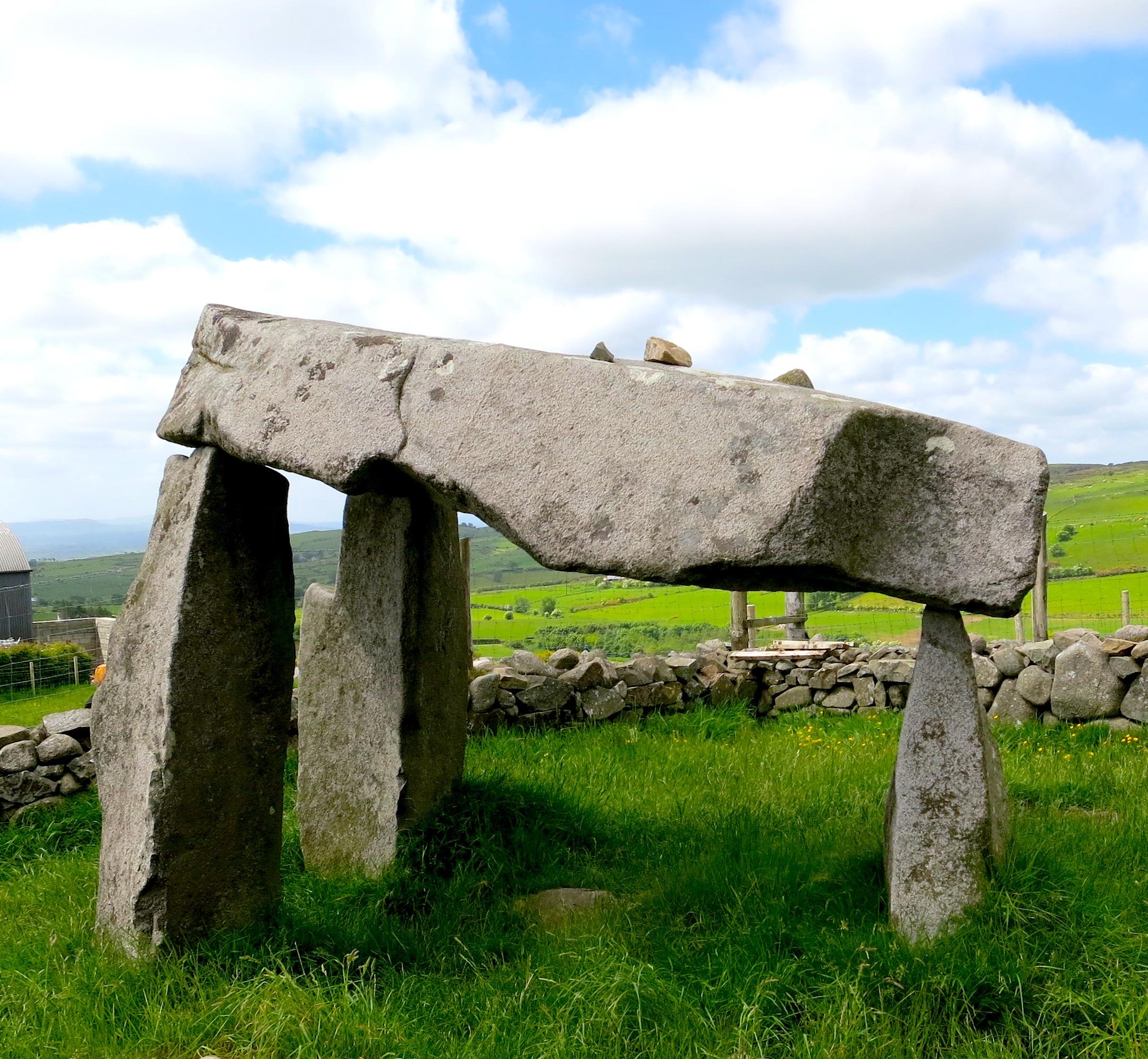
The dolmens and portal graves are Neolithic structures built before the pyramids. They still exist today as they were constructed to last by people serious about their beliefs. Though those people are long dust, the stones and tunnels remain as they were, to protect the spirits of the departed.

What would they think now of our extravagance, our plethora of goods and foods, our modern ways of crippling others with the weapons of internet words and hacking, rather than stealing, pillaging and enslaving strangers?

We moderns are lost in our over-abundance of light year round, scarcely noting the calendar or the passing of the longest and shortest days.

What remarkable people of strength have preceded us, seeking to preserve the significance of Light in their darkness.

Legananny Dolmen, Northern Ireland
Legananny dolmen
Kilfeaghan Dolmen
Goward Dolmen at the foot of the Mourne Mountains

A new book from Barnstorming is available to be ordered here:

The Forgiveness of Sleep

The children have gone to bed.
We are so tired we could fold ourselves neatly
behind our eyes and sleep mid-word, sleep standing
warm among the creatures in the barn, lean together
and sleep, forgetting each other completely in the velvet,
the forgiveness of that sleep.

Then the one small cry:
one strike of the match-head of sound:
one child’s voice:
and the hundred names of love are lit
as we rise and walk down the hall.

One hundred nights we wake like this,
wake out of our nowhere
to kneel by small beds in darkness.
One hundred flowers open in our hands,
a name for love written in each one.
~Annie Lighthart “The Hundred Names of Love”

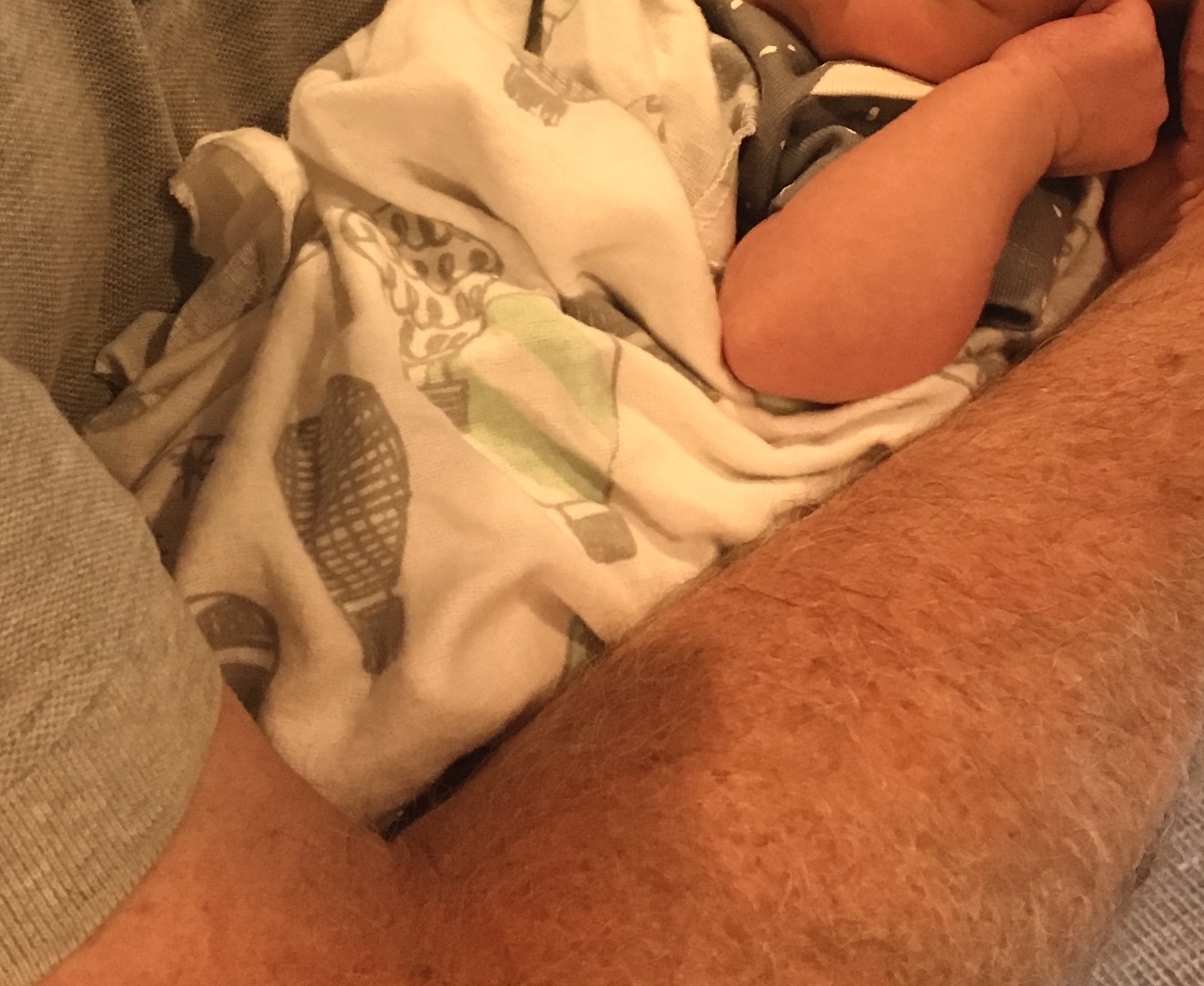
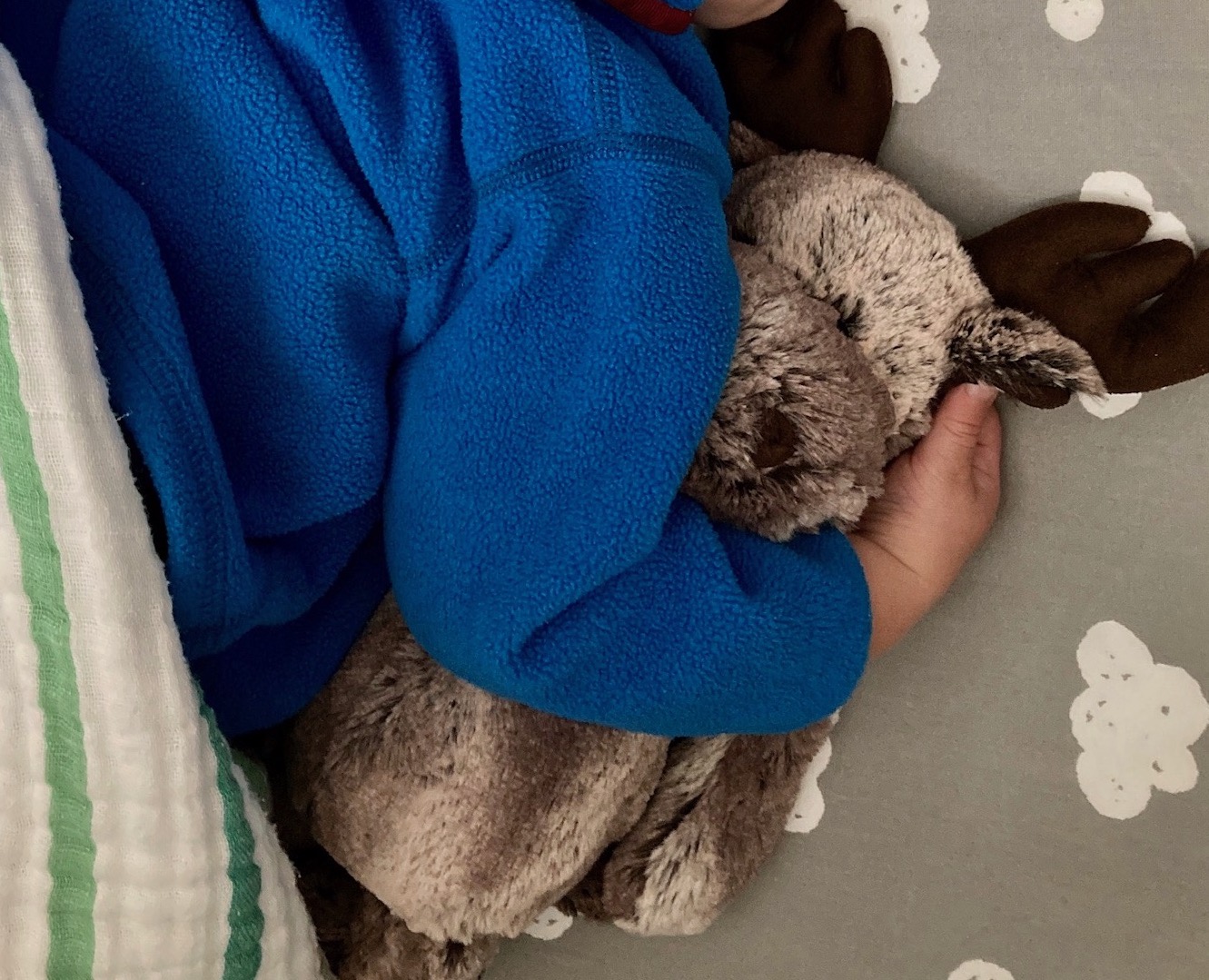
In the lull of evening, your son nested in your arms
becomes heavier and with a sigh his body
sloughs off its weight like an anchor into deep sleep,
until his small breath is the only thing that exists.

And as you move the slow dance through the dim hall
to his bedroom and bow down to deliver his sleeping form,
arms parting, each muscle defining its arc and release—
you remember the feeling of childhood,

traveling beneath a full moon,
your mother’s unmistakable laugh, a field of wild grass,
windows open and the night rushing in
as headlights trace wands of light across your face—

there was a narrative you were braiding,
meanings you wanted to pluck from the air,
but the touch of a hand eased it from your brow
and with each stroke you waded further

into the certainty of knowing your sleeping form
would be ushered by good and true arms
into the calm ocean that is your bed.
 — Alexandra Lytton Regalado, “The T’ai Chi of Putting a Sleeping Child to Bed” author of Matria

Each of those countless nights of a child wakening,
each of the hundreds of hours of lulling them in the moonlit dark,
leading them back to the soft forgiveness of sleep.

I remember the moves of that hypnotic dance,
a head nestled snug into my neck,
their chest pressed into mine,
our hearts beating in synchrony
as if they were still inside.

Even when our sleep was spare and our rest was sparse,
those night times rocking in unison
were worth every waking moment, trusting
we’re in this together, no matter what,
no matter how long.

We’re in this together.

A new book from Barnstorming is available to order here:

Appareled in Celestial Light

There was a time when meadow, grove, and stream,
The earth, and every common sight,
To me did seem
Apparell’d in celestial light,
The glory of a dream.

The rainbow comes and goes,
And lovely is the rose;
The moon doth with delight
Look round her when the heavens are bare;
Waters on a starry night
Are beautiful and fair;
The sunshine is a glorious birth;
But yet I know, where’er I go,
That there hath pass’d away a glory from the earth.

Though nothing can bring back the hour
Of splendour in the grass, of glory in the flower;
We will grieve not, rather find
Strength in what remains behind.
~William Wordsworth from Intimations of Immortality

I woke immersed in sadness;
it doesn’t happen often.
Whether a dream surrounded me in sorrow,
or perhaps the weight of grayness of the morning,
I couldn’t tell.

I felt burdened and weepy,
wondering where hope had fled just overnight.

Even though I know true glory lies beyond this soil,
I still look for it here,
seeking encouragement in midst of trouble.
I set out to find light which clothes the ordinary,
becoming resplendent and shimmering
from celestial illumination.

Though I may sometimes grieve for what is lost,
there is enough,
there is always enough each morning
to remind me God’s gift of grace and strength
transforms this day and every day.

A new book from Barnstorming! More information on how to order here

Light That Almost Speaks

A Light exists in Spring
Not present on the year
At any other period –
When March is scarcely here


A Color stands abroad
On Solitary Hills
That Science cannot overtake,
But Human Nature feels.


It waits upon the Lawn;
It shows the furthest Tree
Upon the furthest Slope we know;
It almost speaks to you.


Then as Horizons step,
Or Noons report away,
Without the Formula of sound,
It passes, and we stay:


A quality of loss
Affecting our Content,
As Trade had suddenly encroached
Upon a Sacrament.
~Emily Dickinson – 85- Part two: Nature

Maybe it is the particular tilt of the globe on its axis,
or the suffusion of clouds mixing
with the perpetually damp atmosphere
or perhaps the knowledge
darkness no longer claims us

but the lighting of March melting into April
has its own sacred whispering voice.a

We are immersed in it but it belongs
framed on gallery walls for perpetuity
to be admired at any time of the year,
whenever we need the soft cushion of golden pastels.

Surrounded by sacrament without and within,
our life in the Lord
gently glows.

Trying Their Wings

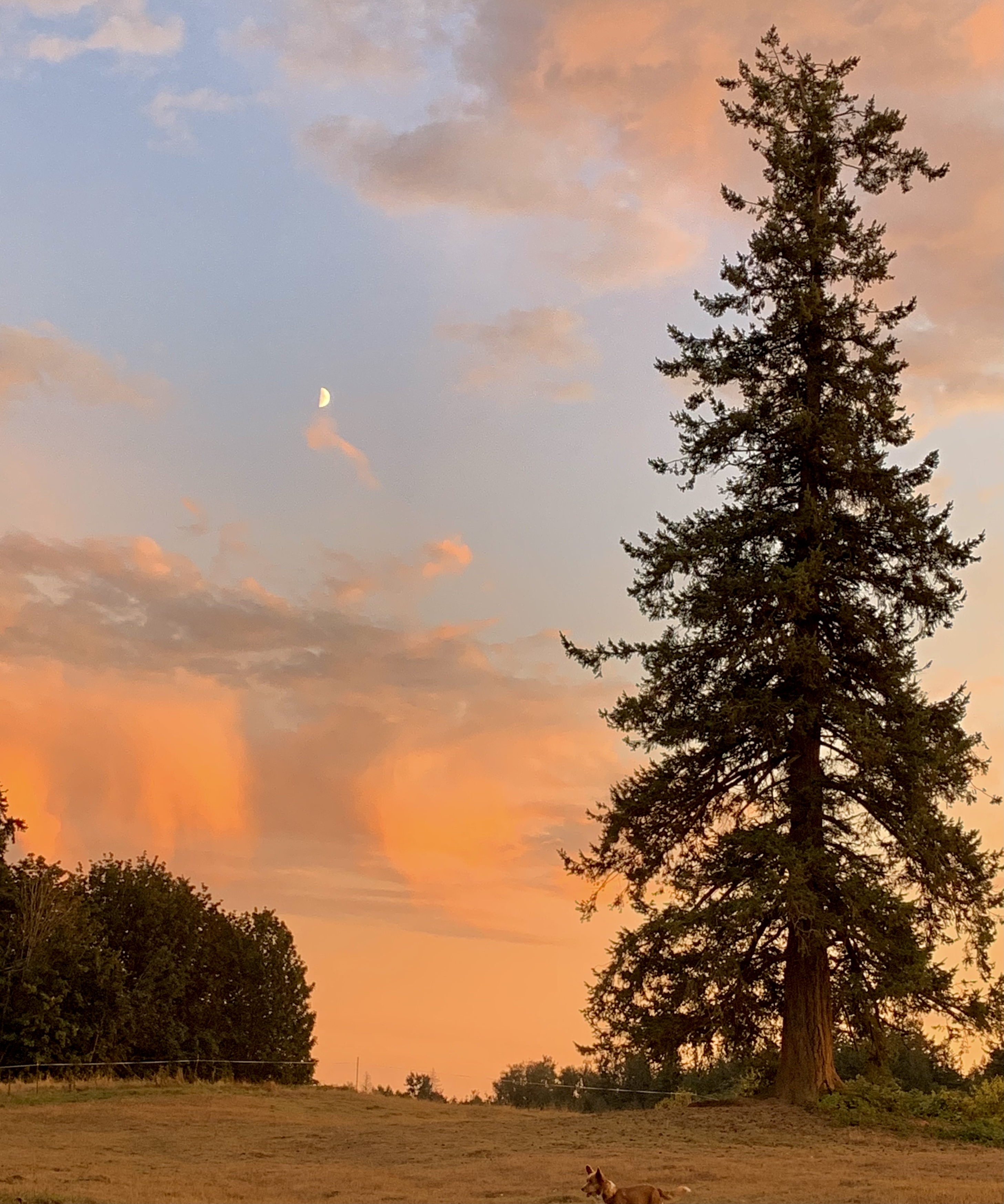
The moon drops one or two feathers into the field.   
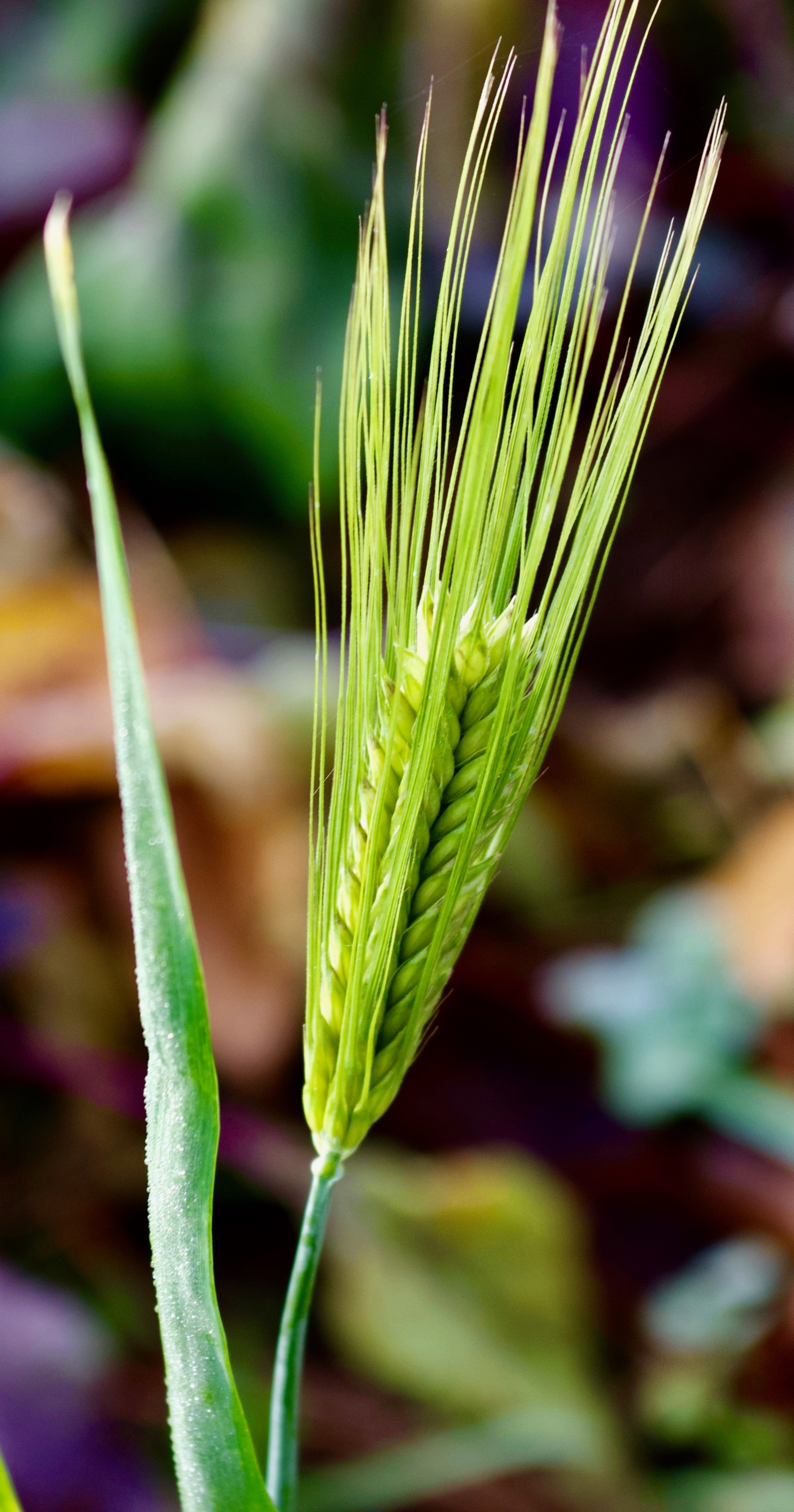
The dark wheat listens.
Be still.
Now.
There they are, the moon’s young, trying
Their wings.

I stand alone by an elder tree, I do not dare breathe
Or move.
I listen.
The wheat leans back toward its own darkness,
And I lean toward mine.

~James Wright from “Beginning” from Above the River: The Complete Poems and Selected Prose.

I am holding my breath today,
trying to be still
and wait.
It is time to listen, watching.

Light spills iridescence:
its fragments dot the surface of this bleak earth,
illuminating the darkness.

I can reflect the Light or remain in the dark.
Having been chosen,
I can try my wings.

To Find the Hidden Sunlight

It is the story of the falling rain
to turn into a leaf and fall again


it is the secret of a summer shower
to steal the light and hide it in a flower


and every flower a tiny tributary
that from the ground flows green and momentary


is one of water’s wishes and this tale
hangs in a seed-head smaller than my thumbnail


if only I a passerby could pass
as clear as water through a plume of grass


to find the sunlight hidden at the tip
turning to seed a kind of lifting rain drip


then I might know like water how to balance
the weight of hope against the light of patience


water which is so raw so earthy-strong
and lurks in cast-iron tanks and leaks along


drawn under gravity towards my tongue
to cool and fill the pipe-work of this song


which is the story of the falling rain
that rises to the light and falls again

~Alice Oswald,”A Short Story of Falling”  from Falling Awake

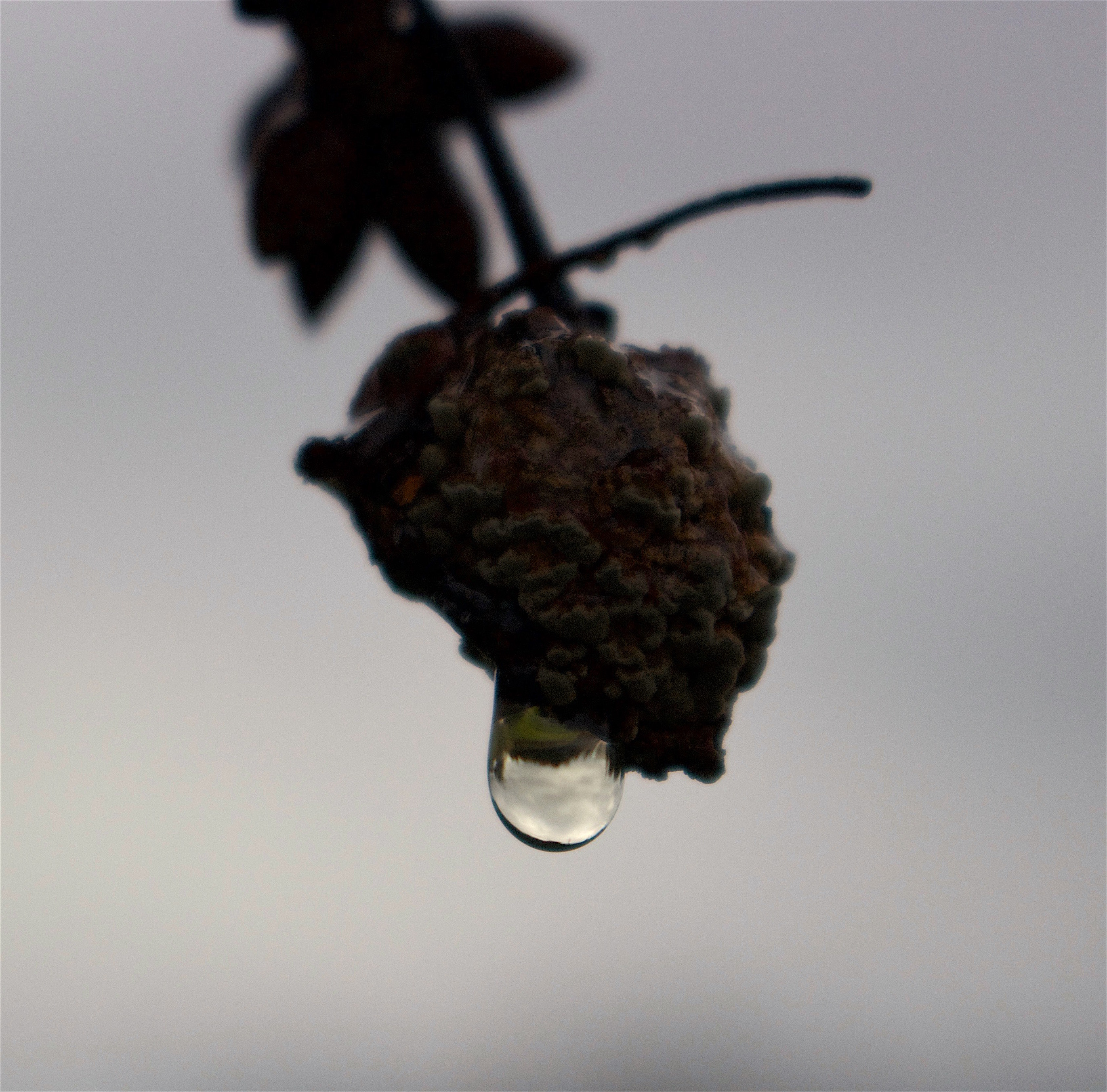
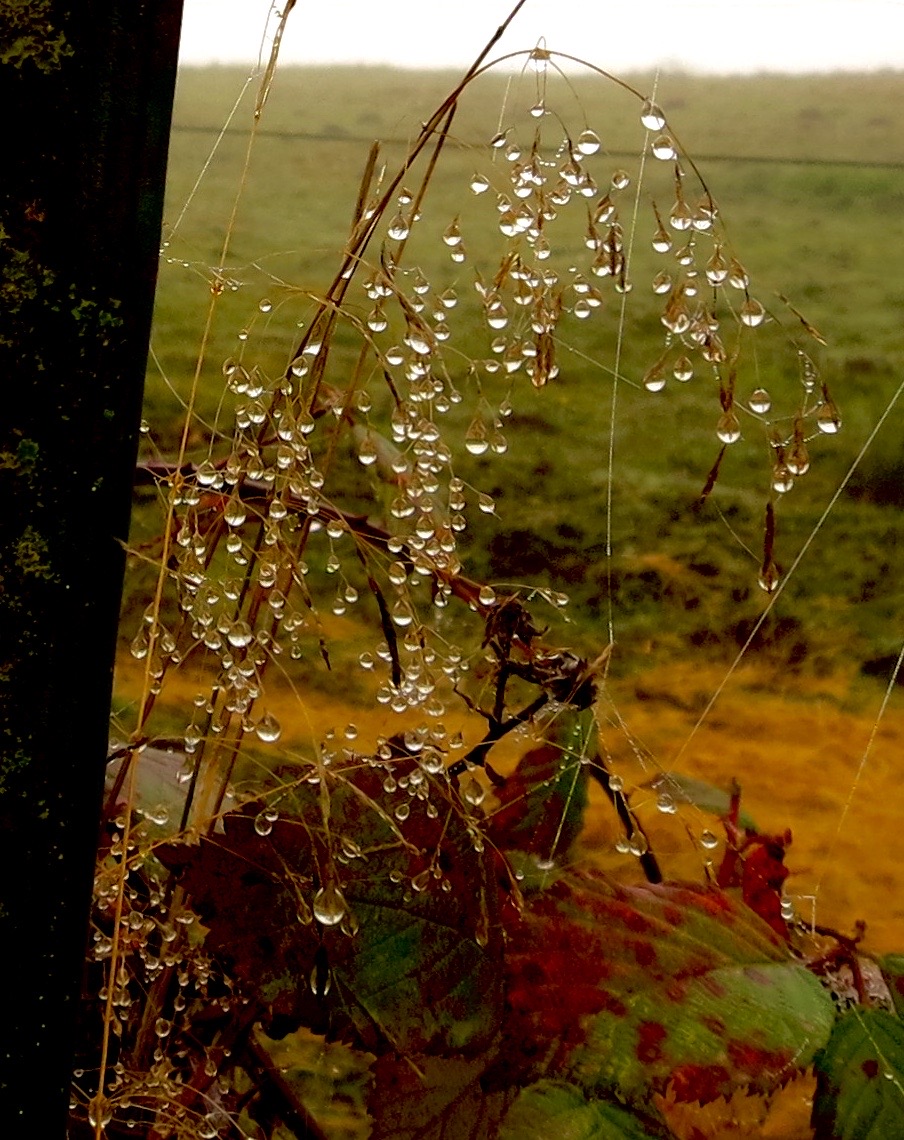
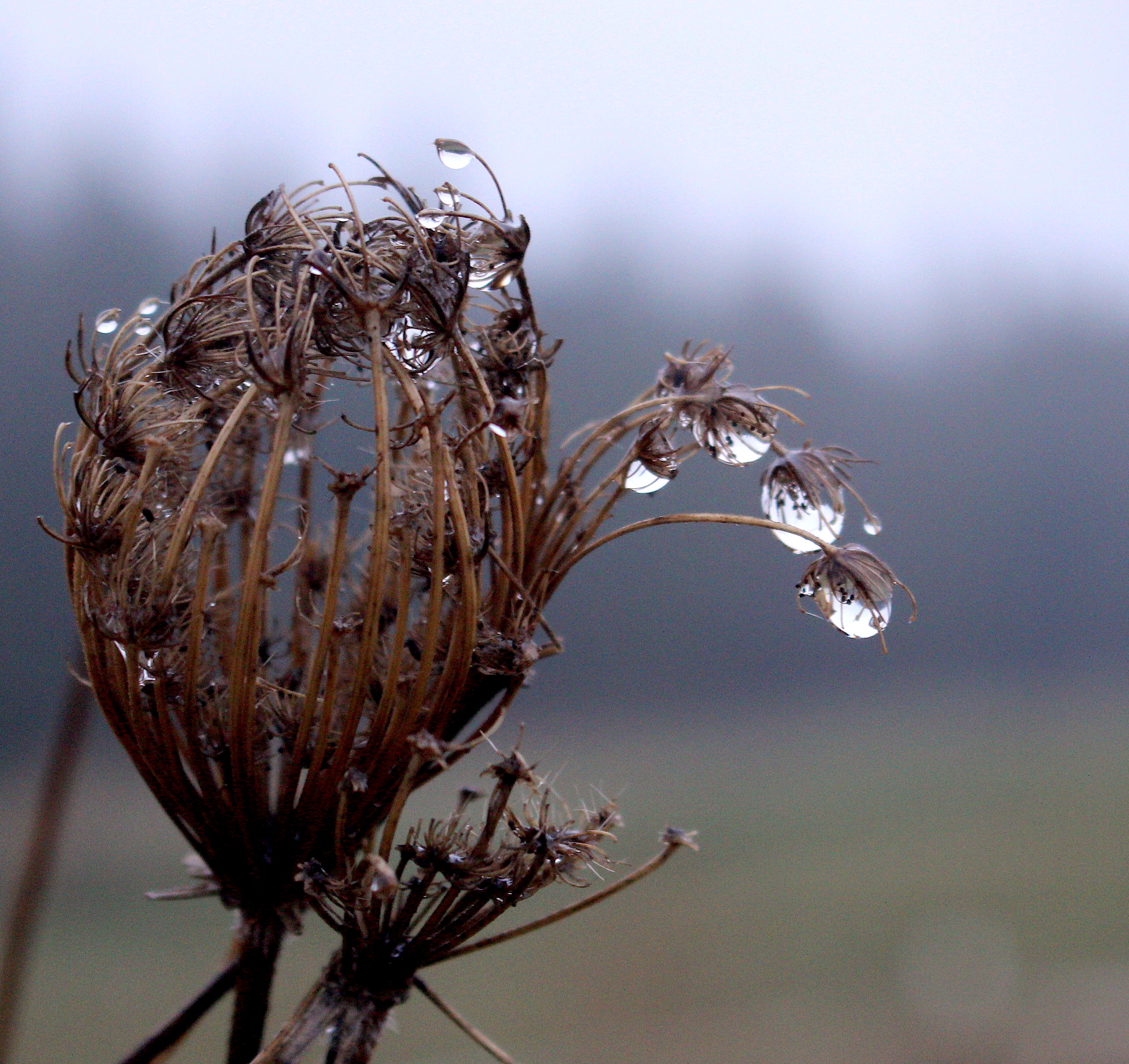
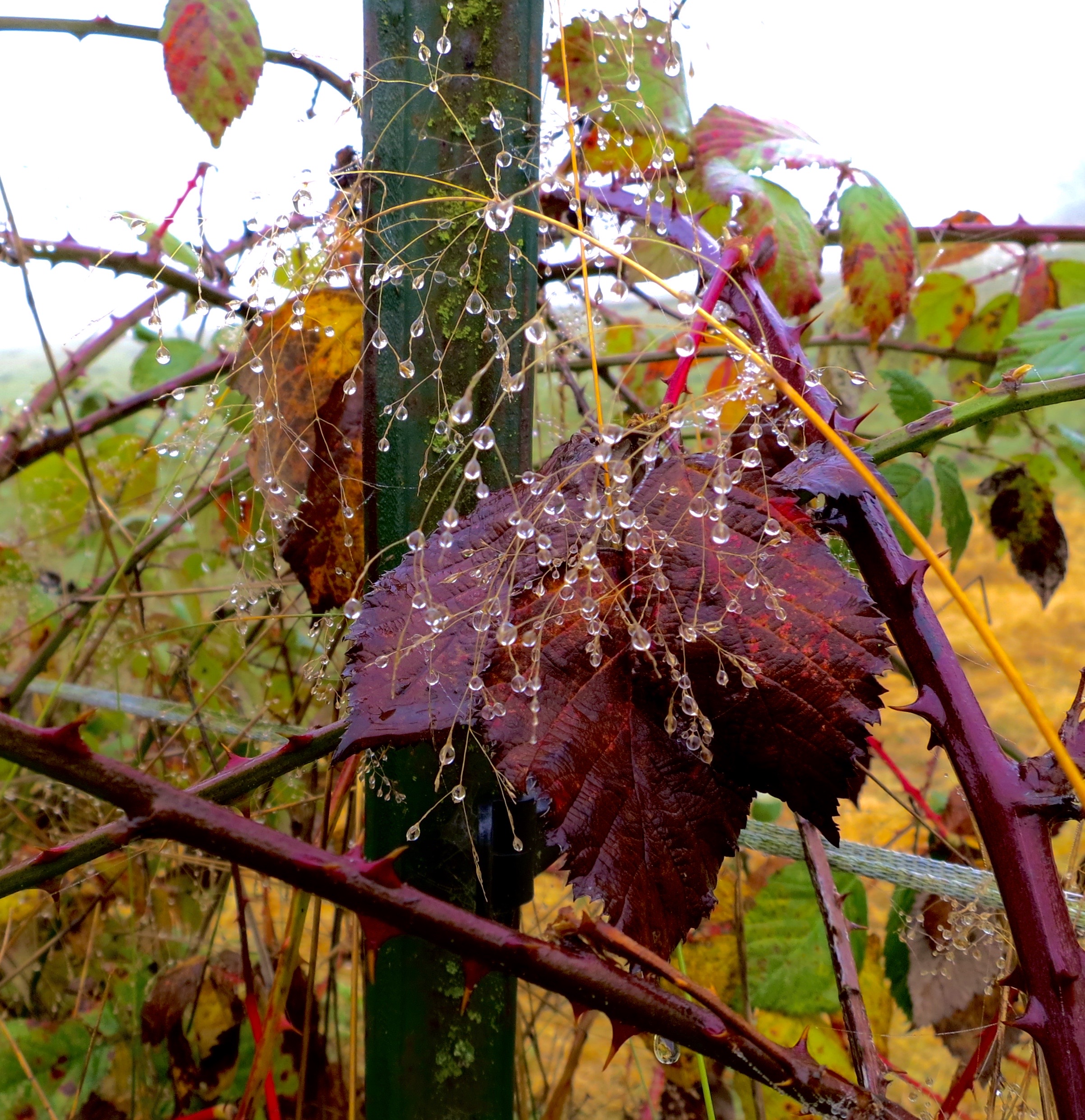
We are back to rainy season – a relief in so many ways – no dust, no fire threat, the perking up of all that appeared dead and dying — yet it means being covered by a gray blanket through most days and nights.

When sunlight sneaks through the clouds, even briefly, the world is transformed with its jewelry. Raindrops, having fallen from where light dwells, are suspended illumination, bringing the sun closer to us a million times over.

I welcome the light to keep its constant drip into my life, drop by drop by glorious drop.

A Foot in the Door

Overnight, very
Whitely, discreetly,
Very quietly

Our toes, our noses
Take hold on the loam,
Acquire the air. 

Nobody sees us,
Stops us, betrays us;
The small grains make roo
m.

Soft fists insist on
Heaving the needles,
The leafy bedding,

Even the paving.
Our hammers, our rams,
Earless and eyeless,

Perfectly voiceless,
Widen the crannies,
Shoulder through holes. We

Diet on water,
On crumbs of shadow,
Bland-mannered, asking

Little or nothing.
So many of us!
So many of us!

We are shelves, we are
Tables, we are meek,
We are edible,

Nudgers and shovers
In spite of ourselves
Our kind multiplies

We shall by morning
Inherit the earth. 
Our foot’s in the door.
~Sylvia Plath from “Mushroom”

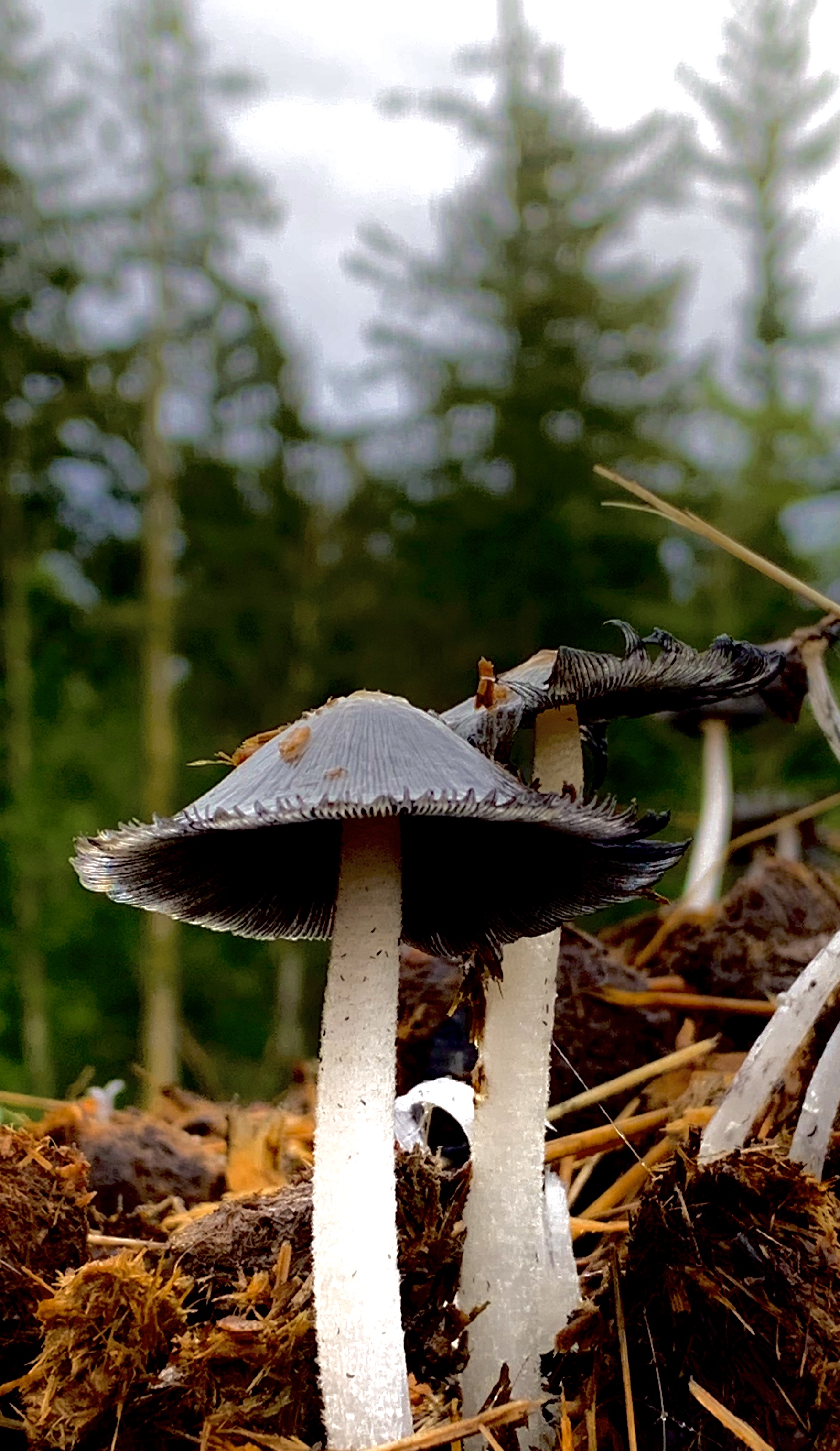
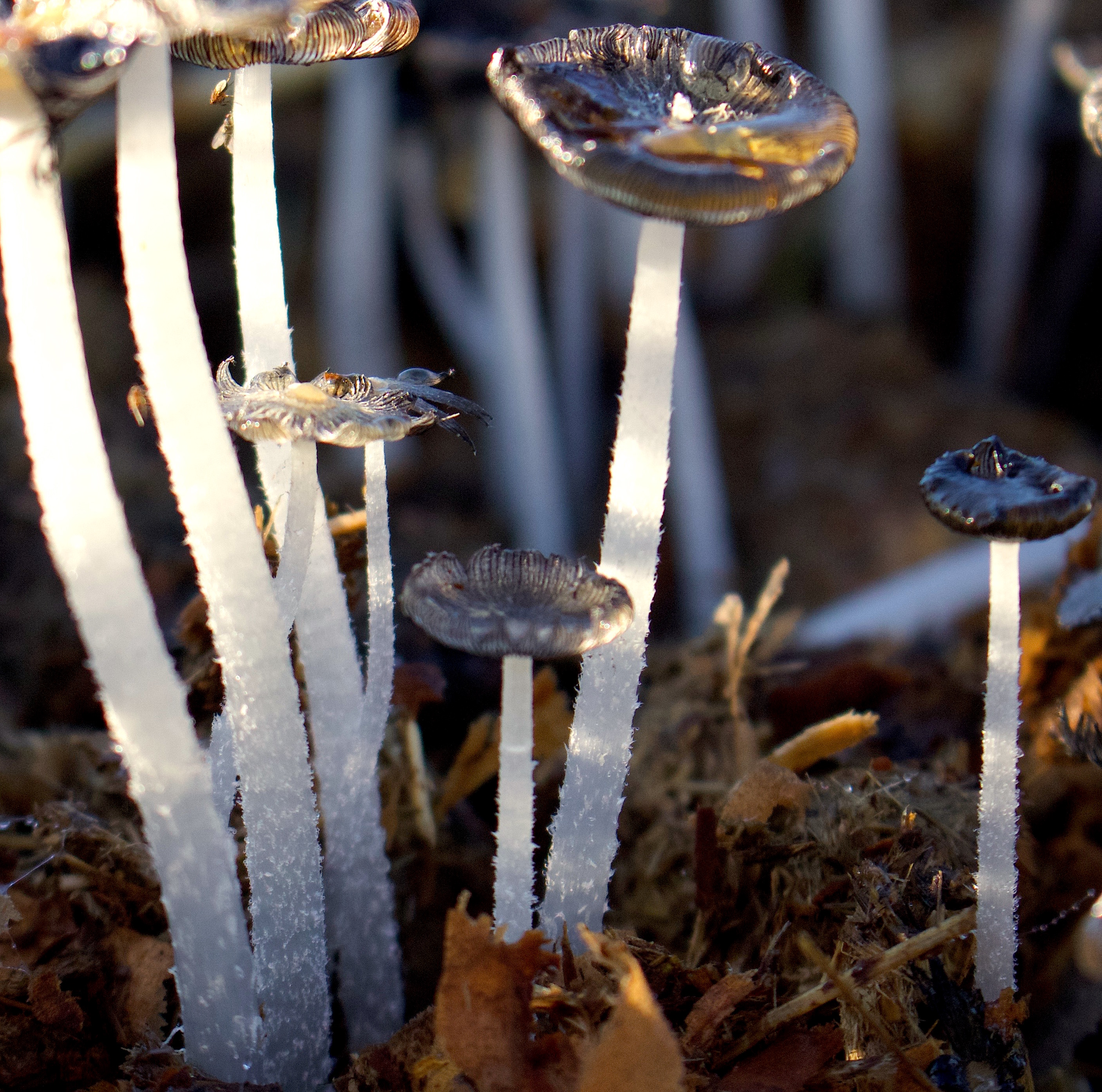
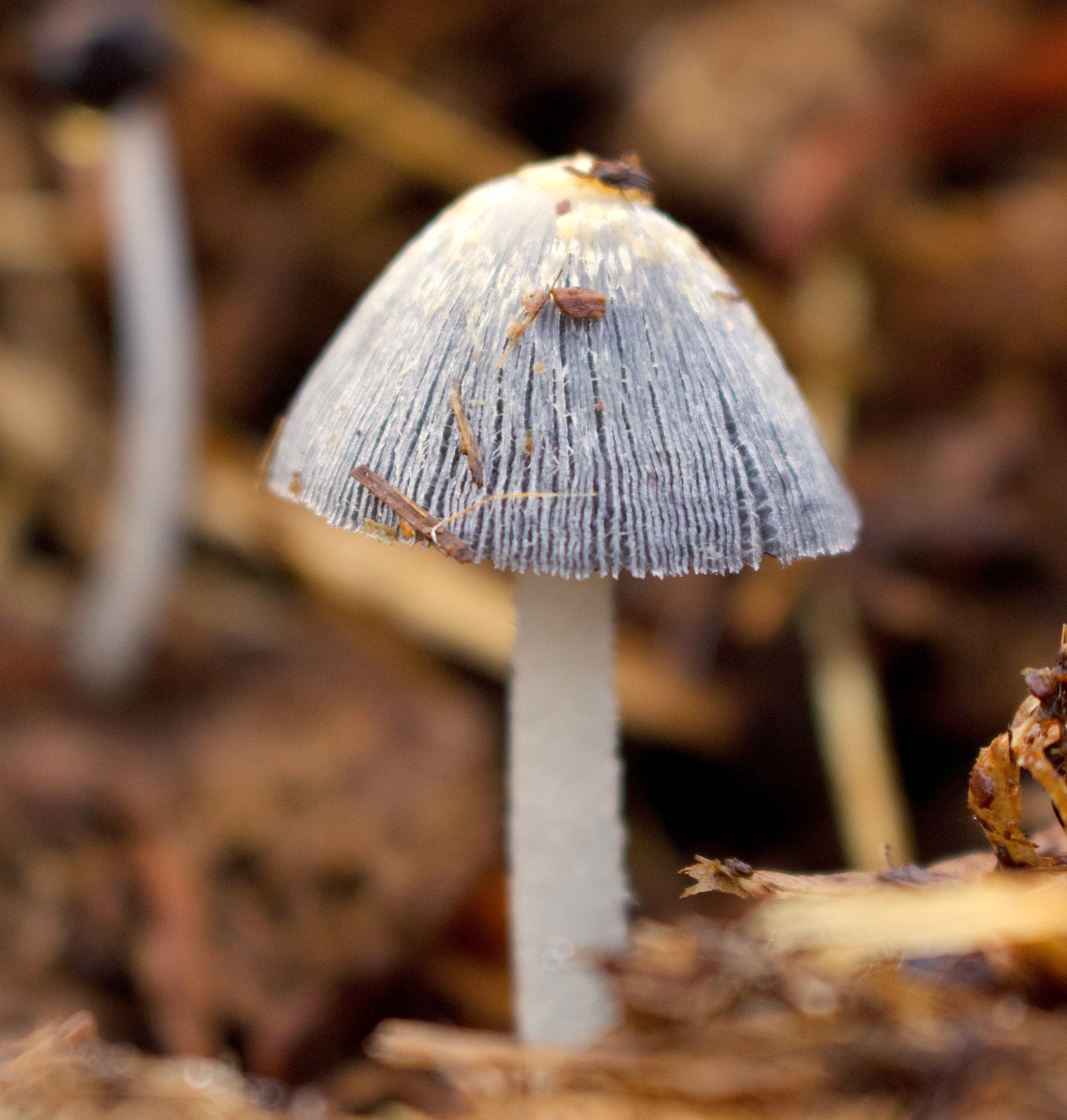
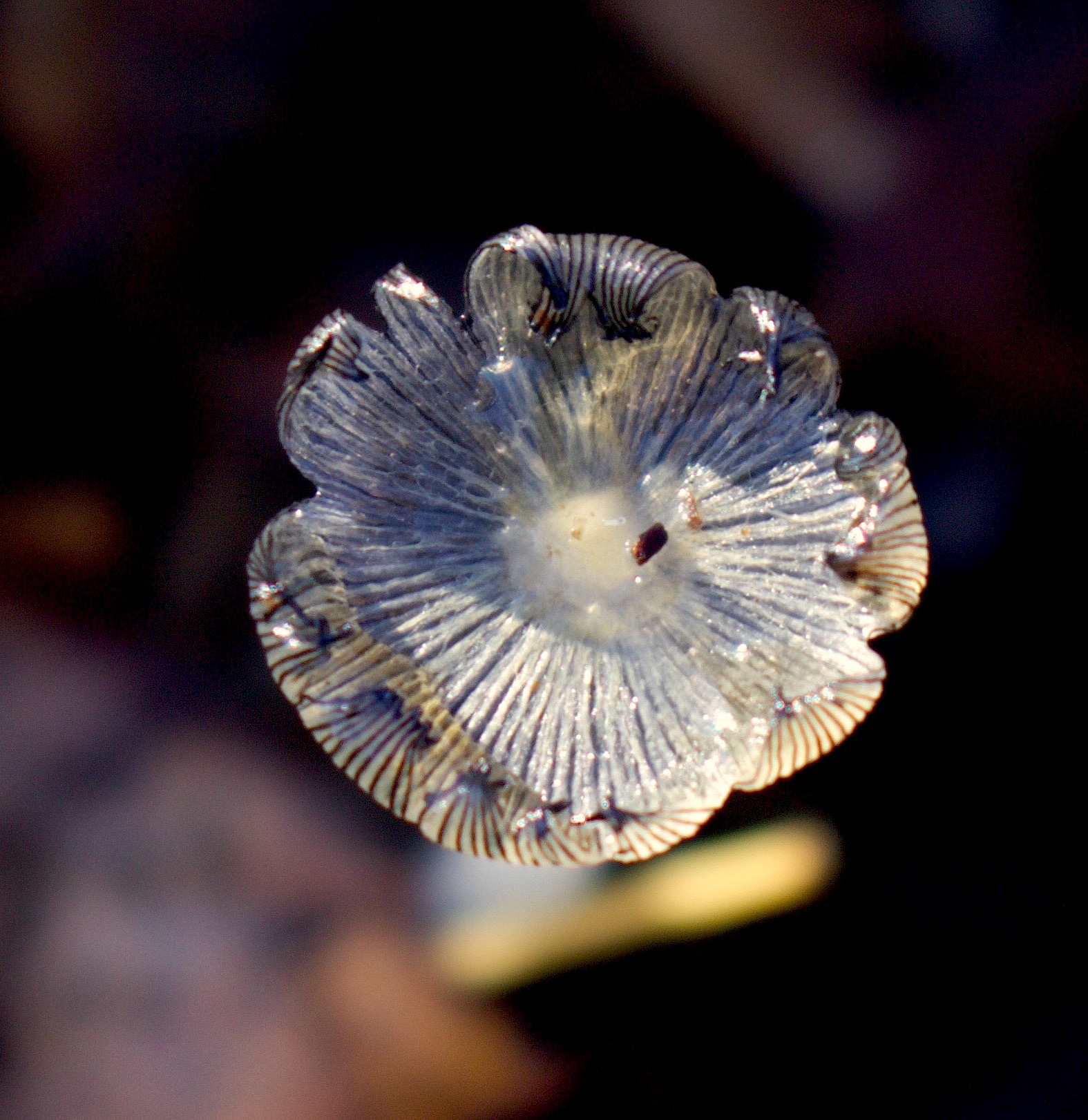
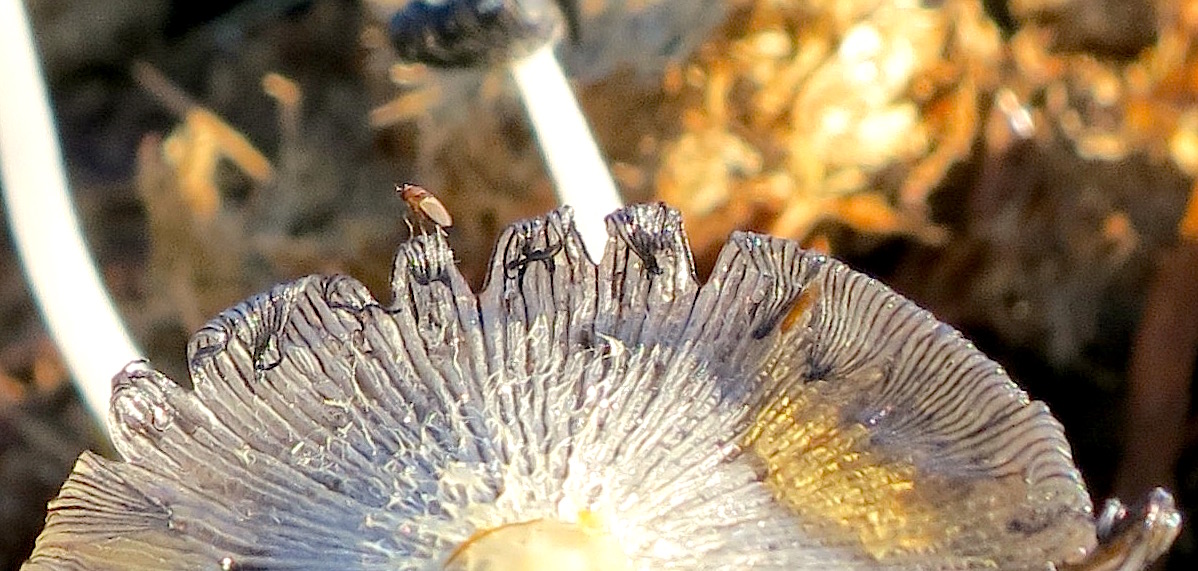
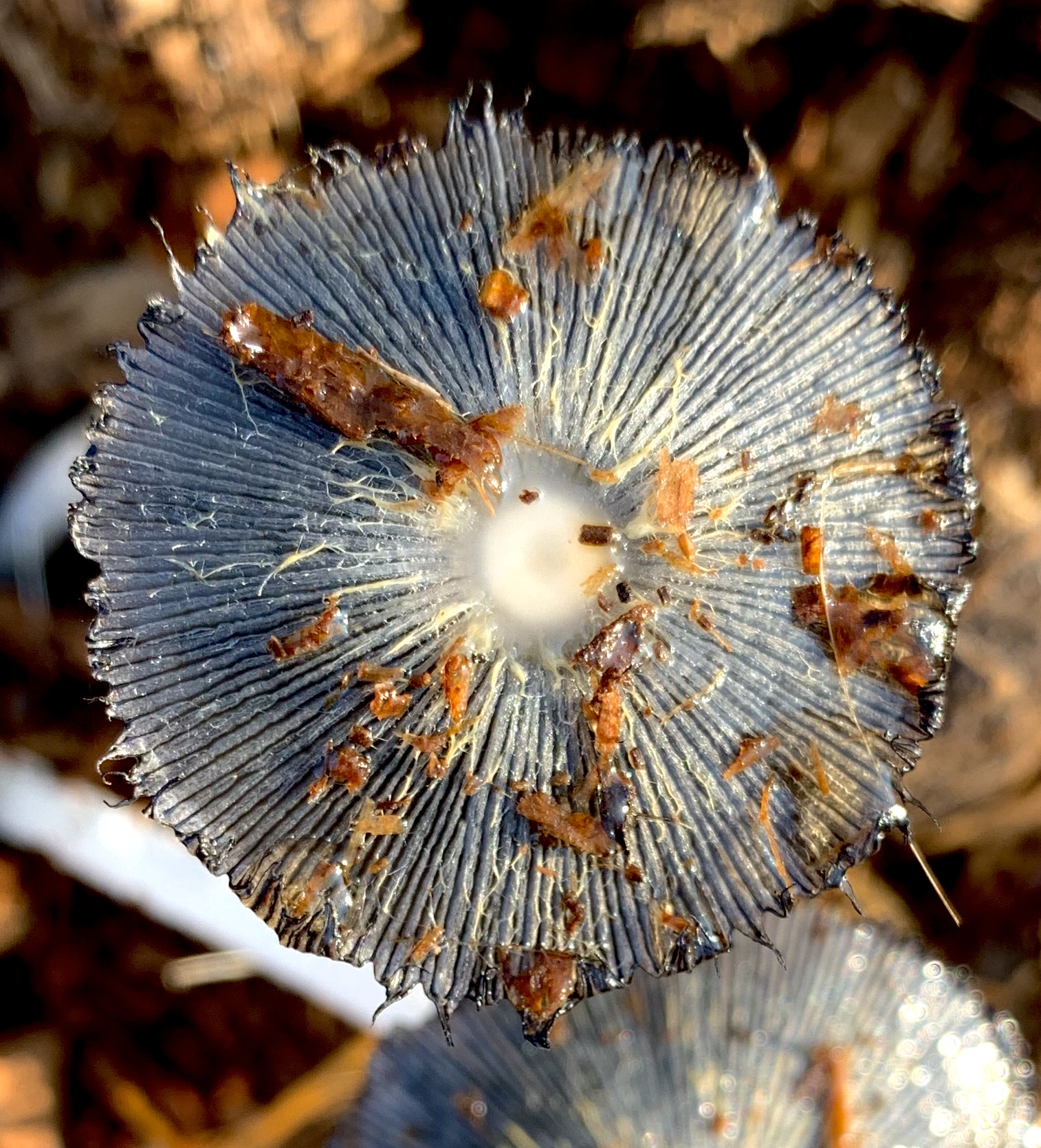
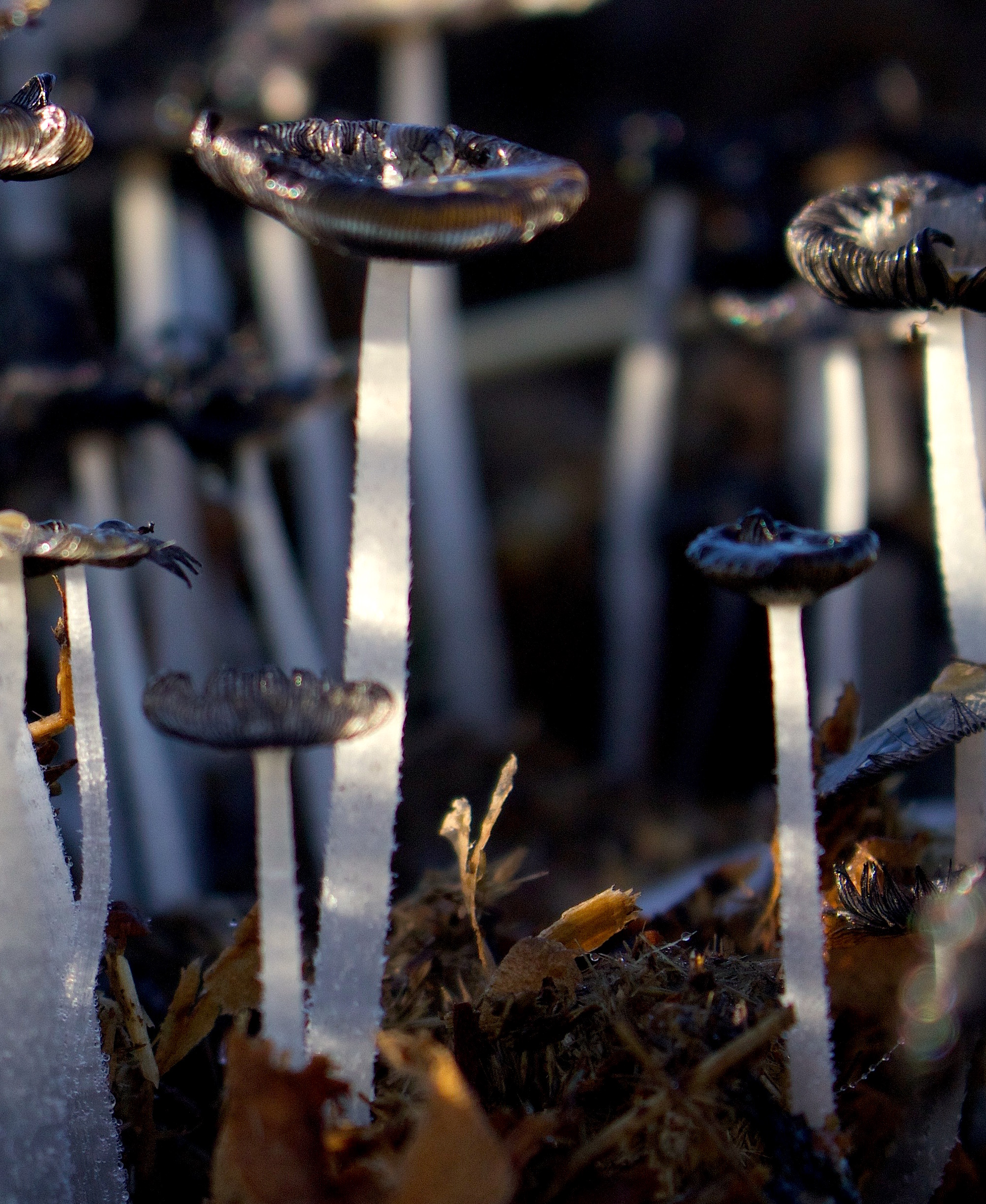
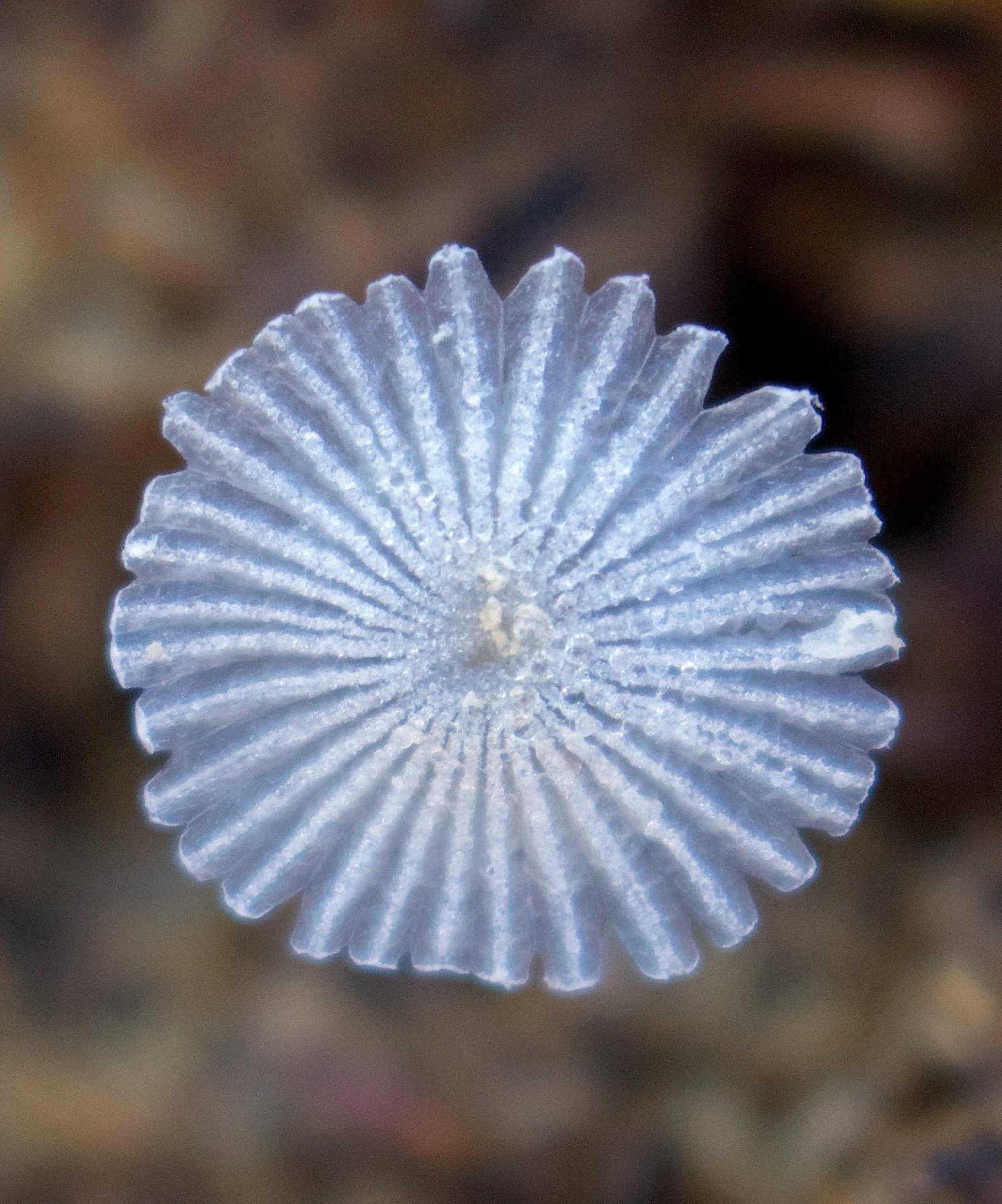
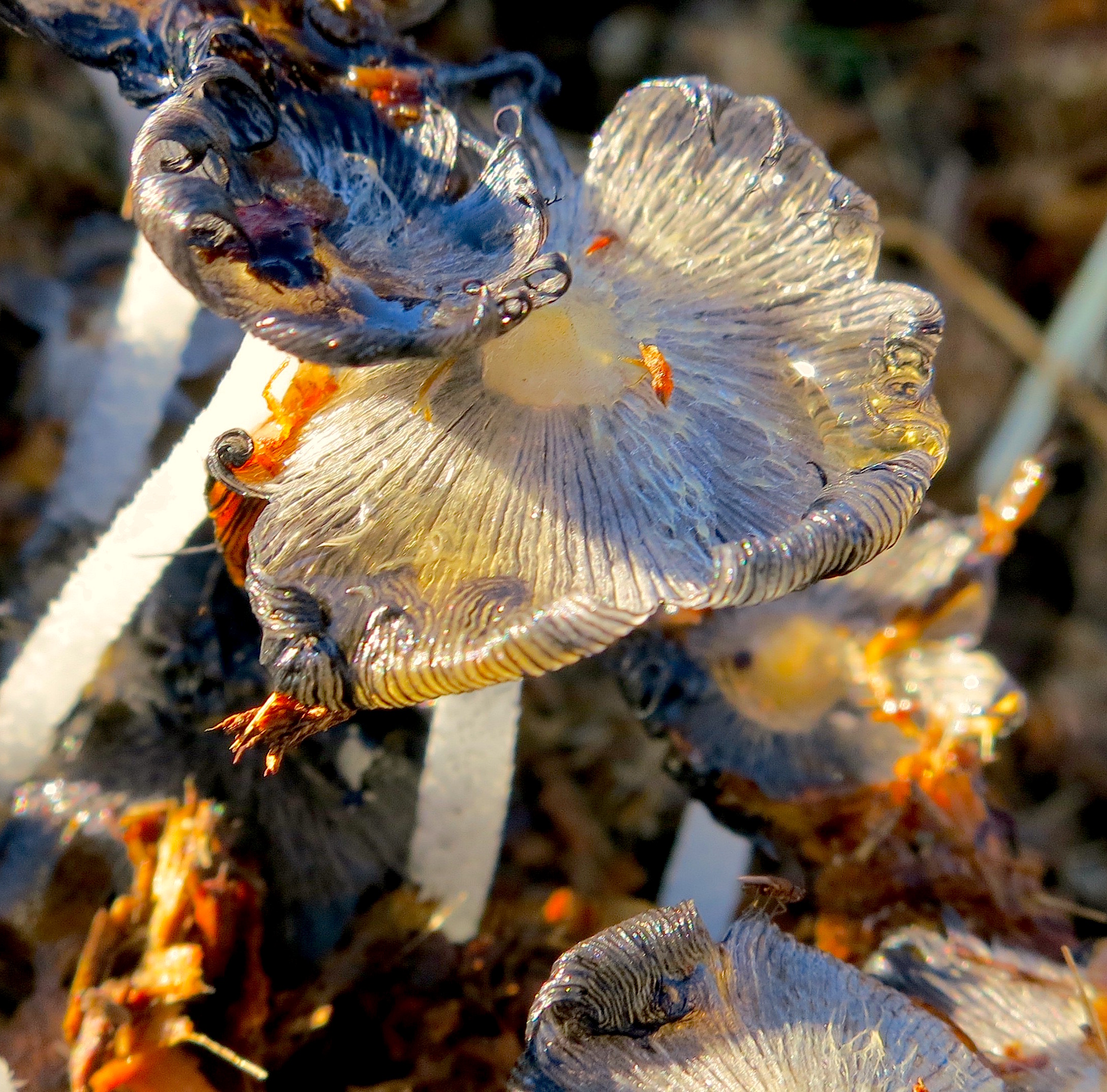
This overnight overture into the light,
a parturition of “ink caps” after a shower.
As if seed had been sprinkled on the manure pile,
they sprout three inch stalks
still stretching at dawn,
topped by dew-catching caps and umbrellas.

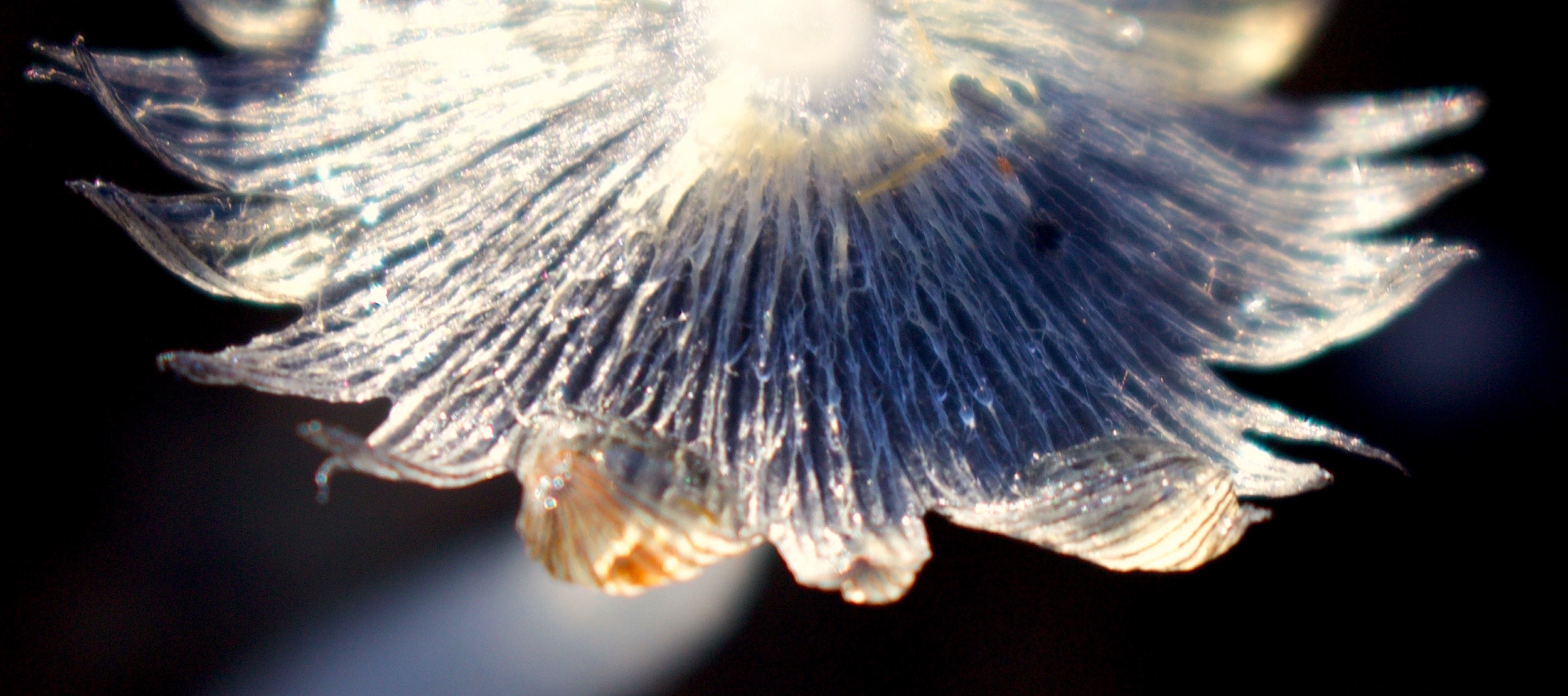
Nearly translucent as glass,
already curling at the edges in the morning light,
by noon melting into ooze
by evening complete deliquescence,
withered and curling back
into the humus
which birthed them hours before.

It shall be repeated
again and again,
this birth from unworthy soil,
this brief and shining life in the sun,
this folding, curling and collapse
to die back to dust and dung.

Inedible, yet so Chrisincredible,
they rise beautiful
and worthy
as is the way of things
that never give up
once a foot’s in the door.