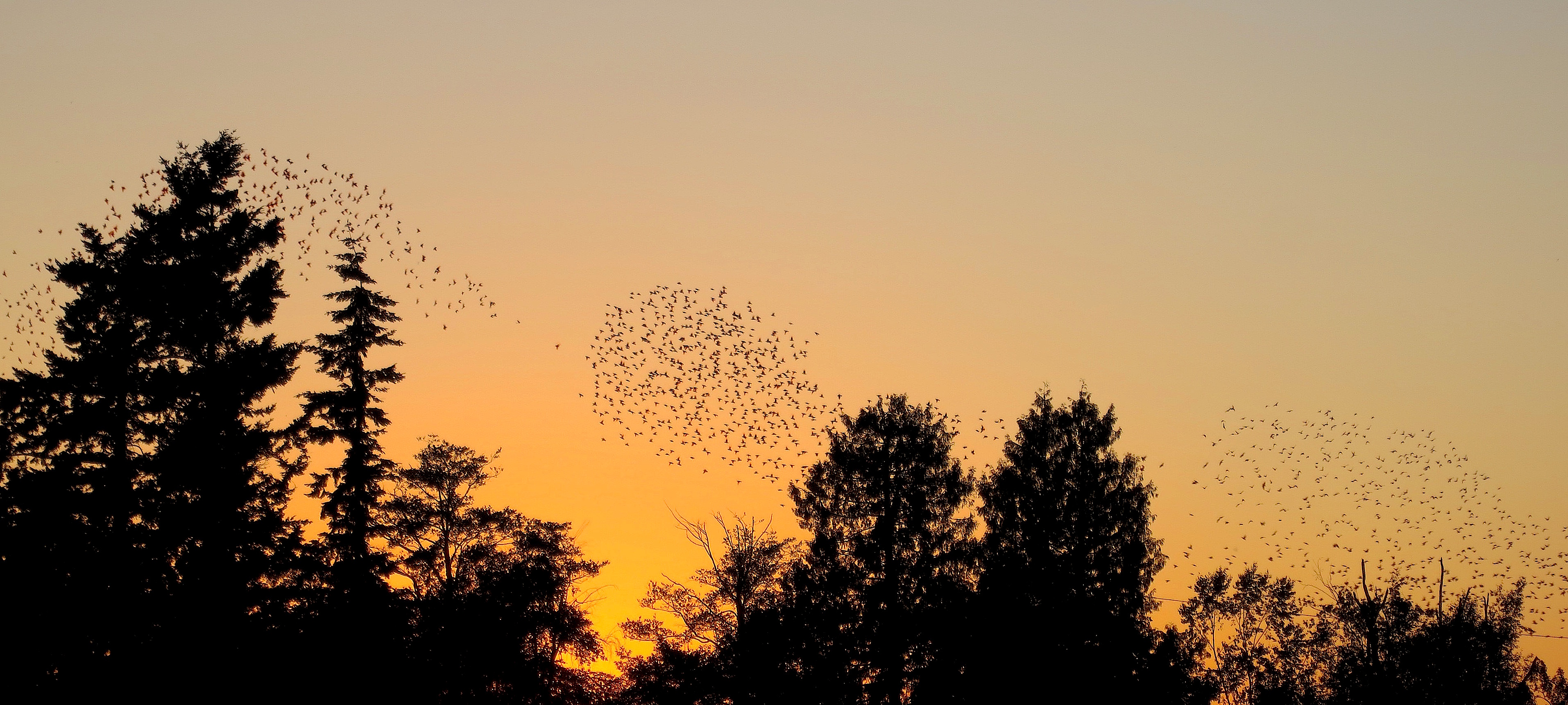
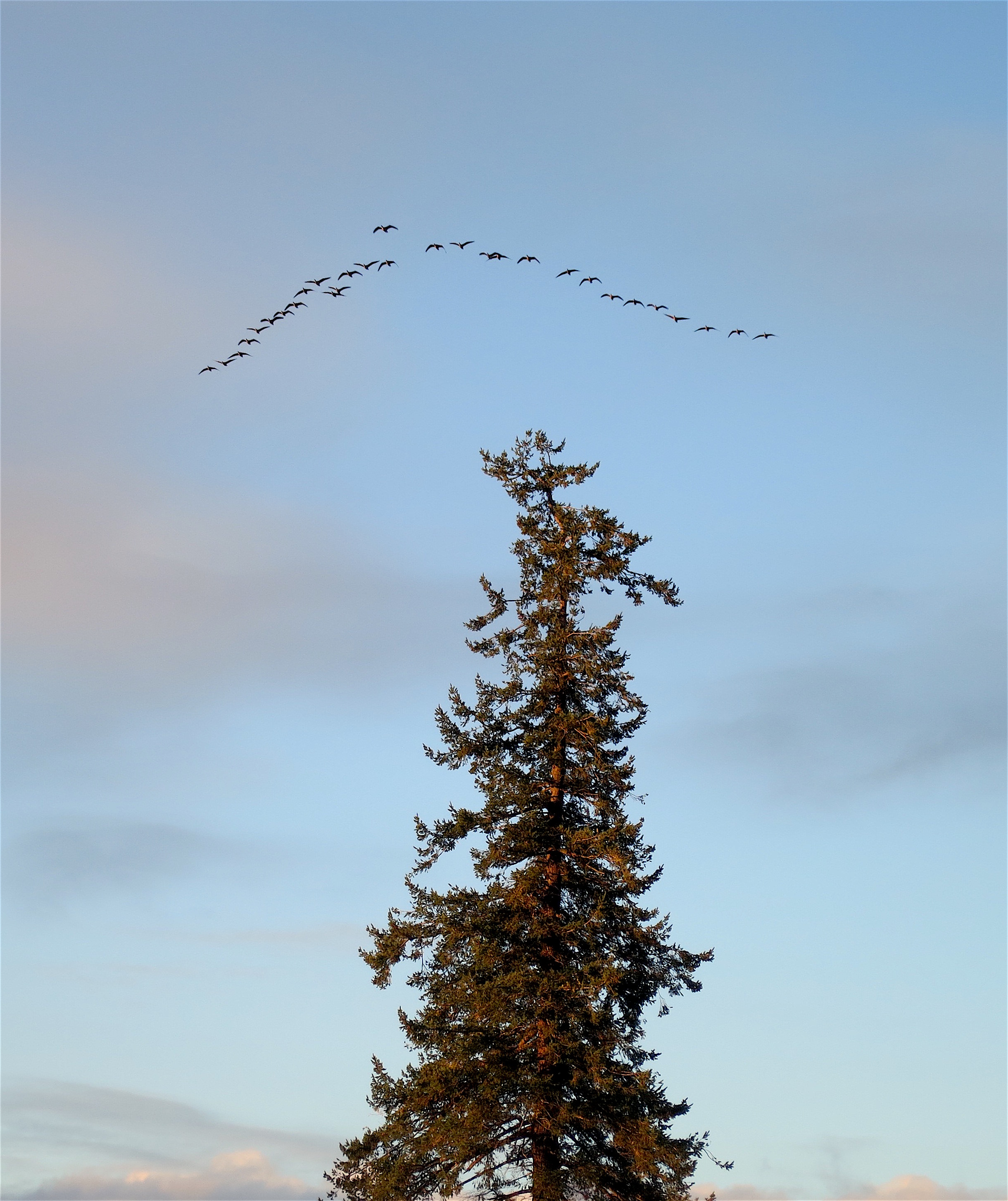
Gold of a ripe oat straw, gold of a southwest moon, What is there for you in the birds, the birds, the birds, crying down on the north wind in September, acres of birds spotting the air going south?
Is there something finished? And some new beginning on the way?
I cried over beautiful things knowing no beautiful thing lasts. ~Carl Sandburg from “Fall Time” and “Autumn Movement”
My summer of “no doctoring” finishes today. I return to part-time clinical work tomorrow; a new beginning is on the way.
I am readying myself.
I consider how it will feel to put the stethoscope back on and return to spending most of my daylight hours in window-less rooms. Several months of freedom to wander and wonder will be tough to give up.
However, when I meet my first patient of the day, I’m “all in.” Someone is needing my help more than I need time off. The wind has shifted, it is time to migrate back to the work I was called to do over forty years ago.
Still I will look for beautiful things where I can find them, knowing that even though they don’t last, they will always be well worth the weeping.
What I remember is the ebb and flow of sound That summer morning as the mower came and went And came again, crescendo and diminuendo, And always when the sound was loudest how it ceased A moment while he backed the horses for the turn, The rapid clatter giving place to the slow click And the mower’s voice. That was the sound I listened for, The voice did what the horses did. It shared the action As sympathetic magic does or incantation. The voice hauled and the horses hauled. The strength of one Was in the other and in the strength was impatience. Over and over as the mower made his rounds I heard his voice and only once or twice he backed And turned and went ahead and spoke no word at all. ~Robert Francis “The Sound I Listened For” from Collected Poems
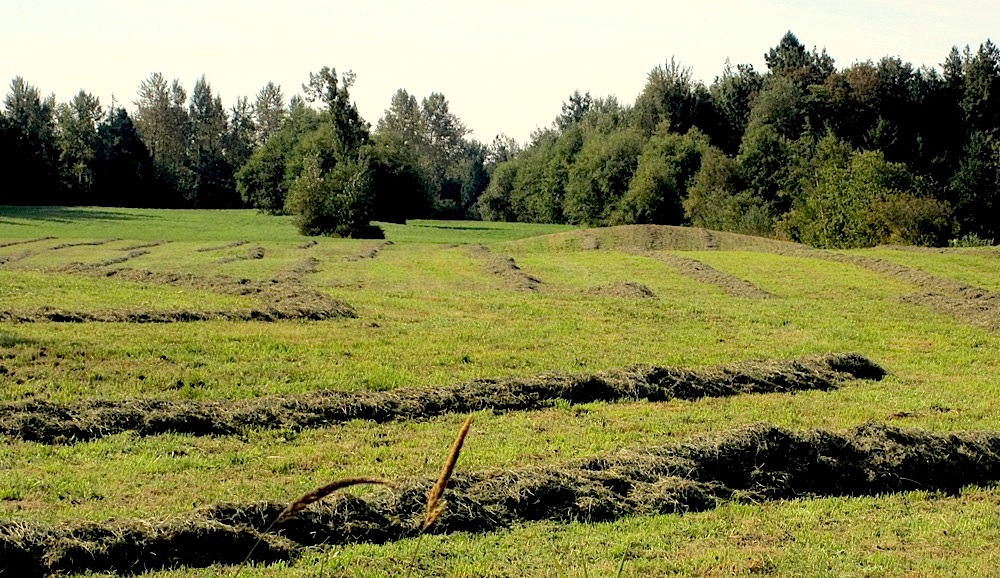
In the rural countryside where we live, we’ve been fortunate enough to know people who still dabble in horse farming, whose draft teams are hitched to plows and mowers and manure spreaders as they head out to the fields to recapture the past and experience working the land in a way that honors the traditions of our forebears.
A good teamster primarily works with his horses using his voice. No diesel engine means hearing bird calls from the surrounding fields and woods, along with the steady footfall of the horses, the harness chains jingling, the leather straps creaking, the machinery shushing quietly as gears turn and grass lays over in submission. No ear protection is needed. There is no clock needed to pace the day.
There is a rhythm of nurture when animals instead of motors are part of the work day. The gauge for taking a break is the amount of foamy sweat on the horses and how fast they are breathing — time to stop and take a breather, time to start back up and do a few more rows, time to water, time for a meal, time for a nap, time for a rest in a shady spot.
This is gentle use of the land with four footed stewards who deposit right back to the soil the digested forage they have eaten only hours before. This is gentle to our ears and our souls, measuring the ebb and flow of sound and silence.
The horse-drawn field mower is a sound I listen for, if not next door then in my dreams.
Photo courtesy of Aaron JanickiPhoto courtesy of Aaron Janicki
Families will be singing in the fields. In their voices they will hear a music risen out of the ground. They will take nothing from the ground they will not return, whatever the grief at parting. Memory, native to this valley, will spread over it like a grove, and memory will grow into legend, legend into song, song into sacrament. The abundance of this place, the songs of its people and its birds, will be health and wisdom and indwelling light. ~Wendell Berry from “A Vision”
Into the rooms flow meadow airs, The warm farm baking smell’s blown round. Inside and out, and sky and ground Are much the same;
Now straightening from the flowery hay, Down the still light the mowers look, Or turn, because their dreaming shook, And they waked half to other days, When left alone in the yellow stubble The rusty-coated mare would graze. ~Léonie Adams from “Country Summer”
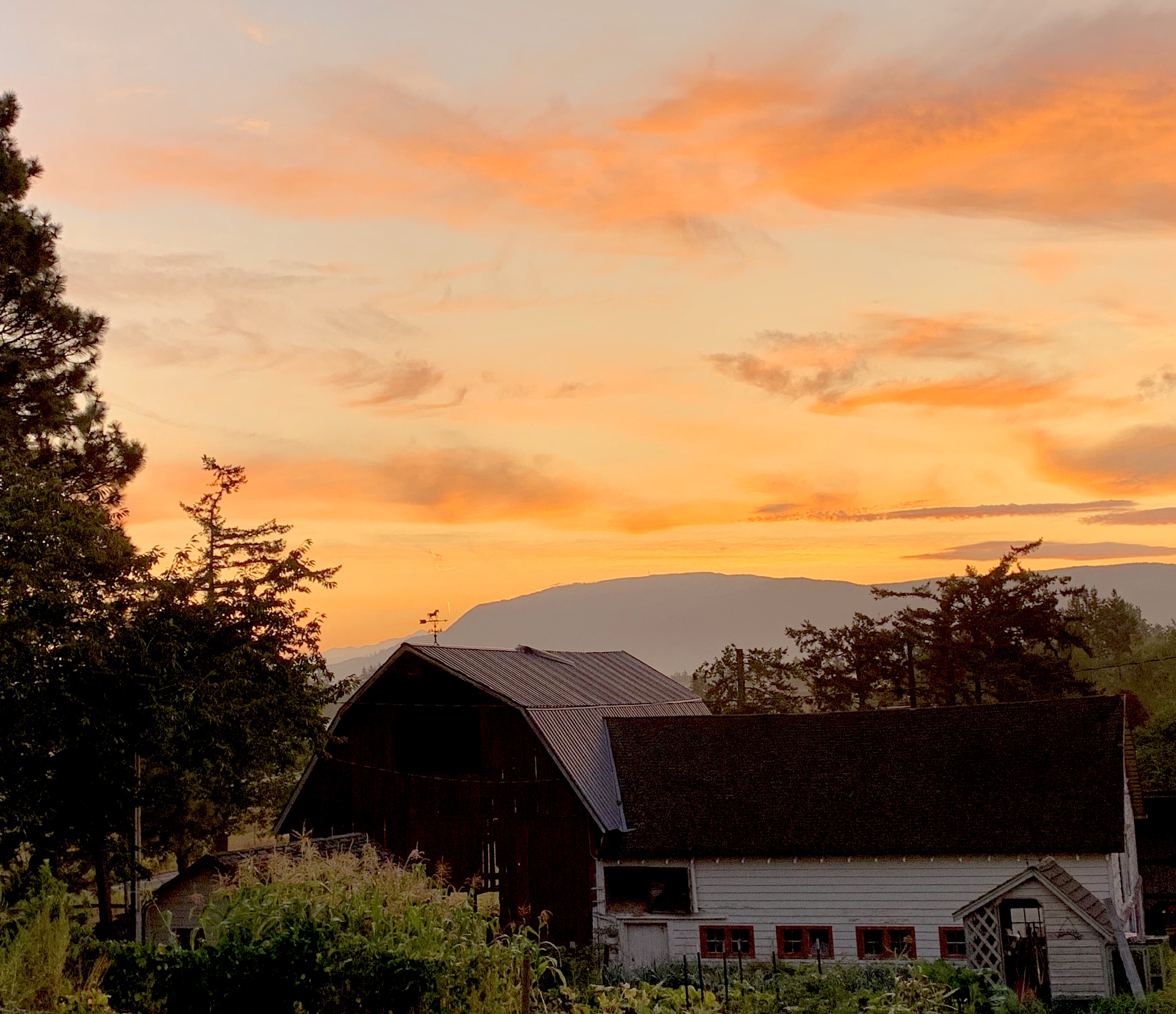
Most of the work on our farm involves the ground – whether plowing, seeding, fertilizing, mowing, harvesting – this soil lives and breathes as much as we creatures who walk over it and the plants which arise rooted to it.
Yes, there must be light. Yes, there must be moisture. Yes, there must be teeming worms and microbes deep within the dirt, digesting and aerating and thriving, leaving behind needed nutrients as they live and die.
And yes, we all become dust again, hopefully returning to the ground more than we have taken.
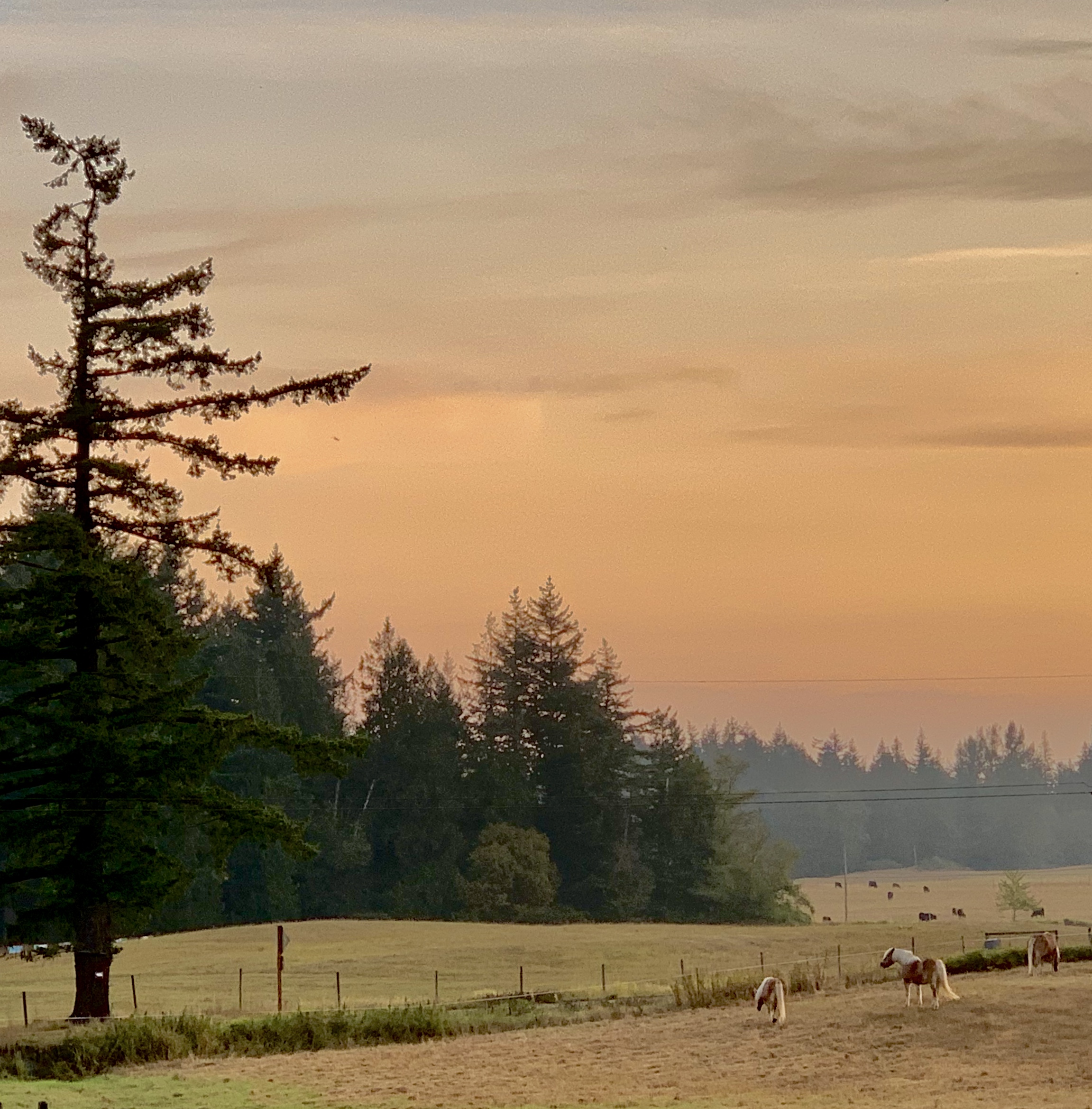
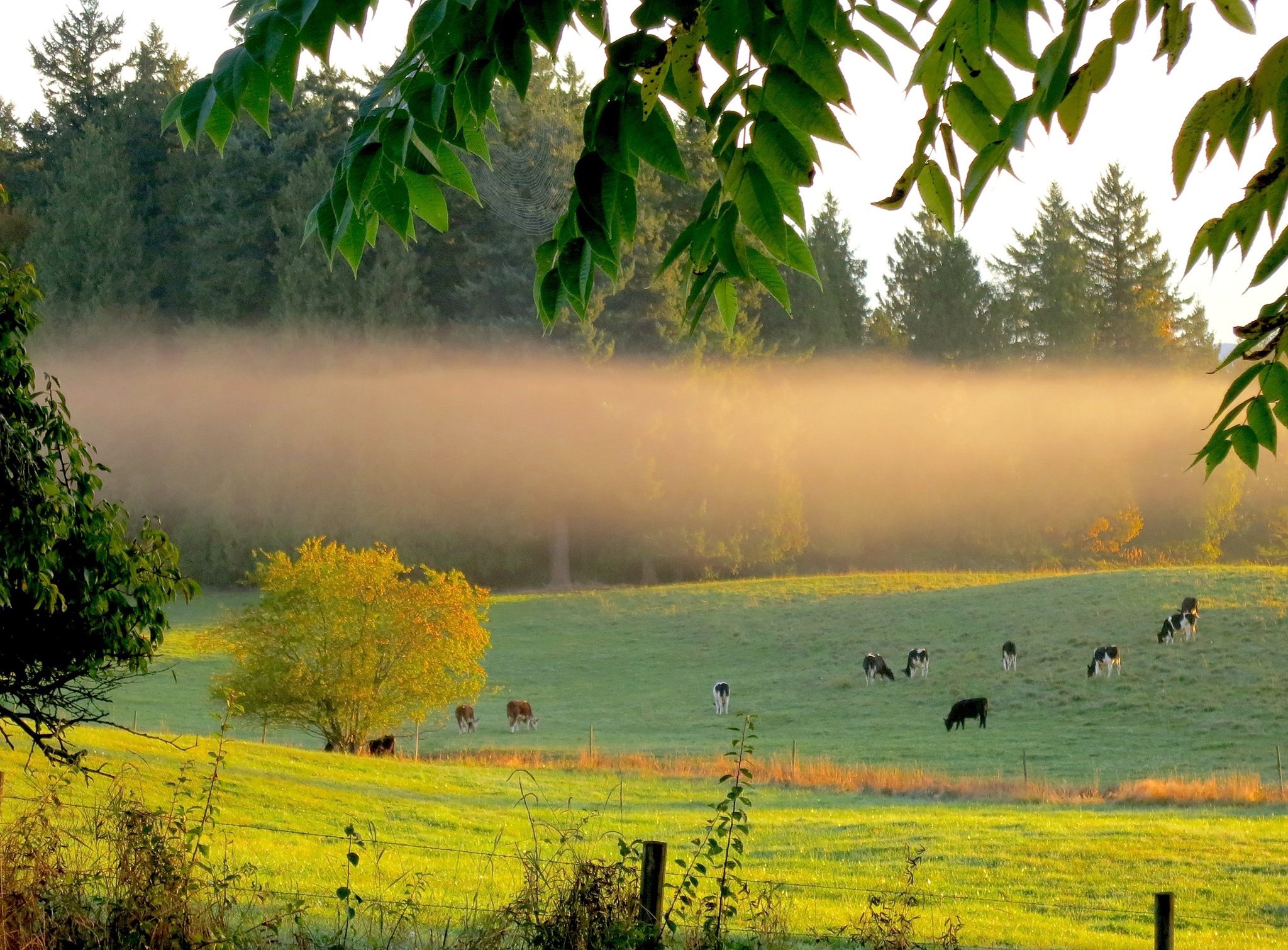
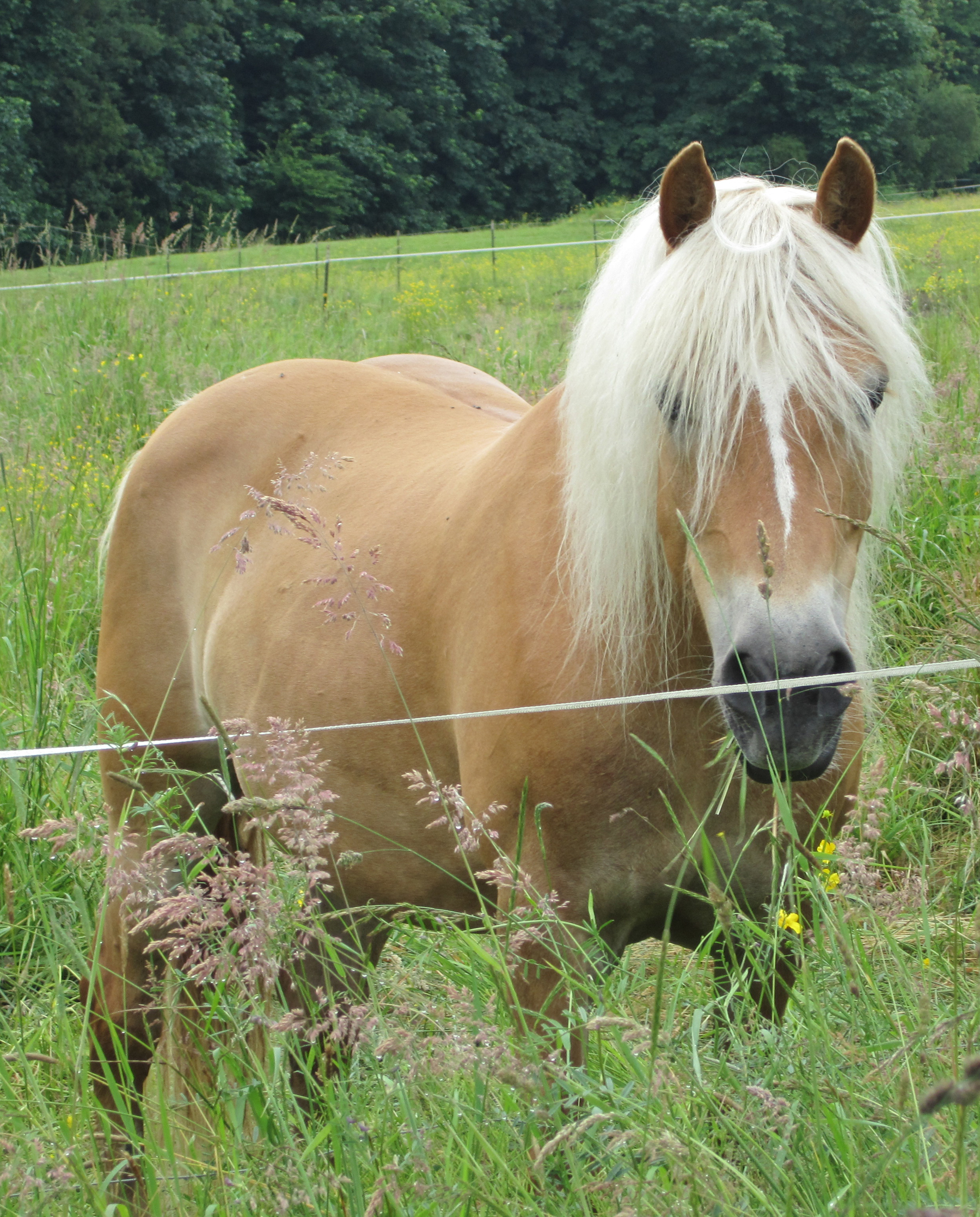
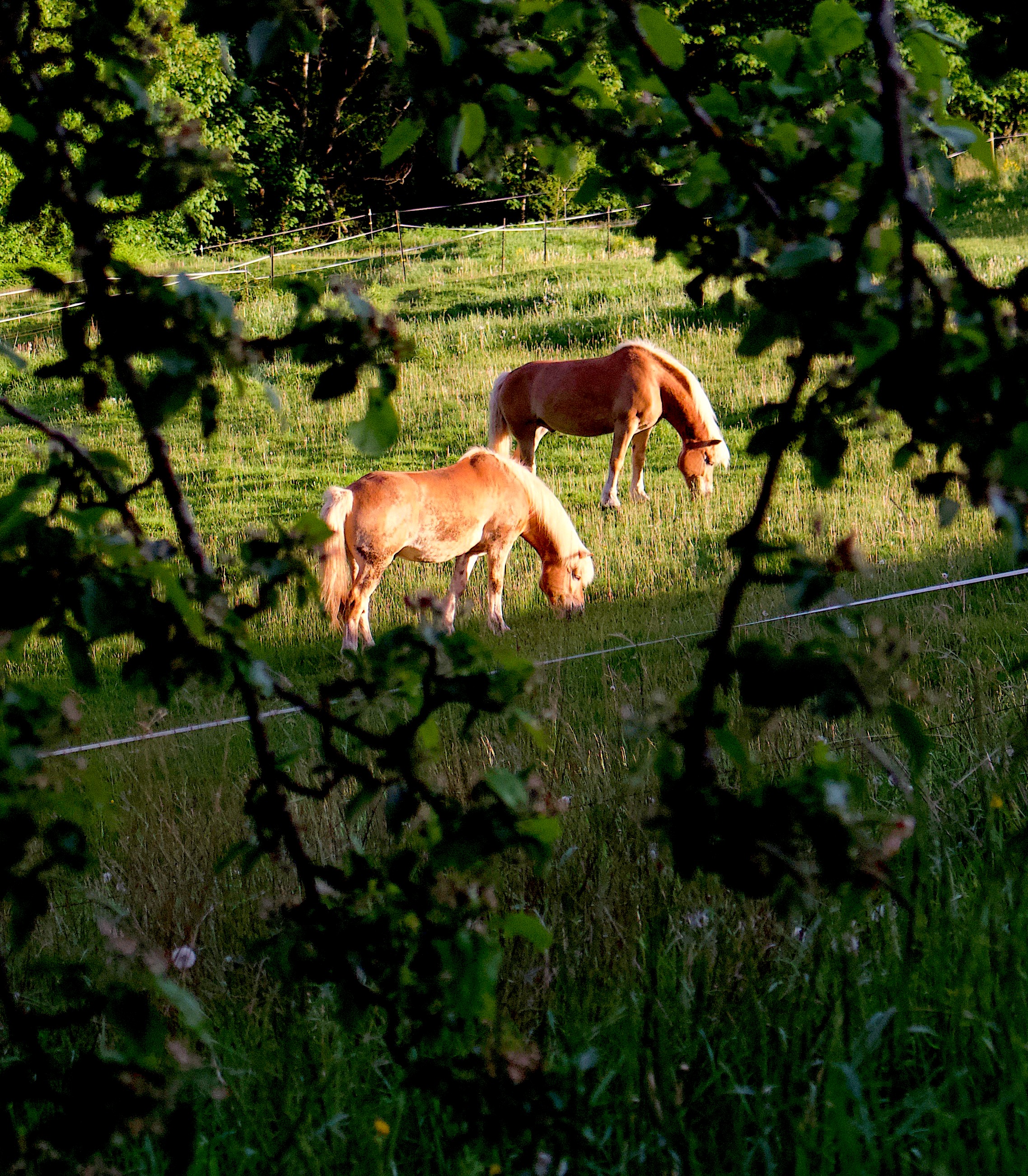
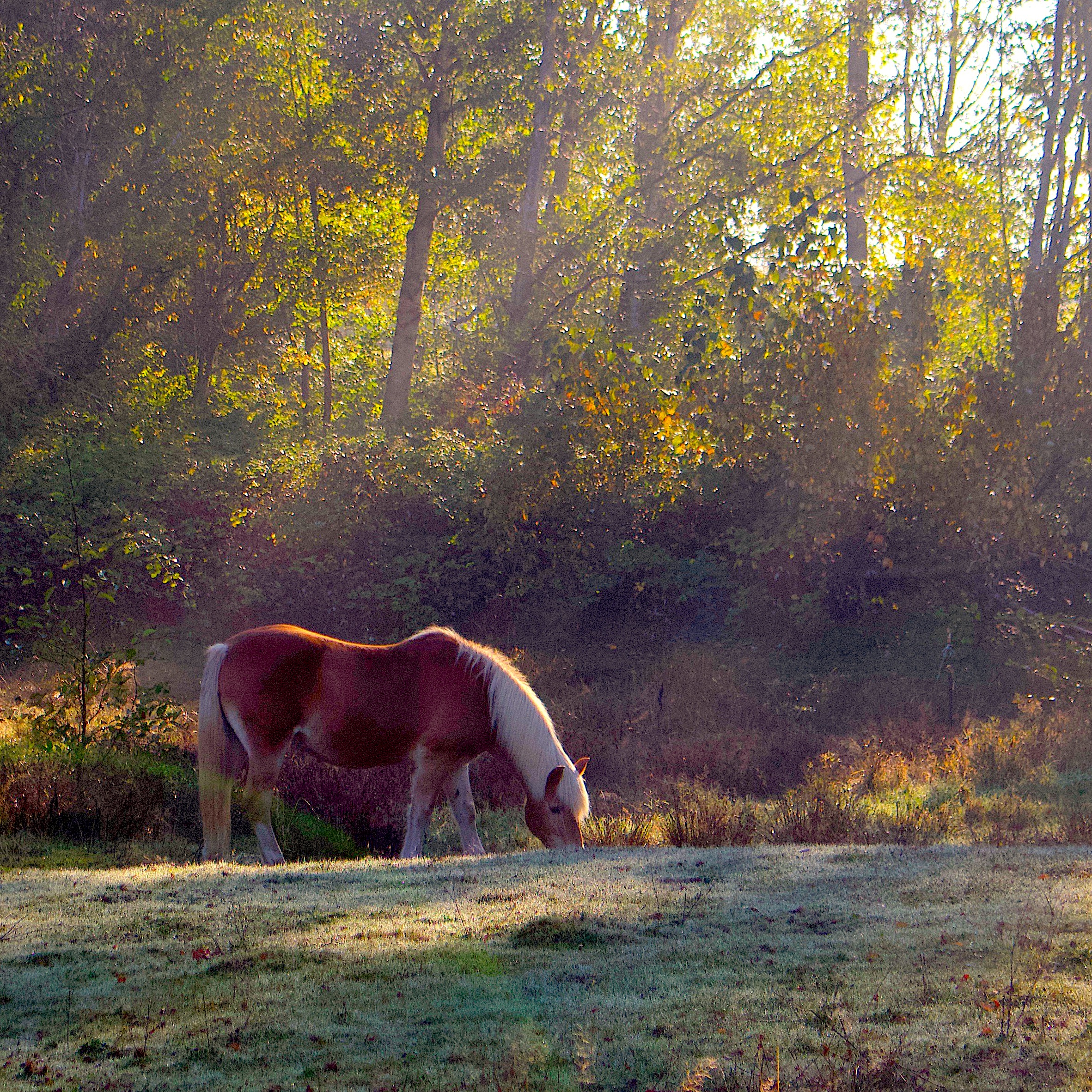
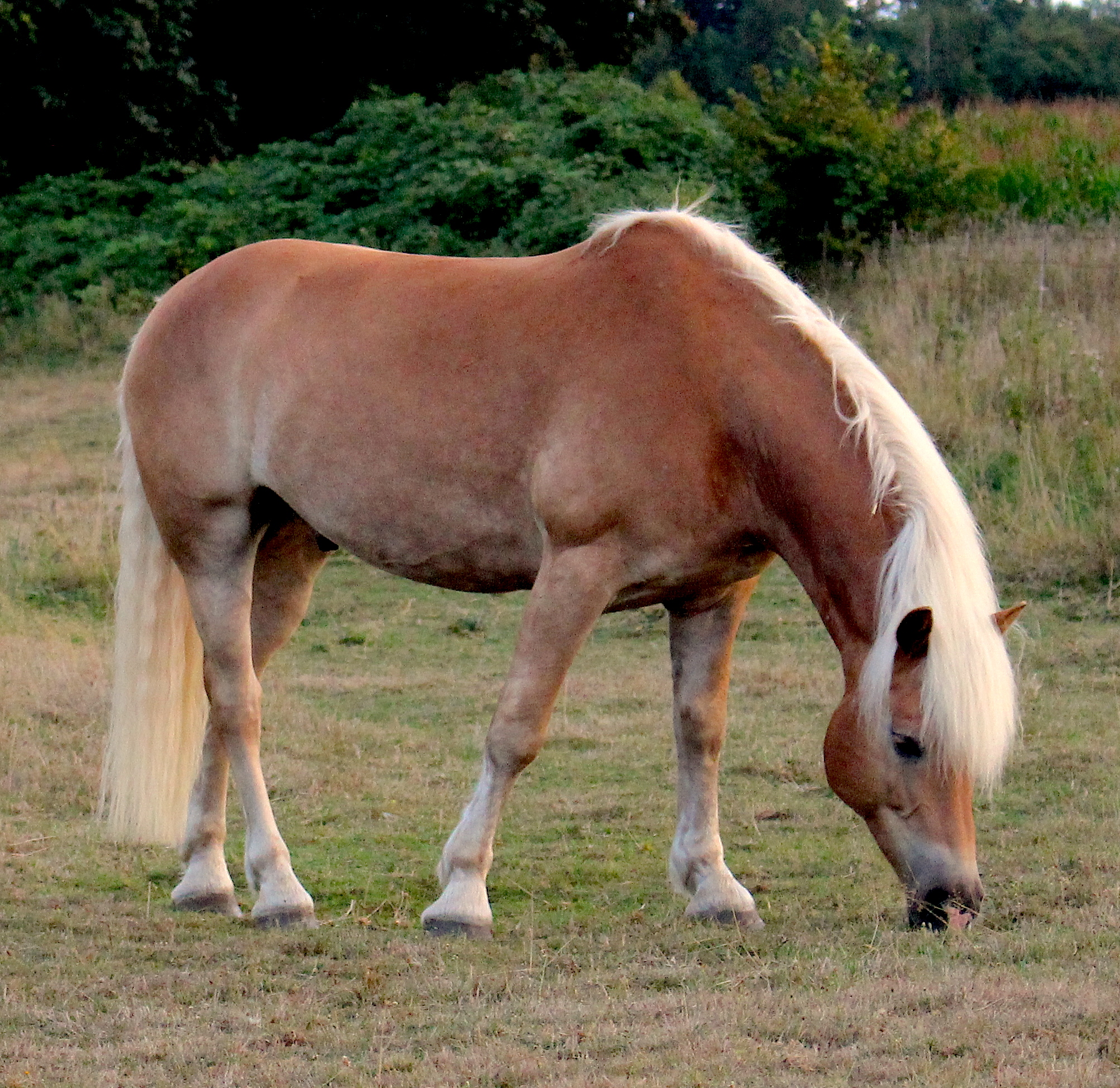
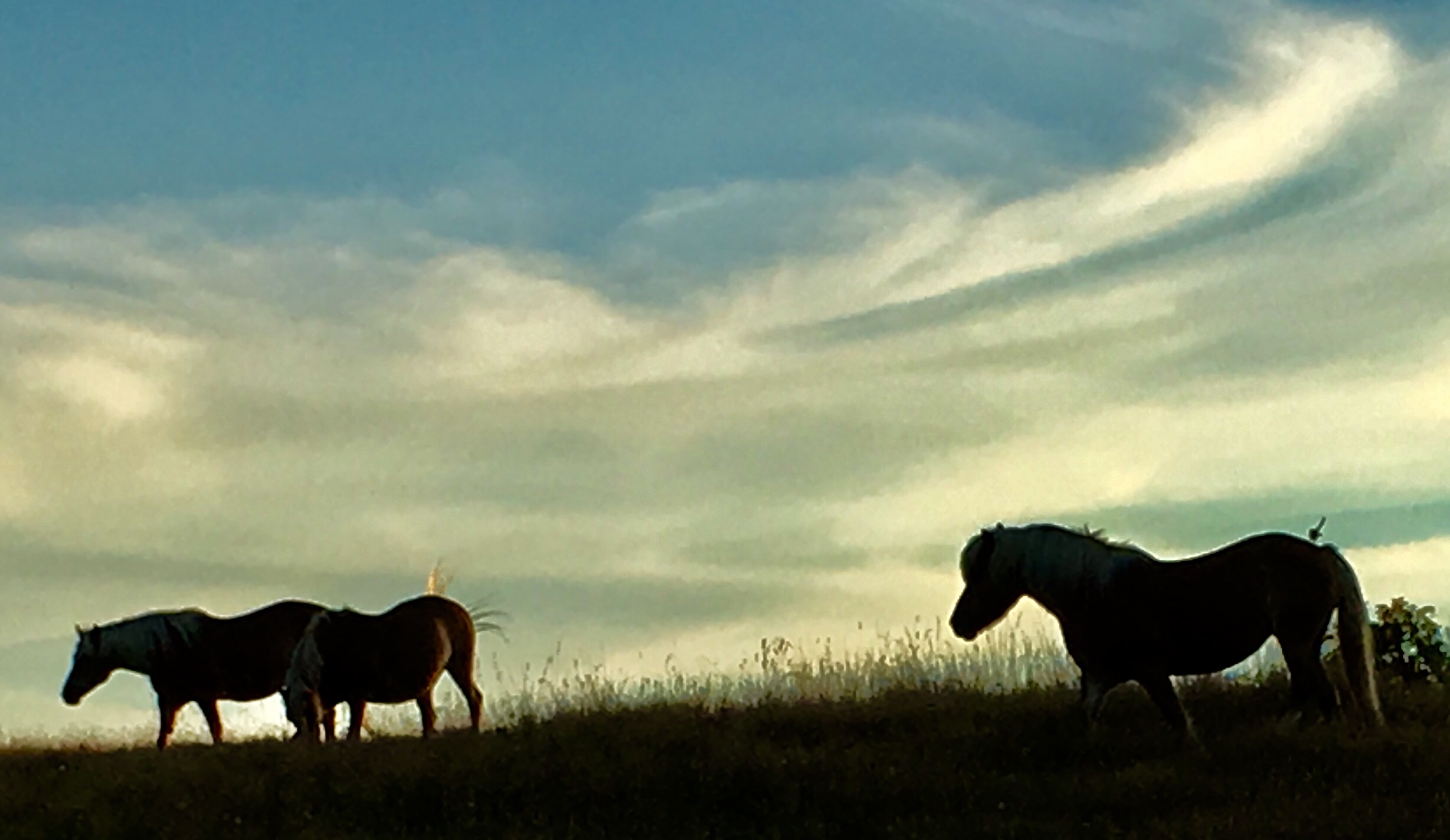
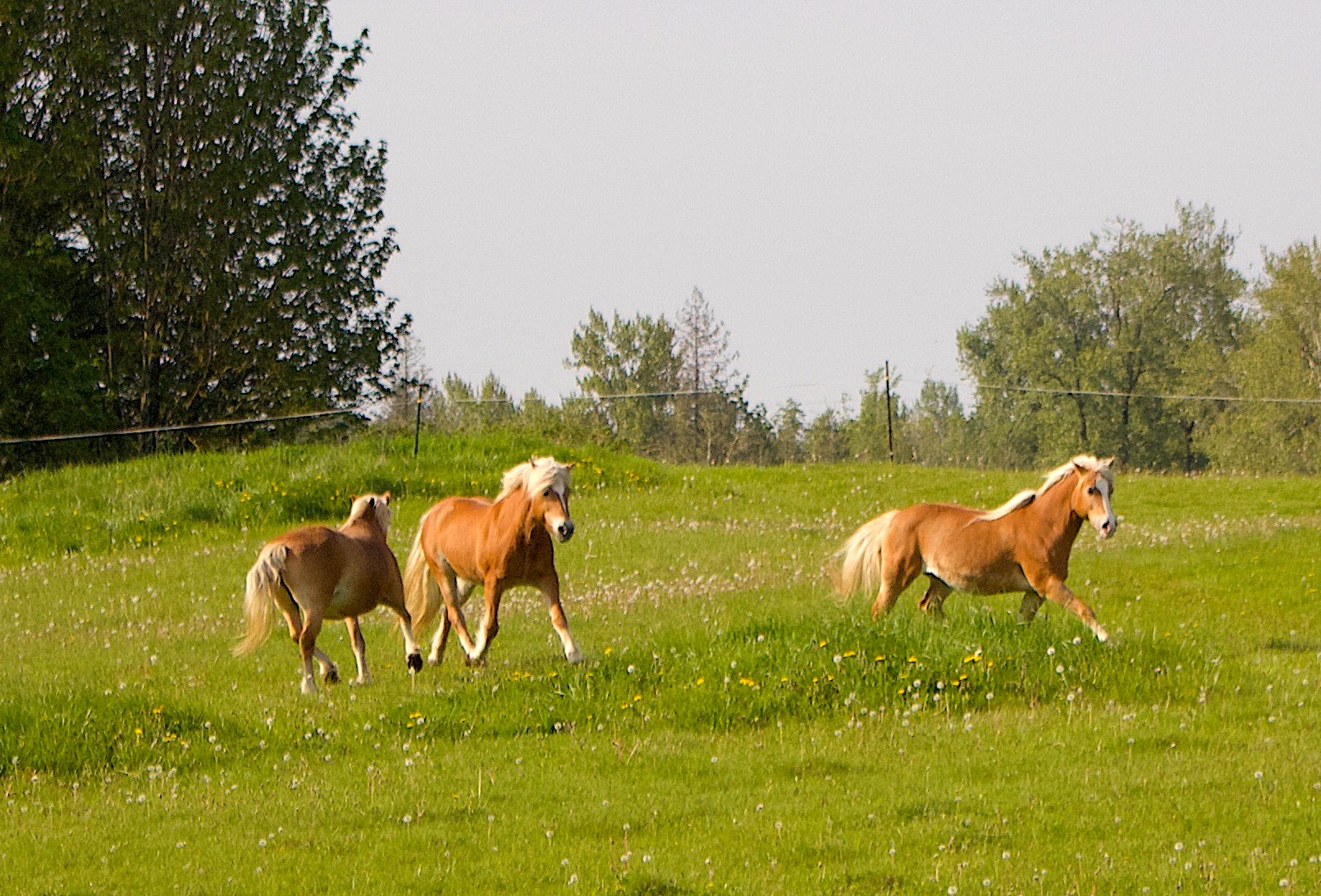
As I watch our rusty-coated horses graze on the stubble of these slopes and valleys, I’m reminded it is a sacrament to live in such abundance. We all started in a Garden until we desired something more, and knowing our mistake, we keep striving to return.
So this land teems with memories: of the rhythms and cycles of the seasons, of the songs and stories of peoples who have lived here for generation after generation.
Eventually we will find our way back to the abundant soil.
In Summer, in a burst of summertime Following falls and falls of rain, When the air was sweet-and-sour of the flown fineflower of Those goldnails and their gaylinks that hang along a lime; ~Gerard Manley Hopkins from “Cheery Beggar”
Open the window, and let the air Freshly blow upon face and hair, And fill the room, as it fills the night, With the breath of the rain’s sweet might.
Nought will I have, not a window-pane, ‘Twixt me and the air and the great good rain, Which ever shall sing me sharp lullabies; And God’s own darkness shall close mine eyes; And I will sleep, with all things blest, In the pure earth-shadow of natural rest. ~James Henry Leigh Hunt from “A Night-Rain in Summer”
Sweet and sour extends far beyond a Chinese menu; it is the daily air I breathe.
I am but a cheery beggar in this summer world, hanging tight to the sweetness of each glorious moment yet knowing it cannot last:
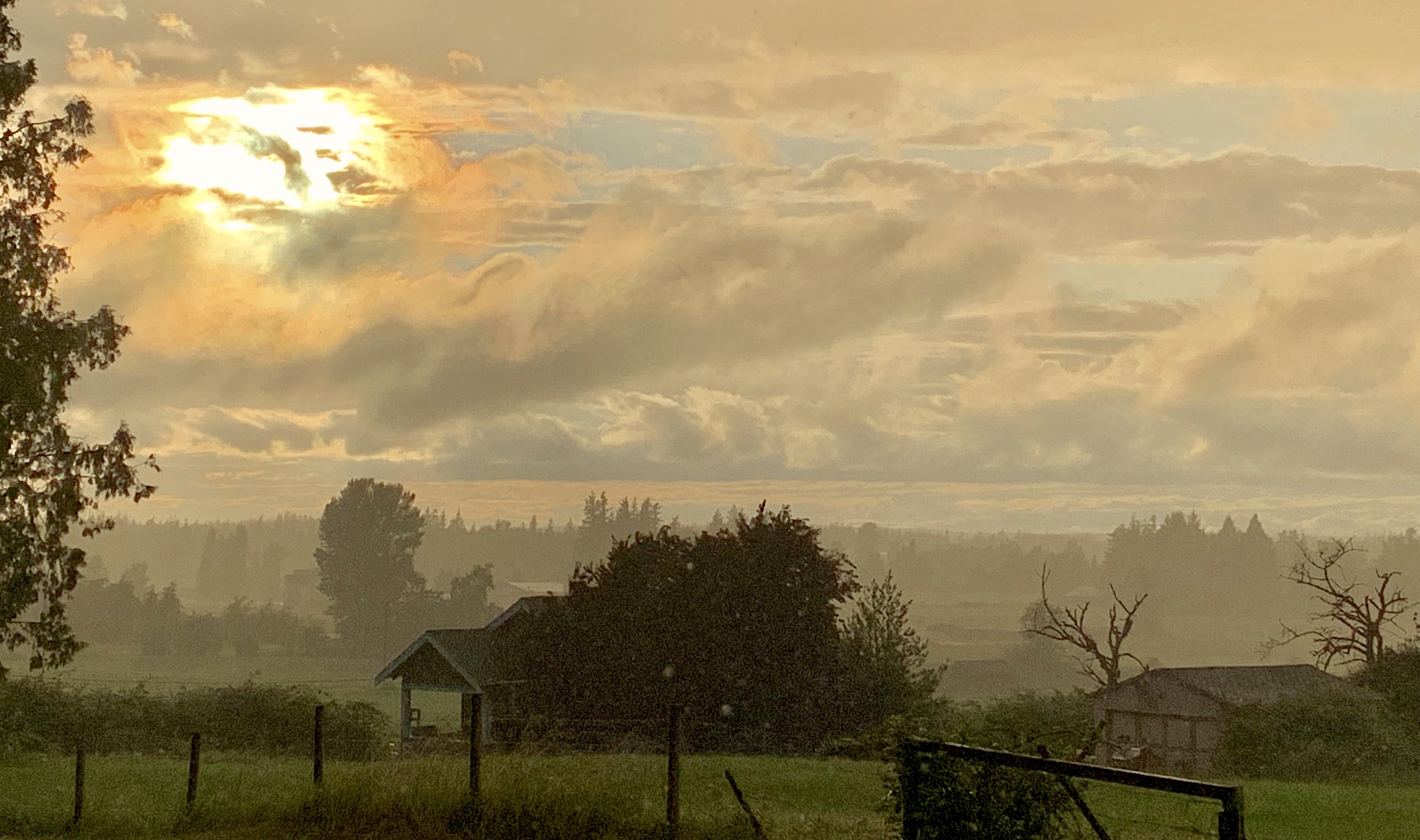
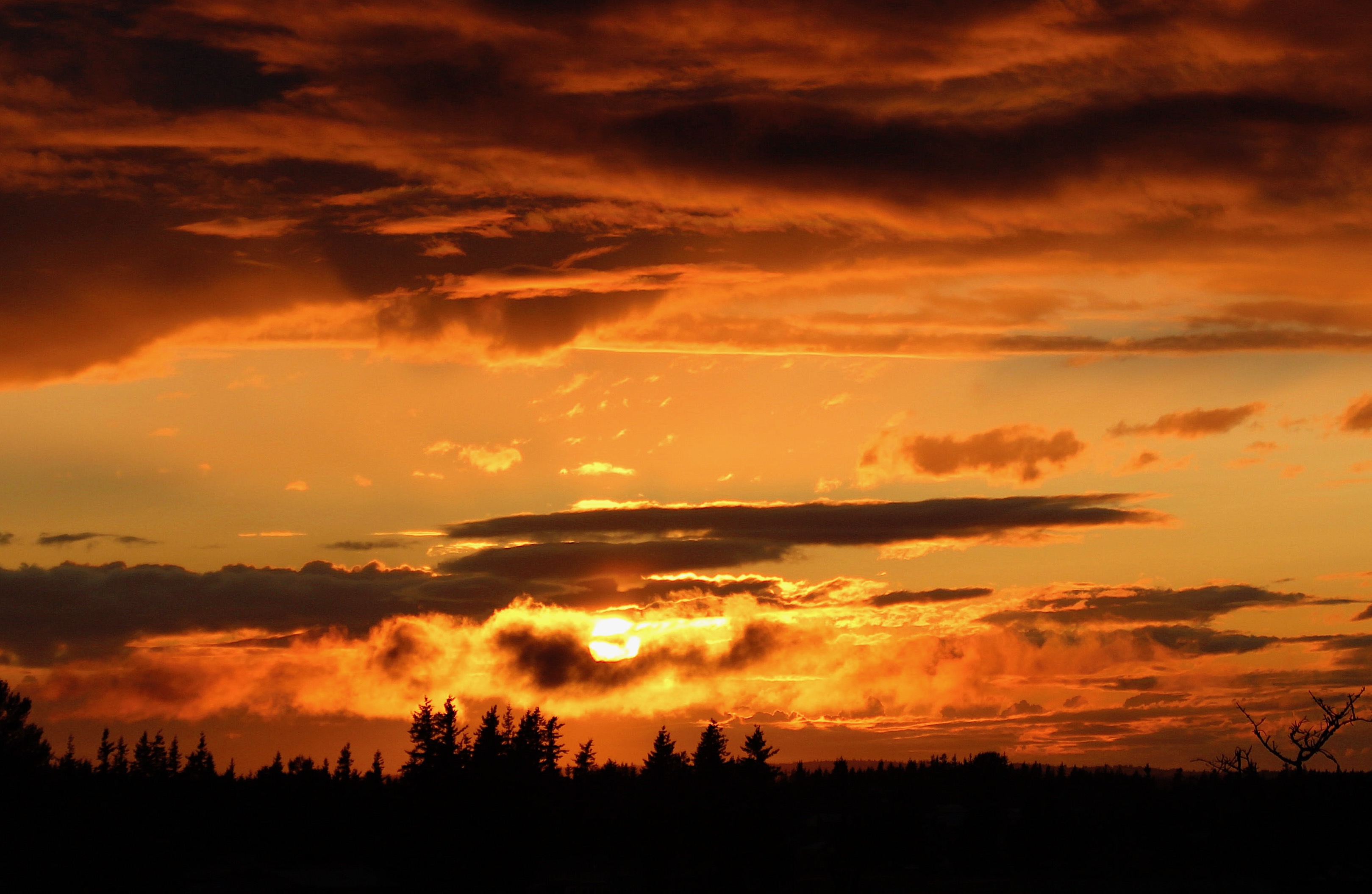
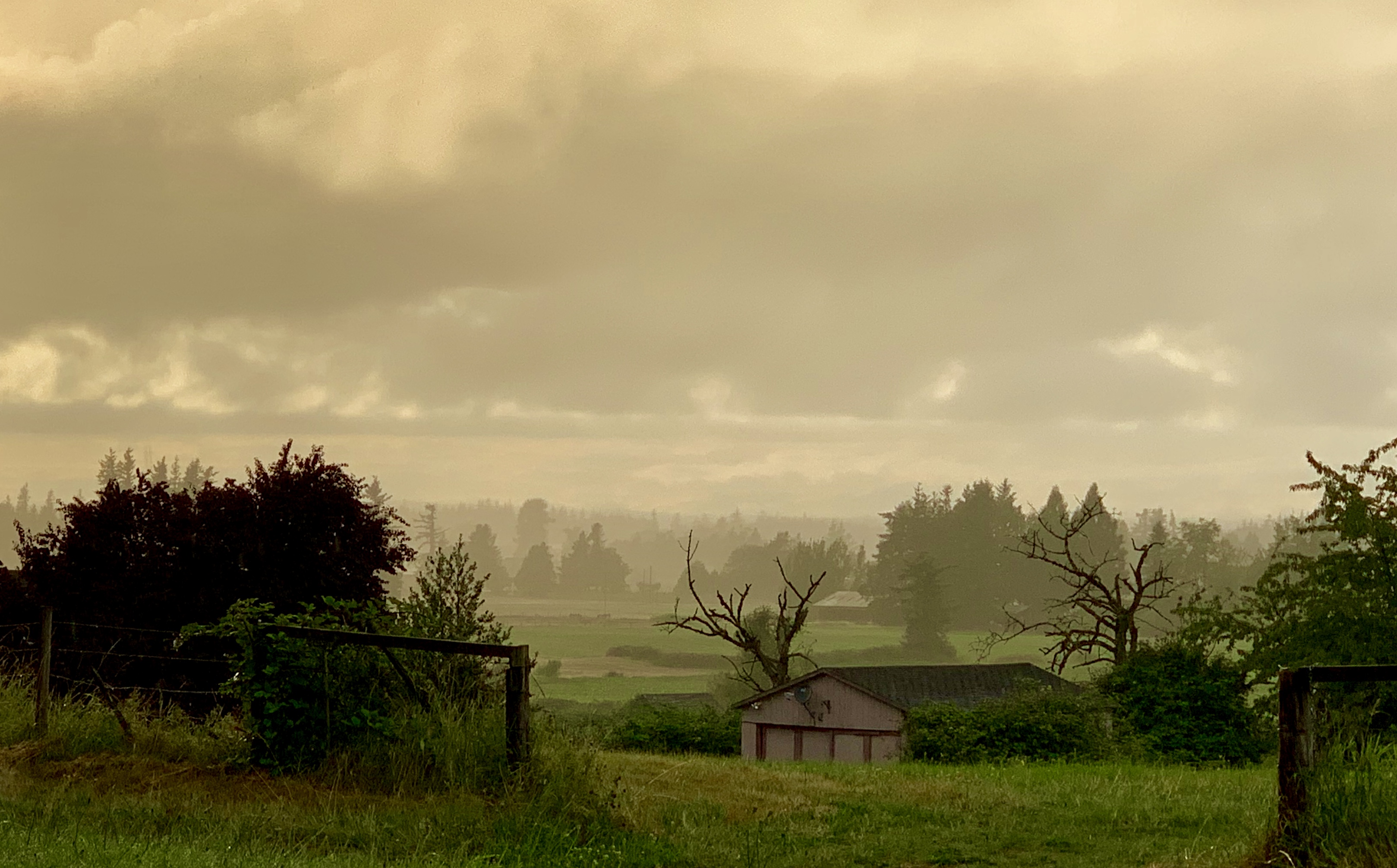
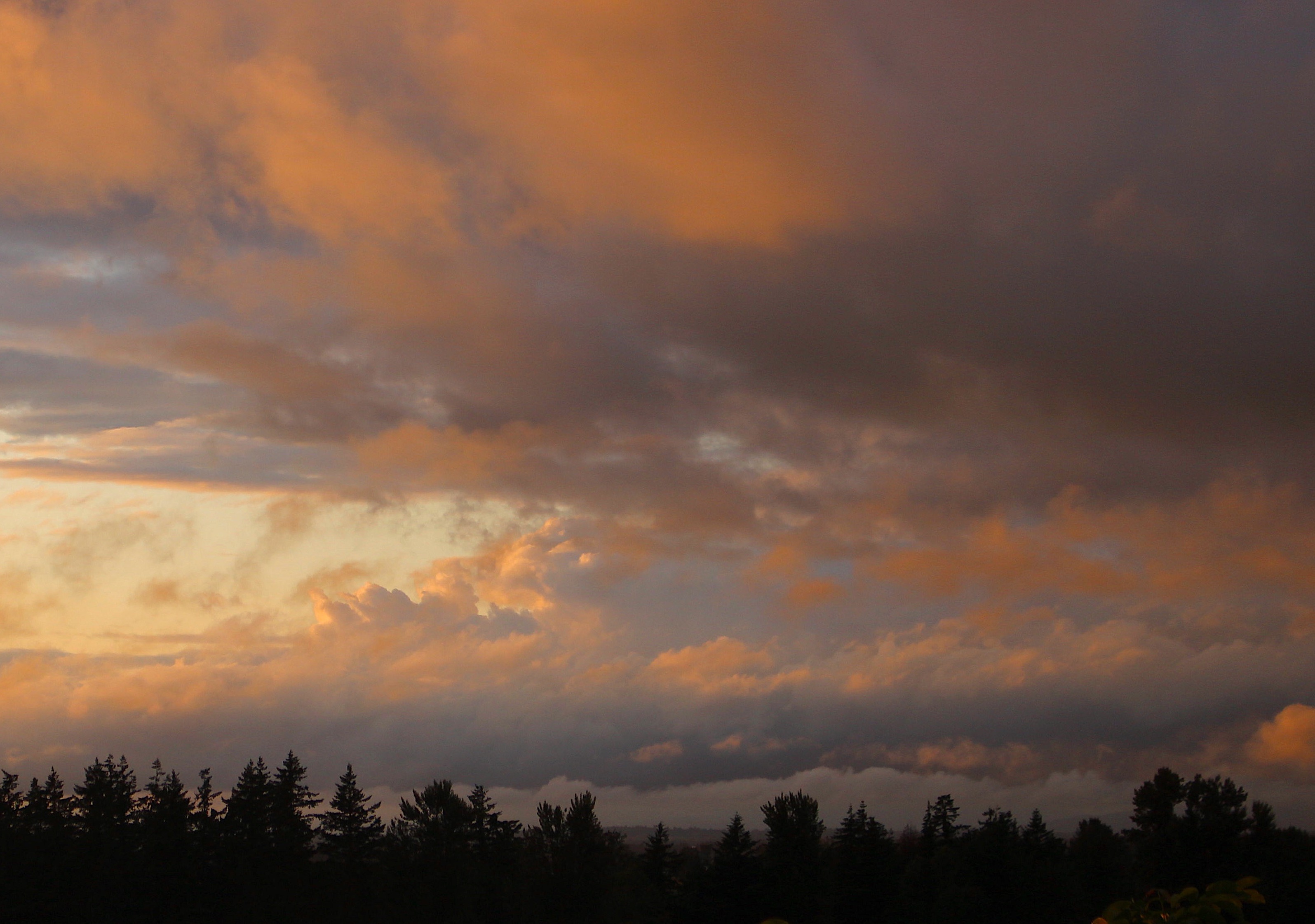
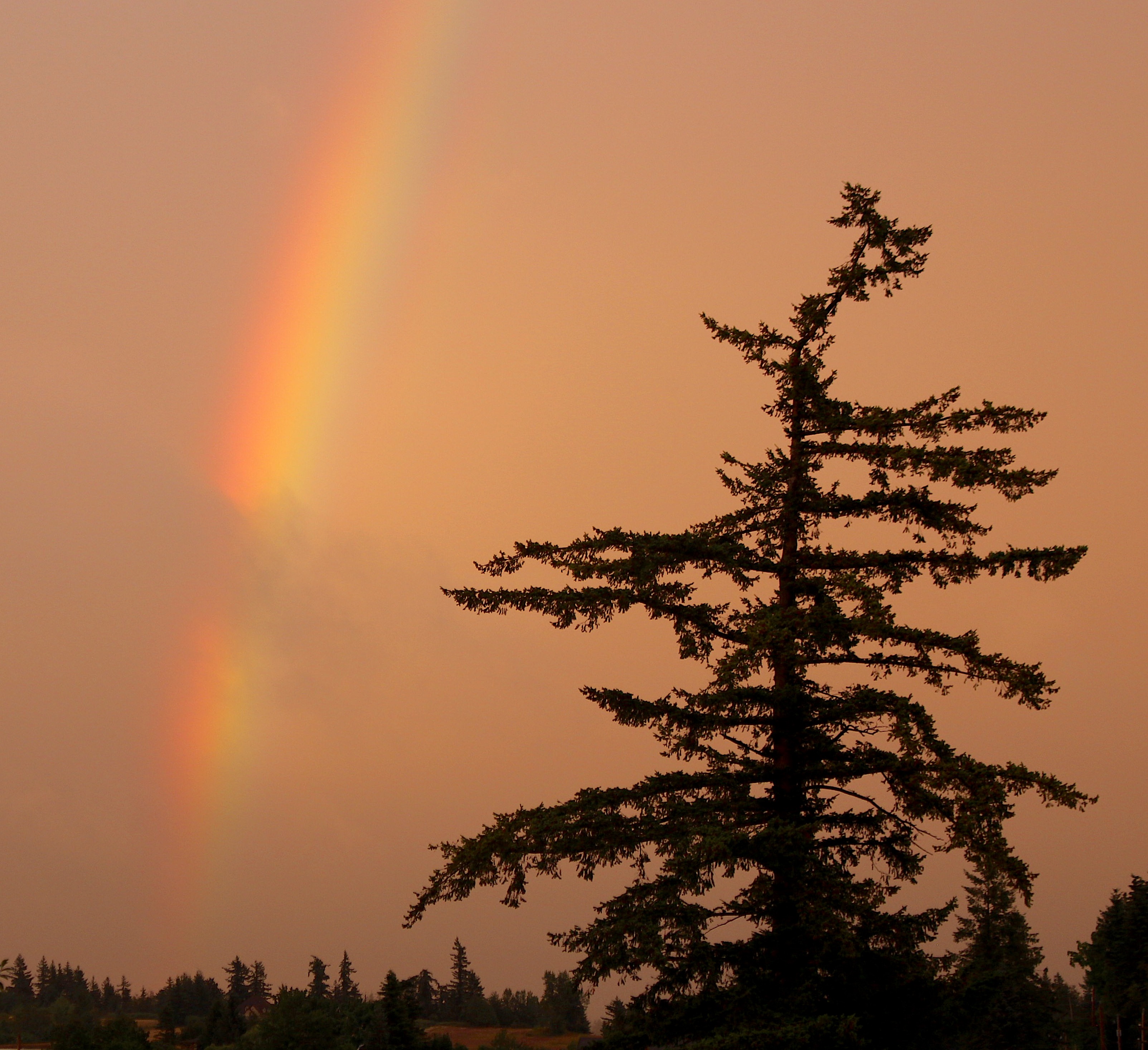
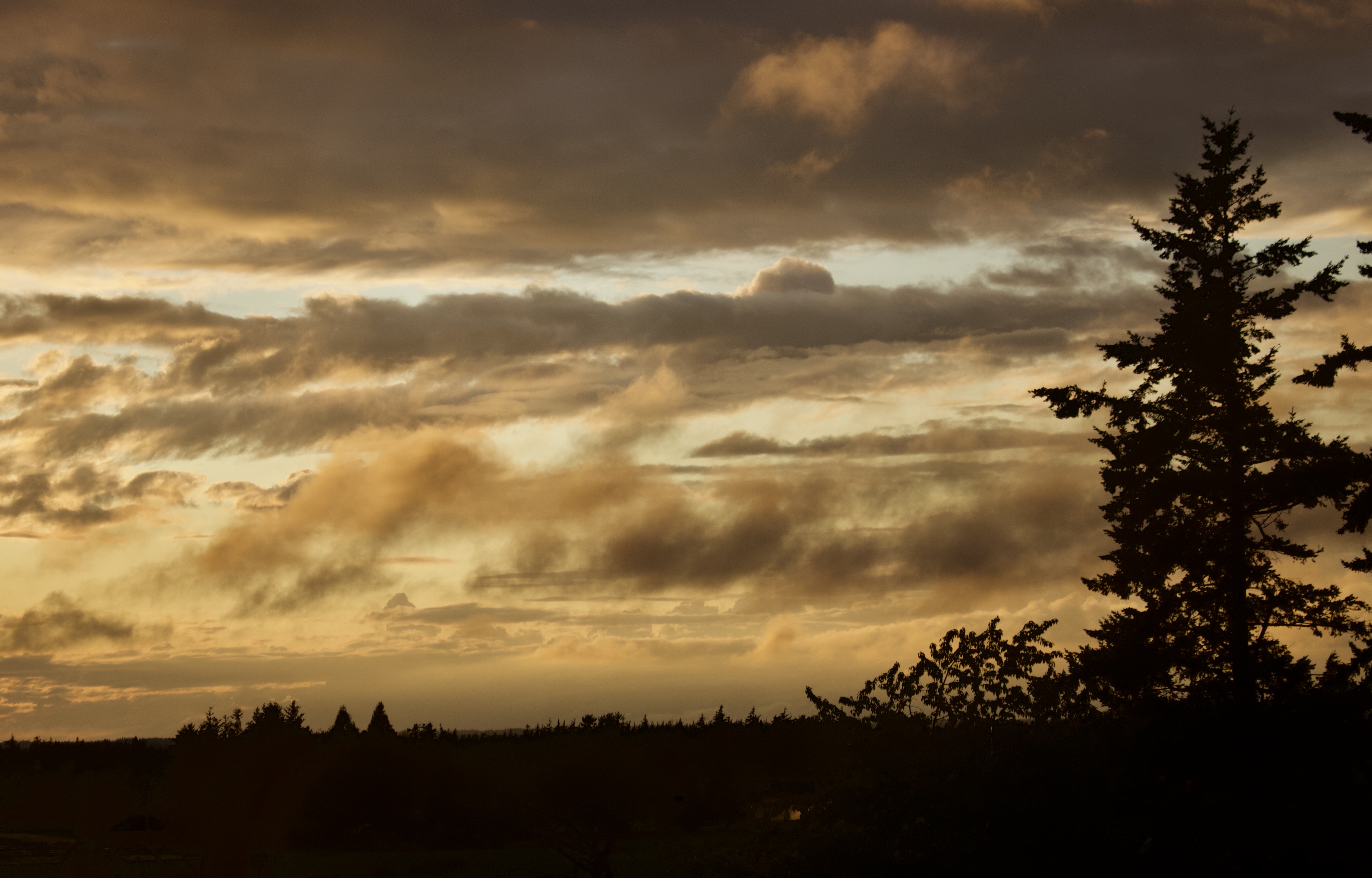
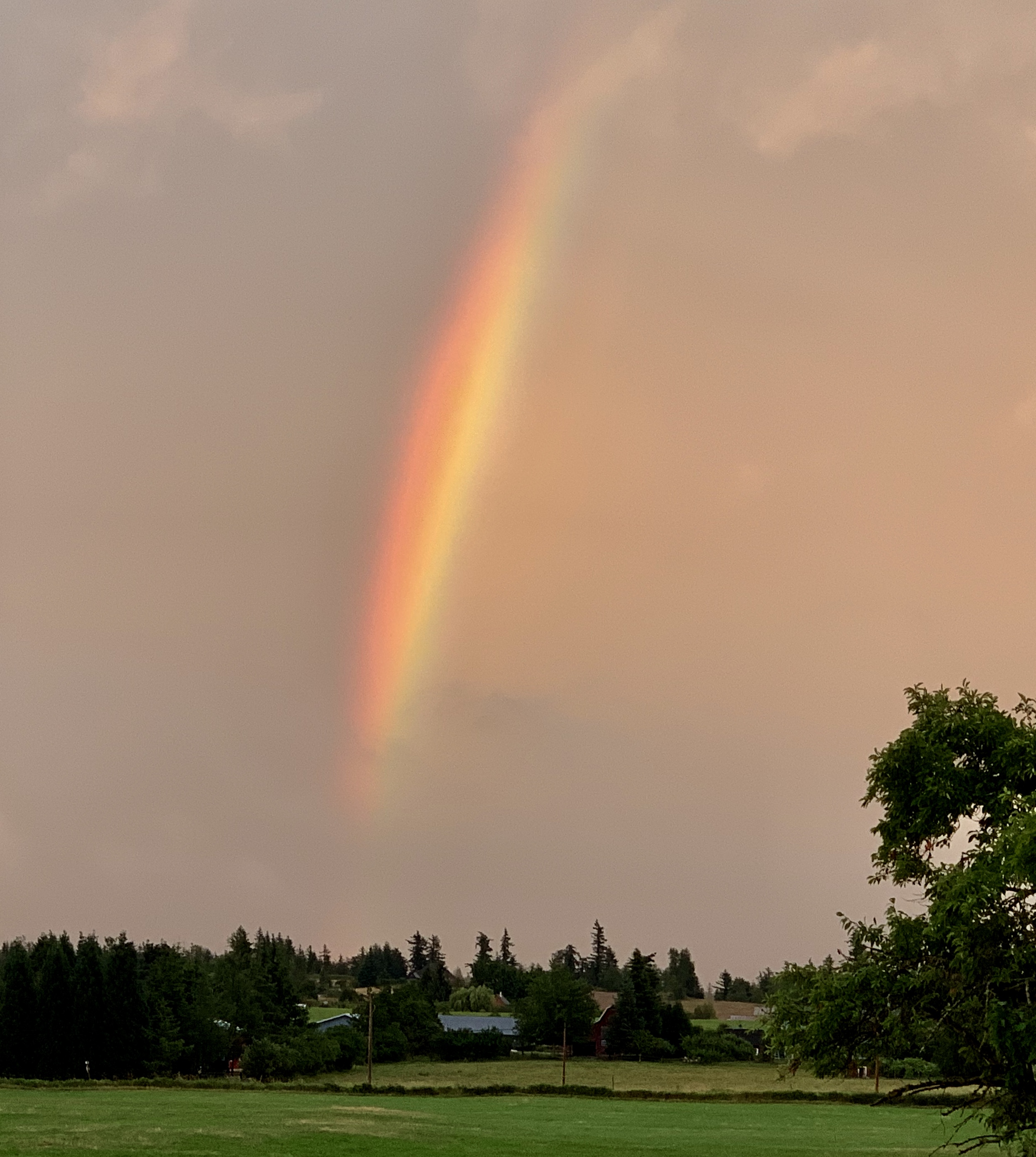
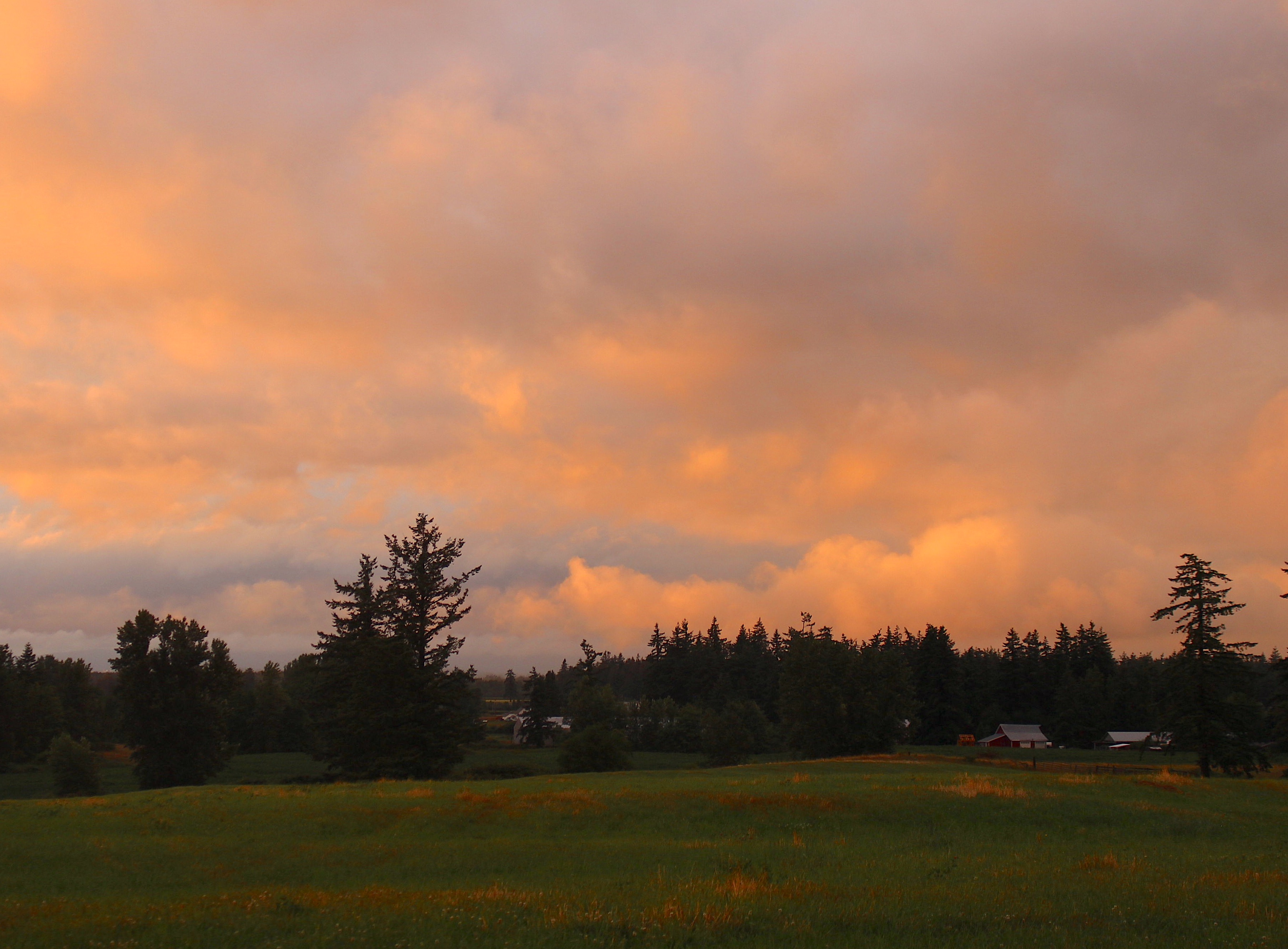
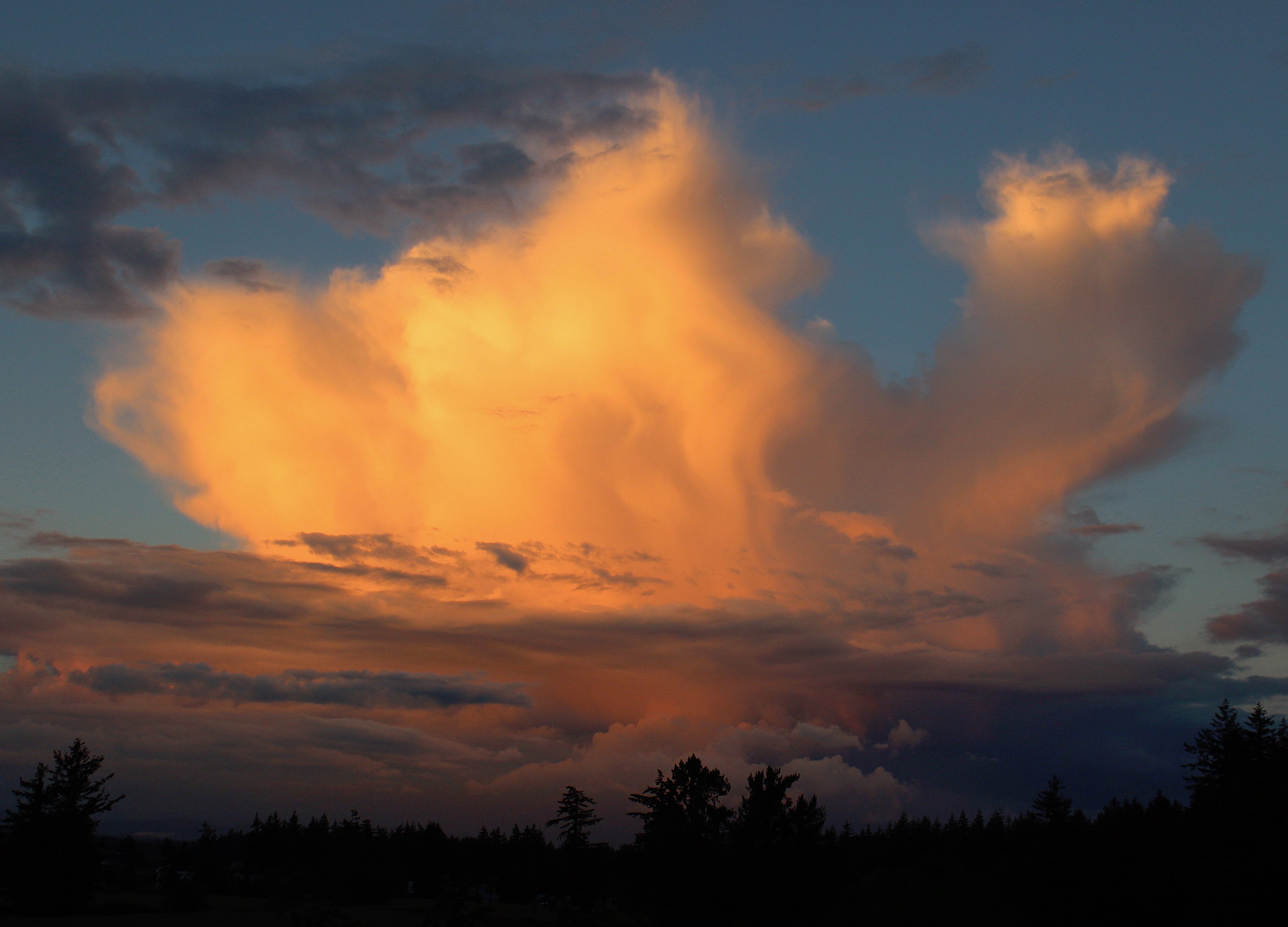
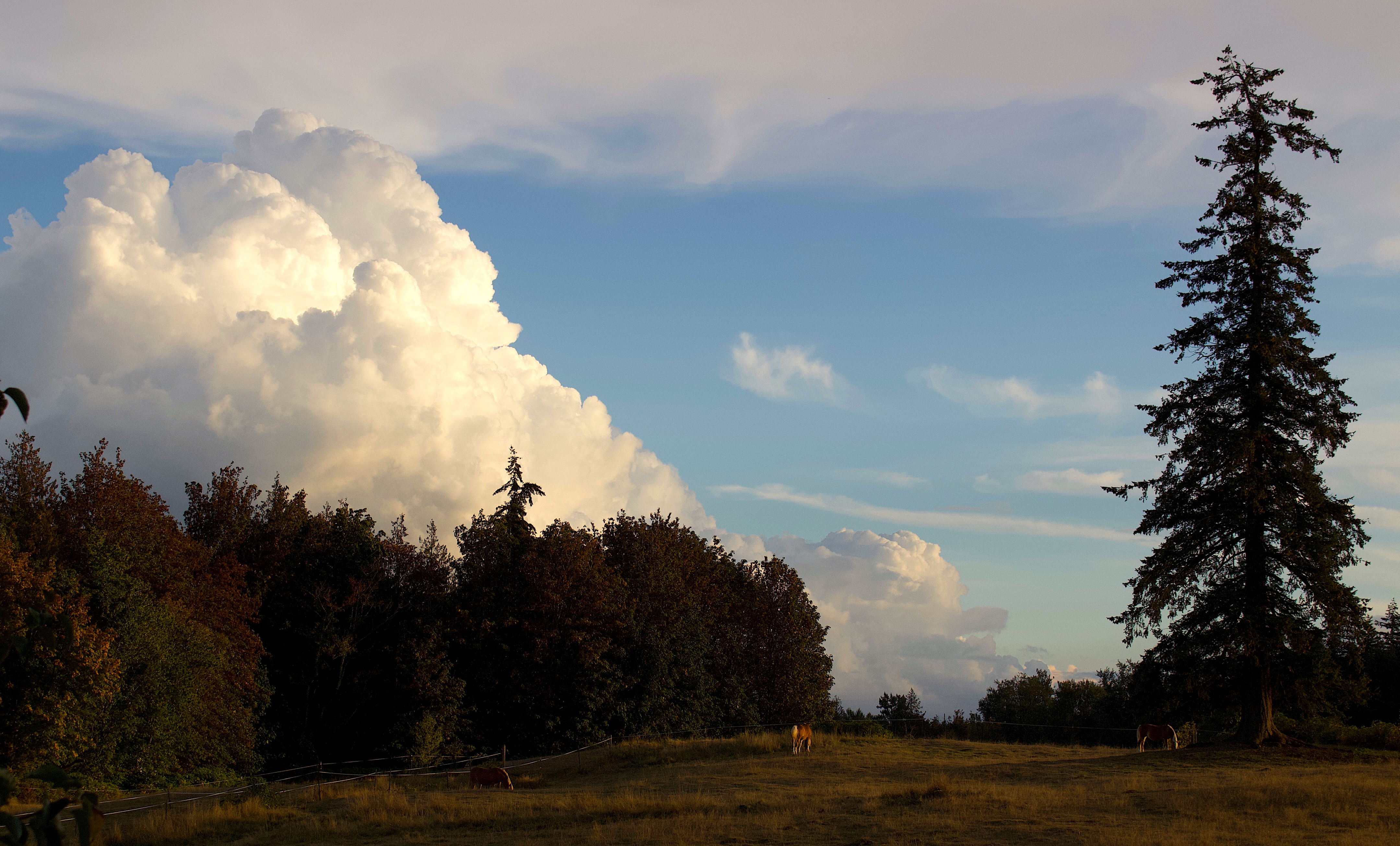
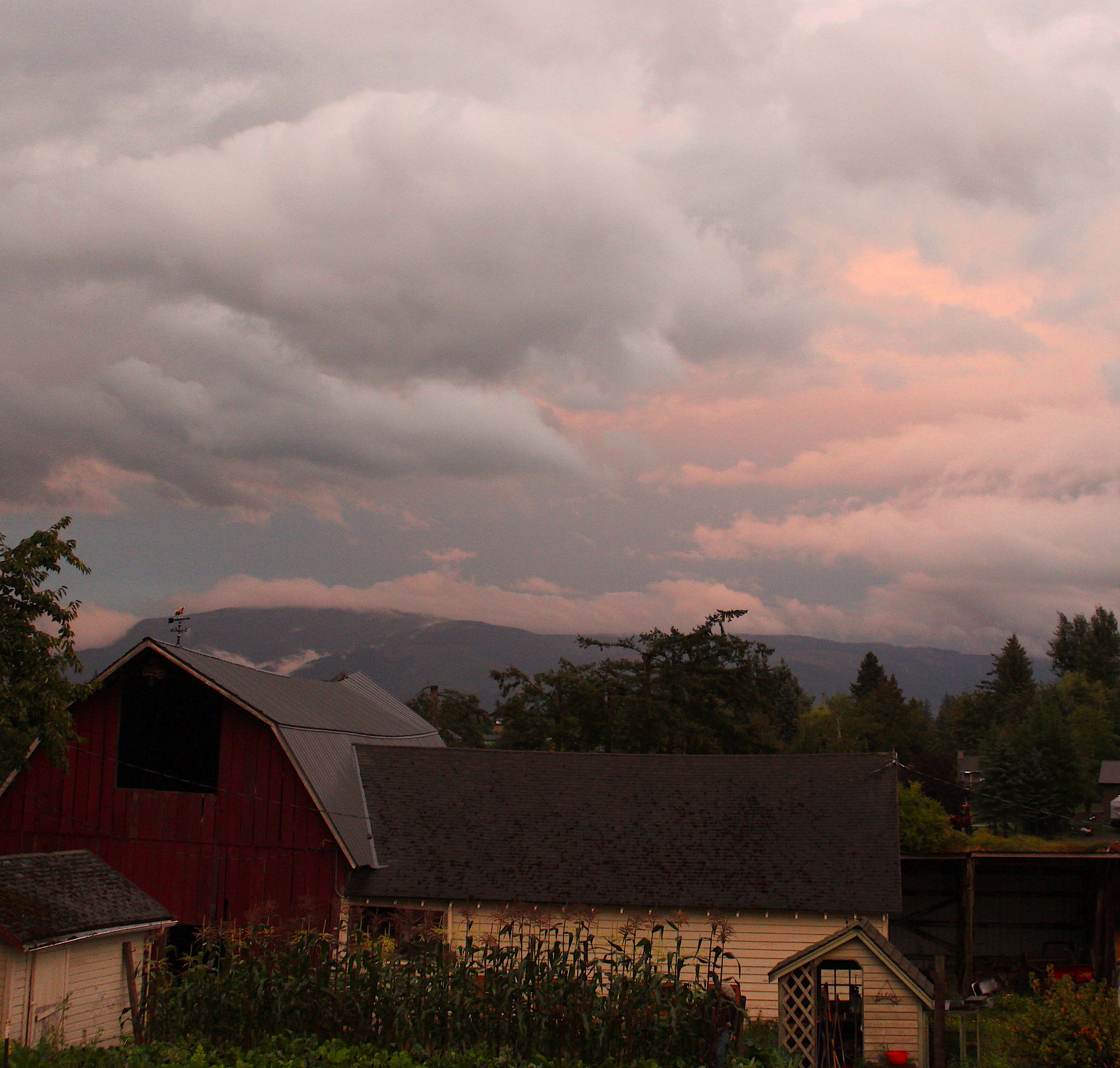
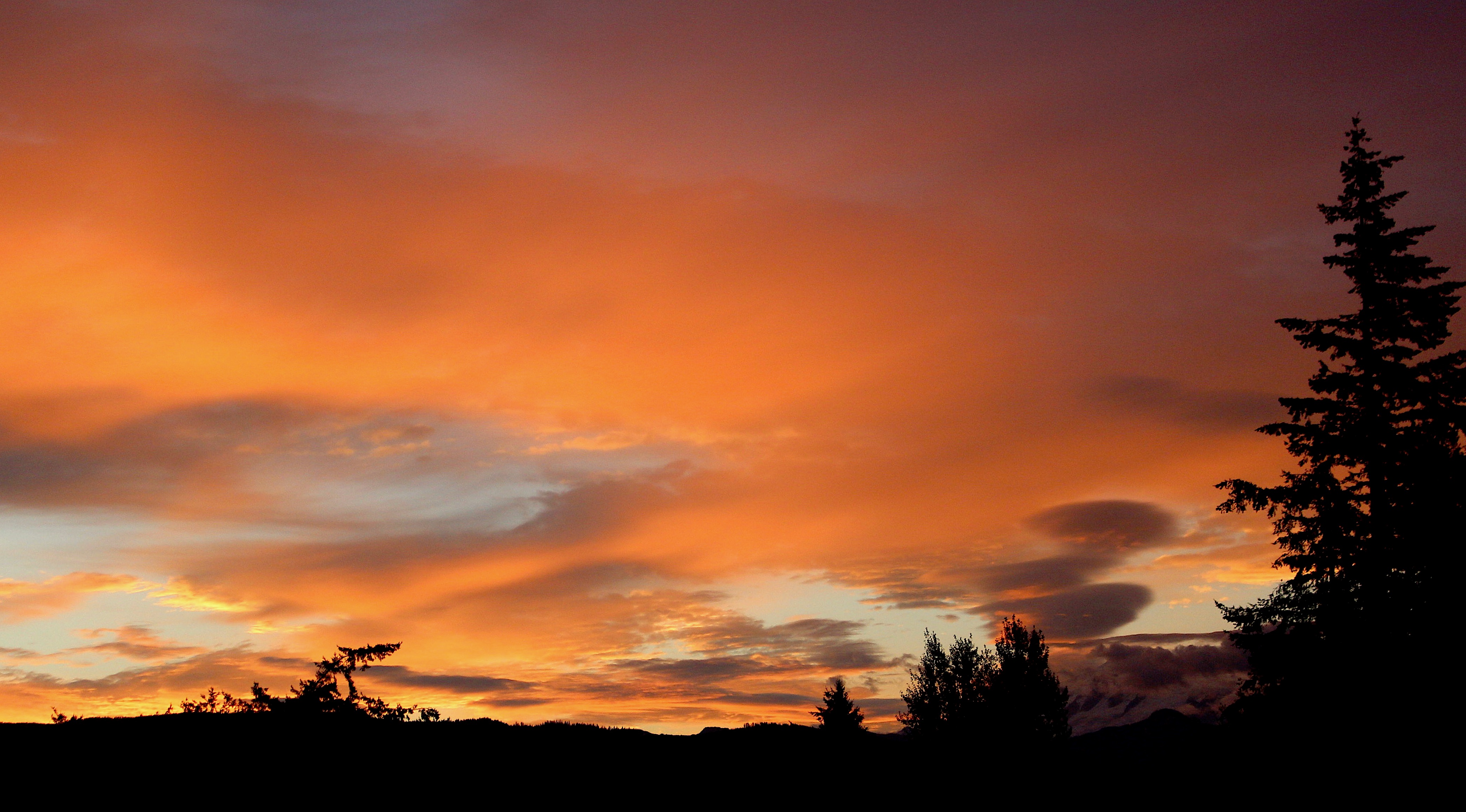
the startling twilight gold of a July rain, the intense green of thirsty fields, a rainbow suspended in misty haze, the clouds racing to win the day’s finish line.
But as beggars aren’t choosers, sweet rain ruins hay harvest and berries turn to mold on the vine.
The sky stooping to kiss the earth may bring mud and flood.
I breathe deeply now of petrichor: the scent of raindrops falling on dry land as if I could wear it like perfume on those sour days of drought.
My grandparents owned the land, worked the land, bound to the earth by seasons of planting and harvest.
They watched the sky, the habits of birds, hues of sunset, the moods of moon and clouds, the disposition of air. They inhaled the coming season, let it brighten their blood for the work ahead.
My husband and I met in the late 70’s while we were both in graduate school in Seattle, living over 100 miles away from our grandparents’ farms farther north in Washington. We lived farther still from my grandparents’ wheat farm in Eastern Washington and his grandparents’ hog farm in Minnesota. One of our first conversations together, the one that told me I needed to get to know this man better, was about wanting to move back to work on the land. We were both descended from peasant immigrants from the British Isles, Holland and Germany – farming was in our DNA, the land remained under our fingernails even as we sat for endless hours studying in law school and medical school classes.
When we married and moved north after buying a small farm, we continued to work full time at desks in town. We’ve never had to depend on this farm for our livelihood, but we have fed our family from the land, bred and raised livestock, and harvested and preserved from a large garden and orchard. It has been a good balance thanks to career opportunities made possible by our education, something our grandparents would have marveled was even possible.
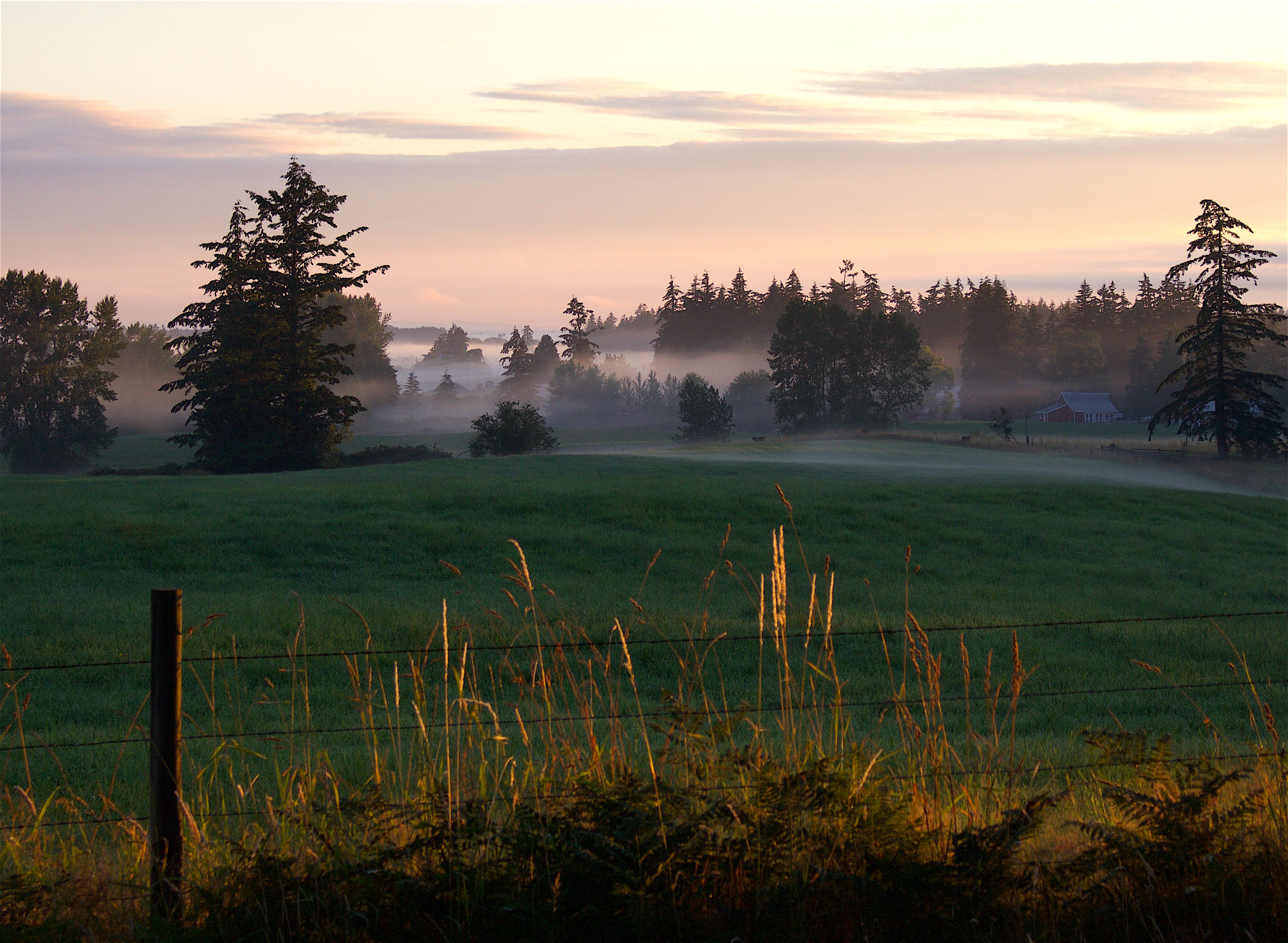
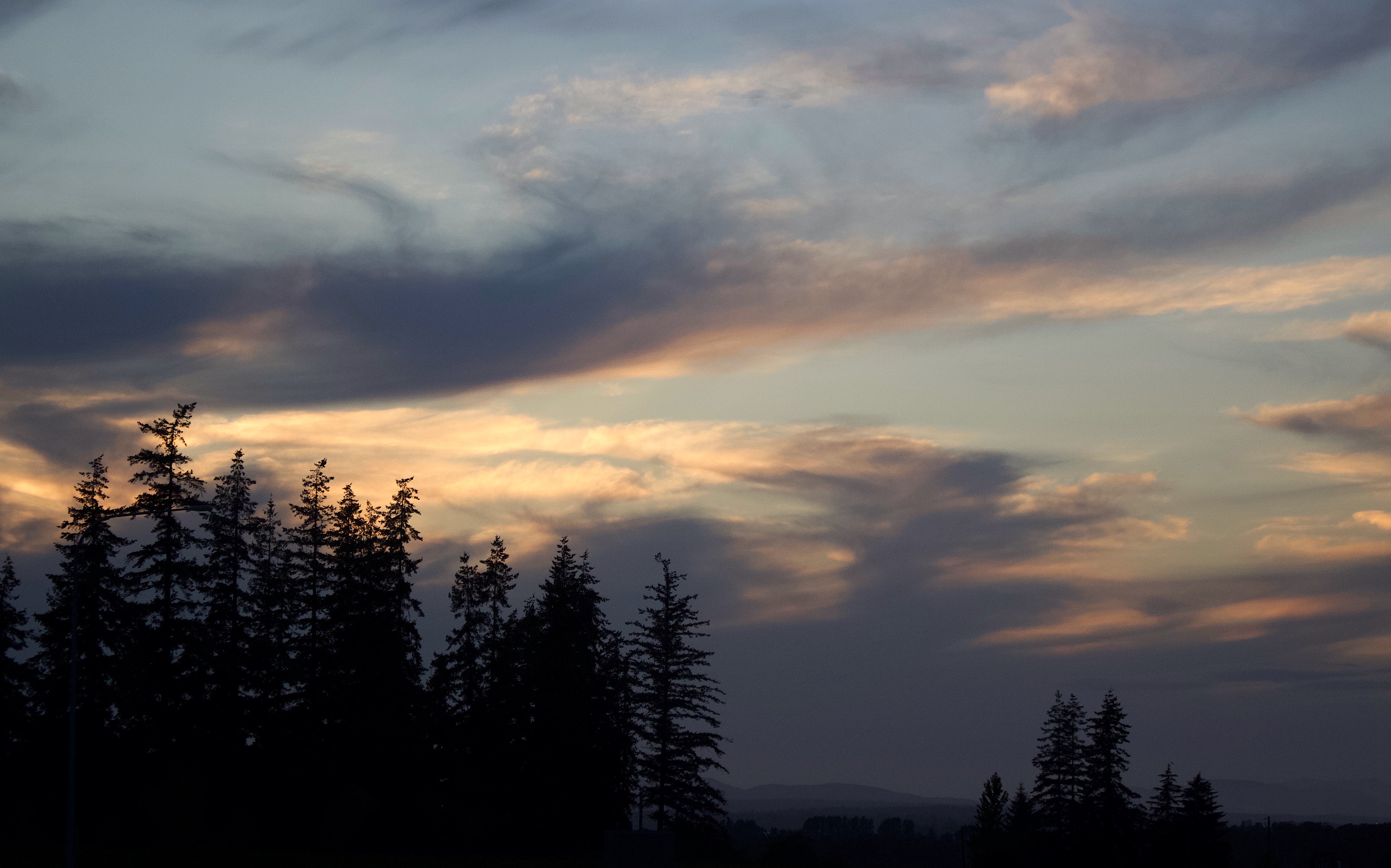
Like our grandparents, we watch in wonder at what the Creator brings to the rhythm of the land each day – the light of the dawn over the fields, the activity of the wild birds and animals in the woods, the life cycles of the farm critters we care for, the glow of the evening sun as night enfolds us. We are blessed by the land’s generosity when it is well cared for.
Now forty years after that first conversation together about returning to farming, my husband and I hope to never leave the land. It brought us together, fed our family, remains imbedded under our fingernails and in our DNA. Each in our own time, we will settle even deeper.
Thank you to retired RN and poet Lois Parker Edstrom for this exquisite poem about living and dying on the land. It has been my privilege to meet her and her husband and welcome them to our farm. Your words have brought me many blessings!
My hands are torn by baling twine, not nails, and my side is pierced by my ulcer, not a lance. ~Hayden Carruth from “Emergency Haying”
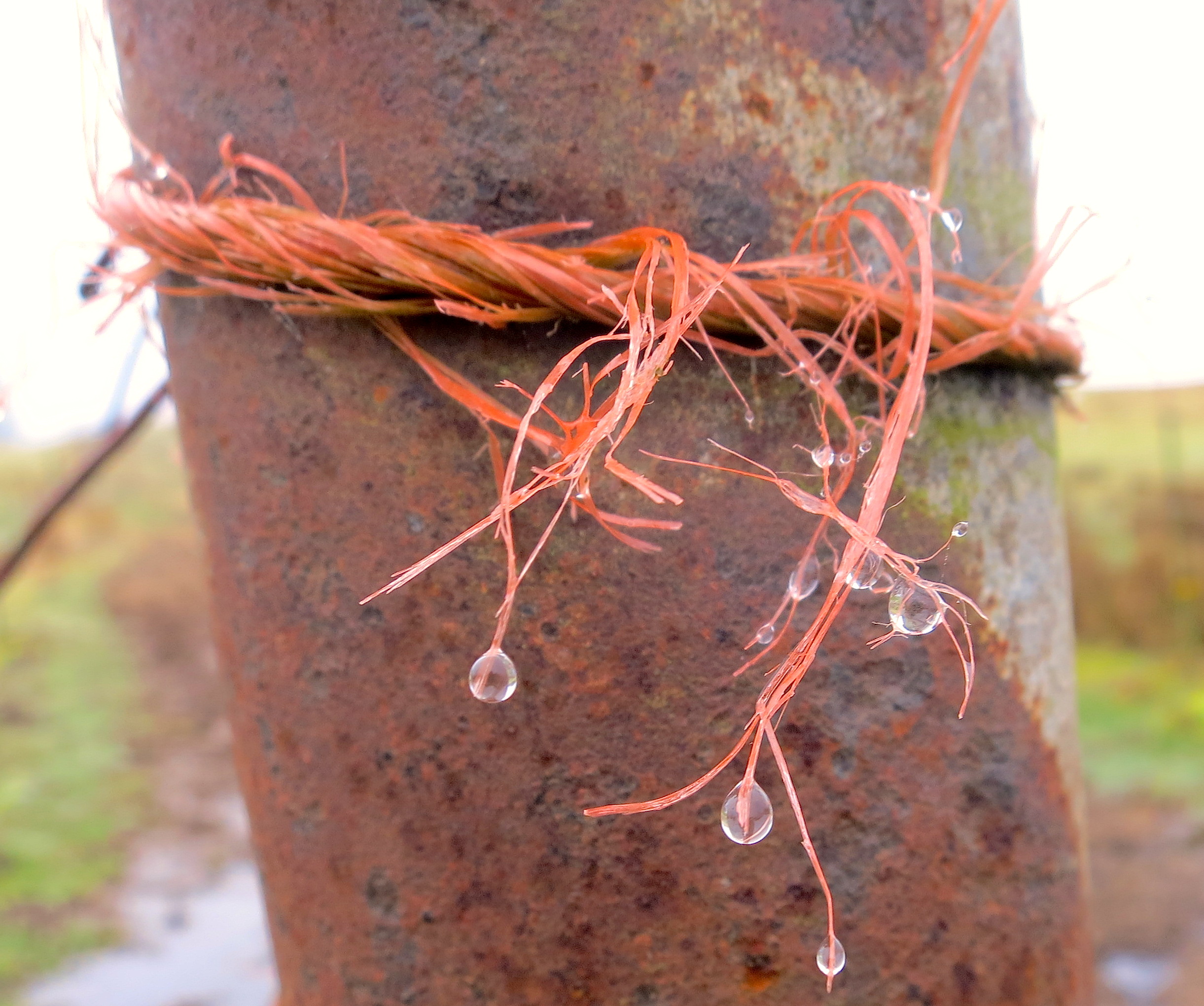
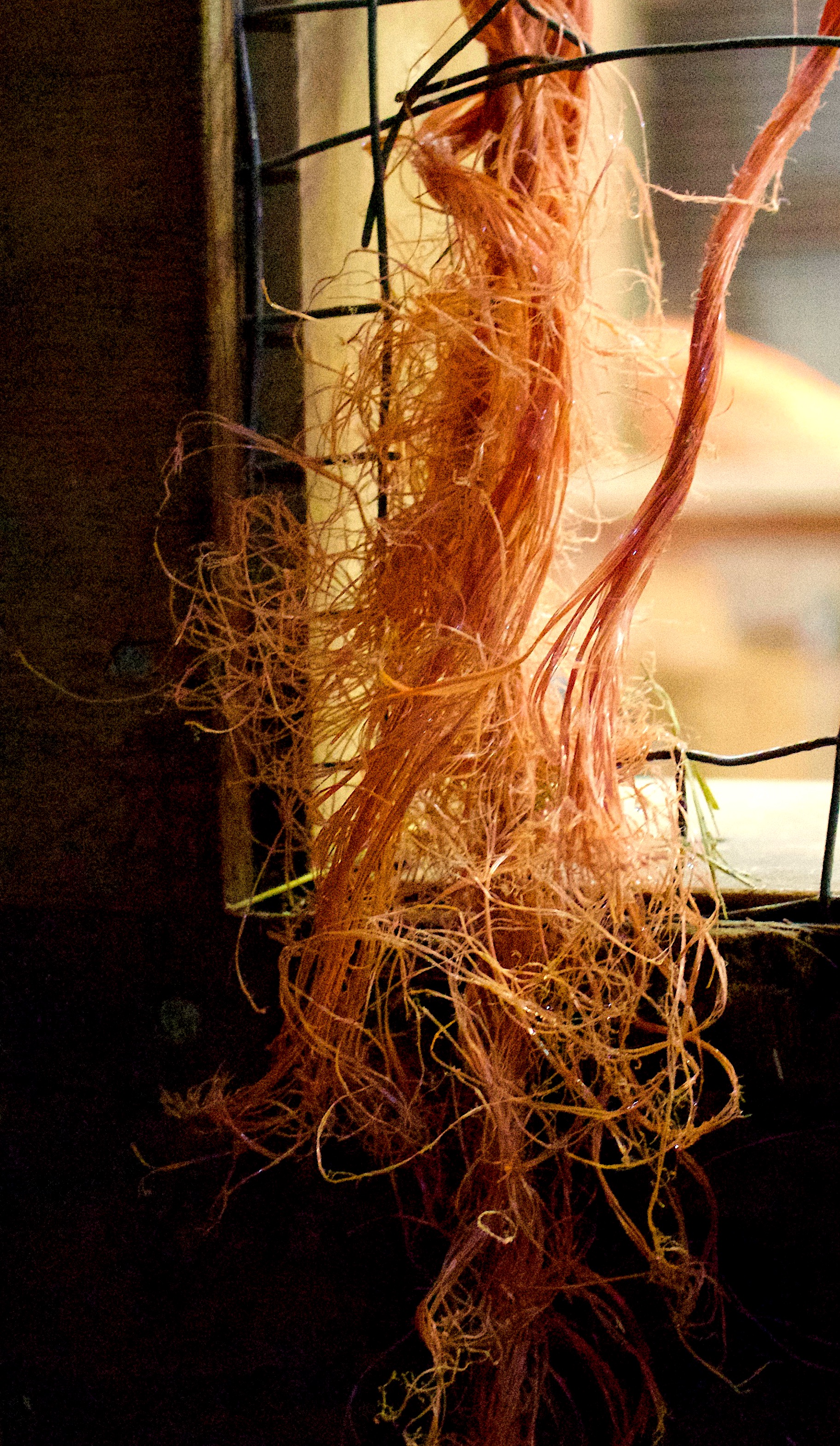
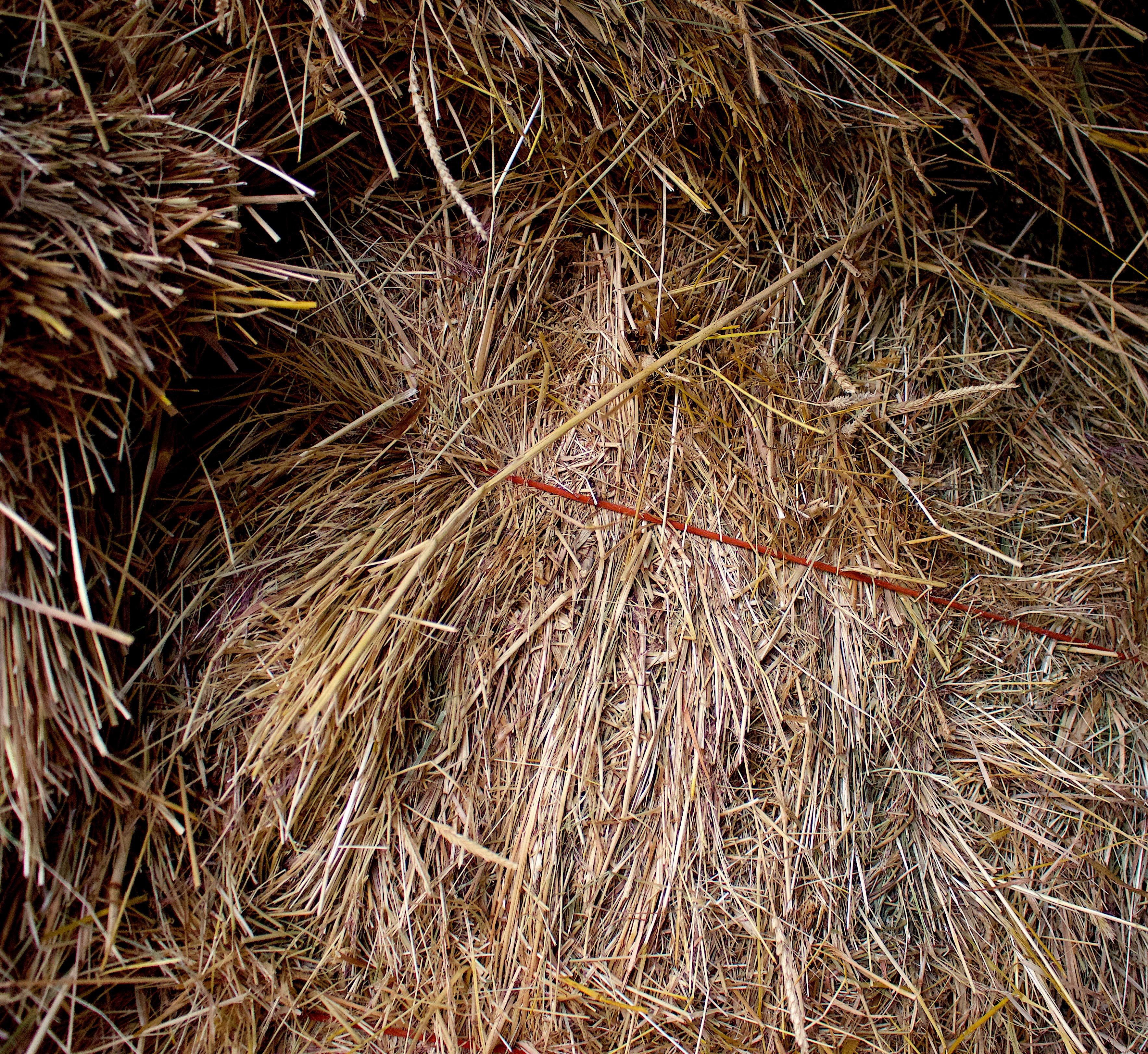
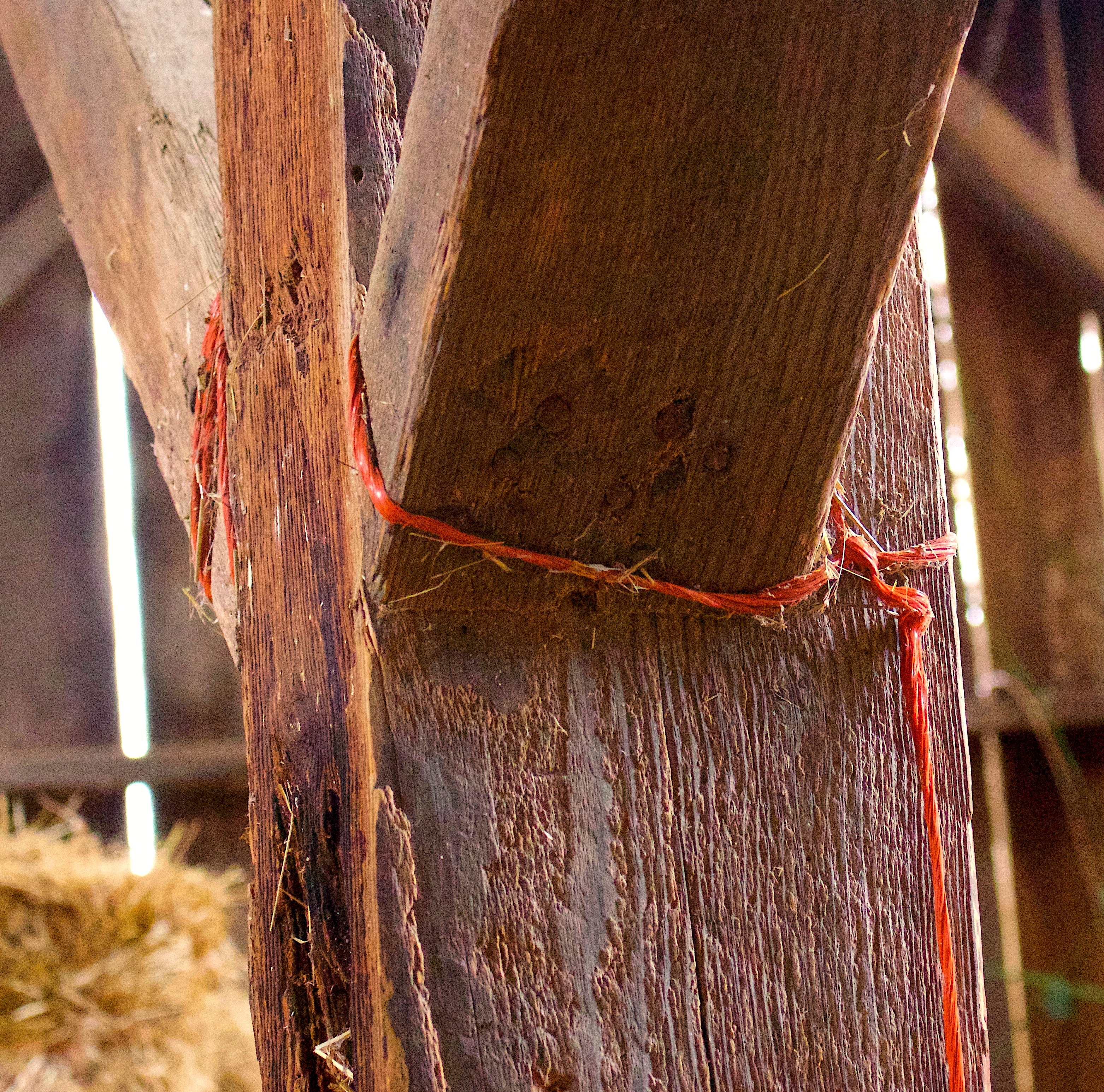
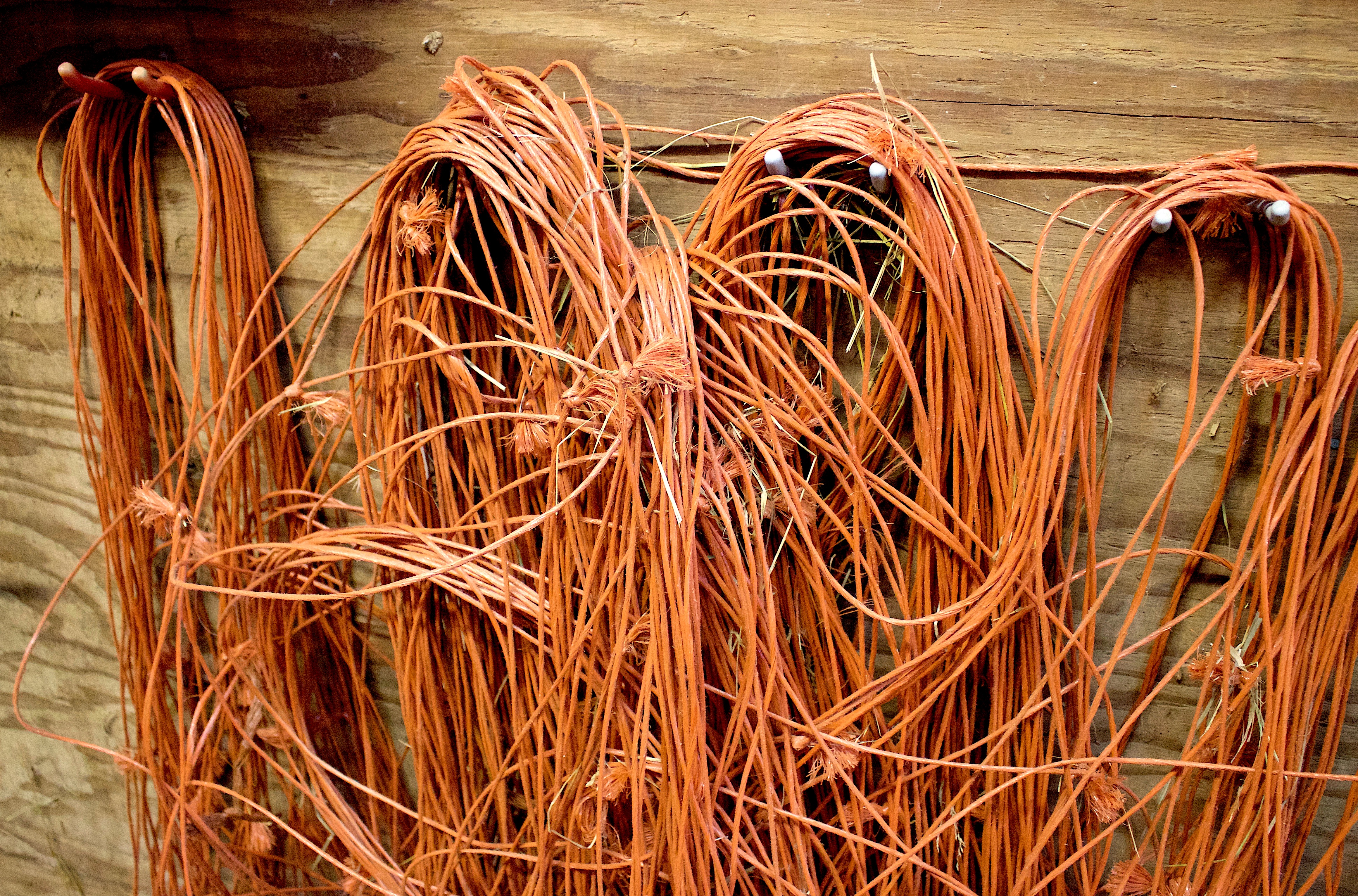
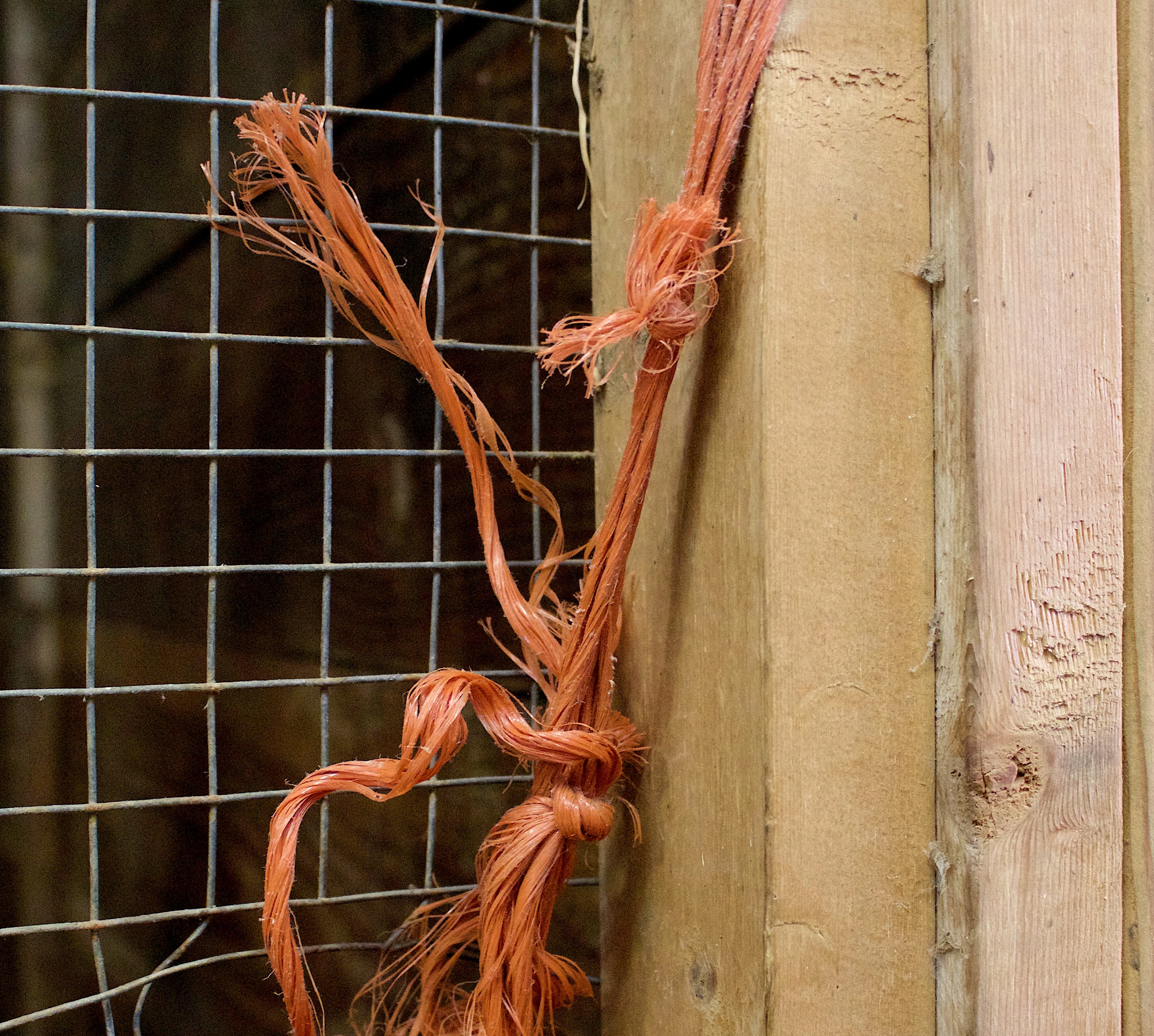
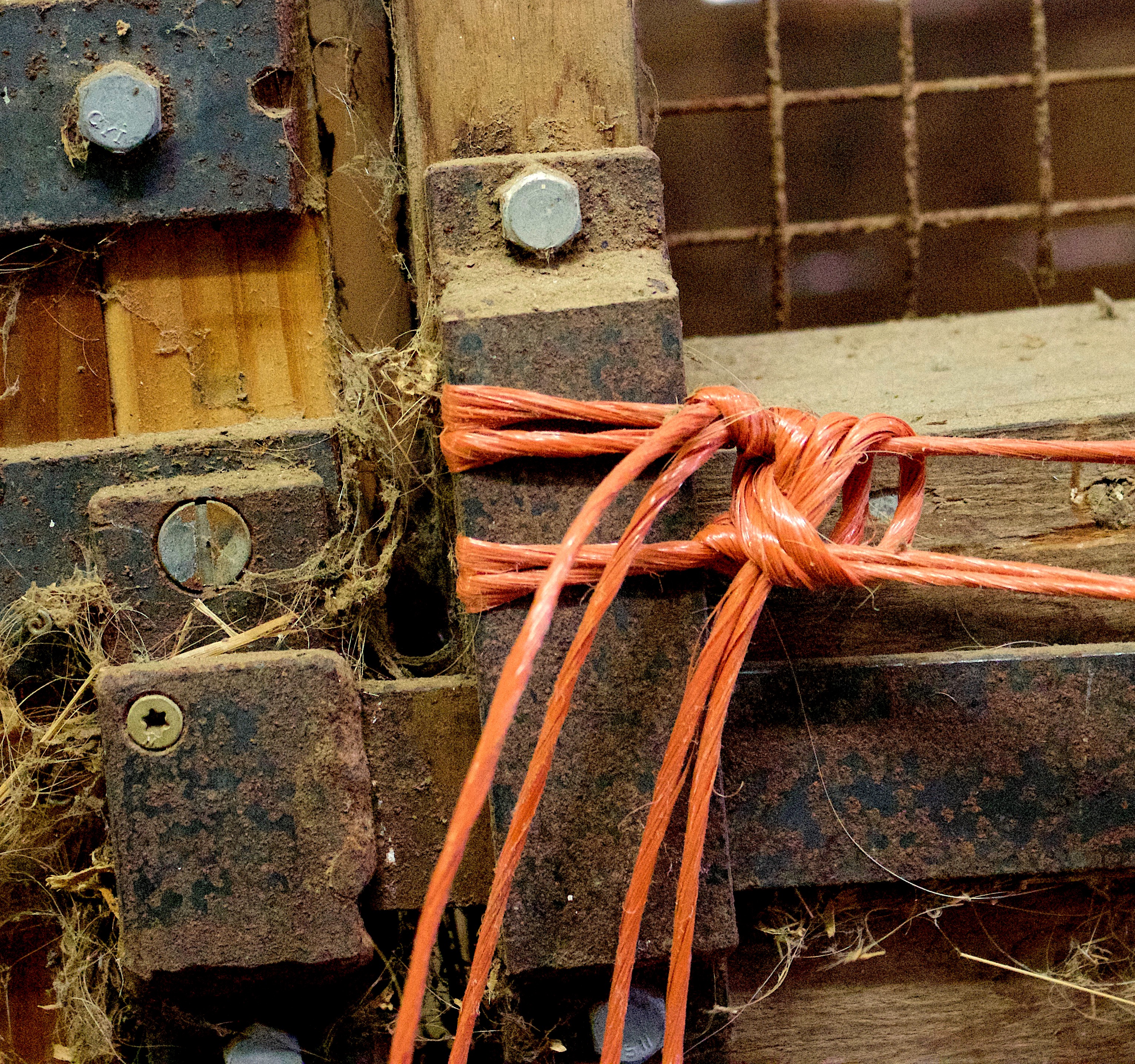
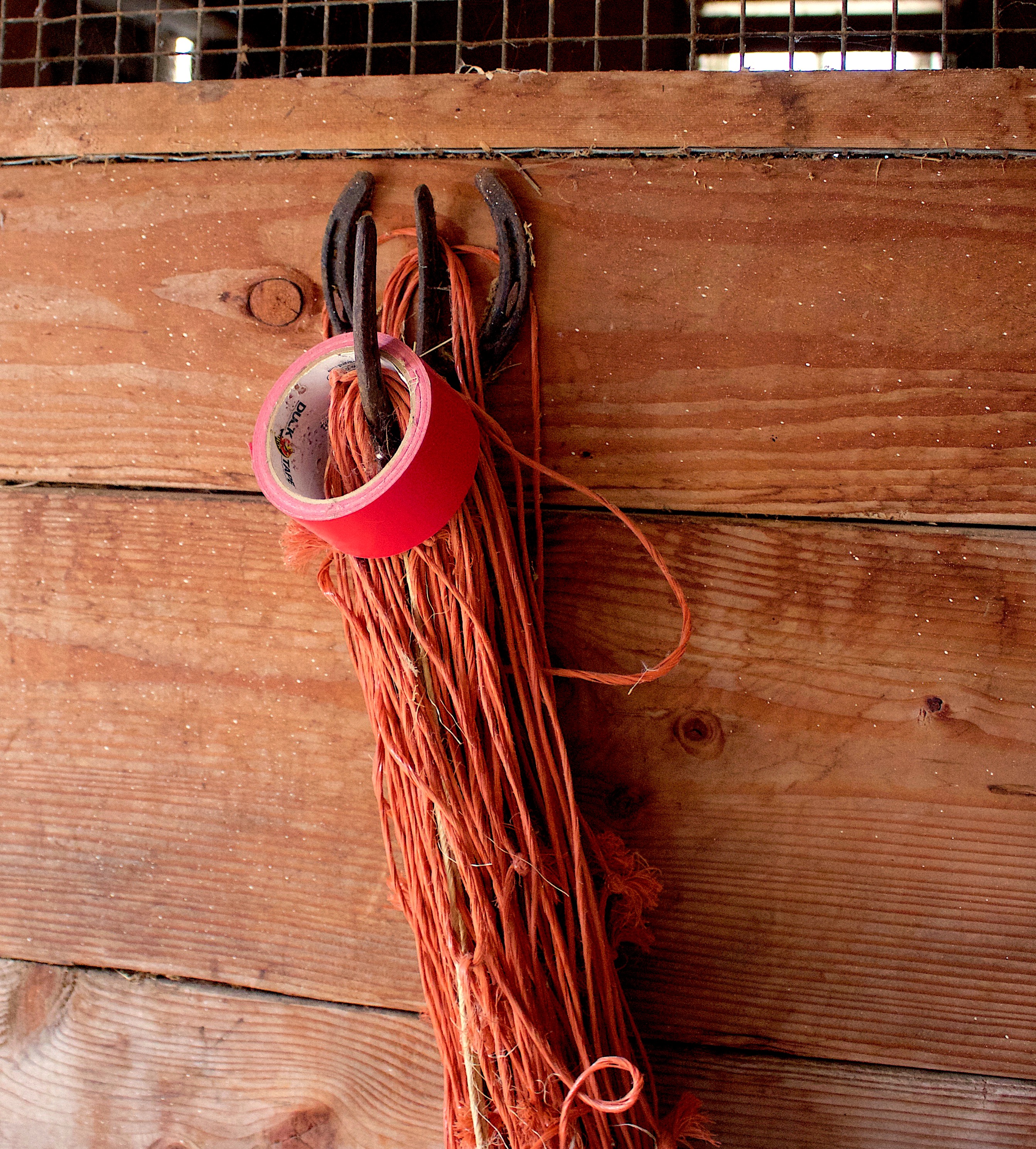
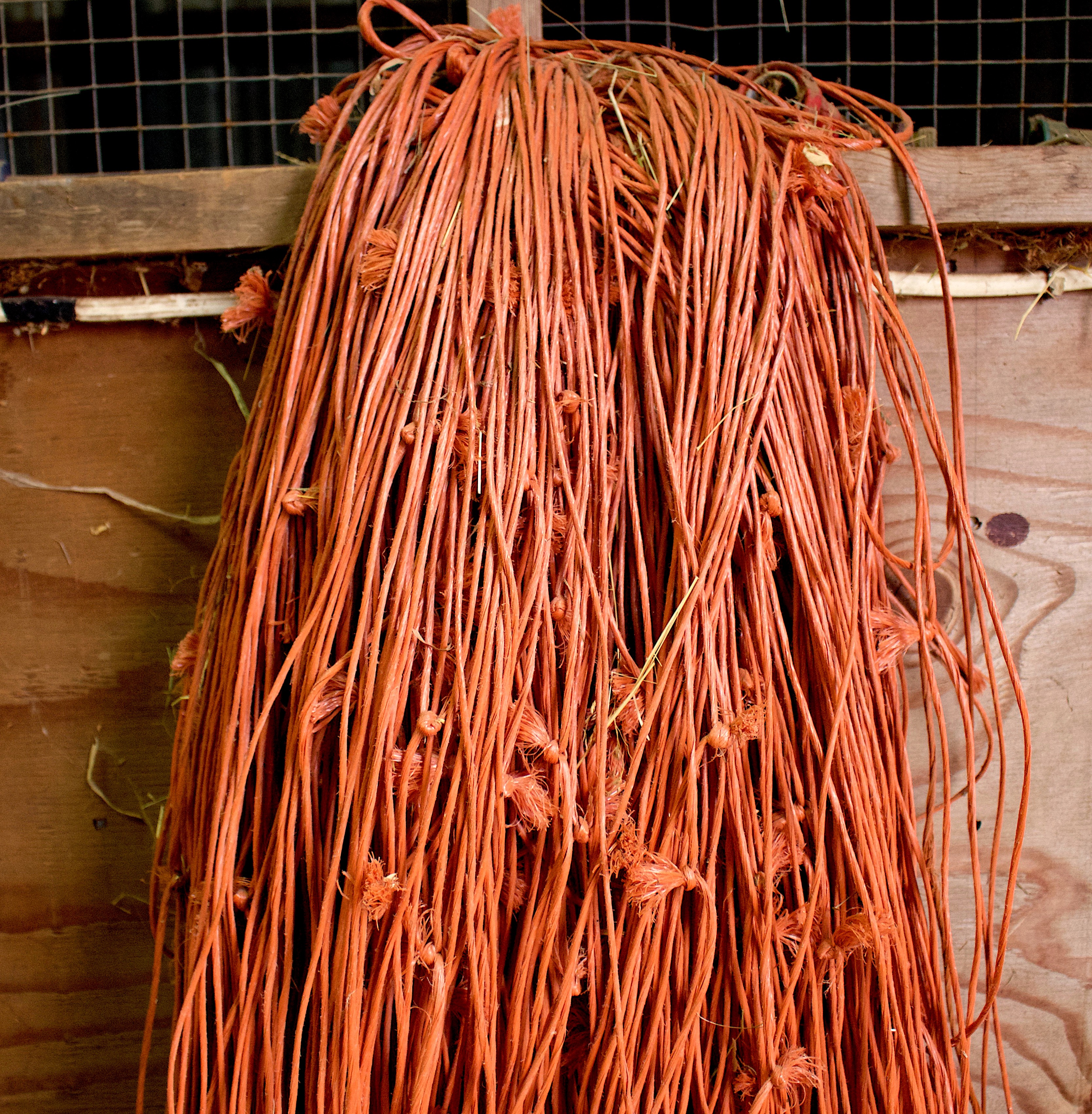
Blessed are the miles of baling twine encircling tons of hay in our barn, twice daily cut loose, freed of grasses and hung up to reuse again in myriad ways:
~~tighten a sagging fence latch a swinging gate tie shut a gaping door replace a broken handle hang a water bucket suspend a sagging overalls fix a broken halter entertain a bored barn cat snug a horse blanket belt~~
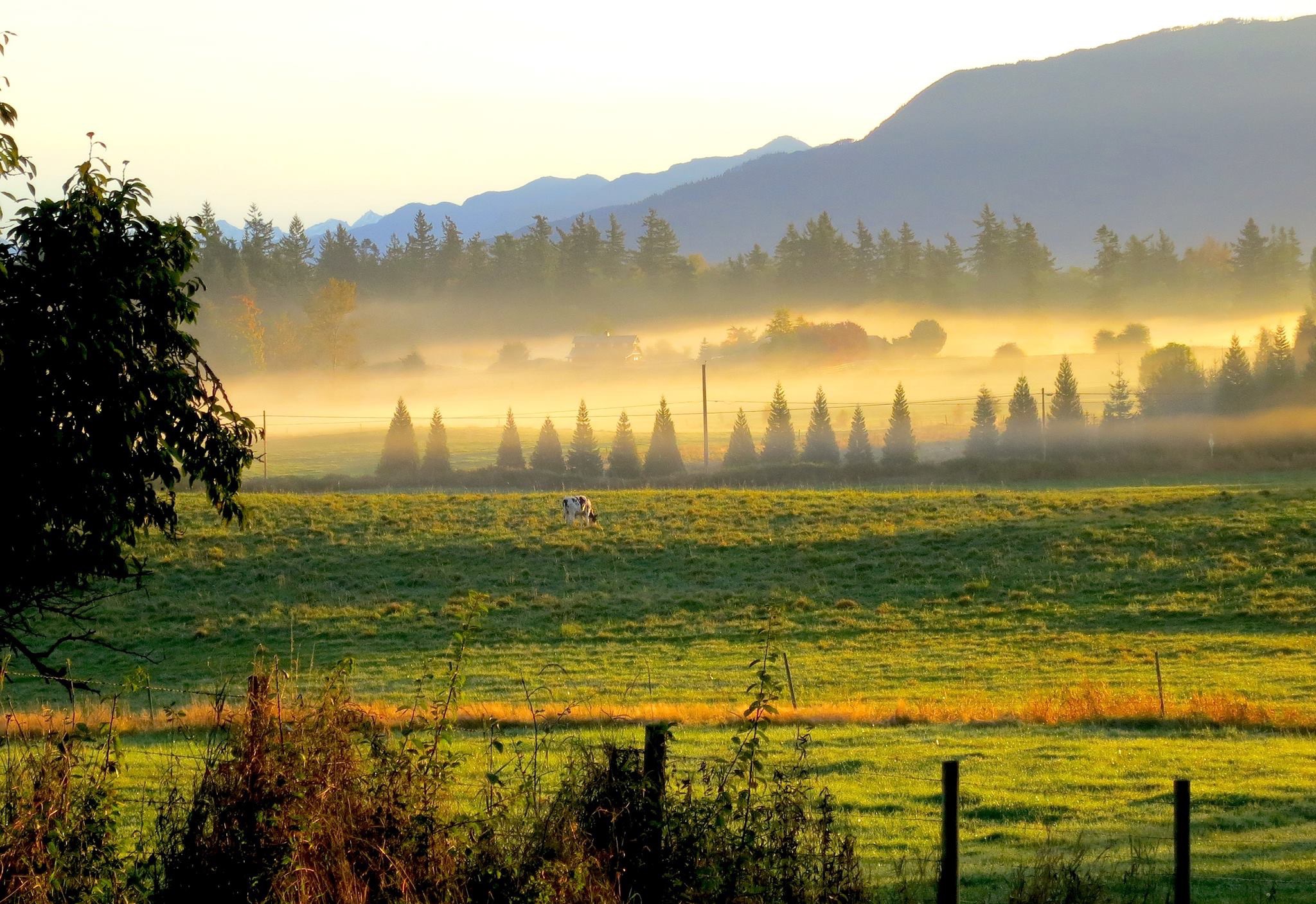
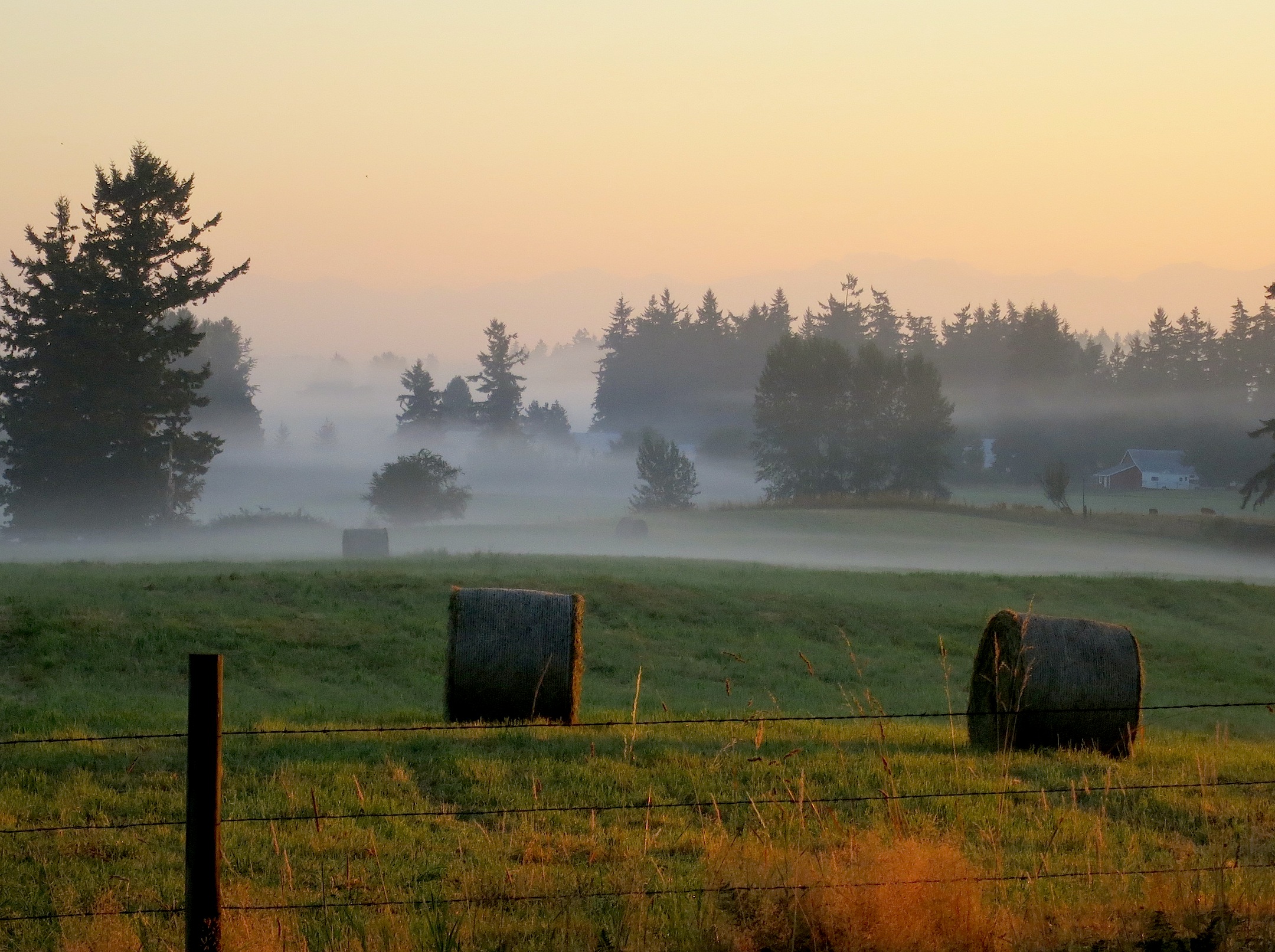
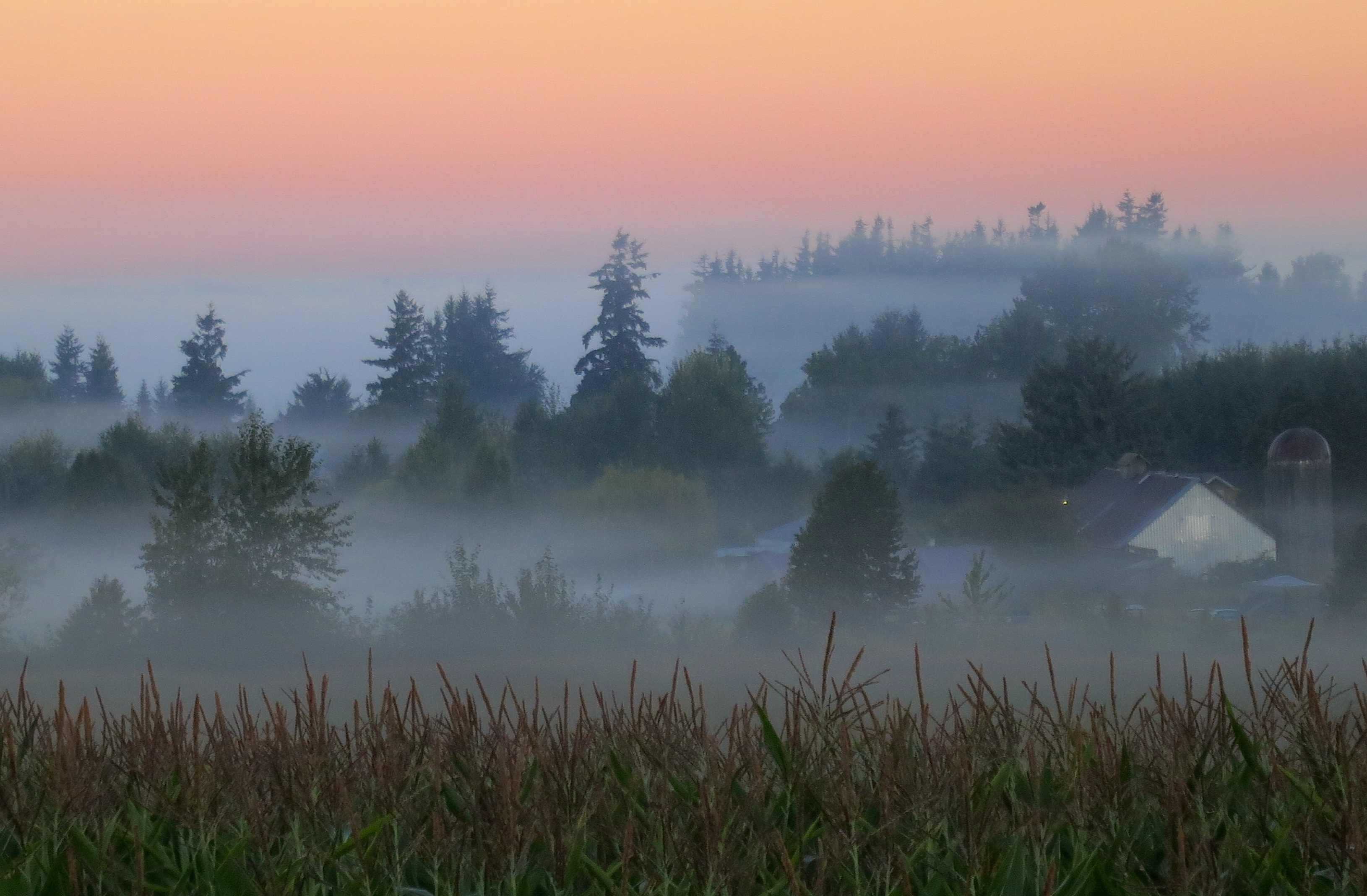
Blessed be this duct tape of the barn when even duct tape won’t work; a fix-all handy in every farmer’s pocket made beautiful by a morning fog’s weeping.
What next, she wonders, with the angel disappearing, and her room suddenly gone dark.
The loneliness of her news possesses her. She ponders how to tell her mother.
Still, the secret at her heart burns like a sun rising. How to hold it in— that which cannot be contained.
She nestles into herself, half-convinced it was some kind of good dream, she its visionary.
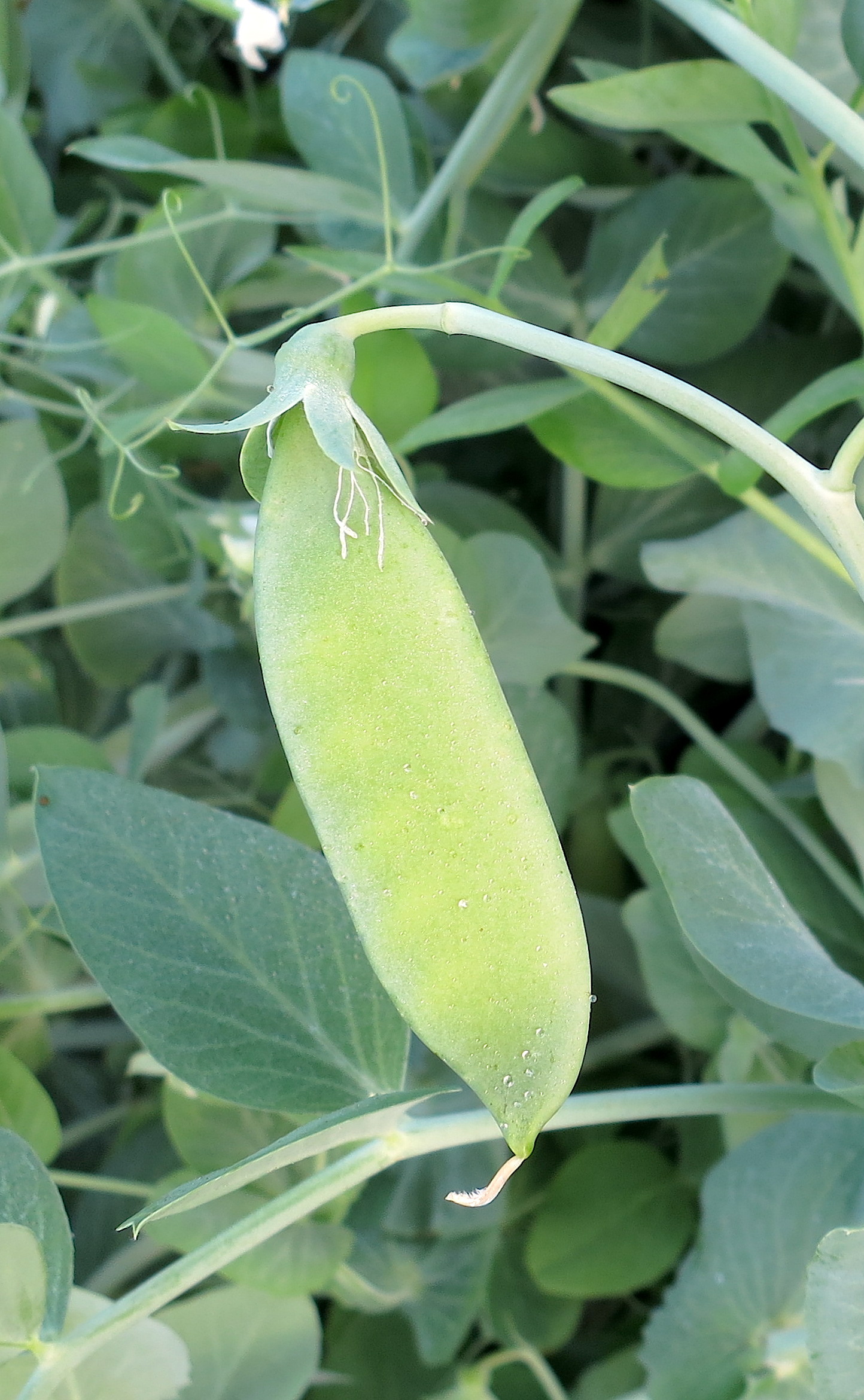
But then, part dazzled, part prescient— she hugs her body, a pod with a seed that will split her. ~Luci Shaw “Mary Considers Her Situation”
Advent is blessed with God’s promises, which constitute the hidden happiness of this time. These promises kindle the light in our hearts.
Being shattered, being awakened – these are necessary for Advent.
In the bitterness of awakening,
in the helplessness of “coming to,”
in the wretchedness of realizing our limitations,
the golden threads that pass between heaven and earth reach us.
These threads give the world a taste of the abundance it can have. ~Alfred Delp
A seed contains all the life and loveliness of the flower, but it contains it in a little hard black pip of a thing which even the glorious sun will not enliven unless it is buried under the earth. There must be a period of gestation before anything can flower.
If only those who suffer would be patient with their earthly humiliations and realize that Advent is not only the time of growth but also of darkness and hiding and waiting, they would trust, and trust rightly, that Christ is growing in their sorrow, and in due season all the fret and strain and tension of it will give place to a splendor of peace.
~Caryll Houselander, from The Reed of God
Sometimes
for the light to replace
where darkness thrives,
there must be wounding
that tears us open,
cleaving us in half
so joy can enter into
where we hurt the most.
.
Christmas comes anew, O let us sing Noel!
Glory to God! Now let your praises swell!
Sing we Noel for Christ, the newborn King,
Christmas comes anew, O let us sing Noel!
2.
Angels did say, “O shepherds come and see,
Born in Bethlehem, a blessed Lamb for thee.”
Sing we Noel for Christ, the newborn King,
Christmas comes anew, O let us sing Noel!
3.
In the manger bed, the shepherds found the child;
Joseph was there, and the Mother Mary mild.
Sing we Noel for Christ, the newborn King,
Christmas comes anew, O let us sing Noel!
4.
Soon came the kings from following the star,
Bearing costly gifts from Eastern lands afar.
Sing we Noel for Christ, the newborn King,
Christmas comes anew, O let us sing Noel!
5.
Brought to Him gold and incense of great price;
Then the stable bare resembled Paradise.
Sing we Noel for Christ, the newborn King,
Christmas comes anew, O let us sing Noel!
1 Now the green blade riseth, from the buried grain,
Wheat that in dark earth many days has lain;
Love lives again, that with the dead has been:
Love is come again like wheat that springeth green.
2 In the grave they laid Him, Love who had been slain,
Thinking that He never would awake again,
Laid in the earth like grain that sleeps unseen:
Love is come again like wheat that springeth green.
3 Forth He came at Easter, like the risen grain,
Jesus who for three days in the grave had lain;
Quick from the dead the risen One is seen:
Love is come again like wheat that springeth green.
4 When our hearts are wintry, grieving, or in pain,
Jesus’ touch can call us back to life again,
Fields of our hearts that dead and bare have been:
Love is come again like wheat that springeth green.
Let there be not only the roses, Not only the buds of the day, But the noon and the hour that discloses The full flower torn away:
Not only the bliss and the sweet When the sun is soft and low, But the weary aching of feet Tired out by the harrow and hoe:
Not only the gazing and sighing Where the heather stands thick on the moor, But the lonely watch and the crying, With hunger awake at the door:
Not only the wonder of reaping The fruit that hangs red on the bough, But the strain and the stagger of creeping In the brown wake of the plough.
Let this be the way that I go, And the life that I try, My feet being firm in the field, And my heart in the sky. ~Philip Britts fromWater at the Roots
Within each day of each life
hides the joy of discovery
despite the weariness.
The truth of it is:
a hunger and ache consume me
if I don’t seek out and harvest beauty
growing in each moment.
Though my boots are dusty
and my steps less sure,
the life I try on each day
is the certainty of a heart in bloom.
From blossoms comes this brown paper bag of peaches we bought from the boy at the bend in the road where we turned toward signs painted Peaches.
From laden boughs, from hands, from sweet fellowship in the bins, comes nectar at the roadside, succulent peaches we devour, dusty skin and all, comes the familiar dust of summer, dust we eat.
O, to take what we love inside, to carry within us an orchard, to eat not only the skin, but the shade, not only the sugar, but the days, to hold the fruit in our hands, adore it, then bite into the round jubilance of peach.
There are days we live as if death were nowhere in the background; from joy to joy to joy, from wing to wing, from blossom to blossom to impossible blossom, to sweet impossible blossom. ~Li-Young Lee from Rose
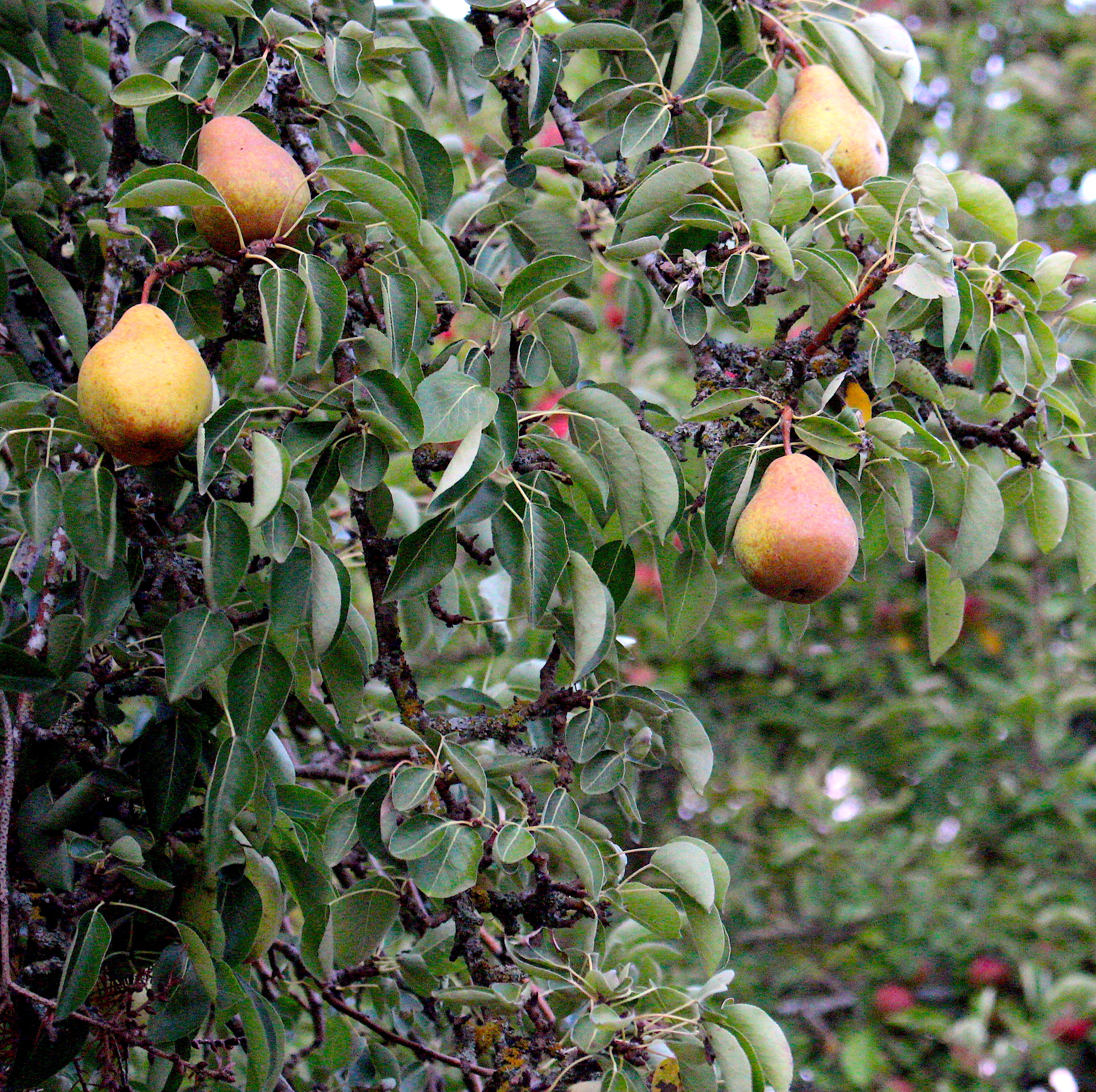
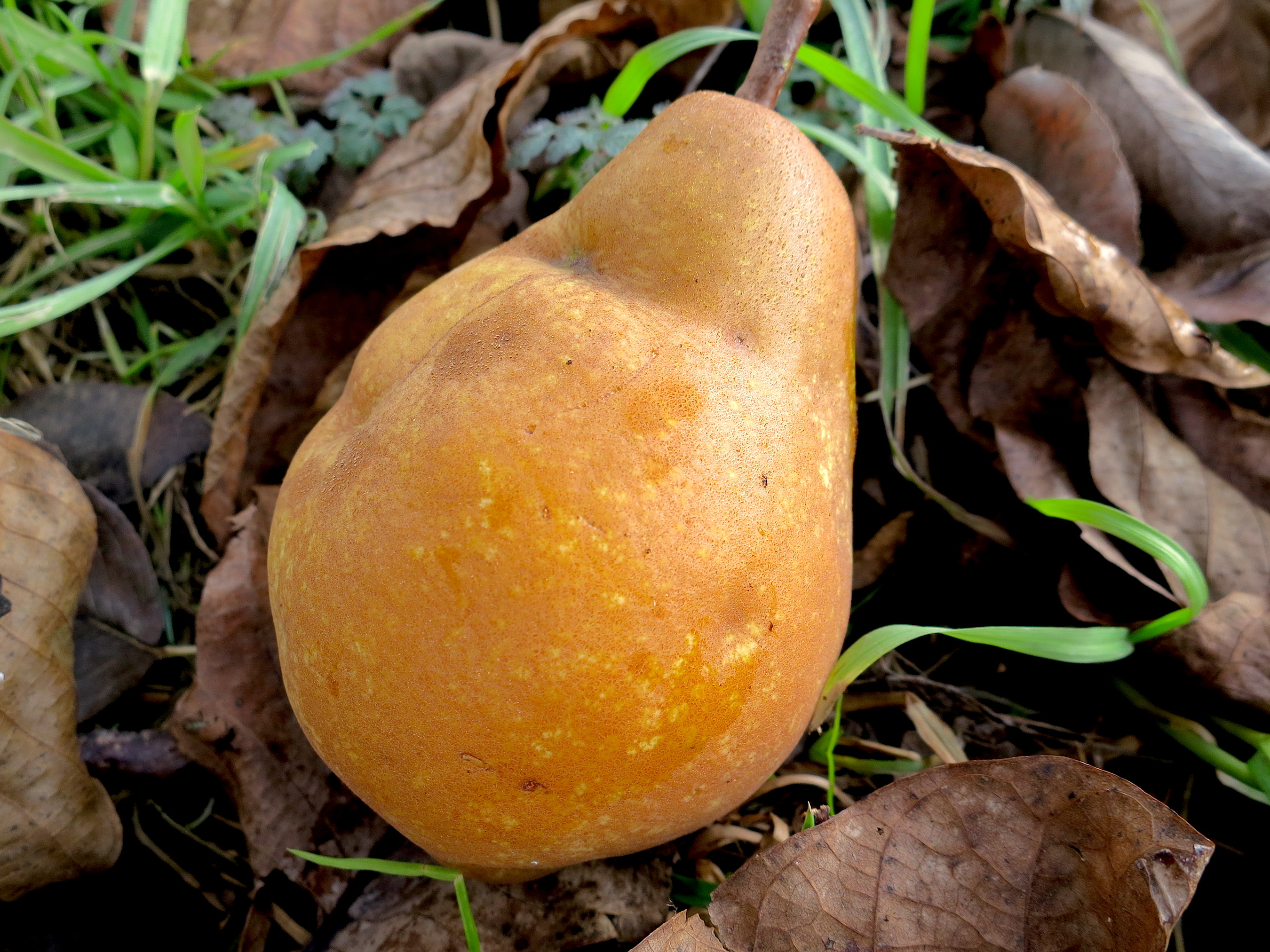
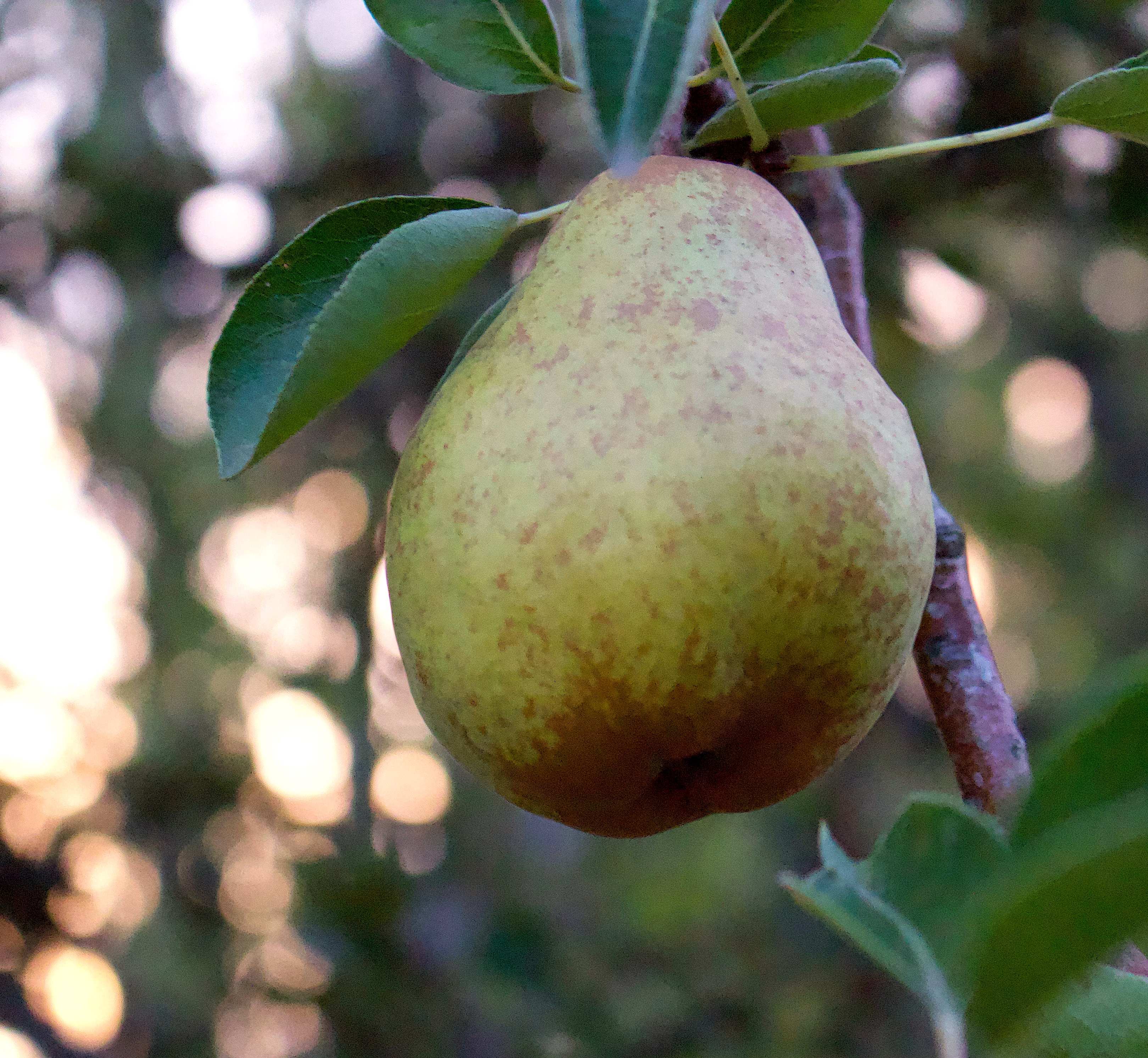
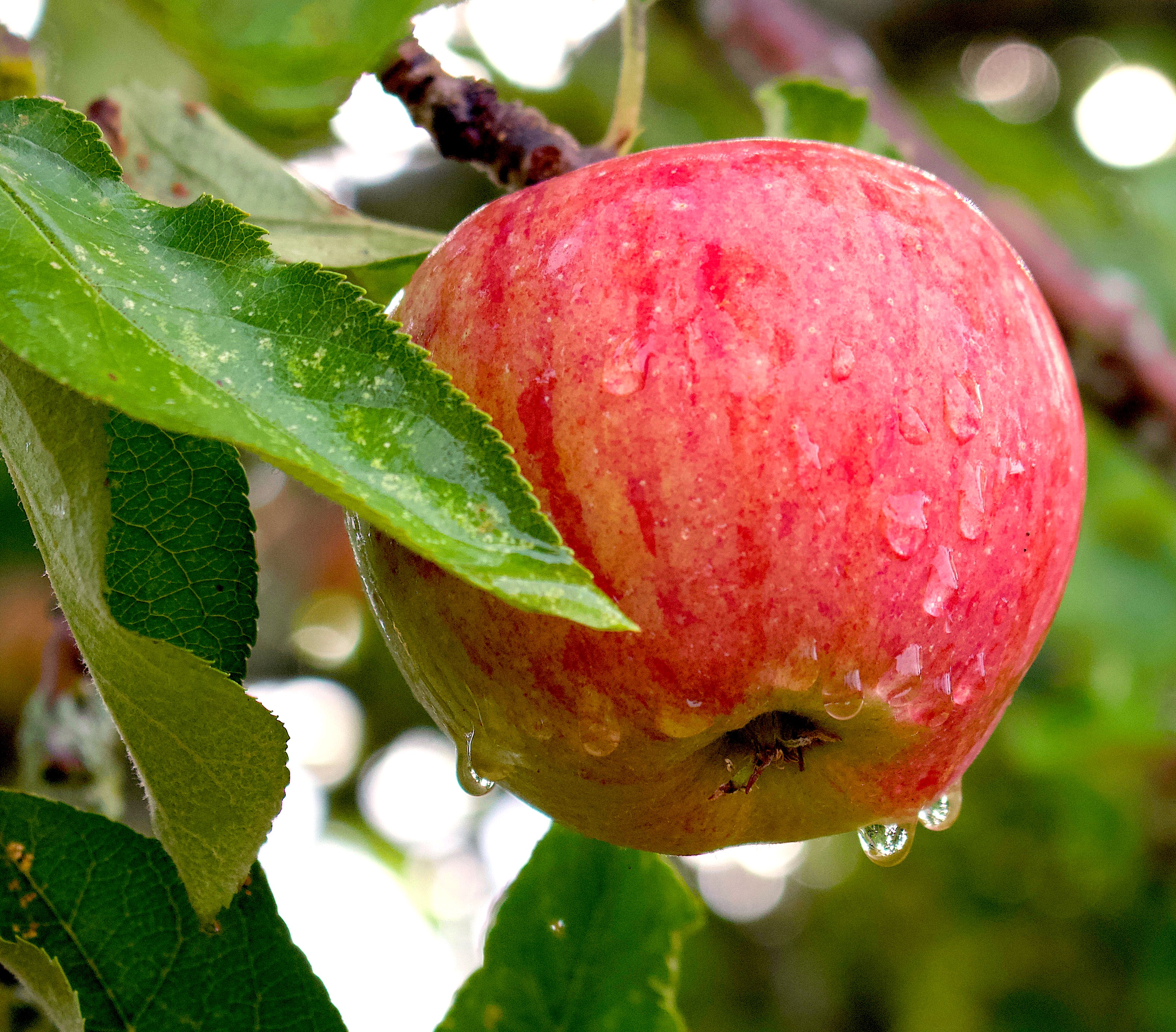
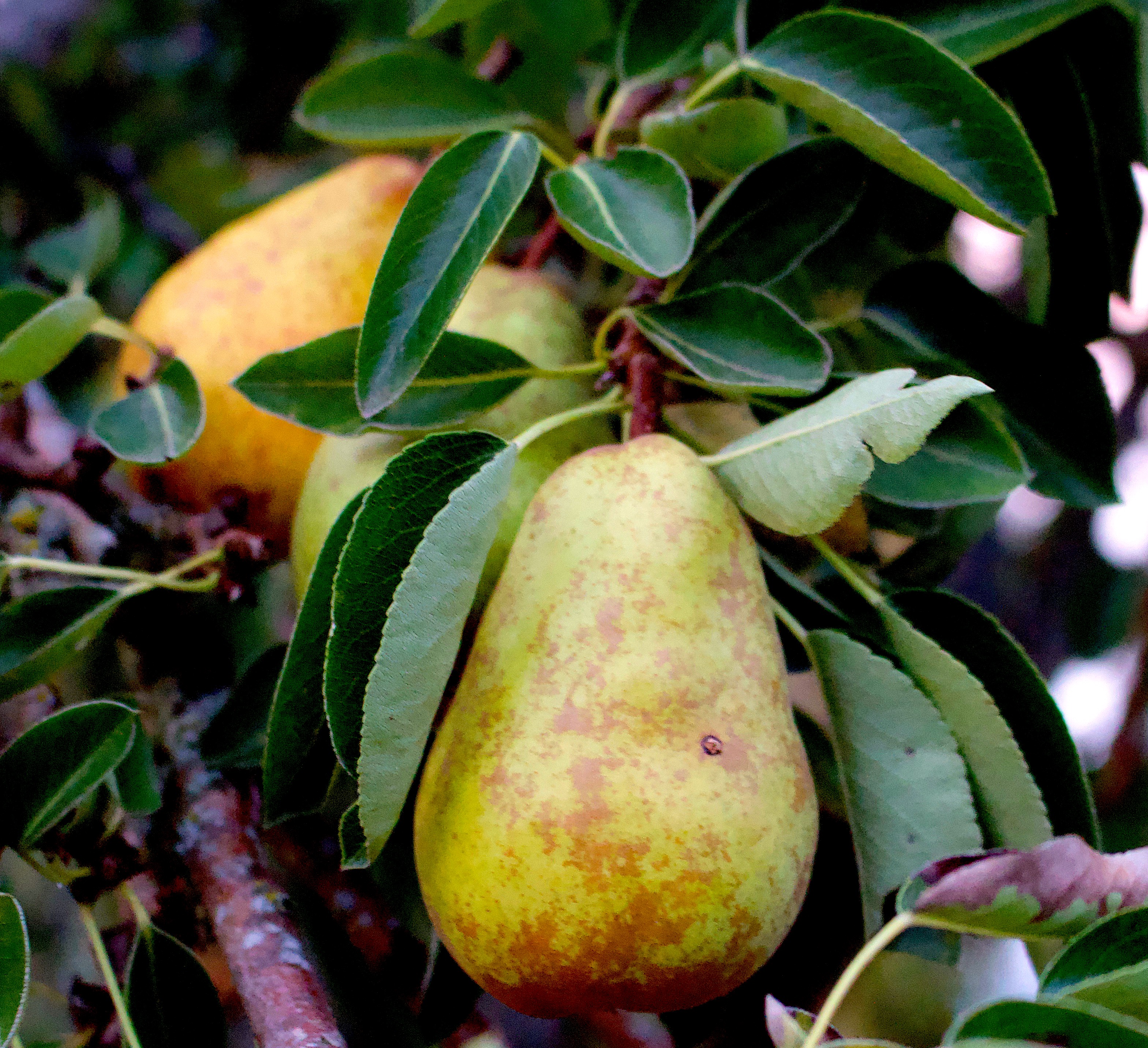
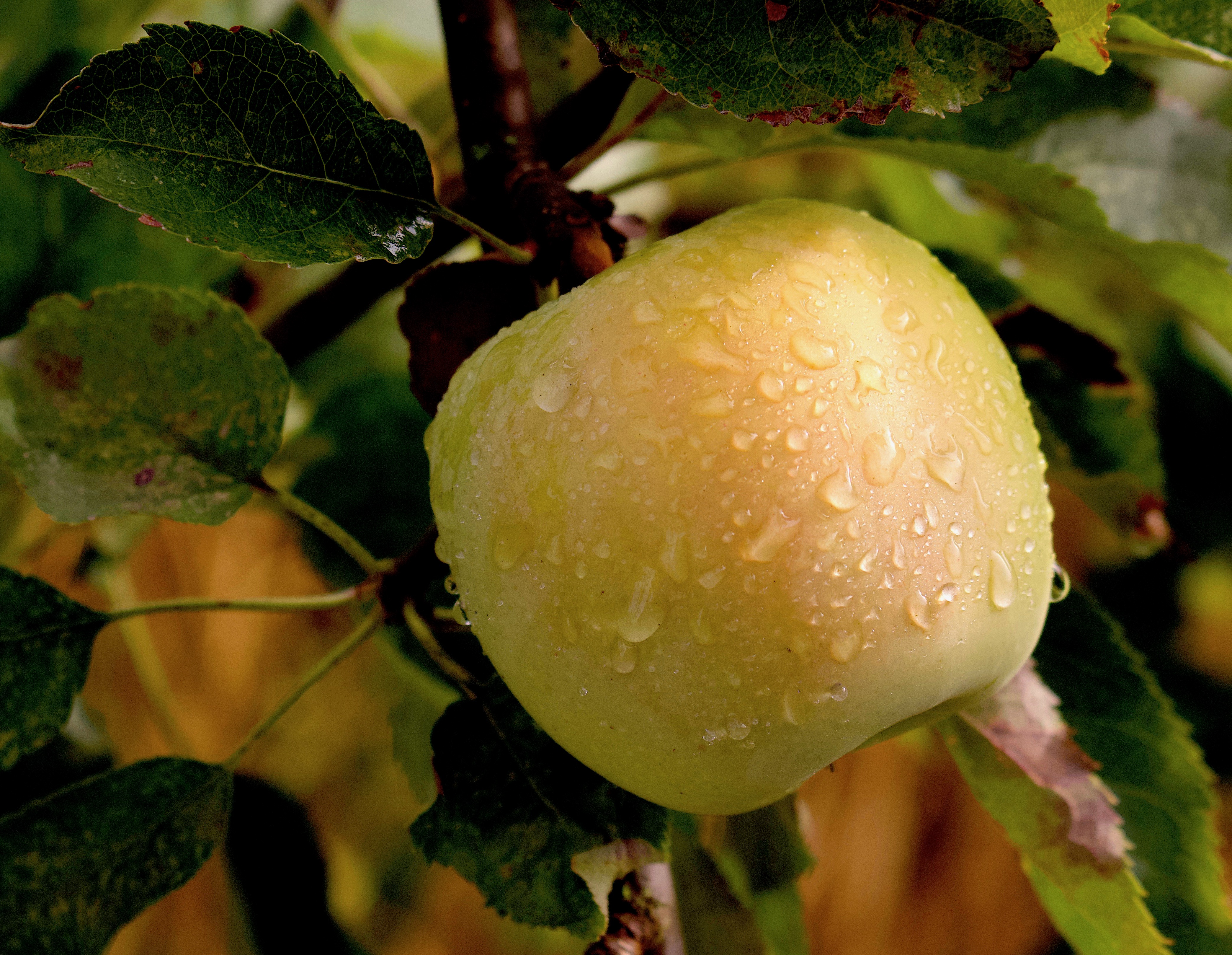
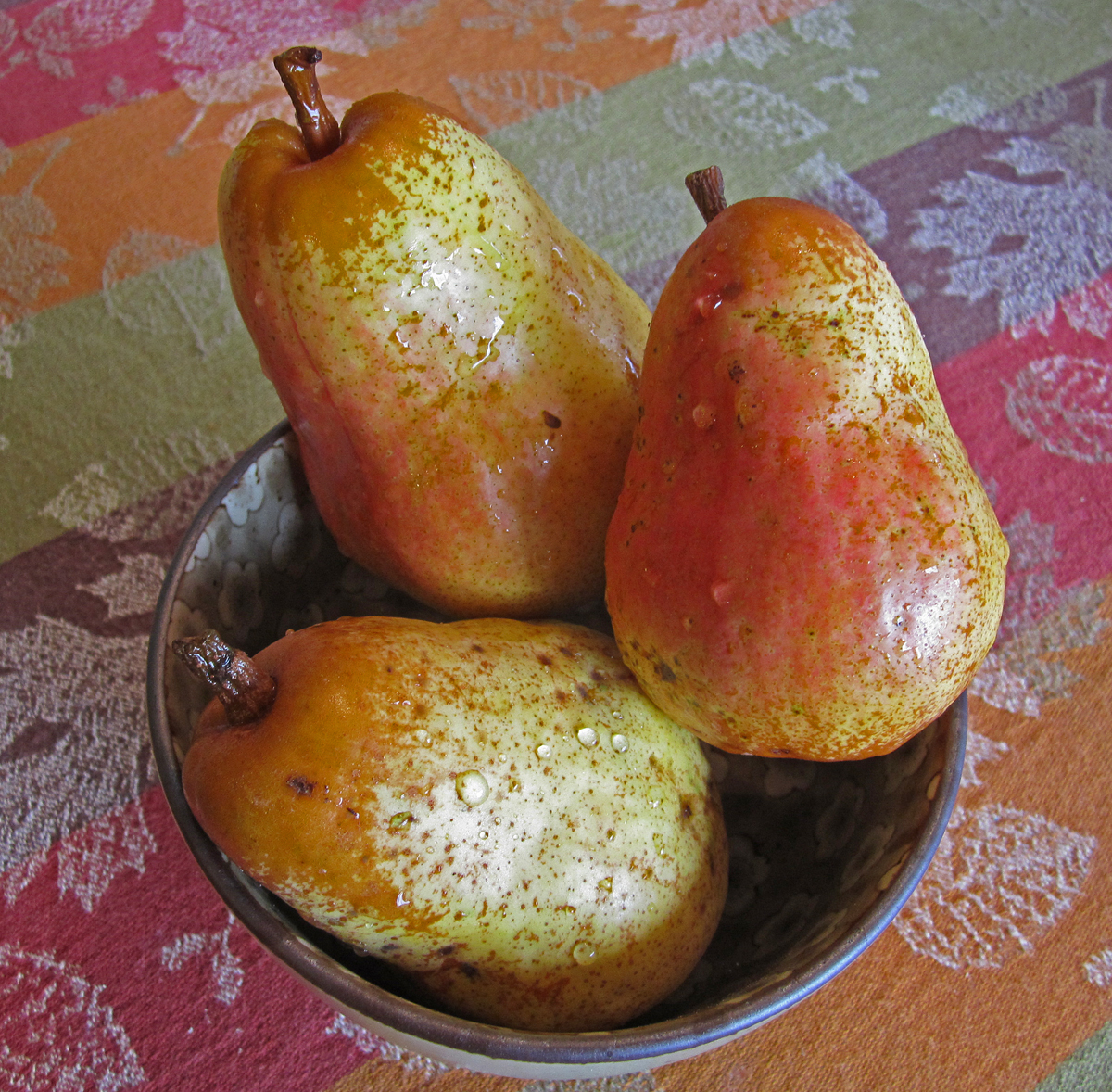
On this farm orchard in the north, it’s a harvest of apples and pears rather than peaches.
Each day we fill up on sauce and juice as fruit rains down in the winds of late summer.
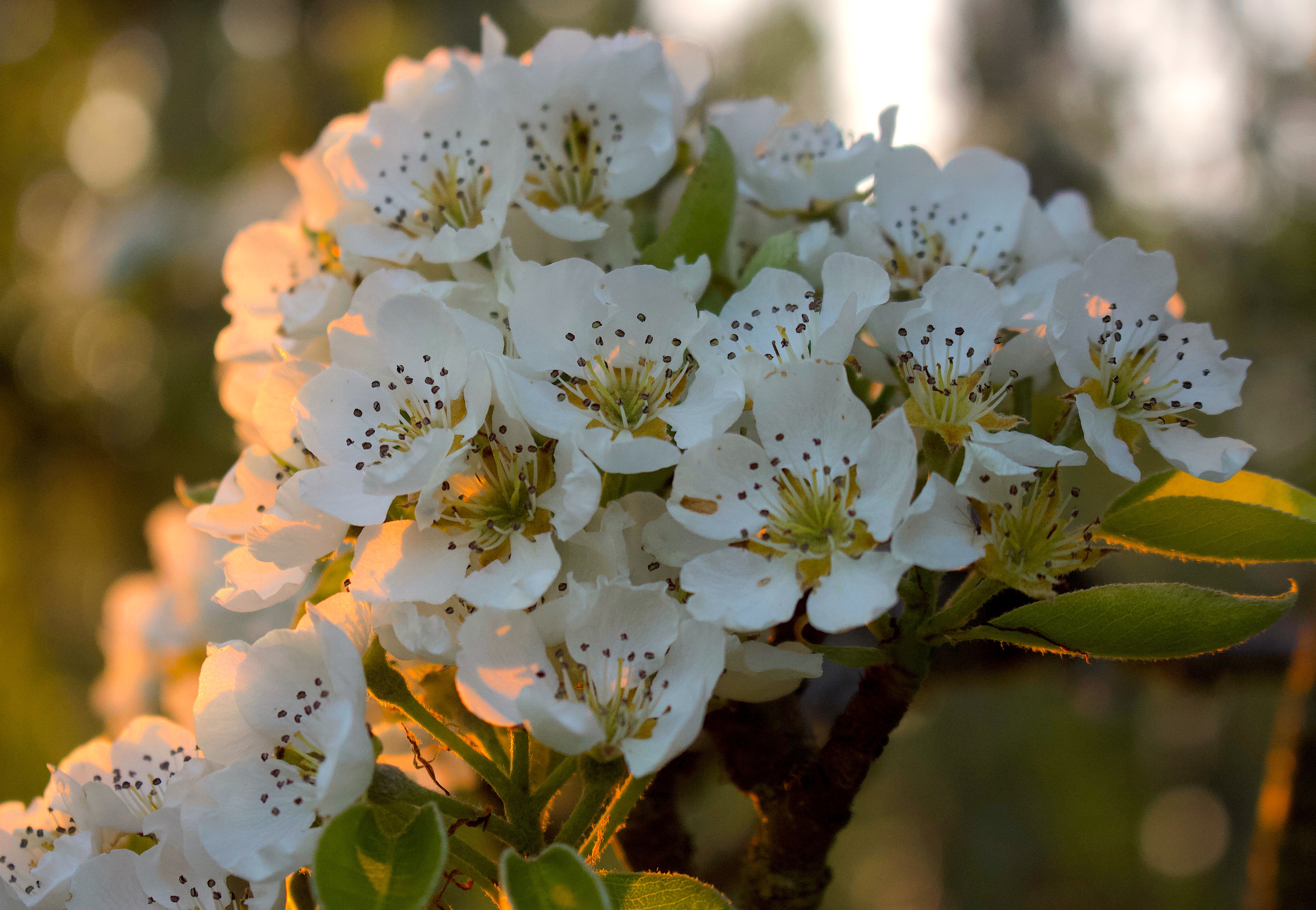
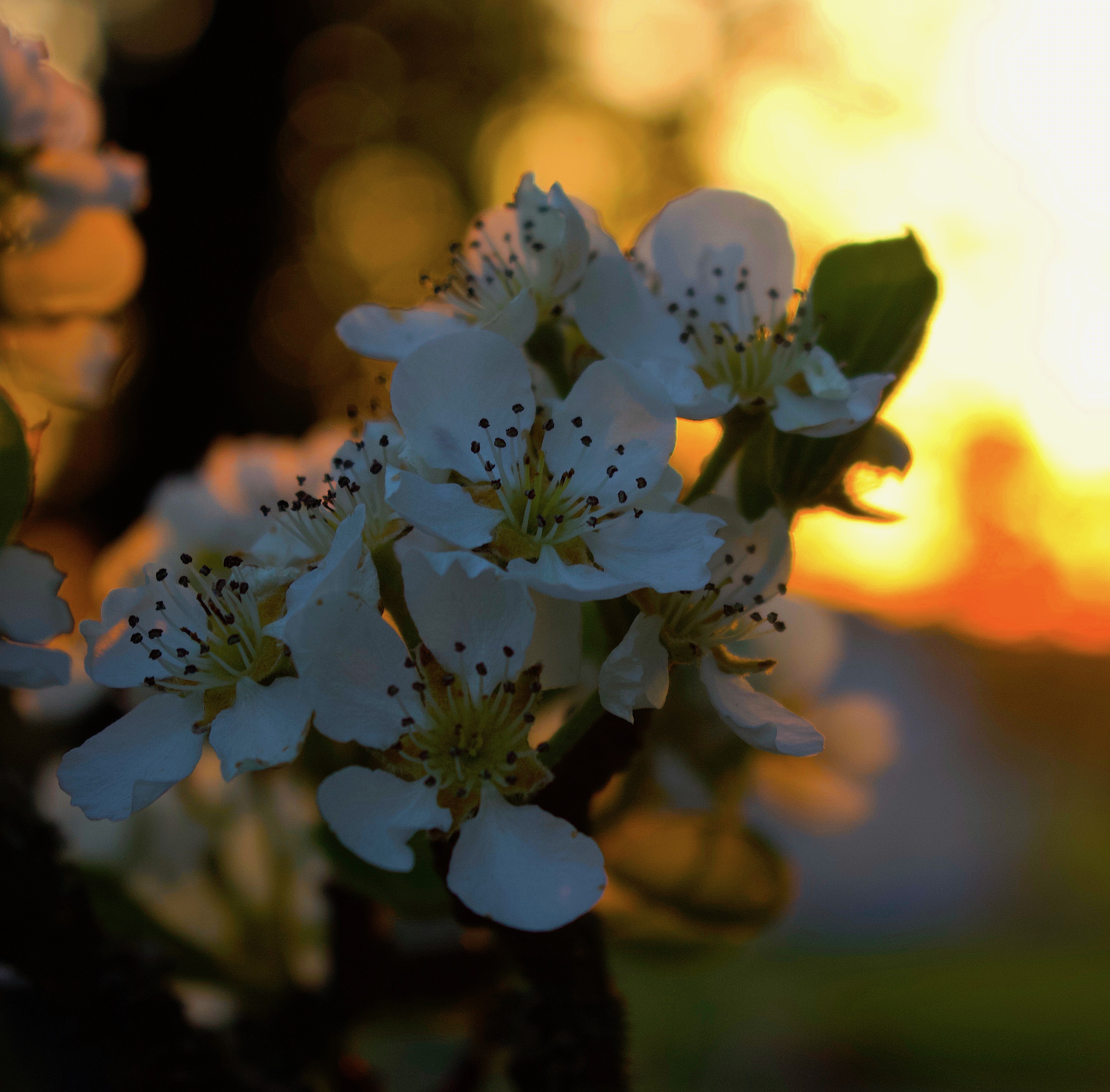
Only four months ago these were mere buds opening up to soft petals raining like snow in the spring breezes. Impossibly, those blossoms became fruit that will sustain us through a bare winter.
From joy to joy to joy. From wing to wing to wing. From season to season to season.
Well I know now the feel of dirt under the nails, I know now the rhythm of furrowed ground under foot, I have learned the sounds to listen for in the dusk, the dawning and the noon.
I have held cornfields in the palm of my hand, I have let the swaying wheat and rye run through my fingers, I have learned when to be glad for sunlight and for sudden thaw and for rain.
I know now what weariness is when the mind stops and night is a dark blanket of peace and forgetting and the morning breaks to the same ritual and the same demands and the silence. ~Jane Tyson Clement from No One Can Stem the Tide
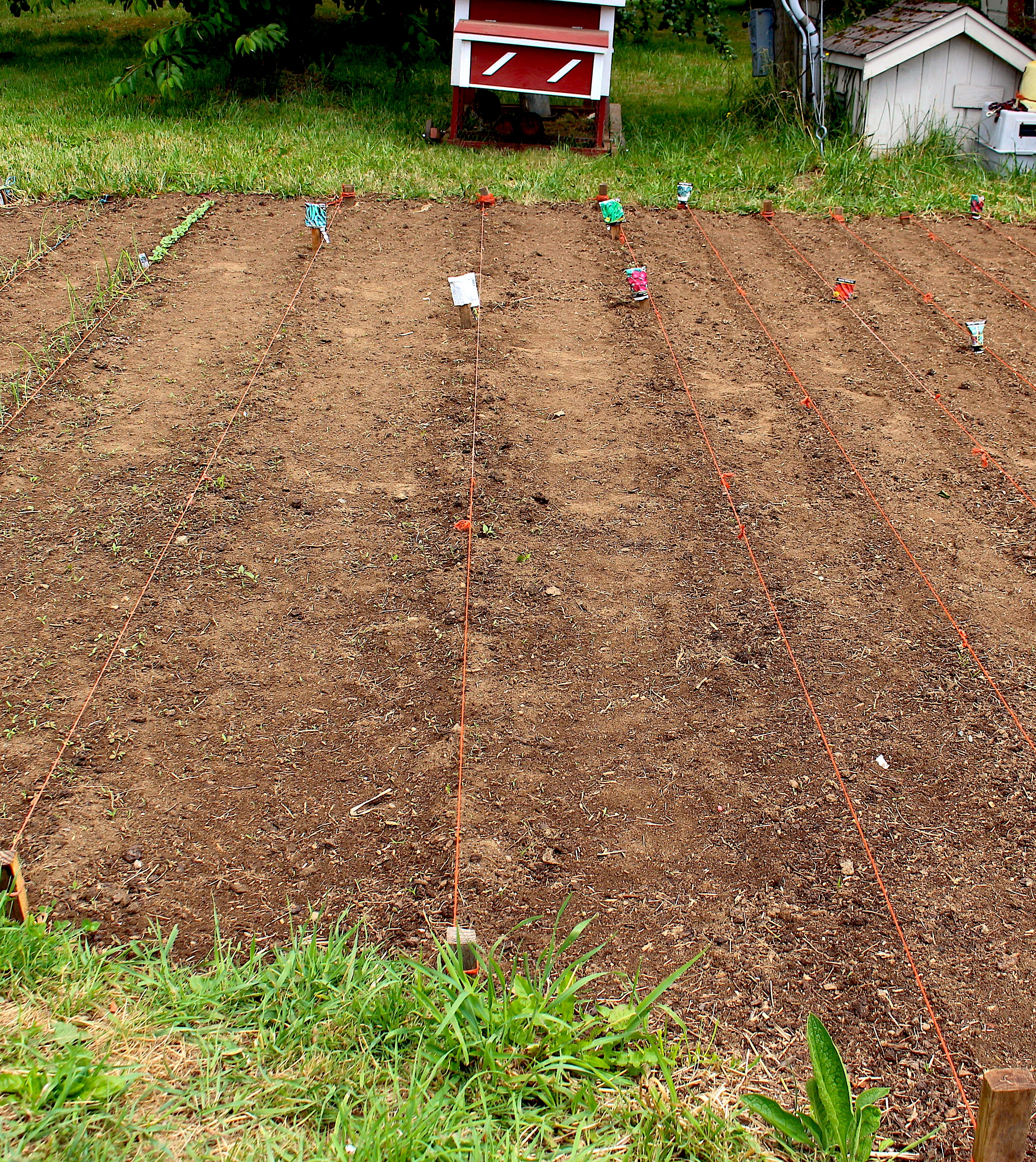
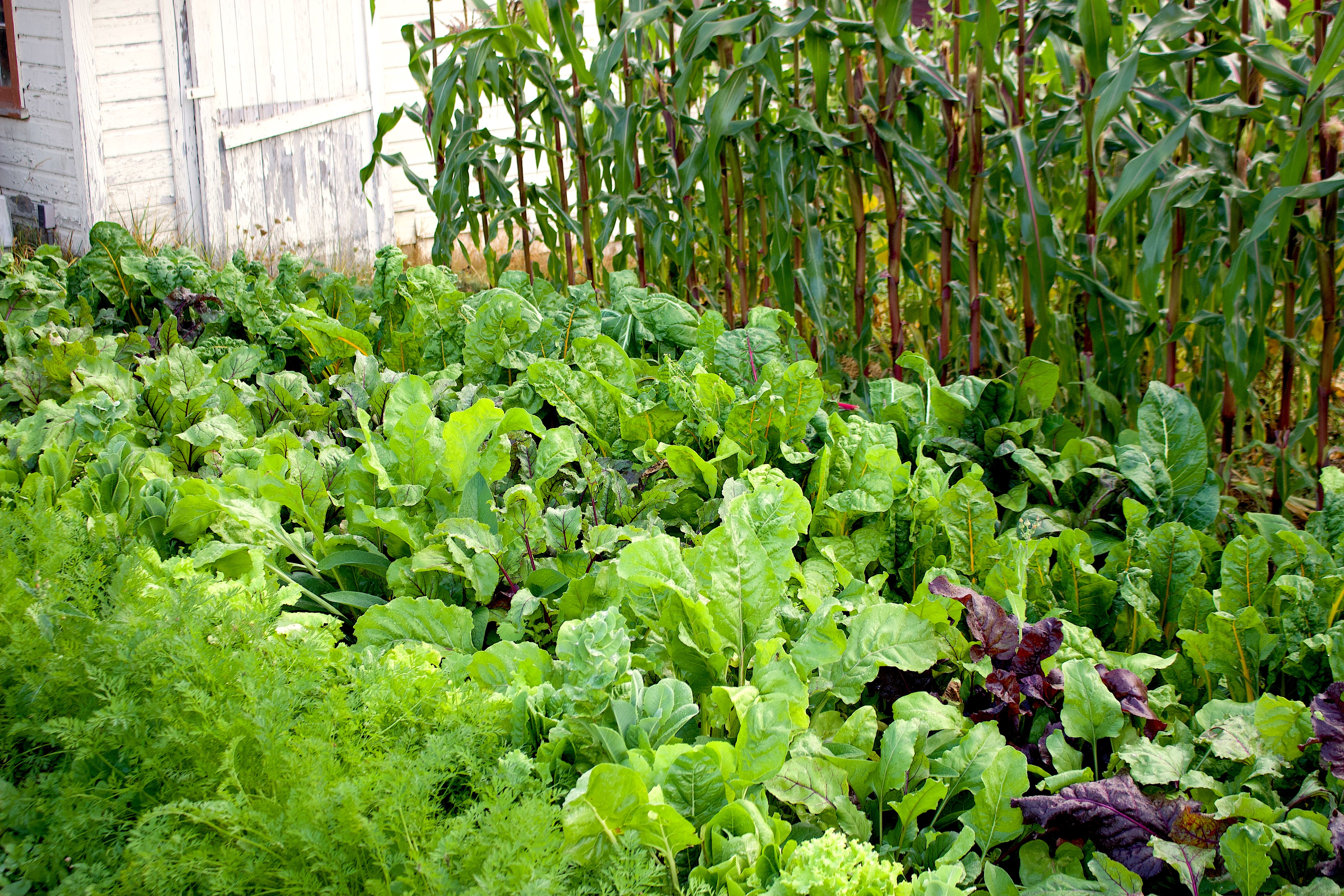
Our garden is over-producing so we freeze and dehydrate and give away and compost what we cannot eat now. It is a race to the finish before the first killing frost in less than a month.
Carrying dirt under fingernails is a badge of honor for the gardener. The soil that clings to our boots and our skin represents rhythm and ritual in every move we make – we know what is expected of us when we rise first thing in the morning and later as we settle weary under a blanket at night.
May there ever be such good work as we rise in anticipation every morning.
May there ever be such good rest as we sleep in peace, forgetting the demands of the new day.










 Barnstorming