A Faded Sort of Cow

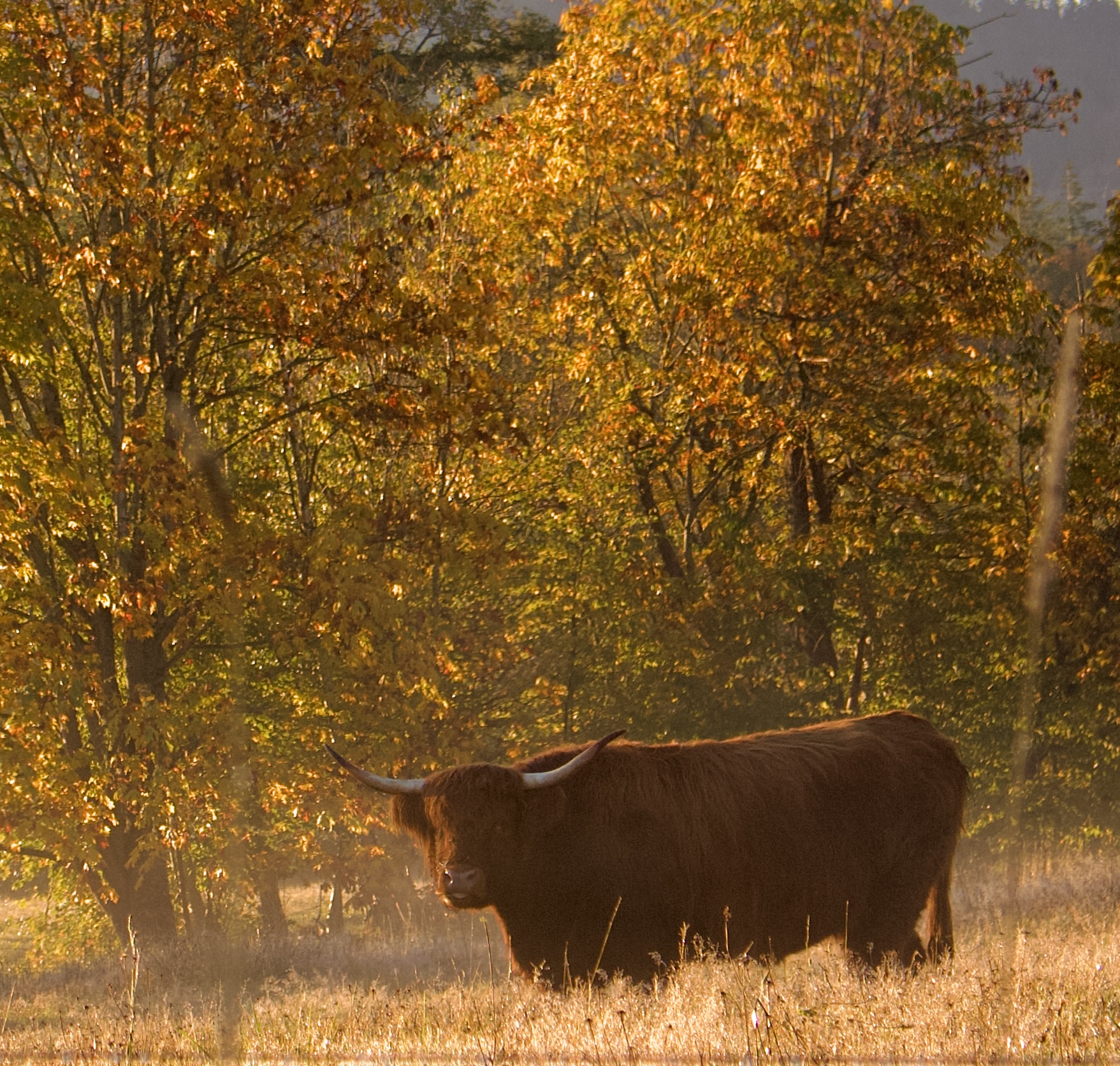
Summer is over, the old cow said,
And they’ll shut me up in a draughty shed
To milk me by lamplight in the cold,
But I won’t give much for I am old.
It’s long ago that I came here
Gay and slim as a woodland deer;
It’s long ago that I heard the roar
Of Smith’s white bull by the sycamore.
And now there are bones where my flesh should be;
My backbone sags like an old roof tree,
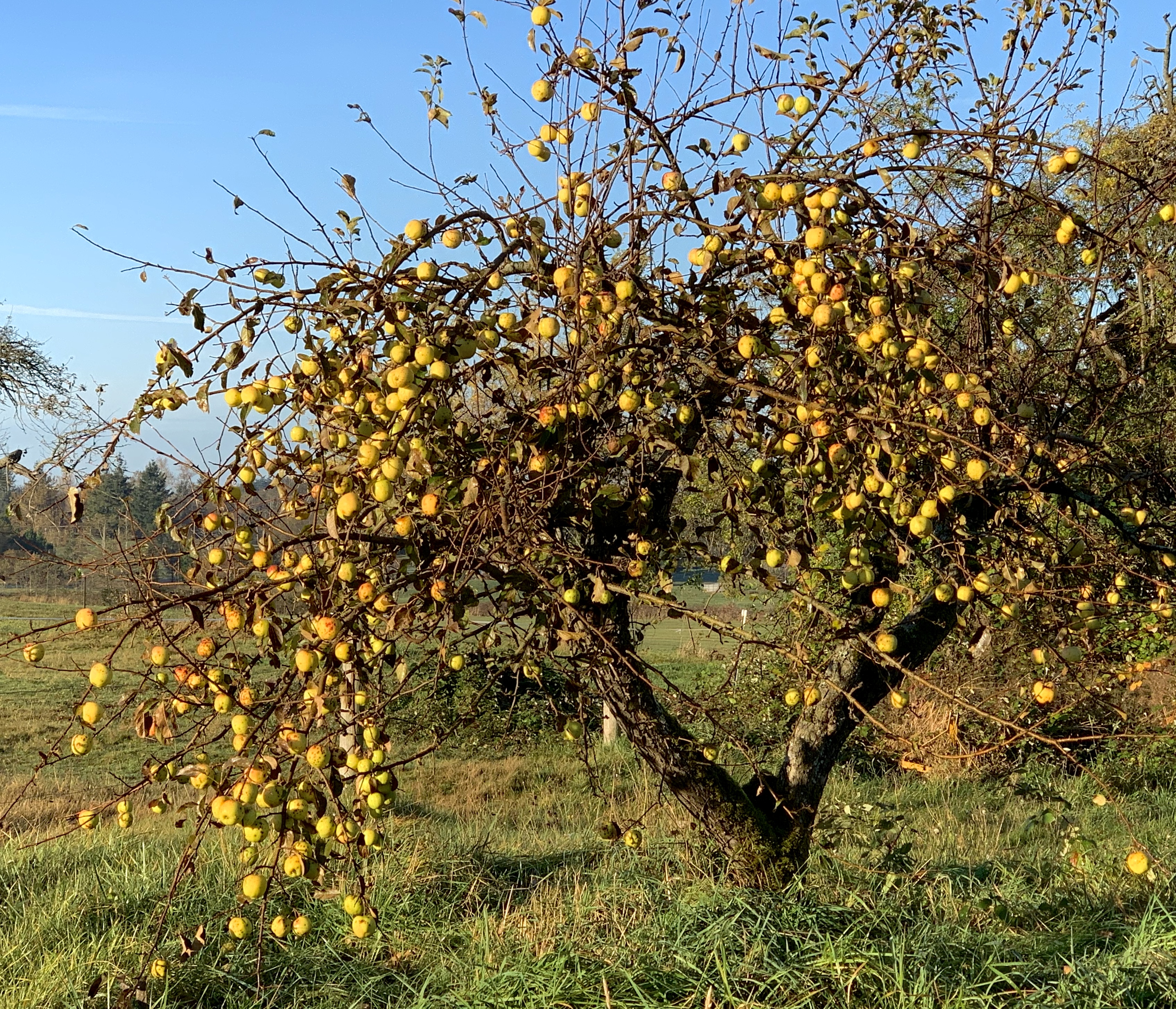
And an apple snatched in a moment’s frolic
Is just so many days of colic.

I’m neither a Jersey nor Holstein now
But only a faded sort of cow.
My calves are veal and I had as lief
That I could lay me down as beef;
Somehow, they always kill by halves, —
Why not take me when they take my calves?
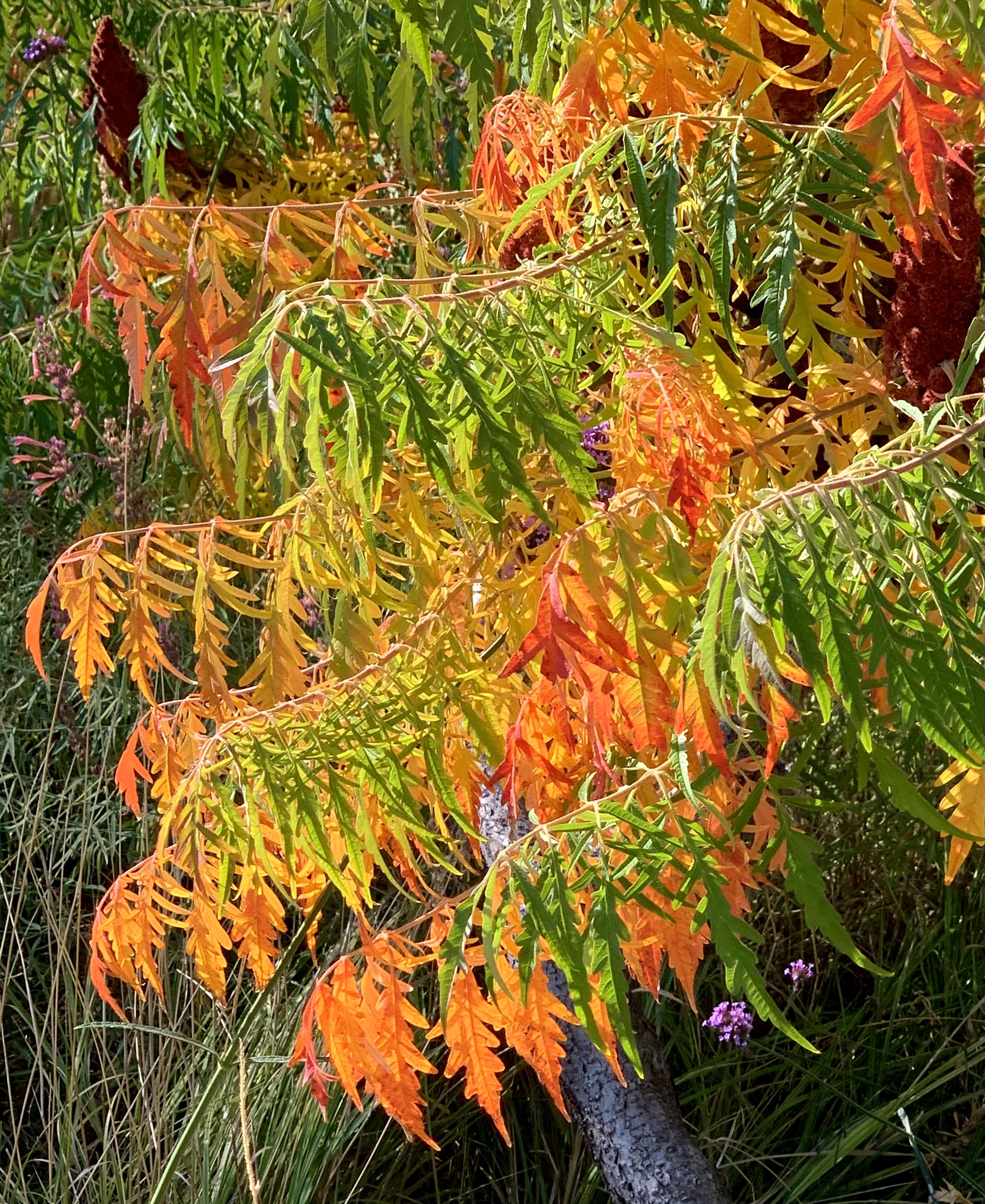
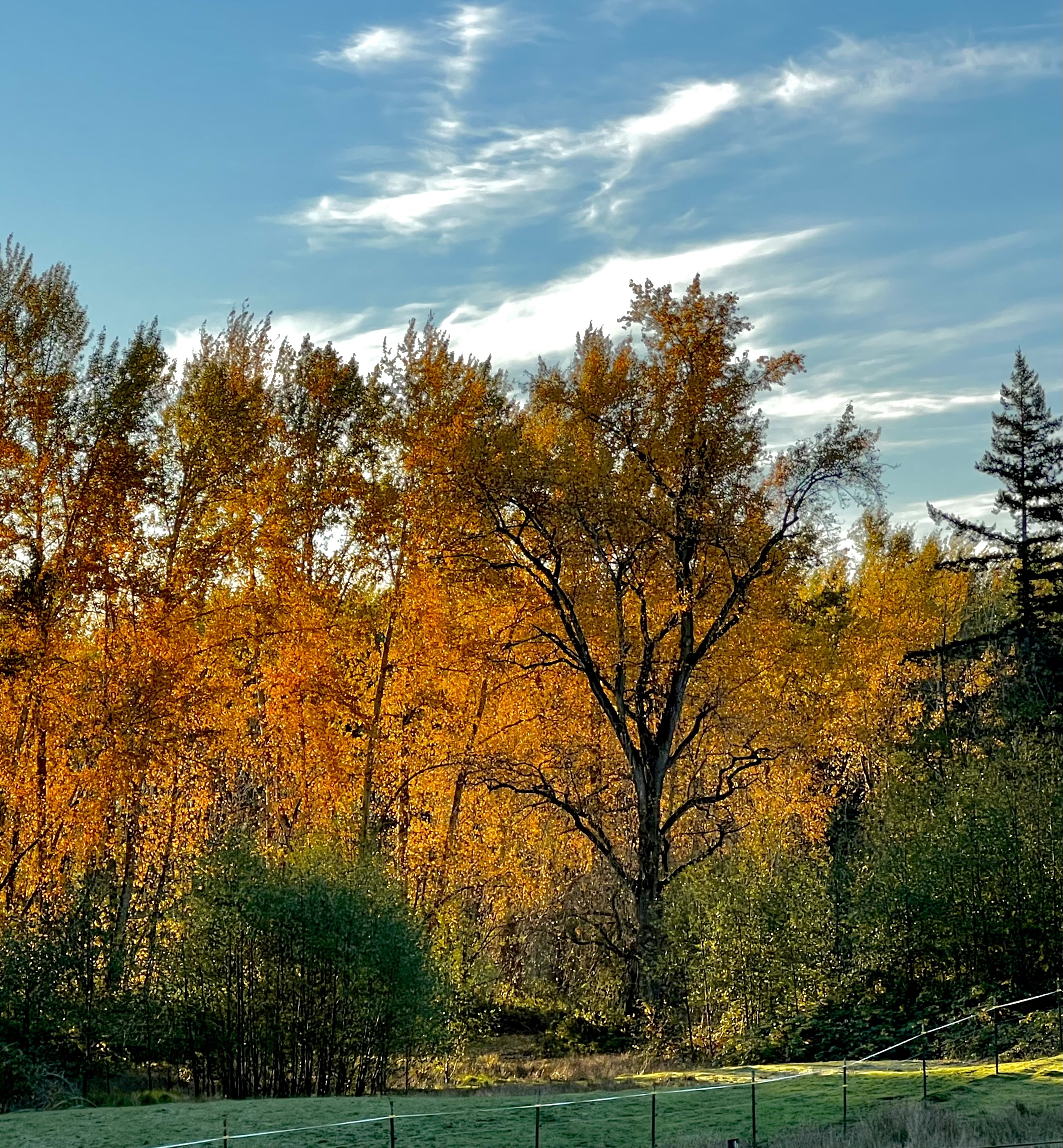
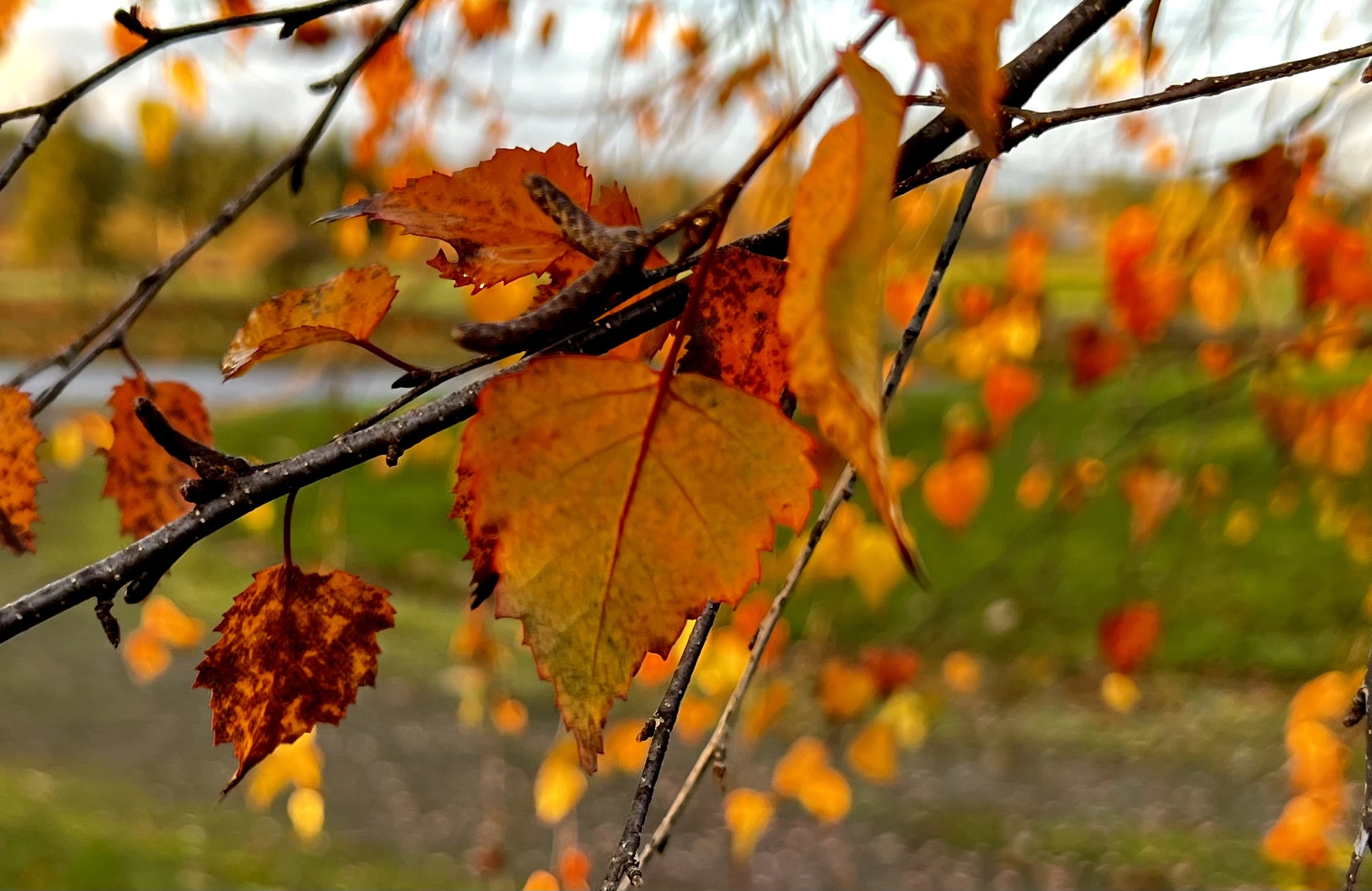
Birch turns yellow and sumac red,
I’ve seen this all before, she said,
I’m tired of the field and tired of the shed.
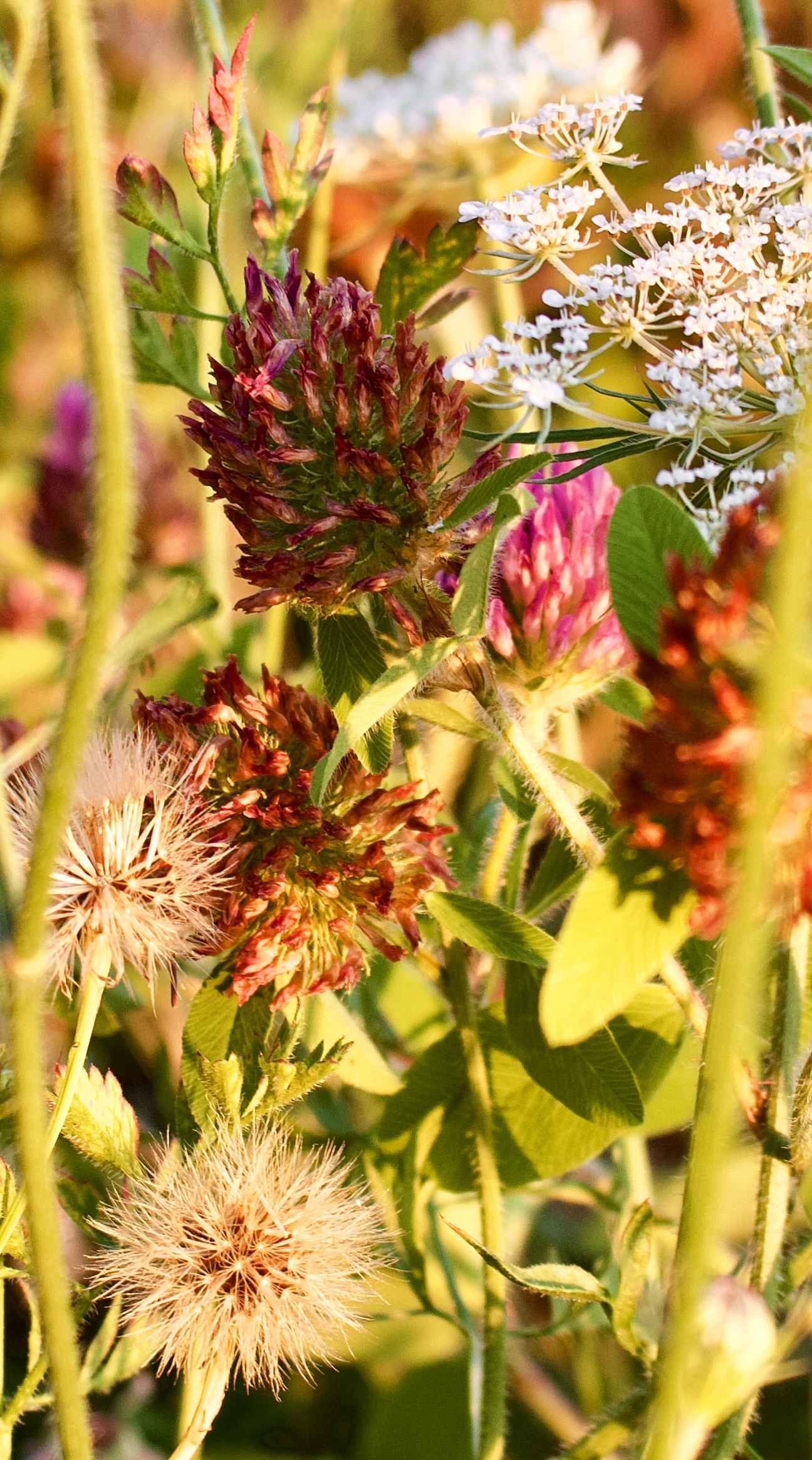
There’s no more grass, there’s no more clover;
Summer is over, summer is over.

~Robert Hillyer “Moo!”
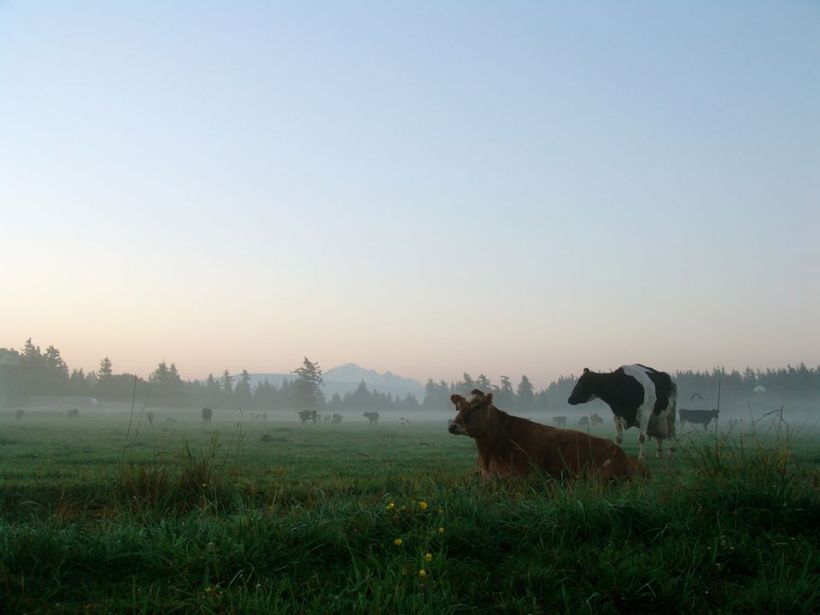
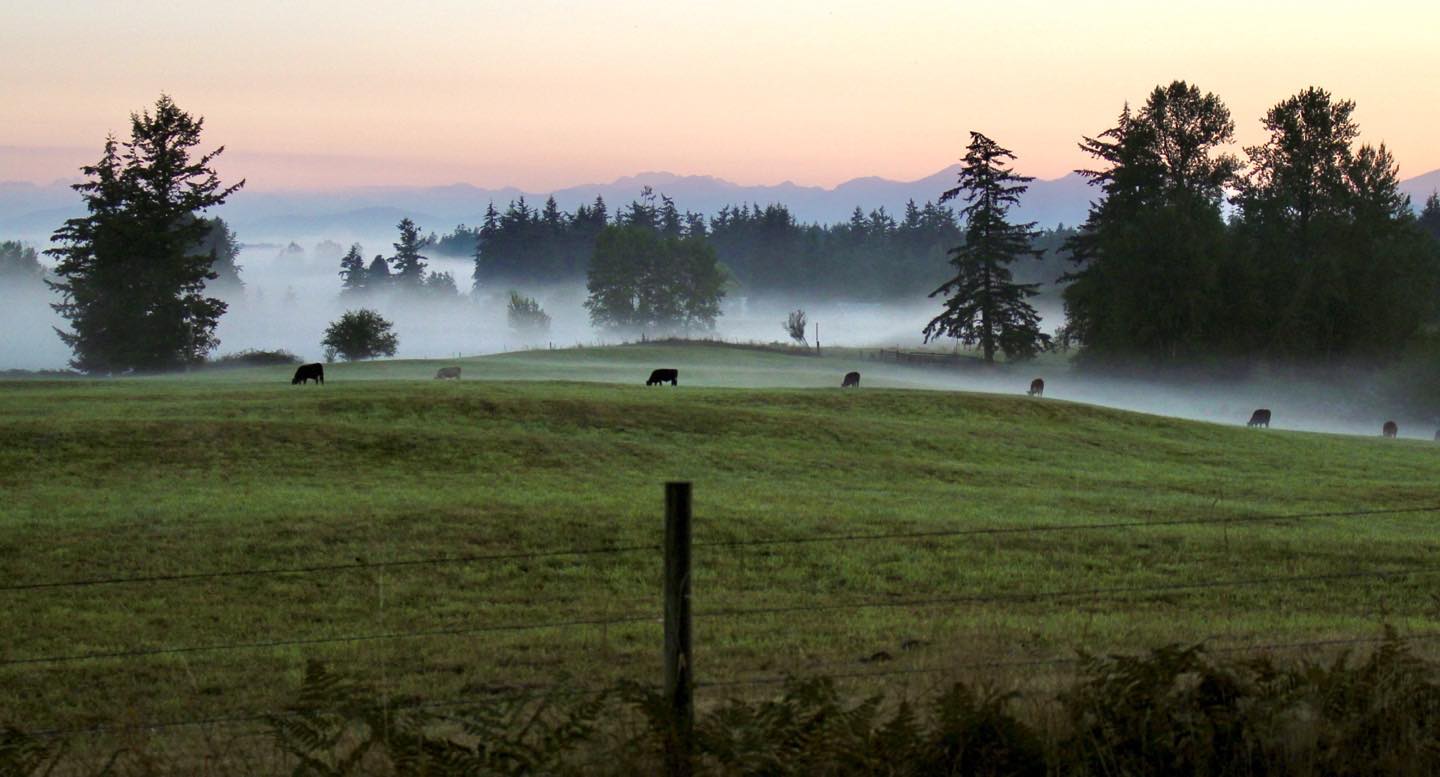
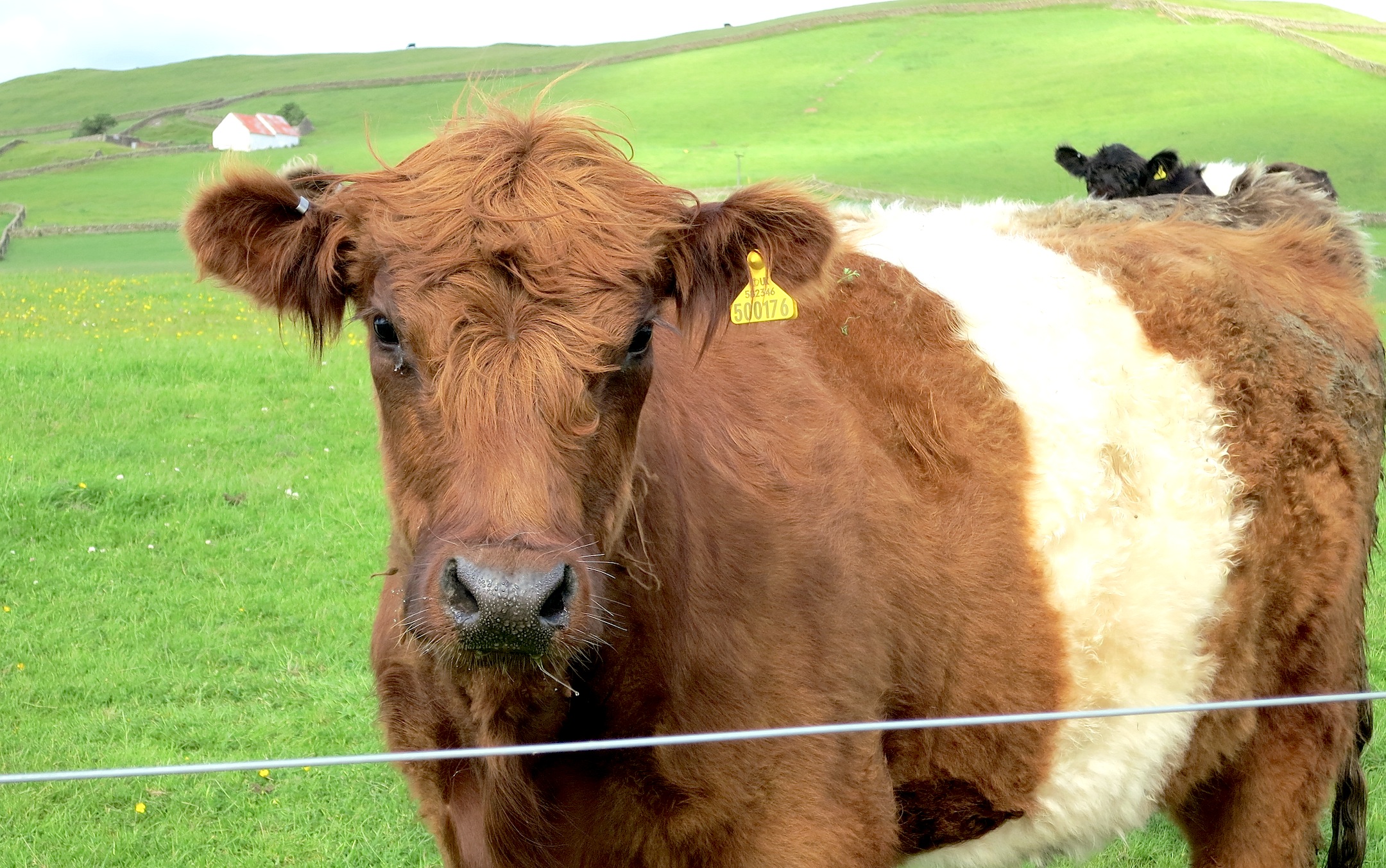
photo by Kate Steensma of Steensma Creamery

Something inspires the only cow of late
To make no more of a wall than an open gate,
And think no more of wall-builders than fools.
Her face is flecked with pomace and she drools
A cider syrup. Having tasted fruit,
She scorns a pasture withering to the root.
She runs from tree to tree where lie and sweeten
The windfalls spiked with stubble and worm-eaten.
She leaves them bitten when she has to fly.
She bellows on a knoll against the sky.
Her udder shrivels and the milk goes dry.

~Robert Frost “The Cow in Apple Time”
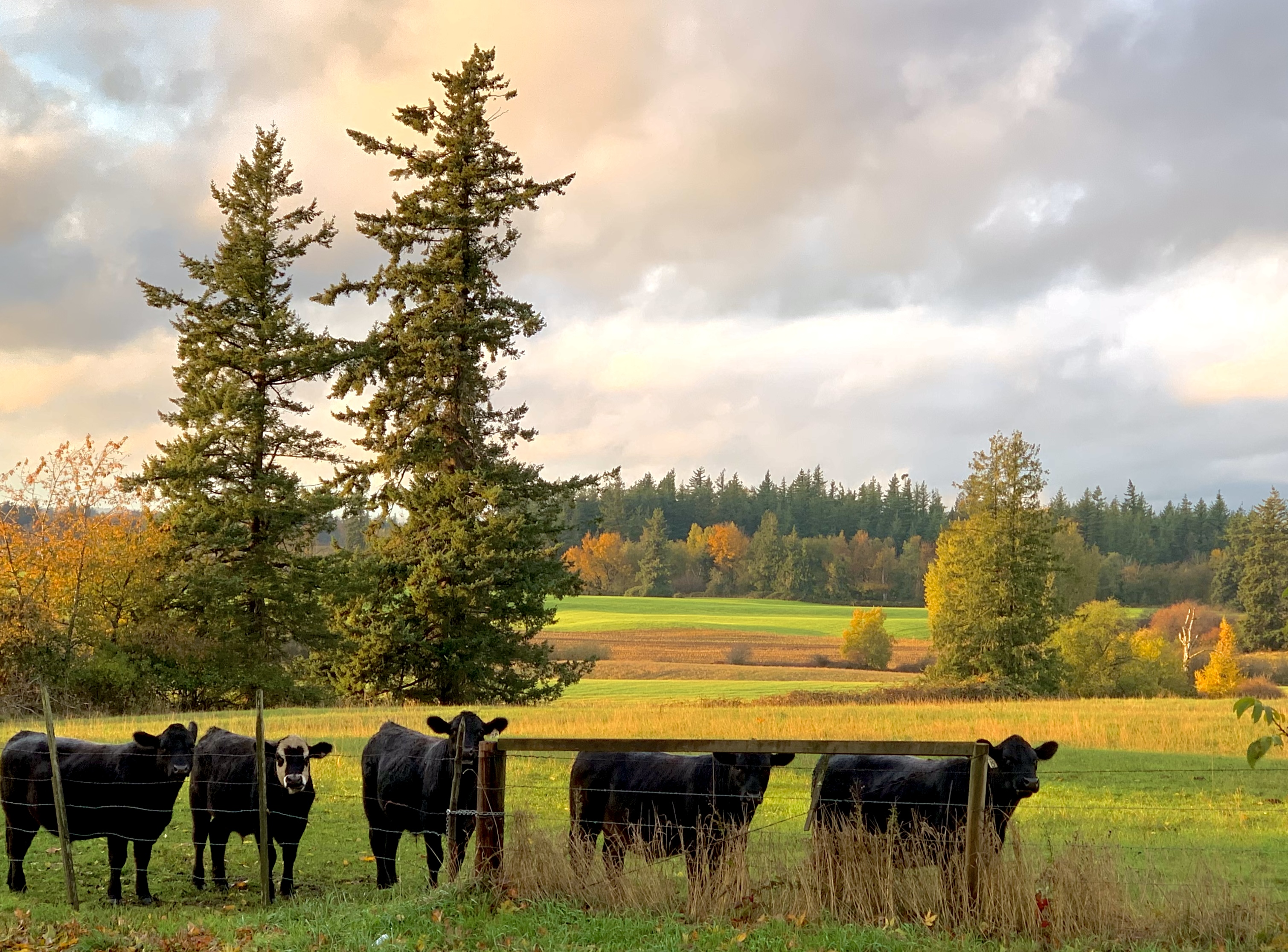
I have lived among cows, our own and our neighbors’, dairy and beef, most of my life. Given their status as a food source, cows aren’t always granted a long life, but I do envy those who spend much of the year chewing cud outside in pastoral settings.

We’ve owned some aged cows. They can be set in their ways and don’t particularly like a change in routine. They prefer a communal life, bearing calves, surrendering their milk, and ensuring the herd hierarchy is maintained with a minimum of fuss.

I remember my dad curing a cow’s habit of eating apples directly from a tree branch. She had the apple lodged in her esophagus as it had slipped down her throat unchewed, but too large to pass through to her rumen. She was foaming at the mouth, breathing fine, but the apple was a visible lump palpable mid-way down her neck. My dad grabbed a short two by four board and a hammer, placed the board on one side of her neck lump, and with the hammer, hit her neck precisely over the apple, crushing it. She was immediately cured and sauntered over to grab more apples, off the ground rather than the branch.

Cows can experience various health issues, sometimes relating to infections in their udders, but not infrequently, trouble with their hooves. They can get abscesses which are quite painful until emptied, as well as sharp rocks or gravel wedged into their foot. This sometimes necessitates hoof work done by a specialist who visits dairy farms on a regular basis.

I confess I (along with a million or so other folks) spend an inordinate amount of time watching YouTube channels of cow hoof trimming. I have no desire to do the job myself, but restoring a limping cow to a comfortably walking cow is a skill that must be very gratifying.

As an aging female myself, I know all about aches and pains. I too feel the sadness of summer coming to an end, when the grass and clover grows sparse in the field, and when chilly nights are best spent in the shelter of the barn.

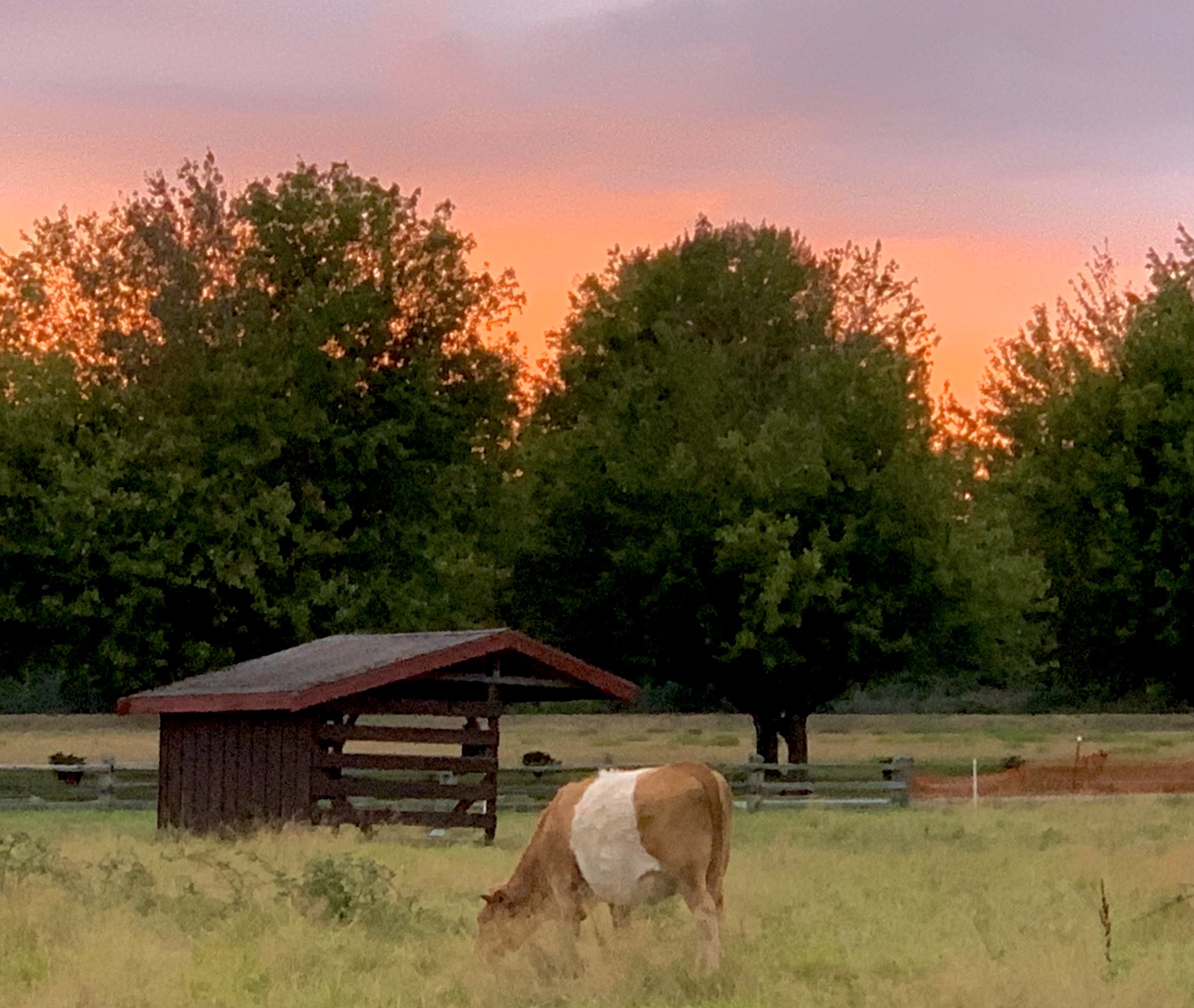
But I’m not yet ready to give up on this sweet pastoral life. There are still some days left, and apples to pick up off the ground, for this fading old cow…
One-Time
Monthly
Yearly

Make a one-time or recurring donation to support daily Barnstorming posts

Make a monthly donation

Make a yearly donation

Choose an amount

$10.00
$25.00
$50.00
$5.00
$15.00
$100.00
$5.00
$15.00
$100.00

Or enter a custom amount

$

Your contribution is deeply appreciated.

Your contribution is appreciated.

Your contribution is appreciated.

DonateDonate monthlyDonate yearly
Waiting for the School Bus

A second crop of hay lies cut   
and turned. Five gleaming crows   
search and peck between the rows.
They make a low, companionable squawk,   
and like midwives and undertakers   
possess a weird authority.

Crickets leap from the stubble,   
parting before me like the Red Sea.   
The garden sprawls and spoils.

Cloud shadows rush over drying hay,   
fences, dusty lane, and railroad ravine.   
The first yellowing fronds of goldenrod   
brighten the margins of the woods.

Schoolbooks, carpools, pleated skirts;   
water, silver-still, and a vee of geese.

*

The cicada’s dry monotony breaks   
over me. The days are bright   
and free, bright and free.

Then why did I cry today   
for an hour, with my whole   
body, the way babies cry?

*

A white, indifferent morning sky,
and a crow, hectoring from its nest
high in the hemlock, a nest as big
as a laundry basket …

In my childhood
I stood under a dripping oak,
while autumnal fog eddied around my feet,
waiting for the school bus
with a dread that took my breath away.

The damp dirt road gave off
this same complex organic scent.
I had the new books—words, numbers,
and operations with numbers I did not
comprehend—and crayons, unspoiled
by use, in a blue canvas satchel
with red leather straps.

Spruce, inadequate, and alien
I stood at the side of the road.
It was the only life I had.
~Jane Kenyon from “Three Songs at the End of Summer”

Yesterday, my son taught me the sign for lockdown
different than locking a door,
or the shutdown we invented at the start
of the pandemic. Little fistfuls of locks
swept quickly between us, a sign
designed especially for school.


My son spent his first years a different kind of
locked up—an orphanage in Bangkok, where he didn’t
speak and they couldn’t sign. He came home, age four,
silent. We thought being here could open
doors. It has, of course. He’s learned so much
at the deaf school; the speech therapist calls it a Language
Explosion. I keep lists of the words he’s gathered:
vanilla, buckle, castle, stay. And
lockdown. He absorbs it like the rest. Now the schools
he builds with Magna-Tiles have lockdowns. I worry
in trying to give him keys, we’ve only changed the locks.


To lock down a deaf school, we use a special strobe.
When it flashes, we flip switches and sign through
darkness. The children know to stay
beneath the windows. Every five minutes a robot texts:
“Shelter in place is still in effect. Please await further
instructions.” Then we pull the fire alarm, a tactical move to
unsettle the shooter. Hearing people can’t
think with noise like that. A piercing thing
we don’t detect, to cover the sounds we make, the sounds
we don’t know we’re making.

~Sara NovićLockdown at the School for the Deaf”

The first day back to school now isn’t always the day after Labor Day as it was when I was growing up. Some students have been in classes for a couple weeks already, others started a few days ago to ease into the transition more gently. 

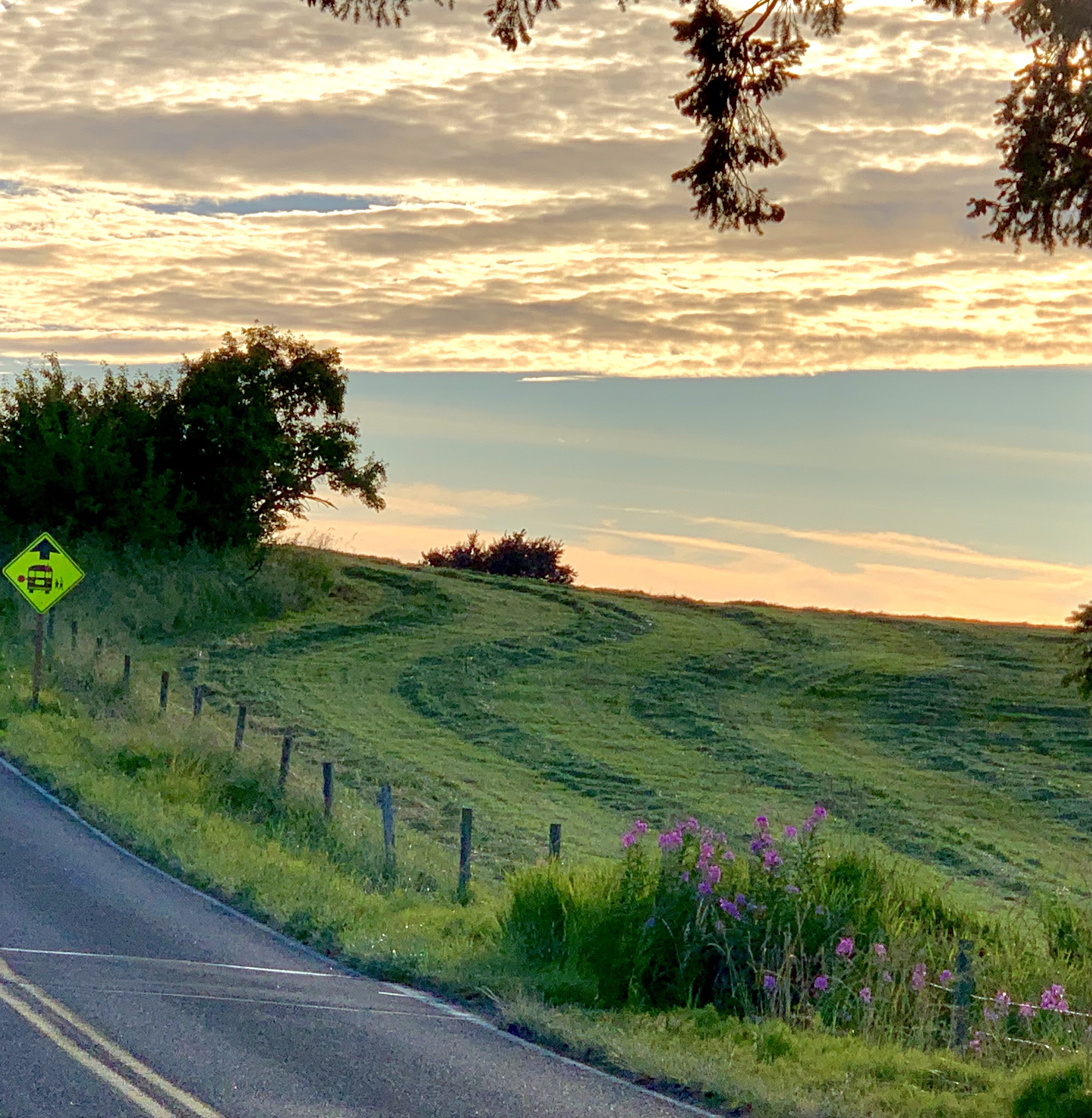
Some return to the routine this morning – school buses roar past our farm brimming with eager young faces and stuffed back packs amid a combination of excitement and anxiety.

I remember well that foreboding that accompanied a return to school — the strict schedule, the inflexible rules and the often harsh adjustment of social hierarchies and friend groups. Even as a good learner and obedient student, I was a square peg being pushed into a round hole when I returned to the classroom. The students who struggled academically and who pushed against the boundaries of rules must have felt even more so. We all felt alien and inadequate to the immense task before us to fit in with one another, allow teachers to structure and open our minds to new thoughts, and to become something and someone more than who we were before.

Growth is so very hard, our stretching so painful, the tug and pull of friendships stressful. And for the last two decades, there is the additional fear of lockdowns and active shooters.

I worked with students on an academic calendar for over 30 years, yet though I’m now retired, I still don’t sleep well in anticipation of all this day means.

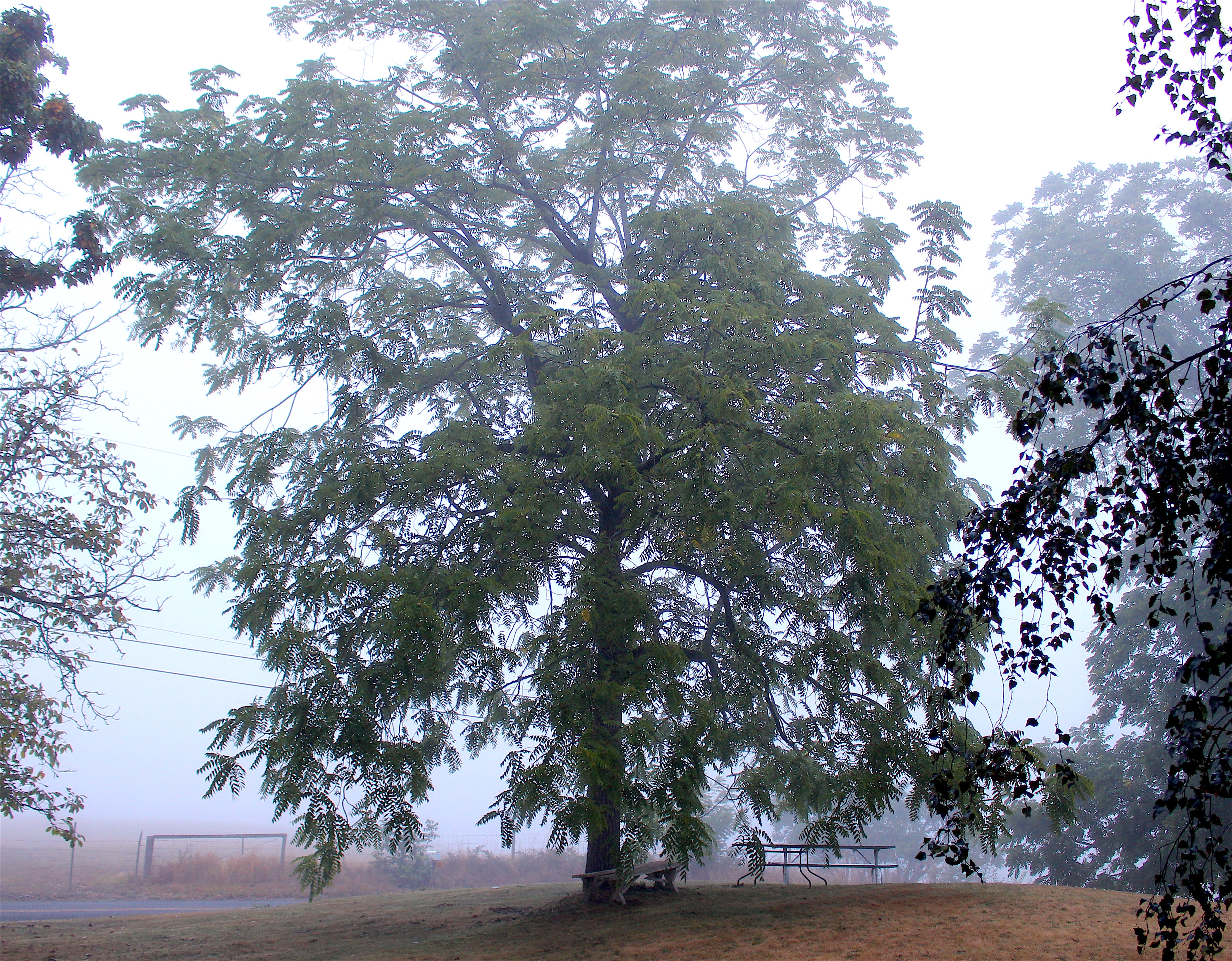
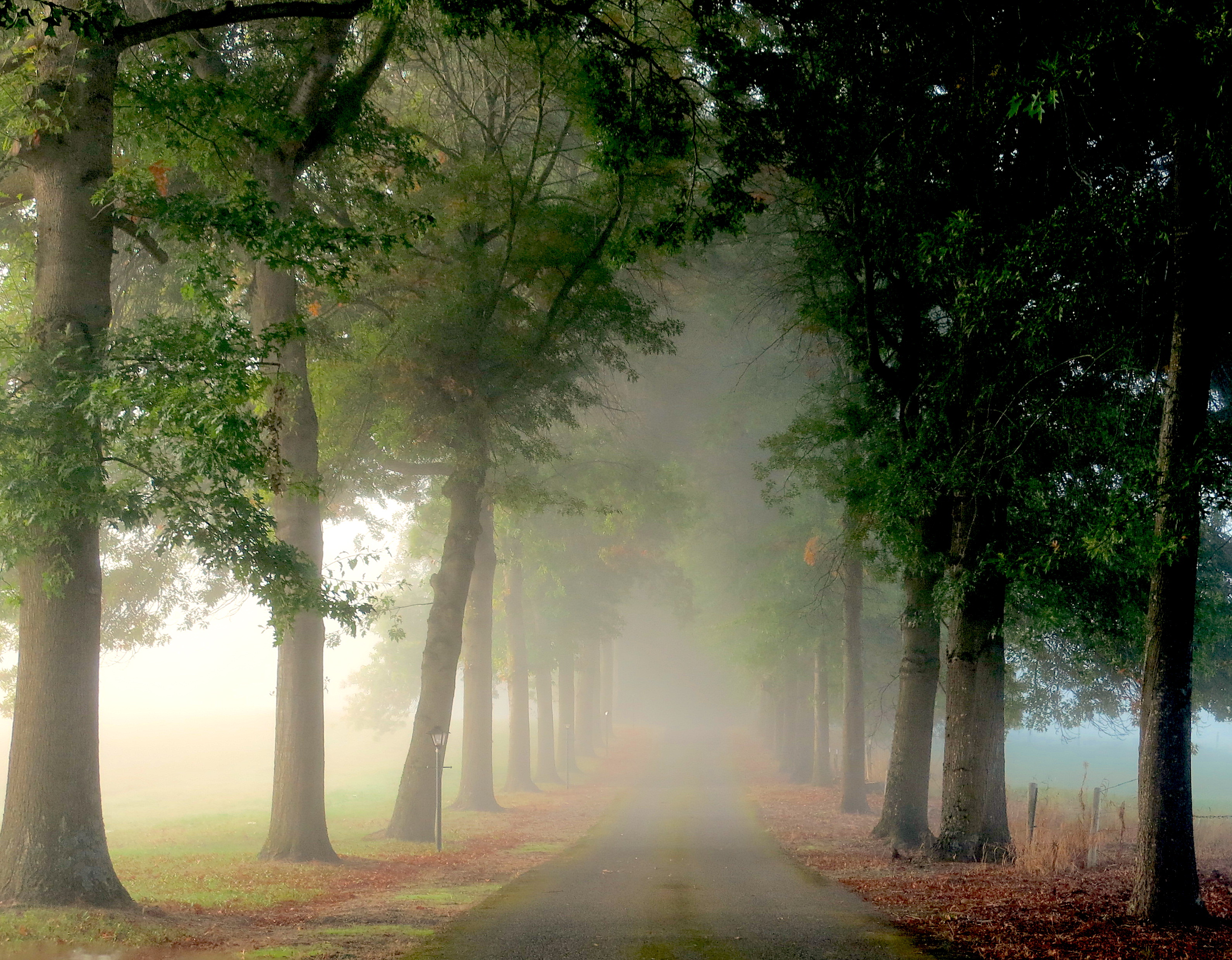
So I take a deep breath on a foggy post-Labor Day morning and am immediately taken back to the anxieties and fears of a skinny little girl in a new home-made corduroy jumper and saddle shoes, waiting for the schoolbus on our drippy wooded country road.

She is still me — just buried deeply in the fog of who I became after all those years of schooling, hidden somewhere under all the piled-on layers of learning and growing and hurting and stretching — I do remember her well.

Like every student starting a new adventure today,
we could all use a hug.

Lo! I am come to autumn,
   When all the leaves are gold;
Grey hairs and golden leaves cry out
   The year and I are old.

In youth I sought the prince of men,
   Captain in cosmic wars,
Our Titan, even the weeds would show
   Defiant, to the stars.

But now a great thing in the street
   Seems any human nod,
Where shift in strange democracy
   The million masks of God.

In youth I sought the golden flower
   Hidden in wood or wold,
But I am come to autumn,
   When all the leaves are gold.

~G.K. Chesterton “Gold Leaves”

One-Time
Monthly
Yearly

Make a one-time or recurring donation to support daily Barnstorming posts

Make a monthly donation

Make a yearly donation

Choose an amount

$10.00
$25.00
$50.00
$5.00
$15.00
$100.00
$5.00
$15.00
$100.00

Or enter a custom amount

$

Your contribution is deeply appreciated.

Your contribution is appreciated.

Your contribution is appreciated.

DonateDonate monthlyDonate yearly
The Healing Crack in the Coil

Needing them still, I come
when I can, this time to the sea
where we share a room: their double bed,
my single. Morning fog paints the pale
scene even paler. Lace curtains breathing,
the chenille spread folded back,
my father’s feet white sails furled
at the edge of blue pajamas.
Every child’s dream, a parent
in each hand, though this child is fifty.
Their bodies fit easily, with room
to spare. When did they grow
so small? Grow so small—
as if it were possible to swell
backwards into an earlier self.


One more year, I ask the silence.
Last night to launch myself
into sleep I counted their breaths, the tidal
rise and fall I now put my ear to,
the coiled shell of their lives.
~Rebecca McClanahan from “Watching my Parents Sleeping Beside an Open Window Near the Sea” from Deep Light: New and Selected Poems.

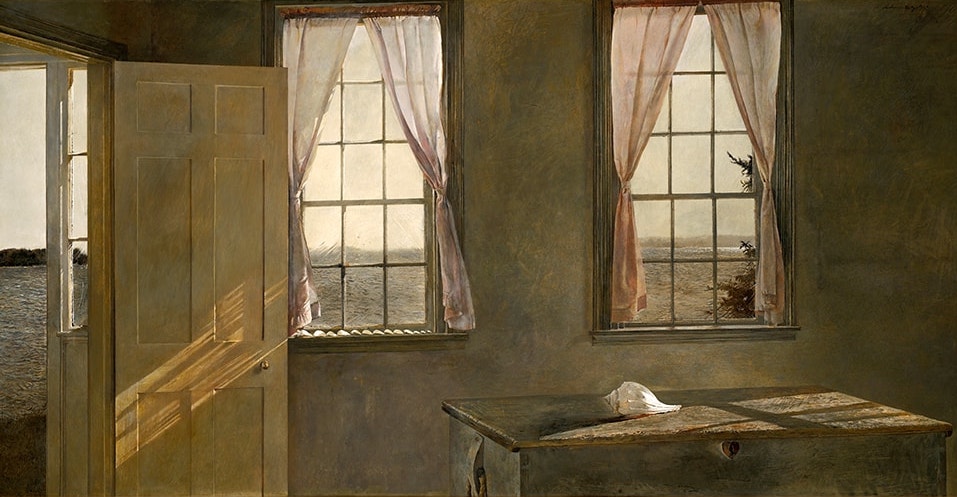
“Her Room” by Andrew Wyeth in the Farnsworth Art Museum

My parents have been gone now for some time, my father 30 years, my mother, nearly 17 years. Their dying was a long process of counted breaths and pauses. I witnessed their bodies curling into themselves, shrinking smaller, worn down by illness and age.

I still miss them as I’m reminded of them by the events of my own life, still wanting them to take me by the hand as I navigate my own daily path.

After mom’s death, those possessions not distributed to family members have remained packed up and stored in our barn buildings. I know it is well past time to deal with their stuff as I become keenly aware of my own graying and aging.

In the house, next to where I write, is a box of over 500 letters written by my mother and father between 1941 and 1945. The letters began as they were getting to know each other at college, going from “pinned” to “engaged” and continue for three and a half more years after a hurried wedding Christmas Eve 1942. By mid-January 1943, my newly minted Marine officer father shipped out to spend the next three years of his life fighting on the battlefields of Saipan, Tinian and Tarawa in the Pacific Ocean, not to return again to the states until late summer of 1945.

My mother wrote her letters from the small rural eastern Washington community of Colville, living in a “teachers’ cottage” with other war wives who taught school while waiting for their husbands to return home – or not.

It took me a decade to find the courage and time to devote to reading these letters they treasured and never threw away. I sorted them unopened by postmark date into some semblance of order and sat down to start at the very beginning, which, of course, is my beginning as well. I opened each one with some trepidation and a lump in my throat about what I might find written there. I worried I may find things I didn’t want to know. I hoped I would find things that I desperately needed to know.

Most of all I wanted to understand the two people who became my parents within the coiled shell of their forty years together, though broken by a painful divorce which lasted a decade. Having lived through that awful time with them, I want to understand the origin of a love which eventually mended their cracked shell of companionship, gluing them back together for five more years before my father died.

As I ponder their words, I too cross a bridge back to them both, my ear pressed to the coiled shell of those fading voices, as if I might still hear the sea, at times bringing them closer, then pulling them farther away.

AI image created for this post
One-Time
Monthly
Yearly

Make a one-time or recurring donation to support daily Barnstorming posts

Make a monthly donation

Make a yearly donation

Choose an amount

$10.00
$25.00
$50.00
$5.00
$15.00
$100.00
$5.00
$15.00
$100.00

Or enter a custom amount

$

Your contribution is deeply appreciated.

Your contribution is appreciated.

Your contribution is appreciated.

DonateDonate monthlyDonate yearly

Where We Could Not Reach

My father would lift me
to the ceiling in his big hands
and ask, 
How’s the weather up there?
And it was good, the weather
of being in his hands, his breath
of scotch and cigarettes, his face
smiling from the world below.
O daddy, was the lullaby I sang
back down to him as he stood on earth,
my great, white-shirted father, home
from work, his gold wristwatch
and wedding band gleaming
as he held me above him
for as long as he could,
before his strength failed
down there in the world I find myself
standing in tonight, my little boy
looking down from his flight
below the ceiling, cradled in my hands,
his eyes wide and already staring
into the distance beyond the man
asking him again and again,
How’s the weather up there?
~George Bilgere “Weather”.

It was hard work, dying, harder
than anything he’d ever done.

Whatever brutal, bruising, back-
breaking chore he’d forced himself

to endure—it was nothing
compared to this. And it took

so long. When would the job
be over? Who would call him

home for supper? And it was
hard for us (his children)—

all of our lives we’d heard
my mother telling us to go out,

help your father, but this
was work we could not do.

He was way out beyond us,
in a field we could not reach.

~Joyce Sutphen “My Father, Dying”

Deep in one of our closets is an old film reel of me about 16 months old sitting securely held by my father on his shoulders. I am bursting out with giggles as he repeatedly bends forward, dipping his head and shoulders down. I tip forward, looking like I am about to fall off, and when he stands back up straight, my mouth becomes a large O and I can almost remember the tummy tickle I feel. I want him to do it again and again, taking me to the edge of falling off and then bringing me back from the brink.

My father was a tall man, so being swept up onto his shoulders felt a bit like I was touching heaven.

It was as he lay dying 30 years ago this summer that I realized again how tall he was — his feet kept hitting the foot panel of the hospital bed my mother had requested for their home. We cushioned his feet with padding so he wouldn’t get abrasions even though he would never stand on them again, no longer towering over us.

His helplessness in dying was startling – this man who could build anything and accomplish whatever he set his mind to was unable to subdue his cancer. Our father, who was so self-sufficient he rarely asked for help, did not know how to ask for help now.

So we did what we could when we could tell he was uncomfortable, which wasn’t often. He didn’t say much, even though there was much we could have been saying. We didn’t reminisce. We didn’t laugh and joke together. We just were there, taking shifts catching naps on the couch so we could be available if he called out, which he never did.

This man:
who had grown up dirt poor,
fought hard with his alcoholic father
left abruptly to go to college – the first in his family –
then called to war for three years in the South Pacific.

This man:
who had raised a family on a small farm while he was a teacher,
then a supervisor, then a desk worker.

This man:
who left our family to marry another woman
but returned after a decade to ask forgiveness.

This man:
who died in a house he had built completely himself,
without assistance, from the ground up.

He didn’t need our help – he who had held tightly to us and brought us back from the brink when we went too far – he had been on the brink himself and was rescued, coming back humbled.

No question the weather is fine for him up there. I have no doubt.

One-Time
Monthly
Yearly

Make a one-time or recurring donation to support daily Barnstorming posts

Make a monthly donation

Make a yearly donation

Choose an amount

$10.00
$25.00
$50.00
$5.00
$15.00
$100.00
$5.00
$15.00
$100.00

Or enter a custom amount

$

Your contribution is deeply appreciated.

Your contribution is appreciated.

Your contribution is appreciated.

DonateDonate monthlyDonate yearly
You May Not Realize…

Without realizing it, we fill
important places in each others’ lives.
It’s that way with the guy at the corner grocery,

the mechanic at the local garage,
the family doctor, teachers, neighbors, coworkers.


Good people who are always “there,”
who can be relied upon in

small, important ways.
People who teach us,
bless us, encourage us, support us,
uplift us in the dailiness of life.

We never tell them.
I don’t know why, but we don’t.

And, of course, we fill that role ourselves.
There are those who depend on us, watch us,
learn from us, take from us.
And we never know.

You may never have proof of your importance,
but you are more important than you think.
There are always those who couldn’t do without you.
The rub is that you don’t always know who.
~Robert Fulghum from All I Really Need to Know I Learned in Kindergarten

If there is one thing living through the pandemic taught me, it’s noticing the people in my life who may have not been as obvious to me before. I hadn’t realized how many folks truly are front-line serving others day-in and day-out.

It’s not only health care workers, grocery store clerks and school teachers but the list of essential workers is large, including law enforcement, plumbers and electricians, child care workers, water, sanitation and sewer maintenance, pastors, postal clerks, technicians who fix our cars and appliances and the farmers who tend the crops and livestock we need to live, as well as scores of others.

We are remarkably interdependent and need each other.

I realized how oblivious I had been before not taking the time to acknowledge the daily services I received from so many varied people. In fact, it has become more urgent for me to tell my family members and friends – some thousands of miles away from me – how much they mean to me.

Now, in non-pandemic times, I try to tell others – the grocery cashier, the medical assistant, the office receptionist – as simply and clearly as I can, whenever possible, that I appreciate what they have done and what they continue to do, how they make life better for us all.

I also need to continue to nurture relationships with family and friends crucial to my own well-being. I need them all.

I need you all.

And it is important to me that you know.

Well over a thousand of you receive these daily Barnstorming emails and posts – a handful of you communicate with me regularly.
I treasure those messages, thank you!

We all need encouragement that we are making a positive difference in others’ lives and you all make a difference to me.

You can always reach me by commenting on posts or emailing me privately at emilypgibson@gmail.com or giving anonymous feedback at https://barnstorming.blog/barnstormingreviews/

One-Time
Monthly
Yearly

Make a one-time or recurring donation to support daily Barnstorming posts

Make a monthly donation

Make a yearly donation

Choose an amount

$10.00
$25.00
$50.00
$5.00
$15.00
$100.00
$5.00
$15.00
$100.00

Or enter a custom amount

$

Your contribution is deeply appreciated.

Your contribution is appreciated.

Your contribution is appreciated.

DonateDonate monthlyDonate yearly
Those Quiet Eyes…

Who loves the rain    
    And loves his home, 
And looks on life with quiet eyes,  
     Him will I follow through the storm;    
     And at his hearth-fire keep me warm;
Nor hell nor heaven shall that soul surprise,    
     Who loves the rain, 
     And loves his home, 
And looks on life with quiet eyes.

~Frances Shaw, “Who loves the rain” from Look To the Rainbow of Grace

Now more than ever you can be
generous toward each day
that comes, young, to disappear
forever, and yet remain
unaging in the mind.
Every day you have less reason
not to give yourself away.
~Wendell Berry from “There is no going back”

What a wonder I was
when I was young, as I learn
by the stern privilege
of being old: how regardlessly
I stepped the rough pathways
of the hillside woods,
treaded hardly thinking
the tumbled stairways
of the steep streams, and worked
unaching hard days
thoughtful only of the work,
the passing light, the heat, the cool
water I gladly drank.
~Wendell Berry “VII” 2015 from Another Day

Love is a universe beyond
The daylight spending zone:
As one we more abound
Than two alone.
~Wendell Berry “VIII” 2015 from Another Day


Thinking out loud on this day you were born,
I thank God each day
for bringing you to earth
so we could meet,
raise three amazing children,
now six wonderful grandchildren,
and walk this journey together
with pulse and breath and dreams.

The boy you were
became the man you are:
so blessed by God,
so needed by your family, church and community.

You give yourself away every day with such grace.

It was your quiet brown eyes I trusted first
and just knew
I’d follow you anywhere
and I have.

In this journey together,
we inhabit each other,
however long may be the road we travel;
you have become the air I breathe,
refreshing, renewing, restoring~~
you are that necessary to me,
and that beloved.

One-Time
Monthly
Yearly

Make a one-time or recurring donation to support daily Barnstorming posts

Make a monthly donation

Make a yearly donation

Choose an amount

$10.00
$25.00
$50.00
$5.00
$15.00
$100.00
$5.00
$15.00
$100.00

Or enter a custom amount

$

Your contribution is deeply appreciated.

Your contribution is appreciated.

Your contribution is appreciated.

DonateDonate monthlyDonate yearly
Rising Up From the Darkness

My father taught me how to eat breakfast
those mornings when it was my turn to help
him milk the cows. I loved rising up from

the darkness and coming quietly down
the stairs while the others were still sleeping.
I’d take a bowl from the cupboard, a spoon

from the drawer, and slip into the pantry
where he was already eating spoonfuls
of cornflakes covered with mashed strawberries

from our own strawberry fields forever.
Didn’t talk much—except to mention how
good the strawberries tasted or the way

those clouds hung over the hay barn roof.
Simple—that’s how we started up the day.

~Joyce Sutphen, “Breakfast” from First Words, Red Dragonfly.

By the time I was four years old, my family owned several Guernsey and Jersey dairy cows my father milked by hand twice a day. My mother pasteurized the milk on our wood stove and we grew up drinking the best milk on earth, as well as enjoying home-made butter and ice cream.

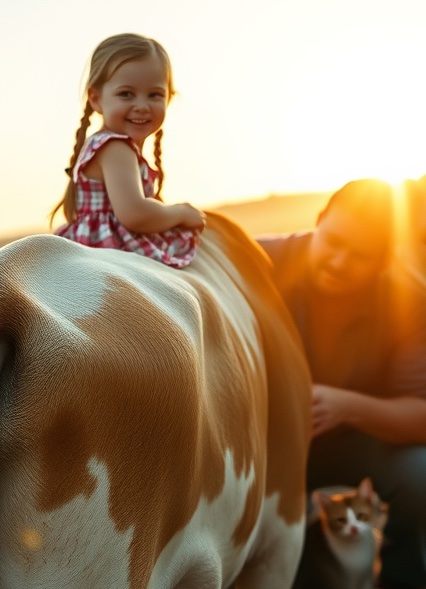
One of my fondest early memories is getting up early with my dad, before he needed to be at school teaching FFA agriculture students (Future Farmers of America). I would eat breakfast with him and then walk out into the foggy fall mornings with our dog to bring in the cows for milking. He would boost me up on top of a very bony-backed chestnut and white patchwork cow while he washed her udder and set to work milking.

I would sometimes sing songs from up there on my perch and my dad would whistle since he didn’t sing.

I can still hear the rhythmic sound of the milk squirting into the stainless steel bucket – the high-pitched metallic whoosh initially and then a more gurgling low wet sound as the bucket filled up. I can see my dad’s capped forehead resting against the flank of the cow as he leaned into the muscular work of squeezing the udder teats, each in turn. I can hear the cow’s chewing her breakfast of alfalfa and grain as I balanced on her prominent spine feeling her smooth hair over her ribs. The barn cats circulated around us, mewing, attracted by the warm milky fragrance in the air.

Those were preciously simple starts to the day for me and my father, whose thoughts he didn’t articulate nor I could ever quite discern. But I did know I wasn’t only his daughter on mornings like that – I was one of his future farmers of America he dedicated his life to teaching.

Dad, even without you saying much, those were mornings when my every sense was awakened. I’ve never forgotten that- the best start to the day.

AI image created for this post
One-Time
Monthly
Yearly

Make a one-time or recurring donation to support daily Barnstorming posts

Make a monthly donation

Make a yearly donation

Choose an amount

$10.00
$25.00
$50.00
$5.00
$15.00
$100.00
$5.00
$15.00
$100.00

Or enter a custom amount

$

Your contribution is deeply appreciated.

Your contribution is appreciated.

Your contribution is appreciated.

DonateDonate monthlyDonate yearly
More Precious than Roses

I am not resigned to the shutting away
of loving hearts in the hard ground.
So it is, and so it will be, for so it has been, time out of mind:
Into the darkness they go, the wise and the lovely. Crowned
With lilies and with laurel they go; but I am not resigned.

Lovers and thinkers, into the earth with you.
Be one with the dull, the indiscriminate dust.
A fragment of what you felt, of what you knew,
A formula, a phrase remains,—but the best is lost.

The answers quick and keen, the honest look,
the laughter, the love,—
They are gone. They are gone to feed the roses.

Elegant and curled
Is the blossom.

Fragrant is the blossom. I know.
But I do not approve. 
More precious was the light in your eyes

than all the roses in the world.

Down, down, down into the darkness of the grave
Gently they go, the beautiful, the tender, the kind;
Quietly they go, the intelligent, the witty, the brave.
I know. But I do not approve. And I am not resigned.

~Edna St. Vincent Millay “Dirge Without Music”

Each Memorial Day weekend without fail,
we gather with family, have lunch, reminisce,
and trek to a cemetery high above Puget Sound
to catch up with our relatives who lie there, still.

Some for over 110 years, some for barely more than a decade,
some we knew and loved and miss every day,
others not so much as they are unknown to us
except on genealogy charts,
names and dates and stones and stories:

the red-haired great-grandmother who died too young,
the aunt who was eight when lymphoma took her,
the grandmother who dreamed of world travel too late,
the great-grandfather Yukon river boat captain,
the grandfather logger and stump farmer,
the great aunt unmarried school teacher who hid an oil well,
the two in-laws who forever lie next to each other
but could not co-exist in the same room while they lived and breathed.

Yet we know each of these
(as we know ourselves and others)

could be tender and kind, though flawed and broken,
had been beautiful and strong, though wrinkled and frail,
was hopeful and faithful, though too soon in the ground.

We know this about them
as we know it about ourselves:
someday we too will feed roses,
the light in our eyes transformed into elegant swirls
emitting the fragrant scent of heaven.

No one asks if we approve.
Nor am I resigned to this
though I know:
So it is, so it has been, so it will be for me
someday.

AI image created for this post
One-Time
Monthly
Yearly

Make a one-time or recurring donation to support daily Barnstorming posts

Make a monthly donation

Make a yearly donation

Choose an amount

$10.00
$25.00
$50.00
$5.00
$15.00
$100.00
$5.00
$15.00
$100.00

Or enter a custom amount

$

Your contribution is deeply appreciated.

Your contribution is appreciated.

Your contribution is appreciated.

DonateDonate monthlyDonate yearly

Where You Go, I Will Go: I Never Got Wet

When the doctor suggested surgery
and a brace for all my youngest years,
my parents scrambled to take me
to massage therapy, deep tissue work,
osteopathy, and soon my crooked spine
unspooled a bit, I could breathe again,
and move more in a body unclouded
by pain. My mom would tell me to sing
songs to her the whole forty-five minute
drive to Middle Two Rock Road and forty-
five minutes back from physical therapy.
She’d say, even my voice sounded unfettered
by my spine afterward. So I sang and sang,
because I thought she liked it. I never
asked her what she gave up to drive me,
or how her day was before this chore. Today,
at her age, I was driving myself home from yet
another spine appointment, singing along
to some maudlin but solid song on the radio,
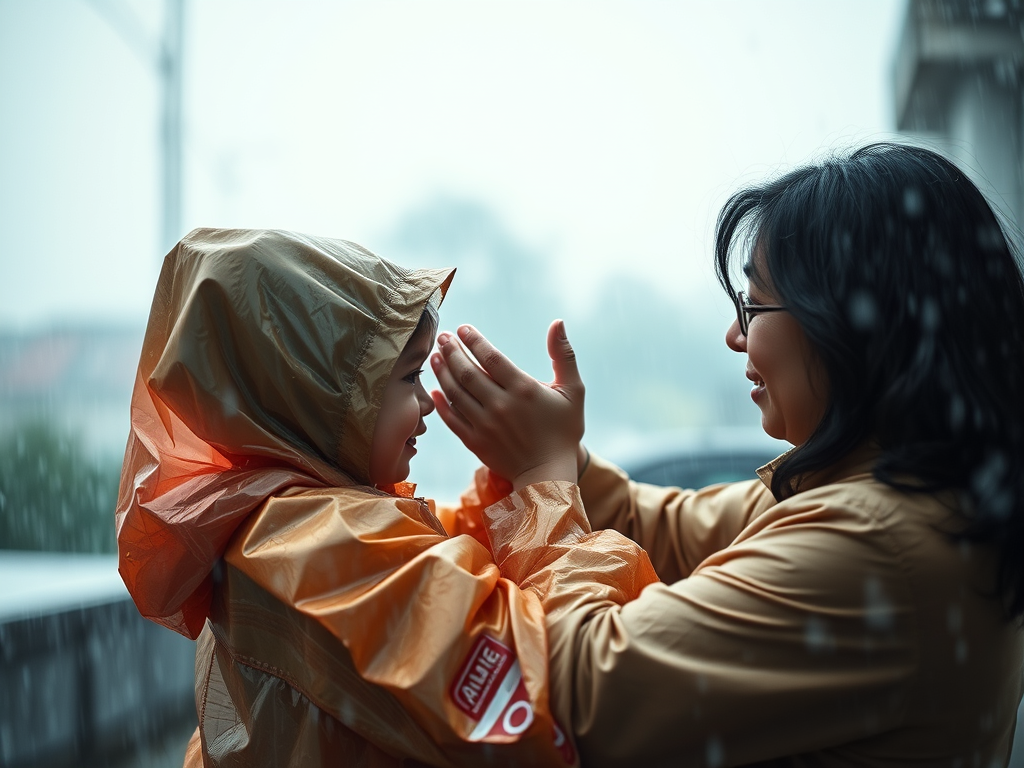
and I saw a mom take her raincoat off
and give it to her young daughter when
a storm took over the afternoon. My god,
I thought, my whole life I’ve been under her
raincoat thinking it was somehow a marvel
that I never got wet.
~Ada Limón “The Raincoat”

When I was 13, I grew too quickly. My spine developed a thoracic scoliosis (curvature) — after inspecting my back as I bent over to touch my toes, my pediatrician referred me to a pediatric orthopedic specialist an hour away from my home town.

The question was whether I would need to have a metal rod surgically placed along my spine to prevent it from more misalignment or whether I would need to wear a back brace like a turtle. The least intervention would be physical therapy to try to keep my back and abdominal muscles as strong as possible to limit the curvature.

Since my father didn’t have much flexibility in his work schedule, my mother had to drive me to the “big city” for my appointments – as a nervous driver, she did it only because she knew it was necessary to get the medical opinion needed. She asked me to read aloud to her from whatever book I was reading at the time – I don’t think she listened closely but I think she knew it would keep me occupied while she navigated traffic.

At first, we went every three months for new xrays. The orthopedist would draw on my bare back and on my spine xrays with a black marker, calculating my curves and angles with his protractor, watching for a trend of worsening as I grew taller. He reassured us that I hadn’t yet reached a critical level of deviation requiring more aggressive treatment.

Eventually my growth rate slowed down and the specialist dismissed me from further visits, wishing me well. He told me I would certainly be somewhat “crooked” for the rest of my life, and it would inevitably worsen in my later years. I continued to visit PT for regular visits; my mom would patiently wait in the car as I sweated my way through the regimen.

The orthopedist was right about the curvature of my aging spine. I am not only a couple inches shorter now, but my rib cage and chest wall is asymmetric affecting my ability to stand up totally straight. An xray shows the wear and tear of arthritis changes in my somewhat twisted chest wall and spine.

I consider crookedness a small price to pay for avoiding a serious surgery or a miserable brace as a teenager.

What I didn’t understand at the time was the commitment my mother made to make sure I got the medical monitoring I needed, even if it meant great inconvenience in her life, even if she was awake at night worried about the outcome of the appointments, even if the financial burden was significant for my family. She, like so many parents with children with significant medical or psychological challenges, gave up her wants and wishes to make sure I received what I needed.

As a kid, I just assumed that’s what a mom does. Later, as a mom myself, I realized it IS what moms and dads do, but often at significant personal cost. As a physician, I saw many young people whose parents couldn’t make the commitment to see they got the care they needed, and it showed.

I was blessed by parents who did what their kids needed to thrive.

Without my realizing it, my mom constantly offered me her raincoat so I wouldn’t get wet. Meanwhile she was getting drenched. I never really understood.

Some of you walk this road, now and in the past, sometimes long miles with a family member, handing over your own raincoat when the storms of life overwhelm.

Your sacrifice and compassion are Jesus’ hands and feet made tangible. He walks along where we go, keeping us safe and dry for as long as it takes.

This year’s Lenten theme:

…where you go I will go…
Ruth 1:16

AI image created for this post
One-Time
Monthly
Yearly

Make a one-time or recurring donation to support daily Barnstorming posts

Make a monthly donation

Make a yearly donation

Choose an amount

$10.00
$25.00
$50.00
$5.00
$15.00
$100.00
$5.00
$15.00
$100.00

Or enter a custom amount

$

Your contribution is deeply appreciated.

Your contribution is appreciated.

Your contribution is appreciated.

DonateDonate monthlyDonate yearly
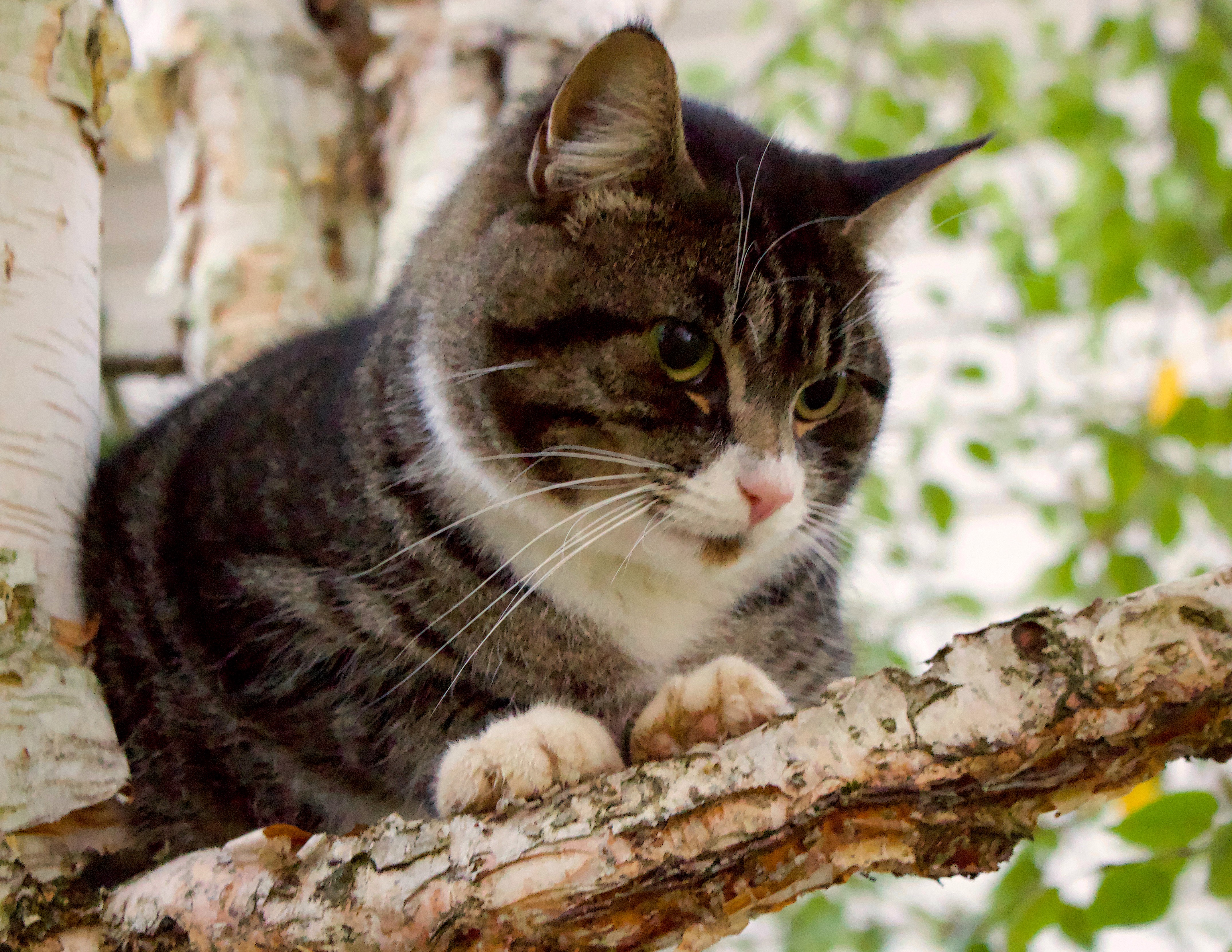
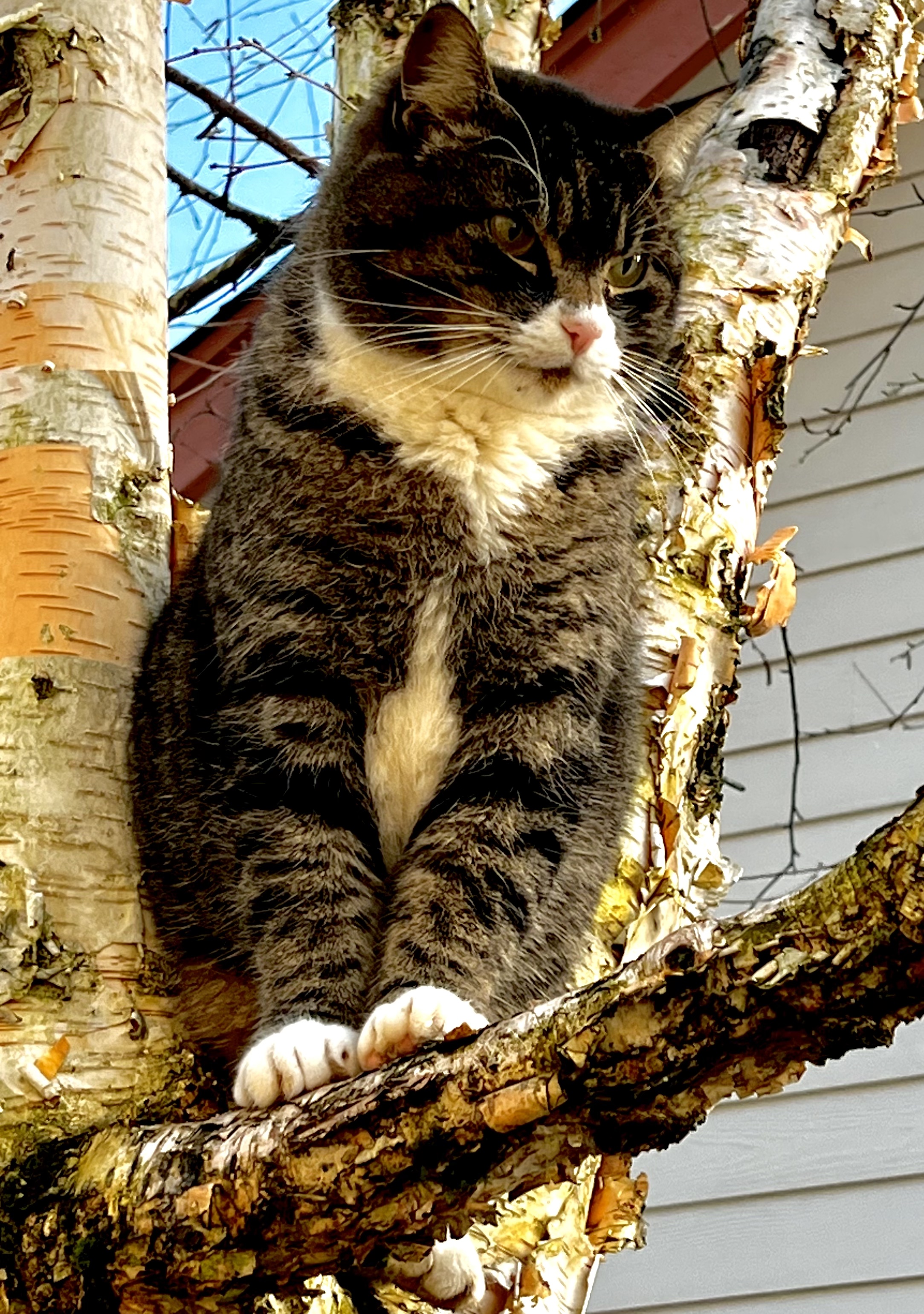
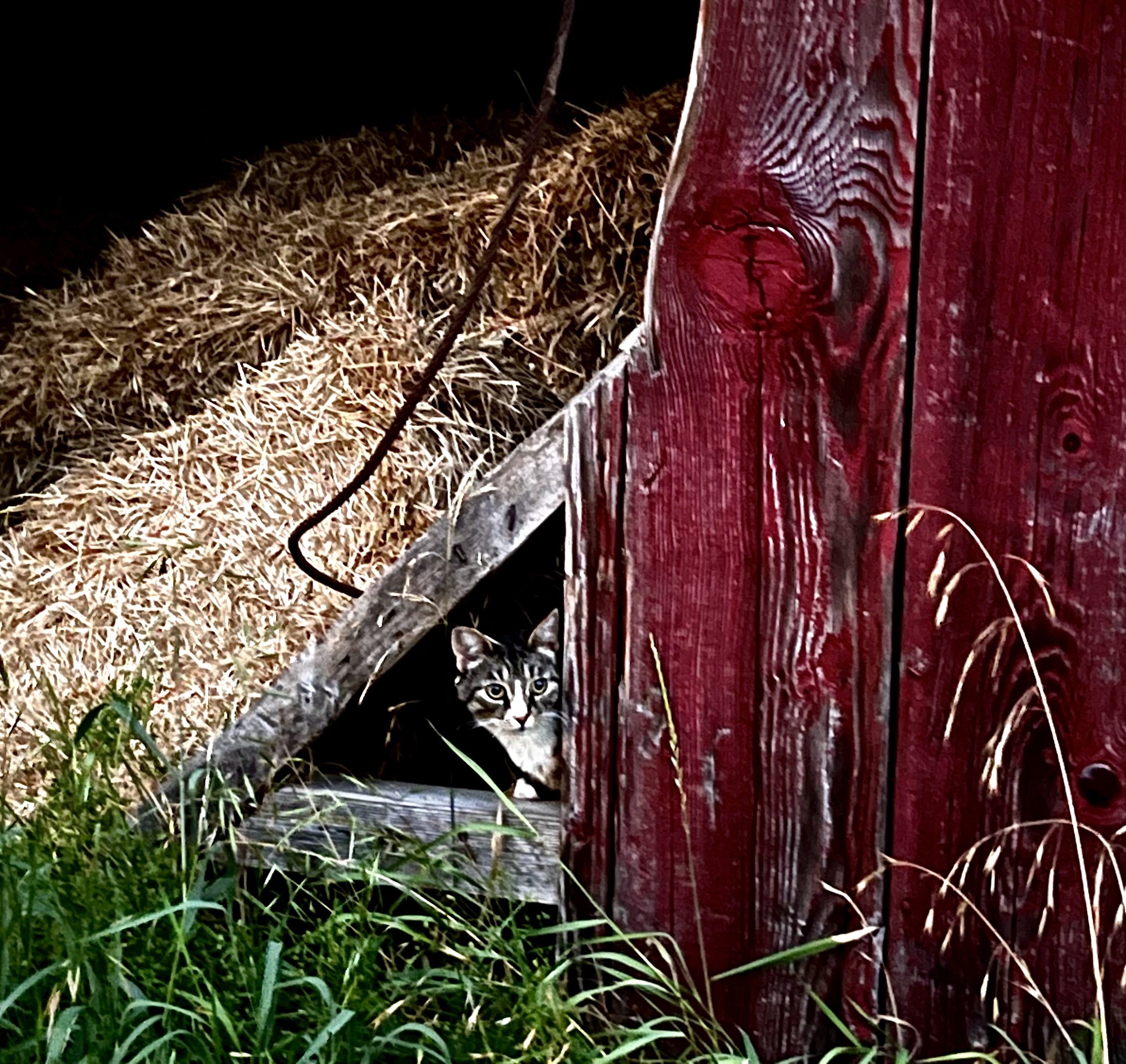
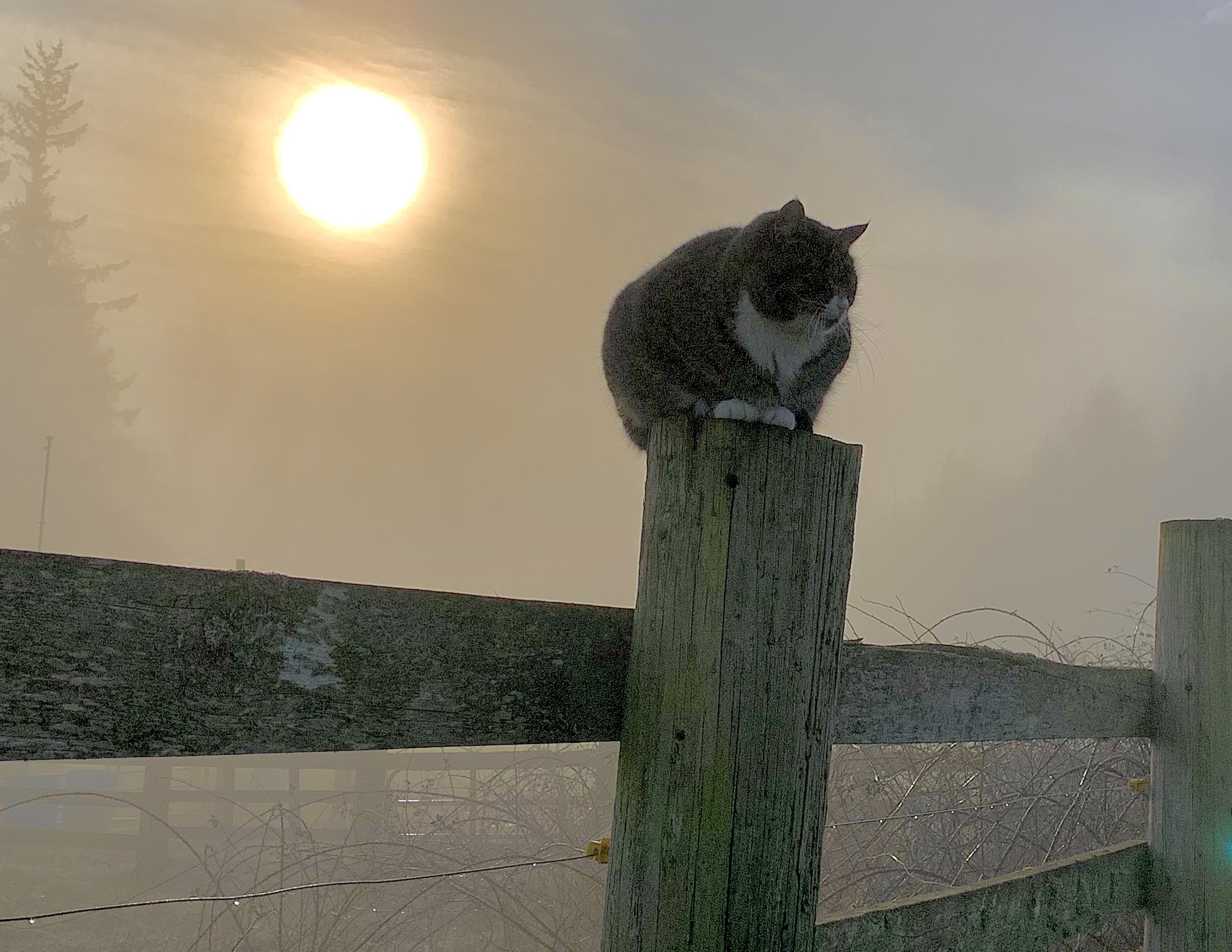
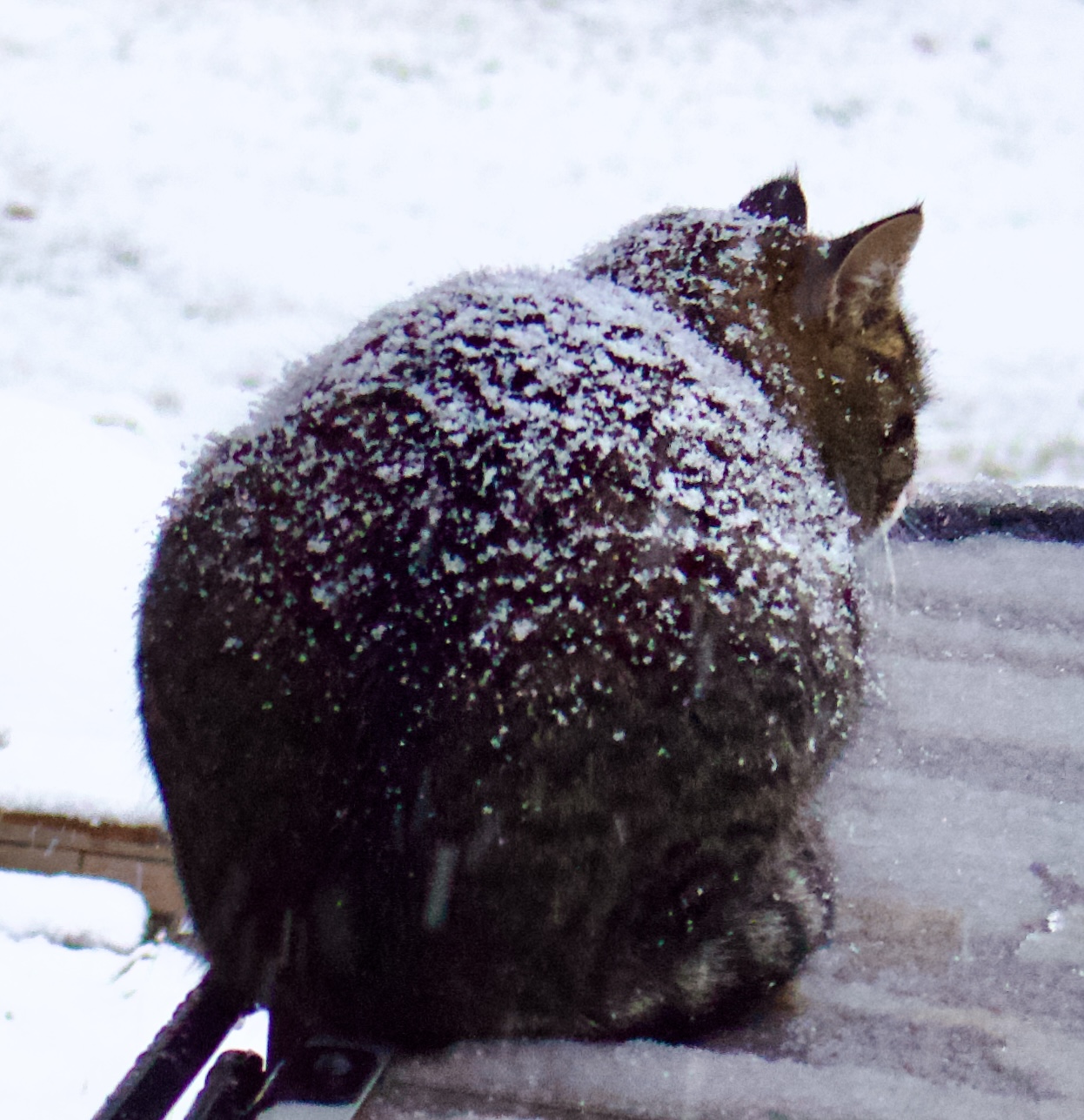
The Cat Knew…

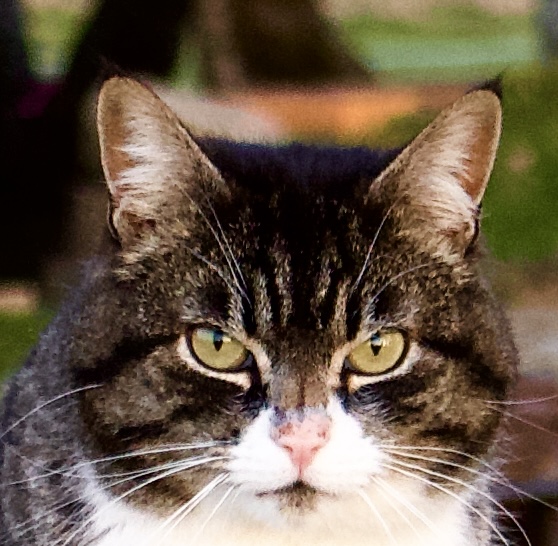
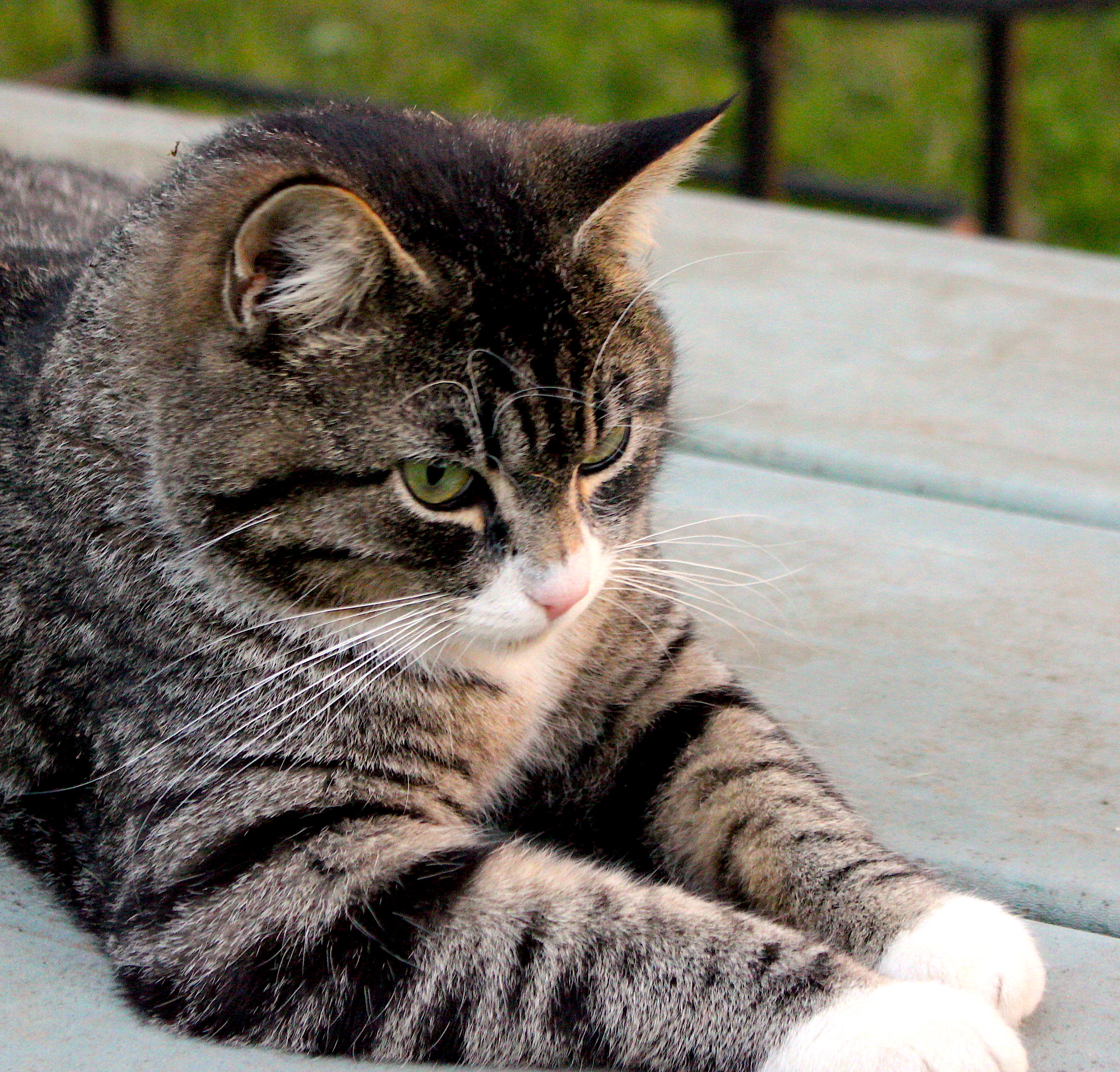
This was our pretty gray kitten,
hence her name; who was born
in our garage and stayed nearby
her whole life. There were allergies;
so she was, as they say,
an outside cat.
But she loved us. For years,
she was at our window.
Sometimes, a paw on the screen
as if to want in, as if
to be with us
the best she could.
She would be on the deck,
at the sliding door.
She would be on the small
sill of the window in the bathroom.
She would be at the kitchen
window above the sink.
We’d go to the living room;
anticipating that she’d be there, too,
hop up, look in.
She’d be on the roof,
she’d be in a nearby tree.
She’d be listening
through the wall to our family life.
She knew where we were,
and she knew where we were going
and would meet us there.
Little spark of consciousness,
calm kitty eyes staring
through the window.

After the family broke,
and when the house was about to sell,
I walked around it for a last look.
Under the eaves, on the ground,
there was a path worn in the dirt,
tight against the foundation —
small padded feet, year after year,
window to window.

When we moved, we left her
to be fed by the people next door.
Months after we were gone,
they found her in the bushes
and buried her by the fence.
So many years after,
I can’t get her out of my mind.

~Philip F. Deaver, “Gray” from How Men Pray

Our pets witness the routine of our lives. They know when the food bowl remains empty too long, or when no one offers their lap to stroke their fur.

They sit silently waiting and wondering, a little spark of consciousness, aware of our family life. They know when things aren’t right at home. They hear the raised voices and they hear the strained silences.

Sometimes a farm cat moves on, looking for a place with more consistency and better feeding grounds. Most often they stick close to what they know, even if it isn’t entirely a happy or welcoming place. After all, it’s home; that’s where they stay, through thick and thin.

When my family broke as my parents split, after the furniture was removed and the dust of over thirty five years of marriage swept up, I wondered if our cat and dog had seen it coming before we did, witnesses to the fact. They had been peering through the window at our lives, gauging what amount of spilled-out love might be left over for them.

I still can’t get them out of my mind – they, like me, became children of divorce. We all knew when we left behind the only home we had ever known, we could never truly feel at home again.

AI image created for this post
One-Time
Monthly
Yearly

Make a one-time or recurring donation to support daily Barnstorming posts

Make a monthly donation

Make a yearly donation
Choose an amount

$10.00
$25.00
$50.00
$5.00
$15.00
$100.00
$5.00
$15.00
$100.00

Or enter a custom amount

$

Your contribution is deeply appreciated to help offset the cost of maintaining an ad-free website.
Your contribution is appreciated.

Your contribution is appreciated.

DonateDonate monthlyDonate yearly