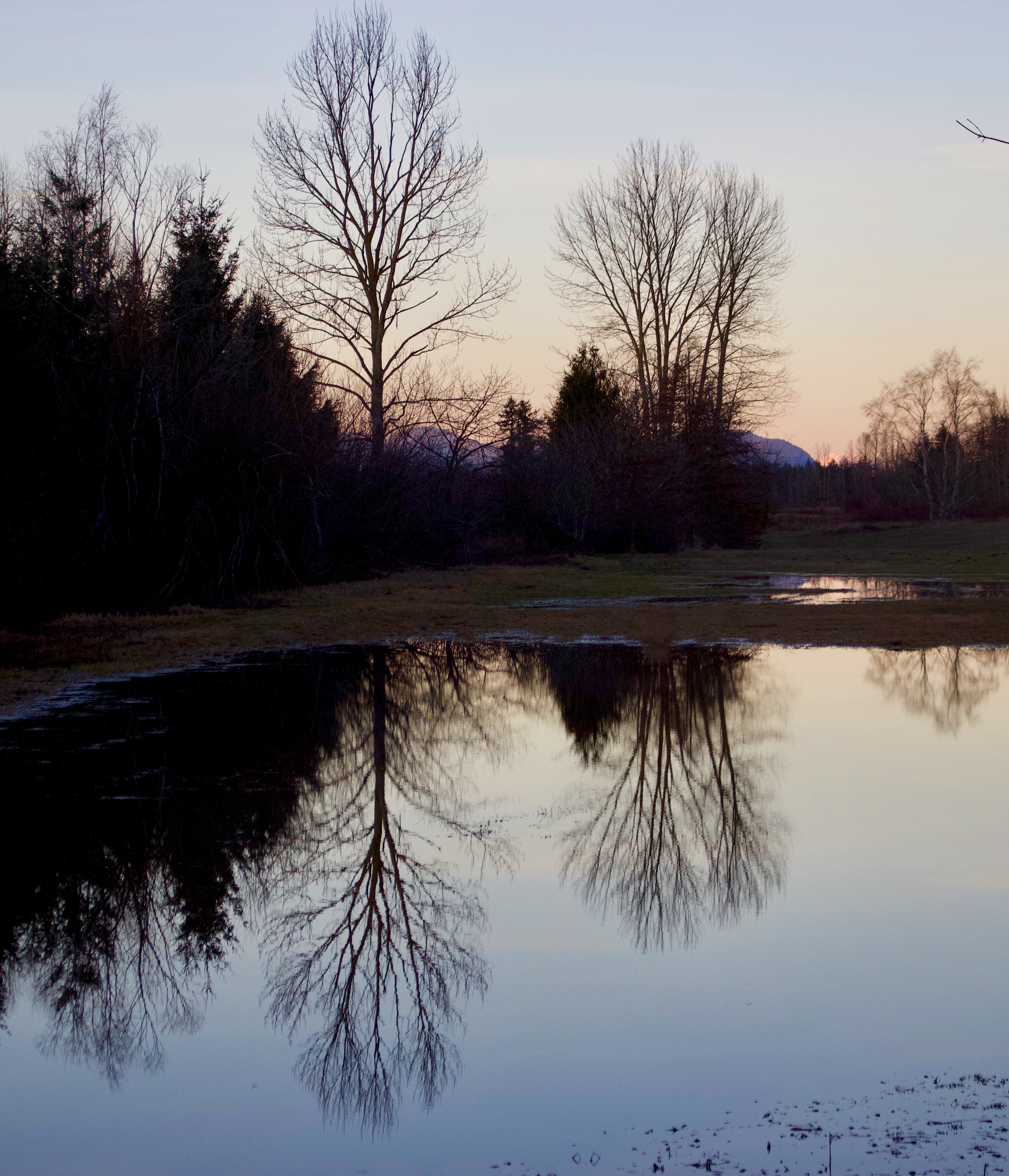
Lost in Grayness

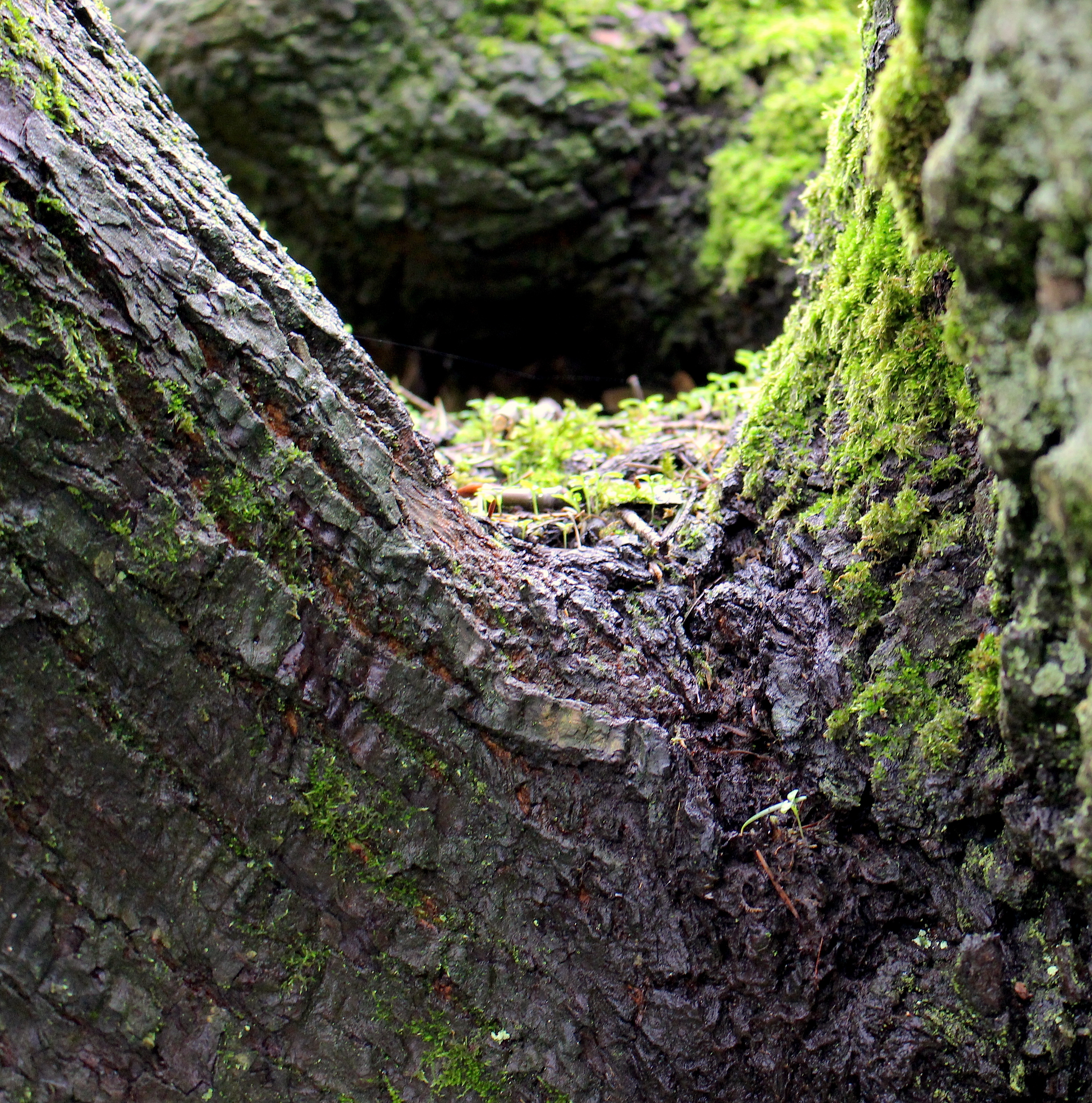
Moss the color of malachite weaves
its way up and under bark crevices of an old oak.
Enchanting furry tendrils reach out
as I walk past, my head burrowed
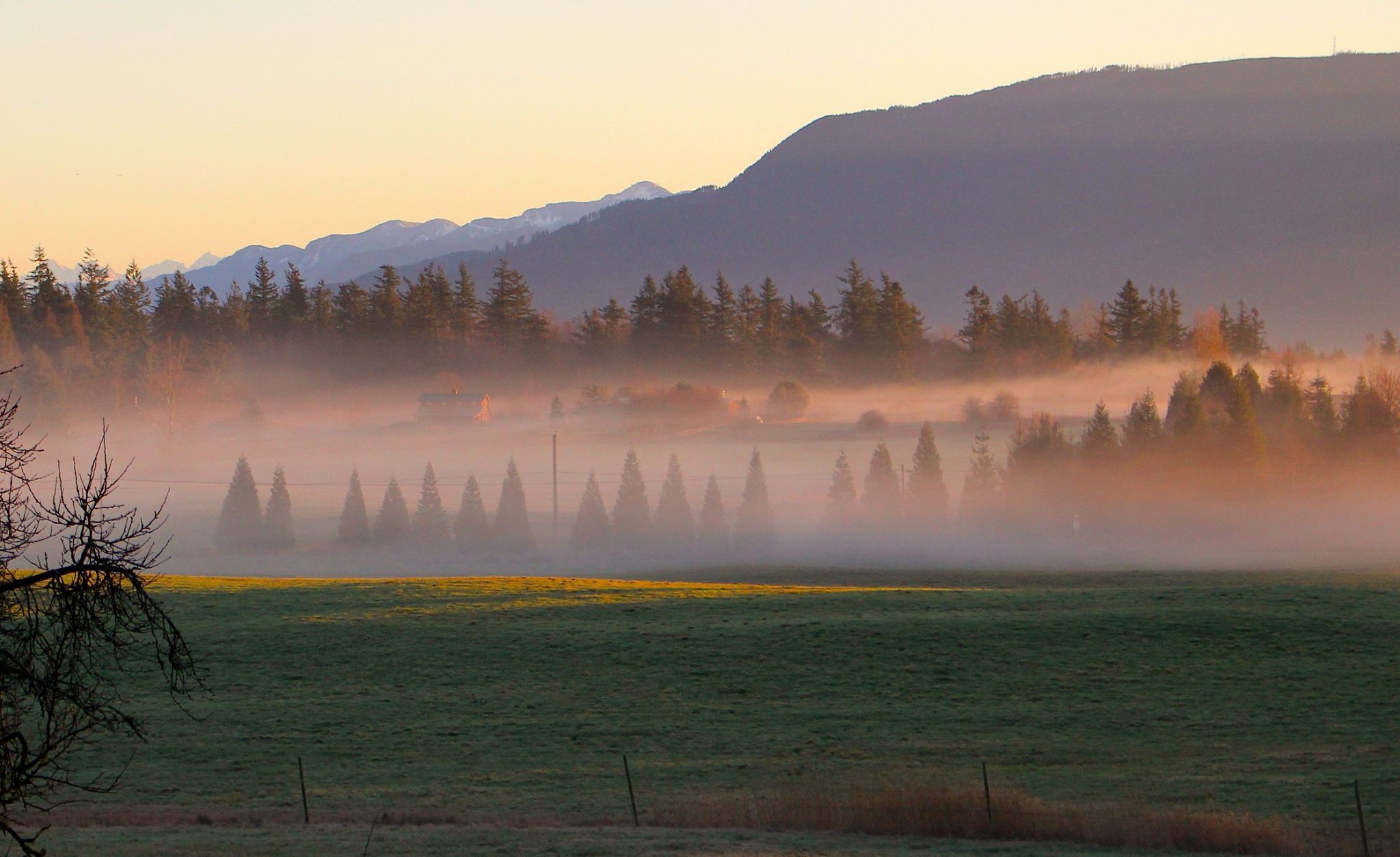
against the January morning fog.

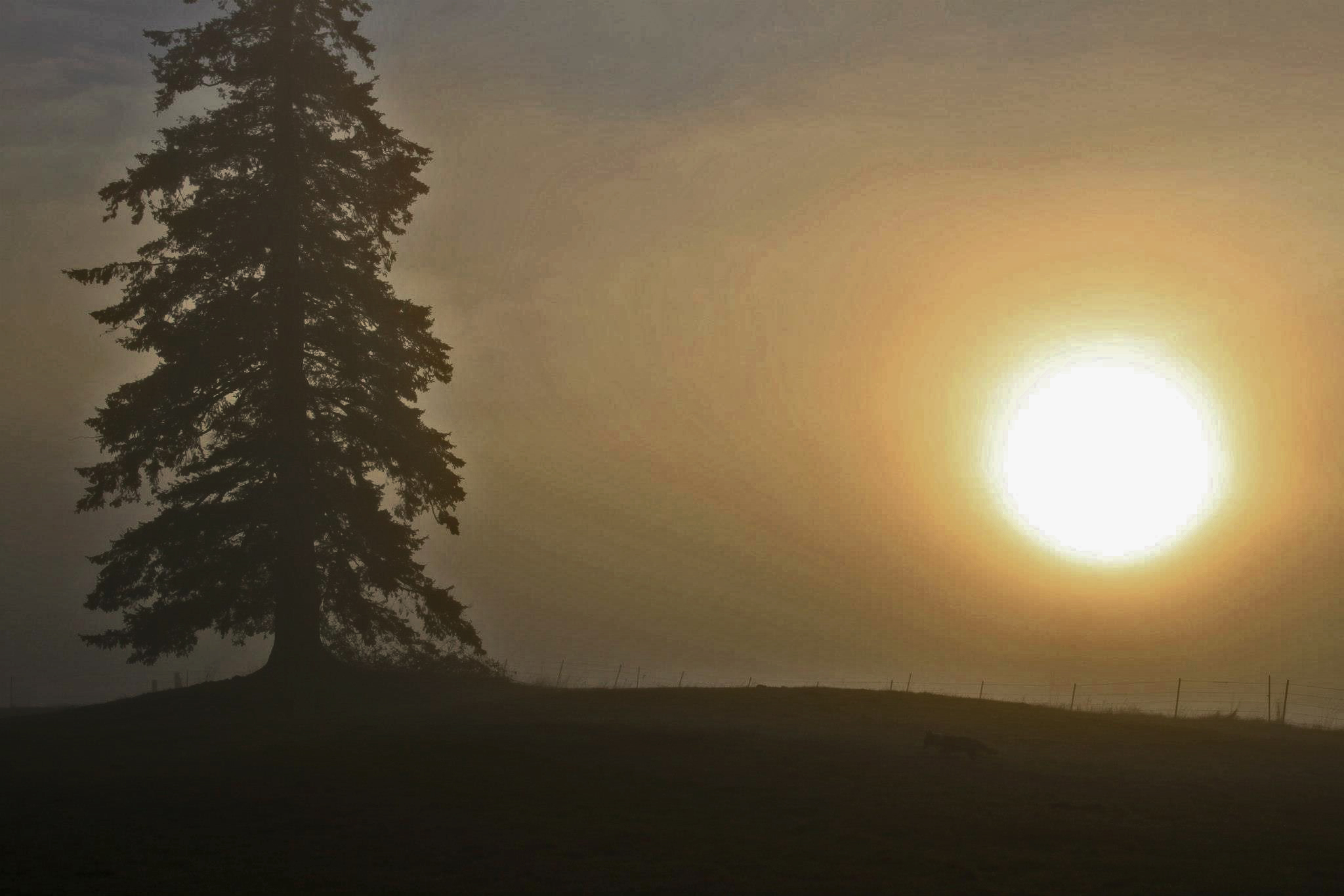
Because it seems the sun
has vanished for the foreseeable future,
I am so lost in grayness I resist
the curled invitations
to dig deep, to engage
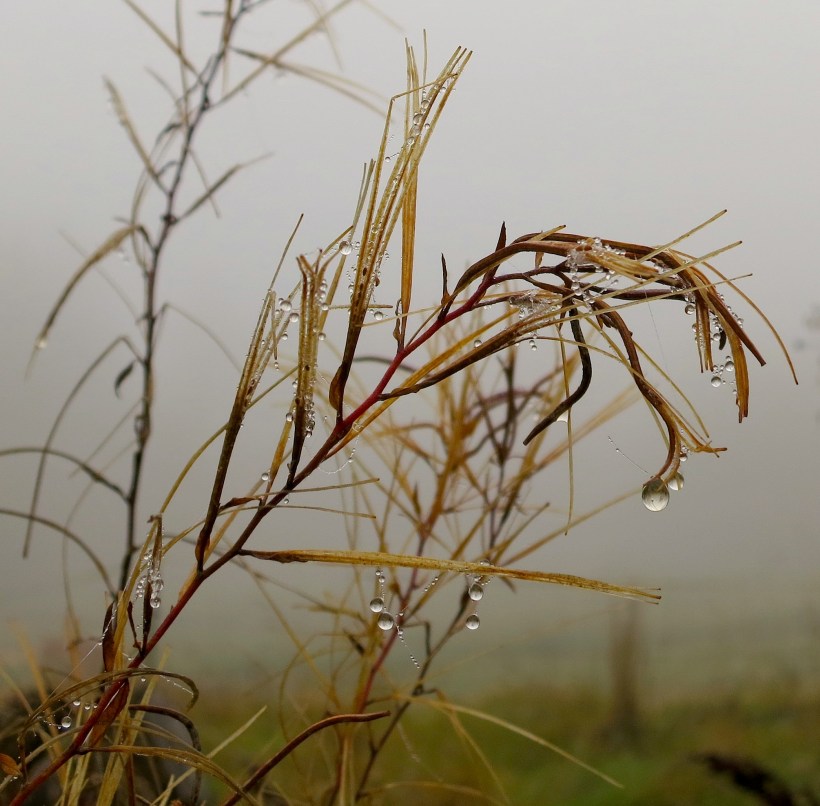
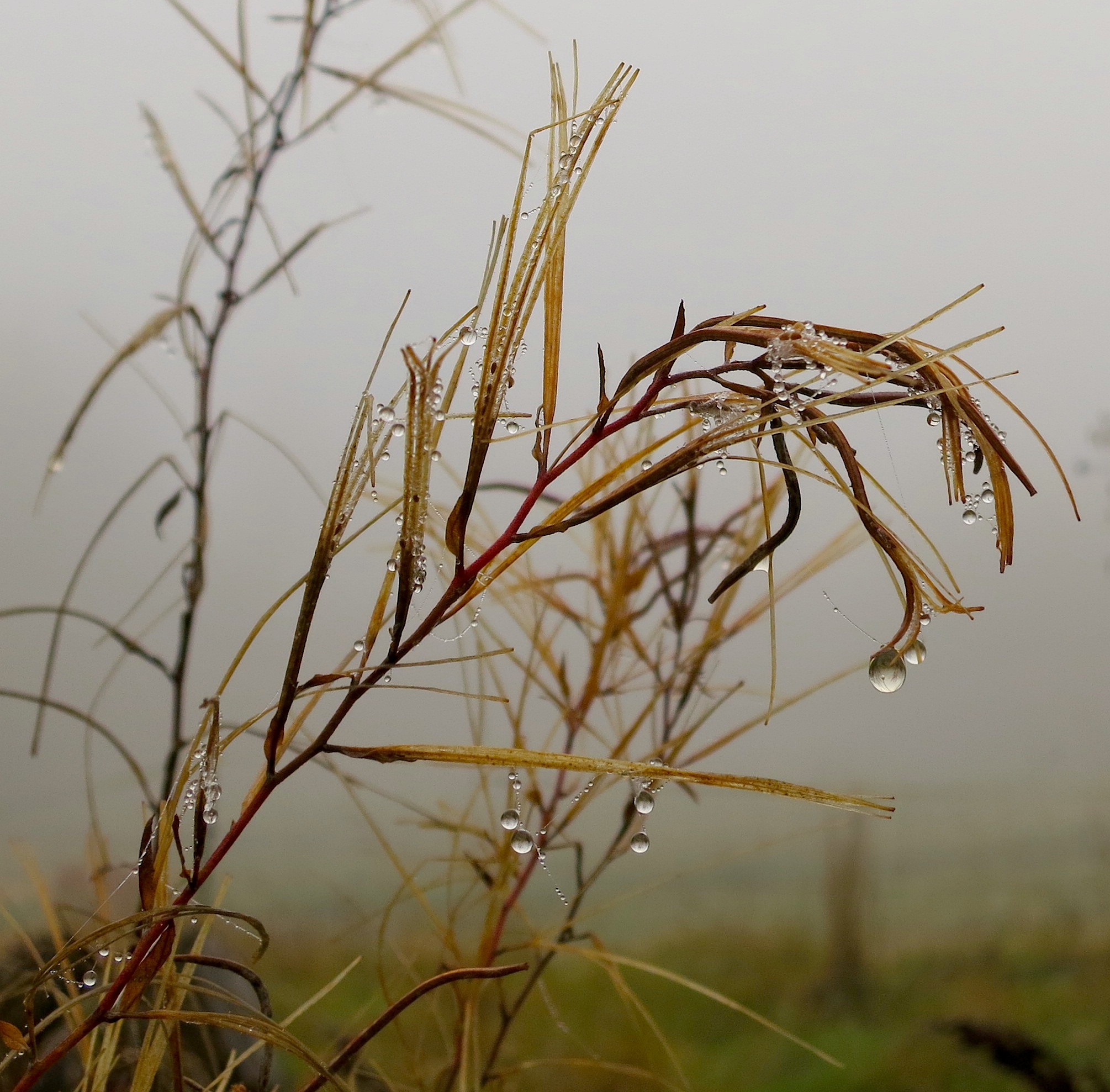
to applaud the colors of the fog
even as it surrounds me.
~Claire Weiner,”The Sun is in Hiatus”  from VerseWrights Journal
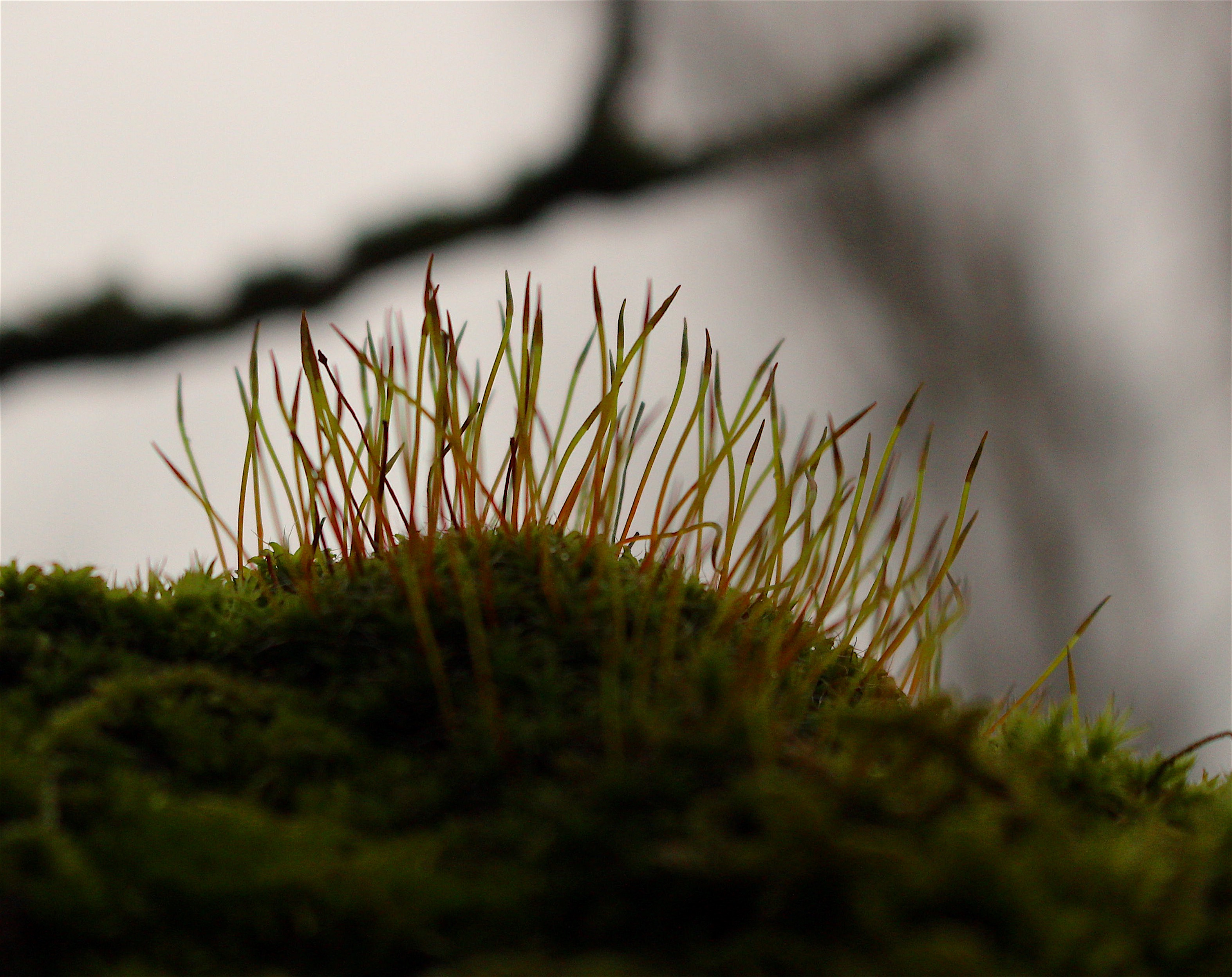
Come here
and share the rain
with me. You.
Isn’t it wonderful to hear
the universe
shudder. How old it all,
everything,
must be.
~Eileen Myles from “And Then the Weather Arrives”

I’m looking longingly at a weather prediction for rain all day.  I want gray, wet and miserable when I am buried in a windowless room at work all day.

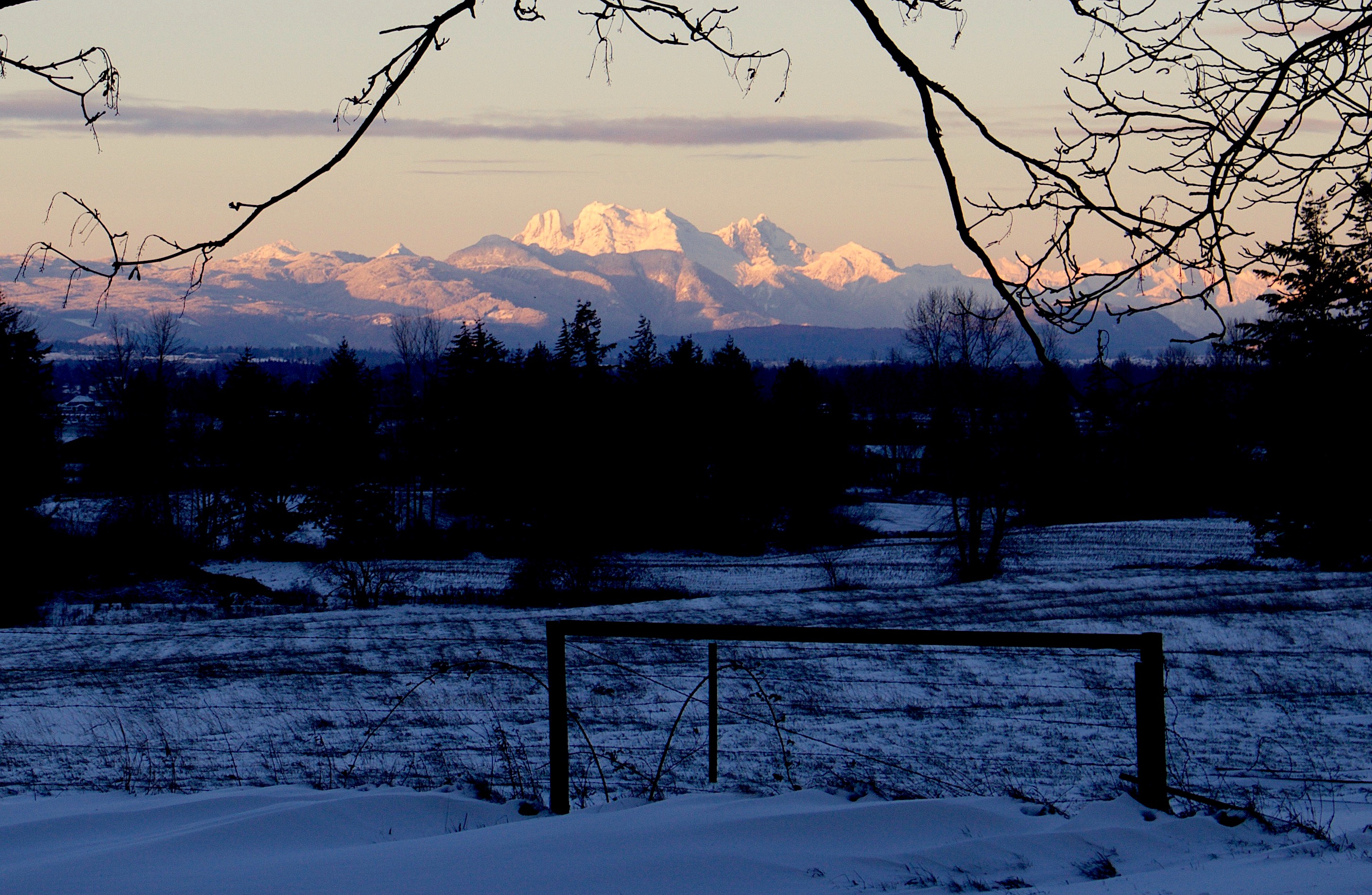
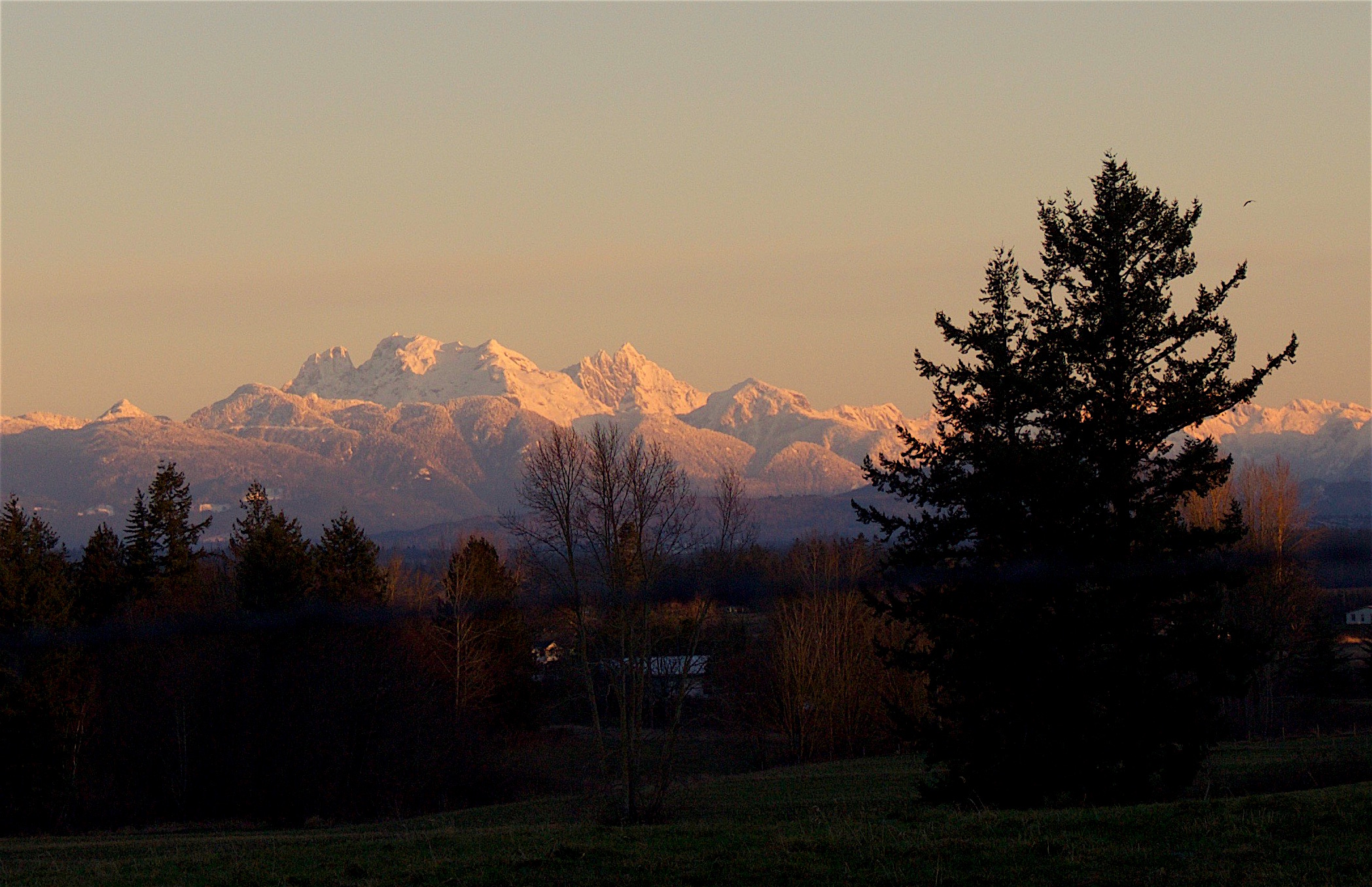
Some winters bring too much perfection for too long:  360 degree views of snowy mountains and foothills that gleam in the sun, glistening crystalline fields of frost, sparkling clear waters in Puget Sound,  and bright blue cloudless skies. It is difficult for any northwest native to tolerate.    It is hard work keeping up the smiles and general good humor that goes with excellent weather.   There is always a clear expectation that one should be outside enjoying the rare sunny day, when it is far more appealing to curl up with a good book and a warm dog by a roaring fire, pretending not to notice how nice it is out.

We native Washingtonians are congenitally grumpy people, born to splash through puddles and lose our boots in footwear-sucking mud.    We don’t carry umbrellas because they are useless when our horizontal rain comes from the side, not from the top.   We wear sunglasses on mid-winter sunny days because we can’t possibly get our eyes to adjust to so much brightness.   We perpetually wear sweatshirt hoods and baseball caps, even when we are indoors, just in case,  because you never know.

Gray is preferred.   Gray with wet and cold is even better.   No one even questions my staying sequestered inside on days like this.   Being in a good mood would be highly suspect.

So I savor the opportunity to act outwardly disgruntled with such obvious justification as a rainy evening.

Downright crabby.  No apologies needed.  No excuses given.

It’s almost enough to put a smile on my face.
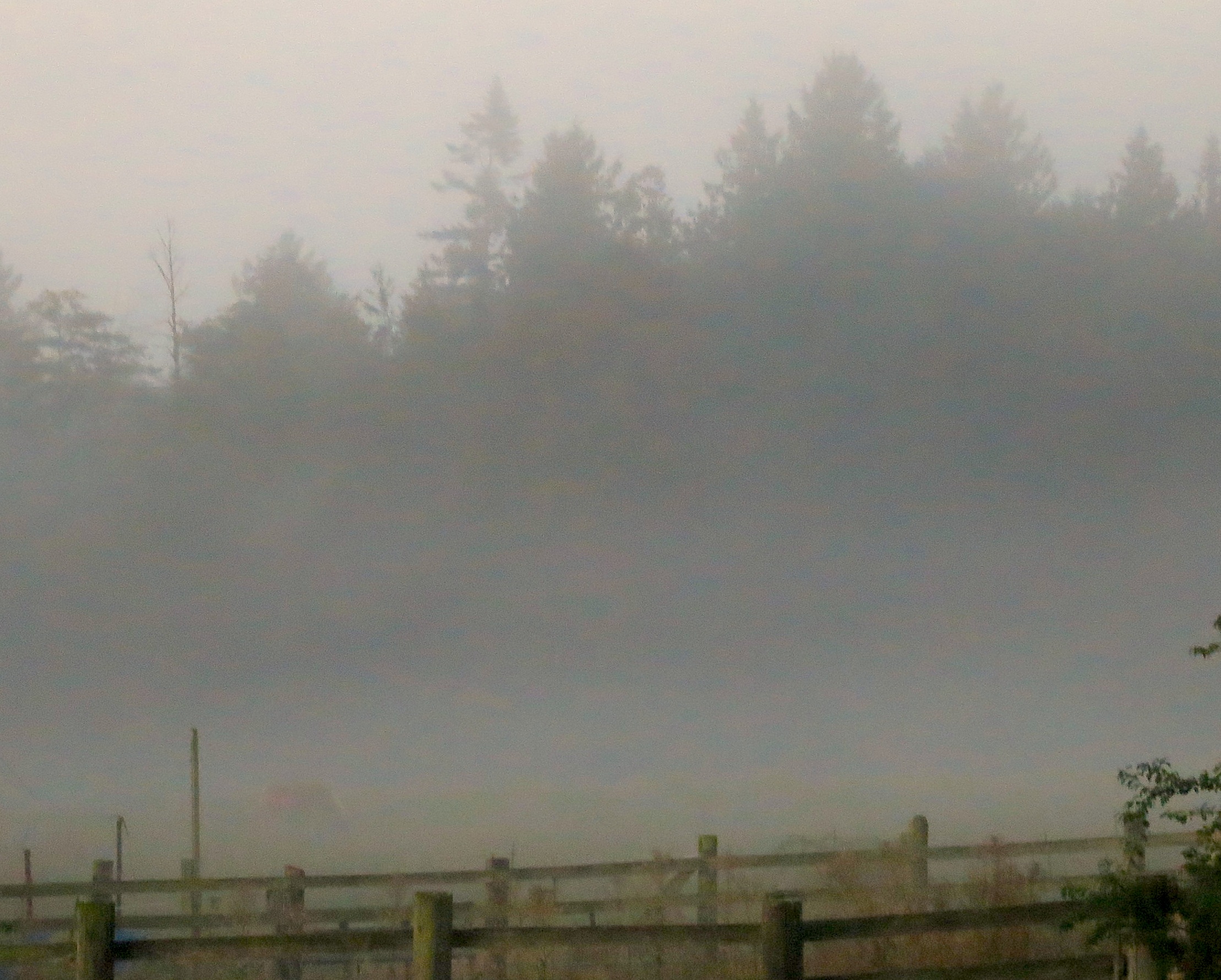
Anything Rather Than Void

Days pass when I forget the mystery.
Problems insoluble and problems offering
their own ignored solutions
jostle for my attention…
            And then
once more the quiet mystery
is present to me, the throng’s clamor
recedes: the mystery
that there is anything, anything at all,
let alone cosmos, joy, memory, everything,
rather than void: and that, O Lord,
Creator, Hallowed one, You still,
hour by hour sustain it.
~Denise Levertov from “Primary Wonder” from Sands of the Well

Here is the mystery, the secret,
one might almost say the cunning,
of the deep love of God:
that it is bound to draw upon itself
the hatred and pain and shame
and anger and bitterness and rejection of the world,
but to draw all those things on to itself
is precisely the means chosen from all eternity
by the generous, loving God,
by which to rid his world of the evils
which have resulted from
human abuse of God-given freedom.
~N.T. Wright from The Crown and The Fire

Inundated by the constantly bad news of the world, I must cling to the mystery of His magnetism for my own weaknesses and flaws, my bitterness. He willingly pulls evil onto Himself, out of us. Hatred and pain and shame and anger disappear into the vortex of His love and beauty, the mucky corners of my heart vacuumed spotless.

We are let in on a secret: He is not sullied by absorbing the dirty messes of our lives. He is sustaining us; we are anything rather than void.

Created in His image, sustained and loved, thus reflecting Him,
we are washed forever clean.

Hold Fast

The art of living lies in a fine mingling of letting go and holding on.
~Henry Havelock Ellis

…God’s not nonexistent;
He’s just been waylaid
by a host of what no one could’ve foreseen.   

He’s got plans for you

 …it’s true that my Virginia creeper praises Him,   
its palms and fingers crimson with applause,   
that the local breeze is weaving Him a diadem…
~Jacqueline Osherow from “Autumn Psalm”

With what stoic delicacy does
Virginia creeper let go:
the feeblest tug brings down
a sheaf of leaves kite-high,
as if to say, 
To live is good
but not to live—to be pulled down
with scarce a ripping sound,
still flourishing, still
stretching toward the sun—
is good also, all photosynthesis
abandoned, quite quits. Next spring
the hairy rootlets left unpulled
snake out a leafy afterlife
up that same smooth-barked oak.
~John Updike “Creeper”

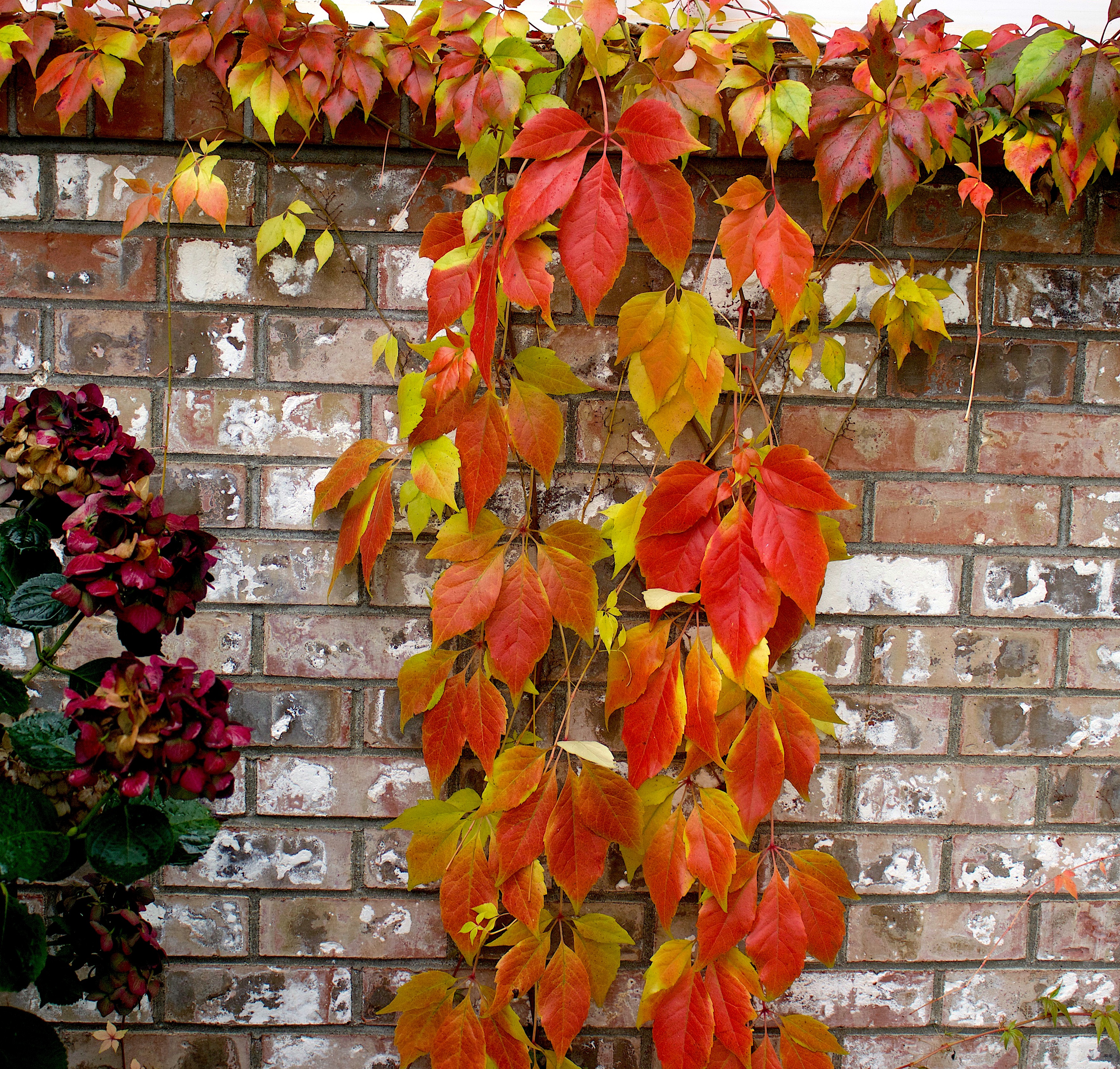
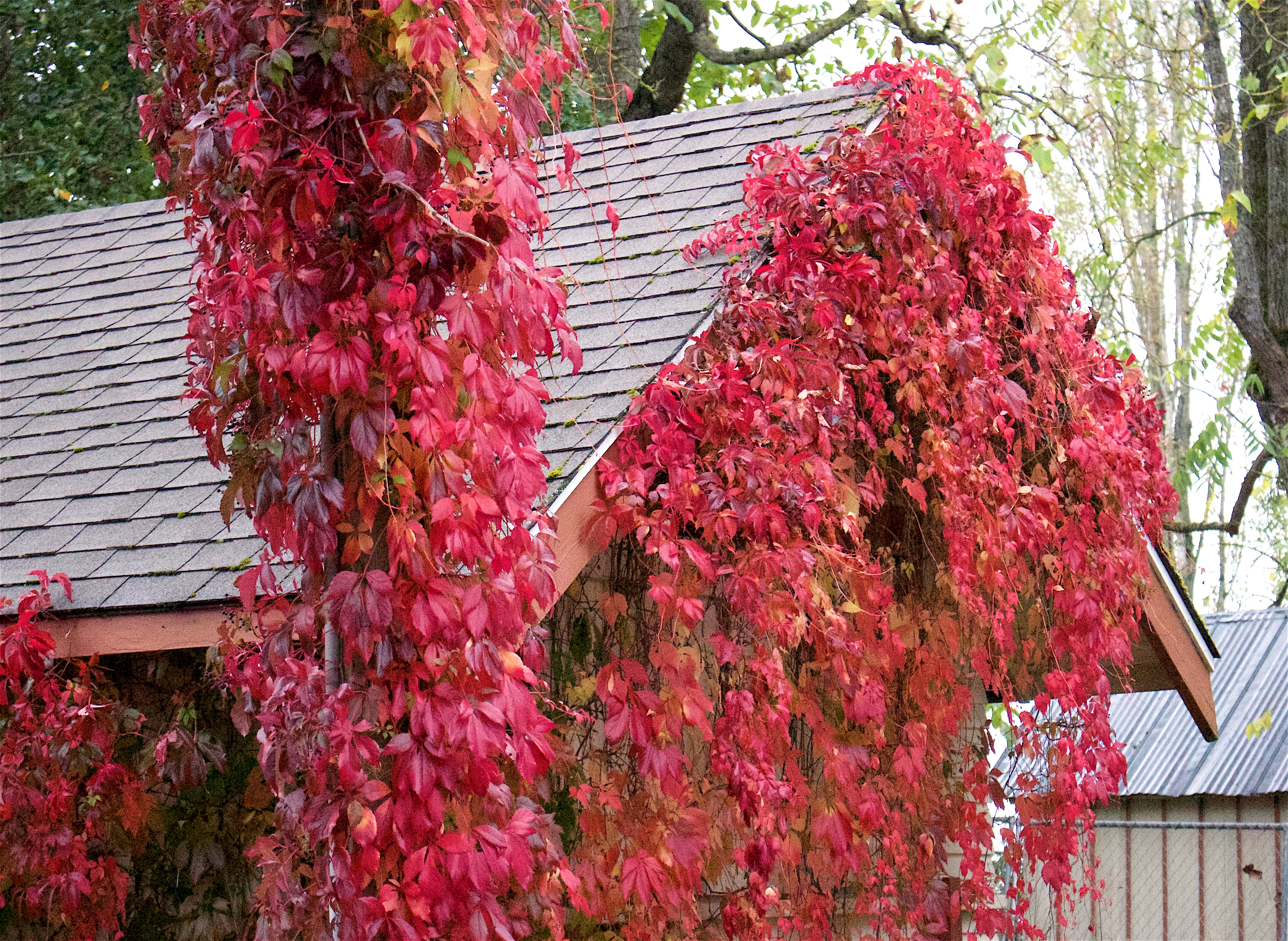
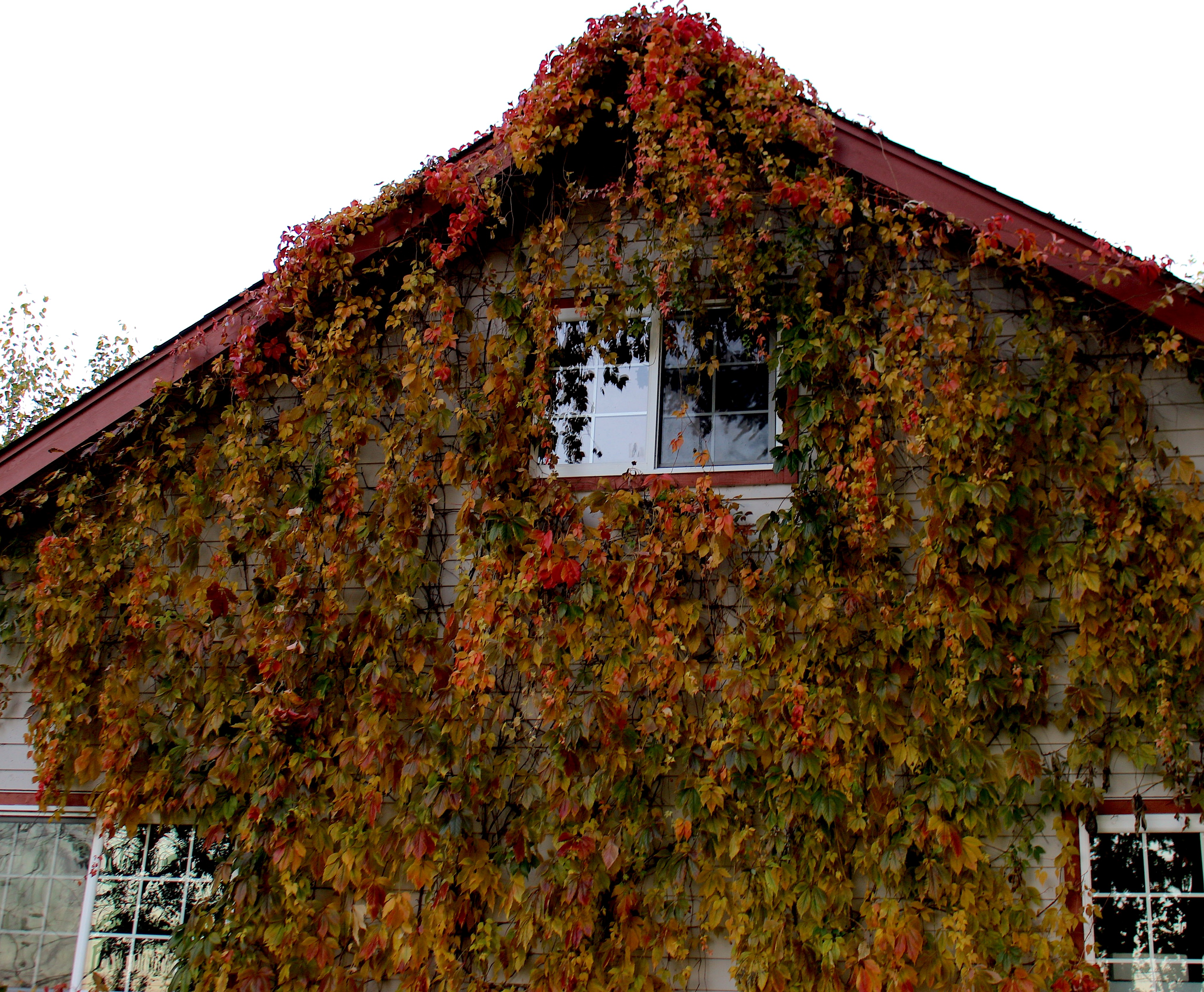
The Virginia Creeper vine, its crimson leaves
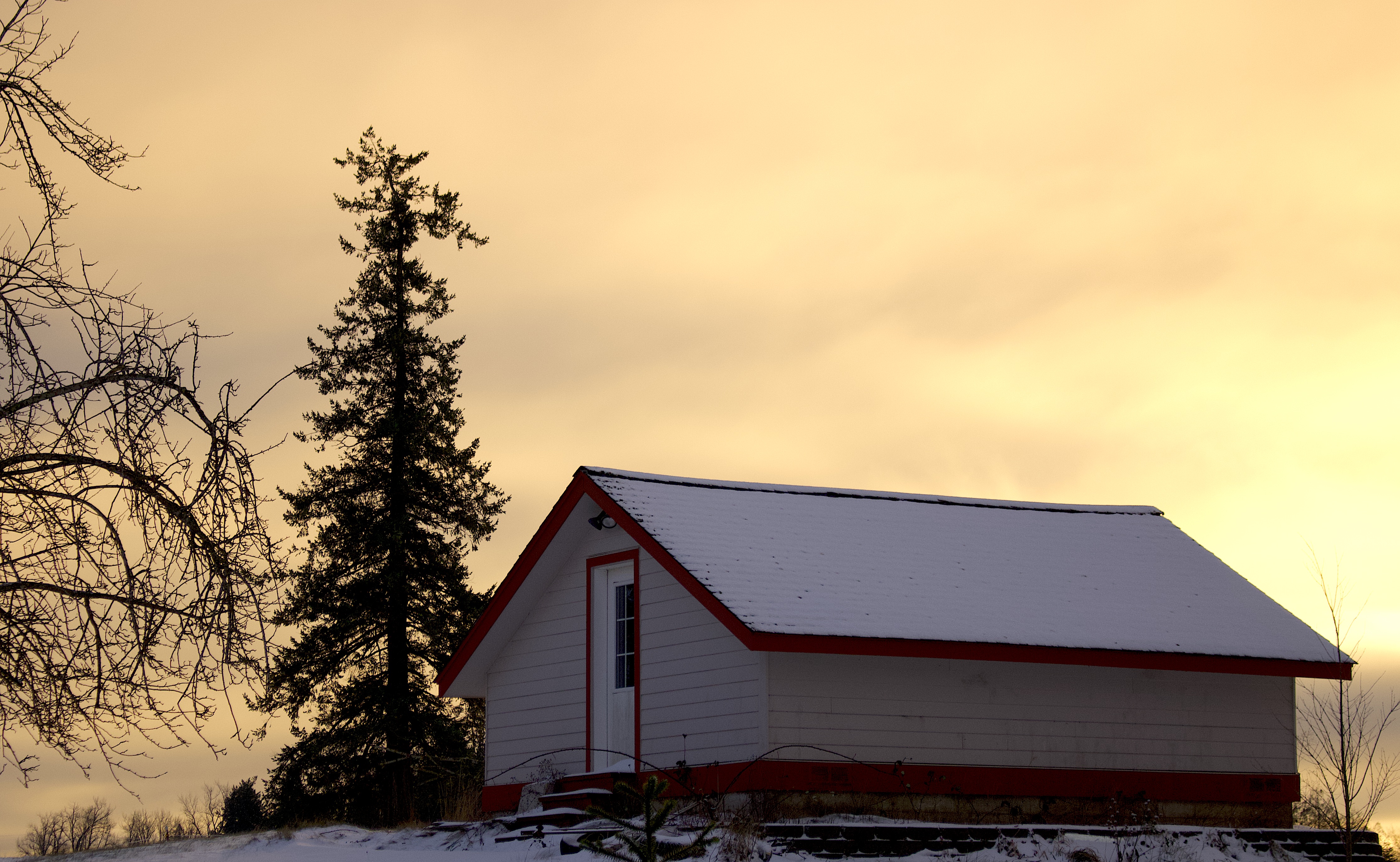
crawl over the brow of our ancient shed
like a lock of unruly hair or a flowing stream.
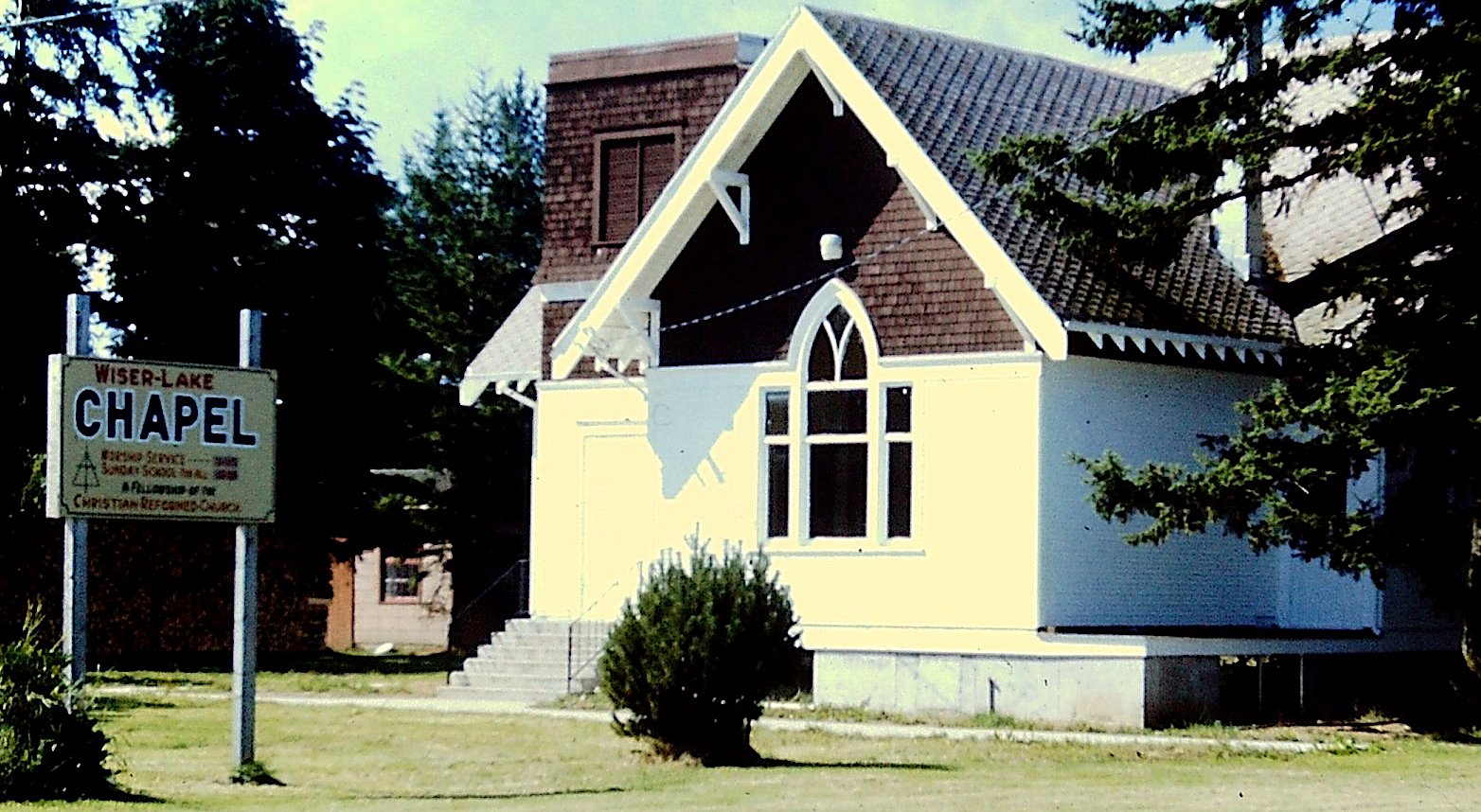
This humble building was a small chapel a century ago,
moved from the intersection of two country roads to this raised knoll
for forever sanctuary.

It is befitting that every fall this former church,
now empty of sermons and hymns,
weeps red.

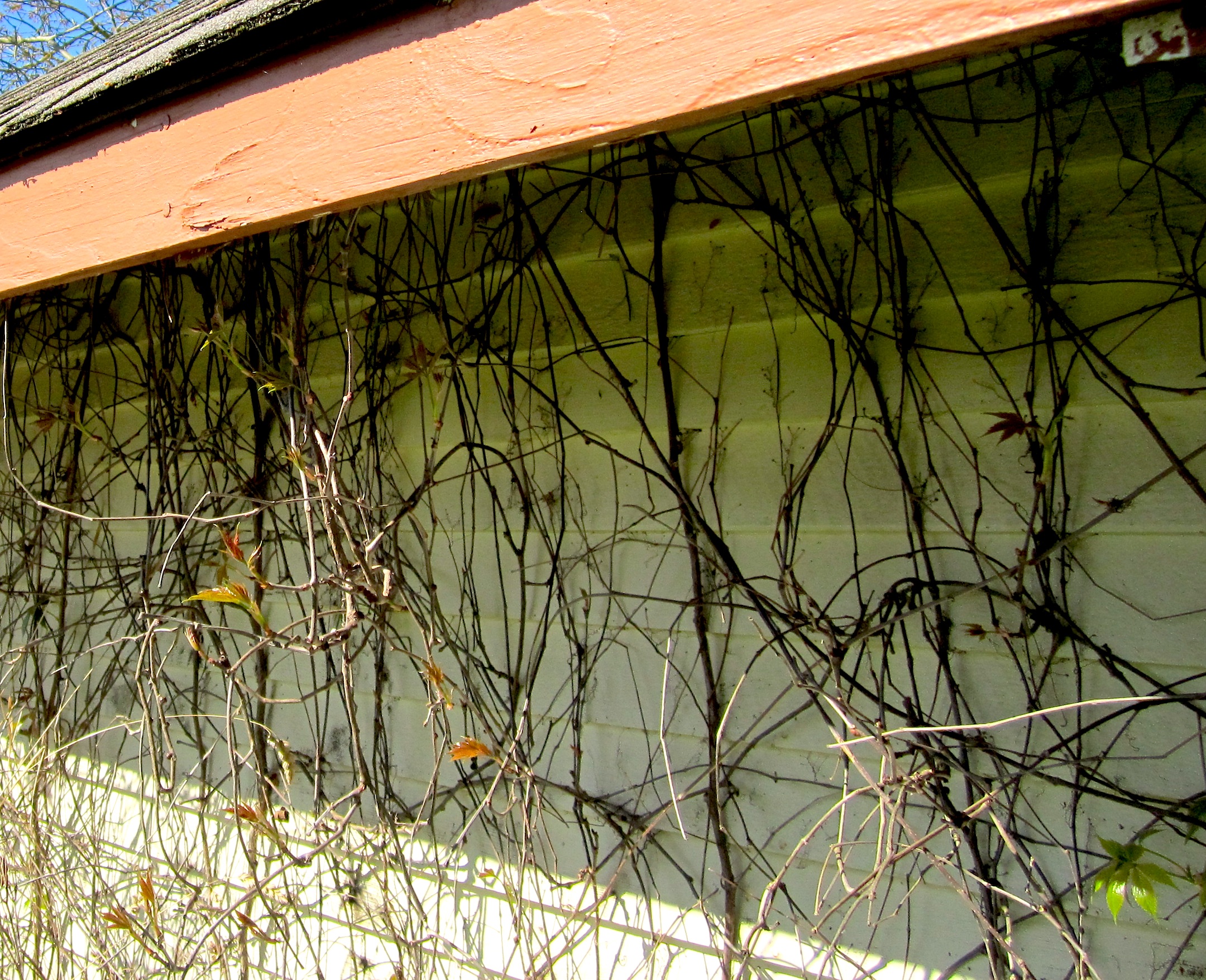
Each winter the stripped bare vine
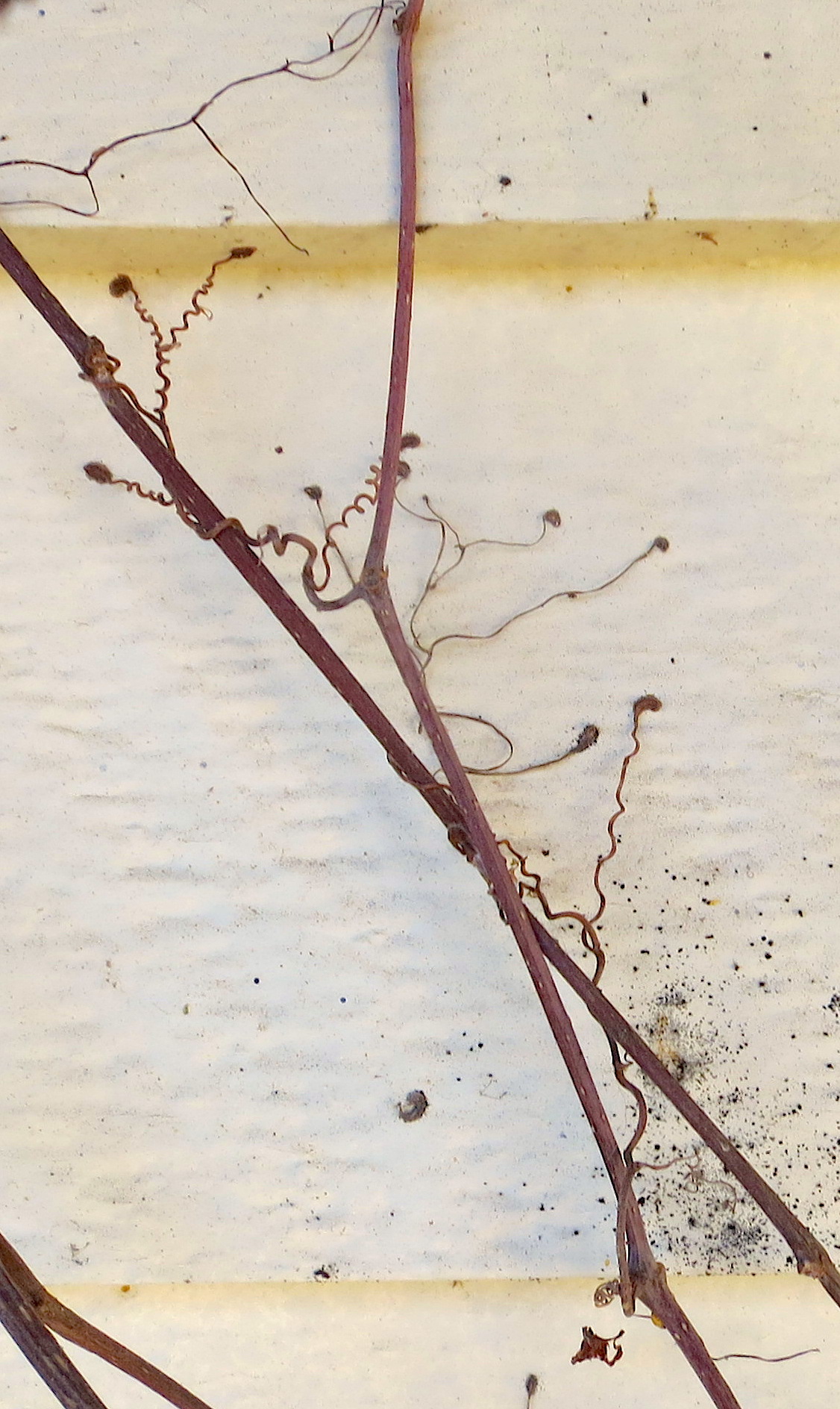
clings tightly through thousands of “holdfast” suckers.
The glue keeps the vine attached
where no vine has gone before.
Once there, it stays until pulled away;
it becomes an invincible foundation
to build upon in the spring.

Do not despair in this austere winter.
The Lord has plans and will not be moved
or ripped away,
even when His name is removed
from schools or public squares,
He’s holding on, waiting on us,
waiting for the spring
and won’t ever, no never, let go.


There Are No Gradations

The whole concept of the Imago Dei (or)…the ‘Image of God’ is the idea that all men have something within them that God injected…

This gives him a uniqueness, it gives him worth, it gives him dignity.
And we must never forget this…there are no gradations in the Image of God.

Every man from a treble white to a bass black
is significant on God’s keyboard,
precisely because every man is made in the Image of God.

One day we will learn that.

We will know one day that God made us to live together as brothers
and to respect the dignity and worth of every man.
– Martin Luther King, Jr. from his “The American Dream” sermon, July 4, 1965

photo by Lea Gibson

Next to the Blessed Sacrament itself, your neighbor is the holiest object presented to your senses.
~C. S. Lewis from The Weight of Glory

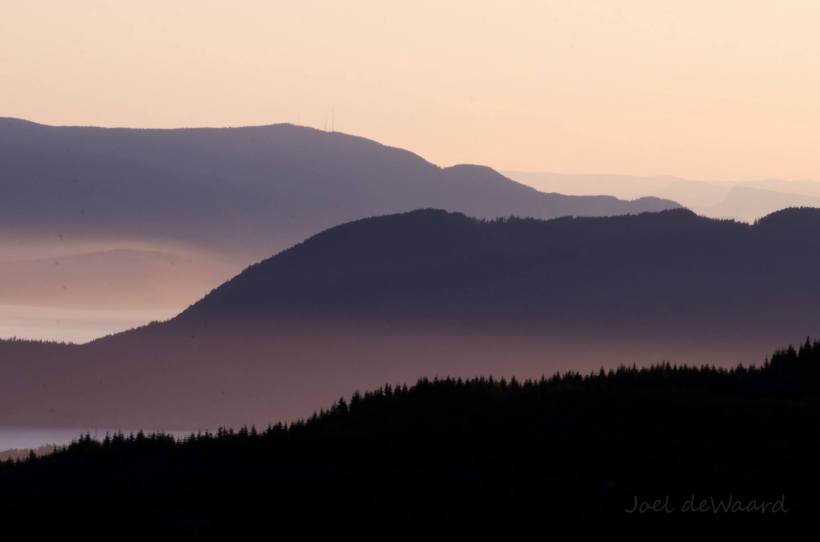
photo of San Juan Islands by Joel DeWaard

We are united by our joint creation as the Image of God.  Not one of us reflects God more than another but together form His body and His kingdom on earth.

Dr. King’s words and wisdom continue to inform us of our shortcomings more than 50 years later as we flounder in our flaws and brokenness;  so many question not only the validity of equality of all people of all shades, but even doubt the existence of a God who would create a world that includes the crippled body, the troubled mind, the questioned gender, the genetically challenged, the human beings never allowed to draw a breath.

Yet we are all one, a composition made up of white and black keys too often discordant, sometimes dancing to different tempos, on rare occasions a symphony.  The potential is there for harmony, and Dr. King would see and hear that in his time on earth.

Perhaps today we unite only in our shared tears, shed for the continued strife and disagreements, shed for the injustice that results in senseless killings, shed for our inability to hold up one another as holy in God’s eyes as His intended creation, no matter our color, our origin, our defects, our differences and similarities.

We can weep together on this day, knowing, as Dr. King knew, a day will come when the Lord God will wipe tears away from all faces — all colors just as they are. 

There are no longer gradations in who God is nor who He made us to be.

Embraced By God’s Restless Love

The old church leans awry and looks quite odd,
But it is beautiful to us, and God.

~Stephen Paulus “The Old Church”

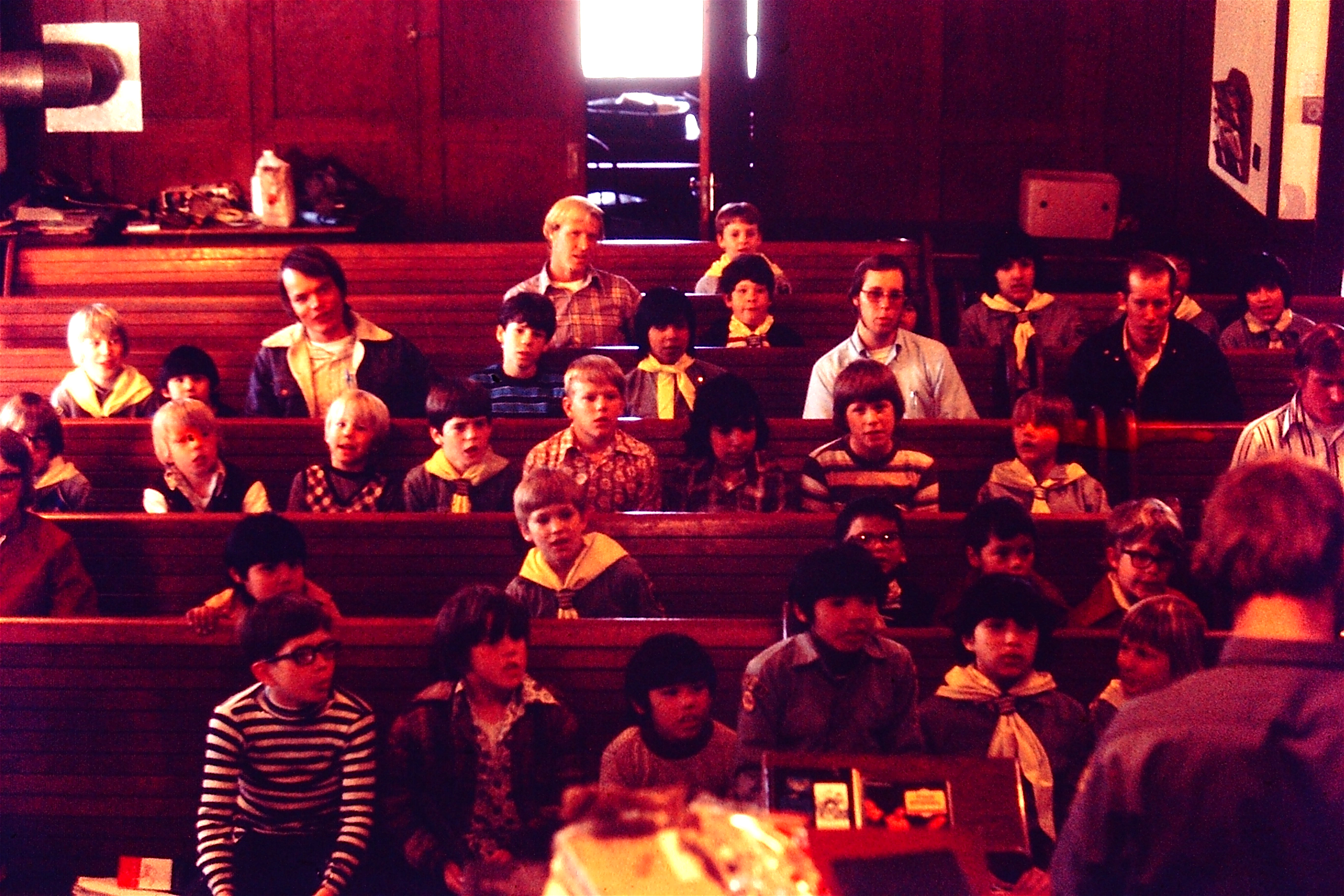
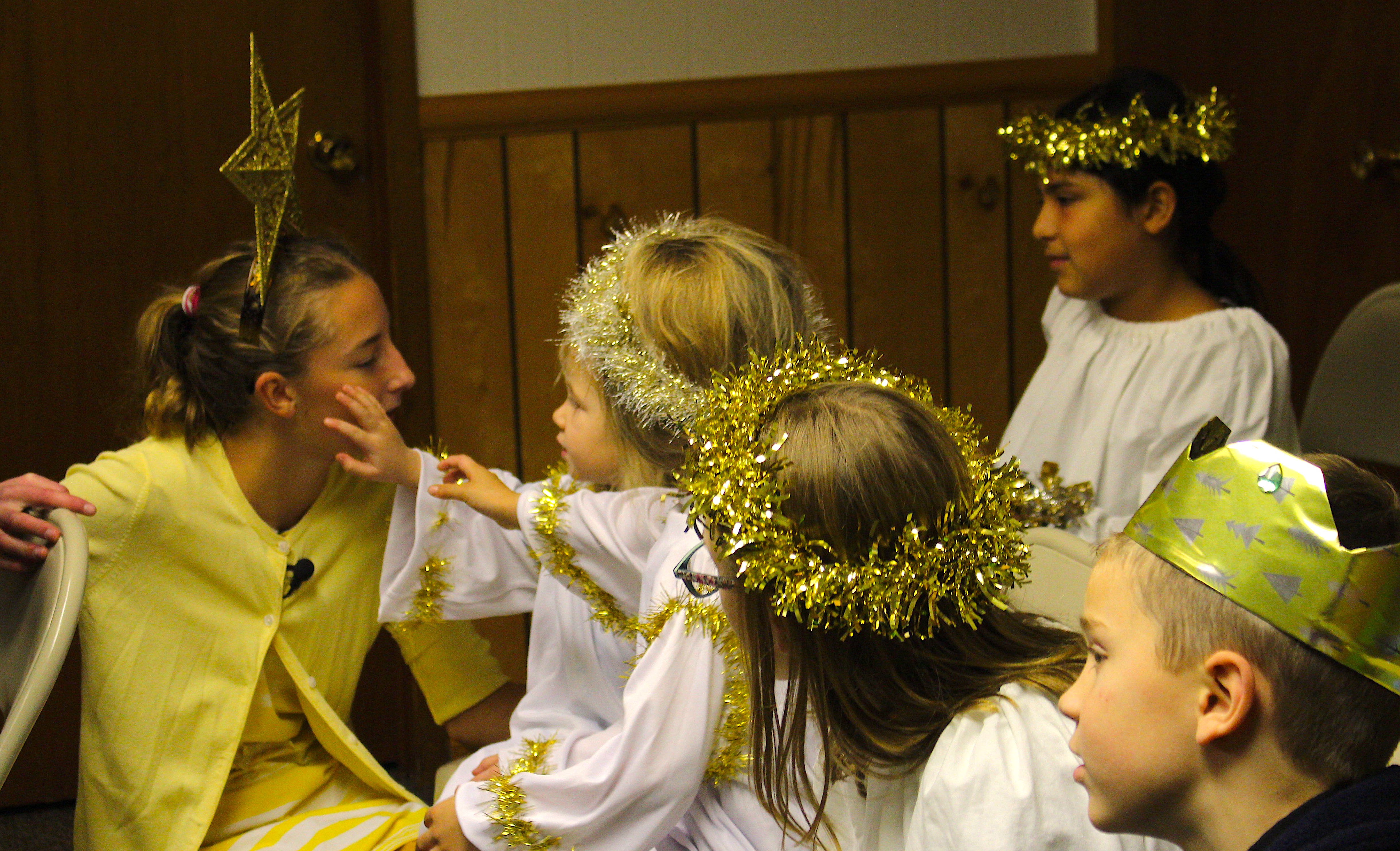
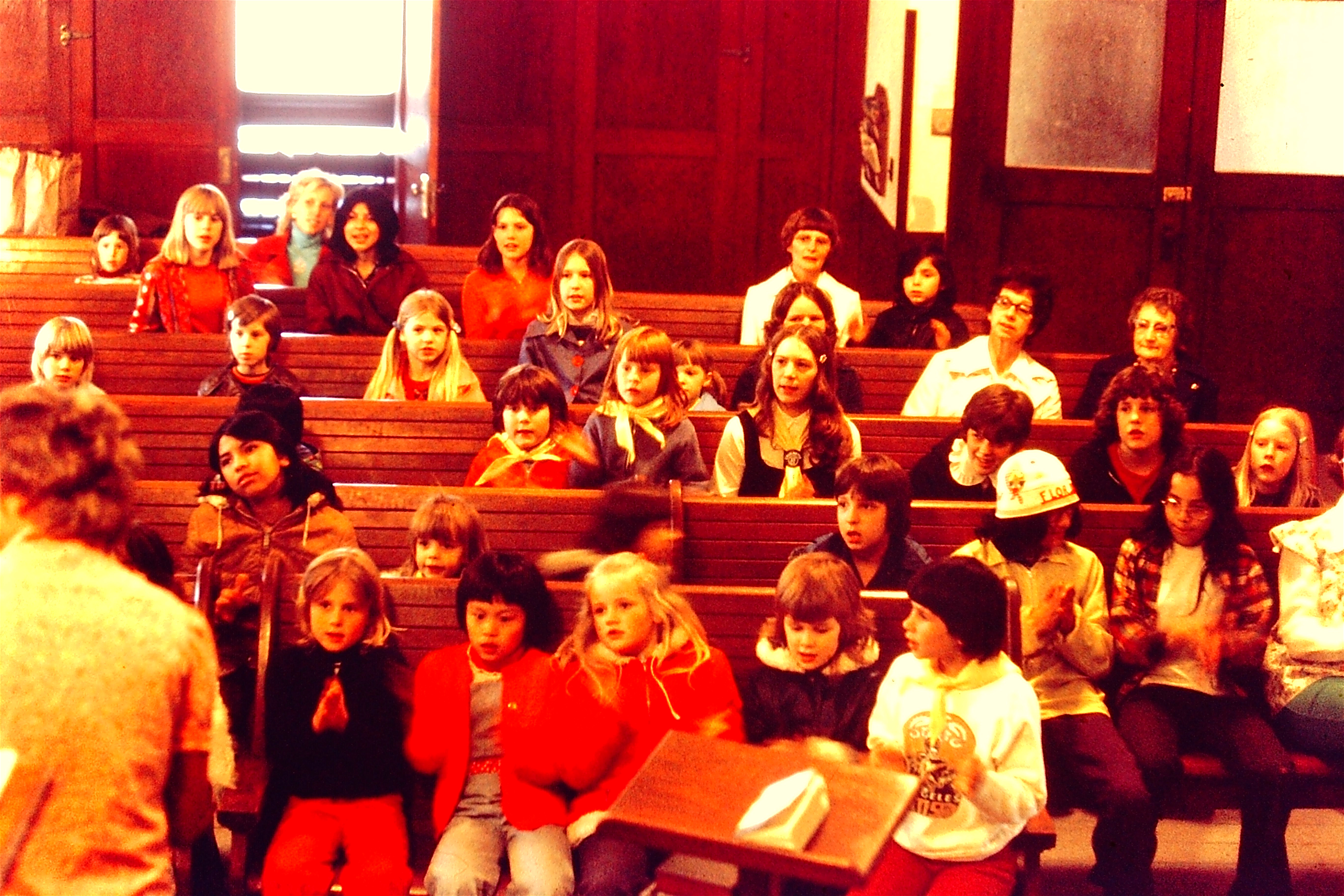
The church knelt heavy
above us as we attended Sunday School,
circled by age group and hunkered
on little wood folding chairs
where we gave our nickels, said
our verses, heard the stories, sang
the solid, swinging songs.

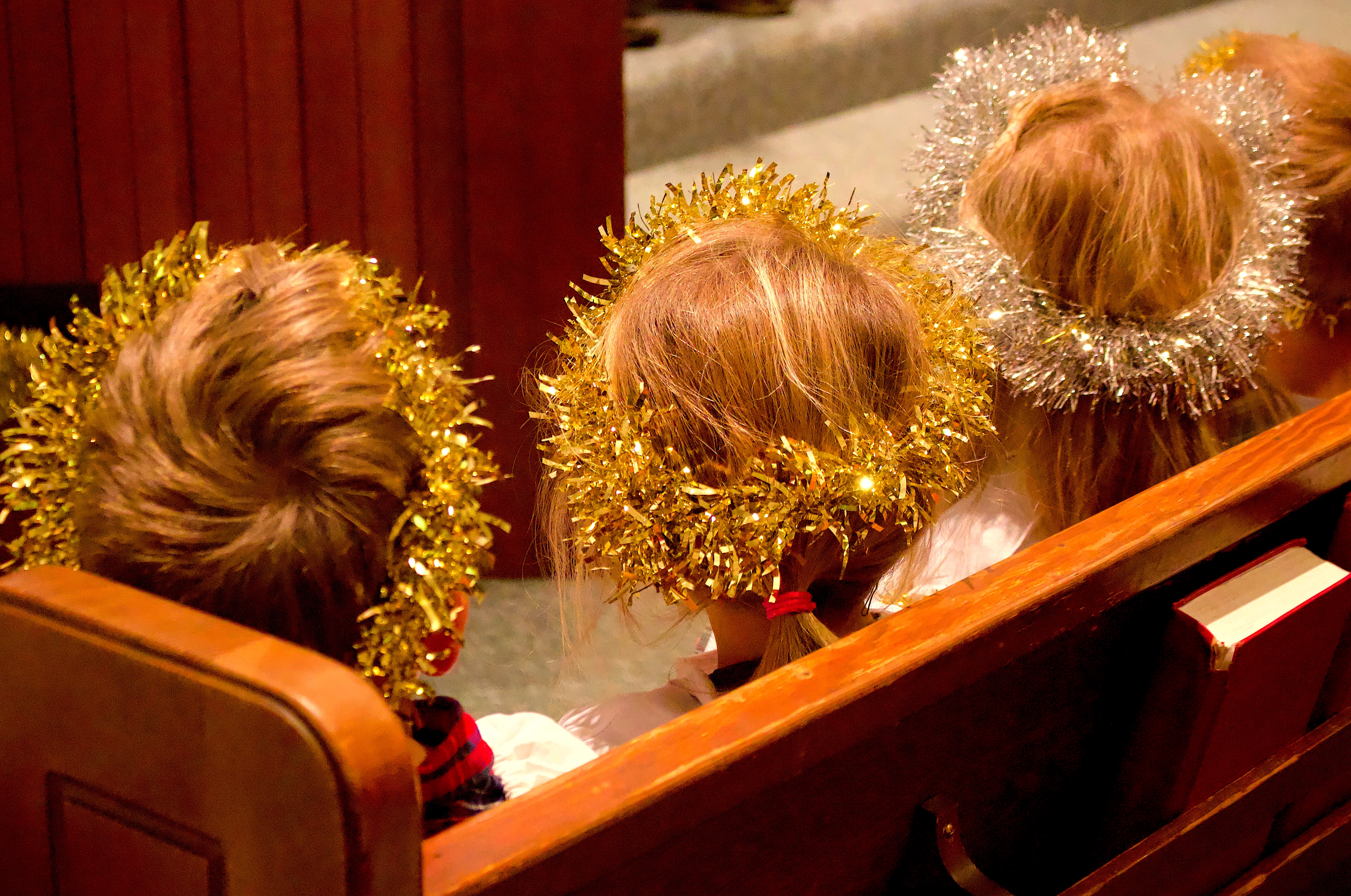
It could have been God above
in the pews, His restless love sifting
with dust from the joists. We little
seeds swelled in the stone cellar, bursting
to grow toward the light
.

Maybe it was that I liked how, upstairs, outside,
an avid sun stormed down, burning the sharp-
edged shadows back to their buildings, or
how the winter air knifed
after the dreamy basement.

Maybe the day we learned whatever
would have kept me believing
I was just watching light
poke from the high, small window
and tilt to the floor where I could make it
a gold strap on my shoe, wrap
my ankle, embrace
any part of me.
~Maureen Ash “Church Basement”

There could be so much wrong with the church overall,
comprised as it is
with fallen people
with broken wings,
looking odd and leaning awry,
determined to find flaws in each other’s
doctrine, rituals, tradition, beliefs.

What is right with the church:
who we pray to, why we sing,
whose body we comprise
so bloodied, fractured, yet healed
despite our thoroughly motley messiness~
Our Lord of Heaven and Earth
rains down His restless love upon our heads.

Little Life Safe

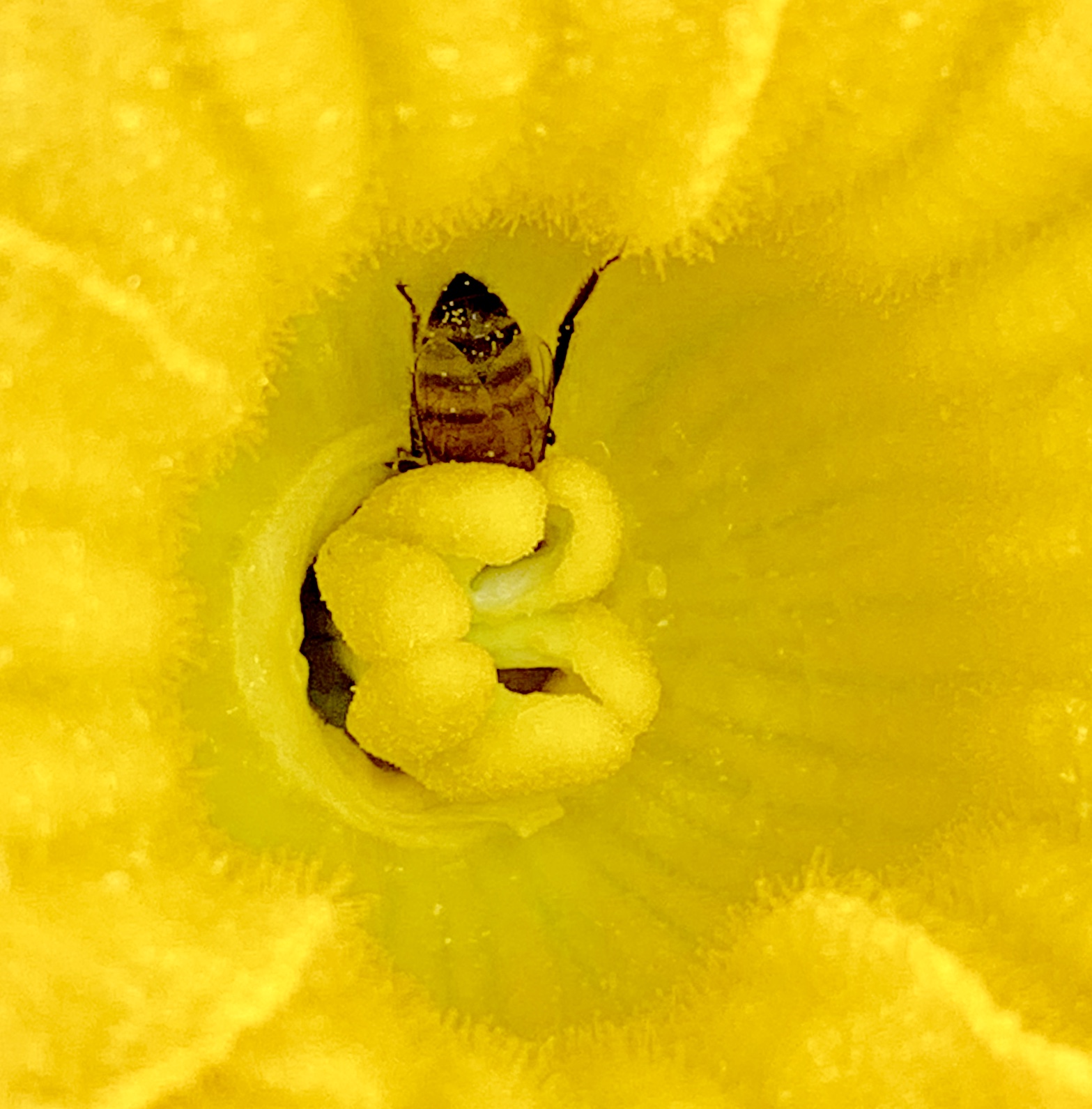
He calls the honeybees his girls although
he tells me they’re ungendered workers
who never produce offspring. Some hour drops,
the bees shut off. In the long, cool slant of sun,
spent flowers fold into cups. He asks me if I’ve ever
seen a Solitary Bee where it sleeps. I say I’ve not.
The nearest bud’s a long-throated peach hollyhock.
He cradles it in his palm, holds it up so I spy
the intimacy of the sleeping bee. Little life safe in a petal,
little girl, your few furious buzzings as you stir
stay with me all winter, remind me of my work undone.
~Heid E. Erdrich, from “Intimate Detail” from The Mother’s Tongue

The barn’s brown gable, the vine by the door,—    
Nothing changed but the hives of bees. 
Before them, under the garden wall,    
Forward and back, 
Went drearily singing the chore-girl small,    
Draping each hive with a shred of black. 
Trembling, I listened: the summer sun    
Had the chill of snow; 
For I knew she was telling the bees of one    
Gone on the journey we all must go! 
~John Greenleaf Whittier from “Telling the Bees”

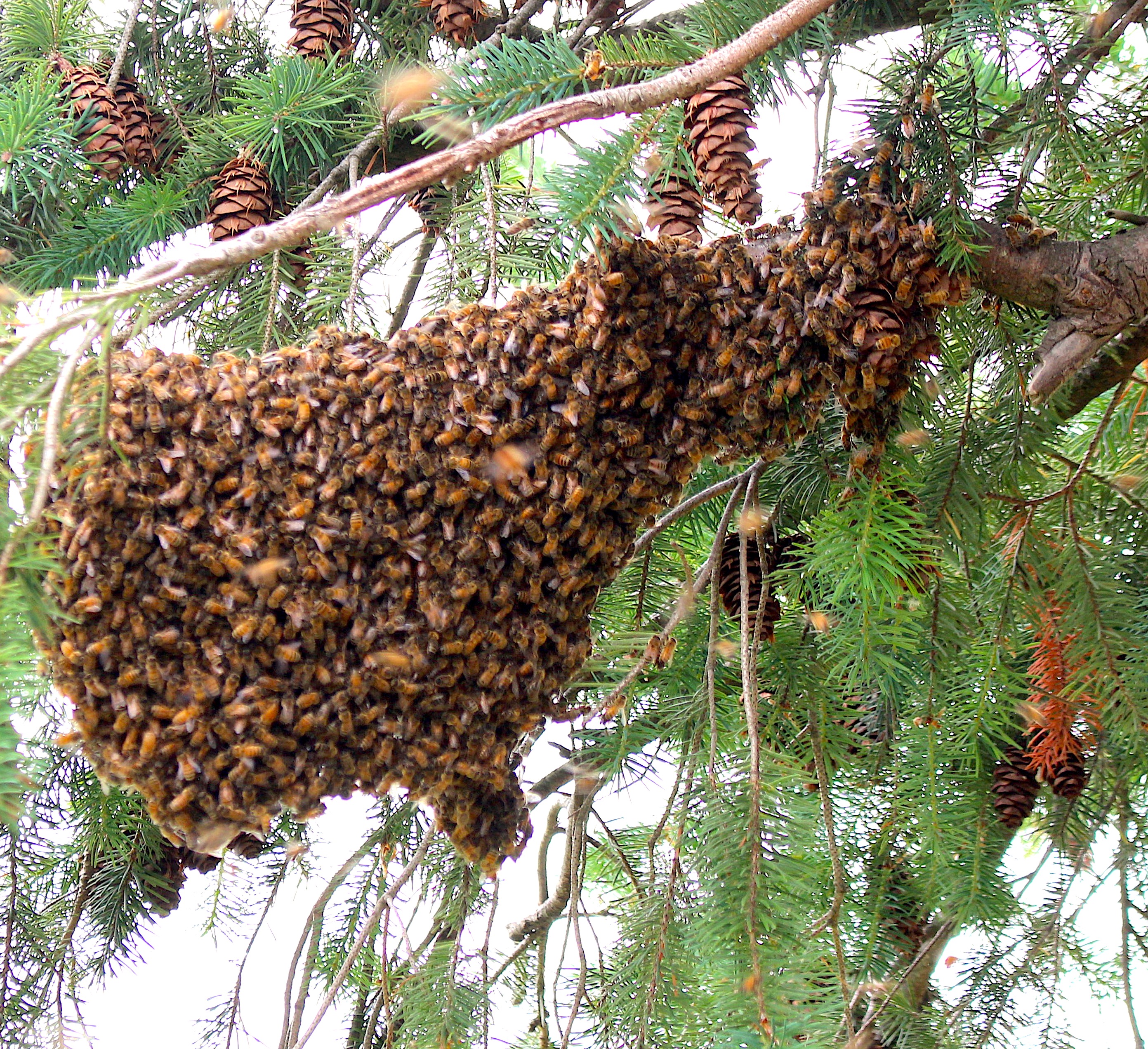
An old Celtic tradition necessitates sharing any news from the household with the farm’s bee hives, whether cheery like a new birth or a wedding celebration or sad like a family death.  This ensures the hives’ well-being and continued connection to home and community – the bees are kept in the loop, so to speak, so they stay at home, not swarm and move on to a more hospitable place.

Each little life safe at home, each little life with work undone.

Good news seems always easy to share; we tend to keep bad news to ourselves so this tradition helps remind us that what affects one of us, affects us all.

These days, with instant news at our fingertips at any moment, bad news is constantly bombarding us. Like the bees in the hives of the field, we want to flee from it and find a more hospitable home.

I hope the Beekeeper, our Creator, comes personally to each of us to say:
“Here is what has happened. All will be well, dear one. We will navigate your little life together.”

The Back Pew

There’s coffee and pie
with a widow from the church.
Why do you sit
in the back pew? she asks.
I’m close enough, I say.
Can I sit back there with you?
I’ve always sat there, I tell her,
with my same two friends,
and their clicking oxygen pumps.
One sat next to me for years,
called herself my church girlfriend,
who metastasized, telling me she was
tired of waiting to die.
Now, there’s just my 88-year-old friend,
his pump echoing in the sanctuary,
and there’s that empty
space between us.
I’d like to invite the widow to sit there,
but I miss my dead friend’s laugh,
her loving stories about her husband,
and how we were always
glad to see one another.
I tell the widow all this.
What if I just sat there? she asks.
It’s a free country, I tell her,
and she smiles.
~Bruce Pemberton “Autumn 2017” from Third Wednesday, (Vol. XI, no. 2, 2018)

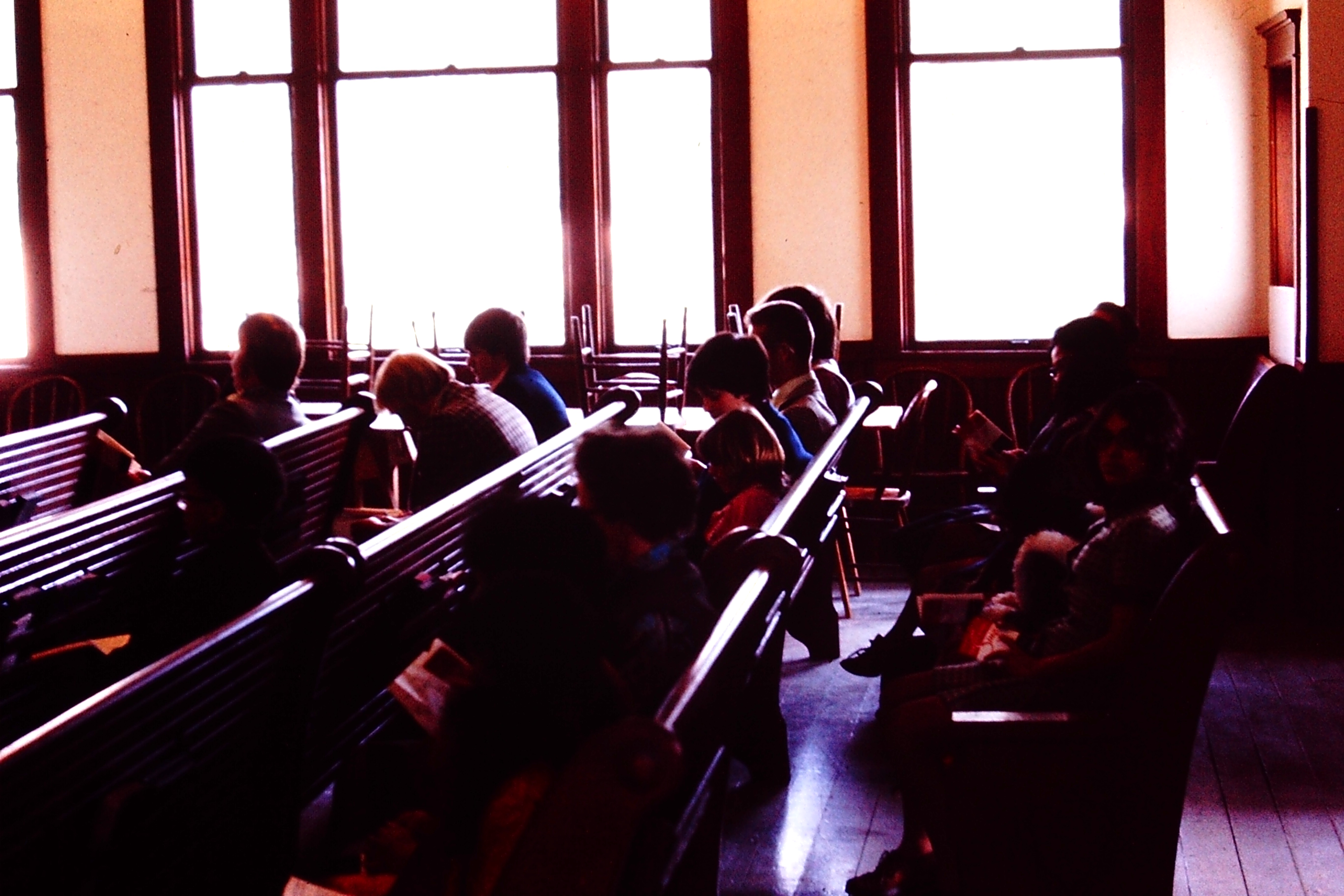
We used to occupy the back pew with our young family, figuring a wiggly child would be less disruptive if we stayed in the back. Our children would sing loud, draw pictures on index cards, take notes on the sermon and sometimes fall asleep under the bench. As they got older, we slowly made our way to the middle benches, and even sat in the very front when we walked into church late.

Sometimes we go sit in the back again for old times sake and find the most interesting group holding down those pews.

There is a fellow over ninety years old who still drives himself to church and he prefers the back because he can see everyone else who is in church without having to turn around. He decided the back was the place to be after seeing a 16 year old girl who always sat in the back pew bring her baby daughter to church for the first time, and how she was the center of a swarm of church ladies who came to oooh and aaah over the baby at the conclusion of the worship service. He told me he knew there was special grace and acceptance in that back bench.

It’s a loving and safe place to be. Everyone should try it sometime.
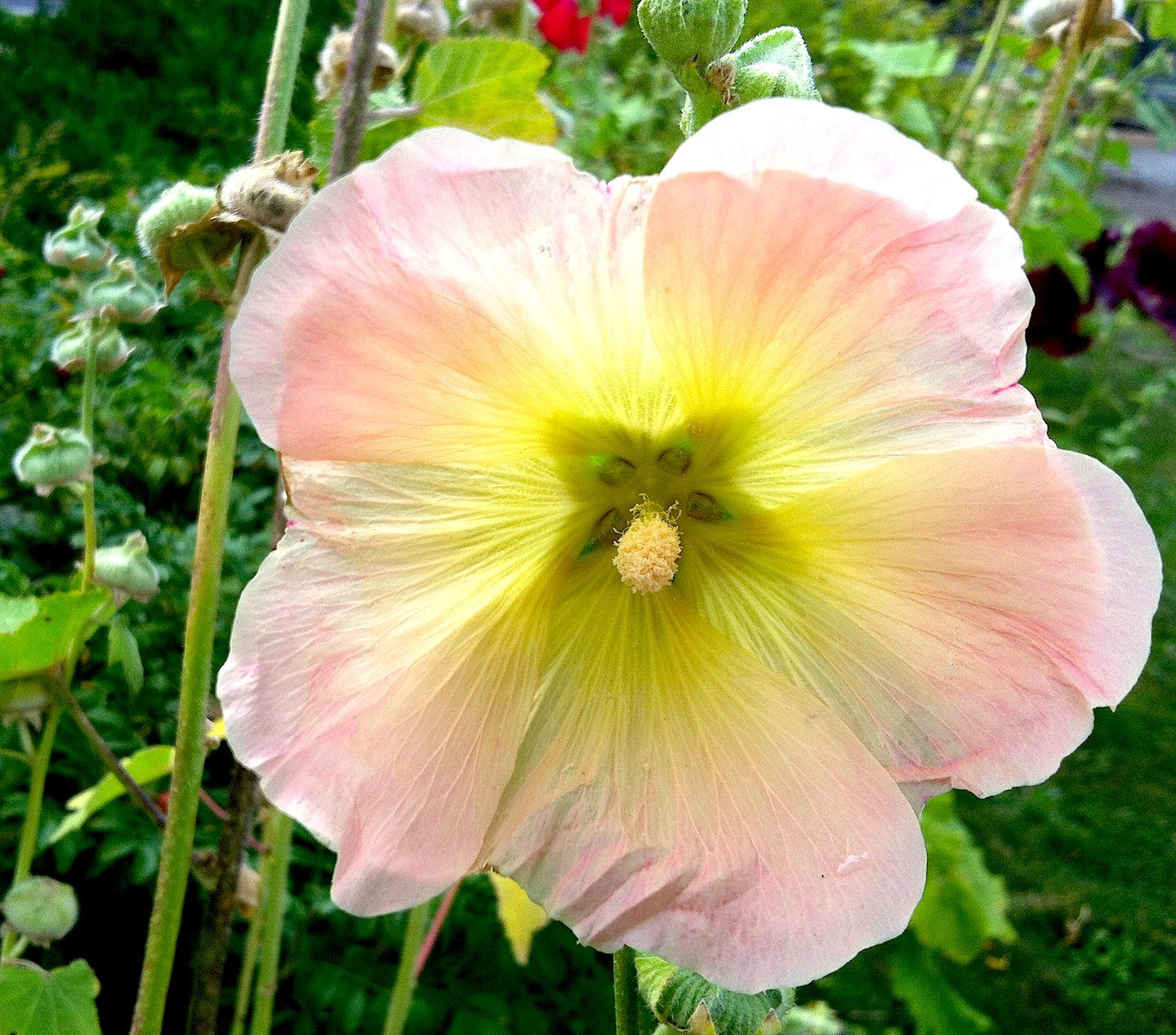
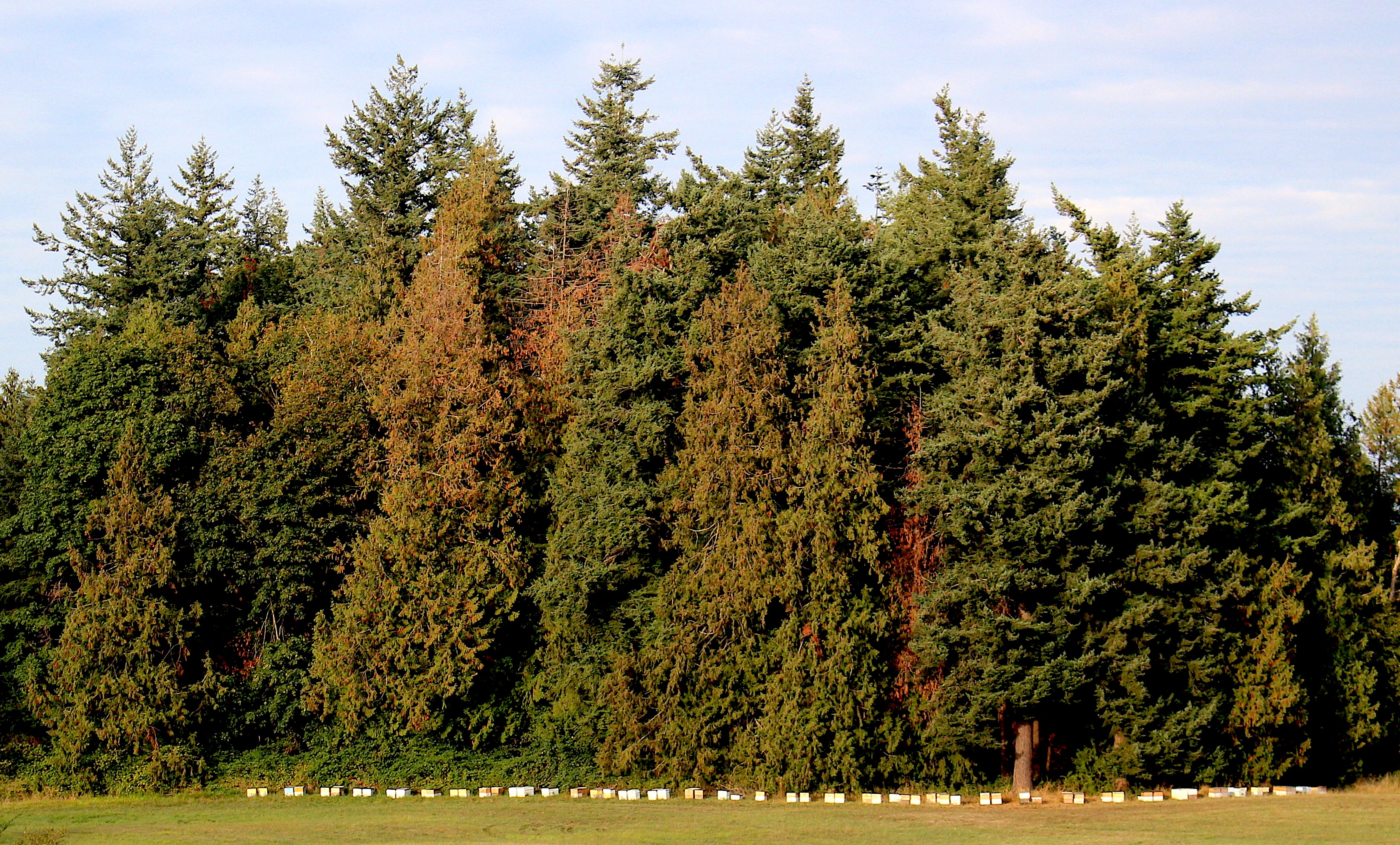
photo by Barb Hoelle

With A Heavy Heart

Outside the house the wind is howling
and the trees are creaking horribly.
This is an old story
with its old beginning,
as I lay me down to sleep.
But when I wake up, sunlight
has taken over the room.
You have already made the coffee
and the radio brings us music
from a confident age. In the paper
bad news is set in distant places.
Whatever was bound to happen
in my story did not happen.
But I know there are rules that cannot be broken.
Perhaps a name was changed.
A small mistake. Perhaps
a woman I do not know
is facing the day with the heavy heart
that, by all rights, should have been mine.
~Lisel Mueller “In November”

It does not escape me~
(I wake every day knowing this)
the earthquake happened somewhere else,
a tornado leveled some other town,
a plane full of ordinary people like me was shot out of the sky,
a drunk driver destroyed a family,
a fire left a forest and homes in ashes,
a missing son’s body was found frozen in an avalanche,
a devastating diagnosis darkens
someone’s remaining days.

No mistake has been made,
yet I wake knowing this part of my story
has not yet visited me-
the heavy heart
that should have been mine
awaits,
still breaking,
still bleeding,
still beating
still believing miracles can happen.

Becoming Holy Ground

It can happen like that:
meeting at the market,
buying tires amid the smell
of rubber, the grating sound
of jack hammers and drills,
anywhere we share stories,
and grace flows between us.

  
The tire center waiting room
becomes a healing place
as one speaks of her husband’s
heart valve replacement, bedsores
from complications. A man
speaks of multiple surgeries,
notes his false appearance
as strong and healthy.

 
I share my sister’s death
from breast cancer, her
youngest only seven.
A woman rises, gives
her name, Mrs. Henry,
then takes my hand.
Suddenly an ordinary day
becomes holy ground.
~ Stella Nesanovich, “Everyday Grace,” from Third Wednesday

The only use of a knowledge of the past is to equip us for the present. The present contains all that there is. It is holy ground; for it is the past, and it is the future.
~Alfred North Whitehead

It matters less what has happened or what will happen.  What matters is happening right this very moment – in the tire center waiting room, the grocery store check out line, the exam room of the doctor’s office. Are we living fully in the present and paying attention?

We are sentient creatures with a proclivity to bypass the present to dwell on the past or fret about the future.   This has been true of humans since our creation.   Those observing Buddhist tradition and New Age believers of the “Eternal Now” call our attention to the present moment through the teaching of “mindfulness” to bring a sense of peacefulness and fulfillment.

Mindfulness is all well and good but I don’t believe the present is about our minds.  It is not about us at all.

The present is an ordinary day transformed to holy ground where we are allowed to tread:

We are asked to remove our shoes in an attitude of respect to a loving God who gives us life.
We are to approach each other and each sacred moment with humility. 
We turn aside from the dailiness of our lives to look at what He has promised.
We are connected to one another through our Maker.

There can be no other moment just like this one, so this is no time to waste.  There may be no other beyond this one.  Right now, this moment sorely barefoot, I am simply grateful to be here and connected to each of you.

We Pray for Light

On Epiphany day,
     we are still the people walking.
     We are still people in the dark,
          and the darkness looms large around us,
          beset as we are by fear,
                                        anxiety,
                                        brutality,
                                        violence,
                                        loss —
          a dozen alienations that we cannot manage.

We are — we could be — people of your light.
     So we pray for the light of your glorious presence
          as we wait for your appearing;
     we pray for the light of your wondrous grace
          as we exhaust our coping capacity;
     we pray for your gift of newness that
          will override our weariness;
     we pray that we may see and know and hear and trust
          in your good rule.

That we may have energy, courage, and freedom to enact
         your rule through the demands of this day.
         We submit our day to you and to your rule, with deep joy and high hope.
~Walter Brueggemann from  Prayers for a Privileged People 

Unclench your fists
Hold out your hands.
Take mine.
Let us hold each other.
Thus is his Glory Manifest.
~Madeleine L’Engle “Epiphany”

“Like Mary, we have no way of knowing…
We can ask for courage, however,
and trust that God has not led us into this new land
only to abandon us there.”

~Kathleen Norris from God With Us

Today is celebrated the Feast of Epiphany (His Glory revealed and made manifest in all lives).

Even as weak and crumbling vessels, God is made manifest within us. It is not the easy path to say yes to God: it means sacrifice, abandoning our will for His will so His glory is illuminated by His Light, not ours.

And so, we, like Mary, shall say yes.
His Seed shall take root in our hearts.