What is this life if, full of care, We have no time to stand and stare.
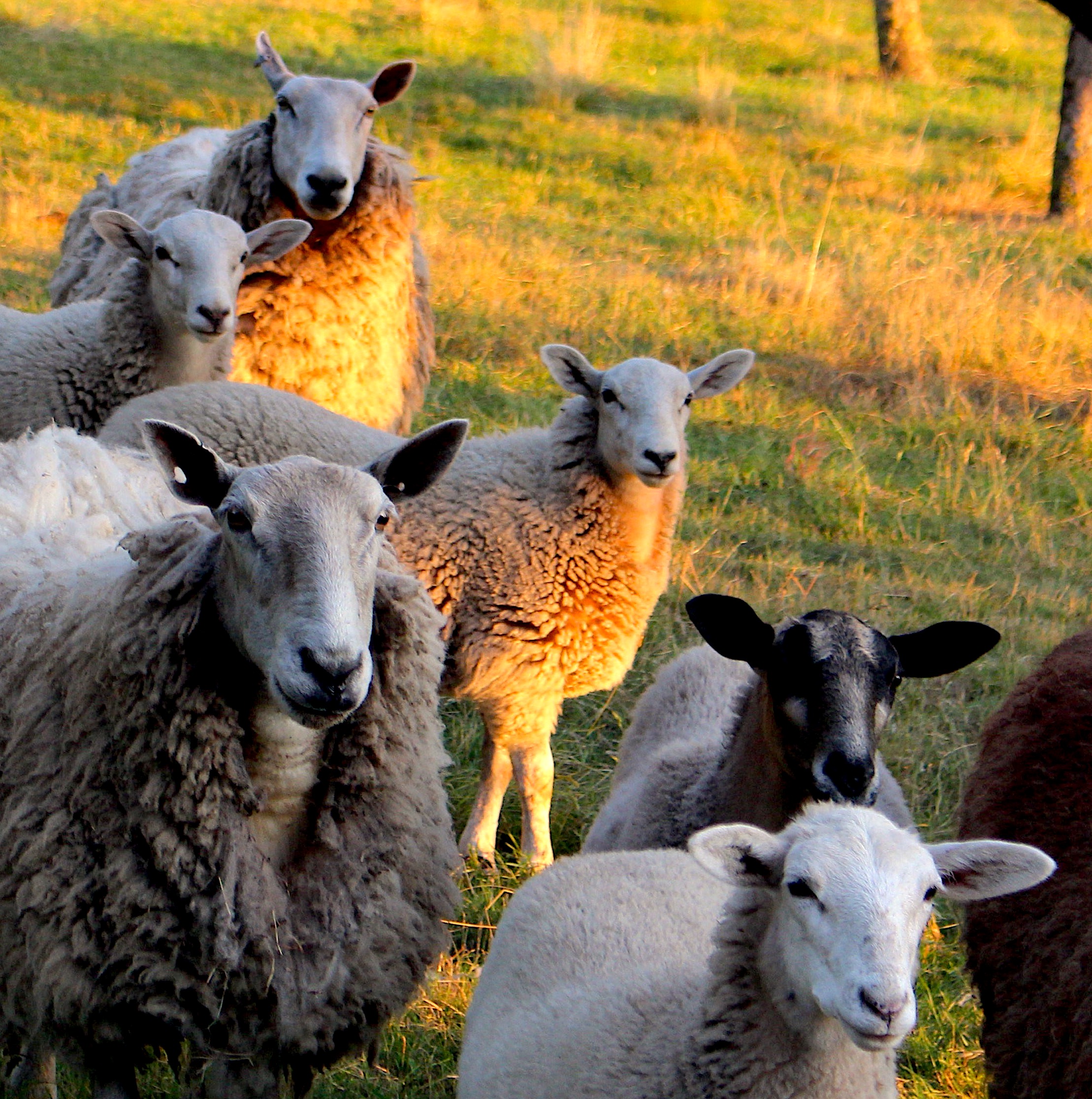
No time to stand beneath the boughs And stare as long as sheep or cows.
No time to see, when woods we pass, Where squirrels hide their nuts in grass.
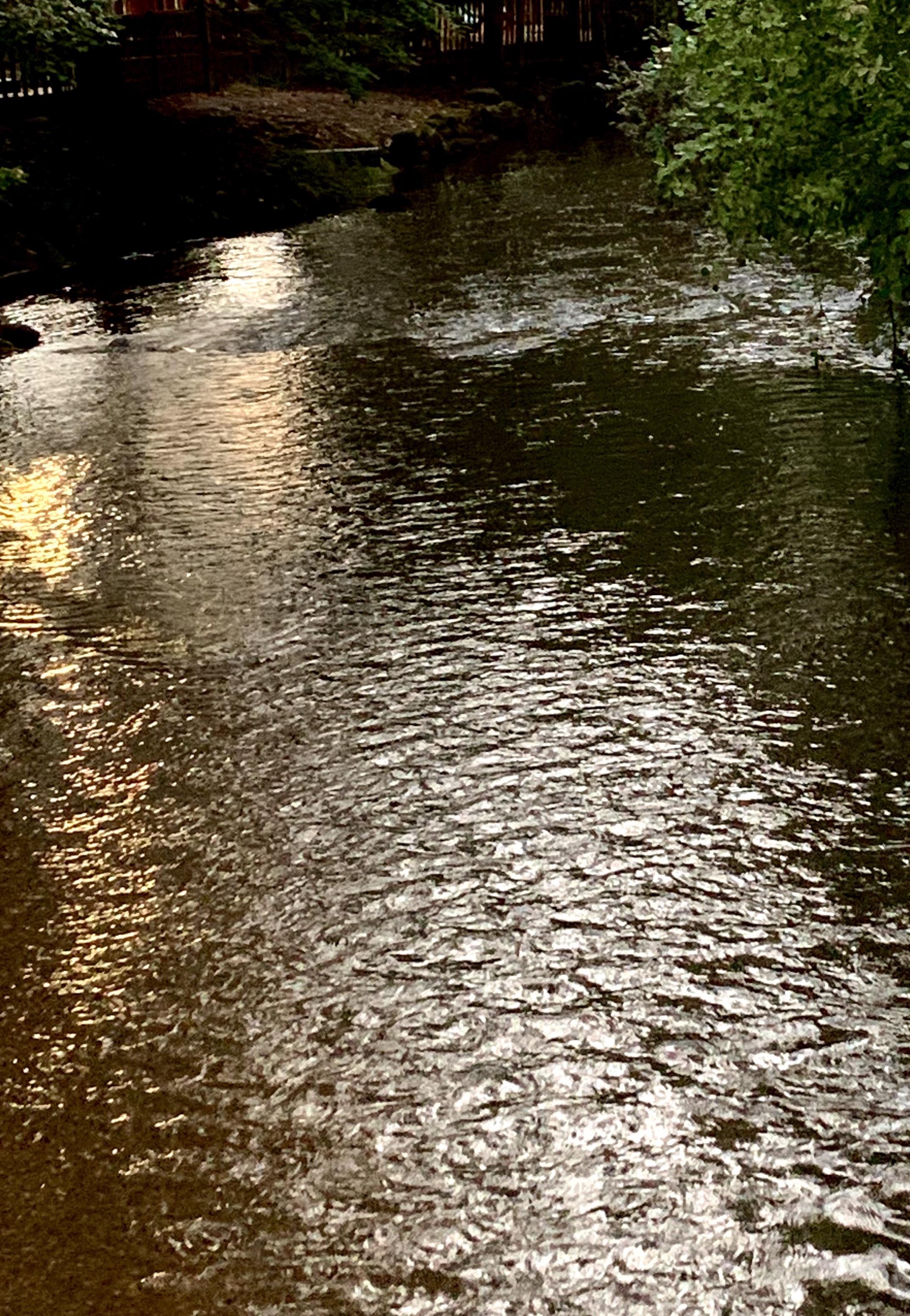
No time to see, in broad daylight, Streams full of stars, like skies at night.
No time to turn at Beauty’s glance, And watch her feet, how they can dance.
No time to wait till her mouth can Enrich that smile her eyes began.
A poor life this if, full of care, We have no time to stand and stare. ~W.H.Davies “Leisure”
…I believe there are certain habits that, if practiced, will stimulate the growth of humble roots in our lives. One of those is a habit of awe and wonder.
By awe and wonder, I mean the regular practice of paying careful attention to the world around us. Not merely seeing but observing. Perceiving. Considering. Asking thoughtful questions about what we see, smell, hear, touch, taste. In other words, attending with love and curiosity to what our senses sense. (How often do we eat without tasting? How often do we look without seeing? Hear without listening?) Admiring, imagining, receiving the beauty of the world around us in a regular, intentional way: this is the habit of a wonder-filled person. And it leads to humility.
A regular habit of awe and wonder de-centers us. It opens a window in our imaginations, beckoning us to climb out of our own opinions and experiences and to consider things greater and beyond our own lives. It strengthens our curiosity, which in turn lowers the volume on our anxieties and grows our ability to empathize. Over time, we become less self-focused and can admit without embarrassment what we don’t know. In short, we grow more humble. ~Kelly Givens from “Teaching Children to See” from Mere Orthodoxy
This would be a poor life indeed if I didn’t take time to stand and stare at all that is displayed before me.
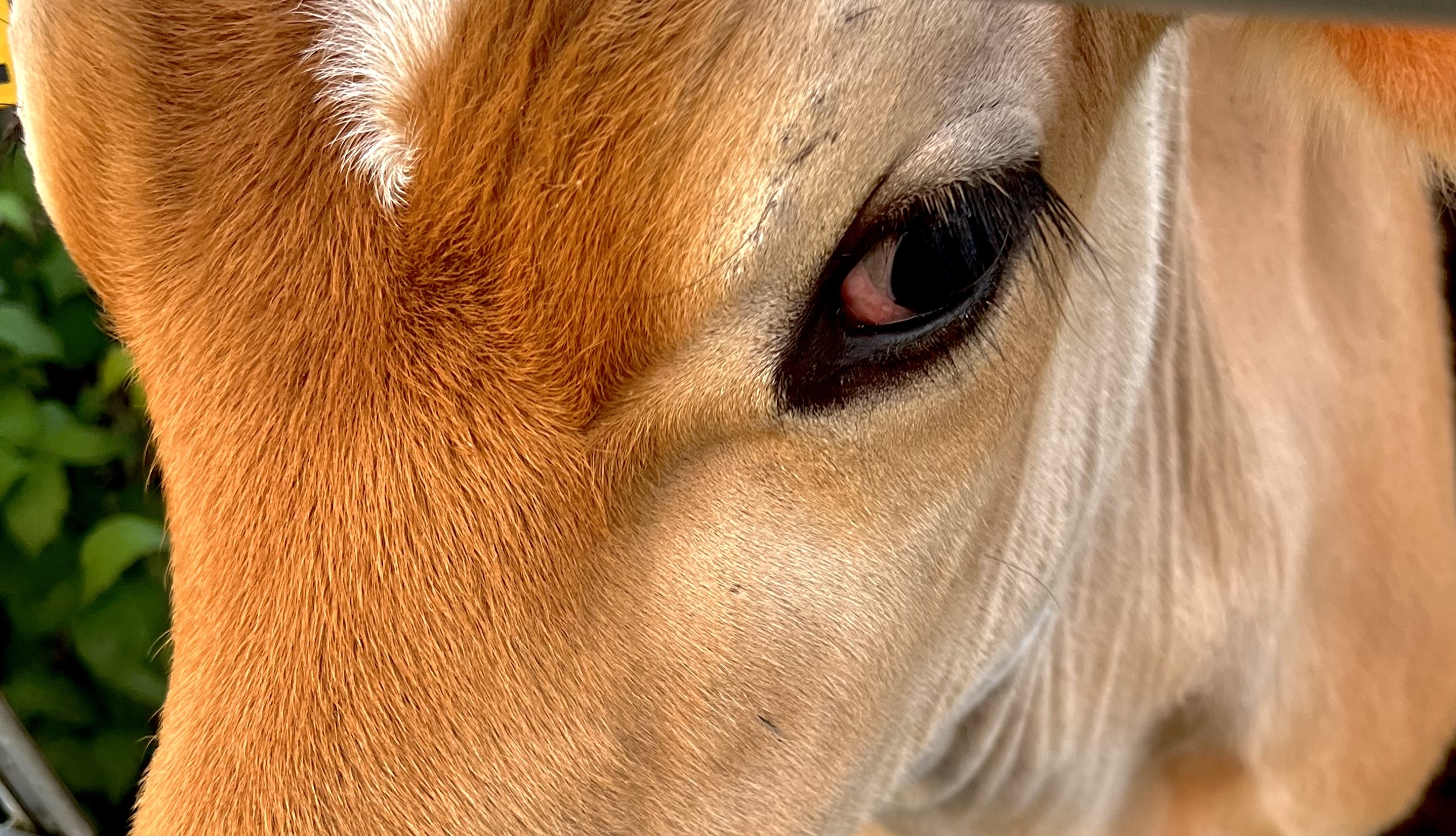
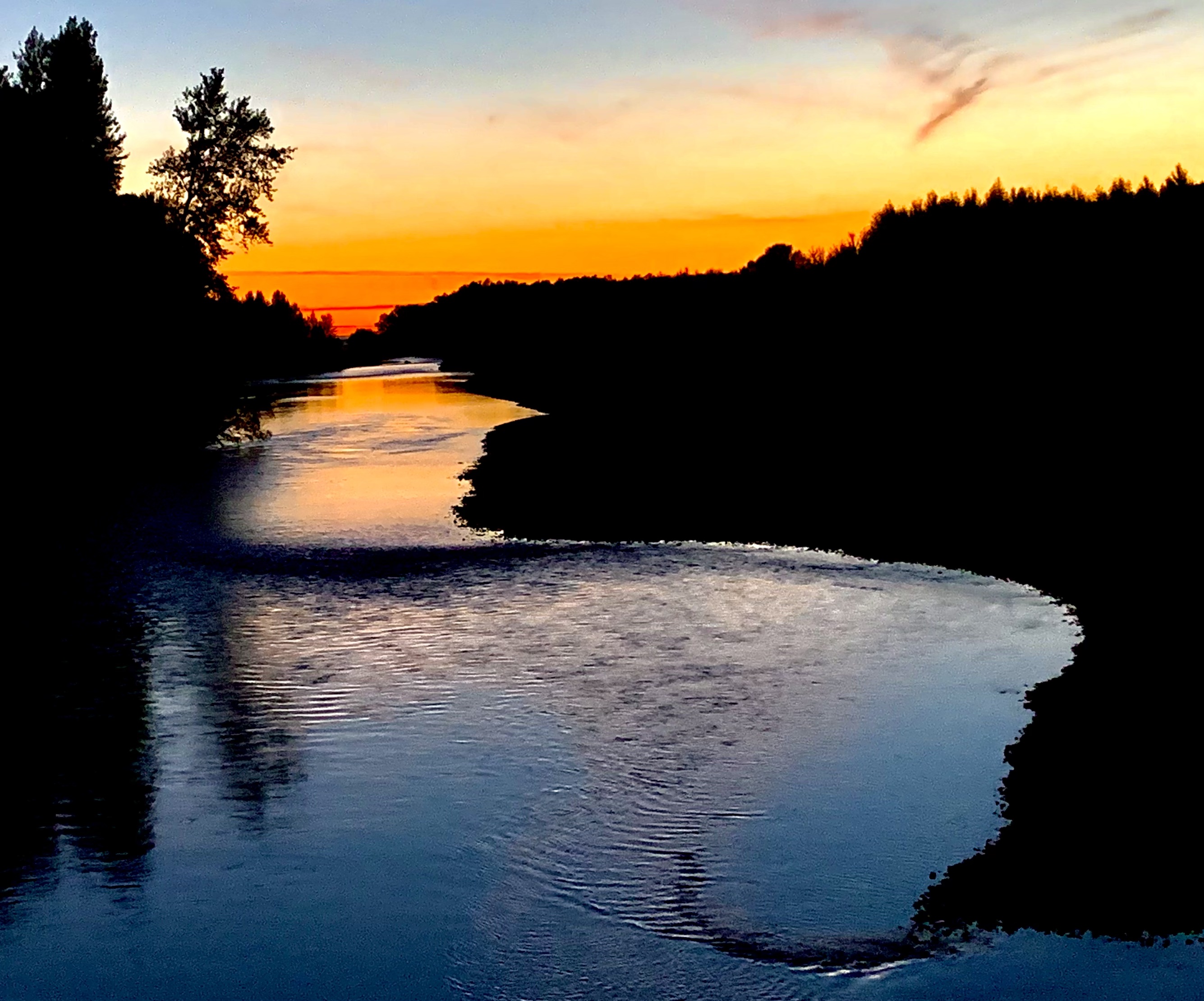
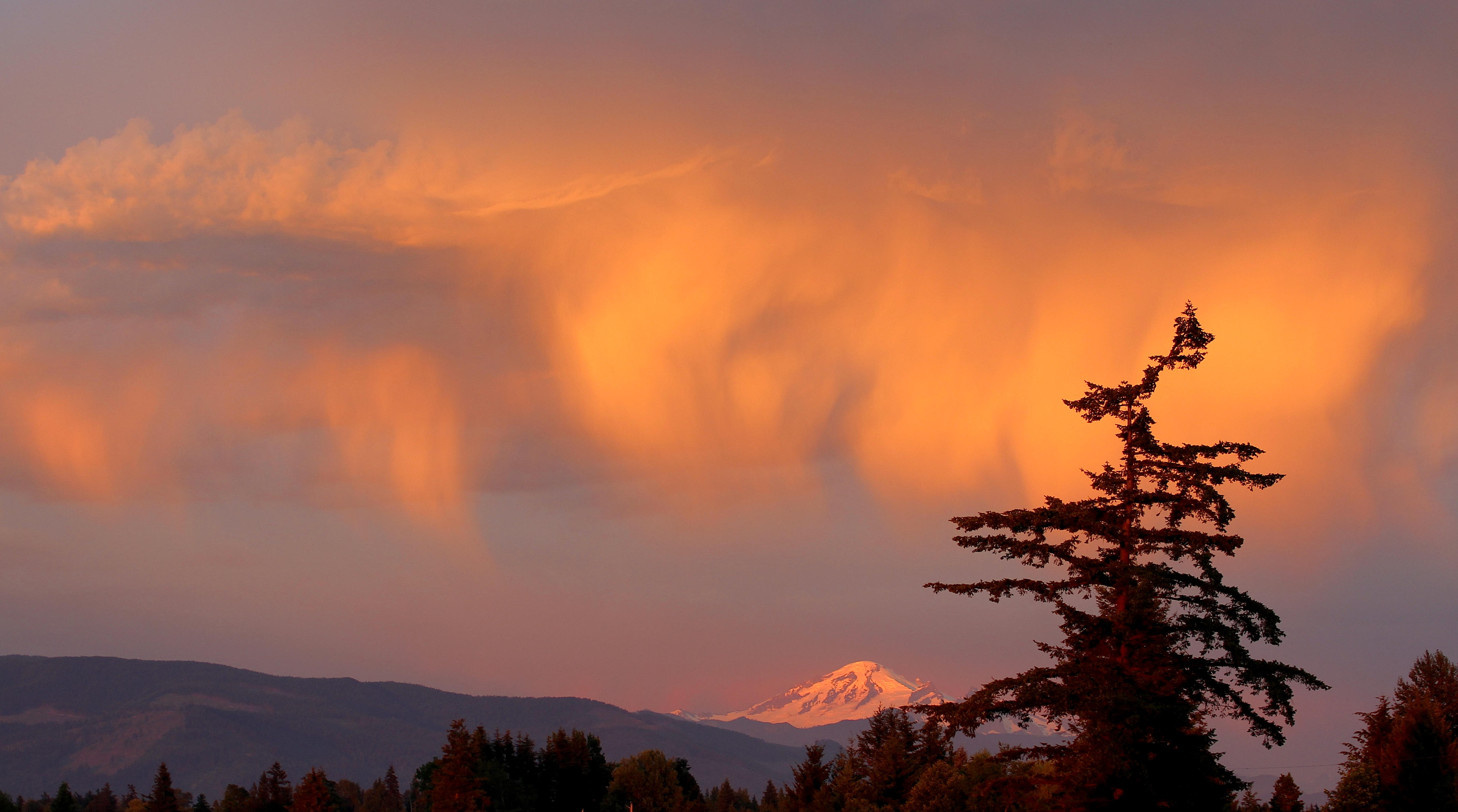
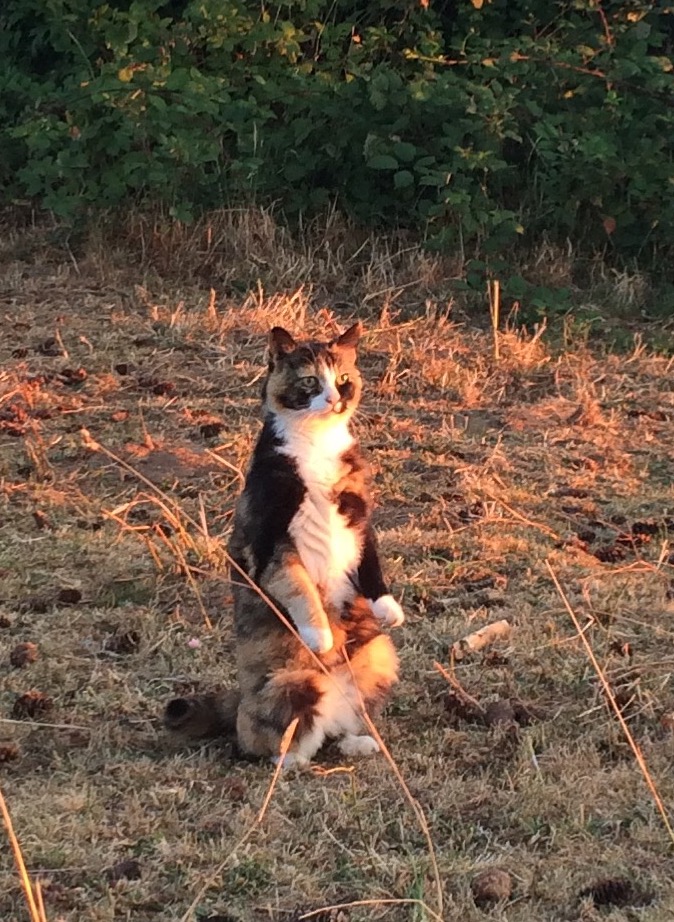
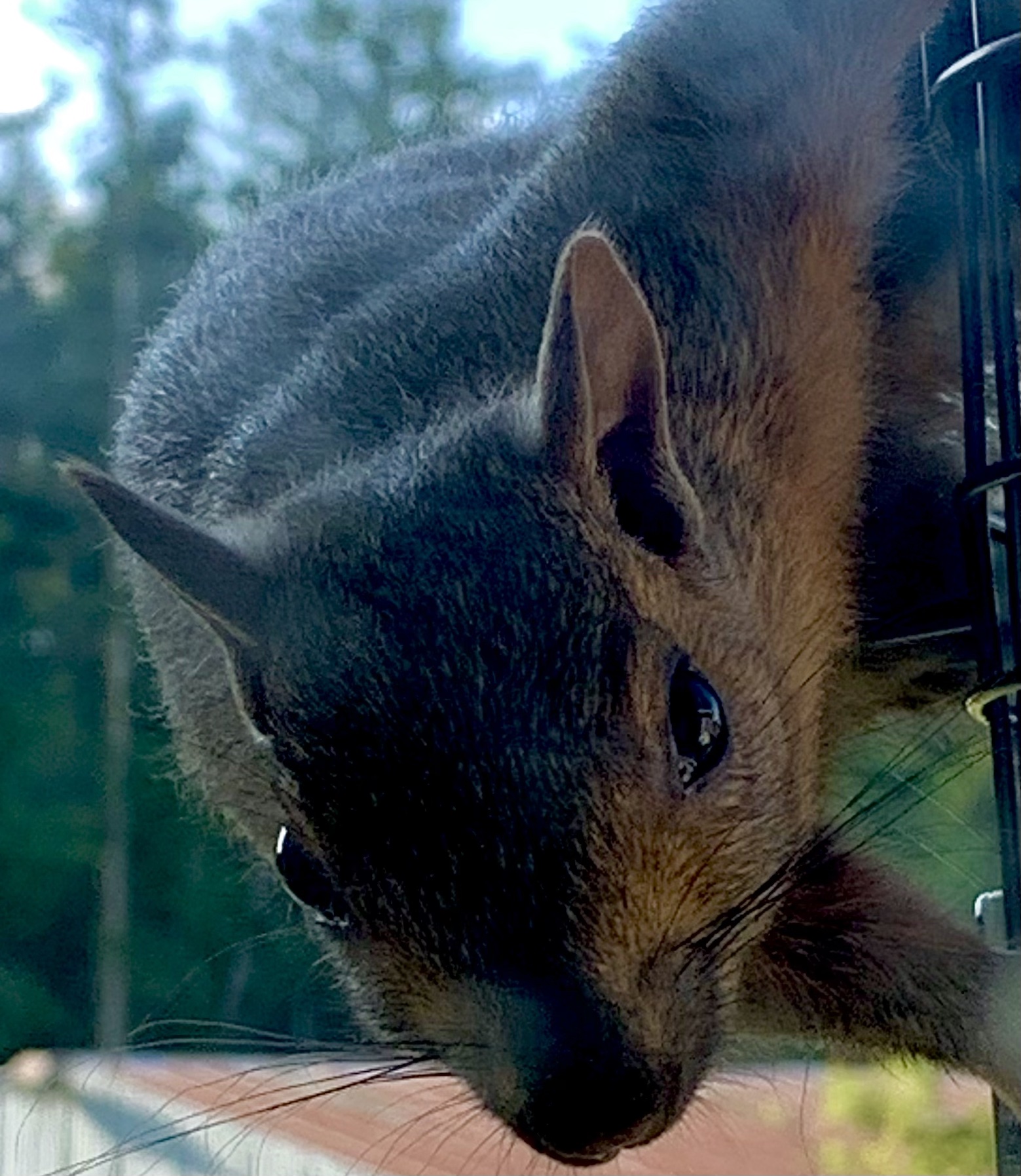
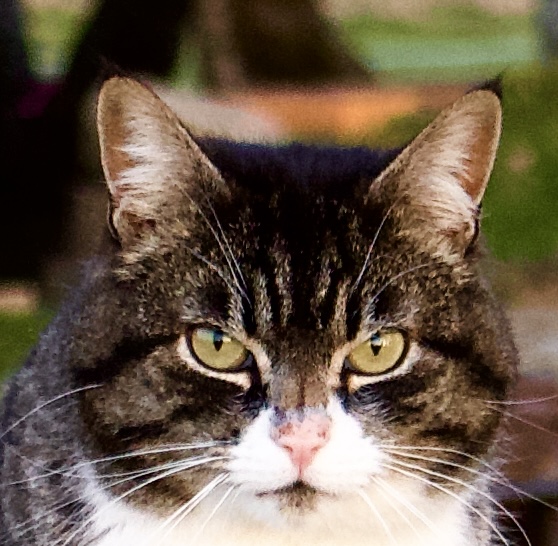
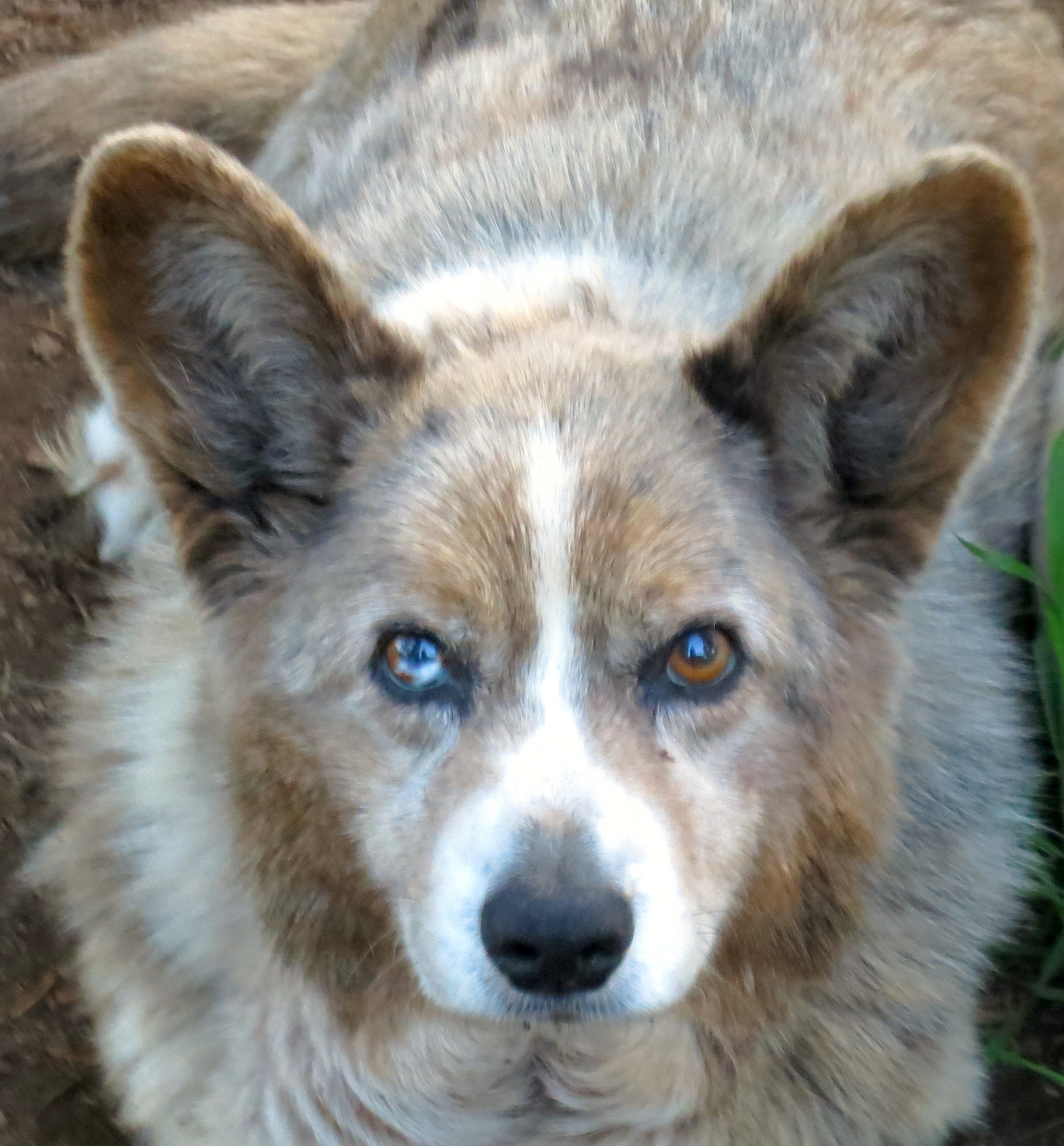
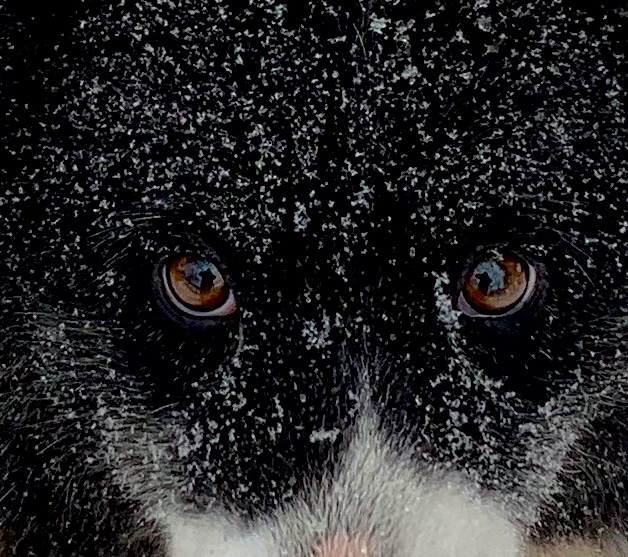
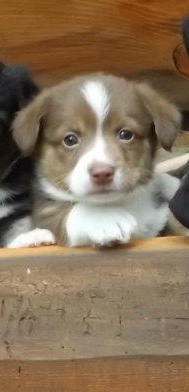
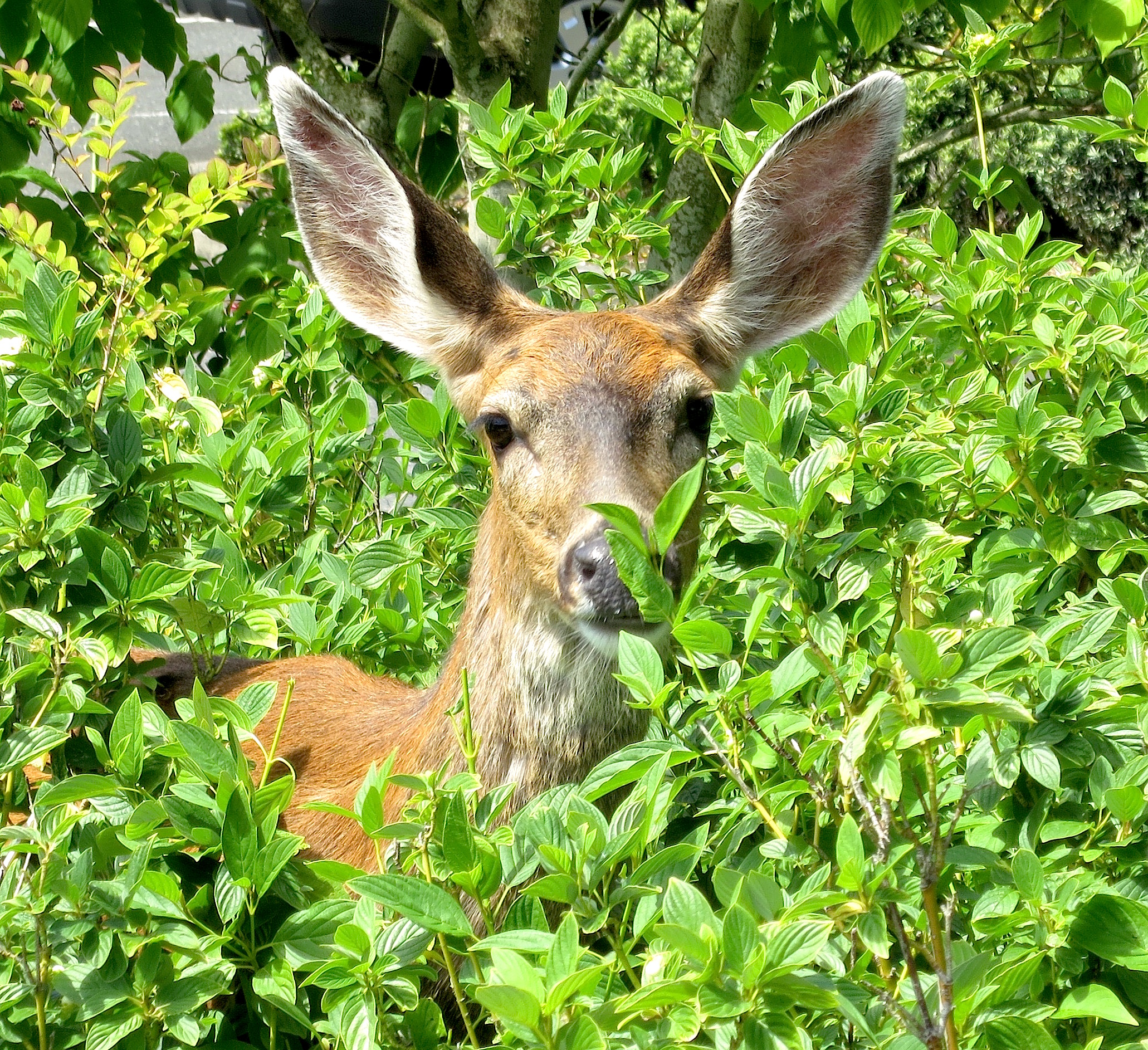
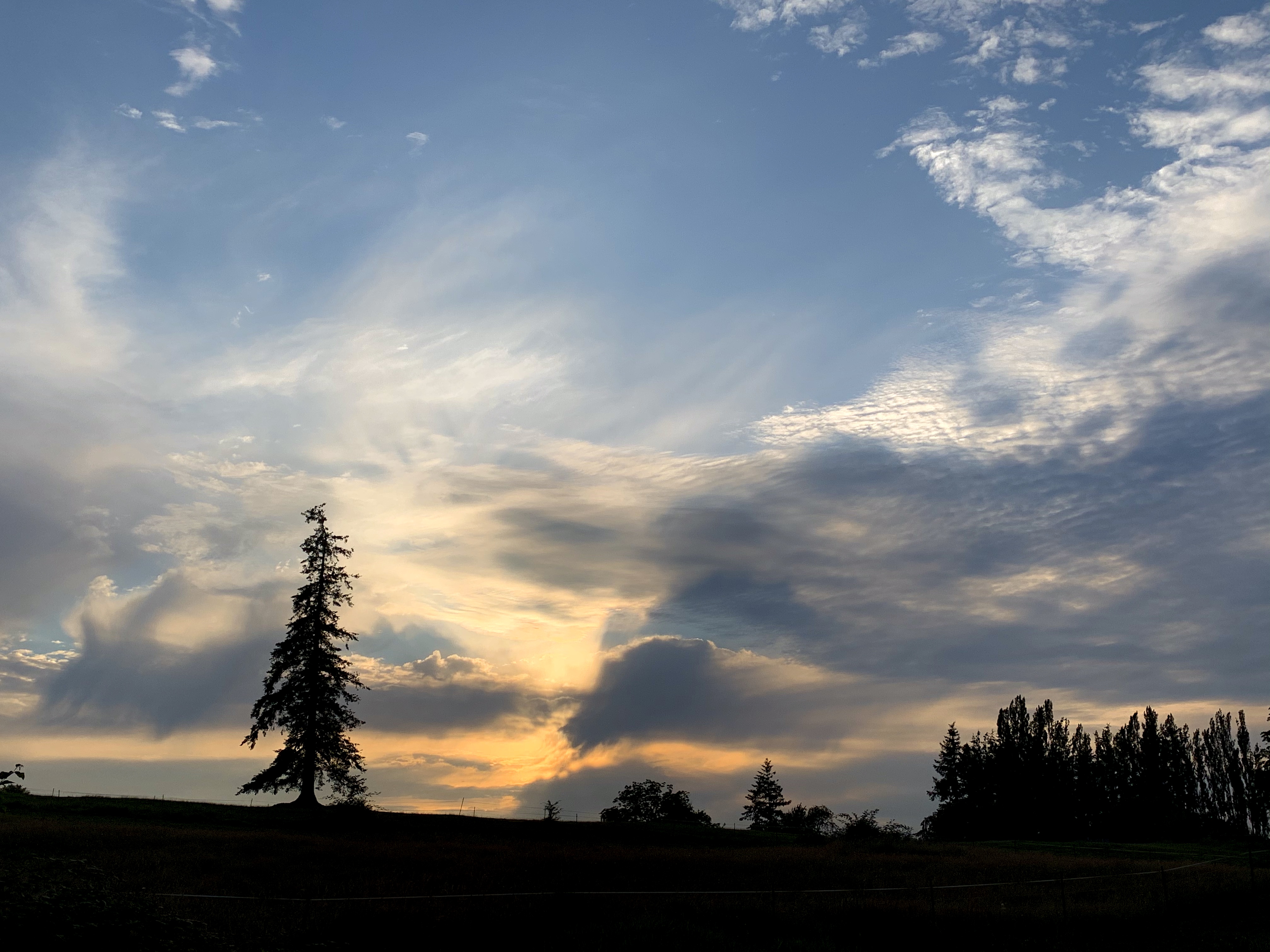
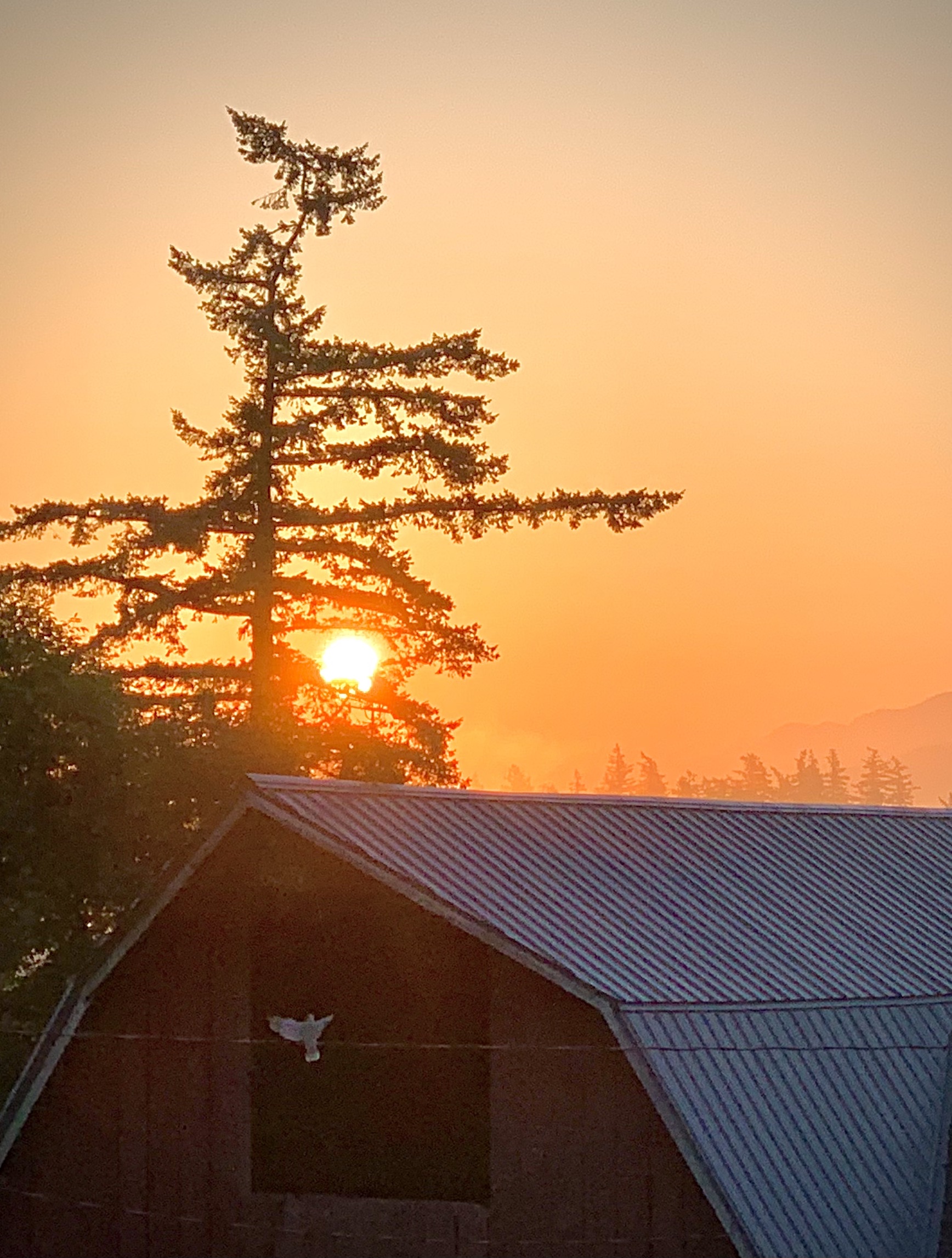
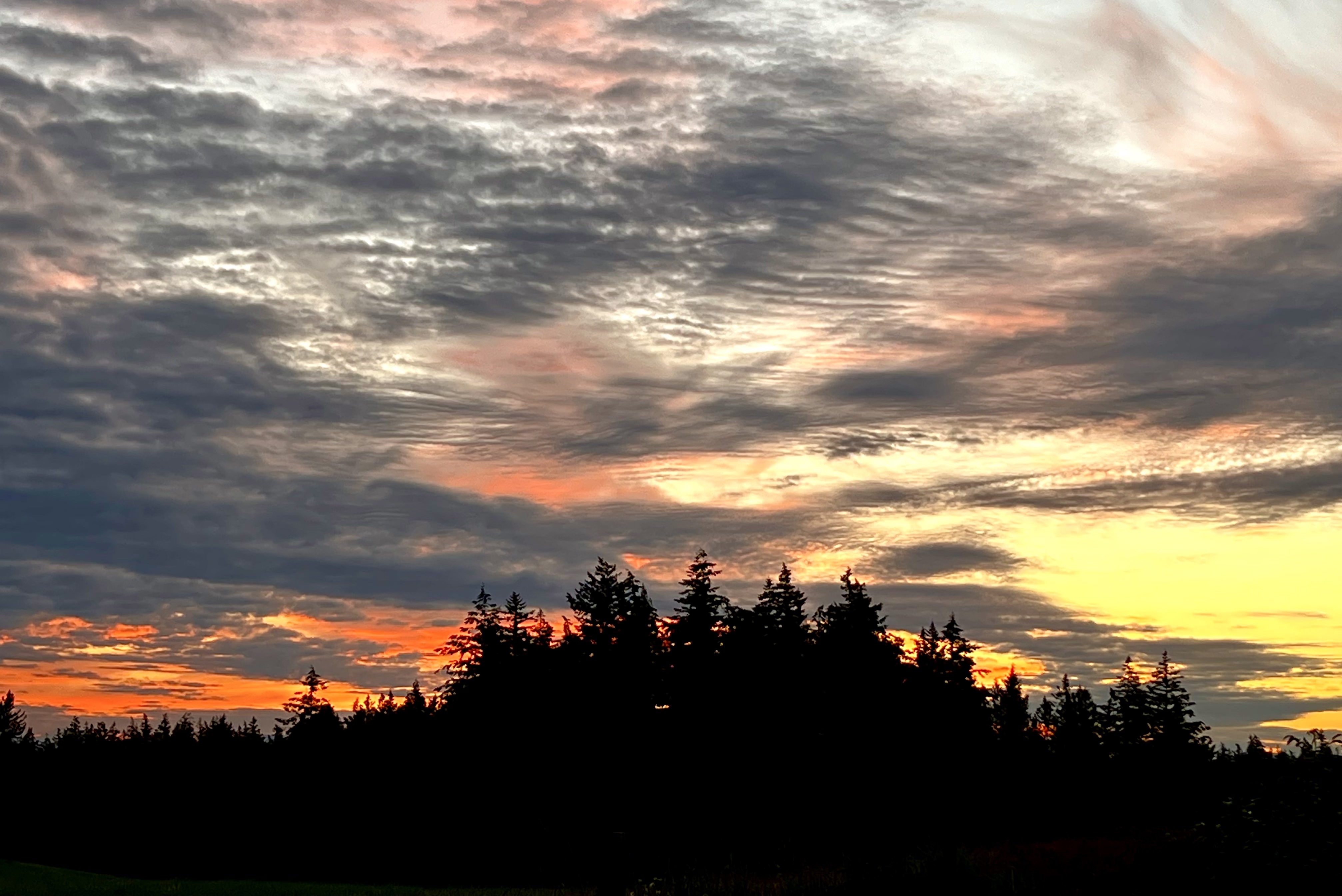
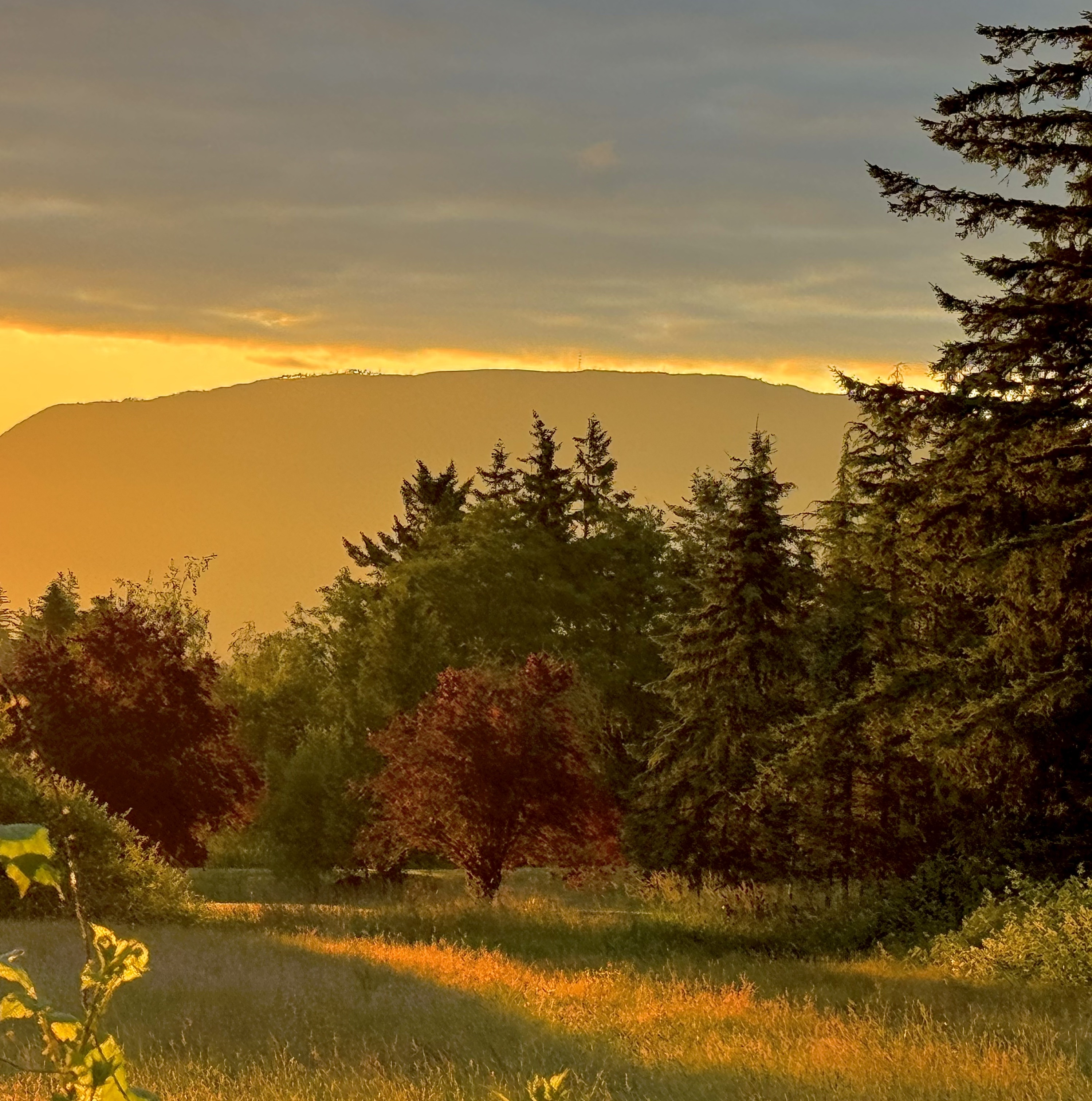
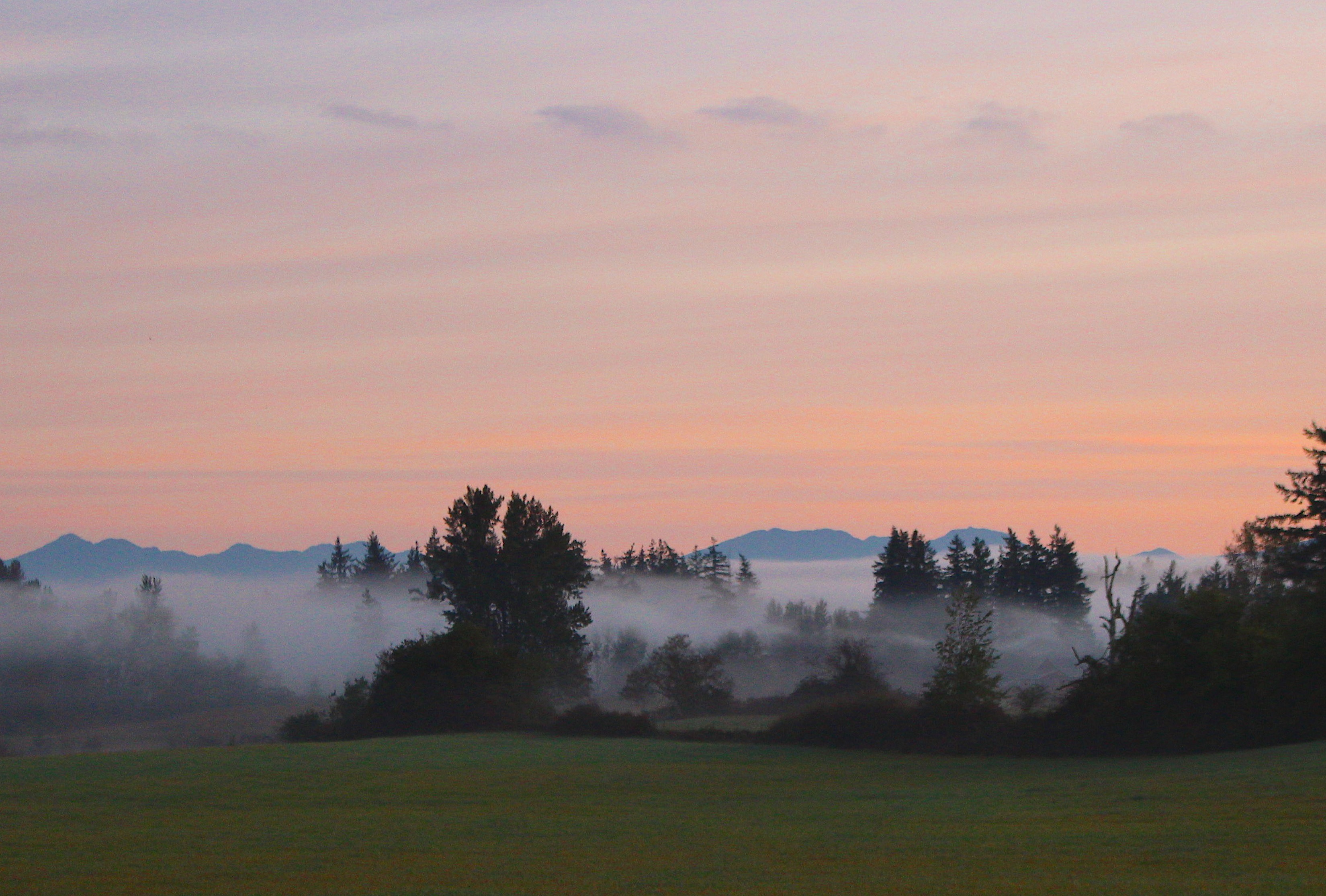
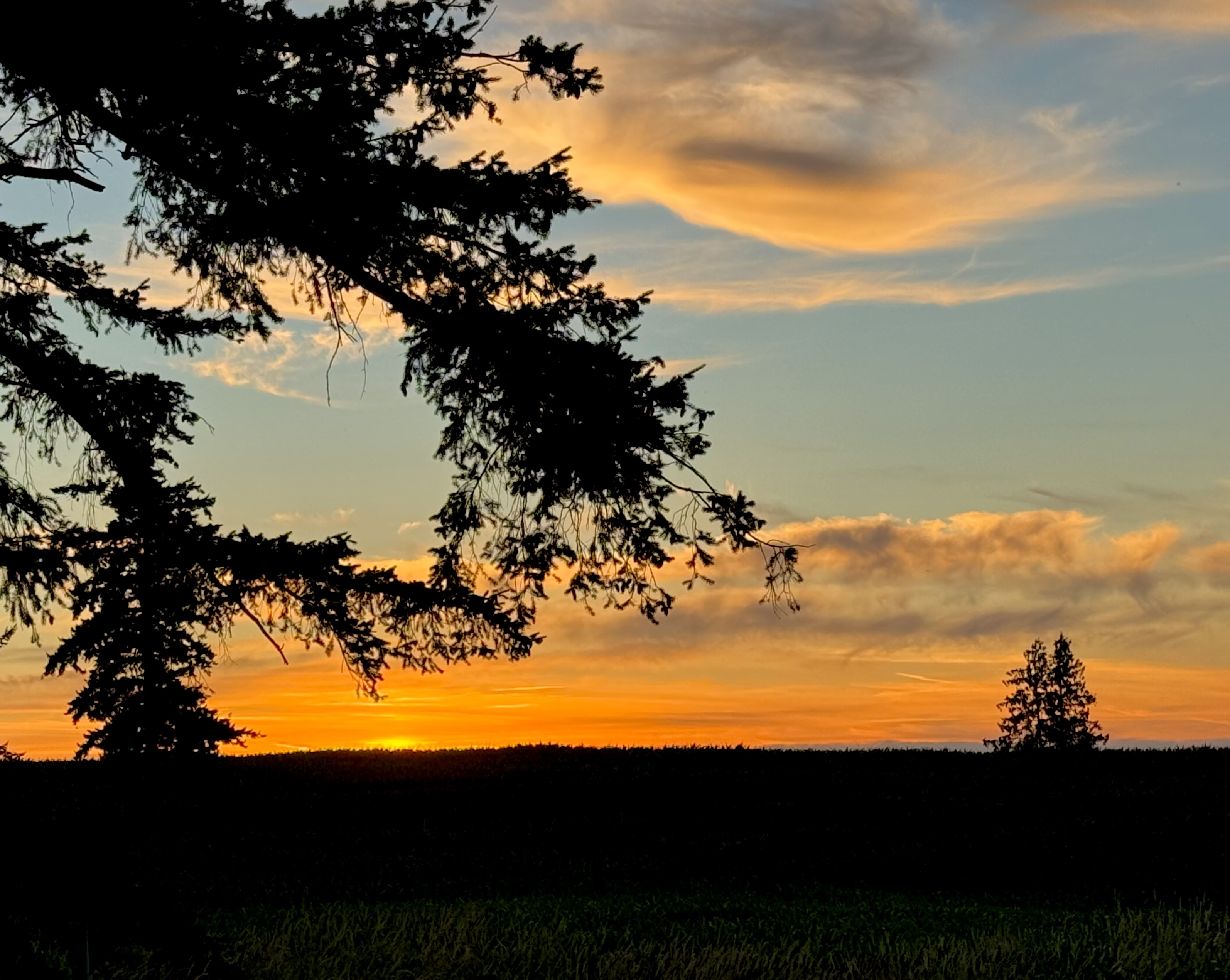
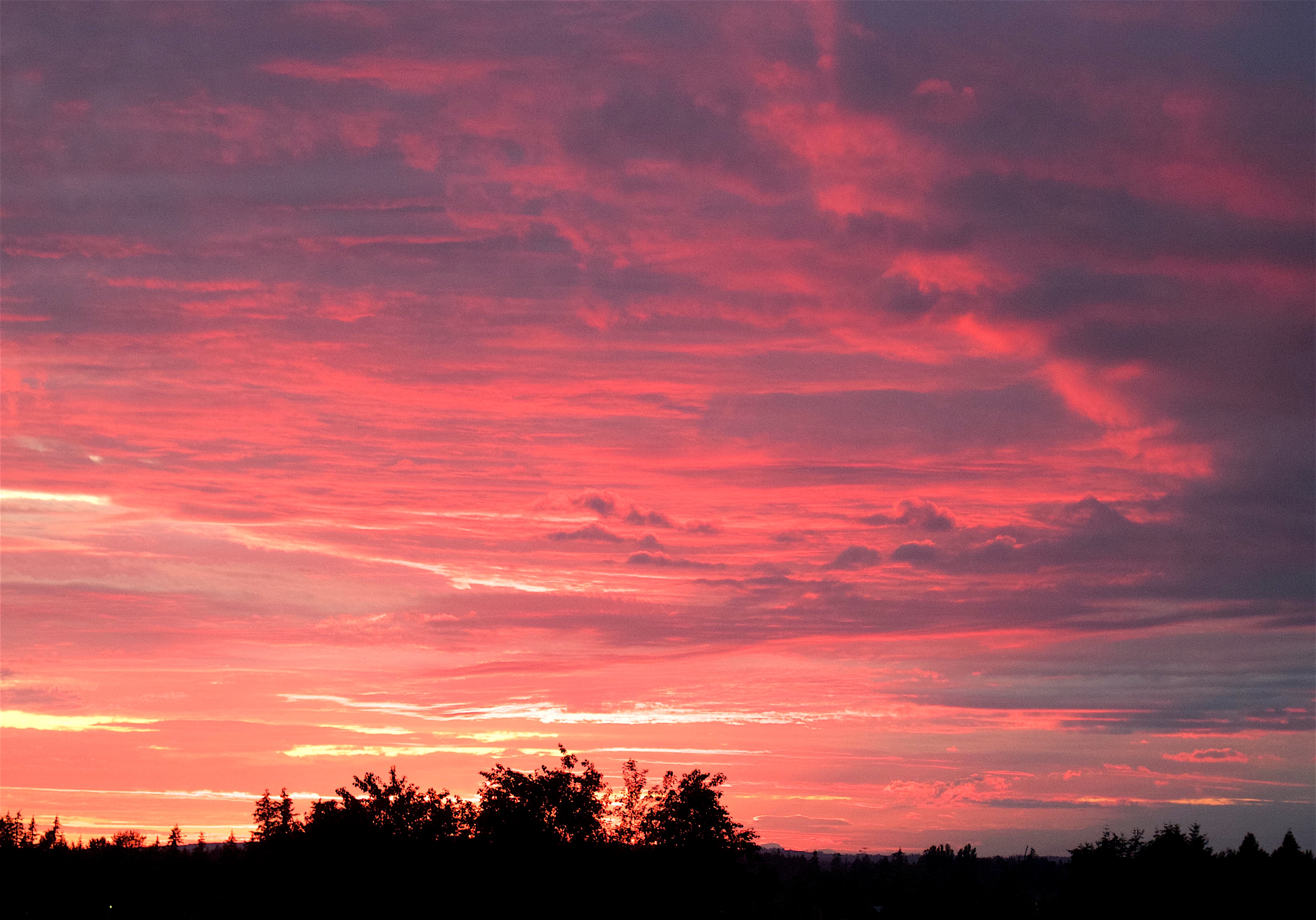
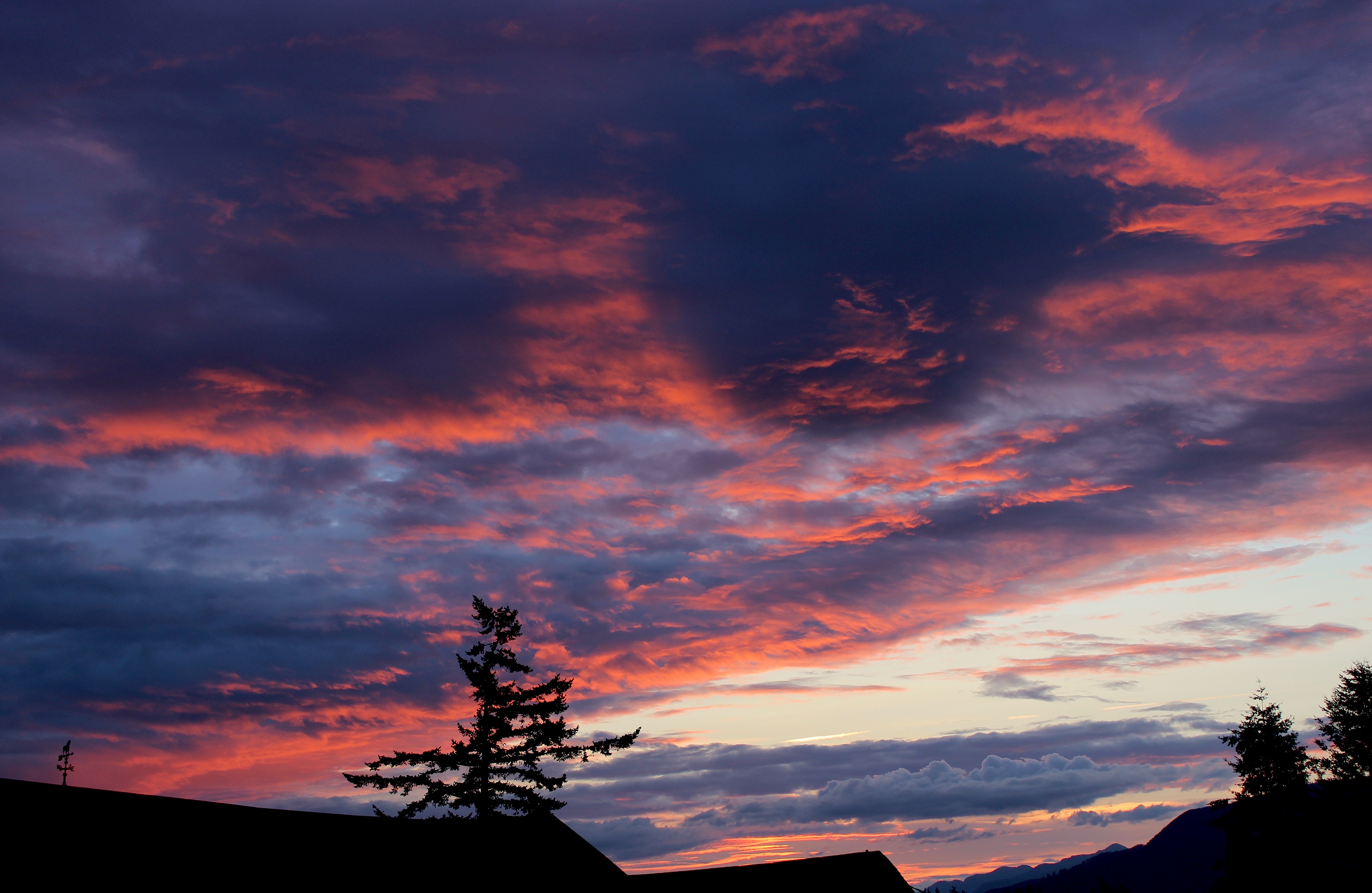
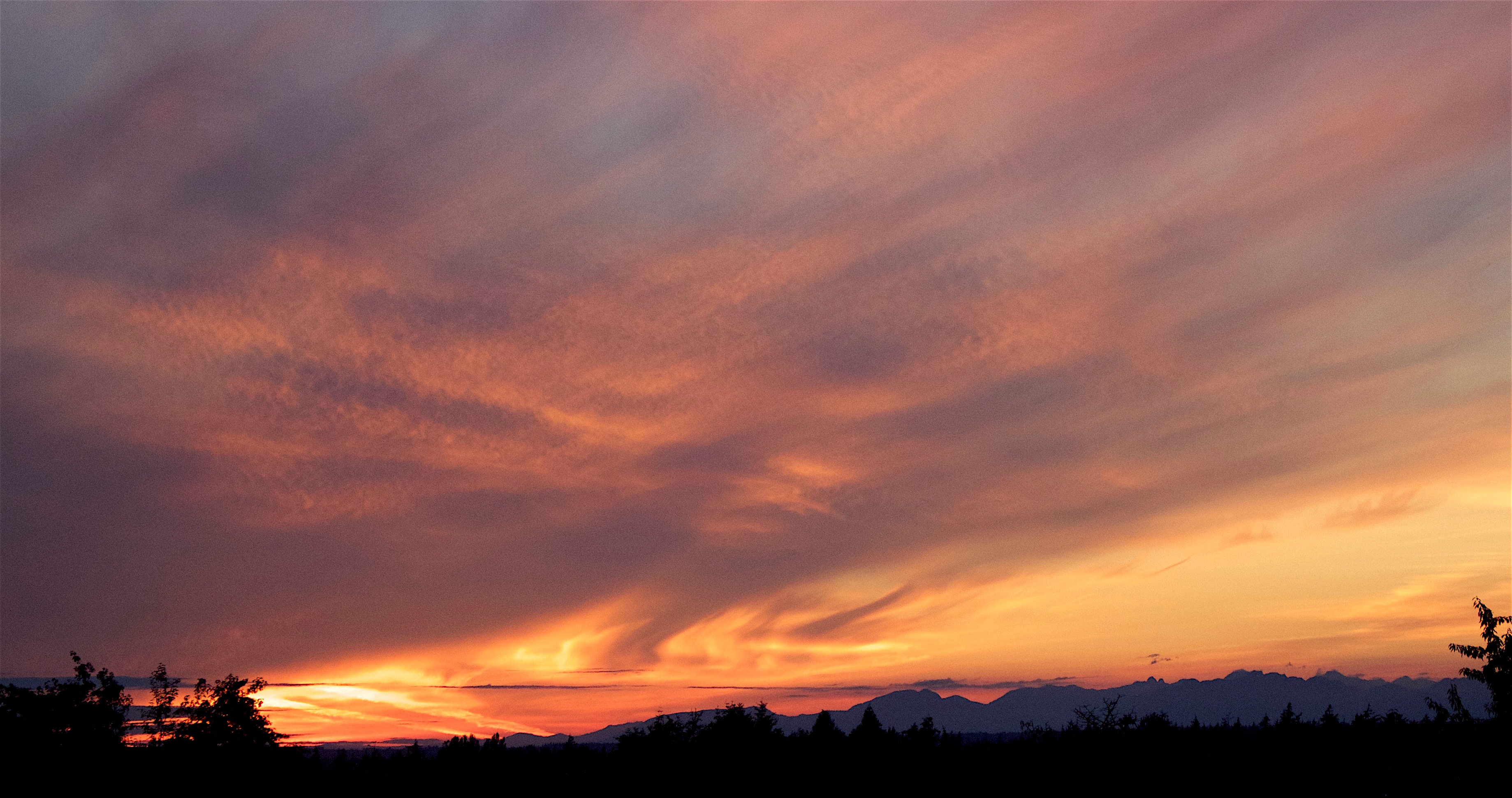
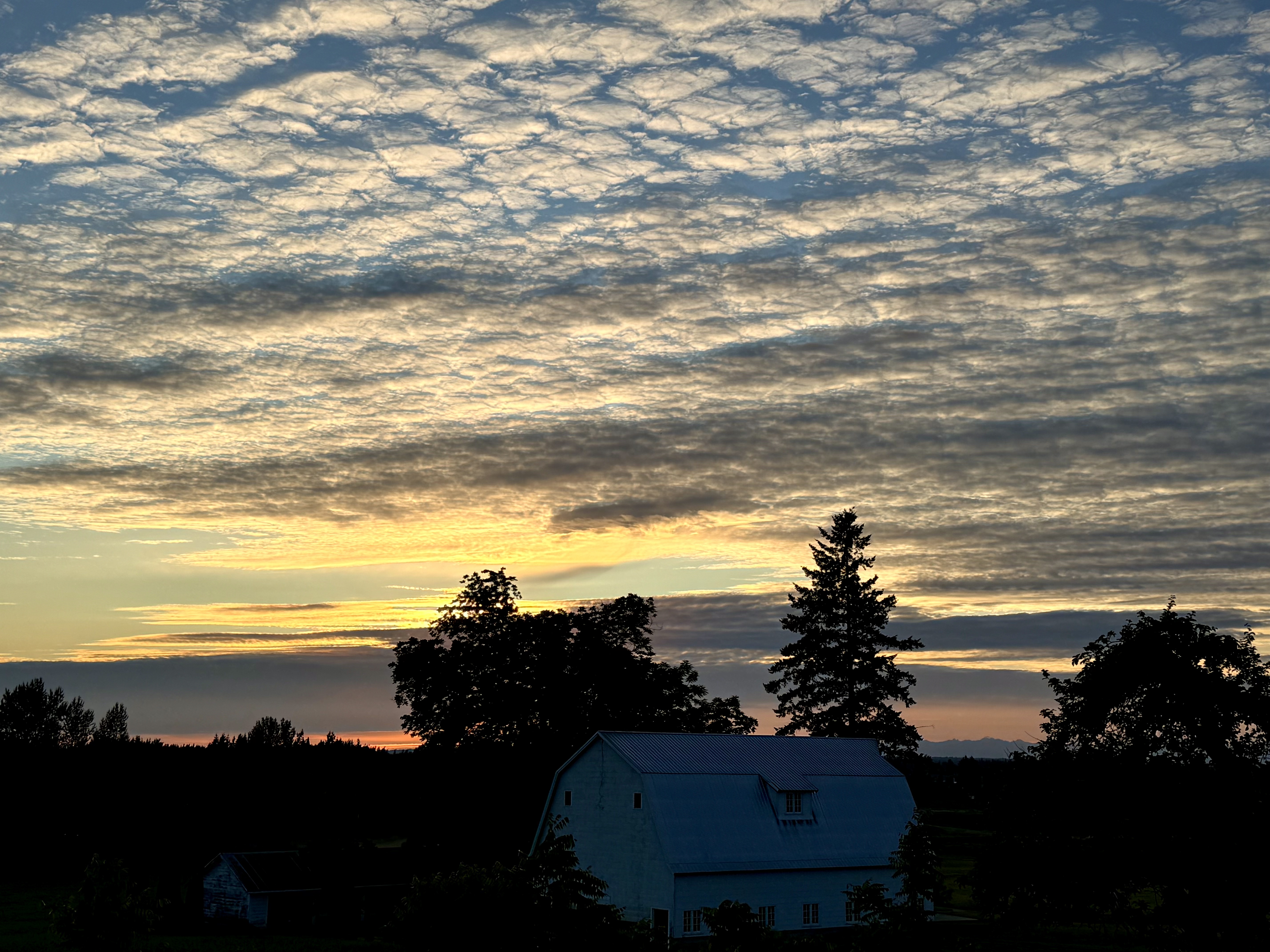
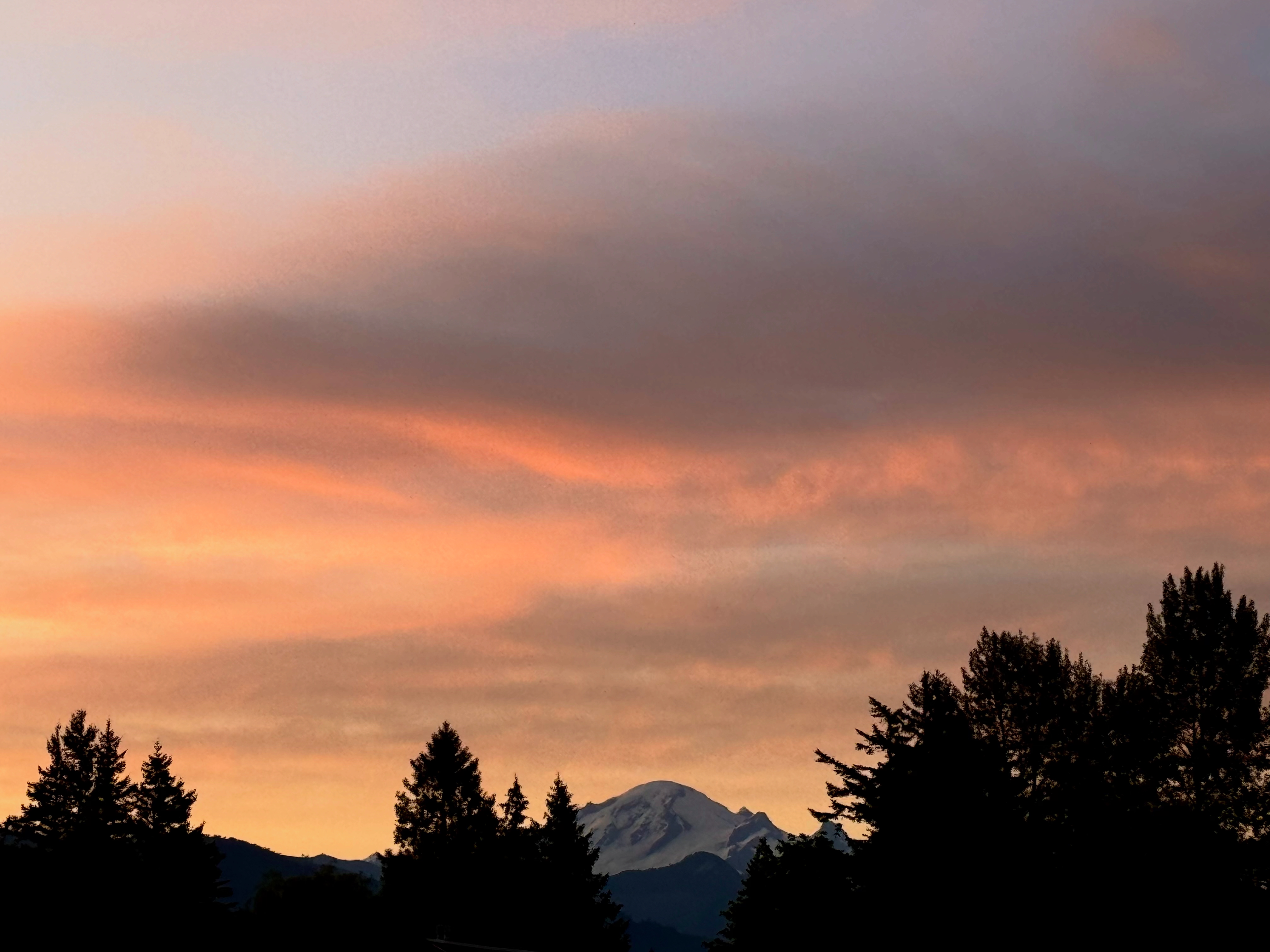
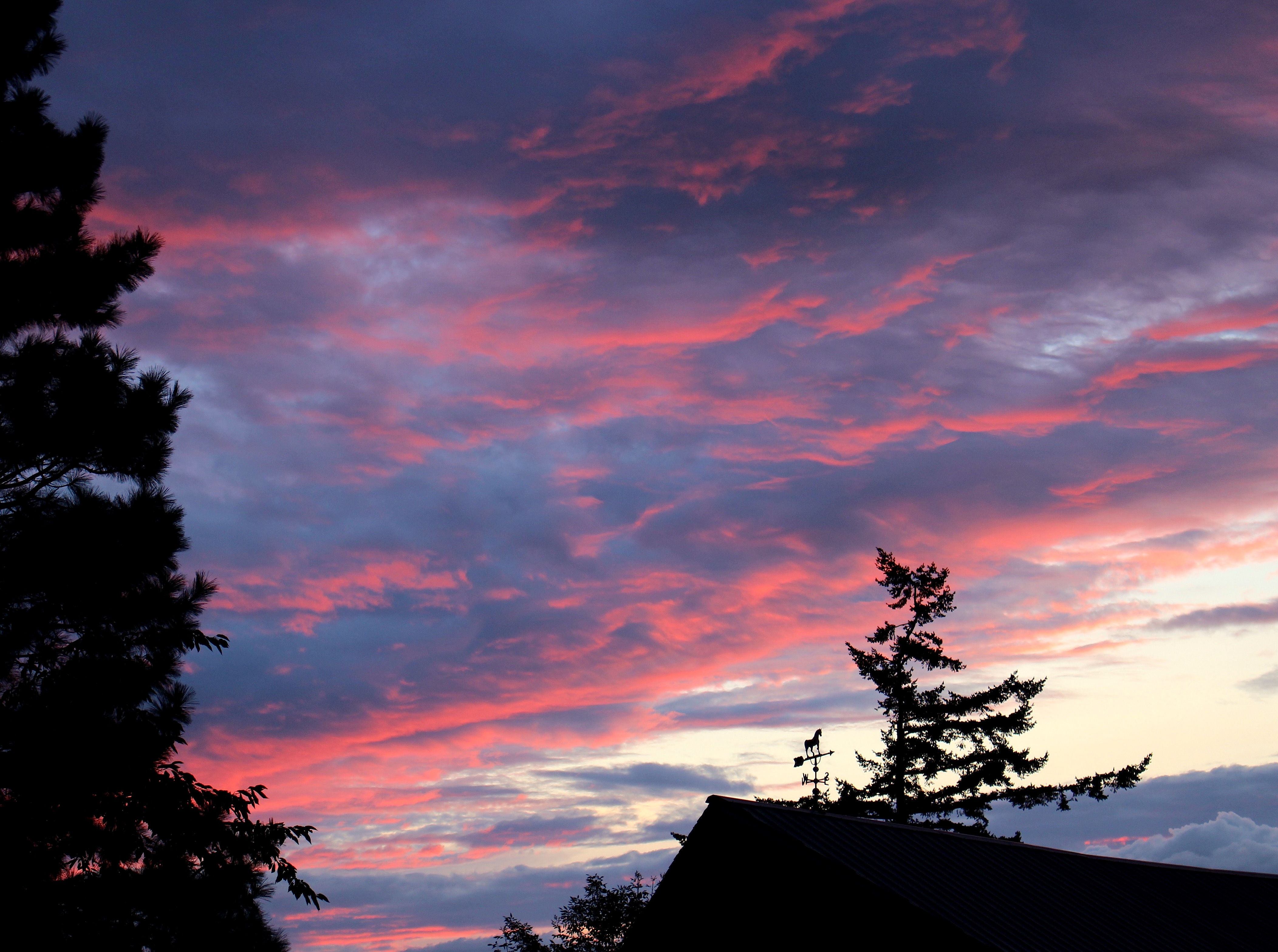
The golden cast at the beginning and endings of the days, the light dancing in streams like stars, simply staring at God’s creatures who stare back at me, each wondering what the other is thinking.
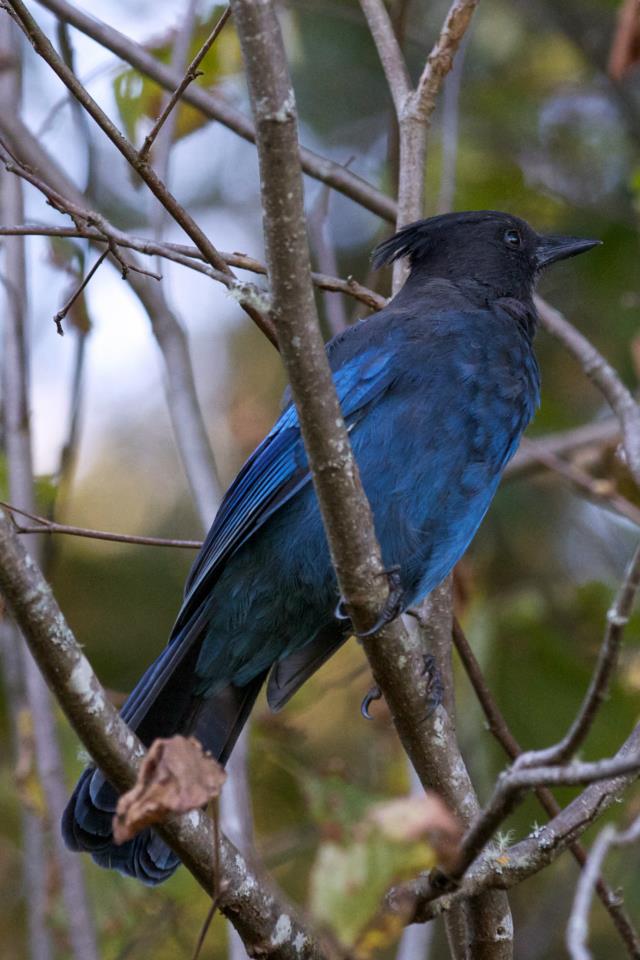
It’s an early summer day, going to be a hot one. I’m away from home, I’m working; the sky is solidly blue with just a chalk smear of clouds. So why this melancholy? Why these blues? Nothing I’ve done seems to matter; I could leave tomorrow and no one would notice, that’s how invisible I feel. But look, there’s a pair of cardinals on the weathered table, pecking at sunflower seeds which I’ve brought from home. They don’t seem particularly grateful. Neither does the sky, no matter how I transcribe it. I wanted to do more in this life, not the elusive prizes, but poems that astonish. A big flashy jay lands on the table, scattering seeds and smaller birds. They regroup, continue to hunt and peck on the lawn. ~Barbara Crooker, “Melancholia” from Some Glad Morning
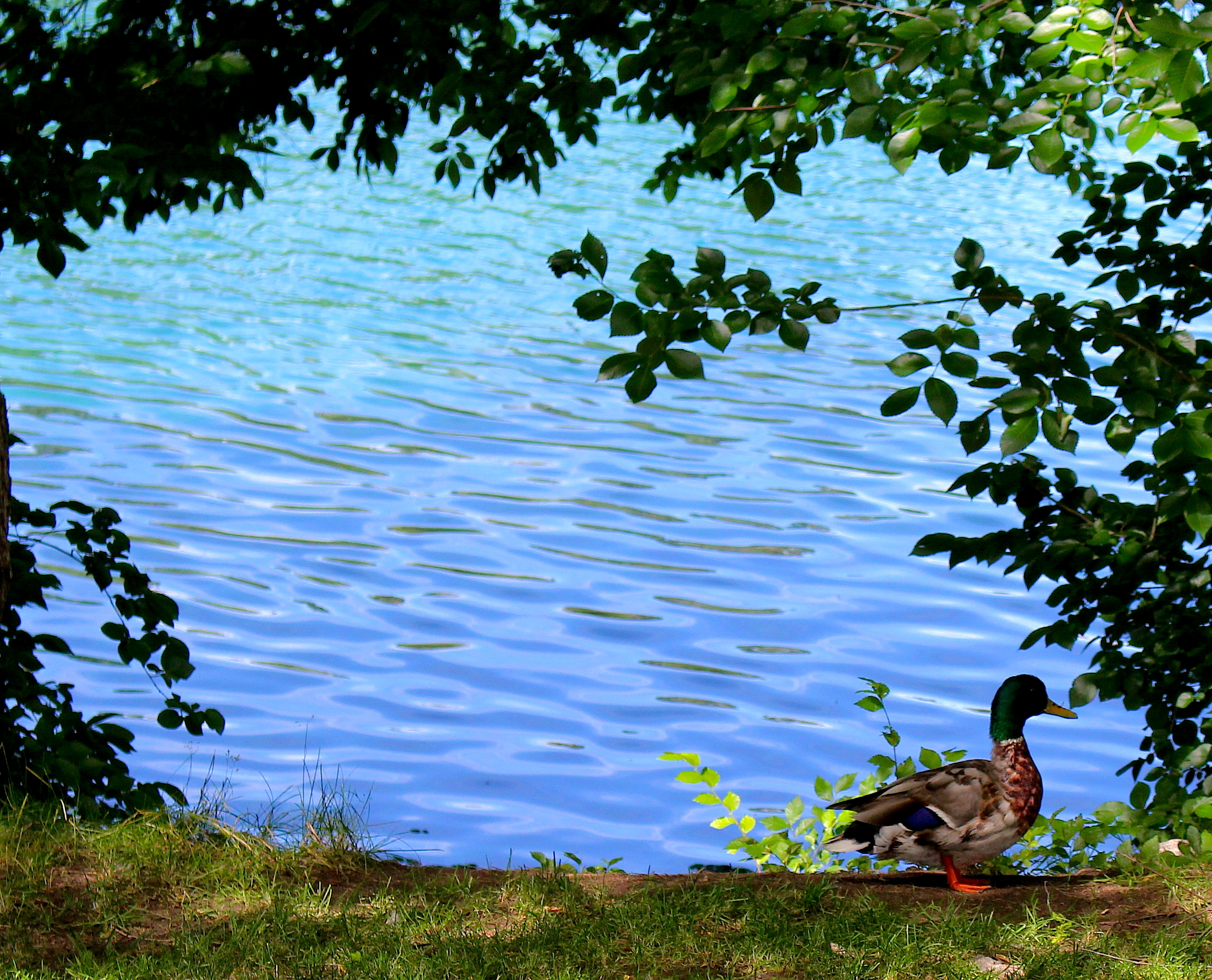
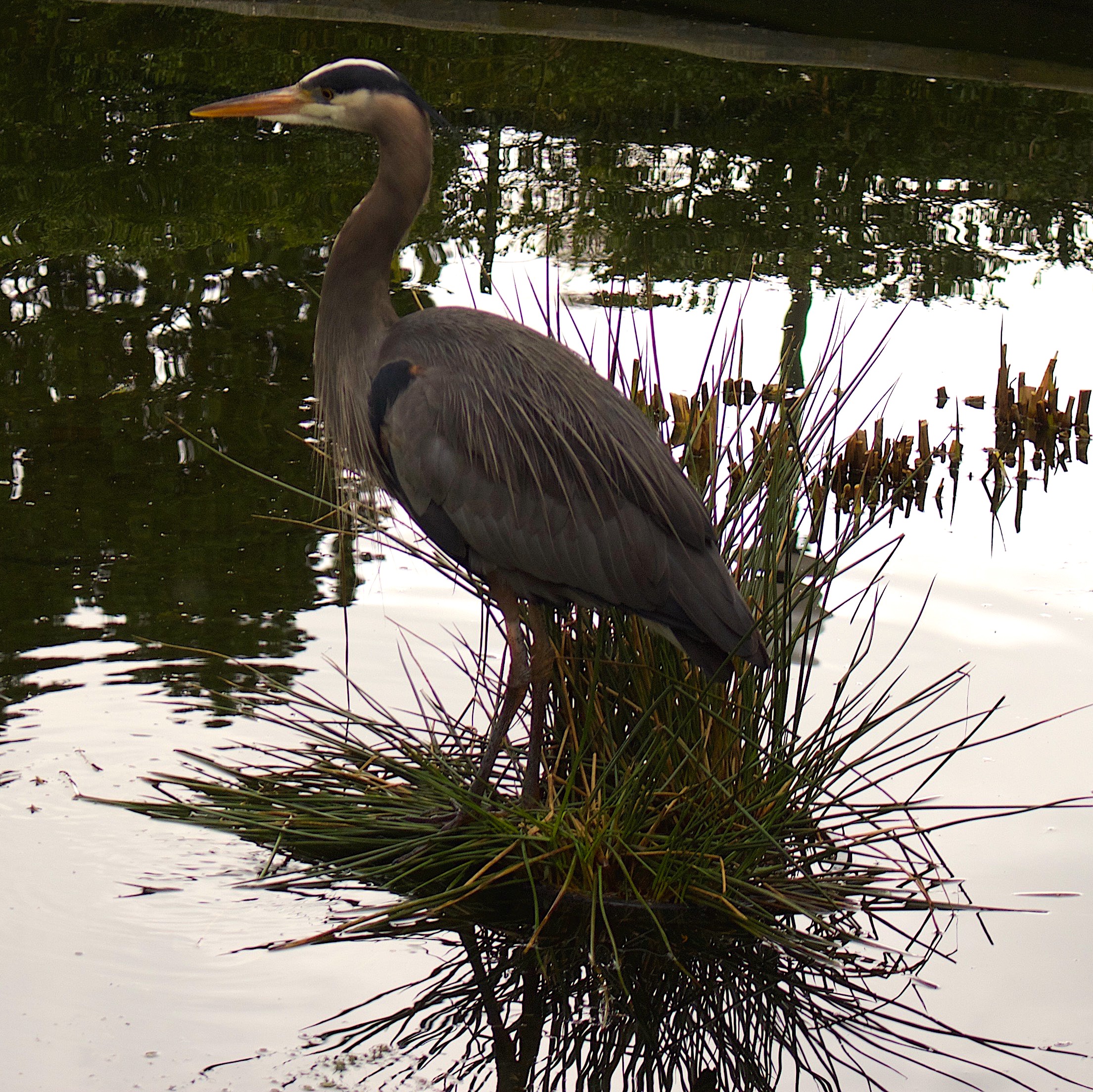
When despair for the world grows in me and I wake in the night at the least sound in fear of what my life and my children’s lives may be, I go and lie down where the wood drake rests in his beauty on the water, and the green heron feeds. I come into the peace of wild things who do not tax their lives with forethought of grief. I come into the presence of still water. And I feel above me the day-blind stars waiting with their light. For a time I rest in the grace of the world, and am free. ~Wendell Berry “The Peace of Wild Things” fromThe Selected Poems of Wendell Berry
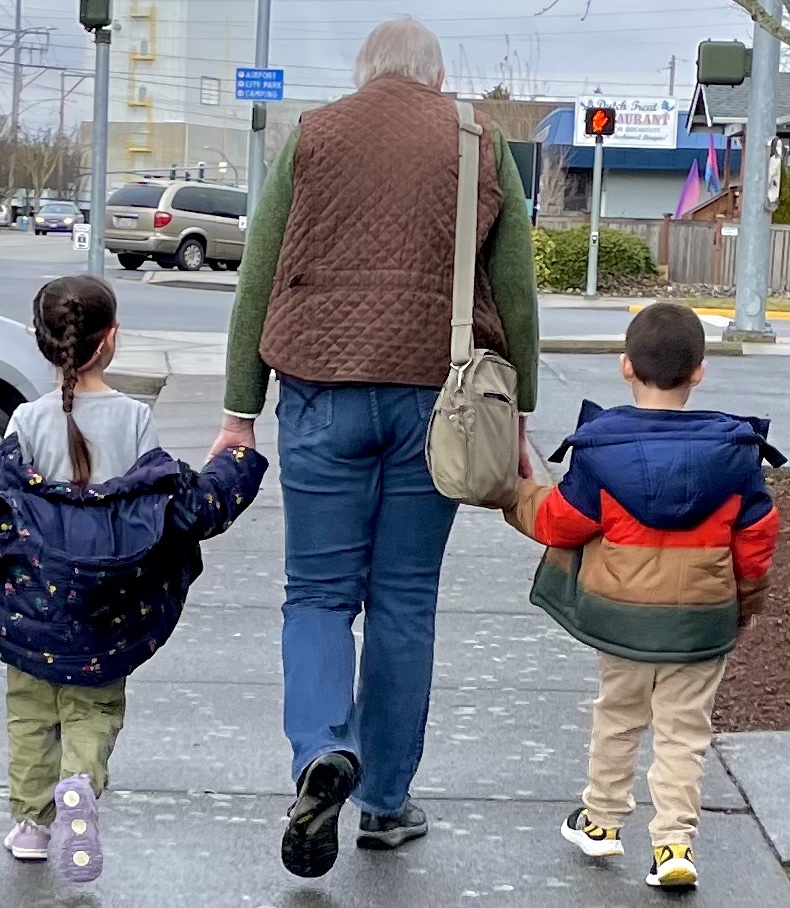
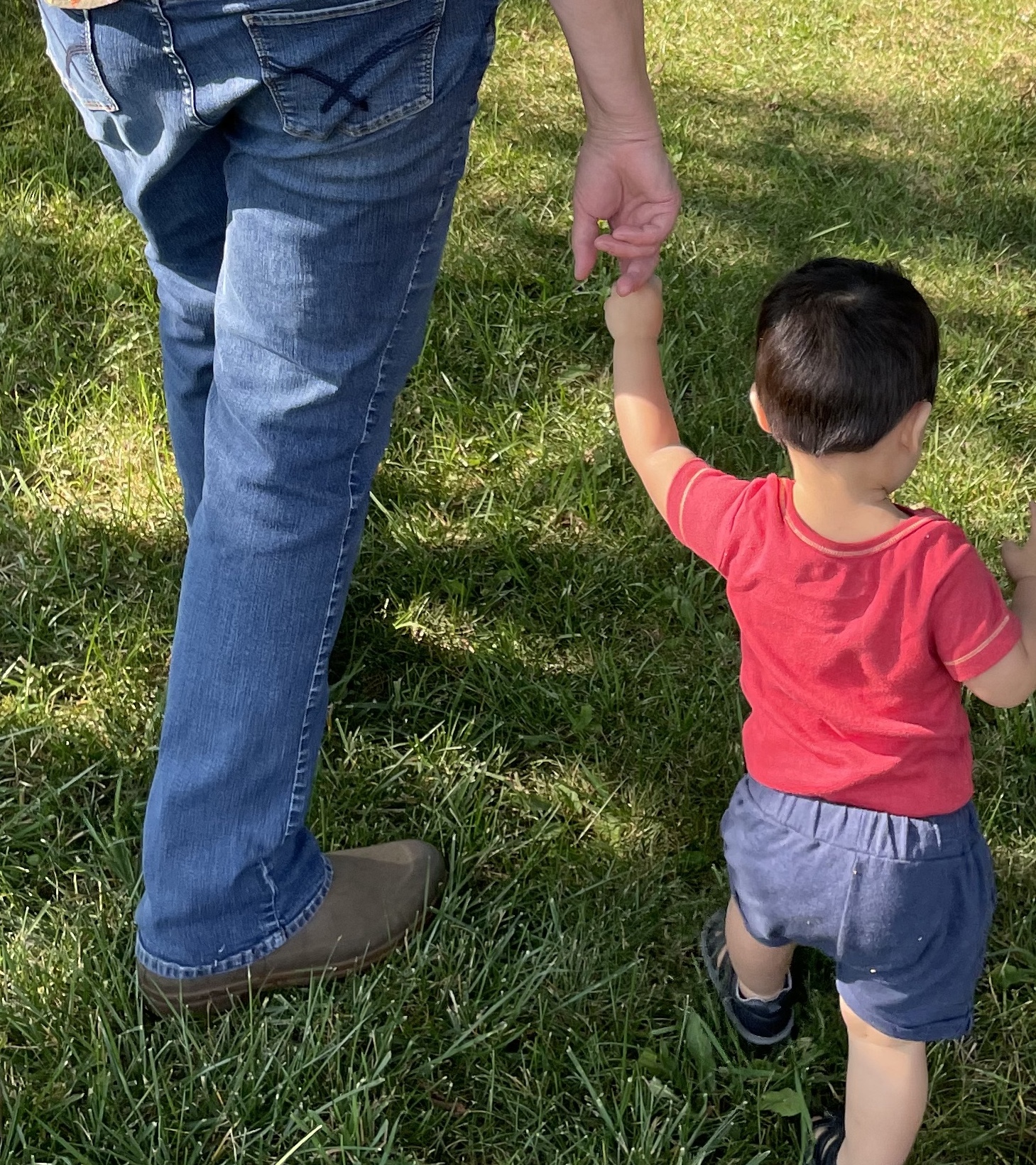
Three years ago, I laid awake thinking about our son and his family’s ten hour overnight flight from Tokyo in progress. Our two young grandchildren were arriving here after 30 months of pandemic separation – to them, we were just faces on a screen.
They said a sorrowful sayonara to their grandparents and family there, arriving here to a new life thanks to my daughter-in-law’s newly issued green card after two years of waiting, new jobs, new language, new everything, with all their worldly belongings in suitcases.
From the largest city in the world to our little corner of the middle of nowhere.
Over the past three years, I have watched them discover for themselves the joys and sorrows of this part of the world. When I look at things through their eyes, I am reminded of the light beyond the darkness I fear, there is peace amid the chaos, there is a smile behind the tears, there is stillness within the noisiness there is rest despite our restlessness, there is grace as we who are older give way to the younger.
I have given up on astonishing others. Instead, astonishing is happening all around me; I need only be a witness.
Measure me, sky! Tell me I reach by a song Nearer the stars; I have been little so long.
Weigh me, high wind! What will your wild scales record? Profit of pain, Joy by the weight of a word.
Horizon, reach out! Catch at my hands, stretch me taut, Rim of the world: Widen my eyes by a thought.
Sky, be my depth, Wind, be my width and my height, World, my heart’s span; Loveliness, wings for my flight. ~Leonora Speyer “Measure Me, Sky”
One-Time
Monthly
Yearly
Make a one-time or recurring donation to support daily Barnstorming posts
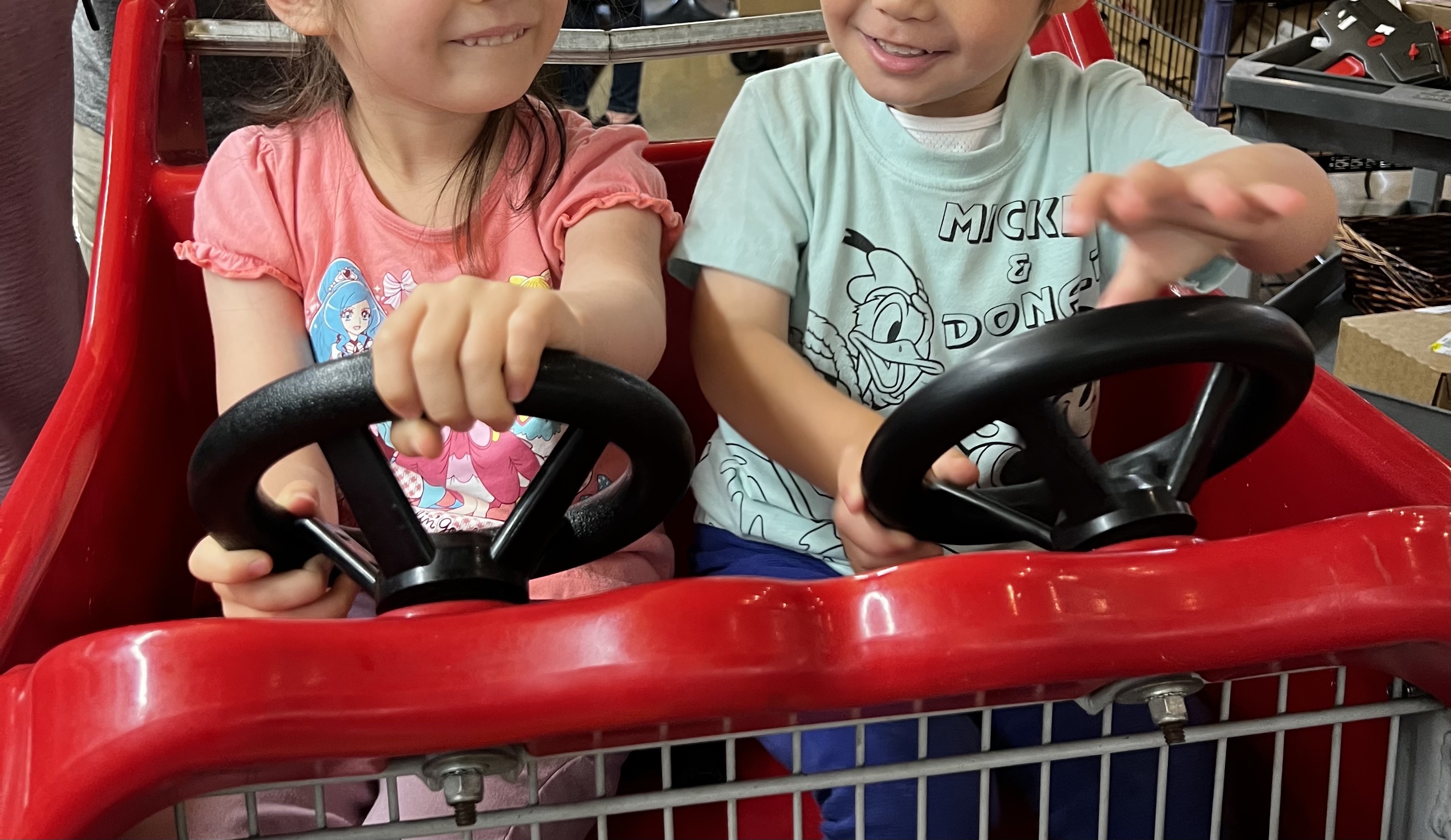
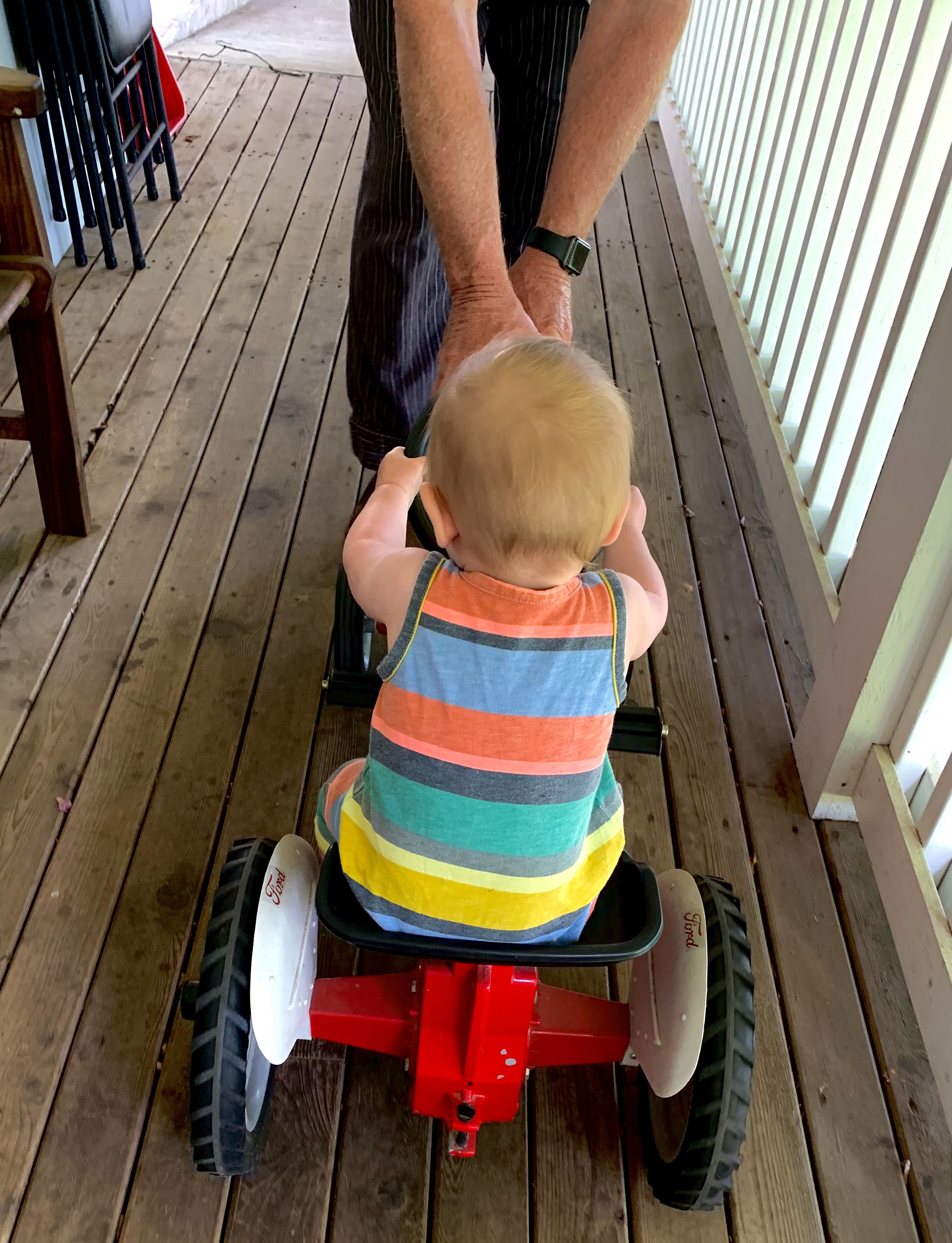
I heard an old man speak once, someone who had been sober for fifty years, a very prominent doctor. He said that he’d finally figured out a few years ago that his profound sense of control, in the world and over his life, is another addiction and a total illusion. He said that when he sees little kids sitting in the back seat of cars, in those car seats that have steering wheels, with grim expressions of concentration on their faces, clearly convinced that their efforts are causing the car to do whatever it is doing, he thinks of himself and his relationship with God: God who drives along silently, gently amused, in the real driver’s seat. ~Anne Lamott from Operating Instructions
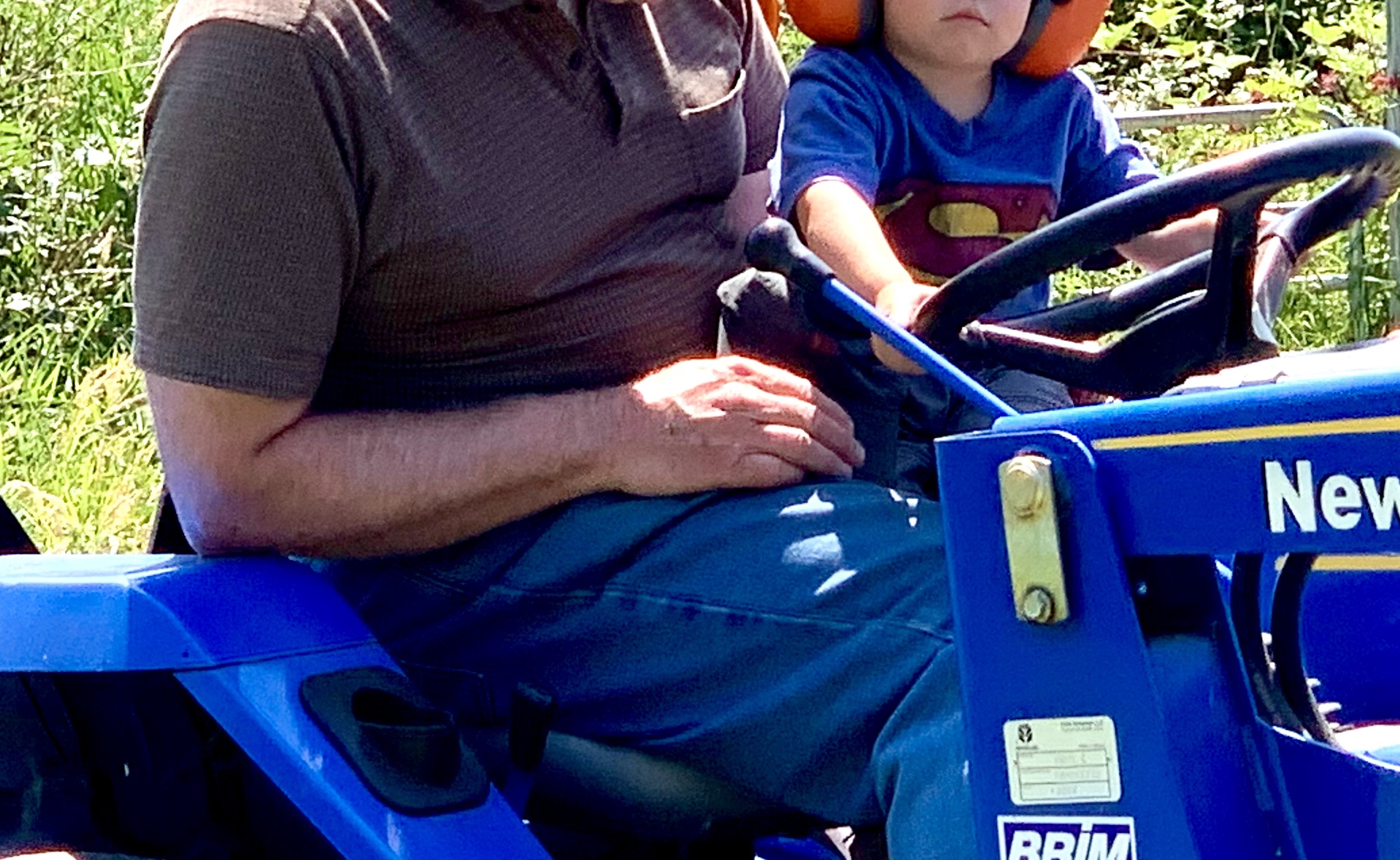
The conversations I have with my grandchildren are the most unexpected and creative I have with anyone.
They lead, and I follow. Just to see where they are going to take me next.
They are curious what I think about things. And I want to know what they’ll say and do next, today and in the decades to come.
All the while, God, always in control, smiles at all He has made…
AI image created for this post
One-Time
Monthly
Yearly
Make a one-time or recurring donation to support daily Barnstorming posts
My grandparents owned the land, worked the land, bound to the earth by seasons of planting and harvest.
They watched the sky, the habits of birds, hues of sunset, the moods of moon and clouds, the disposition of air. They inhaled the coming season, let it brighten their blood for the work ahead.
My husband and I met in the late 70’s while we were both in graduate school in Seattle, living over 100 miles away from our grandparents’ farms farther north in Washington. We lived farther still from my other grandparents’ wheat farm in Eastern Washington and his grandparents’ hog farm in Minnesota.
One of our first conversations together – the one that told me I needed to get to know this man better – was about wanting to move back to work on the land. We were descended from peasant immigrants from the British Isles, Holland and Germany – farming was in our DNA, the land remained under our fingernails even as we sat for endless hours studying in law school and medical school classes.
When we married and moved north after buying a small farm, we continued to work full time at desks in town. We’ve never had to depend on this farm for our livelihood, but we have fed our family from the land, bred and raised livestock, and harvested and preserved from a large garden and orchard. It has been a good balance thanks to career opportunities made possible by our education, something our grandparents would have marveled was even possible.
Like our grandparents, we watch in wonder at what the Creator brings to the rhythm of the land each day – the light of the dawn over the fields, the activity of the wild birds and animals in the woods, the life cycles of the farm critters we care for, the glow of the evening sun as night enfolds us. We are blessed by the land’s generosity when it is well cared for.
Now 46 years after that first conversation together about returning to farming, my husband and I hope to never leave the land. It brought us together, fed our family, remains imbedded under our fingernails and in our souls.
Each in our own time, we will settle even deeper.
One-Time
Monthly
Yearly
Make a one-time or recurring donation to support daily Barnstorming posts
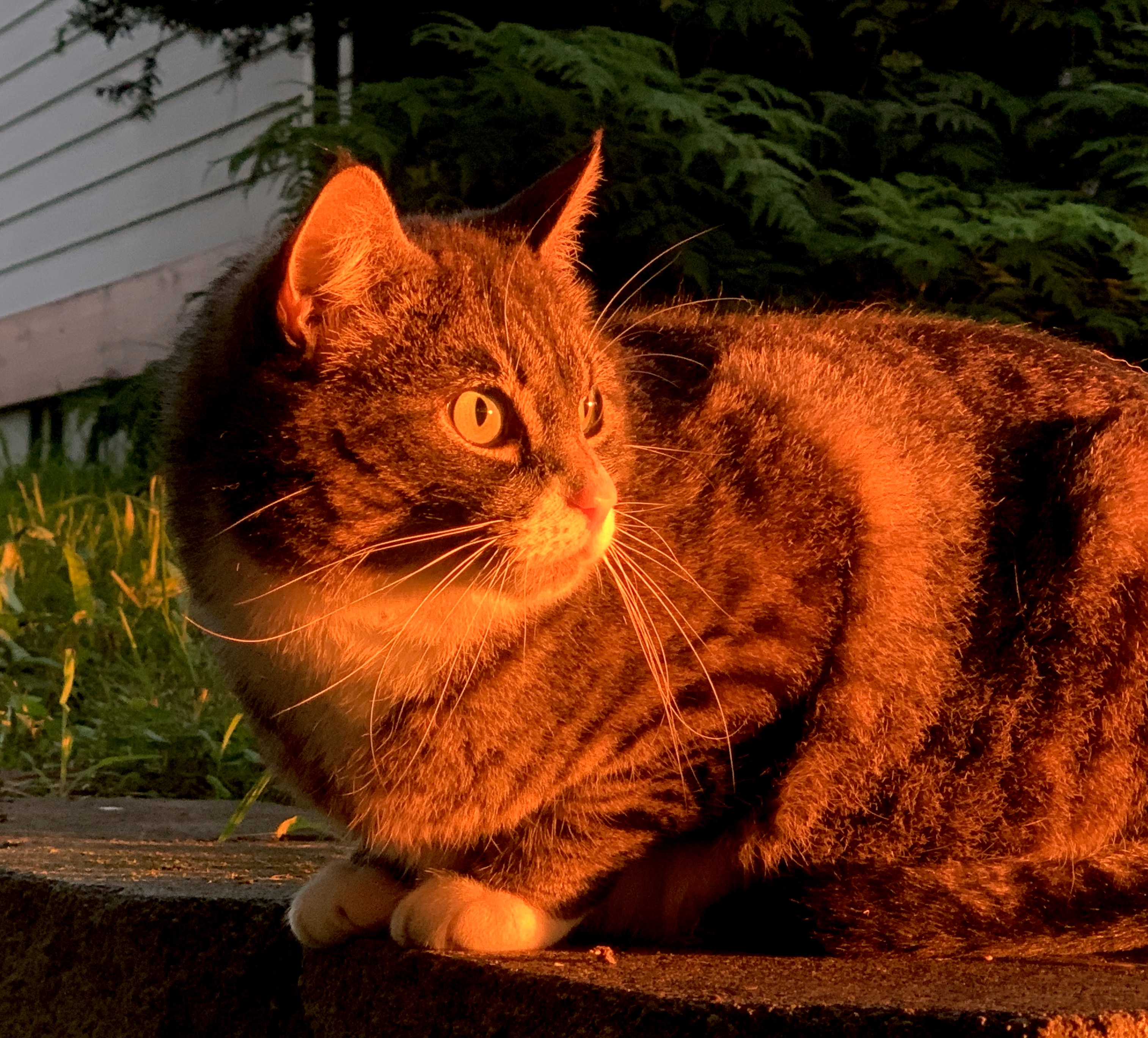
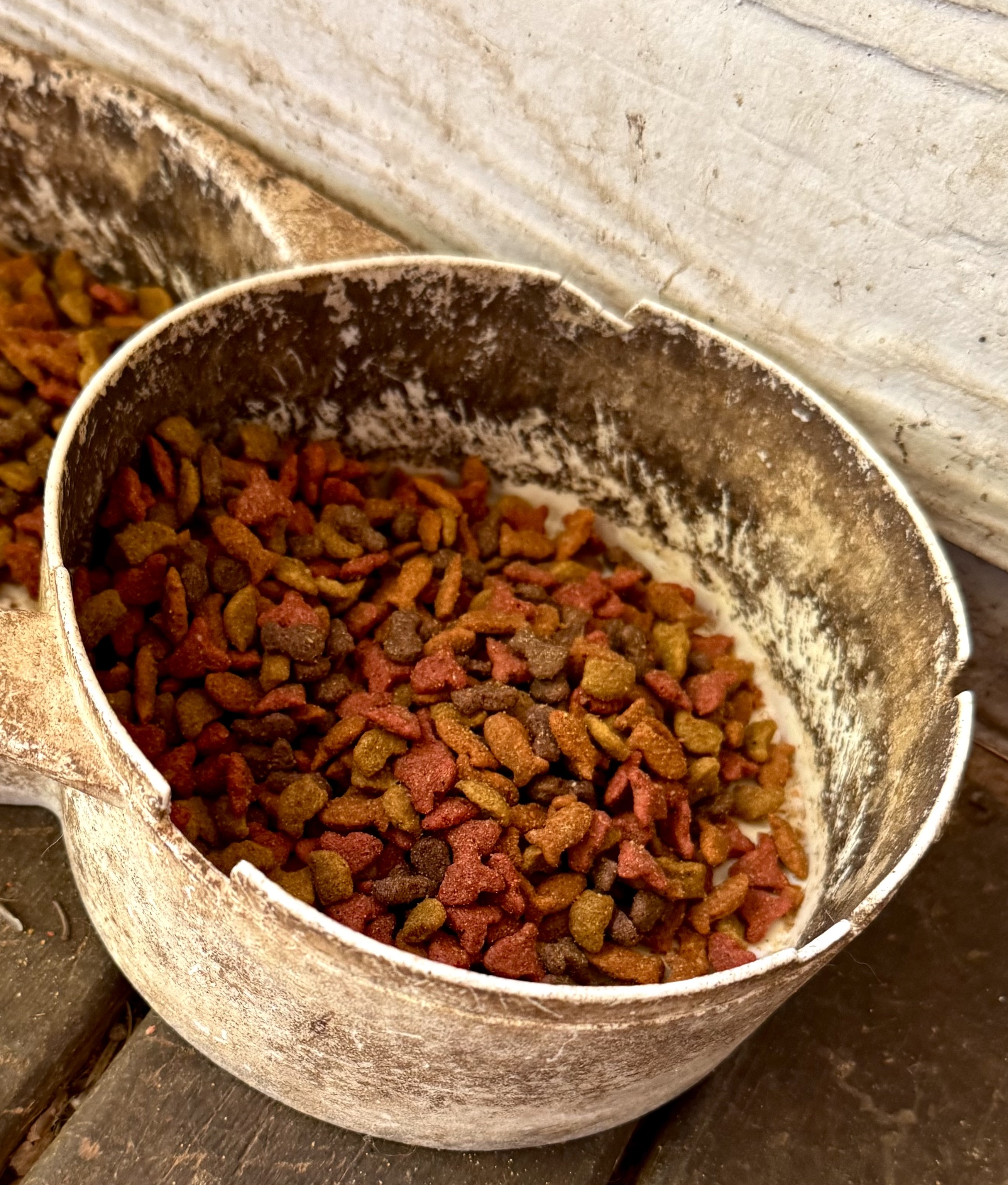
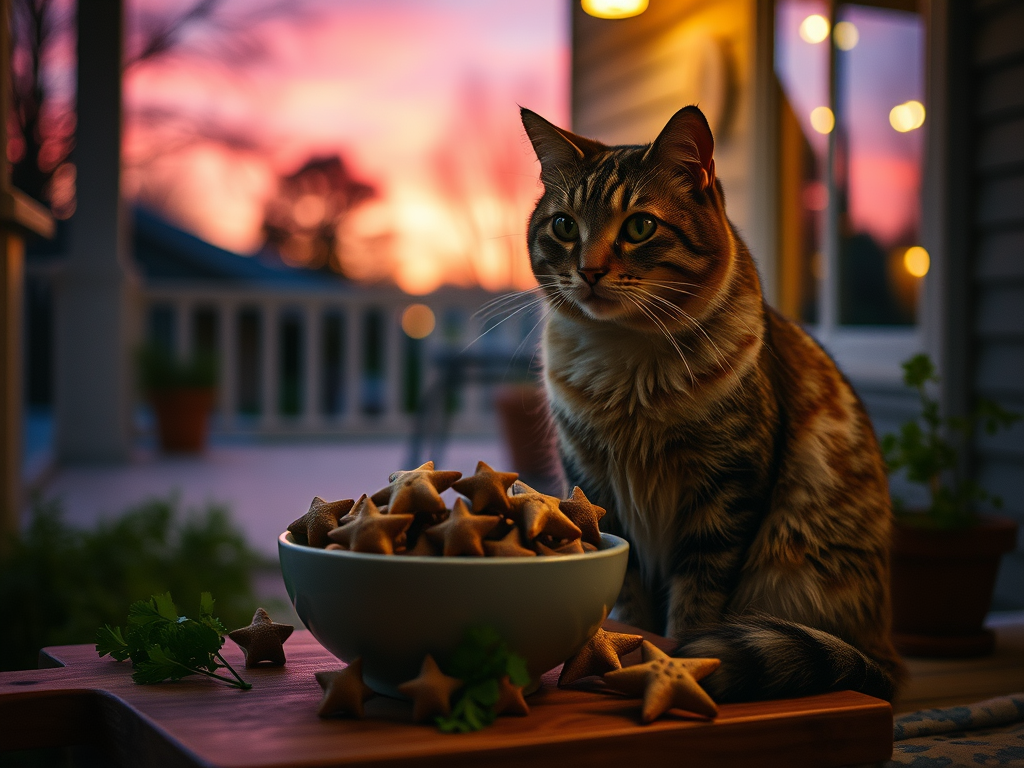
The cat calls for her dinner. On the porch I bend and pour brown soy stars into her bowl, stroke her dark fur. It’s not quite night. Pinpricks of light in the eastern sky. Above my neighbor’s roof, a transparent moon, a pink rag of cloud. Inside my house are those who love me. My daughter dusts biscuit dough. And there’s a man who will lift my hair in his hands, brush it until it throws sparks. Everything is just as I’ve left it. Dinner simmers on the stove. Glass bowls wait to be filled with gold broth. Sprigs of parsley on the cutting board. I want to smell this rich soup, the air around me going dark, as stars press their simple shapes into the sky. I want to stay on the back porch while the world tilts toward sleep, until what I love misses me, and calls me in. ~Dorianne Laux “On the Back Porch” from Awake
They sit together on the porch, the dark Almost fallen, the house behind them dark. Their supper done with, they have washed and dried The dishes–only two plates now, two glasses, Two knives, two forks, two spoons–small work for two. She sits with her hands folded in her lap, At rest. He smokes his pipe. They do not speak, And when they speak at last it is to say What each one knows the other knows. They have One mind between them, now, that finally For all its knowing will not exactly know Which one goes first through the dark doorway, bidding Goodnight, and which sits on a while alone. ~Wendell Berry “They Sit Together on the Porch” from A Timbered Choir
If just for a moment, when the world feels like it is tilting so far I just might fall off, there is a need to pause to look at where I’ve been and get my feet back under me.
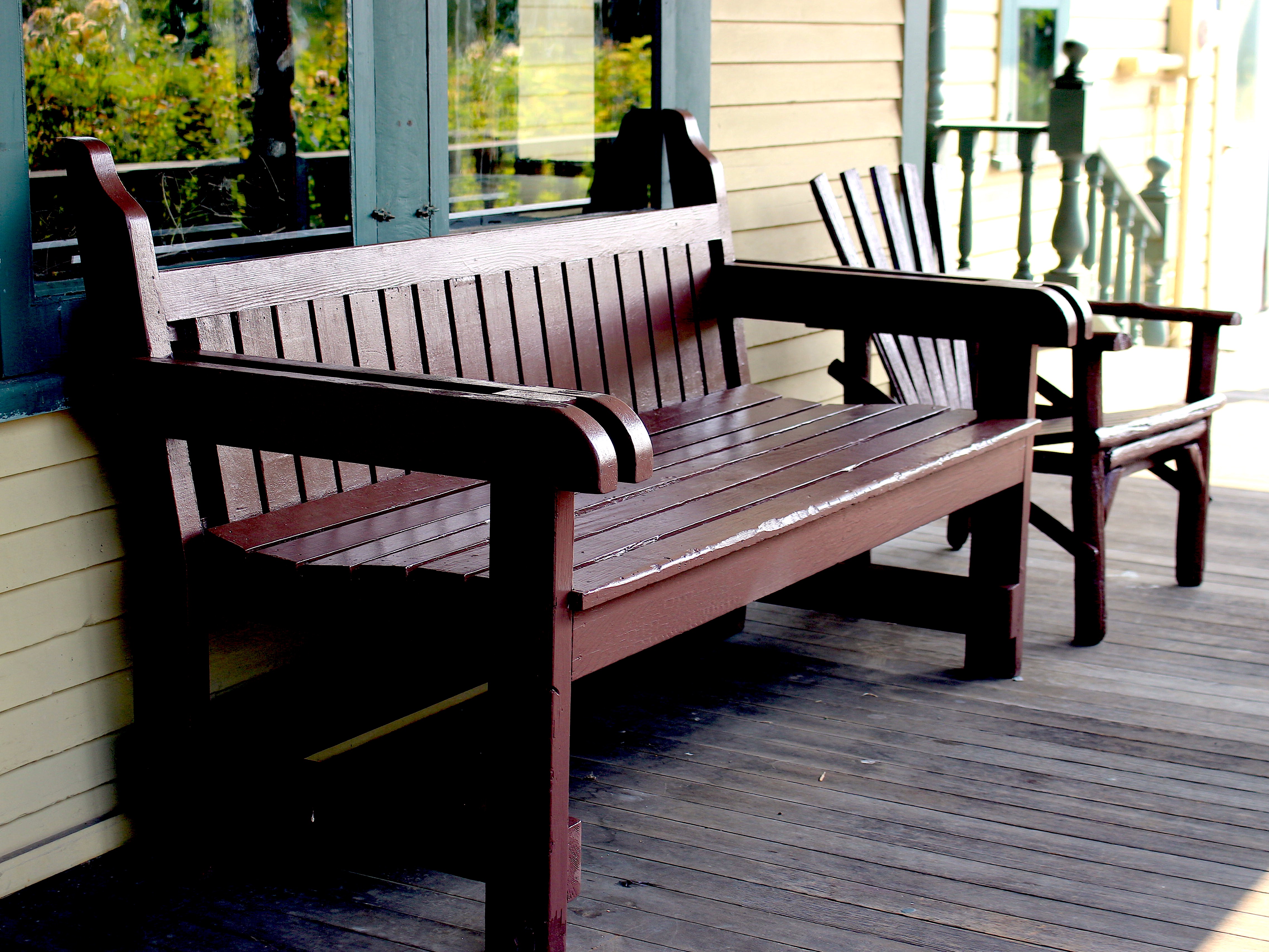
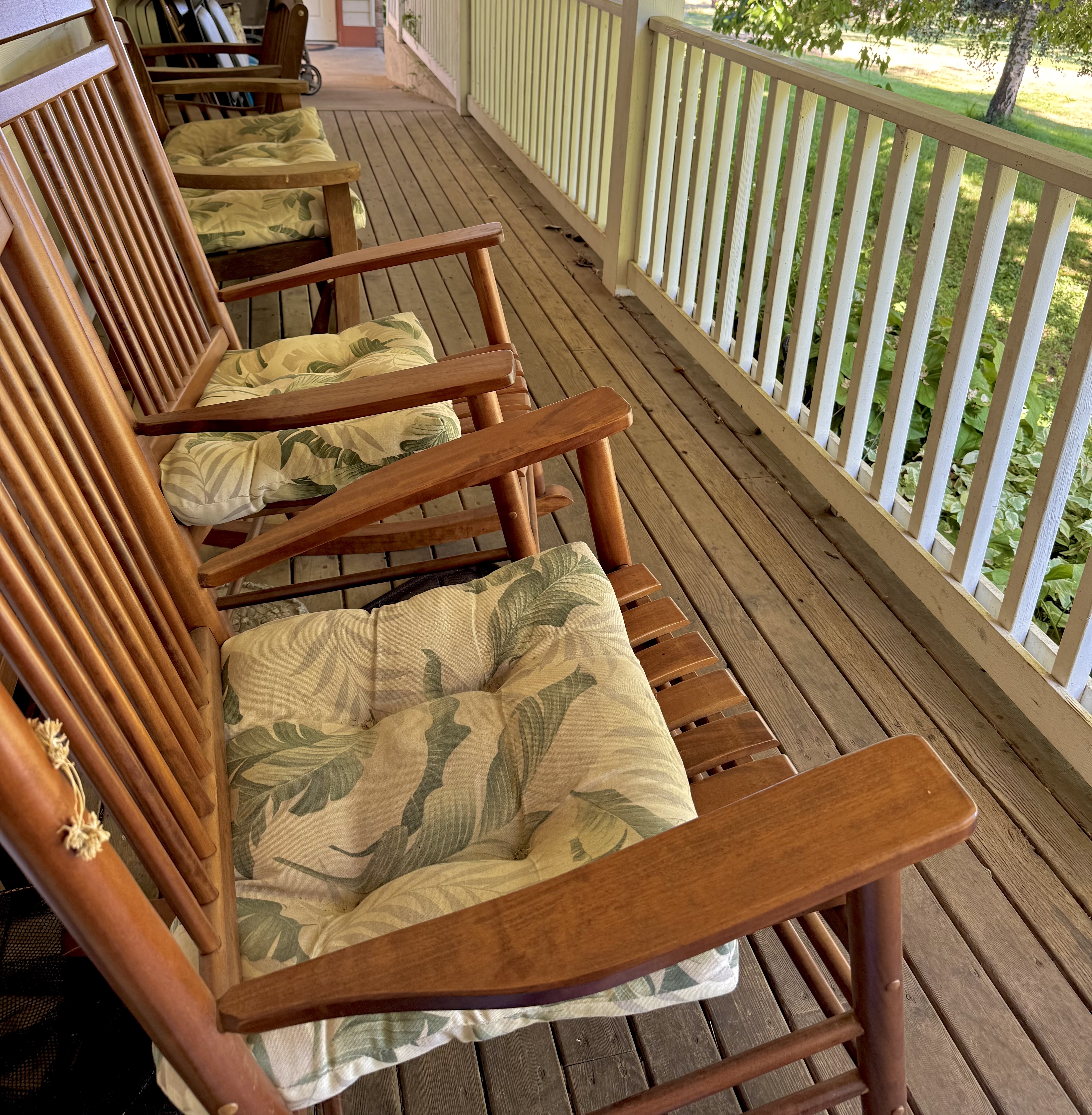
The porch is a good place to start: a bridge to observe “out there” without completely leaving the safety of “in here.”
I am outside looking squarely at uncertainty yet still hear and smell and taste the love that dwells just inside these walls.
What do any of us want more than to be missed if we were to step away or be taken from this life?
Our voice, our words, our heart, our touch never to be replaced, its absence a hole impossible to fill?
When we are called back inside to the Love that made us who we are, may we leave behind the outside world more beautiful because we were part of it.
One-Time
Monthly
Yearly
Make a one-time or recurring donation to support daily Barnstorming posts
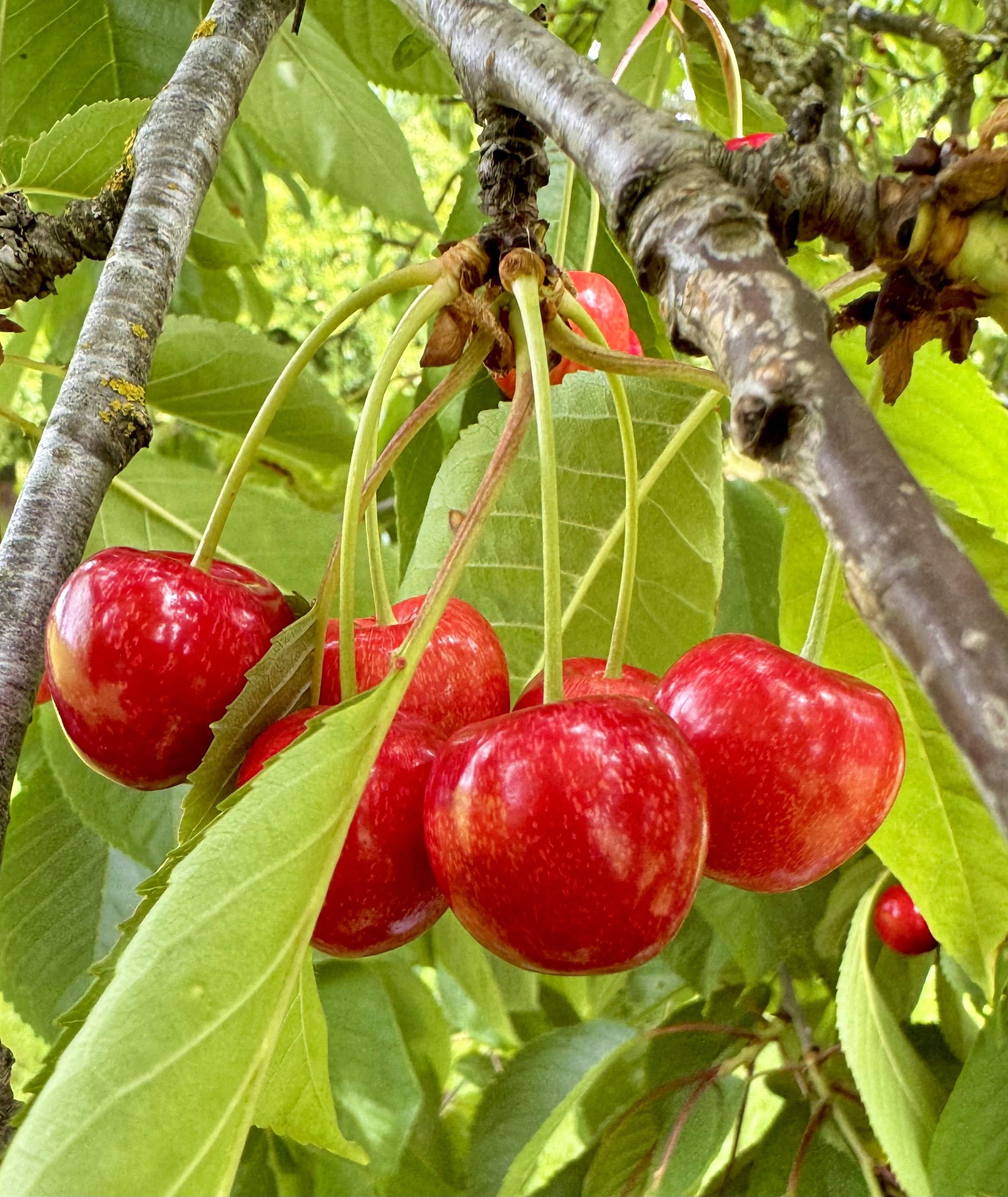
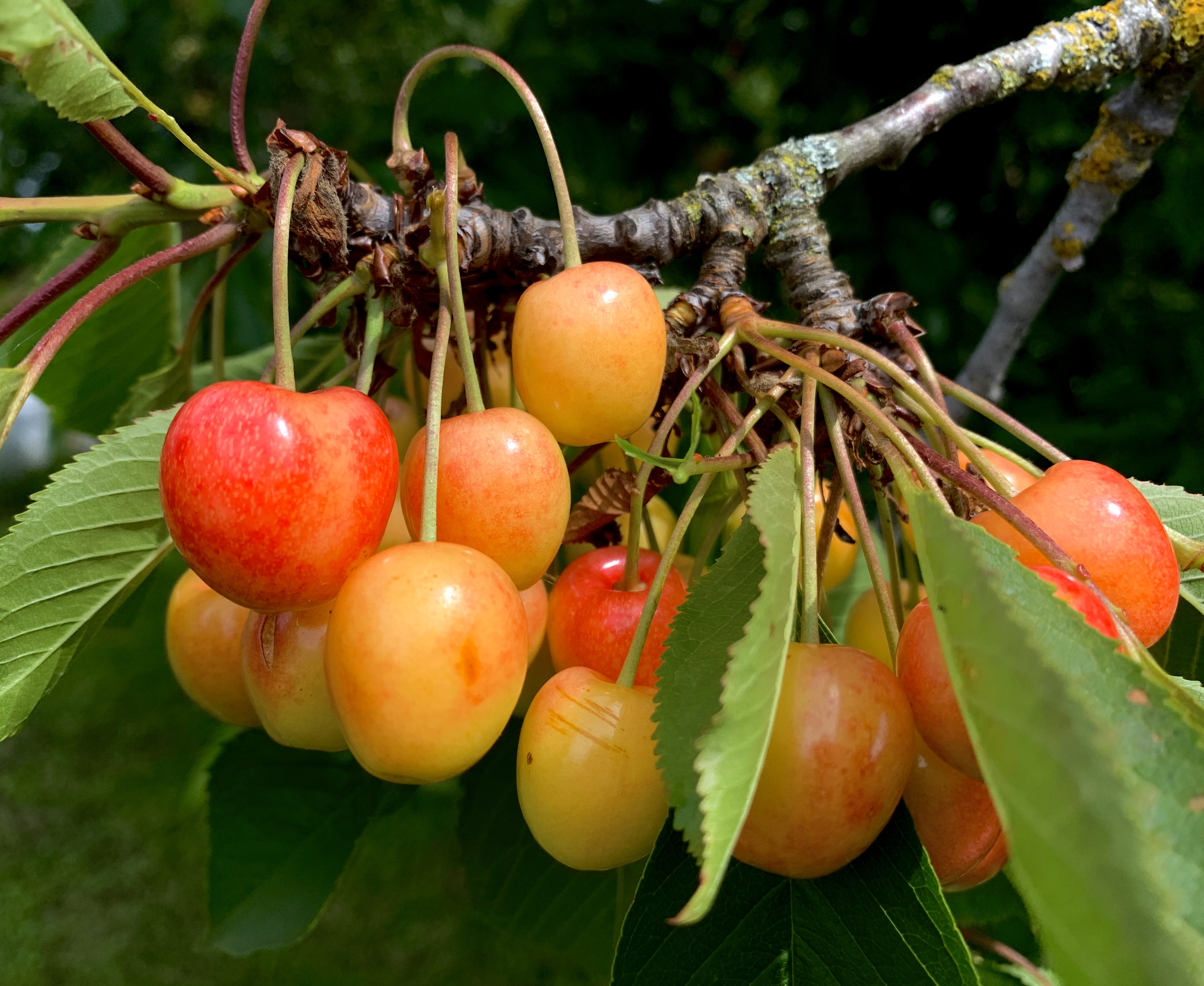
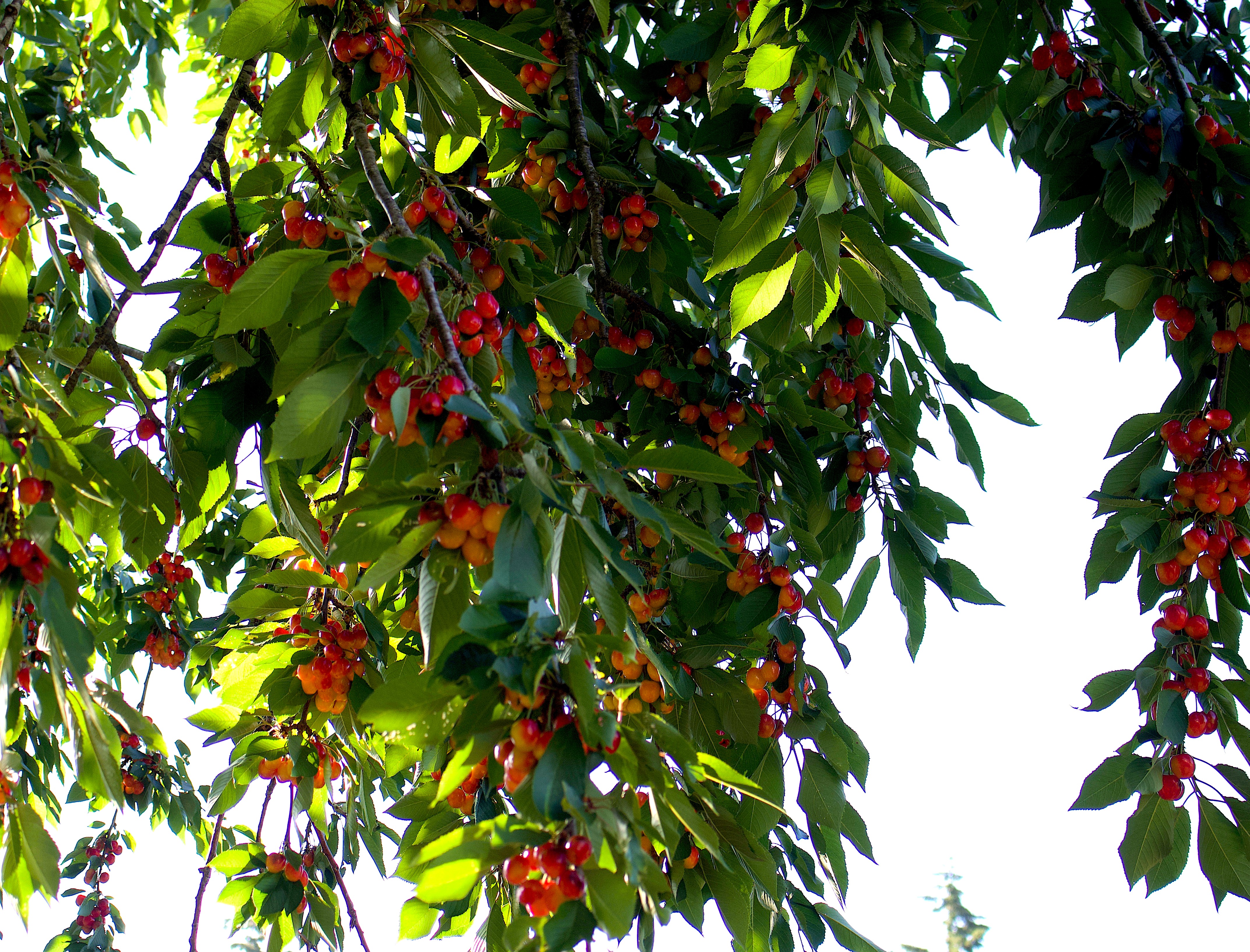
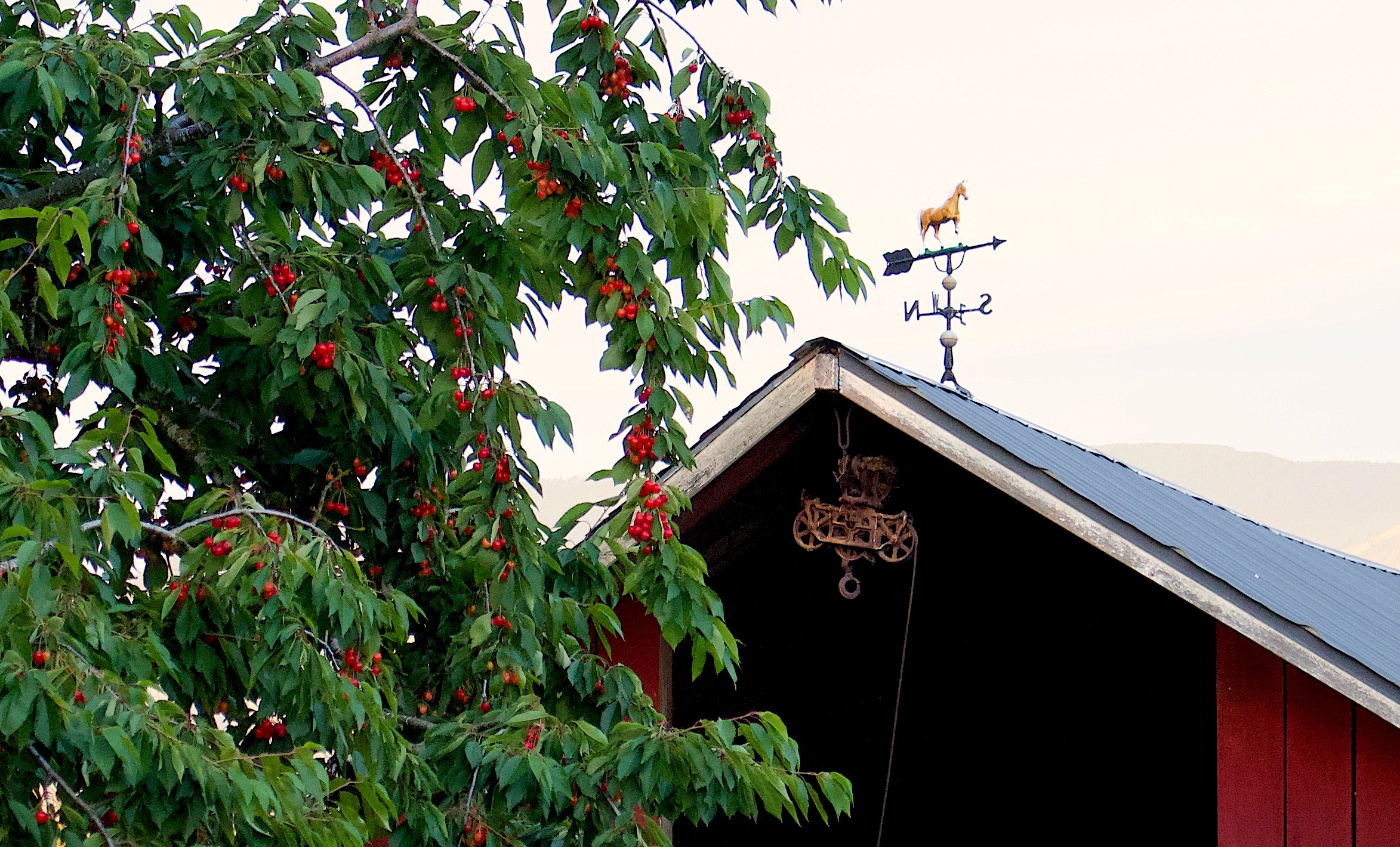
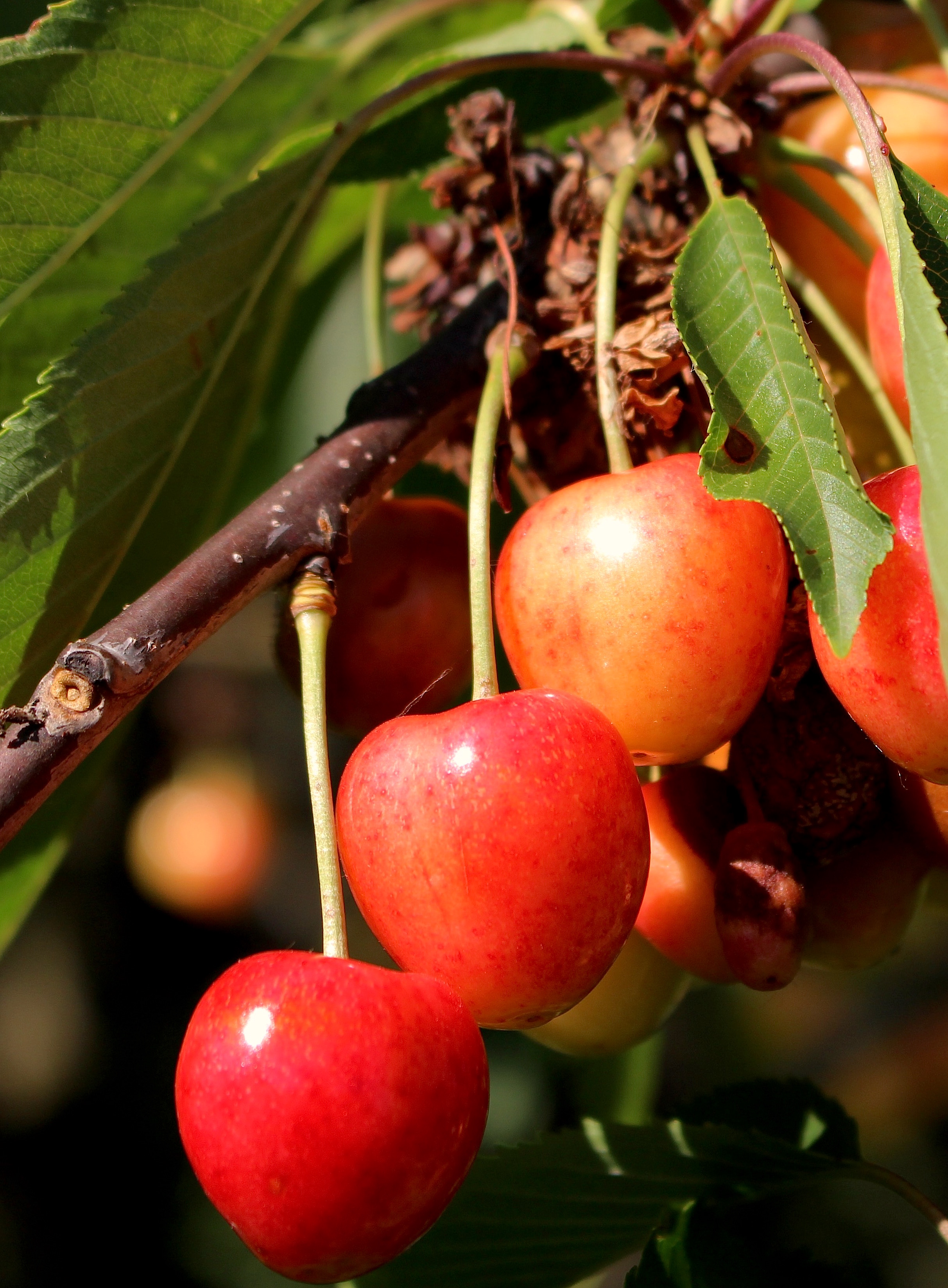
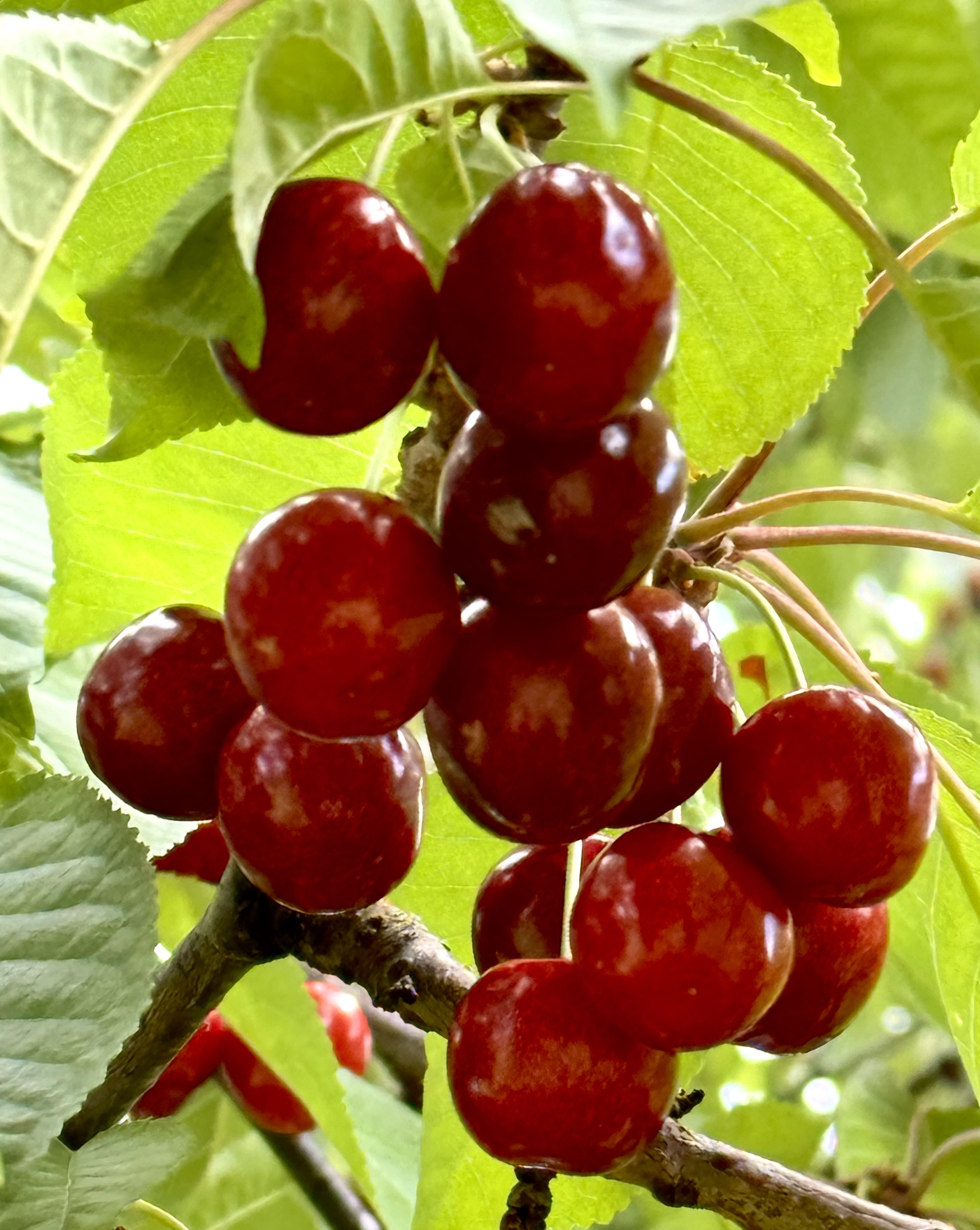
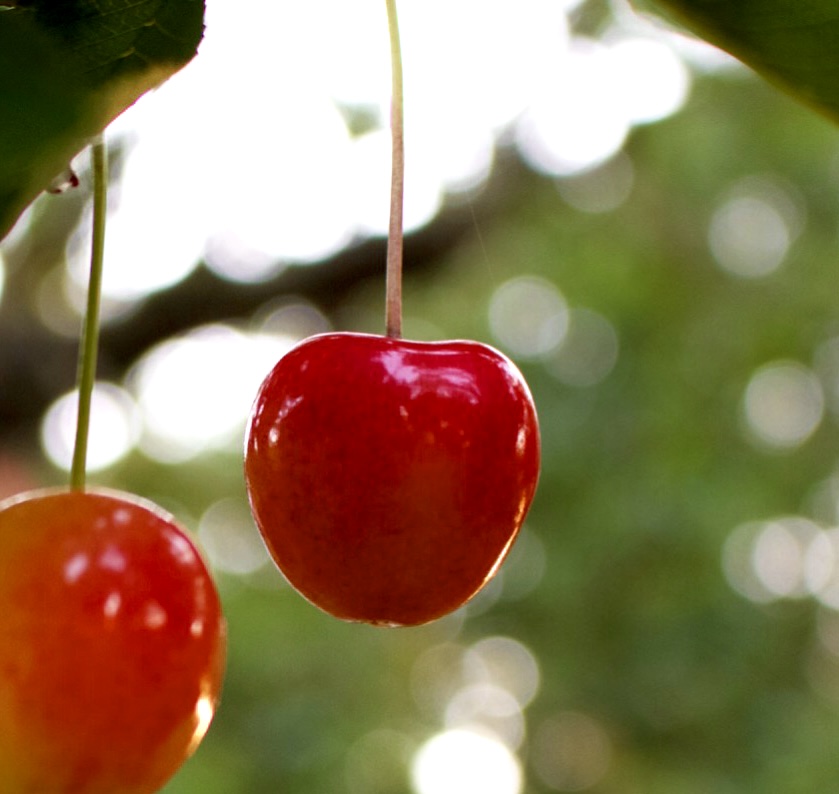
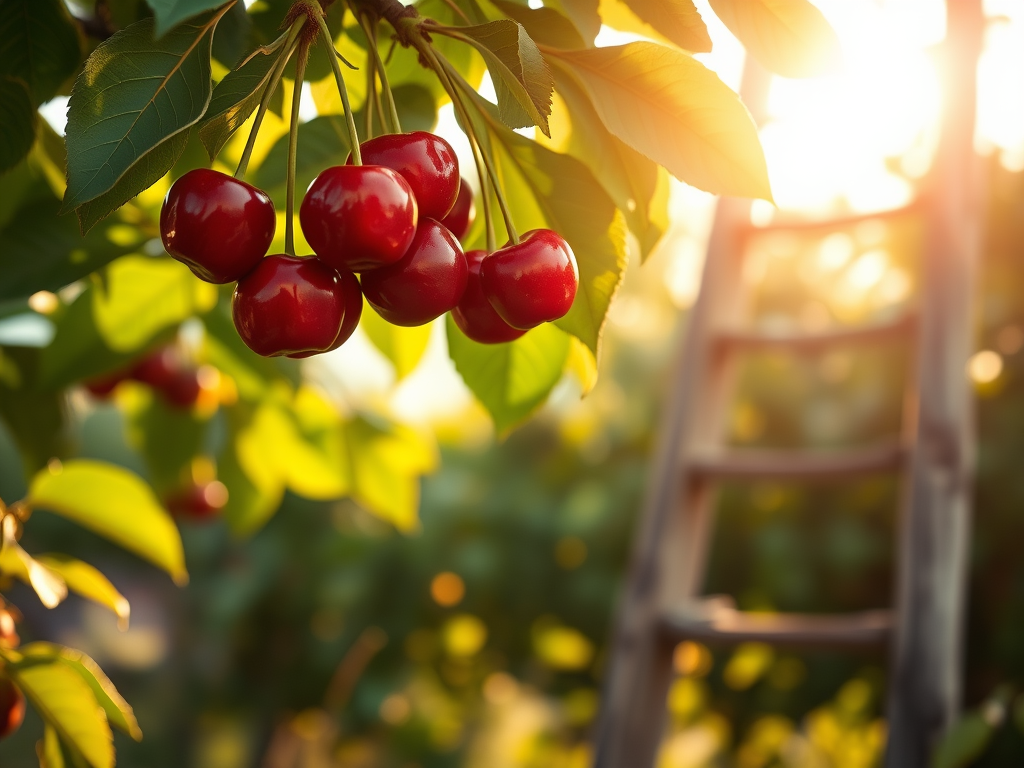
We used to pick cherries over the hill where we paid to climb wooden ladders into the bright haven above our heads, the fruit dangling earthward. Dark, twinned bells ringing in some good fortune just beyond our sight. I have lived on earth long enough to know good luck arrives only on its way to someone else, for it must leave you to the miracle of your own misfortune, lest you grow weary of harvest, of cherries falling from the crown of sky in mid-summer, of hours of idle. Let there be a stone of suffering. Let the fruit taste of sweetness and dust. Let grief split your heart so precisely you must hold, somehow, a memory of cherries— tart talismans of pleasure—in the rucksack of your soul. Taut skin, sharp blessing.
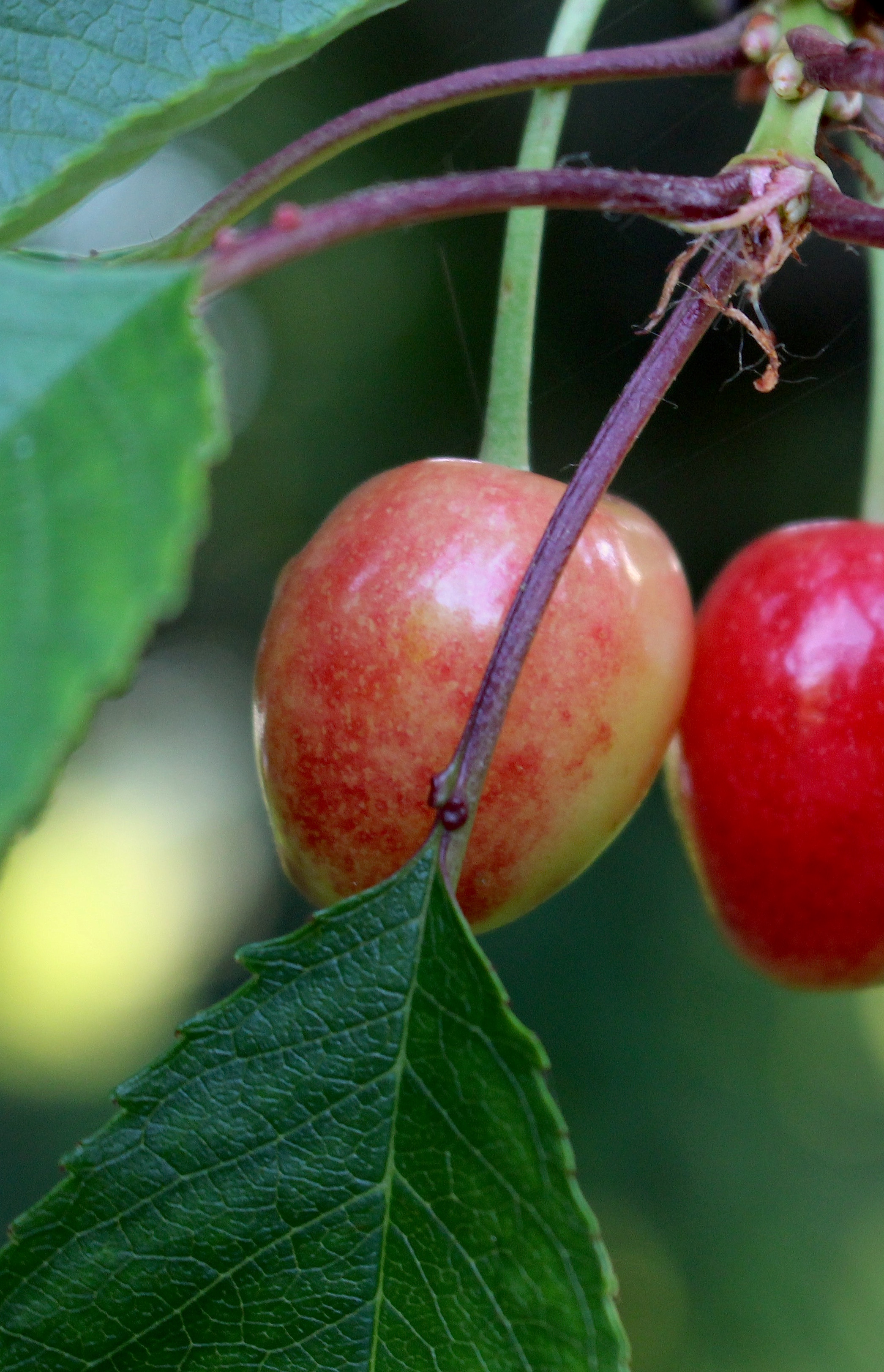
Life is not a bowl of cherries, unless you count the ones that aren’t yet ripe, or are over-ripe, or have a squirrel- or bird-bite taken, or have shriveled to raisins on the tree.
Yes, there are perfect cherries that shine in the dark, glistening with promise, tempting us to climb high to pick them.
Those we really want usually are out of reach.
How can we know what perfection is unless we experience where life falls short?
The lingering taste of grief, the agony of waiting for word in a tragedy, the gnawing emptiness of indescribable loss.
Only the memory of what was nearly perfect, remembering what could have been knowing what will someday be our reality can ease the bitter pit of suffering now.
May the families of those swept away in flooding, those who live in the path of war and violence, those who hunger for justice, or starving for food, those who struggle with life-threatening and chronic illness somehow know the comfort of God’s perfection awaits them. The Light and Goodness is there for us to taste, yet just beyond our reach.
AI image created for this post
One-Time
Monthly
Yearly
Make a one-time or recurring donation to support daily Barnstorming posts
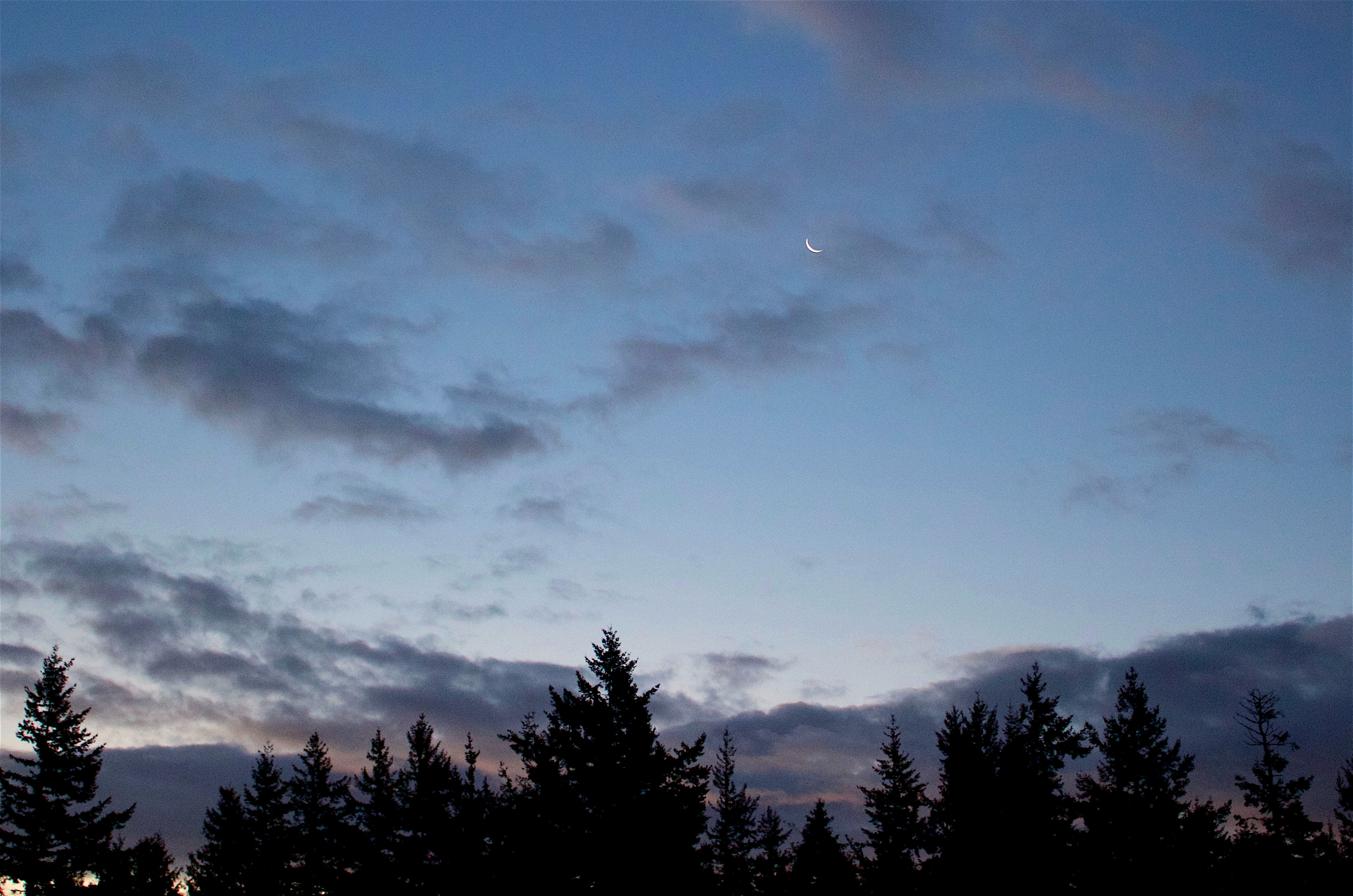
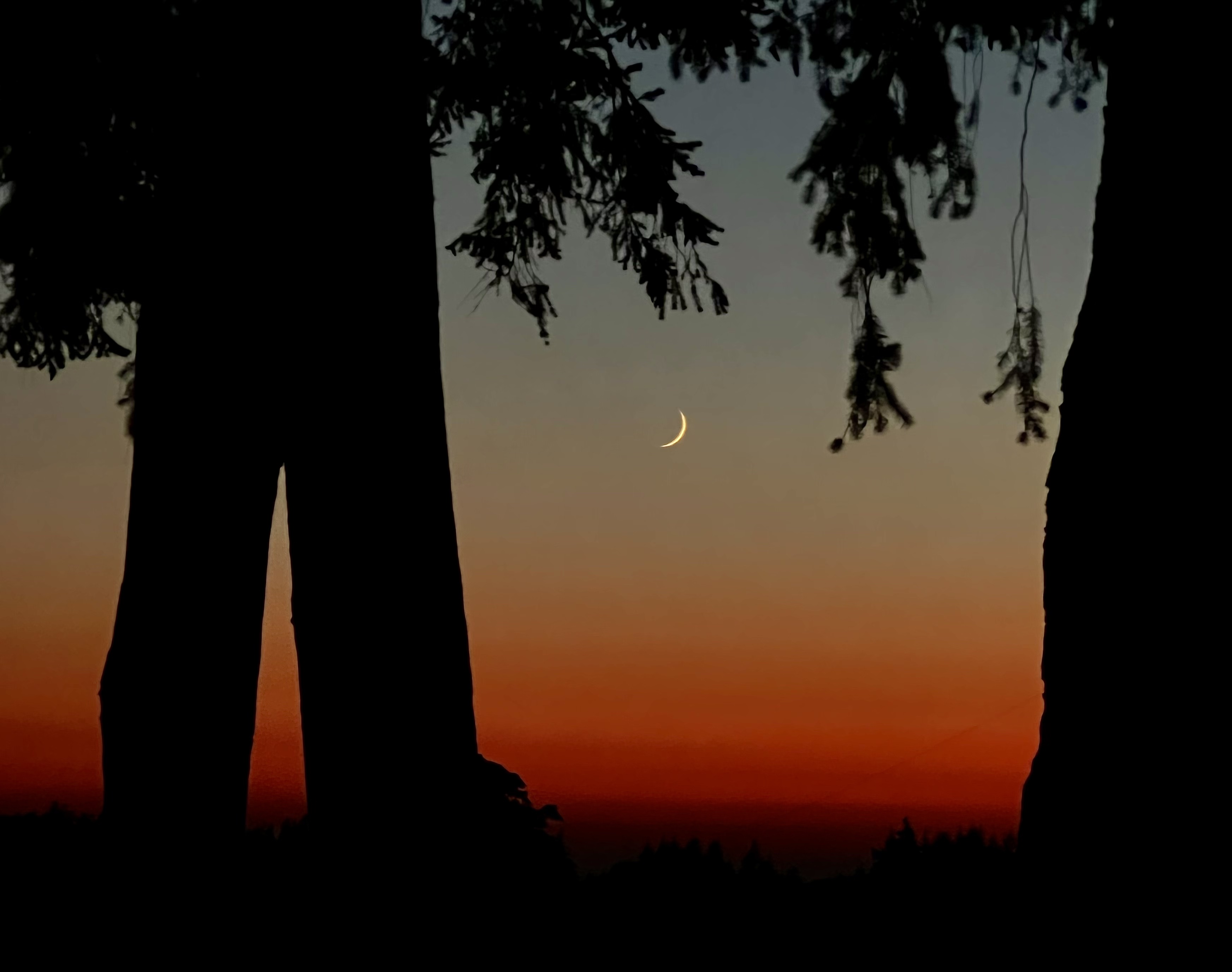
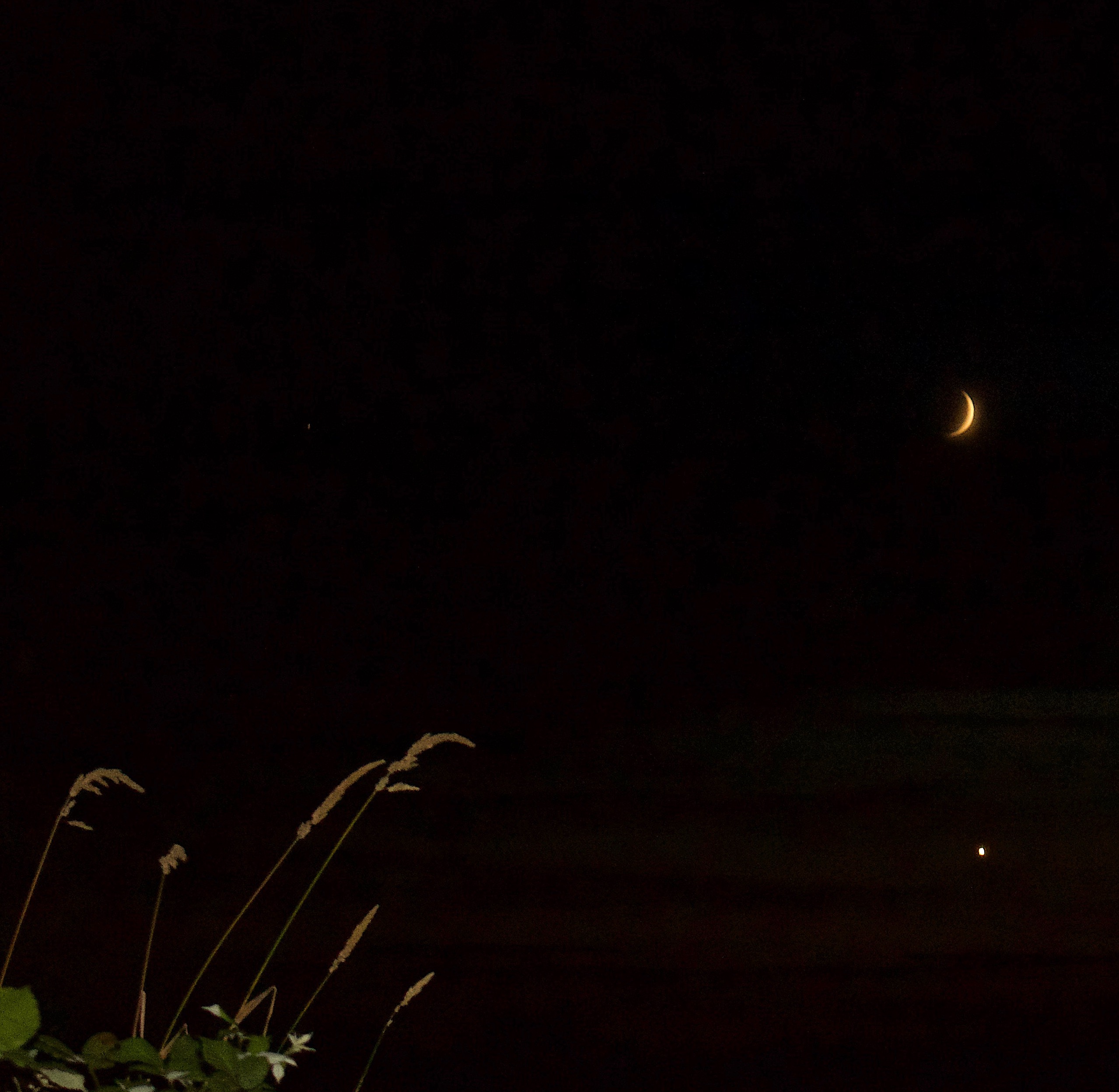
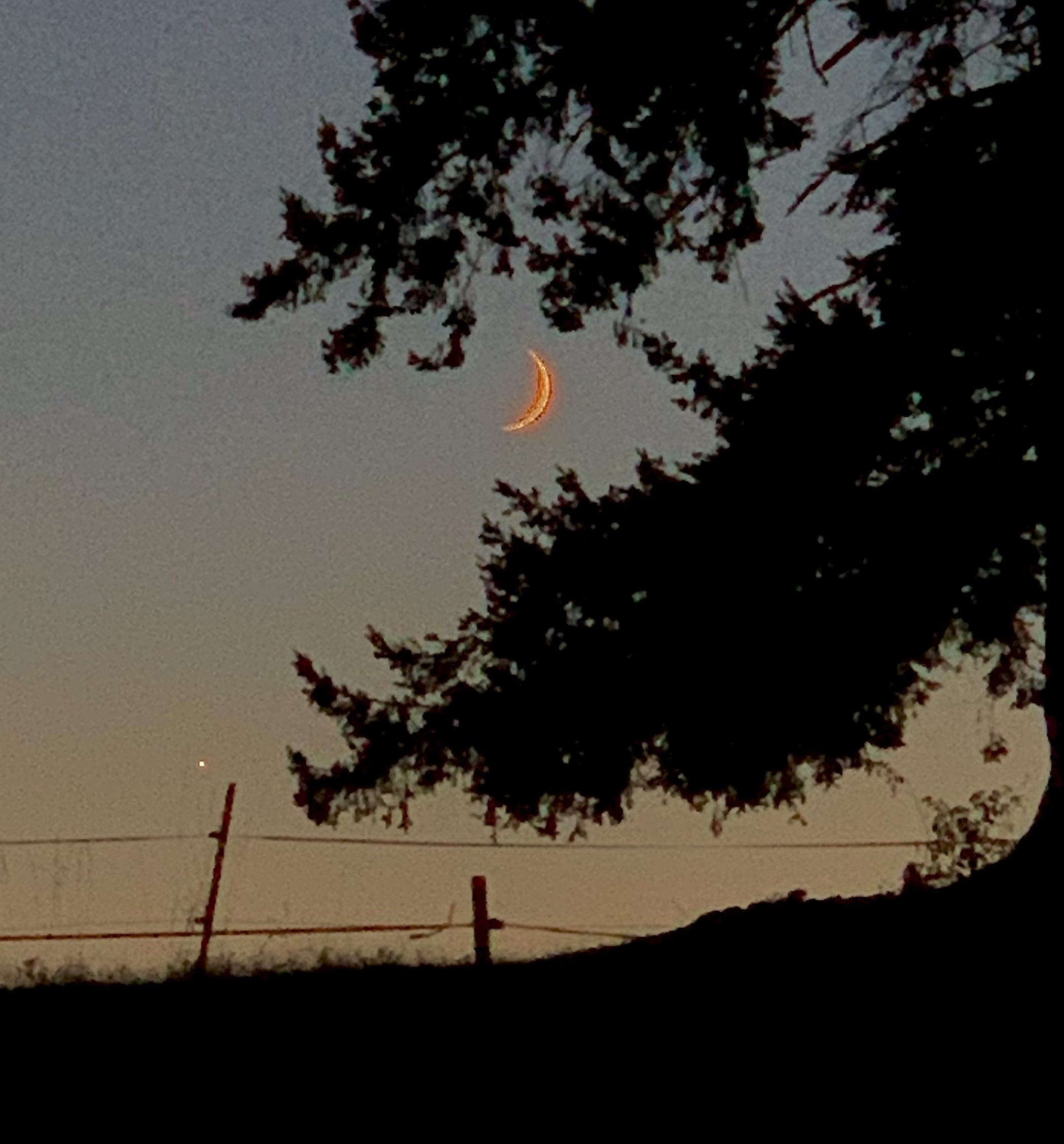
I awoke in the Midsummer not to call night, in the white and the walk of the morning: The moon, dwindled and thinned to the fringe of a finger-nail held to the candle, Or paring of paradisaïcal fruit, lovely in waning but lustreless, Stepped from the stool, drew back from the barrow, of dark Maenefa the mountain; A cusp still clasped him, a fluke yet fanged him, entangled him, not quit utterly. This was the prized, the desirable sight, unsought, presented so easily, Parted me leaf and leaf, divided me, eyelid and eyelid of slumber. ~Gerard Manley Hopkins “Moonrise”June 19, 1876
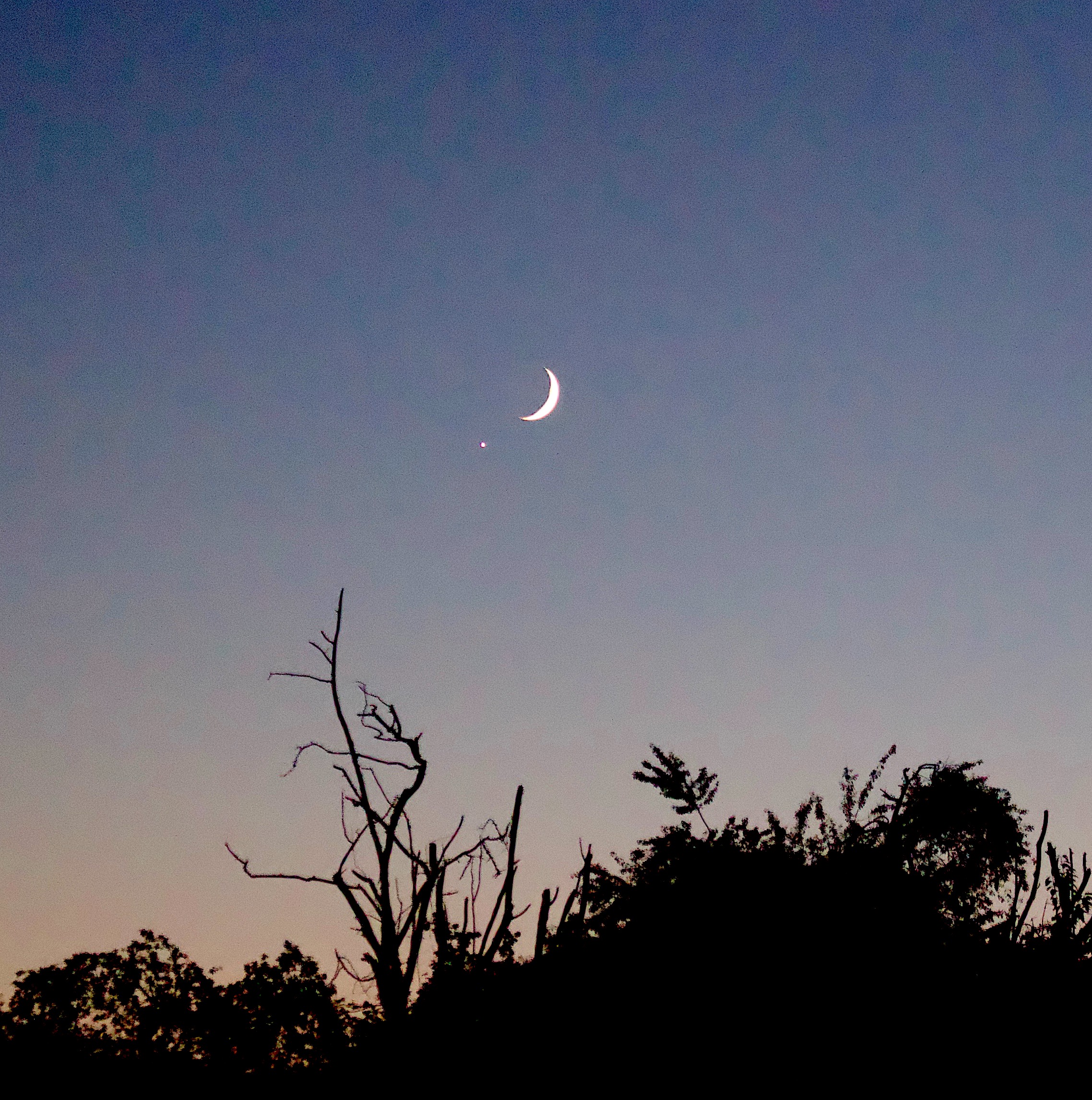
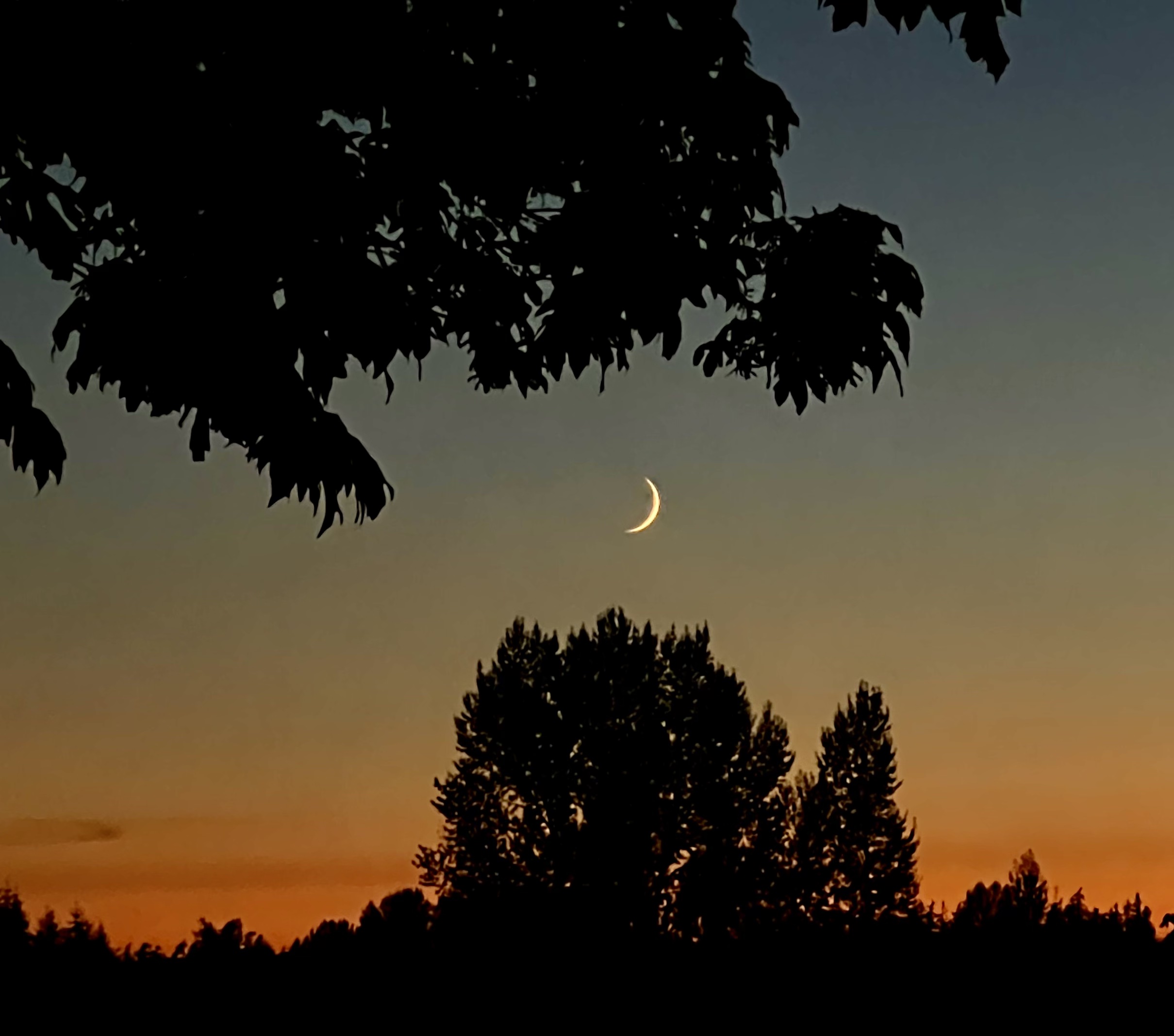
how you can never reach it, no matter how hard you try, walking as fast as you can, but getting nowhere, arms and legs pumping, sweat drizzling in rivulets; each year, a little slower, more creaks and aches, less breath. Ah, but these soft nights, air like a warm bath, the dusky wings of bats careening crazily overhead, and you’d think the road goes on forever. Apollinaire wrote, “What isn’t given to love is so much wasted,” and I wonder what I haven’t given yet. A thin comma moon rises orange, a skinny slice of melon, so delicious I could drown in its sweetness. Or eat the whole thing, down to the rind. Always, this hunger for more. ~Barbara Crooker “How the Trees on Summer Nights Turn into a Dark River,” from More
The secret of seeing is, then the pearl of great price. If I thought he could teach me to find it and keep it forever I would stagger barefoot across a hundred deserts after any lunatic at all. But although the pearl may be found, it may not be sought.
The literature of illumination reveals this above all: although it comes to those who wait for it, it is always, even to the most practiced and adept, a gift and a total surprise.
I return from one walk knowing where the killdeer nests in the field by the creek and the hour the laurel blooms. I return from the same walk a day later scarcely knowing my own name.
Litanies hum in my ears; my tongue flaps in my mouth. Ailinon, alleluia! ~Annie Dillard from Pilgrim at Tinker Creek
The greatest gift is the one I stumble upon rather than having desired, sought out, fought for. Sometimes I don’t even know what I’m missing, so oblivious to being surrounded by hidden treasures.
Surprise me, dear Lord.
Though I regularly lament in the shadows, though I try to hide under the blankets each morning, slumbering through the tragic, the painful, the sorrow, you send your gentle crescent light to awaken me.
So I lift my voice in praise and gratitude for your unexpected gift that I didn’t know I needed, would never had thought to seek, the pearl of great priceheld out for me to take each day.
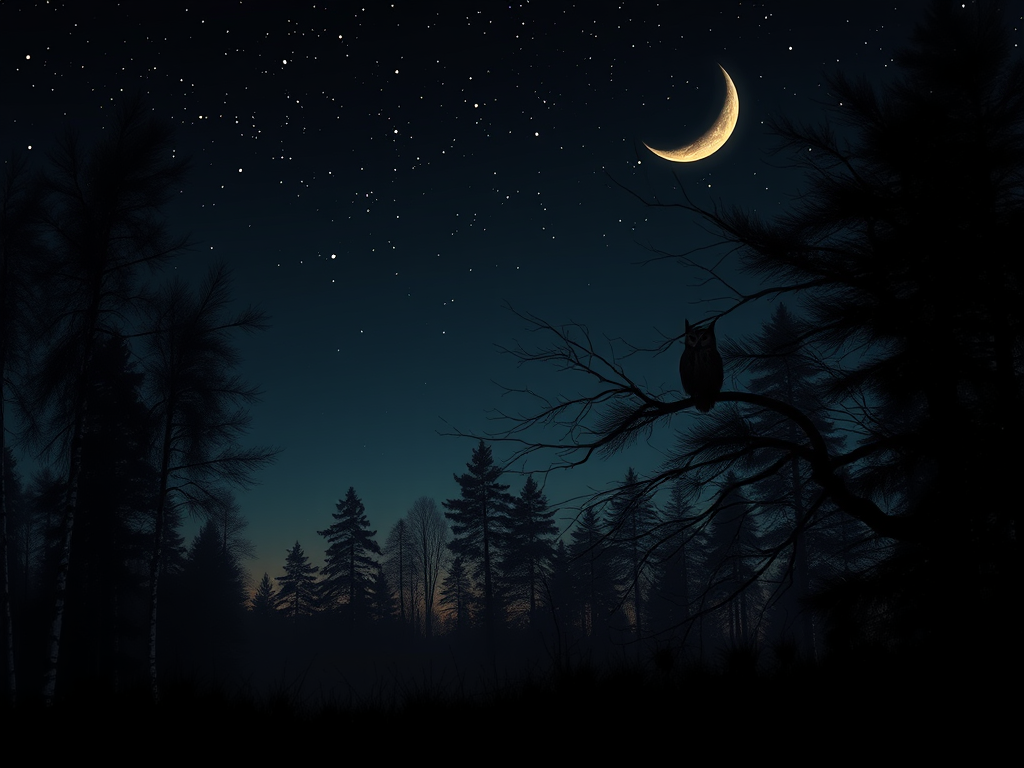
AI image created for this post
One-Time
Monthly
Yearly
Make a one-time or recurring donation to support daily Barnstorming posts
In the grey summer garden I shall find you With day-break and the morning hills behind you. There will be rain-wet roses; stir of wings; And down the wood a thrush that wakes and sings. Not from the past you’ll come, but from that deep Where beauty murmurs to the soul asleep: And I shall know the sense of life re-born From dreams into the mystery of morn Where gloom and brightness meet. And standing there Till that calm song is done, at last we’ll share The league-spread, quiring symphonies that are Joy in the world, and peace, and dawn’s one star. ~Siegfried Sassoon“Idyll”
Seventy-one years ago today was a difficult day for both my mother and me.
She remembered it was a particularly hot July 4 with the garden coming on gangbusters and she having quite a time keeping up with summer farm chores. With three weeks to go in her pregnancy, her puffy legs were aching and she wasn’t sleeping well.
She was almost done gestating, with the planned C-section scheduled a few days before my due date of August 1.
She and my dad and my sister had waited eight long years for this pregnancy, having given up hope, having already chosen an infant boy to adopt, the papers signed and waiting on the court for the final approval. They were ready to bring him home when she discovered she was pregnant and the adoption agency gave him to another family.
I’ve always wondered where that little boy ended up, his life trajectory suddenly changed by my unexpected conception. I feel responsible, hoping and praying his life was blessed in another adoptive home.
Every subsequent July 4, my mother would tell me about July 4, 1954 when I was curled upside down inside her impatiently kicking her ribs in my attempts to stretch, hiccuping when she tried to nap, and dozing as she cooked the picnic meal they took to eat while waiting for the local fireworks show to start.
As I grew up, she would remind me as I cringed and covered my ears as fireworks shells boomed overhead, that in 1954 I leapt, startled, inside her with each explosion. She wondered if I might jump right out of her, so she held onto her belly tight, trying to calm and reassure me. Perhaps I was justifiably fearful about what chaos was booming on the outside, as I remained securely inside until the doctor opened Mom up three weeks later.
Now I know I am meant for quieter things, greeting the mystery of each morning with as much calm as I can muster. I still cringe and jump at fireworks and recognize I was blessed to be born to a family who wanted me and waited for me, in a country that had just fought a terrible war. Each child born in those post-war years was a testament to the survival of the American spirit and hope for the future.
Our country now has lost its way in caring first and foremost for the poor, the ill, the hungry, the helpless, the homeless, not only within our borders, but as an outreach beyond our shores to those countries where our help has saved millions of lives.
Will there ever come a day when a baby born in this world will not be threatened with starvation, potentially fatal yet preventable pathogens, or the devastation of war?
Where gloom and brightness meet: defining the drawn lines and borders around and within our country right now…
partial lyrics: And I don’t know a soul who’s not been battered I don’t have a friend who feels at ease I don’t know a dream that’s not been shattered Or driven to its knees
But it’s alright, it’s alright For we lived so well so long Still, when I think of the Road we’re traveling on I wonder what’s gone wrong I can’t help it, I wonder what has gone wrong
Text: Where charity and love are, God is there.
One-Time
Monthly
Yearly
Make a one-time or recurring donation to support daily Barnstorming posts
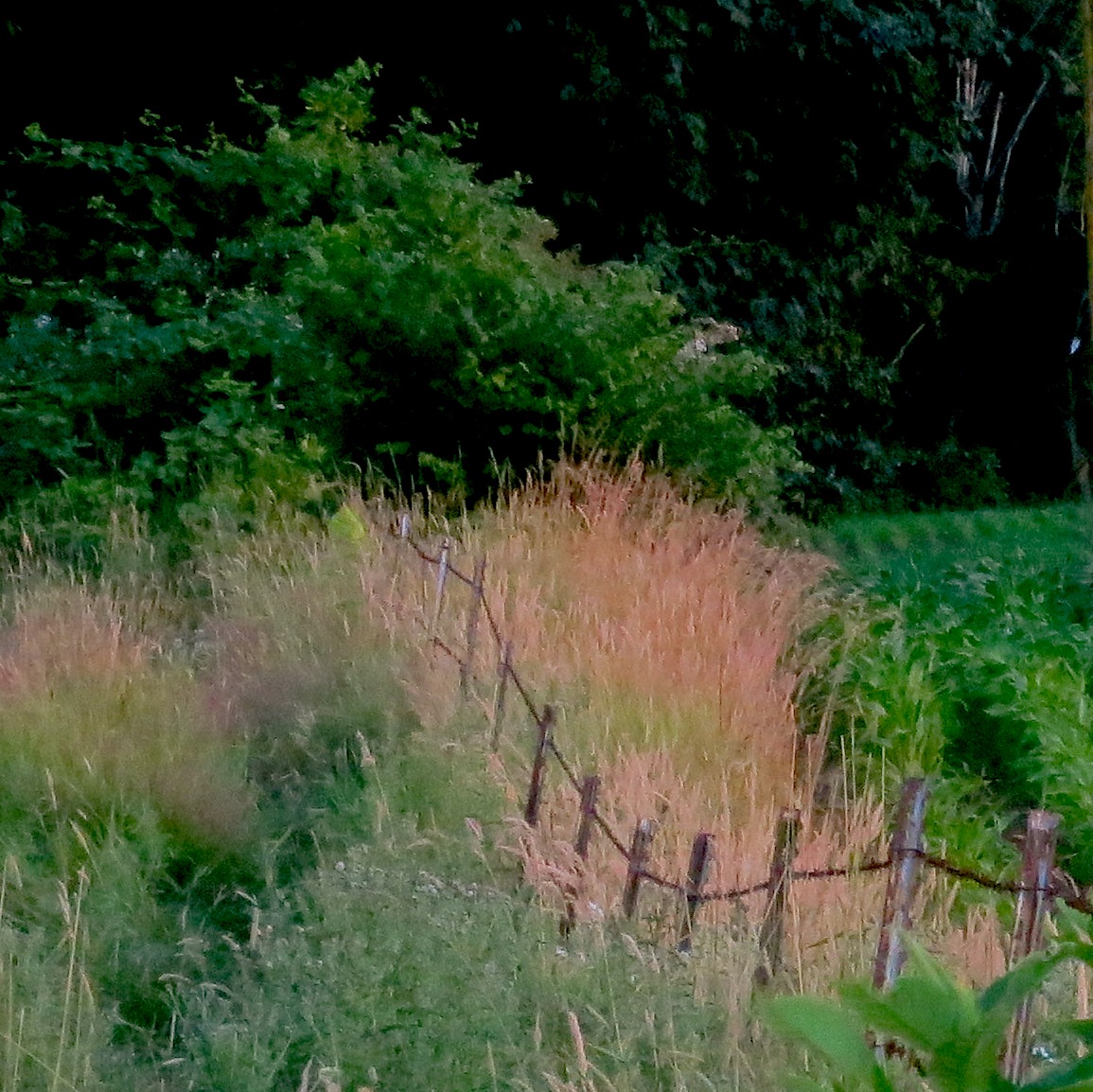
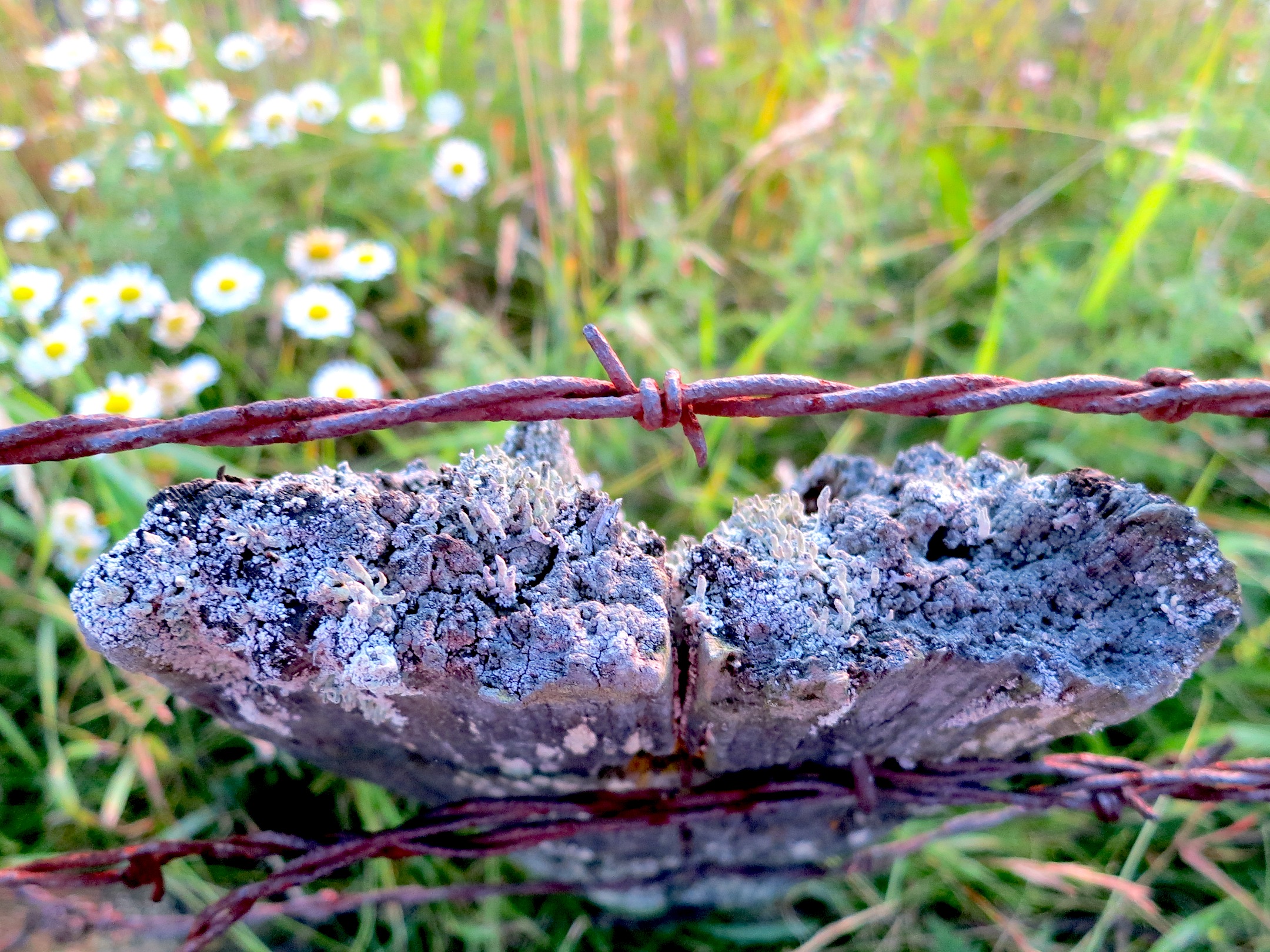
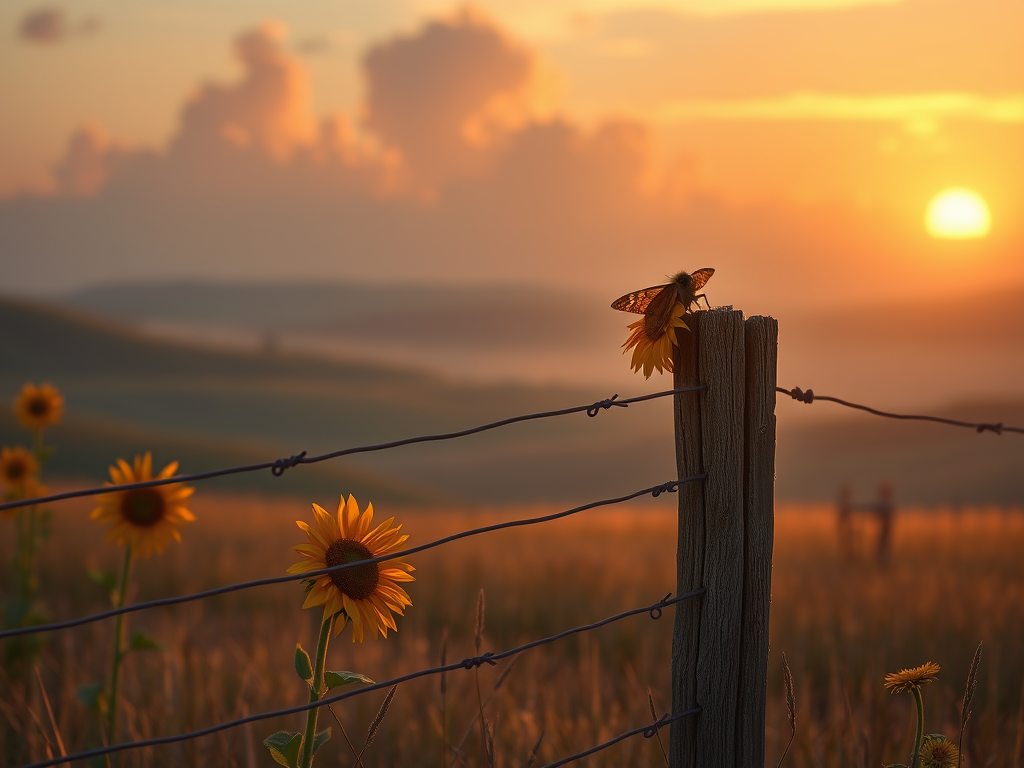
Something is calling to me from the corners of fields, where the leftover fence wire suns its loose coils, and stones thrown out of the furrow sleep in warm litters; where the gray faces of old No Hunting signs mutter into the wind, and dry horse tanks spout fountains of sunflowers; where a moth flutters in from the pasture, harried by sparrows, and alights on a post, so sure of its life that it peacefully opens its wings. ~Ted Kooser “In the Corners of Fields” from Flying at Night.
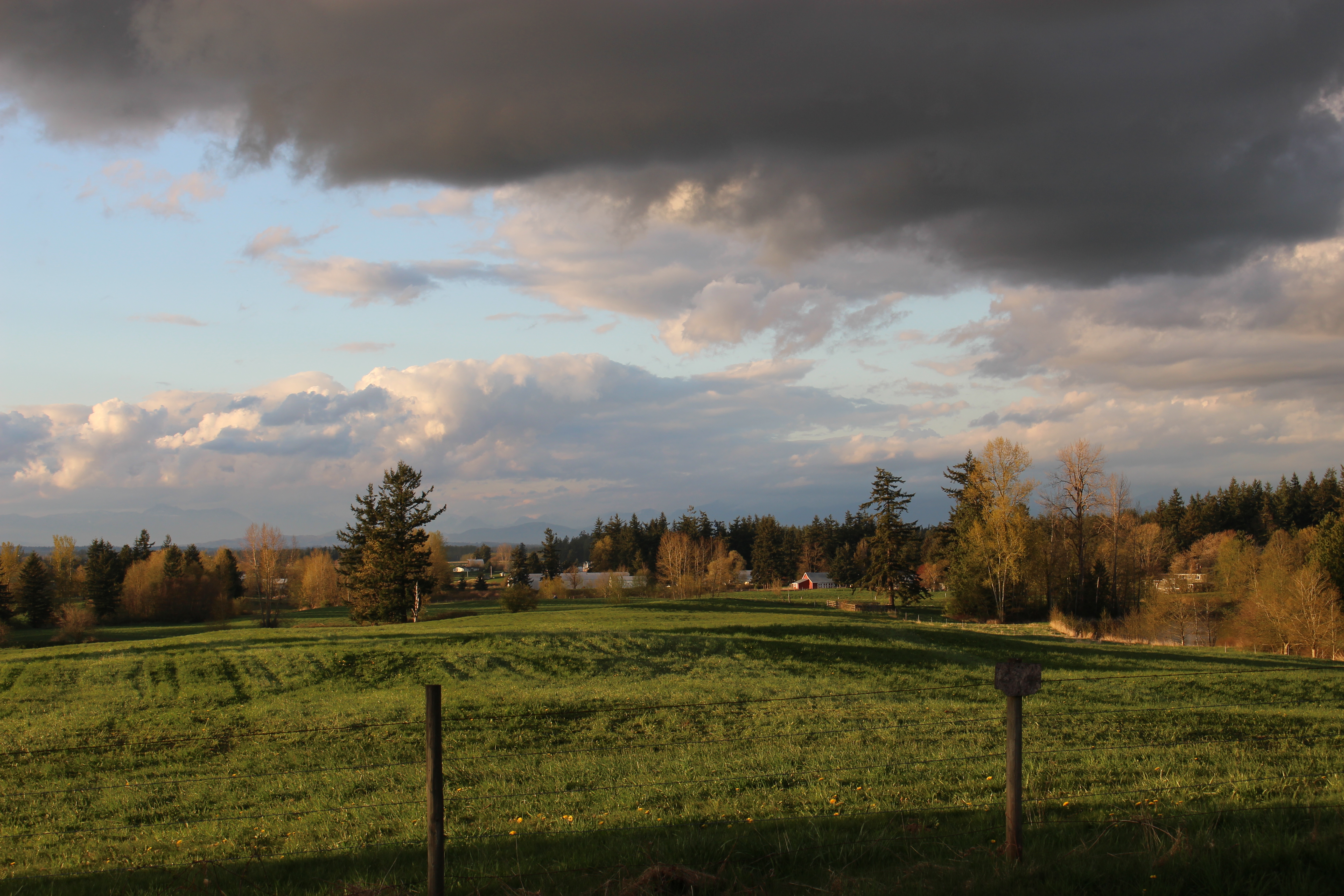
I am a visitor here, even though we’ve lived here for more than 30 years.
There is something to be discovered in the field each day if I make an effort to look and listen.
My Merlin app on my phone tells me the birds I hear around me. A photo of a wildflower or weed is identified by Google. The jet flight tracks overhead are pinpointed by another app saying who is flying where.
Yet I’m placed right here by my Maker. He knows where I am at all times, the words I write, the thoughts I pray.
I try to be at peace in these turbulent times: to be sure of this life I’m given, to be sure to Whom I belong, to simply open my wings to the light, to be ready to fly when my time comes.
AI image created for this post
One-Time
Monthly
Yearly
Make a one-time or recurring donation to support daily Barnstorming posts
“Open thy mouth wide, and I will fill it,” reads the needlepoint above the dentist’s door, beyond which “Little Learners” are doing time in the chair. One at a time, up and down, they practice how to be not afraid, to tip their chins, spit. And then to brush in circles gently for two minutes. No blood today, no needles, drills, just a plastic sack of gifts: a magnet of a happy tooth, a purple toothbrush, paste. …when they’re all lined up and holding hands in pairs, they lift their faces as if toward God to the camera. Having been happily trained for pain, they flash their unharmed smiles, and in my mind, I exit with them, all my ex-selves, mittens attached to their jackets, bright and unbreakable. ~Dierdre O’Connor from “At the Dentist’s” from The Cupped Field
One thing I like less than most things is sitting in a dentist chair with my mouth wide open. And that I will never have to do it again is a hope that I am against hope hopen.
Because some tortures are physical and some are mental, But the one that is both is dental. It is hard to be self-possessed With your jaw digging into your chest.
So hard to retain your calm When your fingernails are making serious alterations in your life line or love line or some other important line in your palm;
So hard to give your usual effect of cheery benignity When you know your position is one of the two or three in life most lacking in dignity.
And your mouth is like a section of road that is being worked on. And it is all cluttered up with stone crushers and concrete mixers and drills and steam rollers and there isn’t a nerve in your head that you aren’t being irked on.
Oh, some people are unfortunate enough to be strung up by thumbs. And others have things done to their gums, And your teeth are supposed to be being polished, But you have reason to believe they are being demolished. And the circumstance that adds most to your terror Is that it’s all done with a mirror, Because the dentist may be a bear, or as the Romans used to say, only they were referring to a feminine bear when they said it, an ursa, But all the same how can you be sure when he takes his crowbar in one hand and mirror in the other he won’t get mixed up, the way you do when you try to tie a bow tie with the aid of a mirror, and forget that left is right and vice versa?
And then at last he says That will be all; but it isn’t because he then coats your mouth from cellar to roof With something that I suspect is generally used to put a shine on a horse’s hoof.
And you totter to your feet and think. Well it’s all over now and after all it was only this once. And he says come back in three monce. And this, O Fate, is I think the most vicious circle that thou ever sentest, That Man has to go continually to the dentist to keep his teeth in good condition when the chief reason he wants his teeth in good condition is so that he won’t have to go to the dentist. ~Ogden Nash “This is Going to Hurt a Little Bit”
Yesterday, as I rested comfortably in the dental chair for a repair of two decades-old fillings in my front teeth, I thought about my childhood dental experiences over 60 years ago.
There was the little round basin with swirling water next to the chair where I was told to spit the bloody stuff accumulating in my mouth as they drilled out the cavities.
Cavities were drilled and filled without novocaine for children. The injection was considered more traumatic than the sensation of the drill. I was a very compliant child, stoic when I was told to be, but tightly gripped the arm rests of that old dental chair as the high-pitched whir of the drill sent pain from my tooth into my brain.
It was, in a word, torture. But that’s how things were done back then.
I did get novocaine injections for several tooth extractions necessary for orthodontia to correct my crooked teeth. No numbing gel, no slow infiltration of the anesthetic into the gums, just one scary giant needle into the gums or hard palate.
I gripped the arm rests even tighter for that.
Dentists back didn’t want to torture children. They simply weren’t trained to do it differently. They didn’t wear gloves, only washing their hands between patients. And they had plenty of on-the-job hazards themselves with mercury exposure and being bitten.
In fact, my childhood dentist was so impressed with my stoicism, he later hired me as a high schooler to be his chair-side assistant several days a week after school. I learned many skills, helping people of all ages cope with a painful experience, but also learned I didn’t have what it takes to be a patient dentist.
I love my current dentist’s gentle technique, his pain-free injection of anesthesia, his reassuring banter and frequent check-ins (“you doing okay?”). Too many older adults still struggle all these years later with dentist-phobia, avoiding routine cleanings and check-ups. I still have all my teeth thanks to several incredibly skilled dental artisans over the decades who have saved my enamel with their sculpted crowns and fillings. I am beyond grateful for their care.
So I sit in the dental chair, put on the sunglasses, and gladly open wide for them.
But, I can’t help it, out of habit and reflex, I still grip the arm rests too tightly.
One-Time
Monthly
Yearly
Make a one-time or recurring donation to support daily Barnstorming posts















 Barnstorming