A Full Circle Remembrance Day

weddingMy parents Henry and Elna Polis on their wedding day,
Dec. 24, 1942, Quantico, Virginia
He shipped out to the South Pacific front one week later,
not to return until June 1945


Sometimes, as a child,  when I was bored, I’d grab a step ladder, pull it into our hallway, climb half way up and carefully lift the plywood hatch that was the portal to our unlit attic.  It took some effort to climb up into the attic from the ladder, juggling a flashlight at the same time, but once seated safely on the beams above our ceiling, being careful not to put my foot through the carpet of insulation, I could explore what was stowed and normally inaccessible to me.

All the usual attic-type things were put up there:  Christmas ornaments and lights,  baby cribs and high chairs,  lamps and toys no longer used.  Secrets to my parents’ past were stored away there too.  It was difficult imagining them as young children growing up on opposite sides of the state of Washington, in very different circumstances, or as attractive college students who met at a dance, or as young marrieds unencumbered by the daily responsibilities of a family.  The attic held those images and memories like a three dimensional photo album.

My father’s dark green Marine Corps cargo trunk was up there, the one that followed him from Officer Training in Quantico, Virginia, to beach and mountain battles on Tarawa, Tinian and Saipan in the South Pacific, and three years later back home again.  It had his name and rank stenciled on the side in dark black lettering.  The buckles were stiff but could be opened with effort, and in the dark attic, there was always the thrill of unlatching the lid, and shining the flashlight across the contents.  His Marine Corps dress uniform lay inside underneath his stiff brimmed cap.  There were books about protocol, and a photo album which contained pictures of “his men” that he led in his battalion, and the collection of photos my mother sent of herself as she worked as a high school teacher back home.

Most fascinating was a folded Japanese flag inside a small drawstring bag, made of thin white see-through cloth with the bold red sun in the middle.  Surrounding the red sun were the delicate inked characters of many Japanese hands as if painted by artists, each wishing a soldier well in his fight for the empire.  Yet there it was, a symbol of that soldier’s demise, itself buried in an American attic, being gently and curiously held by an American daughter of a Marine Corps captain.  It would occur to me in the 1960s that some of the people who wrote on this flag might still be living, and certainly members of the soldier’s family would still be living.  I asked my father once about how he obtained the flag, and he, protecting me and himself, waved me away, saying he couldn’t remember.  I know better now.  He knew but could not possibly tell me the truth.

These flags, charms of good luck for the departing Japanese soldier as he left his neighborhood or village for war, are called Hinomaru Yosegaki (日の丸寄せ書き).  Tens of thousands of these flags came home with American soldiers; it is clear they were not the talisman hoped for.  A few of these flags are now finding their way back to their home country, to the original villages, to descendants of the lost soldiers.  My brother, who now has the flag, has returned it as well to its rightful owners.

Seventy some years ago doesn’t seem that long, a mere drop in the river of time.  There is more than mere mementos that have flowed from the broken dam of WWII, flooding subsequent generations of Americans, Japanese, Europeans with memories that are now lost as the oldest surviving soldiers in their 90’s pass, hundreds of them daily, taking their stories of pain and loss and heroism with them.   My father could never talk with a person of Asian descent, Japanese or not, without stiffening his spine and a grim set to his jaw.  He never could be at ease or turn his back.  As a child, I saw and felt this from him, but heard little from his mouth.

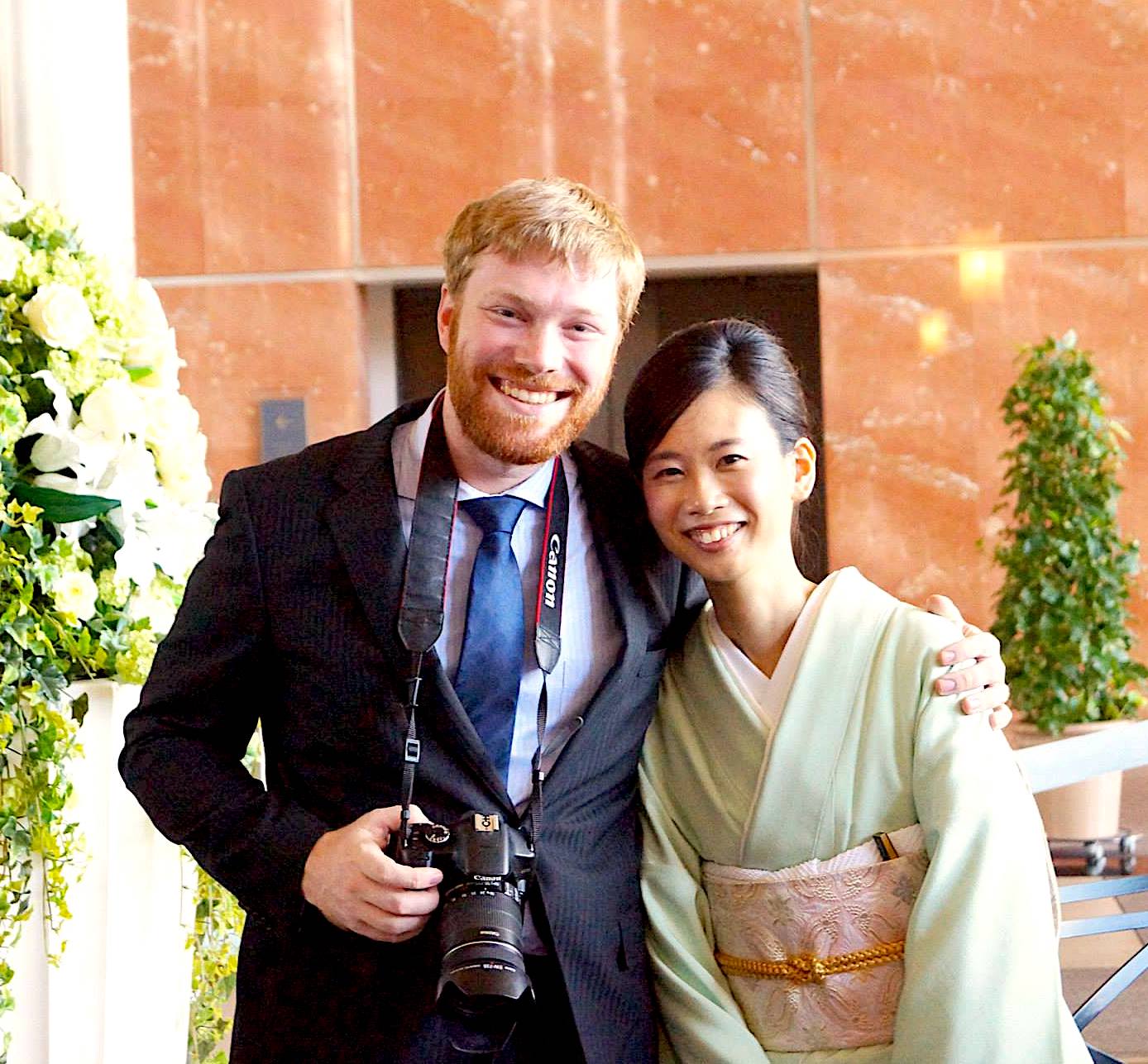
When he was twenty two years old,  pressed flat against the rocks of Tarawa, trying to melt into the ground to become invisible to the bullets whizzing overhead, he could not have conceived that sixty five years later his twenty two year old grandson would disembark from a jumbo jet at Narita in Tokyo, making his way to an international school in that city to teach Japanese children.  My father would have been shocked that his grandson would settle happily into a culture so foreign, so seemingly threatening, so apparently abhorrent.   Yet this irony is the direct result of the horrors of that too-long horrible bloody war of devastation: Americans and Japanese, despite so many differences, have become the strongest of allies, happily exchanging the grandchildren of those bitterly warring soldiers back and forth across the Pacific.  I care for Japanese exchange students daily in my University clinic, peering intently into their open faces and never once have seen the enemy that my father knew.

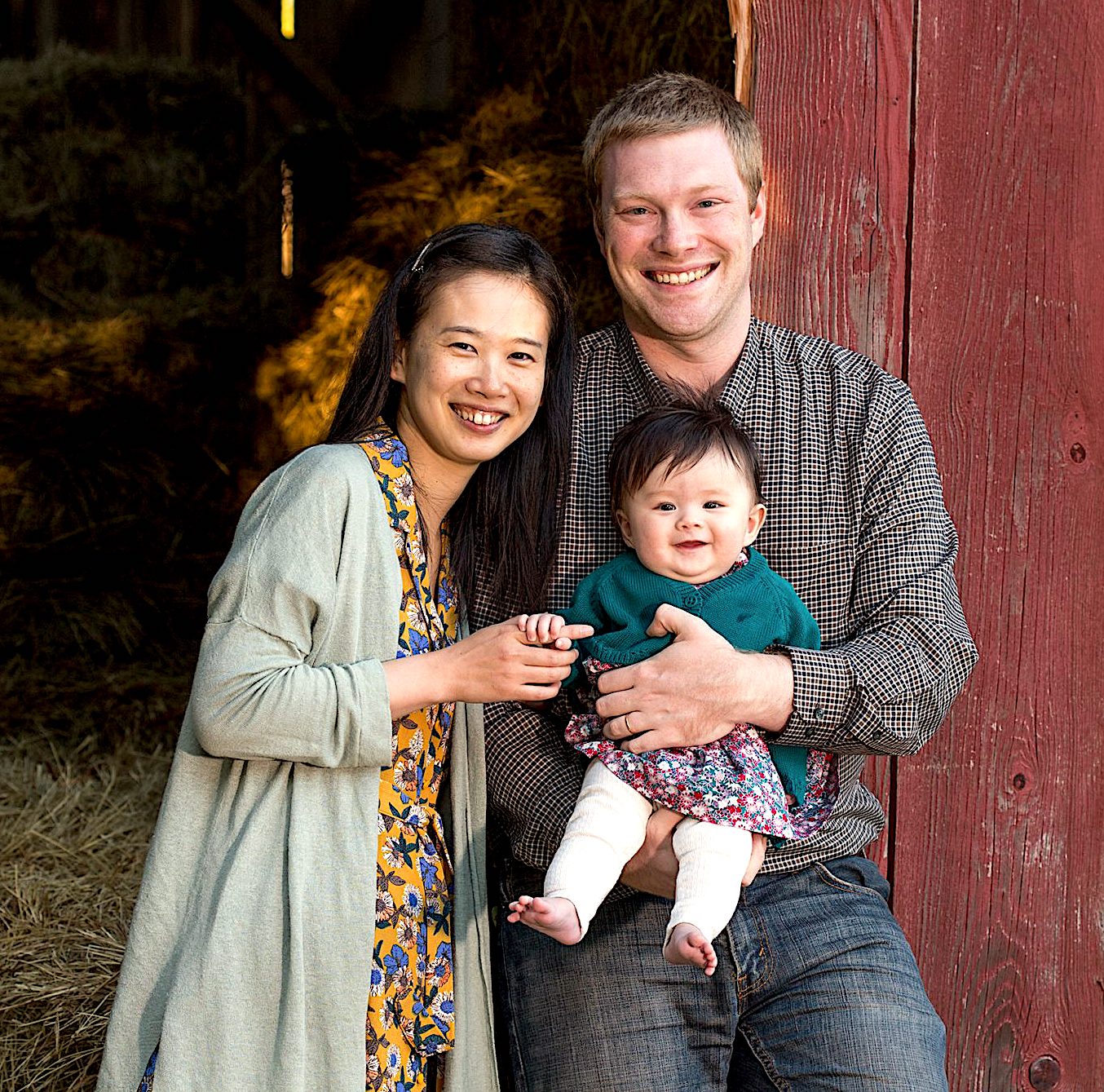
More than seventy years later, my son still teaches, with deep admiration and appreciation for each of his students, those grandchildren and greatgrandchildren of the soldiers my father hated and likely killed.  Not only does my son teach, but he married a granddaughter of those my father fought.  Their daughter is the perfect amalgam of once warring, yet now peaceful, cultures; symbol of blended and blending peoples overcoming the hatred of past generations.

In coming to the land of the red sun, in coming full circle, my father’s descendant, the teacher and missionary,  redeems my father, the warrior.

It is, on this Remembrance Day,  as it was meant to be.
 

natetomomi2014


natetomomiemma2017


A State of the Soul

1031drops7


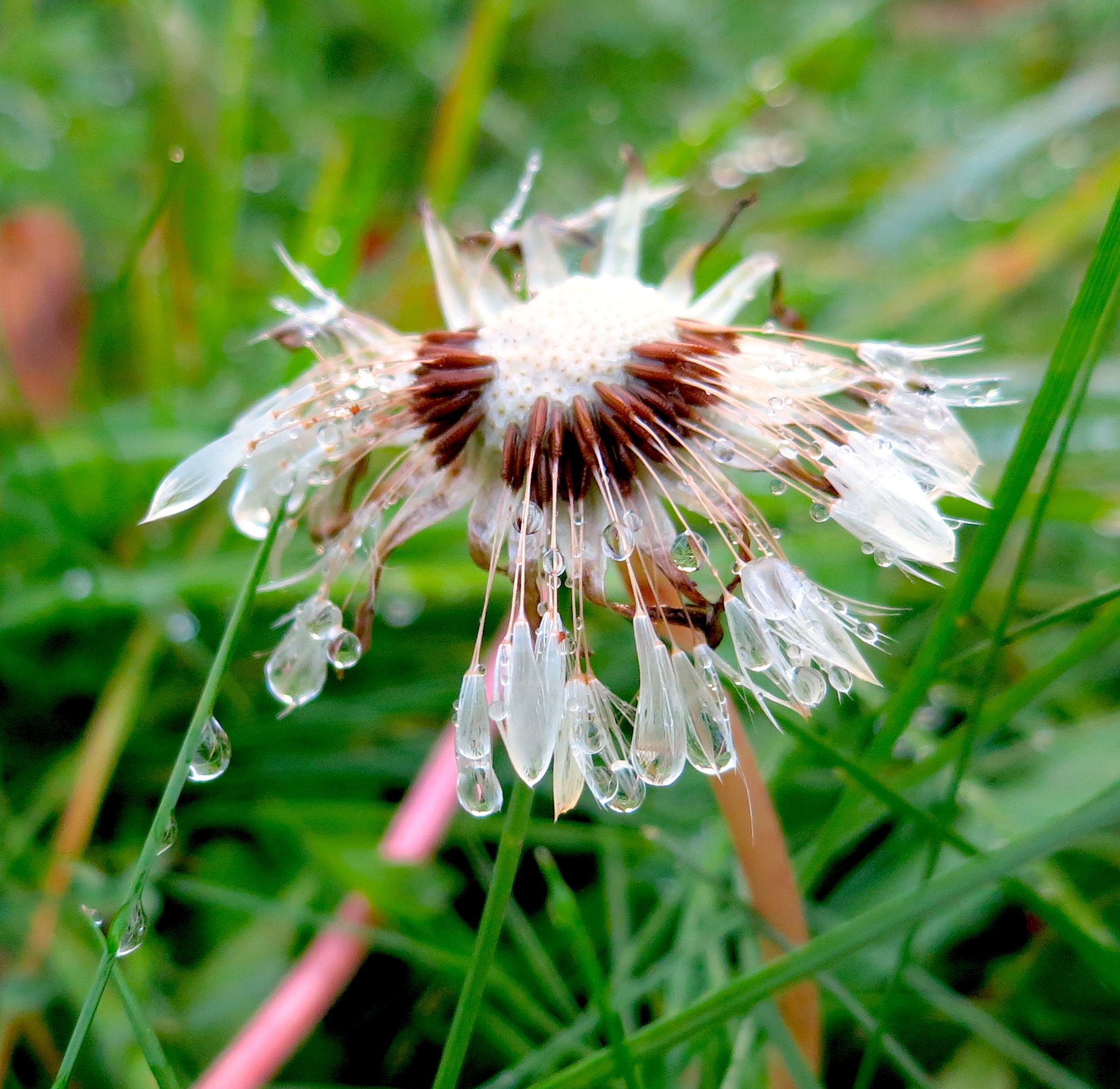
raindrops111415


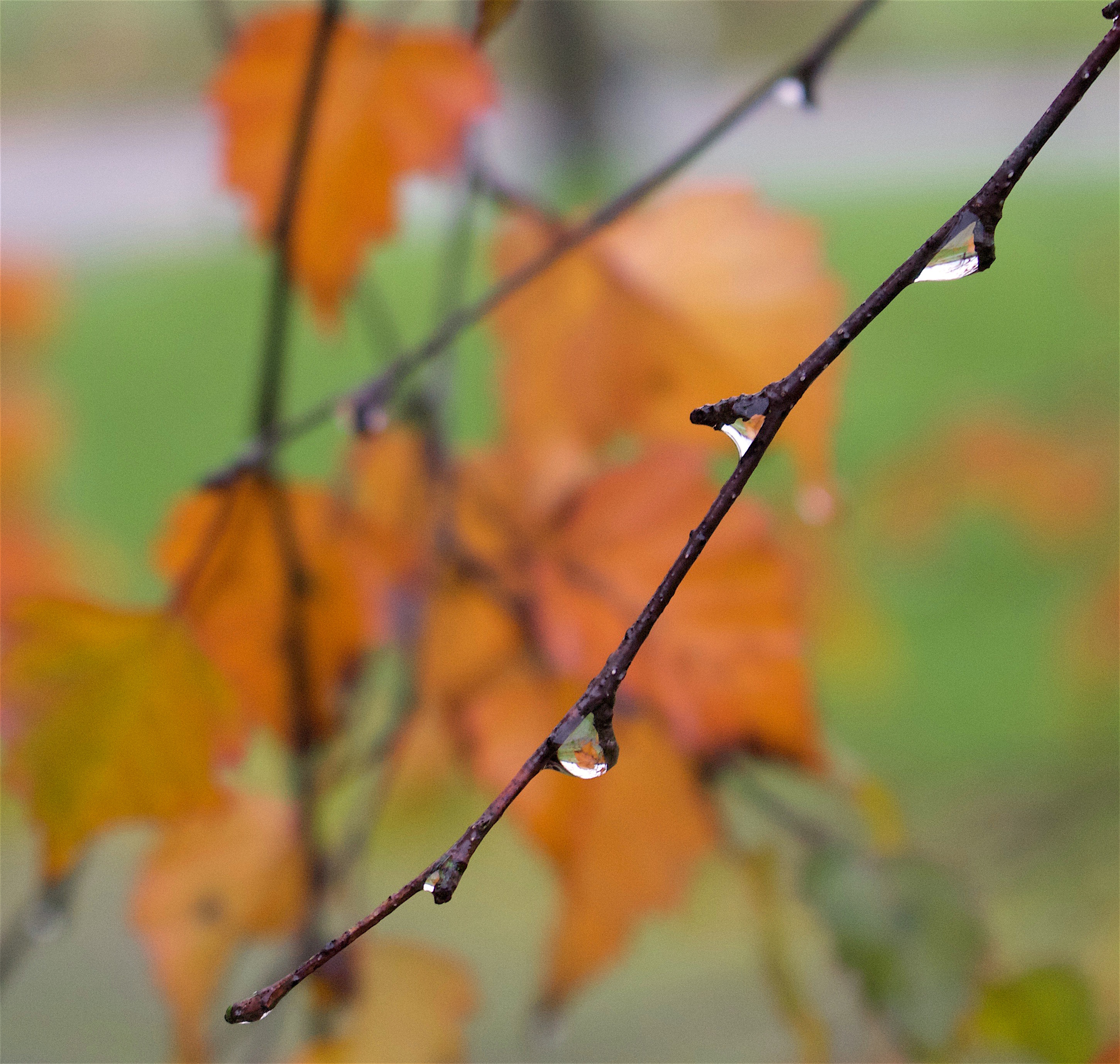
A fine rain was falling, and the landscape was that of autumn.  
The sky was hung with various shades of gray, 
and mists hovered about the distant mountains
– a melancholy nature.  
Every landscape is, 
as it were, 
a state of the soul, 
and whoever penetrates into both 
is astonished to find how much likeness there is in each detail.
~Henri Frederic Amiel


fogdrops7


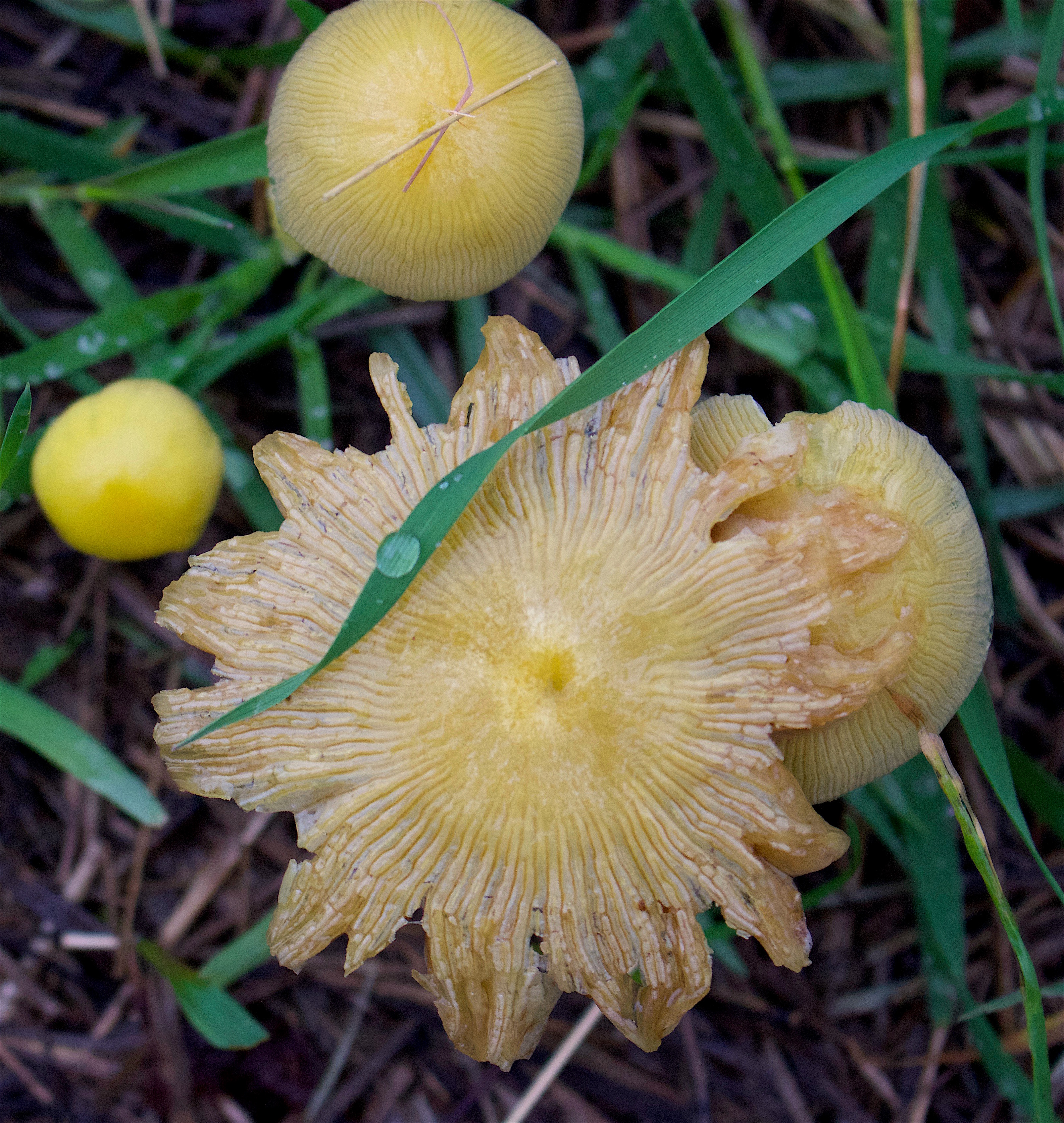
mushrooms1031151


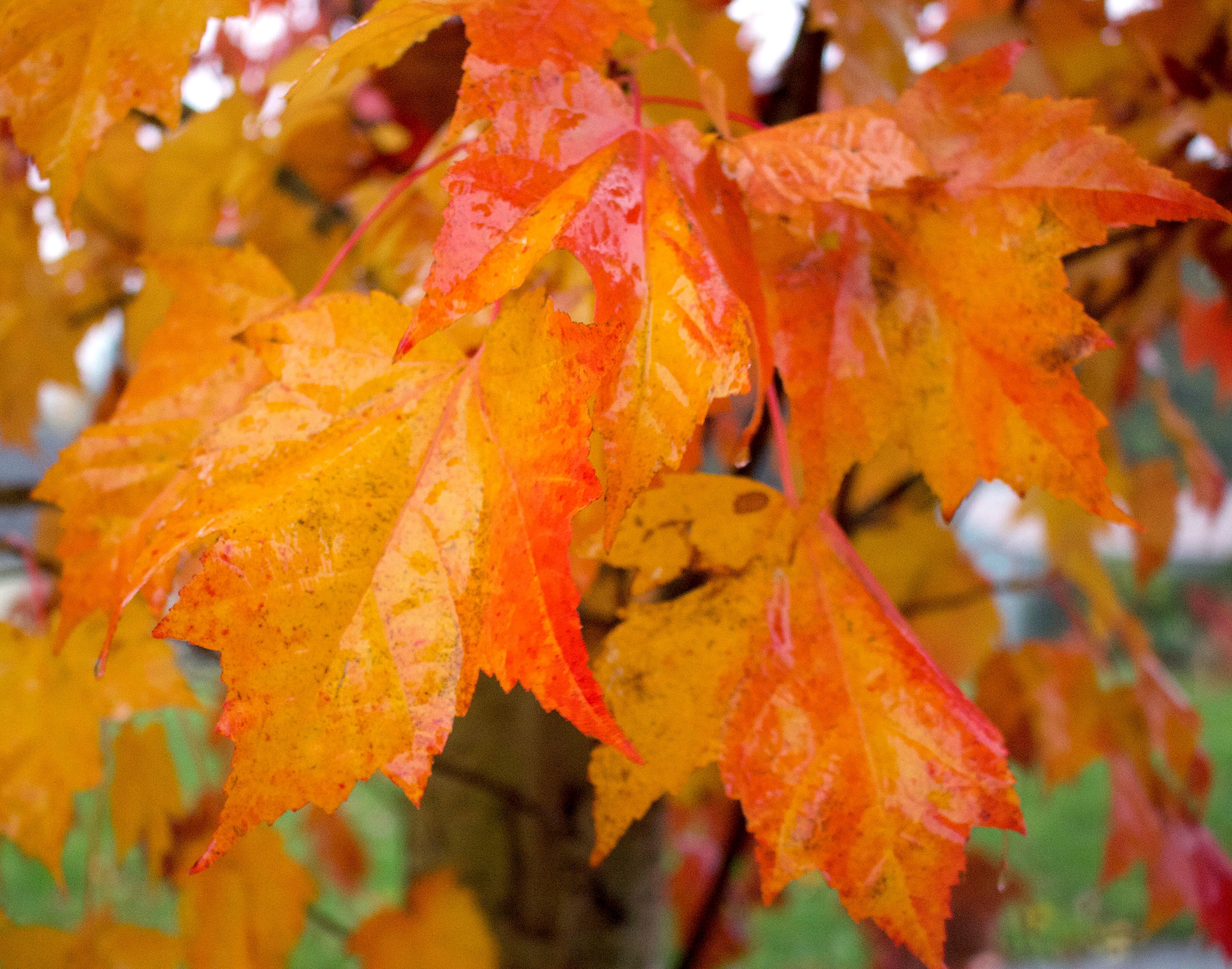
wetoctleavs


What is melancholy
at first glance
glistens bejeweled
when studied up close
in the right light.

It can’t be all sadness~
there is solace in knowing
the landscape and I share
~a state of the soul~
an inner world of tears
nevertheless forever illuminated.


foggydrops17


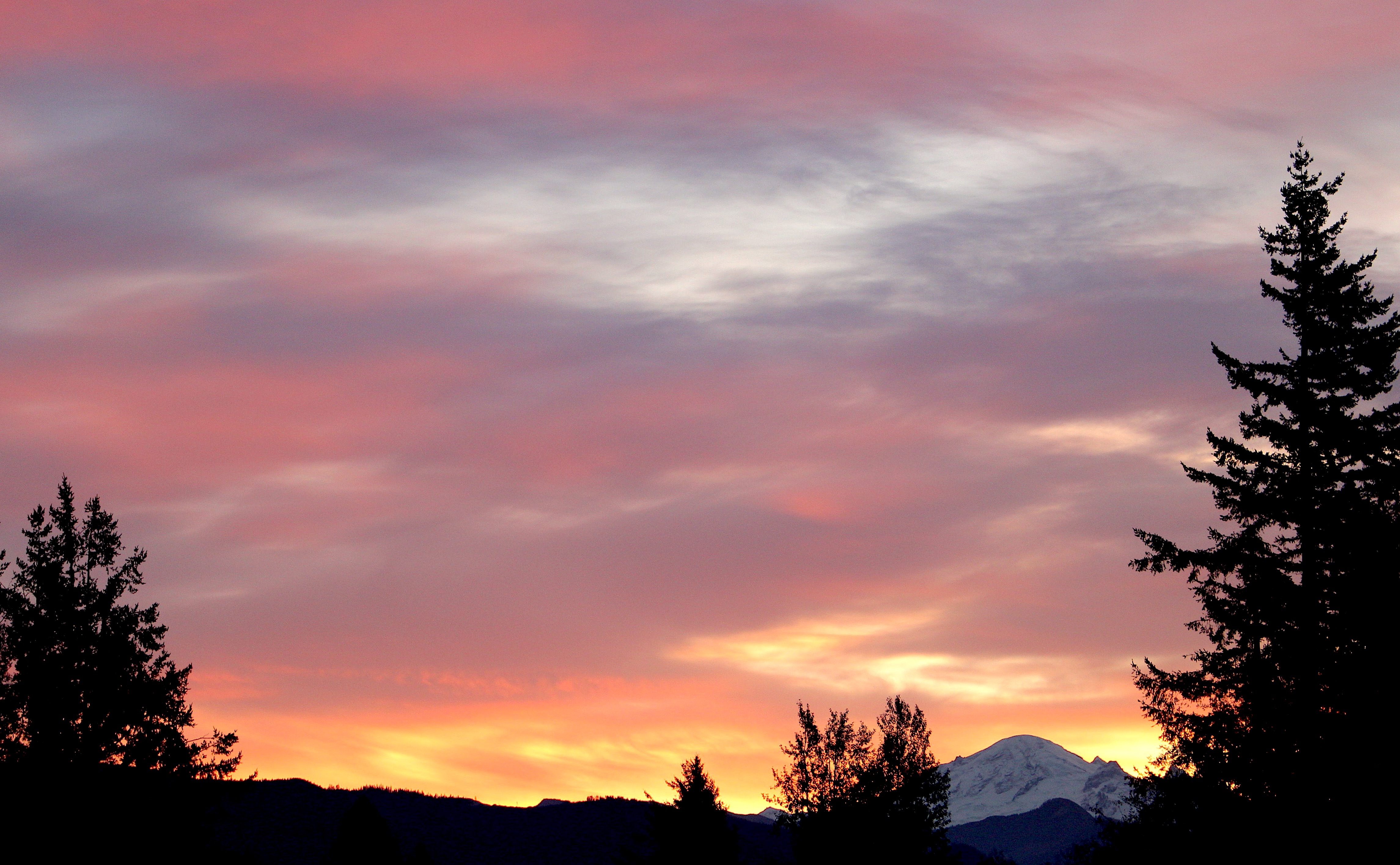
sunrise109171

You Are Worth Profound Care

morning113157


needabath


You can change the world with a hot bath,
if you sink into it from a place of knowing
you are worth profound care,
even when you are dirty and rattled.
Who knew?
~Anne Lamott from Small Victories


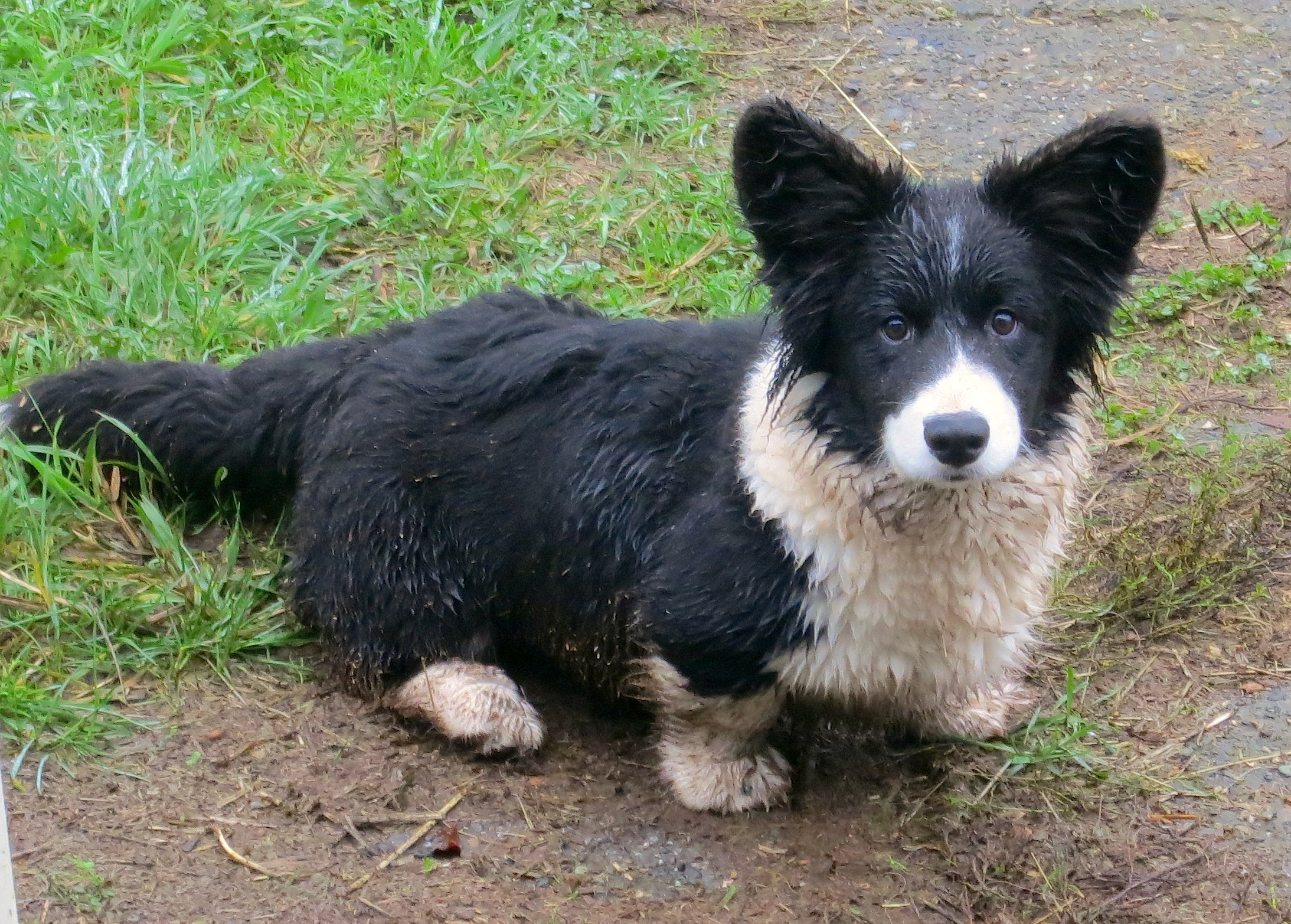
dirtypup


As a farmer, I spend at least a part of every day muddy and up to my elbows in muck.  I call my barn life “the real stuff” when the rest of my day is spent dealing with “virtual stuff ” which leaves me dirty and rattled nonetheless.  I prefer the real over virtual muck although it smells worse, leaves my fingernails hopelessly grimy and is obvious to everyone where I’ve been.

The stains of the rest of my day are largely invisible to all but me and far harder to scrub away.

It is so much easier to deal with the barnyard over bureaucracy; what soils us can be washed off and we’re restored for another day of wallowing in our muck boots.  On the farm is the grace of drawing up clean warm water, soaping with the suds that truly cleanse, a sinking down into a deep tub of renewal.

God knows well what a washing we need.


homerroll2


damppups

Financial Support for the Barnstorming Blog from our Readers

Your financial support helps to keep this blog an ad-free daily offering. Your contribution of any amount is encouragement to me and deeply appreciated.

$10.00

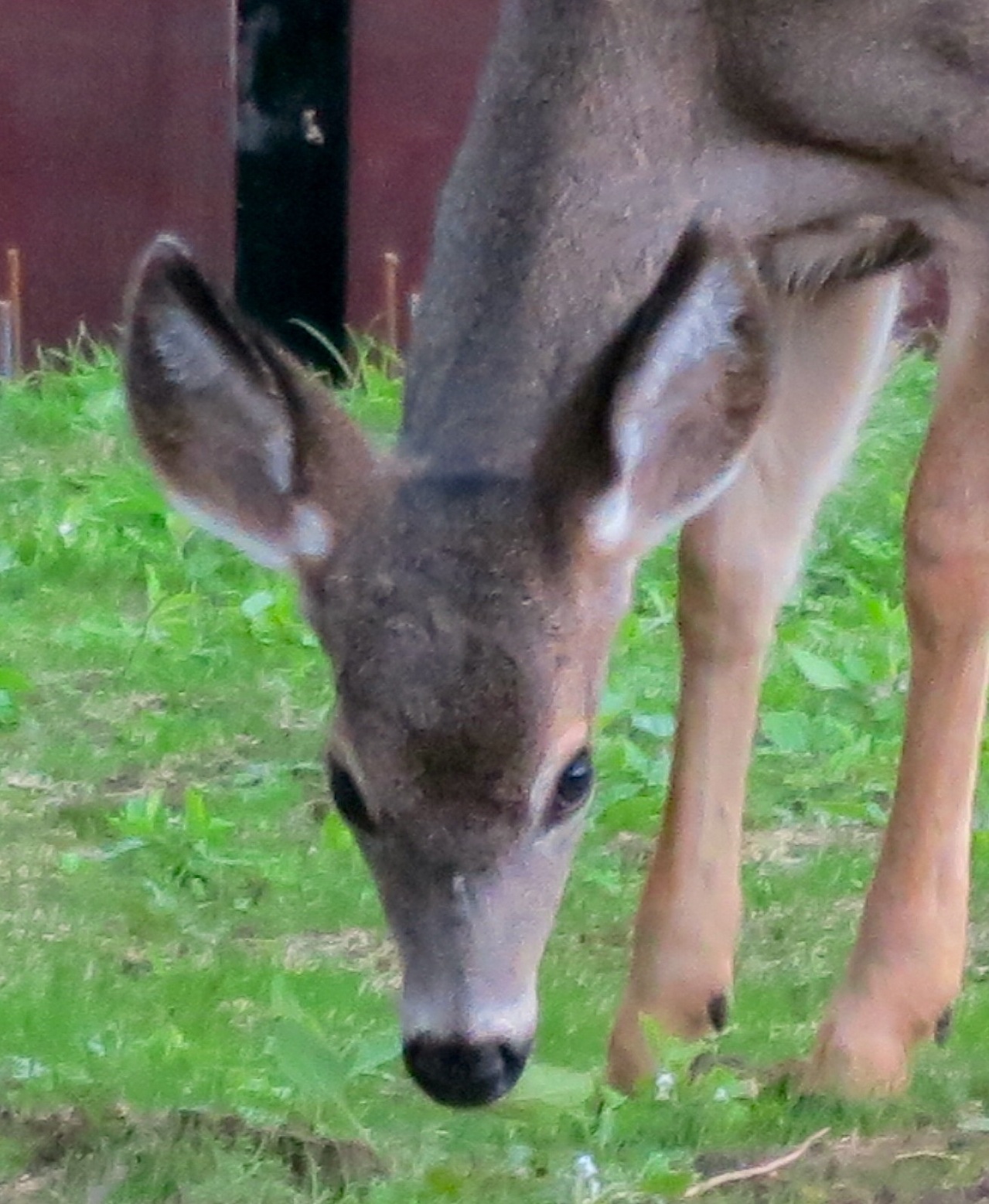
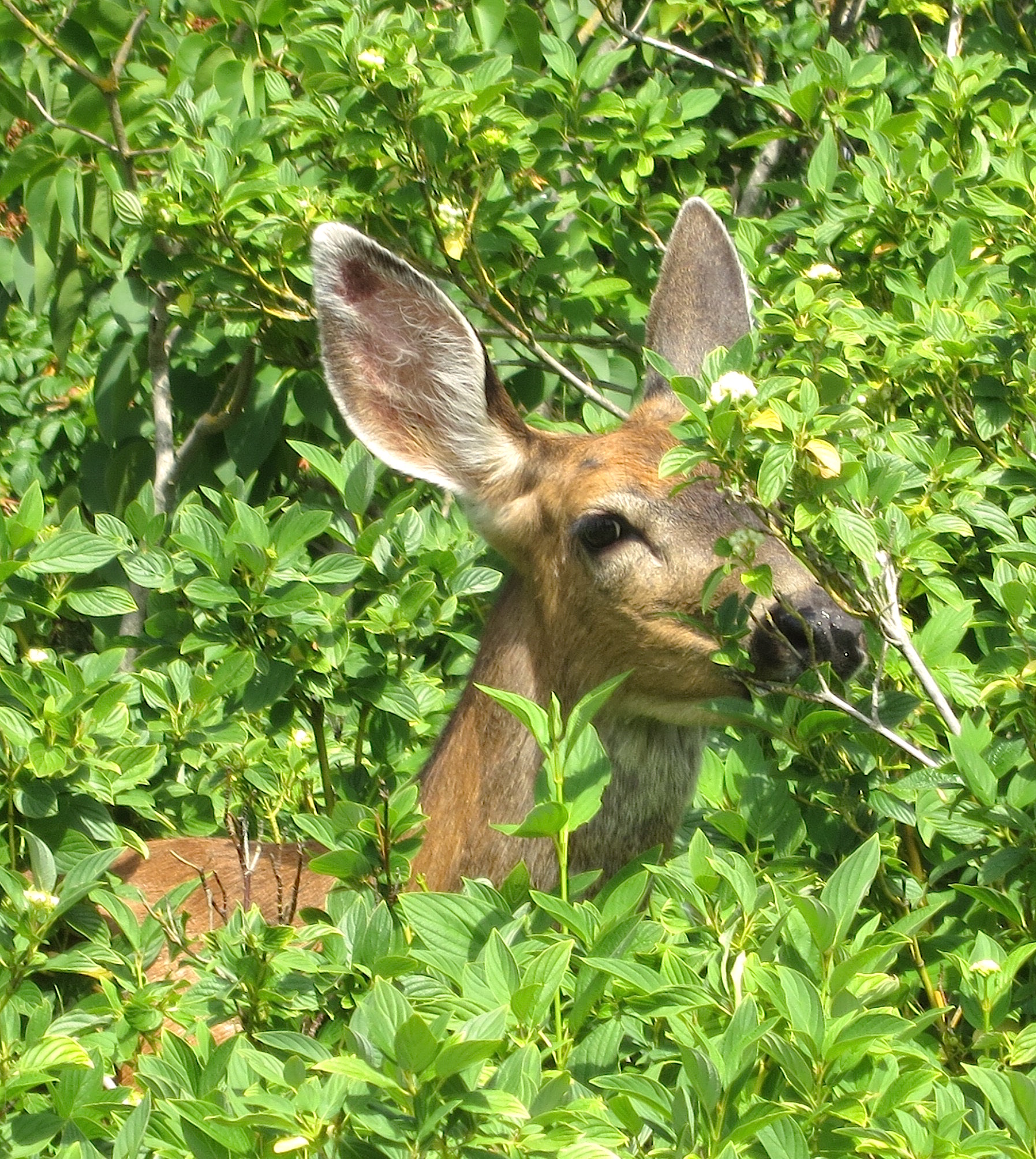
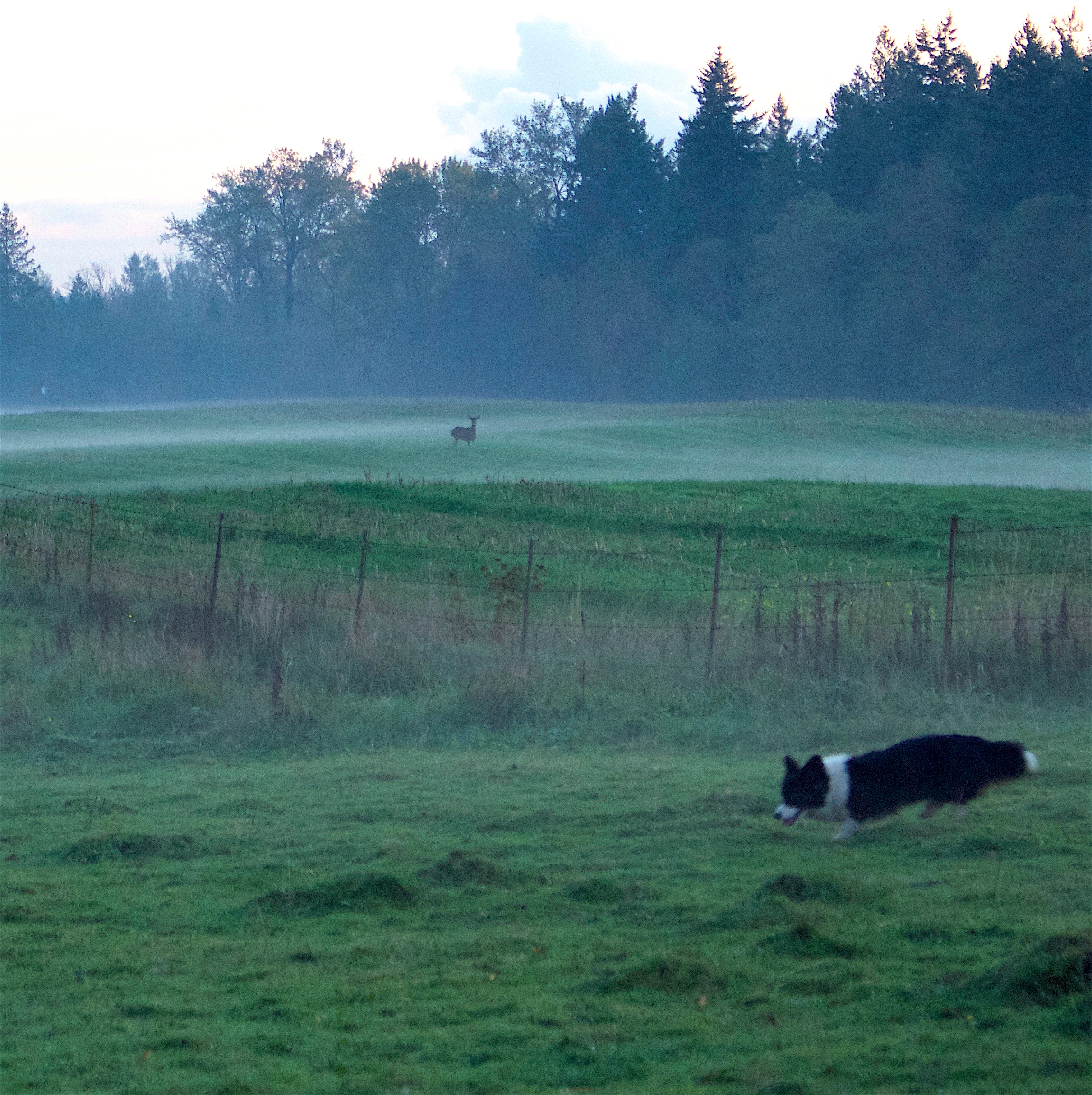
Among the Hunted

ahmama


wwudeer2


My first time ever
seated next to my mother
in a movie theater, just
a skinny four year old girl
practically folded up in half
by a large padded chair
whose seat won’t stay down,
bursting with anticipation
to see Disney’s Bambi.

Enthralled with so much color,
motion,  music, songs and fun
characters, I am wholly lost
in a new world of animated
reality when suddenly
Bambi’s mother looks up,
alarmed,  from eating
a new clump of spring grass
growing in the snow.

My heart leaps
with worry.
She tells him
to run
for the thicket,
the safest place where
she has always
kept him warm
next to her.

She follows behind,
tells him to run faster,
not to look back,
don’t ever look back.

Then the gun shot
hits my belly too.

My stomach twists
as he cries out
for his mother,
pleading for her.
I know in my heart
she is lost forever,
sacrificed for his sake.

I sob as my mother
reaches out to me,
telling me not to look.
I bury my face
inside her hug,
knowing Bambi
is cold and alone
with no mother
at all.

My mama took me home
before the end.
I could not bear to watch
the rest of the movie 
for years.

Those cries
still echo
in my ears
every time someone hunts and shoots
to kill the innocent.

Now, my own children are grown,
my mom is gone from this earth,
I can even keep the seat from folding
me up in a movie theater.

I return Sunday after Sunday
to the killing fields of the church pew
knowing mothers and fathers
sons and daughters
grandmothers and grandfathers
sisters and brothers
and babies were hunted down
inside the supposed safety
of the sanctuary,
taken from the warmth of the human thicket
where we hold each other close.

Their cries echo in my ears
where there is no longer innocence.


wwudeer1

Financial Support for the Barnstorming Blog from our Readers

Your financial support helps to keep this blog an ad-free daily offering. Your contribution of any amount is encouragement to me and deeply appreciated.

$10.00

A Muffled Whuff

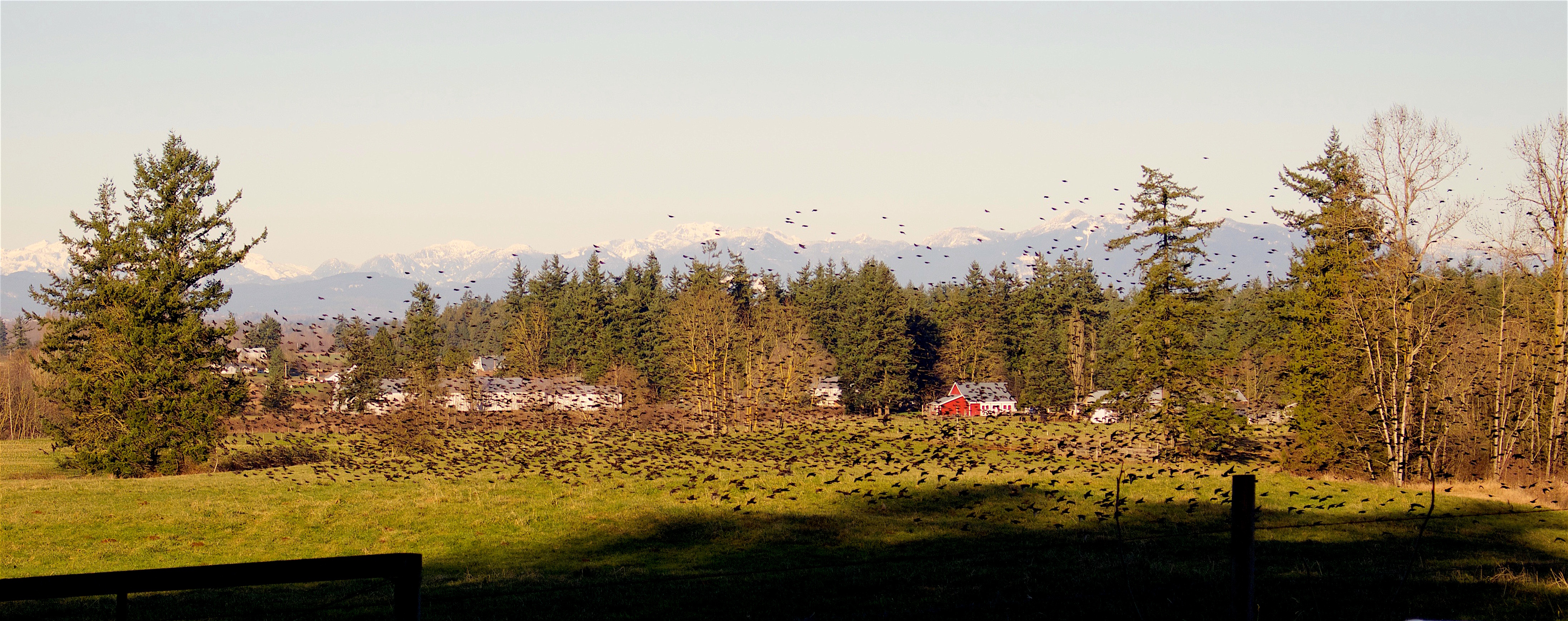
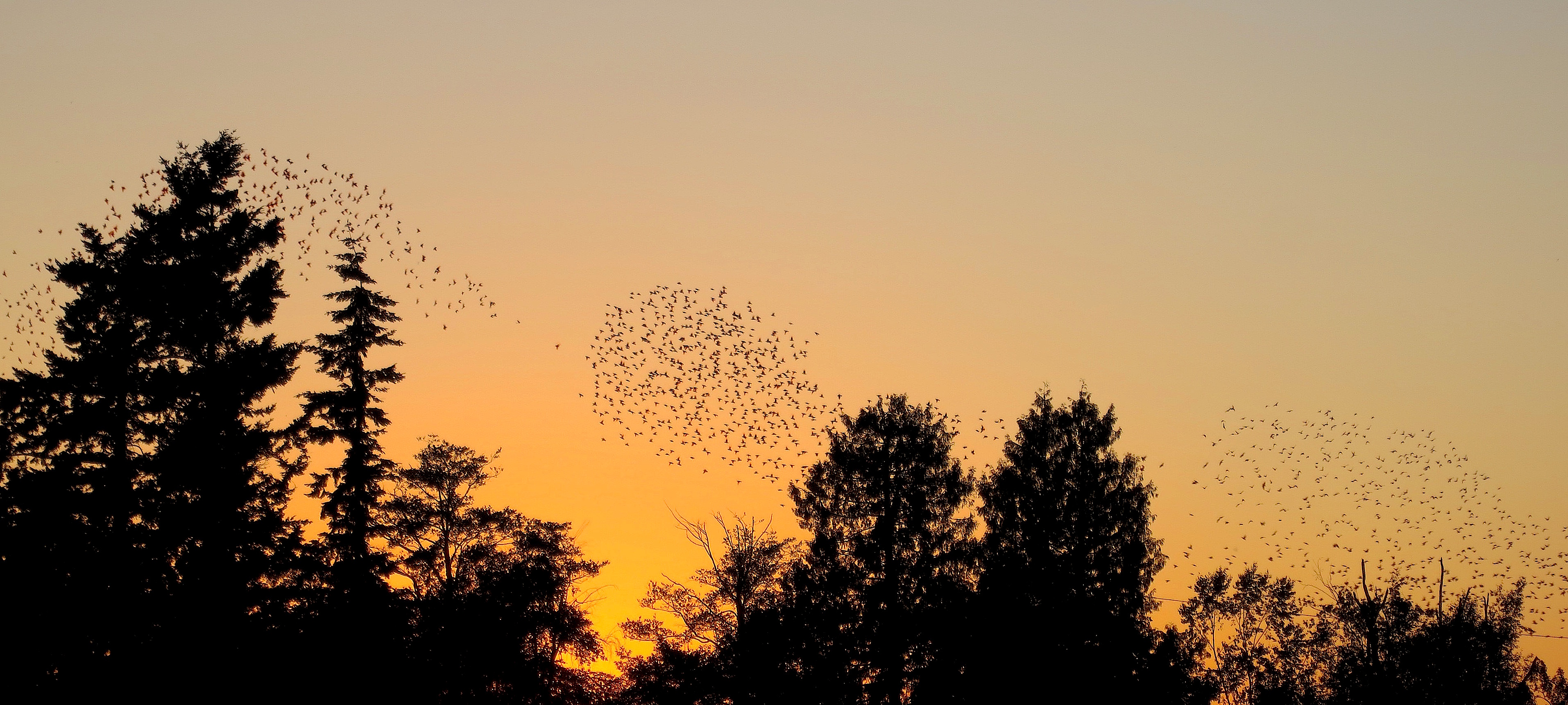
starlingmurmur3


murmur3


Out of the dimming sky a speck appeared,
then another, and another.
It was the starlings going to roost. 
They gathered deep in the distance,  flock sifting into flock,
and strayed towards me, transparent and whirling, like smoke.
They seemed to unravel as they flew,
lengthening in curves, like a loosened skein. 
I didn’t move;
they flew directly over my head for half an hour. 

Each individual bird bobbed and knitted up and down
in the flight at apparent random, for no known reason except
that that’s how starlings fly, yet all remained perfectly spaced.
The flocks each tapered at either end from a rounded middle, like an eye.
Overhead I heard a sound of beaten air, like a million shook rugs, a muffled whuff.
Into the woods they sifted without shifting a twig,
right through the crowns of trees, intricate and rushing, like wind.

Could tiny birds be sifting through me right now,
birds winging through the gaps between my cells,
touching nothing, but quickening in my tissues, fleet?
~Annie Dillard from Pilgrim at Tinker Creek


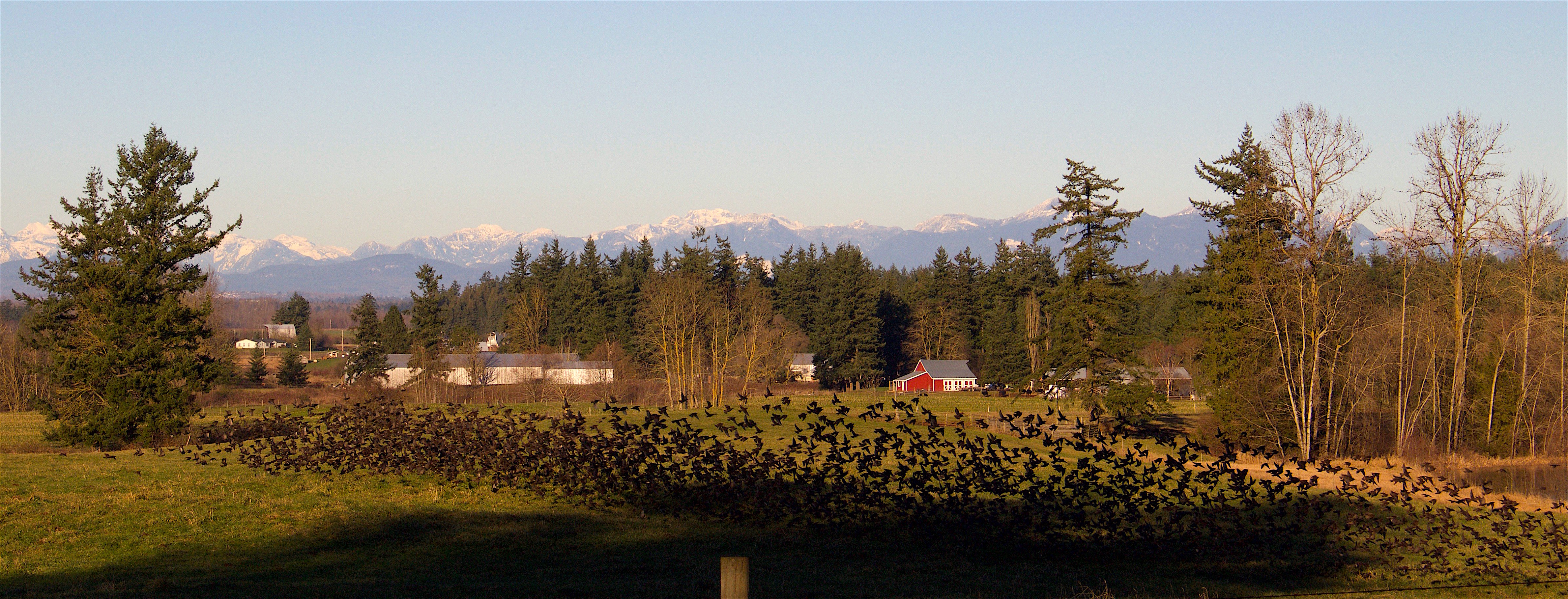
starlingmurmur2


Watching the starlings’ murmuration is a visceral experience – my heart leaps to see it happen above me.  I feel queasy following its looping amoebic folding and unfolding path.

Thousands of individual birds move in sync with one another to form one massive organism existing solely because each tiny component anticipates and cooperates to avoid mid-air collisions.  It could explode into chaos but it doesn’t.  It could result in massive casualties but it doesn’t.  They could avoid each other altogether but they don’t – they come together with a purpose and reasoning beyond our imagining. Even the silence of their movement has a discernible sound.

We humans are made up of just such cooperating component parts, that which is deep in our tissues, programmed in our DNA.  Yet we don’t learn from our designed and carefully constructed building blocks.  We have become frighteningly disparate and independent creatures, going our own way bumping and crashing without care.

We have lost our internal moral compass.

We shoot each other in the backs, even during school lessons or listening to music or engaging in acts of worship.  We watch each other bleed and die.

And do nothing yet again.

The sound of silence is muffled weeping.


starlingmurmur

All Seasons Sweet

sunrise1016153


sunrise10154


grapes2

The winter will be short, the summer long,
The autumn amber-hued, sunny and hot,
Tasting of cider and of scuppernong;
All seasons sweet, but autumn best of all.
The autumn frosts will lie upon the grass
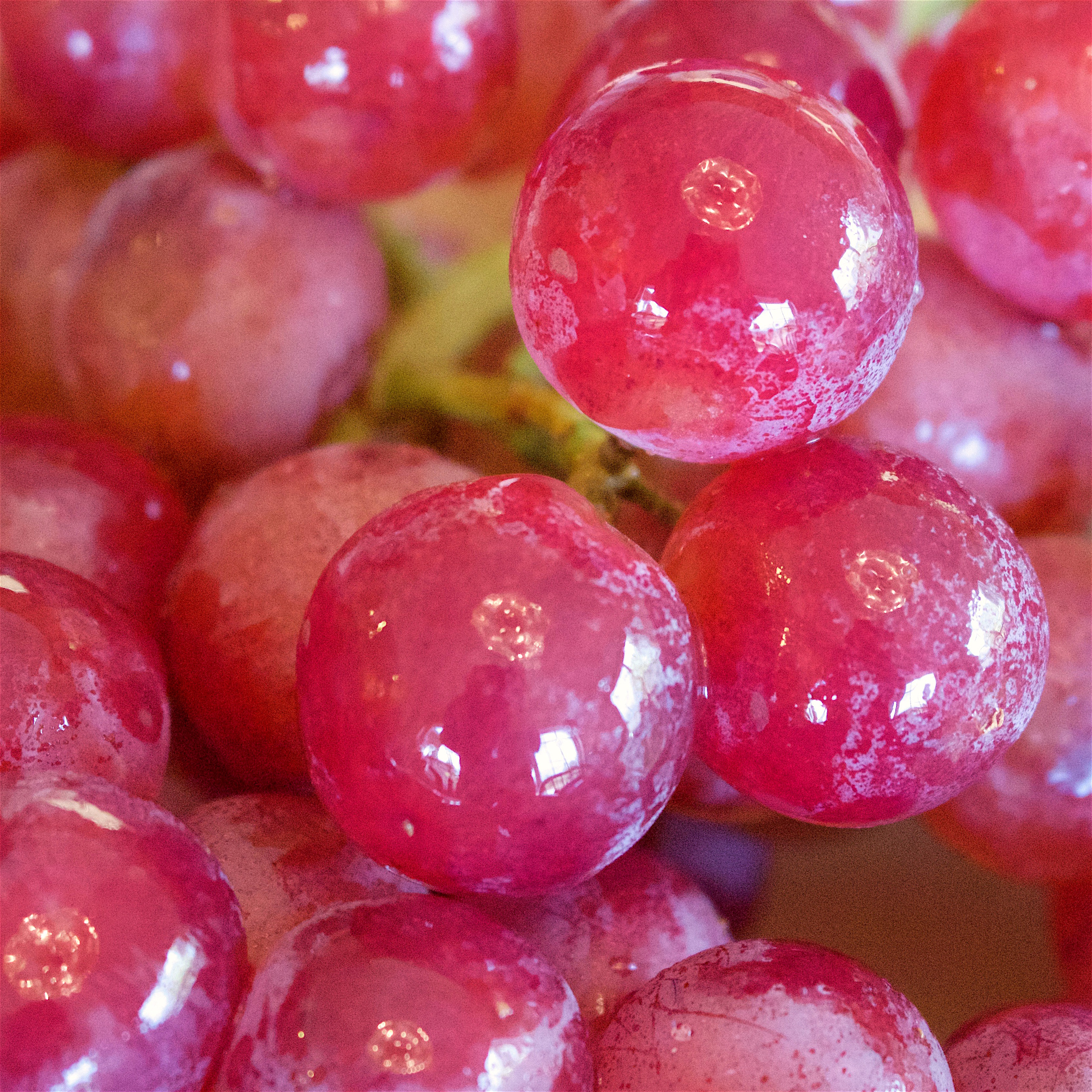
Like bloom on grapes of purple-brown and gold.
The misted early mornings will be cold;
The little puddles will be roofed with glass.
The sun, which burns from copper into brass,
Melts these at noon, and makes the boys unfold
Their knitted mufflers; full as they can hold
Fat pockets dribble chestnuts as they pass.
Down to the Puritan marrow of my bones 
There’s something in this richness that I hate. 
I love the look, austere, immaculate, 
Of landscapes drawn in pearly monotones. 
There’s something in my very blood that owns 
Bare hills, cold silver on a sky of slate, 
A thread of water, churned to milky spate 
Streaming through slanted pastures fenced with stones. 
I love those skies, thin blue or snowy gray, 
Those fields sparse-planted, rendering meagre sheaves
That spring, briefer than apple-blossom’s breath, 
Summer, so much too beautiful to stay, 
Swift autumn, like a bonfire of leaves, 
And sleepy winter, like the sleep of death.

~Elinor Wylie from “Wild Peaches”

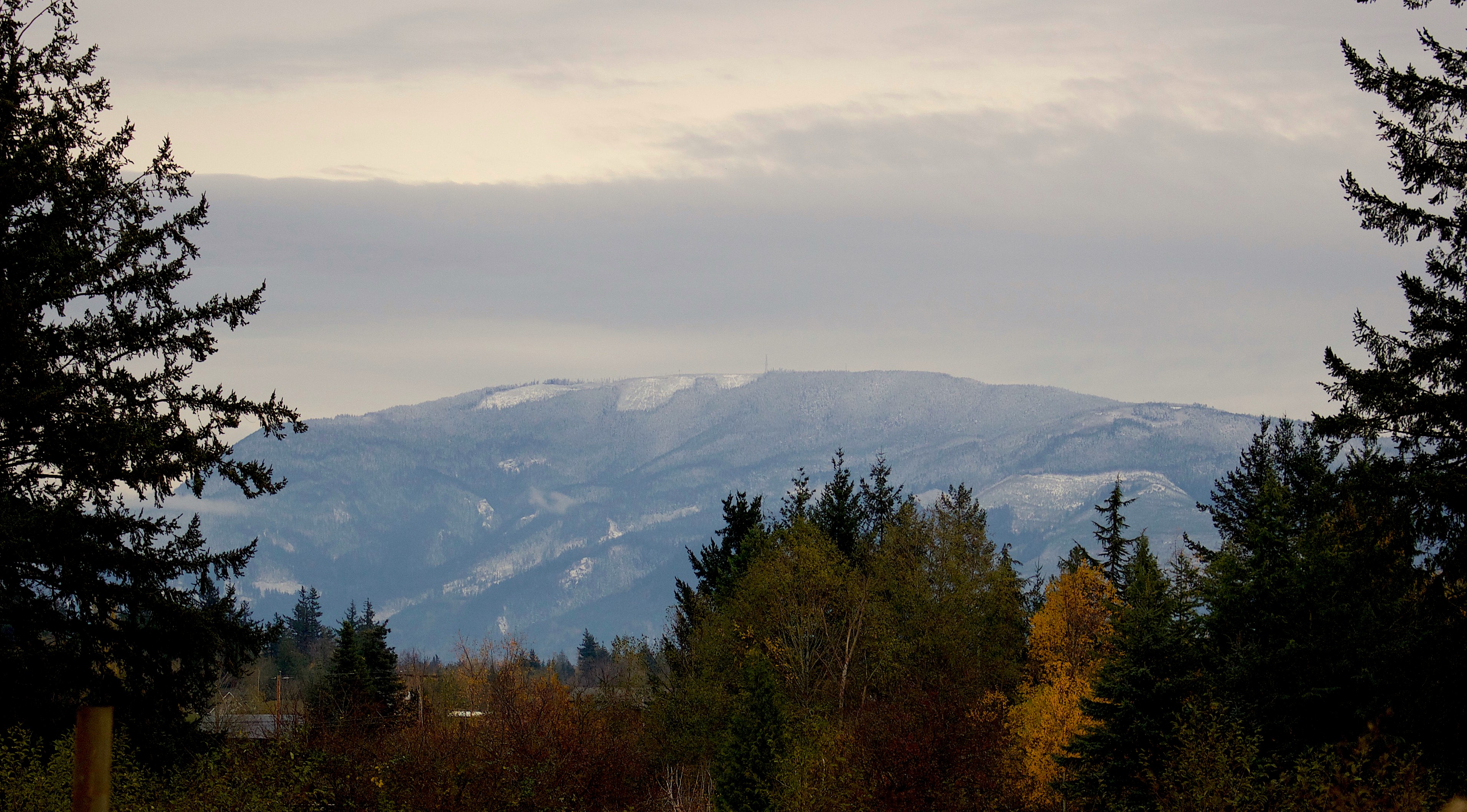
snowmountain
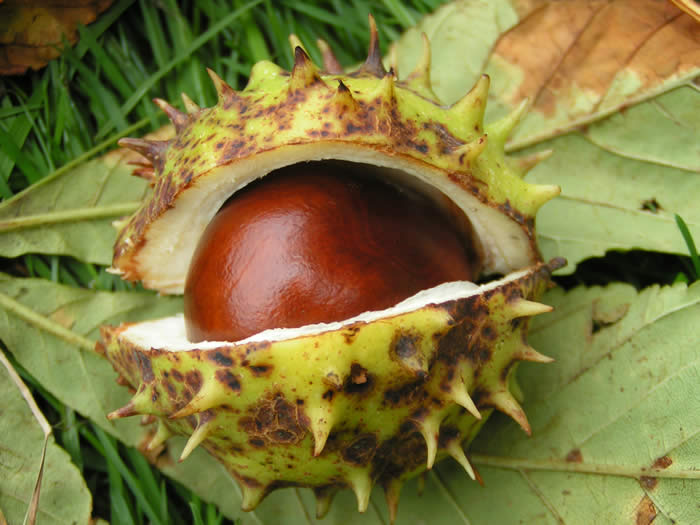
chestnutpod
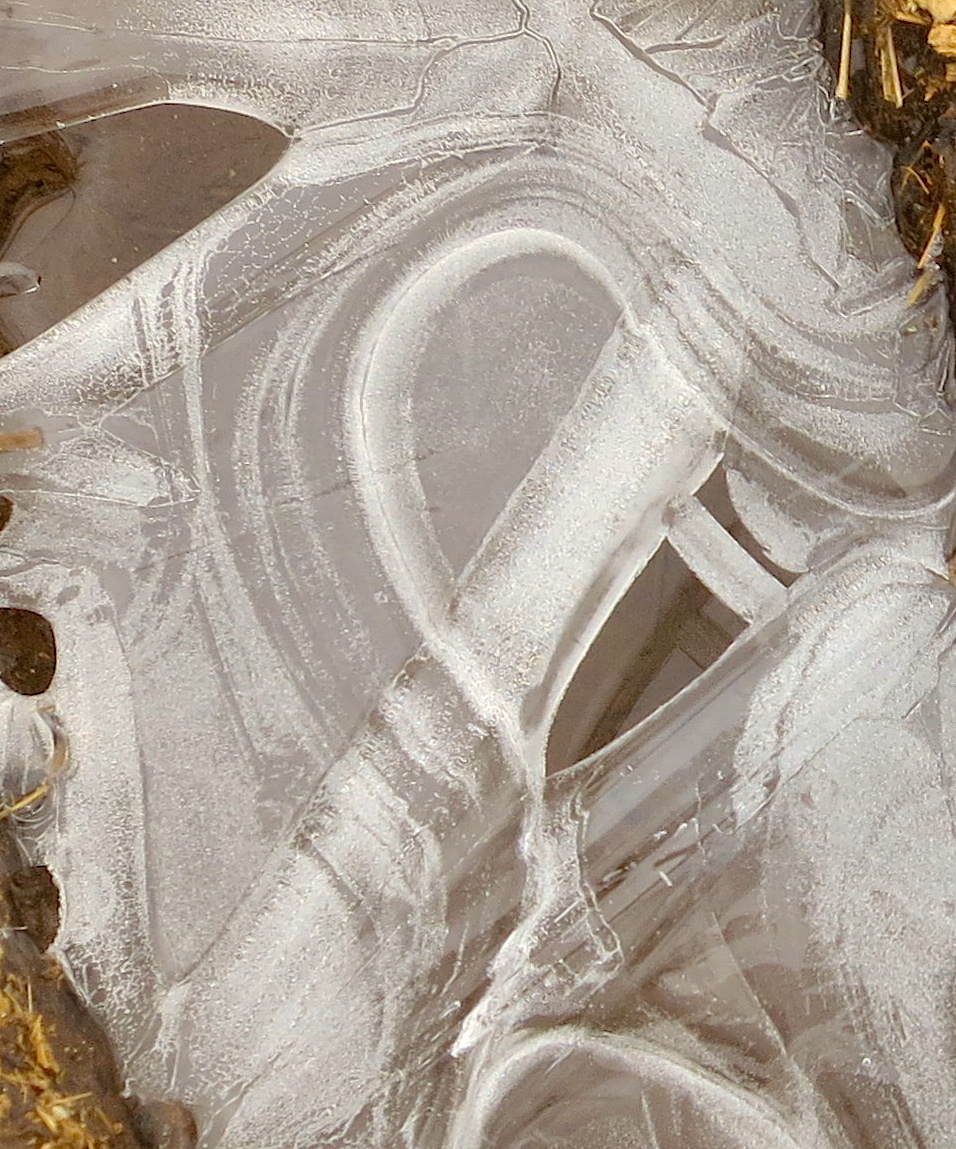
ice211
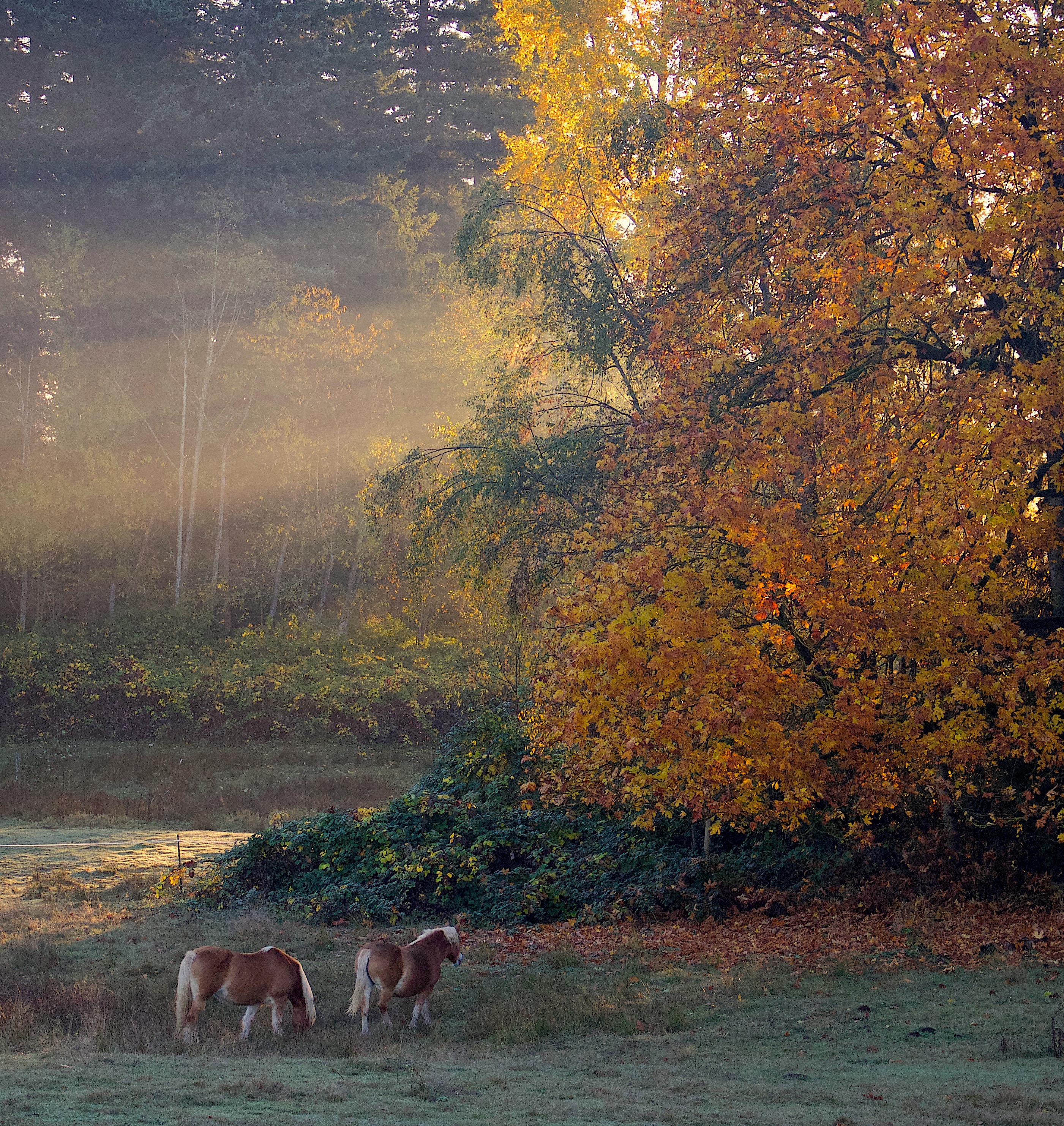
frostymorn1116
morningglory
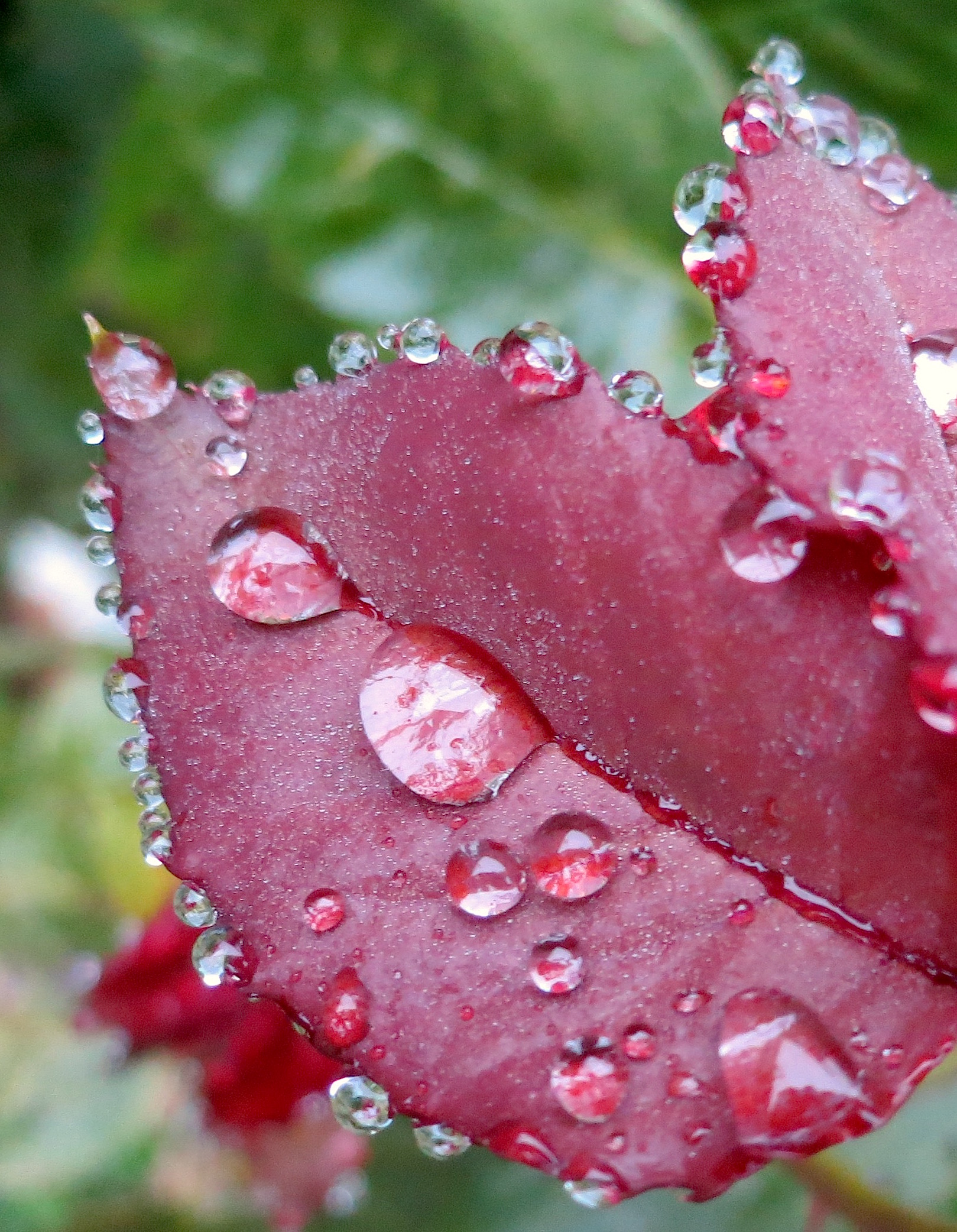
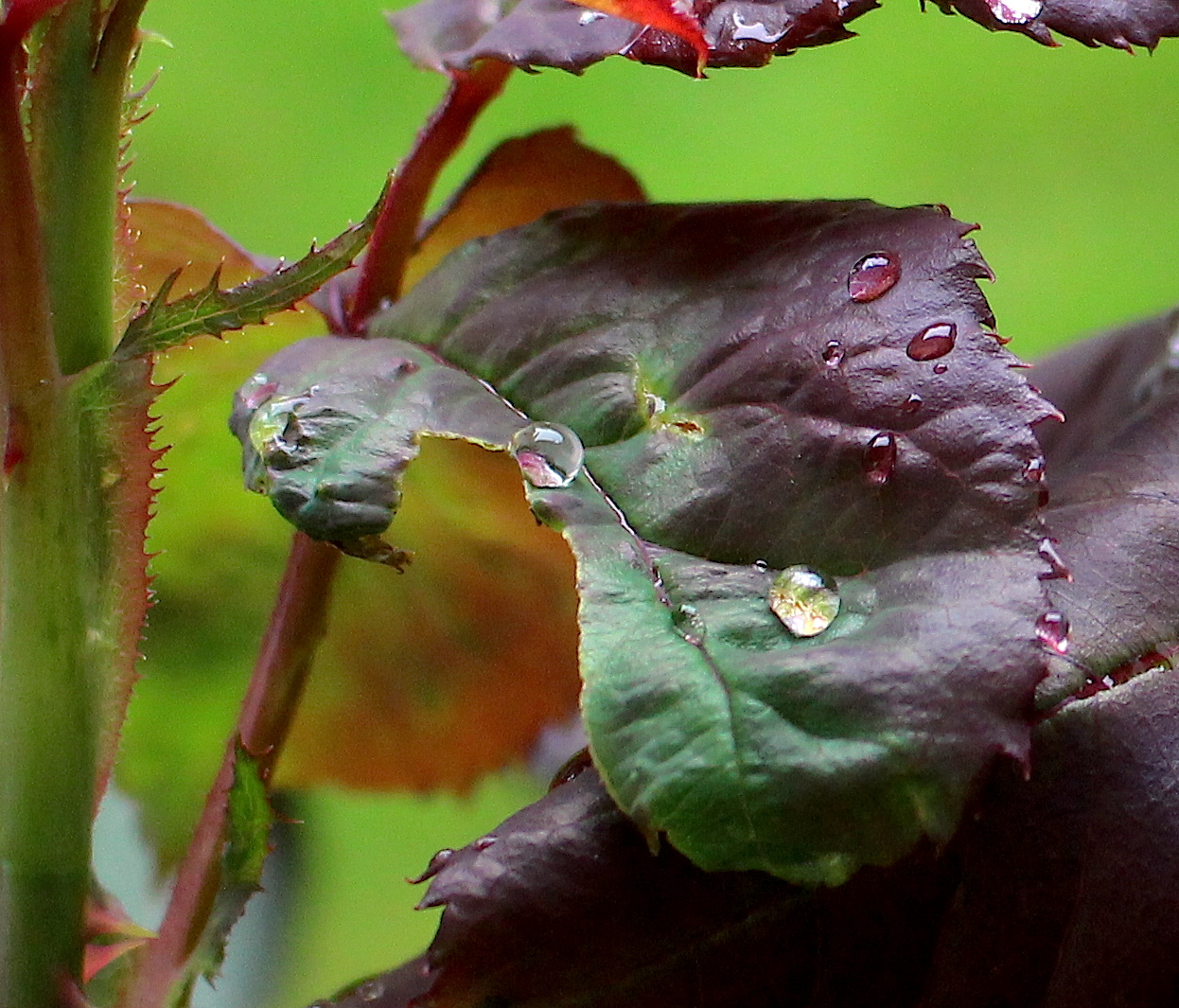
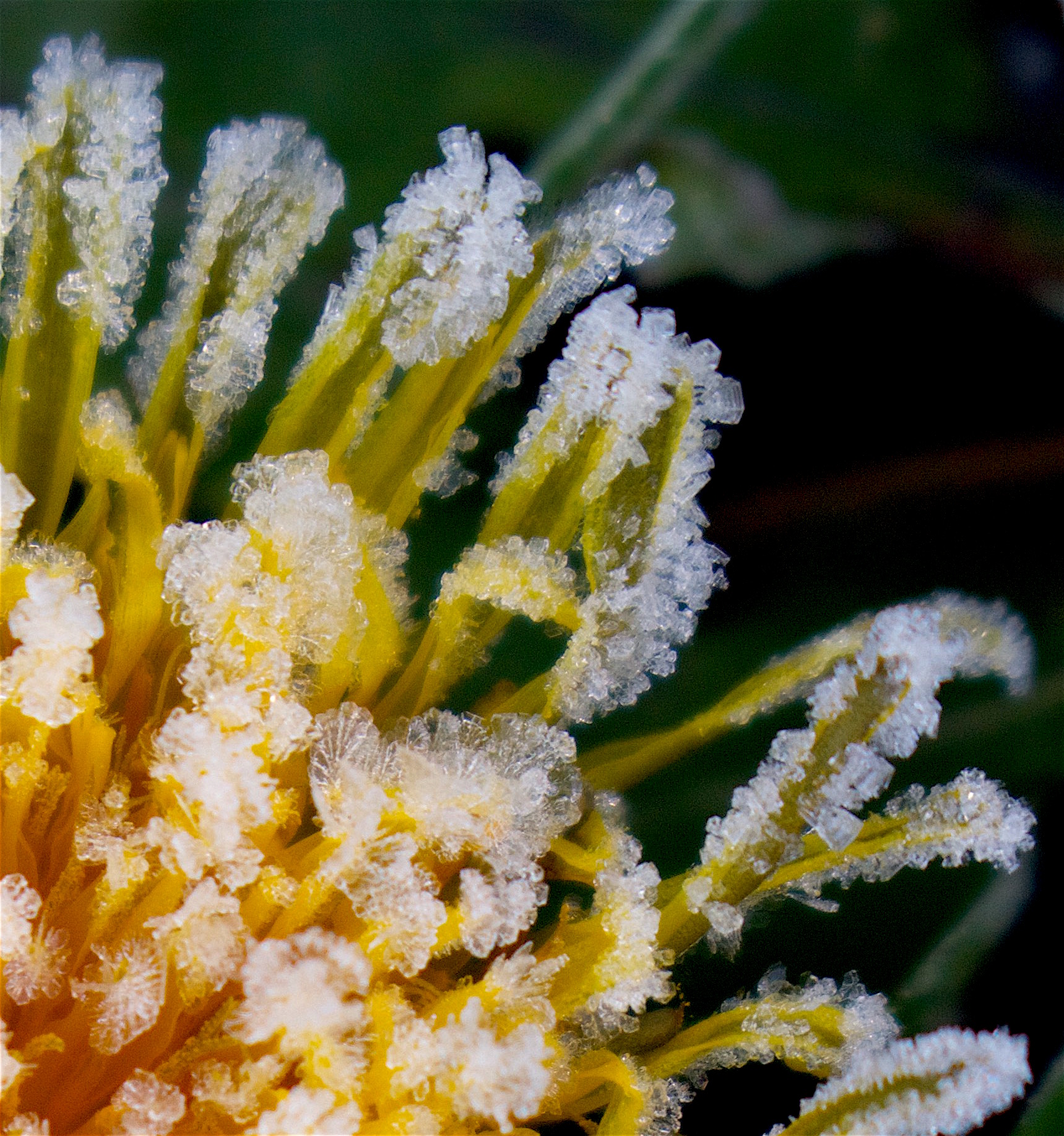
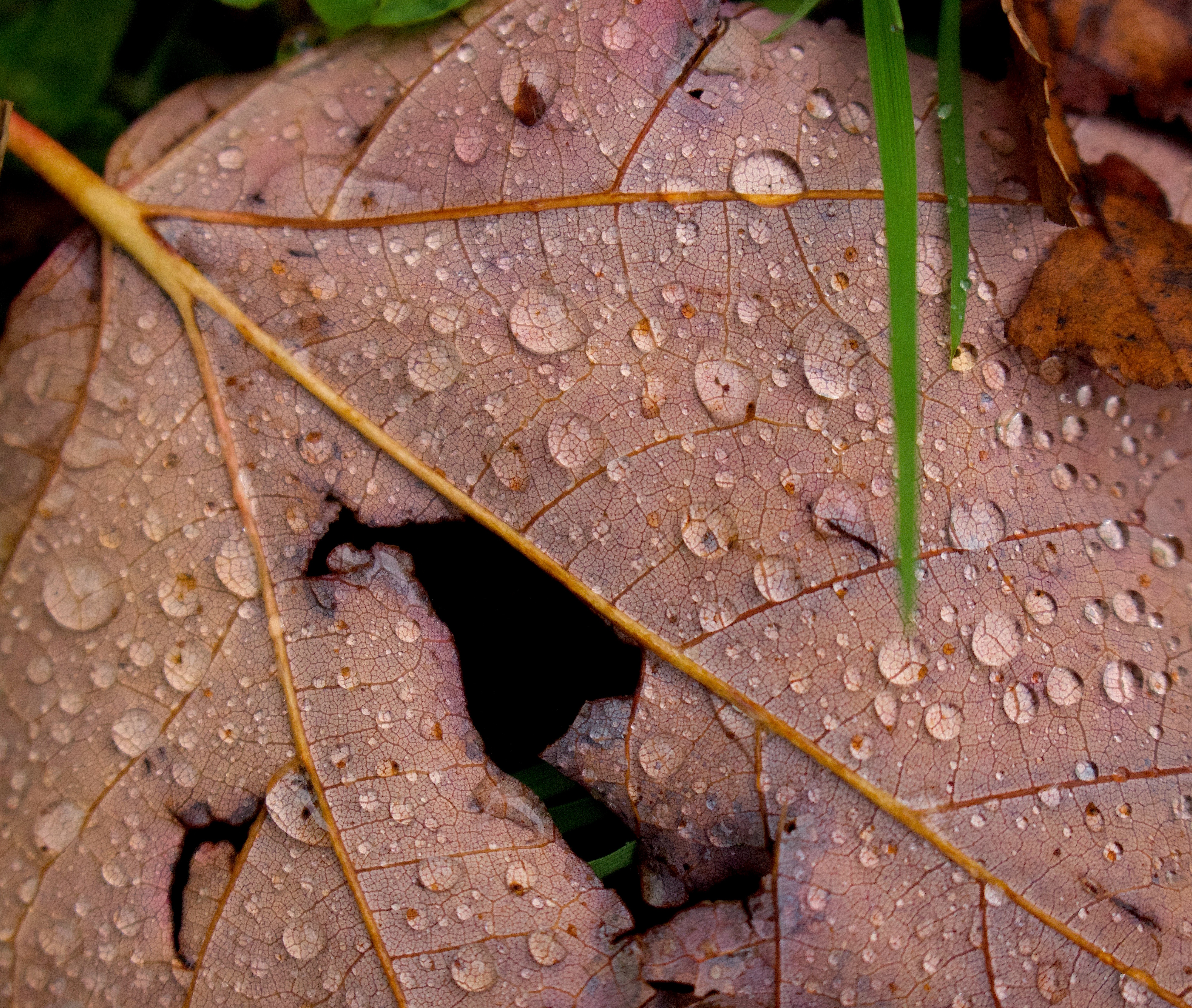
Amber stretches from sky to ground.
The clouds key-holed in the chill
and below, the leaves suffer their own keyholes
as they slowly melt away.
I’m feeling holey myself,
punched and transparent,
pondering where holiness is found
when life wholly shows its holes.
 roseleaf2
roseleafrain
frostydandy1
octleaf1

No Hurry Now

morningswans2


morning113158


The birds do not sing in these mornings. The skies
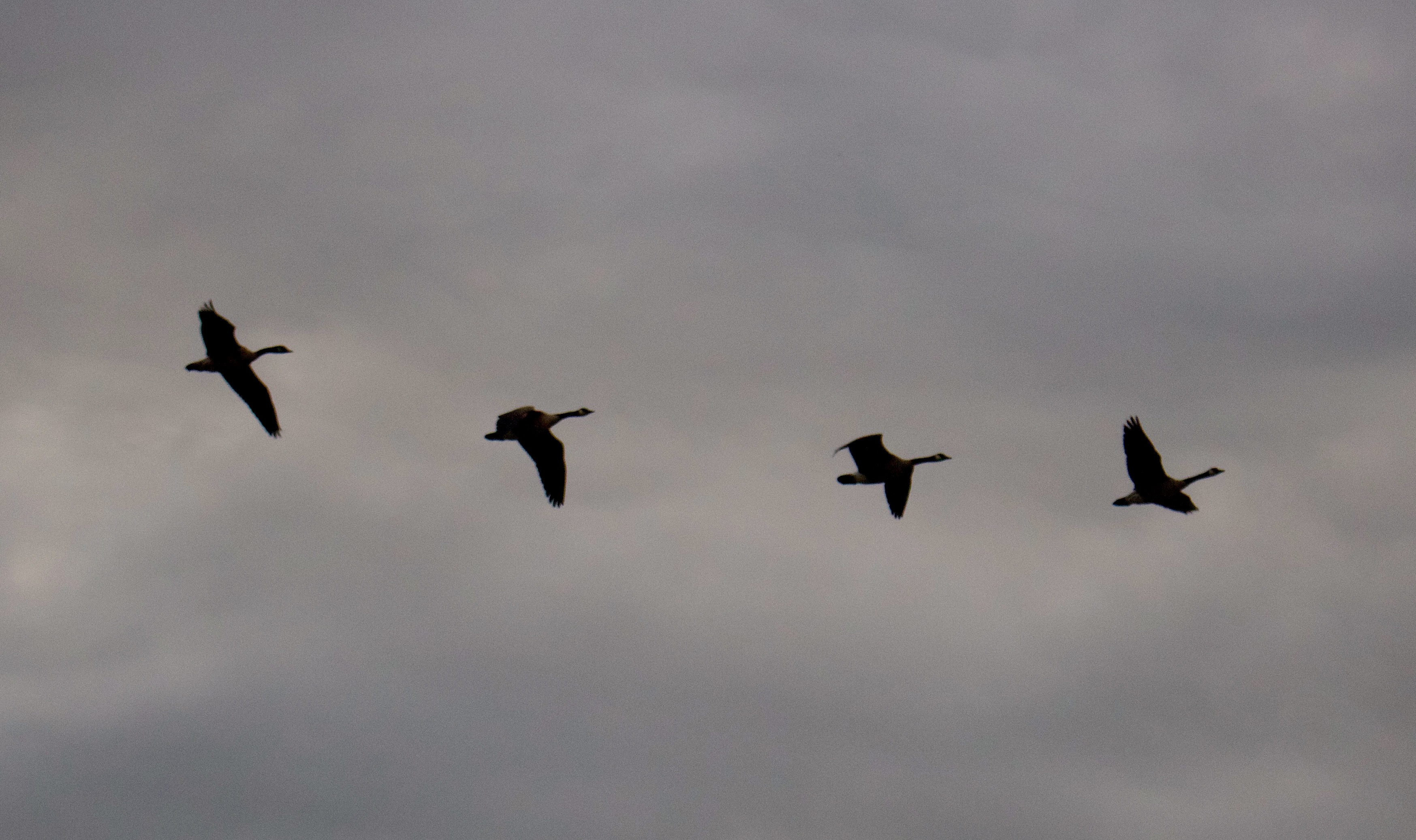
are white all day. The Canadian geese fly over
high up in the moonlight with the lonely sound
of their discontent. Going south. Now the rains
and soon the snow. The black trees are leafless,
the flowers gone. Only cabbages are left
in the bedraggled garden. Truth becomes visible,
the architecture of the soul begins to show through.
God has put off his panoply and is at home with us.
We are returned to what lay beneath the beauty.
We have resumed our lives. There is no hurry now.
We make love without rushing and find ourselves
afterward with someone we know well. Time to be
what we are getting ready to be next. This loving,
this relishing, our gladness, this being puts down
roots and comes back again year after year. 
~Jack Gilbert “Half the Truth”


cornstalkbleak


morning113152


Time to be
what we are getting ready to be next.

Once again comes
a slowing of days and lengthening of nights;
we are being prepared for months of stillness and silence
without the rush and hurry
of madding lives.

I relish this time
peering past a vanishing beauty
to discern the Truth.


rocketlaunchpad

morningswans

These Tattered and Tumbling Skies

cloudstudy92166
 
 
cloudstudy92165
 
 
novemberyard
 
 
The rain and the wind, the wind and the rain —
They are with us like a disease:
They worry the heart,
they work the brain,
As they shoulder and clutch at the shrieking pane,
And savage the helpless trees.
What does it profit a man to know
These tattered and tumbling skies
A million stately stars will show,
And the ruining grace of the after-glow
And the rush of the wild sunrise?
~William Ernest Henley from “The Rain and the Wind”
 
 
sunrise1031172


wetoctleaves2


barnstorm


Yesterday started with a calm and steady rain
making even more sodden a sullen gray dawn–
then unbidden, a sudden chilly gust from the northeast
ripped loose remaining leaves
and sent them spinning,
swirling earthbound
in yellow clouds.

The battering of rain and wind
followed by an early snowfall
leaves no doubt
summer is done for good —
the past is past.

I hunker through the turbulence
to await a clear night when once again
heaven empties itself out
into a fragile crystalline dawn.


yardnovember


1002556_581472858054_326807933_n


The Other Side is Salvation

goldenmornoct4


poplargold


goldenmornoct3

Look, the trees
are turning
their own bodies
into pillars

of light,
are giving off the rich
fragrance of cinnamon
and fulfillment,

the long tapers
of cattails
are bursting and floating away over
the blue shoulders

of the ponds,
and every pond,
no matter what its
name is, is

nameless now.
Every year
everything
I have ever learned

in my lifetime
leads back to this: the fires
and the black river of loss
whose other side

is salvation,
whose meaning
none of us will ever know.
To live in this world

you must be able
to do three things:
to love what is mortal;
to hold it

against your bones knowing
your own life depends on it;
and, when the time comes to let it go,
to let it go.
~Mary Oliver, “In Blackwater Woods”


pondnov


sunrisepond22115


When the earth and all that is in it glows golden
with the fire of sunrise and sunset;
just opening my eyes to see it
takes my breath away.
I can’t imagine letting it go
even when what is left is ashes
of the darkest night.
On the other side of loss is salvation.
My life depends on it.


morninglightoctober


geese913


A Deep Fear of Emptiness

dawn7251


marshmallowglow2


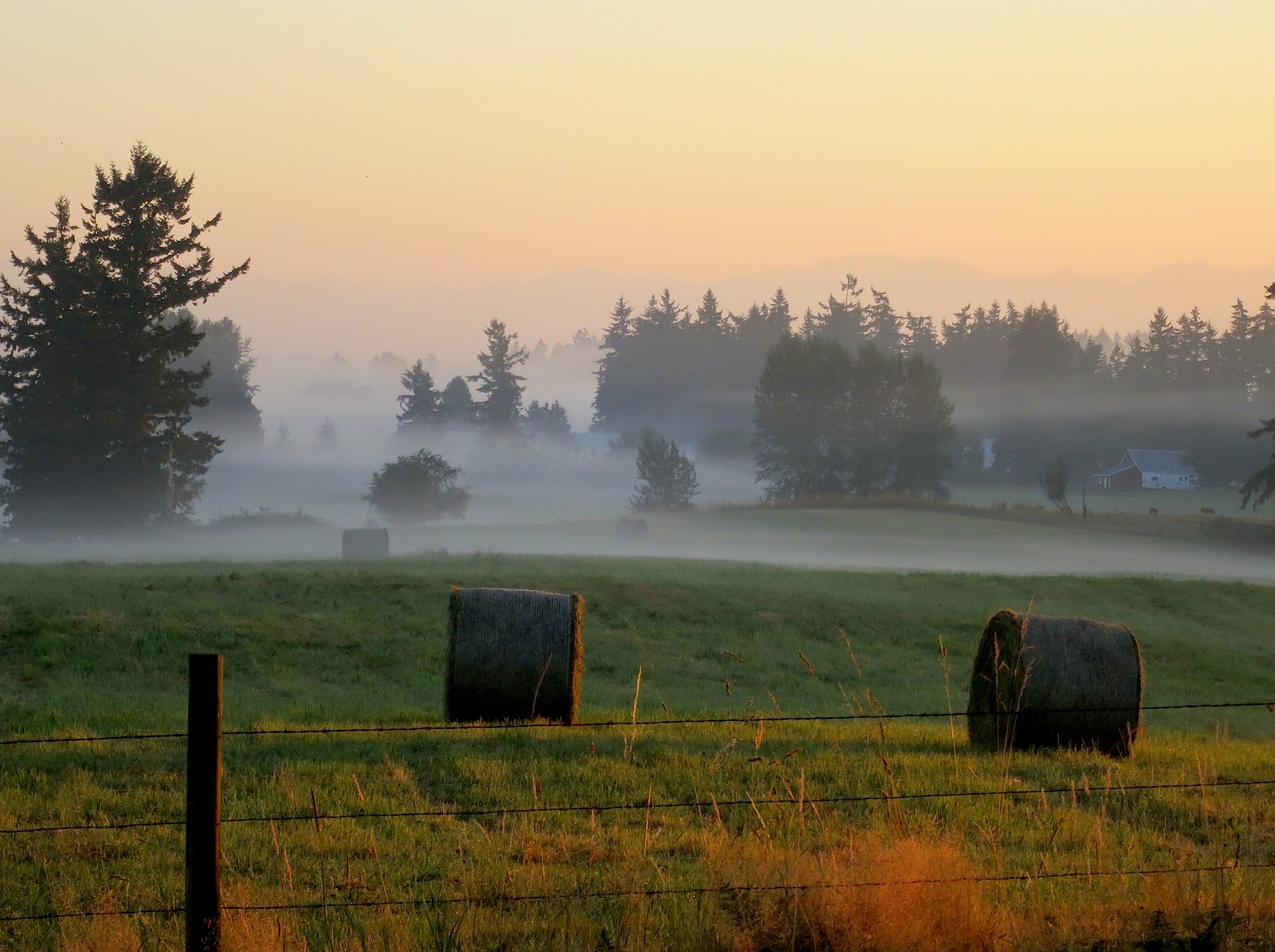
Wheels of baled hay bask in October sun:
Gold circles strewn across the sloping field,
They seem arranged as if each one
Has found its place; together they appeal
To some glimpsed order in my mind
Preceding my chance pausing here —
A randomness that also seems designed.
Gold circles strewn across the sloping field
Evoke a silence deep as my deep fear
Of emptiness; I feel the scene requires
A listener who can respond with words, yet who
Prolongs the silence that I still desire,
Relieved as clacking crows come flashing through,
Whose blackness shows chance radiance of fire.
Yet stillness in the field remains for everyone:
Wheels of baled hay bask in October sun.
~Robert Pack “Baled Hay” from Rounding it Out: A Cycle of Sonnetelles (1999).


mayfieldbales


marshmallows51116


Each day I am called to see and listen,
to open fully to all that is around me.
From the simple stillness of the fields
surrounding our farm,
to the weeping of those who sit with me
day after day
in their deep fear of emptiness,
their struggle with whether to try to live
or give up and die.

Their deep fear of emptiness renders me silent;
I struggle to respond with words
that might offer up a healing balm
assuring them even in the darkest time
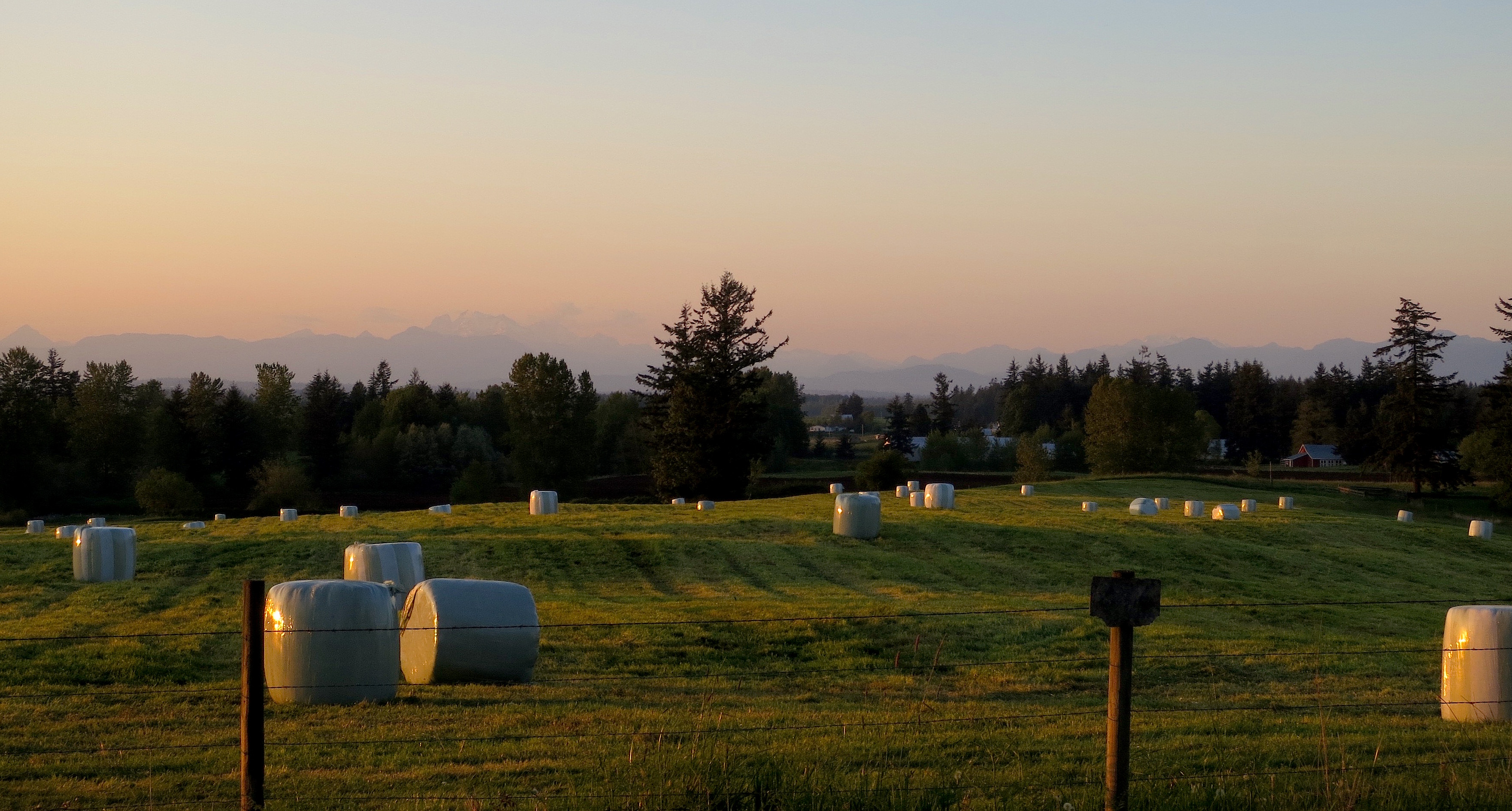
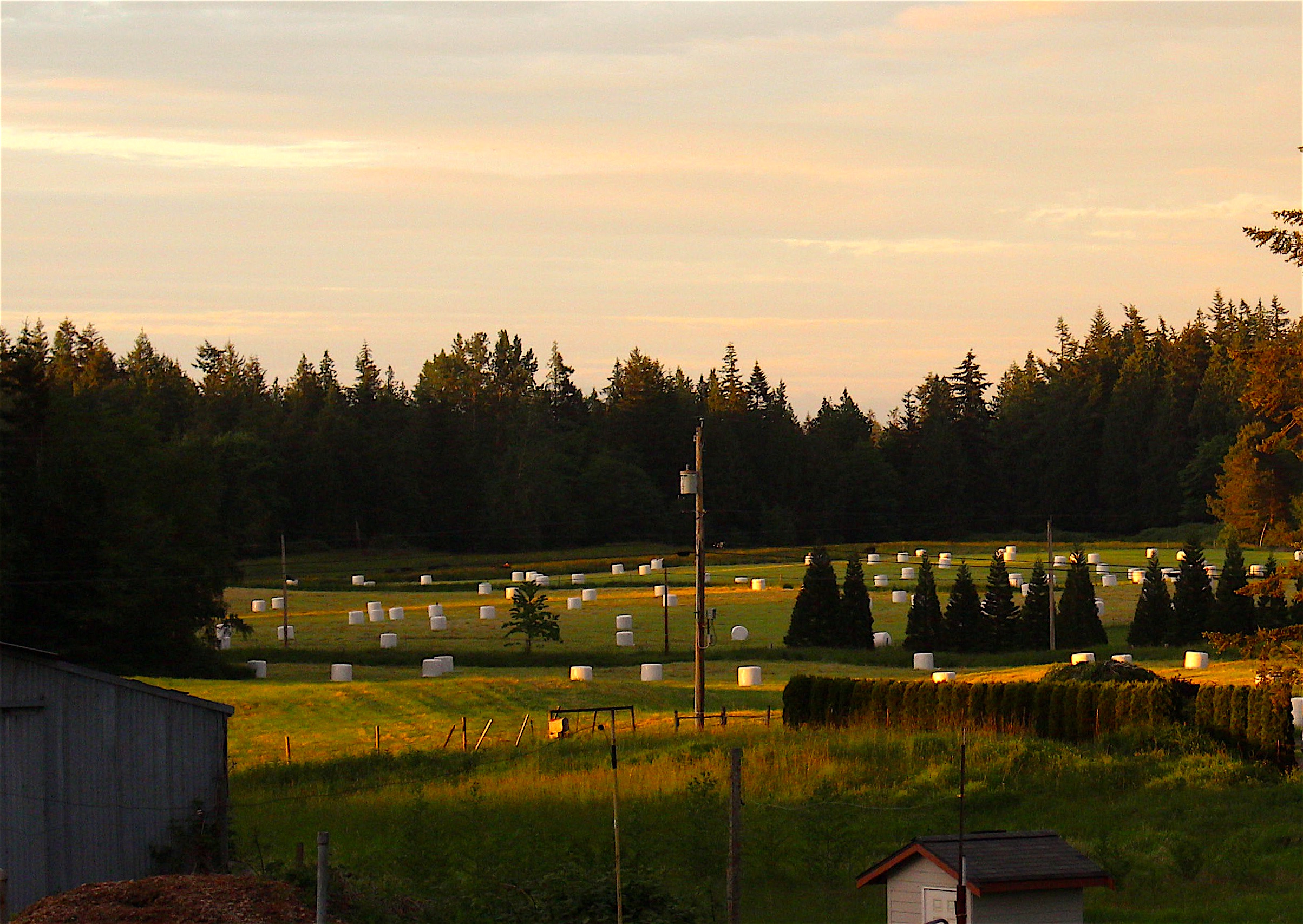
hope lies waiting, wrapped and baled,
radiant as fire,
ready to spill out fragrant,
to bear us silently to a new morning,
to a stillness borne of grace.


lookingnortheastoct


centralroadoct