Begin the song exactly where you are, Remain within the world of which you’re made. Call nothing common in the earth or air, Accept it all and let it be for good.
Start with the very breath you breathe in now, This moment’s pulse, this rhythm in your blood And listen to it, ringing soft and low. Stay with the music, words will come in time.
Slow down your breathing. Keep it deep and slow. Become an open singing-bowl, whose chime Is richness rising out of emptiness, And timelessness resounding into time.
In the center of my chest, a kindling there in the hollow, as if a match had just been struck, or the blinds snapped up on a sealed room, gold suffusing the air, and through the wide windows, a solstice unfolding, mine for the lengthening days. ~Andrea Potts “On Reading John Donne for the First Time” from Her Joy Becomes
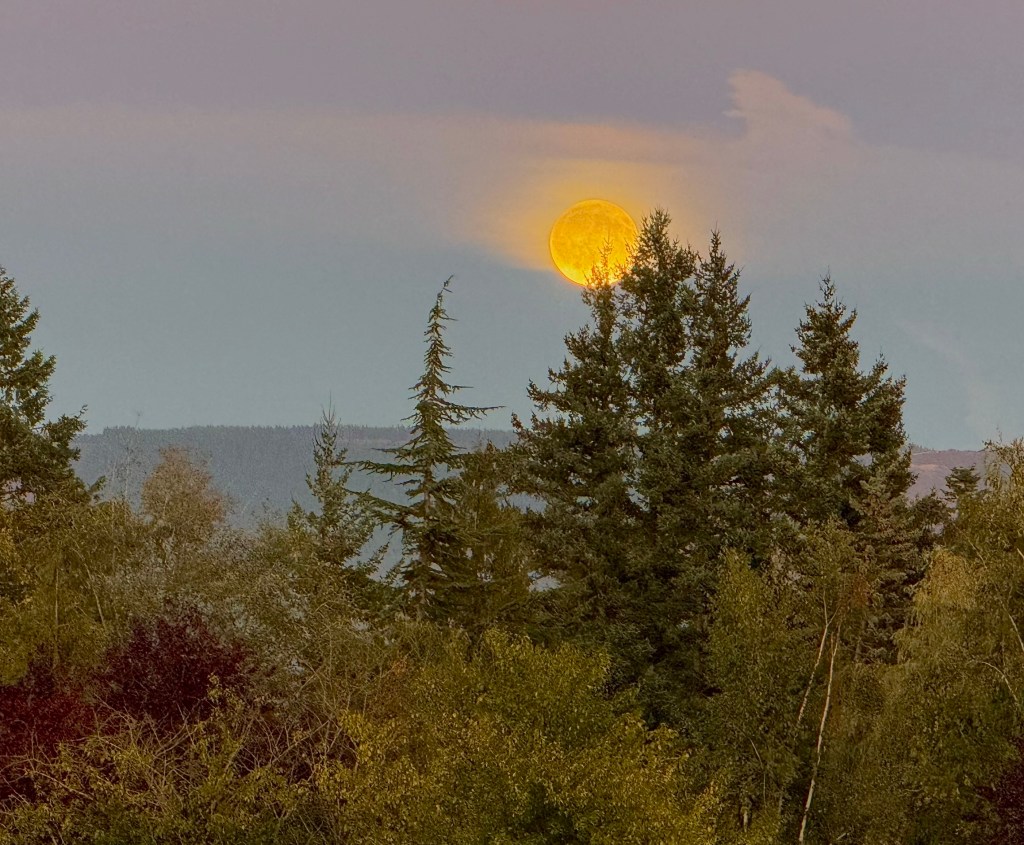
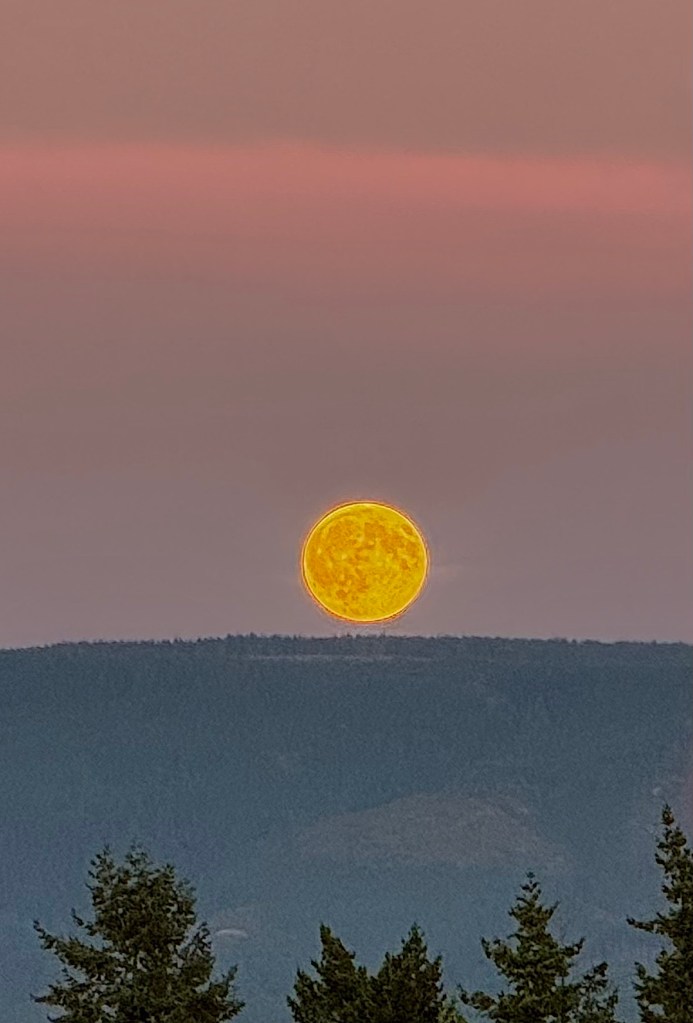
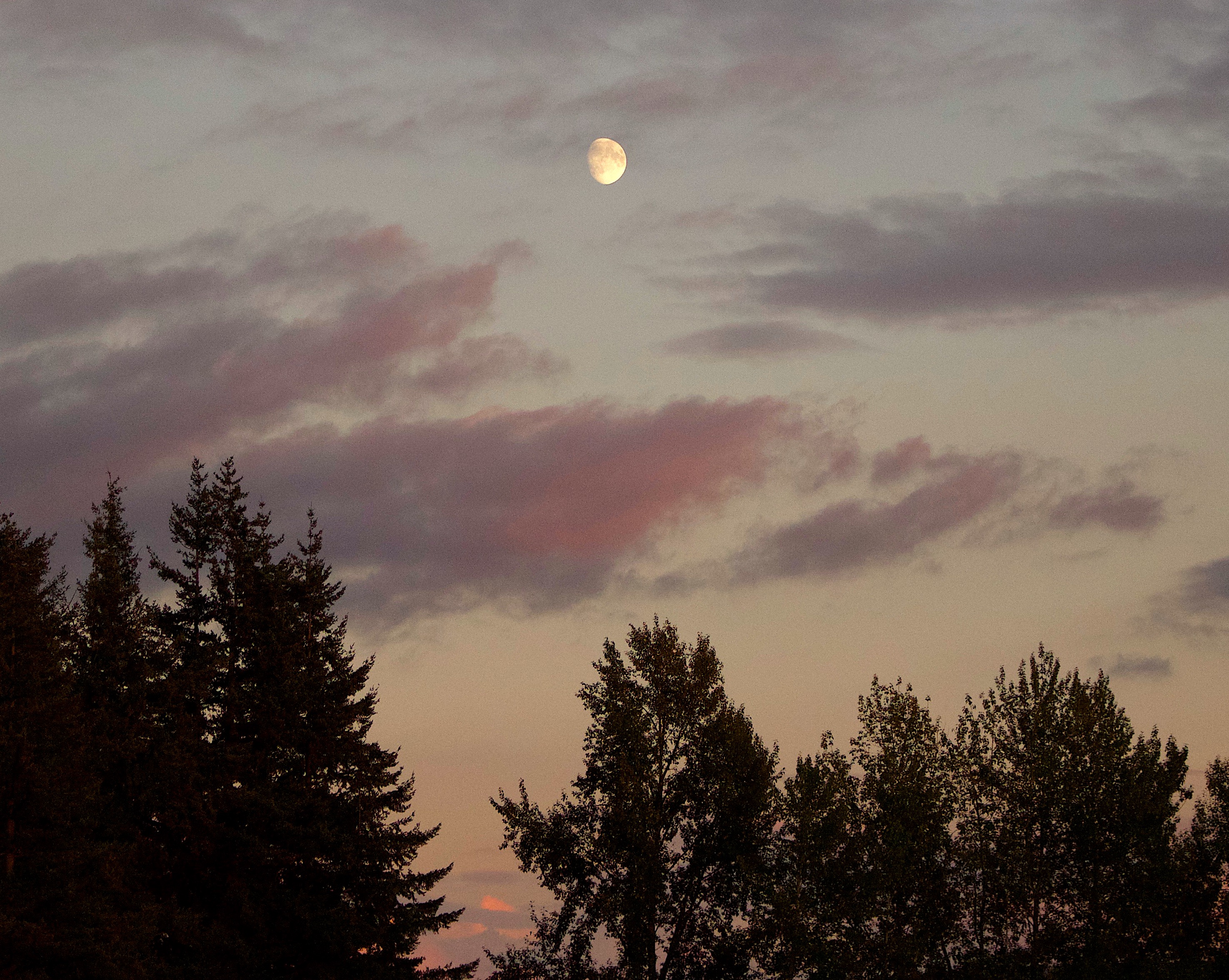
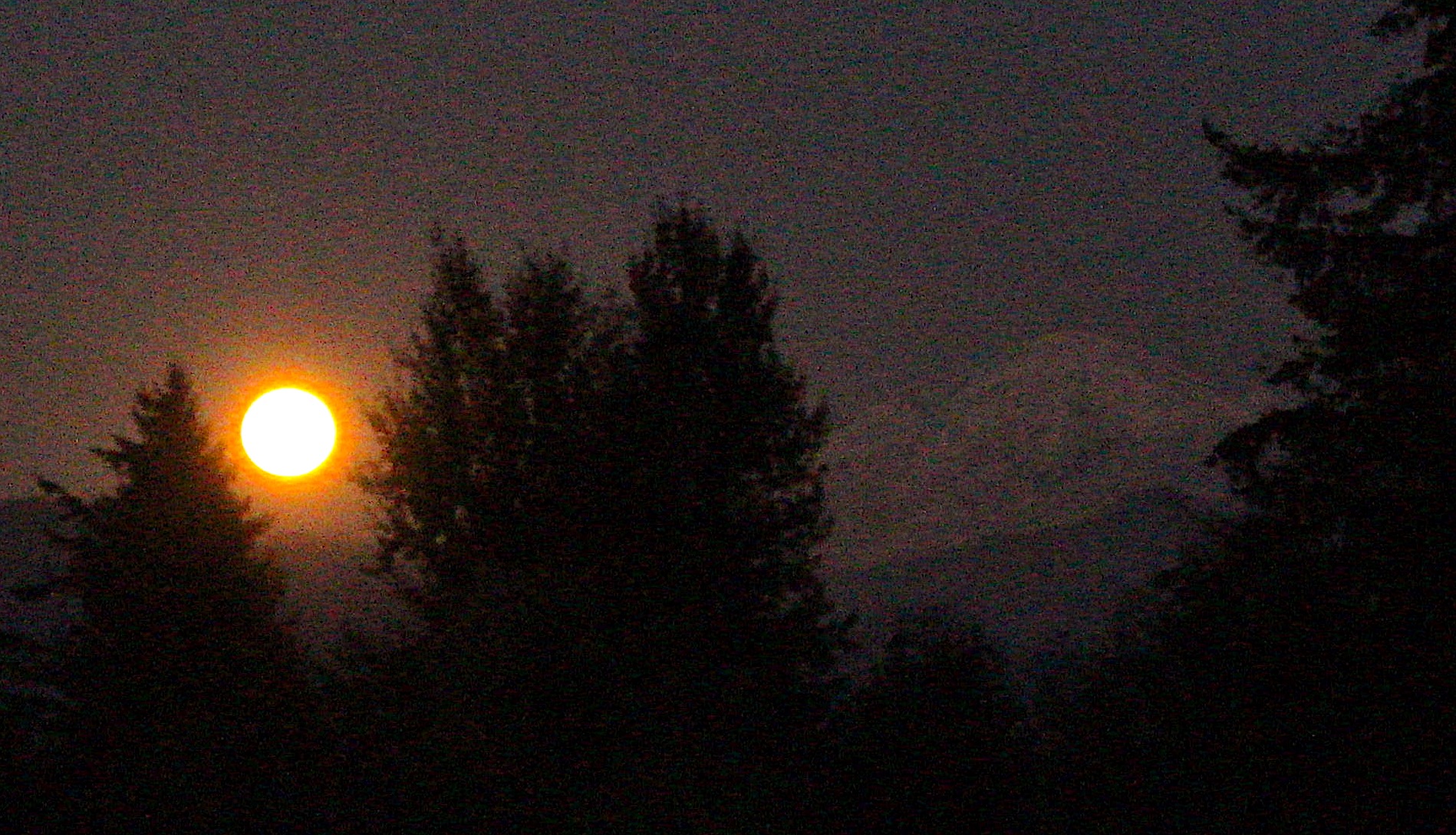
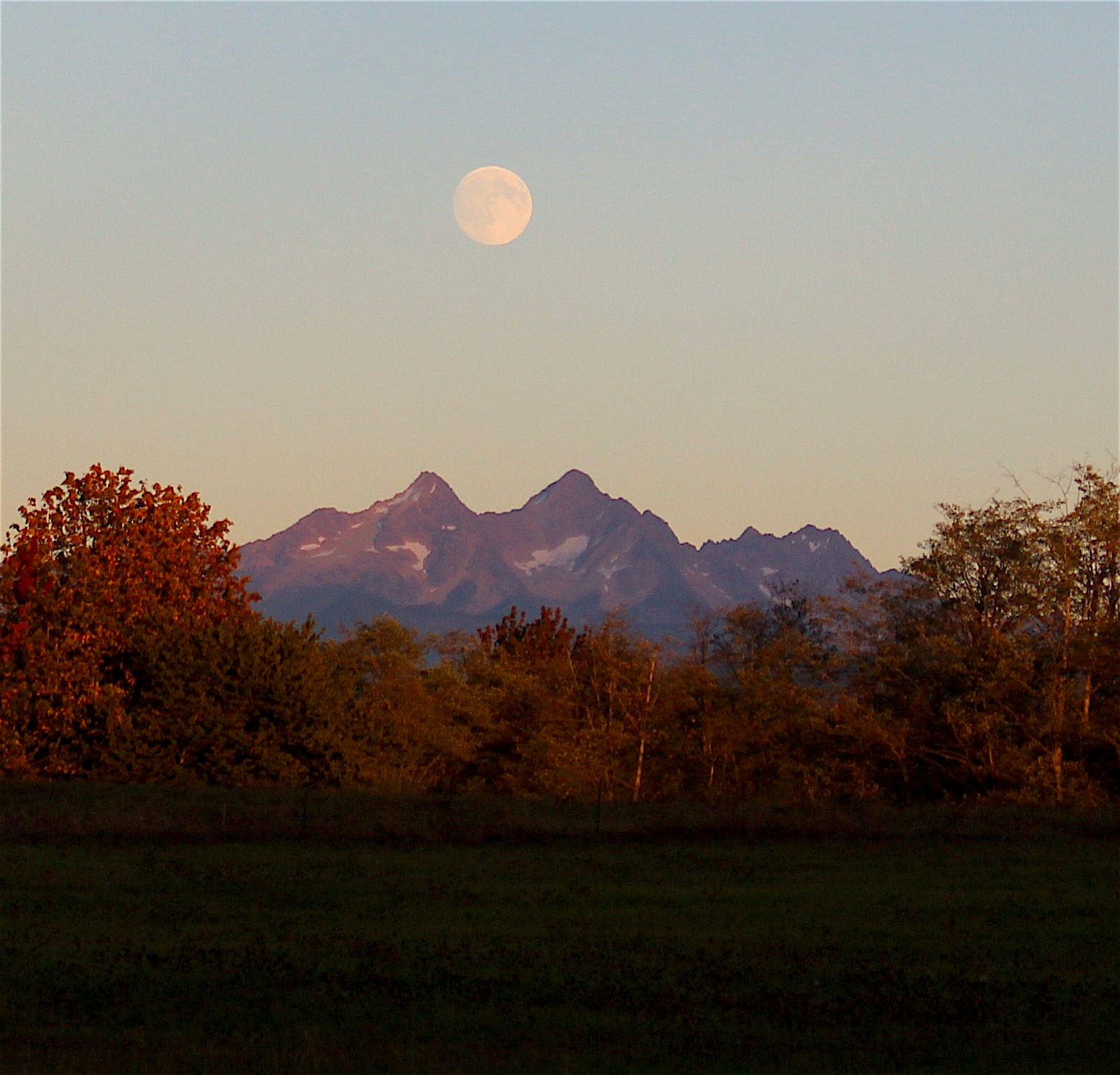
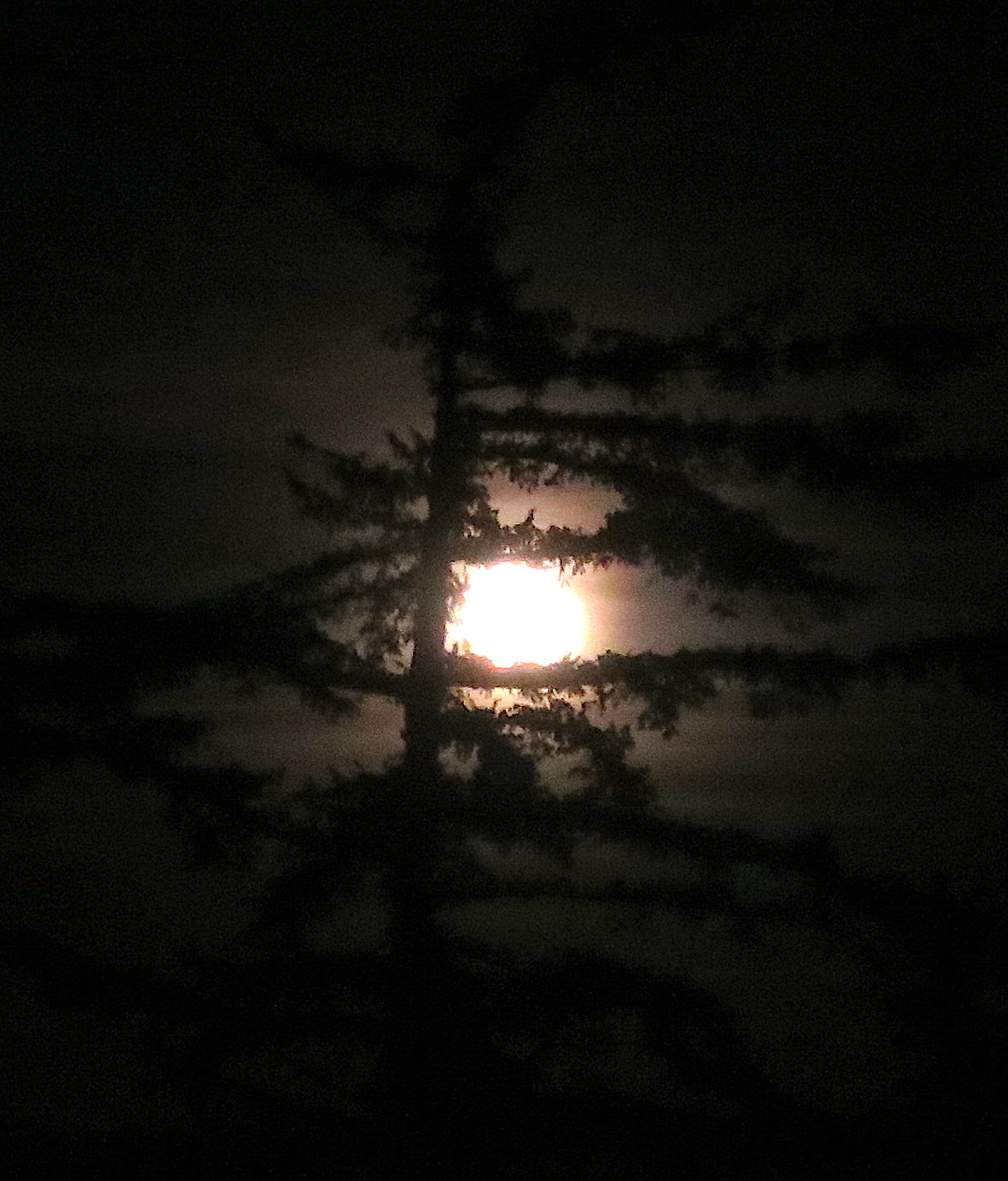
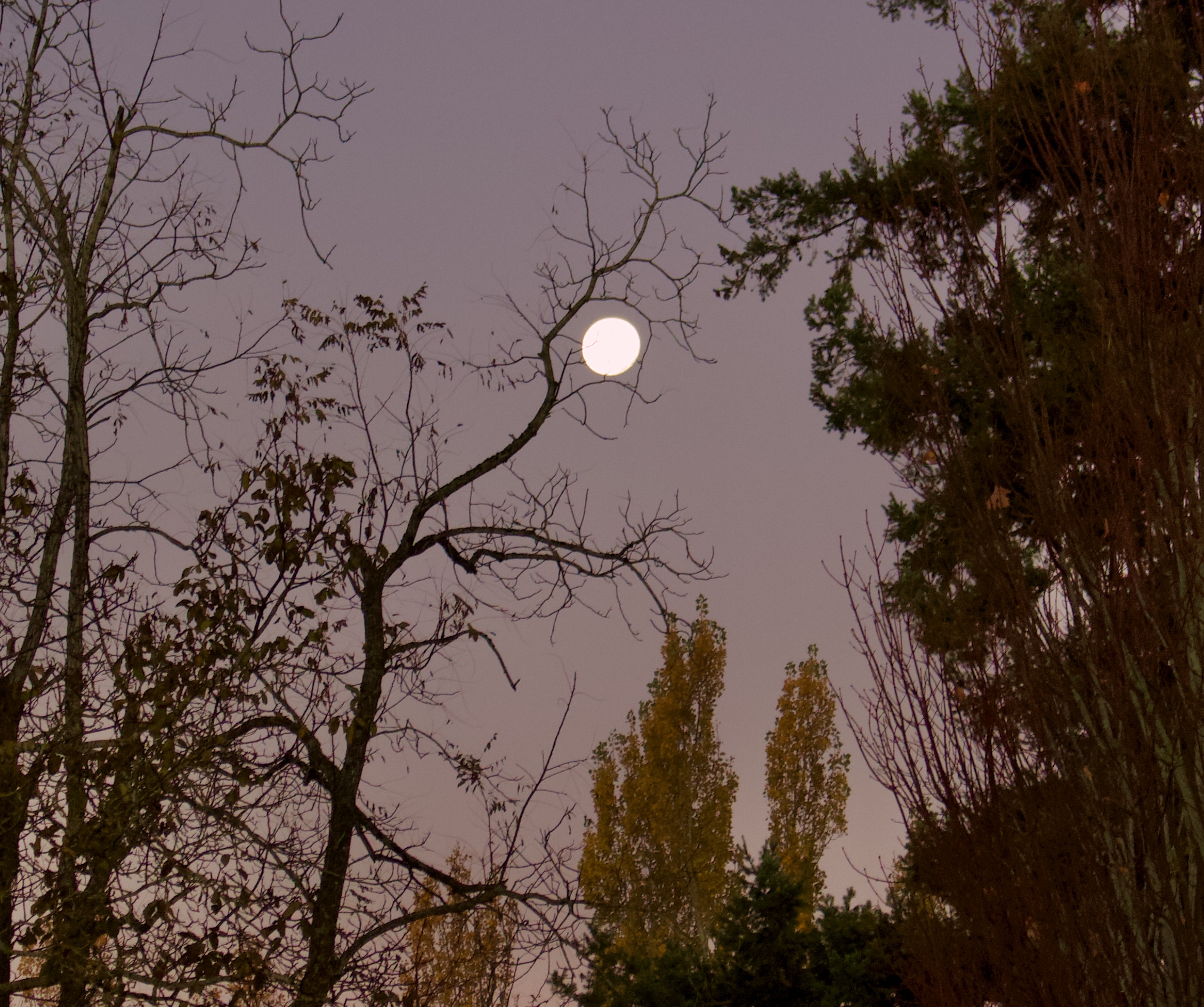
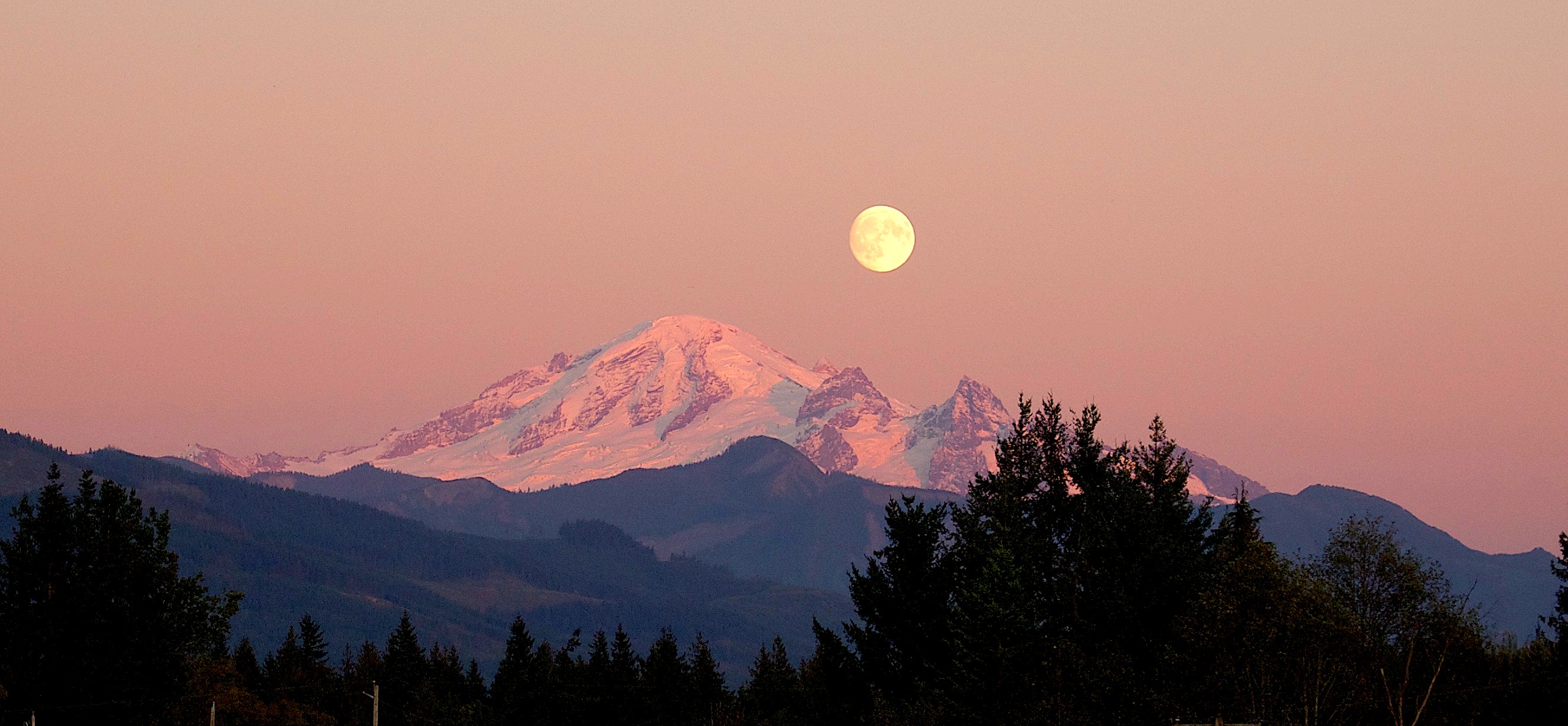
I will not forget, dear harvest moon, to keep you as my singing bowl where I can find your song months from now, even when your reflected light leaks out to tangle up in the weary trees of autumn.
Once the leaves fall, you illuminate even the most humble branches in their embarrassed nakedness.
Call nothing common in the earth or air, Accept it all and let it be for good.
When I too need your warm light in the center of my hollowed chest, I’ll know exactly where to find you, as you sing lullabies, waiting for me to empty.
I’ll not forget you, because you never forget to keep looking for me.
One-Time
Monthly
Yearly
Make a one-time or recurring donation to support daily Barnstorming posts
Teach me to walk with tender feet, as the wild ones do. Let me be the cinder-glow of the fox in her burrow, wreathed around the honey-spark fur of her sleeping kits.
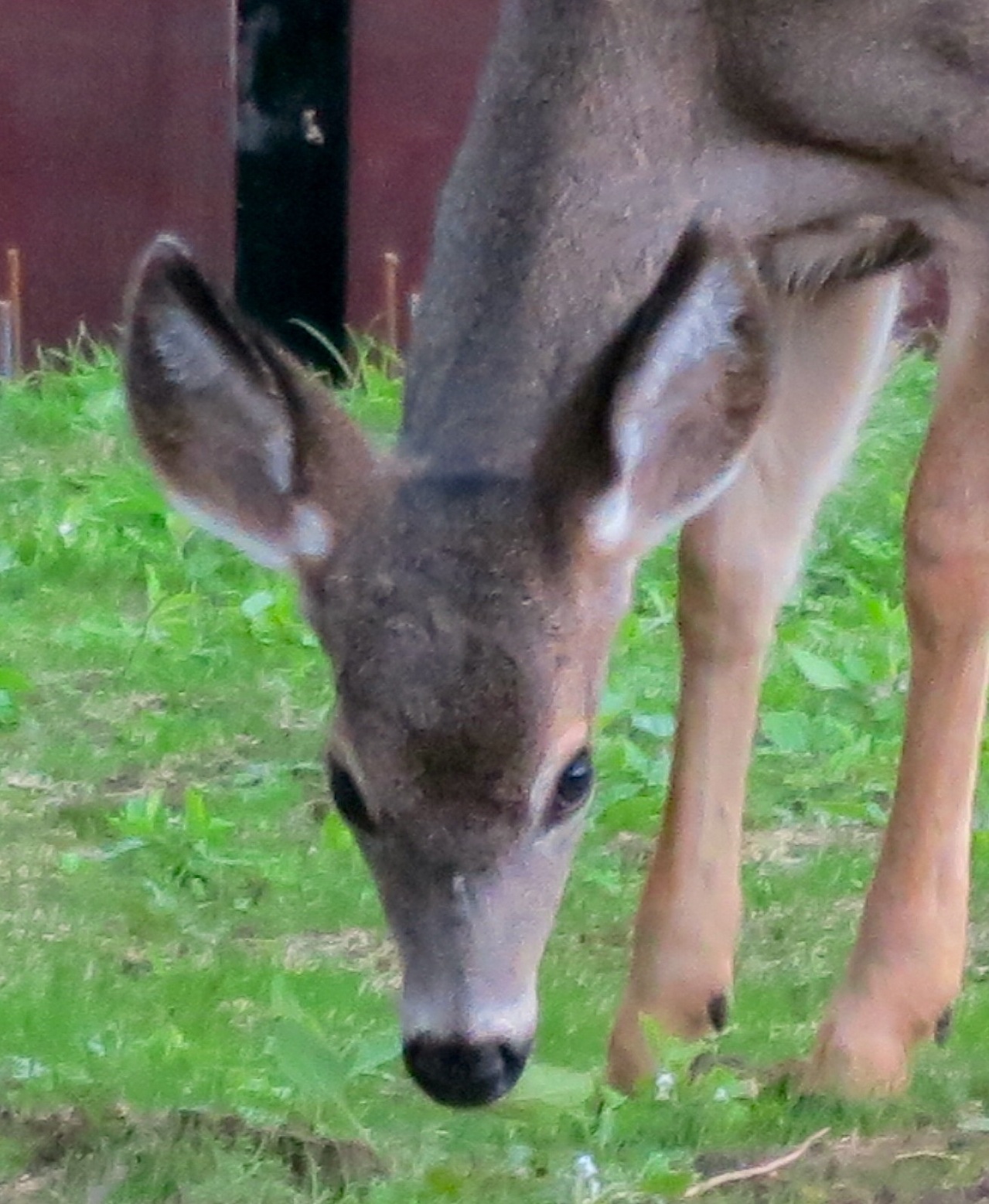
Let me be the shaded pools of the doe’s eyes in winter, when the snow falls, when the stars lean down to listen, when the world is darker and softer than rain.
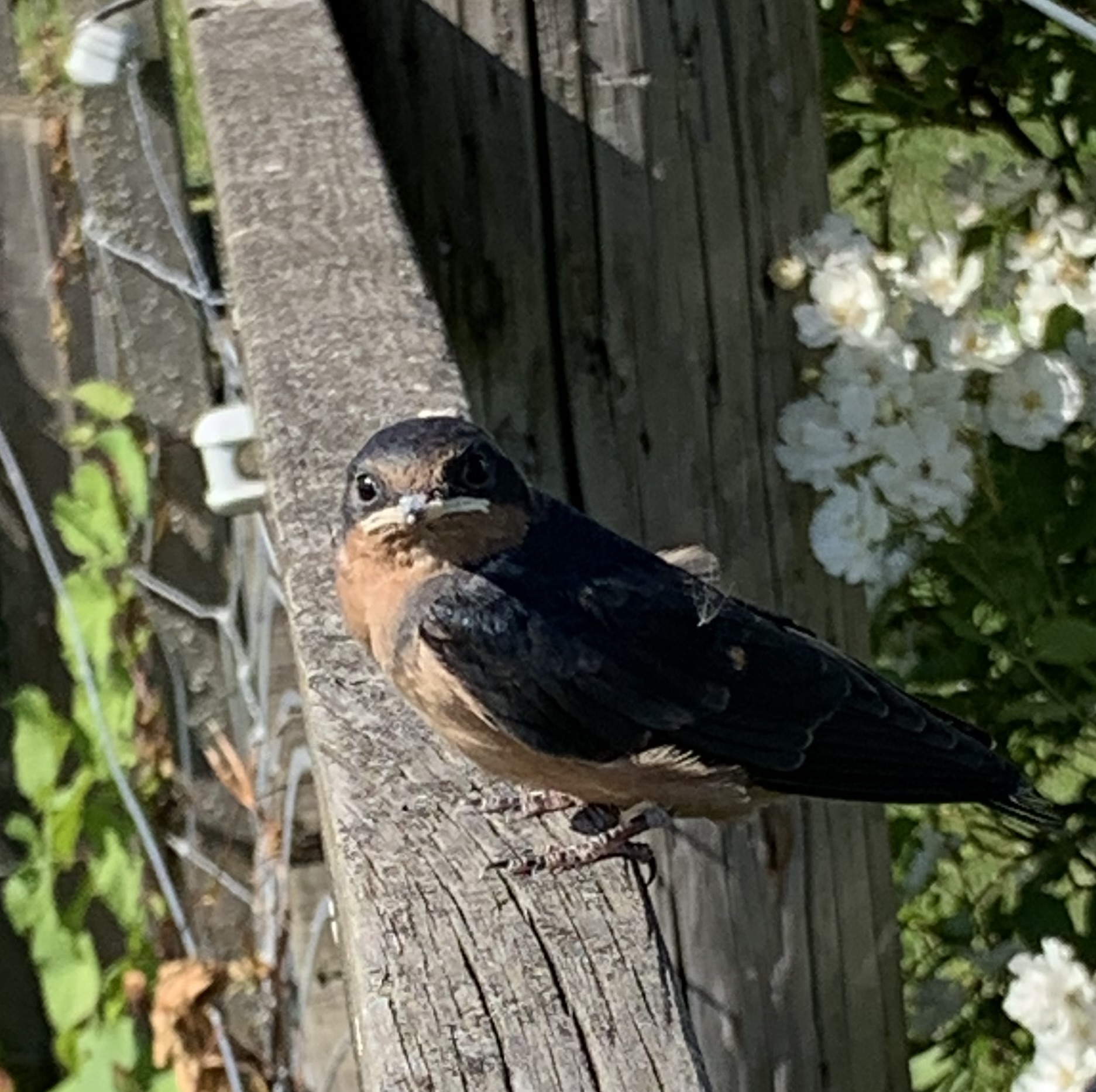
Let me be the swallow after flight, when she is perched upon the branch where the petals of the lilacs used to be, and she is just still, and quiet, her downy head inclined, as though she is praying for their return. ~Kimberly Beck “Tender Feet”
As the weather changes, softening in the mists of autumn, I walk each step with careful feet, my tender heart singing songs in the rain. I pray for peace in this troubled land, for protection from harm until spring comes again.
May God grant a gentle night’s sleep for all His creatures.
video by Harry Rodenberger
Lyrics for Aragorn’s Sleepsong: Lay down your head and I’ll sing you a lullaby Back to the years of loo-li lai-lay And I’ll sing you to sleep and I’ll sing you tomorrow
Bless you with love for the road that you go May you sail far to the far fields of fortune With diamonds and pearls at your head and your feet And may you need never to banish misfortune
May you find kindness in all that you meet May there always be angels to watch over you To guide you each step of the way To guard you and keep you safe from all harm Loo-li, loo-li, lai-lay
May you bring love and may you bring happiness Be loved in return to the end of your days Now fall off to sleep, I’m not meaning to keep you I’ll just sit for a while and sing loo-li, lai-lay
May there always be angels to watch over you To guide you each step of the way To guard you and keep you safe from all harm Loo-li, loo-li, lai-lay
One-Time
Monthly
Yearly
Make a one-time or recurring donation to support daily Barnstorming posts
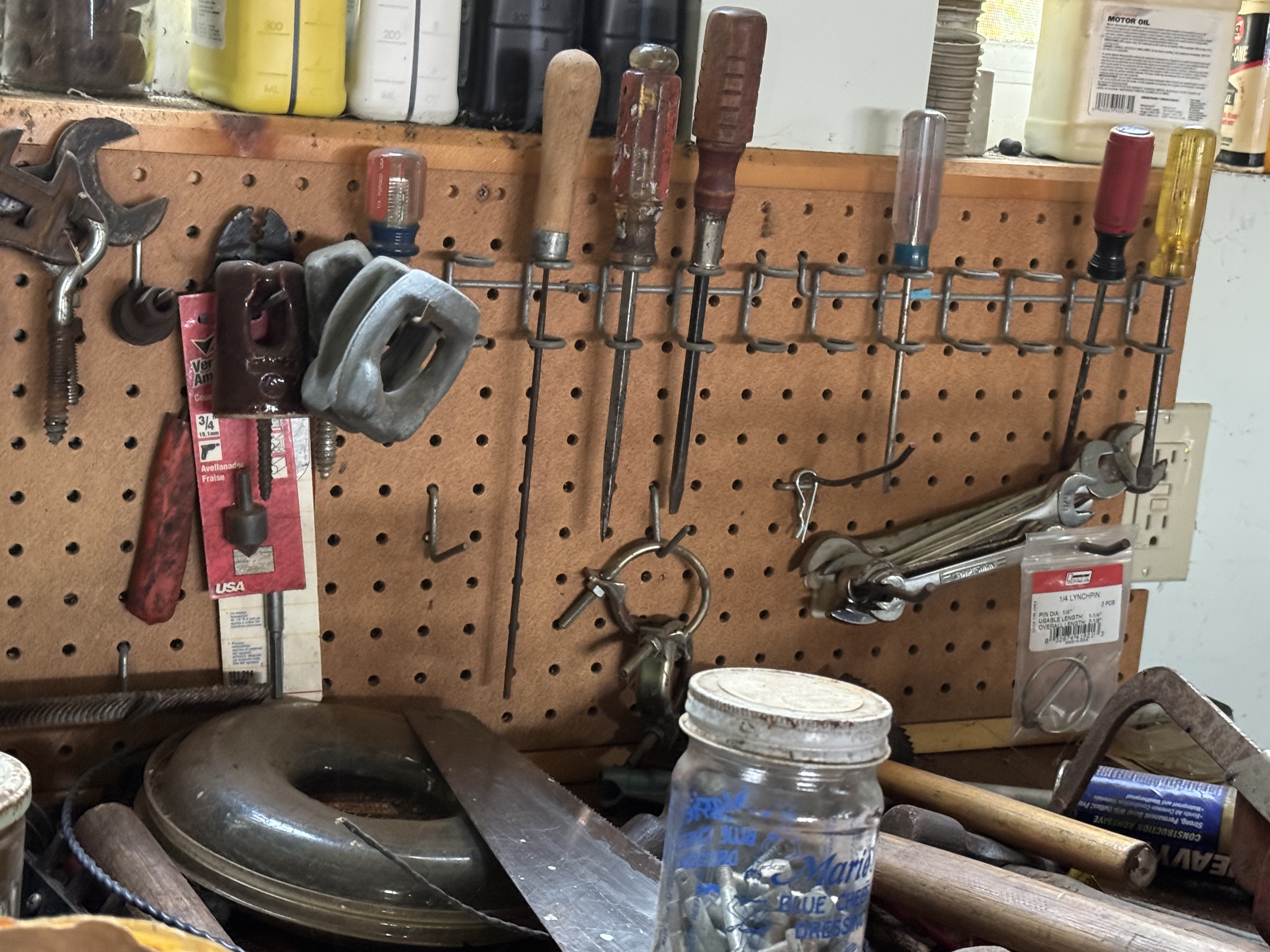
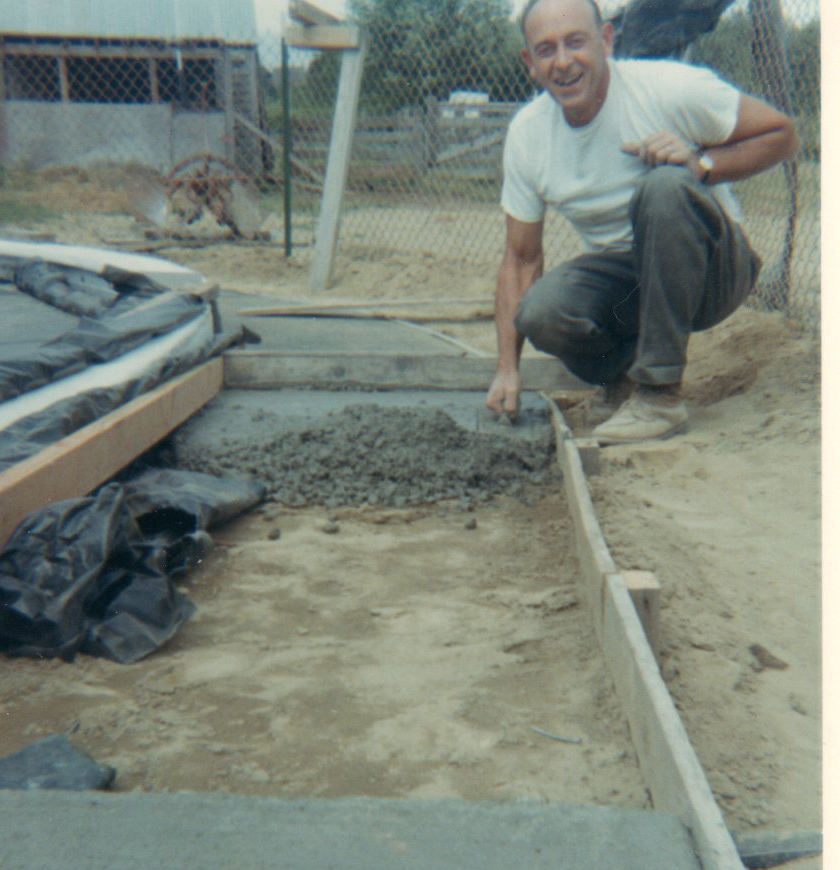
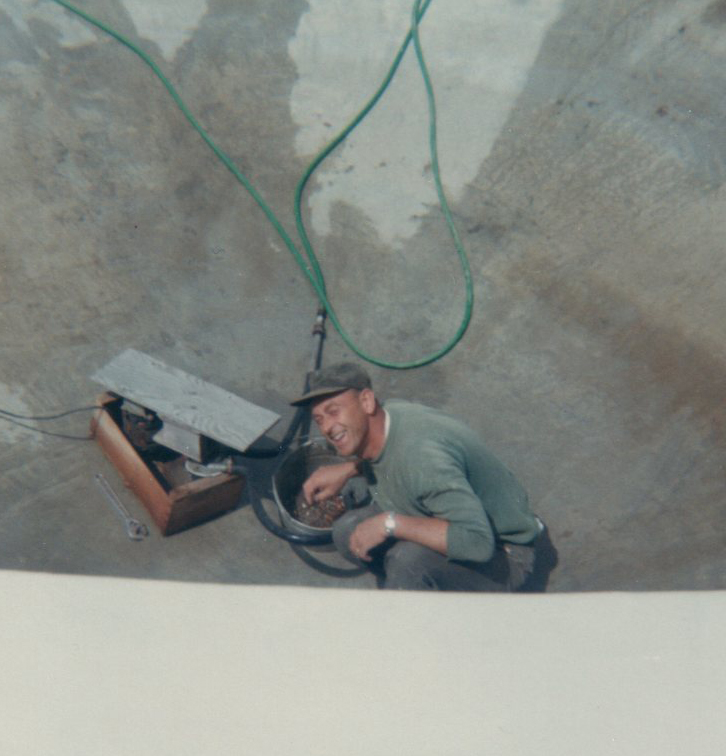
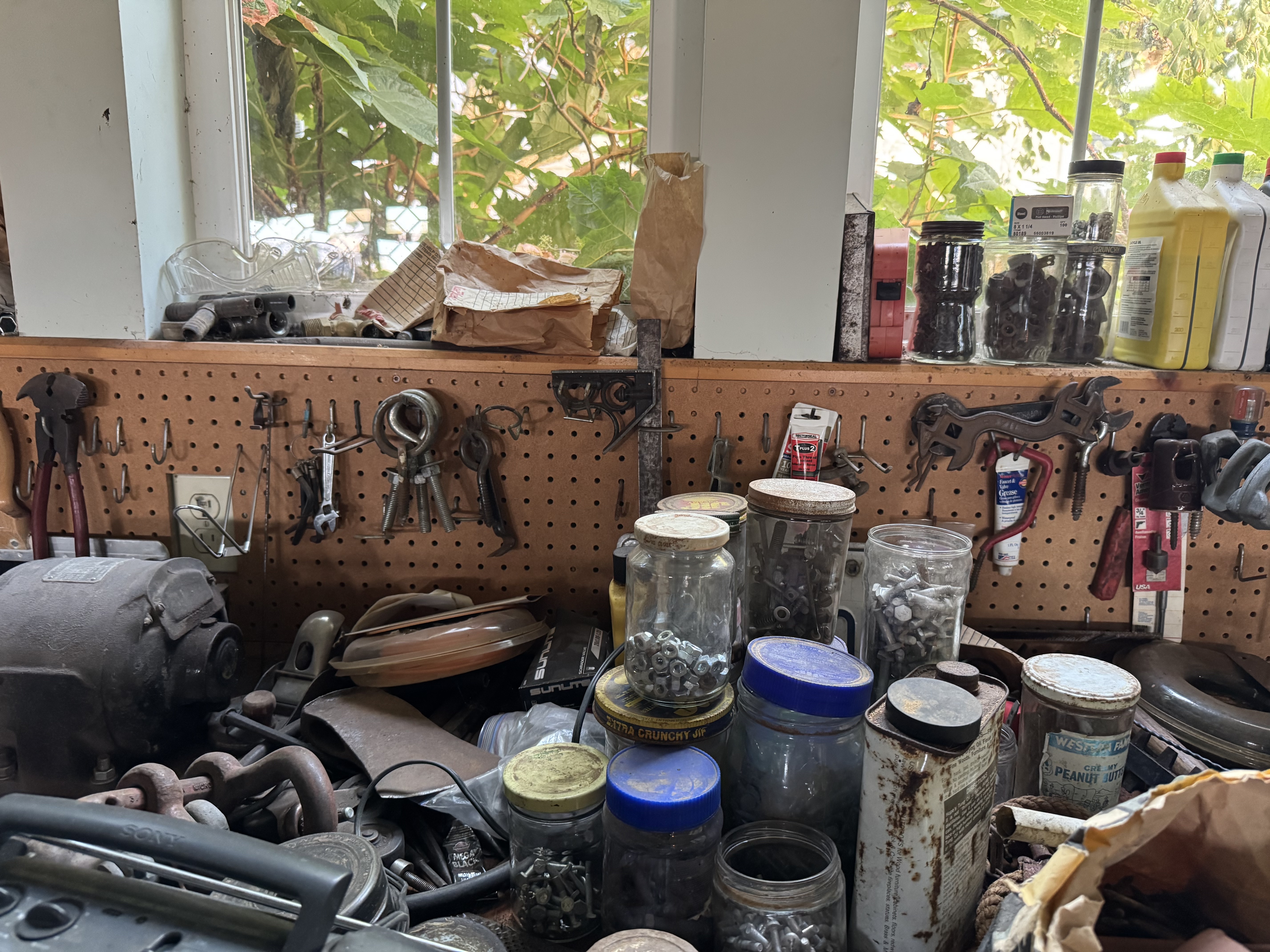
My father always knew the secret name of everything— stove bolt and wing nut, set screw and rasp, ratchet wrench, band saw, and ball— peen hammer. He was my tour guide and translator through that foreign country with its short-tempered natives in their crewcuts and tattoos, who suffered my incompetence with gruffness and disgust. Pay attention, he would say, and you’ll learn a thing or two.
Now it’s forty years later, and I’m packing up his tools (If you know the proper names of things you’re never at a loss) tongue-tied, incompetent, my hands and heart full of doohickeys and widgets, whatchamacallits, thingamabobs. ~Ronald Wallace “Hardware” from Time’s Fancy
“Hold on,” she said, “I’ll just run out and get him. The weather here’s so good, he took the chance To do a bit of weeding.”
So I saw him Down on his hands and knees beside the leek rig, Touching, inspecting, separating one Stalk from the other, gently pulling up Everything not tapered, frail and leafless, Pleased to feel each little weed-root break, But rueful also . . .
Then found myself listening to The amplified grave ticking of hall clocks Where the phone lay unattended in a calm Of mirror glass and sunstruck pendulums . . .
And found myself then thinking: if it were nowadays, This is how Death would summon Everyman.
Between my finger and my thumb The squat pen rests; snug as a gun. Under my window, a clean rasping sound When the spade sinks into gravelly ground:
My father, digging. I look down By God, the old man could handle a spade.
Just like his old man. But I’ve no spade to follow men like them.
Between my finger and my thumb The squat pen rests. I’ll dig with it. ~Seamus Heaney from “Digging” from Death of a Naturalist
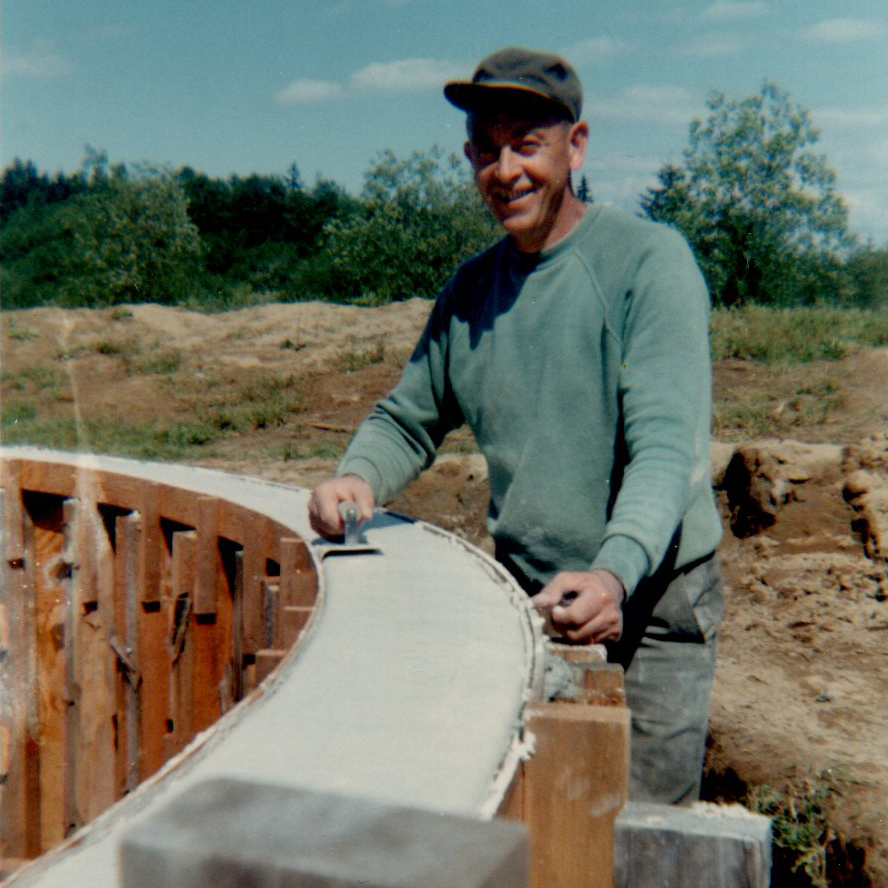
My father was a complex man. As I’ve aged, I understand better where my own complicated nature comes from.
As inscrutable as he could be, there were things I absolutely understood about him:
he was a man of action – he never just sat, never took a nap, never wasted a day of his life without accomplishing something tangible.
he was a man of the soil – he plowed and harrowed and sowed and fertilized and weeded and cut brush and harvested
he was a man of inventiveness – he figured out a better way, he transformed tools and buildings, he started from scratch and built the impossible
he didn’t explain himself – and never felt the need to.
Time keeps ticking on without him here, now 30 years since he took his last breath as the clock pendulum swung back and forth in his bedroom. He was taken too young for all the projects he still had in mind.
He handed off a few to me. Some I have done. Some still wait, I’m not sure why.
My regret is not understanding how much he needed to hear how loved he was. He seemed fine without it being said.
But he wasn’t fine. And neither was I.
I wish I had said it when I had the chance. I guess I am digging it out from the soil of my heart now.
One-Time
Monthly
Yearly
Make a one-time or recurring donation to support daily Barnstorming posts
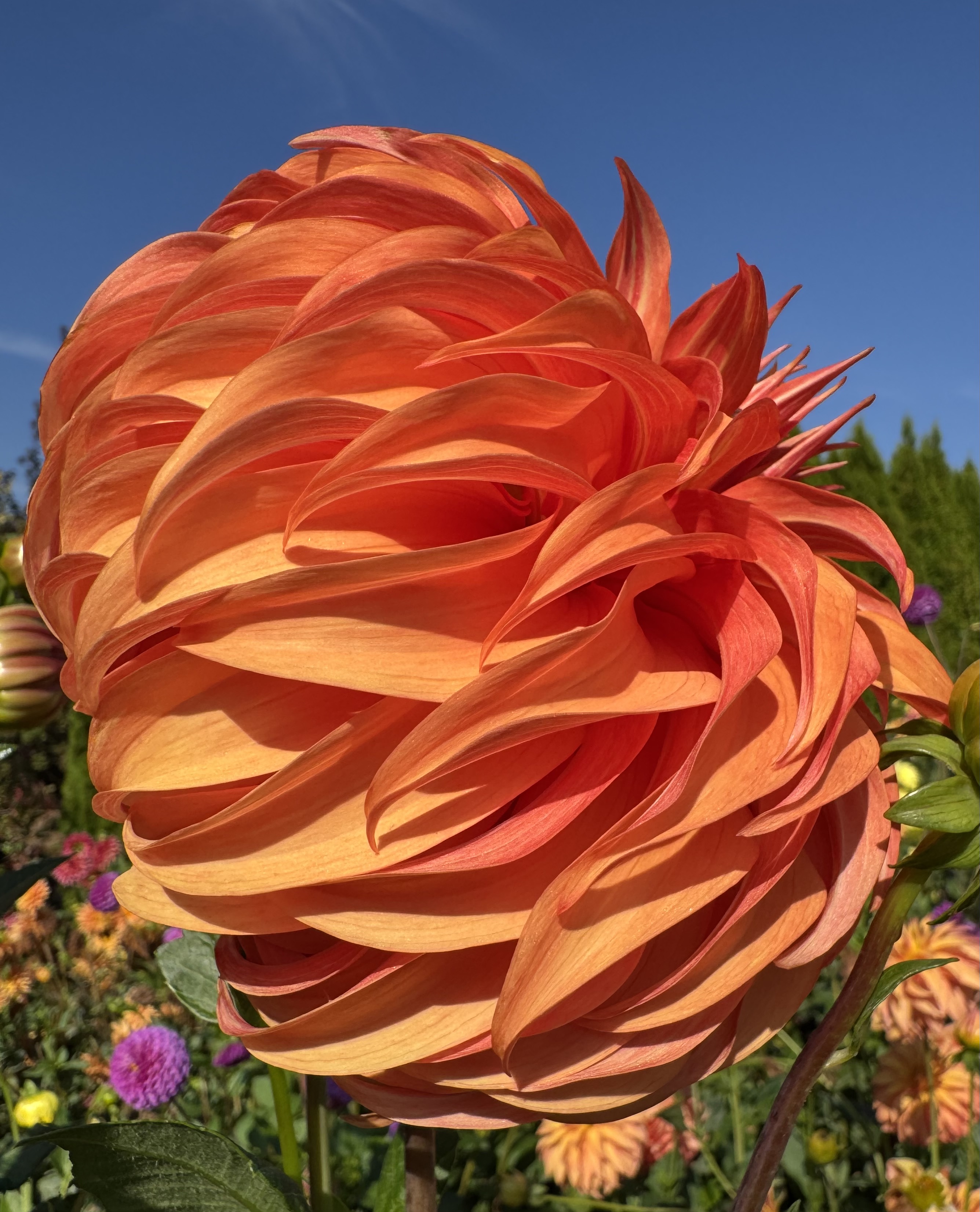
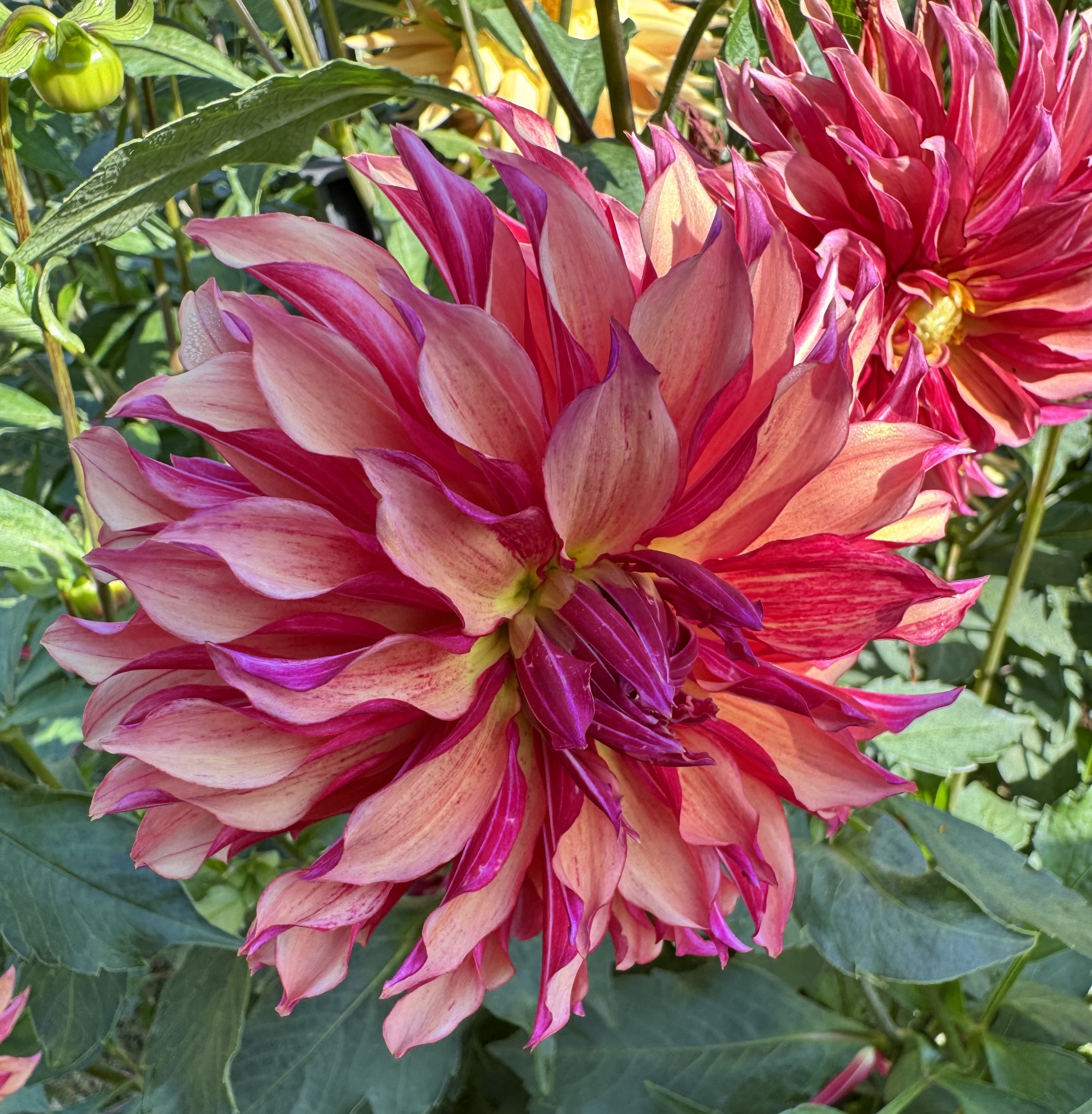
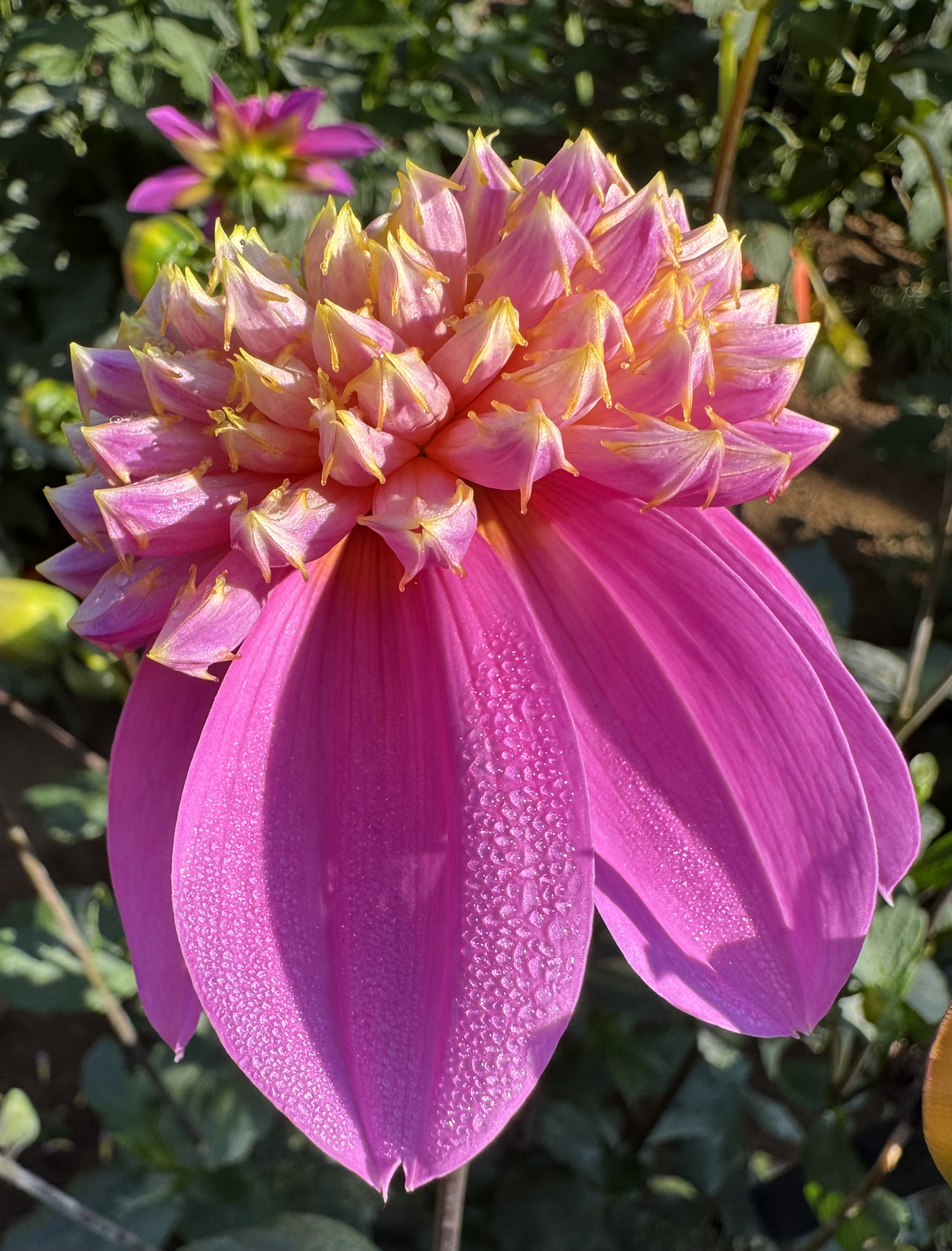
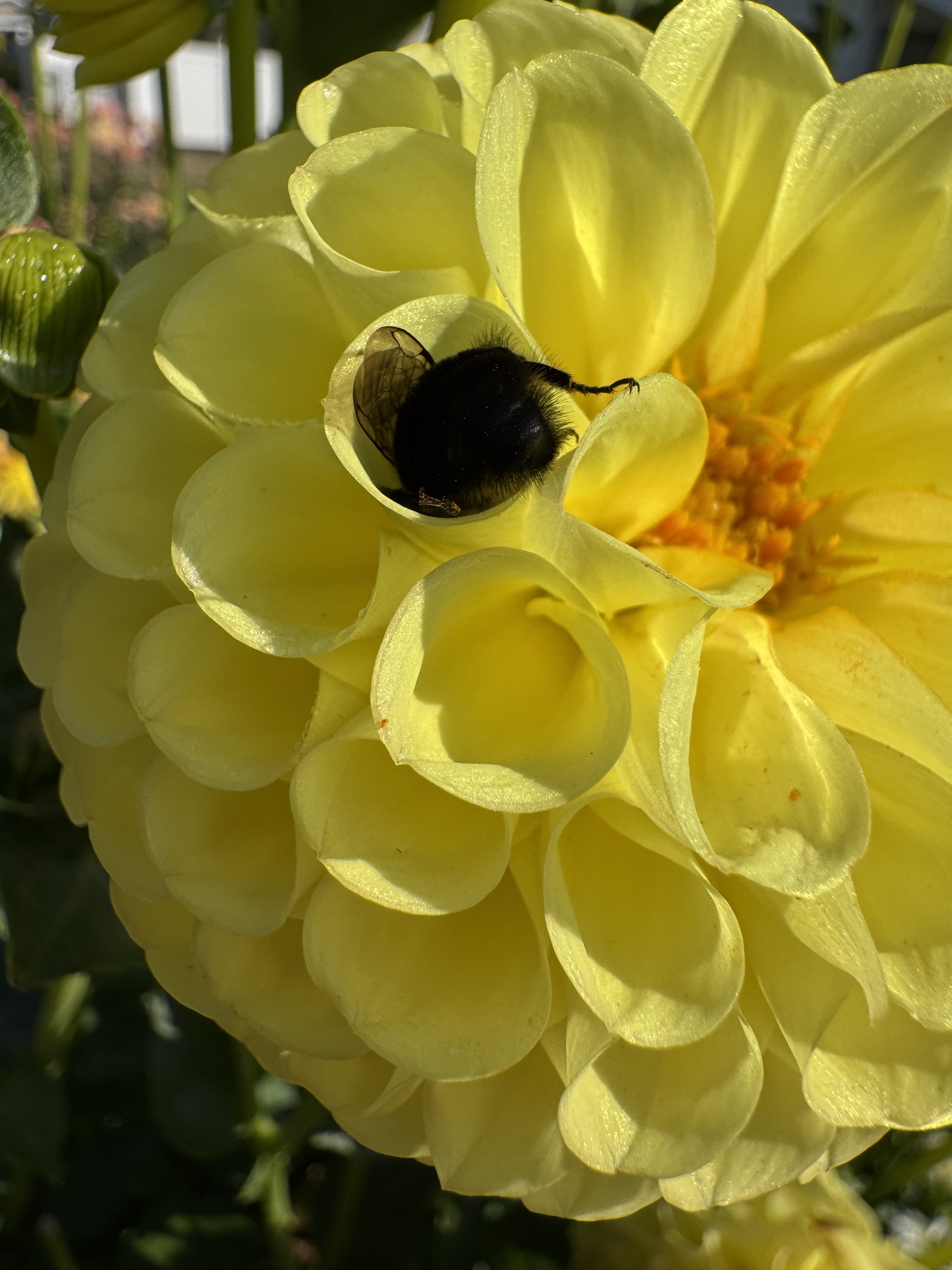
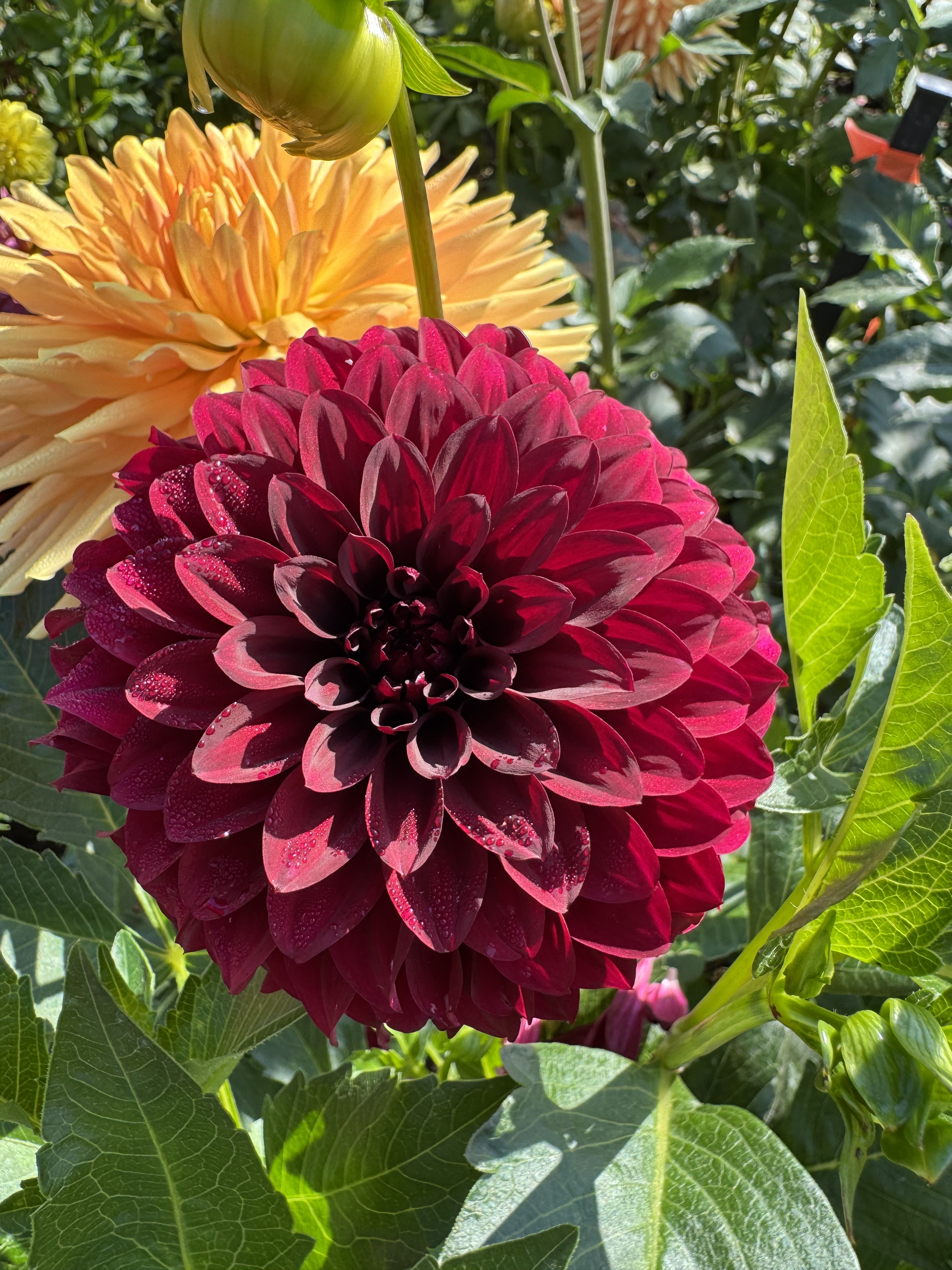
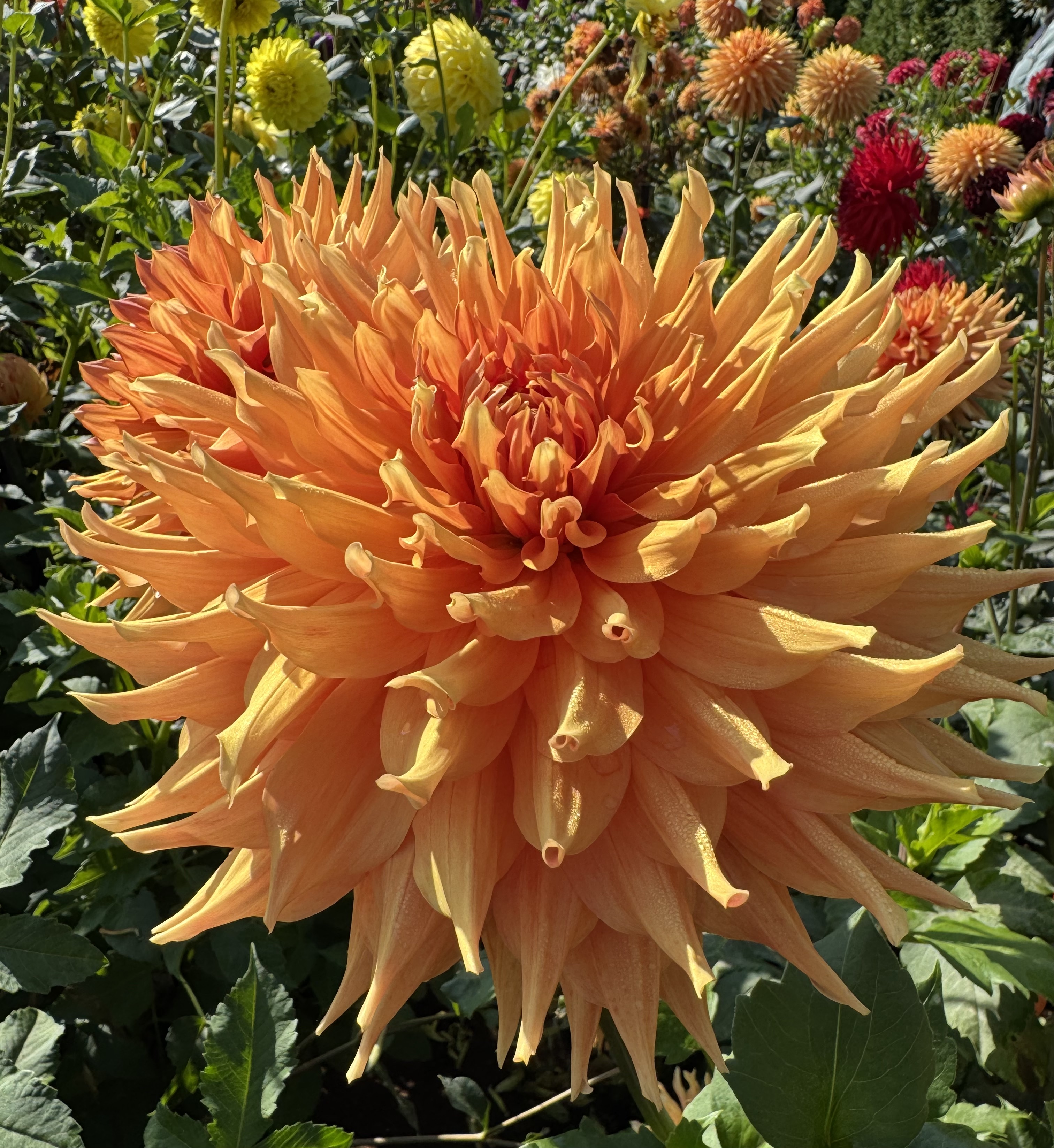
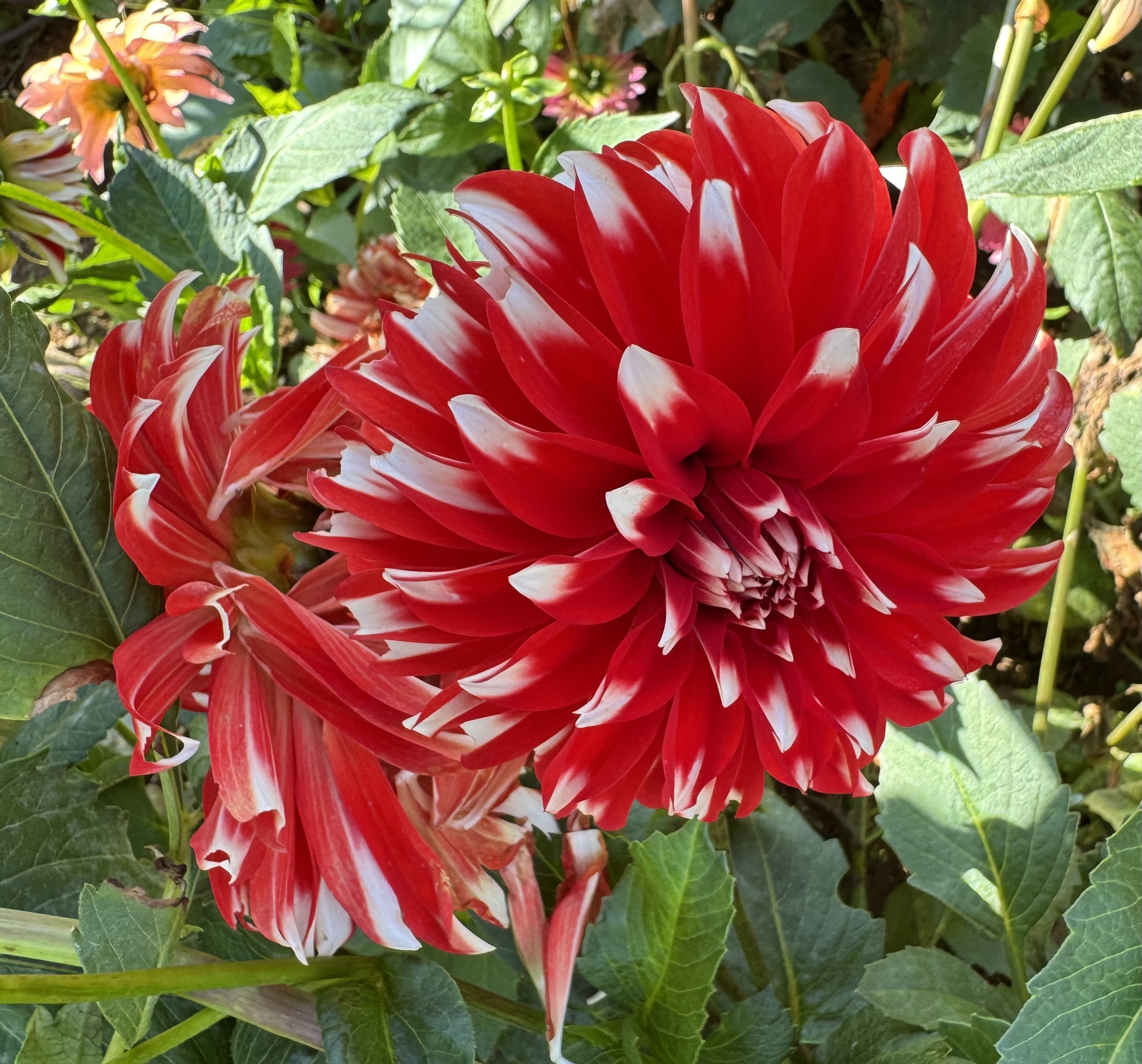
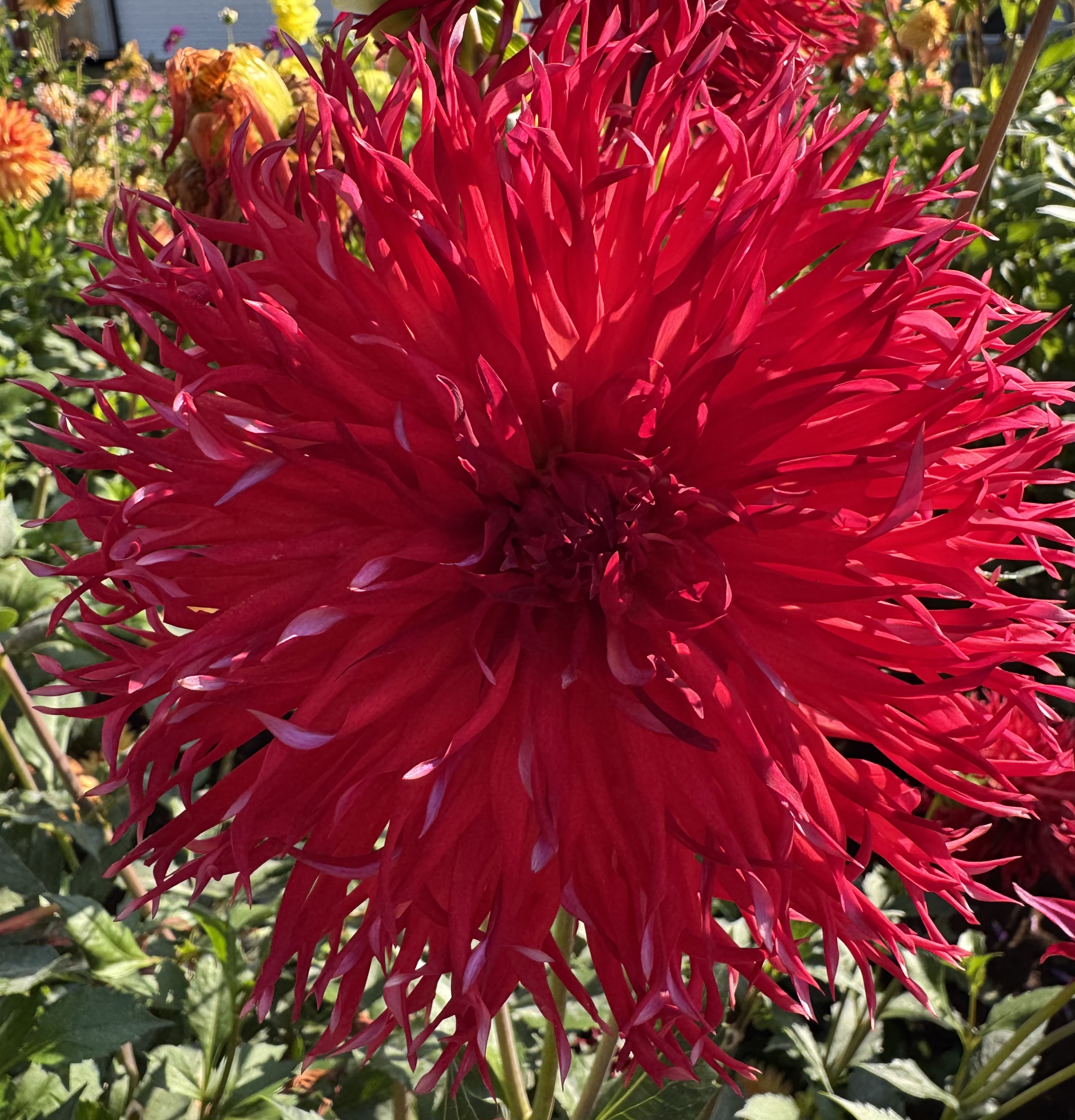
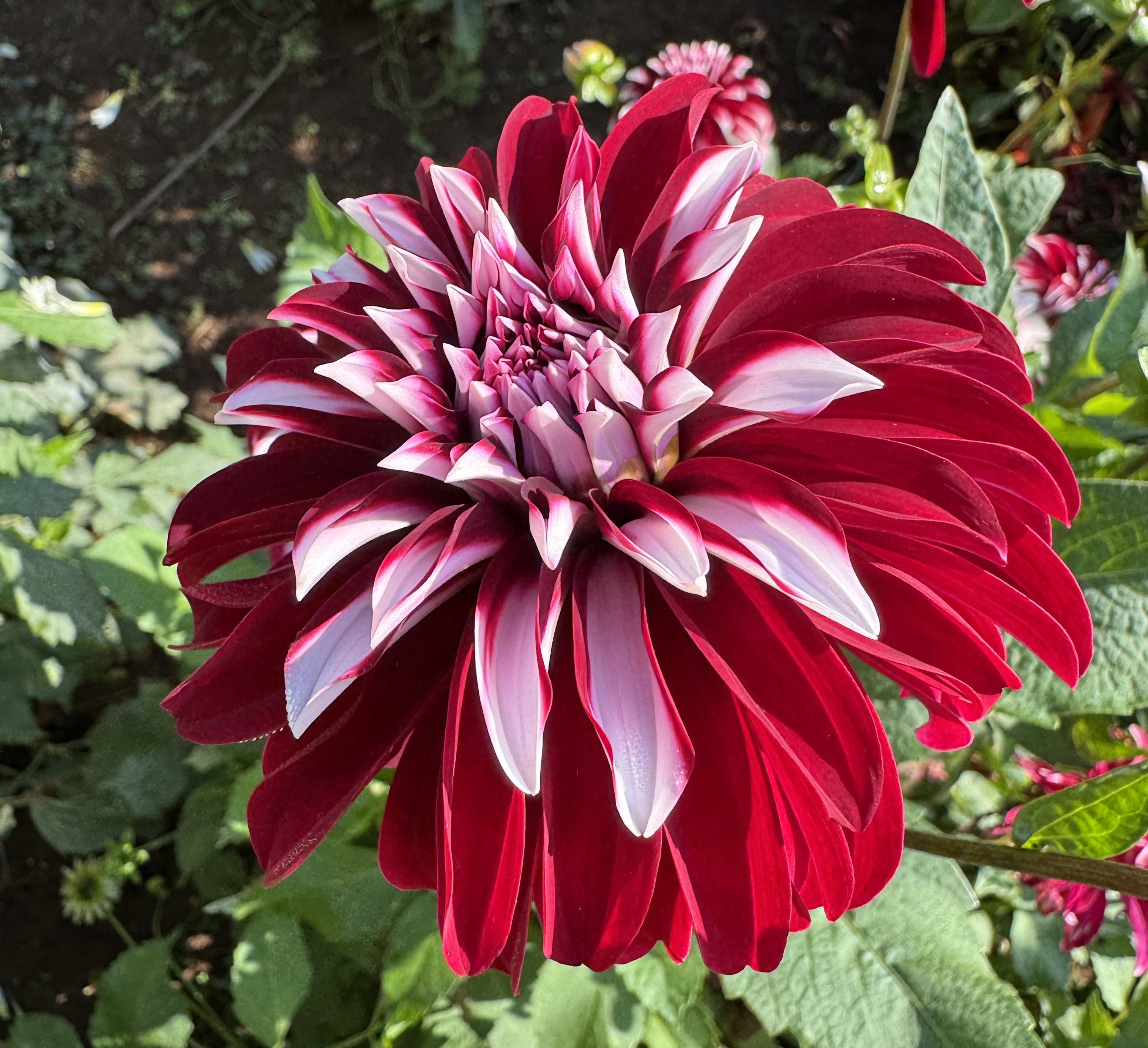
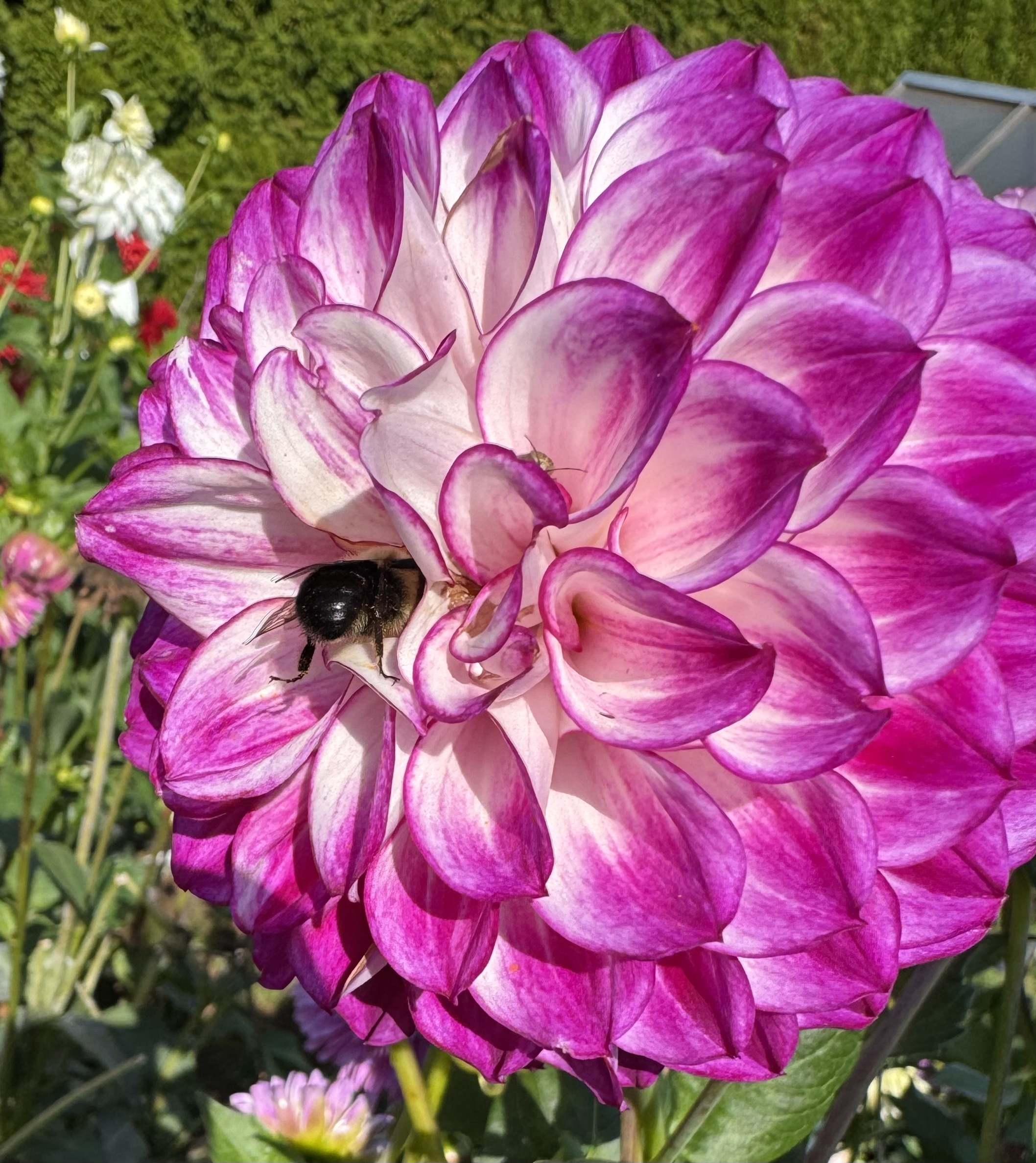
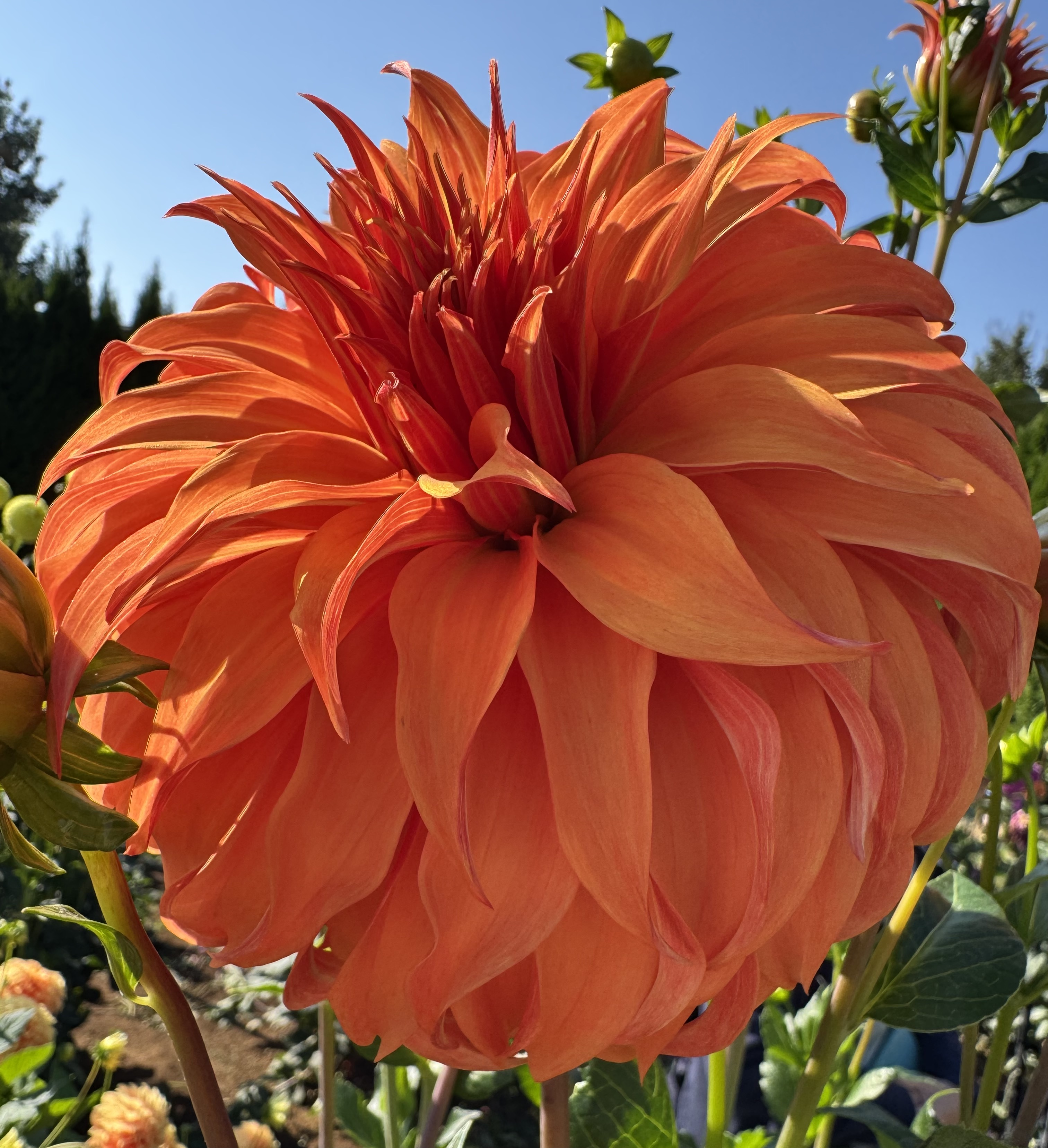
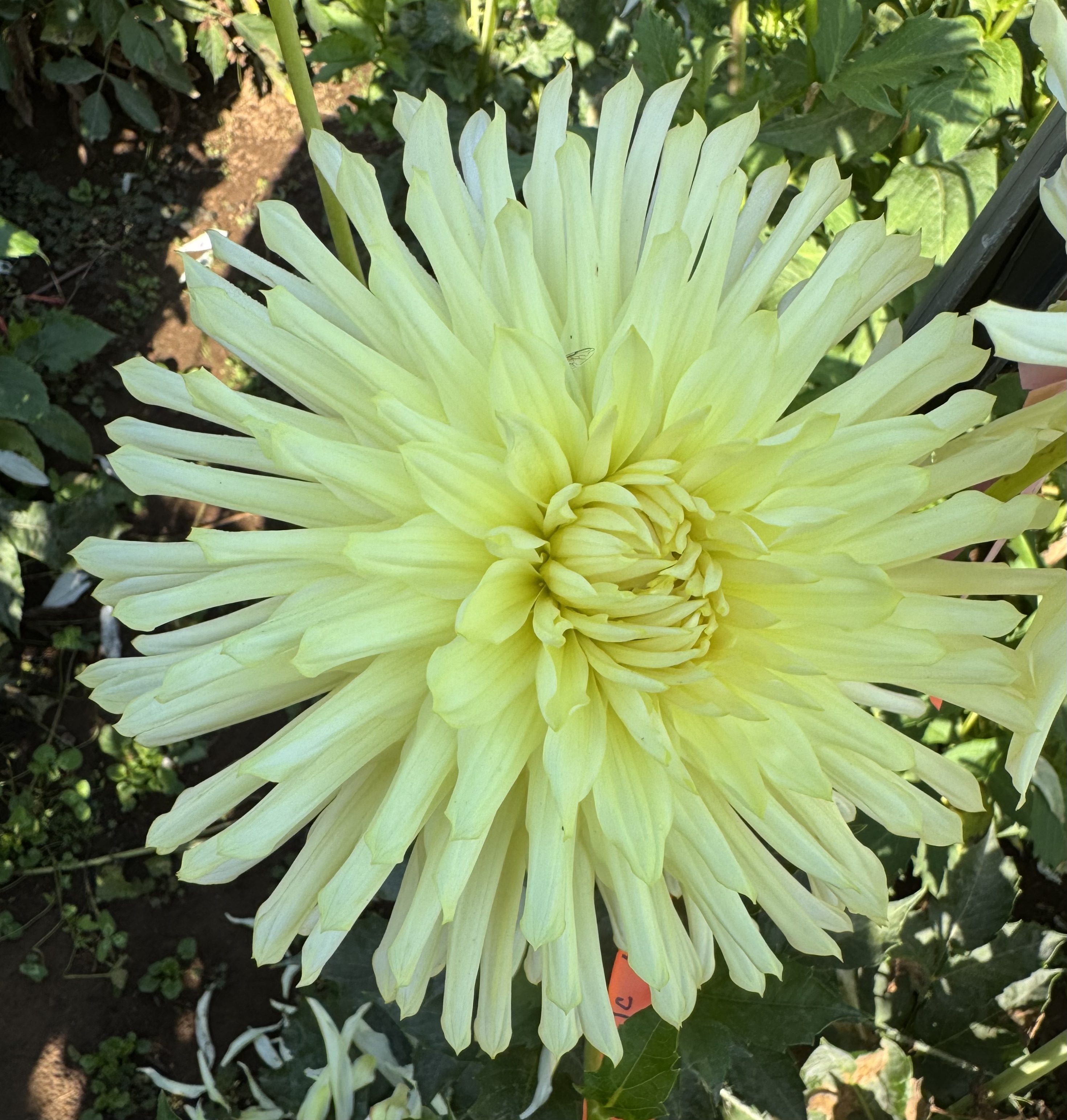
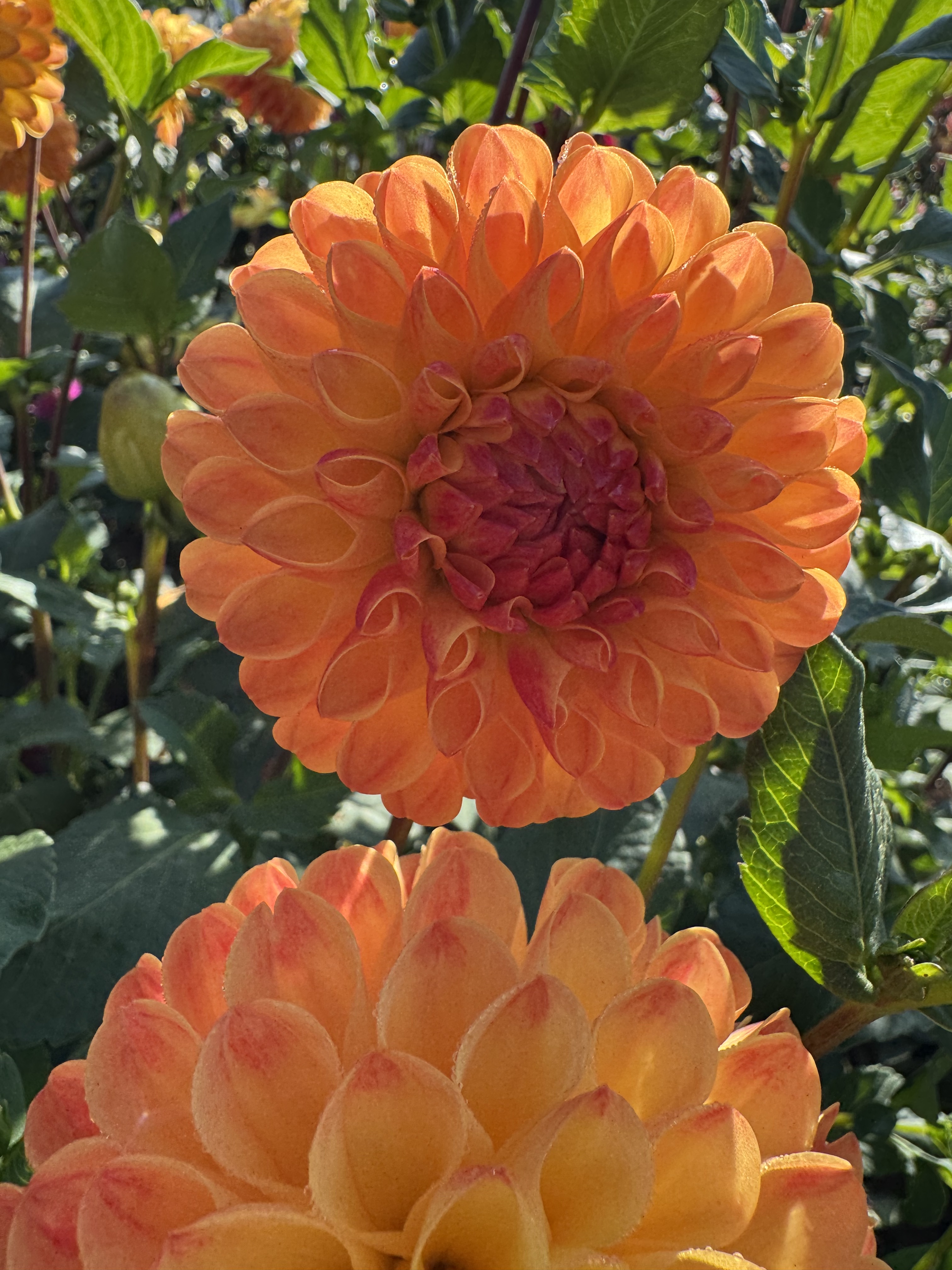
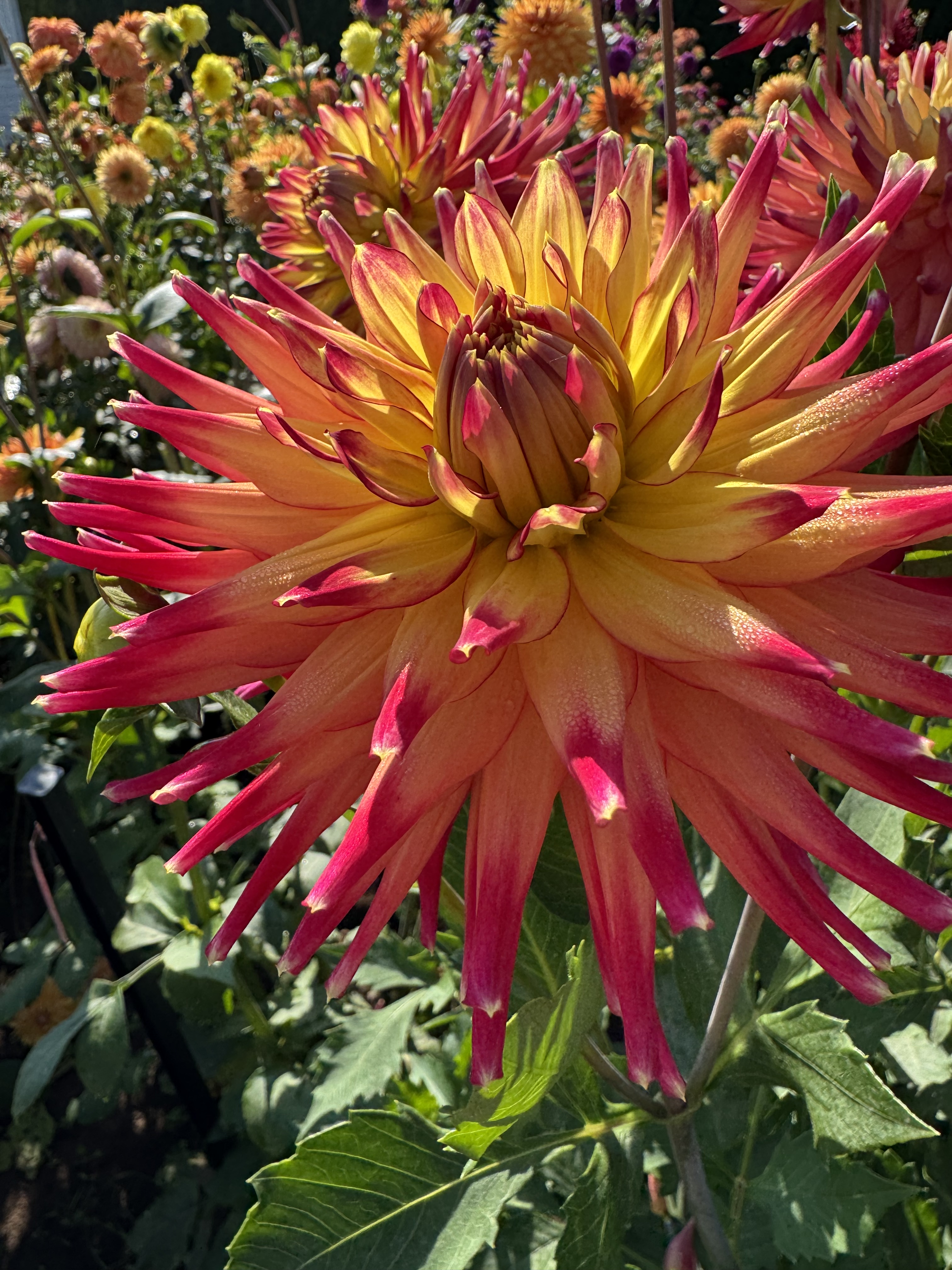
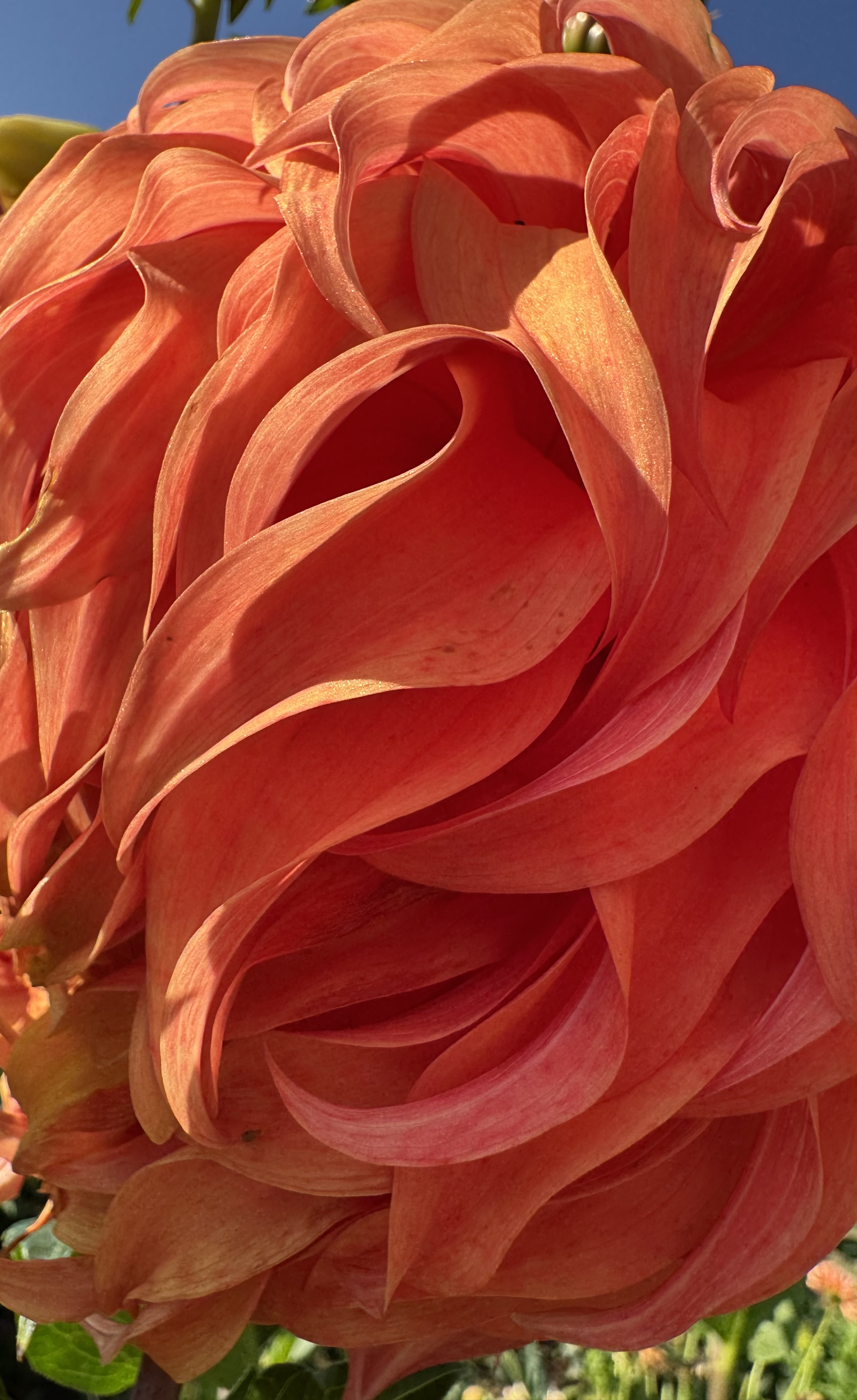
Something about the relentless beauty of the dahlias this year makes me forget lists and calls and news and aches as I stand beside them in a splendor stupor, watching them bloom in real time, not wanting to miss a moment of the long stems rising, the red color deepening then fading from the petals as they age. I imagine a time lapse begins, and the world’s winter white, then greening again, and now a hundred years pass, now five hundred, a thousand, and the garden bed is gone and the fence is gone and the trees and the ditch and the home are gone, and there’s no way to know this was once a place where dahlias grew. Is it any wonder, then, I call to you, ask you to come stand here with me to watch the dahlias open themselves to the sun, each petal a hymn to the present, a history soon to be forgotten, a shimmer in time we might put in a vase and marvel as all around it the whole world spins. ~Rosemerry Wahtola Trommer “A Scrap in Time”
In my beginning is my end. Now the light falls Across the open field, leaving the deep lane Shuttered with branches, dark in the afternoon…
The dahlias sleep in the empty silence. Wait for the early owl.
Dawn points, and another day Prepares for heat and silence. Out at sea the dawn wind Wrinkles and slides. I am here Or there, or elsewhere. In my beginning.
Home is where one starts from.
Love is most nearly itself When here and now cease to matter. ~T. S. Eliot, verses from “East Coker” in Four Quartets
What a pity flowers can utter no sound! —A singing rose, a whispering violet, a murmuring honeysuckle… oh, what a rare and exquisite miracle would these be! ~Henry Ward Beecher
A flower garden is a place for prayer and hymns of praise.
When I meet a truly great gardener, like my friend Jean who has grown and hybridized dahlias, what I see growing in the soil is a choral composition of petals, leaves and roots.
Jean has passionately cared for these plants for many of her nine decades of life. They reflect that love in every spiral and swirl, hue and gradient of color, showing stark symmetry and delightful variegation.
Arising from the plainest of homely and knobby look-alike tubers grow these luxurious beauties of infinite variety. I am stunned by each one, captivated, realizing that same Creator ensures we too bloom from mere dust, becoming a hymn of praise arising from every fiber of our being.
One-Time
Monthly
Yearly
Make a one-time or recurring donation to support daily Barnstorming posts
Summer is over, the old cow said, And they’ll shut me up in a draughty shed To milk me by lamplight in the cold, But I won’t give much for I am old. It’s long ago that I came here Gay and slim as a woodland deer; It’s long ago that I heard the roar Of Smith’s white bull by the sycamore. And now there are bones where my flesh should be; My backbone sags like an old roof tree, And an apple snatched in a moment’s frolic Is just so many days of colic.
I’m neither a Jersey nor Holstein now But only a faded sort of cow. My calves are veal and I had as lief That I could lay me down as beef; Somehow, they always kill by halves, — Why not take me when they take my calves? Birch turns yellow and sumac red, I’ve seen this all before, she said, I’m tired of the field and tired of the shed. There’s no more grass, there’s no more clover; Summer is over, summer is over. ~Robert Hillyer “Moo!”
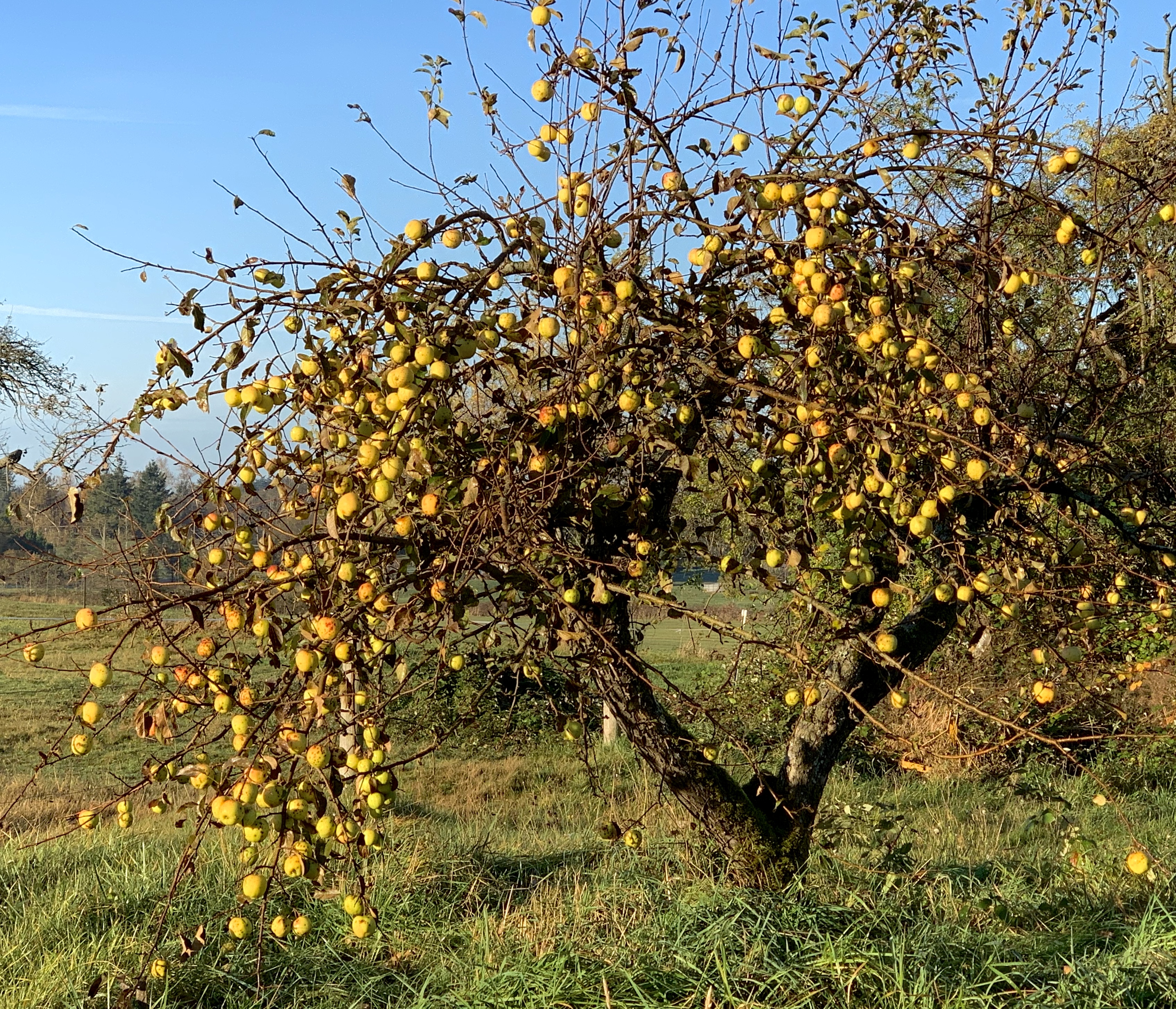
Something inspires the only cow of late To make no more of a wall than an open gate, And think no more of wall-builders than fools. Her face is flecked with pomace and she drools A cider syrup. Having tasted fruit, She scorns a pasture withering to the root. She runs from tree to tree where lie and sweeten The windfalls spiked with stubble and worm-eaten. She leaves them bitten when she has to fly. She bellows on a knoll against the sky. Her udder shrivels and the milk goes dry. ~Robert Frost “The Cow in Apple Time”
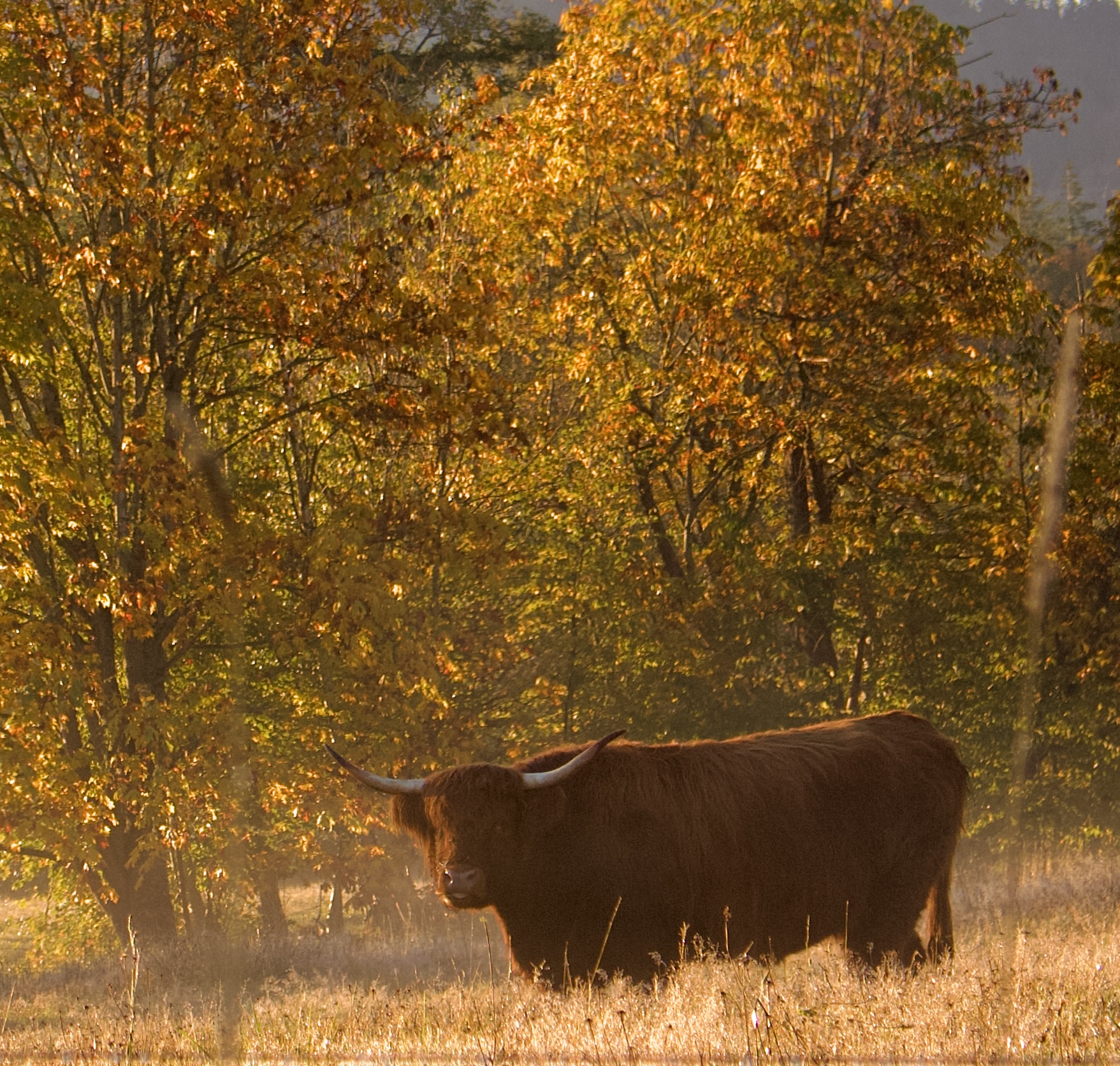
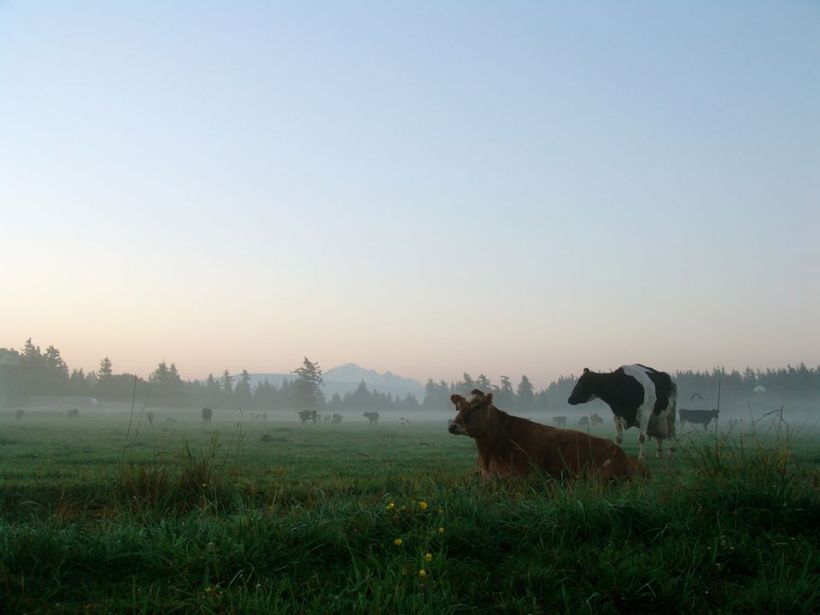
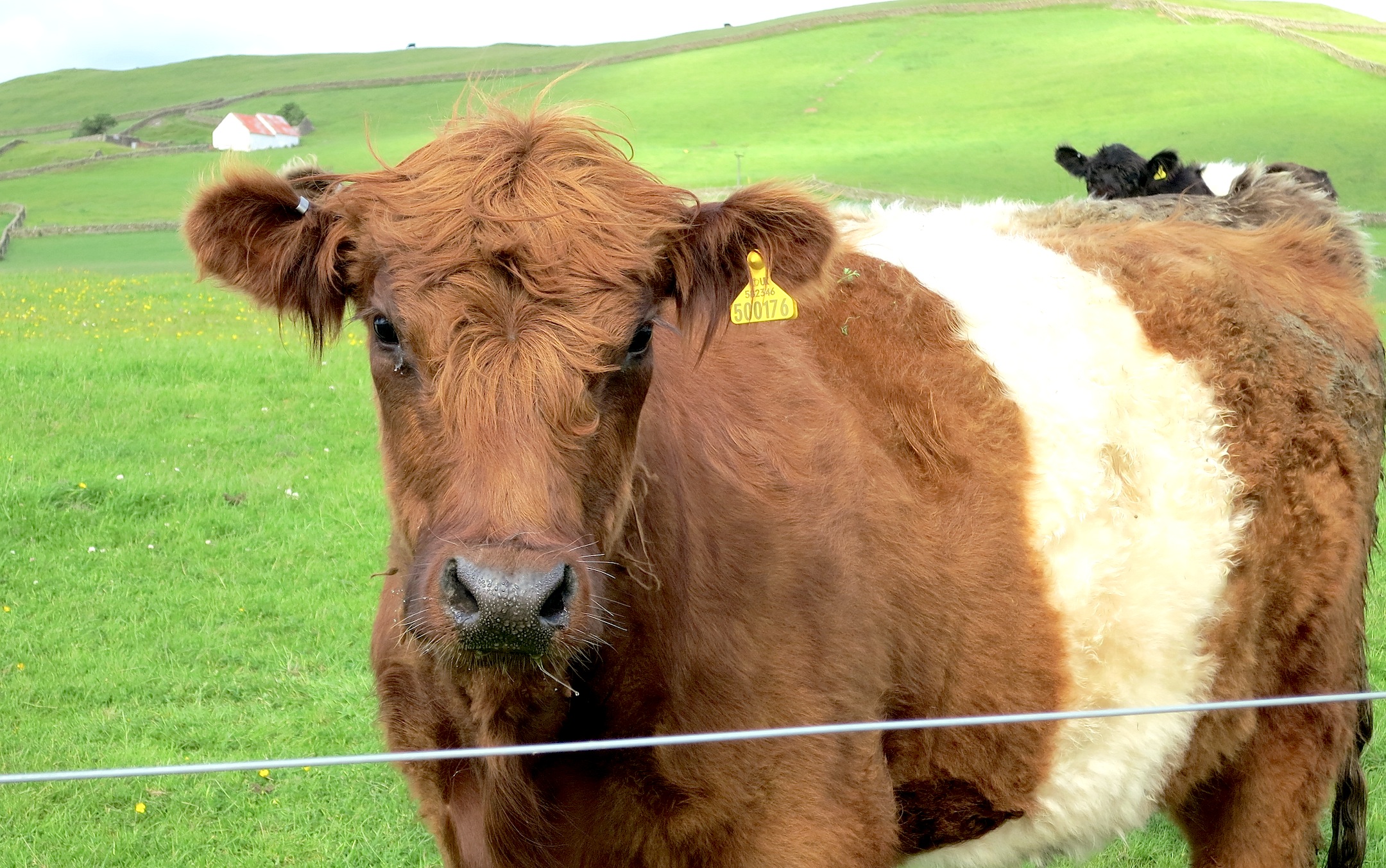
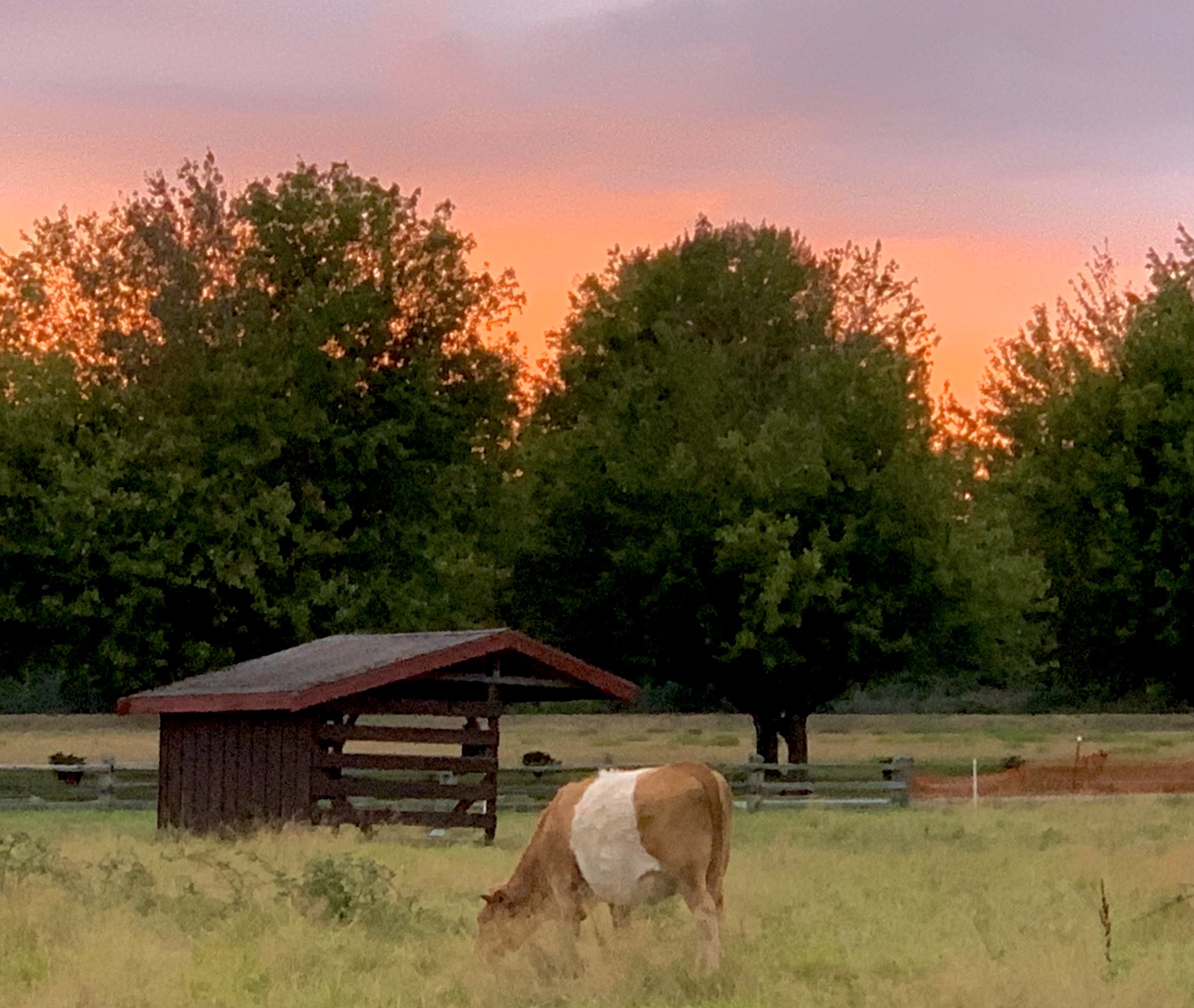
I have lived among cows, our own and our neighbors’, dairy and beef, most of my life. Given their status as a food source, cows aren’t always granted a long life, but I do envy those who spend much of the year chewing cud outside in pastoral settings.
We’ve owned some aged cows. They can be set in their ways and don’t particularly like a change in routine. They prefer a communal life, bearing calves, surrendering their milk, and ensuring the herd hierarchy is maintained with a minimum of fuss.
I remember my dad curing a cow’s habit of eating apples directly from a tree branch. She had the apple lodged in her esophagus as it had slipped down her throat unchewed, but too large to pass through to her rumen. She was foaming at the mouth, breathing fine, but the apple was a visible lump palpable mid-way down her neck. My dad grabbed a short two by four board and a hammer, placed the board on one side of her neck lump, and with the hammer, hit her neck precisely over the apple, crushing it. She was immediately cured and sauntered over to grab more apples, off the ground rather than the branch.
Cows can experience various health issues, sometimes relating to infections in their udders, but not infrequently, trouble with their hooves. They can get abscesses which are quite painful until emptied, as well as sharp rocks or gravel wedged into their foot. This sometimes necessitates hoof work done by a specialist who visits dairy farms on a regular basis.
I confess I (along with a million or so other folks) spend an inordinate amount of time watching YouTube channels of cow hoof trimming. I have no desire to do the job myself, but restoring a limping cow to a comfortably walking cow is a skill that must be very gratifying.
As an aging female myself, I know all about aches and pains. I too feel the sadness of summer coming to an end, when the grass and clover grows sparse in the field, and when chilly nights are best spent in the shelter of the barn.
But I’m not yet ready to give up on this sweet pastoral life. There are still some days left, and apples to pick up off the ground, for this fading old cow…
One-Time
Monthly
Yearly
Make a one-time or recurring donation to support daily Barnstorming posts
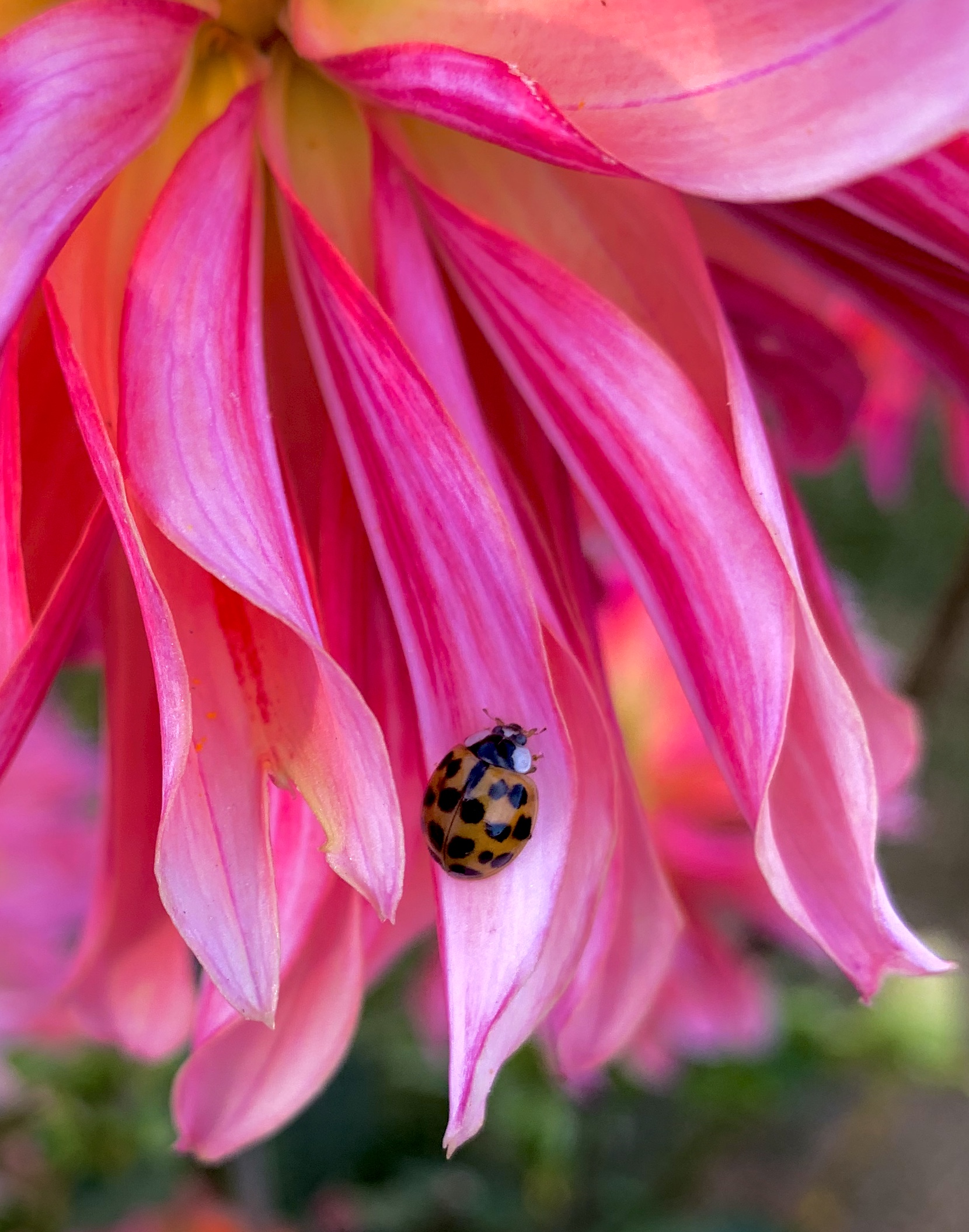
She wasn’t looking when they took this picture: sitting on the grass in her bare feet wearing a cotton dress, she stares off to the side watching something on the lawn the camera didn’t catch. What was it? A ladybug? A flower? Judging from her expression, possibly nothing at all, or else the lawn was like a mirror, and she sat watching herself, wondering who she was and how she came to be there sitting in this backyard, wearing a cheap, white dress, imagining that tomorrow would be like all her yesterdays, while her parents chatted and watched, as I do years later, too distantly to interfere. ~Dana Gioia, “Photograph of My Mother as a Young Girl” from Daily Horoscope
Seeing photos of ancestors a century past
is like looking at your own fingerprints—
circles and lines you can’t recognize
until someone else with a stranger’s eye looks close and says that’s you. ~Joseph Bruchac, “Prints” from Sing: Poetry from the Indigenous Americas.
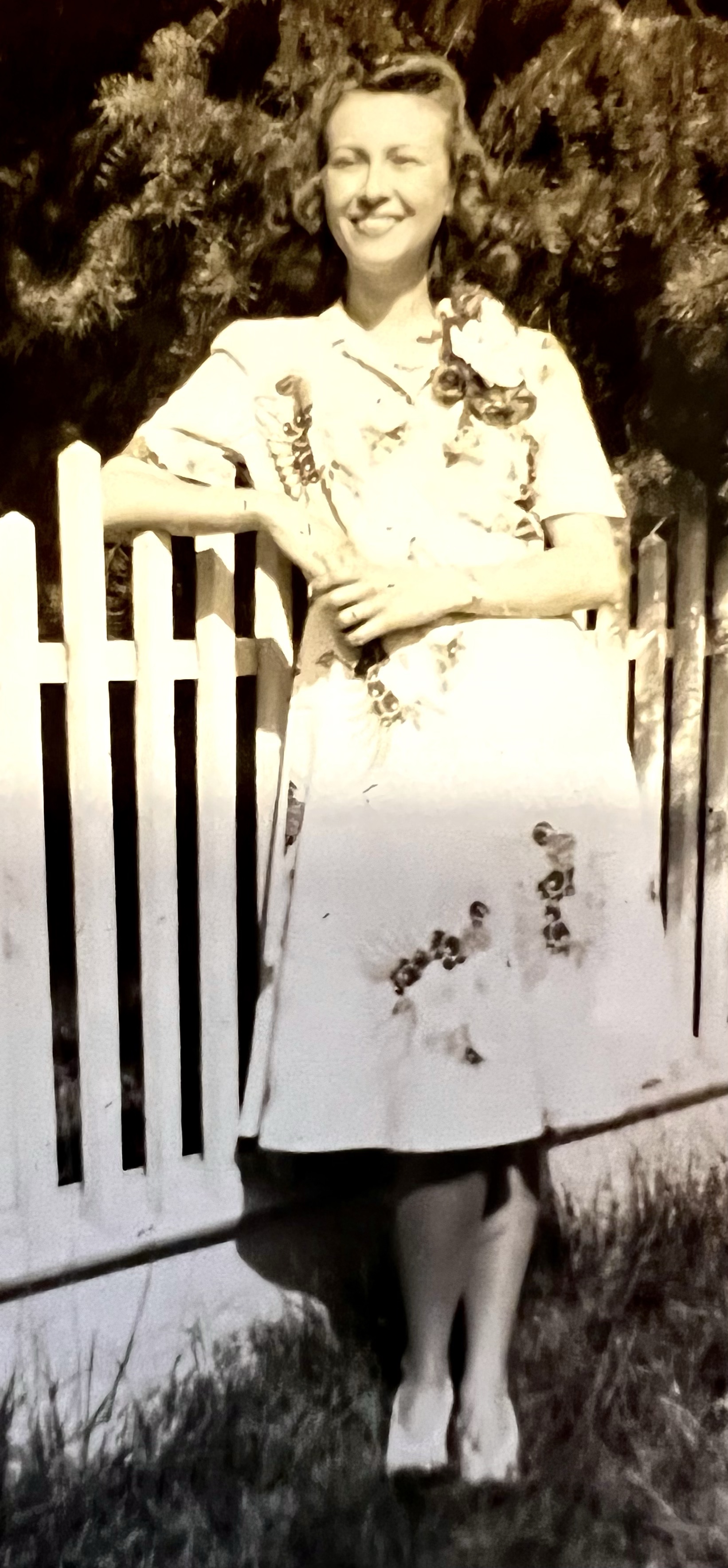
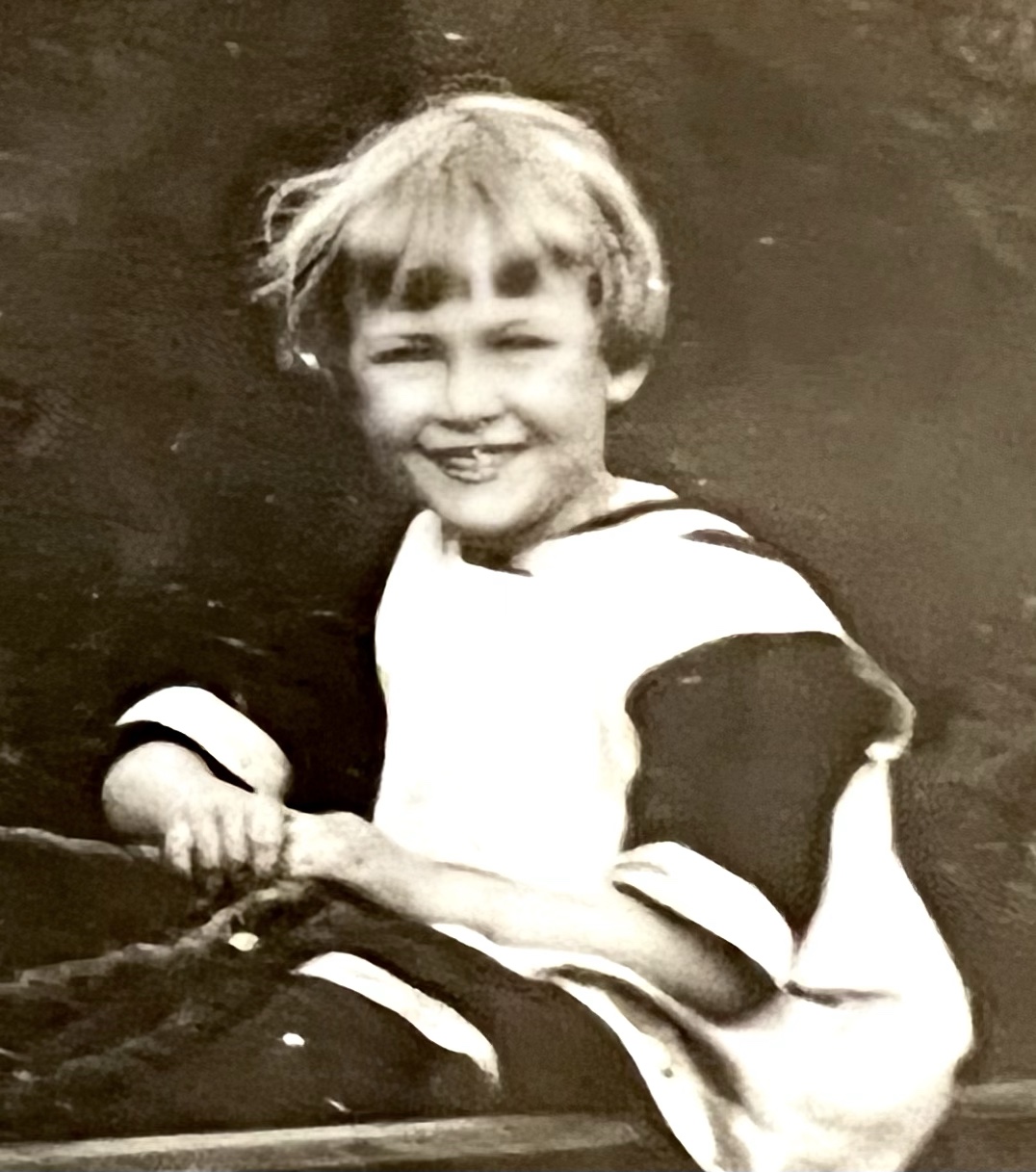
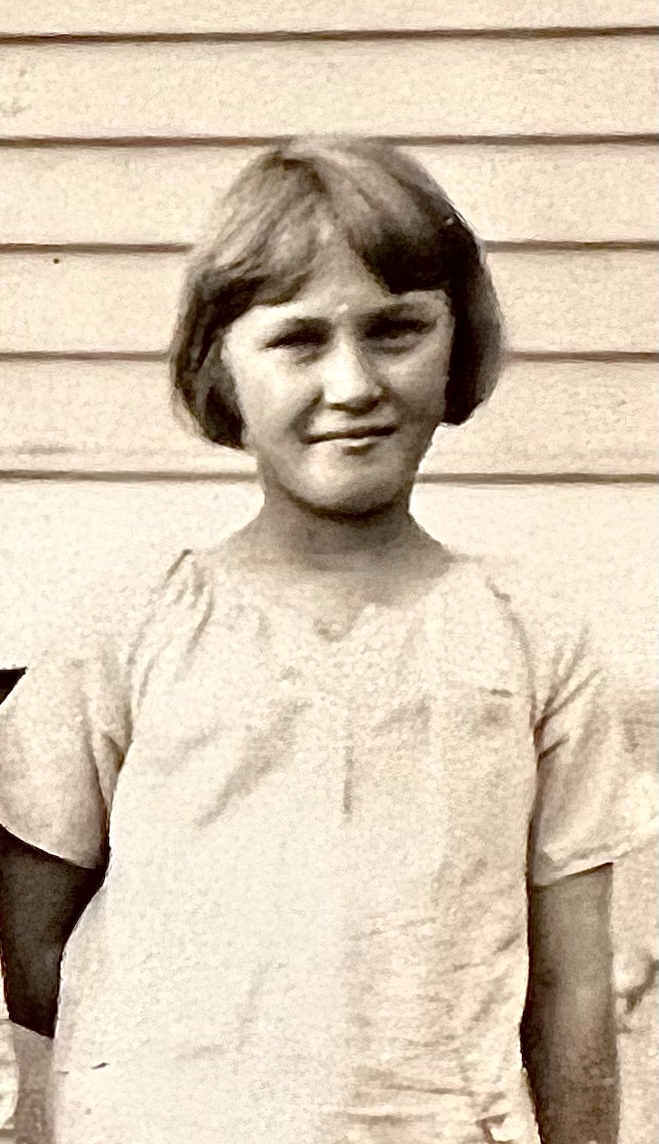
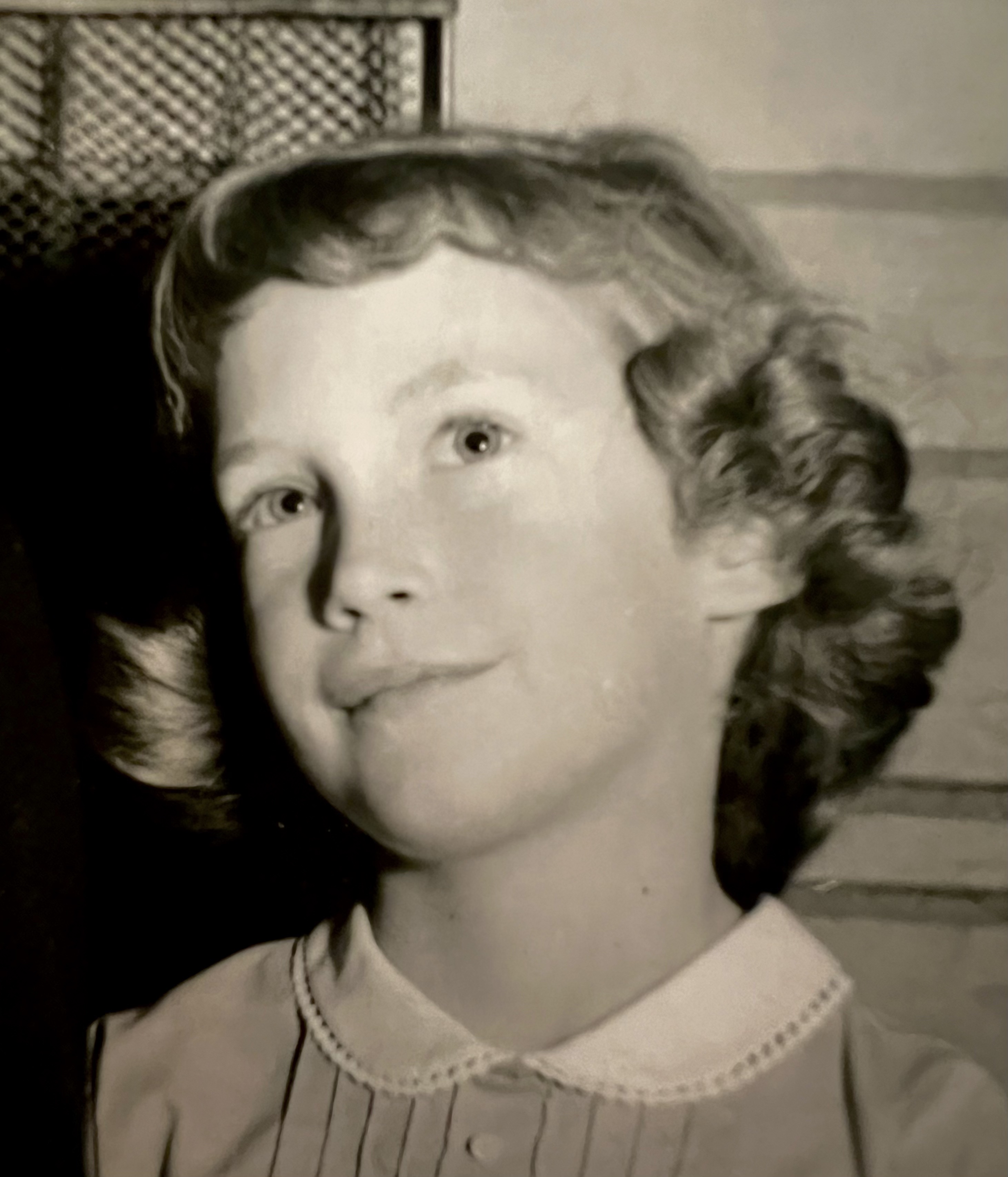
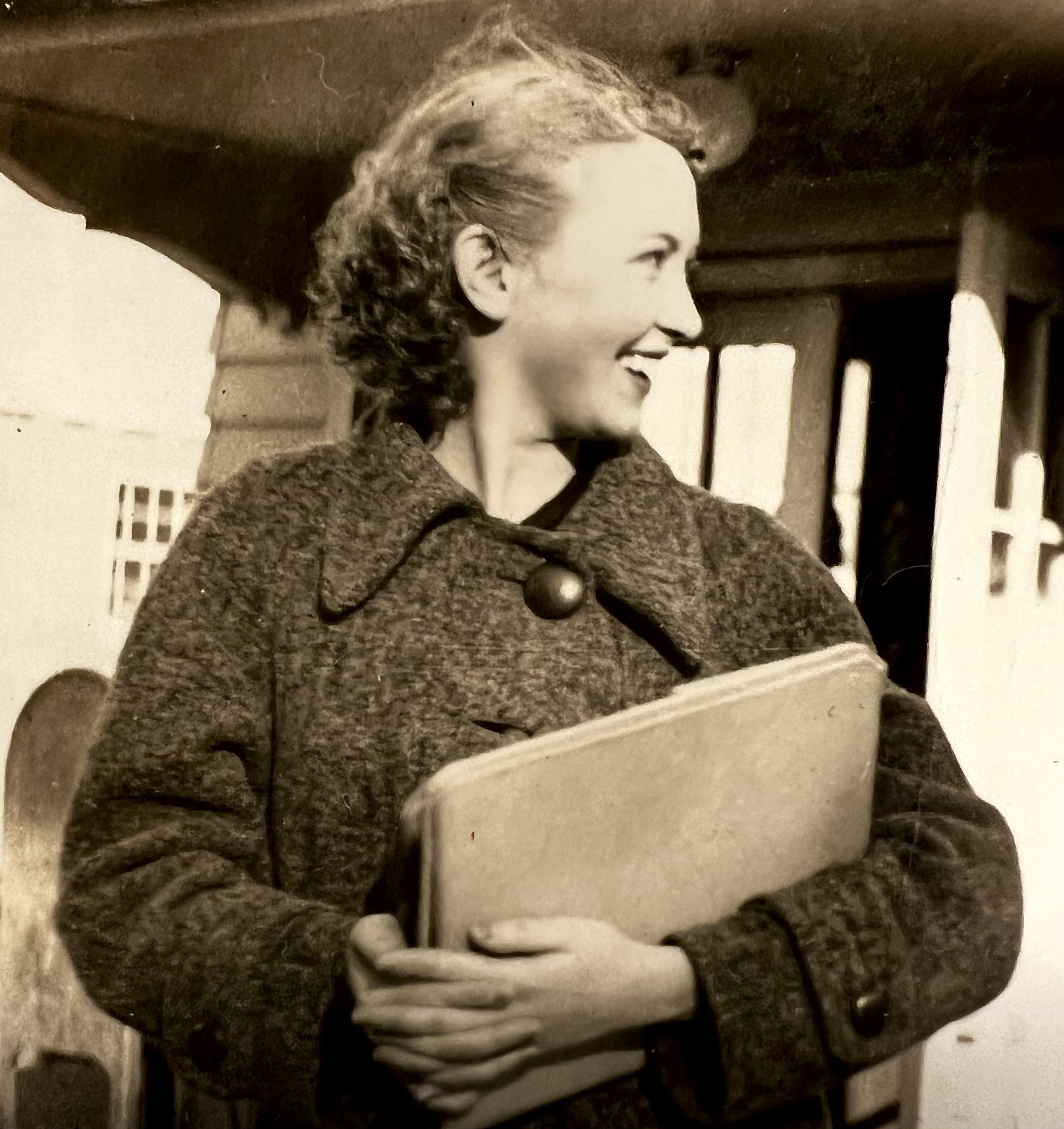
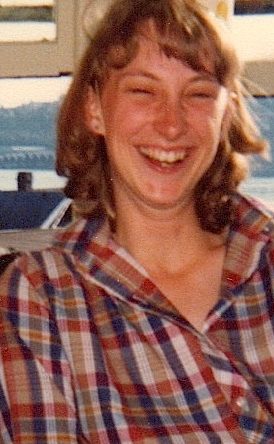
Growing up, it was never obvious to me that I looked like either one of my parents. Once, as a naughty kid, I told them I thought I was adopted as there wasn’t a single photo to be found of my mother looking pregnant (never mind that few women in the 50’s allowed themselves to be photographed pregnant).
Searching the faces of extended family in old photographs, others would comment on the facial similarities between my young mother and me.
And indeed, the older I have become, the more I see my mother looking back at me in the mirror.
The characteristics I inherited from my father aren’t as obvious in the mirror: his persistence and problem-solving, his inability to ever fully relax, his drive to get things done and not give up.
So, yes, that is me in the photos of my mother taken nearly a century ago, as well as those taken not so long ago.
I now recognize me in those photos, grateful to resemble such a loving and lovely mom.
One-Time
Monthly
Yearly
Make a one-time or recurring donation to support daily Barnstorming posts
For seasons the walled meadow south of the house built of its stone grows up in shepherd’s purse and thistles the weeds share April as a secret finches disguised as summer earth click the drying seeds mice run over rags of parchment in August the hare keeps looking up remembering a hidden joy fills the songs of the cicadas
two days’ rain wakes the green in the pastures crows agree and hawks shriek with naked voices on all sides the dark oak woods leap up and shine the long stony meadow is plowed at last and lies all day bare I consider life after life as treasures oh it is the autumn light
that brings everything back in one hand the light again of beginnings the amber appearing as amber ~ W. S. Merwin, “September Plowing” from Flower & Hand
photo by Joel De Waard
When you are already here you appear to be only a name that tells of you whether you are present or not
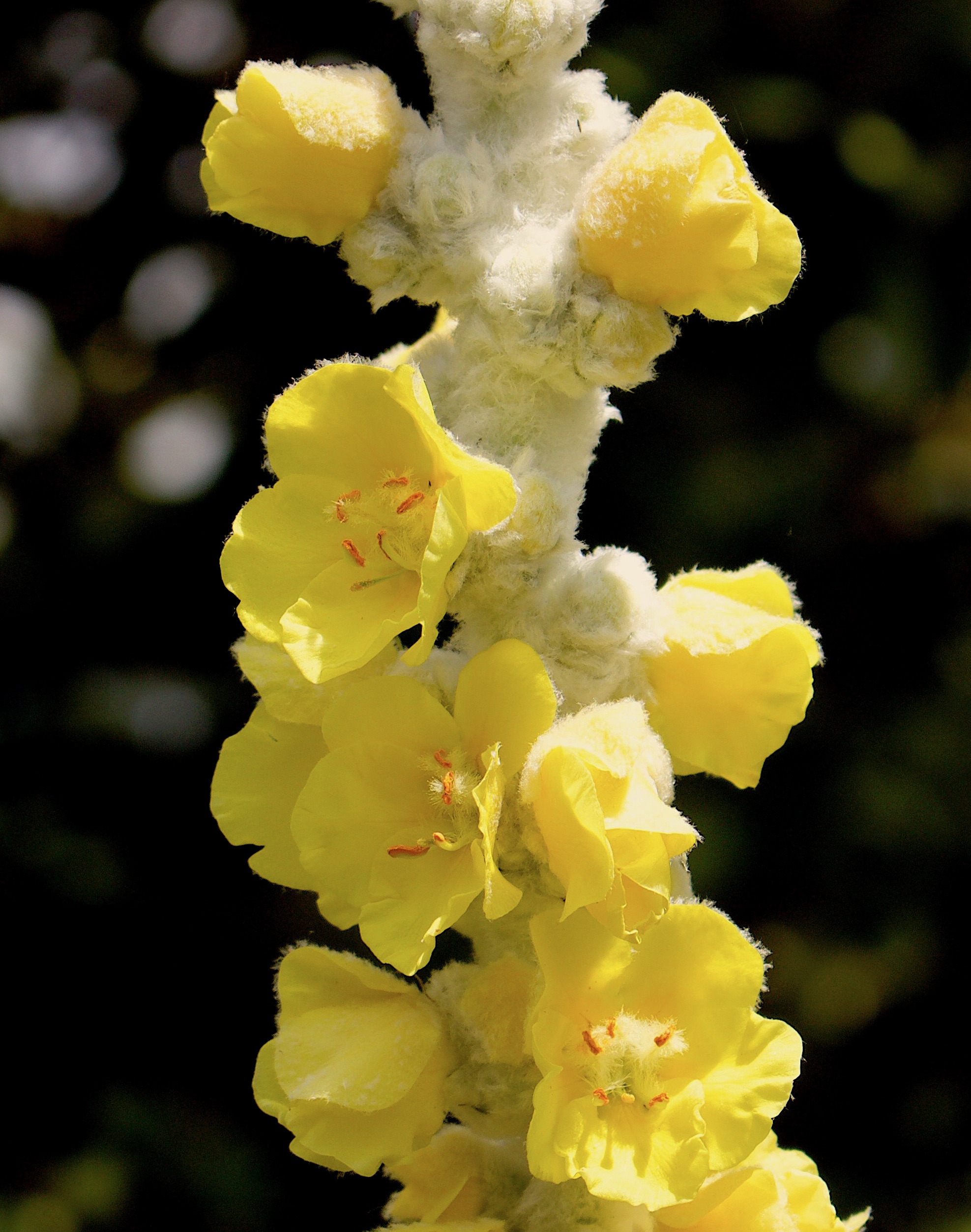
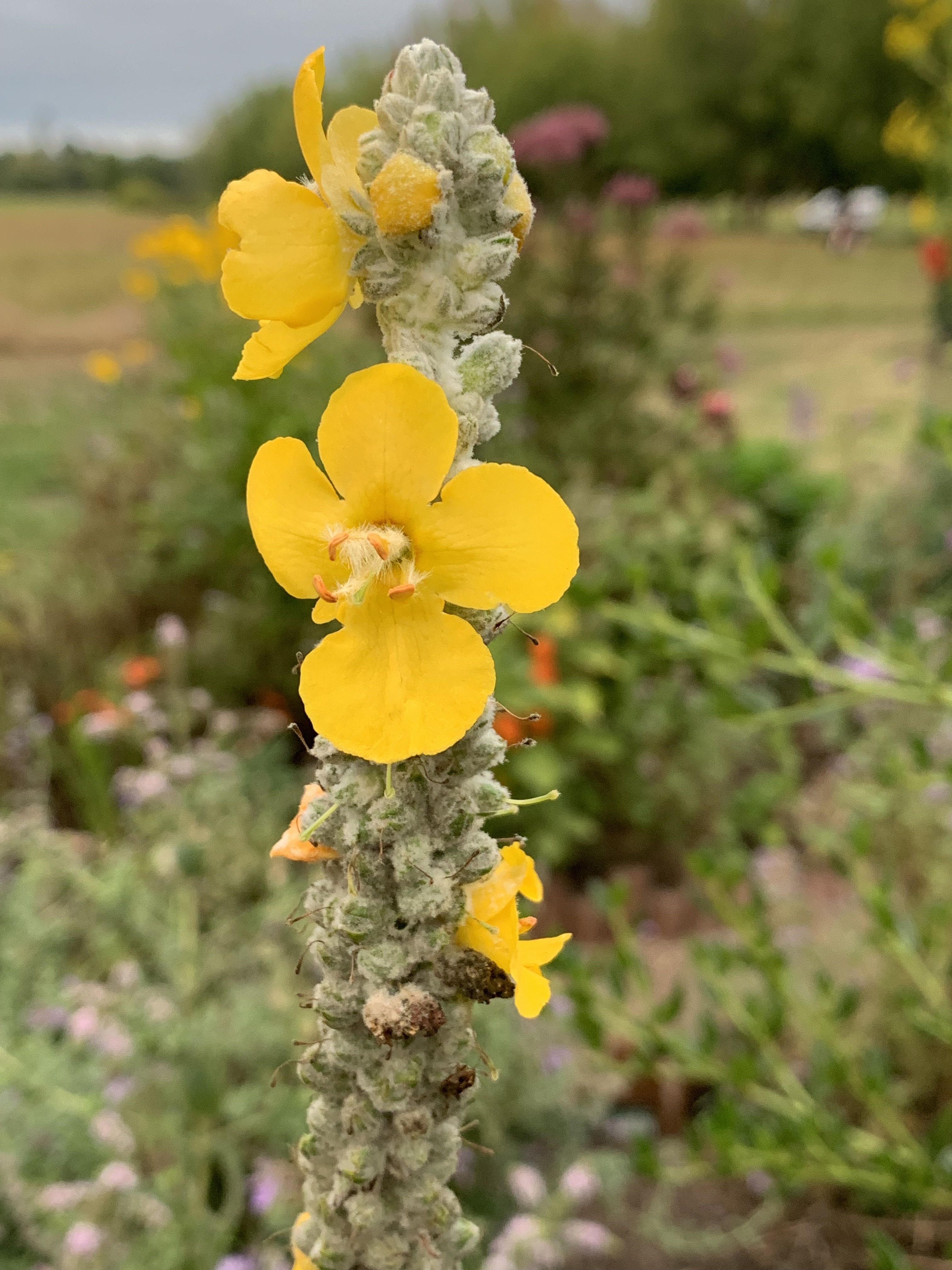
and for now it seems as though you are still summer still the high familiar endless summer yet with a glint of bronze in the chill mornings and the late yellow petals of the mullein fluttering on the stalks that lean over their broken shadows across the cracked ground
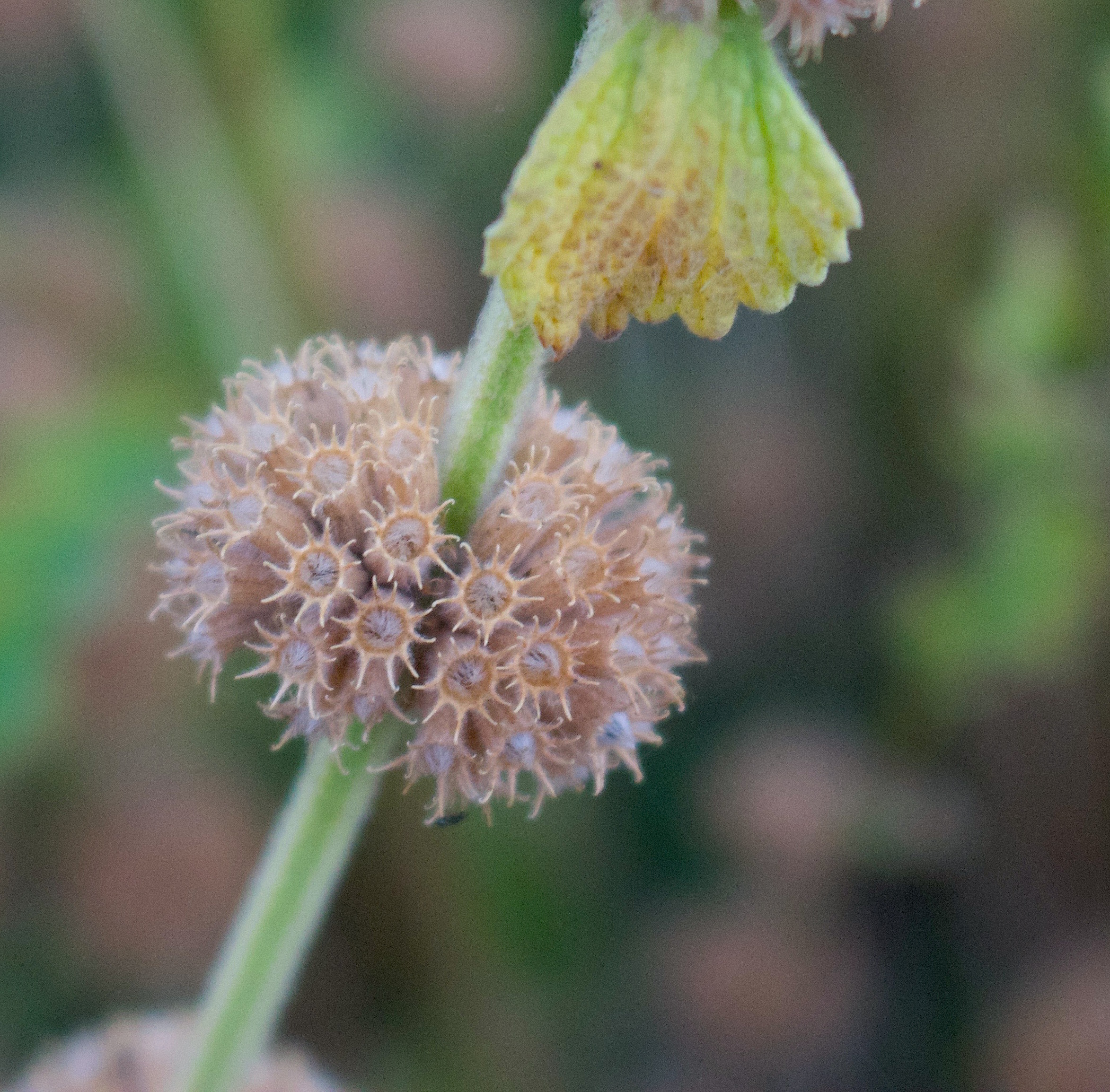
but they all know that you have come the seed heads of the sage the whispering birds with nowhere to hide you to keep you for later
you who fly with them
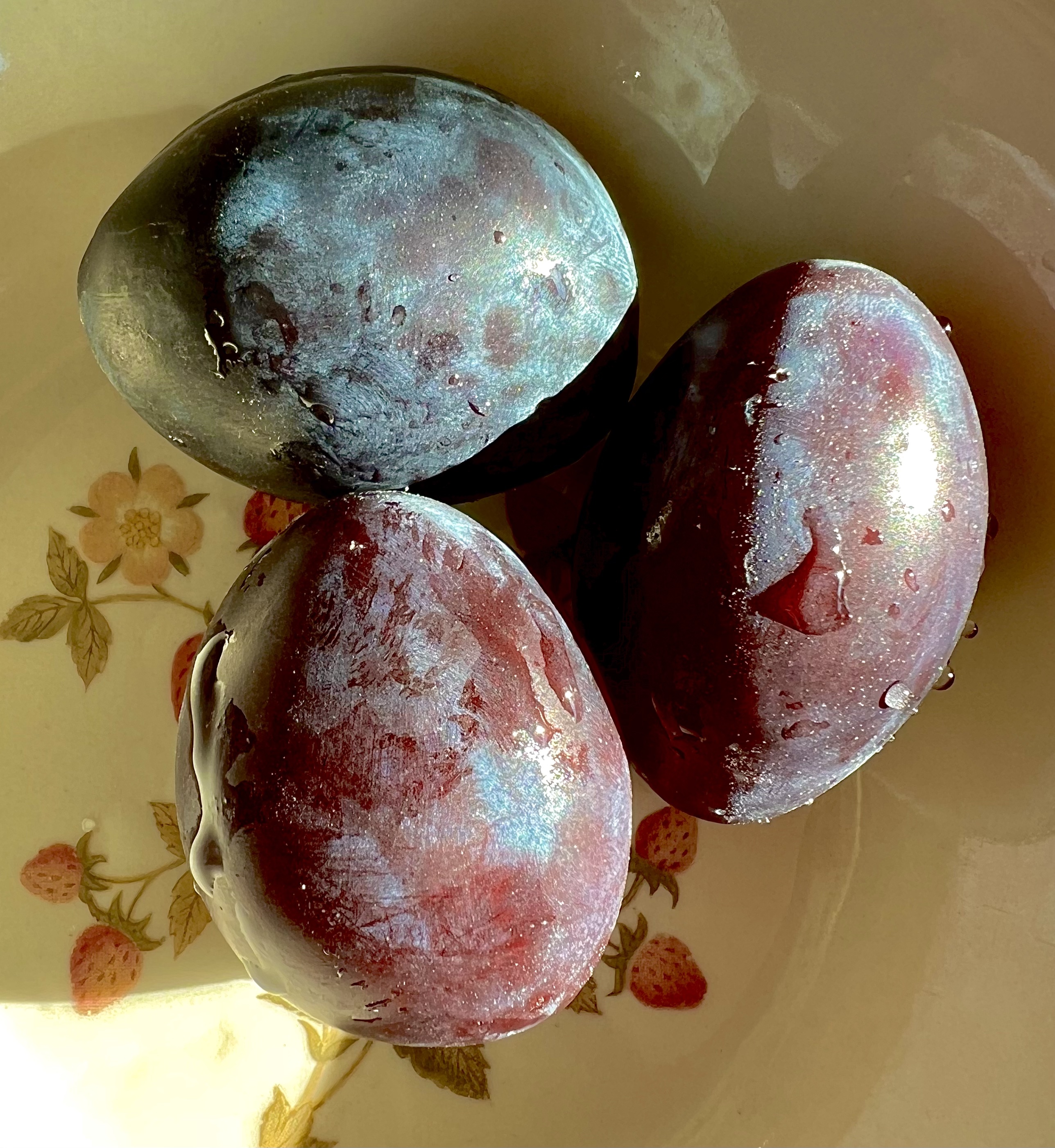
you who are neither before nor after you who arrive with blue plums that have fallen through the night
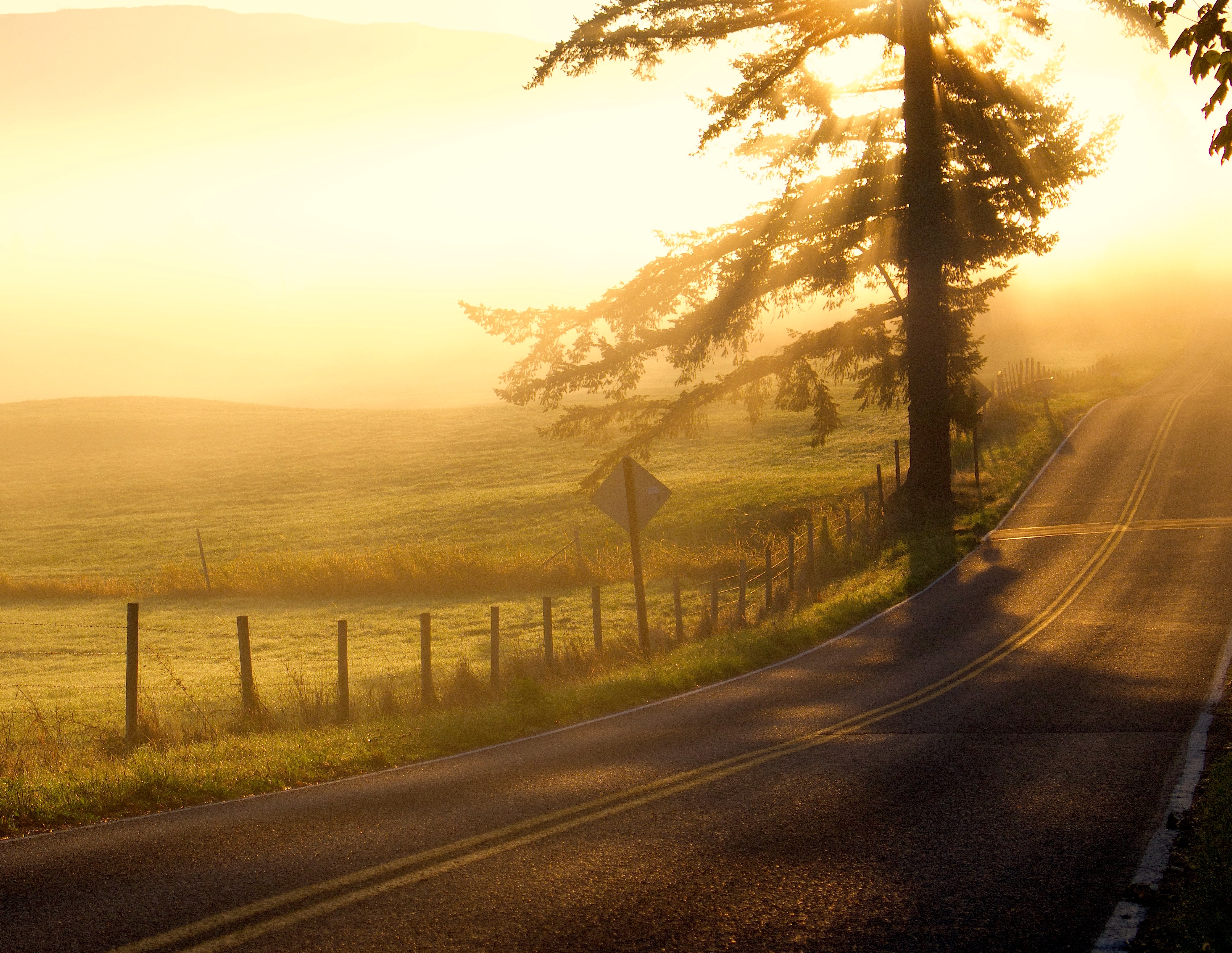
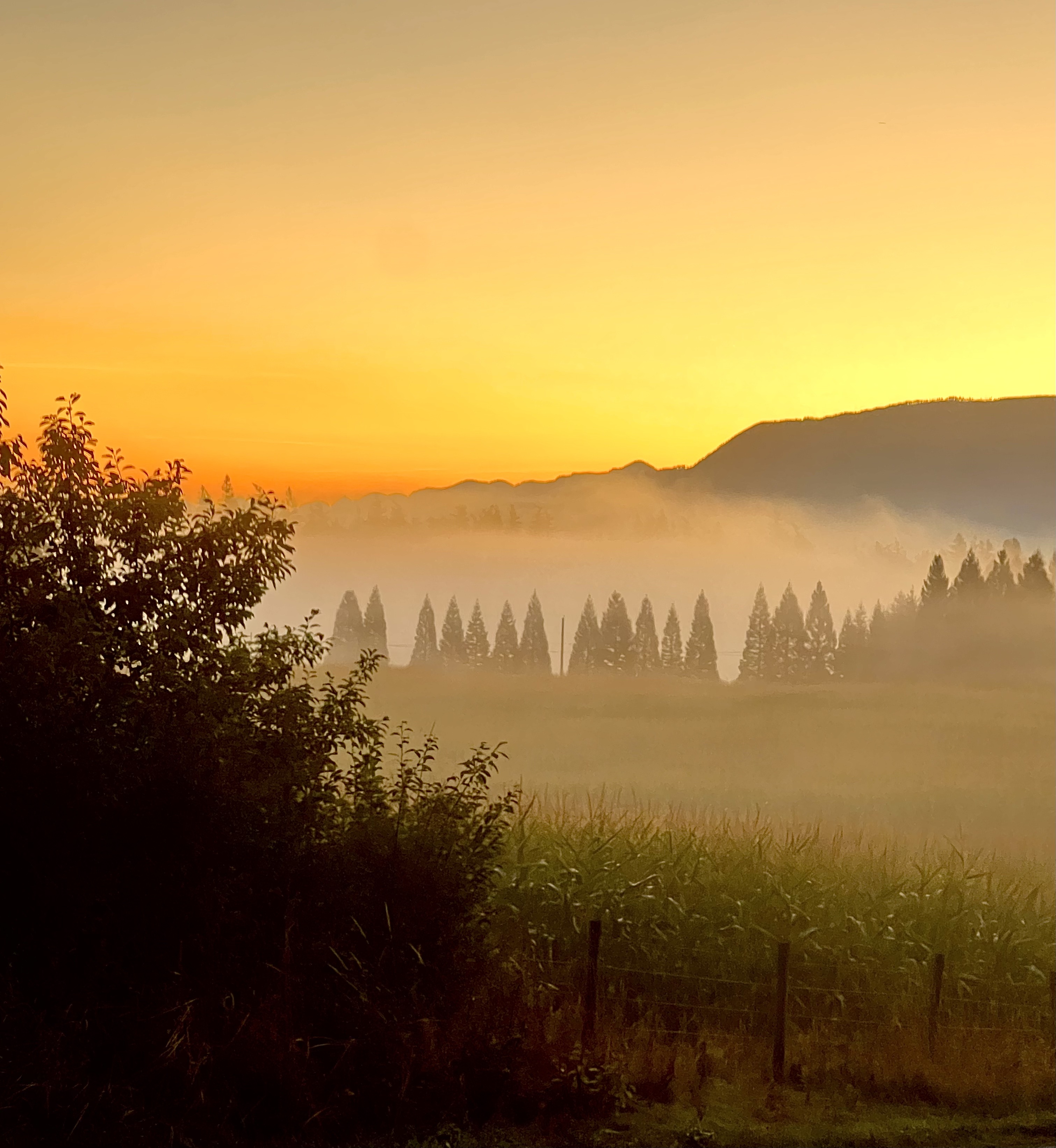
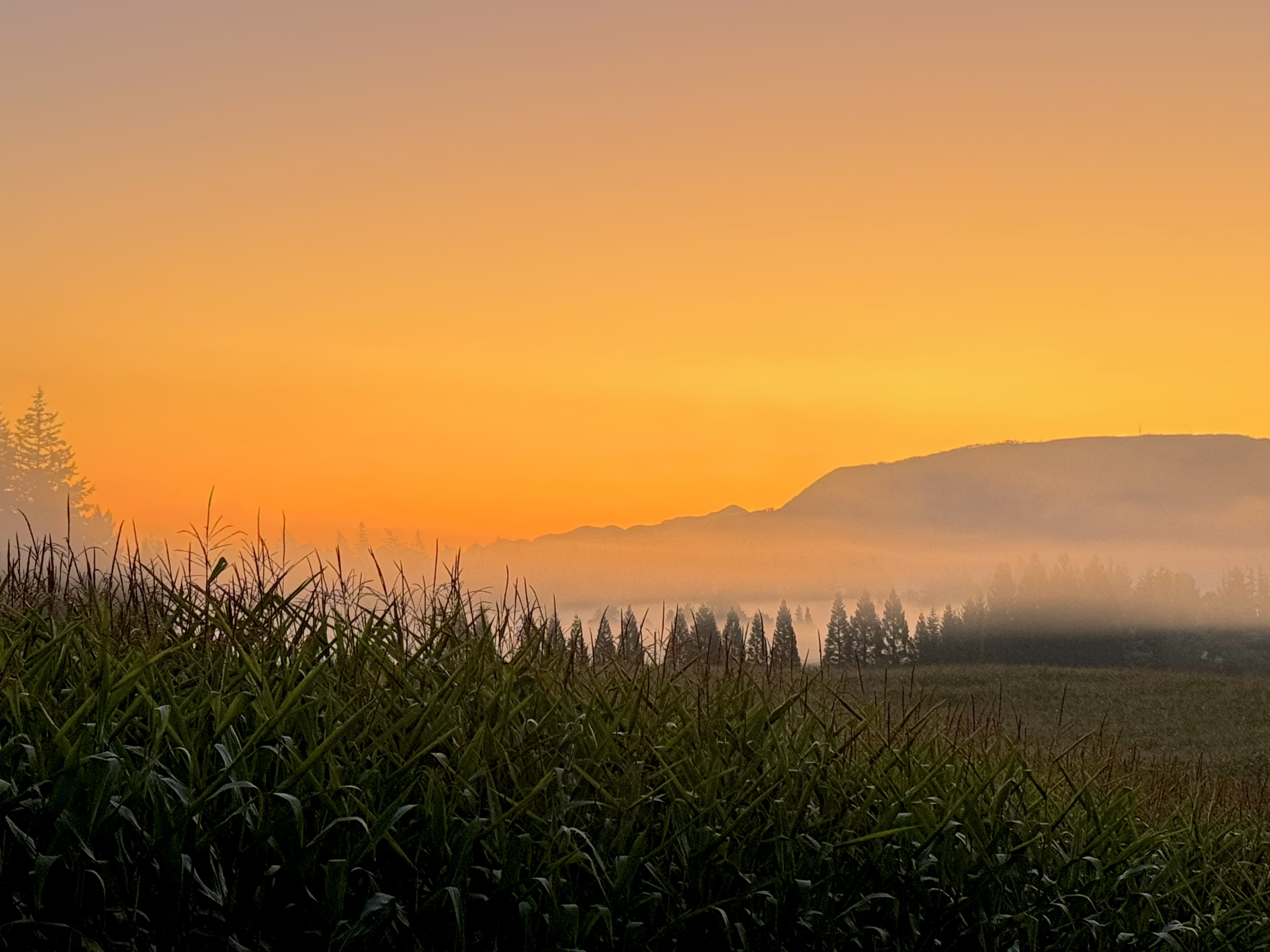
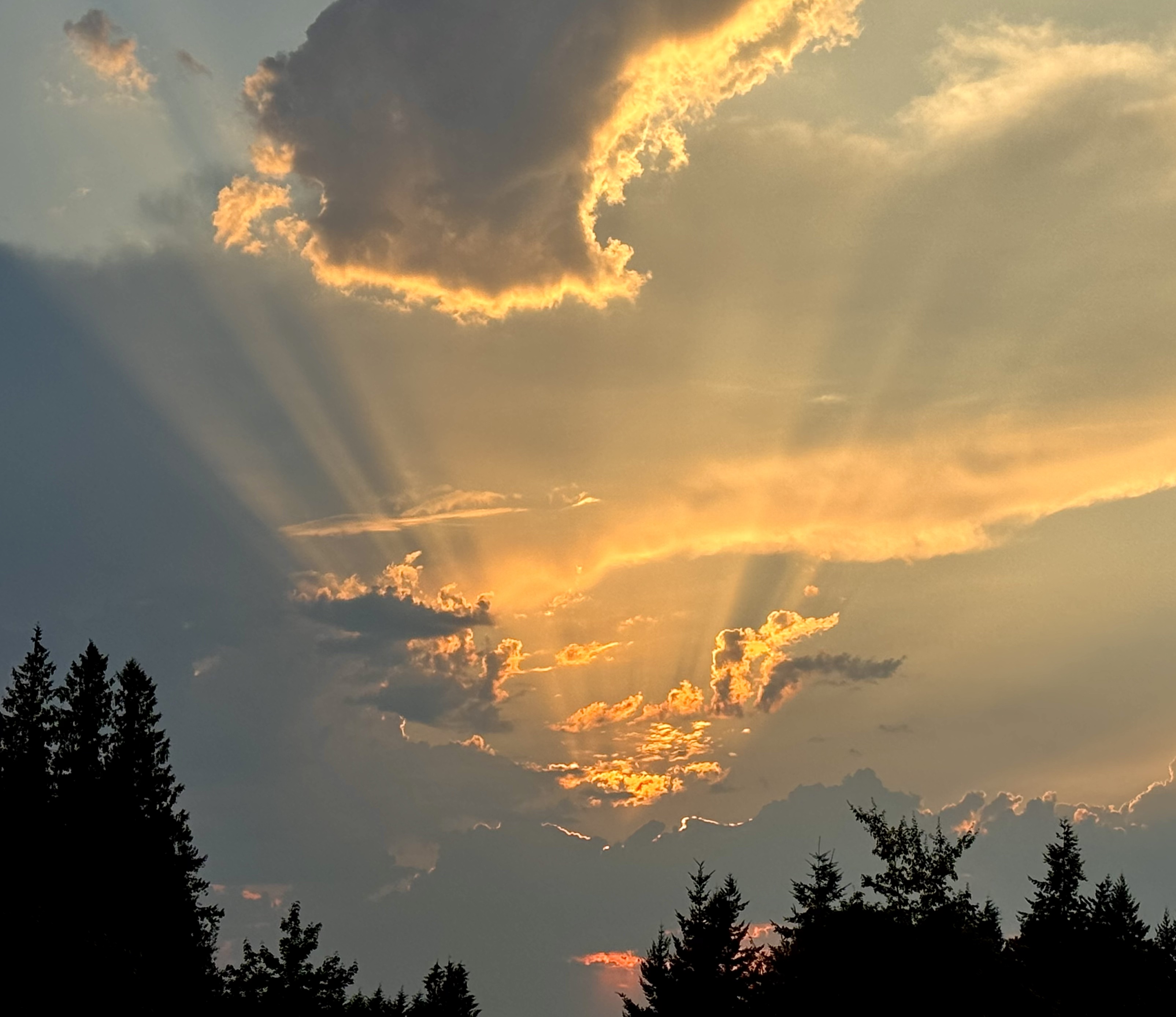
Now that it has rained a bit, the light of September is a filtered, more gentle illumination than we have experienced for the past several months of dry summer glare.
It is more lambent: a soft radiance that simply glows at certain times of the day when the angle of the sun is just right, and the clouds are in position to soften and cushion the luminence.
It is also liminal: it is neither before or after, on the threshold between seasons when there is both promise and caution in the air.
Sometimes I think I can breathe in light like this, if not through my lungs, then through my eyes.
It is a temptation to bottle it up with a stopper somehow, stow it away hidden in a back cupboard. Then I can bring it out on the darkest days, pour a bit into a glass, and imbibe.
But for now, I fill myself full to the brim. And my only means of preservation is with a camera and a few words.
So I share it now with all of you to tuck away for a future day. Perhaps you too will be thirsty for a lambent light.
One-Time
Monthly
Yearly
Make a one-time or recurring donation to support daily Barnstorming posts
After nourishment, shelter and companionship, stories are the thing we need most in the world. Philip Pullman
You’re going to feel like hell if you wake up someday and you never wrote the stuff that is tugging on the sleeves of your heart: your stories, memories, visions, and songs–your truth, your version of things–in your own voice. That’s really all you have to offer us, and that’s also why you were born. ~Anne Lamott in a TED Talk
Write as if you were dying. At the same time, assume you write for an audience consisting solely of terminal patients. That is, after all, the case. ~Annie Dillard from “Write Till You Drop”
I began to write after September 11, 2001 because that day it became obvious to me I too was dying, albeit more slowly than the thousands who vanished that day in fire and ash, their voices obliterated with their bodies.
So, nearly each day since, while I still have voice and a new dawn to greet, I speak through my fingers and my camera lens to others dying around me.
We are, after all, terminal patients, some more imminent than others, some of us more prepared to move on, as if our readiness had anything to do with the timing.
Each day I too get a little closer, so I write in my own voice and share photos of my world as a way to hang on a while longer, yet with a loosening grasp. Each day I must detach just a little bit, leaving a small trace of my voice and myself behind.
Eventually, through unmerited grace, so much of me will be left on the page there won’t be anything or anyone left to do the typing.
There is no moment or picture or word to waste.
One-Time
Monthly
Yearly
Make a one-time or recurring donation to support daily Barnstorming posts
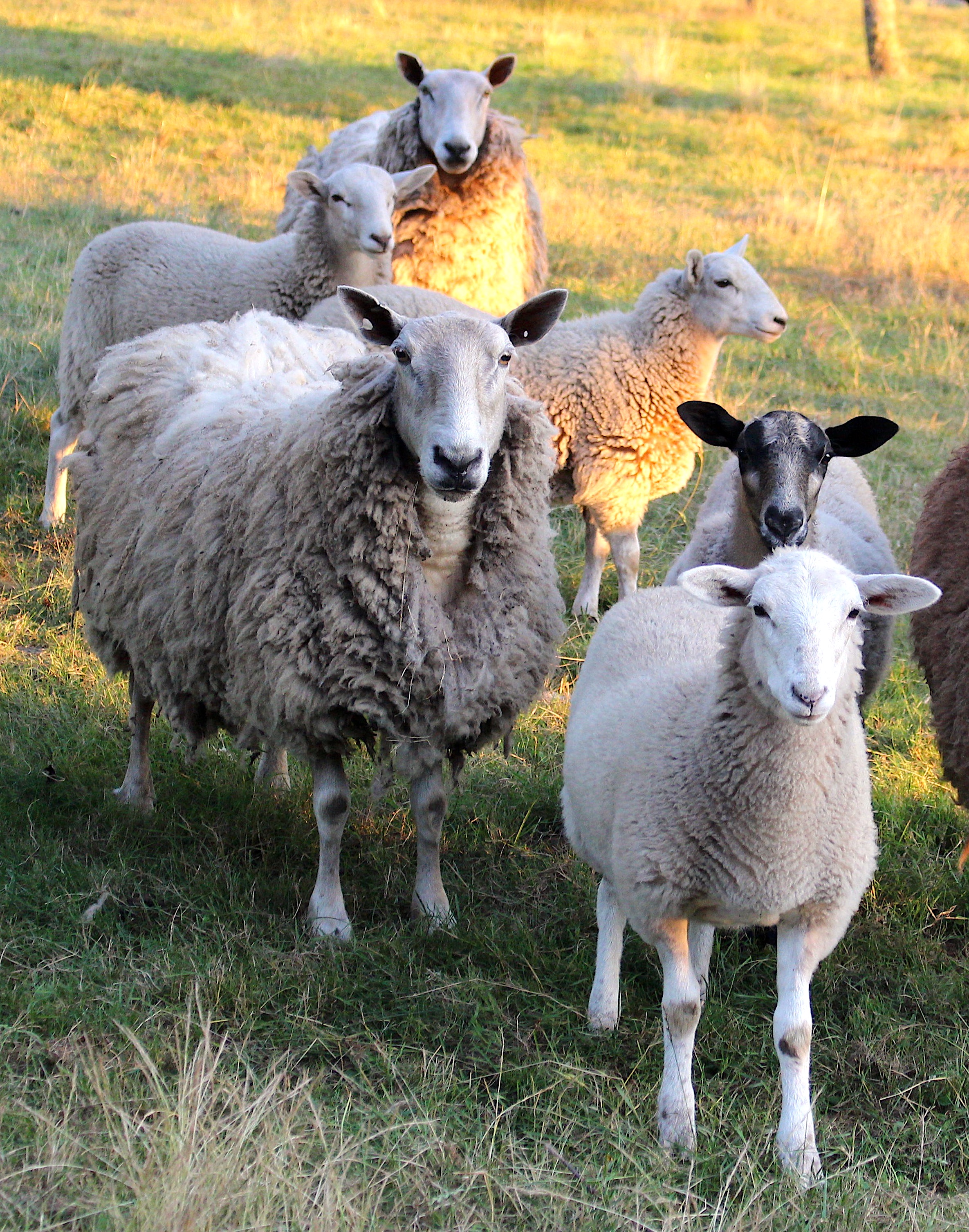
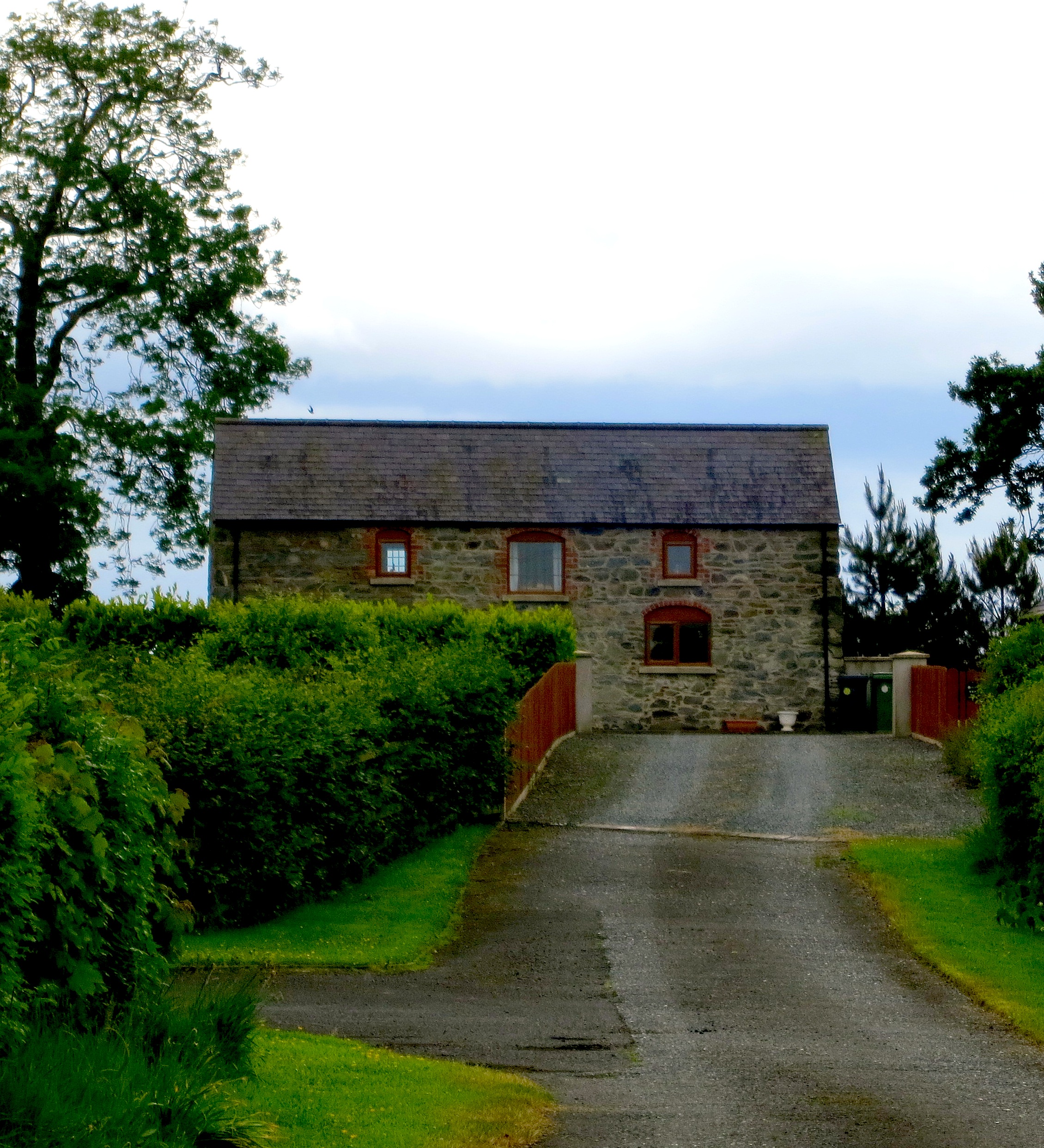
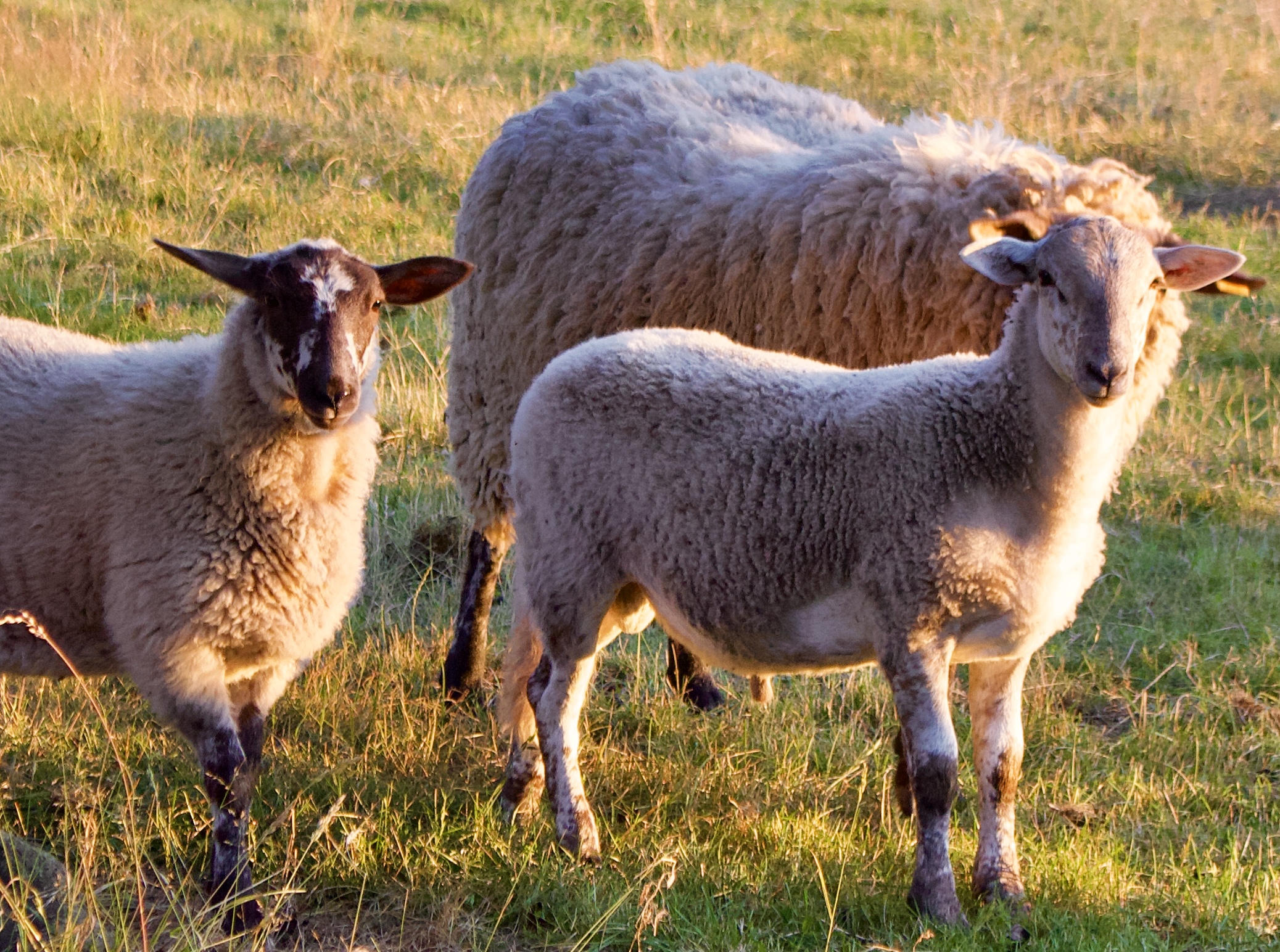
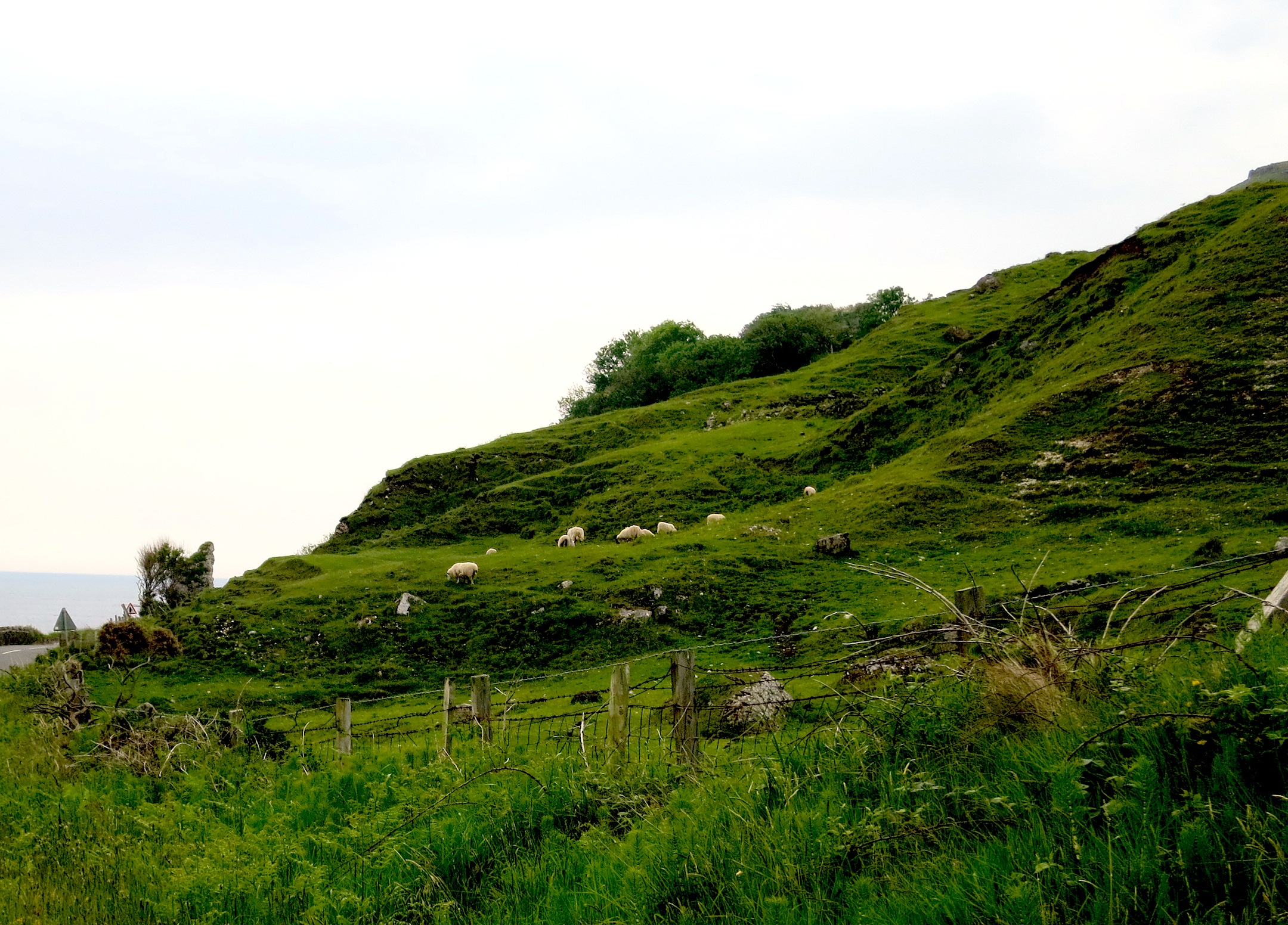
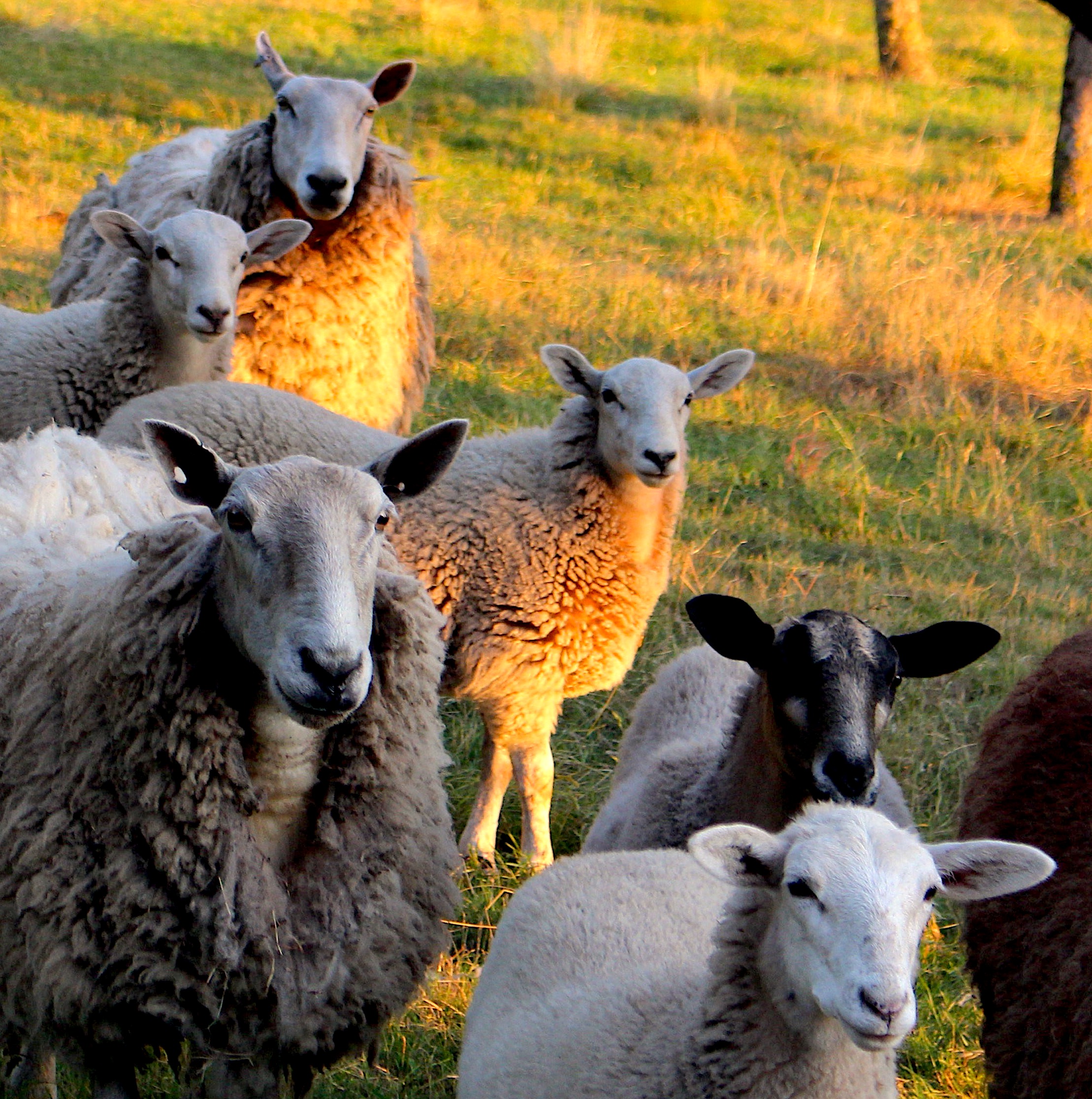
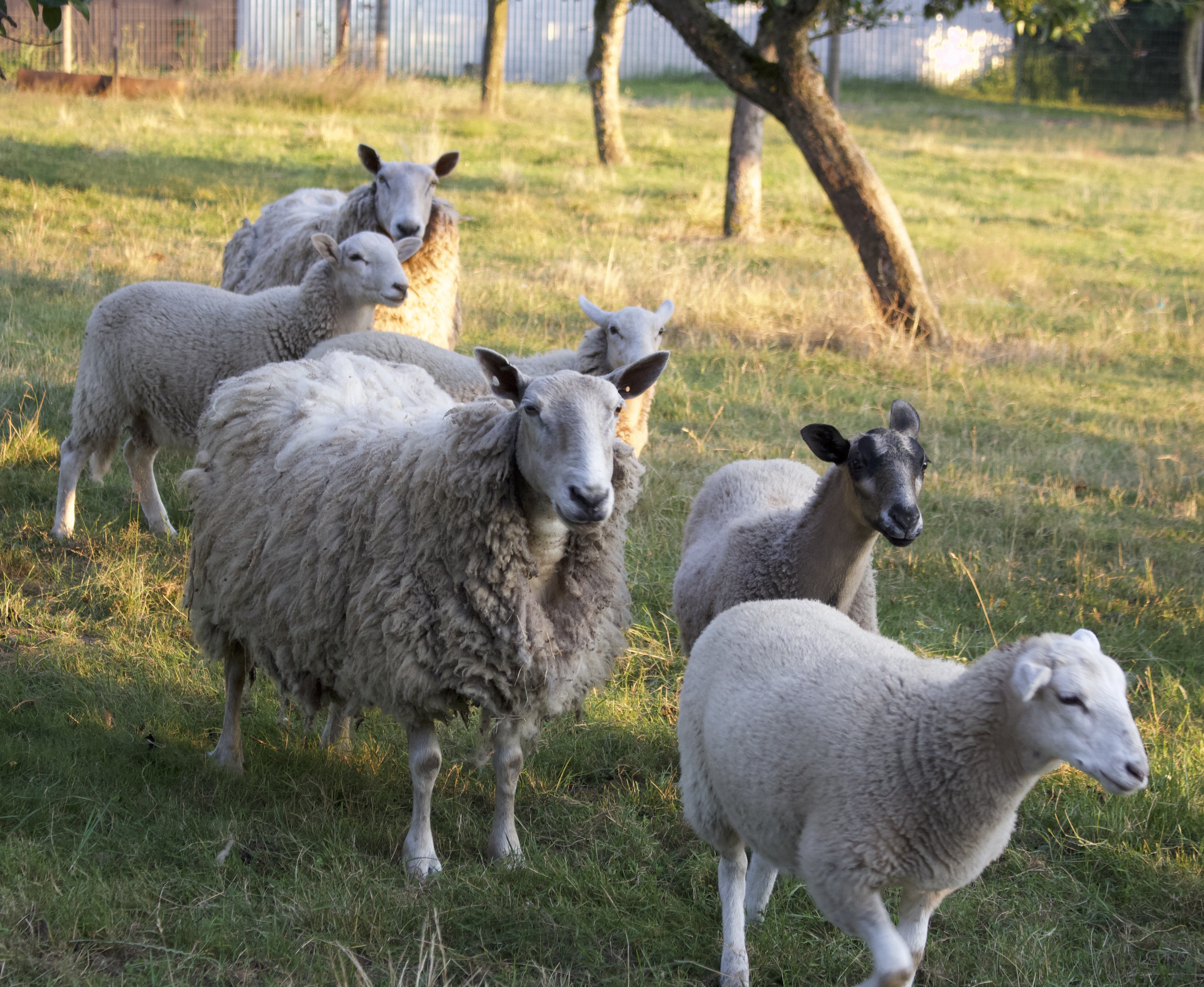
Cork, Ireland Poetry in small language is like a church bell in some remote village tolling mutely in the evening through the musty provincial air self-obliviously and quite self-sufficiently —one might add— if it weren’t for the pair of those ragged sheep huddled before the rain on the empty lot in front of a stone barn bobbing their whitish little heads here and there just to let you know that regardless of medium the message will always arrive at the destination. ~Damir Šodan“Poetry in Small Language” translated from the Croatian by James Meetze
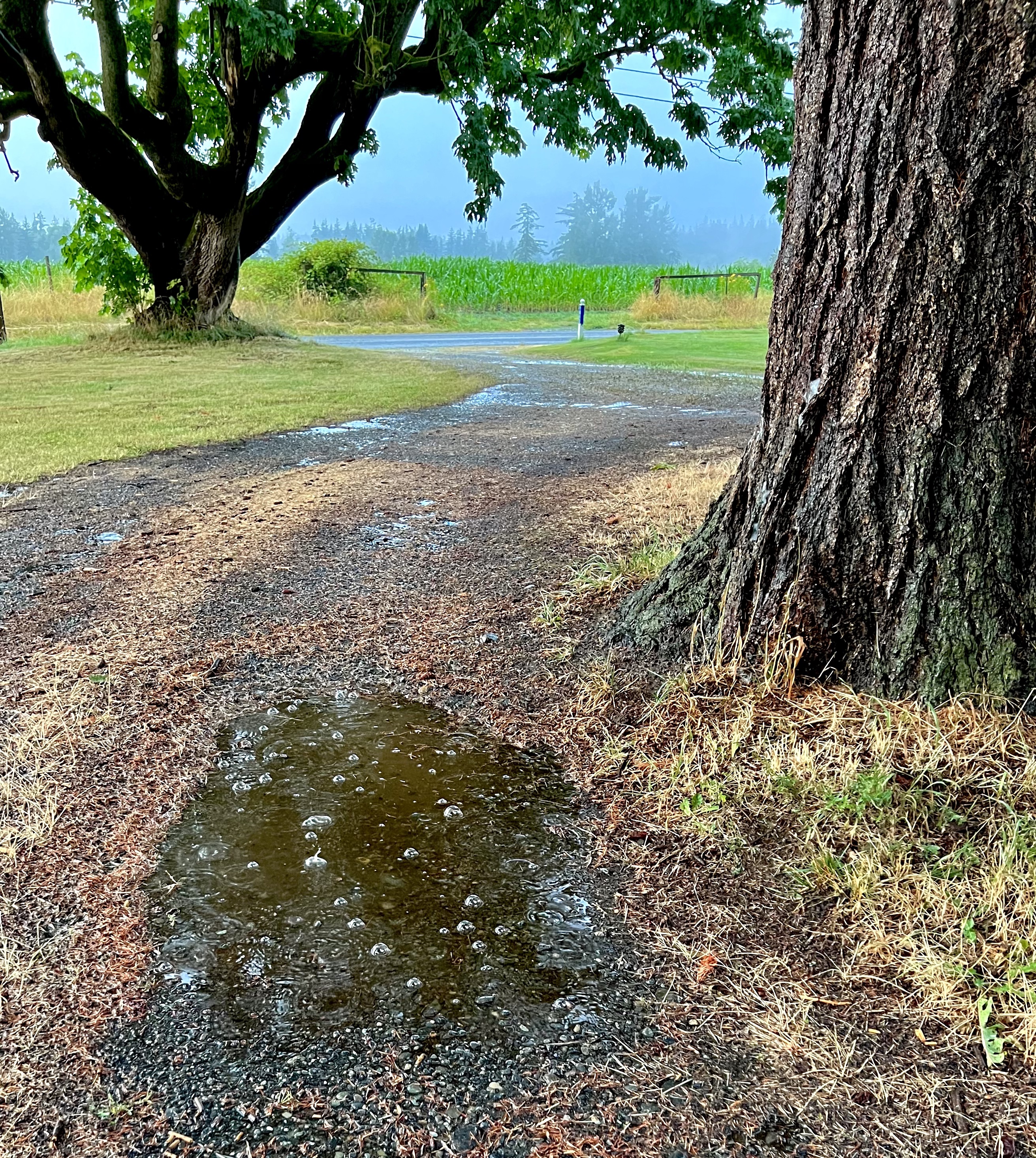
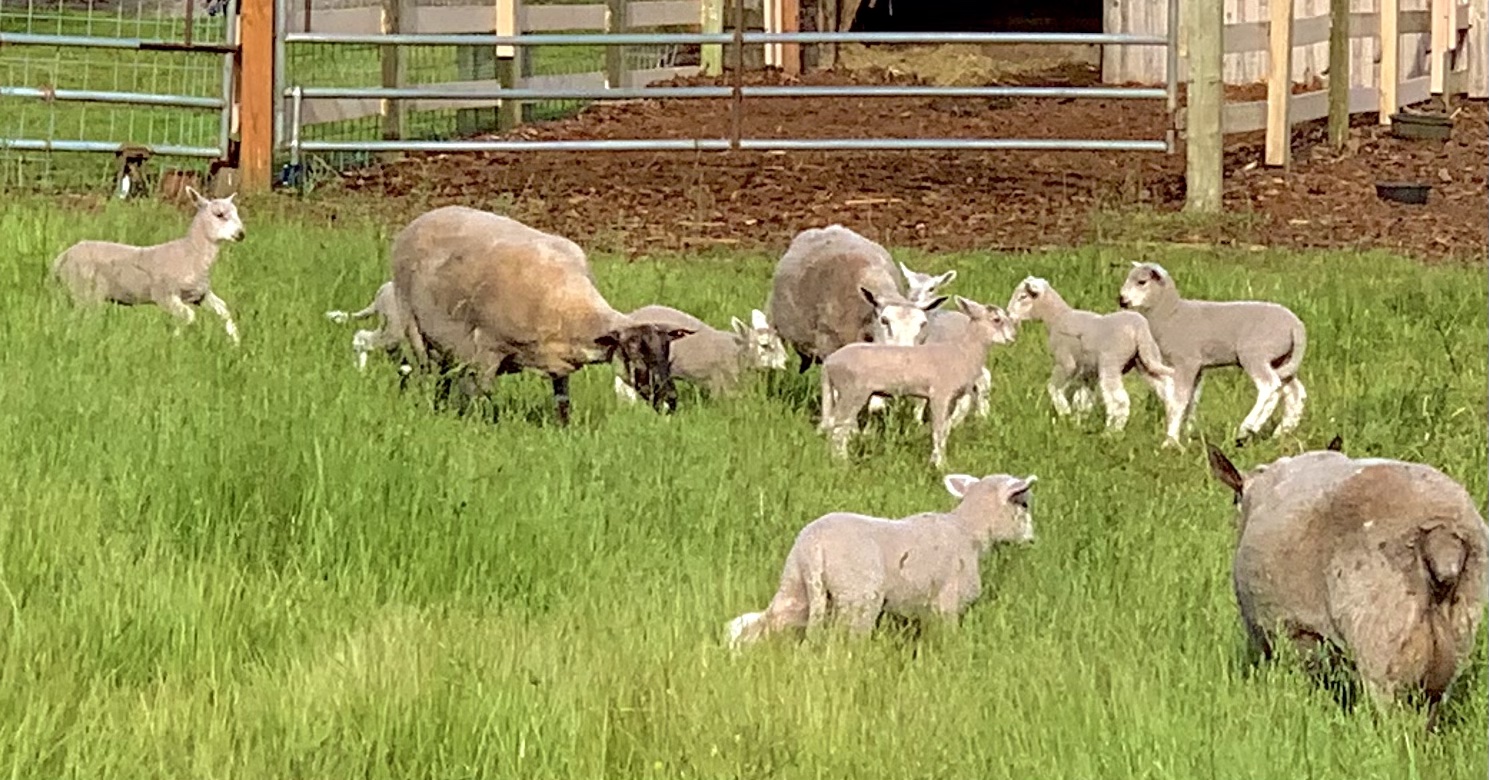
Sometimes poetry needs no words. It might be bells ringing from a church belfry, or raindrops streaming like tears on my face. It is how the light plays across the clouds, or watching new lambs leap together. Unless I’m watching or listening for it, I might miss the poetry in the air altogether. Yet somewhere, someone does, sometime. It finds just the person who needs it at that moment.
One-Time
Monthly
Yearly
Make a one-time or recurring donation to support daily Barnstorming posts
A second crop of hay lies cut and turned. Five gleaming crows search and peck between the rows. They make a low, companionable squawk, and like midwives and undertakers possess a weird authority.
Crickets leap from the stubble, parting before me like the Red Sea. The garden sprawls and spoils.
Cloud shadows rush over drying hay, fences, dusty lane, and railroad ravine. The first yellowing fronds of goldenrod brighten the margins of the woods.
Schoolbooks, carpools, pleated skirts; water, silver-still, and a vee of geese.
*
The cicada’s dry monotony breaks over me. The days are bright and free, bright and free.
Then why did I cry today for an hour, with my whole body, the way babies cry?
*
A white, indifferent morning sky, and a crow, hectoring from its nest high in the hemlock, a nest as big as a laundry basket …
In my childhood I stood under a dripping oak, while autumnal fog eddied around my feet, waiting for the school bus with a dread that took my breath away.
The damp dirt road gave off this same complex organic scent. I had the new books—words, numbers, and operations with numbers I did not comprehend—and crayons, unspoiled by use, in a blue canvas satchel with red leather straps.
Spruce, inadequate, and alien I stood at the side of the road. It was the only life I had. ~Jane Kenyon from “Three Songs at the End of Summer”
Yesterday, my son taught me the sign for lockdown— different than locking a door, or the shutdown we invented at the start of the pandemic. Little fistfuls of locks swept quickly between us, a sign designed especially for school.
My son spent his first years a different kind of locked up—an orphanage in Bangkok, where he didn’t speak and they couldn’t sign. He came home, age four, silent. We thought being here could open doors. It has, of course. He’s learned so much at the deaf school; the speech therapist calls it a Language Explosion. I keep lists of the words he’s gathered: vanilla, buckle, castle, stay. And lockdown. He absorbs it like the rest. Now the schools he builds with Magna-Tiles have lockdowns. I worry in trying to give him keys, we’ve only changed the locks.
To lock down a deaf school, we use a special strobe. When it flashes, we flip switches and sign through darkness. The children know to stay beneath the windows. Every five minutes a robot texts: “Shelter in place is still in effect. Please await further instructions.” Then we pull the fire alarm, a tactical move to unsettle the shooter. Hearing people can’t think with noise like that. A piercing thing we don’t detect, to cover the sounds we make, the sounds we don’t know we’re making. ~Sara Nović “Lockdown at the School for the Deaf”
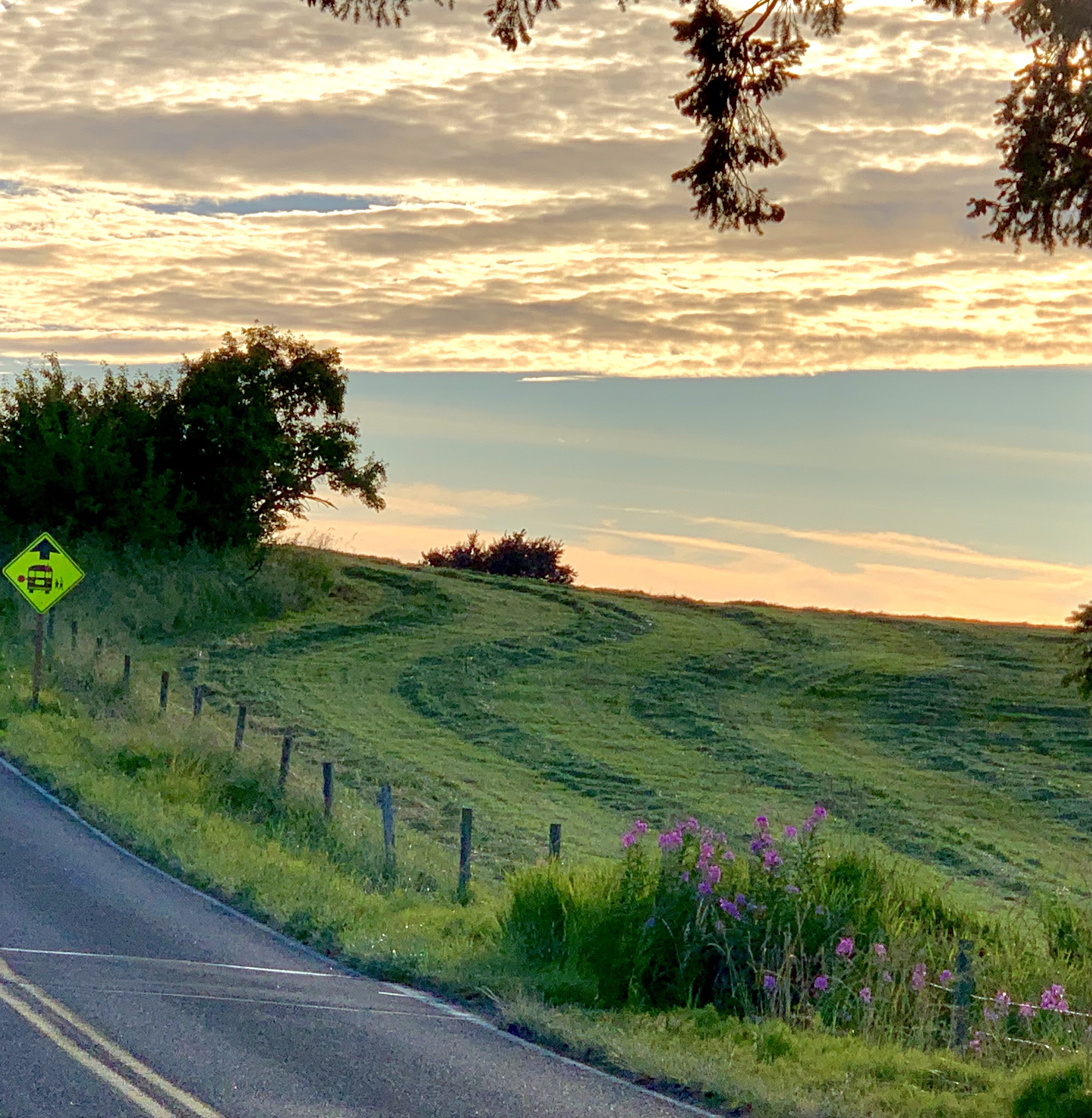
The first day back to school now isn’t always the day after Labor Day as it was when I was growing up. Some students have been in classes for a couple weeks already, others started a few days ago to ease into the transition more gently.
Some return to the routine this morning – school buses roar past our farm brimming with eager young faces and stuffed back packs amid a combination of excitement and anxiety.
I remember well that foreboding that accompanied a return to school — the strict schedule, the inflexible rules and the often harsh adjustment of social hierarchies and friend groups. Even as a good learner and obedient student, I was a square peg being pushed into a round hole when I returned to the classroom. The students who struggled academically and who pushed against the boundaries of rules must have felt even more so. We all felt alien and inadequate to the immense task before us to fit in with one another, allow teachers to structure and open our minds to new thoughts, and to become something and someone more than who we were before.
Growth is so very hard, our stretching so painful, the tug and pull of friendships stressful. And for the last two decades, there is the additional fear of lockdowns and active shooters.
I worked with students on an academic calendar for over 30 years, yet though I’m now retired, I still don’t sleep well in anticipation of all this day means.
So I take a deep breath on a foggy post-Labor Day morning and am immediately taken back to the anxieties and fears of a skinny little girl in a new home-made corduroy jumper and saddle shoes, waiting for the schoolbus on our drippy wooded country road.
She is still me — just buried deeply in the fog of who I became after all those years of schooling, hidden somewhere under all the piled-on layers of learning and growing and hurting and stretching — I do remember her well.
Like every student starting a new adventure today, we could all use a hug.
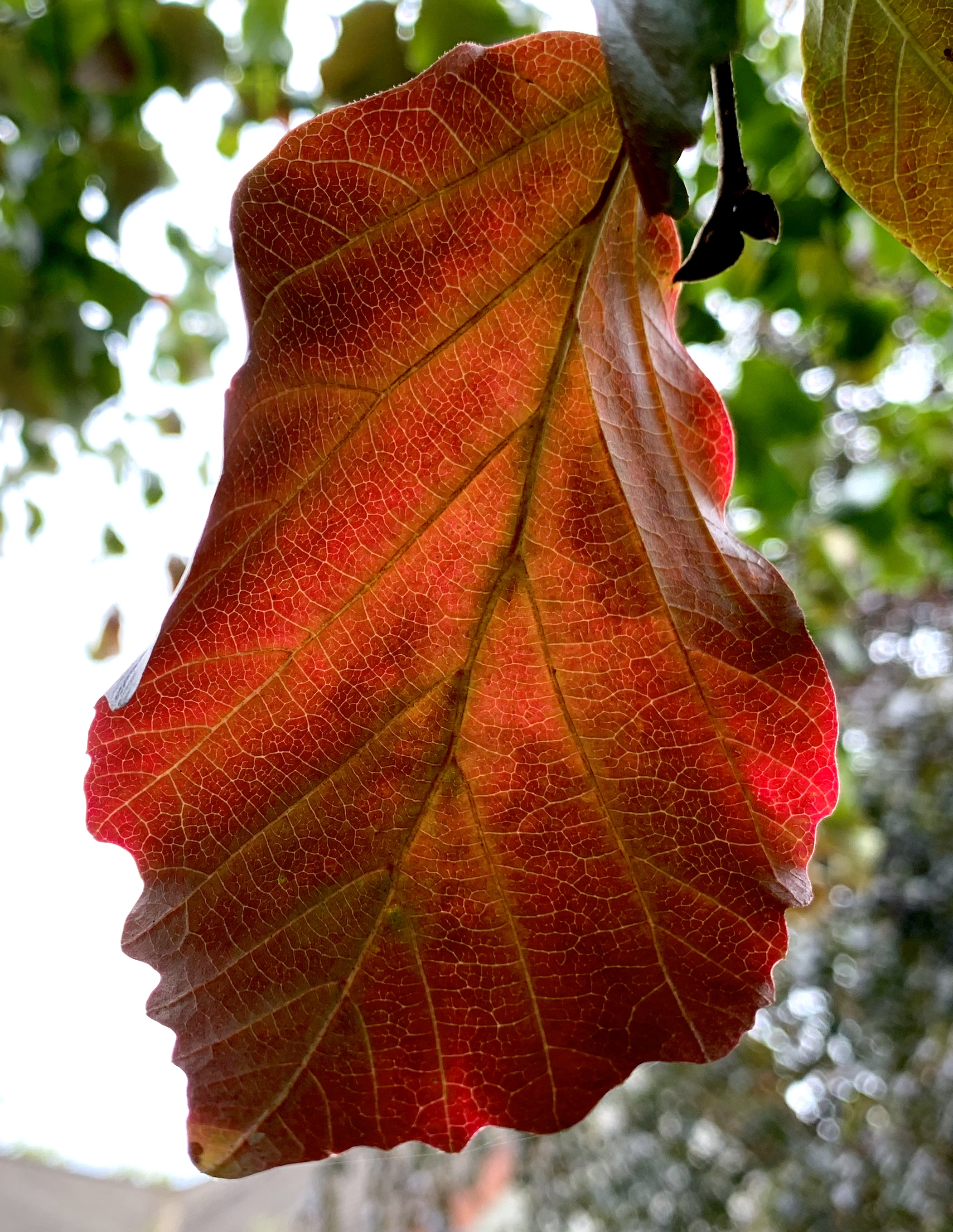
Lo! I am come to autumn, When all the leaves are gold; Grey hairs and golden leaves cry out The year and I are old.
In youth I sought the prince of men, Captain in cosmic wars, Our Titan, even the weeds would show Defiant, to the stars.
But now a great thing in the street Seems any human nod, Where shift in strange democracy The million masks of God.
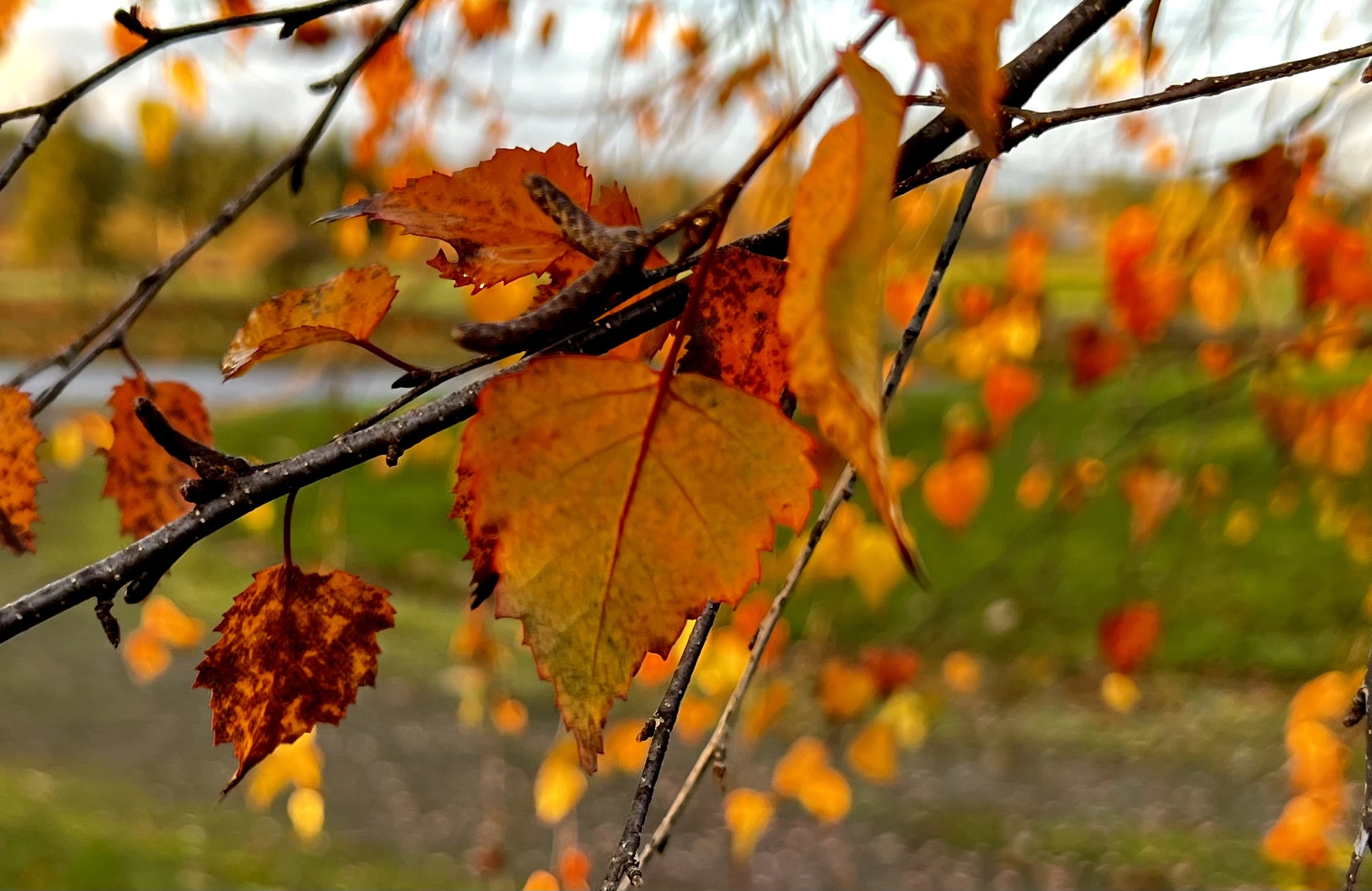
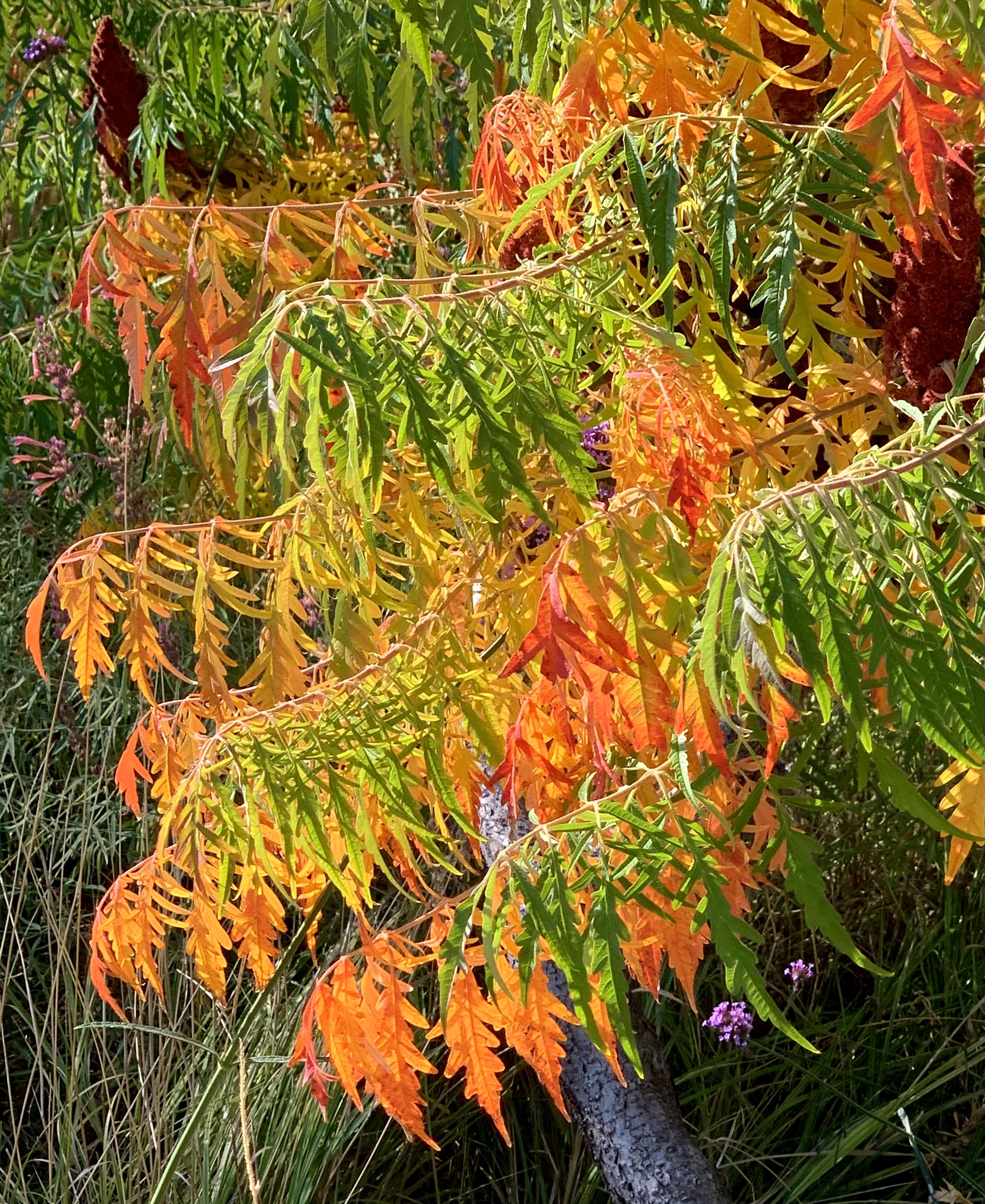
In youth I sought the golden flower Hidden in wood or wold, But I am come to autumn, When all the leaves are gold. ~G.K. Chesterton “Gold Leaves”
One-Time
Monthly
Yearly
Make a one-time or recurring donation to support daily Barnstorming posts











 Barnstorming