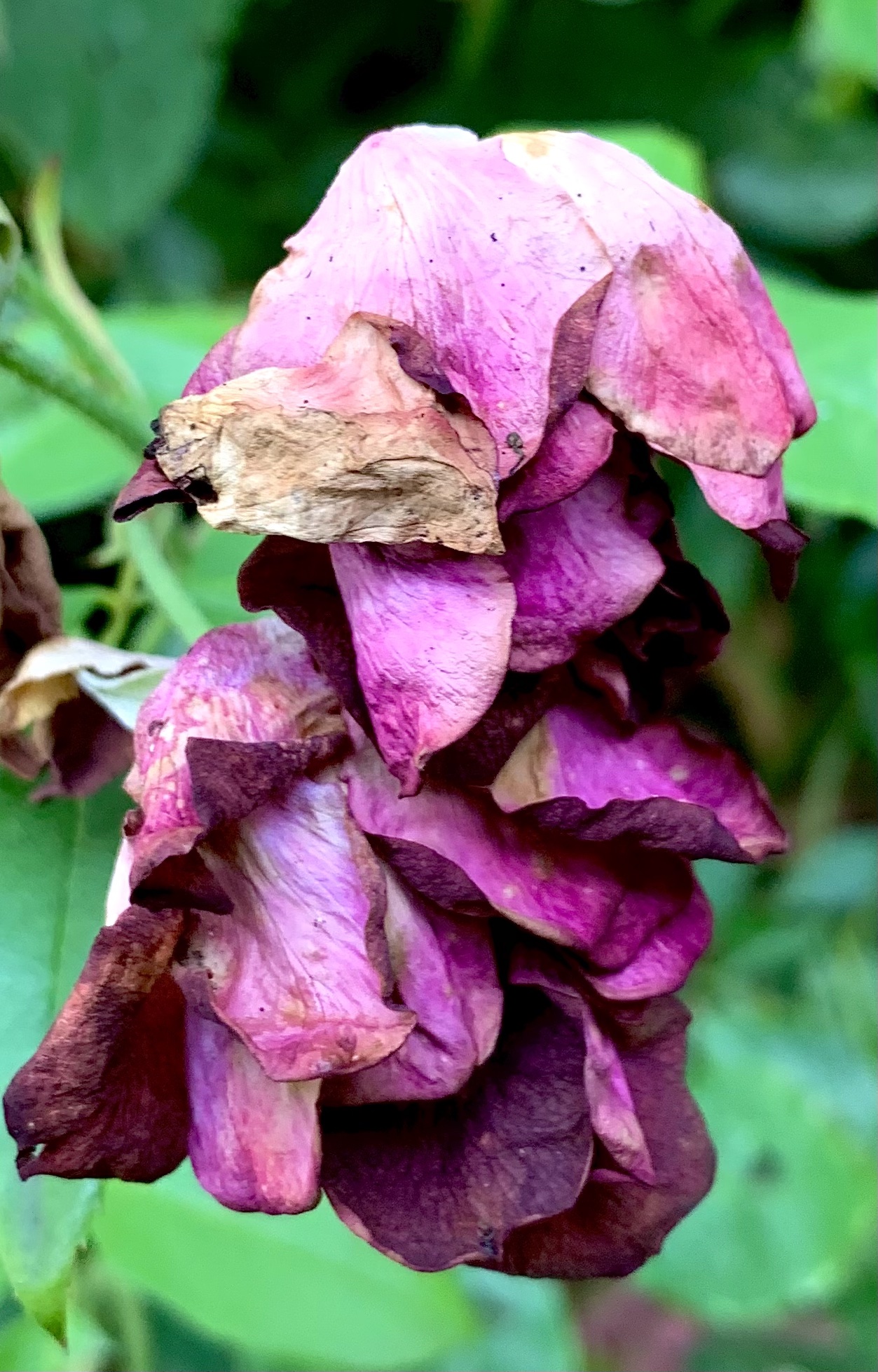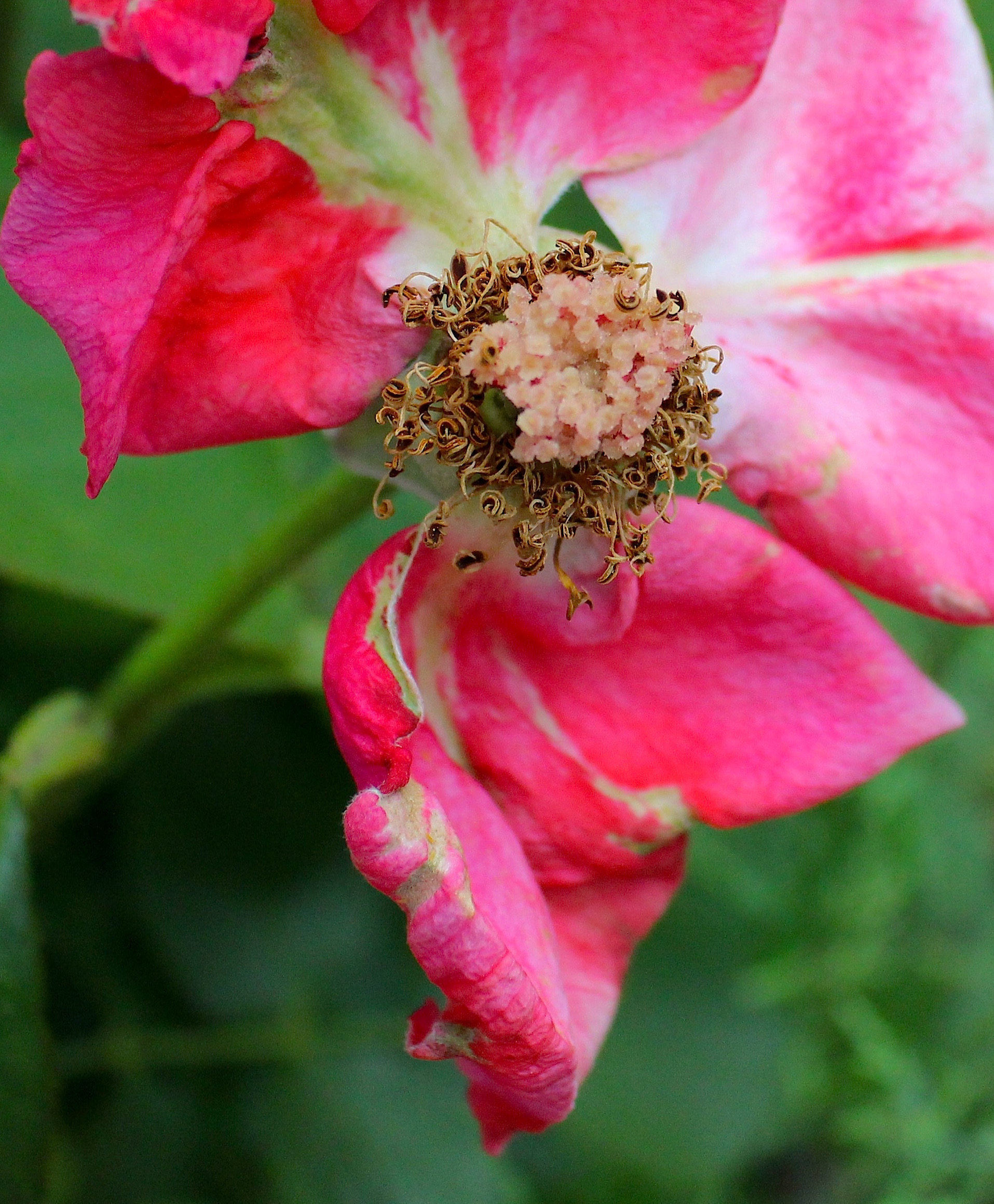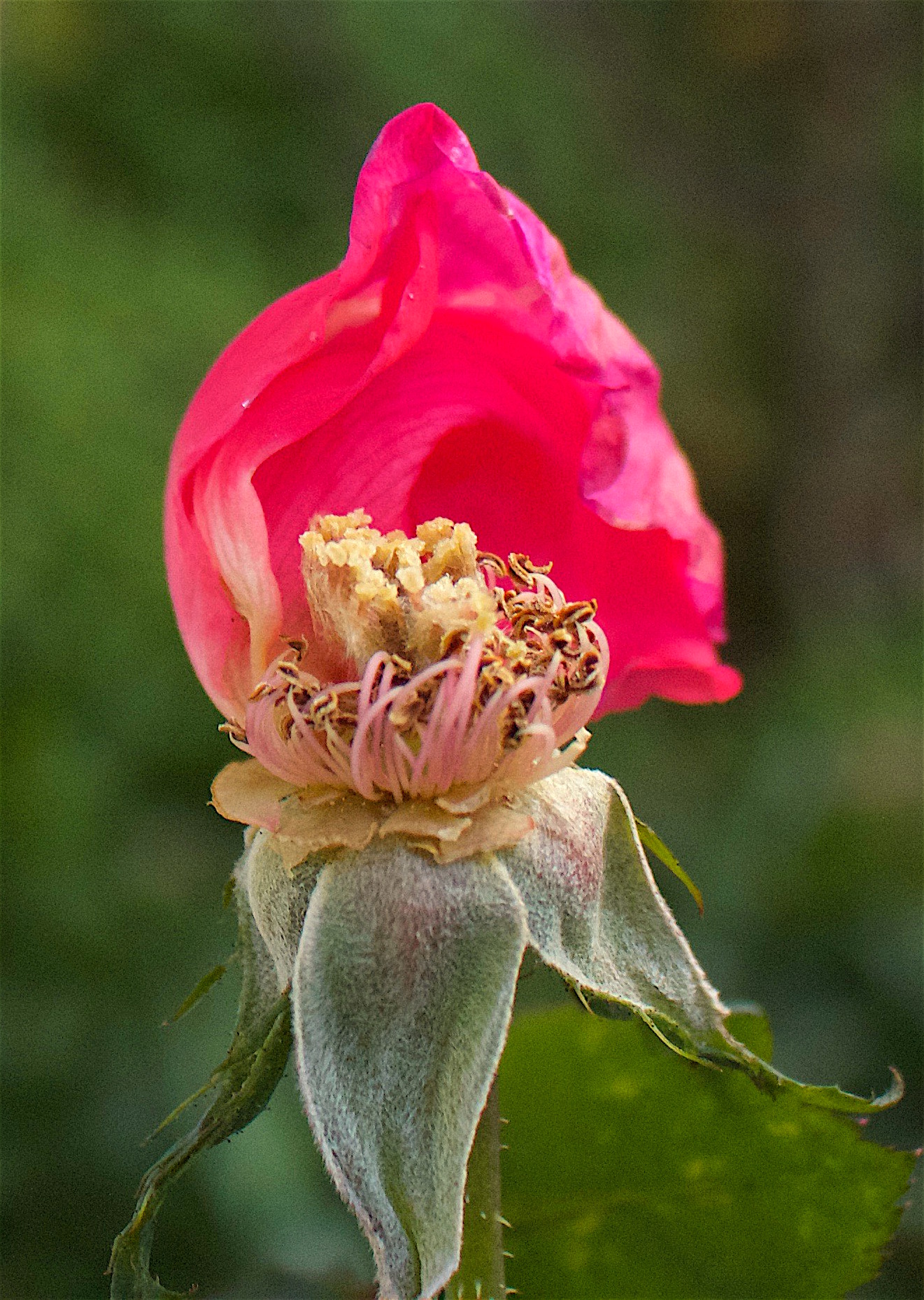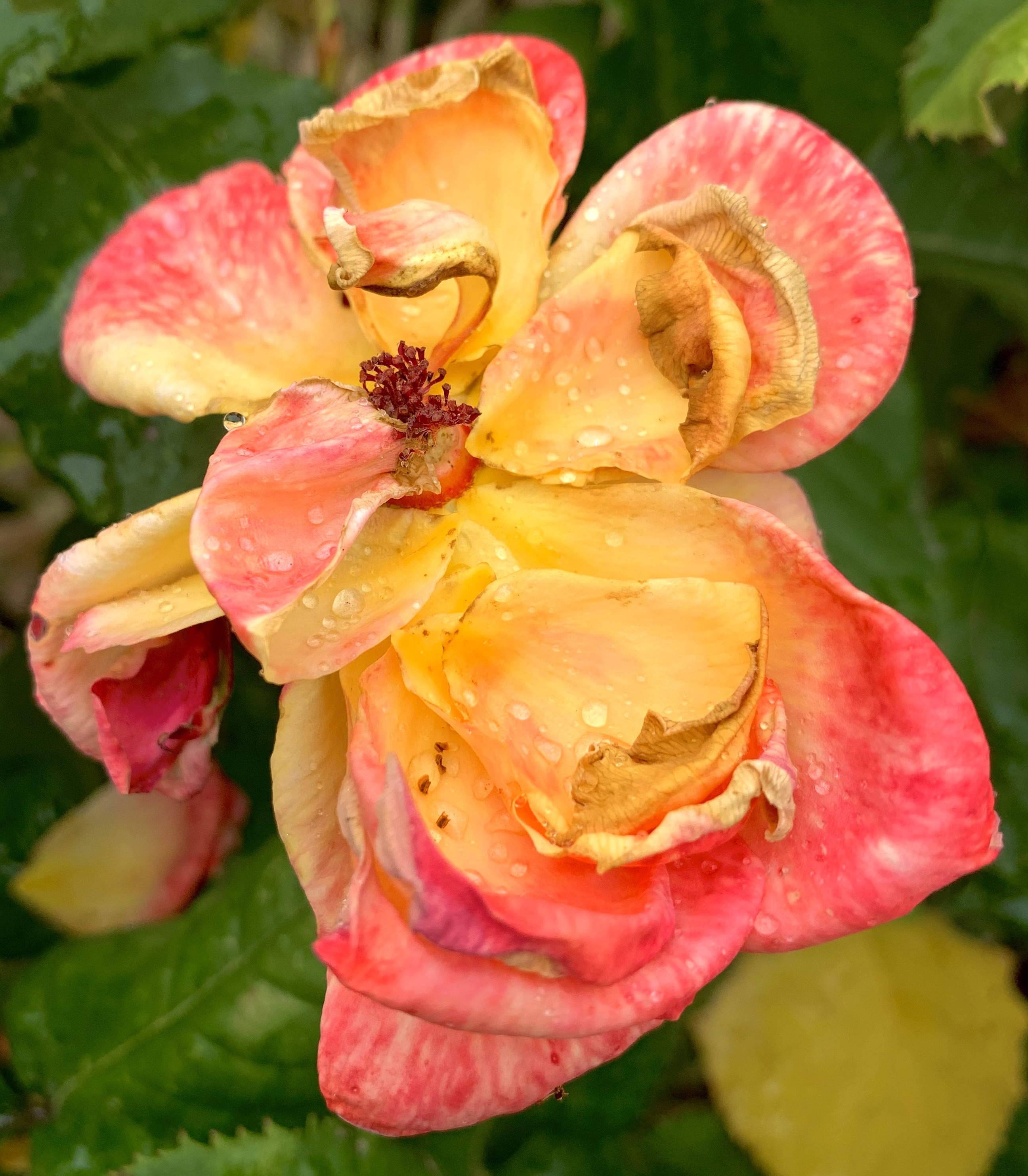


The Beginning Shall Remind Us of the End: The Frankincense of Fragrant Fir

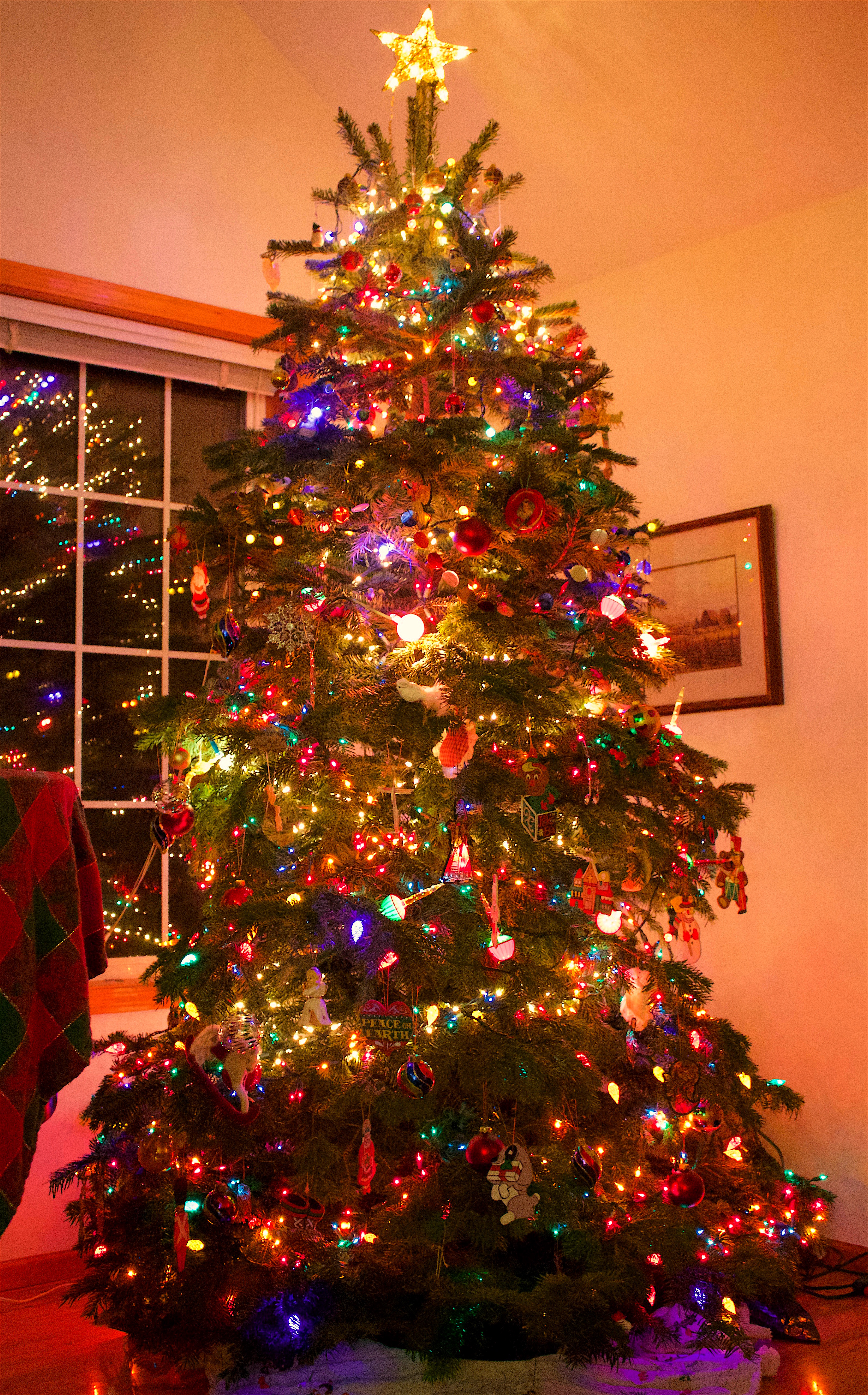
Hanging old ornaments on a fresh cut tree,
I take each red glass bulb and tinfoil seraph
And blow away the dust. Anyone else
Would throw them out. They are so scratched and shabby.

My mother had so little joy to share
She kept it in a box to hide away.
But on the darkest winter nights—voilà—
She opened it resplendently to shine.

How carefully she hung each thread of tinsel,
Or touched each dime-store bauble with delight.
Blessed by the frankincense of fragrant fir,
Nothing was too little to be loved.

Why do the dead insist on bringing gifts
We can’t reciprocate? We wrap her hopes
Around the tree crowned with a fragile star.
No holiday is holy without ghosts.
~Dana Gioia, “Tinsel, Frankincense, and Fir”

When the song of the angels is stilled,
when the star in the sky is gone,
when the kings and princes are home,
when the shepherds are back with their flocks,
the work of Christmas begins:
to find the lost,

to heal the broken,
to feed the hungry,
to release the prisoner,
to rebuild the nations,
to bring peace among the people,
to make music in the heart.
~Howard Thurman from The Mood of Christmas & Other Celebrations
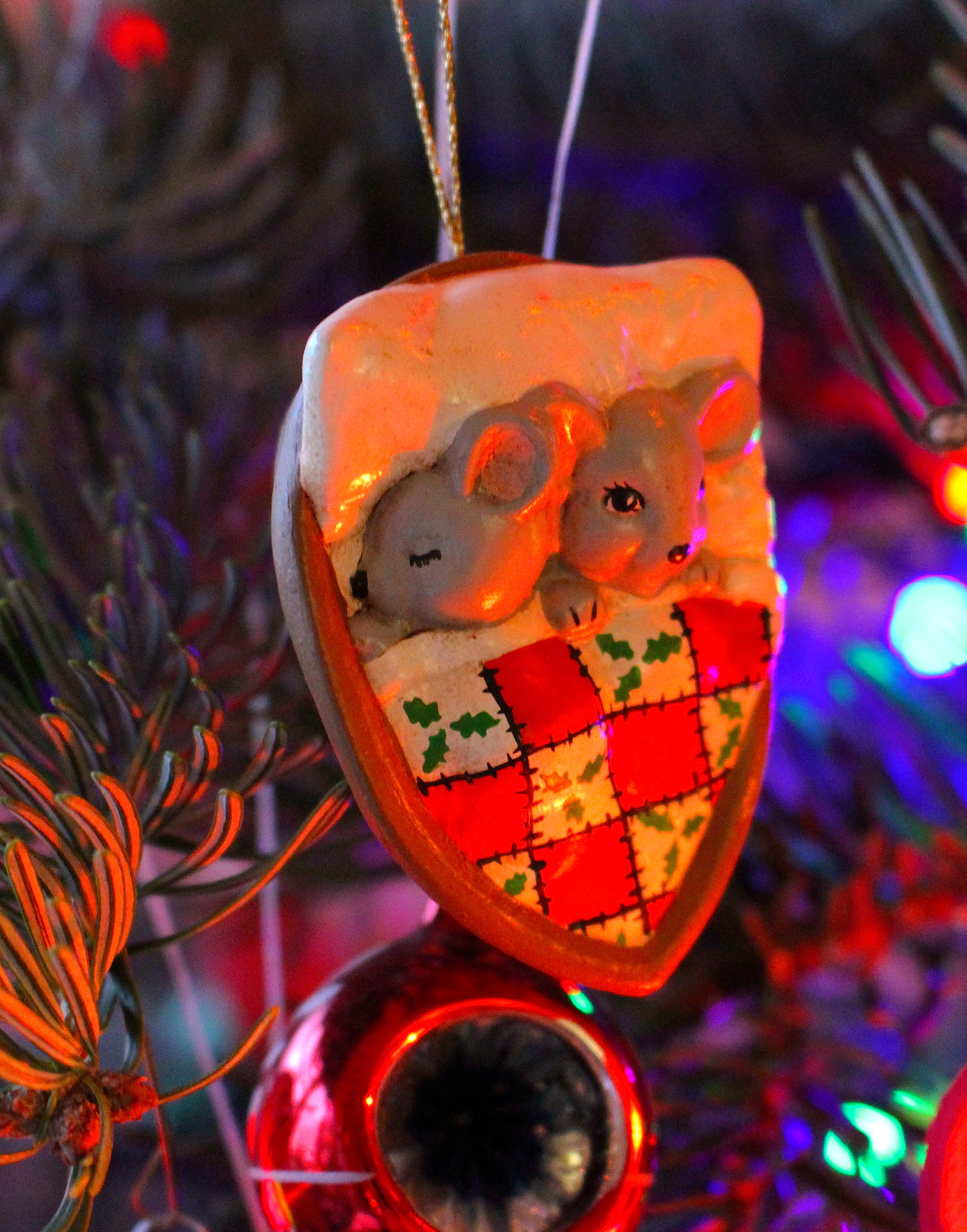
There are plenty of ghosts hiding in the boxes of ornaments I place on our Christmas tree.

Closing my eyes, I can see my father struggling to straighten our wild cut trees from our woods, mumbling under his breath in his frustration as he lies prone under the branches. I can see my mother, tears in her eyes, arranging ornaments from her parents’ childhoods, remembering times in her childhood that were fraught and fragile.

Each memory, every scratched-up glass ball is so easily breakable, a mere symbol for the fragility of us all this time of year.

Our real work of Christmas isn’t just during these frantic weeks of Advent but lasts year-long — often very hard intensive work, not just fa-la-la-la-la and jingle bells, but badly needed labor in this broken world with its homelessness, hunger, disease, conflict, addictions, depression and pain.

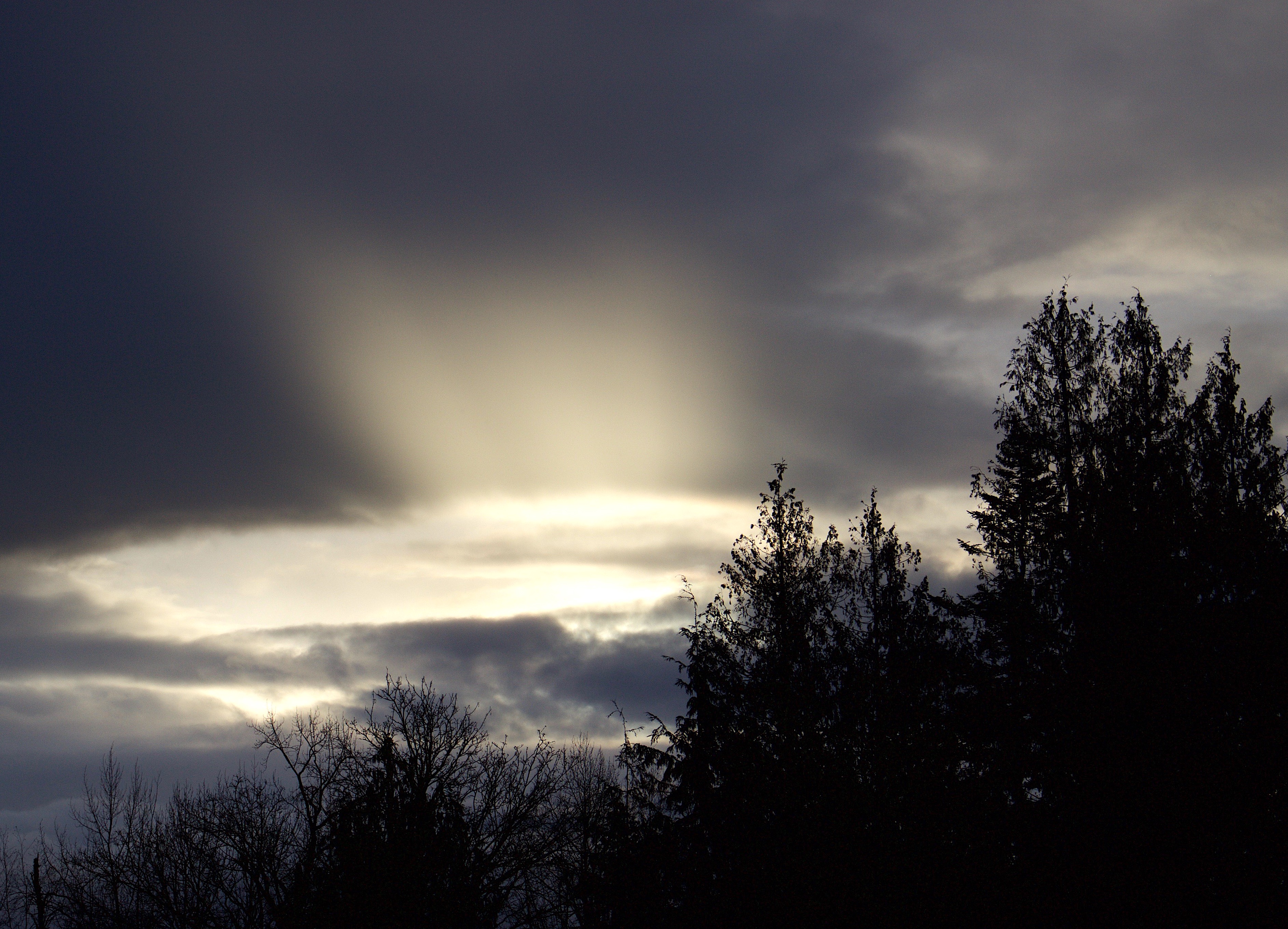
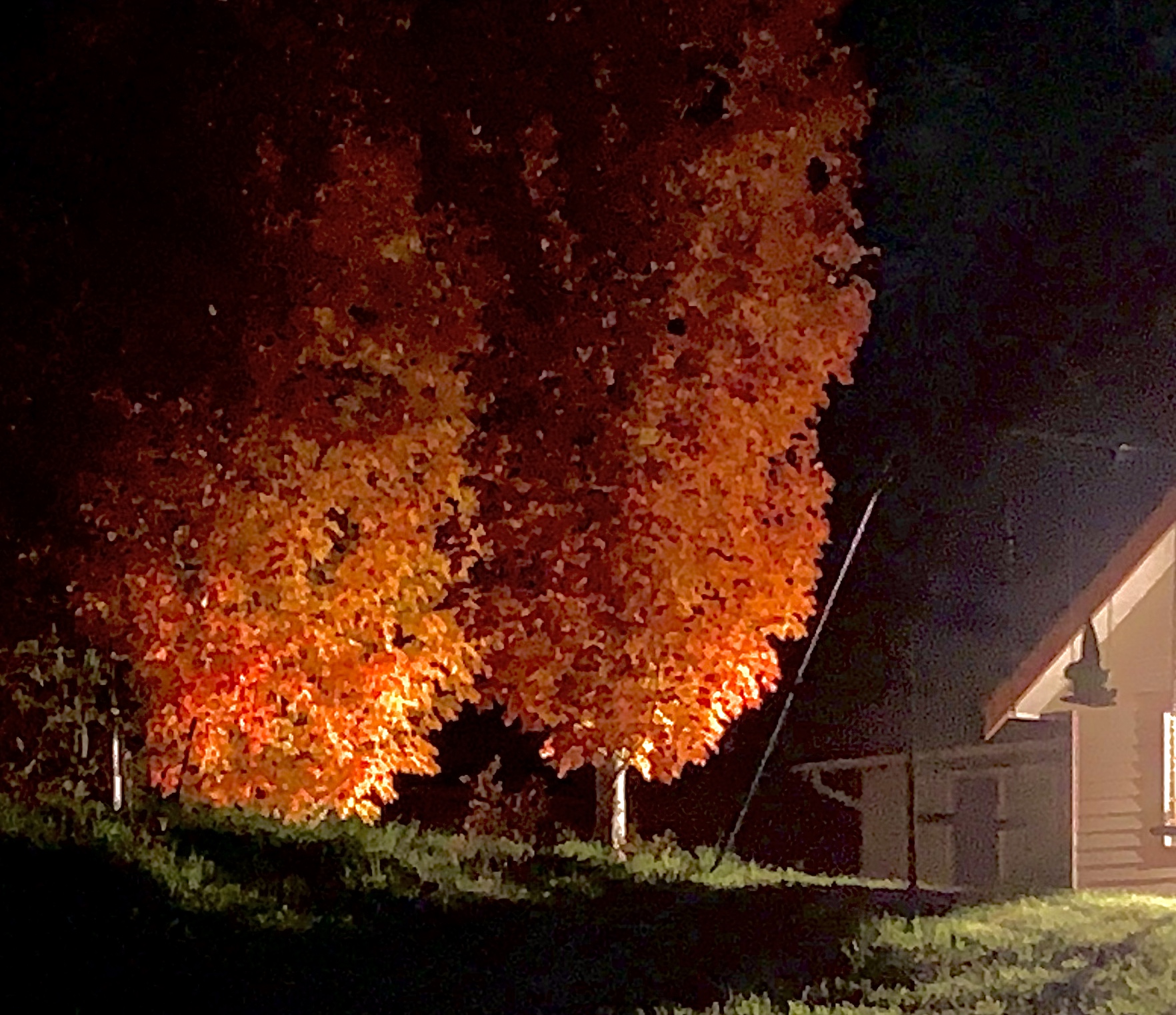
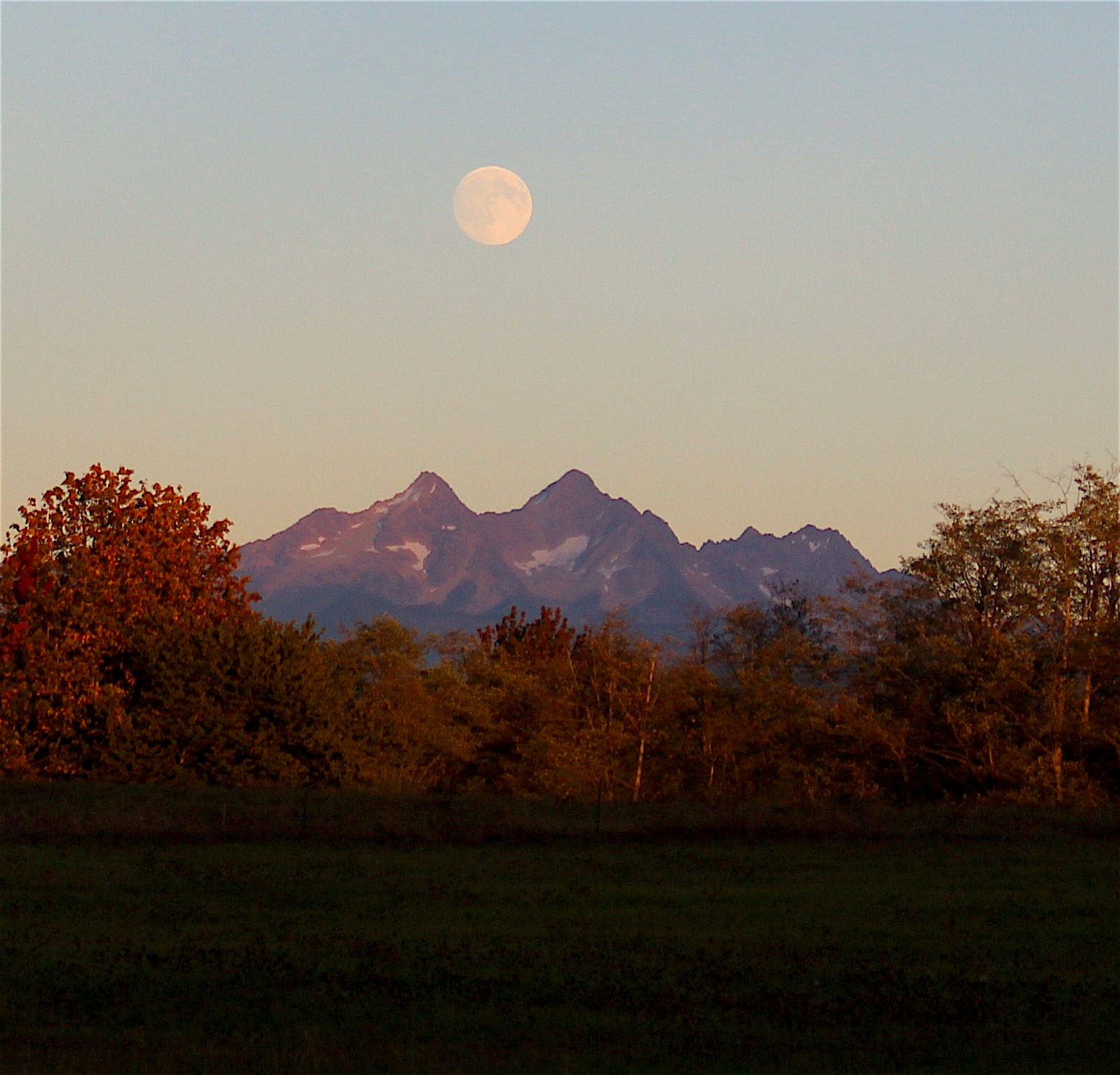
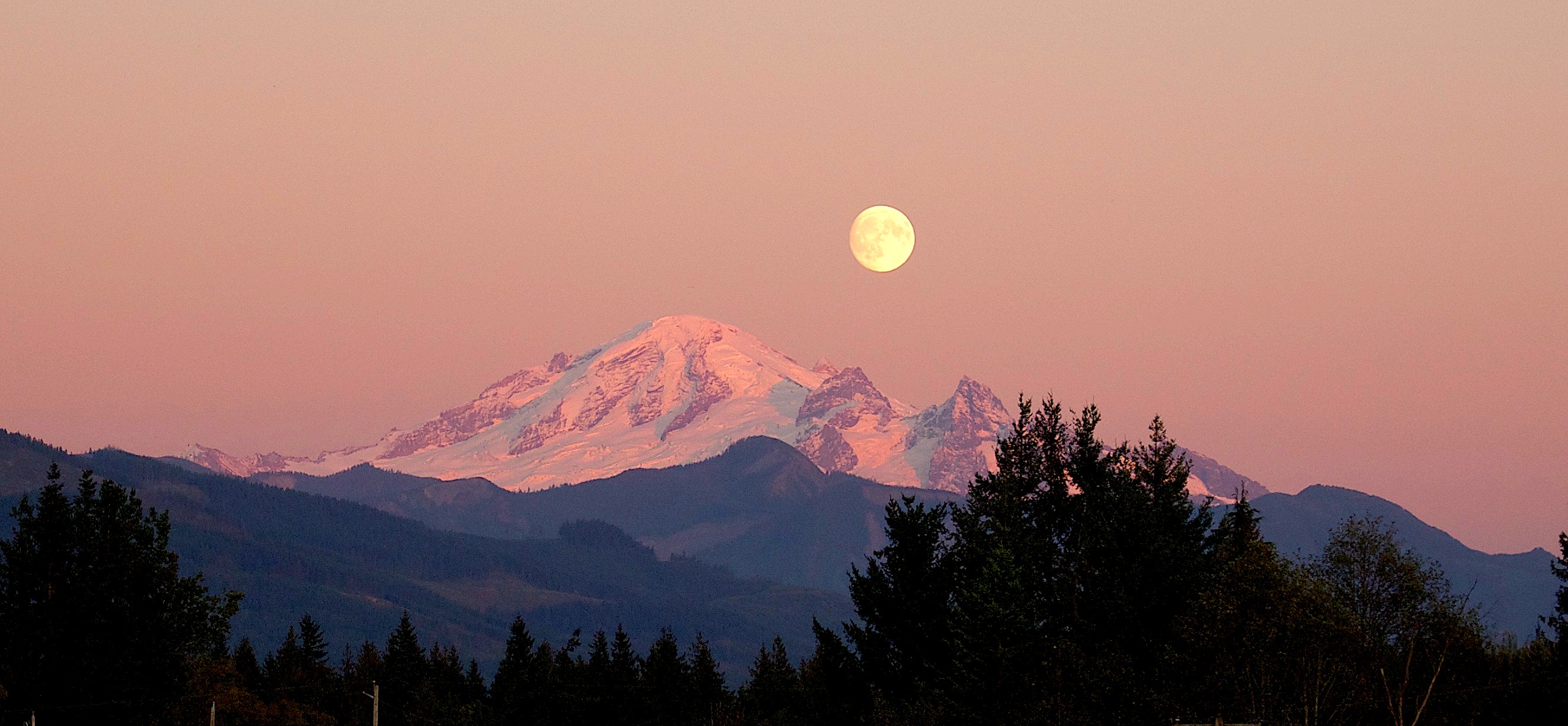
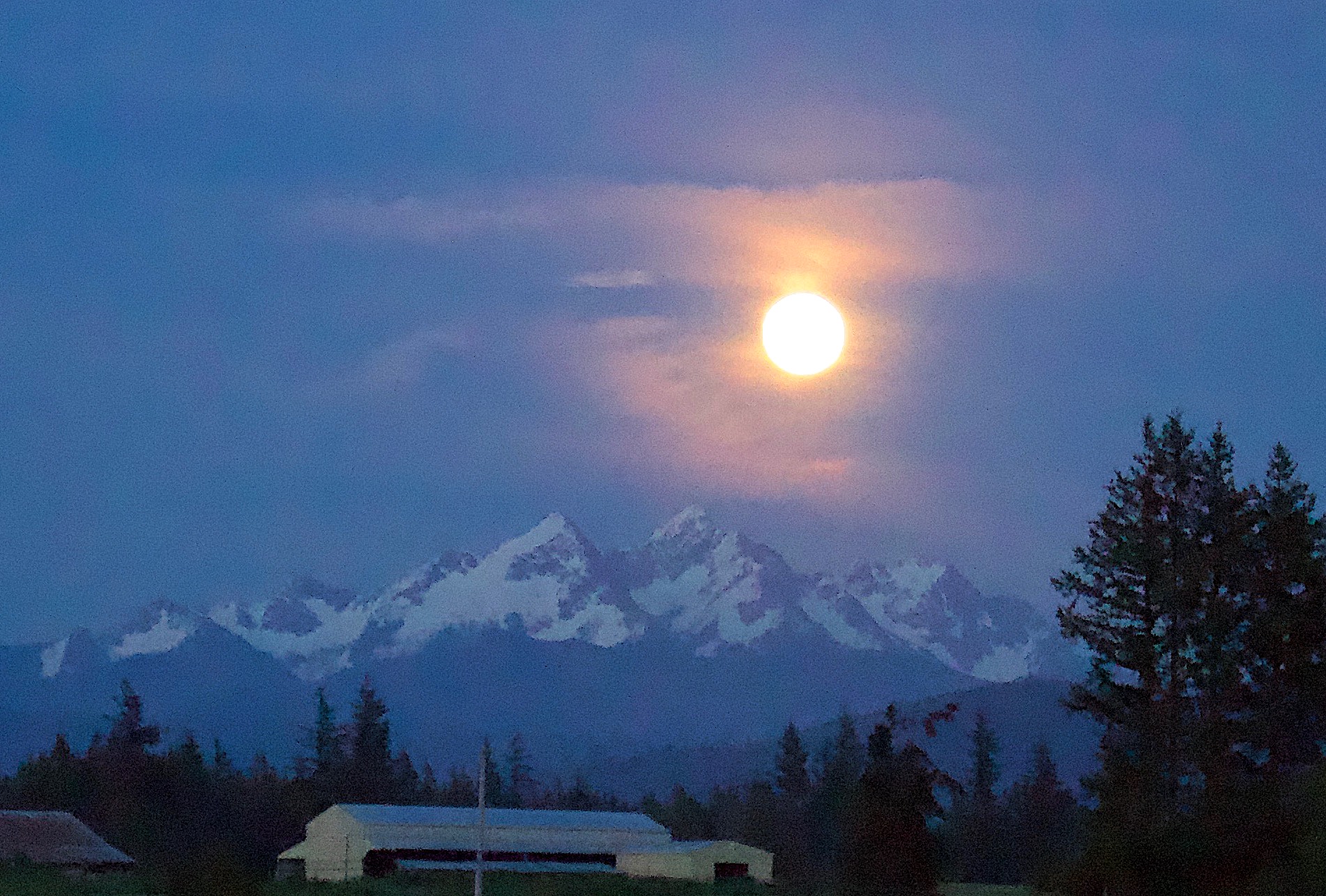
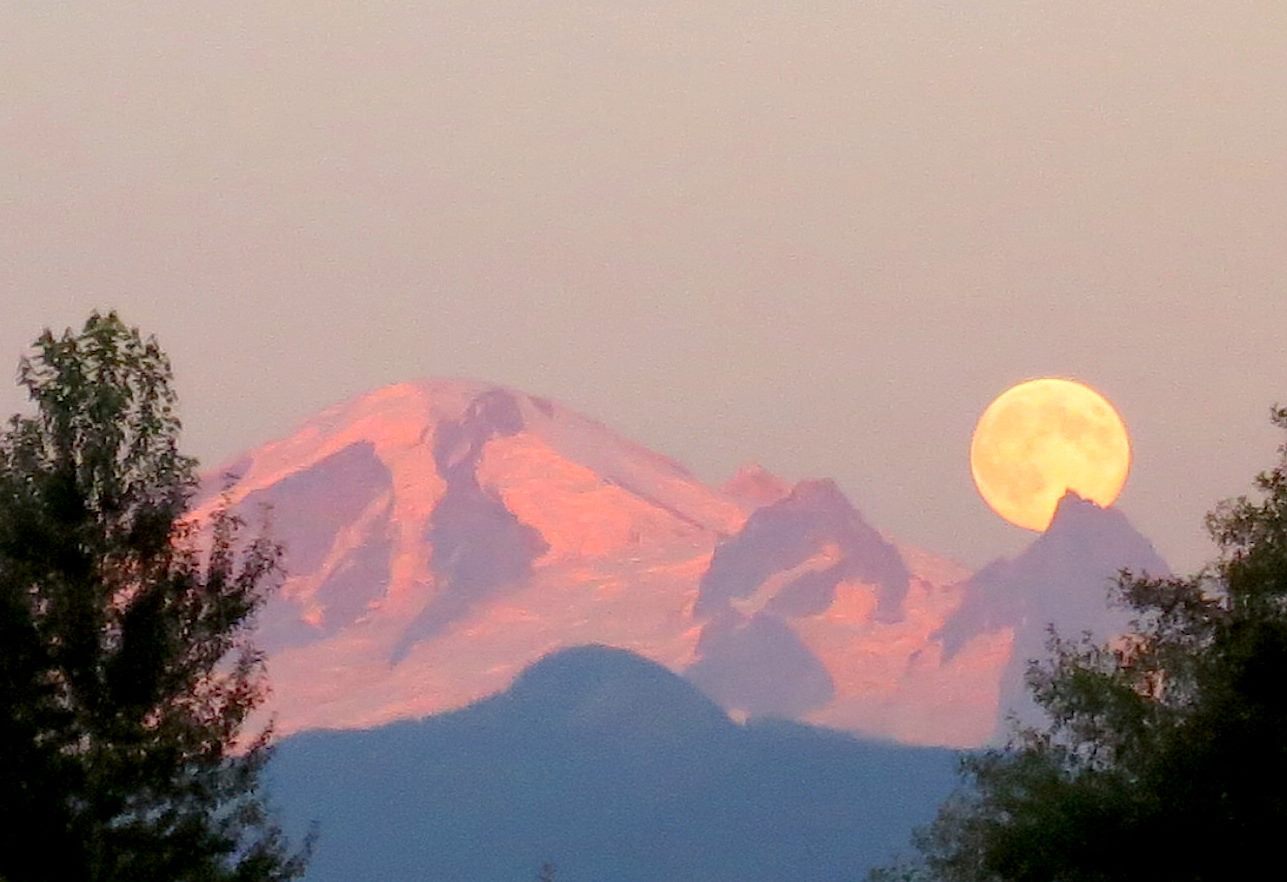
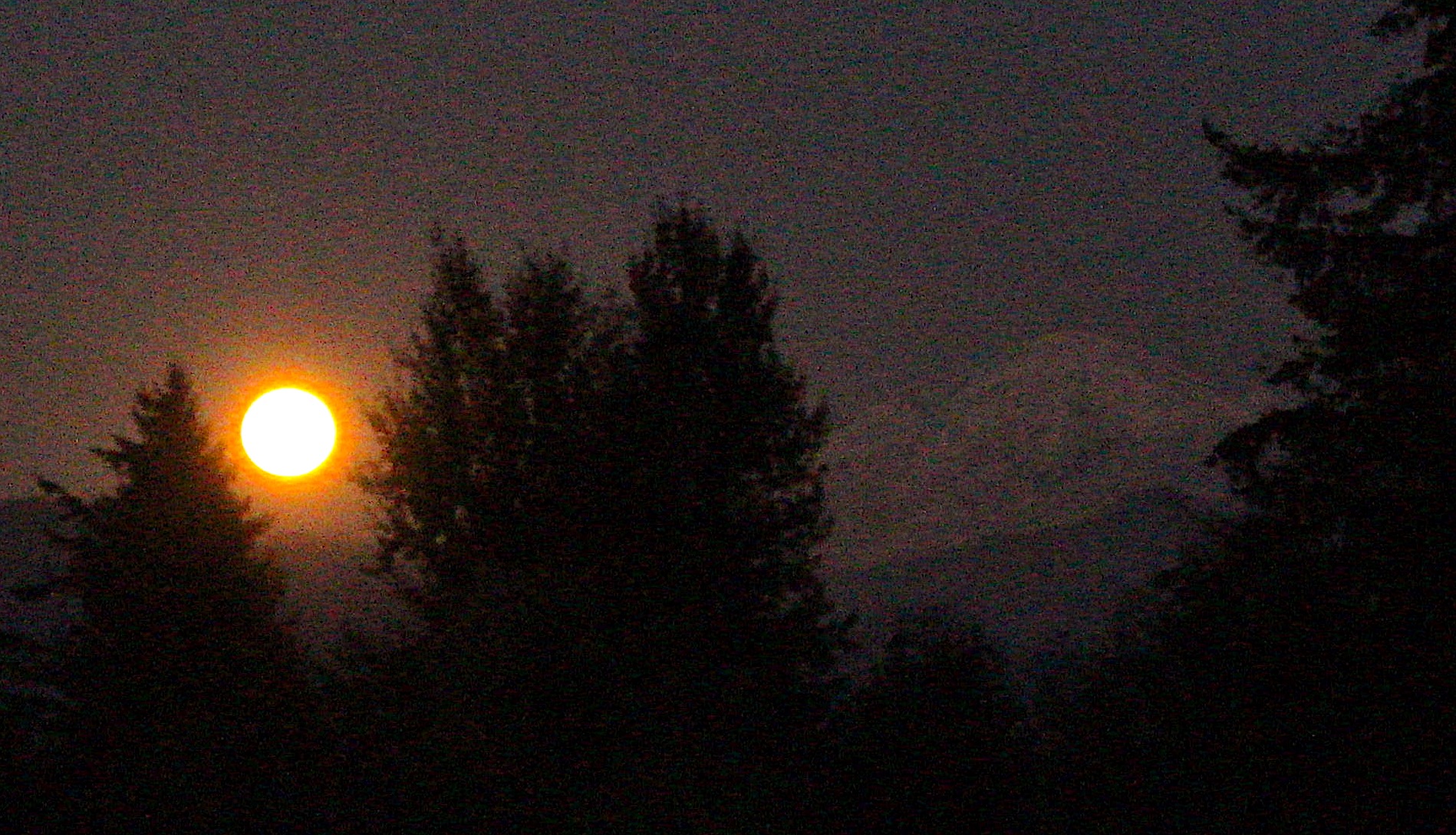
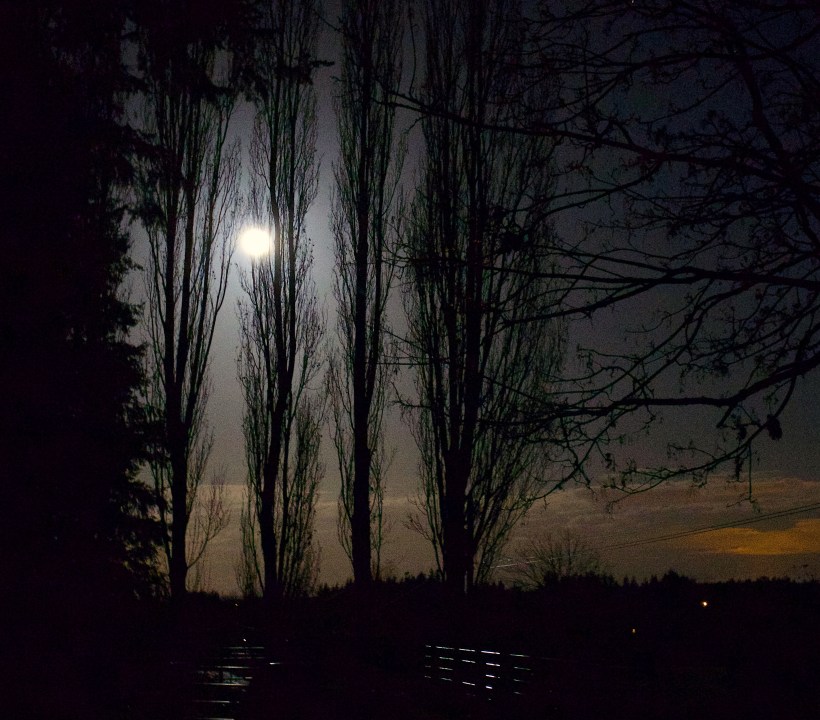
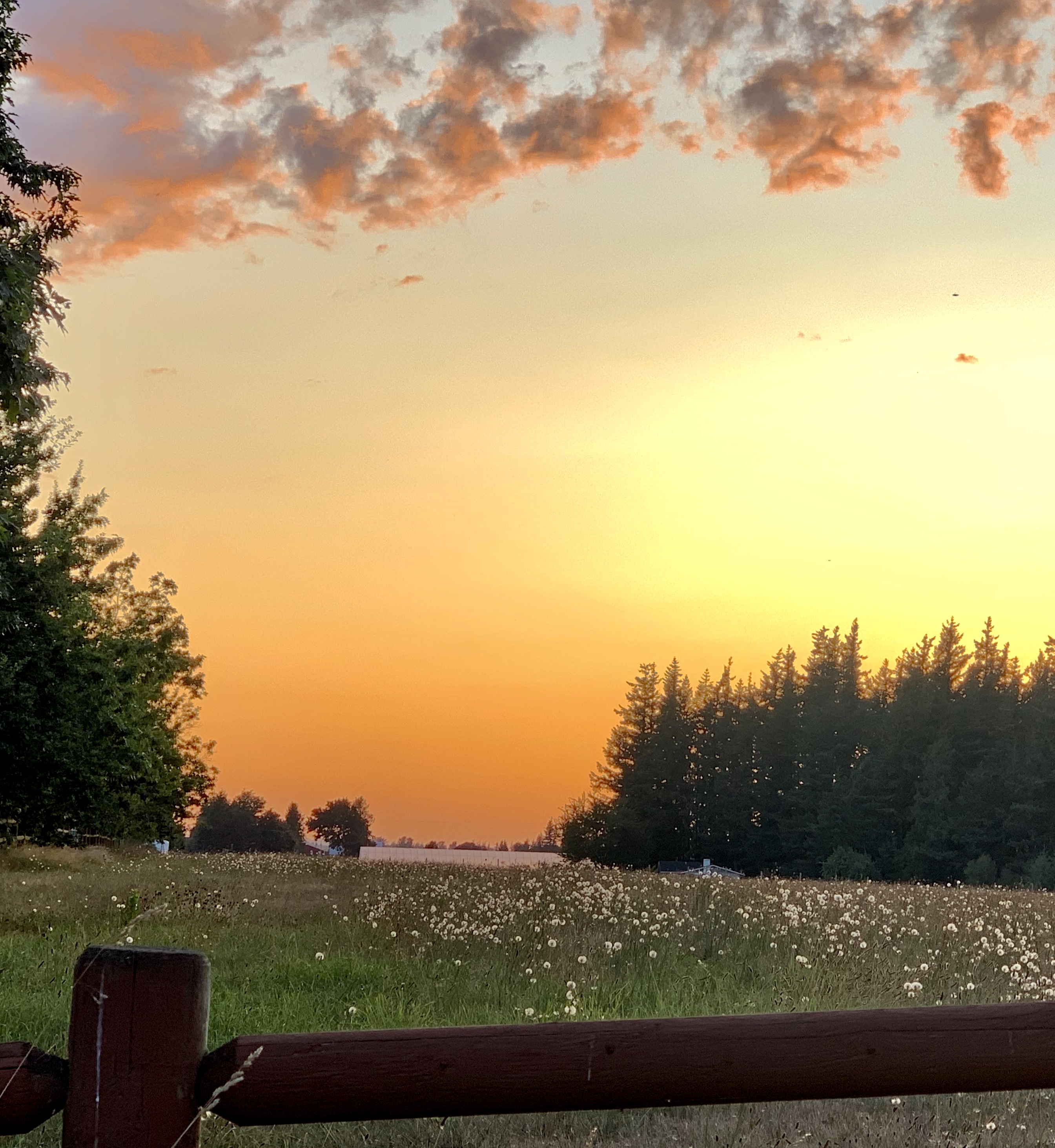
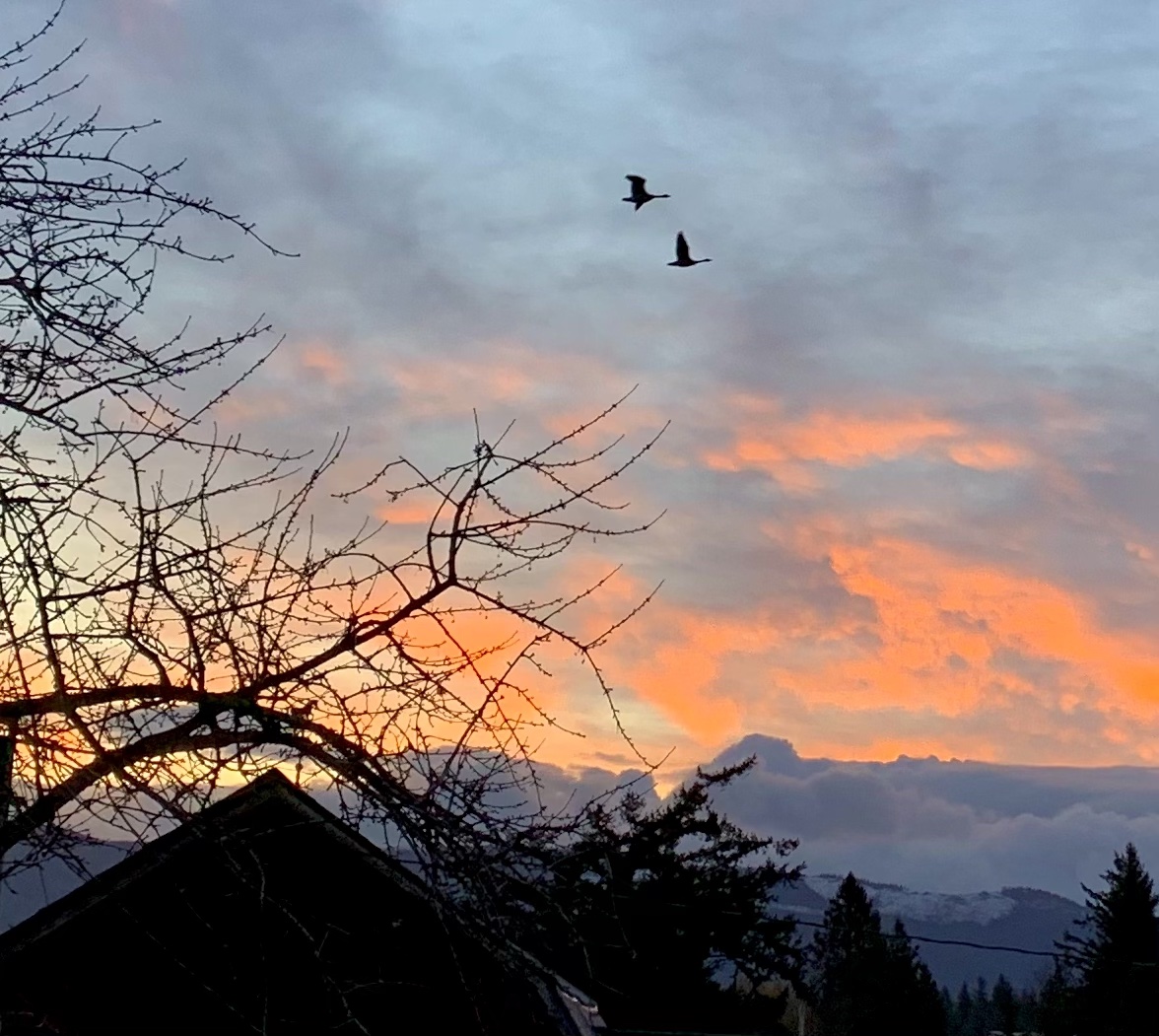
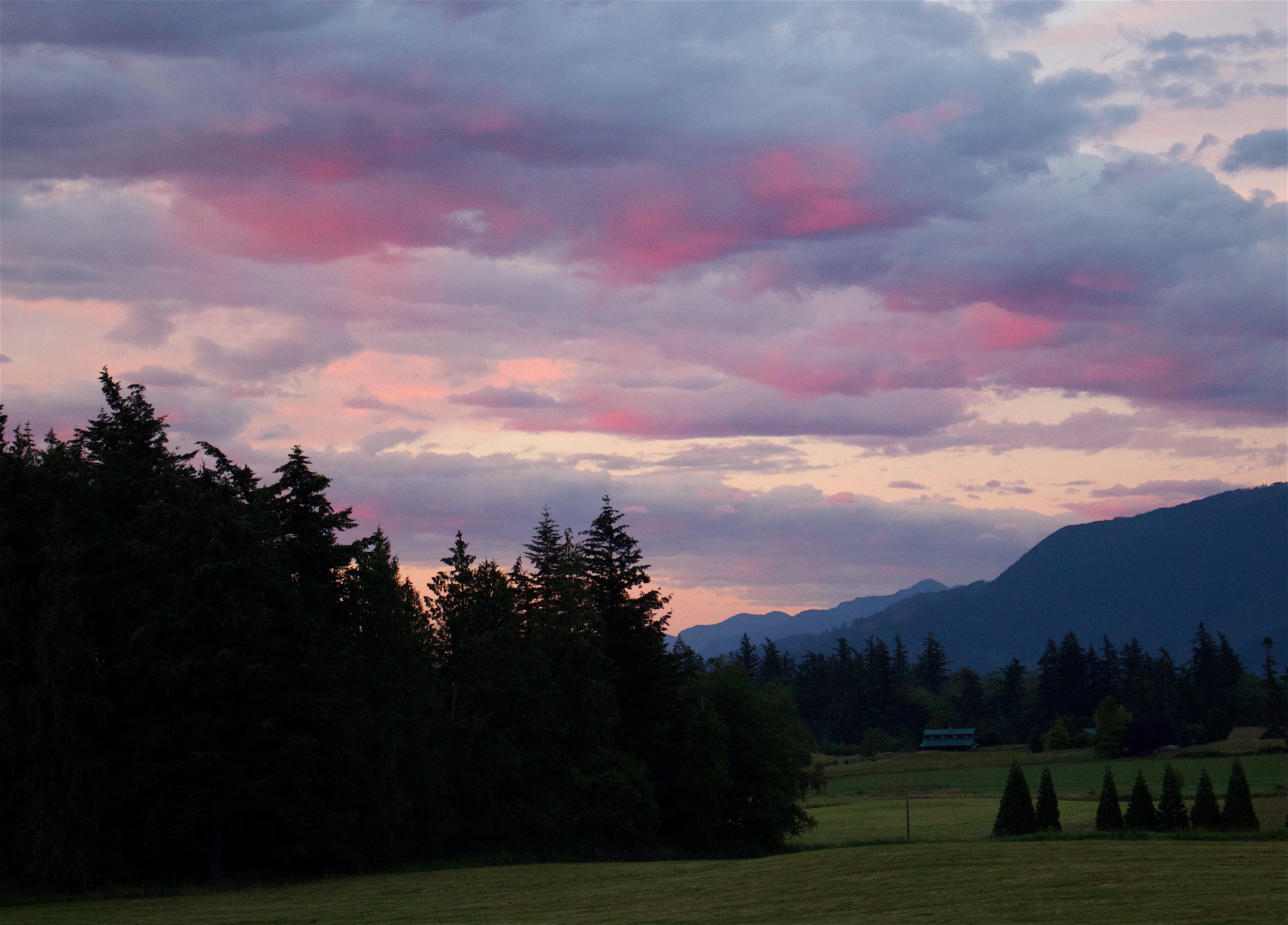
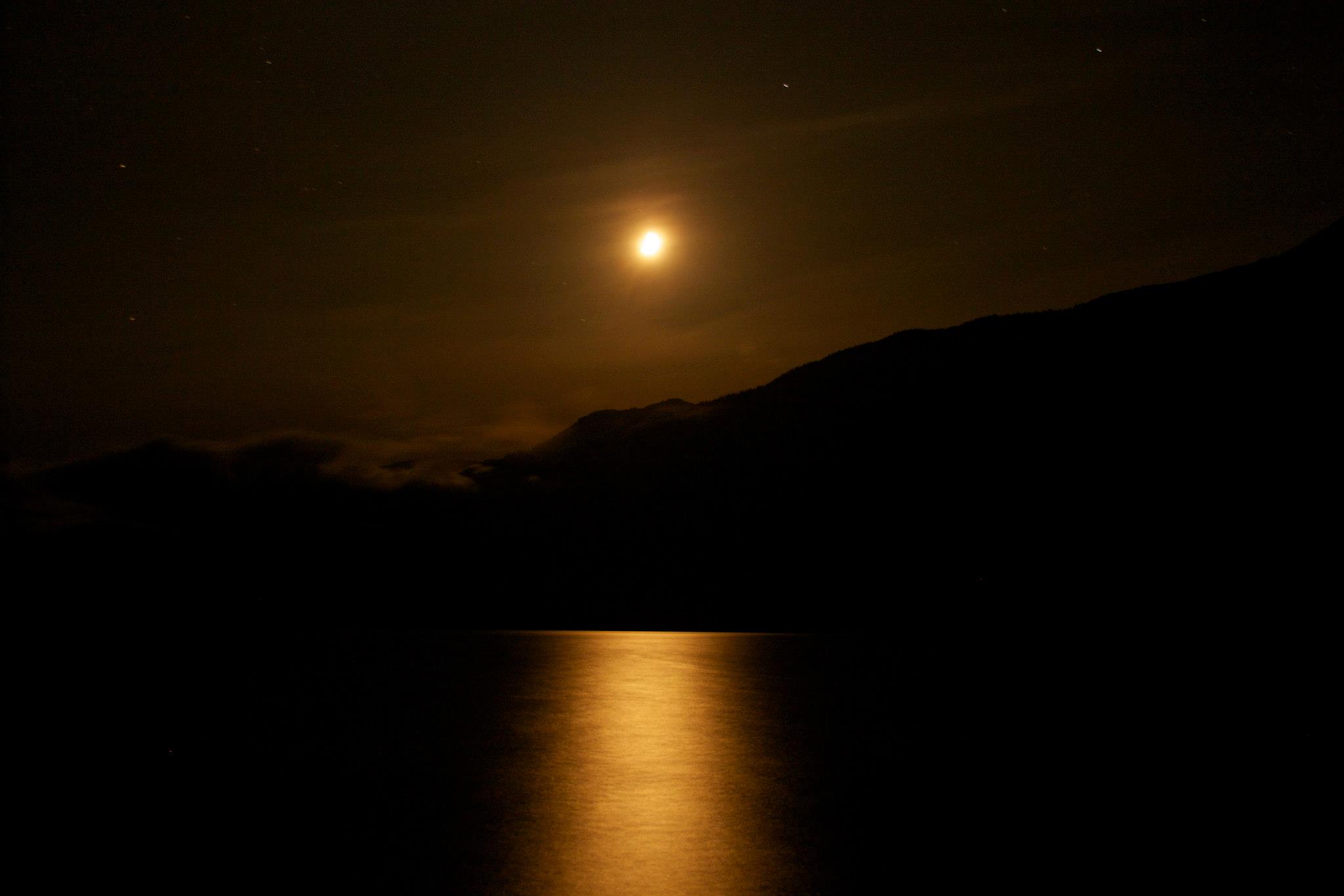
Even so, we enter winter next week replete with a startling splash of orange red that paints the skies in the evenings, the stark and gorgeous snow covered peaks surrounding us during the day,  the grace of bald eagles and trumpeter swans flying overhead, the heavenly lights that twinkle every night,  the shining globe that circles full above us, and the loving support of the Hand that rocks us to sleep when we are wailing loud.

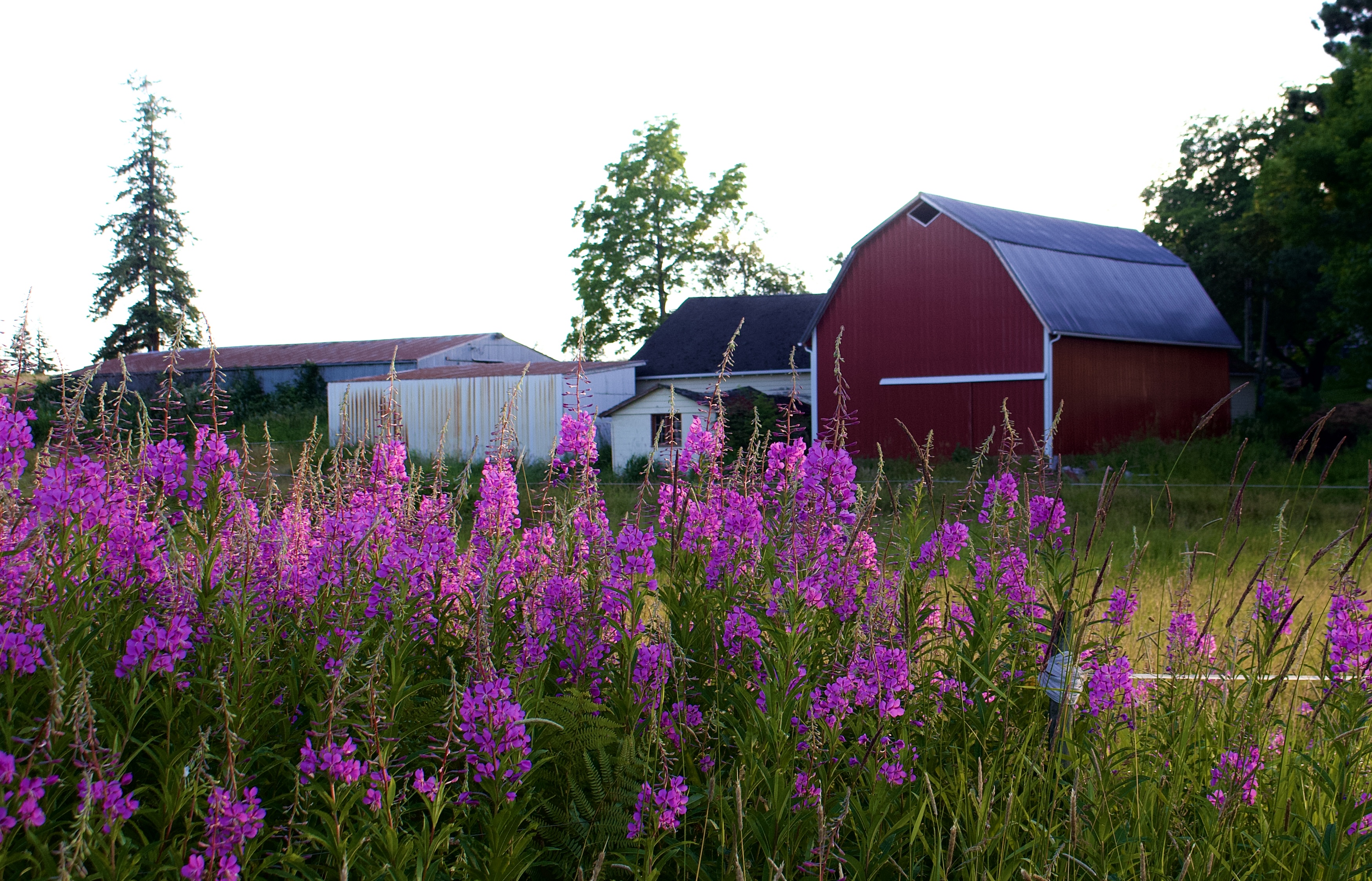
Once again, I prepare myself to do the real work of Christmas, acknowledging the stark reality that the labor that happened in a barn that night was only the beginning of the labor required to salvage this world begun by an infant in a manger.

We don’t need a fragrant fir, full stockings on the hearth, Christmas villages on the side table, or a star on the top of the tree to know the comfort of His care and the astounding beauty of His creation, available for us without batteries, electrical plug ins, or the need of a ladder.

The ghosts and memories of Christmas tend to pull me up from my doldrums, alive to the possibility that even I, broken and fragile, scratched and showing my age, can make a difference, in His name, all year.

Nothing is too little to be loved…even me.
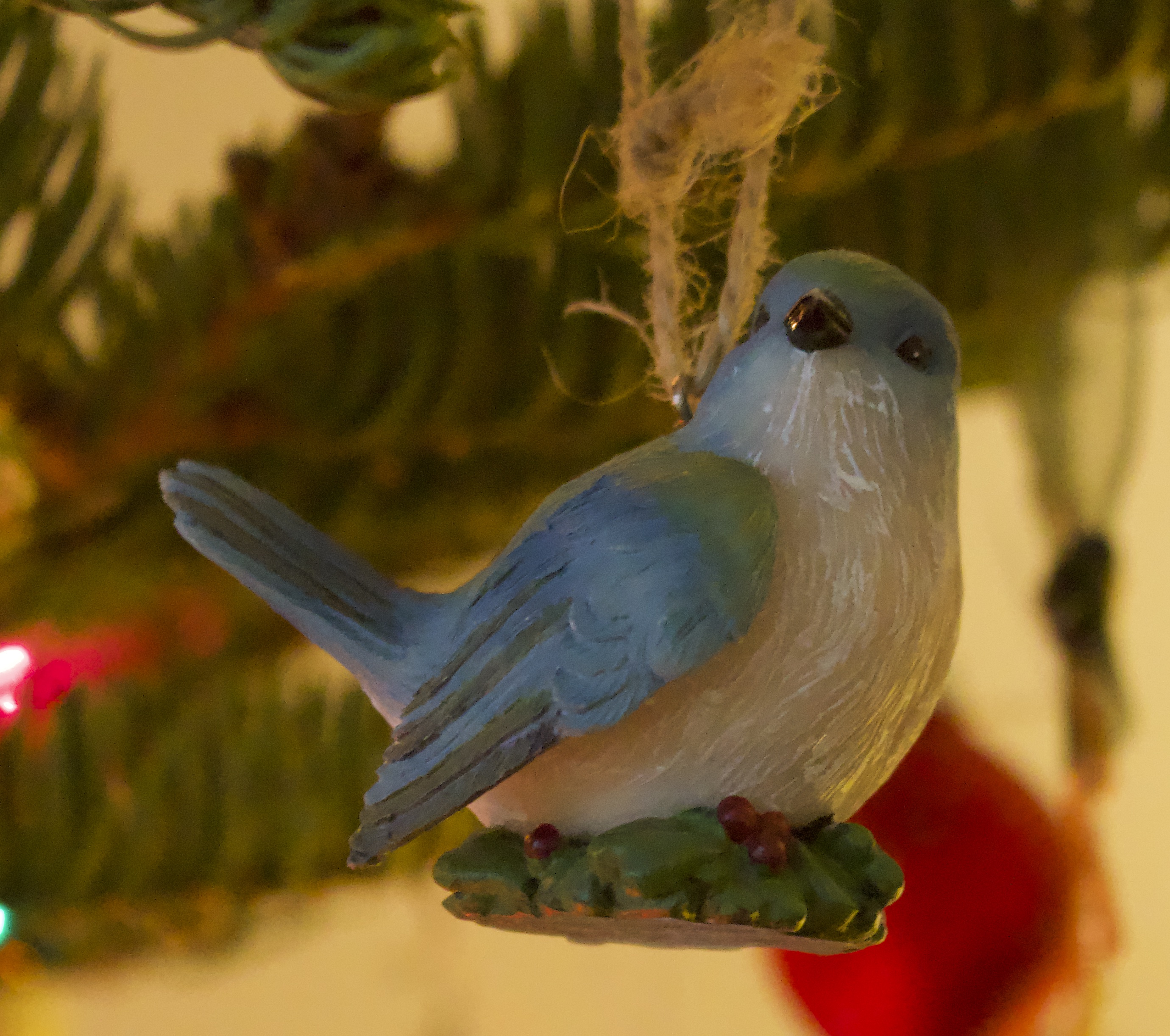
This year’s Barnstorming Advent theme “… the Beginning shall remind us of the End” is taken from the final lines in T.S. Eliot’s poem “The Cultivation of Christmas Trees”

One-Time
Monthly
Yearly

Make a one-time donation to support Barnstorming

Make a monthly donation

Make a yearly donation

Choose an amount

¤5.00
¤10.00
¤20.00
¤5.00
¤15.00
¤100.00
¤5.00
¤15.00
¤100.00

Or enter a custom amount

¤

Your contribution is deeply appreciated.

Your contribution is appreciated.

Your contribution is appreciated.

DonateDonate monthlyDonate yearly
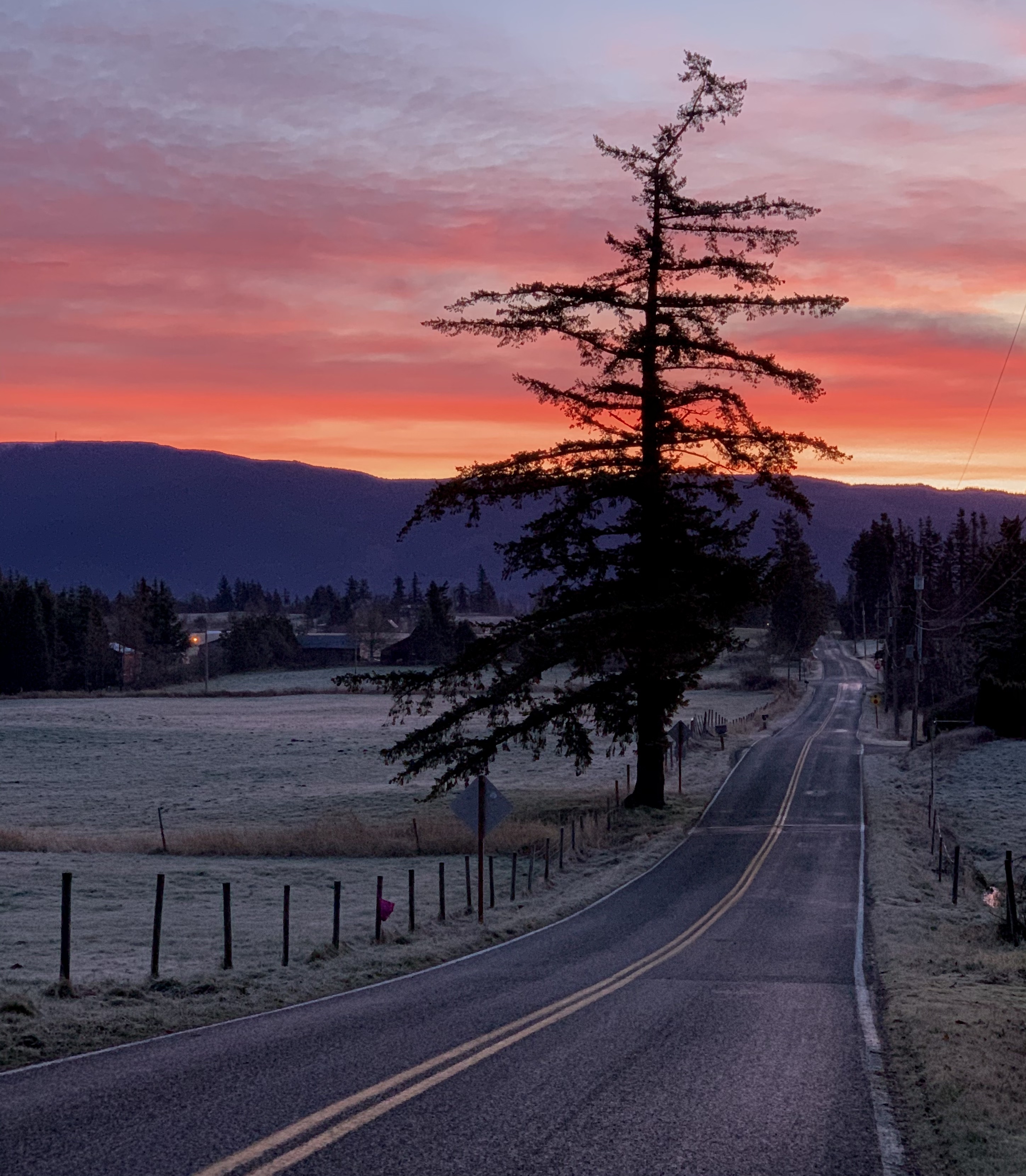
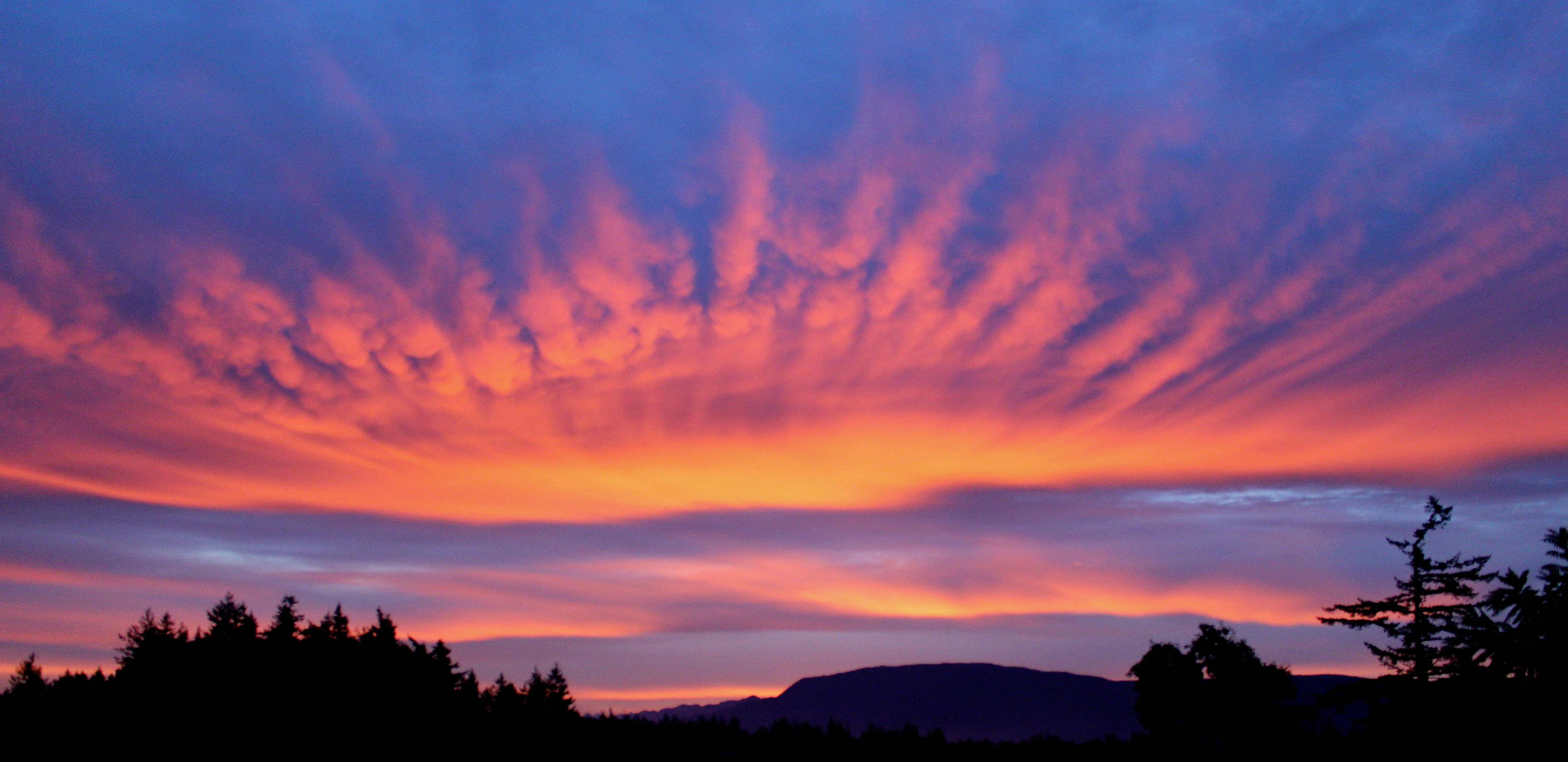
The Beginning Shall Remind Us of the End: No Longer Homeless

Today is my mother’s birthday,
but she’s not here to celebrate
by opening a flowery card
or looking calmly out a window.

If my mother were alive,
she’d be 114 years old,
and I am guessing neither of us
would be enjoying her birthday very much.

Mother, I would love to see you again
to take you shopping or to sit
in your sunny apartment with a pot of tea,
but it wouldn’t be the same at 114.

And I’m no prize either,
almost 20 years older than the last time
you saw me sitting by your deathbed.
Some days, I look worse than yesterday’s oatmeal.

It must have been frigid that morning
in the hour just before dawn
on your first December 1st
at the family farm a hundred miles north of Toronto
.

Happy Birthday, anyway. Happy Birthday to you.
~Billy Collins from “December 1”

December 1st is not my mother’s birthday but it was her death day thirteen years ago.

Yet it felt a bit like a birth.

The call came from the care center about 5:30 AM on the Monday after Thanksgiving on a frozen morning: the nurse gently said her breathing had changed, it wasn’t long now until she’d be gone.

My daughter and I quickly dressed and went out into bleak darkness to make the ten minute drive to where she lay. Mom had been wearily existing since a femur fracture 9 months earlier on a cruel April 1st morning. Everything changed for her at 87 years of being active at home. It was the beginning of the end for her, unable to care for herself at home.

These nine months had been her gestation time to transition to a new life. It occurred to me as I drove – she was about to be born in her long-awaited yet long-feared transition to death.

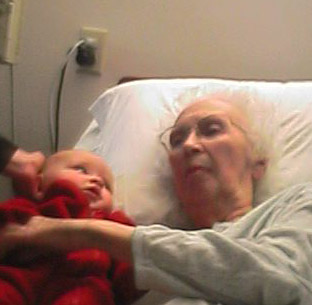
Her room was darkened except for the multicolored lights on the table top artificial Christmas tree I had brought her a few days earlier. It cast colorful shadows onto the walls and the white bedspread on her hospital bed. It even made her look like she had color to her cheeks where there actually was none.

There was no one home.

She had already left, flown away while we drove the few miles to come to her. There was no reaching her now. Her skin was cooling, her face hollowed by the lack of effort, her body stilled and sunken.

I could not weep at that point – it was time for her to leave us behind. She was so very tired, so very weary, so very ready for heaven. And I, weary too, felt much like yesterday’s oatmeal, something she actually very much loved during her life, cooking up a big batch a couple times a week, enough to last several days.

I knew, seeing what was left of her there in that bed, Mom was no longer settling for yesterday’s oatmeal and no longer homeless. I knew she now she was present for a feast, would never suffer insomnia again, would no longer be fearful of dying, that her cheeks would be forever full of color.

I knew she had a new beginning: the glory of rebirth thanks to her Savior who had gently taken her by the hand to a land where joy would never end.

Happy Birthday, Mom. Happy December 1st Birthday to you.

I’ll fly away, oh glory
I’ll fly away in the morning
When I die hallelujah by and by
I’ll fly away

God makes us happy as only children can be happy.
God wants to always be with us, wherever we may be –
in our sin, in our suffering and death.
We are no longer alone;
God is with us.
We are no longer homeless;
a bit of the eternal home itself has moved unto us. 
~Dietrich Bonhoeffer

Some bright morning when this life is over
I’ll fly away
To that home on God’s celestial shore
I’ll fly away

I’ll fly away, oh glory
I’ll fly away in the morning
When I die hallelujah by and by
I’ll fly away

When the shadows of this life have gone
I’ll fly away
Like a bird from these prison walls I’ll fly
I’ll fly away

Oh how glad and happy when we meet
I’ll fly away
No more cold iron shackles on my feet
I’ll fly away

Just a few more weary days and then
I’ll fly away
To a land where joys will never end
I’ll fly away

I’ll fly away oh glory
I’ll fly away in the morning
When I die hallelujah by and by
I’ll fly away
I’ll fly away

~Albert Brumley

This year’s Barnstorming Advent theme “… the Beginning shall remind us of the End” is taken from the final lines in T.S. Eliot’s poem “The Cultivation of Christmas Trees”

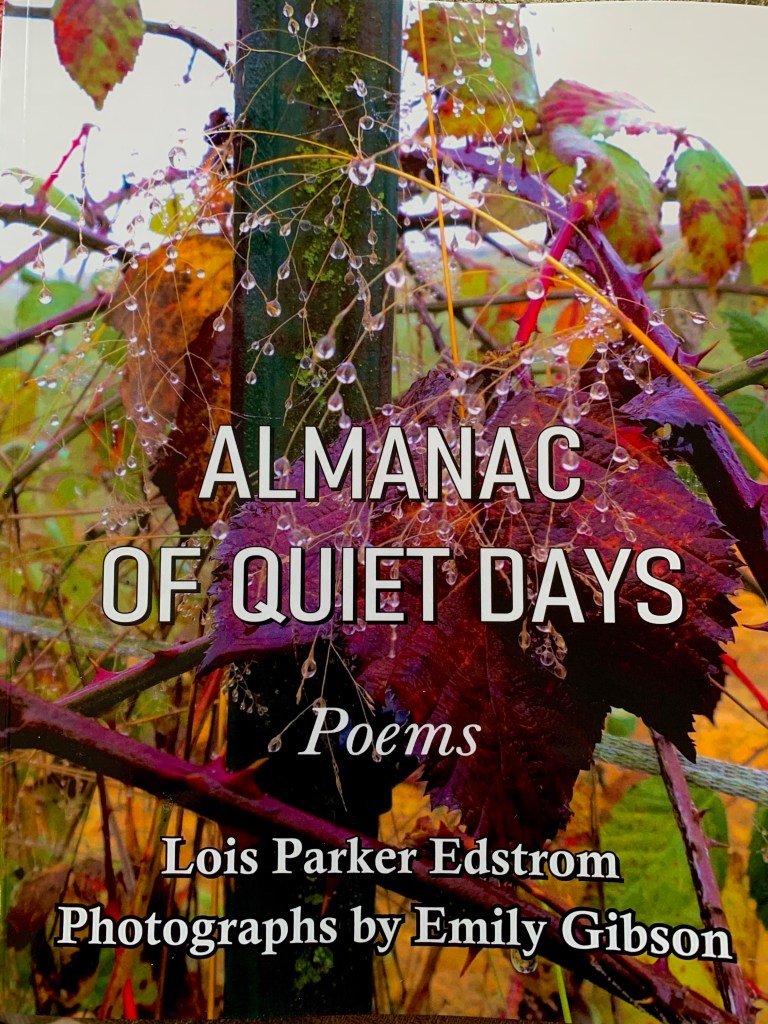
A book of beauty in words and photography, available to order here:


Bagging Gold

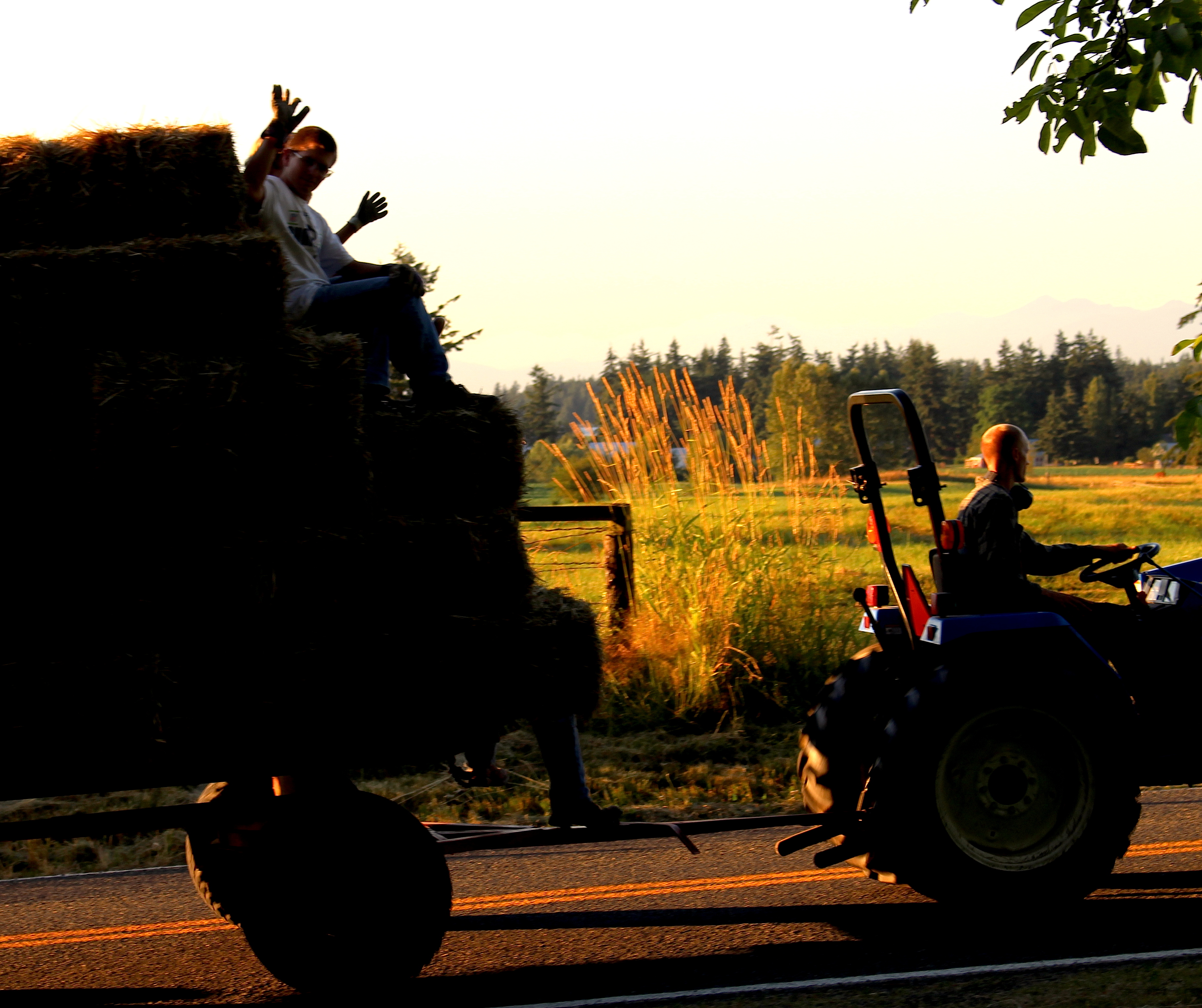
All afternoon his tractor pulls a flat wagon
with bales to the barn, then back to the waiting
chopped field. It trails a feather of smoke.
Down the block we bend with the season:
shoes to polish for a big game,
storm windows to batten or patch.
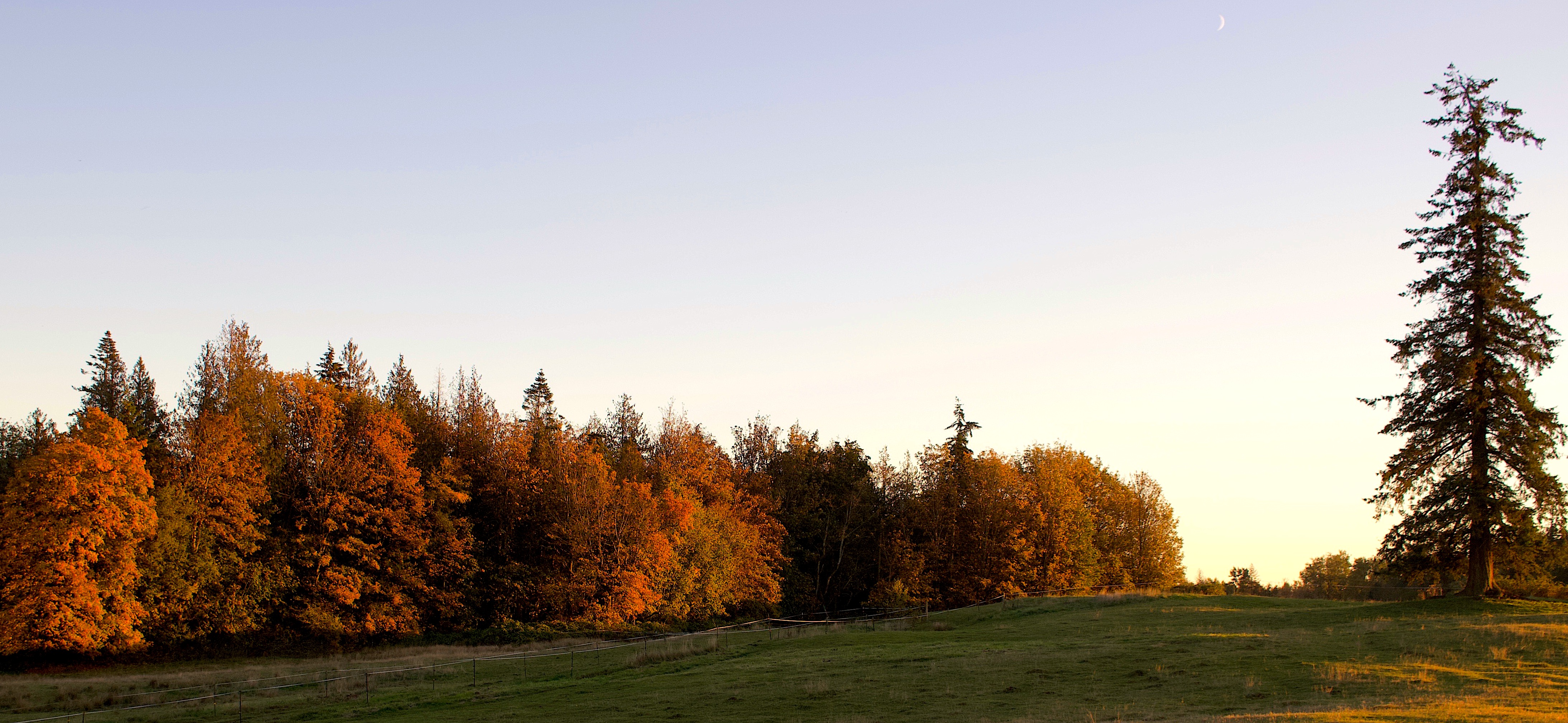
And how like a field is the whole sky now
that the maples have shed their leaves, too.
It makes us believers—stationed in groups,
leaning on rakes, looking into space. We rub blisters
over billows of leaf smoke. Or stand alone,
bagging gold for the cold days to come.

~David Baker “Neighbors in October”

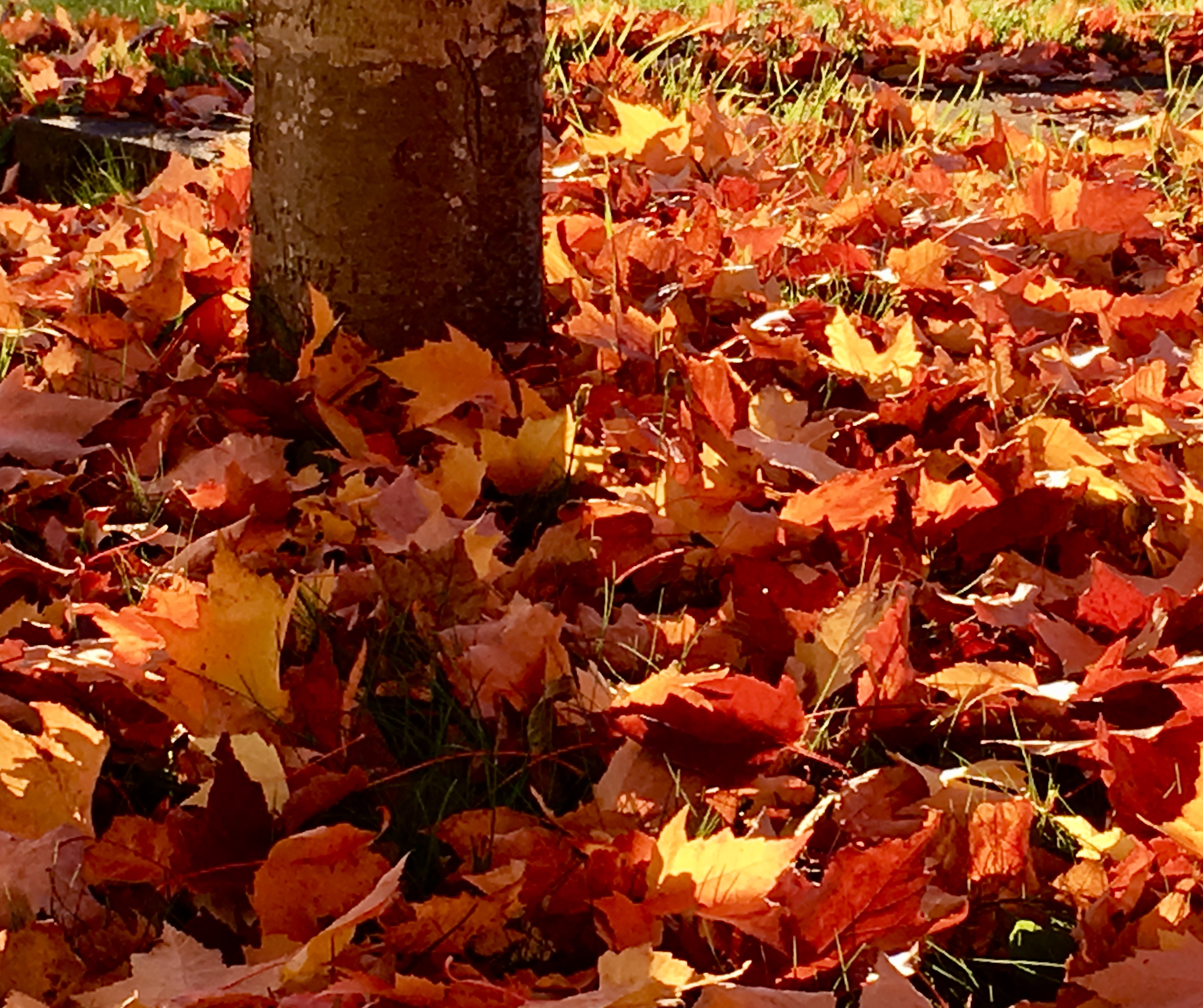
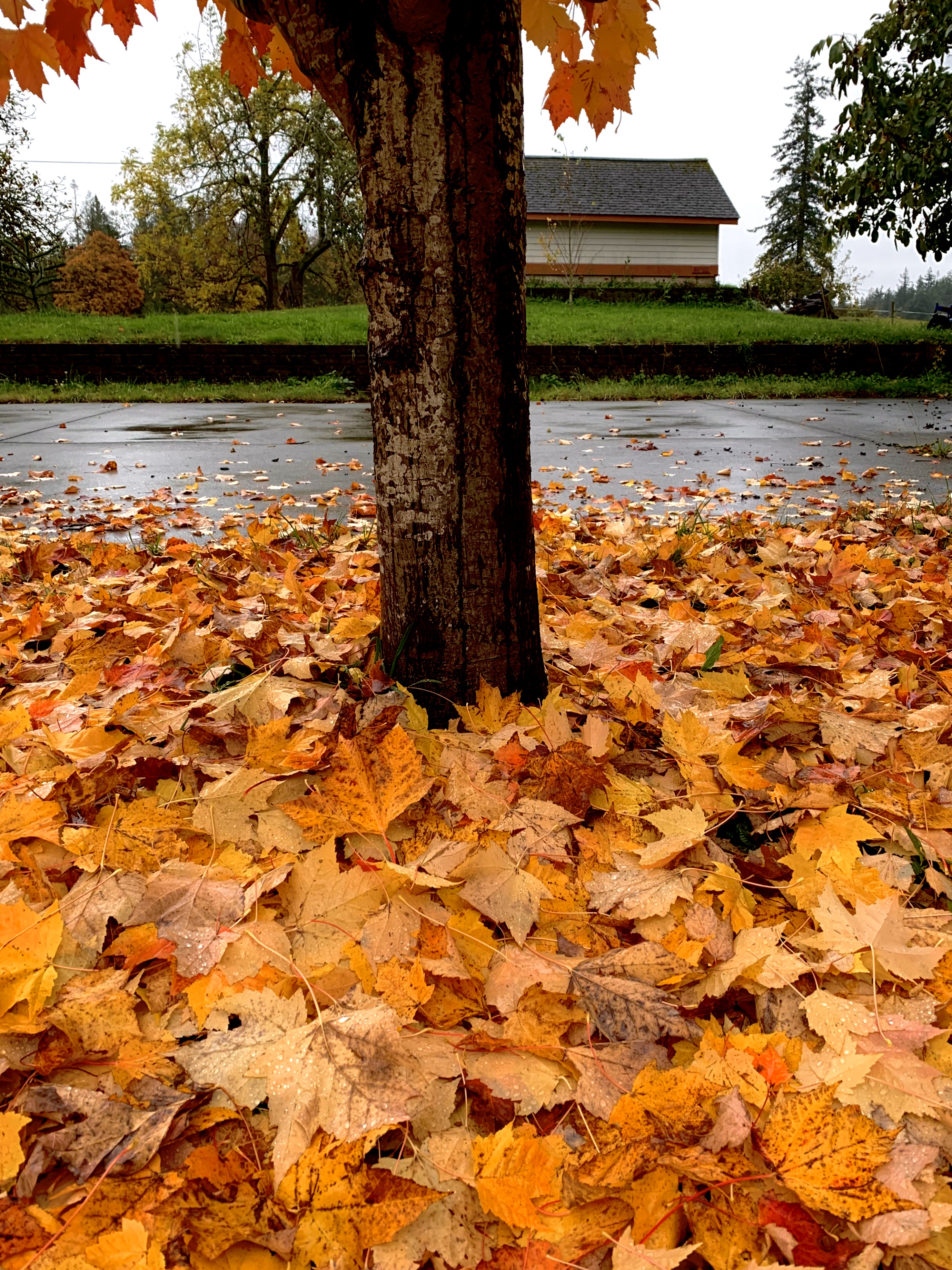
There is a desperation to these October days:
the leaves torn from branches by unrelenting gusts
with no thought to where they may land~
upon which patch of grass or gravel will be their final resting place
to wilt and wither in the rain,
under frost,
buried by eventual peaceful snowbanks
until they return to dust.

Or in my need to hold on to what I can
of what was,
I preserve a few like precious treasure,
tucked between book pages
to remain forever neighbors
with the words they embrace.

A book with beautiful words and photography (but no leaves tucked inside) is available to order here:

Listen for Returning Feet

I sit beside the fire and think of all that I have seen,
of meadow-flowers and butterflies in summers that have been;
Of yellow leaves and gossamer in autumns that there were,
with morning mist and silver sun and wind upon my hair.
I sit beside the fire and think of how the world will be
when winter comes without a spring that I shall ever see.

For still there are so many things that I have never seen:
in every wood in every spring there is a different green.
I sit beside the fire and think of people long ago,
and people who will see a world that I shall never know.
But all the while I sit and think of times there were before,
I listen for returning feet and voices at the door.

~J.R.R. Tolkien “Bilbo’s Song” from The Lord of the Rings

The shortening days make me greedy
for what is left of daylight –
watching the sky change by the hour,
brown summer fields
greening from rain,
webs clinging when I pass.

More than anything, I hunker down,
waiting for winter, knowing the quiet nights
by the fire will restore me –
hoping I’ll hear visitors at the door,
those I love coming home to spend what time is left.

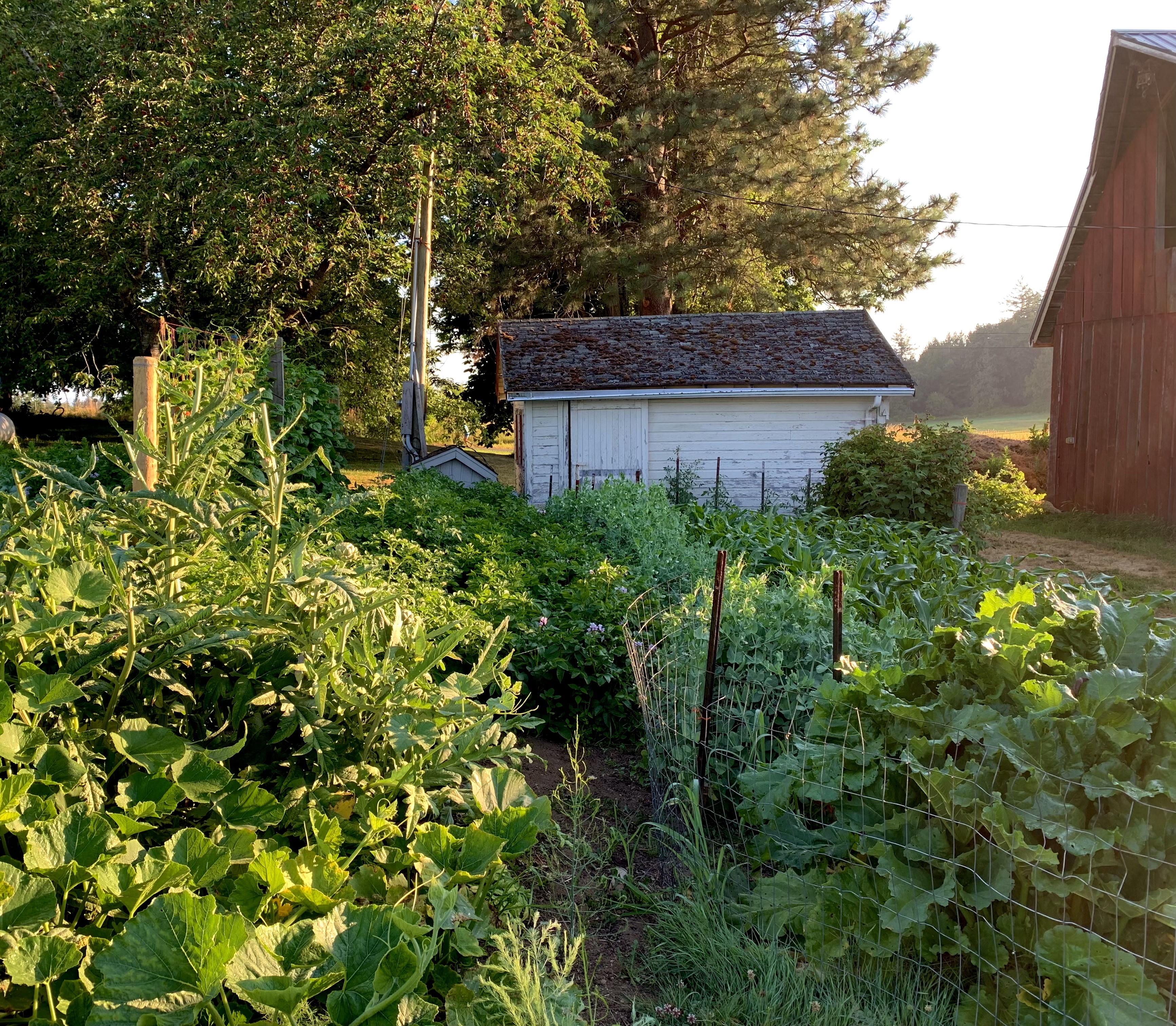
A dichotomy of sweet peas and pumpkins in October

The perfect book for an autumn evening by the fire, available to order here:

Almost Forgot

   I almost forgot
To hang up an autumn moon
      Over the mountain
~Richard Wright “Haiku”

Lyric night of the lingering Indian Summer,
Shadowy fields that are scentless but full of singing,
Never a bird, but the passionless chant of insects,
       Ceaseless, insistent. 

  
The grasshopper’s horn, and far-off, high in the maples,
The wheel of a locust leisurely grinding the silence
Under a moon waning and worn, broken,      
Tired with summer. 
  

Let me remember you, voices of little insects,
Weeds in the moonlight, fields that are tangled with asters,
Let me remember, soon will the winter be on us,      
Snow-hushed and heavy.   

Over my soul murmur your mute benediction,
While I gaze, O fields that rest after harvest,
As those who part look long in the eyes they lean to,      
Lest they forget them.
~Sara Teasdale, “September Midnight”

photo by Josh Scholten

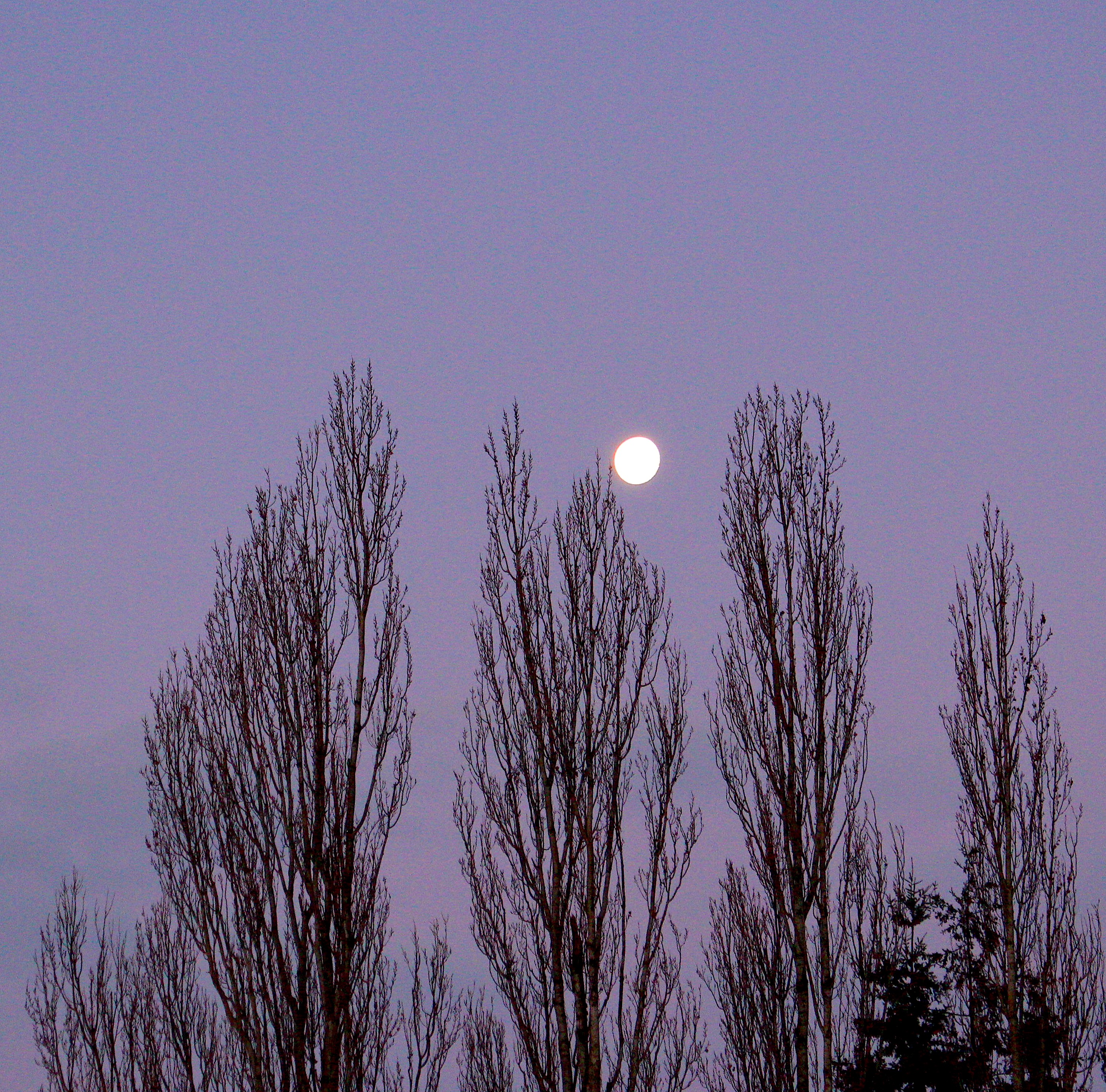
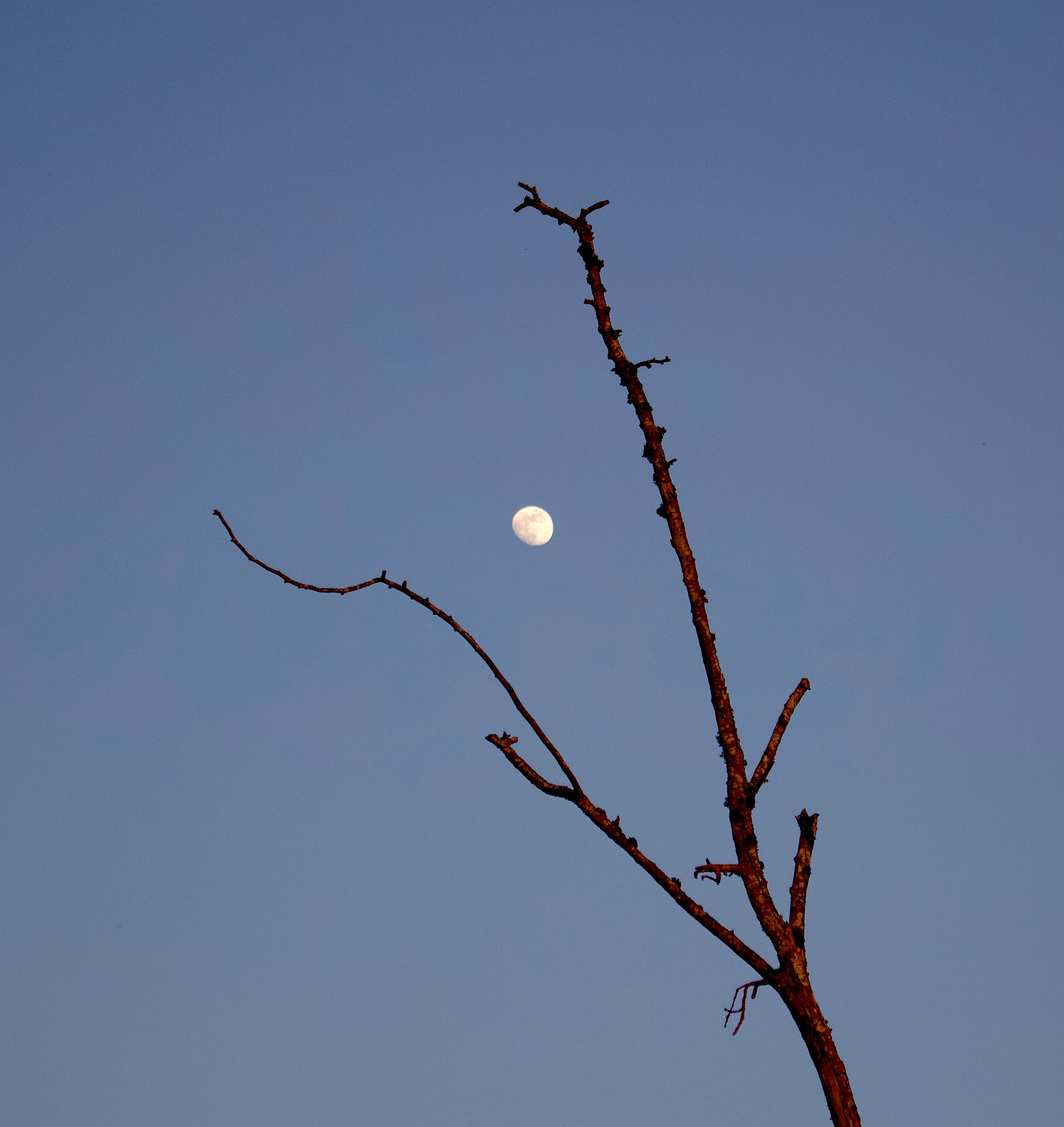
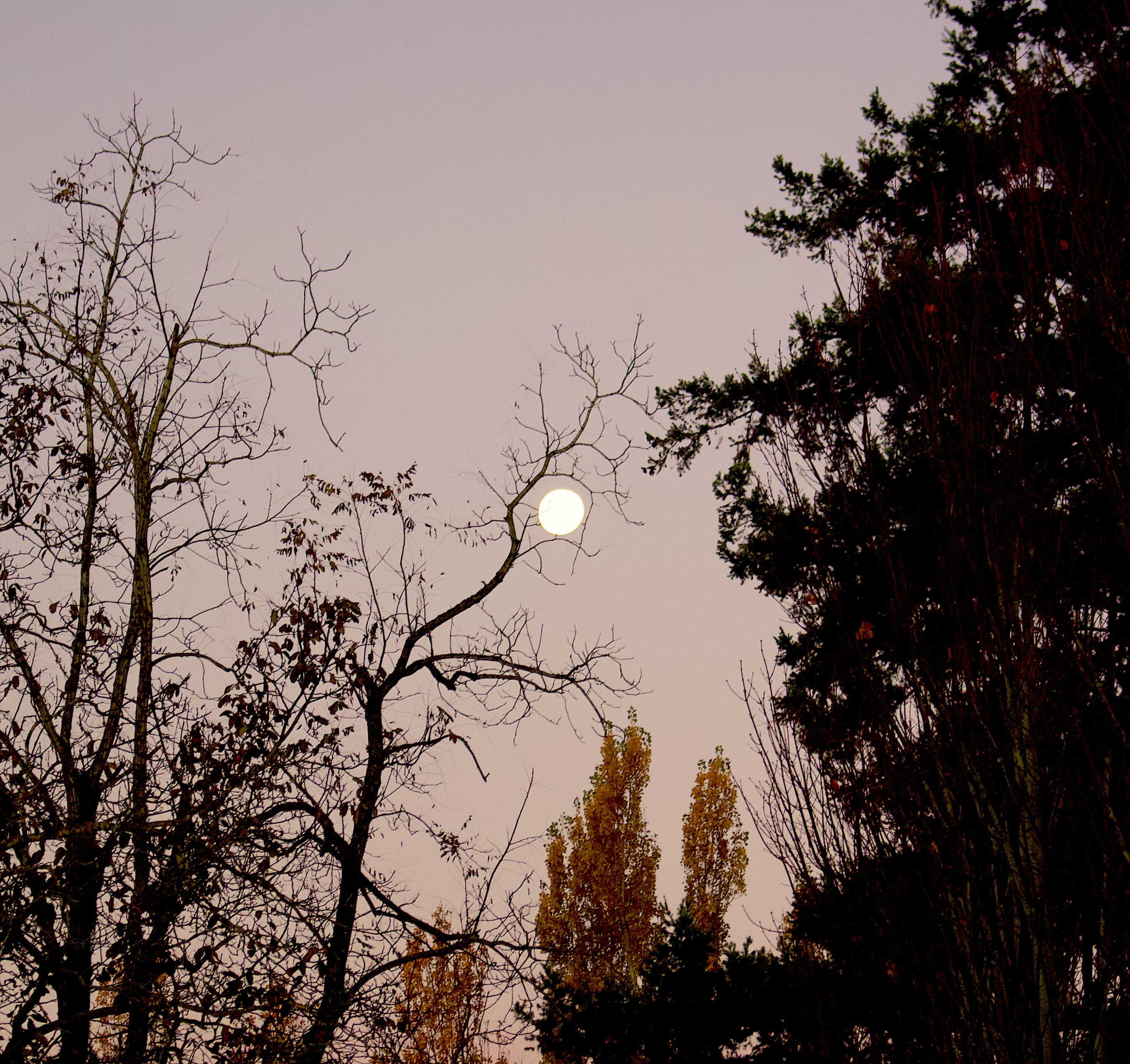
I will not forget, dear harvest moon,
to tuck you away where I can find you months from now,
tangled up in the weary trees of autumn.
Once the leaves fall, modest branches will be illuminated
in their embarrassed nakedness.

When I too need your warm light
on some cold dark night,
I’ll know exactly where to find you
because I’ve memorized your round face
and where you are waiting for me.
I’ll not forget because you never forget.

This book of beauty in words and photography is available to order here:

The Soul’s Sap Quivers

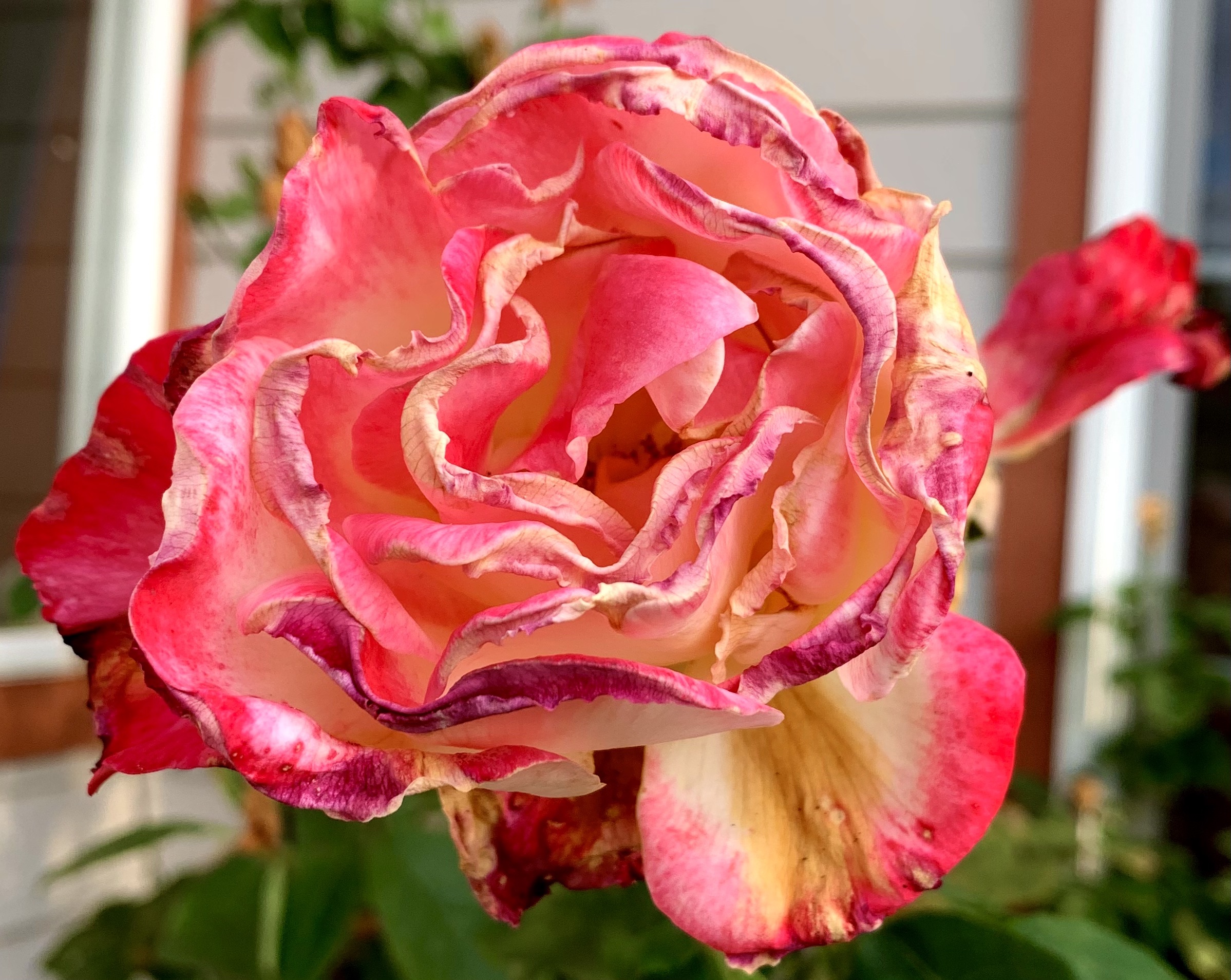
To think that this meaningless thing was ever a rose,
Scentless, colourless, this!
Will it ever be thus (who knows?)
Thus with our bliss,
If we wait till the close?


Though we care not to wait for the end, there comes the end
Sooner, later, at last,
Which nothing can mar, nothing mend:

An end locked fast,
Bent we cannot re-bend.

~Christina Rossetti “Summer is Ended”

The soul’s sap quivers. There is no earth smell
Or smell of living thing. This is the spring time
But not in time’s covenant. Now the hedgerow
Is blanched for an hour with transitory blossom
Of snow, a bloom more sudden
Than that of summer, neither budding nor fading,
Not in the scheme of generation.
Where is the summer, the unimaginable Zero summer?

We shall not cease from exploration
And the end of all our exploring
Will be to arrive where we started
And know the place for the first time.
Through the unknown, unremembered gate
When the last of earth left to discover
Is that which was the beginning;


And all shall be well and
All manner of thing shall be well
When the tongues of flames are in-folded
Into the crowned knot of fire
And the fire and the rose are one.

~T.S. Eliot – lines taken from “Little Gidding”

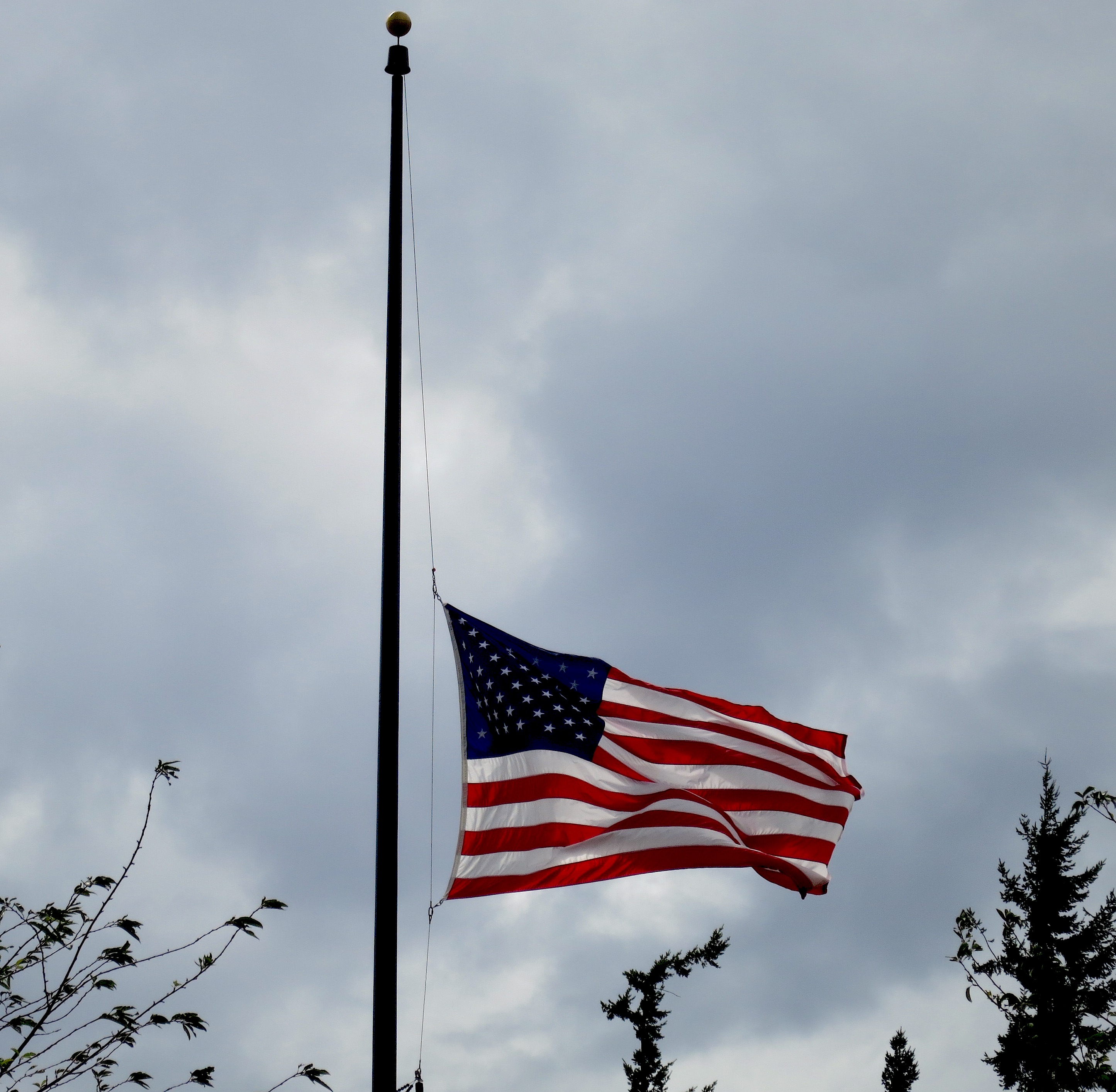
As a grade school child in November 1963, I learned the import of the U.S. flag being lowered to half mast in response to the shocking and violent death of our President. The lowering of the flag was so rare when I was growing up, it had dramatic effect on all who passed by — our soul’s sap quivers — something very sad had happened to our country, something or someone had tragically ended, warranting our silence and our stillness.

For twenty years since 9/11/01, our flag has spent significant time at half mast, so much so that I’m befuddled instead of contemplative, puzzling over what the latest loss might be as there are so many, sometimes all happening in the same time frame.  We no longer are silenced by this gesture of honor and respect and we certainly are not stilled, personally and corporately instigating and suffering the same mistakes against humanity over and over again.

We are so bent. Will we ever be mended again?

Eliot wrote the prescient words of the Four Quartets in the midst of the WWII German bombing raids that destroyed people and neighborhoods. Perhaps he sensed the destruction he witnessed would not be the last time in history that evil visits the innocent, leaving them in ashes. There would be so many more losses to come, not least being the horror of 9/11/01.

There remains so much more sadness to be borne, such abundance of grief that our world has become overwhelmed and stricken. Yet Eliot was right: we have yet to live in a Zero summer of endless hope and fruitfulness, of spiritual awakening and understanding.  Where is it indeed? When will rise again the summer Rose of beauty and fragrance?

We must return, as people of faith to Eliot’s still point to which we are called on a day such as today.  We must be stilled; we must be silenced. We must grieve the losses of this turning world and pray for release from the suffering we cause and we endure.  Only in the asking, only in the kneeling down and pleading, are we surrounded by God’s unbounded grace and His Rose may bloom recognizable again.  

“There Are No Words” written on 9/11/2001
by Kitty Donohoe

there are no words there is no song
is there a balm that can heal these wounds that will last a lifetime long
and when the stars have burned to dust
hand in hand we still will stand because we must

in one single hour in one single day
we were changed forever something taken away
and there is no fire that can melt this heavy stone
that can bring back the voices and the spirits of our own

all the brothers, sisters and lovers all the friends that are gone
all the chairs that will be empty in the lives that will go on
can we ever forgive though we never will forget
can we believe in the milk of human goodness yet

we were forged in freedom we were born in liberty
we came here to stop the twisted arrows cast by tyranny
and we won’t bow down we are strong of heart
we are a chain together that won’t be pulled apart

Please consider owning this book from Barnstorming – more information about the book and how to order here:

My Secret Place

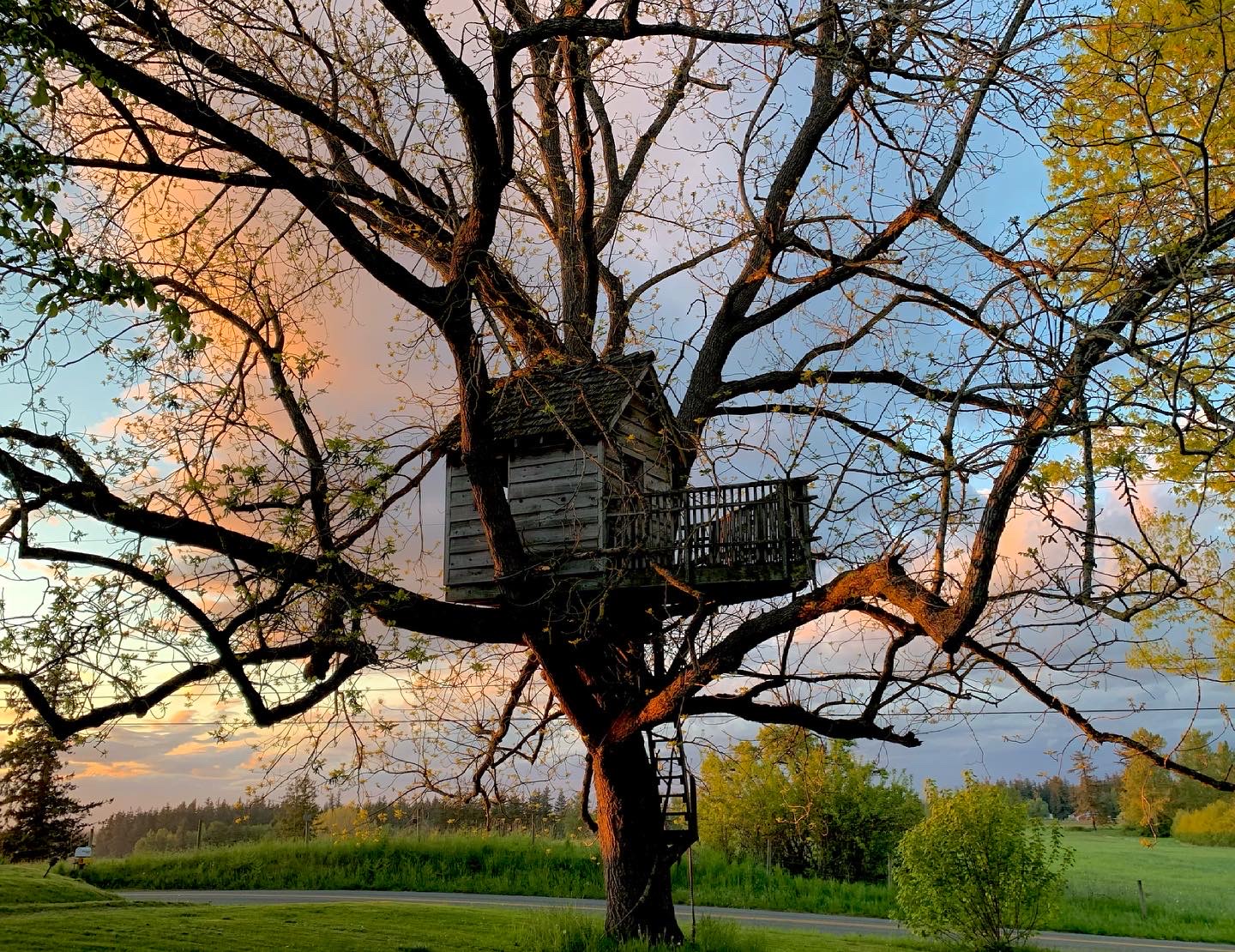
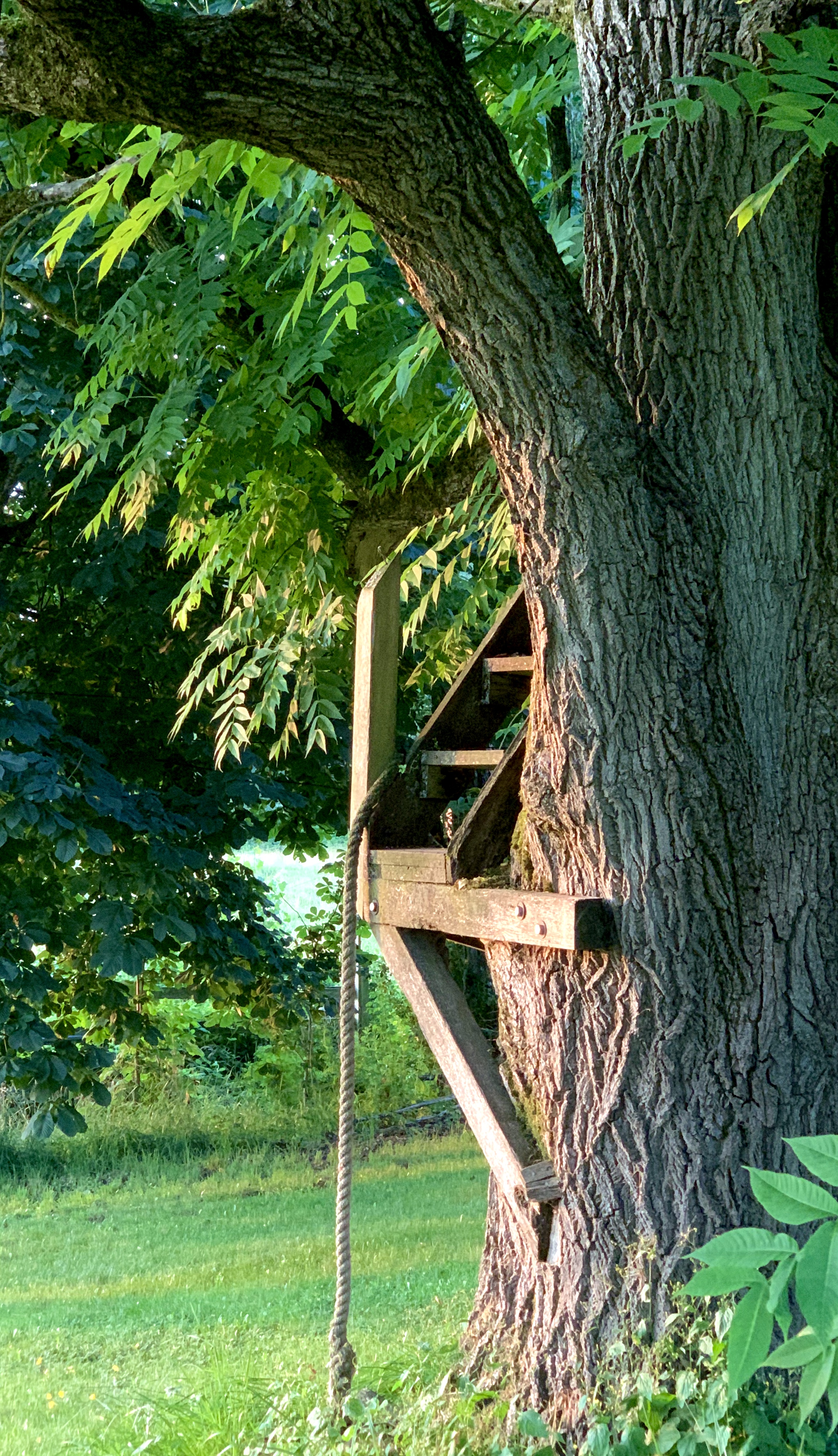
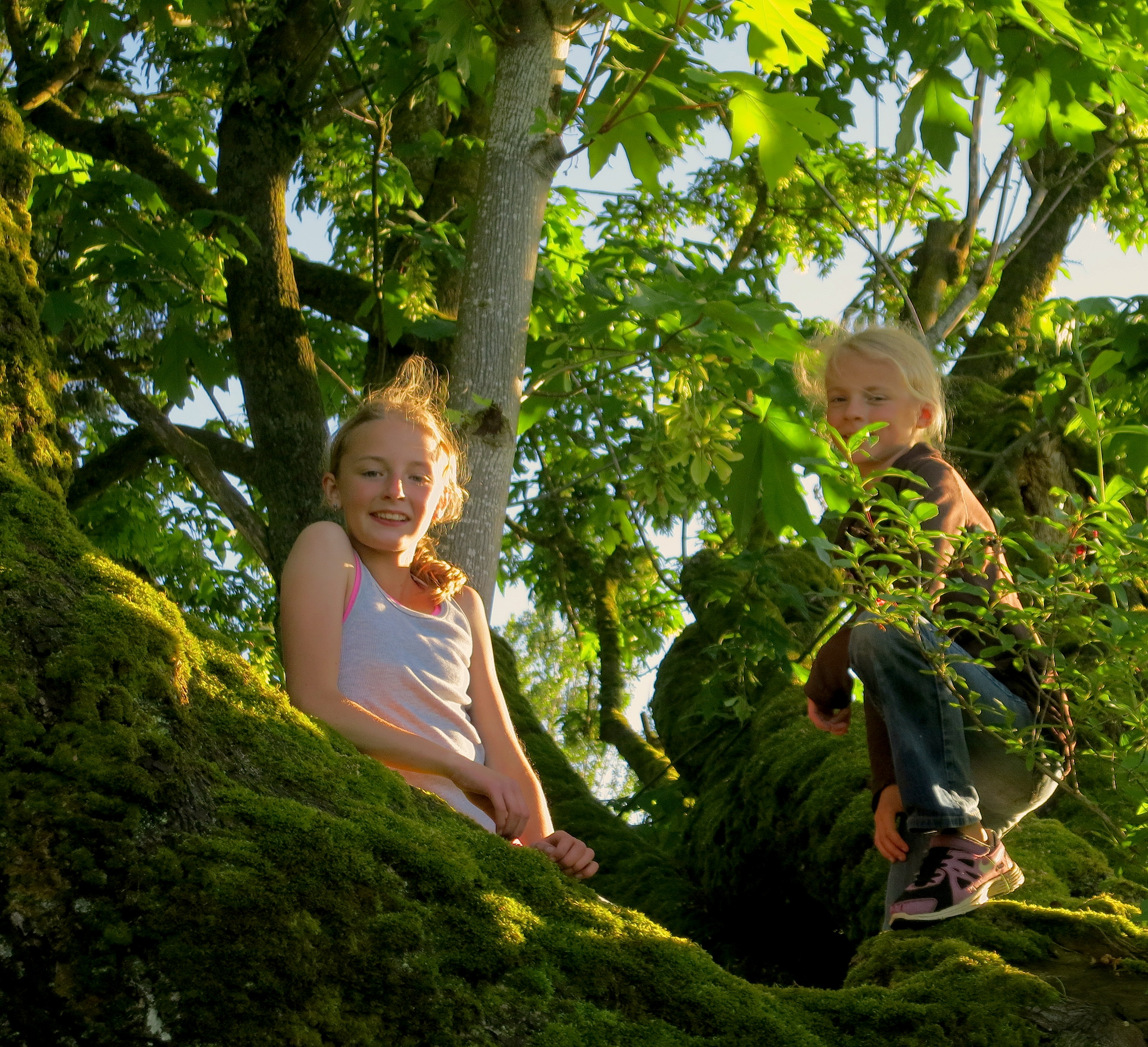
It’s in the perilous boughs of the tree
out of blue sky    the wind
sings loudest surrounding me.

And solitude,   a wild solitude
’s reveald,  fearfully,  high   I’d climb
into the shaking uncertainties,

part out of longing,  part   daring my self,
part to see that
widening of the world, part

to find my own, my secret
hiding sense and place, where from afar
all voices and scenes come back

—the barking of a dog, autumnal burnings,
far calls,  close calls—the boy I was
calls out to me
here the man where I am “Look!

I’ve been where you

most fear to be.”
~Robert Duncan “Childhood’s Retreat”

Behind the house in a field
there’s a metal box I buried

full of childhood treasure, a map
of my secret place, a few lead pennies
from 1943.
The rest I’ve forgotten,
forgotten even the exact spot
I covered with moss and loam.

 
Now I’m back and twenty years
have made so little difference
I suspect they never happened,
this face in the mirror
aged with pencil and putty.
I suspect even
the box has moved as a mole would move
to a new place long ago.
~Dan Gerber “The Cache” from Particles

I came upon an oak where once when I was twelve
I had climbed up and screamed for Skip to get me down.
It was a thousand miles to earth. I shut my eyes and yelled.
My brother, richly compelled to mirth, gave shouts of laughter
And scaled up to rescue me.
“What were you doing there?” he said.
I did not tell. Rather drop me dead.
But I was there to place a note within a squirrel nest
On which I’d written some old secret thing now long forgot.

{Now} I lay upon the limb a long while, thinking.
I drank in all the leaves and clouds and weathers
Going by as mindless
As the days.
What, what, what if? I thought. But no. Some forty years beyond!

I brought forth:
The note.

I opened it. For now I had to know.
I opened it, and wept. I clung then to the tree
And let the tears flow out and down my chin.
Dear boy, strange child, who must have known the years
And reckoned time and smelled sweet death from flowers
In the far churchyard.
It was a message to the future, to myself.
Knowing one day I must arrive, come, seek, return.
From the young one to the old. From the me that was small
And fresh to the me that was large and no longer new.
What did it say that made me weep?

I remember you.
I remember you.
~Ray Bradbury from “Remembrance”

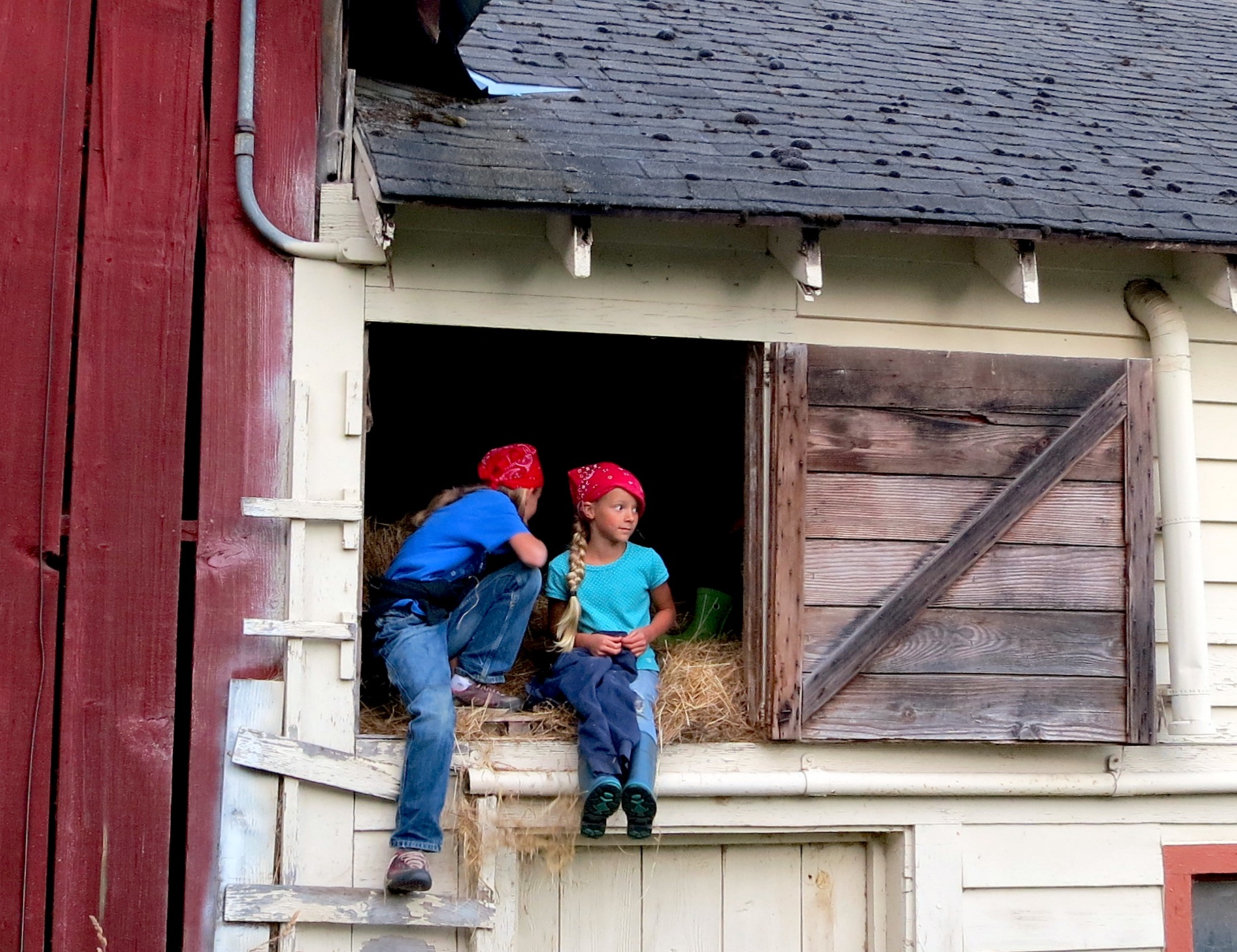
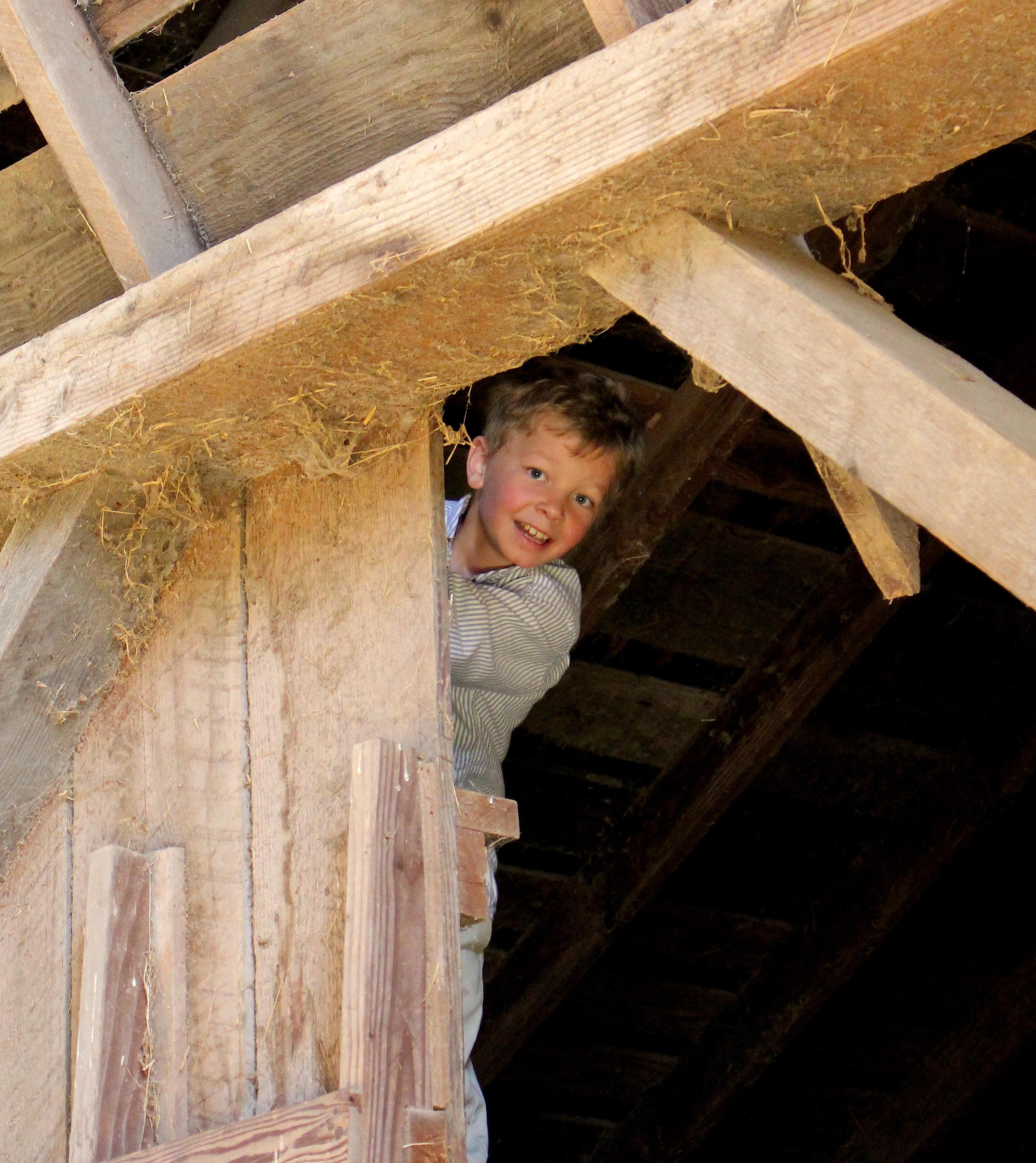
As a child, I left secret notes to my future self,
in hidden crevices of old barns,
and attic lofts up rickety stairs,
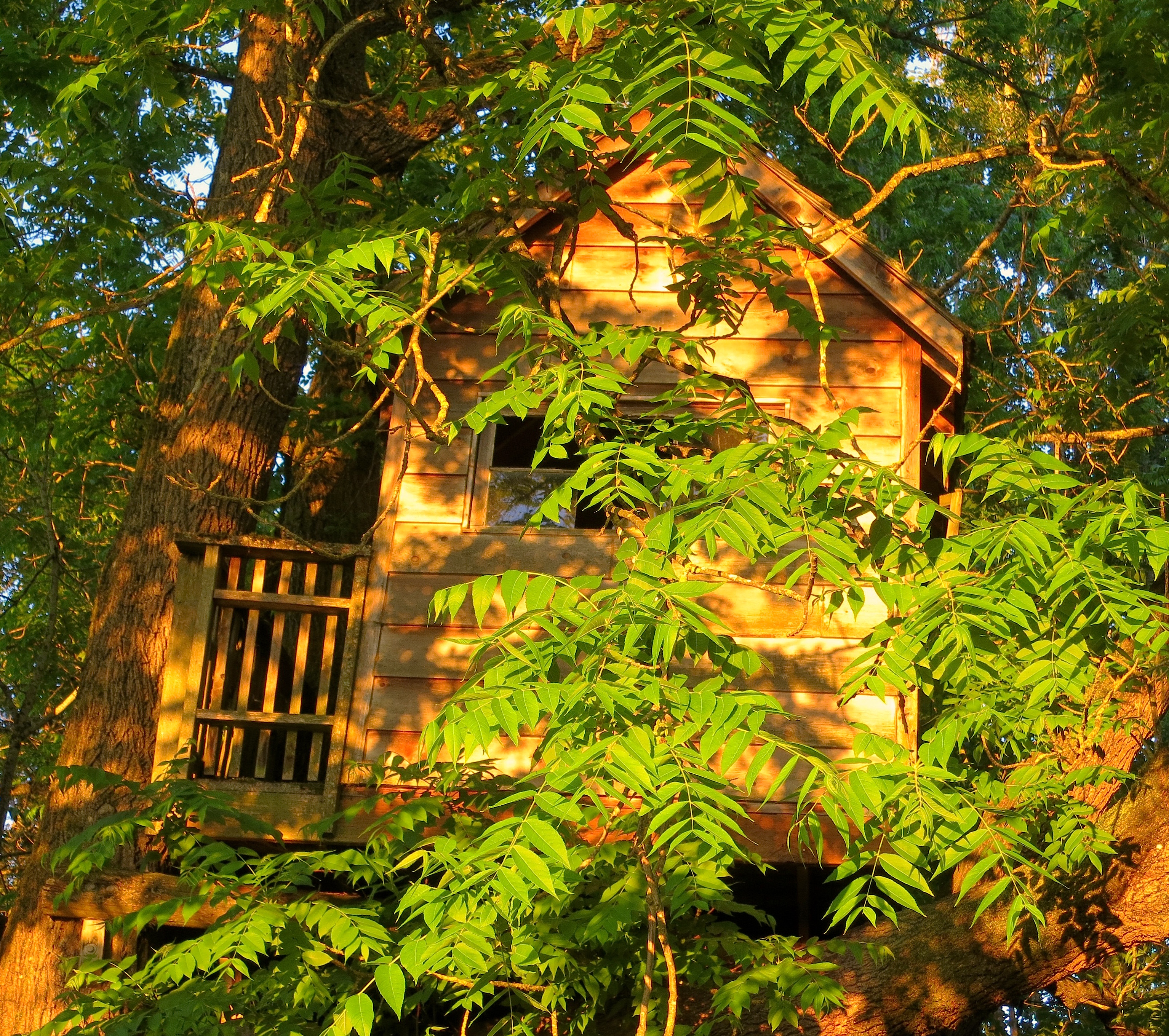
and yes, even in trees,
but never went back to retrieve them
except in my rare dreams of growing up
on Friendly Grove Road.

Back then my ten year old heart
tried to imagine me sixty some years hence
(counting out how old I would be in 2020 something)
as I squirreled away in some secret place.

What fears and joys would pass through like pumping blood,
what wounds would I bear and cause to bleed,
what smiles and tears would trace my face?

I have not forgotten who I was then.

No, I have never forgotten that girl who kept secrets,
who dreamed of a someday gray-haired grandma
who now looks back to my secret places,
and remembers being remembered.

A book of Barnstorming photos and poems by Lois Edstrom is available for order here:

Riding at Dusk

At dusk, everything blurs and softens…

The horse bears me along, like grace,
making me better than what I am,
and what I think or say or see
is whole in these moments, is neither
small nor broken.  Who then
is better made to say be well, be glad,

or who to long that we, as one,
might course over the entire valley,
over all valleys, as a bird in a great embrace
of flight, who presses against her breast,
in grief and tenderness,
the whole weeping body of the world?
~Linda McCarriston from “Riding Out At Evening”

“Last Light” photo of Twin Sisters at dusk by Joel de Waard

We all need to remember transcendent moments in our lives, those brief times when all was well, our worries left behind in the dust.

Wounds healed, hearts full, senses filled with wonder, feeling whole rather than broken.

The summer evening rides of my younger years were just such a time: lifted by such powerful grace and transported to another time and place. It can feel like flying but mostly it feels like an embrace, one creature with another, exploring the world together.

All these years later, I am held fast by the memories and in remembering, I weep.

Surely, someday,
heaven will be something like this.

Sure on this shining night
Of star made shadows round,
Kindness must watch for me
This side the ground.
The late year lies down the north.
All is healed, all is health.
High summer holds the earth.
Hearts all whole.
Sure on this shining night I weep for wonder wand’ring far
alone
Of shadows on the stars.

~James Agee

More photos like this in a new book from Barnstorming, available to order here:

Fairing Well

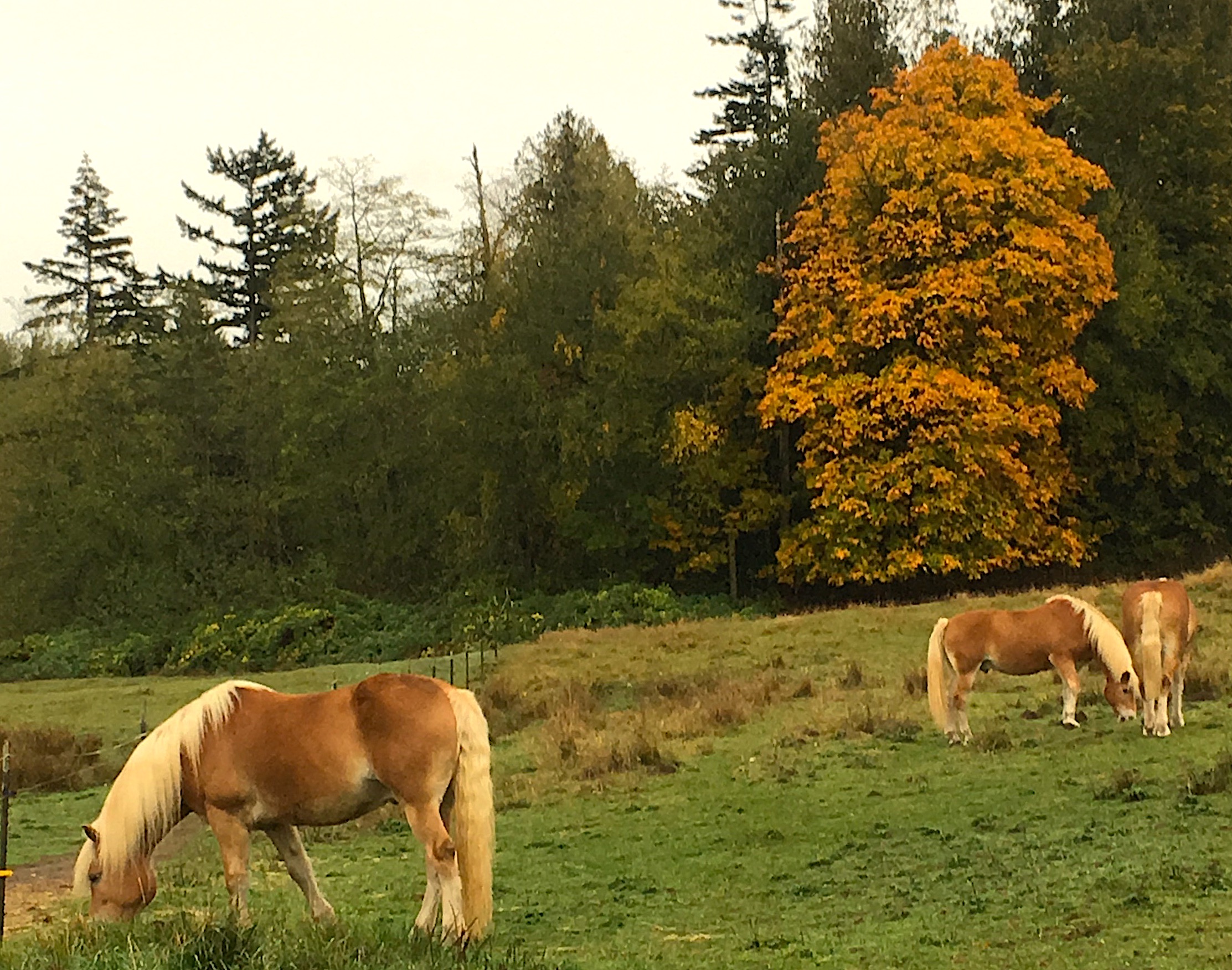
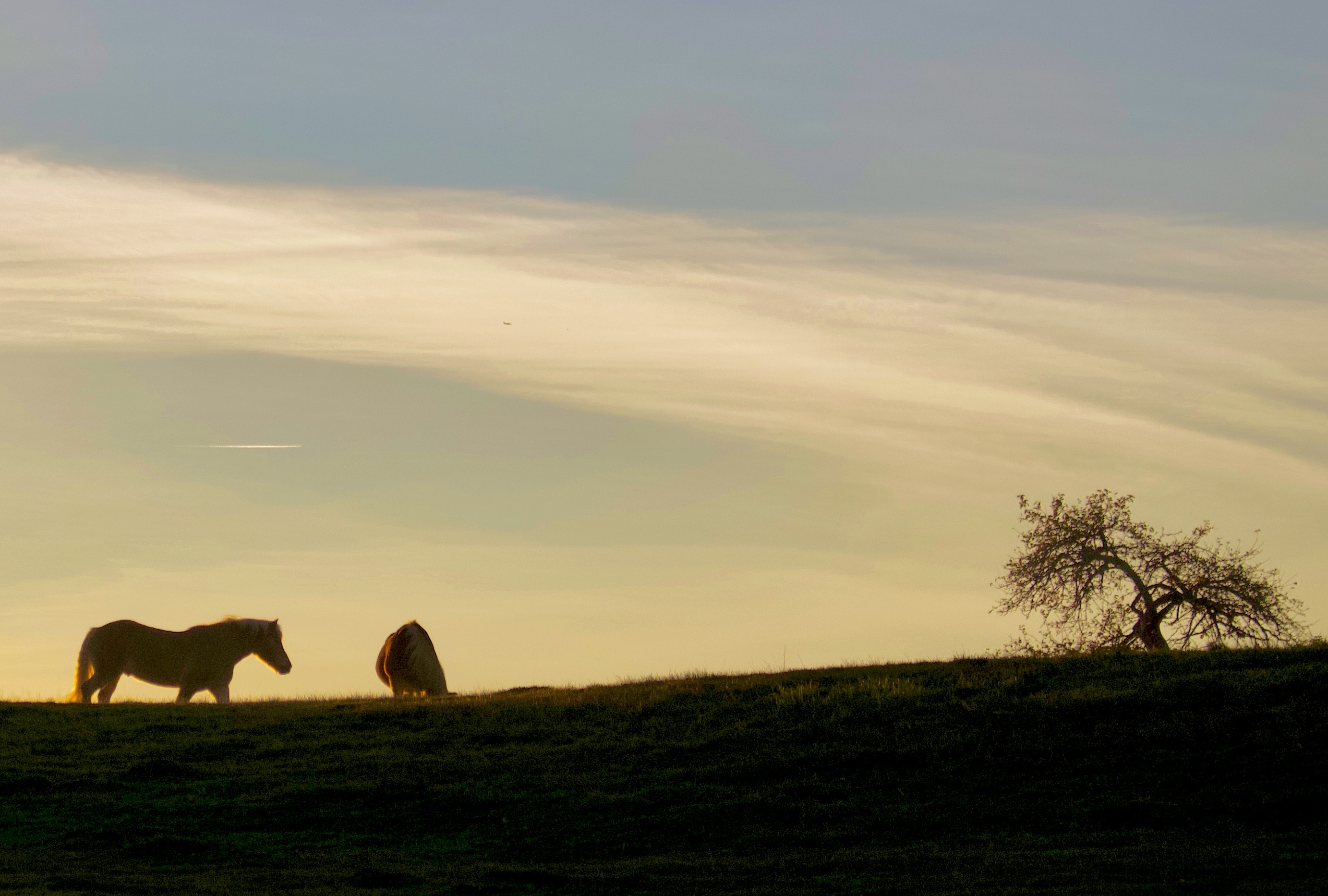
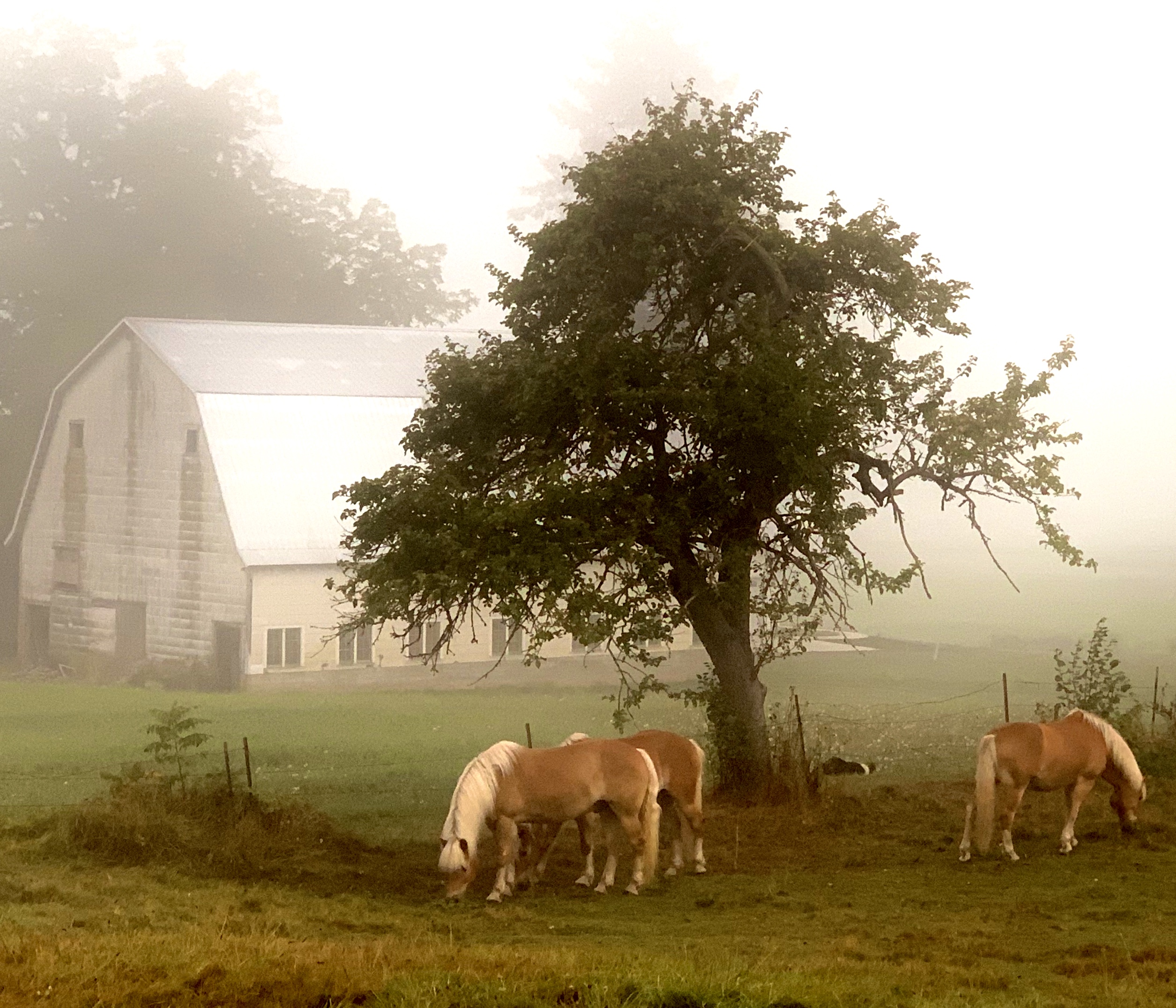
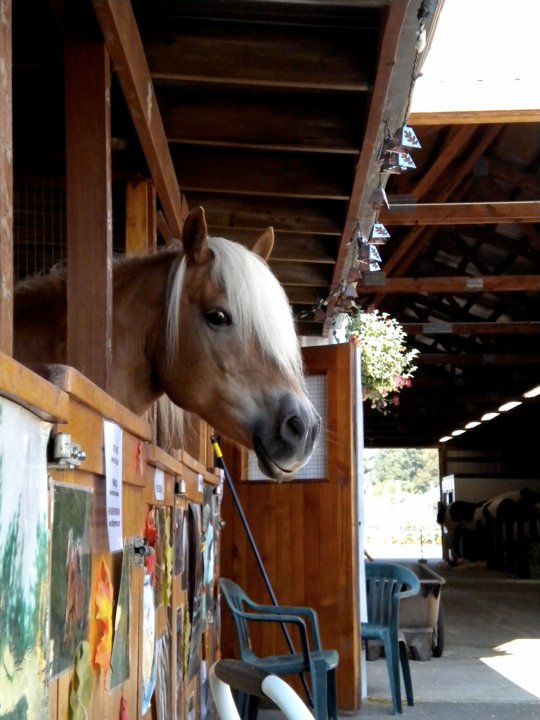
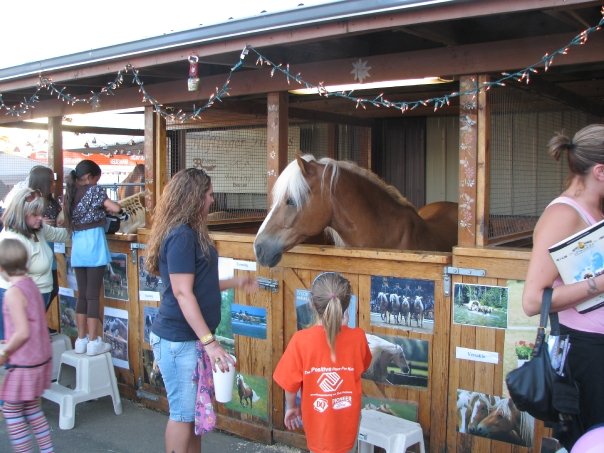
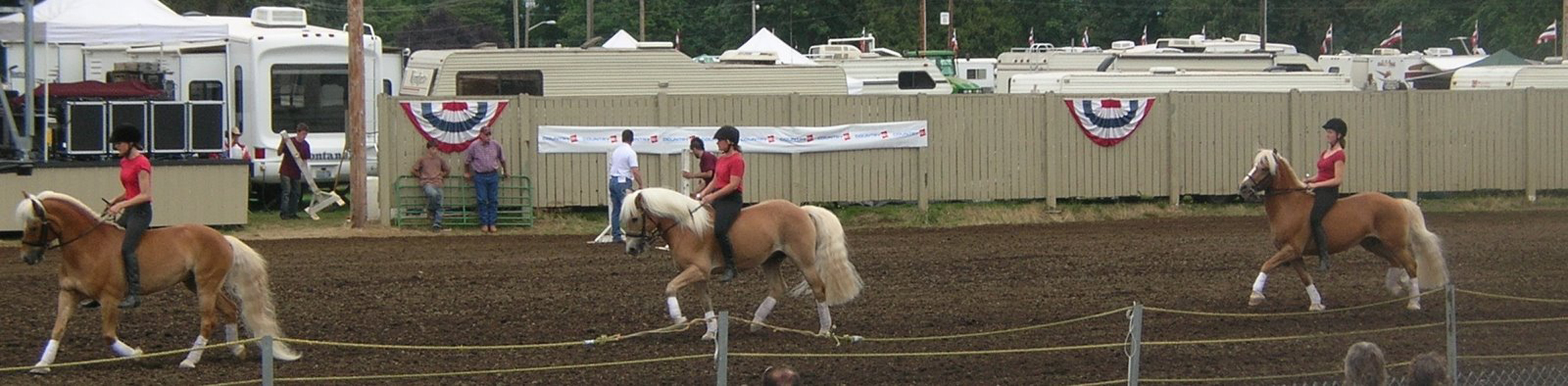
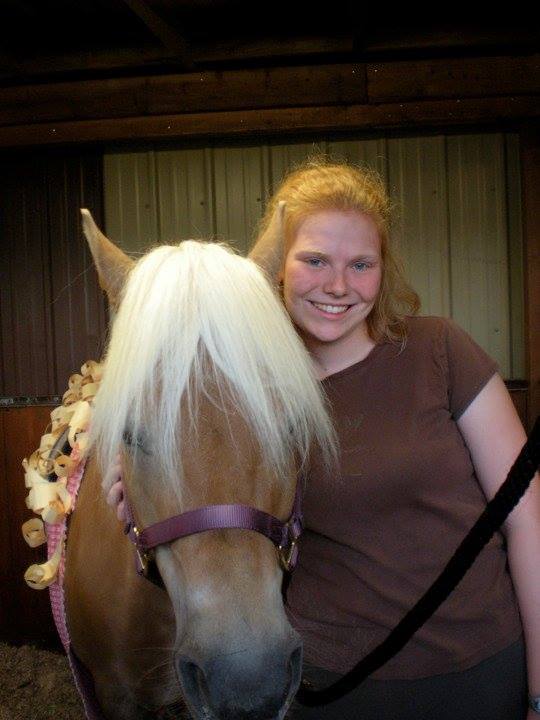
The Northwest Washington Fair in Lynden is underway this week and for the ninth year in a row, our Haflinger horses aren’t there on display.  I feel wistful as I wake up too early on a foggy summer morning, remembering the twenty years where I would gather up our sleepy children and their friends and head into the fairgrounds to clean stalls, walk the ponies and prepare for the day.  We are no long “doing” the fair as a farm, and I’m still a little bit sad about that.

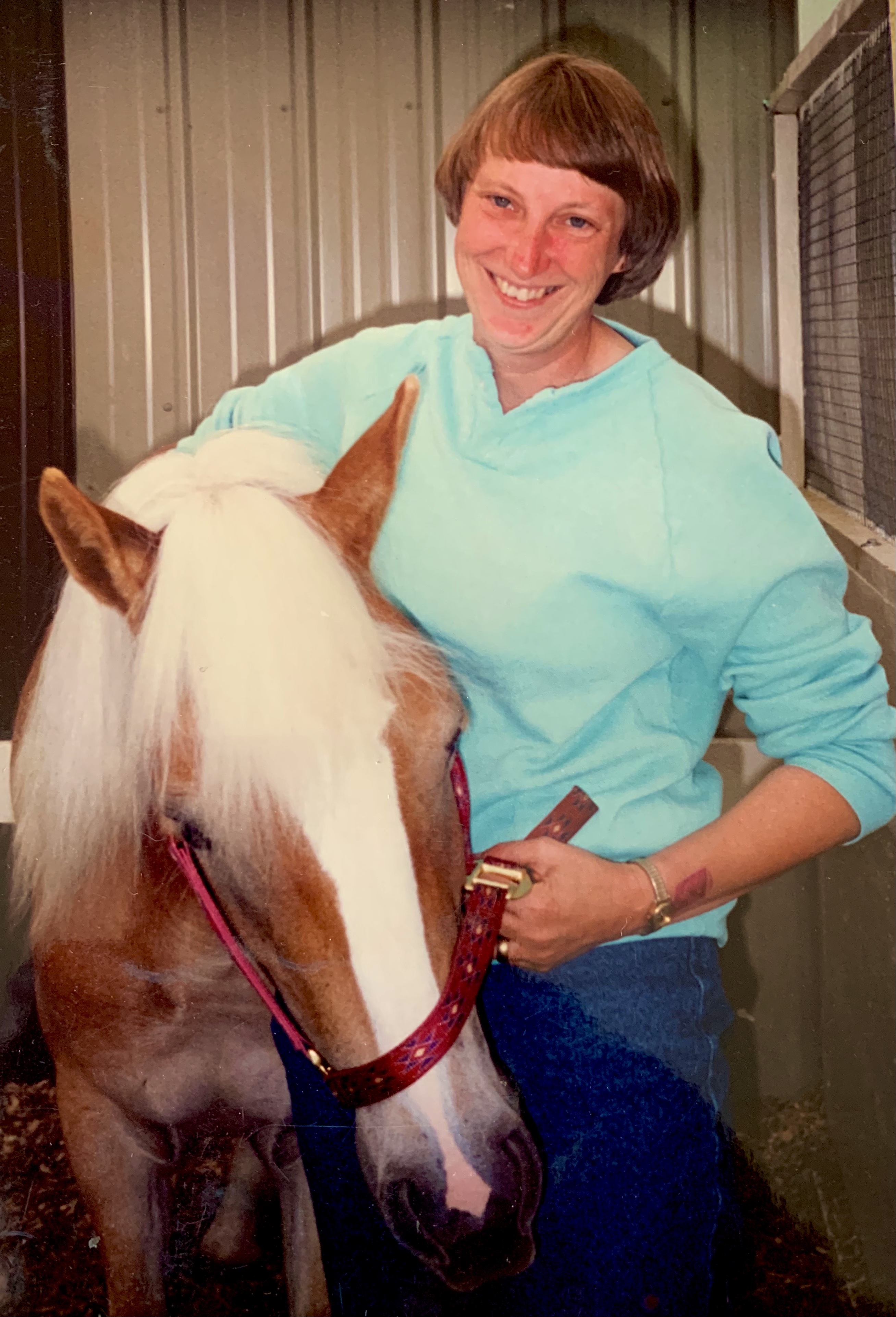
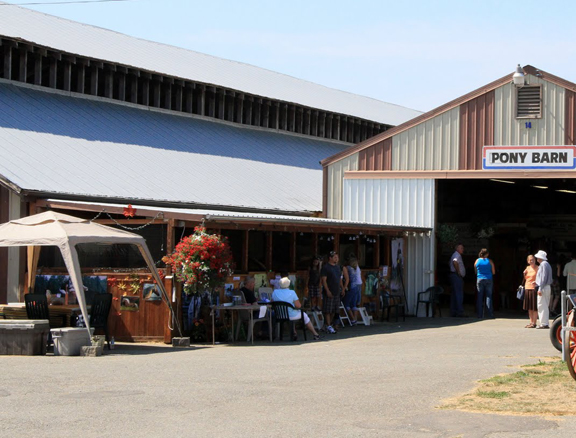
Our farm, BriarCroft, had been a consistent presence at this fair for nearly two decades, promoting the Haflinger breed in a well-decorated outdoor display, providing 24 hour a day coverage for the horses for the 6 days of the fair. We petitioned the Fair Board for 5 years in the late 1980s to allow us to display at the fair, and they finally said “okay, here’s the space, build it yourself” and we did! We were not there for classes, competition, or ribbons. We were there because people enjoyed our Haflingers and we enjoyed the people.
But now that our children are all grown up and moved away, we lack their help to “man” the horse stalls. I miss spending that intense one week time with all of the several dozen “kid” helpers from over the years, most of them now with children of their own.

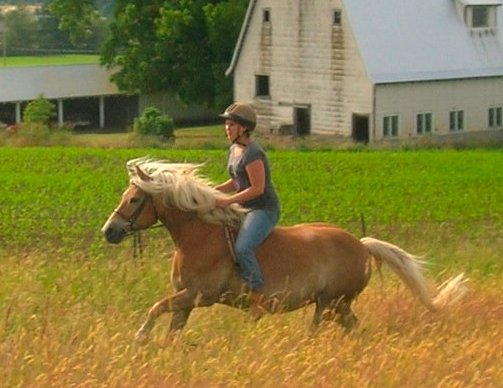
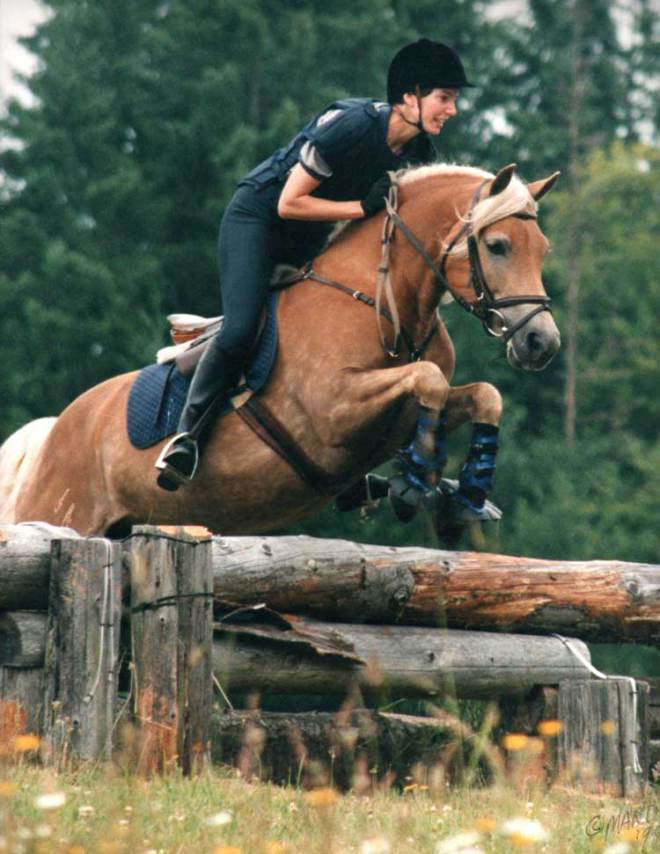
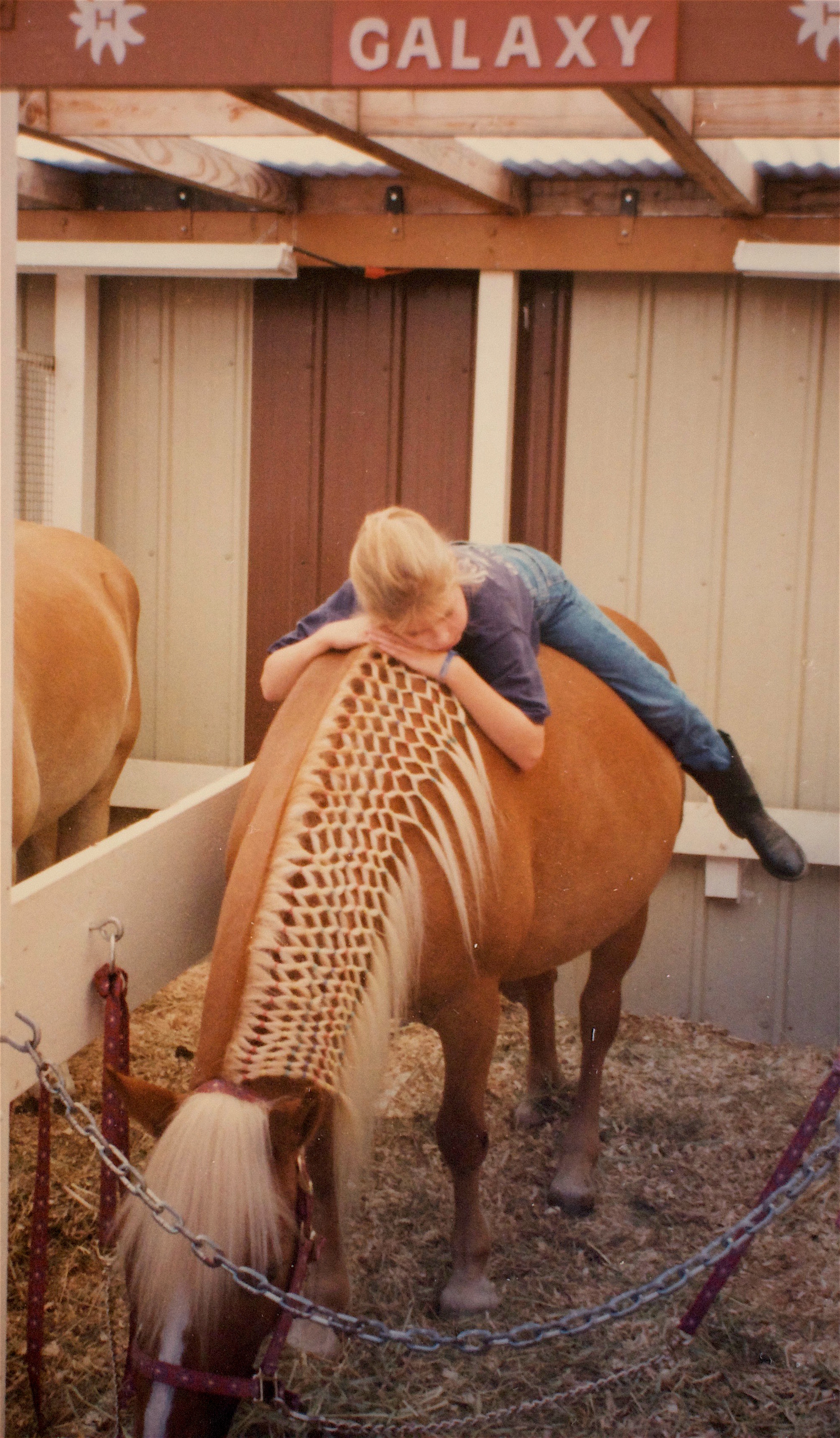
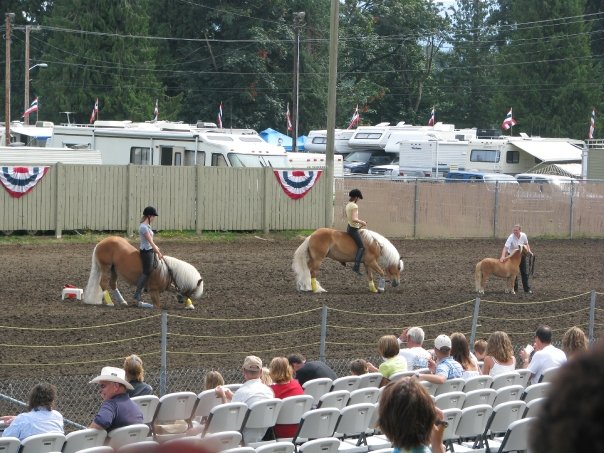
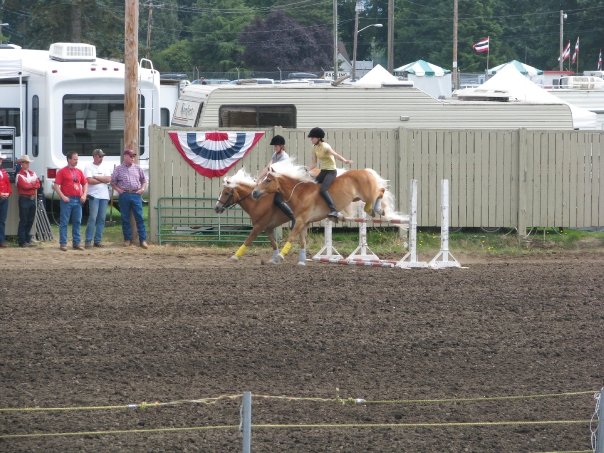
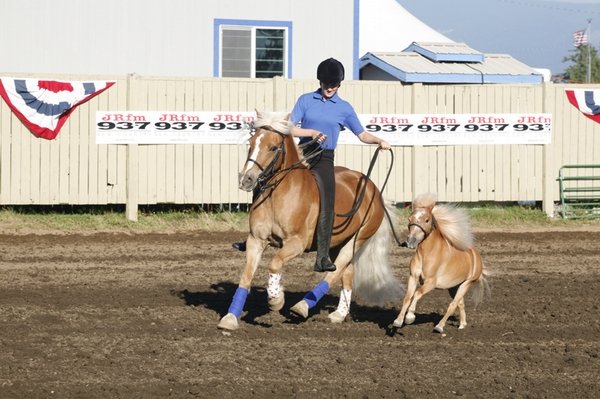
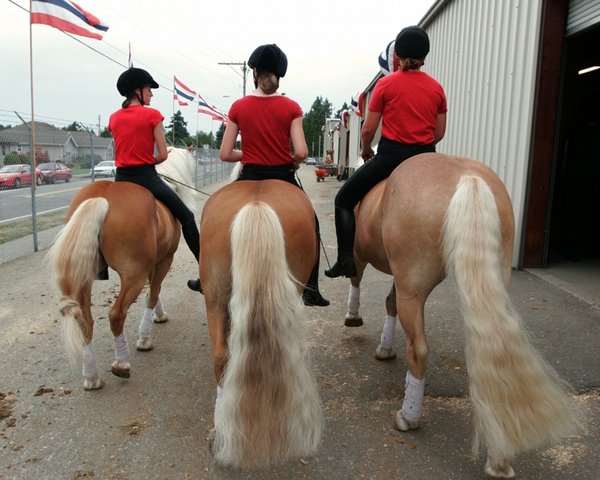
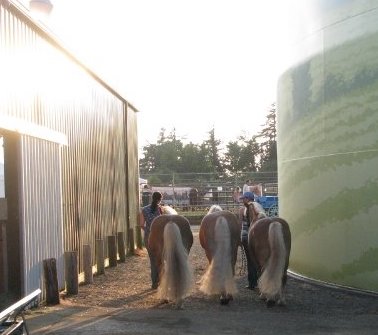
Every year between 1992 and 2012, we were there, sometimes sharing space and duties with other Haflinger farms (Rodenbergers and McKees), along with several brave young women (Kelsy Smith, Chesna Klimek and Emily Vander Haak) who did Haflinger “trick riding” as part of the daily Grandstand show. The older kids watched the younger kids, the in-between kids did most of the horse stall cleaning duty, and we adults sat and shot the breeze.
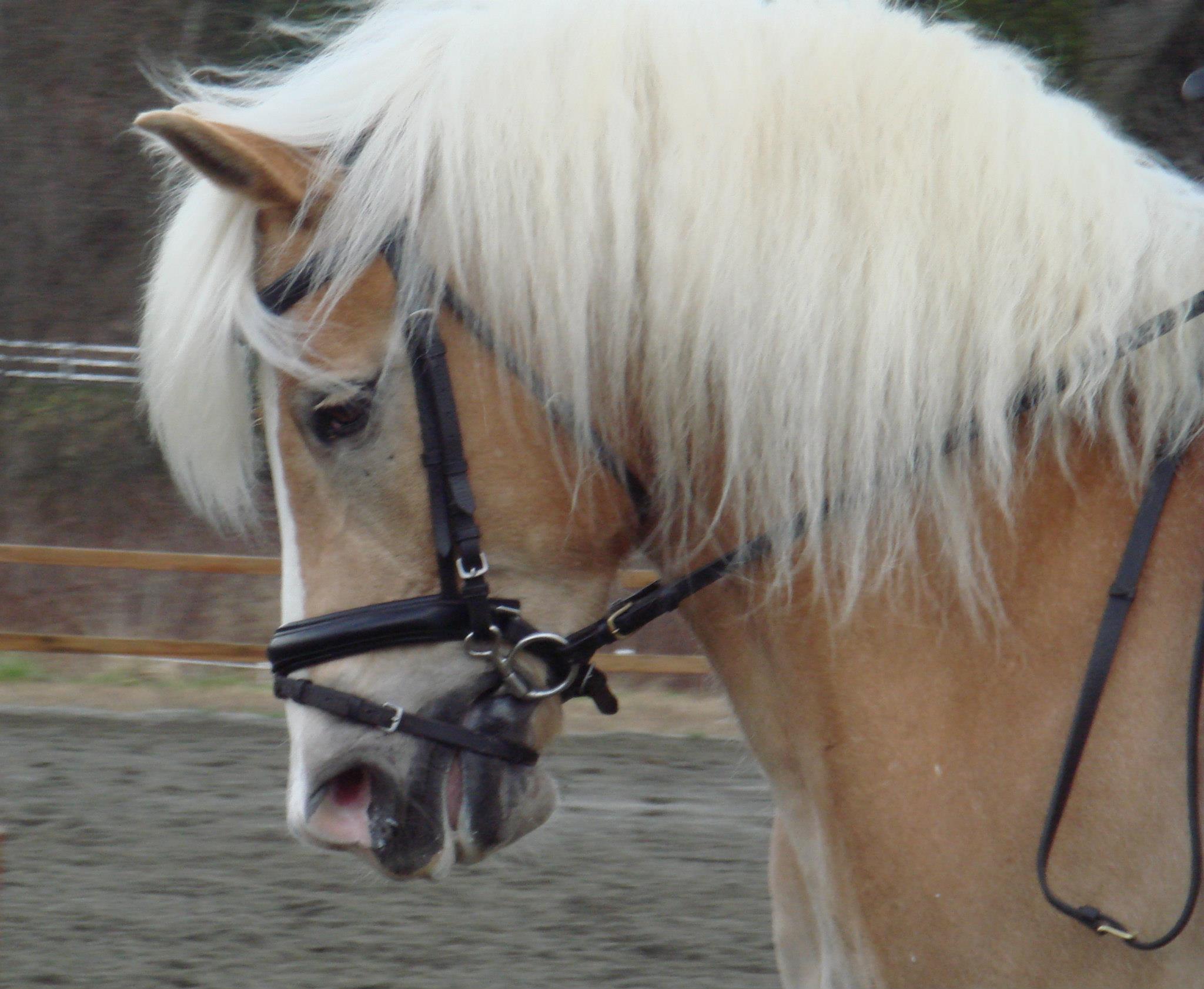
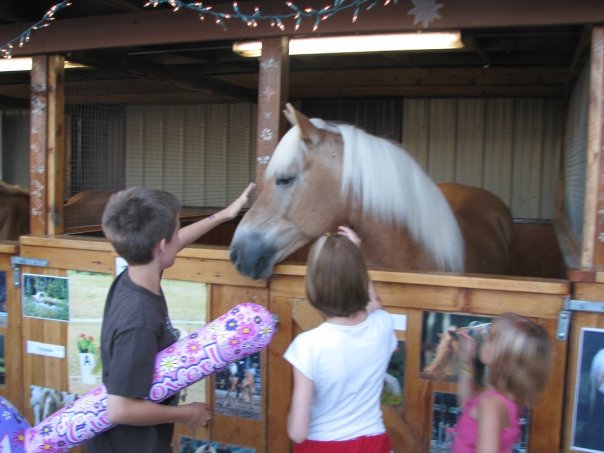
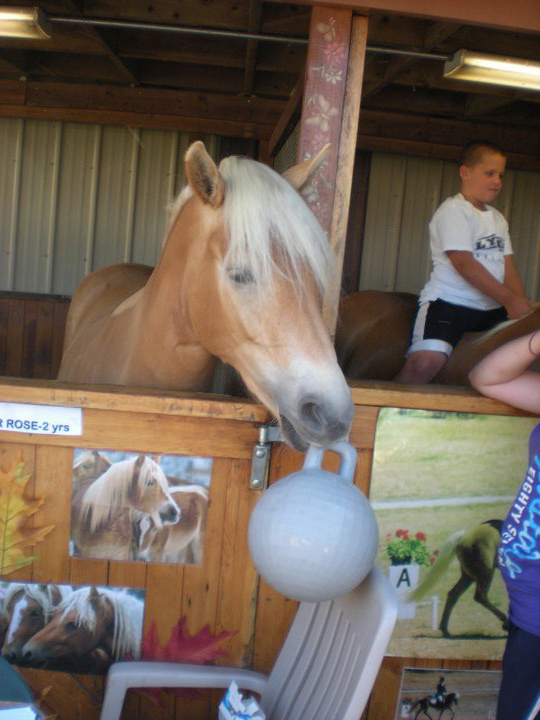
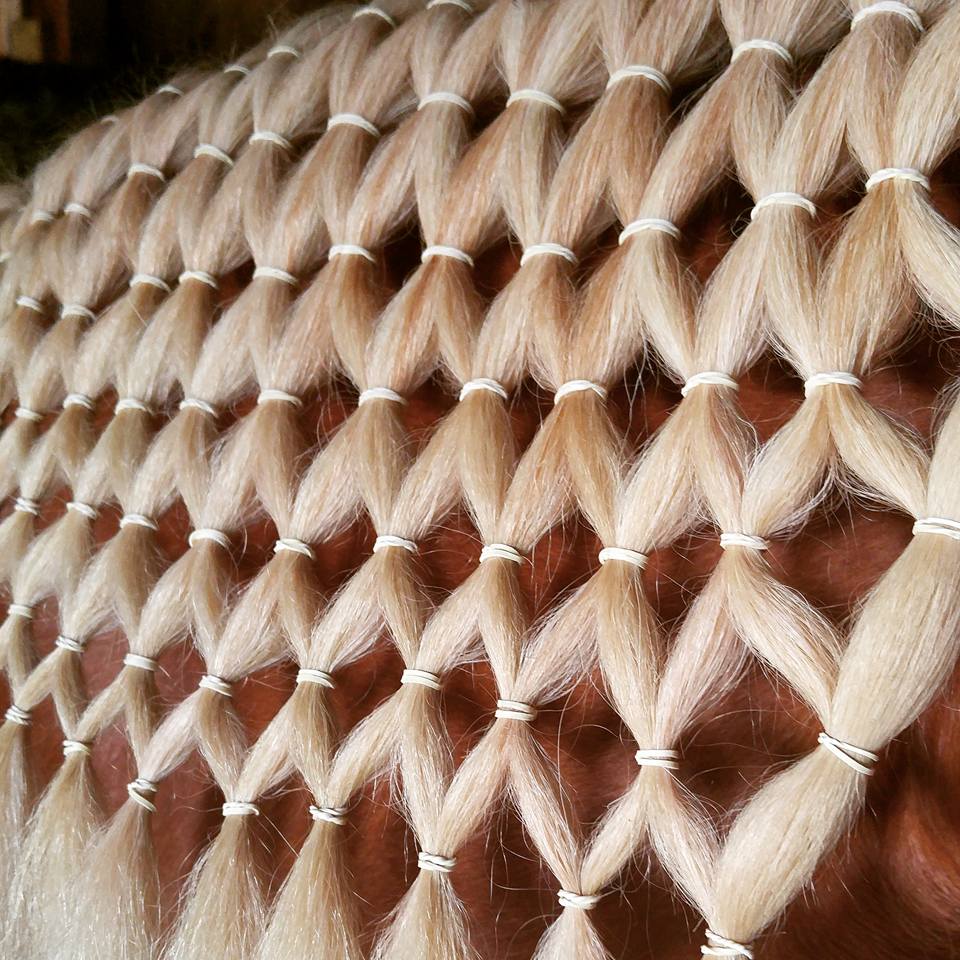
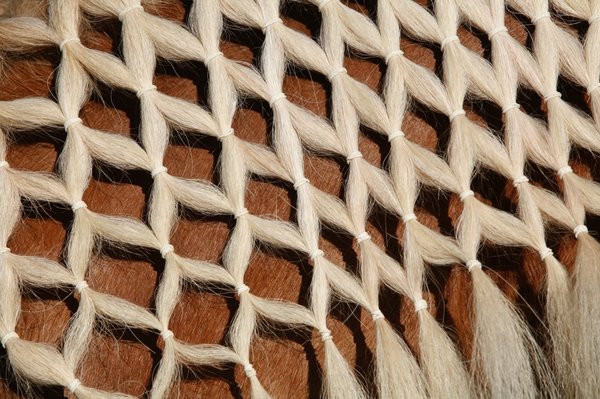
Our display created good will for the fair visitors who depended on us every year to be there with horses that they and their children could actually pet (and sit on) without fear, who enjoyed our braiding demonstrations, and our various Haflinger trivia contests with prizes. Our horses came to represent what dreams are made of.

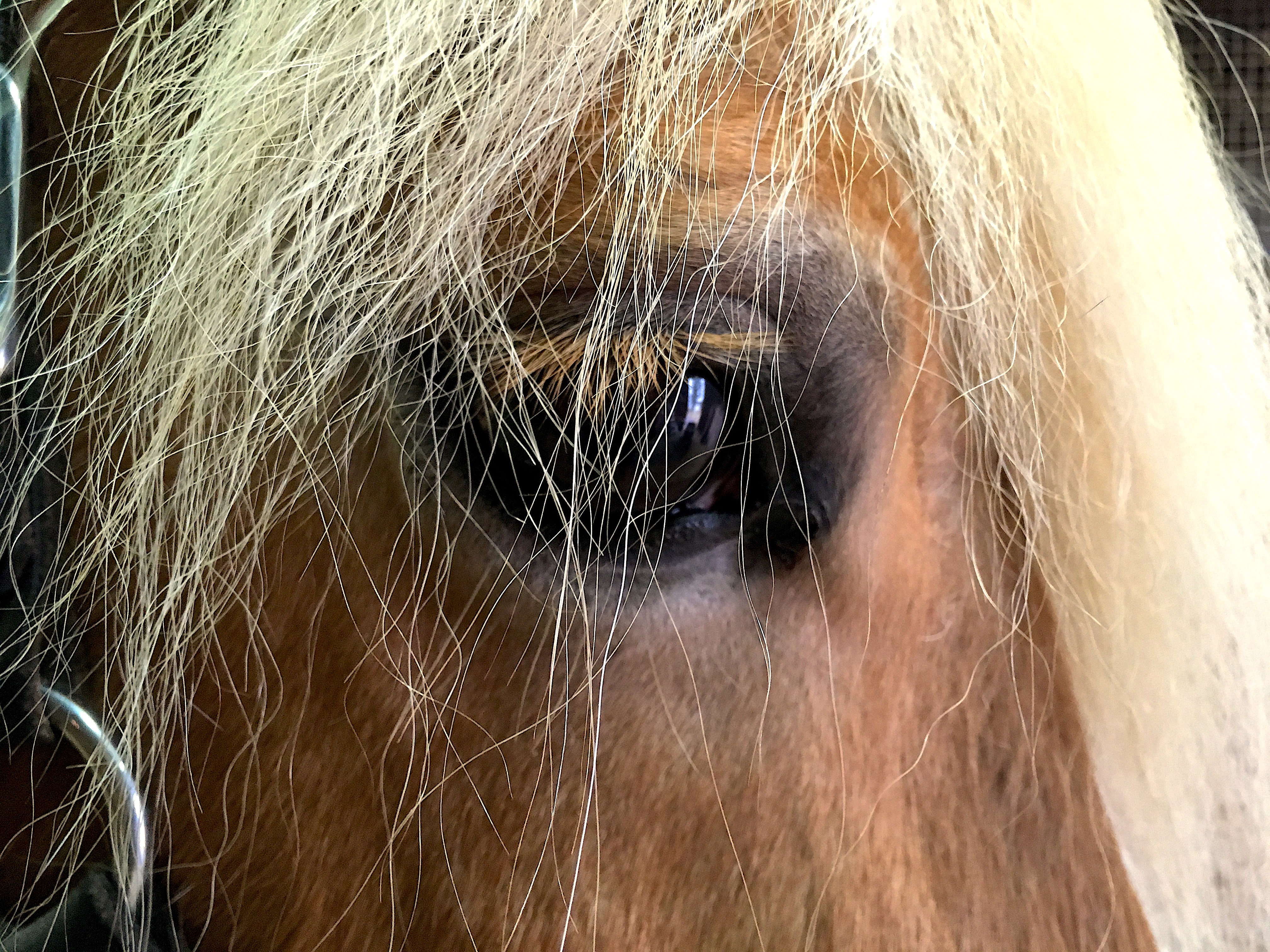
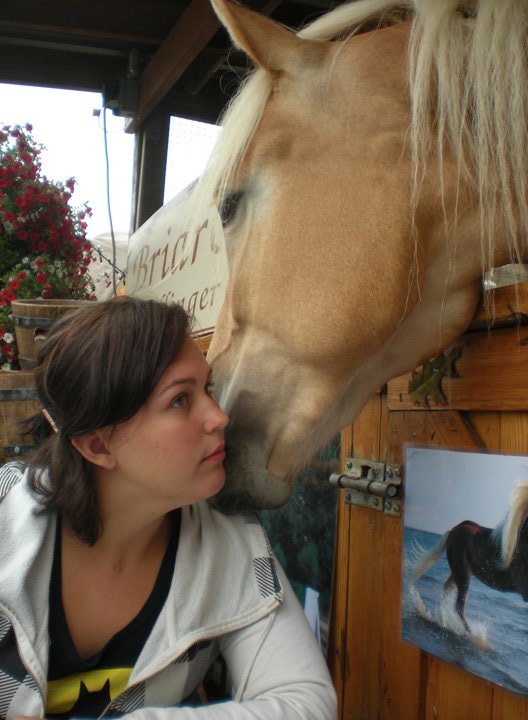
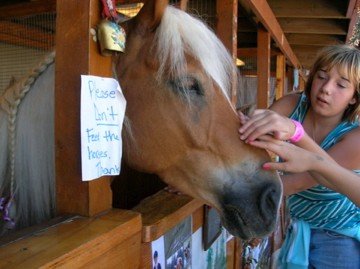
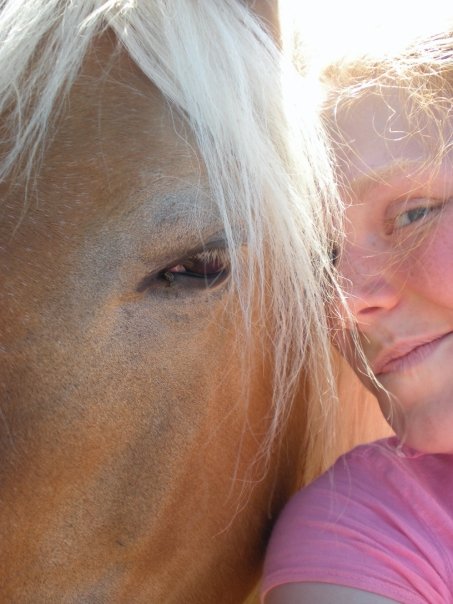
Countless times a day there would be a bright eyed child who approached our stalls, climbed up on the step stools and reached up to pet a Haflinger nose or neck and looked deep into those big brown Haflinger eyes, and lost their heart forever to the breed. They will not forget that moment when a horse they had never met before loved them back. Haflingers are magic with children and we saw that over and over again.

Our first year, in 1992, a mom and her 6 year old son came up to our stalls, as do some 10,000 people a day, and spent a long time petting the horses and talking to them, and enjoying them. They walked off, with the little boy looking over his shoulder at the Haflingers until they turned a corner and went out of sight. An hour later they were back and spent more time with the Haflingers. I offered the little boy a chance to sit on a Haflinger, and he agreed readily, and sat and sat and sat, playing with the mane and petting the shoulder and neck and was simply in heaven, quietly dreaming his own dreams on the back of a horse. His mom told me that they lived in a suburb near Seattle, but always spent this particular week in August at a local beach cabin, and the fair was one of their favorite activities each year. Her son Gary had never had an opportunity to sit on a horse before.

Next year, they were back, and Gary was a little taller, but still a quiet boy, and he kept dragging his mom back to the Haflingers, and she’d sit and visit as he’d sit on the Haflingers. He watched as we watered the horses, or fed them hay, or cleaned their stalls, and pretty soon he was asking if he could do the scooping, or dump the buckets or brush the horses. So he became, out of his own initiative, a helper.

By the time he was 8, he was spending several hours at a time with us at the stalls, taking his turn at the chores, and his mom, trusting that he was in good hands, and that he certainly wasn’t going to wander away from the Haflingers, would check back with him now and then to see if he wanted to go on rides, or see a performance, and his response was always “no, I can do that anytime, but I don’t get to see Haflingers very often!” He would talk a little about his hope someday to have a farm where he could raise Haflingers, and one year even said that his folks were looking at property to buy with acreage, but apparently a job for his dad didn’t materialize, so he remained a city kid in reality, even if he was a future farm kid in his heart.

Gary was one of our regular kid helpers every year until he was 12 when he started turning out for junior high football, and the football summer camp coincided with our fair week, so we’d only see him briefly on Saturdays as he got into his teens. He’d stop by to say hi, pet the horses, catch up on the Haflinger news, and because he only had a few hours to spend at the fair, he’d head off to other things. I really missed him and his happy smile around the stalls.

When he was 15, I missed seeing him because I was working when he stopped by. When he stopped by at age 16, he strolled up to me and I found I was looking up at this young man who I had to study to recognize. I’m a tall woman of 5’10”–he was at least 4 inches taller than me! He told me he wanted to come by because some of his best summer memories were of spending time with the Haflingers at the fair and he wanted me to know that. He thanked me for welcoming him and allowing him to “hang out” with the Haflingers. He told me his hope and dream someday was to live somewhere where he could raise Haflingers, and he was working hard in school so he could make that happen. He was a  4.0 student and the first string quarterback on his high school football team. I was as proud as if he was my own son.

This young man received a full scholarship to play football at a major university, and over four years waited his turn to be the starting quarterback.  Once he had his chance, after only a few games of being the starter, he was tackled hard, sustaining a neck fracture which thankfully resulted in no permanent damage, but his college football career was suddenly over.

I have lost track of Gary over the years and I hope he is faring well. I hope his connection with our horses left him with a legacy of love for animals he’ll pass onto his children someday.

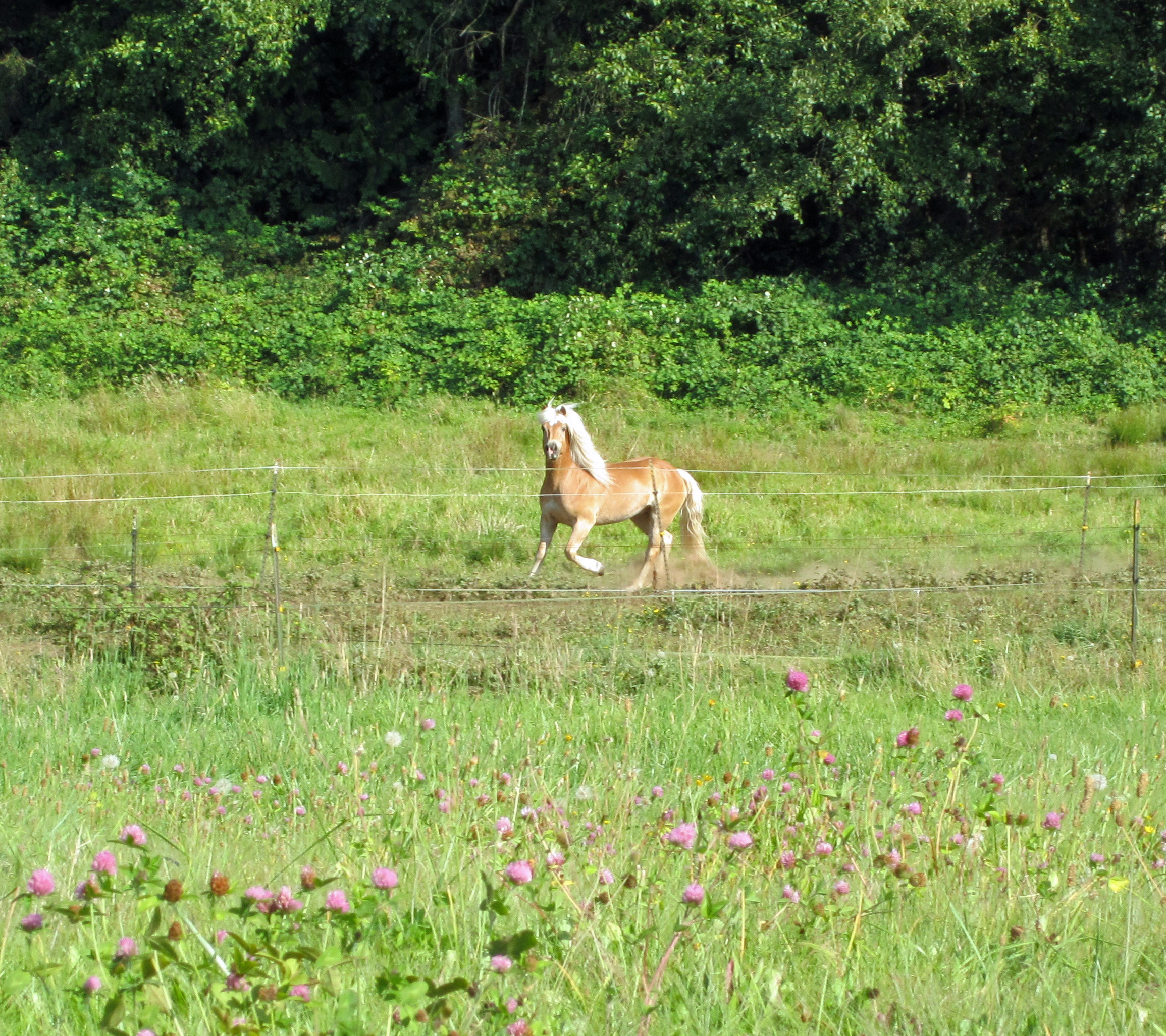
So on this misty late summer morning, instead of heading to the fairgrounds to clean stalls, I’m going to turn our dusty, unbathed Haflingers out in the field as usual.  They don’t even know all the excitement they are missing.

I do hope the fair-goers still miss the friendly golden horses, with the big brown eyes, who helped make dreams come true.

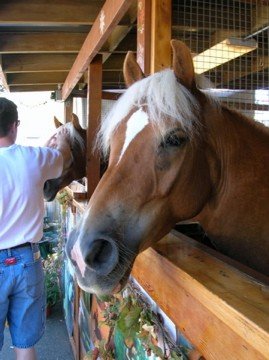
Our Haflinger display at the NW Washington Fair
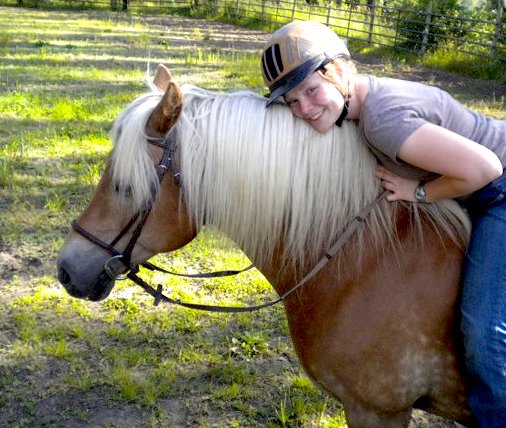
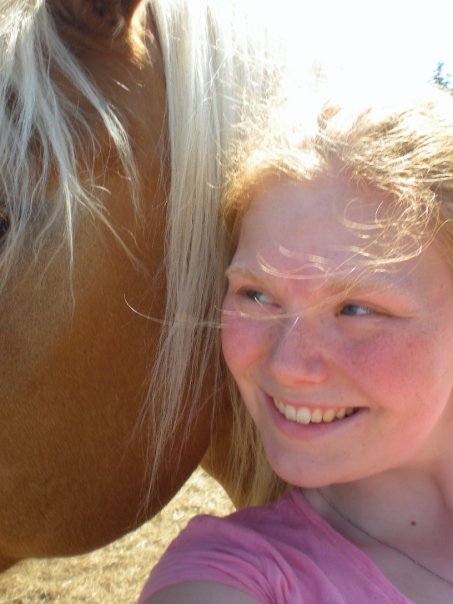
Trillium as a yearling with me at the fair 1993 – she is still part of our herd at age 29

Thank you to Lea Gibson Lozano, Emily Vander Haak, Kelsy Smith, and Chesna Klimek for their photos in this collection.

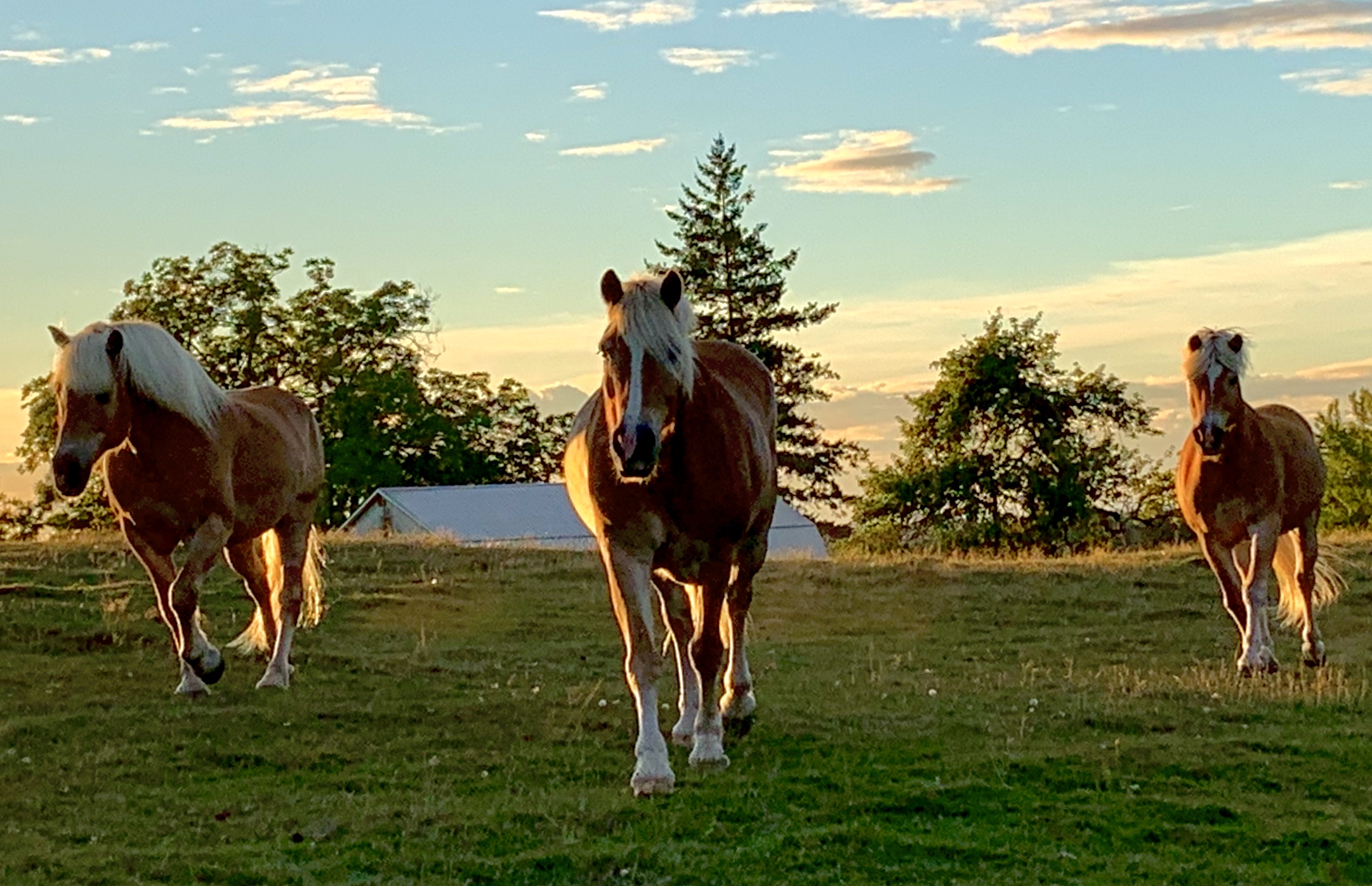
A photo of our Haflingers and poems are found in this new book from Barnstorming, available to order here:

Missing the Right Things

In your next letter, please describe
the weather in great detail. If possible,
enclose a fist of snow or mud,

everything you know about the soil,
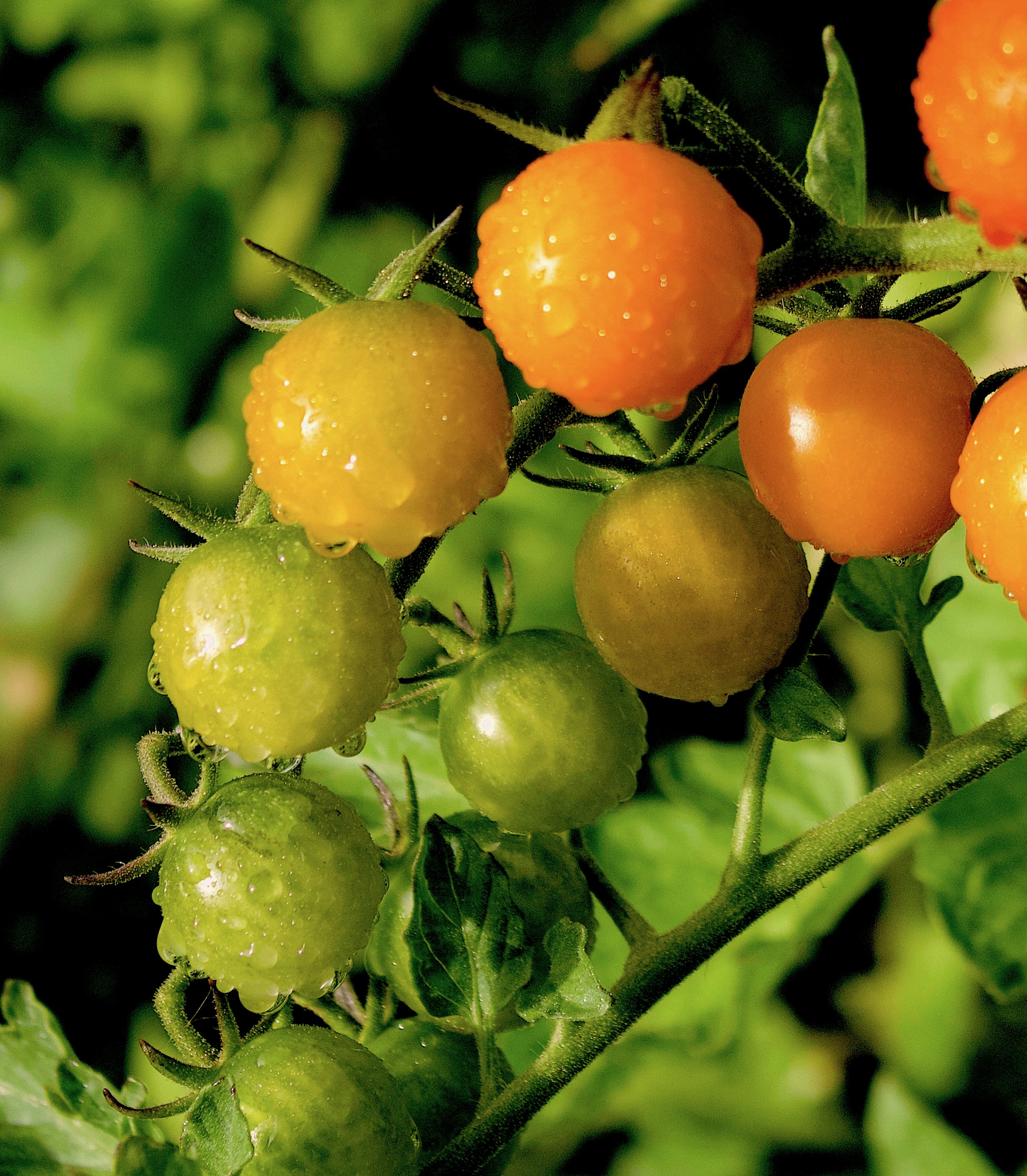
how tomato leaves rub green against
your skin and make you itch, how slow

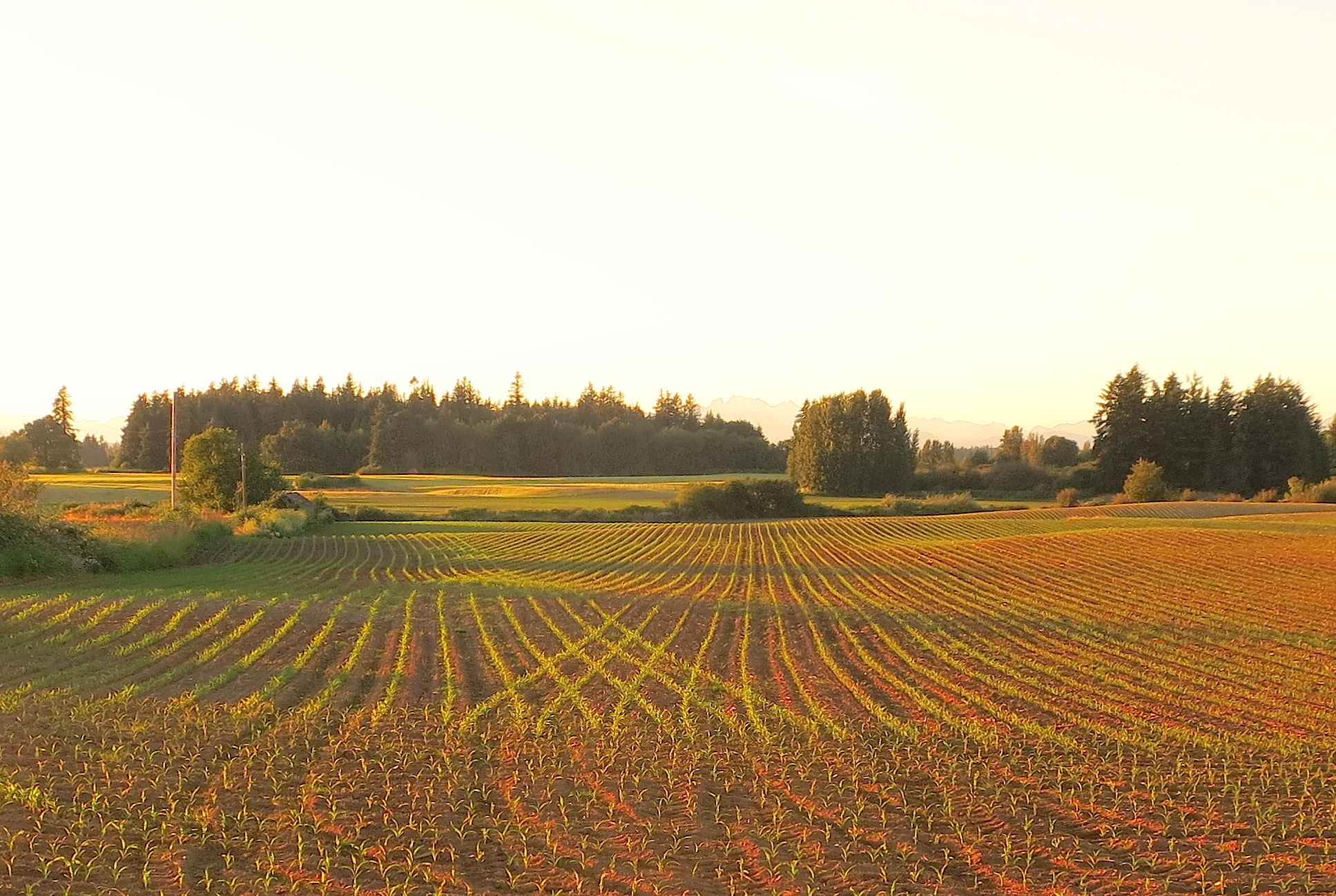
the corn is growing on the hill.
Thank you for the photographs
of where the chicken coop once stood,

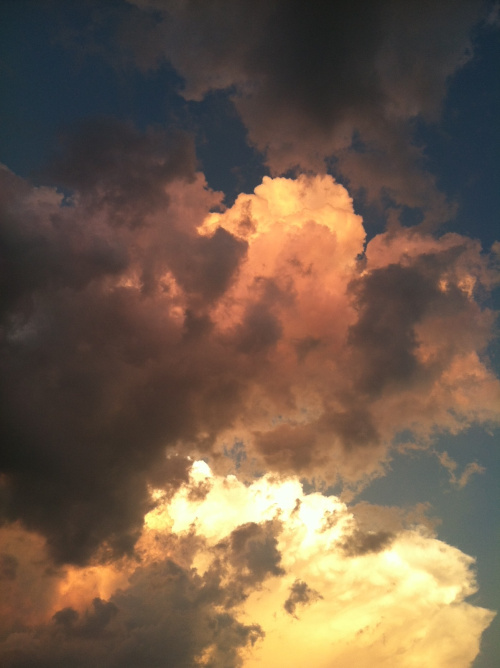
clouds that did not become tornadoes.
When I try to explain where I’m from,
people imagine corn bread, cast-iron,

cows drifting across grass. I interrupt
with barbed wire, wind, harvest air
that reeks of wheat and diesel.

I hope your sleep comes easy now
that you’ve surrendered the upstairs,
hope the sun still lets you drink

one bitter cup before its rise. I don’t miss
flannel shirts, radios with only
AM stations, but there’s a certain kind

of star I can’t see from where I am—
bright, clear, unconcerned. I need
your recipes for gravy, pie crust,

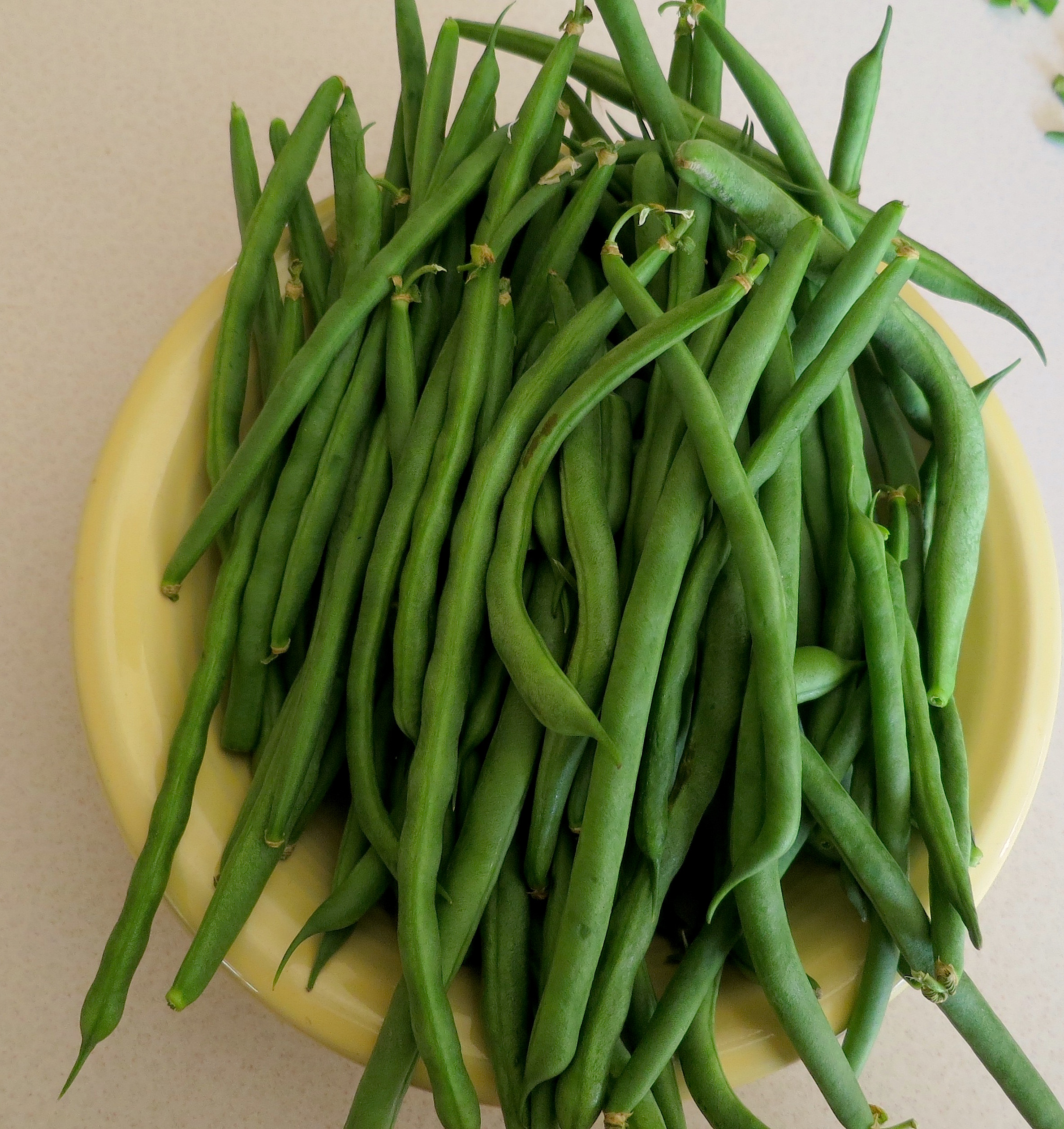
canned green beans. I’m sending you
the buttons I can’t sew back on.
Please put them in the jar beside your bed.

In your next letter, please send seeds
and feathers, a piece of bone or china
you plowed up last spring. Please
promise I’m missing the right things.

~Carrie Shipers, “In Your Next Letter” from Cause for Concern

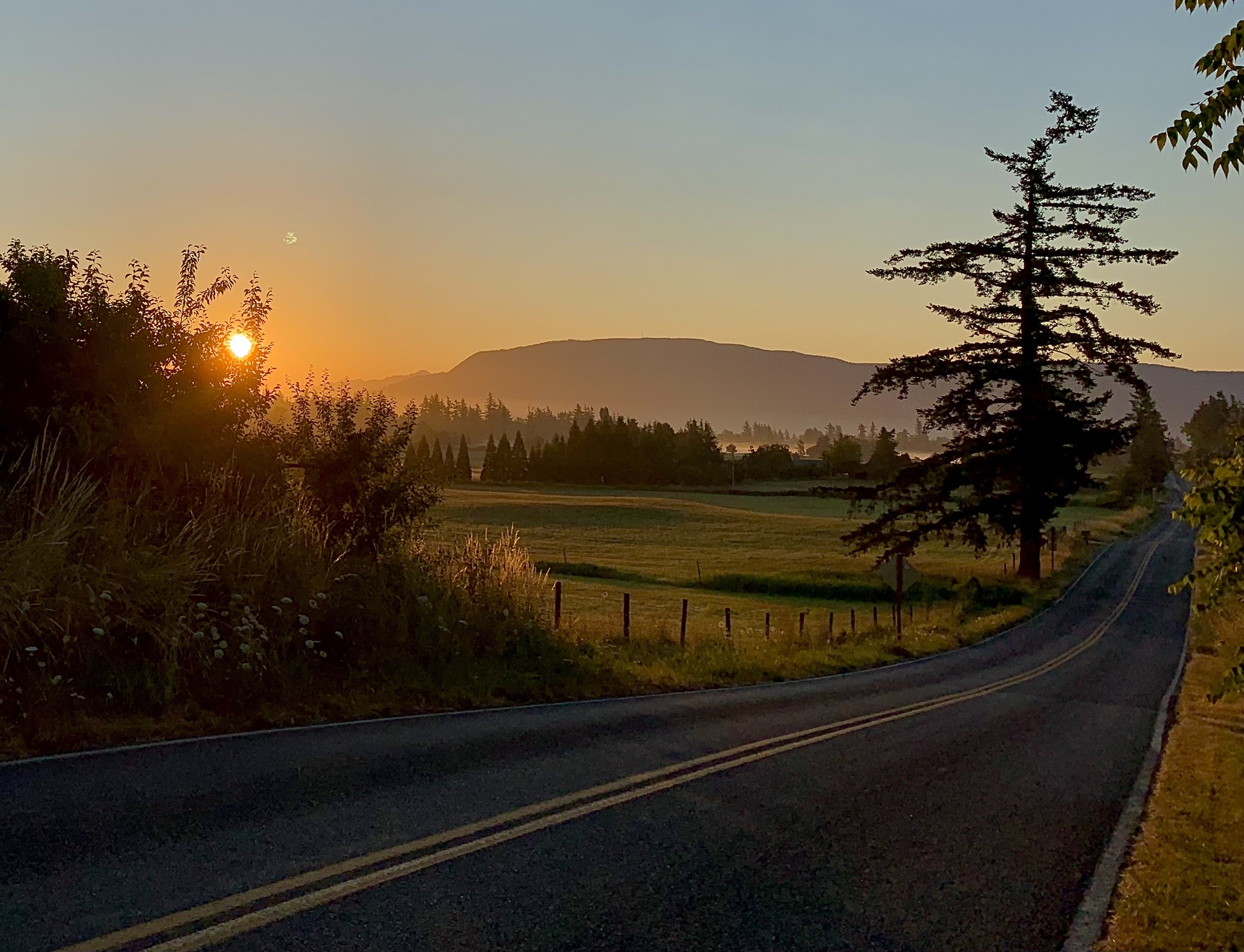
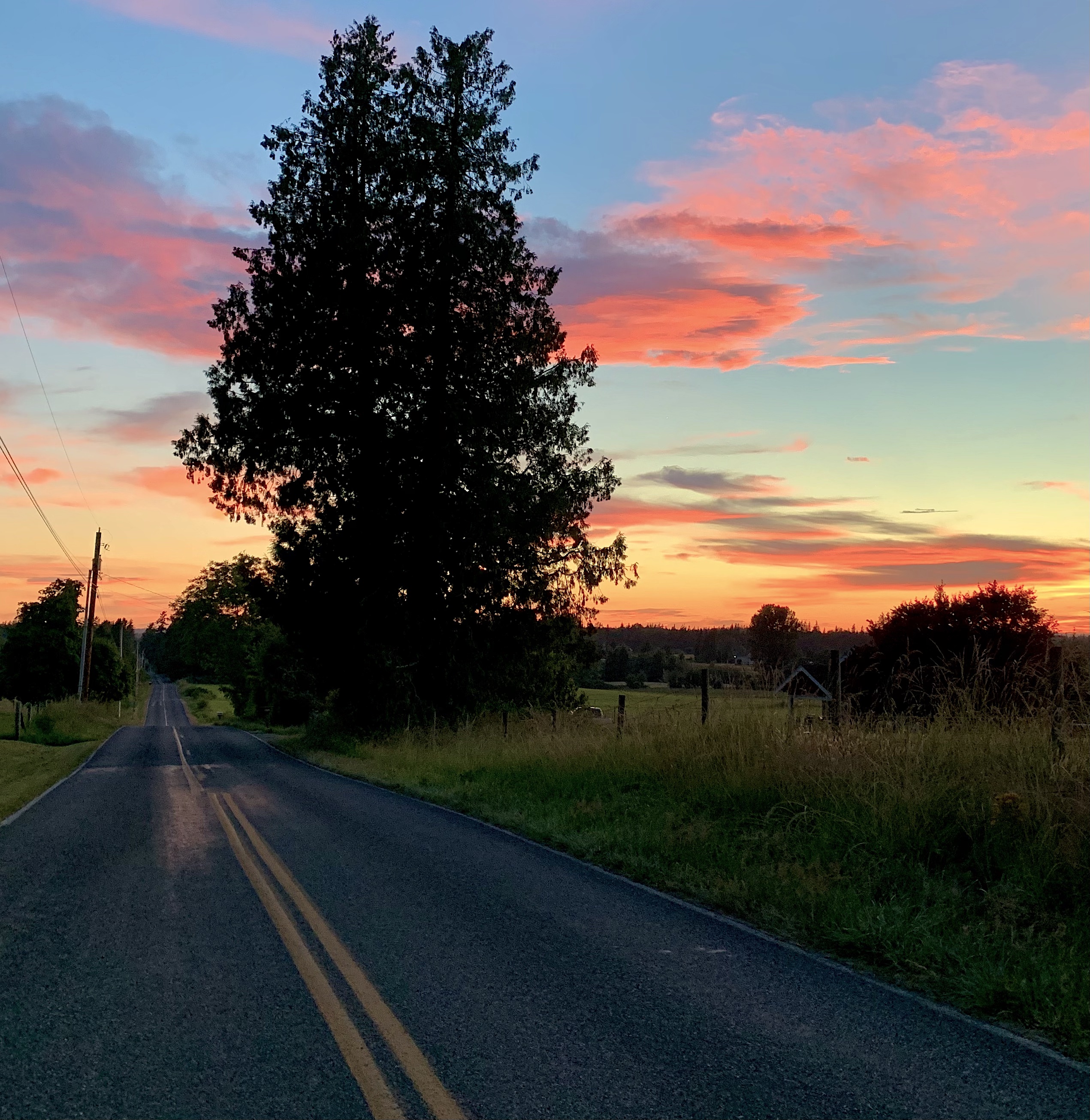
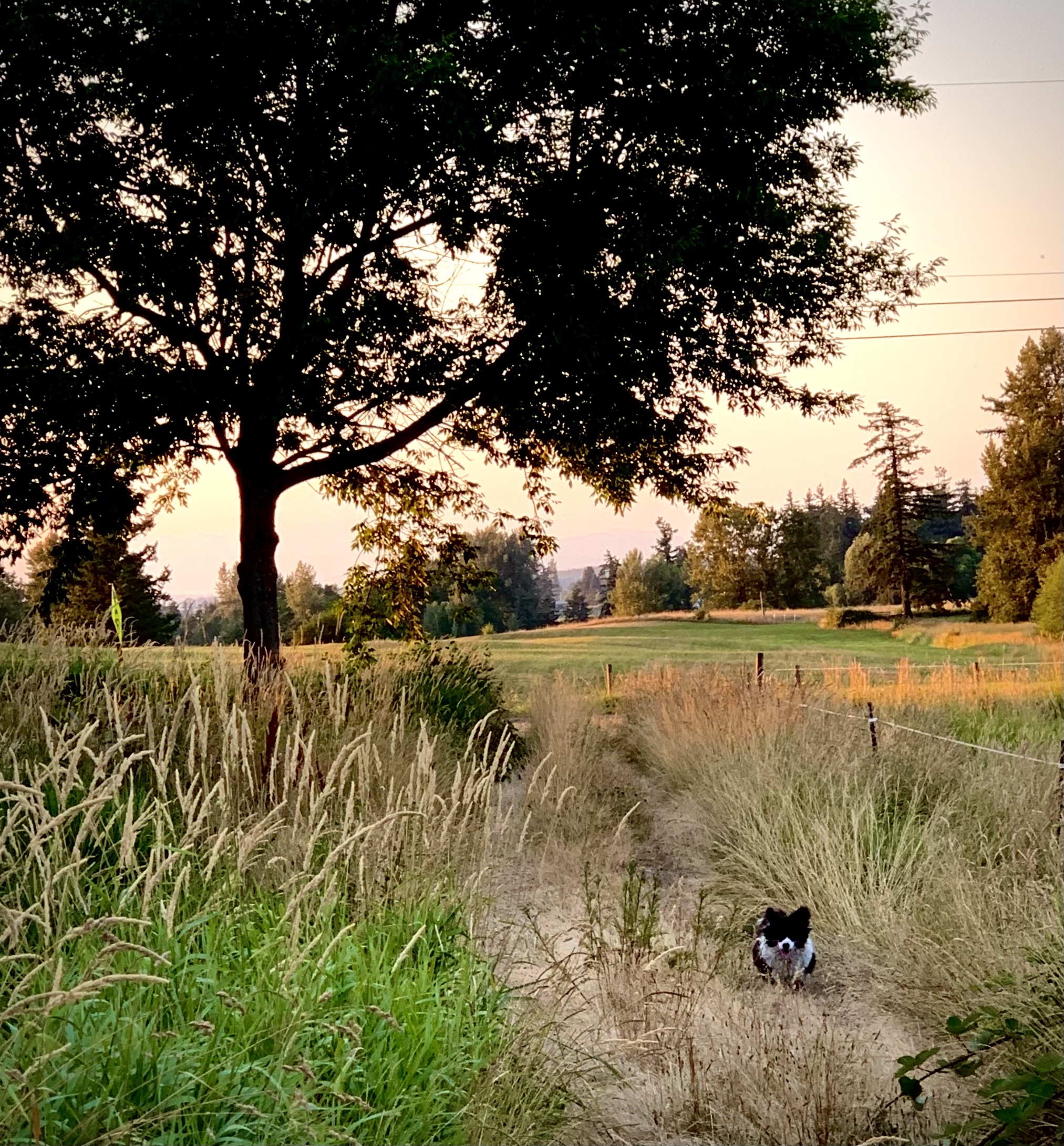
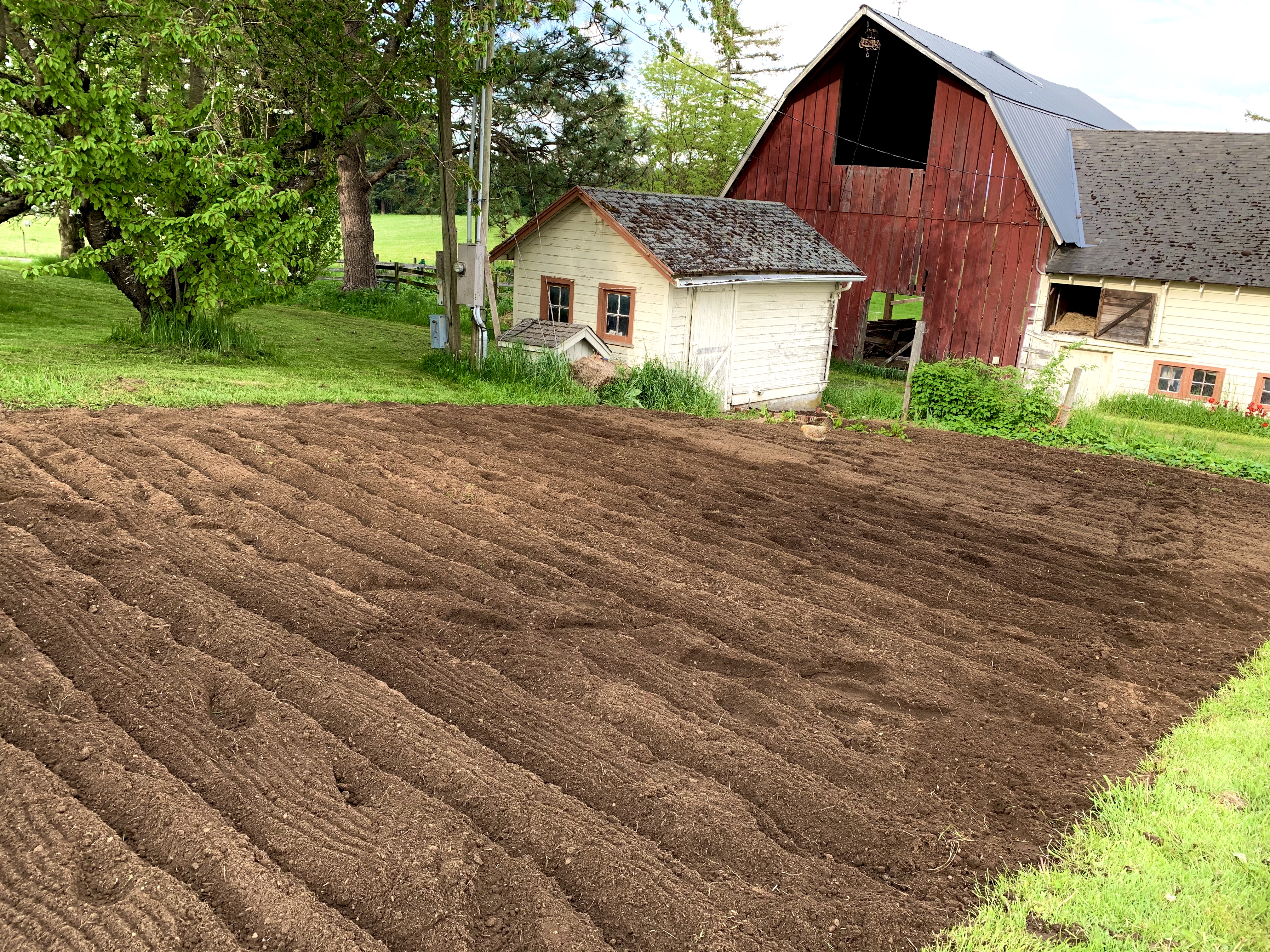
For our children (and now their children) who have left the farm, now living far away:

I want to be sure you are missing the right things about this incredible place.

There is so much about a farm that is worrisome, burdensome, back-breaking and unpredictable. Don’t miss those things.

Miss what is breath-taking, awe-inspiring and heart-swelling.

We miss you more than we can ever say, indeed an intensive “missing” that can’t be expressed in words. So I send this to you and you’ll understand.