The Hard Knuckle of the Year

I got out of bed
on two strong legs.
It might have been
otherwise. I ate
cereal, sweet
milk, ripe, flawless
peach. It might
have been otherwise.
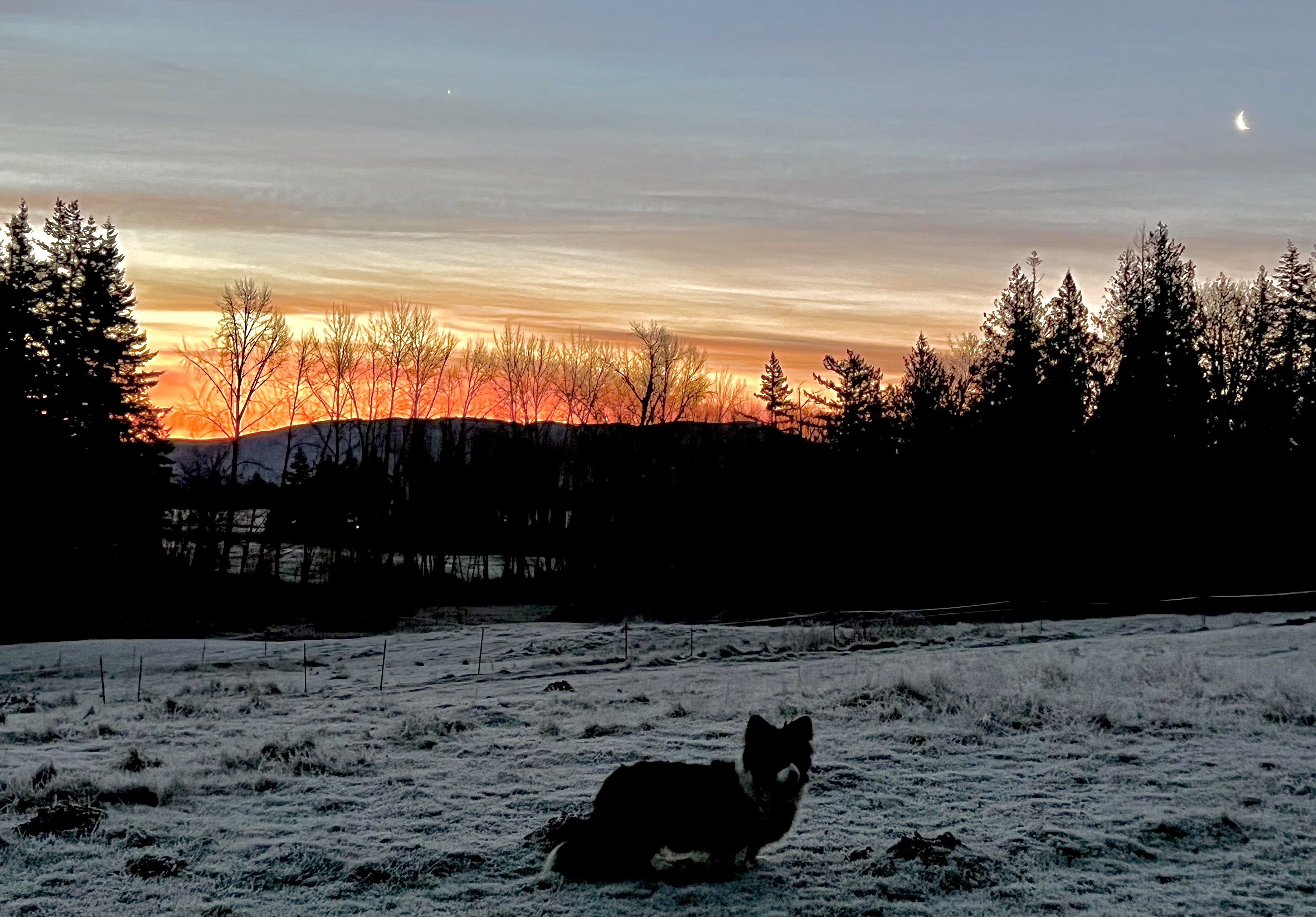
I took the dog uphill
to the birch wood.
All morning I did
the work I love.
At noon I lay down
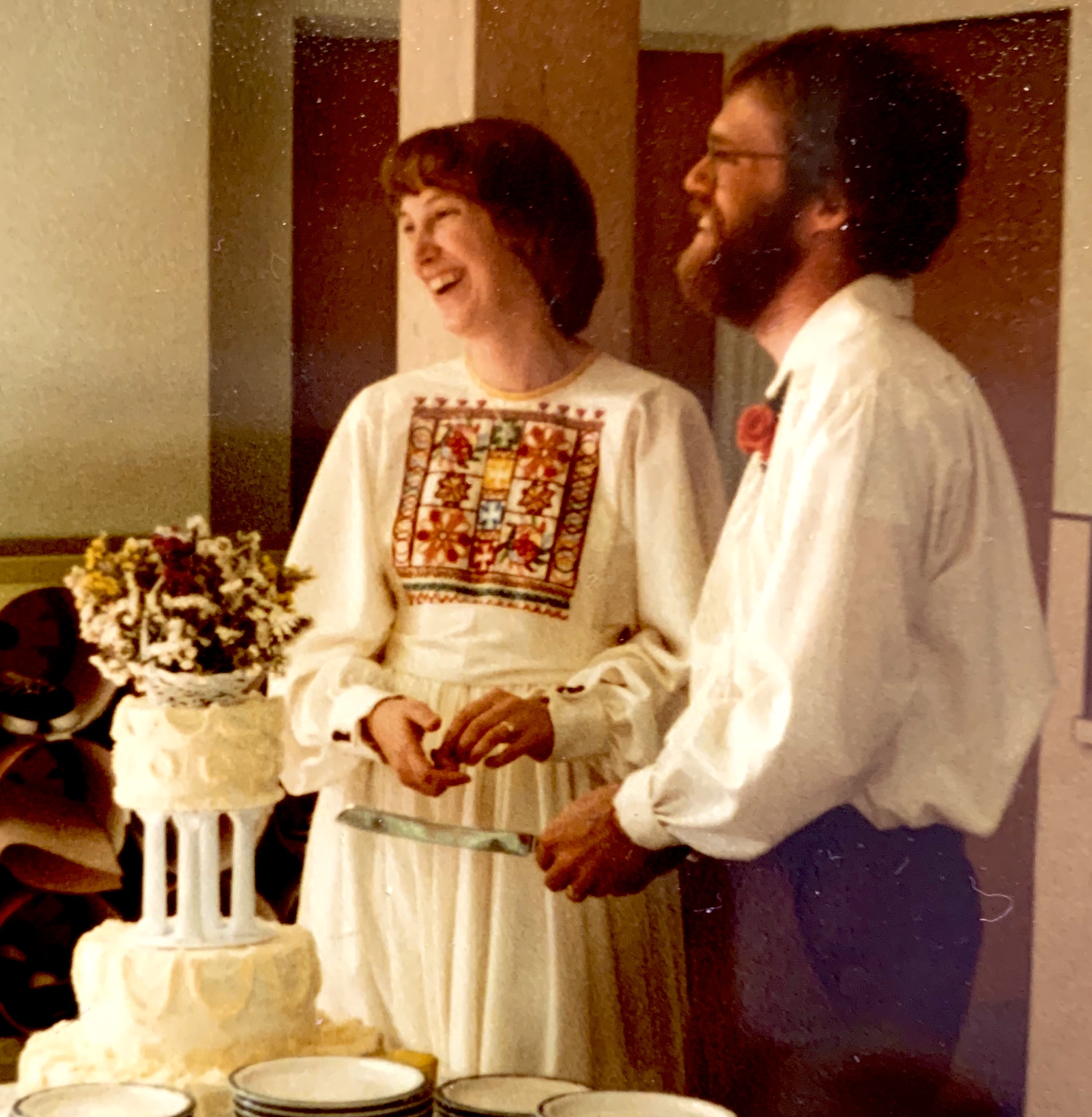
with my mate. It might
have been otherwise.
We ate dinner together
at a table with silver
candlesticks. It might
have been otherwise.
I slept in a bed
in a room with paintings
on the walls, and
planned another day
just like this day.
But one day, I know,
it will be otherwise.

~Jane Kenyon “Otherwise”

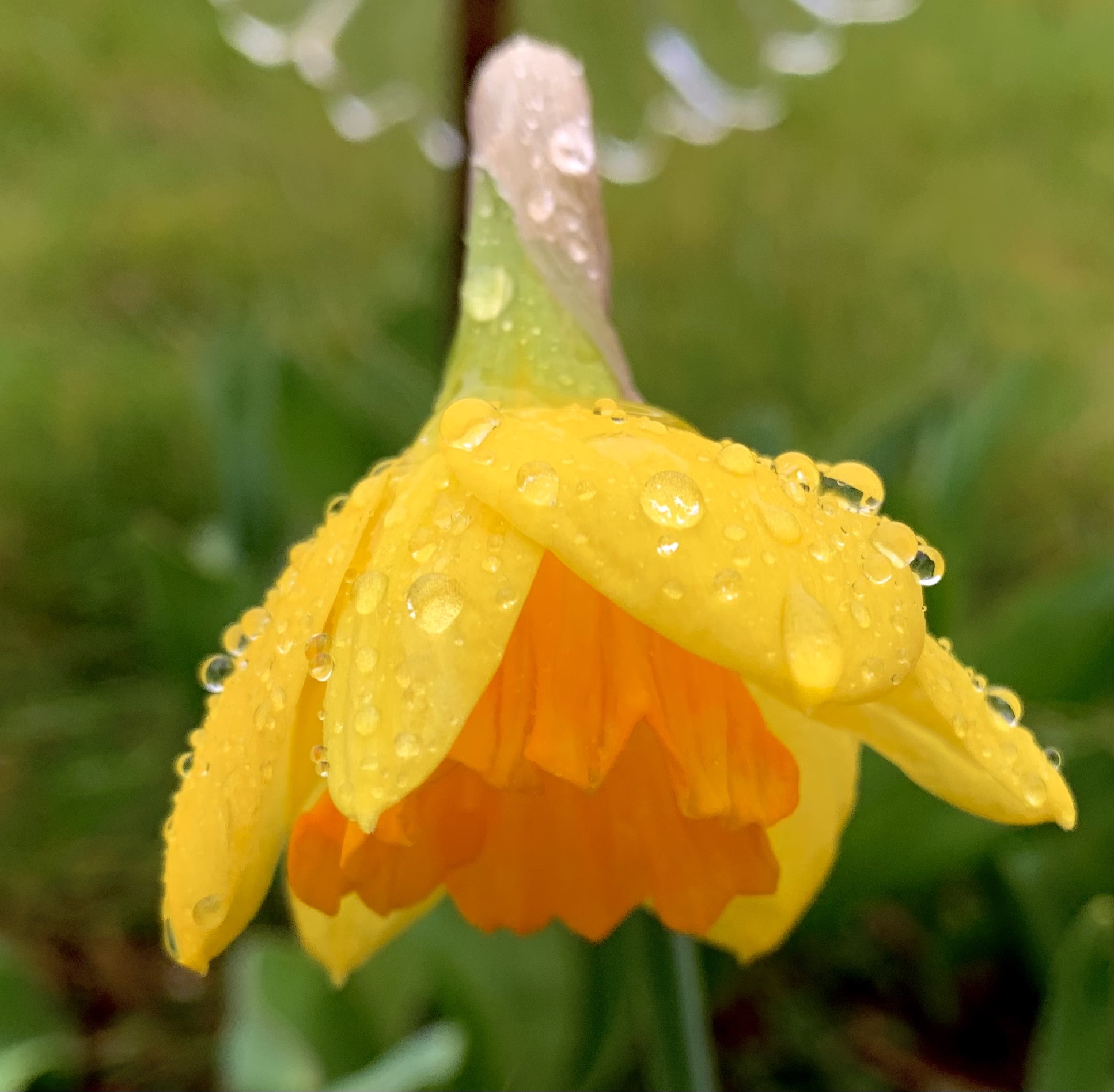
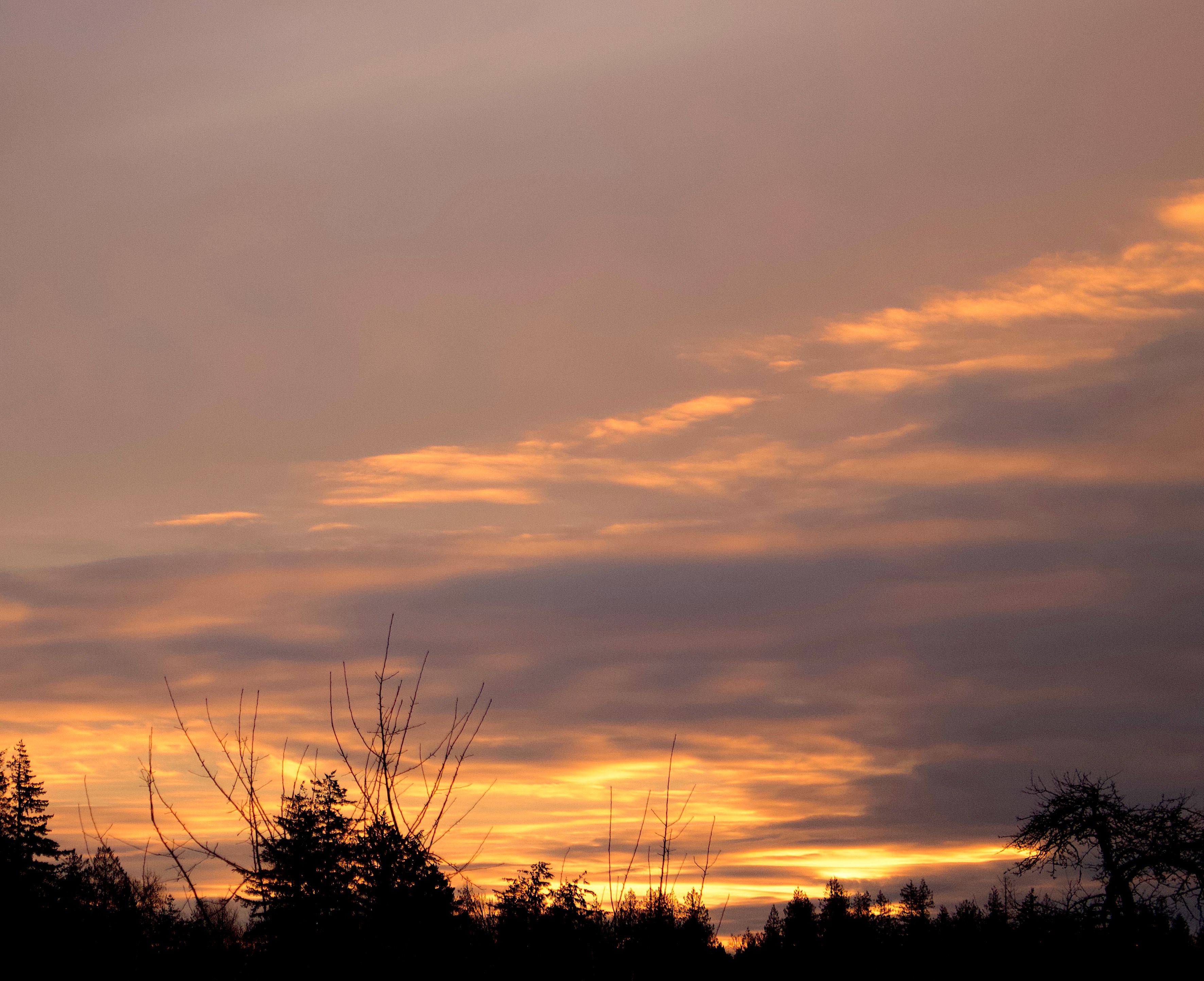
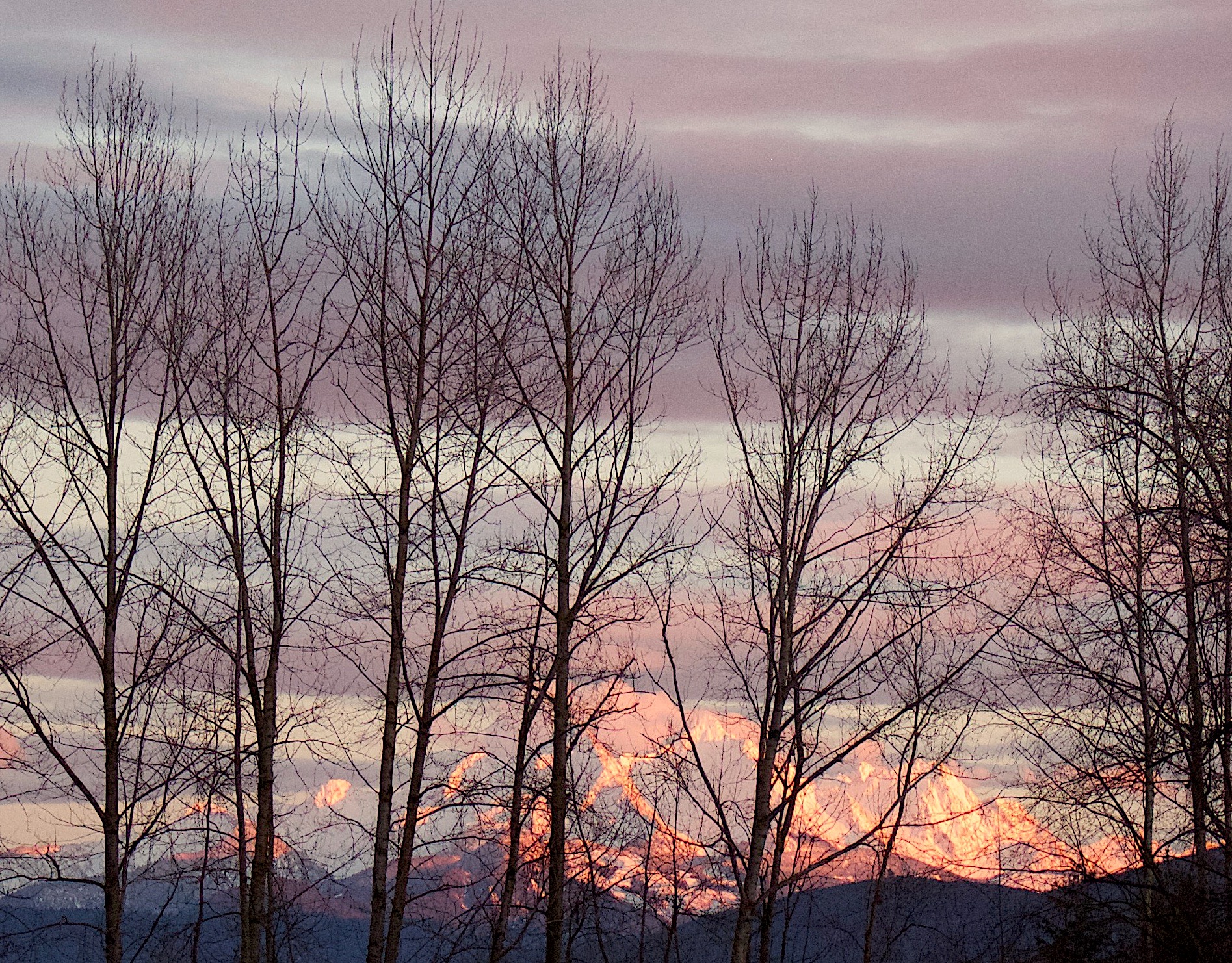
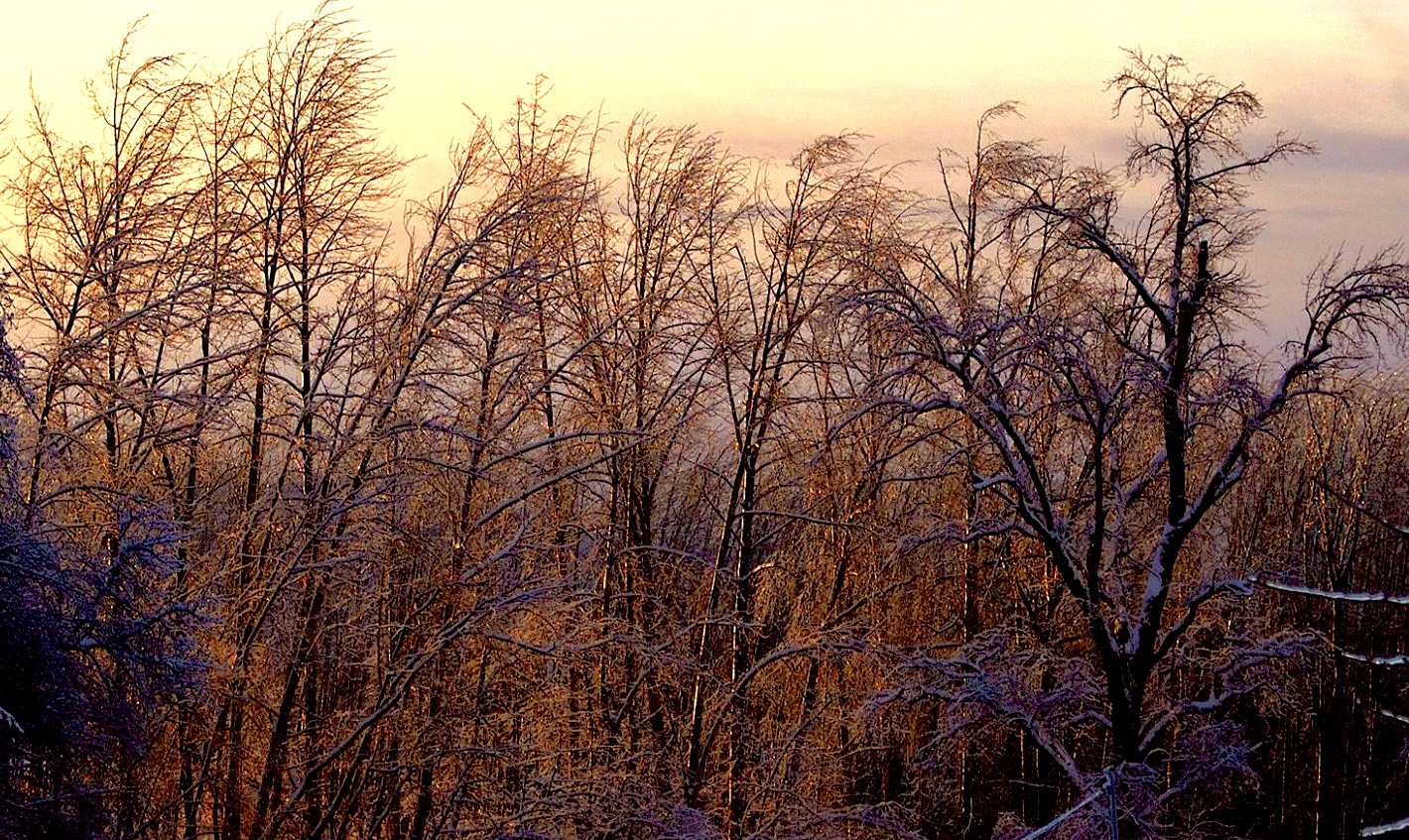
…this has been a day of grace
in the dead of winter,
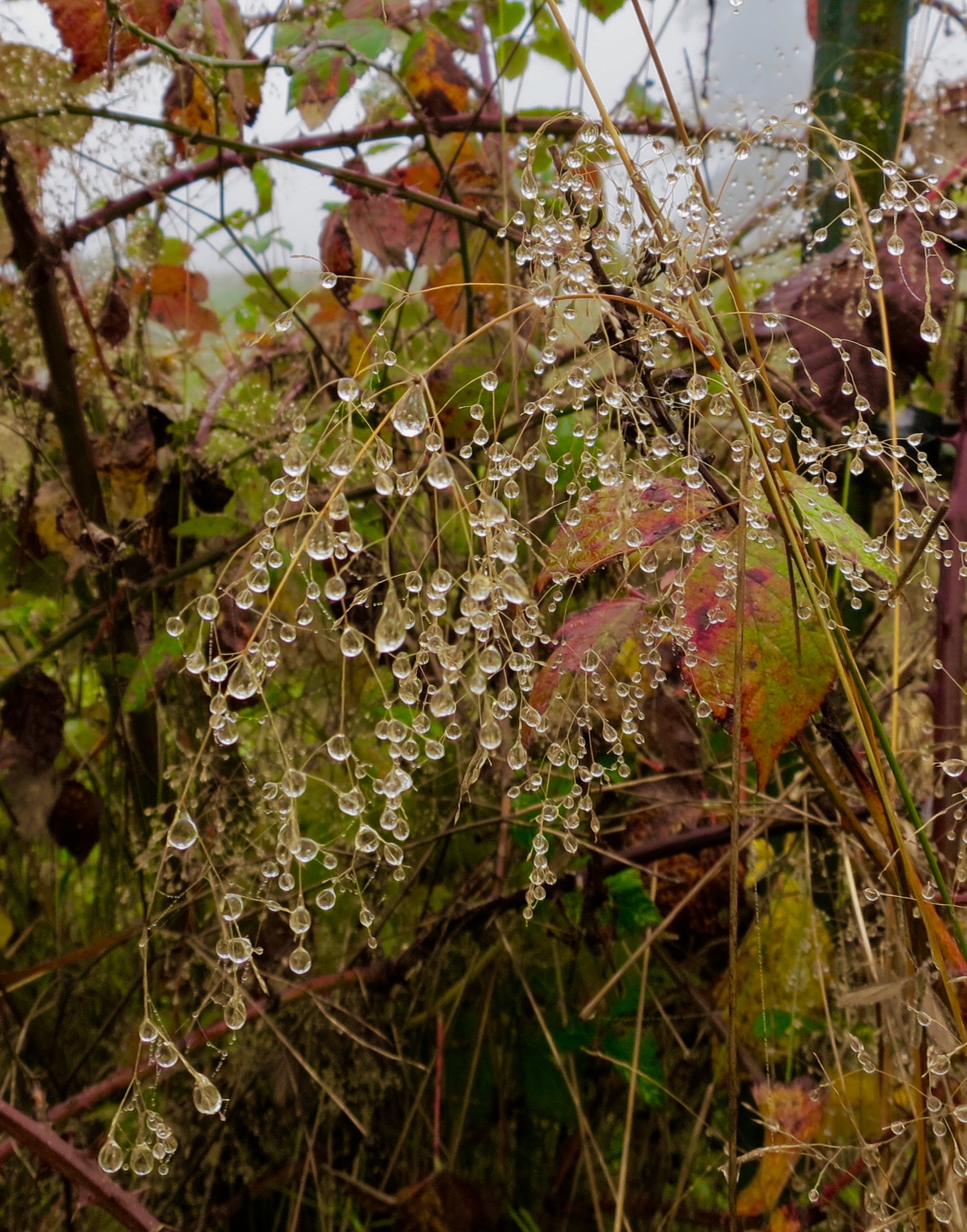
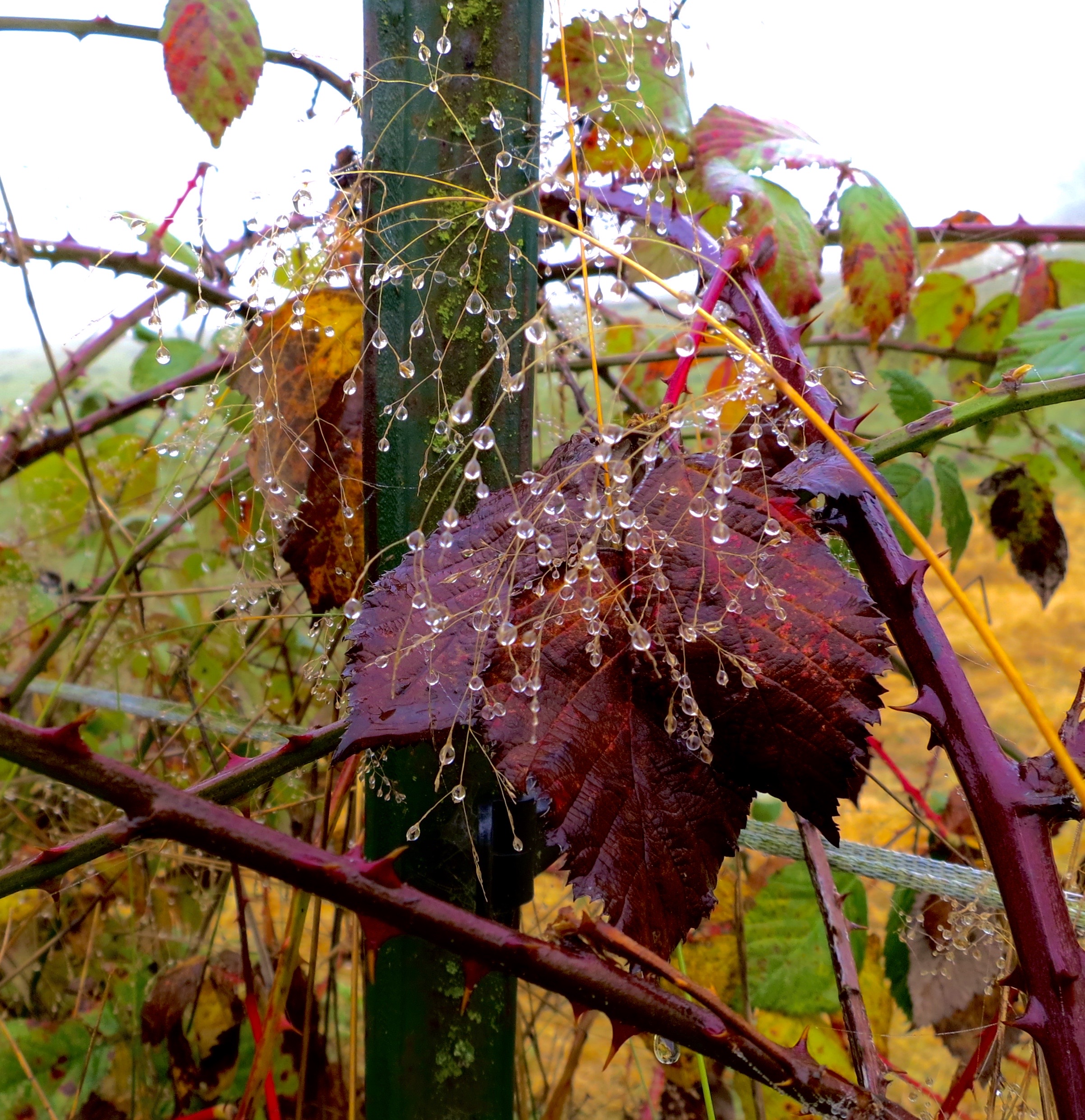
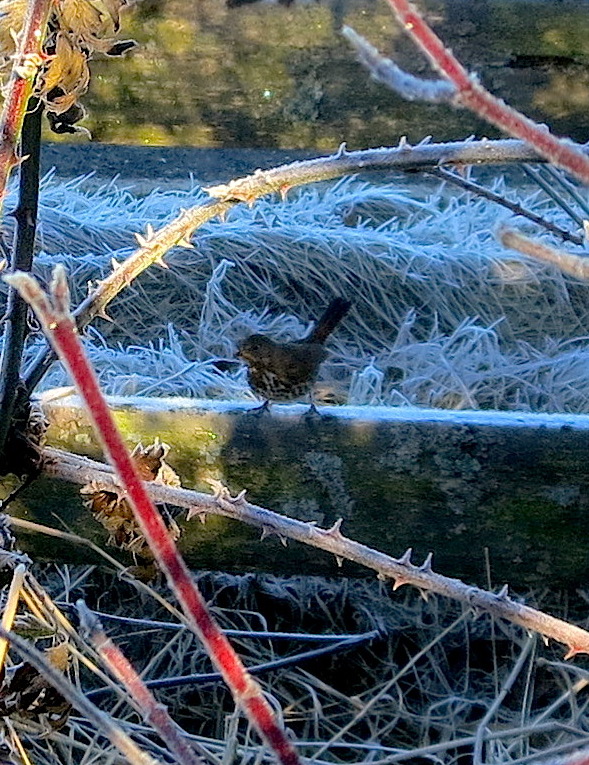
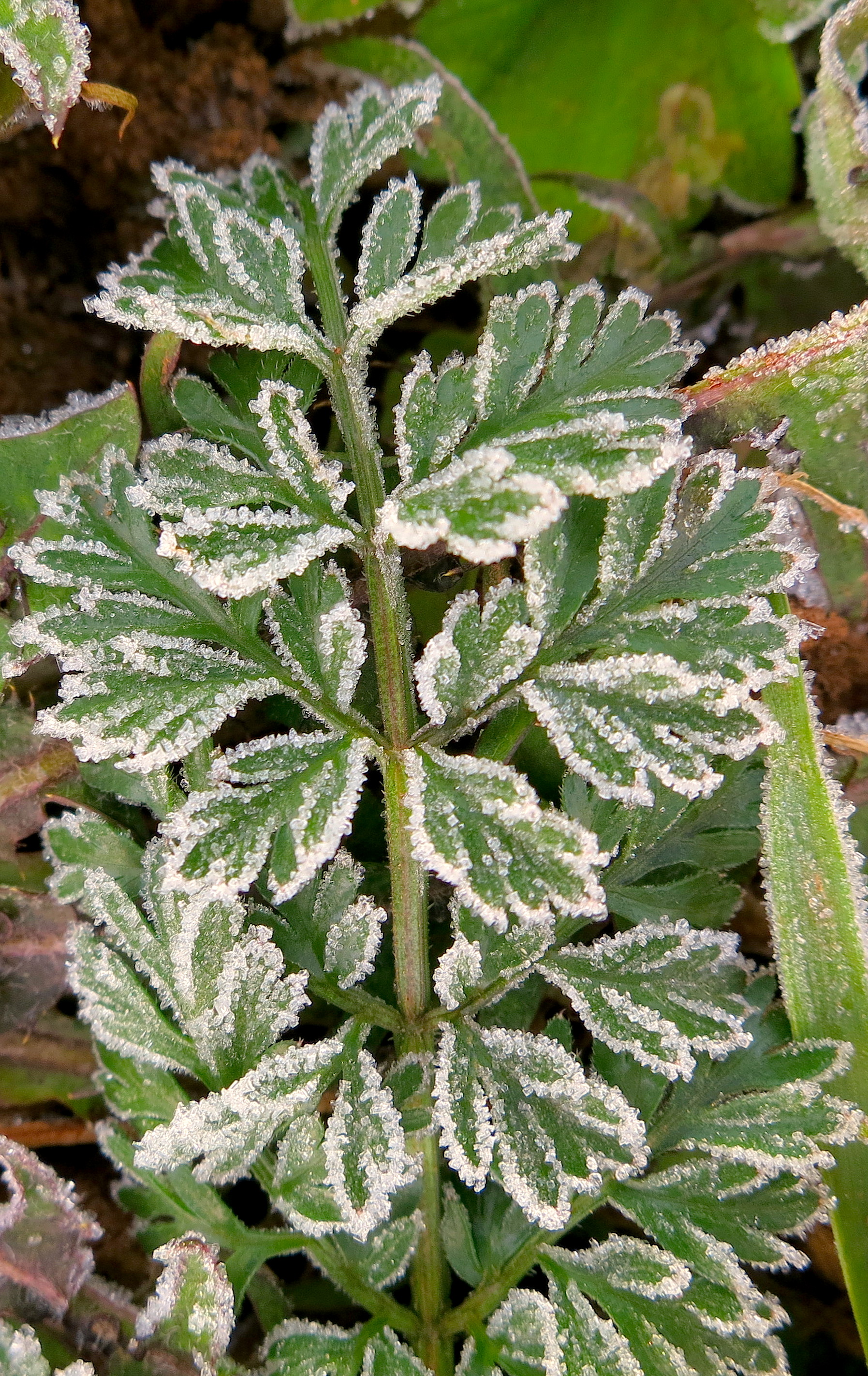
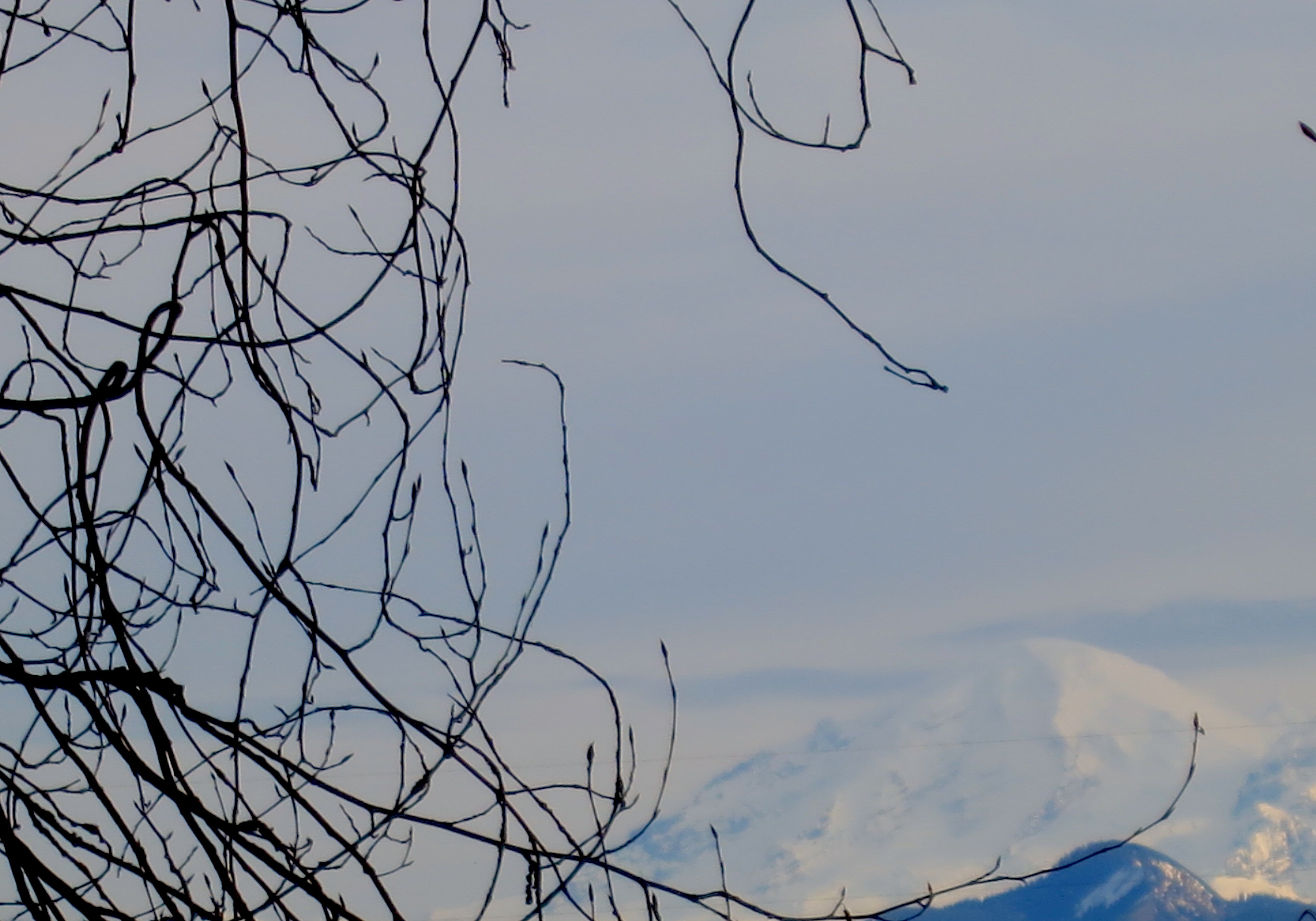
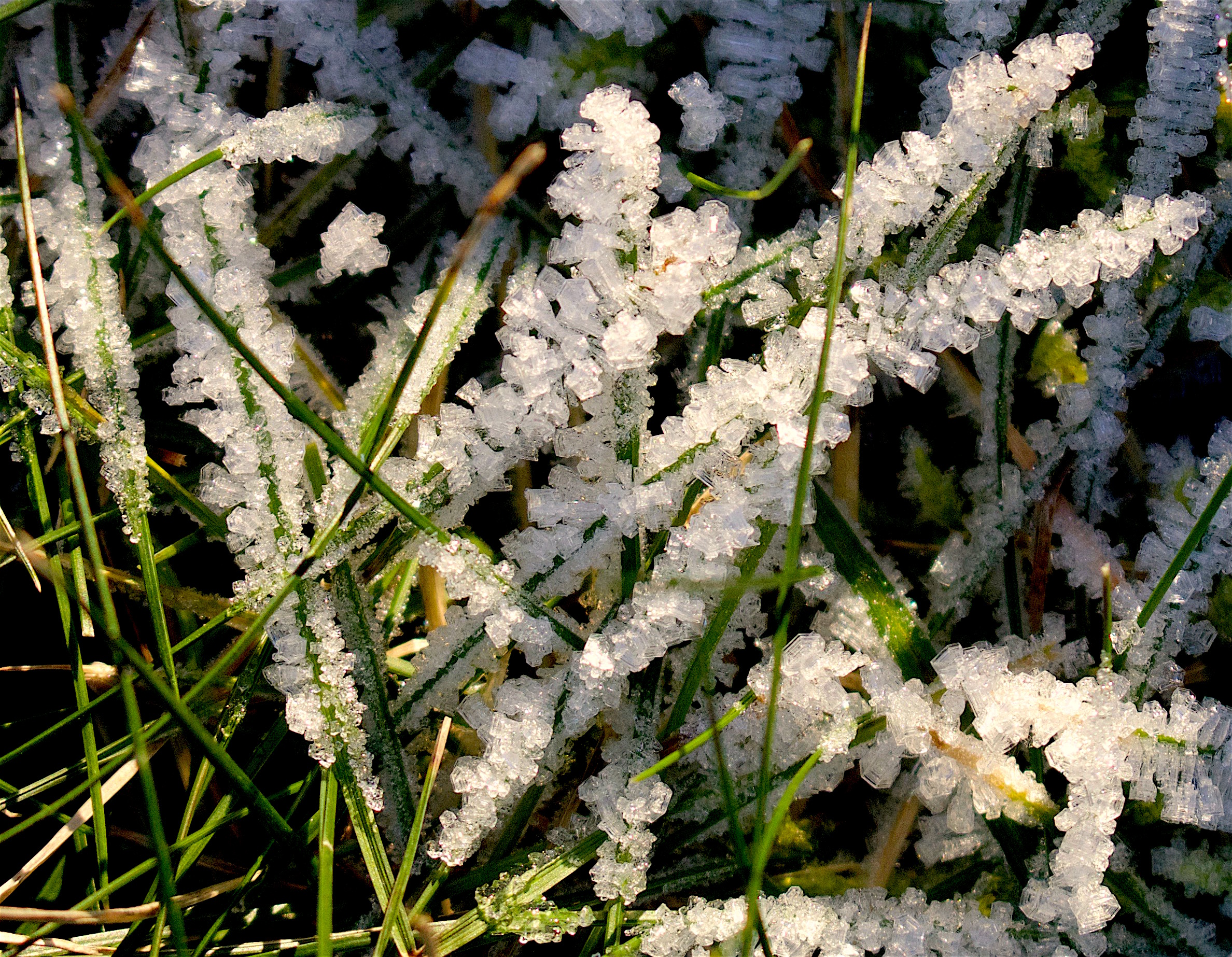
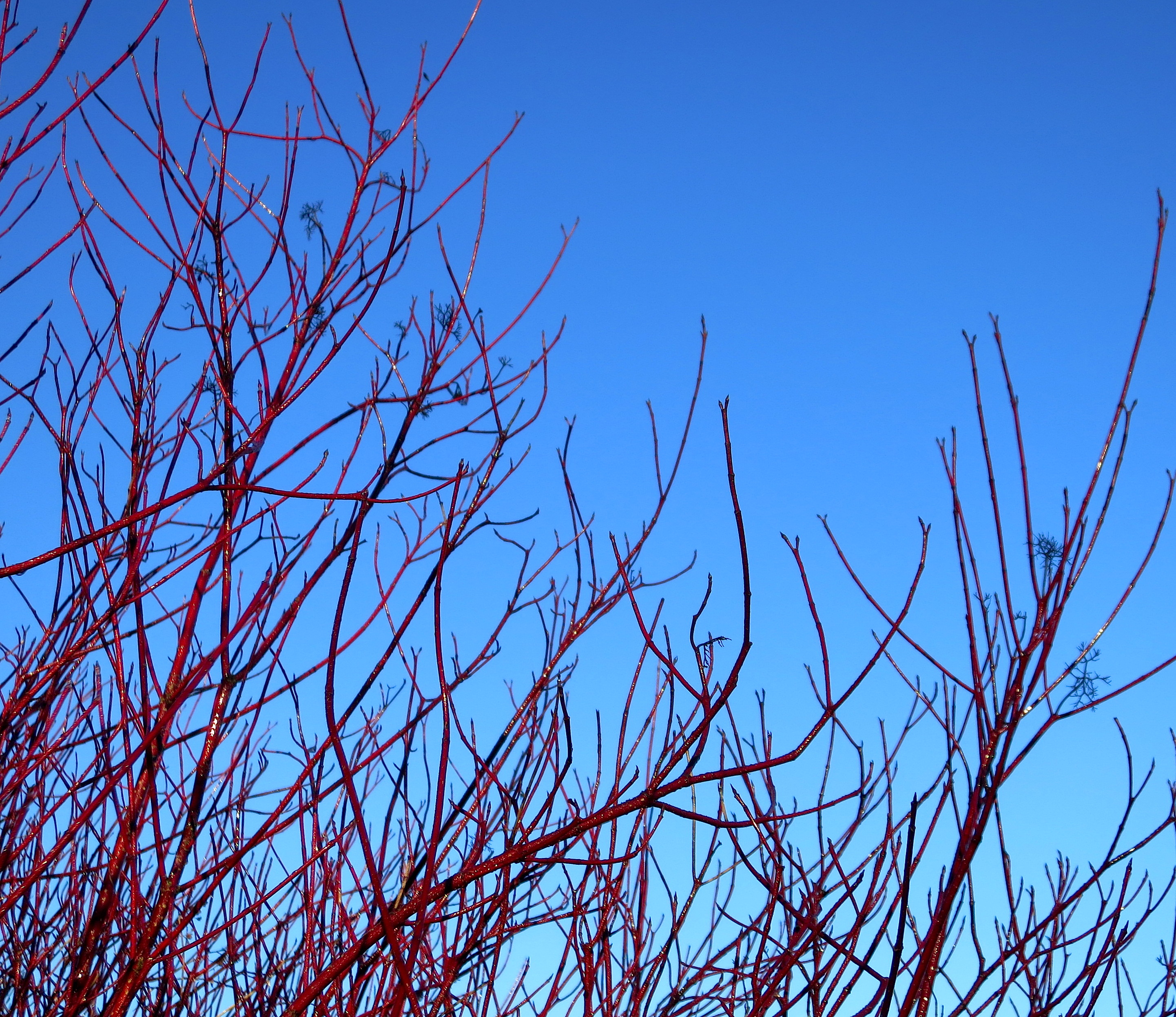
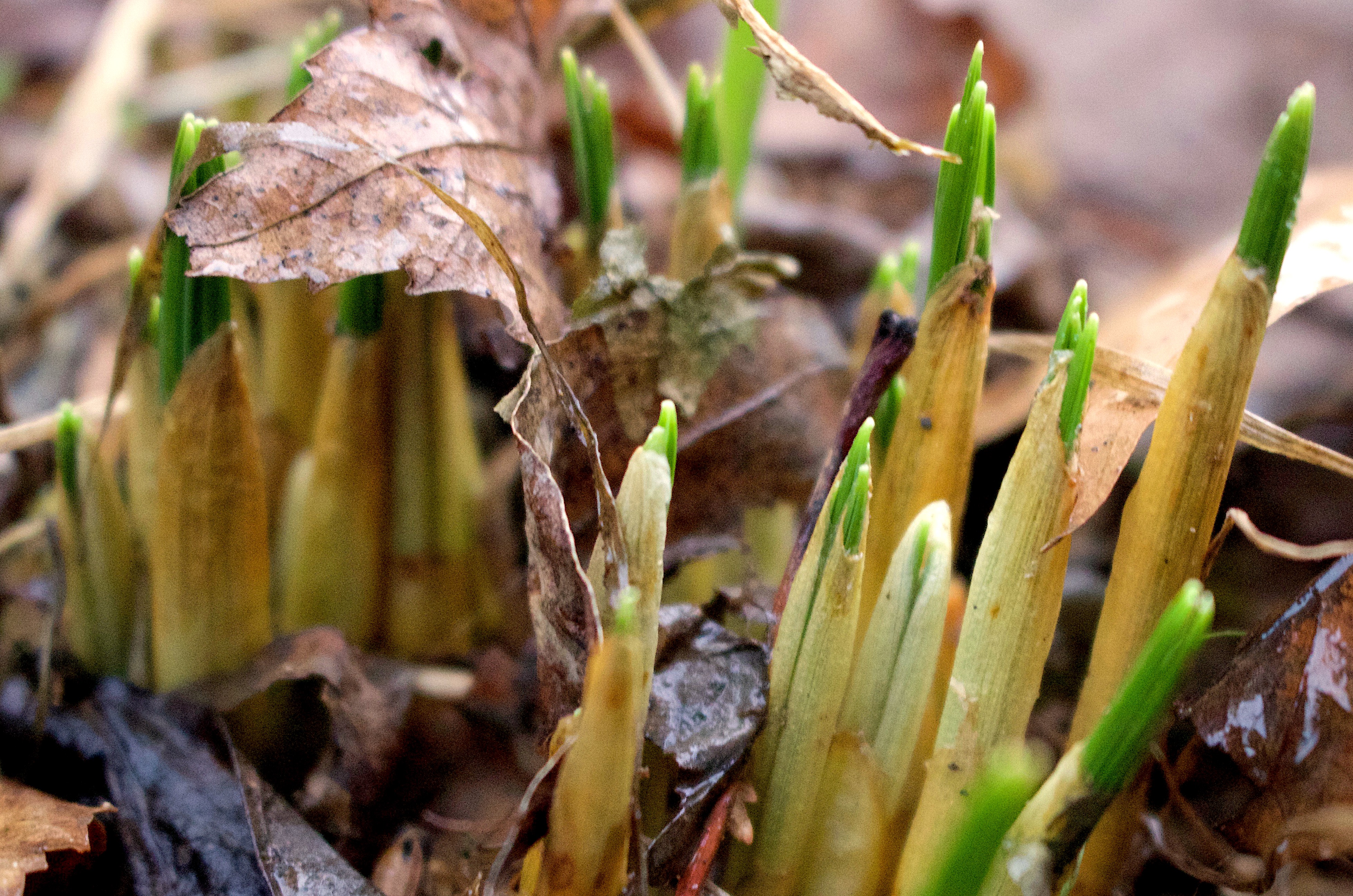
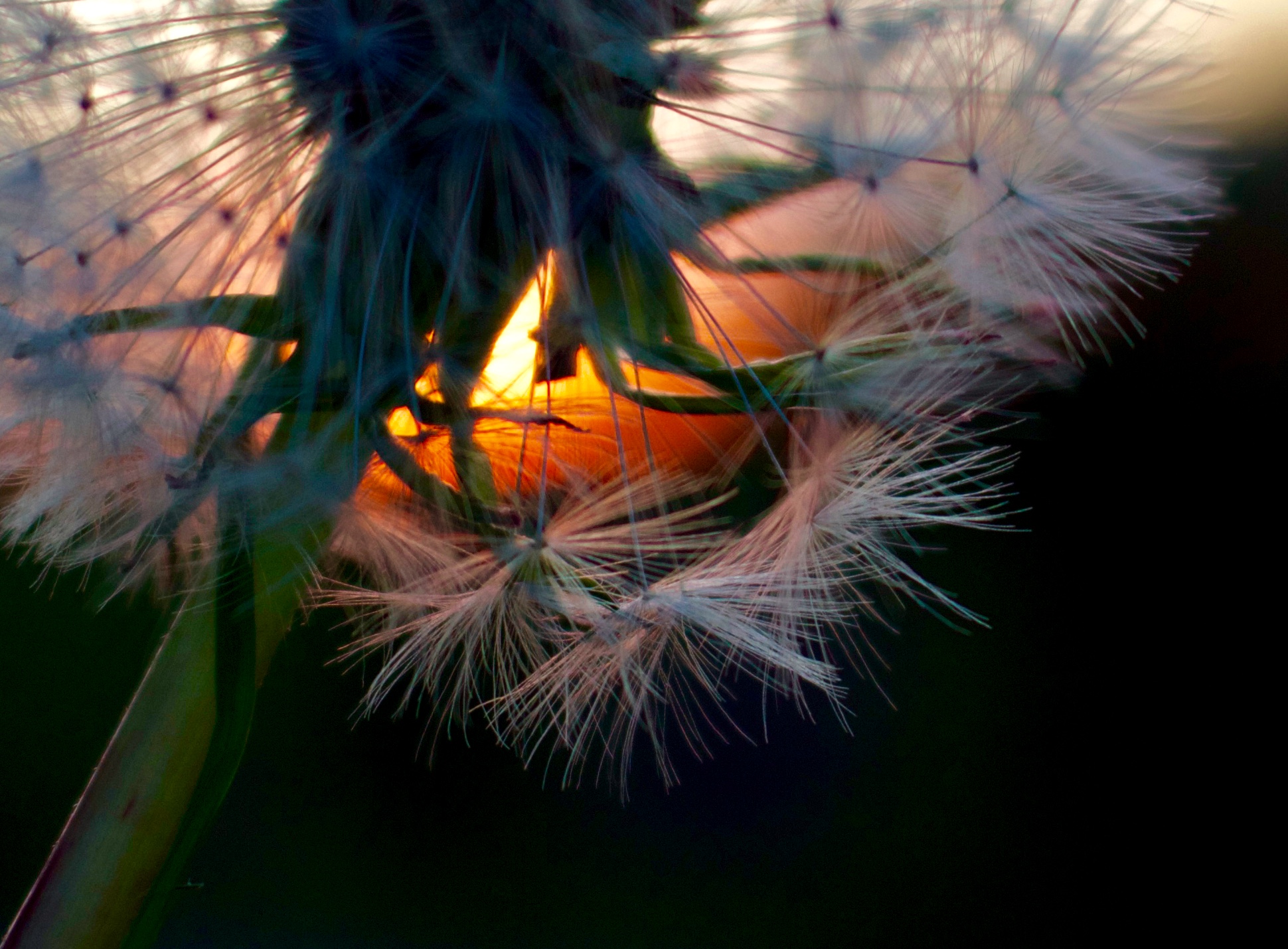
the hard knuckle of the year,
a day that unwrapped itself
like an unexpected gift,
and the stars turn on,
order themselves
into the winter night.
~Barbara Crooker from “Ordinary Life” in
Barbara Crooker: Selected Poems

…it’s easy to forget that the ordinary is just the extraordinary that’s happened over and over again. Sometimes the beauty of your life is apparent. Sometimes you have to go looking for it. And just because you have to look for it doesn’t mean it’s not there.
God, grant me the grace of a normal day.

~Billy Coffey

…there is no such thing as a charmed life, not for any of us, no matter where we live or how mindfully we attend to the tasks at hand. But there are charmed moments, all the time, in every life and in every day, if we are only awake enough to experience them when they come and wise enough to appreciate them.
~Katrina Kenison from The Gift of an Ordinary Day

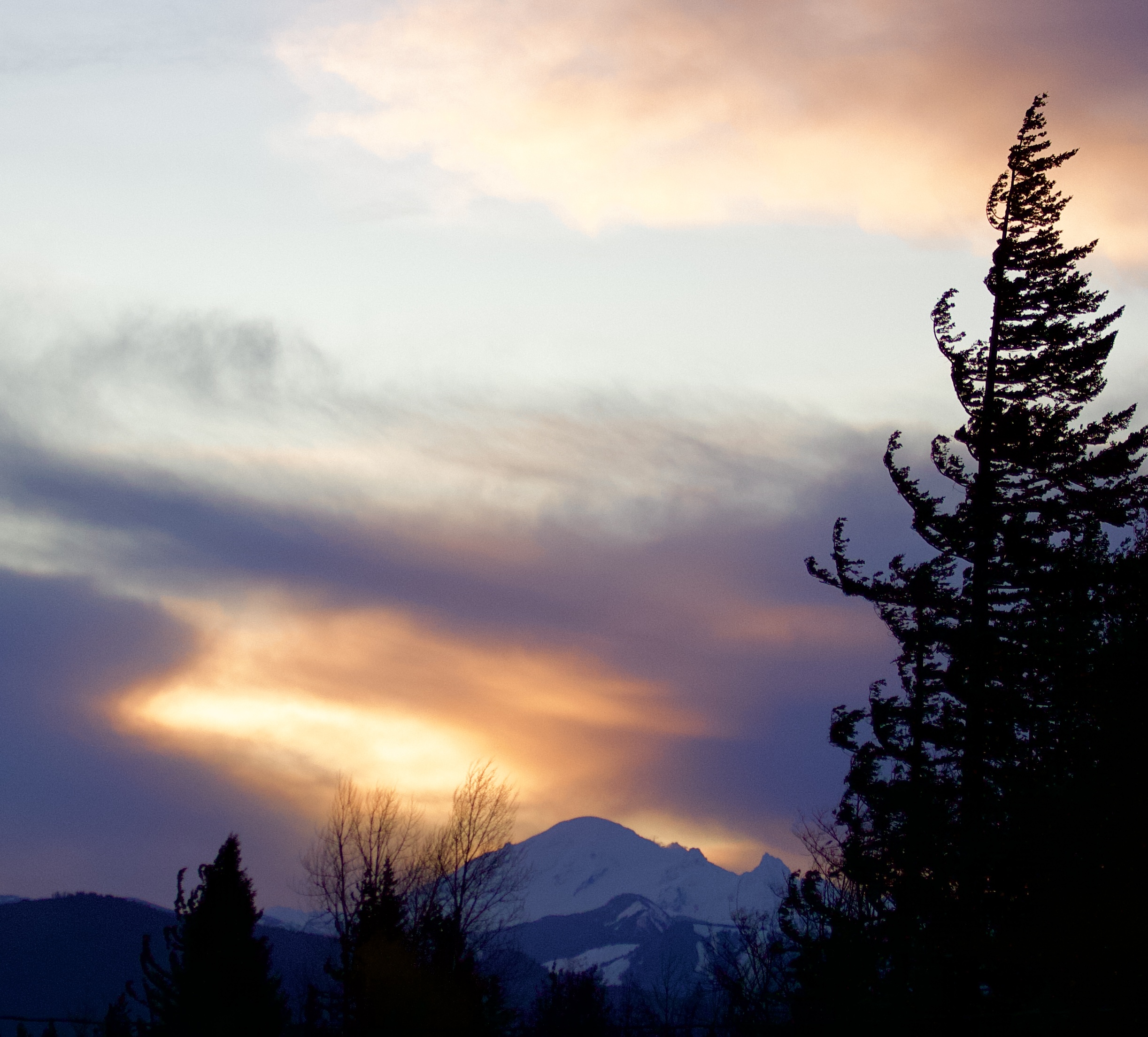
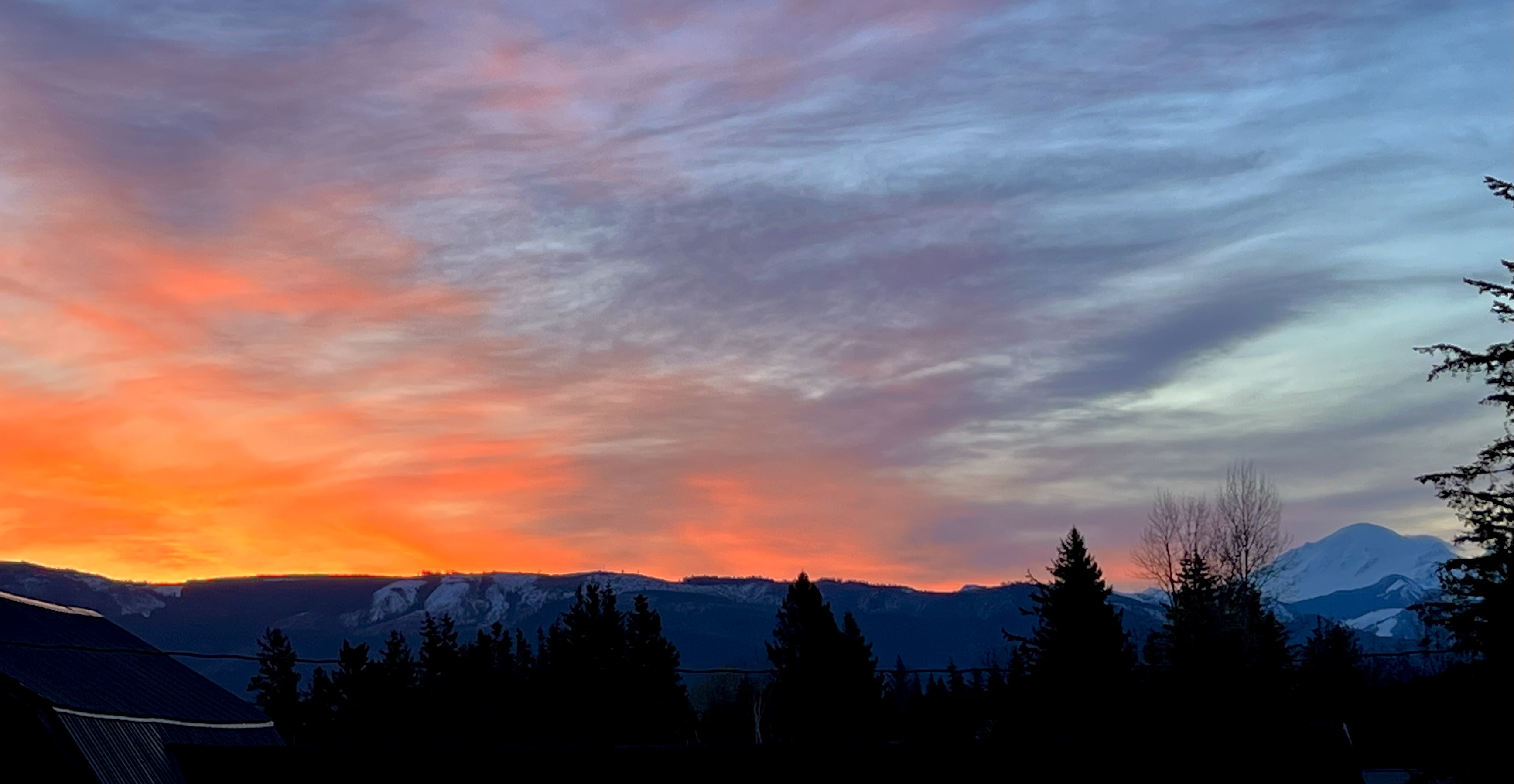
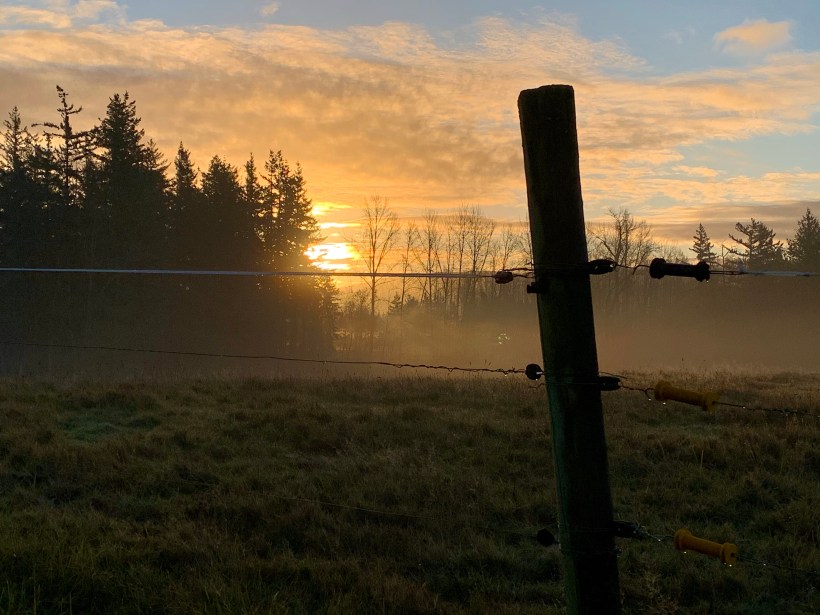
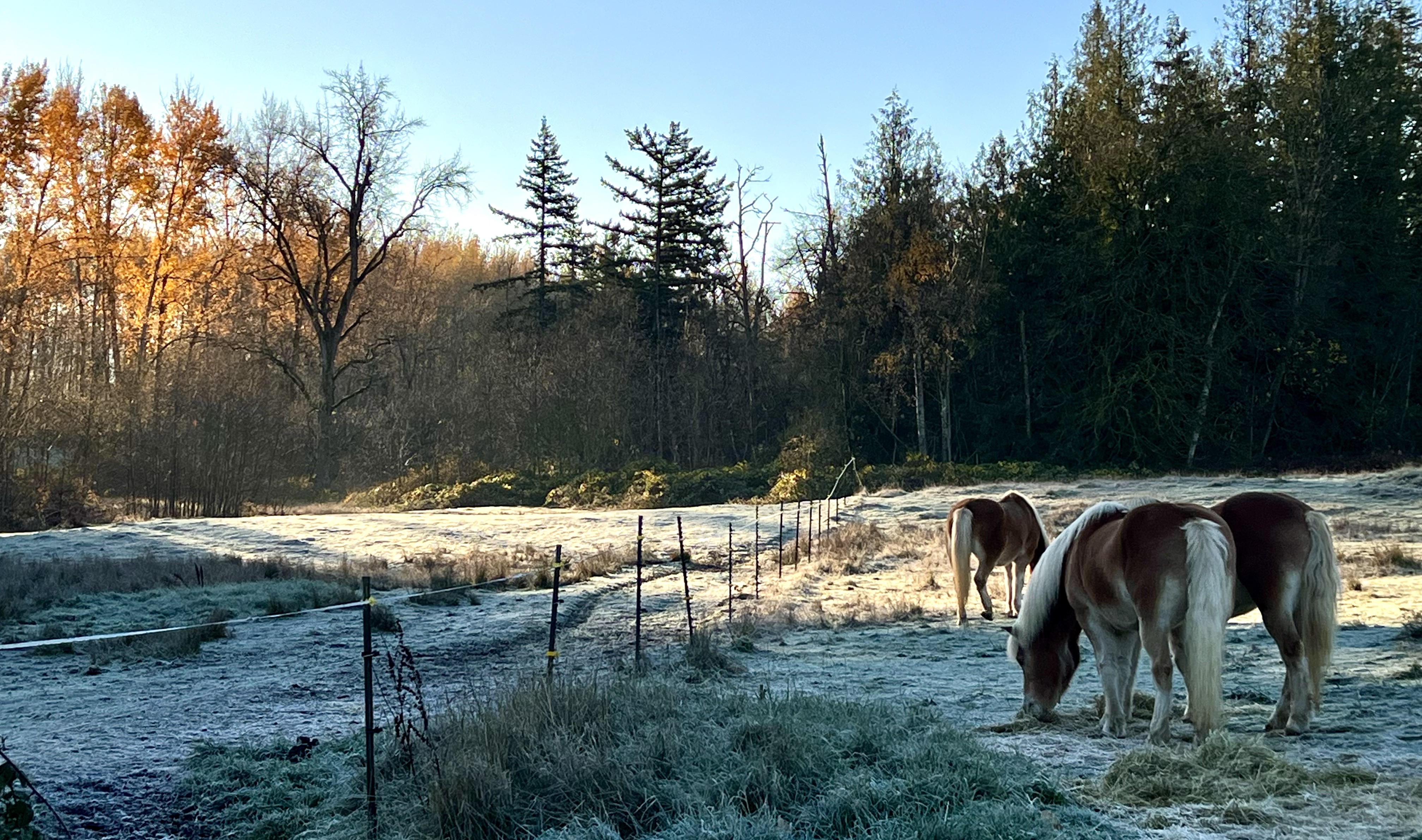
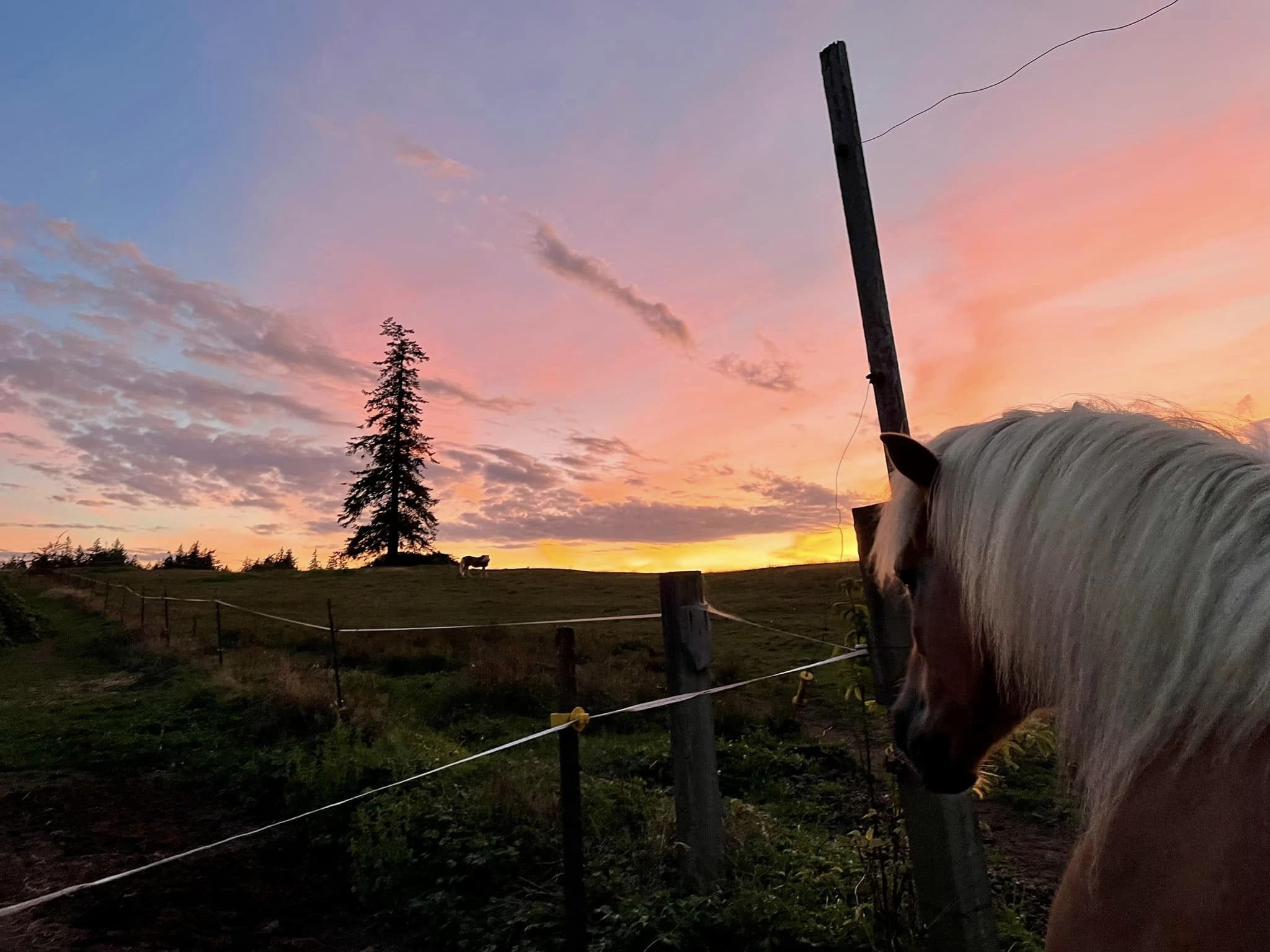
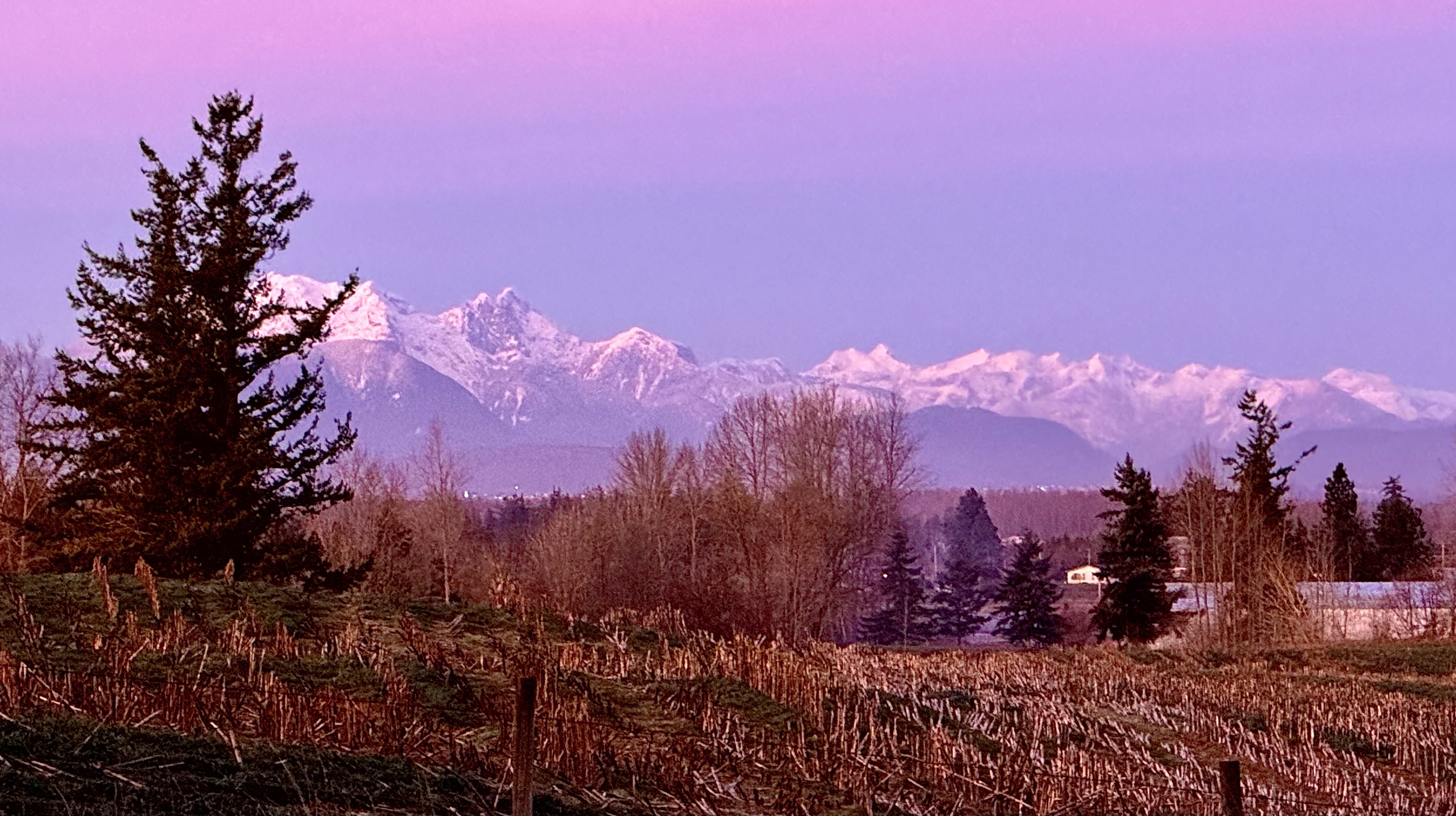
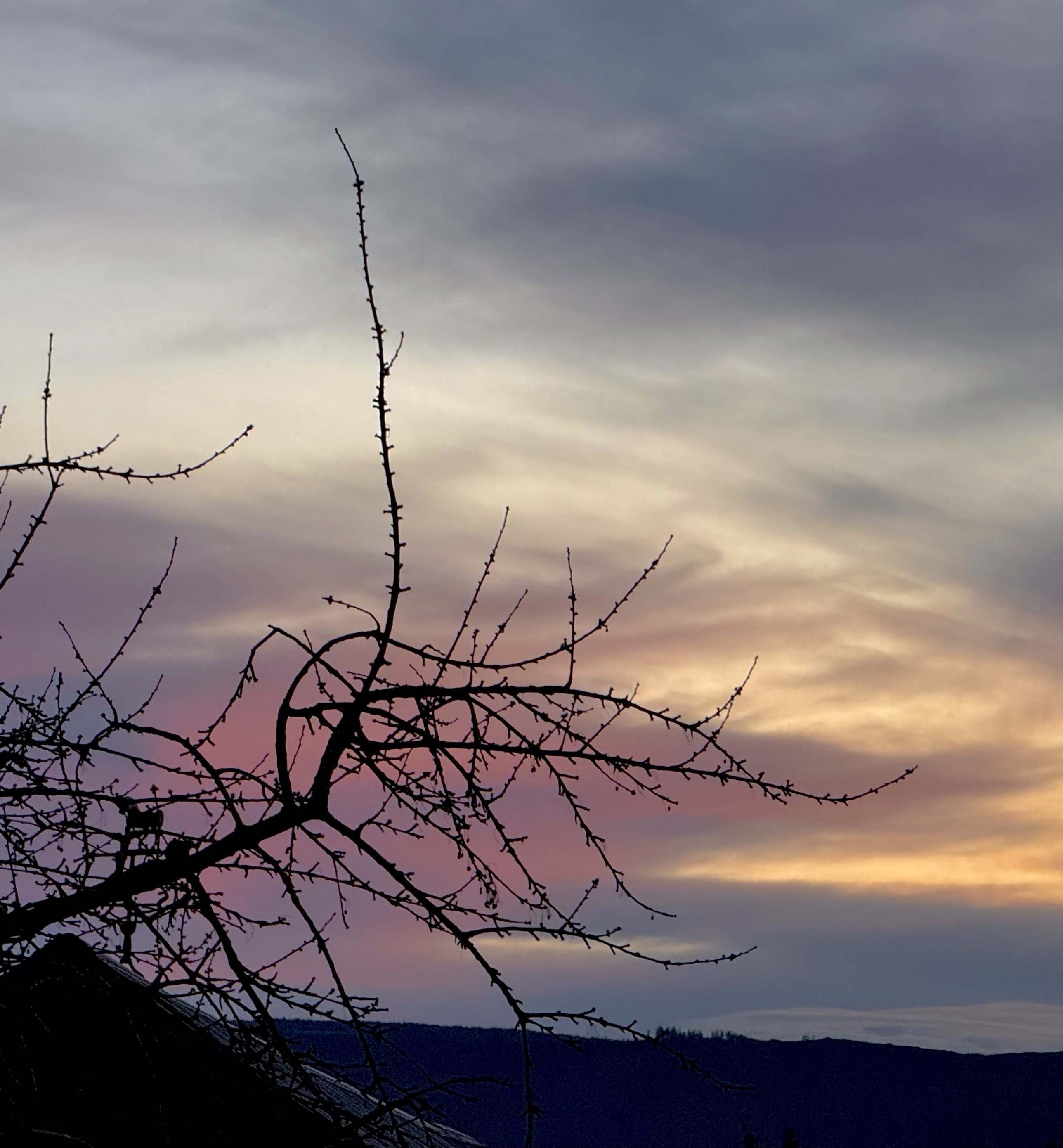
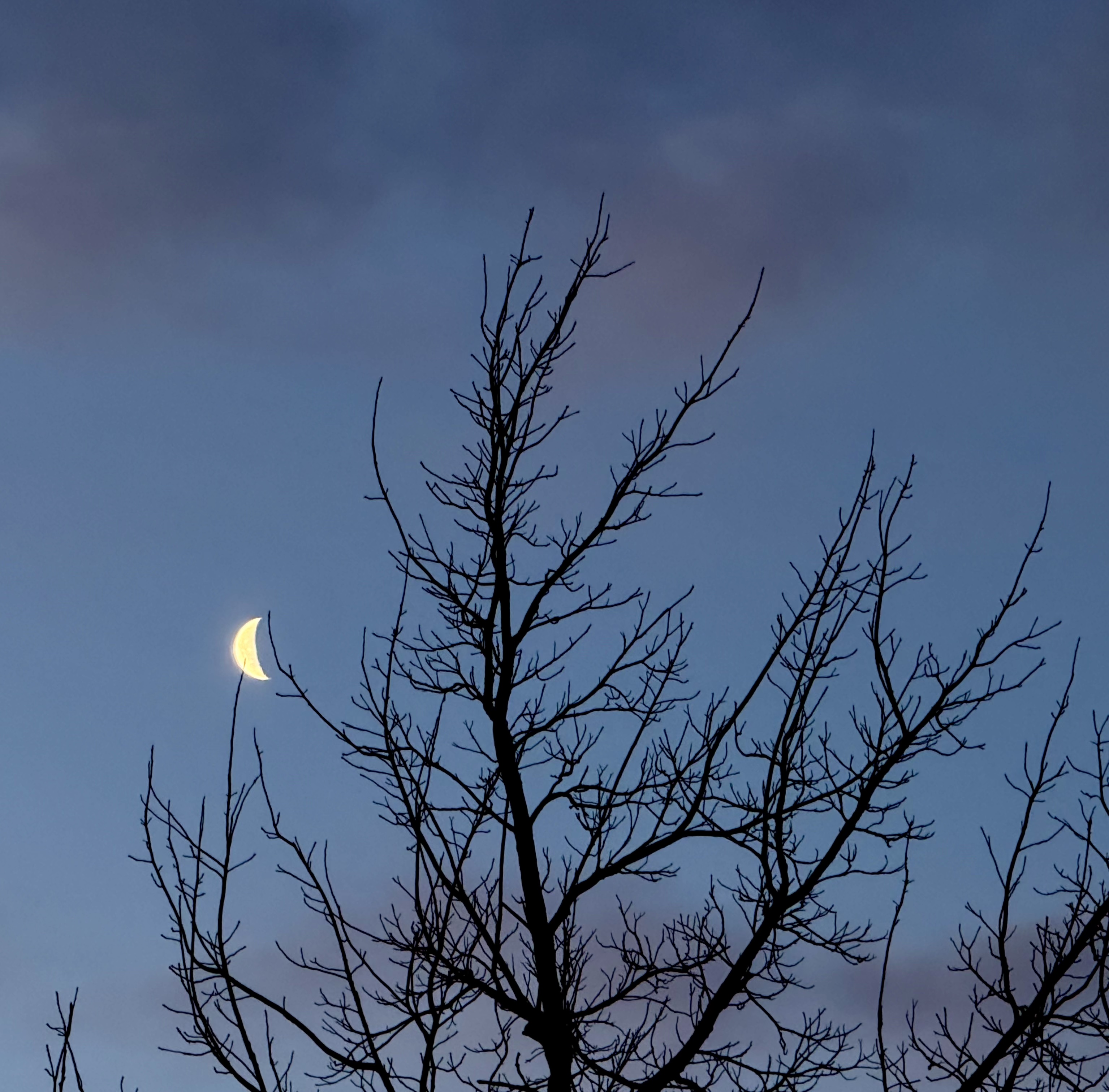
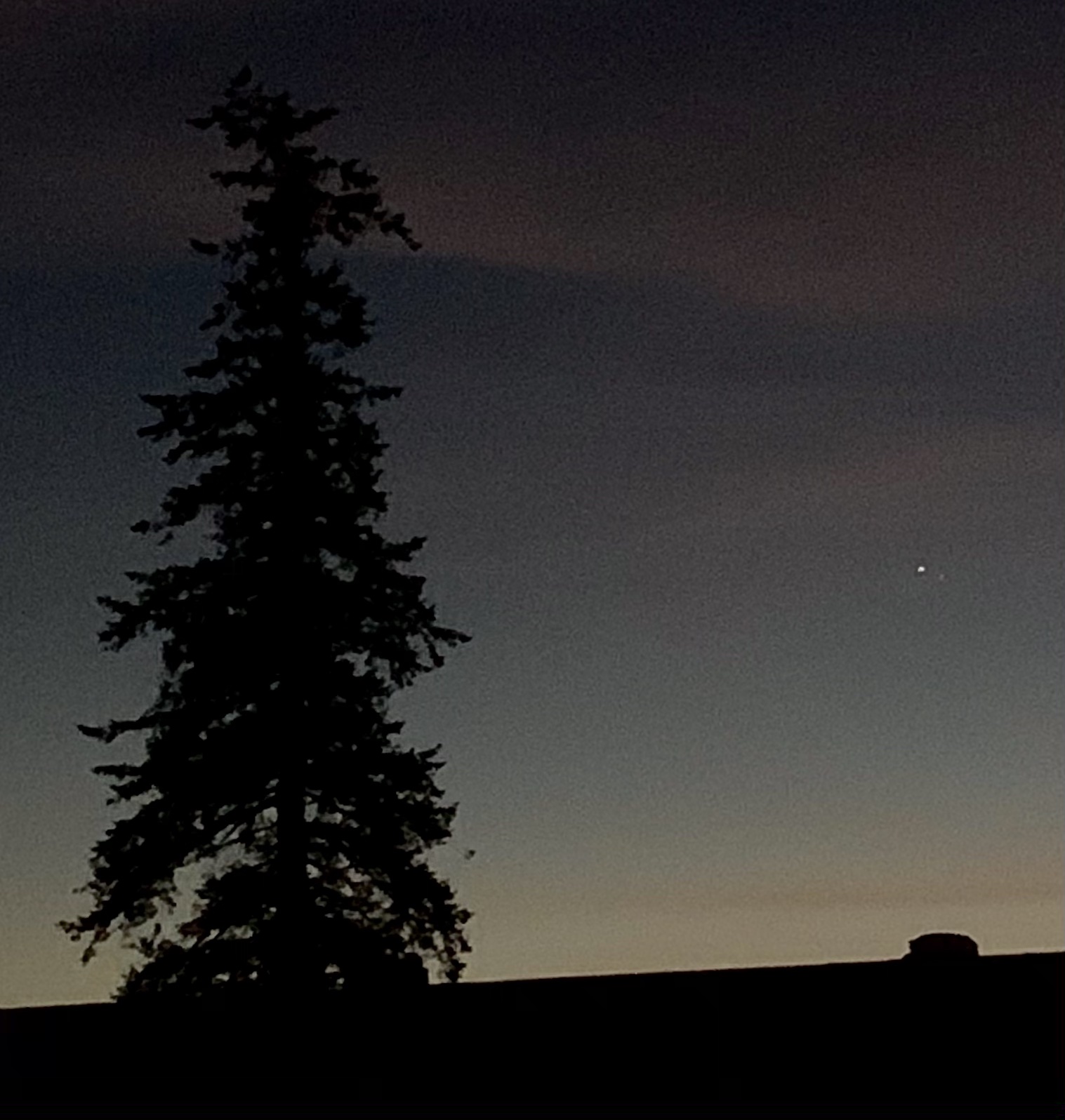
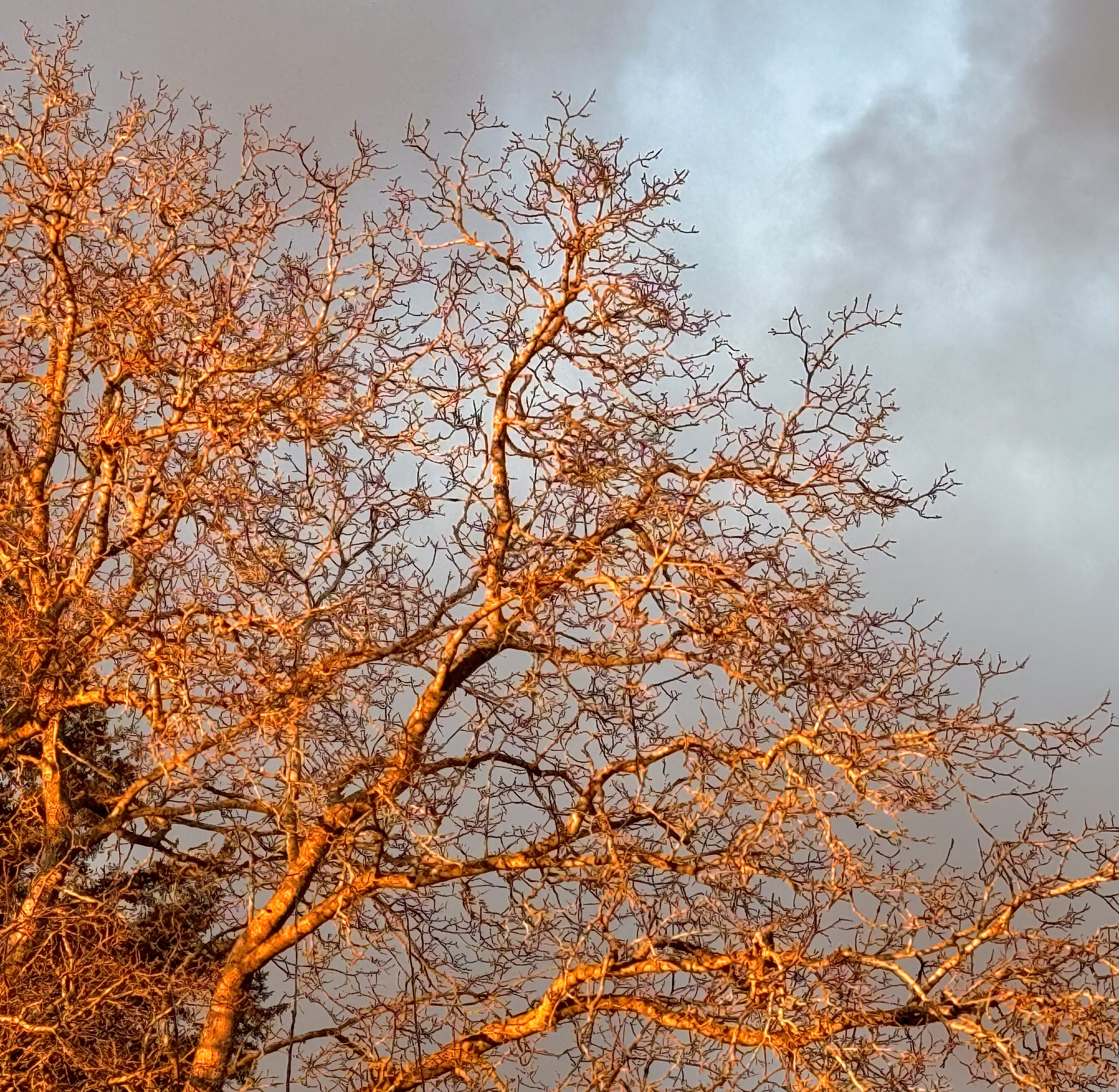
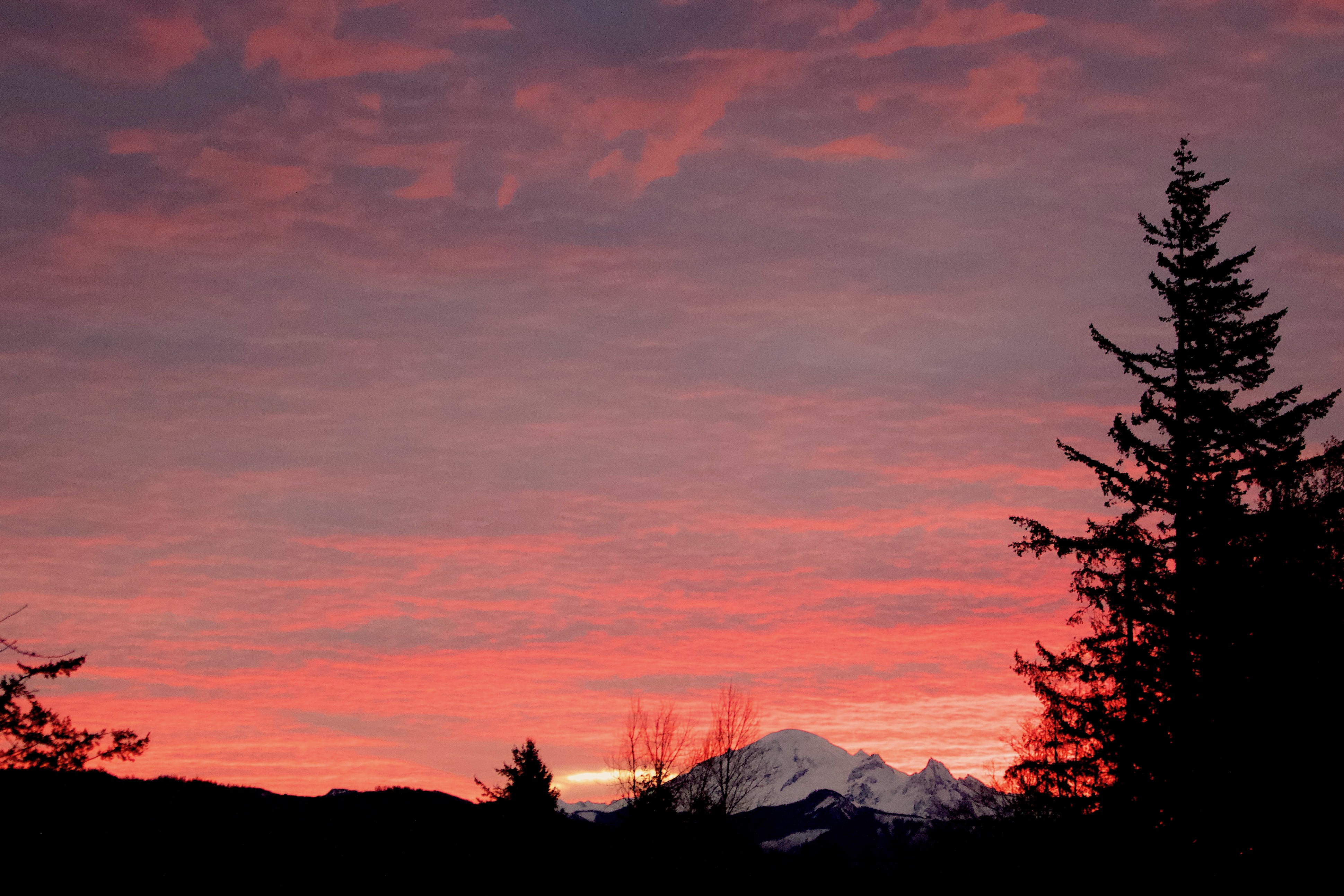
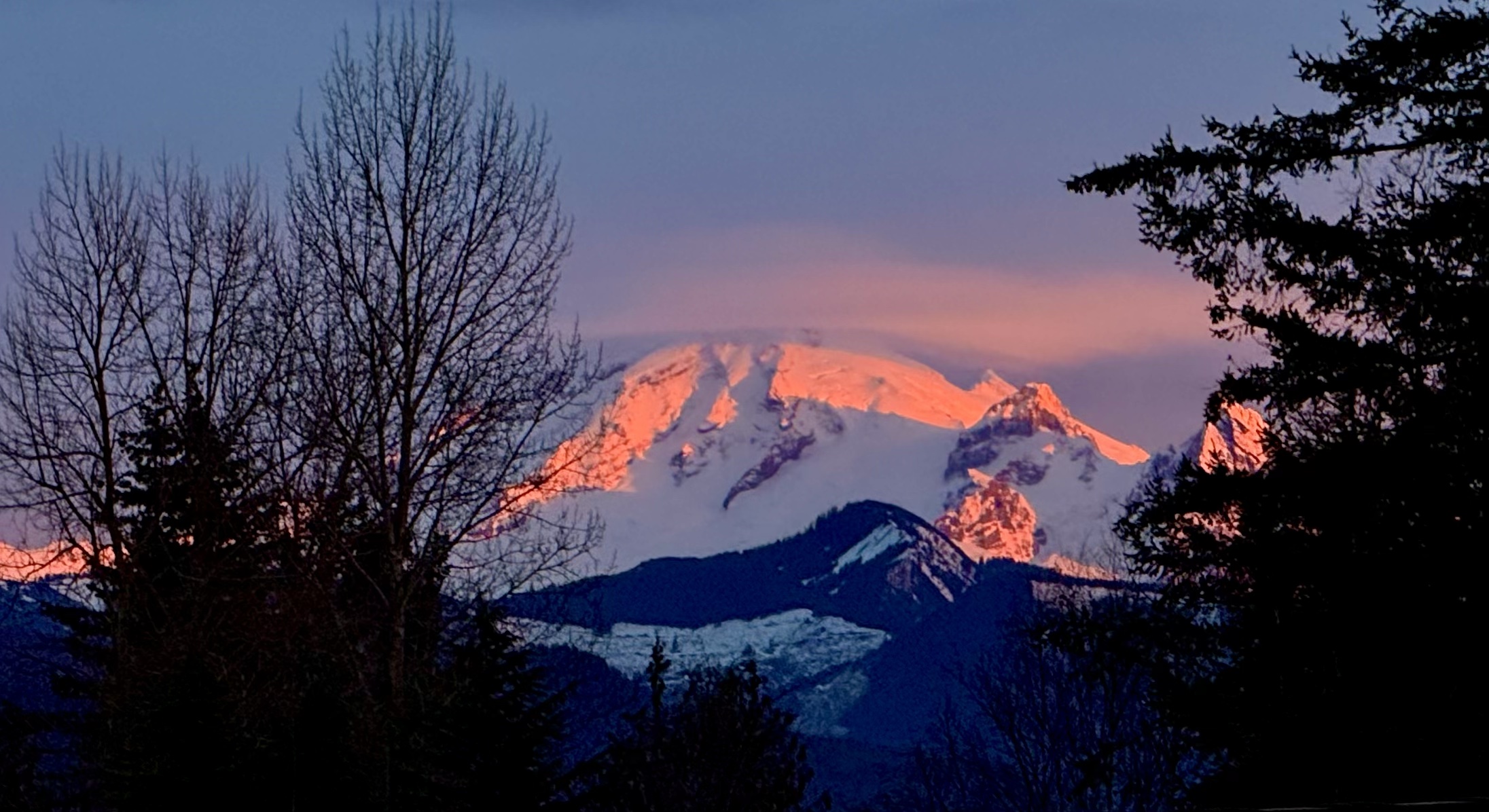
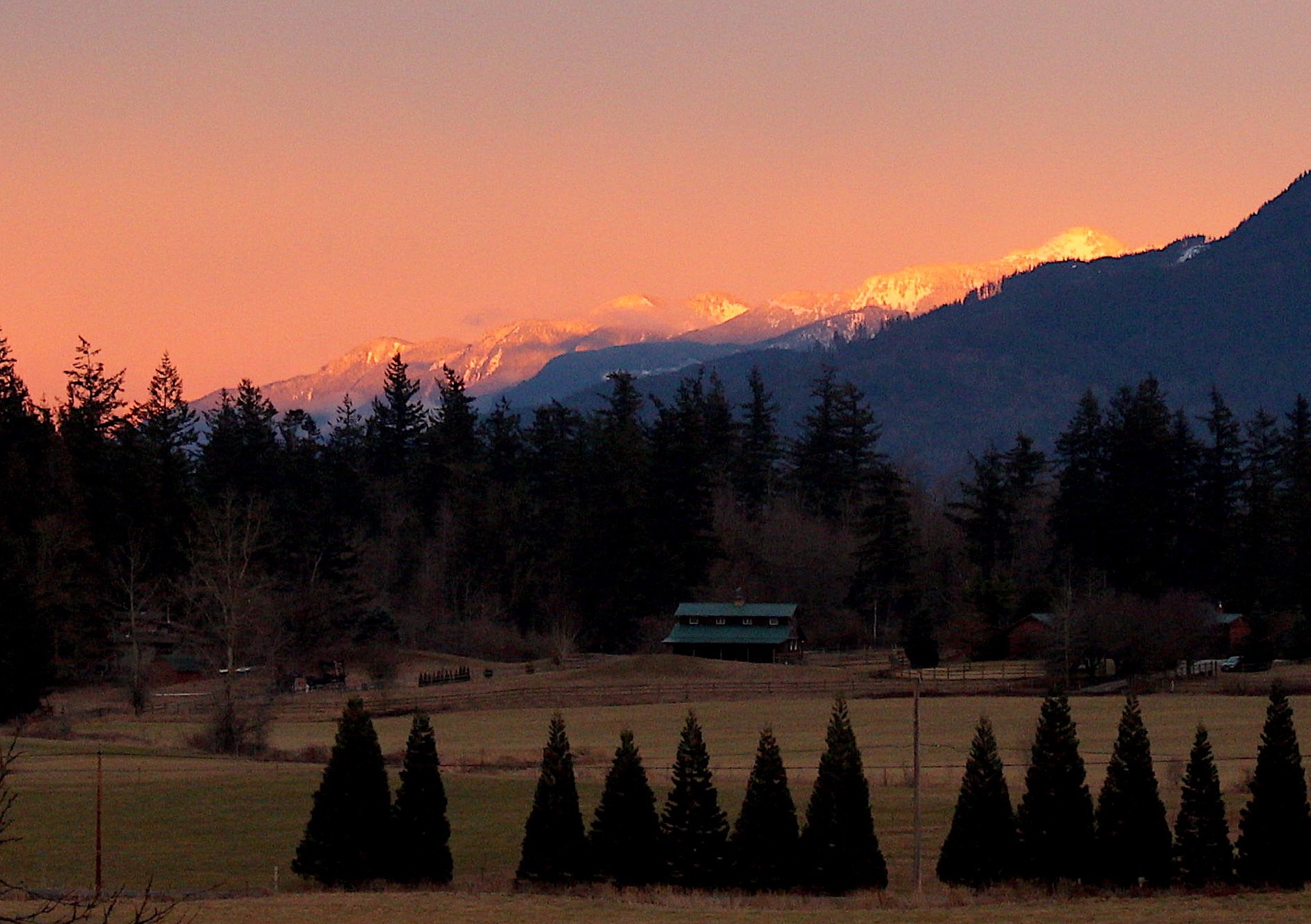
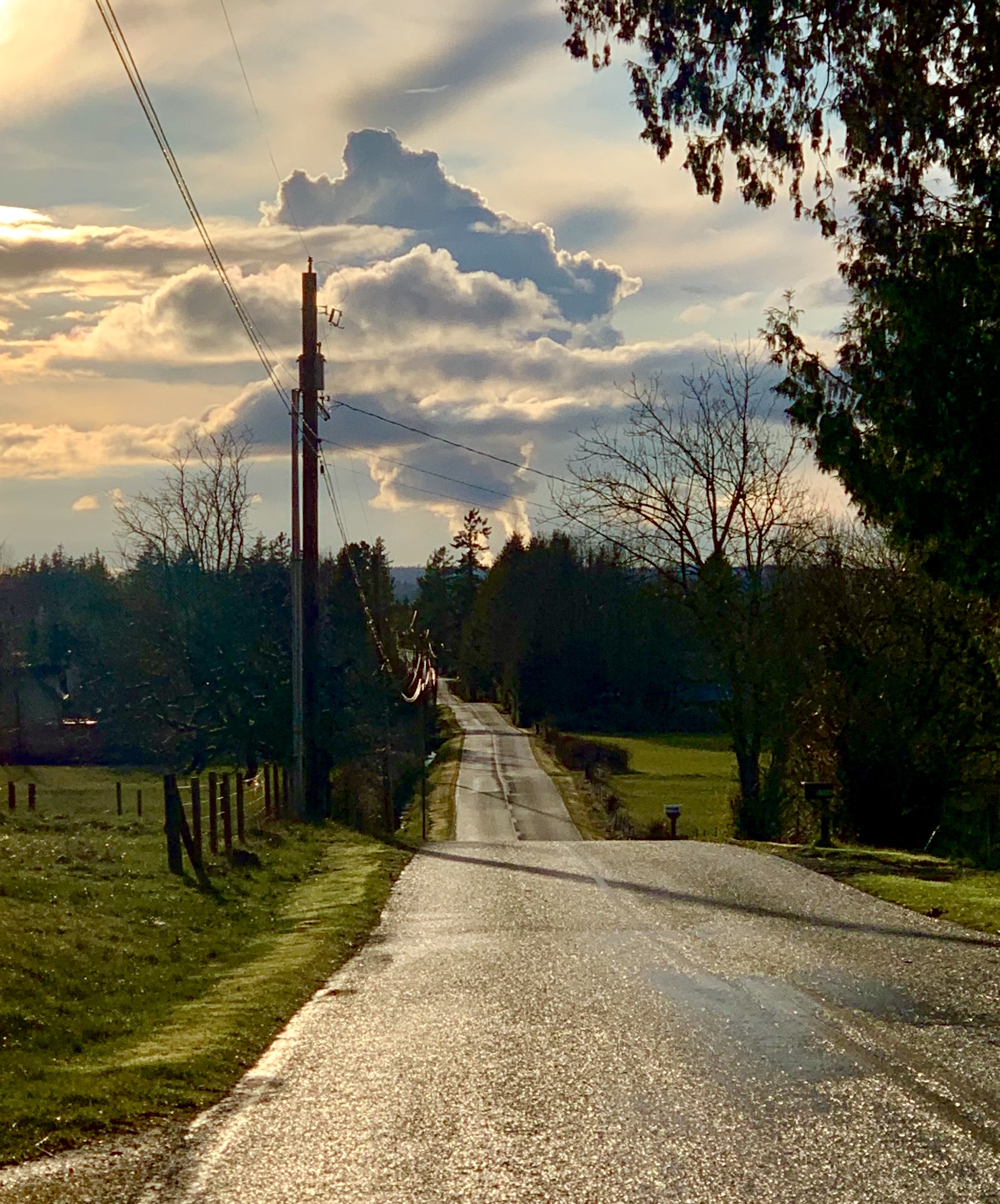
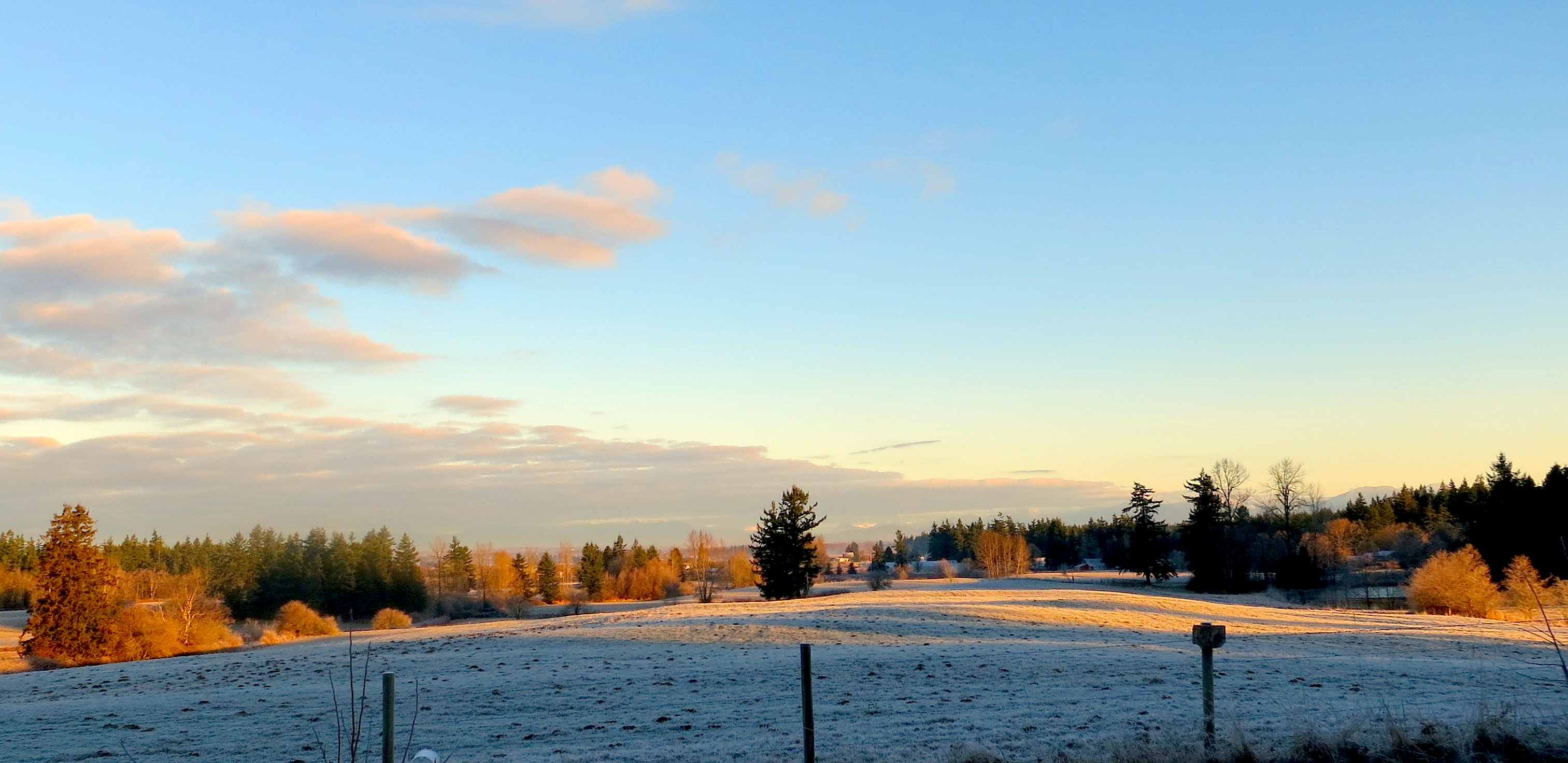
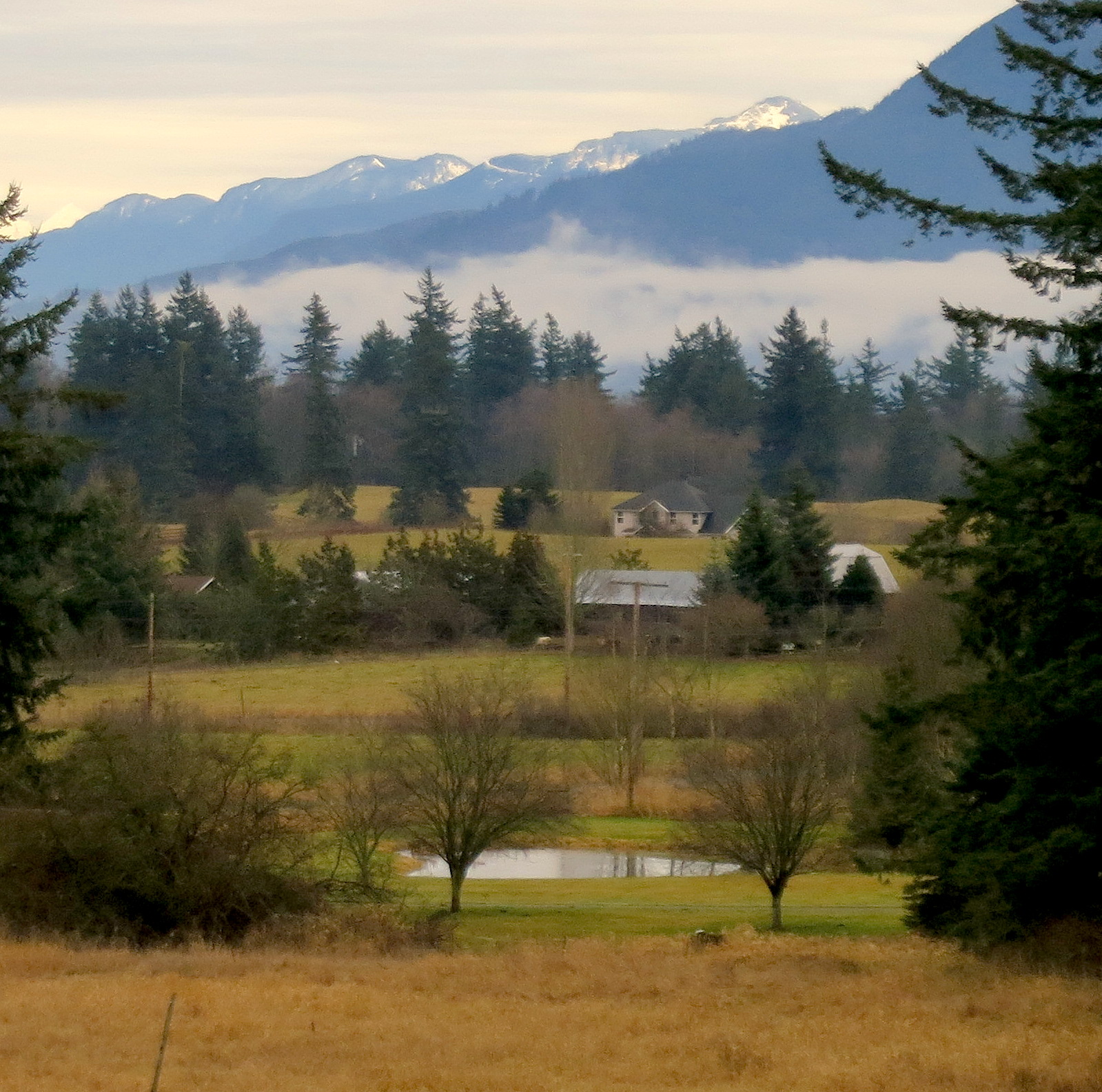
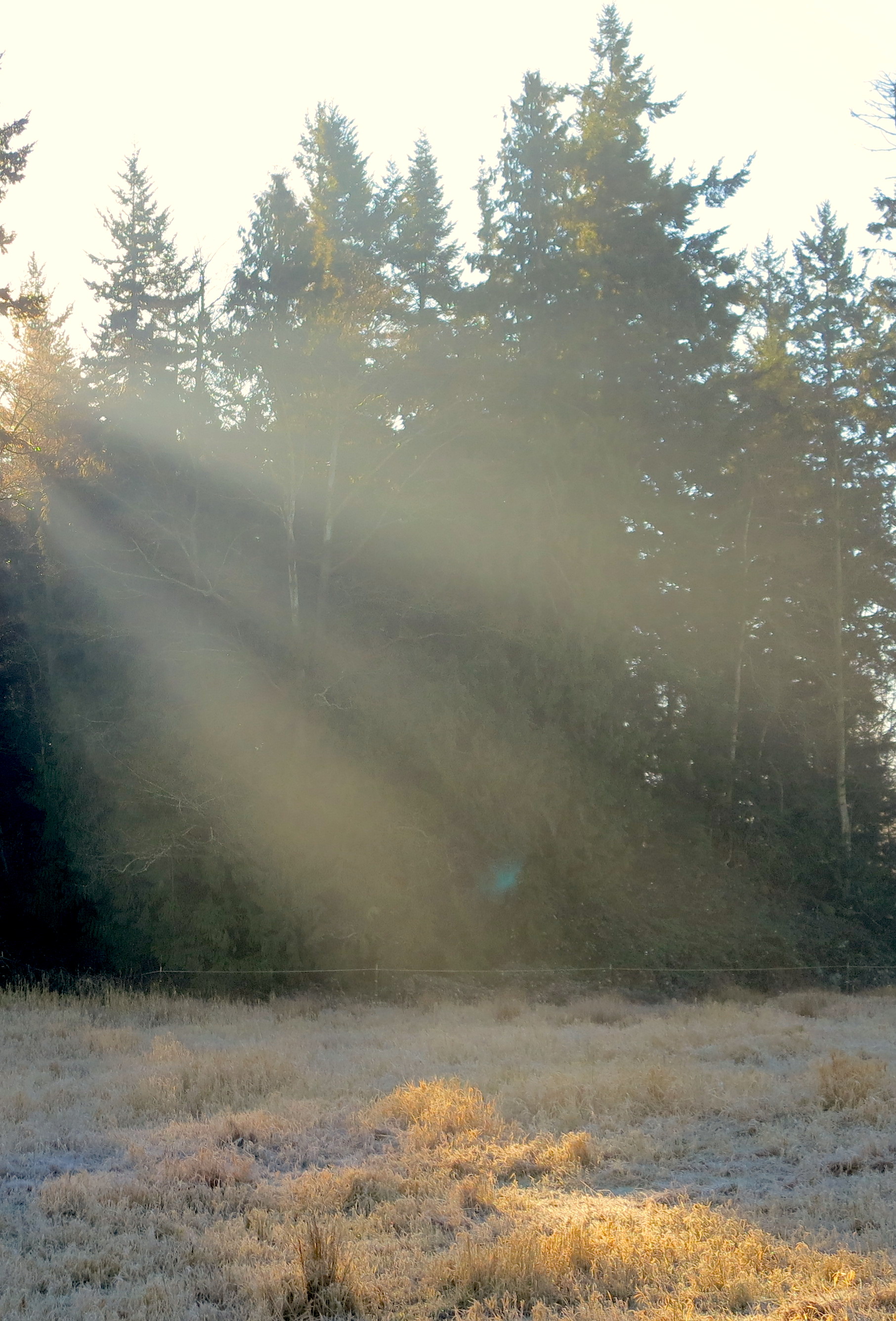
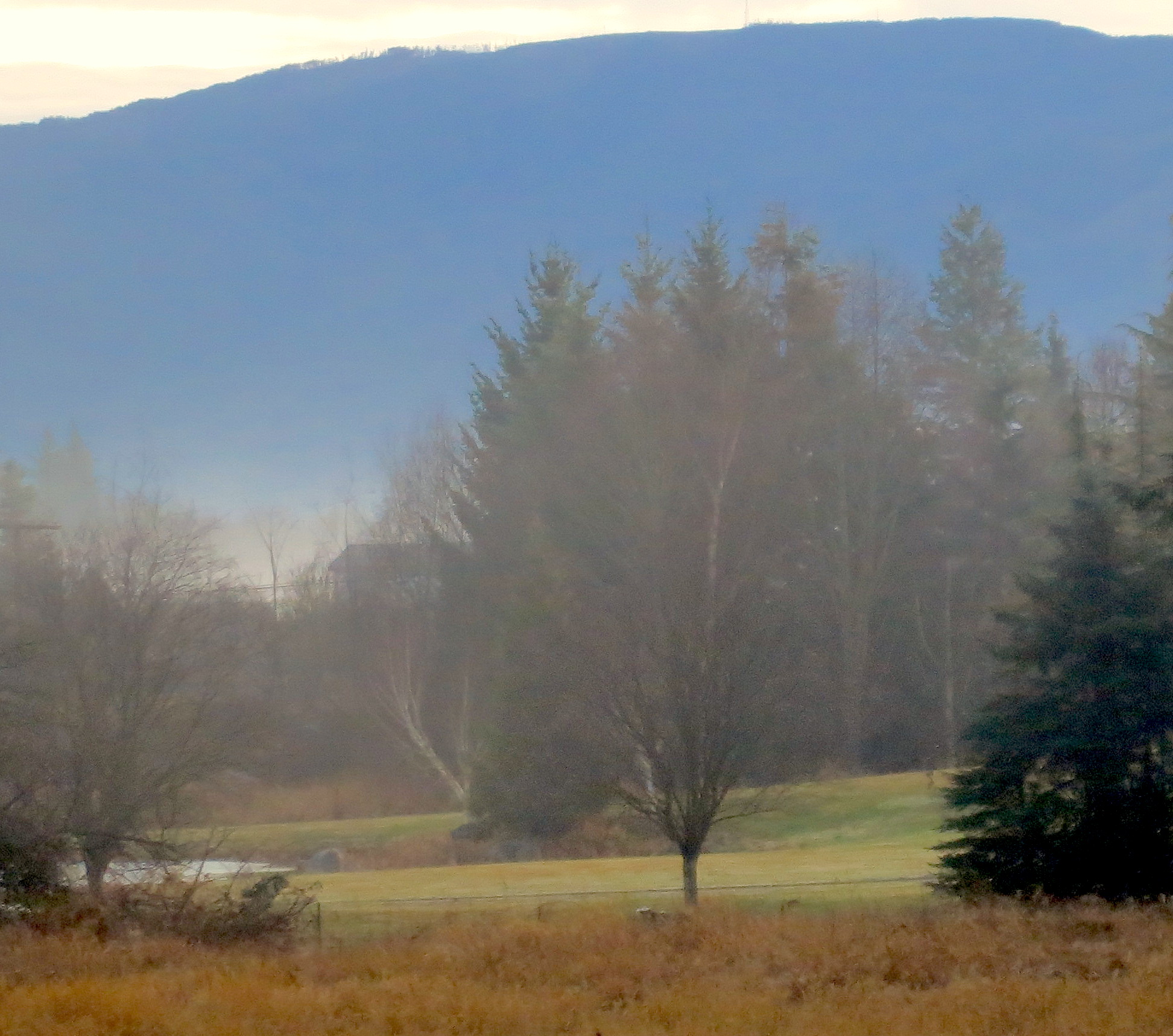
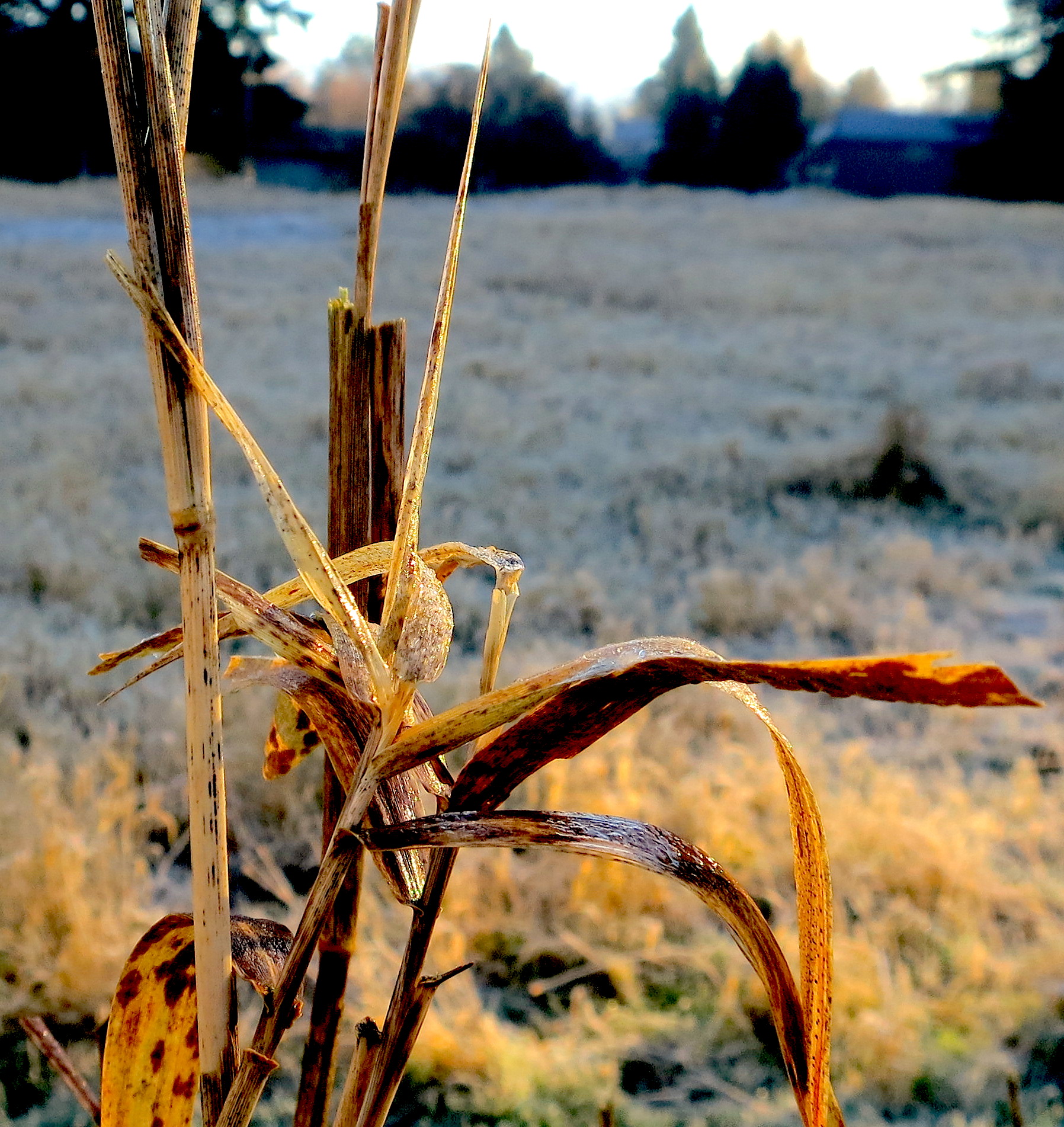
These dead of winter days are lengthening, slowly and surely. I’m thankful I’m retired now so I no longer I leave the farm in darkness to head to work in town, and return in darkness at the end of the workday.  I’m able to do my barn chores at either end of the day as the sun is rising to chase away the moon, and later as the sun is chased away by starlight.

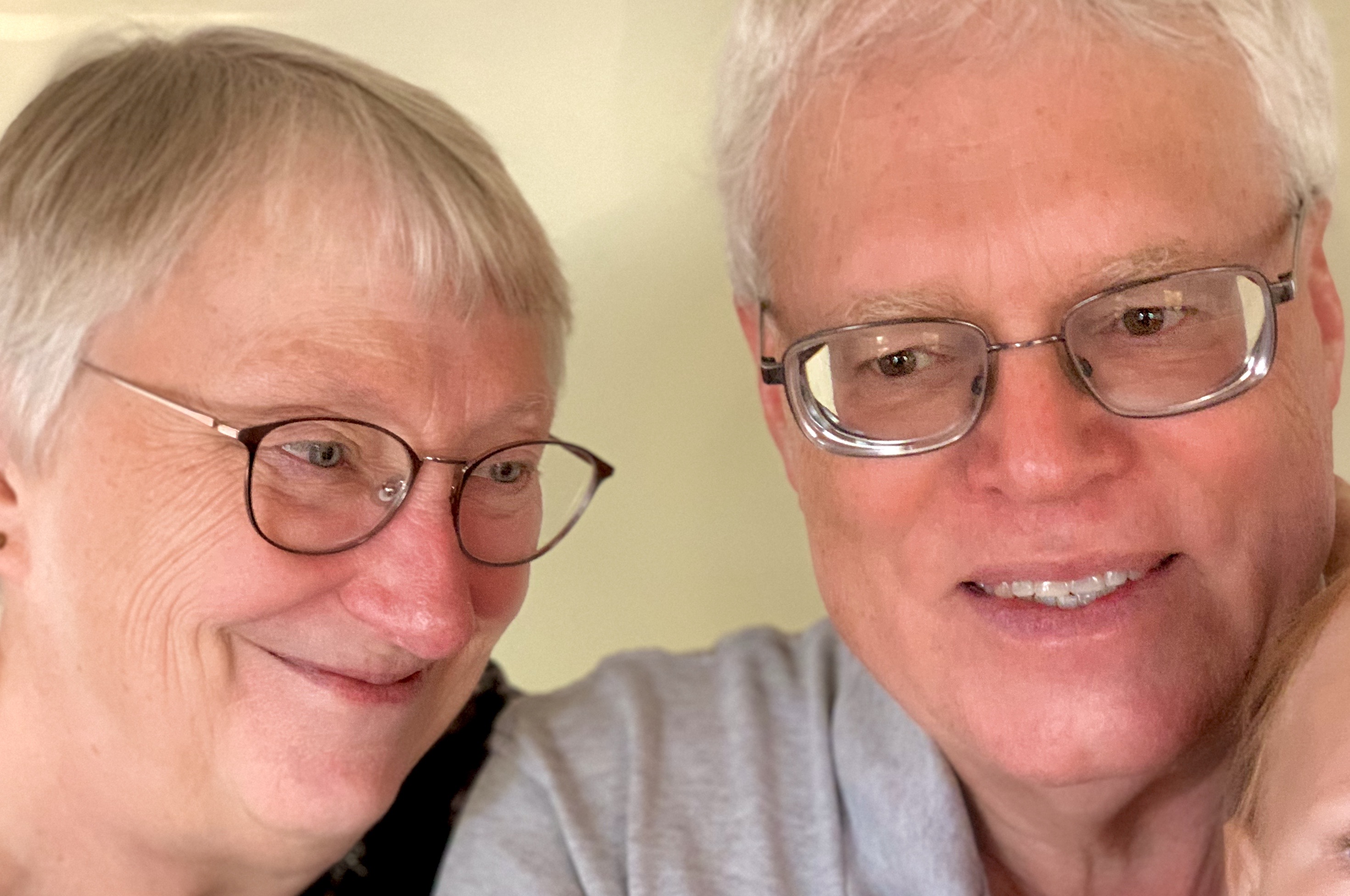
I tend to get complacent in my daily routines, confident in the knowledge that tomorrow will be very much like yesterday. The distinct blessings of an ordinary day are lost in the rush of moving forward to whatever comes next. Poet Jane Kenyon wrote her poem with the knowledge she was dying of leukemia, which meant each ordinary day was precious indeed.

The reality is there is nothing ordinary about the events of each day.
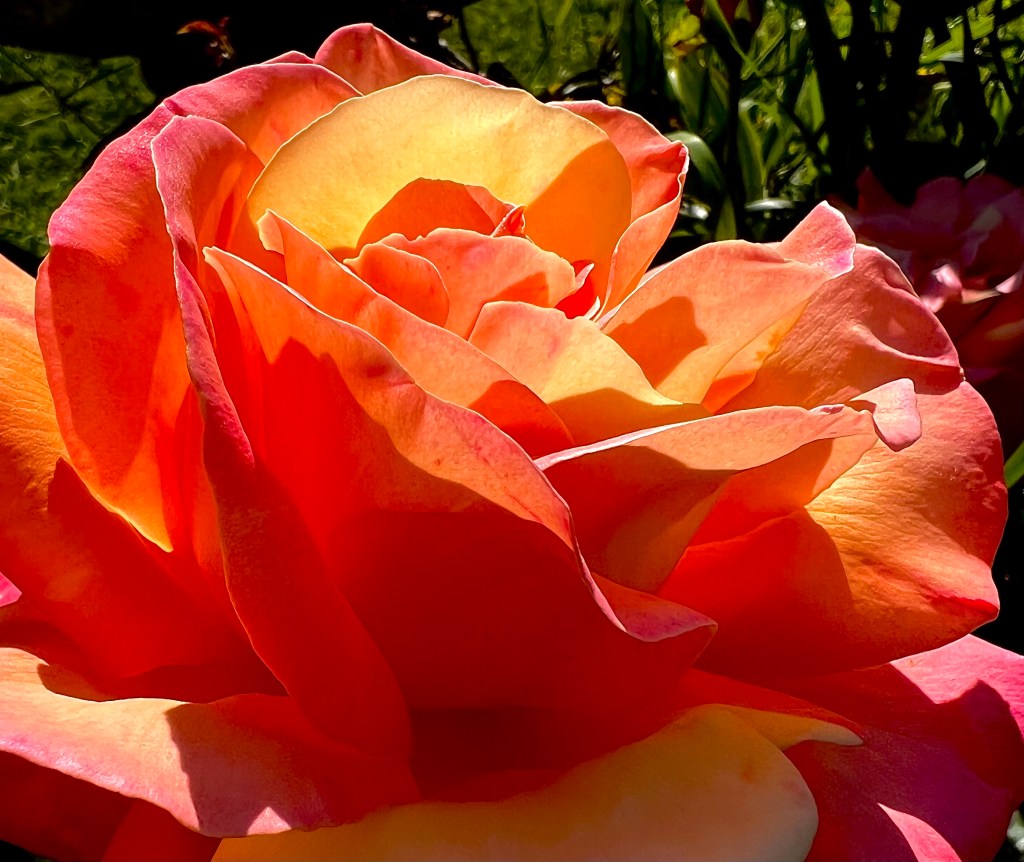
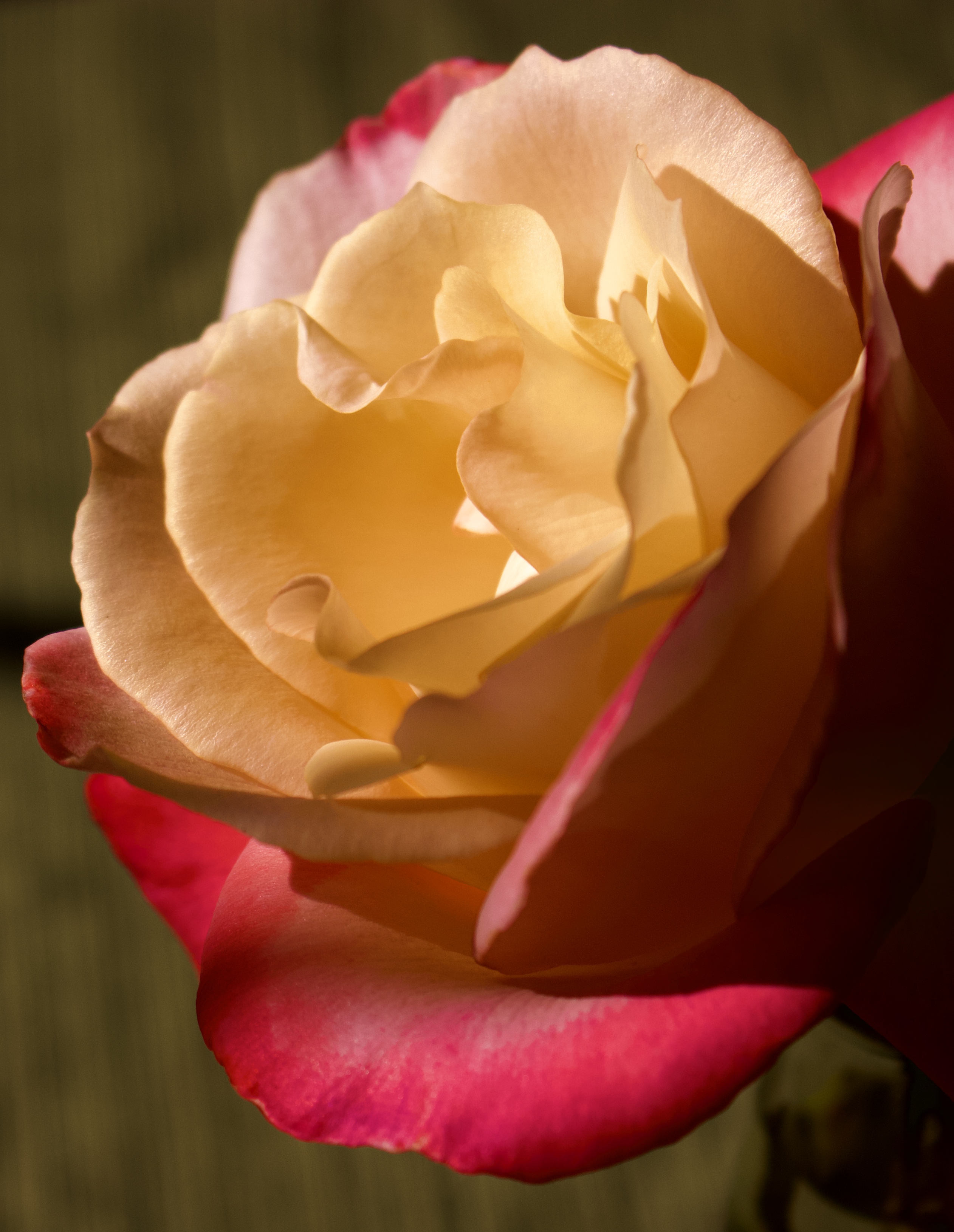
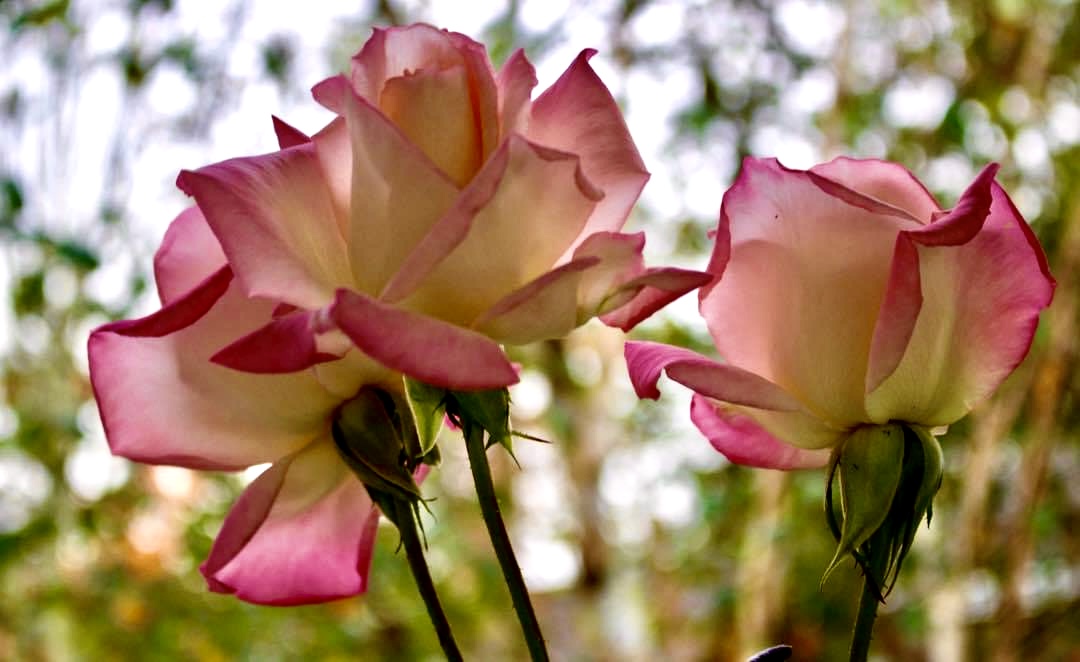
It might have been otherwise and some day it will be otherwise. That is the hard knuckle of the days we are given, each a gift, each peaches and cream.

One-Time
Monthly
Yearly

Make a one-time or recurring donation to support daily Barnstorming posts

Make a monthly donation

Make a yearly donation

Choose an amount

$10.00
$25.00
$50.00
$5.00
$15.00
$100.00
$5.00
$15.00
$100.00

Or enter a custom amount

$

Your contribution is deeply appreciated.

Your contribution is appreciated.

Your contribution is appreciated.

DonateDonate monthlyDonate yearly
Winter Quickening

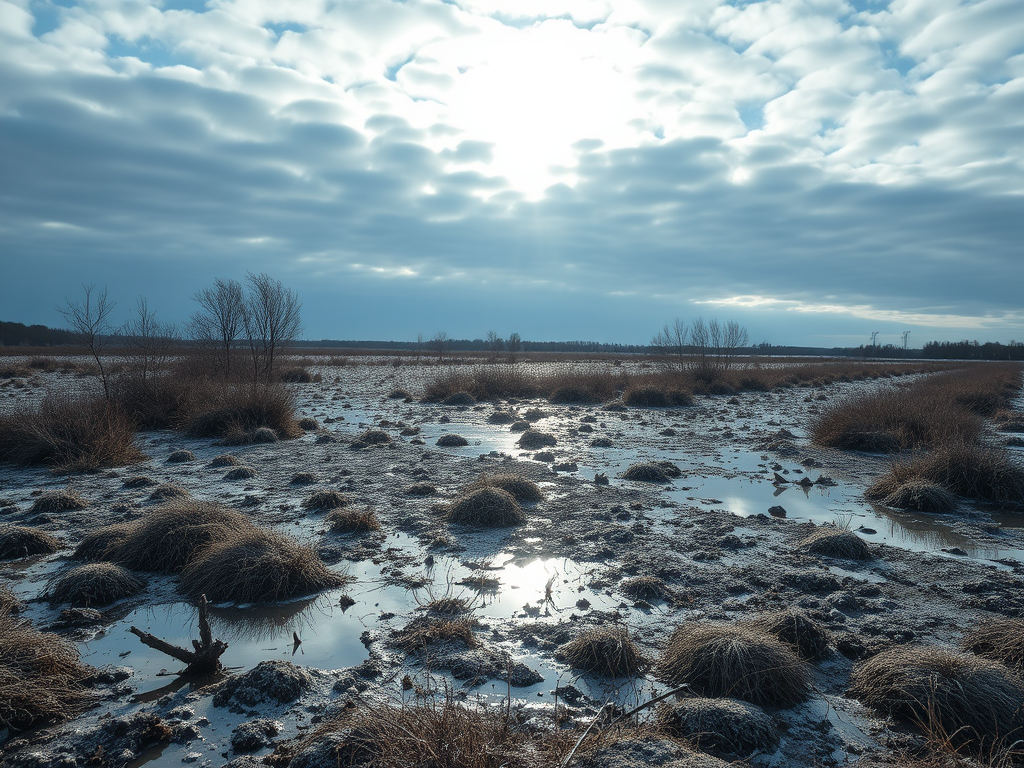
By the road to the contagious hospital
under the surge of the blue
mottled clouds driven from the
northeast — a cold wind. Beyond, the
waste of broad, muddy fields
brown with dried weeds, standing and fallen

patches of standing water
the scattering of tall trees

All along the road the reddish
purplish, forked, upstanding, twiggy
stuff of bushes and small trees
with dead, brown leaves under them
leafless vines —

Lifeless in appearance, sluggish
dazed spring approaches —

They enter the new world naked,
cold, uncertain of all
save that they enter. All about them
the cold, familiar w
ind —

Now the grass, tomorrow
the stif
f curl of wildcarrot leaf

One by one objects are defined —
It quickens: clarity, outline of leaf

But now the stark dignity of
entrance — Still, the profound change
has come upon them: rooted they
grip down and begin to awaken
~William Carlos Williams “Spring and All”

A week still left of January
with much of the country
in deep freeze,
covered in snow and ice
with bitter wind chill.

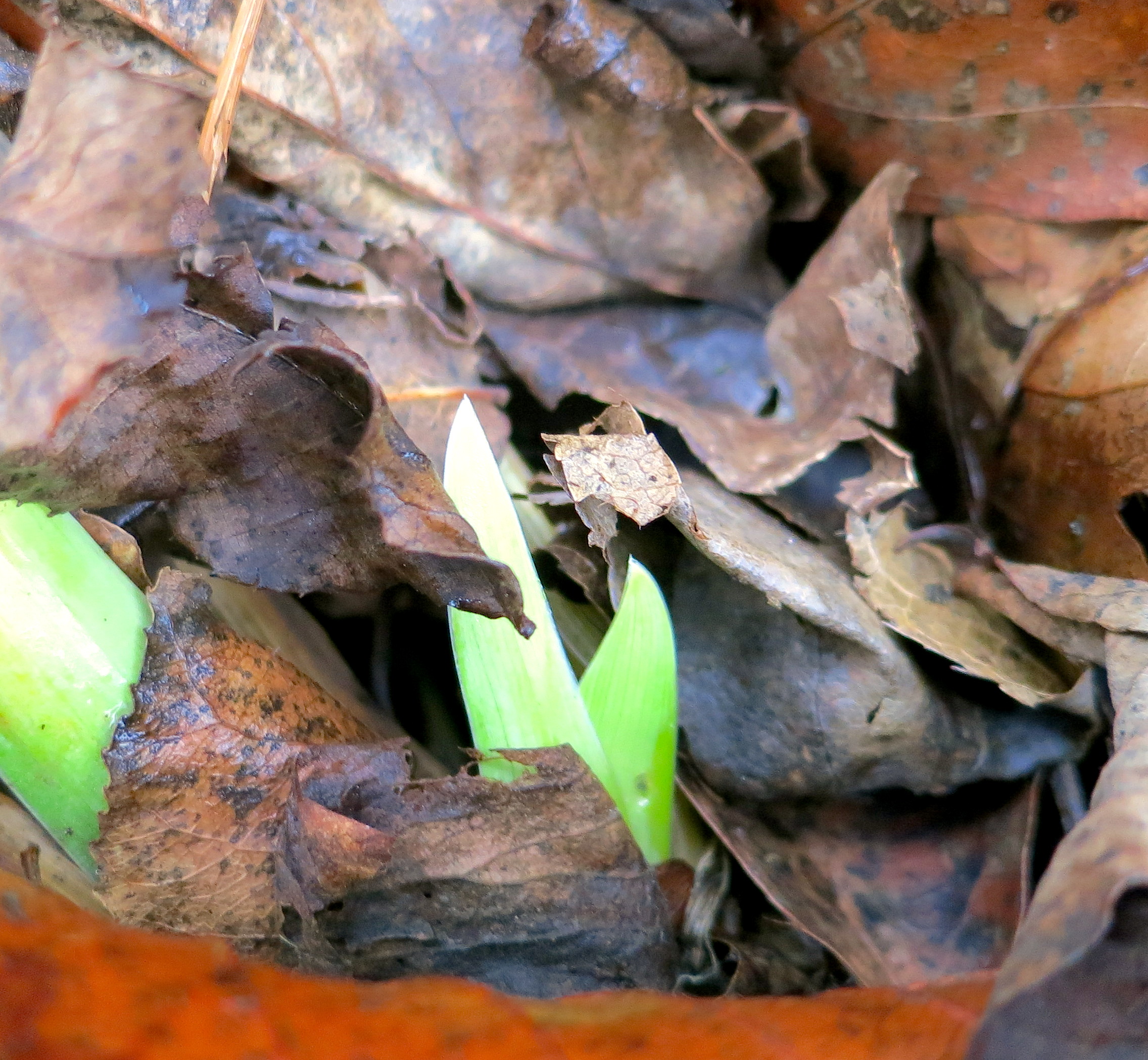
Yet the wintry outsides begin to awaken–
tender buds swelling,
bulbs breaking through soil,
in reentry to the world
from the dark and cold.

Like a mother holding
the mystery of her quickening belly,
so hopeful and marveling –
she knows soon and very soon
there will be spring.

AI image created for this post
One-Time
Monthly
Yearly

Make a one-time or recurring donation to support daily Barnstorming posts

Make a monthly donation

Make a yearly donation

Choose an amount

$10.00
$25.00
$50.00
$5.00
$15.00
$100.00
$5.00
$15.00
$100.00

Or enter a custom amount

$

Your contribution is deeply appreciated.

Your contribution is appreciated.

Your contribution is appreciated.

DonateDonate monthlyDonate yearly
Cold Water on a Tender Tooth

Last evening,
As I drove into this small valley,
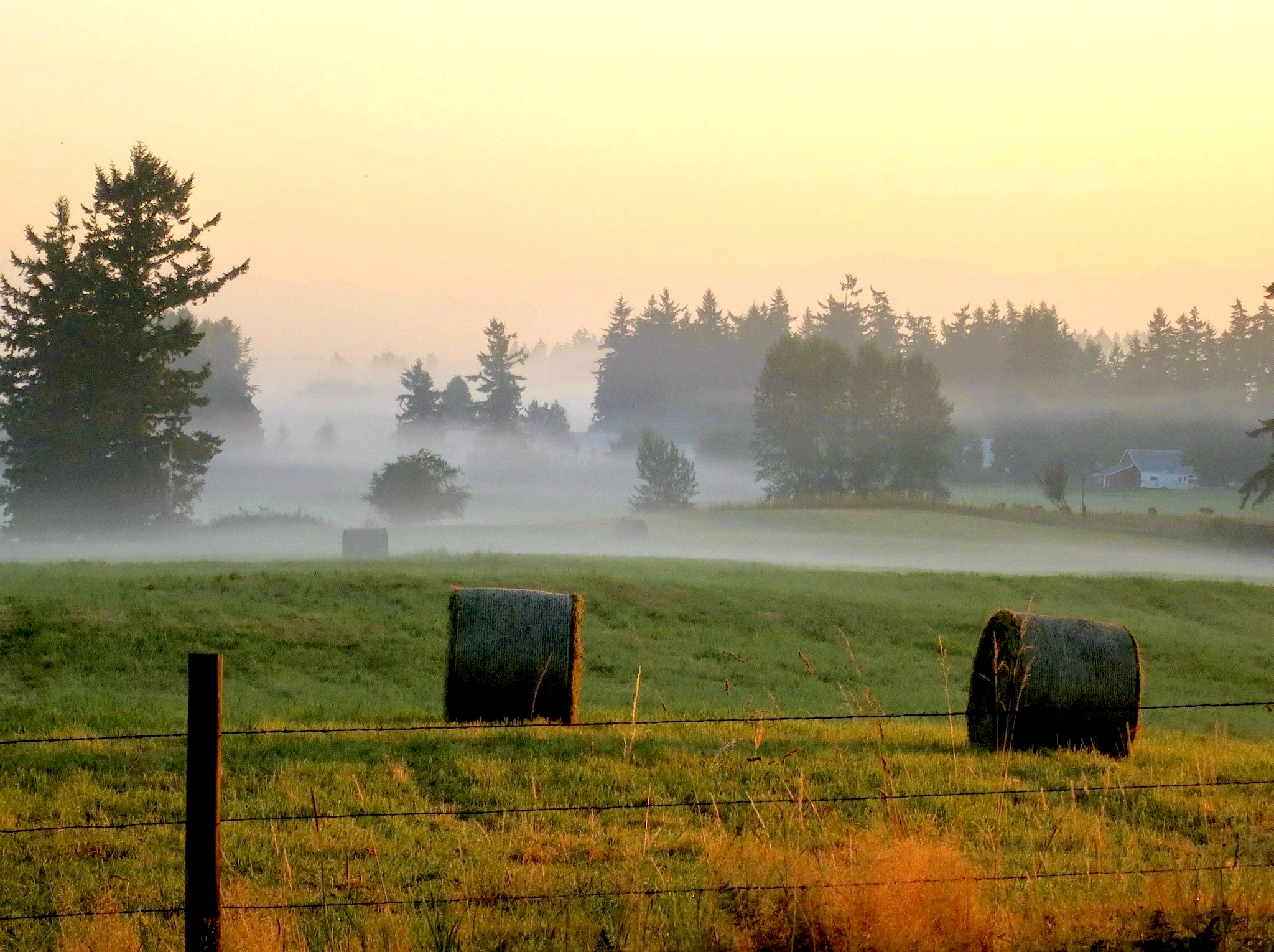
I saw a low-hanging cloud
Wandering through the trees.
It circled like a school of fish
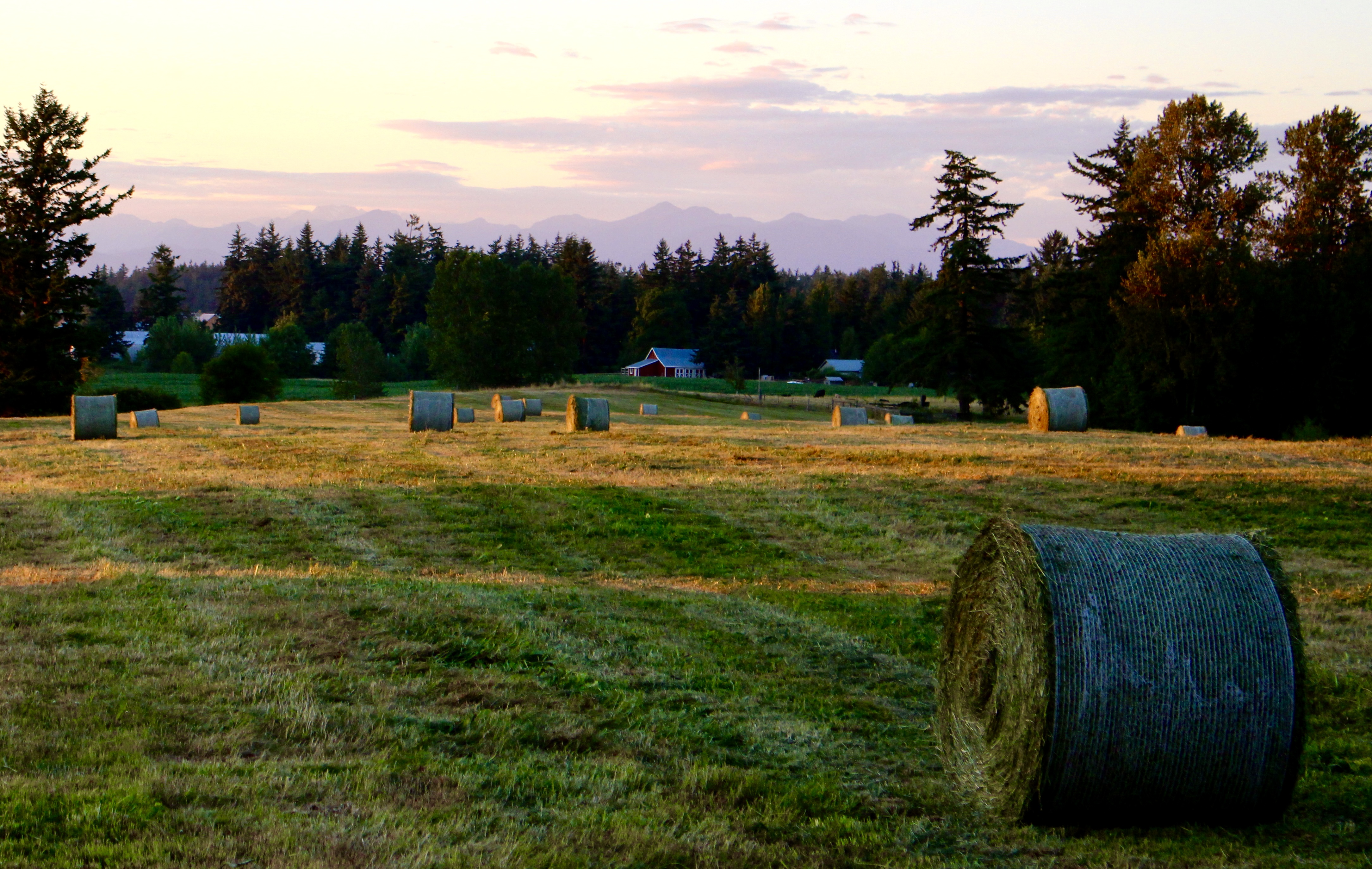
Around the dun-colored hay bales.
Reaching out its foggy hands
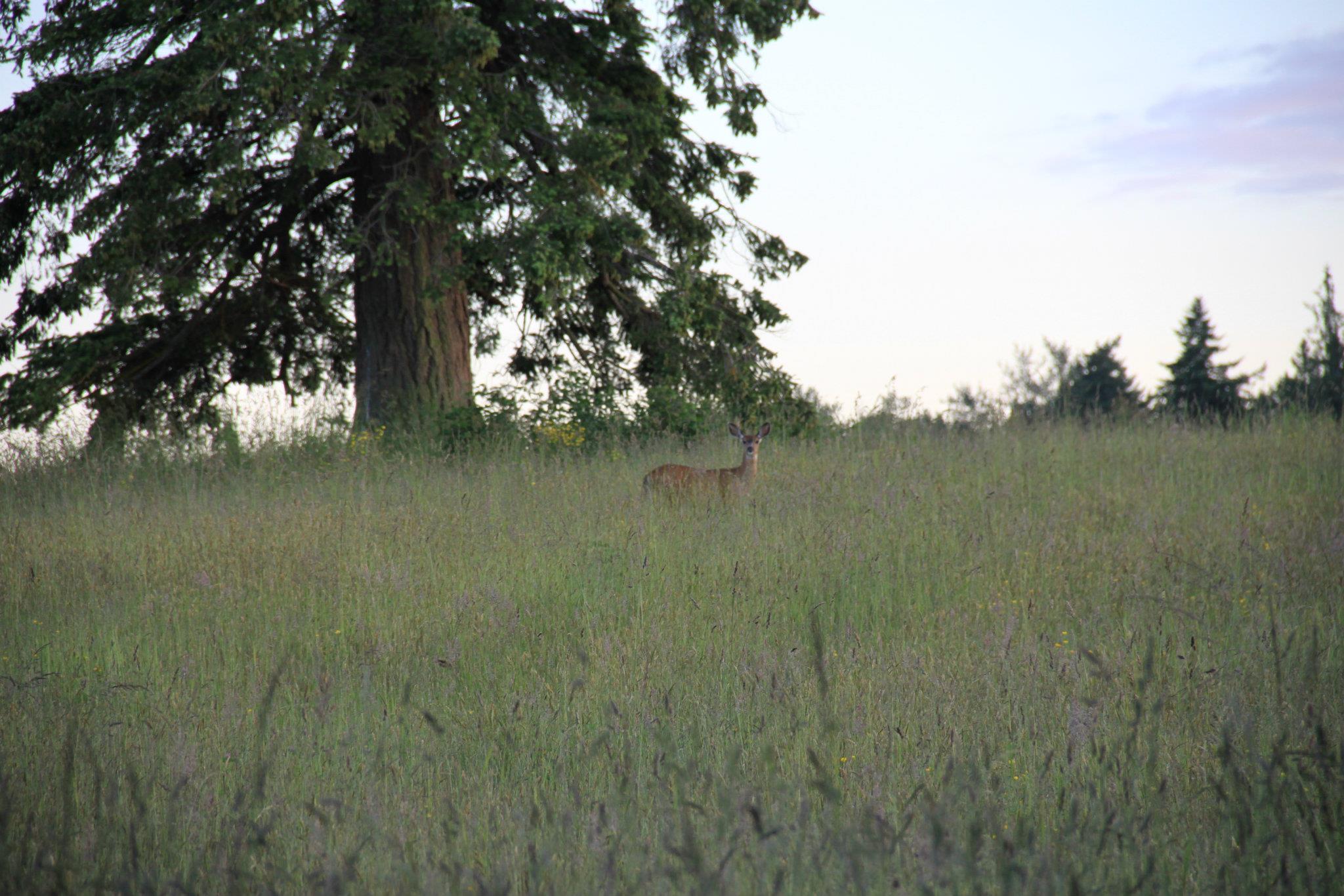
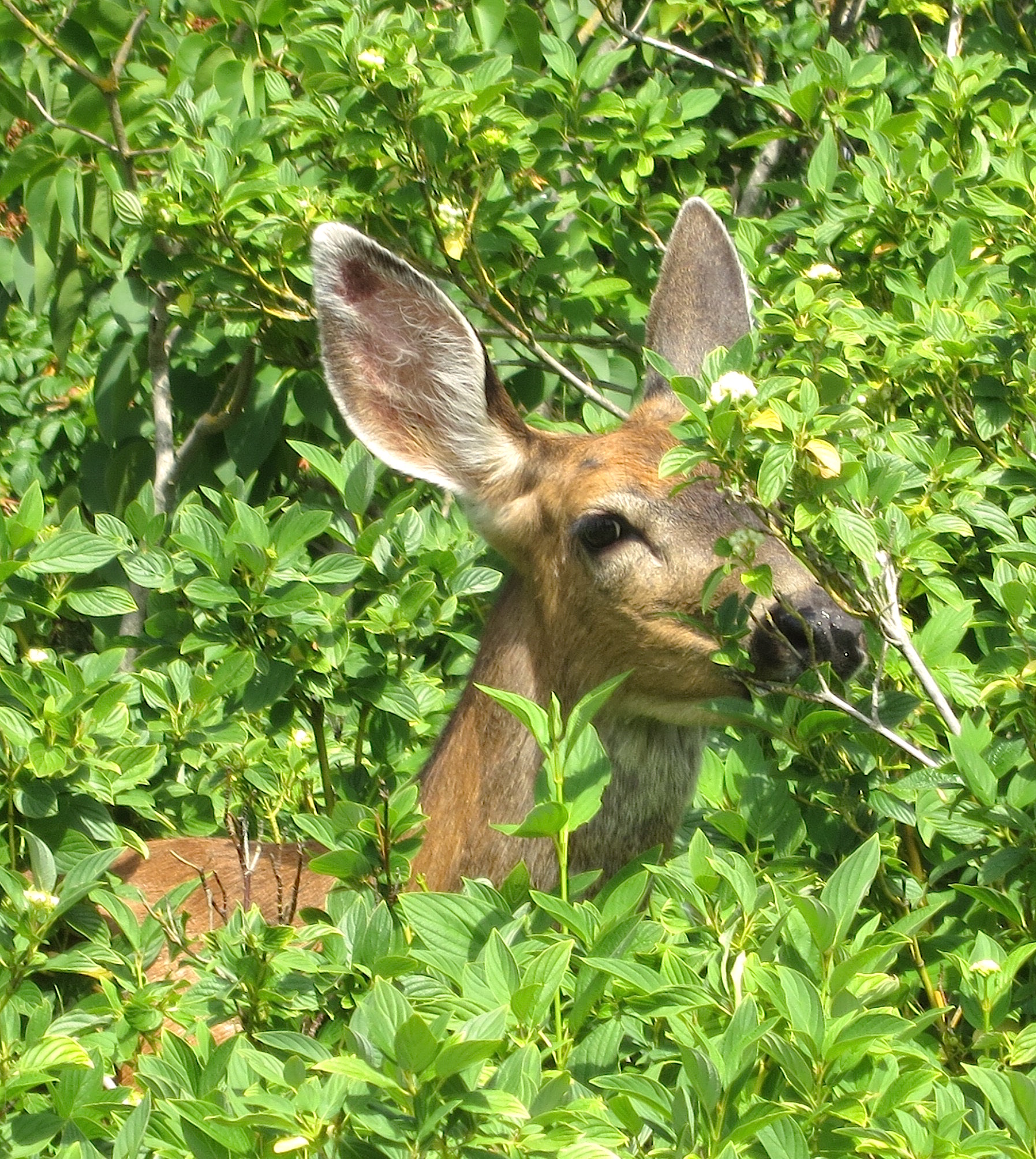
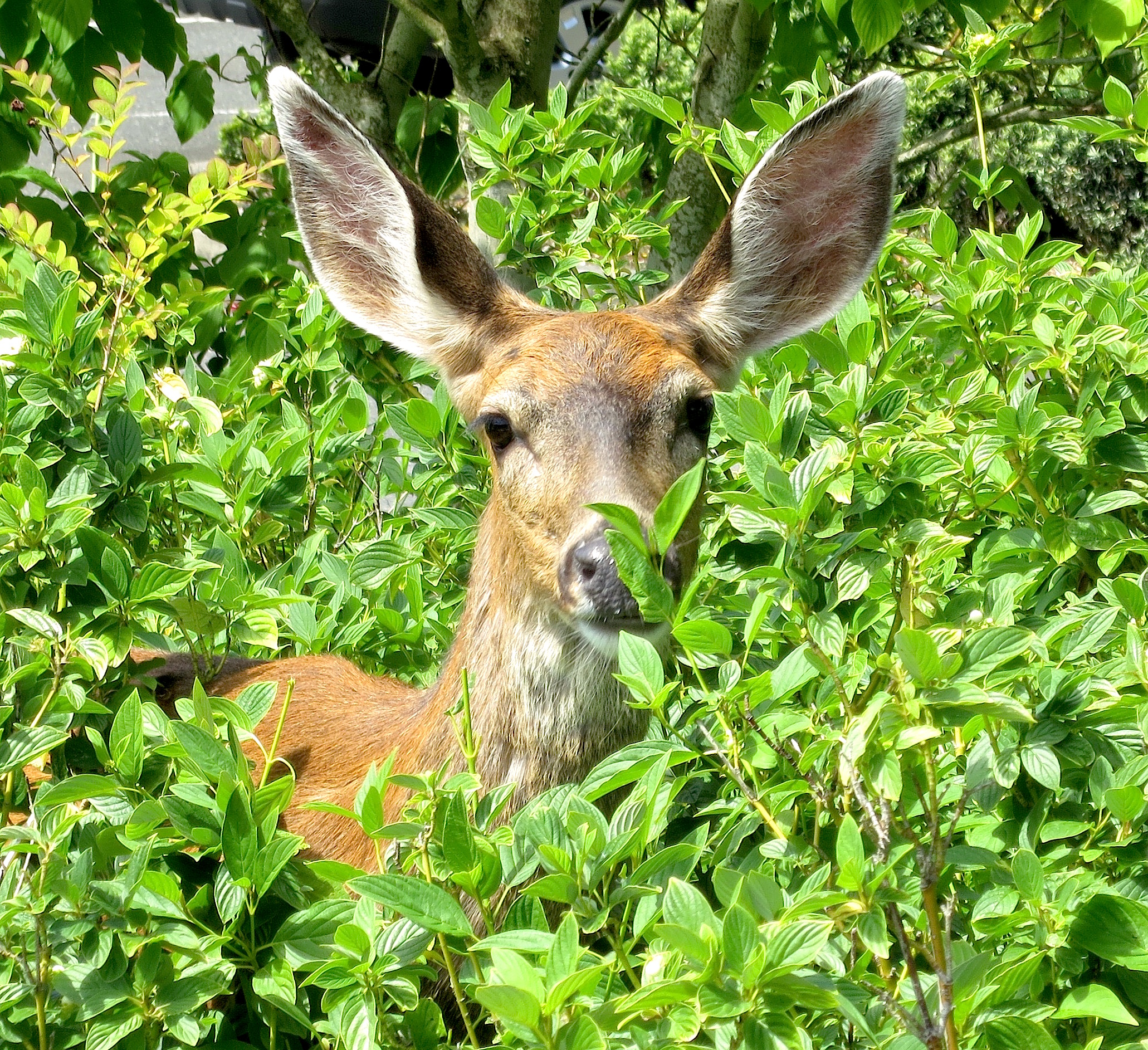
To stroke the legs of a perfect doe
Quietly grazing in a neighbor’s mule pasture.

  I stopped the car
And stepping out into the blue twilight,
A wet mist brushed my face,
And then it was gone.
It was not unfriendly,
But it was not inclined to tell its secrets.

  I am in love with the untamed things,
The cloud, the doe,
Water, air and light.
I am filled with such tenderness
For ordinary things:
The practical mule, the pasture,
A perfect spiral of gathered hay.
And although I should not be,
Consistent as it is,
I am always surprised
By the way my heart will open
So completely and unexpectedly,
With a rush and an ache,
Like a sip of cold water
On a tender tooth.
~Carrie Newcomer “In the Hayfield” from A Permeable Life: Poems & Essays

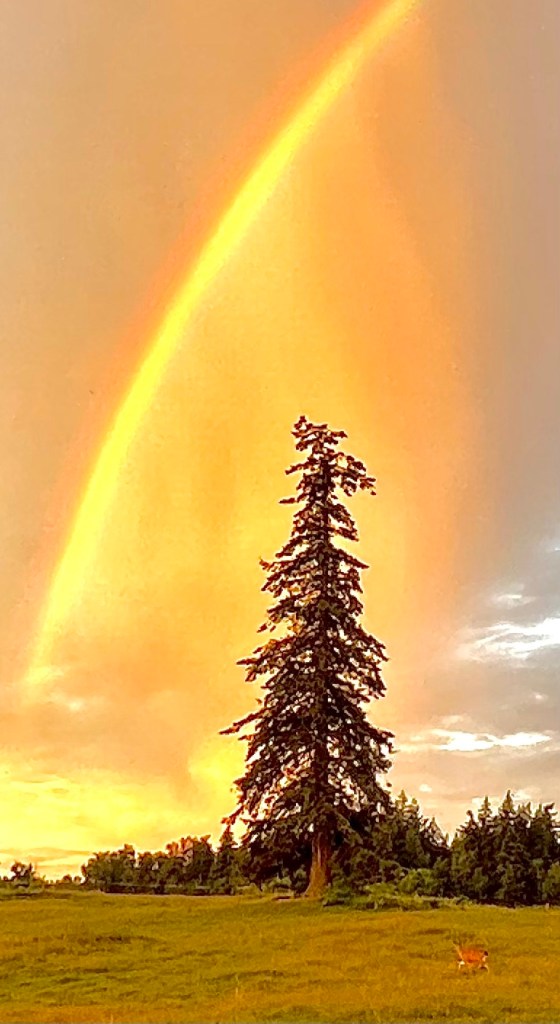
deer running in the foreground

Cool water on a tender tooth describes it exactly:

a moment of absolute wonder
brings exquisite tears to my eyes.
I’m so opened and exposed as to be painful,
feeling a clarity of being both sharp and focused.

it’s gone as quickly as it came,
but knowing it was there – unforgettable –
and knowing it is forever
only a memory,
both hurts,
and comforts…

One-Time
Monthly
Yearly

Make a one-time or recurring donation to support daily Barnstorming posts

Make a monthly donation

Make a yearly donation

Choose an amount

$10.00
$25.00
$50.00
$5.00
$15.00
$100.00
$5.00
$15.00
$100.00

Or enter a custom amount

$

Your contribution is deeply appreciated.

Your contribution is appreciated.

Your contribution is appreciated.

DonateDonate monthlyDonate yearly
The Oldest Tree

Lately, when I awake desolate
feeling half-swamped
by runaway currents I name—
dread, for my children, and theirs,
and this planet—I backstroke
through time to rest my palms
against the delicate skin
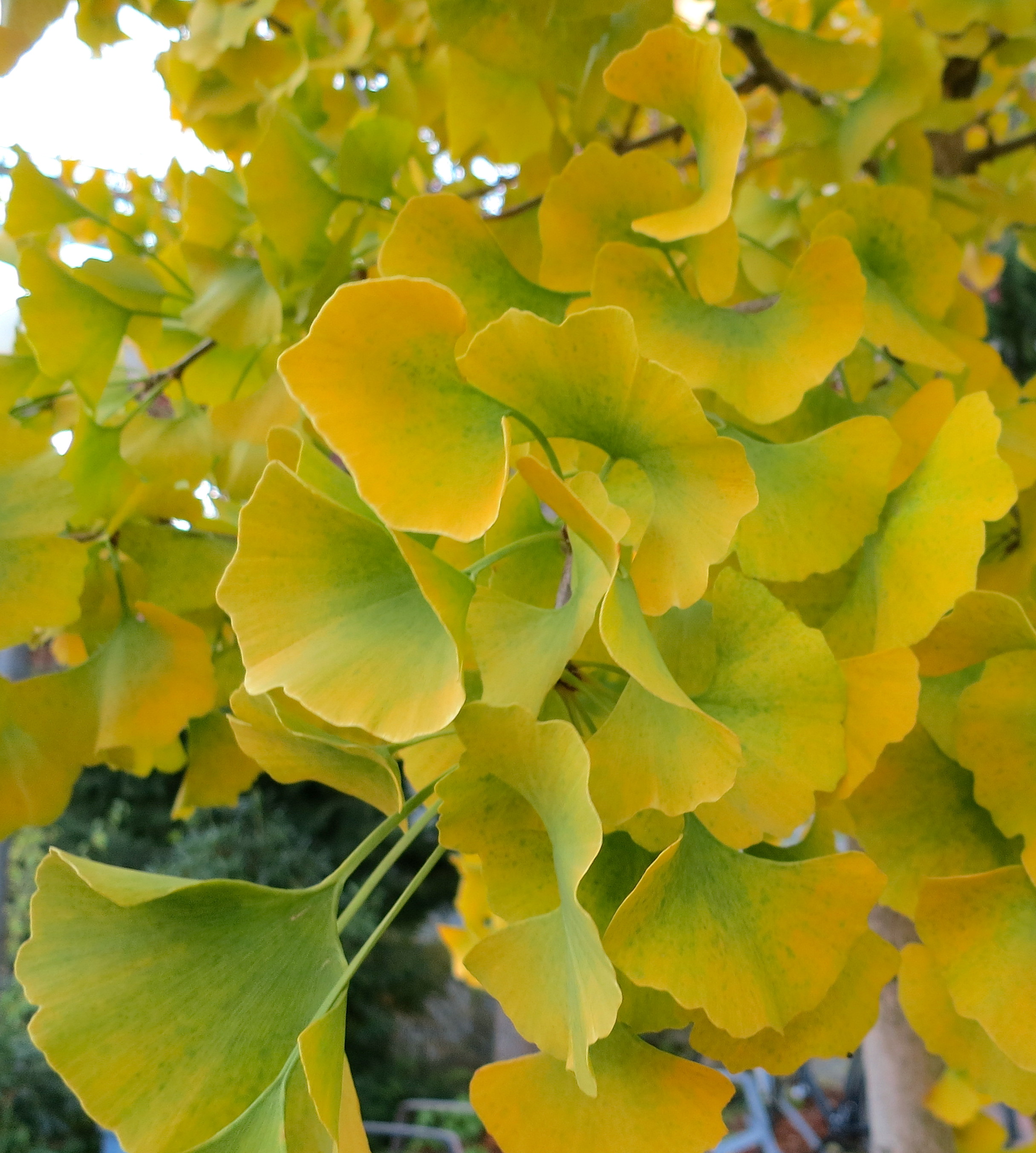
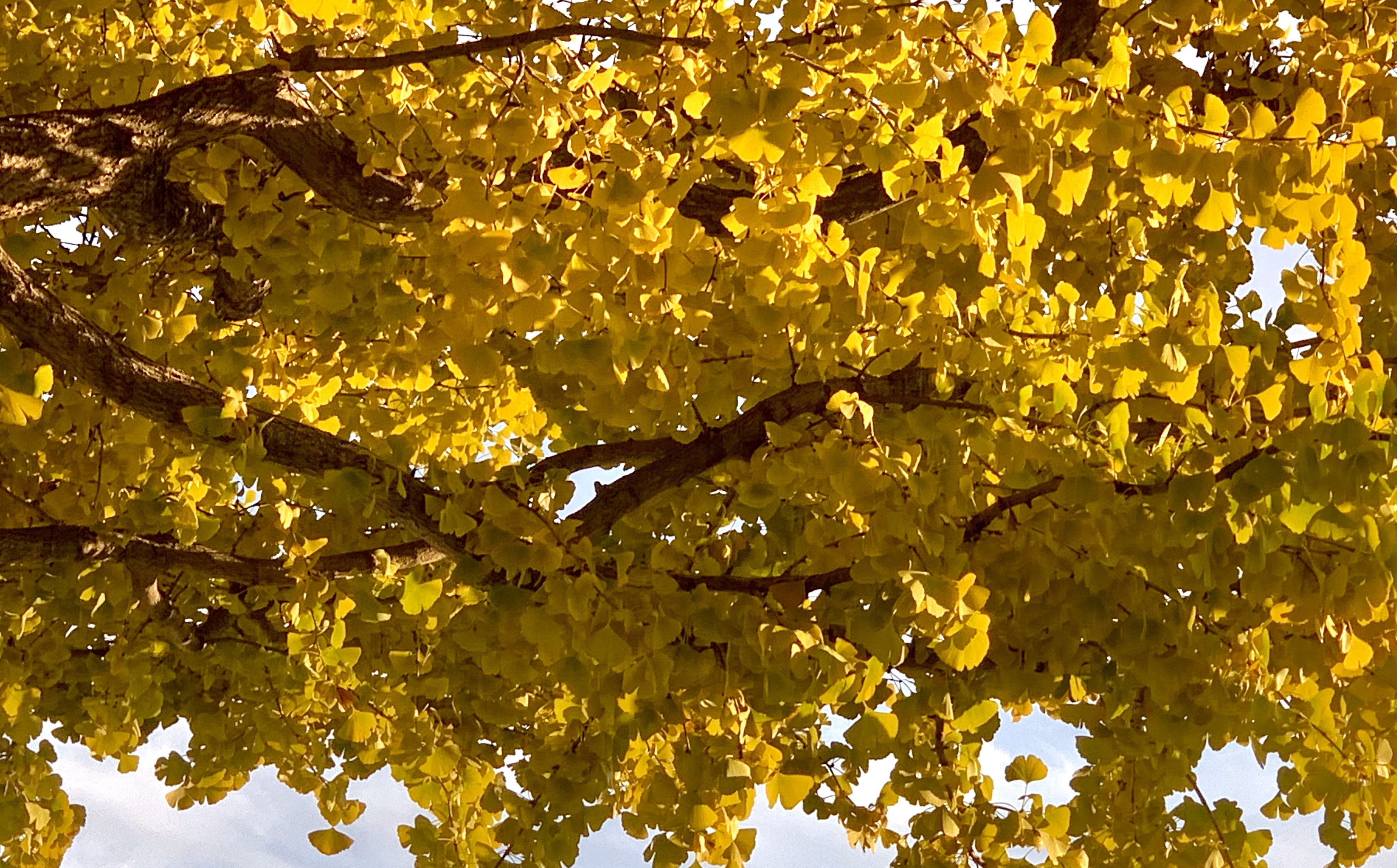
of the gingko tree, the one
and only, in my home town.
Rooted in siltish sand,
come autumn, it flaunted
10,000 golden fans:
a waving descendant my uncle said,
of the oldest tree
to inhabit the earth. Memory
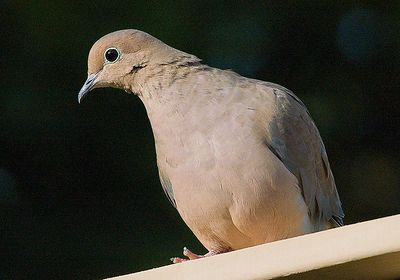
replays three fluting sighs
of a mourning dove, high in the canopy,
that vast fretwork alive again
with rustling endearments—yet
ghostly, too, as his unseen hand
almost rocks my skiff of a self.
~Laurie Klein “Lately, when I awake desolate”

So many reasons to awake in the night,
eyes wide open, searching the dark seas of trouble
for some sign of hope
for calm and peace in this stormy world.

Rocked to sleep again, I float among abundant
golden gingko leaves, each waving like a sail in the breeze,
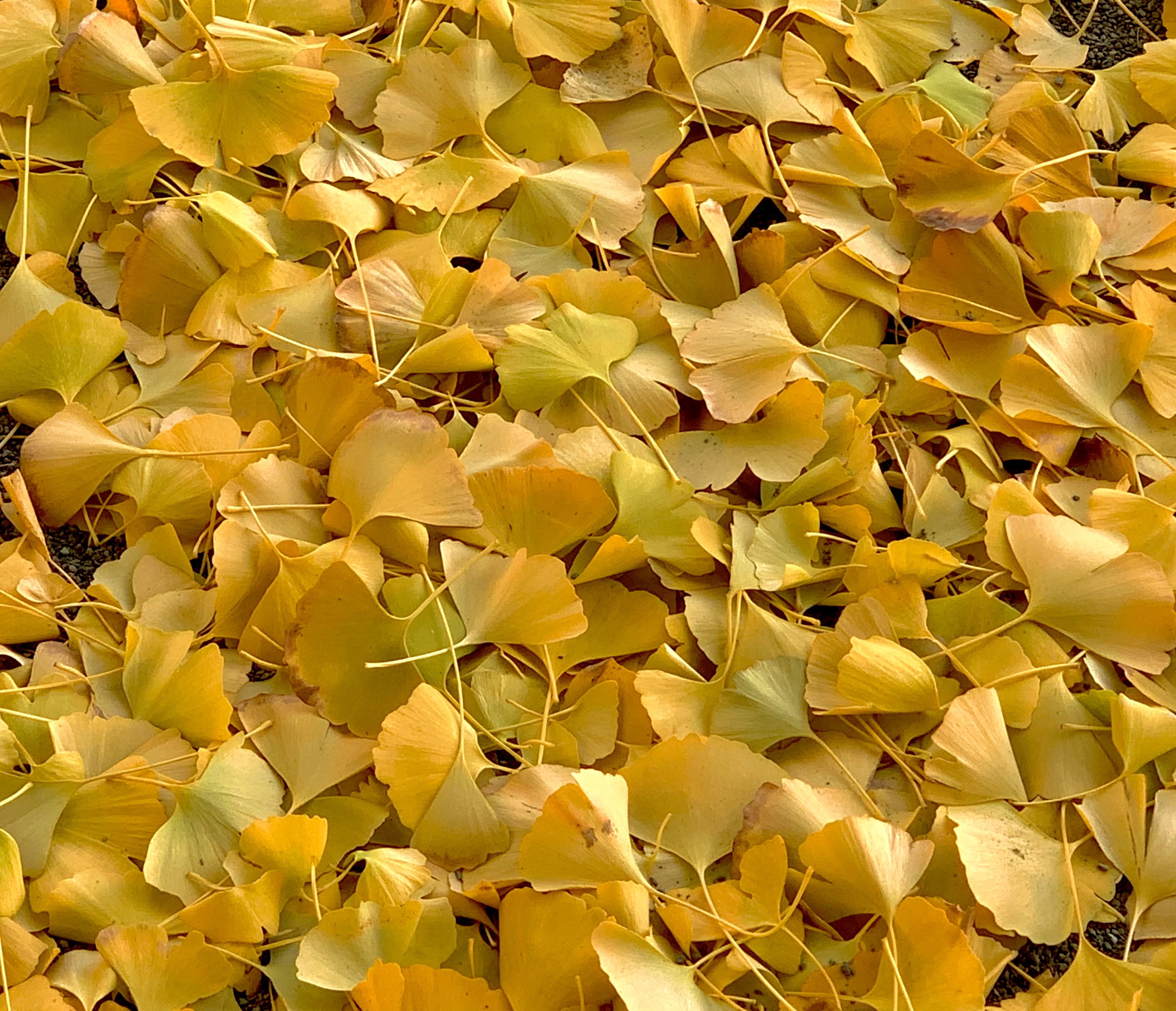
before it tumbles, swirling, to the ground, forming
deeply cushioned and comforting pools of yellow.

Navigating these brutal times, desperate to
anchor within some safer harbor – I treasure
the old ginkgo as it reaches over each cherished child
with its golden cloak of love and protection.

AI image created for this post
One-Time
Monthly
Yearly

Make a one-time or recurring donation to support daily Barnstorming posts

Make a monthly donation

Make a yearly donation

Choose an amount

$10.00
$25.00
$50.00
$5.00
$15.00
$100.00
$5.00
$15.00
$100.00

Or enter a custom amount

$

Your contribution is deeply appreciated.

Your contribution is appreciated.

Your contribution is appreciated.

DonateDonate monthlyDonate yearly
The Sweetness in Ripening

How joyful to be together, alone
as when we first were joined
in our little house by the river
long ago, except that now we know

each other, as we did not then;
and now instead of two stories fumbling
to meet, we belong to one story
that the two, joining, made. And now

we touch each other with the tenderness
of mortals, who know themselves:
how joyful to feel the heart quake

at the sight of a grandmother,
old friend in the morning light,
beautiful in her blue robe!

~Wendell Berry “The Blue Robe” from New Collected Poems

Our hair turns white with our ripening
as though to fly away in some
coming wind, bearing the seed
of what we know. It was bitter to learn
that we come to death as we come
to love, bitter to face
the just and solving welcome
that death prepares. But that is bitter
only to the ignorant, who pray
it will not happen. Having come
the bitter way to better prayer, we have
the sweetness of ripening. How sweet
to know you by the signs of this world!

~Wendell Berry from “Ripening”

My husband and I have spent 43 years of late summer evenings together – much like this one – breathing in the smell of ripening cornfields and freshly mowed silage grass lying in windrows waiting to be picked up for winter forage.   

Just down the road is the smaller farm we first bought when we wished to leave the city behind for a new life amid quieter surroundings. 

The seedling trees my husband planted there are now a thick grove and effective windbreak from the bitter howling northeasters we endured. Our oldest son and his family live in that farm house now, moving home after more than a decade of mission work in Japan.

There is such sweetness knowing the first home we owned together is home for two of our grandchildren.

Our three children were raised on this road and they strolled these roads with us many times, before flying far away for their life’s work. My husband and I continue our walk together, just the two of us, pondering how the passage of time could be so swift that our hair has turned white.

We are going to seed when it was only yesterday we were so young.

Indeed we have ripened before we’re feeling ready. It is bitter sweetness relinquishing the youth we once knew, to face a future we can never know.

It is the mystery that keeps us coming back, walking the same steps those younger legs once did, admiring the same setting sun, smelling the same late summer smells.  But we are not the same as we were, having progressed to a fruitfulness God intended all along.

Ripening and readying, our seed now flies with the wind.

One-Time
Monthly
Yearly

Make a one-time or recurring donation to support daily Barnstorming posts

Make a monthly donation

Make a yearly donation

Choose an amount

$10.00
$25.00
$50.00
$5.00
$15.00
$100.00
$5.00
$15.00
$100.00

Or enter a custom amount

$

Your contribution is deeply appreciated.

Your contribution is appreciated.

Your contribution is appreciated.

DonateDonate monthlyDonate yearly
Whatever Happens Now…

Getting older:

The first surprise: I like it.
Whatever happens now, some things
that used to terrify have not:


I didn’t die young, for instance. Or lose
my only love. My three children
never had to run away from anyone.


Don’t tell me this gratitude is complacent.
We all approach the edge of the same blackness
which for me is silent.


Knowing as much sharpens
my delight in January freesia,
hot coffee, winter sunlight. So we say


as we lie close on some gentle occasion:
every day won from such
darkness is a celebration.
~ Elaine Feinstein, “Getting Older” from The Clinic, Memory

It is a privilege and a gift to turn 70 years old today. I’m pleased to make it this far relatively unscathed.

When I was an early grade school kid, I worried about everything: whatever could happen would happen – in my imagination. My parents would perish in an accident while I was at school. My dog would get lost and never come home. I would get sick with a dread disease that only afflicts one in a million children, but I would be that one.

The worries went on and on, often keeping me awake in the night and certainly ensuring that I had stomachaches every morning so my mother would keep me home from school where life felt safer. Our pediatrician, who saw me much more regularly than was actually necessary, would look at me over his glasses with a gentle perceptive gaze, put his hands on my shoulders as I squirmed about on the noisy paper on his exam table, and tell me for the umpteenth time I was 110% healthy. He affirmed there was nothing I needed to worry about.

Decades later, I tried to emulate this reassurance and instill this confidence in my own patients, thanks to the wisdom of that good man.

But I knew I needed to worry; somehow the worry was a talisman that kept the awful darkness of bad stuff away, things like nuclear missiles and polio outbreaks and earthquakes. That is a heavy load for a little kid to carry, making sure everything stays right with the universe.

None of it ever happened in my sheltered little life so I must have been doing something right!

Thankfully, by the time I turned nine, I finally learned to coexist with the inherent risks of daily life, as I realized I, in fact, wasn’t in control of the universe. We survived a rumbling 6.3 earthquake. We lived through a 114 mph windstorm that took out the power for a week. We coped with my grandpa dying. Later on I made it through some hard stuff that is too painful to even recall so I’d rather not.

Growing older means realizing that bad stuff will happen, and it is usually survivable yet the reality is: life on earth itself isn’t survivable. I’ve seen and experienced a few traumatic things over my 70 years, and have seen how some people, maybe even me, can be amazingly heroic in the worst possible situations

But I’ve learned my confidence can’t be in myself or anyone else. It rests solely in Someone who really is in charge of everything that moves and breathes in the universe and Who knows all that was, is and will be.

I really am not responsible for the universe — thank goodness.

Oh, I still worry. It is hard to stop when it is deeply engrained in my DNA, having been descended from a long line of worriers. My children are not grateful for that genetic gift to them. It is already evident my grandchildren won’t thank me either.

Yet, every day I snatch back from that darkness is reason for celebration, and today is no different.

Over 25,500 days under my belt of celebrating being here.
Hoping for more gentle occasions like this one is.

It’s a great day to be alive. Soli Deo Gloria.

AI image created for this post
One-Time
Monthly
Yearly

Make a one-time or recurring donation to support daily Barnstorming posts

Make a monthly donation

Make a yearly donation

Choose an amount

$10.00
$25.00
$50.00
$5.00
$15.00
$100.00
$5.00
$15.00
$100.00

Or enter a custom amount

$

Your contribution is deeply appreciated.

Your contribution is appreciated.

Your contribution is appreciated.

DonateDonate monthlyDonate yearly
Where is the Party?

photo by Tomomi Gibson

The sun is rich
And gladly pays
In golden hours,
Silver days,

And long green weeks
That never end.
School’s out.
The time Is ours to spend.

There’s Little League,
Hopscotch, the creek,
And, after supper,
Hide-and-seek.

The live-long light
Is like a dream,
and freckles come
Like flies to cream.

~John Updike “June” from A Poem For Every Night Of The Year

(I wrote this 15 years ago on July 6 and have updated it with an addendum)

I remember childhood summers as 3 months of full-out celebration– long lazy days stretching into nights that didn’t seem to really darken until 11 PM and bright birdsong mornings starting out at 4:30 AM. Not only were there the brief family vacations at the beach or to visit cousins, but there was the Fourth of July, Daily Vacation Bible School, the county fair, family reunions, and of course and most importantly, my July birthday. Yes, there were mundane chores to be done, a garden to tend, a barn to clean, berries to pick, a lawn to mow and all that stuff, but my memories of summer are mostly about fluff and frolic.

So where are the summer parties now? Who is out there celebrating without me? Nothing seems to be spontaneous as it was when I was a child. Instead, most grown-ups have to go to work most days in the summer.

I’m finding myself in the midst of my 55th summer and I have to create celebrations if they are going to happen in my life. Without that perspective, the bird song at 4:30 AM can feel more irritant than blessing and the long days often mean I fall asleep nodding over a book at 9 PM. I want to treasure every, every minute of this precious time yet they flow through my fingers like so much water, faster and faster.

I realize there will be very few “family” summers left as I watch my children grow into adults and spread their wings. They will be on to new adventures in future summers. So each family ritual and experience together takes on special meaning and needs to be appreciated and remembered.

So….for this summer my family has crammed as much in as we can in celebration of the season:

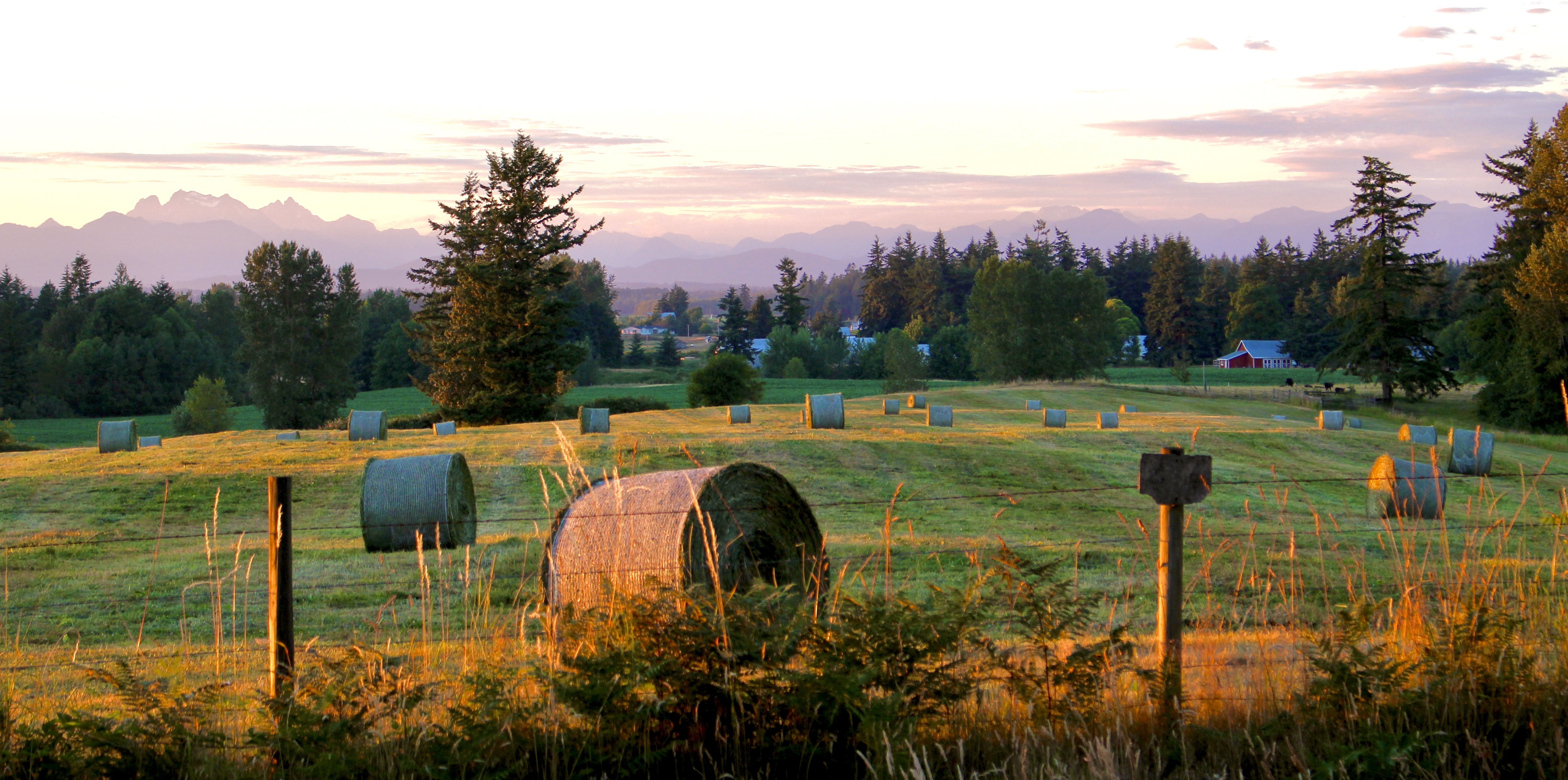
We just spent some time in the hayfields bringing in the bales with friends–our little crew of seven–sweating and itchy and exhausted, but the sight and smell of several hundred hay bales, grown on our own land, harvested without being rained on and piled in the barn is sweet indeed. Weekly we are out on the softball field in church league, yelling encouragement and high-fiving each other, hooting at the good hits and the bad, the great catches and the near misses, and getting dirty and sprained, and as happy to lose as to win. We had a wonderful July 4 barbeque with good friends culminating in the fireworks show on our farm’s hill overlooking miles of valley around us, appreciating everyone else’s backyard displays as well as our own.

We are now able to sing hymns in church in four part harmony, and last night our children helped lead the singing last night in an evening “campfire church” for over fifty fellow worshipers on our hill. In a couple weeks, we’ll take to the beach for three days of playing in the sand, roasting hot dogs. reading good books, and playing board games. We’ll try to make the trek down to Seattle by train to spend the day watching the Mariners play (and likely lose).

One change after seventeen years of hosting a display of our horses at the Lynden Fair: due to “off the farm” work and school schedules, we can’t muster the necessary round-the-clock crew of being there for our little part of small town agricultural pursuits.

Yet the real party happens right here every day in small ways without any special planning. It doesn’t require money or special food or traveling beyond our own soil. It is the smiles and good laughs we share together, and the hugs for kids taller than I am. It’s adult conversations with the new adults in our family–no longer adolescents.

It’s finding delight in fresh cherries from our own trees, currants and berries from our own bushes, greens from the garden, flowers for the table from the yard.

It is the Haflingers in the field that come right up to us to enjoy rubs and scratches and follow us like puppies. It is babysitting for neighborhood toddlers who remind us of the old days of having small children, and who give us a glimpse of future grandparenthood. It is good friends coming from far away to ride our horses and learn farm skills.

It is an early morning walk in the woods or a late evening stroll over the hills. It is daily contact with aging parents who no longer hear well or feel well but nevertheless share of themselves in the ways they are able. It is the awesome power of an evening sunset filled with hope and the calming promise of a new day somewhere else in this world of ours.

Some days may not look or feel like there’s a summer party happening, but that is only because I haven’t searched hard enough. The party is here, sparklers and all, even if only in my own mind.

Addendum:
Fifteen years have passed since this was written and I’m glad I can look back and be reminded how full of life those family summers were. We seldom have the full-meal-deal of everyone together at one time, and since our parents have passed on to eternal summers in heaven, we have now the blessings of six grandchildren. Freckles abound!

We still can make a party happen, if only in our own minds.

AI image created for this post
One-Time
Monthly
Yearly

Make a one-time or recurring donation to support daily Barnstorming posts

Make a monthly donation

Make a yearly donation

Choose an amount

$10.00
$25.00
$50.00
$5.00
$15.00
$100.00
$5.00
$15.00
$100.00

Or enter a custom amount

$

Your contribution is deeply appreciated.

Your contribution is appreciated.

Your contribution is appreciated.

DonateDonate monthlyDonate yearly
God’s Dust

…war spreading,
families dying,
the world in danger,
I walk the rocky hillside,
sowing clover…
~Wendell Berry “February 2, 1968”

However you may come, 
You’ll see it suddenly
Lie open to the light
Amid the woods: a farm
Little enough to see
Or call across—cornfield,

Hayfield, and pasture, clear
As if remembered, dreamed
And yearned for long ago,
Neat as a blossom now
With all the pastures mowed
And the dew fresh upon it,
Bird music all around.
That is the vision, seen
As on a Sabbath walk:
The possibility
Of human life whose terms
Are Heaven’s and this earth’s.

The land must have its Sabbath
Or take it when we starve.
The ground is mellow now,
Friable and porous: rich.
Mid-August is the time
To sow this field in clover
And grass, to cut for hay
Two years, pasture a while,
And then return to corn.

This way you come to know
That something moves in time
That time does not contain.
For by this timely work
You keep yourself alive
As you came into time,
And as you’ll leave: God’s dust,
God’s breath, a little Light.

~Wendell Berry from The Farm

These are fragrant acres where
Evening comes long hours late
And the still unmoving air
Cools the fevered hands of Fate.

Meadows where the afternoon
Hangs suspended in a flower
And the moments of our doom
Drift upon a weightless hour.

And we who thought that surely night
Would bring us triumph or defeat
Only find that stars are white
Clover at our naked feet.

~Tennessee Williams “Clover”

Farming is daily work outside of the constraints of time –
labor done this day is caring for what is eternal,
despite weather, war, uncertainty.

There is a timelessness about summer:
the preparing and planting and preserving,
a cycle of living and dying repeating through generations.

We, like our farming forebears, will become God’s dust again.

I’m reminded, walking through our pasture’s clover,
I become seed and soil for the next generation.
Like a blossom so plain and unnoticed during its life,
I enfolds myself back to the ground, sighing and dying.

Perhaps it is the breath of clover
we should remember at the last,
as God’s own breath.

Inhale deeply of Him in the dust of the clover field.

AI image created for this post
One-Time
Monthly
Yearly

Make a one-time or recurring donation to support daily Barnstorming posts

Make a monthly donation

Make a yearly donation

Choose an amount

$10.00
$25.00
$50.00
$5.00
$15.00
$100.00
$5.00
$15.00
$100.00

Or enter a custom amount

$

Your contribution is deeply appreciated.

Your contribution is appreciated.

Your contribution is appreciated.

DonateDonate monthlyDonate yearly
Empty of Air

On the green hill with the river beyond it
long ago and my father there
and my grandmother standing in her faded clothes
wrinkled high-laced black shoes in the spring grass
among the few gravestones inside their low fence
by the small white wooden church
the clear panes of its windows
letting the scene through from the windows
on the other side of the empty room
and a view of the trees over there
my grandmother hardly turned her head
staring like a cloud at the empty air
not looking at the green glass gravestone
with the name on it of the man to whom
she had been married and who had been
my father’s father she went on saying nothing
her eyes wandering above the trees
that hid the river from where we were
a place where she had stood with him one time
when they were young and the bell kept ringing

~W. S. Merwin “Widnoon” from The Moon Before Morning 

I remember my grandfather as a somber quiet man who used to slowly rock in a wooden chair that now happens to sit empty here in our home.

For most of his life, my Grandpa drank heavily but he wasn’t just any drunk.  He was a mean drunk. Surly, cursing, prone to throwing things and people, especially at home.

Grandma used to say he learned to drink in the logging camps and I suspect that is true. He started working as a logger before he was fully grown, dropping out of school, leaving home around age sixteen and heading up to the hills where real money could be made. He learned more than how to cut down huge old growth Douglas Fir trees, skid them down the hills using a team of horses, and then roll them onto waiting wagons to be hauled to the mills. He learned how to live with a group of men who surfaced once or twice a month from the hills to take a bath, bootleg booze during prohibition and maybe go to church with their womenfolk.

Mostly the loggers taught him how to curse and drink.

He headed home to the farm with muscles and attitude a few years later, and started the process of felling trees, creating a “stump farm” that was a challenge to work because huge stumps dotted the fields and hills. He slowly worked at blasting them out of the ground so the land could be tilled. It proved more than he had strength and motivation to do, so his fields were never very fruitful, mostly growing hay for his own animals. He went to work in the local saw mill to make ends meet.

He cleaned up some when he met my grandmother, who at eighteen was seven years younger, and eager to escape her role as chief cook and bottle washer for her widowed father and younger brother.  She was devout, lively and full of energy and talked constantly while he, especially when sober, preferred to let others do the talking. It was an unusual match but he liked her cooking and she was ready to escape the drudgery of her father’s household and be wooed.

They settled on the stump farm and began raising a family, trying to eke out what living they could from the land, from the sporadic work he found at the saw mill, and every Sunday, took the wagon a mile down the road to the Bible Church where they both sang with gusto.

He still drank when he had the money, blowing his pay in the local tavern, and stumbling in the back door roaring and burping, falling into bed with his shoes on. Grandma was a teetotaler and yelled into his ruddy face about the wrath of God anytime he drank, their four children hiding when the dishes started to fly, and when he would whip off his belt to hit anyone who looked sideways at him.

When their eldest daughter took sick and died of lymphoma at age eight despite the little doctoring that was available, Grandpa got sober for awhile. He saw it as punishment from God, or at least that is what Grandma told him through her sobs as she struggled to cope with her loss.

Over the years, he relapsed many times, losing fingers in his work at the mill, and losing the respect of his wife, his children and the people in the community. Grandma took the kids for several months to cook in a boarding house in a neighboring town, simply to be able to feed her family while Grandpa squandered what he had on drink. Reconciled over and over again, Grandma would come back to him, sending their only son to fetch him from the tavern for the night. My Dad would bicycle to that dark and smoky place, stand Grandpa up and guide him staggering out to their truck for the weaving drive home on country roads. On more than one occasion, Grandpa, belligerent as ever, would resist leaving and throw a punch at his boy, usually missing by a mile.

But once the boy grew taller and strong enough to fight back, managing to knock Grandpa to the ground in self-defense, the punching and resistance stopped. The boozing didn’t.

Grandpa sobered up for good while his boy fought in the war overseas in the forties, striking a bargain with God that his boy would come home safe to work the farm as long as Grandpa left alcohol alone.  It stuck and he stayed sober. His boy came home. Grandpa saw it as a promise kept and became an elder in his Bible Church, taught Sunday School and gave his extra cash to the church rather than the tavern. He and Grandma donated a house on their property to the church for a parsonage.

Some twelve years later, sitting in a Christmas Sunday School program one Christmas Eve, Grandpa leaned toward Grandma and she saw his face broken out in sweat, his face ashen.

“It’s hot in here, I need air, “ he said and collapsed in her lap. He was gone, just like that. He left the rest of his family behind while he sat in church, sober as can be, on the day before Christmas.

There is no question in my mind he knew he was forgiven. He headed home one more time, not weaving or swerving but traveling straight and narrow.

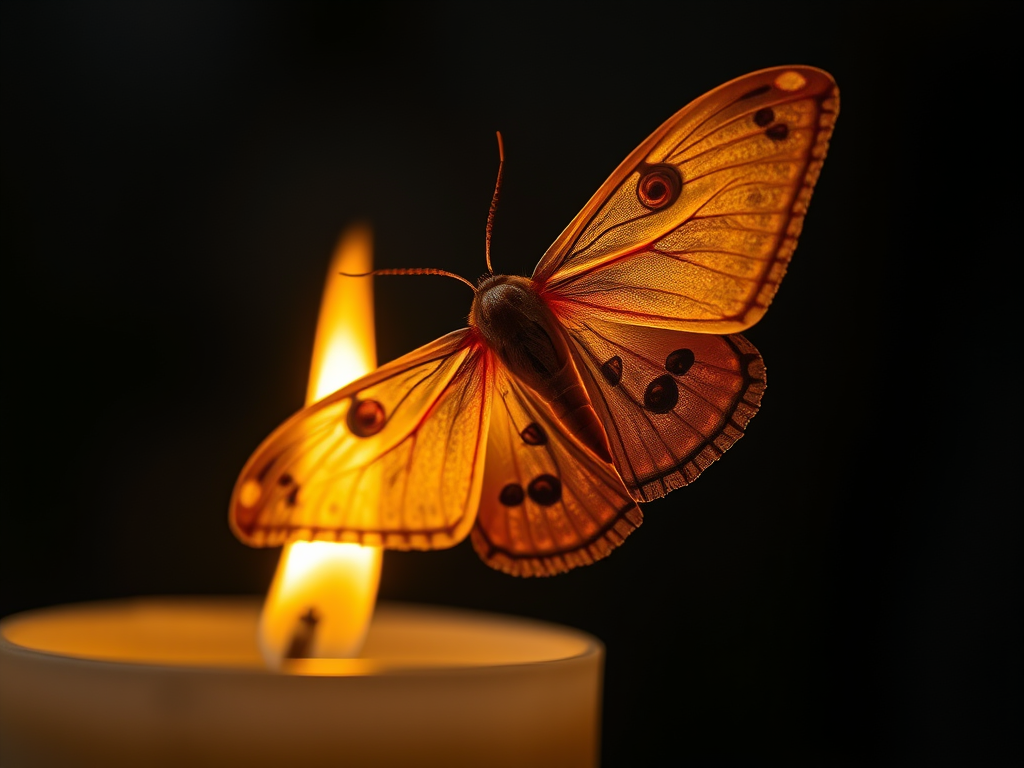
AI image created for this post
One-Time
Monthly
Yearly

Make a one-time or recurring donation to support daily Barnstorming posts

Make a monthly donation

Make a yearly donation

Choose an amount

$10.00
$25.00
$50.00
$5.00
$15.00
$100.00
$5.00
$15.00
$100.00

Or enter a custom amount

$

Your contribution is deeply appreciated.

Your contribution is appreciated.

Your contribution is appreciated.

DonateDonate monthlyDonate yearly
At Summer’s Pace

Light and wind are running
over the headed grass
as though the hill had 
melted and now flowed.
~Wendell Berry “June Wind” from New Collected Poems

Cut grass lies frail:
Brief is the breath
Mown stalks exhale.
Long, long the death

It dies in the white hours
Of young-leafed June
With chestnut flowers,
With hedges snowlike strewn,

White lilac bowed,
Lost lanes of Queen Anne’s lace,
And that high-builded cloud
Moving at summer’s pace.
~Philip Larkin “Cut Grass” from The Complete Poems

June is the month when grass grows abundantly.

Light and wind work magic on a field of flowing tall grass. The blades of the mower lay it to the ground in green streams that course up and down the slopes. It lies orderly in stoneless cemetery rows.

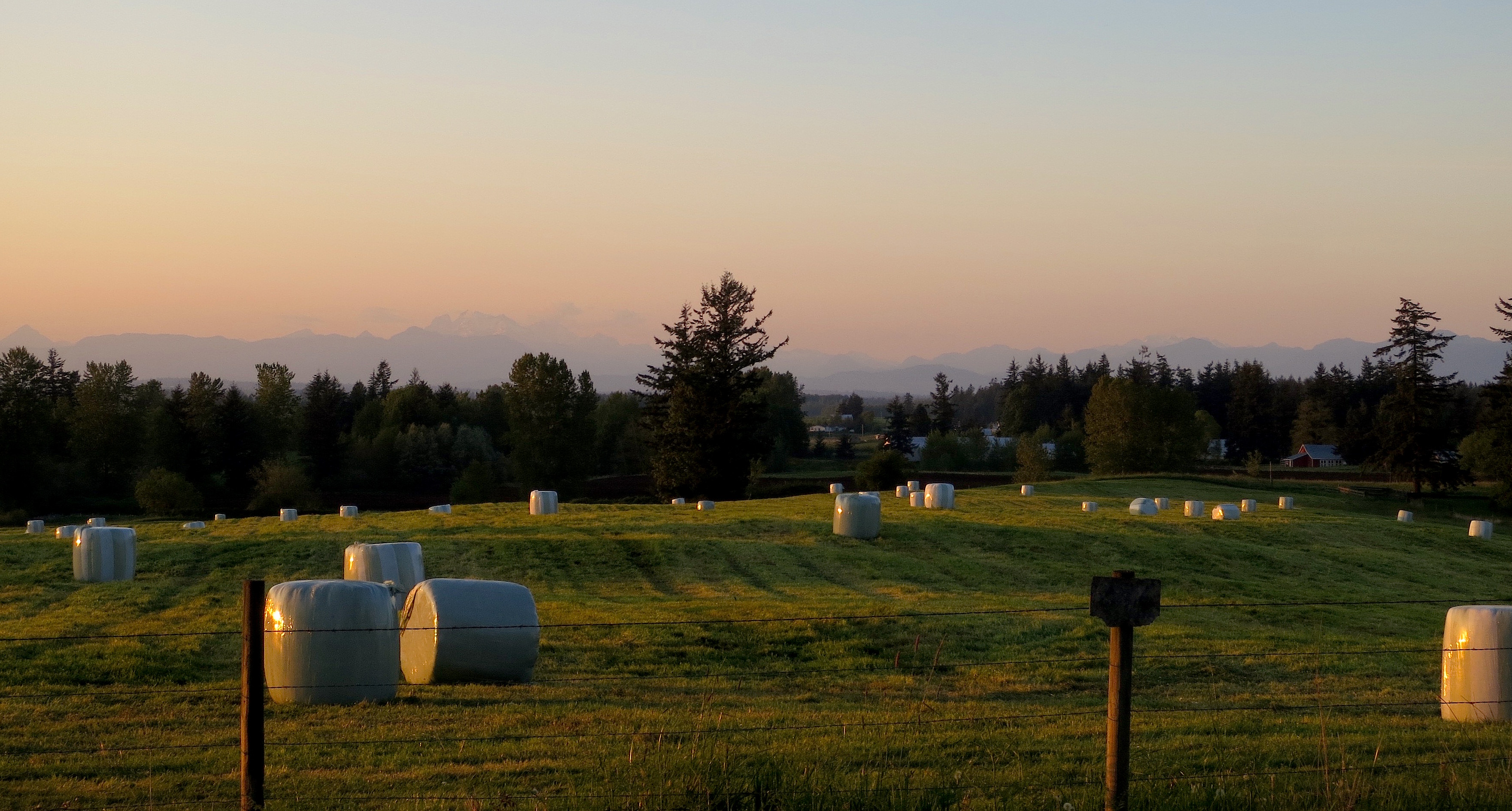
Farmer’s fields are lined with rows of mown grass, a precious commodity to be harvested for the livestock to eat the rest of the year. Some of the green is bagged up like big marshmallows for easy storage and some put in silos for later in the winter.

The grass’ death is critical to the life of the animals we raise.

What was once waving and bowing to the wind is cut and crushed:
no longer bending but bent,
no longer flowing but flown,
no longer growing but mown.

At summer’s pace, while the clouds saunter overhead, the grasses are stored as fodder for the beasts of the farm on those cold nights when the wind beats at the doors.

It will melt in their mouths. As we watch them chew, we’ll remember the overflowing abundance of summer in June.

AI image created by this post

One-Time
Monthly
Yearly

Make a one-time or recurring donation to support daily Barnstorming posts

Make a monthly donation

Make a yearly donation
Choose an amount

$10.00
$25.00
$50.00
$5.00
$15.00
$100.00
$5.00
$15.00
$100.00

Or enter a custom amount

$

Your contribution is deeply appreciated.
Your contribution is appreciated.

Your contribution is appreciated.

DonateDonate monthlyDonate yearly