Things to Be Done

There are many things to be done today
and it’s a lovely day to do them in


Each thing a joy to do
and a joy to have done


I can tell because of the calm I feel
when I think about doing them


I can almost hear them say to me
Thank you for doing us


And when evening comes
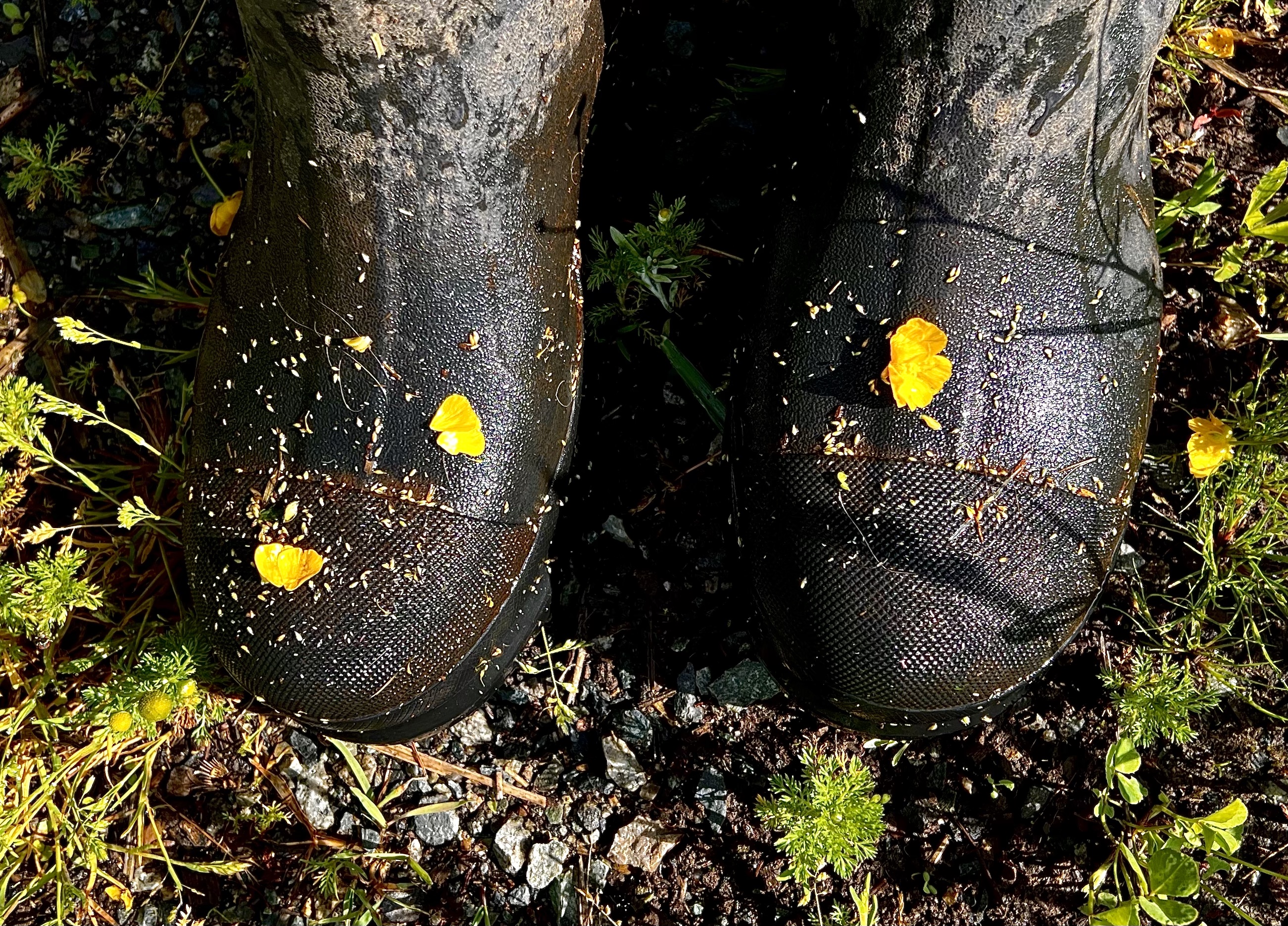
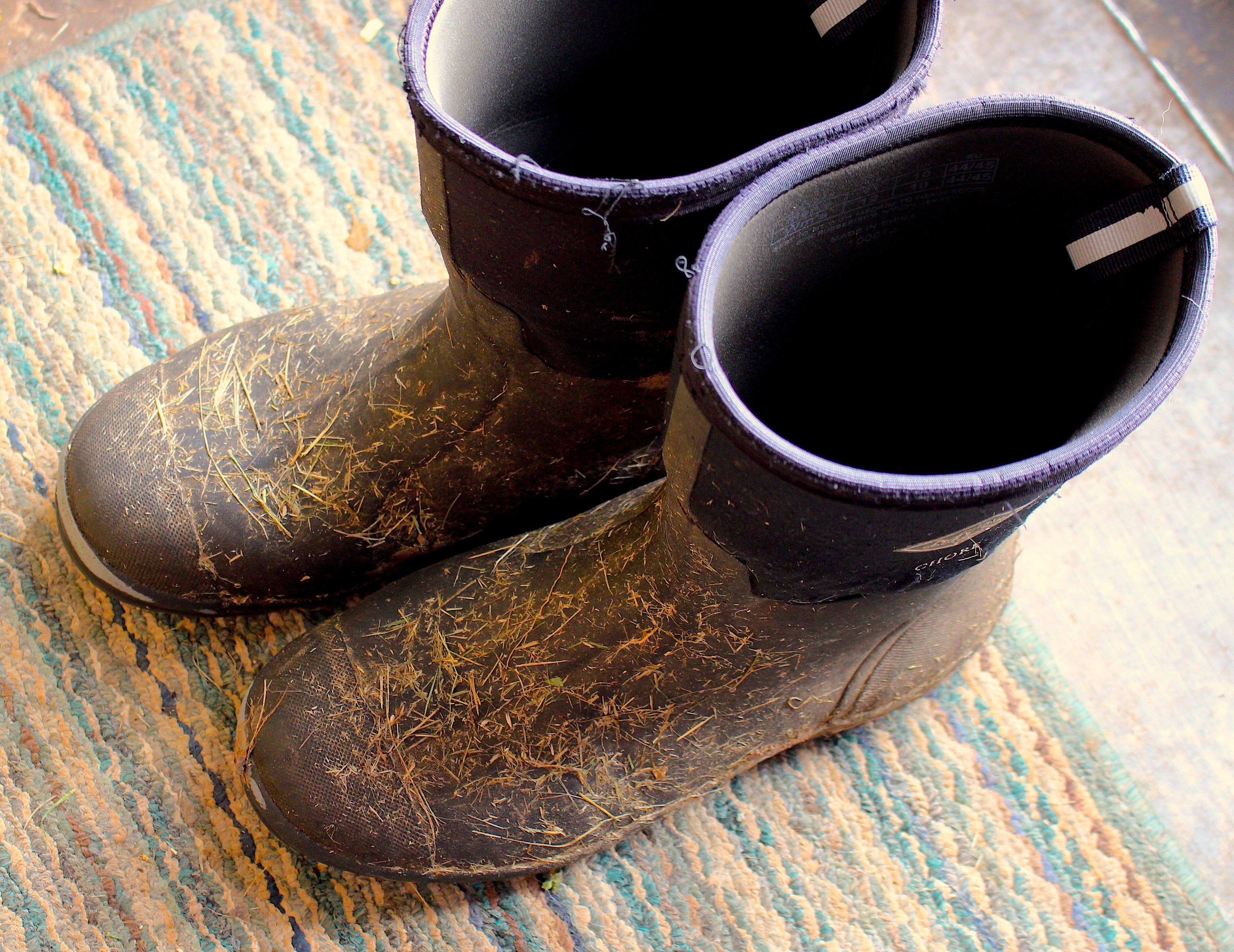
I’ll remove my shoes and place them on the floor


And think how good they look
sitting?… standing?… there


Not doing anything
~ Ron Padgett “Inaction of Shoes” from Collected Poems.

Every day after work he’d sit in his armchair
with its antimacassar and its plush burgundy velour
and she’d kneel on the floor to unfasten the laces,
loosen the tongues, and lift out his feet.
When I was ten I stayed for a week
and did it for her. He thought I did it 
for him.

~Andrea Hollander Budy “My Grandmother Taking Off My Grandfather’s Shoes” from When She Named Fire
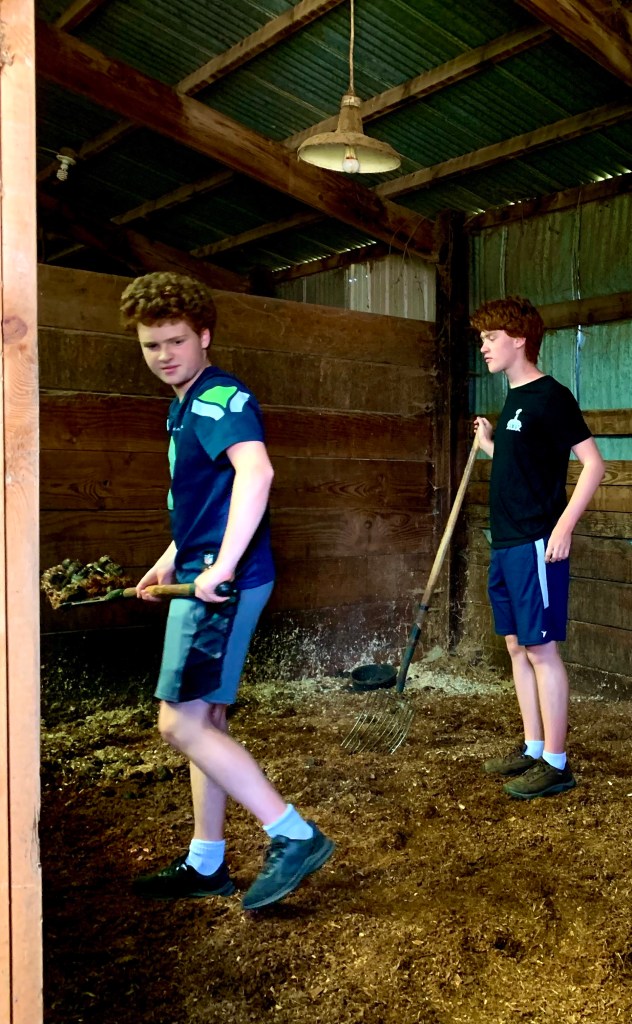
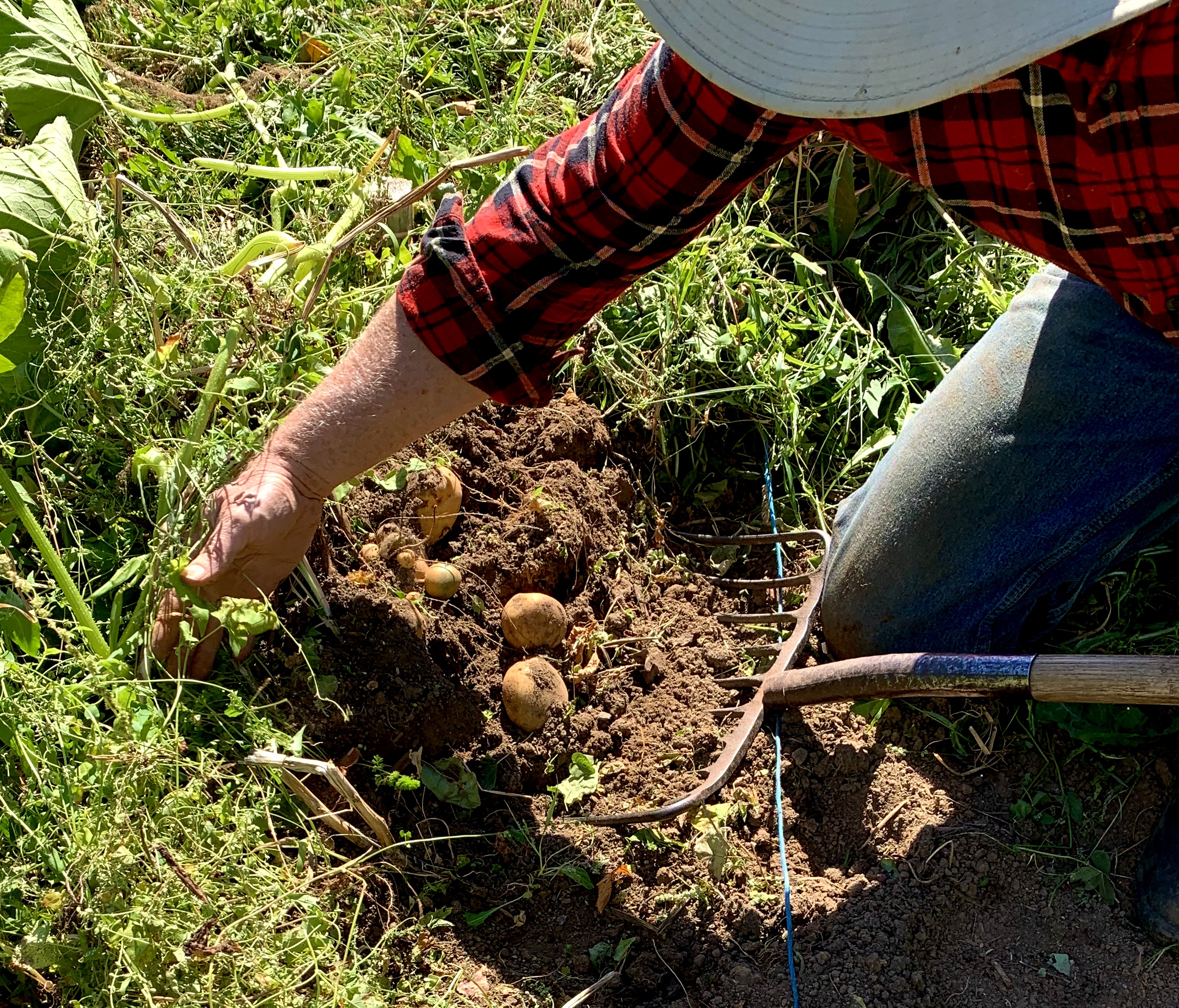
I did not grow up in a household that took time off.  Time was redeemed by work, and work was noble and honorable and proved we had a right to exist.

Vacation road trips were rare and almost always associated with my father’s work.  When he came home from his desk job in town, he would immediately change into his farm clothes and put in several hours of work outside, summer or winter, rain or shine, light or dark.

My mother did not work in town while we were children, but worked throughout her day inside and outside the house doing what farm wives and mothers need to do: growing, hoeing, harvesting, preserving, washing, cleaning, sewing, and most of all, being there for us.

As kids, we had our share of chores that were simply part of our day as our work was never done on a farm. When we turned ten, we began working for others: babysitting, weeding, barn and house cleaning, berry picking.  I figure I put in over 60 years of gainful employment – there were times I worked four part-time jobs at once because that was what I could put together to keep things together.

I know I’ve missed out on much of life being a “nose to the grindstone” person.

Now retired, I try a different way to redeem my time: to notice, to record, to observe, to appreciate beauty that still exists in the midst of chaos and cataclysm..

Life isn’t all about non-stop labor, yet we get on with our work because work is about showing up when and where we are needed.

And we are always needed, by someone, somewhere, somehow. That’s the reason why we’re here.
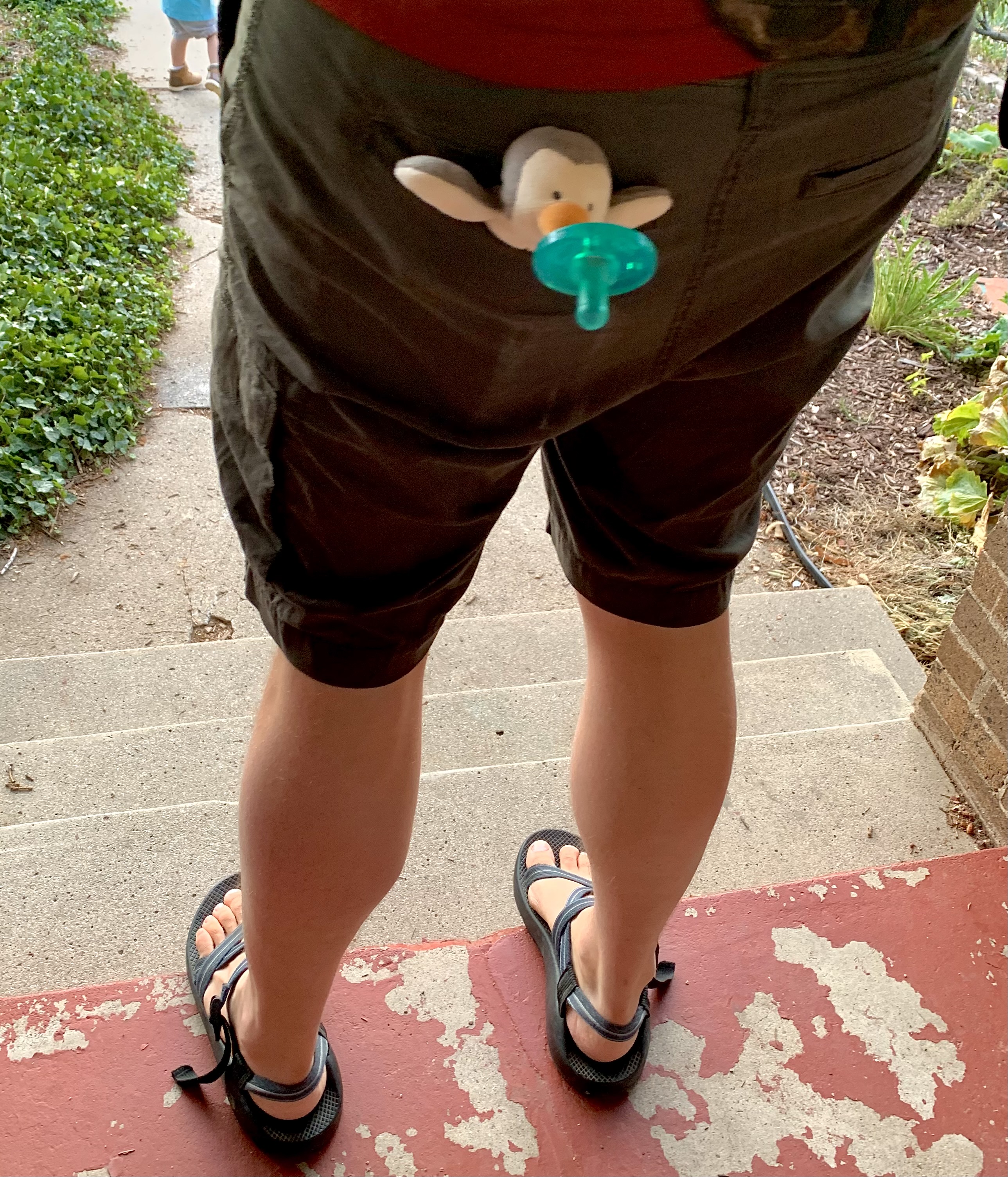
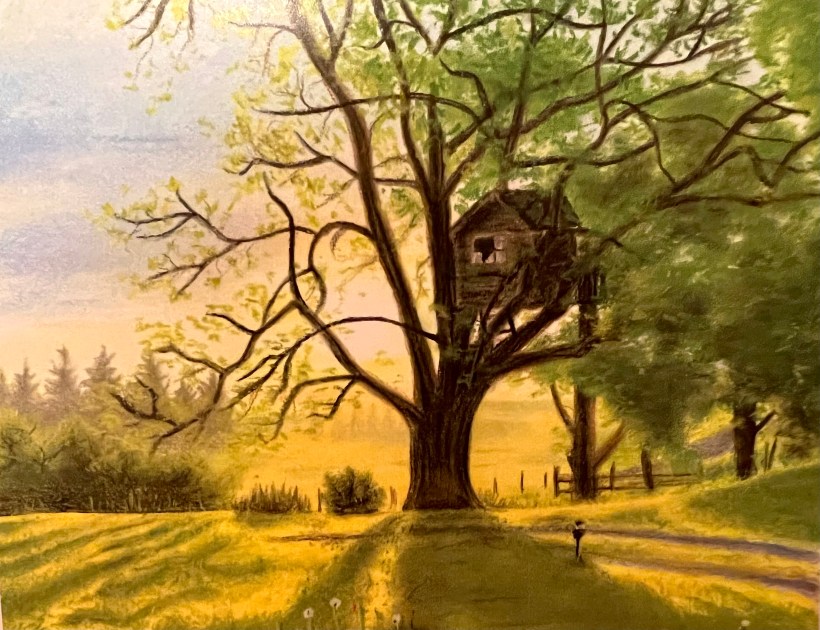
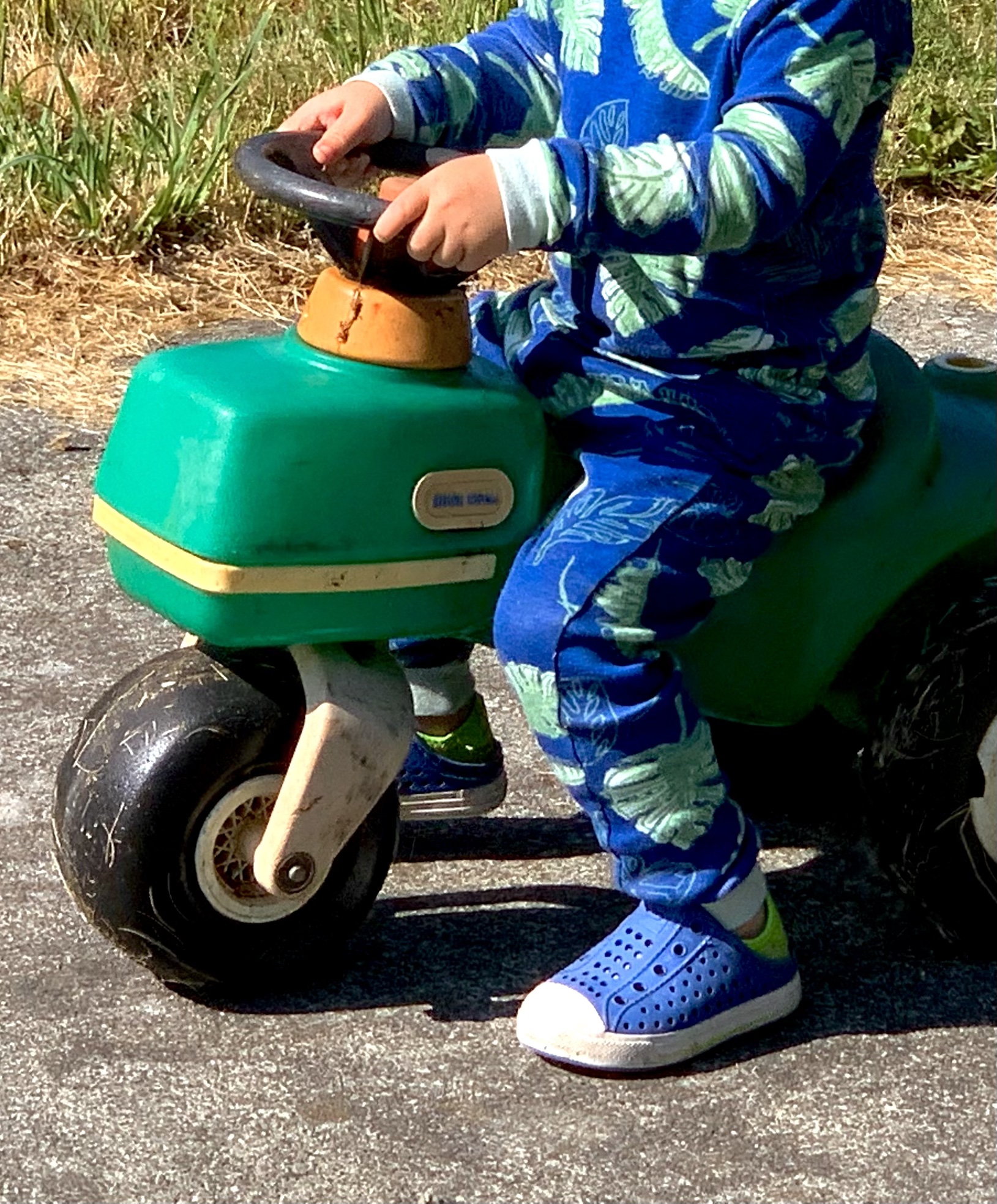
AI image created for this post

One-Time
Monthly
Yearly

Make a one-time or recurring donation to support daily Barnstorming posts

Make a monthly donation

Make a yearly donation

Choose an amount

$10.00
$25.00
$50.00
$5.00
$15.00
$100.00
$5.00
$15.00
$100.00

Or enter a custom amount

$

Your contribution is deeply appreciated.

Your contribution is appreciated.

Your contribution is appreciated.

DonateDonate monthlyDonate yearly
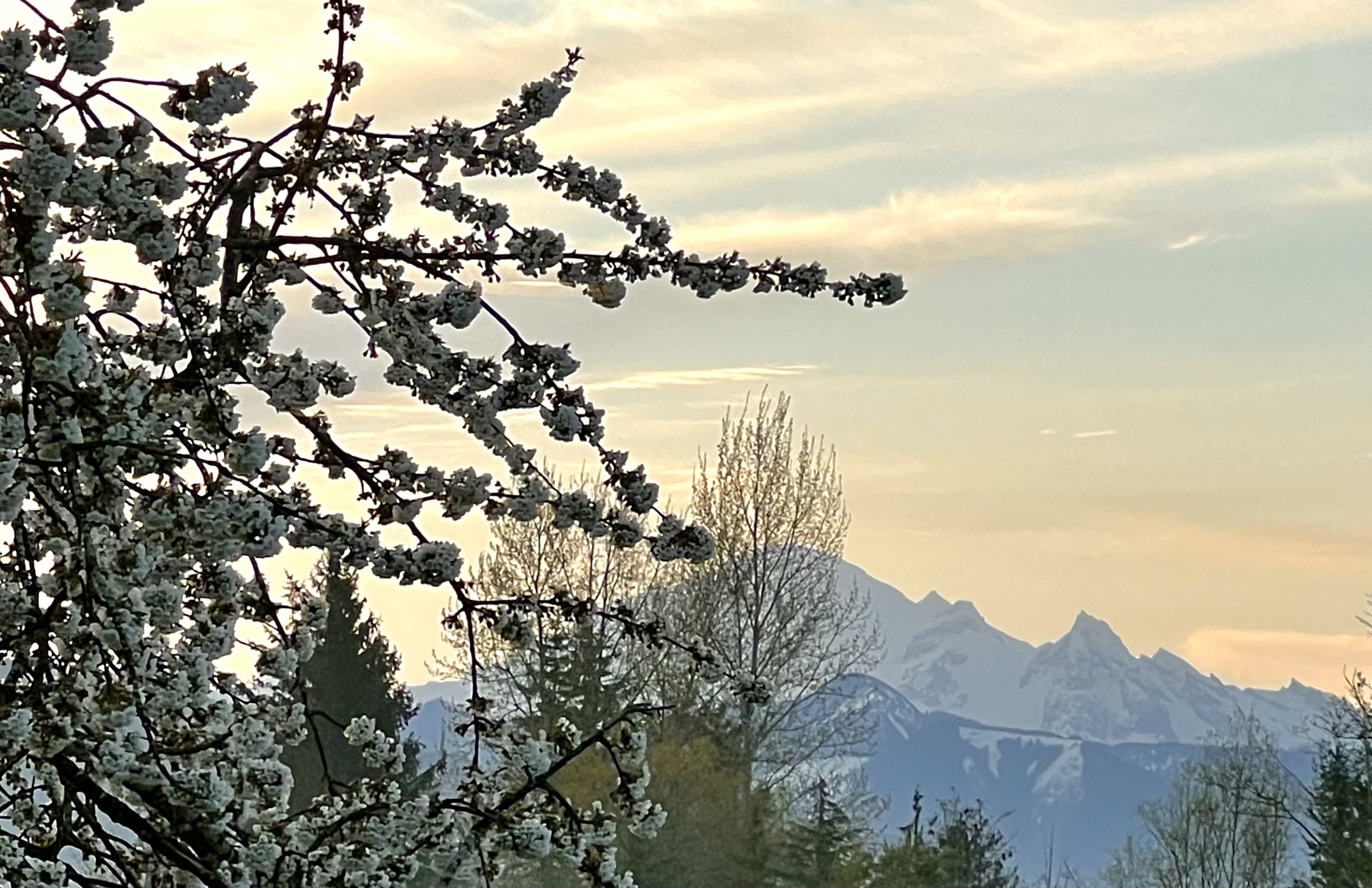
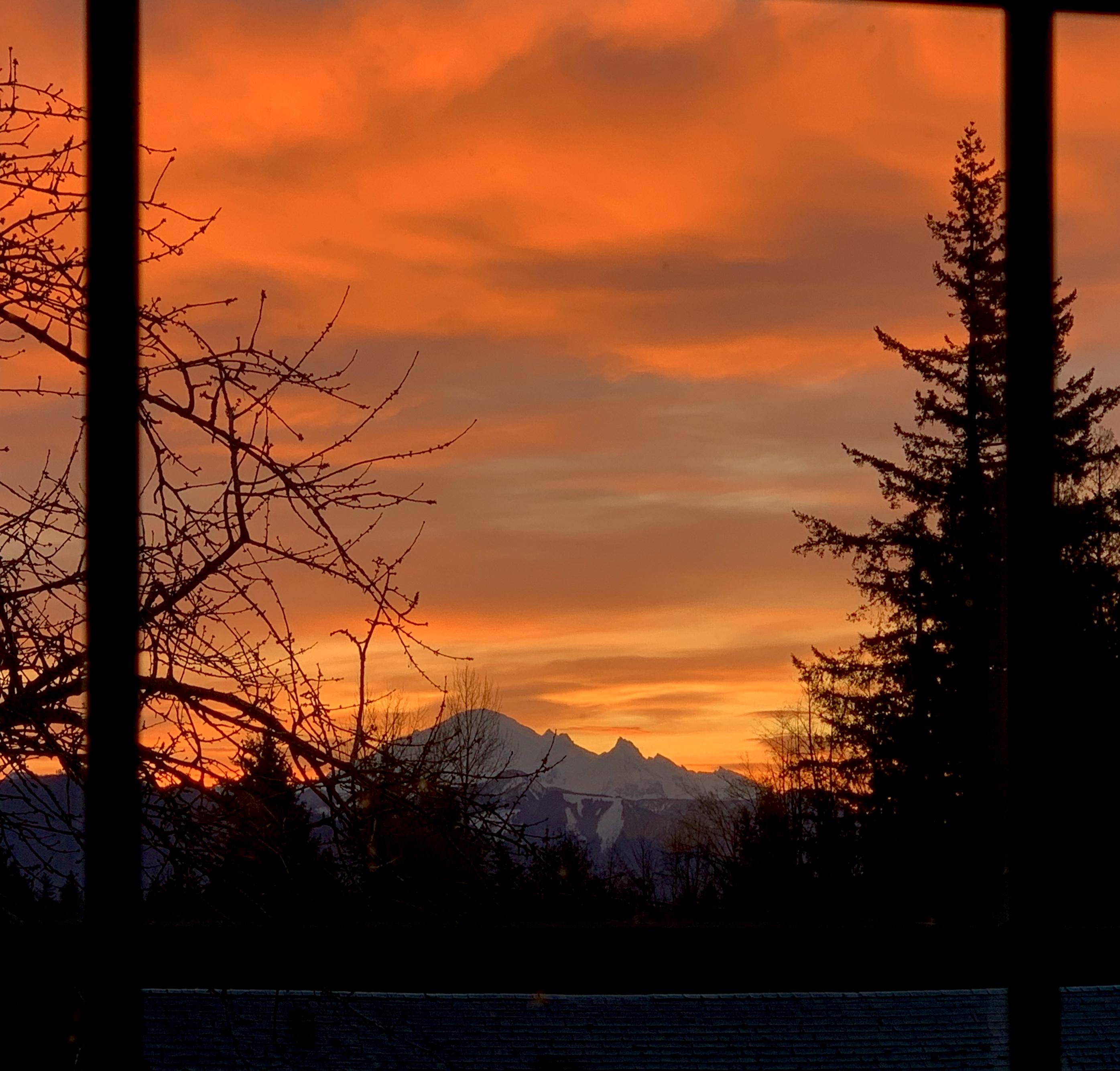
I Now Walk Wary

Someone spoke to me last night,
told me the truth. Just a few words,
but I recognized it.
I knew I should make myself get up,
write it down, but it was late,
and I was exhausted from working
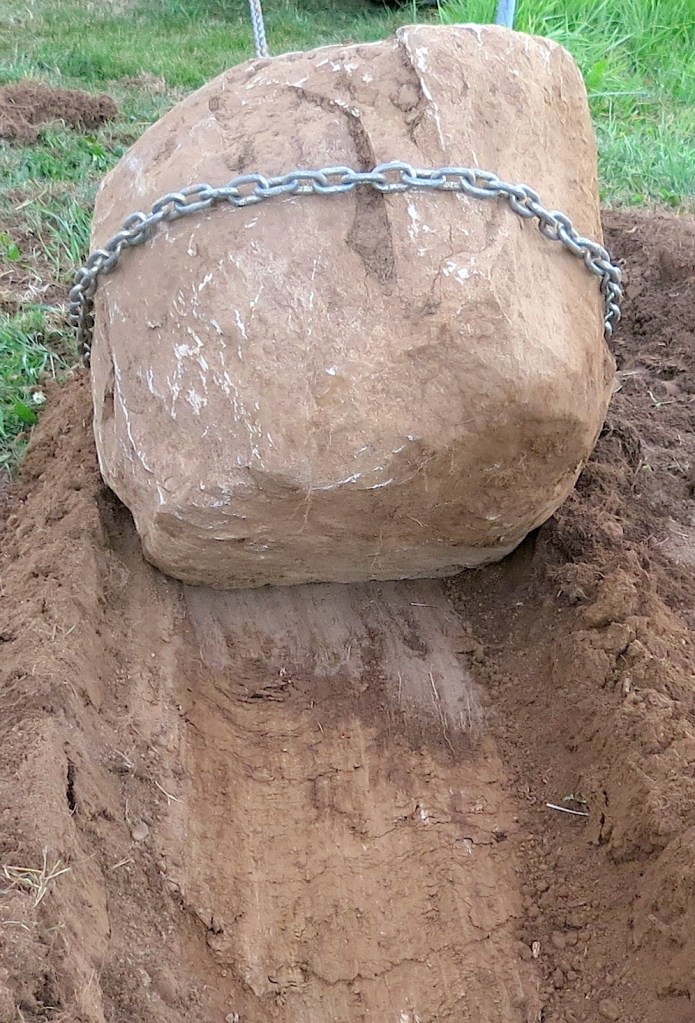
all day in the garden, moving rocks.
Now, I remember only the flavor—
not like food, sweet or sharp.
More like a fine powder, like dust.
And I wasn’t elated or frightened,
but simply rapt, aware.
That’s how it is sometimes—
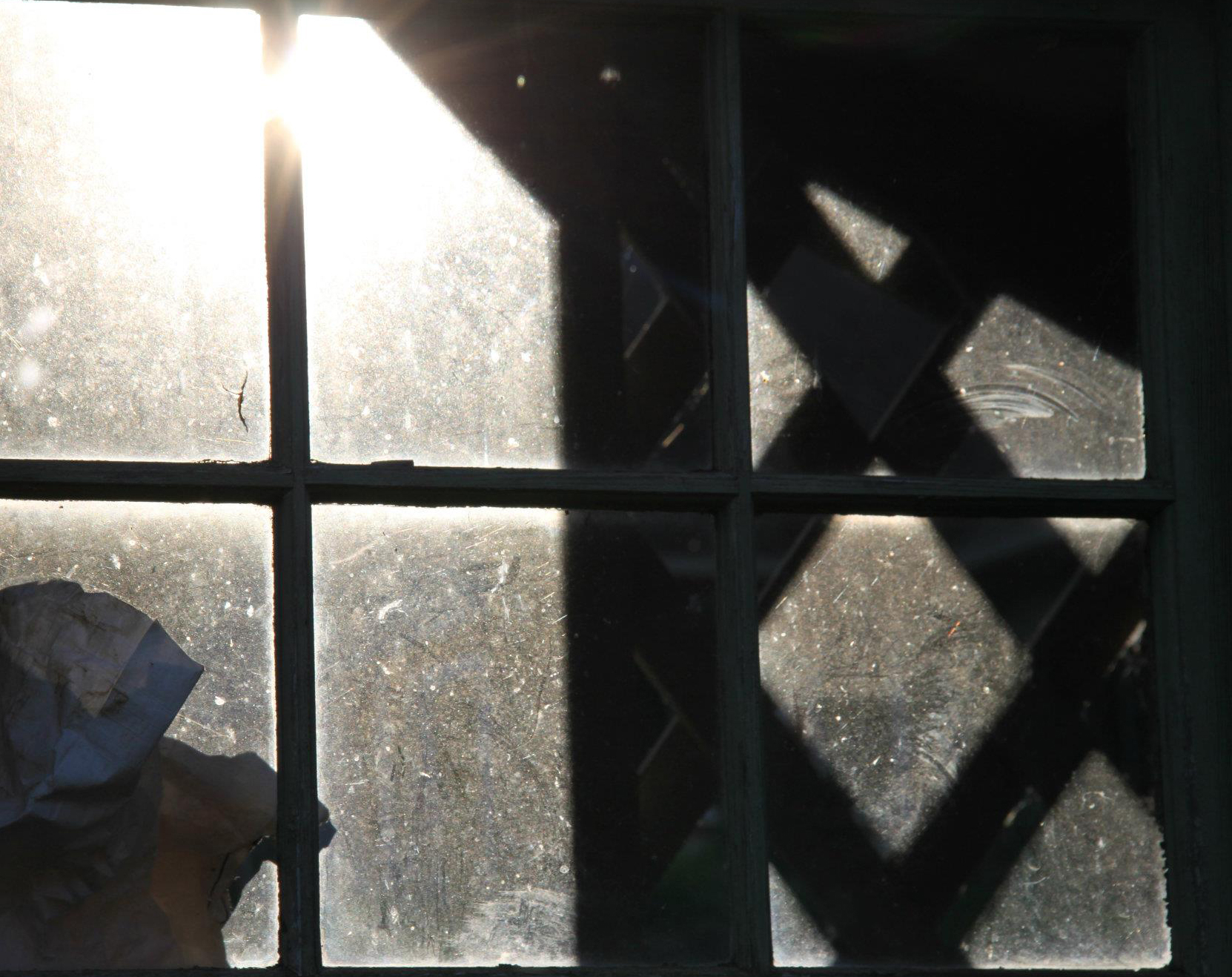
God comes to your window,
all bright light and black wings,
and you’re just too tired to open it.

~Dorianne Laux “Dust” from What We Carry

On the stiff twig up there
Hunches a wet black rook
Arranging and rearranging its feathers in the rain-
I do not expect a miracle
Or an accident

To set the sight on fire
In my eye, nor seek
Any more in the desultory weather some design,
But let spotted leaves fall as they fall
Without ceremony, or portent.

Although, I admit, I desire,
Occasionally, some backtalk
From the mute sky, I can’t honestly complain:
A certain minor light may still
Lean incandescent

Out of kitchen table or chair
As if a celestial burning took
Possession of the most obtuse objects now and then —
Thus hallowing an interval
Otherwise inconsequent

By bestowing largesse, honor
One might say love. At any rate, I now walk
Wary (for it could happen
Even in this dull, ruinous landscape); sceptical
Yet politic, ignorant

Of whatever angel any choose to flare
Suddenly at my elbow. 

I only know that a rook
Ordering its black feathers can so shine
As to seize my senses, haul
My eyelids up, and grant

A brief respite from fear
Of total neutrality. With luck,
Trekking stubborn through this season
Of fatigue, I shall
Patch together a content

Of sorts. Miracles occur,
If you care to call those spasmodic
Tricks of radiance miracles. The wait’s begun again,
The long wait for the angel.
For that rare, random descent.
~Sylvia Plath “Black Rook in Rainy Weather”

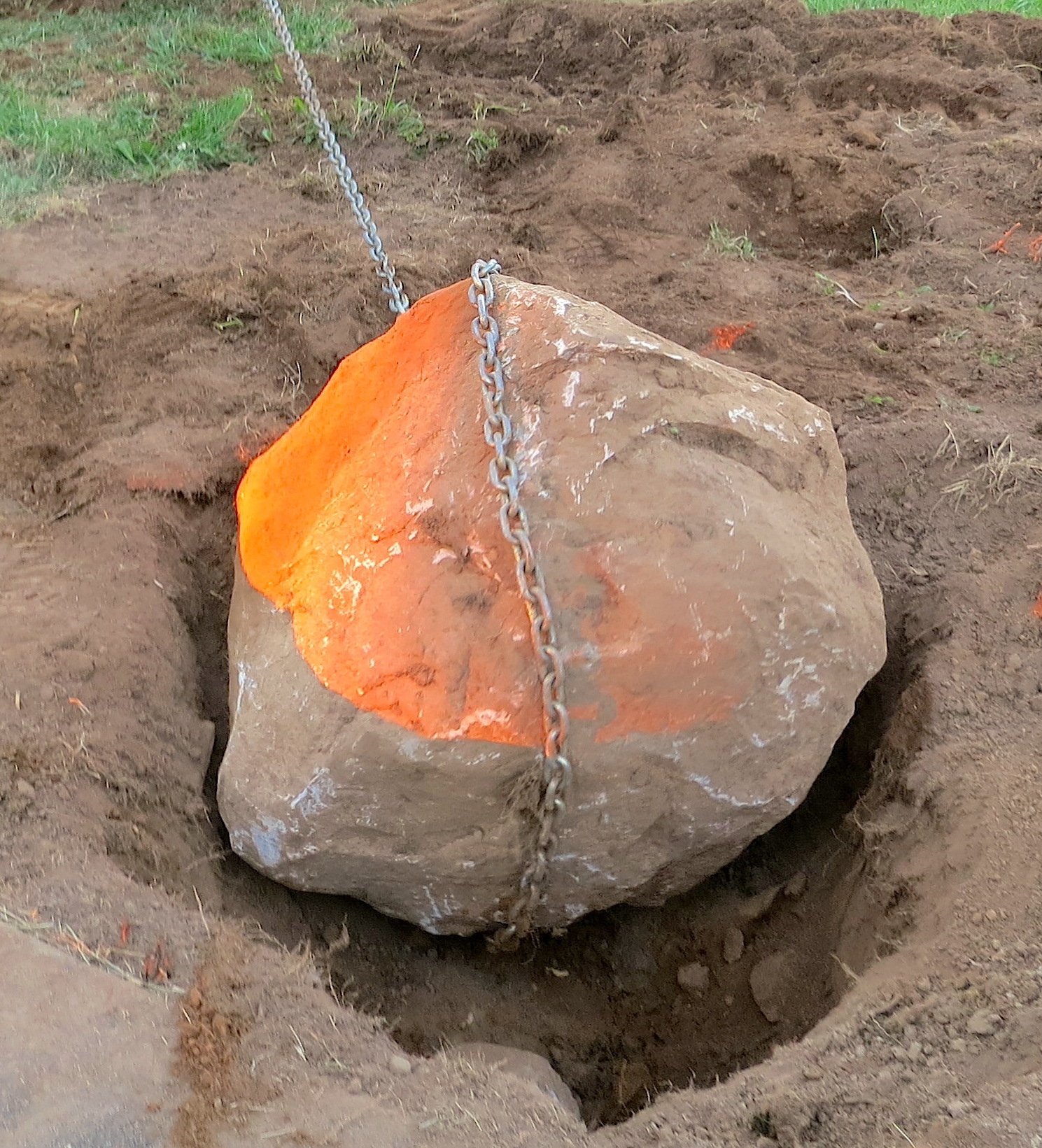
…it is no trick of light
nor is it random
when He comes to our window,
wanting us to let Him in.

This descent to us
is planned and very real:
He seizes us and does not let go
even when we are too tired
to open to Him.

We wait,
this long wait while moving rocks;
tired of waiting,
seeking contentment while waiting
rapt,
aware,
weary,
but awake and ready for His grace.

photo by Nate Gibson

I wait for the Lord, my whole being waits,
    and in his word I put my hope.
Psalm 130:5

One-Time
Monthly
Yearly

Make a one-time and recurring donation to support daily Barnstorming posts

Make a monthly donation

Make a yearly donation

Choose an amount

$10.00
$25.00
$50.00
$5.00
$15.00
$100.00
$5.00
$15.00
$100.00

Or enter a custom amount

$

Your contribution is deeply appreciated.

Your contribution is appreciated.

Your contribution is appreciated.

DonateDonate monthlyDonate yearly
Ant Trudges While Grasshopper Sings

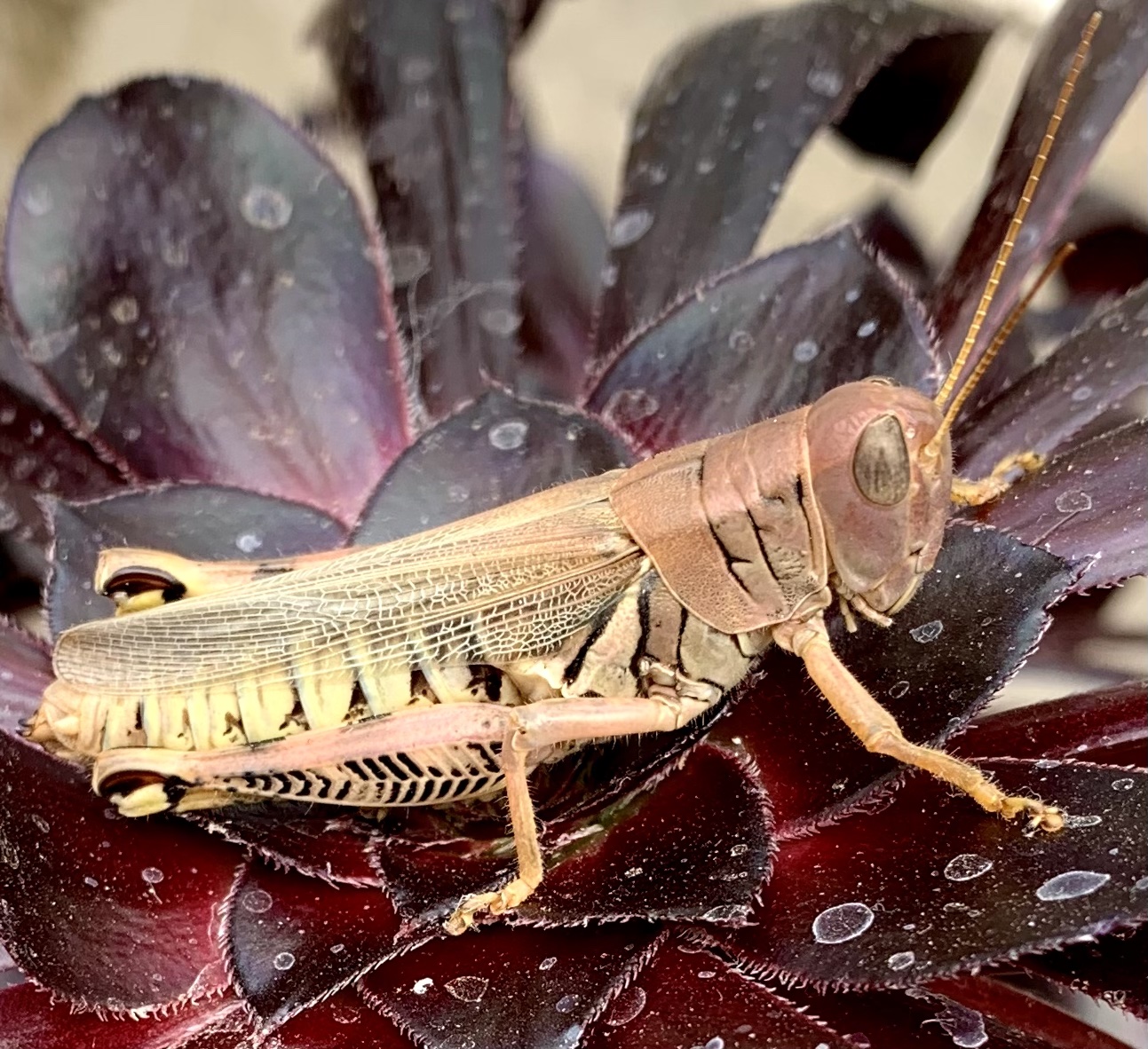
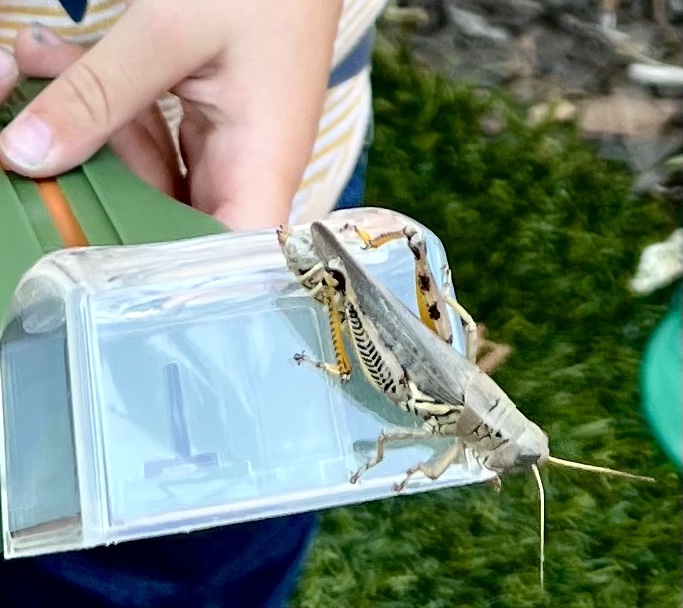
‘Ant, look at me!’ a young Grasshopper said,
As nimbly he sprang from his green, summer bed,
‘See how I’m going to skip over your head,
And could o’er a thousand like you!
Ant, by your motion alone, I should judge
That Nature ordained you a slave and a drudge,
For ever and ever to keep on the trudge,
And always find something to do.

‘Oh! there is nothing like having our day,
Taking our pleasure and ease while we may,
Bathing ourselves in the bright, mellow ray
That comes from the warm, golden sun!
While I am up in the light and the air,
You, a sad picture of labor and care!
Still have some hard, heavy burden to bear,
And work that you never get done.

‘I have an exercise healthful, and good,
For timing the nerves and digesting the food—
Graceful gymnastics for stirring the blood
Without the gross purpose of use.
Ant, let me tell you ‘t is not a la mode,
To plod like a pilgrim and carry a load,
Perverting the limbs that for grace were bestowed,
By such a plebeian abuse.

‘While the whole world with provisions is filled,
Who would keep toiling and toiling to build
And lay in a store for himself, till he ‘s killed
With work that another might do?
Come! drop your budget and just give a spring.
Jump on a grass-blade and balance and swing.
Soon you’ll be light as a gnat on the wing,
Gay as a grasshopper, too!’

Ant trudged along while the grasshopper sung,
Minding her business and holding her tongue,
Until she got home her own people among;
But these were her thoughts on the road.
‘What will become of that poor, idle one
When the light sports of the summer are done?
And, where is the covert to which he may run
To find a safe winter abode?

‘Oh! if I only could tell him how sweet
Toil makes my rest and the morsel I eat,
While hope gives a spur to my little black feet,
He’d never pity my lot!
He’d never ask me my burden to drop
To join in his folly—to spring, and to hop;
And thus make the ant and her labor to stop,
When time, I am certain, would not.

‘When the cold frost all the herbage has nipped,
When the bare branches with ice-drops are tipped,
Where will the grasshopper then be, that skipped,
So careless and lightly to-day?
Frozen to-death! ‘a sad picture’ indeed,
Of reckless indulgence and what must succeed,
That all his gymnastics ca ‘nt shelter or feed,
Or quicken his pulse into play.

‘I must prepare for a winter to come.
I shall be glad of a home and a crumb,
When my frail form out of doors would be numb,
And I in the snow-storm should die.
Summer is lovely, but soon will be past.
Summer has plenty not always to last.
Summer’s the time for the ant to make fast
Her stores for a future supply!’

~Hannah Flagg Gould “The Grasshopper and the Ant”

I did not grow up in a household that took time off. We were trudgers.

When my dad came home from his desk job in town, he would immediately change into his farm clothes and put in several hours of work outside, summer or winter, rain or shine, light or dark.

My mother did not work in town while we were children, but worked throughout her day inside and outside the house doing what farm wives and mothers need to do: growing, hoeing, harvesting, preserving, washing, cleaning, sewing, and most of all, being there for us.

As kids, we had our share of chores that were simply part of our day as our work was never done on a farm. When we turned twelve, we began working for others: babysitting, weeding, barn and house cleaning, berry picking.  I have now done over 56 years of gainful employment – at times holding part-time jobs at once because that was what I could put together to keep things together.

An absolutely dedicated trudger.

Now in retirement, my work is about showing up to do what is needed where I am needed. There is a sweetness to trudging that I’ve not known before.

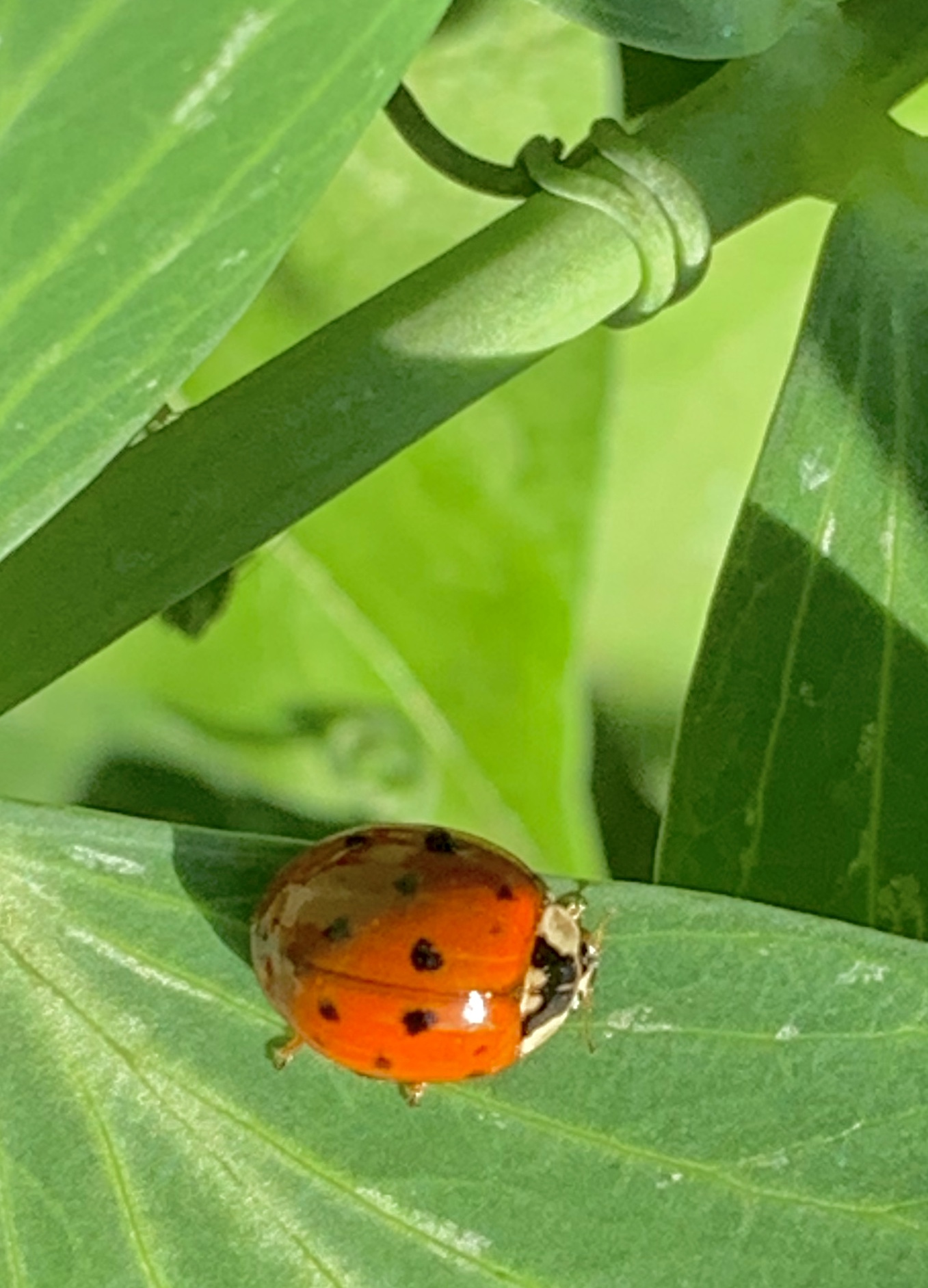
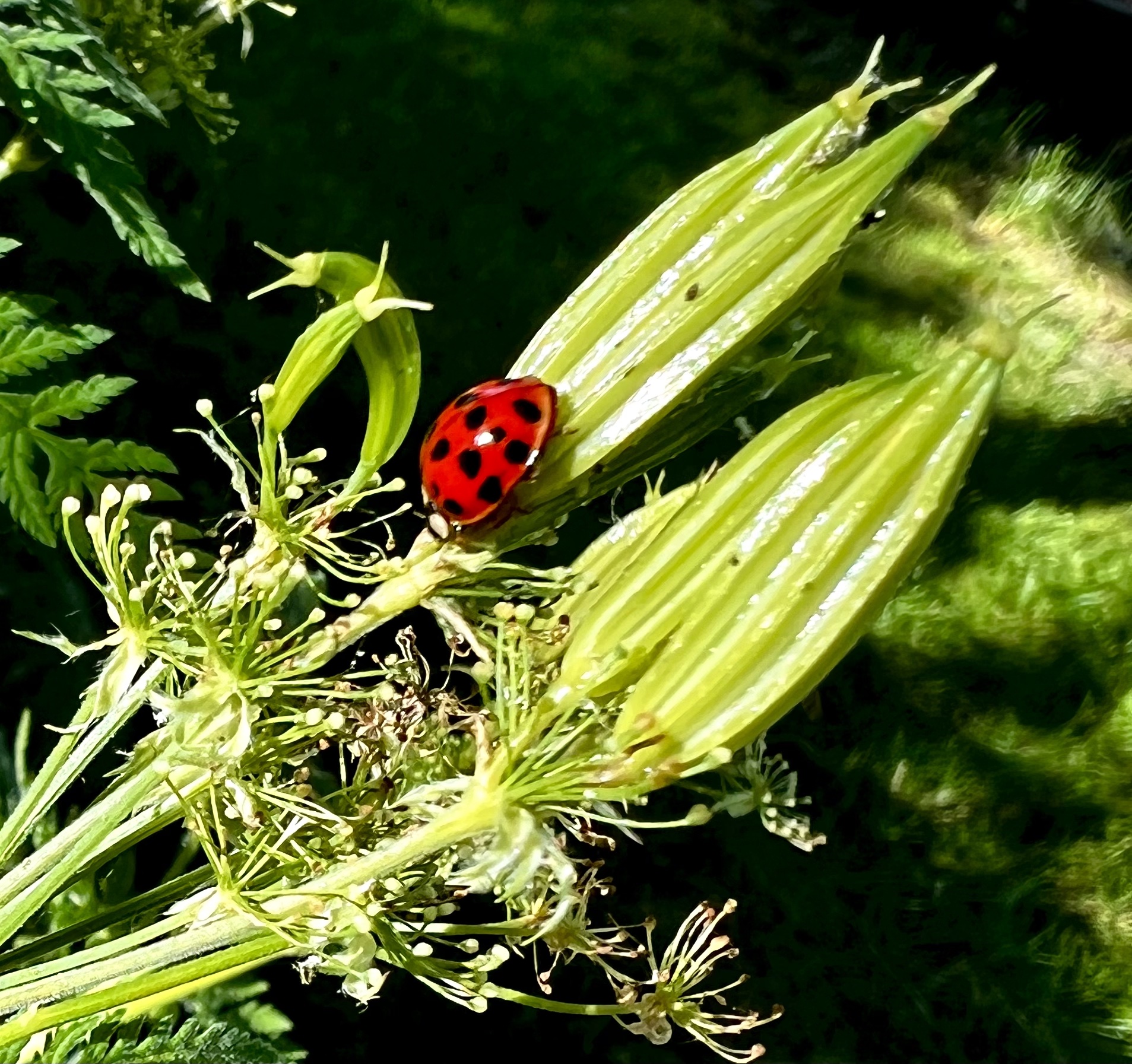
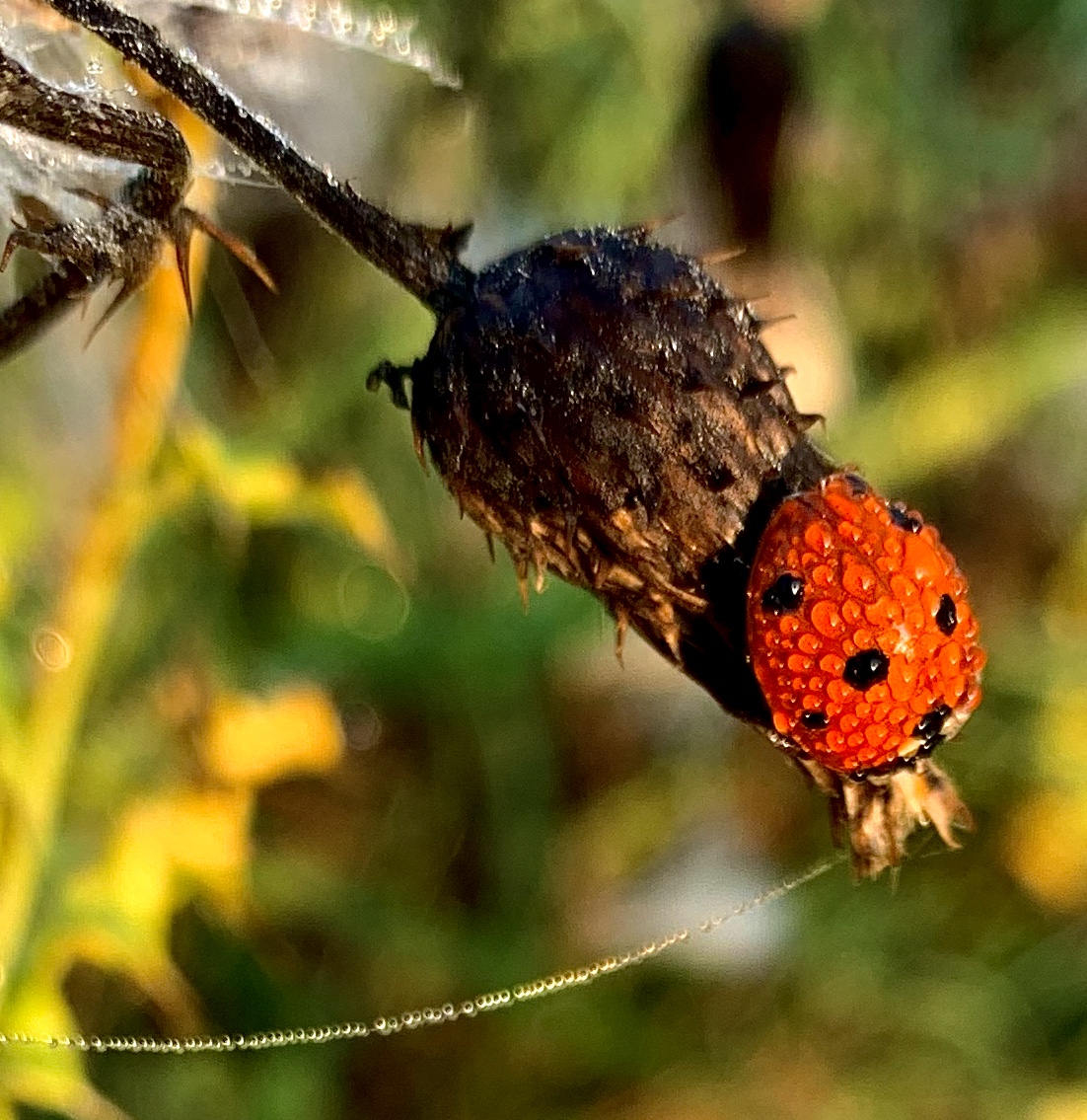
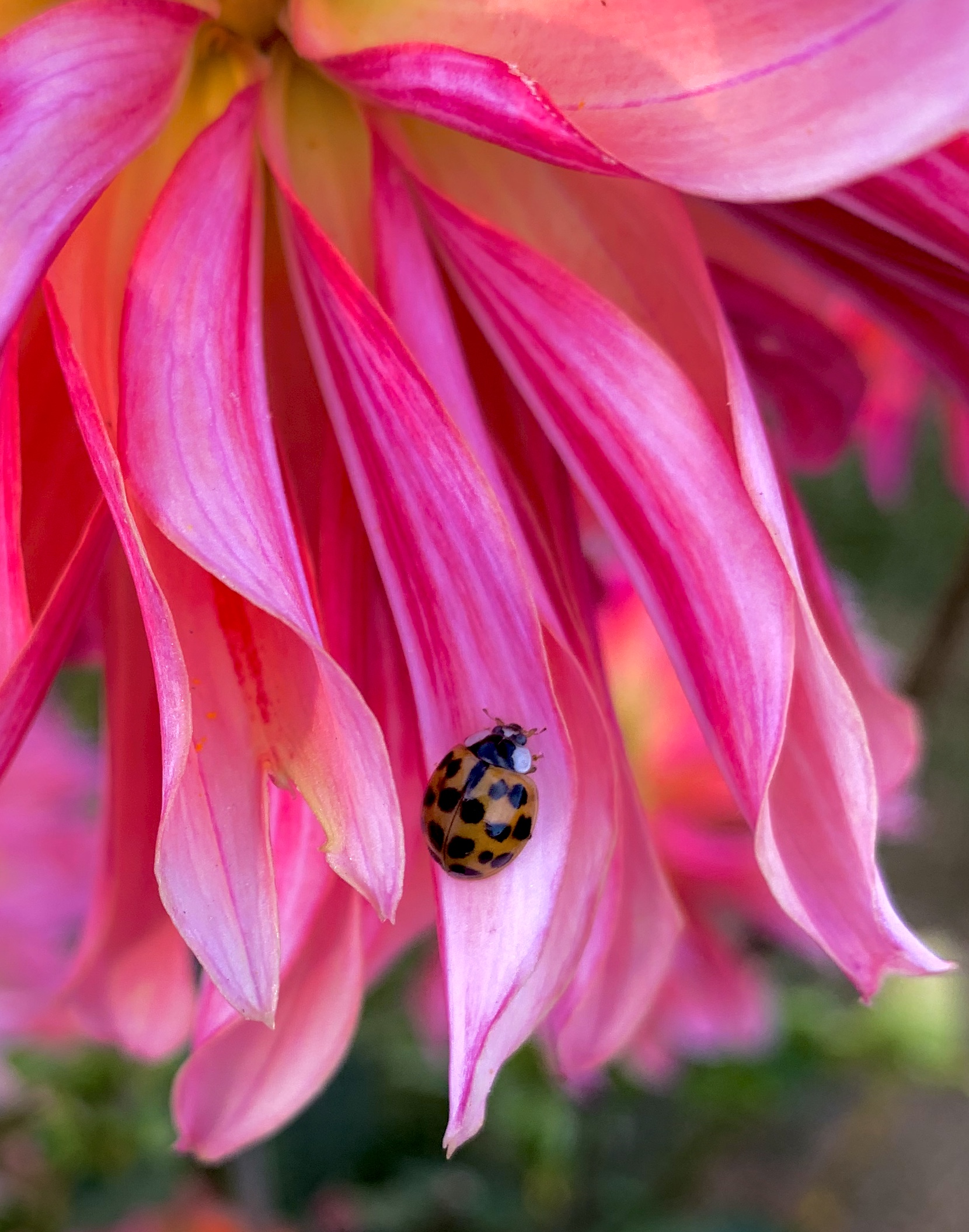
Perhaps it is finding the blend of trudger ant and celebrant grasshopper in the form of the peaceful, gentle and colorful ladybug – doing its job of protecting the garden from harmful intruders.

Truly we should strive to emulate a creature who is welcome wherever it may be found.

Ladybugs are possibly the only non-controversial subject left in the world. You can start a ladybug conversation with a total stranger without getting hit in the mouth.
~Charles Harper

One-Time
Monthly
Yearly

Make a one-time or recurring donation to support daily Barnstorming posts

Make a monthly donation

Make a yearly donation

Choose an amount

$10.00
$25.00
$50.00
$5.00
$15.00
$100.00
$5.00
$15.00
$100.00

Or enter a custom amount

$

Your contribution is deeply appreciated.

Your contribution is appreciated.

Your contribution is appreciated.

DonateDonate monthlyDonate yearly
Doing This Hard Thing

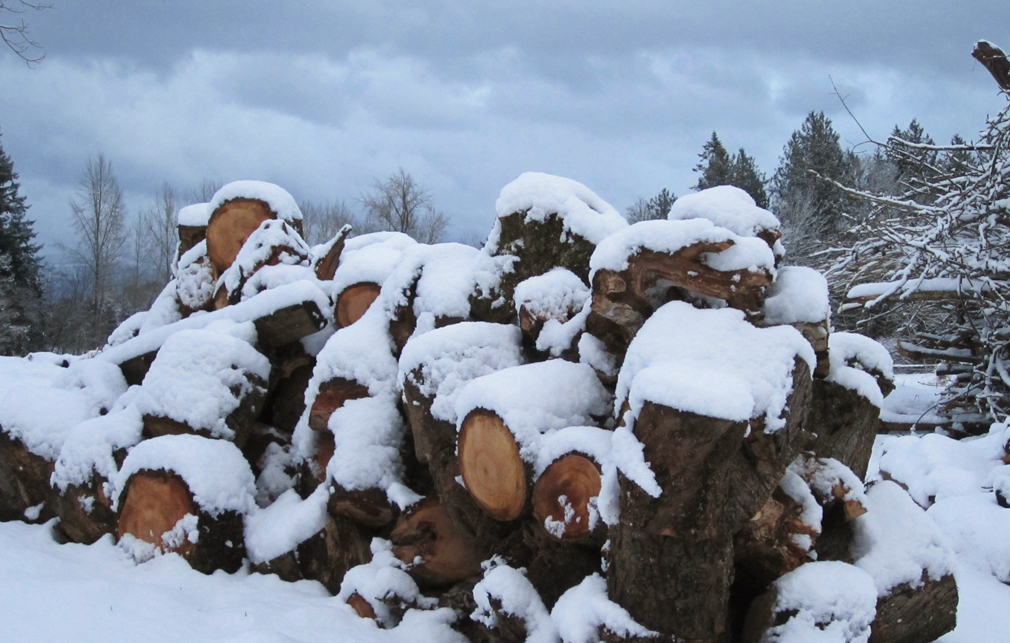
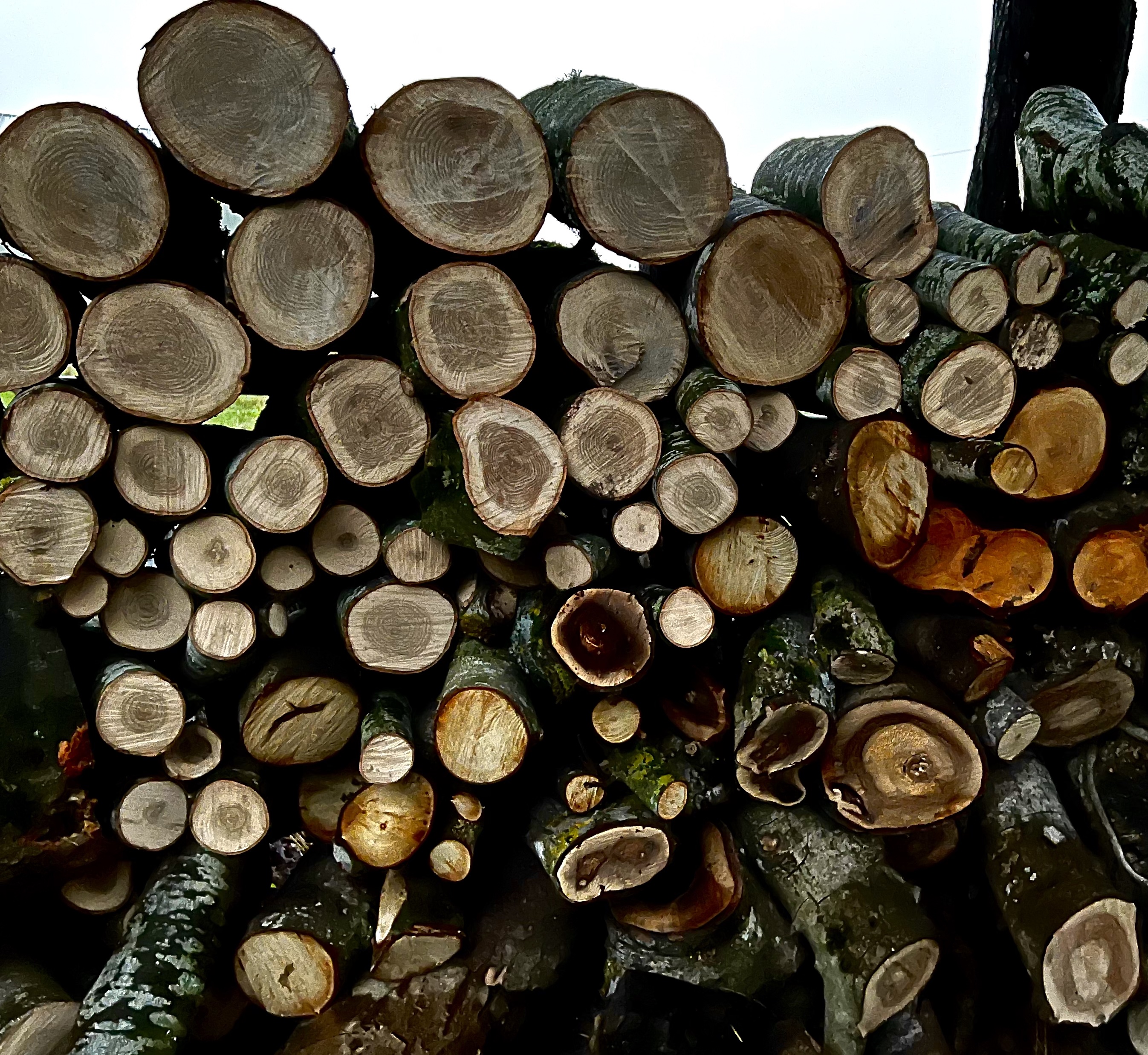
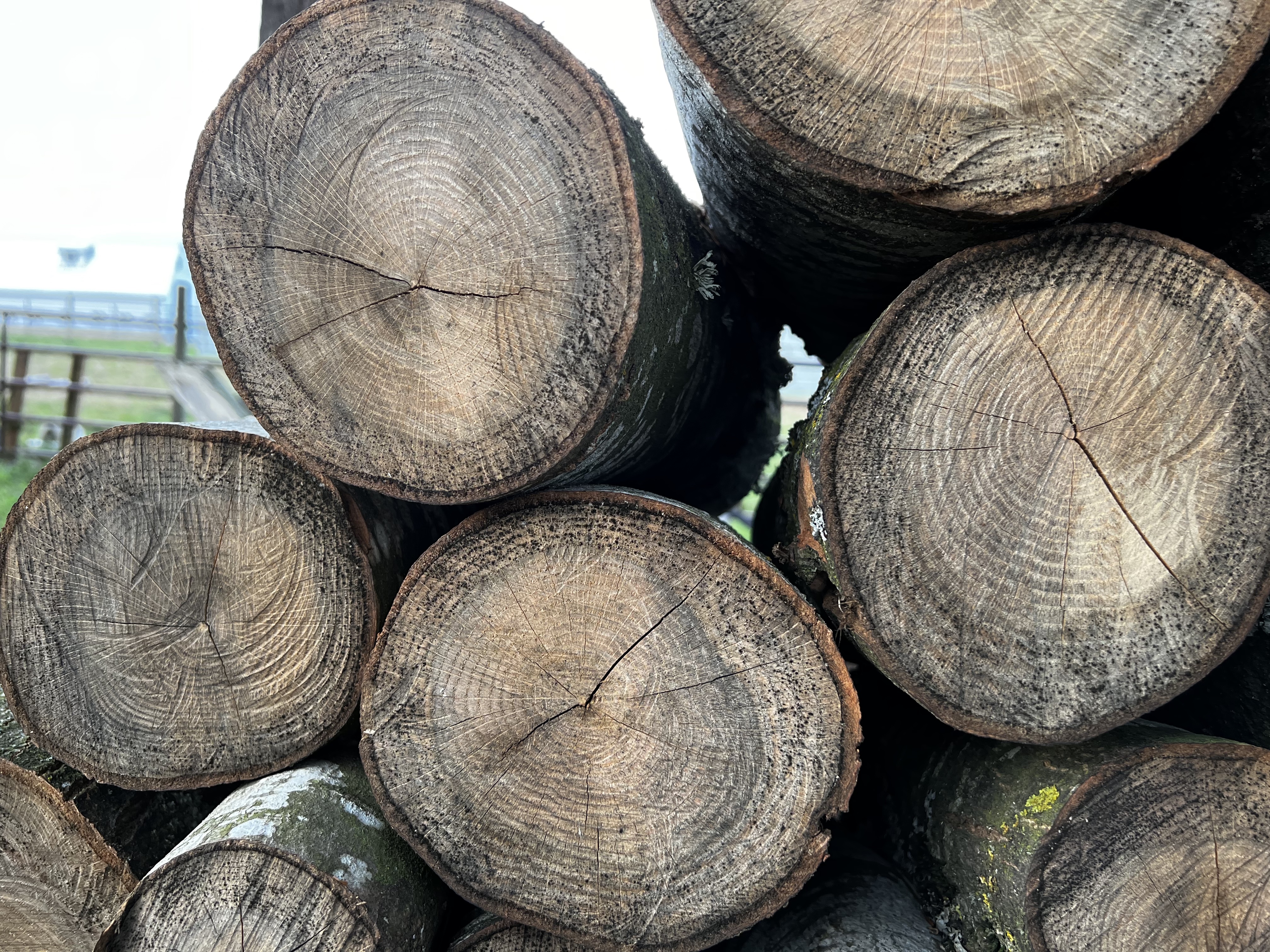
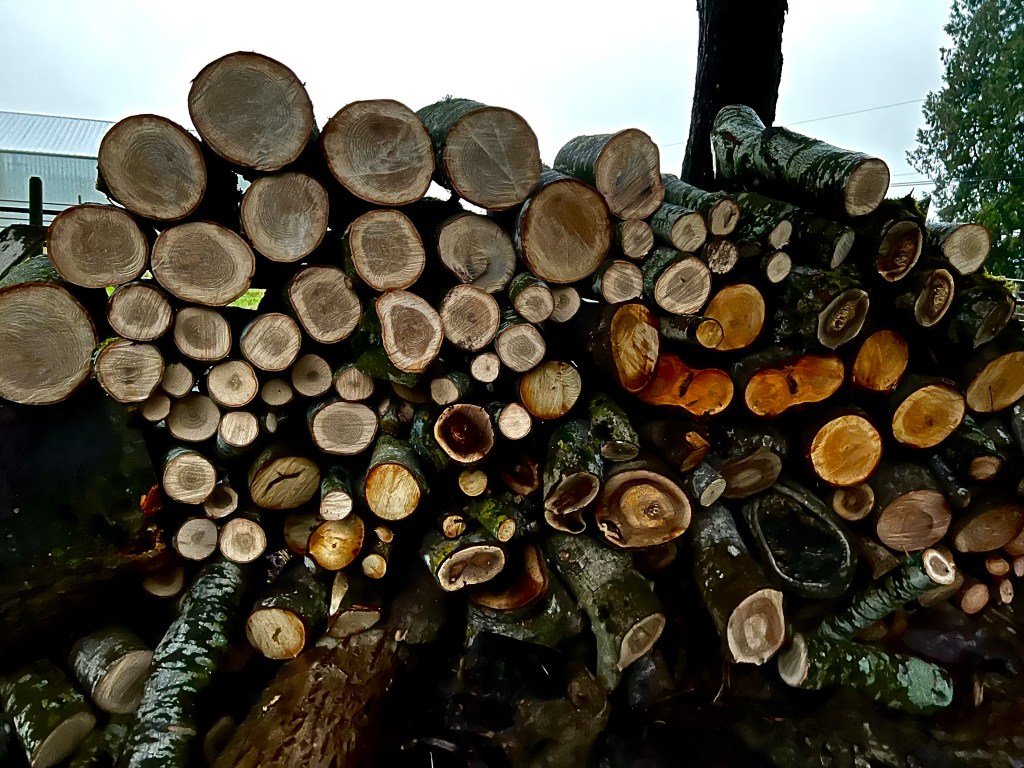
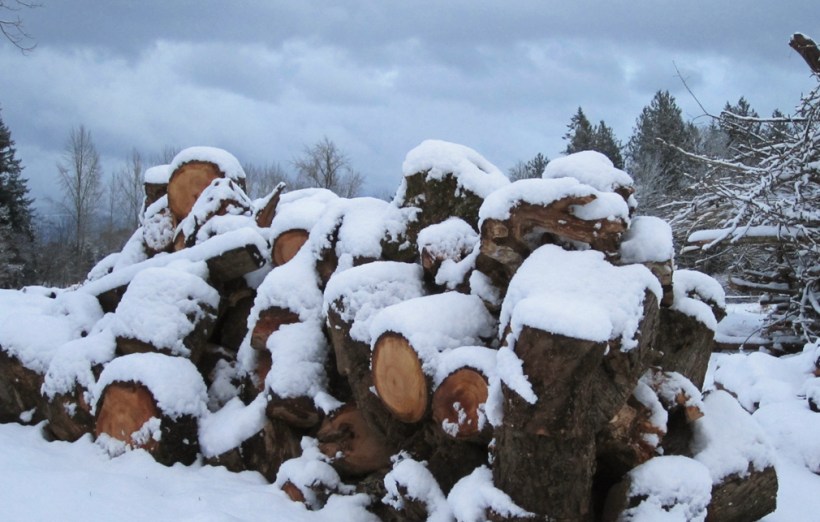
I finished loading the woodshed today. Every year
I tell myself, This is it, the last time. It’s just too
much work, too painful, and I’m too old.
And then, the next year, when fall rolls
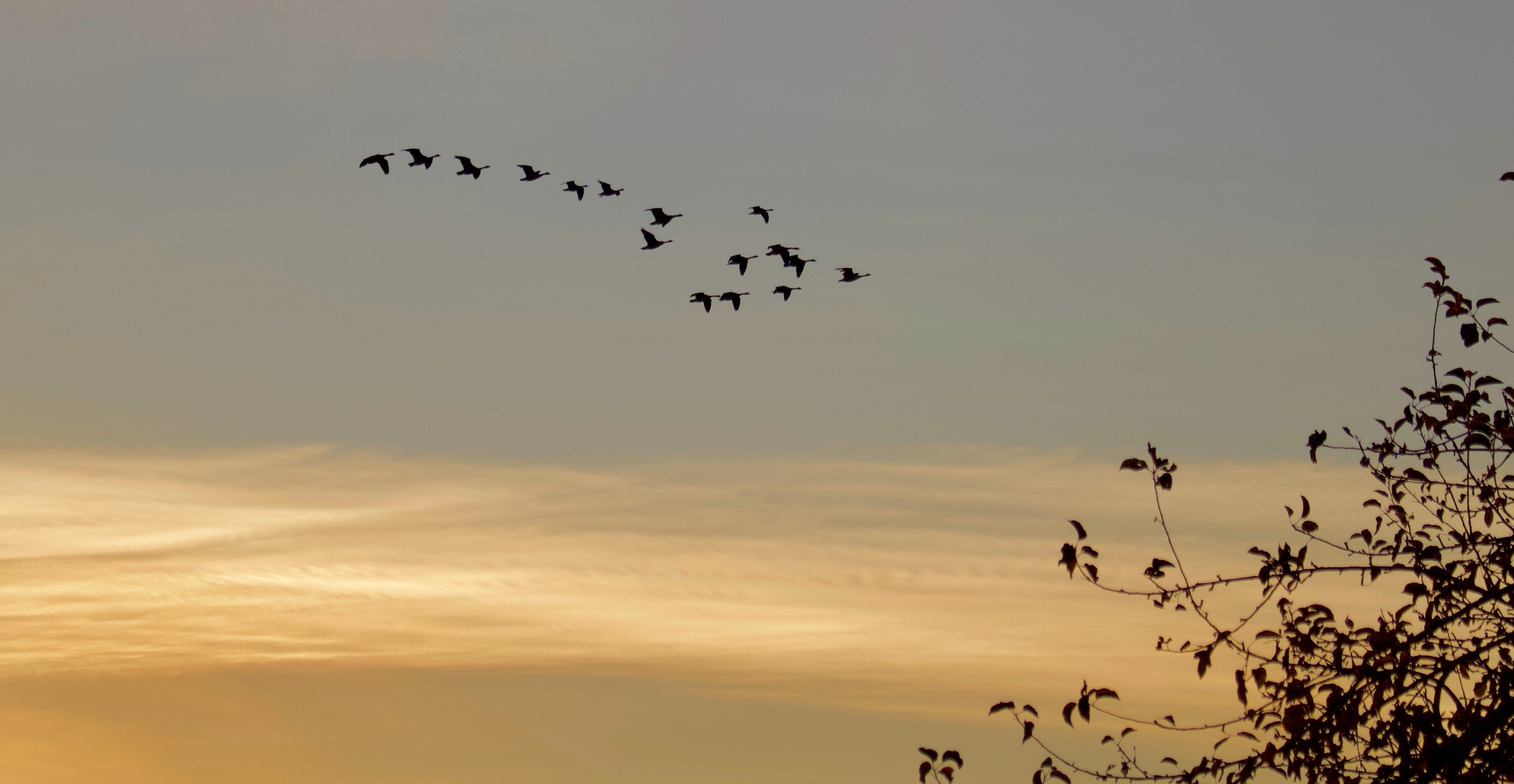
around, the air gets cold, and the geese go south, I
load the woodshed again.

How long will this go on? I’m seventy-two.
Every year it takes me longer to recover,
yet every year I keep doing it.

It’s just, now that I’m done, I can go out into
the woodshed, sit in a chair, and look at all those
neatly stacked rows, six and a half feet high, six feet
long and sixteen inches deep, two sets of rows like that,
left and right, four full cord — not much by some standards —
but enough to keep us warm all winter.

When I go out and look at what I’ve done, I get such a deep
sense of satisfaction from this backaching labor that I can’t

imagine a year without going through all that pain again.
~David Budbill, “Loading the Woodshed” from Tumbling toward the End.

Long-johns top and bottom, heavy socks, flannel shirt, overalls,
steel-toed work boots, sweater, canvas coat, toque, mittens: on.


Out past grape arbor and garden shed, into the woods.
Sun just coming through the trees. There really is such a thing


as Homer’s rosy-fingered dawn. And here it is, this morning.
Down hill, across brook, up hill, and into the stand of white pine


and red maple where I’m cutting firewood. Open up workbox,
take out chain saw, gas, bar oil, kneel down, gas up saw, add

bar oil to the reservoir, stand up, mittens off, strap on and buckle
chaps from waist to toe, hard hat helmet: on. Ear protectors: down,

face screen: down, push in compression release, pull out choke,
pull on starter cord, once, twice, go. Stall. Pull out choke, pull on


starter cord, once, twice, go. Push in choke. Mittens: back on.
Cloud of two-cycle exhaust smoke wafting into the morning air


and I, looking like a medieval Japanese warrior, wade through
blue smoke, knee-deep snow, revving the chain saw as I go,


headed for that doomed, unknowing maple tree.
~David Budbill”Into the Winter Woods”, from Happy Life

The other day, I was visiting with a recently widowed neighbor who is now well into her 70’s. She said she had finished loading her woodshed and was now ready for winter, dependent on wood stove heat over the next 6 months or so. She is someone who takes her independence seriously after her husband died, having lived in the same house for over fifty years – not at all ready to move into town to an apartment or condo, much less assisted living. She assists herself, thank you very much, even if it means climbing a step ladder to overhead-toss the firewood chunks onto the top row, and later to pull them down again to haul into the house to the stove.

I asked her why she continued to do such hard physical work when she has sons who live nearby as well as the means to hire help if she needed it. She also could choose to install a furnace, making it easier to stay warm.

She told me she likes to look at the stack every day when she does her farmyard chores, which include bringing in her day’s worth of wood. It gives her a deep sense of satisfaction to know that she was able to neatly stack several cords of wood under cover for yet another year, just as she has done year after year after year. It is a reminder of what she is capable of doing on her own, now that she is alone.

It makes her feel good to look at the fruit of her labor.

And that, of course, is reason enough to keep doing a hard thing. We each work at living out our days the best we can despite how painful they can be. We are blessed to be able to do it.

One-Time
Monthly
Yearly

Make a one-time or recurring donation to support daily Barnstorming posts

Make a monthly donation

Make a yearly donation

Choose an amount

¤10.00
¤20.00
¤50.00
¤5.00
¤15.00
¤100.00
¤5.00
¤15.00
¤100.00

Or enter a custom amount

¤

Your contribution is deeply appreciated.

Your contribution is appreciated.

Your contribution is appreciated.

DonateDonate monthlyDonate yearly
Only Here and Now

When I work outdoors all day, every day,
as I do now, in the fall, getting ready for winter,
tearing up the garden, digging potatoes,
gathering the squash, cutting firewood, making kindling, repairing
bridges over the brook, clearing trails in the woods,

doing the last of the fall mowing,
pruning apple trees, taking down the screens,
putting up the storm windows, banking the house—all these things,
as preparation for the coming cold…


when I am every day all day all body and no mind, when I am
physically, wholly and completely, in this world with the birds,
the deer, the sky, the wind, the trees…


when day after day I think of nothing but what the next chore is,
when I go from clearing woods roads, to sharpening a chain saw,
to changing the oil in a mower, to stacking wood, when I am
all body and no mind…

when I am only here and now and nowhere else—
then, and only then, do I see the crippling power of mind,
the curse of thought, and I pause and wonder why
I so seldom find this shining moment in the now.
~David Budbill “This Shining Moment in the Now” from While We’ve Still Got Feet.

I spend only a small part of my day doing physical work compared to my husband’s faithful daily labor in the garden and elsewhere on the farm. We both celebrate the good and wonderful gifts from the Lord, His sun, rain and soil. Although these weeks are a busy harvest time preserving as much as we can from the orchard and the garden, too much of my own waking time is spent almost entirely within the confines of my skull.

I know that isn’t healthy. My body needs to lift and push and pull and dig and toss, so I head outside to do farm and garden chores. This physical activity gives me the opportunity to be “in the moment” and not crushed under “what was, what is, what needs to be and what possibly could be” — all the processing that happens mostly in my head.

I’m grateful for this tenuous balance in my life, knowing as I do that I was never cut out to be a good full time farmer. I sometimes feel that shining glow in the moments of “living it now” rather than dwelling endlessly in my mind about the past or the future.

Thank the Lord, oh thank the Lord. I am learning to let those harvest moments shine.

Original Barnstorming artwork note cards available as a gift to you with a $50 donation to support Barnstorming – information here

The Beginning Shall Remind Us of the End: The Frankincense of Fragrant Fir

Hanging old ornaments on a fresh cut tree,
I take each red glass bulb and tinfoil seraph
And blow away the dust. Anyone else
Would throw them out. They are so scratched and shabby.

My mother had so little joy to share
She kept it in a box to hide away.
But on the darkest winter nights—voilà—
She opened it resplendently to shine.

How carefully she hung each thread of tinsel,
Or touched each dime-store bauble with delight.
Blessed by the frankincense of fragrant fir,
Nothing was too little to be loved.

Why do the dead insist on bringing gifts
We can’t reciprocate? We wrap her hopes
Around the tree crowned with a fragile star.
No holiday is holy without ghosts.
~Dana Gioia, “Tinsel, Frankincense, and Fir”

When the song of the angels is stilled,
when the star in the sky is gone,
when the kings and princes are home,
when the shepherds are back with their flocks,
the work of Christmas begins:
to find the lost,

to heal the broken,
to feed the hungry,
to release the prisoner,
to rebuild the nations,
to bring peace among the people,
to make music in the heart.
~Howard Thurman from The Mood of Christmas & Other Celebrations

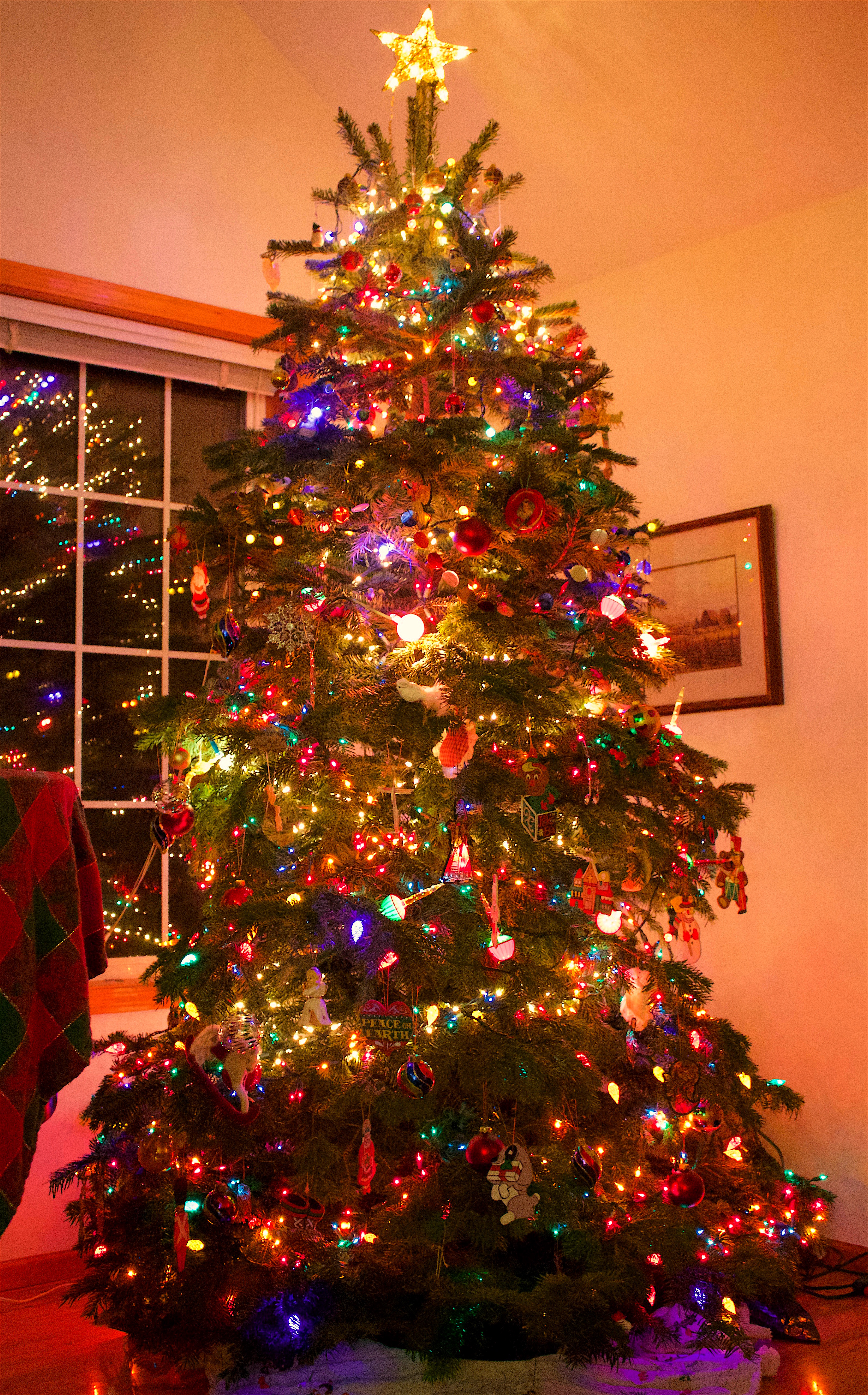
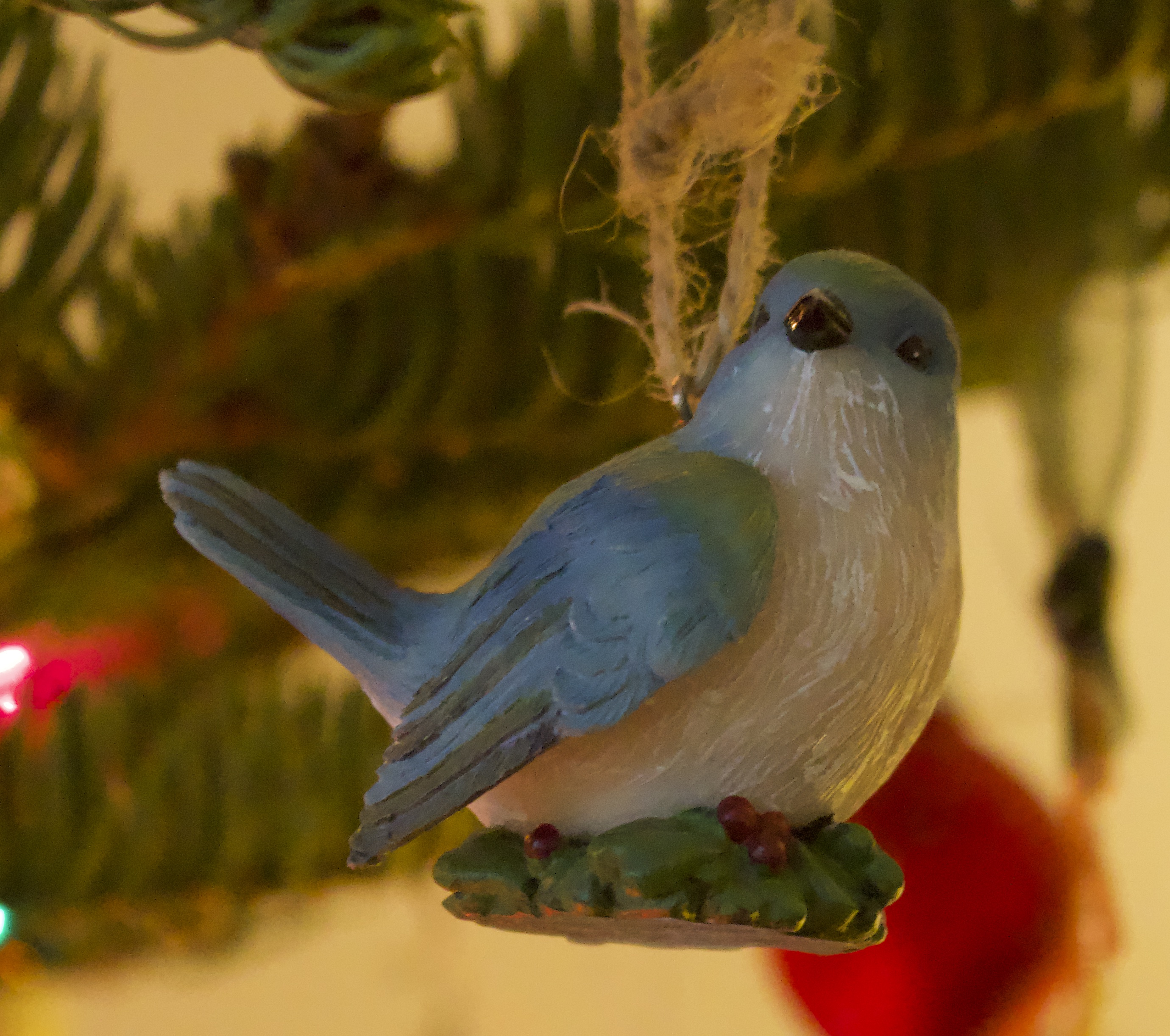
There are plenty of ghosts hiding in the boxes of ornaments I place on our Christmas tree.

Closing my eyes, I can see my father struggling to straighten our wild cut trees from our woods, mumbling under his breath in his frustration as he lies prone under the branches. I can see my mother, tears in her eyes, arranging ornaments from her parents’ childhoods, remembering times in her childhood that were fraught and fragile.

Each memory, every scratched-up glass ball is so easily breakable, a mere symbol for the fragility of us all this time of year.

Our real work of Christmas isn’t just during these frantic weeks of Advent but lasts year-long — often very hard intensive work, not just fa-la-la-la-la and jingle bells, but badly needed labor in this broken world with its homelessness, hunger, disease, conflict, addictions, depression and pain.

Even so, we enter winter next week replete with a startling splash of orange red that paints the skies in the evenings, the stark and gorgeous snow covered peaks surrounding us during the day,  the grace of bald eagles and trumpeter swans flying overhead, the heavenly lights that twinkle every night,  the shining globe that circles full above us, and the loving support of the Hand that rocks us to sleep when we are wailing loud.

Once again, I prepare myself to do the real work of Christmas, acknowledging the stark reality that the labor that happened in a barn that night was only the beginning of the labor required to salvage this world begun by an infant in a manger.

We don’t need a fragrant fir, full stockings on the hearth, Christmas villages on the side table, or a star on the top of the tree to know the comfort of His care and the astounding beauty of His creation, available for us without batteries, electrical plug ins, or the need of a ladder.

The ghosts and memories of Christmas tend to pull me up from my doldrums, alive to the possibility that even I, broken and fragile, scratched and showing my age, can make a difference, in His name, all year.

Nothing is too little to be loved…even me.

This year’s Barnstorming Advent theme “… the Beginning shall remind us of the End” is taken from the final lines in T.S. Eliot’s poem “The Cultivation of Christmas Trees”

One-Time
Monthly
Yearly

Make a one-time donation to support Barnstorming

Make a monthly donation

Make a yearly donation

Choose an amount

¤5.00
¤10.00
¤20.00
¤5.00
¤15.00
¤100.00
¤5.00
¤15.00
¤100.00

Or enter a custom amount

¤

Your contribution is deeply appreciated.

Your contribution is appreciated.

Your contribution is appreciated.

DonateDonate monthlyDonate yearly
The Way I Might Have Gone

Out walking in the frozen swamp one gray day,
I paused and said, ‘I will turn back from here.
No, I will go on farther—and we shall see.’
The hard snow held me, save where now and then
One foot went through. The view was all in lines
Straight up and down of tall slim trees
Too much alike to mark or name a place by
So as to say for certain I was here
Or somewhere else: I was just far from home.
A small bird flew before me. He was careful
To put a tree between us when he lighted,
And say no word to tell me who he was
Who was so foolish as to think what he thought.
He thought that I was after him for a feather—
The white one in his tail; like one who takes
Everything said as personal to himself.
One flight out sideways would have undeceived him.
And then there was a pile of wood for which
I forgot him and let his little fear
Carry him off the way I might have gone,
Without so much as wishing him good-night.
He went behind it to make his last stand.
It was a cord of maple, cut and split
And piled—and measured, four by four by eight.

And not another like it could I see.
No runner tracks in this year’s snow looped near it.
And it was older sure than this year’s cutting,
Or even last year’s or the year’s before.
The wood was gray and the bark warping off it
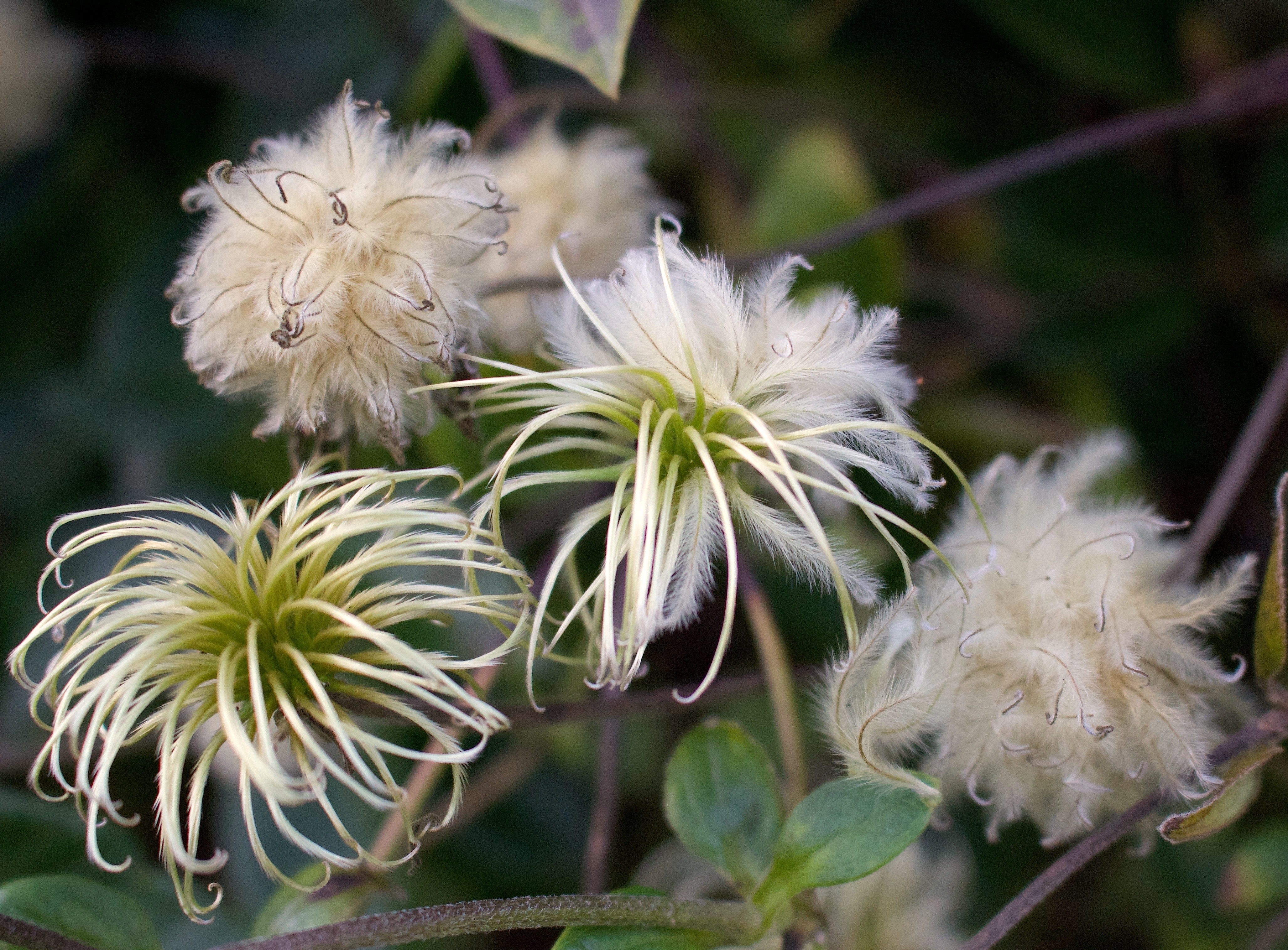
And the pile somewhat sunken. Clematis
Had wound strings round and round it like a bundle.
What held it though on one side was a tree
Still growing, and on one a stake and prop,
These latter about to fall. I thought that only
Someone who lived in turning to fresh tasks
Could so forget his handiwork on which
He spent himself, the labor of his ax,
And leave it there far from a useful fireplace
To warm the frozen swamp as best it could

With the slow smokeless burning of decay.
~Robert Frost, “The Wood-pile” from North of Boston

My labor is usually done with fervor and purpose, but there are times when I do not experience the fruits of my labor. It is left to smolder slowly to decay rather than provide the intended warmth and nurture of a fresh hearthfire.

I might have chosen a different way to go if I had known.

Perhaps I will simply follow the birds instead…

fire photo by Josh Scholten

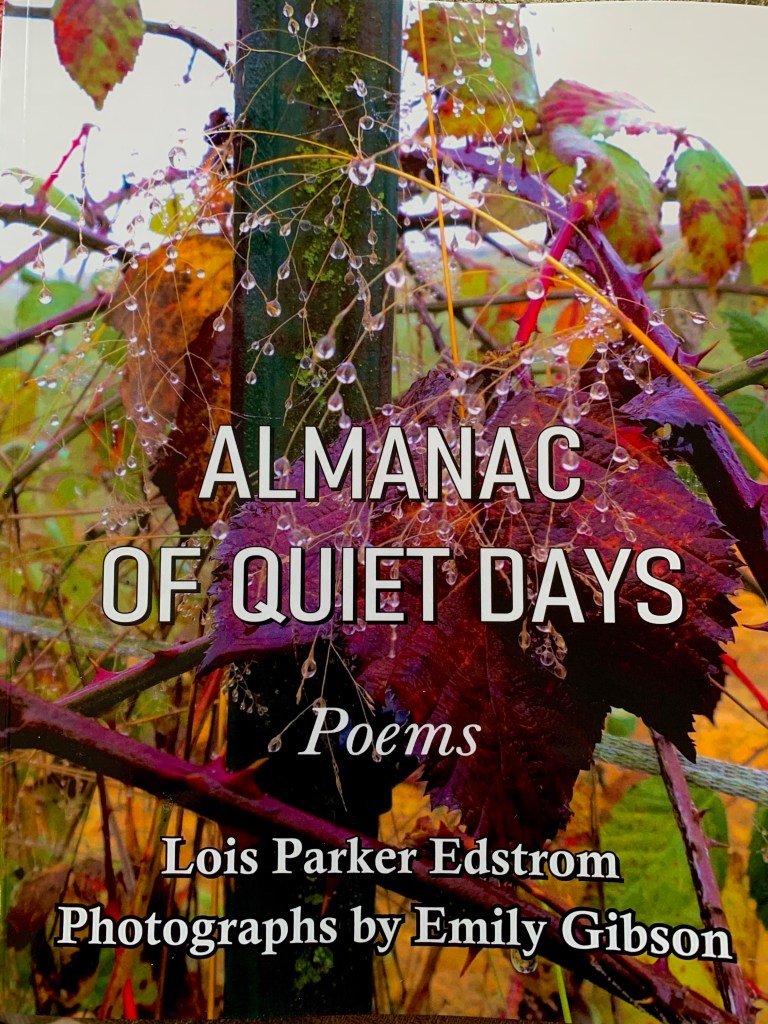
A book of beauty in words and photography is available for order here:

To Leave Something Behind

Everyone must leave something behind when he dies,
my grandfather said.
A child or a book or a painting
or a house or a wall built or a pair of shoes made.
Or a garden planted.
Something your hand touched some way
so your soul has somewhere to go when you die,
and when people look at that tree or that flower you planted,
you’re there.

It doesn’t matter what you do, he said,
so long as you change something
from the way it was before you touched it
into something that’s like you after you take your hands away.
The difference between the man who just cuts lawns
and a real gardener is in the touching, he said.
The lawn-cutter might just as well not have been there at all;
the gardener will be there a lifetime.
~Ray Bradbury from Fahrenheit 451

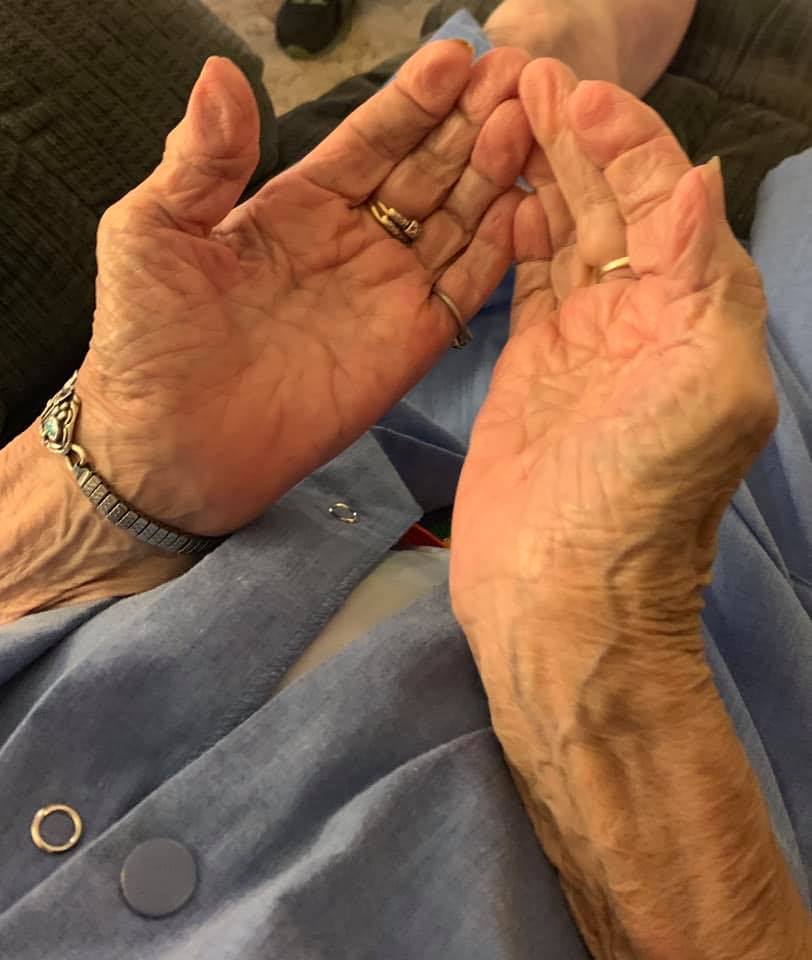
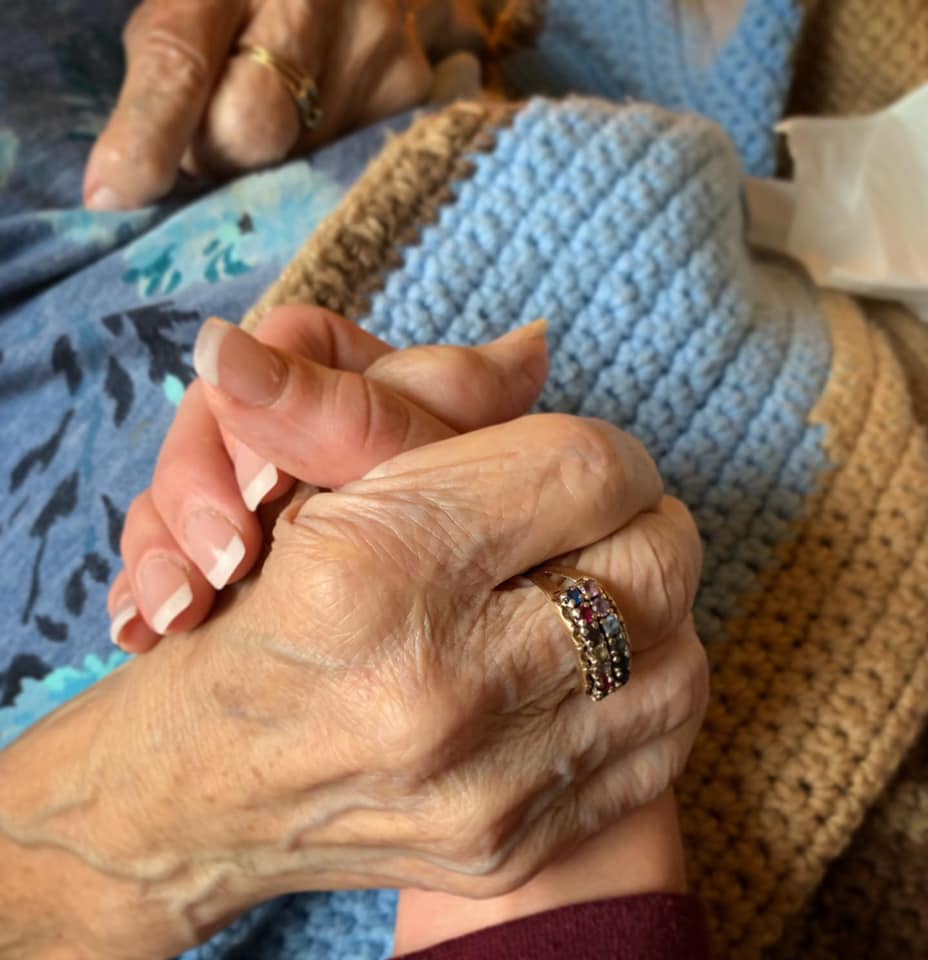
Esther Meyer, nearly 92, photo taken by a granddaughter
Esther’s hands – photo by Donna Meyer
photo by Danielle Meyer Miljevic

At last the entire family stood, like people seeing someone off at the rail station, waiting in the room.

“Well,” said Great-grandma, “there I am, I’m not humble, so it’s nice seeing you standing around my bed. Now next week there’s late gardening and closet-cleaning and clothes-buying for the children to do. And since that part of me is called, for convenience, Great-grandma, won’t be here to step it along, those other parts of me called Uncle Bert and Leo and Tom and Douglas, and all the other names, will have to take over, each to his own.”

“Yes, Grandma.”

Somewhere a door closed quietly.

… she saw it shaping in her mind quietly, and with serenity like a sea moving along and endless and self-refreshing shore.

Downstairs, she thought, they are polishing the silver, and rummaging the cellar, and dusting in the halls. She could hear them living all through the house.

“It’s all right,” whispered Great-grandma, as the dream floated her. “Like everything else in this life, it’s fitting.”

And the sea moved her back down the shore.
~Ray Bradbury “Great-Grandmother” from Dandelion Wine

Esther learned young how to work and she never forgot, still working up until the last few days of her long life.

Today she is sweeping up, wiping down counters and washing the dishes in a corner of heaven, after baking cookies and putting a soup on to simmer, to be sure everyone up there is well-fed and feels welcome.

She grew up on a remote farm in South Dakota where survival meant the whole family pitched in to help. When she married Pete and headed west to Washington, the work never let up: six sons, a small farm, a construction business to help manage, working as a caretaker privately and in a nursing home, taking on the mission of coordinating a large Sunday School ministry in our small church back over fifty years ago and never leaving.

Esther touched everything and everyone in this life, leaving a bit of herself behind in all of us. She’ll stay plenty busy in the next life.

She was Wiser Lake Chapel for over half her life, along with her husband Pete who passed from chronic leukemia over a decade ago. Their son Wes took on many of Pete’s carpentry and building maintenance duties at church, but then he too lost a fight with acute leukemia.

Esther persevered despite these heartbreaking losses, a tenacious testament to the power of the Spirit in one woman’s life. She had more artificial joints in her body than her own joints, some replaced twice. Her heart tried to fail any number of times, most recently after a trip to Europe she made earlier this year, by herself, to visit her missionary son. She never stopped driving. She never stopped walking even though every step took immense effort paid in pain. She came to every church service, morning and night and mid-week, usually with something fresh-baked in her hand. If soup was needed for a meal on short notice, she could make it happen in an hour from what she stored away in her freezer. She was a self-appointed clean-up crew, wheeling her walker from table to sink to counter to trash can and back again.

Every new great-grandbaby and every new Chapel baby had a hand-made Esther quilt, complete with her hand-painted pictures and the details of the birthday and birthweight printed on it. She made hundreds over her lifetime.

Esther’s family is a large exuberant and glory-filled group of sons and daughter-in-laws and grands and great-grands who reflect who she and Pete were to them, to our church and the greater community. They are a legacy left on earth, to keep up the good work and gratitude-filled worship, to never ever give up, no matter how tough life can be.

Thank you, Esther, for changing us all so profoundly we won’t ever be the same as we were before you touched us; you left us all so much better than before. Now I believe we all are just a little bit like you.

And most of all, thanks for 90-plus years of your loving labor on the Lord’s behalf. The soup is on the stove in memory of you.

Something Finished

Gold of a ripe oat straw, gold of a southwest moon,
What is there for you in the birds, the birds, the birds, crying
down on the north wind in September, acres of birds spotting
the air going south?

Is there something finished? And some new beginning on the
way?

I cried over beautiful things knowing no beautiful thing lasts.
~Carl Sandburg from “Fall Time” and “Autumn Movement”

My summer of “no doctoring” finishes today. I return to part-time clinical work tomorrow; a new beginning is on the way.

I am readying myself.

I consider how it will feel to put the stethoscope back on and return to spending most of my daylight hours in window-less rooms. Several months of freedom to wander and wonder will be tough to give up.

However, when I meet my first patient of the day, I’m “all in.” Someone is needing my help more than I need time off. The wind has shifted, it is time to migrate back to the work I was called to do over forty years ago.

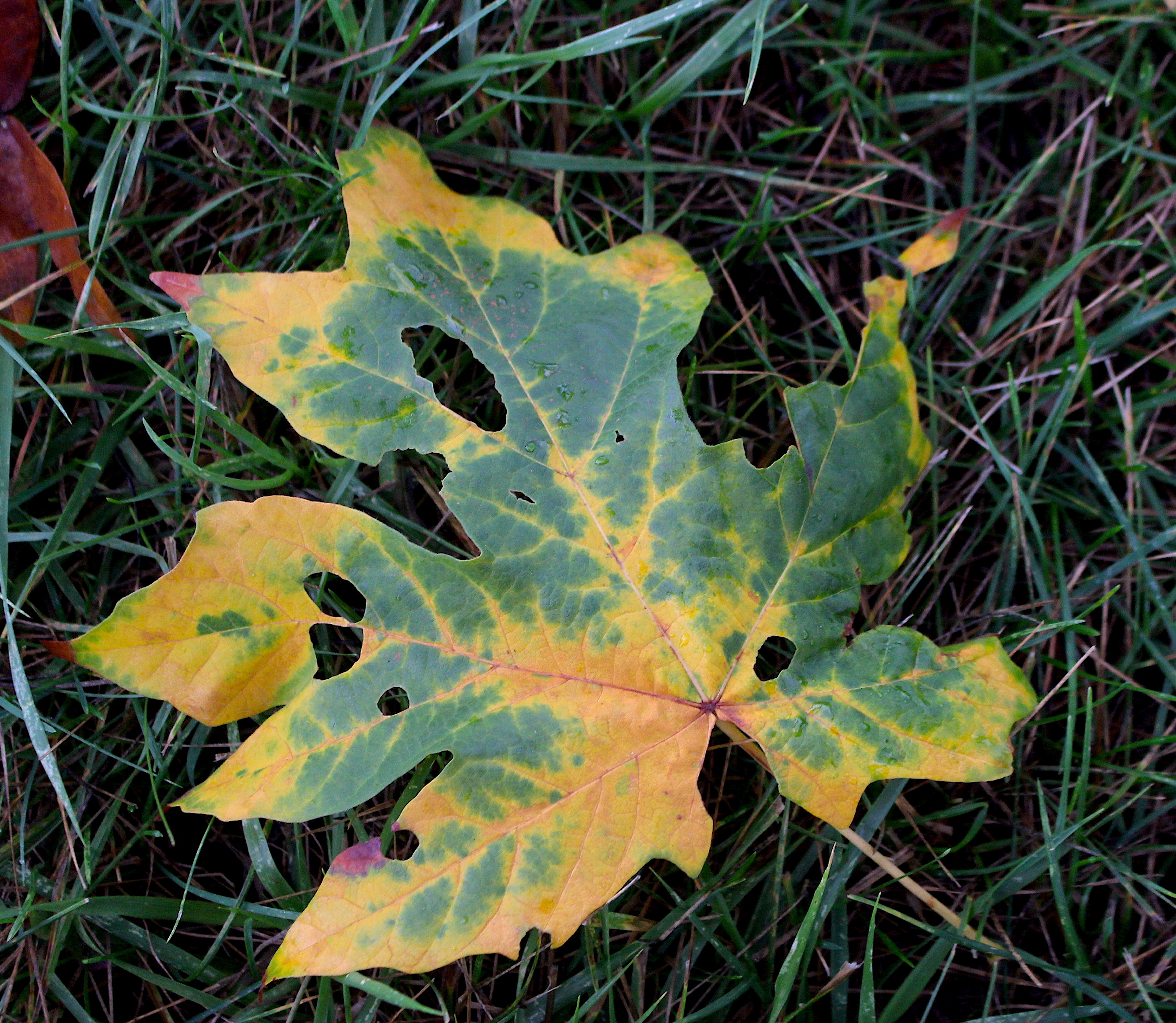
Still I will look for beautiful things where I can find them, knowing that even though they don’t last, they will always be well worth the weeping.

A Bright Sadness: All Creatures Doing Their Best

All creatures are doing their best
to help God in His birth
of Himself.

Enough talk for the night.
He is laboring in me;

I need to be silent 
for a while,

worlds are forming
in my heart.    
~Meister Eckhart from “Expands His Being”

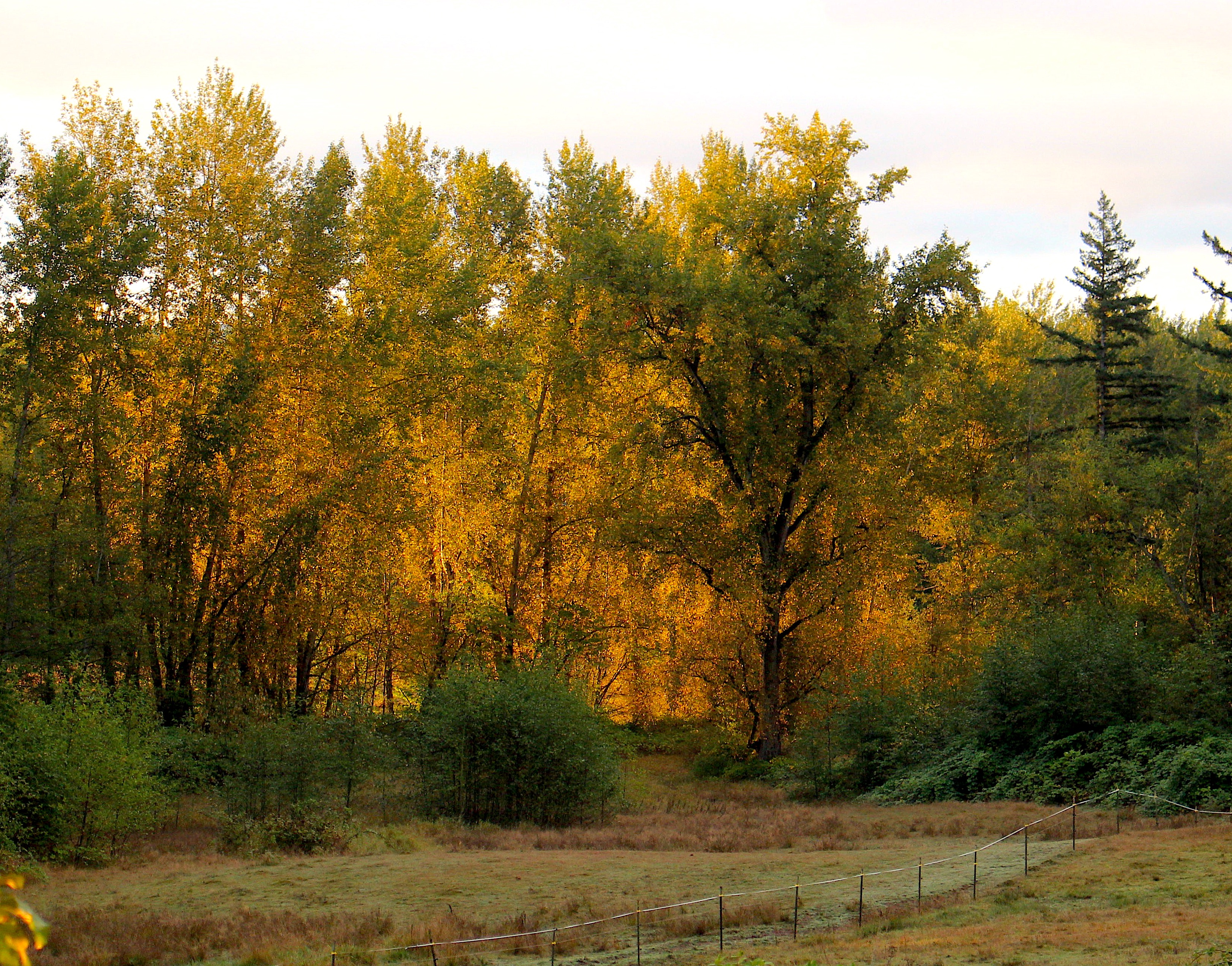
These last few days of winter are a reawakening of nature’s rebirthing rhythms, with increased activity of all the wild creatures and birds around us, and most importantly, God’s renewal of our weary wintery hearts.

Some late winter and early spring mornings still are pitch black with blustering winds and rain, looking and feeling like the bleakest of December mornings about to plunge into the death spiral of winter all over again.
No self-respecting God would birth Himself into a dawn as dark as night.

But this God would.

He labors in our bleakest of hearts for good reason.  We are unformed and unready to meet Him in the light, clinging as we do to our dark ways and thoughts.  Though we soon celebrate the rebirth of springtime, it is just so much talk until we accept the change of being transformed ourselves.

Though soon the birds will be singing their hearts out and the frogs chorusing in the warming ponds, we, His people, are silenced as He prepares us and prepares Himself for birth within us.   The labor pains are His, not ours;  we become awed witnesses to His first and last breath when He makes all things, including us, new again.

The world and its creatures, including us, is reborn — even where dark reigned before, even where it is bleakest, especially inside our healing wintery hearts.