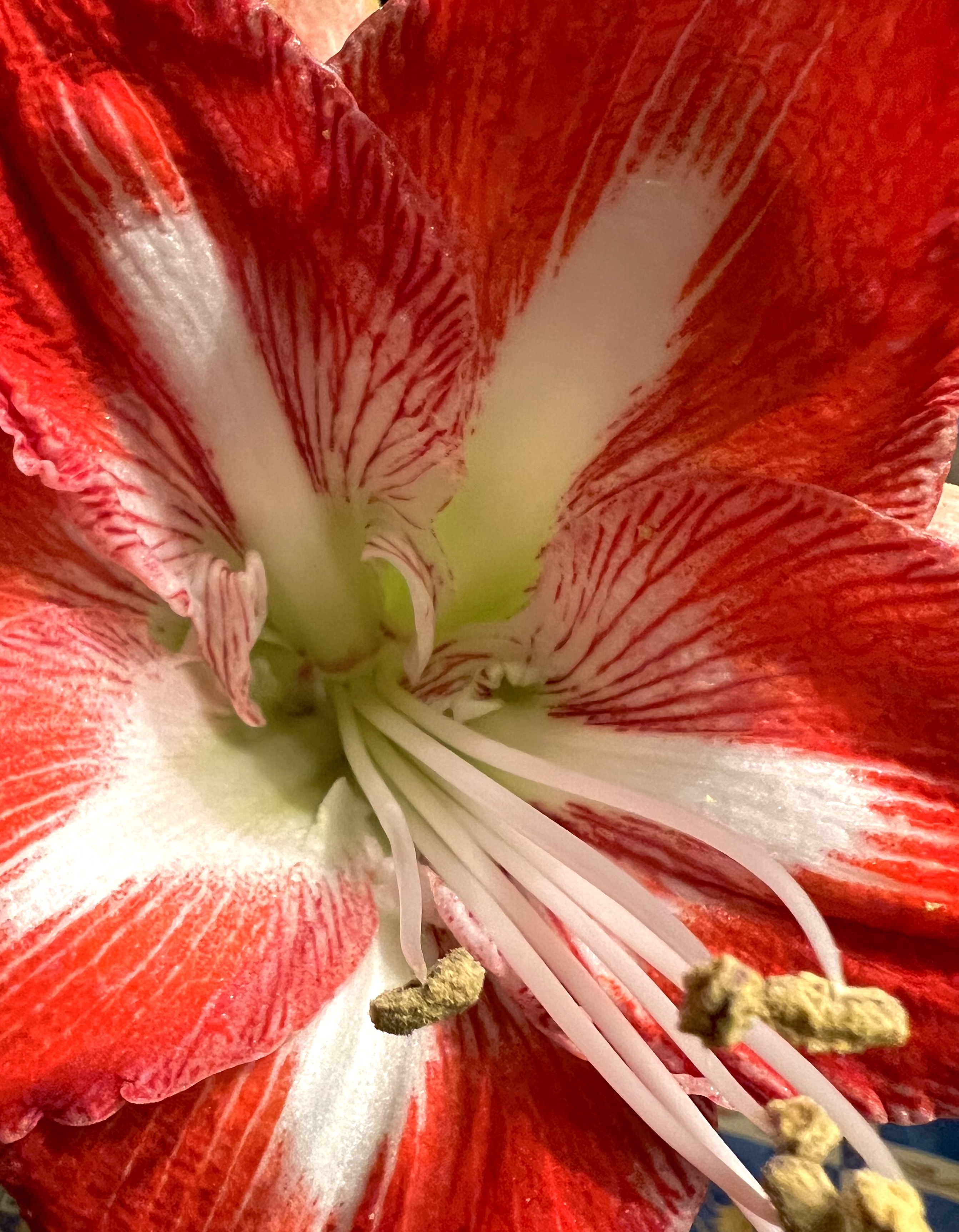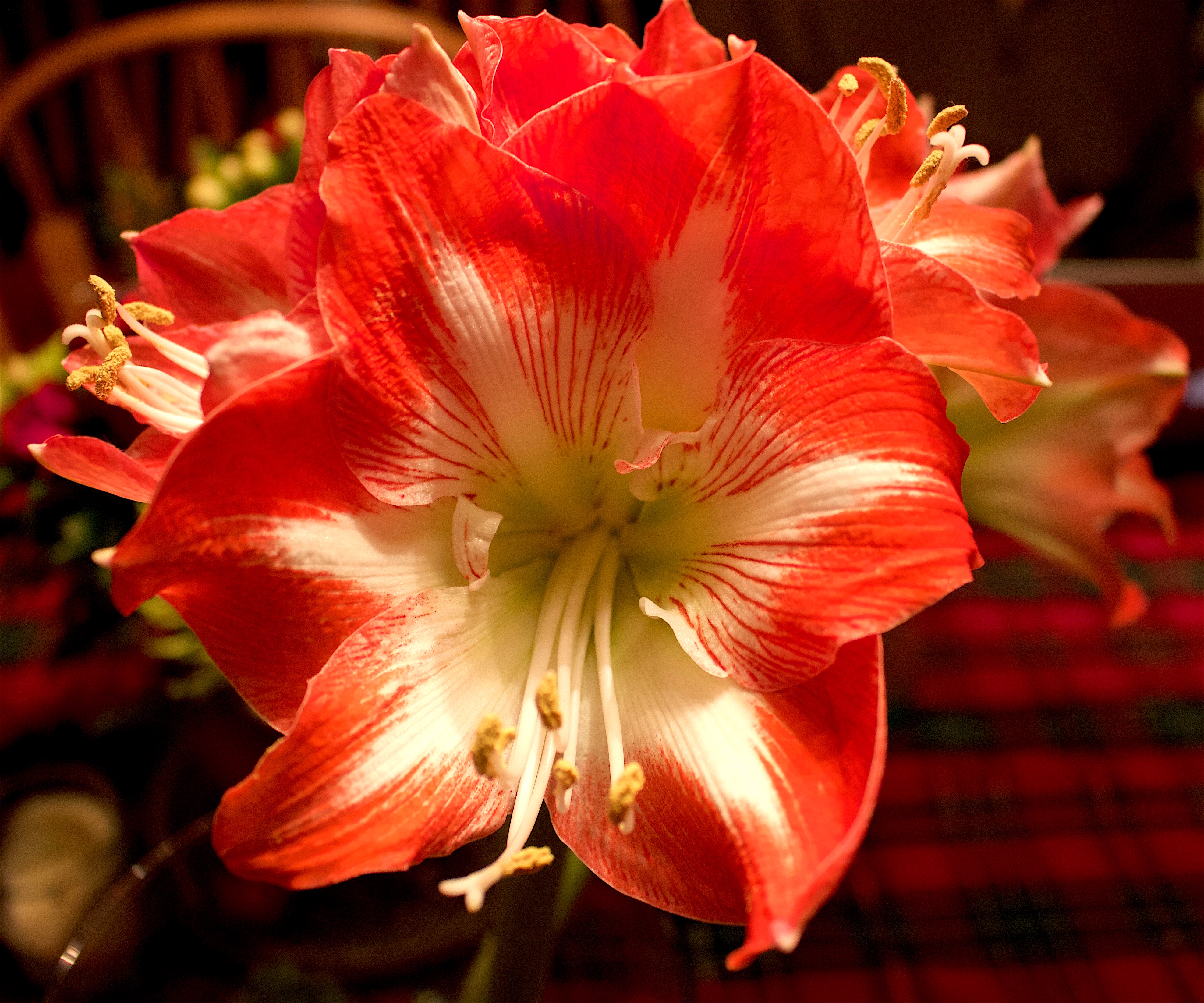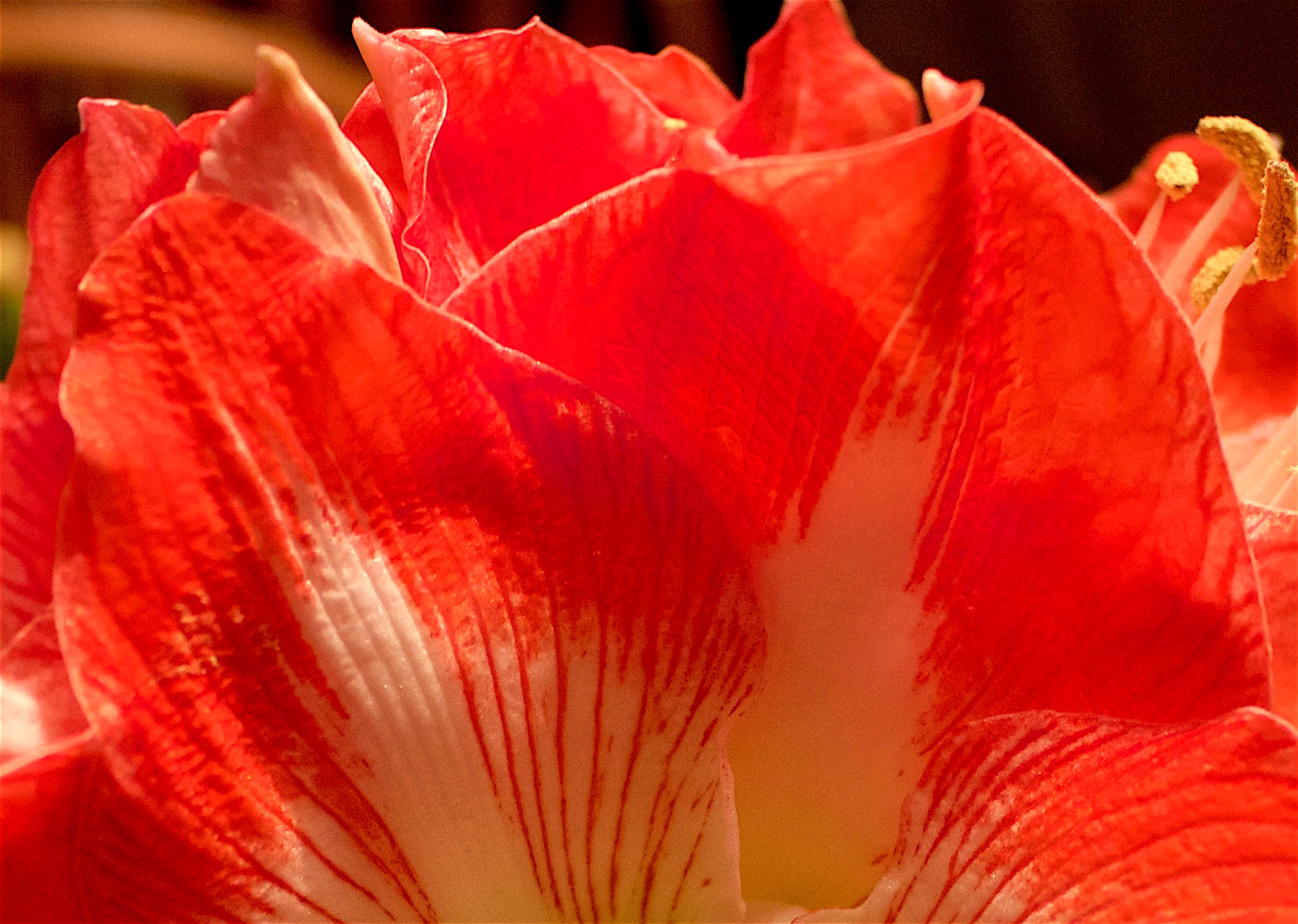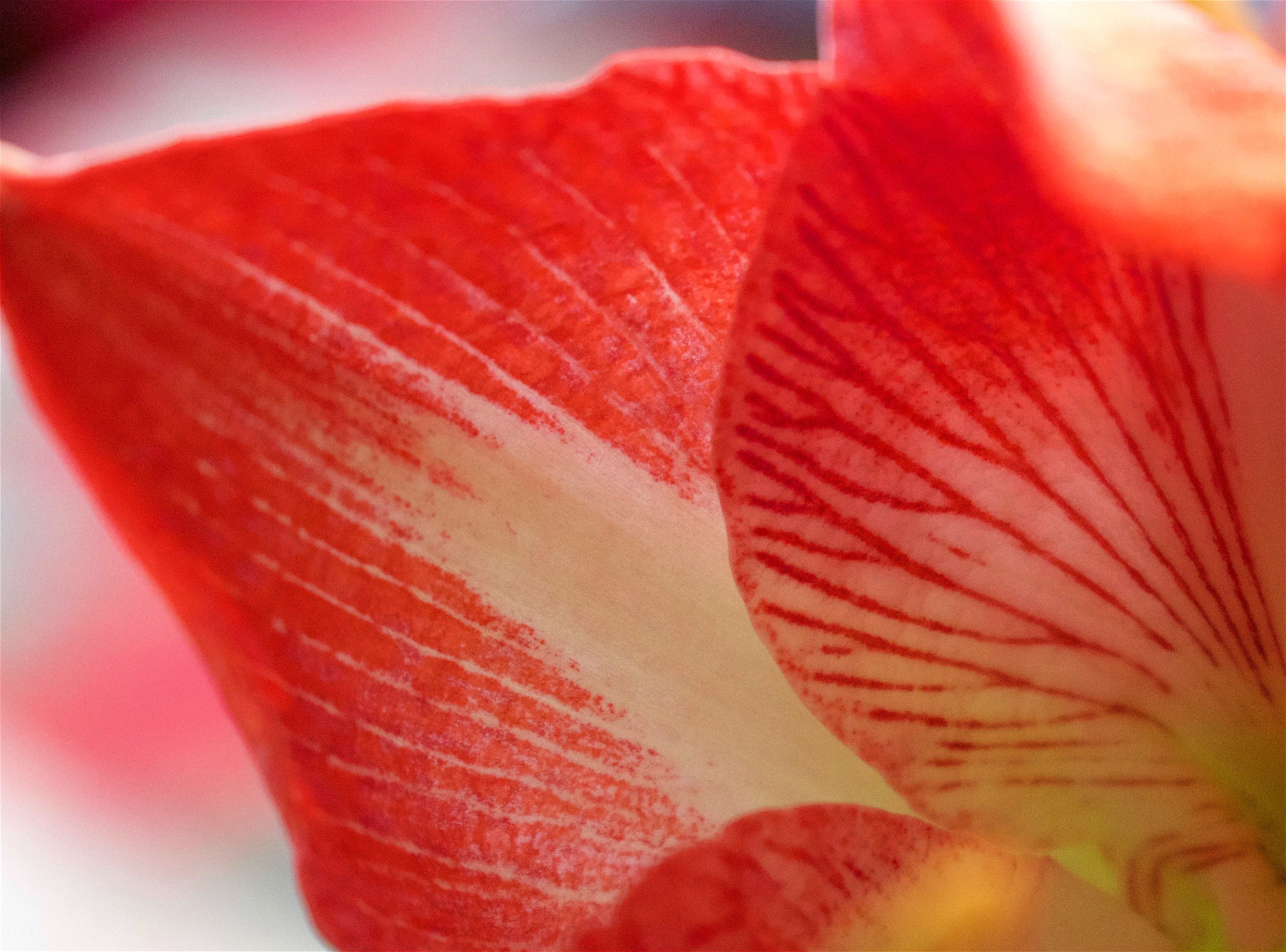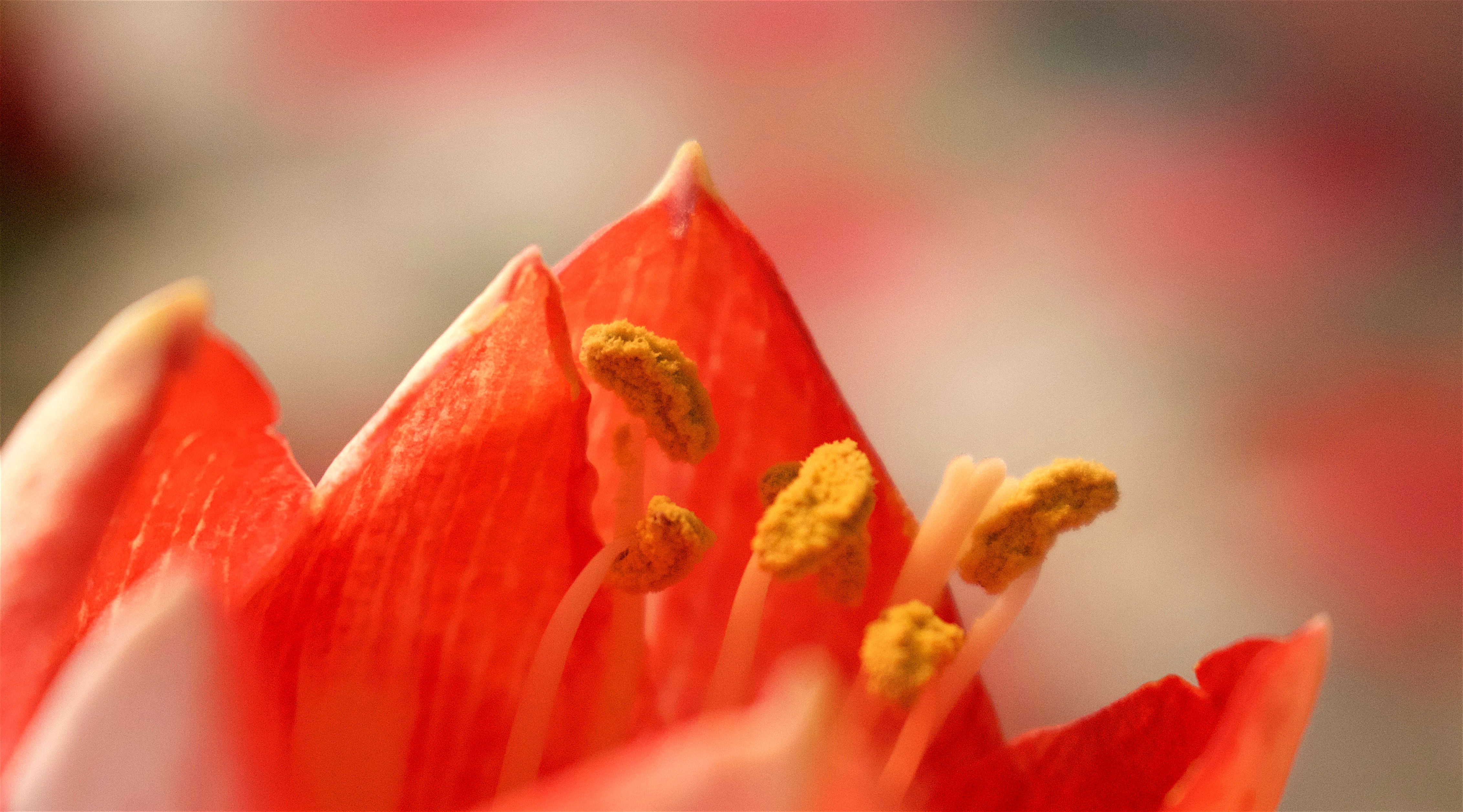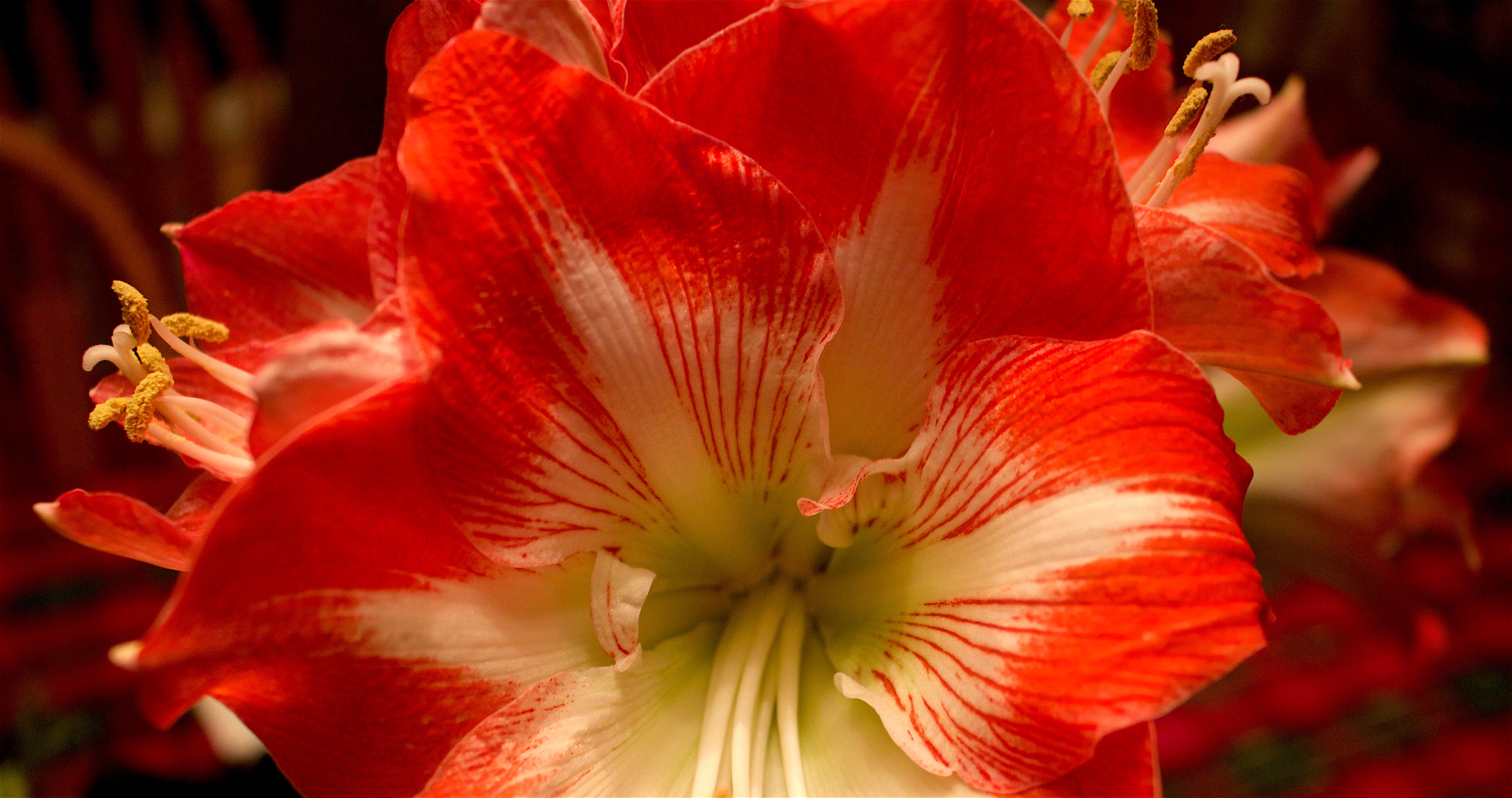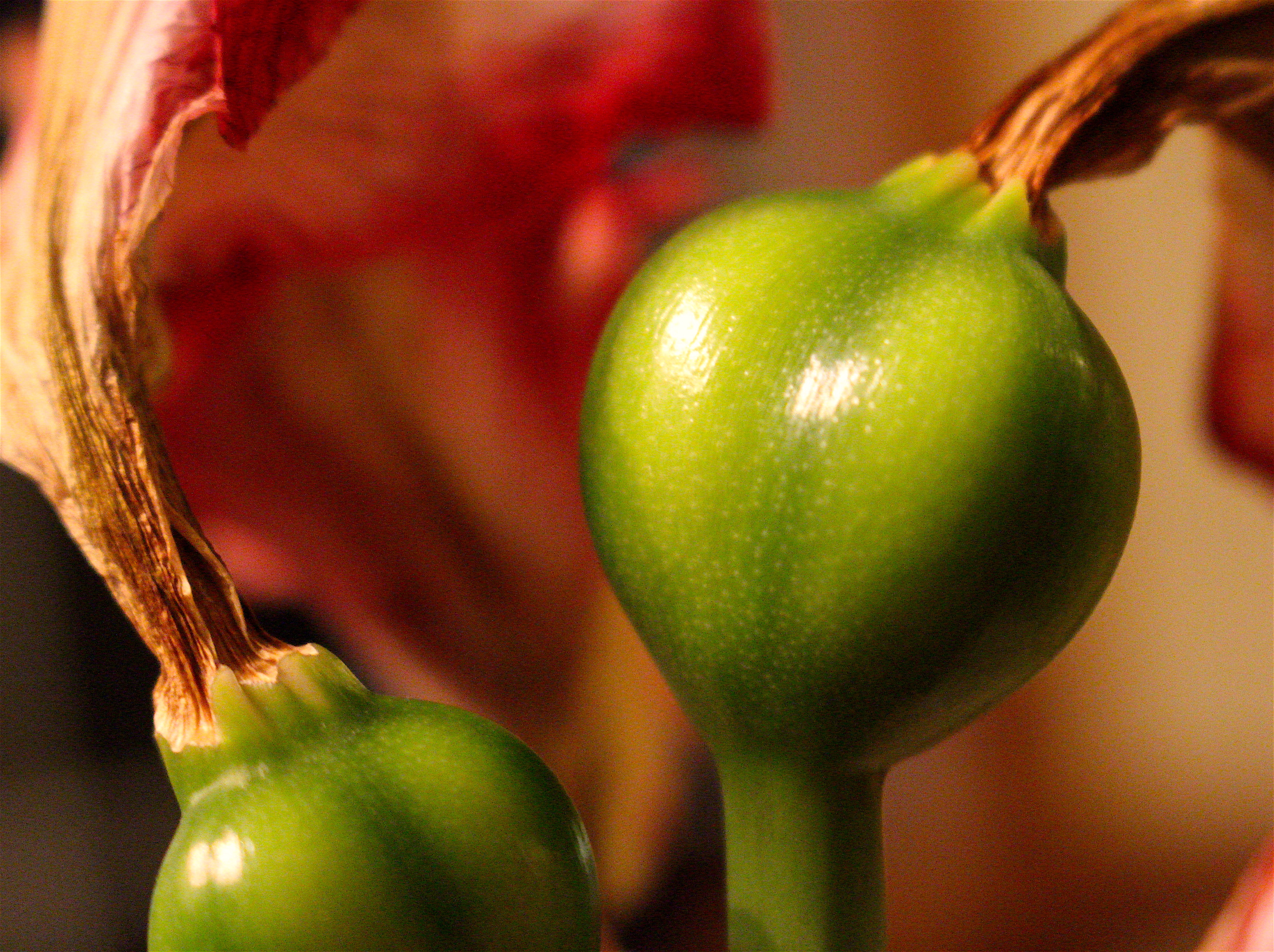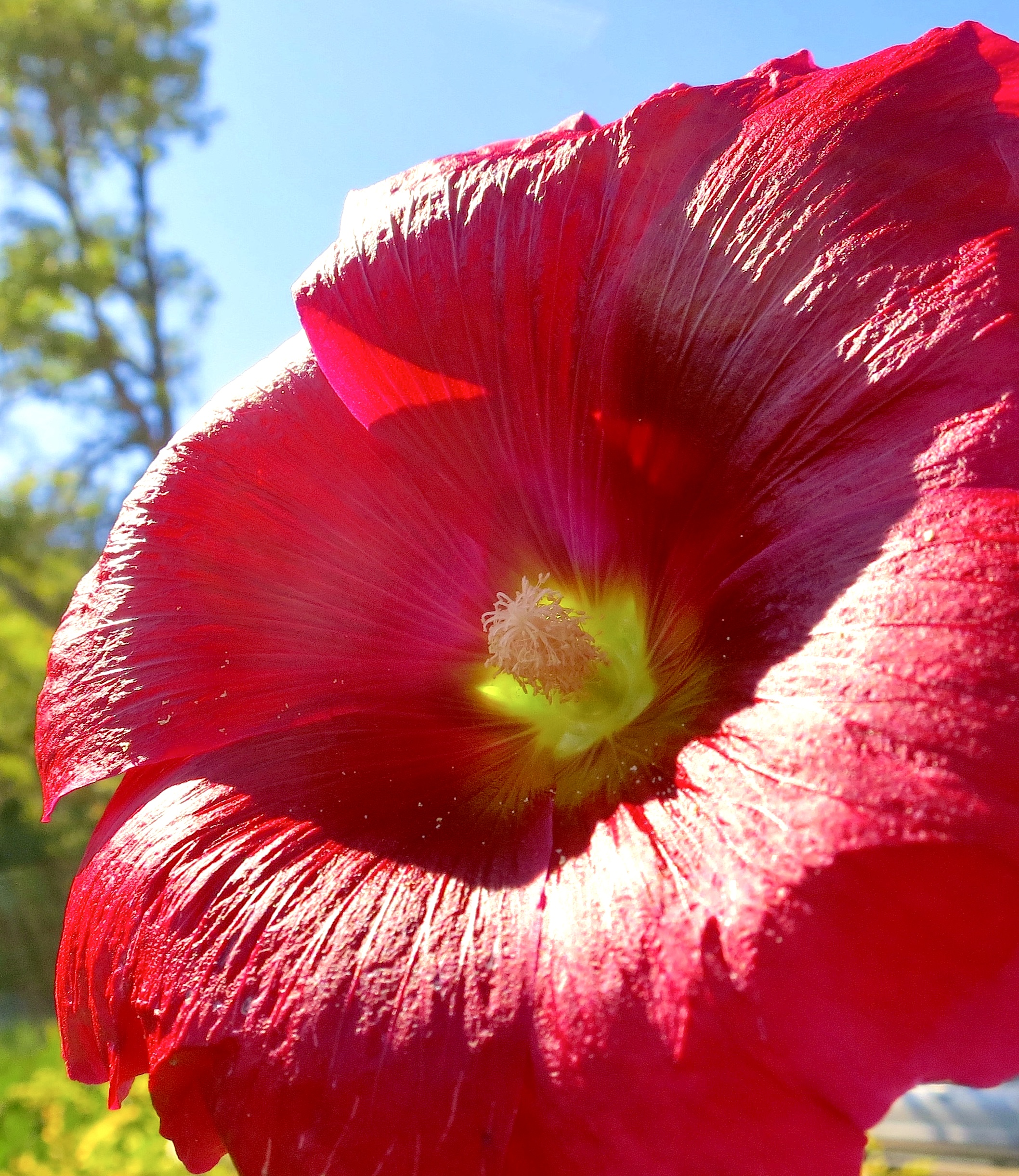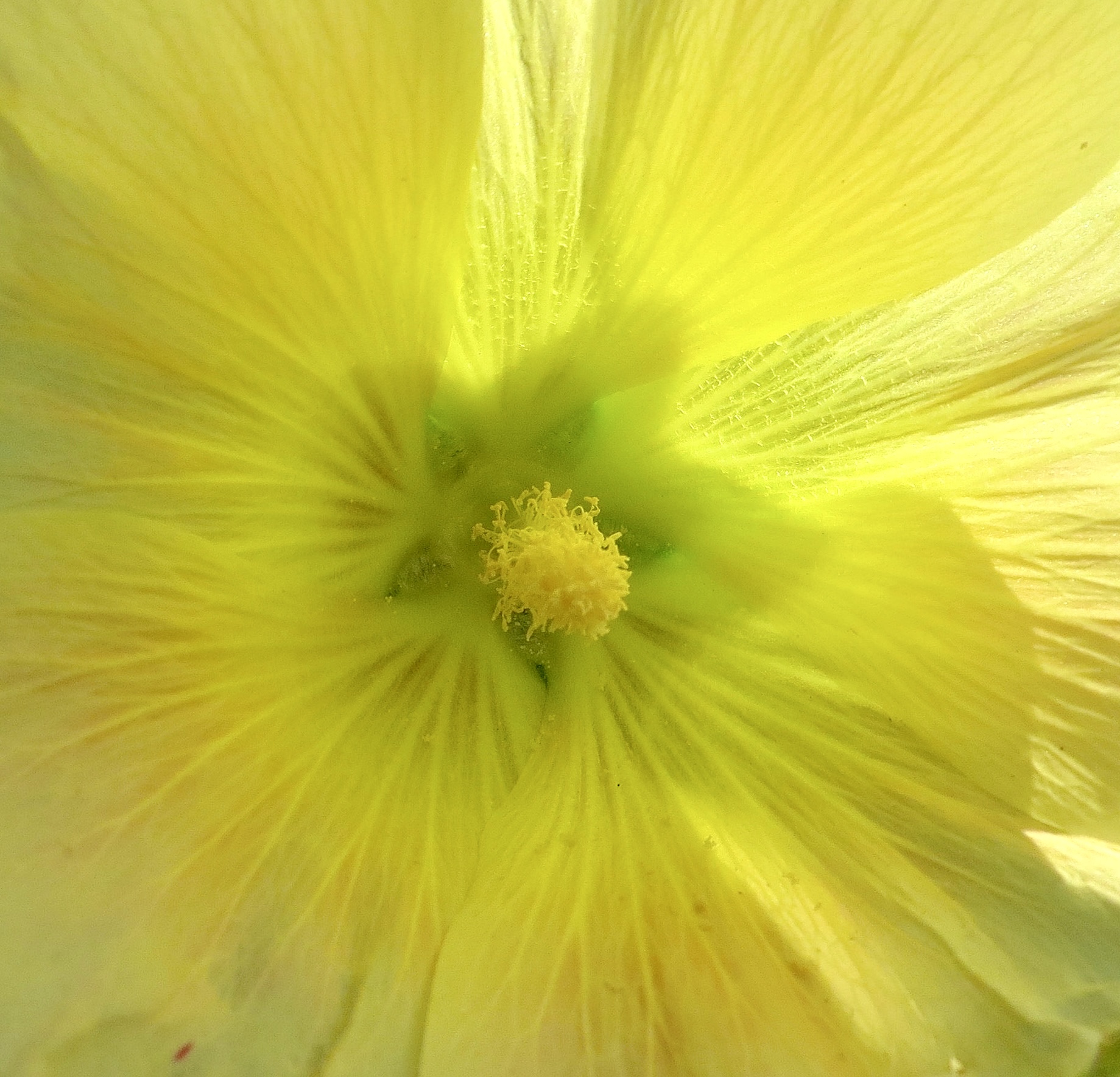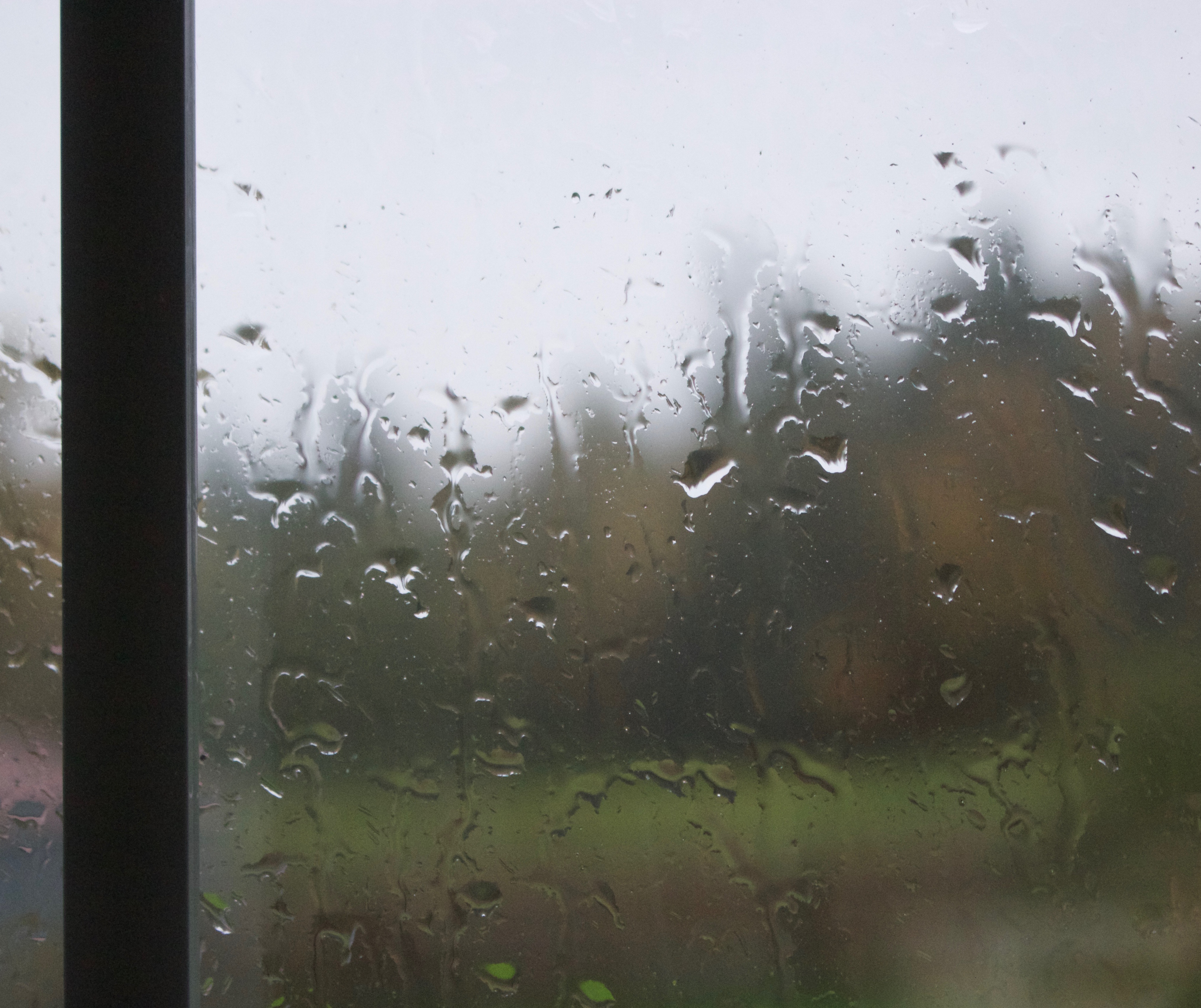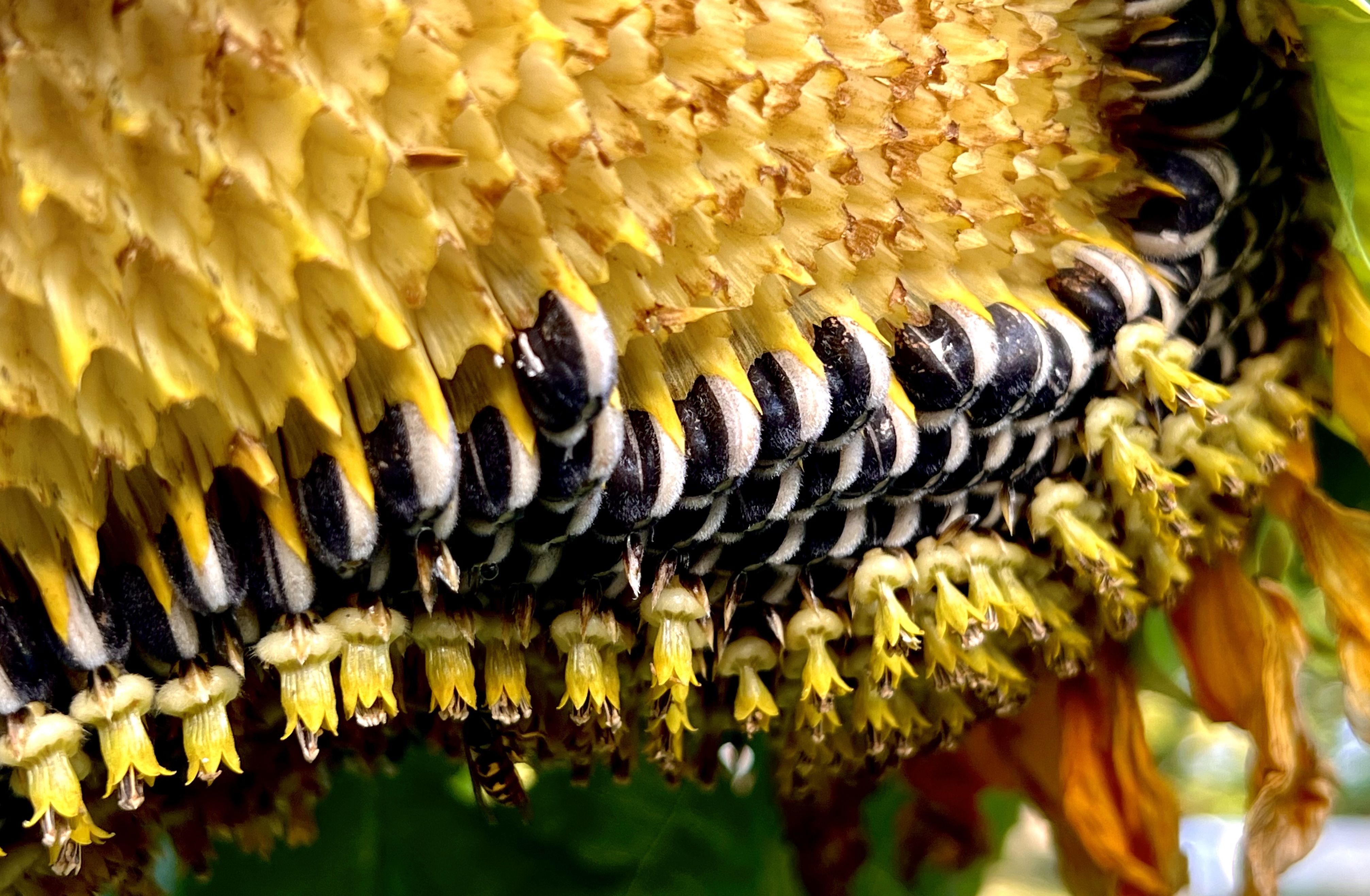
Mid-January and still the last amaryllis refuses. Planted in October, it just now raises a green bud tip to the bright window. Inside the plain package waits a blaring red, the flower furled, held like breath in the trumpeter’s body. ~Francesca Bell “Late Blooming” from What Small Sound
Sometimes when you’re in a dark place you think you’ve been buried, but actually you’ve been planted. ~Christine Caine
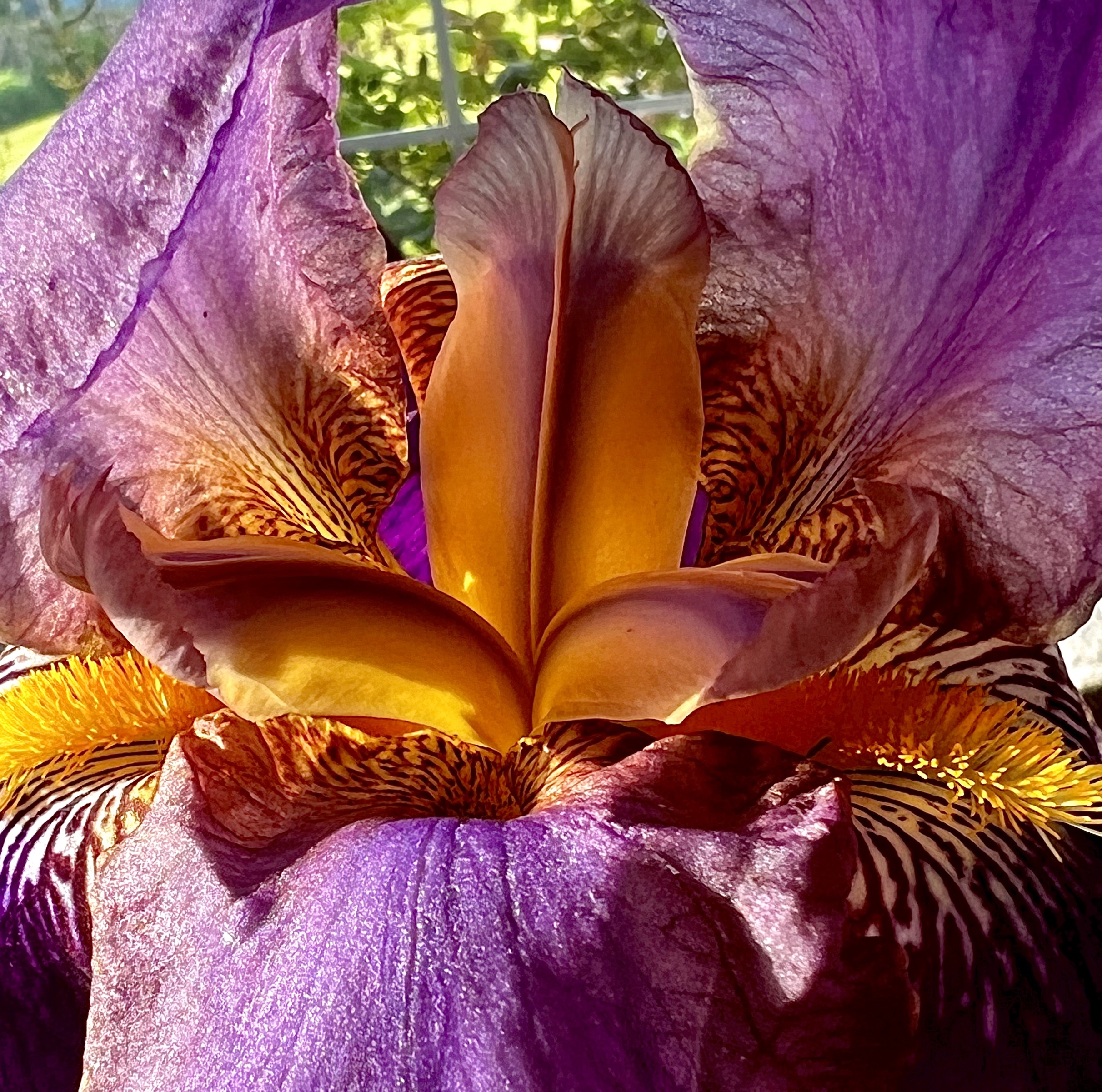
It came home with me over a month ago, a non-descript bulb with a green sword-blade shoot emerging shyly from the top.
Its care and feeding was a lot of “watch and wait” and just a little water. It has been our winter morning entertainment as we munched down cereal, gauging how many centimeters it rose over night.
It took over the kitchen table~ two tall stalks topped with tight-fisted buds which opened oh-so-slowly over several days like a drowsy student after Christmas break, not yet ready to meet and greet the world but once the commitment to wake is made, there is no other blossoming quite like it anywhere.
How can we possibly understand, while still buried in the dark, that we too rest planted in holy ground, waiting for the wakening that calls us forth to bloom, and fruit, and amaze.
One-Time
Monthly
Yearly
Make a one-time or recurring donation to support daily Barnstorming posts
one small crystal that gleams clear colours out of transparency.
I need more.
I break off a fragment to send to you.
Please take this grain of a grain of hope so that mine won’t shrink.
Please share your fragment so that yours will grow.
Only so, by division, will hope increase,
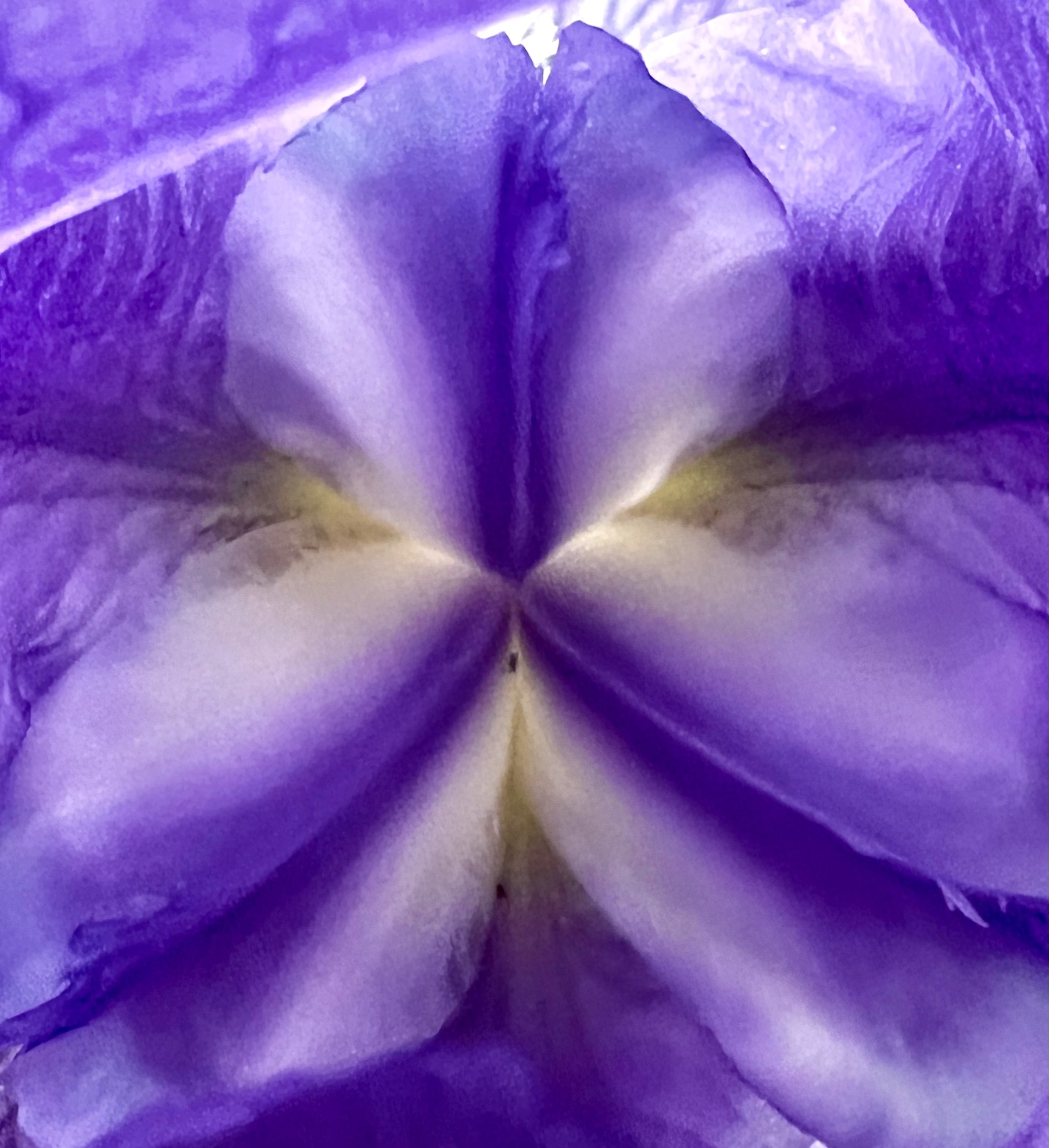
like a clump of irises, which will cease to flower unless you distribute the clustered roots, unlikely source– clumsy and earth-covered– of grace. ~Denise Levertov “For the New Year, 1981”
As this year draws to its end, We give thanks for the gifts it brought And how they became inlaid within Where neither time nor tide can touch them.
The days when the veil lifted And the soul could see delight; When a quiver caressed the heart In the sheer exuberance of being here.
Surprises that came awake In forgotten corners of old fields Where expectation seemed to have quenched.
The slow, brooding times When all was awkward And the wave in the mind Pierced every sore with salt.
The darkened days that stopped The confidence of the dawn.
Days when beloved faces shone brighter With light from beyond themselves; And from the granite of some secret sorrow A stream of buried tears loosened.
We bless this year for all we learned, For all we loved and lost And for the quiet way it brought us Nearer to our invisible destination. ~John O’Donohue “At the End of the Year” from To Bless The Space Between
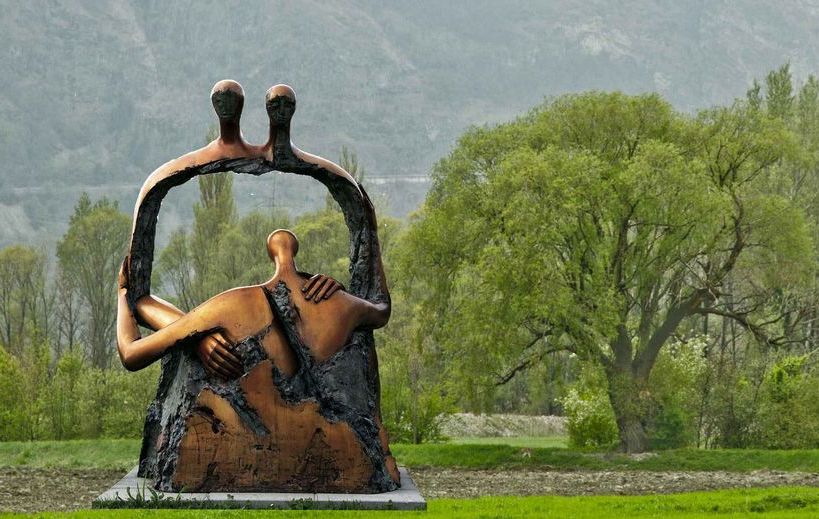
Sculpture by Artist Albert Gyorgy
Truly, we live with mysteries too marvelous to be understood.
How grass can be nourishing in the mouths of the lambs.
How rivers and stones are forever in allegiance with gravity, while we ourselves dream of rising.
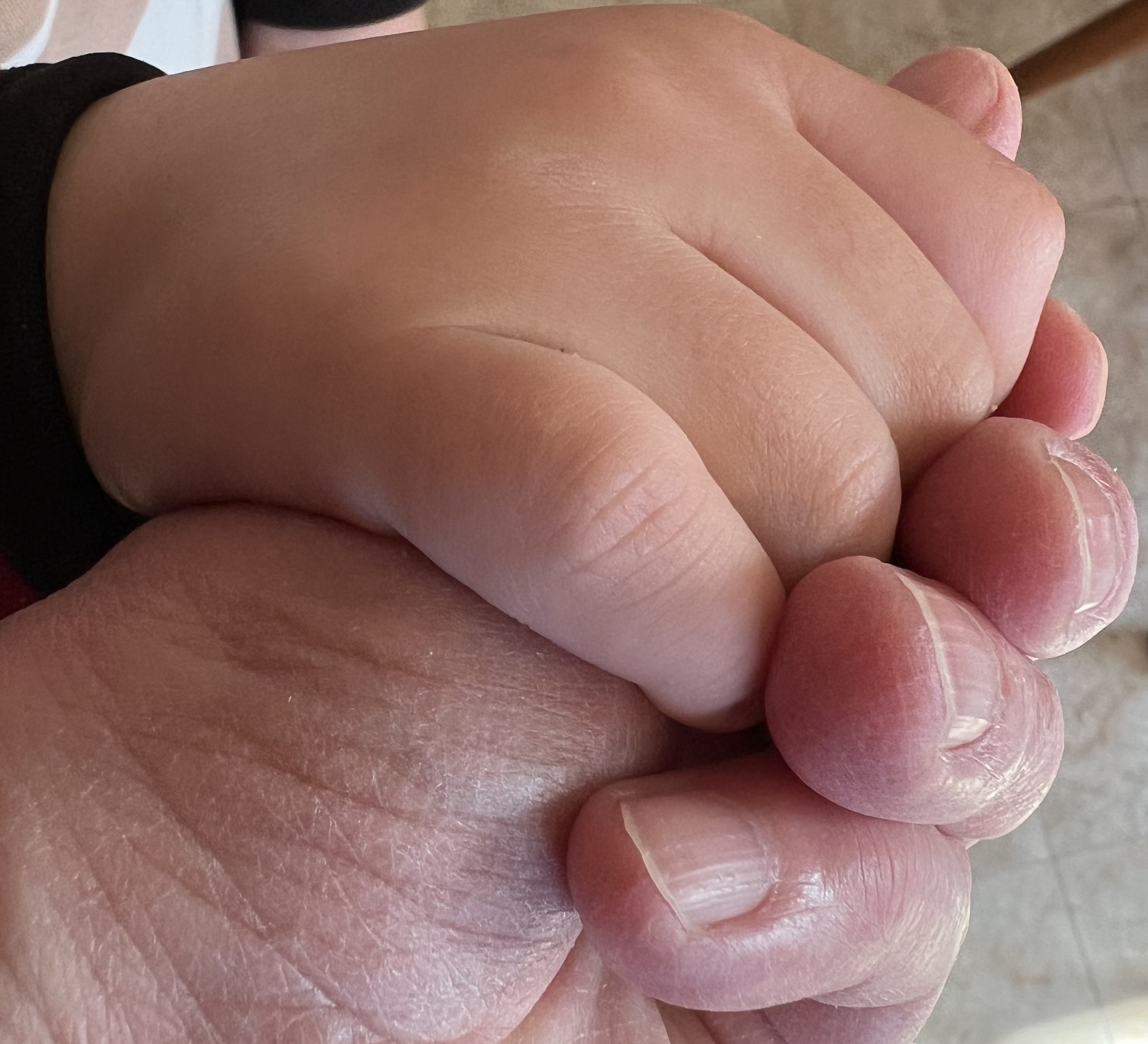
How two hands touch and the bonds will never be broken.
How people come, from delight or the scars of damage, to the comfort of a poem.
Let me keep my distance, always, from those who think they have the answers.
Let me keep company always with those who say “Look!” And laugh in astonishment and bow their heads. ~Mary Oliver “Mysteries, Yes”from Evidence: Poems
photo by Nate Gibson
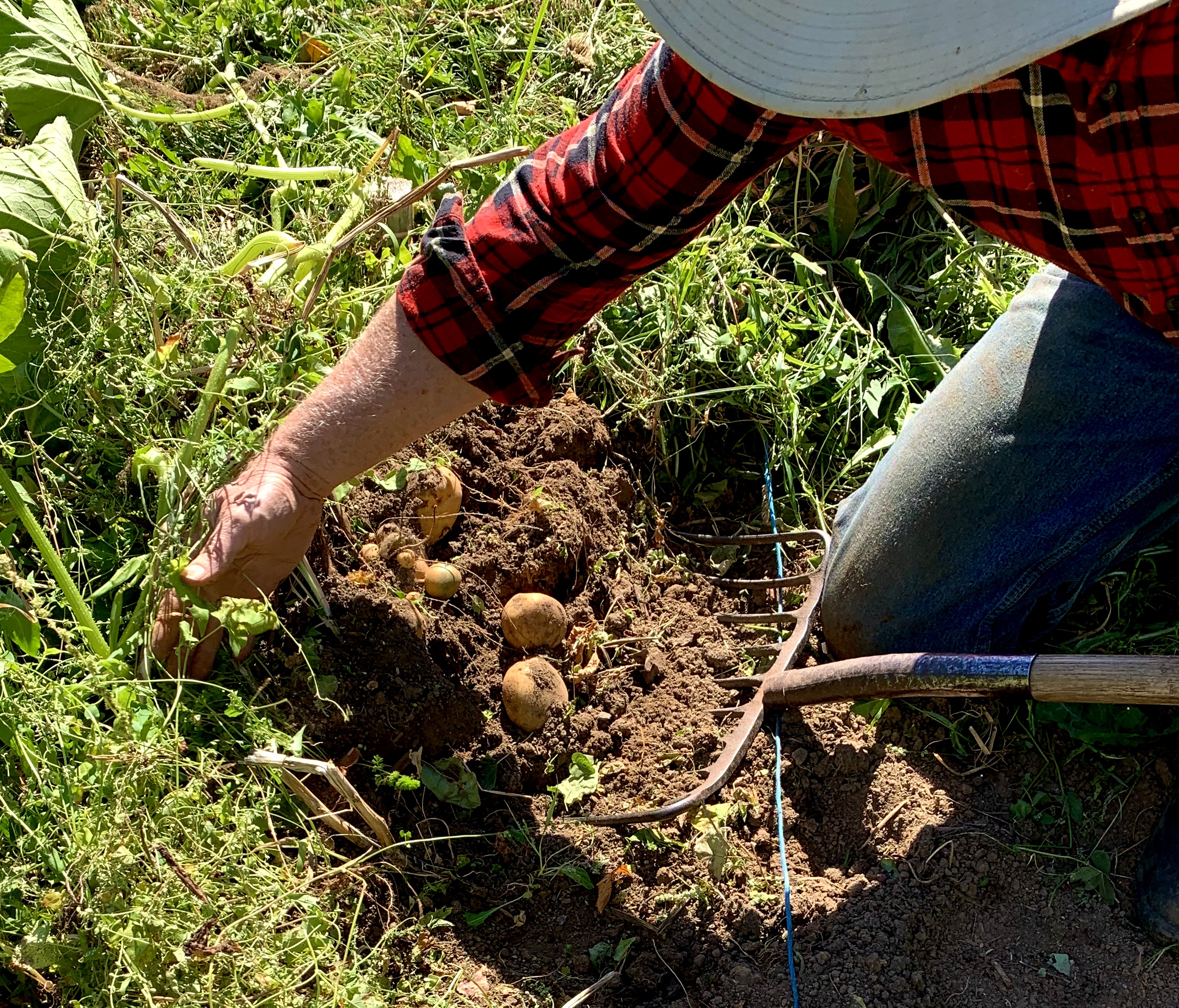
Each day, for nearly twenty years, I break off a grain of hope from these dirt-covered, humble roots I have dug up to share.
I hand off a grain of hope to you here, as it will grow through your nurture, a tiny marvel you break off someday to hand on to someone else.
In October of the year, he counts potatoes dug from the brown field, counting the seed, counting the cellar’s portion out, and bags the rest on the cart’s floor.
He packs wool sheared in April, honey in combs, linen, leather tanned from deerhide, and vinegar in a barrel hooped by hand at the forge’s fire.
He walks by his ox’s head, ten days to Portsmouth Market, and sells potatoes, and the bag that carried potatoes, flaxseed, birch brooms, maple sugar, goose feathers, yarn.
When the cart is empty he sells the cart. When the cart is sold he sells the ox, harness and yoke, and walks home, his pockets heavy with the year’s coin for salt and taxes,
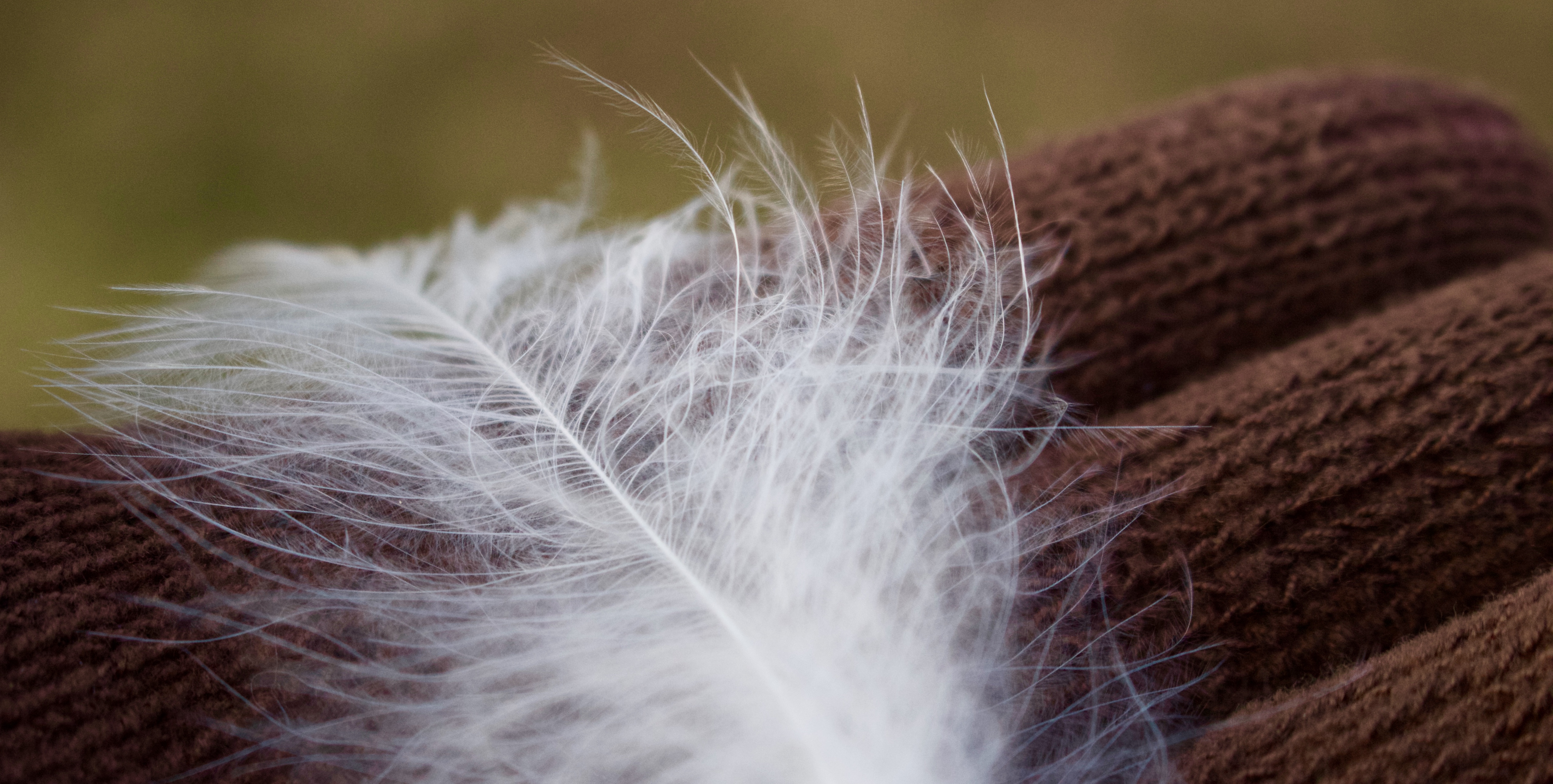
and at home by fire’s light in November cold stitches new harness for next year’s ox in the barn, and he carved a new yoke and sawed planks for a new cart and split shingles all winter, while his wife made flax into linen all winter, and his daughter embroidered linen all winter, and his son carved Indian brooms from birch all winter, and everybody made candles, and in March they tapped the sugar maple trees and boiled the sap down, and in April they sheared the sheep, spun yarn, and wove and knitted, and in May they planted potatoes, turnips, and cabbages, while apple blossoms bloomed and fell, while bees woke up, starting to make new honey, and geese squawked in the barnyard, dropping feathers as soft as clouds. ~Donald Hall “The Oxcart Man”
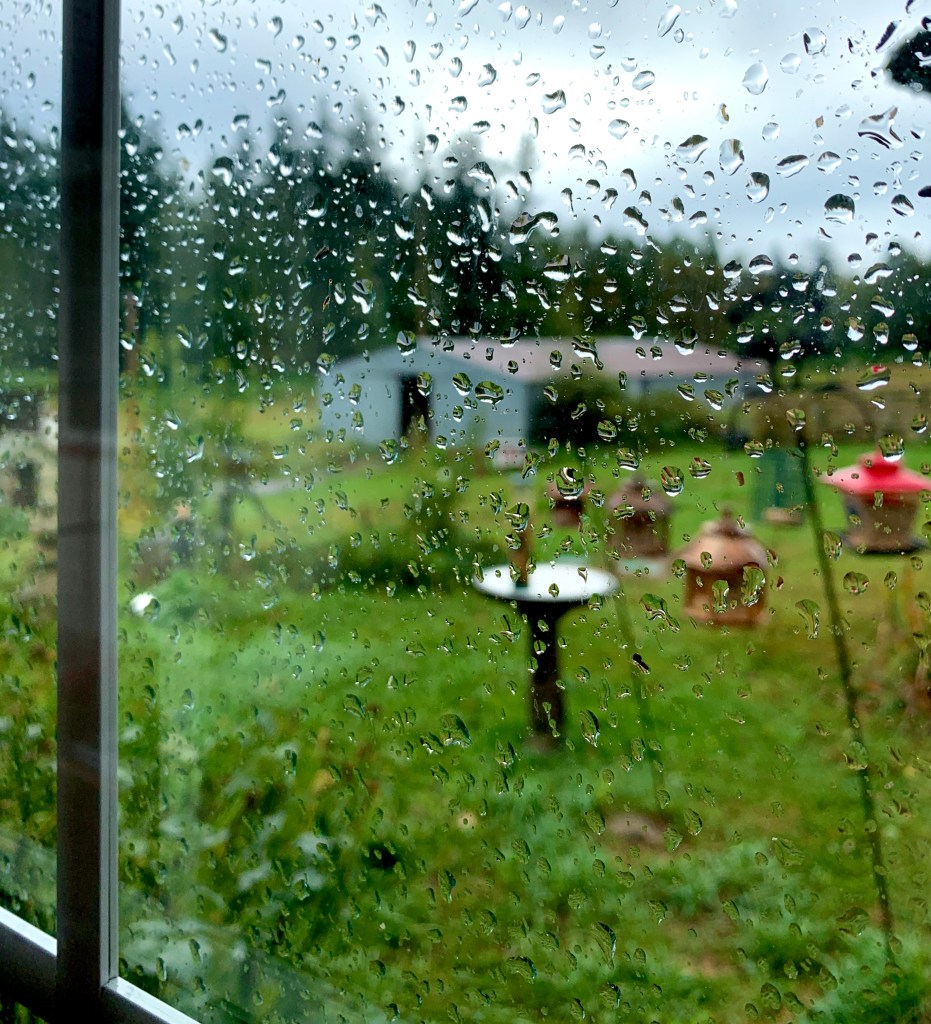
Come inside now. Stand beside the warming stove. Watch out through the windows as a cold rain tears down the last leaves.
The larder full of dried herbs, hot peppers, chutneys, jellies, jams, dill pickles, pickled relishes, pickled beets.
The freezer full of frozen greens— chard and spinach, collards, kale— green beans, basil, red sauces, applesauce, and smoked meats.
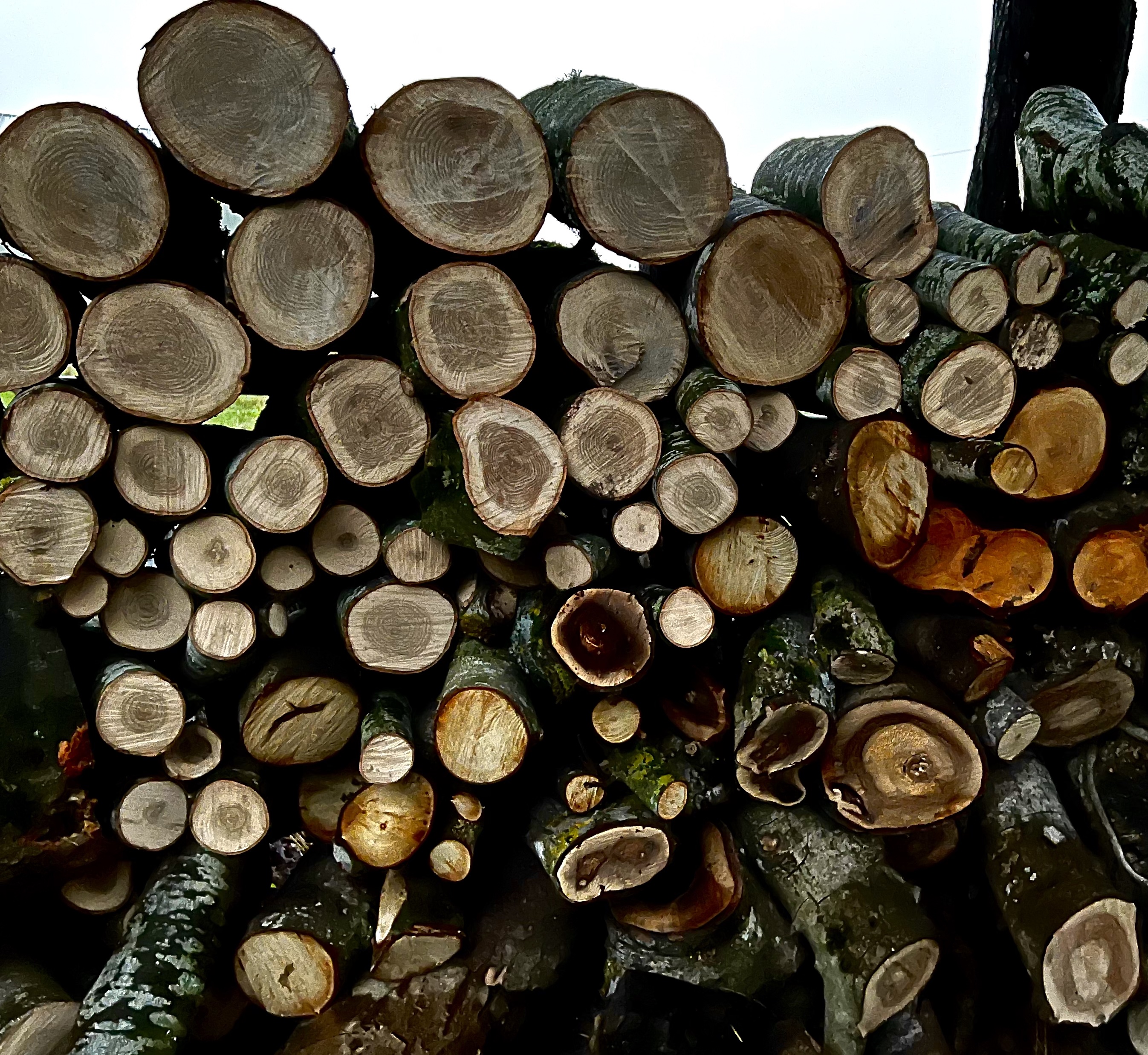
The woodshed dry and full of wood, winter squashes stashed away. Down cellar: potatoes, carrots, crock of sauerkraut.
Come inside now. Stand beside the warming stove. Listen. Wait. ~David Budbill “Come Inside Now” from Happy Life
Nothing would sleep in that cellar, dank as a ditch, Bulbs broke out of boxes hunting for chinks in the dark, Shoots dangled and drooped, Lolling obscenely from mildewed crates, Hung down long yellow evil necks, like tropical snakes. And what a congress of stinks! Roots ripe as old bait, Pulpy stems, rank, silo-rich, Leaf-mold, manure, lime, piled against slippery planks. Nothing would give up life: Even the dirt kept breathing a small breath. ~Theodore Roetke “Root Cellar”from The Collected Poems
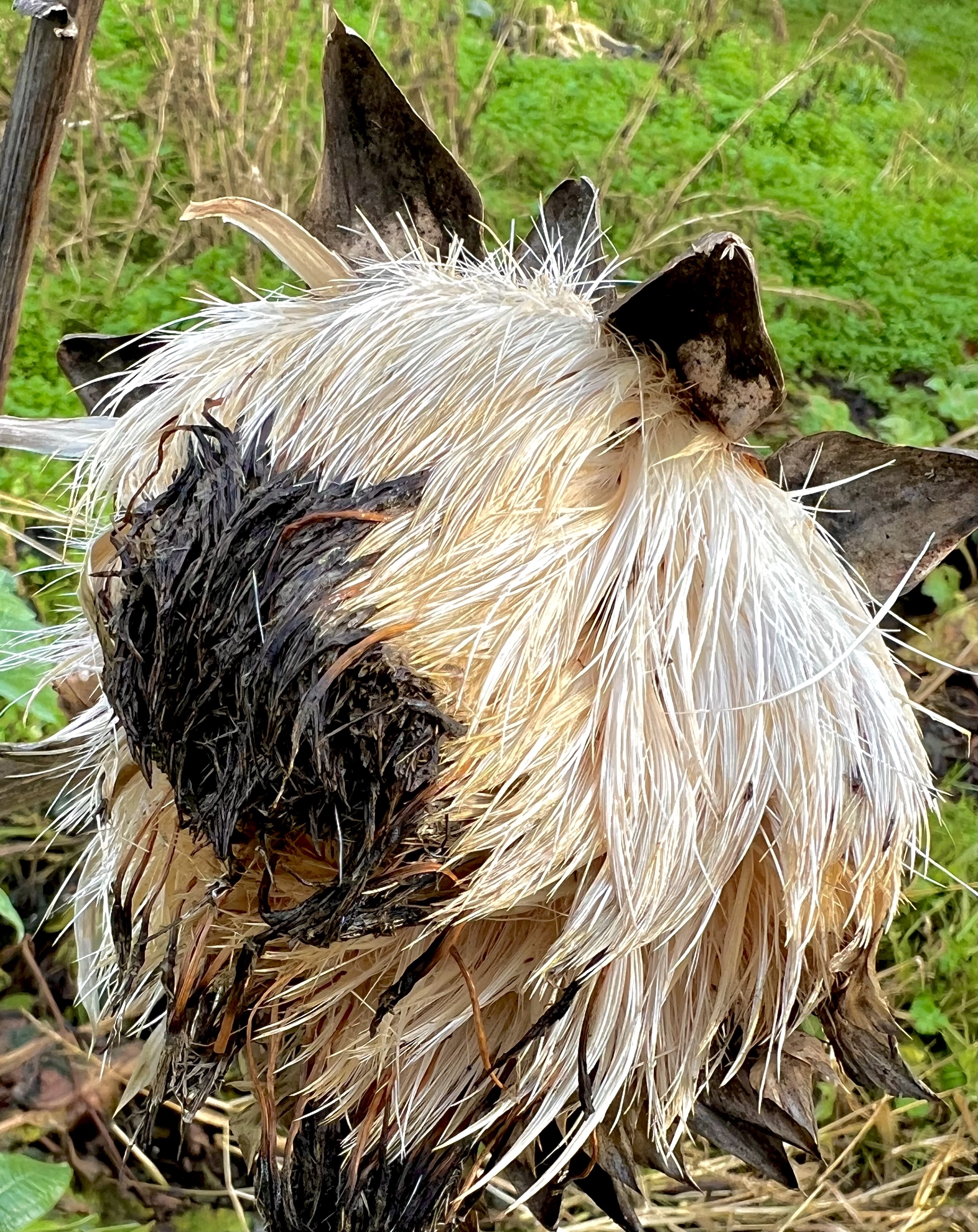
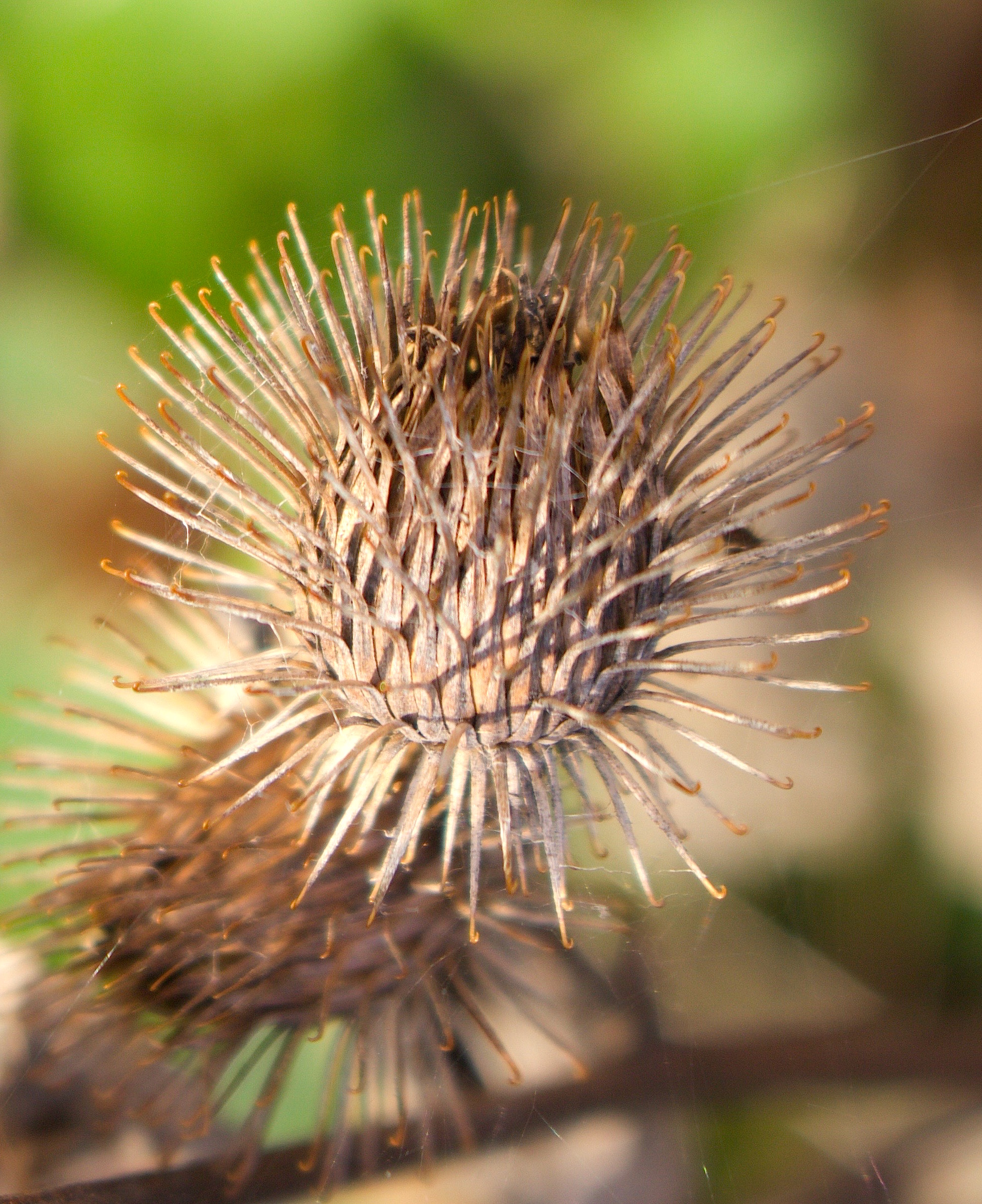
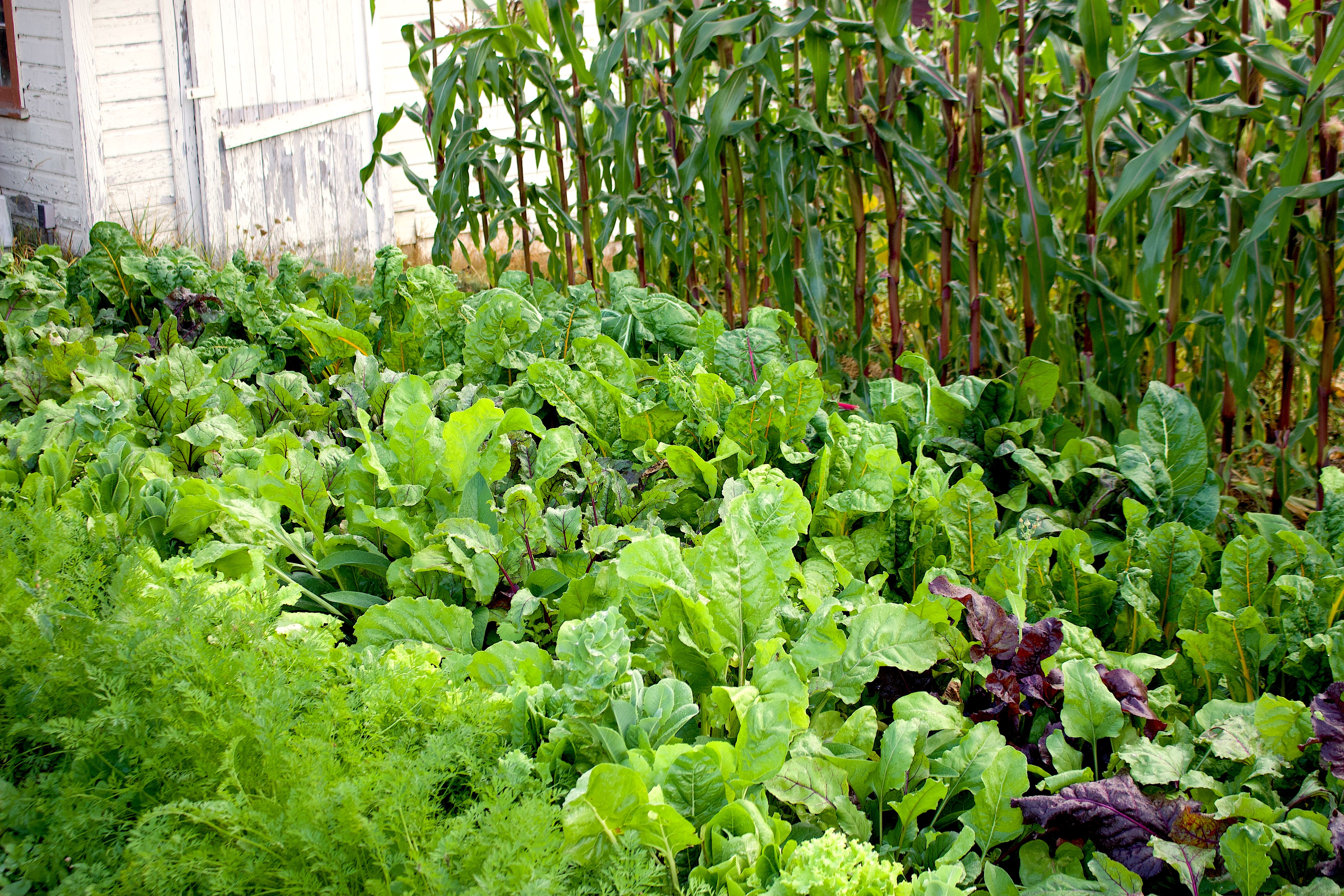
Even in the cold wet chill of November, our garden continues breathing, guarded by the furry fellow on a stalk below until a heavy windstorm topples him over.
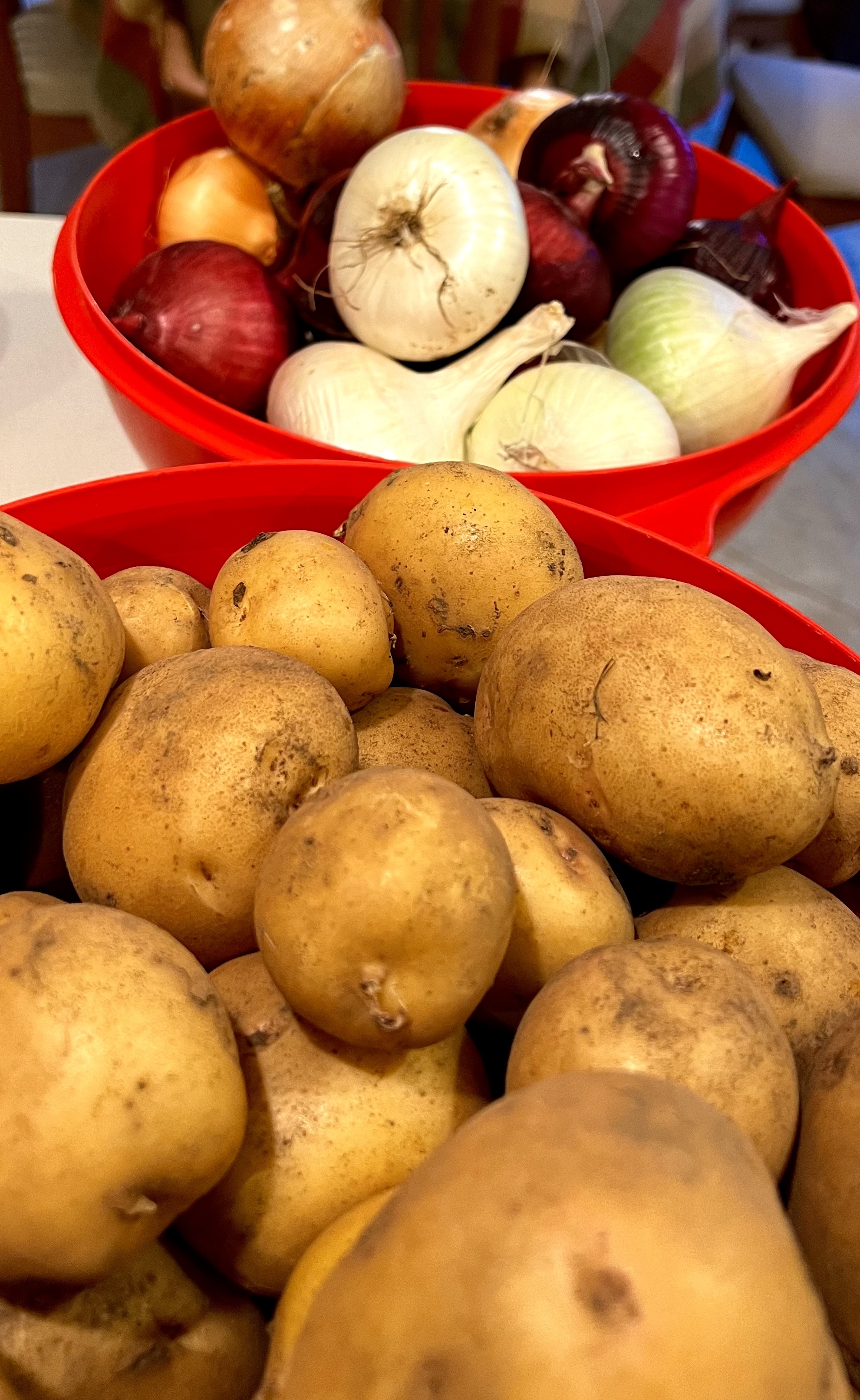
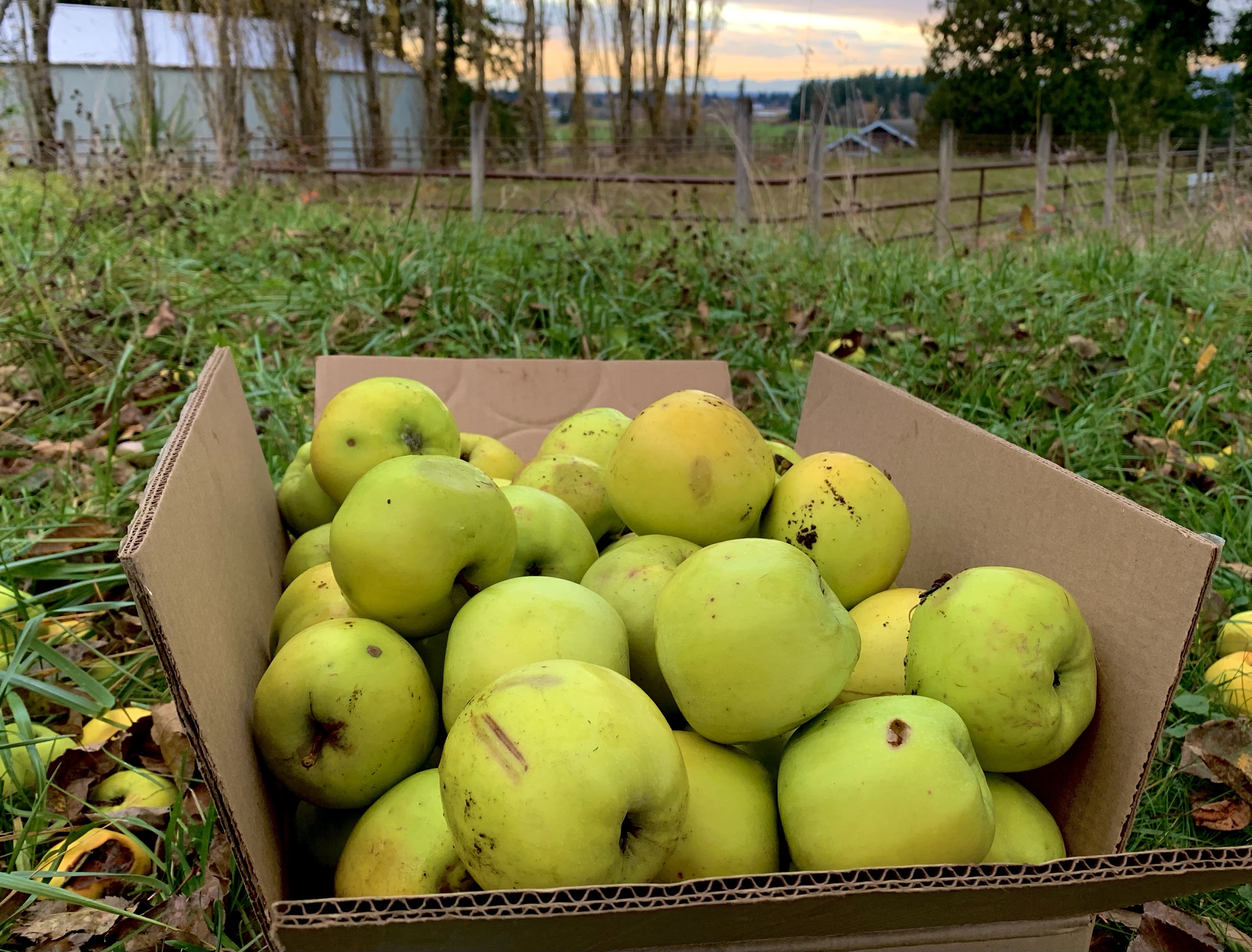
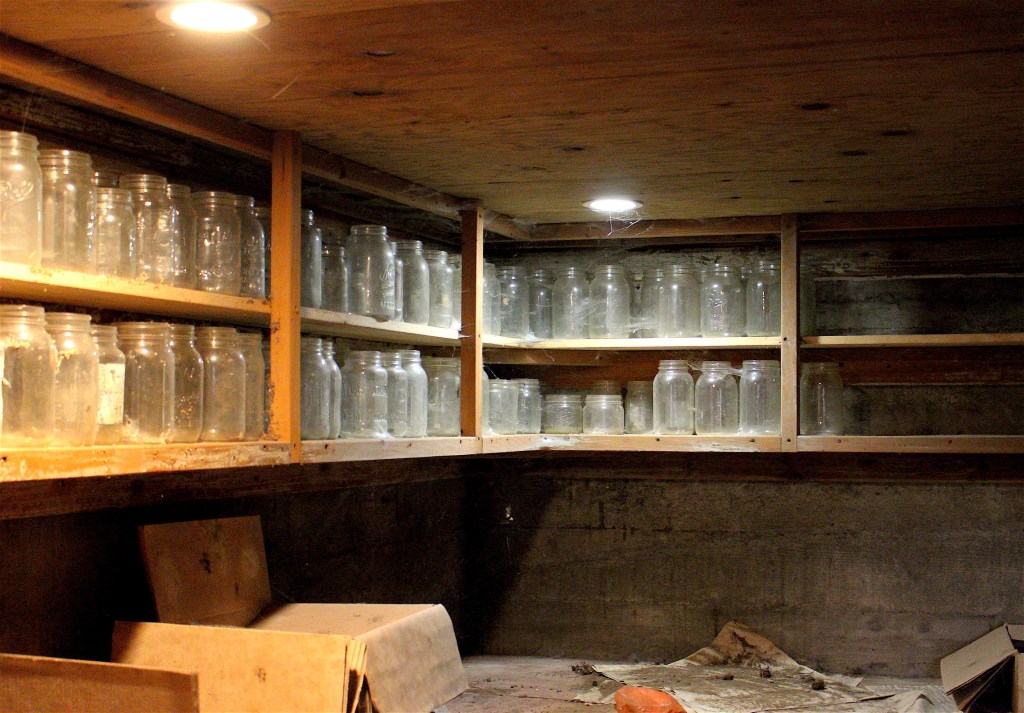
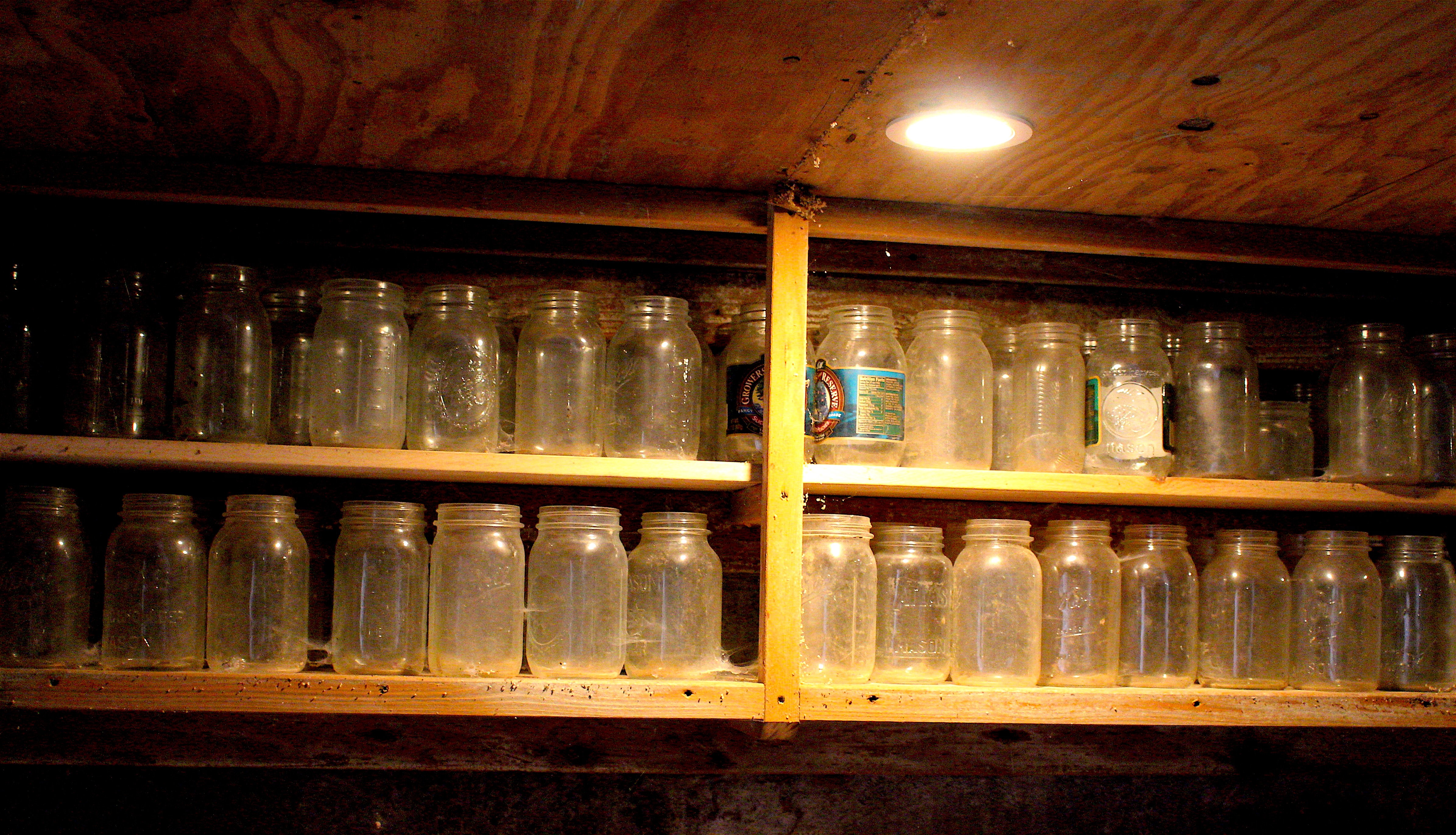
When I descend the steps into our root cellar, I find a still life of empty jars, no longer in use for produce to be preserved until spring. I no longer preserve produce through canning, as I used to. Instead we dry and freeze fruits and vegetables for storage. The cellar, though not as full as in years past, remains a place of quiet fecundity with its rich and earthy smells – a reminder of how things were done before the conveniences of today. We still keep apples, potatoes and onions in safe-keeping below ground – some of this farm’s orchard and garden harvest has been stored fresh in the cellar, year after year, for decades.
Until the last century, all of a farm family’s energy and effort was to preserve and store what was necessary to survive another year. Today, in too many places in the world, simple survival remains a family’s necessary and noble goal.
Surrounded by the relative comfort and privilege of a bountiful garden, orchard and woodpile, I never want to forget that.
Come inside. Warm up by the fire. Listen. Wait. Pray for lasting peace.
My artichoke “pup”
One-Time
Monthly
Yearly
Make a one-time or recurring donation to support daily Barnstorming posts
Poetry is a rich, full-bodied whistle, cracked ice crunching in pails, the night that numbs the leaf, the duel of two nightingales, the sweet pea that has run wild, Creation’s tears in shoulder blades. ~Boris Pasternak
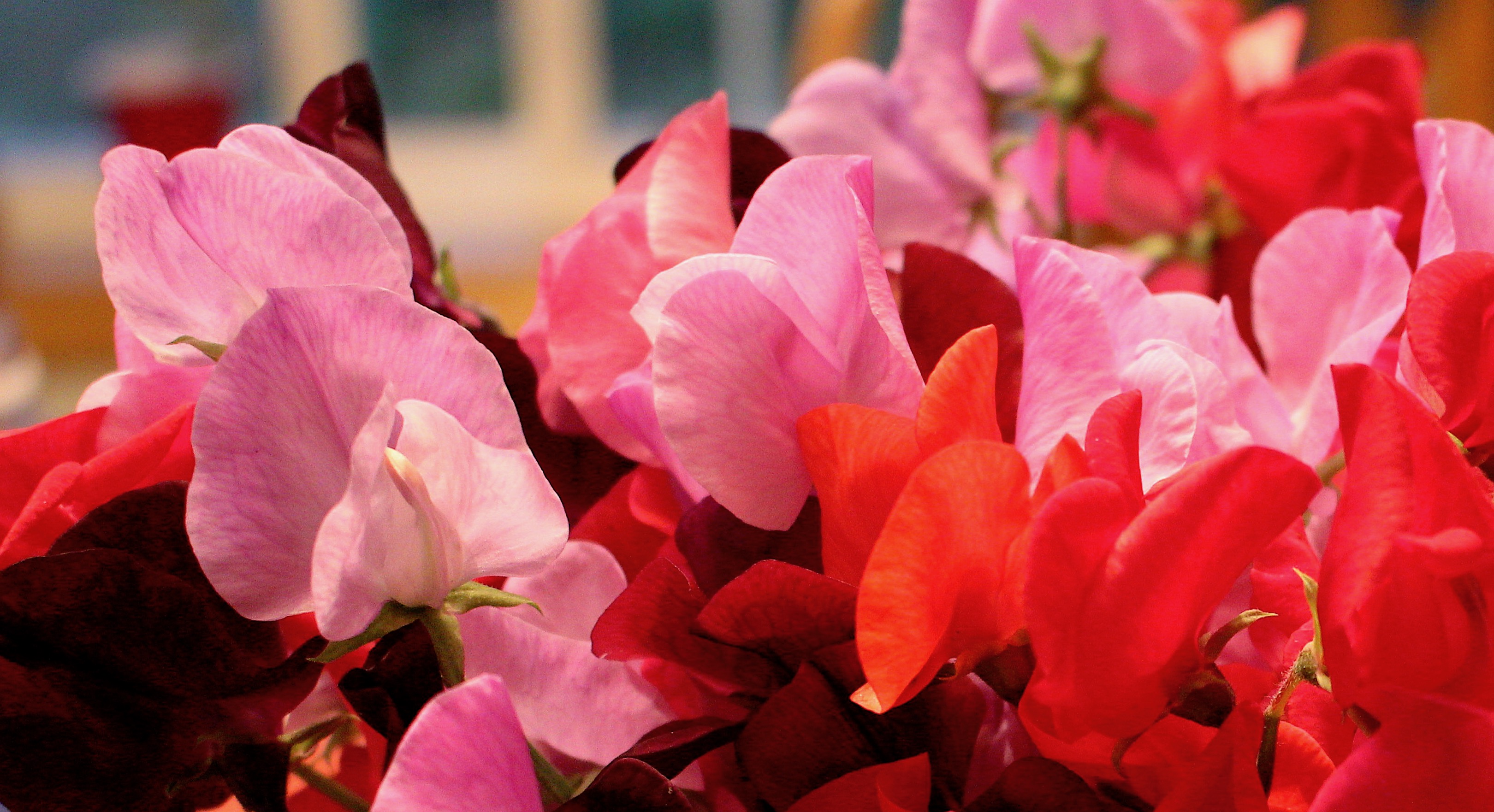
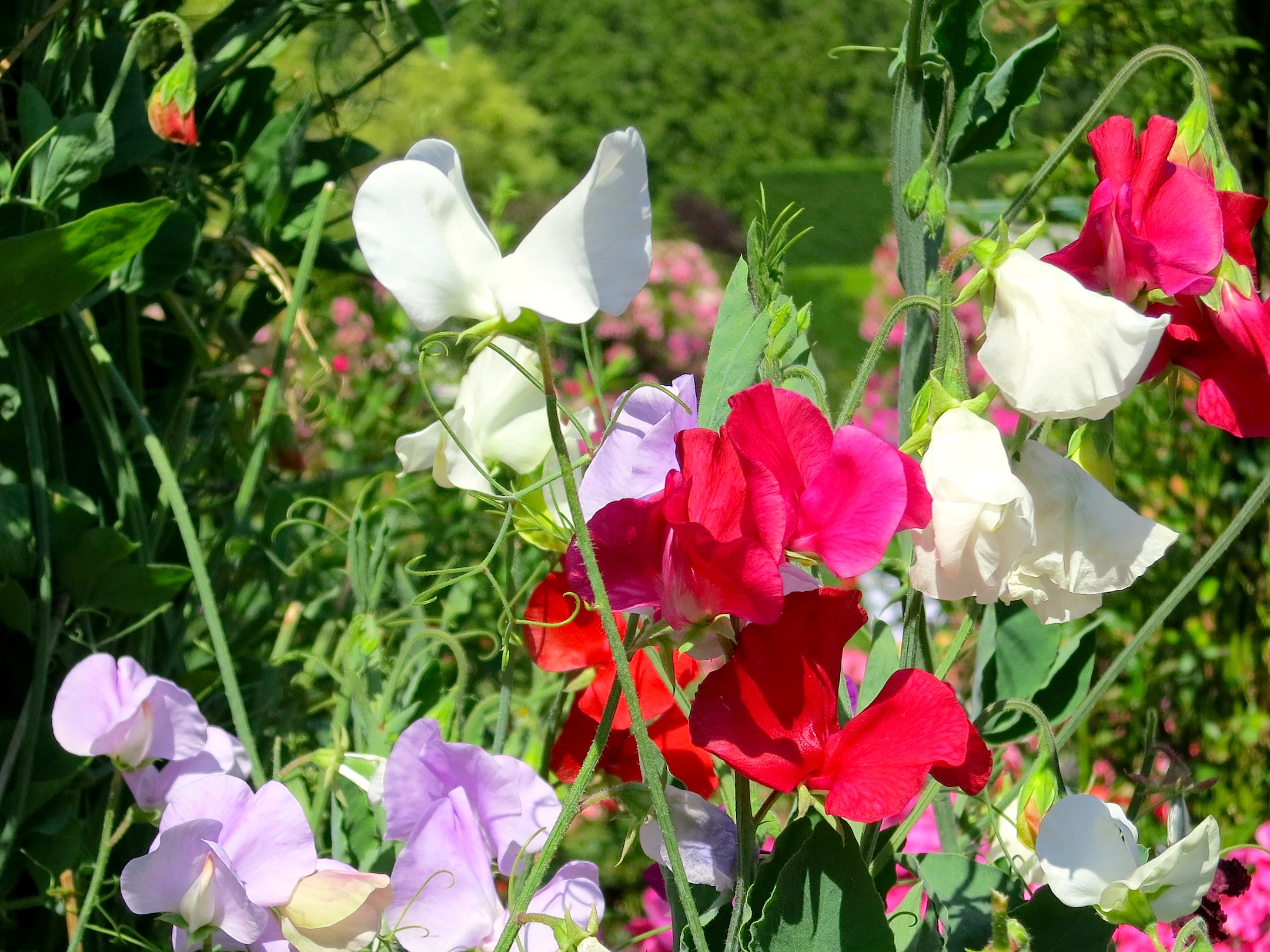
Here are sweet-peas, on tip-toe for a flight: With wings of gentle flush o’er delicate white, And taper fingers catching at all things, To bind them all about with tiny rings. ~John Keats from “I stood tip-toe on a little hill”
What did thought do? “Stuck a feather in the ground and thought it would grow a hen”
Rod by rod we pegged the drill for sweetpea with light brittle sticks, twiggy and unlikely in fresh mould and stalk by stalk we snipped the coming blooms.
And when pain had haircracked her old vestal stare I reached for straws and thought seeing the sky through a mat of creepers, like water in the webs of a green net, opened a clearing where her heart sang without caution or embarrassment, once or twice. ~Seamus Heaney “Sweet Pea”from Station Island
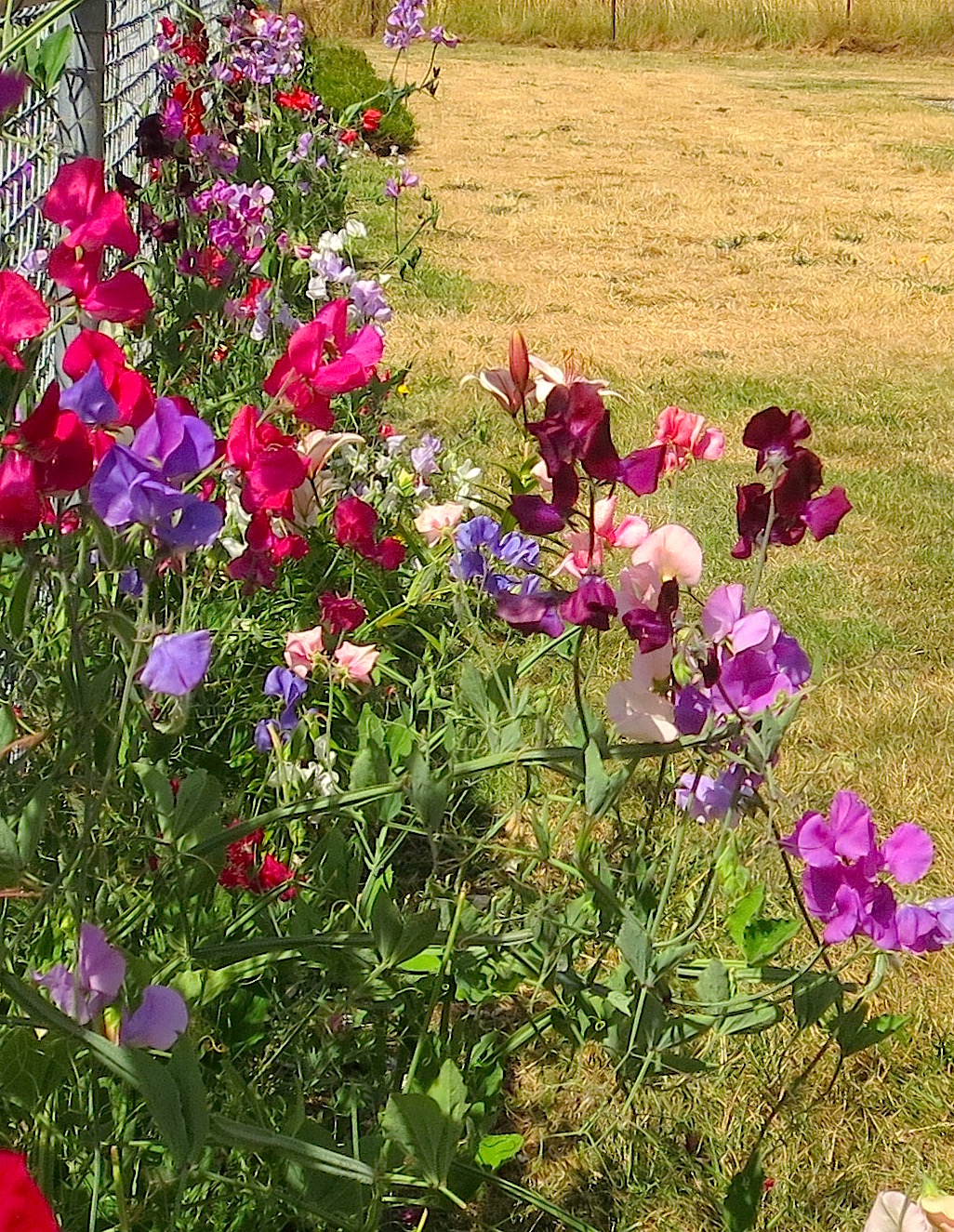
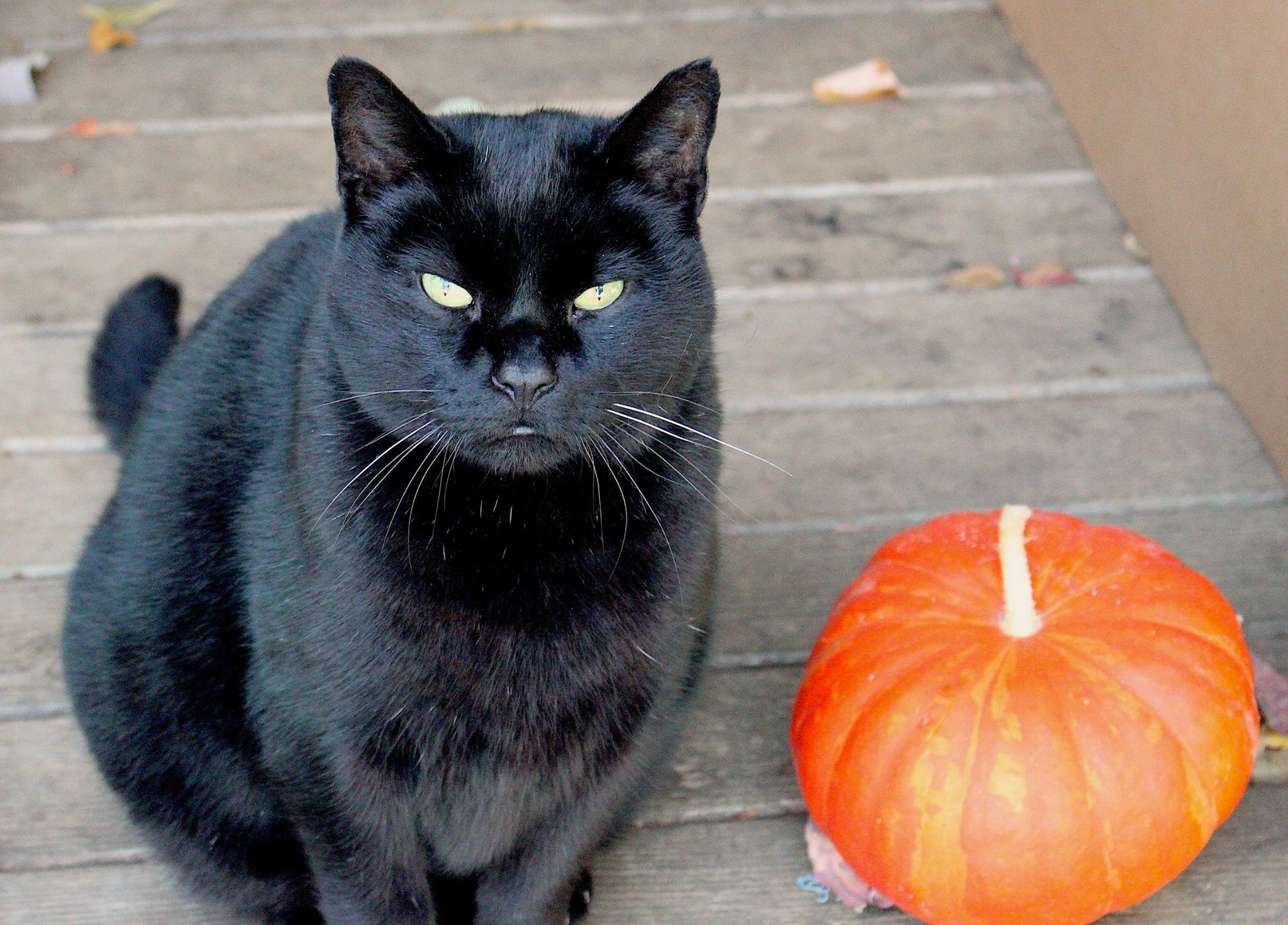
Sweet peas flowering next to orange pumpkins?
Usually separated by season, one from late spring, the other from mid-autumn, they were never meant to meet.
Yet here are strange neighbors, grown side by side in the same soil through the same weeks, their curling vines entwined.
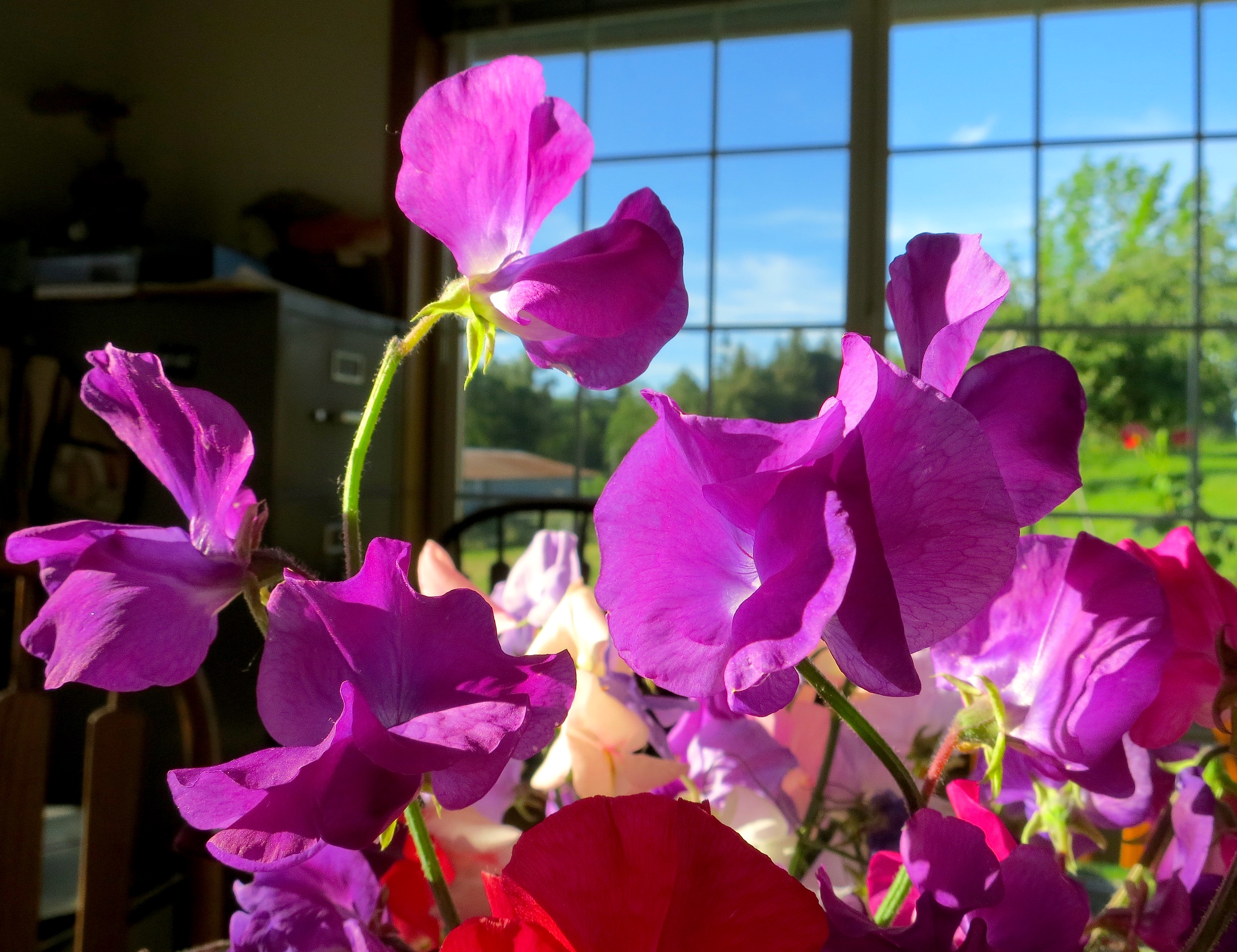
Forgotten sweet pea seeds swelled and thrived, dropped in the midst of summer weeds, now rich pastel blooms gracing a harvest table with spring-like perfume.
So I want to germinate where I happen to land, even when ill-timed and out of place. May I run wild while interwoven, bound to those who look and act nothing like me.
Thus encouraged to climb high, I blossom boldly to help face down the fate of a killing frost.
One-Time
Monthly
Yearly
Make a one-time or recurring donation to support daily Barnstorming posts
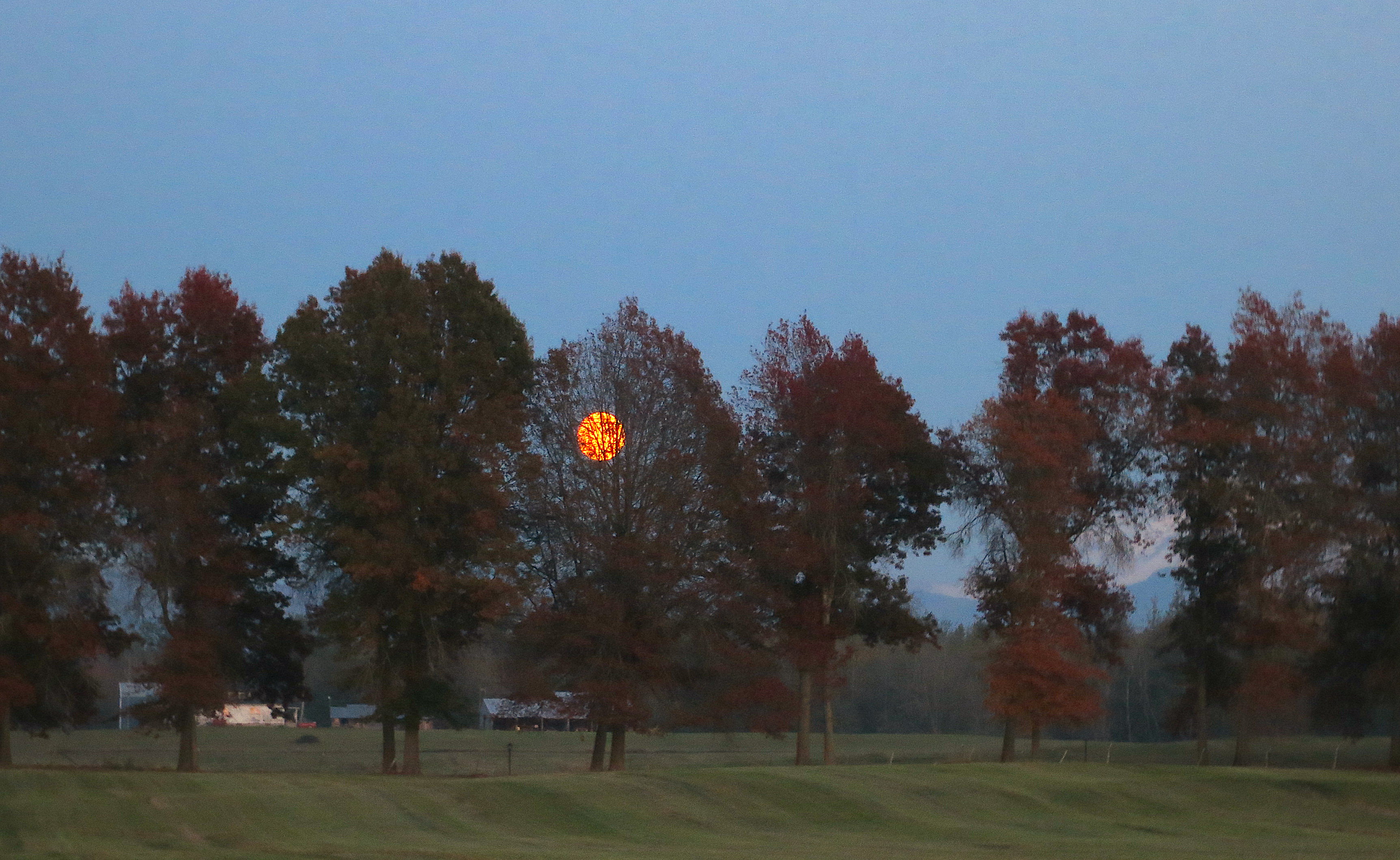
Lord, the time has come. The summer has been so long. Lay your shadows over the sundials and let loose the wind over the fields.
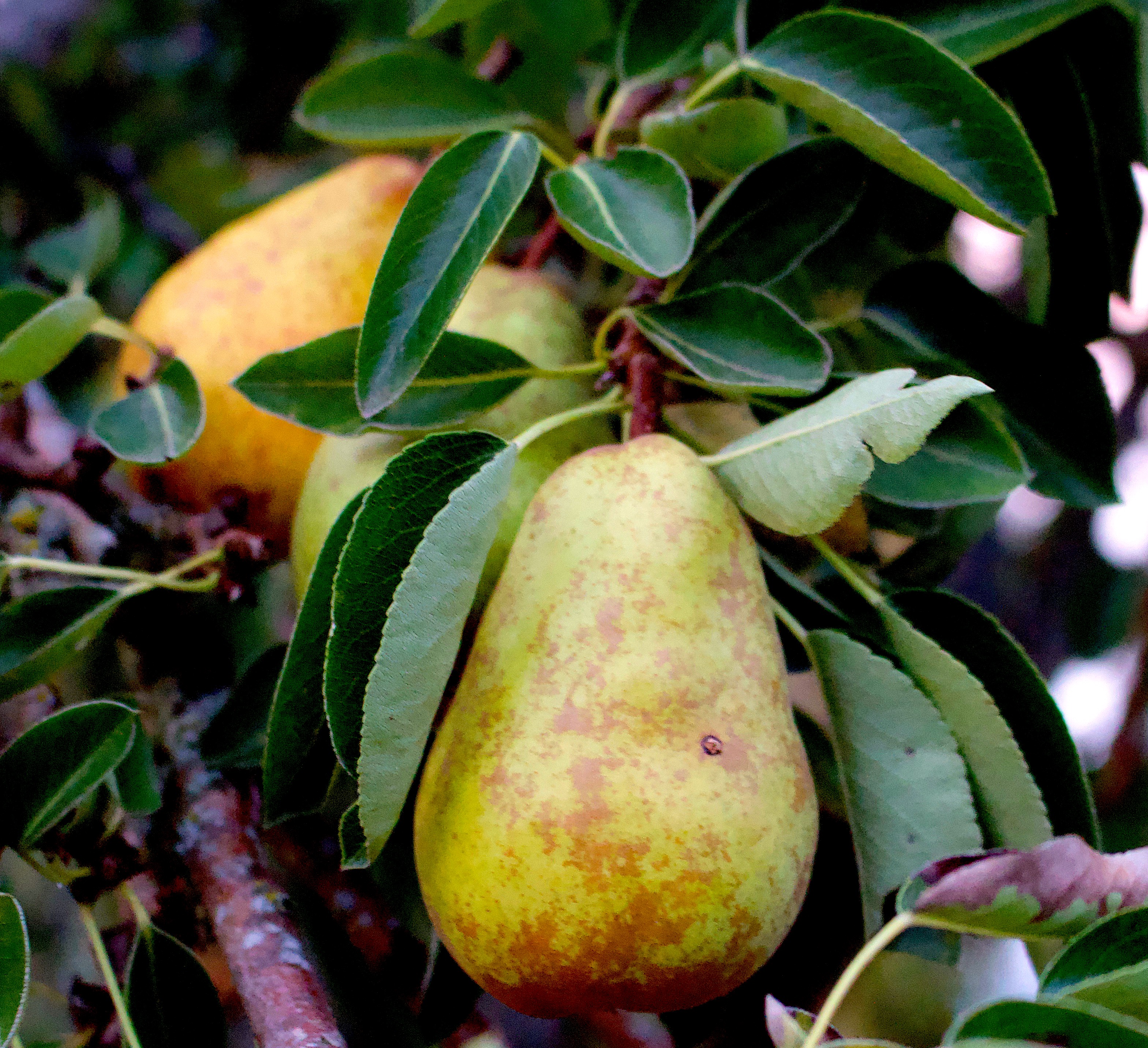
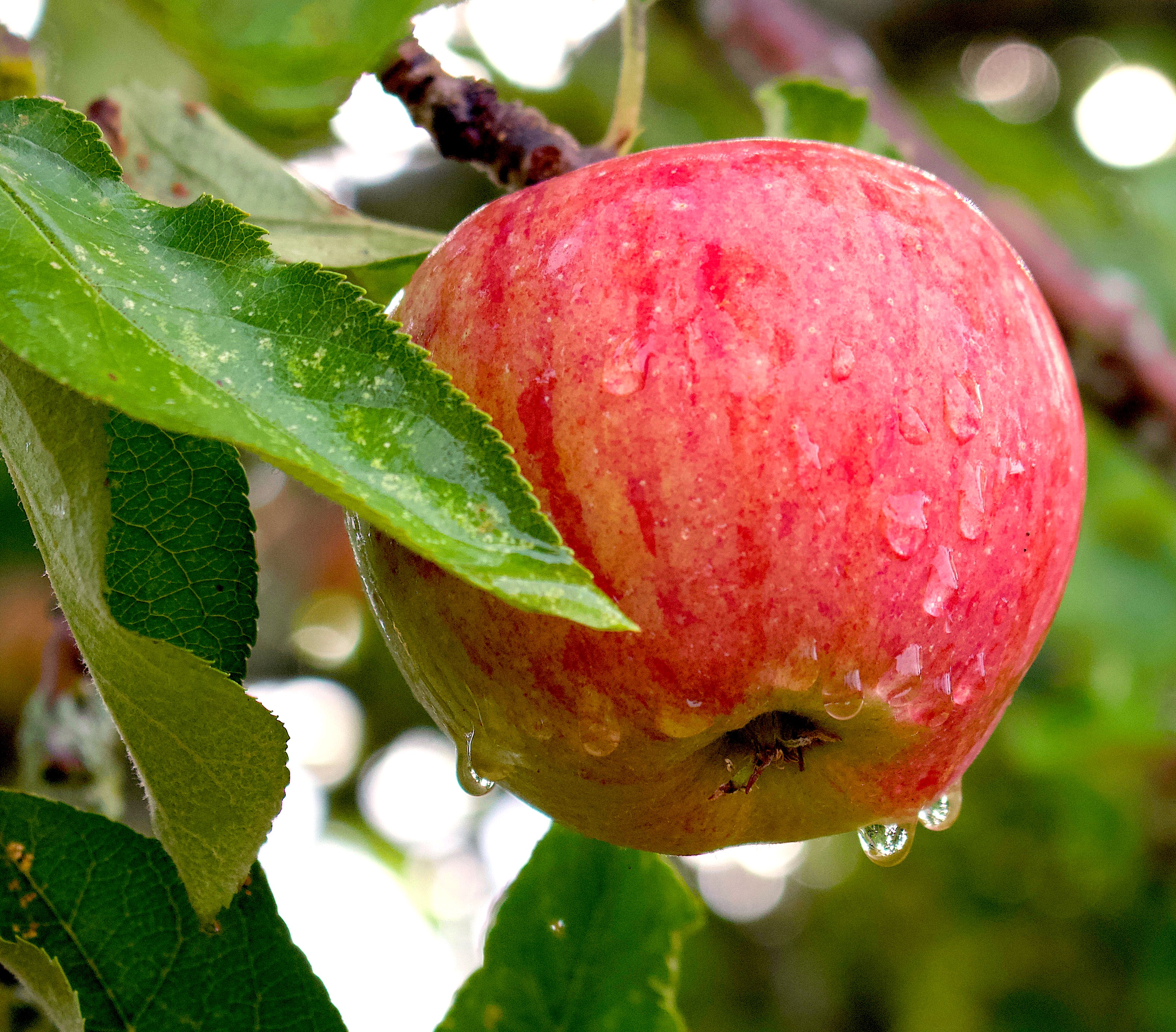
Order the last fruits to fully ripen; give them two more days of southern sun, urge them to perfection and speed the last sweetness into the laden vine.
Those who have no house, will not build one now. Those who are alone will long remain so, they will rise, and read, and write long letters and through the avenues go here and there restlessly wandering, with the leaves drifting down. ~Rainer Maria Rilke “Herbsttag” English translation by Paul Archer from 1902 in the collection Das Buch der Bilder.
First hints of our condition manifest: Spite in the wind, mist-gauze across the moon, Light chill, the spider’s filaments, blanched grass, And two days as warm as the south change nothing at all. A morning comes when you know this cannot end well. Soon it will be no time for gathering in gardens All too soon, my dears, it will be the weather For Brahms quintets, for leaves drifting triste past the windows Of those in their rooms alone for the duration, For whom this is no time to build. Those now alone Are going to remain so through this estranging season Of reading, of writing emails as detailed as letters, Of watching dry leaves grow sodden on empty pavements. Rilke said this in lines that I last read in Edinburgh With my most beautiful aunt in her later age When, many things gone, she remembered those verse in German. ~Peter Davidson “September Castles”
Enter autumn as you would a closing door. Quickly, cautiously. Look for something inside that promises color, but be wary of its cast — a desolate reflection, an indelible tint. ~Pamela Steed Hill “September Pitch”
Summer has packed up, and moved on without bidding adieu or looking back over its shoulder. Cooling winds have carried in darkening clouds. I gaze upward to see and smell the change. Rain has fallen, long overdue, yet there is temptation to bargain for a little more time. Though we needed this good drenching, there are still potatoes to pull from the ground, apples and pears to pick, tomatoes not yet ripened, corn cobs too skinny to pick.
I’m just not ready to wave goodbye to sun-soaked clear skies.
The overhead overcast is heavily burdened with clues of what is coming: earlier dusk, the feel of moisture, the deepening graying hues, the briskness of breezes, the inevitable mud and mold. There is no negotiation possible. I need to steel myself and get ready, wrapping myself in the soft shawl of inevitability.
So autumn advances with the clouds, taking up residence where summer left off. Though there is still clean up of the overabundance left behind, autumn will bring its own unique plans for an exhilarating display of a delicious palette of hues.
Lord, the time has come. The truth is we’ve seen nothing yet.
One-Time
Monthly
Yearly
Make a one-time or recurring donation to support daily Barnstorming posts
I let her garden go. let it go, let it go How can I watch the hummingbird Hover to sip With its beak’s tip The purple bee balm—whirring as we heard It years ago? The weeds rise rank and thick let it go, let it go Where annuals grew and burdock grows, Where standing she At once could see The peony, the lily, and the rose Rise over brick She’d laid in patterns. Moss let it go, let it go Turns the bricks green, softening them By the gray rocks Where hollyhocks That lofted while she lived, stem by tall stem, Blossom with loss. ~Donald Hall, “Her Garden” from White Apples and the Taste of Stone
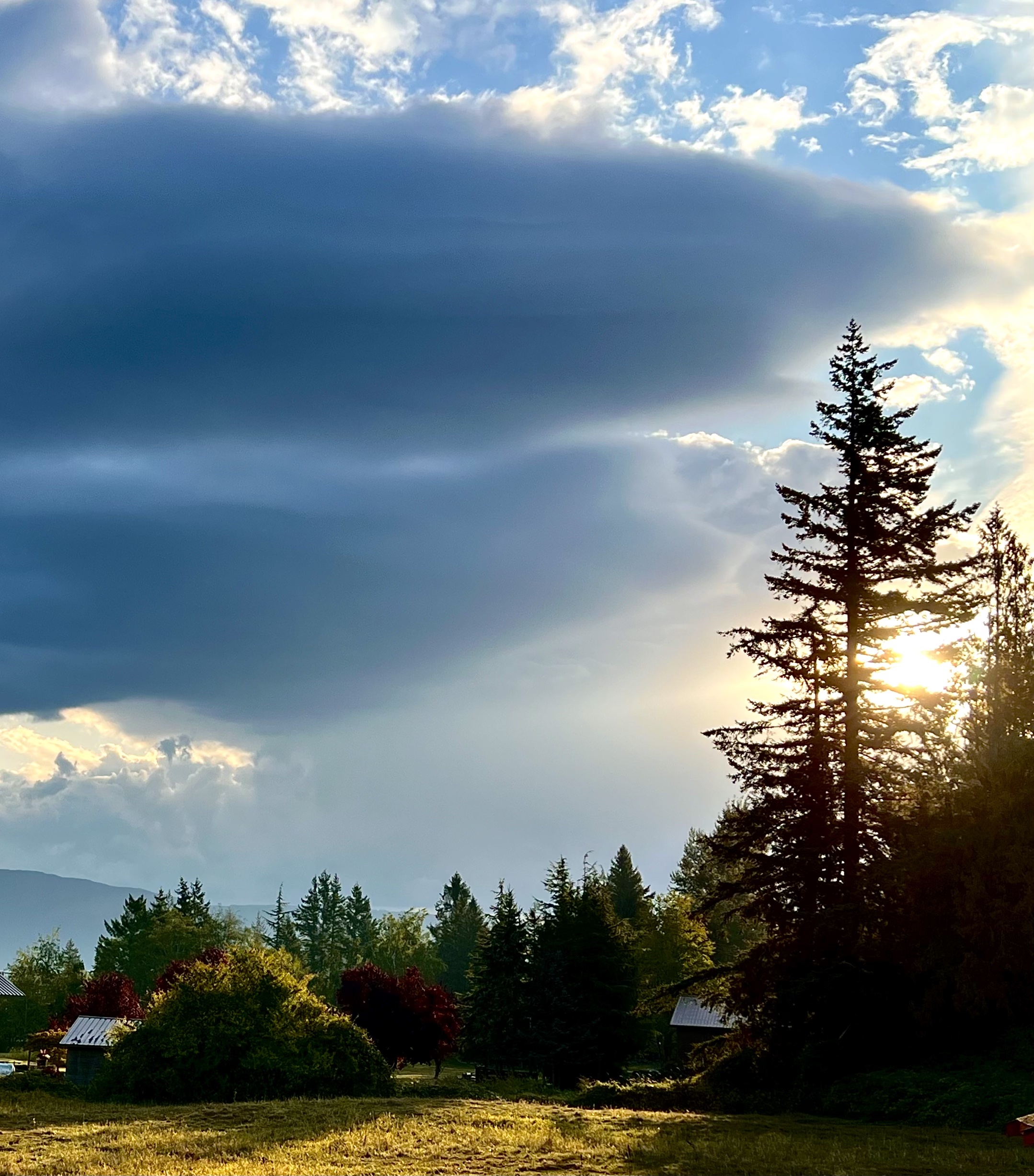
As fall now brings gray mornings heavy with clouds and tear-streaked windows, I pause, melancholy at the passage of time.
Whether to grieve over another hour passed another breath exhaled another broken heart beat
Or to climb my way out of deepless dolor by starting the work of planting next spring’s garden
It takes sweat and dirty hands and yes, tears from heaven to make it flourish, but even so – just maybe – my memories so carefully planted like seeds might blossom fully from the soil of loss.
One-Time
Monthly
Yearly
Make a one-time or recurring donation to support daily Barnstorming posts
Toward the end of August I begin to dream about fall, how this place will empty of people, the air will get cold and leaves begin to turn. Everything will quiet down, everything will become a skeleton of its summer self. Toward
the end of August I get nostalgic for what’s to come, for that quiet time, time alone, peace and stillness, calm, all those things the summer doesn’t have. The woodshed is already full, the kindling’s in, the last of the garden soon
will be harvested, and then there will be nothing left to do but watch fall play itself out, the earth freeze, winter come. ~David Budbill, “Toward the End of August” from Tumbling Toward the End.
As the calendar page flipped to September this past week, I felt nostalgic for what is coming, especially for our grandchildren who are starting new classes tomorrow.
Summer is filled with so much overwhelming activity due to ~18 hours of daylight accompanying weeks of unending sunny weather resulting in never-enough-sleep. Waking on a summer morning feels so brim full with possibilities: there are places to go, people to see, new things to explore and of course, a garden and orchard always bearing and fruiting out of control.
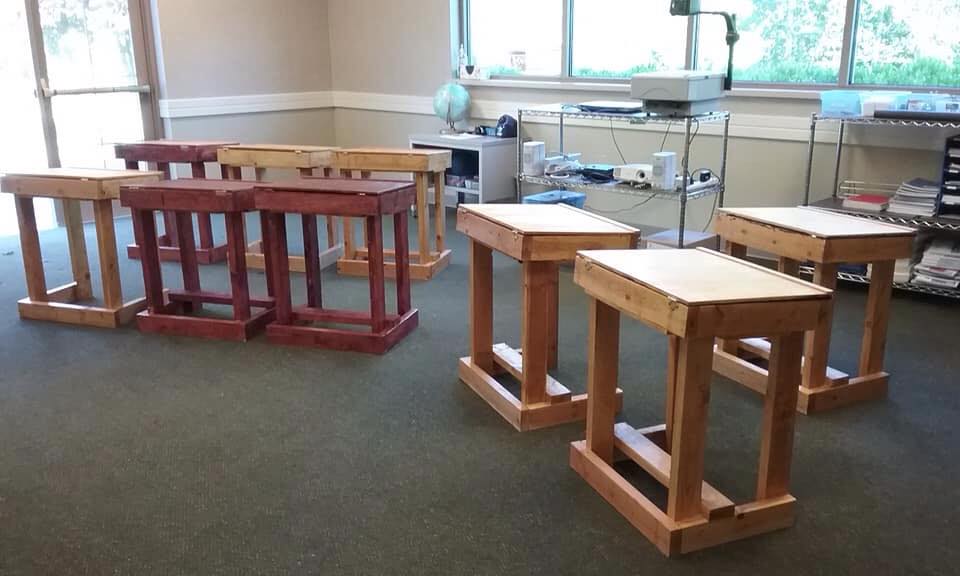
As early September days usher us toward autumn, we long for the more predictable routine of school days, so ripe with new learning opportunities. One early September a few years ago, my teacher friend Bonnie orchestrated an innovative introduction to fifth grade by asking her students, with some parental assistance, to make (from scratch) their own personalized school desks that went home with them at the end of the year. These students created their own learning center with their brains and hands, with wood-burned and painted designs, pictures and quotes for daily encouragement.
For those students, their desks will always represent a solid reminder of what has been and what is to come.
So too, I welcome September’s quieting times ushering in a new cool freshness in the air as breezes pluck and toss a few drying leaves from the trees. I will watch the days play themselves out rather than feeling I must direct each moment. I can be a sponge, ready to take in what the world is trying to teach me.
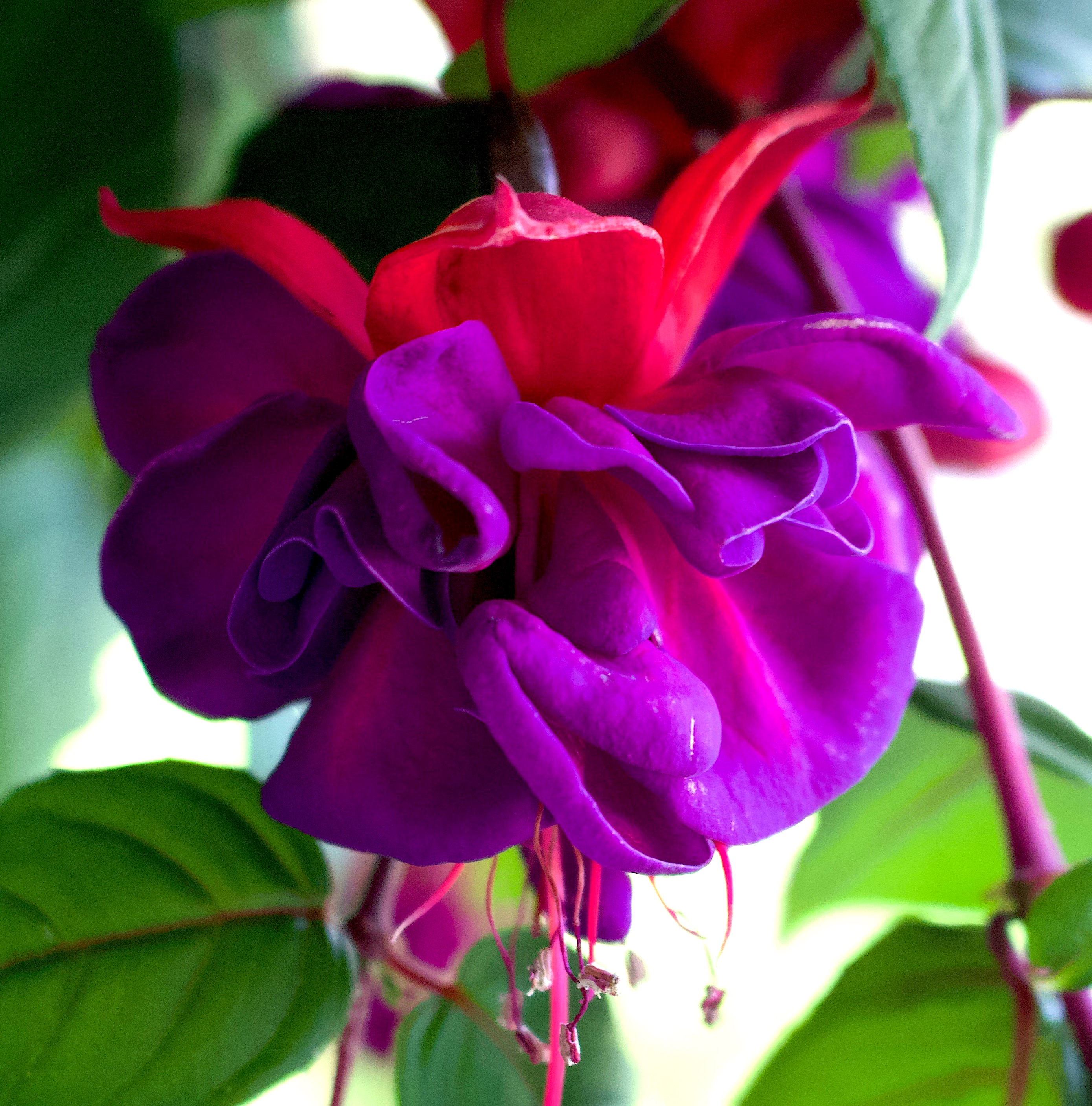
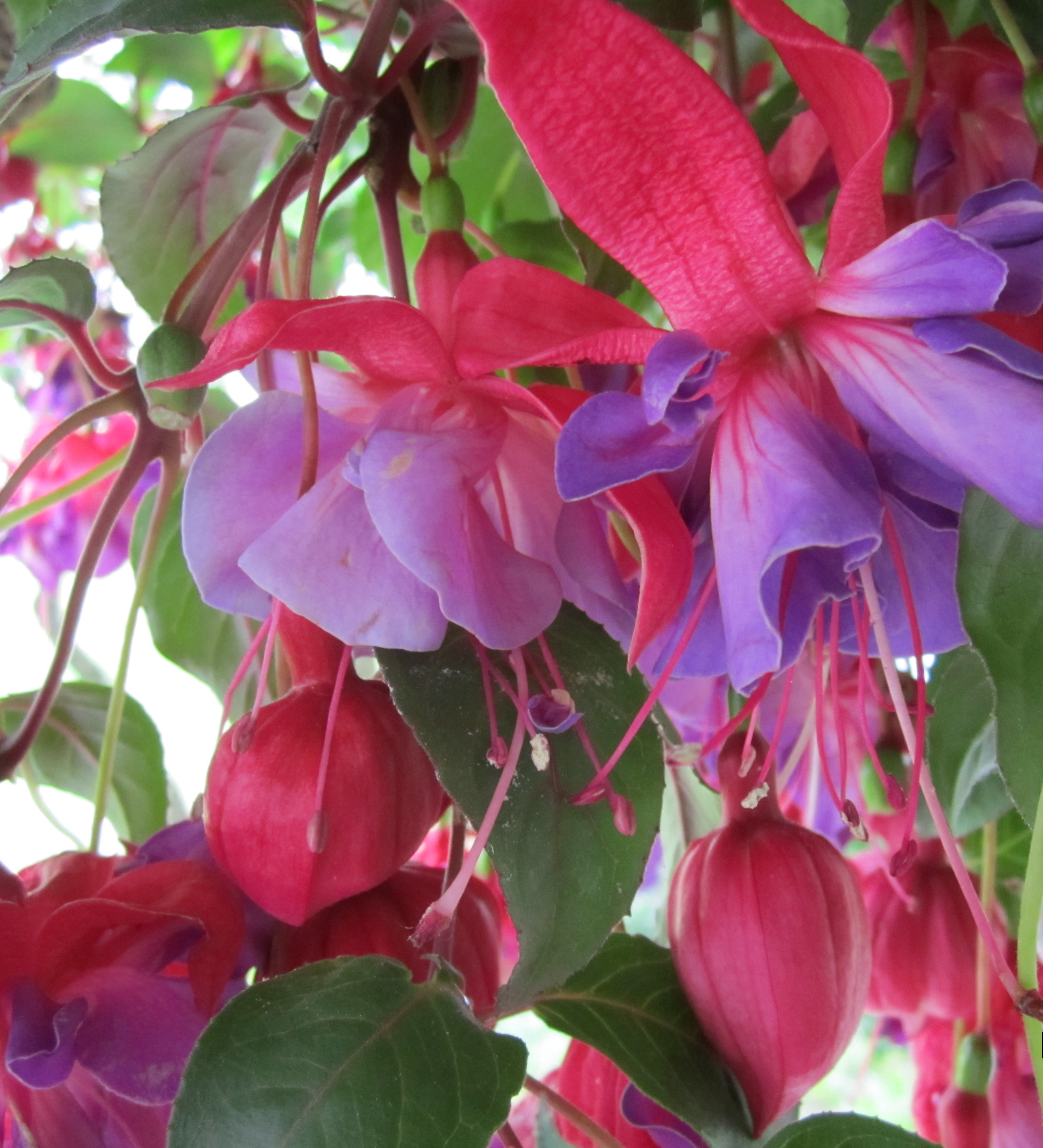
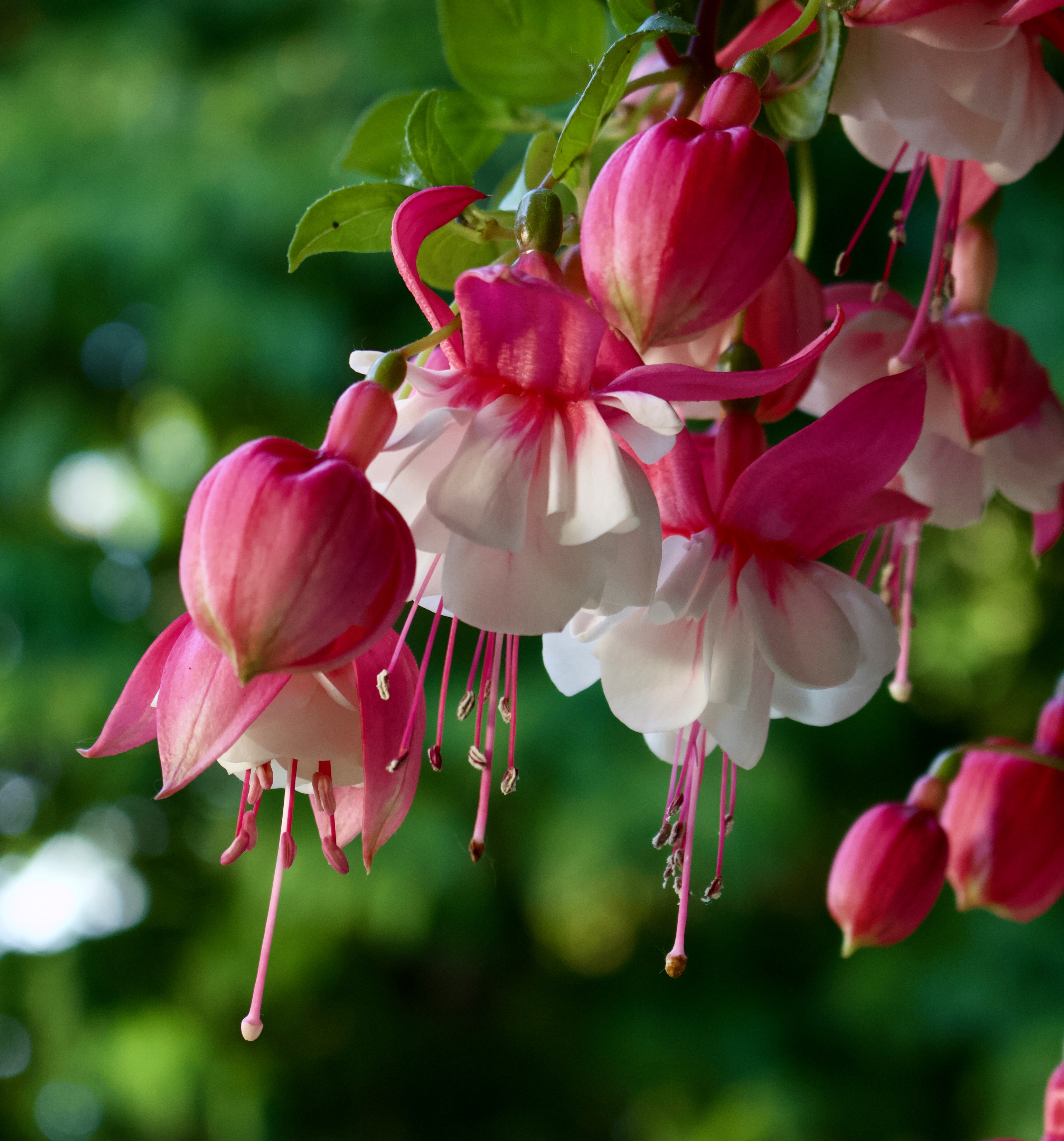
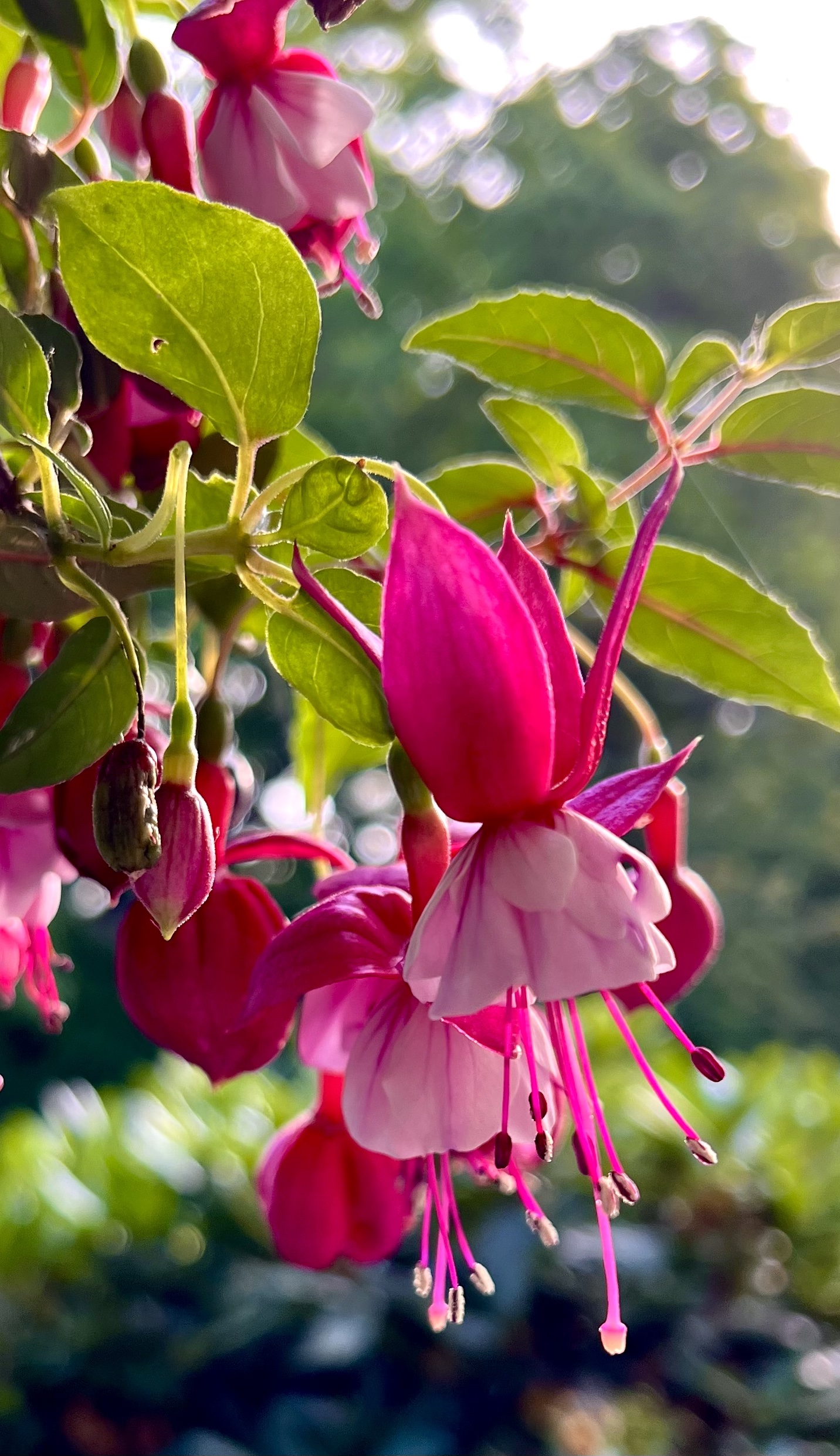
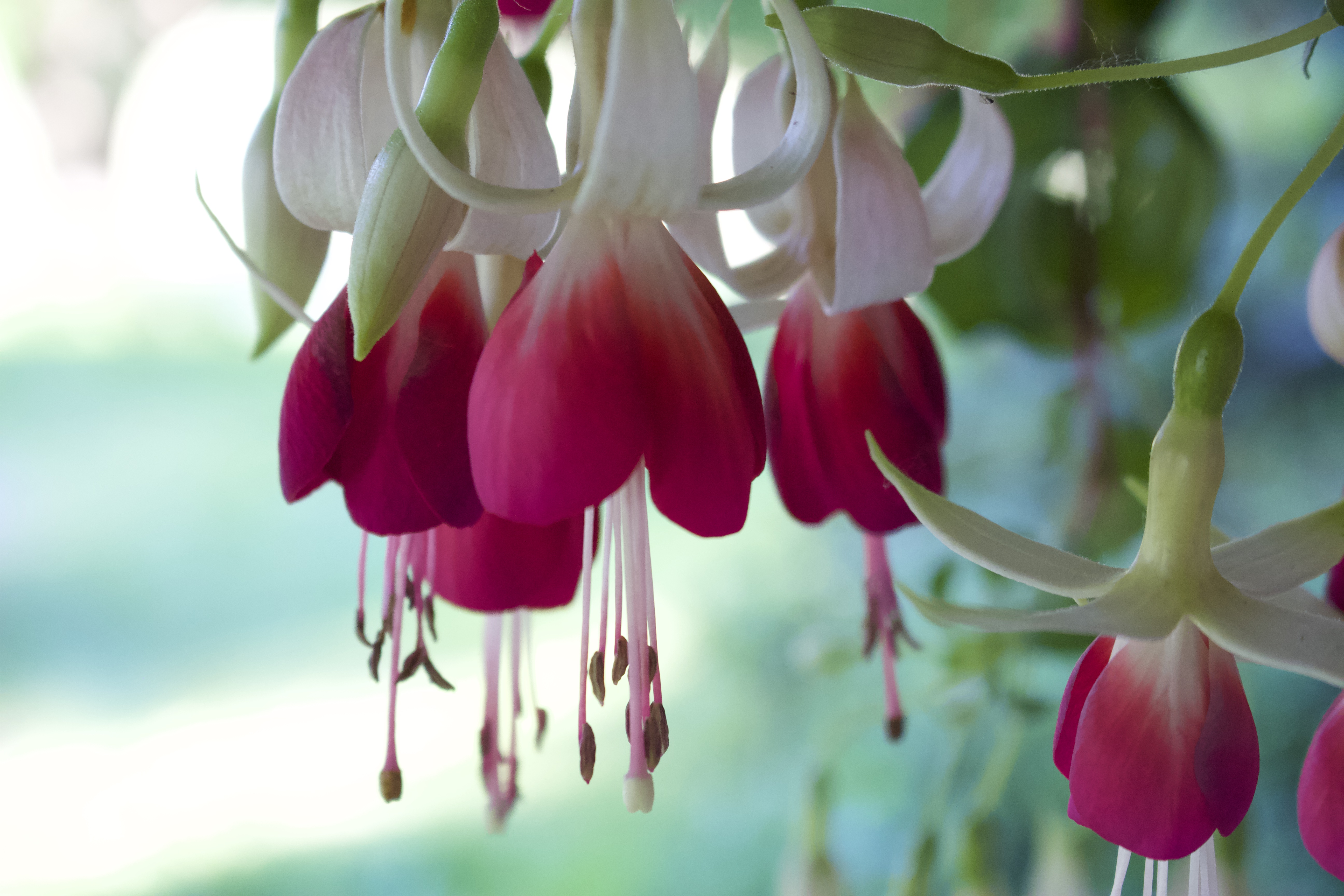
My fuchsia is a middle-aged woman who’s had fourteen children, and though she could do it again, she’s rather tired.
All through the summer, new blooms. I’m amazed. Yet the purple and crimson have paled. Some leaves are yellowed or withering.
The new buds look weaker and smaller, like menopause babies. But still she’s a gallant fine creature performing her function.
– That’s how they talk about women, and I heard myself using the same sort of language. Then I understood my love for August: its exhausted fertility after glut and harvest.
Out in the garden, playing at being a peasant forced to slave until dark with a child on my back
another at the breast and probably pregnant, I remember wondering if I’d ever manage
the rites of passage from girl to woman: fear and fascination hard to choose between.
Thirty years later, I pick the crumpled flowers off the fuchsia plant and water it as if before the shrine of two unknown grandmothers – and my mother, who was a fourteenth child. ~Ruth Fainlight “My Fuschia”
Flower in the crannied wall, I pluck you out of the crannies, I hold you here, root and all, in my hand, Little flower – but if I could understand what you are, root and all in all, I should know what God and man is. ~ Alfred Lord Tennyson“Flower in the Crannied Wall”
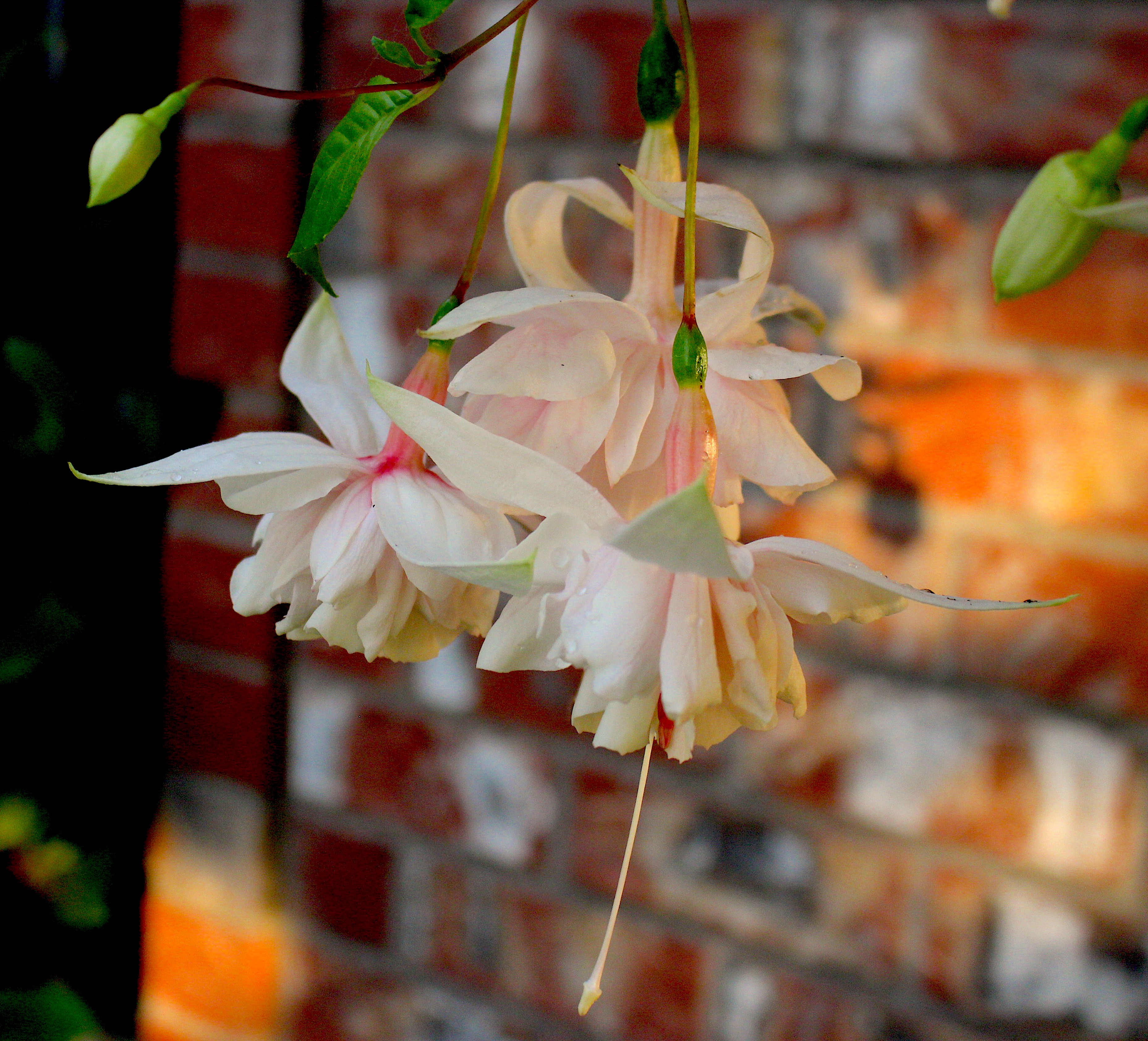
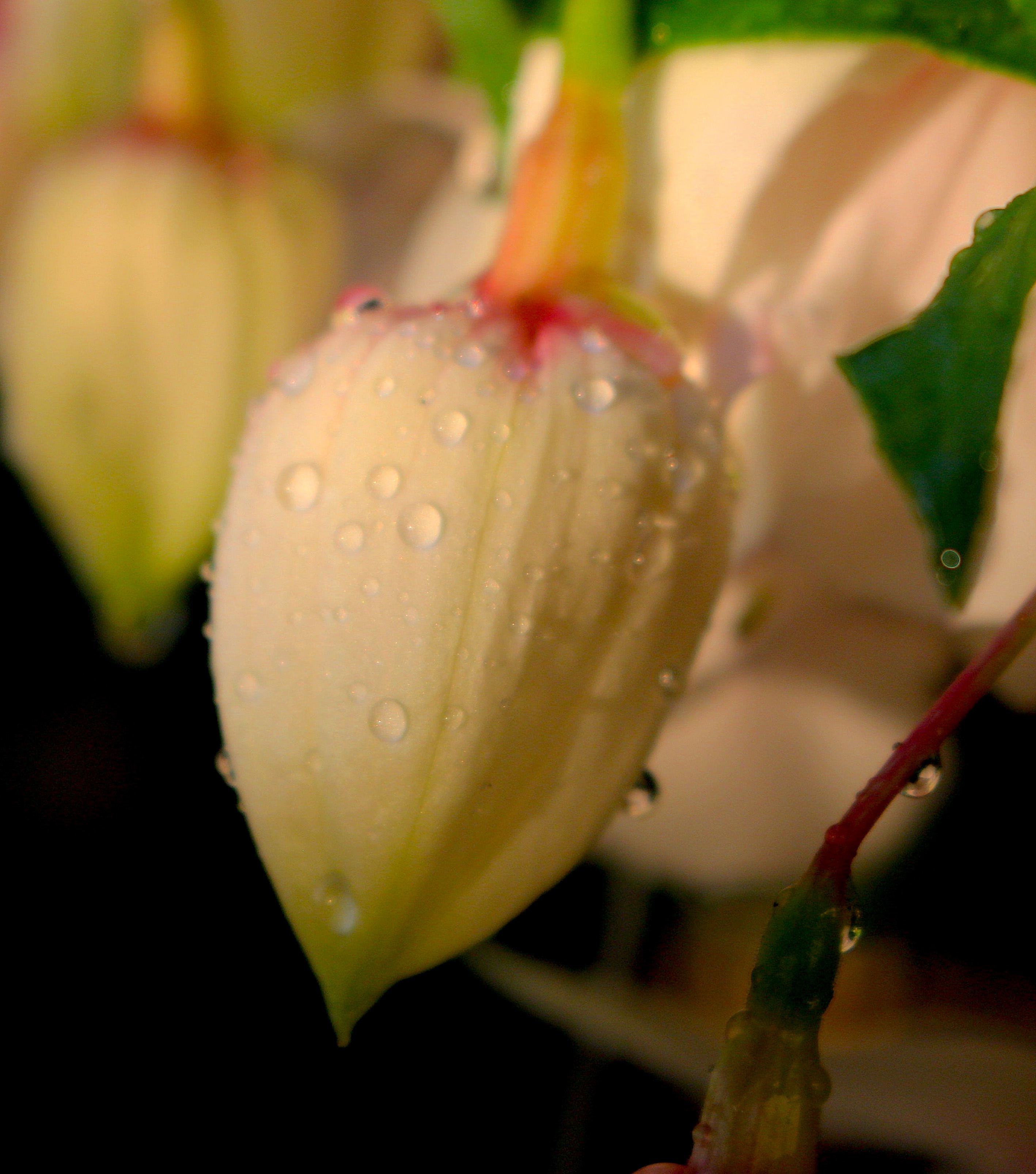
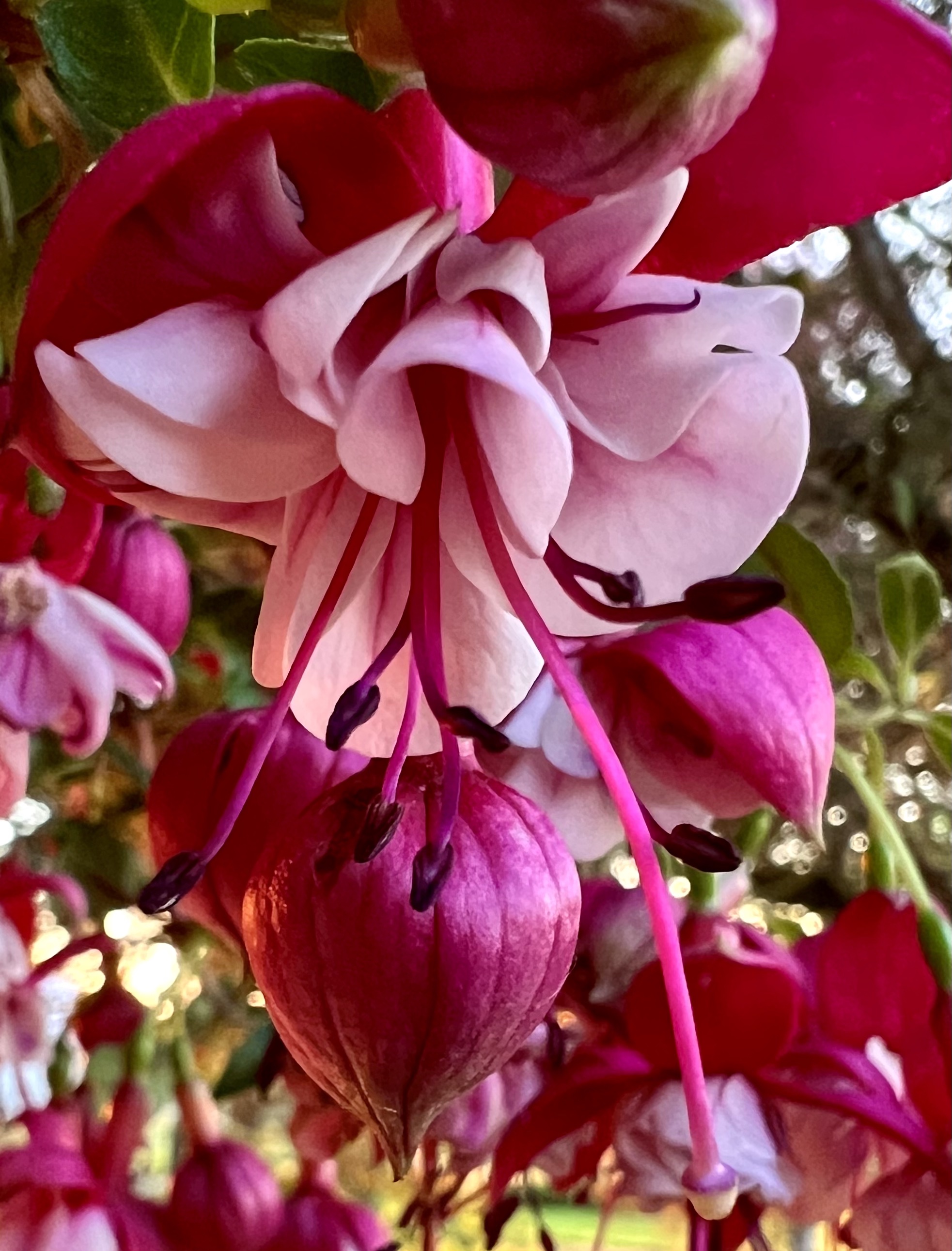
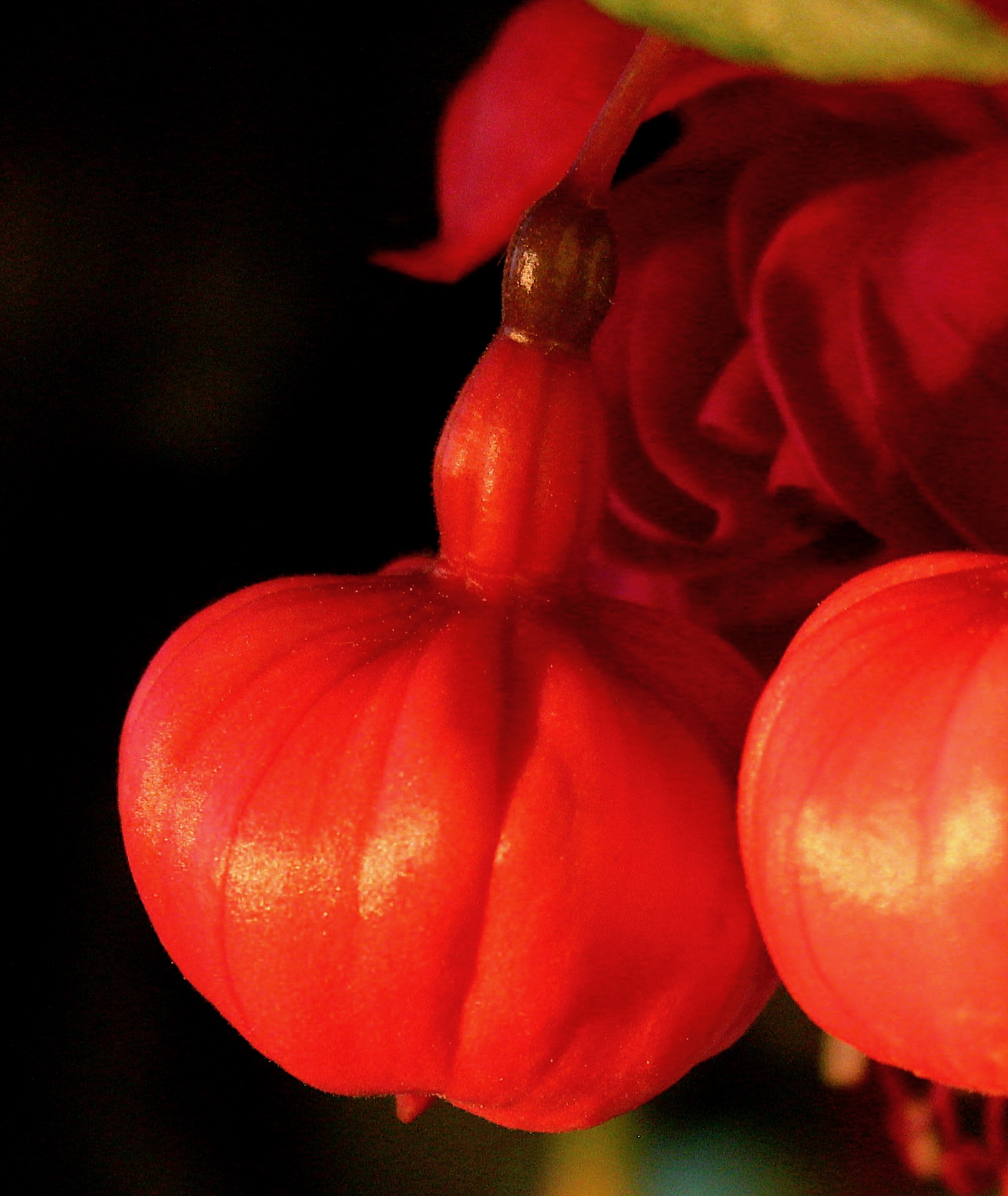
Each fuchsia flower a reminder of the fear and fascination of growing up female
Am I root, or am I bud? Am I stem or am I leaf? Am I dancing bloom or frail flower? Am I fruit about to bear seed myself?
Am I still girl, or mother, or graying grandma?
All in all, throughout my life, I hoped to be a mere reflection of the Garden’s intended fertile glory;
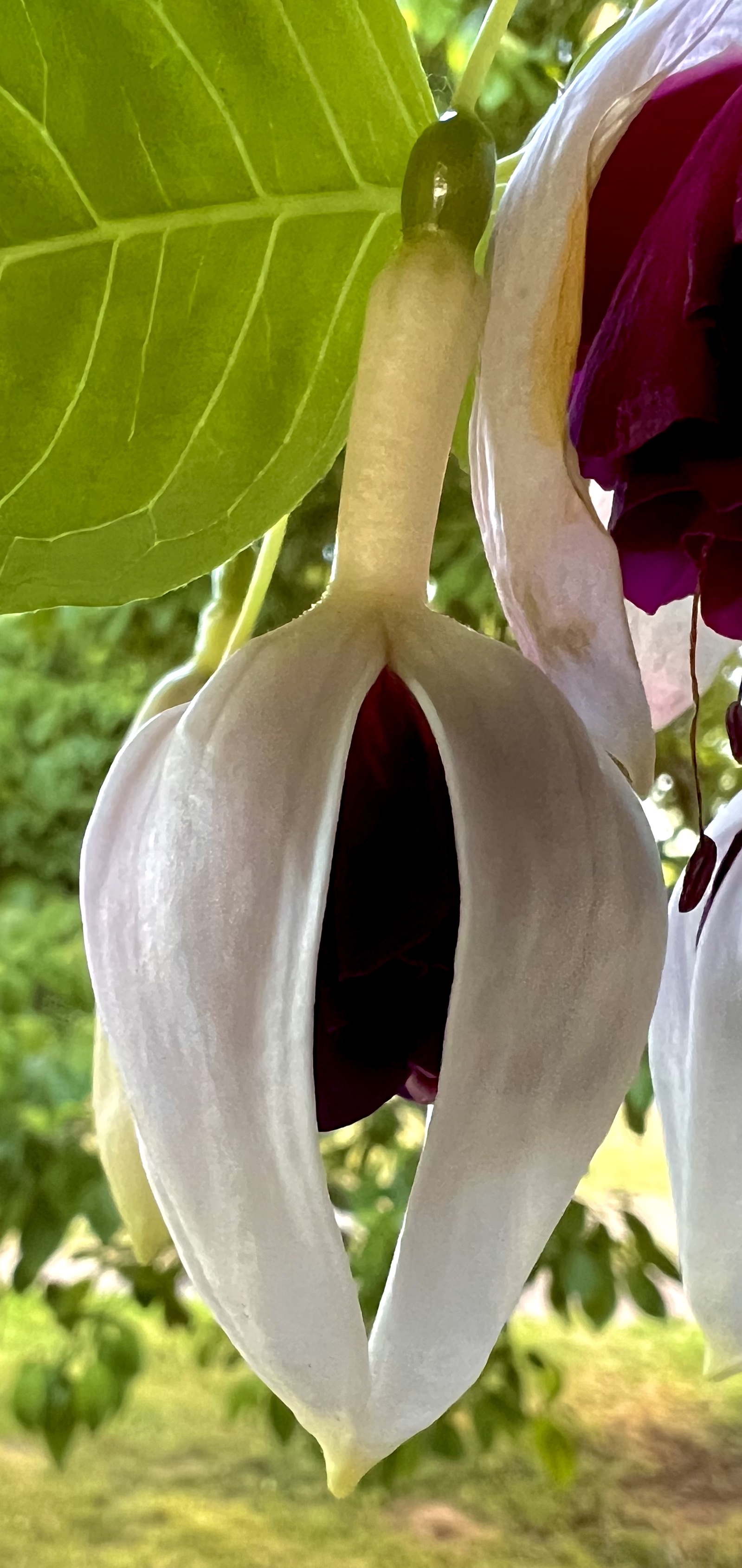
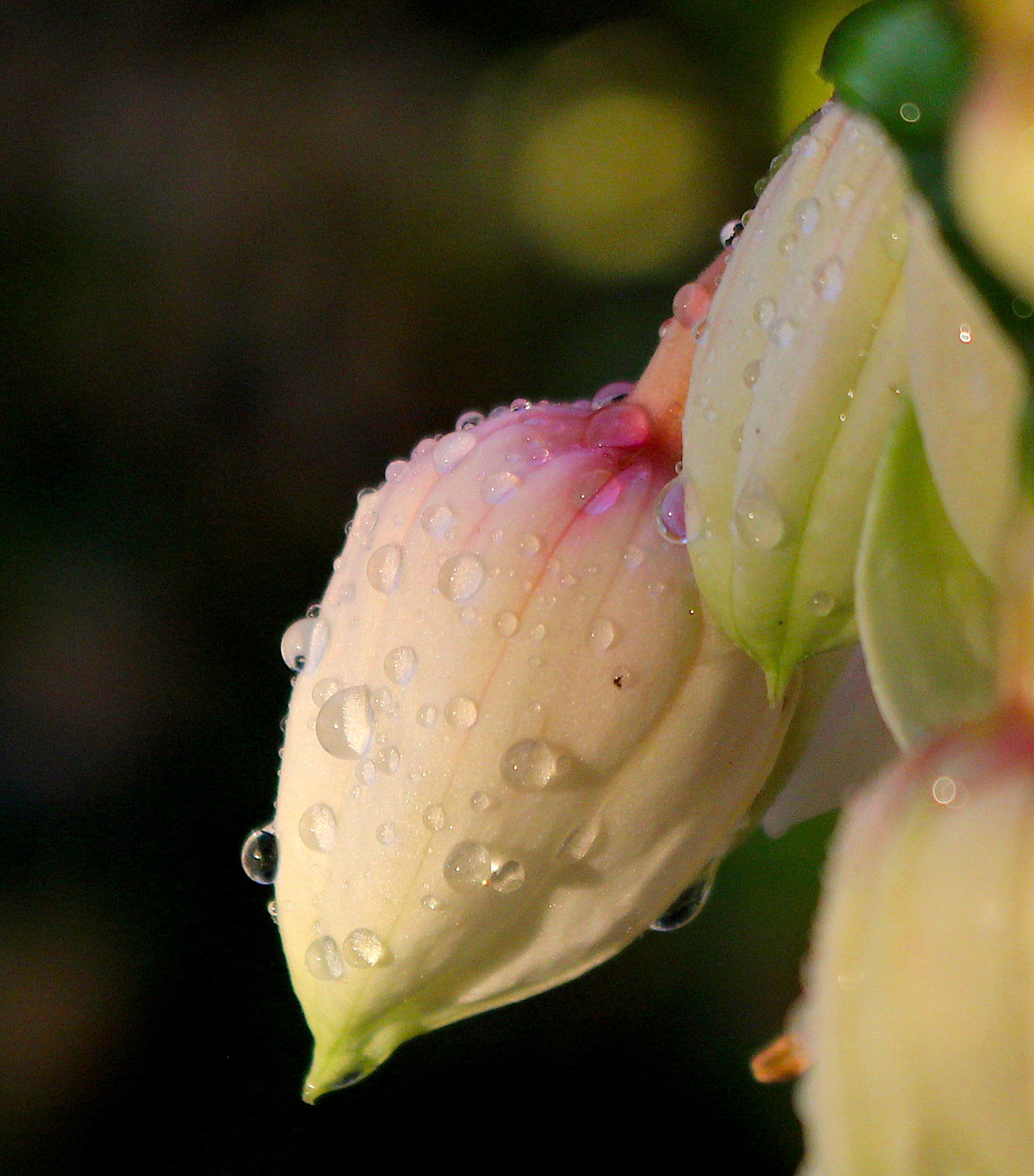
Like a bulging fuchsia bud, breaking open into full blossom, withering on the stem to seed, and being readied for the fall…
So much fear and fascination found in fecundity- to root and bud and bloom again.
One-Time
Monthly
Yearly
Make a one-time or recurring donation to support daily Barnstorming posts
One day, something very old happened again. The green came back to the branches, settling like leafy birds on the highest twigs; the ground broke open as dark as coffee beans.
The clouds took up their positions in the deep stadium of the sky, gloving the bright orb of the sun before they pitched it over the horizon.
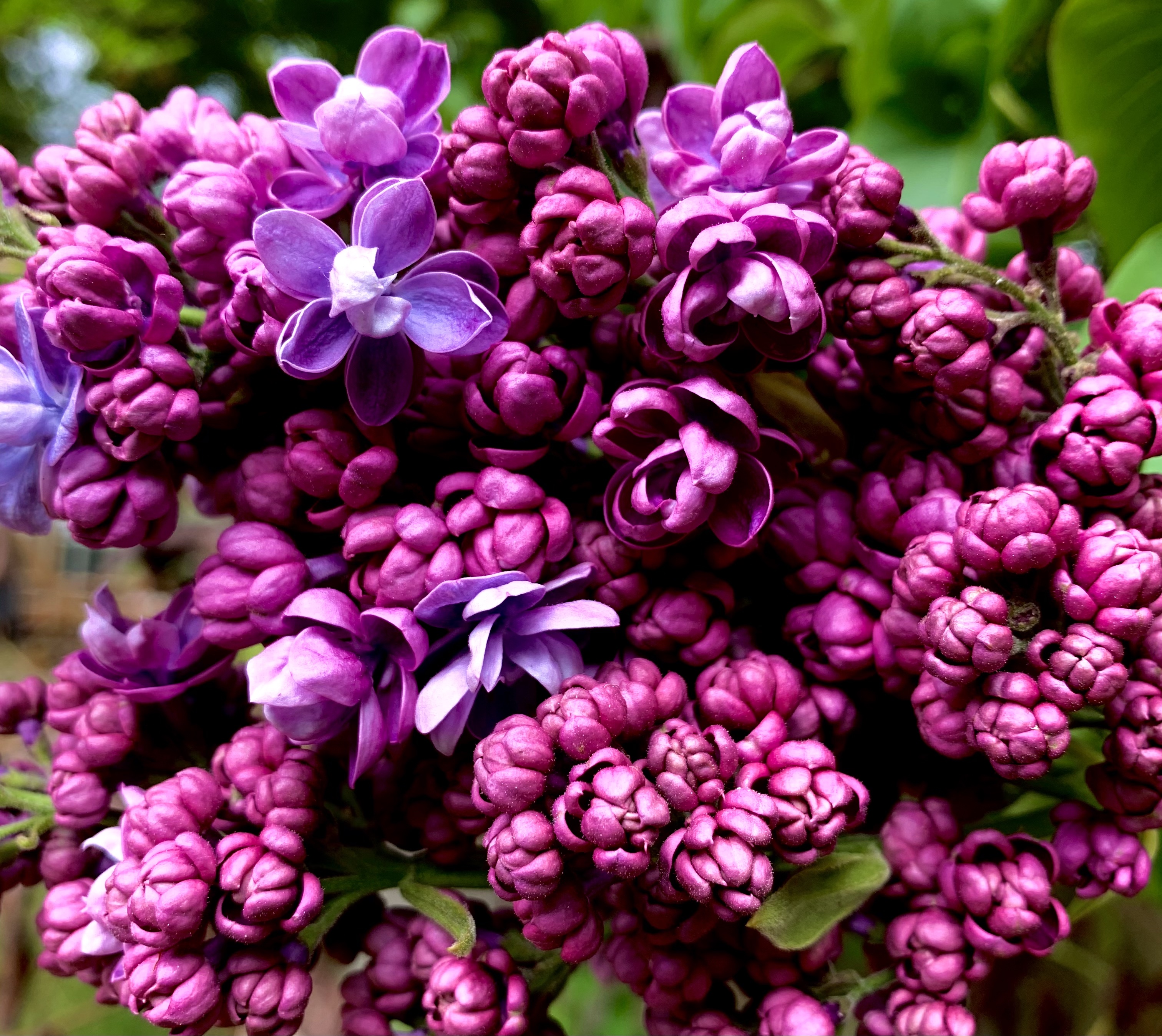
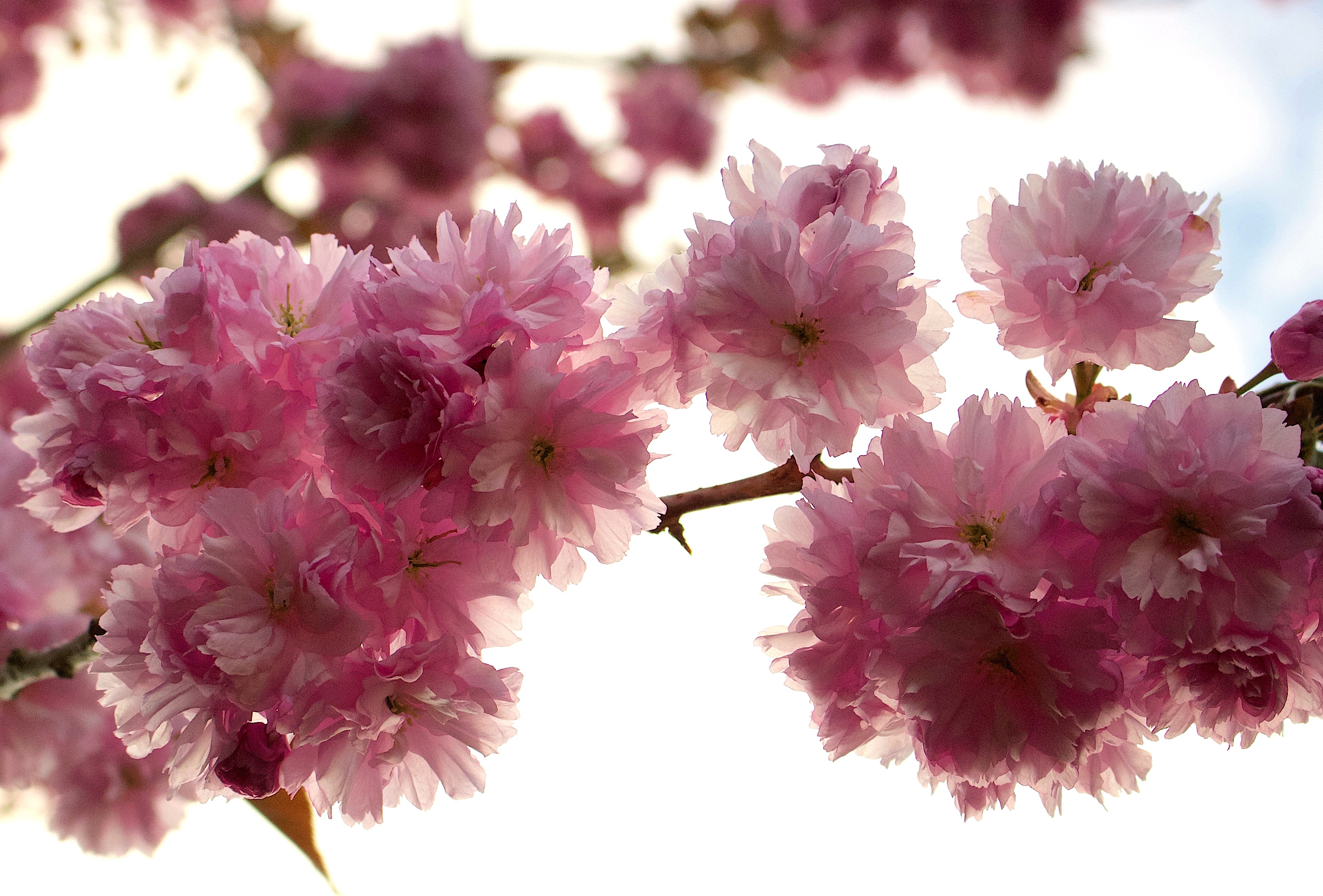
It was as good as ever: the air was filled with the scent of lilacs and cherry blossoms sounded their long whistle down the track
Jesus said to them, “Come and have breakfast.” None of the disciples dared ask him, “Who are you?” They knew it was the Lord. John 21:12
It’s so easy to look and see what we pass through in this world, but we don’t. If you’re like me, you see so little. You see what you expect to see rather than what’s there. ~Frederick Buechner from The Remarkable Ordinary
It is too easy, by the next day, to let go of Easter — to slide back into the Monday routine, managing our best to get through each day, teeth gritted, as we have before.
We had been blinded by our grief, shivering in misery, thinking Him only the Gardener as He passed by. We just don’t pay attention to Who is right before us, always tending us – the new Adam, caring for a world desperate for rescue.
God knows this about us. So He meets us for breakfast on Monday and every day thereafter and feeds us, a tangible and meaningful act of nourishing us in our most basic human needs though we’ve done nothing to deserve the gift. He cooks up fish on a beach at dawn and invites us to join Him, as if nothing extraordinary has just happened.
Just yesterday evening he reviewed His Word and broke bread in Emmaus, opening the eyes and hearts of those like us who failed to see Who this is walking beside them. This is no mere Gardener.
When He offers a meal of His Word, the gift is nothing less than Himself.
One-Time
Monthly
Yearly
Support daily Barnstorming posts with a one-time or recurring donation