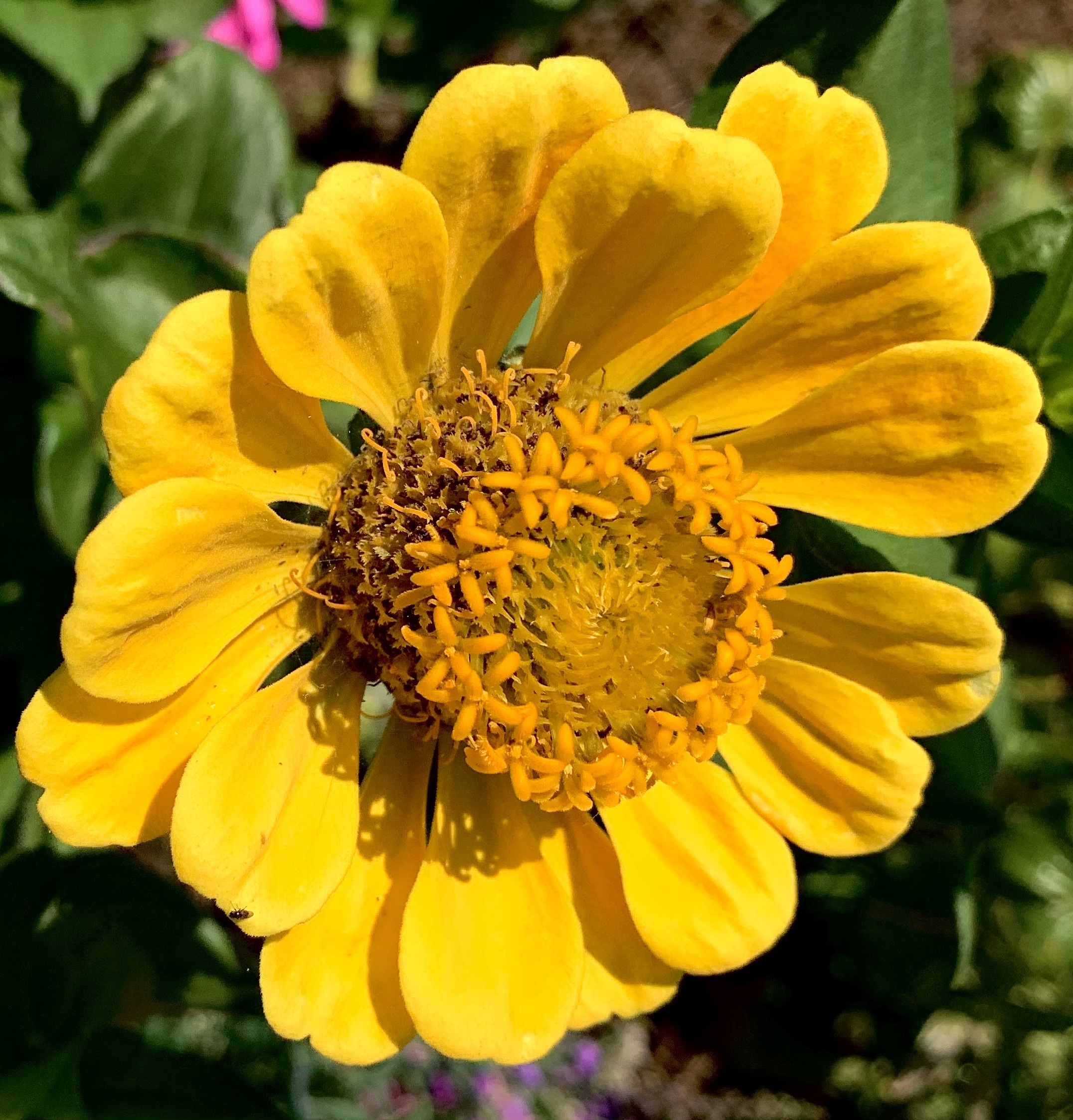
To Gather Paradise

I dwell in Possibility –
A fairer House than Prose –
More numerous of Windows –
Superior – for Doors –

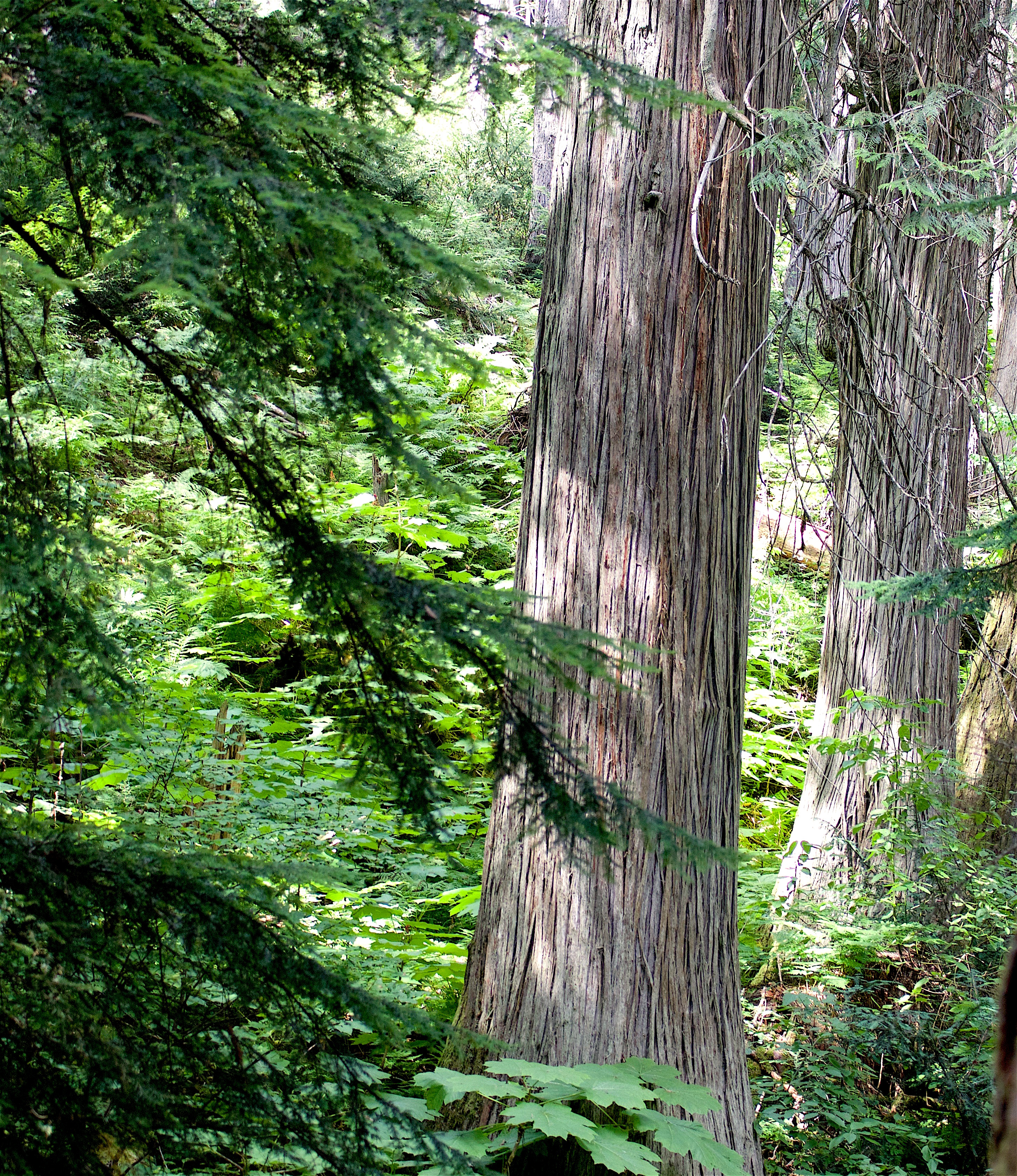
Of Chambers as the Cedars –
Impregnable of eye –
And for an everlasting Roof
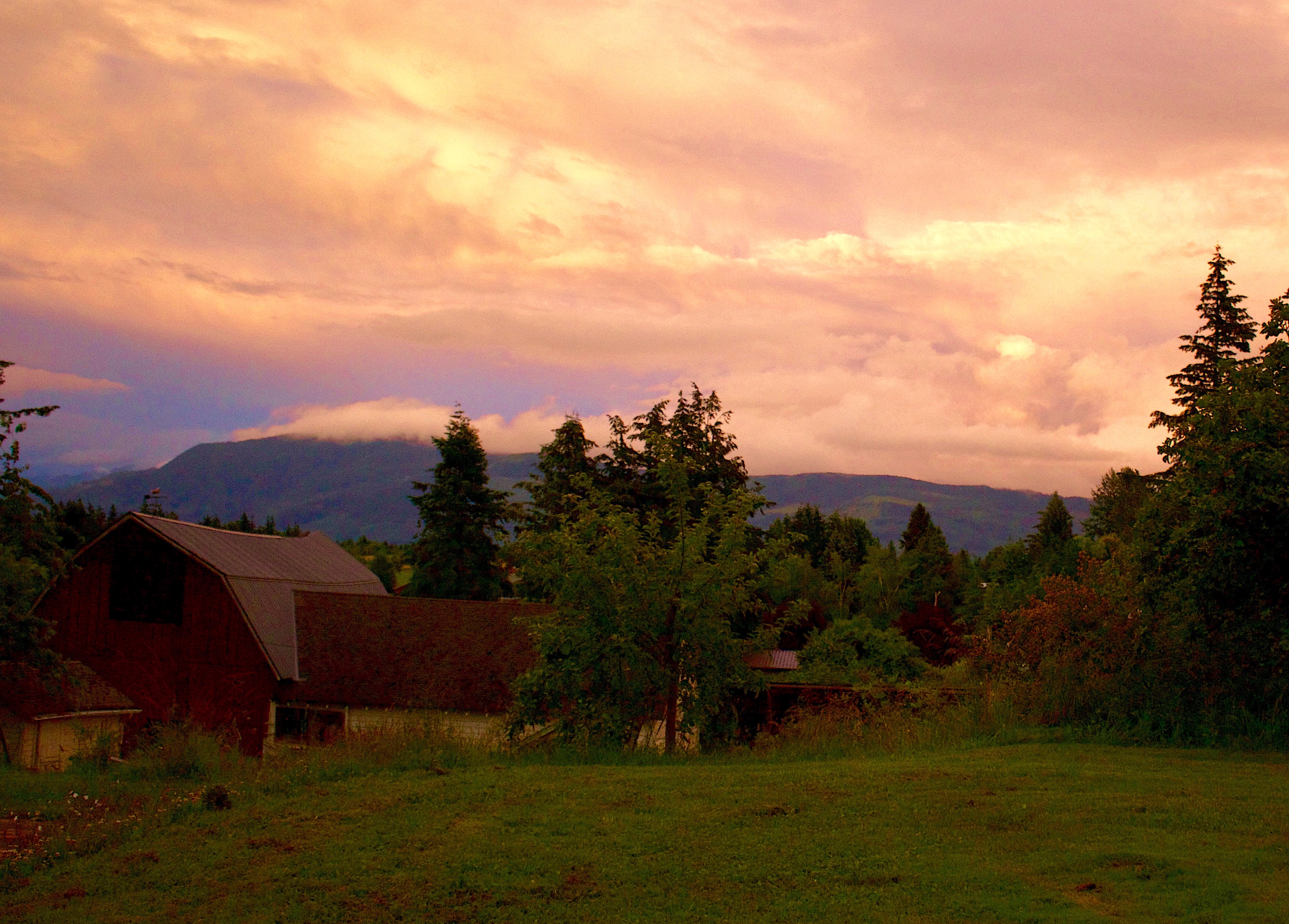
The Gambrels of the Sky –

Of Visitors – the fairest –
For Occupation – This –
The spreading wide my narrow Hands
To gather Paradise –

~Emily Dickinson

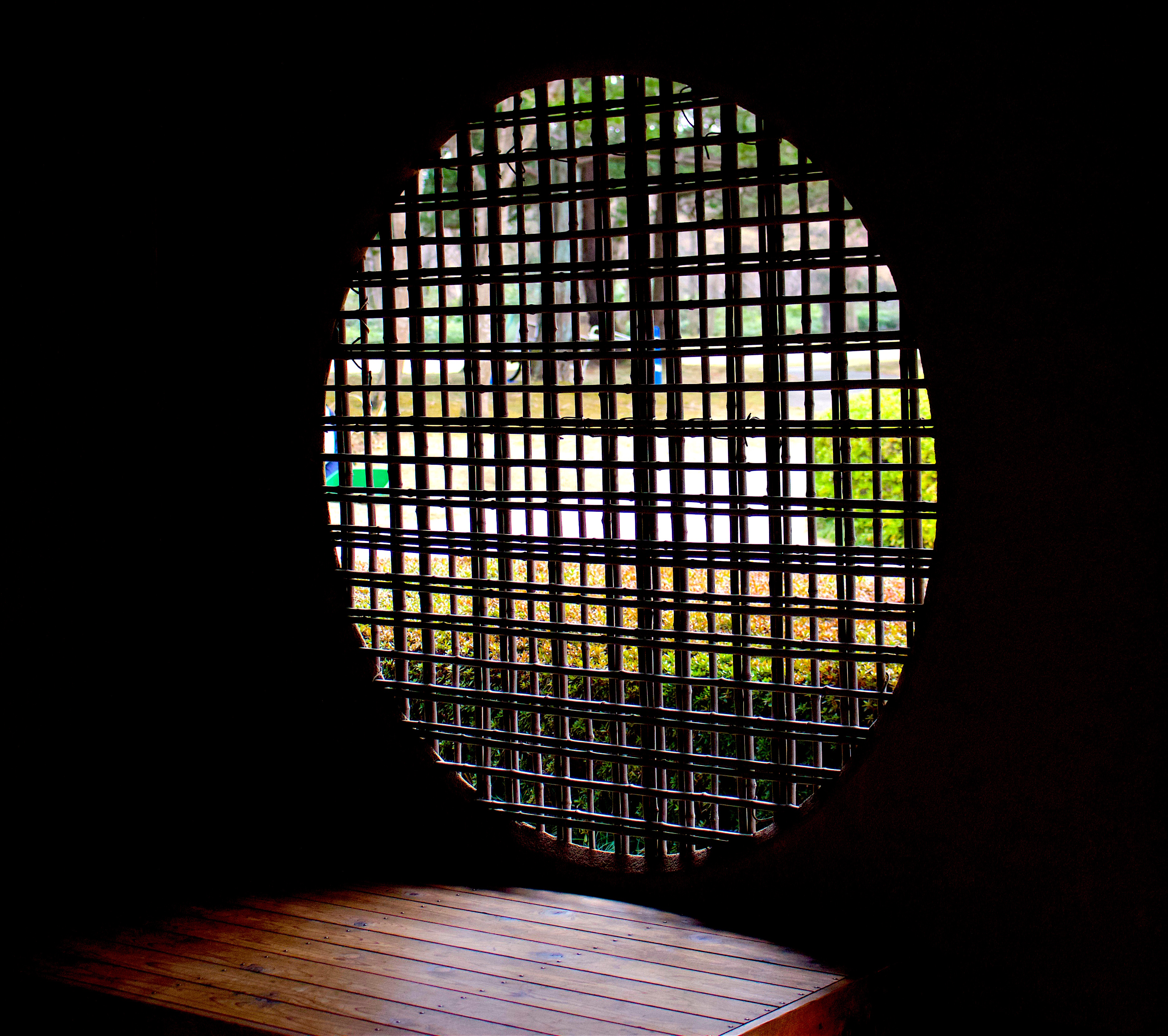
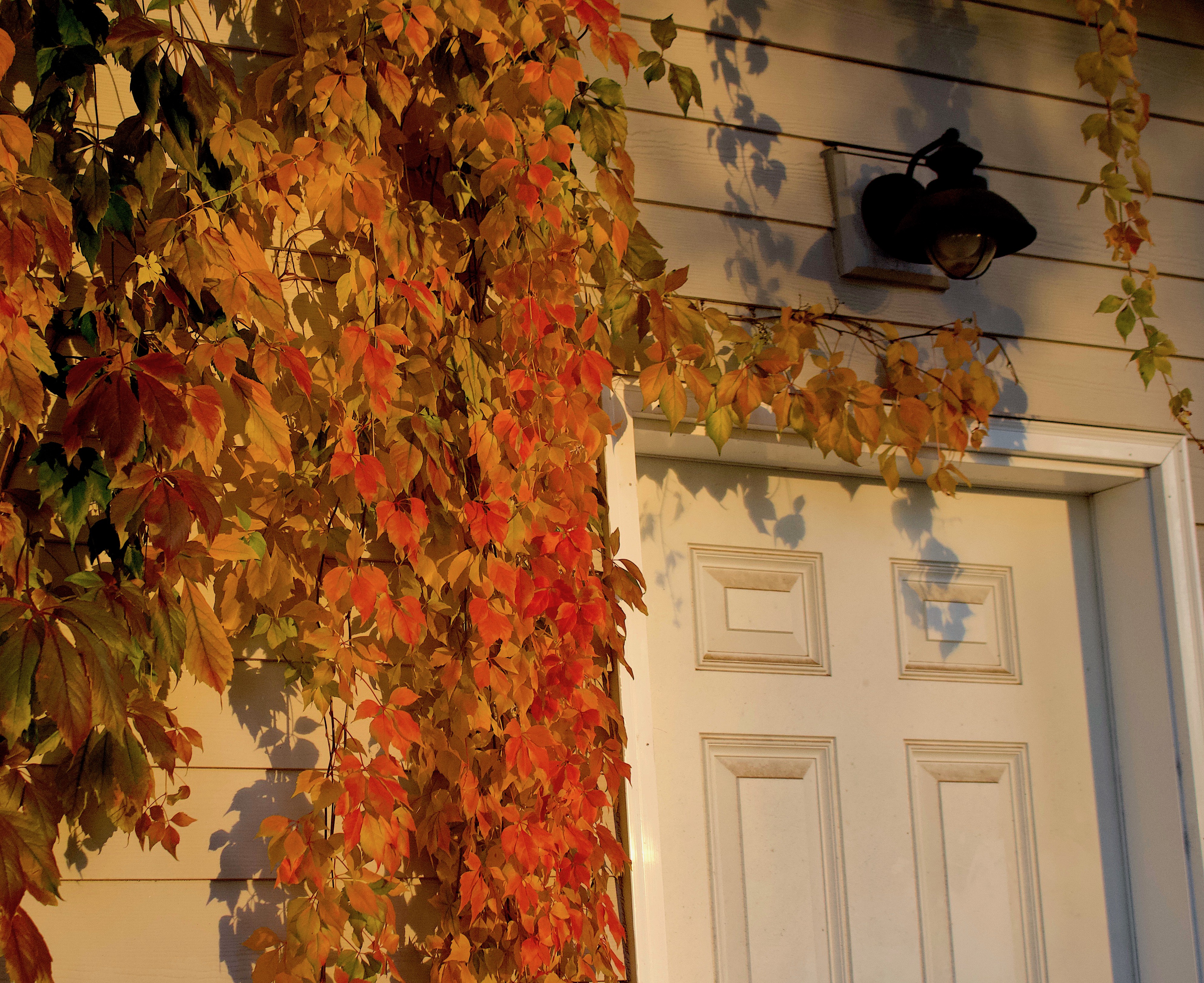
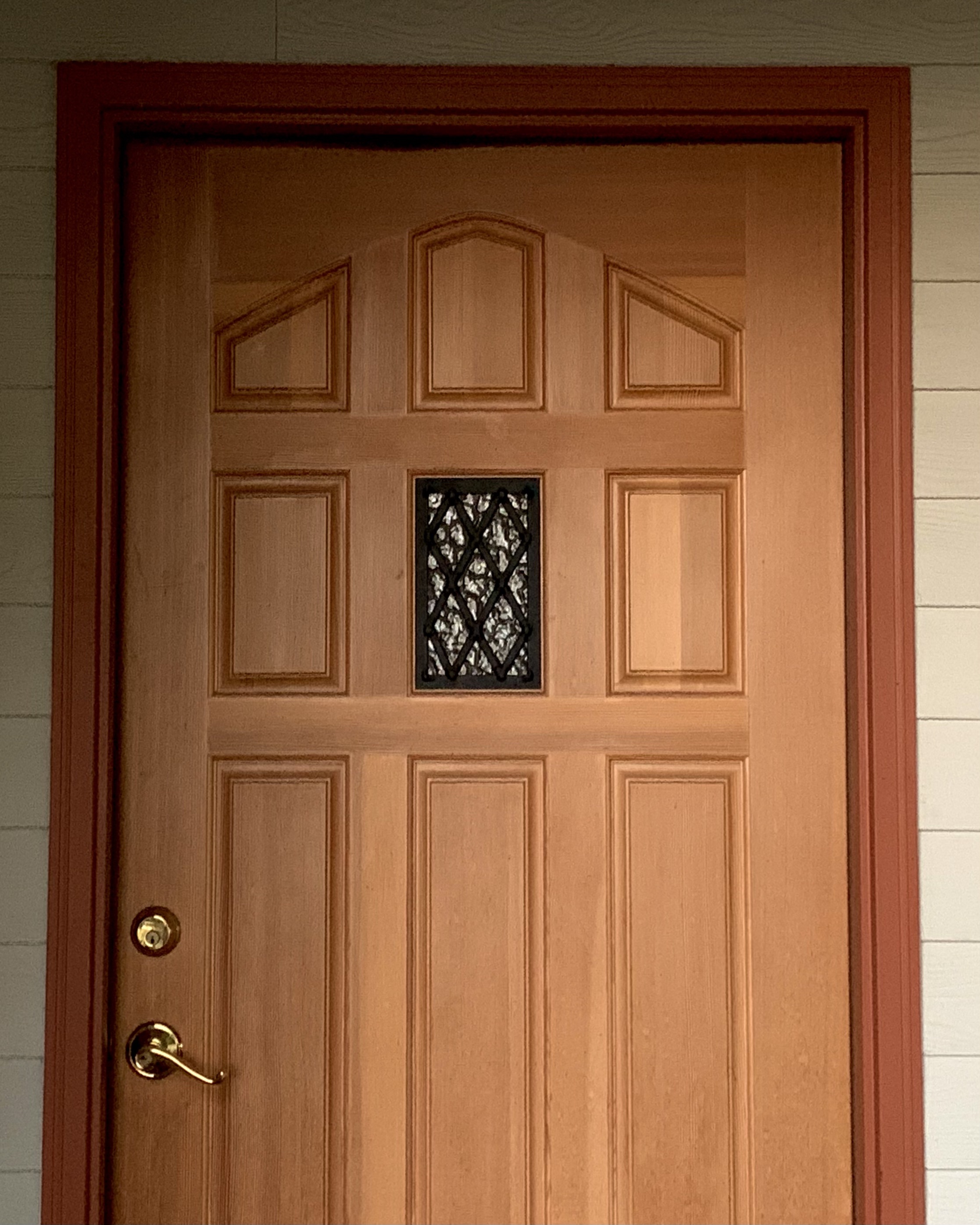
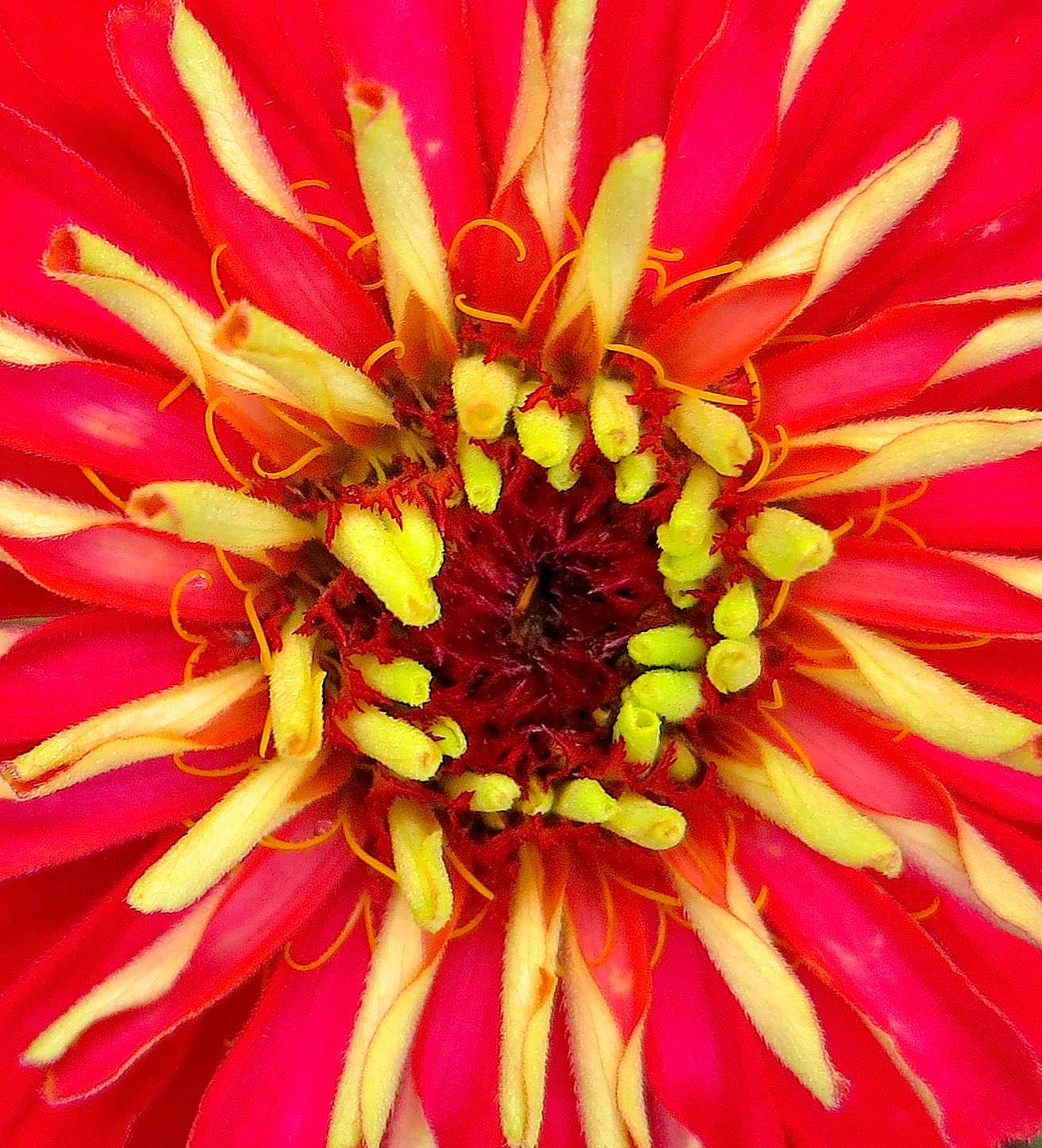
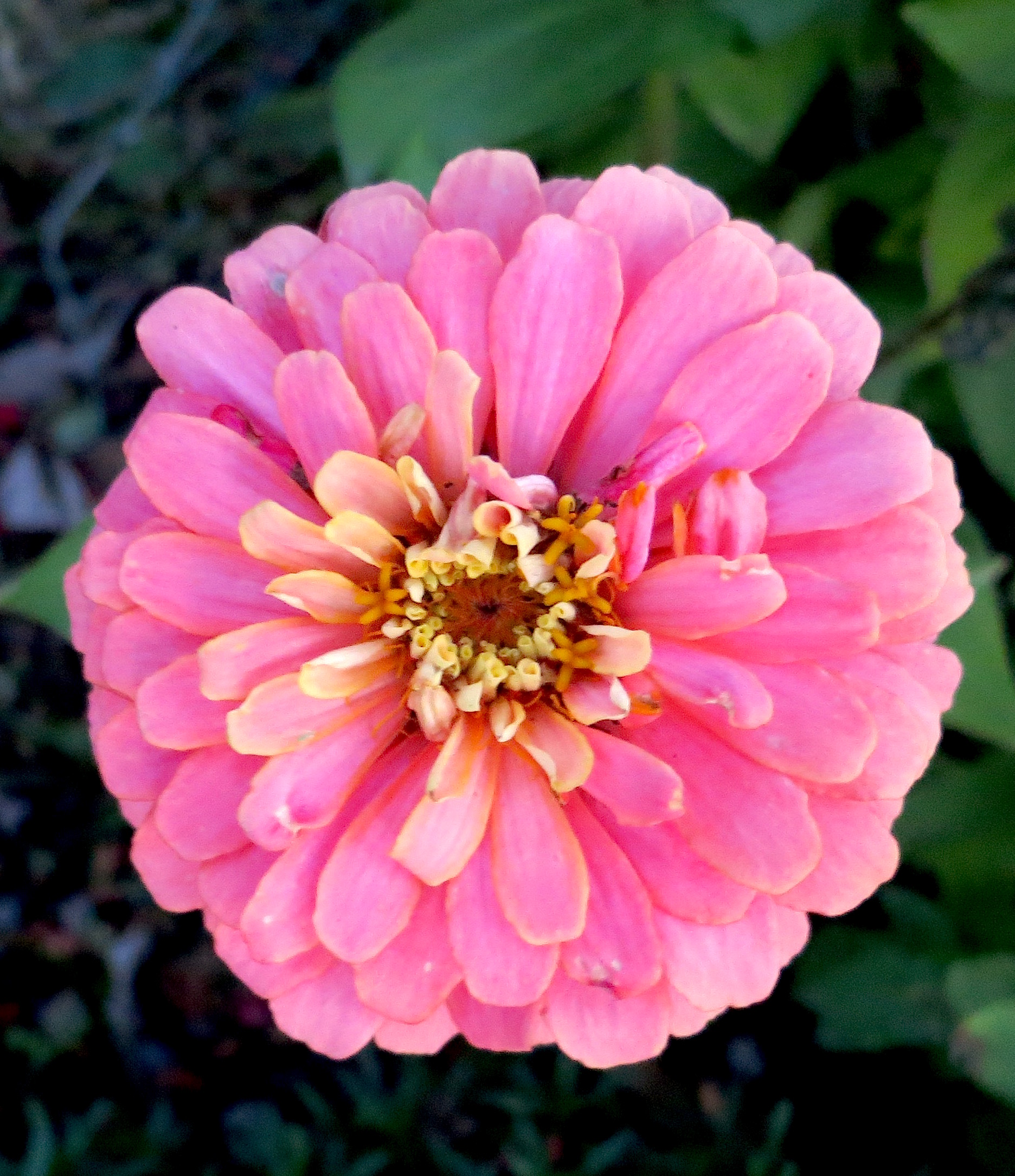
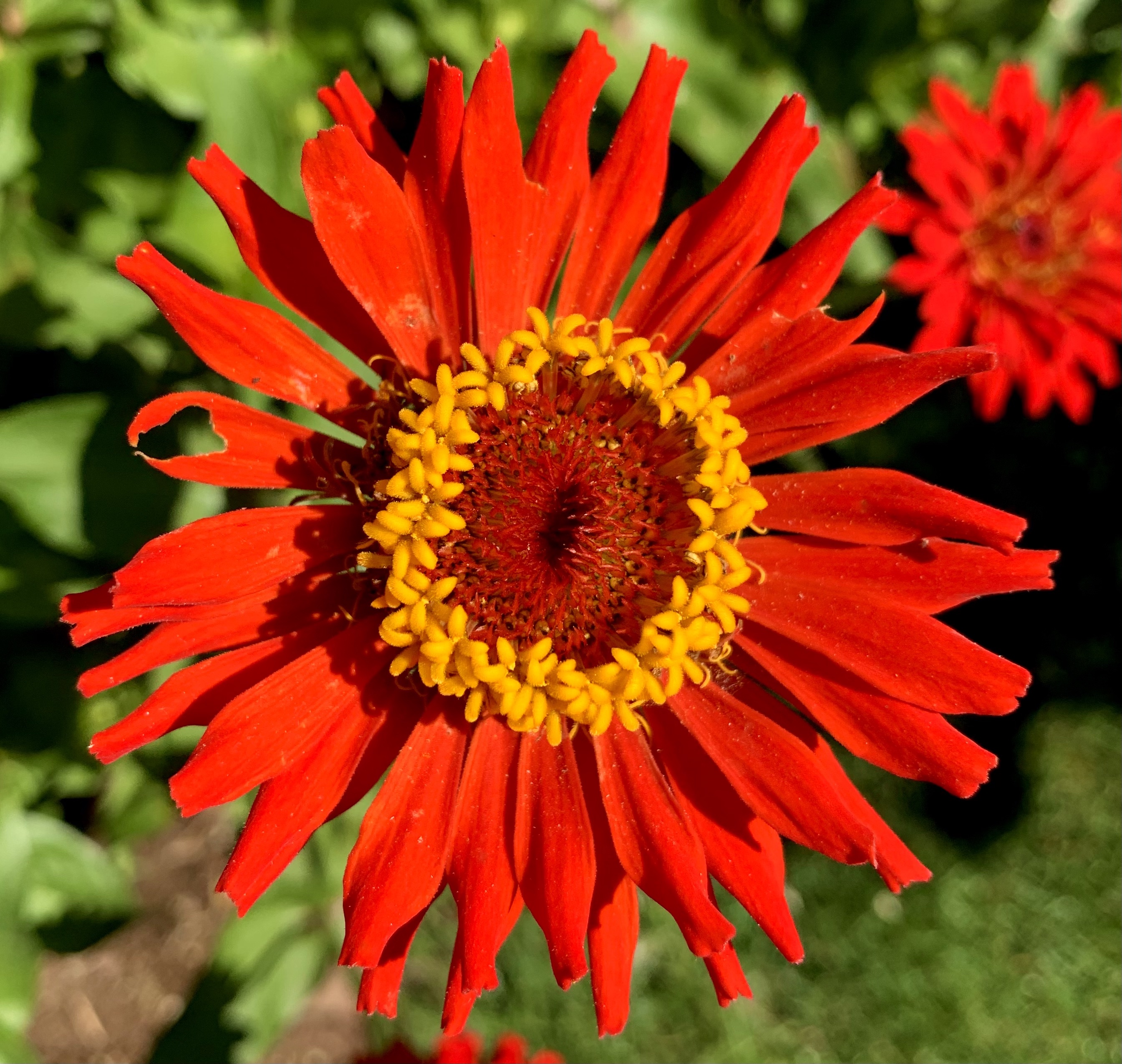
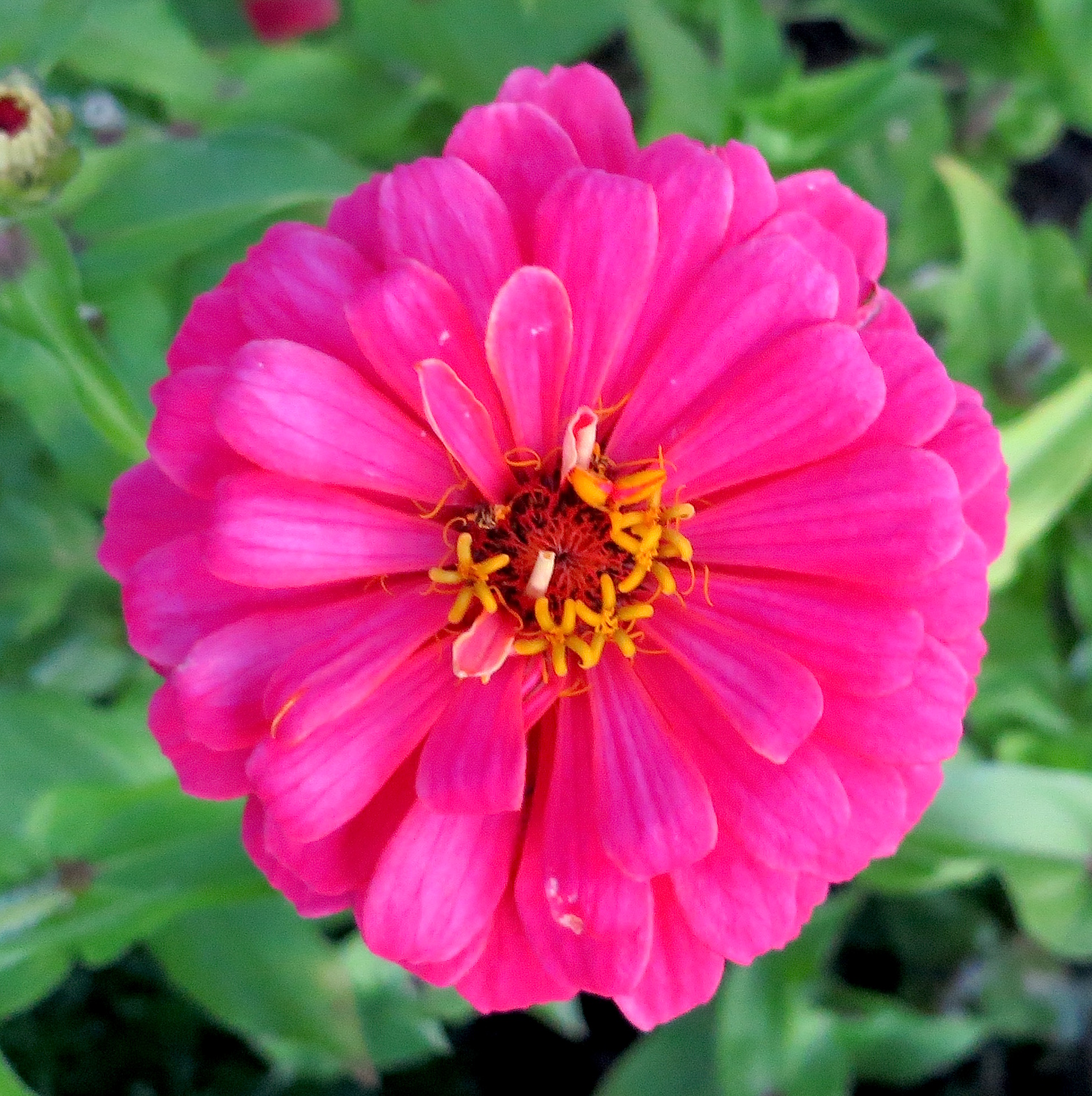
The possibilities contained within a Dickinson poem are doors and windows standing wide open for interpretation and comprehension. When I visit Emily’s dwelling full of mysterious capitalizations, inscrutable dashes and sideways rhymes, I am blind, get easily lost, stumbling over this and that, and end up wondering where she is leading me and how far I’m willing to go.


Yet she tells me
– This –
to get my attention, hold it fast, to look up and out, beyond, and into forever.

-This-
is what I must do when I read her carefully chosen words and dashes
-This-
is what I ask of a reader who opens my email or comes to my daily post
-This-
is us dwelling in possibility for a moment or an eternity,
all eyes and windows and doors wide open to grasp a glimpse of Paradise.

-This-
is our hands spread, ready
to gather, to hold, to embrace, to pray, to fold
to prepare us for Whatever Comes Next…

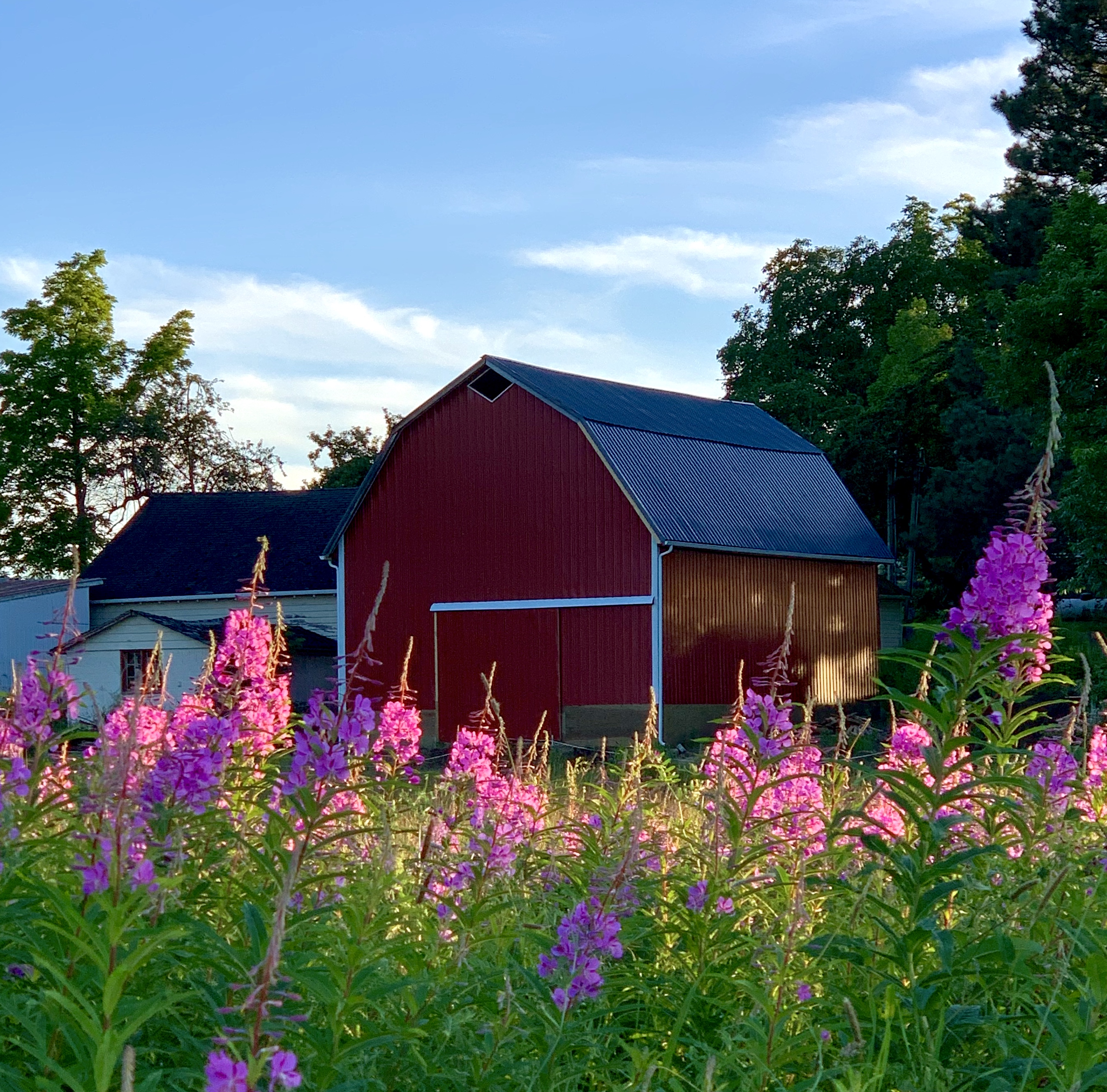
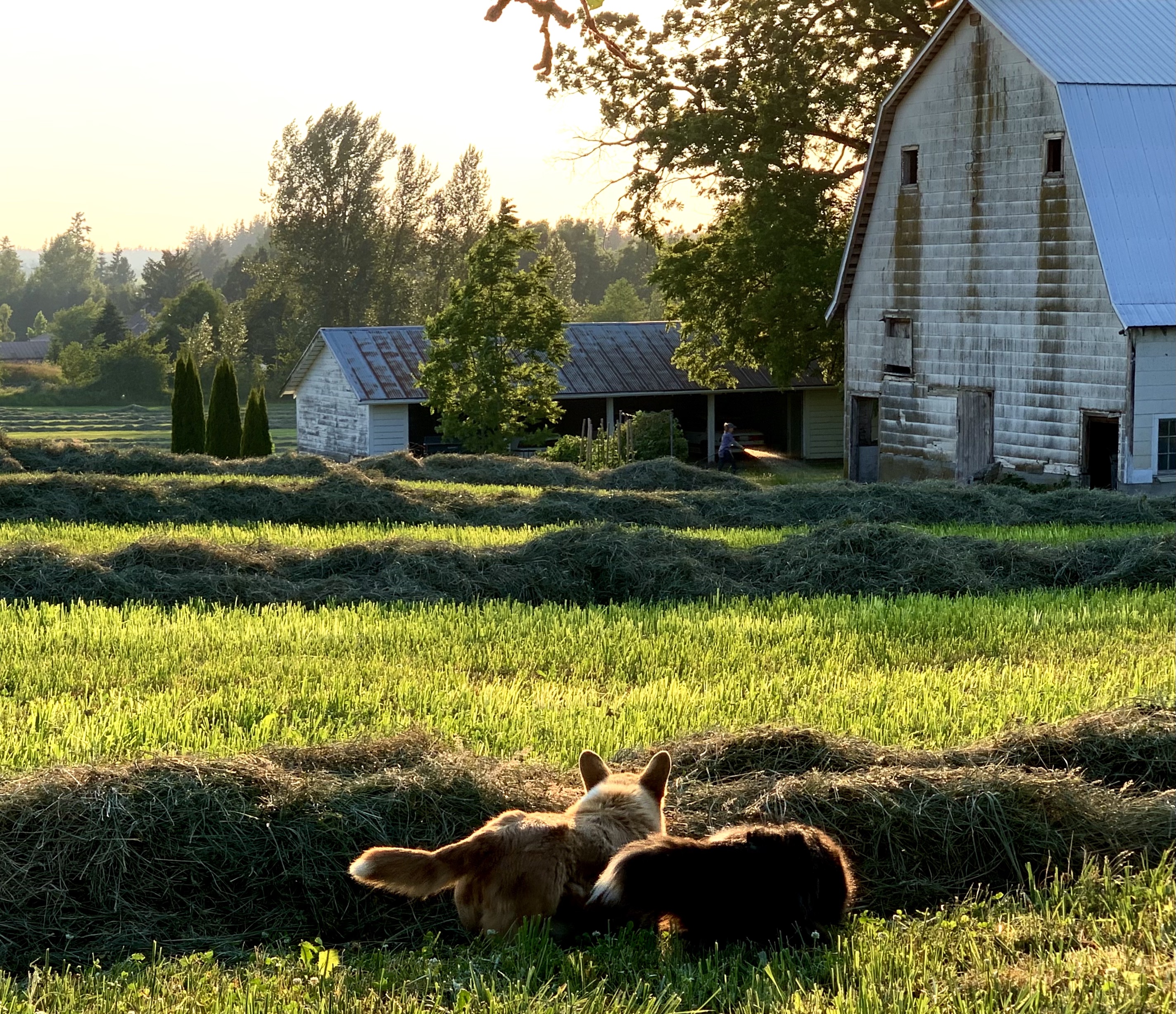
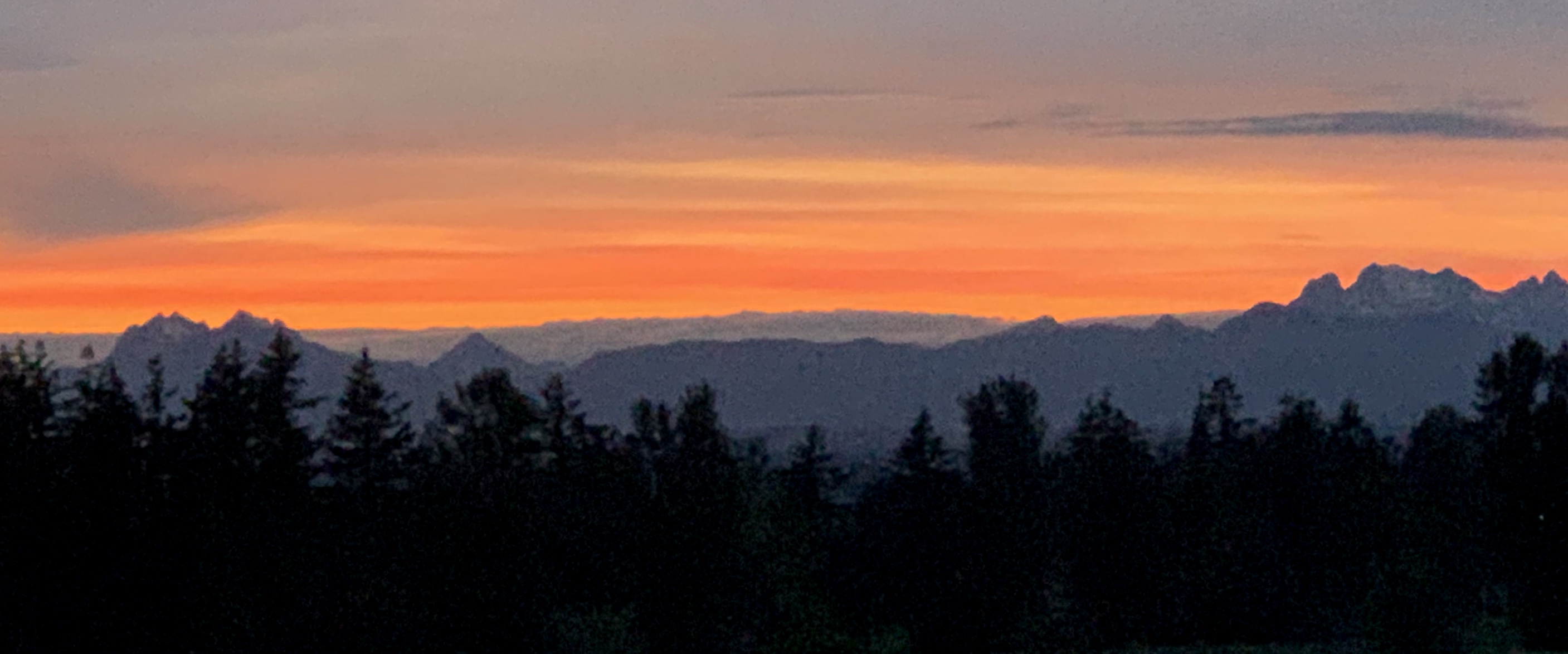
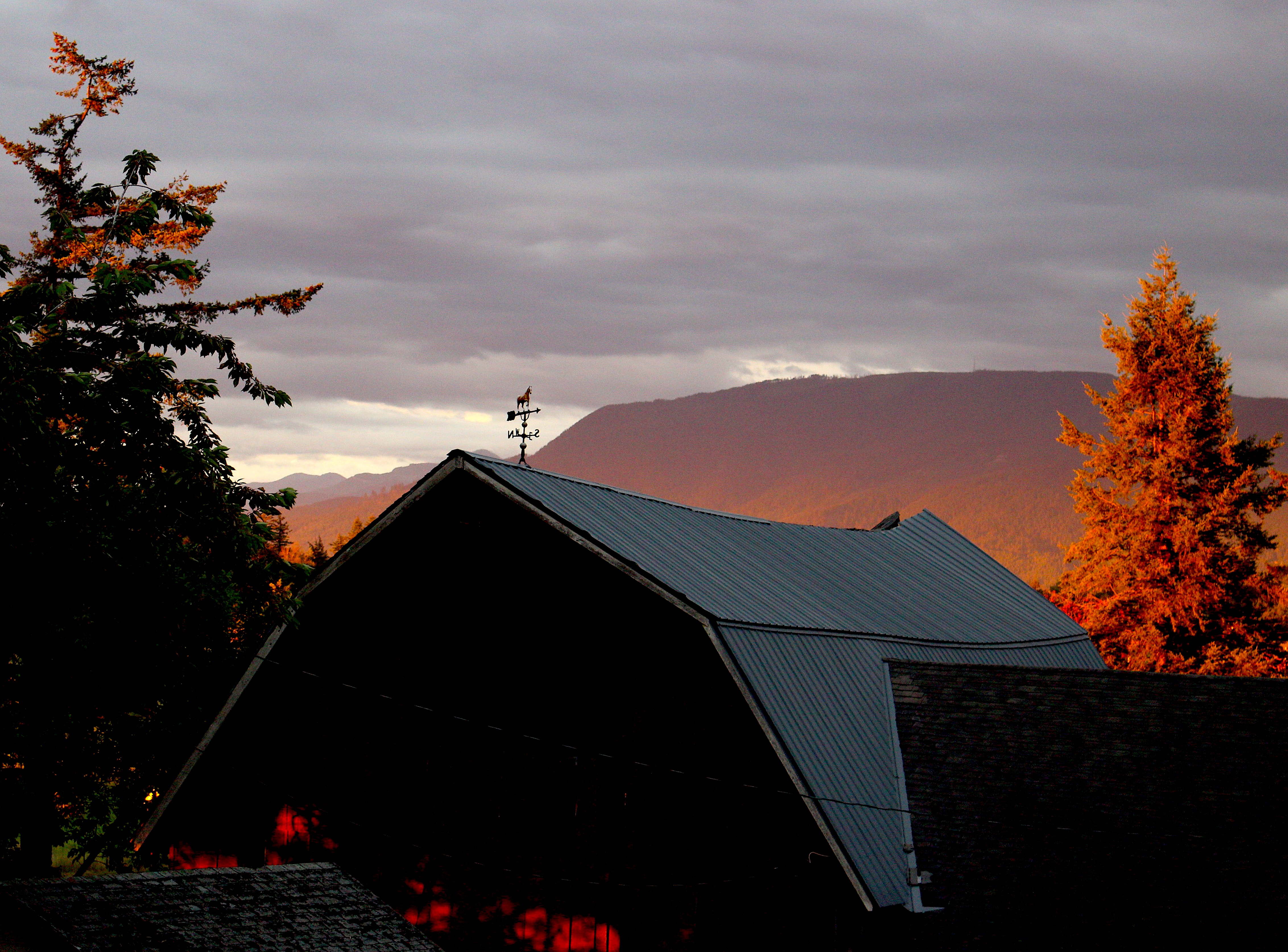
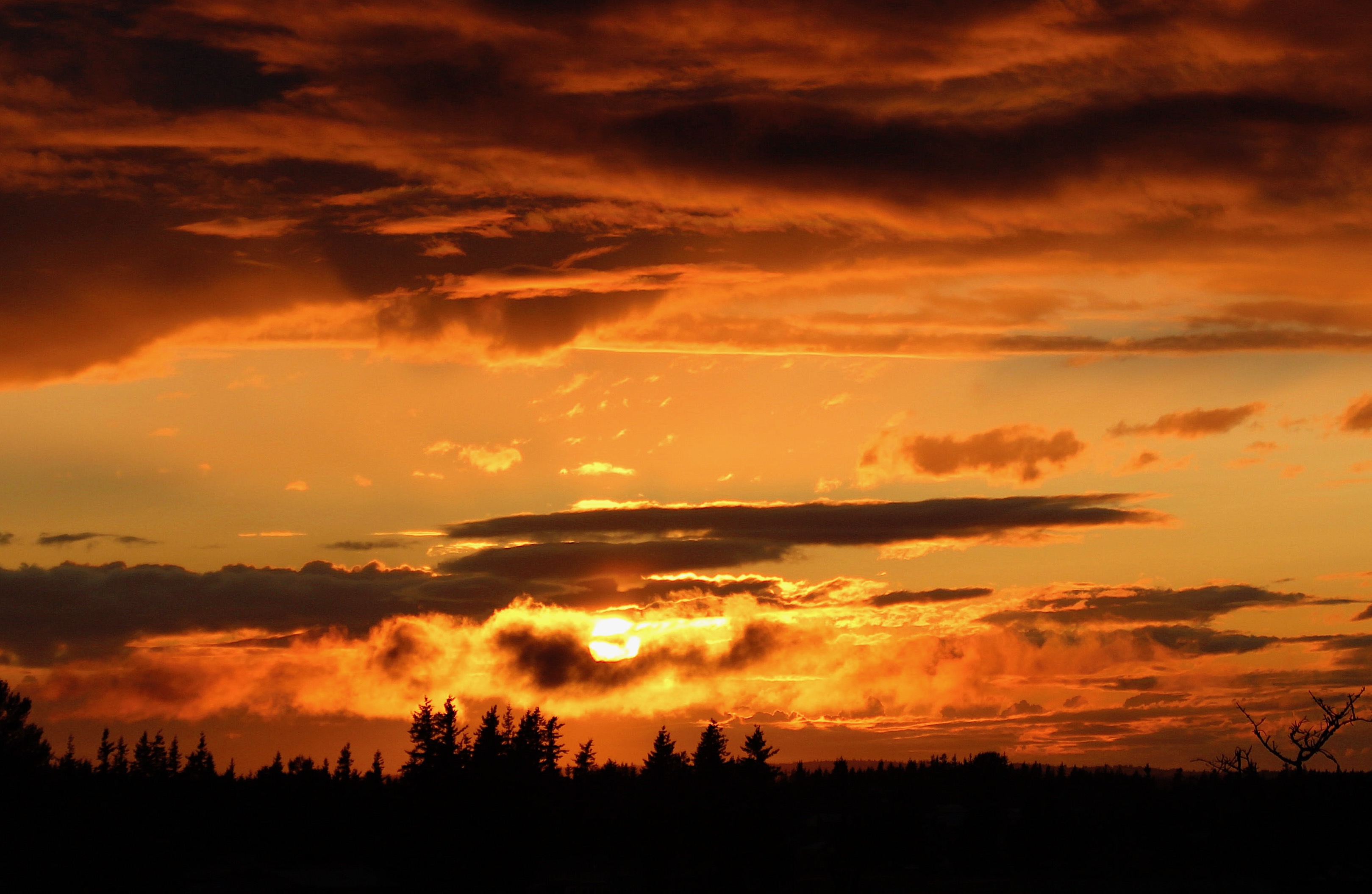
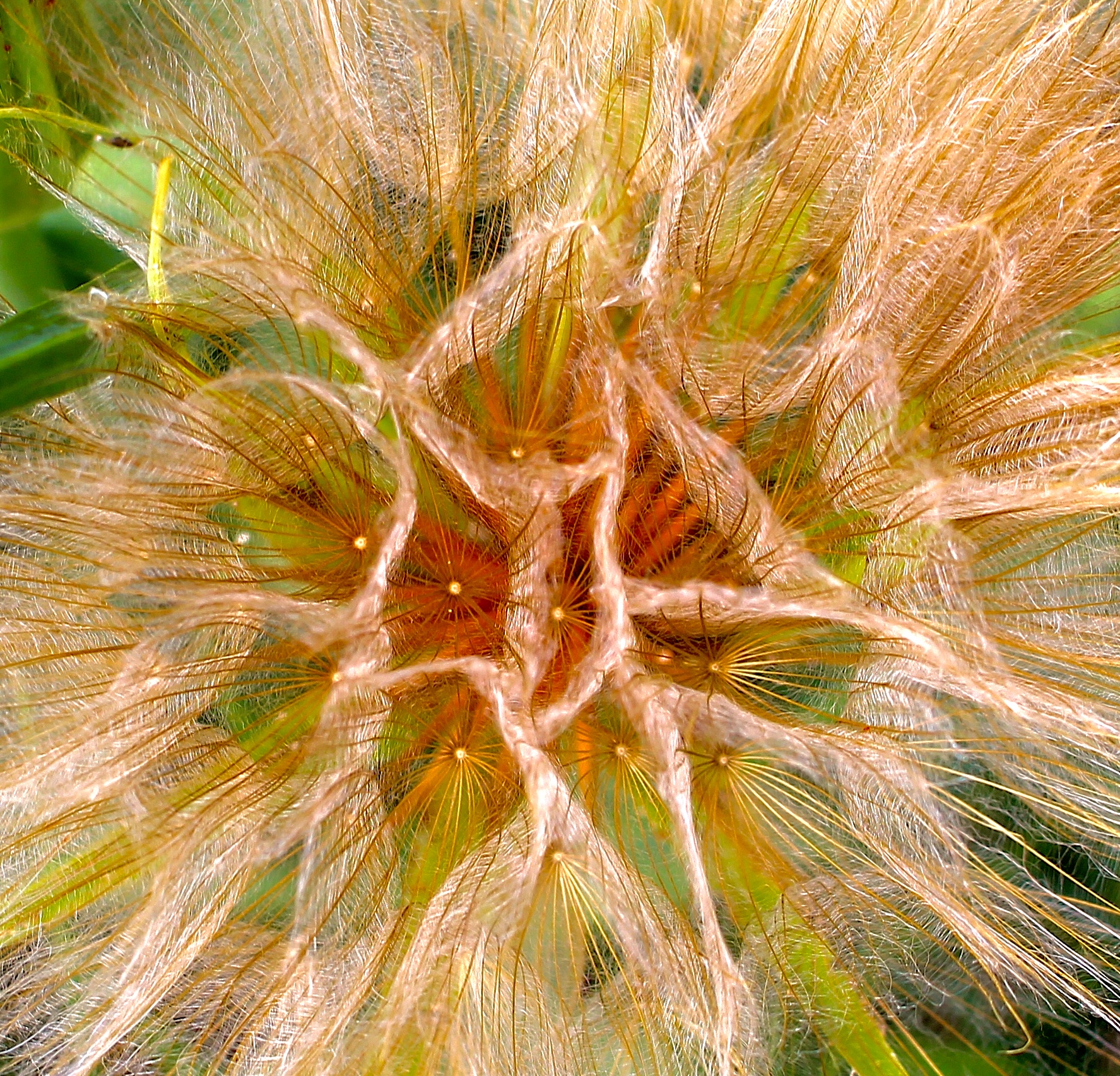
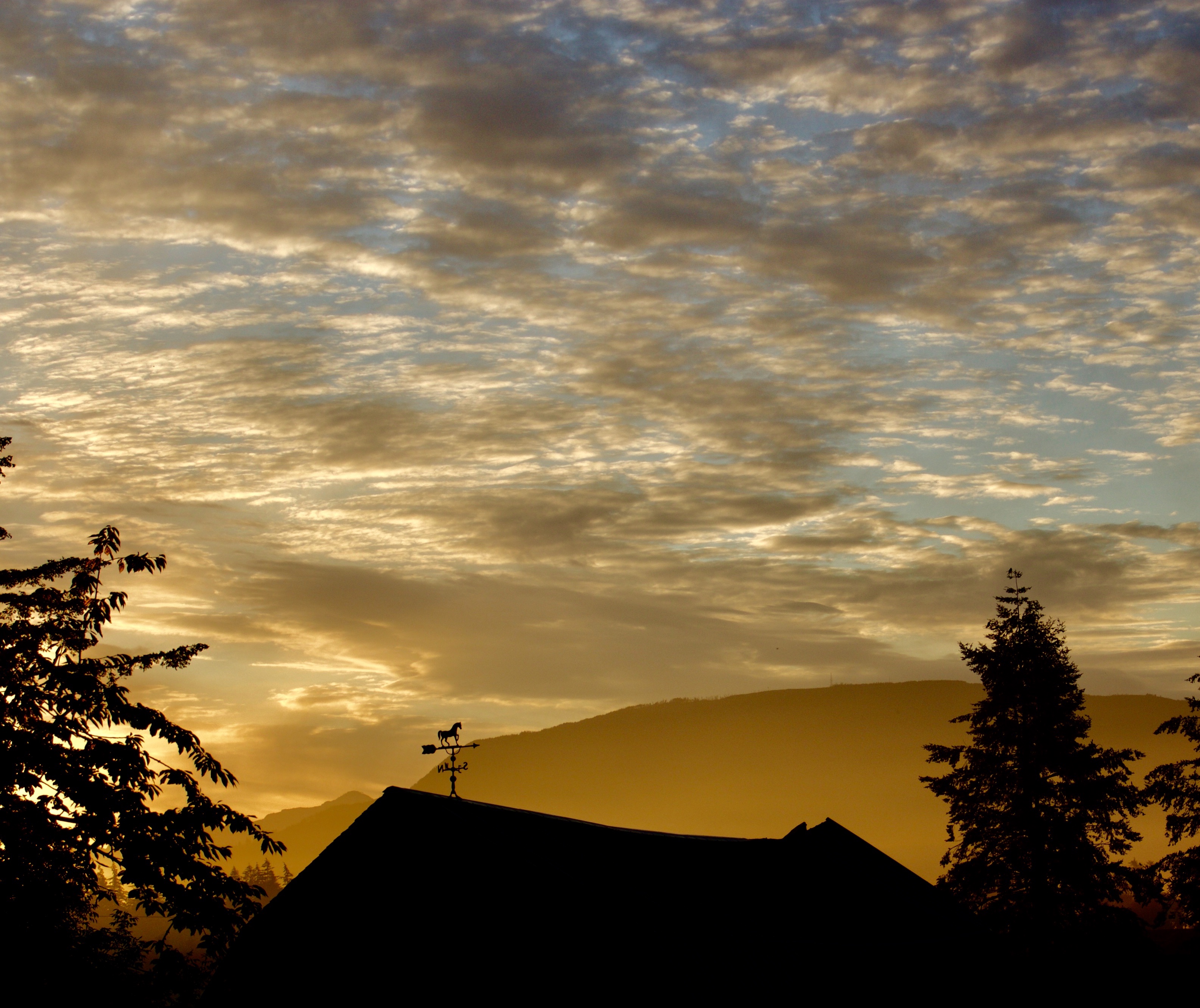
photo by Sara Larsen

If you enjoy these Barnstorming posts, consider ordering this Barnstorming book – available here:

Sunburst Petals

When I pray I go in, and close the door,
But what, really, do we mean by prayer?
Isn’t it anything done with full attention
Whether sinking into silent depths, or
Relishing a sun-ripe peach, or gazing
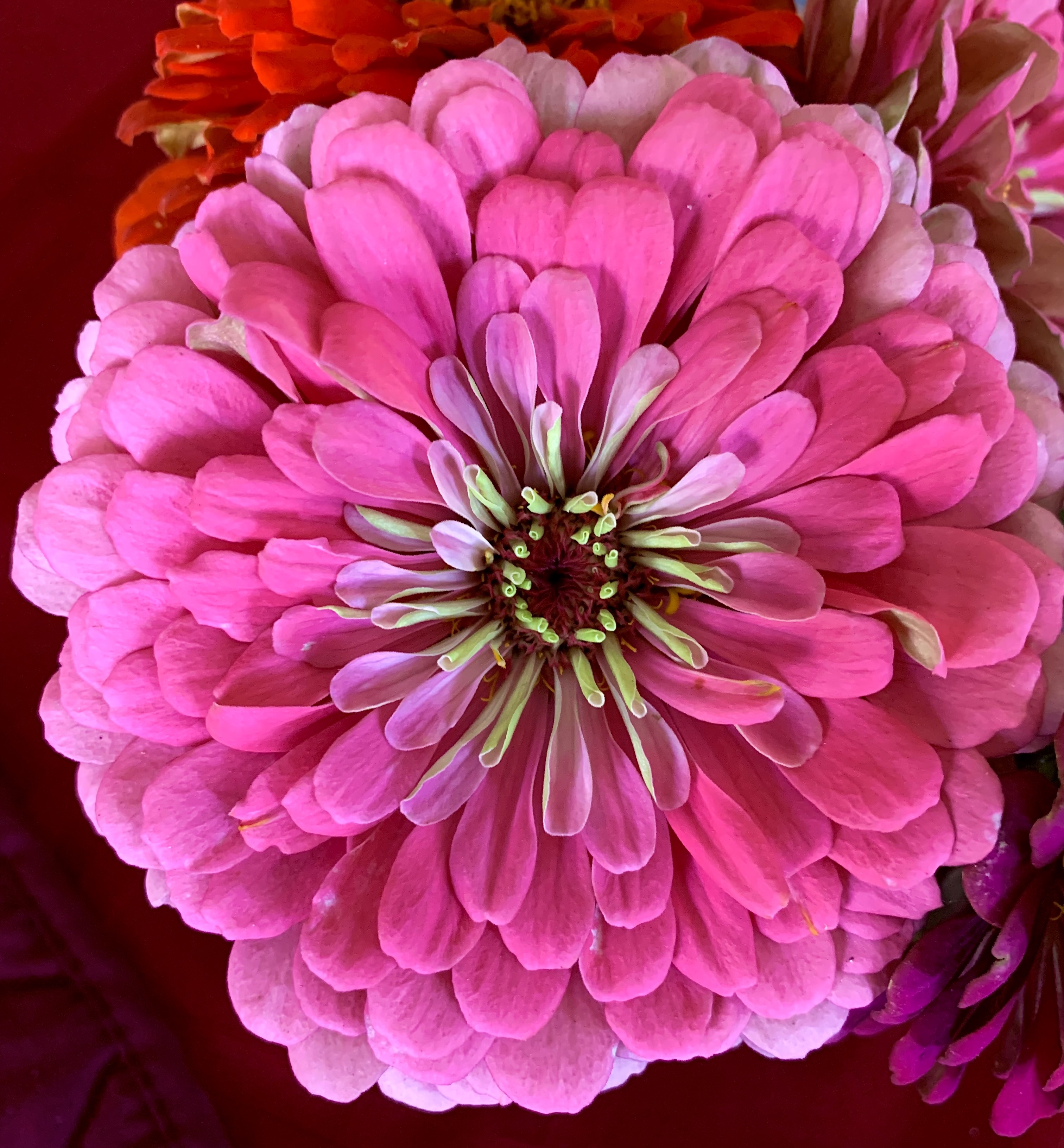
At the zinnias freshly picked this early
Morning, these multi-petaled shouts of joy,
Lemon yellow, orange, reds, a carnival of
Flame-filled light, the sweet green scent
Summer flowers.

~Sarah Rossiter “Zinnias”

My father’s mother grew a garden of zinnias
to divide the house from the woods:

pop art tops in every color—cream,
peach, royal purple, and even envy

—the sunburst petals

the heads little suns you watch die
on the stem if you want the bloom back.

~Tyler Mills “Zinnias”

As an eight year old, I grew zinnias
from a tiny package of seeds tucked inside
a Christmas card by my third grade teacher
whose rapt attention turned to her backyard garden
when school doors closed in the summer.

She nurtured each of us students
like one of her cream-colored zinnia buds
arising boldly on a single sturdy stem,
growing tall almost before her eyes, yet still undefined.

Watered and fed, her warm light shining on our bright faces,
we opened expectantly under her steady gaze,
each one a sunburst bloom smiling back at her,
which kept her coming back, year after year,
to sow a few more celebratory seeds with her sprinkling of wisdom.

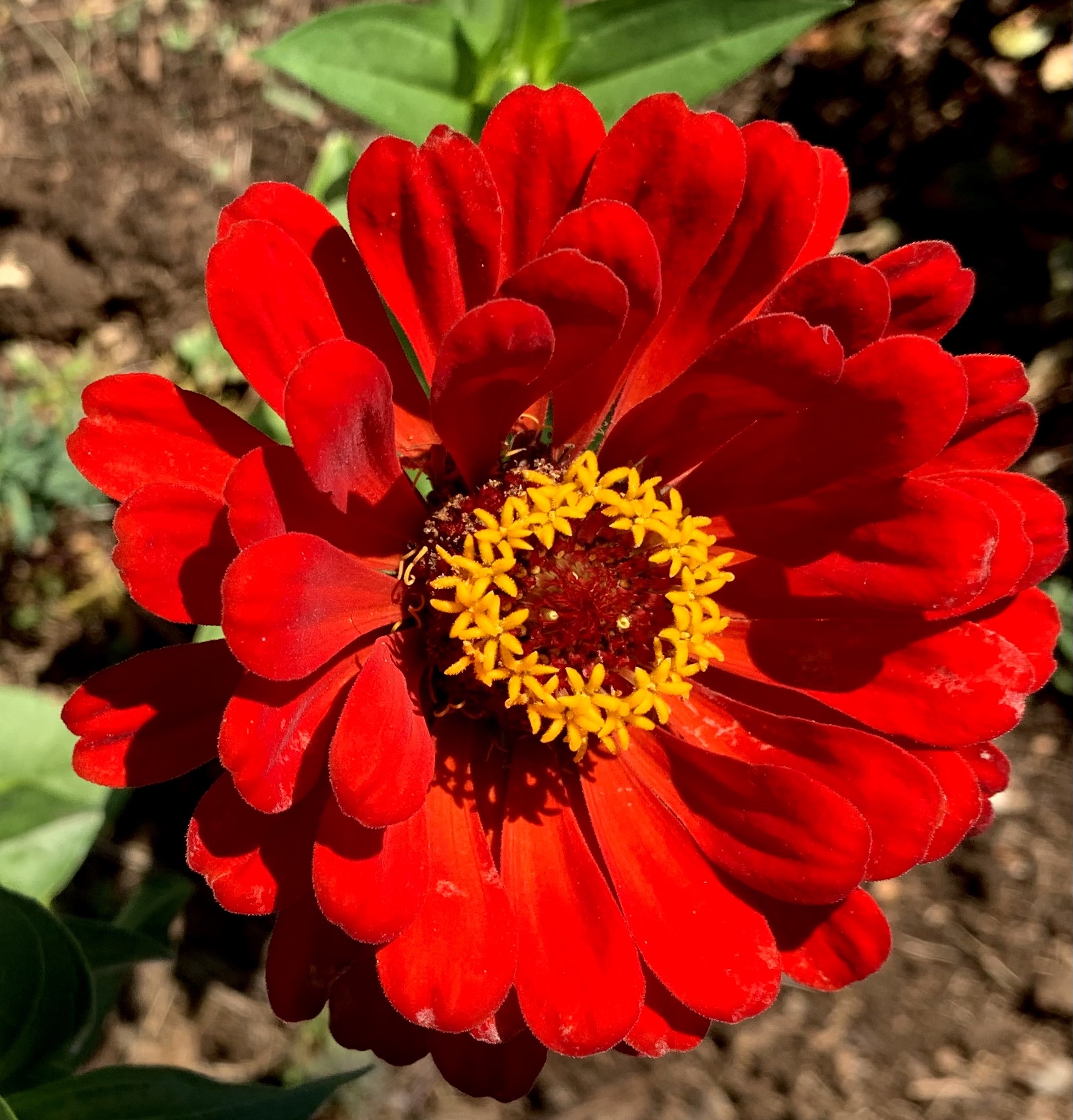
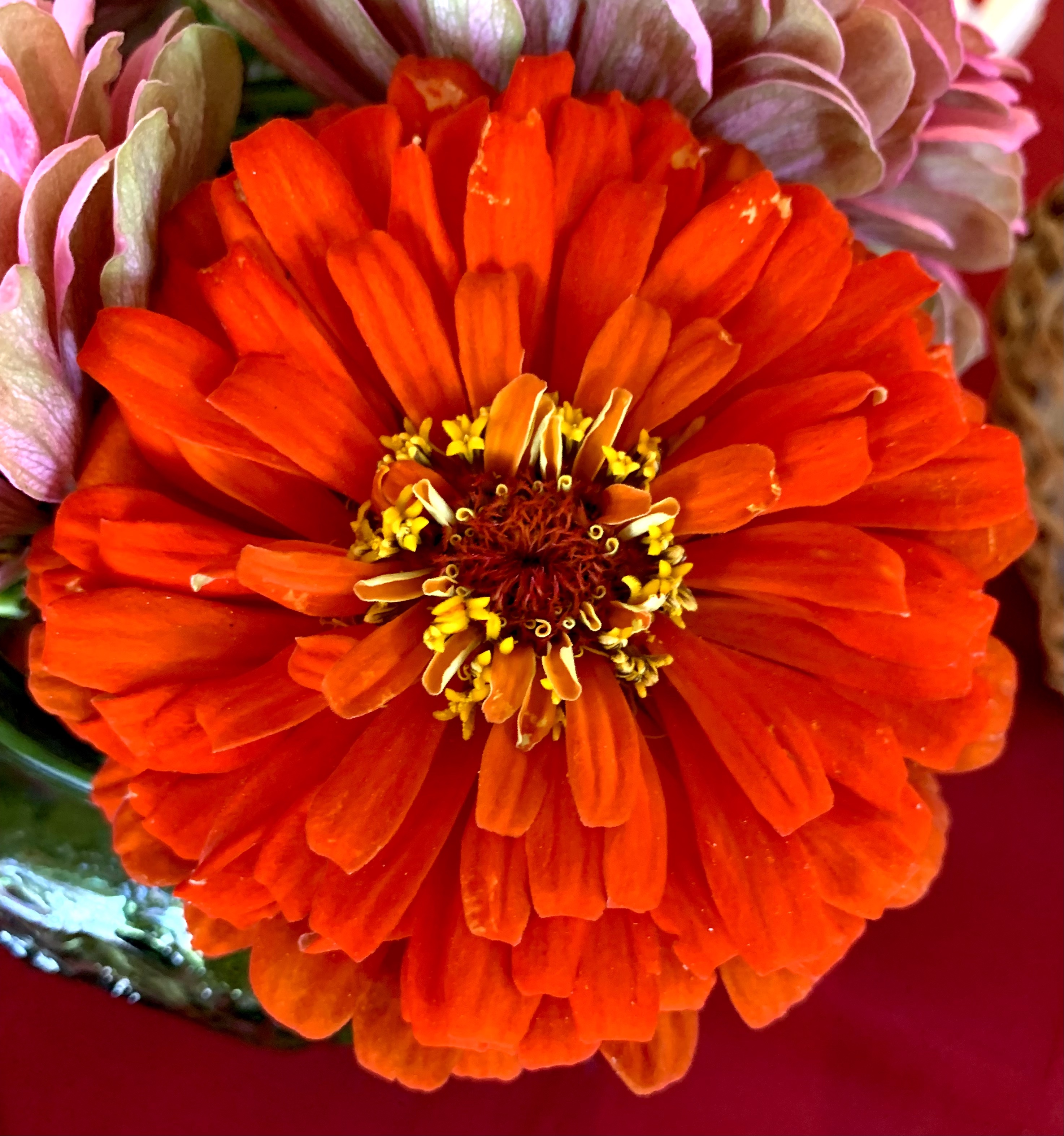
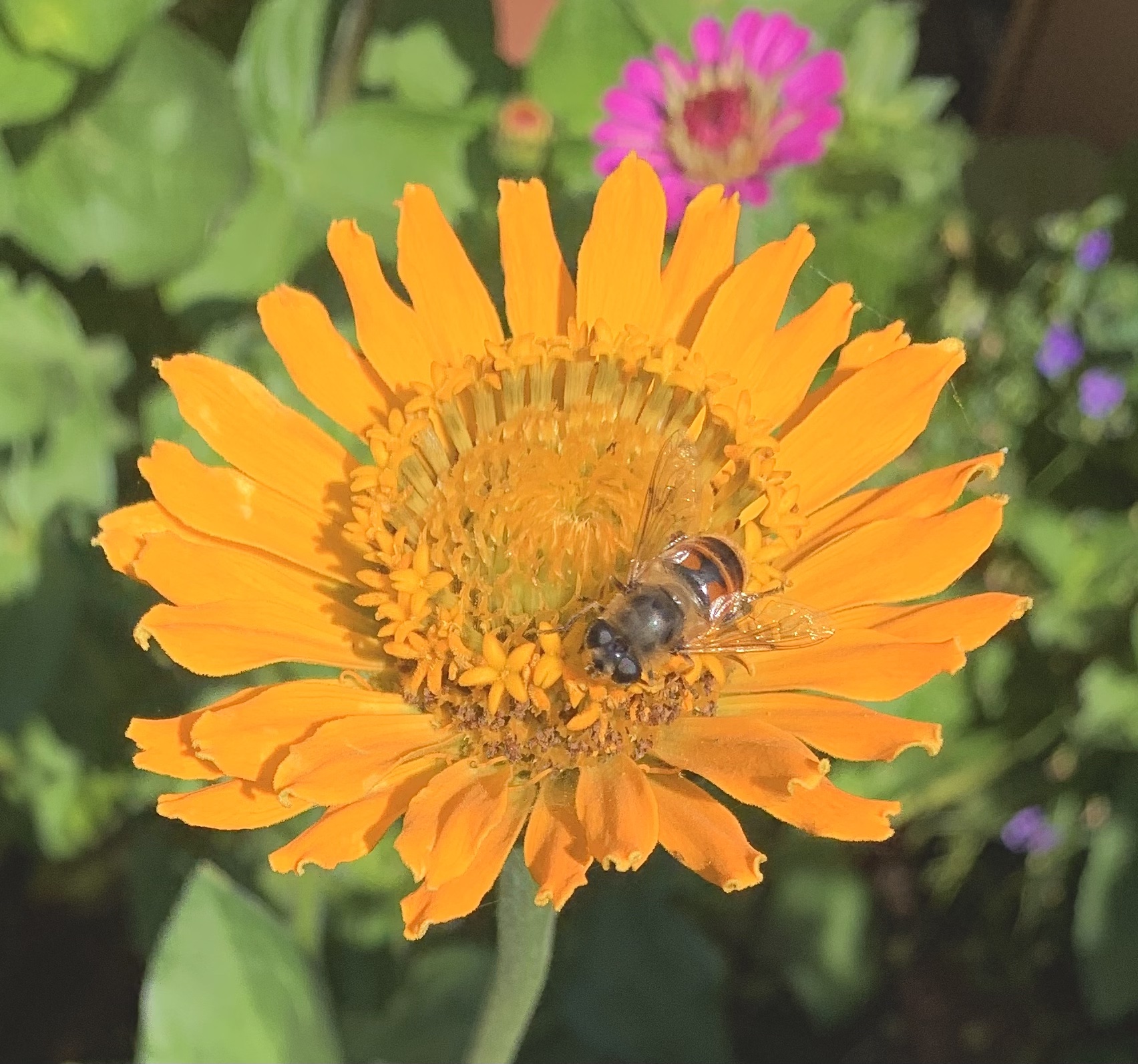
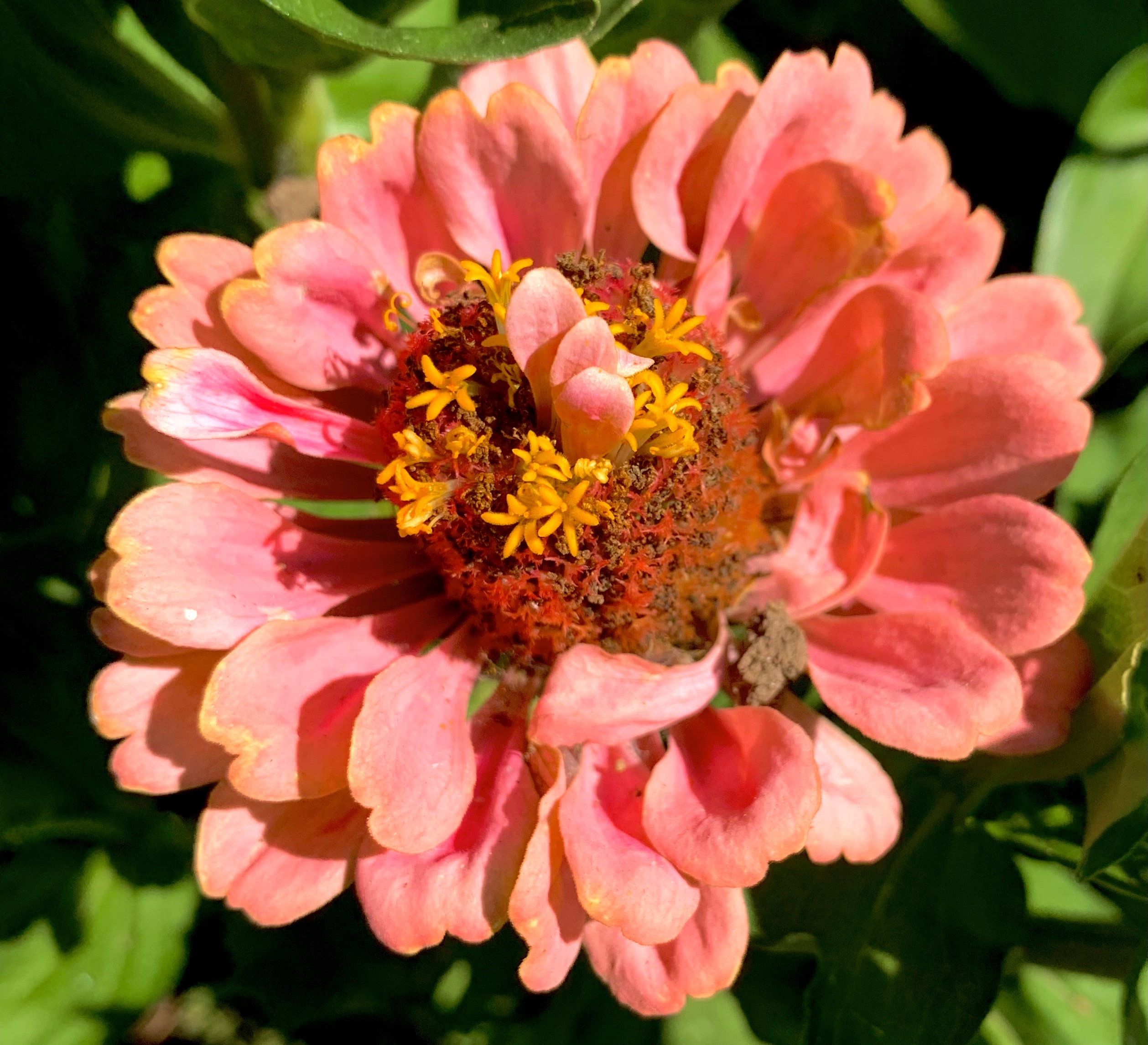
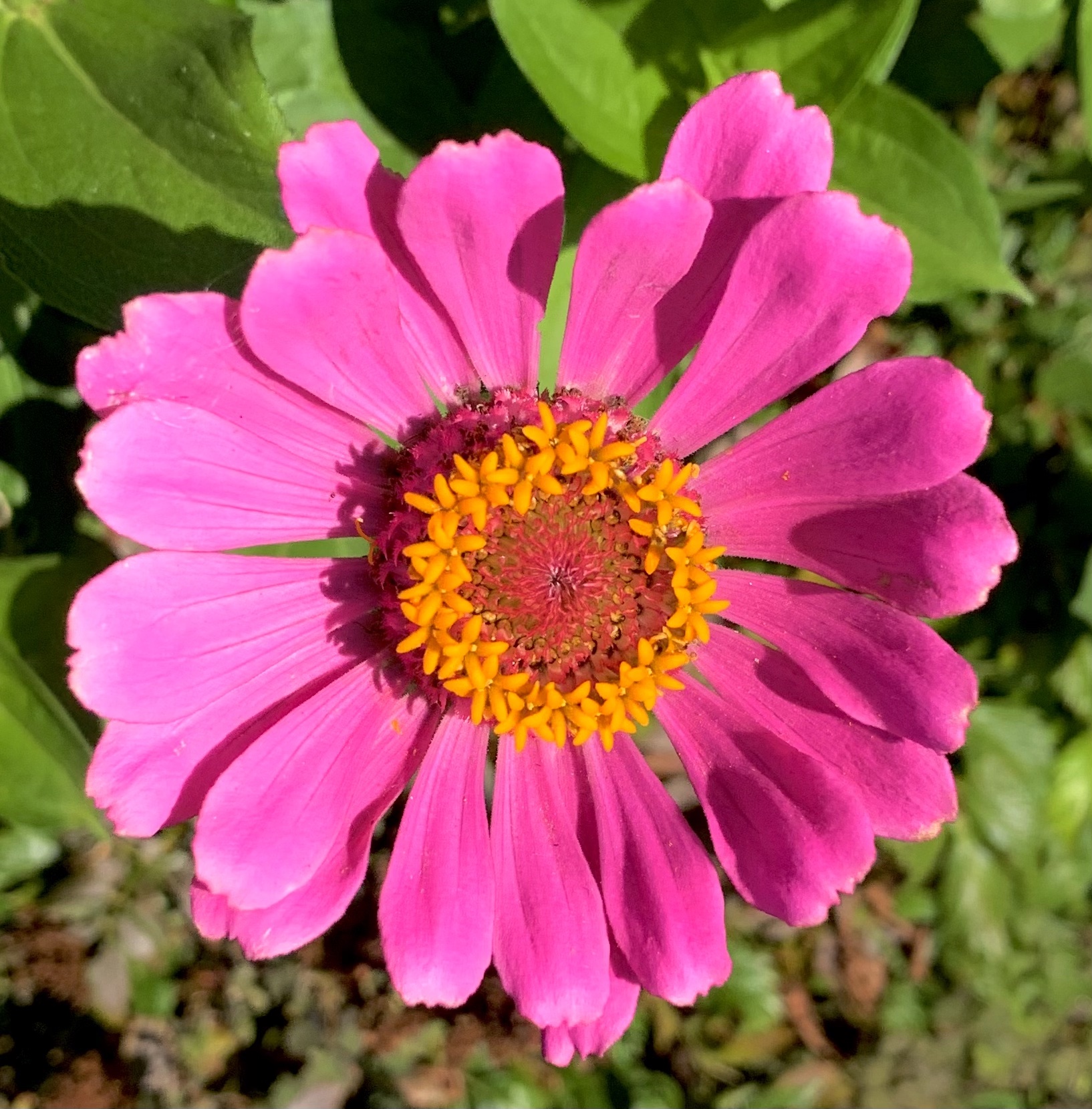
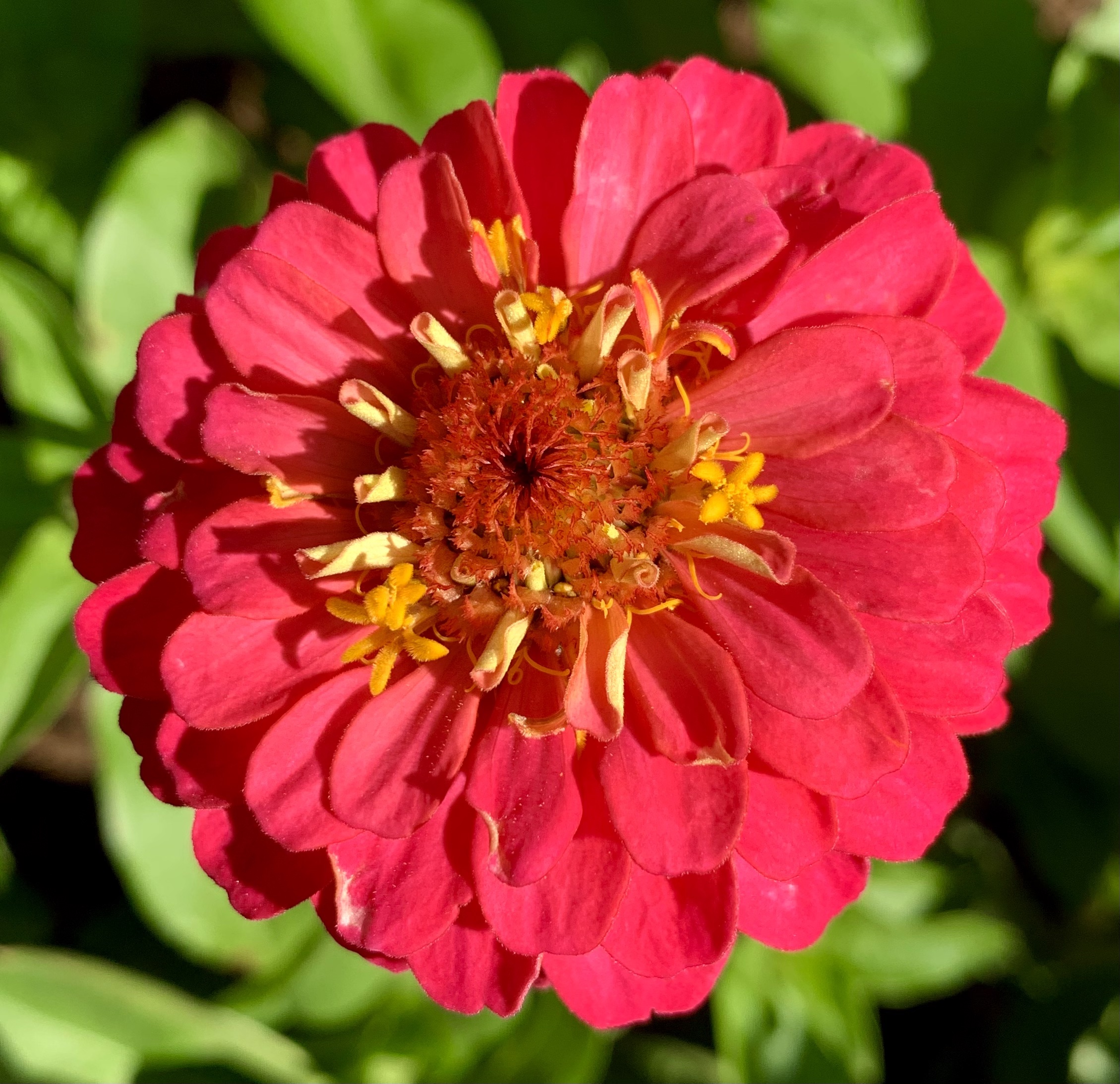
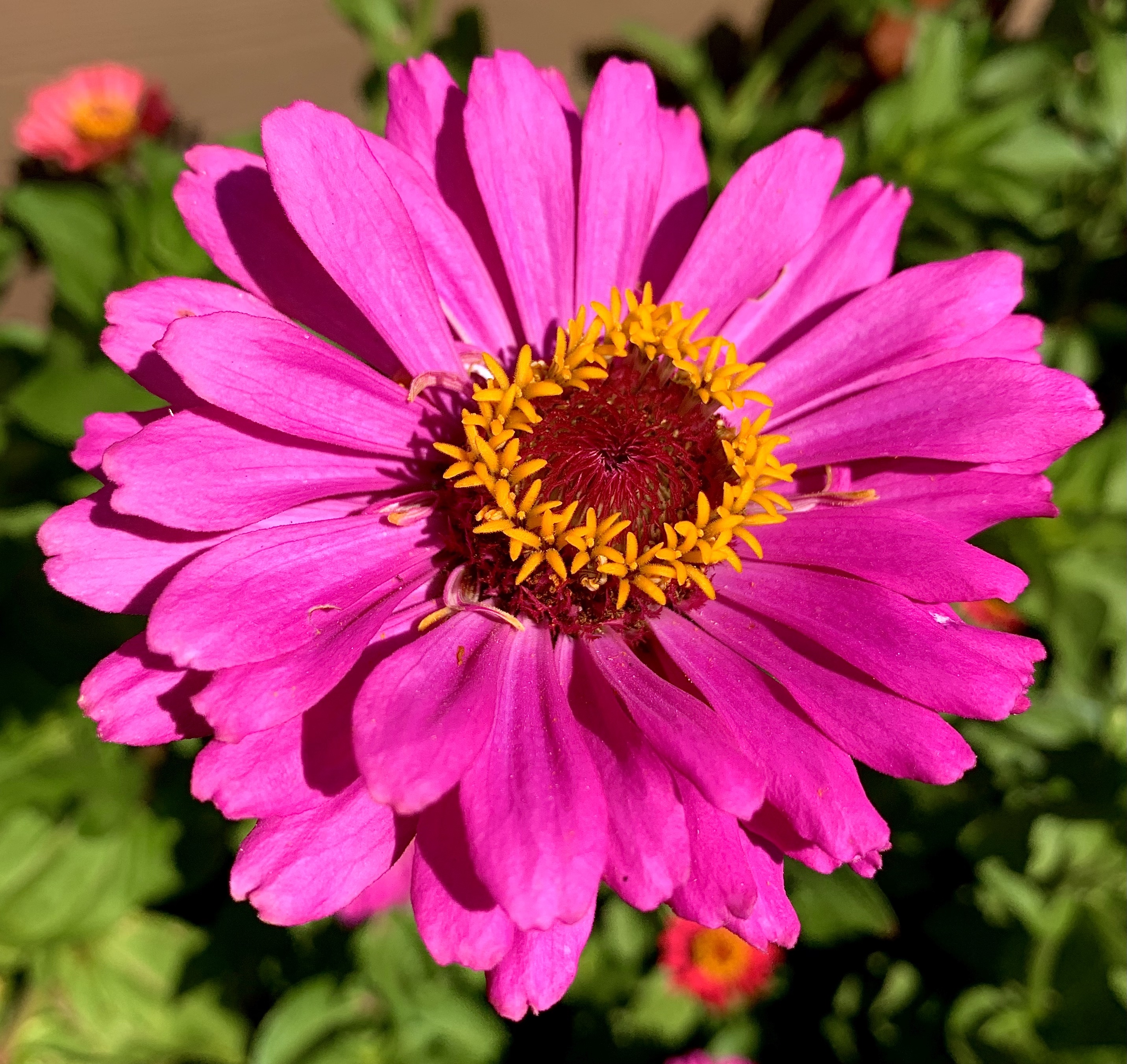
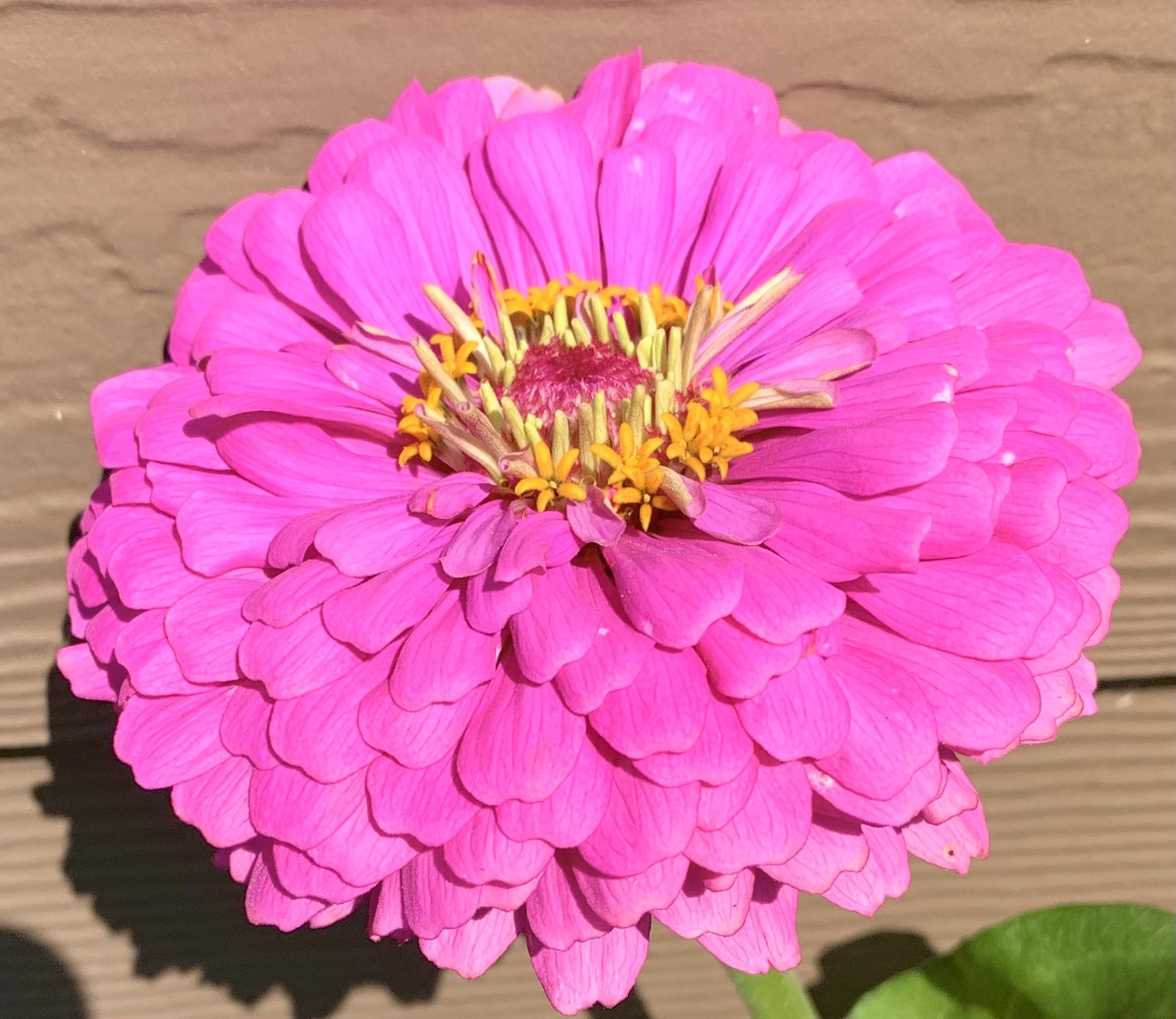
Thank you to Chris and Jan Lovegren for sharing their zinnias!

Consider a gift of this new Barnstorming book to someone who loves beautiful pictures and words – available to order here:

Writing with Quiet Hands

I want to write with quiet hands. I
want to write while crossing the fields that are
fresh with daisies and everlasting and the
ordinary grass. I want to make poems while thinking of
the bread of heaven and the
cup of astonishment; let them be

songs in which nothing is neglected,
not a hope, not a promise. I want to make poems
that look into the earth and the heavens
and see the unseeable. I want them to honor
both the heart of faith, and the light of the world;
the gladness that says, without any words, everything.
~Mary Oliver “Everything”

Sometimes I think all the best poems
have been written already,
and no one has time to read them,
so why try to write more?

At other times though,
I remember how one flower
in a meadow already full of flowers
somehow adds to the general fireworks effect

as you get to the top of a hill
in Colorado, say, in high summer
and just look down at all that brimming color.
I also try to convince myself

that the smallest note of the smallest
instrument in the band,
the triangle for instance,
is important to the conductor

who stands there, pointing his finger
in the direction of the percussions,
demanding that one silvery ping.
And I decide not to stop trying,

at least not for a while, though in truth
I’d rather just sit here reading
how someone else has been acquainted
with the night already, and perfectly.

~Linda Pastan “Rereading Frost” from Queen of a Rainy Country. 

This morning

poem hopes 

that even though
its lines are broken
 

its reader 

will be drawn forward to the part where blueberries
firm against fingers 

say roundness sweetness unspeakable softness
    
in the morning
light.

~L.L. Barkat, “This Morning” from The Golden Dress

I’m asked frequently by people who read this blog why I use poems by other authors when I could be writing more original work myself. Why do I use my photos to illustrate another person’s words instead of inspiring my own?

My answer, like poet Linda Pastan above is:

Sometimes I think all the best poems
have been written already,
and no one has time to read them,
so why try to write more?

Yet, like Linda, for over a decade now, I’ve decided not to stop trying, since I’ve committed myself to being here every day with something that may help me (and perhaps you) breathe in with gladness and gratitude the fragrance of words within this weary world.

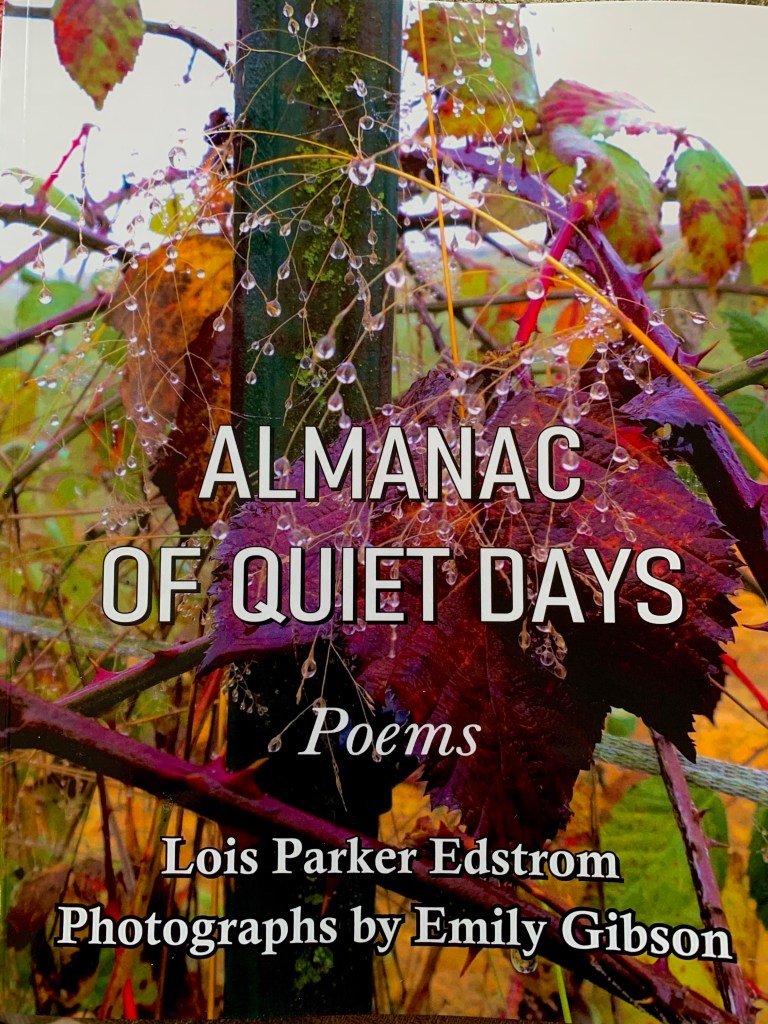
There are several hundred of you who do take time to come visit this corner of the web every day, and several dozen of you have actually purchased the Almanac of Quiet Days book where my photos inspired poet Lois Edstrom to write her own words of grace and beauty. That is a source of great encouragement to me!

Like poet Mary Oliver, I cannot separate the poetry of my photos from the poetry of words I compose – I try to see the unseeable and help others to see it as well:

I want to make poems
that look into the earth and the heavens
and see the unseeable.

I am so awed at your faithful reading and generous sharing of what I offer here.

Even when my lines are broken, or I say again what another has already said much better, yet bears repeating — I too try to write with quiet hands, and see through quiet eyes, out of reverence and awe for what unseeable gifts God has given us.

Thank you for being here with me, looking for those illuminating words and pictures which lift the veil.

Perhaps you would like to hold a Barnstorming book in your hands?
This new book is available for order here:

Through Grass and Grain

Mown meadows skirt the standing wheat;
I linger, for the hay is sweet,
New-cut and curing in the sun.
Like furrows, straight, the windrows run,
Fallen, gallant ranks that tossed and bent
When, yesterday, the west wind went
A-rioting through grass and grain.
To-day no least breath stirs the plain;
Only the hot air, quivering, yields
Illusive motion to the fields
Where not the slenderest tassel swings.
Across the wheat flash sky-blue wings;
A goldfinch dangles from a tall,
Full-flowered yellow mullein; all
The world seems turning blue and gold.
Unstartled, since, even from of old,
Beauty has brought keen sense of her,
I feel the withering grasses stir;
Along the edges of the wheat,
I hear the rustle of her feet:
And yet I know the whole sea lies,
And half the earth, between our eyes.
~Sophie Jewett “In Harvest”

Autumn harvest happens outside of me
despite sudden coolness of the air,
thanks to showers that green the fields
for one more month of grazing,
midst the smell of the dying of vines and roots.

Autumn harvest is happening inside of me
as I slow down my walk,
curl up within the lengthening nights,
the color of my thoughts
turning to bronze and gold and red

before I let go
before I let go

A book of beauty in words and photographs, available for order here:

Missing the Right Things

In your next letter, please describe
the weather in great detail. If possible,
enclose a fist of snow or mud,

everything you know about the soil,
how tomato leaves rub green against
your skin and make you itch, how slow

the corn is growing on the hill.
Thank you for the photographs
of where the chicken coop once stood,

clouds that did not become tornadoes.
When I try to explain where I’m from,
people imagine corn bread, cast-iron,

cows drifting across grass. I interrupt
with barbed wire, wind, harvest air
that reeks of wheat and diesel.

I hope your sleep comes easy now
that you’ve surrendered the upstairs,
hope the sun still lets you drink

one bitter cup before its rise. I don’t miss
flannel shirts, radios with only
AM stations, but there’s a certain kind

of star I can’t see from where I am—
bright, clear, unconcerned. I need
your recipes for gravy, pie crust,

canned green beans. I’m sending you
the buttons I can’t sew back on.
Please put them in the jar beside your bed.

In your next letter, please send seeds
and feathers, a piece of bone or china
you plowed up last spring. Please
promise I’m missing the right things.

~Carrie Shipers, “In Your Next Letter” from Cause for Concern

For our children (and now their children) who have left the farm, now living far away:

I want to be sure you are missing the right things about this incredible place.

There is so much about a farm that is worrisome, burdensome, back-breaking and unpredictable. Don’t miss those things.

Miss what is breath-taking, awe-inspiring and heart-swelling.

We miss you more than we can ever say, indeed an intensive “missing” that can’t be expressed in words. So I send this to you and you’ll understand.

Spin Until I’m Dizzy

Tomorrow
there will be sun, scalloped by clouds,
ushered in by a waterfall of birdsong.
It will be a temperate seventy-five, low
humidity. For twenty-four hours,
all politicians will be silent. Reality
programs will vanish from TV, replaced
by the “snow” that used to decorate
our screens when reception wasn’t
working. Soldiers will toss their weapons
in the grass. The oceans will stop
their inexorable rise. No one
will have to sit on a committee.
When twilight falls, the aurora borealis
will cut off cell phones, scramble the internet.
We’ll play flashlight tag, hide and seek,
decorate our hair with fireflies, spin
until we’re dizzy, collapse
on the dew-decked lawn and look up,
perhaps for the first time, to read the long lines
of cold code written in the stars….
~Barbara Crooker “Tomorrow” from Some Glad Morning.

Might I hope for a better tomorrow?

Awash in this world of technological and political complexity, I forget the simple pleasure of lying in the grass, looking up and staring at the stars spinning above me.

I become dizzy with the possibilities.

A new book from Barnstorming is available for order here:

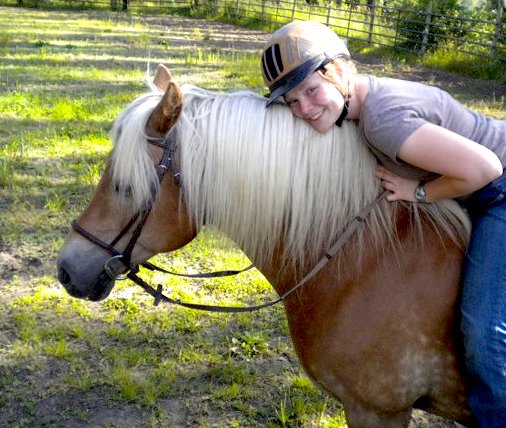
Blessing of Hairy Toes

May the hair on your toes never fall out!
— J.R.R. Tolkien in The Hobbit (Thorin Oakenshield addressing Bilbo Baggins)
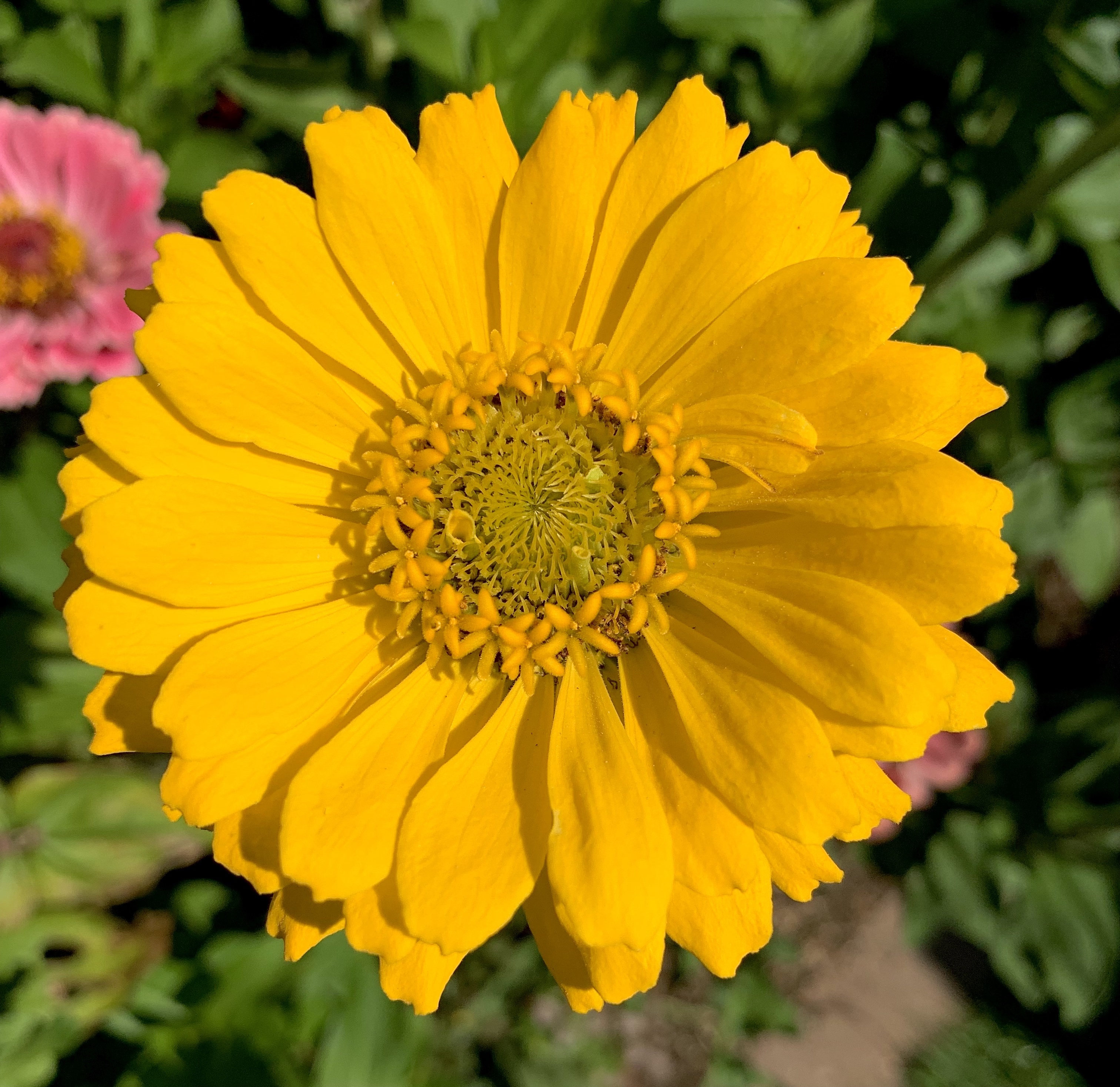
I can, with one eye squinted, take it all as a blessing.
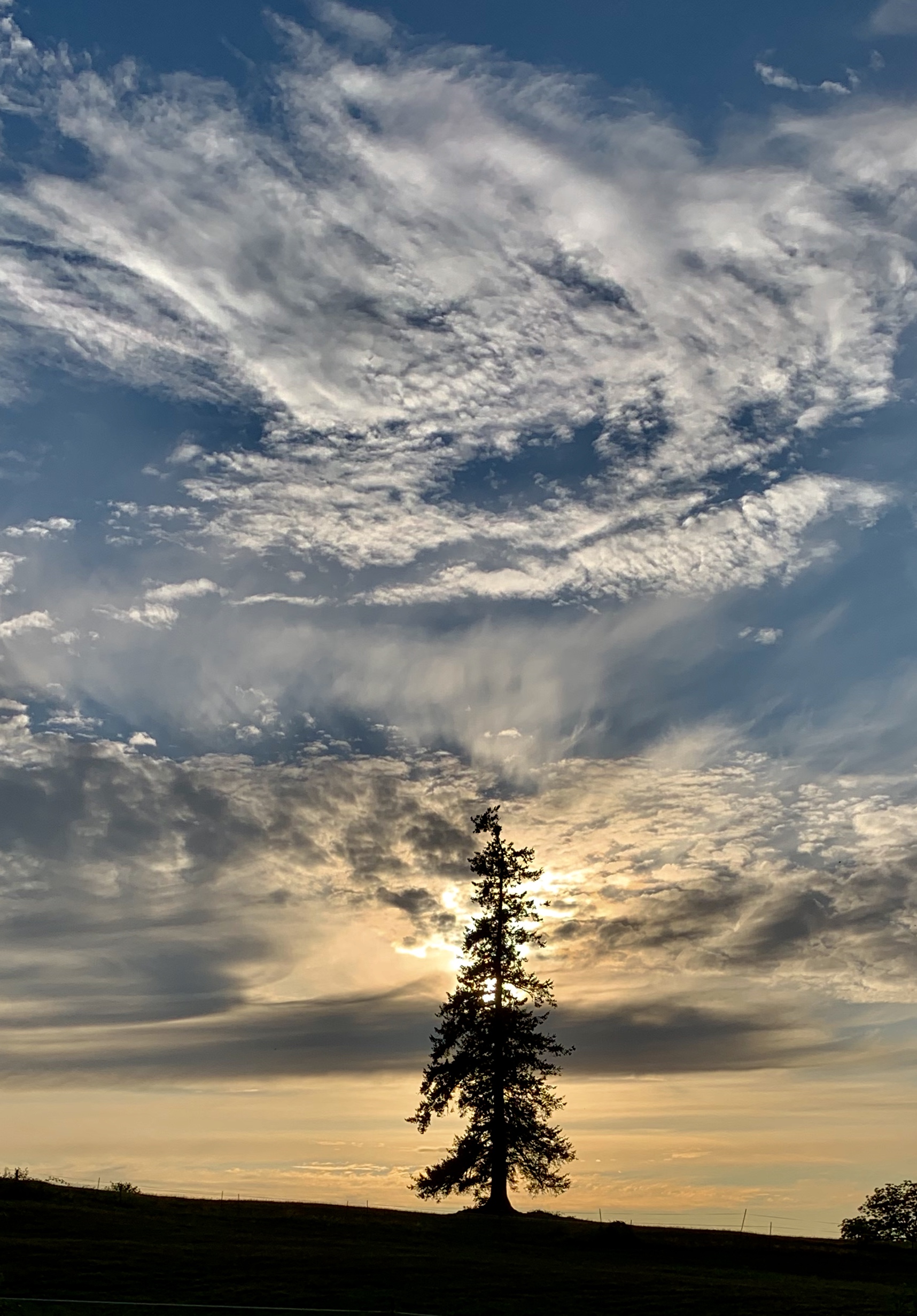
— Flannery O’Connor

May you always have…
Walls for the winds
A roof for the rain
Tea beside the fire
Laughter to cheer you
Those you love near you
And all your heart might desire
May those who love us, love us;
and those who don’t love us, may God turn their hearts;

and if He doesn’t turn their hearts, may he turn their ankles
so we’ll know them by their limping.
~Traditional Irish Blessing

It’s a safe bet my toes and your toes have never been subjected to a blessing.

But I like the idea of being blest starting from the bottom up,  encompassing my most humble and homely parts first.

The world would be a better place if we rediscovered the art of bestowing blessings–those specific prayers of favor and protection that reinforce community and connection to each other and to something larger than ourselves.   They have become passé in a modern society where God’s relationship with and blessing of His people is not much more than an after-thought.   Benedictions can extend beyond the end of worship services to all tender partings; wedding receptions can go beyond roasting and toasting to encompass sincere prayers for a future life together.

But let’s start at the very beginning: let us bless our hairy toes.

That is a very good place to start…

A new book from Barnstorming is available to order here:

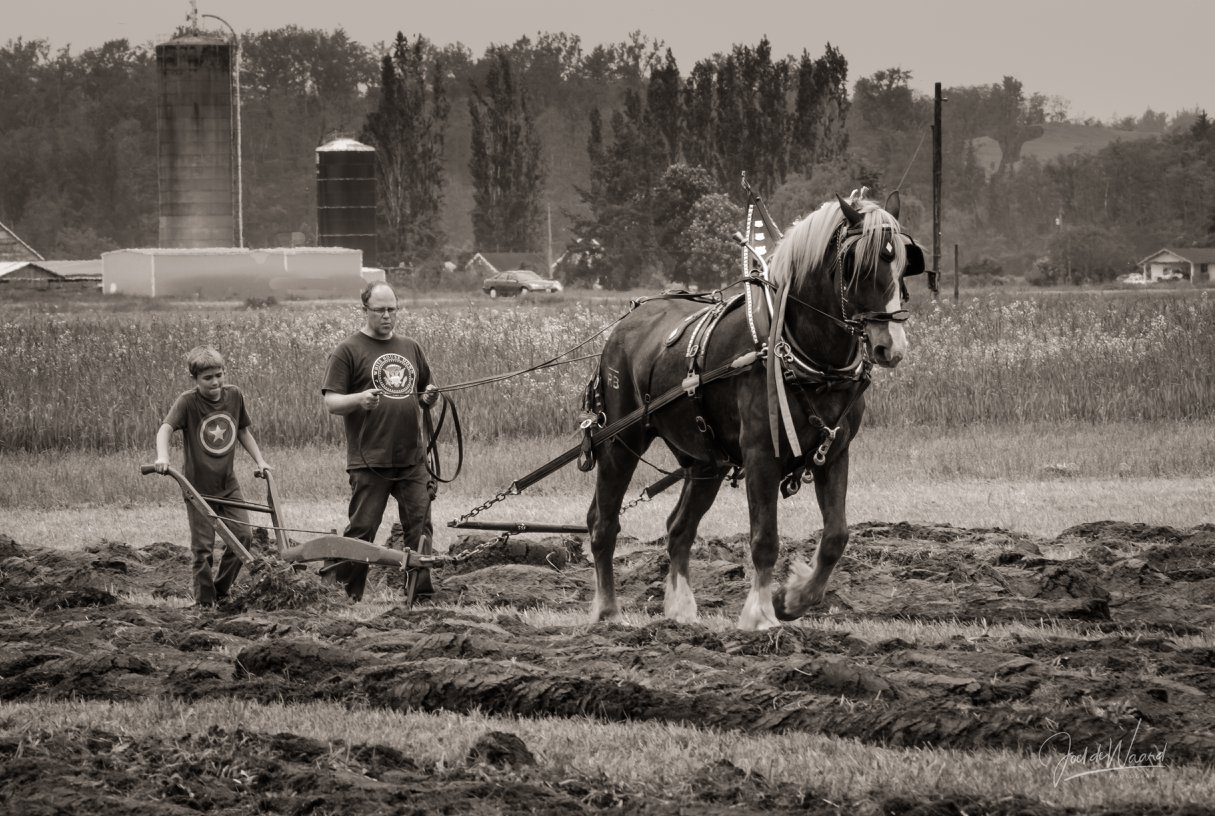
It’s Being Easy in the Harness

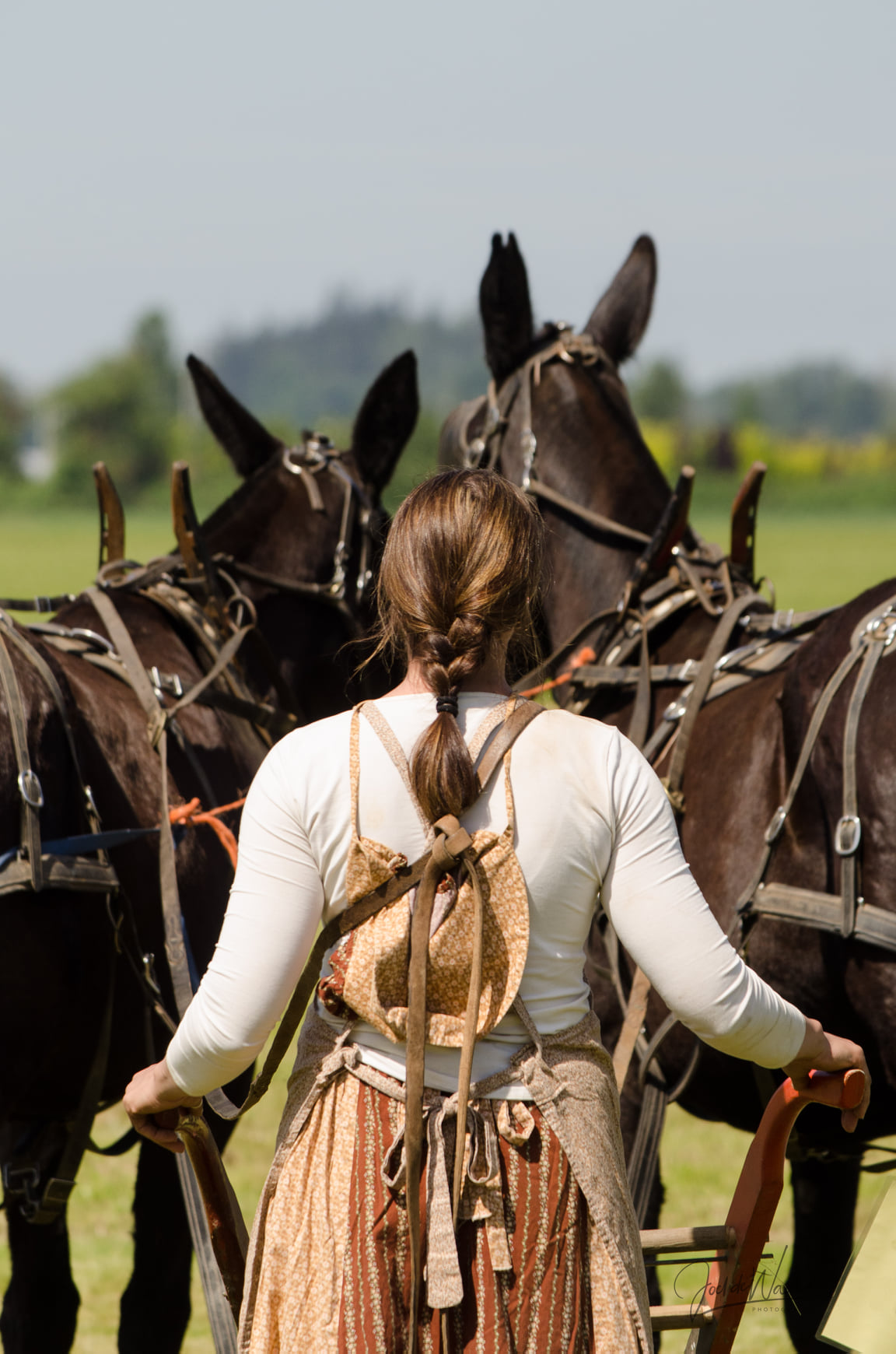
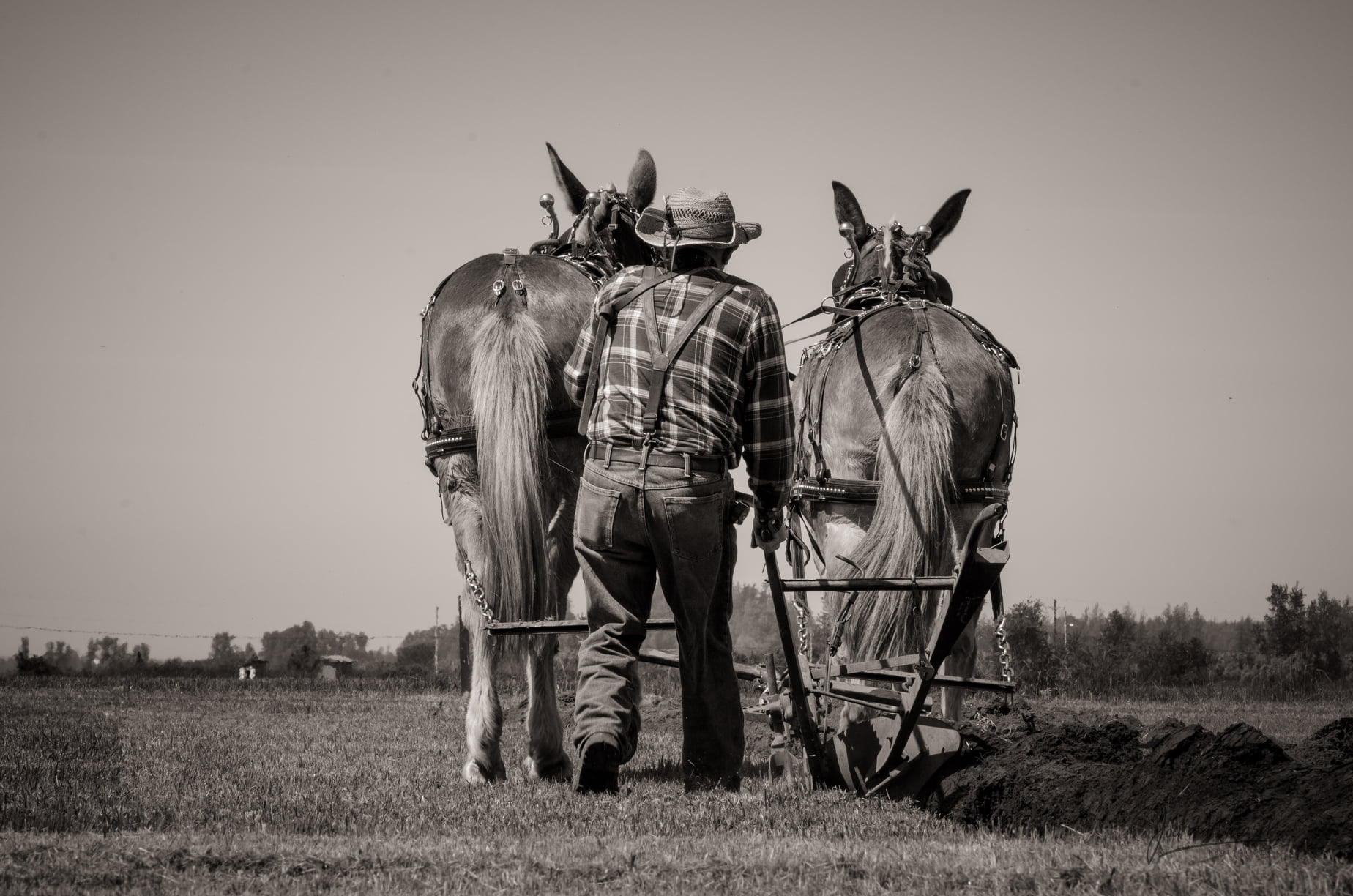
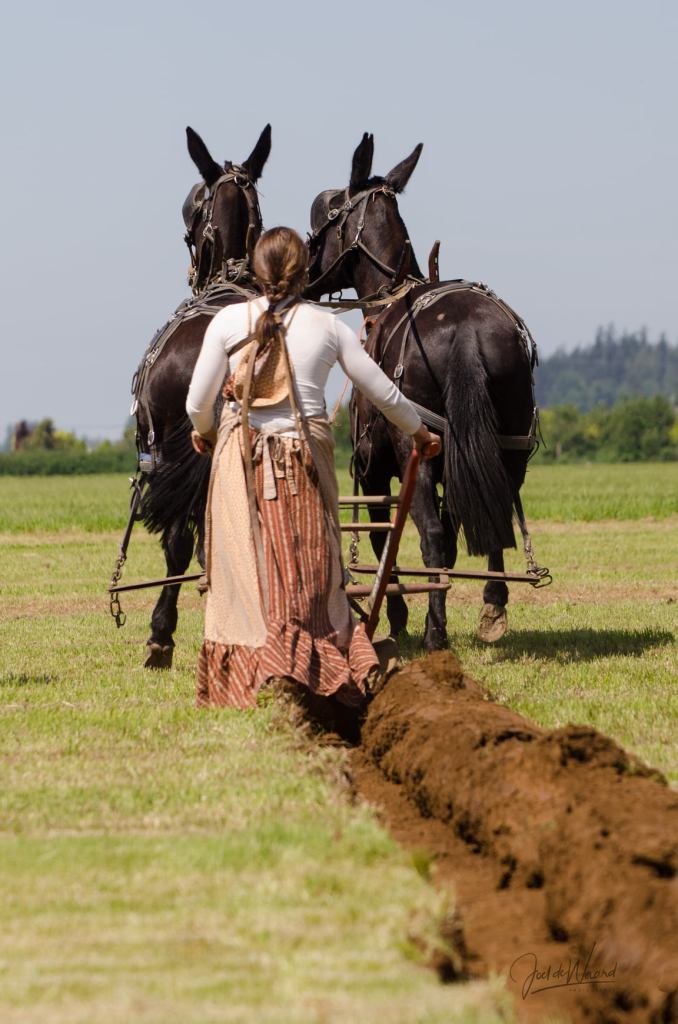
Photo by Joel deWaard
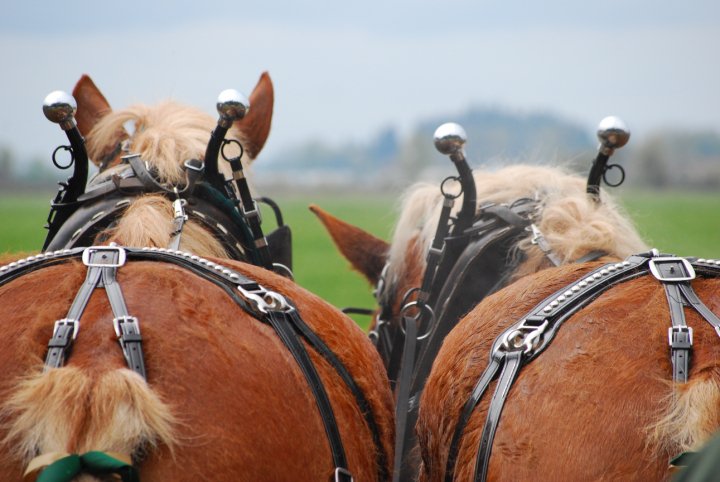
photo by Joel deWaard

I find my greatest freedom on the farm.
I can be a bad farmer or a lazy farmer and it’s my own business.
A definition of freedom:
It’s being easy in your harness.

~Robert Frost in 1954, at a news conference on the eve of his 80th birthday

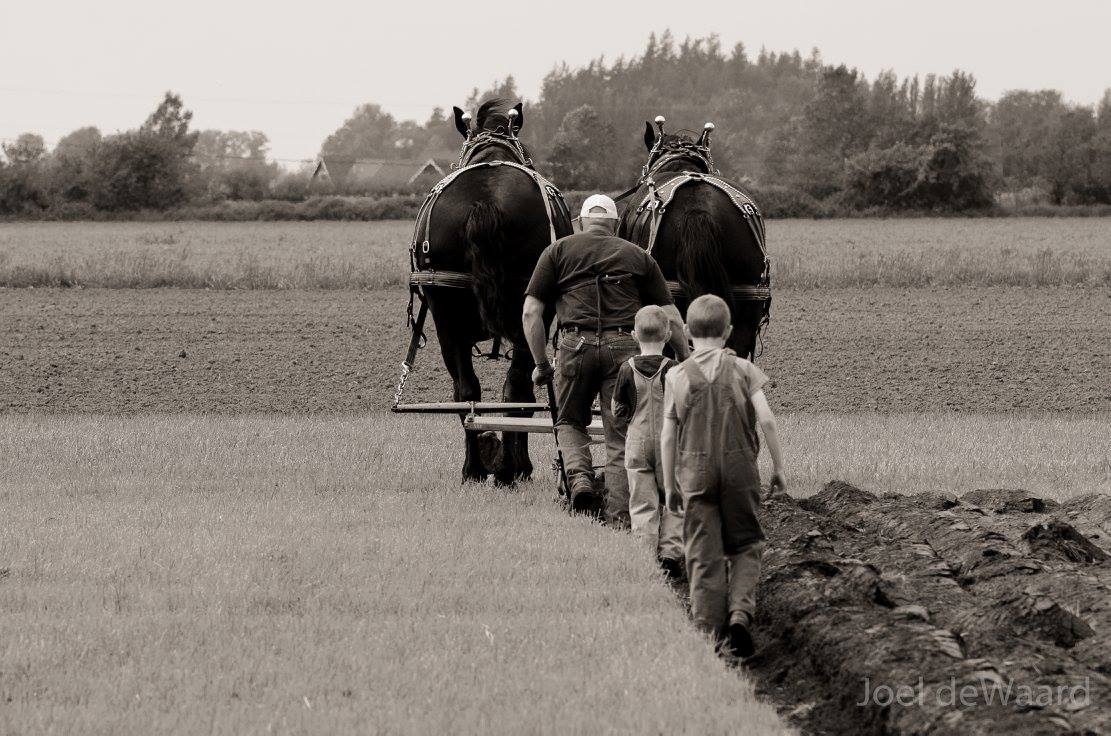
photo by Joel deWaard

The past was faded like a dream; 
There come the jingling of a team, 
A ploughman’s voice, a clink of chain, 
Slow hoofs, and harness under strain. 
Up the slow slope a team came bowing, 
Old Callow at his autumn ploughing, 
Old Callow, stooped above the hales, 
Ploughing the stubble into wales. 
His grave eyes looking straight ahead, 
Shearing a long straight furrow red; 
His plough-foot high to give it earth 
To bring new food for men to birth. 

O wet red swathe of earth laid bare,
O truth, O strength, O gleaming share,
O patient eyes that watch the goal,
O ploughman of the sinner’s soul.
O Jesus, drive the coulter deep
To plough my living man from sleep…

At top of rise the plough team stopped, 
The fore-horse bent his head and cropped. 
Then the chains chack, the brasses jingle, 

The lean reins gather through the cringle, 
The figures move against the sky, 
The clay wave breaks as they go by. 
I kneeled there in the muddy fallow, 
I knew that Christ was there with Callow, 
That Christ was standing there with me, 
That Christ had taught me what to be, 
That I should plough, and as I ploughed 
My Saviour Christ would sing aloud, 
And as I drove the clods apart 
Christ would be ploughing in my heart, 
Through rest-harrow and bitter roots, 
Through all my bad life’s rotten fruits.

Lo, all my heart’s field red and torn,
And Thou wilt bring the young green corn,
And when the field is fresh and fair
Thy blessed feet shall glitter there,
And we will walk the weeded field,
And tell the golden harvest’s yield,
The corn that makes the holy bread
By which the soul of man is fed,
The holy bread, the food unpriced,
Thy everlasting mercy, Christ.
~John Masefield from The Everlasting Mercy

photo by Joel deWaard

We shoulder much burden in the pursuit of happiness and freedom,
worth every ounce of sweat,
every sore muscle,
every drop of blood,
every tear.

Our heart land is plowed,
yielding to the plowshare
digging deep with the pull of the harness.
The furrow should be straight and narrow.

We are tread upon
yet still bloom;
we are turned upside down
yet still produce bread.

The plowing under brings freshness to the surface,
a new face upturned to the cleansing dew,
knots of worms now making fertile our simple dust.

Plow deep our hearts this day of celebrating freedom, Dear Lord.
This is the day of rest You made for us
and let us remember to worship You, and not ourselves.

May we plow, sow, grow, and harvest what is needed
to feed your vast and hungry children
everywhere.

photo by Joel deWaard

Thank you once again to Joel deWaard, local farmer, craftsman and photographer, who graciously shares his photos of the Annual International Lynden (Washington) Plowing Match

A new book from Barnstorming is available for order here:

Like Time’s Insidious Wrinkle

Like Time’s insidious wrinkle
On a beloved Face
We clutch the Grace the tighter
Though we resent the crease
~Emily Dickinson

People are more than just the way they look.
~Madeleine L’Engle from A Wrinkle in Time

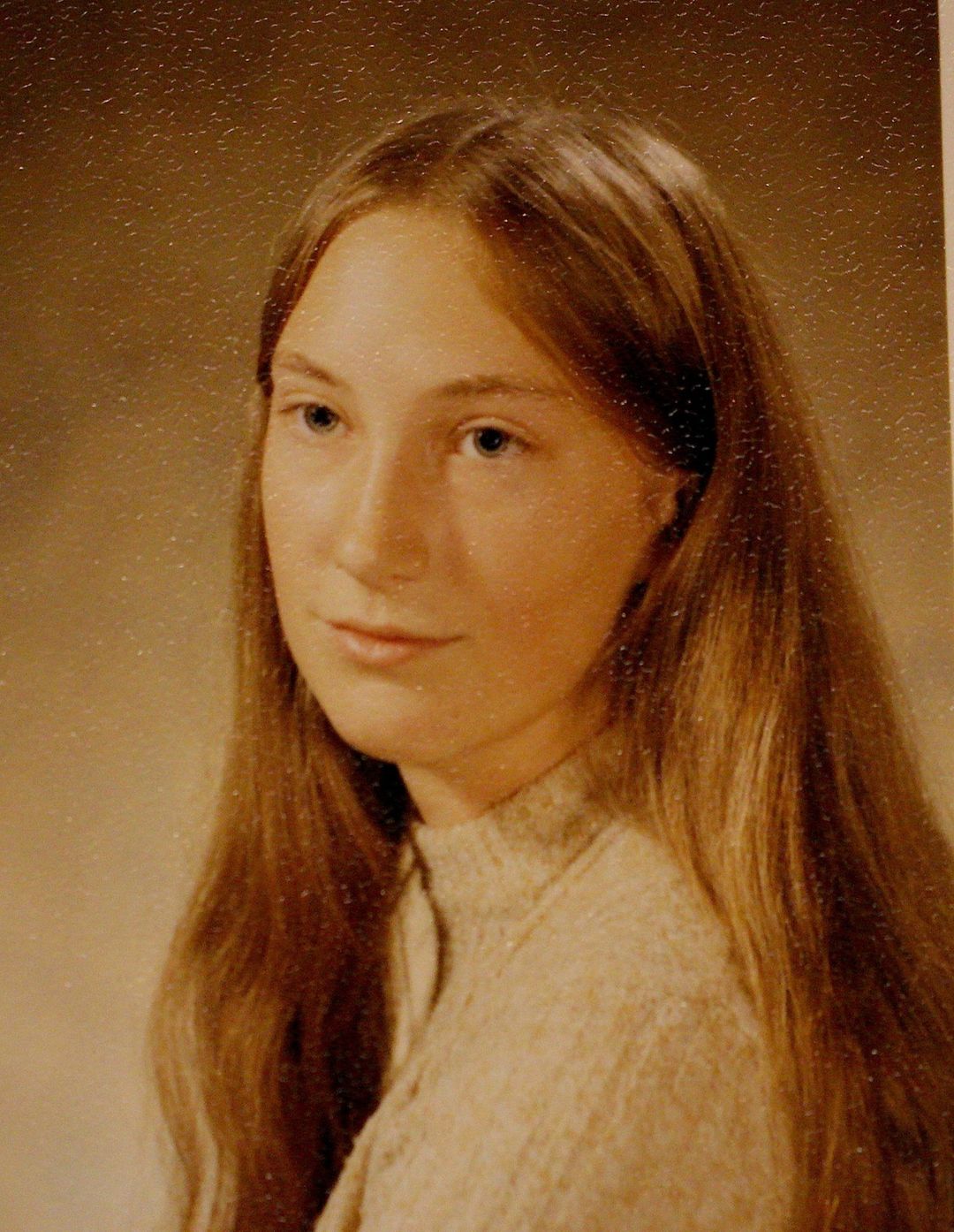
1971 – not a wrinkle in sight
2021

Just a glance in the mirror tells me all I need to know:

the creases I see remind me
each wrinkle shows my life in action,
so tangible, so telling, so mobile –
they multiply particularly when I smile and laugh
so I must do both more often.

I won’t hide them
nor tighten them away
or inject them smooth.

Instead I’ll grin at the wrinkle of time’s passing
knowing each line gained
is grace clutched tightly
in my otherwise loosening grasp.

A book from Barnstorming is available for order here:

The Live-Long Light

Some of the most powerful memories of summer
come out of our childhood when we wake up on a June morning and suddenly remember that school is out
and that summer stretches in front of us
as endlessly as the infinities of space.

Everything is different.
The old routines are gone.
The relentless school bus isn’t coming.
The bells will be silent in silent hallways.

And all the world is leafy green,
and will be green,
forever and ever.

~Ray Bradbury from Summer: A Spiritual Biography of the Season

The sun is rich
And gladly pays
In golden hours,
Silver days,

And long green weeks
That never end.
School’s out. The time
Is ours to spend.

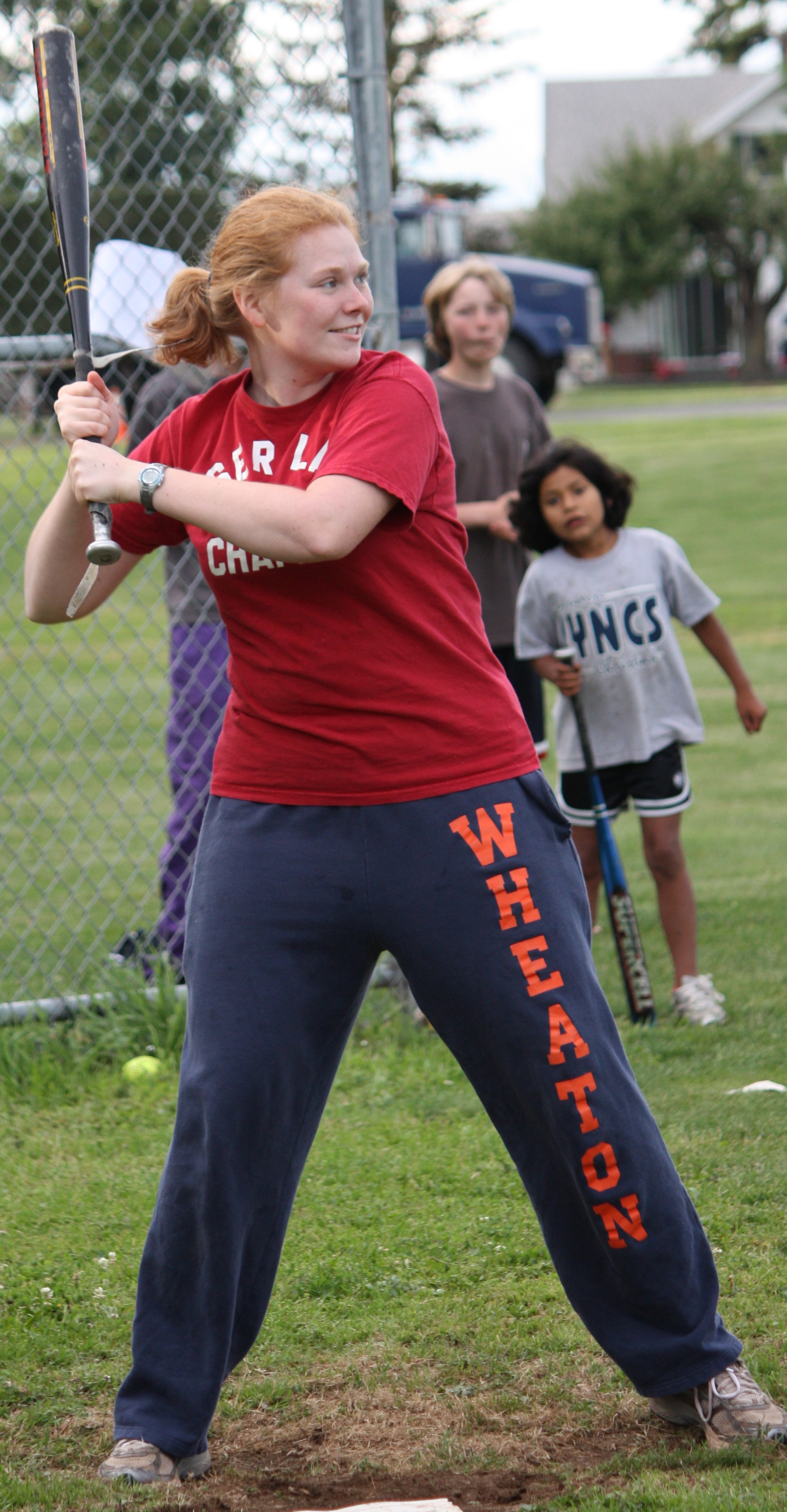
There’s Little League,
Hopscotch, the creek,
And, after supper,
Hide-and-seek.

The live-long light
Is like a dream,
and freckles come
Like flies to cream.

~John Updike “June” from A Child’s Calendar

photo by Harry Rodenberger
Photo by Harry Rodenberger

Time lurches ahead in imprecisely measured chunks. 

Sometimes the beginning and ending of seasons are the yardstick,  or the celebration of a holiday or a birthday.  Memories tend to be stickiest surrounding a milestone event: a graduation, a move, a wedding, a birth, a road trip, a funeral.

But Summer needs nothing so remarkable to be memorable. It simply stands on its own in all its extravagant abundance of light and warmth and growth and color stretching deep within the rising and setting horizons.  Each long day can feel like it must last forever, never ending.

Yet summer does eventually wind down, spin itself out, darkening gradually into the shadow dusk of autumn and the night of winter. 

I always let go of summer with reluctance, feeling as if no summer like it will ever come again.

Yet another will, somehow, somewhere, someday.  Surely a never-ending summer is what heaven itself will be.

Perfectly delightful and delightfully perfect. 

We’ve already had a taste.

A new book from Barnstorming is available to order here: