Now have come the shining days When field and wood are robed anew, And o’er the world a silver haze Mingles the emerald with the blue.
Summer now doth clothe the land In garments free from spot or stain— The lustrous leaves, the hills untanned, The vivid meads, the glaucous grain.
The day looks new, a coin unworn, Freshly stamped in heavenly mint; The sky keeps on its look of morn; Of age and death there is no hint.
How soft the landscape near and far! A shining veil the trees infold; The day remembers moon and star; A silver lining hath itsgold.
Again I see the clover bloom, And wade in grasses lush and sweet; Again has vanished all my gloom With daisies smiling at my feet.
Again from out the garden hives The exodus of frenzied bees; The humming cyclone onward drives, Or finds repose amid the trees.
At dawn the river seems a shade— A liquid shadow deep as space; But when the sun the mist has laid, A diamond shower smites its face.
The season’s tide now nears its height, And gives to earth an aspect new; Now every shoal is hid from sight, With current fresh as morning dew. ~John Burroughs “June’s Coming”
Out of the deep and the dark, A sparkling mystery, a shape, Something perfect, Comes like the stir of day: One whose breath is a fragrance, One whose eyes reveal the road to stars, The wind in his countenance, The glory of heaven upon his back. He steps like a vision hung in air, Diffusing the passion of eternity; His abode is the sunlight of morn, The music of eve his speech: In his sight, One shall turn from the dust of the grave, And move upward to the woodland. ~Yone Noguchi“The Poet”
Each month is special in its own way: I tend to favor April and October for how the light plays on the landscape during transitional times — a residual of what has been, with a hint of what lies ahead.
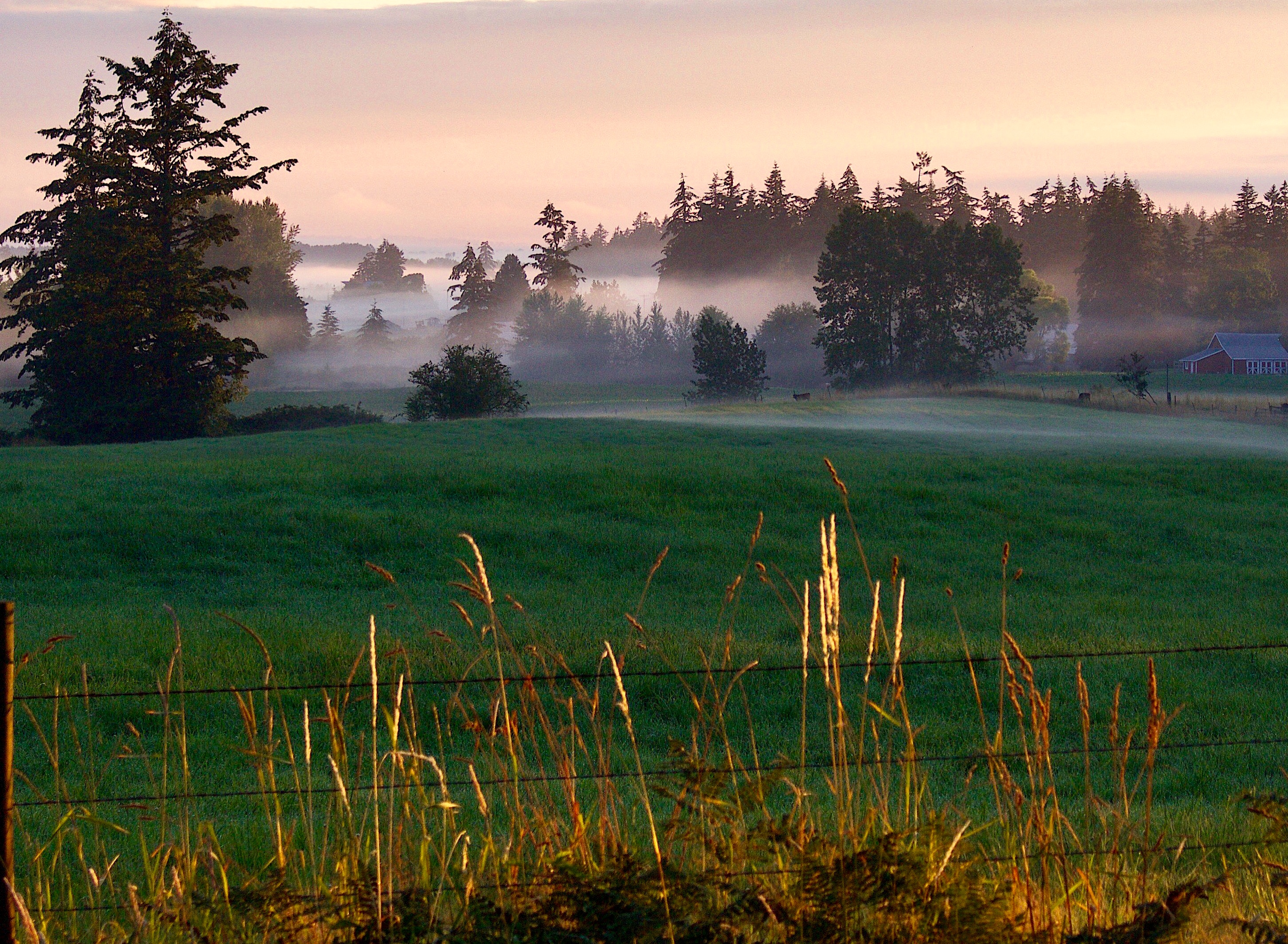
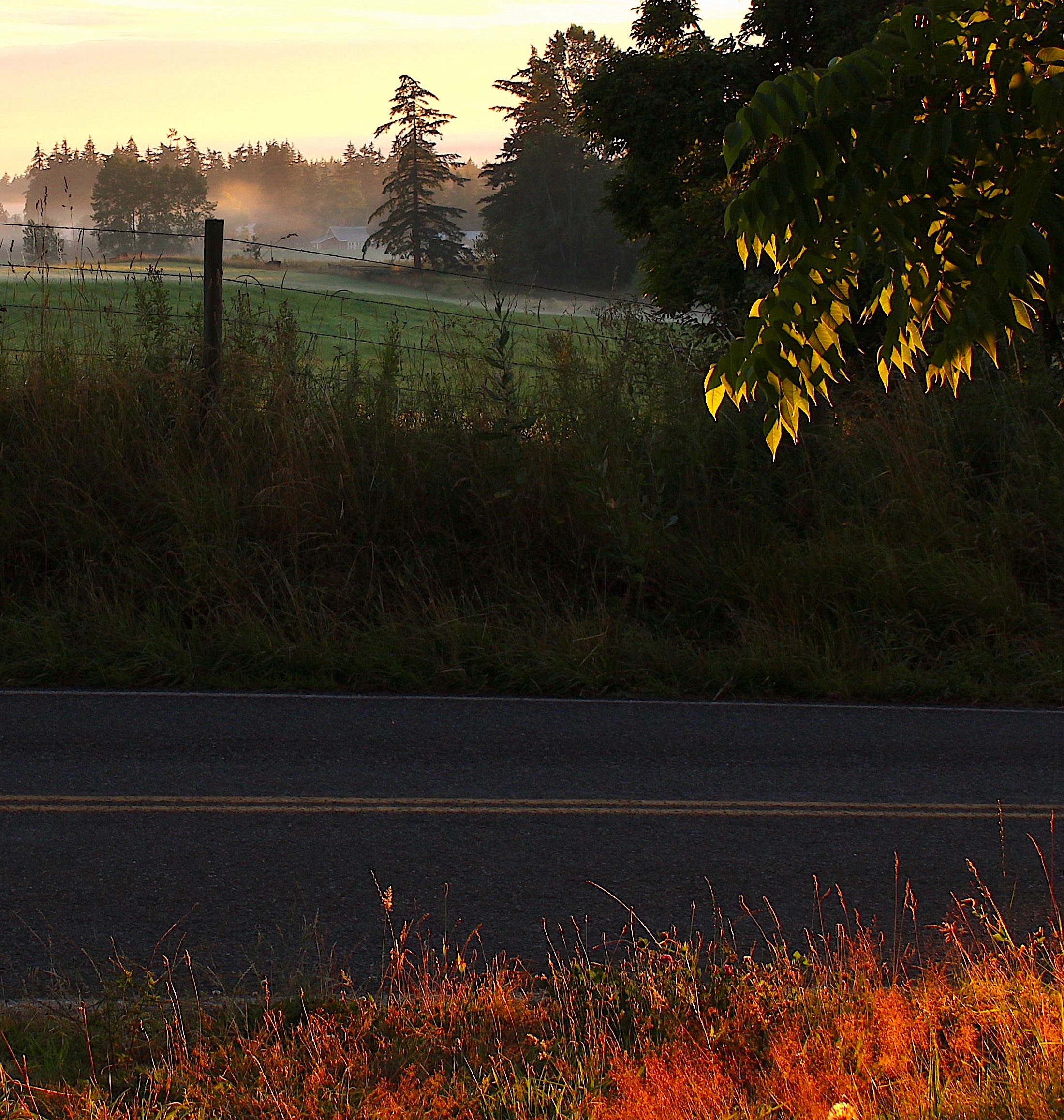
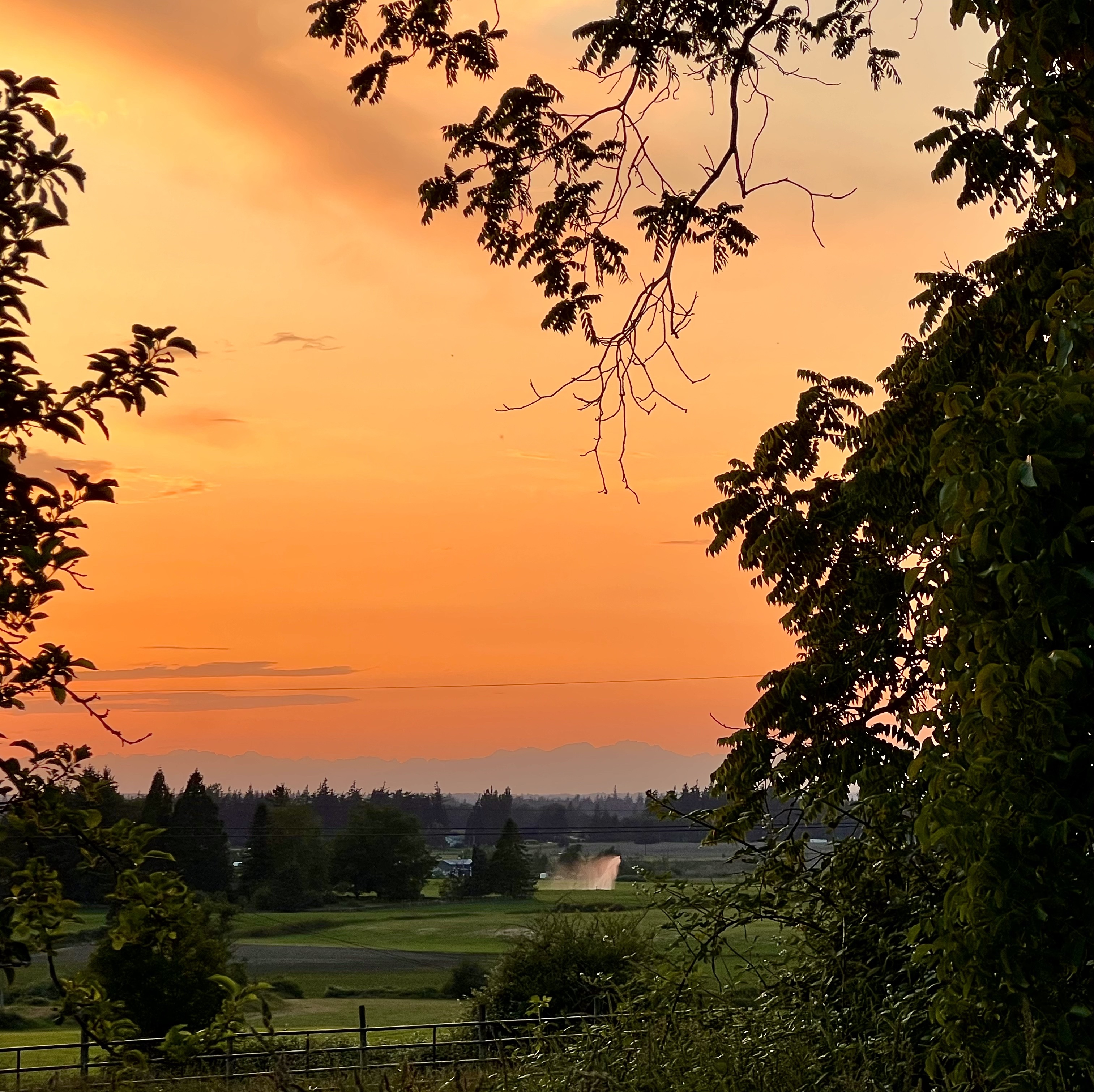
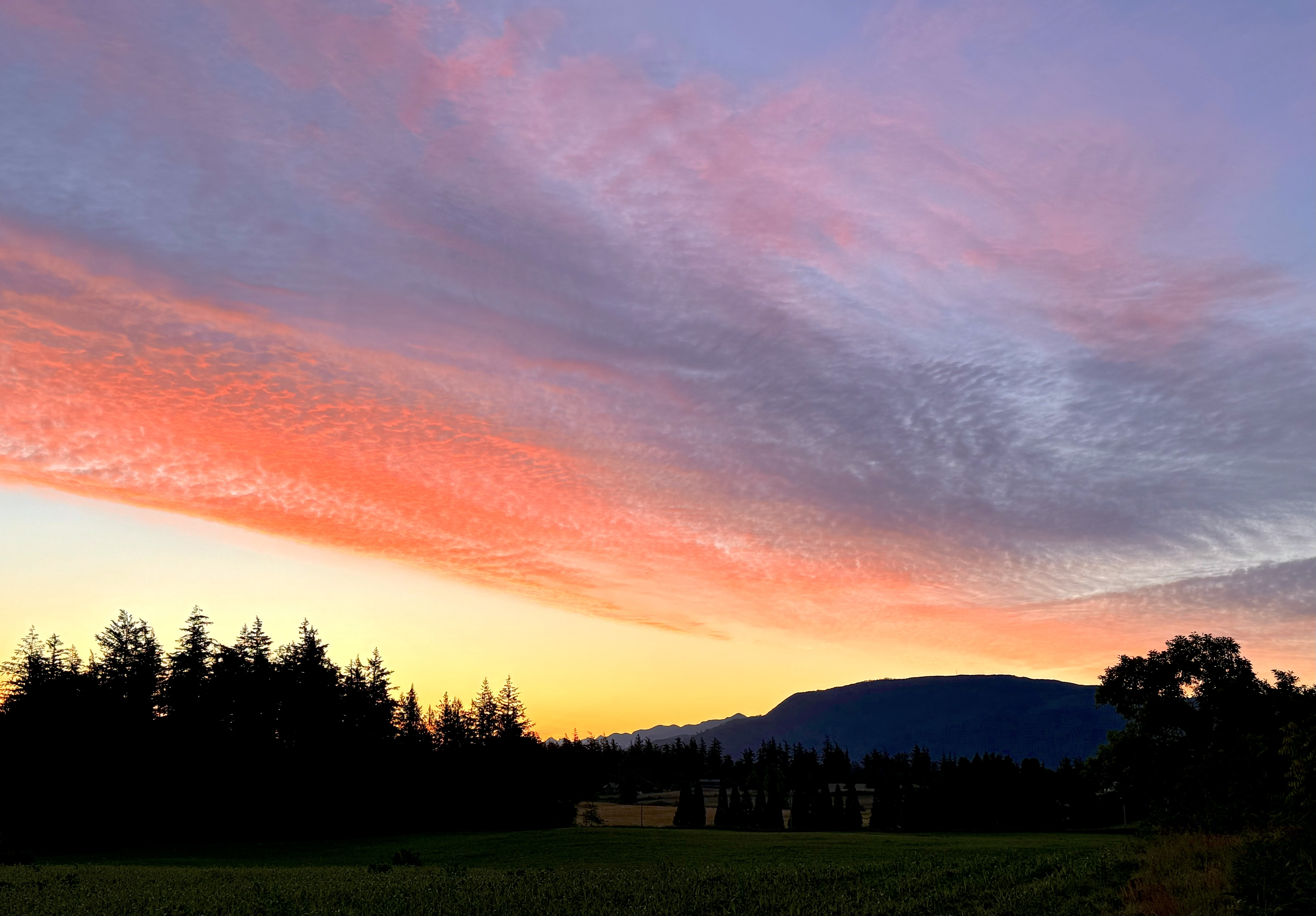
Then there is June. Dear, gentle, abundant and overwhelming June. Nothing is dried up, there is such a rich feeling of ascension into lushness of summer with an “out of school” attitude, even if someone like me has graduated long ago.
And the light, and the birdsong and the dew and the greens — such vivid verdant greens. The stir of the day stirs my heart…
As lovely as June is, 30 days is more than plenty or I would become helplessly saturated. Then I can be released from my sated stupor to wistfully hunger for June for 335 more.
One-Time
Monthly
Yearly
Make a one-time or recurring donation to support daily Barnstorming posts
Perhaps she came down for the apples, or was flushed out by the saws powering the far woods, or was simply lost, or was crossing one open space for another.
She was a figure approaching, a presence outside a kitchen window, framed by the leafless apple trees, the stiff blueberry bushes, the after-harvest corn, the just-before-rain sky,
a shape only narrow bones could hold, turning its full face upward, head tilted to one side, as if to speak.
Everything changing faster than we can respond: loss of jobs, research halting mid-study, inconsistency abounds, families shattered, uncertainty prevails.
What happened to of the people, by the people, for the people rather than dictated by just a few
We are so lost, how to find our way back to caring for the poor, the weak, the vulnerable with a spirit of commitment, compassion and sacrifice.
For God alone – no one else – remains our strength and shield. Lost and afraid, we want our lives back.
We need His Refuge where we may rest. We seek Sanctuary from this darkness, to once again awaken hopeful to a new morning.
AI image created for this post
One-Time
Monthly
Yearly
Make a one-time or recurring donation to support daily Barnstorming posts
Our heart wanders lost in the dark woods. Our dream wrestles in the castle of doubt. But there’s music in us. Hope is pushed down but the angel flies up again taking us with her. It is no surprise that danger and suffering surround us. What astonishes is the singing. We know the horses are there in the dark meadow because we can smell them, can hear them breathing. Our spirit persists like a man struggling through the frozen valley who suddenly smells flowers and realizes the snow is melting out of sight on top of the mountain, knows that spring has begun. ~Jack Gilbert from “Horses at Midnight Without a Moon”
In trees still dripping night some nameless birds Woke, shook out their arrowy wings, and sang, Slowly, like finches sifting through a dream. The pink sun fell, like glass, into the fields. Two chestnuts, and a dapple gray, Their shoulders wet with light, their dark hair streaming, Climbed the hill. The last mist fell away.
And under the trees, beyond time’s brittle drift, I stood like Adam in his lonely garden On that first morning, shaken out of sleep, Rubbing his eyes, listening, parting the leaves, Like tissue on some vast, incredible gift. ~Mary Oliver “Morning In a New Land”from New and Selected Poems
As if — we are walking through the darkest woods, still stuck in the throes of winter, and catch a whiff of a floral scent, or a hint of green grass, or hear the early jingle bells song of peeper frogs in the wetlands, or feel the warm breath of horses puffing steam at night.
As if — there is hope on the other side, refreshment and renewal and rejoicing just around the corner.
As if — things won’t always be frozen or muddy or barren, that something is coming behind the snowdrops and crocus.
The snow is melting, imperceptibly, but melting nonetheless. And that vast incredible gift thaws what is frozen in me…
photo by Emily Dieleman
This year’s Lenten theme:
…where you go I will go… Ruth 1:16
One-Time
Monthly
Yearly
Make a one-time and recurring donation to support daily Barnstorming posts
Again I resume the long lesson: how small a thing can be pleasing, how little in this hard world it takes to satisfy the mind and bring it to its rest.
Within the ongoing havoc the woods this morning is almost unnaturally still. Through stalled air, unshadowed light, a few leaves fall of their own weight.
The sky is gray. It begins in mist almost at the ground and rises forever. The trees rise in silence almost natural, but not quite, almost eternal, but not quite.
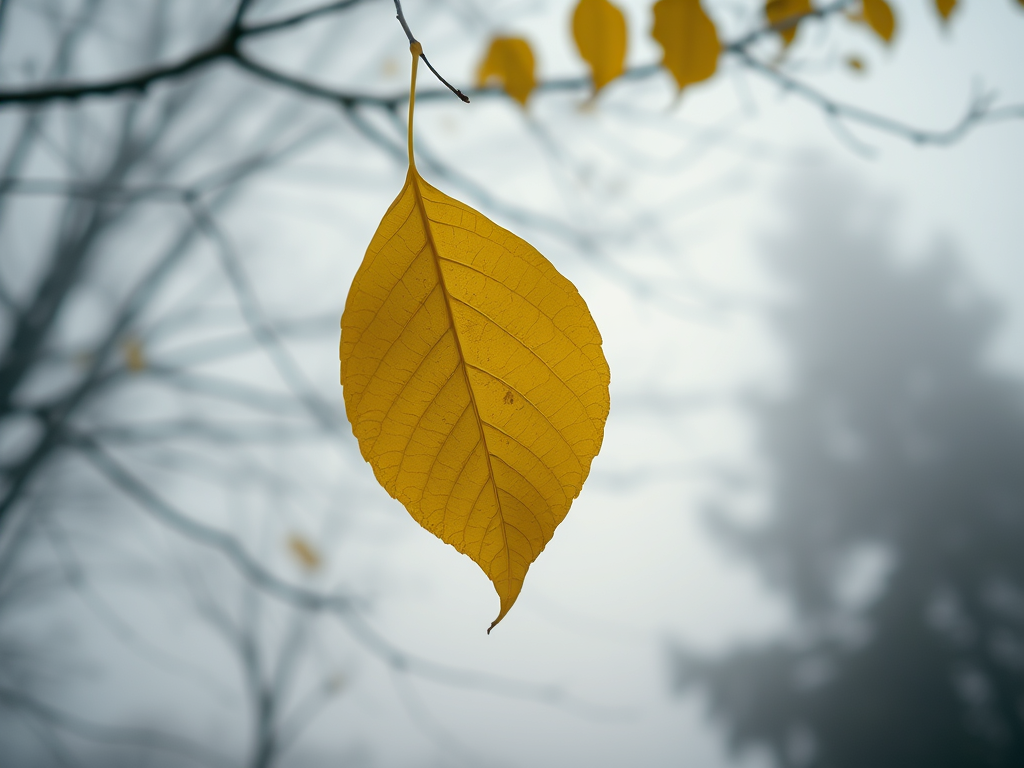
What more did I think I wanted? Here is what has always been. Here is what will always be. Even in me, the Maker of all this returns in rest, even to the slightest of His works, a yellow leaf slowly falling, and is pleased. ~Wendell Berry “VII” from This Day
What more did I think I wanted?
What always has been and always will be:
Until I’m not able to hold on in the wind and rain, may I be a slight spot of light in this dark and bleak world.
As I let go, when the time to finish comes, I know my Maker’s smile means it was all worthwhile…
AI image created for this postAI image created for this post
One-Time
Monthly
Yearly
Make a one-time or recurring donation to support daily Barnstorming posts
That time of year thou mayst in me behold When yellow leaves, or none, or few, do hang Upon those boughs which shake against the cold, Bare ruin’d choirs, where late the sweet birds sang.
In me thou see’st the twilight of such day As after sunset fadeth in the west, Which by and by black night doth take away, Death’s second self, that seals up all in rest.
In me thou see’st the glowing of such fire That on the ashes of his youth doth lie, As the death-bed whereon it must expire, Consum’d with that which it was nourish’d by.
This thou perceiv’st, which makes thy love more strong, To love that well which thou must leave ere long. ~William Shakespeare Sonnet 73
I used to think youth has it all – strength, beauty, energy- but now I know better.
There is deep treasure in slowing down, this leisurely leave-taking; the finite becoming infinite with limitless loving.
Without our aging we’d never change up who we are so as to become so much more:
enriched, vibrant, shining passionately until the very last moment of letting go.
To love well To love strong To love as if To love because nothing else matters.
One-Time
Monthly
Yearly
Make a one-time or recurring donation to support daily Barnstorming posts
Ask the questions that have no answers. Invest in the millenium. Plant sequoias. Say that your main crop is the forest that you did not plant, that you will not live to harvest. Practice resurrection. ~Wendell Berry from “Manifesto: The Mad Farmer Liberation Front”
If I have to pick a side, let me side with the bees, with summer blossoms and winter snowdrifts. Let me side with the children I know and the ones I don’t, with the late-shift nurse and his aching back, with the grandmother digging in her garden. Let me side with the earth in all her sighing, the stars in all their singing, with stray dogs and street artists, with orphans and widows. Like Berry, let me say everything was for love of the forest I will never see, the harvest I will never reap. I pledge my allegiance to the world to come. ~Jen Rose Yokel “Choosing Sides”
photo by Danyale Tamminga photo by Nate Lovegren
We are each here in this life for such a short time…
What we leave behind is a shadow of the gifts we received at birth – given the chance, we can renew and rebuild this struggling earth. Listening to the sighs of a world in distress, I try to plant words and living things to last beyond my time here.
Every day we choose sides. Standing alone in our choices, we wonder how we will ever connect to one another.
I want to wrap my arms around anyone who needs a hug right now.
I know I do. Maybe you do too.
Starry Night – Van Gogh
photo by Sara LenssenAI image created for this post
One-Time
Monthly
Yearly
Make a one-time or recurring donation to support daily Barnstorming posts
At once whatever happened starts receding. —Philip Larkin
Last night I walked the woods lit by the final moon of the month.
Days don’t count here beneath the centuries-old pines
where my grandmother took her solace on hard farm days, passing up
the washboard or jam-making for the eternal whooshing
of the forest as much serenity as yearning. ~Dave Malone “Walk in the Woods” from Tornado Drill
Over my seventy years, I’ve had the opportunity to walk through woods in different parts of the world – from my childhood home near Puget Sound, to the Bay Area in California, from central Africa above Lake Tanganyika to the forests of Northern Ireland and the coastline of Vancouver Island.
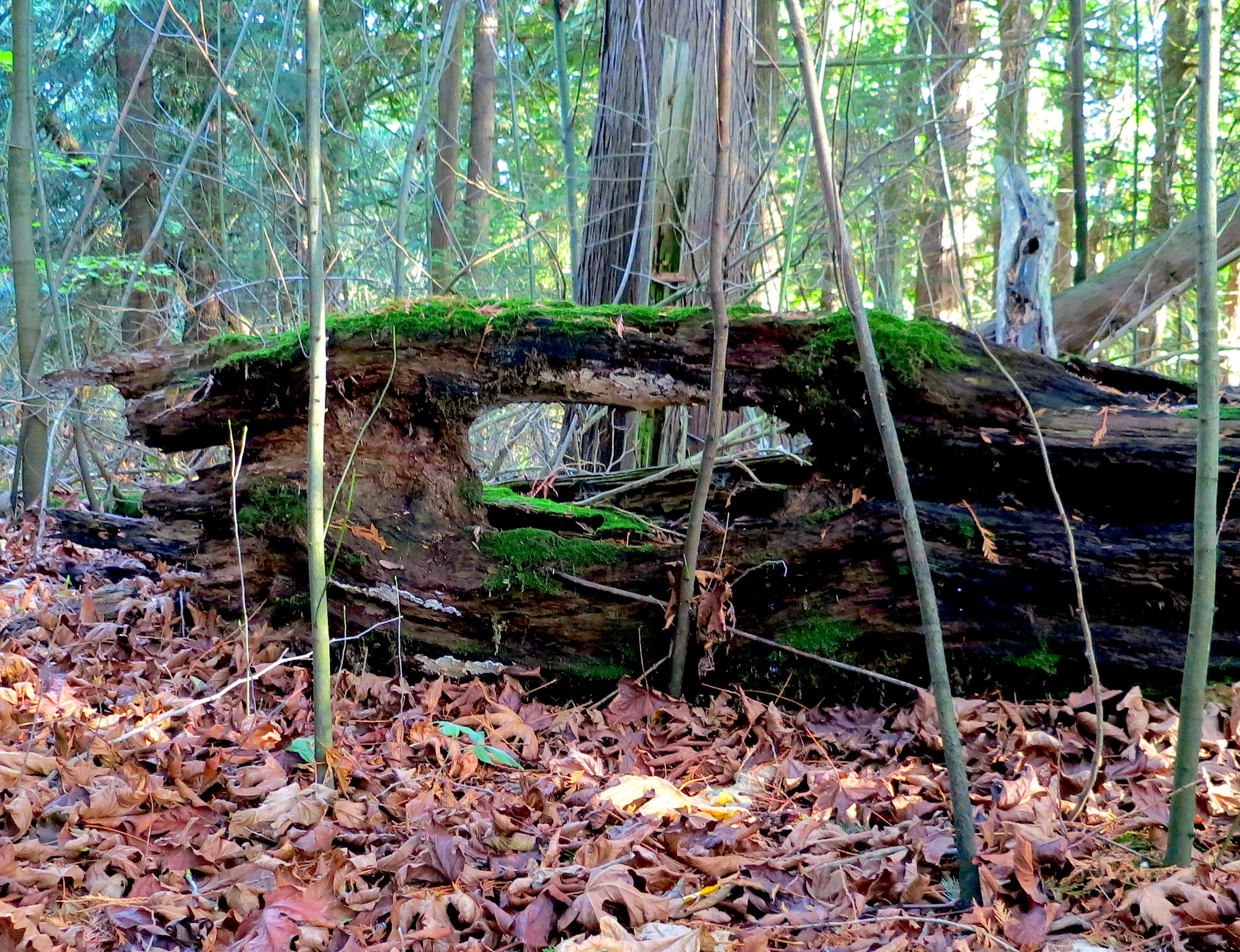
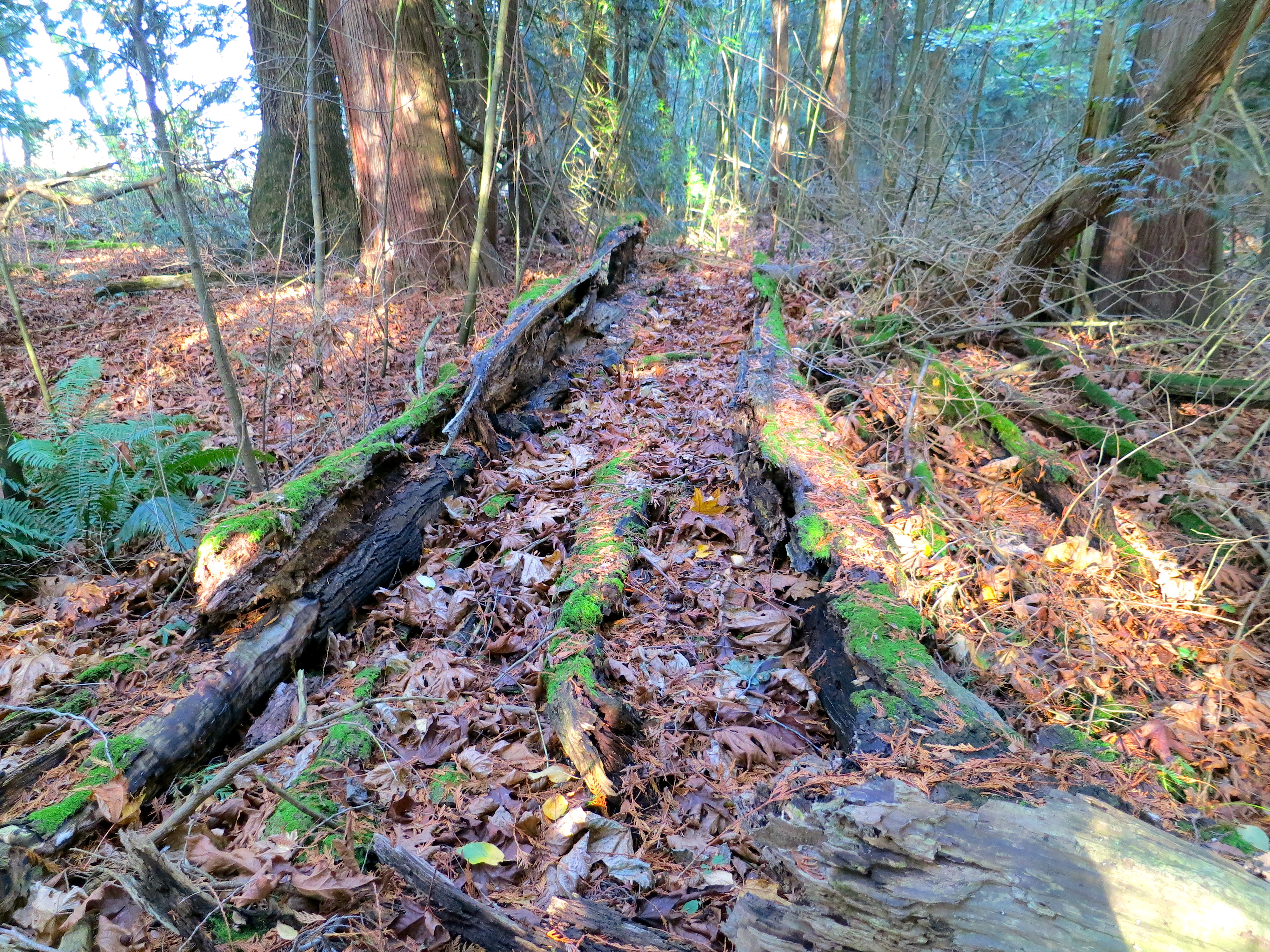
Here on the farm, we have some dense woods that our grandson has designated “the haunted forest” because of its many downed trees from windstorms. He is convinced BigFoot lives somewhere in the dense underbrush, and he may well be right.
During a walk in the woods, no matter where it may be, I find solace in a world where there is teeming life thriving under the ground, at eye level, and overhead. I feel a palpable vibrance with each step I take, while experiencing sounds and smells I find nowhere else.
So, I too leave behind the work of the day – the laundry, the cleaning and cooking – if only for an hour or so. And once again, I sync my own heartbeat to the pulse of the mysterious life I find, ongoing and eternal, in the woods.
AI image created for this post
One-Time
Monthly
Yearly
Make a one-time or recurring donation to support daily Barnstorming posts
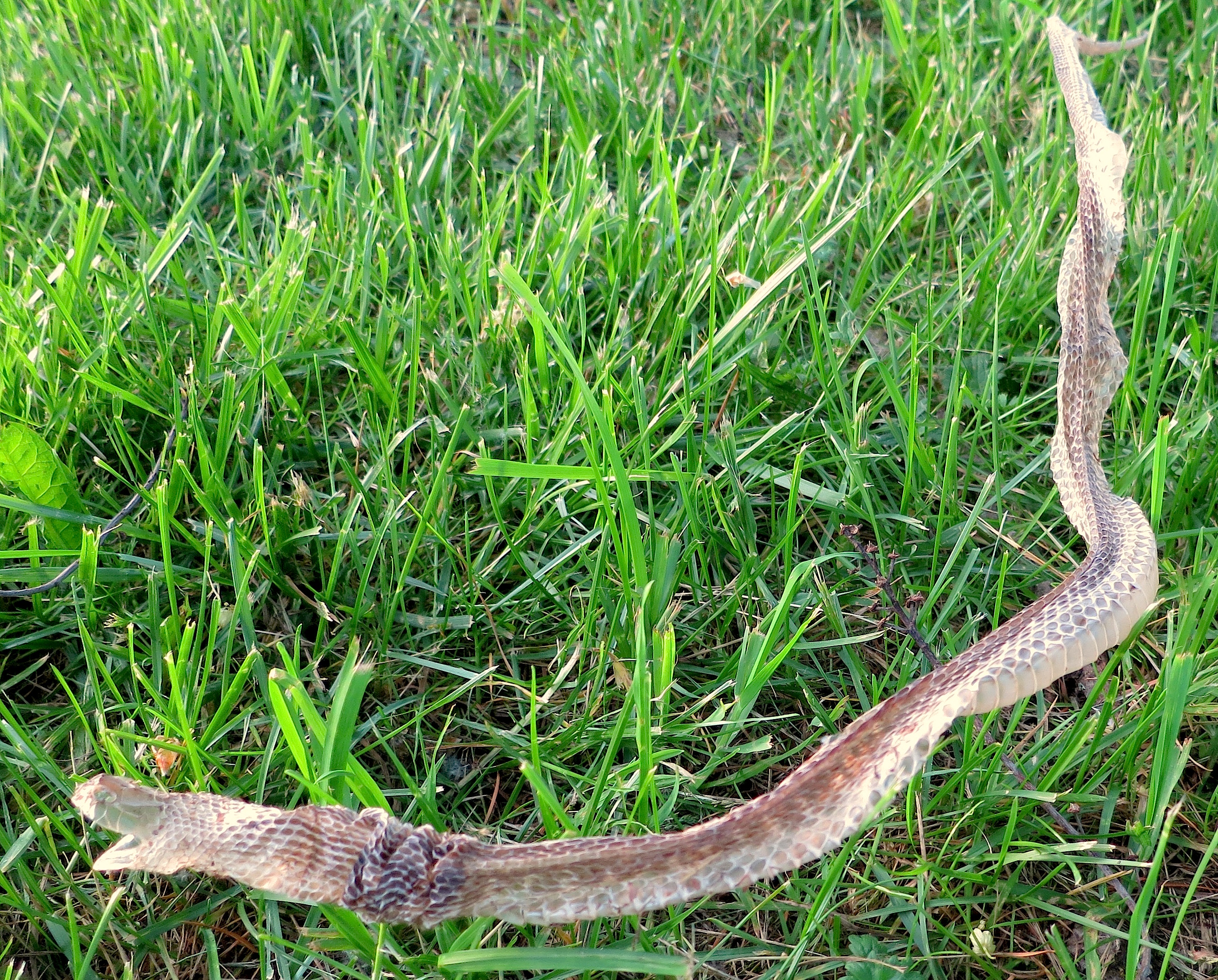
Walk noisily to declare your presence. The rabbits and deer will leave as soon as they hear you coming, but the snakes need time to process your intentions.
Take a moment to be certain of what you’re cutting. Many stems look alike down close to the ground, especially when they’re young. Look up occasionally.
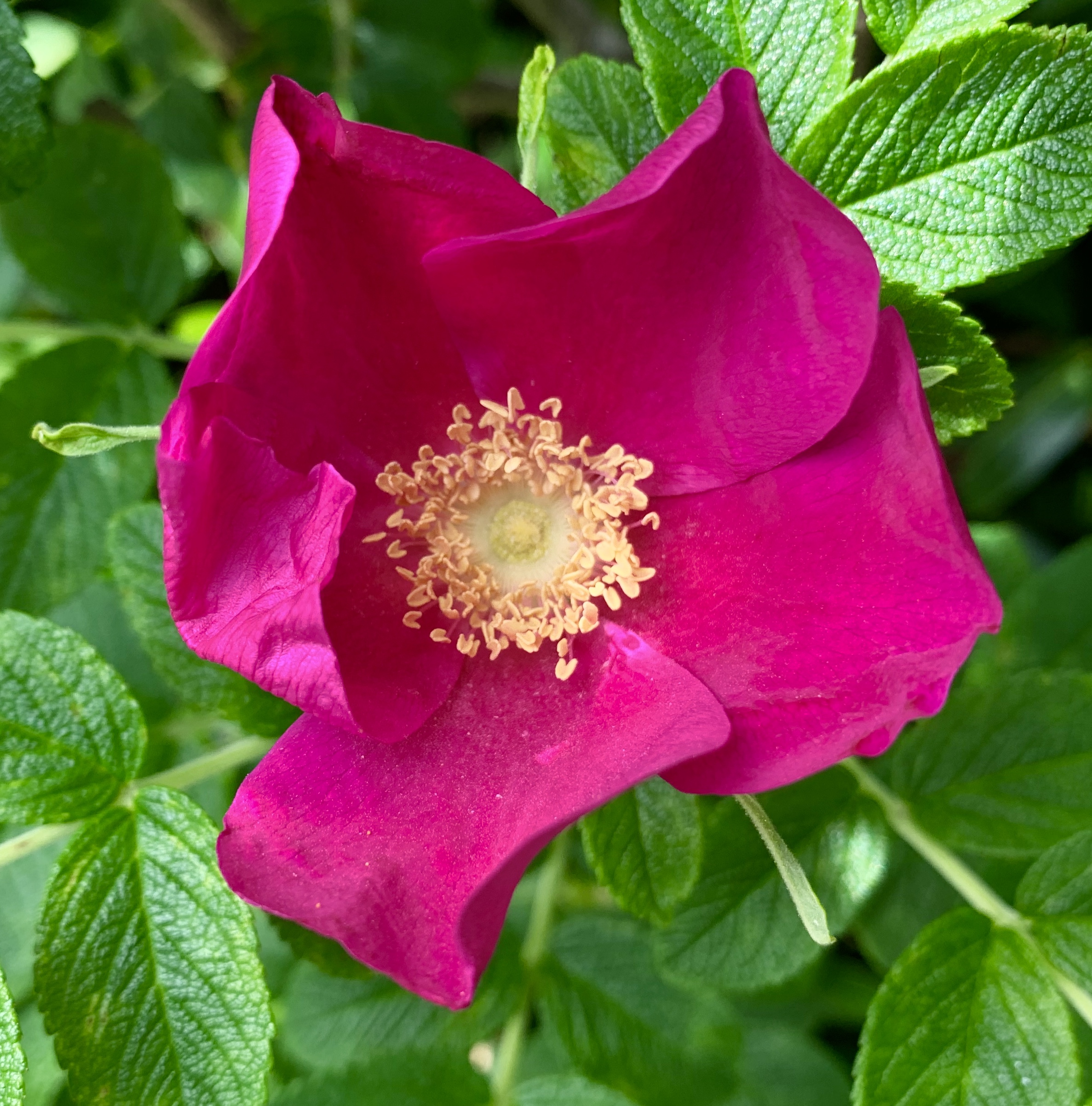
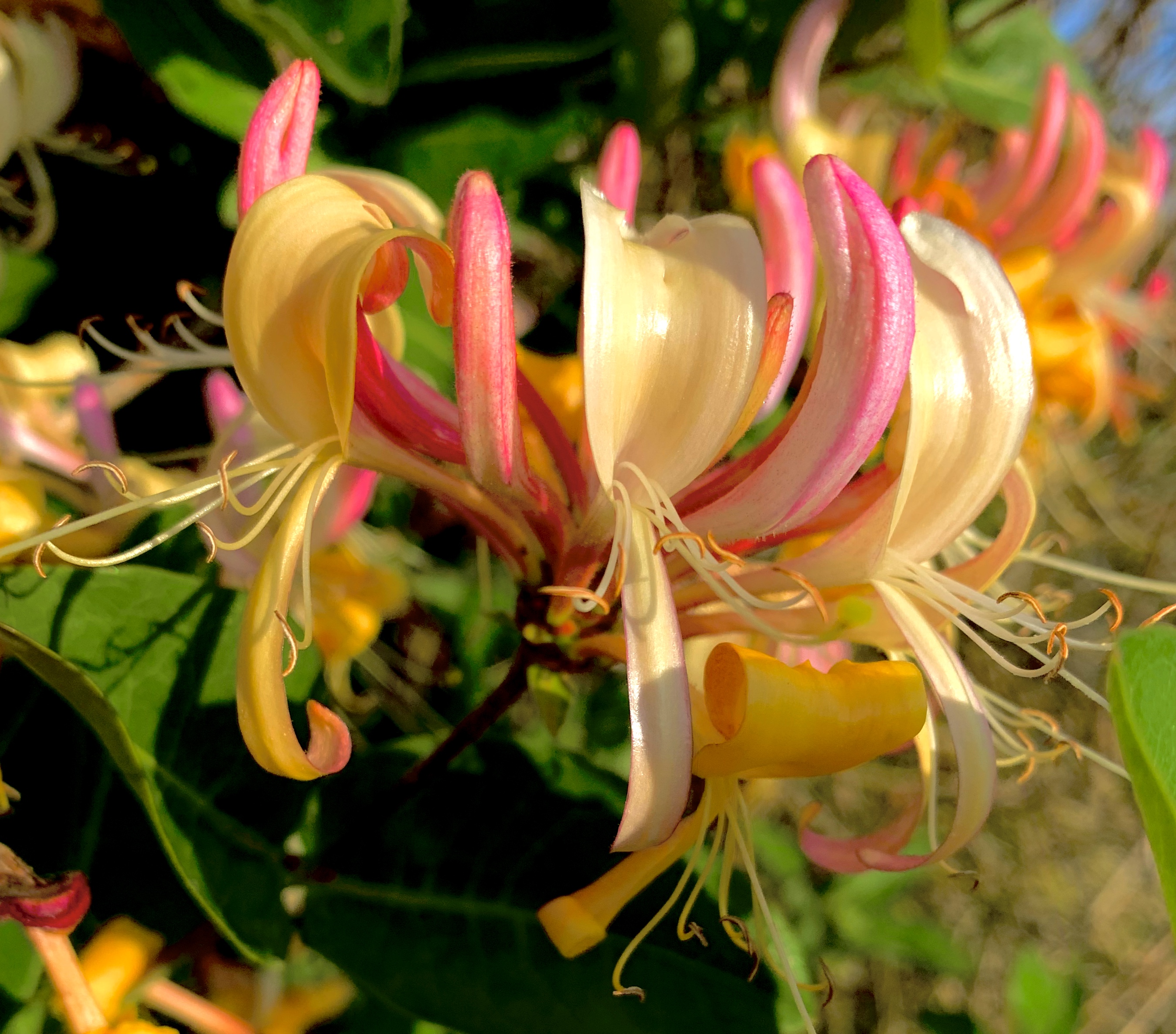
Don’t begrudge the wild roses for whipping thorns across your face and arms, or the honeysuckle for tangling your feet and pulling the pruners from your hands. You’d do the same in their place. Honor them with a clean cut.
Never begin when you’re angry or you might not stop until there’s nothing left to hold the soil.
My father never quite adapted to his administrative desk job mid-career, working in a state job as a supervisor. He was a man of action, a former Marine and before that, a teenager whose young muscles were needed to tame the brush that grew out of control on his parents’ failing farm land. He learned young to swing a brush hook and later in life found it helped manage his desk-bound frustration to slash away at the vines and thorns and branches that stood between him and a sense of order on the land.
He would have been bemused, but impressed, that not just one, but two modern U.S. Presidents, Reagan and George W., found brush clearing to be therapeutic physical activity. Perhaps it helped them manage their anger impulses as well.
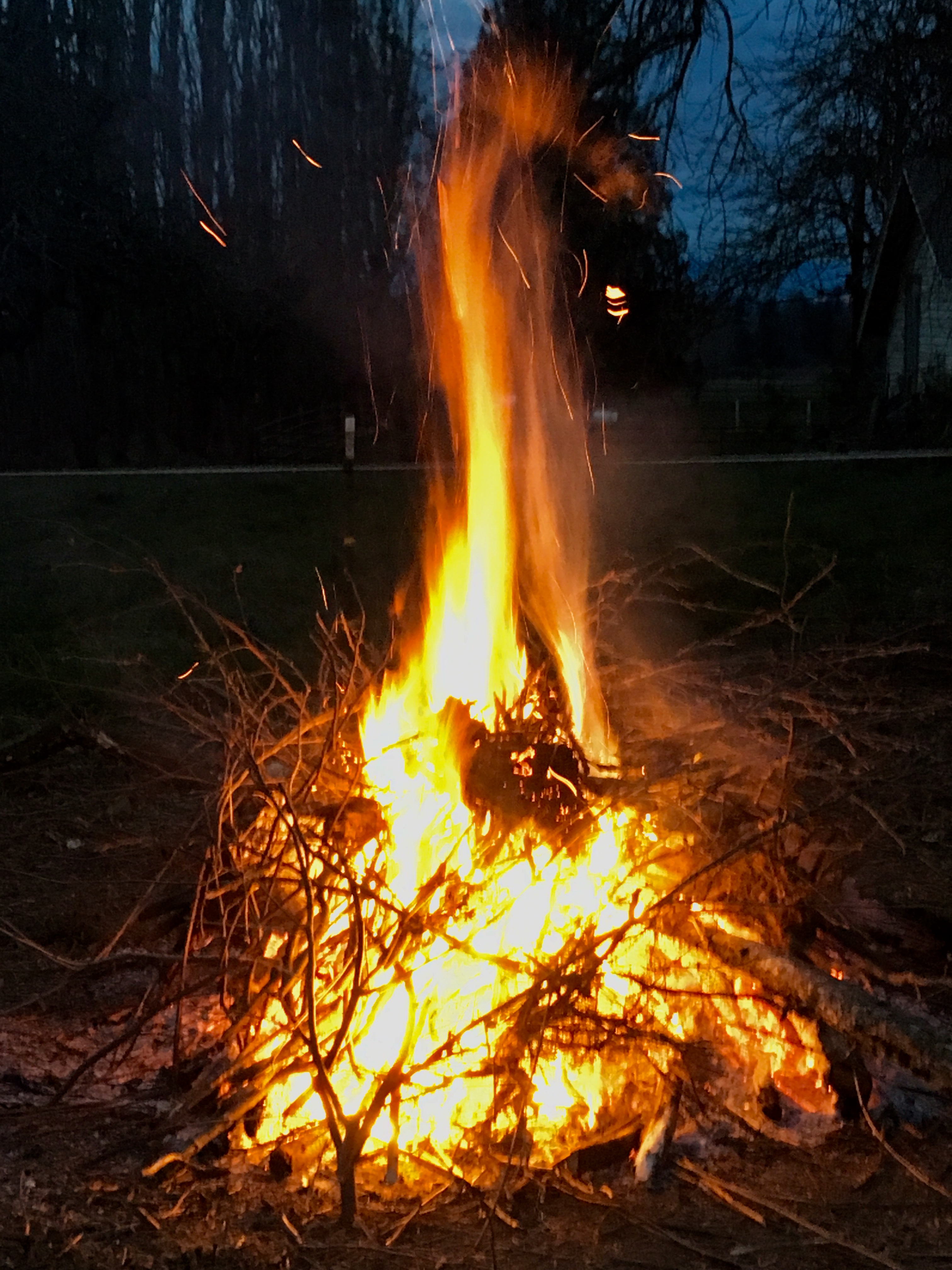
As soon as my dad got home from work, I remember him changing into denim overhauls and heavy duty gloves and boots. As long as there was daylight, he would head to our field and woods to battle back the brush thickets. He would swing his trusty brush hook, bringing down all manner of thick obstructing and unwanted plant life, then create numerous “brush piles” which he would let dry out and then burn in huge bonfires down to ashes in autumn until nothing was left but dust.
It was no small irony that he sometimes had to return in a few years to the same spot to clear it once again. It was a Sisyphean task, but yet somehow necessary for his general well-being.
I should have known there was something amiss when one year when I returned from college on a break, I found he had stopped clearing brush and chose instead to exercise on a stationary bicycle. Something in him had given up trying to make our fields and woods more habitable and useable. I figured he simply grew weary of perpetually ridding the land of thorn-bearing vines, thistles and weeds which had impeded his personal vision of the perfect park-like farmland.
Instead, he gave up and walked away from his marriage and his brush hook which he left hanging up in the barn. With nothing left to hold him there, he left, in search of something he felt was missing in his life.
We, my mom and his grown children, were left sifting through the ashes of what was left behind. It didn’t take long for the woods to become impenetrable in his absence.
We could not have known he would return a decade later, arising forgiven from the ashes he had left behind.
After all, there was more brush to clear and he was back to take care of it.
One-Time
Monthly
Yearly
Make a one-time or recurring donation to support daily ad-free Barnstorming posts
I go to the mountain side of the house to cut saplings, and clear a view to snow on the mountain. But when I look up, saw in hand, I see a nest clutched in the uppermost branches. I don’t cut that one. I don’t cut the others either. Suddenly, in every tree, an unseen nest where a mountain would be. ~Tess Gallagher “Choices” from Midnight Lantern: New and Selected Poems
Might I be capable of such tenderness? Might I consider the needs of others, by saving not just one nest, but all future nests, rather than exercise my right to an unimpeded view, wanting the world to be exactly how I want it?
I must not forget: my right to choose demands that I choose to do right by those who have no choice.
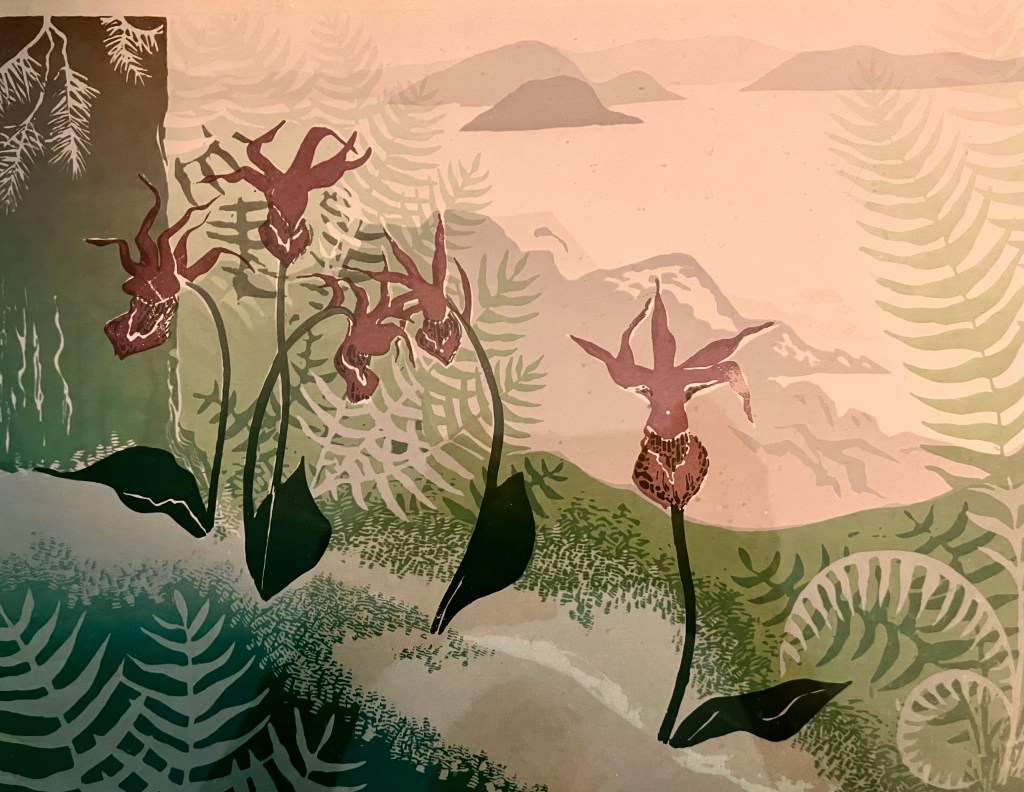
Though I know well enough To hunt the Lady’s Slipper now Is playing blindman’s-buff, For it was June She put it on And grey with mist the spider’s lace Swings in the autumn wind, Yet through this hill-wood, high and low, I peer in every place; Seeking for what I cannot find I do as I have often done And shall do while I stay beneath the sun. ~Andrew Young “Lady’s Slipper Orchid”
How strange to find you where I did along a path beside a road, your legs in graceful green dancing to music made by wind and woods.
Like ladies from a bygone age, you left your slippers there to air in dappled shade, while you, barefoot, relaxed your stays, let loose your hair.
The treasures of this world might be as simple as an orchid’s bloom; how sad that so much time is spent in filling coffers for the tomb.
If only life could be so fresh and free as you in serenade, we might learn we value most those things found lost in woodland shade. ~Mike Orlock “Lady Slipper Serenade (in 4/4 time)”
My grandmother’s house where my father was born had been torn down. She sold her property on Fidalgo Island near Anacortes, Washington to a lumber company – this was the house where all four of her babies were born, where she and my grandfather loved and fought and separated and finally loved again, and where we spent chaotic and memorable Thanksgiving and Christmas meals. After Grandpa died, Grandma took on boarders, trying to afford to remain there on the homesteaded wooded acreage on Similk Bay, fronted by meadows where her Scottish Highland cattle grazed. Her own health was suffering and she reached a point when it was no longer possible to make it work. A deal was struck with the lumber company and she moved to a small apartment for the few years left to her, remaining bruised by leaving her farm.
My father realized what her selling to a lumber company meant and it was a crushing thought. The old growth woods would soon be stumps on the rocky hill above the bay, opening a view to Mt. Baker to the east, to the San Juan Islands to the north, and presenting an opportunity for development into a subdivision. He woke my brother and me early one Saturday in May and told us we were driving the 120 miles to Anacortes. He was on a mission.
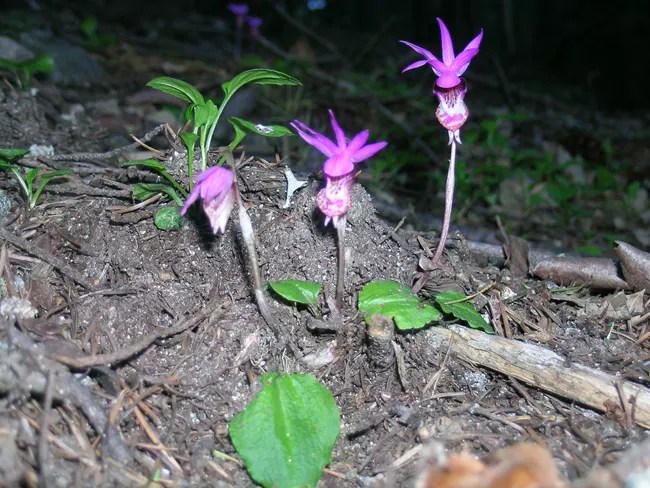
As a boy growing up on that land, he had wandered the woods, explored the hill, and helped his dad farm the rocky soil. There was only one thing he felt he needed from that farm and he had decided to take us with him, to trespass where he had been born and raised to bring home a most prized treasure–his beloved lady slippers (Calypso bulbosa) from the woods.
These dainty flowers enjoy a spring display known for its brevity–a week or two at the most–and they tend to bloom in small little clusters in the leafy duff mulch of the deep woods, preferring only a little indirect sunlight part of the day. They are not easy to find unless you know where to look.
My father remembered exactly where to look.
We hauled buckets up the hill along with spades, looking as if we were about to dig for clams at the ocean. Dad led us up a trail into the thickening foliage, until we had to bushwhack our way into the taller trees where the ground was less brush and more hospitable ground cover. He would stop occasionally to get his bearings as things were overgrown. We reached a small clearing and he knew we were near. He went straight to a copse of fir trees standing guard over a garden of lady slippers.
There were almost thirty of them blooming, scattered about in an area the size of my small bedroom. Each orchid-like pink and lavender blossom had a straight backed stem that held it with sturdy confidence. To me, they looked like they could be little shoes for fairies who may have hung them up while they danced about barefoot. To my father, they represented the last redeeming vestiges of his often traumatic childhood, and were about to be trammeled by bulldozers. We set to work gently digging them out of their soft bedding, carefully keeping their bulb-like corms from losing a protective covering of soil and leafy mulch. Carrying them in the buckets back to the car, we felt some vindication that even if the trees were to be lost to the saws, these precious flowers would survive.
When we got home, Dad set to work creating a spot where he felt they could thrive in our own woods. He found a place with the ideal amount of shade and light, with the protection of towering trees and the right depth of undisturbed leaf mulch. We carefully placed the lady slippers in their new home, scattered in a pattern similar to how we found them. Then Dad built a four foot split rail fence in an octagon around them, as a protection from our cattle and a horse who wandered the woods, and as a way to demarcate that something special was contained inside.
The next spring, only six lady slippers bloomed from the original thirty. Dad was disappointed but hoped another year might bring a resurgence as the flowers established themselves in their new home. The following year there were only three. A decade later, my father left our farm and family, not looking back.
Sometime after the divorce, when my mother had to sell the farm, I visited our lady slipper sanctuary in the woods for the last time in the middle of May, seeking what I hoped might still be there, but I knew was no longer. The split rail fence still stood, guarding nothing but old memories. No lady slippers bloomed. There was not a trace they had ever been there. They had given up and disappeared.
The new owners of the farm surely puzzled over the significance of the small fenced-in area in the middle of our woods. They probably thought it surrounded a graveyard of some sort.
And they would be right – it did.
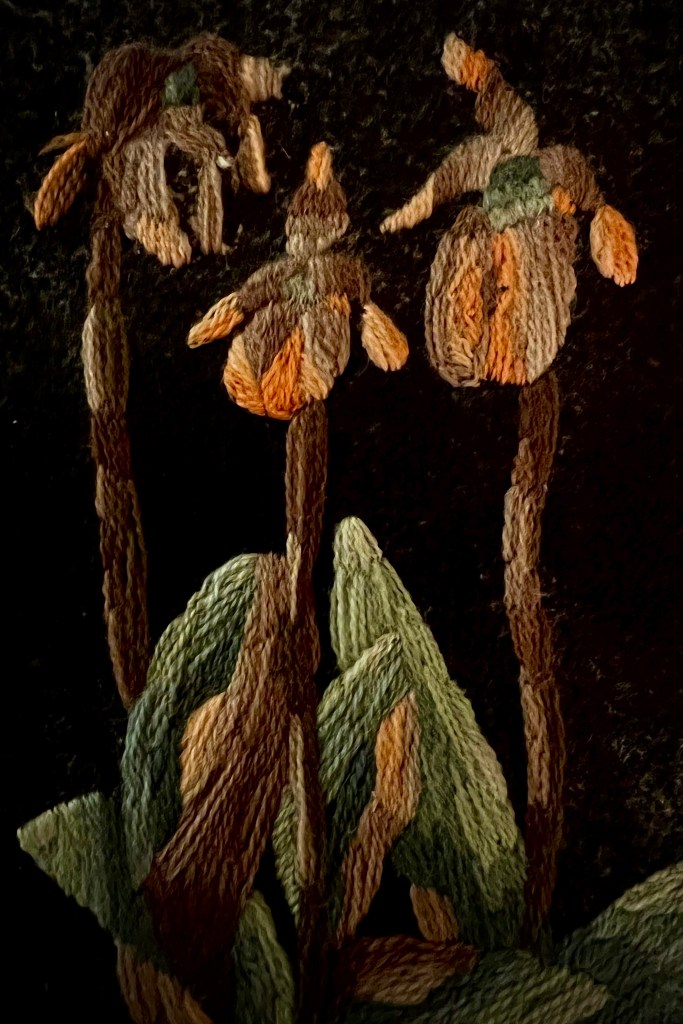
An embroidery I made for my father after he replanted the lady slippers — on the back I wrote “The miracle of creation recurs each spring in the delicate beauty of the lady slipper – may we ourselves be recreated as well…”
One-Time
Monthly
Yearly
Make a one-time or recurring donation to support daily Barnstorming posts
























 Barnstorming