The whole of Christ’s life was a continual passion; others die martyrs, but Christ was born a martyr. He found a Golgotha, where he was crucified, even in Bethlehem, where he was born; for to his tenderness then the straws were almost as sharp as the thorns after, and the manger as uneasy at first as the cross at last. His birth and his death were but one continual act, and his Christmas Day and his Good Friday are but the evening and the morning of one and the same day. From the creche to the cross is an inseparable line. Christmas only points forward to Good Friday and Easter. It can have no meaning apart from that, where the Son of God displayed his glory by his death. ~John Donne, opening words in his sermon on Christmas Day 1626
O dying souls! behold your living spring! O dazzled eyes! behold your sun of grace! Dull ears attend what word this word doth bring! Up, heavy hearts, with joy your joy embrace! From death, from dark, from deafness, from despairs, This life, this light, this word, this joy repairs.
Man altered by sin from man to beast; Beast’s food is hay, hay is all mortal flesh. Now God is flesh and lies in manger pressed As hay, the brutish sinner to refresh. O happy field wherein this fodder grew, Whose taste doth us from beasts to men renew. ~Robert Southwell from The Nativity of the Christ,Jesuit poet (1561-1595)
Our neighborhood hay crew
remembered on
frosty mornings before dawn
when bales are broken for feed
and fragrant summer spills forth.
In the dead of winter
during the darkest blowing icy nights
the bales open like a picture book
illustrating how life once was,
and will be again~
Rainy spring nights’ hay
becomes bedding
for new foals’ sleep
to guarantee sunshine
in the uneasy manger
on the darkest of days:
Communion.
Advent 2023 theme …because of the tender mercy of our God, whereby the sunrise shall visit us from on high to give light to those who sit in darkness and in the shadow of death, to guide our feet into the way of peace. Luke 1: 78-79 from Zechariah’s Song
One-Time
Monthly
Yearly
Make a one-time or recurring donation to support daily Barnstorming posts
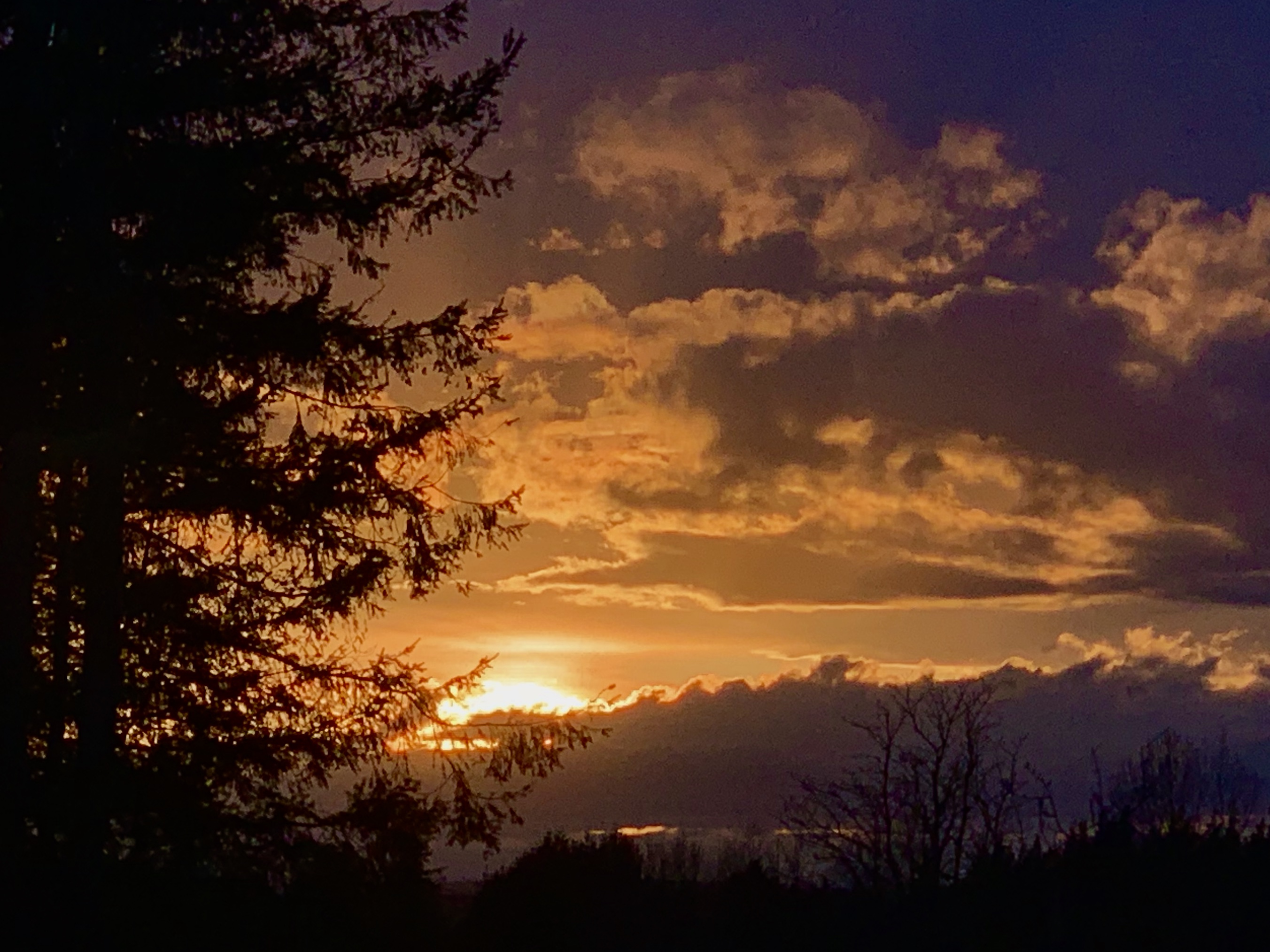
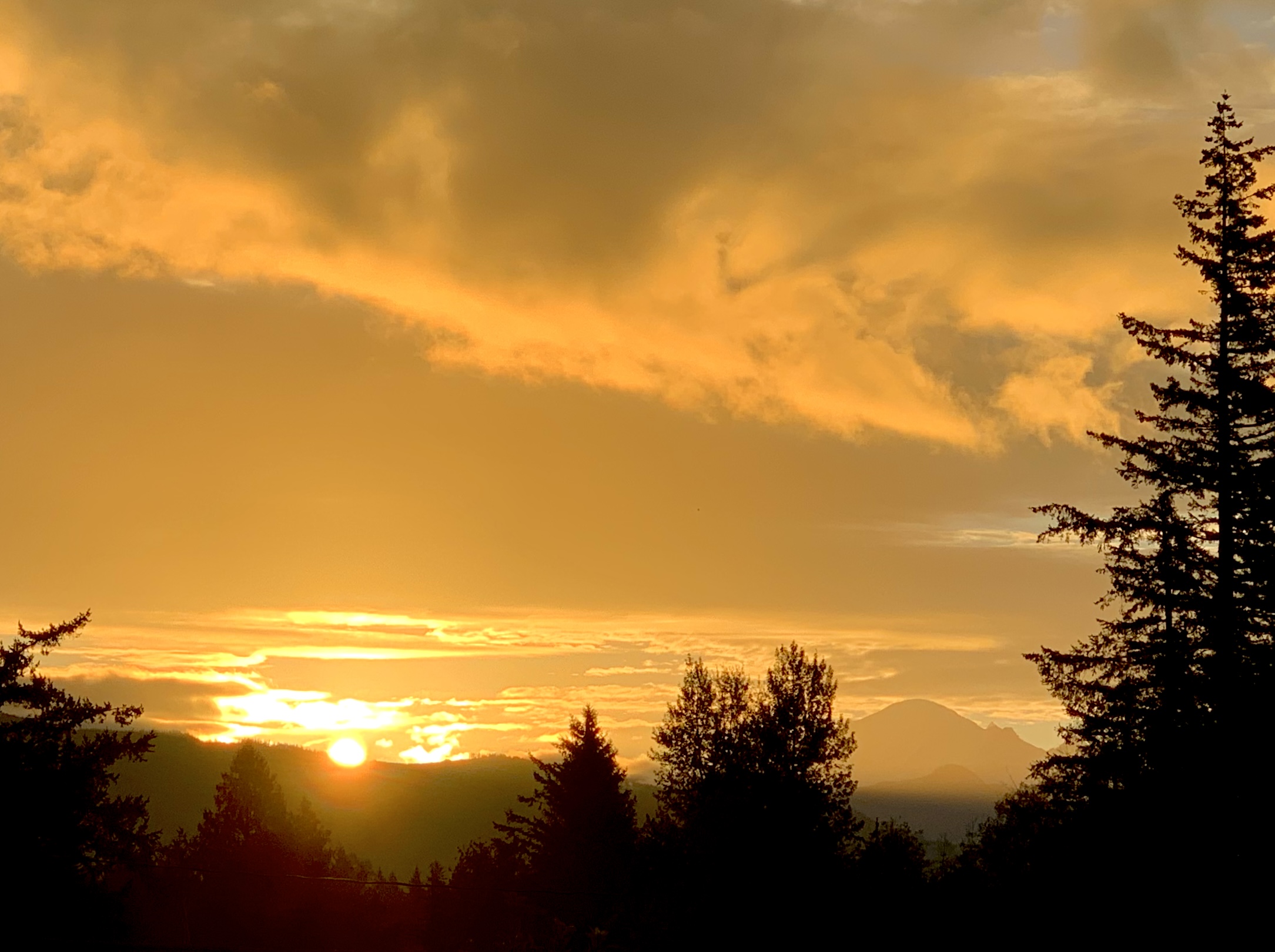
There is a gold light in certain old paintings That represents a diffusion of sunlight. It is like happiness, when we are happy. It comes from everywhere and from nowhere at once, this light… One day the sickness shall pass from the earth for good. The orchard will bloom; Our work will be seen as strong and clean and good And all that we suffered through having existed Shall be forgotten as though it had never existed. ~Donald Justice – excerpt from Collected Poems
I live where golden hour light is doled out sparingly – we just might get too used to it – where gray clouds tend to mute and muffle the spirit.
So I search for light as if it is buried like treasure.
When gilded light illuminates and glows, when all is immersed and lifted by its radiance, I forget the gray, as if it never was.
So I wait patiently, ready for another such burst of joy coming from everywhere and nowhere all at once. A moment in time to be preserved, not to be forgotten.
One-Time
Monthly
Yearly
Make a one-time or recurring donation to support daily ad-free Barnstorming posts
Season of ripening fruit and seeds, depart; There is no harvest ripening in the heart.
Bring the frost that strikes the dahlias down In one cruel night.The blackened buds, the brown And wilted heads, the crippled stems, we crave – All beauty withered, crumbling to the grave. Wind, strip off the leaves, and harden, ground, Till in your frozen crust no break is found.
Then only, when man’s inner world is one With barren earth and branches bared to bone, Then only can the heart begin to know The seeds of hope asleep beneath the snow; Then only can the chastened spirit tap The hidden faith still pulsing in the sap. ~Anne Morrow Lindberghfrom The Unicorn and Other Poems
After the ranks of stubble have laid bare, And field mice and finches’ beaks have found The last spilled seed corn left upon the ground; And no more swallows miracle in air;
When the green tuft no longer hides the hare, And dropping starling flights at evening come; When birds, except the robin, have gone dumb, And leaves are rustling downwards everywhere;
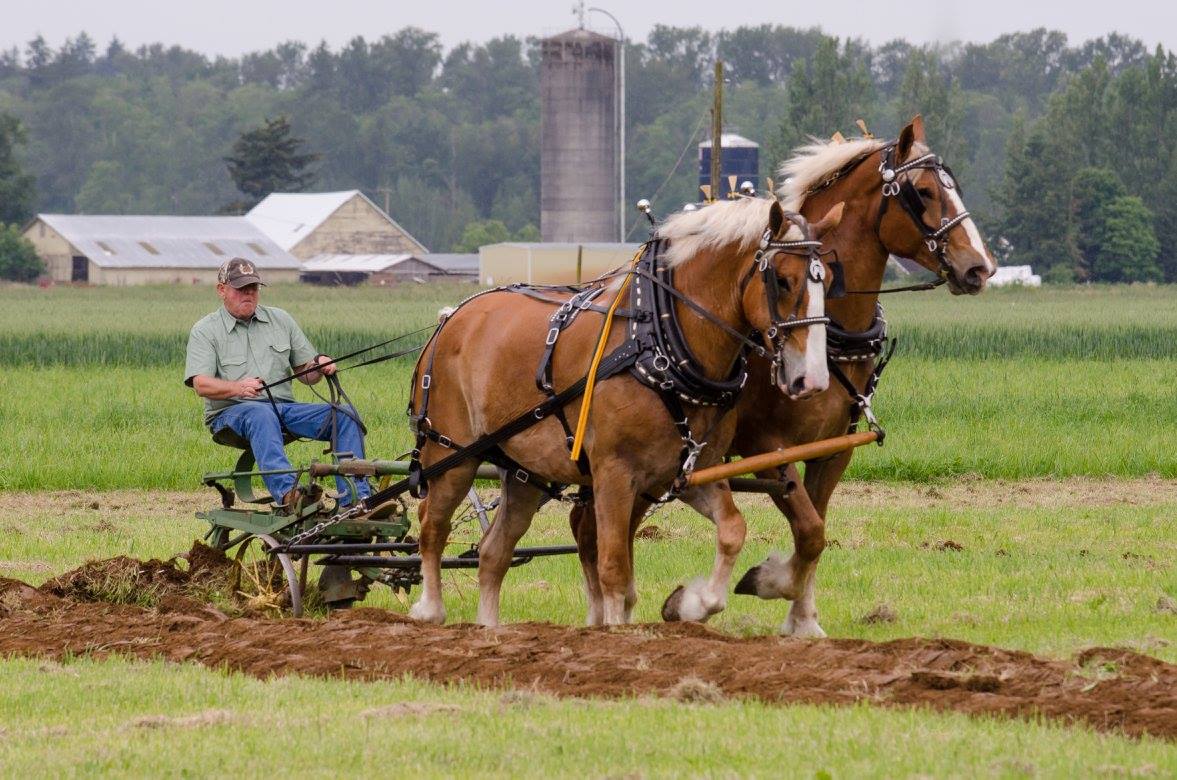
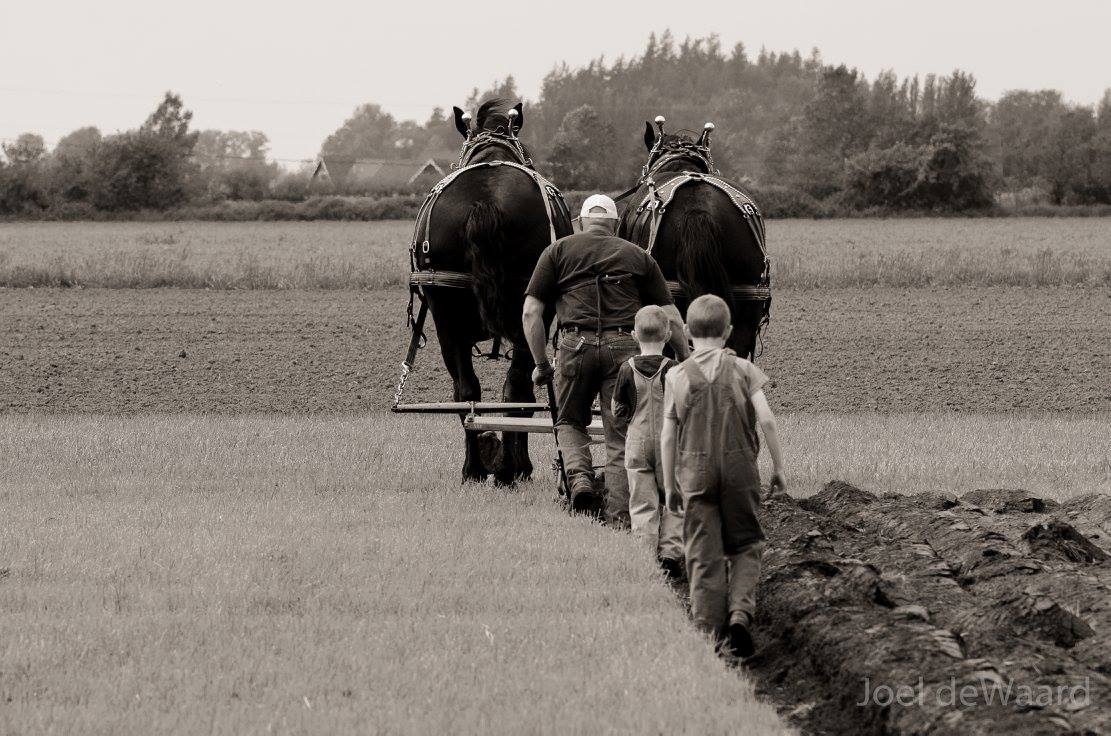
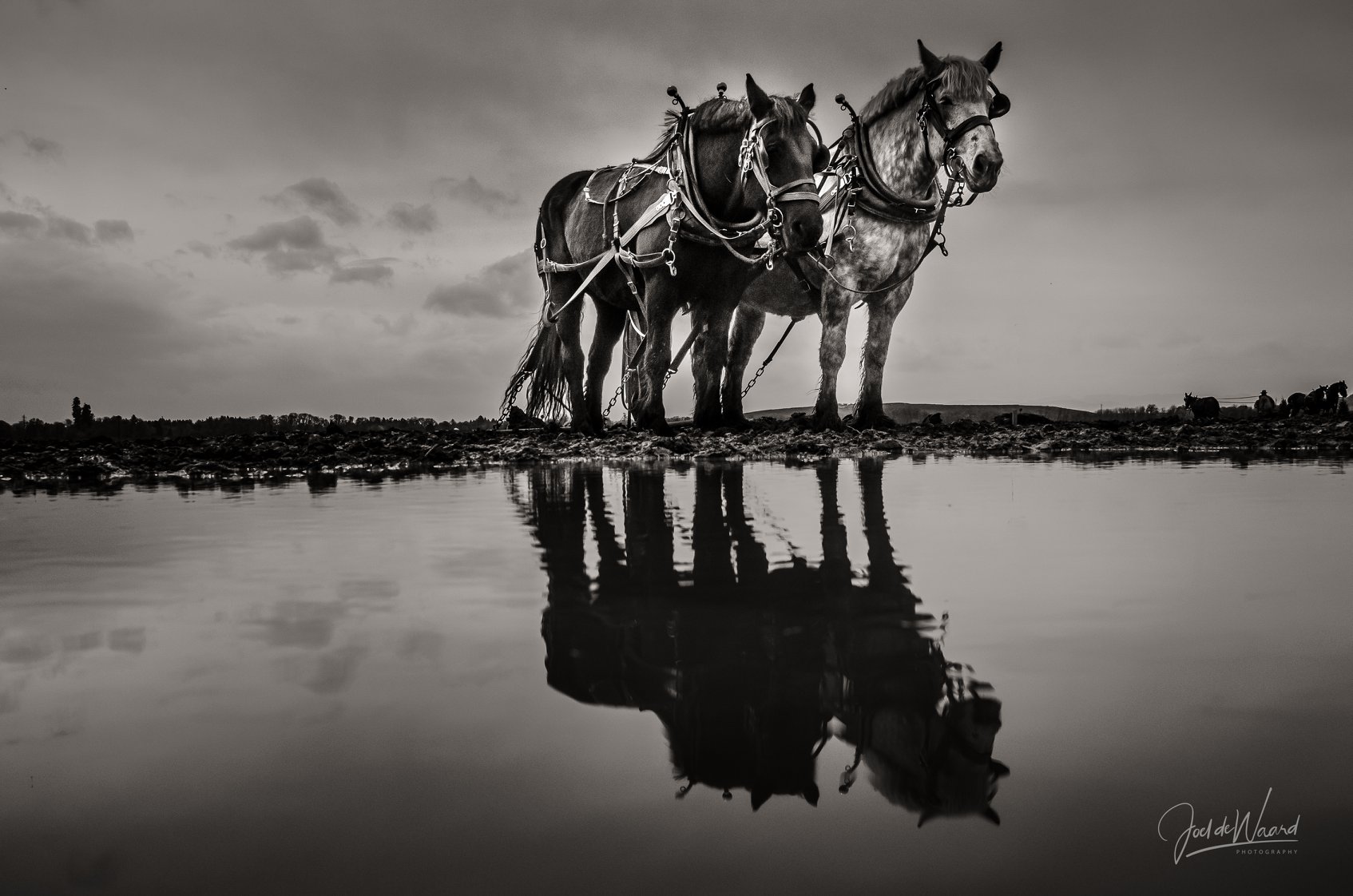
Then out, with the great horses, come the ploughs, And all day long the slow procession goes, Darkening the stubble fields with broadening strips. Grey sea-gulls settle after to carouse:
Harvest prepares upon the harvest’s close, Before the blackbird pecks the scarlet hips. ~John Masefield “Autumn Ploughing”
photo by Joel De Waard
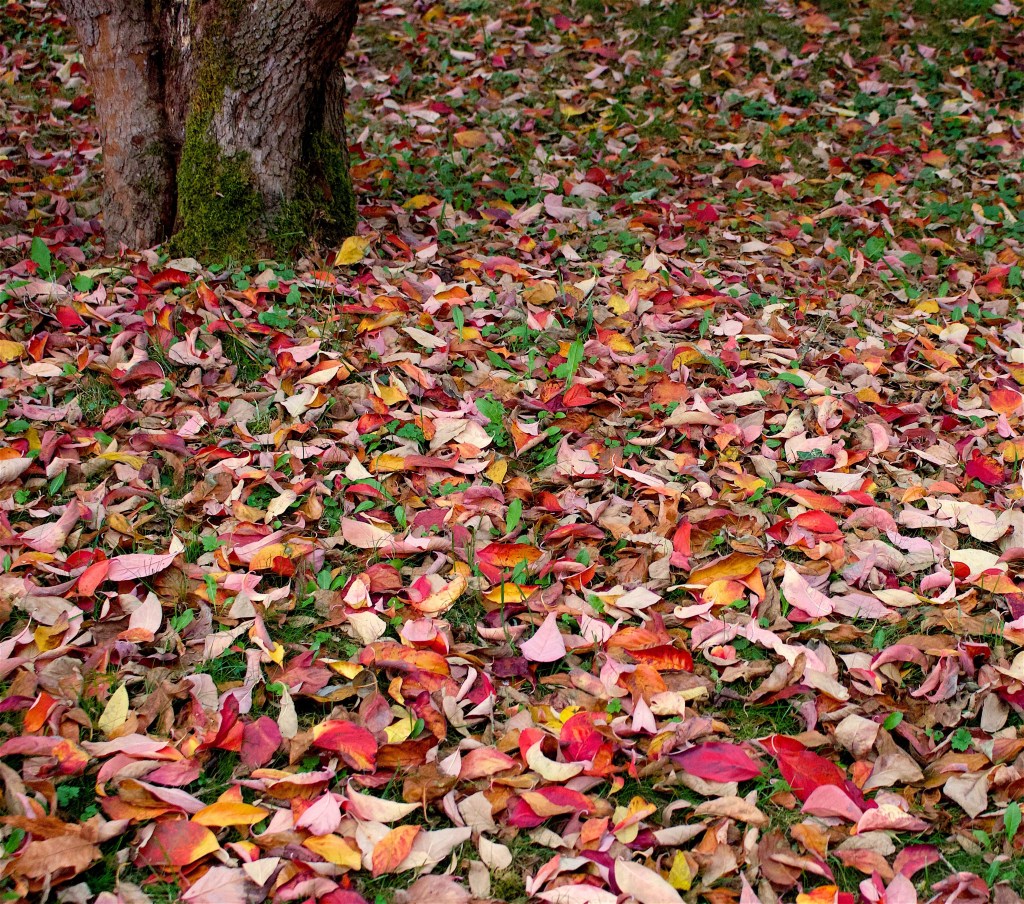
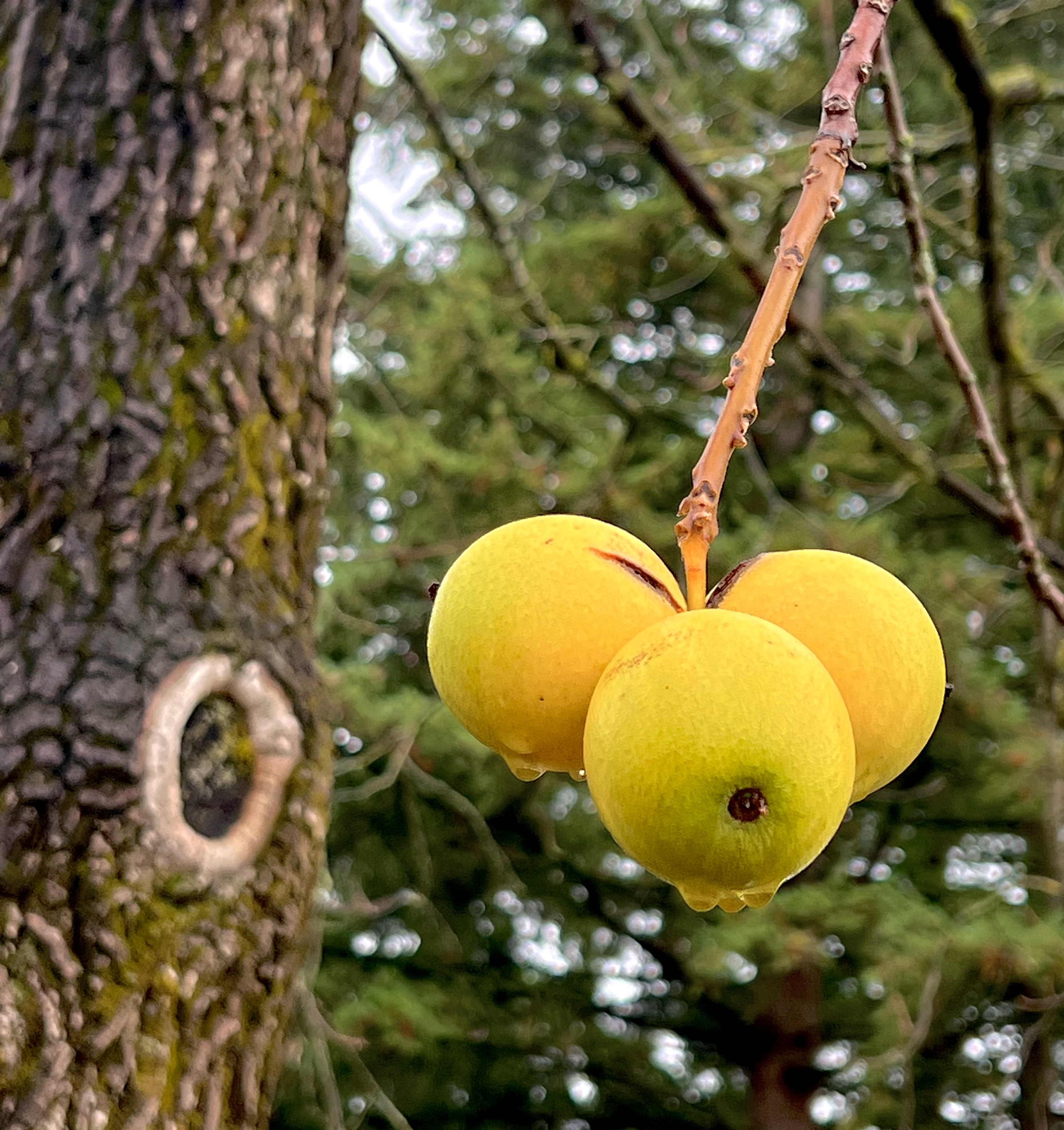
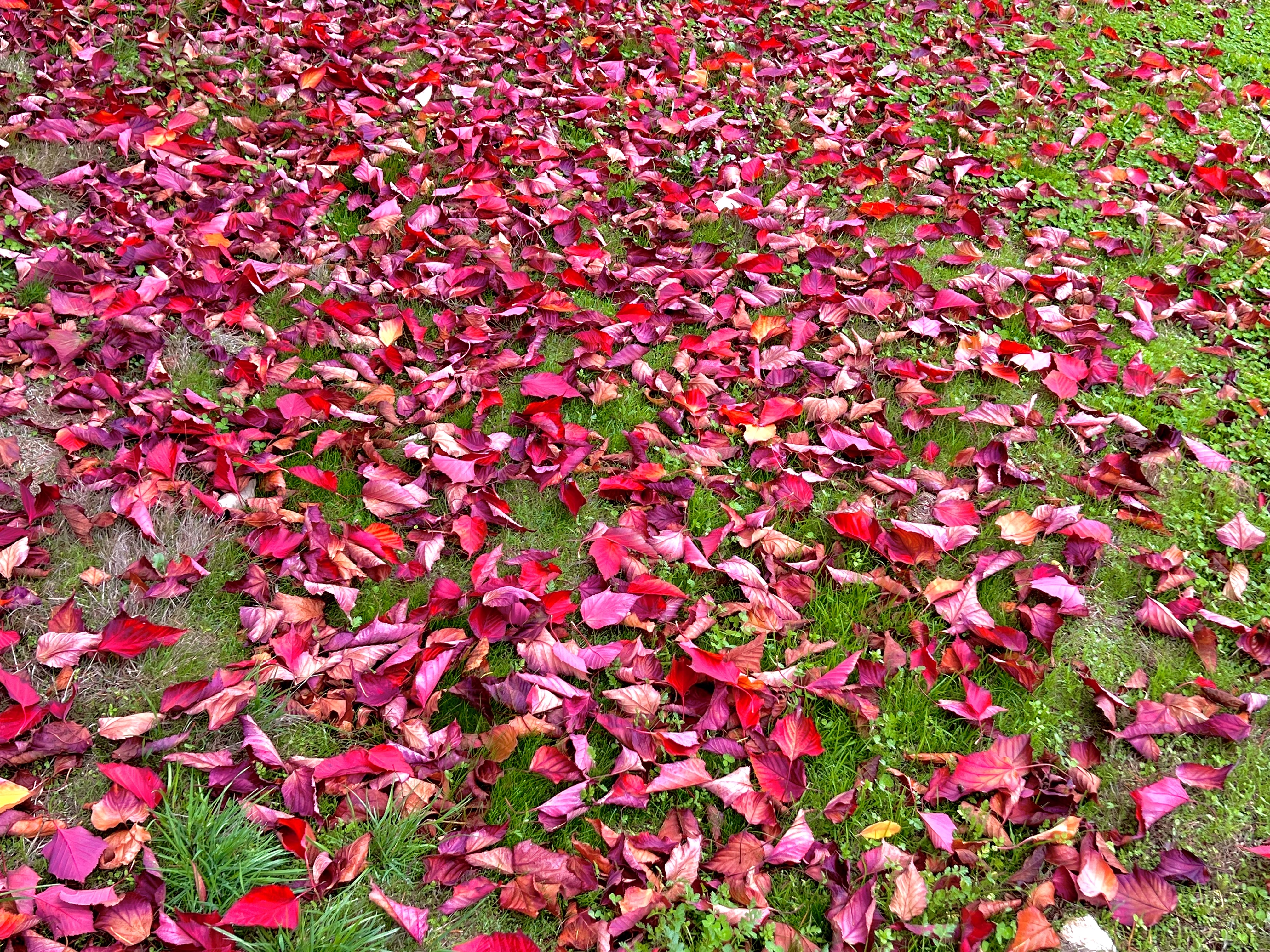
Our farm has been changing gradually over the past several weeks, each day moving a little closer to the reality of winter around the corner. Most of the fruit which is not residing in our freezer has fallen from the trees, and the walnut husks are hanging lonesome and bulbous as a windstorm pulled many leaves to the ground creating a multi-colored carpet everywhere I walk.
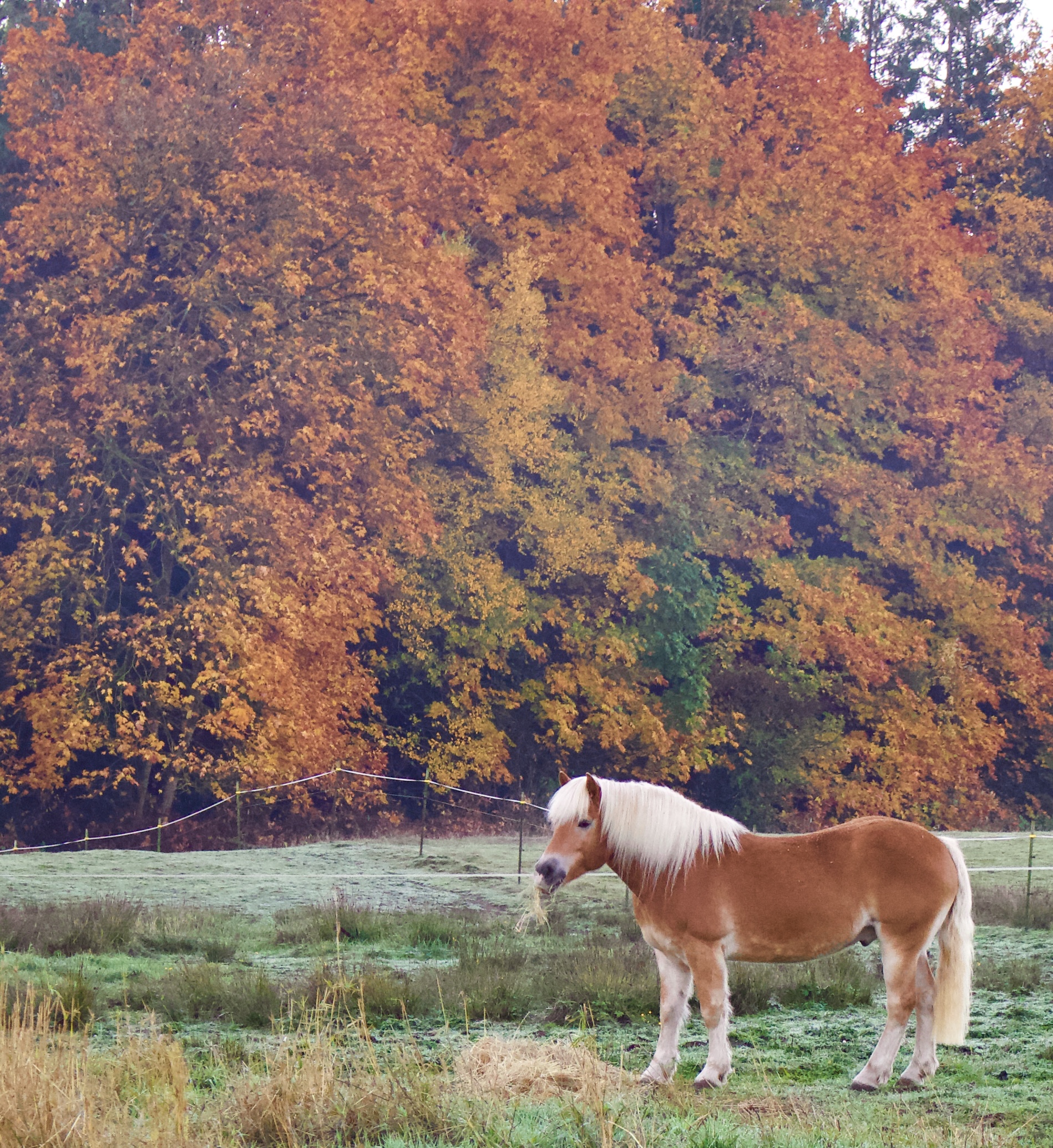
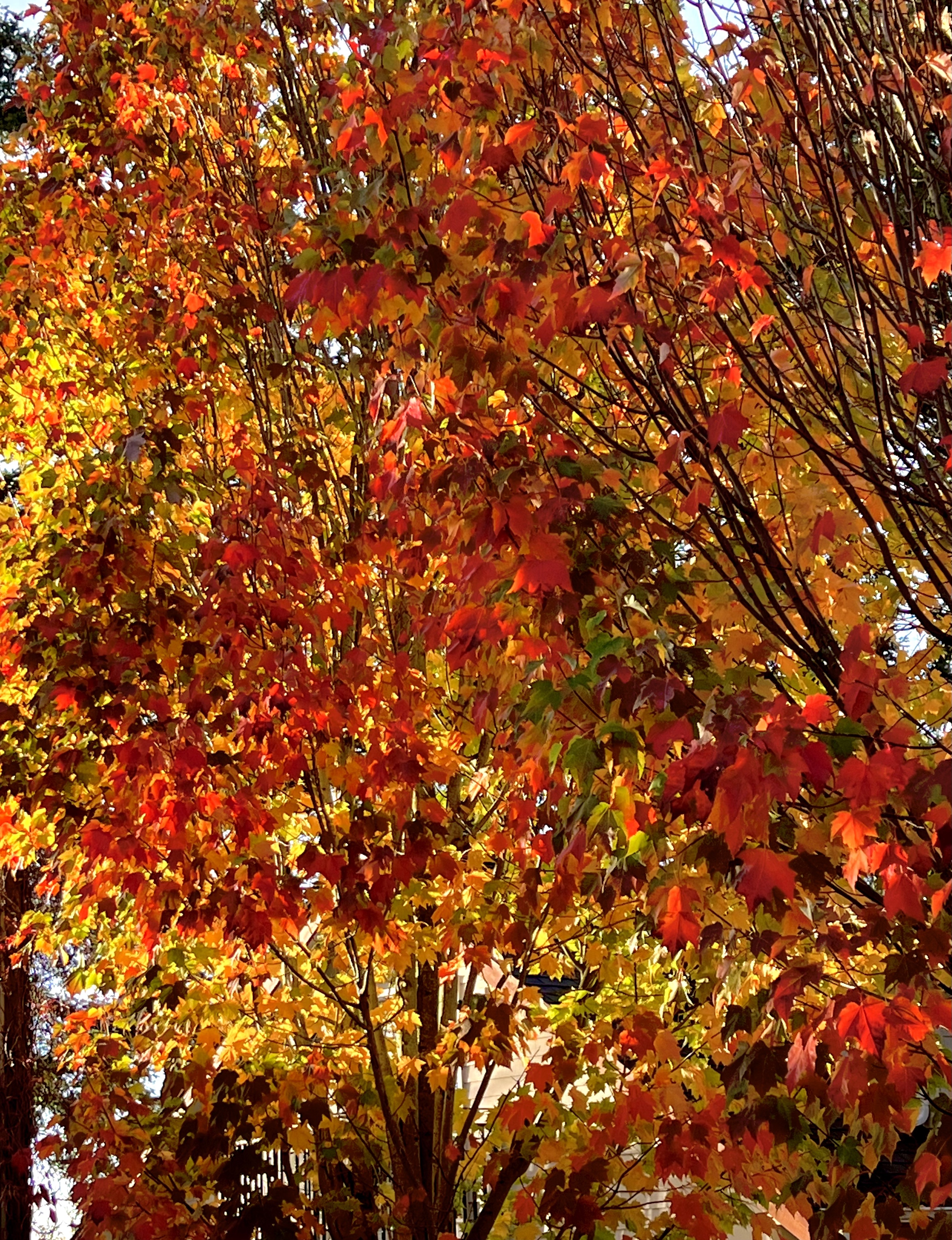
Readying for winter’s sleep is quite a glamorous affair for some trees on our farm–they are clothed in rich crimson and gold like the most alluring and ostentatious negligee. However the majority of tree leaves turn drab yellow or brown, as if donning a practical flannel nightgown or an oversized t-shirt without any pretense of grandeur. Even our Haflinger horses laze about, comfortable in their soft winter woolie coats and feathered slippers, happy with their gift of hay. I understand their contentment as I prefer fluffy flannel myself.
I’m ill at ease with the autumnal transition, as unready as a small child who resists the approach of bedtime, even when exhausted to the point of meltdown. It takes someone to quietly sit down with me to read a good bedtime story and to sing a soft hymn of lullaby. I keep leaping up, eyes propped open, pushing on, aware there are still too many “miles to go before I sleep”.
Yet I know the nighttimes of autumn and winter are the best time to be contemplative, to be still, to have eyes closed in prayer.
The time to sleep will come. Just as a storm brings the leaves to the ground, so I too shall be laid to rest, waiting to be restored in fullness and light when the time is right.
Maybe I should think about wearing that bright red flannel nightie.
One-Time
Monthly
Yearly
Make a one-time or recurring donation to support daily Barnstorming posts
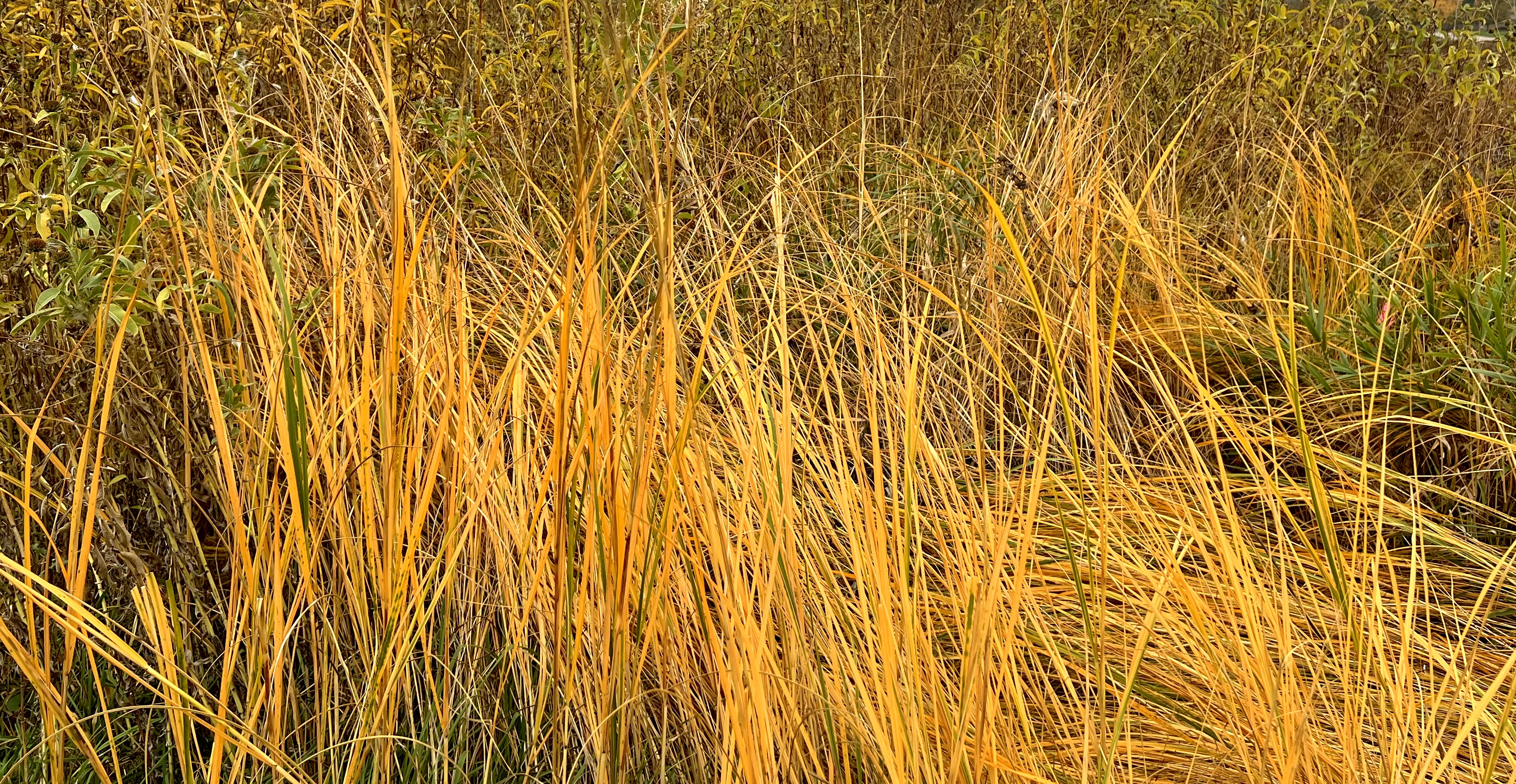
Once again, the field rehearses how to die. Some of the grass turns golden first. Some simply fades into brown. Just this morning, I, too, lay in corpse pose, practicing how to let myself be totally held by the earth without striving, how to meet the day without rushing off to do the next necessary or beautiful thing. Soon, the grass will bend or break, molder or disintegrate. Every year, the same lesson in how to join the darkness, how to be unmade, how quietly we might lean into the uncertainty, how generous the ground. ~Rosemerry Wahtola Trommer “Shavasana”
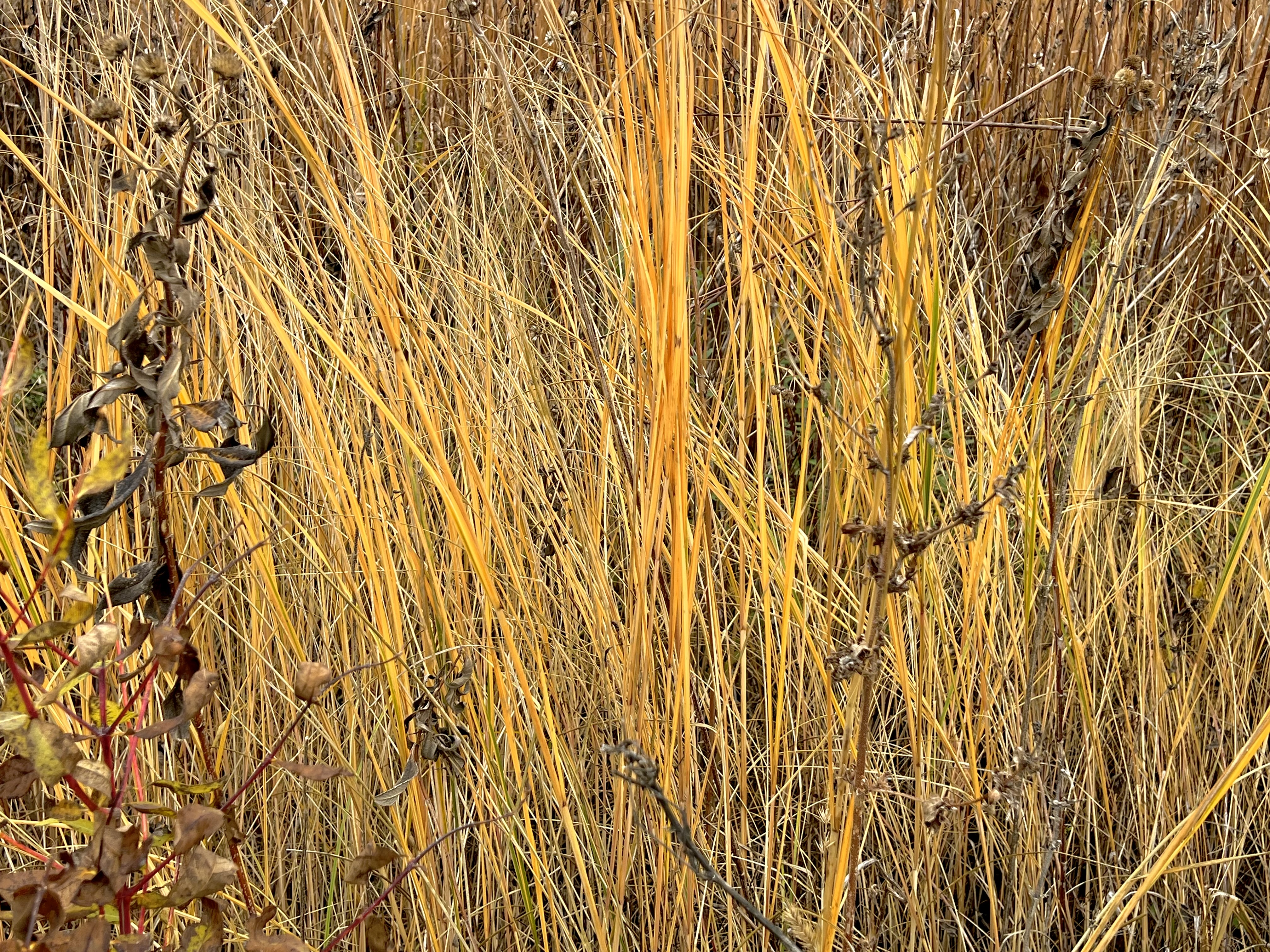
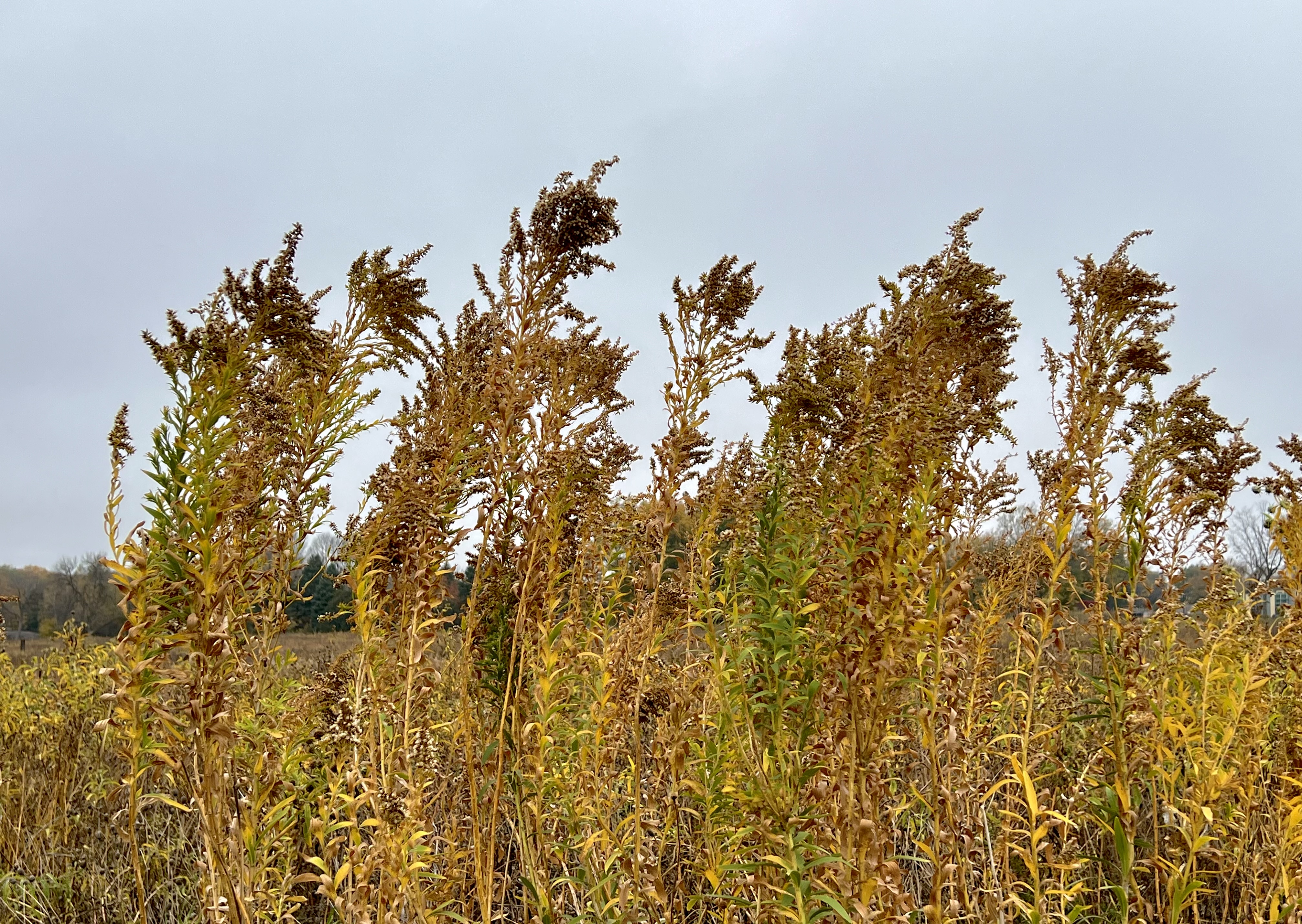
The prairie grasses are collapsing, withering to the ground, all spent after a season of flourishing. The next wind and rain storm will finish the job. Stems and leaves become rich compost in the seasons that follow, a generous bed for future seeds.
We expect this fading away.
I know it doesn’t mean the end – there is still vitality lying dormant, hidden away, waiting for the right moment to re-emerge, resurrect and live again.
I know this too about myself. The dying-time-of-year doesn’t get easier. It seems more real-time and vivid. Colors fade, leaves wrinkle and dry, fruit falls unconsumed and softened.
Our beauty, so evident only a short time ago, is meant to thrive inward, germinating, ready to rise again when called forth.
One-Time
Monthly
Yearly
Make a one-time or recurring donation to support daily Barnstorming posts
They lie on the ground after the deer have left after the bear has had her fill they
lie under the stars and under the sun in a cloud of brambles the ripest ones fall first become black jam in the thatch. as a boy I hated picking blackberries the pail never full like one half of a slow conversation.
Now their taste is sweeter in memory the insect buzz the branches too high the blue summer never quite over before the fall begins. ~Richard Terrell from “Blackberries” from What Falls Away is Always
You ate that first one and its flesh was sweet Like thickened wine: summer’s blood was in it Leaving stains upon the tongue and lust for Picking. Then red ones inked up and that hunger Sent us out with milk cans, pea tins, jam-pots Where briars scratched and wet grass bleached our boots. Round hayfields, cornfields and potato-drills We trekked and picked until the cans were full, Until the tinkling bottom had been covered With green ones, and on top big dark blobs burned Like a plate of eyes. Our hands were peppered With thorn pricks, our palms sticky as Bluebeard’s.
We hoarded the fresh berries in the byre. But when the bath was filled we found a fur, A rat-grey fungus, glutting on our cache. The juice was stinking too. Once off the bush The fruit fermented, the sweet flesh would turn sour. I always felt like crying. It wasn’t fair That all the lovely canfuls smelt of rot. Each year I hoped they’d keep, knew they would not. ~Seamus Heaney from “Blackberry Picking”
In the early morning an old woman is picking blackberries in the shade. It will be too hot later but right now there’s dew.
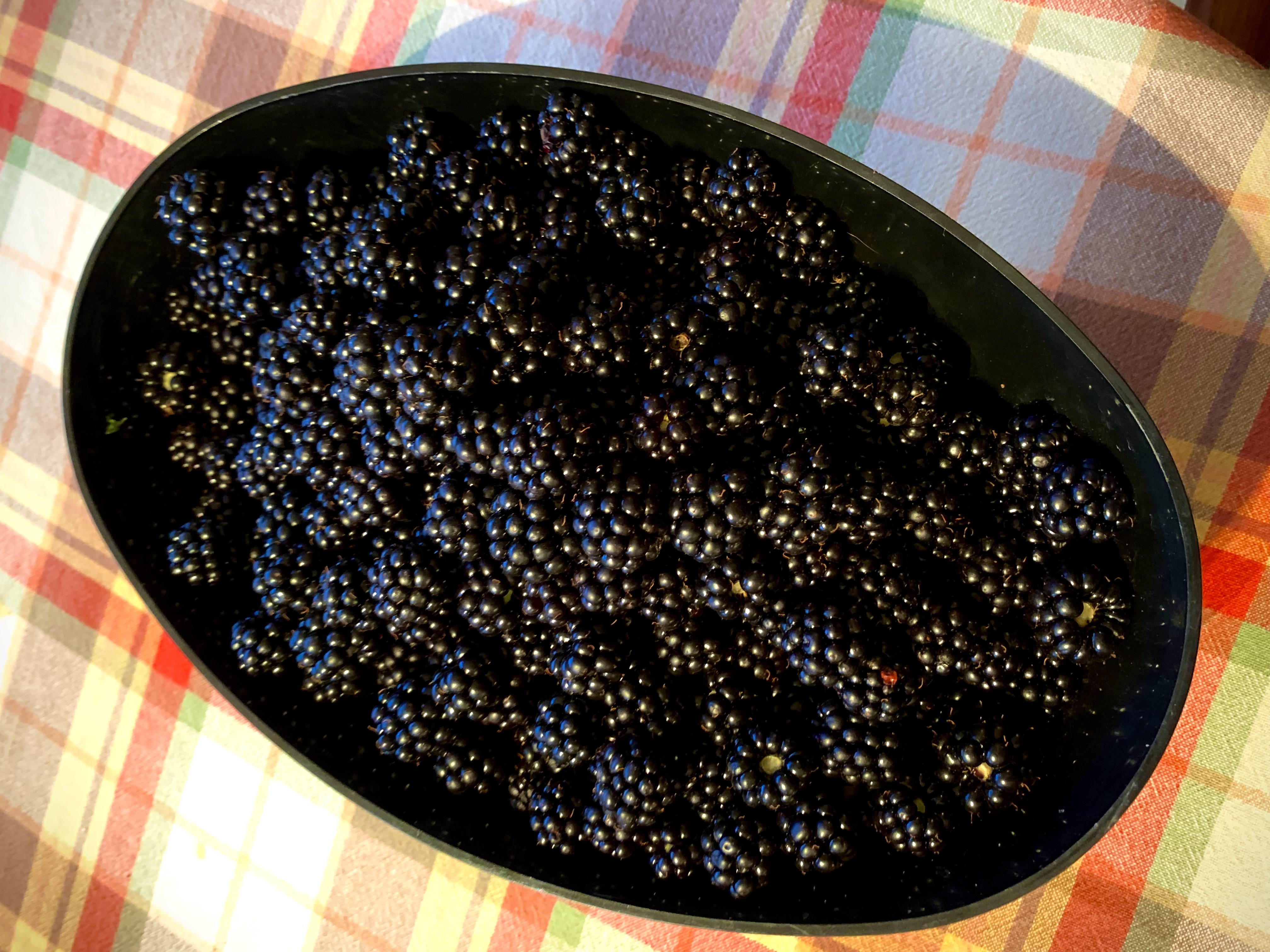
Some berries fall: those are for squirrels. Some are unripe, reserved for bears. Some go into the metal bowl. Those are for you, so you may taste them just for a moment. That’s good times: one little sweetness after another, then quickly gone.
Once, this old woman I’m conjuring up for you would have been my grandmother. Today it’s me. Years from now it might be you, if you’re quite lucky.
The hands reaching in among the leaves and spines were once my mother’s. I’ve passed them on. Decades ahead, you’ll study your own temporary hands, and you’ll remember. Don’t cry, this is what happens.
Look! The steel bowl is almost full. Enough for all of us. The blackberries gleam like glass, like the glass ornaments we hang on trees in December to remind ourselves to be grateful for snow.
Some berries occur in sun, but they are smaller. It’s as I always told you: the best ones grow in shadow. ~Margaret Atwood “Blackberries” from Dearly
I love to go out in late September among the fat, overripe, icy, black blackberries to eat blackberries for breakfast, the stalks very prickly, a penalty they earn for knowing the black art of blackberry-making; and as I stand among them lifting the stalks to my mouth, the ripest berries fall almost unbidden to my tongue, as words sometimes do, certain peculiar words like strengths or squinched, many-lettered, one-syllabled lumps, which I squeeze, squinch open, and splurge well in the silent, startled, icy, black language of blackberry-eating in late September. ~Galway Kinnell “Blackberry Eating”
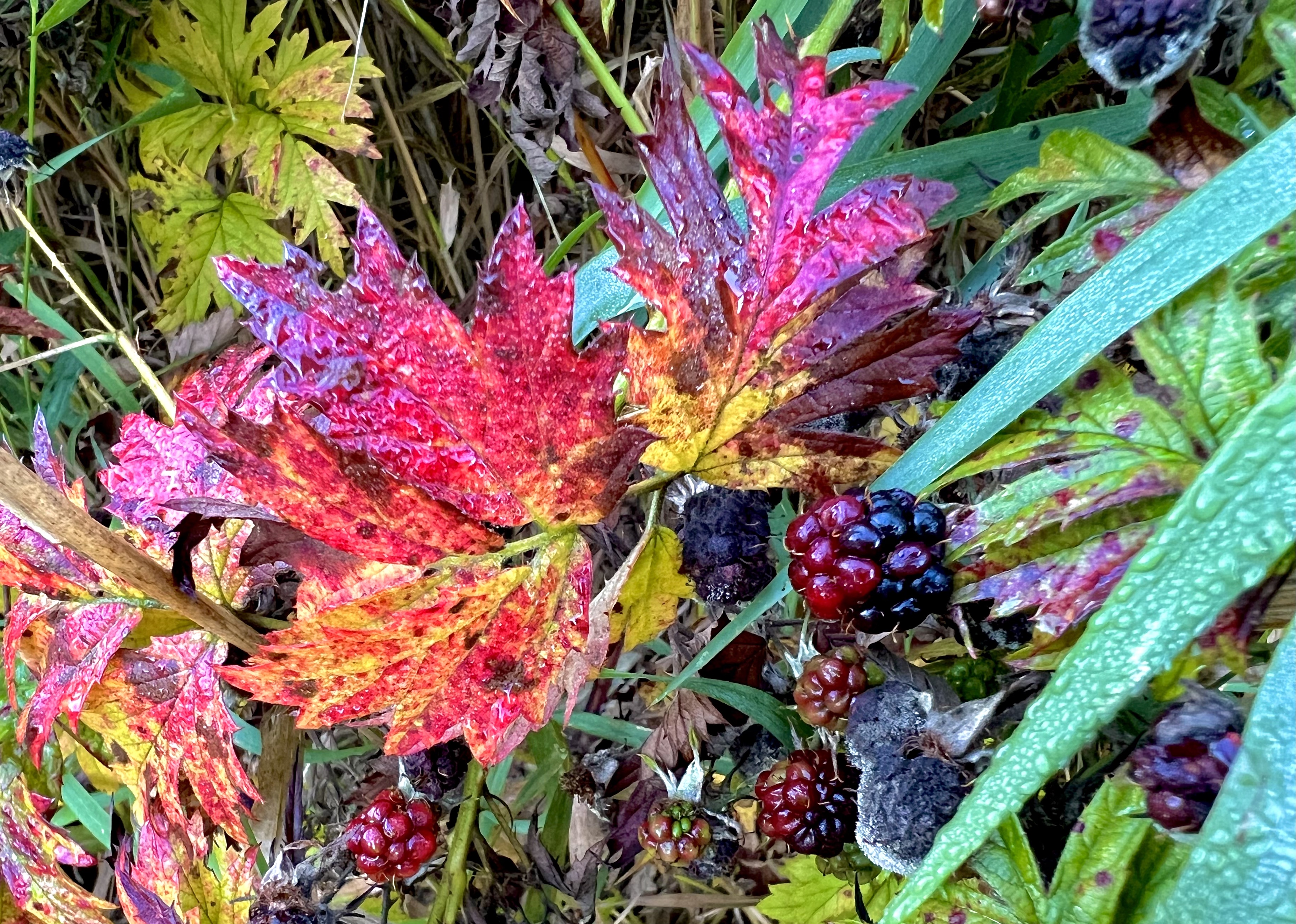
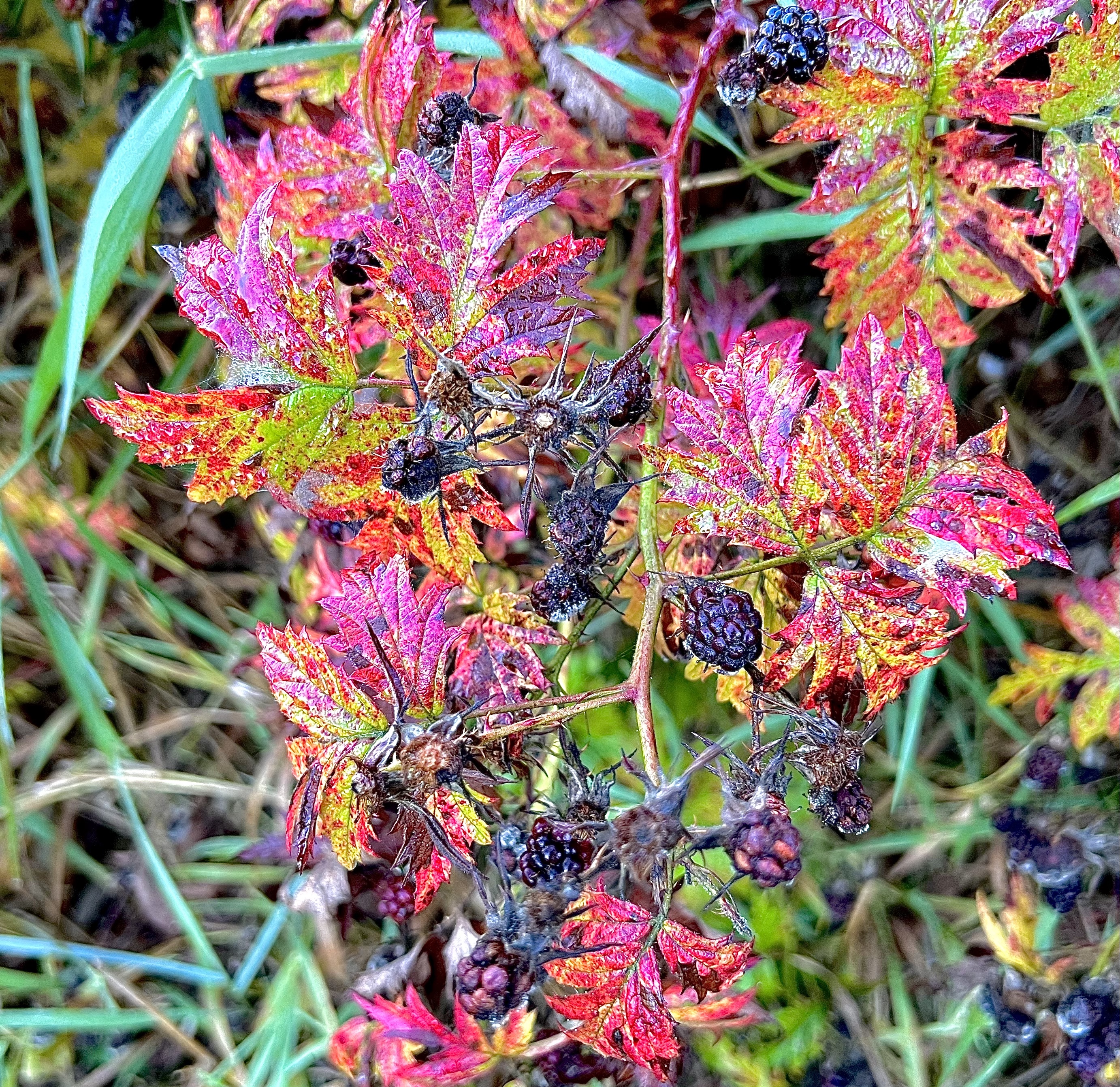
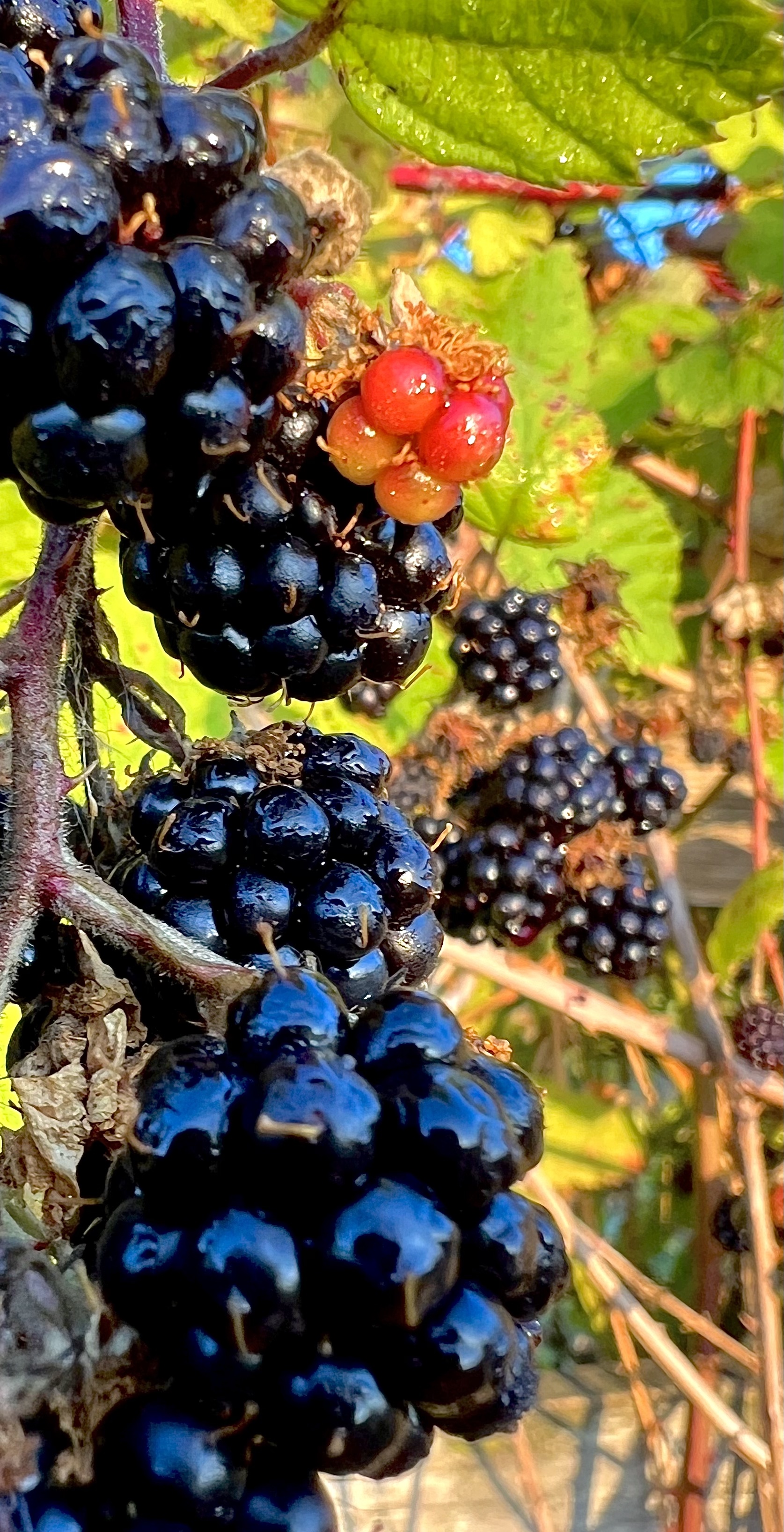
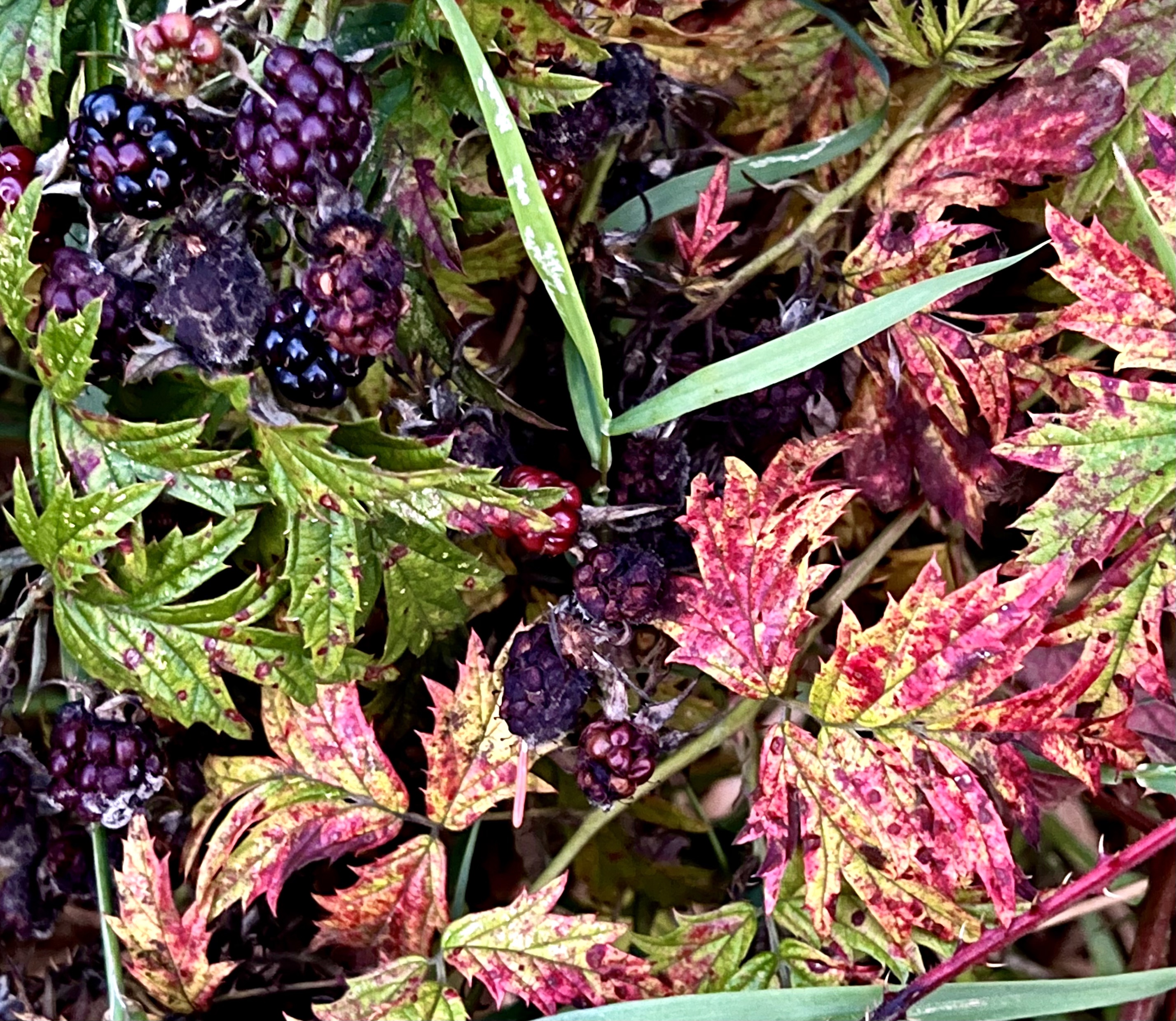
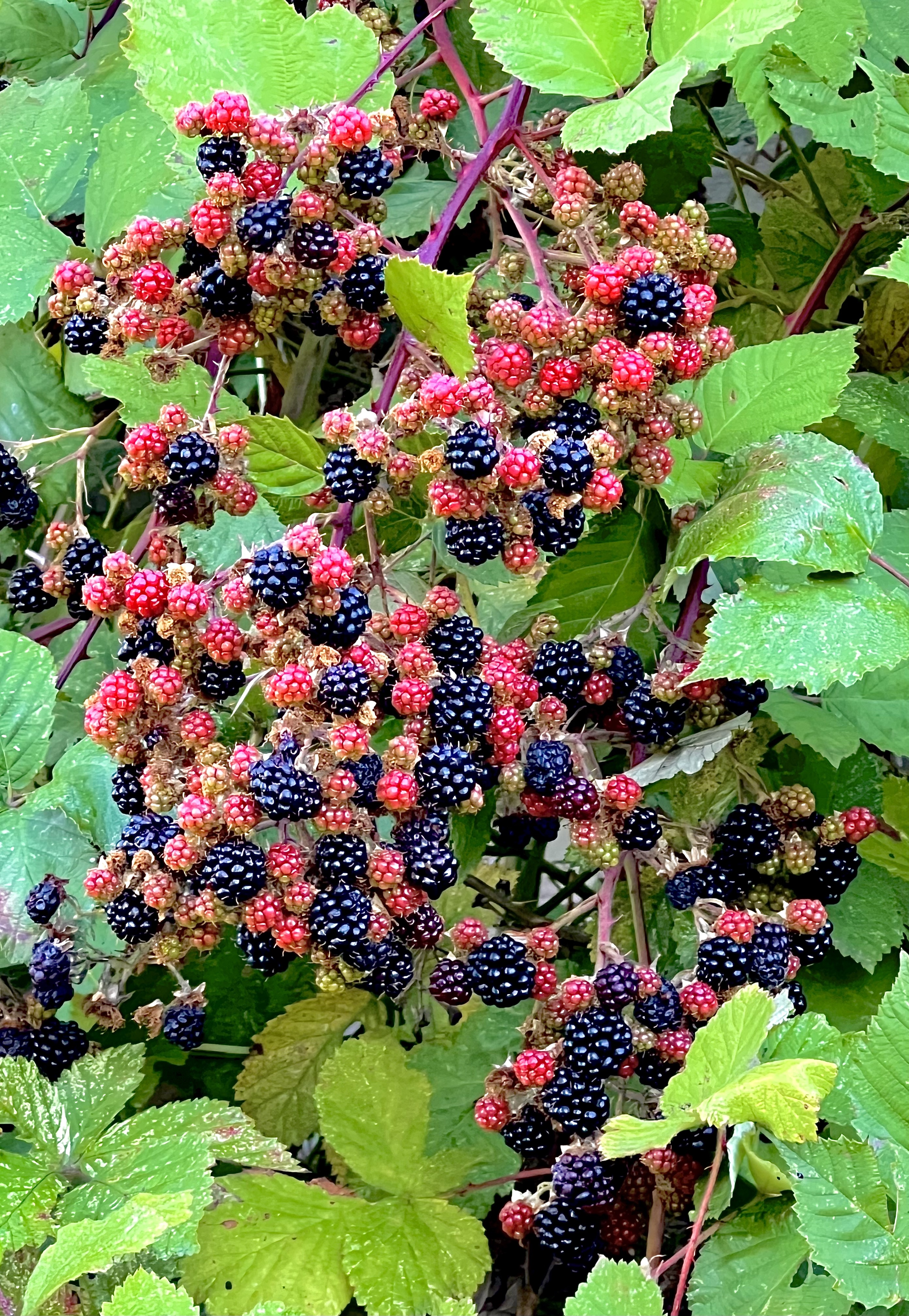
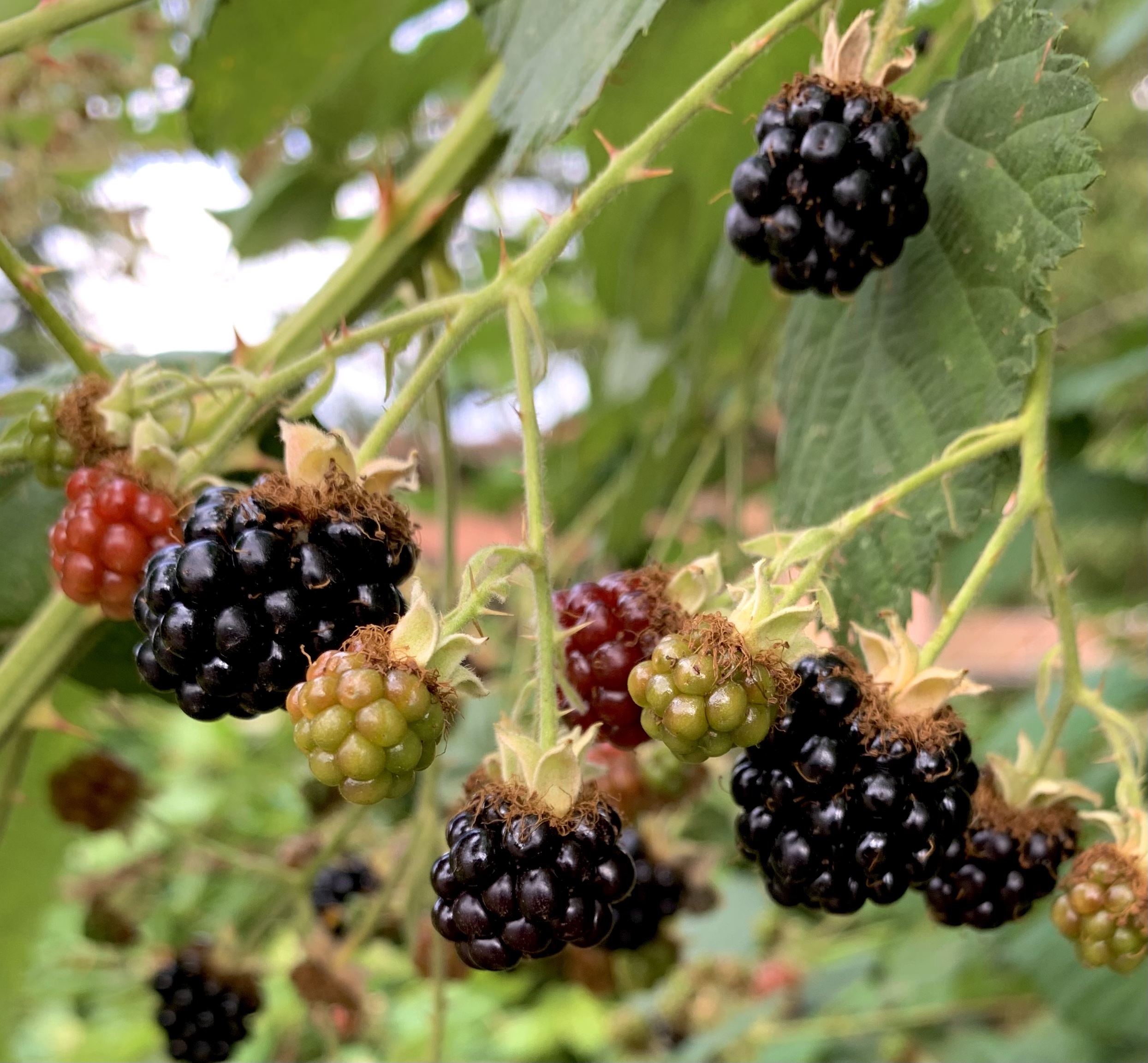
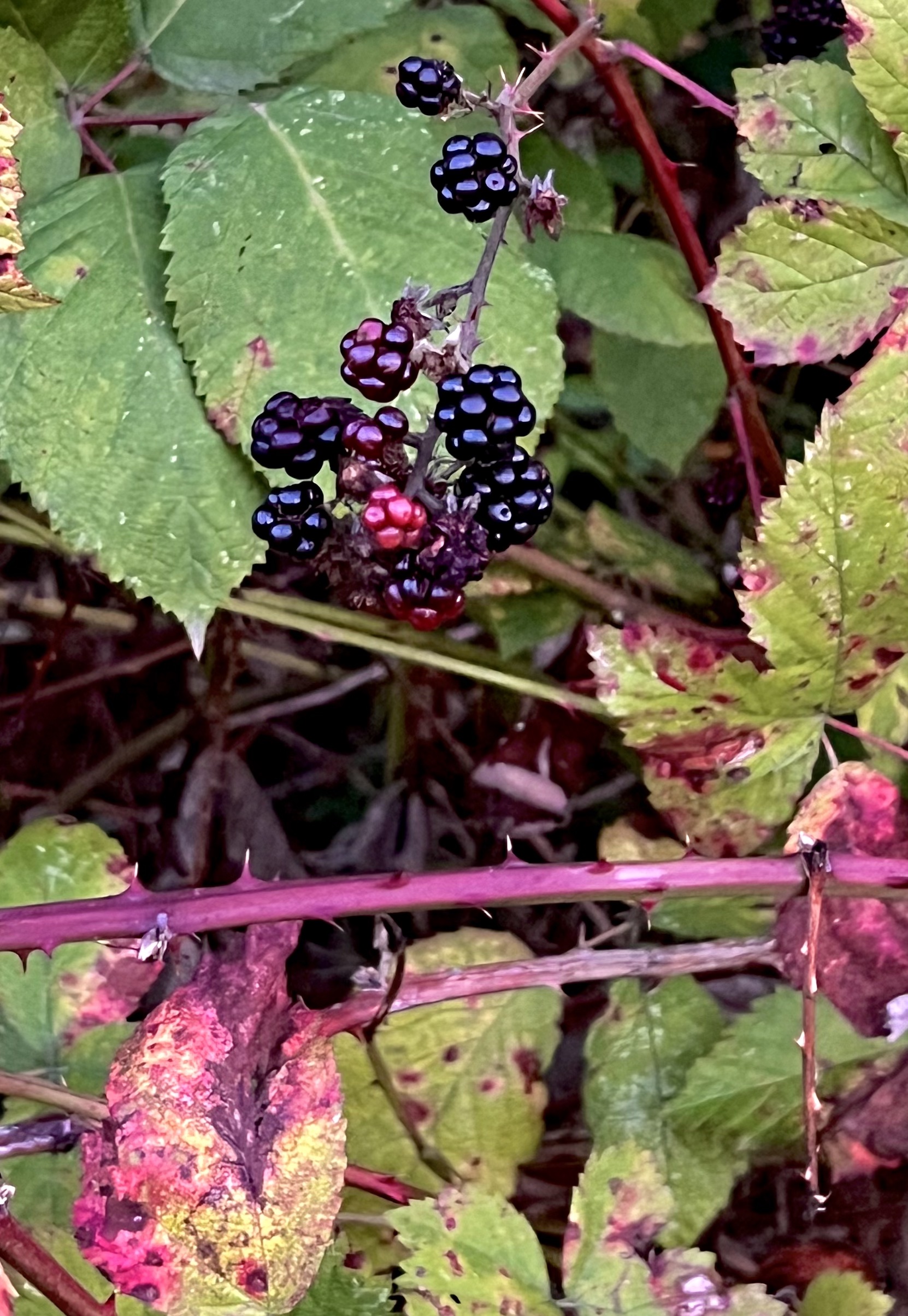
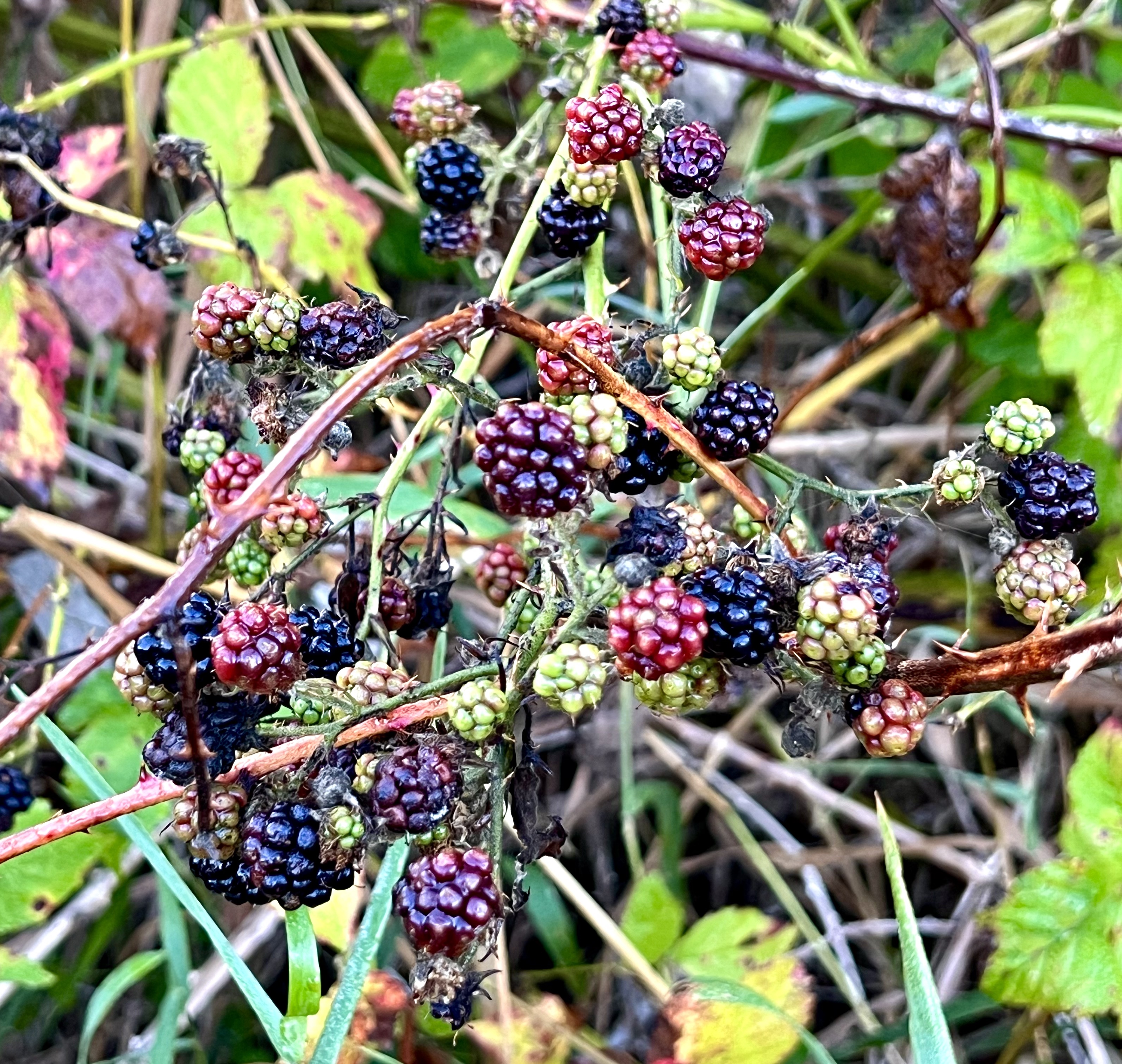
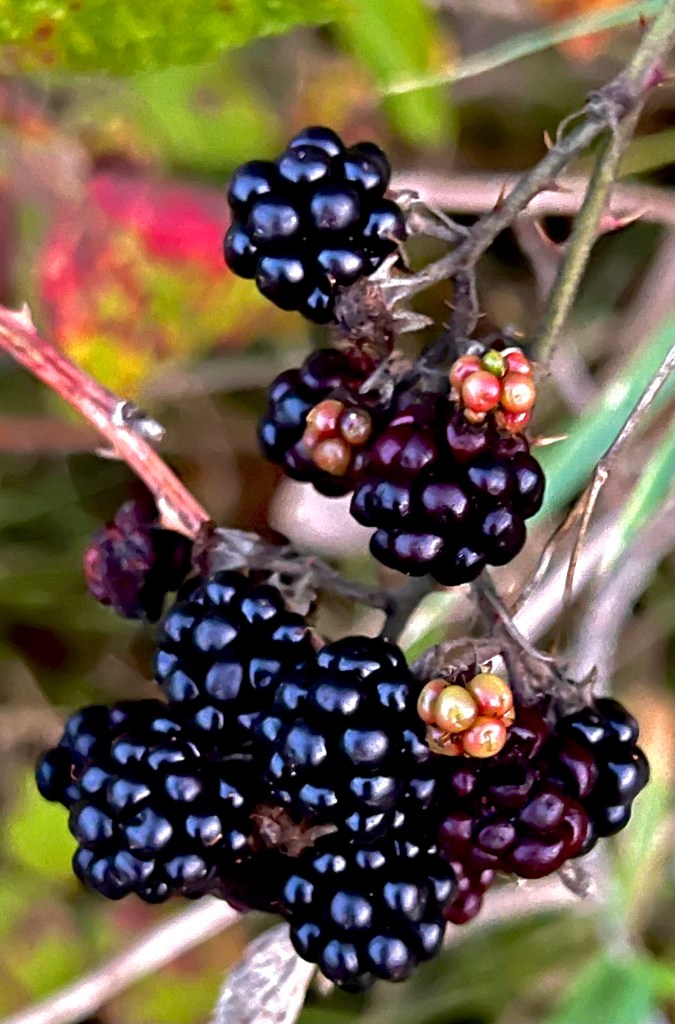
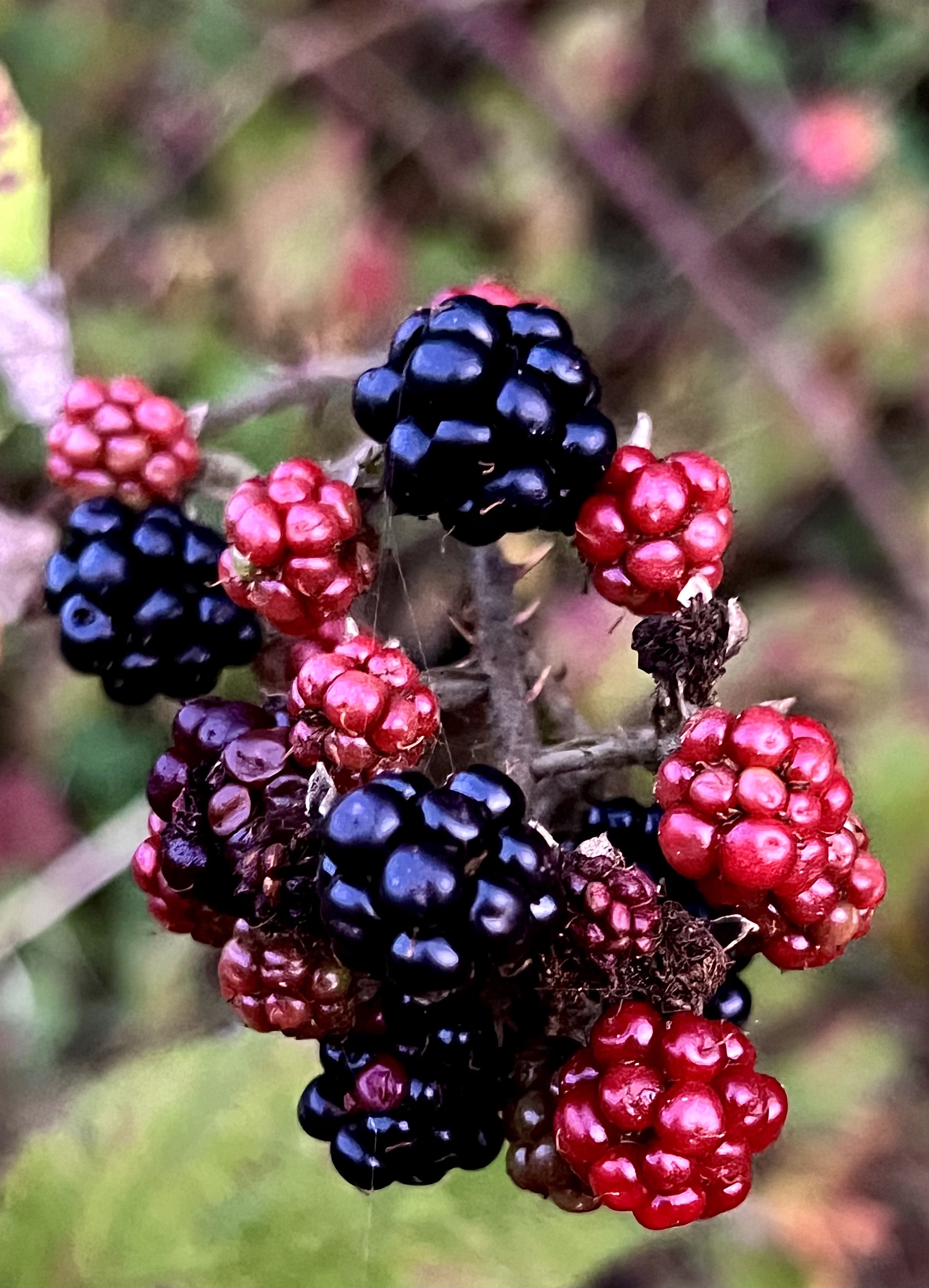
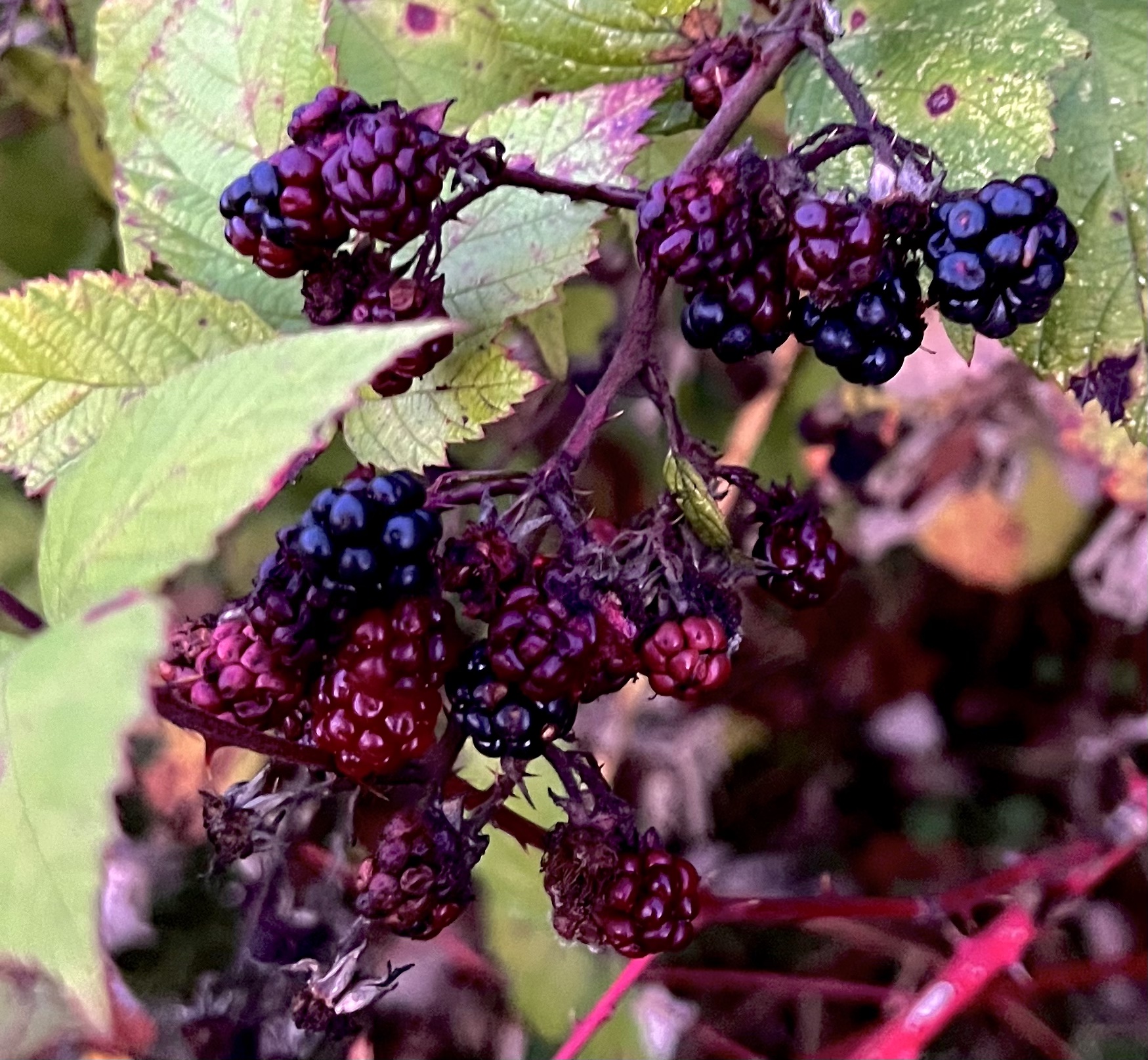
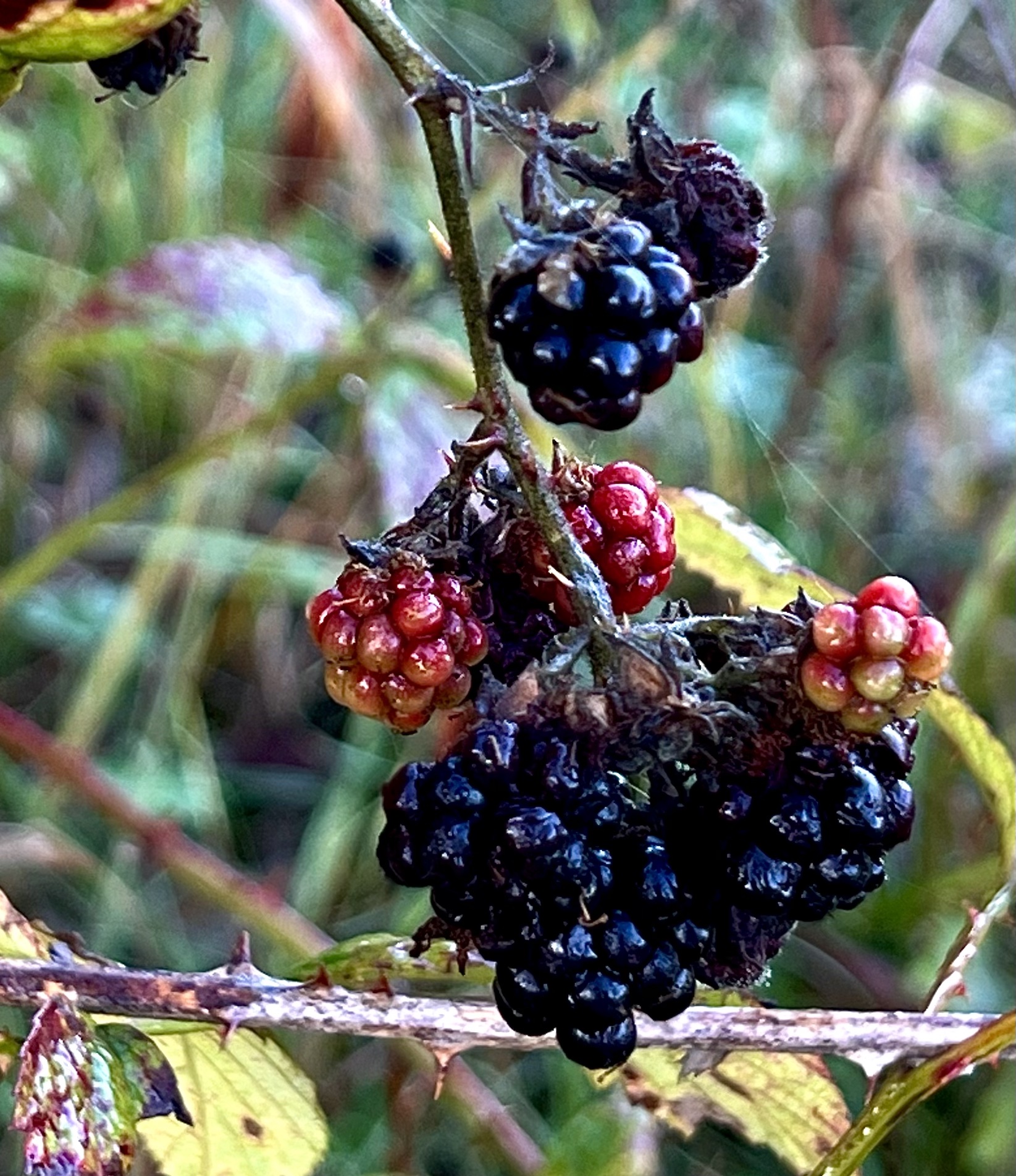
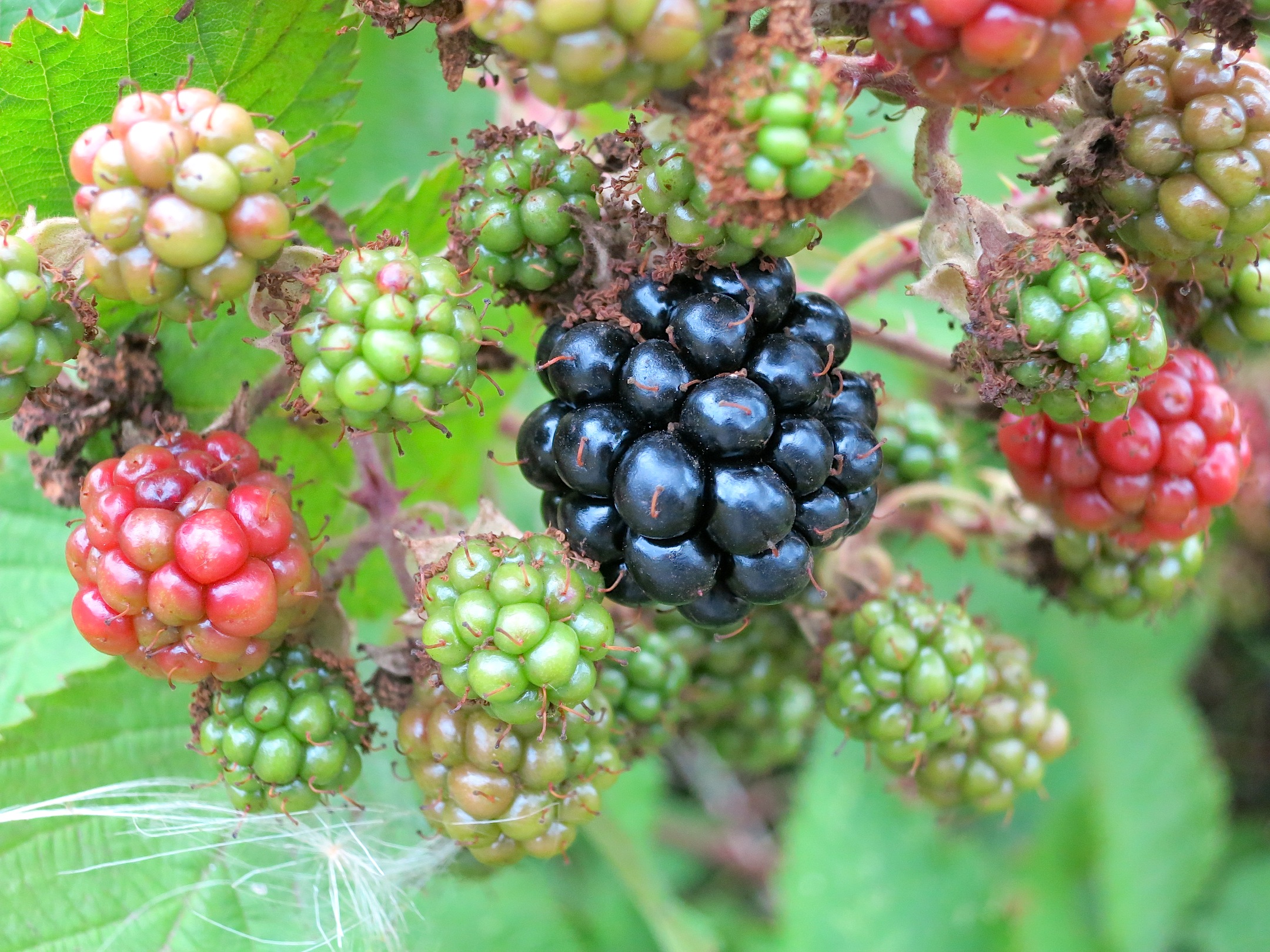
Blackberry vines are trouble 90% of the year – always growing where they are not welcome – reaching out to grab passersby without discriminating between human, dog or horse. But for a month in late summer and early fall, they yield black gold – bursting, swelling, unimaginably sweet fruit that is worth the hassle tolerated the rest of the weeks of the year.
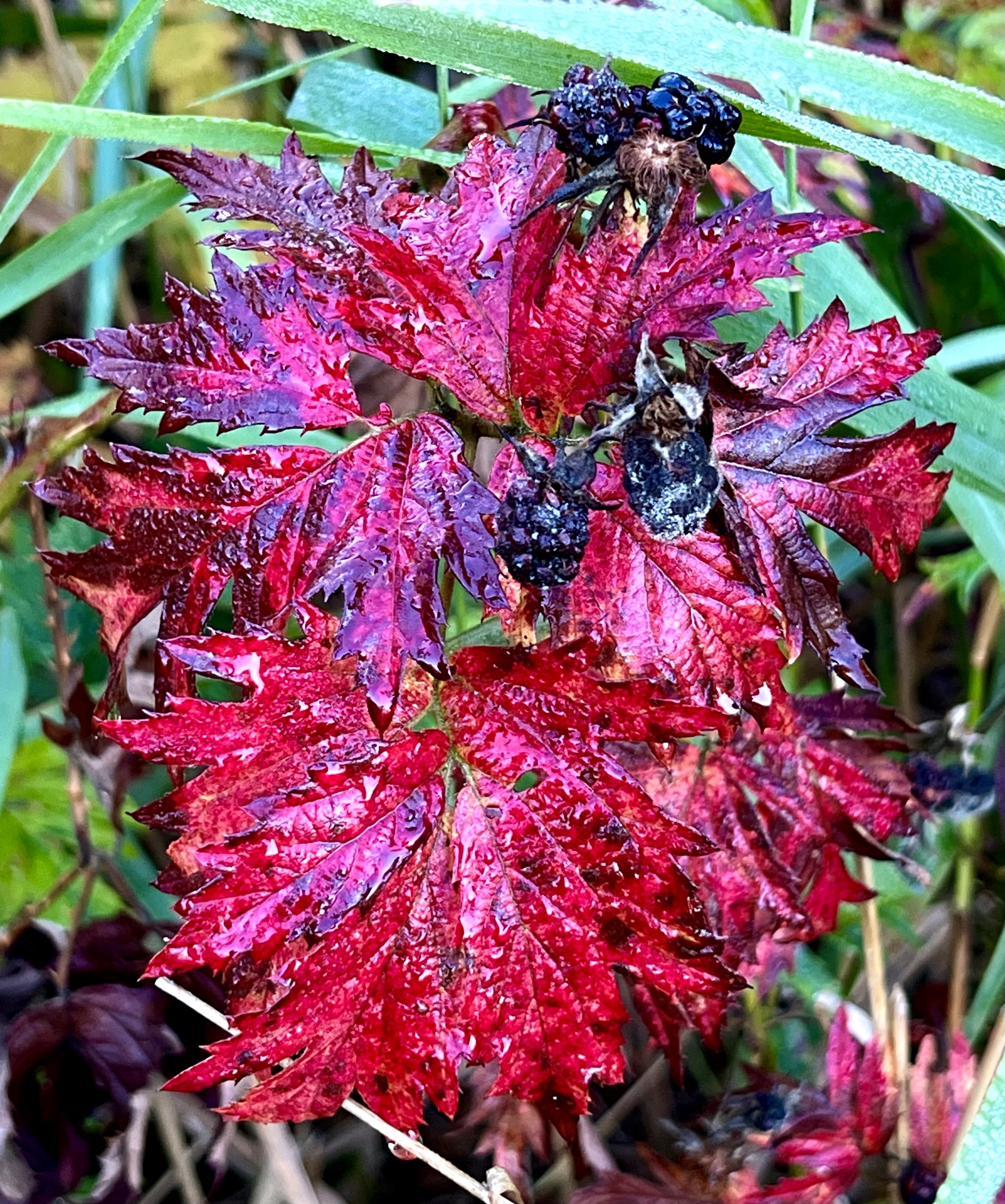
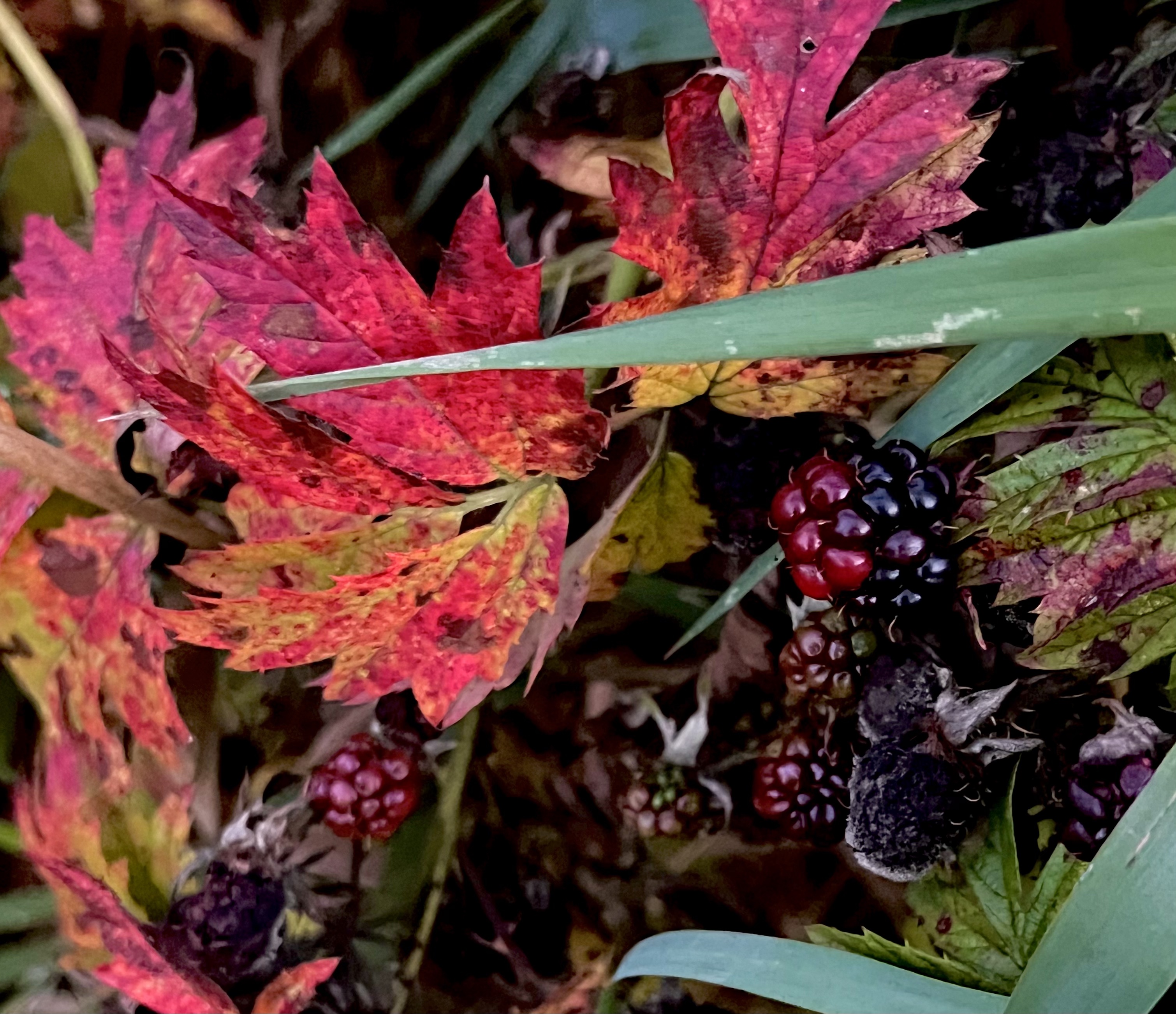
It has been an unusually dry summer here in the Pacific Northwest with little rain until recently, so the fields are brown and even the usually lush blackberry vines have started to dry and color up. The berries themselves are rich from the sun but starting now to shrivel and mold.
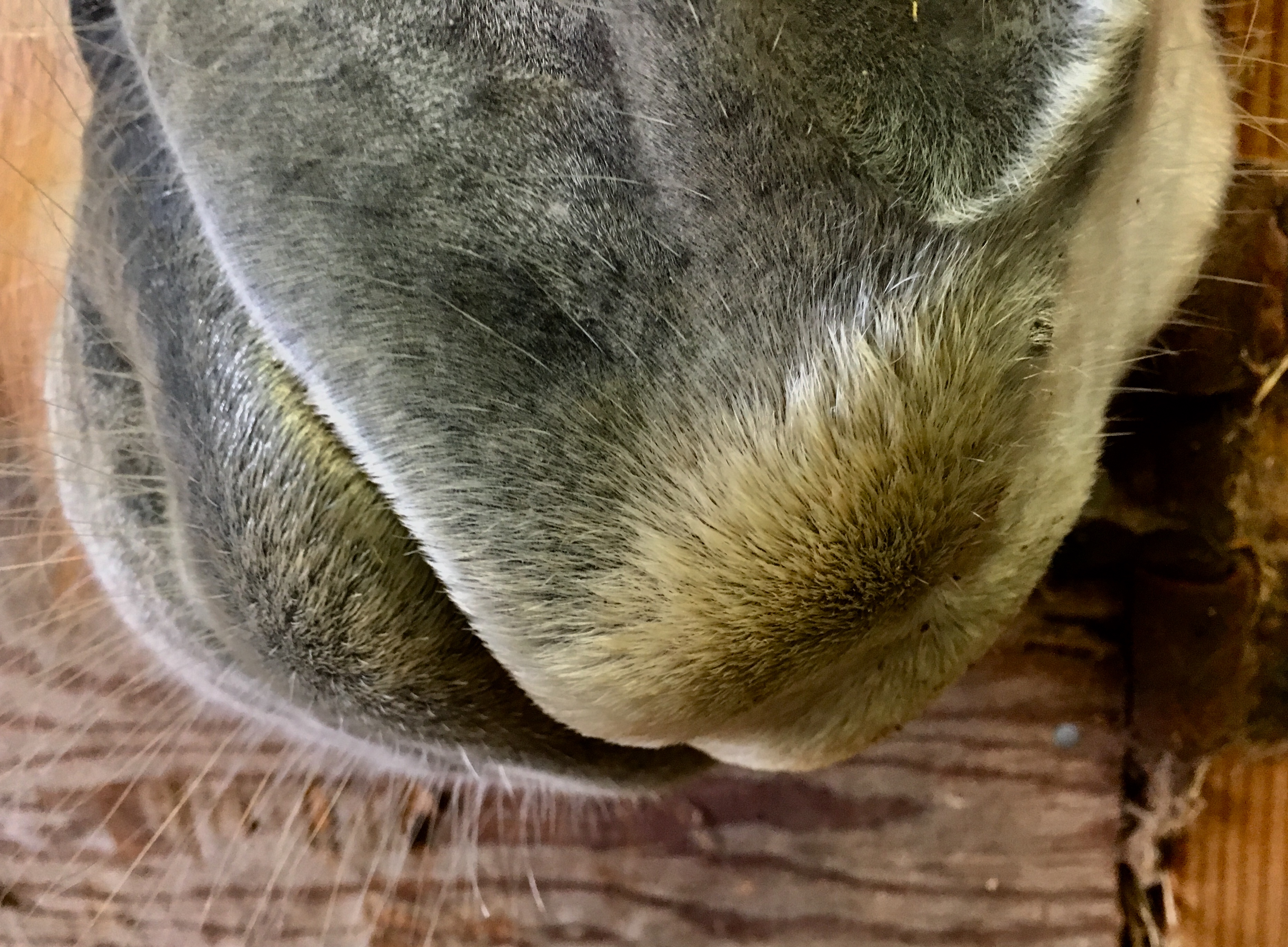
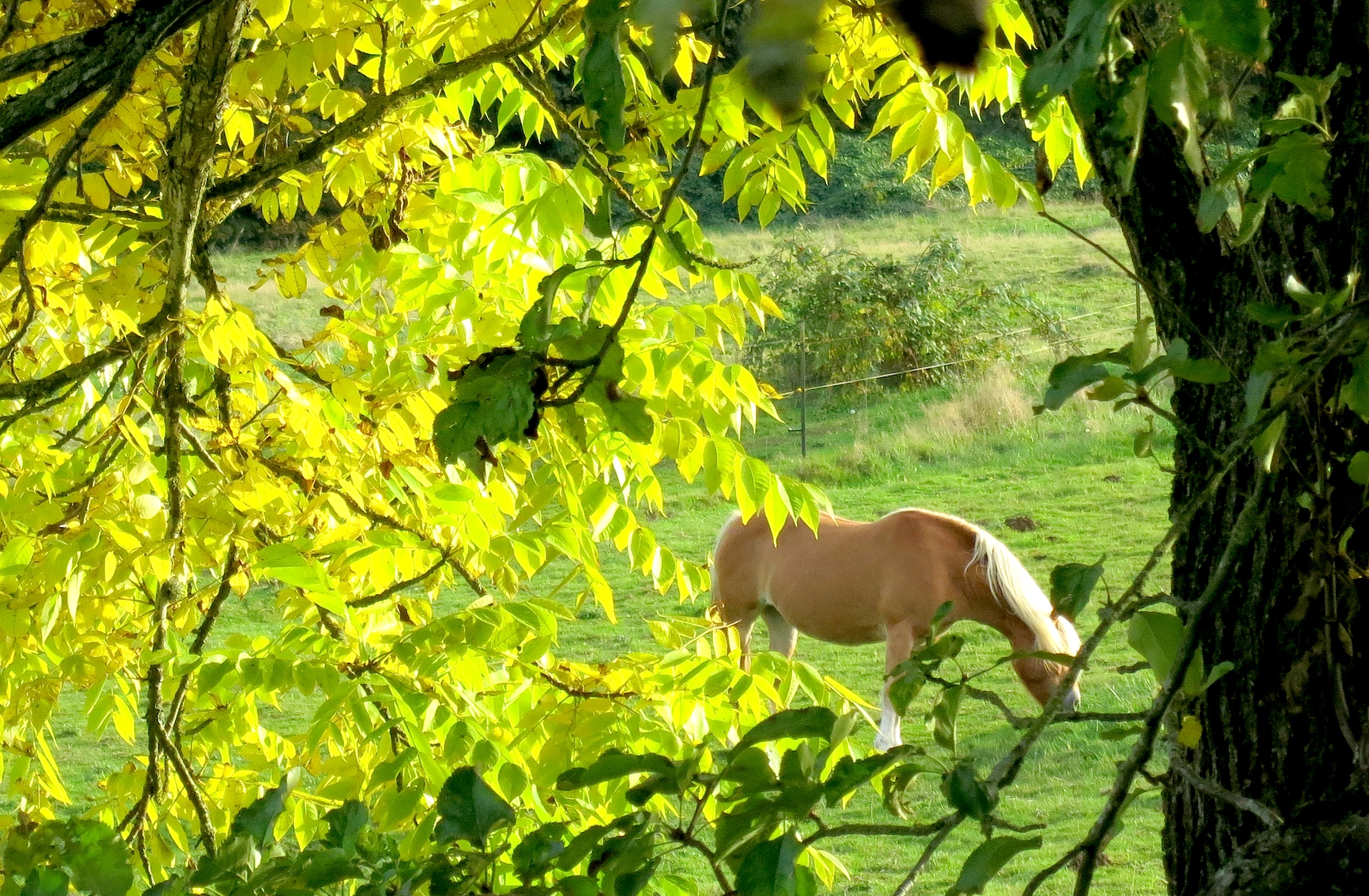
Our Haflinger horses have been fed hay for the past several weeks as there is not enough pasture for them without the supplement–we are about 6 weeks ahead of schedule in feeding hay. I had grown a little suspicious the last couple nights as I brought the Haflingers into the barn for the night. Two of the mares turned out in the back field had purplish stains on their chests and front legs. Hmmmm. Raiding the berries. Desperate drought forage behavior in an extremely efficient eating machine.
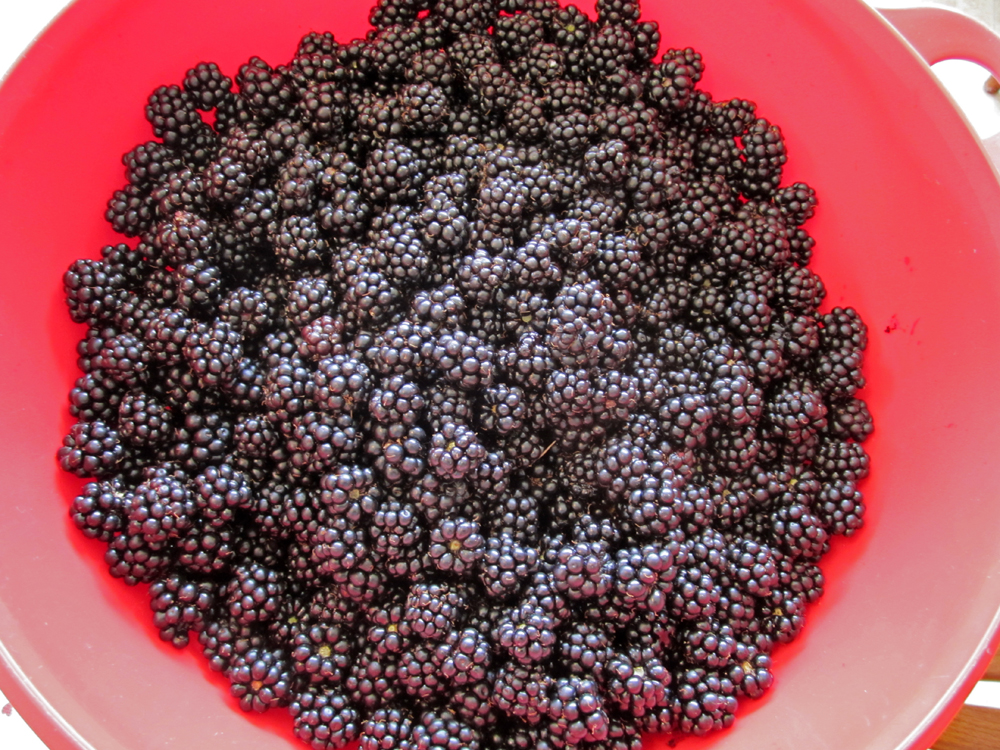
So this evening I headed toward the berries. When the mares saw the bowl in my hand, that was it. They mobbed me. I was irresistible.
So with mares in tow, I approached a berry bank. It was ravaged. Trampled. Haflinger poop piles everywhere. All that were left were some clusters of gleaming black berries up high overhead, barely reachable on my tip toes, and only reachable if I walked directly into the thicket. The mares stood in a little line behind me, pondering me as I pondered my dilemma.
I set to work picking what I could reach, snagging, ripping and bloodying my hands and arms, despite my sleeves. Pretty soon I had mares on either side of me, diving into the brambles and reaching up to pick what they could reach as well, unconcerned about the thorns that tore at their sides and muzzles. They were like sharks in bloody water–completely focused on their prey and amazingly skilled at grabbing just the black berries, and not the pale green or red ones.
Plump Haflingers and one *plumpish* woman were willingly accumulating scars in the name of sweetness.
When my bowl was full, I extracted myself from the brambles and contemplated how I was going to safely make it back to the barn without being mare-mugged. Instead, they obediently trailed behind me, happy to be put in their stalls for their evening hay, accepting a gift from me with no thorns or vines attached.
Clearly, thorns are part of our everyday life. Thorns stand in front of much that is sweet and good and precious to us. They tear us up, bloody us, make us cry, make us beg for mercy.
Yet thorns have been overcome. They did not stop our salvation, did not stop goodness raining down on us, did not stop the taste of sweetness given as a gracious gift.
If we hesitate, thorns only proliferate unchecked.
So, desperate and hungry, we dive right in, to taste and eat.
One-Time
Monthly
Yearly
Make a one-time or recurring donation to support daily Barnstorming posts
Our toes, our noses Take hold on the loam Acquire the air
Nobody sees us Stops us, betrays us The small grains make room
Soft fists insist on Heaving the needles The leafy bedding
Even the paving. Our hammers, our rams, Earless and eyeless,
Perfectly voiceless, Widen the crannies, Shoulder through holes. We
Diet on water, On crumbs of shadow, Bland-mannered, asking
Little or nothing. So many of us! So many of us!
We are shelves, we are Tables, we are meek, We are edible,
Nudgers and shovers In spite of ourselves Our kind multiplies
We shall by morning Inherit the earth. Our foot’s in the door. ~Sylvia Plath from “Mushroom”
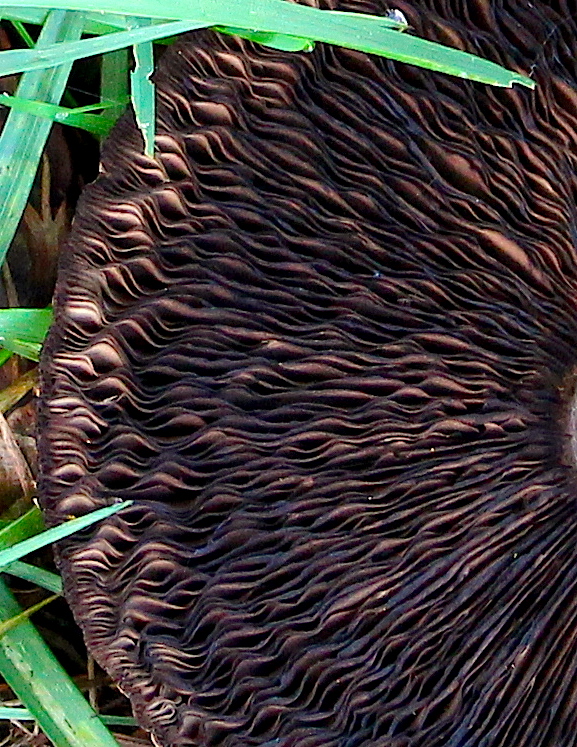
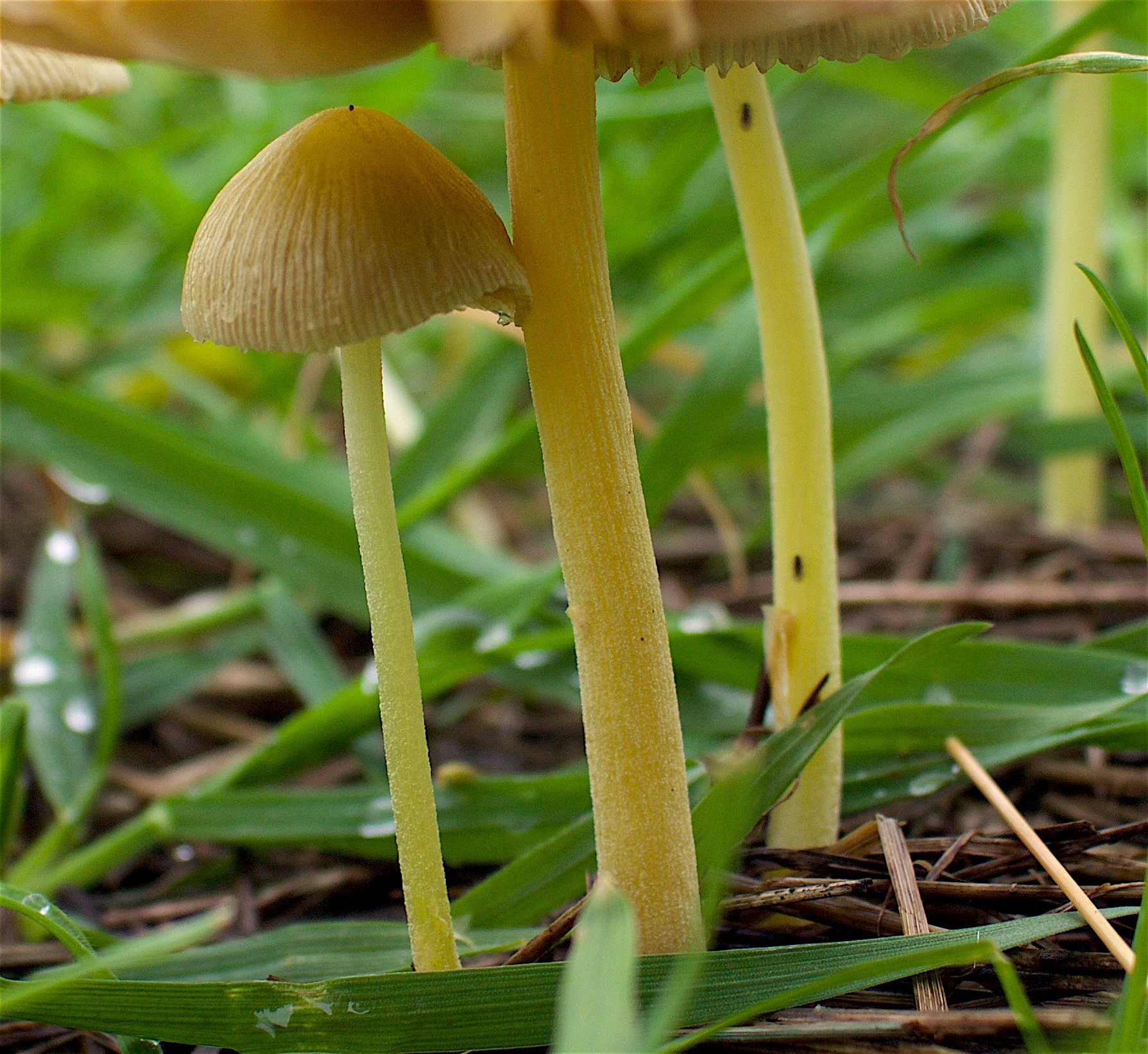
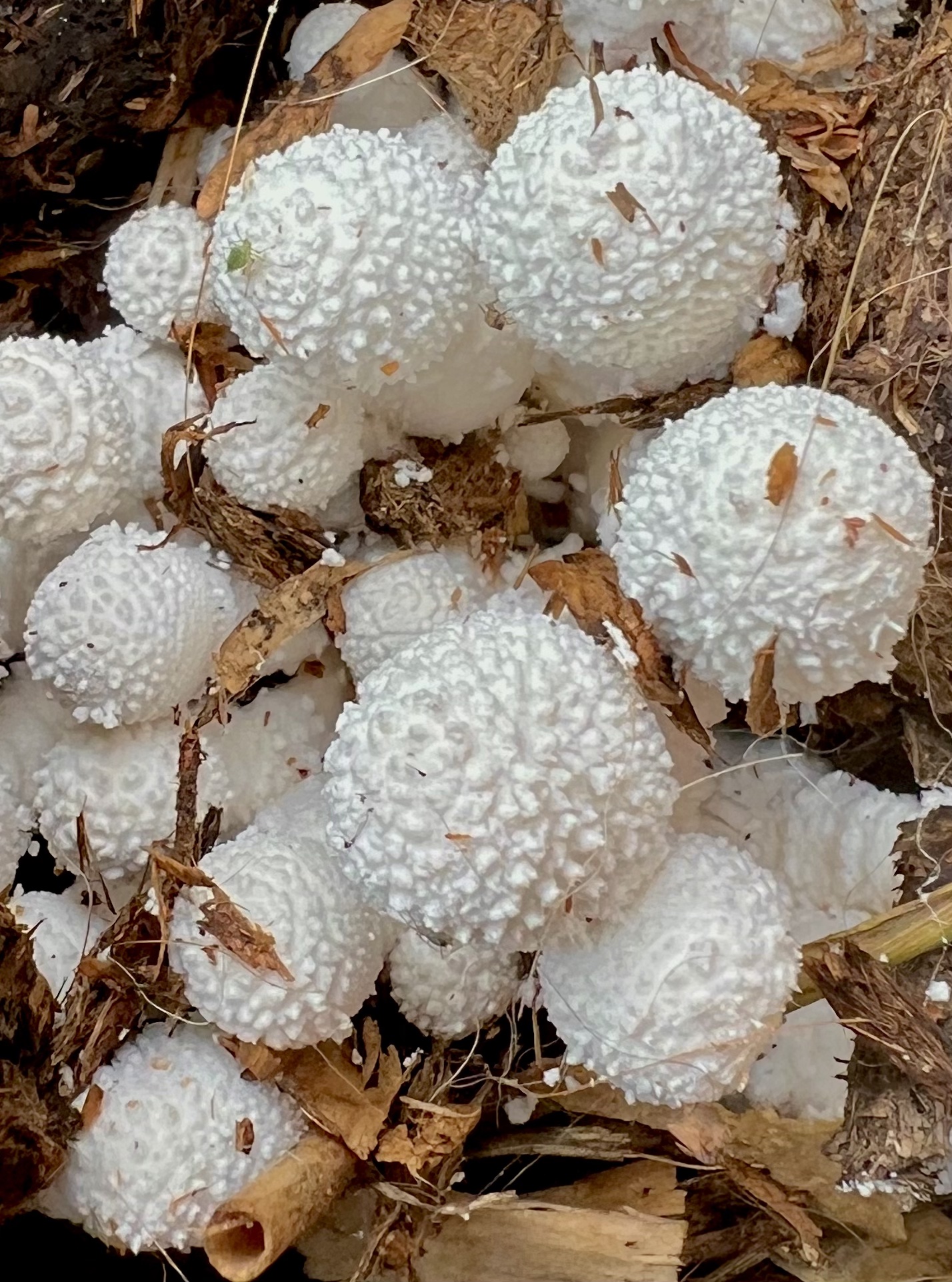
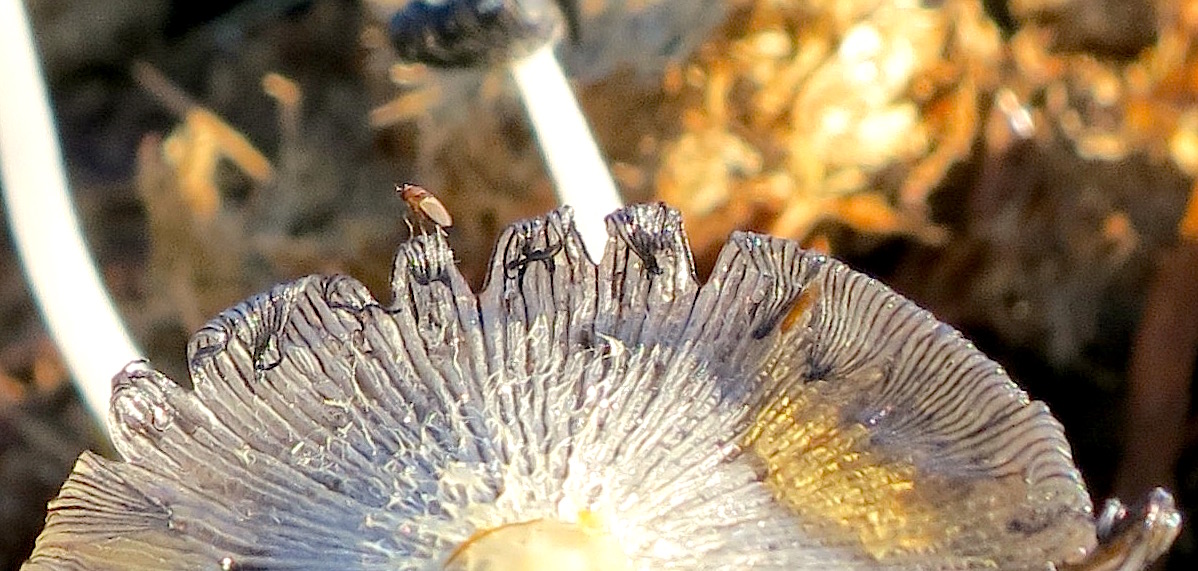
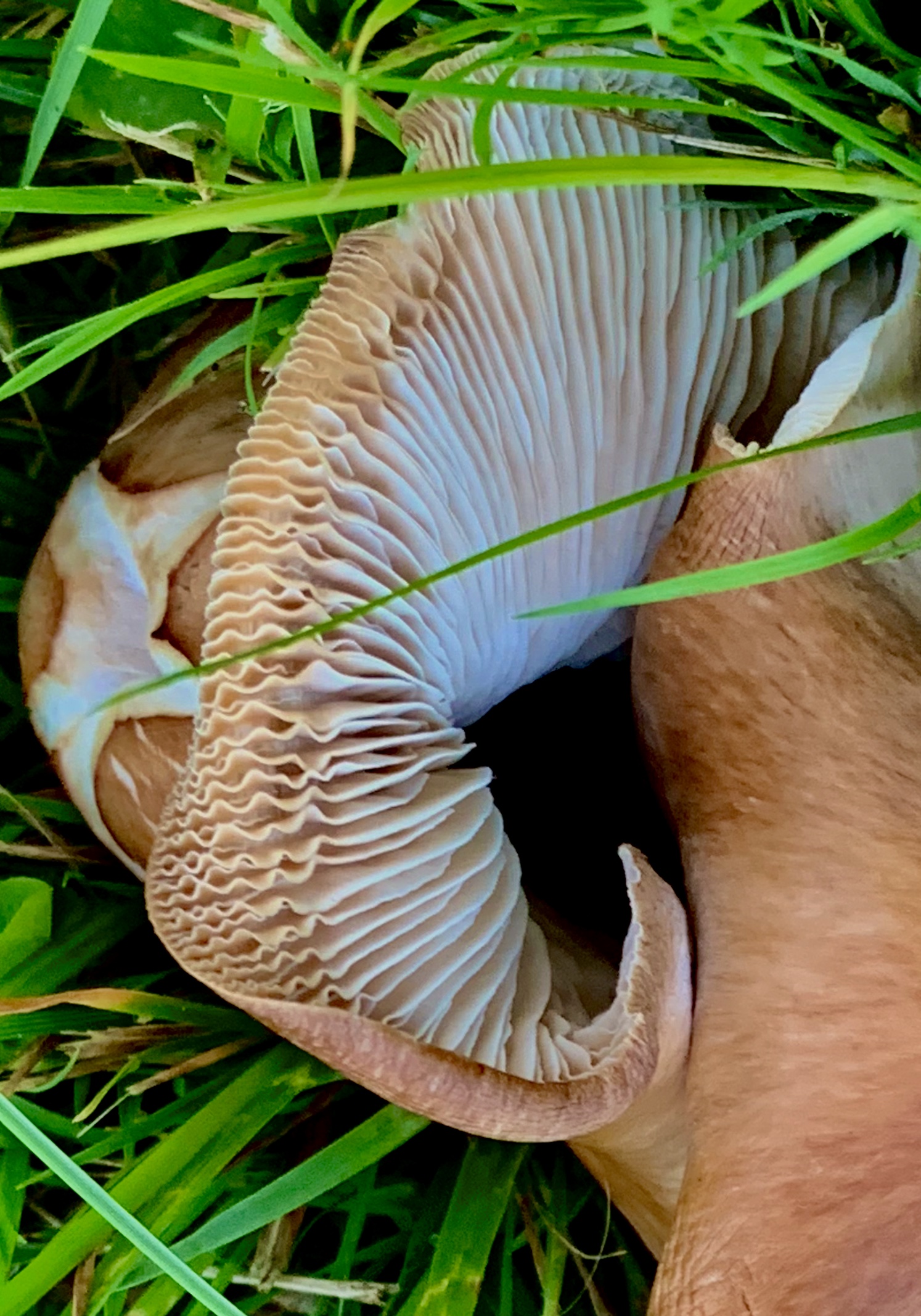
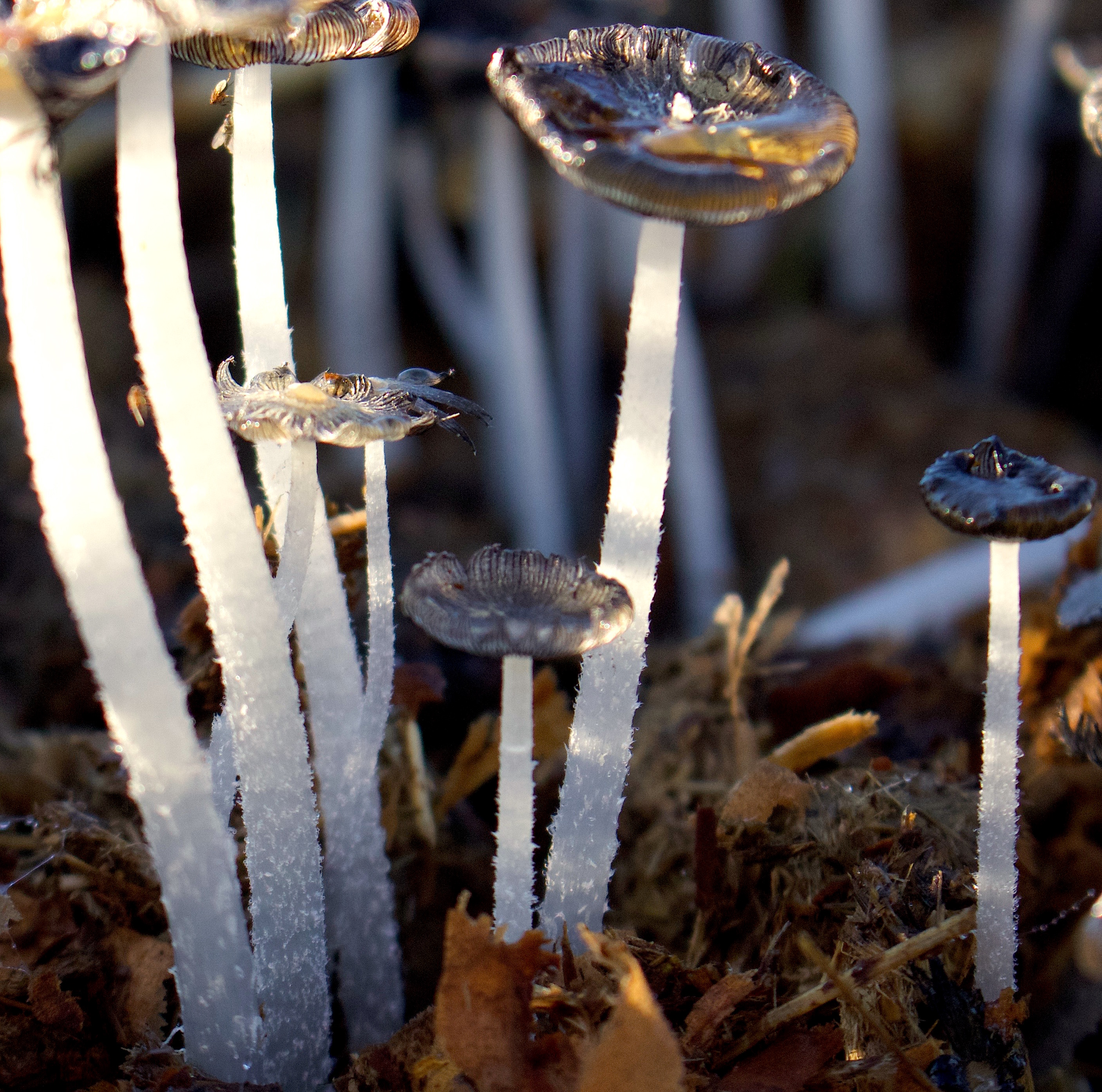
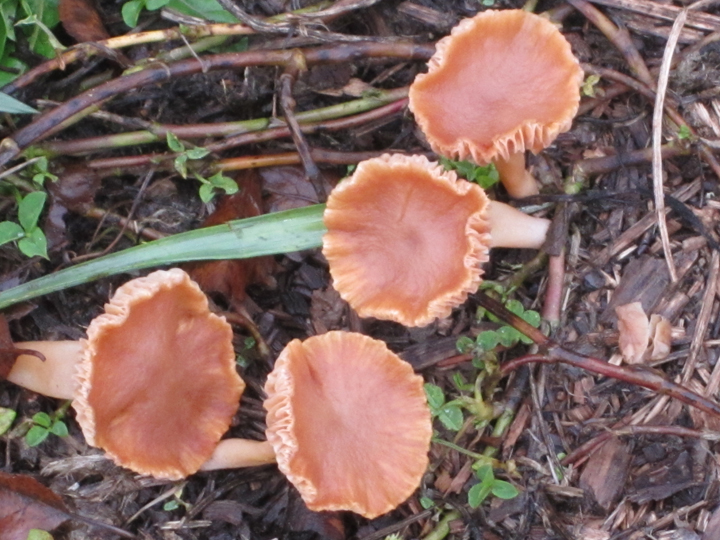
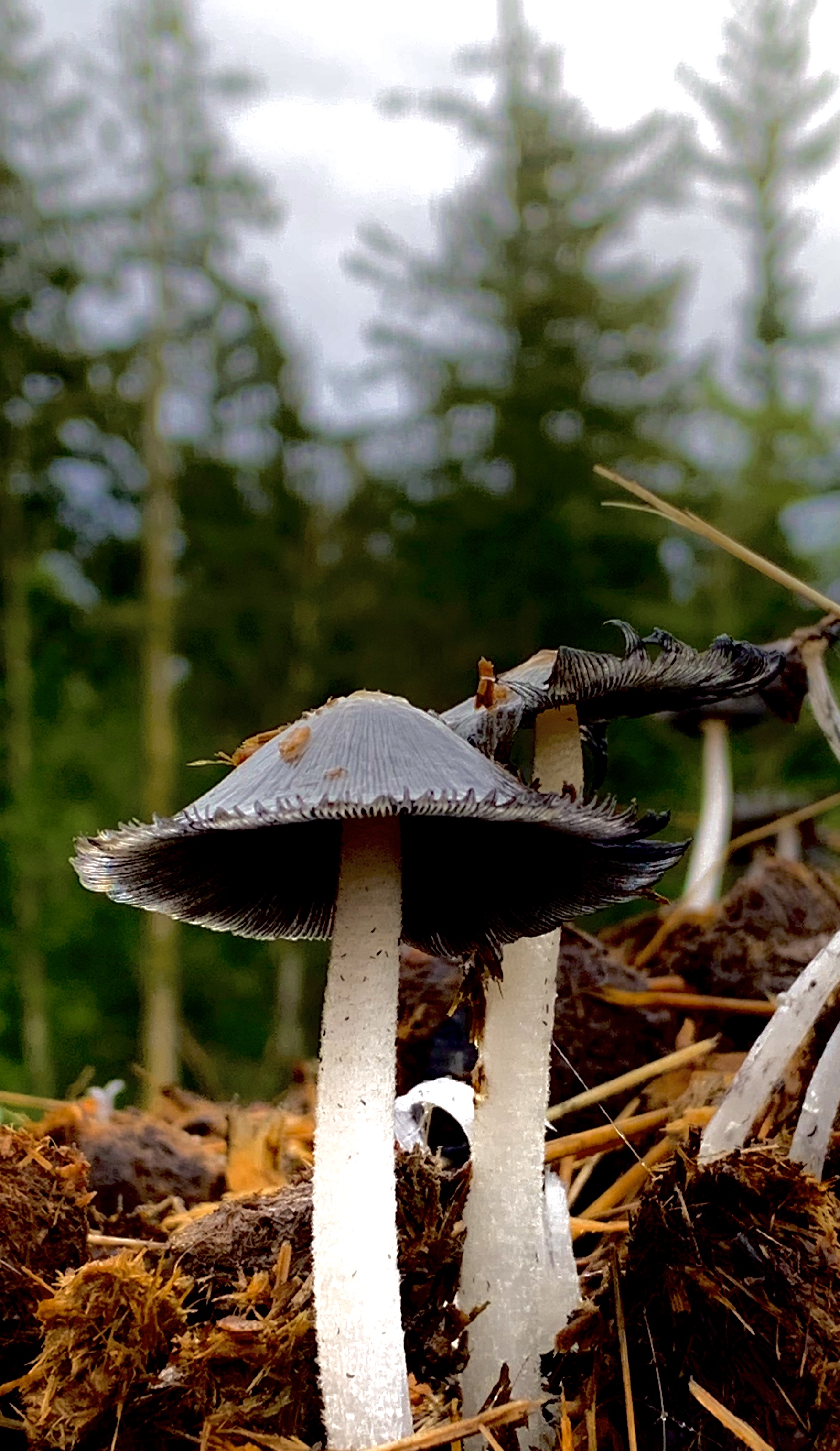
This overnight overture into the light, the birthing of toadstools after a shower. As if seed had been sprinkled on the compost pile, they sprout three inch stalks as they stretch up at dawn, topped by dew-catching caps and umbrellas.
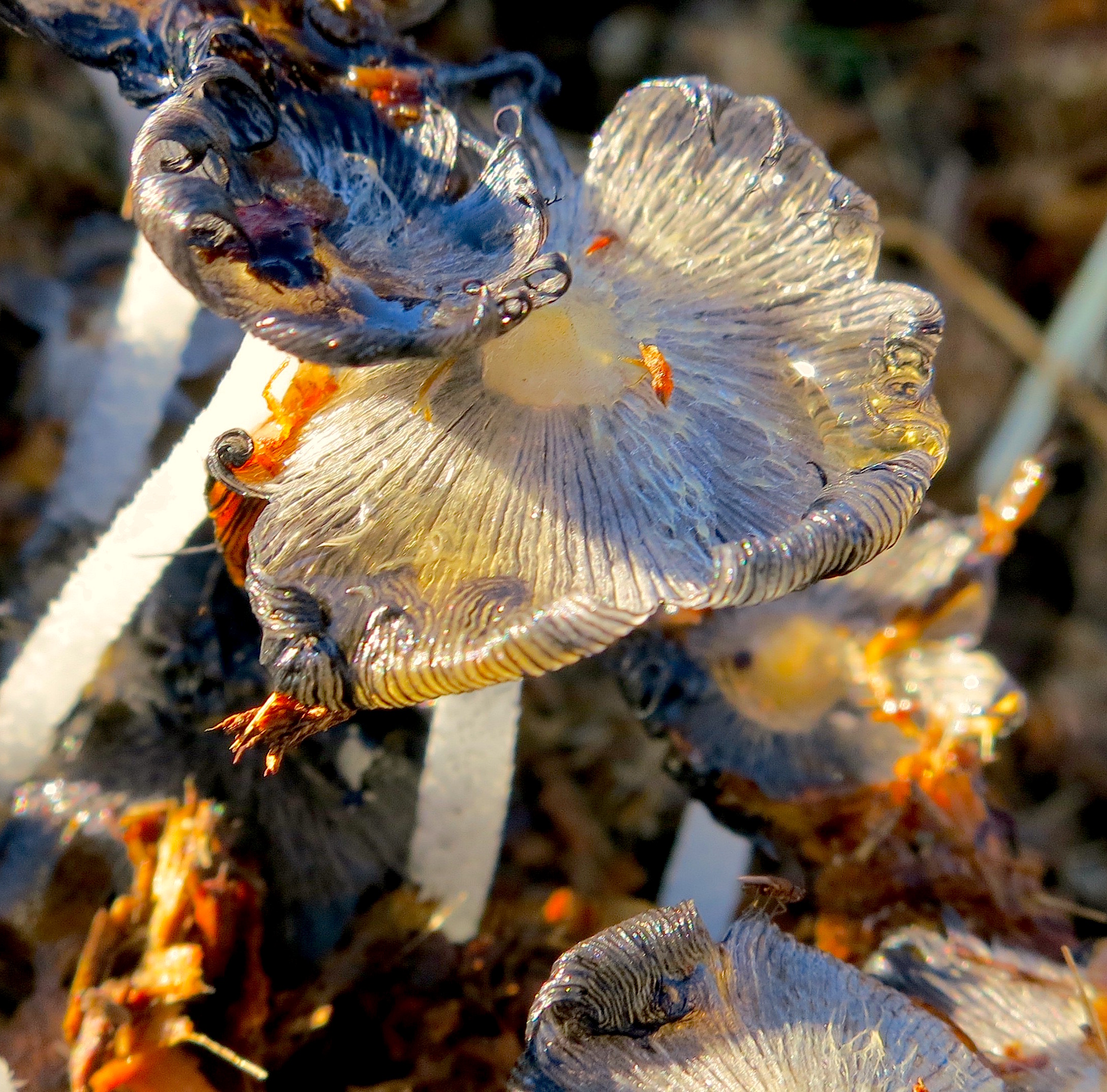
Some translucent as glass, already curling at the edges in the morning light, by noon melting into ooze by evening, a complete deliquescence, withered and curling back into the humus which birthed them hours before.
It shall be repeated again and again, this birth from unworthy soil, this brief and shining life in the sun, this folding, curling and collapse to die back to dust and dung.
Most inedible and dangerous, yet they rise beautiful and worthy, as is the way of things that never give up once a foot’s in the door.
One-Time
Monthly
Yearly
Make a one-time or recurring donation to support daily Barnstorming posts
is taken by surprise as it speaks, are you sure this is the right street? for example—or just
cowpath—no more: a blurb, a bleep, really, out of the imagination, and then once again everything is
perfectly still, save, perhaps, a cow or two on the horizon,—
and the sound of cowbirds in sudden excellence, where
formerly there were none. ~Jane Mead“Sometimes the Mind” From The Usable Field
photo by Bette Vander Haakphoto by Bette Vander Haak
photo by Bette Vander Haak
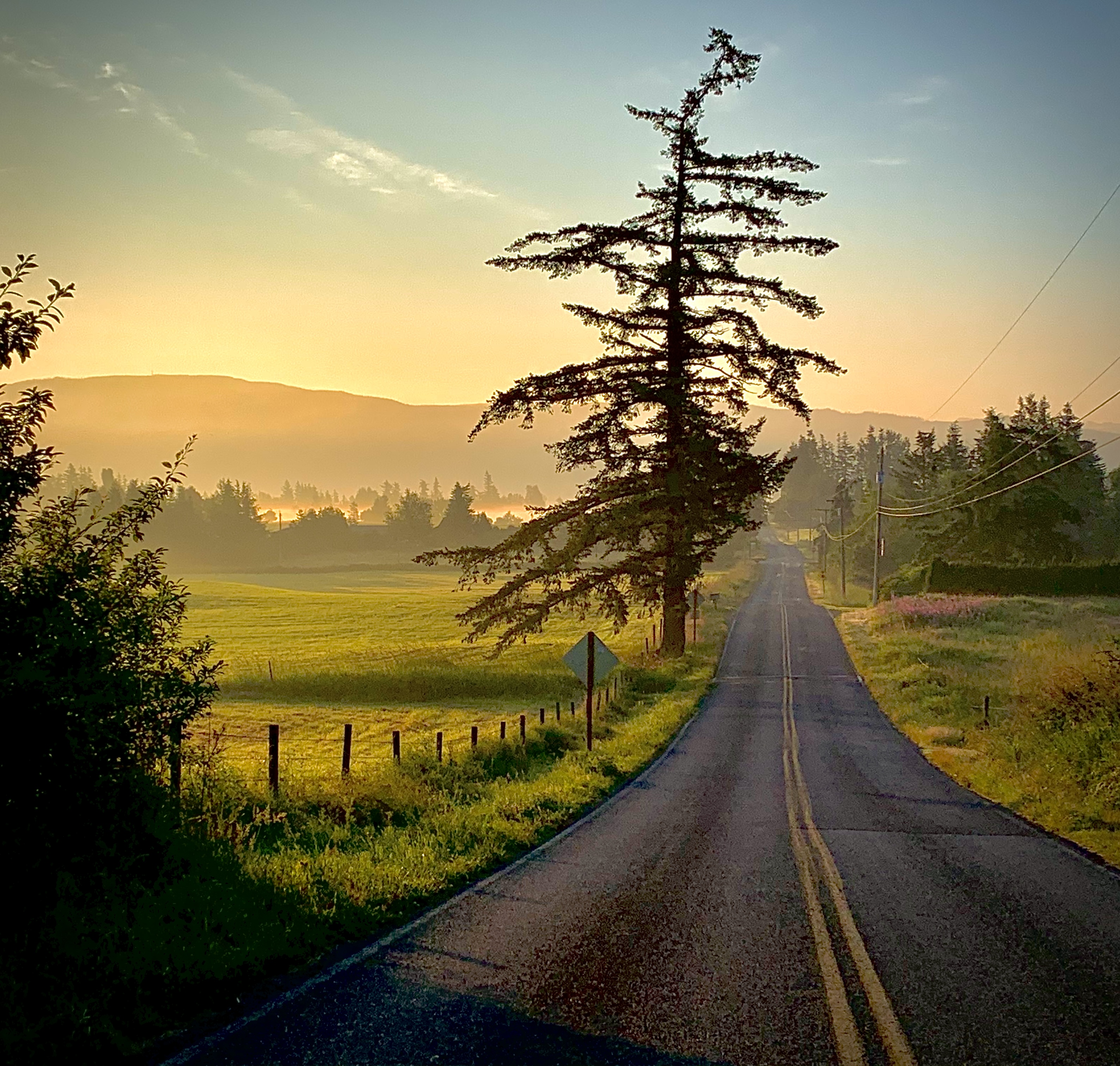
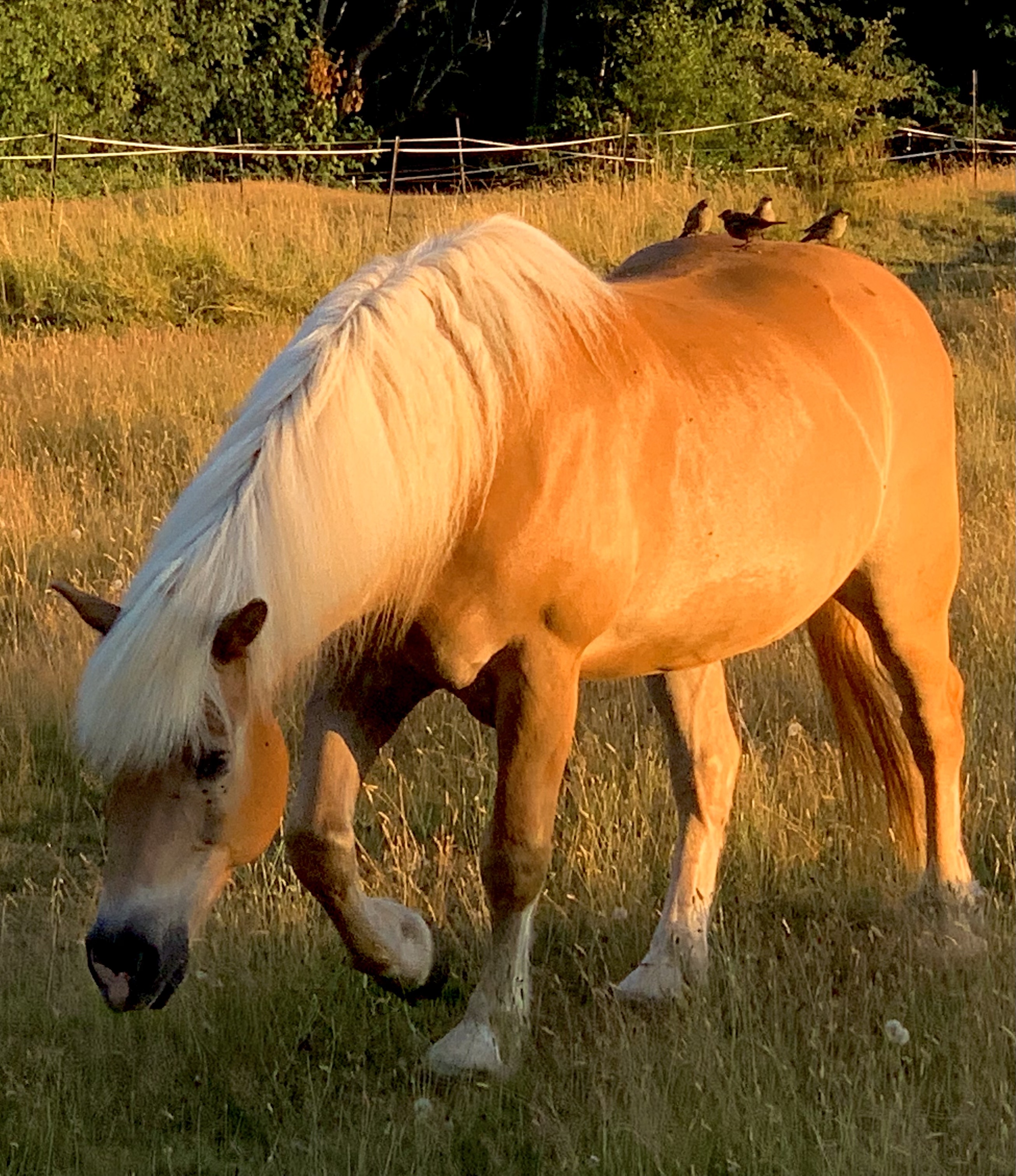
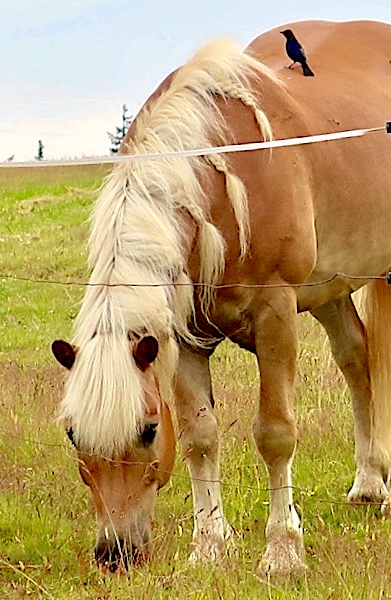
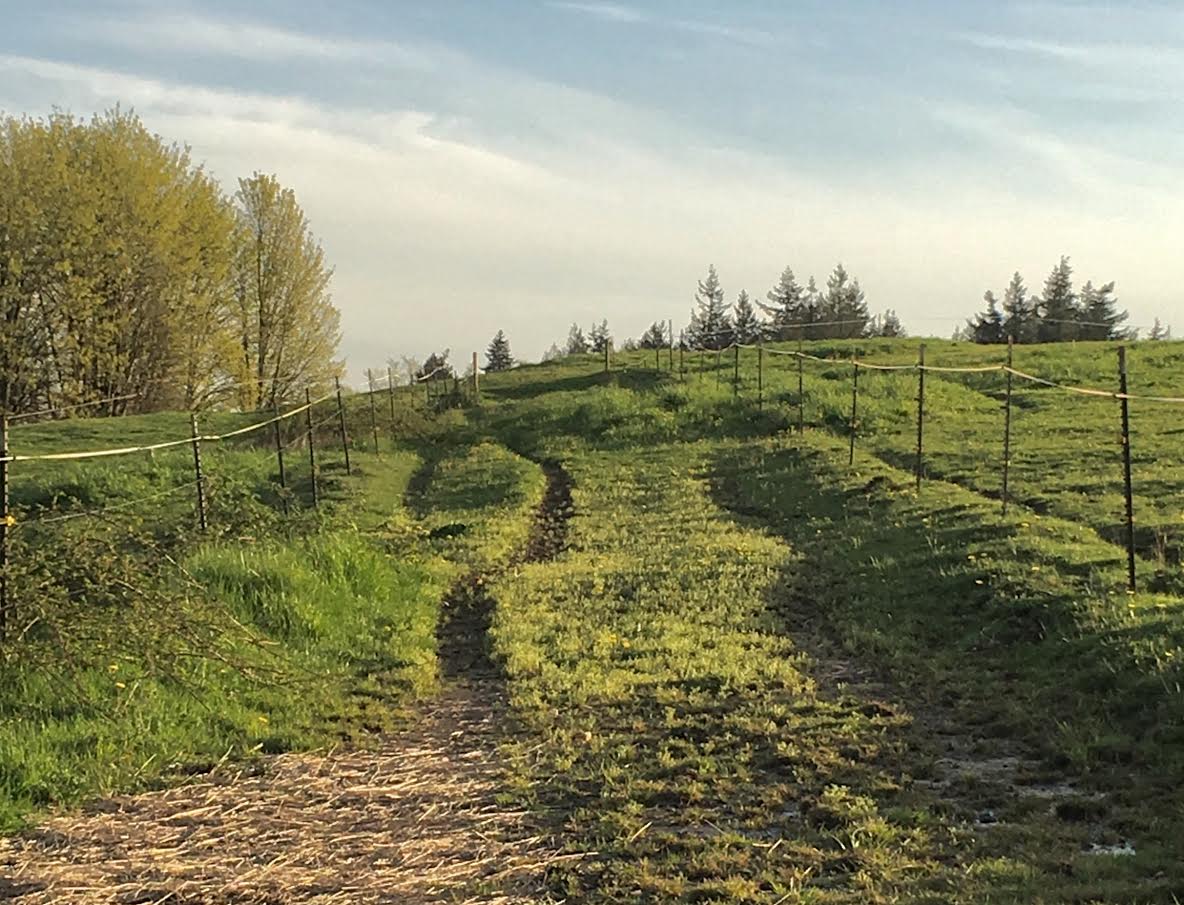
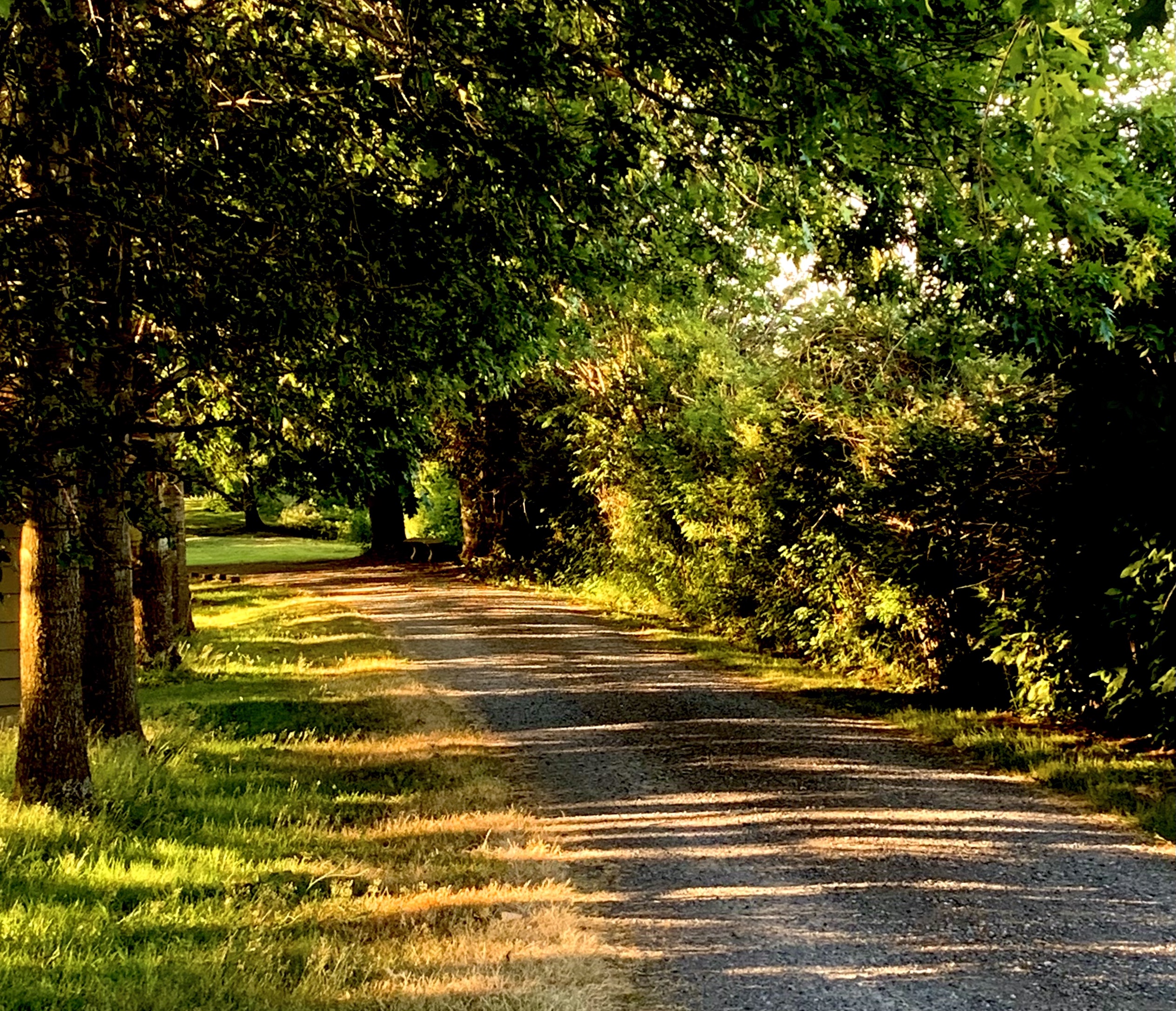
Many current roads started out as cowpaths decades ago. These meandering trails made sense to cows at the time. Subsequently, because people lack imagination, we tend to also follow those original twist and turns as we navigate life’s byways. Now paved with asphalt and good intentions, our roads accommodate more than a herd of cows giving hitchhiking cowbirds a free meal.
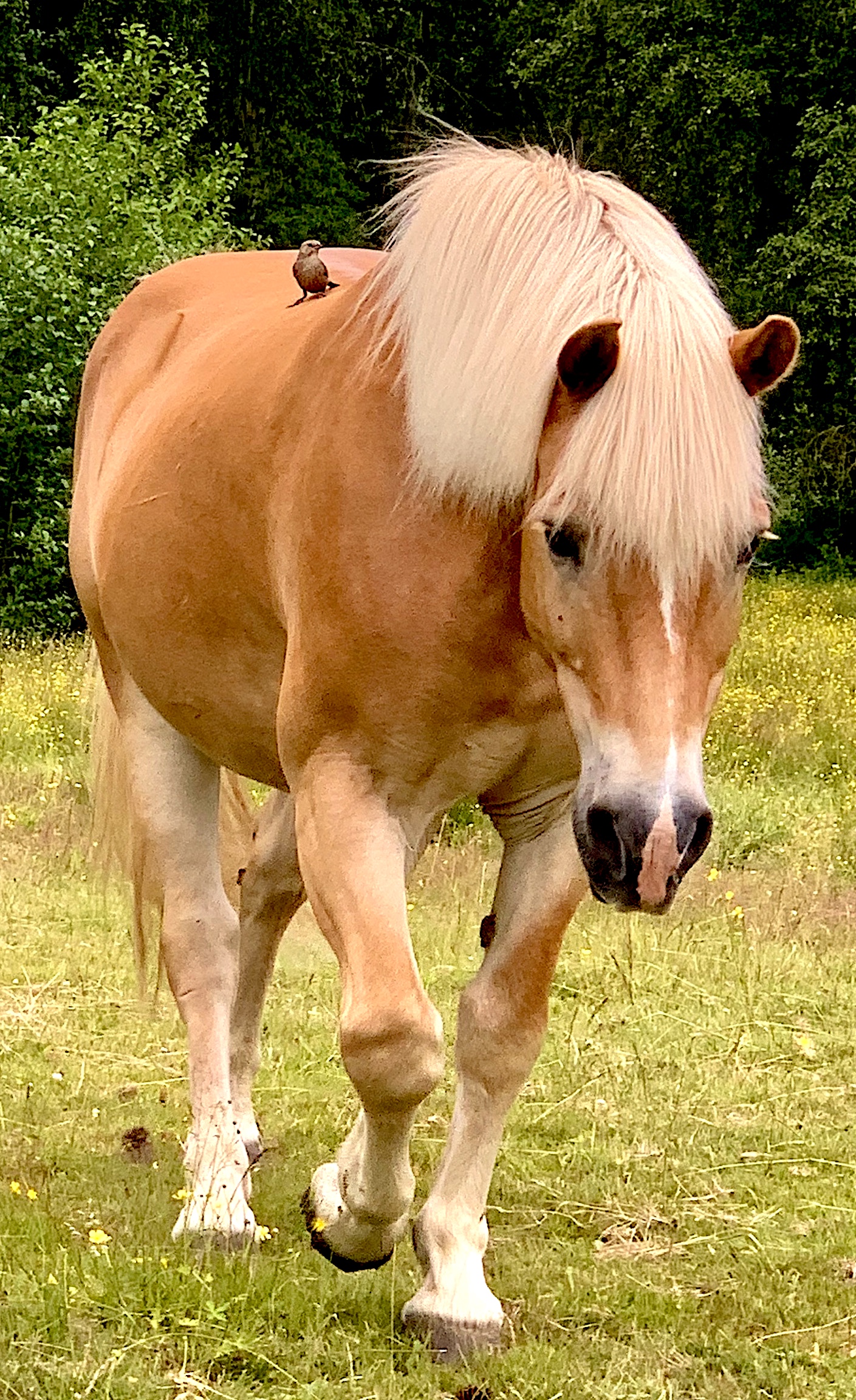
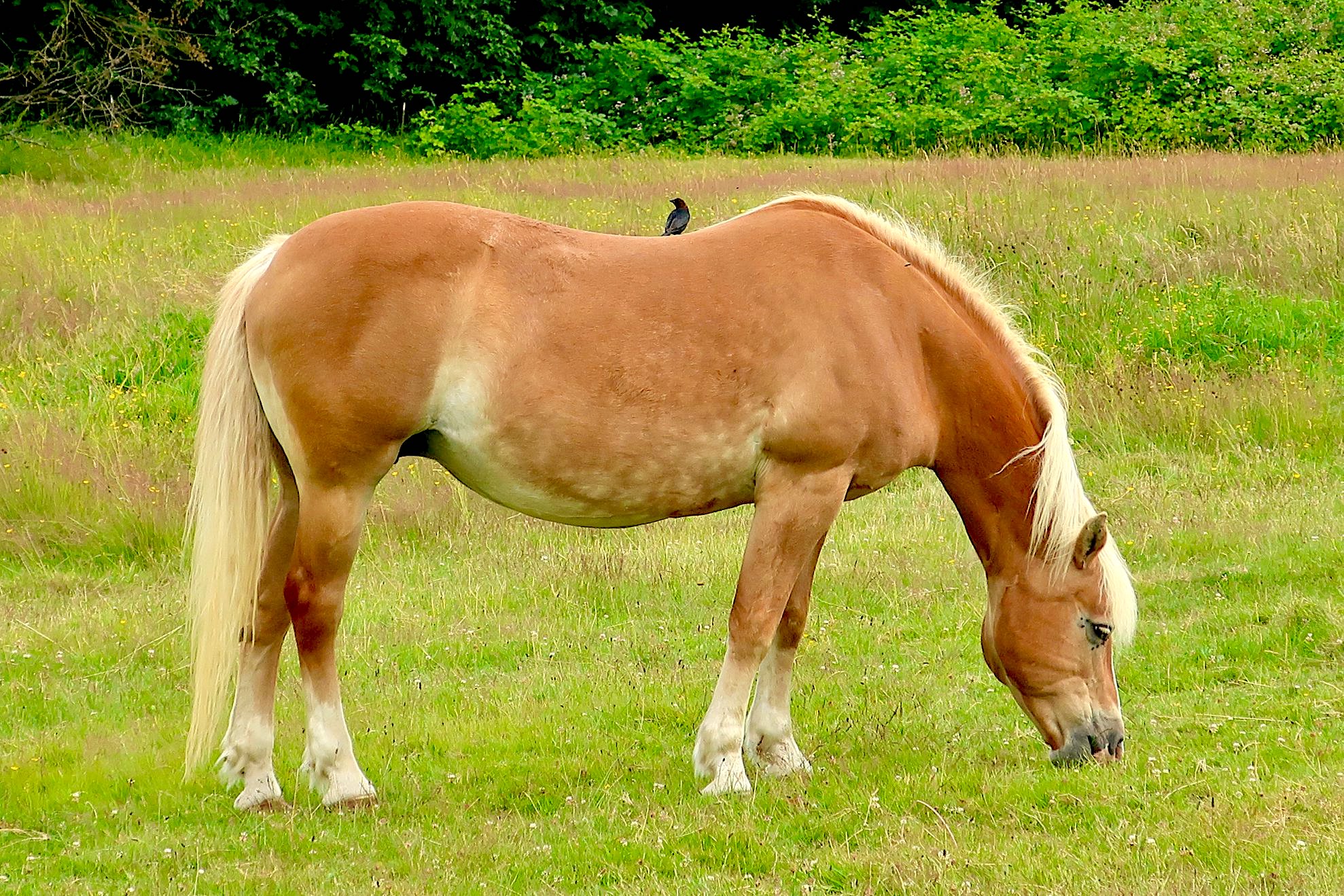
Cowbirds don’t lack imagination though; they are ready-made opportunists. They occupy any furry back that happens to attract tasty insects. The (horse?)birds happily set sail on a dinner cruise while doing their host a favor by gobbling irritating flies.
Imagine meandering through countryside pastures all day, unconcerned where the next meal will come from because it always comes to you.
Its easy if you try. You can say I’m a dreamer, but I’m not the only one. I hope someday you’ll join us and the world (horses, cows, birds) will live as one…
One-Time
Monthly
Yearly
Make a one-time or recurring donation to support daily Barnstorming posts
With my arms raised in a vee, I gather the heavens and bring my hands down slow together, press palms and bow my head.
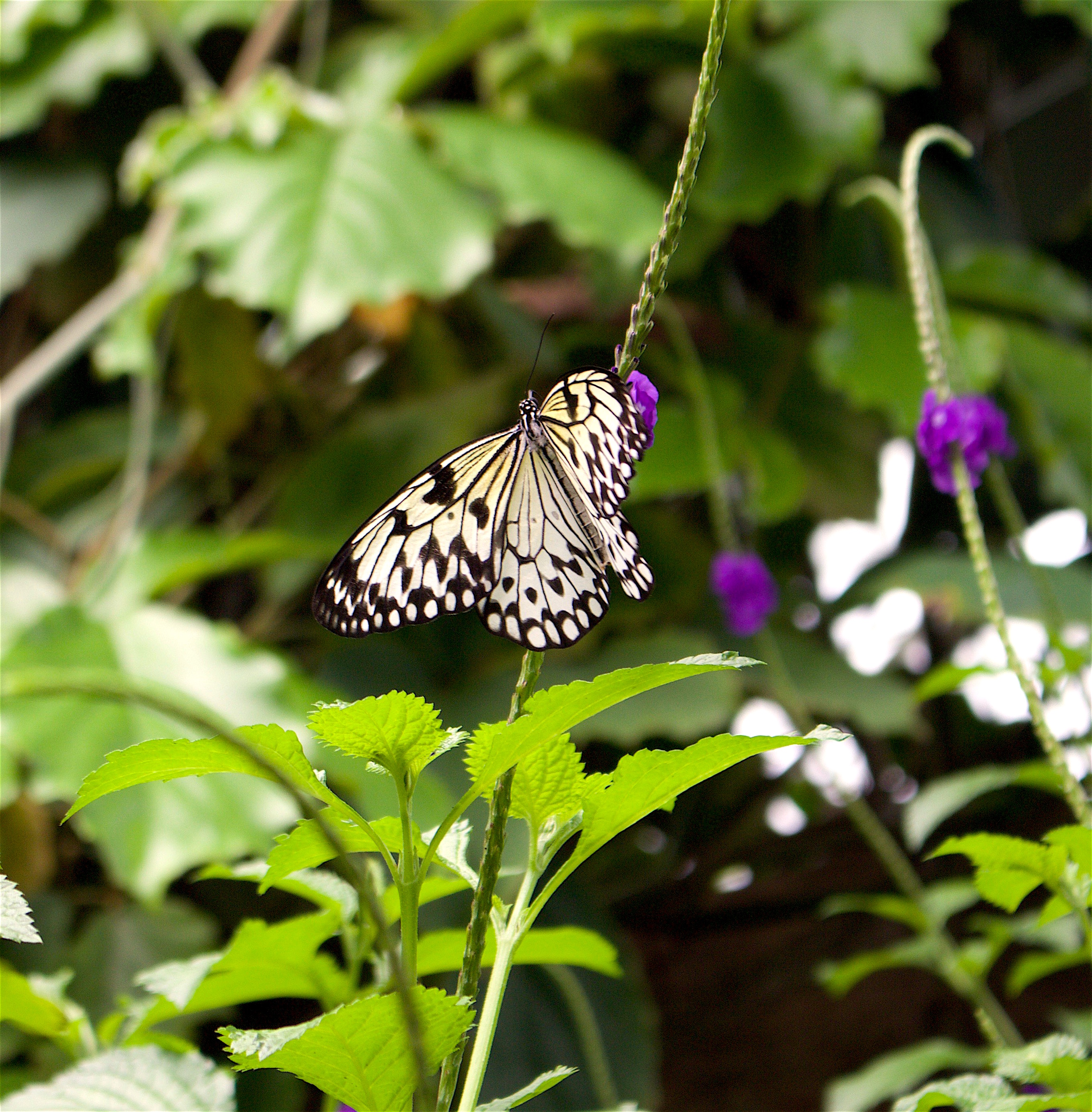
I try to forget the suffering, the wars, the ravage of land that threatens songbirds, butterflies, and pollinators.
The ghosts of their wings flutter past my closed eyes as I breathe the spirit of seasons, the stirrings in soil, trees moving with sap.
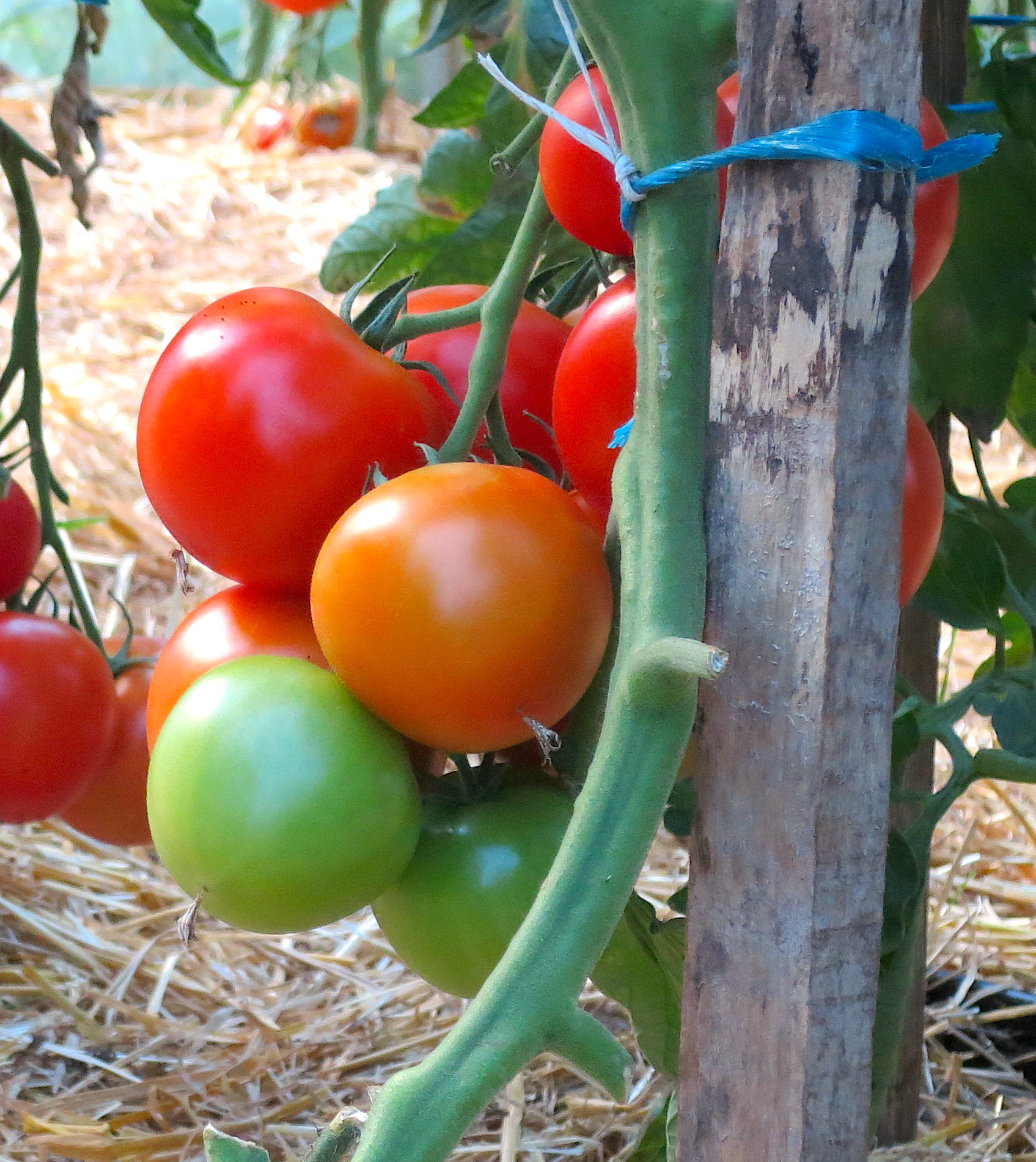
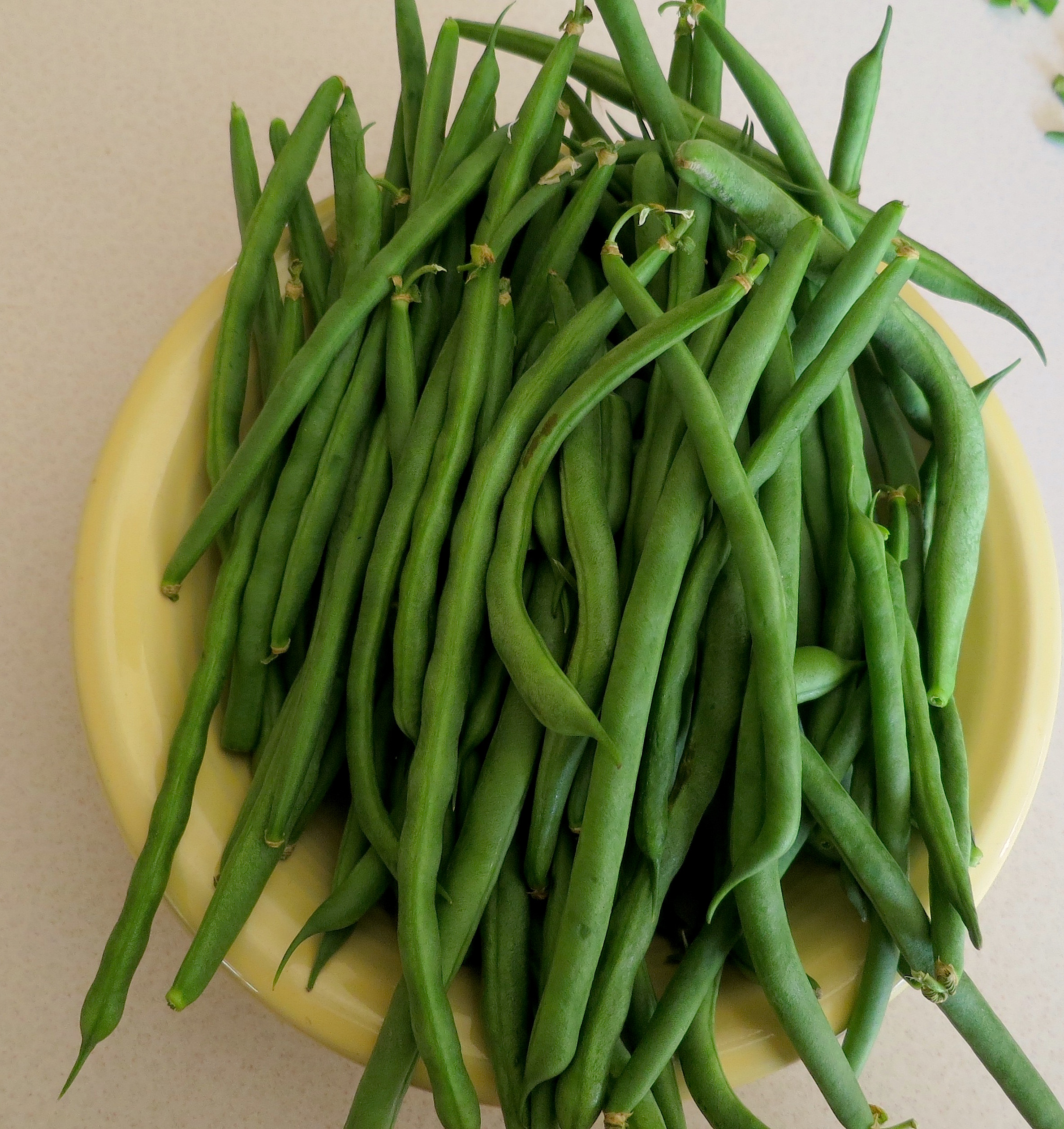
With my third eye, I conjure the red fox, its healthy tail, recount the good of this world, the farmer tending her tomatoes, the beans
dazzled green al dente in butter, salt and pepper, cows munching on grass. The orb of sun-gold from which all bounty flows. ~Twyla Hansen “Trying to Pray” from Rock. Tree. Bird.
the thorn that is heavier than lead— if it’s all you can do to keep on trudging—
there is still somewhere deep within you a beast shouting that the earth is exactly what it wanted—
each pond with its blazing lilies is a prayer heard and answered lavishly, every morning,
whether or not you have ever dared to be happy, whether or not you have ever dared to pray. ~Mary Oliver from “Morning Poem”
A Sabbath sunrise becomes unspoken prayer – I open my hands and arms to it, closing my eyes, bowing my head, giving myself over to silent gratitude.
Gathering up the heavens, the sun moves from subtle simmer to blazing boil.
I trudge forward every day, each step in itself a prayer answered; thankful I can still take a next step, and a next, until I reach tomorrow and again after that, I celebrate there will be a next tomorrow.
Amen.
One-Time
Monthly
Yearly
Make a one-time or recurring donation to support daily Barnstorming posts
And on those hot afternoons in July, when my father was out on the tractor cultivating rows of corn, my mother would send us out with a Mason jar filled with ice and water, a dish towel wrapped around it for insulation.
Like a rocket launched to an orbiting planet, we would cut across the fields in a trajectory calculated to intercept— or, perhaps, even—surprise him in his absorption with the row and the turning always over earth beneath the blade.
He would look up and see us, throttle down, stop, and step from the tractor with the grace of a cowboy dismounting his horse, and receive gratefully the jar of water, ice cubes now melted into tiny shards, drinking it down in a single gulp, while we watched, mission accomplished. ~Joyce Sutphen“Carrying Water to the Field”
It was my special responsibility to carry cold water out to my father when he was on the tractor doing field work. Yes, he could have carried a thermos-full along with him all day but then he would not have seen his young daughter walking carefully from the house over the fresh-turned dirt, he would not have an excuse for a short break to wipe the sweat from his face with his bright red kerchief, nor sit and survey the straightness of his furrows. He would not have lifted her up to sit beside him on the tractor, allowing her to “drive”, steering down the rows, curving around the killdeer nests so their young are spared.
Indeed, it was a special responsibility to nurture someone hard at work who doesn’t stop to refill themselves. It happens rarely any more – whether field or factory or family home or even a daily blog like this. What wondrous love to carry water to those who thirst. What wondrous grace then fills our furrowed lives.
Thank you, faithful readers and supporters, to you who have carried water to me when I am dry and thirsty. It convinces me my work here is not in vain; mission accomplished.
One-Time
Monthly
Yearly
Make a one-time or recurring donation to support daily Barnstorming posts
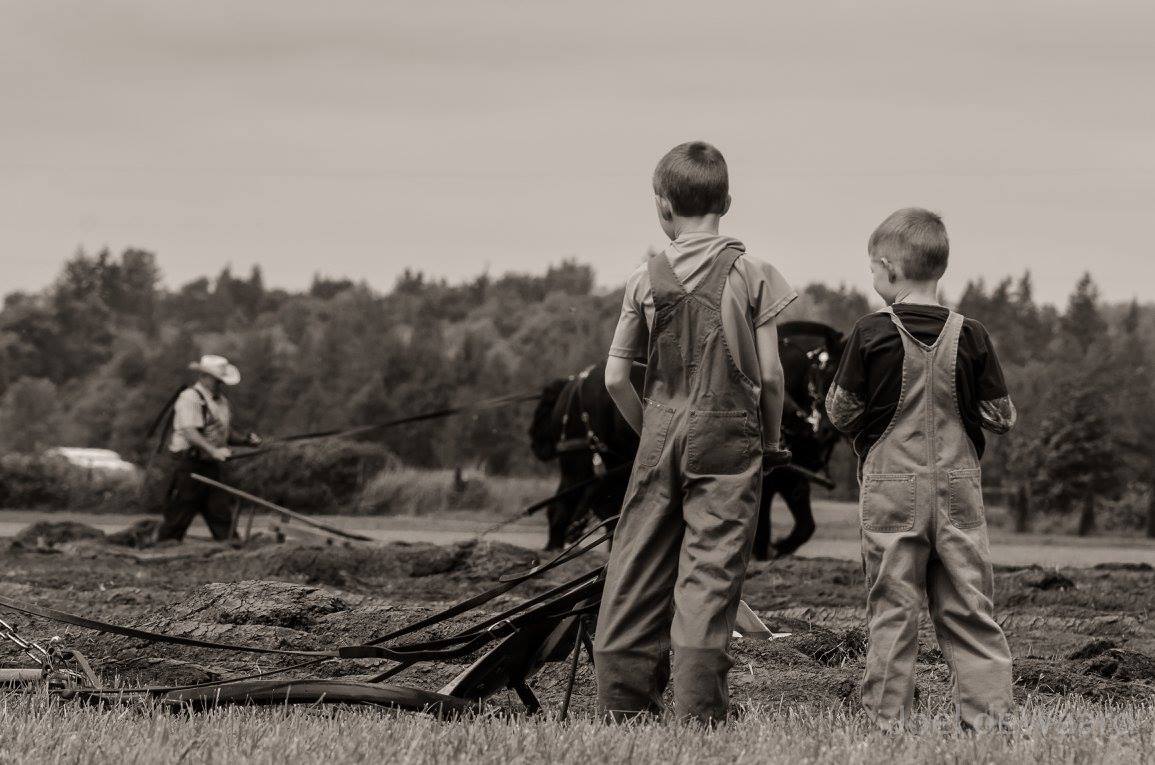
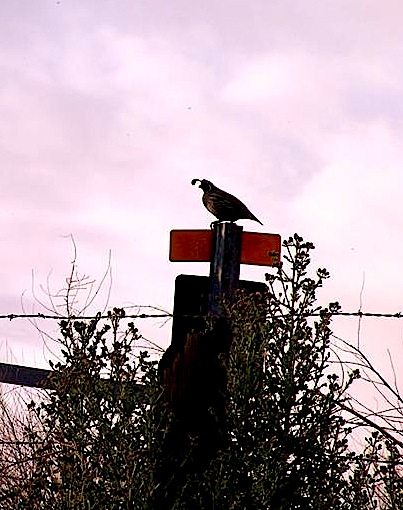
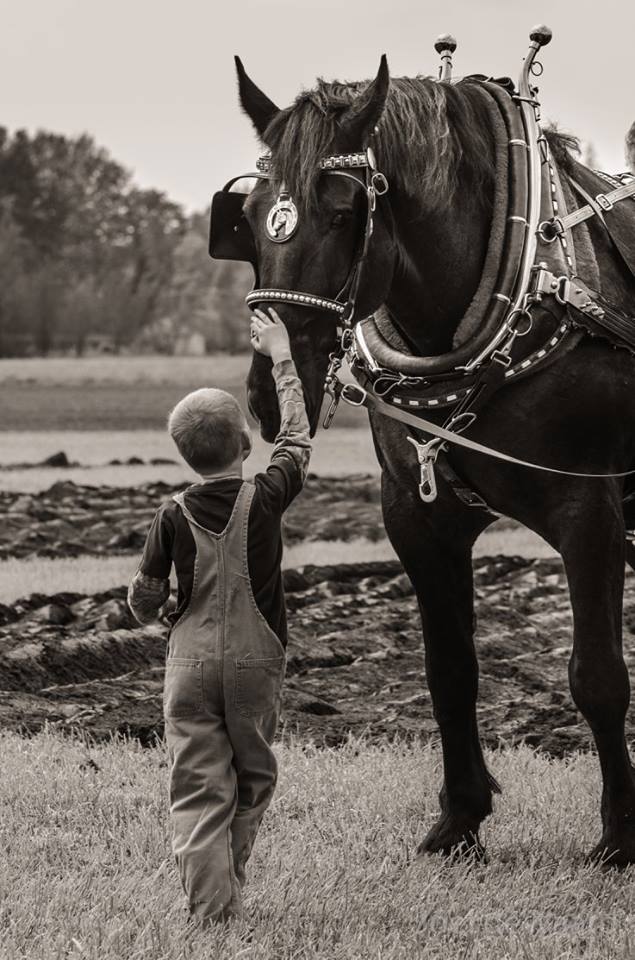
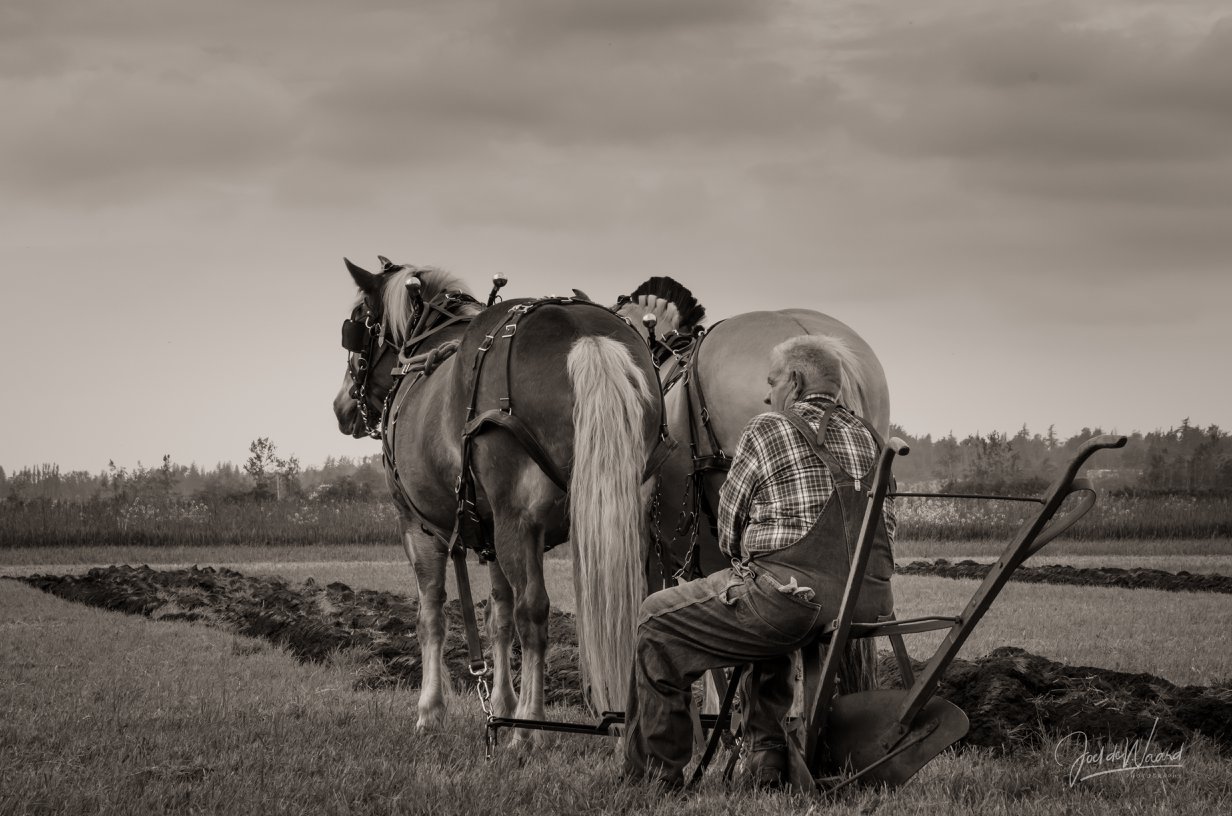
My father swerves the team to miss the quail’s nest hidden in the furrow she rises up beating her wings her cries fill all the world of sky and cloud echoing her call…
and so he passes the caring farmer with his crooked furrow saluting life the warm round eggs hidden in the spring grass the quail rising and falling pulled by invisible heartstrings. ~Dorothy Hewitt “Quail’s Nest”
photo by Kate Steensma
photo by Joel DeWaardphoto by Joel DeWaard
I remember my father driving a wooden post in the ground where a killdeer nest held 6 speckled eggs; the mother would run off crying plaintively, flapping her “broken” wing to lure him away from her precious brood.
He drove the plow around the nest, marking their spot for the season, respecting their presence, preserving their future, without anyone saying he should or he must – only his heart had told him it was the right thing to do.
photo by Joel DeWaardphoto by Kate Steensma
One-Time
Monthly
Yearly
Make a one-time or recurring donation to support daily Barnstorming posts






















 Barnstorming