O hushed October morning mild, Thy leaves have ripened to the fall; Tomorrow’s wind, if it be wild, Should waste them all. The crows above the forest call; Tomorrow they may form and go. O hushed October morning mild, Begin the hours of this day slow. Make the day seem to us less brief. Hearts not averse to being beguiled, Beguile us in the way you know. Release one leaf at break of day; At noon release another leaf; One from our trees, one far away. Retard the sun with gentle mist; Enchant the land with amethyst. Slow, slow! ~Robert Frost from “October”
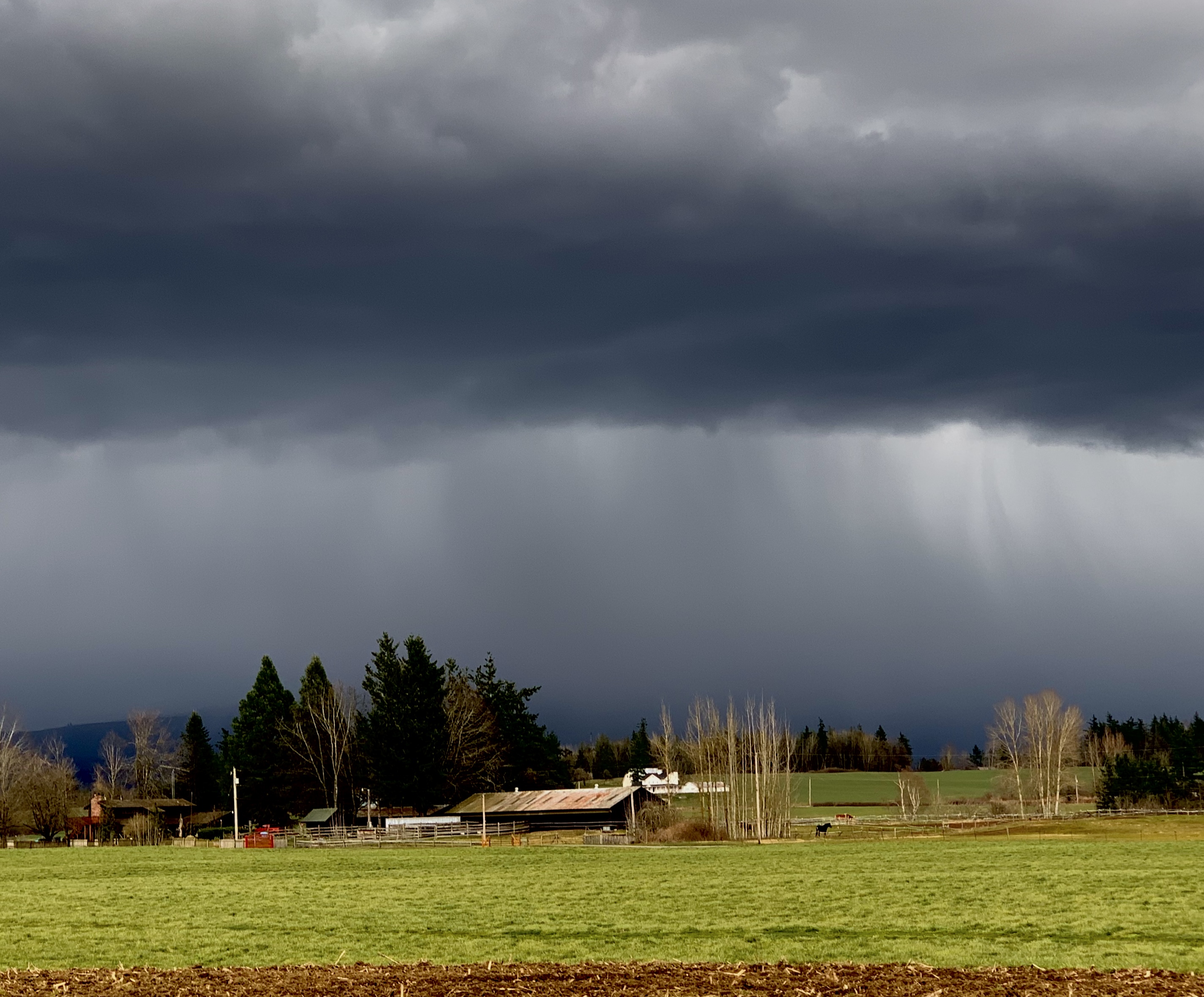
After yesterday’s travel through curtains of heavy rainfall, we abandoned plans to meet with family across state for today’s memorial service, so returned home, defeated, weary with sadness.
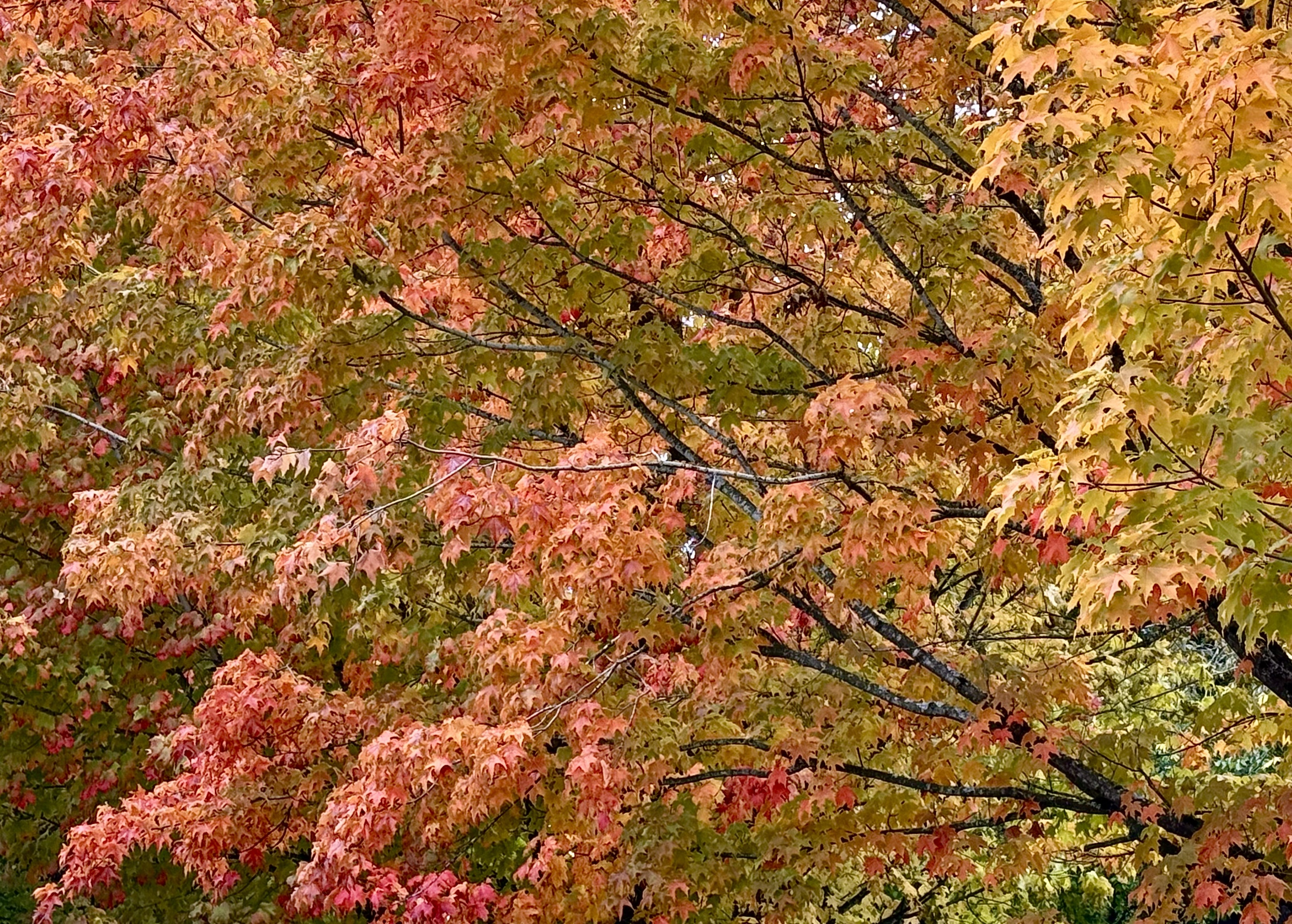
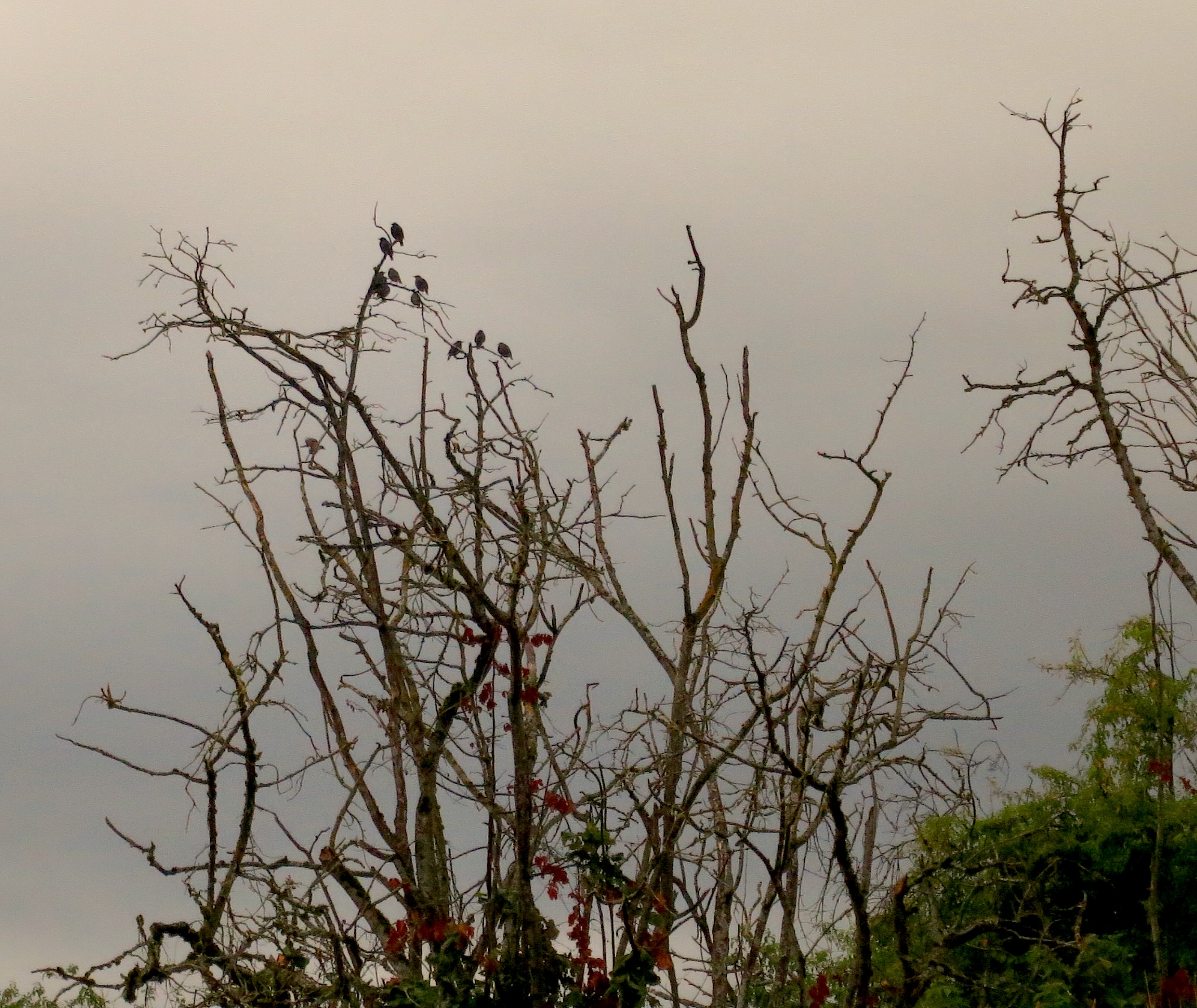
October is enough reminder of mortality, with winds stripping trees to bare bones, birds flocking and vacating, bright leaves reduced to rusting dust.
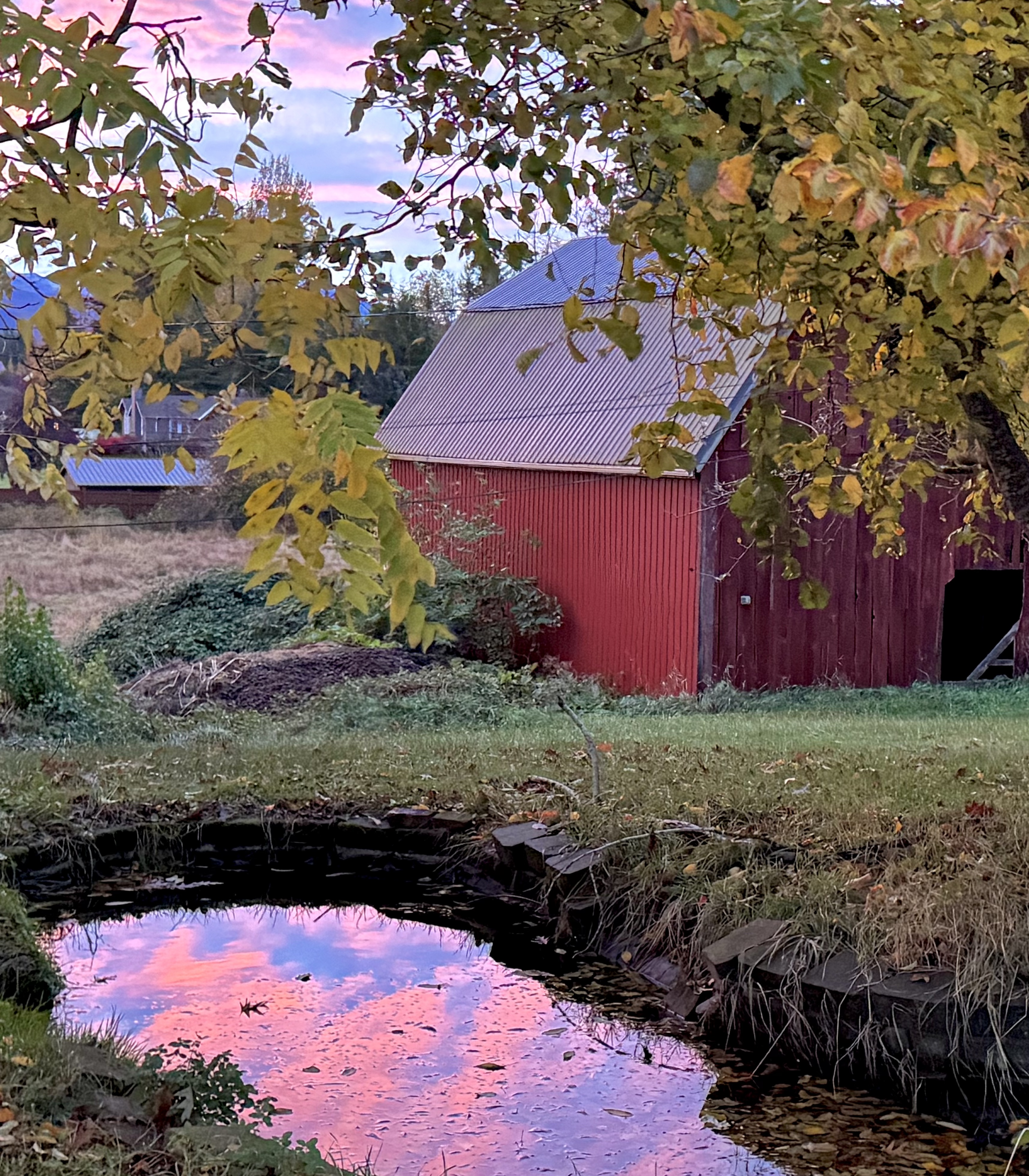
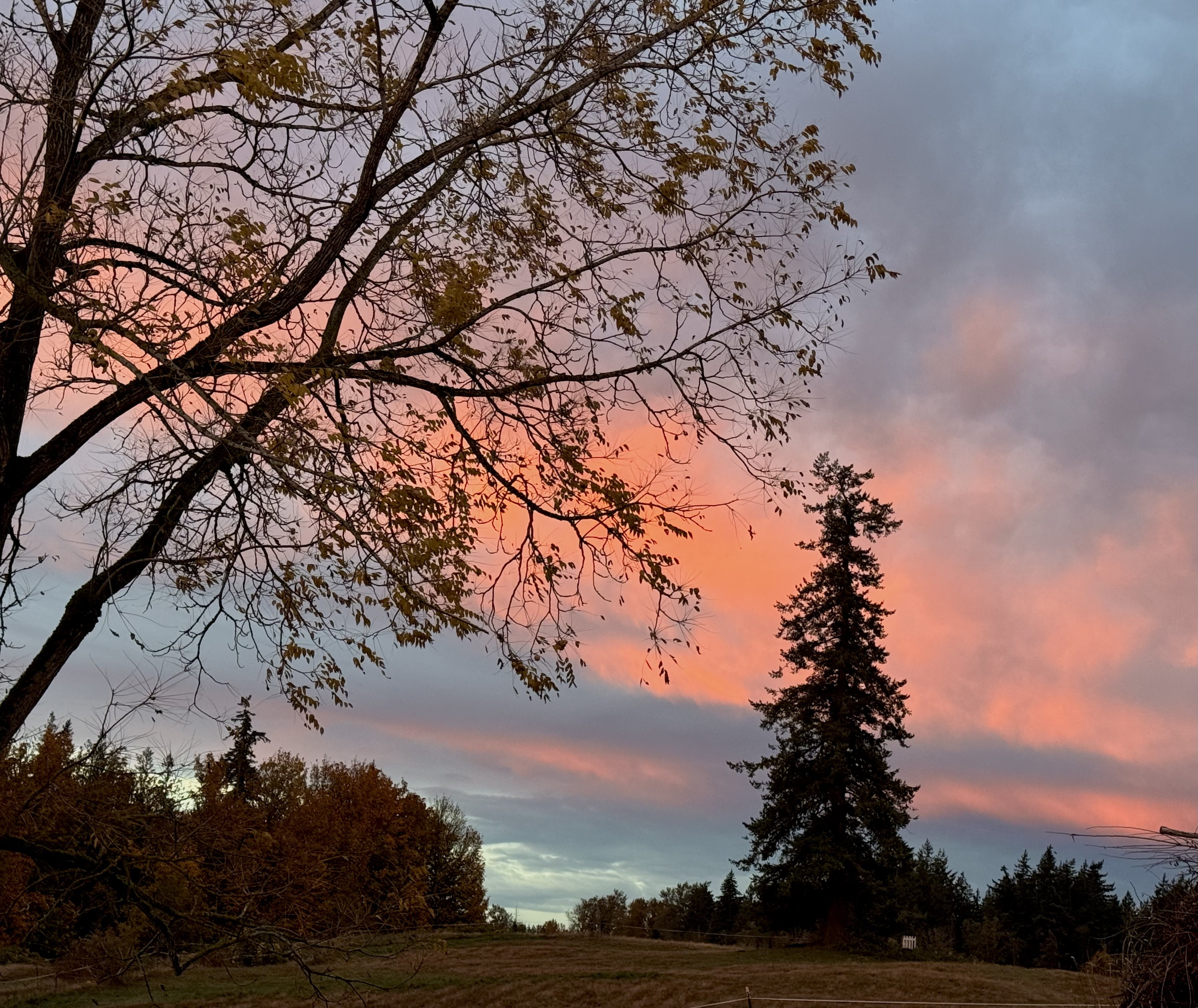
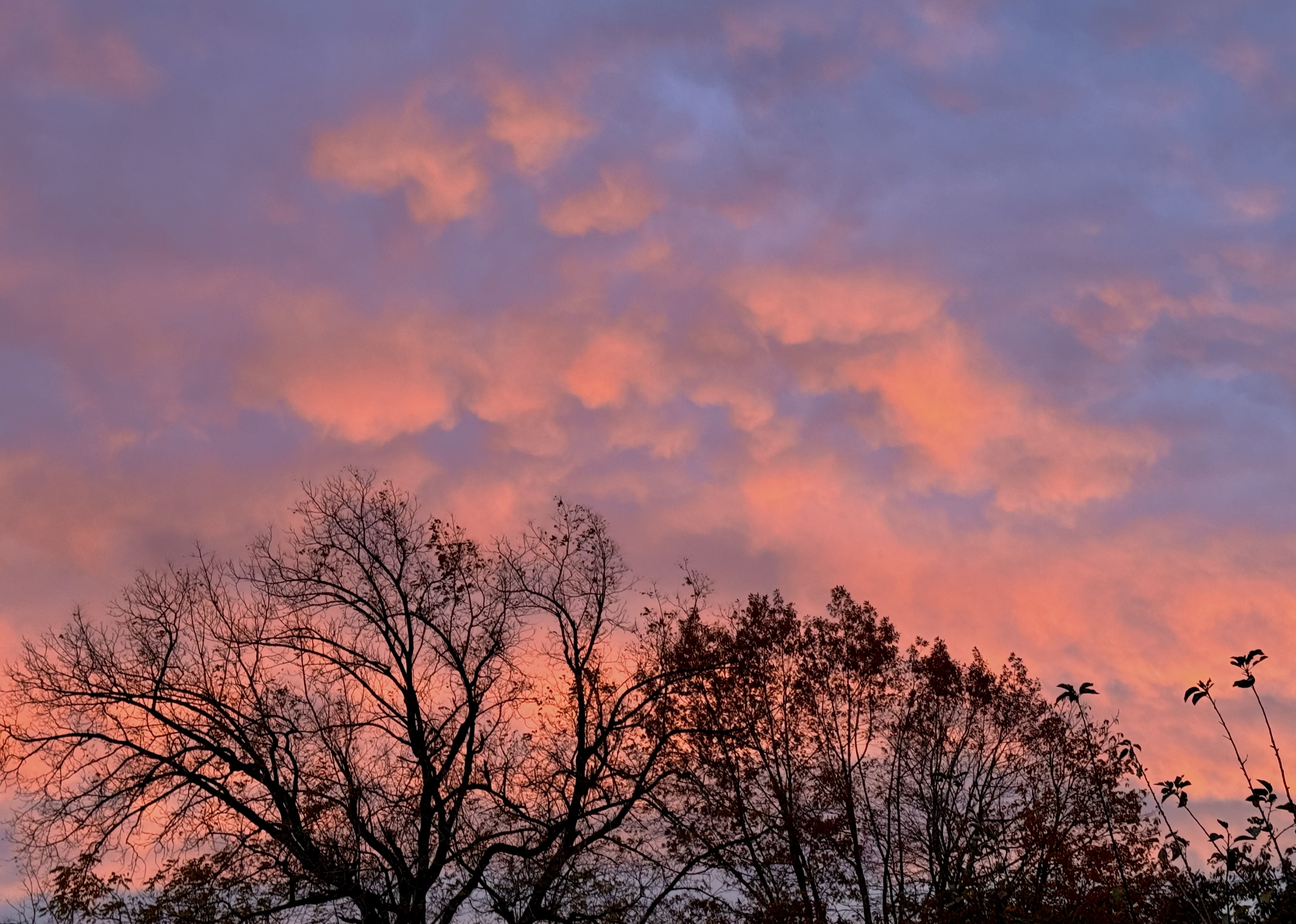
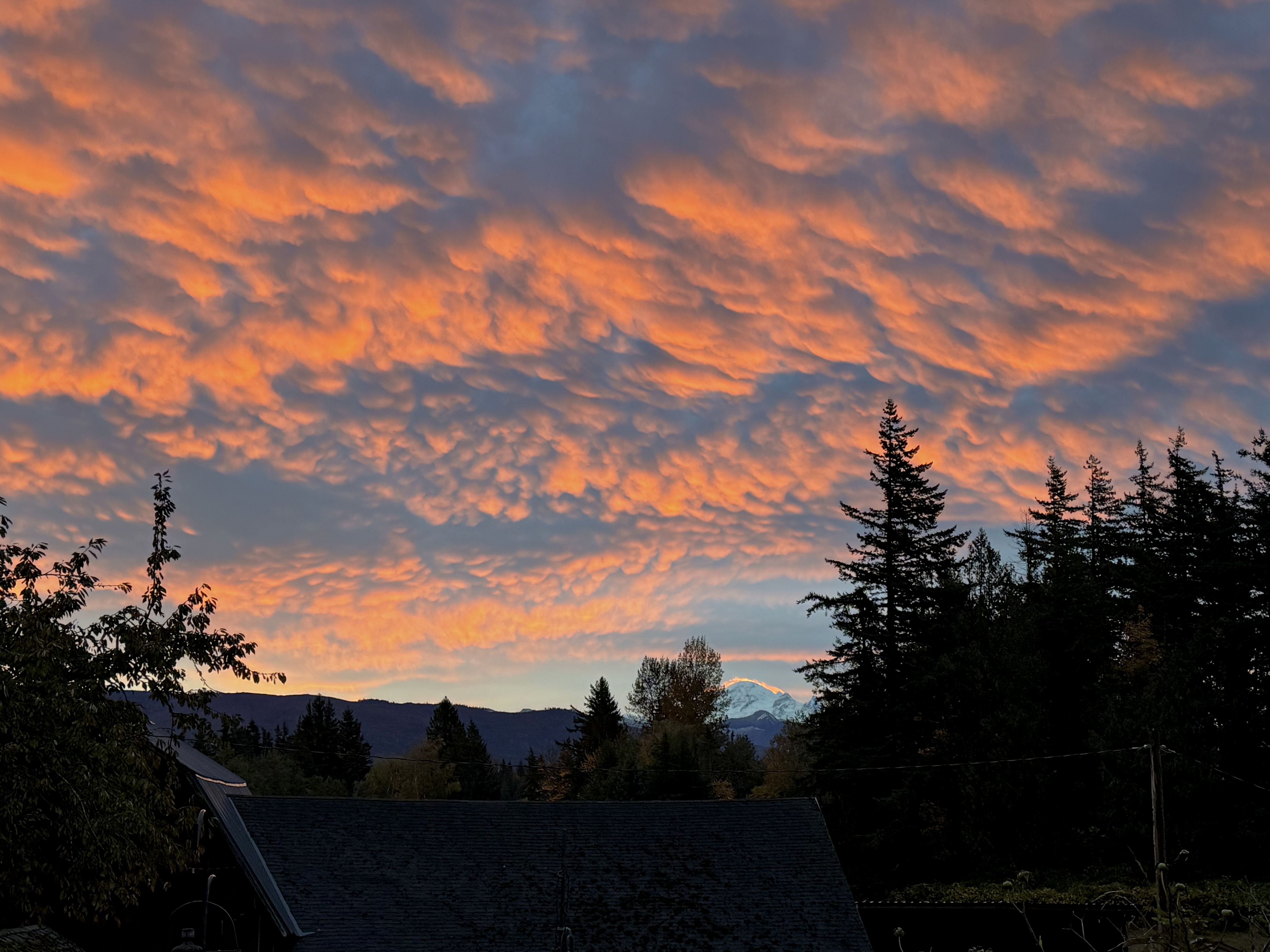
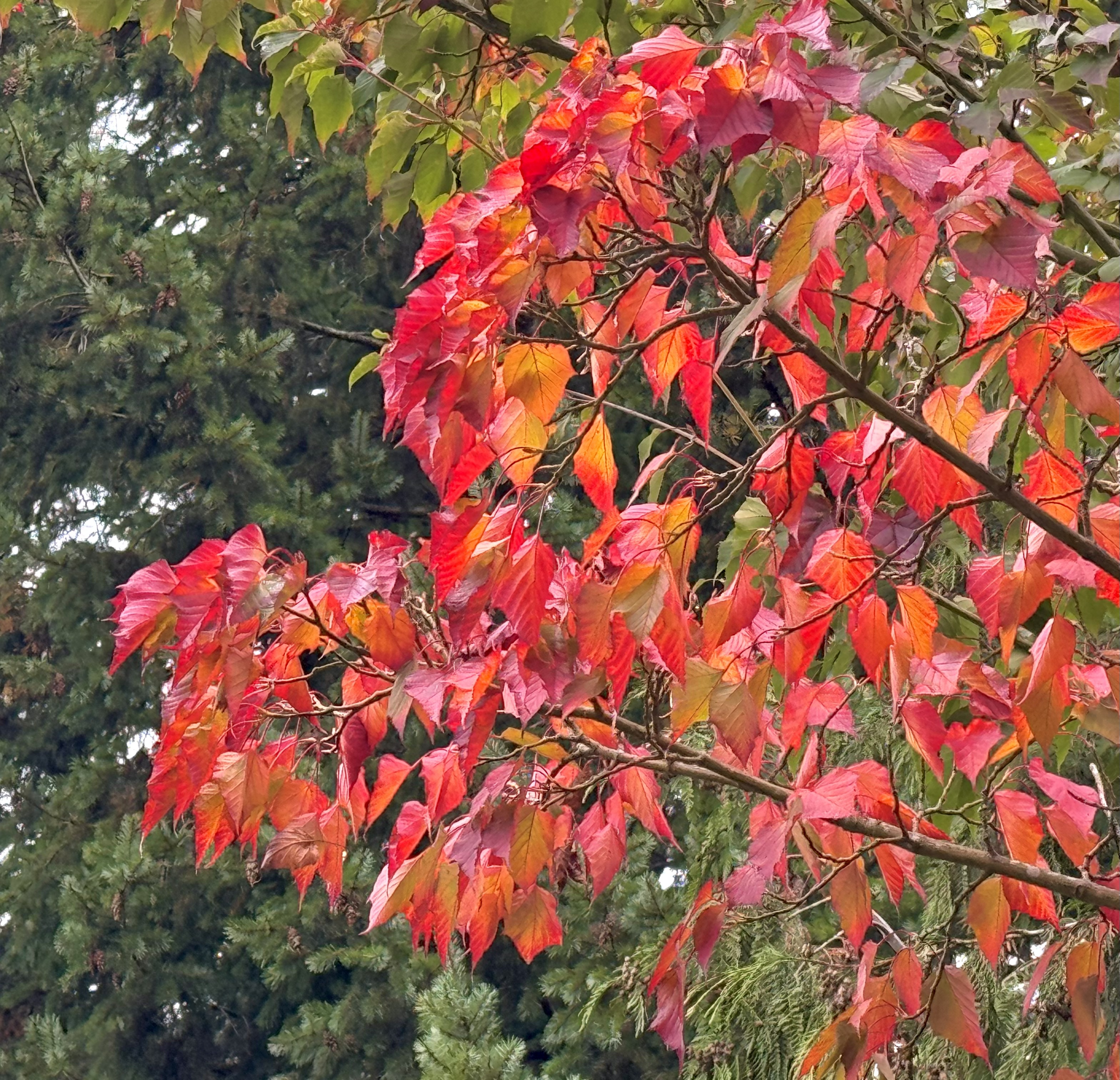
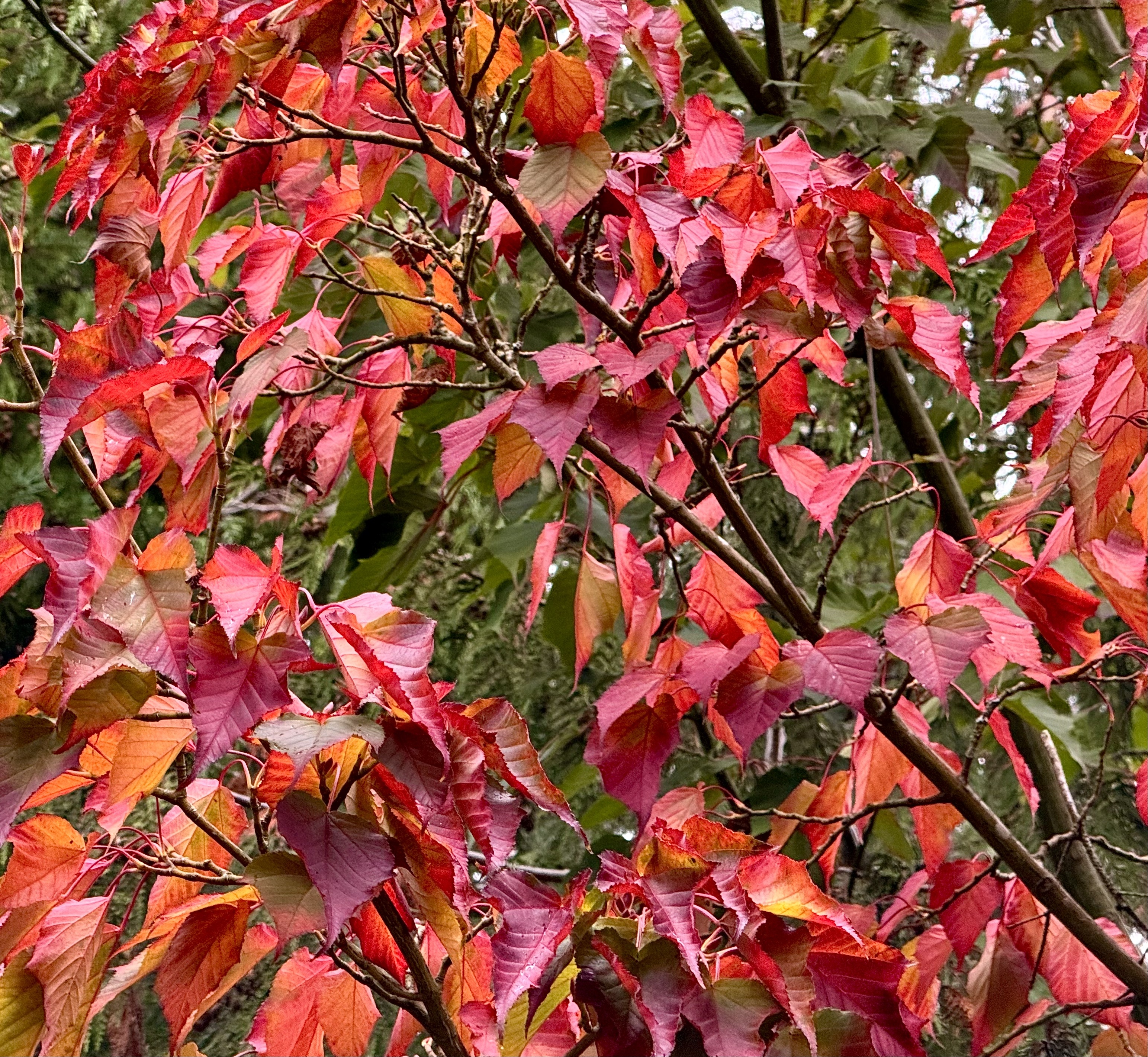
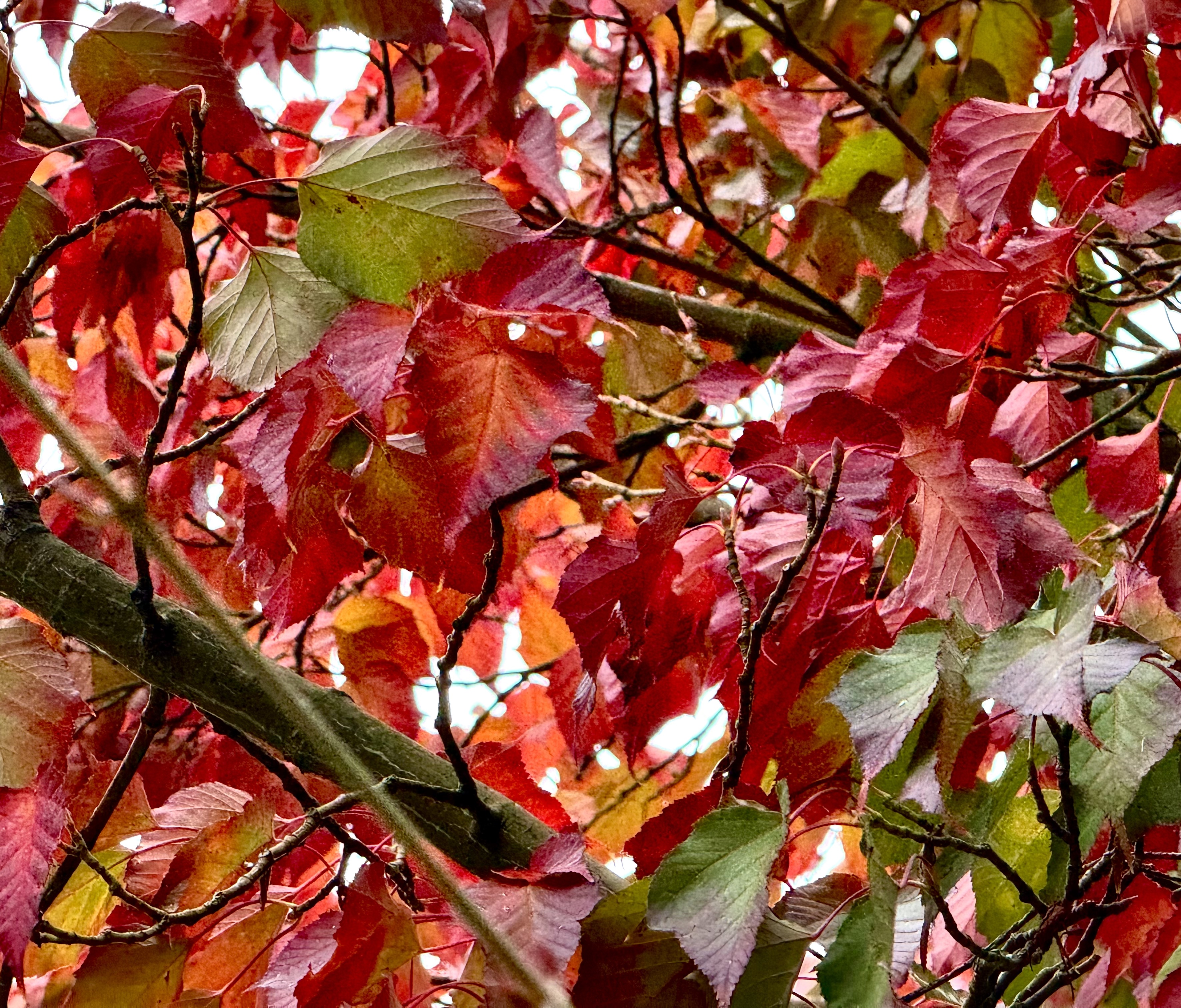
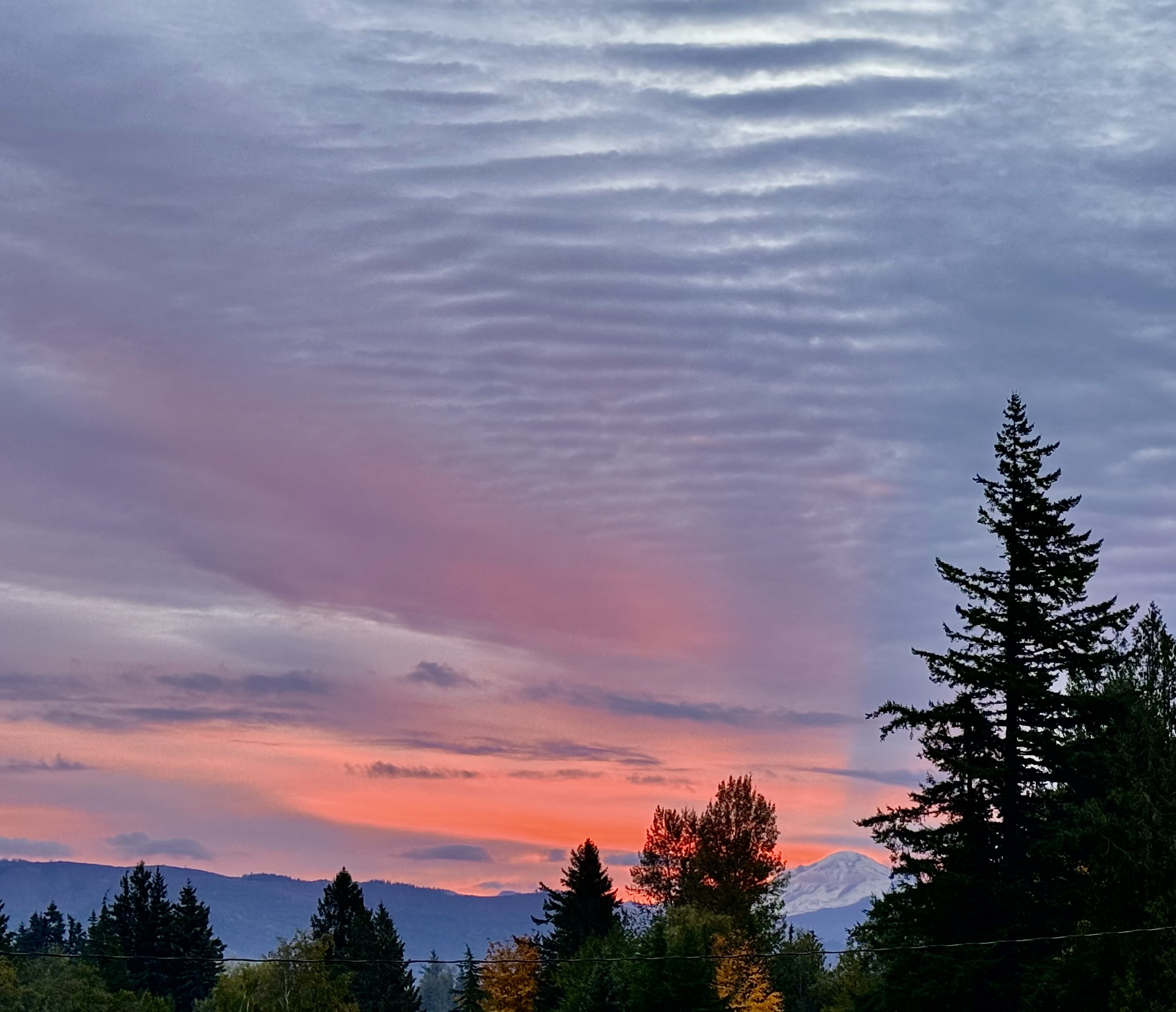
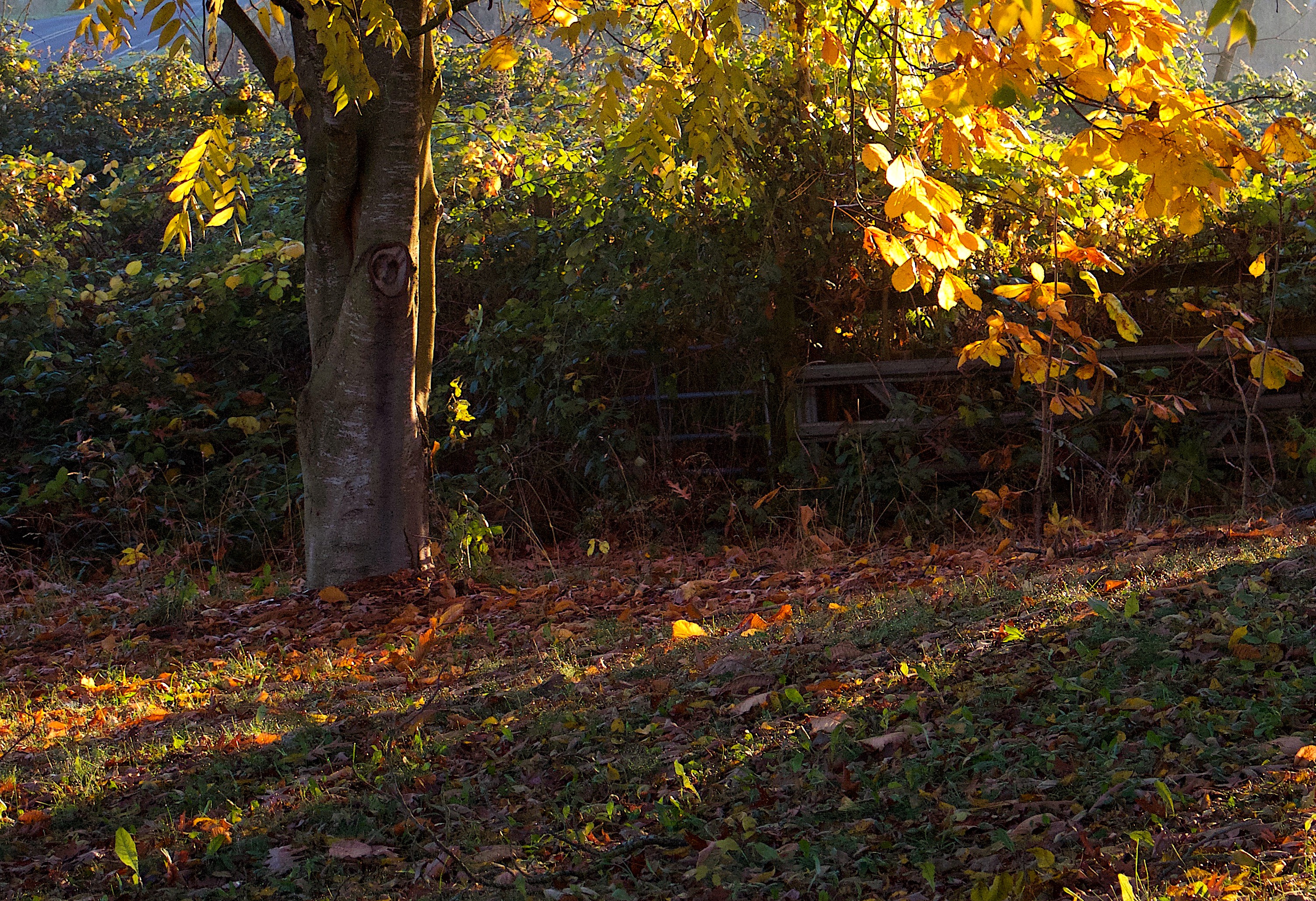
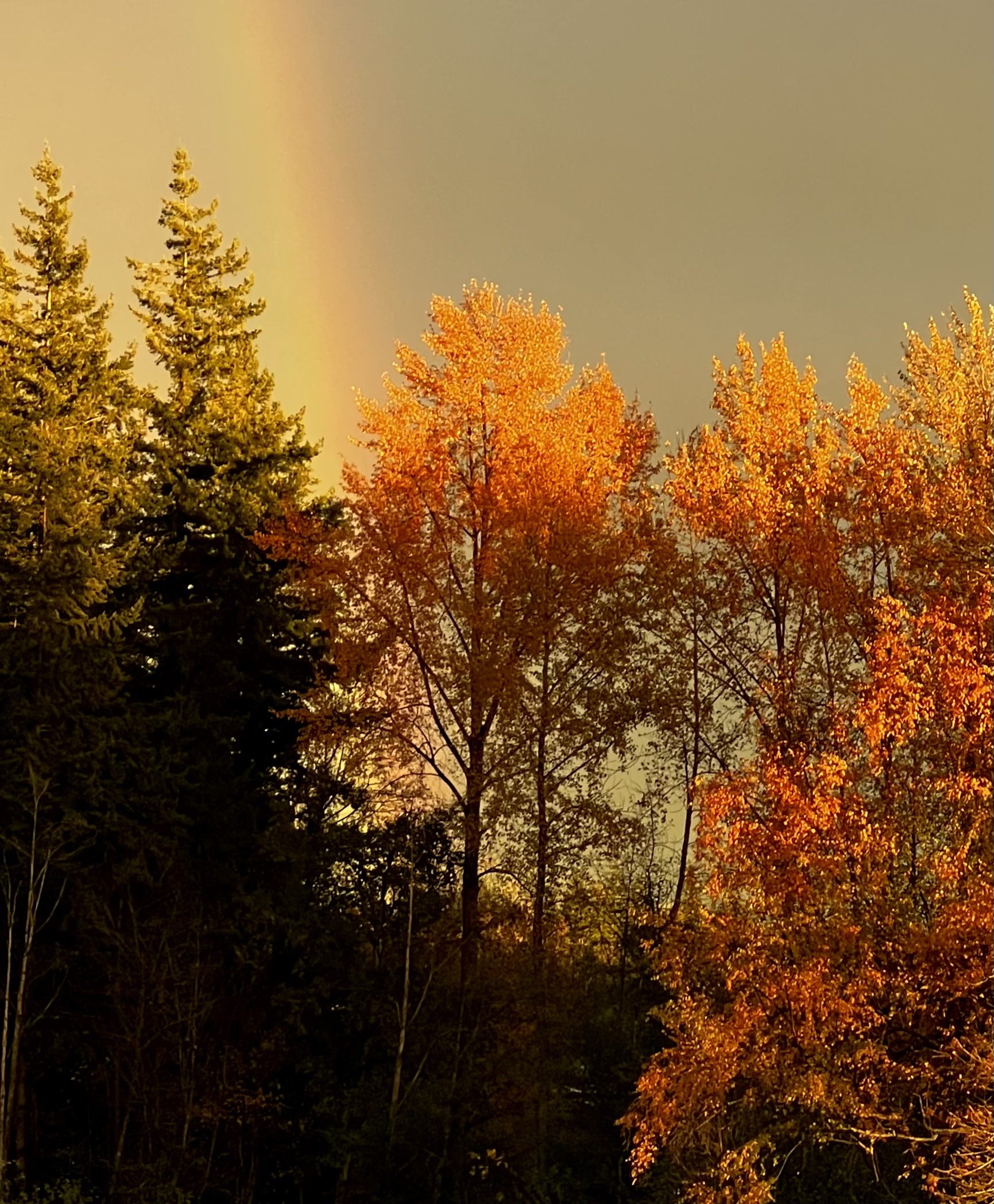
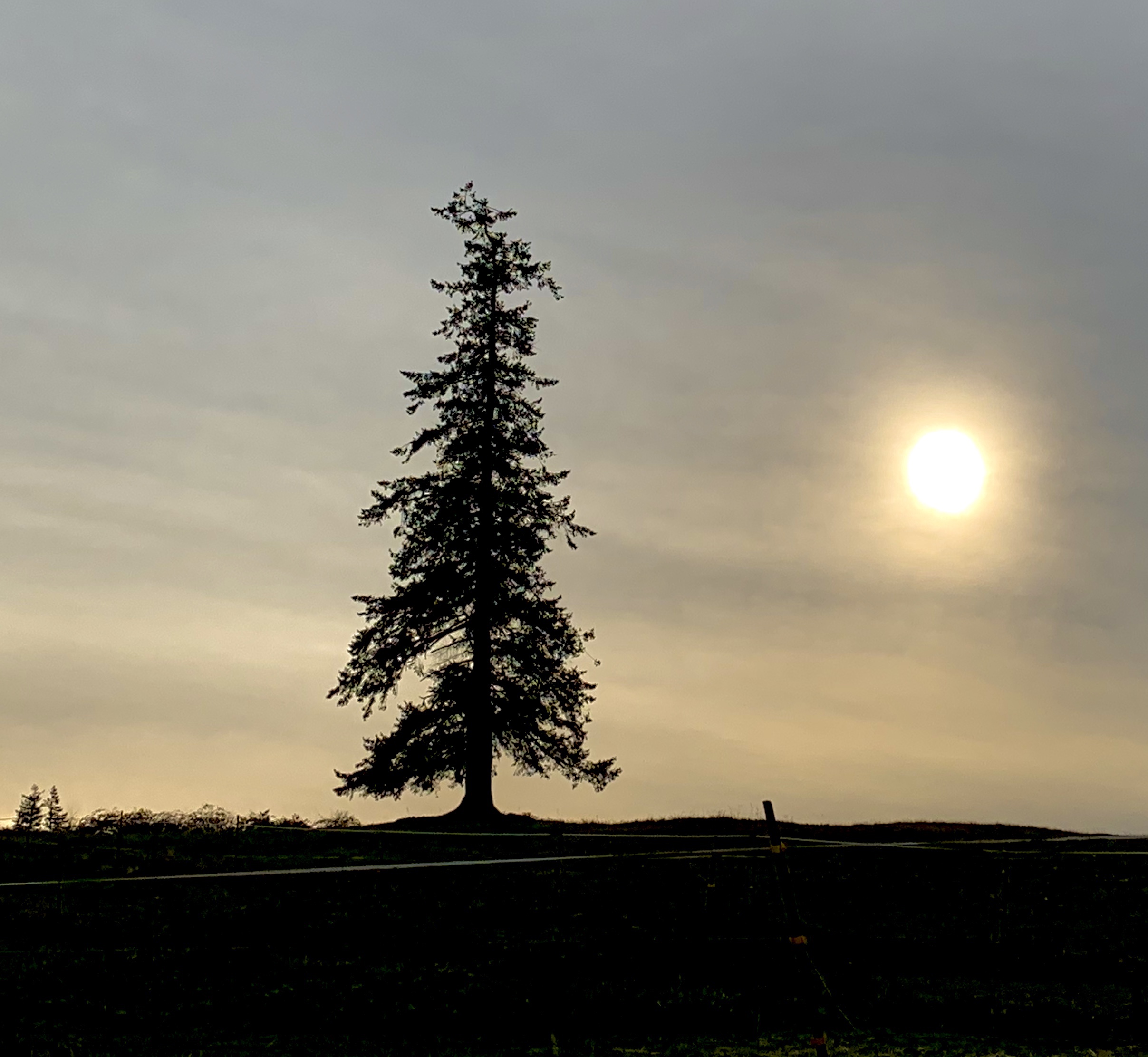
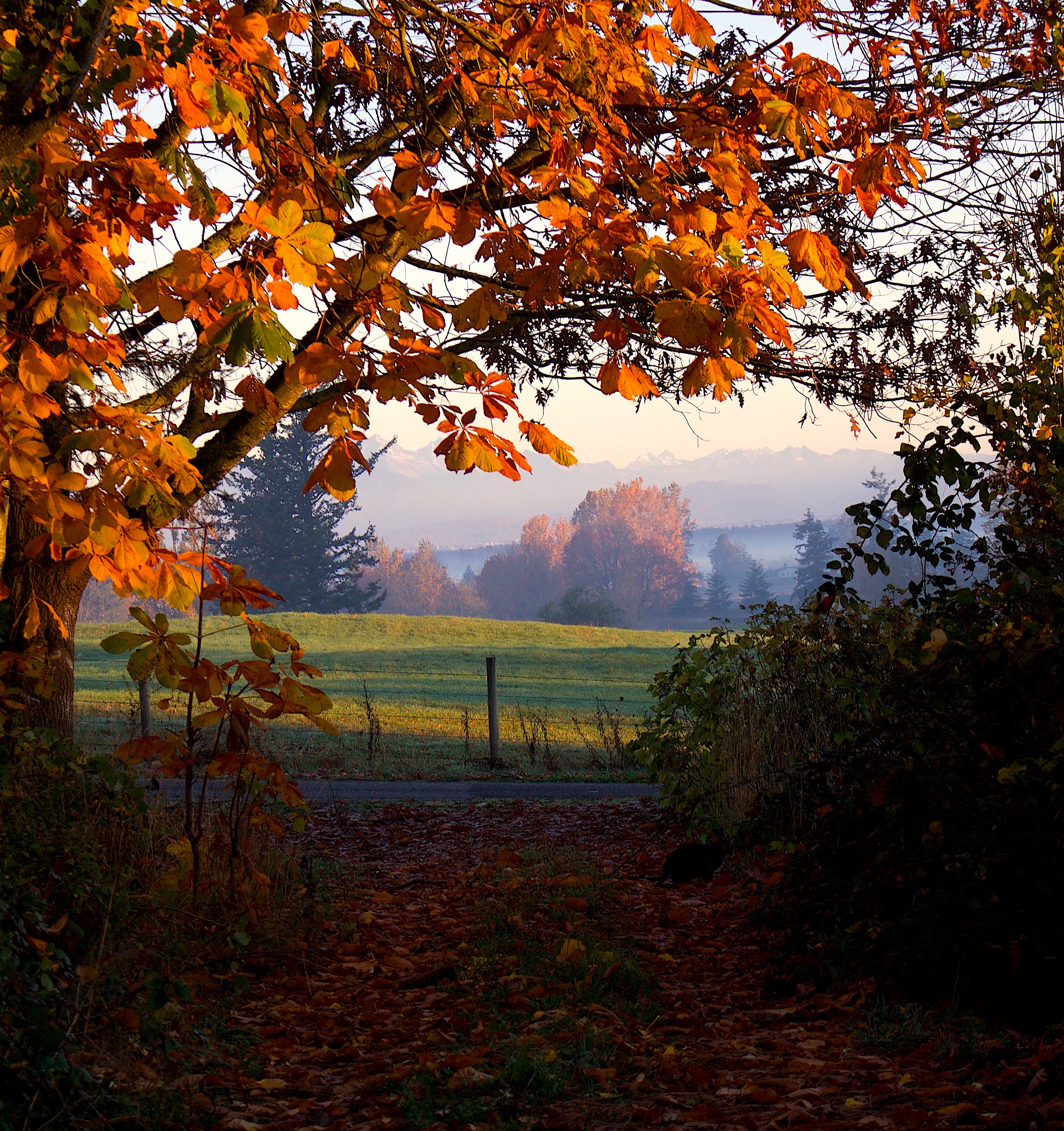
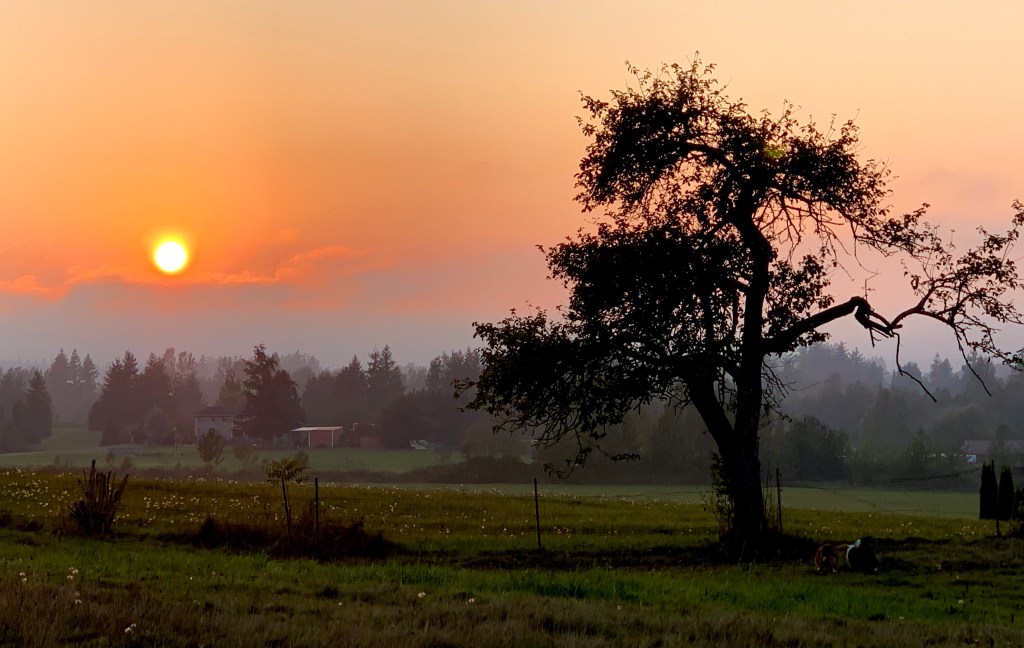
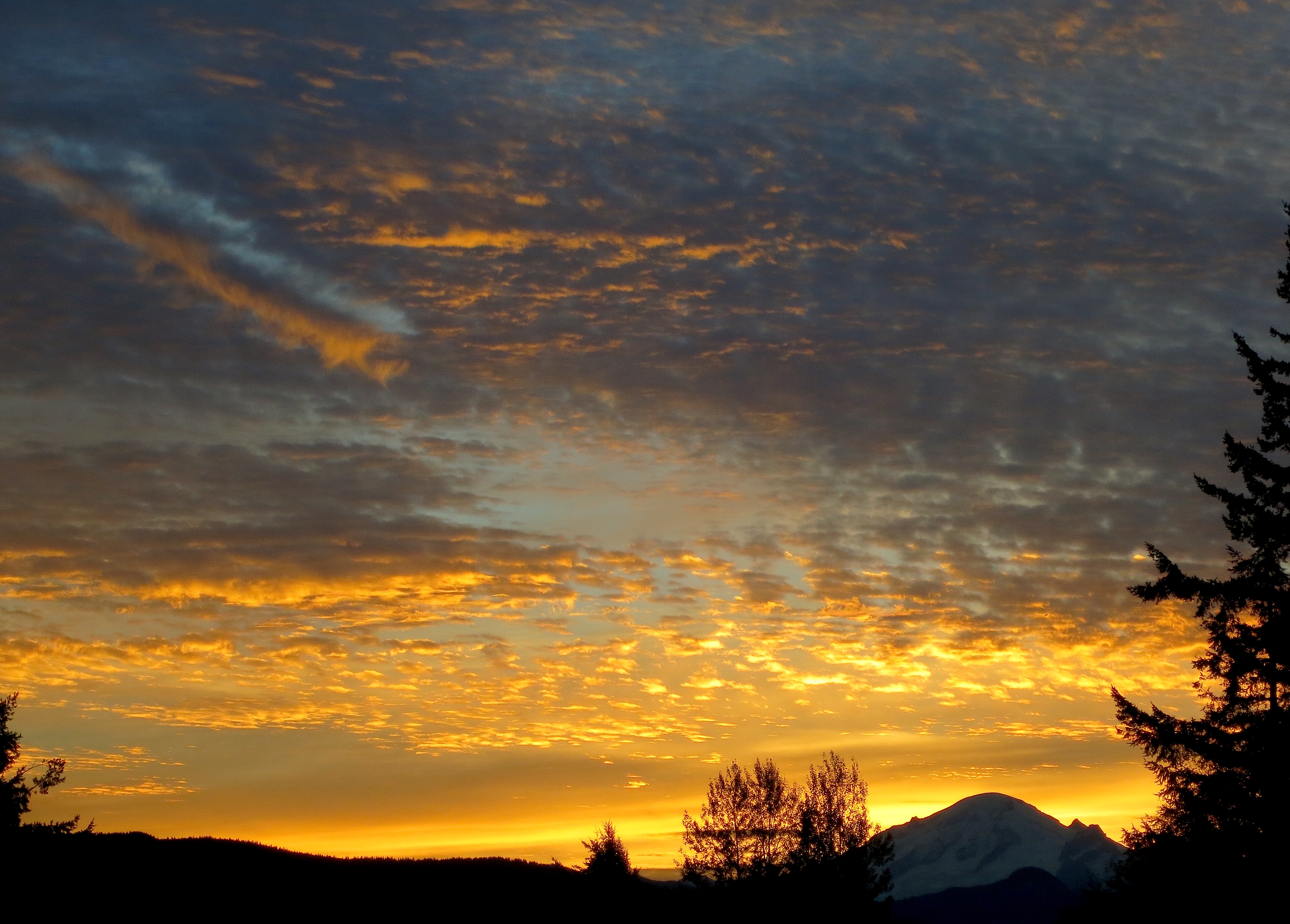
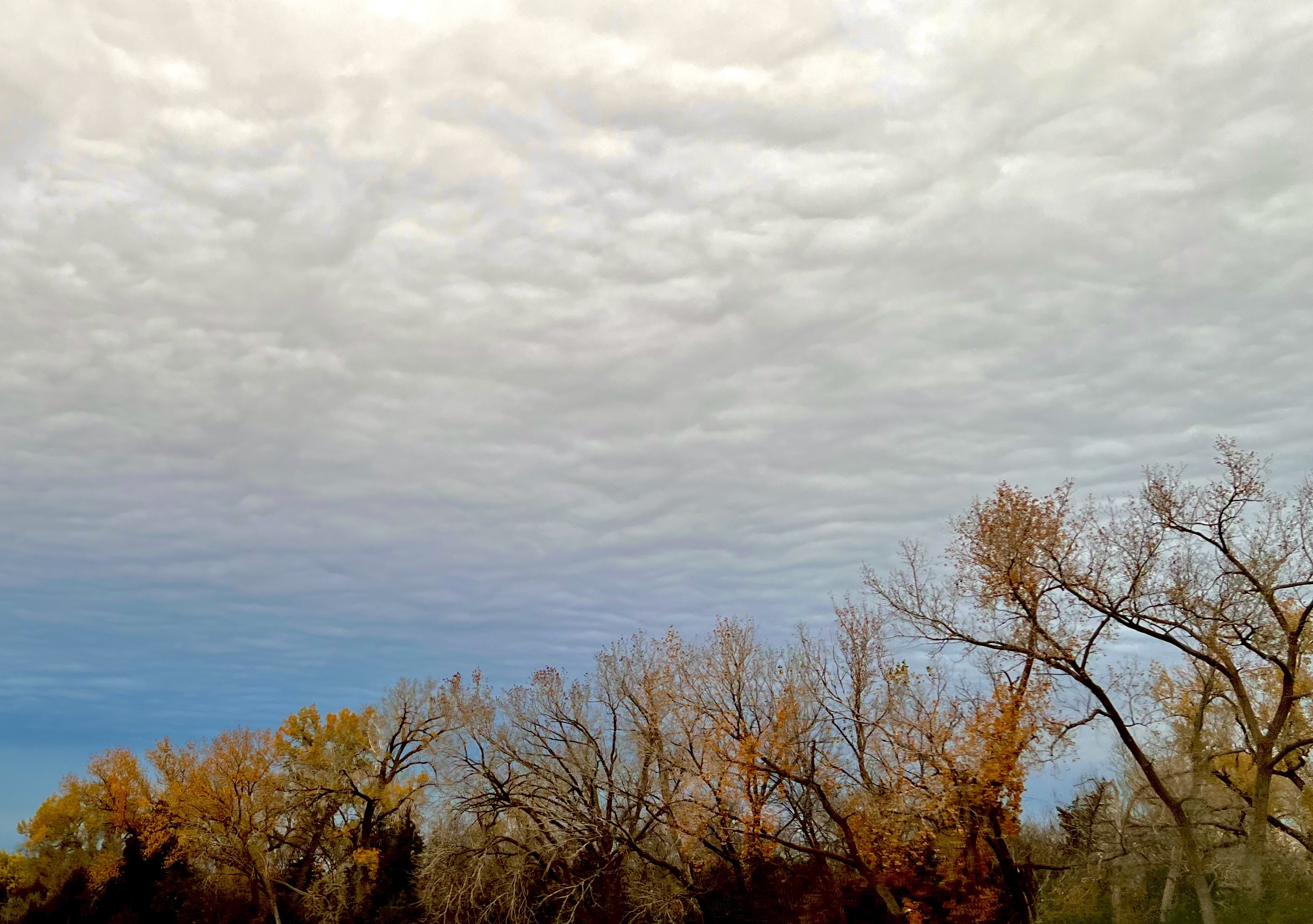
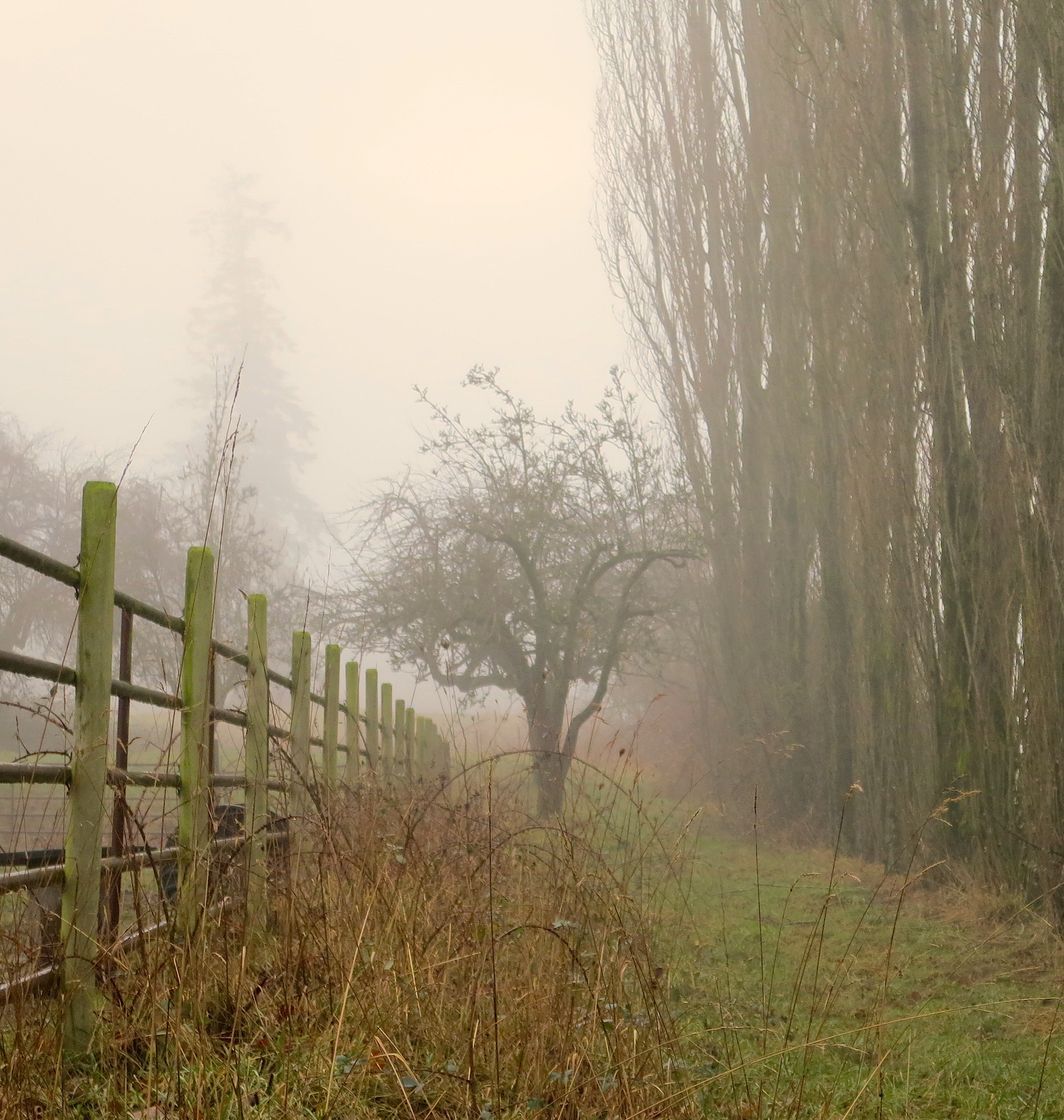
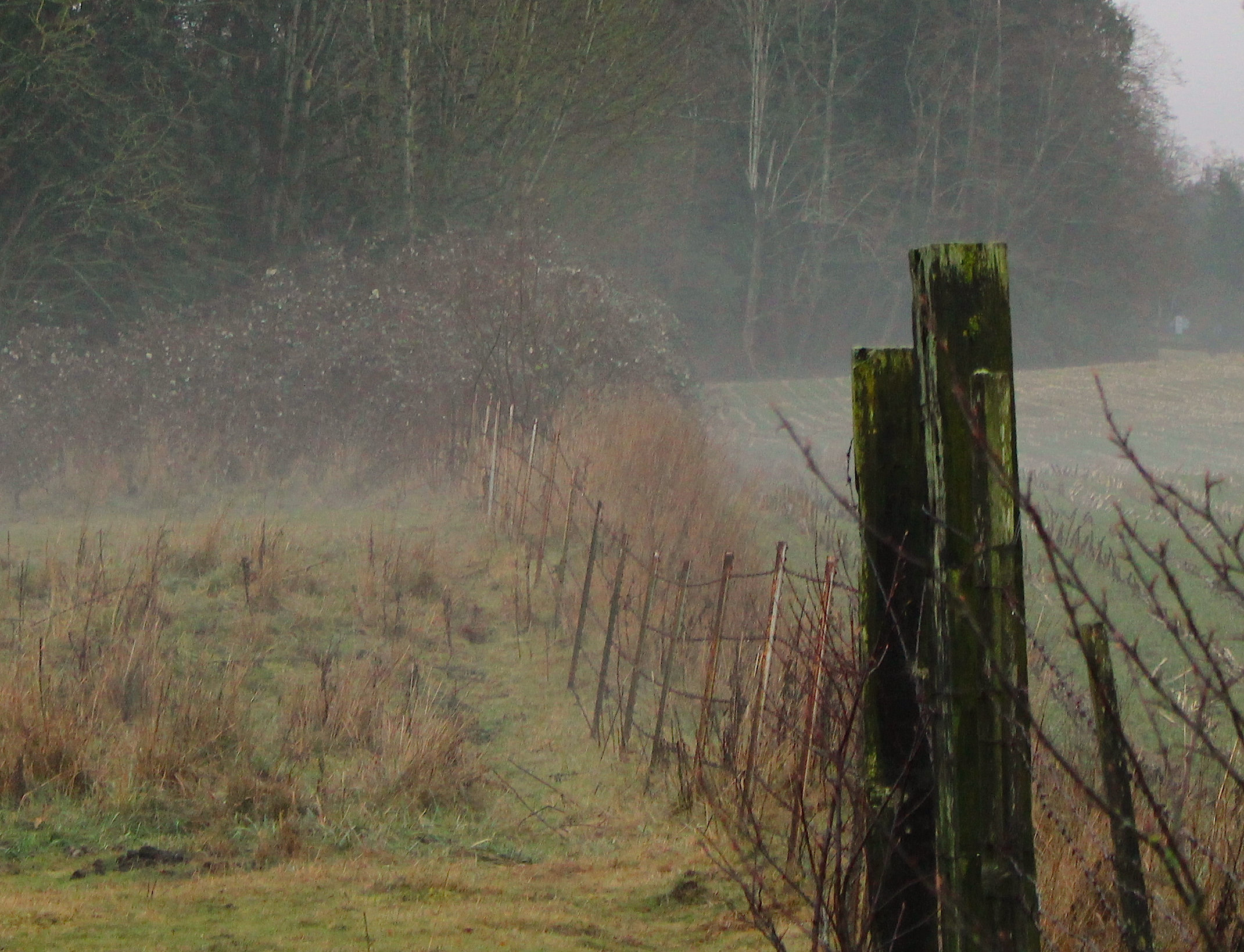
This morning, the rain suspended, its gray curtain pulled back briefly to view what awaits beyond the haze: this luminous brilliance, radiance, promise.
Slow down to look. Slow down to live. Slow.
One-Time
Monthly
Yearly
Make a one-time or recurring donation to support daily Barnstorming posts
Now constantly there is the sound, quieter than rain, of the leaves falling.
Under their loosening bright gold, the sycamore limbs bleach whiter.
Now the only flowers are beeweed and aster, spray of their white and lavender over the brown leaves.
The calling of a crow sounds Loud — landmark — now that the life of summer falls silent, and the nights grow. ~Wendell Berry “October 10” from New Collected Poems.
Know’st thou not at the fall of the leaf How the heart feels a languid grief Laid on it for a covering, And how sleep seems a goodly thing In Autumn at the fall of the leaf?
And how the swift beat of the brain Falters because it is in vain, In Autumn at the fall of the leaf Knowest thou not? and how the chief Of joys seems — not to suffer pain?
Know’st thou not at the fall of the leaf How the soul feels like a dried sheaf Bound up at length for harvesting, And how death seems a comely thing In Autumn at the fall of the leaf? ~Dante Rossetti “Autumn Song”
If I were a color, I am green, turning to gold, turning to bronze, becoming dust.
If I were a sound, I patter like raindrops and children’s feet. If I were a smell, I would be dry earth soaking up rain. If I were a touch, I am a leaf letting go, landing softly. If I were a taste, I would be warm and bittersweet. If I were a season, I am the wistful goodbye hug of autumn.
But I am none of these, being enough for now; this is enough for now.
Singing in the falling leaves, I will come rejoicing, Singing in the leaves.
One-Time
Monthly
Yearly
Make a one-time or recurring donation to support daily Barnstorming posts
I want to be a passenger in your car again and shut my eyes while you sit at the wheel,
awake and assured in your own private world, seeing all the lines on the road ahead,
down a long stretch of empty highway without any other faces in sight.
I want to be a passenger in your car again and put my life back in your hands. ~Michael Miller “December”
I heard an old man speak once, someone who had been sober for fifty years, a very prominent doctor. He said that he’d finally figured out a few years ago that his profound sense of control, in the world and over his life, is another addiction and a total illusion. He said that when he sees little kids sitting in the back seat of cars, in those car seats that have steering wheels, with grim expressions of concentration on their faces, clearly convinced that their efforts are causing the car to do whatever it is doing, he thinks of himself and his relationship with God: God who drives along silently, gently amused, in the real driver’s seat. ~Anne Lamott from Operating Instructions
Up north, the dashboard lights of the family car gleam in memory, the radio plays to itself as I drive my father plied the highways while my mother talked, she tried to hide that low lilt, that Finnish brogue, in the back seat, my sisters and I our eyes always tied to the Big Dipper I watch it still on summer evenings, as the fireflies stream above the ditches and moths smack into the windshield and the wildlife’s red eyes bore out from the dark forests we flew by, then scattered like the last bit of star light years before. It’s like a different country, the past we made wishes on unnamed falling stars that I’ve forgotten, that maybe were granted because I wished for love. ~Sheila Packa “Driving At Night” from The Mother Tongue
The moon was like a full cup tonight, too heavy, and sank in the mist soon after dark, leaving for light
faint stars and the silver leaves of milkweed beside the road, gleaming before my car.
Yet I like driving at night… the brown road through the mist
of mountain-dark, among farms so quiet, and the roadside willows opening out where I saw
the cows. Always a shock to remember them there, those great breathings close in the dark.
I stopped, and took my flashlight to the pasture fence. They turned to me where they lay, sad
and beautiful faces in the dark, and I counted them-forty near and far in the pasture…
I switched off my light.
But I did not want to go, not yet, nor knew what to do if I should stay, for how
in that great darkness could I explain anything, anything at all. I stood by the fence. And then
Some of my most cherished childhood memories come from long rides home in the car at night from holiday gatherings. My father always drove, my mother hummed “I See the Moon” in the front passenger seat, and we three kids sat in the back seat, drowsy and full of feasting.
The night world hypnotically passed by outside the car window. I wondered whether the rest of the world was as safe and content as I felt at that moment.
On clear nights, the moon followed us down the highway, shining a light on the road.
Now as a driver at night, transporting grandchildren from a family gathering, I want them to feel the same peaceful contentment that I did as a child. As an older driver, I don’t enjoy driving at night, especially dark rural roads in pouring rain. I understand the enormous responsibility I bear, transporting those whom I dearly love and want to keep safe.
In truth, I long to be a passenger again, with no worries or pressures – just along for the ride, watching the moon and the world drift by, knowing I’m well-cared for.
But of course, I fret about the immense burden I feel to make things right in this dark and troubled world.
I am a passenger on a planet that has a Driver who feels great responsibility and care for all He transports through the black night of the universe. He loves me and I can rest content in the knowledge that I am safe in His vigilant hands.
I am not the driver – He knows how to safely bring me home, even in the rain.
I see the moon, it’s shining from far away, Beckoning with ev‘ry beam. And though all the start above cast down their light, Still the moon is all that I see And it’s calling out, “Come run a way! And we’ll sail with the clouds for our sea, And we’ll travel on through the black of the night, ‘til we float back home on a dream!” The moon approaches my window pane, stretching itself to the ground. The moon sings softly and laughs and smiles, and yet never makes a sound! I see the moon! I see the moon! Part A And it’s calling out, “Come run a way! And we’ll sail with the clouds for our sea, And we’ll travel on through the black of the night, ‘til we float back home on a dream!” Part B I see the moon, it’s shining from far away, Beckoning with ev‘ry beam. And though all the stars above cast down their light, Still the moon is all that I see ~Douglas Beam
One-Time
Monthly
Yearly
Make a one-time or recurring donation to support daily Barnstorming posts
Love means to learn to look at yourself The way one looks at distant things For you are only one thing among many. And whoever sees that way heals his heart, Without knowing it, from various ills— A bird and a tree say to him: Friend.
Then he wants to use himself and things So that they stand in the glow of ripeness. It doesn’t matter whether he knows what he serves: Who serves best doesn’t always understand. ~Czeslaw Milosz “Love” from New and Collected Poems: 1931-2001
Let him kneel down, lower his face to the grass, And look at light reflected by the ground. There he will find everything we have lost… ~Czeslaw Milosz from “The Sun”
It’s not easy to subdue the needy ego and let the life-giving soul take control, even though doing so saves us grief and serves the world well. So if you see me on the street one day, quietly muttering, “Only one thing among many, only one thing among many…,” you’ll know I’m still working on it, or it’s still working on me. ~Parker Palmer “The Big Question: Does My Life Have Meaning?”
It is always tempting to be self-absorbed; since my heart stent placement nearly 8 months ago, I tend to analyze every sensation in my chest, fuss over how many steps I take daily, and get discouraged when the scale doesn’t register the sacrifices I think I’m making in my diet.
In other words, in my efforts to heal my physically-broken heart, I become the center of my attention, rather than just one among many things in the days/months/years I have left. I need to look at myself from a distance rather than under a microscope.
It is a skewed and futile perspective, seeking meaning and purpose in life by navel gazing.
Instead, I should be concentrating on the ripeness of each day. I’ve been given a second chance to recalibrate my journey through the time I have left, focusing outward, gazing at the wonders around me, sometimes getting down on my knees.
I don’t fully understand how I might serve others by what I share here online, or what I do in my local community with my hands and feet. I now know not to miss the moments basking in the glow of loving those around me, including you friends I may never meet on this side of the veil.
May you glow in ripeness as well.
One-Time
Monthly
Yearly
Make a one-time or recurring donation to support daily Barnstorming posts
The rain falls and falls cool, bottomless, and prehistoric falls like night — not an ablution not a baptism just a small reason to remember all we know of Heaven to remember we are still here with our love songs and our wars…
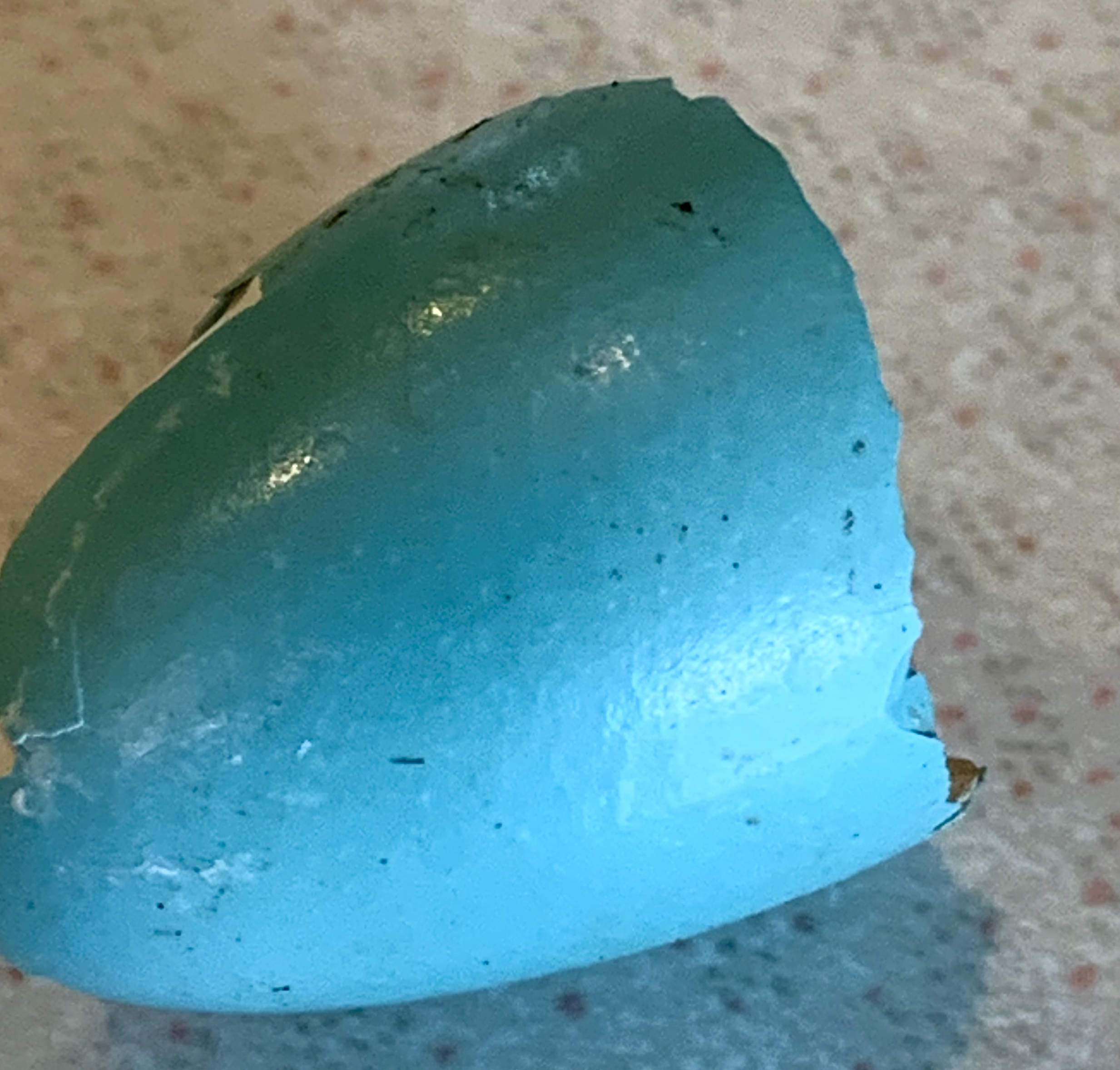
Here too in the wet grass half a shell of a robin’s egg shimmers blue as a newborn star fragile as a world. ~Maria Popova from “Spell Against Indifference”
…I had sat down to rest with my back against a stump. Through accident I was concealed from the glade, although I could see into it perfectly.
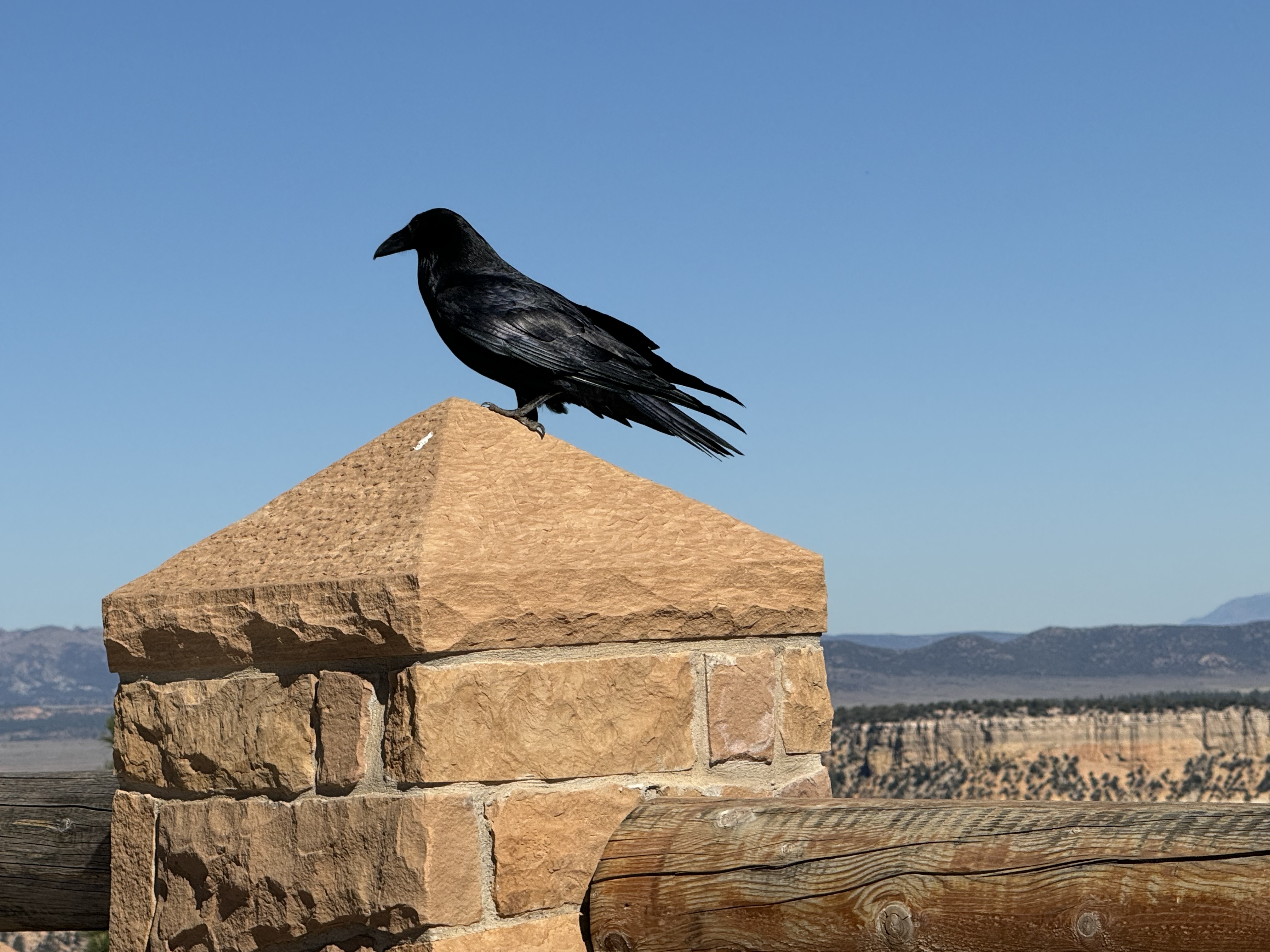
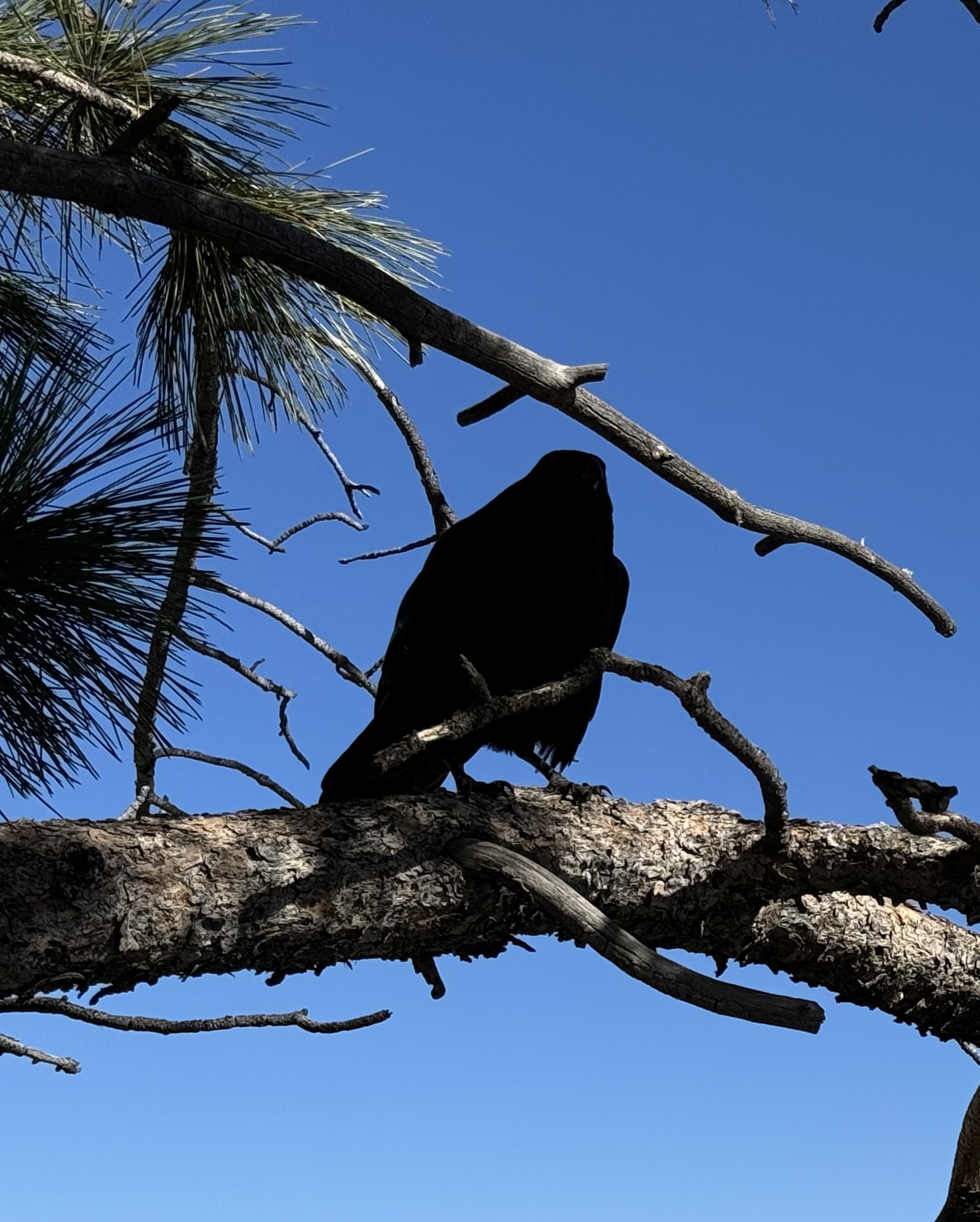
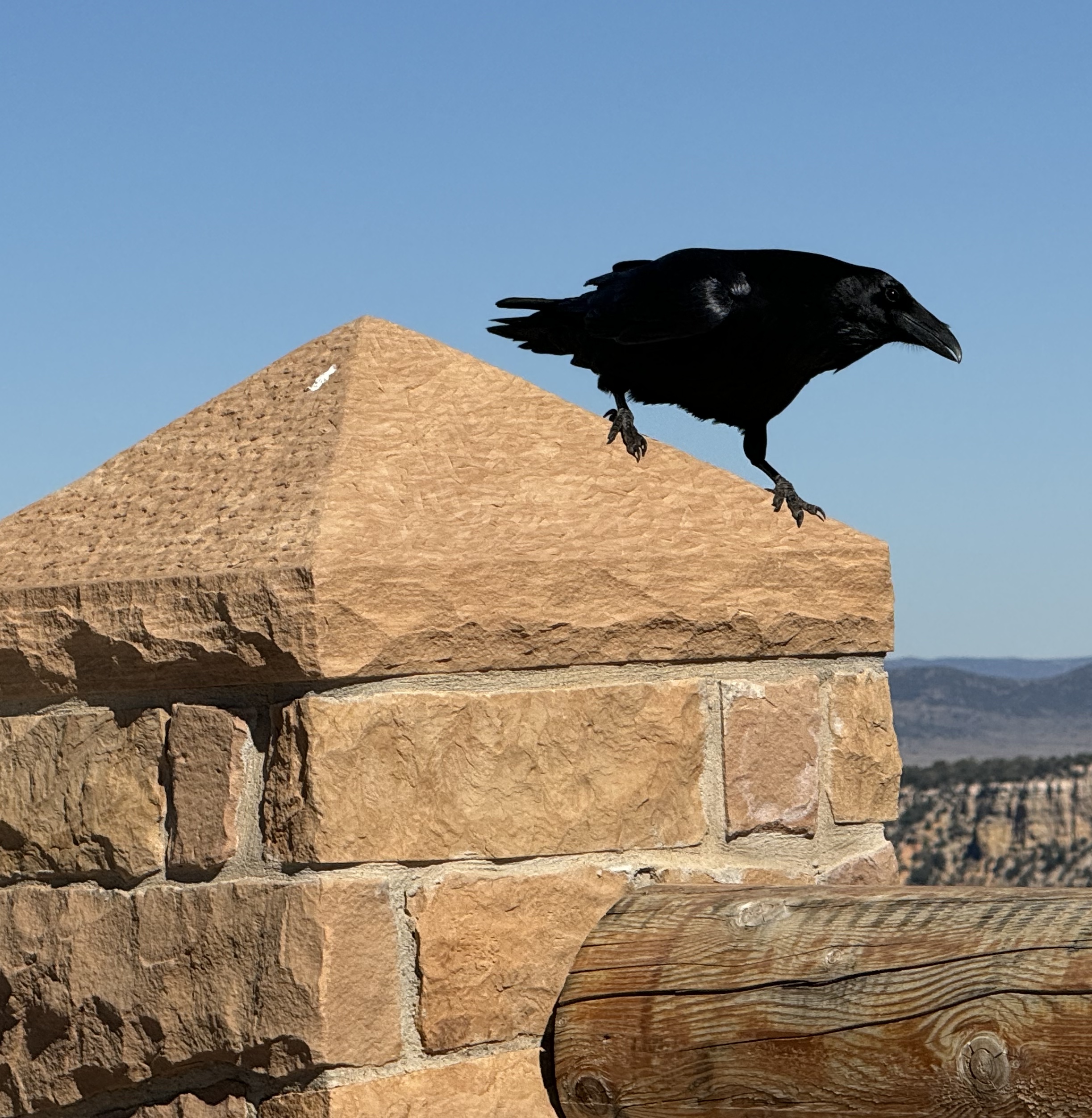
The sun was warm there, and the murmurs of forest life blurred softly away into my sleep. When I awoke, dimly aware of some commotion and outcry in the clearing, the light was slanting down through the pines in such a way that the glade was lit like some vast cathedral. I could see the dust motes of wood pollen in the long shaft of light, and there on the extended branch sat an enormous raven with a red and squirming nestling in his beak.
The sound that awoke me was the outraged cries of the nestling’s parents, who flew helplessly in circles about the clearing. The sleek black monster was indifferent to them. He gulped, whetted his beak on the dead branch a moment, and sat still. Up to that point the little tragedy had followed the usual pattern.
But suddenly, out of all that area of woodland, a soft sound of complaint began to rise. Into the glade fluttered small birds of half a dozen varieties drawn by the anguished outcries of the tiny parents.
No one dared to attack the raven. But they cried there in some instinctive common misery, the bereaved and the unbereaved. The glade filled with their soft rustling and their cries. They fluttered as though to point their wings at the murderer. There was a dim intangible ethic he had violated, that they knew. He was a bird of death.
And he, the murderer, the black bird at the heart of life, sat on there, glistening in the common light, formidable, unmoving, unperturbed, untouchable.
The sighing died. It was then I saw the judgment. It was the judgment of life against death. I will never see it again so forcefully presented. I will never hear it again in notes so tragically prolonged.
For in the midst of protest, they forgot the violence.
There, in that clearing, the crystal note of a song sparrow lifted hesitantly in the hush. And finally, after painful fluttering, another took the song, and then another, the song passing from one bird to another, doubtfully at first, as though some evil thing were being slowly forgotten. Till suddenly they took heart and sang from many throats joyously together as birds are known to sing.
They sang because life is sweet and sunlight beautiful. They sang under the brooding shadow of the raven. In simple truth they had forgotten the raven, for they were the singers of life, and not of death. ~Loren Eiseley from The Star Thrower
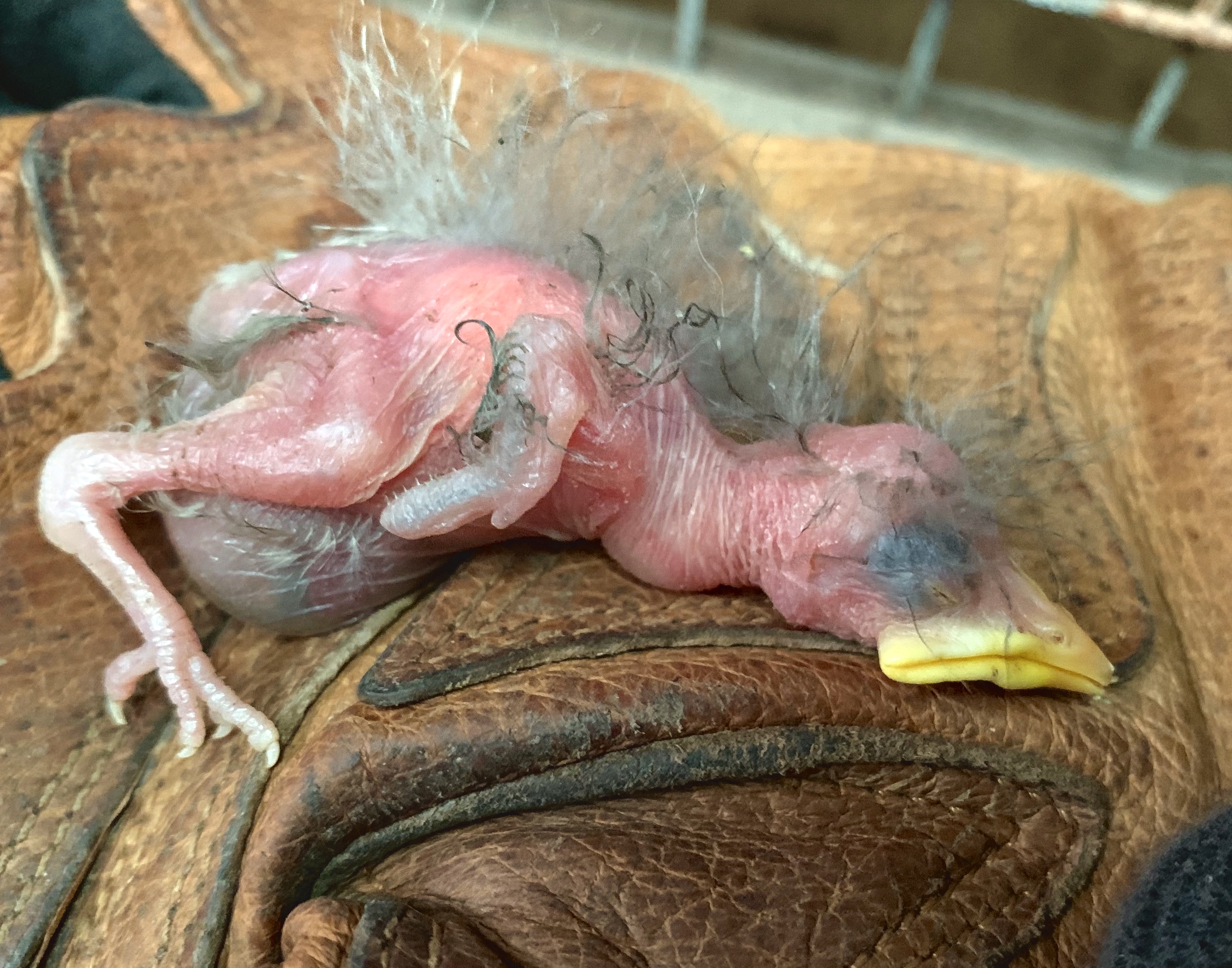
Each of us at times are as vulnerable as a nestling, just hatched. The world is full of those who would eat us for lunch and do.
The world is also full of those who grieve and lament the violence that surrounds us, the tragedy of lives lost, the unending wars, the bullies and the bullied.
But the bird of death does not have the final word. He will soon be forgotten, forever sidelined as we reject what he and others like him represent.
Our cries of lament, our protests of violence transform into a celebration of life – we do not abandon all we have lost, but no longer allow any more to be stolen from us.
Only then may grief’s shadow be overwhelmed by joy.
One-Time
Monthly
Yearly
Make a one-time or recurring donation to support daily Barnstorming posts
I cannot endure to waste anything so precious as autumnal sunshine by staying in the house. There is no seasonwhen such pleasant and sunny spots may be lighted on, and produce so pleasant an effect on the feelings, as now in October. The sunshine is peculiarly genial; and in sheltered places, as on the side of a bank, or of a barn or house, one becomes acquainted and friendly with the sunshine. It seems to be of a kindly and homely nature. And the green grass strewn with a few withered leaves looks the more green and beautiful for them. ~Nathaniel Hawthornefrom The American Notebooks
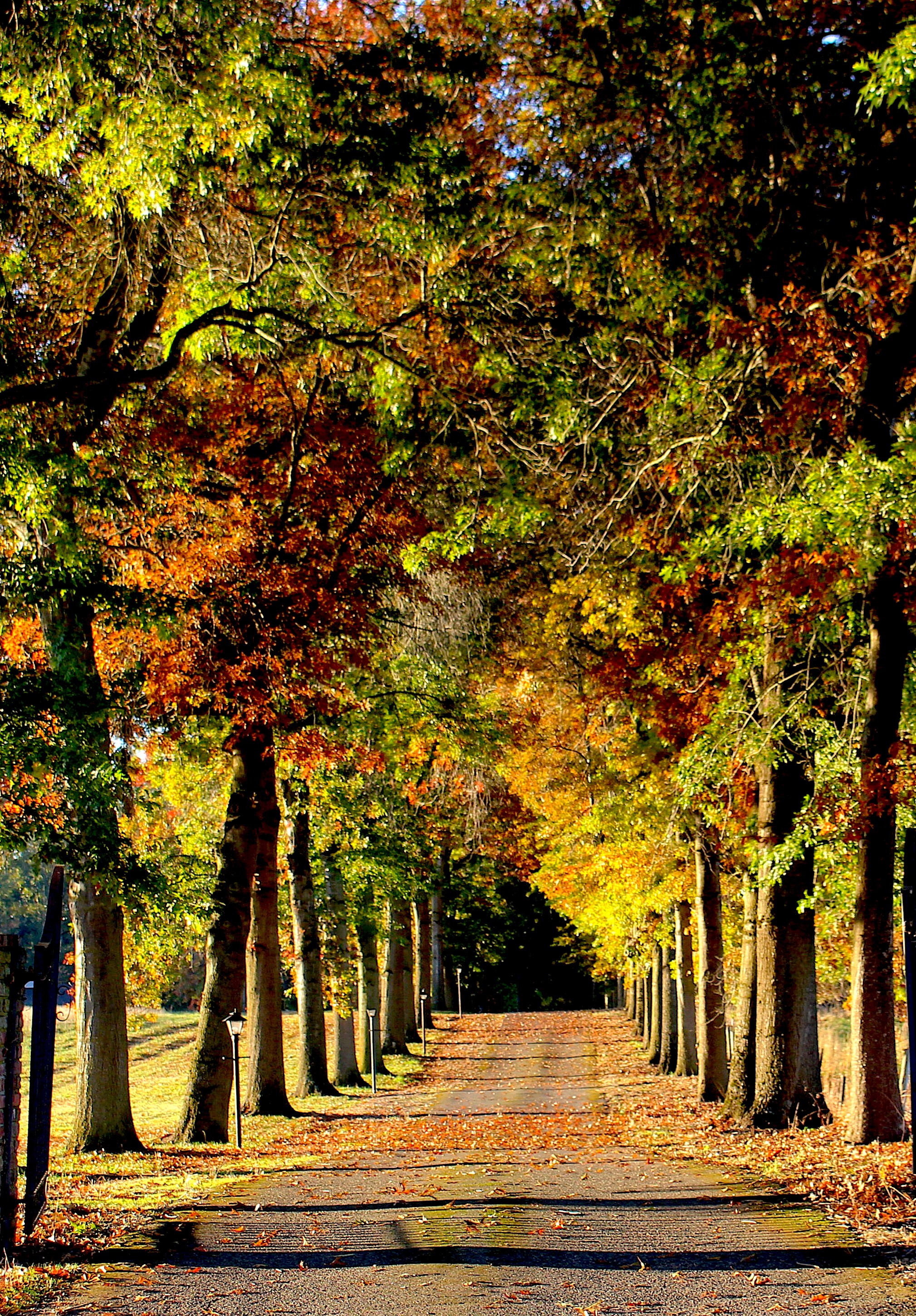
After the keen still days of September, the October sun filled the world with mellow warmth… The maple tree in front of the doorstep burned like a gigantic red torch. The oaks along the roadway glowed yellow and bronze. The fields stretched like a carpet of jewels, emerald and topaz and garnet. Everywhere she walked the color shouted and sang around her… In October any wonderful unexpected thing might be possible. ~Elizabeth George Speare from The Witch of Blackbird Pond
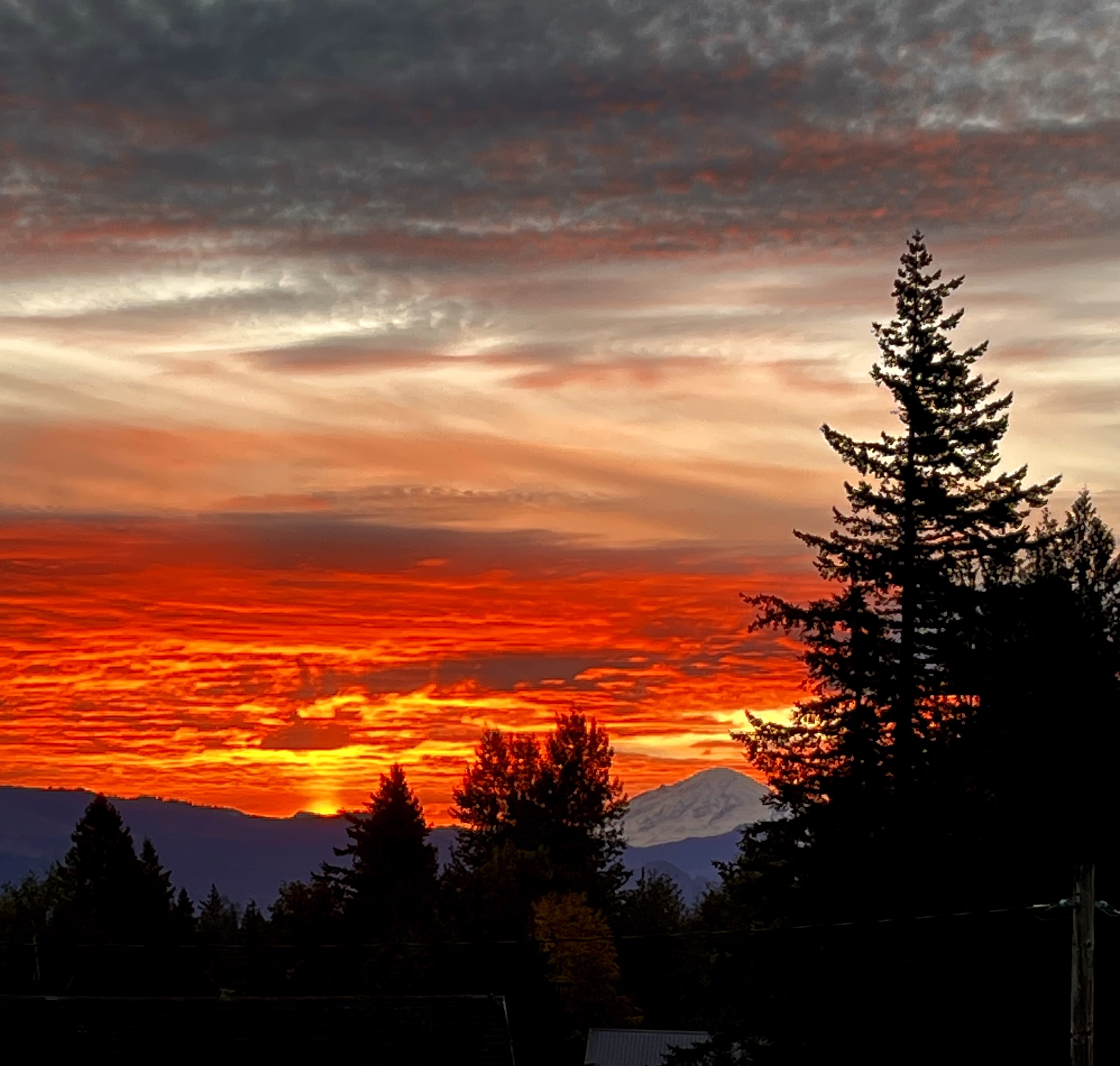
If I were a month, I would choose to be October: bathed in a “peculiarly genial” and friendly light. A kindly and homely nature, slowly withering, yet still crisp, with mild temperature and modest temperament despite a drenching rain and wind storm or two, once in a while foggy.
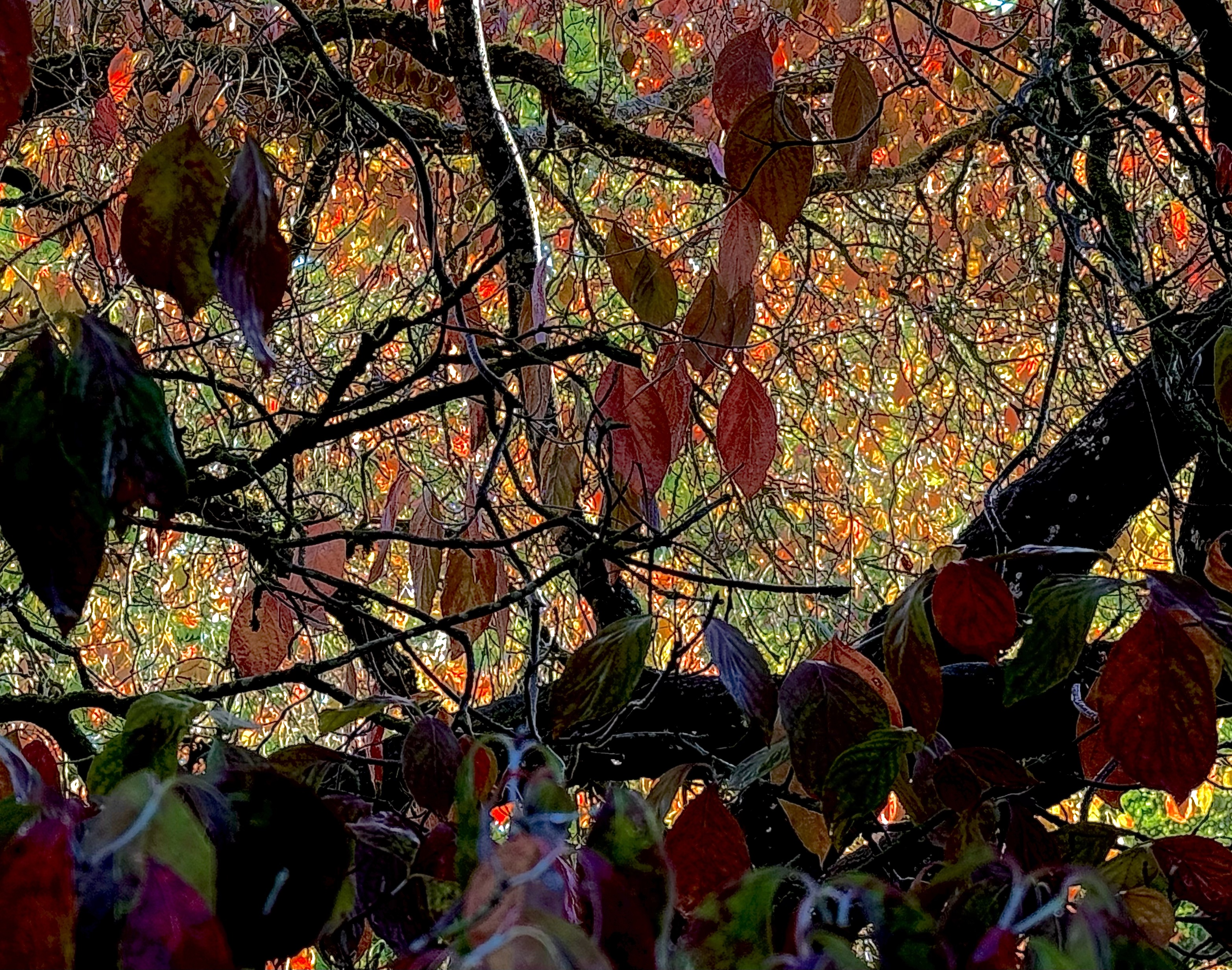
Most of all, I would cherish my flashes of burnt umber as I reluctantly relinquish the light.
text by Mechthild of Magdeburg Effortlessly, Love flows from God into man, Like a bird who rivers the air without moving her wings. Thus we move in His world one in body and soul, Though outwardly separate in form. As the Source strikes the note, humanity sings — The Holy Spirit is our harpist, and all strings Which are touched in love must sound.
One-Time
Monthly
Yearly
Make a one-time or recurring donation to support daily Barnstorming posts
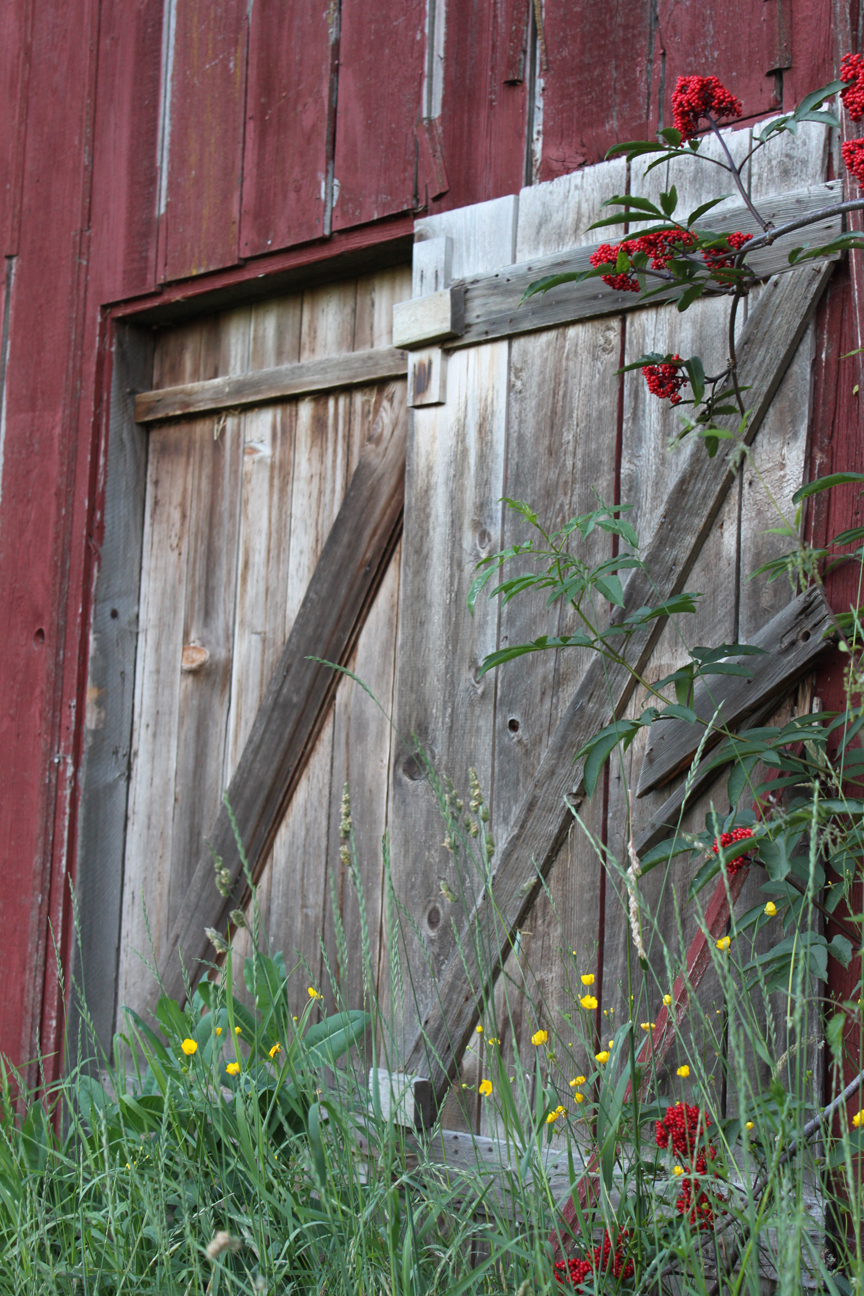
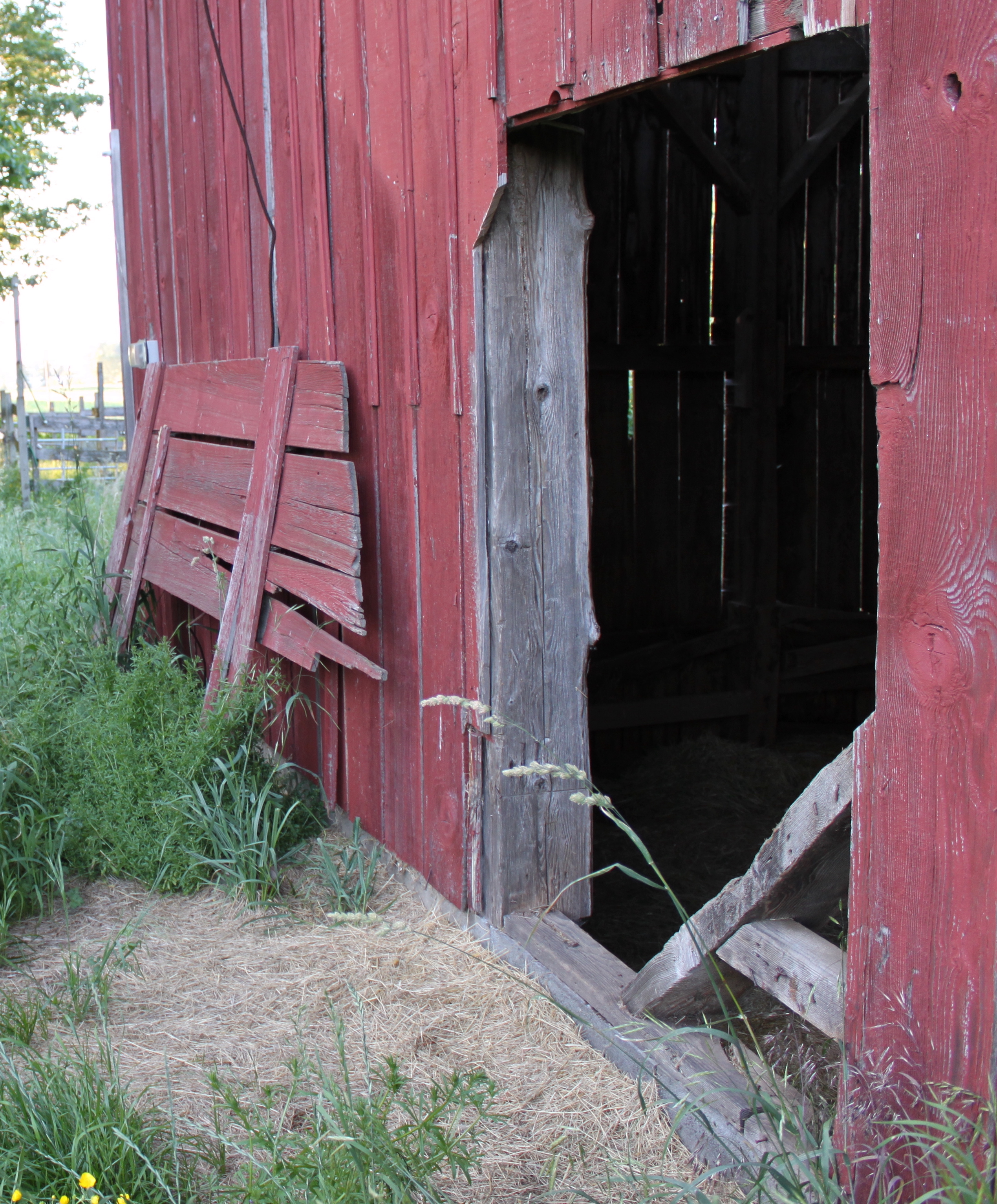
The partly open hay barn door, white frame around the darkness, the broken board, small enough for a child to slip through.
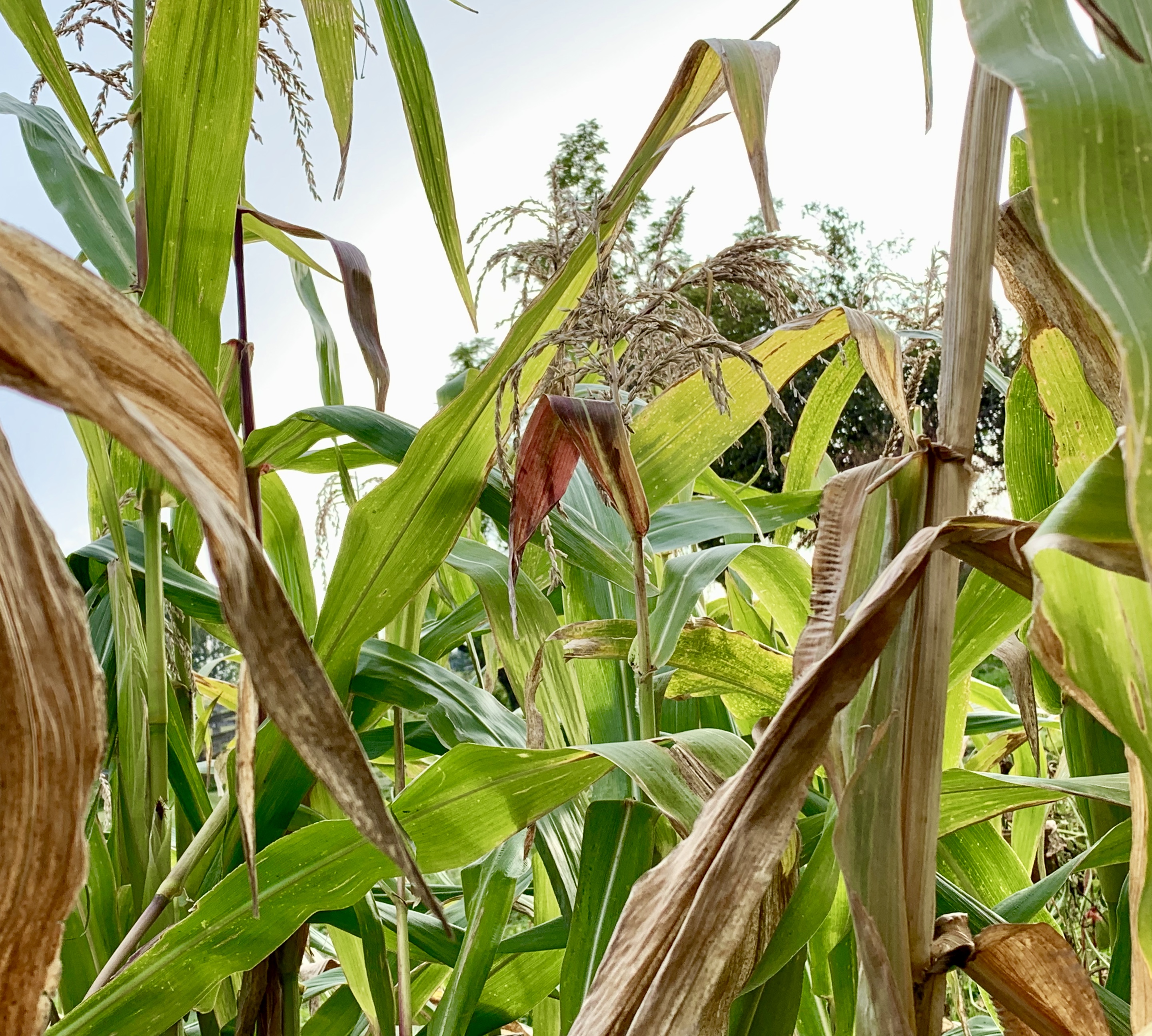
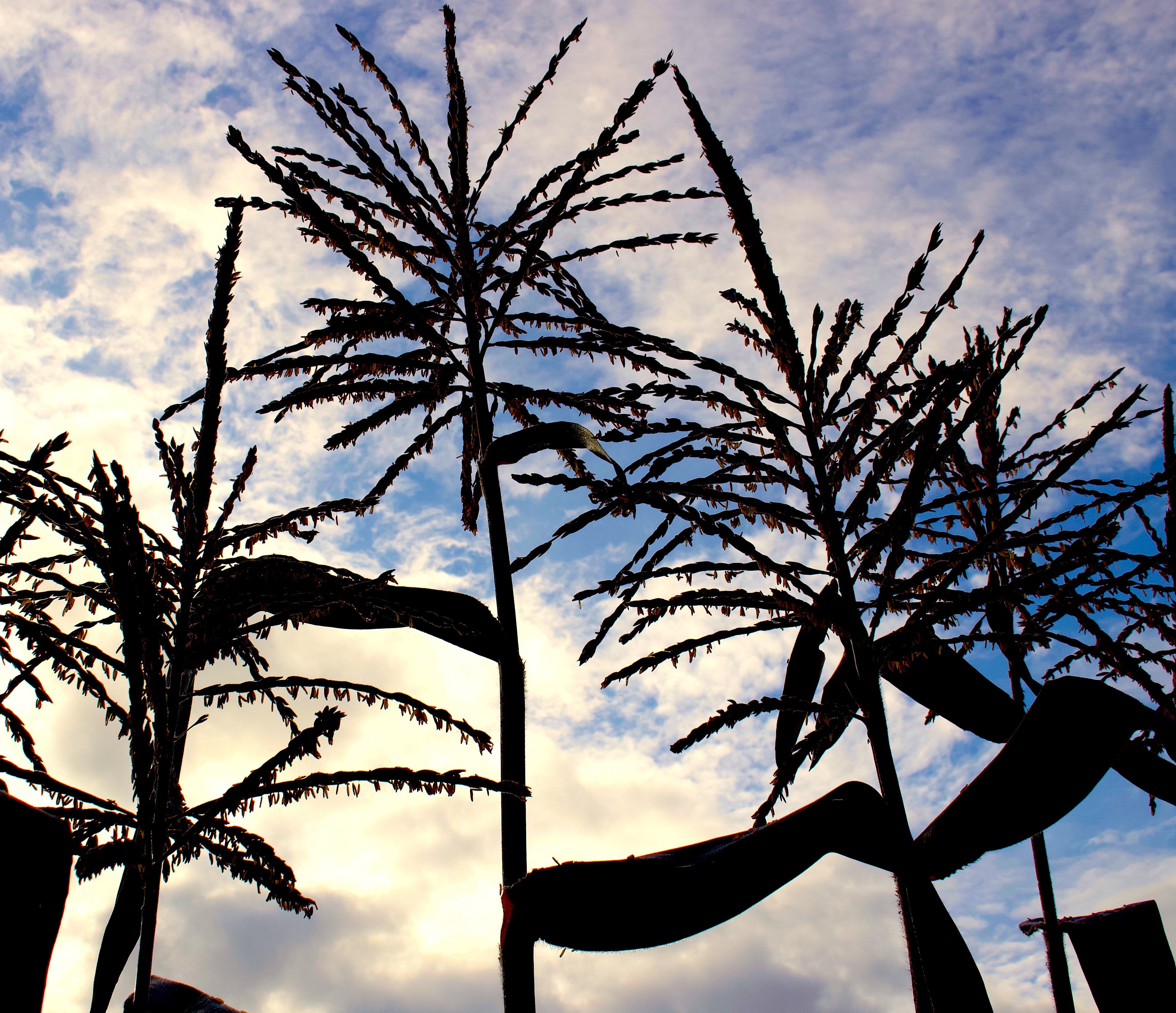
Walking in the cornfields in late July, green tassels overhead, the slap of flat leaves as we pass, silent and invisible from any road.
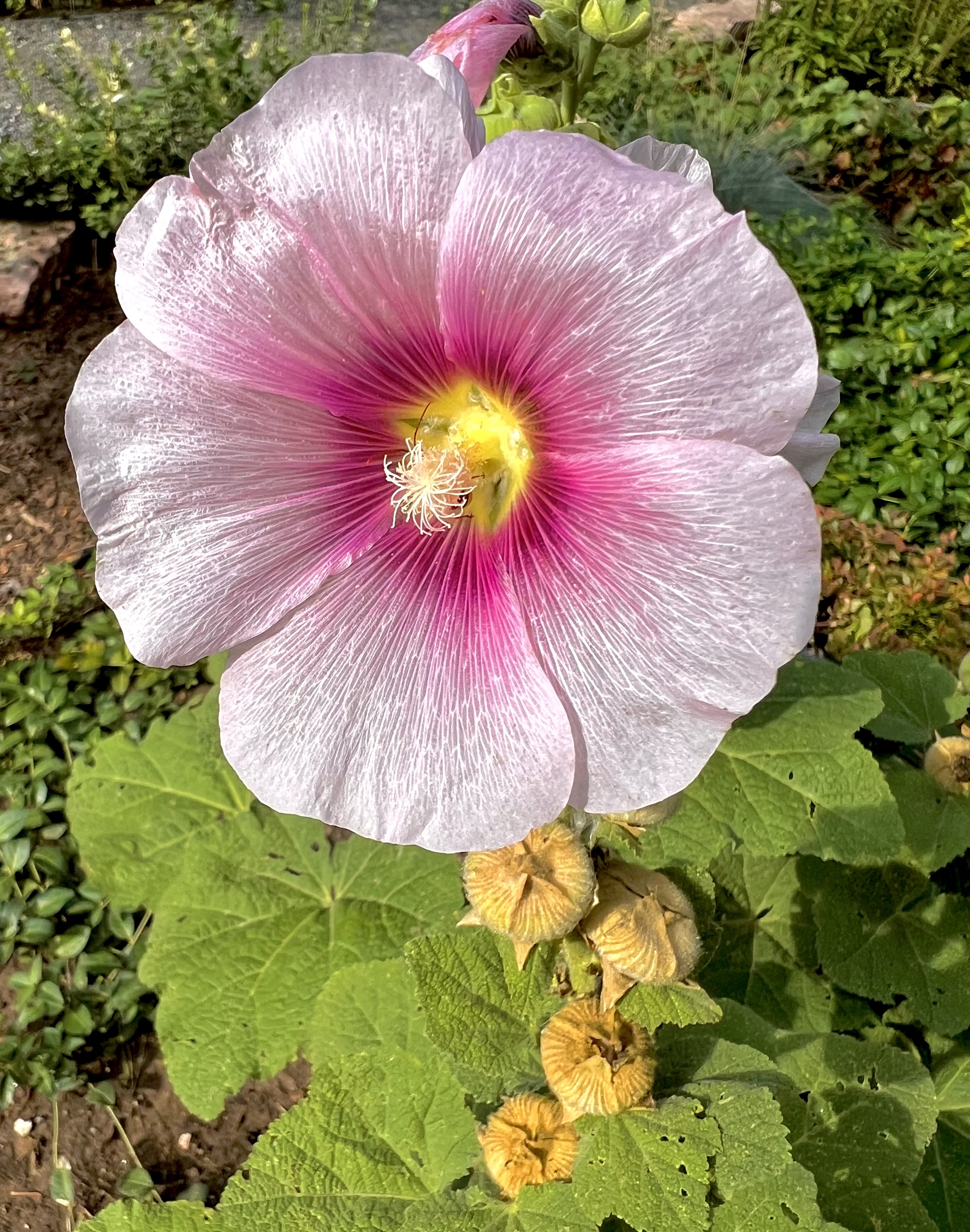
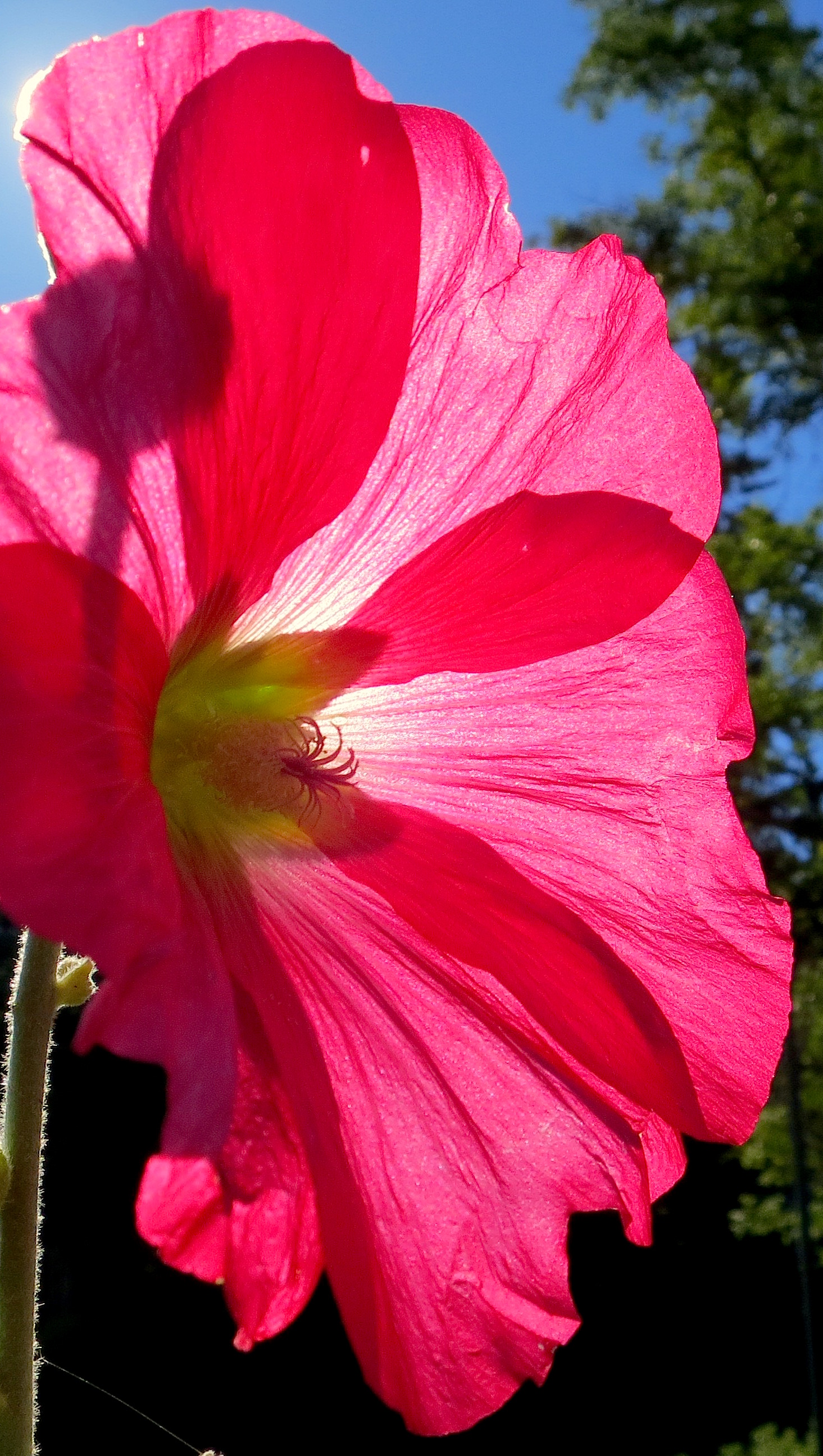
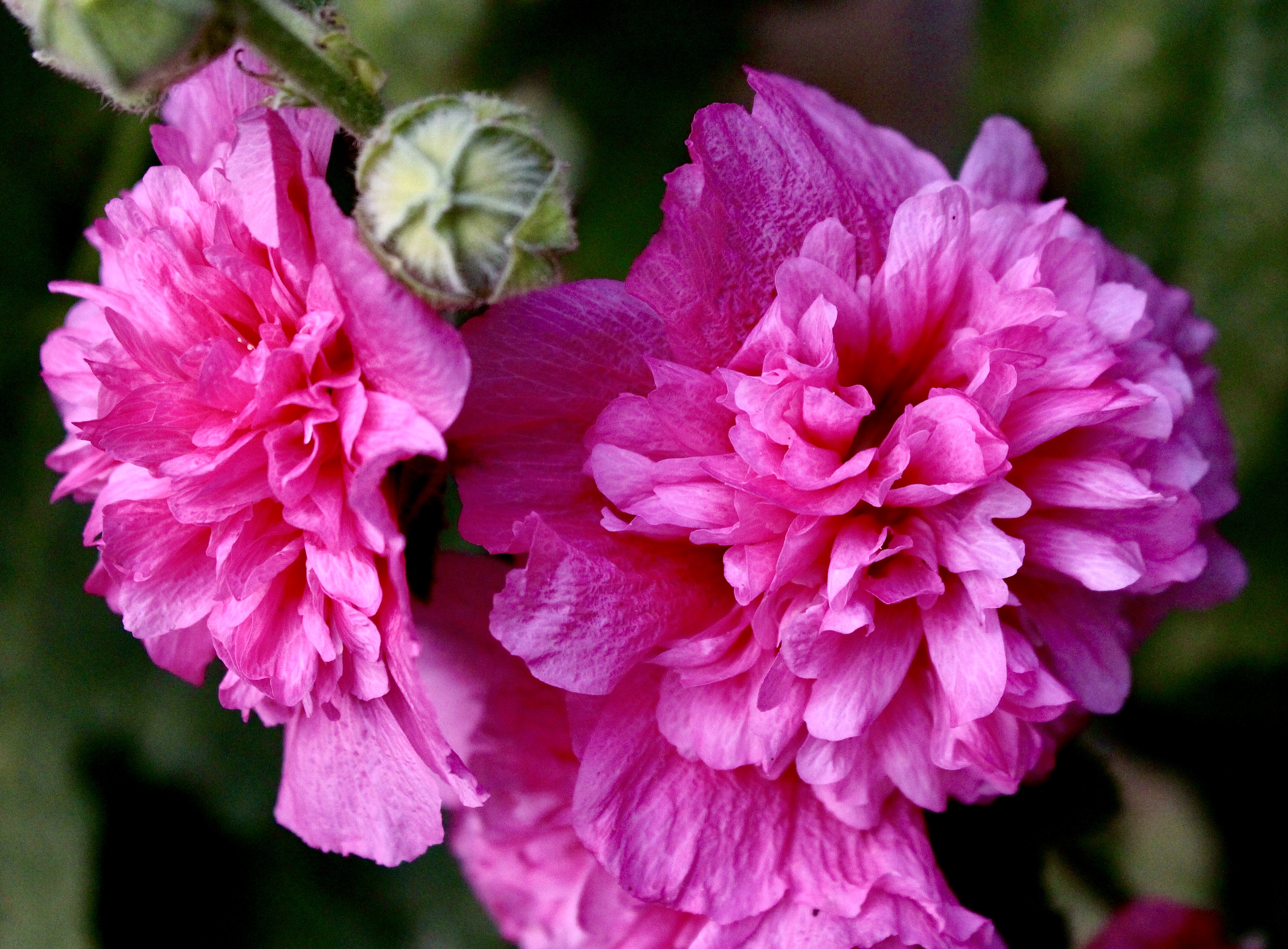
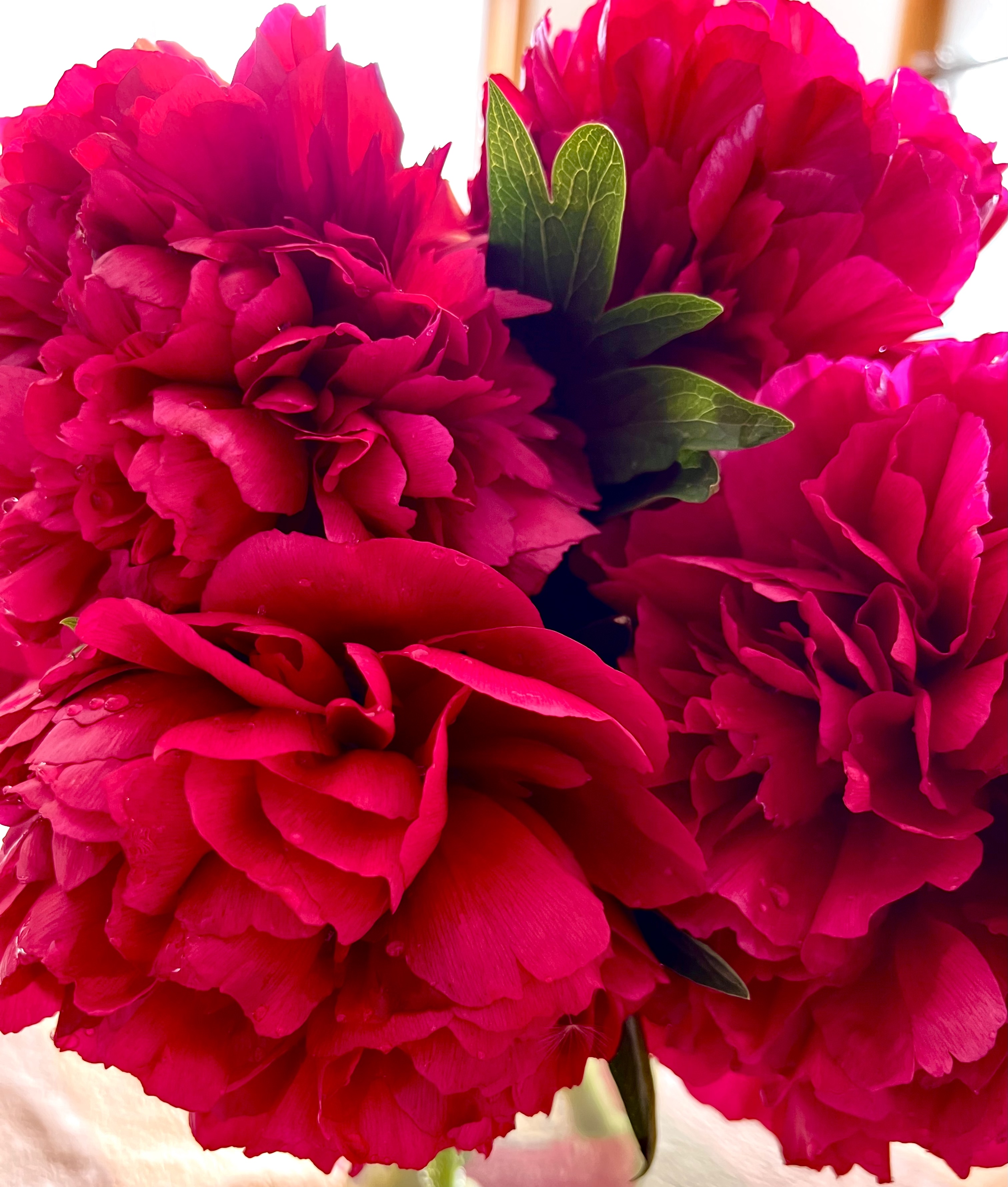
Hollyhocks leaning against the stucco house, peonies heavy as fruit, drooping their deep heads on the dog house roof.
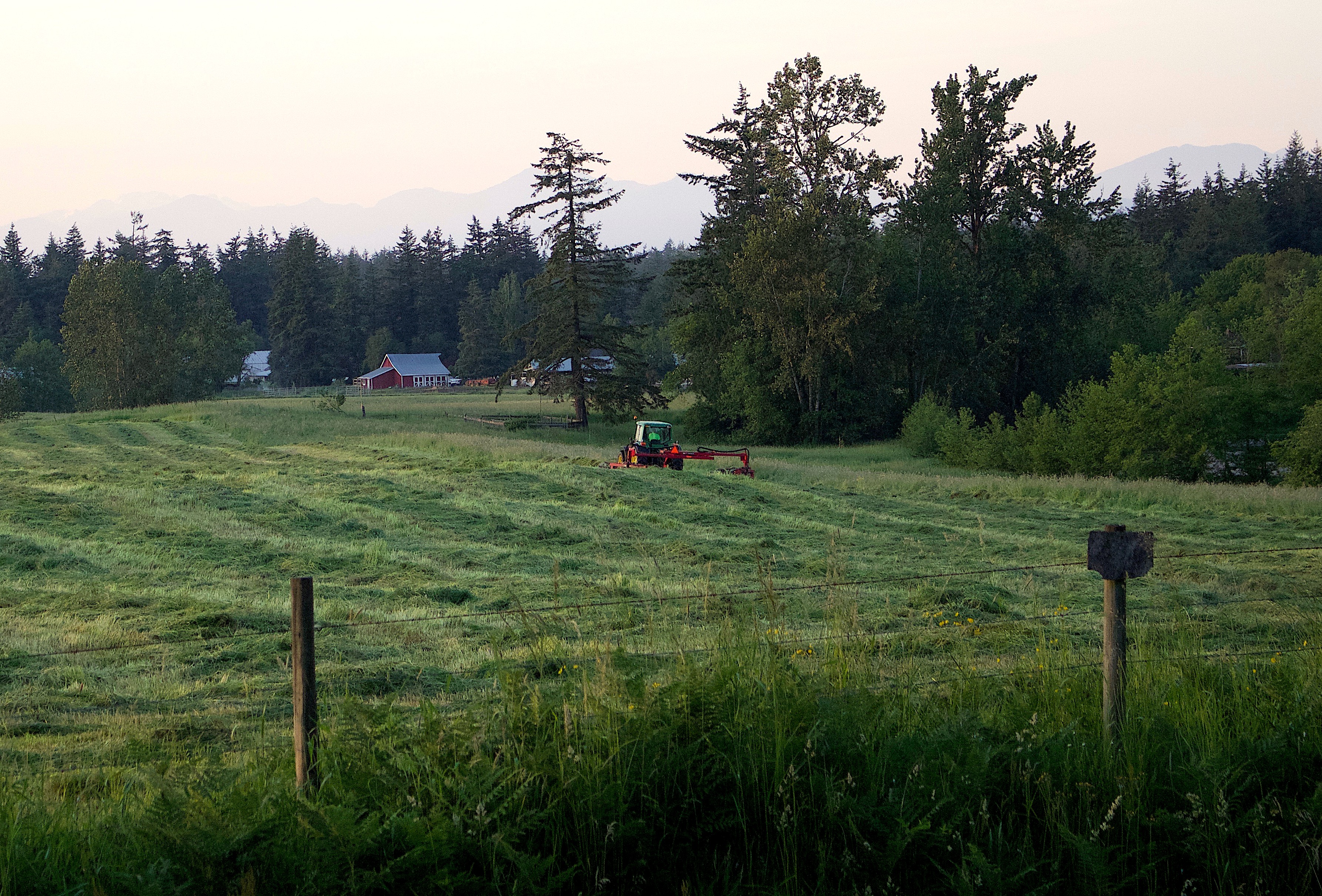
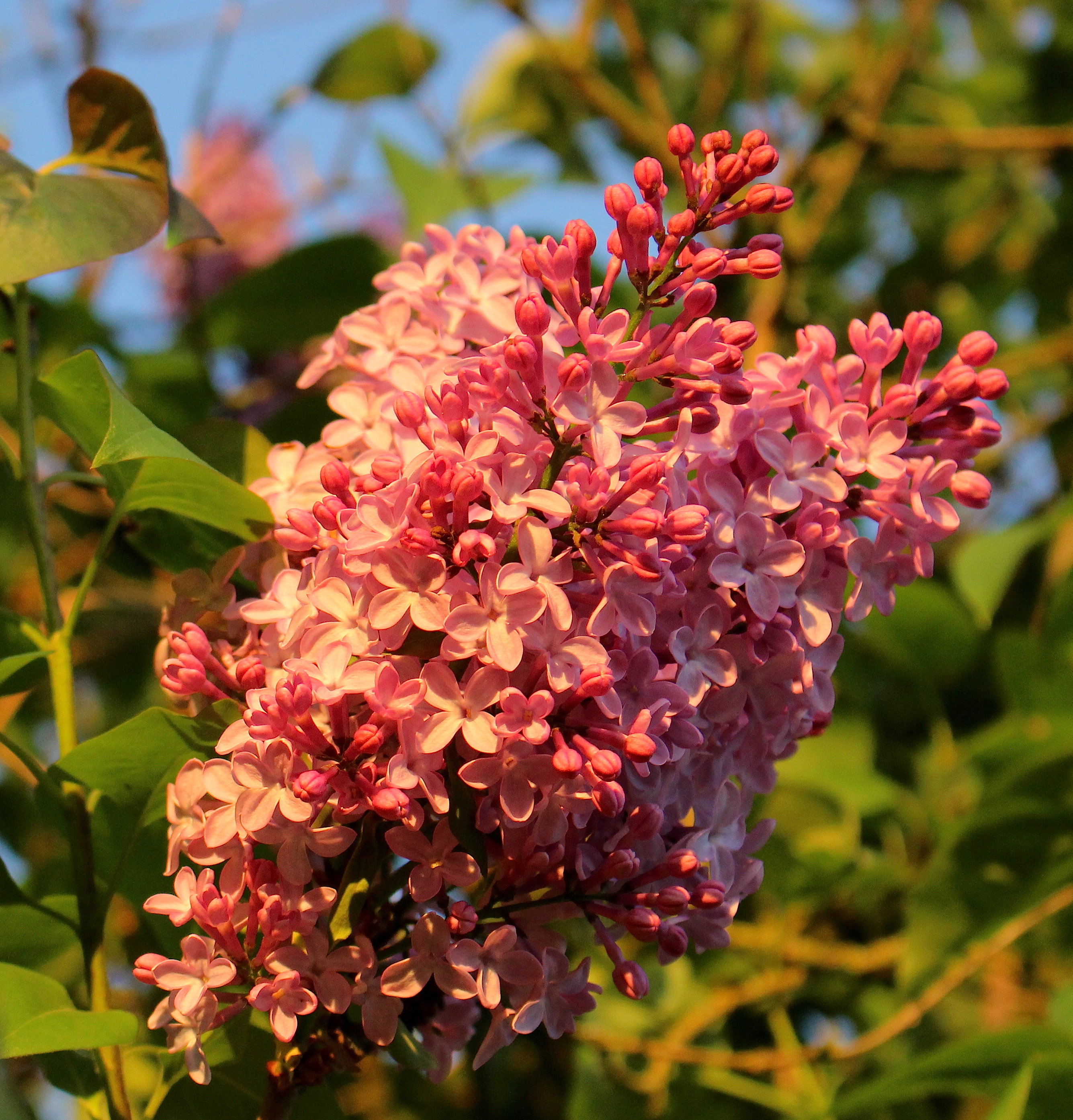
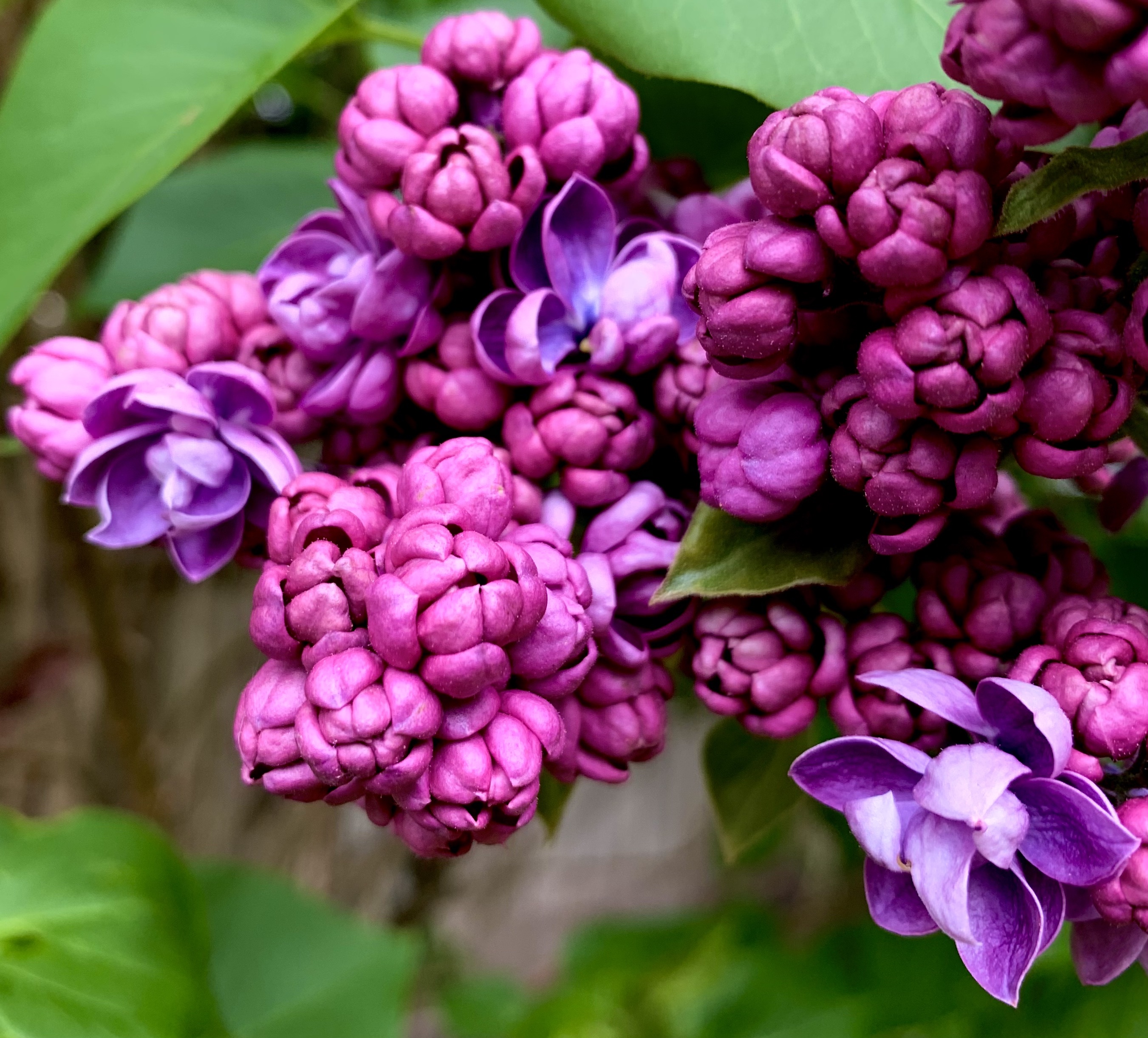
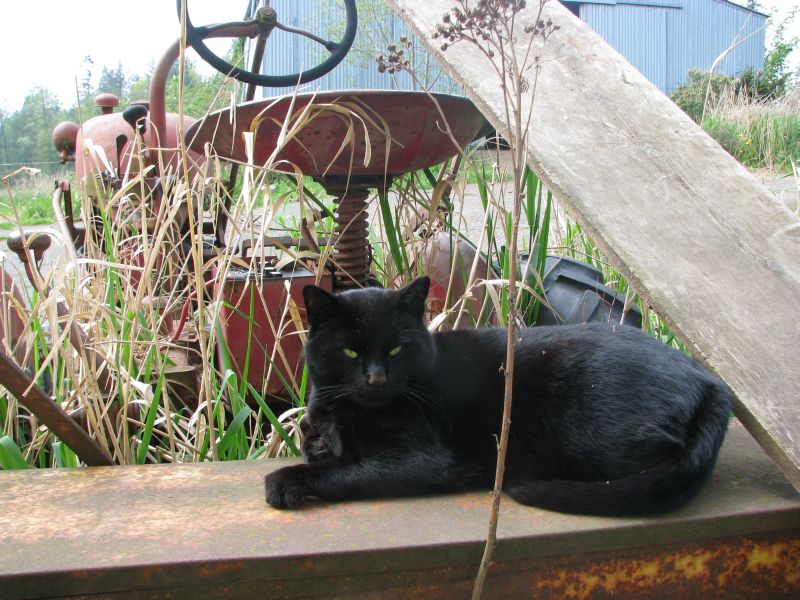
Lilac bushes between the lawn and the woods, a tractor shifting from one gear into the next, the throttle opened,
the smell of cut hay, rain coming across the river, the drone of the hammer mill, milk machines at dawn. ~Joyce Sutphen “The Last Things I’ll Remember” from First Words
I turn this seasonal corner, facing deep into autumn, summer fading in the rear view mirror.
Even as the air bares chill, and the clouds sopping soak, the riches of summer remain vivid.
Let me remember: even if I too fade away, readying for the next turn.
One-Time
Monthly
Yearly
Make a one-time or recurring donation to support daily Barnstorming posts
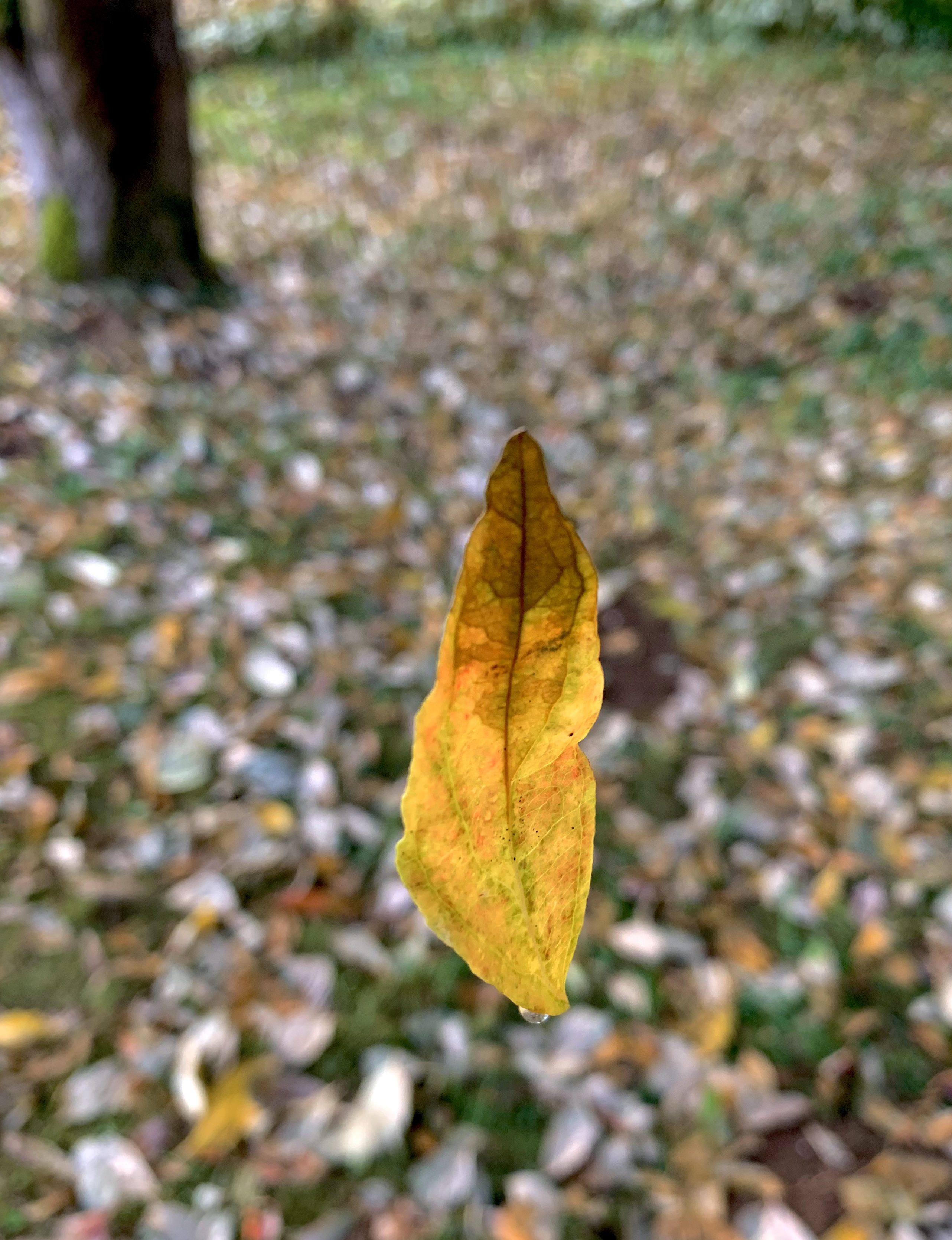
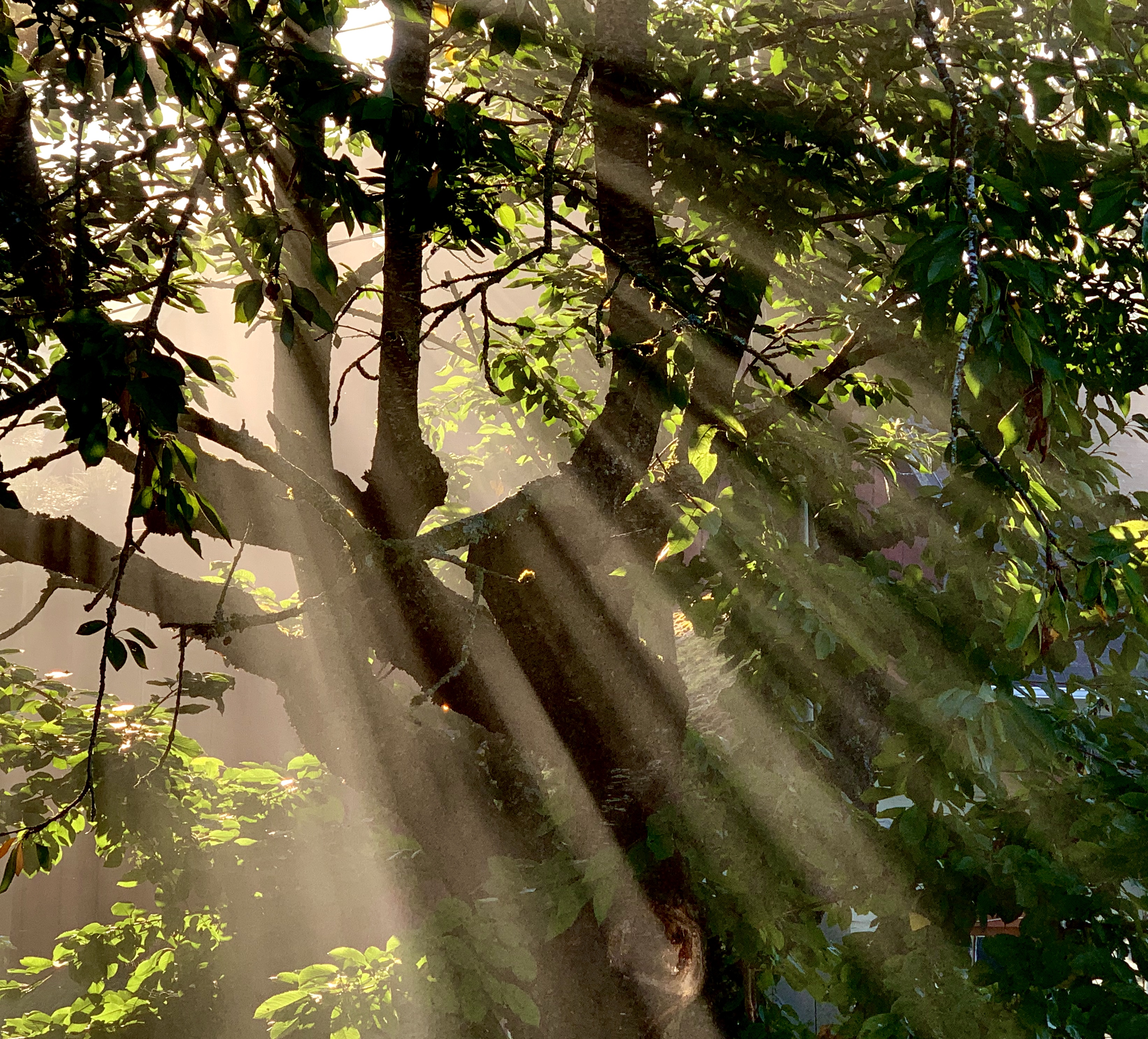
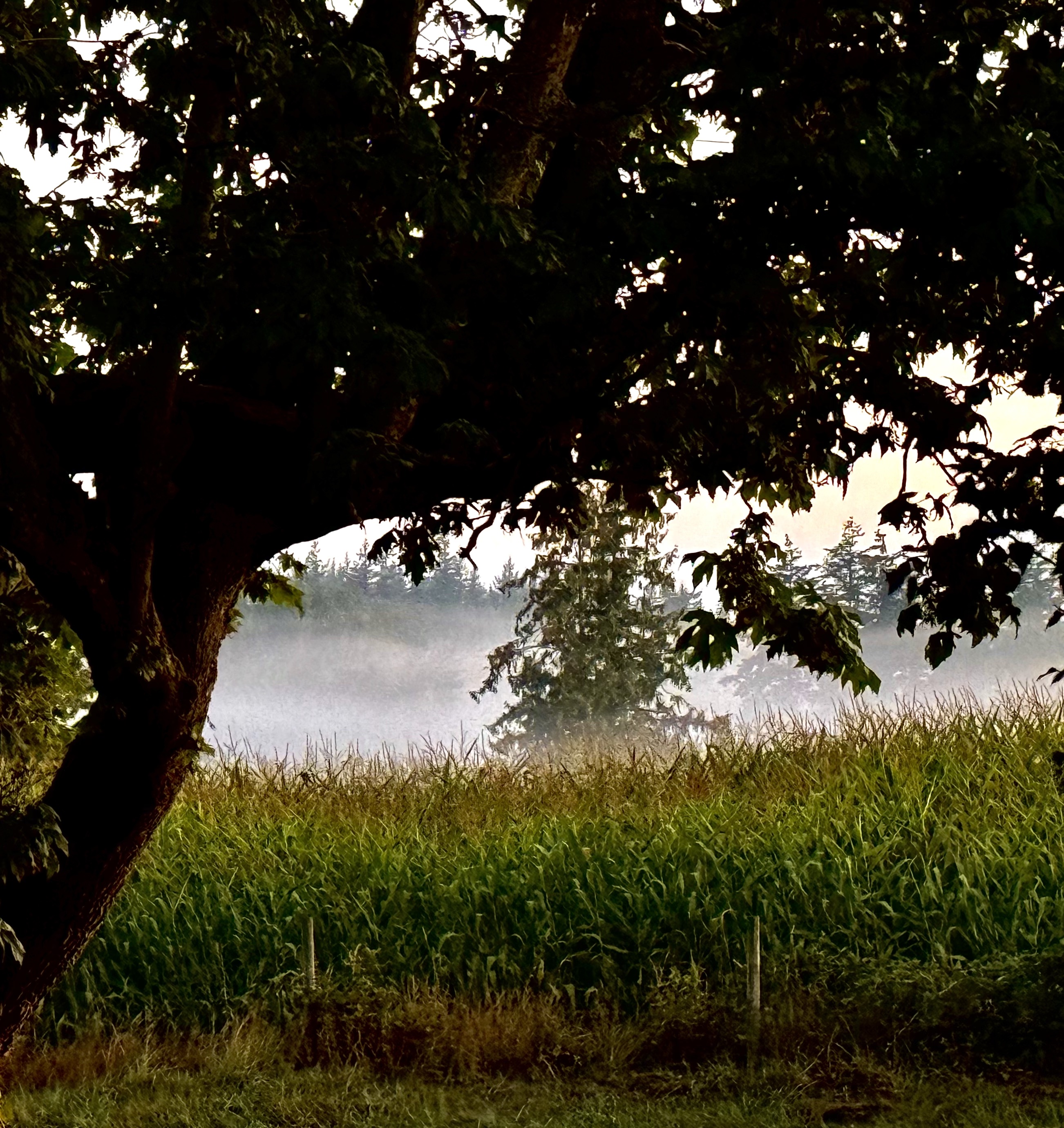
Within the ongoing havoc the woods this morning is almost unnaturally still. Through stalled air, unshadowed light, a few leaves fall of their own weight.
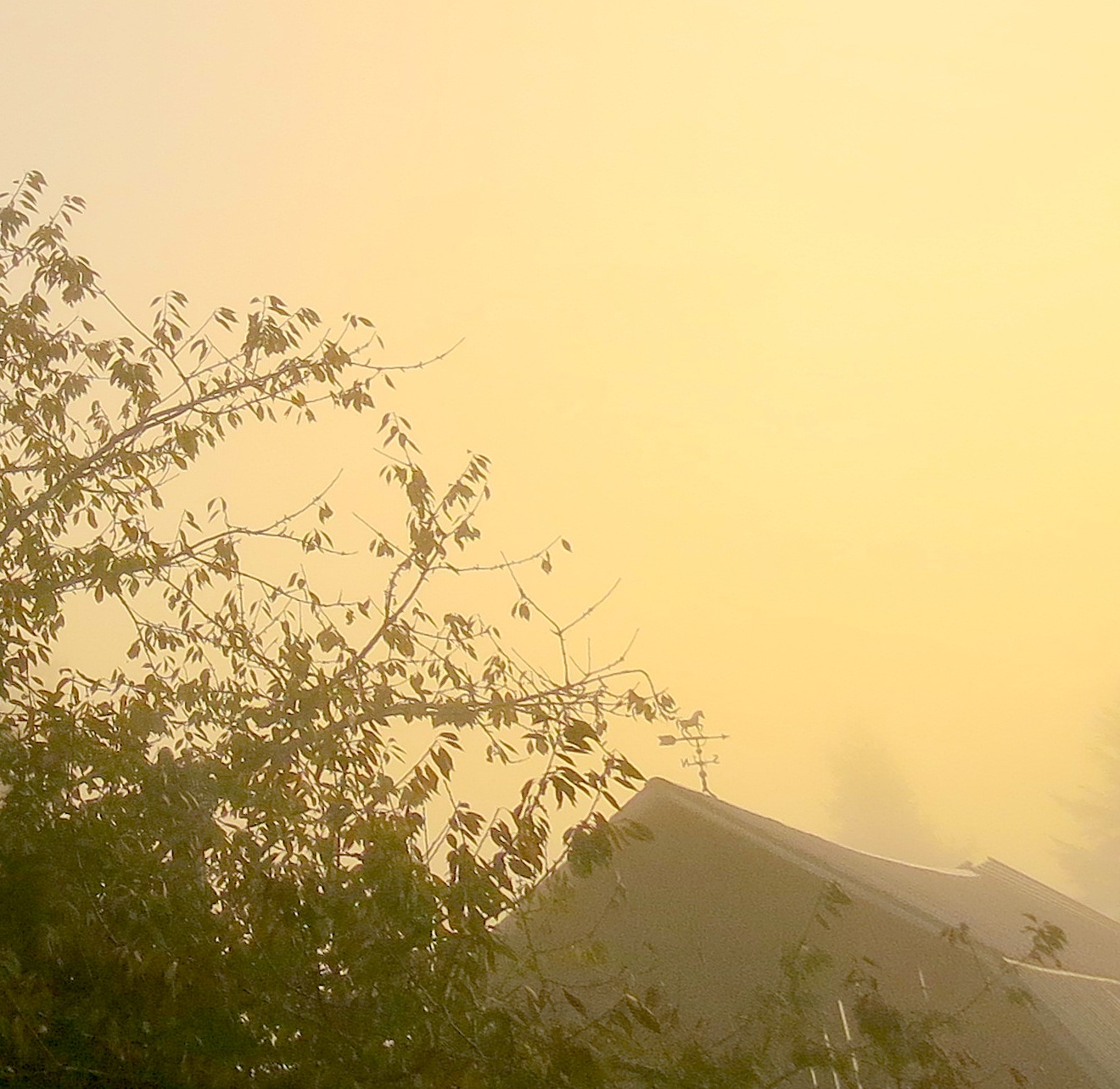
The sky is gray. It begins in mist almost at the ground and rises forever. The trees rise in silence almost natural, but not quite, almost eternal, but not quite.
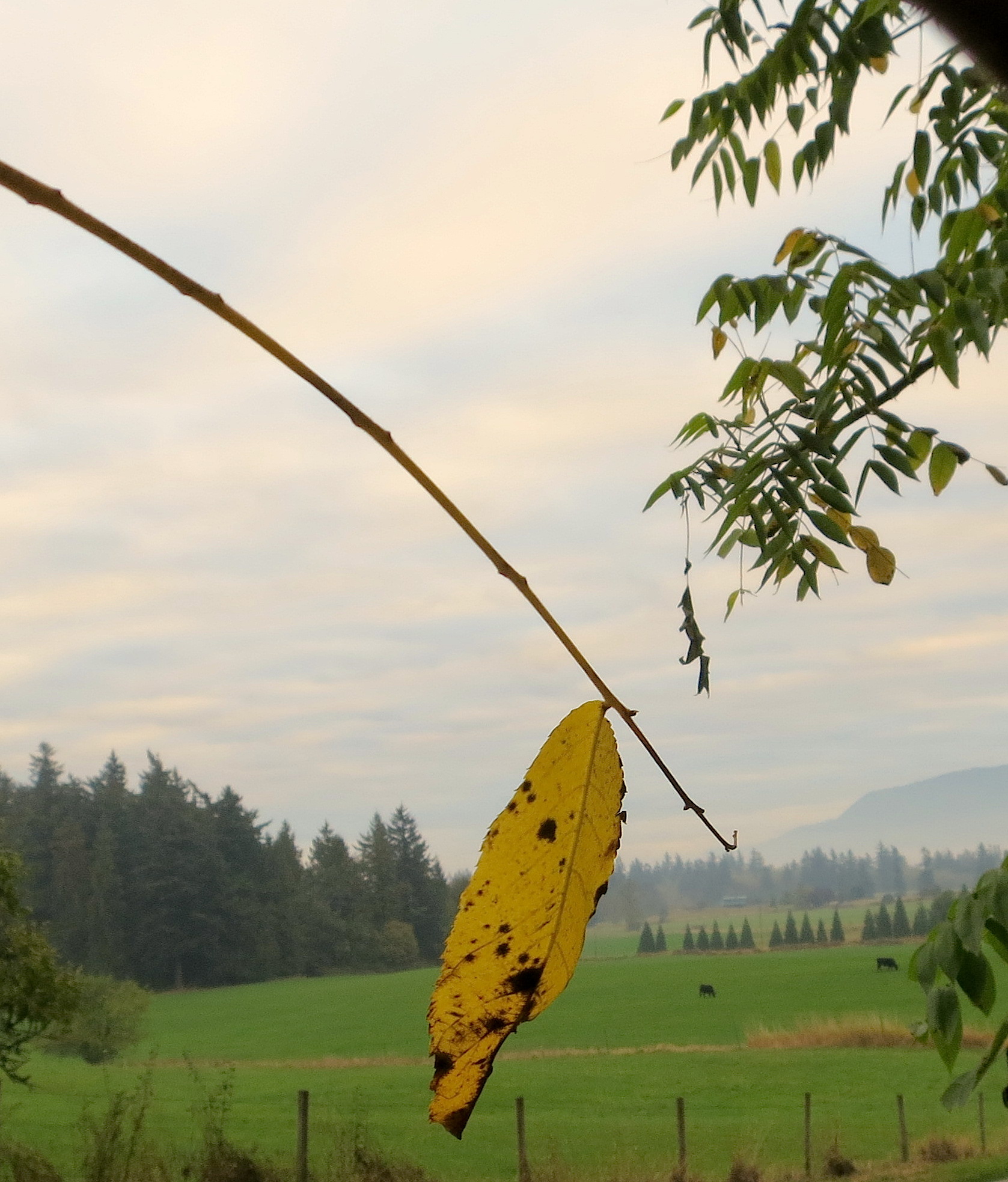
What more did I think I wanted? Here is what has always been. Here is what will always be. Even in me, the Maker of all this returns in rest, even to the slightest of His works, a yellow leaf slowly falling, and is pleased. ~Wendell Berry “VII” from This Day
What more did I think I wanted?
What always has been and always will be:
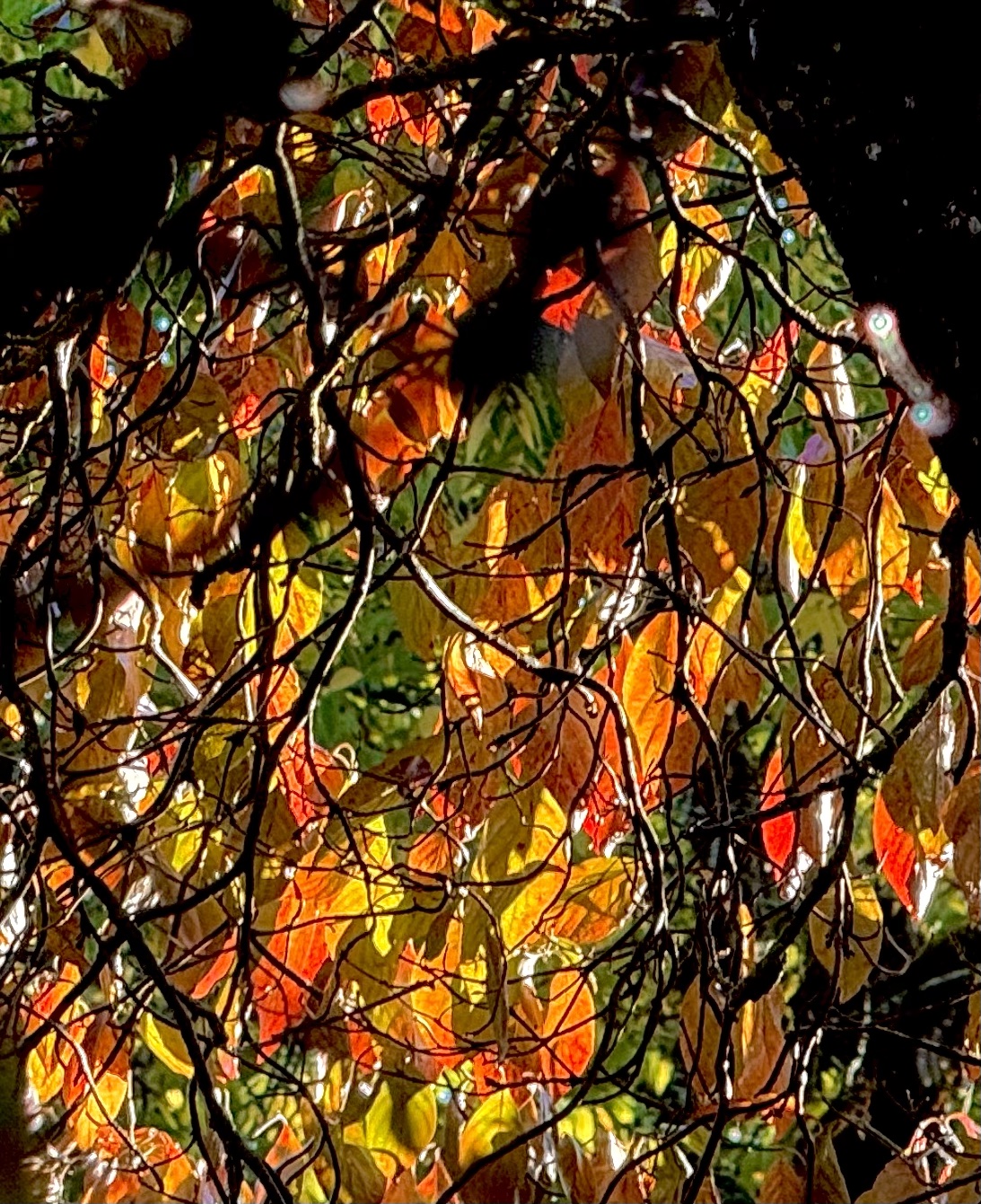
Until I’m not able to hold on in the wind and rain, may I be a spot of unshadowed light in this dark and bleak world.
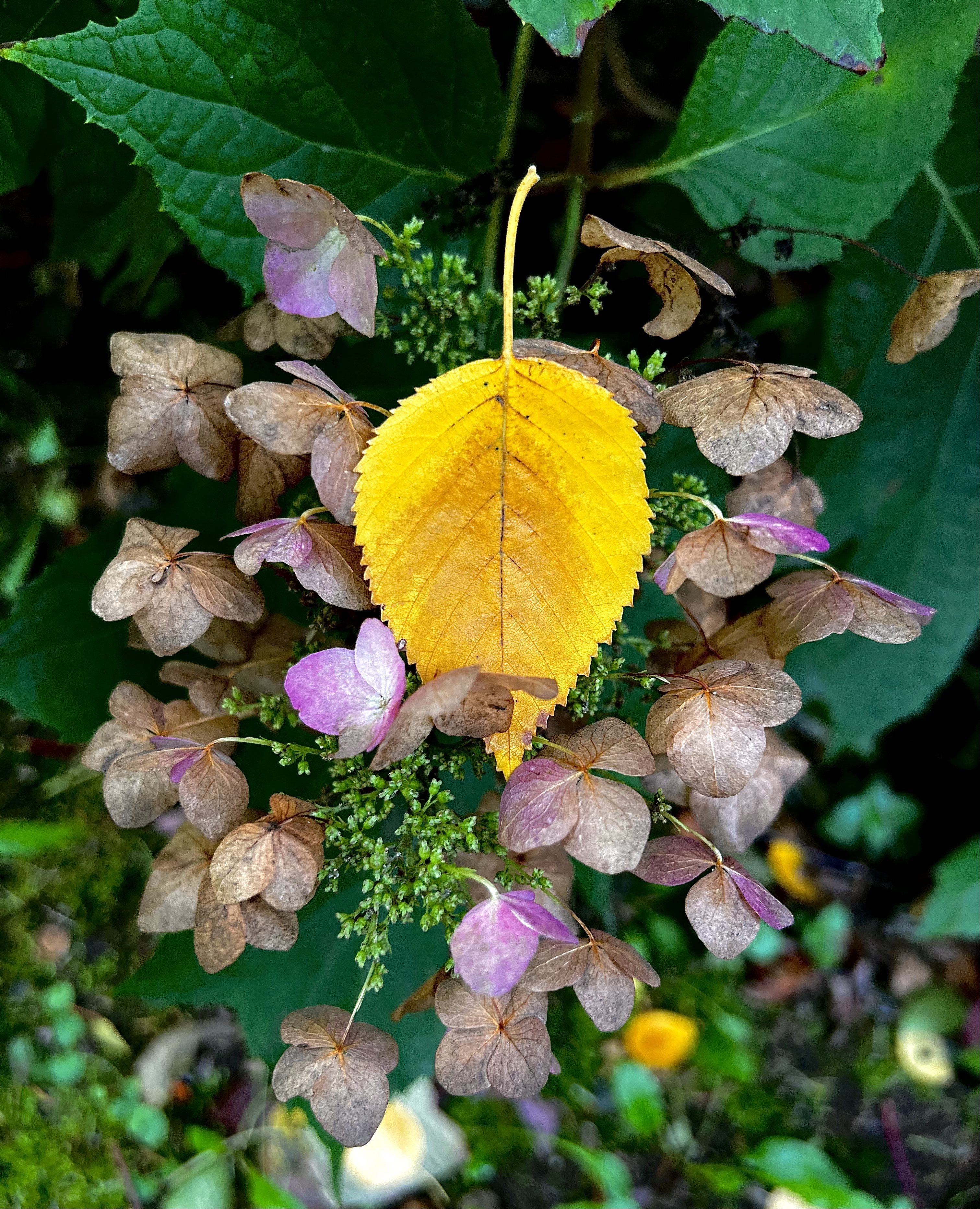
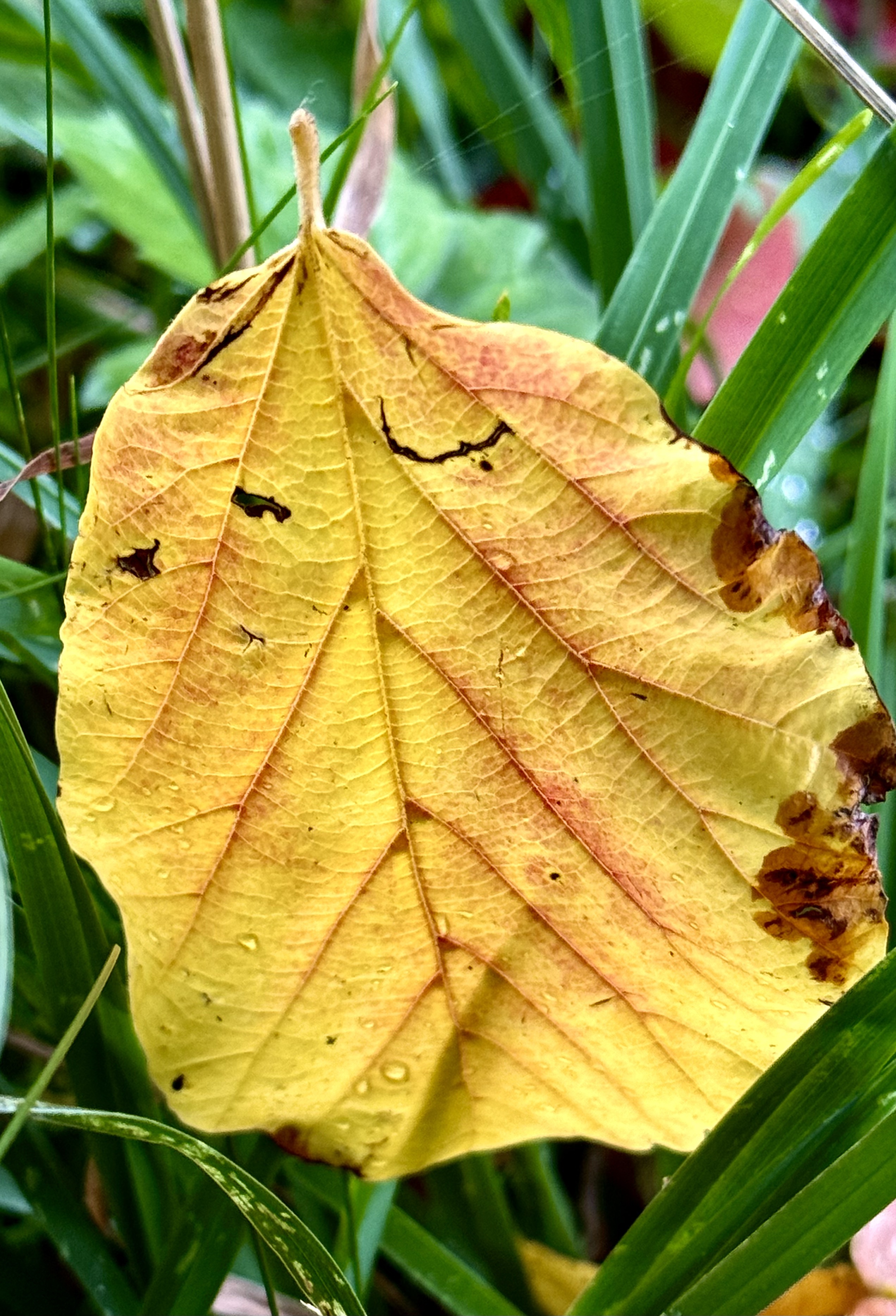
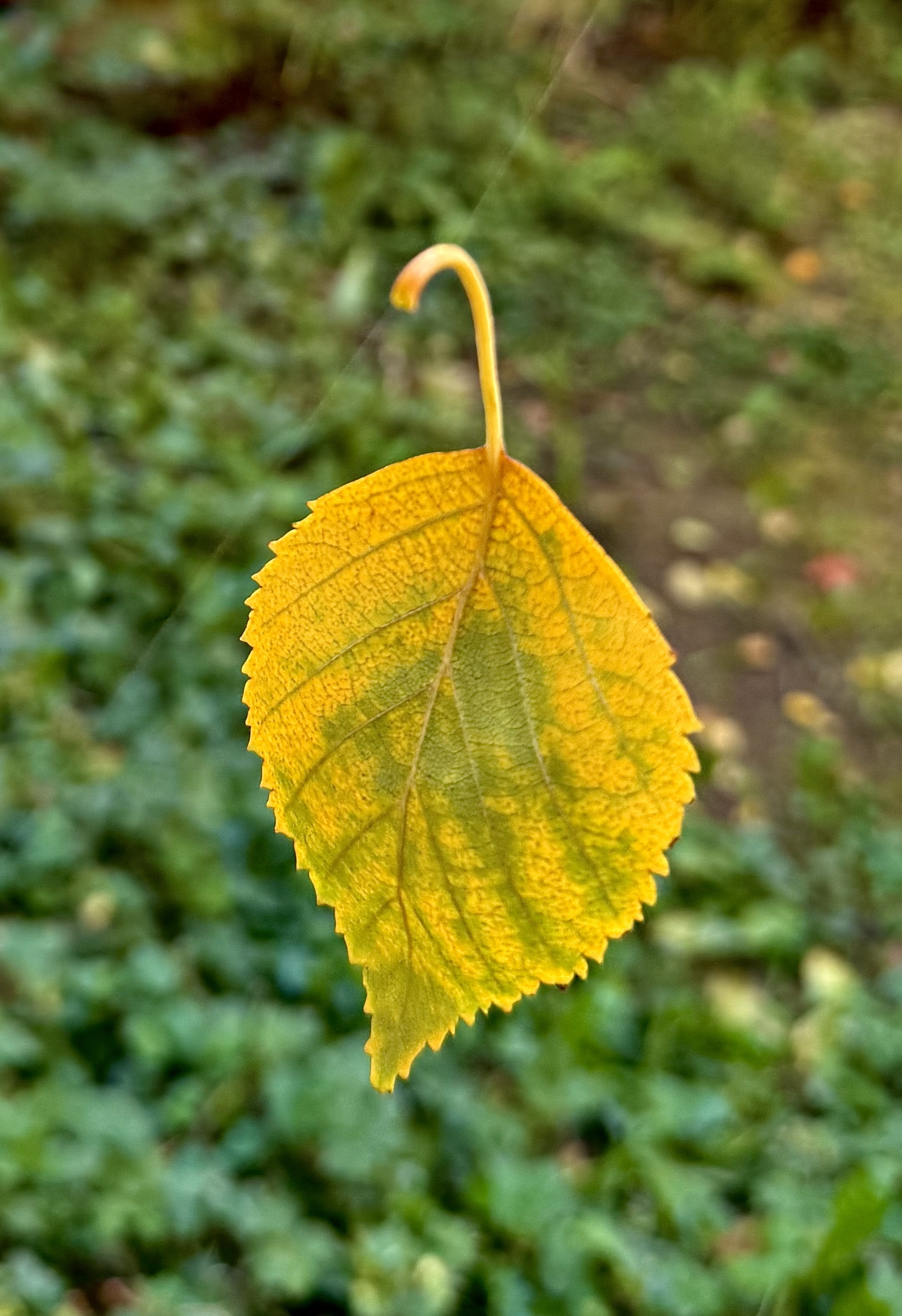
I’ll let go like a yellow leaf in autumn, when the time comes, if it pleases my Maker.
One-Time
Monthly
Yearly
Make a one-time or recurring donation to support daily Barnstorming posts
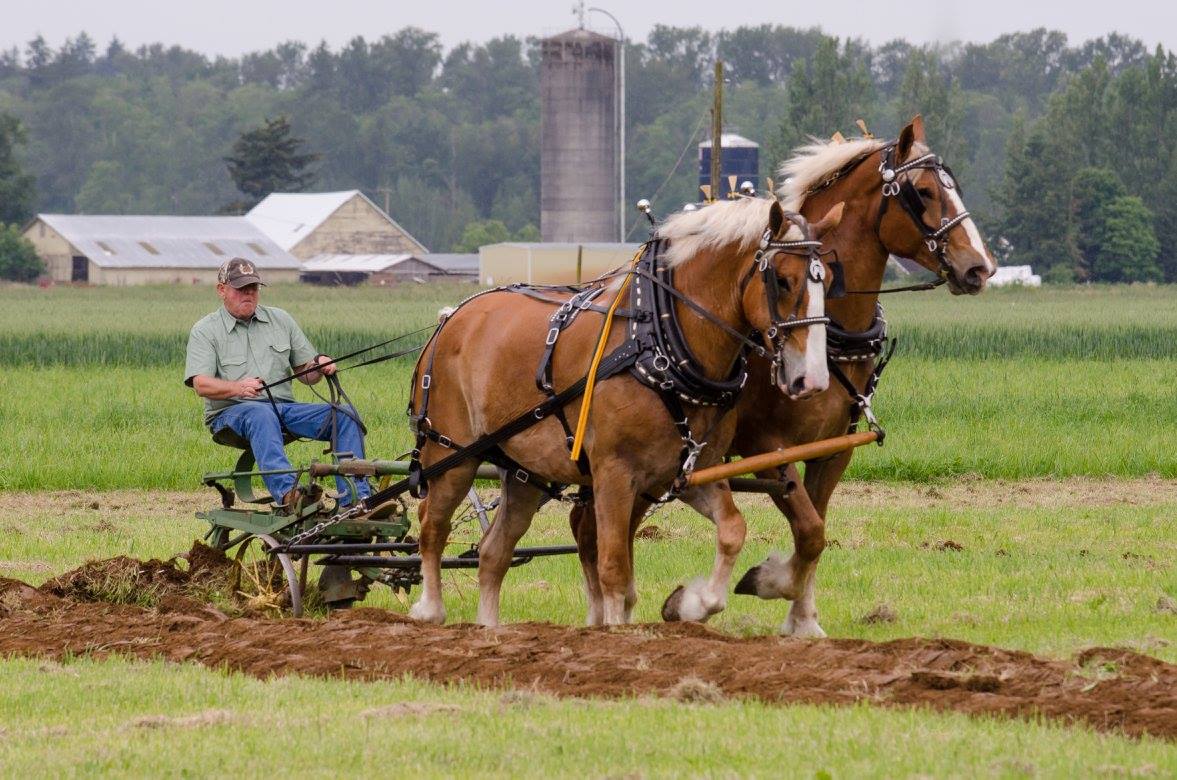
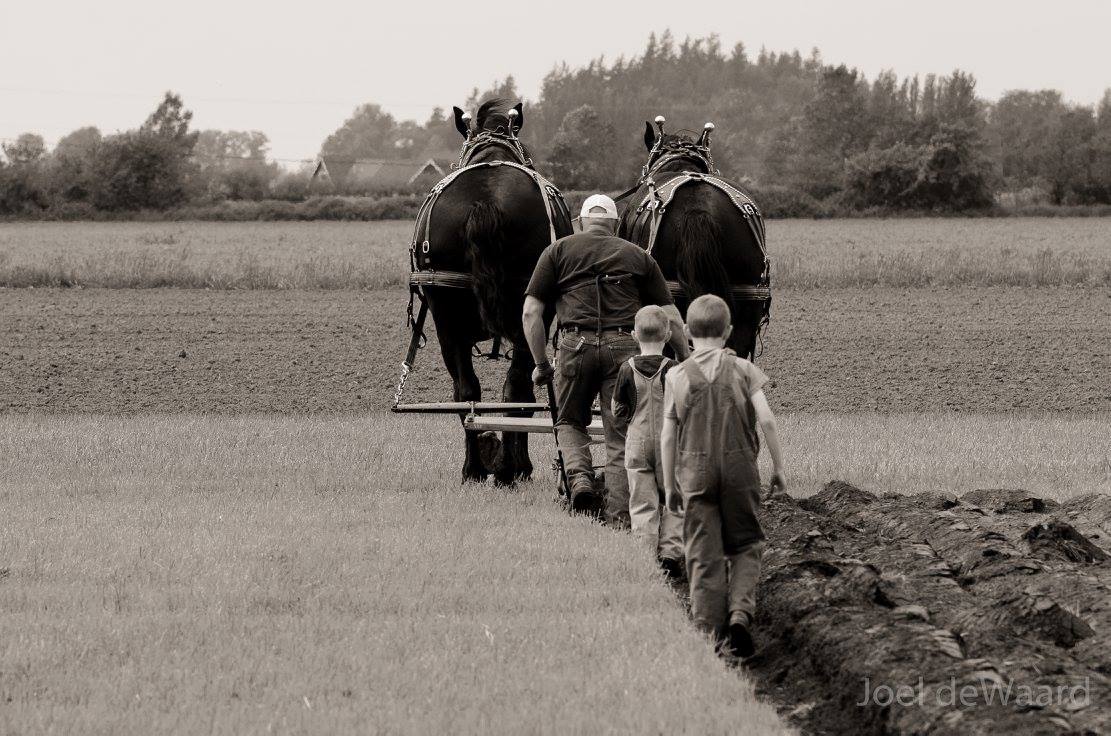
… The Amish have maintained what I like to think is a proper scale, largely by staying with the horse. The horse has restricted unlimited expansion. Not only does working with horses limit farm size, but horses are ideally suited to family life. With horses you unhitch at noon to water and feed the teams and then the family eats what we still call dinner. While the teams rest there is usually time for a short nap. And because God didn’t create the horse with headlights, we don’t work nights. ~Amish farmer David Kline in Great Possessions
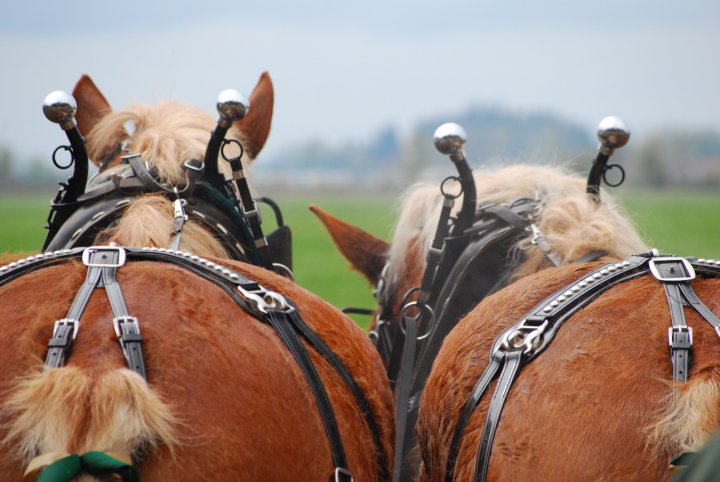
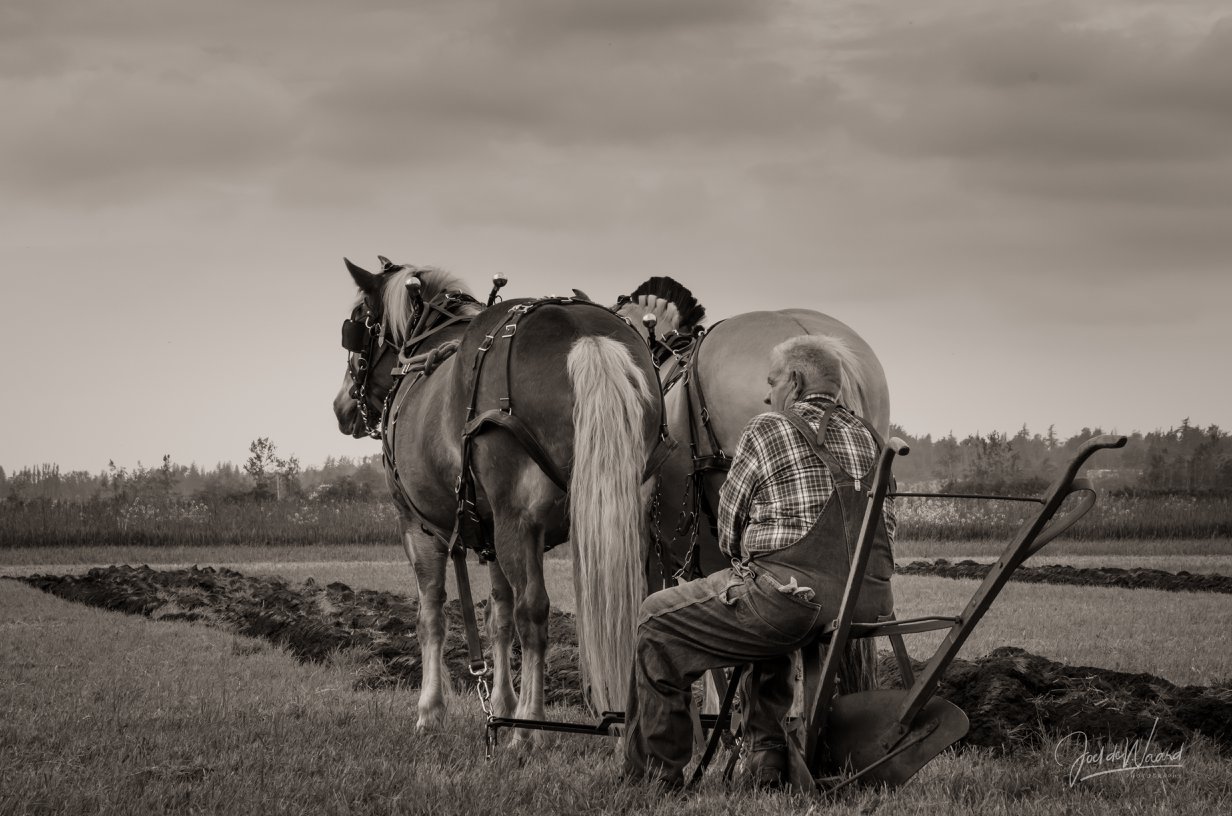
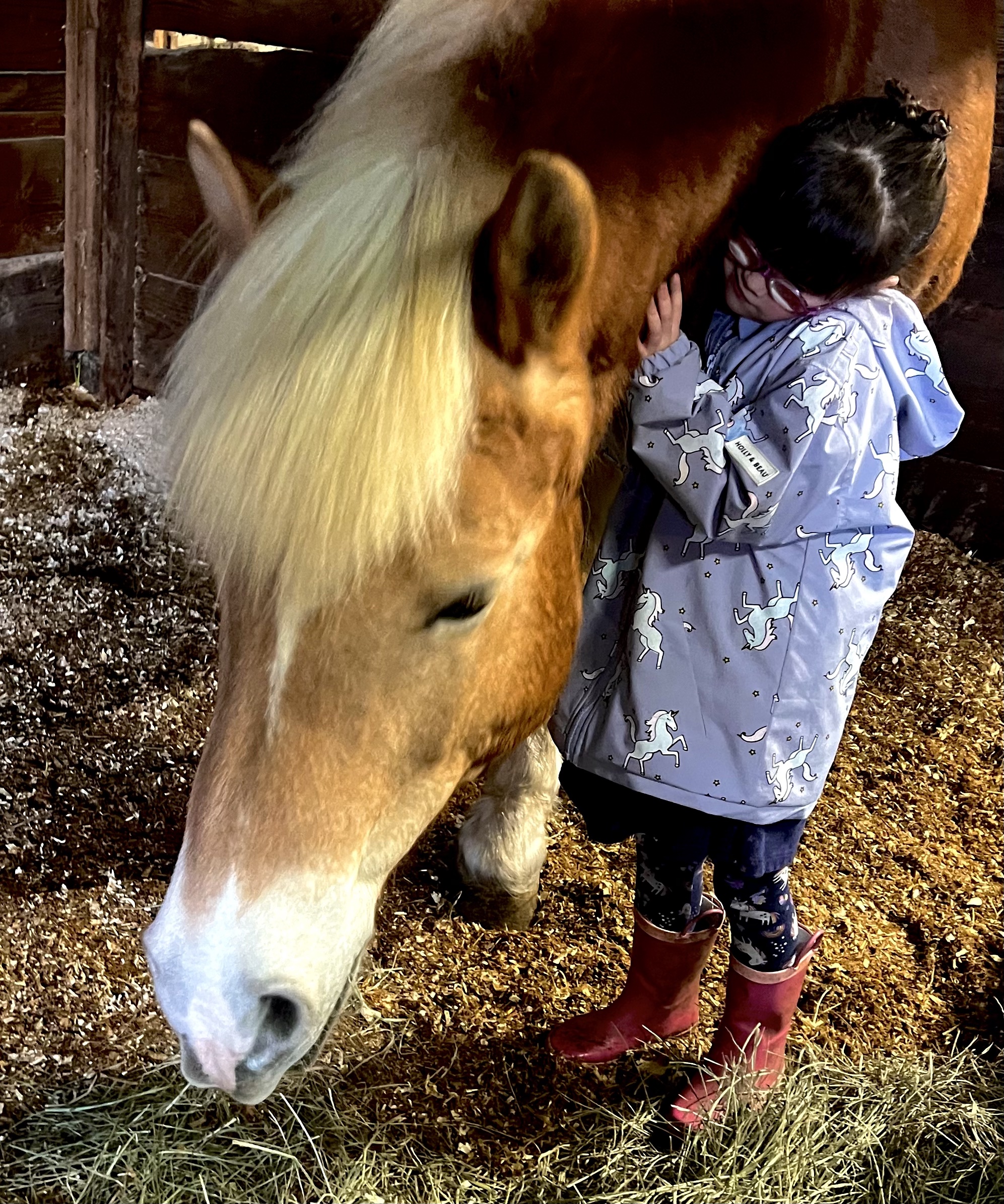
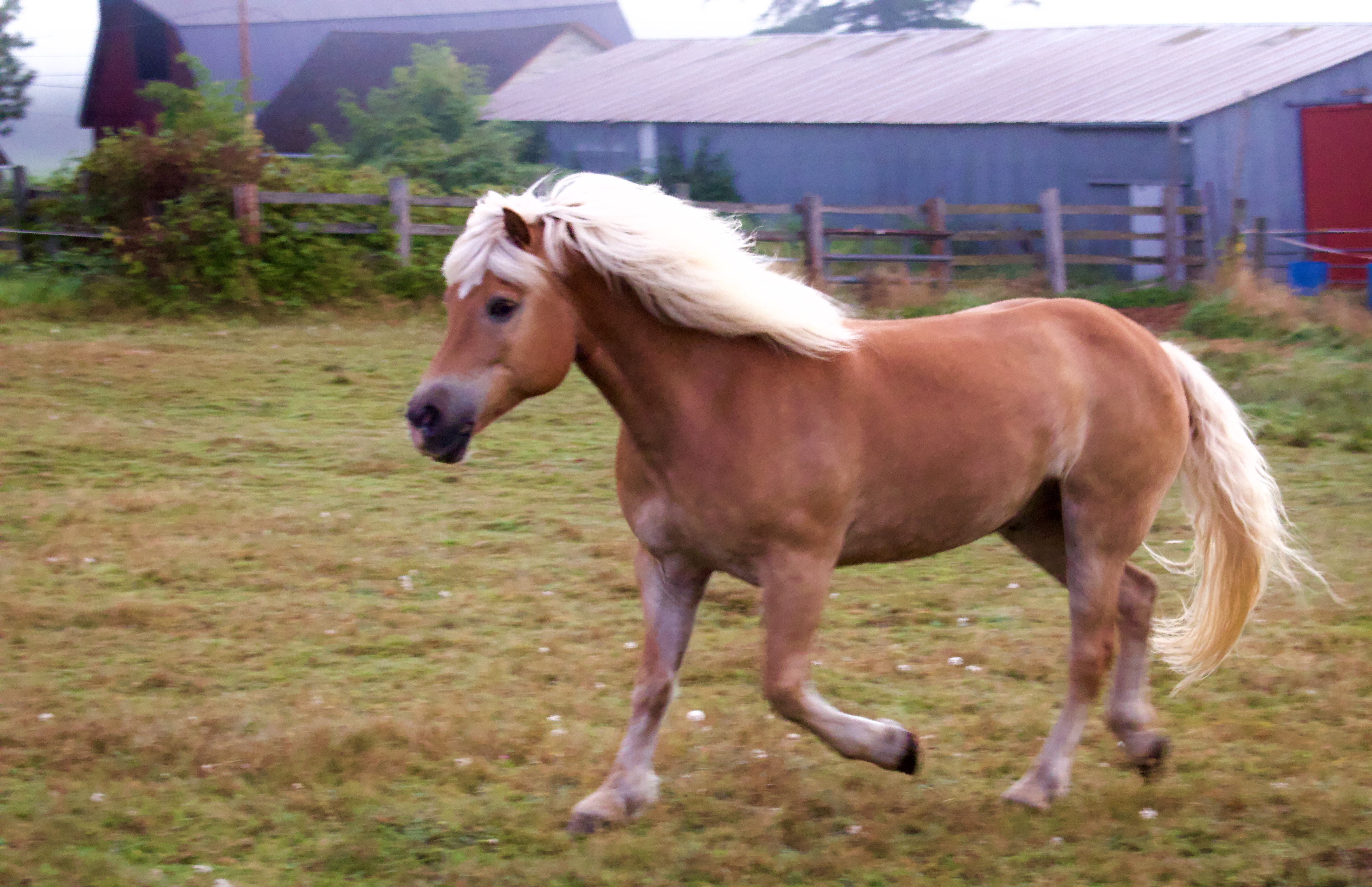
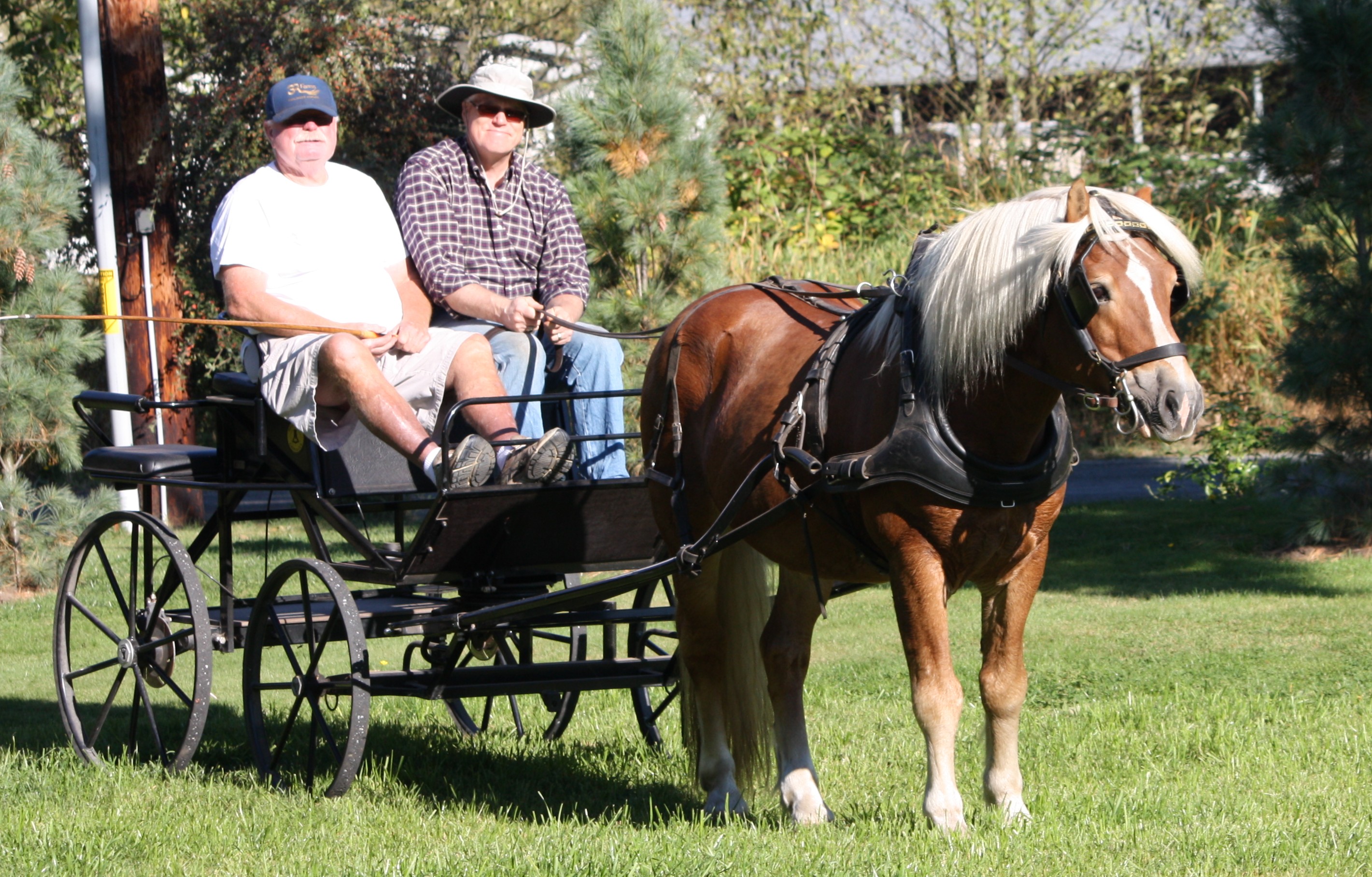
photo by Joel De Waardphoto by Joel De Waardphoto by Joel De Waardphoto by Joel De Waard
You can’t have the family farm without the family. ~G.K. Chesterton from “The Unprecedented Architecture of Commander Blair,” Tales of the Long Bow
Photo of Aaron Janicki haying with his Oberlander team in Skagit County courtesy of Tayler RaeBenjamin Janicki of Sedro Woolley raking hay with his team of Oberlanders
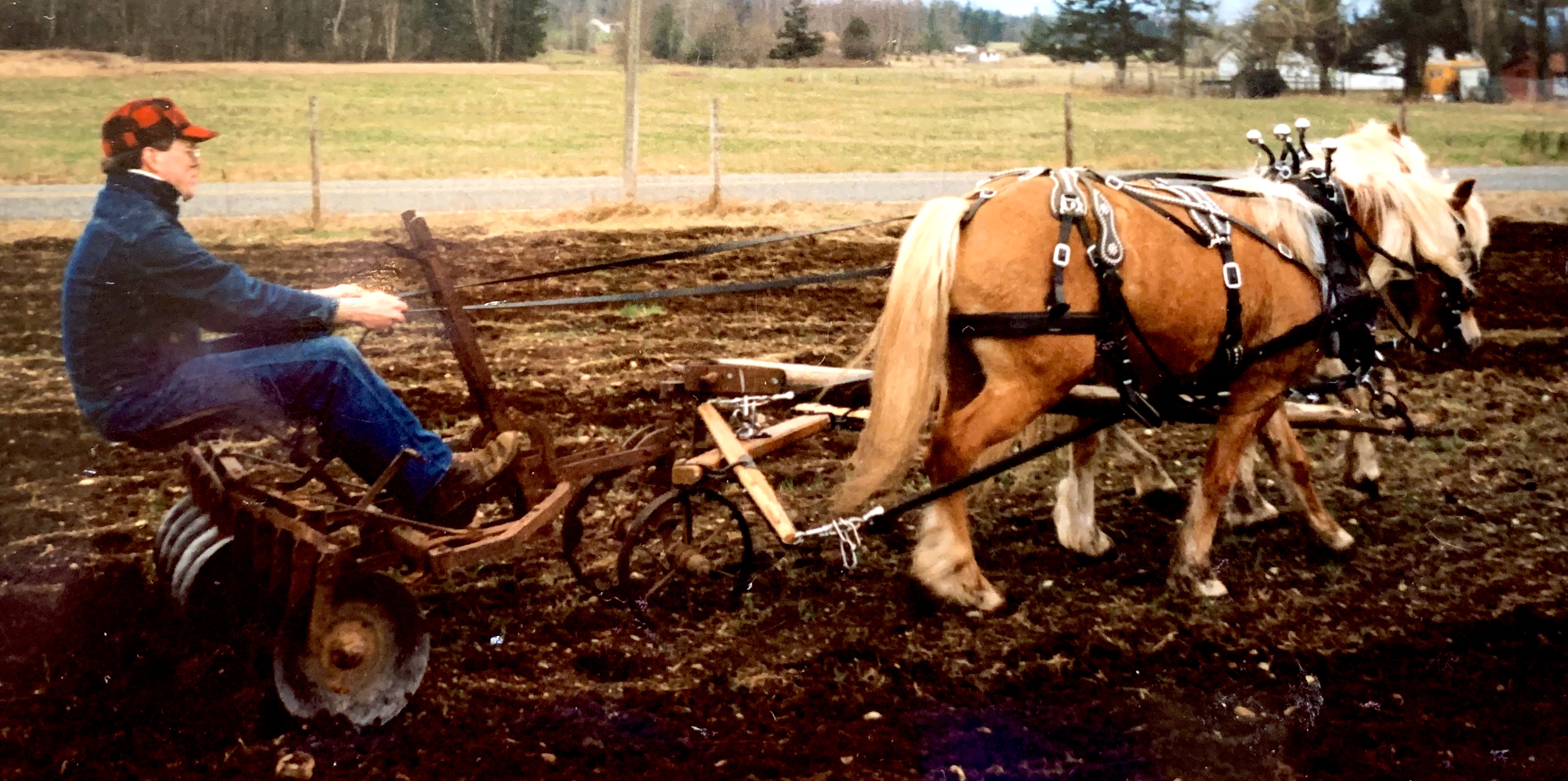
I’m 71 years old ~ old enough to have parents who grew up on farms worked by horses, one raising wheat and lentils in the Palouse country of eastern Washington and the other logging in the woodlands of Fidalgo Island of western Washington. The horses were crucial to my grandfathers’ success in caring for and tilling the land, seeding and harvesting the crops and bringing supplies from town miles away. Theirs was a hardscrabble life in the early 20th century with few conveniences. Work was year round from dawn to dusk; caring for the animals came before any human comforts. Once night fell, work ceased and sleep was welcome respite for man and beast.
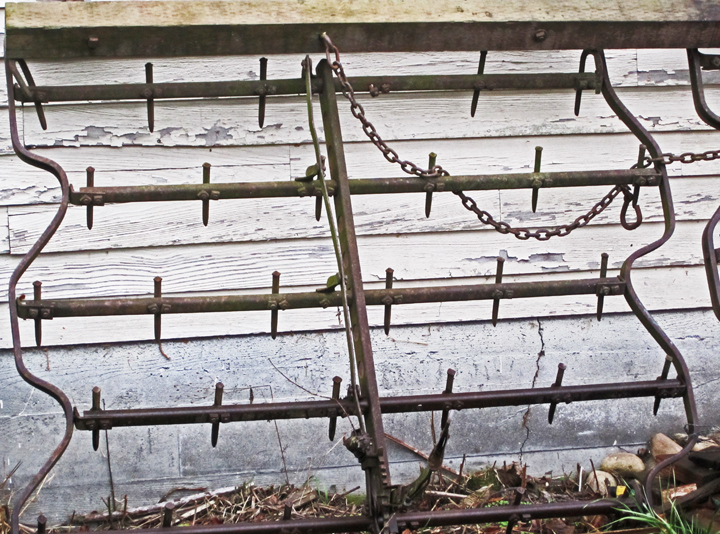
In the rural NW Washington countryside where we live, we’ve been fortunate enough to live near farmers who still dabble in horse farming, whose draft teams are hitched to plows and mowers and manure spreaders as they head out to the fields to recapture the past. They still gather together in the spring to have a well-attended and friendly competition plowing match.
Watching a good team work with no diesel motor running means hearing bird calls from the field, the steady footfall of the horses, the harness chains jingling, the leather straps creaking, the machinery shushing quietly as gears turn and grass lays over in submission. No ear protection is needed. There is no clock needed to pace the day.
There is a rhythm of nurture when animals instead of engines are part of the work day. The gauge for taking a break is the amount of foamy sweat on the horses and how fast they are breathing. It is time to stop and take a breather, it is time to start back up to do a few more rows, it is time to water, it is time for a meal, it is time for a nap, it is time for a rest in a shady spot. This is gentle use of the land with four footed stewards who deposit right back to the soil the digested forage they have eaten only hours before.
Our modern fossil-fuel-powered approach to food production has bypassed the small family farm which was so dependent on the muscle power of humans and animals. In our move away from horses worked by skilled teamsters, what has been gained in high production values has meant loss of self-sufficiency and dedicated stewardship of a smaller acreage. Draft breeds, including the Haflinger horses we raised for forty years, now are bred for higher energy with lighter refined bone structure meant more for eye appeal and floating movement, rather than the sturdy conformation and unflappable low maintenance mindset needed for pulling work.
Modern children grow up with a different set of values as well, no longer raised to work together with other family members, as well as the animals on the farm for a common purpose of daily survival.
Still fascinated by the The Small Farmer’s Journal, I am encouraged when the next generation reaches for horse collars and bridles, hitches up their horses to do the work as it used to be done. Although the modern world will never go back to the days of horse-drawn farming and transportation, we can acknowledge there were some benefits to the old ways of doing things, when progress meant being harnessed together as a team with our horses, tilling for truth and harvesting hope.
photo by Tayler Rae
I like farming. I like the work. I like the livestock and the pastures and the woods. It’s not necessarily a good living, but it’s a good life. I now suspect that if we work with machines the world will seem to us to be a machine, but if we work with living creatures the world will appear to us as a living creature. That’s what I’ve spent my life doing, trying to create an authentic grounds for hope. ~Wendell Berry, horse farmer, essayist, poet, professor
photo by Tayler Rae
One-Time
Monthly
Yearly
Make a one-time or recurring donation to support daily Barnstorming posts
Begin the song exactly where you are, Remain within the world of which you’re made. Call nothing common in the earth or air, Accept it all and let it be for good.
Start with the very breath you breathe in now, This moment’s pulse, this rhythm in your blood And listen to it, ringing soft and low. Stay with the music, words will come in time.
Slow down your breathing. Keep it deep and slow. Become an open singing-bowl, whose chime Is richness rising out of emptiness, And timelessness resounding into time.
In the center of my chest, a kindling there in the hollow, as if a match had just been struck, or the blinds snapped up on a sealed room, gold suffusing the air, and through the wide windows, a solstice unfolding, mine for the lengthening days. ~Andrea Potts “On Reading John Donne for the First Time” from Her Joy Becomes
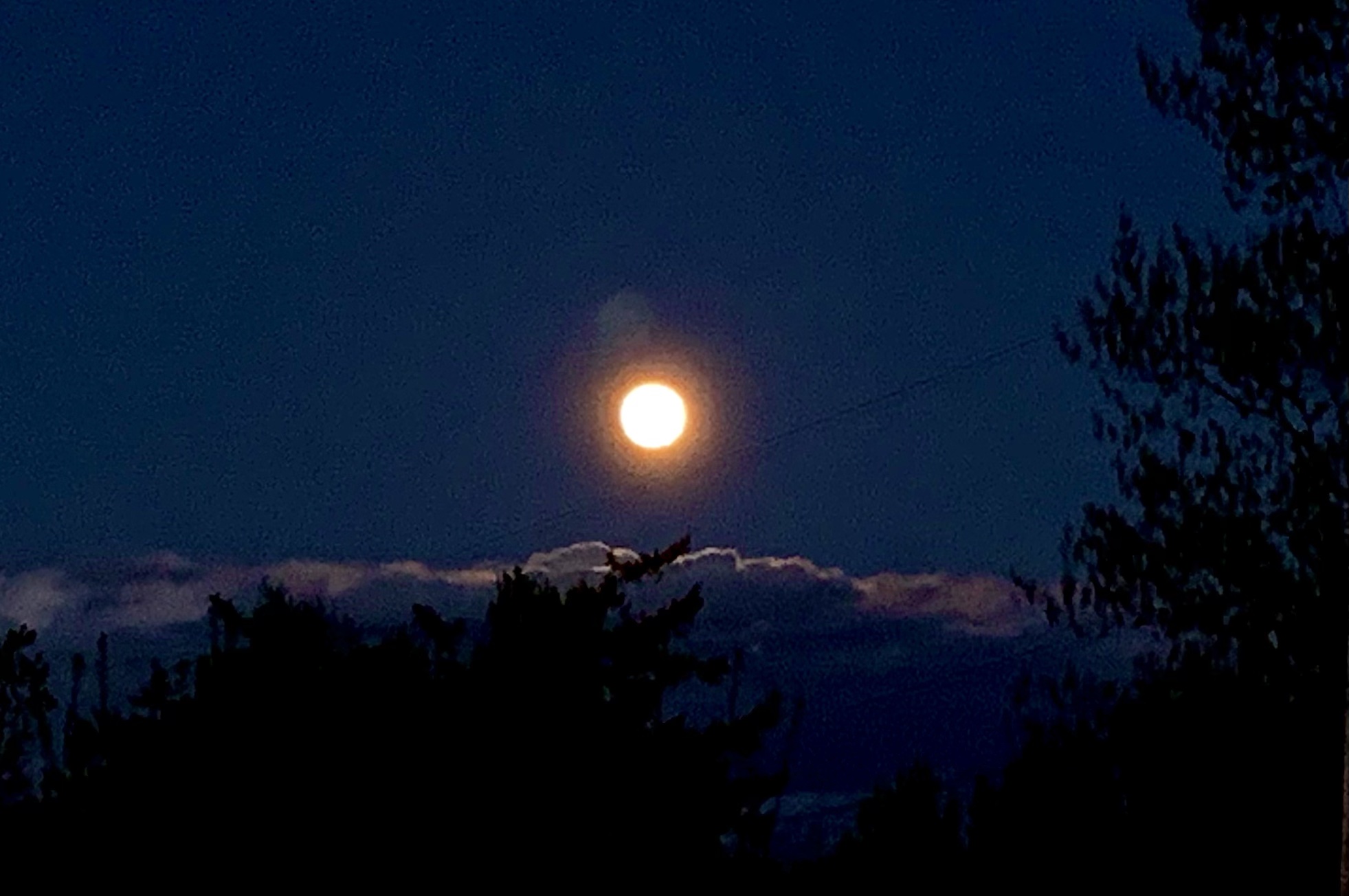
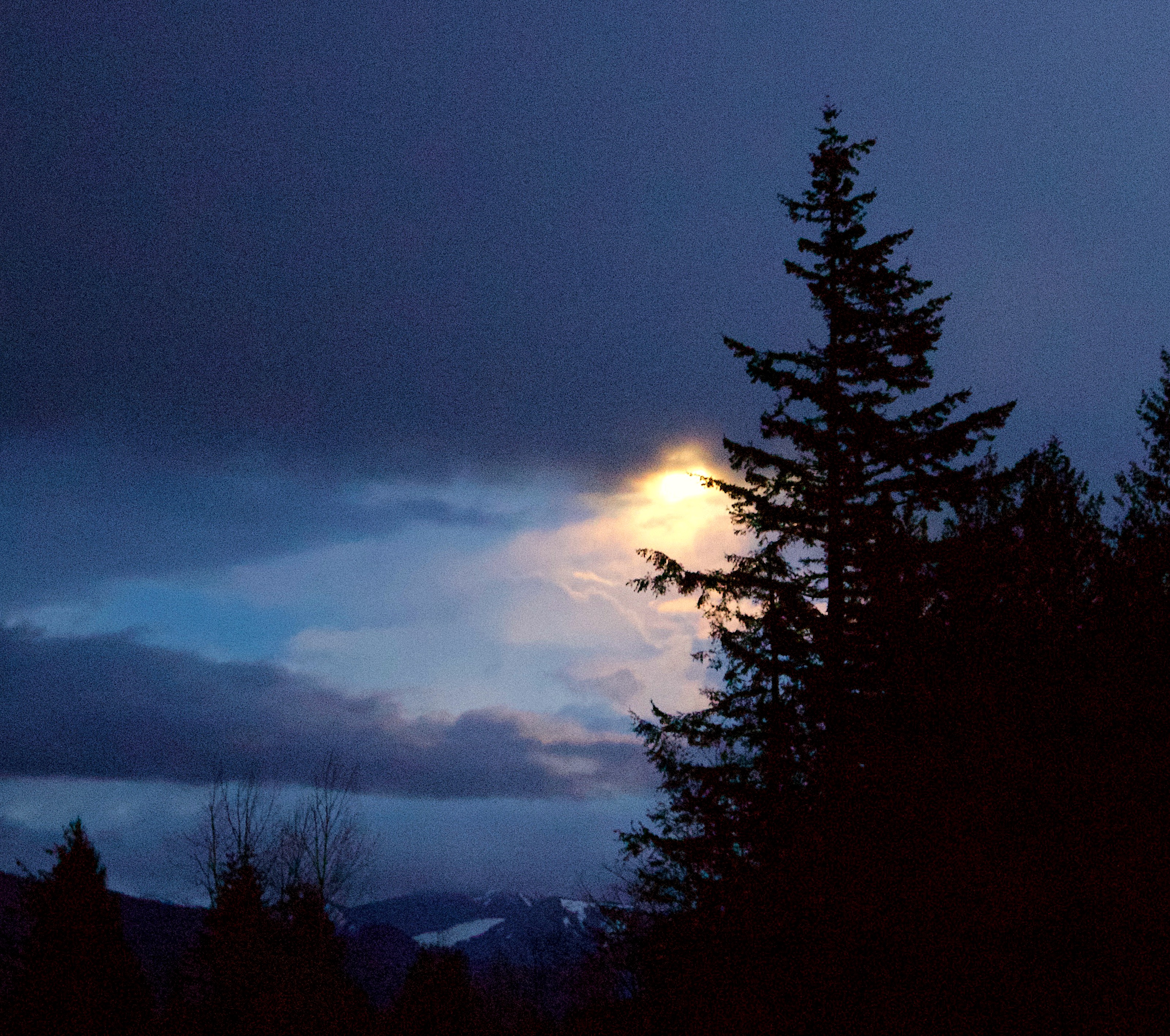
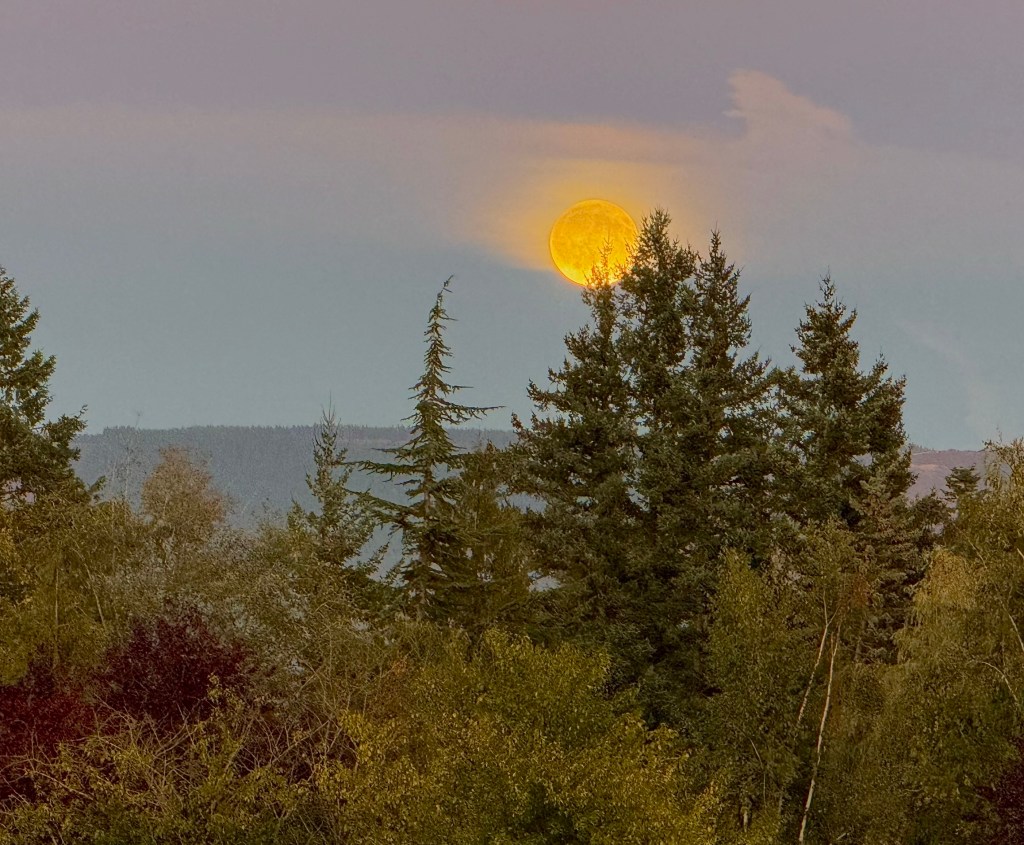
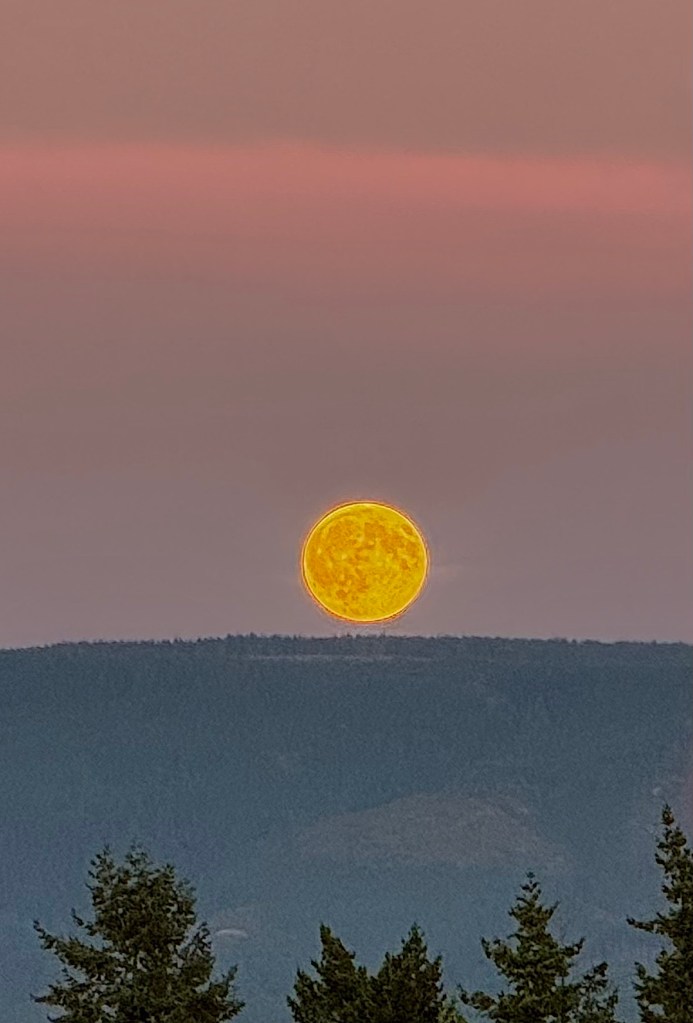
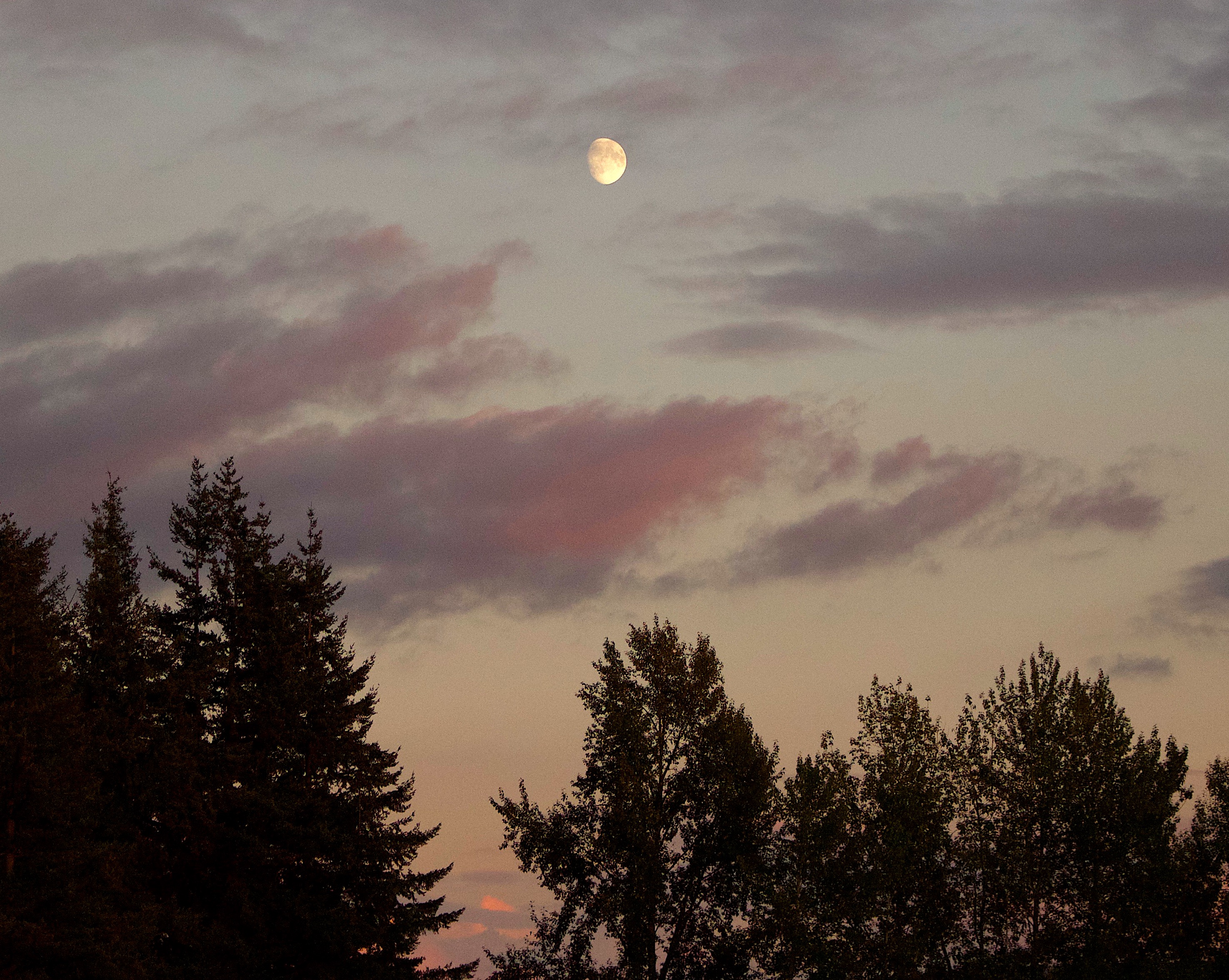
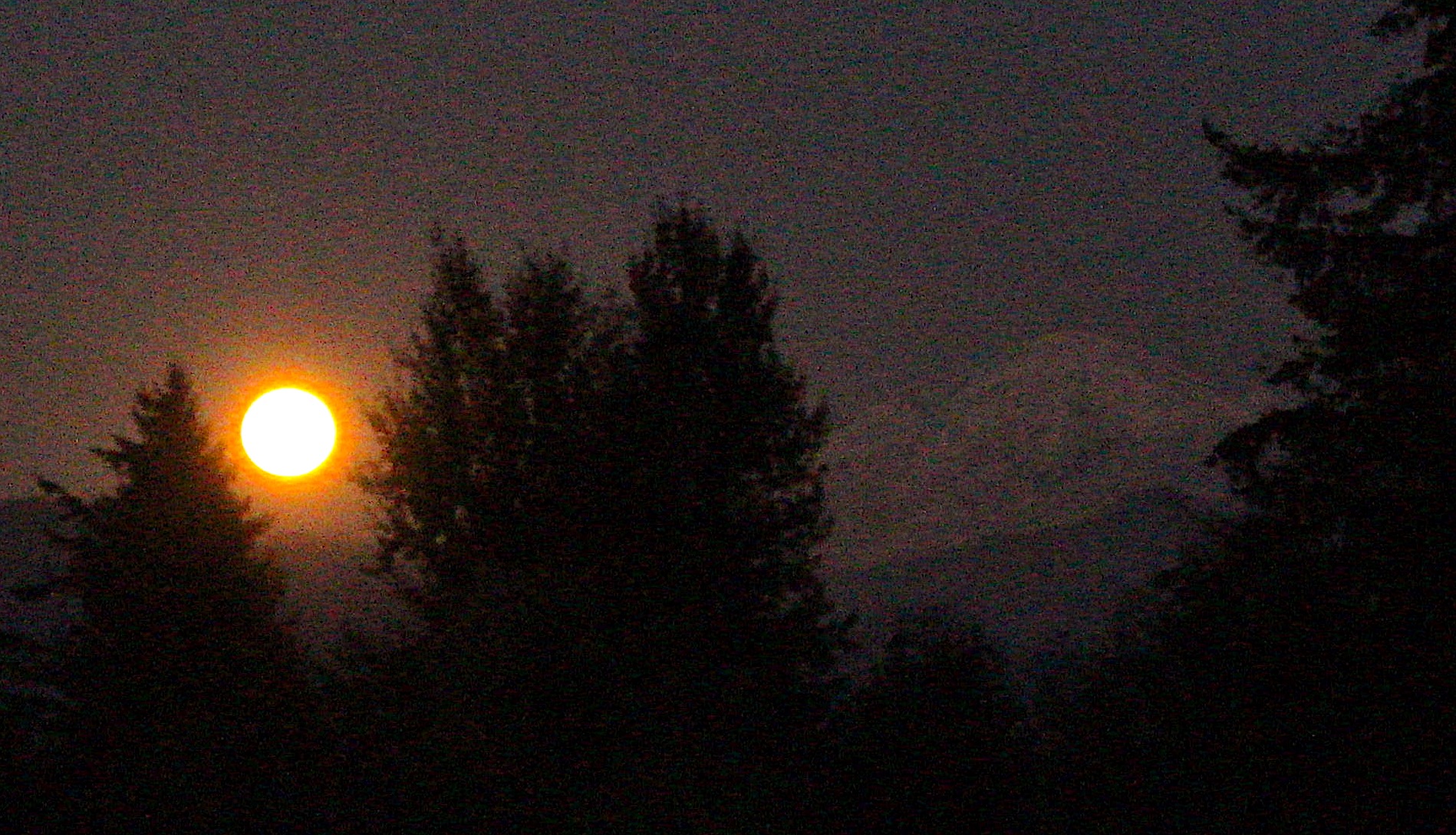
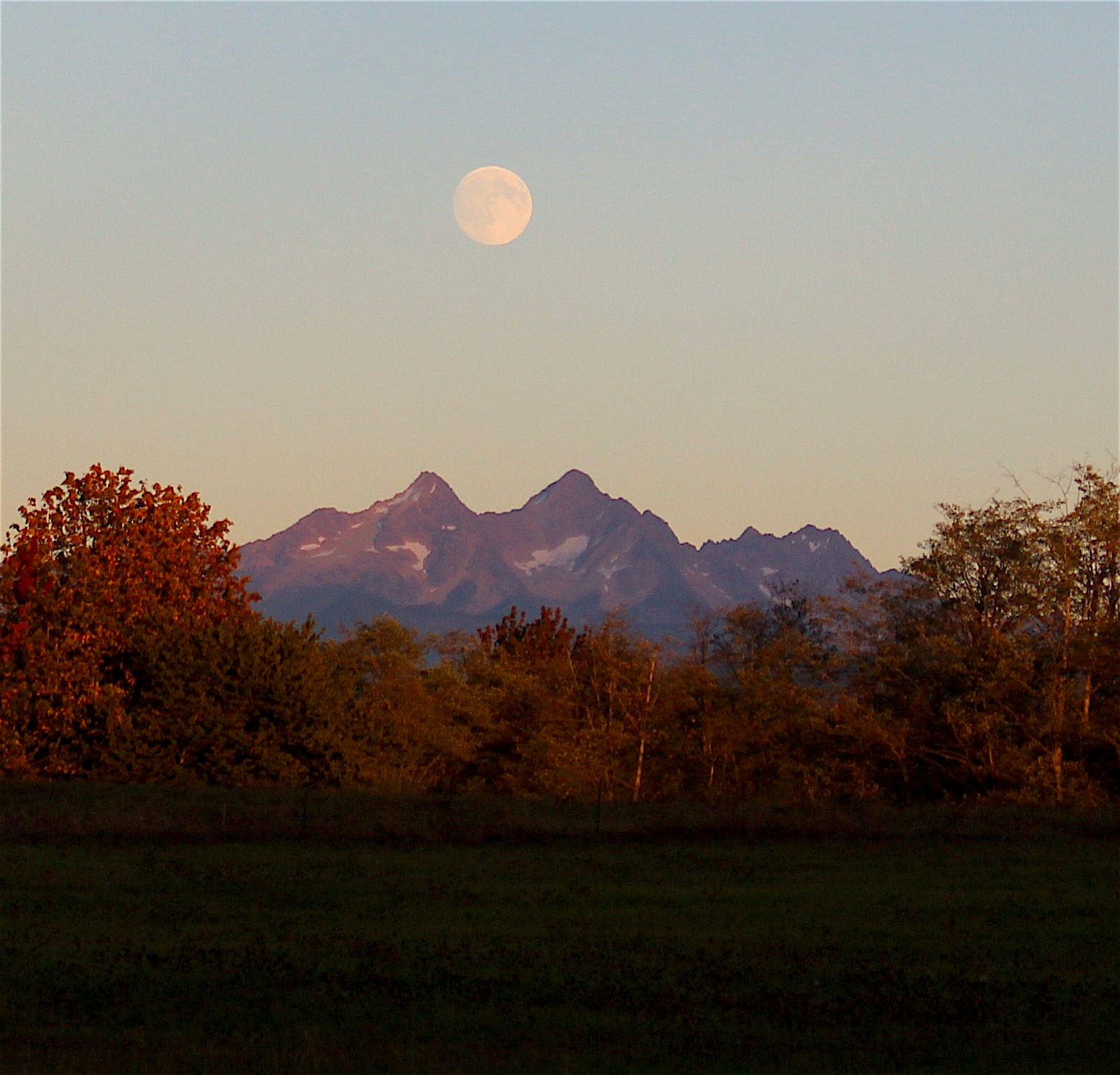
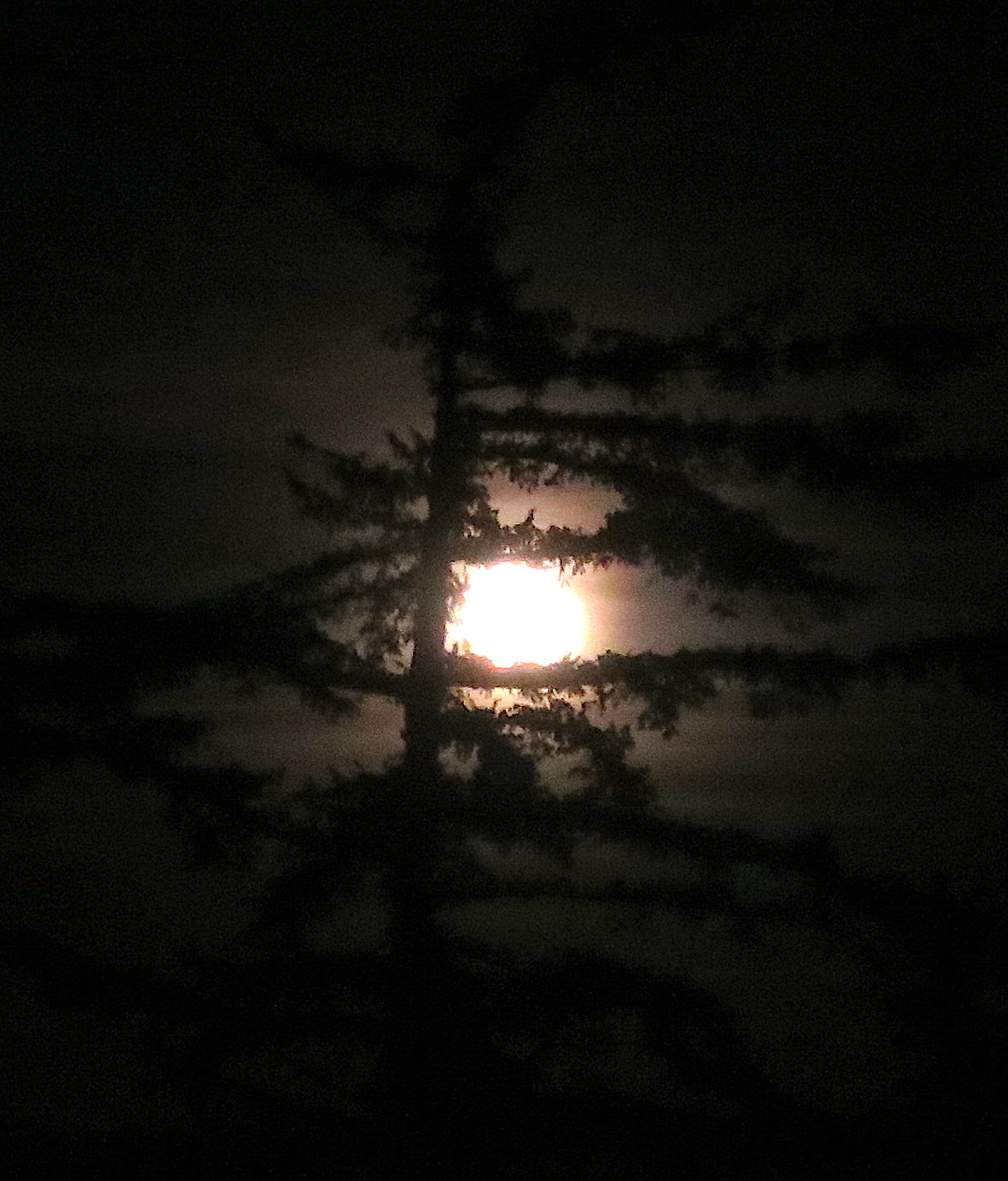
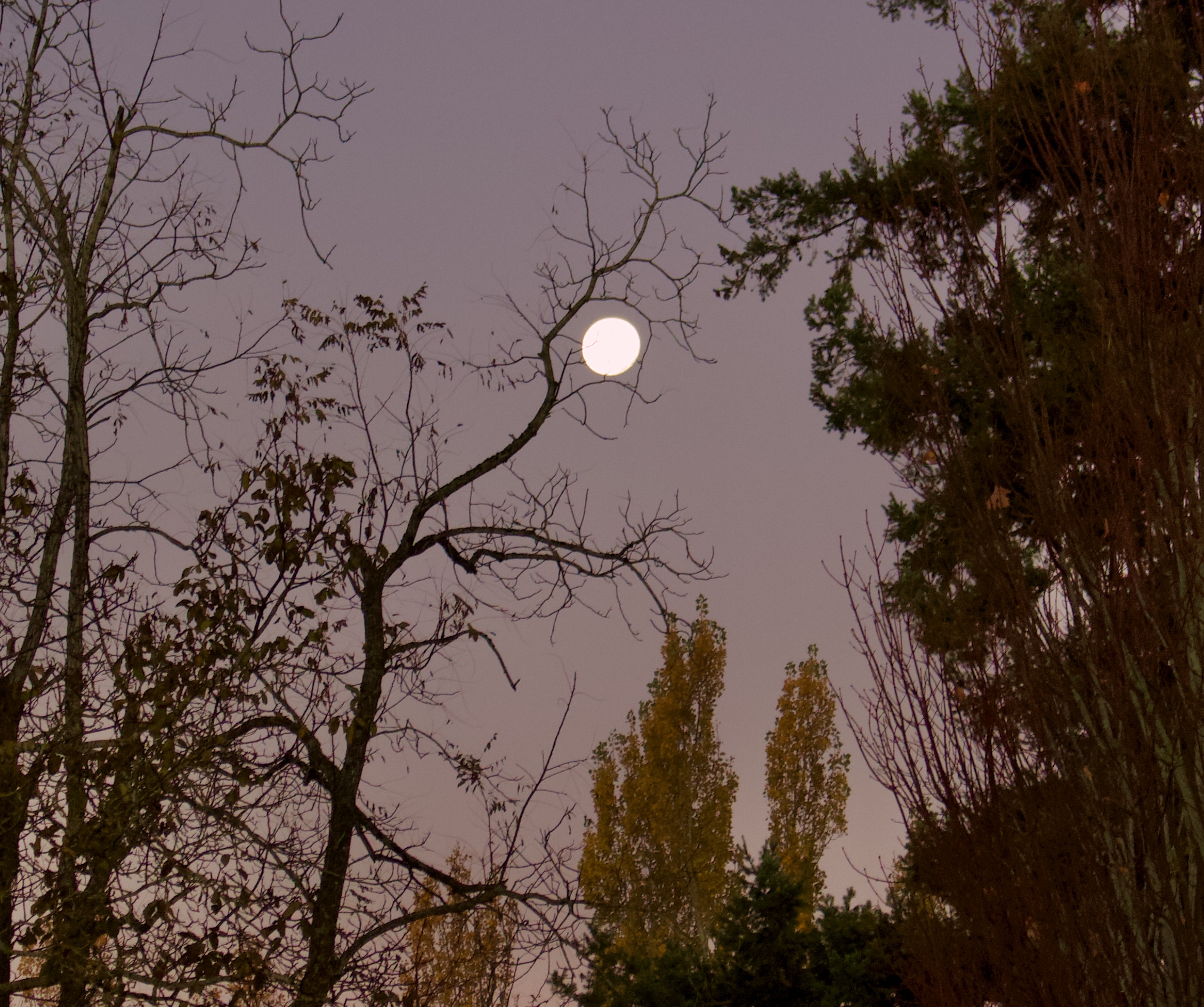
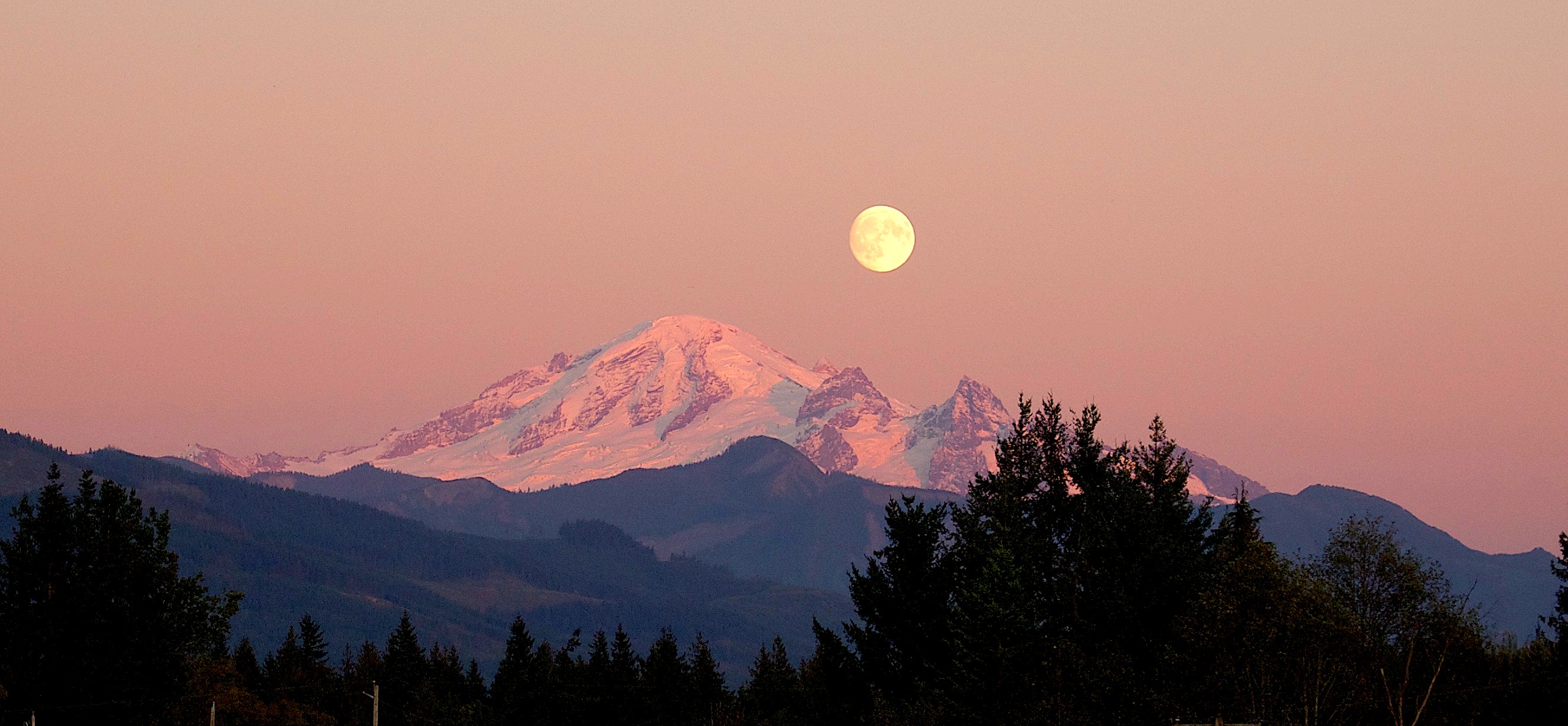
I will not forget, dear harvest moon, to keep you as my singing bowl where I can find your song months from now, even when your reflected light leaks out to tangle up in the weary trees of autumn.
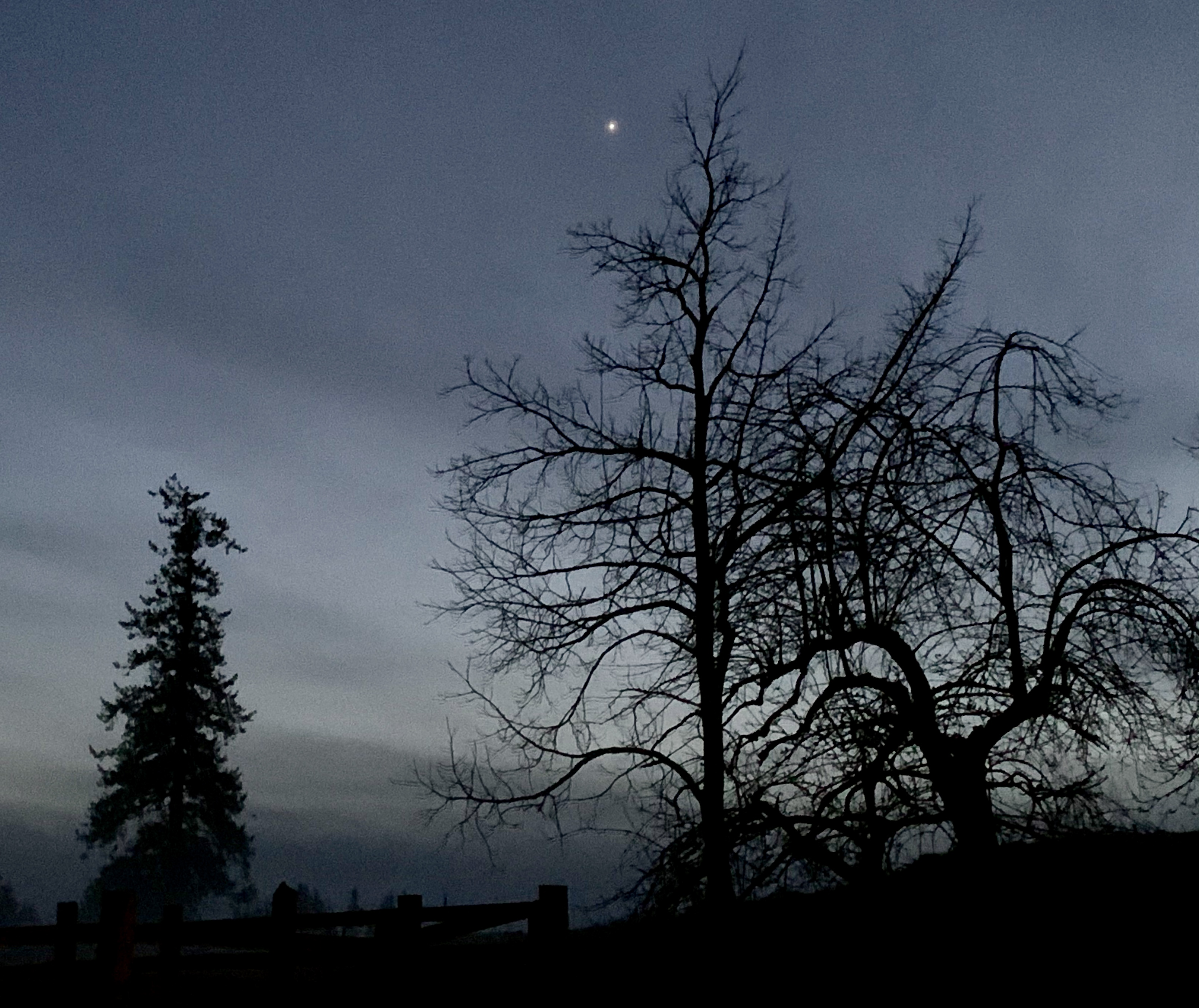
Once the leaves fall, you illuminate even the most humble branches in their embarrassed nakedness.
Call nothing common in the earth or air, Accept it all and let it be for good.
When I too need your warm light in the center of my hollowed chest, I’ll know exactly where to find you, as you sing lullabies, waiting for me to empty.
I’ll not forget you, because you never forget to keep looking for me.
One-Time
Monthly
Yearly
Make a one-time or recurring donation to support daily Barnstorming posts




















 Barnstorming