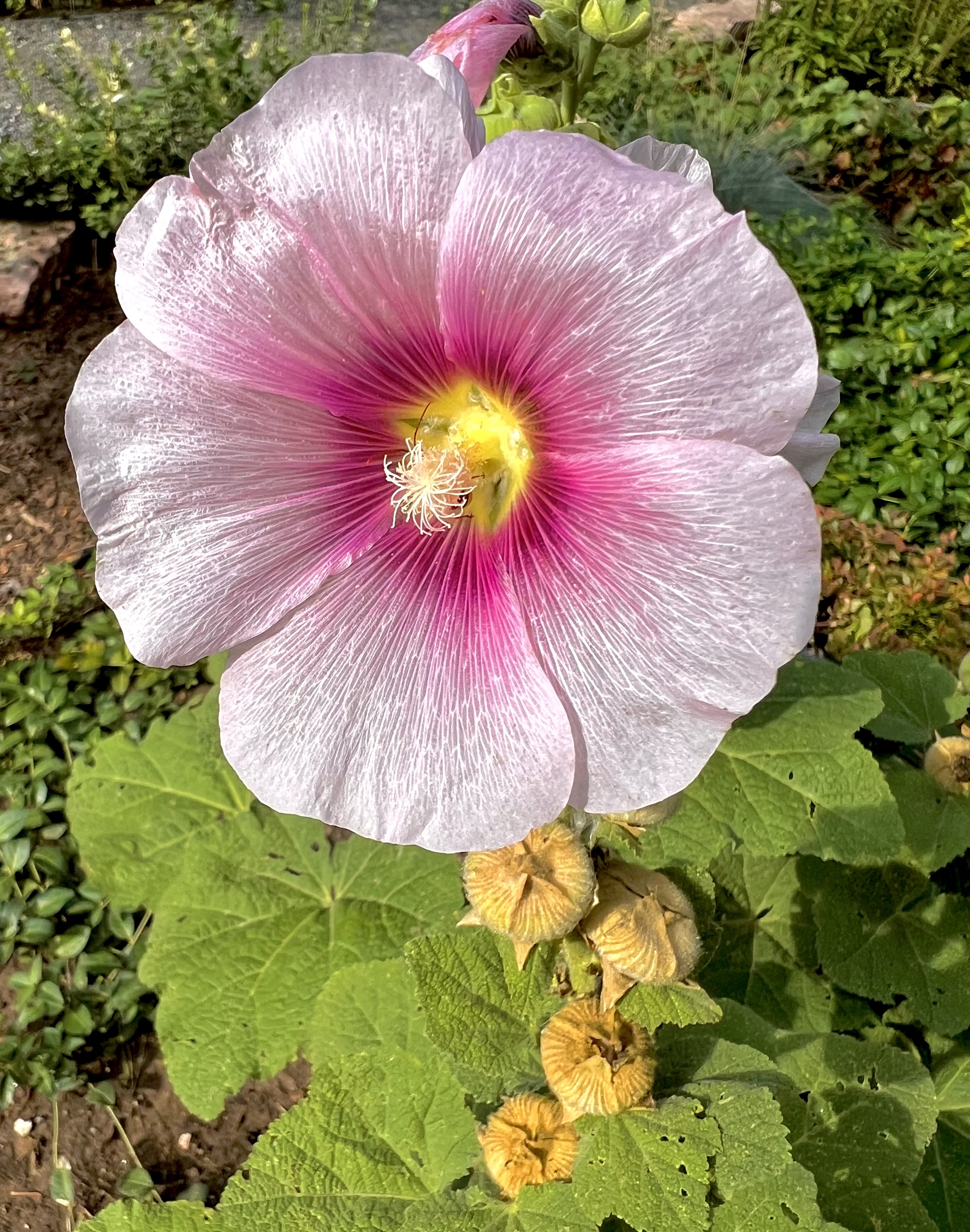
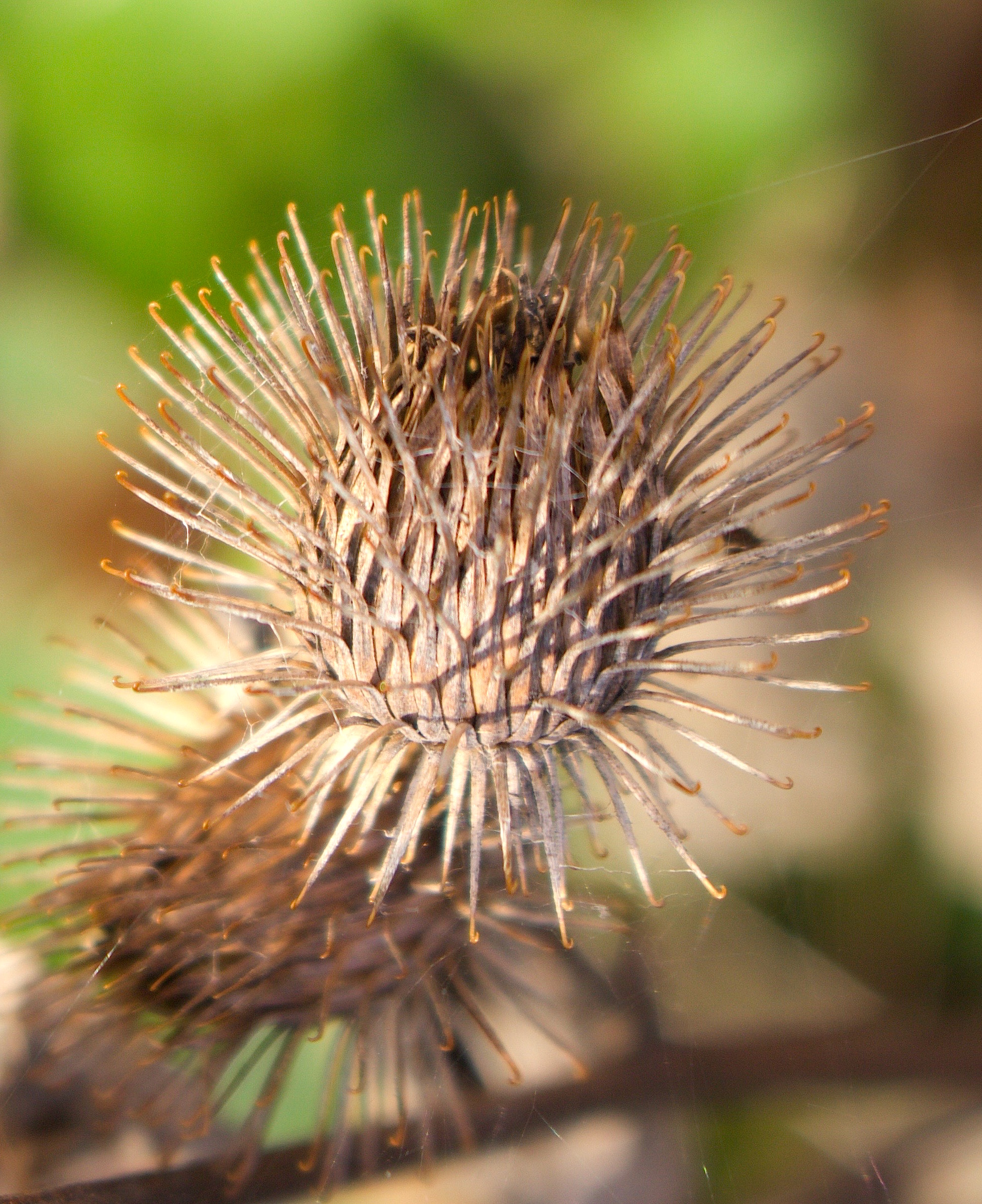
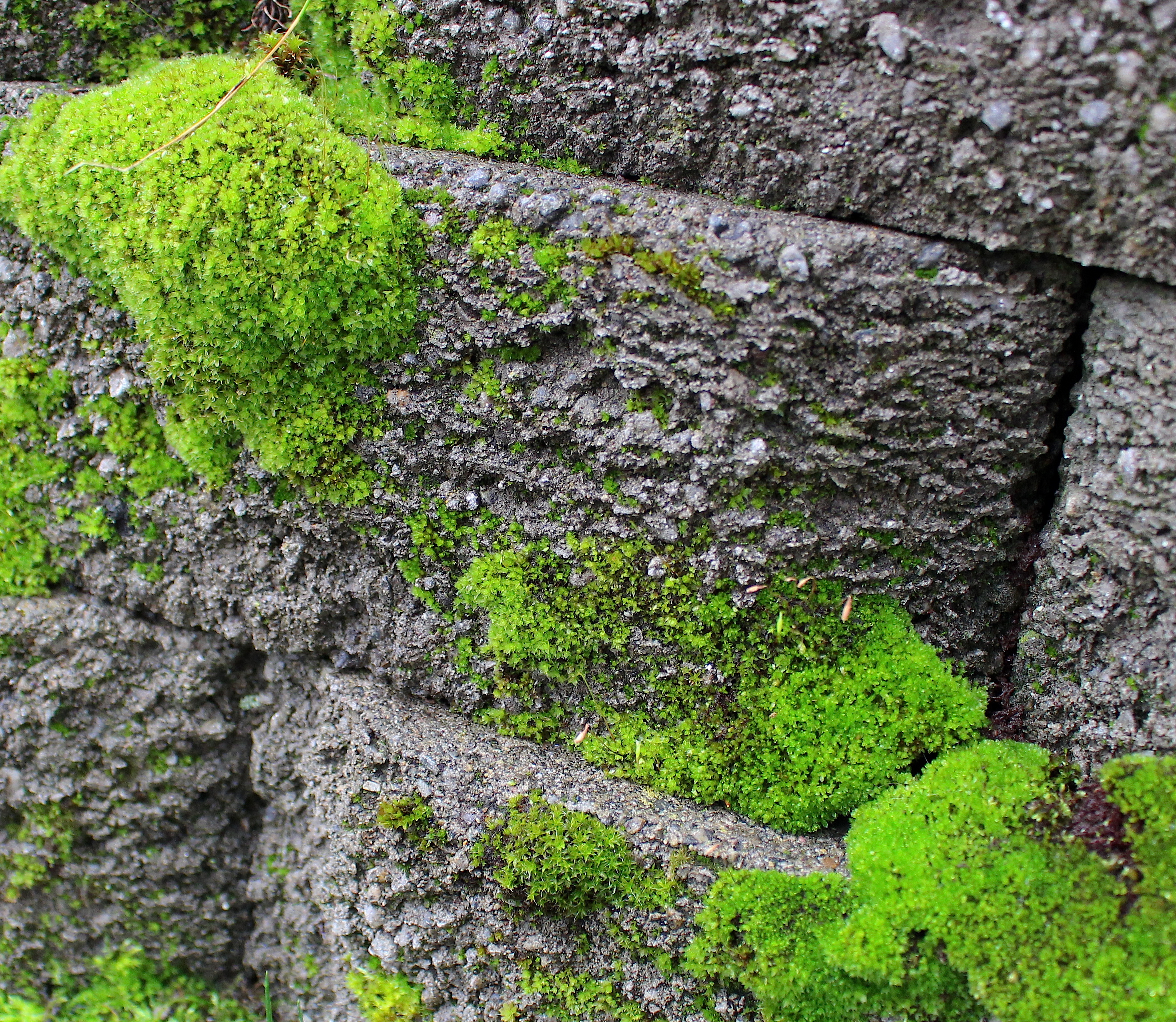
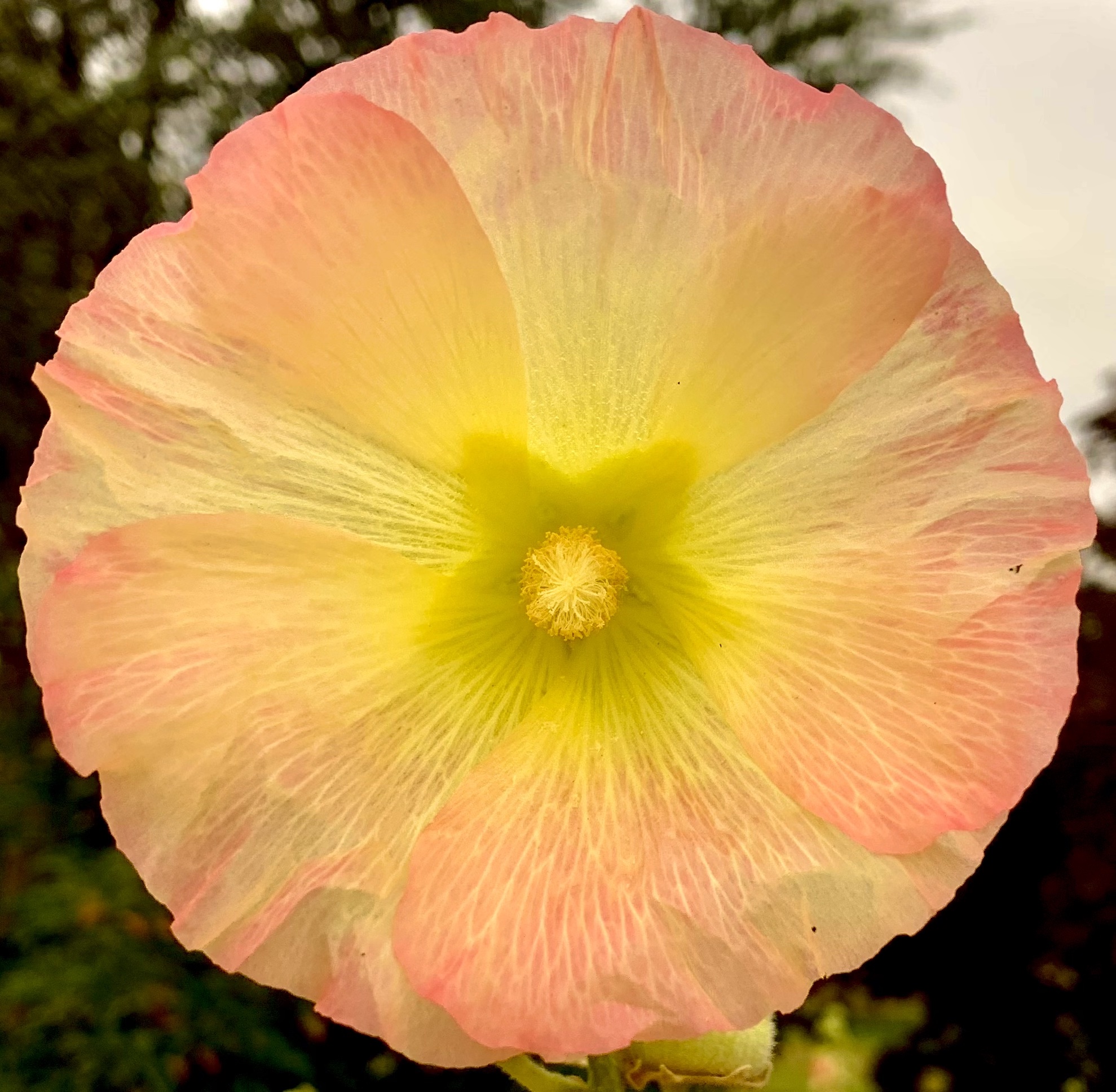
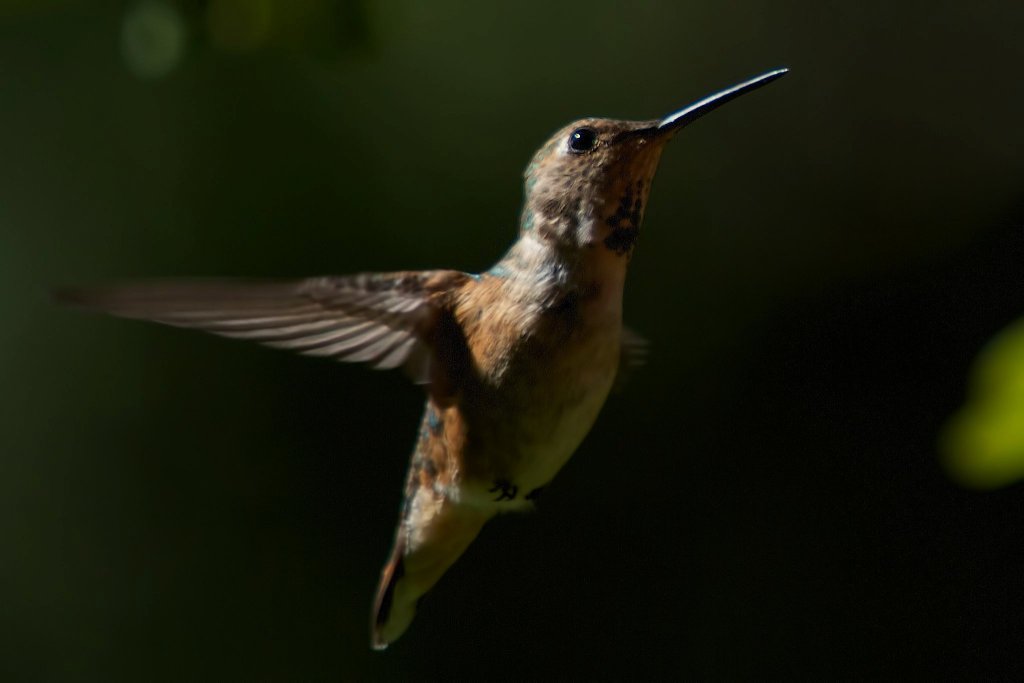
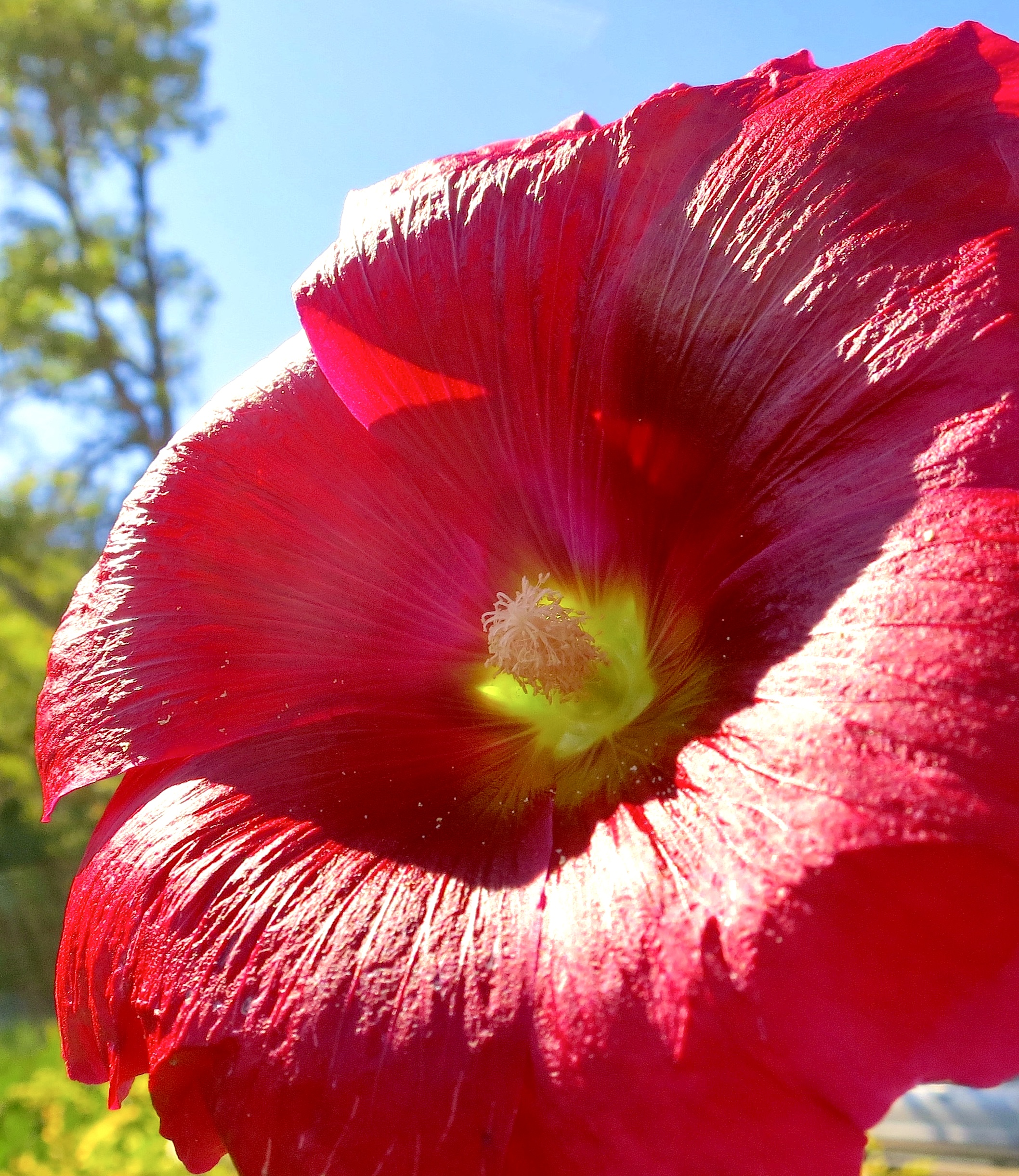
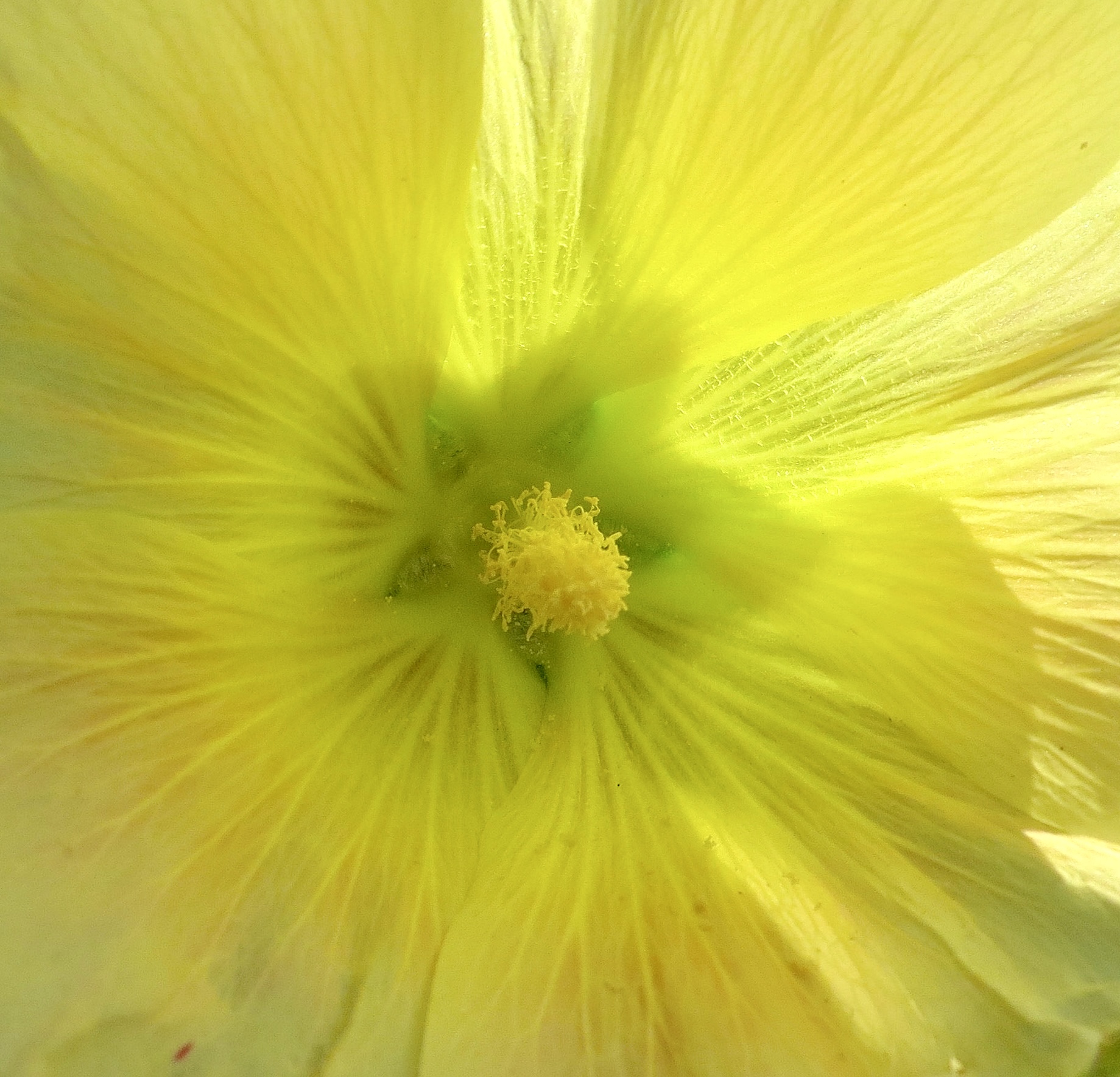
I let her garden go. let it go, let it go How can I watch the hummingbird Hover to sip With its beak’s tip The purple bee balm—whirring as we heard It years ago? The weeds rise rank and thick let it go, let it go Where annuals grew and burdock grows, Where standing she At once could see The peony, the lily, and the rose Rise over brick She’d laid in patterns. Moss let it go, let it go Turns the bricks green, softening them By the gray rocks Where hollyhocks That lofted while she lived, stem by tall stem, Blossom with loss. ~Donald Hall, “Her Garden” from White Apples and the Taste of Stone
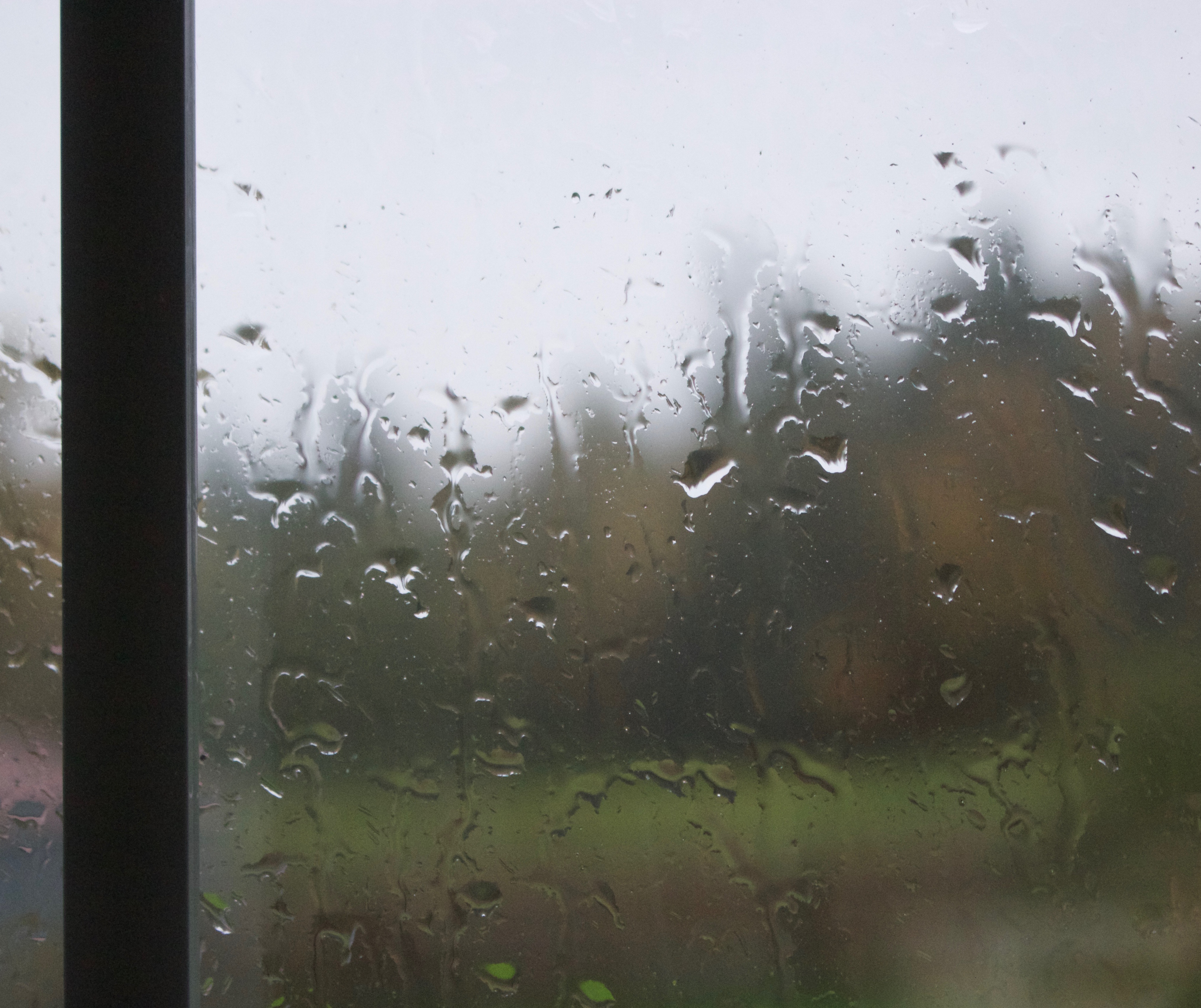
As fall now brings gray mornings heavy with clouds and tear-streaked windows, I pause, melancholy at the passage of time.
Whether to grieve over another hour passed another breath exhaled another broken heart beat
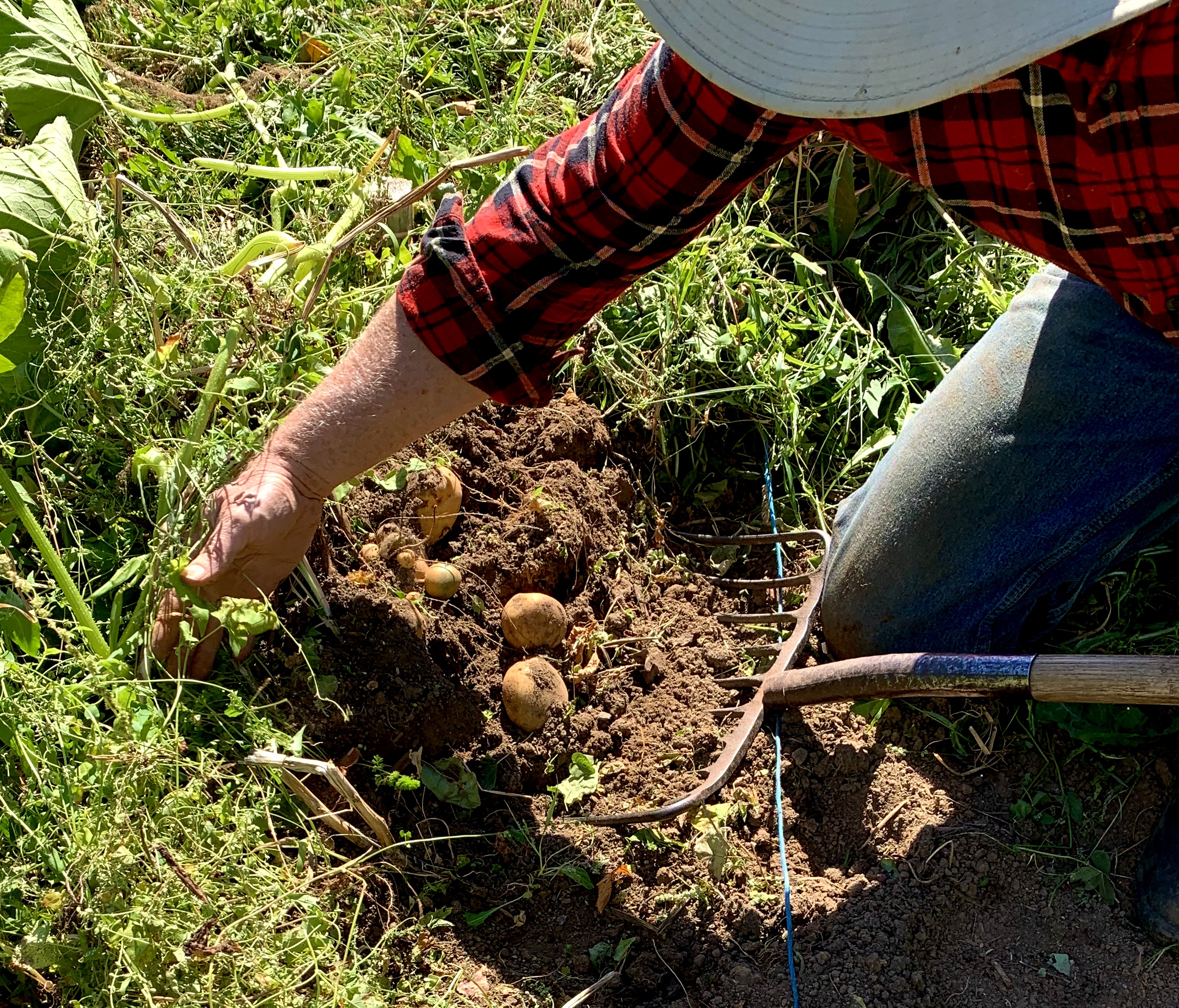
Or to climb my way out of deepless dolor by starting the work of planting next spring’s garden
It takes sweat and dirty hands and yes, tears from heaven to make it flourish, but even so – just maybe – my memories so carefully planted like seeds might blossom fully from the soil of loss.
One-Time
Monthly
Yearly
Make a one-time or recurring donation to support daily Barnstorming posts
Toward the end of August I begin to dream about fall, how this place will empty of people, the air will get cold and leaves begin to turn. Everything will quiet down, everything will become a skeleton of its summer self. Toward
the end of August I get nostalgic for what’s to come, for that quiet time, time alone, peace and stillness, calm, all those things the summer doesn’t have. The woodshed is already full, the kindling’s in, the last of the garden soon
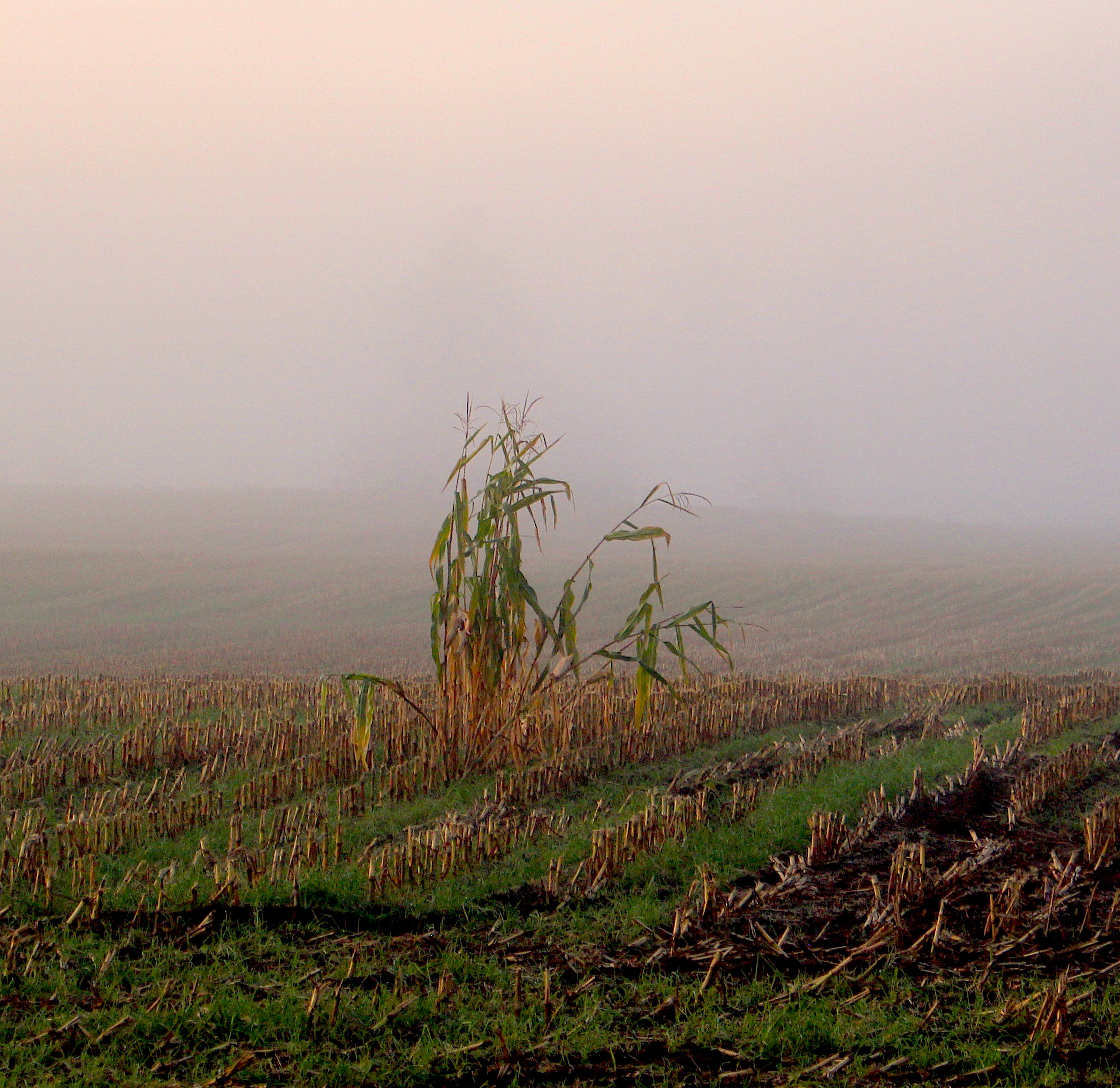
will be harvested, and then there will be nothing left to do but watch fall play itself out, the earth freeze, winter come. ~David Budbill, “Toward the End of August” from Tumbling Toward the End.
As the calendar page flipped to September this past week, I felt nostalgic for what is coming, especially for our grandchildren who are starting new classes tomorrow.
Summer is filled with so much overwhelming activity due to ~18 hours of daylight accompanying weeks of unending sunny weather resulting in never-enough-sleep. Waking on a summer morning feels so brim full with possibilities: there are places to go, people to see, new things to explore and of course, a garden and orchard always bearing and fruiting out of control.
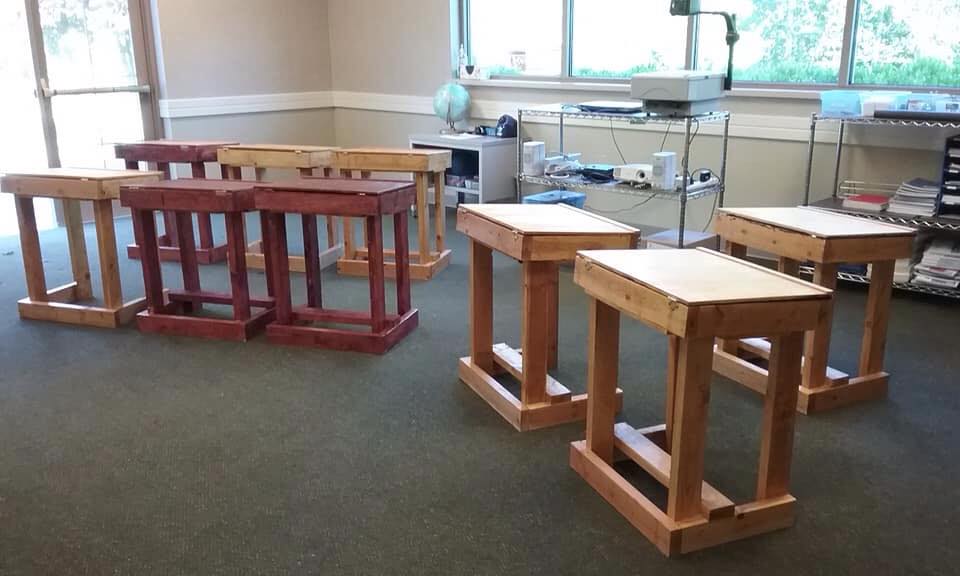
As early September days usher us toward autumn, we long for the more predictable routine of school days, so ripe with new learning opportunities. One early September a few years ago, my teacher friend Bonnie orchestrated an innovative introduction to fifth grade by asking her students, with some parental assistance, to make (from scratch) their own personalized school desks that went home with them at the end of the year. These students created their own learning center with their brains and hands, with wood-burned and painted designs, pictures and quotes for daily encouragement.
For those students, their desks will always represent a solid reminder of what has been and what is to come.
So too, I welcome September’s quieting times ushering in a new cool freshness in the air as breezes pluck and toss a few drying leaves from the trees. I will watch the days play themselves out rather than feeling I must direct each moment. I can be a sponge, ready to take in what the world is trying to teach me.
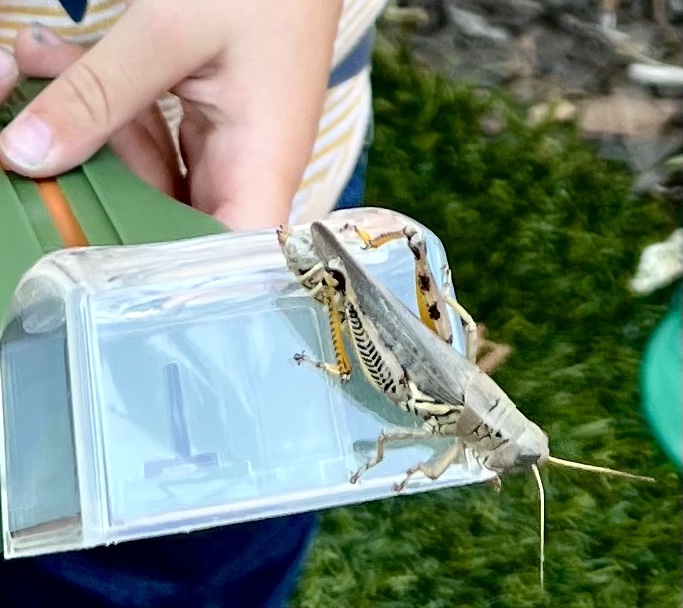
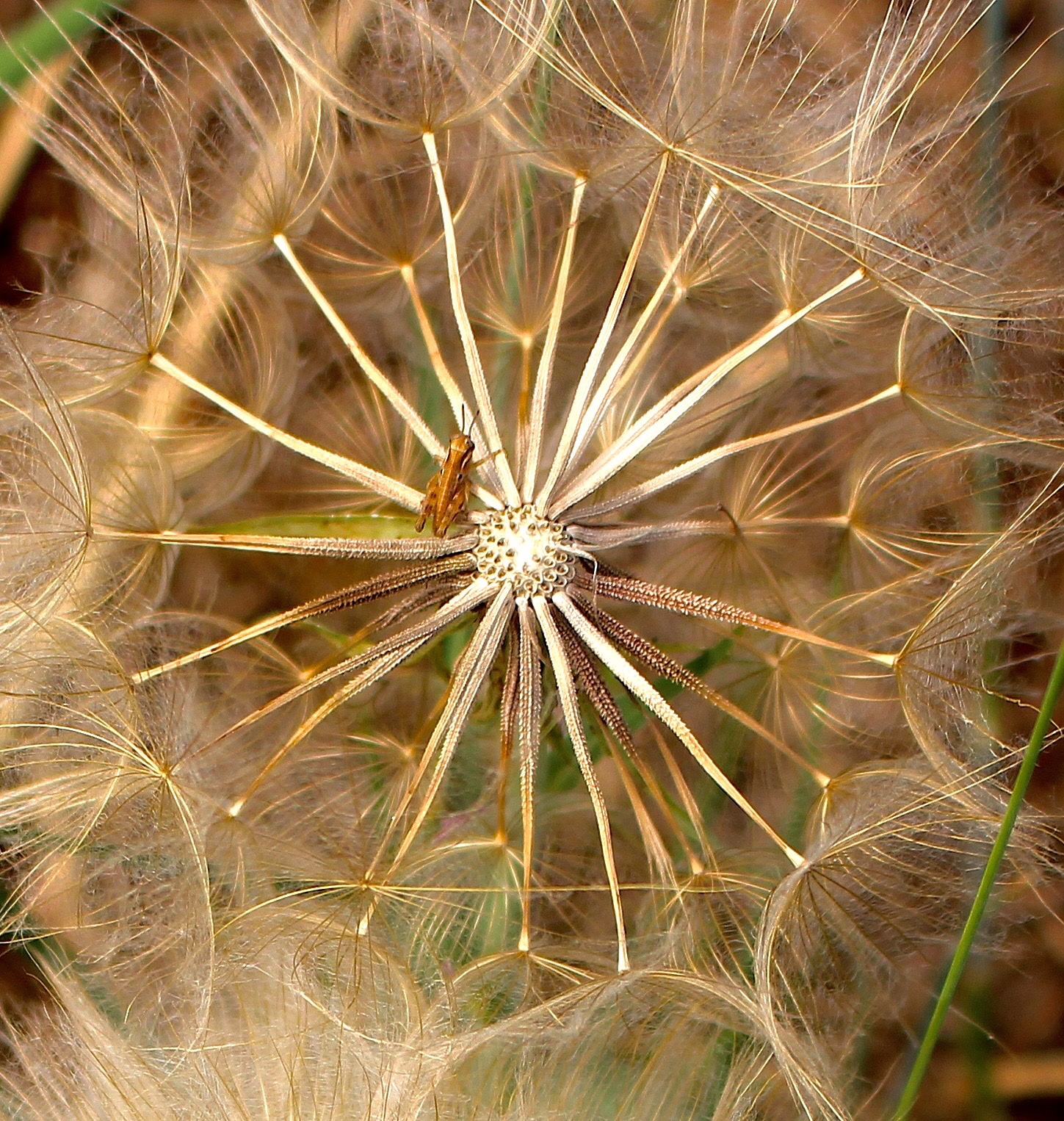
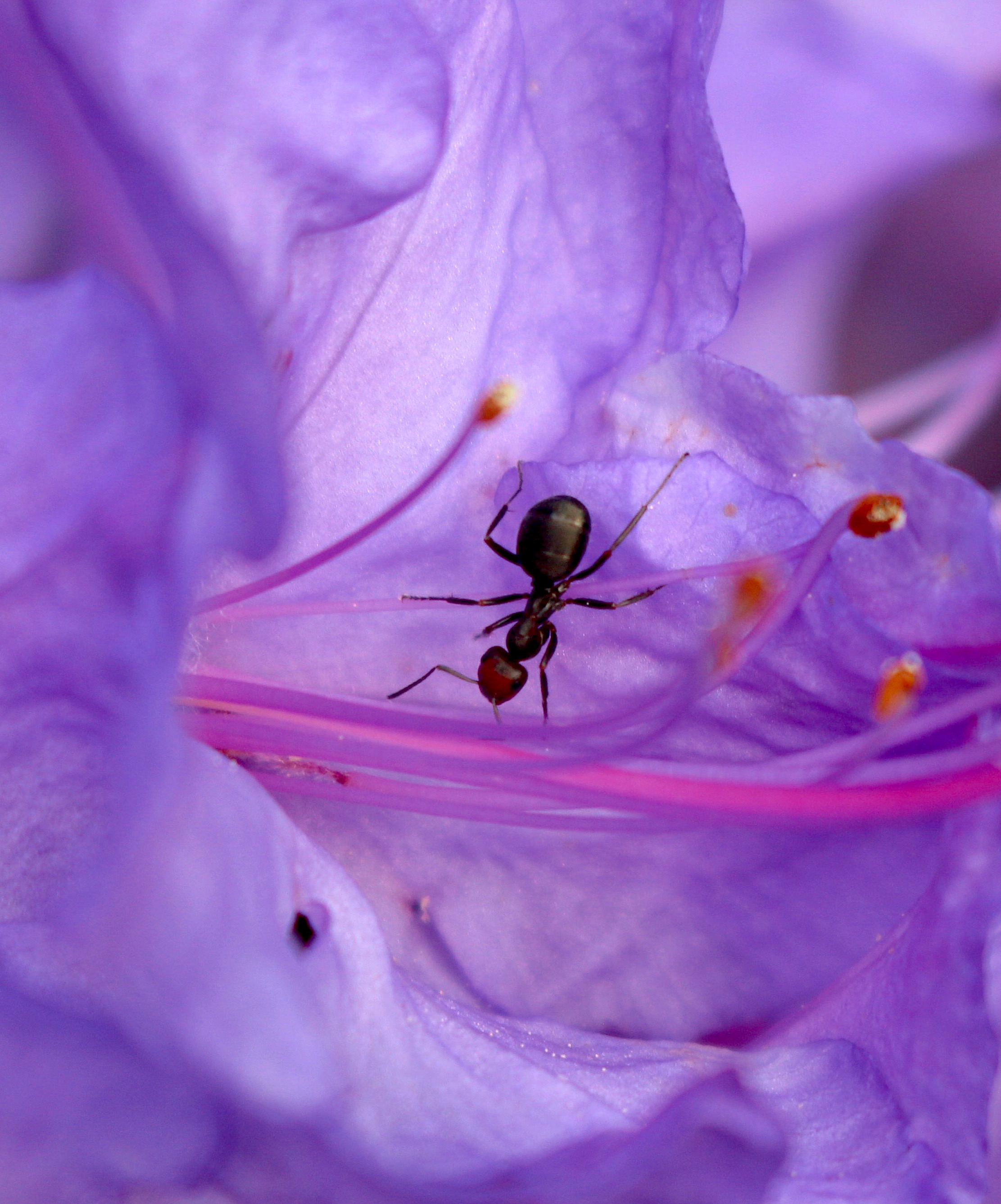
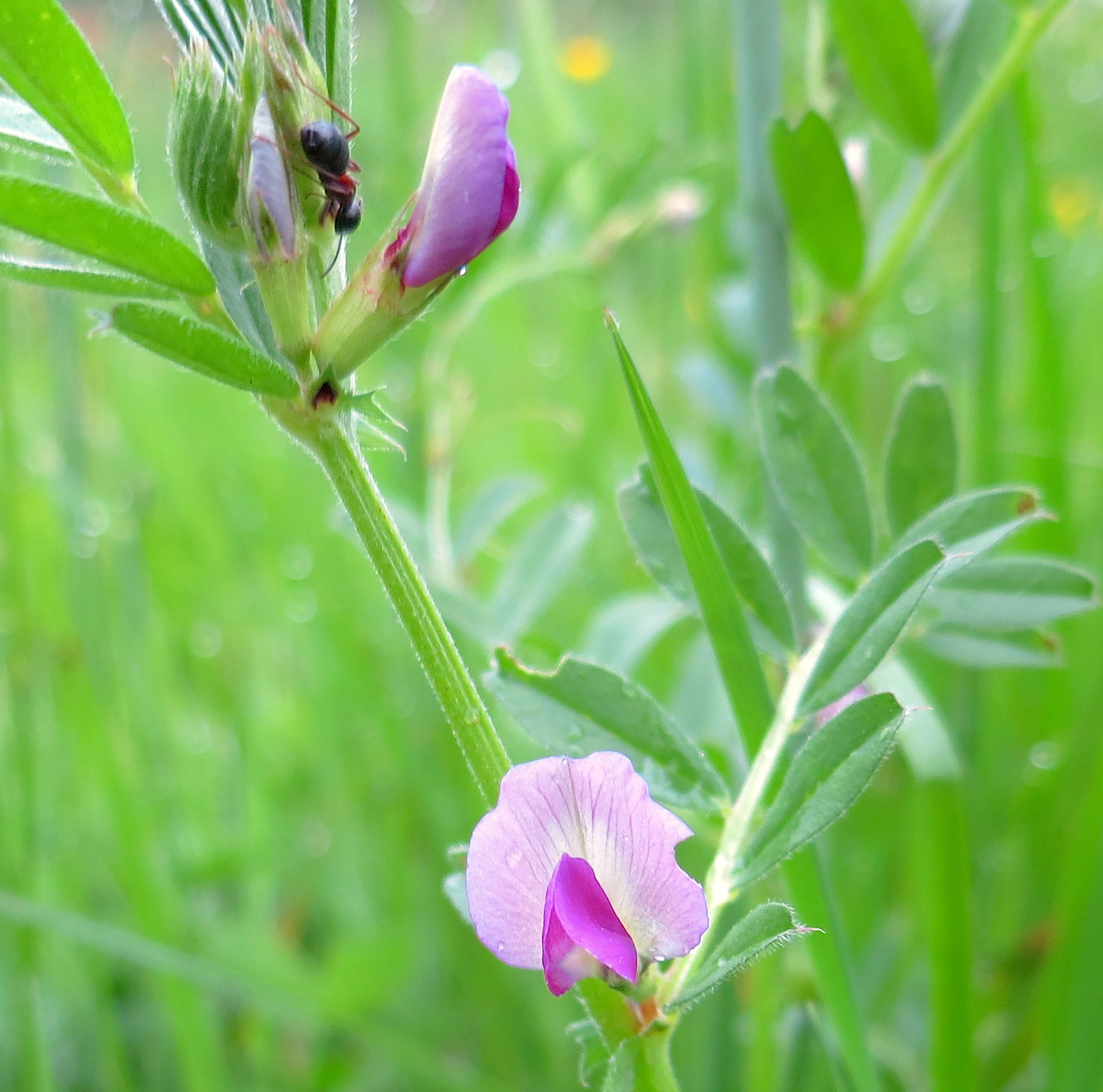
‘Ant, look at me!’ a young Grasshopper said, As nimbly he sprang from his green, summer bed, ‘See how I’m going to skip over your head, And could o’er a thousand like you! Ant, by your motion alone, I should judge That Nature ordained you a slave and a drudge, For ever and ever to keep on the trudge, And always find something to do.
‘Oh! there is nothing like having our day, Taking our pleasure and ease while we may, Bathing ourselves in the bright, mellow ray That comes from the warm, golden sun! While I am up in the light and the air, You, a sad picture of labor and care! Still have some hard, heavy burden to bear, And work that you never get done.
‘I have an exercise healthful, and good, For timing the nerves and digesting the food— Graceful gymnastics for stirring the blood Without the gross purpose of use. Ant, let me tell you ‘t is not a la mode, To plod like a pilgrim and carry a load, Perverting the limbs that for grace were bestowed, By such a plebeian abuse.
‘While the whole world with provisions is filled, Who would keep toiling and toiling to build And lay in a store for himself, till he ‘s killed With work that another might do? Come! drop your budget and just give a spring. Jump on a grass-blade and balance and swing. Soon you’ll be light as a gnat on the wing, Gay as a grasshopper, too!’
Ant trudged along while the grasshopper sung, Minding her business and holding her tongue, Until she got home her own people among; But these were her thoughts on the road. ‘What will become of that poor, idle one When the light sports of the summer are done? And, where is the covert to which he may run To find a safe winter abode?
‘Oh! if I only could tell him how sweet Toil makes my rest and the morsel I eat, While hope gives a spur to my little black feet, He’d never pity my lot! He’d never ask me my burden to drop To join in his folly—to spring, and to hop; And thus make the ant and her labor to stop, When time, I am certain, would not.
‘When the cold frost all the herbage has nipped, When the bare branches with ice-drops are tipped, Where will the grasshopper then be, that skipped, So careless and lightly to-day? Frozen to-death! ‘a sad picture’ indeed, Of reckless indulgence and what must succeed, That all his gymnastics ca ‘nt shelter or feed, Or quicken his pulse into play.
‘I must prepare for a winter to come. I shall be glad of a home and a crumb, When my frail form out of doors would be numb, And I in the snow-storm should die. Summer is lovely, but soon will be past. Summer has plenty not always to last. Summer’s the time for the ant to make fast Her stores for a future supply!’ ~Hannah Flagg Gould “The Grasshopper and the Ant”
I did not grow up in a household that took time off. We were trudgers.
When my dad came home from his desk job in town, he would immediately change into his farm clothes and put in several hours of work outside, summer or winter, rain or shine, light or dark.
My mother did not work in town while we were children, but worked throughout her day inside and outside the house doing what farm wives and mothers need to do: growing, hoeing, harvesting, preserving, washing, cleaning, sewing, and most of all, being there for us.
As kids, we had our share of chores that were simply part of our day as our work was never done on a farm. When we turned twelve, we began working for others: babysitting, weeding, barn and house cleaning, berry picking. I have now done over 56 years of gainful employment – at times holding part-time jobs at once because that was what I could put together to keep things together.
An absolutely dedicated trudger.
Now in retirement, my work is about showing up to do what is needed where I am needed. There is a sweetness to trudging that I’ve not known before.
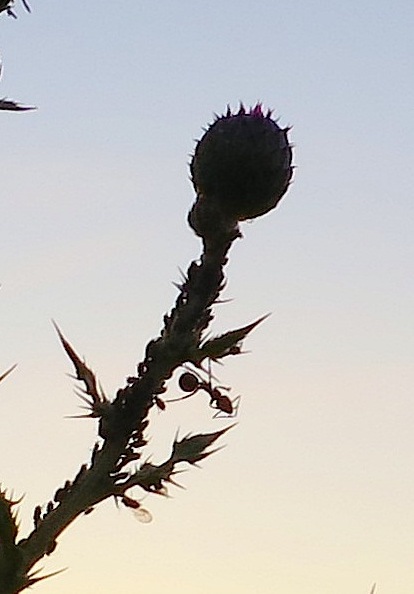
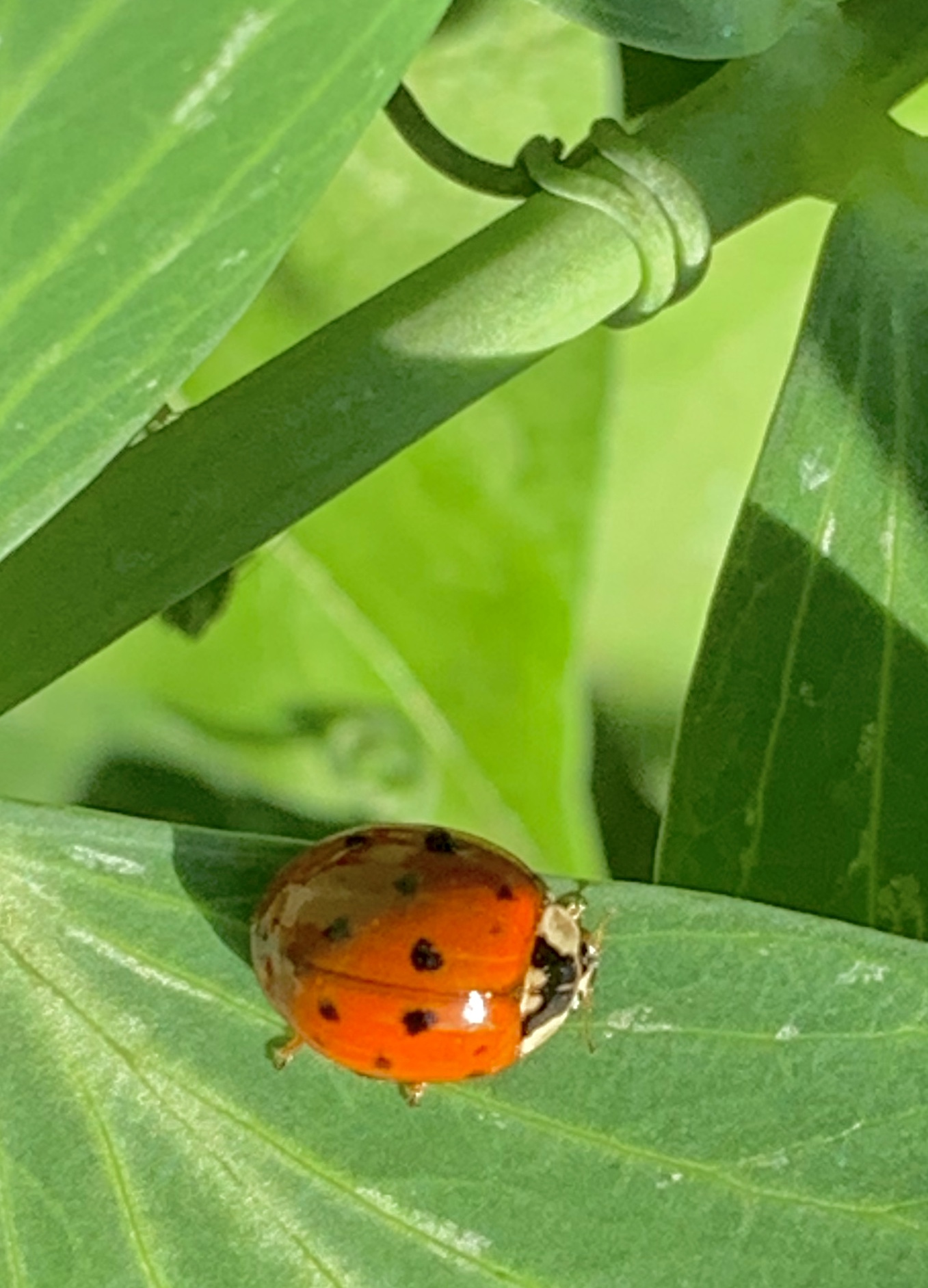
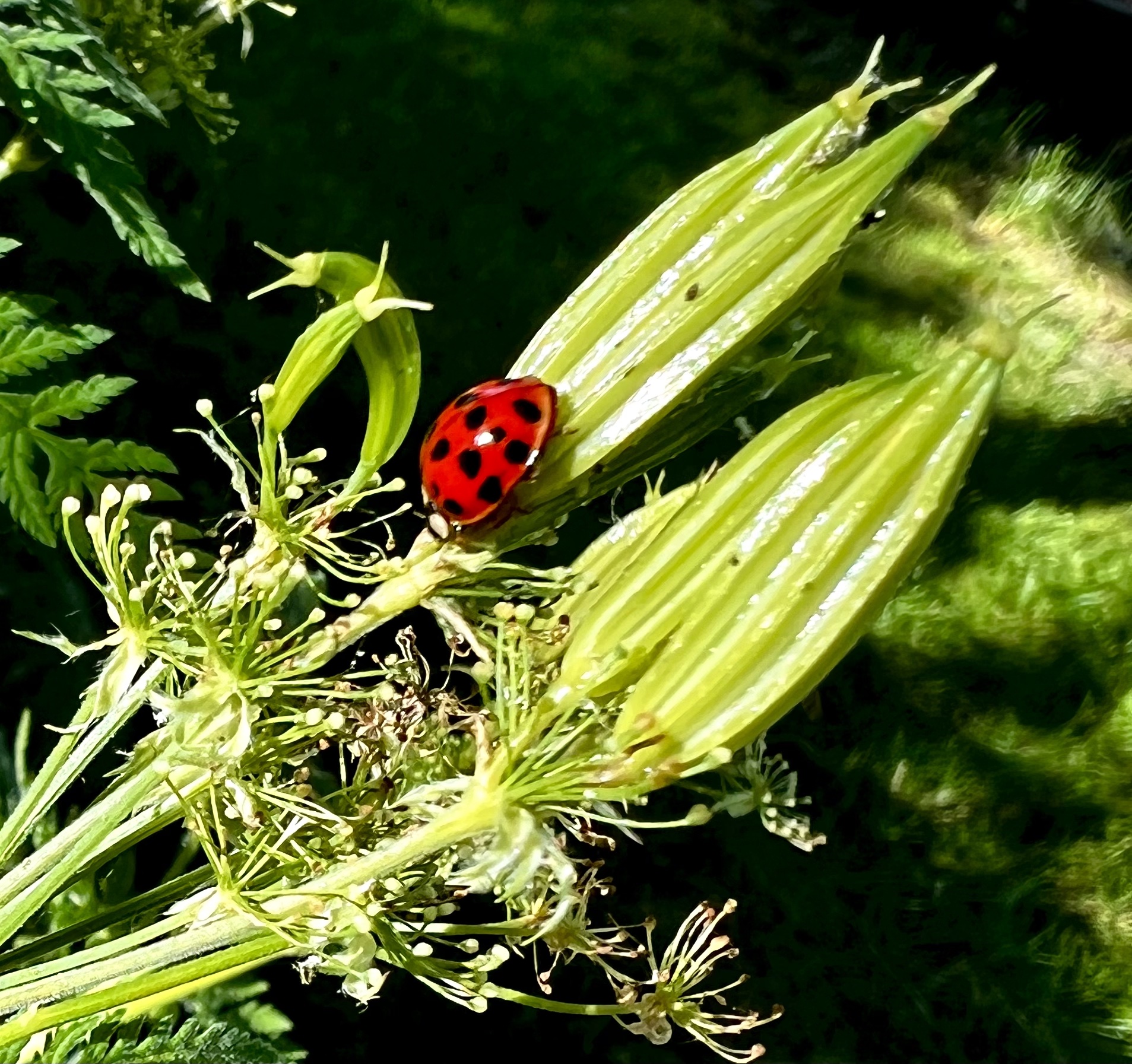
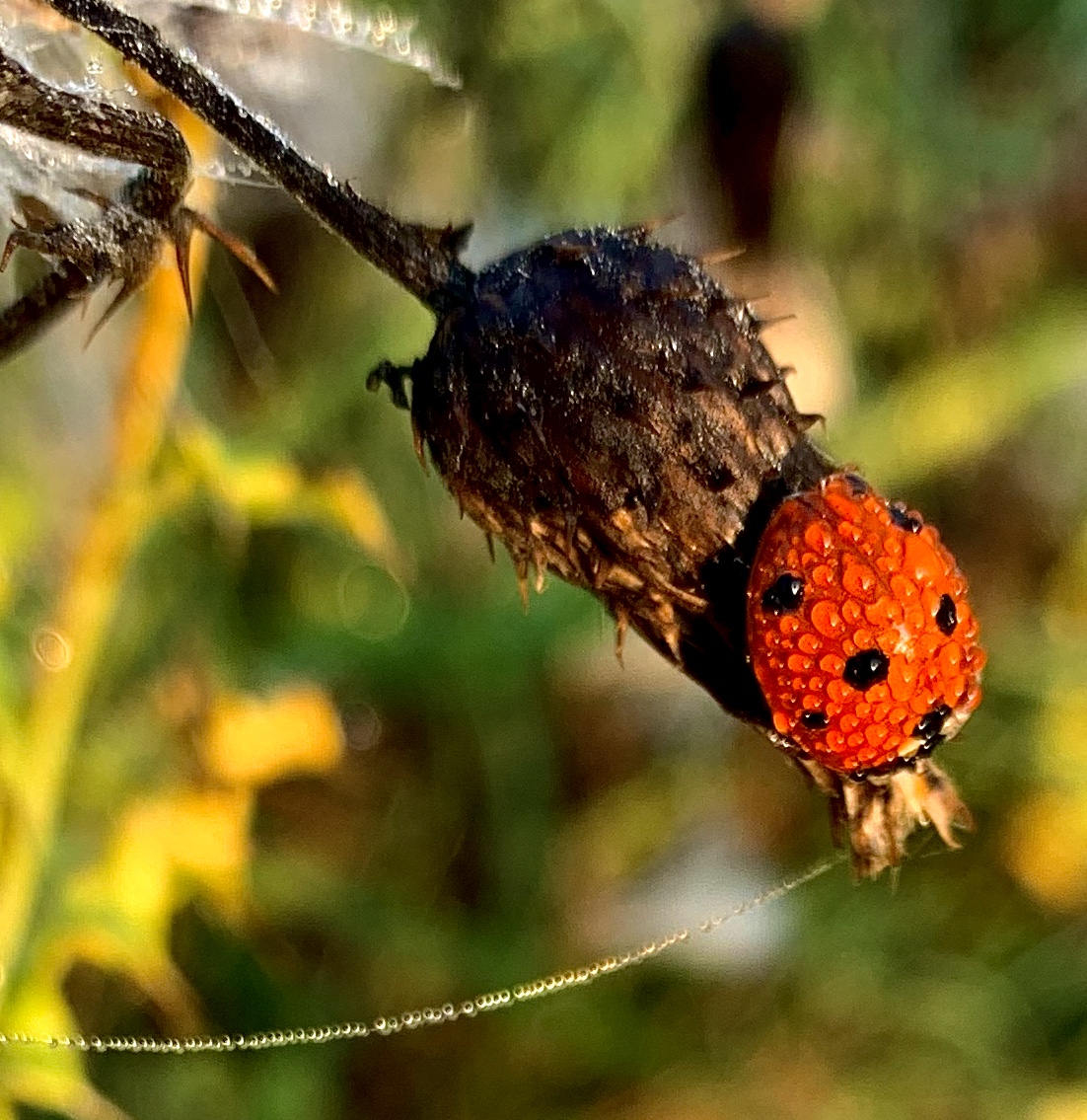
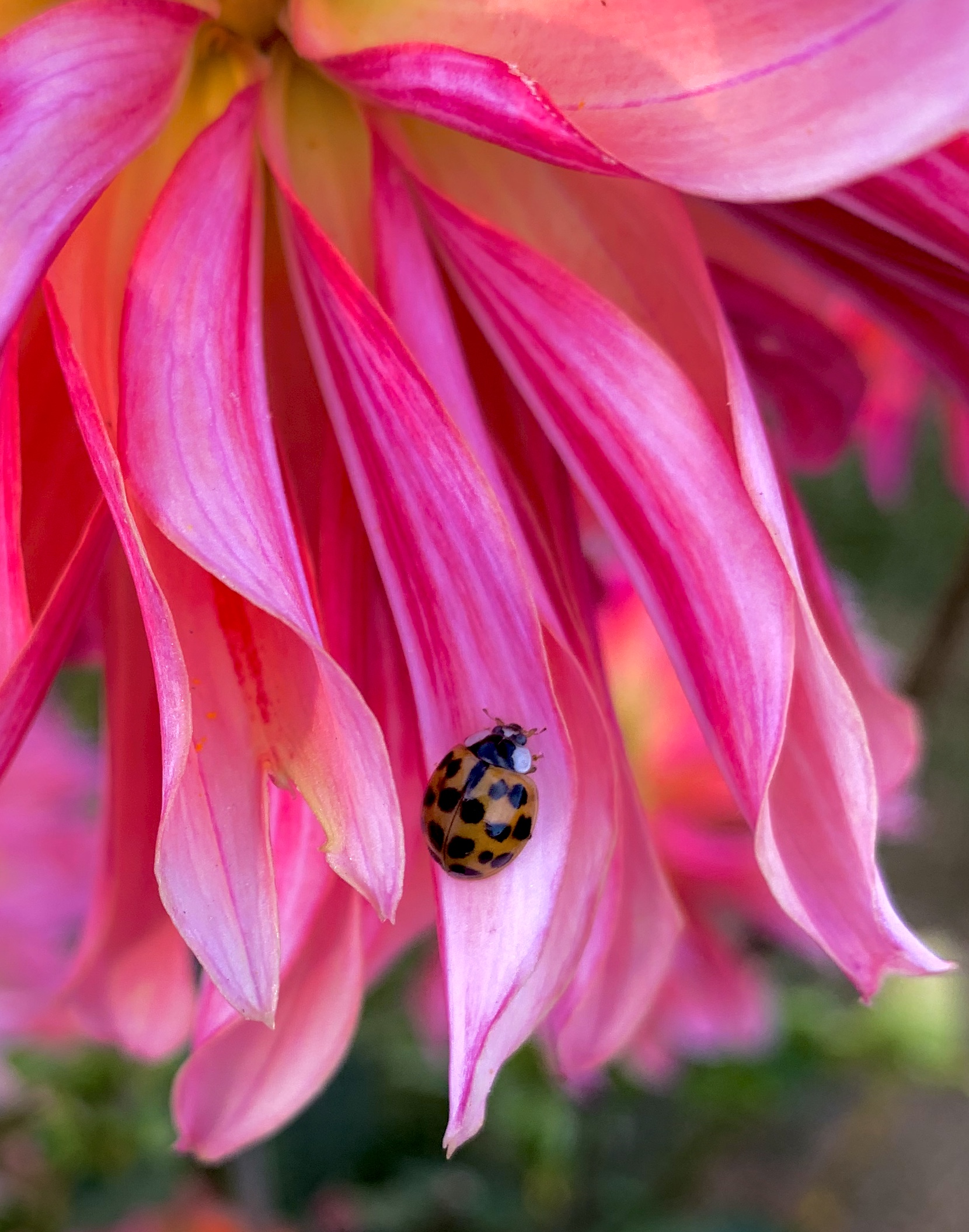
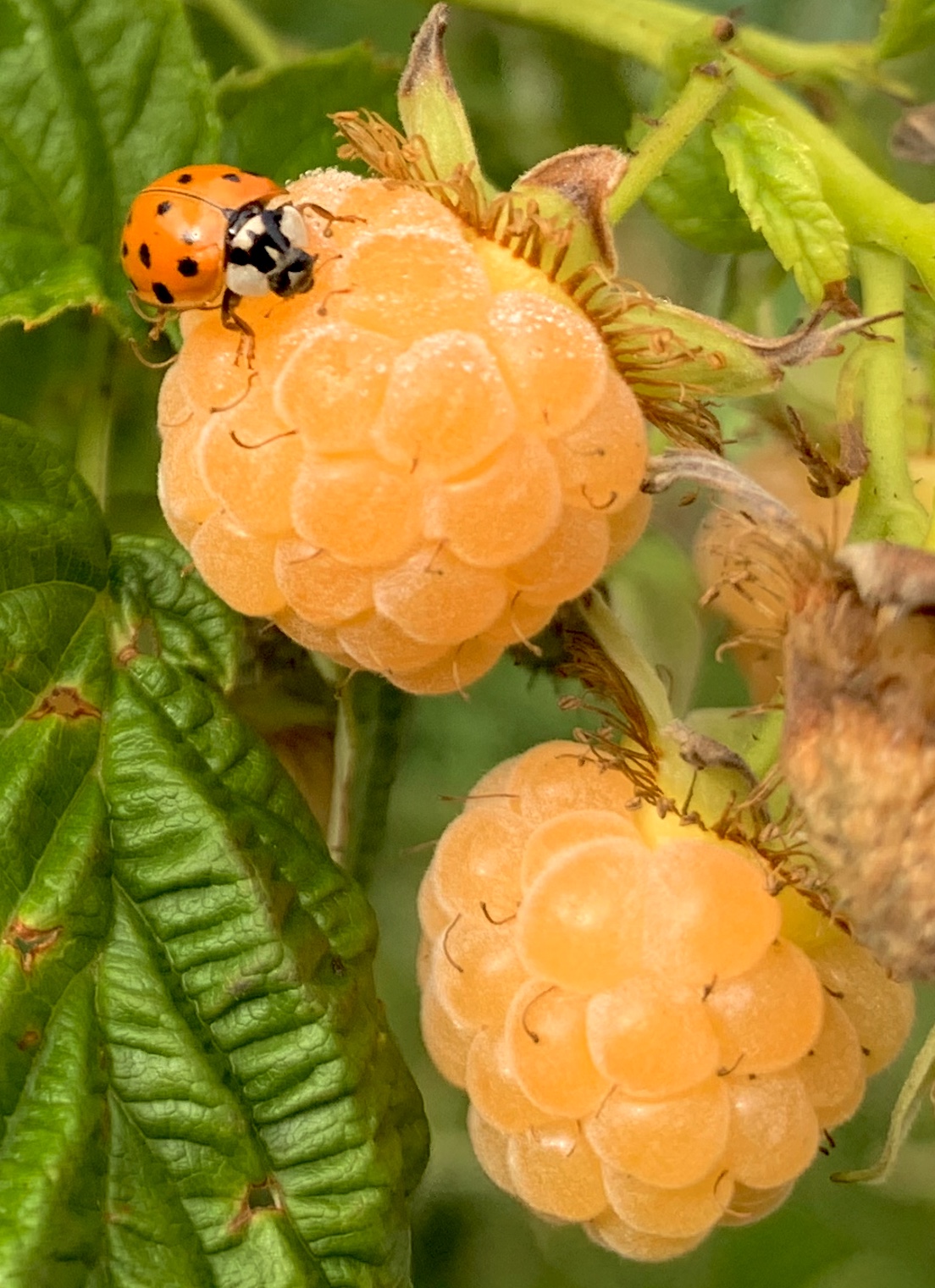
Perhaps it is finding the blend of trudger ant and celebrant grasshopper in the form of the peaceful, gentle and colorful ladybug – doing its job of protecting the garden from harmful intruders.
Truly we should strive to emulate a creature who is welcome wherever it may be found.
Ladybugs are possibly the only non-controversial subject left in the world.You can start a ladybug conversation with a total stranger without getting hit in the mouth. ~Charles Harper
One-Time
Monthly
Yearly
Make a one-time or recurring donation to support daily Barnstorming posts
The Old Testament book of Micah answers the question of why we are here with another: “What doth the Lord require of thee but to do justly, and to love mercy, and to walk humbly with thy God?” We are here to abet creation and to witness it, to notice each thing so each thing gets noticed. Together we notice not only each mountain shadow and each stone on the beach but we notice each other’s beautiful face and complex nature so that creation need not play to an empty house. ~Annie Dillard from Life Magazine’s “The Meaning of Life”
I started out a noticer, a child who crawled on the ground to follow winding ant trails from their hills, then watched nests bloom with birds, sitting still as a lizard sunning himself on a rock.
Next I was a student researcher of great apes, following wild chimpanzees deep into an exotic forest to observe their life in a community so much like our own.
Then came a profession and parenting and daughtering, with mounting responsibilities and worries and cares, and I stopped noticing any more, too much inside the drama to witness it from outside.
Creation played to an empty house and the empty house was me.
Slowly now, I’ve returned to noticing again~ buying my ticket, finding my seat, smiling and nodding applauding hooting and hollering begging for an encore.
It’s a non-stop show of the miraculous where I’m an appreciative audience preparing to write a great review.
One-Time
Monthly
Yearly
Make a one-time or recurring donation to support daily Barnstorming posts
With my arms raised in a vee, I gather the heavens and bring my hands down slow together, press palms and bow my head.
I try to forget the suffering, the wars, the ravage of land that threatens songbirds, butterflies, and pollinators.
The ghosts of their wings flutter past my closed eyes as I breathe the spirit of seasons, the stirrings in soil, trees moving with sap.
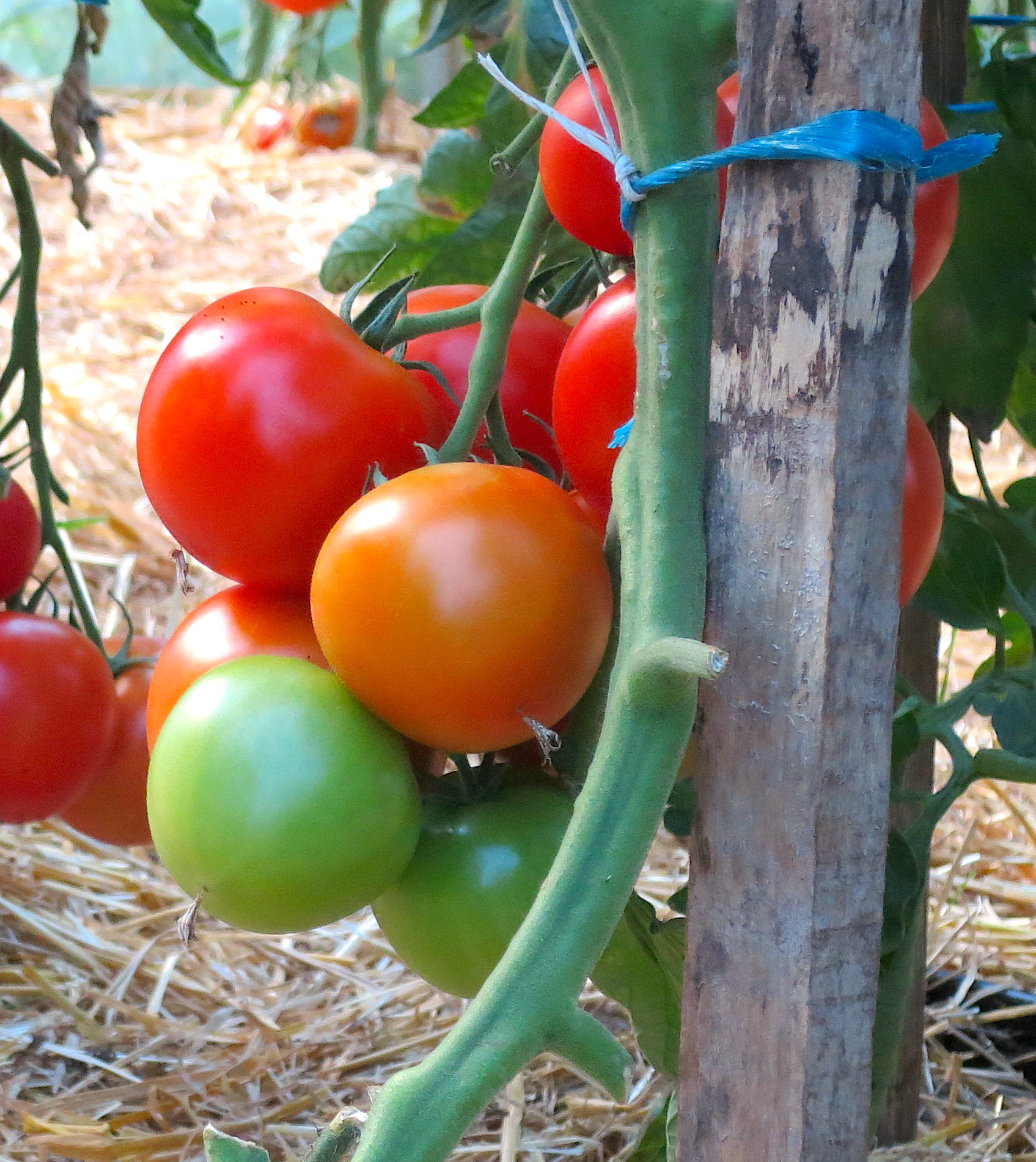
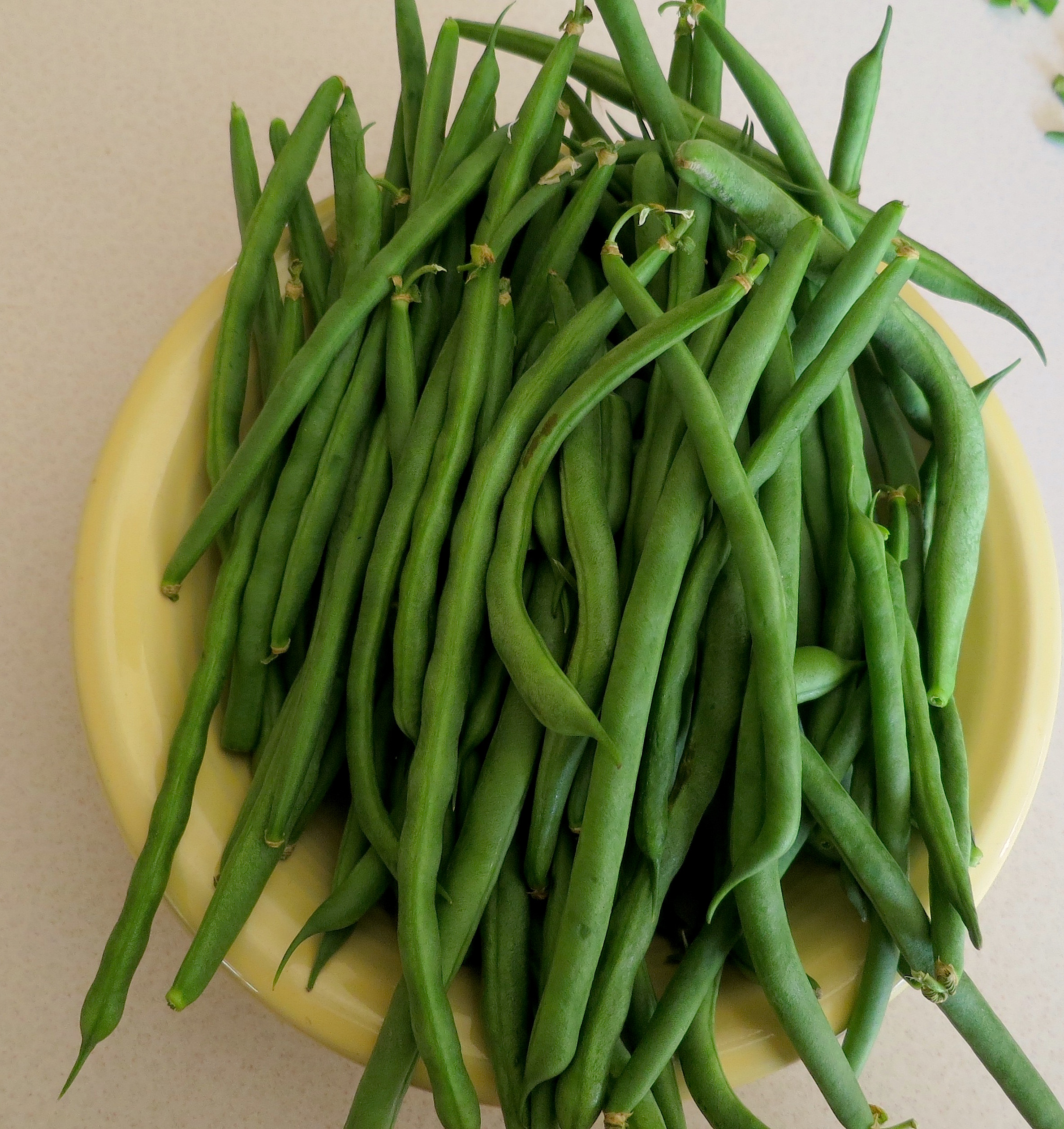
With my third eye, I conjure the red fox, its healthy tail, recount the good of this world, the farmer tending her tomatoes, the beans
dazzled green al dente in butter, salt and pepper, cows munching on grass. The orb of sun-gold from which all bounty flows. ~Twyla Hansen “Trying to Pray” from Rock. Tree. Bird.
the thorn that is heavier than lead— if it’s all you can do to keep on trudging—
there is still somewhere deep within you a beast shouting that the earth is exactly what it wanted—
each pond with its blazing lilies is a prayer heard and answered lavishly, every morning,
whether or not you have ever dared to be happy, whether or not you have ever dared to pray. ~Mary Oliver from “Morning Poem”
A Sabbath sunrise becomes unspoken prayer – I open my hands and arms to it, closing my eyes, bowing my head, giving myself over to silent gratitude.
Gathering up the heavens, the sun moves from subtle simmer to blazing boil.
I trudge forward every day, each step in itself a prayer answered; thankful I can still take a next step, and a next, until I reach tomorrow and again after that, I celebrate there will be a next tomorrow.
Amen.
One-Time
Monthly
Yearly
Make a one-time or recurring donation to support daily Barnstorming posts
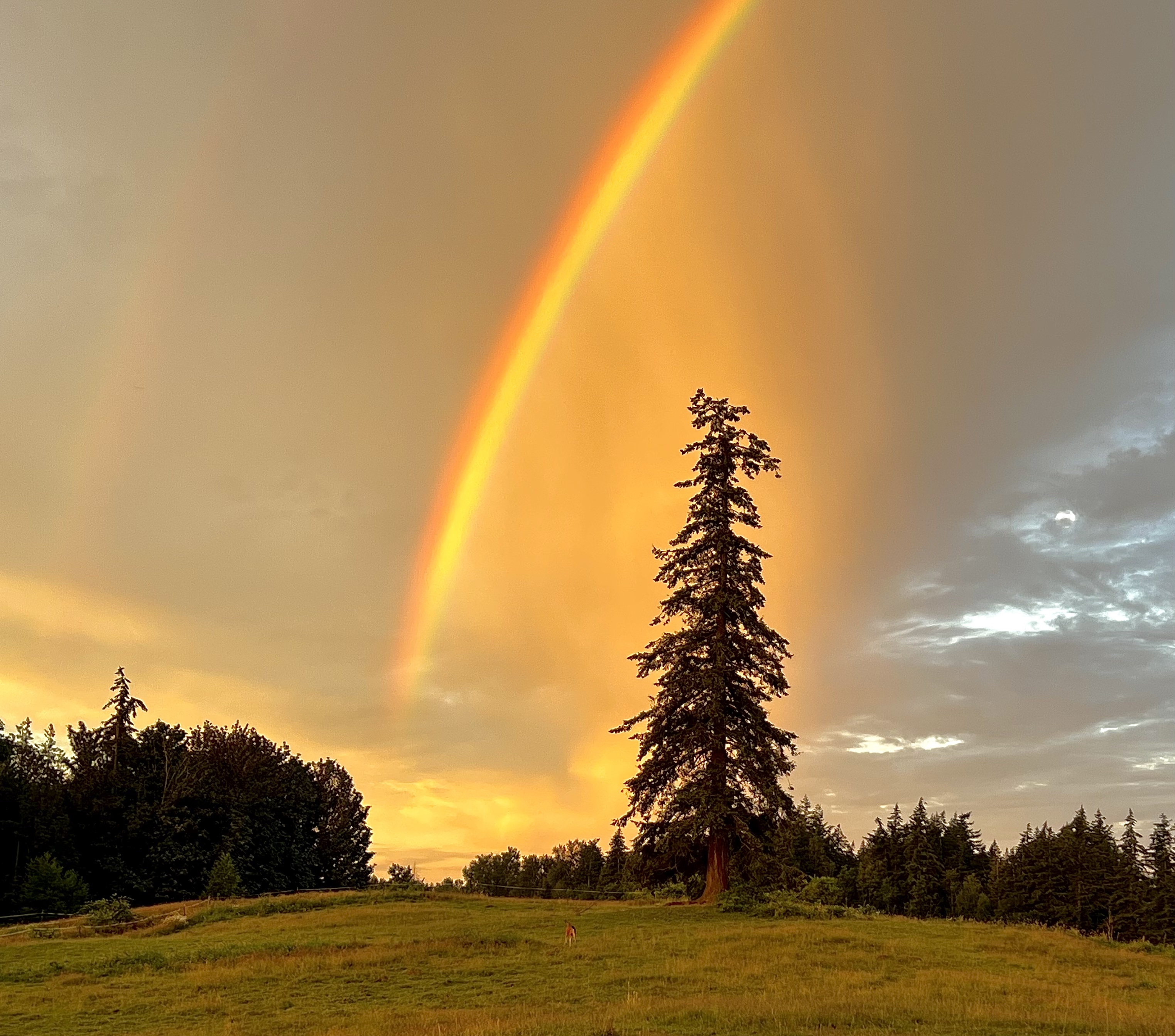
I wait for you In the grassland Where small lilies bloom. On the corners of the field, The rainbow shows up. 小百合さく 小草がなかに 君まてば 野末にほいて 虹あらはれぬ ~Yosano Akiko Tanka Poem (1878-1942)
Who loves the rain And loves his home, And looks on life with quiet eyes, Him will I follow through the storm; And at his hearth-fire keep me warm; Nor hell nor heaven shall that soul surprise, Who loves the rain, And loves his home, And looks on life with quiet eyes. ~Frances Shaw, “Who loves the rain” from Look To the Rainbow
For Dan’s 70th birthday…
In this journey together, we inhabit each other, however long may be the road we travel; you have become the air I breathe, refreshing, renewing, restoring~~ you are that necessary to me, and that beloved.
Each year, as we grow older together: grayer, softer, gentler with ourselves, each other, and the world.
I pause, on this day you were born, to thank God yet again for bringing you to earth so we could meet, raise our three amazing children, and now our grandchildren, walking life together with faith and hope and dreams.
It was your quiet brown eyes I trusted first and just knew I’d follow you anywhere and I have…
One-Time
Monthly
Yearly
Make a one-time or recurring donation to support daily Barnstorming posts
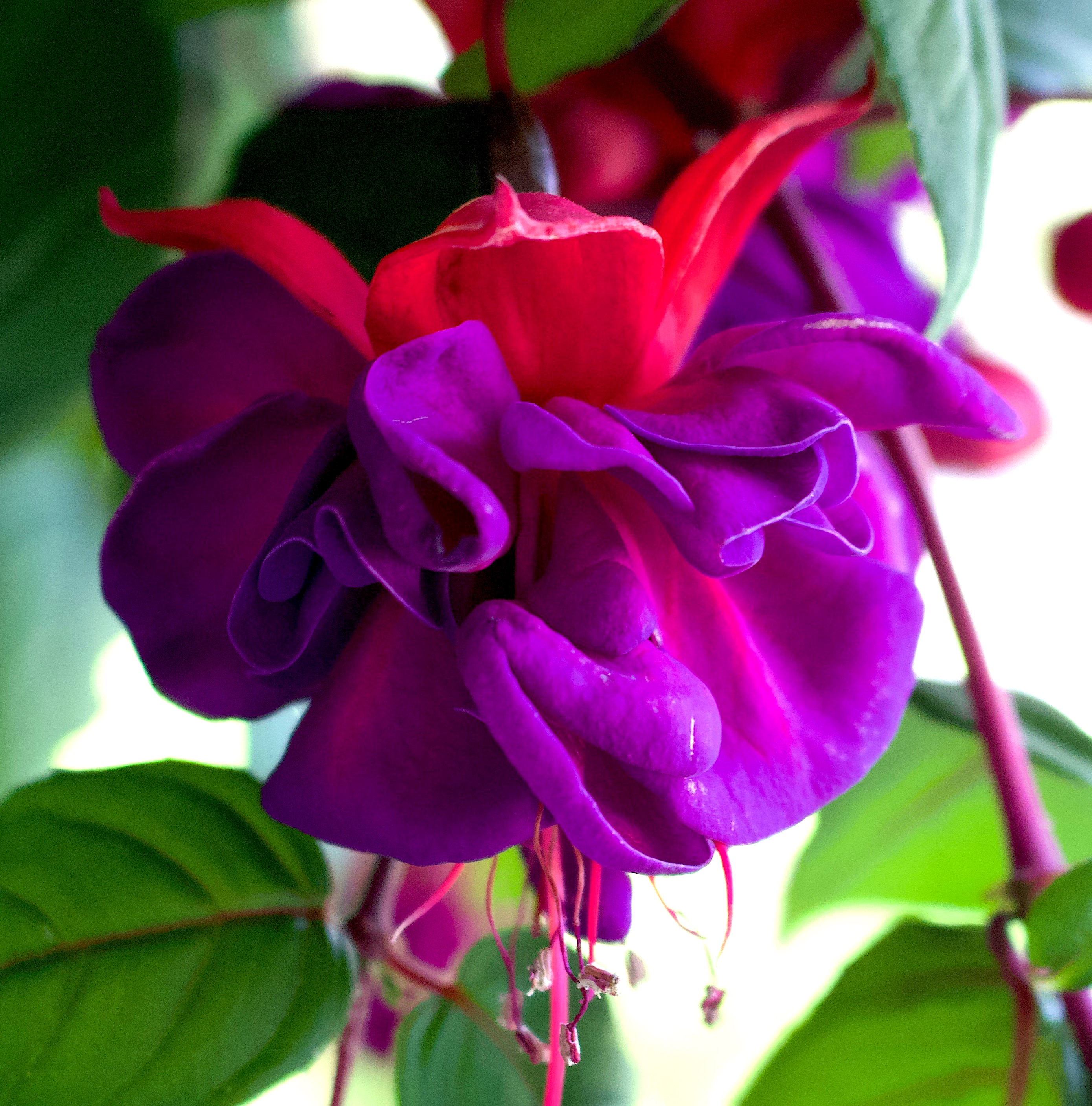
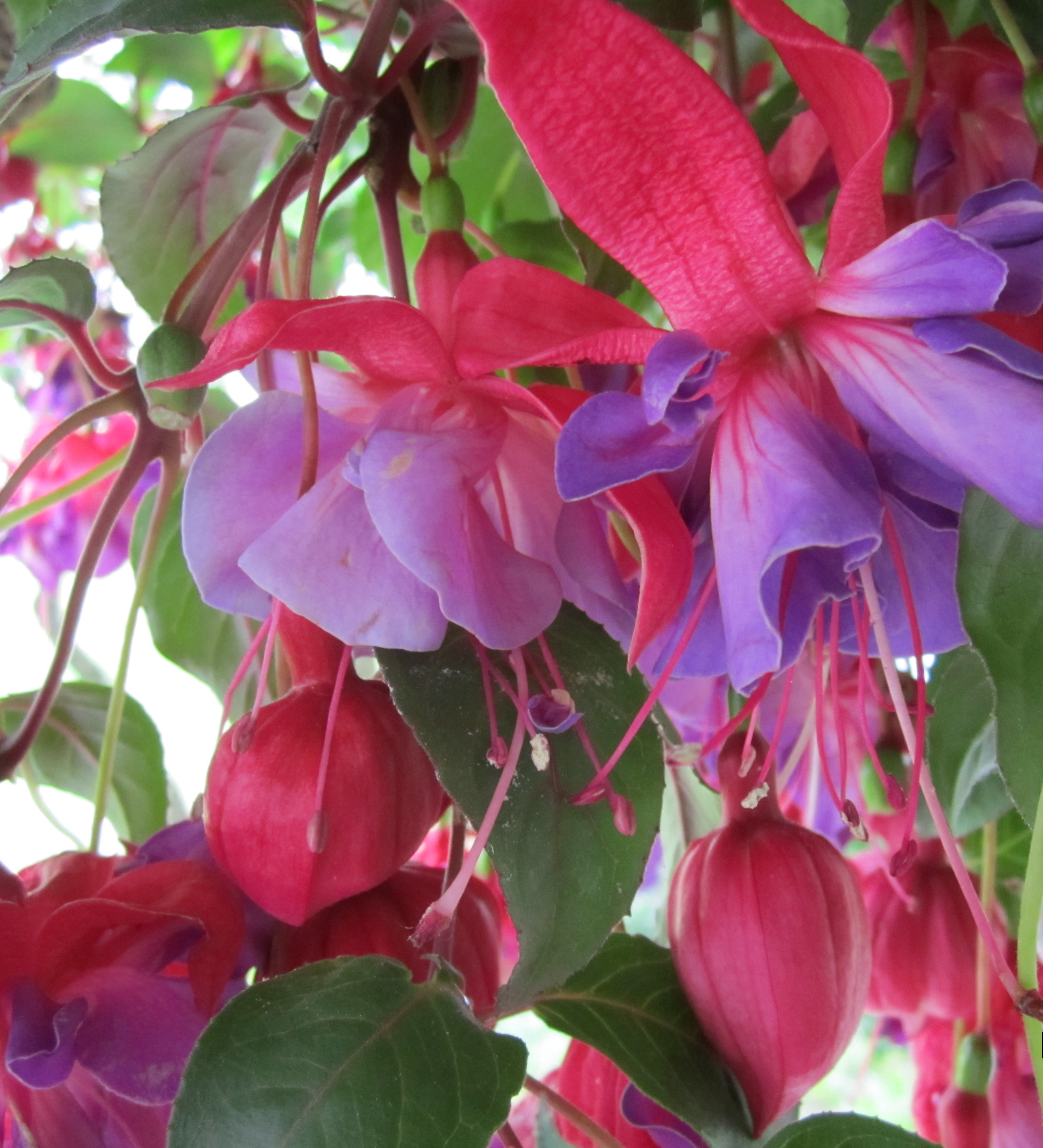
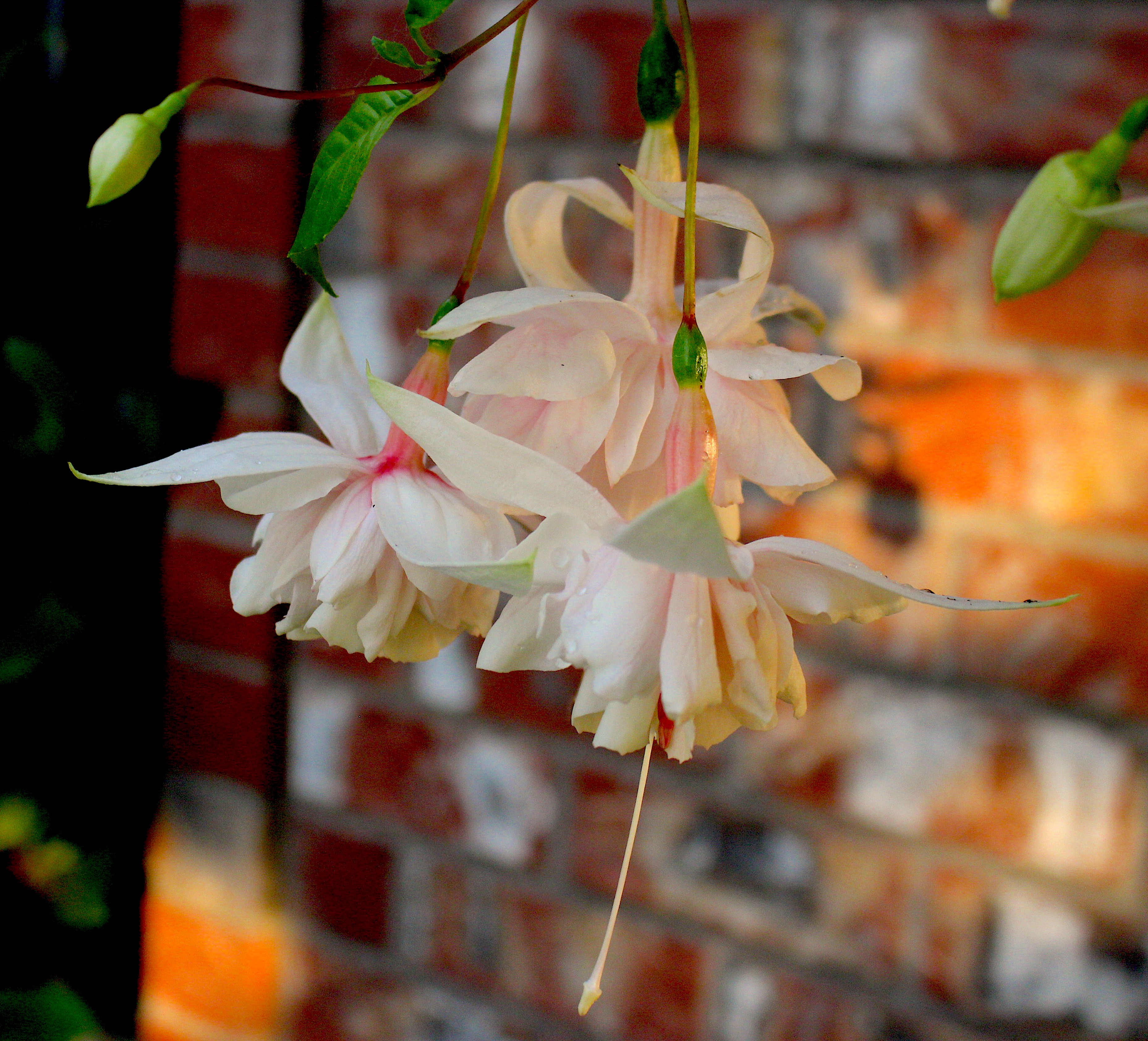
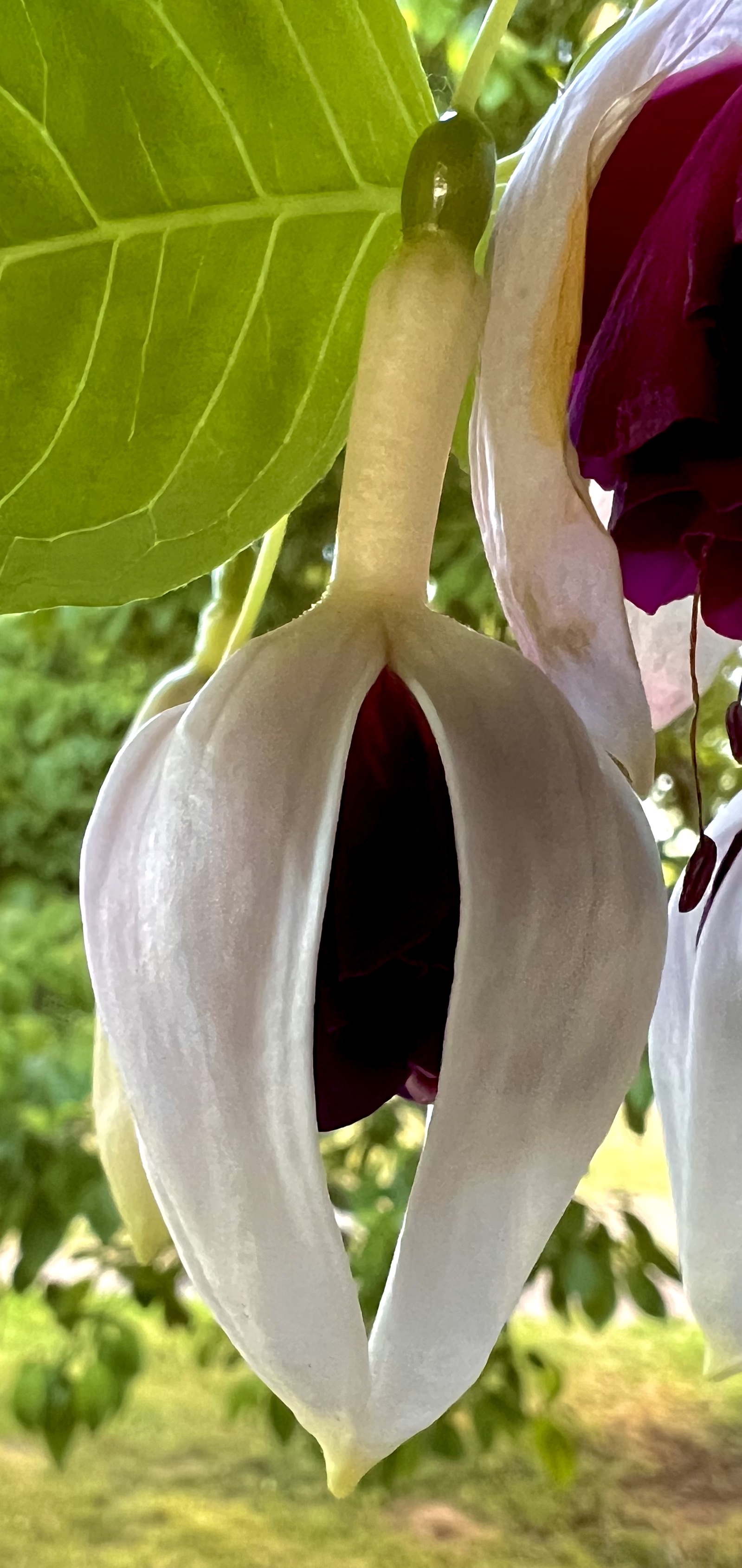
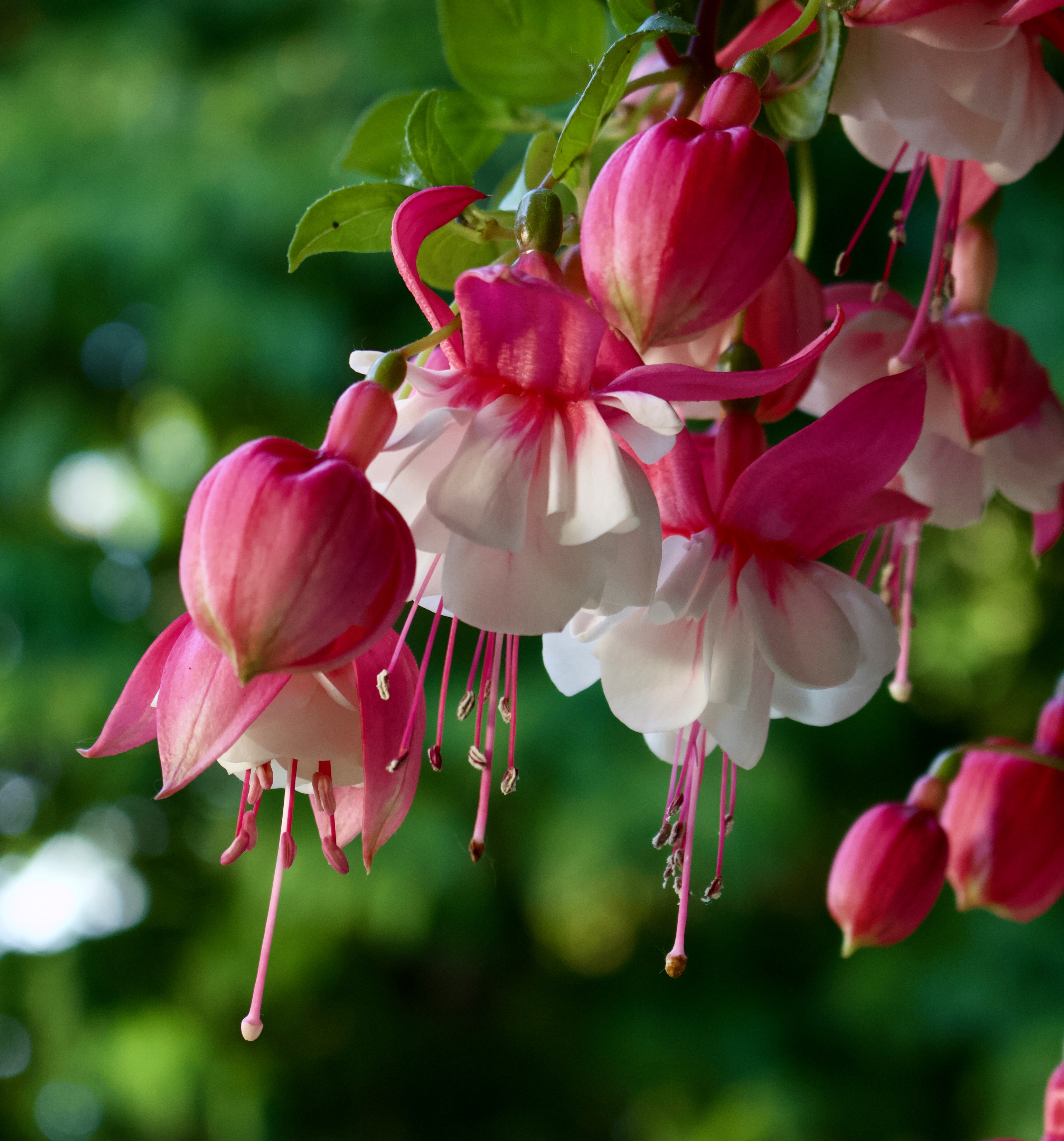
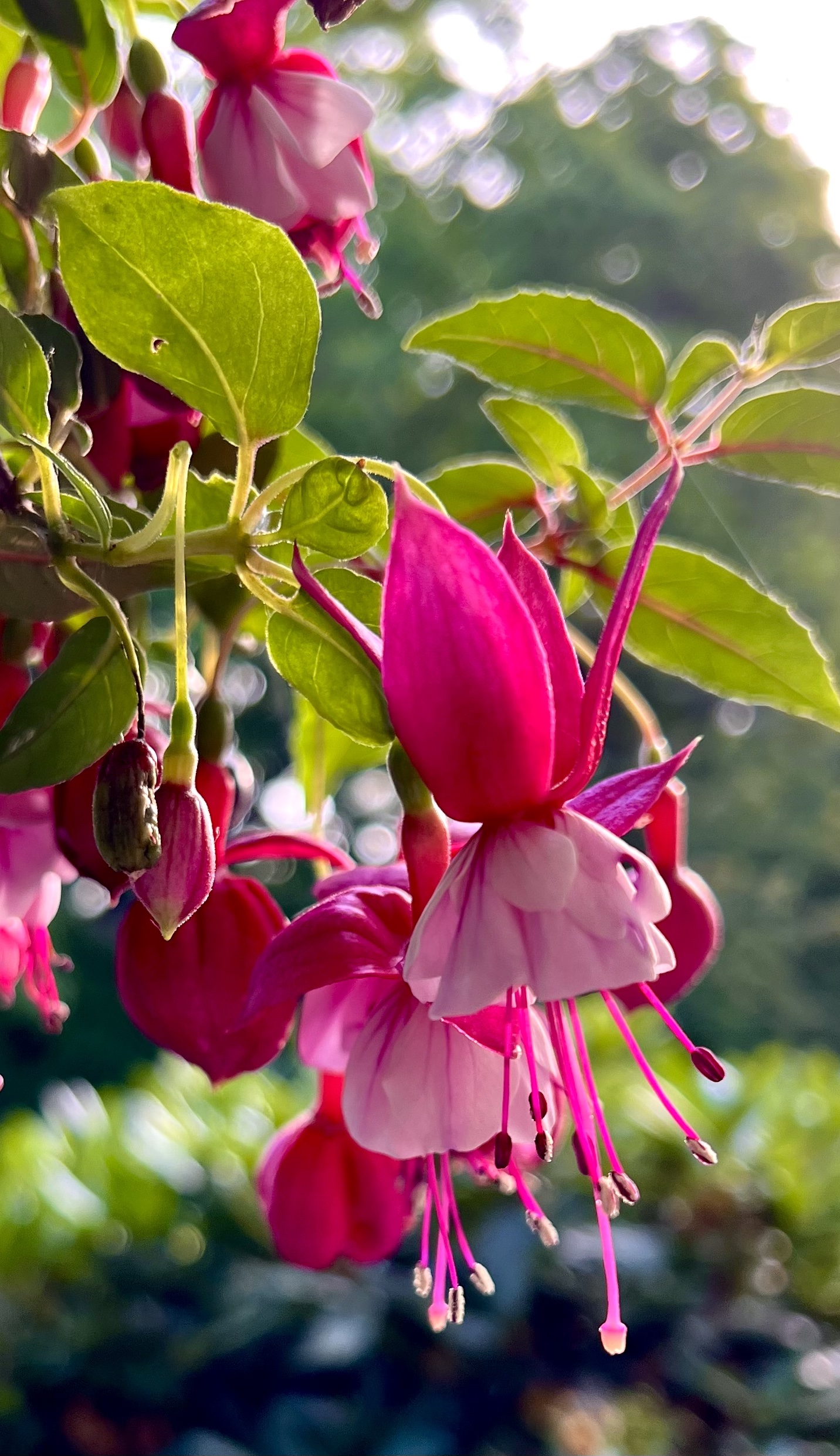
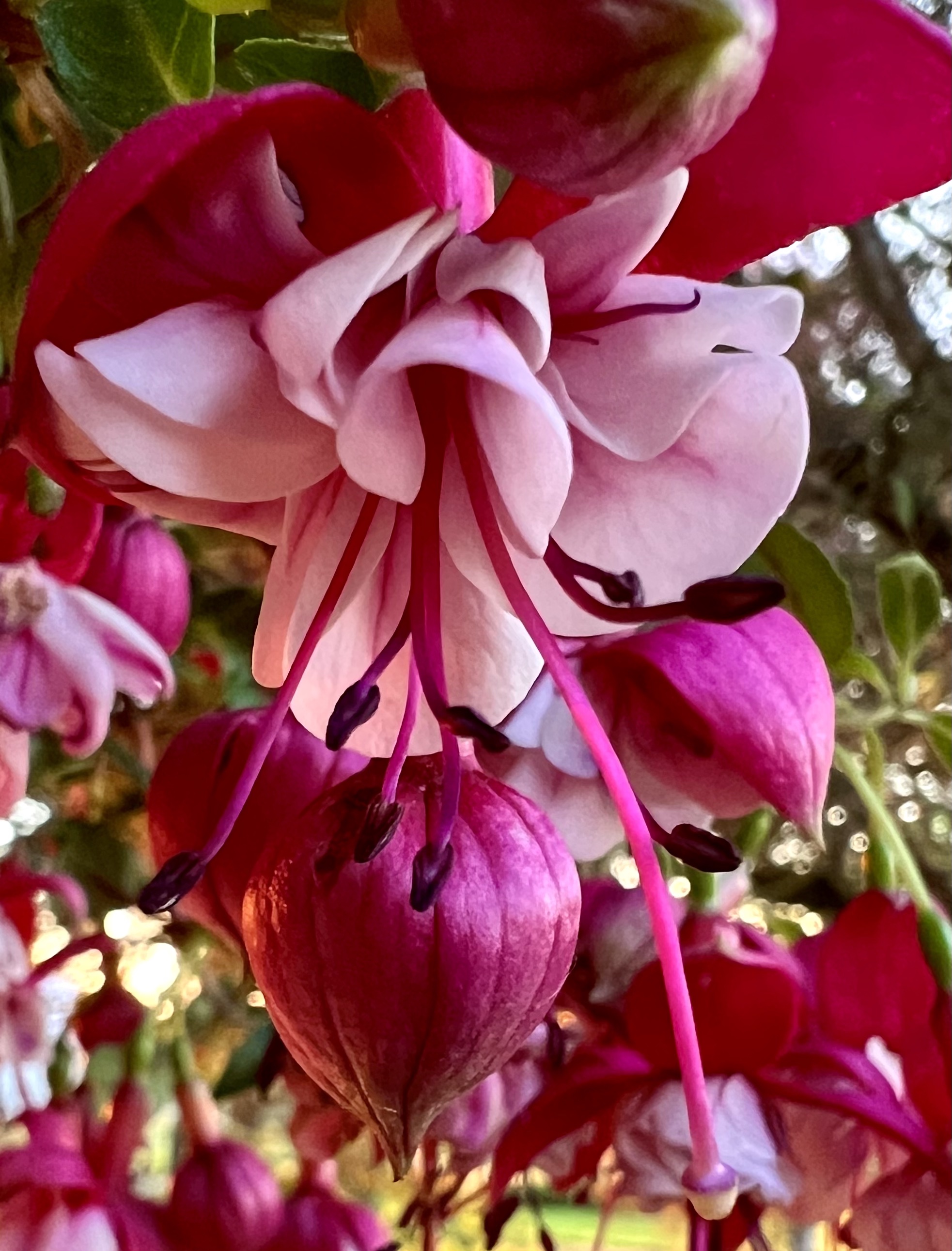
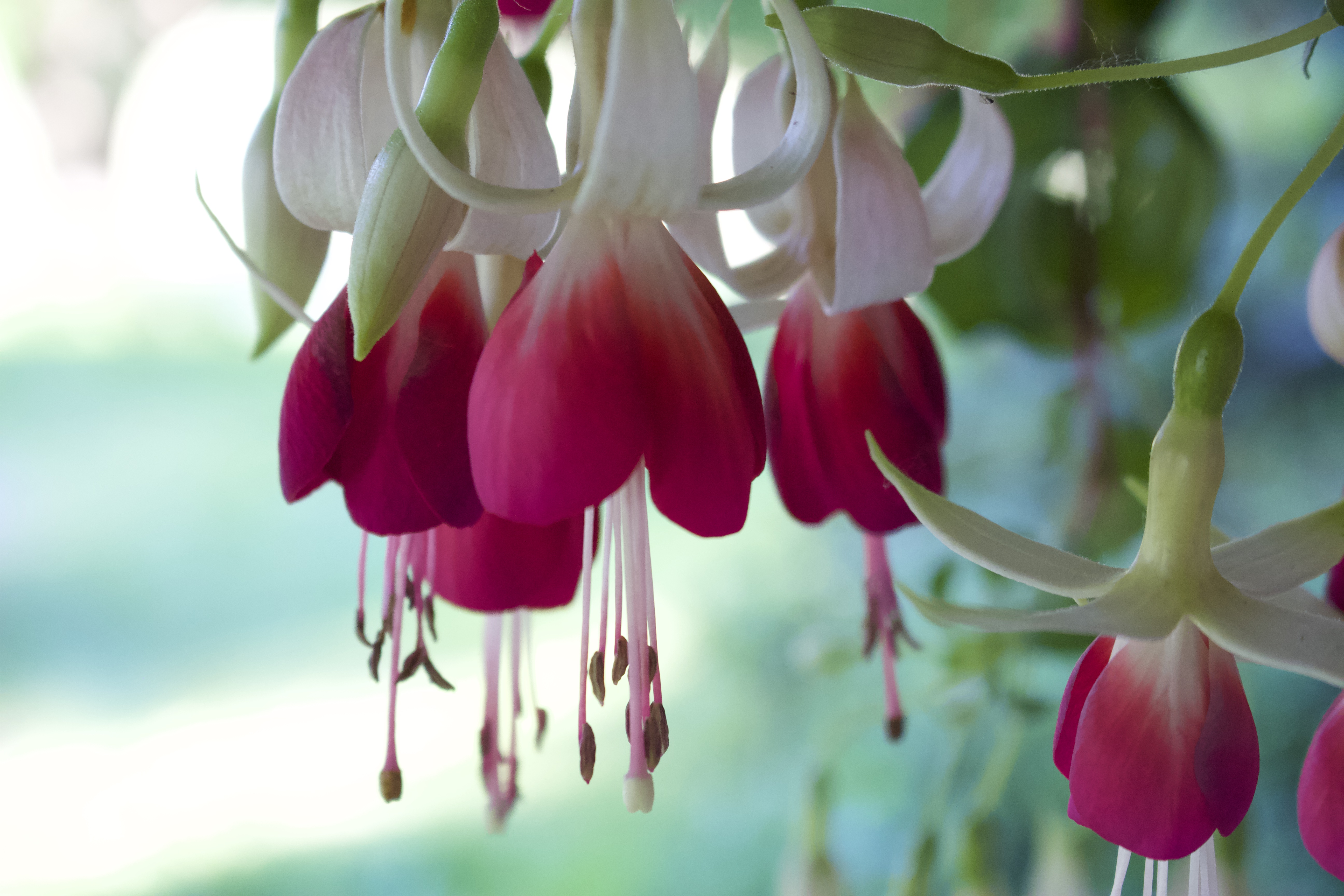
My fuchsia is a middle-aged woman who’s had fourteen children, and though she could do it again, she’s rather tired.
All through the summer, new blooms. I’m amazed. Yet the purple and crimson have paled. Some leaves are yellowed or withering.
The new buds look weaker and smaller, like menopause babies. But still she’s a gallant fine creature performing her function.
– That’s how they talk about women, and I heard myself using the same sort of language. Then I understood my love for August: its exhausted fertility after glut and harvest.
Out in the garden, playing at being a peasant forced to slave until dark with a child on my back
another at the breast and probably pregnant, I remember wondering if I’d ever manage
the rites of passage from girl to woman: fear and fascination hard to choose between.
Thirty years later, I pick the crumpled flowers off the fuchsia plant and water it as if before the shrine of two unknown grandmothers – and my mother, who was a fourteenth child. ~Ruth Fainlight “My Fuschia”
Flower in the crannied wall, I pluck you out of the crannies, I hold you here, root and all, in my hand, Little flower – but if I could understand what you are, root and all in all, I should know what God and man is. ~ Alfred Lord Tennyson“Flower in the Crannied Wall”
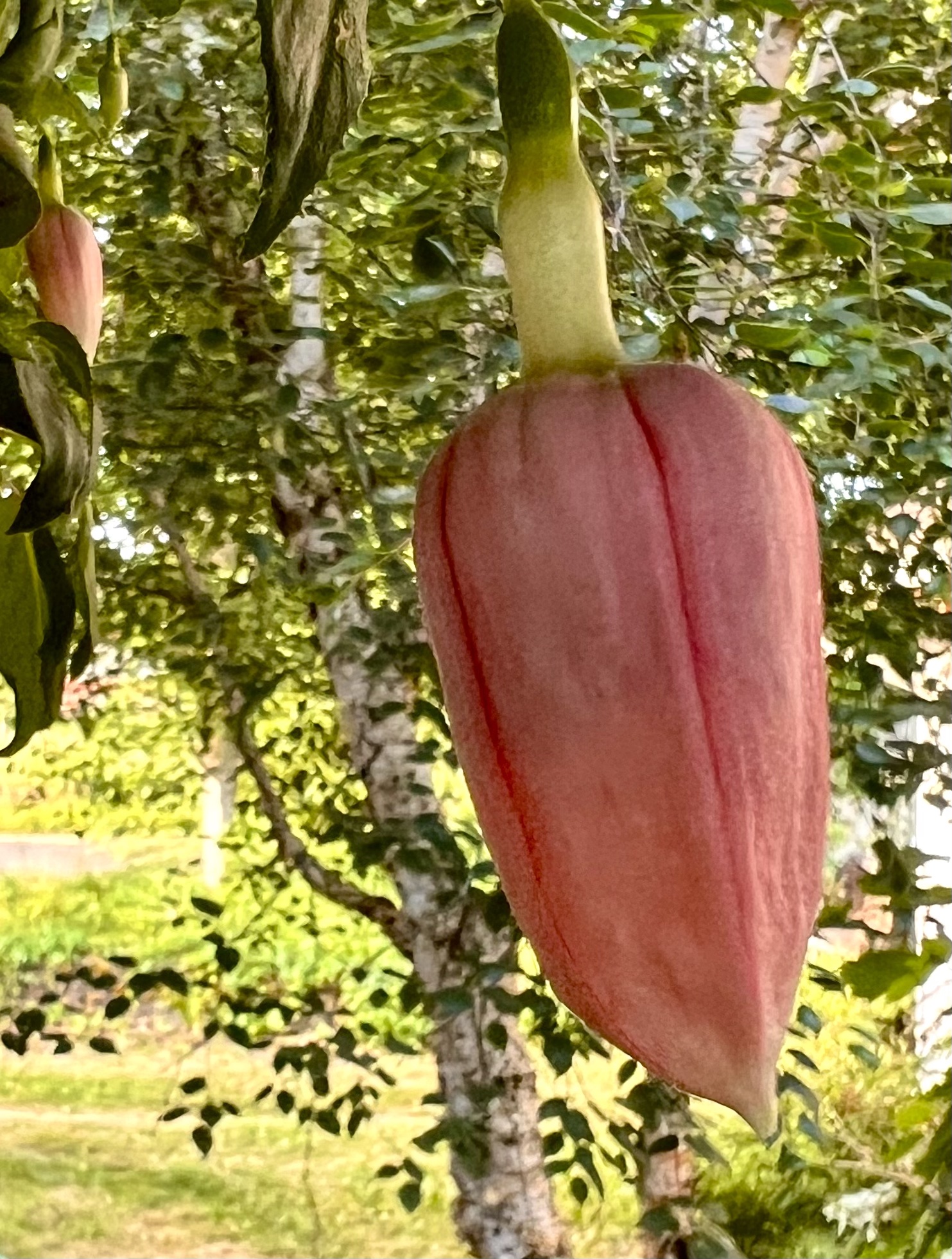
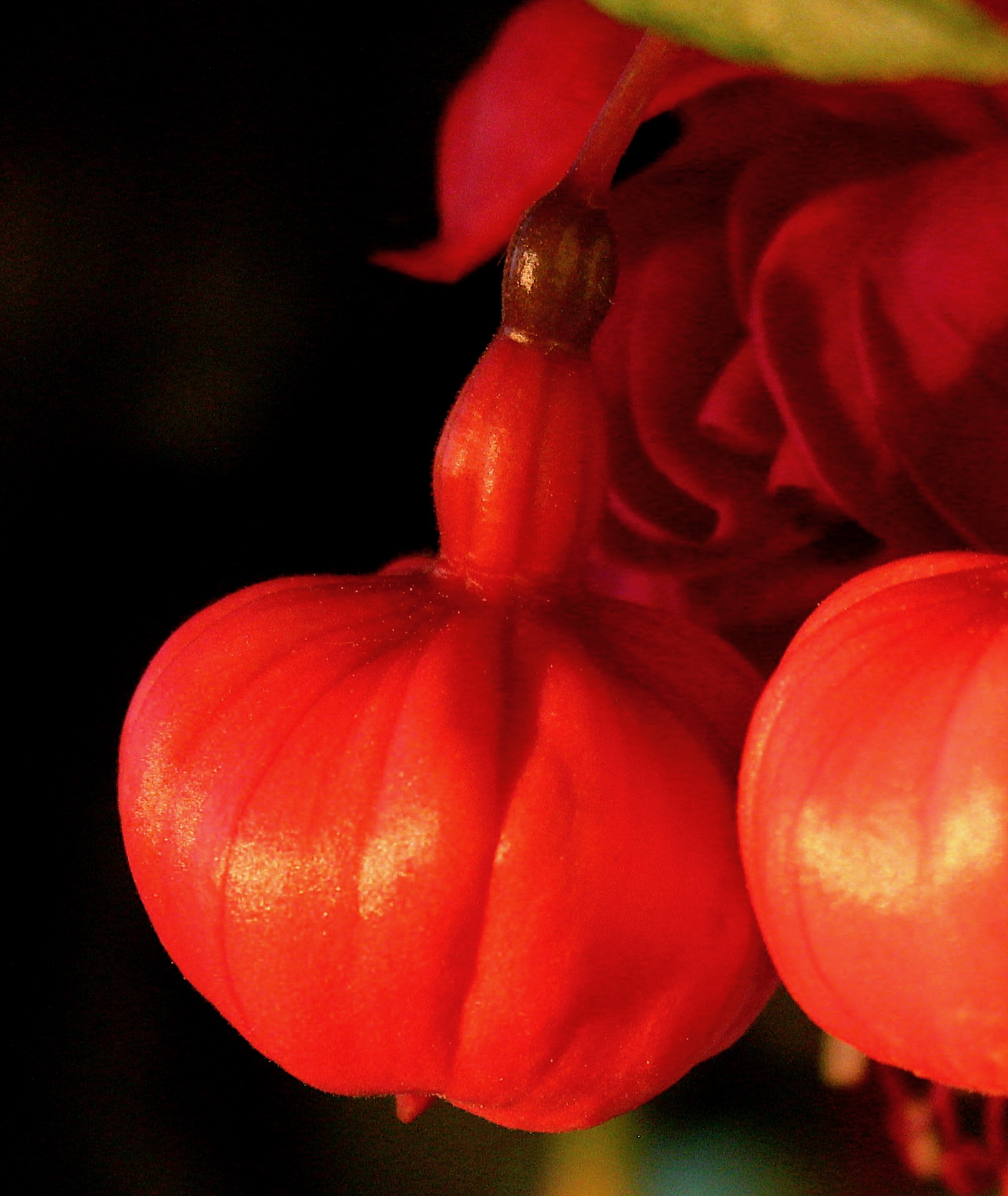
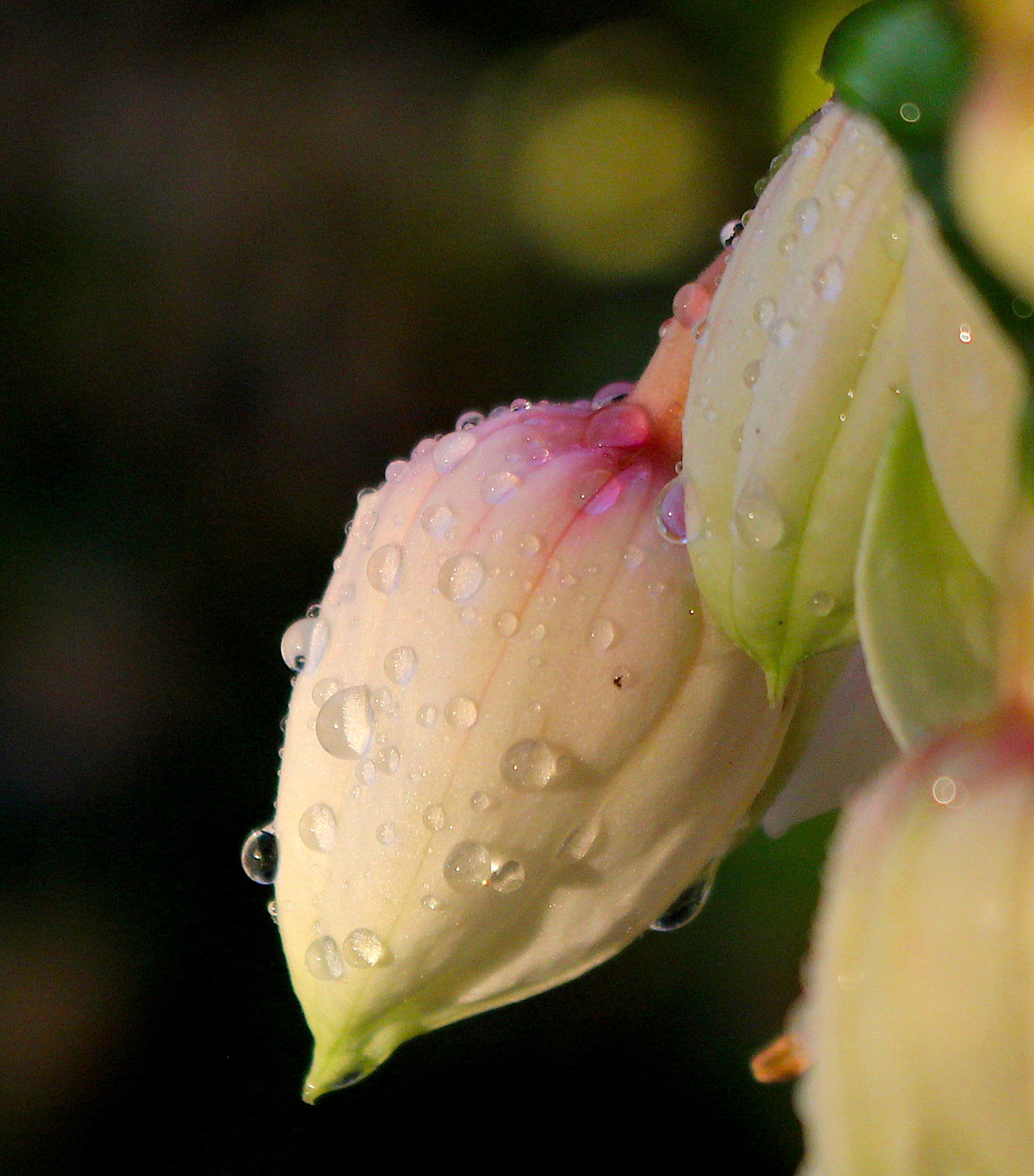
Each fuchsia flower a reminder of the fear and fascination of growing up female
Am I root, or am I bud? Am I stem or am I leaf? Am I dancing bloom or frail flower? Am I fruit about to bear seed myself?
Am I still girl, or mother, or graying grandma?
All in all, throughout my life, I hoped to be a mere reflection of the Garden’s intended fertile glory;
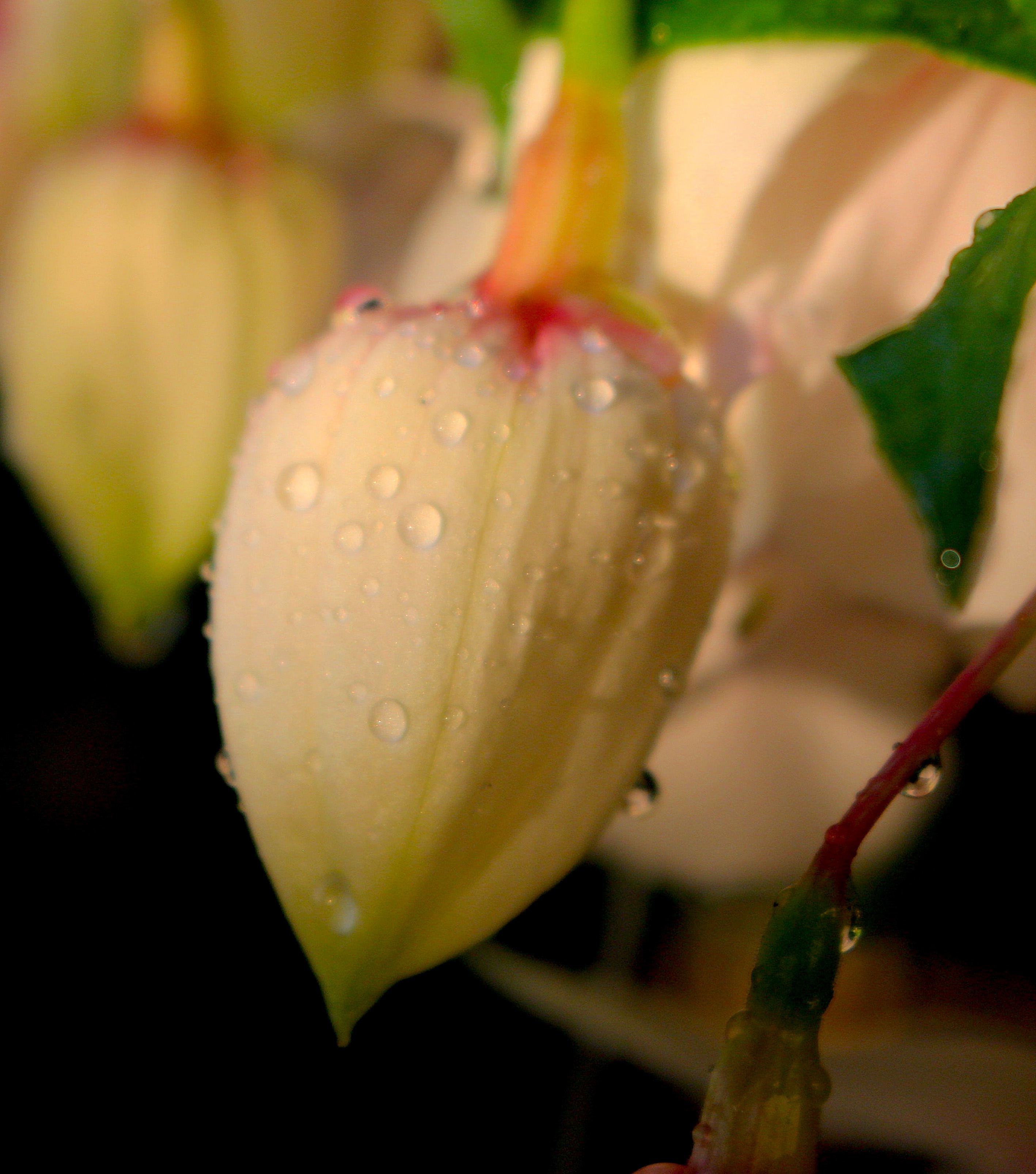
Like a bulging fuchsia bud, breaking open into full blossom, withering on the stem to seed, and being readied for the fall…
So much fear and fascination found in fecundity- to root and bud and bloom again.
One-Time
Monthly
Yearly
Make a one-time or recurring donation to support daily Barnstorming posts
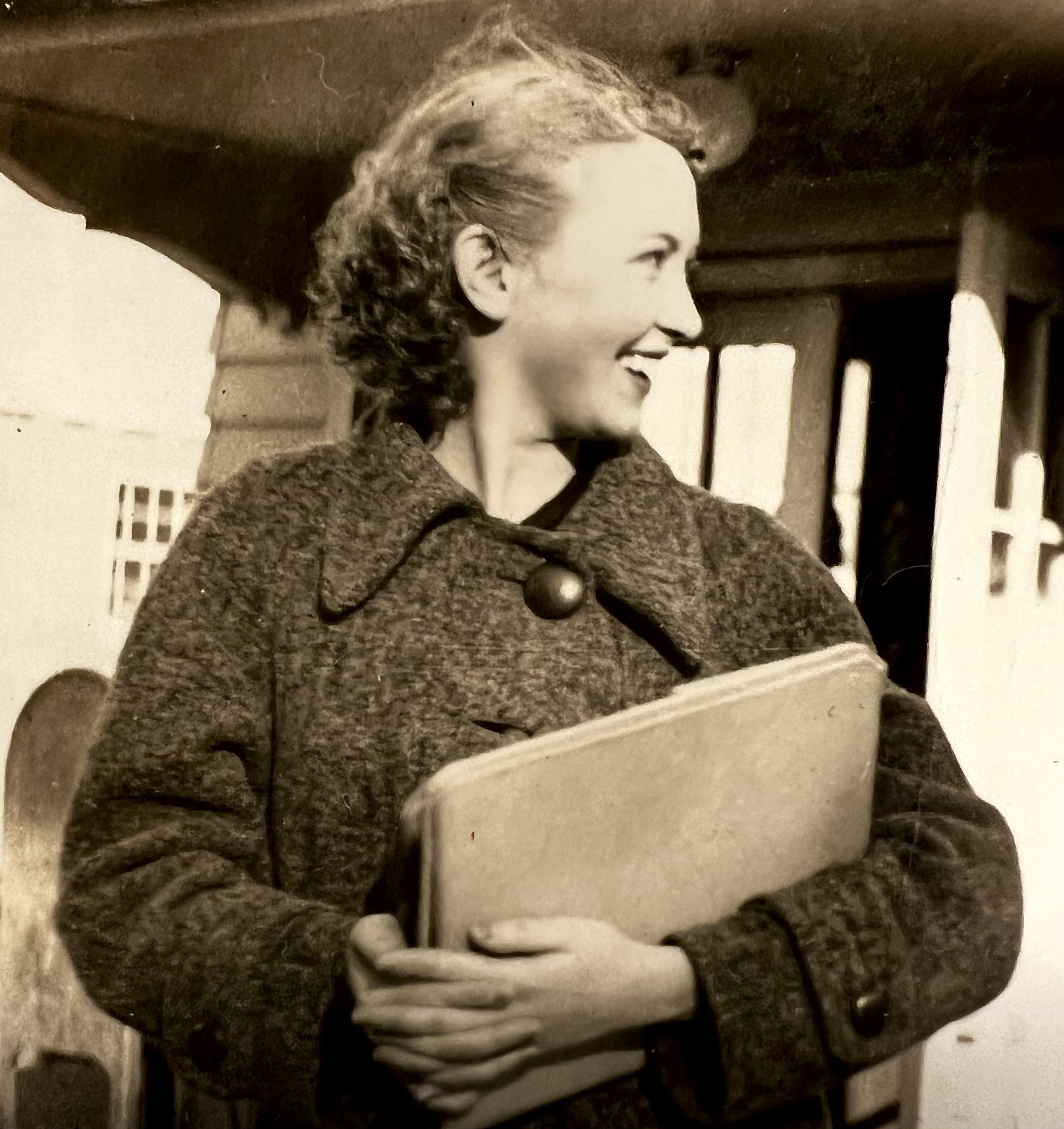
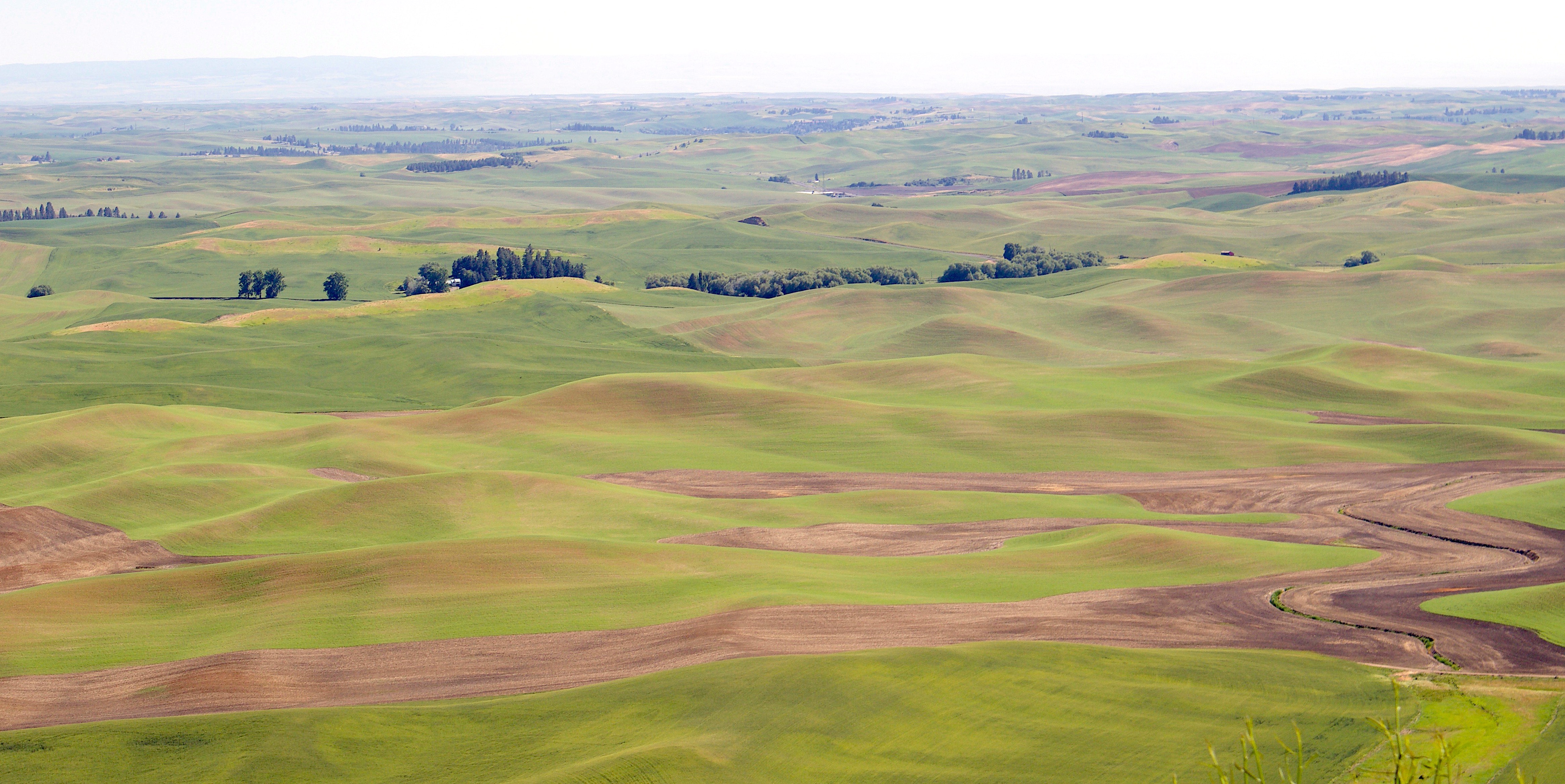
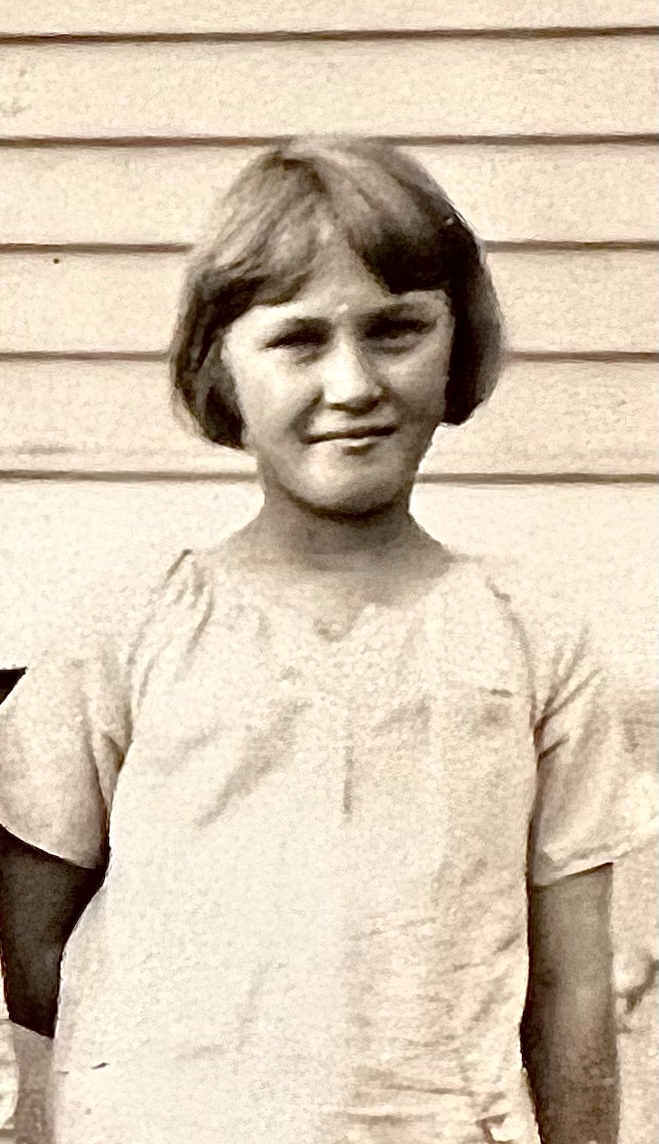
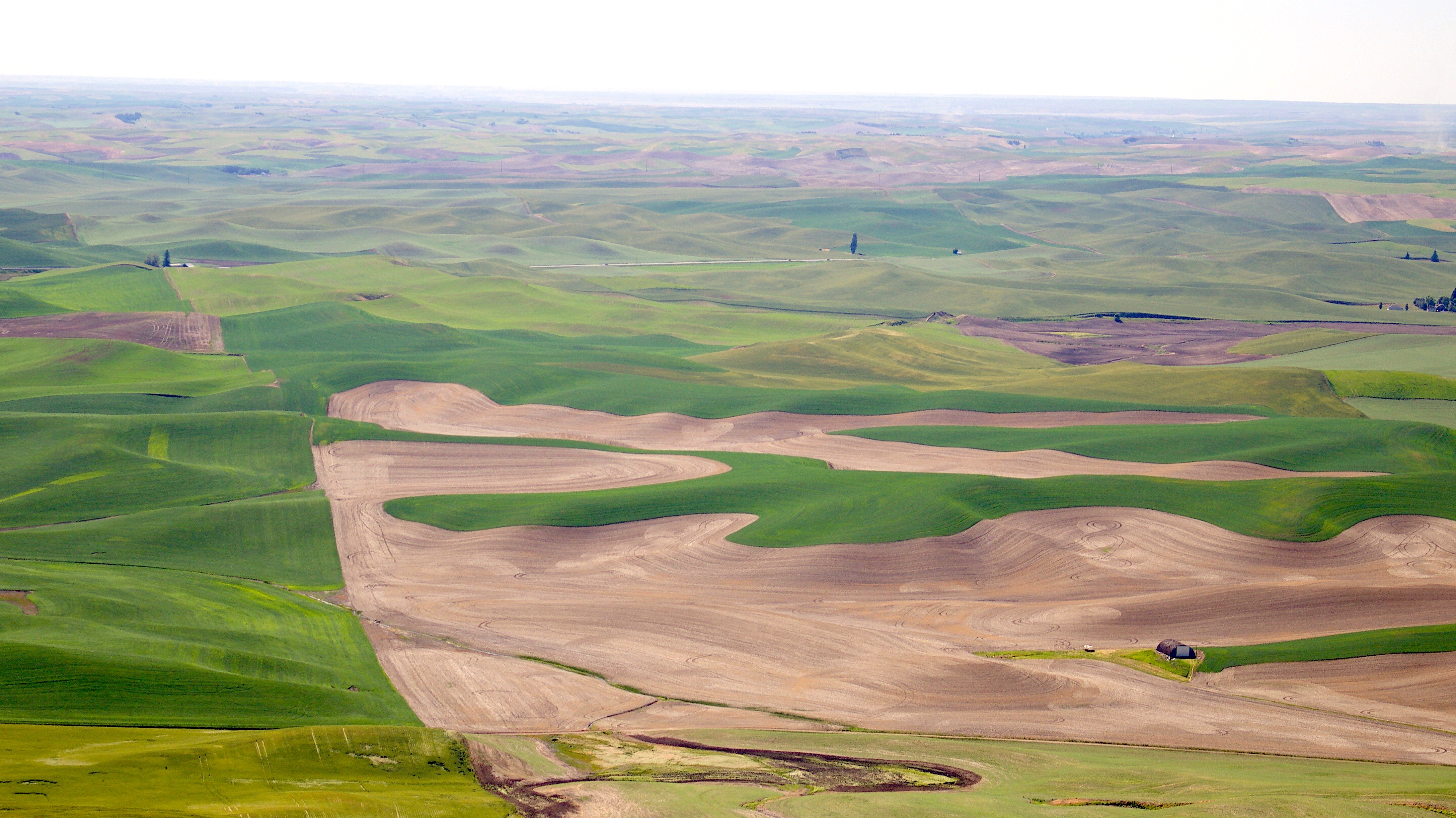
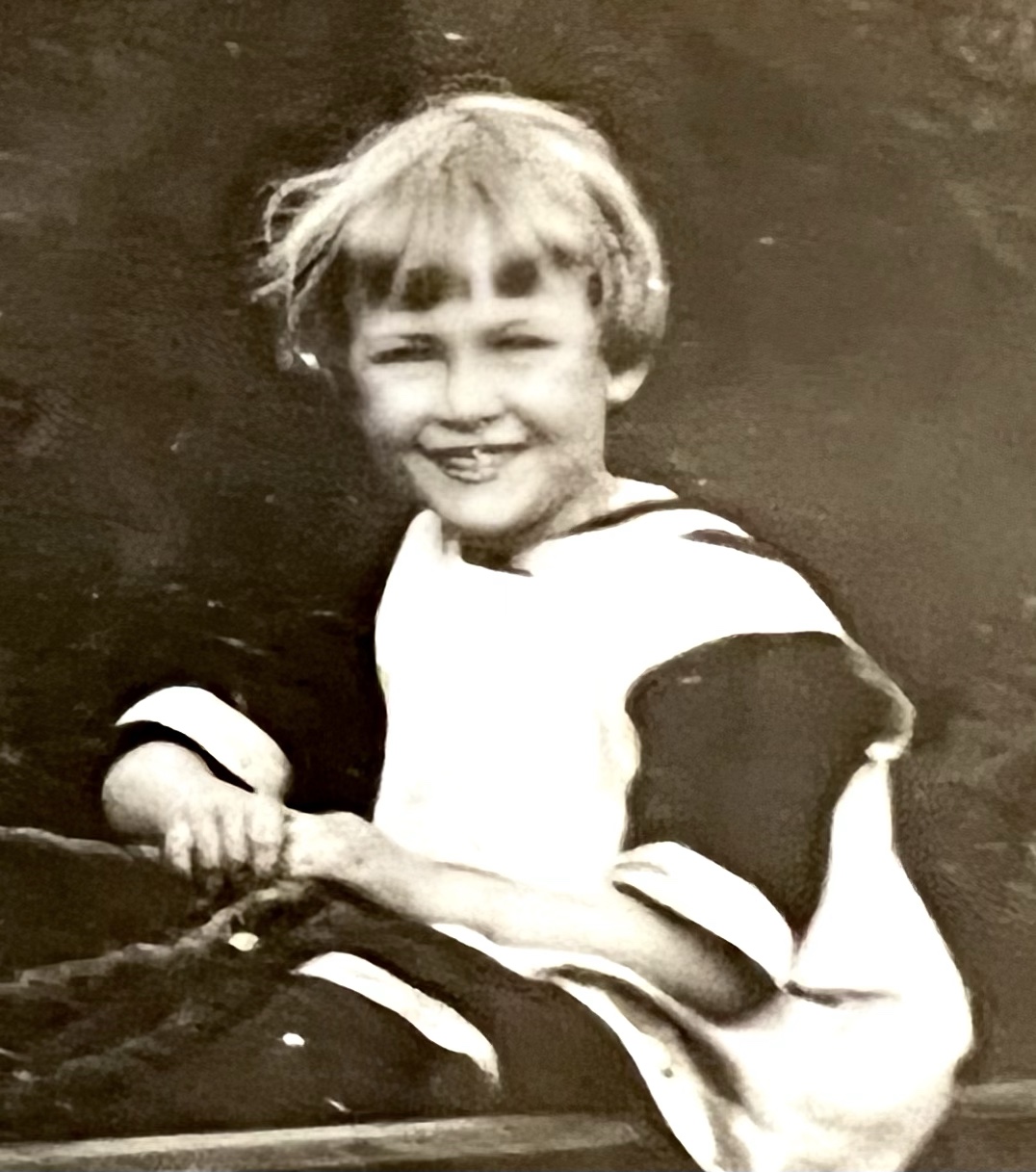
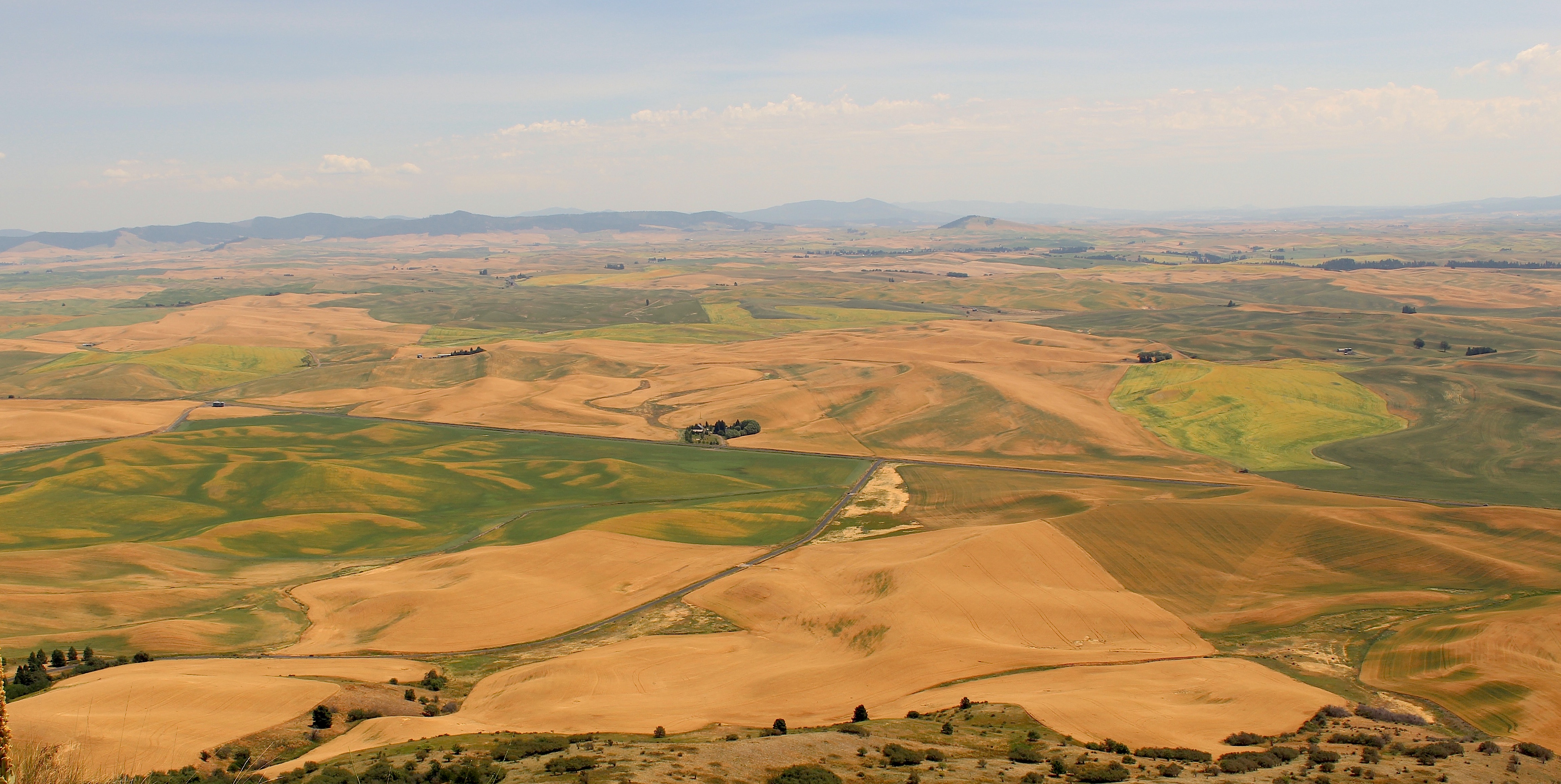
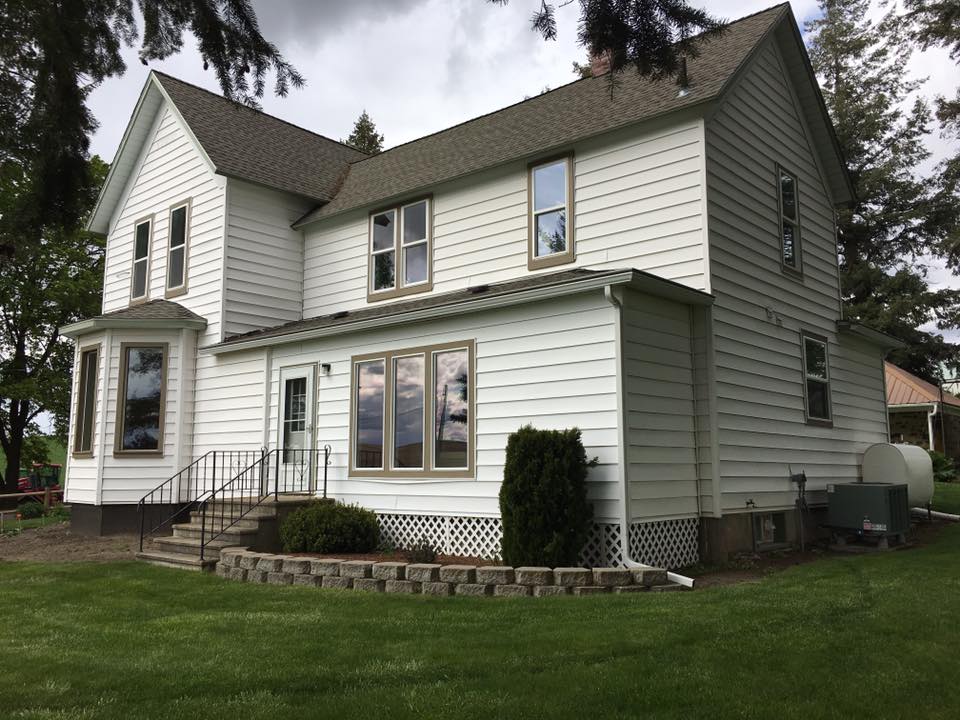
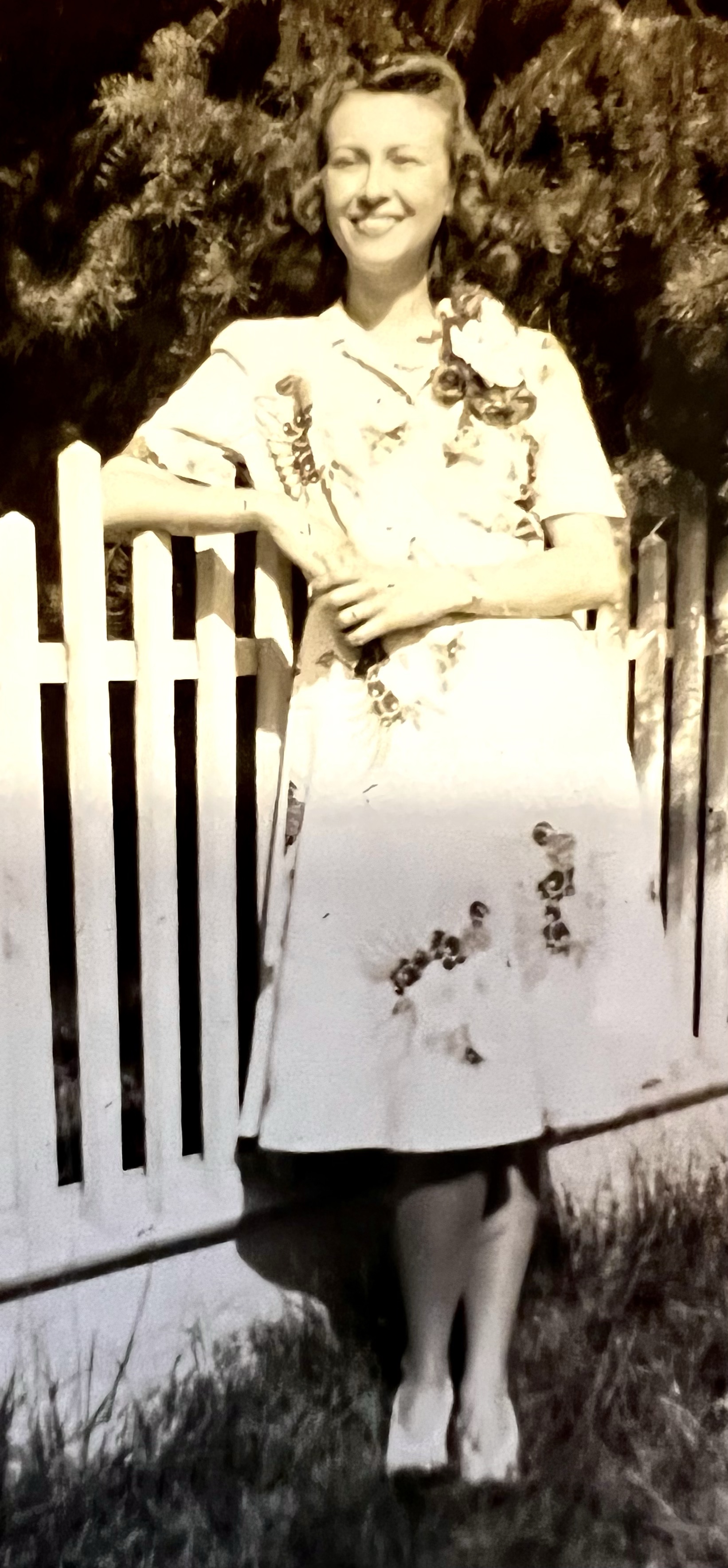
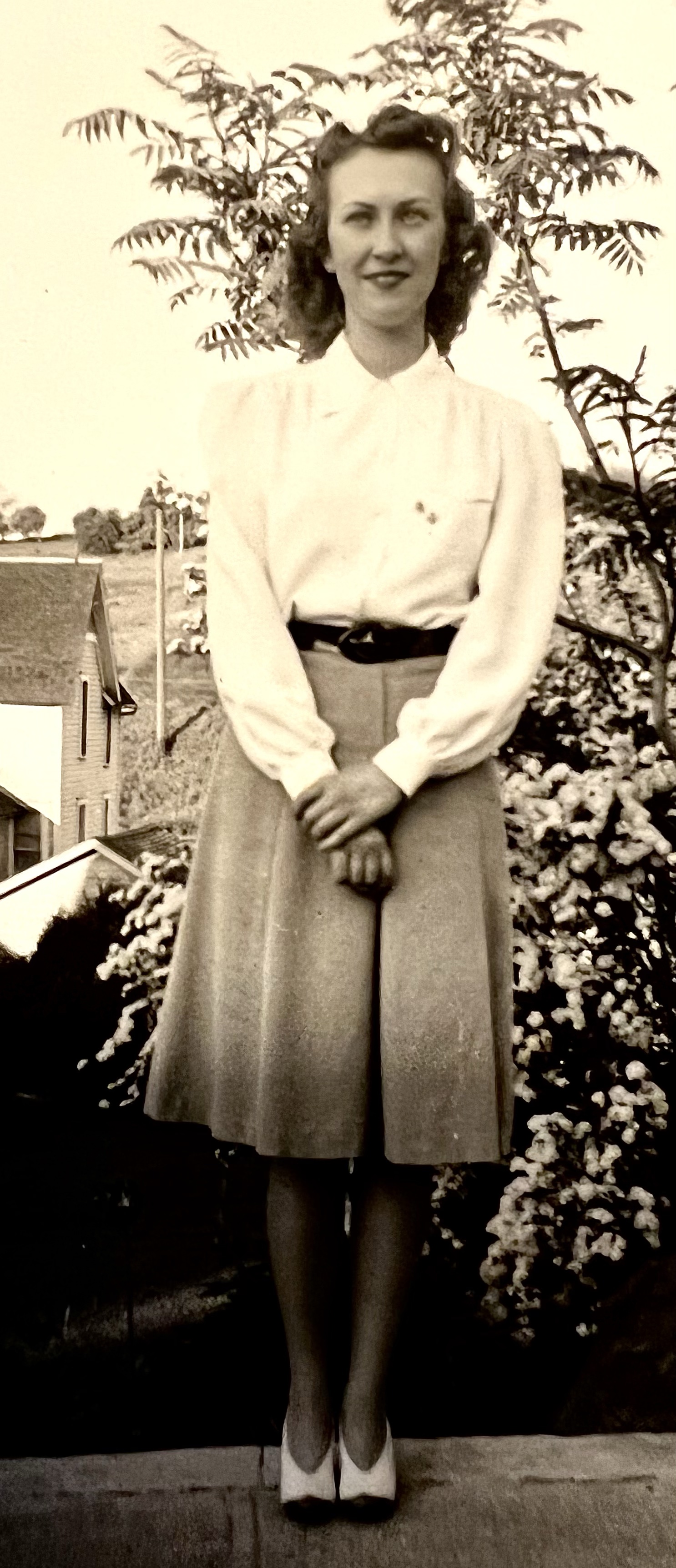
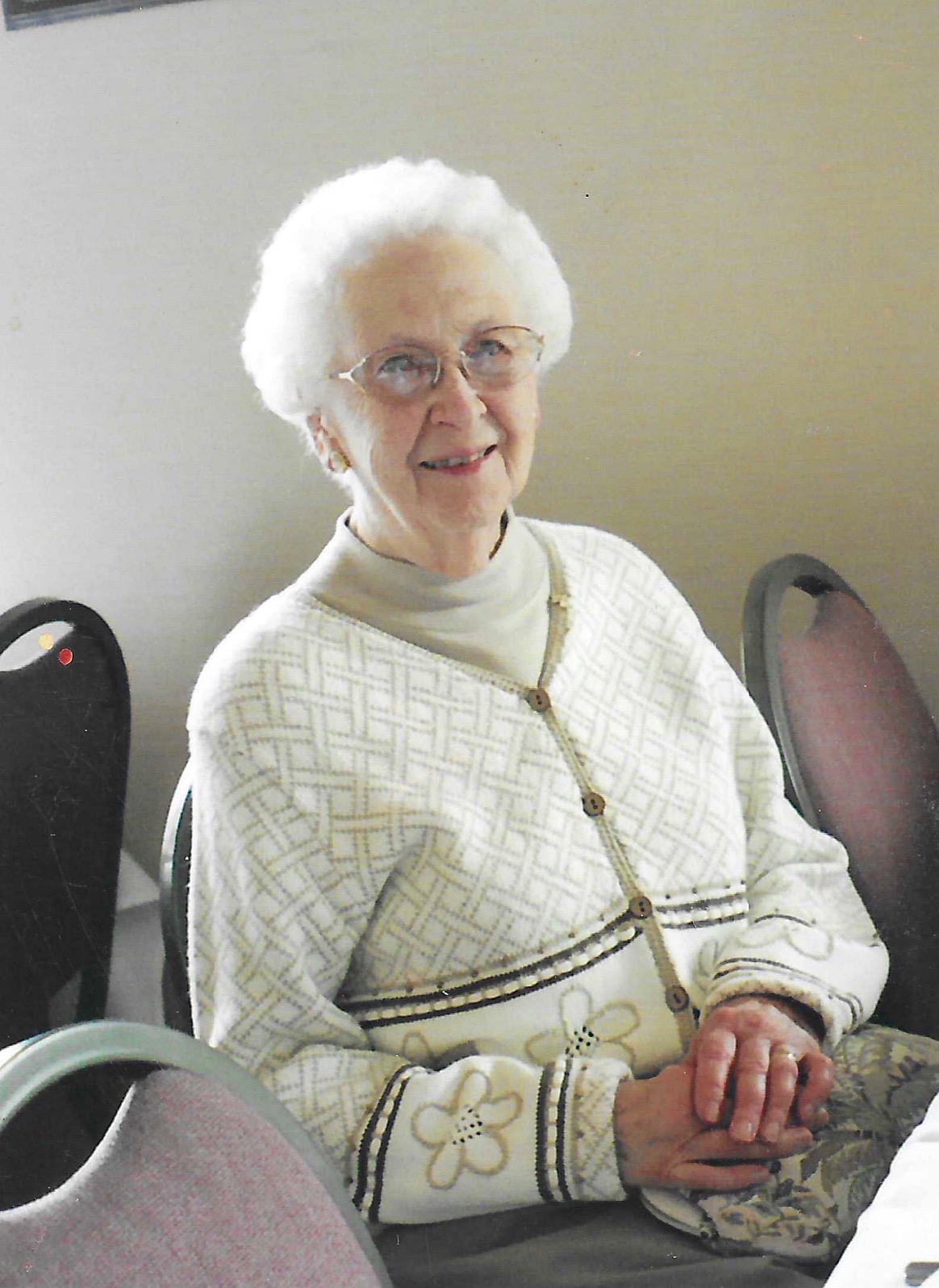
My mother, Elna Schmitz Polis, was born 103 years ago today in the lonely isolation of a Palouse wheat and lentil farm in eastern Washington. She drew her first breath in a two story white house located down a long poplar-lined lane and nestled in a draw between the undulating hills.
She attended a one room school house until 8th grade, located a mile away in the rural countryside, then moved in with her grandmother “in town” in Rosalia to attend high school, seeing her parents only a couple times a month.
It was a childhood which accustomed her to solitude and creative play inside her mind and heart – her only sibling, an older brother, was busy helping their father on the farm. All her life and especially in her later years, she would prefer the quiet of her own thoughts over the bustle of a room full of activities and conversation.
Her childhood was filled with exploration of the rolling hills, the barns and buildings where her father built and repaired farm equipment, and the chilly cellar where the fresh eggs were stored after she reached under cranky hens to gather them. She sat in the cool breeze of the picketed yard, watching the huge windmill turn and creak next to the house. She helped her weary mother feed farm crews who came for harvest time and then settled in the screened porch listening to the adults talk about lentil prices and bushel production. She woke to the mourning dove call in the mornings and heard the coyote yips and howls at night.
She nearly died at the age of 13 from a ruptured appendix, before antibiotics were an option. That near-miss seemed to haunt her life-long, filling her with worry that it was a mistake that she survived that episode at all. Yet she thrived despite the anxiety, and ended up, much to her surprise, living a long life full of family and faith, letting go at age 88 after fracturing a femur, breaking her will to continue to live.
As a young woman, she was ready to leave the wheat farm behind for college, devoting herself to the skills of speech, and the creativity of acting and directing in drama, later teaching rural high school students, including a future Pulitzer Prize winning poet, Carolyn Kizer. She loved words and the power and beauty they wielded.
Marrying my father was a brave and impulsive act, traveling by train to the east coast only a week before he shipped out for almost 3 years to the South Pacific to fight as a Marine in WWII. She must have wondered about the man who returned from war changed and undoubtedly scarred in ways she could not see or touch. They worked it out mostly in silence, as rocky as it must have been at times. Her episode of Graves’ disease, before I was born, must have been agonizing, as her storm of thyroid overactivity resulted in months of sleepless full time panic. Only thyroid removal saved her, but even radical surgeries take their toll. Their marriage never fully recovered.
In their reconciliation after a painful divorce years later, I finally could see the devotion and mutual respect between life companions who had found shared purpose and love.
As a wife and mother, she rediscovered her calling as a steward of the land and a tireless steward of her family, gardening and harvesting fruits, vegetables and us children. When I think of my mother, I most often think of her tending us children in the middle of the night whenever we were ill; her over-vigilance was undoubtedly due to her worry we might die in childhood as she almost did.
She never did stop worrying until the last few months. As she became more dependent on others in her physical decline, she gave up the control she thought she had to maintain through her “worry energy” and became much more accepting about the control the Lord maintains over all we are and will become.
I know from where my shyness comes, my preference for birdsongs rather than radio music, my love of naps, and my tendency to be serious and straight-laced with a twinkle in my eye. This is my German Palouse side–immersing in the quietness of solitude, thrilling to the sight of the spring wheat flowing like a green ocean wave in the breeze and appreciating the warmth of rich soil held in my hands. From that heritage came my mother and it is the legacy she left with me. I am forever grateful for her unconditional love and her willingness to share the sunshine and warmth of her nest whenever we felt the need to fly back home and shelter, overprotected but safe nonetheless, under her wings.
One-Time
Monthly
Yearly
Make a one-time or recurring donation to support daily Barnstorming posts
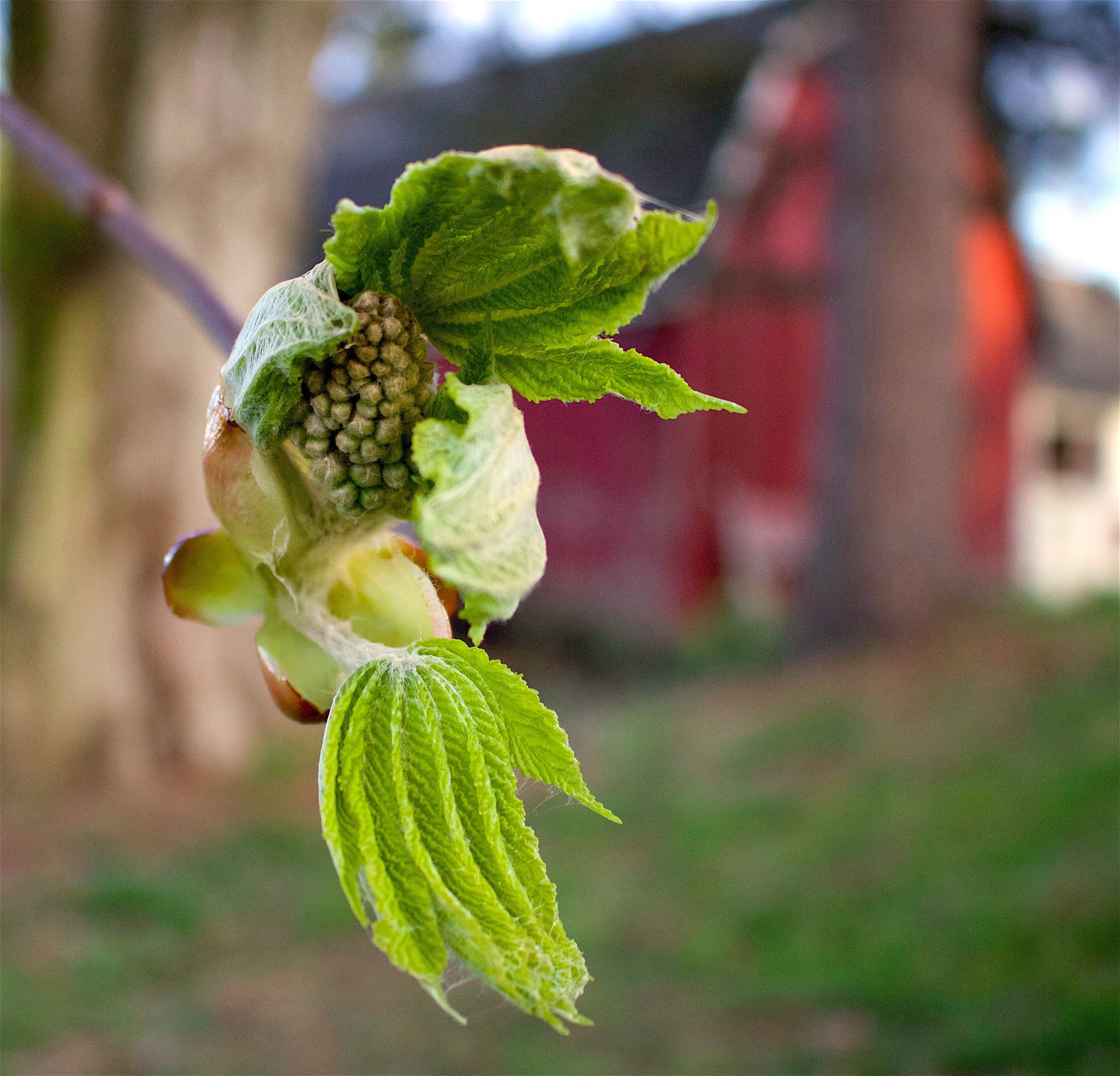
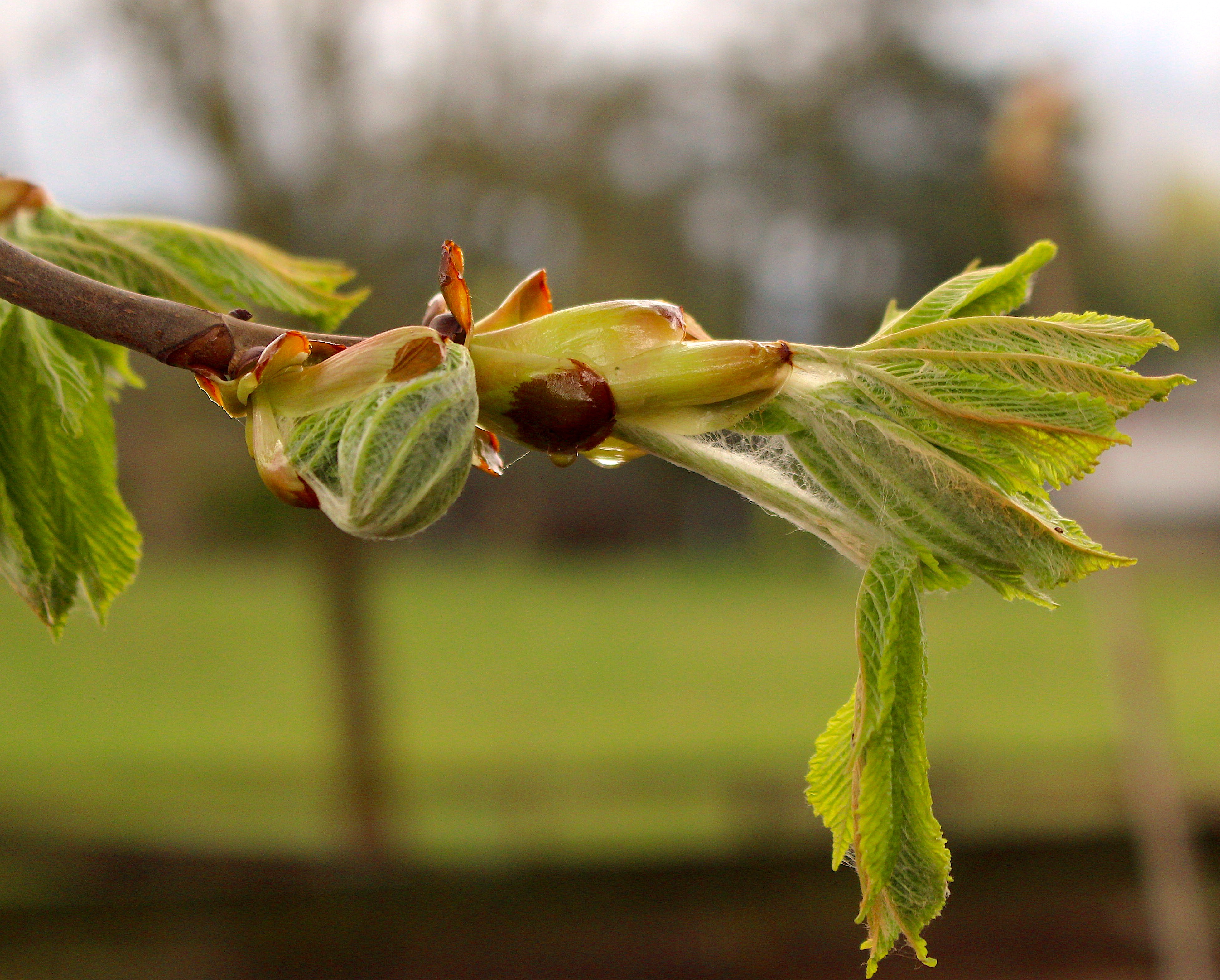
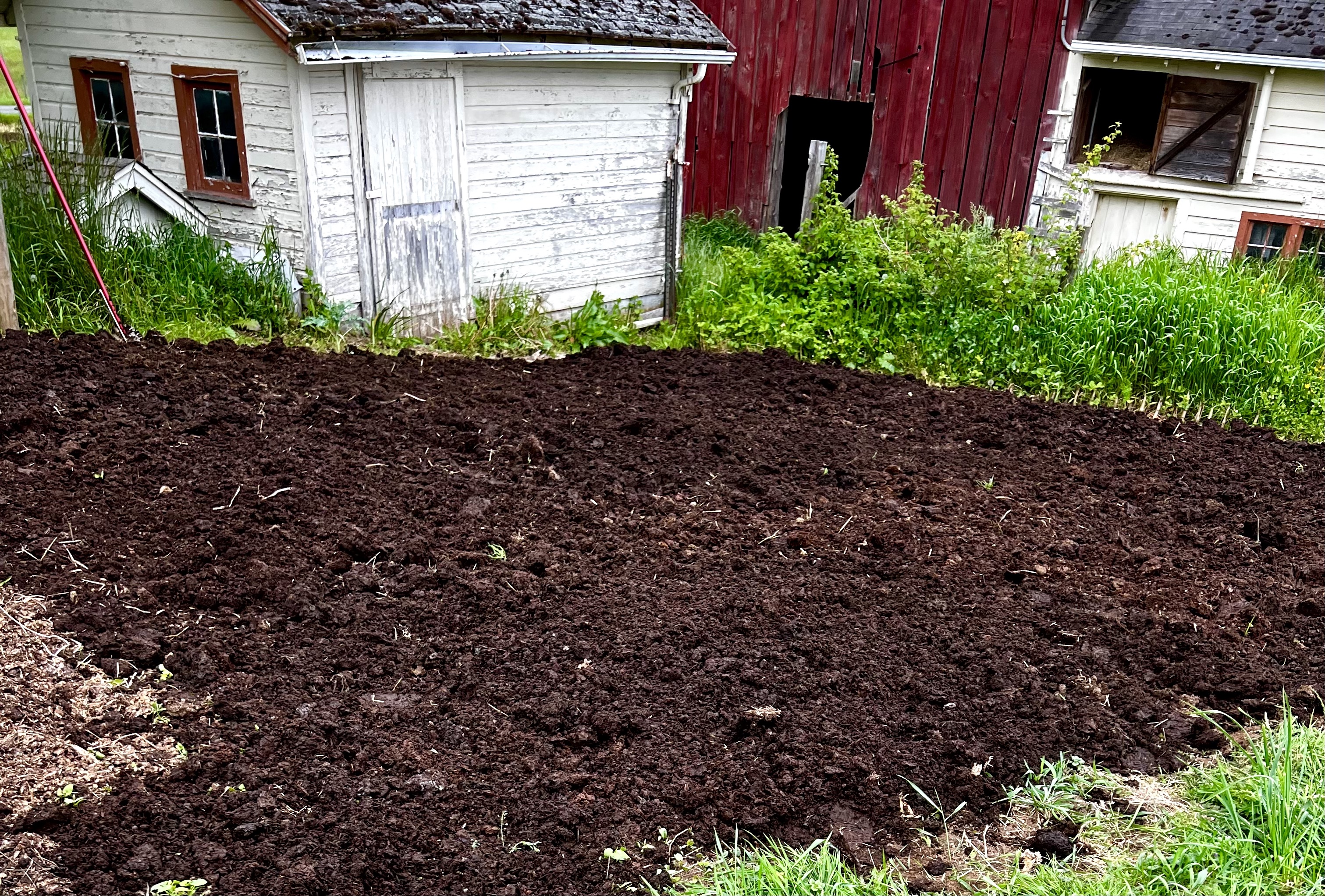
One day, something very old happened again. The green came back to the branches, settling like leafy birds on the highest twigs; the ground broke open as dark as coffee beans.
The clouds took up their positions in the deep stadium of the sky, gloving the bright orb of the sun before they pitched it over the horizon.
It was as good as ever: the air was filled with the scent of lilacs and cherry blossoms sounded their long whistle down the track
Holes in the shape of stars punched in gray tin, dented, cheap, beaten by each of her children with a wooden spoon.
Noodle catcher, spaghetti stopper, pouring cloudy rain into the sink, swirling counter clockwise down the drain, starch slime on the backside, caught in the piercings.
Scrubbed for sixty years, packed and unpacked, the baby’s helmet during the cold war, a sinking ship in the bathtub, little boat of holes.
Dirt scooped in with a plastic shovel, sifted to make cakes and castles. Wrestled from each other’s hands, its tin feet bent and re-bent.
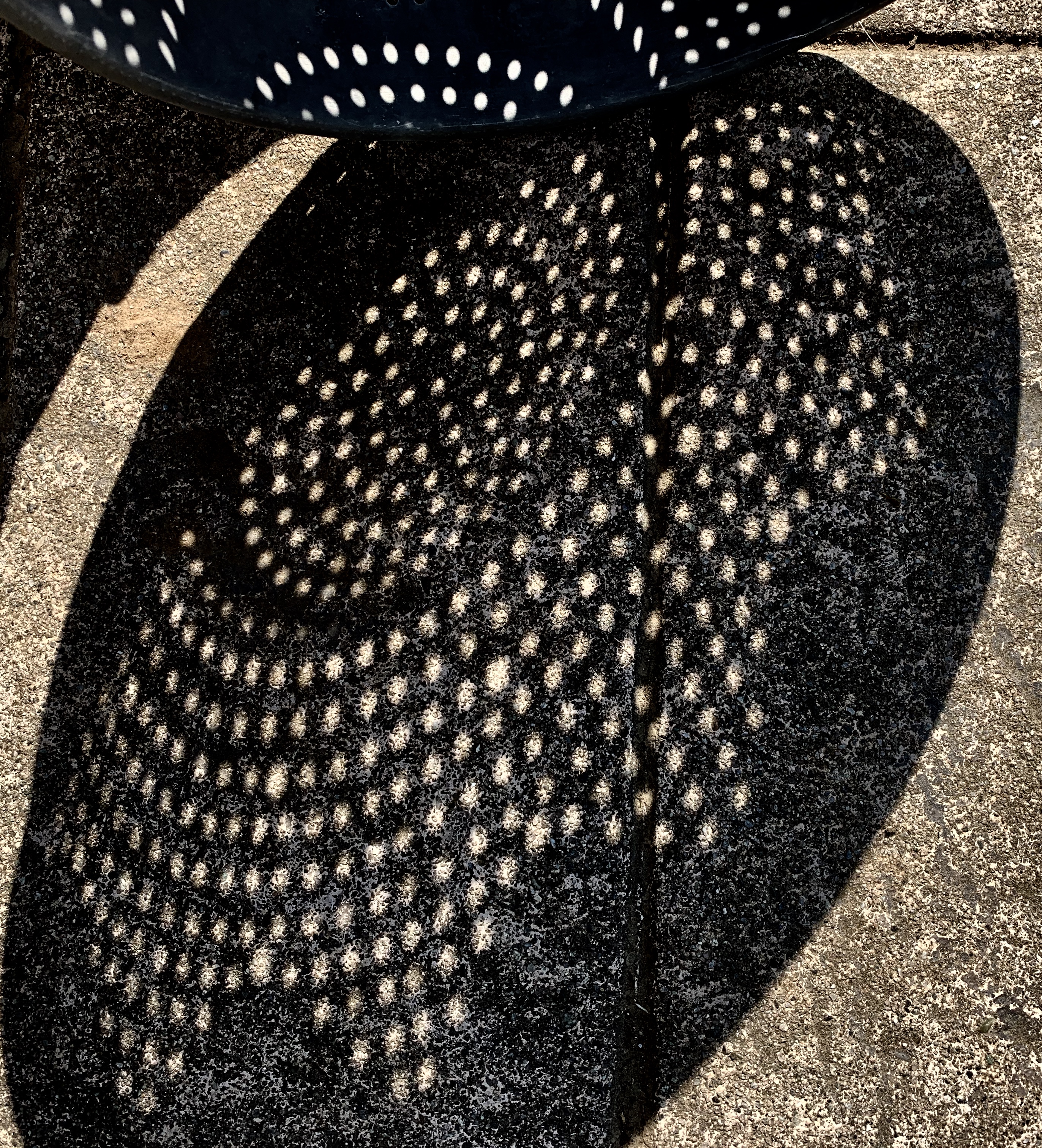
Bowl daylight fell through onto freckled faces, noon stars on the pavement, the universe we circled aiming jagged stones, rung bells it caught and held. ~Dorianne Laux “My Mother’s Colander”
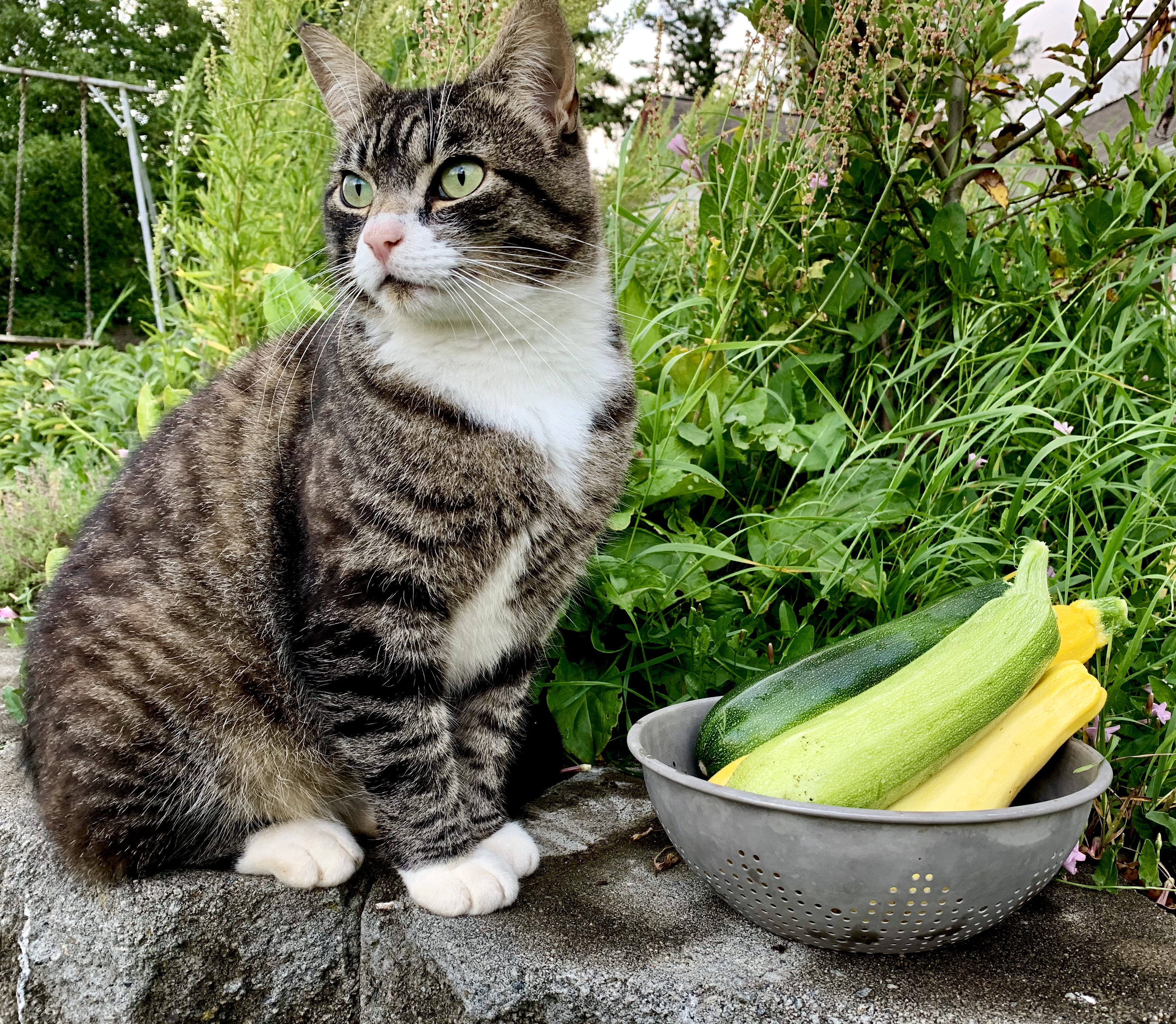
Many of my mother’s kitchen things, some over eighty years old, are still packed away in boxes that I haven’t had the time or the emotional wherewithal to open. They sit waiting for me to sort and purge and save and weep. As if I still haven’t wanted to say goodbye after all this time.
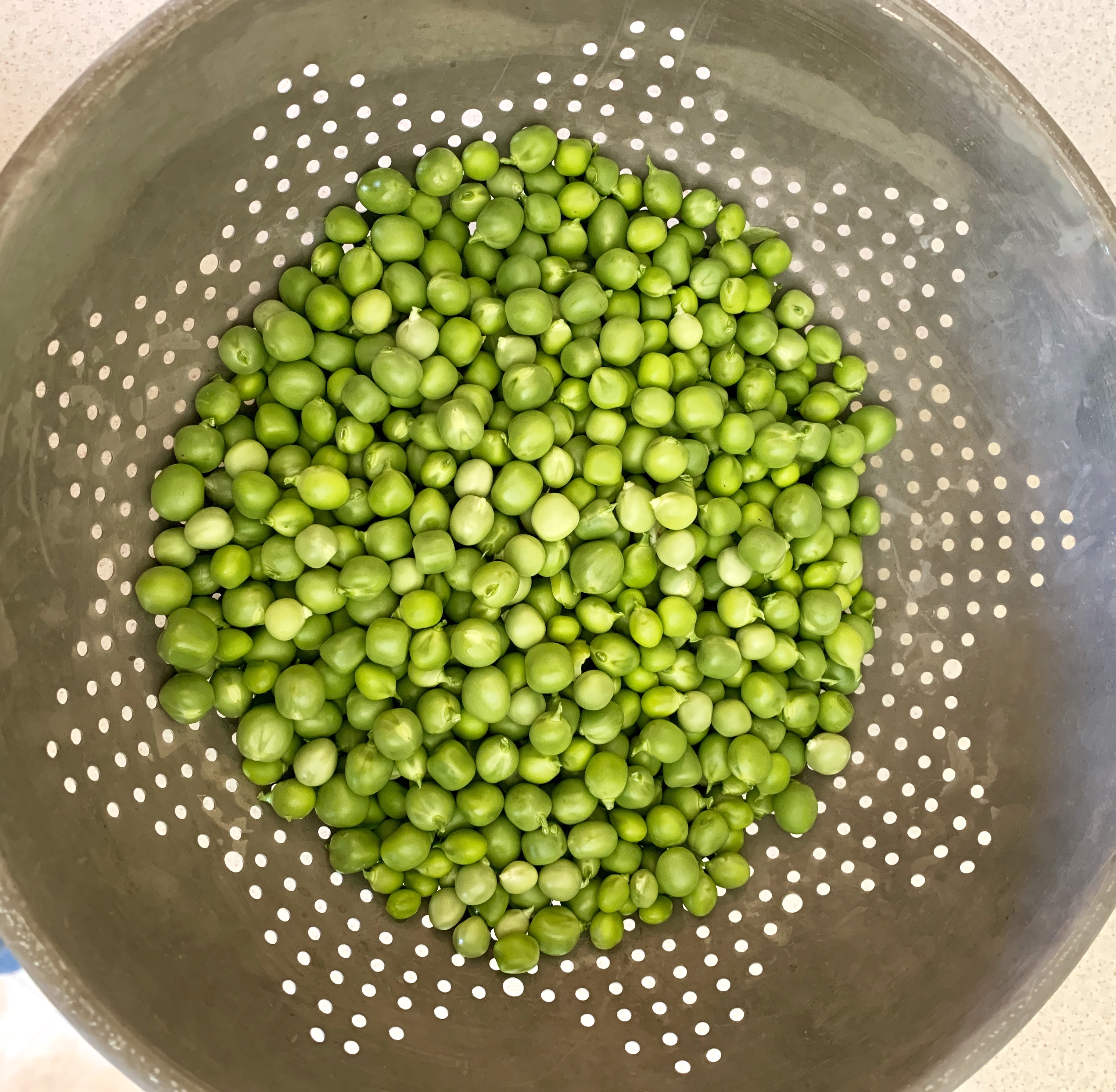
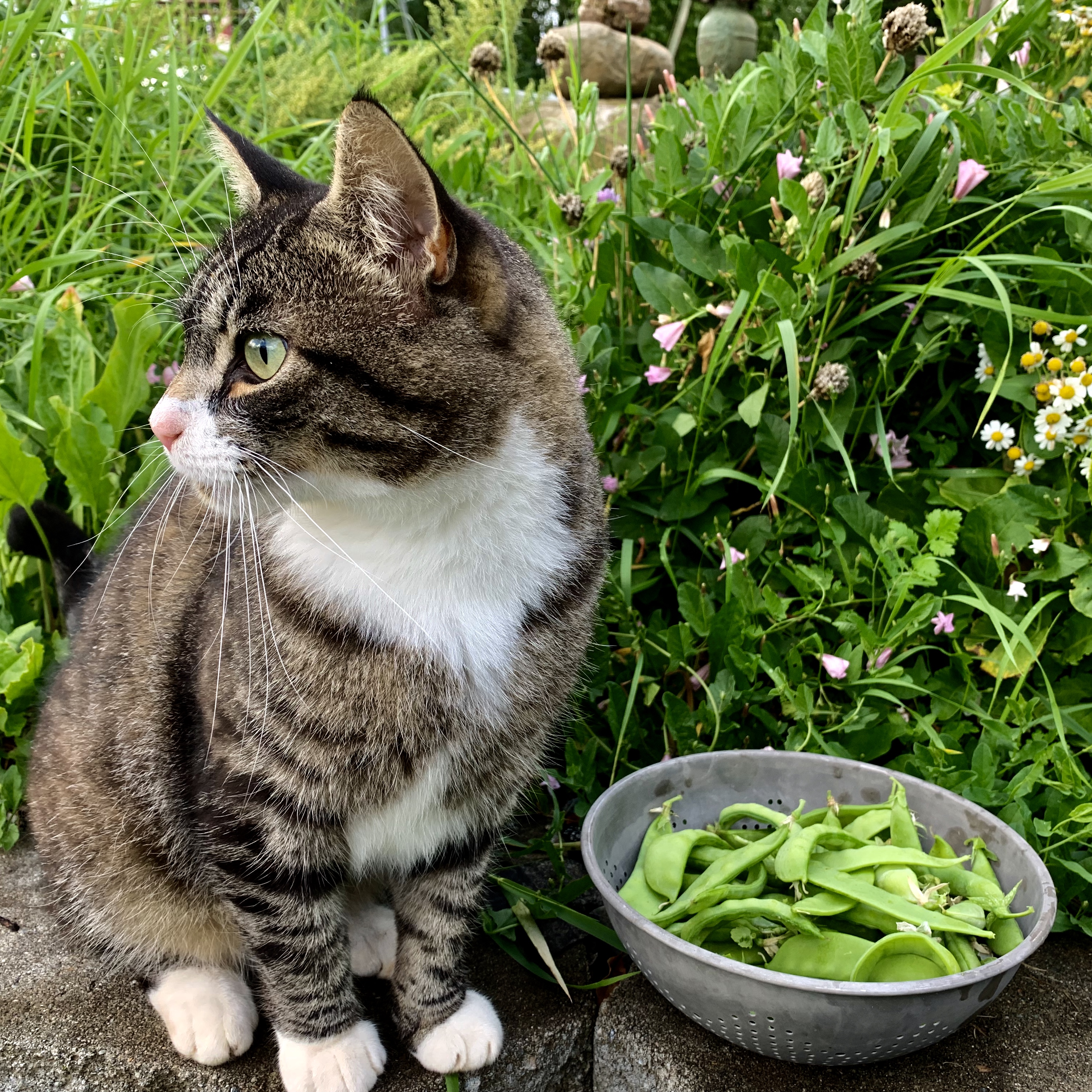
But this kitchen item, her old dented metal colander, she gave to me when I moved into my first apartment some 45 years ago – she had purchased a bright green plastic colander at a Tupperware party so the old metal one seemed somehow outdated, overworked and plain. It had held hundreds of pounds of rinsed garden vegetables during my childhood, had drained umpteen pasta noodles, had served as a sifter in our sandbox, and a helmet for many a pretend rocket launch to infinity and beyond.
Dented and battered, it still works fine, thank you very much, for all intended and some unintended purposes. It does make me wonder what other treasures may surprise me when I finally decide to open up my mother’s boxes. She died 15 years ago, but her things remain, as if in suspended animation, to be rediscovered when I’m ready. They wait patiently to be useful to someone again, touched lovingly and with distinct purpose as they once were, and be remembered for the part they played in one woman’s long sacrificial and faith-filled life.
Maybe, just maybe, it will feel like I’ve unpacked Mom once again and maybe this time it will be both hello and goodbye.
To infinity and beyond…
One-Time
Monthly
Yearly
Make a one-time or recurring donation to support daily Barnstorming posts




























 Barnstorming