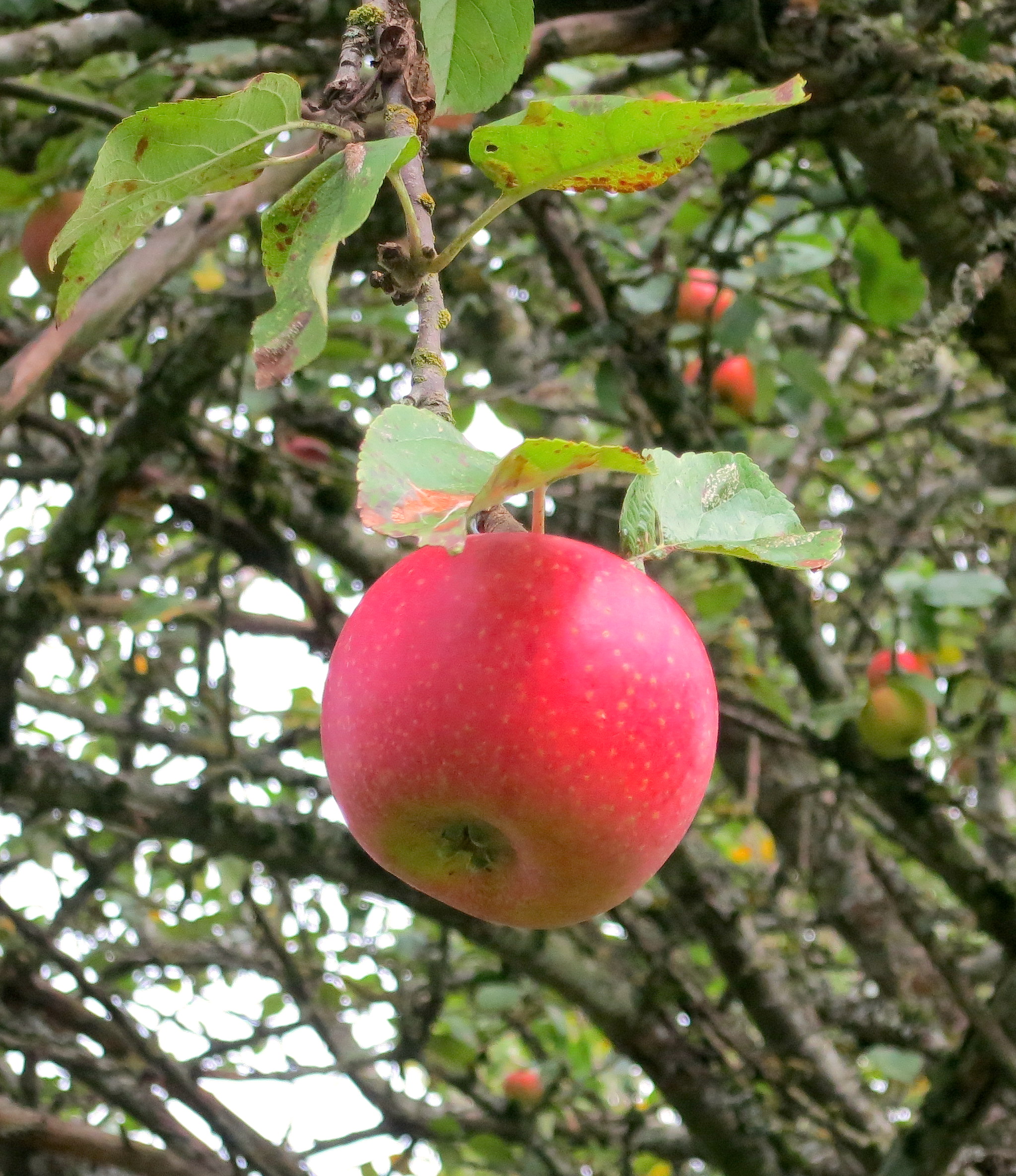
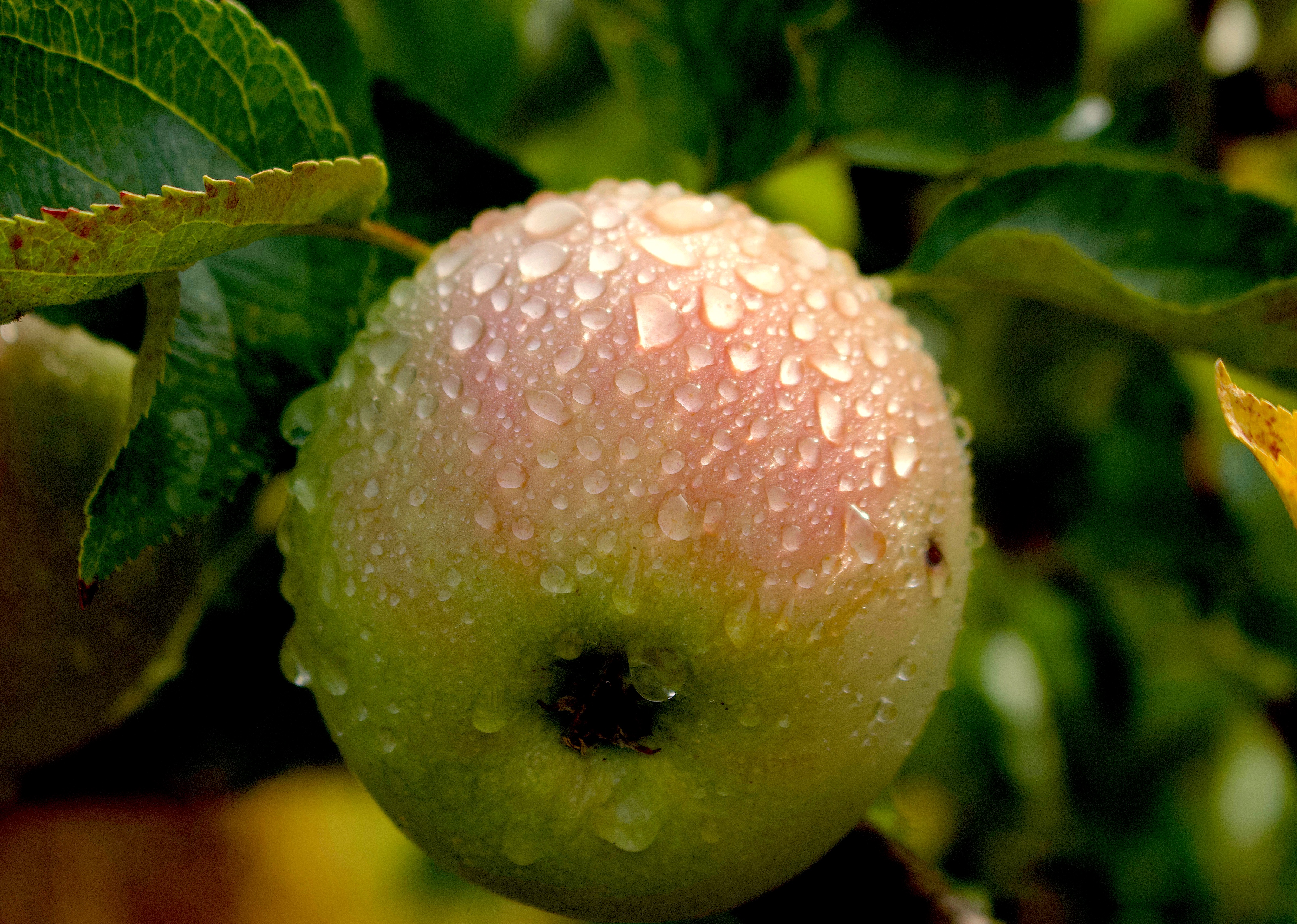
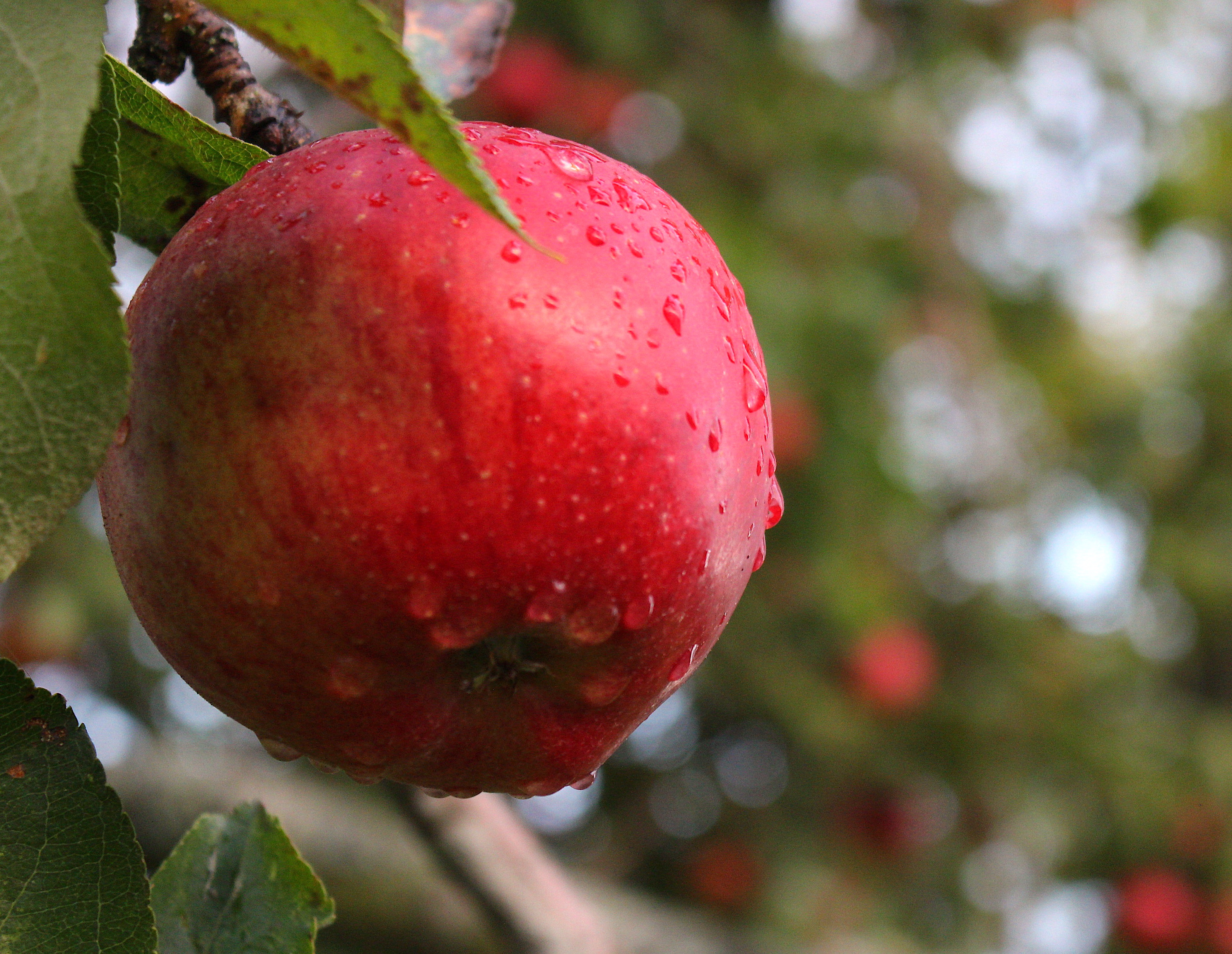
A Thousand Thousand Fruit to Touch

And then there is that day when all around,
all around you hear the dropping of the apples,

one by one, from the trees.
At first it is one here and one there,
and then it is three and then it is four

and then nine and twenty,
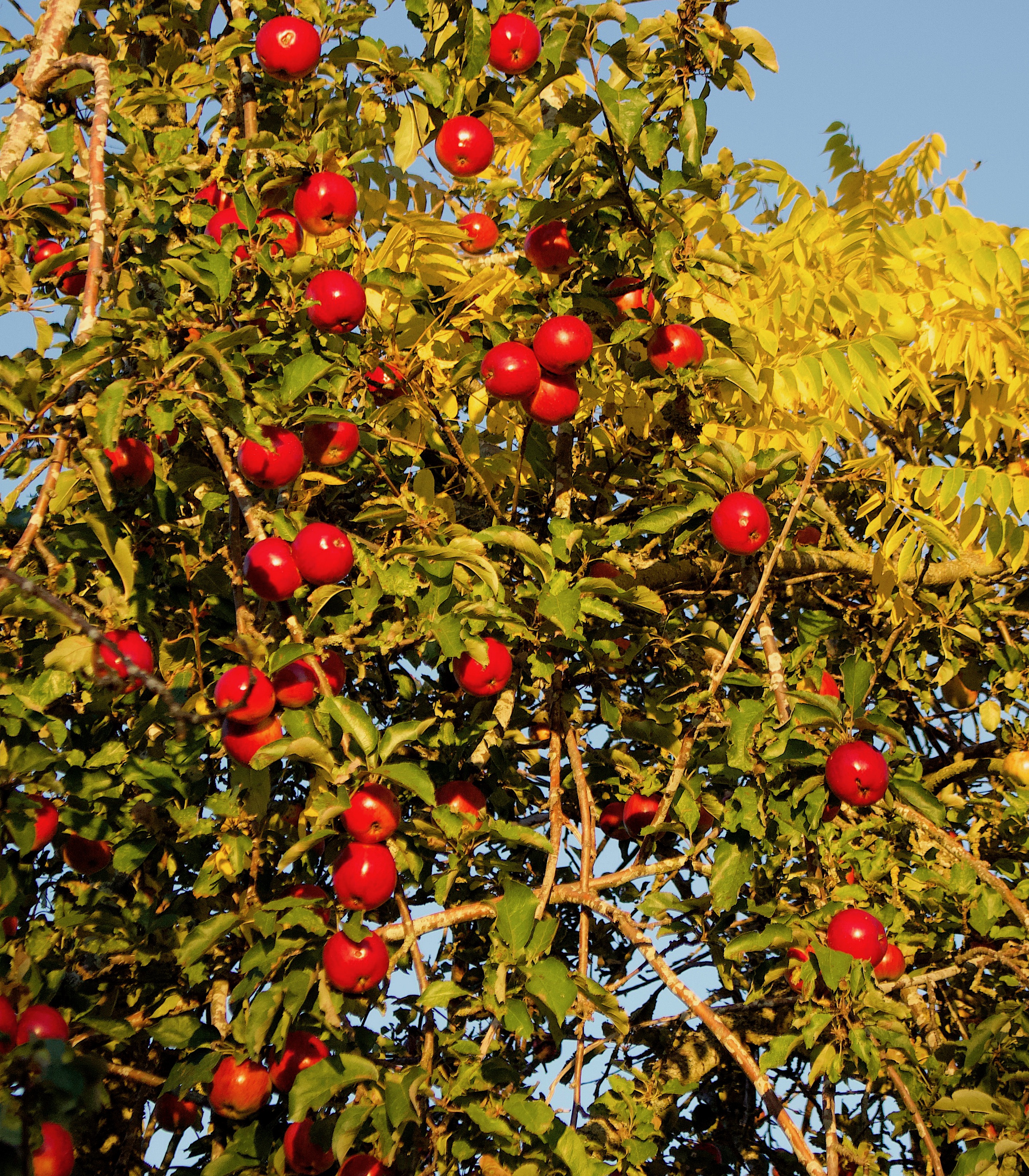
until the apples plummet like rain,
fall like horse hoofs in the soft, darkening grass,
and you are the last apple on the tree;
and you wait for the wind to work you slowly free
from your hold upon the sky, and drop you down and down.
Long before you hit the grass
you will have forgotten there ever was a tree,
or other apples, or a summer, or green grass below,
You will fall in darkness…
~Ray Bradbury from Dandelion Wine
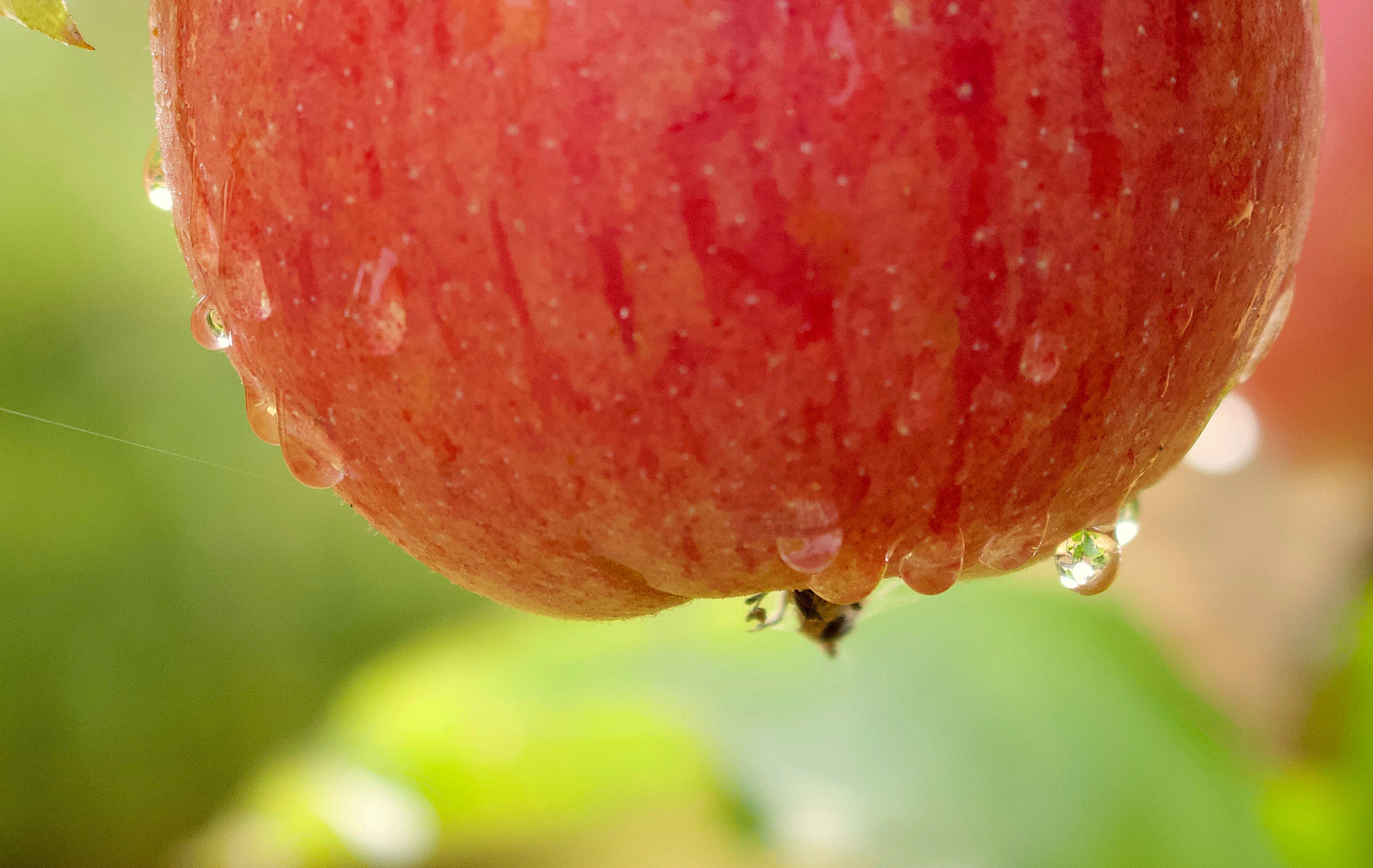
But I am done with apple-picking now. 
Essence of winter sleep is on the night, 
The scent of apples: I am drowsing off. 
I cannot rub the strangeness from my sight 
I got from looking through a pane of glass 
I skimmed this morning from the drinking trough 
And held against the world of hoary grass. 
It melted, and I let it fall and break. 
But I was well 
Upon my way to sleep before it fell, 
And I could tell 
What form my dreaming was about to take. 
For I have had too much 
Of apple-picking: I am overtired 
Of the great harvest I myself desired. 
There were ten thousand thousand fruit to touch, 
Cherish in hand, lift down, and not let fall. 
For all 
That struck the earth, 
No matter if not bruised or spiked with stubble, 
Went surely to the cider-apple heap 
As of no worth. 
One can see what will trouble 
This sleep of mine, whatever sleep it is. 
Were he not gone, 
The woodchuck could say whether it’s like his 
Long sleep, as I describe its coming on, 
Or just some human sleep.
~Robert Frost from “After Apple-Picking”
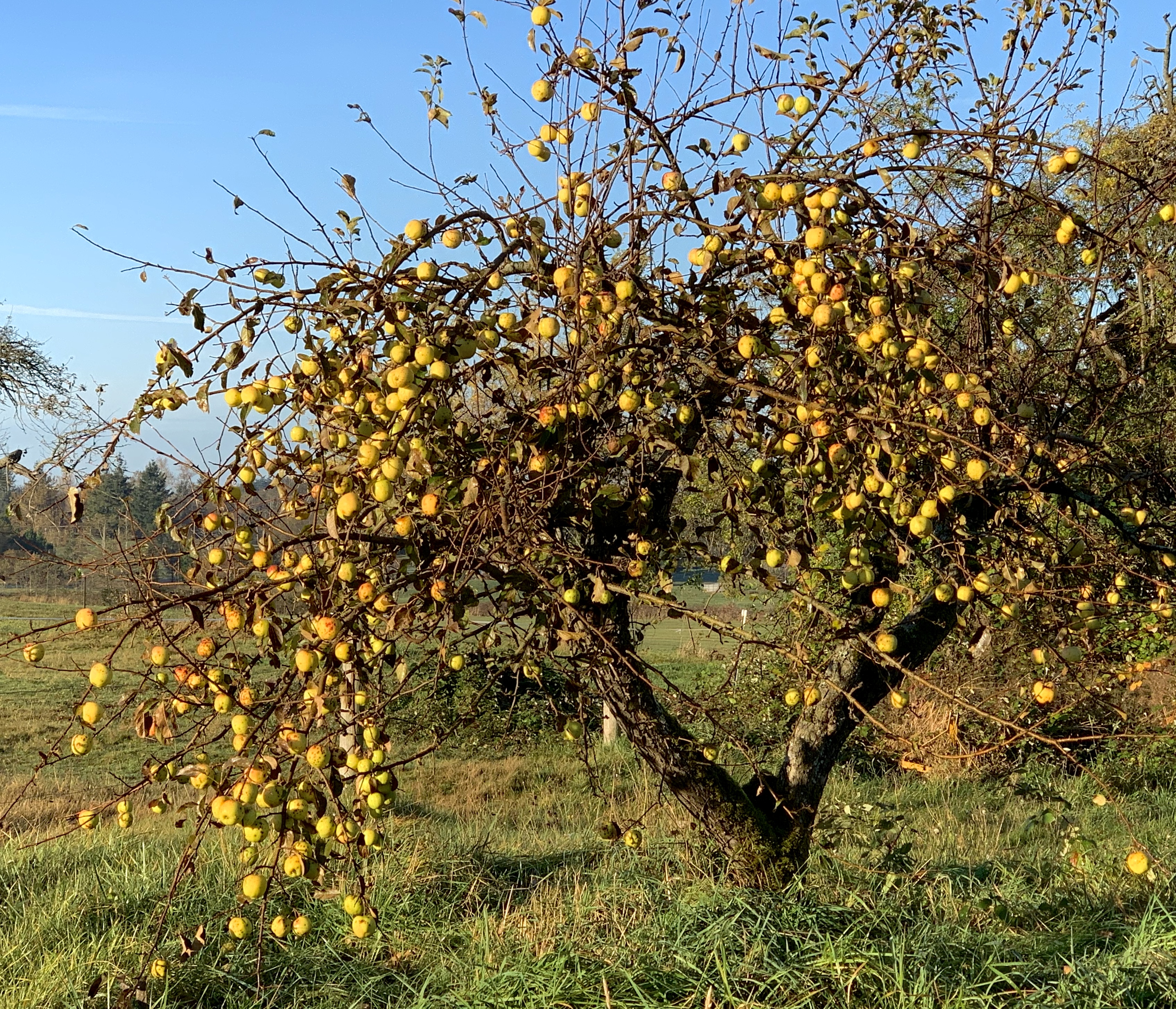
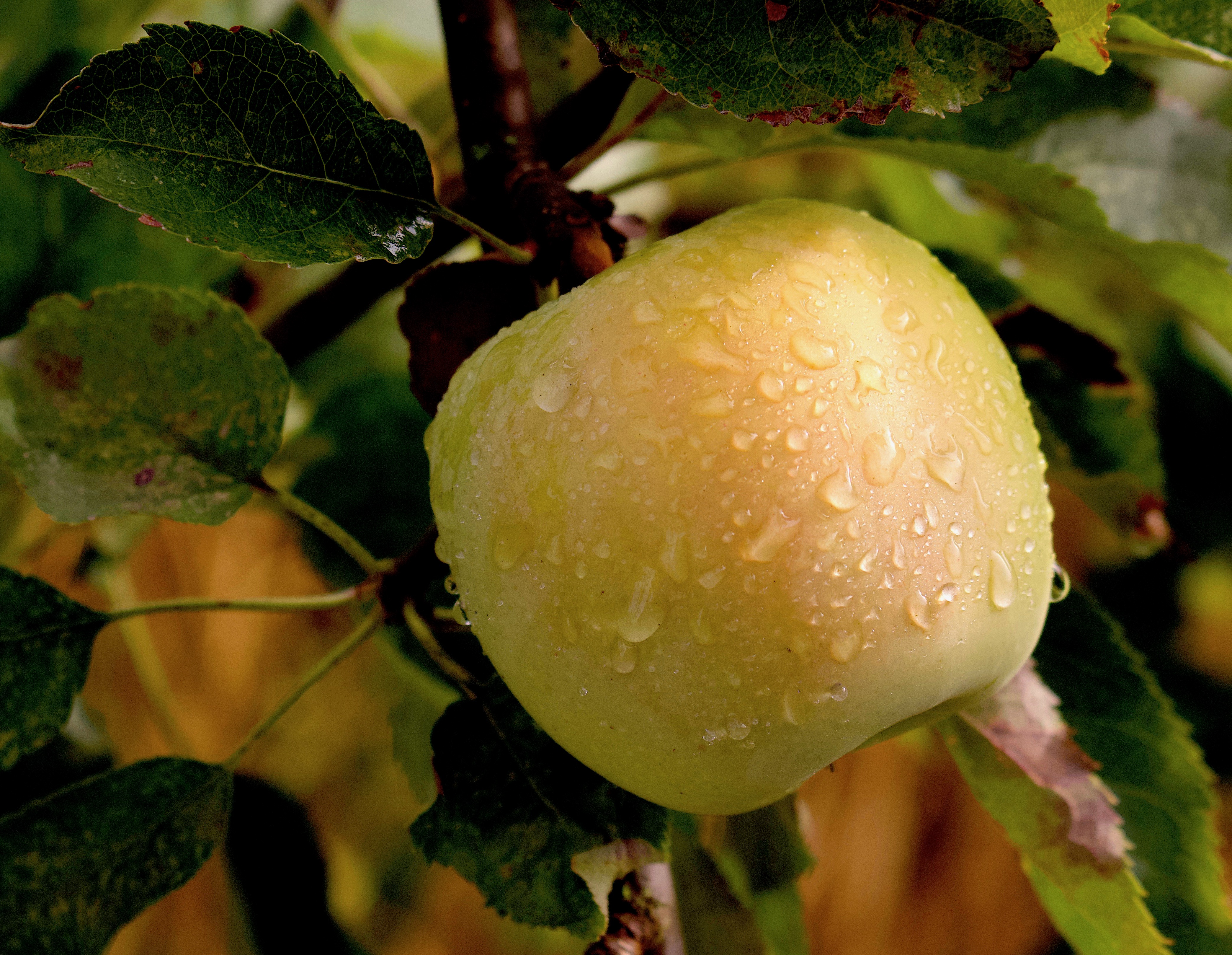
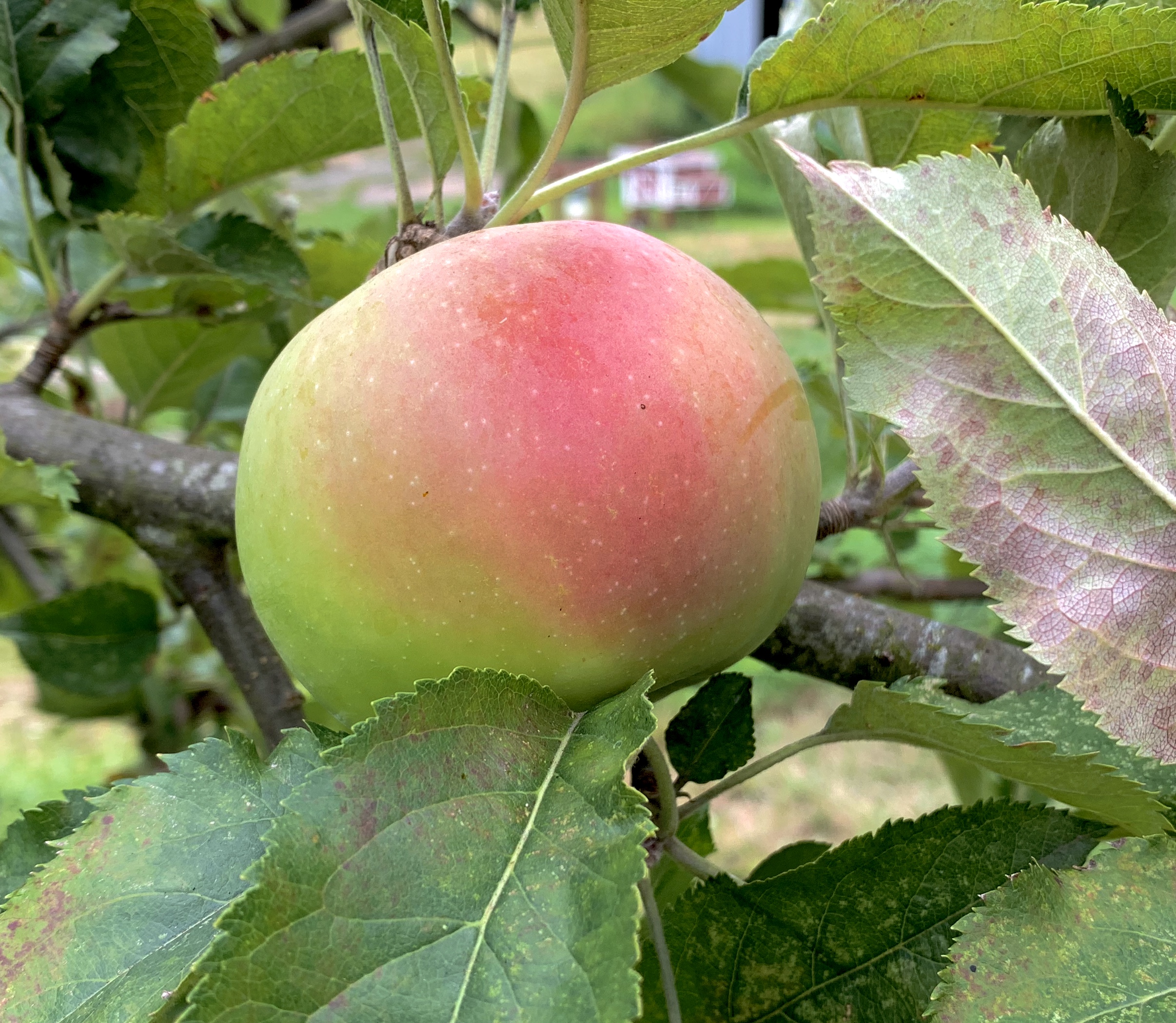
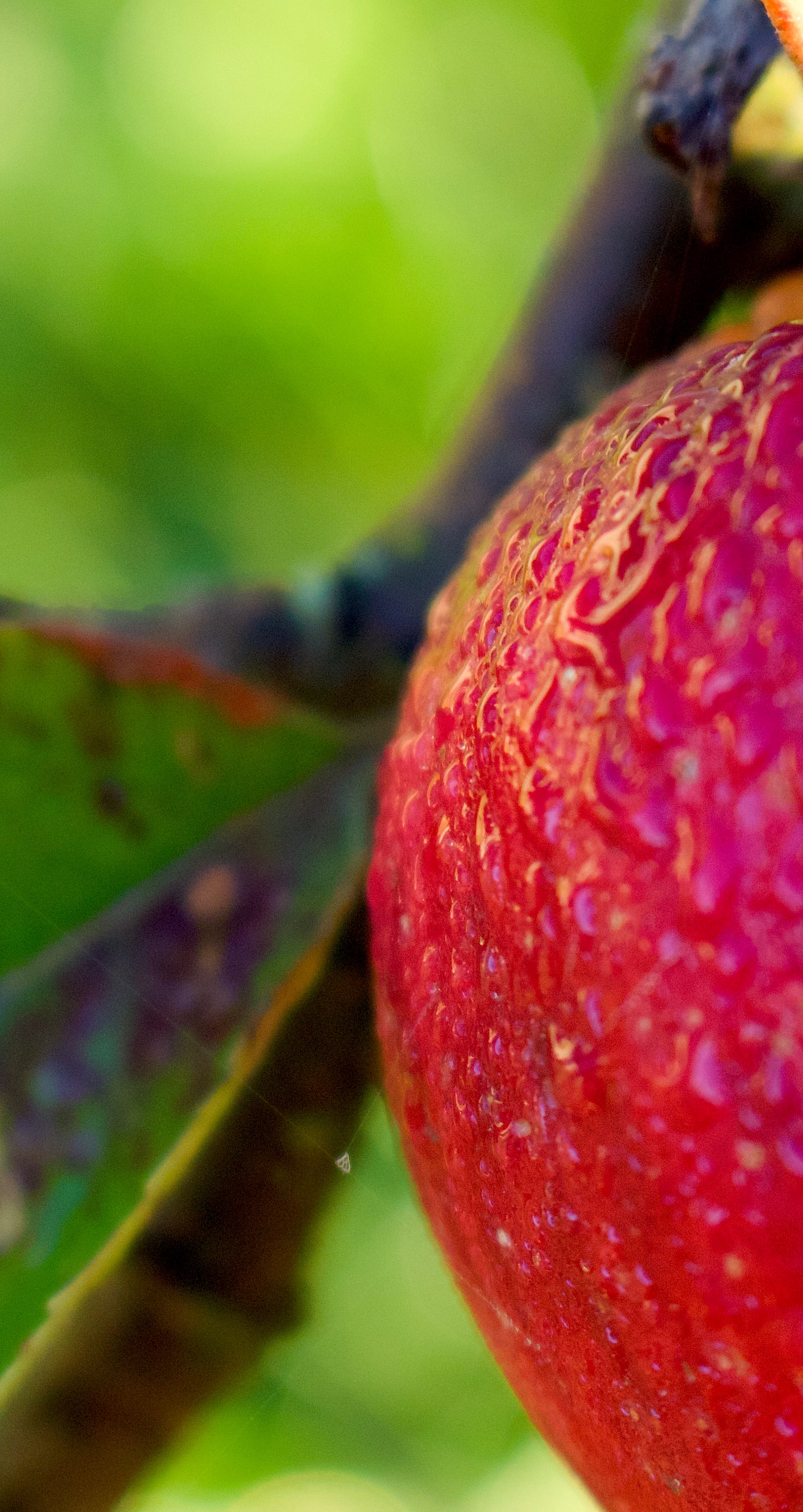
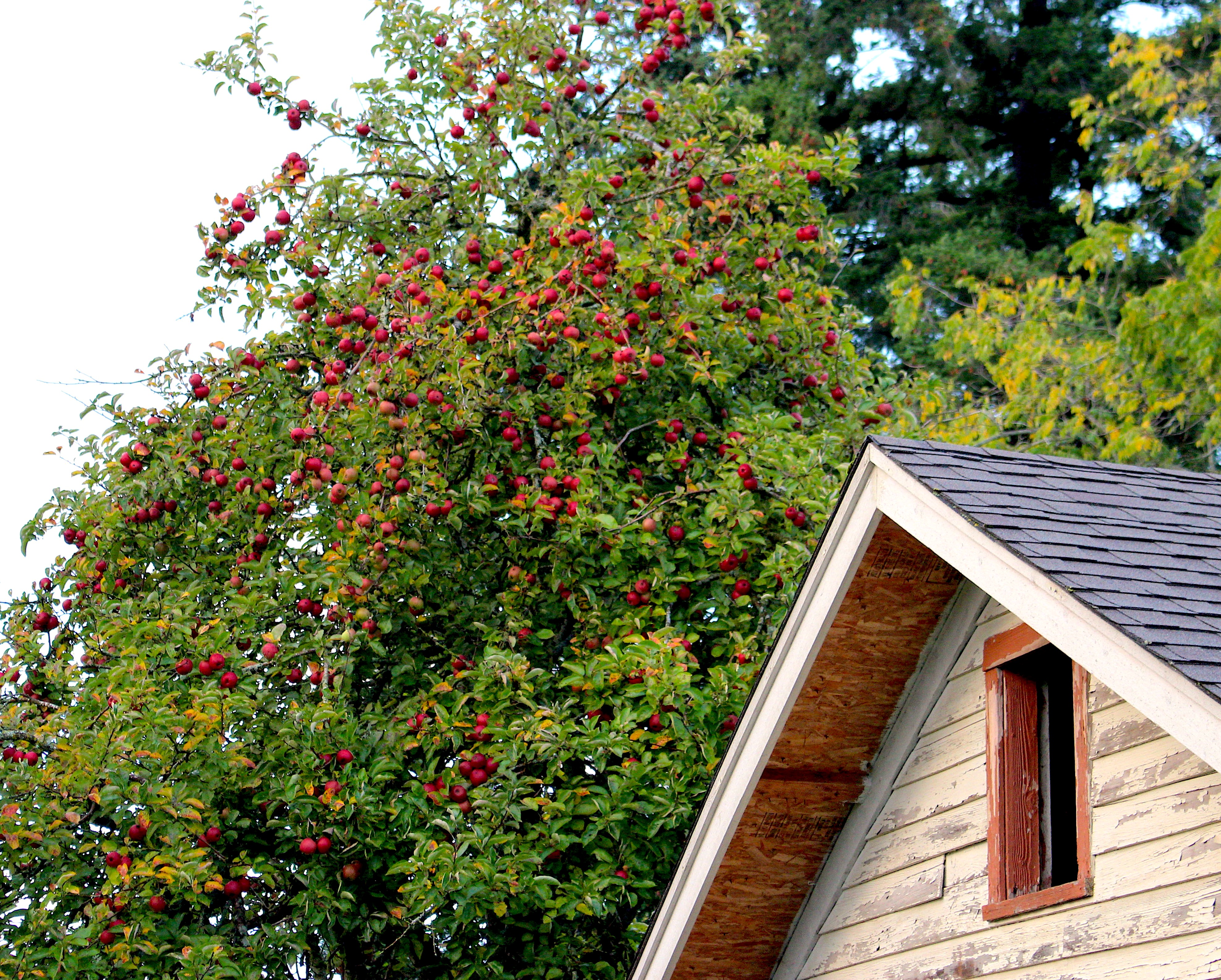
I pick up windfall apples to haul down to the barn for a special treat each night for the Haflingers. These are apples that we humans wouldn’t take a second glance at in all our satiety and fussiness, but the Haflingers certainly don’t mind a bruise, or a worm hole or slug trails over apple skin.

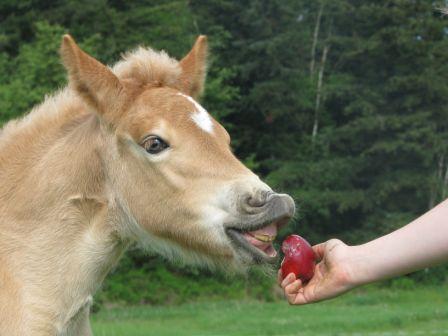
I’ve found over the years that our horses must be taught to eat apples–if they have no experience with them, they will bypass them lying in the field and not give them a second look. There simply is not enough odor to make them interesting or appealing–until they are cut in slices that is. Then they become irresistible and no apple is left alone from that point forward.

When I offer a whole apple to a young Haflinger who has never tasted one before, they will sniff it, perhaps roll it on my hand a bit with their lips, but I’ve yet to have one simply bite in and try. If I take the time to cut the apple up, they’ll pick up a section very gingerly, kind of hold it on their tongue and nod their head up and down trying to decide as they taste and test it if they should drop it or chew it, and finally, as they really bite in and the sweetness pours over their tongue, they get this look in their eye that is at once surprised and supremely pleased. The only parallel experience I’ve seen in humans is when you offer a five month old baby his first taste of ice cream on a spoon and at first he tightens his lips against its coldness, but once you slip a little into his mouth, his face screws up a bit and then his eyes get big and sparkly and his mouth rolls the taste around his tongue, savoring that sweet cold creaminess. His mouth immediately pops open for more.

It is the same with apples and horses. Once they have that first taste, they are our slaves forever in search of the next apple.

The Haflinger veteran apple eaters can see me coming with my sweat shirt front pocket stuffed with apples, a “pregnant” belly of fruit, as it were. They offer low nickers when I come up to their stalls and each horse has a different approach to their apple offering.

There is the “bite a little bit at a time” approach, which makes the apple last longer, and tends to be less messy in the long run. There is the “bite it in half” technique which leaves half the apple in your hand as they navigate the other half around their teeth, dripping and frothing sweet apple slobber. Lastly there is the greedy “take the whole thing at once” horse, which is the most challenging way to eat an apple, as it has to be moved back to the molars, and crunched, and then moved around the mouth to chew up the large pieces, and usually half the apple ends up falling to the ground, with all the foam that the juice and saliva create. No matter the technique used, the smell of an apple as it is being chewed by a horse is one of the best smells in the world. I can almost taste the sweetness too when I smell that smell.

What do we do when offered such a sublime gift from Someone’s hand? If it is something we have never experienced before, we possibly walk right by, not recognizing that it is a gift at all, missing the whole point and joy of experiencing what is being offered. How many wonderful opportunities are right under our noses, but we fail to notice, and bypass them because they are unfamiliar?

Perhaps if the Giver really cares enough to “teach” us to accept this gift of sweetness, by preparing it and making it irresistible to us, then we are overwhelmed with the magnitude of the generosity and are transformed by the simple act of receiving.

We must learn to take little bites, savoring each piece one at a time, making it last rather than greedily grab hold of the whole thing, struggling to control it, thereby losing some in the process. Either way, it is a gracious gift, and how we receive it makes all the difference.
AI image created for this post

The tree of life my soul hath seen,
Laden with fruit and always green;
The trees of nature fruitless be,
Compared with Christ the Apple Tree.

His beauty doth all things excel,
By faith I know but ne’er can tell
The glory which I now can see,
In Jesus Christ the Appletree.

For happiness I long have sought,
And pleasure dearly I have bought;
I missed of all but now I see
‘Tis found in Christ the Appletree.

I’m weary with my former toil –
Here I will sit and rest awhile,
Under the shadow I will be,
Of Jesus Christ the Appletree.

With great delight I’ll make my stay,
There’s none shall fright my soul away;
Among the sons of men I see
There’s none like Christ the Appletree.

I’ll sit and eat this fruit divine,
It cheers my heart like spirit’al wine;
And now this fruit is sweet to me,
That grows on Christ the Appletree.

This fruit doth make my soul to thrive,
It keeps my dying faith alive;
Which makes my soul in haste to be
With Jesus Christ the Appletree.

One-Time
Monthly
Yearly

Make a one-time or recurring donation to support daily Barnstorming posts

Make a monthly donation

Make a yearly donation

Choose an amount

$10.00
$25.00
$50.00
$5.00
$15.00
$100.00
$5.00
$15.00
$100.00

Or enter a custom amount

$

Your contribution is deeply appreciated.

Your contribution is appreciated.

Your contribution is appreciated.

DonateDonate monthlyDonate yearly
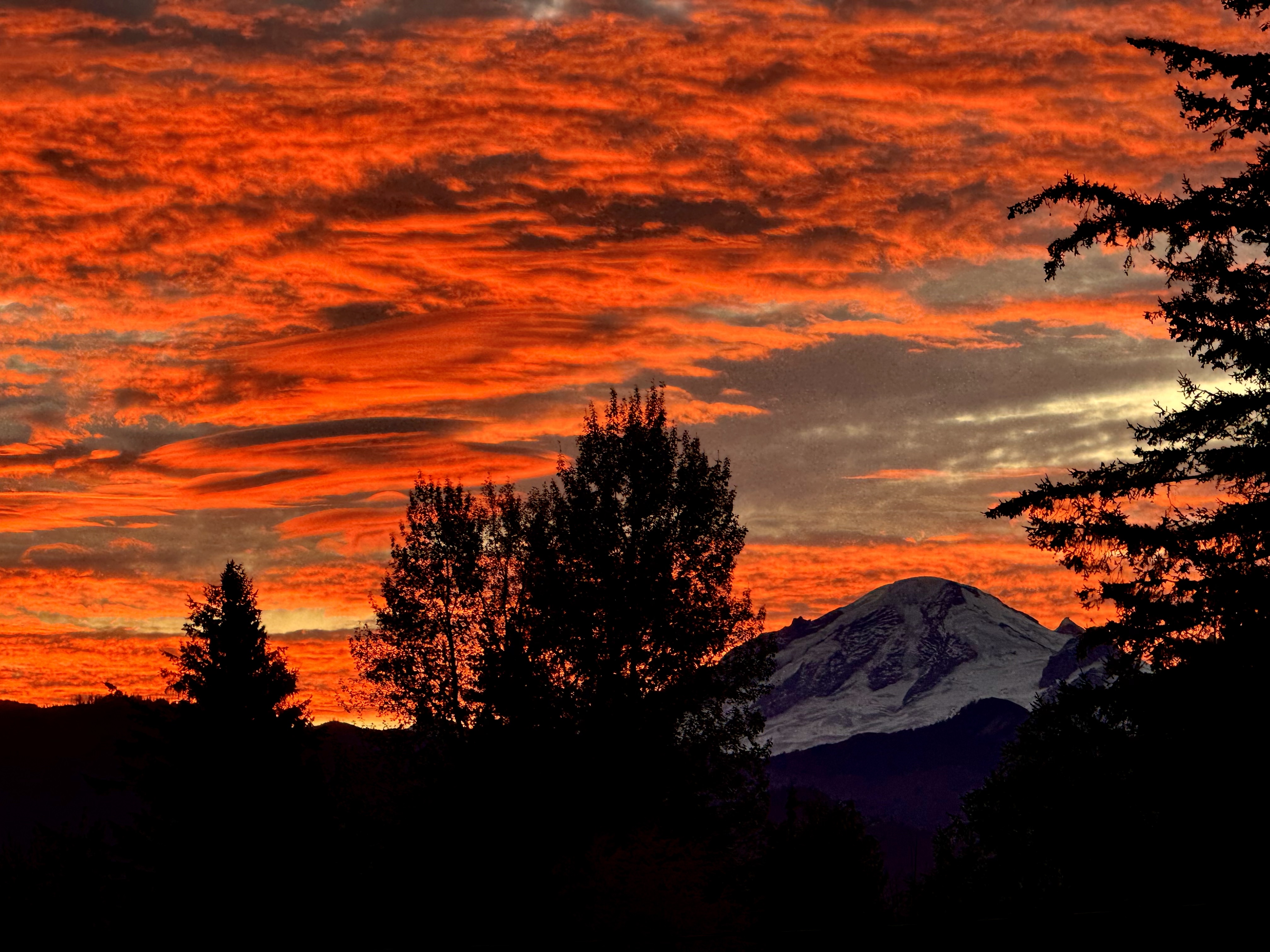
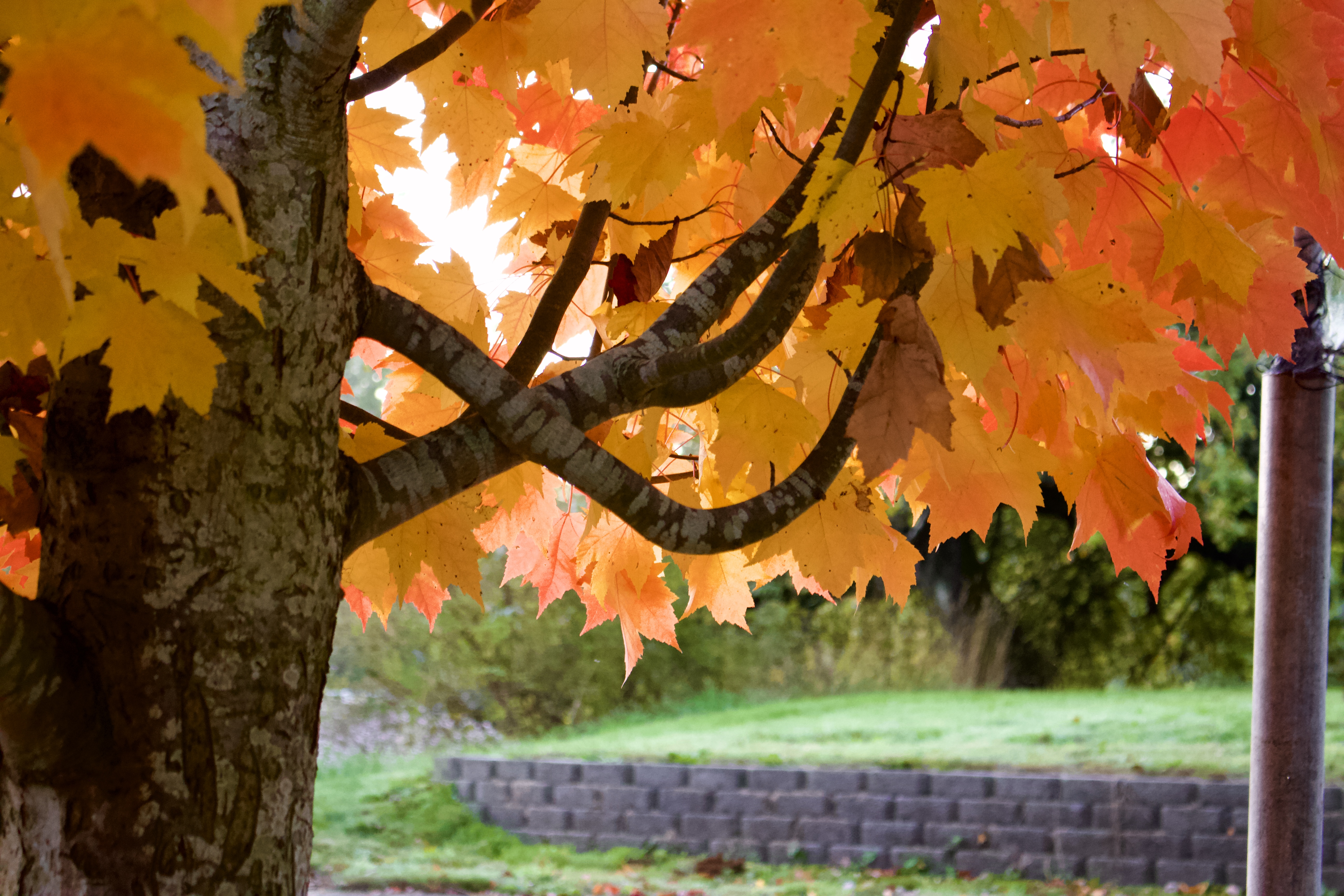
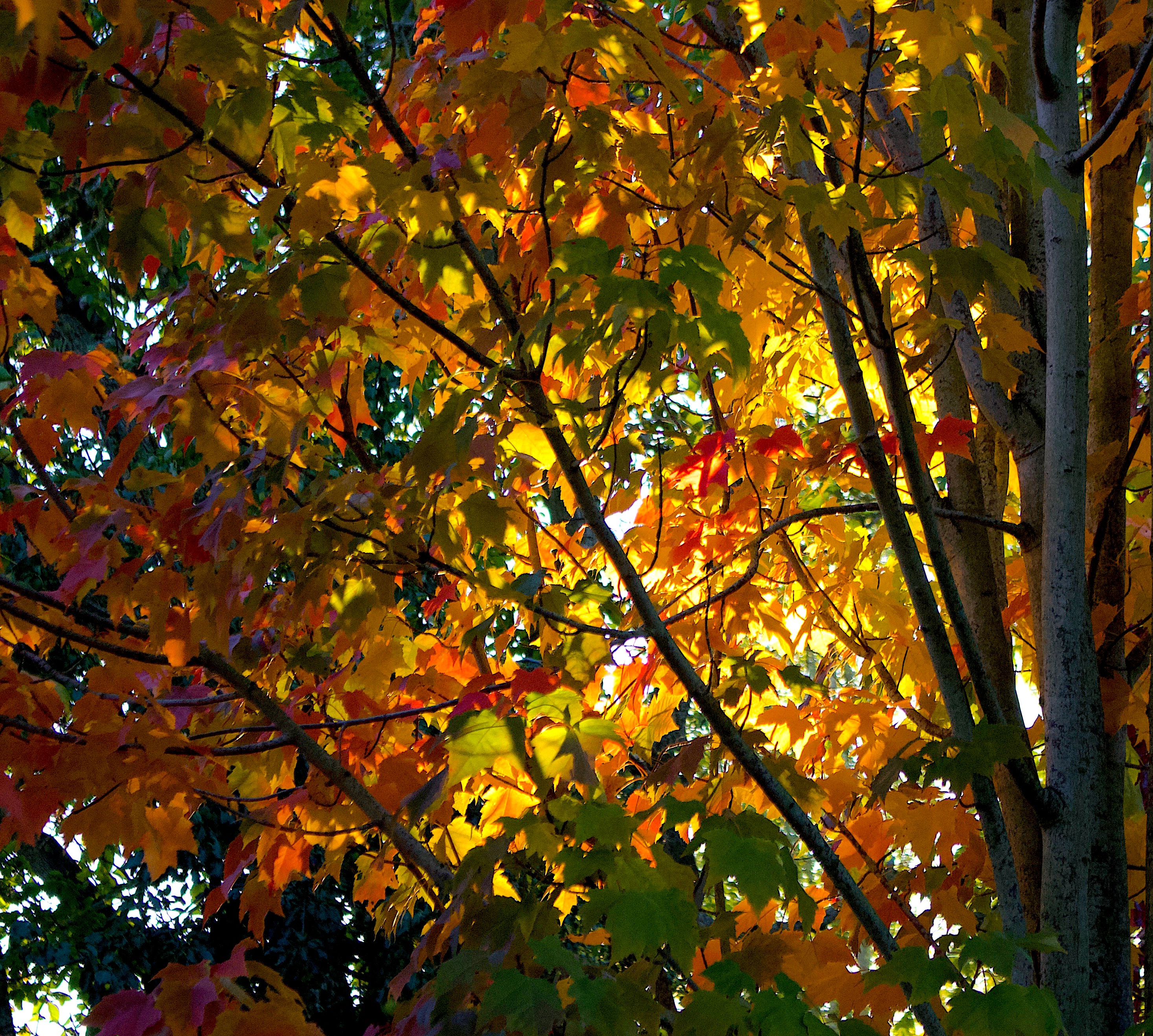
October Warmth

After the keen still days of September, 
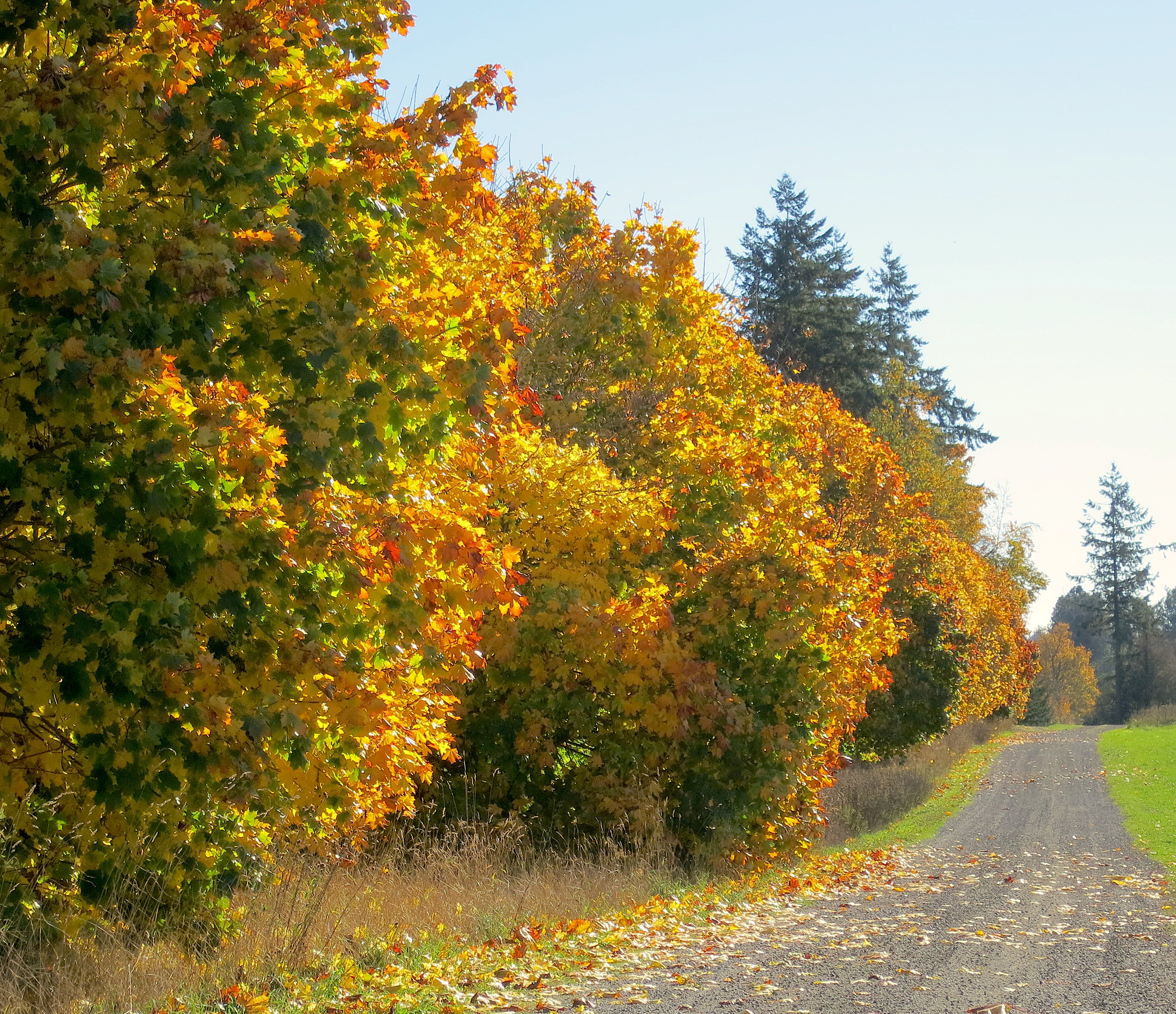
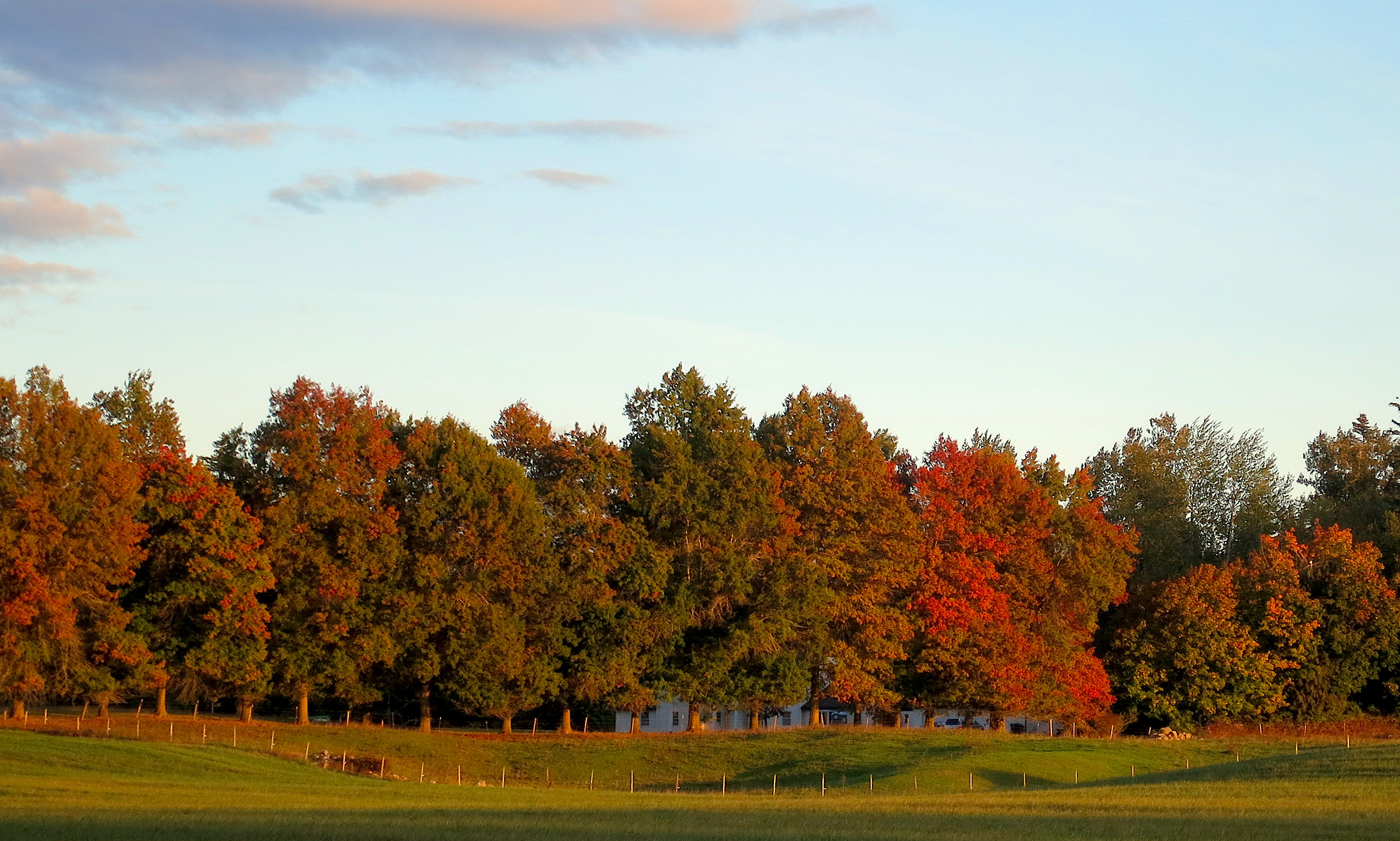
the October sun filled the world with mellow warmth…
The maple tree in front of the doorstep

burned like a gigantic red torch. 
The oaks along the roadway glowed yellow and bronze. 
The fields stretched like a carpet of jewels, 
emerald and topaz and garnet. 
Everywhere she walked the color shouted and sang around her…
In October any wonderful unexpected thing might be possible.
~Elizabeth George Speare from The Witch of Blackbird Pond

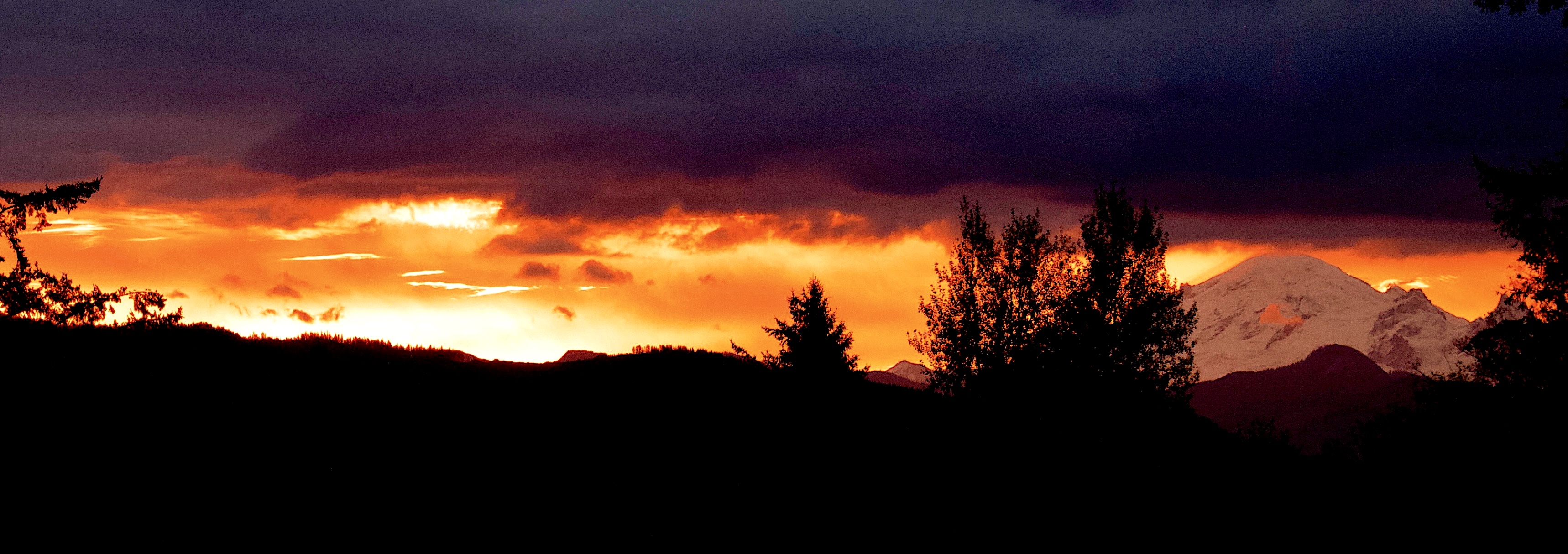
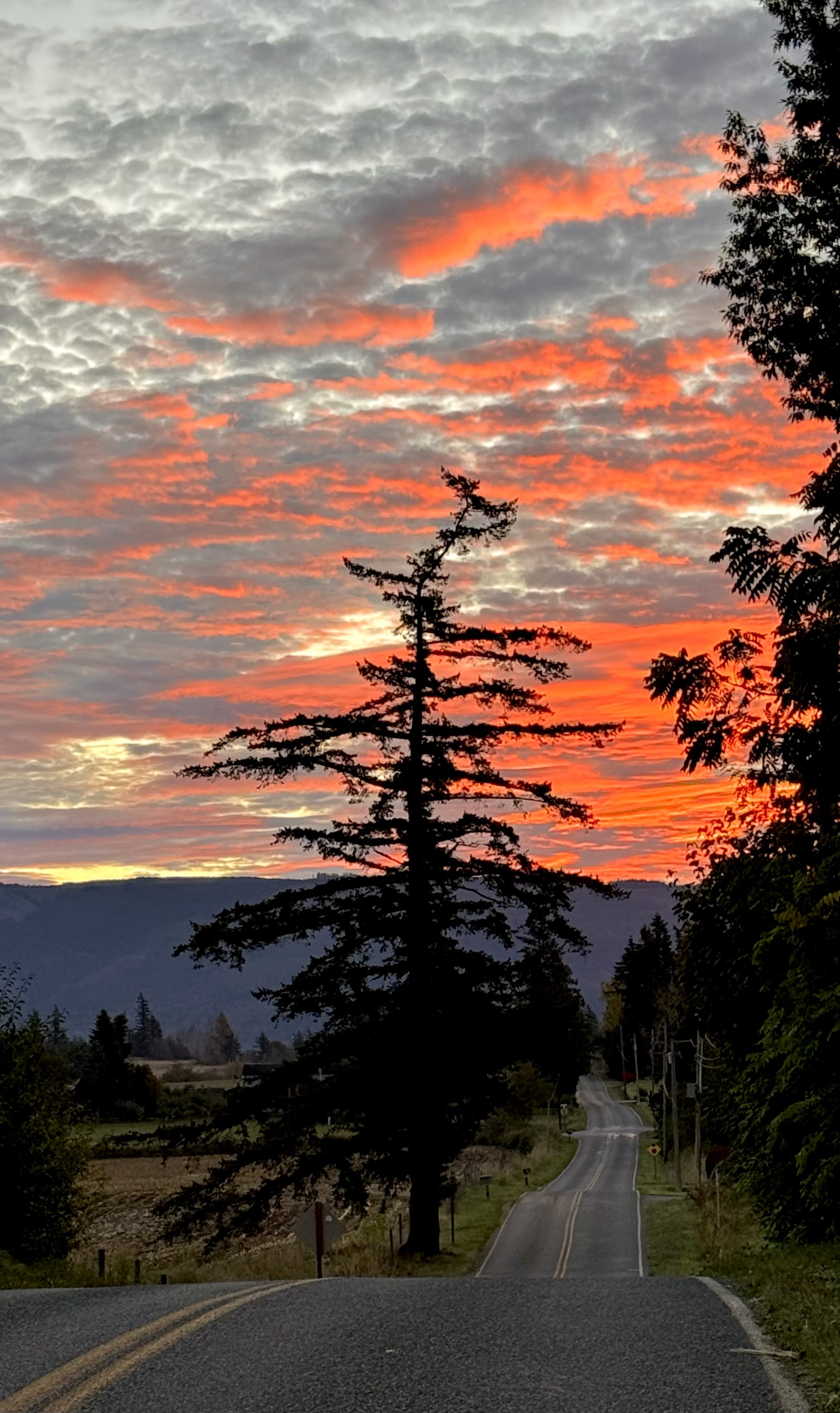
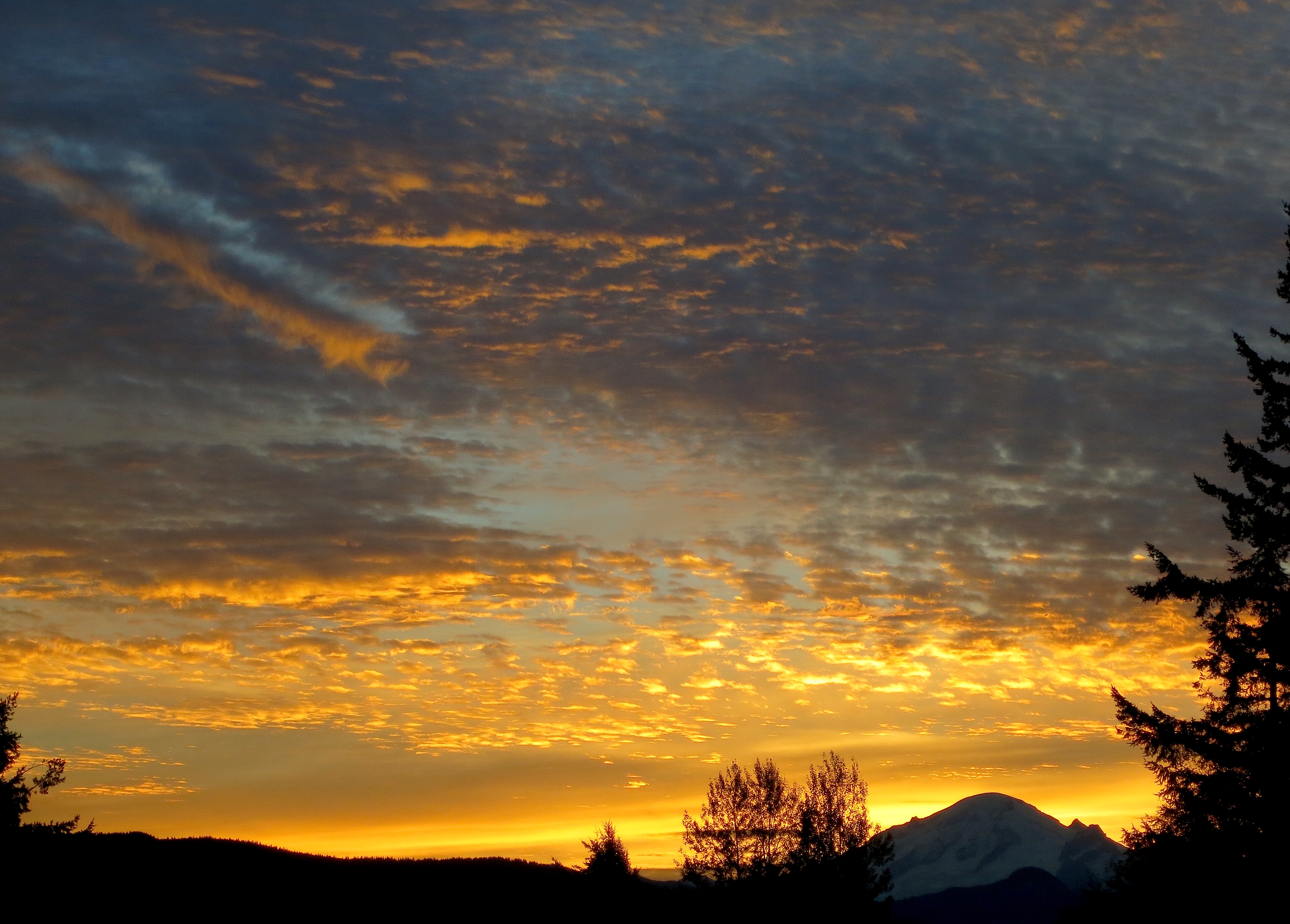
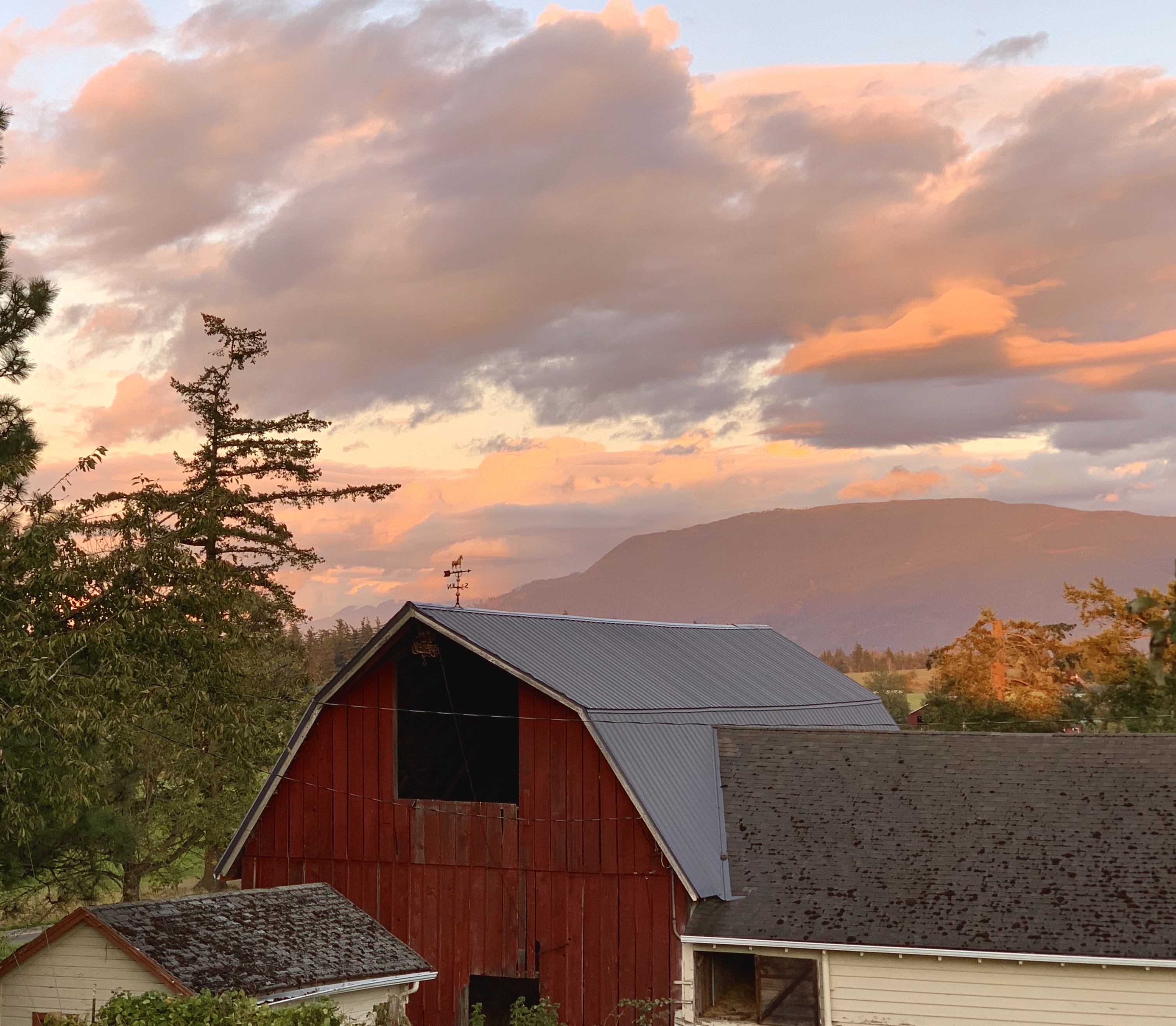
On an early October morning,
gray clouds lay heavy and unrelenting
hovering low over the eastern hills,
when a moment’s light snuck out from under the covers,
throwing back the blankets
to glow over the mountain.

Only a minute of unexpected light underneath the gray,
gone in a heartbeat
(as are we) yet
O!  the glory when we too are luminous.

One-Time
Monthly
Yearly

Make a one-time or recurring donation to support daily Barnstorming posts

Make a monthly donation

Make a yearly donation

Choose an amount

$10.00
$25.00
$50.00
$5.00
$15.00
$100.00
$5.00
$15.00
$100.00

Or enter a custom amount

$

Your contribution is deeply appreciated.

Your contribution is appreciated.

Your contribution is appreciated.

DonateDonate monthlyDonate yearly
Let the Years Be Kind

Just down the road… around the bend,
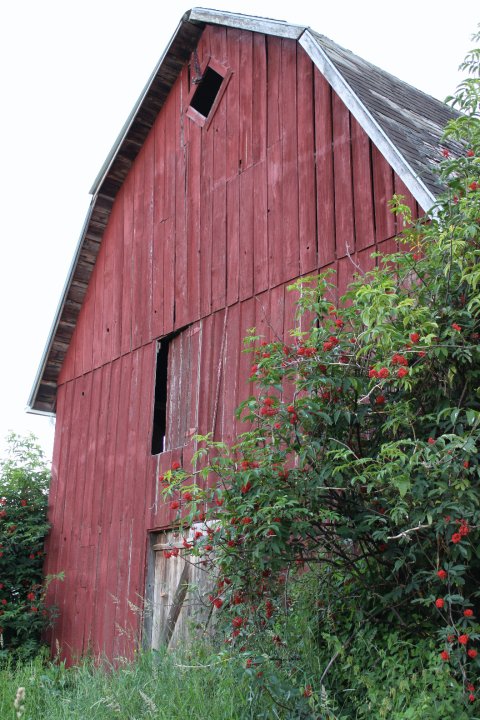
Stands an old empty barn; nearing the end.
It has sheltered no animals for many years;
No dairy cows, no horses, no sheep, no steers.
The neigh of a horse; the low of a cow;
Those sounds have been absent for some time now.
There was a time when the loft was full of hay,
And the resounding echoes of children at play.
At one time the paint was a bold shade of red;
Gradually faded by weather and the sun overhead.
The doors swing in the wind… the hinges are loose,
Windows and siding have taken a lot of abuse.
The fork, rope and pulleys lifted hay to the mow,
A task that always brought sweat to the brow.
But those good days are gone; forever it seems,
And that old barn now stands with sagging beams.
It is now home to pigeons, rats and mice;

The interior is tattered and doesn’t look very nice.
Old, abandoned barns have become a trend,
Just down the road… around the bend.

~Vance Oliphant “Old Barn”

We will call this place our home
The dirt in which our roots may grow
Though the storms will push and pull
We will call this place our home

We’ll tell our stories on these walls
Every year, measure how tall
And just like a work of art
We’ll tell our stories on these walls

Let the years we’re here be kind, be kind
Let our hearts, like doors, open wide, open wide
Settle our bones like wood over time, over time
Give us bread, give us salt, give us wine

A little broken, a little new
We are the impact and the glue
Capable more than we know
To call this fixer upper home

With each year, our color fades
Slowly, our paint chips away
But we will find the strength
And the nerve it takes
To repaint and repaint and repaint every day

Let the years we’re here be kind, be kind
Let our hearts, like doors, open wide, open wide
Settle our bones like wood over time, over time

Give us bread, give us salt, give us wine
Let the years we’re here be kind, be kind
Let our hearts, like doors, open wide, open wide
Settle our bones like wood over time, over time

Give us bread, give us salt, give us wine

Smaller than dust on this map
Lies the greatest thing we have
The dirt in which our roots may grow
And the right to call it home

~Ryan O’Neal “North” (listen to the choral versions below)

Each of us needs a home.
Every creature needs a place to put down roots and rest their head.

Yet, due to ravages of time,
a poverty of spirit and strength,
discouragement and discord,
natural disasters and drought,
or the devastation of politics and war —
too many find themselves chipped away until nothing is left.

It is time for restoration. It is time for renewal.

It is time for kindness:
the broken repaired,
the lonely made welcome,
the hungry fed.

Somehow, someway, we rebuild, repaint and restore
so all put down roots and thrive
and are welcomed home.

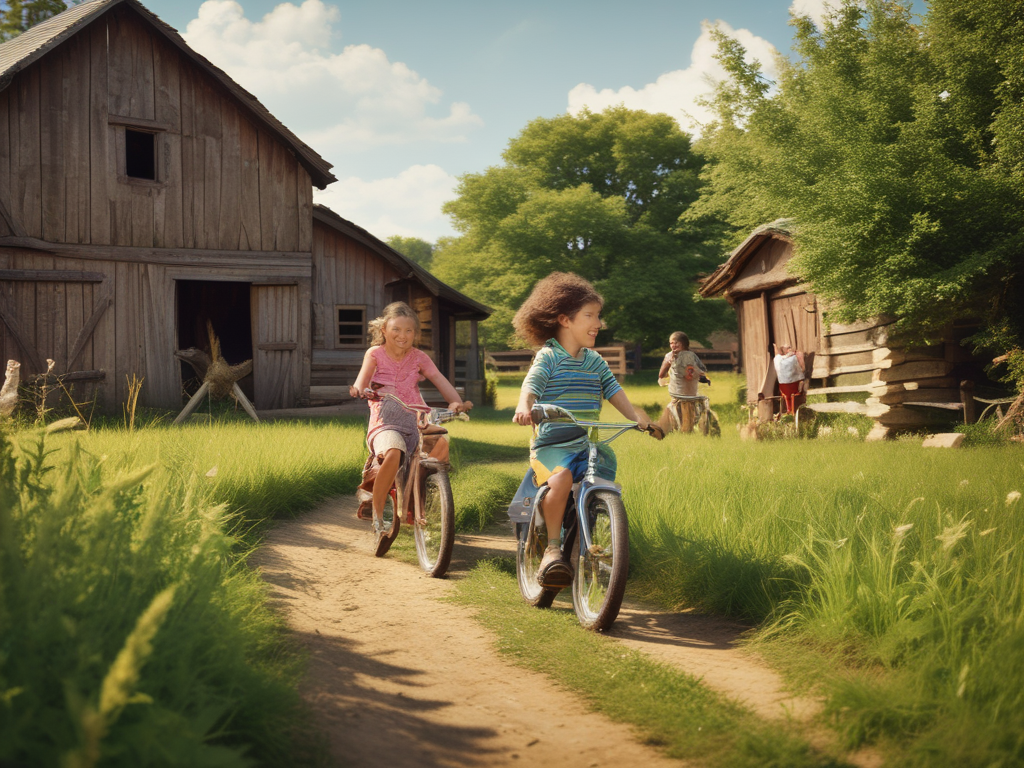
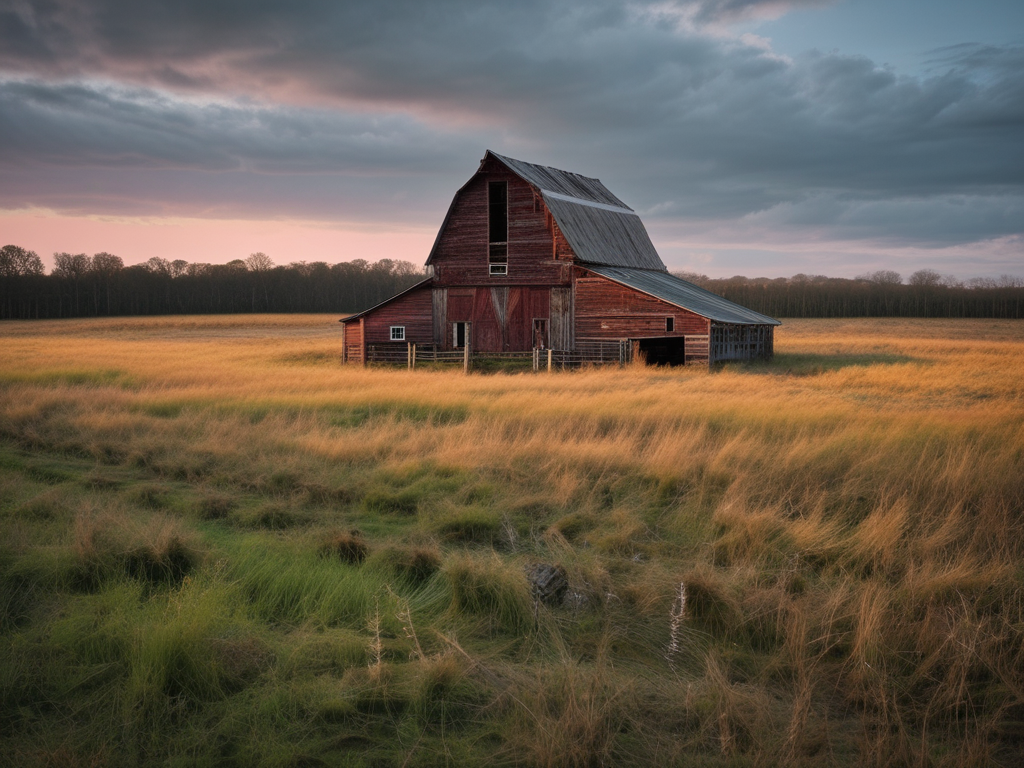
AI image created for this post
One-Time
Monthly
Yearly

Make a one-time or recurring donation to support daily Barnstorming posts

Make a monthly donation

Make a yearly donation

Choose an amount

$10.00
$25.00
$50.00
$5.00
$15.00
$100.00
$5.00
$15.00
$100.00

Or enter a custom amount

$

Your contribution is deeply appreciated.

Your contribution is appreciated.

Your contribution is appreciated.

DonateDonate monthlyDonate yearly
What I Learned

The older children pedal past
Stable as little gyros, spinning hard
To supper, bath, and bed, until at last
We also quit, silent and tired
Beside the darkening yard where trees
Now shadow up instead of down.
Their predictable lengths can only tease
Her as, head lowered, she walks her bike alone
Somewhere between her wanting to ride
And her certainty she will always fall.

Tomorrow, though I will run behind,
Arms out to catch her, she’ll tilt then balance wide
Of my reach, till distance makes her small,
Smaller, beyond the place I stop and know
That to teach her I had to follow
And when she learned I had to let her go.
~Wyatt Prunty, “Learning the Bicycle” from Unarmed and Dangerous.


—For Lea

The summer you learned to swim
was the summer I learned to be at peace with myself.
In May you were afraid to put your face in the water
but by August, I was standing in the pool once more
when you dove in, then retreated to the wall saying
You forgot to say Sugar! So I said Come on Sugar, you can do it
and you pushed off and swam to me and held on
laughing, your hair stuck to your cheeks—
you hiccupped with joy and swam off again.
And I dove in too, trying new things.
I tried not giving advice. I tried waking early to pray. I tried
not rising in anger. Watching you I grew stronger—
your courage washed away my fear.
All day I worked hard thinking of you.
In the evening I walked the long hill home.
You were at the top, waving your small arms,
pittering down the slope to me and I lifted you high
so high to the moon. That summer all the world
was soul and water, light glancing off peaks.
You learned the turtle, the cannonball, the froggy, and the flutter
and I learned to stand and wait for you to swim to me.

~Michael Simms “The Summer You Learned to Swim” from American Ash

Learning to swim, balancing on a bike, riding a horse – these are skills that require an adult to let go of a child.

Terrifying for everyone. But eventually necessary.

This summer, our two grandkids are taking their first swimming lessons and I’m learning as they learn.

There are some things I can’t do for them. With good teaching and guidance and encouragement, they learn to do it themselves and be stronger for it, even when there are bruises and sputters and tears.

Lord, help me learn to just stand and watch and follow their journey to independence.

AI image created for this post
One-Time
Monthly
Yearly

Make a one-time or recurring donation to support daily Barnstorming posts

Make a monthly donation

Make a yearly donation

Choose an amount

$10.00
$25.00
$50.00
$5.00
$15.00
$100.00
$5.00
$15.00
$100.00

Or enter a custom amount

$

Your contribution is deeply appreciated.

Your contribution is appreciated.

Your contribution is appreciated.

DonateDonate monthlyDonate yearly

An Old Barn Revived

Just down the road… around the bend,
Stands an old empty barn; nearing the end.
It has sheltered no animals for many years;
No dairy cows, no horses, no sheep, no steers.
The neigh of a horse; the low of a cow;
Those sounds have been absent for some time now.
There was a time when the loft was full of hay,
And the resounding echoes of children at play.
At one time the paint was a bold shade of red;
Gradually faded by weather and the sun overhead.
The doors swing in the wind… the hinges are loose,
Windows and siding have taken a lot of abuse.
The fork, rope and pulleys lifted hay to the mow,
A task that always brought sweat to the brow.
But those good days are gone; forever it seems,
And that old barn now stands with sagging beams.
It is now home to pigeons, rats and mice;

The interior is tattered and doesn’t look very nice.
Old, abandoned barns have become a trend,
Just down the road… around the bend.

~Vance Oliphant “Old Barn”

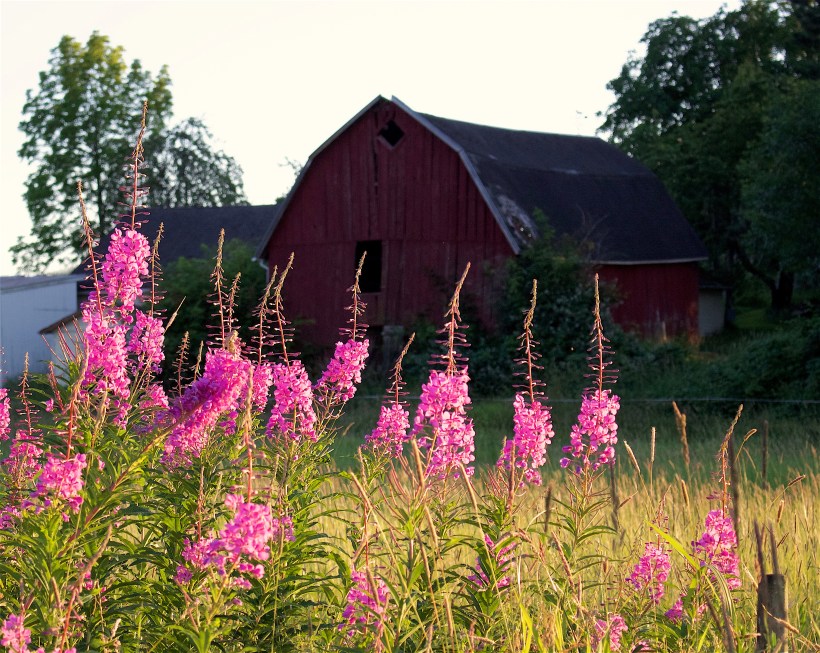
photo by Nate Gibson

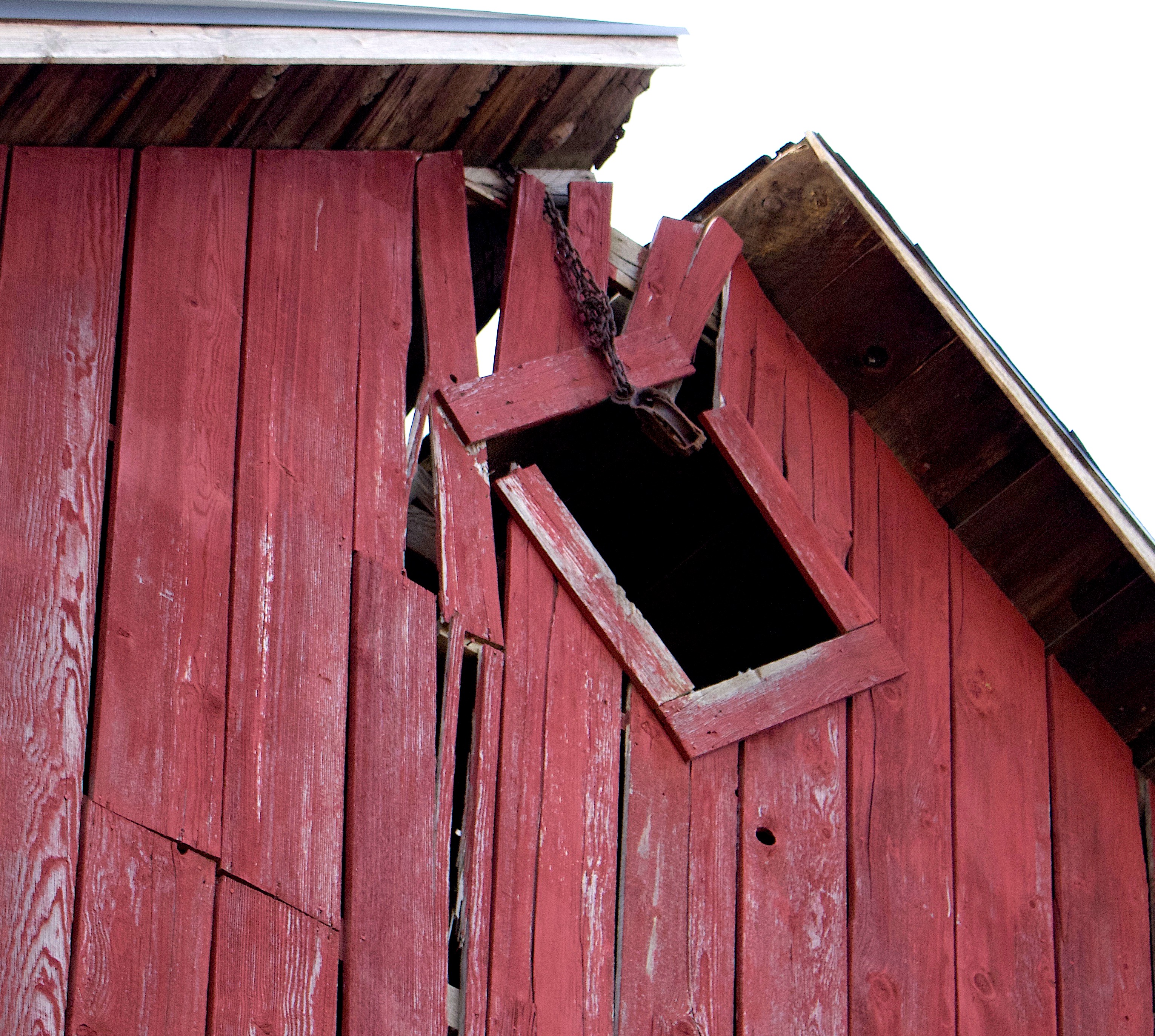
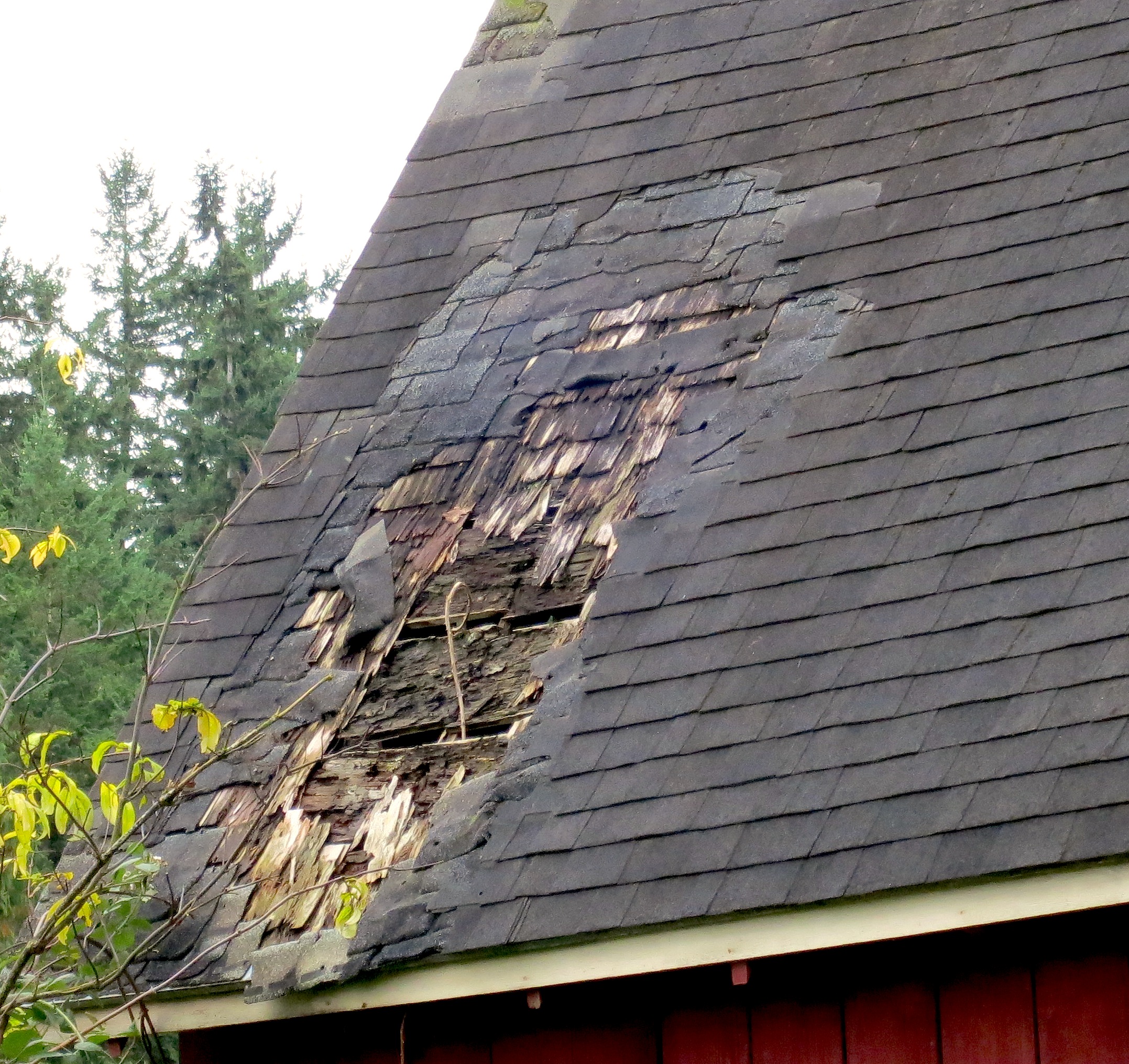
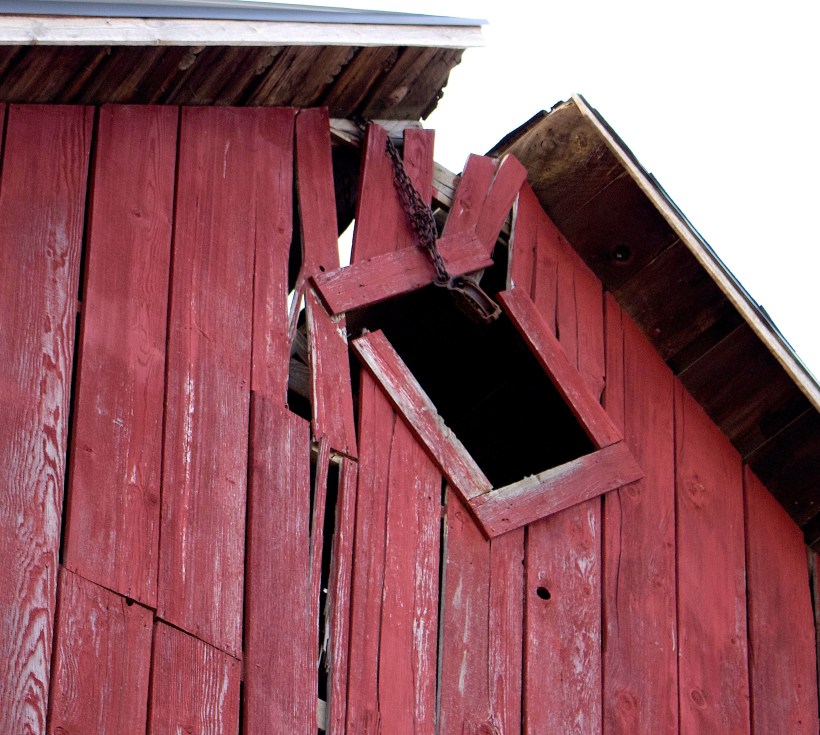
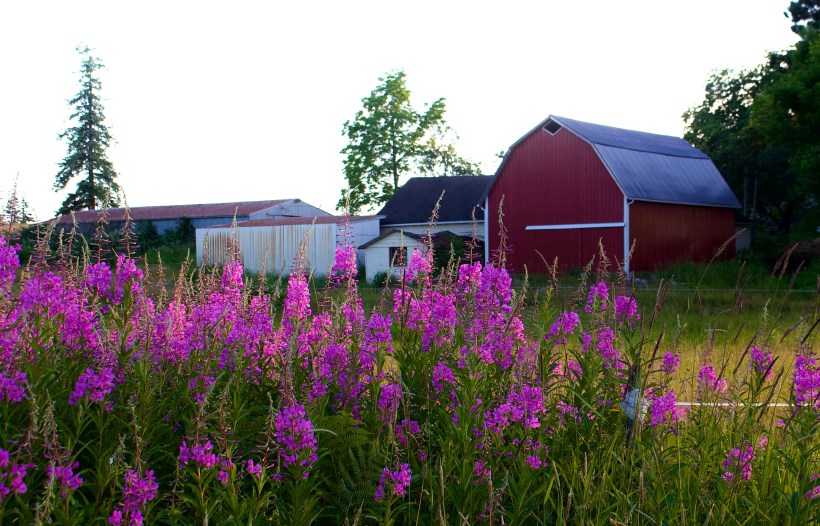
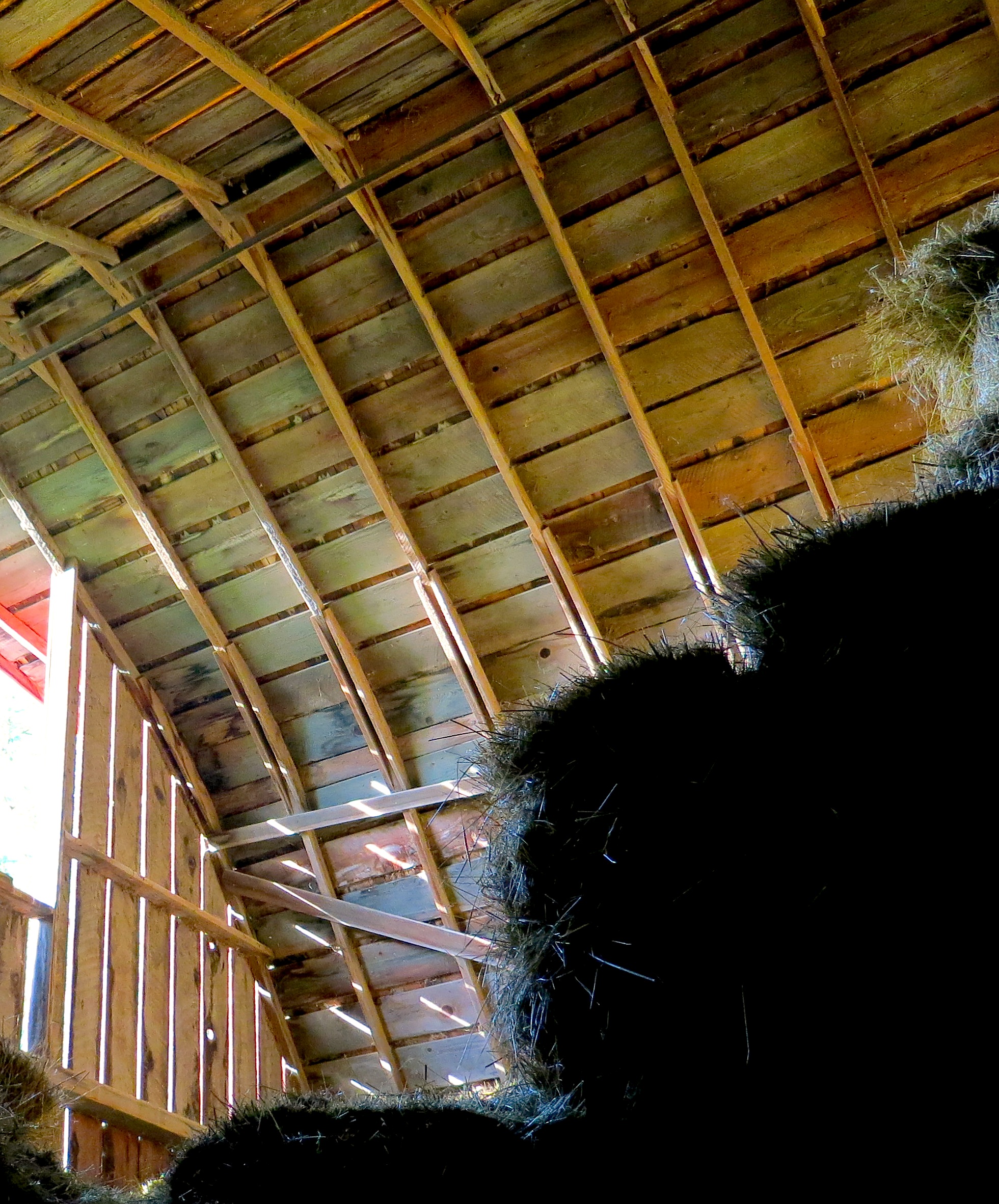
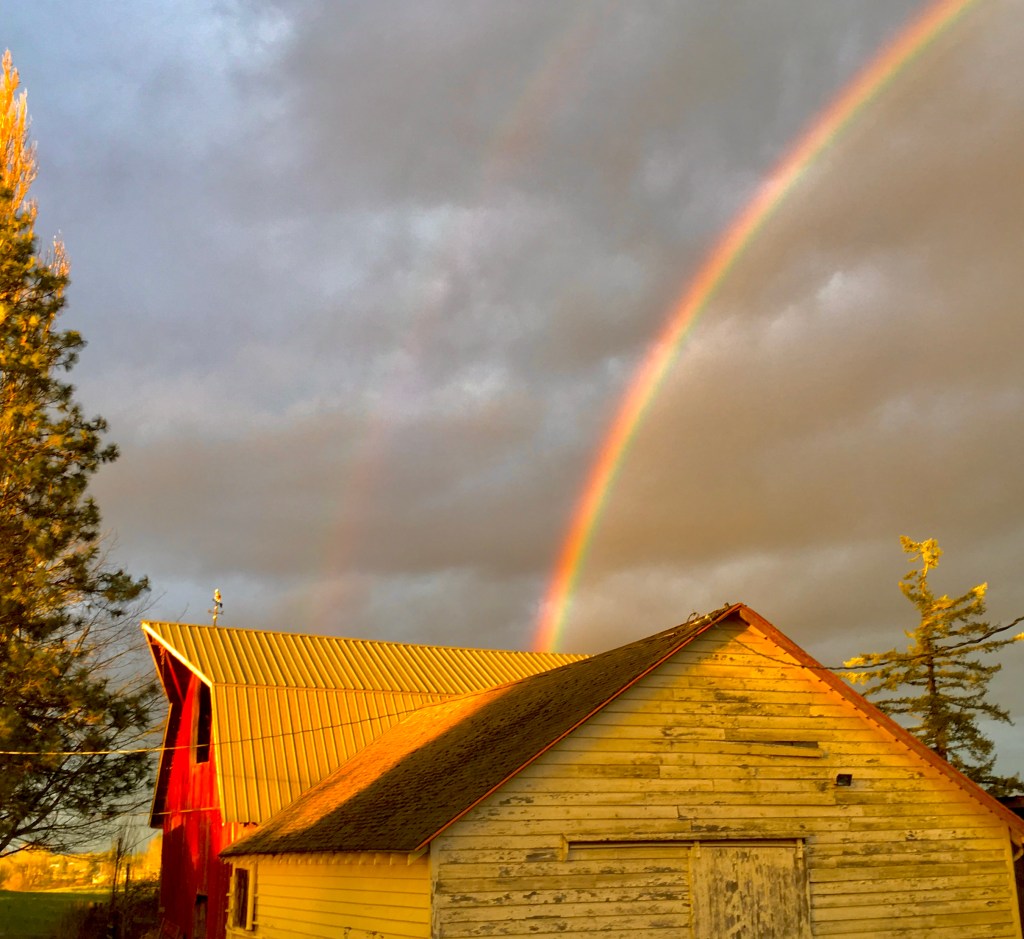
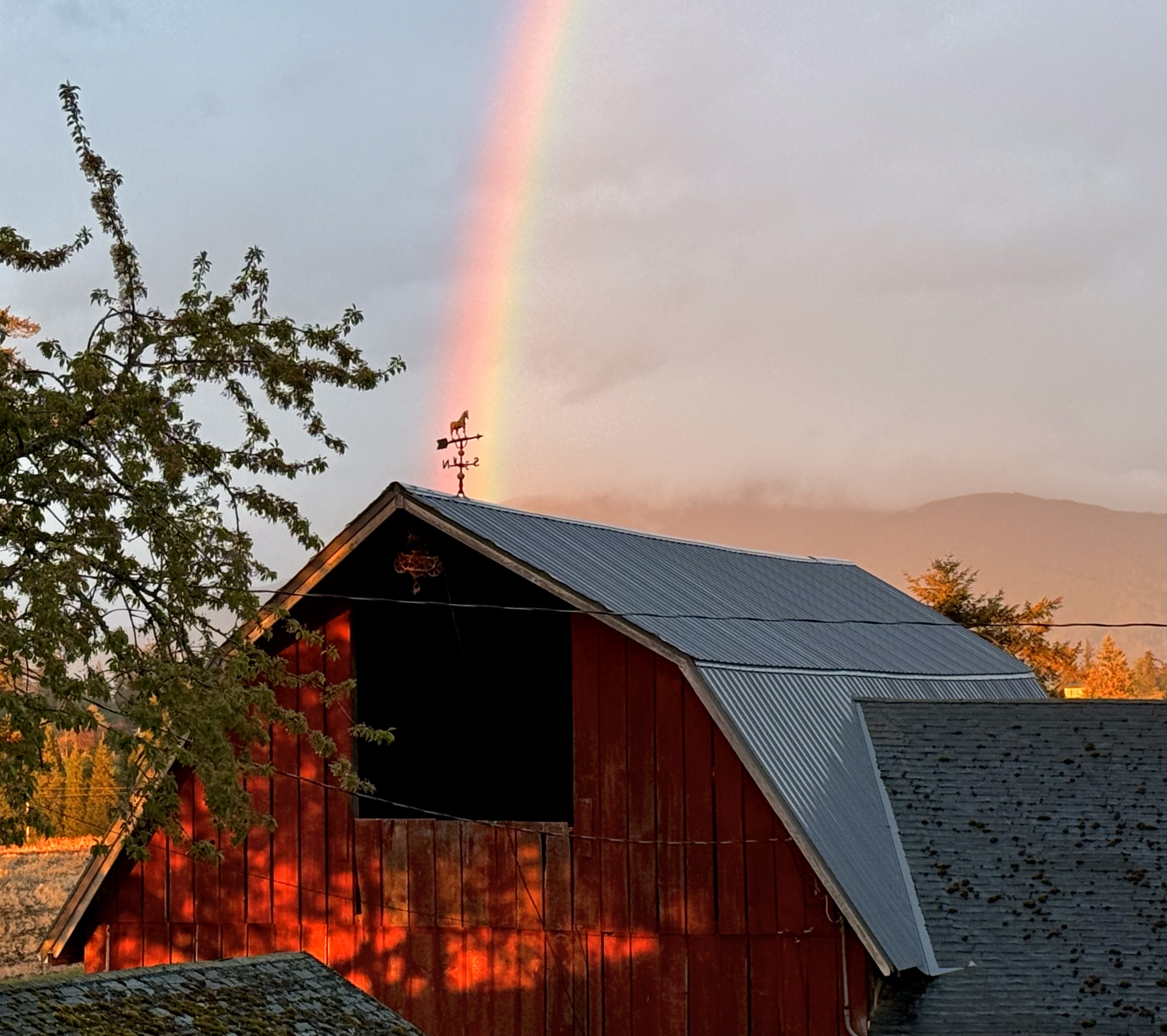
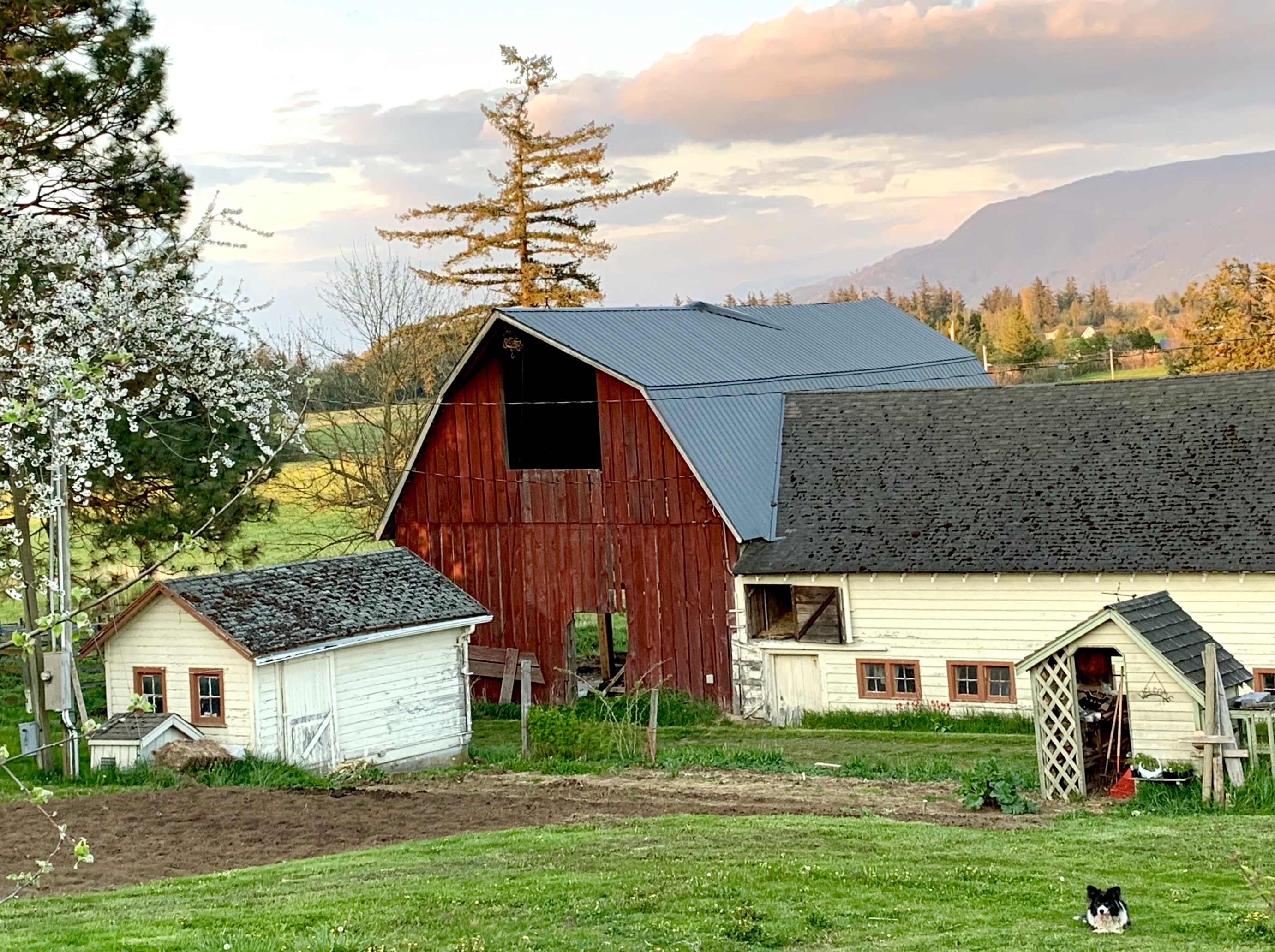
There is something very lonely about a barn completely empty of its hay stores. Our old red hay barn had stood empty for several years; because of roof leaks and gaps in the walls, we and our neighbors who had used it for years to house a winter hay supply found other places to put our hay. The winter winds wore away its majesty: missing shingles tore away larger holes in the roof, the mighty beams providing foundational support started sinking and rotting in the ground, a gap opened in the sagging roof crest, and most devastating of all, two walls collapsed in a particularly harsh blow.

The old barn was in death throes after over one hundred years of history.

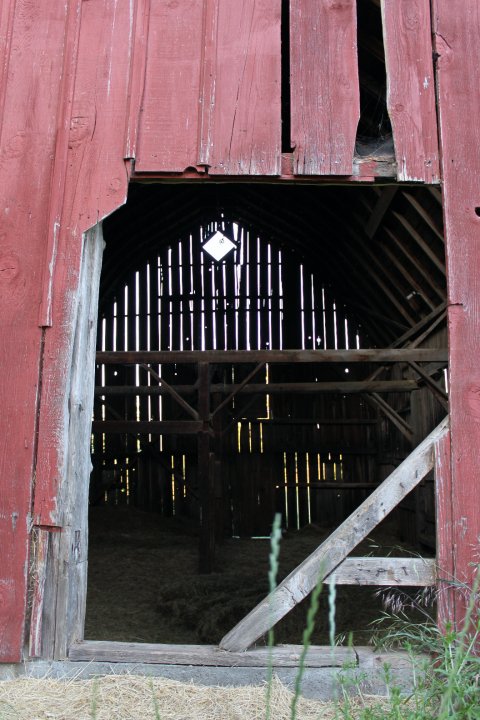
Its hollow interior echoed with a century of farmers’ voices:
soothing an upset cow during a difficult milking,
uncovering a litter of kittens high in a hay loft,
shouting orders to a steady workhorse,
singing a soft hymn while cleaning stalls,
startling out loud as a barn owl or bat flies low overhead.
Dust motes lazily drift by in the twilight,
seemingly forever suspended above the straw covered wood floor, floating protected from the cooling evening breezes

There was no heart beat left in this dying barn. It was in full arrest, all life blood drained out, vital signs flat lined. I could hardly bear to go inside much less take pictures of its deteriorating shell.

We had people show up at our front door offering to demolish it for the lumber, now all the fad for expensive modern “vintage” look in new house construction. A photo of our barn showed up in local media declaring “another grand old barn in the county has met its end.” That stung. Meanwhile we were saving our money, waiting until we could afford to bring our old red barn back to life.

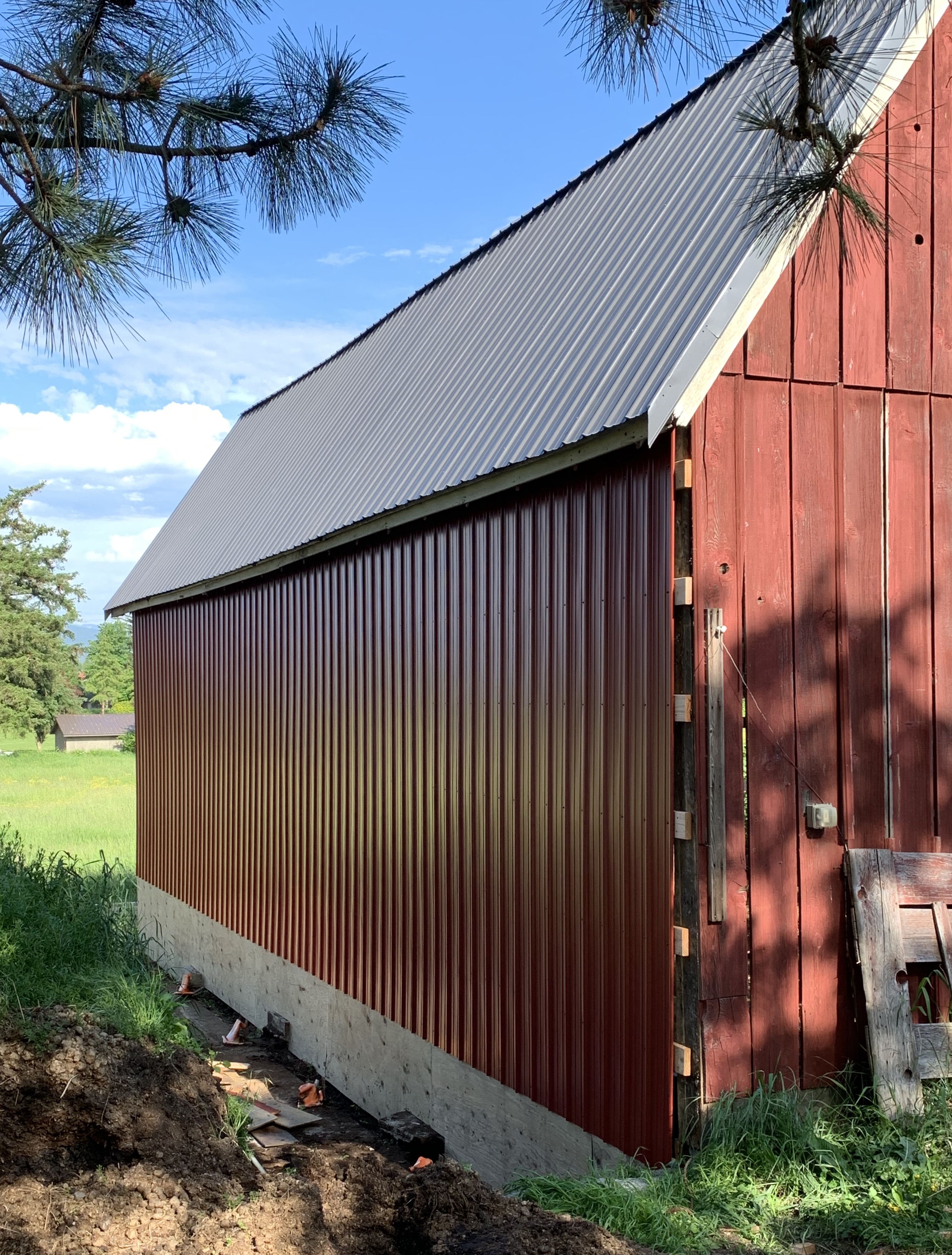
It started with one strong young man digging out the support posts to locate the rot. Then another remarkable young man was able to jack up the posts one by one, putting in reinforcing steel and concrete and straightening the gaping sagging roof line, providing the old barn with its first ever foundation.

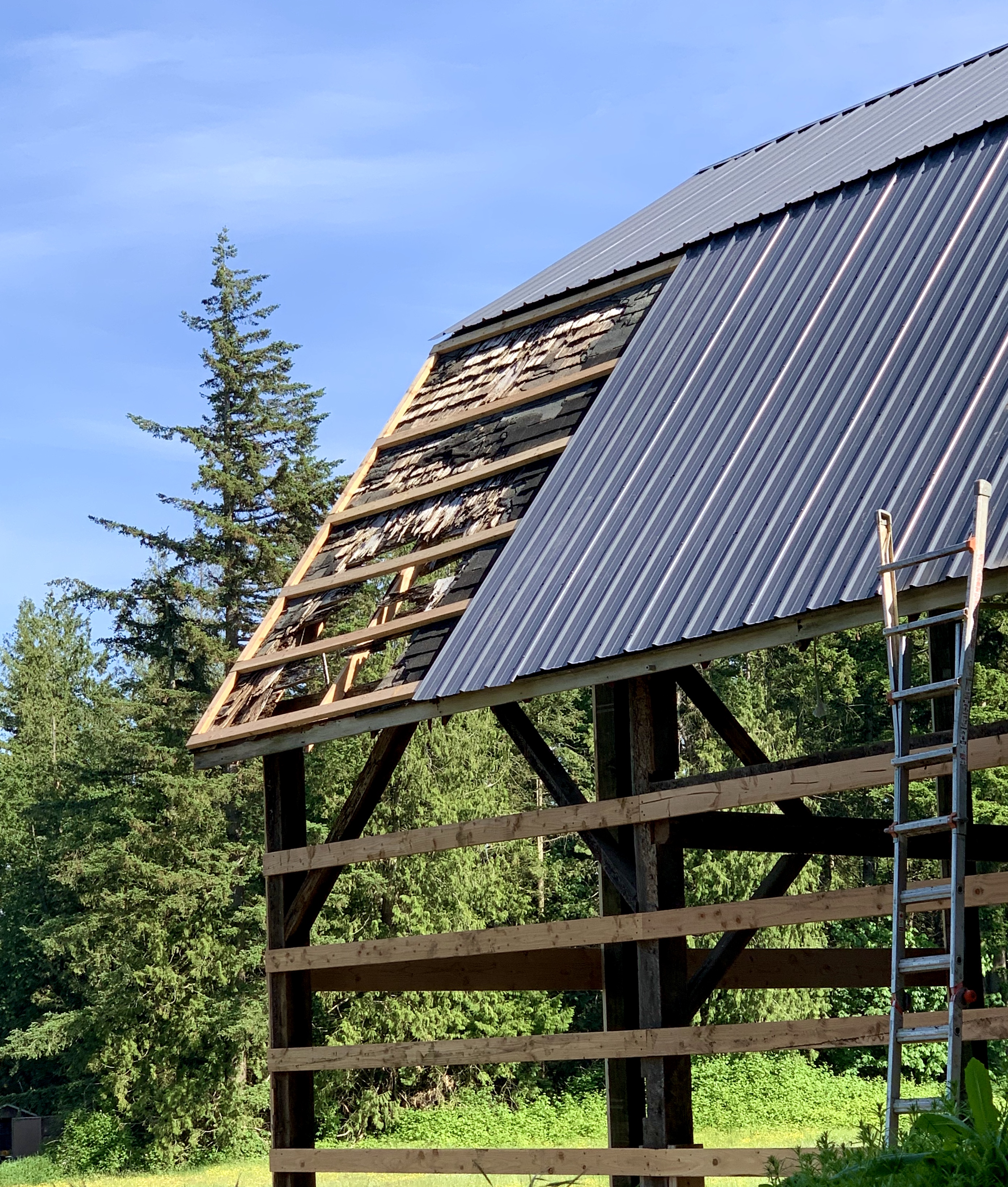
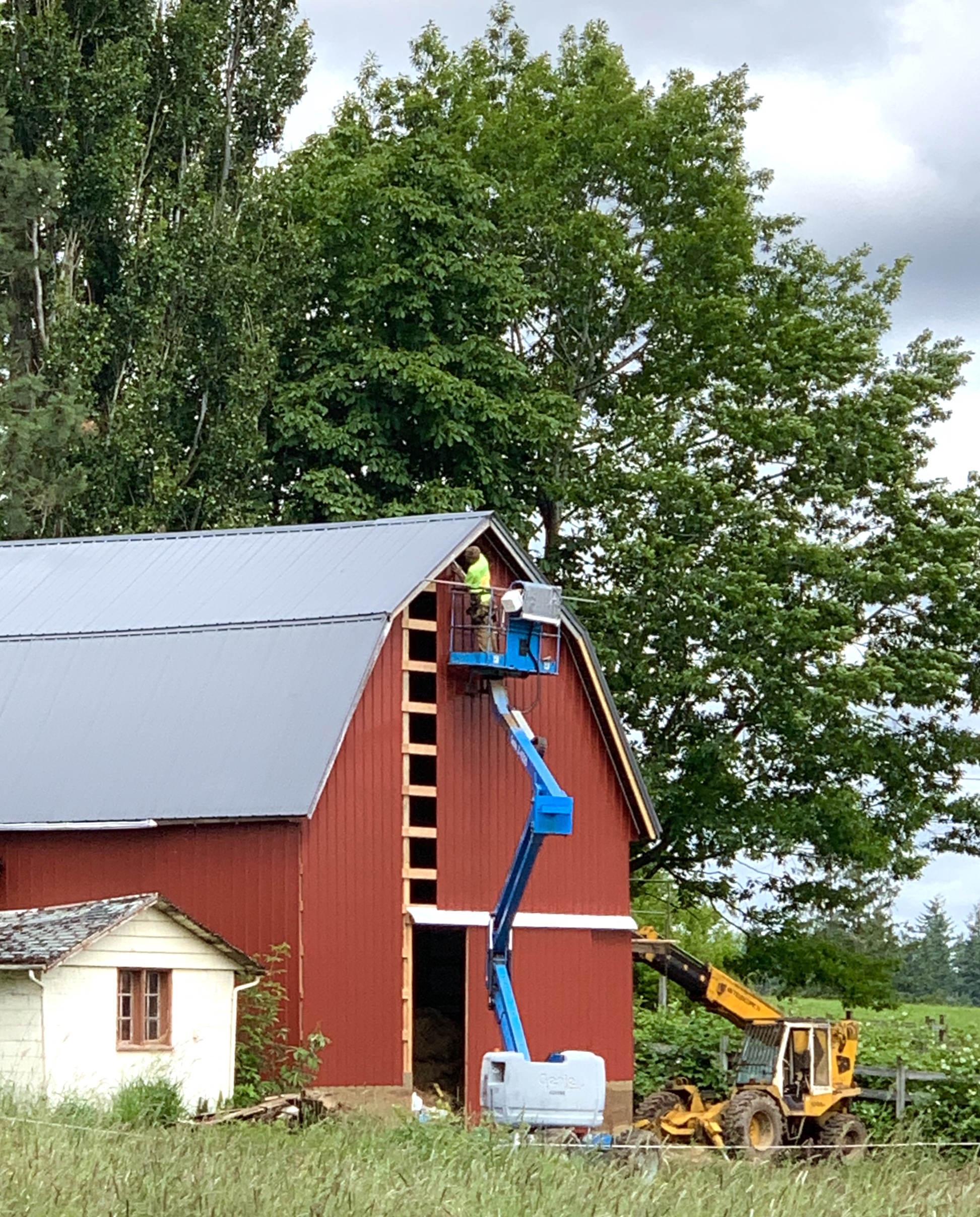
And then a crew of two men replaced the damaged roof and absent walls with metal siding. The barn became whole again.

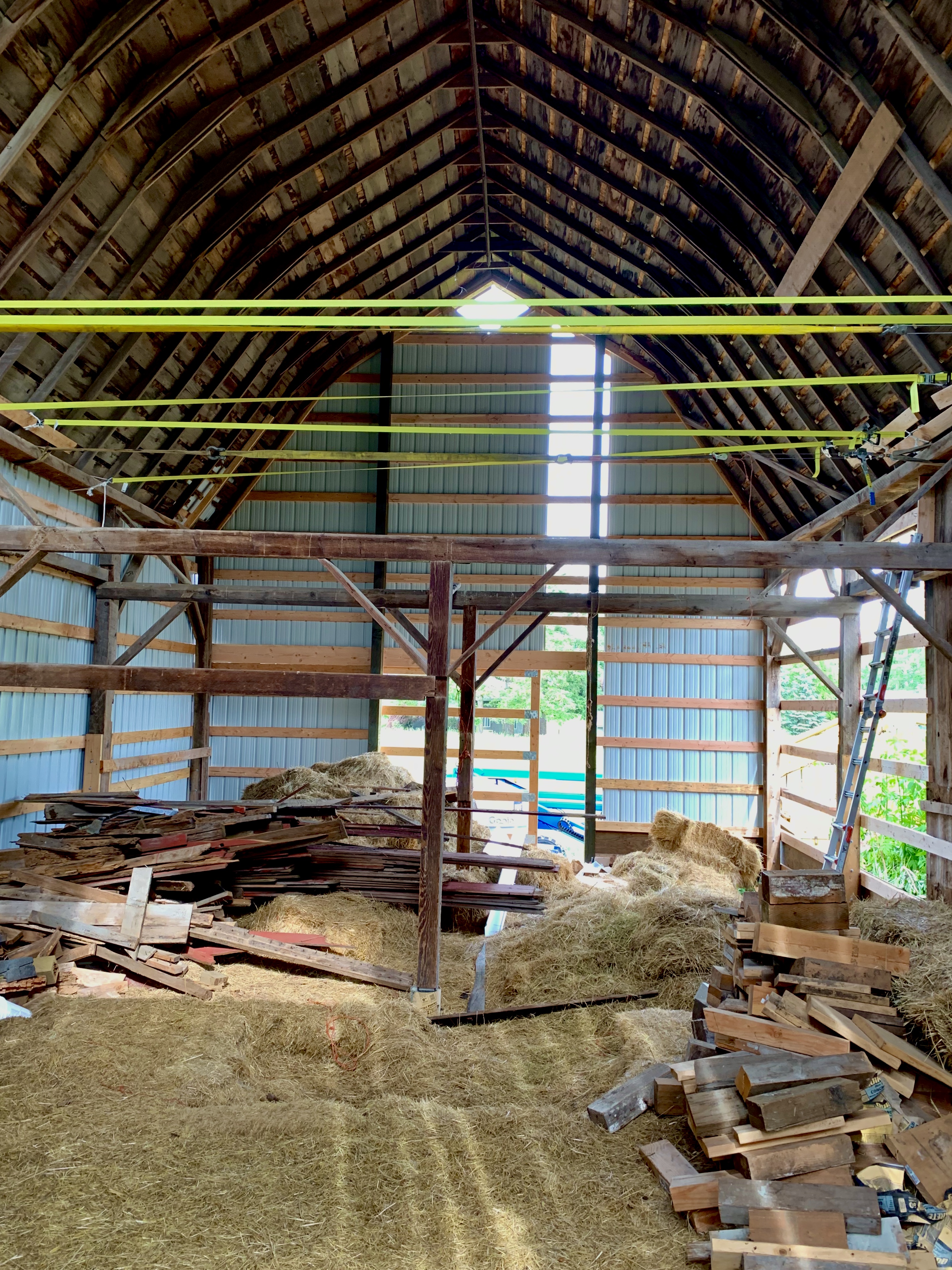
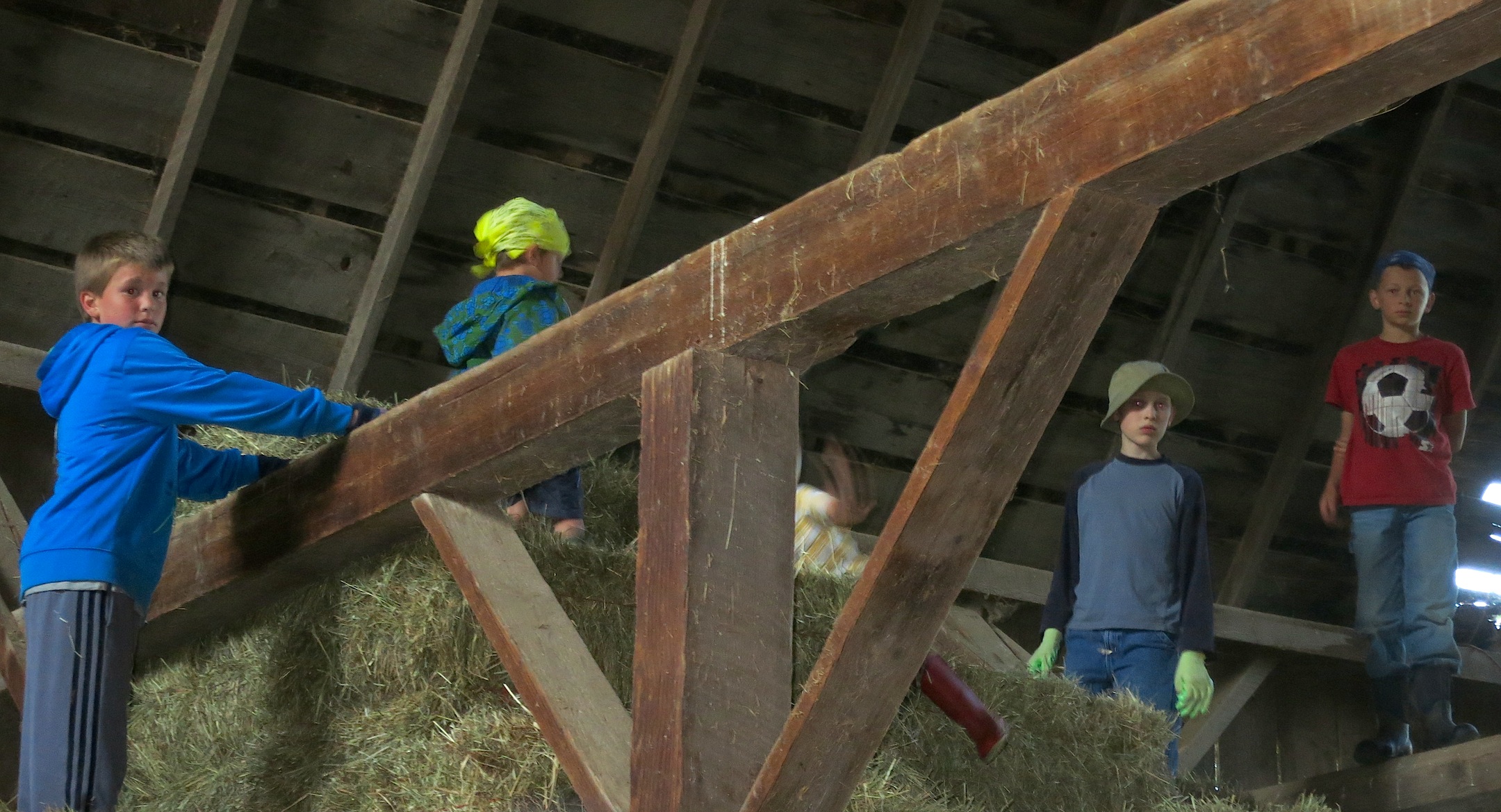
There was a lot of clean up left to do inside: decades of old hay build up and damaged lumber and untold numbers of abandoned mouse nests and scattered barn owl pellets.

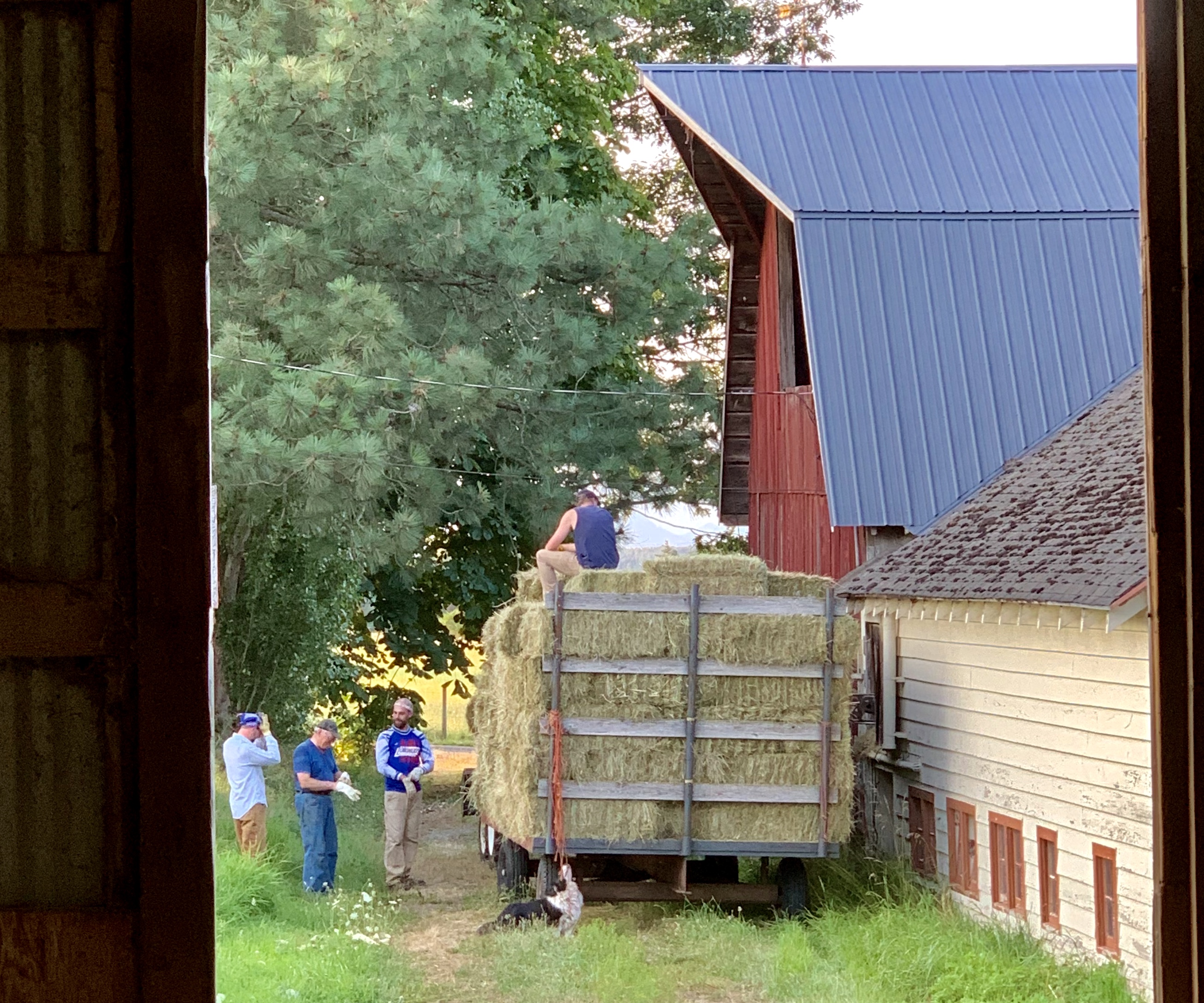
The barn had been shocked back to a pulse like in its “heyday” – the throb of voices, music blaring, dust and pollen flying chaotically, the rattle of the electric “elevator” hauling bales from wagon to loft, the grunts and groans of the crew as they heft and heave the bales into place in the stack. It will go on late into the night, the barn ablaze with lights, the barnyard buzzing with excitement and activity.

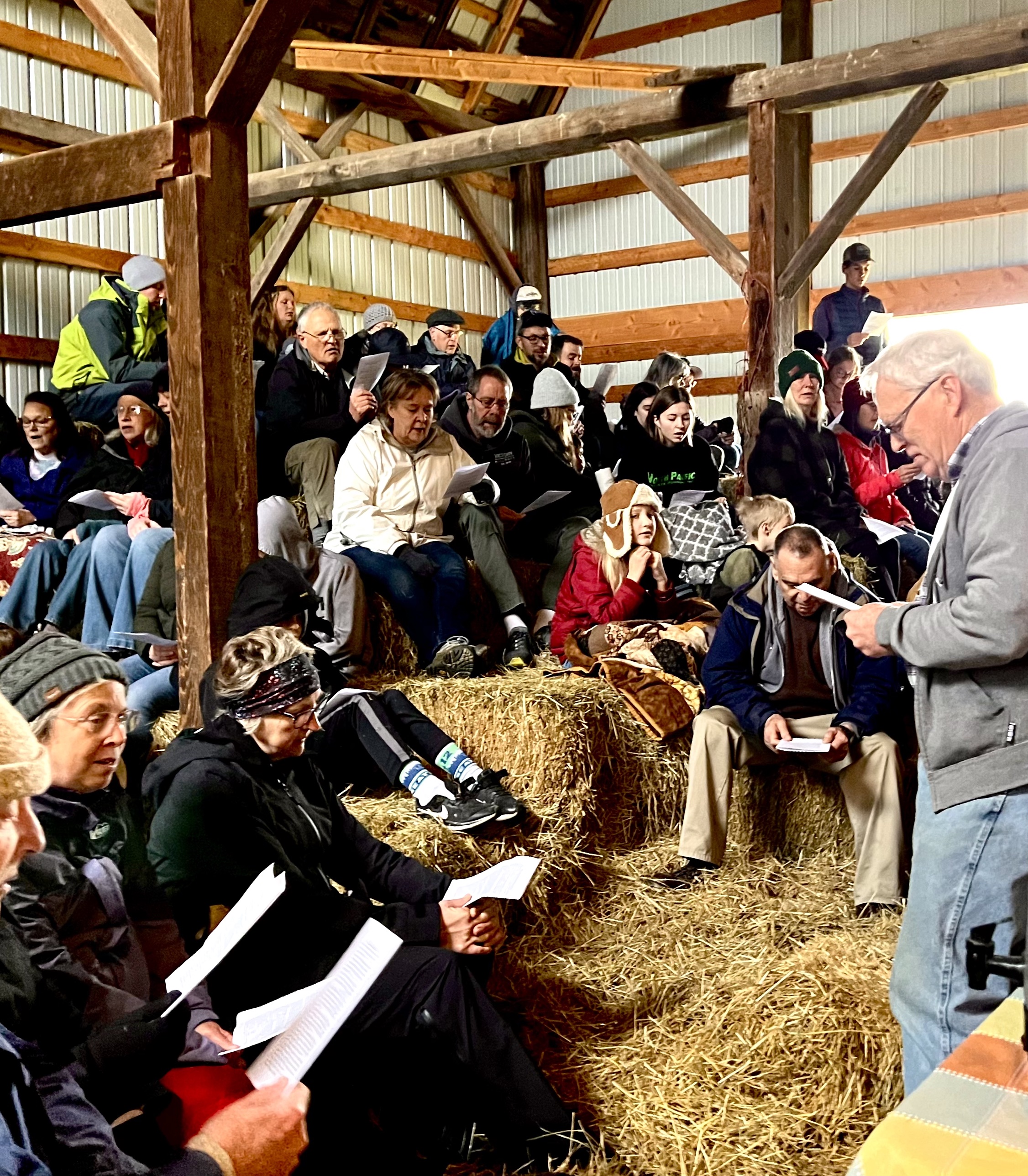
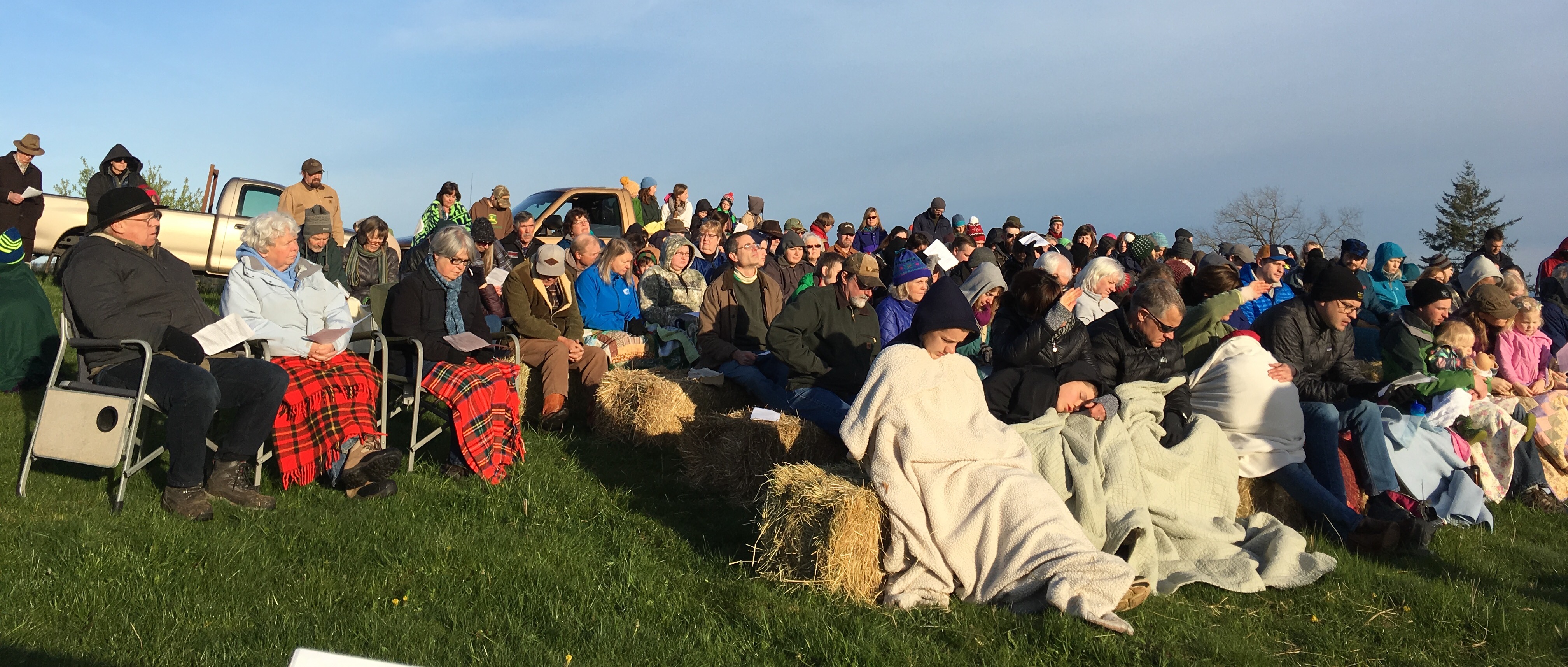
It once again has served as the back up sanctuary on Easter morning when we were rained out up on the hill for Sunrise Service.

Now vital signs are measurable, rhythm restored, volume depletion reversed, prognosis good for another 100 years.

Another old barn has been resuscitated back to life when so many are left to die. It is revived and breathing on its own again. Its floor will creak with the weight of the hay bales and walls will groan with the pressure of stacks.

I must remember there is always hope for the shattered and weary and frail among us. If an old barn can be saved, then so can we.

So can we.

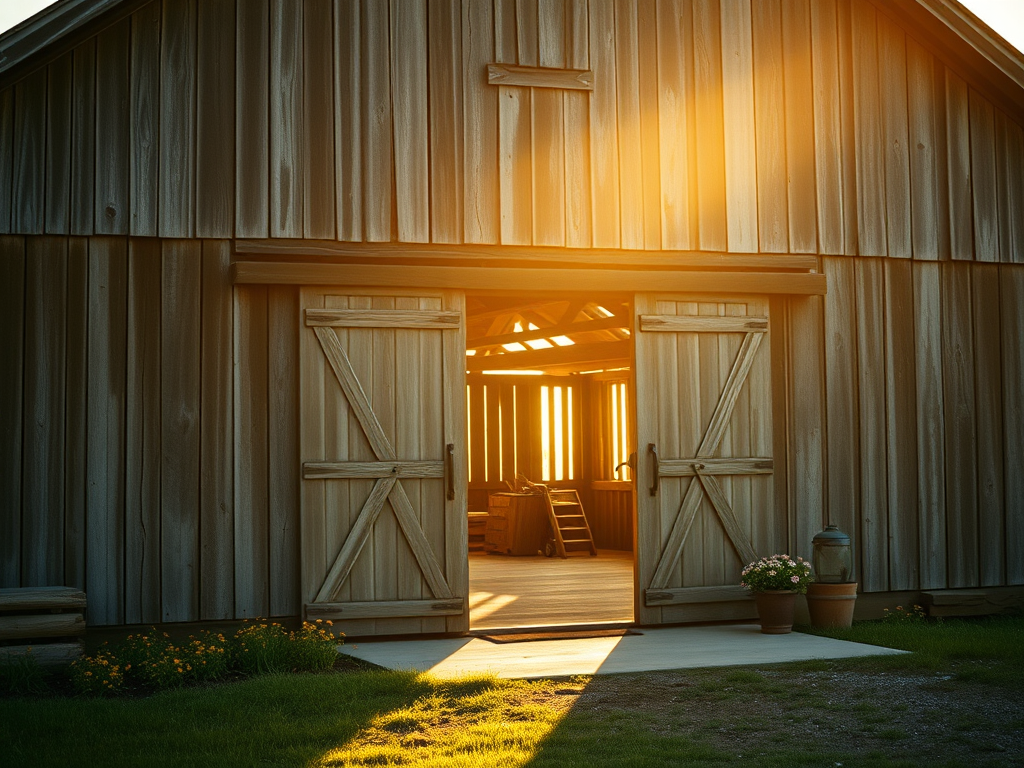
AI image created for this post
One-Time
Monthly
Yearly

Make a one-time and recurring donation to support daily Barnstorming posts

Make a monthly donation

Make a yearly donation

Choose an amount

$10.00
$25.00
$50.00
$5.00
$15.00
$100.00
$5.00
$15.00
$100.00

Or enter a custom amount

$

Your contribution is deeply appreciated.

Your contribution is appreciated.

Your contribution is appreciated.

DonateDonate monthlyDonate yearly
Where Nothing Need Be Said

A hidden path that starts at a dead end,
Old ways, renewed by walking with a friend,
And crossing places taken hand in hand,


The passages where nothing need be said,
With bruised and scented sweetness underfoot
And unexpected birdsong overhead,


The sleeping life beneath a dark-mouthed burrow,
The rooted secrets rustling in a hedgerow,
The land’s long memory in ridge and furrow,


A track once beaten and now overgrown
With complex textures, every kind of green,
Land- and cloud-scape melting into one,


The rich meandering of streams at play,
A setting out to find oneself astray,
And coming home at dusk a different way.
~Malcolm Guite “Prayer/Walk”

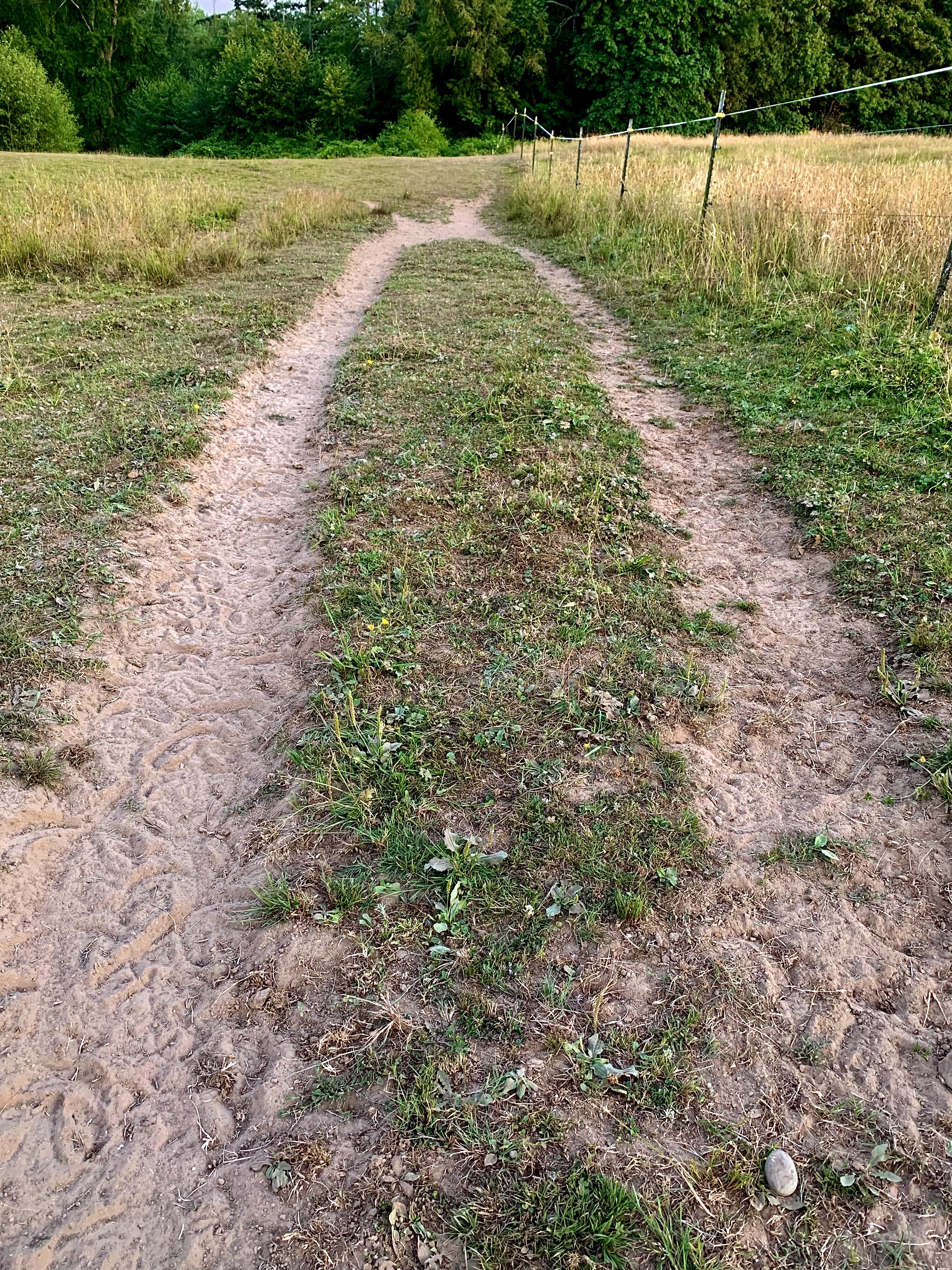
Twice each day I walk the same downhill path to the barn for chores.  In the early mornings, I’m navigating half asleep. In the evenings, I’m weary from the long day. Sometimes I’m sliding on icy snow, sometimes slipping in mud from unending rain, sometimes wading through a sea of overgrown grass.

The constant in this twice daily journey is the worn-down path itself and where it takes me– no matter what time of year, the state of the weather, or how temporarily difficult to discern. My feet have learned the way by feel as much as by sight–the twist here, the dip there, the aromatic stretch through the stand of wild mint, all while trying to avoid stepping on the swerving barn cat perpetually underfoot.

Even my dogs follow the path rather than venture beyond.

I prefer to take the demarcated path to the barn as it keeps me focused on the task ahead of me. If I happen to go astray, I will surely find weeds to pull, a bird to admire, a cluster of cherries to eat, or a sweet pea blossom to smell. 

The distraction brings me momentary delight but my work remains to be done. So I always find my way back to the path and stick to it until it takes me home.

As a teenager, I was a trailblazer, bushwhacking my way through brambles to see what might be on the other side, or to discover a new favorite place in the woods, or simply to prove I was stronger than the brush that yielded to me. In my older years, I now tend to stick to the familiar. I like knowing where my feet will land, what work my hands will touch, and where my head will rest. The adventure of the unknown, so attractive in my youth, is less appealing now. 

The visible path, even when difficult to follow due to cover of snow or abundance of overgrowth, is a reminder I have a purpose and a destination. I know where I am going and I know where I’ve been. Nothing more needs to be said. I know I’m needed in both house and barn and the familiar path I take is a bridge between them.

We tread many paths during our time on this soil–some are routine and mundane, leading to the chores in our life, and others a matter of the heart and spirit. As tempting as it is to wander, the path is there for good reason. It doesn’t have to be a super highway, or lined with gold or even paved with good intentions. It may not be straight. But it must be true, steadfastly leading us to where we are called and back again to where we belong.

Time to pull on my boots.

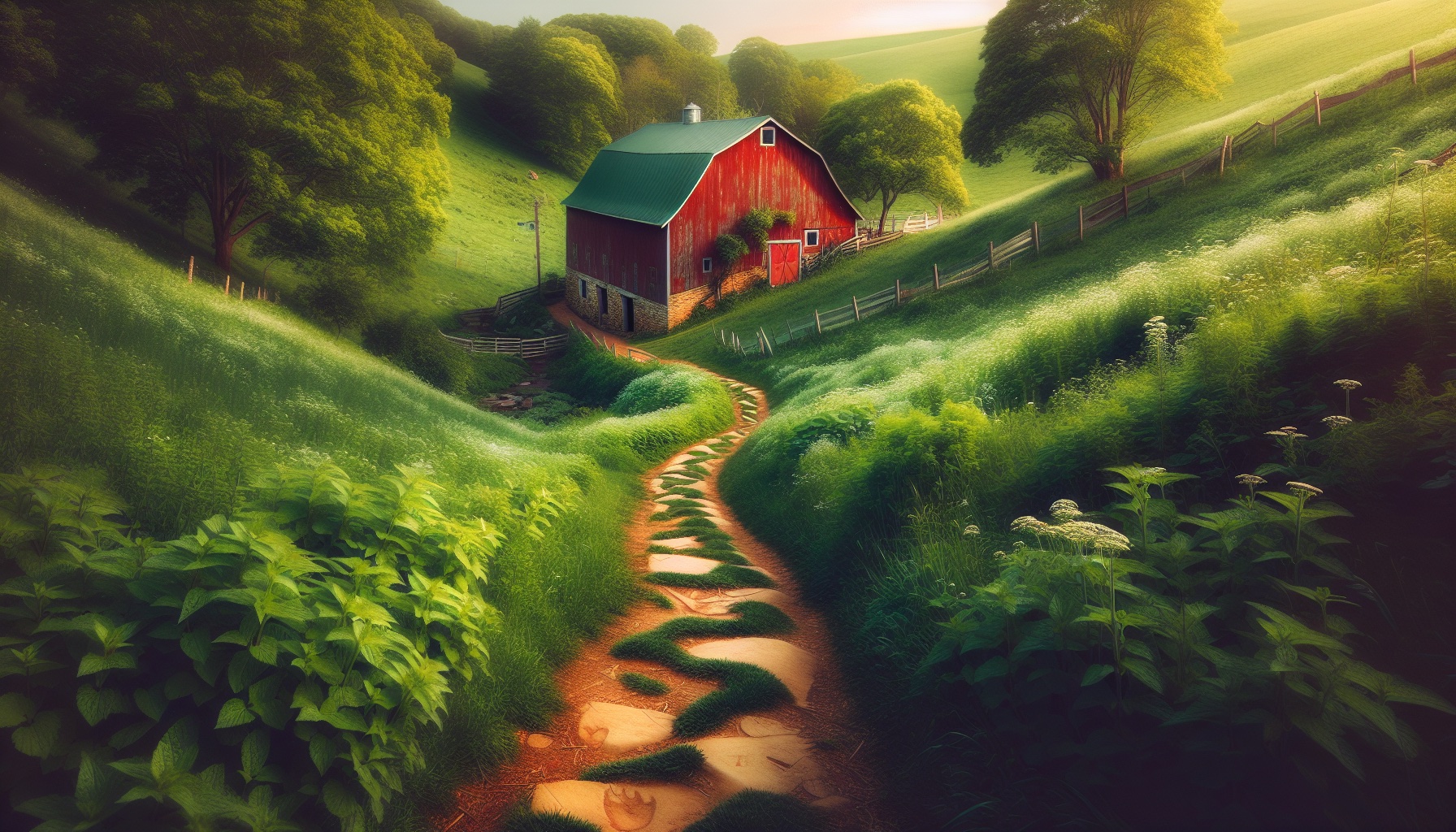
An idealized barn path AI image created for this Barnstorming post
One-Time
Monthly
Yearly

Make a one-time or recurring donation to support daily Barnstorming posts

Make a monthly donation

Make a yearly donation

Choose an amount

$10.00
$25.00
$50.00
$5.00
$15.00
$100.00
$5.00
$15.00
$100.00

Or enter a custom amount

$

Your contribution is deeply appreciated.

Your contribution is appreciated.

Your contribution is appreciated.

DonateDonate monthlyDonate yearly
Join the Happy Throng: The Lost is Found

In a daring and beautiful creative reversal, 
God takes the worse we can do to Him
and turns it into the very best He can do for us.
~Malcolm Guite from The Word in the Wilderness

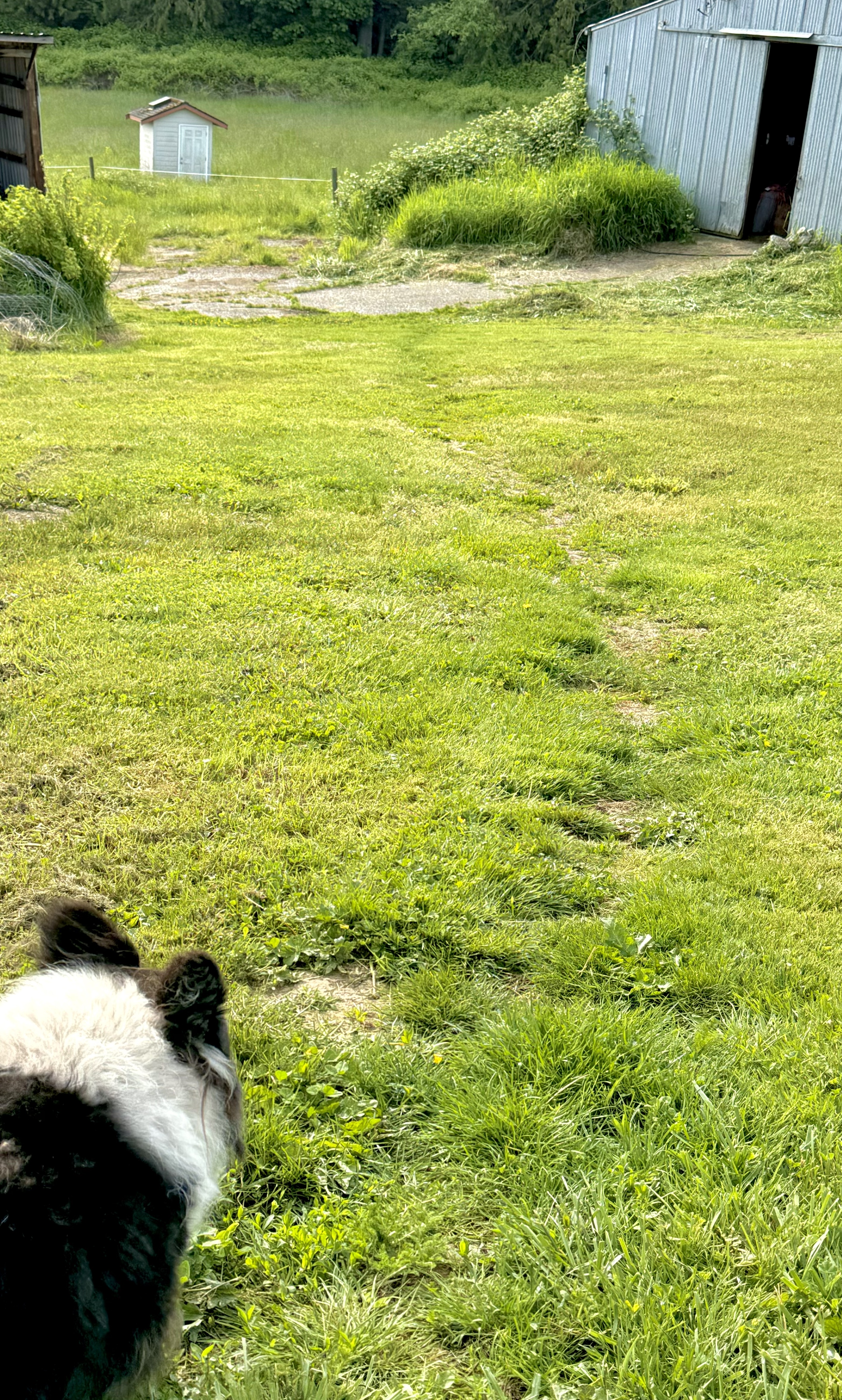
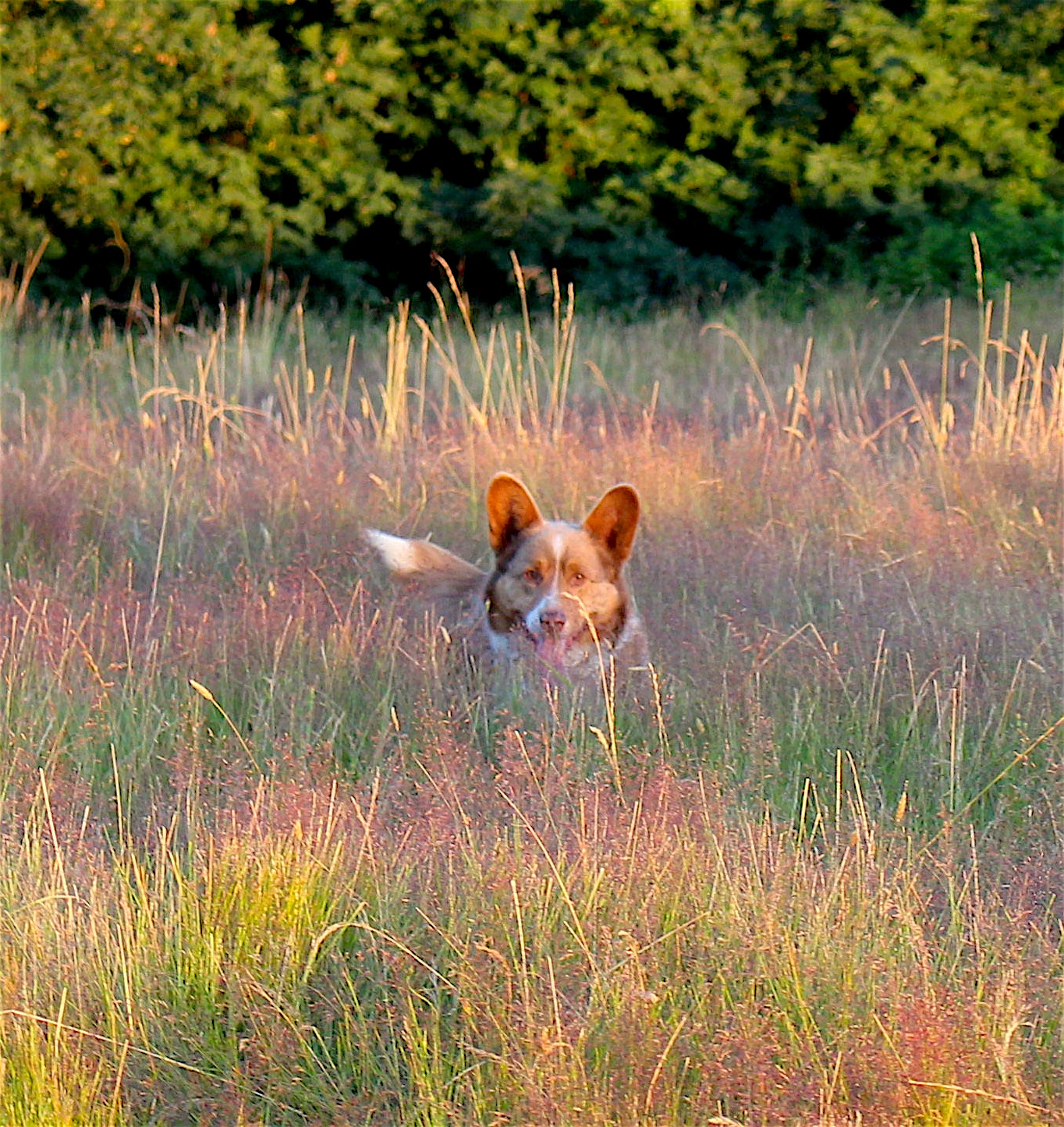
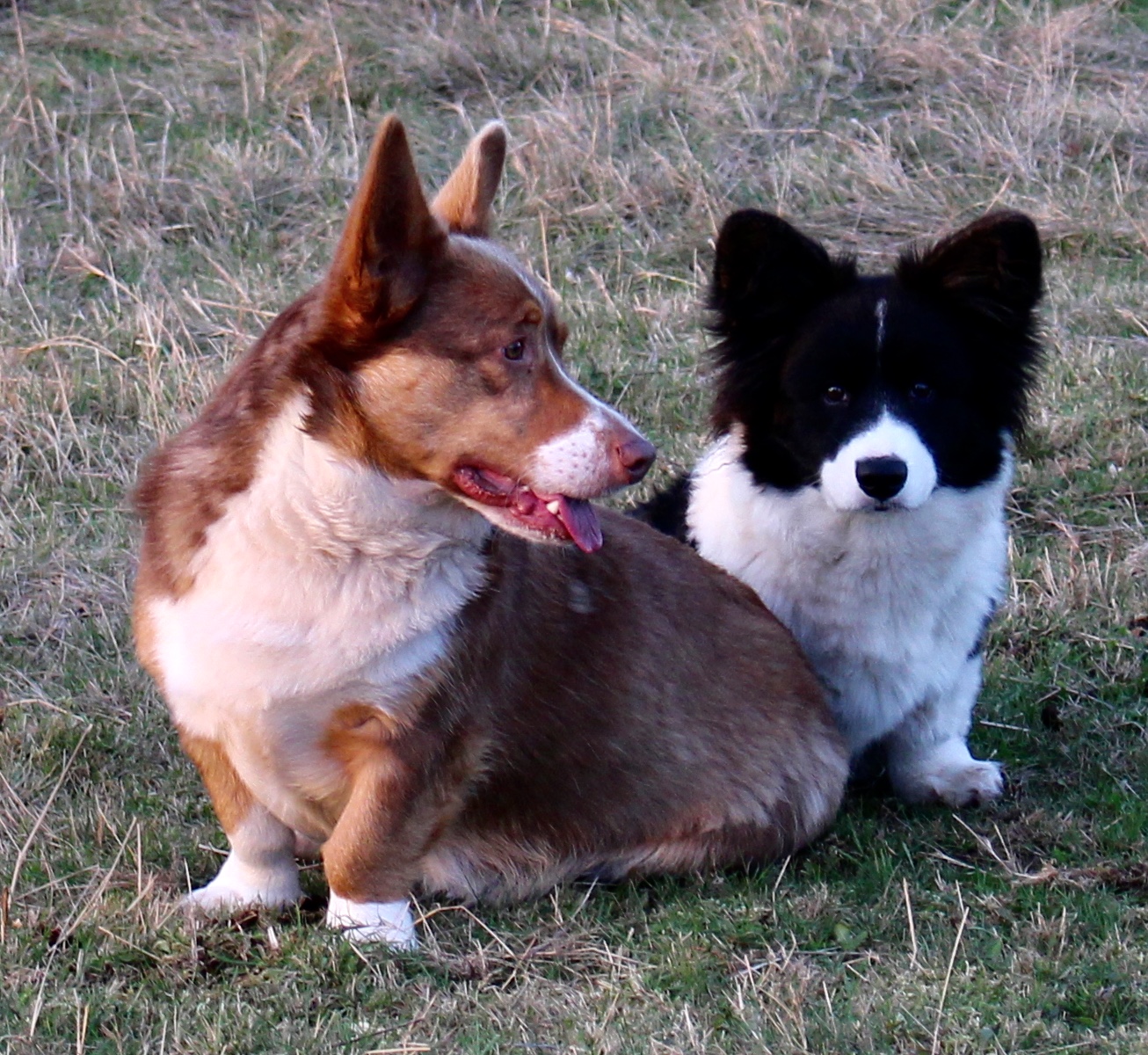
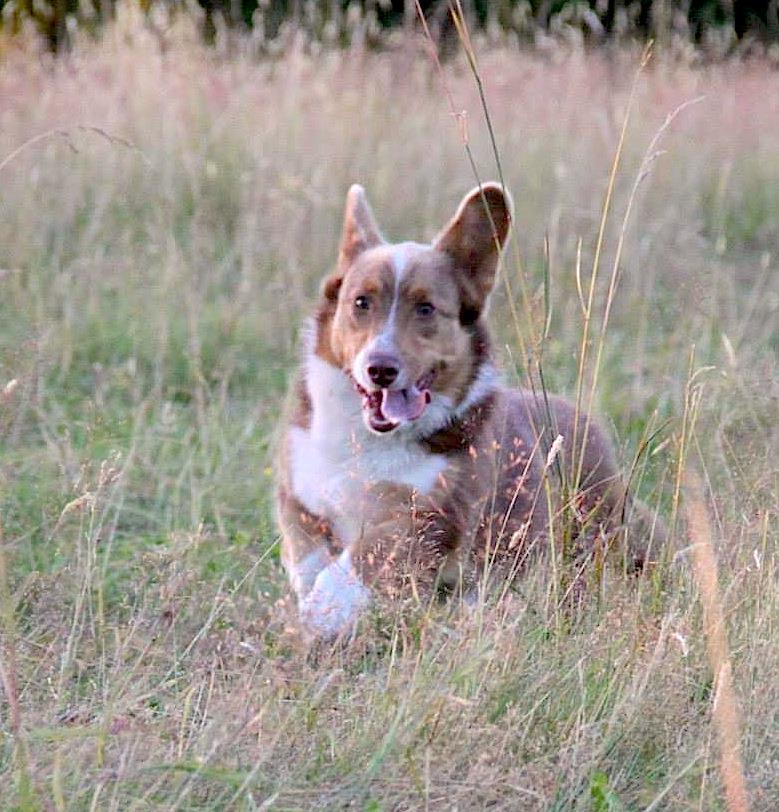
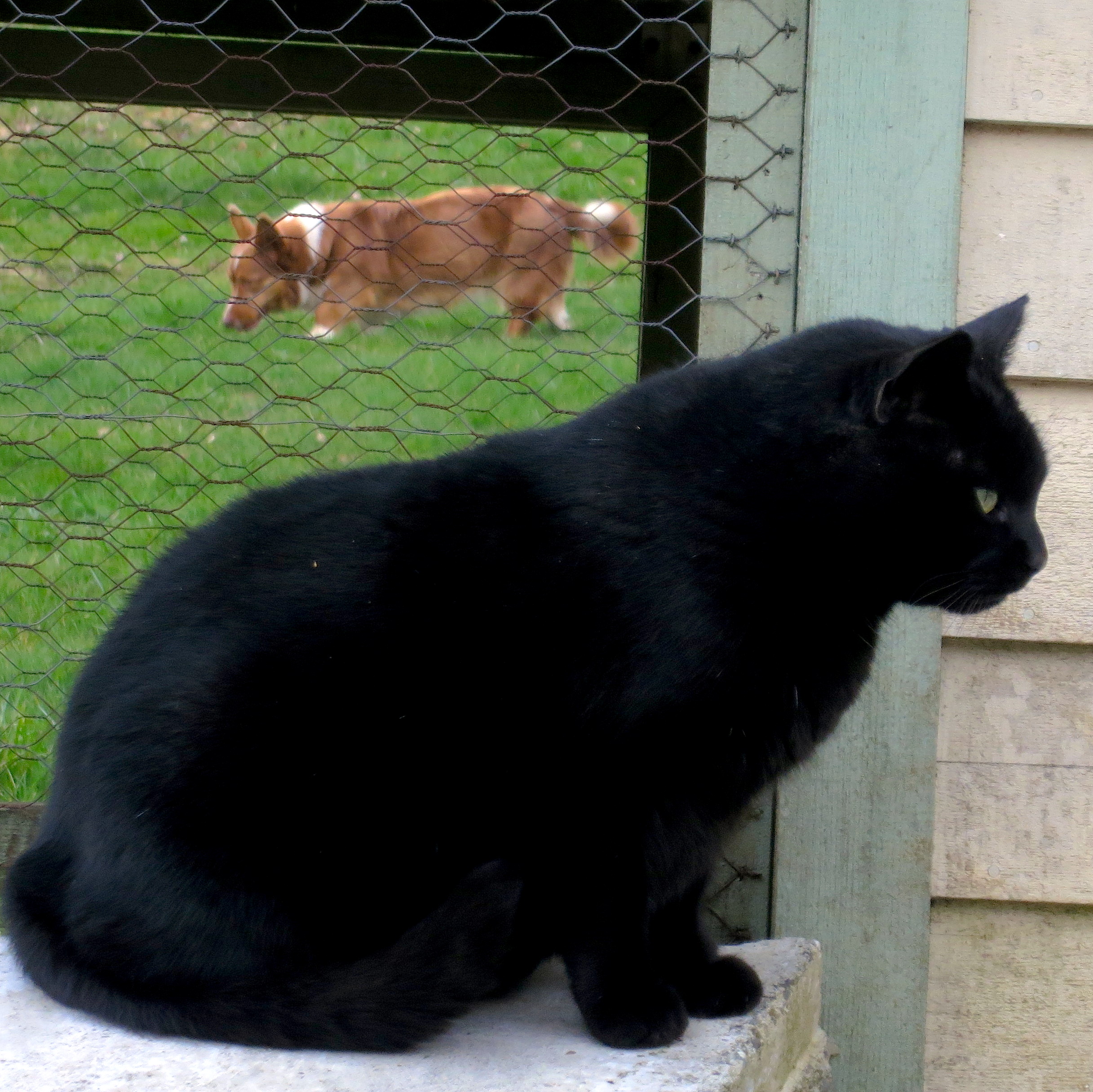
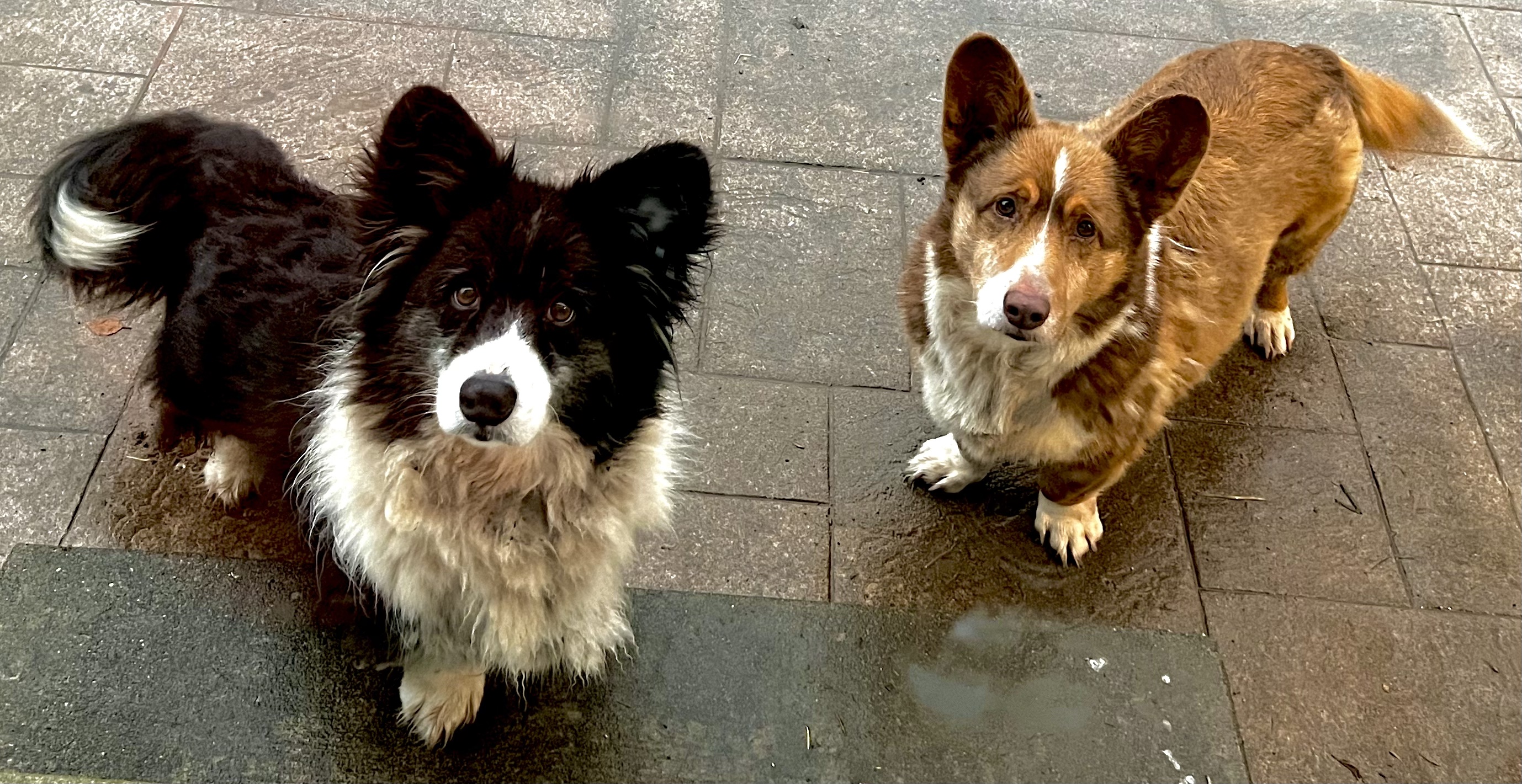
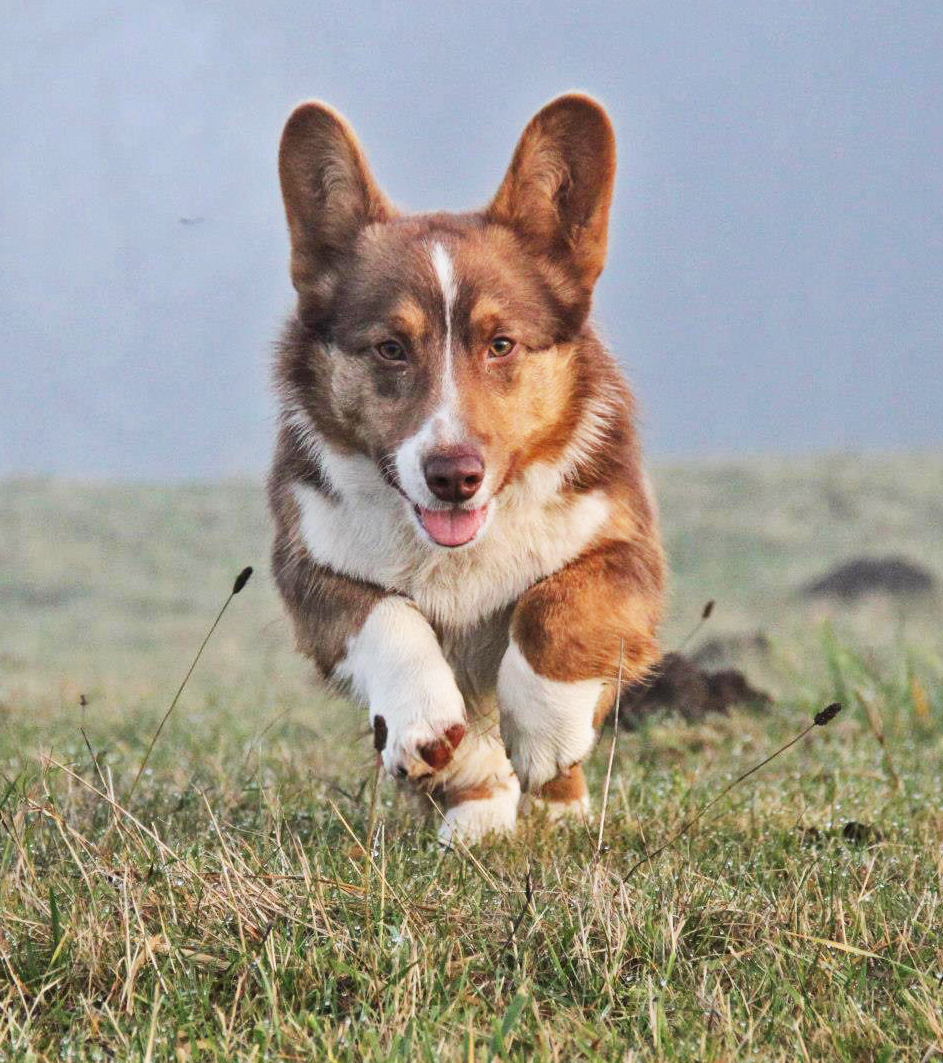
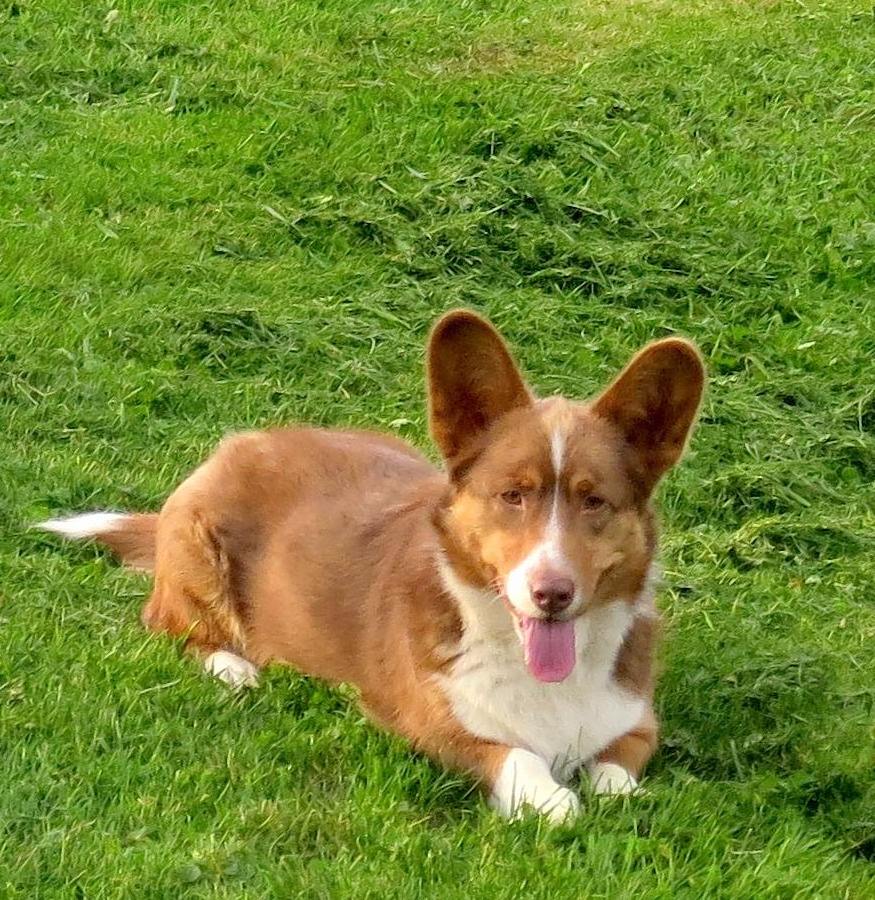
Samwise Gamgee and Homer, our two Cardigan Corgis, do barn chores with me twice daily. They run up and down the aisles as I fill the buckets and throw the horses hay. Then they explore the manure pile out back, have a happy roll in some really smelly stuff in the field, and have stand offs with the barn cats (which they always lose). 

We have our routine. When I get done with chores, I whistle for them and we all head back to their breakfast in their outdoor pen.

We always return home together.

Except this particular morning. I whistled when I was done and although Homer came running, Sam’s furry fox face didn’t appear as usual. I walked back through both barns calling his name, whistling. No signs of Sam. I walked to the fields, I walked back to the dog pen, I walked the road (where he never ever goes), I scanned the pond where he once fell in as a pup (yikes), I went back to the barn and glanced inside every stall, I went in the hay barn where he likes to jump up and down on stacked bales, worried about a bale avalanche he might be trapped under, or a hole he couldn’t climb out of. 

Nothing.

I’m really anxious about him at this point, fearing the worst. Even Homer seemed clueless about where his friend disappeared.

Sam was nowhere to be found, utterly lost.

Passing through the barn again, I heard a little faint scratching inside one Haflinger’s stall, which I had just glanced in 10 minutes before as a mare was peacefully eating hay. Sure enough, there was Sam standing with his feet up against the door as if asking what took me so long.  He must have scooted in when I filled up her water bucket, and I closed the door unaware he was still inside. He and his horse buddy kept it their secret.

Making not a whimper or a bark when I called out his name, passing that stall at least 10 times looking for him, he patiently waited for me to open the door and set him free.

The lost is found even though he never felt lost to begin with.  

Yet he was lost to me. And that is all that matters. We have no idea how lost we are until a determined Someone comes looking for us, doing whatever it takes to bring us back alongside them.

Sam was just waiting for that closed door to be opened. And this Holy Week, the door is thrown wide open and we’re welcomed back home.

photo by Nate Gibson

Let’s have a feast and celebrate. For this son of mine was dead and is alive again; he was lost and is found.
Luke 15: 23-24

This Lenten season I reflect on the words of the 19th century southern spiritual hymn “What Wondrous Love is This”

One-Time
Monthly
Yearly

Make a one-time or recurring donation to support daily Barnstorming posts

Make a monthly donation

Make a yearly donation

Choose an amount

$10.00
$25.00
$50.00
$5.00
$15.00
$100.00
$5.00
$15.00
$100.00

Or enter a custom amount

$

Your contribution is deeply appreciated.

Your contribution is appreciated.

Your contribution is appreciated.

DonateDonate monthlyDonate yearly
I’ll Sing and Joyful Be: In Brokenness and Need

Suddenly I knew,
when we stood in a circle
holding hands;
suddenly I knew,
that because of the circle,
because of friendship,
because of love—
yes, and because of the brokenness,
and the need—
I have been
in heaven
all
my life.
~Carol Bialock “I Used to Think Heaven was Future” from Coral Castles

The church, I think, is God’s way of saying,
“What I have in the pot is yours,
and what I have is a group of misfits
whom you need more than you know
and who need you more than they know.” 

“Take, and eat,” he says,
“and take, and eat,
until the day, and it is coming,
that you knock on my door.
I will open it, and you will see me face to face.”

He is preparing a table.
He will welcome us in.
Jesus will be there, smiling and holy,
holding out a green bean casserole.
And at that moment, what we say, what we think, and what we believe will be the same:
“I didn’t know how badly I needed this.”
~Jeremy Clive Huggins from “The Church Potluck”

…when I experienced the warm, unpretentious reception of those who have nothing to boast about, and experienced a loving embrace from people who didn’t ask any questions, I began to discover that a true spiritual homecoming means a return to the poor in spirit to whom the kingdom of heaven belongs.
~Henri Nouwen from The Return of the Prodigal Son

The journey begins when Christians leave their homes and beds. They leave, indeed, their life in this present and concrete world, and whether they have to drive 15 miles or walk a few blocks, a sacramental act is already taking place…

For they are now on their way to constitute the Church, or to be more exact, to be transformed into the Church of God. They have been individuals, some white, some black, some poor, some rich, they have been the ‘natural’ world and a natural community. And now they have been called to “come together in one place,” to bring their lives, their very world with them and to be more than what they were: a new community with a new life.

We are already far beyond the categories of common worship and prayer. The purpose of this ‘coming together’ is not simply to add a religious dimension to the natural community, to make it ‘better’ – more responsible, more Christian. The purpose is to fulfill the Church, and that means to make present the One in whom all things are at their end, and all things are at their beginning.
~ Father Alexander Schmemann from For the Life of the World

We’ve been through fire, we’ve been through pain
We’ve been refined by the power of Your name
We’ve fallen deeper in love with You
You’ve burned the truth on our lips

Rise up church with broken wings
Fill this place with songs again
Of our God who reigns on high
By his grace again we’ll fly

~Robin Mark from “Shout to the North and the South”

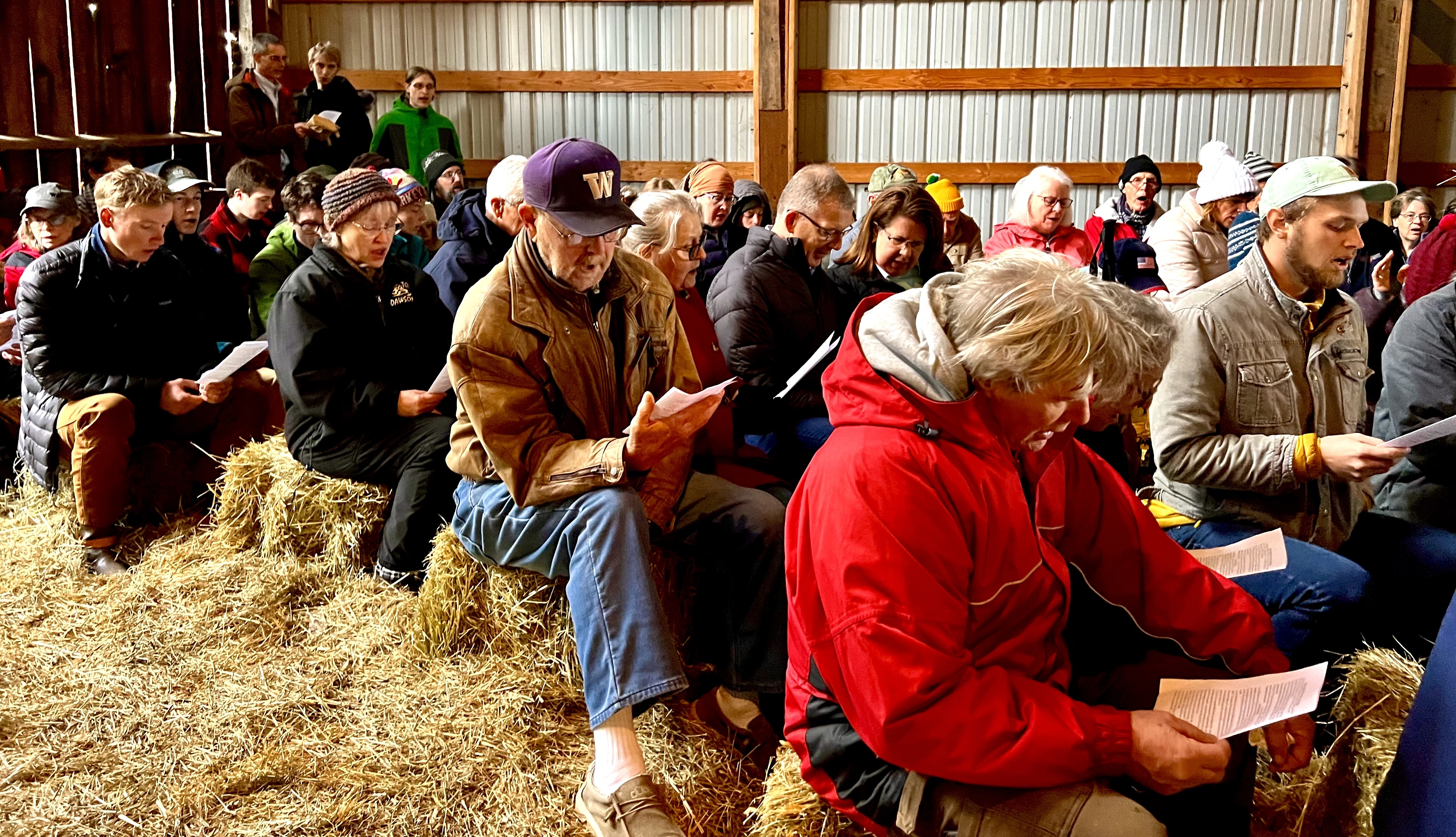
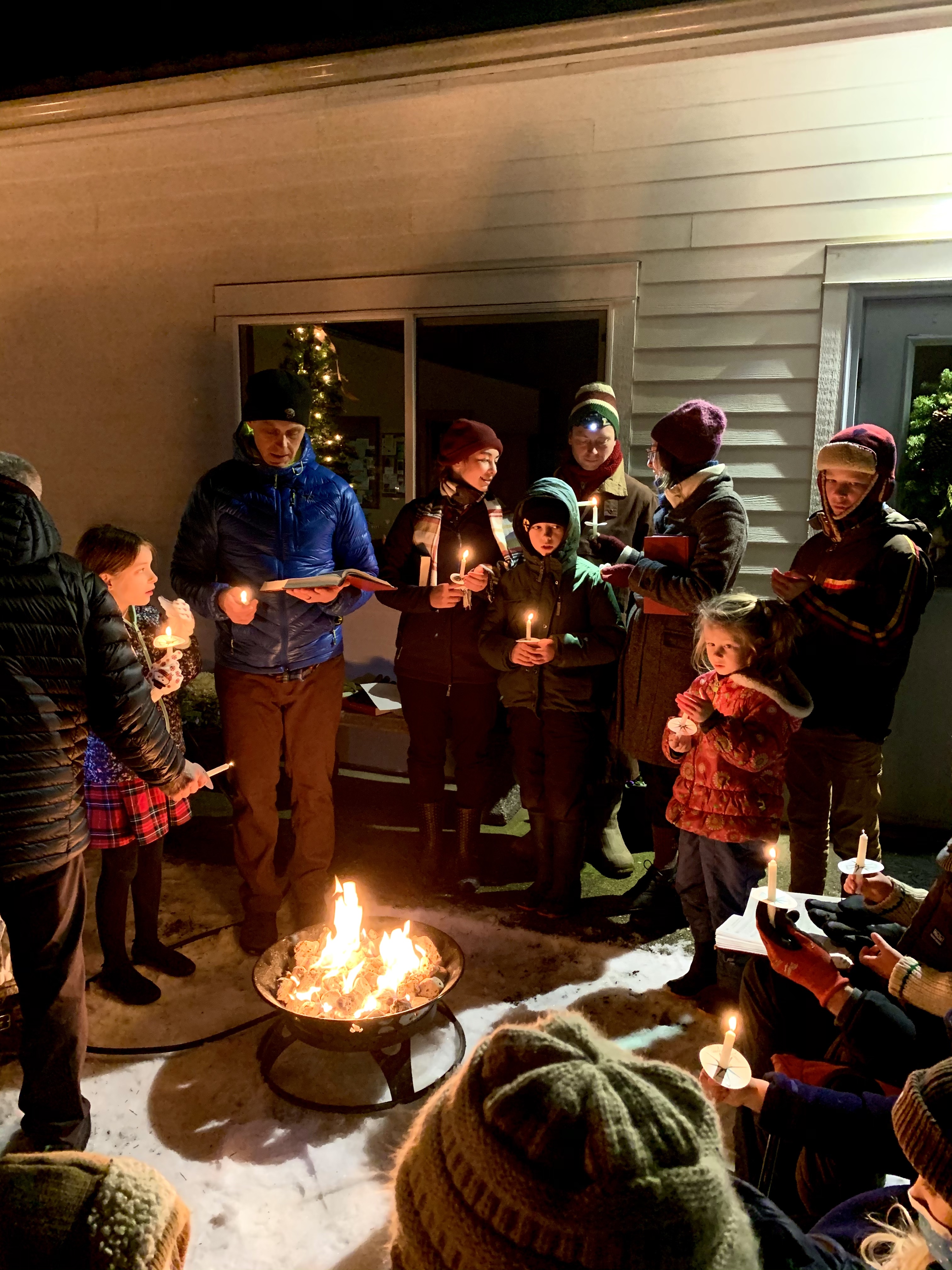
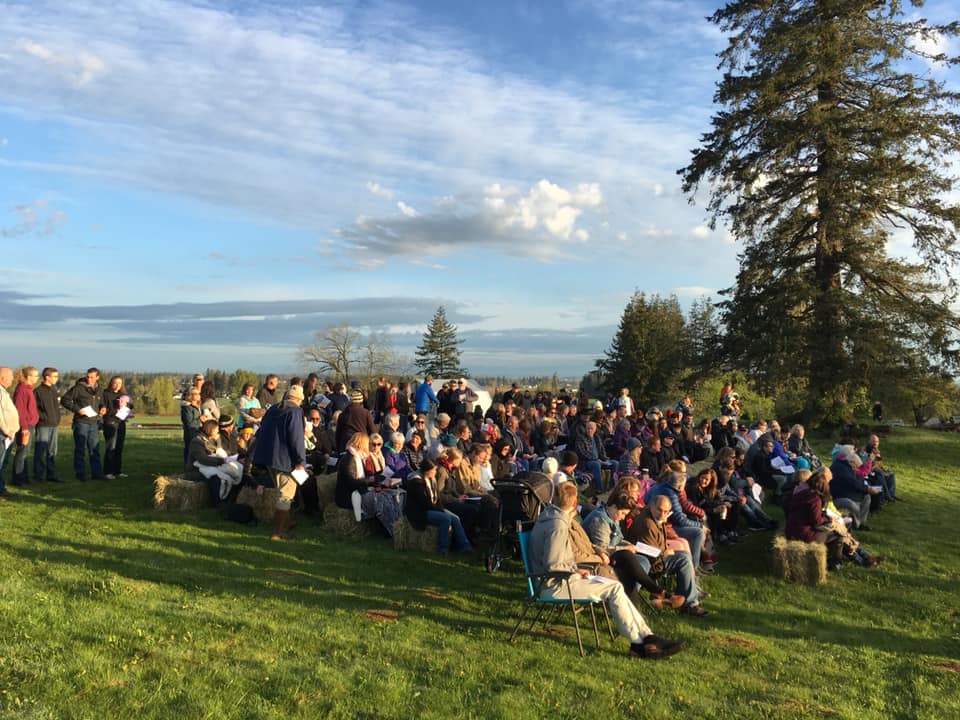
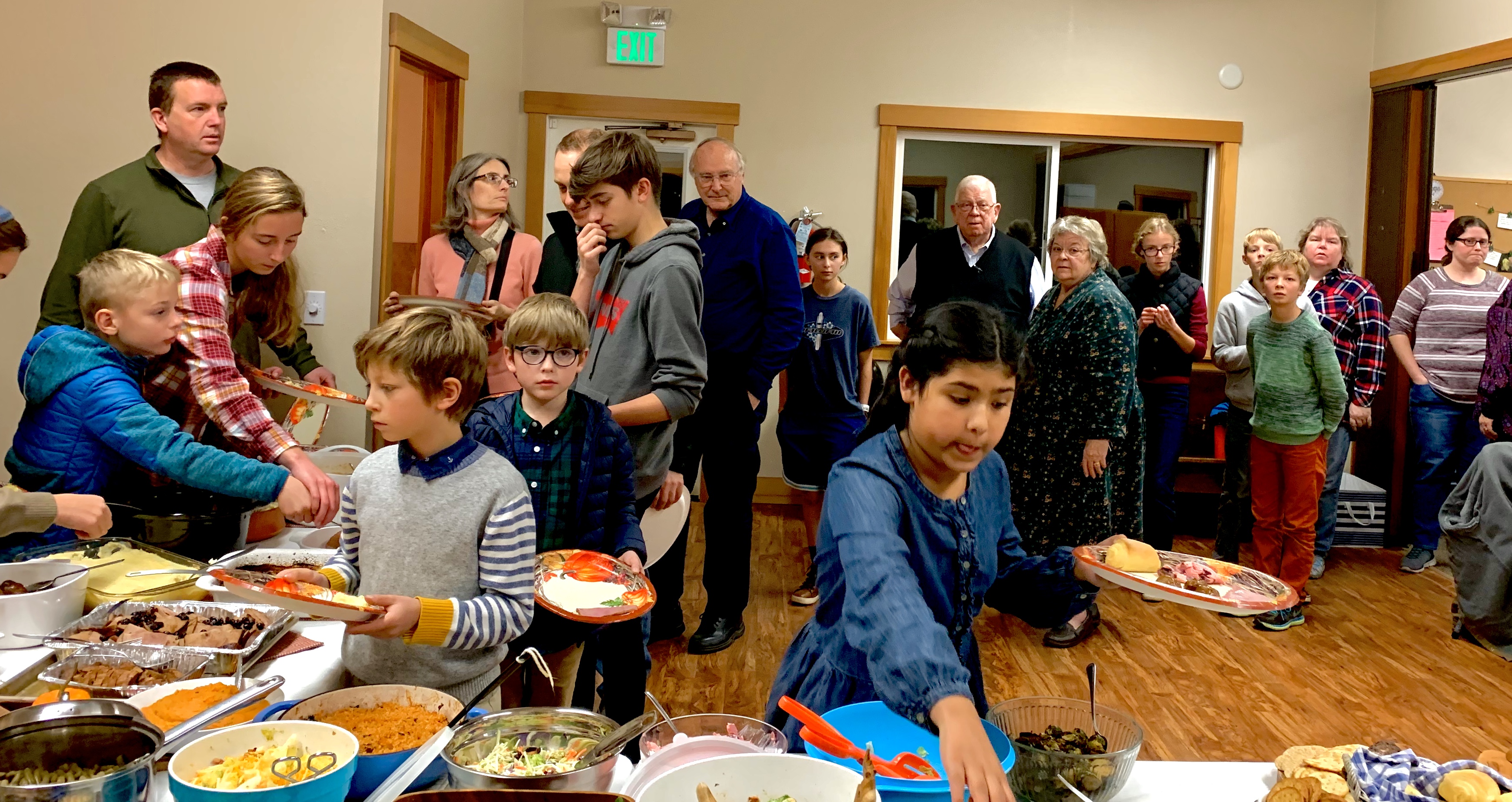
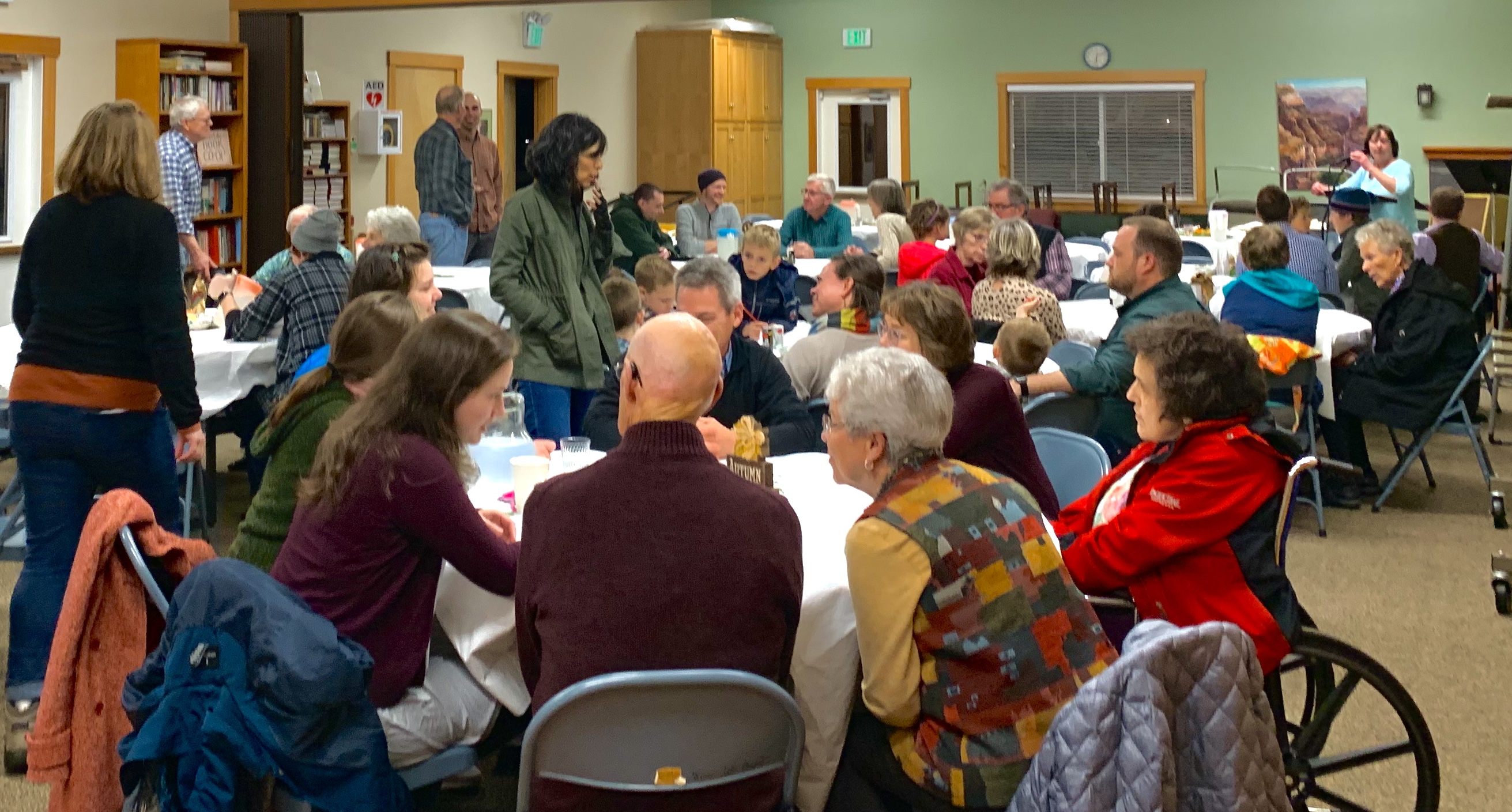
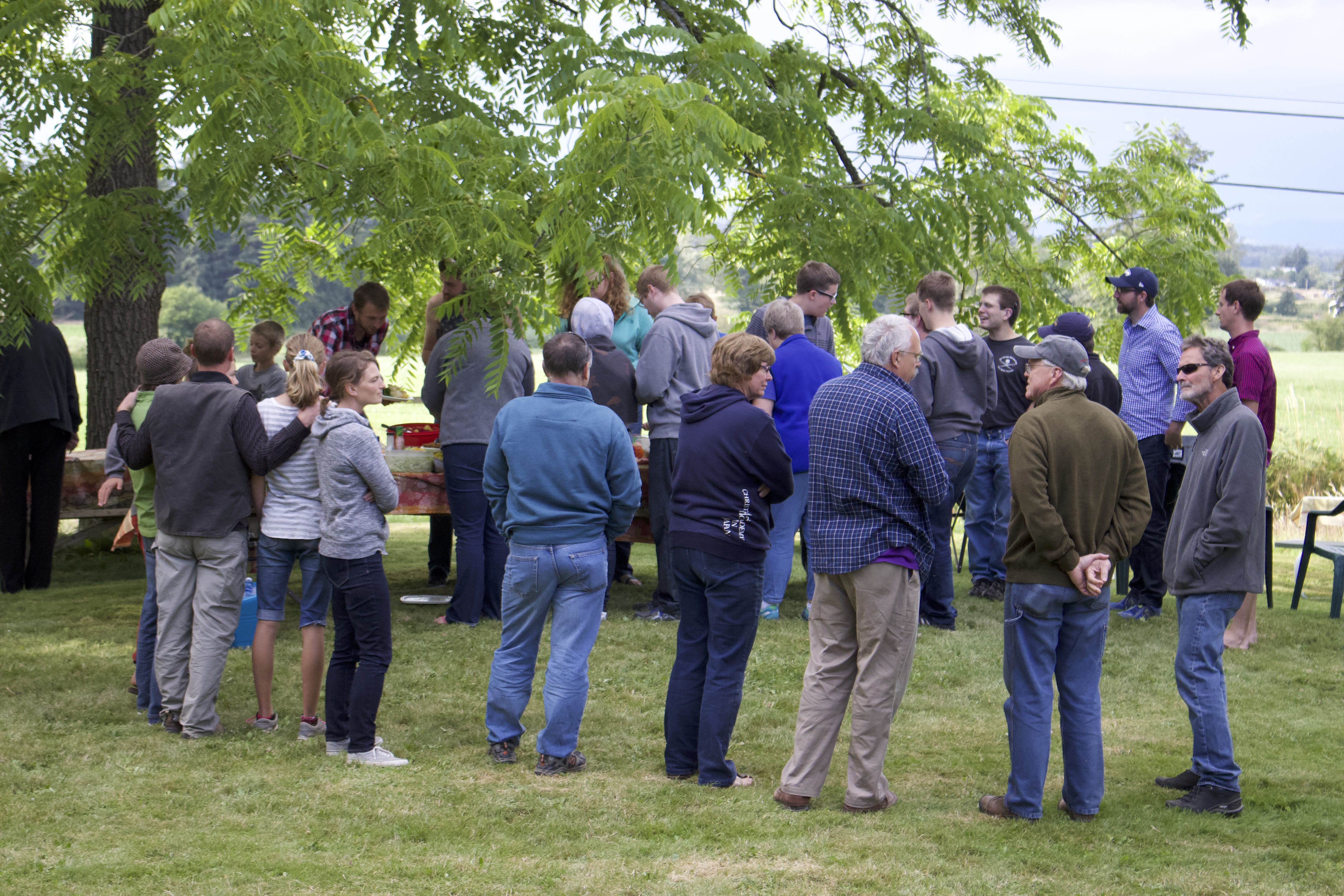
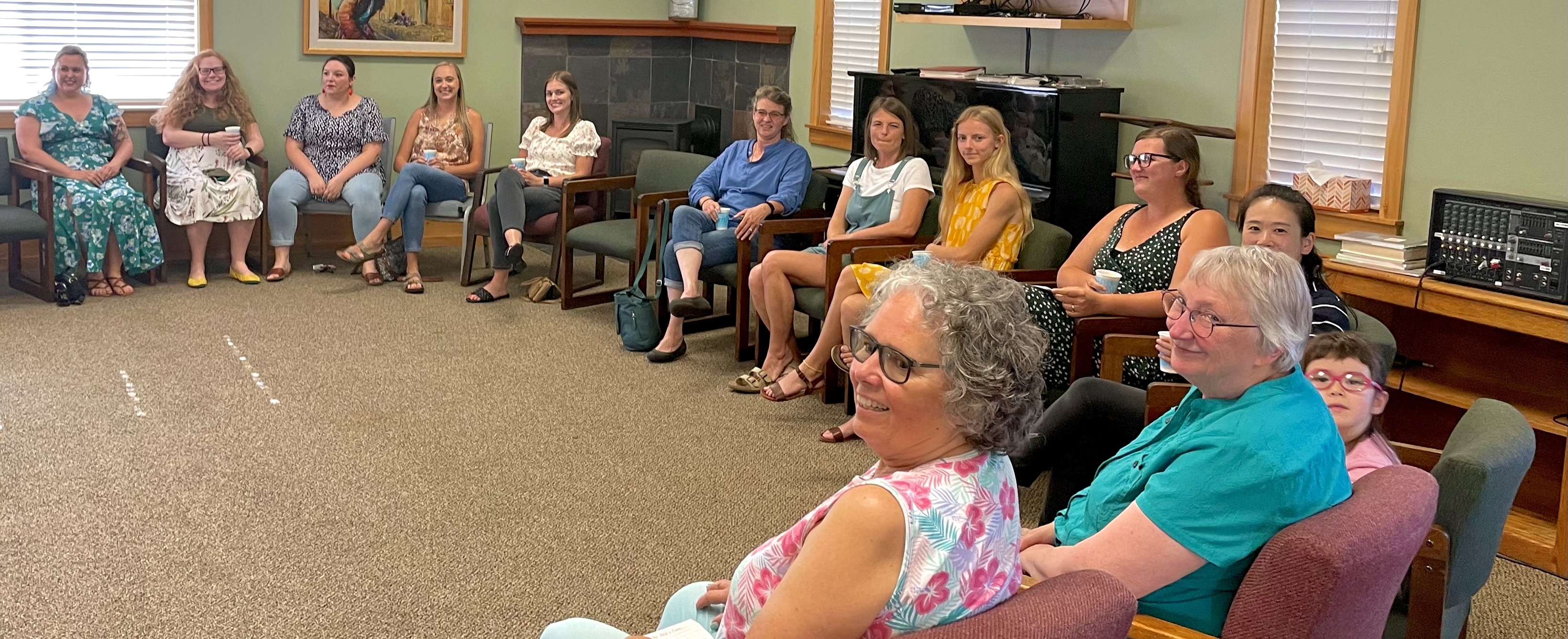
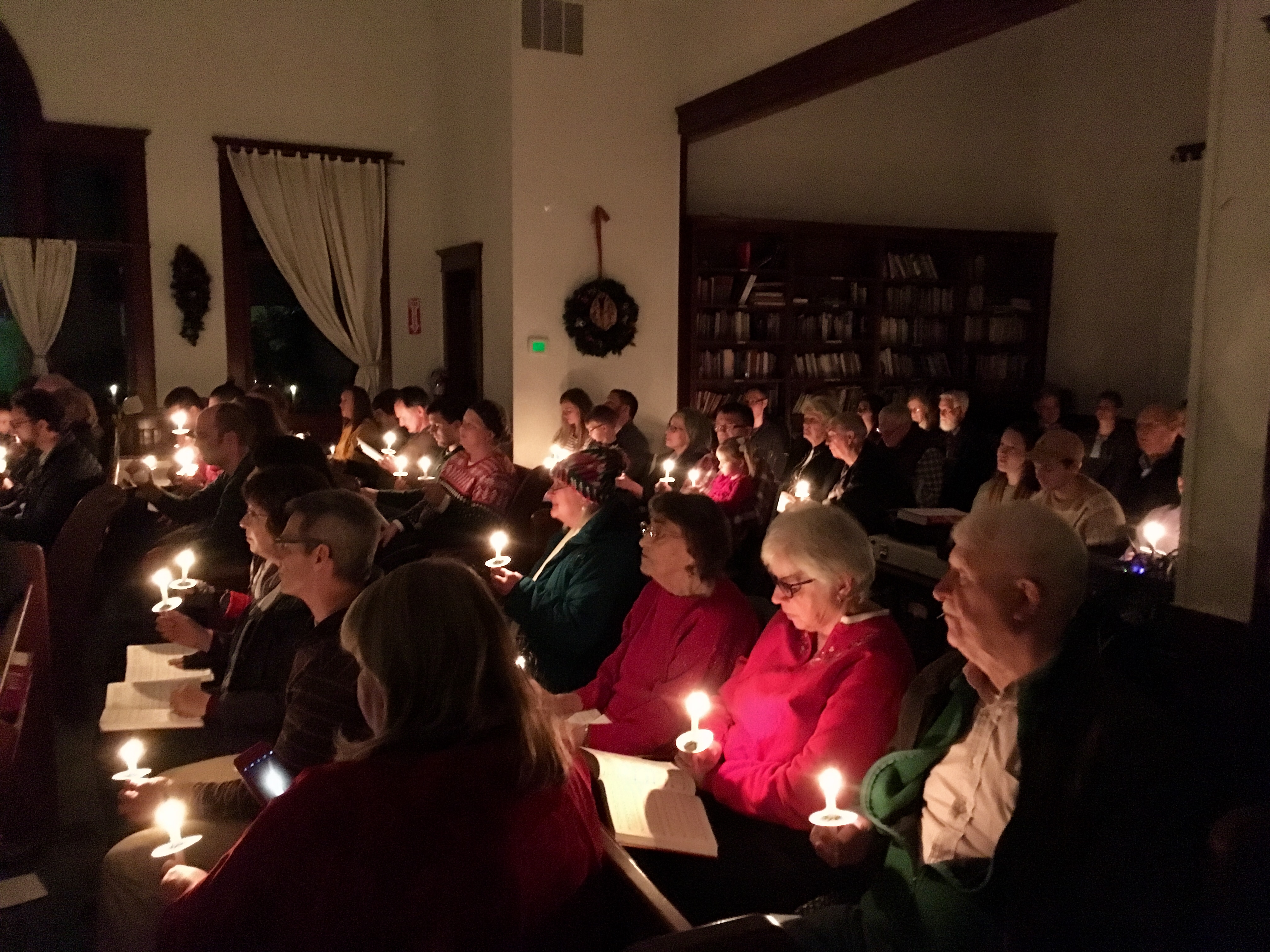
photo by Barb Hoelle

There is so much wrong with the modern church,
comprised as it is
of fallen people
with broken wings
determined to find flaws in each other
in doctrine, tradition, beliefs.

What is right with the church today,
is when it offers a taste of heaven for
hopeful people who come together
in sanctuary, barn and field, eucharist table and potluck,
to hold each other up in prayer
and to sing in worship
to the Three in One,
who is why we sing,
whose body we are part of
and who, in our need, loves and forgives us
despite our motley messiness:
Our Lord of Heaven and Earth.

I appeal to you, brothers and sisters, in the name of our Lord Jesus Christ, that all of you agree with one another in what you say and that there be no divisions among you, but that you be perfectly united in mind and thought.
1 Corinthians 1:9-10

This Lenten season I reflect on the words of the 19th century southern spiritual hymn “What Wondrous Love is This”

One-Time
Monthly
Yearly

Make a one-time or recurring donation to support daily Barnstorming posts

Make a monthly donation

Make a yearly donation

Choose an amount

$10.00
$25.00
$50.00
$5.00
$15.00
$100.00
$5.00
$15.00
$100.00

Or enter a custom amount

$

Your contribution is deeply appreciated.

Your contribution is appreciated.

Your contribution is appreciated.

DonateDonate monthlyDonate yearly
Cloudy with Sun Breaks

When it snows, he stands
at
the back door or wanders
around the house to each
window in turn and
watches the weather
like a lover. O farm boy,
I waited
years
for you to look at me
that way. Now we’re old
enough to stop waiting
for random looks or touches
or words, so I find myself
watching you watching

the weather, and we wait
together to discover
whatever the sky might bring.
~Patrici
a Traxler “Weather Man”

My farm boy does still look at me that way,
wondering if today will bring
frost,
a wind storm,
maybe fog or mist,
a scorcher,
or a deluge.

I reassure him as best I can,
because he knows me so well
in our many years together:

today, like most other days,
I predict I will be partly cloudy
with a chance of showers,
and as always, occasional sun breaks.

One-Time
Monthly
Yearly

Make a one-time or recurring donation to support daily Barnstorming posts

Make a monthly donation

Make a yearly donation

Choose an amount

$10.00
$25.00
$50.00
$5.00
$15.00
$100.00
$5.00
$15.00
$100.00

Or enter a custom amount

$

Your contribution is deeply appreciated.

Your contribution is appreciated.

Your contribution is appreciated.

DonateDonate monthlyDonate yearly
Winter Kitties

White cat Winter
prowls
the farm,
tiptoes
soft
through withered corn,
creeps
along low walls
of stone,
falls asleep
beside
the barn.

~Tony Johnson “White Cat Winter”

Salt shining behind its glass cylinder.
Milk in a blue bowl. The yellow linoleum.
The cat stretching her black body from the pillow.
The way she makes her curvaceous response to the small, kind gesture.
Then laps the bowl clean.
Then wants to go out into the world
where she leaps lightly and for no apparent reason across the lawn,
then sits, perfectly still, in the grass.
I watch her a little while, thinking:
what more could I do with wild words?
I stand in the cold kitchen, bowing down to her.
I stand in the cold kitchen, everything wonderful around me.

~Mary Oliver, New and Selected Poems

Cat, if you go outdoors, you must walk in the snow.
You will come back with little white shoes on your feet,
little white shoes of snow that have heels of sleet.
Stay by the fire, my Cat.  Lie still, do not go.
See how the flames are leaping and hissing low,
I will bring you a saucer of milk like a marguerite,
so white and so smooth, so spherical and so sweet –
stay with me, Cat. Outdoors the wild winds blow.

Outdoors the wild winds blow, Mistress, and dark is the night,
strange voices cry in the trees, intoning strange lore,
and more than cats move, lit by our eyes green light,
on silent feet where the meadow grasses hang hoar –
Mistress, there are portents abroad of magic and might,
and things that are yet to be done.  Open the door!

~Elizabeth Coatsworth “On a Night of Snow”

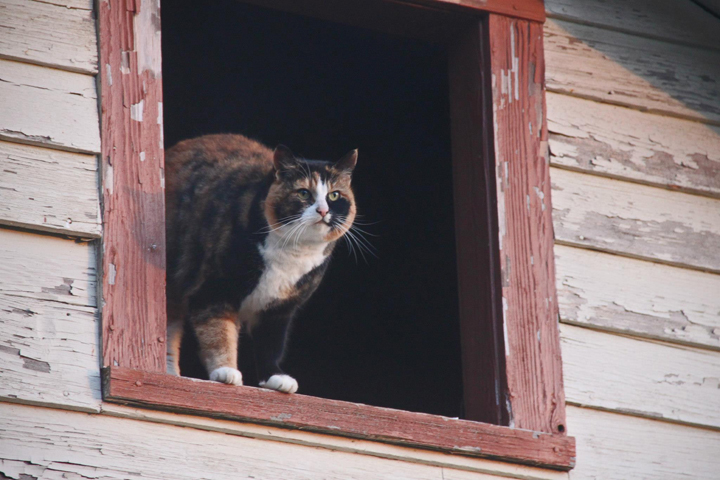
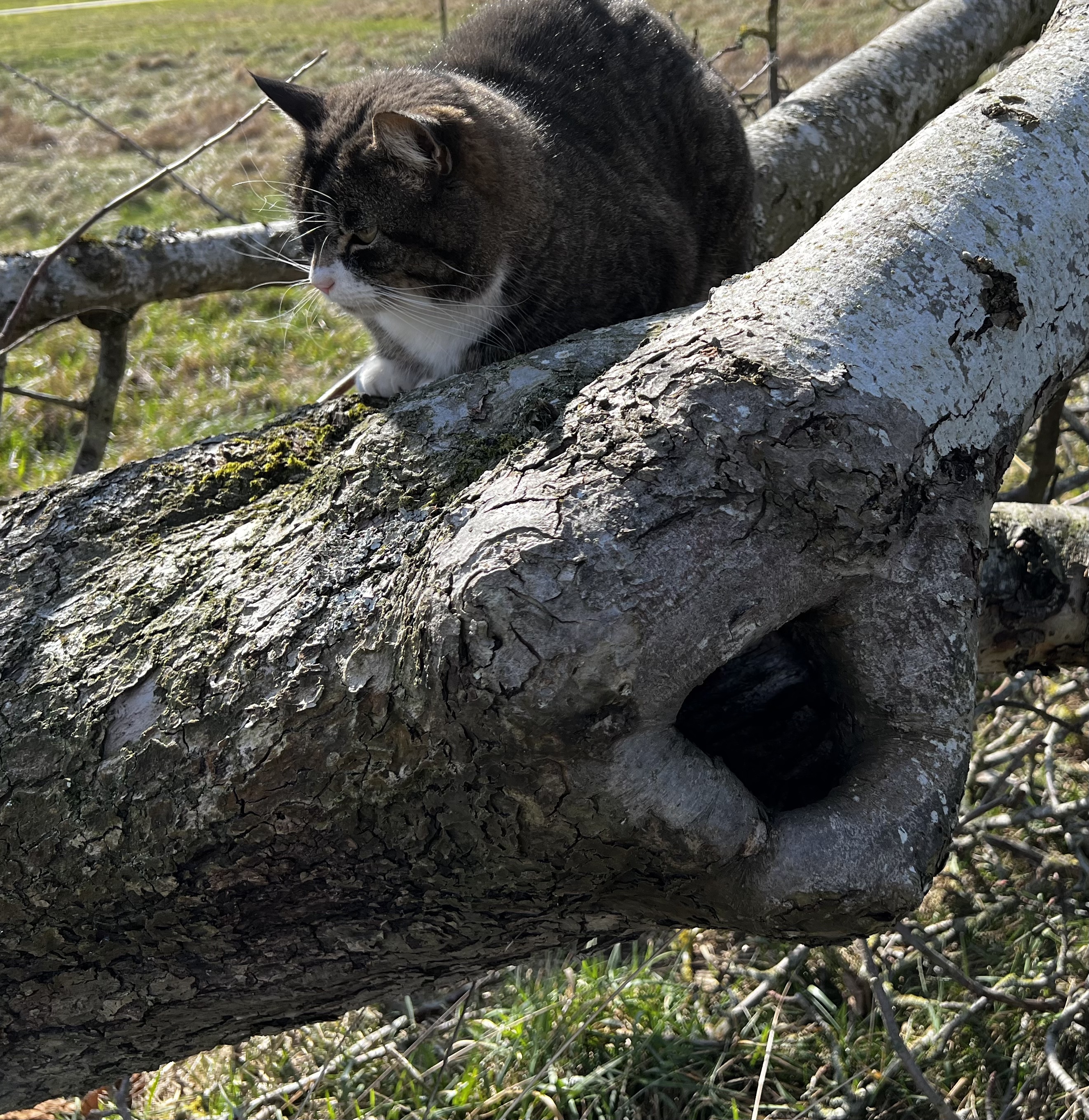
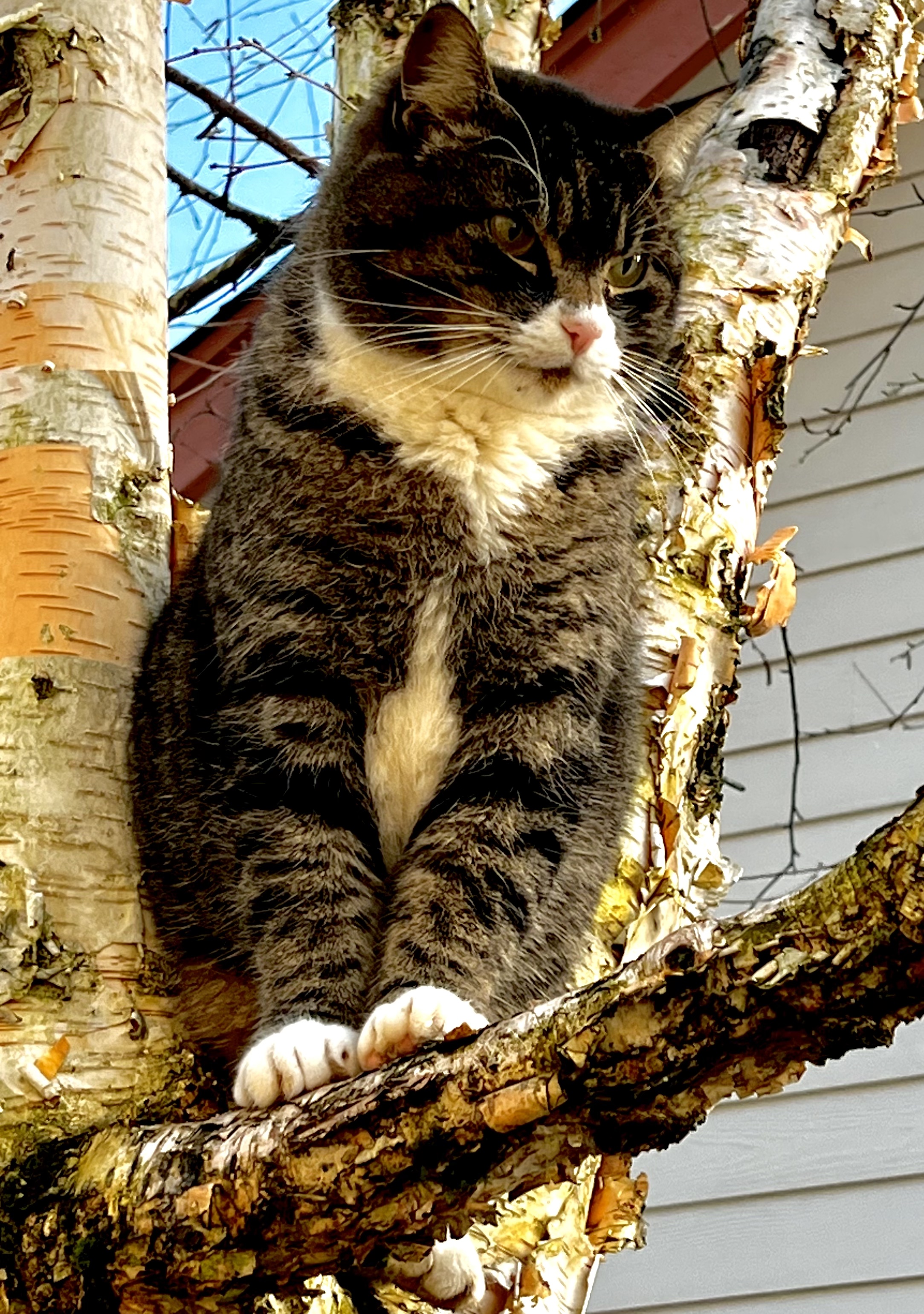
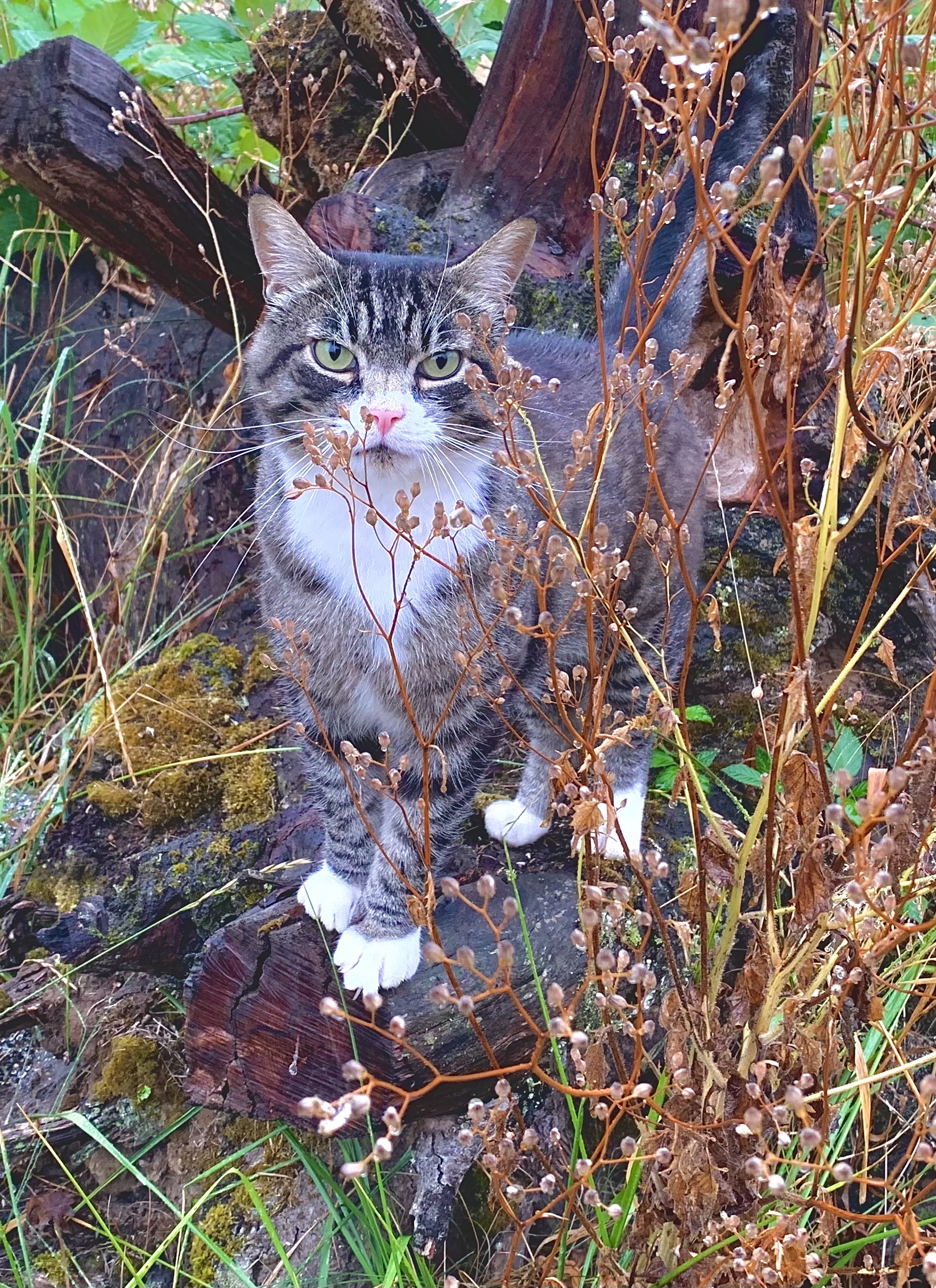
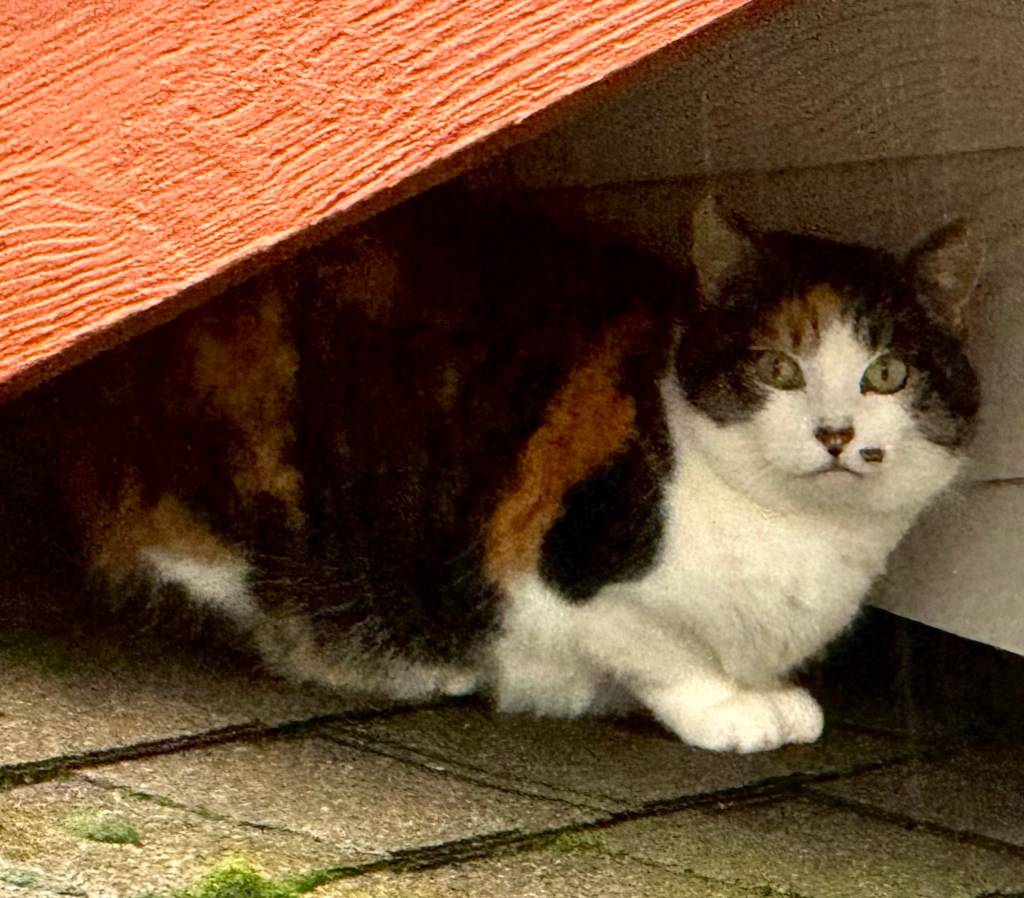
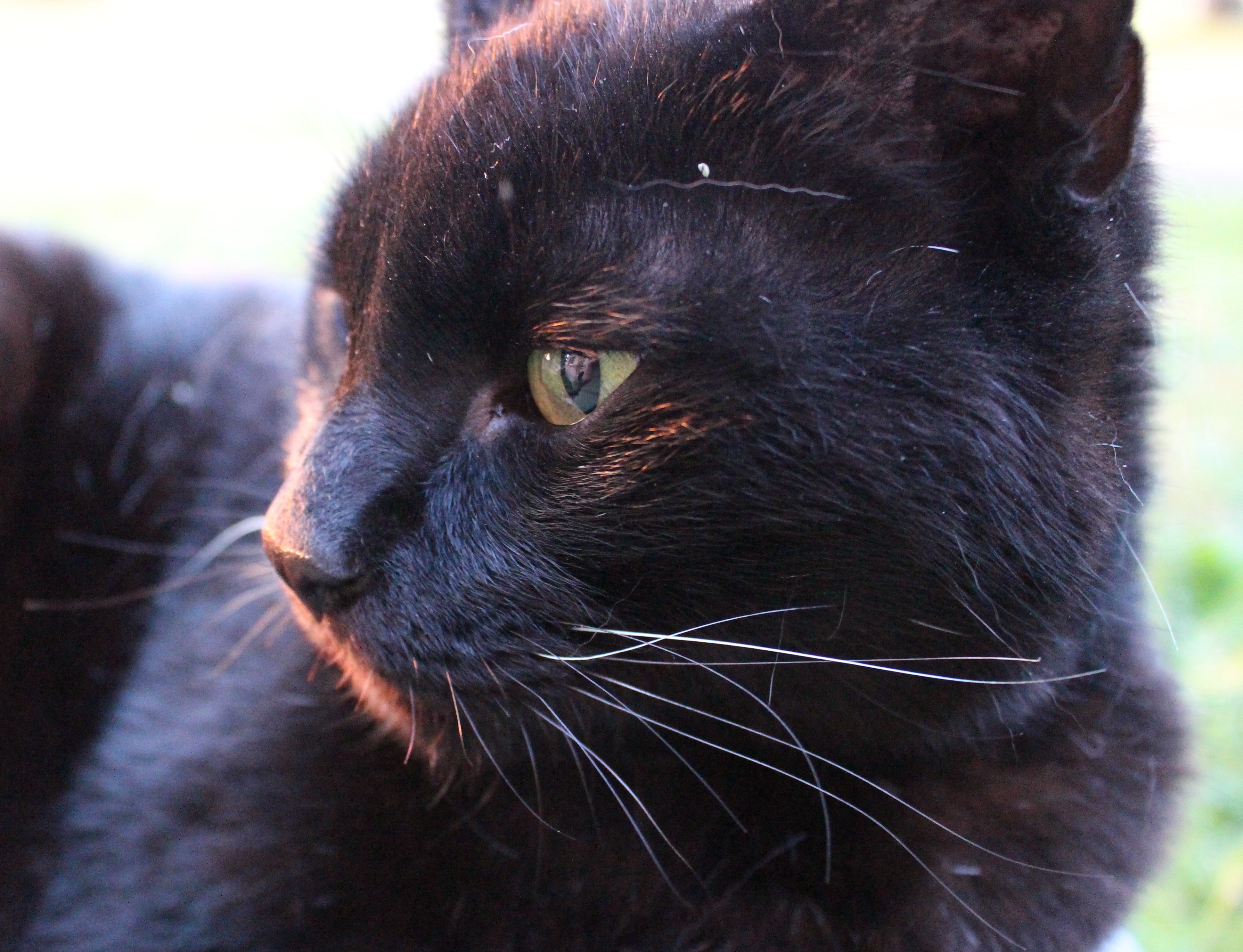
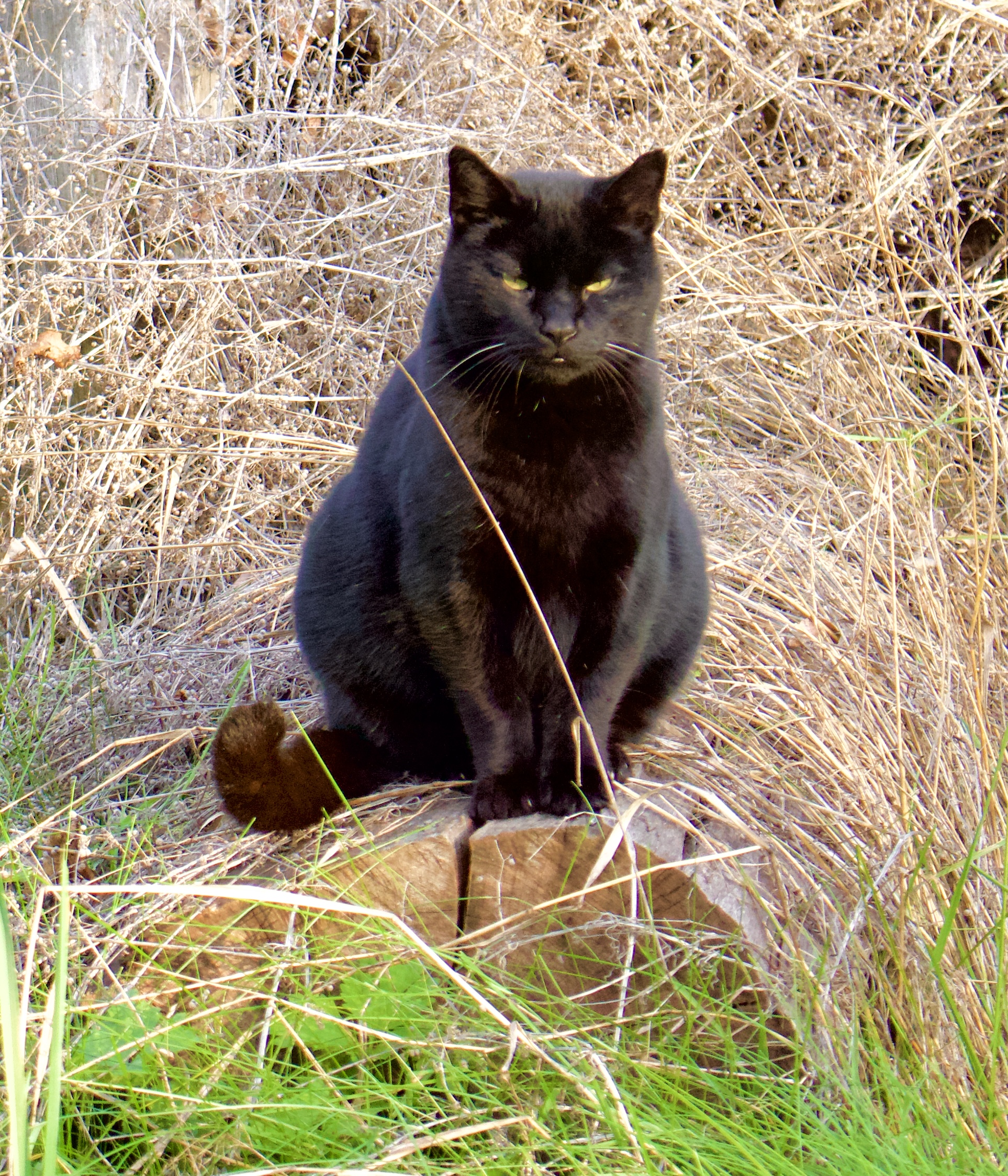
I know folks who worry about our farm cats’ well-being during the recent harsh winter weather. Our farm cats don’t know what it is like to live in a house, and certainly know nothing about the use of kitty litter boxes. They are independent souls, used to being on outdoor patrol and never question the conditions of their employment to manage all aspects of vermin control.

The cats own the barns, pure and simple. This is not a matter for debate among the farm dogs (who also live in the barns during very cold weather) or from the horses, or from us farmers who come and go doing the feeding and watering and cleaning. We all bow down to the cats’ supremacy. Four farm cats distribute themselves among several buildings according to who they like and who they don’t like and then settle in for the duration. They scoot in and out as they please as we open and close the big barn doors against the chill winds and happily lap up whatever treats we bring them.

So please don’t worry. Our cats and other critters are doing just fine this winter. It’s the two humans here who are creakier while we navigate the snow and ice and must bundle up head to toe to face the northeast wind.

As wonderful as farm living can be, it is always more challenging in the winter, especially since it is up to us to supply our own treats…

photo by Nate Gibson
One-Time
Monthly
Yearly

Make a one-time or recurring donation to support daily Barnstorming posts

Make a monthly donation

Make a yearly donation
Choose an amount

$10.00
$25.00
$50.00
$5.00
$15.00
$100.00
$5.00
$15.00
$100.00

Or enter a custom amount

$

Your contribution is deeply appreciated.

Your contribution is appreciated.

Your contribution is appreciated.

DonateDonate monthlyDonate yearly