A Hand on the Forehead

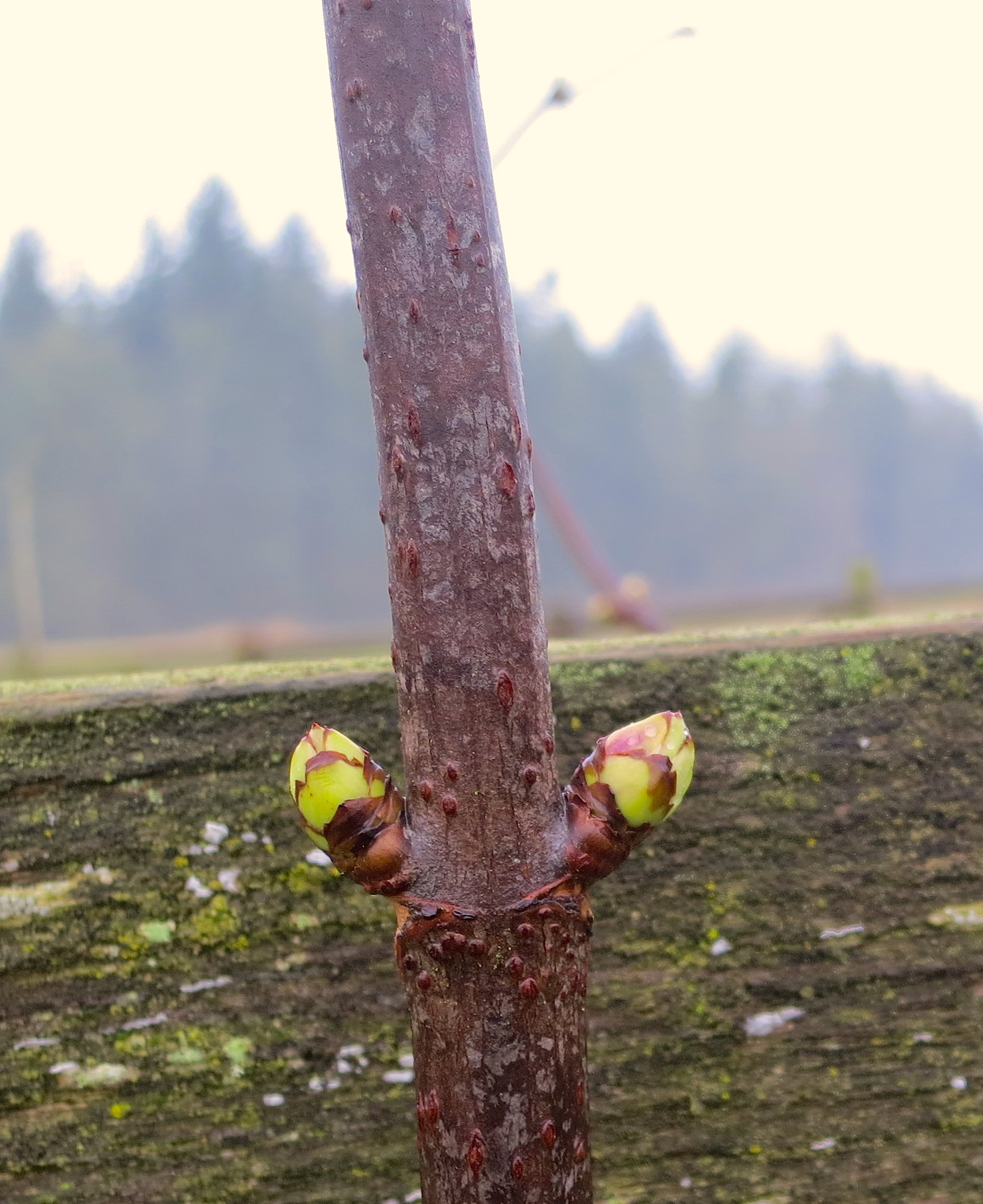
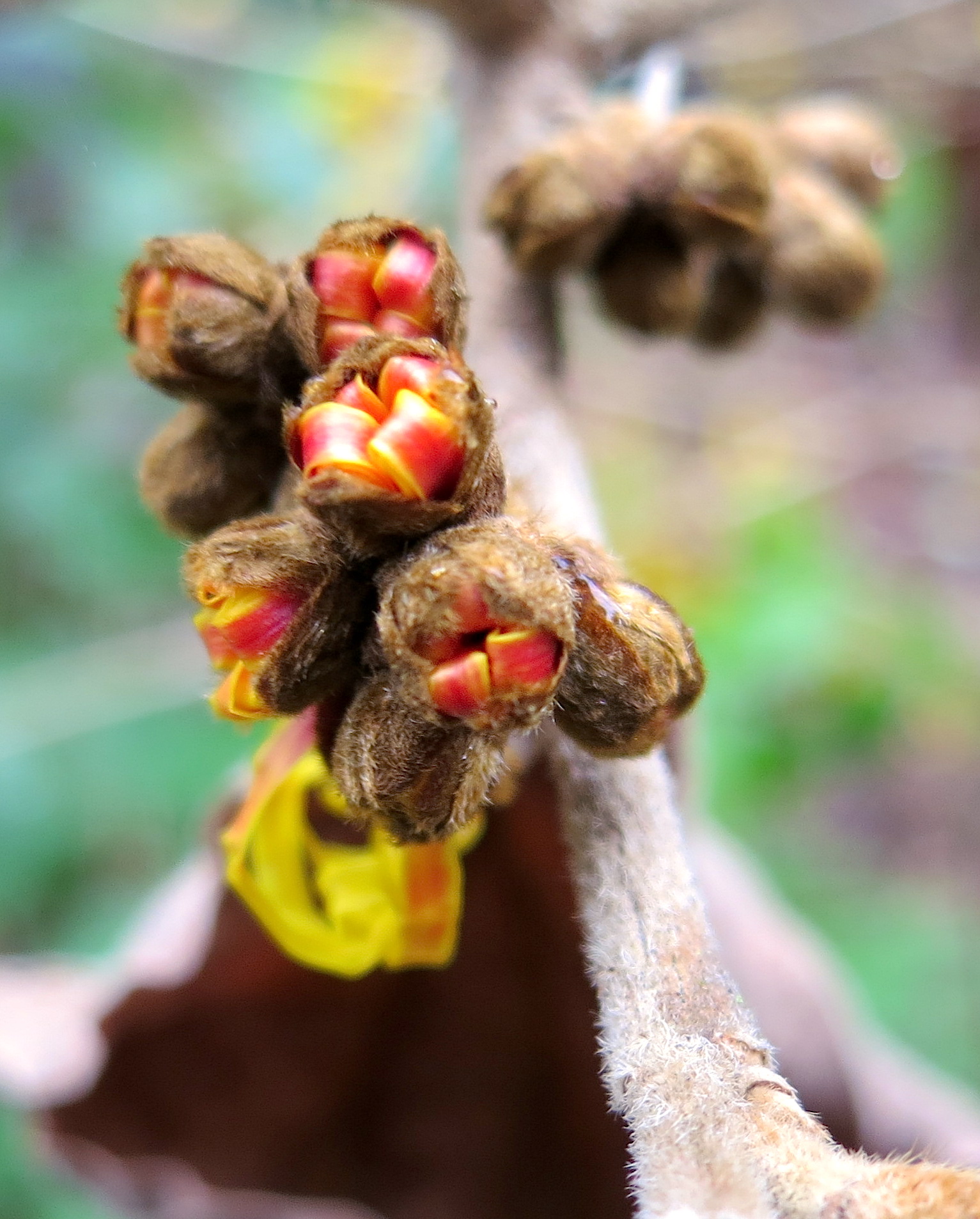
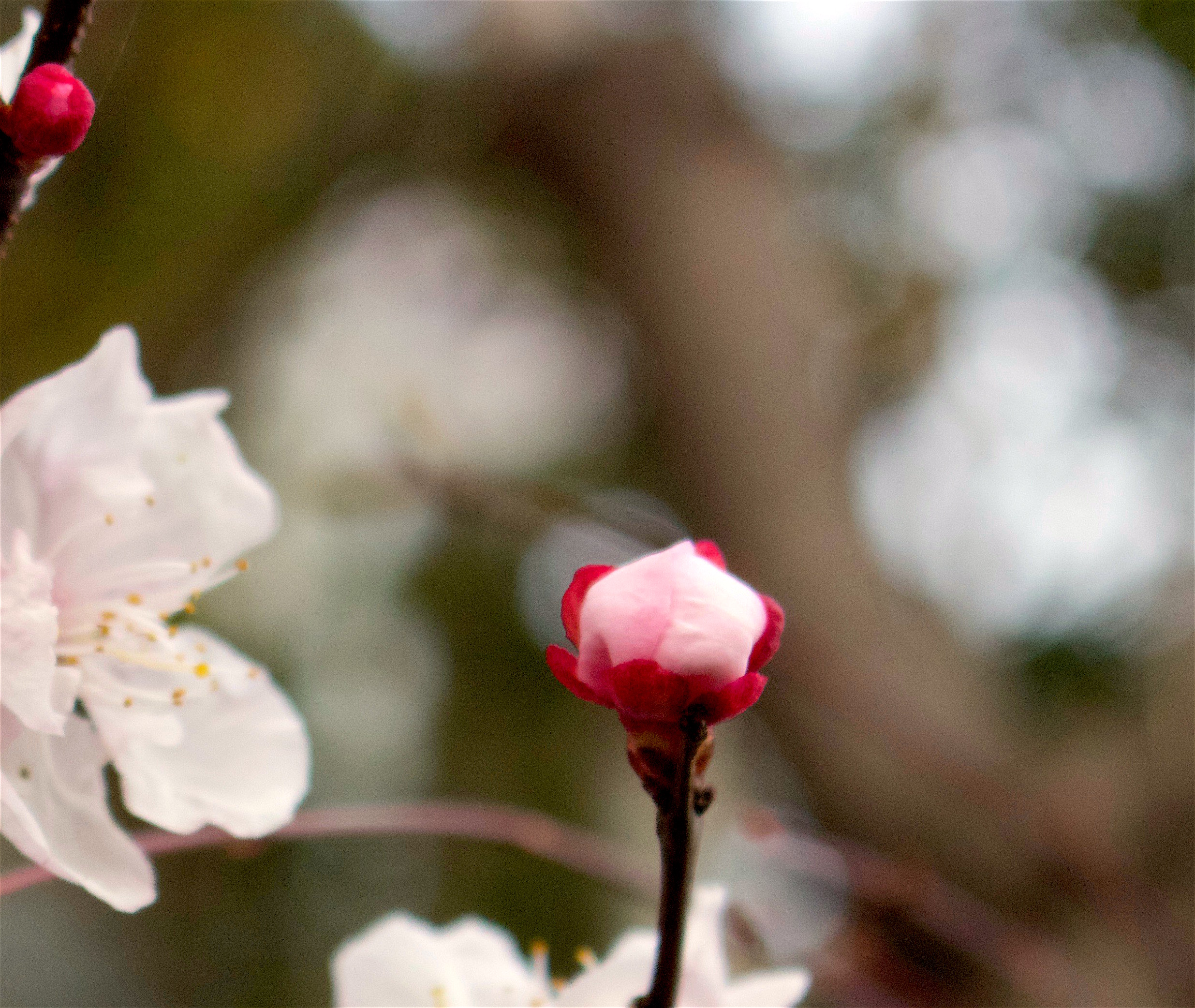
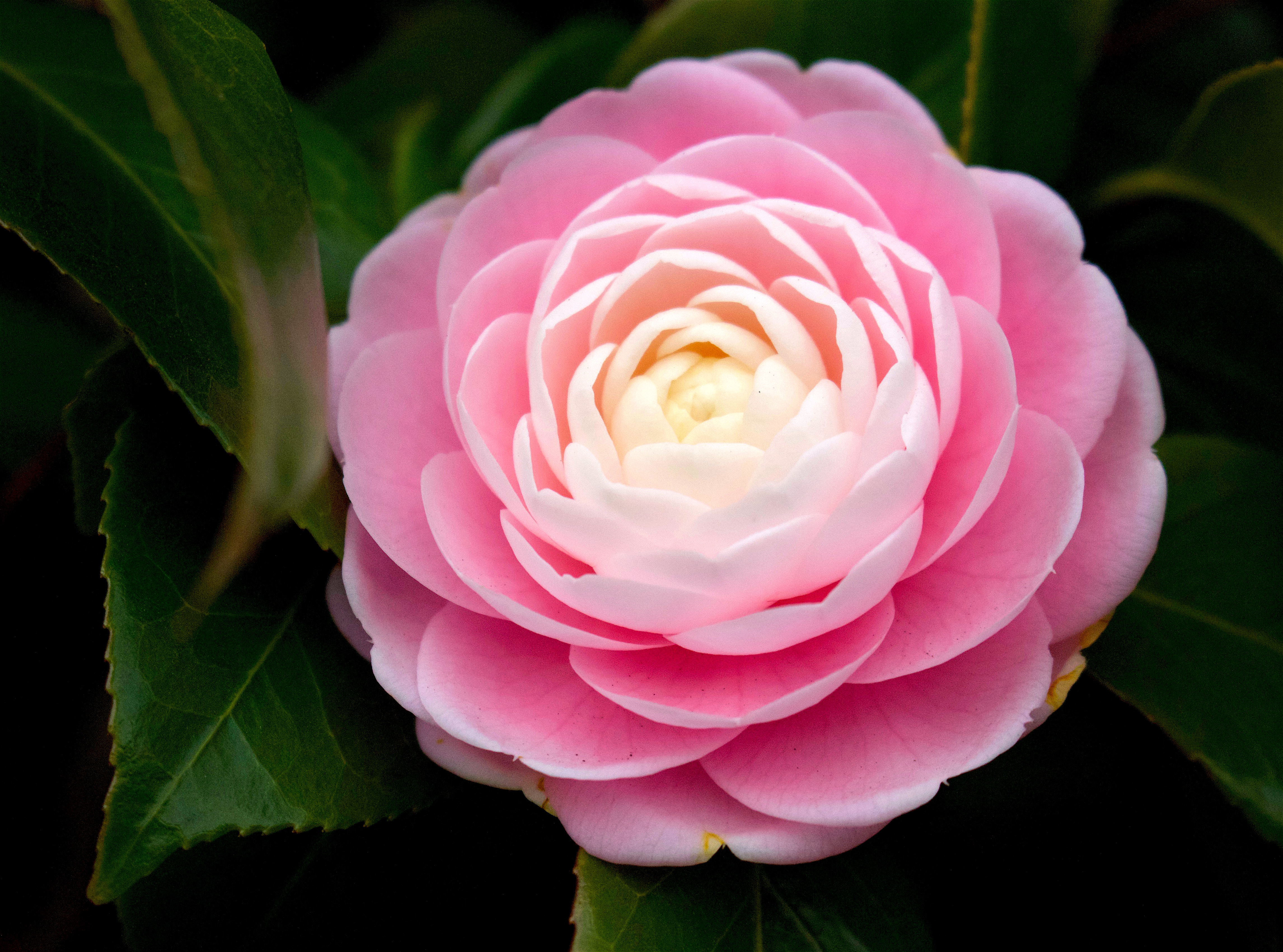
The bud
stands for all things,
even for those things that don’t flower,
for everything flowers, from within, of self-blessing;   
though sometimes it is necessary
to reteach a thing its loveliness,
to put a hand on its brow
of the flower
and retell it in words and in touch
it is lovely
until it flowers again from within, of self-blessing;   
as Saint Francis
put his hand on the creased forehead
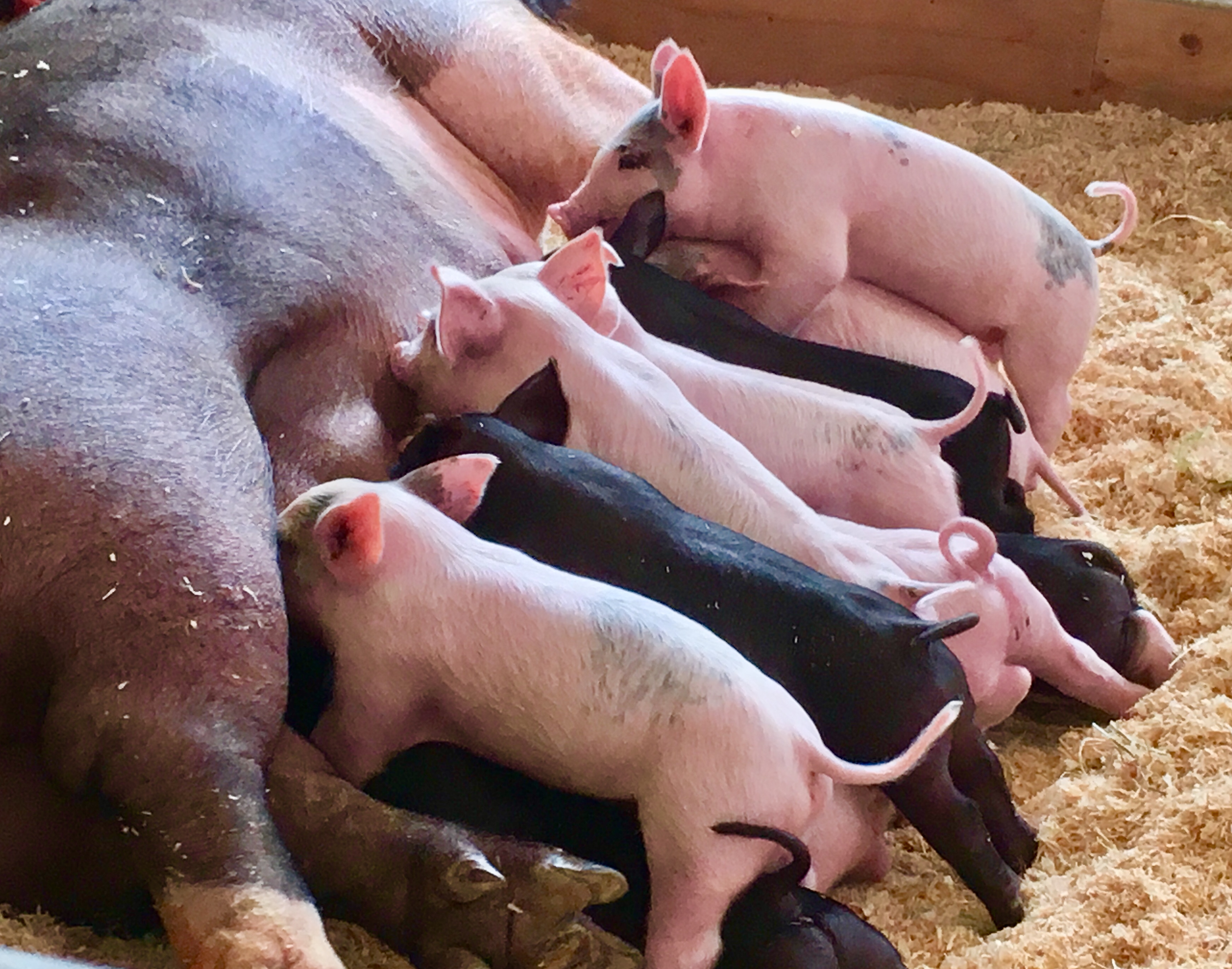
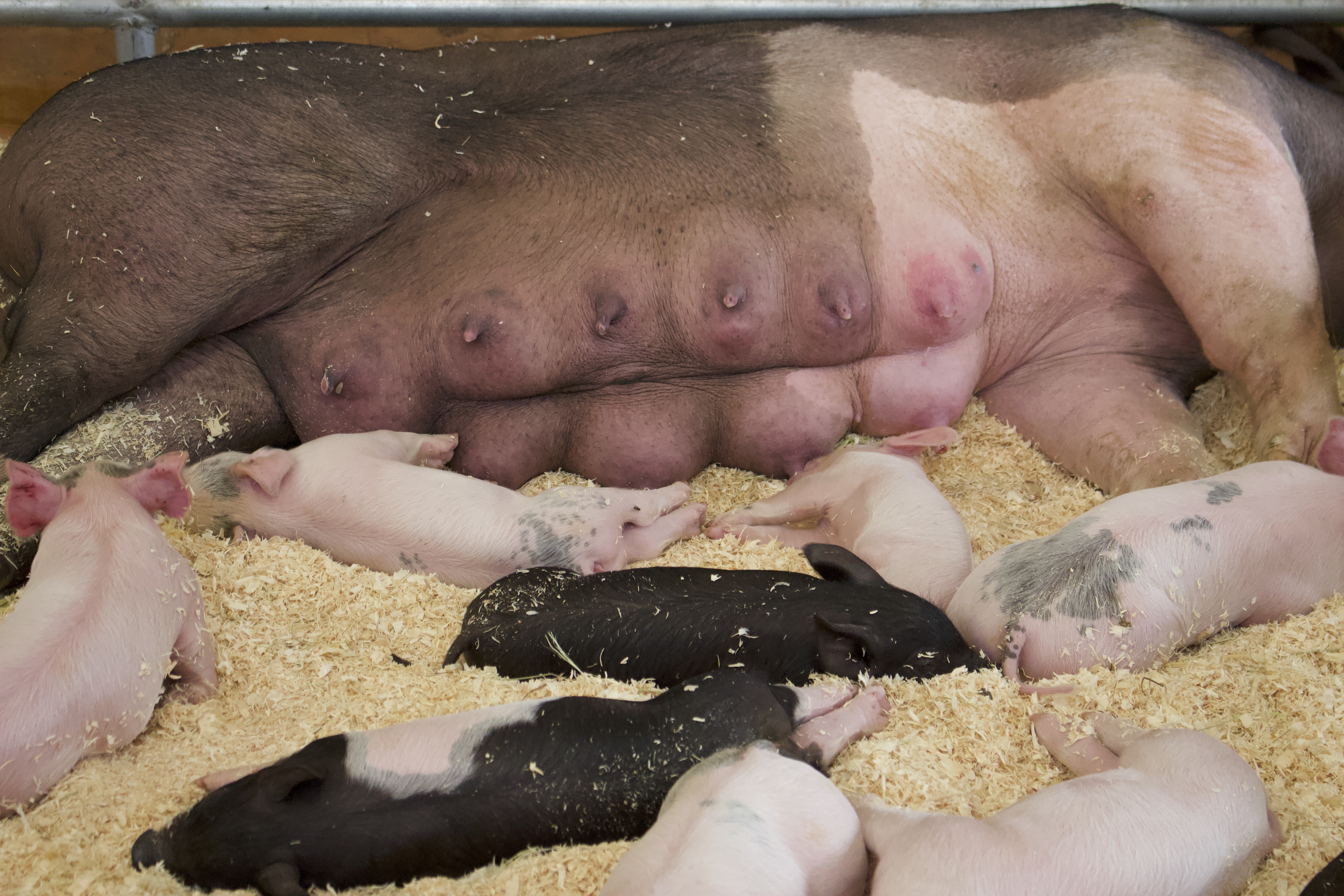
of the sow, and told her in words and in touch   
blessings of earth on the sow, and the sow   
began remembering all down her thick length,   
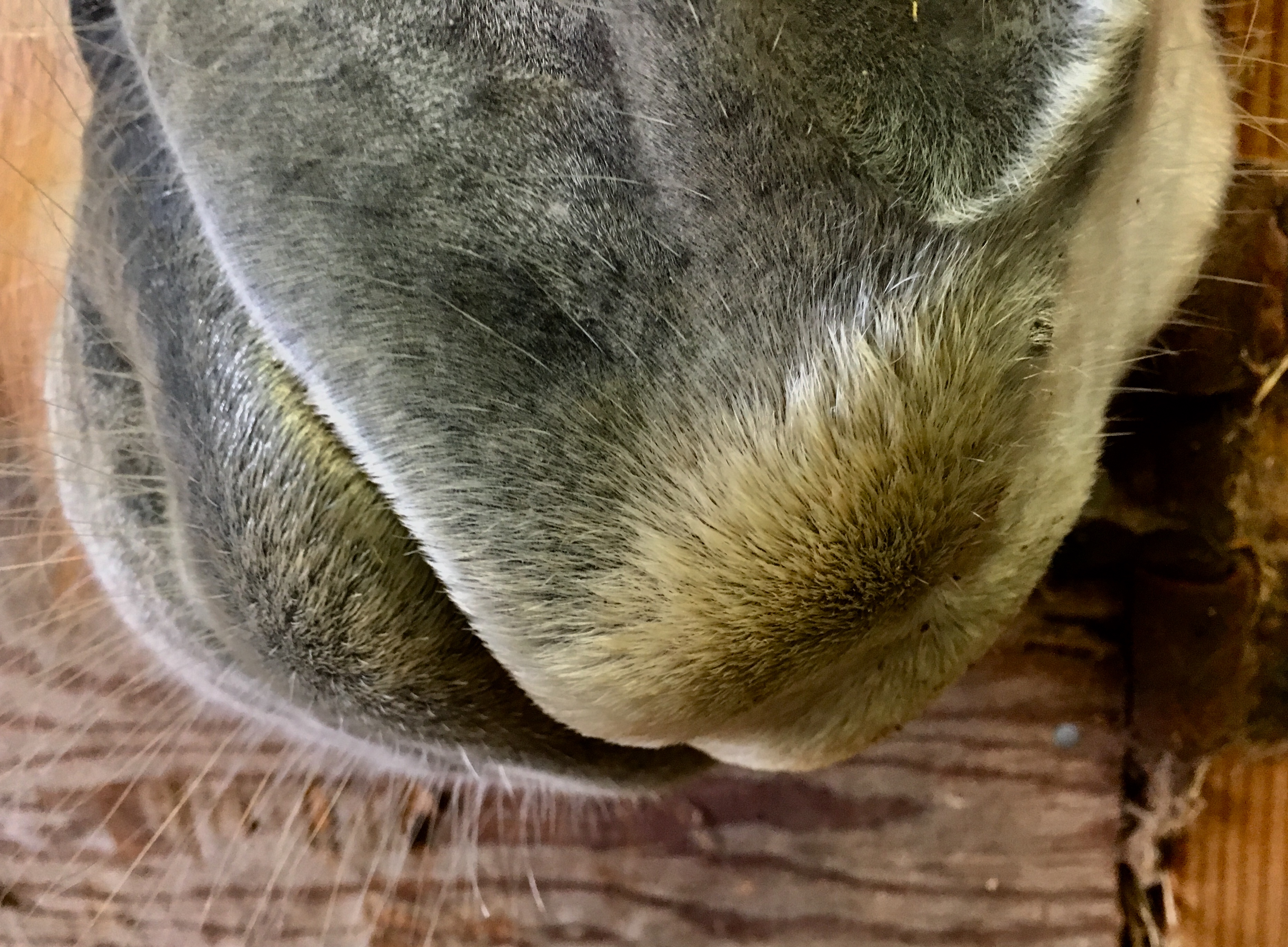
from the earthen snout all the way
through the fodder and slops to the spiritual curl of the tail,   
from the hard spininess spiked out from the spine   
down through the great broken heart
to the sheer blue milken dreaminess spurting and shuddering   
from the fourteen teats into the fourteen mouths sucking and blowing beneath them:
the long, perfect loveliness of sow.
~Galway Kinnell, “Saint Francis and the Sow” from Three Books.

We all need such a blessing – a gentle hand on our forehead to remind us of our budding loveliness. Without that affirmation, we become convinced we will never flower and fruit, that we are worthless to the world.

Due to cruel comparisons on social media and elsewhere, our young people (and too many older adults) remain crippled buds, feeling criticized and bullied into believing they don’t measure up and can never be crucially beautiful in the world.

And so I must ask: compared to what and whom?
What is more glorious than blooming just as we were created –
serving the very purpose for which we were intended?
Why wish for something or someone else?

There is nothing more wonderful than exactly how God knitted us together for His own purpose and in His own image — imperfectly perfect.

Celebrate your lifelong loveliness, whoever you are!

Absorbing the Shock

There are three kinds of men.
The ones that learn by reading.
The few who learn by observation. 
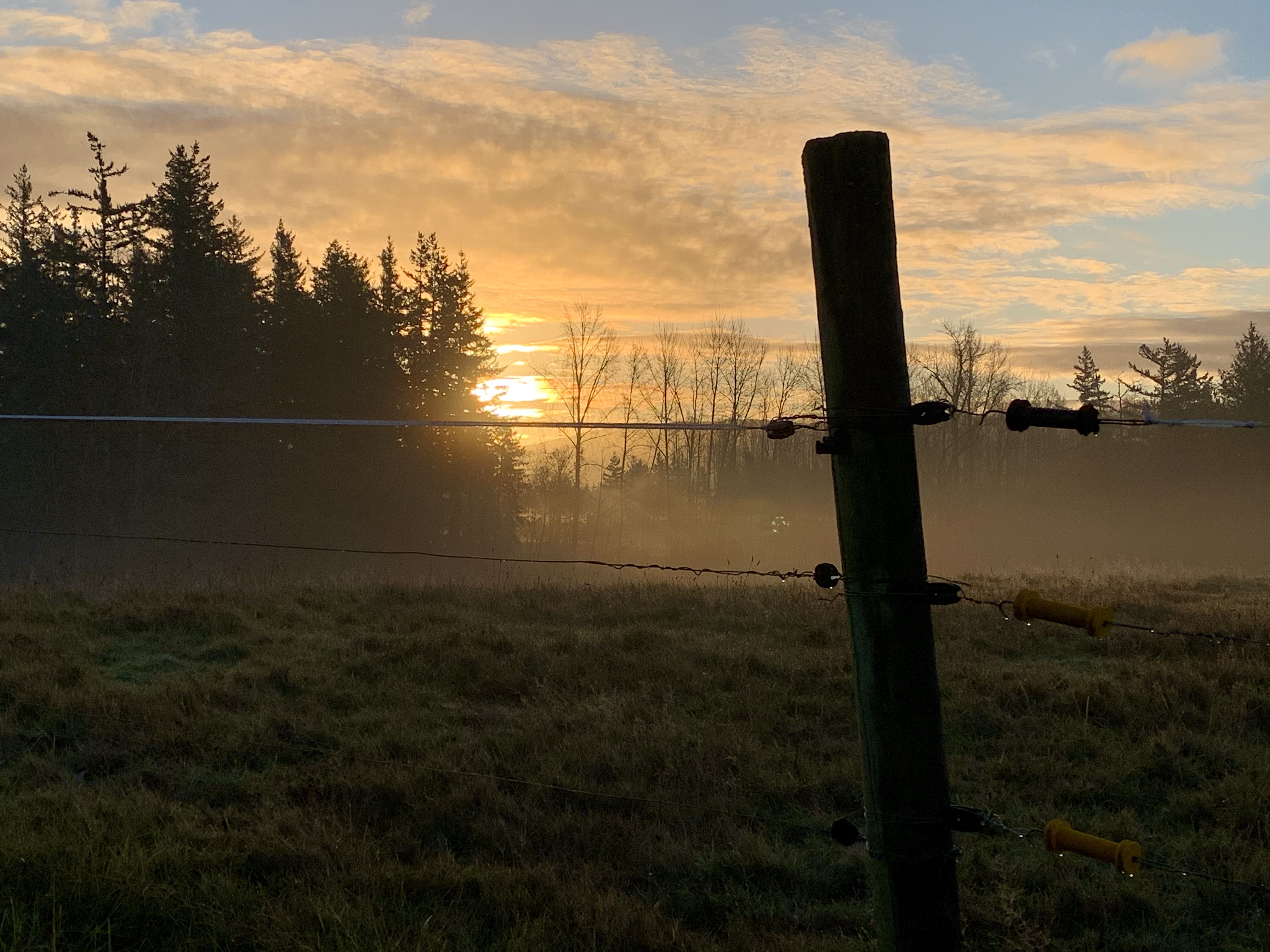
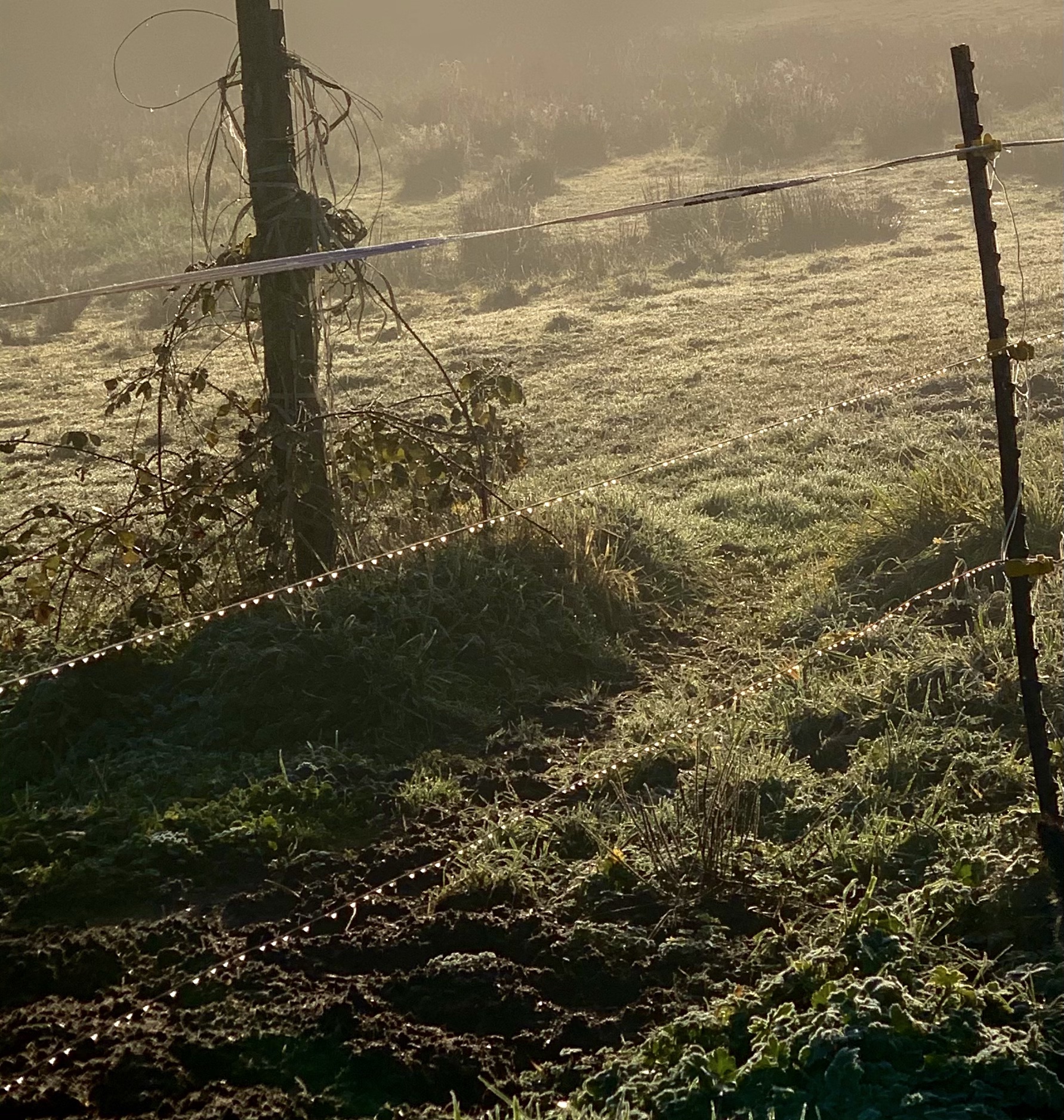
The rest of them have to pee on the electric fence for themselves.
~Will Rogers

Learning is a universal human experience from the moment we take our first breath.  It is never finished until the last breath is given up.  With a lifetime of learning, one would think eventually we should get it right.

But we don’t.  We tend to learn the hard way especially when it comes to matters having to do with our (or others’) health.

As physicians in training, we “see one, do one, teach one.”   That kind of approach doesn’t always go so well for the patient.   As patients, we like to eat, drink, and live how we wish, demanding what interventions we want only when we want them – this also doesn’t go so well for the patient.  You’d think we’d know better, but as fallible human beings, we may impulsively make decisions about our health without actually using our heads (is it evidence-based or simply an anecdotal story about what “worked” for someone else?).

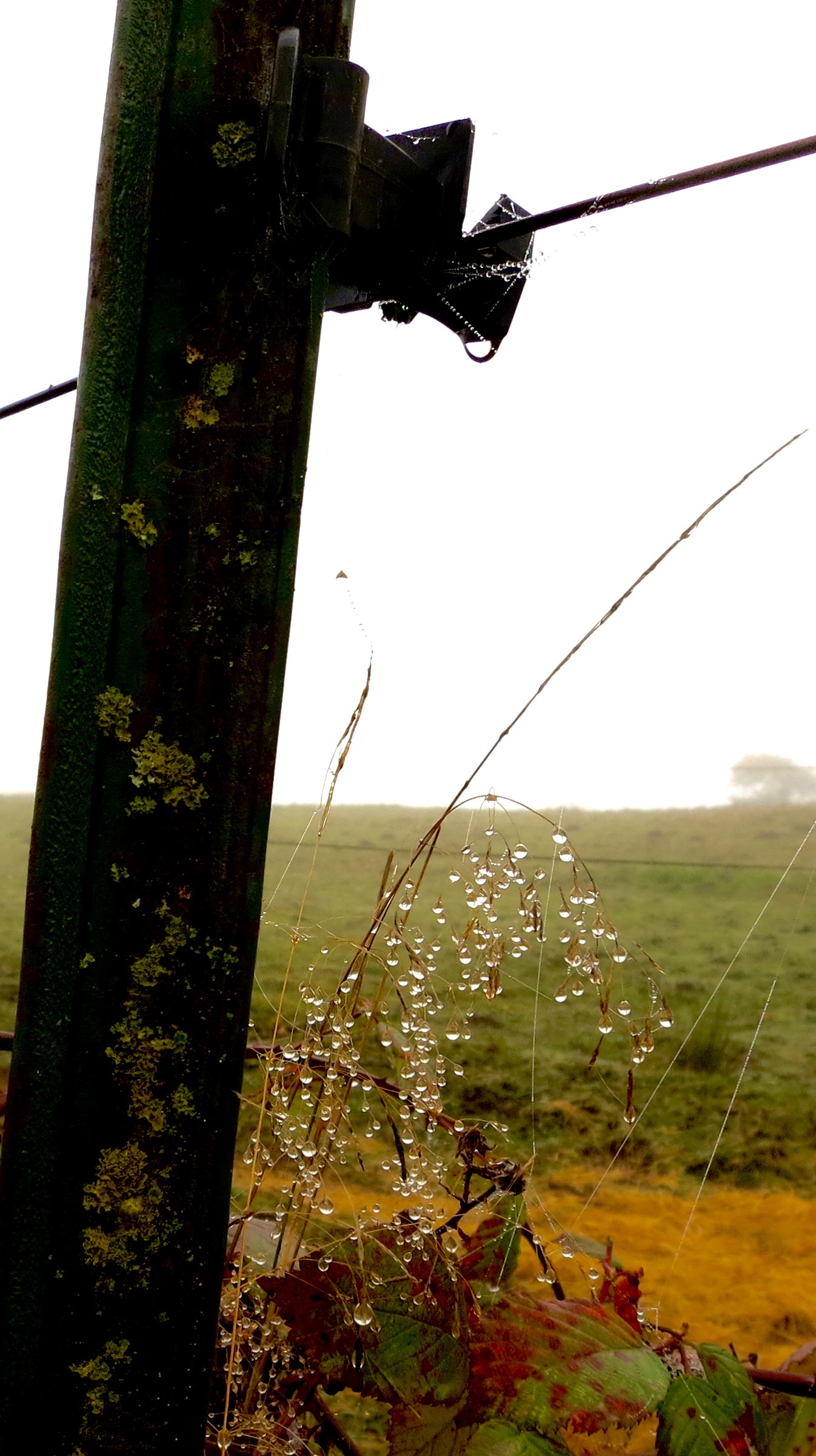
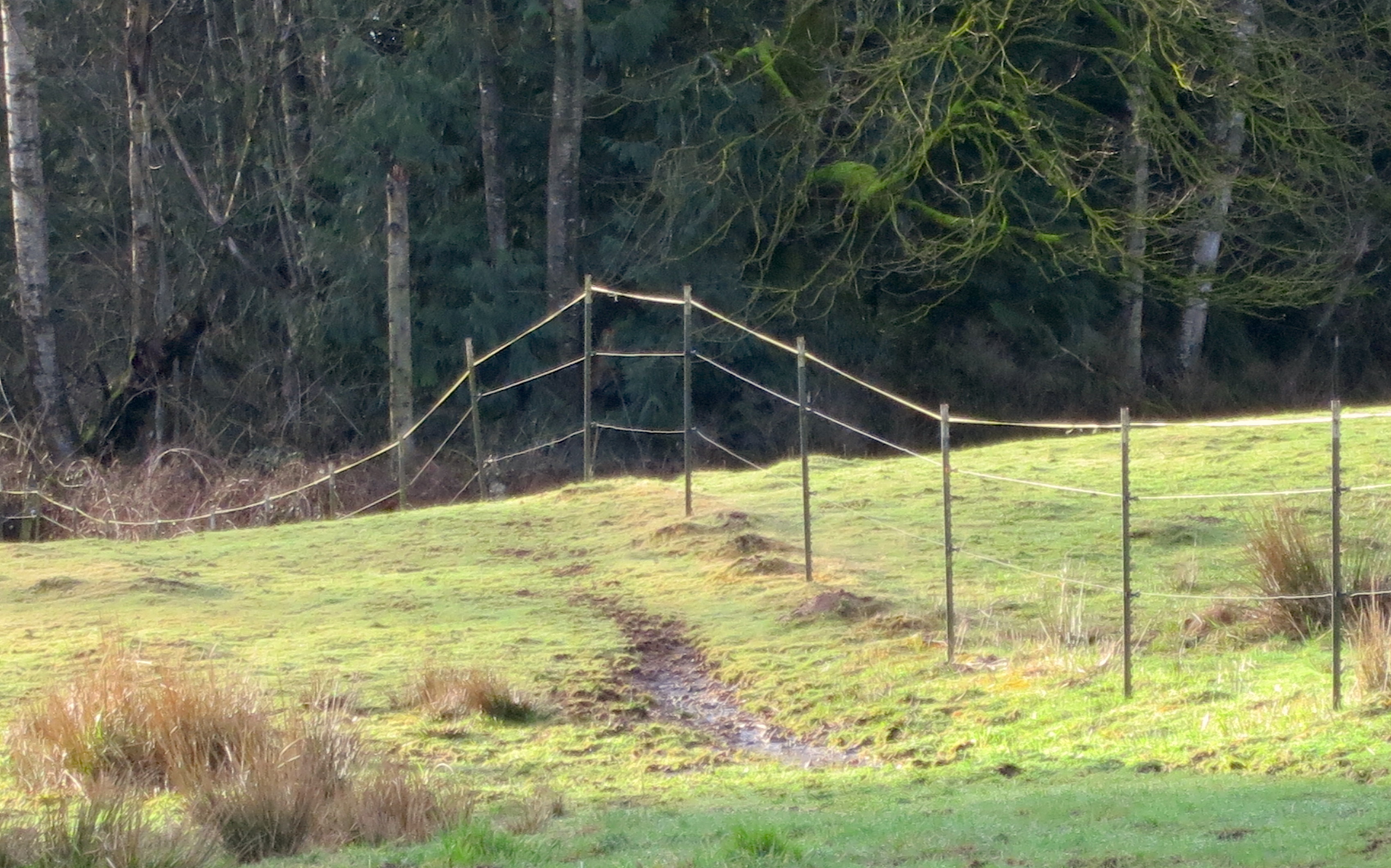
The cows and horses on our farm need to touch an electric fence only once when reaching for greener grass on the other side.  That moment provides a sufficient learning curve for them to make an important decision.  They won’t try testing it again no matter how alluring the world appears on the other side.   Humans are smarter sentient beings who should learn as quickly as animals but unfortunately don’t.  I know all too well what a shock feels like and I want to avoid repeating that experience.  Even so, in unguarded careless moments of feeling invulnerable (it can’t happen to me!), and yearning to have what I don’t necessarily need,  I may find myself reaching for the greener grass (or another cookie) even though I know better.   I suspect I’m not alone in my surprise when I’m jolted back to reality when I continually indulge myself and climb on the scale to see the results.

Many great minds have worked out various theories of effective learning, but, great mind or not, Will Rogers confirms a common sense suspicion: an adverse experience, like a “bolt out of the blue,” can be a powerful teacher.  As clinicians, we call it “a teachable moment.”  None of us want to experience a teachable moment — none of us, and we resent it when someone points it out to us.

When physicians and patients learn the hard way, we need to come along aside one another rather than work at cross-purposes.

It just might help absorb the shock.

Permission to Breathe Again

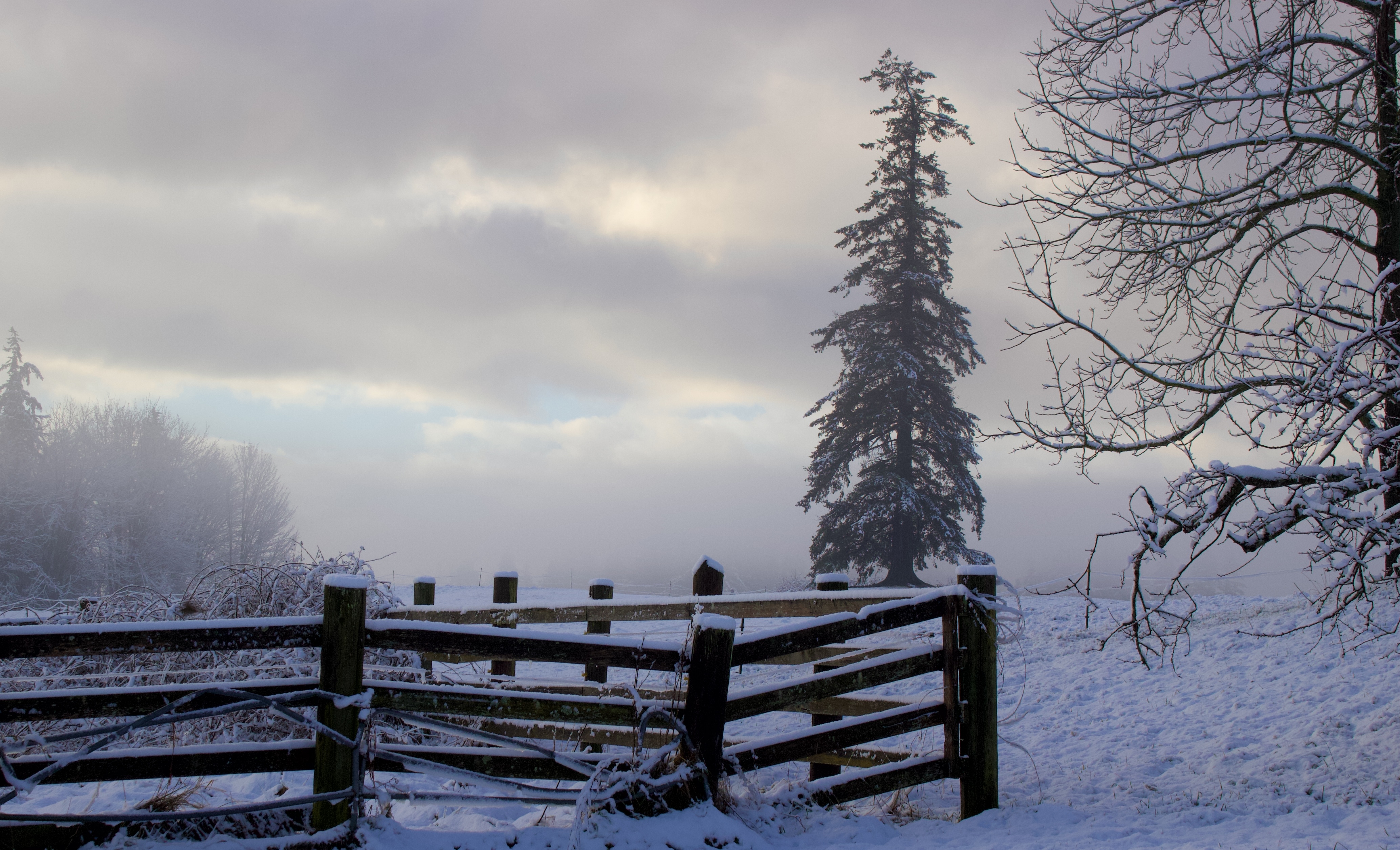
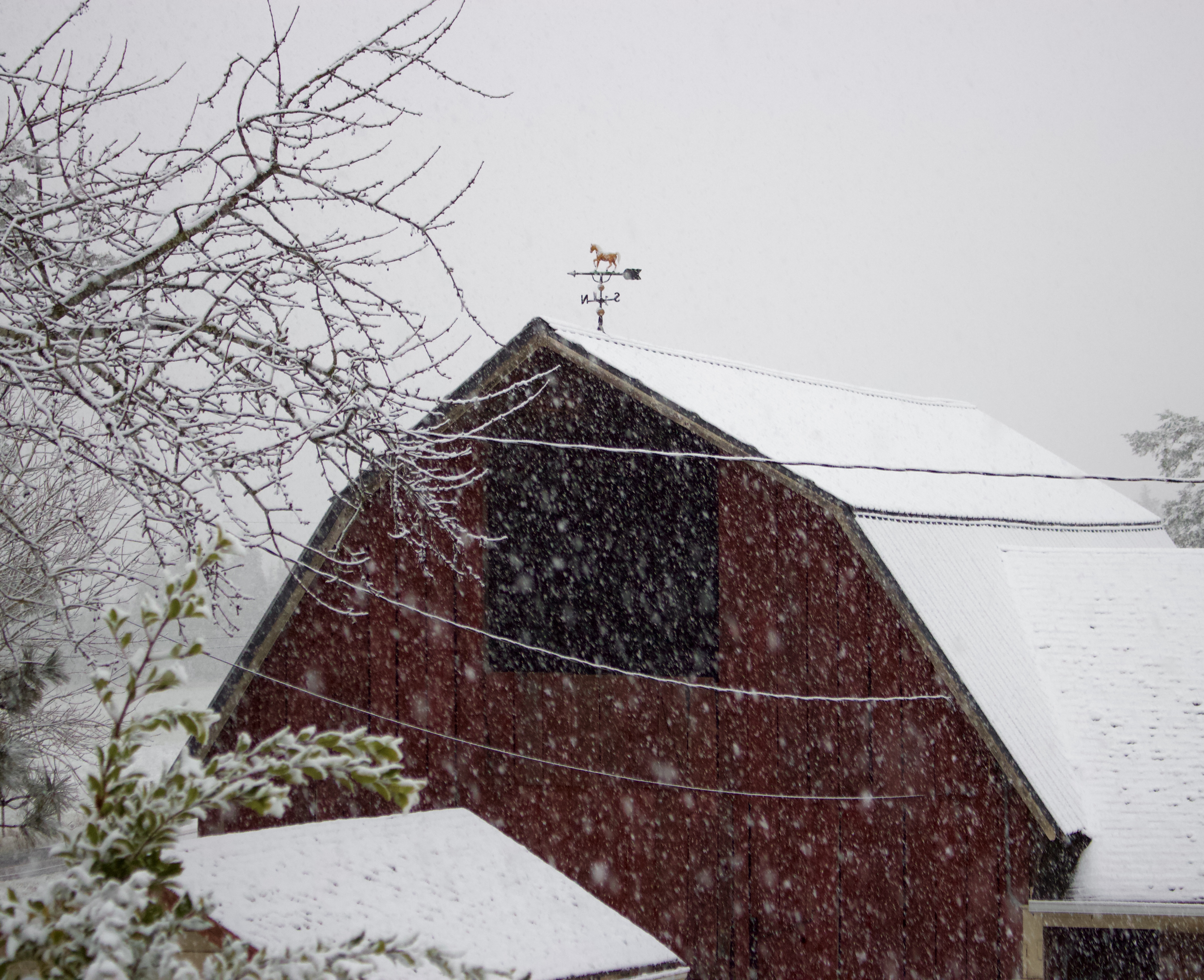
We are waiting for snow
the way we might wait for a train
to arrive with its cold cargo—
it is late already, but surely
it will come.
We are waiting for snow
the way we might wait
for permission
to breathe again.


For only the snow
will release us, only the snow
will be a letting go, a blind falling
towards the body of earth
and towards each other.


And while we wait at this window
whose sheer transparency
is clouded already
with our mutual breath,


it is as if our whole lives depended
on the freezing color
of the sky, on the white
soon to be fractured
gaze of winter.
~Linda Pastan “Interlude” from Queen of a Rainy Country

This poem by Linda Pastan was published in 2008 — it wasn’t written about waiting our turn for the new COVID vaccine, but it could have been.

Most of us are waiting for the vaccine like we wait for the relief of a winter snow storm. It’s as if we are all stuck inside, watching at the window, our noses pressed to the glass, our breath fogging the pane, gazing at the sky and trying to predict when and if the snow will come. We long to see the world clean and smooth and magical again with all its messy, grimy, muddy parts covered up, at least for awhile.

We want to play again and go where our heart wishes and be together with our friends and family. We want permission to breathe deeply, to show off our smiles and sing with gusto.

This second winter of COVID is crueler than the first because we know more now than a year ago: we know what we could have done and should have done but didn’t. We know we’ve lost far more lives than we should have and thousands more struggle to recover.

In order to fracture this COVID winter, to break open this frozen sky of our suspended lives, we seek the vaccine to arrive like the snow, covering all, protecting all, inviting all.

Our lives depend on it.

(I get my first dose today)

The Edge of Morning

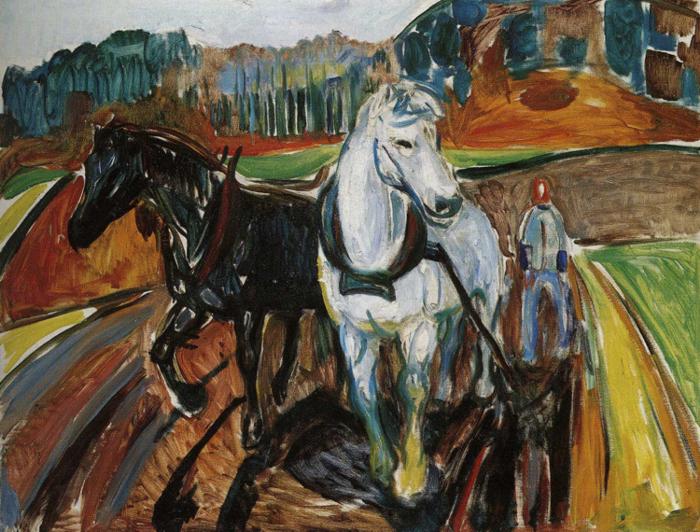
Horse Team by Edvard Munch
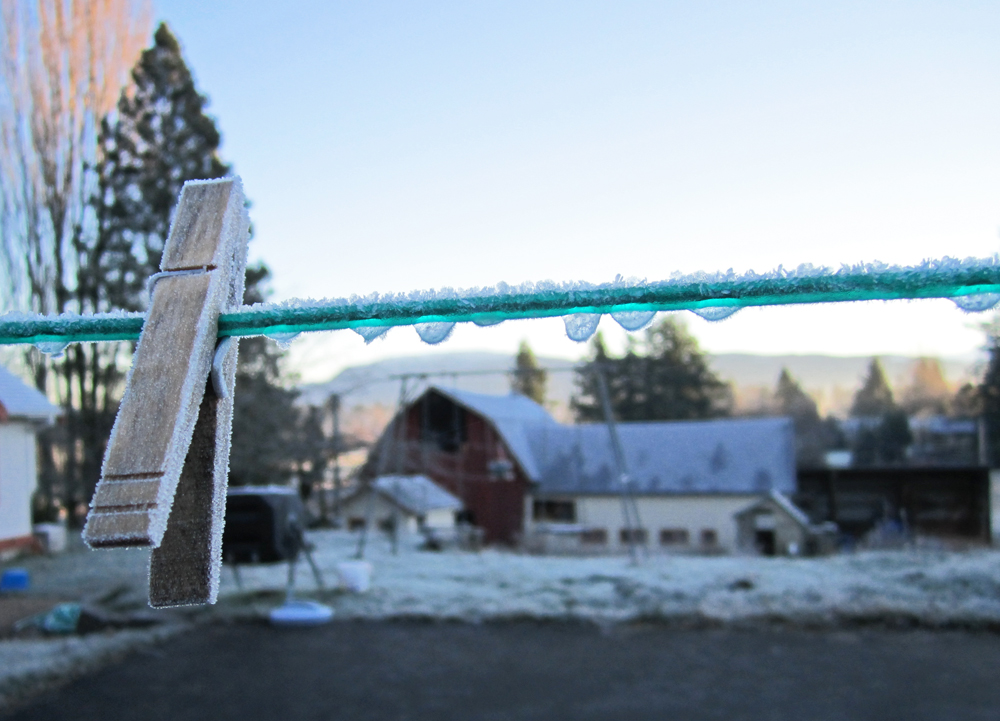
The glittering roofs are still with frost; each worn
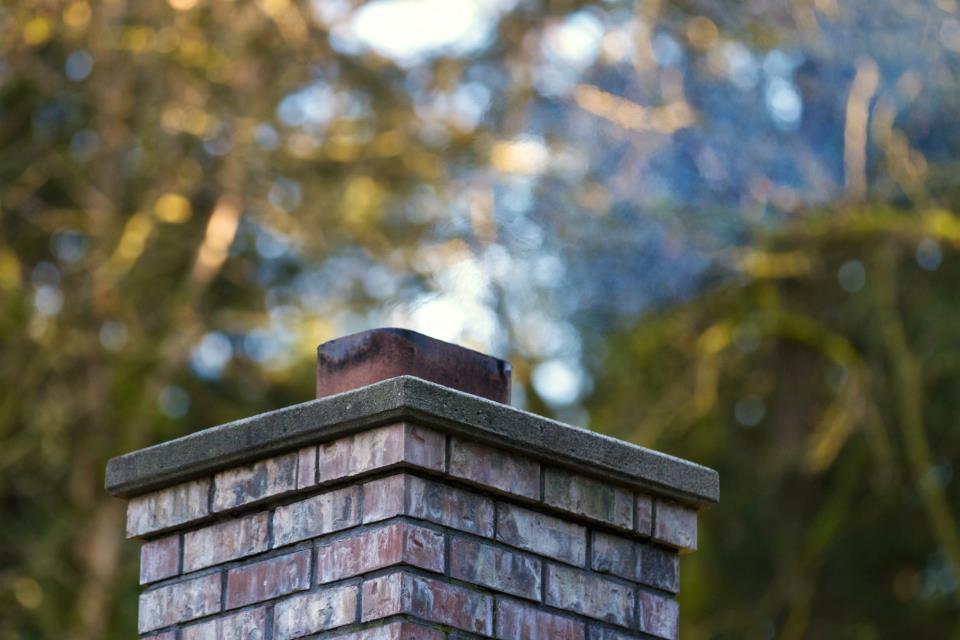
Black chimney builds into the quiet sky
Its curling pile to crumble silently.
Far out to the westward on the edge of morn,
The slender misty city towers up-borne
Glimmer faint rose against the pallid blue;
And yonder on those northern hills, the hue
Of amethyst, hang fleeces dull as horn.

And here behind me come the woodmen’s sleighs
With shouts and clamorous squeakings; might and main
Up the steep slope the horses stamp and strain,
Urged on by hoarse-tongued drivers–cheeks ablaze,
Iced beards and frozen eyelids–team by team,
With frost-fringed flanks, and nostrils jetting steam.

~Archibald Lampman “A January Morning”
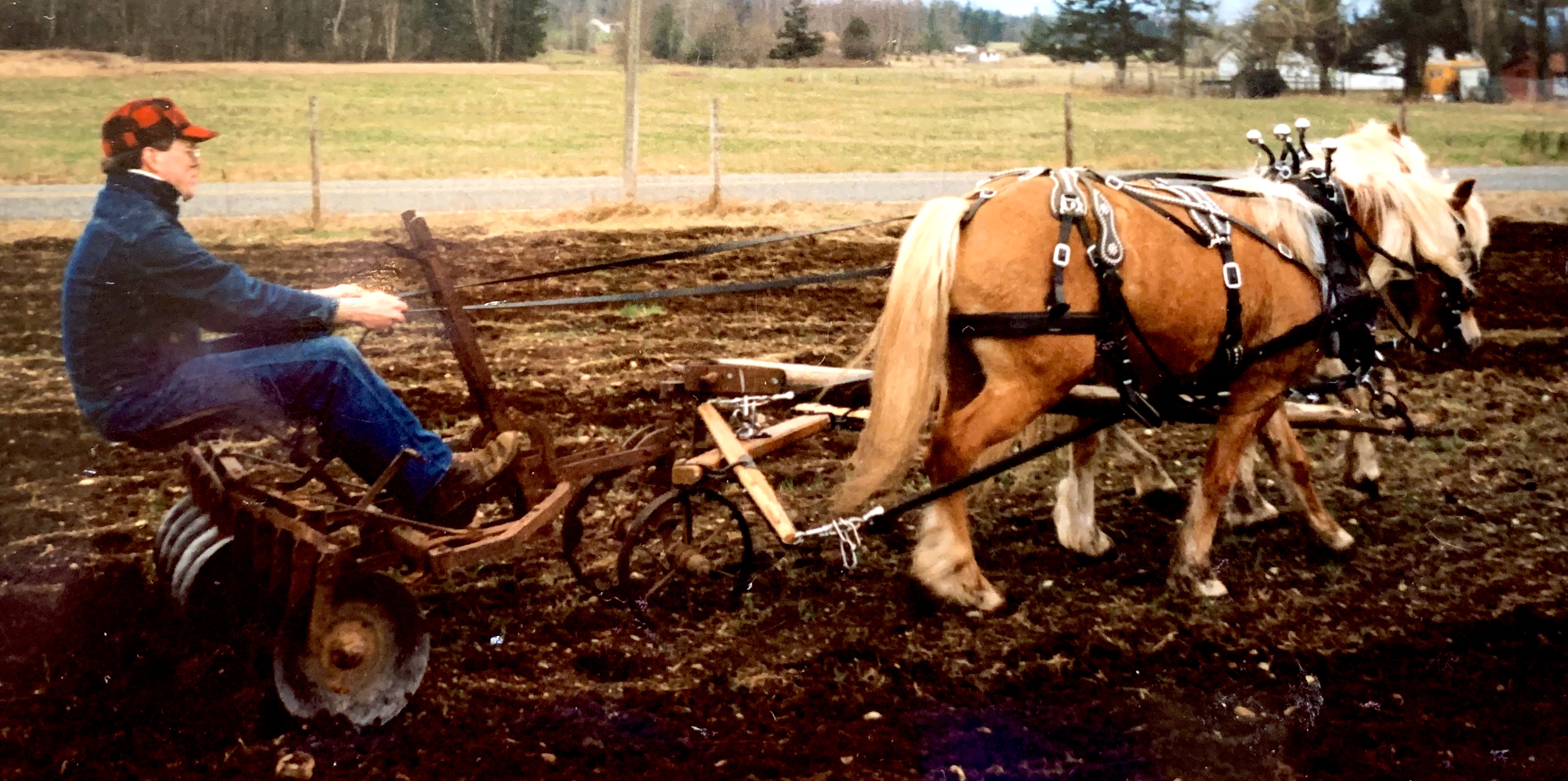
photo by Josh Scholten

The vast majority of the world no longer depends on horse power on hooves to bring us the things we need to live every day.

Few of us depend on wood heat in our homes during these chilly January nights. Chimneys have become obsolete or merely decorative.

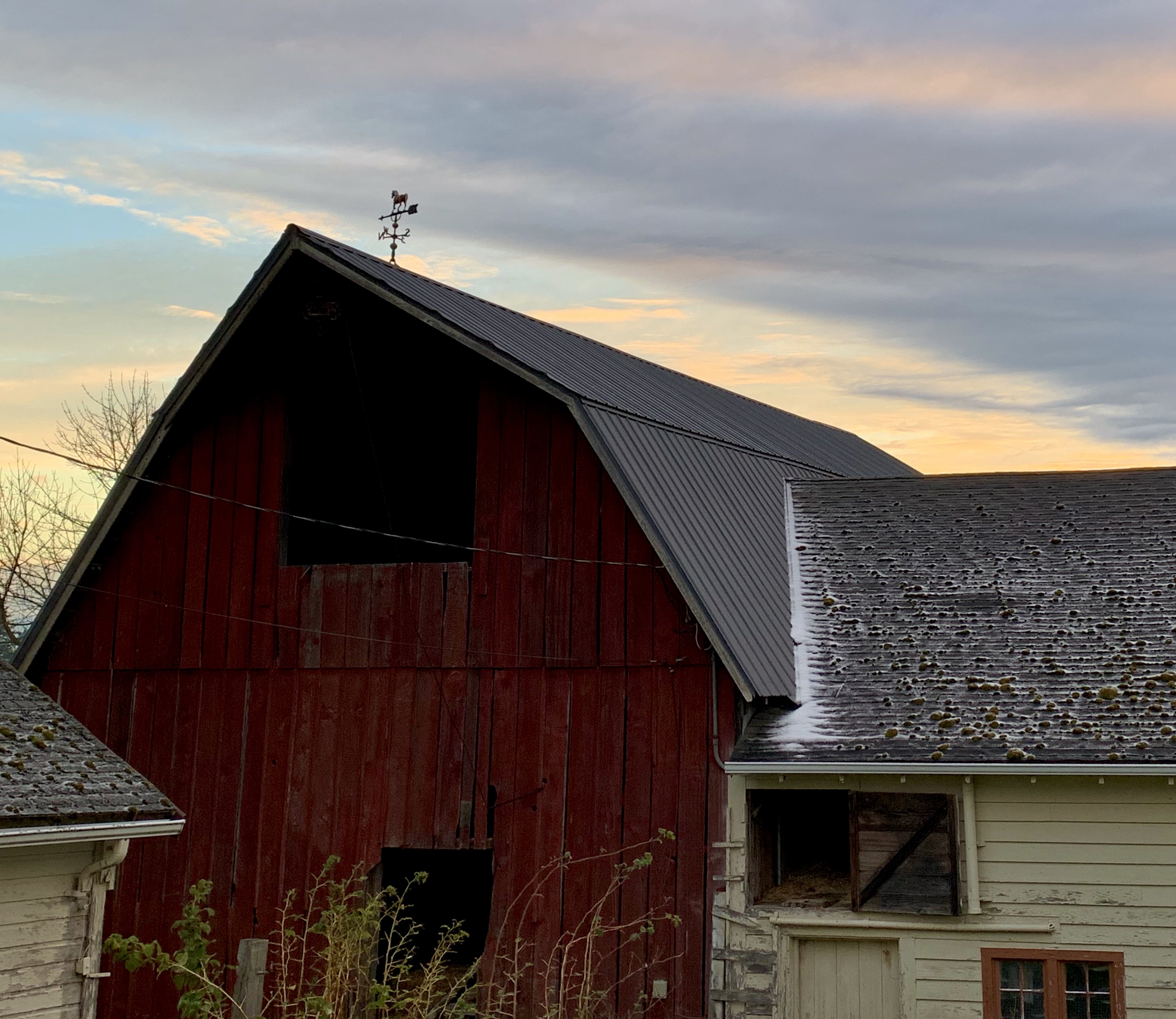
We live in a farm house that depended solely on wood heat to keep its original family warm through decades of brisk Pacific Northwest winters – in our remodel twenty plus years ago, we removed two wood stoves and installed a propane furnace and gas stove instead – now dependent on fossil fuels but trying to keep the air clean around us.

We also no longer have to wait, as our parents and grandparents did, on teamsters with frosted beards urging on their teams of steaming horses – pulling sleighs and wagons loaded with firewood or other goods. Now, sleek semis back up to the ramps of grocery stores and off-load their cargo into warehouse and freezers so night stockers can ensure the shelves are full for shoppers each morning.

For most of us living in a time of modern and immediate conveniences, we have little connection to the original source of the daily supplies we need and how they get to us. As descendants of subsistence farmers, my husband and I feel a relationship to the land we live on, fortunate to be able to store much of our garden and orchard produce right here in our pantry, root cellar and freezer.

And what of the horses who were so critical to the economy up until a century ago? Their role has been reduced to recreation and novelty rather than providing the essential horse power that supplied the goods we needed to live and moved us where we needed to go.

No fossil fuel necessary back then.
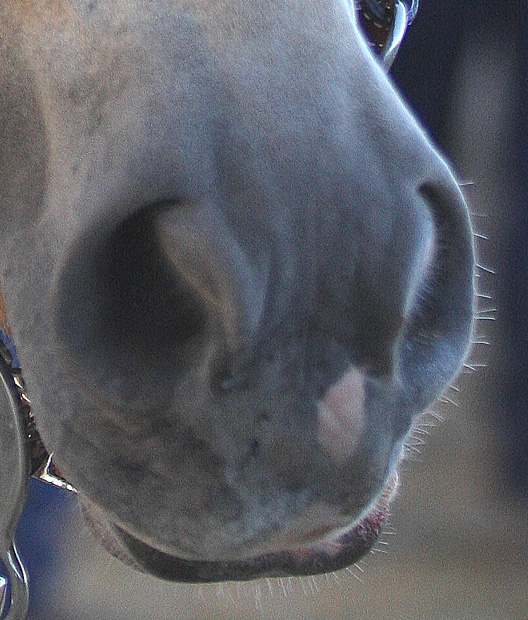
No exhaust other than steaming nostrils
and a pile of manure here or there.

We are the aging bridge generation between the end of horse power on hooves giving way to universal horse power on wheels. I remind myself of this each day as I do the chores in the barn. I’m a fortunate farmer, working alongside these animals on the edge of a frosty morning, knowing few people will remember how essential they were or have the privilege to continue to care for them as they deserve.

Kicking on the Furnace

When the cold air comes on in,
it kicks the furnace on,
and the furnace overwhelms the cold.
As the sorrow comes into the heart of a Christian,
it kicks on more of the joy.
It gets you closer to him,
it helps you dig down deeper into him,
and the joy kicks up, you might say, like a furnace,
and overwhelms the sorrow.
That is a picture of a solid Christian.
Not a sorrow-less person who is
happy, happy, happy, all the time.
That’s not the picture.
A picture of a real Christian
is a person who has a furnace of joy in there
that kicks up as the sorrow comes in
and overwhelms the sorrow.
But the sorrow is there.
It is there.
~Pastor Tim Keller (1990)
, now in treatment for pancreatic cancer

The Cross is the blazing fire at which the flame of our love is kindled, but we have to get near enough for its sparks to fall on us.
~John Stott

I have listened to criticism at times in my faith life that I don’t exhibit enough joy and happiness in my Christian walk. It is true that I tend toward lamenting the state of the world and the state of my own soul. I could use more balance in my expressions of gratitude. So what I hear from others is fair feedback.

My faith furnace thermostat is now set so high that it rarely kicks on and I dwell too much in the cold.

Especially in the last year of COVID-time, I have been especially feeling the chill as I watch so many dealing with immense sorrow and loss. So much has changed, particularly in how we can safely gather and worship together, resulting in finger pointing among Christians about who is showing more righteous dedication to the Word of God.

So the nit-picking begins.

If we don’t sing together in worship as commanded by our Lord but temporarily restricted by state regulations, do we lack conviction in our faith, allowing fear and earthly authorities to rule over us? If we sing outside, even in the cold dark rain and snow, is that sufficient compromise and does it truly “turn on” the furnace of our joy?

Or wearing a mask shows fear and a lack of faith that God is ultimately in charge as only He determines how many days we dwell on this earth. Yet by wearing a mask at all times when together we are showing compassion for others by loving them enough to try to protect them from any infection we may unknowingly harbor.

These feel like irreconcilable differences in perspective among people who purportedly love one another in the name of Christ. So we all end up in the cold, waiting on the furnace of our love and joy to kick on.

In my self-absorption, I tend to forget that the fire has always been there, lit by Christ’s sacrifice, despite His own mortal fear and hesitation and tears, yet fueled solely by His divine desire to save His children. I need to come closer to feel the heat of His love, and feel those sparks landing on my earthly skin to remind me there can be no love without pain.

Amen to that.

Diagnosing a Case of the Dwindles

Morning without you is a dwindled dawn.
~Emily Dickinson in a letter to a friend April 1885

For the past year, the most common search term bringing new readers to my Barnstorming blog is “dwindled dawn.” I have written about Emily Dickinson’s “dwindles” on occasions, but had not really been diagnosed with a serious case myself until recently.

I am not the only one. It has spread across the globe and I regularly recognize the symptomatology of the dwindles in my clinical work with patients.

There really isn’t a pill or other therapy that works well for this. One of the most effective treatments I might prescribe is breaking bread with friends and family all in the same room at the same table while the sun rises around us, lingering in conversation because there could not be anything more important for us to do.

Just being together would be the ultimate cure.

Maybe experiencing friend and family deficiency helps us understand how vital they are to our well-being. You don’t know what you have ’till they’re gone, sadly some now forever.

Point well-taken; it is high time to replenish the reservoir before dwindling away to nothing.

So if you are visiting these words for the first time because you too searched for “dwindled dawn,” welcome to Barnstorming. We can dwindle together in our shared isolation.

Because mornings without you all diminishes me.
I just wanted you to know.

This Gift of Struggle

All morning, doing the hard, root-wrestling
work of turning a yard from the wild
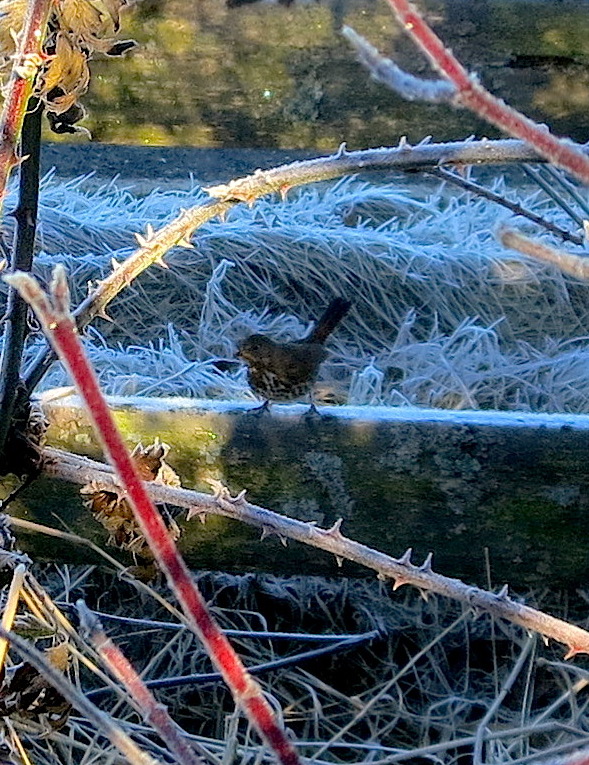
to a gardener’s will, I heard a bird singing
from a hidden, though not distant, perch;
a song of swift, syncopated syllables sounding
like, Can you believe this, believe this, believe?
Can you believe this, believe this, believe?
And all morning, I did believe. All morning,
between break-even bouts with the unwanted,
I wanted to see that bird, and looked up so
I might later recognize it in a guide, and know
and call its name, but even more, I wanted
to join its church. For all morning, and many
a time in my life, I have wondered who, beyond
this plot I work, has called the order of being,
that givers of food are deemed lesser
than are the receivers. All morning,
muscling my will against that of the wild,
to claim a place in the bounty of earth,
seed, root, sun and rain, I offered my labor
as a kind of grace, and gave thanks even
for the aching in my body, which reached
beyond this work and this gift of struggle.
~Richard Levine “Believe This” from That Country’s Soul

North Brooklin, Maine
30 March 1973

Dear Mr. Nadeau:
As long as there is one upright man, as long as there is one compassionate woman, the contagion may spread and the scene is not desolate. Hope is the thing that is left to us, in a bad time. I shall get up in the morning and wind the clock, as a contribution to order and steadfastness.

Sailors have an expression about the weather: they say, the weather is a great bluffer. I guess the same is true of our human society—things can look dark, then a break shows in the clouds, and all is changed, sometimes rather suddenly. It is quite obvious that the human race has made a queer mess of life on this planet. But as a people we probably harbor seeds of goodness that have lain for a long time waiting to sprout when the conditions are right. Man’s curiosity, his relentlessness, his inventiveness, his ingenuity have led him into deep trouble. We can only hope that these same traits will enable him to claw his way out.

Hang on to your hat. Hang on to your hope. And wind the clock, for tomorrow is another day.
Sincerely,
[Signed, ‘E. B. White’] from Letters of Note

Today yet another era begins and another ends. However, the struggle continues: there is anguish on one side and relief on the other– just the reverse of four years ago.

I want to believe things will be different and the messes cleaned up without creating new messes. I realize, thanks to human nature, that is a futile hope.

I want to believe that goodness and compassion will thrive again.

So I will pull out the weeds that have taken over in my on back yard and clear the ground for a clean start. I will rewind the clock to help create order out of chaos and experience steadfastness instead of uncertainty.

May we hang on to hope that our dis-united states may once again survive a leader with many human flaws and failings, just as we’ve survived countless other imperfect leaders.

It is up to we the people to keep our own yards weed-free, and not allow them to take over — ever again.

We are Sharers in the Guilt

…if I respond to hate with a reciprocal hate
I do nothing but intensify the cleavage in broken community.
I can only close the gap in broken community
by meeting hate with love.
If I meet hate with hate, I become depersonalized,
because creation is so designed that my personality
can only be fulfilled in the context of community.
Booker T. Washington was right:

“Let no man pull you so low as to make you hate him.”
~Dr. Martin Luther King, Jr. from Stride Toward Freedom

Do you know why this world is as bad as it is?
It is because people think only about their own business, 
and won’t trouble themselves to stand up for the oppressed, 
nor bring the wrong-doers to light. 
My doctrine is this: 
that if we see cruelty or wrong
that we have the power to stop, 
and do nothing,
we make ourselves sharers in the guilt.

~Anna Sewell from Black Beauty

As nightfall does not come at once, neither does oppression.
In both instances, there is a twilight

when everything remains seemingly unchanged.
And it is in such twilight that we all must be most aware

of change in the air
– however slight –
lest we become unwitting victims of the darkness.
~William O. Douglas
in a 1976 letter to Young Lawyers of the Washington State Bar Association

We live in a time where the groaning need
and dividedness of humankind
is especially to be felt and recognized.
Countless people are subjected to hatred,
violence and oppression which go unchecked.
The injustice and corruption which exist today
are causing many voices to be raised to protest
and cry out that something be done.
Many men and women are being moved to sacrifice much
in the struggle for justice, freedom, and peace.
There is a movement afoot in our time,
a movement which is growing, awakening.

We must recognize that we as individuals are to blame
for every social injustice,
every oppression,
the downgrading of others
and the injury that man does to man,
whether personal or on a broader plane.…
God must intervene with his spirit and his justice and his truth.
The present misery, need, and decay must pass away
and the new day of the Son of Man must dawn.
This is the advent of God’s coming.
~Dwight Blough from the introduction to When the Time was Fulfilled (1965)

No matter how big a nation is, it is no stronger that its weakest people, and as long as you keep a person down, some part of you has to be down there to hold him down, so it means you cannot soar as you might otherwise.
~Marian Anderson, American opera singer at two presidential inaugurals, Presidential Medal of Freedom recipient and US State Dept. Goodwill Ambassador

We have a new definition of greatness:
it means that everybody can be great,
because everybody can serve. 
You don’t have to have a college degree to serve. 
You don’t have to make your subject and your verb agree to serve. 
You don’t have to know about Plato and Aristotle to serve. 
You don’t have to know Einstein’s theory of relativity to serve. 
You don’t have to know the second theory of thermodynamics
in physics to serve. 

You only need a heart full of grace,
a soul generated by love. 
And you can be that servant.
~Martin Luther King, Jr.  in a February 1968 sermon:  “The Drum Major Instinct”, A Knock At Midnight: Inspiration from the Great Sermons of Reverend Martin Luther King, Jr.

Dr. King’s words and wisdom in his sermons and letters written over fifty years ago continue to inform us of our shortcomings as a society.

We flounder in our flaws and brokenness, persisting in our resistance to serve one another out of humility, grace and love.

Perhaps this week, we can be forgiven and start afresh.

Instead of spewing lies, profanity and hatred,
can we unite despite our fear of one another?
-to no longer be divided by strife and disagreements,
-to no longer support actions that result in senseless killings,
whether in the streets or in the womb,
-to finally be able to hold up one another,
born and unborn,
as a holy and equal in God’s eyes.

May we join together as the light dawns on this day knowing, as Dr. King knew, a new day will come when the Lord God wipes tears away from all faces, all colors, all people, created in His image.

An Austere Love

Sundays too my father got up early
And put his clothes on in the blueback cold,
then with cracked hands that ached
from labor in the weekday weather made
banked fires blaze. No one ever thanked him.

I’d wake and hear the cold splintering, breaking.
When the rooms were warm, he’d call,
and slowly I would rise and dress,
fearing the chronic angers of that house,

Speaking indifferently to him,
who had driven out the cold
and polished my good shoes as well.
What did I know, what did I know
of love’s austere and lonely offices? 
–  Robert HaydenThose Winter Sundays

As a child growing up,
I was oblivious
to the sacrifices my parents made
to keep the house warm,
place food on the table,
to teach us the importance of faith and belief,
to crack the door of opportunity open,
so we could walk through
to a better life.

It was no small offering
to keep dry seasoned fire and stove wood always at the doorstep,
to milk the cows twice a day,
to grow and preserve fruits and vegetables months in advance,
to raise and butcher meat animals,
to read books together every night,
to sit with us over homework
and drive us to 4H, Cub Scouts and Camp Fire,
to music lessons and sports,
to sit together, never missing a Sunday morning,
to worship God.

This was their love,
so often invisible,
too often imperfect,
even when they were angry with one another–
yet its encompassing warmth
splintered and broke
the grip of cold and loneliness
that too often
overwhelms and freezes
a child’s heart and soul.

What did I know?
Too little then,
maybe a little more now.

Pleading To Be Let Out

Though the barn is so warm
that the oats in his manger,
the straw in his bed
seem to give off smoke—

though the wind is so cold,
the snow in the pasture
so deep he’d fall down
and freeze in an hour—

the eleven-month-old
palomino stallion
has gone almost crazy
fighting and pleading
to be let out.
~Alden Nowlan “The Palomino Stallion” from Selected Poems.

photo by Emily Vander Haak

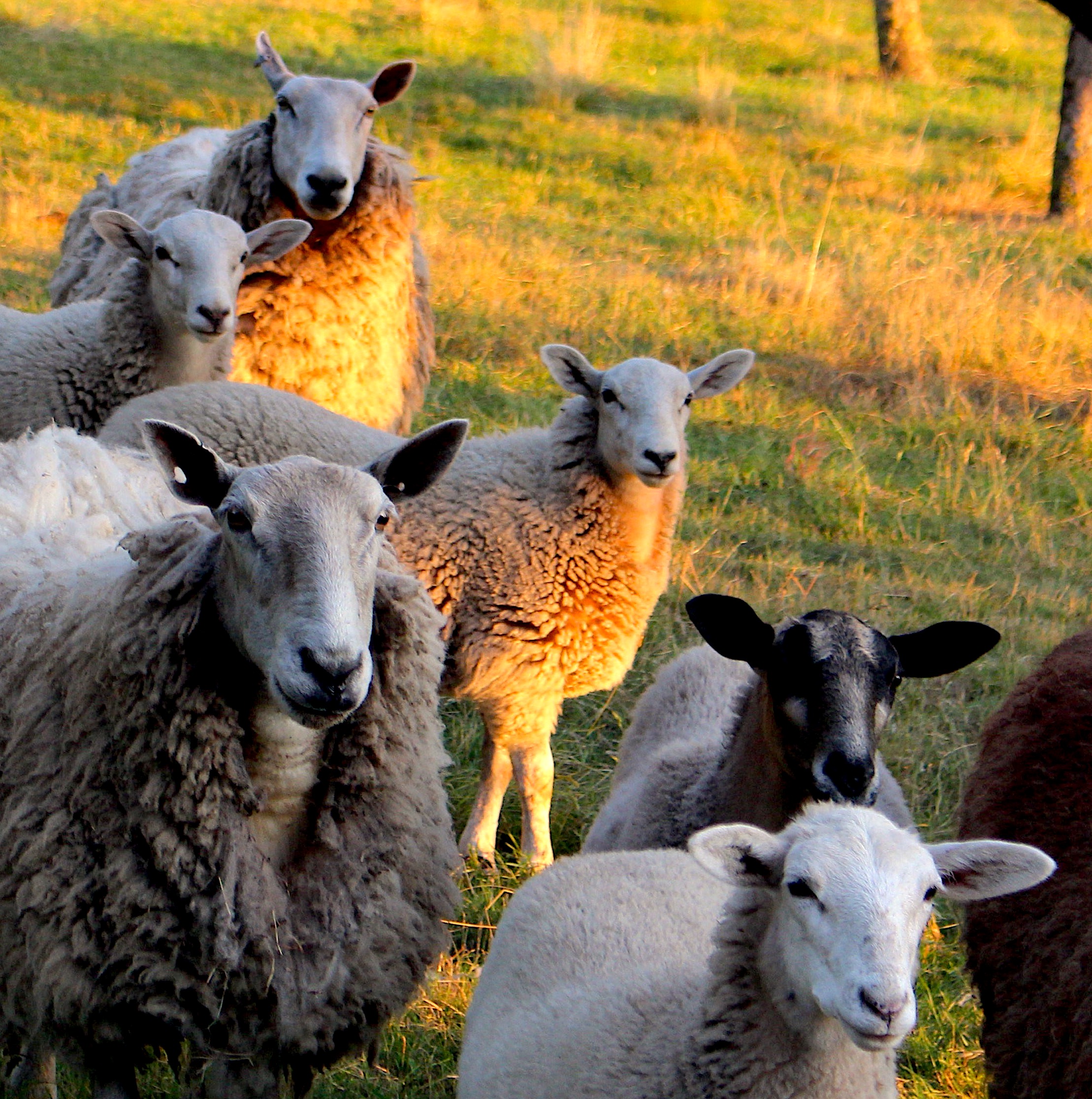
Inside the barn the sheep were standing, pushed close to one
another. Some were dozing, some had eyes wide open listening
in the dark. Some had no doubt heard of wolves. They looked
weary with all the burdens they had to carry, like being thought
of as stupid and cowardly, disliked by cowboys for the way they
eat grass about an inch into the dirt, the silly look they have
just after shearing, of being one of the symbols of the Christian
religion. In the darkness of the barn their woolly backs were
full of light gathered on summer pastures. Above them their
white breath was suspended, while far off in the pine woods,
night was deep in silence. The owl and rabbit were wondering,
along with the trees, if the air would soon fill with snowflakes,
but the power that moves through the world and makes our
hair stand on end was keeping the answer to itself.
~Tom Hennen “Sheep in the Winter Night” from Darkness Sticks to Everything. 

We all feel pretty locked in right now – not able to go where we want, when we want, or how we want. We are kicking at the walls and pummeling each other in our frustration at the limitations imposed by a blizzard of virus swirling outside, swallowing up another person every couple minutes.

It is hard to think of quarantine as a necessary time of security and safety. Even our horses are confined to their barn stalls in the worst of winter weather with all the comforts of home provided to them, yet somehow they believe it is better “out there” than inside. However, once they are “out there,” they take one look around and turn back to come in where there isn’t knee deep mud or bitter northeast winds or pounding drenching rain. It isn’t a bit friendly out there.
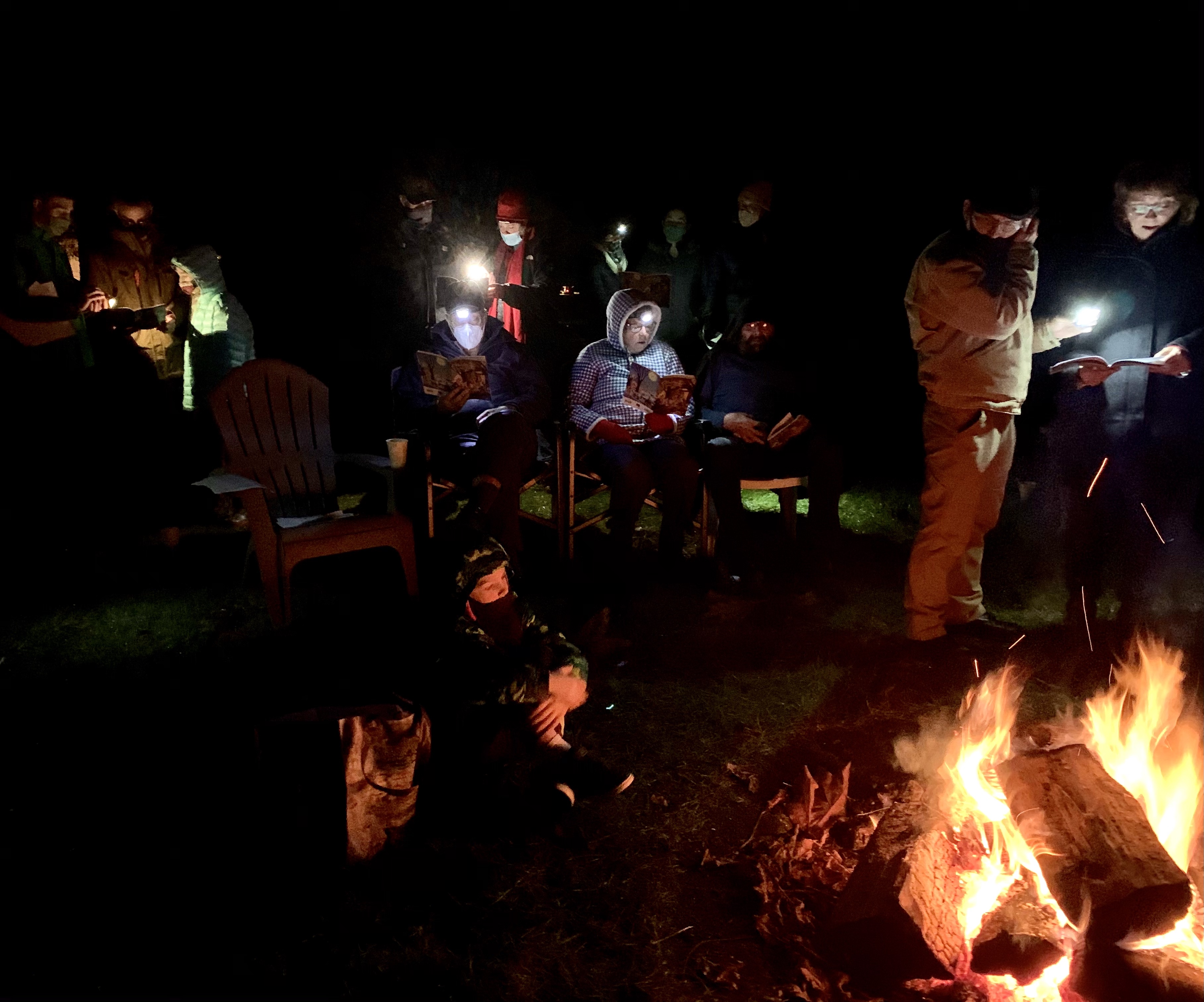
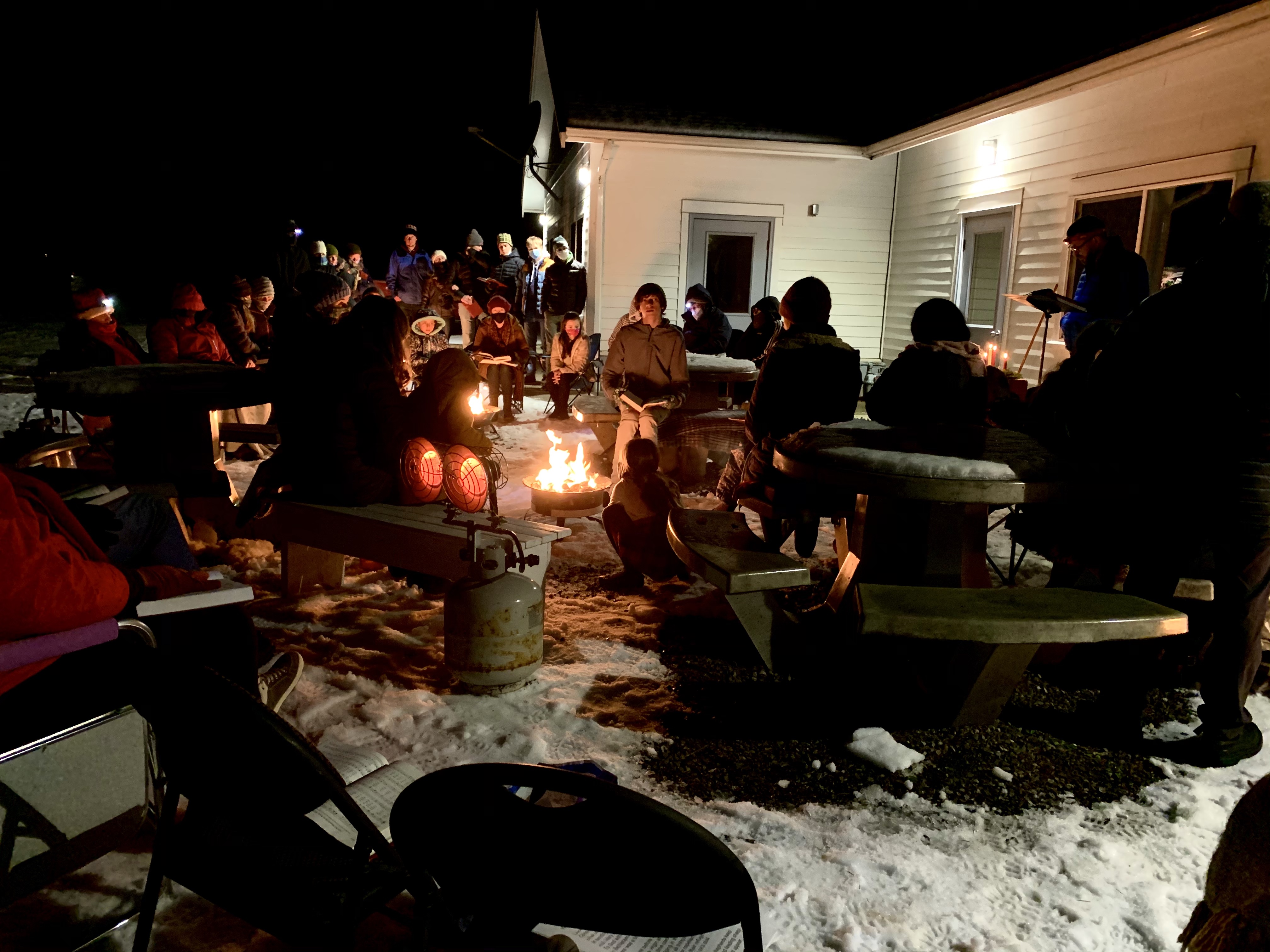
In this part of the world, we can continue to have harsh winter weather for another month or so and then we can start allowing our critters more freedom. There is no chance the viral storm will settle that soon so the rest of us will hunker down for a while longer.

I’ll try not to bite if you promise not to kick.