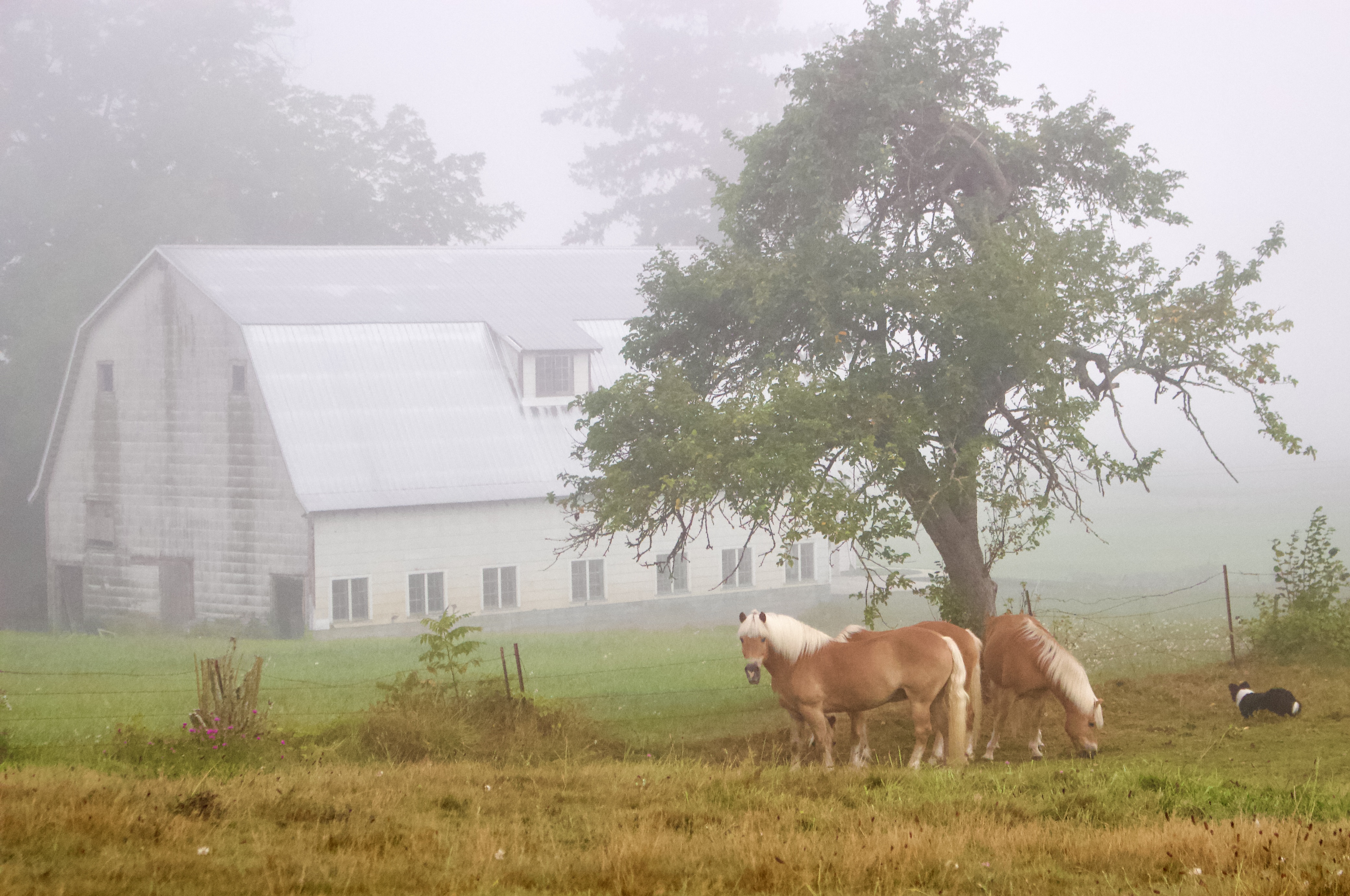
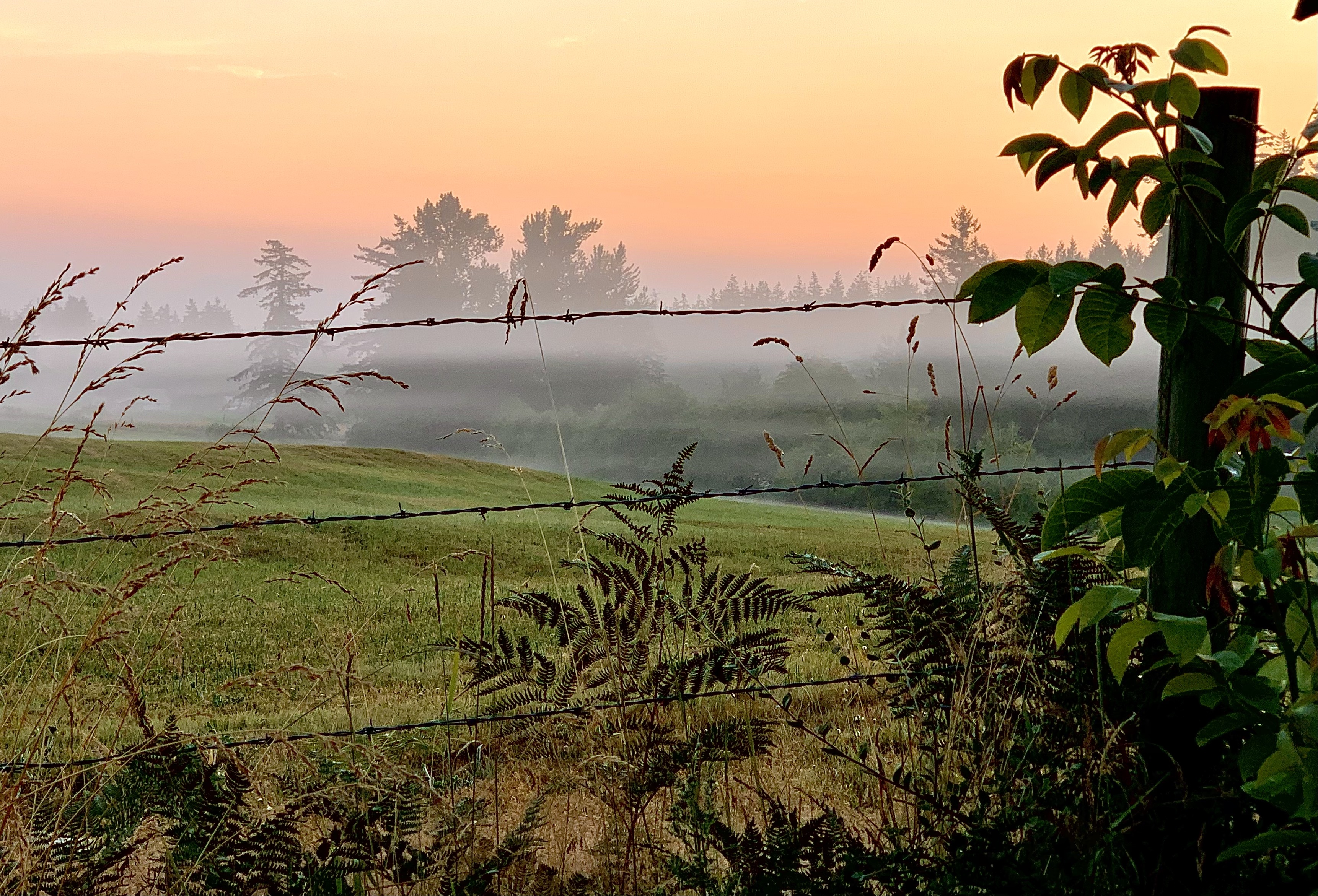
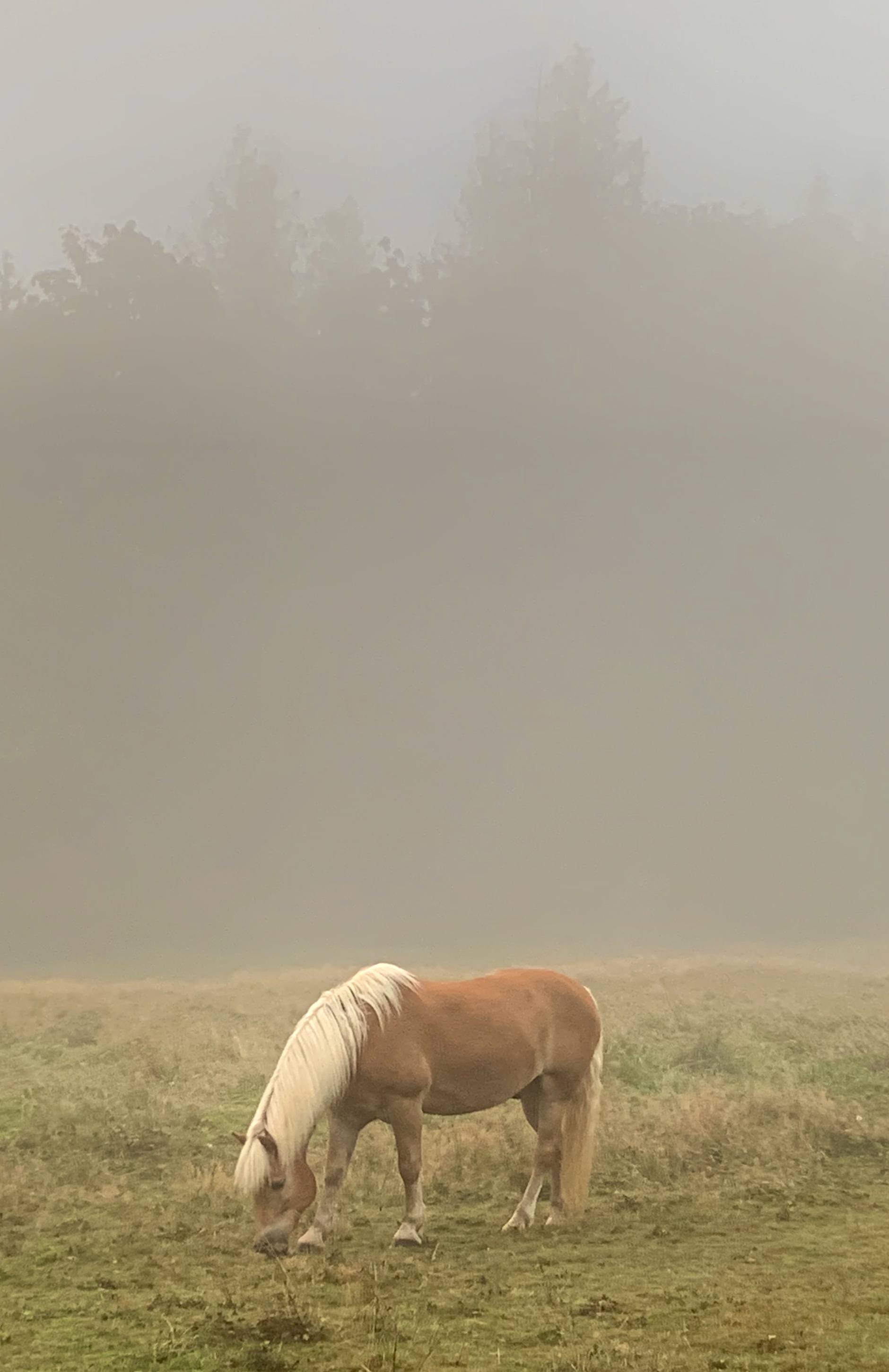
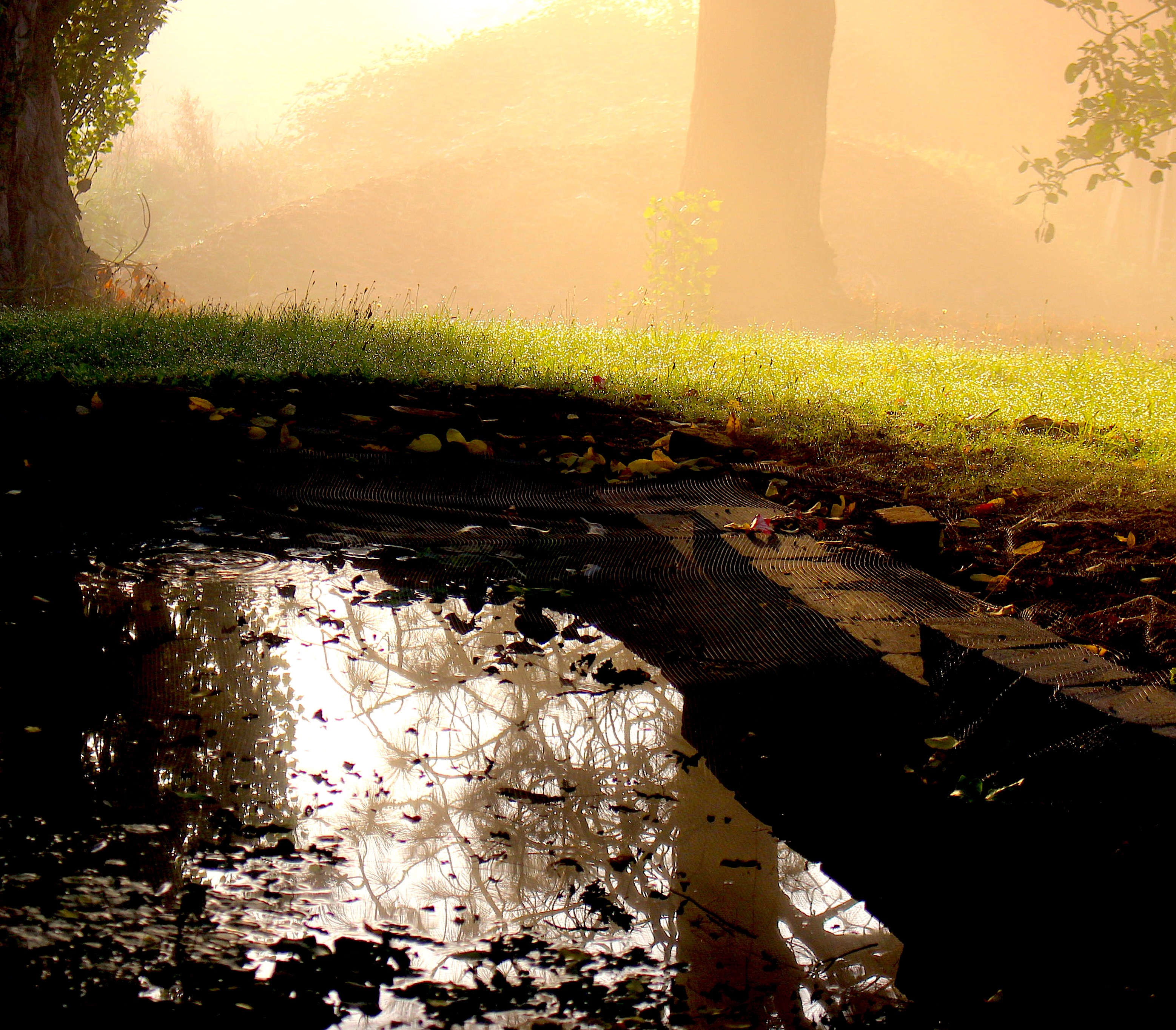
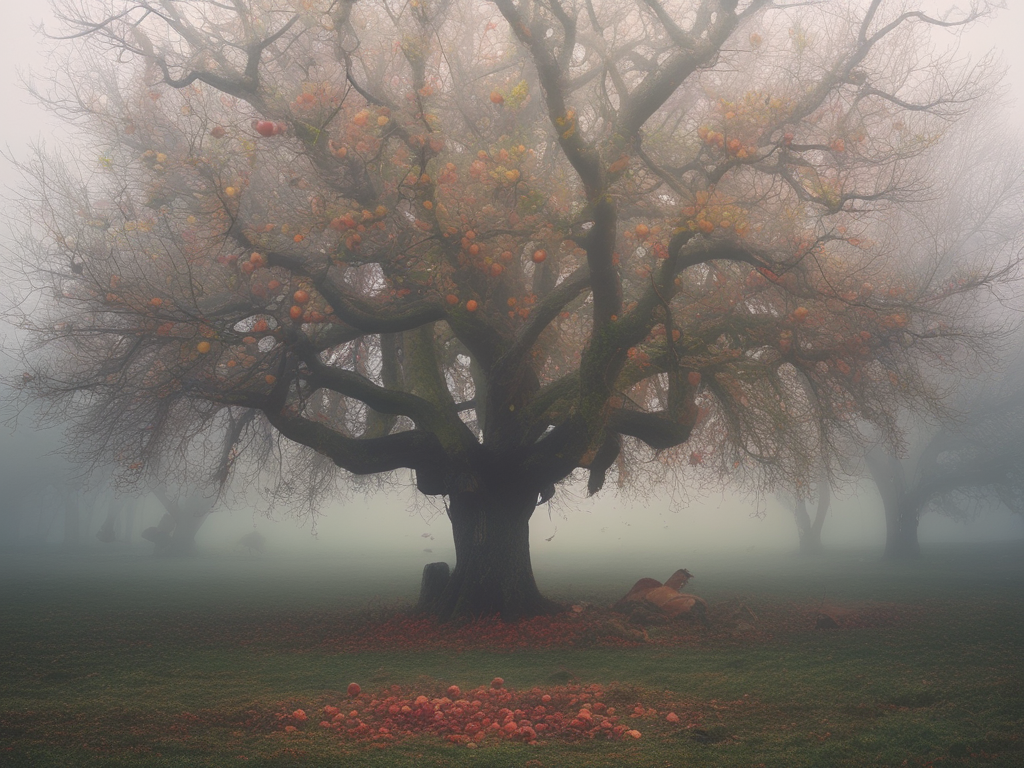
On the second day of fog, she goes to meet it sits on the broad root of a broken down apple tree, remembers being a child in such fog, searching for fairy houses. She hears movement in the grass, keeps very still while the veil of haze rises to treetops bronzed by the burn of the sun. Slowly horses and deer appear all around her, they graze close together, nosing fallen apples, until she forgets this is still a fallen world. ~Lonnie Hull DuPont, “On the Second Day of Fog” from She Calls the Moon by Its Name
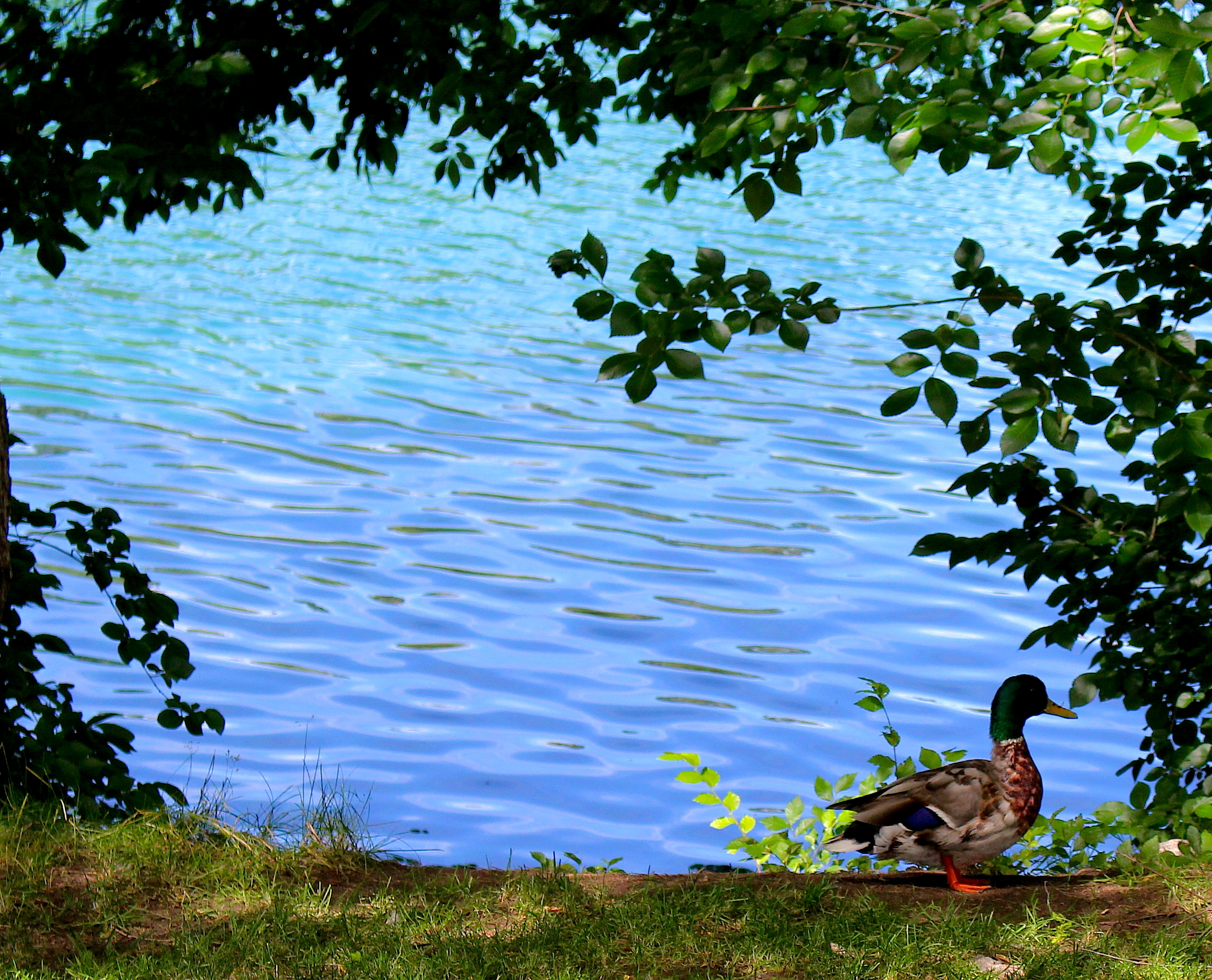
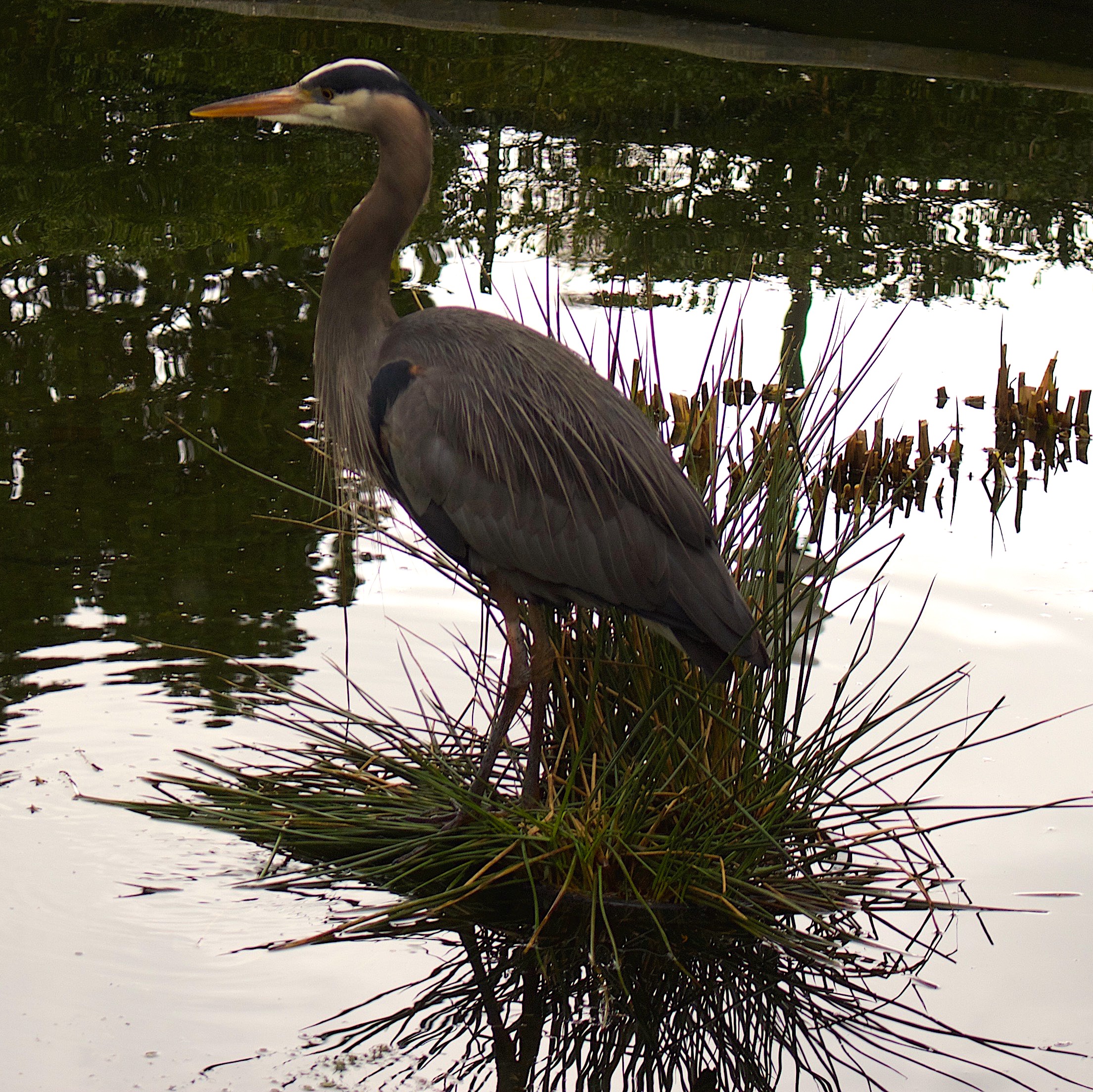
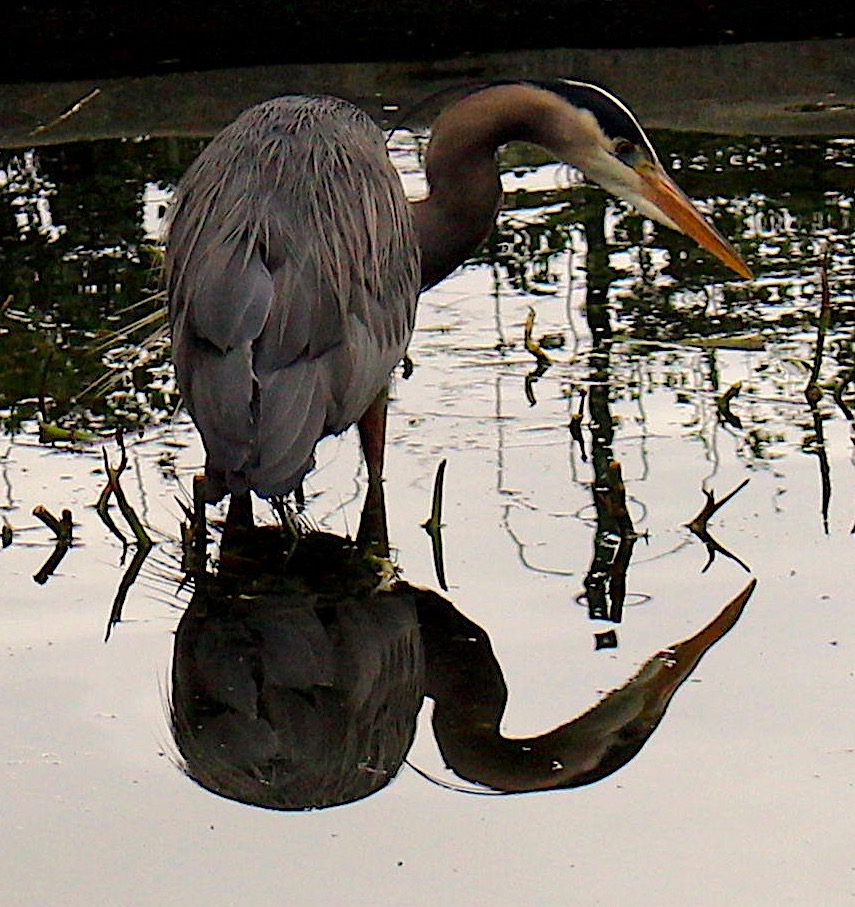
When despair for the world grows in me and I wake in the night at the least sound in fear of what my life and my children’s lives may be, I go and lie down where the wood drake rests in his beauty on the water, and the great heron feeds. I come into the peace of wild things who do not tax their lives with forethought of grief. I come into the presence of still water. And I feel above me the day-blind stars waiting with their light. For a time I rest in the grace of the world, and am free. ~Wendell Berry “The Peace of Wild Things“
When our grandchildren come to visit, I watch as yet another generation rediscovers the mystery of what we know about the joys and sorrows of this fallen but redeemed world.
I am reminded there is light beyond the fearsome darkness, there is peace amid the chaos, there is a smile behind the tears, there is stillness within the noisiness there is rest despite the restlessness, there is grace – ah, there is grace as inevitably the old gives way to the new.
One-Time
Monthly
Yearly
Make a one-time or recurring donation to support daily Barnstorming posts
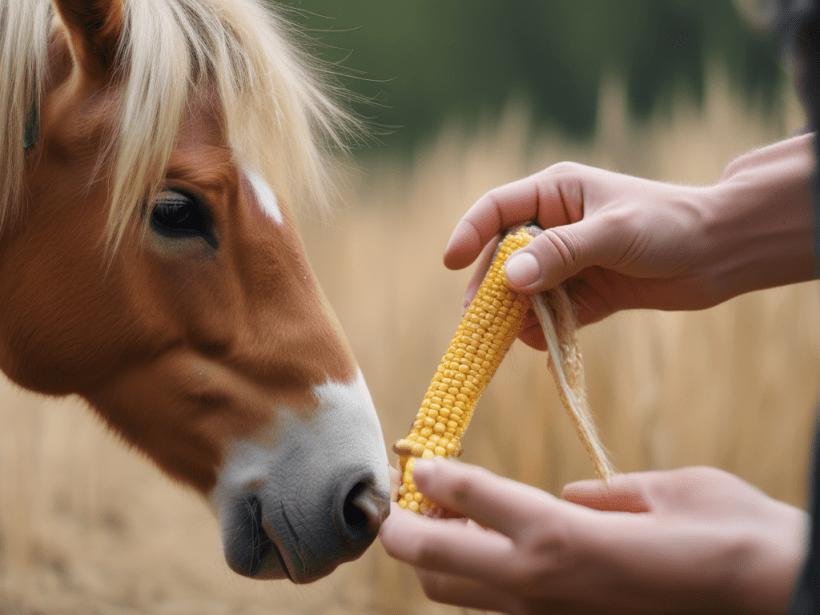
I stop the car along the pasture edge, gather up bags of corncobs from the back, and get out. Two whistles, one for each, and familiar sounds draw close in darkness— cadence of hoof on hardened bottomland, twinned blowing of air through nostrils curious, flared. They come deepened and muscular movements conjured out of sleep: each small noise and scent heavy with earth, simple beyond communion, beyond the stretched-out hand from which they calmly take corncobs, pulling away as I hold until the mid-points snap. They are careful of my fingers, offering that animal-knowledge, the respect which is due to strangers; and in the night, their mares’ eyes shine, reflecting stars, the entire, outer light of the world here. ~Jane Hirshfield “After Work” from Of Gravity and Angels
photo by Emily VanderHaak
Just off the highway to Rochester, Minnesota, Twilight bounds softly forth on the grass. And the eyes of those two Indian ponies Darken with kindness. They have come gladly out of the willows To welcome my friend and me. We step over the barbed wire into the pasture Where they have been grazing all day, alone. They ripple tensely, they can hardly contain their happiness That we have come. They bow shyly as wet swans. They love each other. There is no loneliness like theirs. At home once more, They begin munching the young tufts of spring in the darkness. I would like to hold the slenderer one in my arms, For she has walked over to me And nuzzled my left hand. She is black and white, Her mane falls wild on her forehead, And the light breeze moves me to caress her long ear That is delicate as the skin over a girl’s wrist. Suddenly I realize That if I stepped out of my body I would break Into blossom. ~James Wright, “A Blessing” from Above the River: The Complete Poems
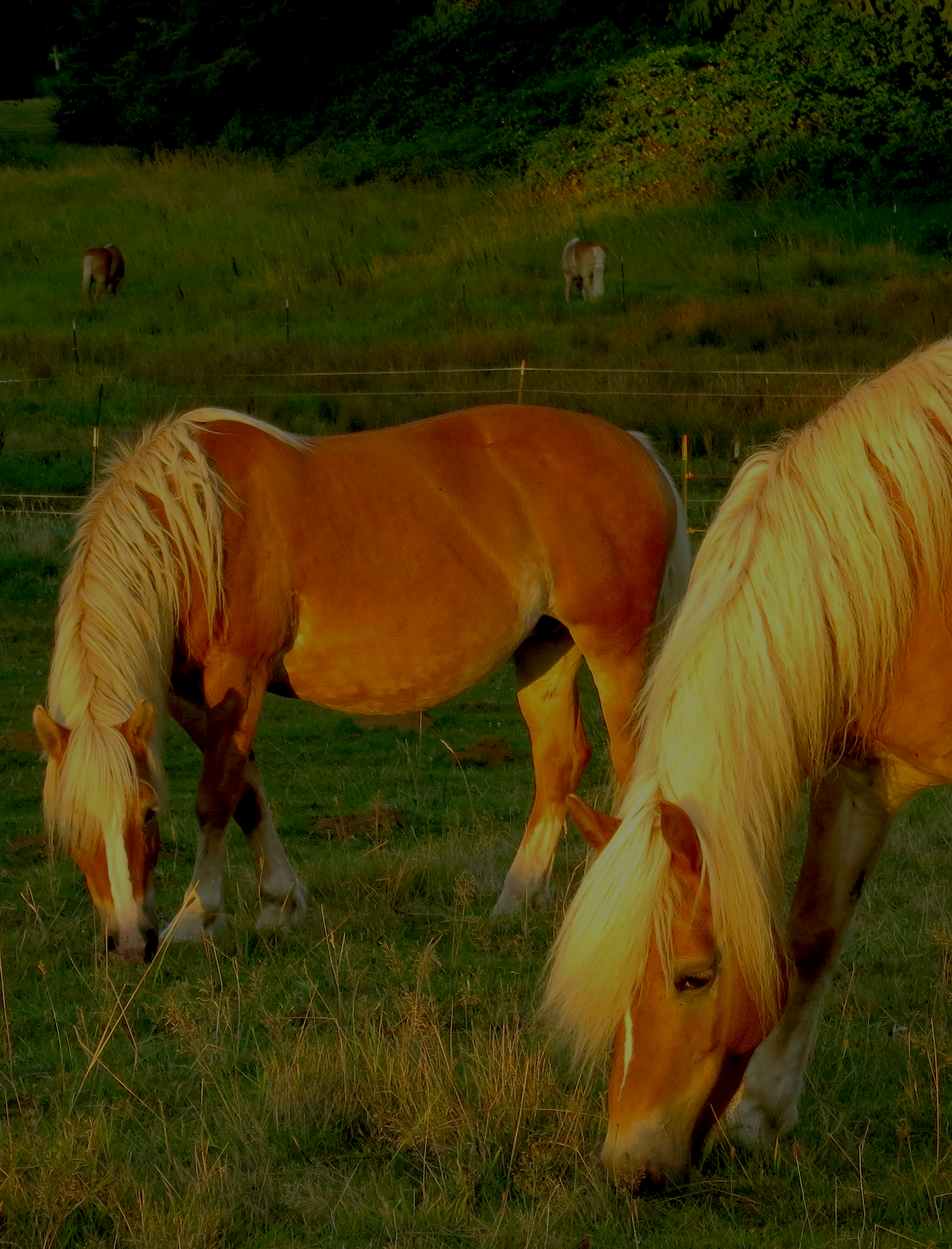
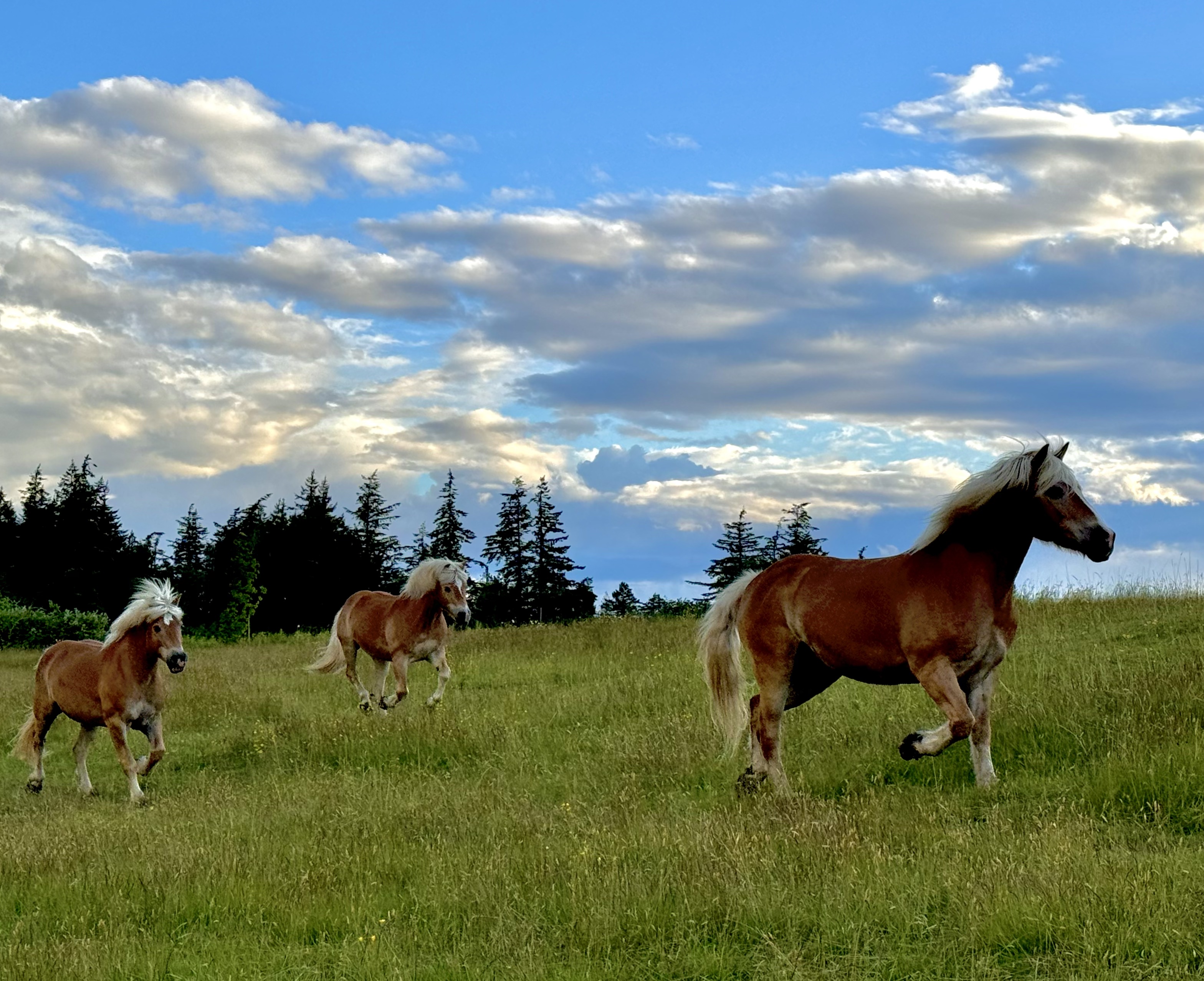
Horses have been a daily part of my life for over fifty years, though while I attended school and worked in the city, I was forced to limit myself to goldfish.
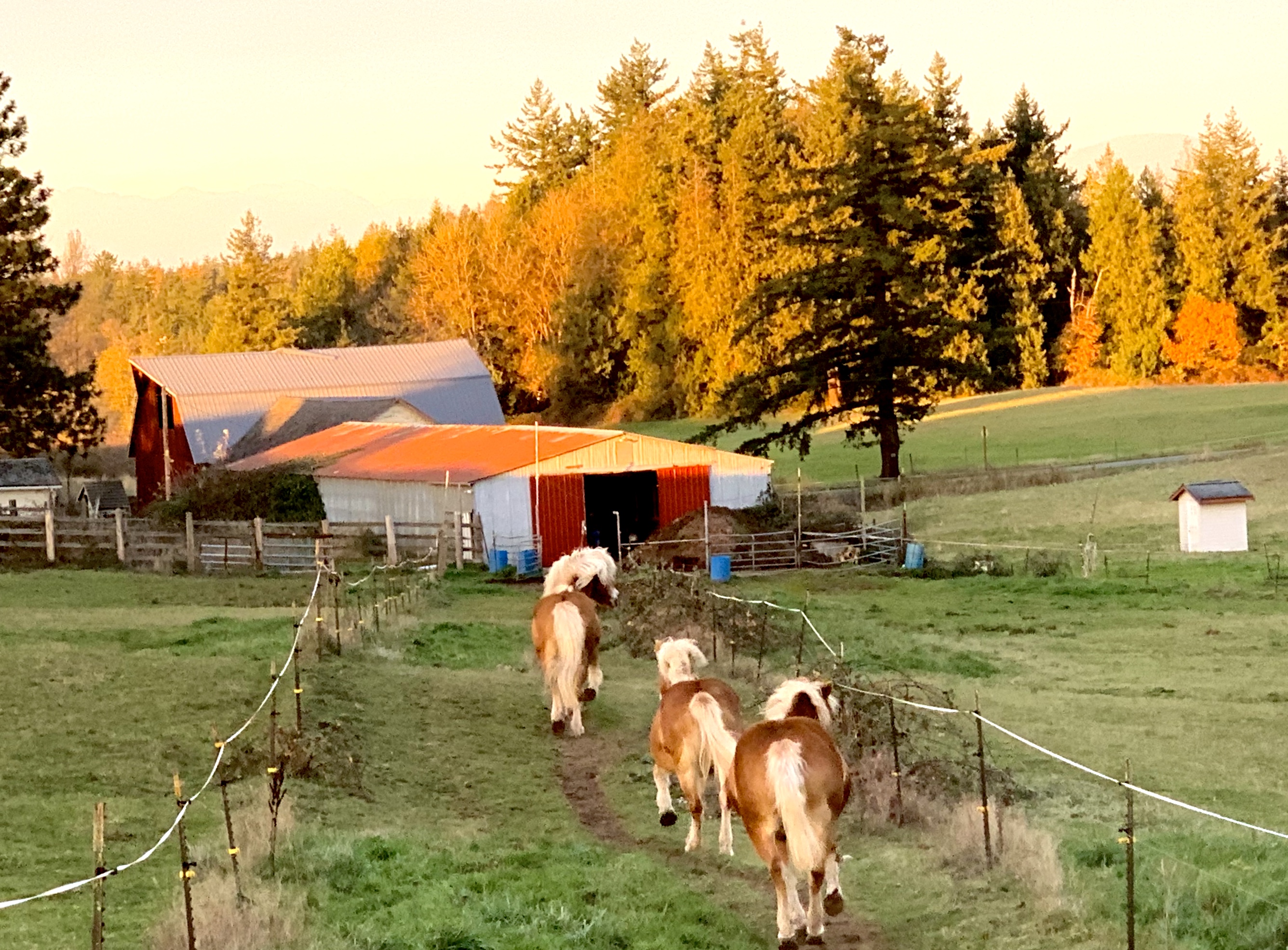
Eventually living on a farm in the country was my goal, rather than a seeking out a prestigious career in the city. Raising horses (and cattle and goats and chickens and geese and ducks and dogs and cats…) was always my hope and dream.
And dreams sometimes come true.
As I get older, I realize how much easier goldfish are in comparison. Horses are so much bigger and stronger than I am; I’m far more aware of where I am and where they are so I don’t have an unscheduled landing.
As they get older (in their second and third decades of life), the horses have plenty of opinions, deeply trusting they belong here on this farm. They know the routine, the lay of the land, they know each other and they know me.
As the person who does their daily feeding and watering and brushing and bed cleaning, I expect them to be respectful and polite and they expect the same of me. Sometimes we mutually bump into senior citizen stubbornness.
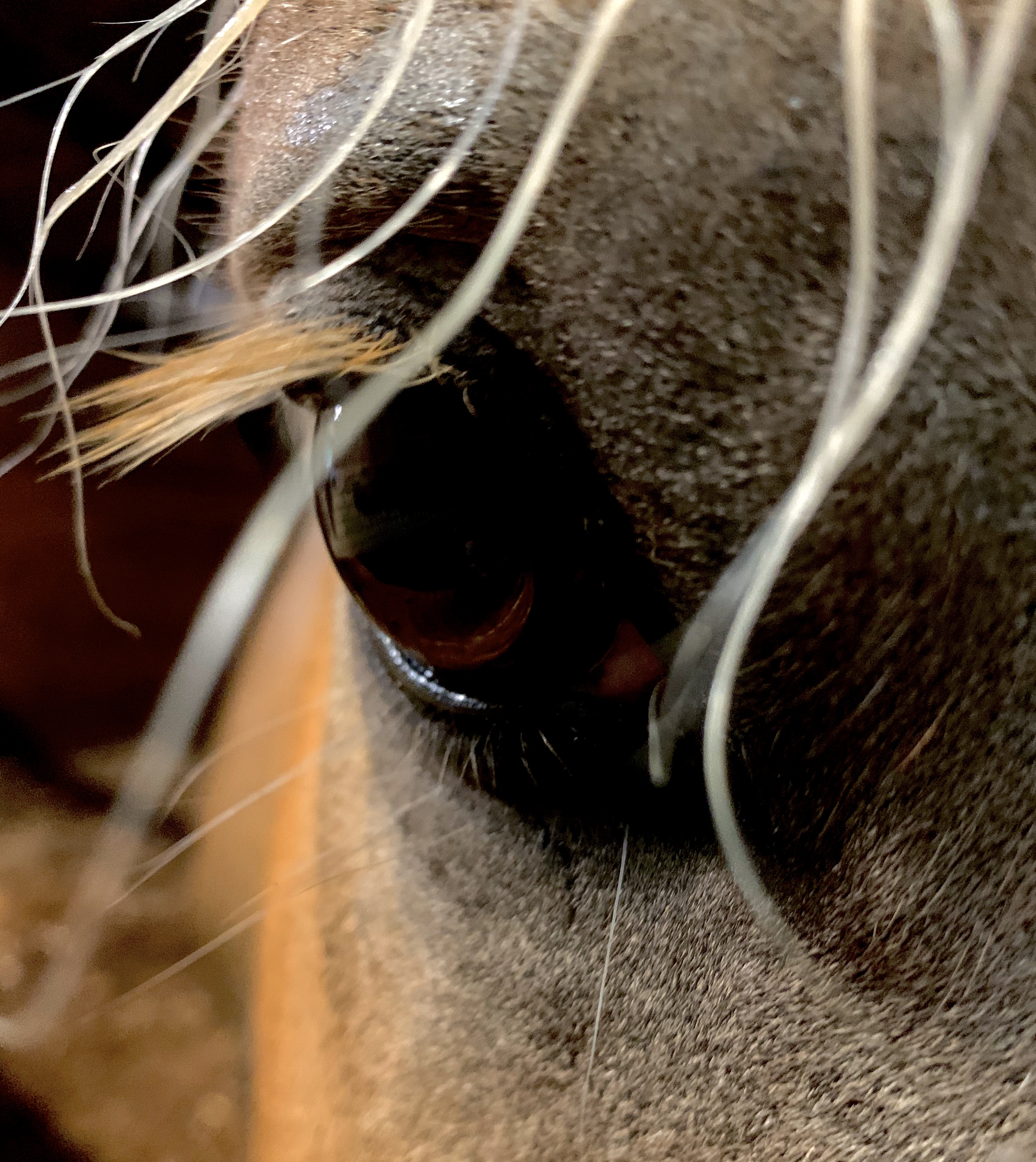
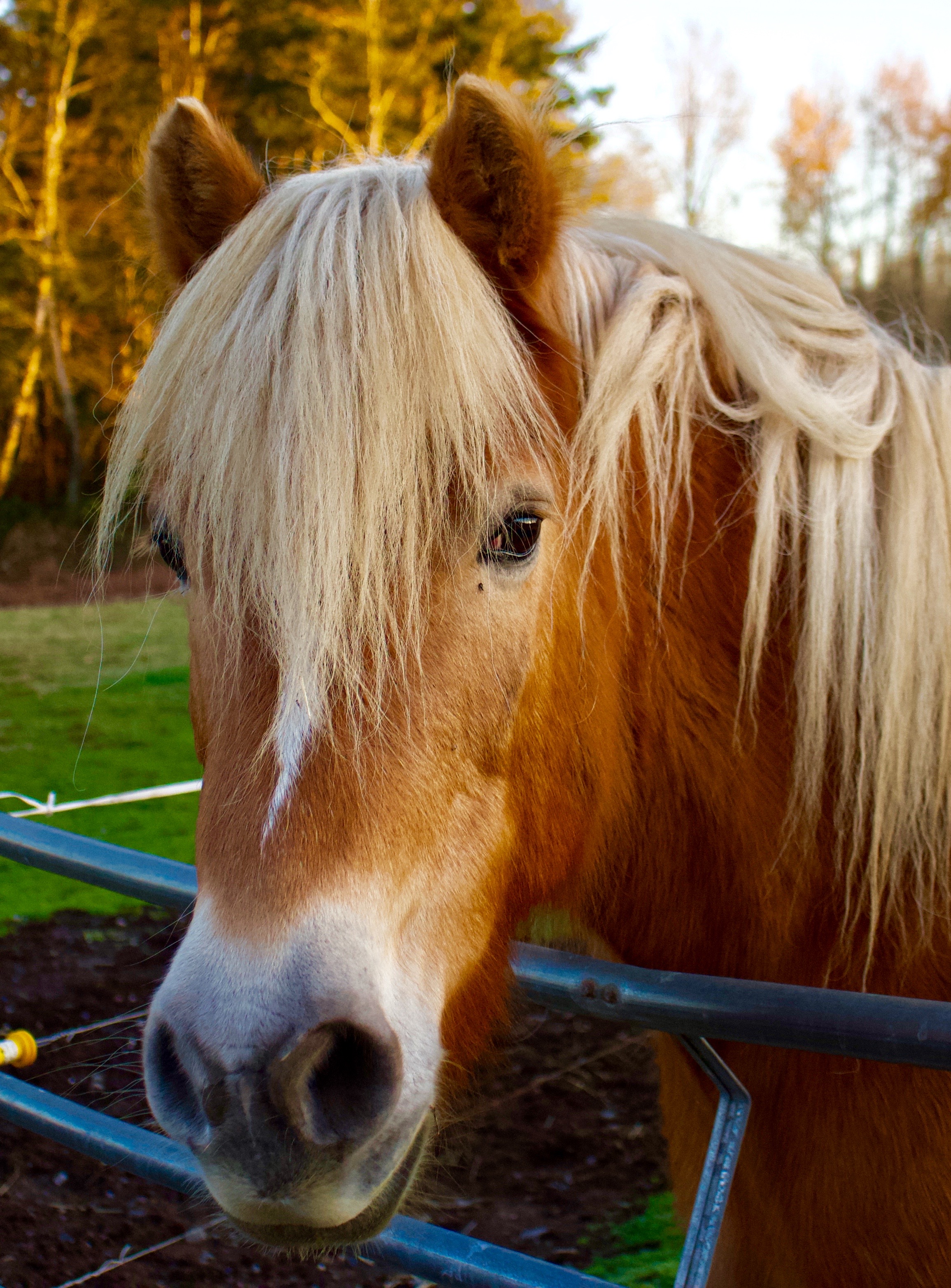
Even so, for as long as we all shall live, I find it a pure blessing to look into their shining eyes.
AI image created for this post
One-Time
Monthly
Yearly
Make a one-time or recurring donation to support daily Barnstorming posts
At the edge of the city, at the edge of the world, at the edge between the earth and endless sky, the moonshining place, the place where we hung our long summer legs over the edge and fought the urge to drop a shoe or sneak a real first kiss, the place where we played hide-and-go-seek and Tag, you’re it! until we couldn’t breathe or the sun went down, the place where we came on the quietest nights to feel the moon kiss the edge between our skin and endless sky. ~Sarah Kobrinsky, from Nighttime on the Otherside of Everything
photo of supermoon by Harry Rodenberger
The truth of it is: we’re always on the edge of something. Often we’re not aware of it but that’s where some of the best things happen.
Summer itself can lead us right to edge of ourselves, a bright and bold tease to imagine something even more beautiful beyond our reach. It is an invitation to follow the lingering light of the horizon to wherever it may take us.
I can’t help but cling just a while longer before I tumble off the edge of the world.
AI image created for this post
One-Time
Monthly
Yearly
Make a one-time or recurring donation to support daily Barnstorming posts
I have a brief confession that I would like to make. If I don’t get it off my chest I’m sure my heart will break.
I didn’t do my reading. I watched TV instead— while munching cookies, cakes, and chips and cinnamon raisin bread.
I didn’t wash the dishes. I didn’t clean the mess. Now there are roaches eating crumbs— a million, more or less.
I didn’t turn the TV off. I didn’t shut the light. Just think of all the energy I wasted through the night.
I feel so very guilty. I did a lousy job. I hope my students don’t find out that I am such a slob. ~Bruce Lansky “Confession”
Summertime visits to our cousin Joe’s farm were always greatly anticipated. We would be allowed several days of freedom exploring the fields and barns, playing hide and seek, reading comic books and Mad Magazines that we never had at our own house.
In addition, we got to play with Joe’s cap guns. These noisy little pistols had the ability to make a pop from the roll of “caps” inserted inside. They seemed far more authentic than any of the squirt guns we played with at home.
But I was a girl. I got tired of the cowboy or war shooting games quickly. There is only so much popping you can do and it just isn’t that fun any more. I was bored with my brother playing with the guns endlessly so one day I simply put an end to it by pocketing the last roll of caps in my jacket, thinking I’d slip them back into Joe’s bedroom the next day before we left for home.
It wasn’t until we were home several days later that I was reminded in the middle of breakfast about the roll of caps when my mother came out of the laundry room dangling the coil of dots up for me to see.
“What are these doing in your jacket pocket?” she asked. I swallowed my cheerios down hard, nearly choking.
“Guess they belong to Joe.” I said, not meeting her gaze.
“He gave them to you?”
“Um, not exactly.”
“You took them?”
“Guess so.”
“Does he know you have them?”
“Not exactly.” I started to cry. I didn’t even want the stupid things, had no way to use them and didn’t even like them. But I took them. In fact, I stole them.
She put the roll on the kitchen table in front of me, set a big envelope and a piece of paper and a pencil down in front of me and told me to write an apology to my cousin Joe, as well as my aunt and uncle. The note would be wrapped around the roll of caps and mailed to them that day.
I was mortified at being caught with ill-gotten gains. How could I confess this thing I did? How would I ever make it right with my cousin? How would he ever trust me again, and how would my aunt and uncle ever allow me to come visit again?
I wrote each word slowly and painfully, the note paper oozing the guilt I felt.
“Joe, I’m sorry that I took your roll of caps without asking you. I put them in my pocket where they didn’t belong and forgot about them. But that was wrong. I have never taken anything that wasn’t mine before and I never will again. I’m very very sorry.”
My mother read it, nodded, sealed up the envelope with the roll of caps inside, put on stamps and we walked out to the mailbox together to mail it. My stomach hurt and I didn’t think I’d feel okay ever again.
Three days later, my aunt wrote me back:
“Thank you for returning Joe’s caps. Sometimes we must learn hard lessons about doing the right thing. Joe accepts your apology and has learned from your example. He’s relieved he didn’t lose them as he has to earn the money to pay for them with his allowance. We’re looking forward to your next visit! Much love to you.”
Instantly I felt much better. I now understood the relief of apology and the healing of confession.
But most of all, I’ve never forgotten the sweetness of forgiveness.
One-Time
Monthly
Yearly
Make a one-time or recurring donation to support daily Barnstorming posts
…war spreading, families dying, the world in danger, I walk the rocky hillside, sowing clover… ~Wendell Berry “February 2, 1968”
However you may come, You’ll see it suddenly Lie open to the light Amid the woods: a farm Little enough to see Or call across—cornfield, Hayfield, and pasture, clear As if remembered, dreamed And yearned for long ago, Neat as a blossom now With all the pastures mowed And the dew fresh upon it, Bird music all around. That is the vision, seen As on a Sabbath walk: The possibility Of human life whose terms Are Heaven’s and this earth’s.
The land must have its Sabbath Or take it when we starve. The ground is mellow now, Friable and porous: rich. Mid-August is the time To sow this field in clover And grass, to cut for hay Two years, pasture a while, And then return to corn.
This way you come to know That something moves in time That time does not contain. For by this timely work You keep yourself alive As you came into time, And as you’ll leave: God’s dust, God’s breath, a little Light. ~Wendell Berry from The Farm
These are fragrant acres where Evening comes long hours late And the still unmoving air Cools the fevered hands of Fate.
Meadows where the afternoon Hangs suspended in a flower And the moments of our doom Drift upon a weightless hour.
And we who thought that surely night Would bring us triumph or defeat Only find that stars are white Clover at our naked feet. ~Tennessee Williams “Clover”
Farming is daily work outside of the constraints of time – labor done this day is caring for what is eternal, despite weather, war, uncertainty.
There is a timelessness about summer: the preparing and planting and preserving, a cycle of living and dying repeating through generations.
We, like our farming forebears, will become God’s dust again.
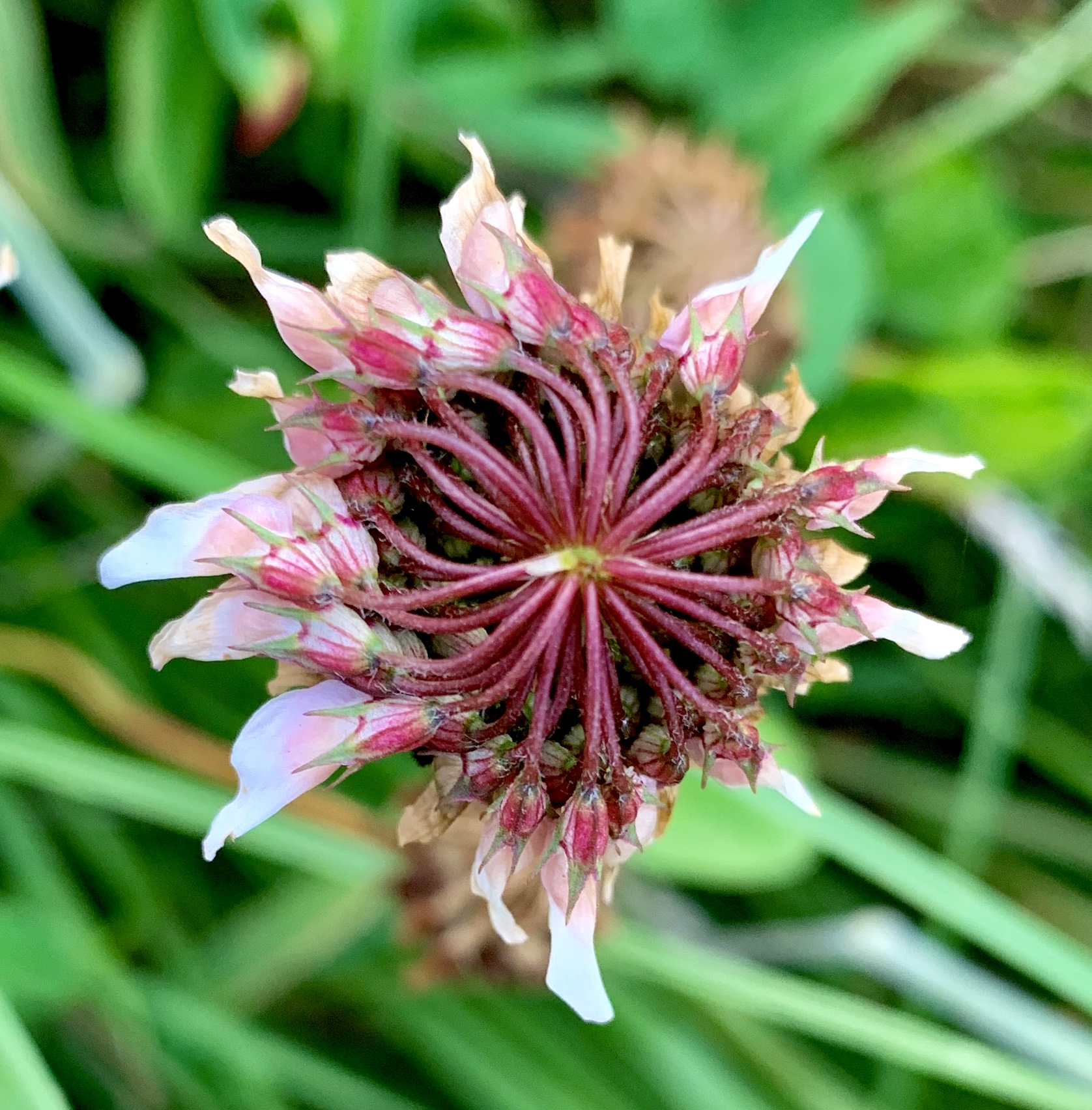
I’m reminded, walking through our pasture’s clover, I become seed and soil for the next generation. Like a blossom so plain and unnoticed during its life, I enfolds myself back to the ground, sighing and dying.
Perhaps it is the breath of clover we should remember at the last, as God’s own breath.
Inhale deeply of Him in the dust of the clover field.
AI image created for this post
One-Time
Monthly
Yearly
Make a one-time or recurring donation to support daily Barnstorming posts
He took her by the hand and said to her, “Talitha koum!” (which means “Little girl, I say to you, get up!”). Immediately the girl stood up and began to walk around (she was twelve years old). At this they were completely astonished. Mark 5:41-43
Little girl. Old girl. Old boy. Old boys and girls with high blood pressure and arthritis, and young boys and girls with tattoos and body piercing.
You who believe, and you who sometimes believe and sometimes don’t believe much of anything, and you who would give almost anything to believe if only you could.
You happy ones and you who can hardly remember what it was like once to be happy. You who know where you’re going and how to get there and you who much of the time aren’t sure you’re getting anywhere.
“Get up,” he says, all of you – all of you! – and the power that is in him is the power to give life not just to the dead like the child, but to those who are only partly alive, which is to say to people like you and me who much of the time live with our lives closed to the wild beauty and miracle of things, including the wild beauty and miracle of every day we live and even of ourselves. ~Frederick Buechner from Secrets in the Dark
I worried a lot. Will the garden grow, will the rivers flow in the right direction, will the earth turn as it was taught, and if not how shall I correct it?
Was I right, was I wrong, will I be forgiven, can I do better?
Will I ever be able to sing, even the sparrows can do it and I am, well, hopeless.
Is my eyesight fading or am I just imagining it, am I going to get rheumatism, lockjaw, dementia?
Finally I saw that worrying had come to nothing. And I gave it up. And took my old body and went out into the morning, and sang. ~Mary Oliver “I Worried” from Swan: Poems and Prose Poems
Christ said to the dead girl, “Get up.” And she did.
He also tells us to get up, get moving – despite everything that holds us back.
I know there are times when I feel immobilized from tiredness, worry, hopelessness, fear. I hear His reminder: get up and go anyway.
God has given us a world of wild beauty and miraculous things; time to get up and take our place in it.
AI image created for this post
One-Time
Monthly
Yearly
Make a one-time or recurring donation to support daily Barnstorming posts
On the green hill with the river beyond it long ago and my father there and my grandmother standing in her faded clothes wrinkled high-laced black shoes in the spring grass among the few gravestones inside their low fence by the small white wooden church the clear panes of its windows letting the scene through from the windows on the other side of the empty room and a view of the trees over there my grandmother hardly turned her head staring like a cloud at the empty air not looking at the green glass gravestone with the name on it of the man to whom she had been married and who had been my father’s father she went on saying nothing her eyes wandering above the trees that hid the river from where we were a place where she had stood with him one time when they were young and the bell kept ringing ~W. S. Merwin “Widnoon” from The Moon Before Morning
I remember my grandfather as a somber quiet man who used to slowly rock in a wooden chair that now happens to sit empty here in our home.
For most of his life, my Grandpa drank heavily but he wasn’t just any drunk. He was a mean drunk. Surly, cursing, prone to throwing things and people, especially at home.
Grandma used to say he learned to drink in the logging camps and I suspect that is true. He started working as a logger before he was fully grown, dropping out of school, leaving home around age sixteen and heading up to the hills where real money could be made. He learned more than how to cut down huge old growth Douglas Fir trees, skid them down the hills using a team of horses, and then roll them onto waiting wagons to be hauled to the mills. He learned how to live with a group of men who surfaced once or twice a month from the hills to take a bath, bootleg booze during prohibition and maybe go to church with their womenfolk.
Mostly the loggers taught him how to curse and drink.
He headed home to the farm with muscles and attitude a few years later, and started the process of felling trees, creating a “stump farm” that was a challenge to work because huge stumps dotted the fields and hills. He slowly worked at blasting them out of the ground so the land could be tilled. It proved more than he had strength and motivation to do, so his fields were never very fruitful, mostly growing hay for his own animals. He went to work in the local saw mill to make ends meet.
He cleaned up some when he met my grandmother, who at eighteen was seven years younger, and eager to escape her role as chief cook and bottle washer for her widowed father and younger brother. She was devout, lively and full of energy and talked constantly while he, especially when sober, preferred to let others do the talking. It was an unusual match but he liked her cooking and she was ready to escape the drudgery of her father’s household and be wooed.
They settled on the stump farm and began raising a family, trying to eke out what living they could from the land, from the sporadic work he found at the saw mill, and every Sunday, took the wagon a mile down the road to the Bible Church where they both sang with gusto.
He still drank when he had the money, blowing his pay in the local tavern, and stumbling in the back door roaring and burping, falling into bed with his shoes on. Grandma was a teetotaler and yelled into his ruddy face about the wrath of God anytime he drank, their four children hiding when the dishes started to fly, and when he would whip off his belt to hit anyone who looked sideways at him.
When their eldest daughter took sick and died of lymphoma at age eight despite the little doctoring that was available, Grandpa got sober for awhile. He saw it as punishment from God, or at least that is what Grandma told him through her sobs as she struggled to cope with her loss.
Over the years, he relapsed many times, losing fingers in his work at the mill, and losing the respect of his wife, his children and the people in the community. Grandma took the kids for several months to cook in a boarding house in a neighboring town, simply to be able to feed her family while Grandpa squandered what he had on drink. Reconciled over and over again, Grandma would come back to him, sending their only son to fetch him from the tavern for the night. My Dad would bicycle to that dark and smoky place, stand Grandpa up and guide him staggering out to their truck for the weaving drive home on country roads. On more than one occasion, Grandpa, belligerent as ever, would resist leaving and throw a punch at his boy, usually missing by a mile.
But once the boy grew taller and strong enough to fight back, managing to knock Grandpa to the ground in self-defense, the punching and resistance stopped. The boozing didn’t.
Grandpa sobered up for good while his boy fought in the war overseas in the forties, striking a bargain with God that his boy would come home safe to work the farm as long as Grandpa left alcohol alone. It stuck and he stayed sober. His boy came home. Grandpa saw it as a promise kept and became an elder in his Bible Church, taught Sunday School and gave his extra cash to the church rather than the tavern. He and Grandma donated a house on their property to the church for a parsonage.
Some twelve years later, sitting in a Christmas Sunday School program one Christmas Eve, Grandpa leaned toward Grandma and she saw his face broken out in sweat, his face ashen.
“It’s hot in here, I need air, “ he said and collapsed in her lap. He was gone, just like that. He left the rest of his family behind while he sat in church, sober as can be, on the day before Christmas.
There is no question in my mind he knew he was forgiven. He headed home one more time, not weaving or swerving but traveling straight and narrow.
AI image created for this postAI image created for this post
One-Time
Monthly
Yearly
Make a one-time or recurring donation to support daily Barnstorming posts
Caught out in daylight, a rabbit’s transparent pallor, the moon is paired with a cloud of equal weight: the heavenly congruence startles.
For what is the moon, that it haunts us, this impudent companion immigrated from the system’s less fortunate margins, the realm of dust collected in orbs?
We grow up as children with it, a nursemaid of a bonneted sort, round-faced and kind, not burning too close like parents, or too far to spare even a glance, like movie stars.
No star but in the zodiac of stars, a stranger there, too big, it begs for love (the man in it) and yet is diaphanous, its thereness as mysterious as ours. ~John Updike “Half Moon, Small Cloud”
Children in a Garden with Nanny by Mary Cassatt
Dear God, I cannot love Thee the way I want to. You are the slim crescent of a moon that I see and my self is the earth’s shadow that keeps me from seeing all the moon. The crescent is very beautiful and perhaps that is all one like I am should or could see; but what I am afraid of, dear God, is that my self shadow will grow so large that it blocks the whole moon, and that I will judge myself by the shadow that is nothing.
I do not know You God because I am in the way. Please help me to push myself aside. ~Flannery O’Connor from her journals
photo by Bob Tjoelkera full moon in Ireland
Like a vigilant nanny watching from the skies, the moon keeps its pale eye on me, no matter where I am on the globe. There is comfort in seeing its illumination from various vantage points in North America, Europe, Asia and Africa.
Yet, through no fault of its own, the moon is constantly inconstant in its “thereness”, phasing from full bright orb to missing-in-action.
I know my own inconstant “thereness” gets in my way all the time — casting a shadow of darkness on the light and beauty around me. With human “blinders” on, I can’t see beyond where I stand, where I move, what I feel, what I fear, what I see and hear.
And I certainly get in the way of my knowing God in His divine and overpowering radiance.
It’s all about my blindness when I declare God “missing-in-action.”
He’s there, though partially hidden by my push to be front and center. He’s there, His glory and truth manifest over me, if I look to see. He’s there, gently instructing me to get out of His way. He’s there, fully Light and fully Love.
I step back, in awe.
AI image created for this post
One-Time
Monthly
Yearly
Make a one-time or recurring donation to support daily Barnstorming posts
“Hold on,” she said, “I’ll just run out and get him. The weather here’s so good, he took the chance To do a bit of weeding.”
So I saw him Down on his hands and knees beside the leek rig, Touching, inspecting, separating one Stalk from the other, gently pulling up Everything not tapered, frail and leafless, Pleased to feel each little weed-root break, But rueful also . . .
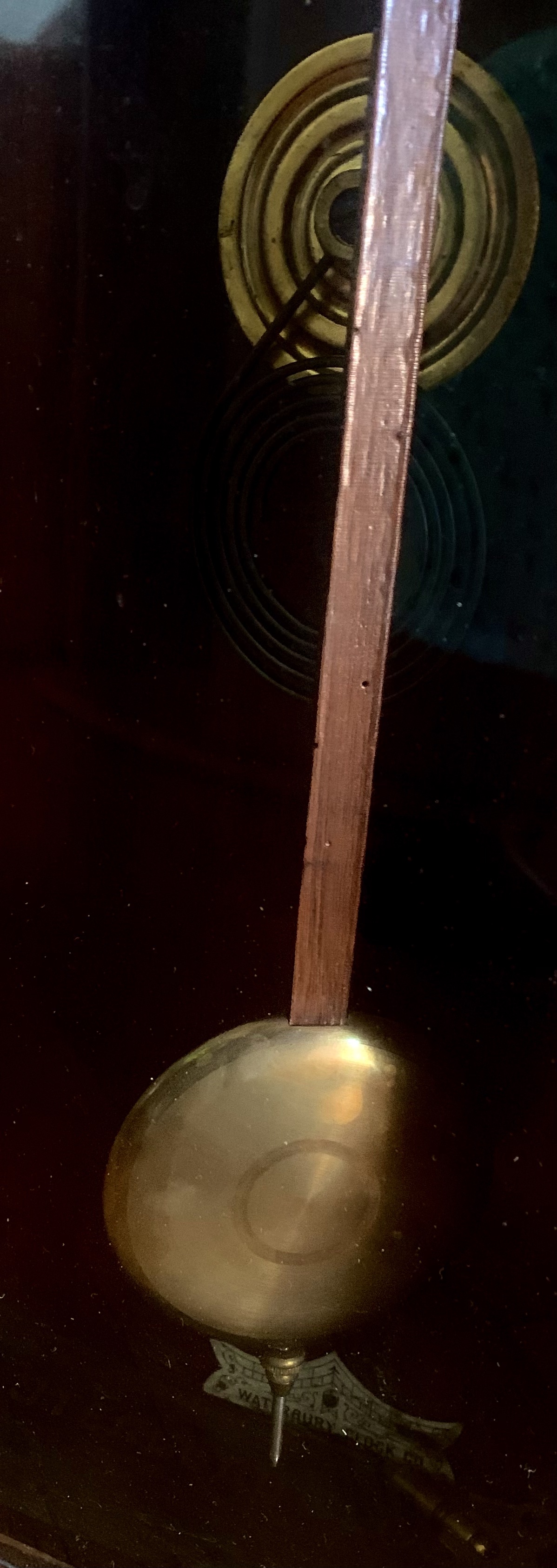
Then found myself listening to The amplified grave ticking of hall clocks Where the phone lay unattended in a calm Of mirror glass and sunstruck pendulums . . .
And found myself then thinking: if it were nowadays, This is how Death would summon Everyman.
My father was a complex man. I understand better now where my own complicated nature comes from.
As inscrutable as he could be, there were things I absolutely understood about him:
he was a man of action – he never just sat, never took a nap, never wasted a day of his life without accomplishing something tangible.
he was a man of the soil – he plowed and harrowed and sowed and fertilized and weeded and cut brush and harvested
he was a man of inventiveness – he figured out a better way, he transformed tools and buildings, he started from scratch and built the impossible
he didn’t explain himself – and never felt the need to.
Time keeps ticking on without him here, now 29 years since he took his last breath as the clock pendulum swung back and forth in his bedroom. He was taken too young for all the projects he still had in mind.
He handed off a few to me. Some I have done. Some still wait, I’m not sure why.
My regret is not understanding how much he needed to hear how loved he was. He seemed fine without it being said.
But he wasn’t fine. And neither was I.
I wish I had said it when I had the chance.
One-Time
Monthly
Yearly
Make a one-time or recurring donation to support daily Barnstorming posts
There you are this cold day boiling the water on the stove, pouring the herbs into the pot, hawthorn, rose; buying the tulips & looking at them, holding your heart in your hands at the table saying please, please, to nobody else there in the kitchen with you. How hard, how heavy this all is. How beautiful, these things you do, in case they help, these things you do that, although you haven’t said it yet, say that you want to live. ~Victoria Adukwei Bulley“There You Are”
Our daily rituals are so routine and mundane, unless they are disrupted by unexpected and unwanted events. Then we desire nothing more than to get back to what is routine, familiar and comforting.
Right now, I’m aware of at least four friends in our small church congregation who are undergoing treatment for cancer, and a couple others who are waiting on testing results. They would love nothing more than a boringly routine day like they had known pre-diagnosis. Instead, nothing seems as if it will ever be the same again, except an awareness of how precious and valued each day of life is.
Thankfully, very few people are forced to share their life-threatening illnesses with the world via headlines, videos and photos like the King of England and Princess of Wales. Surely, that adds another layer of hard heaviness on top of dealing with such difficult, exhausting treatments and interventions.
For those coping with challenging medical illness, I pray for comforting rituals and routines that remind you how much you are loved. These beautiful moments of everyday life are reasons you want to live, even as you do these hard things.
May your heart and soul be held in loving hands as you see this through.
AI image created for this post
One-Time
Monthly
Yearly
Make a one-time or recurring donation to support daily Barnstorming posts




















 Barnstorming