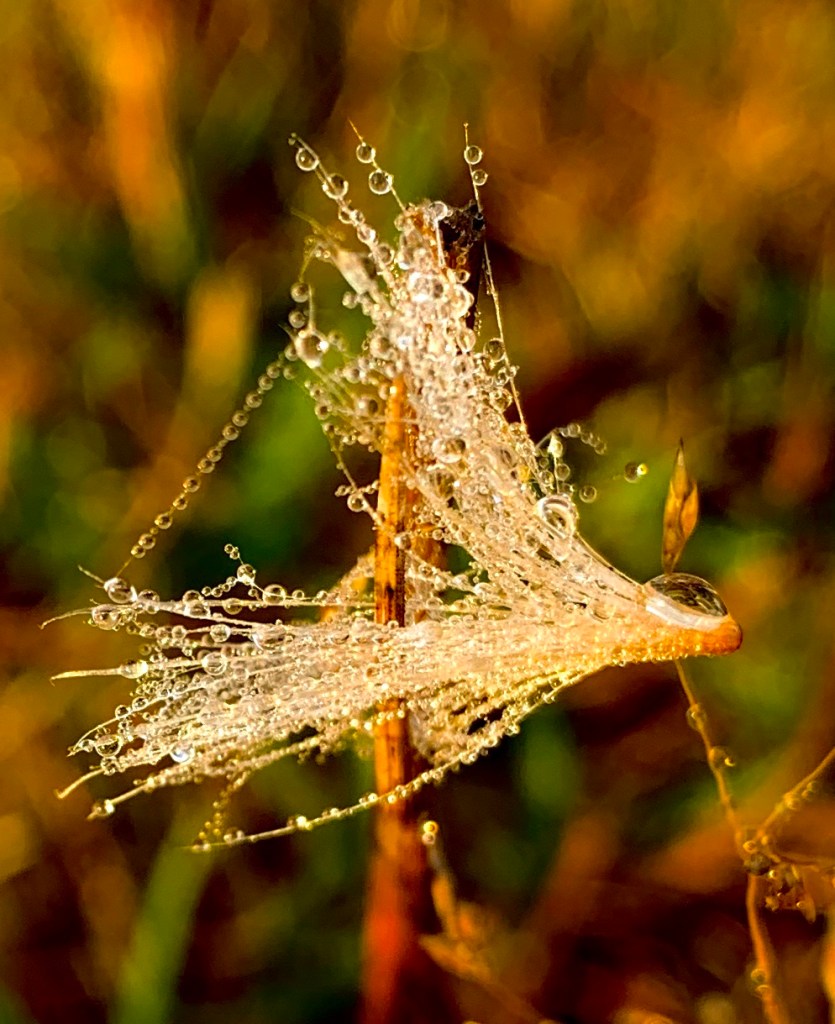
Meant to Be Sweet

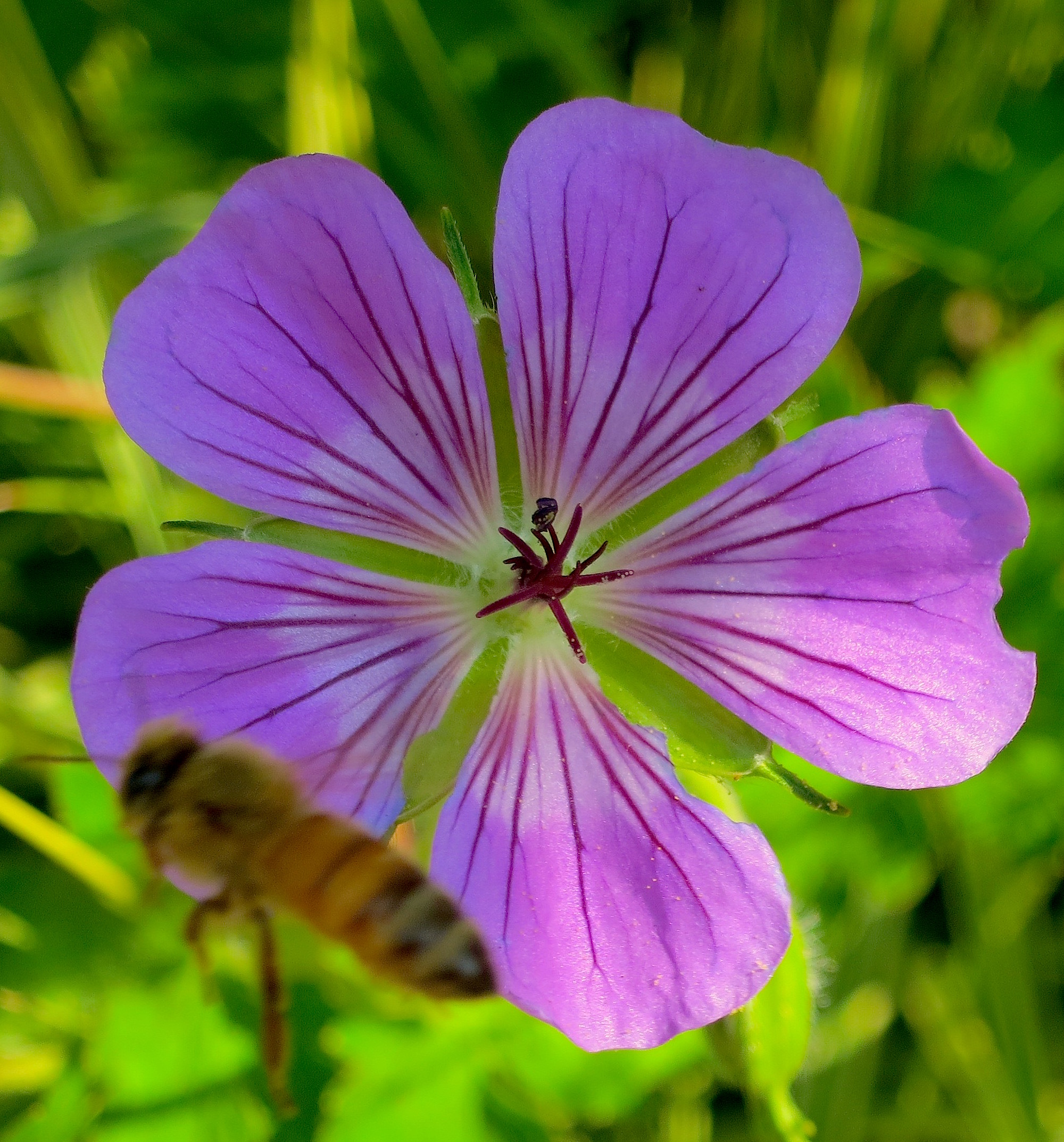
Who could need more proof than honey—

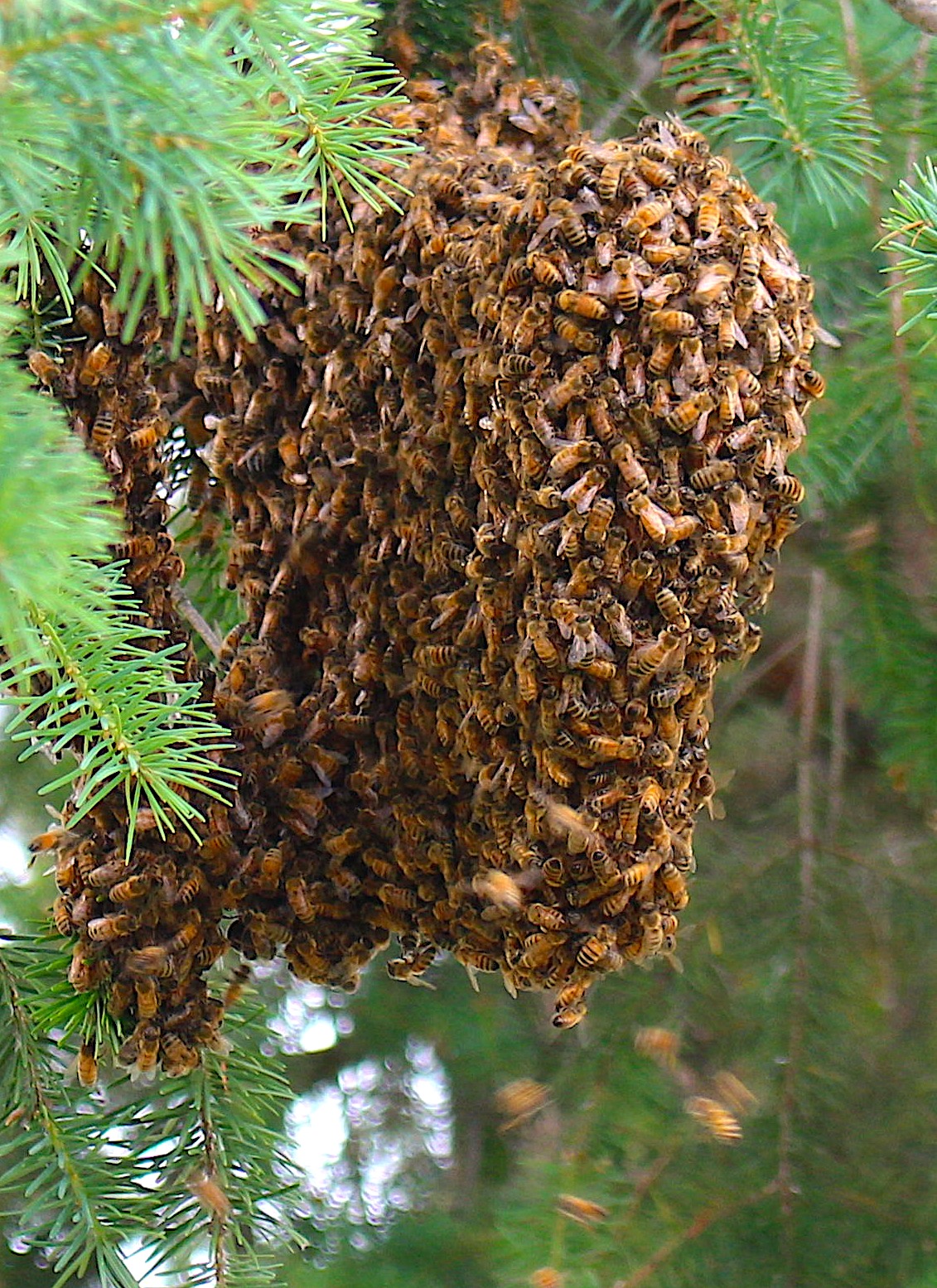
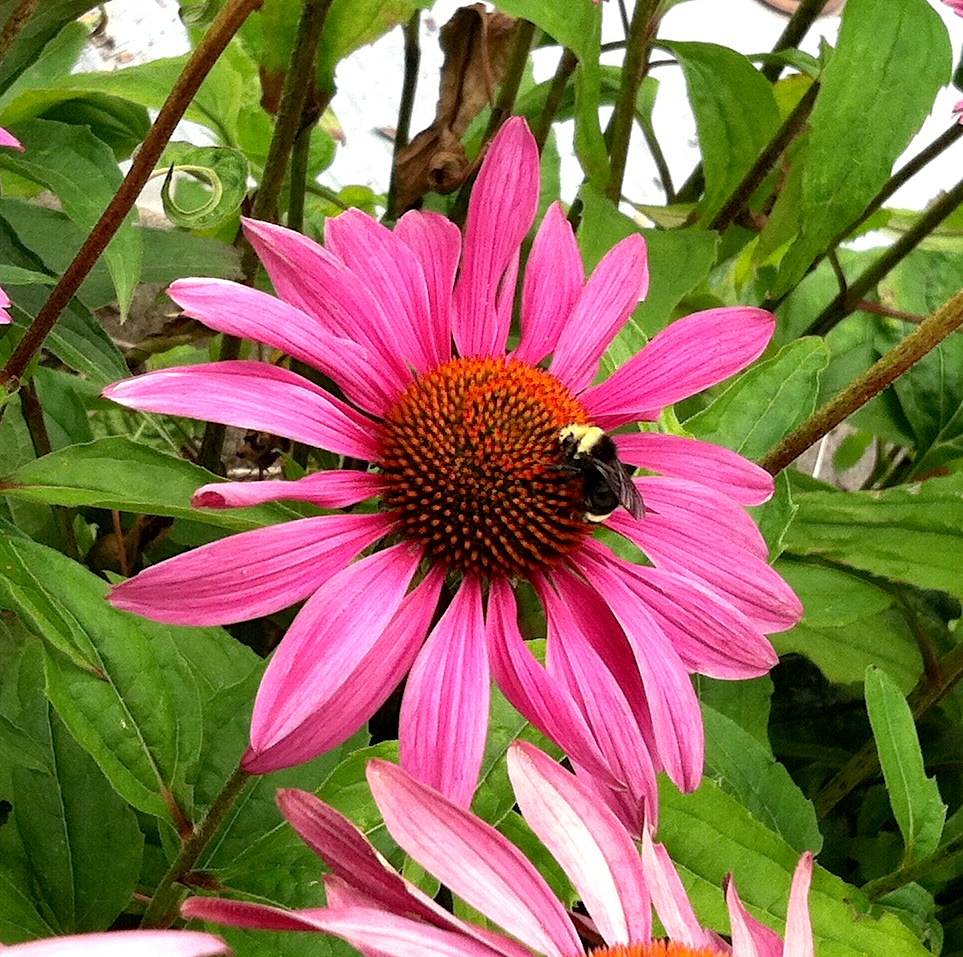
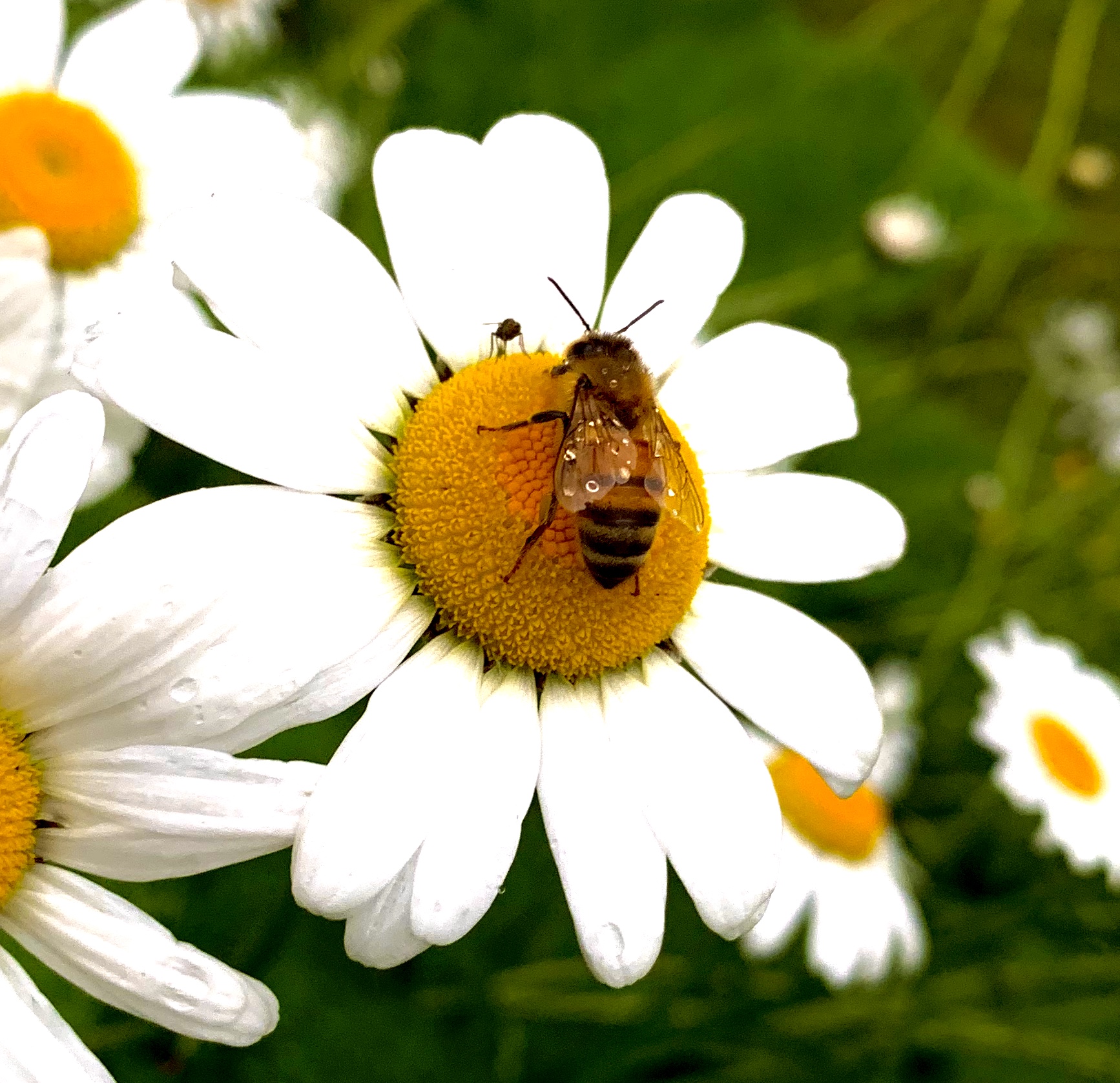
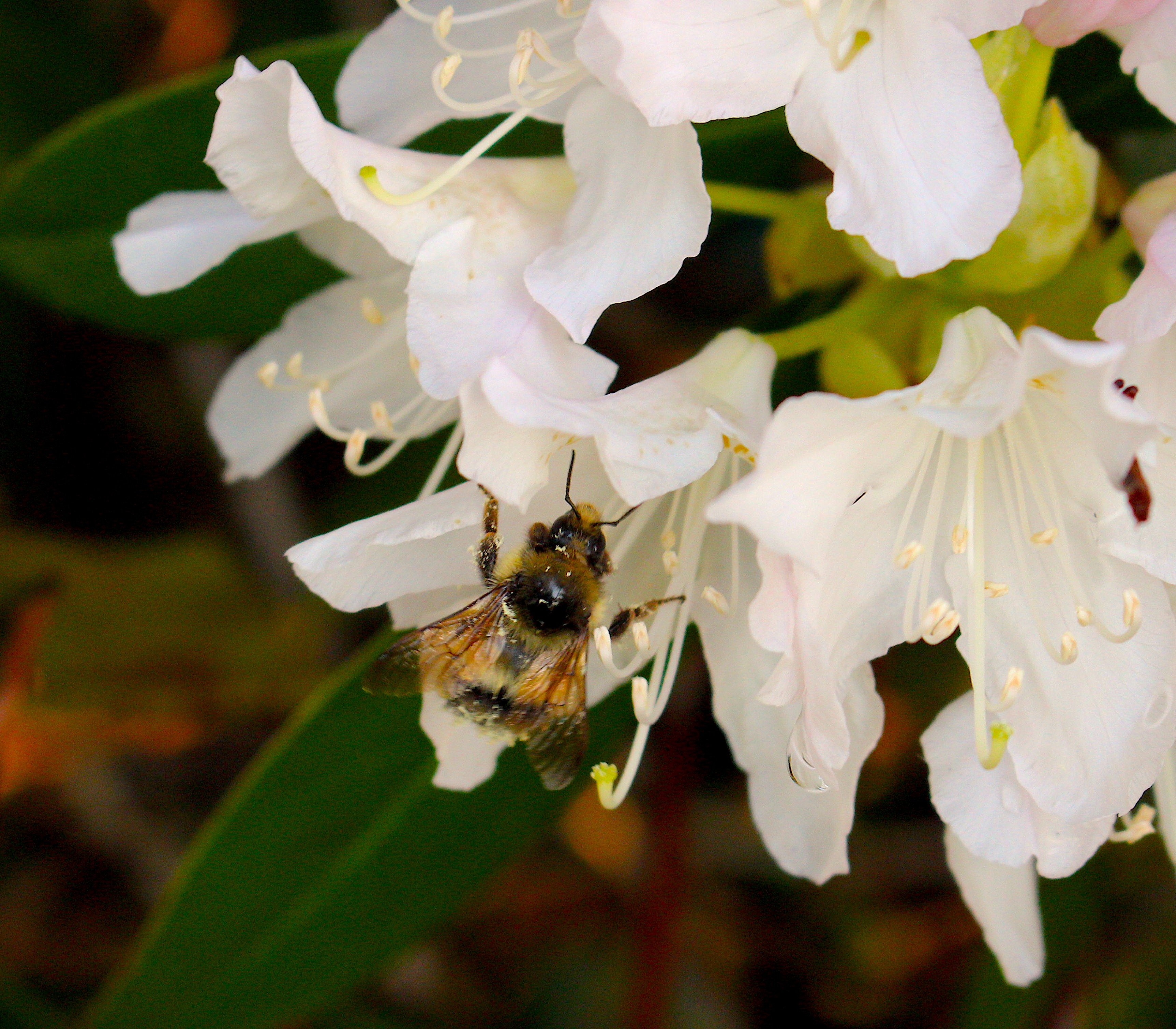
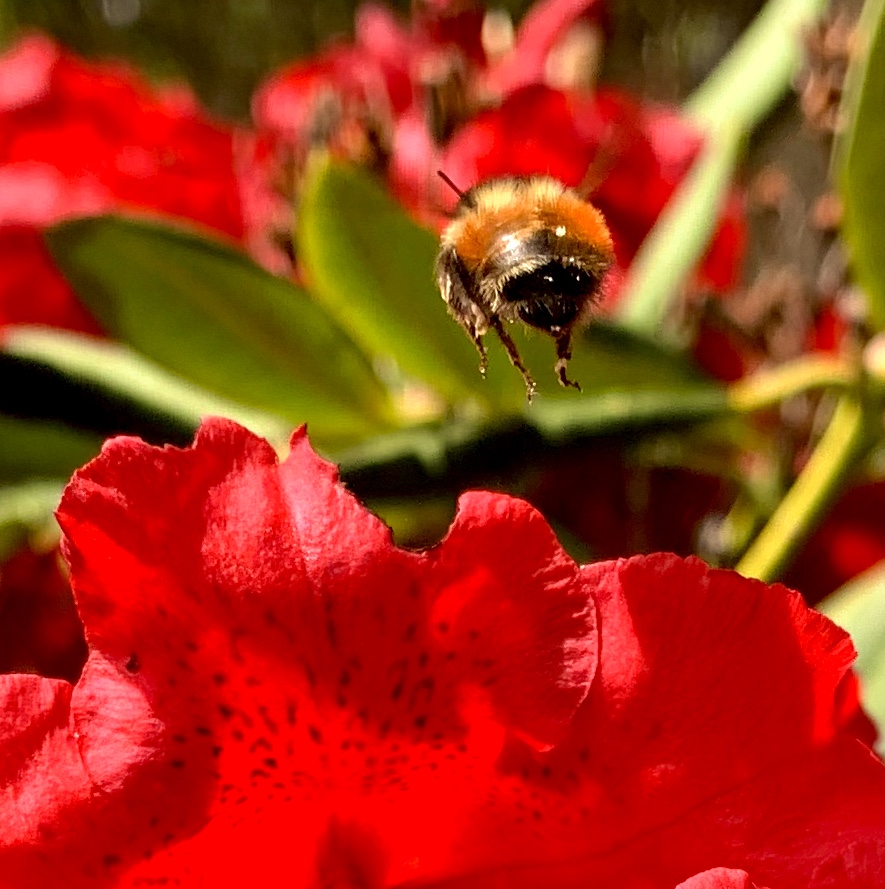
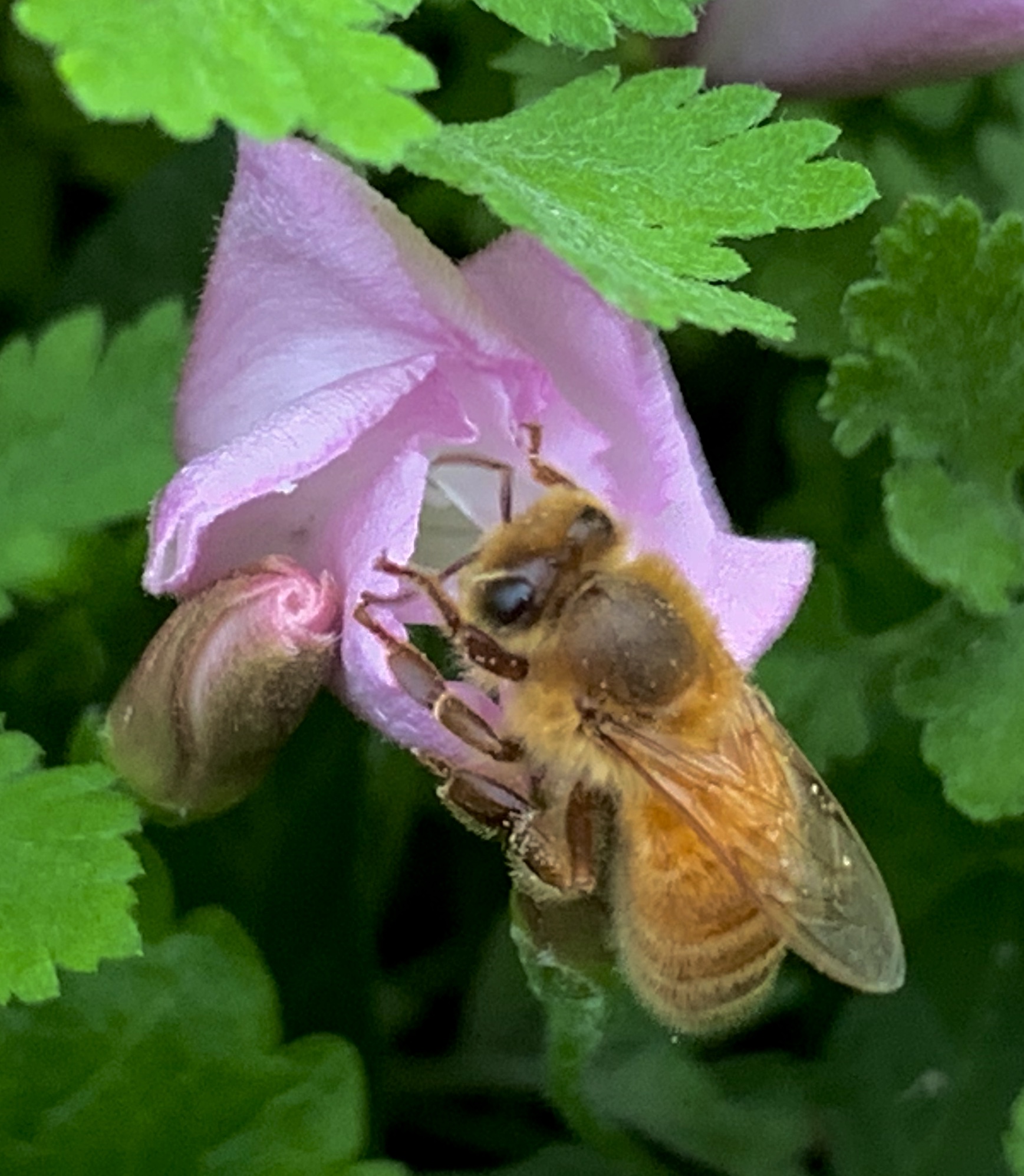
How the bees with such skill and purpose
enter flower after flower
sing their way home
to create and cap the new honey
just to get through the flowerless winter.

And how the bear with intention and cunning
raids the hive
shovels pawful after pawful into his happy mouth
bats away indignant bees
stumbles off in a stupor of satiation and stickiness.

And how we humans can’t resist its viscosity
its taste of clover and wind
its metaphorical power:
don’t we yearn for a land of milk and honey?
don’t we call our loved ones “honey?”

all because bees just do, over and over again, what they were made to do.

Oh, who could need more proof than honey
to know that our world
was meant to be

and

was meant to be
sweet?
~Julie Cadwallader Staub “Joy” from Face to Face

Our dependency on the lowly bee
-to pollinate all the fruits and vegetables we need to thrive-
is lost in the threat of bee viruses and giant killer hornets and chemical sprays.

Our dependency on the bee
models how we are to be…

We too were placed here to service the created world
and make it sweeter and more fruitful.

Instead, always greedy, we demand more than the world can give
and we now wring our hands at our fate.

We were created from a profound spirit of sweetness
and still, and yet, and in grace,
we are forgiven for settling for sullen sourness.

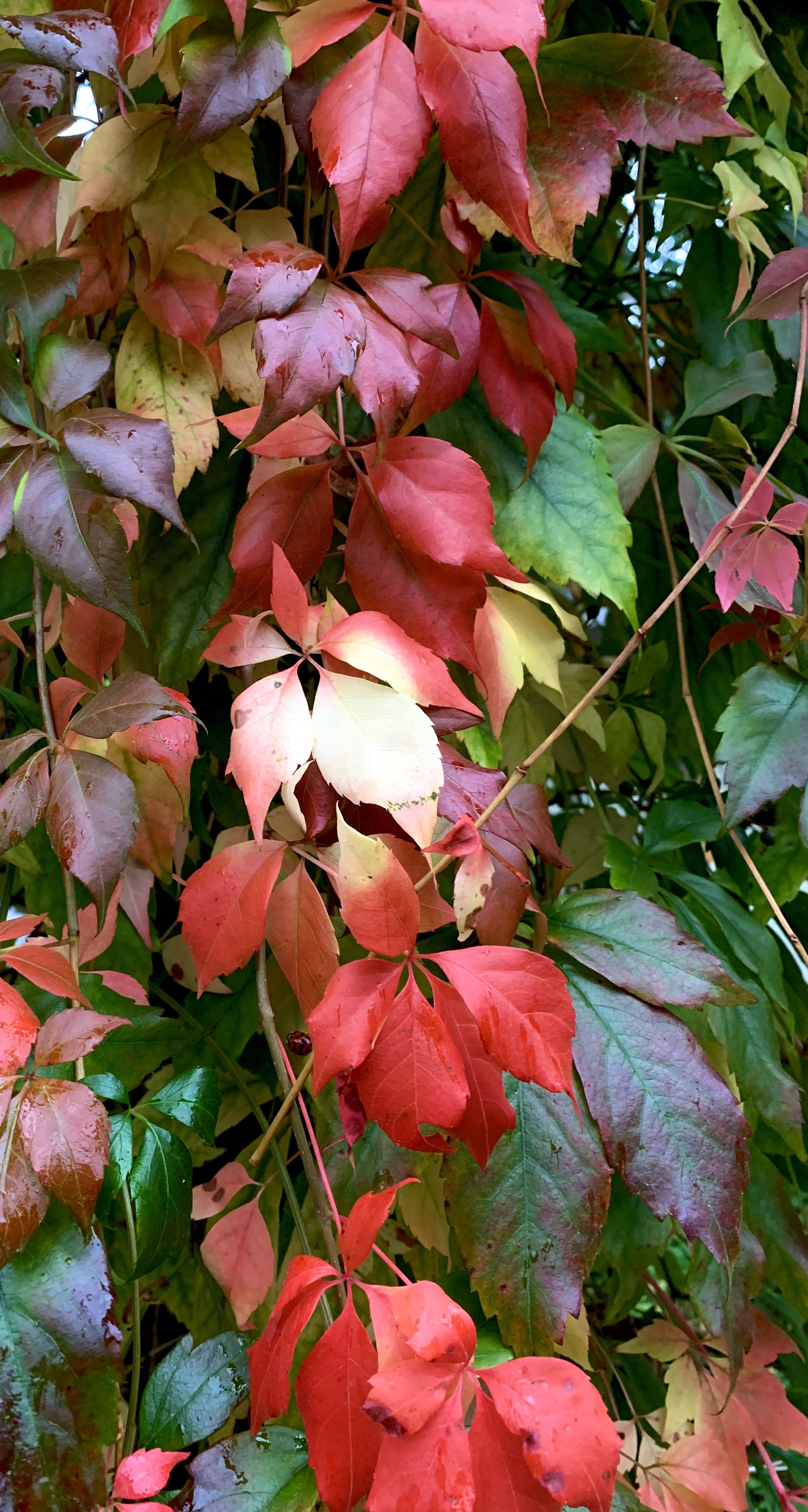
Leaves and Lives Falling Away

If we could,
like the trees,
practice dying,
do it every year
just as something we do—
like going on vacation
or celebrating birthdays—
it would become
as easy a part of us
as our hair or clothing.


Someone would show us how
to lie down and fade away
as if in deepest meditation,
and we would learn
about the fine dark emptiness,
both knowing it and not knowing it,
and coming back would be irrelevant.


Whatever it is the trees know
when they stand undone,
surprisingly intricate,
we need to know also
so we can allow
that last thing
to happen to us
as if it were only
any ordinary thing,


leaves and lives
falling away, the spirit, complex,
waiting in the fine darkness
to learn which way
it will go.
~Grace Butcher, “Learning from Trees” from Poetry of Presence

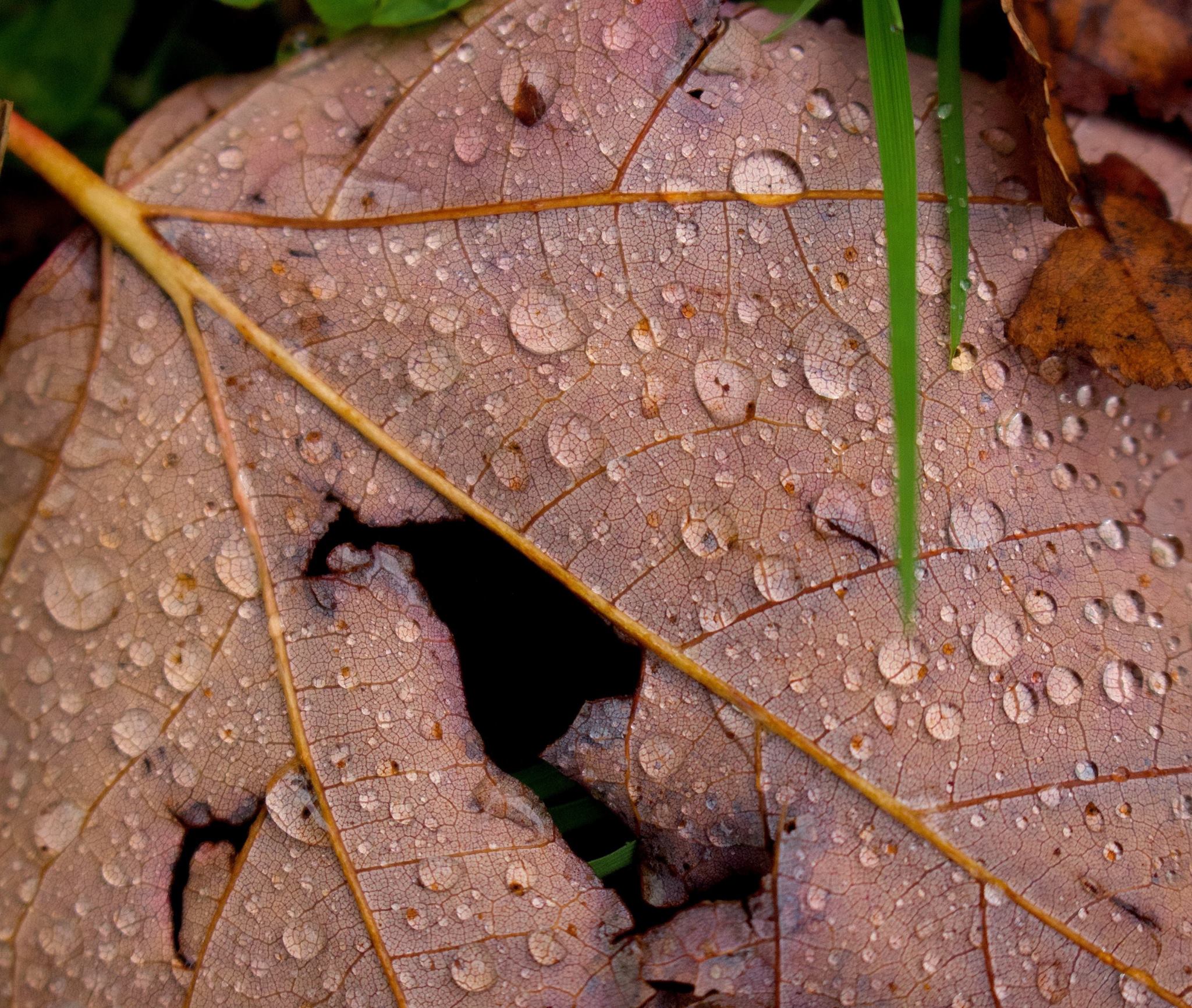
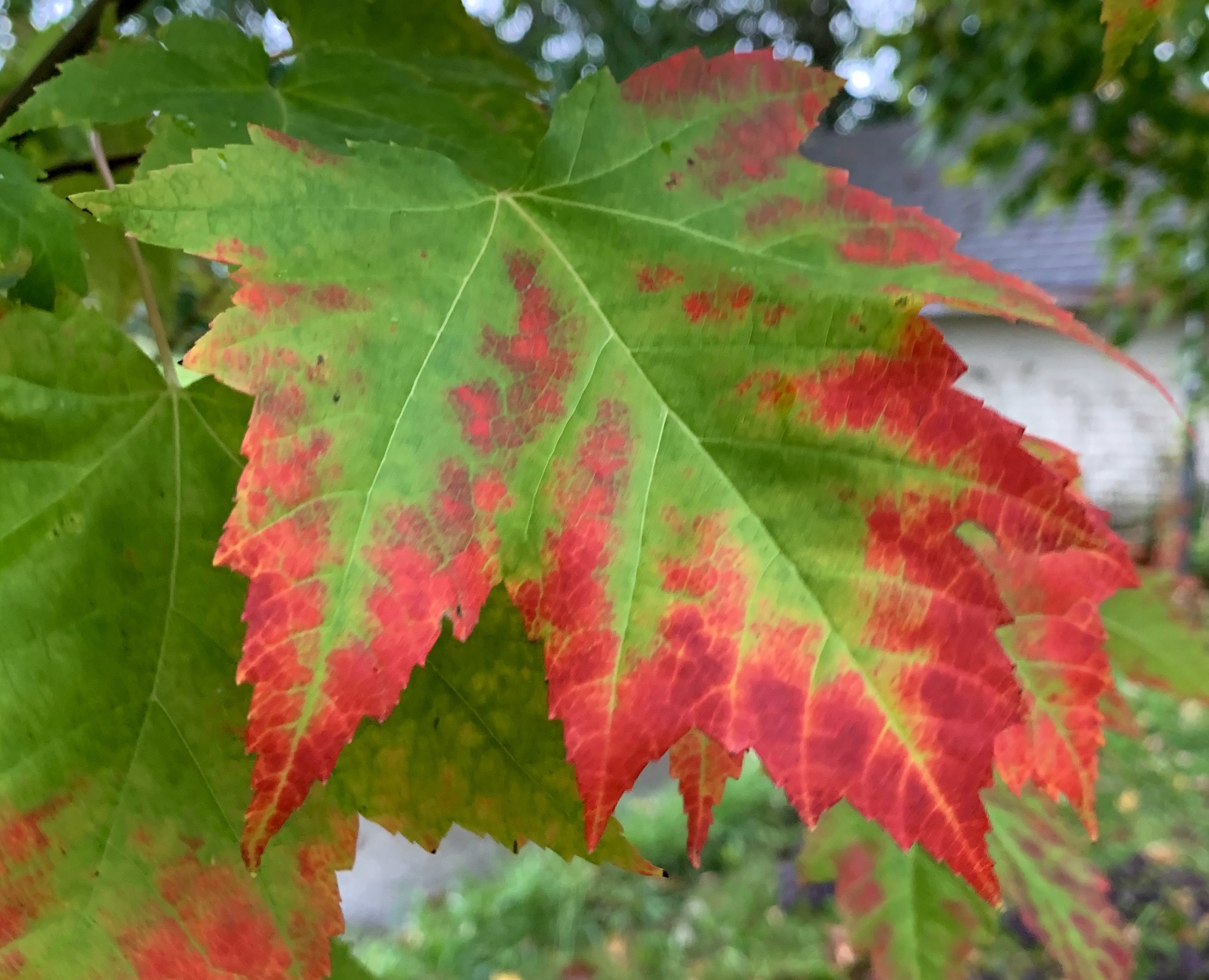
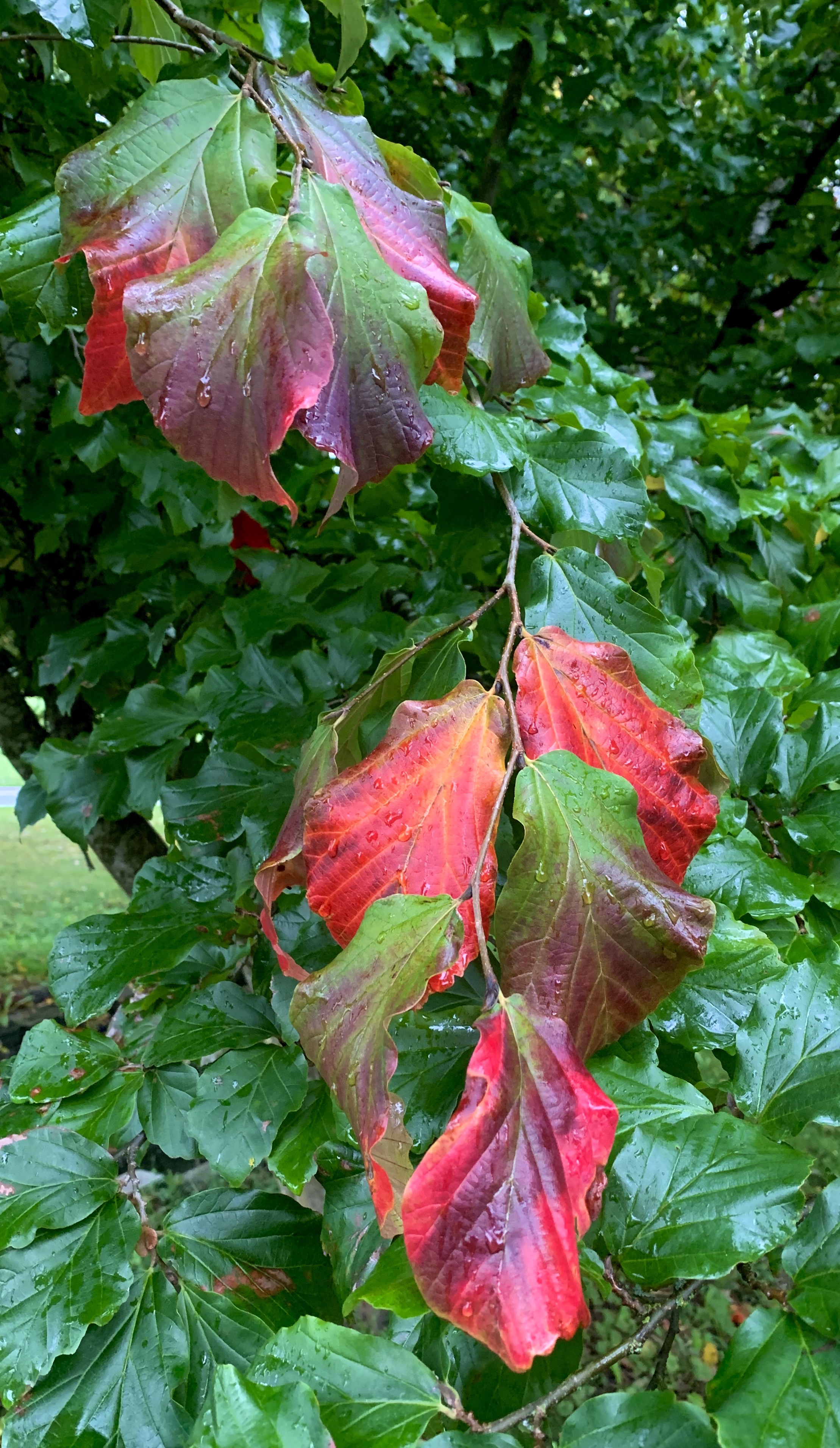
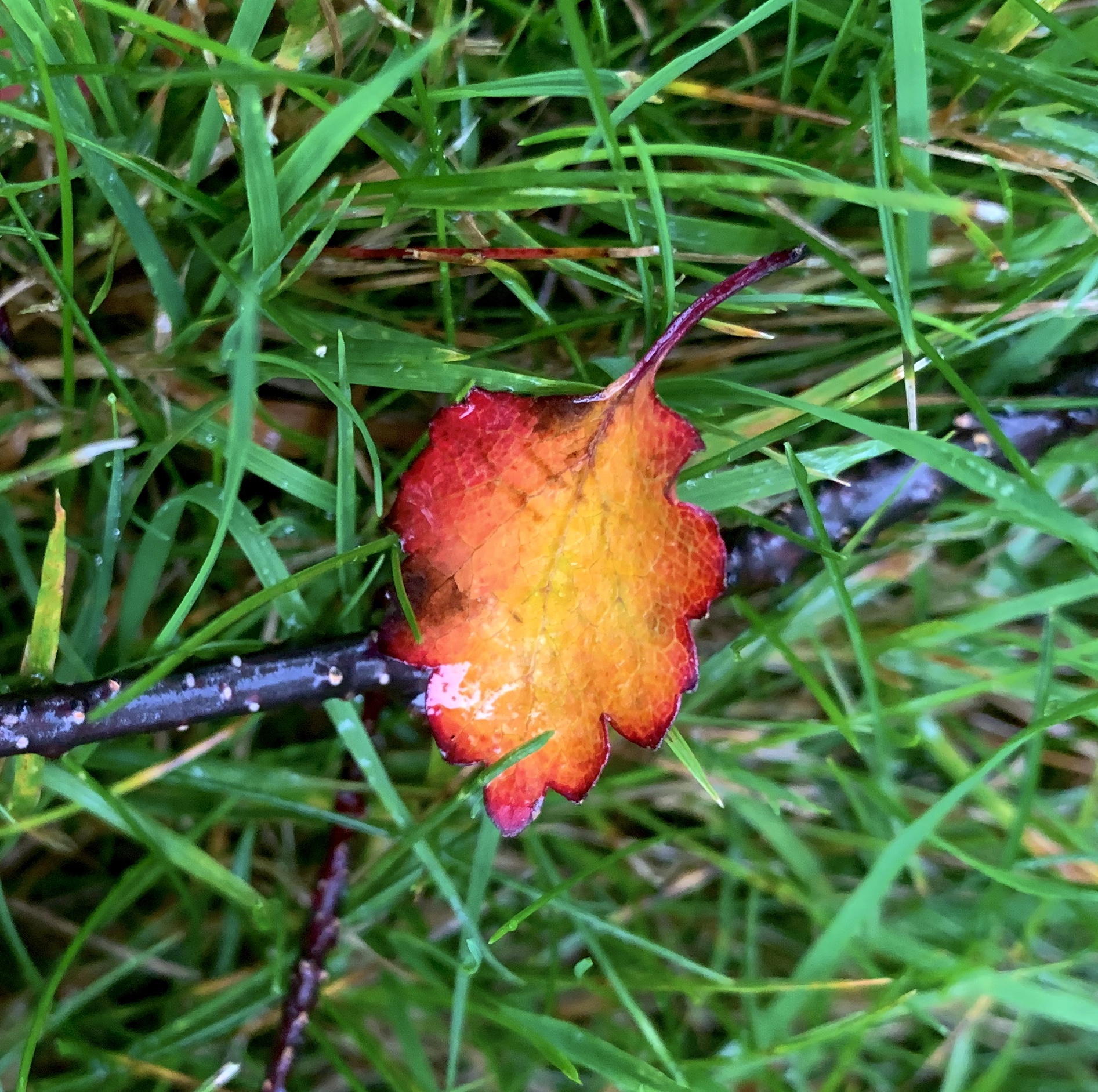
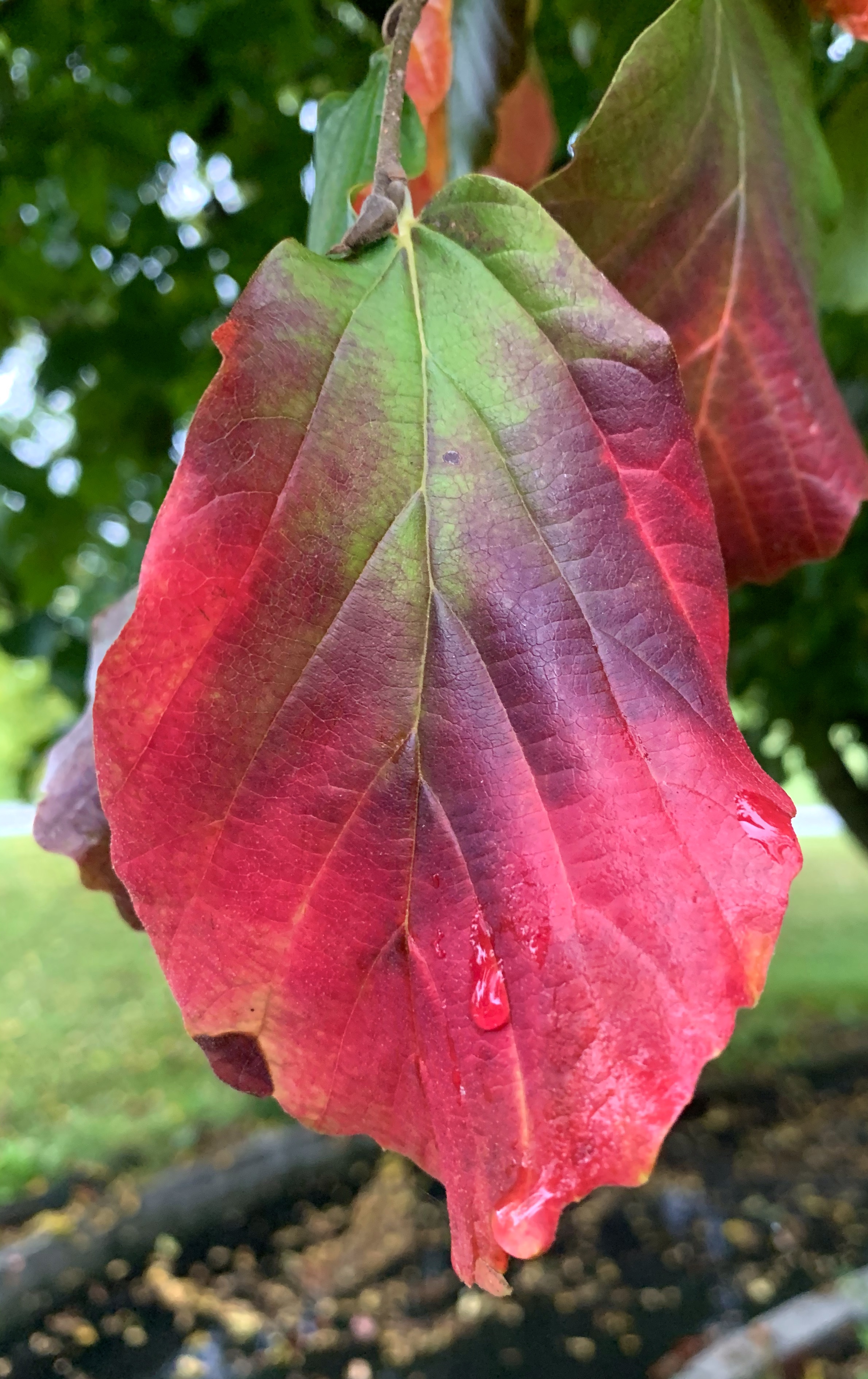
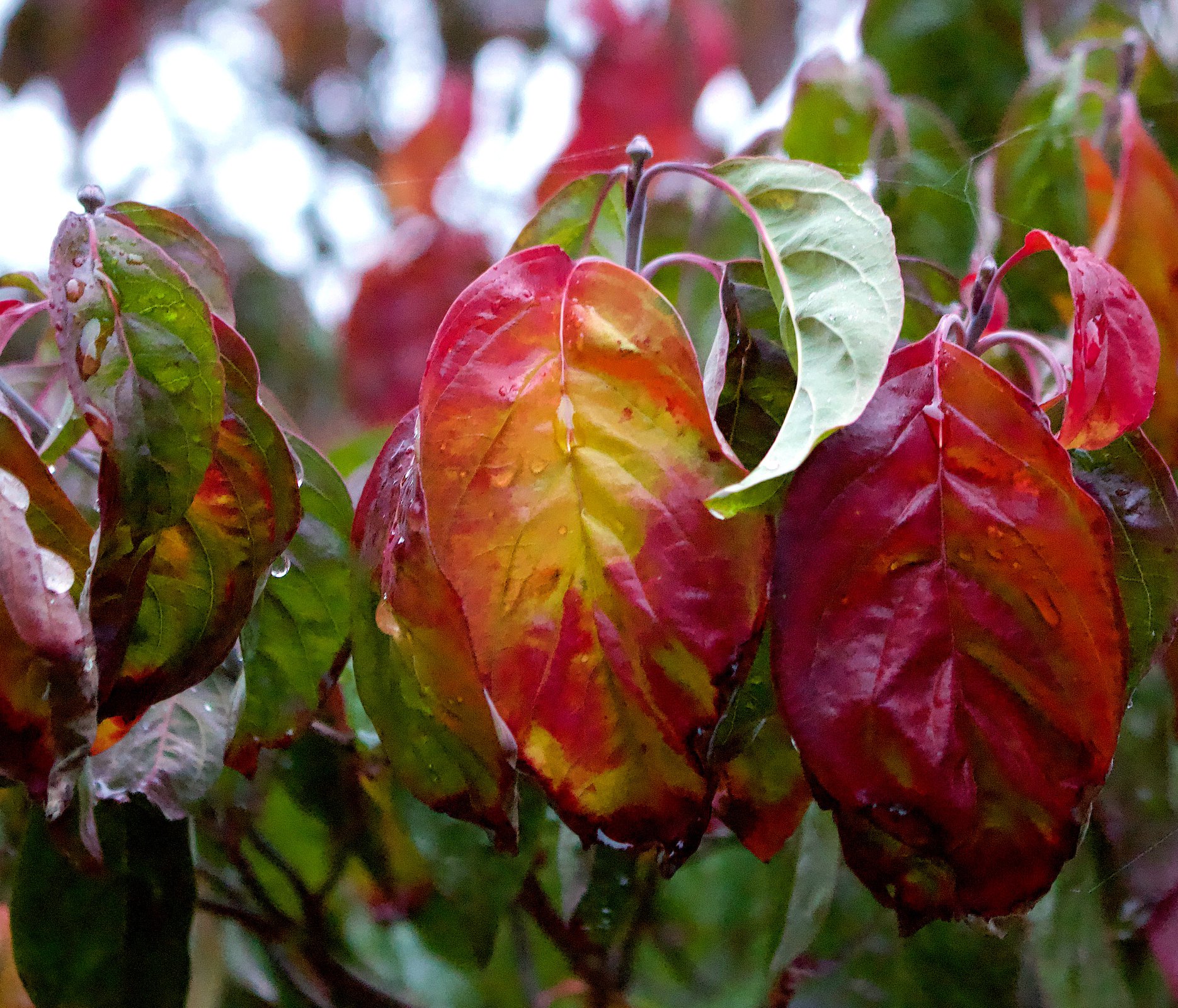
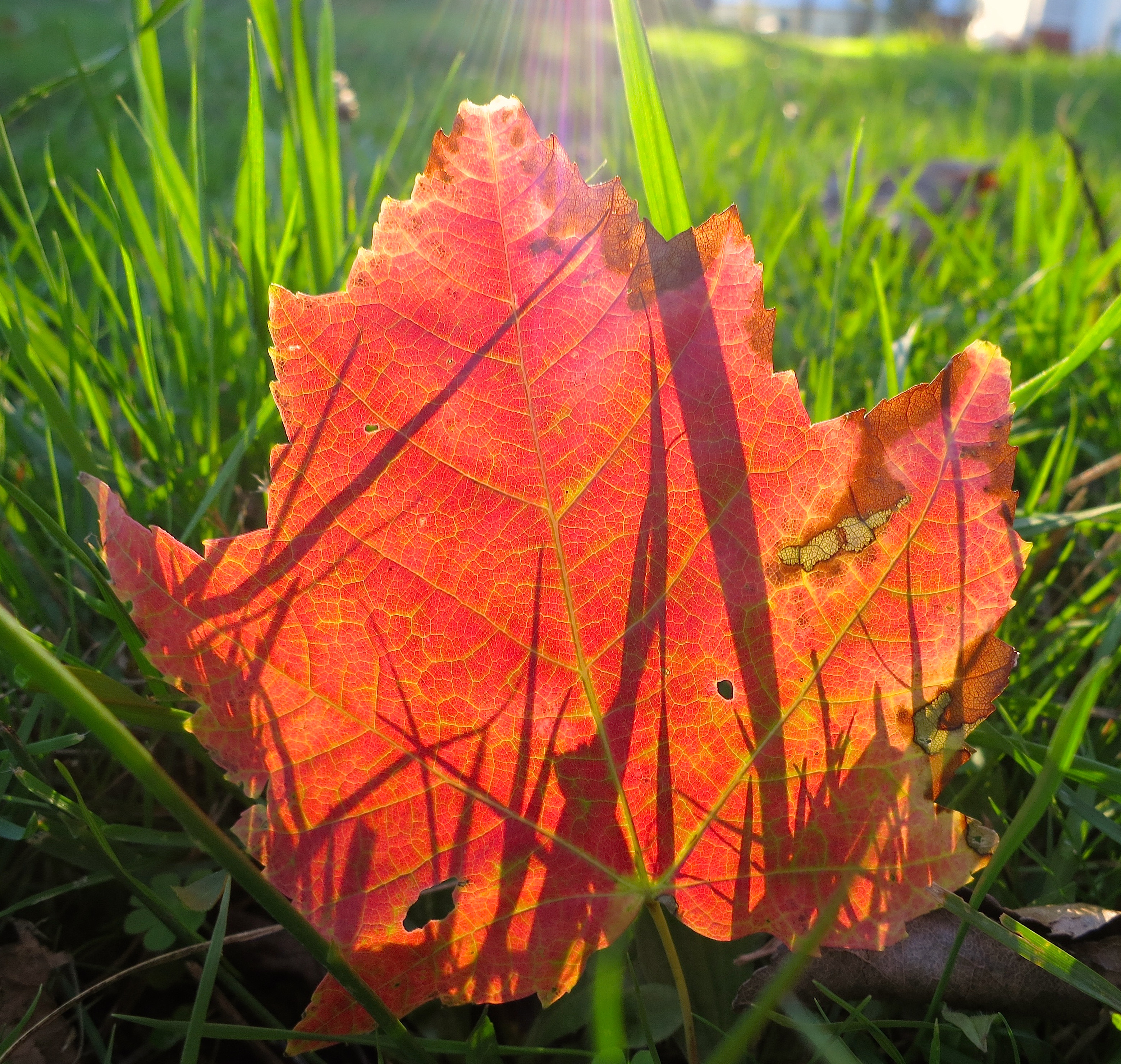
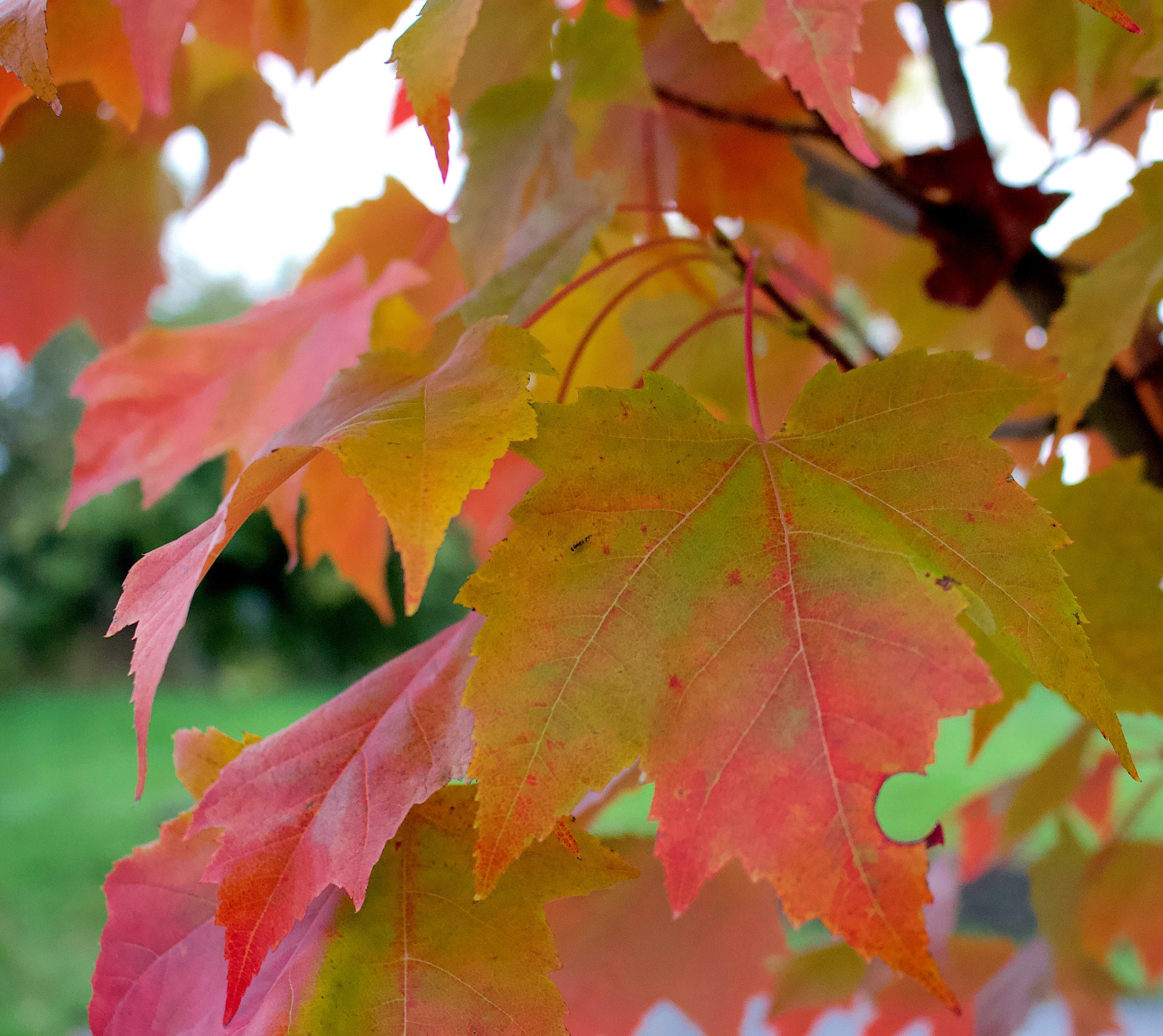
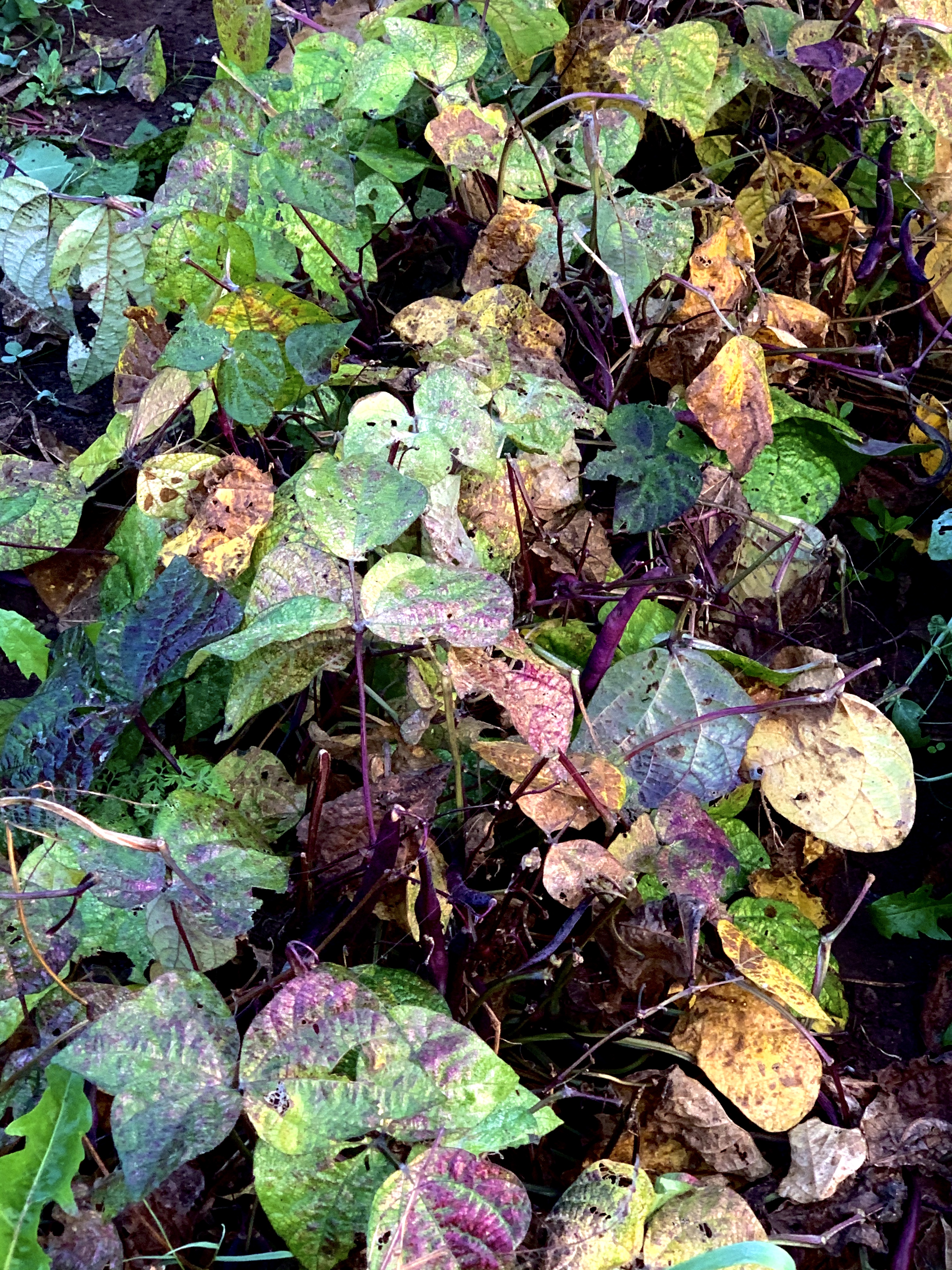
If I were to die as a leaf,
I would want to change my clothes just bit by bit,
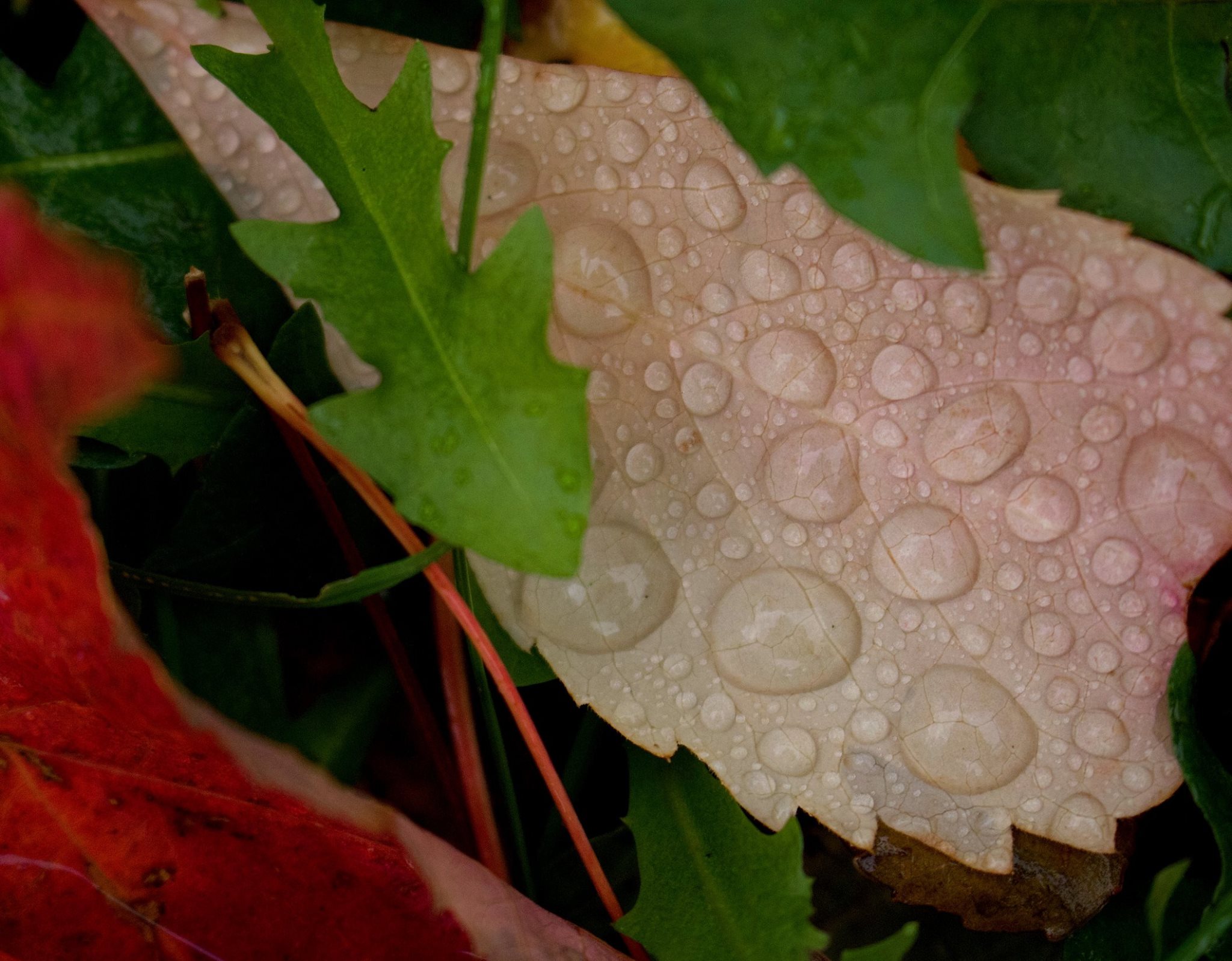
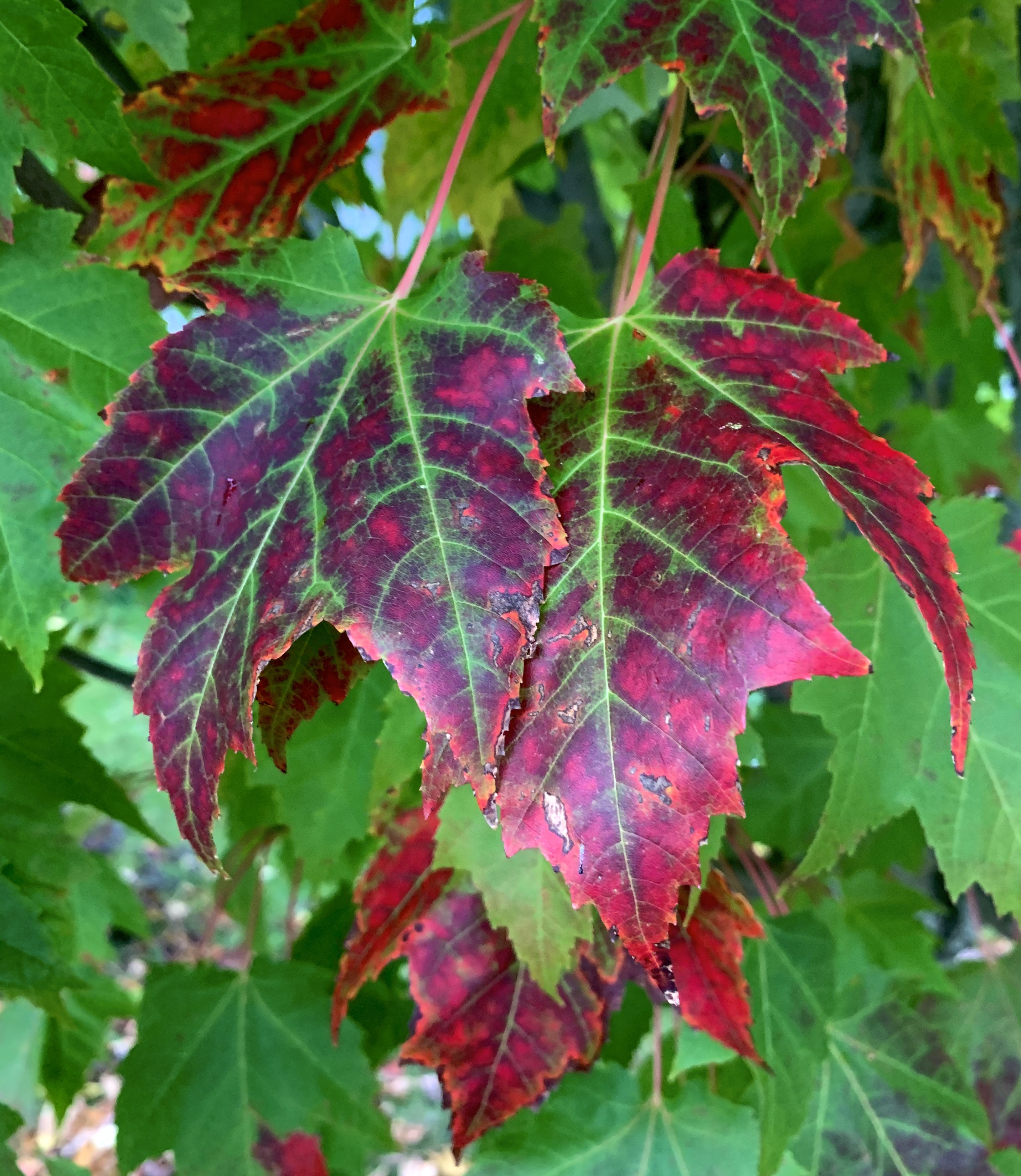
overnight oozing gradually to scarlet,
bleeding into the green a little bit more,
until I’m so unrecognizable,
I’ll seem brand new.

That would be ideal.
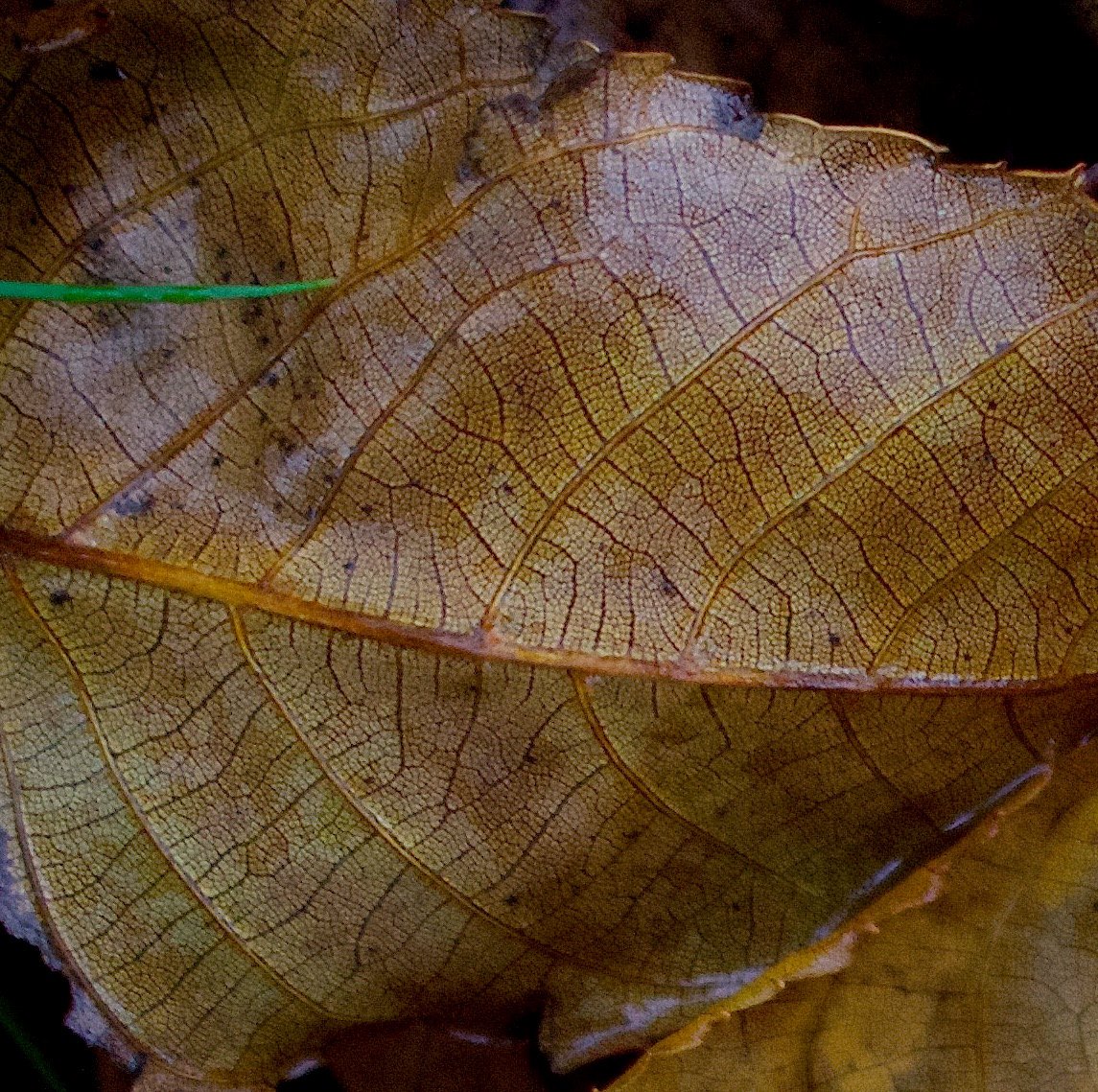
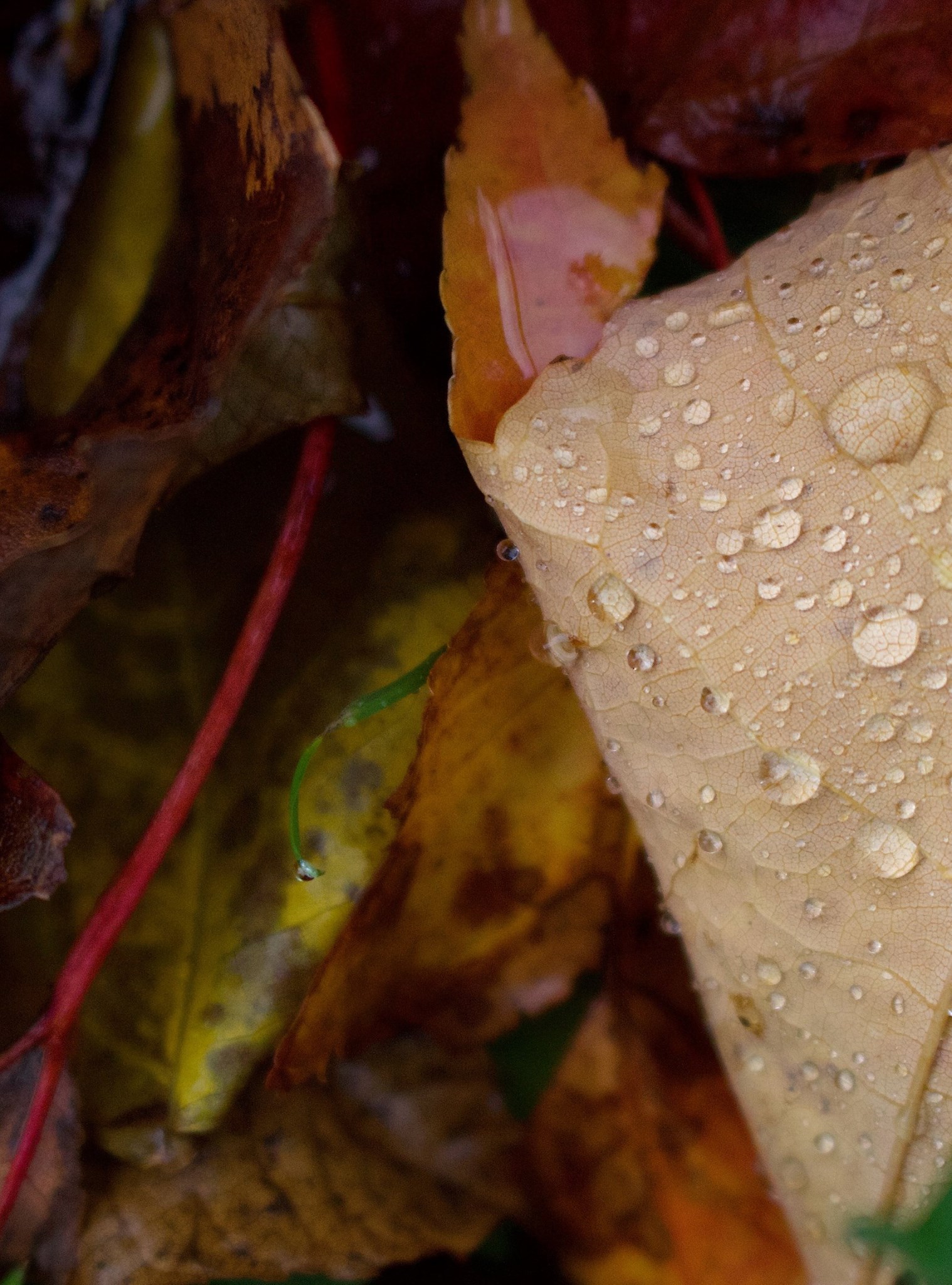
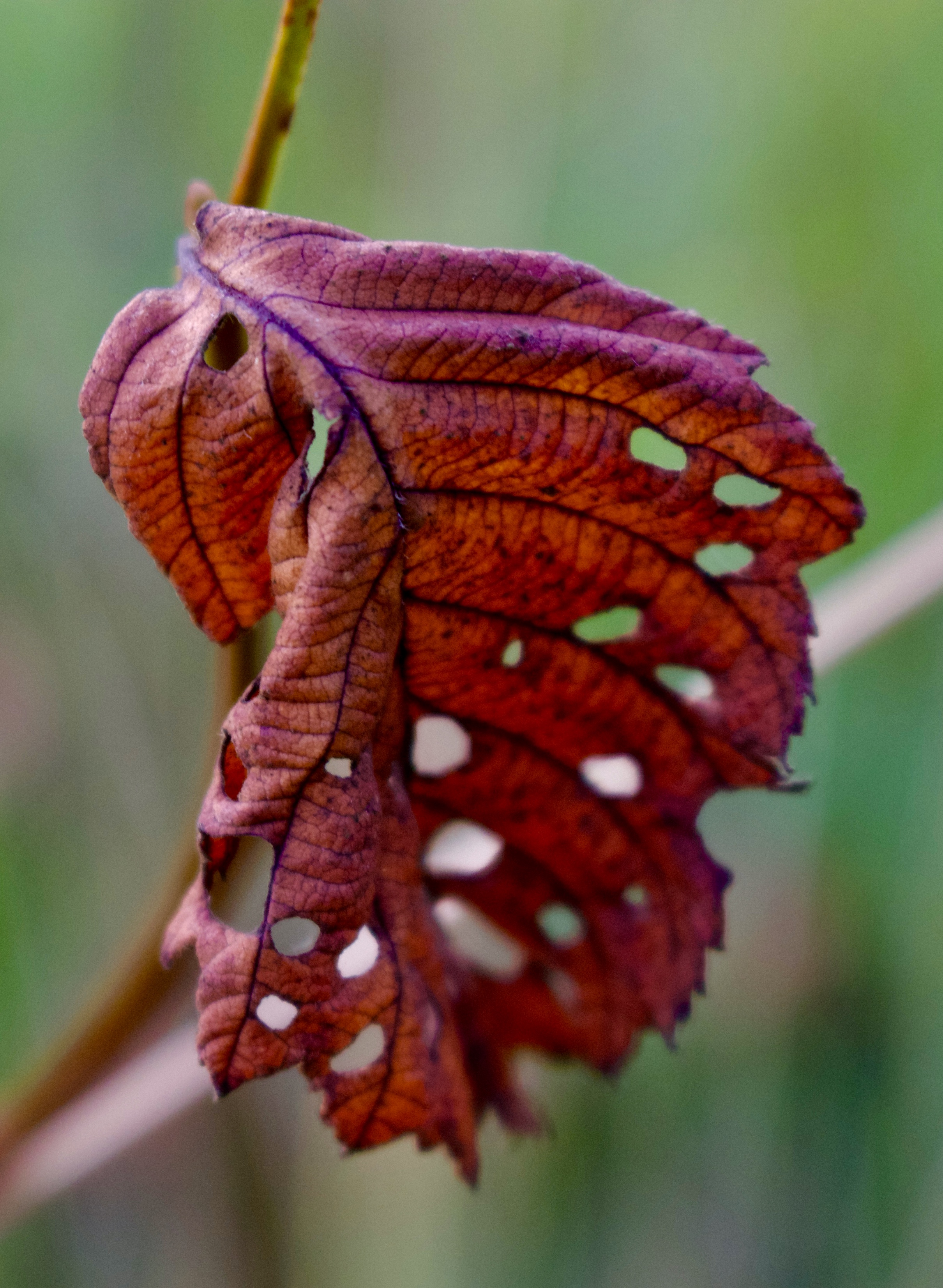
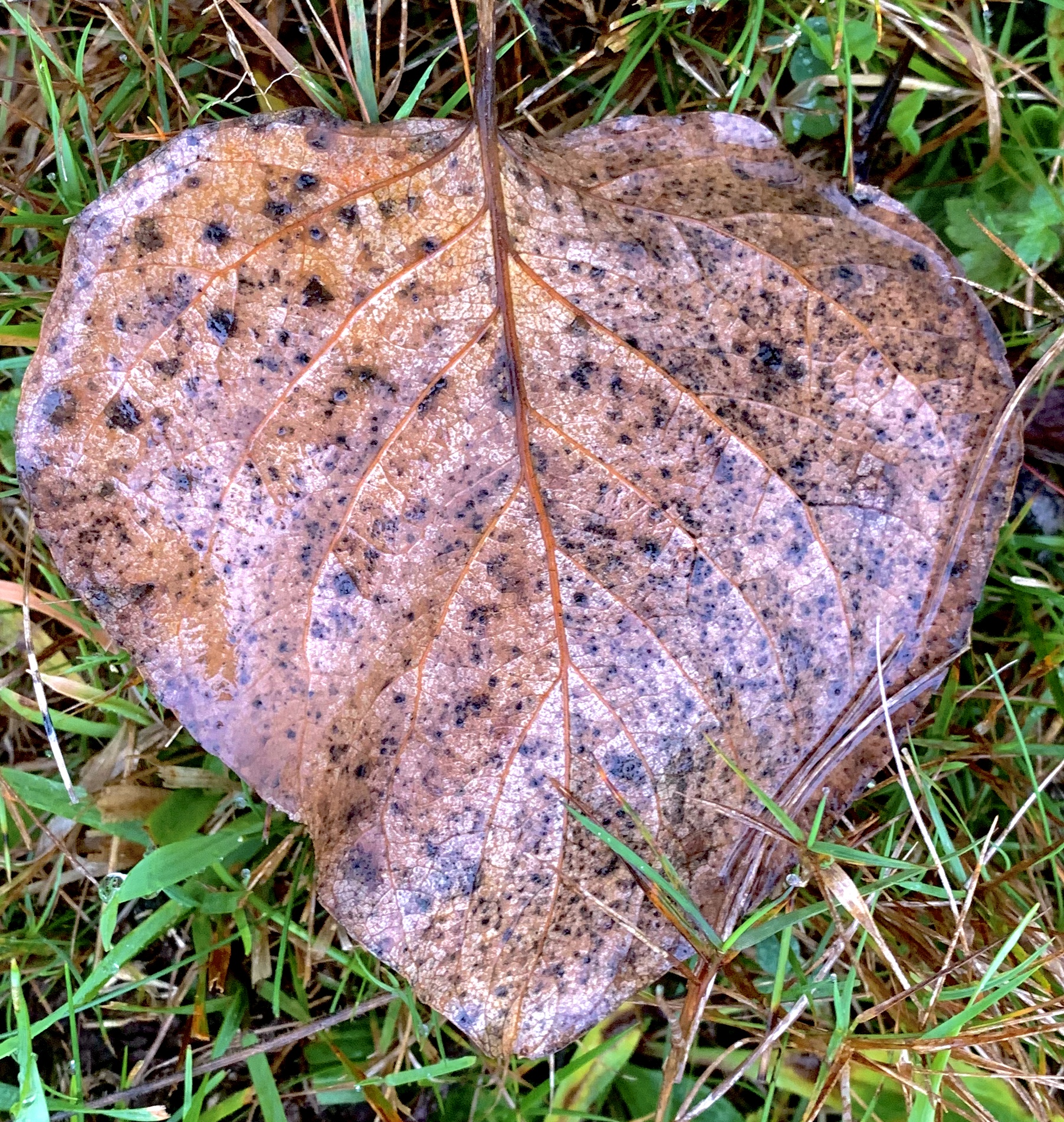
The reality is a fading to grey and brown,
my edges withered and torn,
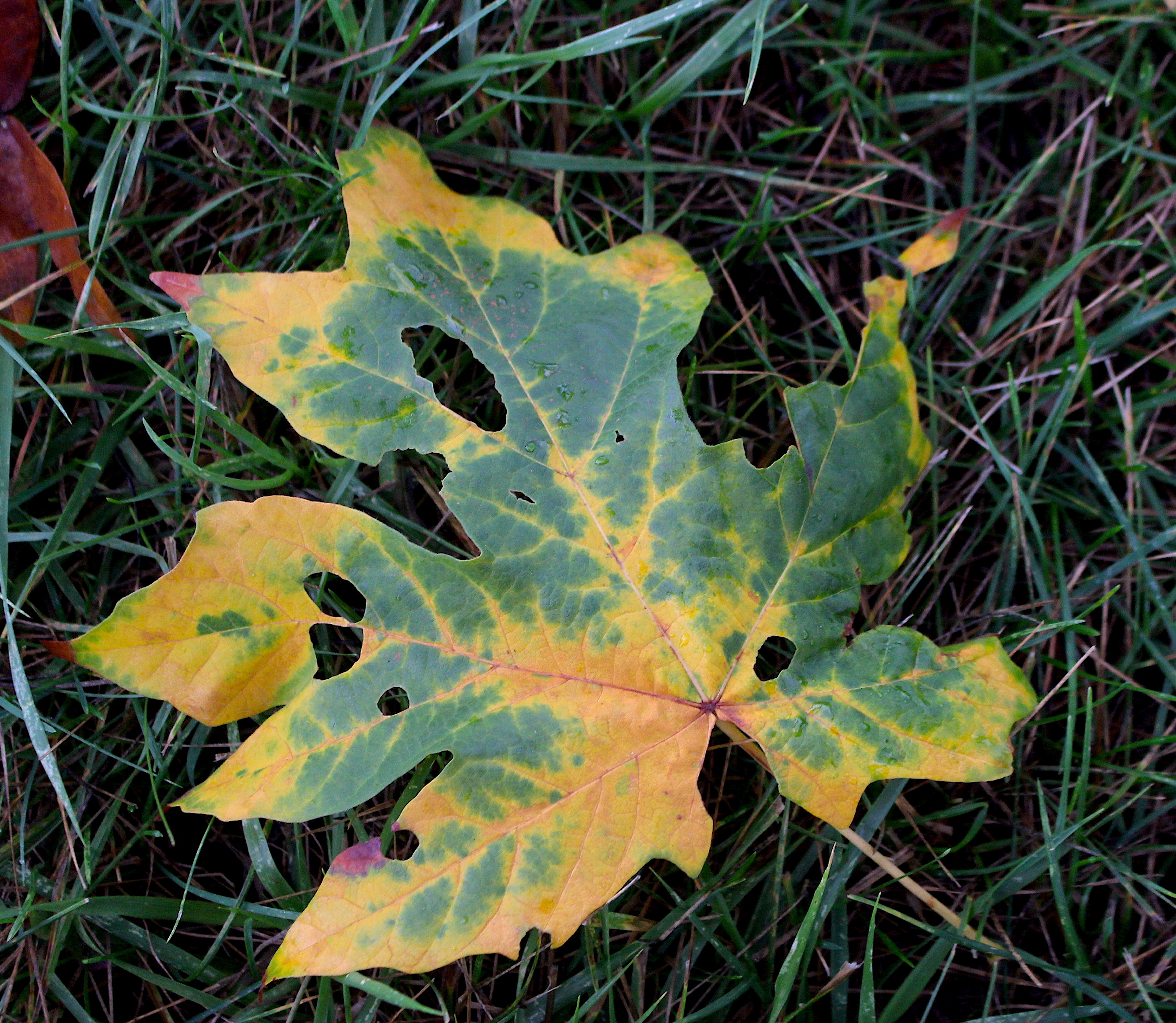
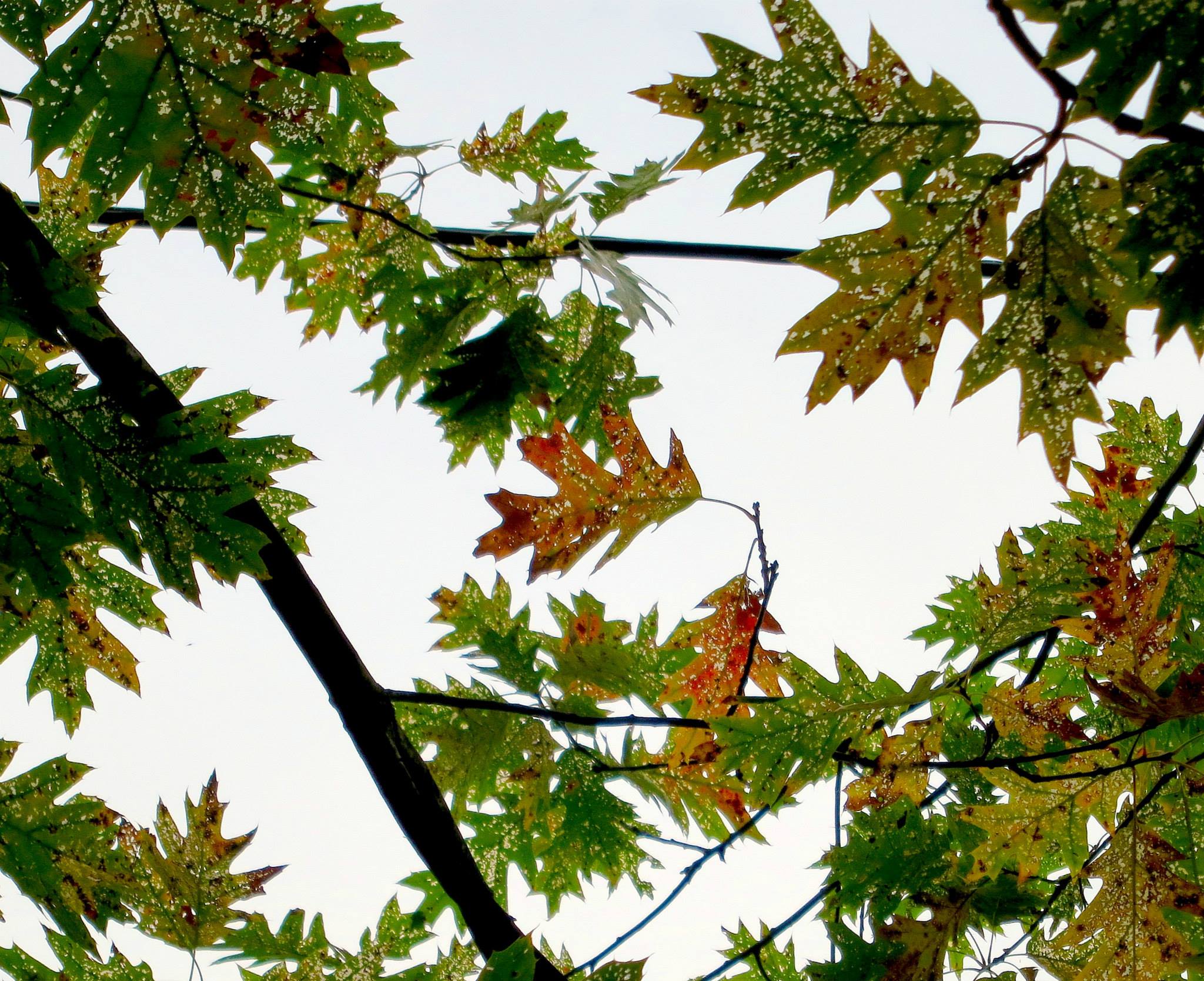
bug-bitten with holes and weather-beaten bruised,
dangling and fearful of letting go
and so forgotten.

So I remember:
no one, not one, falls
without its Maker knowing.
No one, not one, dies
without being made brand new.

A Long, Long Road

The road is long
With many a winding turn
That leads us to who knows where
Who knows where
But I’m strong
Strong enough to carry him
He ain’t heavy, he’s my brother

If I’m laden at all
I’m laden with sadness
That everyone’s heart
Isn’t filled with the gladness
Of love for one another

It’s a long, long road
From which there is no return
While we’re on the way to there
Why not share

And the load
Doesn’t weigh me down at all…

~Bobby Scott and Bob Russell from “He Ain’t Heavy, He’s My Brother”

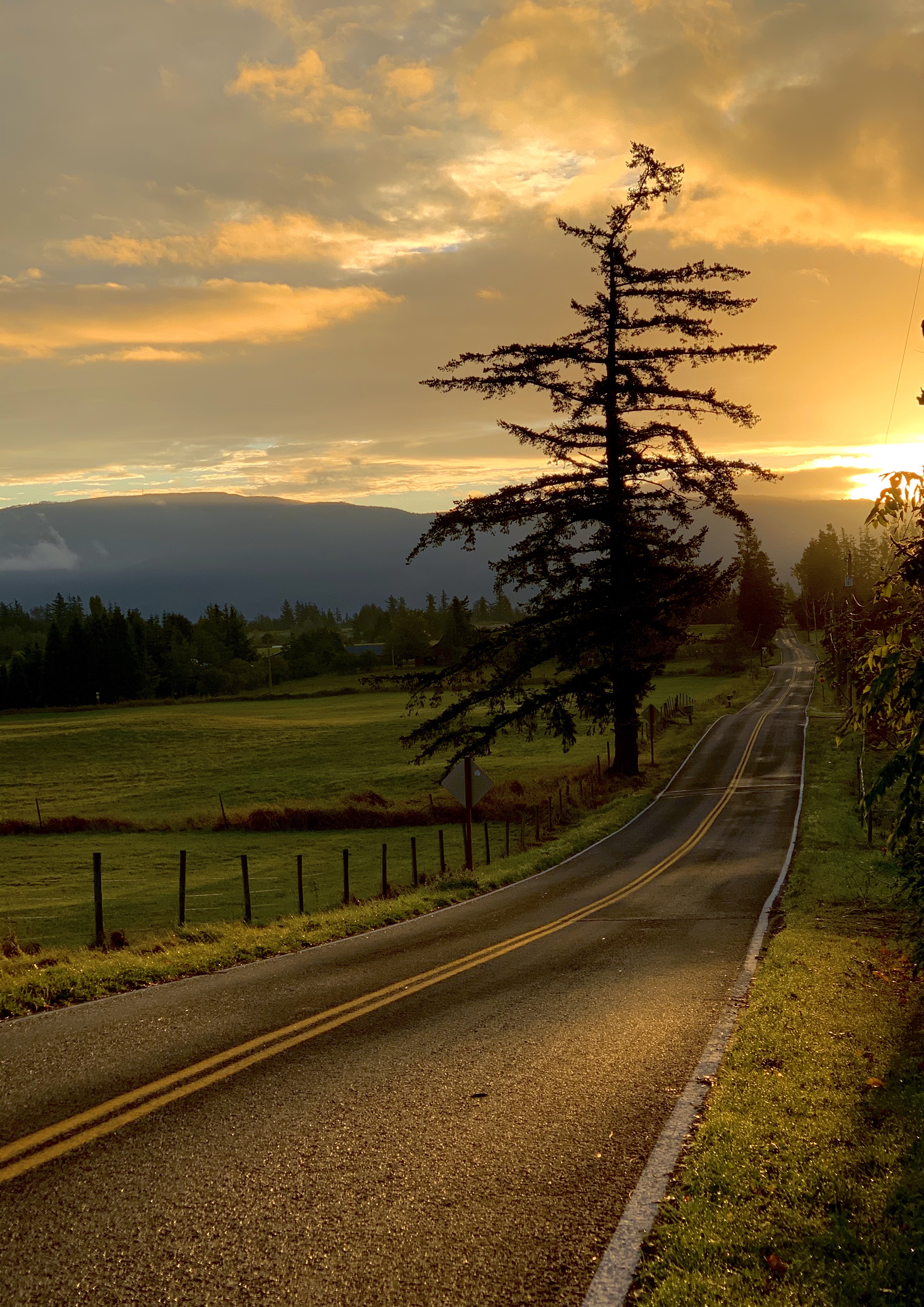
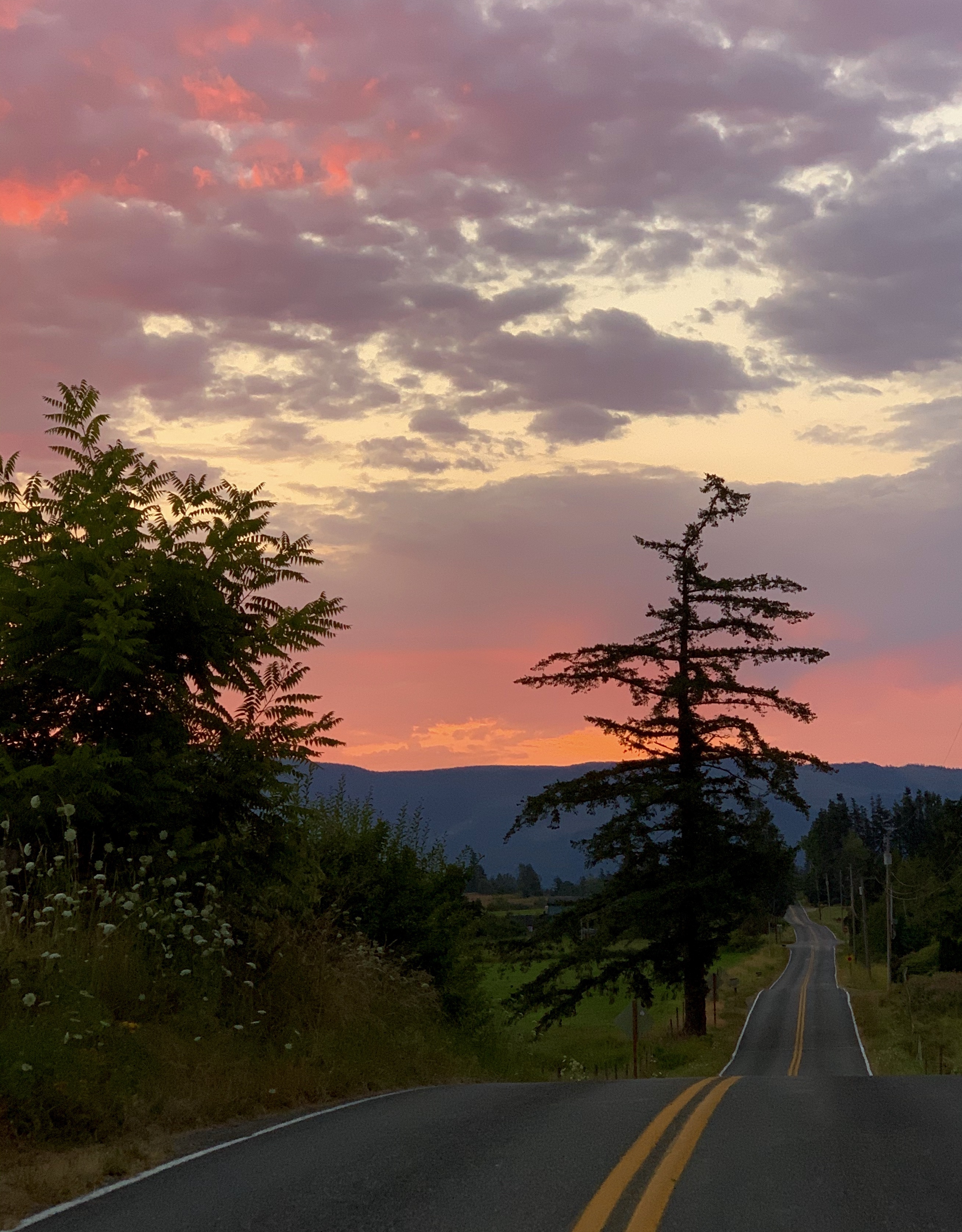
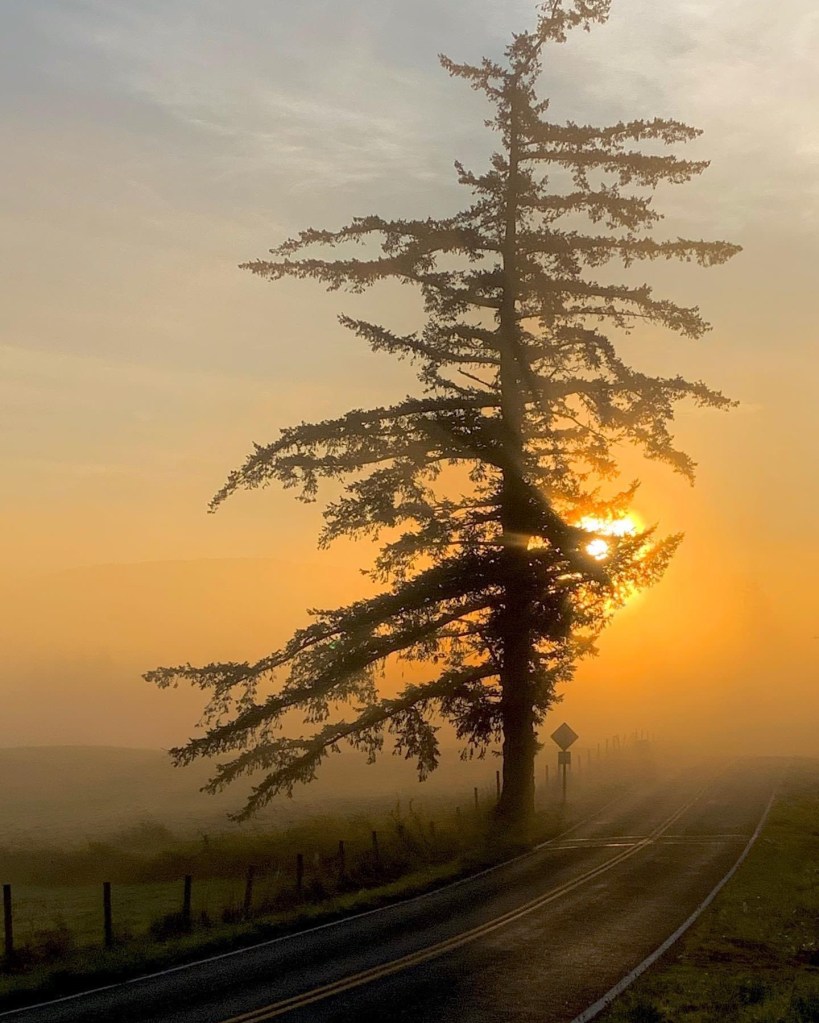
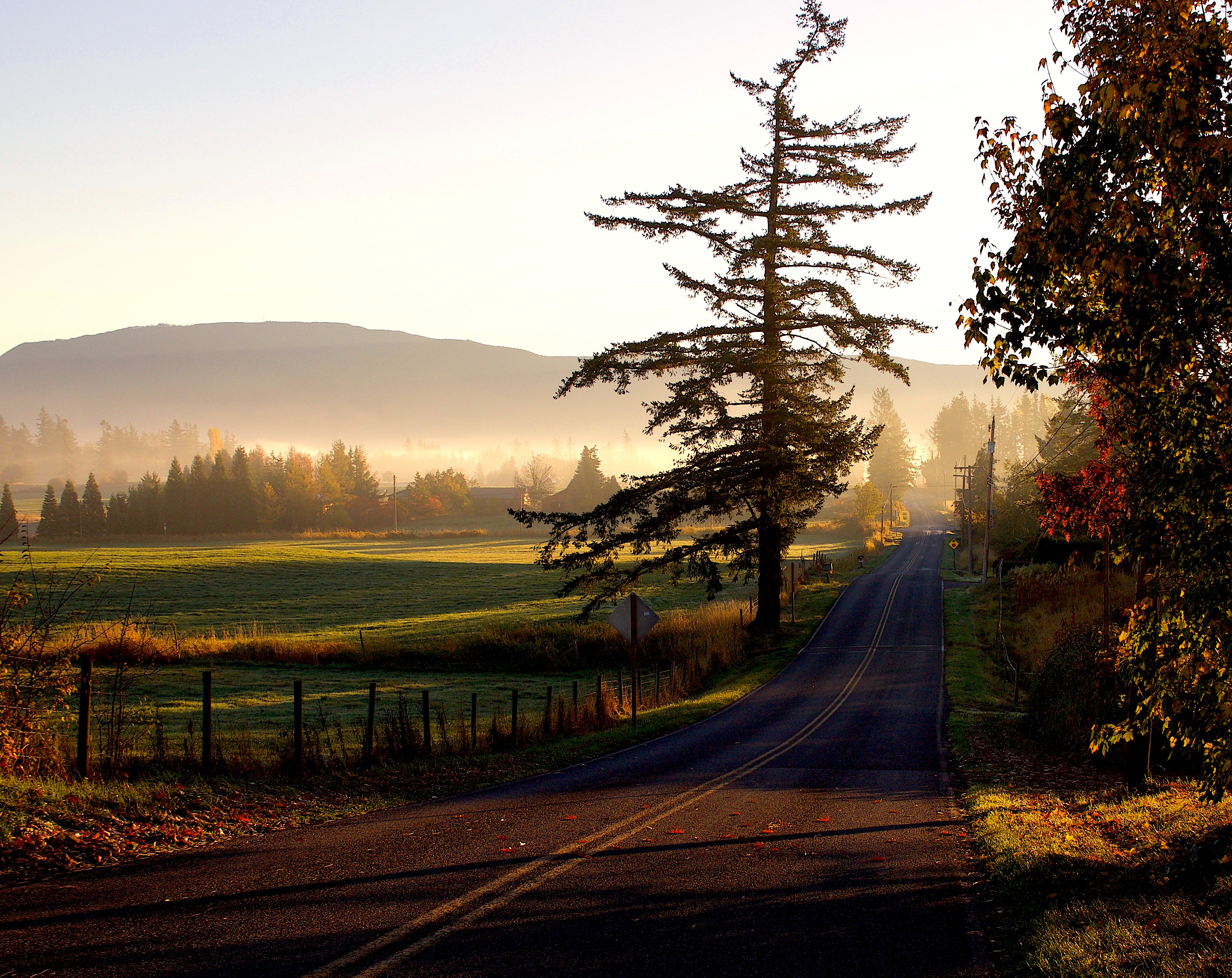
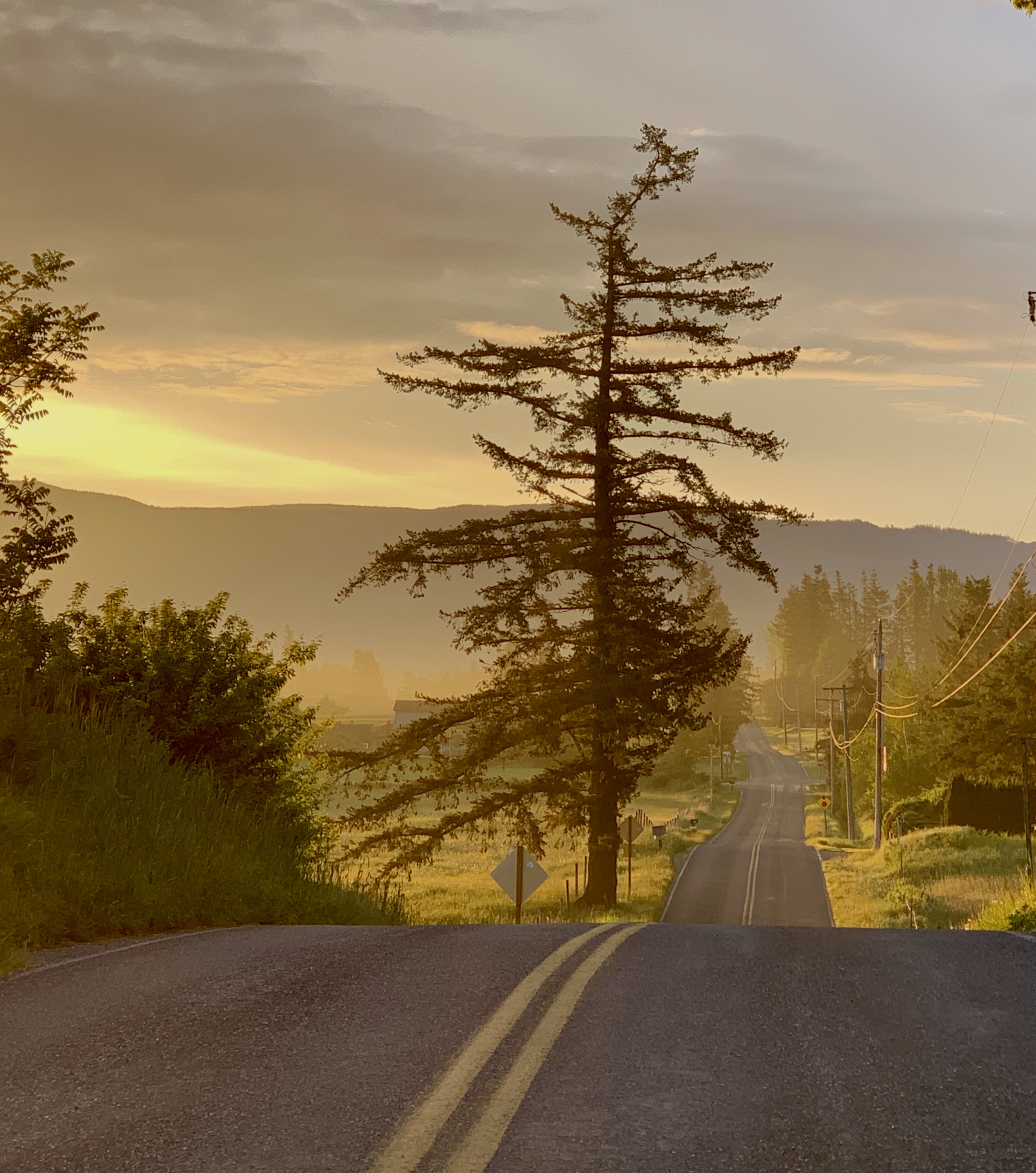
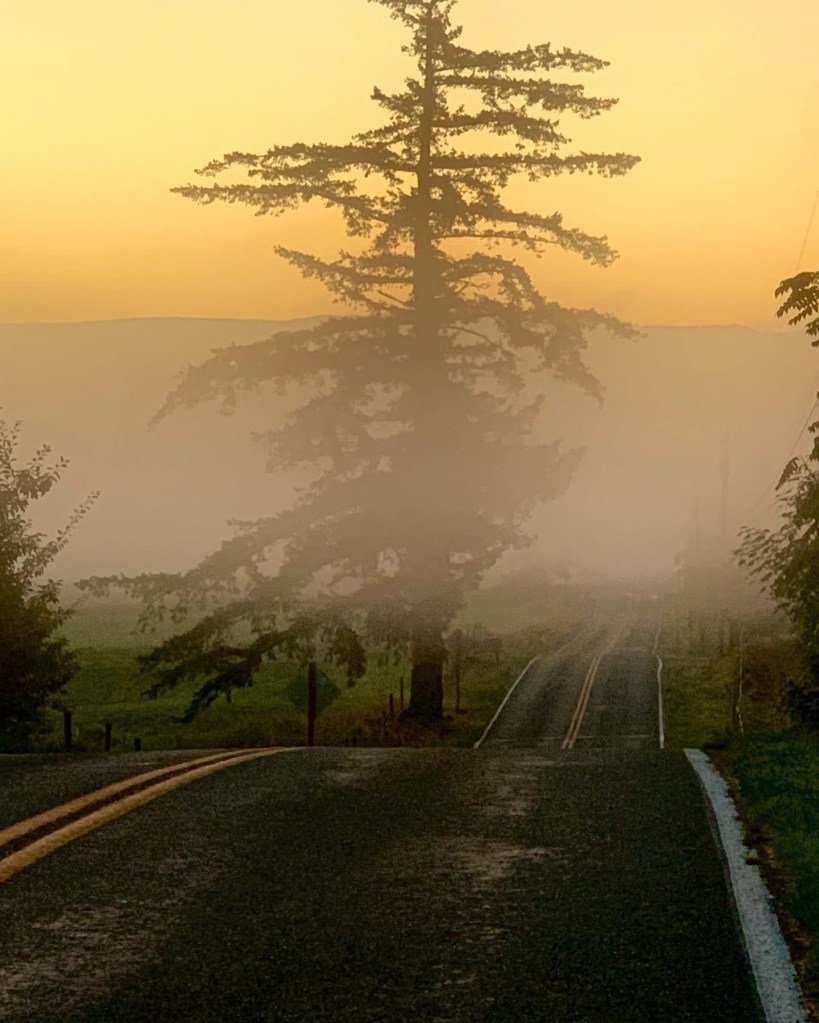
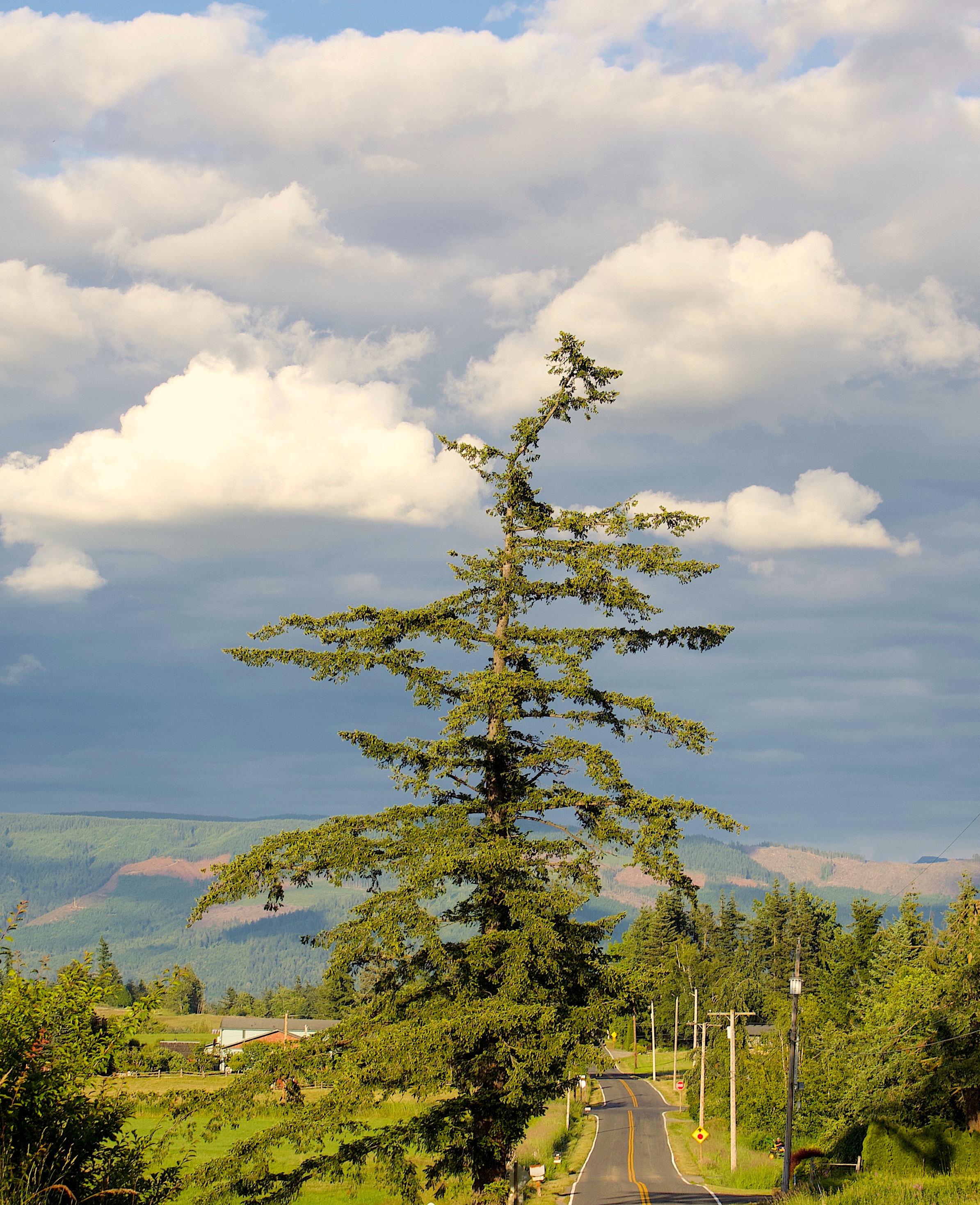
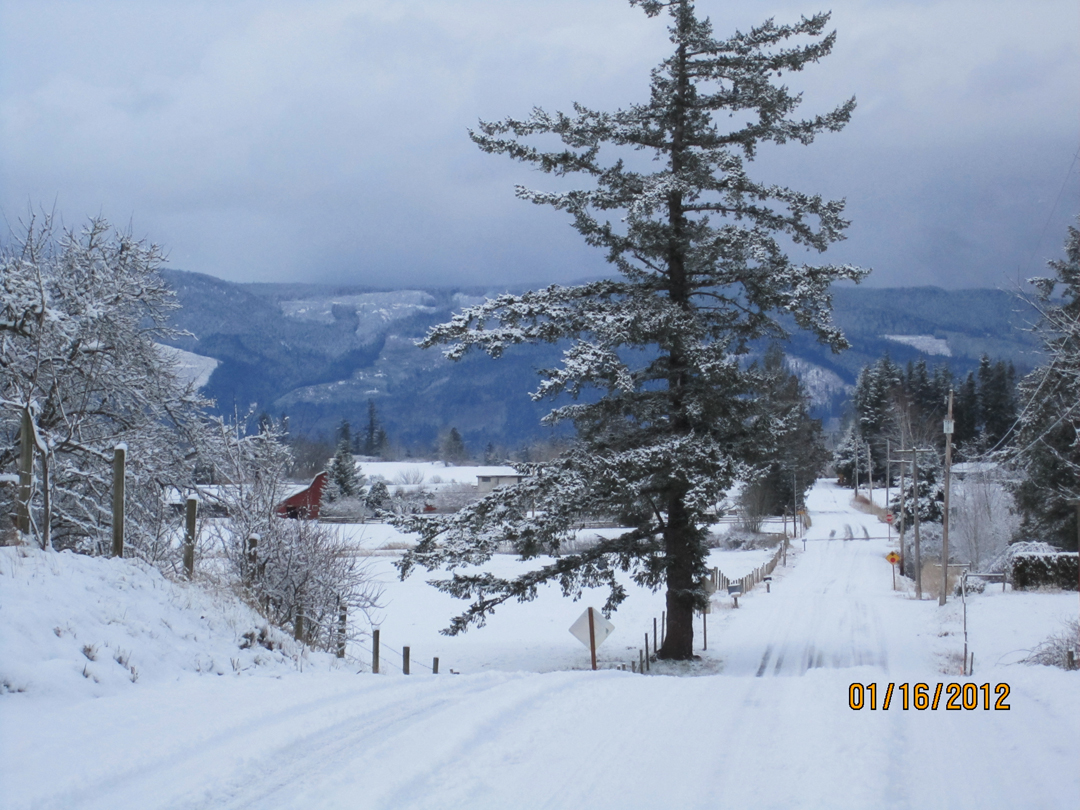
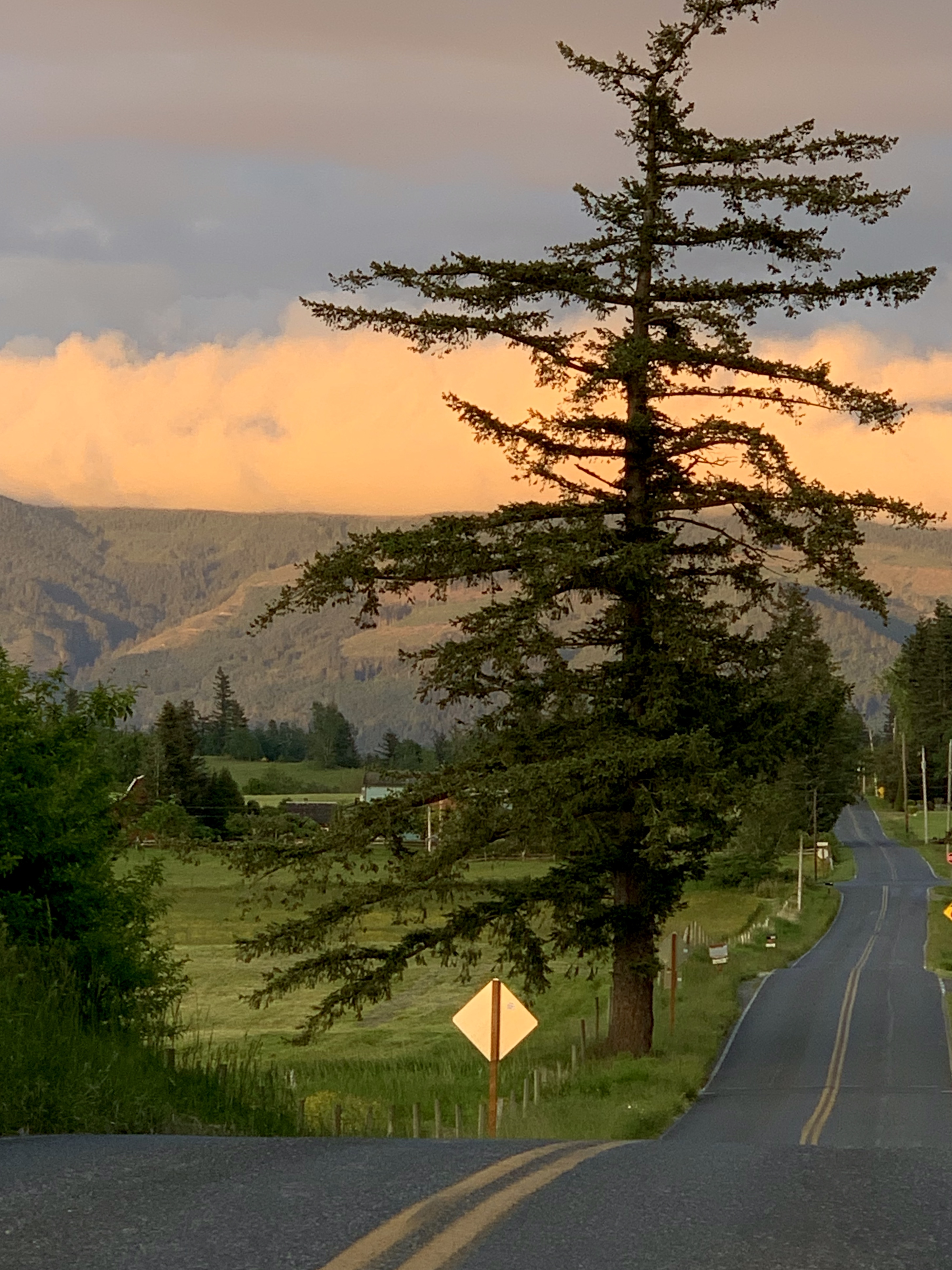
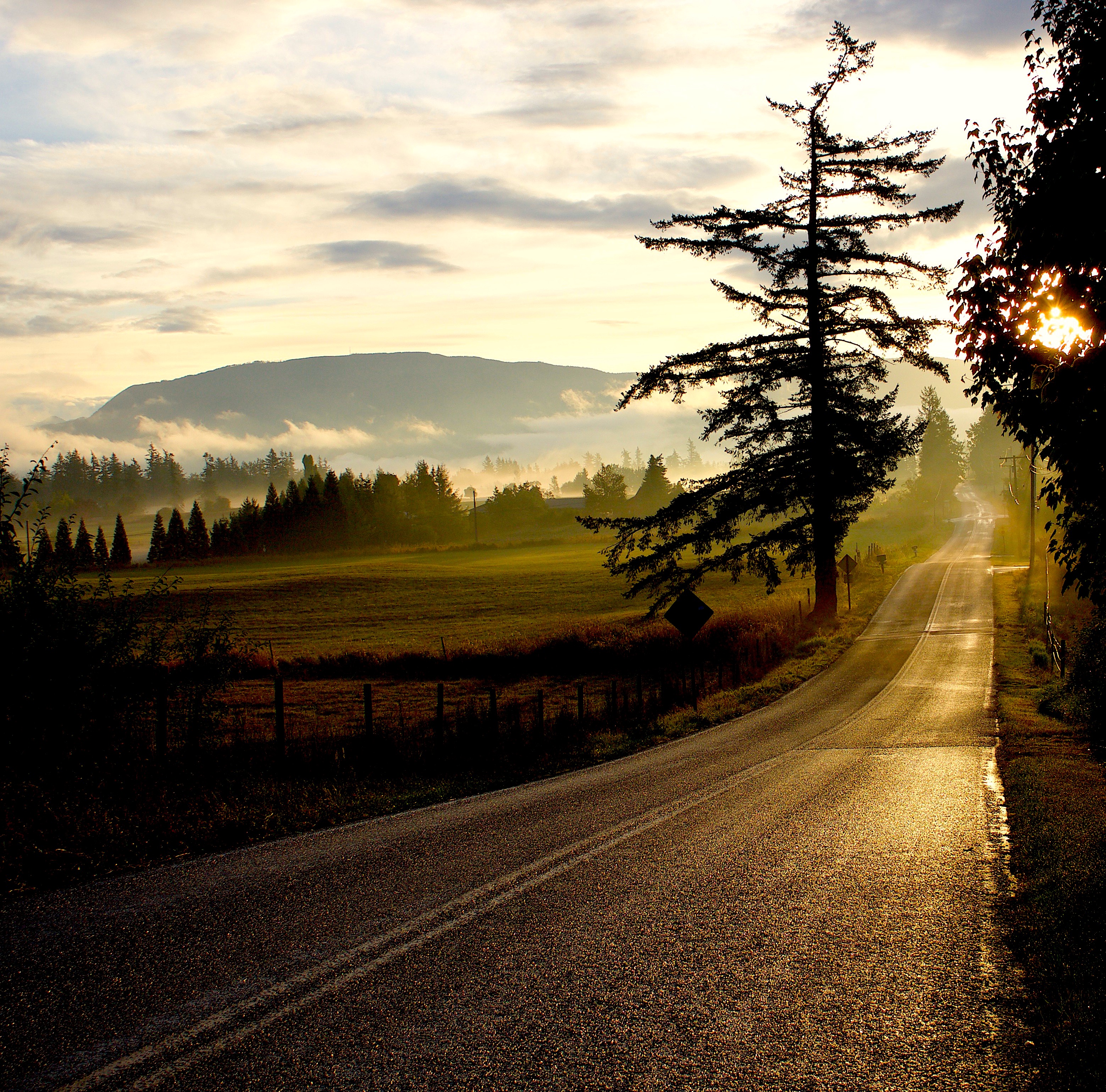
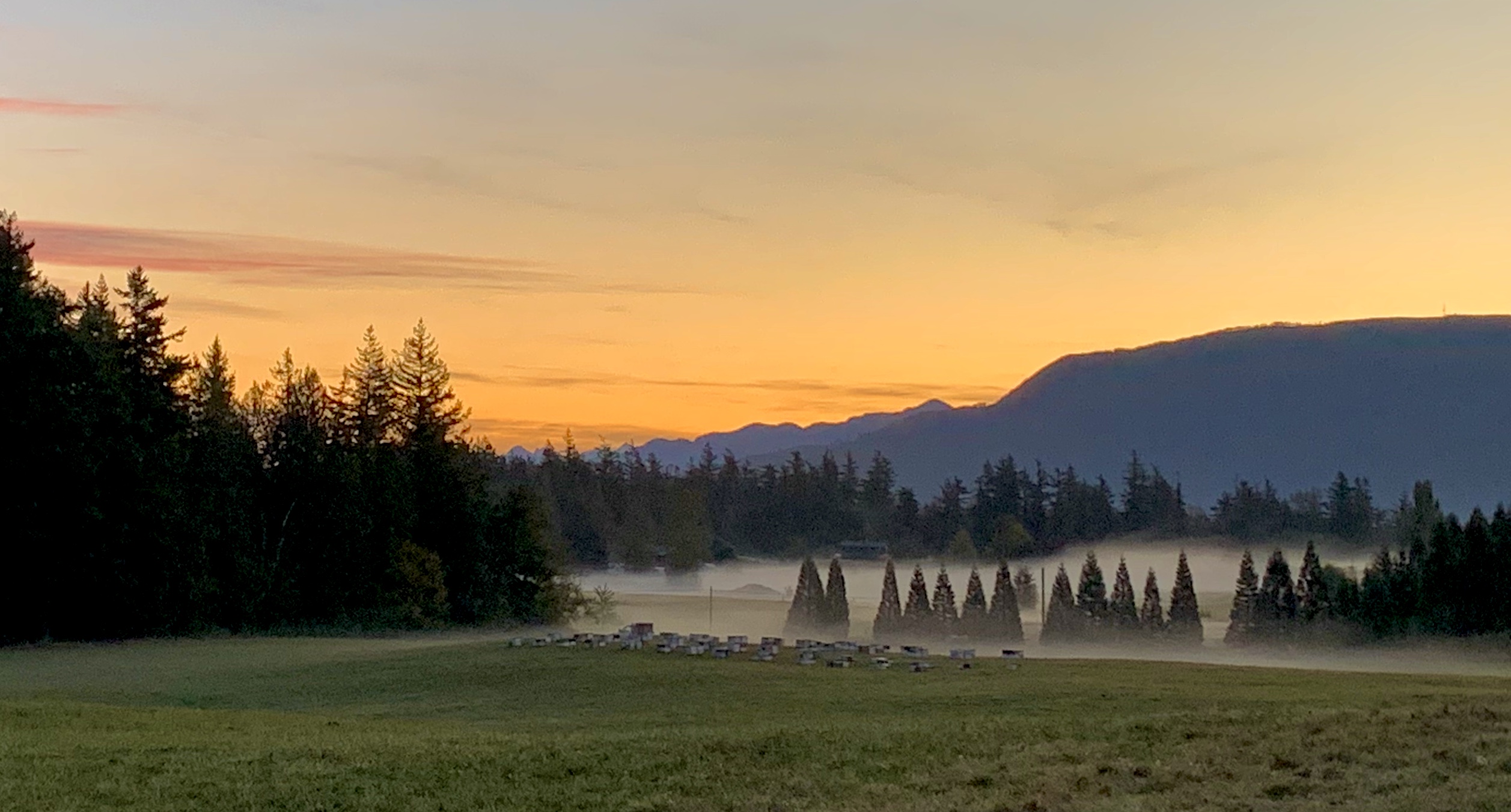
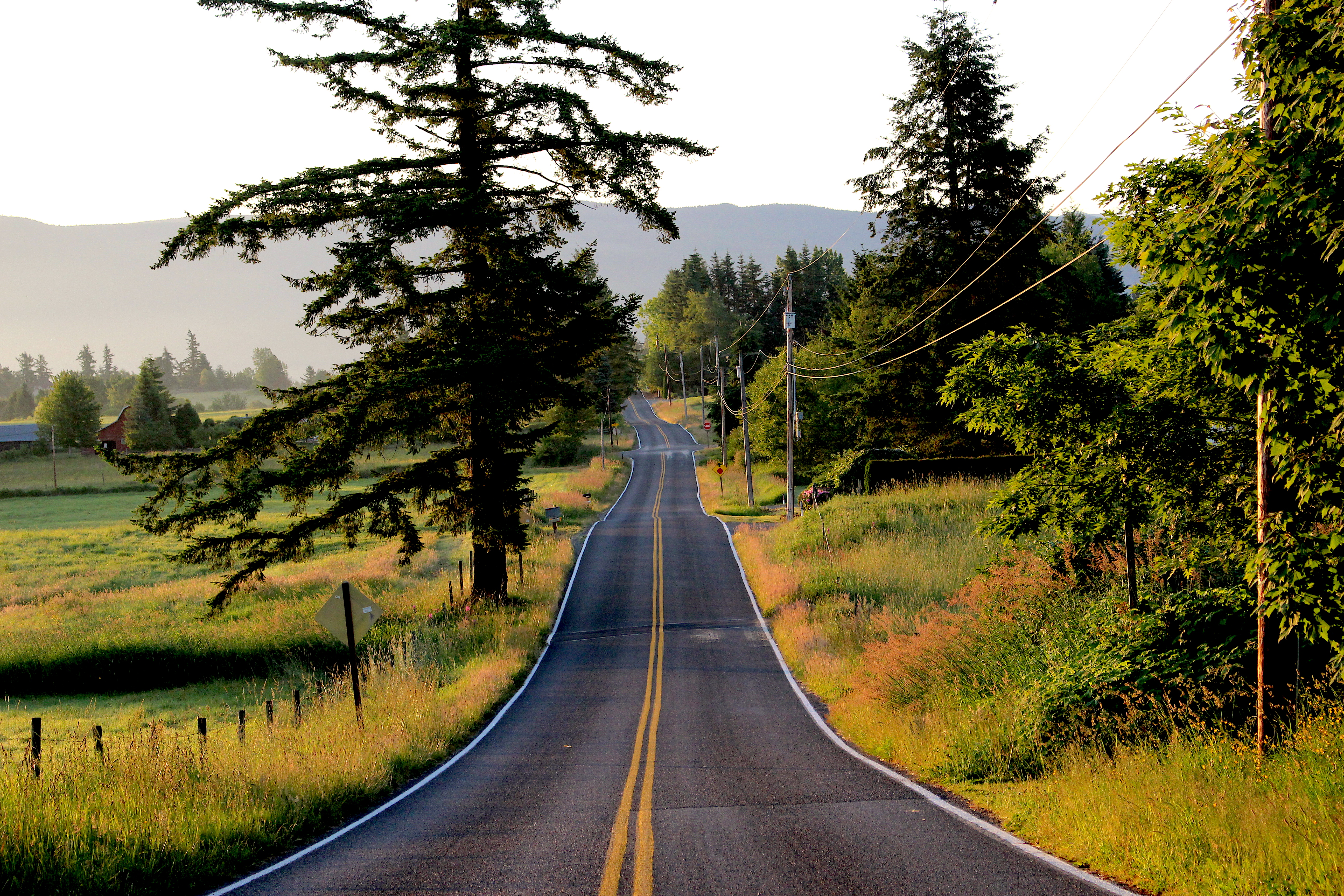
I know where this road ends to the east: at the very edge of the Cascade foothills, right in the middle of a small tribal nation trying to survive challenging economic times on their reservation land.

Heading west from here, there is another tribal nation trying to survive. In between are farmers who are having to sell their dairy herds because milk prices aren’t keeping up with the cost of maintaining their business. There are families now without sustainable wage employment because large industries have pulled up stakes and closed their doors. There is land that is overpriced as people flee the cities to come to rural surroundings because of ongoing pandemic shutdowns and worries.

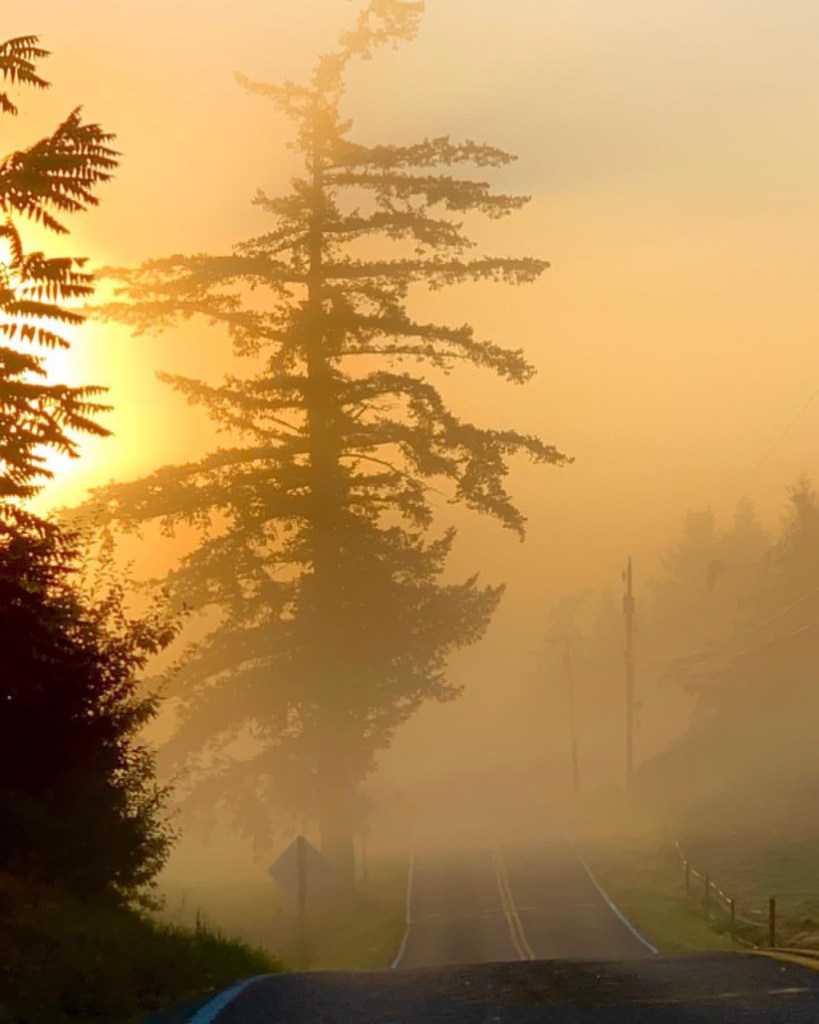
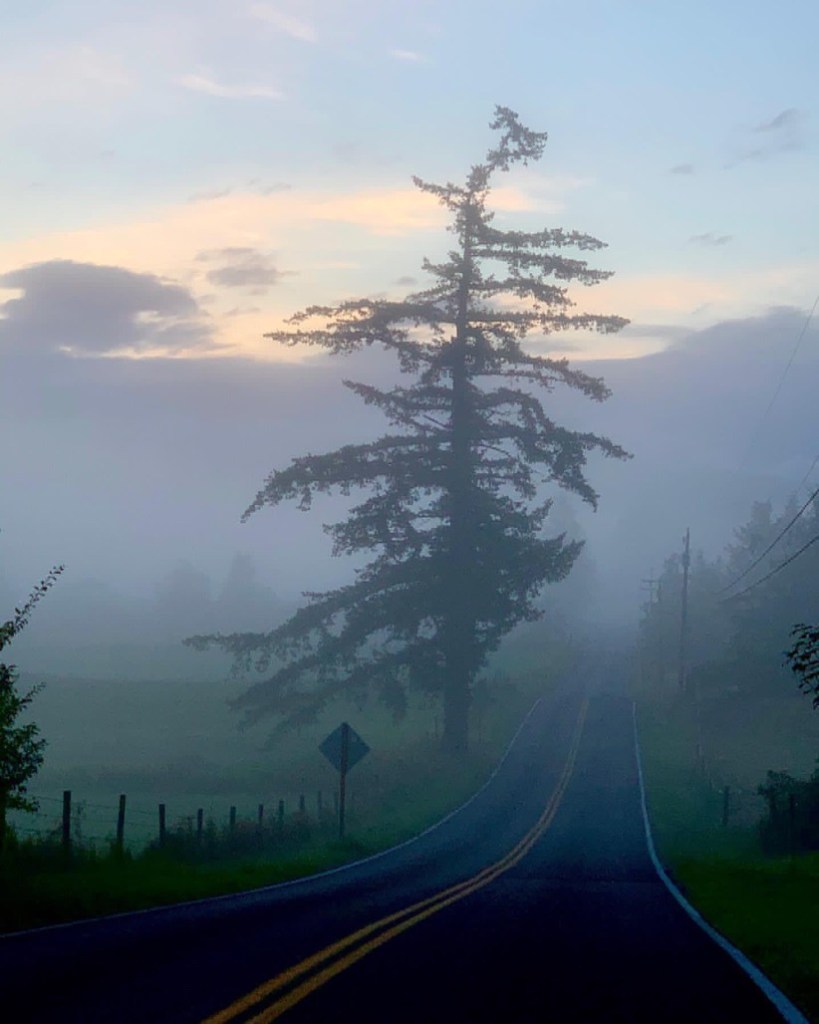
There is much sadness all along this country road during times like these, but that’s not new. In another 100 years it will still not be new. There will always be foggy and stormy days interspersed among times of hope and light.
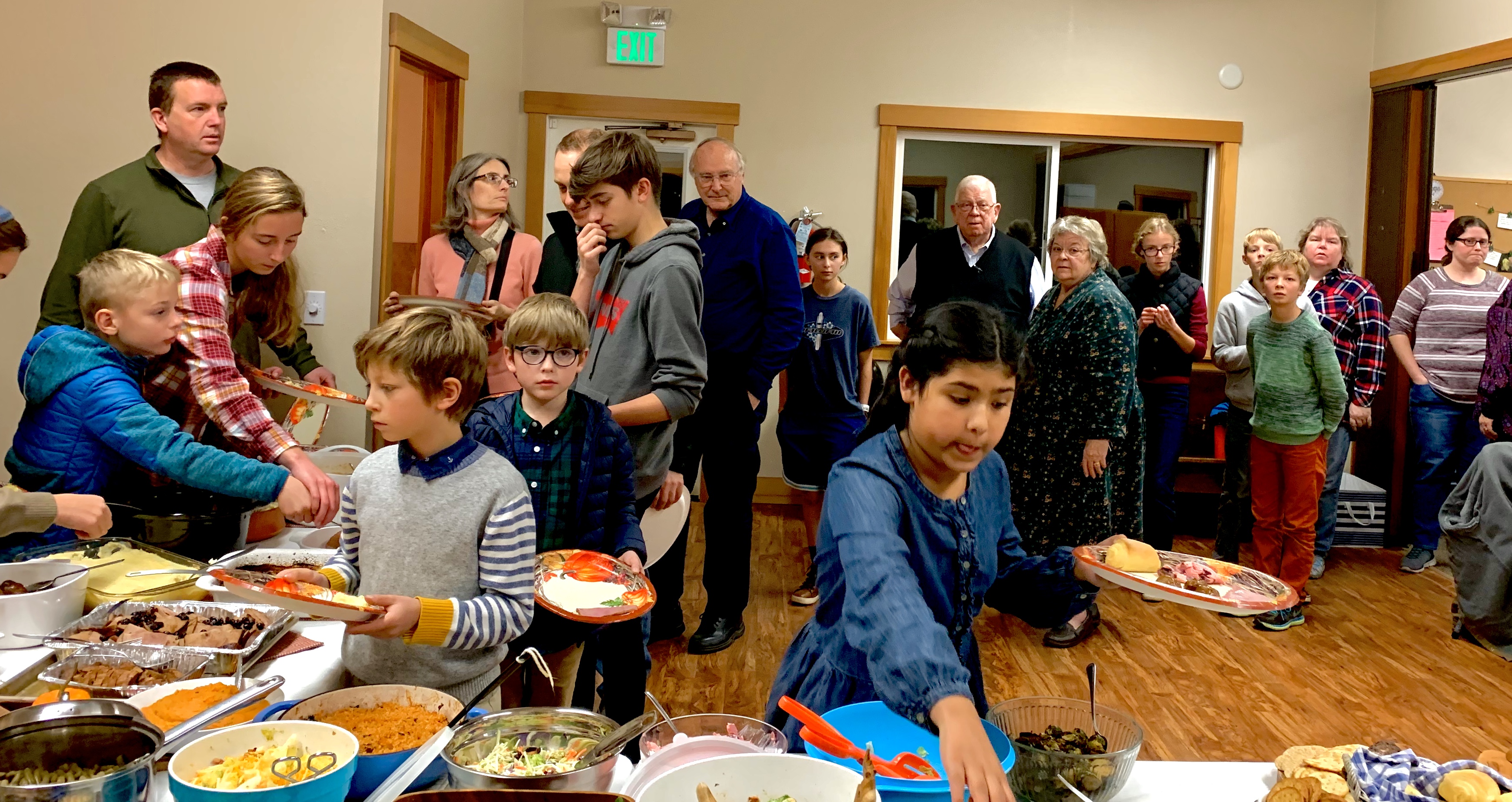
We remain a diverse people of tears and struggle, but we take turns carrying one another when one has what another does not. We still have the sun and the rain and the soil, the turning of the seasons and the rhythm of sun up and sun down.

On our way to there, why not share?

A Cloistered Bower

It was solid hedge, loops of bramble and thorny   
as it had to be with its berries thick as bumblebees.   
It drew blood just to get there, but I was queen   
of that place, at ten, though the berries shook like fists   
in the wind, daring anyone to come in.  I was trying   
so hard to love this world—real rooms too big and full   
of worry to comfortably inhabit—but believing I was born
to live in that cloistered green bower: the raspberry patch   
in the back acre of my grandparents’ orchard.  I was cross-   
stitched and beaded by its fat, dollmaker’s needles.  The effort   
of sliding under the heavy, spiked tangles that tore   
my clothes and smeared me with juice was rewarded   
with space, wholly mine, a kind of room out of   
the crush of the bushes with a canopy of raspberry   
dagger-leaves and a syrup of sun and birdsong.   
Hours would pass in the loud buzz of it, blood   
made it mine—the adventure of that red sting singing   
down my calves, the place the scratches brought me to:   
just space enough for a girl to lie down.
~Karin Gottshall “The Raspberry Room” from “Crocus”

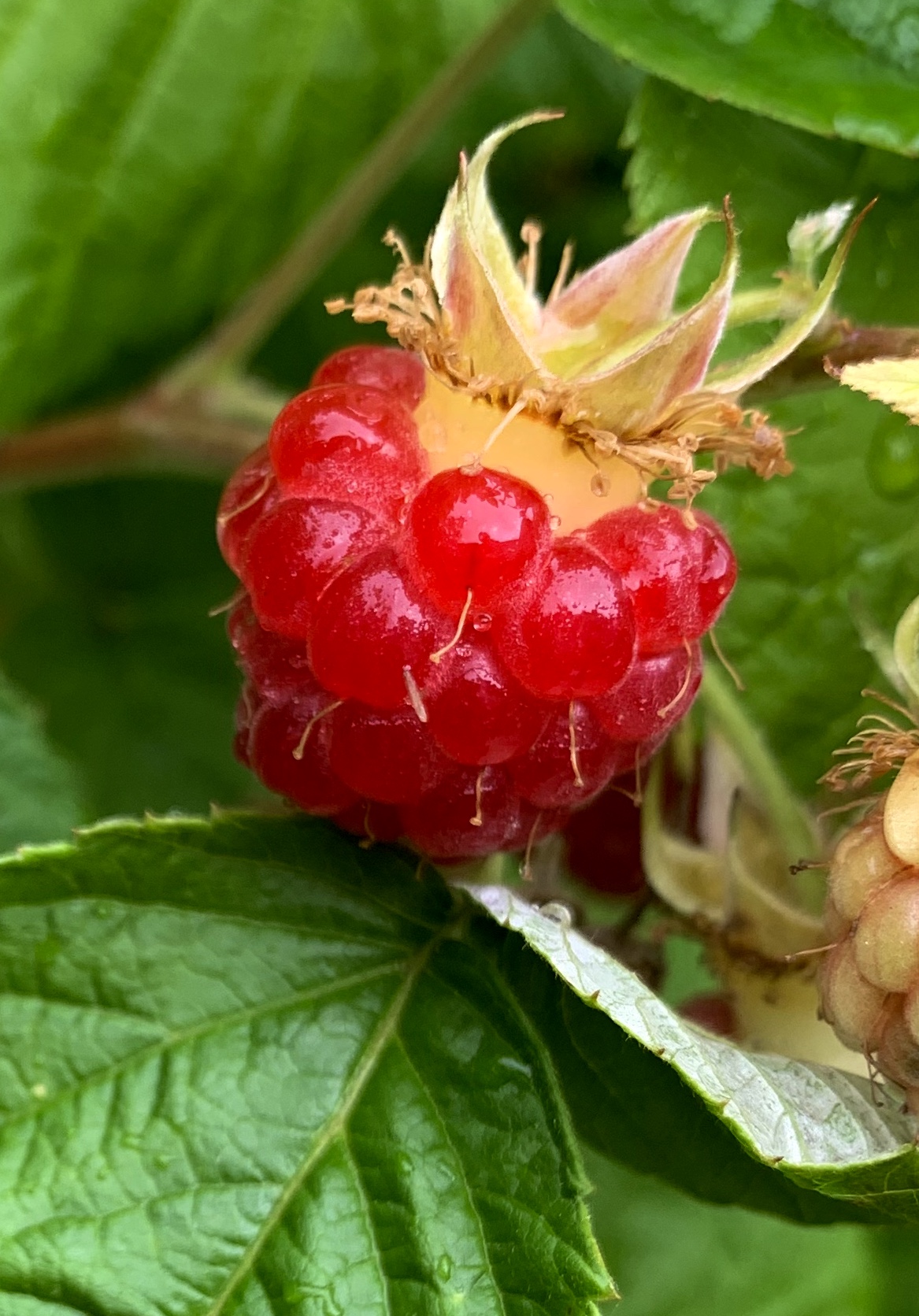
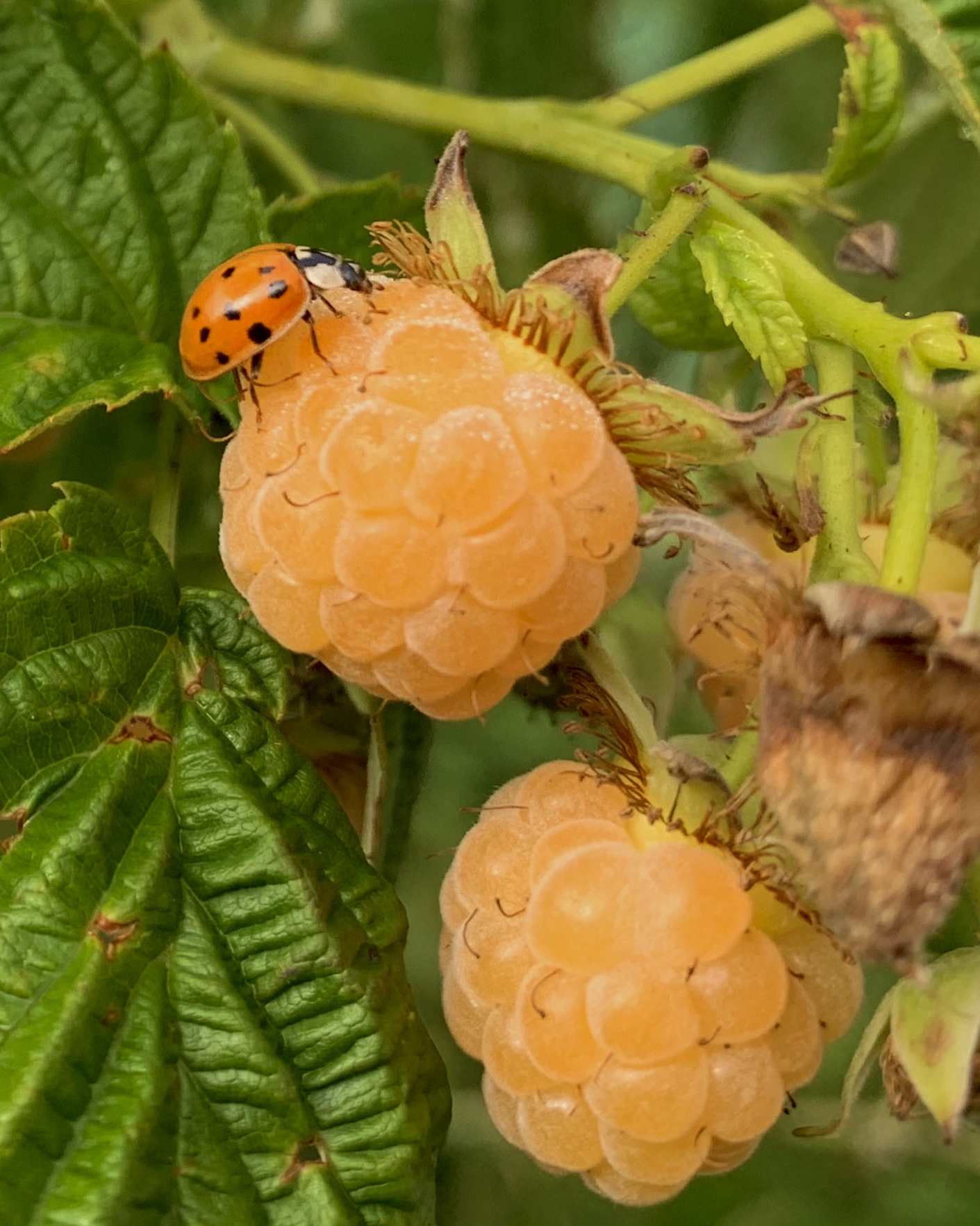
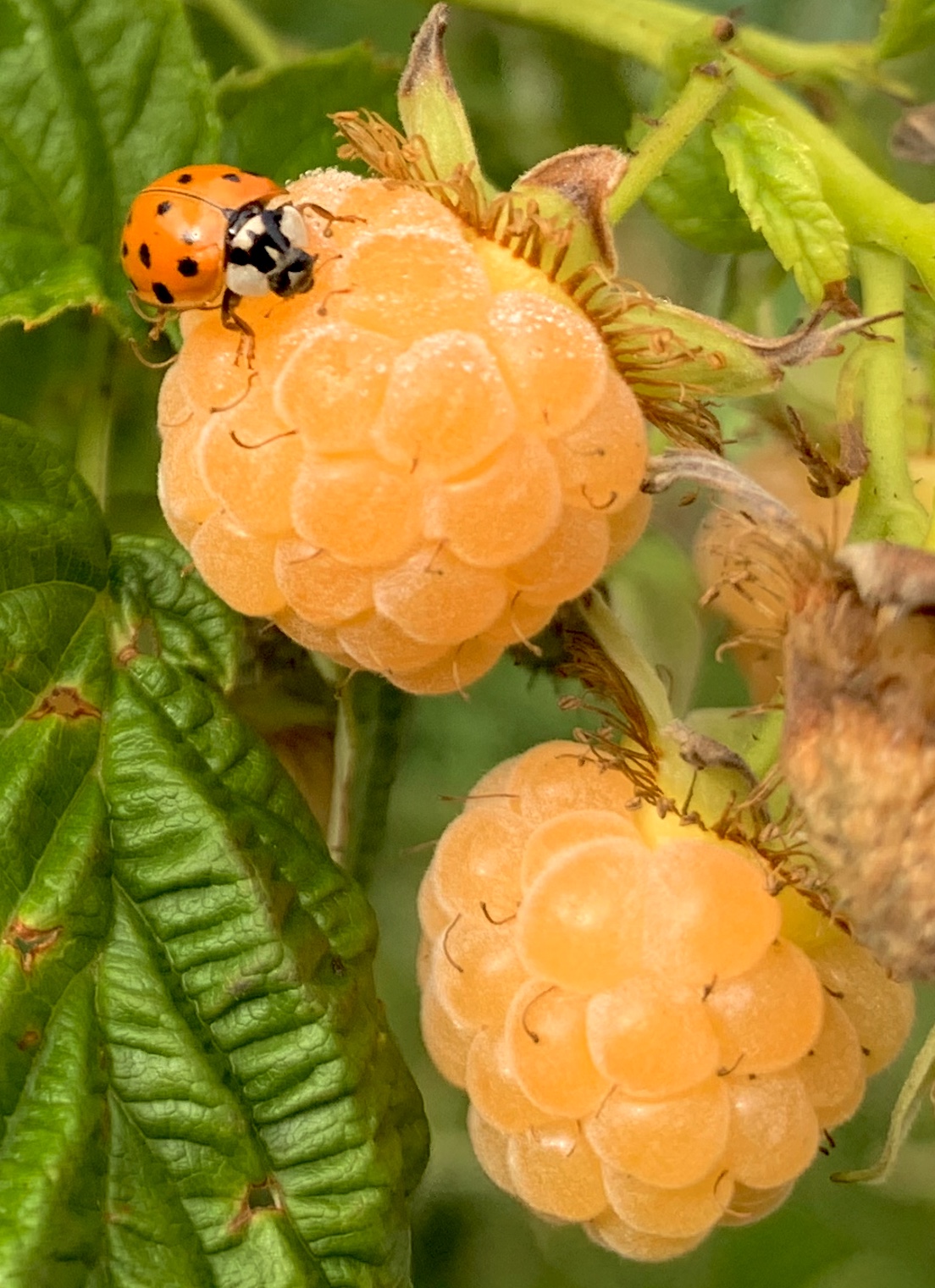
The raspberry bushes are worth exploring,
despite the scratches required to be there.
The reward for drawing blood
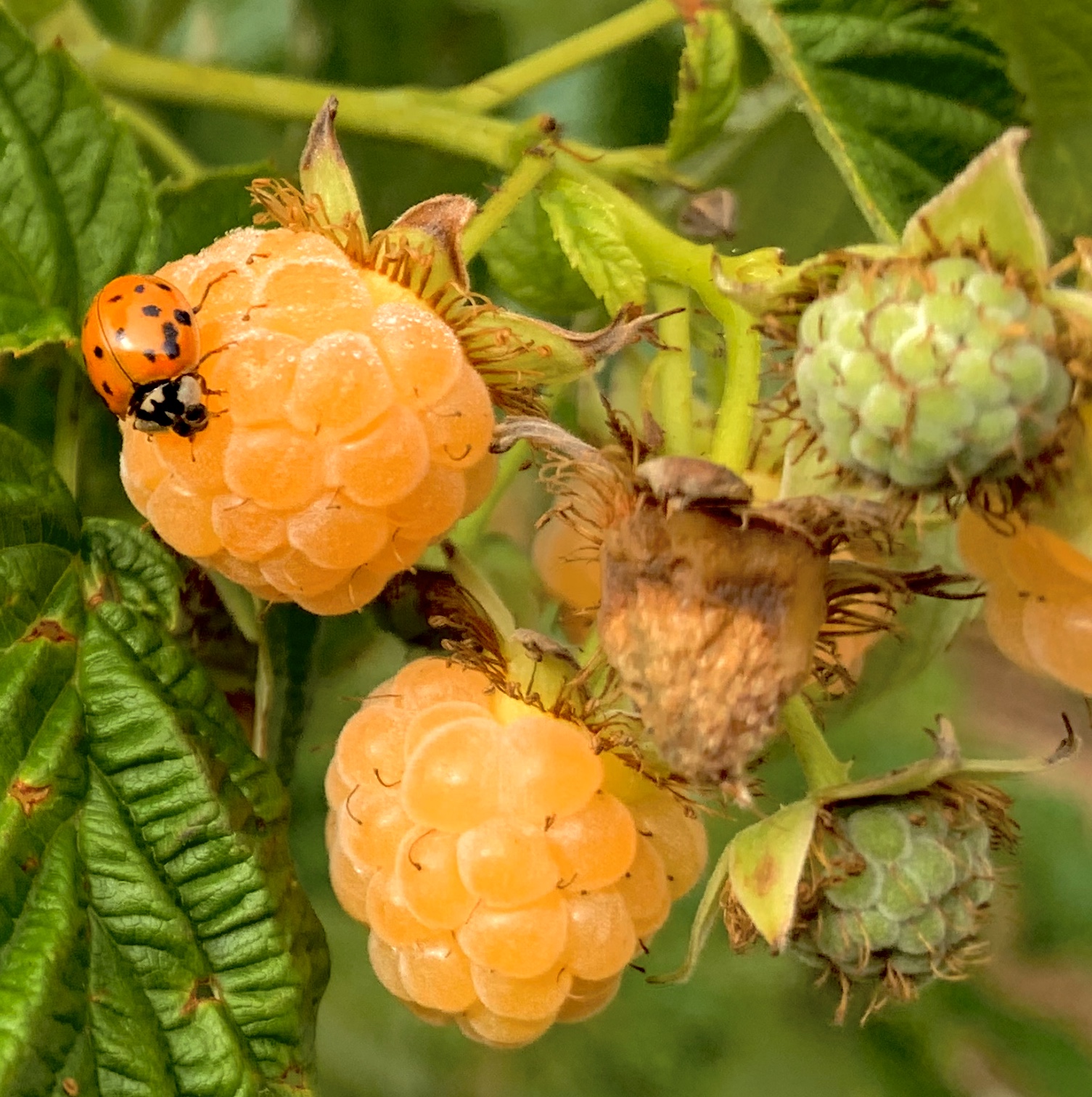
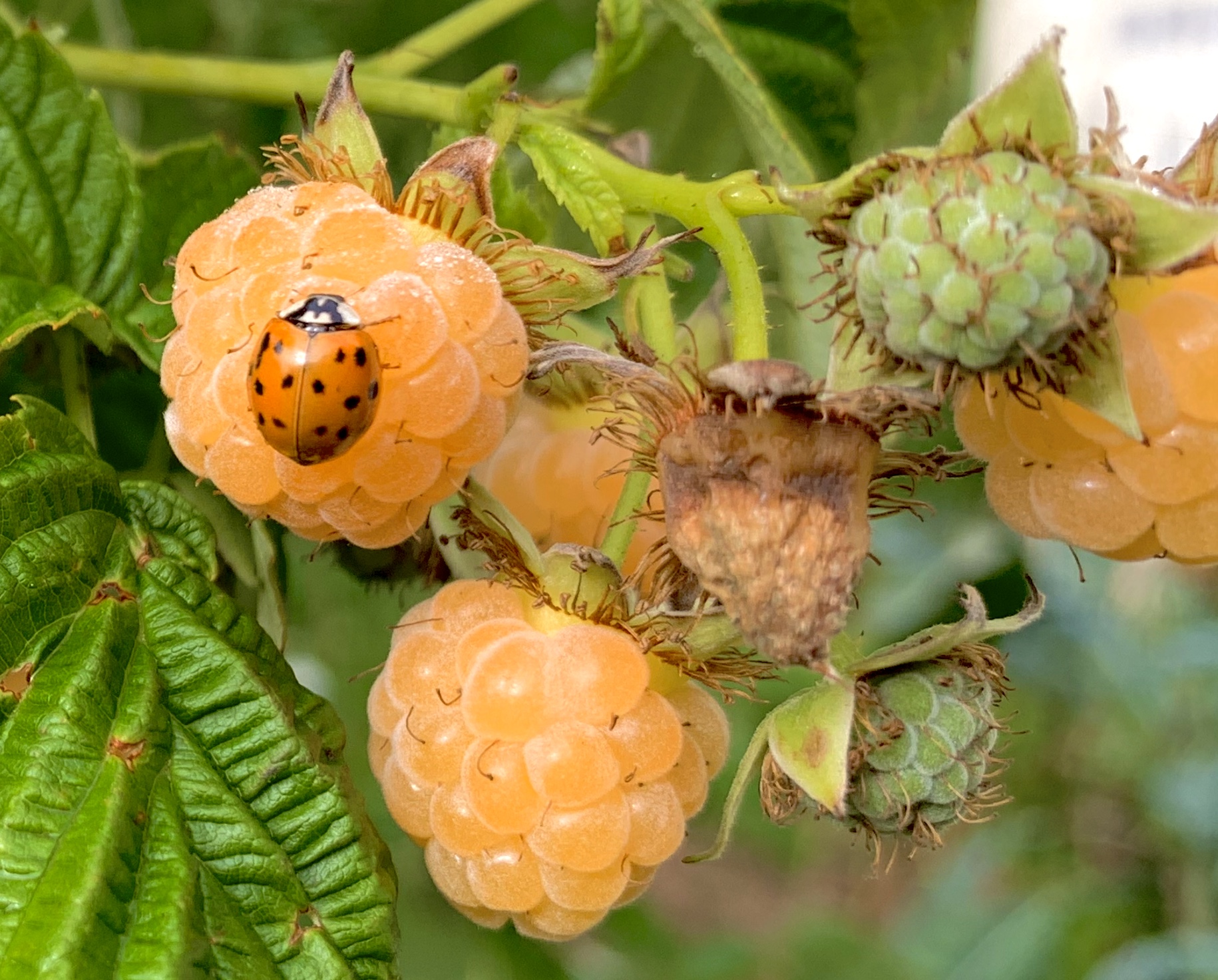
is finding a sweetness hidden away
which no one else can see:
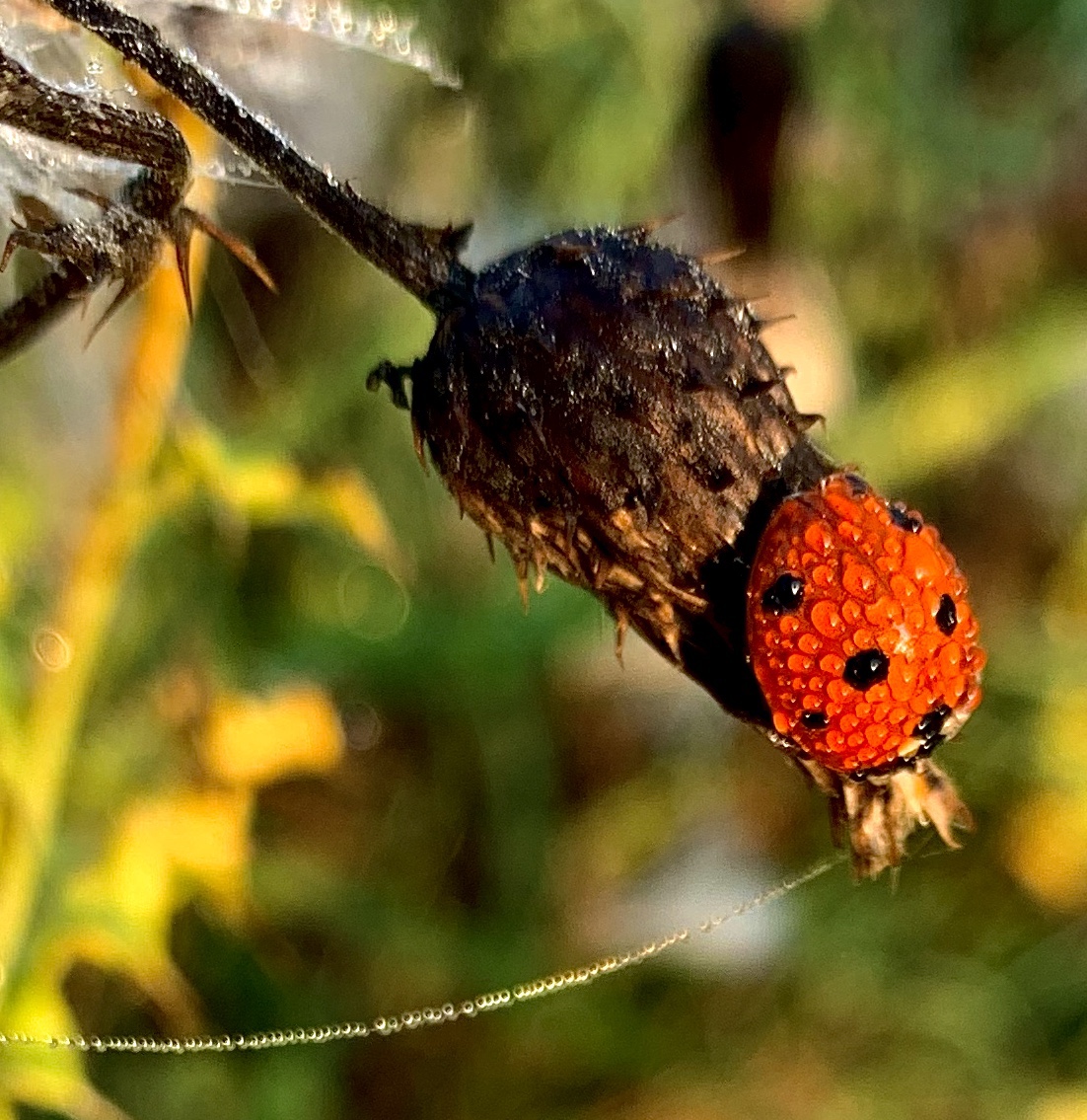
a lady beetle circumnavigating
a tiny golden globe.

The Autumn Sun

The way the trees empty themselves of leaves,
let drop their ponderous fruit,
the way the turtle abandons the sun-warmed log,
the way even the late-blooming aster
succumbs to the power of frost—


this is not a new story.
Still, on this morning, the hollowness
of the season startles, filling
the rooms of your house, filling the world
with impossible light, improbable hope.


And so, what else can you do
but let yourself be broken
and emptied? What else is there
but waiting in the autumn sun?

~Carolyn Locke “What Else?” from The Place We Become

So this is how our life goes:

we are sowed, set down roots, bud and grow and flower and bloom and fruit and flourish,

then dry and change and wither and empty and break away to be carried off beyond this air and water and soil.

We thrived where we were planted, did what we could with a little nurture, to transcend the here and now.

So may we plant the next generation in healthy soil.
May we weed and water and feed as needed.
May we never overshadow the sun but step aside so its light fully shines.

Not the Same Darkness

We walked at the edge of the sea, the dog,
still young then, running ahead of us.
 
Few people.  Gulls.  A flock of pelicans
circled beyond the swells, then closed
their wings and dropped head-long
into the dazzle of light and sea.  You clapped
your hands; the day grew brilliant.
 
Later we sat at a small table
with wine and food that tasted of the sea.
 
A perfect day, we said to one another,
so that even when the day ended
and the lights of houses among the hills
came on like a scattering of embers,
we watched it leave without regret.
 
That night, easing myself toward sleep,
I thought how blindly we stumble ahead
with such hope, a light flares briefly—Ah, Happiness!
then we turn and go on our way again.
 
But happiness, too, goes on its way,
and years from where we were, I lie awake
in the dark and suddenly it returns—
that day by the sea, that happiness,

 
though it is not the same happiness,
not the same darkness.

~Peter Everwine, “The Day,” from New Letters

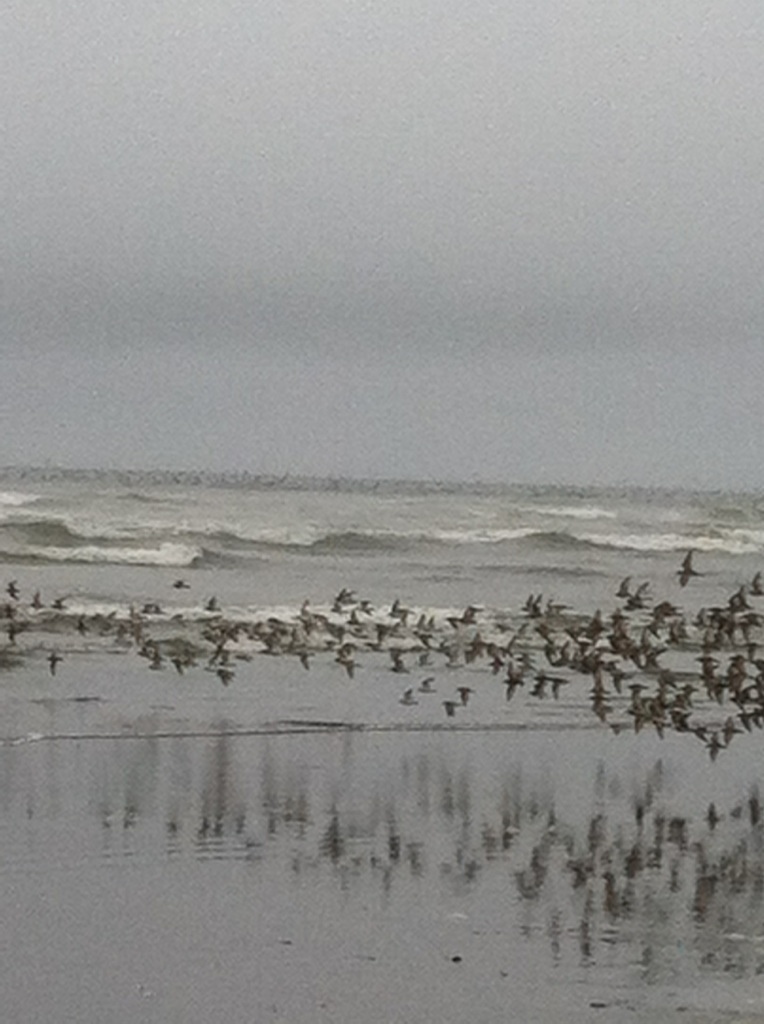
The beach at Tohoku, Japan where the tsunami hit in March 2011

The traumas of the past may revisit me in the night as they linger in the fringes of my mind, ready to creep back into my consciousness in times of stress. When I feel vulnerable and weak, I remind myself that past darkness must not overpower my nights. I try to call up different memories to push the sadness or fear back to the periphery.

So I return to my visits to the sea.

During those halcyon days, I was surrounded by beauty, of peacefulness, of family come together in warmth and closeness. Those times we’ve spent on the coast are treasures to open when I need them — breathing deeply of the sea, hearing the rhythm of the waves and feeling the cool breezes once again on my skin.

The memories themselves become precious reservoirs of happiness – readily renewed and refreshed. The darkness is overwhelmed, no longer overwhelming. Instead, it retreats from the shore of my mind like a wave pulls back into the depths of an endless sea.


The Departure Gate


and the garden diminishes: cucumber leaves rumpled
and rusty, zucchini felled by borers, tomatoes sparse
on the vines. But out in the perennial beds, there’s one last
blast of color: ignitions of goldenrod, flamboyant
asters, spiraling mums, all those flashy spikes waving
in the wind, conducting summer’s final notes.
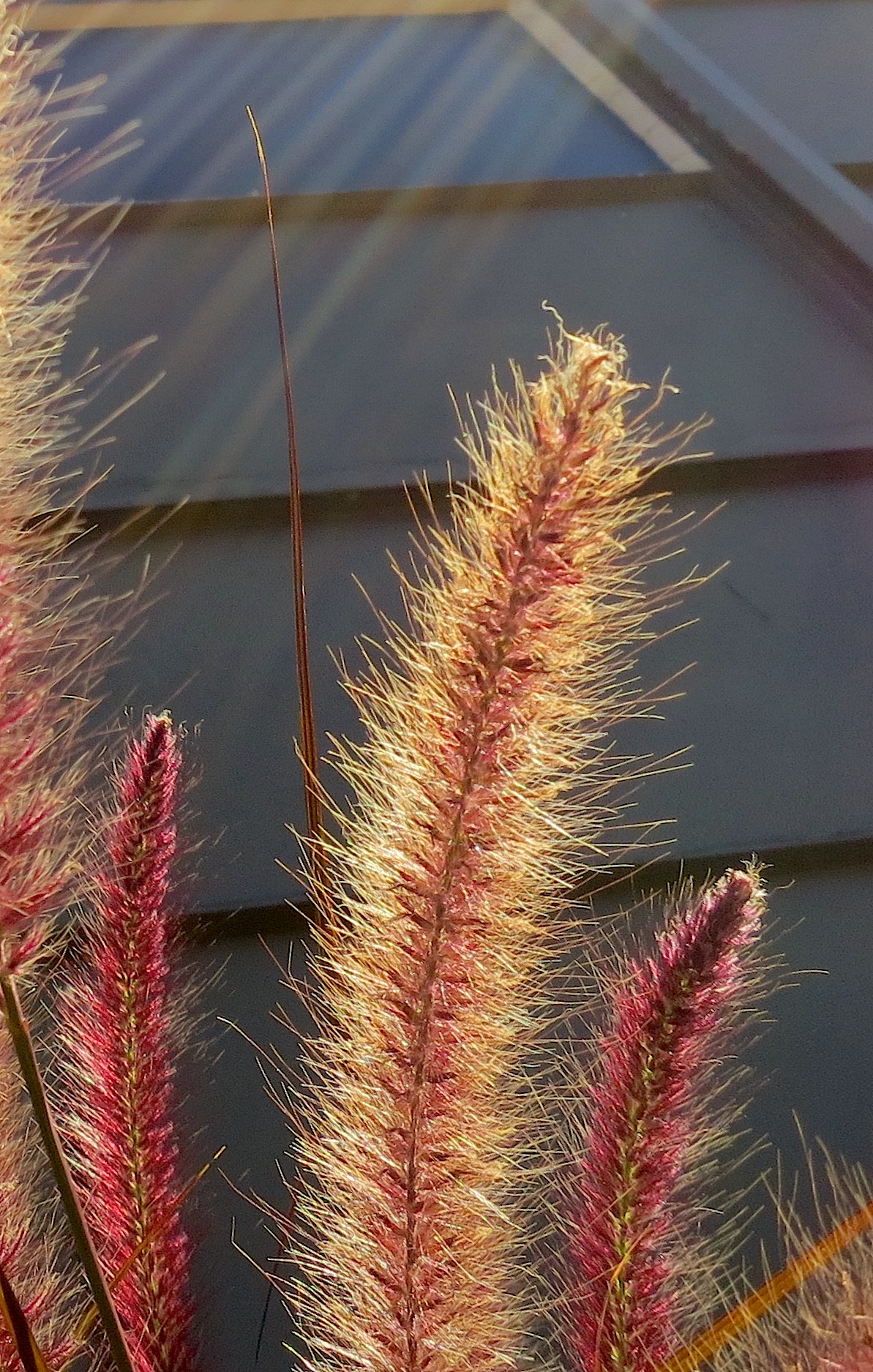
The ornamental grasses have gone to seed, haloed
in the last light. Nights grow chilly, but the days
are still warm; I wear the sun like a shawl on my neck
and arms. Hundreds of blackbirds ribbon in, settle
in the trees, so many black leaves, then, just as suddenly,
they’re gone. This is autumn’s great Departure Gate,
and everyone, boarding passes in hand, waits
patiently in a long, long line.
~Barbara Crooker “And Now It’s September” from Spillway

The advance of autumn usually feels like I’m waiting to embark on an unplanned journey that I wish to avoid. I don’t like airports, don’t like the strangeness of unfamiliar destinations, don’t like flying with nothing between me and the ground.

Now “fall” is just like that — like I’m falling.

I look at what is dying around me and know these blasts of color and fruitfulness are their last sad gasps.

So too, when I go out the departure gate, may I go down the long ramp gaily without fear and without regrets — maybe even with a skip in my step as I fall.

Now Let’s Eat


Here we sit as evening falls
Like old horses in their stalls.
Thank you, Father, that you bless
Us with food and an address
And the comfort of your hand
In this great and blessed land.
Look around at each dear face,
Keep each one in your good grace.
We think of those who went before,
And wish we could have loved them more.
Grant to us a cheerful heart,
Knowing we must soon depart
To that far land to be with them.
And now let’s eat. Praise God. Amen.
~Gary Johnson “Table Grace”

The world begins at a kitchen table. No Matter what, we must eat to live.

The gifts of earth are brought and prepared, set on the table. So it has been since creation, and it will go on.

We chase chickens or dogs away from it. Babies teethe at the corners. They scrape their knees under it.

It is here that children are given instructions on what it means to be human. We make men at it, we make women.

At this table we gossip, recall enemies and the ghosts of lovers.

Our dreams drink coffee with us as they put their arms around our children. They laugh with us at our poor falling-down selves and as we put ourselves back together once again at the table.

This table has been a house in the rain, an umbrella in the sun.

We have given birth on this table, and have prepared our parents for burial here.

Wars have begun and ended at this table. It is a place to hide in the shadow of terror. A place to celebrate the terrible victory.

At this table we sing with joy, with sorrow. We pray of suffering and remorse. We give thanks.

Perhaps the world will end at the kitchen table, while we are laughing and crying, eating of the last sweet bite.
~Joy Harjo “Perhaps the World Ends Here”

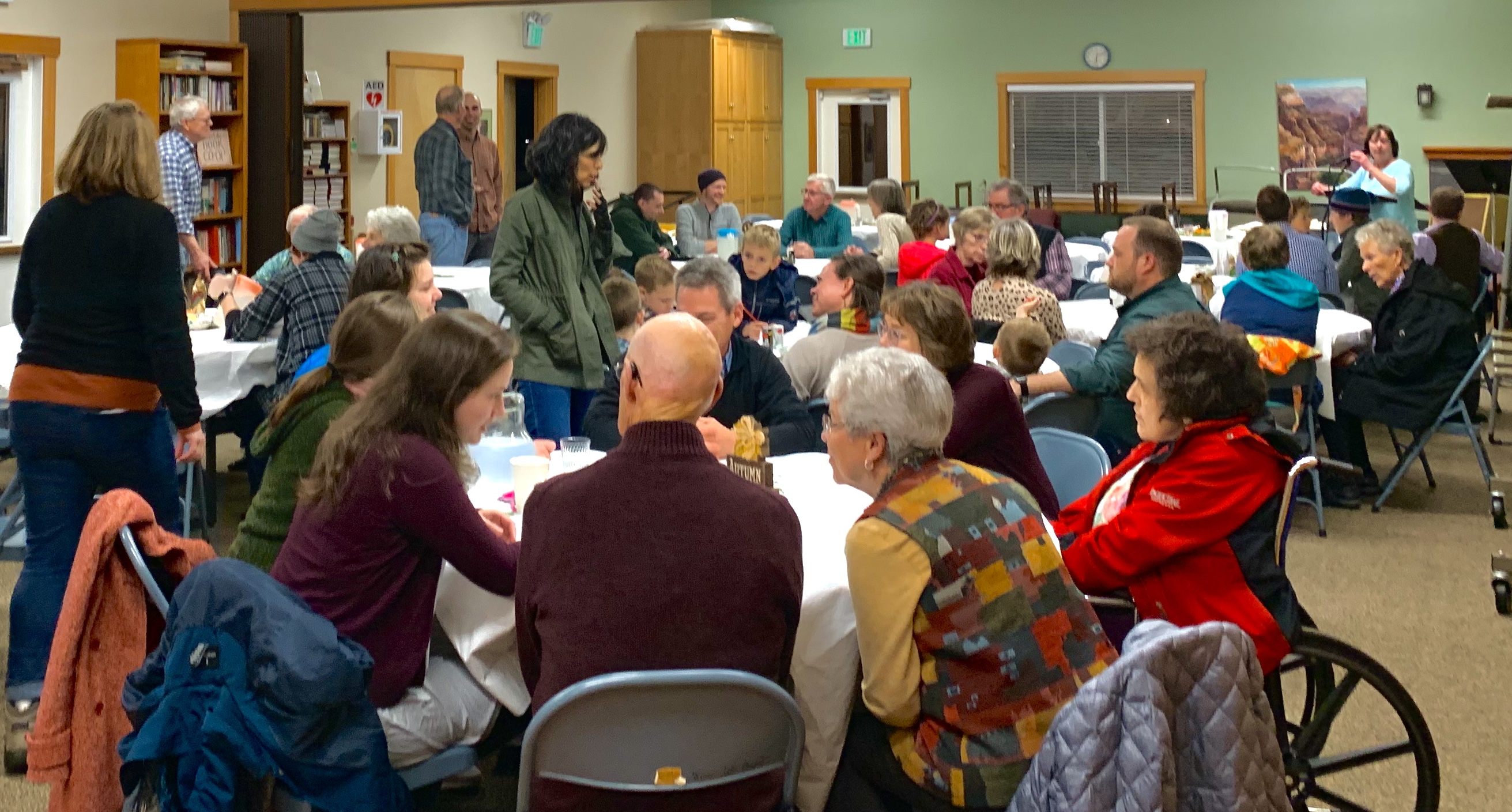
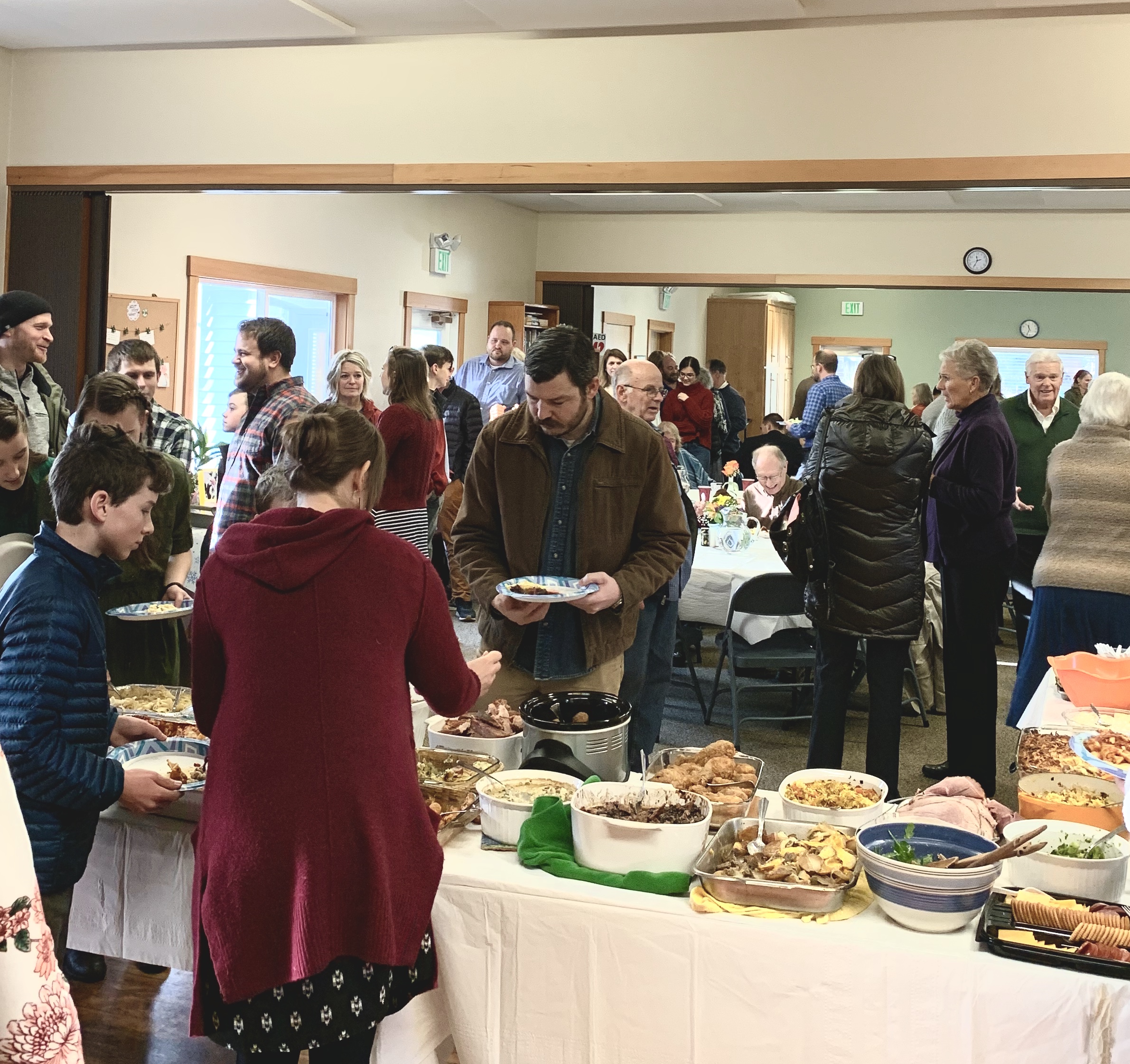
Our life revolves around the table, whether at home or at church.

This is where we hang out late into the evening,
and begin the day before dawn.

This is where prayers happen,
the meals happen,
the arguments happen.
This is where we listen to, understand and love each other.

This is where we share what we have and eat and are fed and
this is where God provides for us daily.

One of the hardest parts of the pandemic
is that the virus finds people who sing and talk together around a table,
and who take off their masks to eat together.
Truly this Enemy has found a way to keep people away from one another,
caring for one another and being nourished together.

We think of those who went before
and wish that we could have loved them more.

Let us love one another now, while we can, when we can,
and we shall feast together later.

Perhaps the world will end at the kitchen table, while we are laughing and crying, eating of the last sweet bite.

Amen and Amen.

What Lasts and What Does Not

I save my love for what is close,
for the dog’s eyes, the depths of brown
when I take a wet cloth to them
to wash his face. I save my love
for the smell of coffee at The Mill,
the roasted near-burn of it, especially
the remnant that stays later
in the fibers of my coat. I save my love
for what stays. The white puff
my breath makes when I stand
at night on my doorstep.
That mist doesn’t last, evaporates
like your car turning the corner,
you at the wheel, waving.
Your hand a quick tremble in a
brief illumination. Palm and fingers.
Your face toward me. You had
turned on the over-head light so I would
see you for an instant, see you waving,
see you gone.
~Marjorie Saiser “I Save My Love,” from Learning to Swim

Mist is ephemeral~
evaporates as the light comes out,
unable to bear the heat.

Not so you.

I am grateful
you have been beside me
all these months of stay-at-home,
never wavering
nor wishing to be somewhere else.

So we now have confirmation:
love that lasts
stays close
when all else dissipates.

Spines at the Ready

Sheep will not eat it
nor horses nor cattle
unless they are starving.
Unchecked, it will sprawl over
pasture and meadow
choking the sweet grass
defeating the clover
until you are driven
to take arms against it
but if unthinking
you grasp it barehanded
you will need tweezers
to pick out the stickers.

Outlawed in most Northern
states of the Union
still it jumps borders.
Its taproot runs deeper
than underground rivers
and once it’s been severed
by breadknife or shovel
—two popular methods
employed by the desperate—
the bits that remain will
spring up like dragons’ teeth
a field full of soldiers
their spines at the ready.

Bright little bursts of
chrome yellow explode from
the thistle in autumn
when goldfinches gorge on
the seeds of its flower.
The ones left uneaten
dry up and pop open
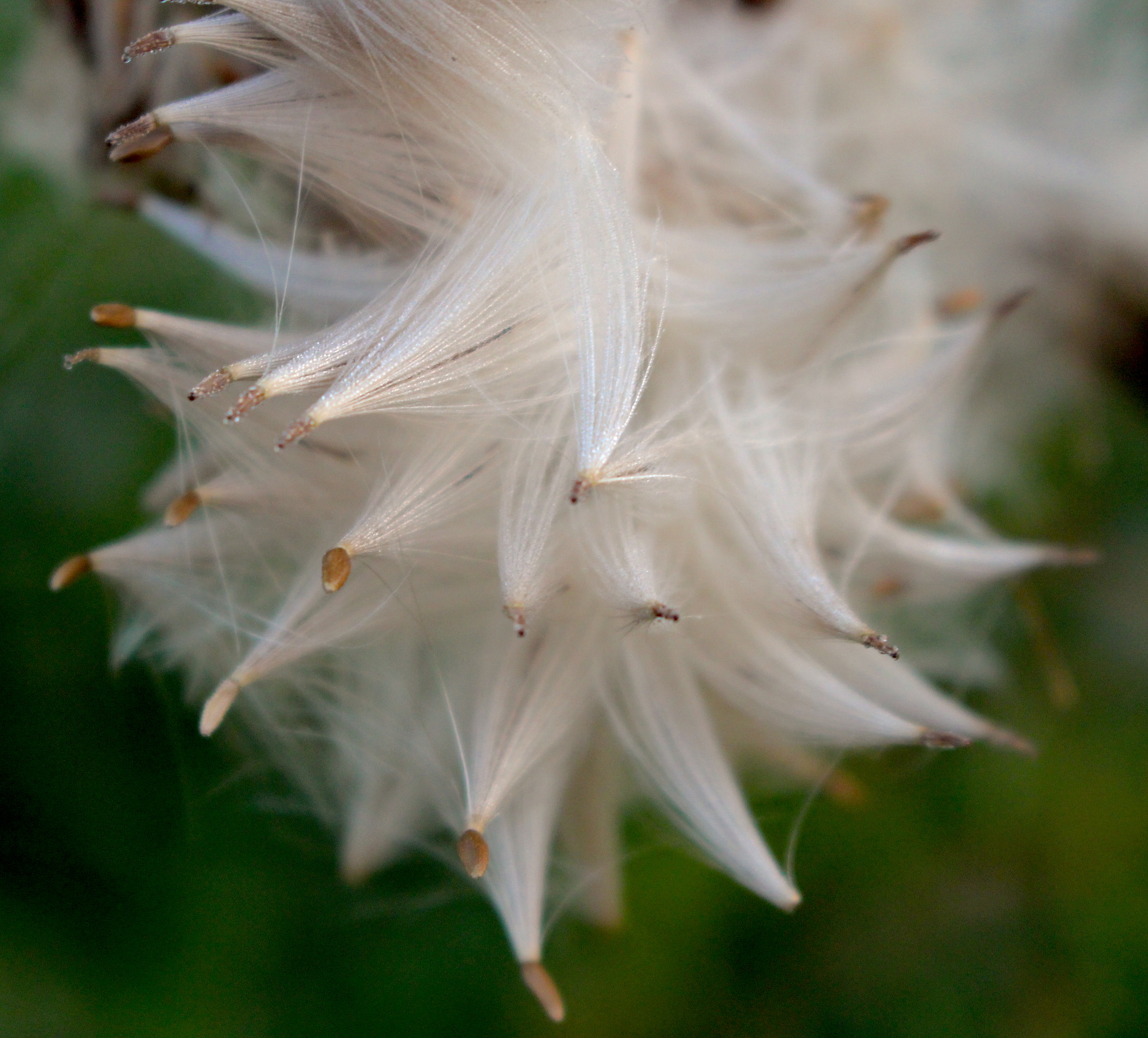
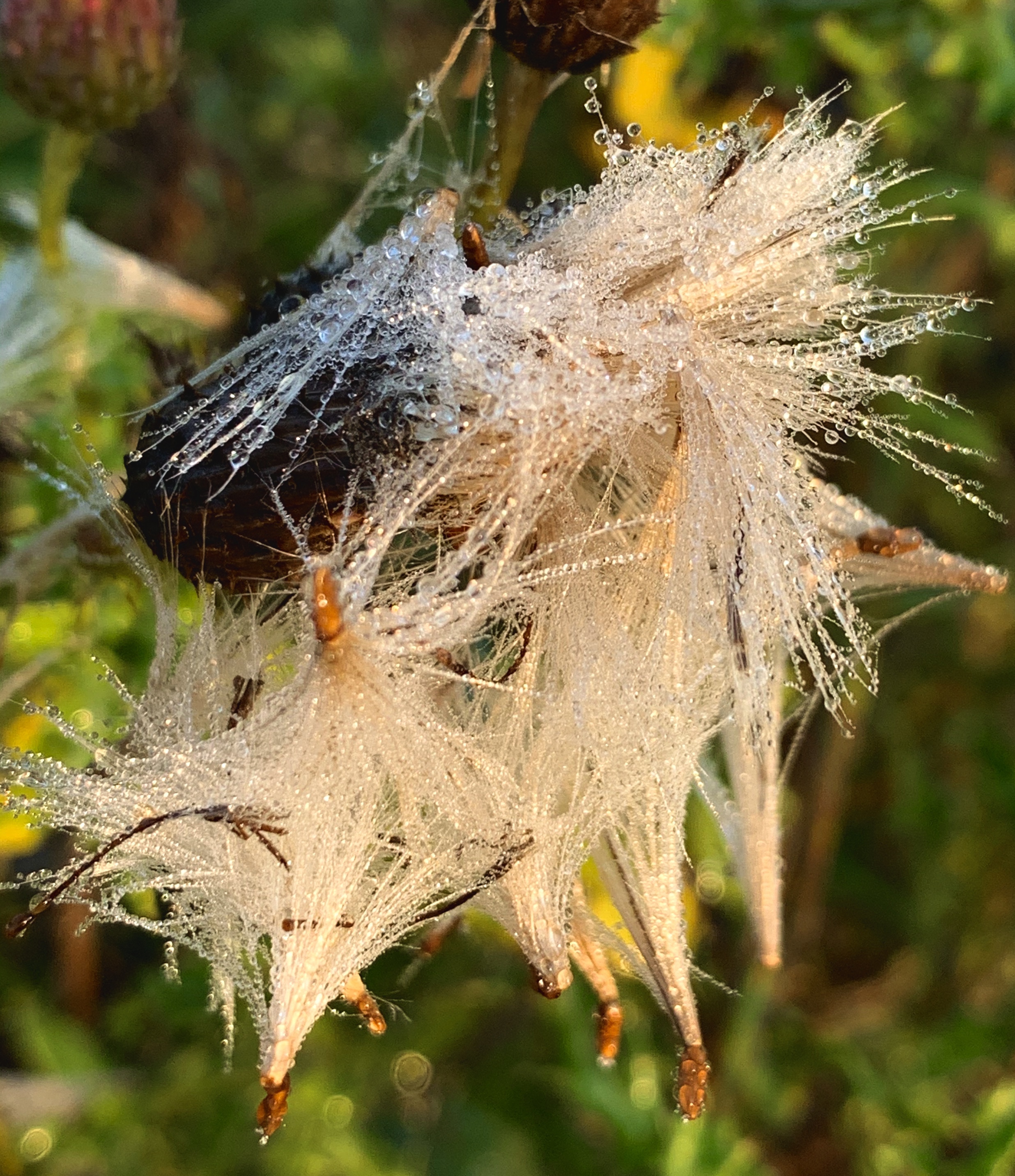
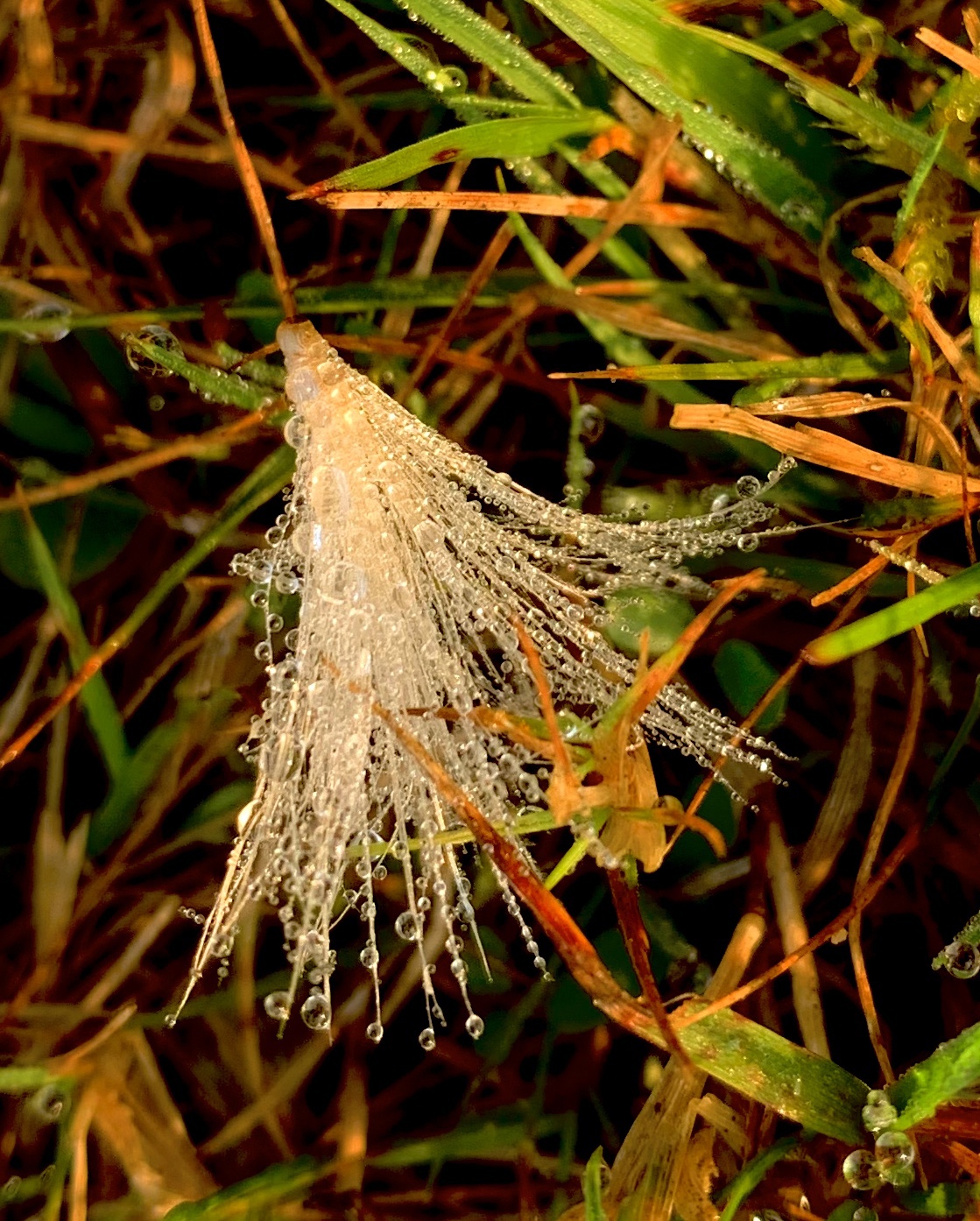
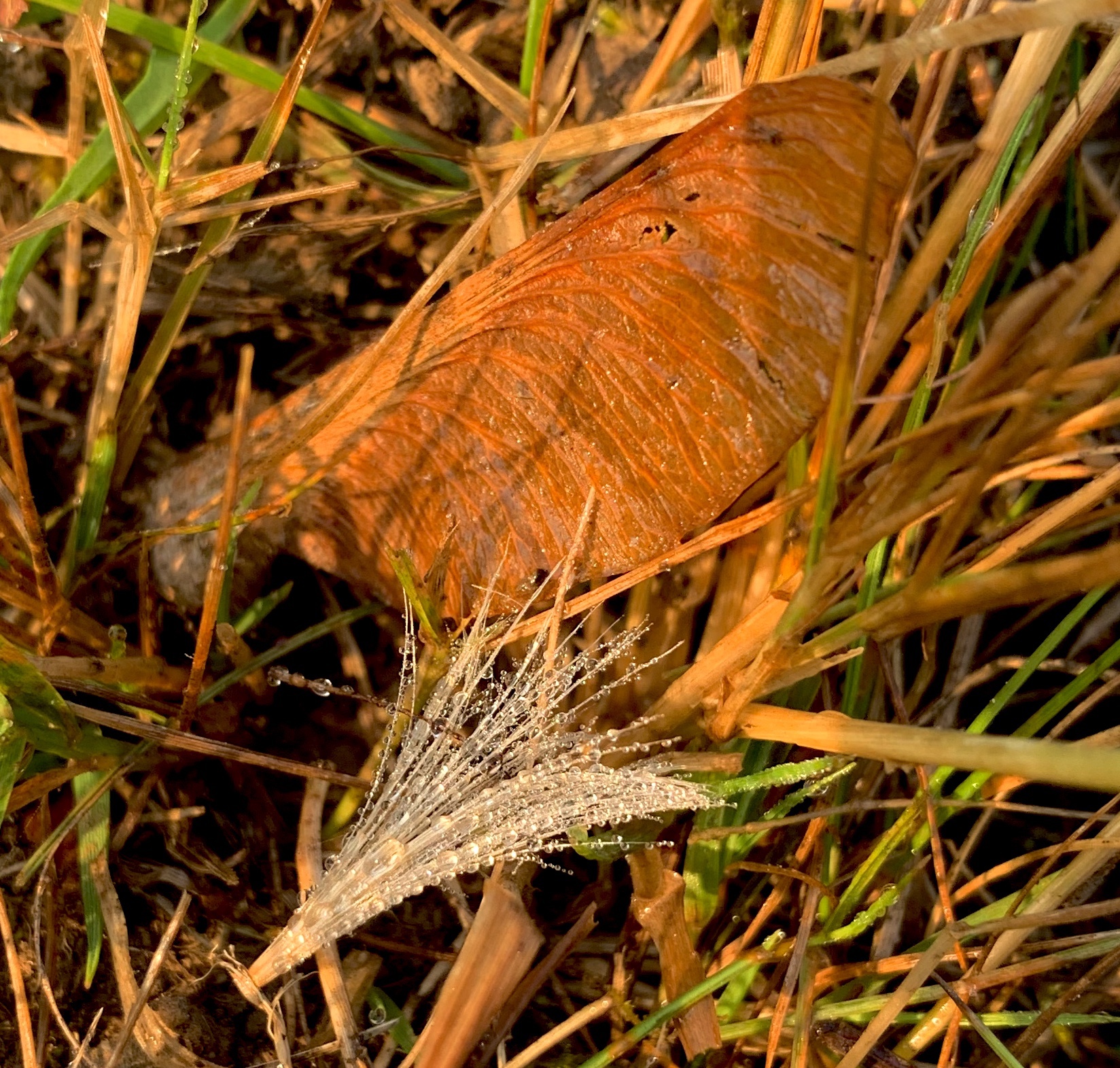
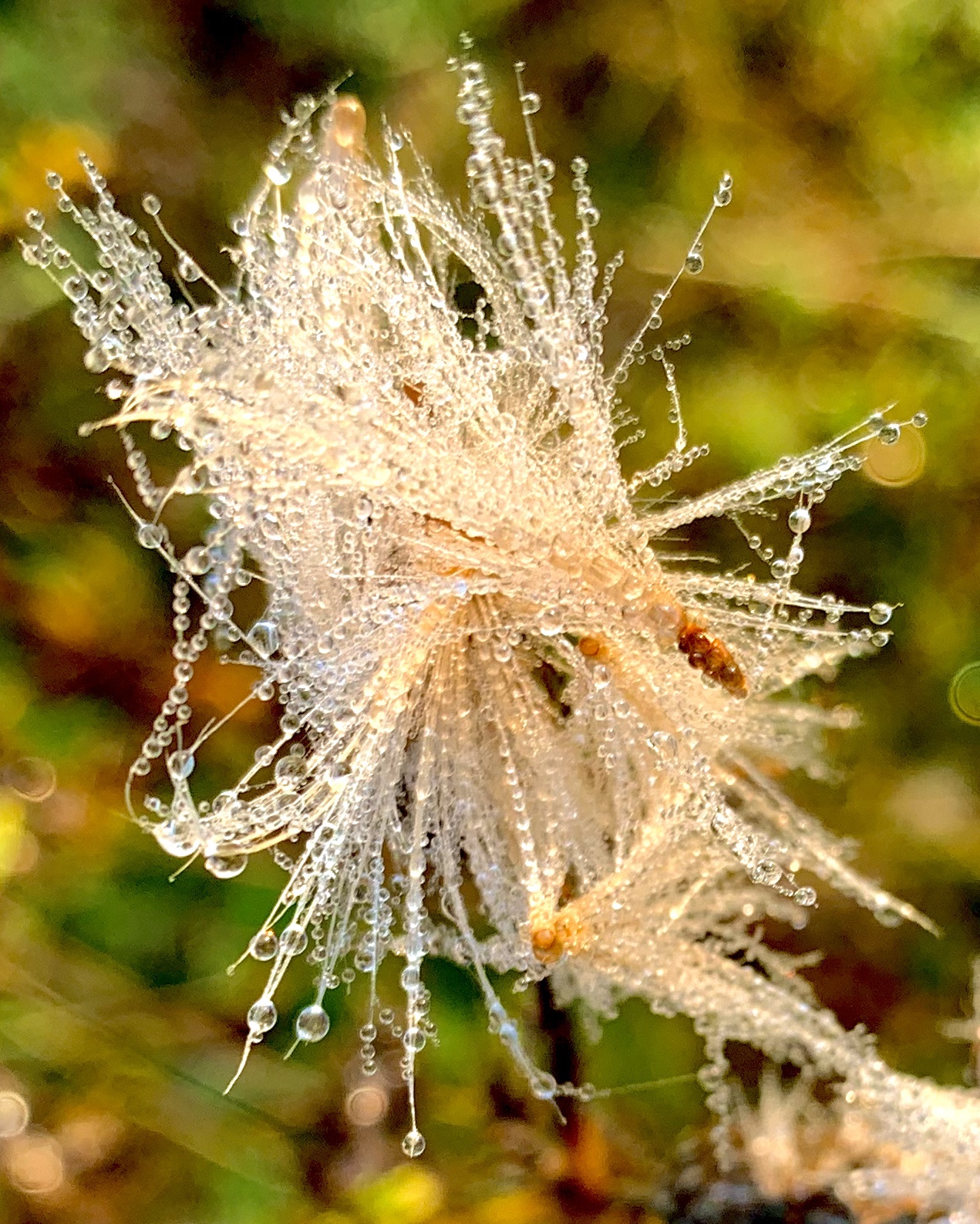
and parachutes carry
their procreant power
to disparate venues
in each hemisphere
which is why there will always
be thistle next year.
~Maxine Kumin “Why There Will Always Be Thistle” from The Long Marriage. 

Against the rubber tongues of cows and the hoeing hands of men
Thistles spike the summer air
And crackle open under a blue-black pressure.

Every one a revengeful burst
Of resurrection, a grasped fistful
Of splintered weapons and Icelandic frost thrust up

From the underground stain of a decayed Viking.
They are like pale hair and the gutturals of dialects.
Every one manages a plume of blood.

Then they grow grey, like men.
Mown down, it is a feud. Their sons appear,
Stiff with weapons, fighting back over the same ground.

~Ted Hughes “Thistles”

Reluctantly the summer goes
In a cloud of thistledown.
~Beverly Ashour from “September”

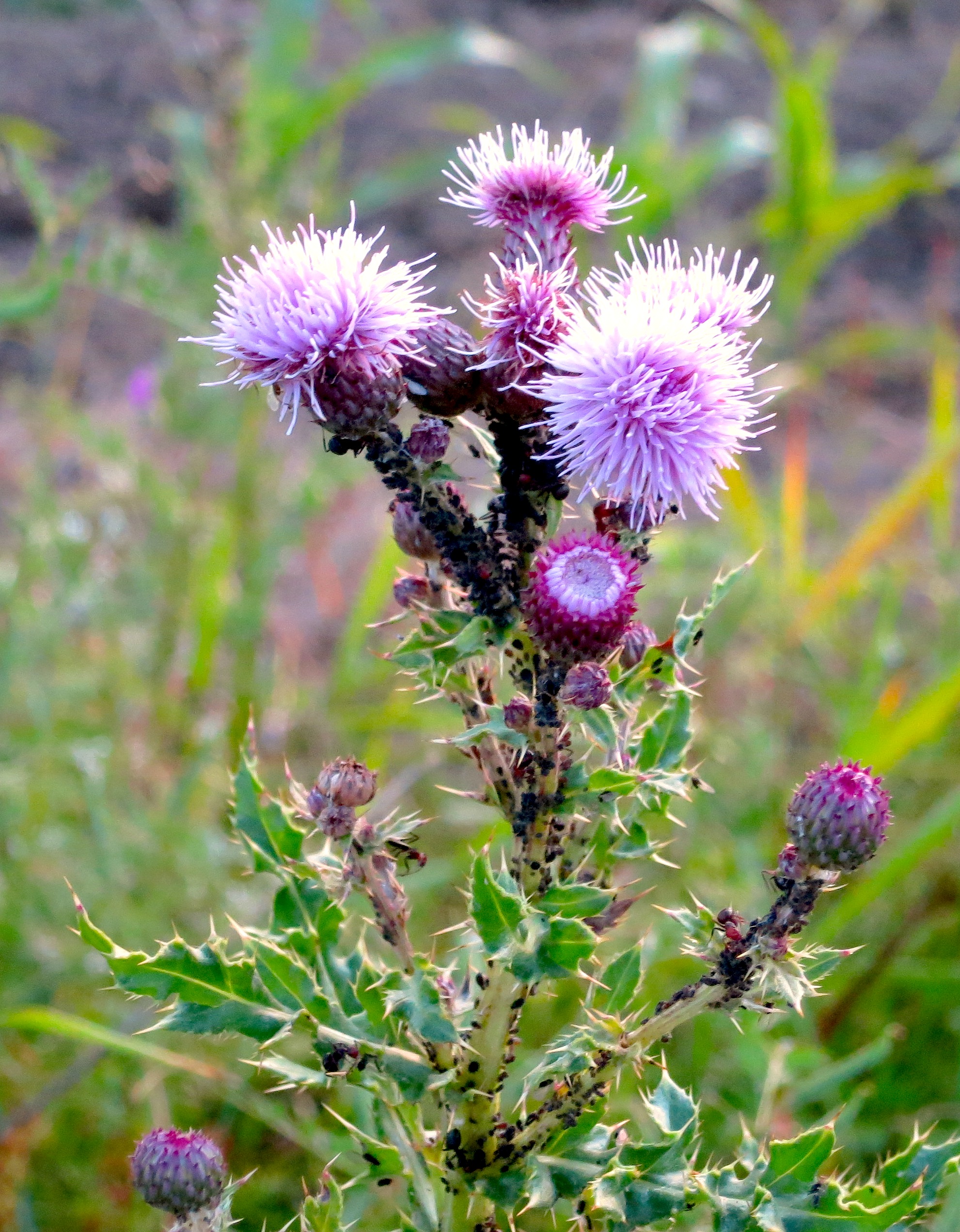
It is armored, it is deeply rooted, it is relentless.
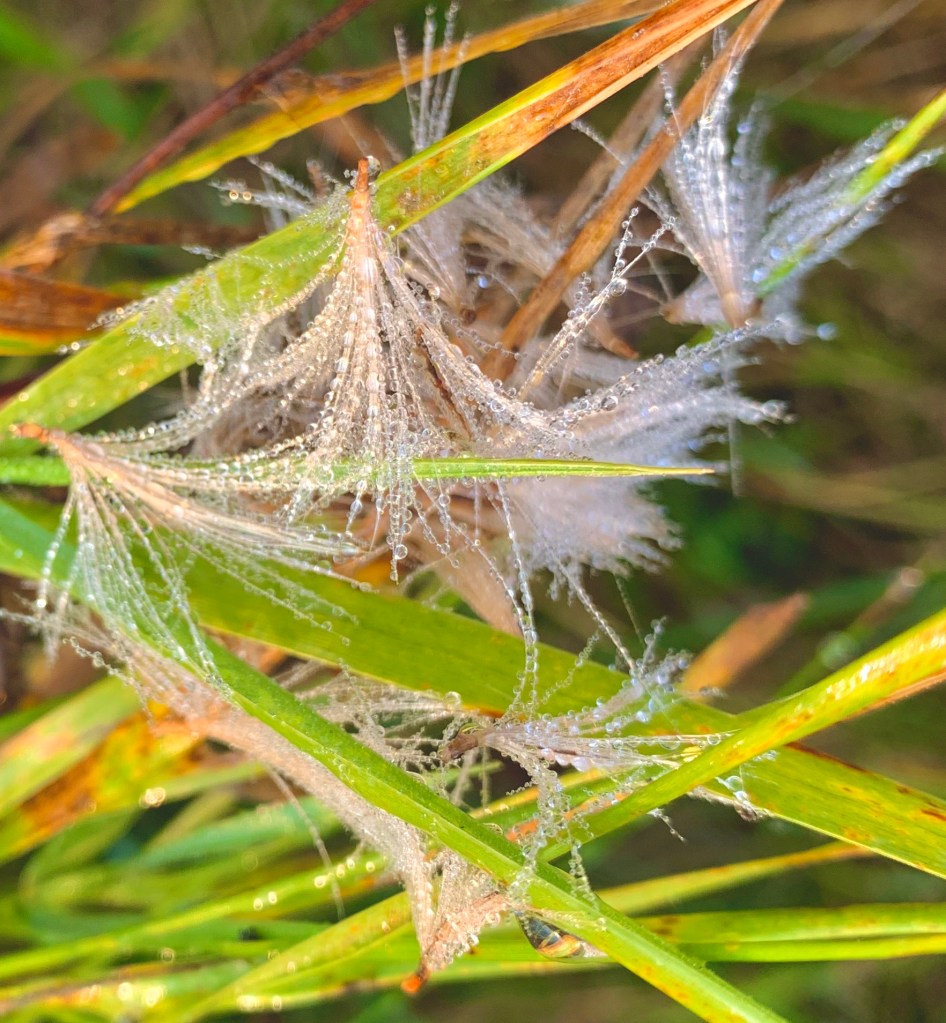
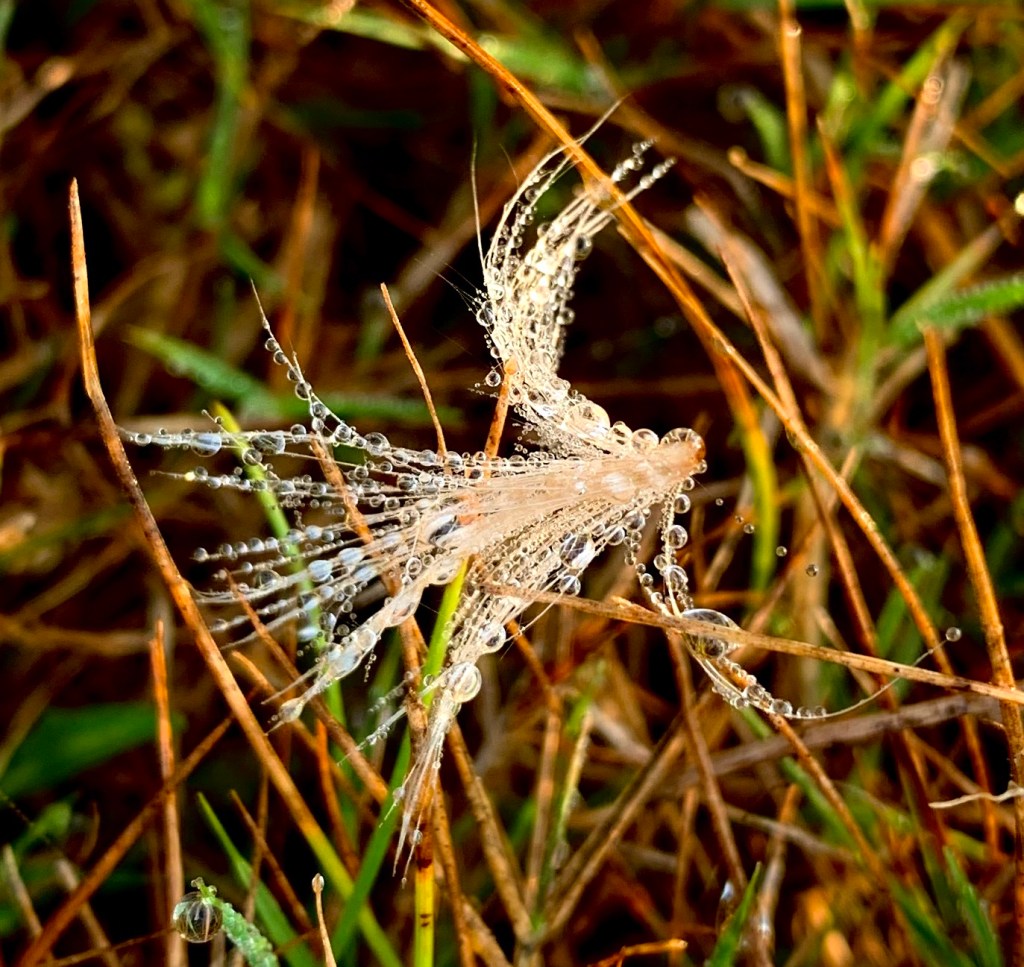
Highly ambitious, it produces downy tasty dancing seeds ready to soar far. Generation after generation of thistles persist due to this delicate ballerinas’ flight to the next horizon.

I should be strive to be as persistent, as rooted, as determined, yet as fluffy and tender under my defensive prickles and spines.

And then, may I softly dance in the journey to the next life.