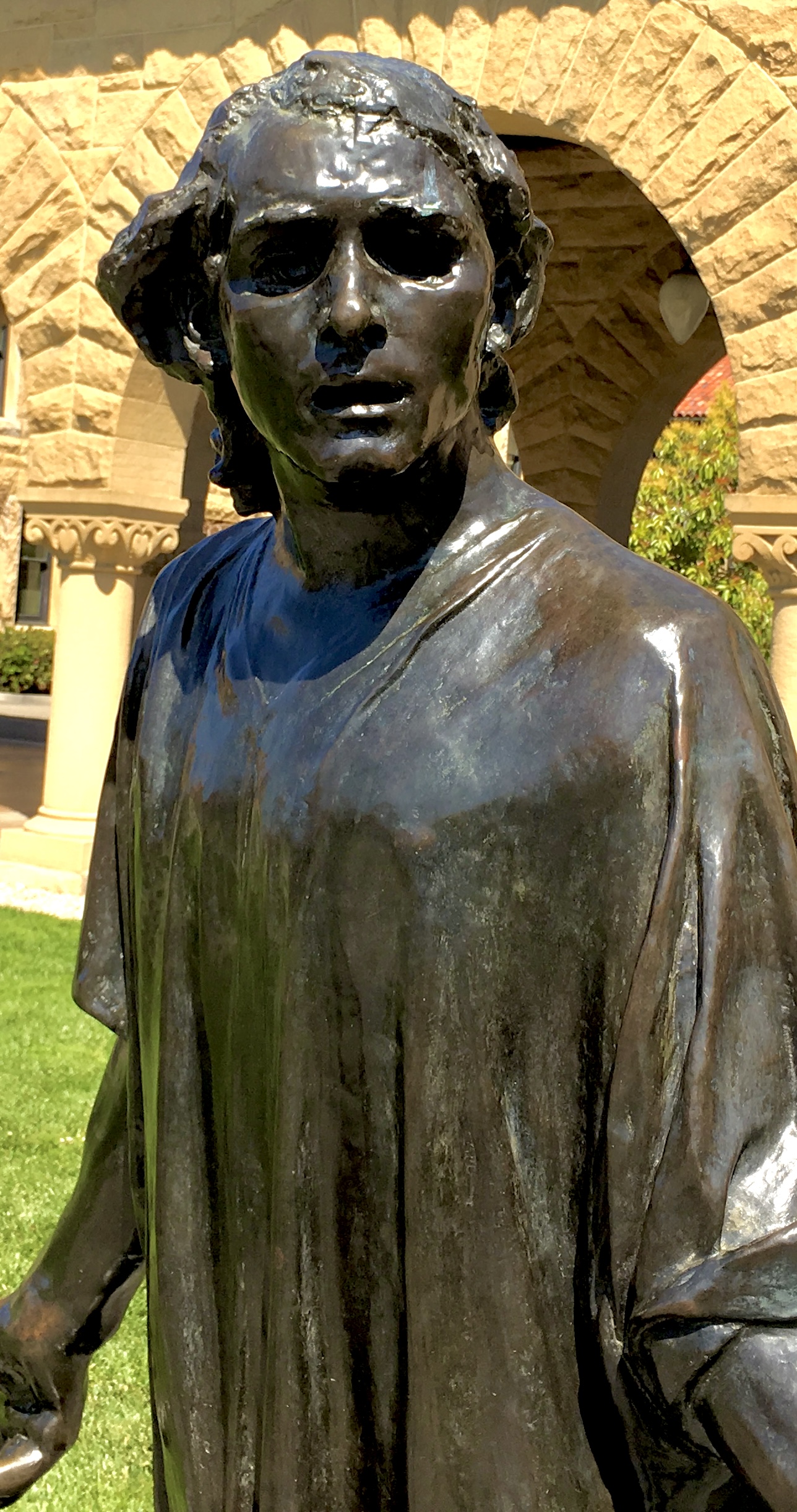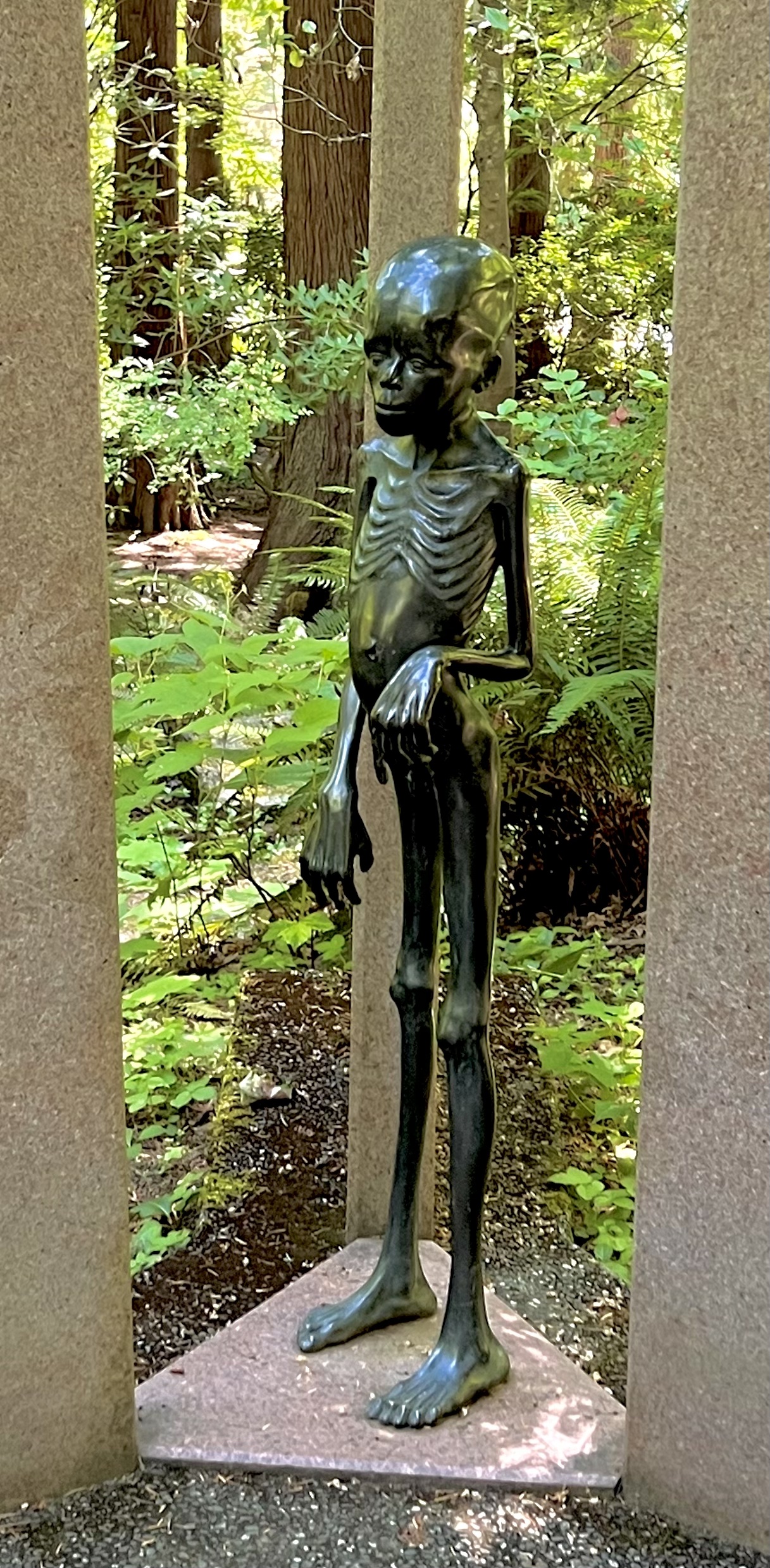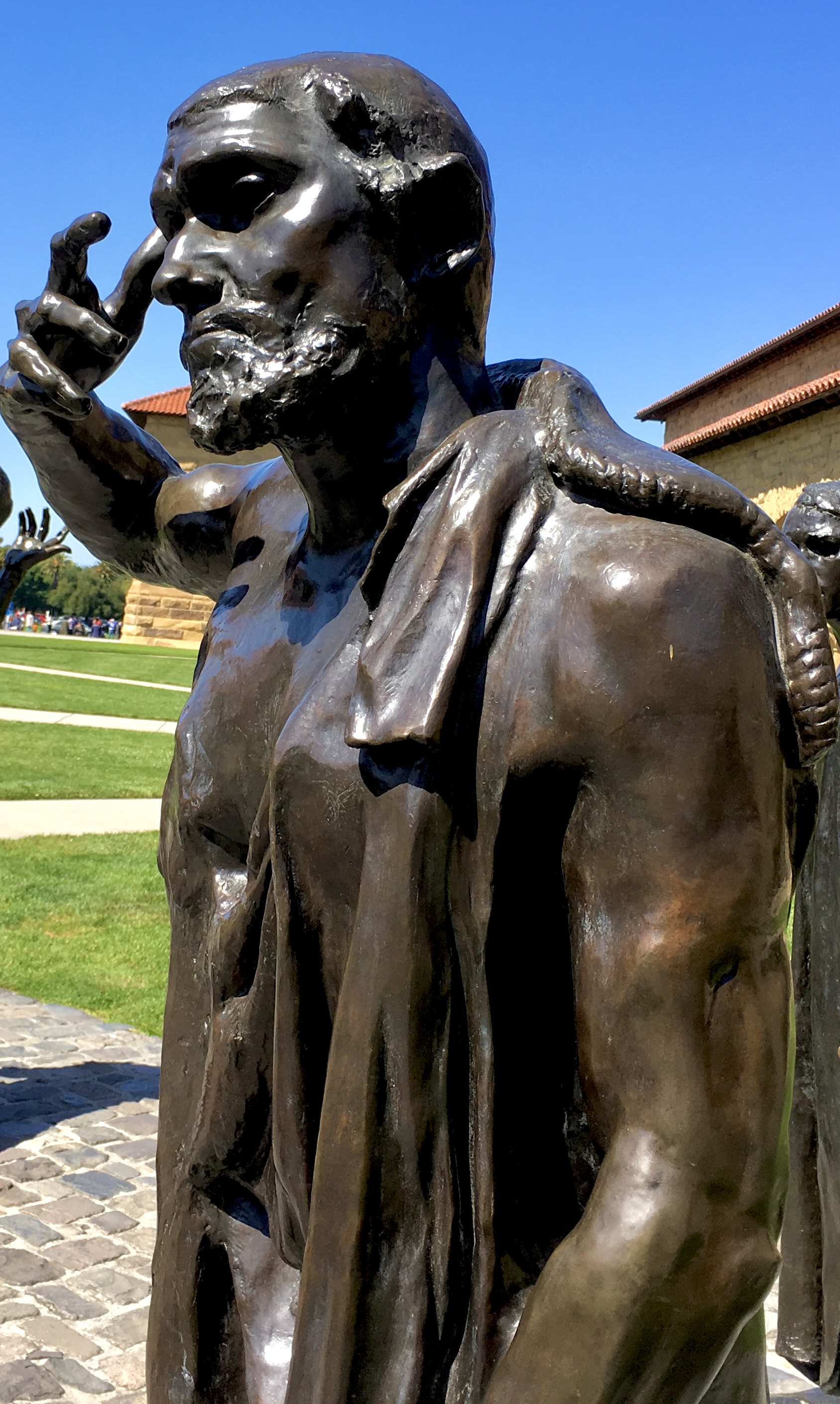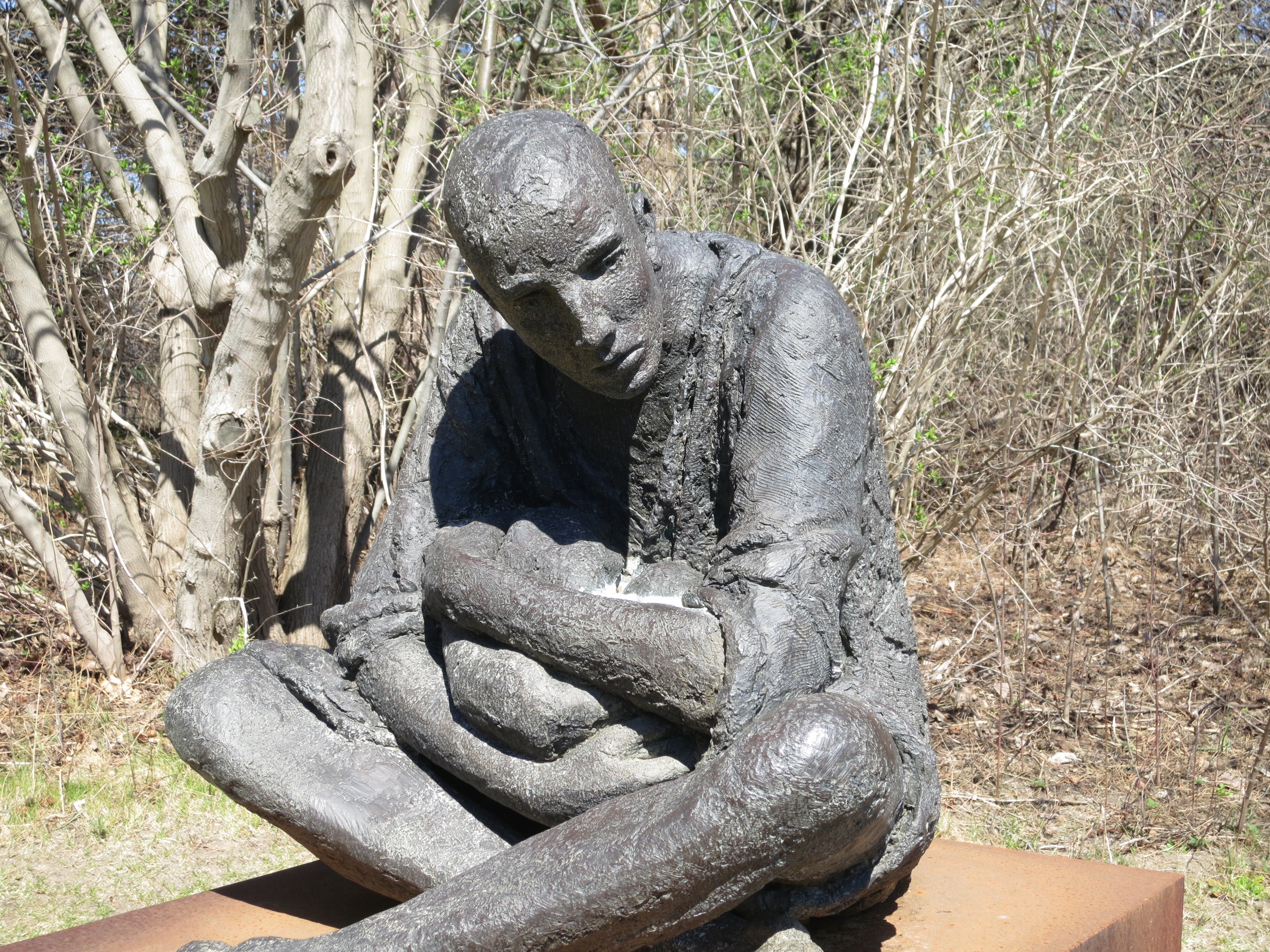
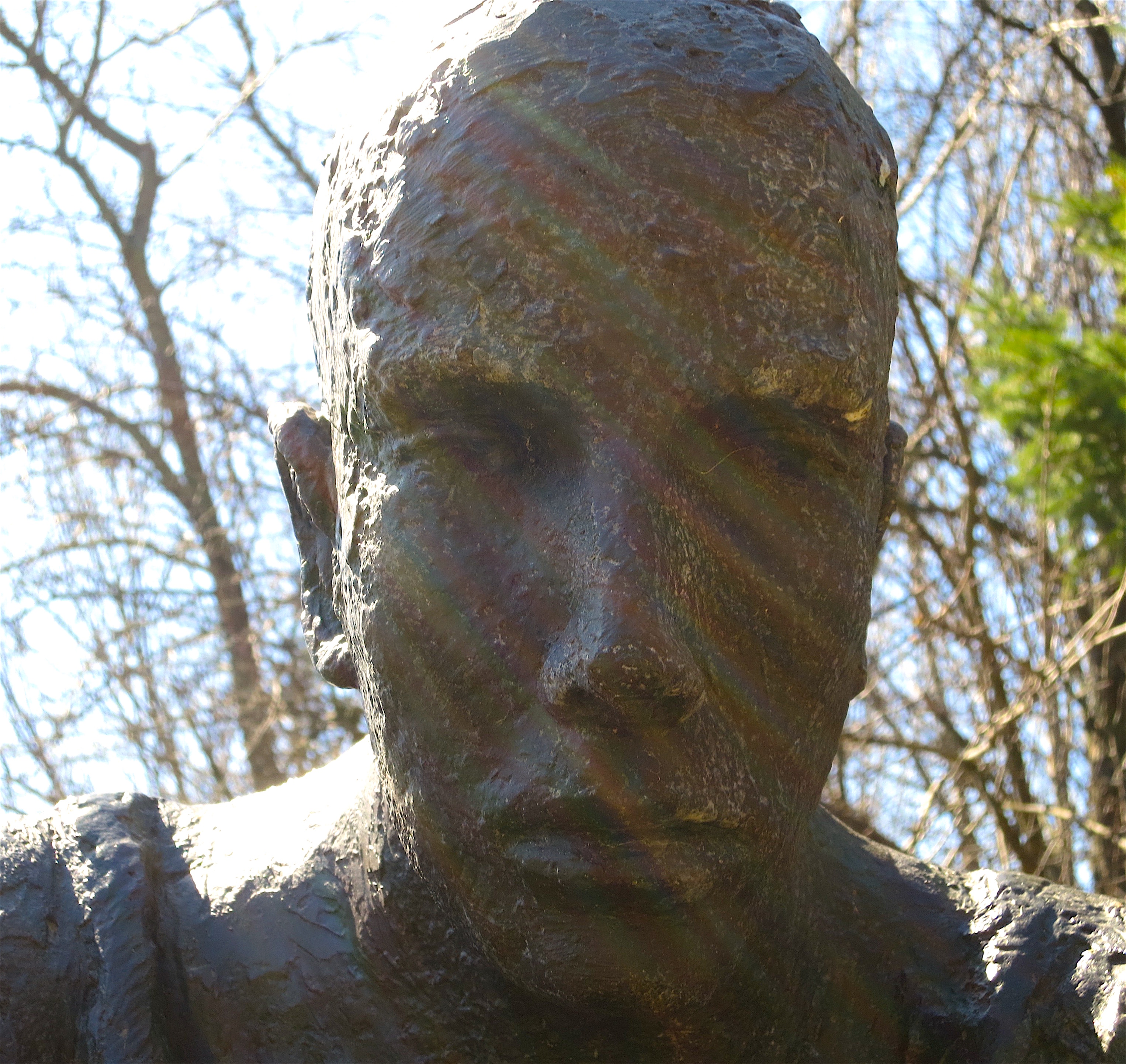
Like You Don’t Belong Here

For grace to be grace,
it must give us things we didn’t know we needed
and take us places where we didn’t know we didn’t want to go.

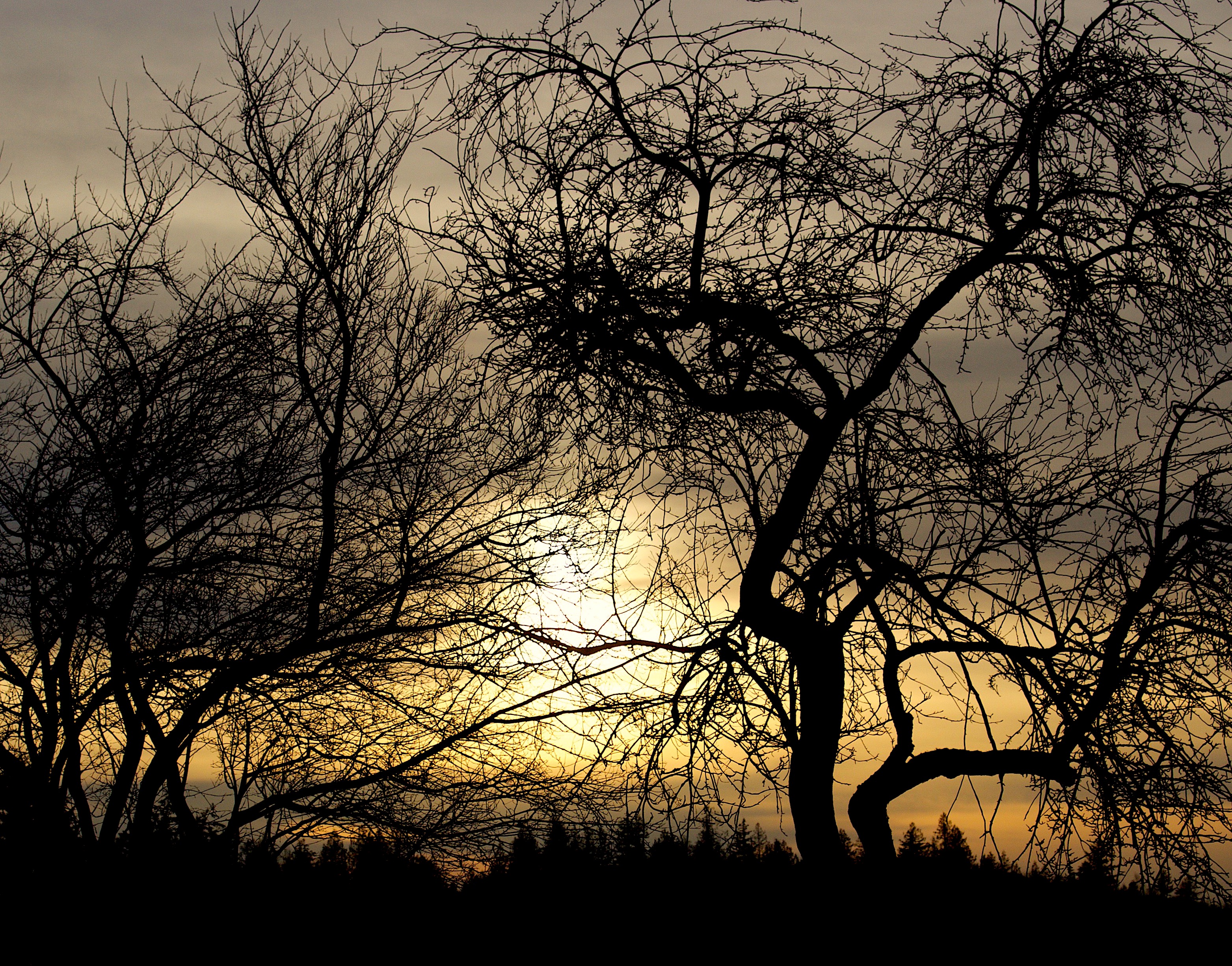
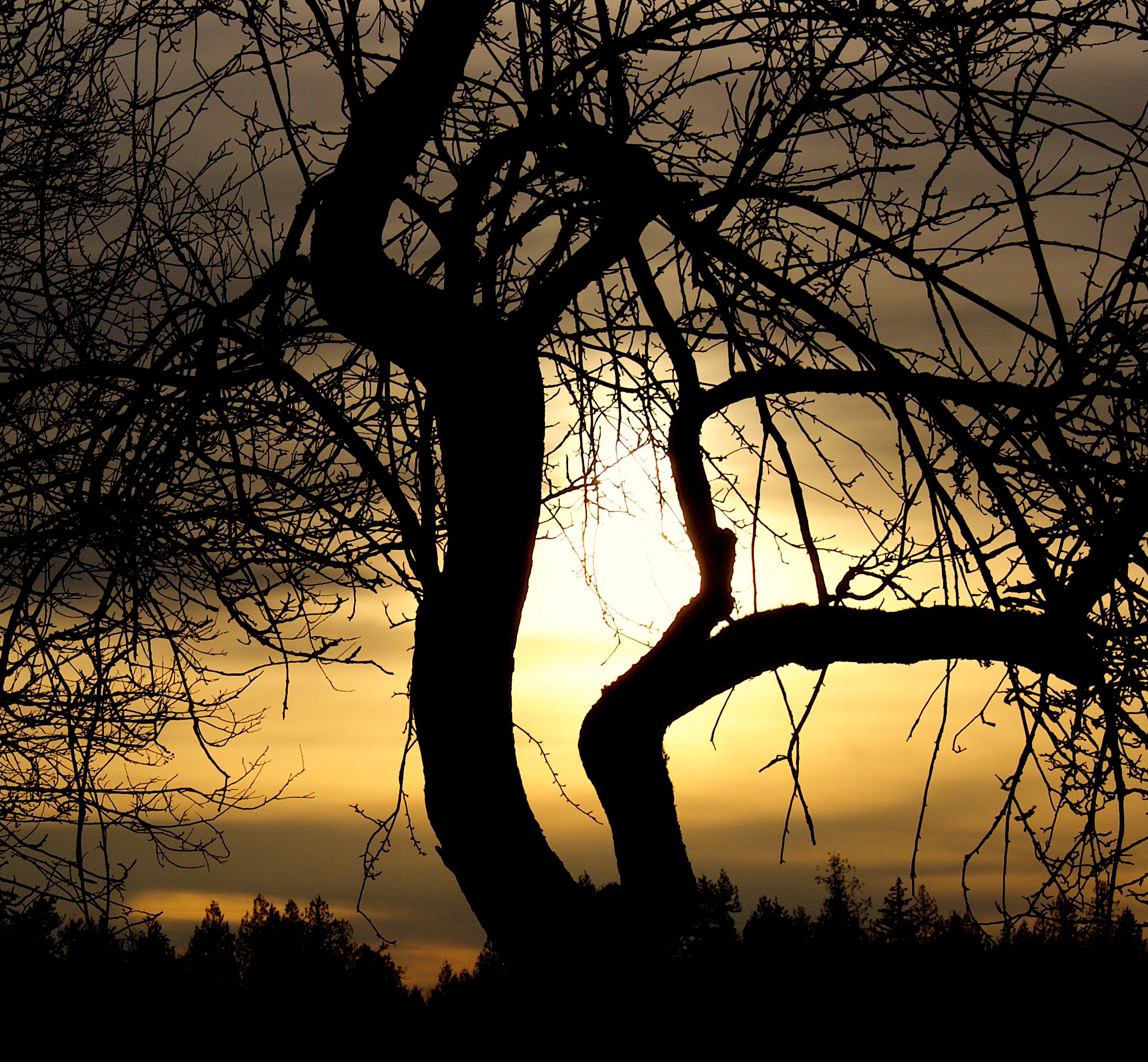
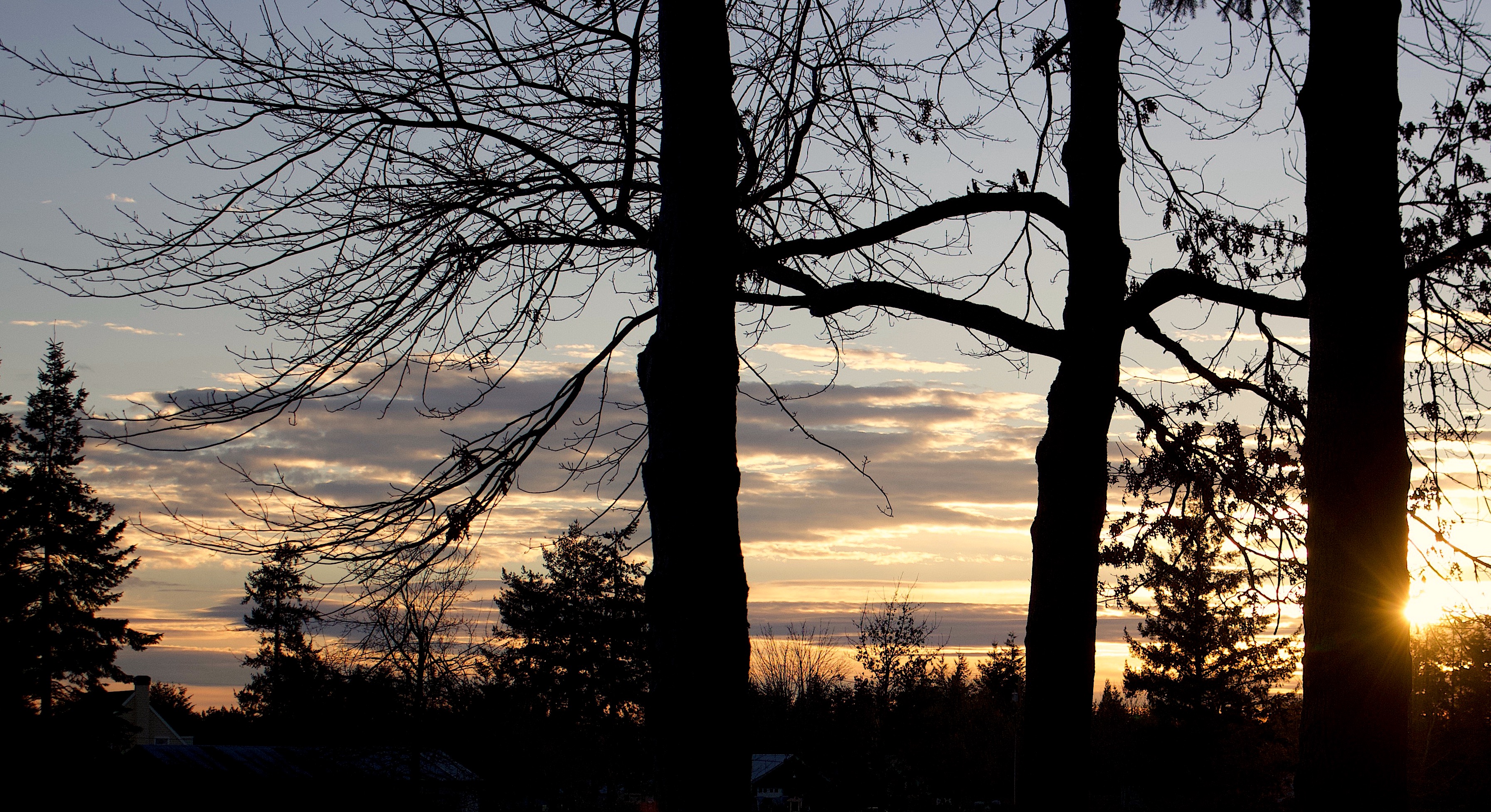
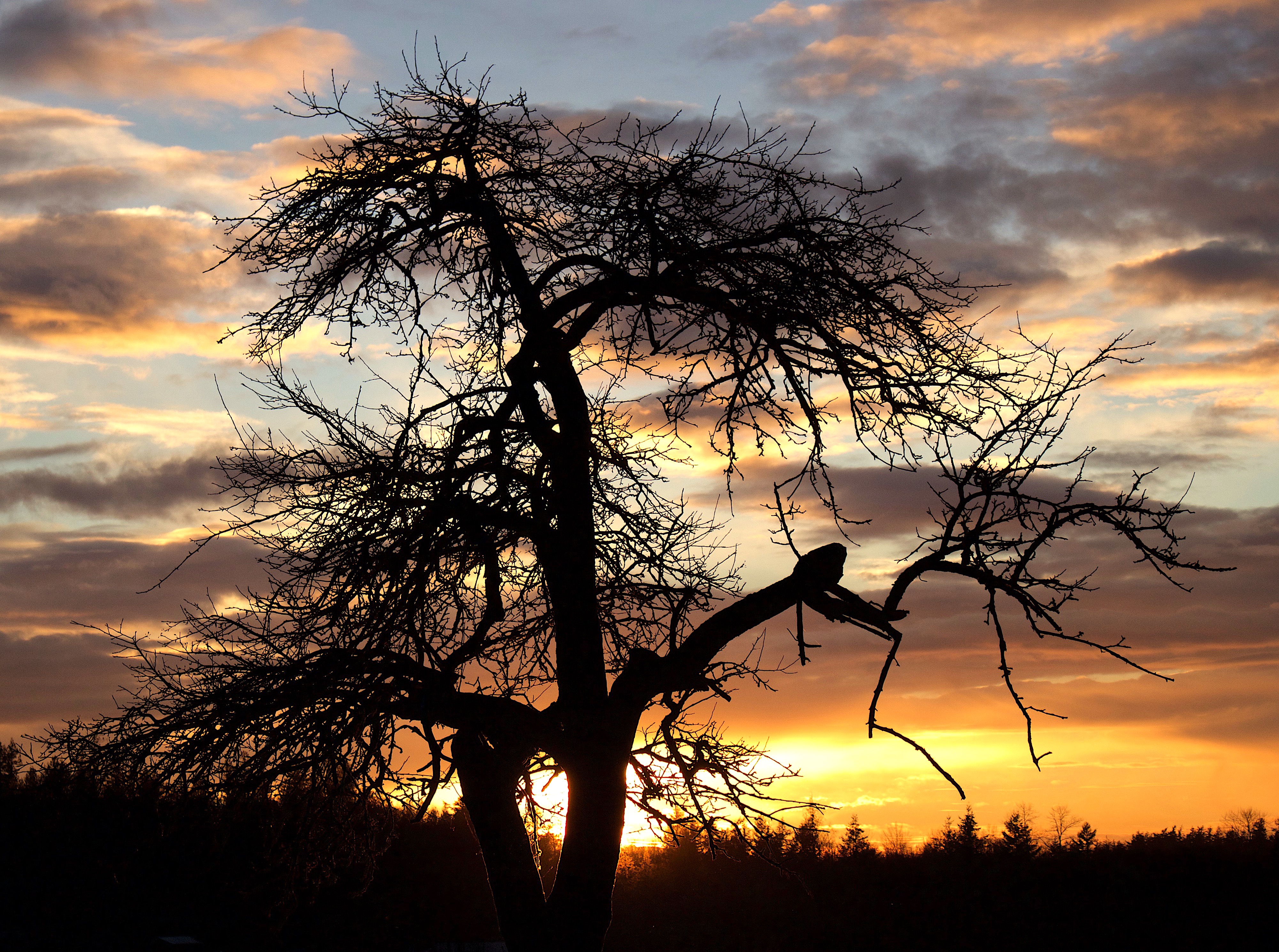
As we stumble through the crazily altered landscape of our lives, we find that God is enjoying our attention as never before.
~Kathleen Norris
from Acedia & Me: A Marriage, Monks, and a Writer’s Life
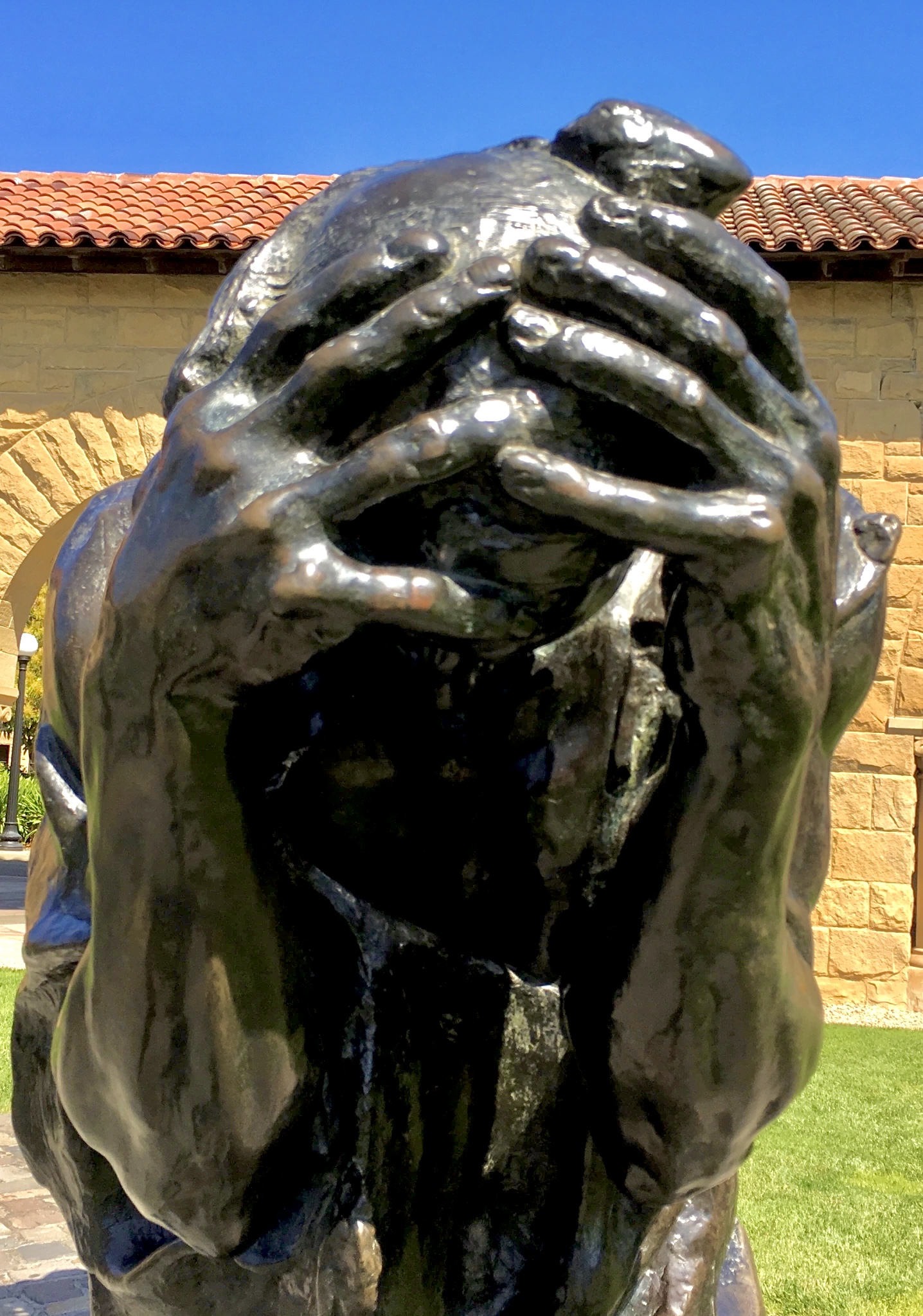
It happens in an instant.
My grandma used to say
someone is walking on your grave.


It’s that moment when your life
is suddenly strange to you
as someone else’s coat


you have slipped on at a party
by accident, and it is far
too big or too tight for you.


Your life feels awkward, ill
fitting. You remember why you
came into this kitchen, but you

feel you don’t belong here.
It scares you in a remote
numb way. You fear that you—

whatever you means, this mind,
this entity stuck into a name
like mercury dropped into water—


have lost the ability to enter your
self, a key that no longer works.
Perhaps you will be locked

out here forever peering in
at your body, if that self is really
what you are. If you are at all.

~Marge Piercy “Dislocation” from The Crooked Inheritance
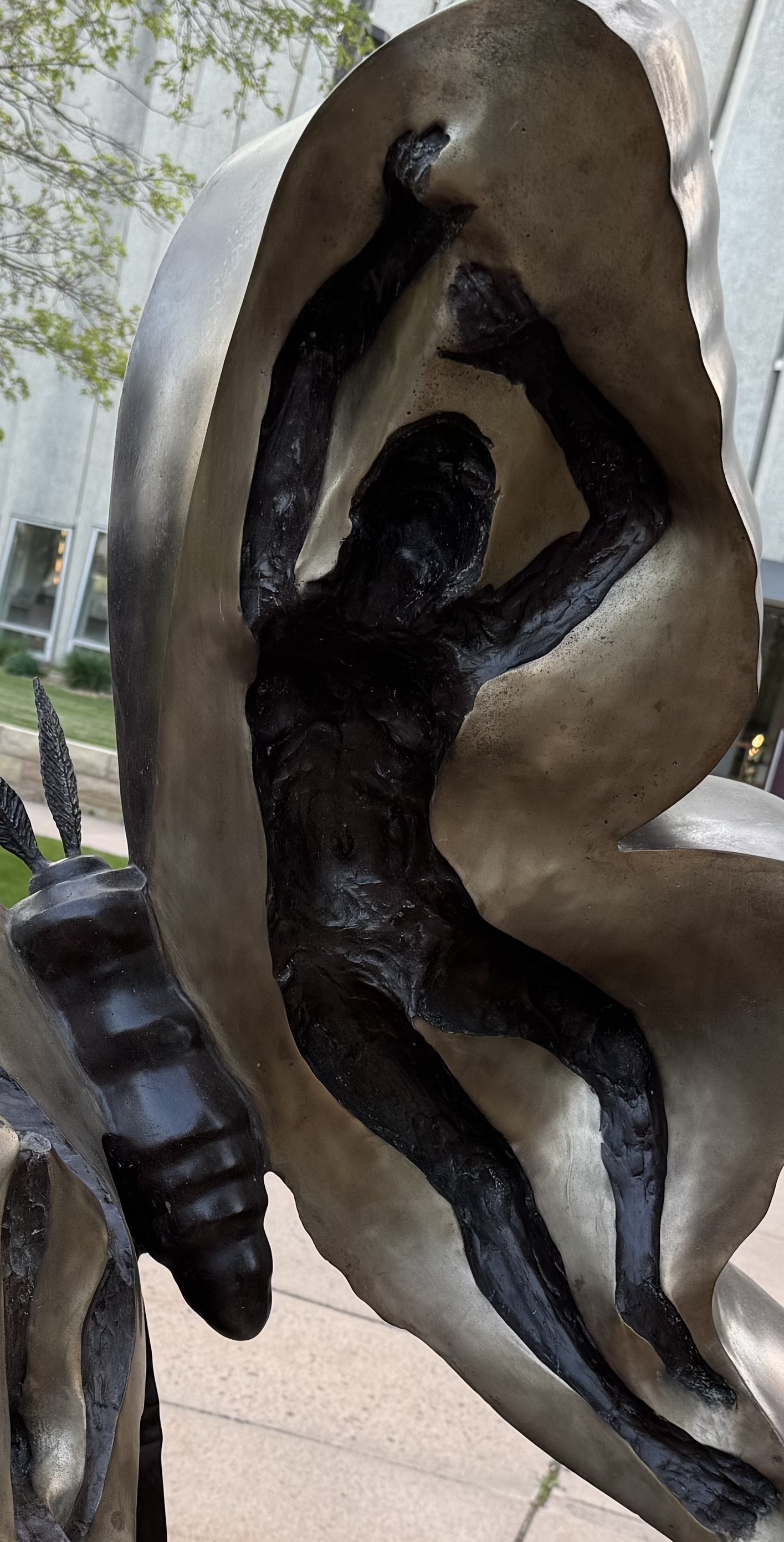
This Self—Hispanic, Latin, blond, black,
olive-skinned, native and immigrant—
dispersed far and wide
was here with everyone, yesterday and aga
in today;

I am large, I contain multitudes.
They will not manage to deny me or ignore me or declare me undocumented:
I am written in you, in all,
as all are in me

~Luis Alberto Ambroggio from We Are All Whitman: #2:Song of/to/My/Your/Self
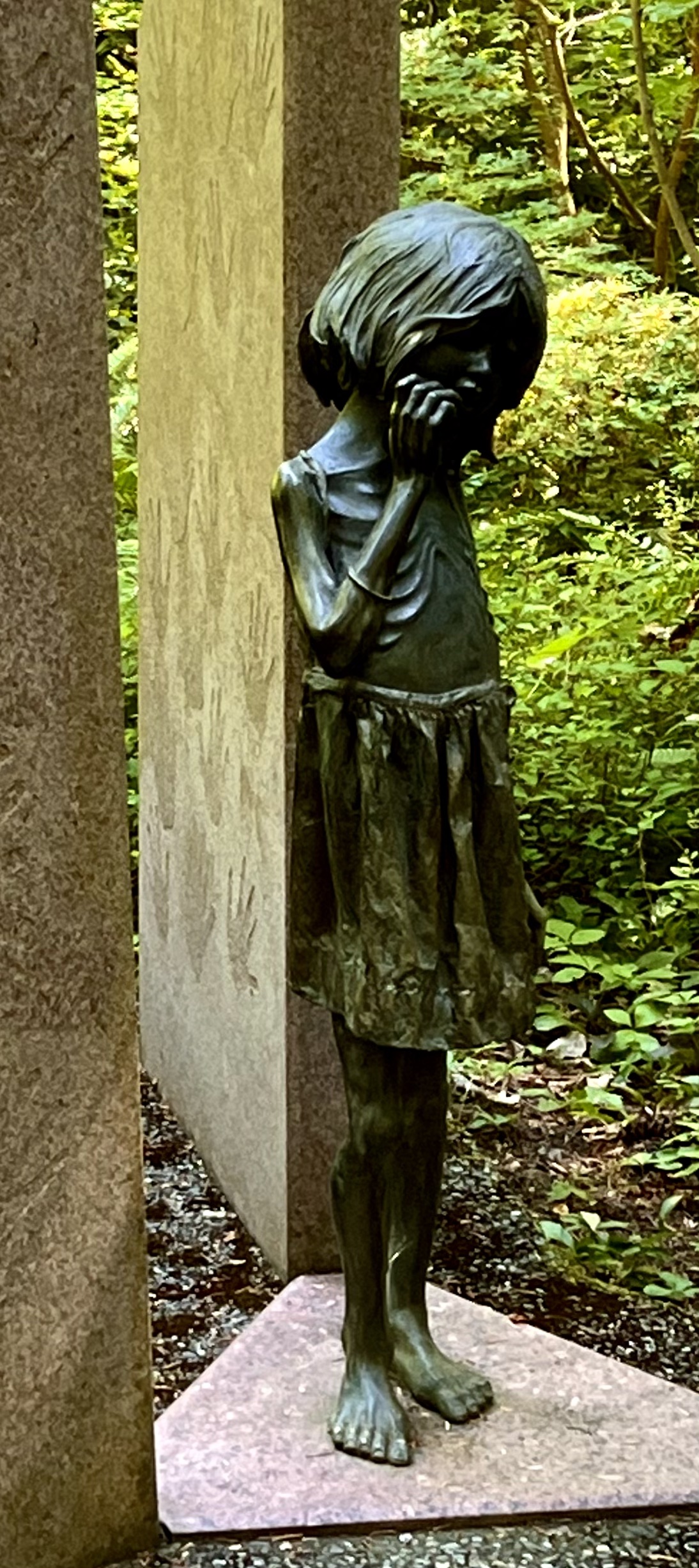
Each of us a work of art,
heaven-sent,
called to reflect
on our own creation,
placed in this world to
feel grace
when we stumble,
unsure where we are to go,
who we are meant to be,
as if we don’t really belong here,
a feeling of jamais vu
when the familiar becomes strange.

This is who we are:
called to act out that grace –
to praise goodness,
to protest evil,
to grapple with reality,
to respond to injustice,
to change the direction we’re heading
fearing who we become if we don’t .
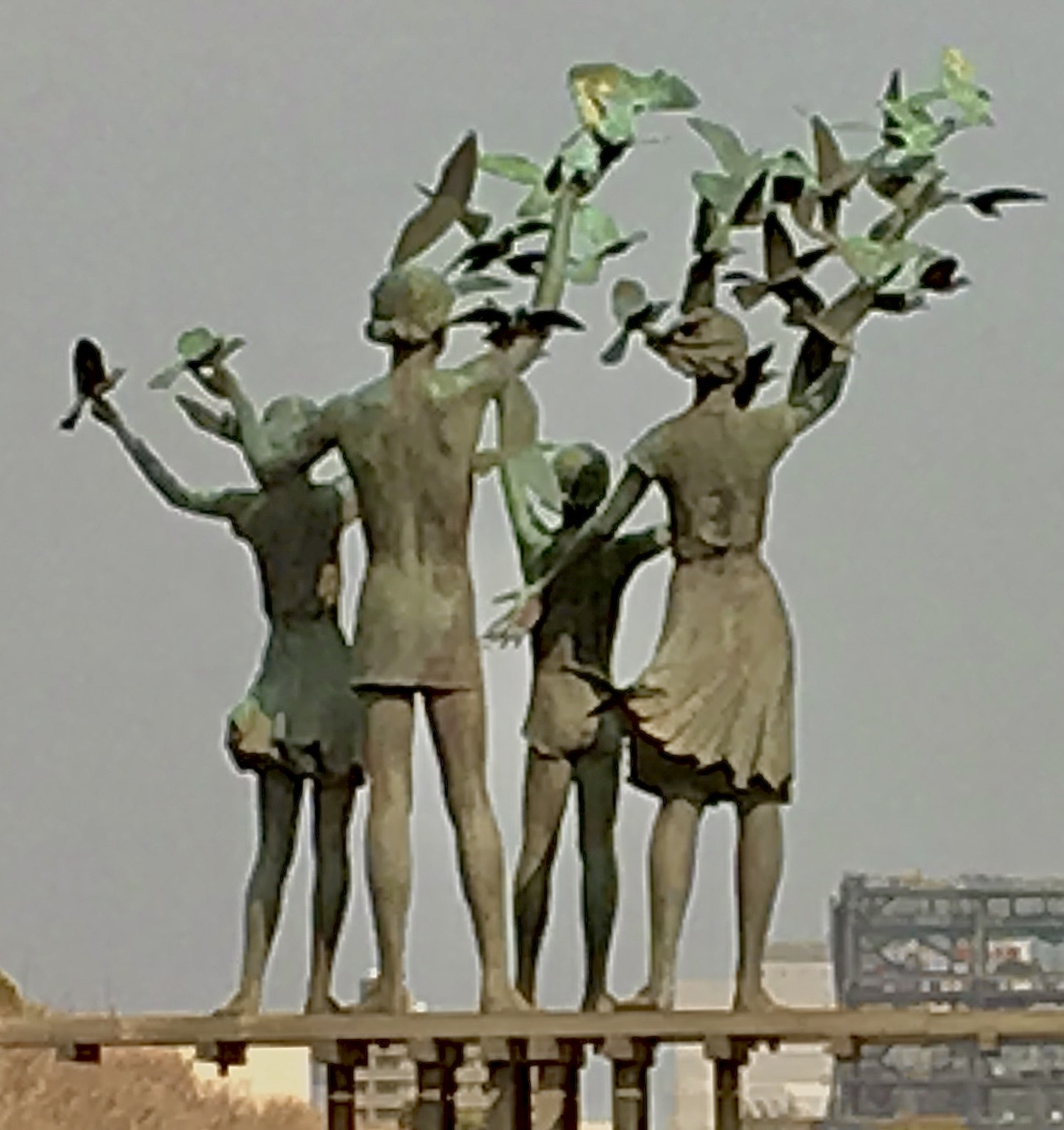
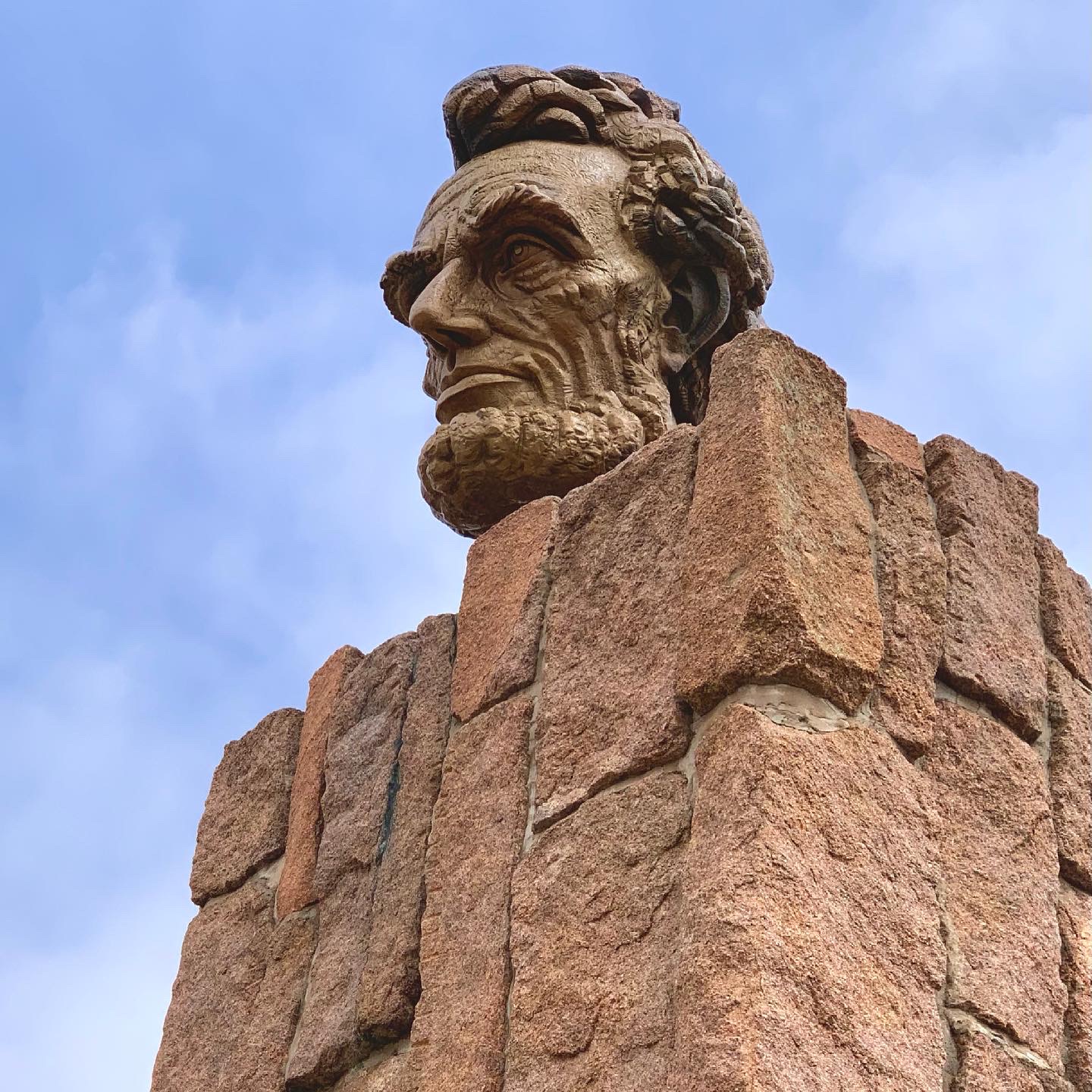
A traditional Catalan Song from Pablo Casals, a symbol of peace and freedom worldwide

One-Time
Monthly
Yearly

Make a one-time or recurring donation to support daily Barnstorming posts

Make a monthly donation

Make a yearly donation

Choose an amount

$10.00
$25.00
$50.00
$5.00
$15.00
$100.00
$5.00
$15.00
$100.00

Or enter a custom amount

$

Your contribution is deeply appreciated.

Your contribution is appreciated.

Your contribution is appreciated.

DonateDonate monthlyDonate yearly
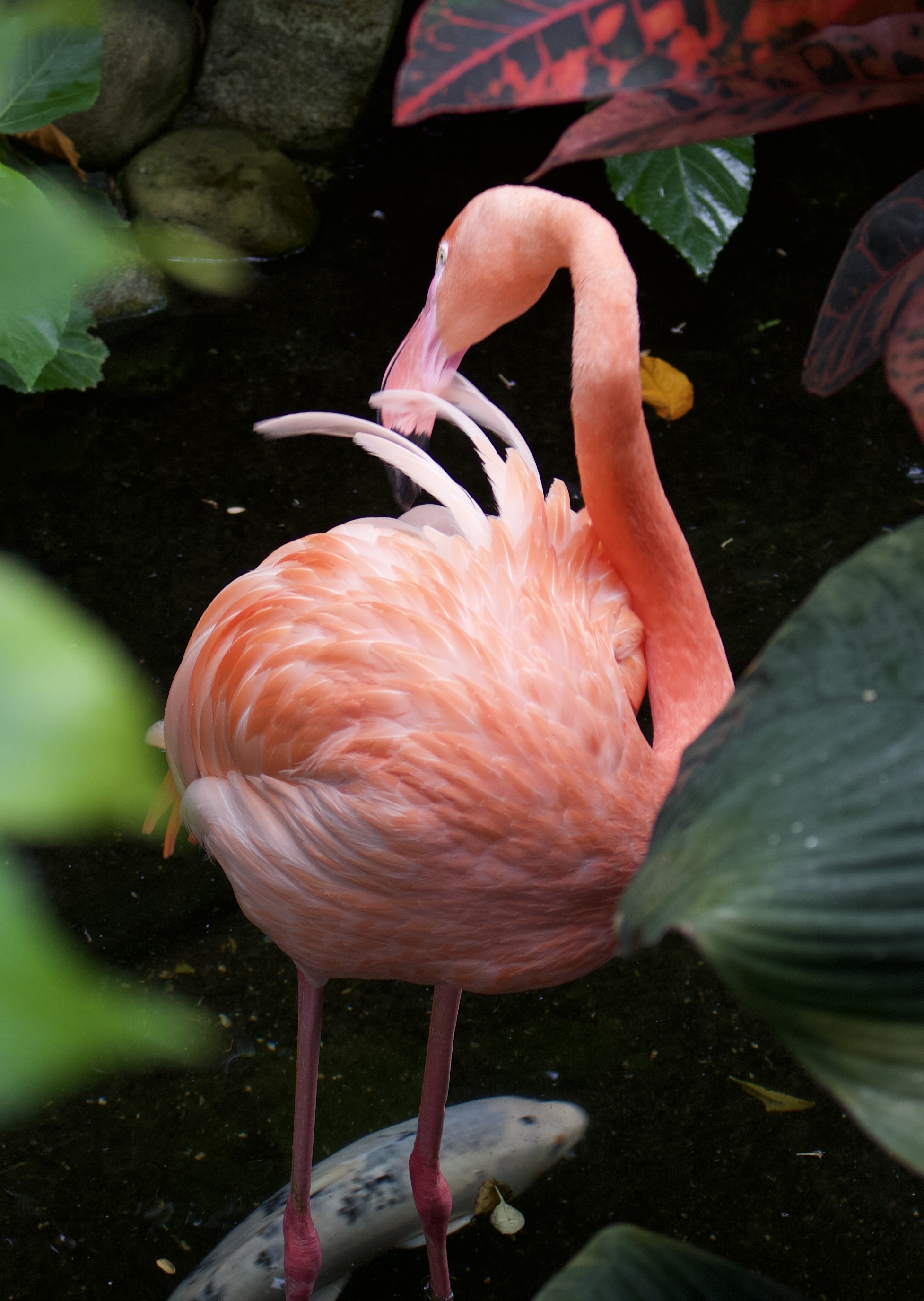
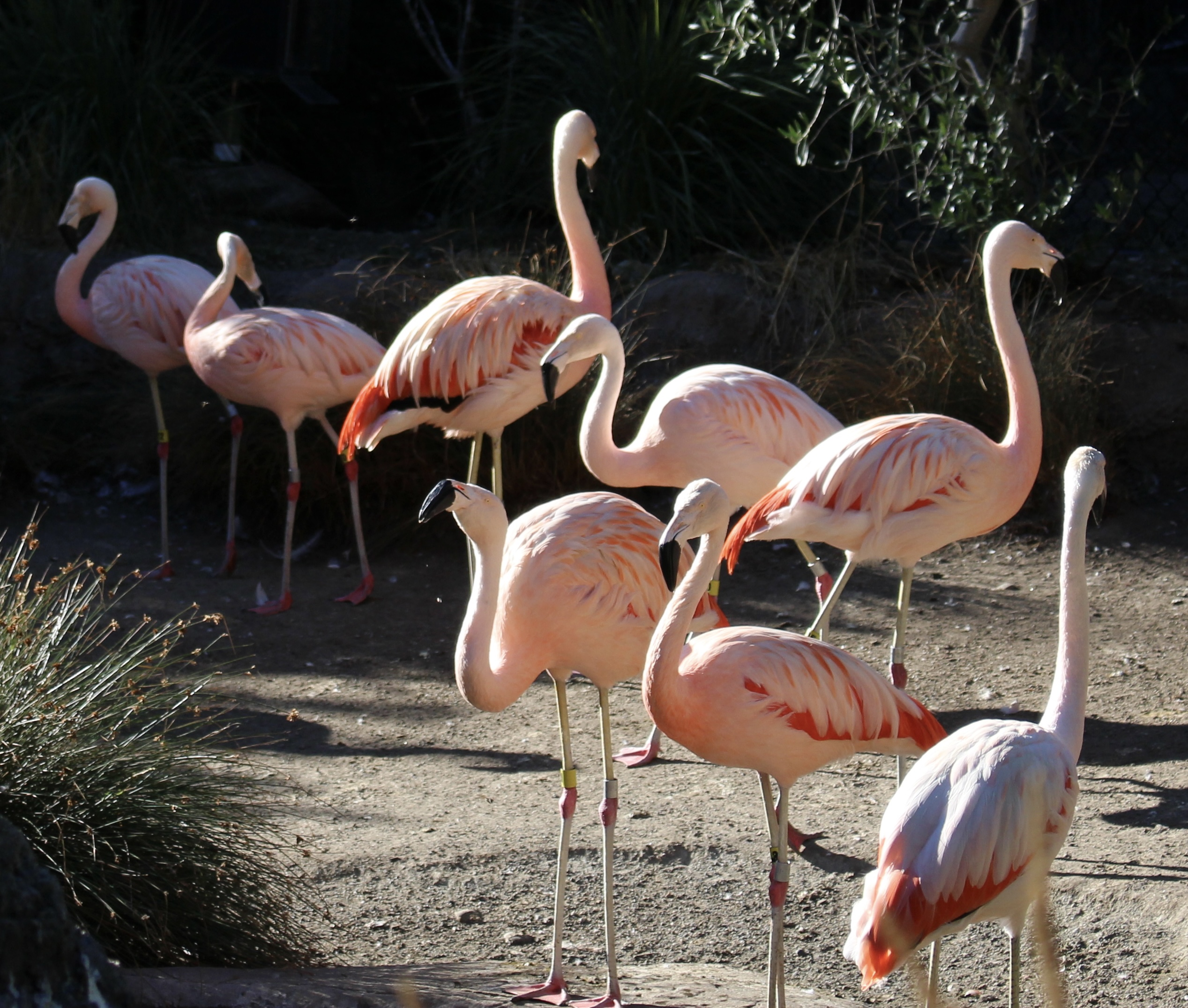
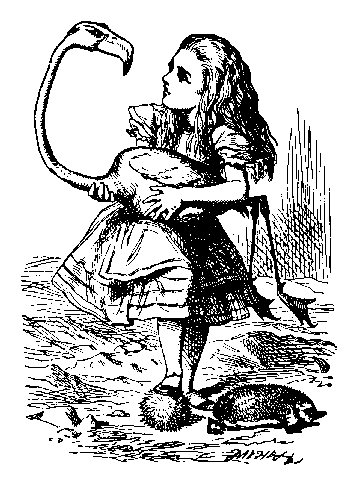
A Difficult Game Indeed

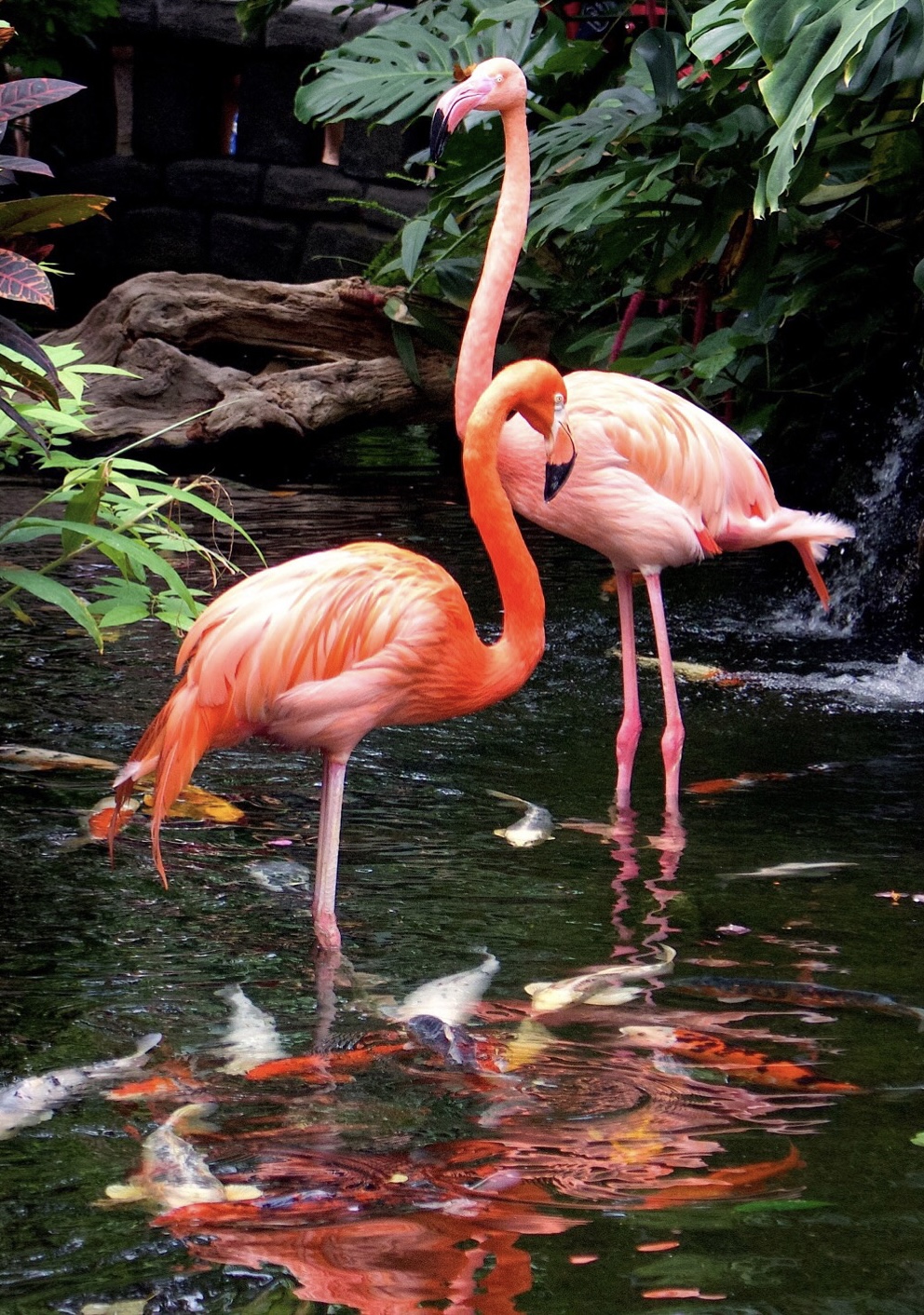
The chief difficulty Alice found at first
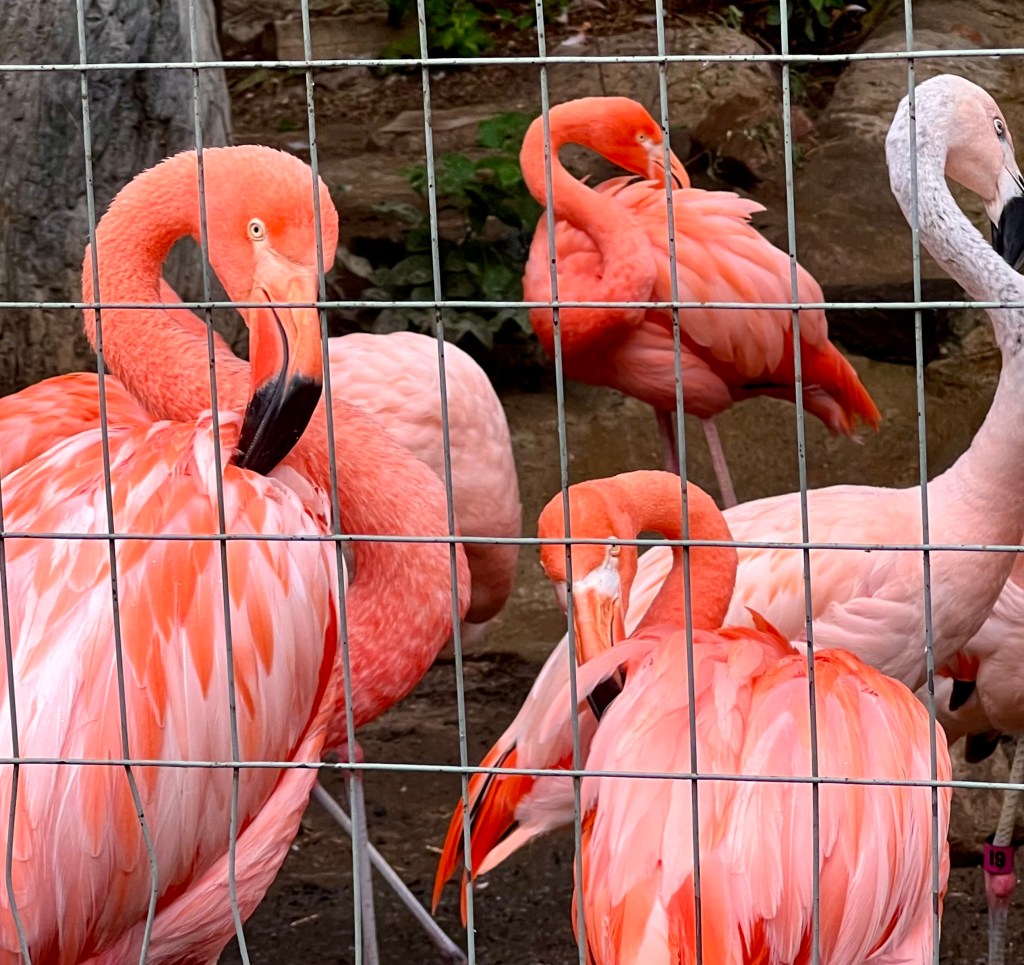
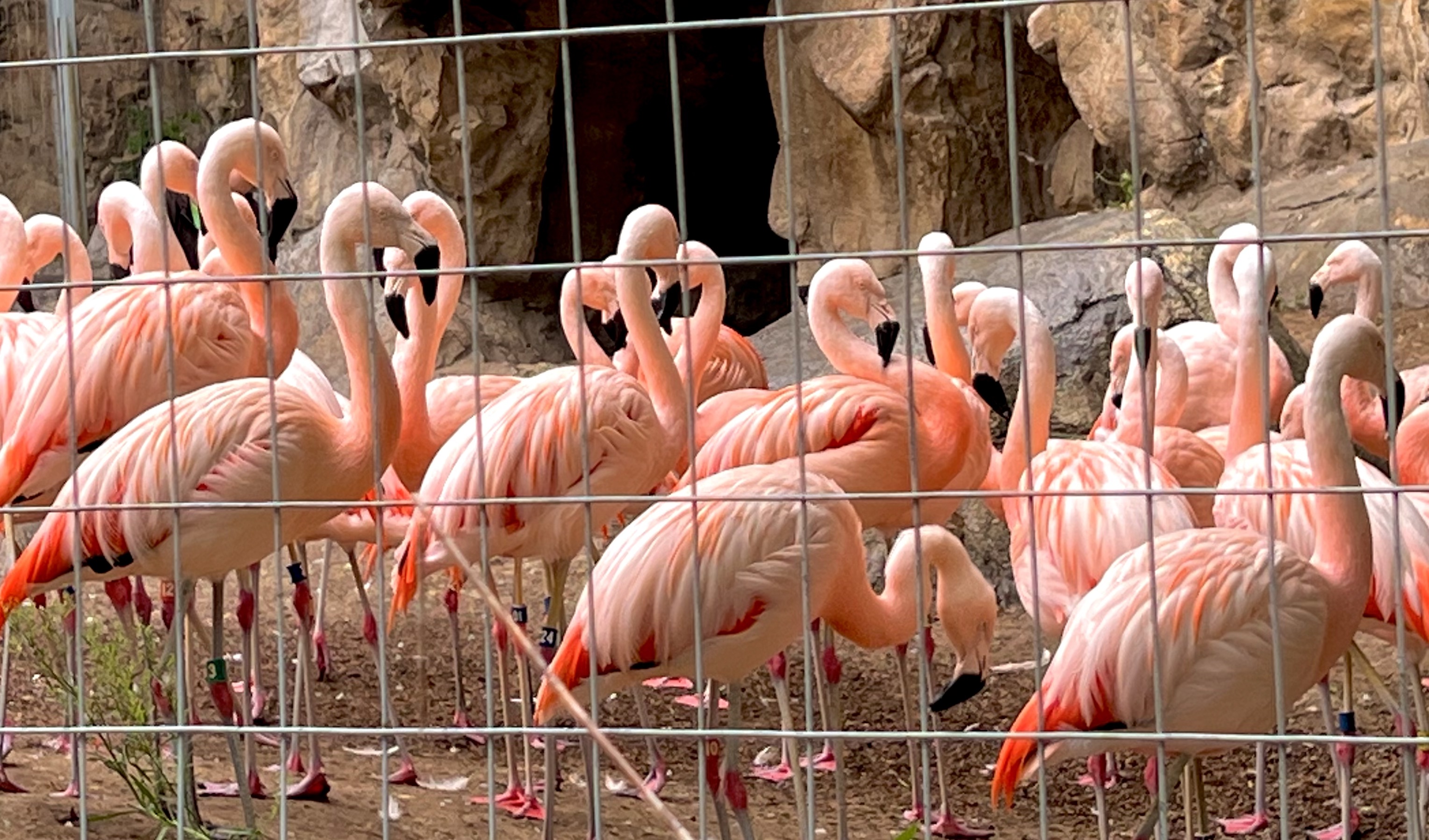
was in managing her flamingo:
she succeeded in getting its body tucked away,
comfortably enough, under her arm,
with its legs hanging down, but generally,
just as she had got its neck nicely straightened out,
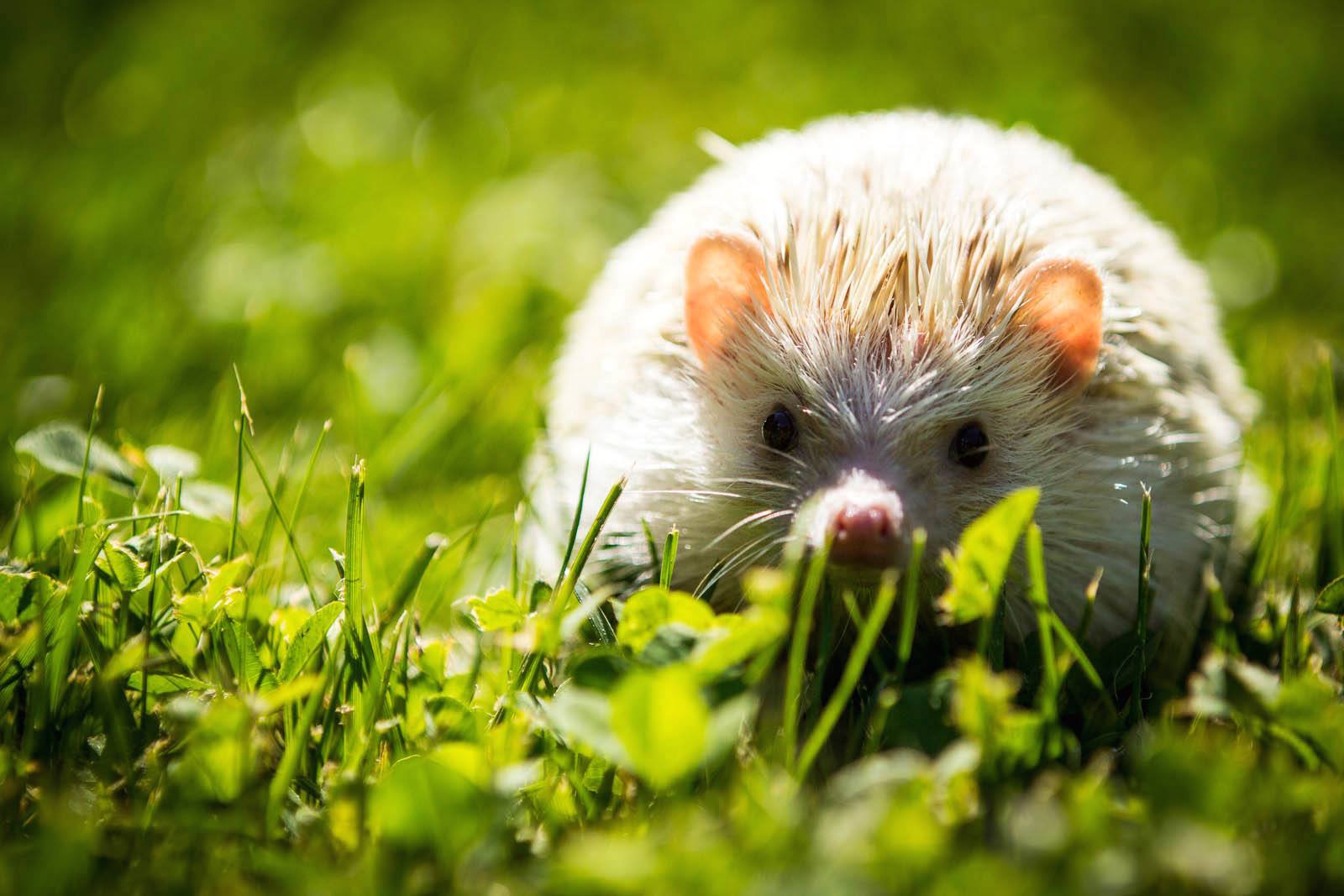
and was going to give the hedgehog
a blow with its head,
it would twist itself round and look up in her face,
with such a puzzled expression
that she could not help bursting out laughing:
and when she had got its head down,
and was going to begin again,
it was very provoking to find that
the hedgehog had unrolled itself,
and was in the act of crawling away….
Alice soon came to the conclusion
that it was a very difficult game indeed. 

~Lewis Carroll from Alice in Wonderland

Lewis Carroll Illustration
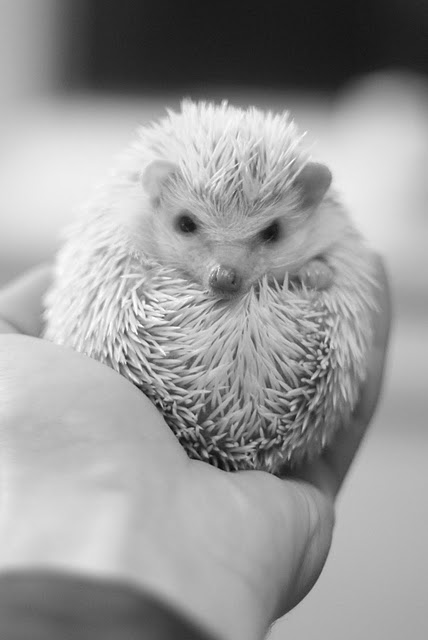
photo by Chris Duppenthaler

What a difficult game we find ourselves playing.

Does anyone understand the rules anymore?

Handed an uncooperative gangly mallet,
our aim is hopelessly thwarted.

The furry round target takes one look, sees no point, so wanders off, seeking a friendlier game to play somewhere else.

These are absurd times for humans and hedgehogs.

photo by Chris Duppenthaler
One-Time
Monthly
Yearly

Make a one-time or recurring donation to support daily Barnstorming posts

Make a monthly donation

Make a yearly donation

Choose an amount

$10.00
$25.00
$50.00
$5.00
$15.00
$100.00
$5.00
$15.00
$100.00

Or enter a custom amount

$

Your contribution is deeply appreciated.

Your contribution is appreciated.

Your contribution is appreciated.

DonateDonate monthlyDonate yearly
Their Eyes Shine

I stop the car along the pasture edge,
gather up bags of corncobs from the back,
and get out.
Two whistles, one for each,
and familiar sounds draw close in darkness—
cadence of hoof on hardened bottomland,
twinned blowing of air through nostrils curious, flared.
They come deepened and muscular movements
conjured out of sleep: each small noise and scent
heavy with earth, simple beyond communion,
beyond the stretched-out hand from which they calmly
take corncobs, pulling away as I hold
until the mid-points snap.
They are careful of my fingers,
offering that animal-knowledge,
the respect which is due to strangers;
and in the night, their mares’ eyes shine, reflecting stars,
the entire, outer light of the world here.

~Jane Hirshfield “After Work” from Of Gravity and Angels

photo by Emily VanderHaak

Just off the highway to Rochester, Minnesota,
Twilight bounds softly forth on the grass.
And the eyes of those two Indian ponies
Darken with kindness.
They have come gladly out of the willows
To welcome my friend and me.
We step over the barbed wire into the pasture
Where they have been grazing all day, alone.
They ripple tensely, they can hardly contain their happiness   
That we have come.
They bow shyly as wet swans. They love each other.
There is no loneliness like theirs.   
At home once more,
They begin munching the young tufts of spring in the darkness.   
I would like to hold the slenderer one in my arms,
For she has walked over to me   
And nuzzled my left hand.   
She is black and white,
Her mane falls wild on her forehead,
And the light breeze moves me to caress her long ear
That is delicate as the skin over a girl’s wrist.
Suddenly I realize
That if I stepped out of my body I would break
Into blossom.
~James Wright, “A Blessing” from Above the River: The Complete Poems

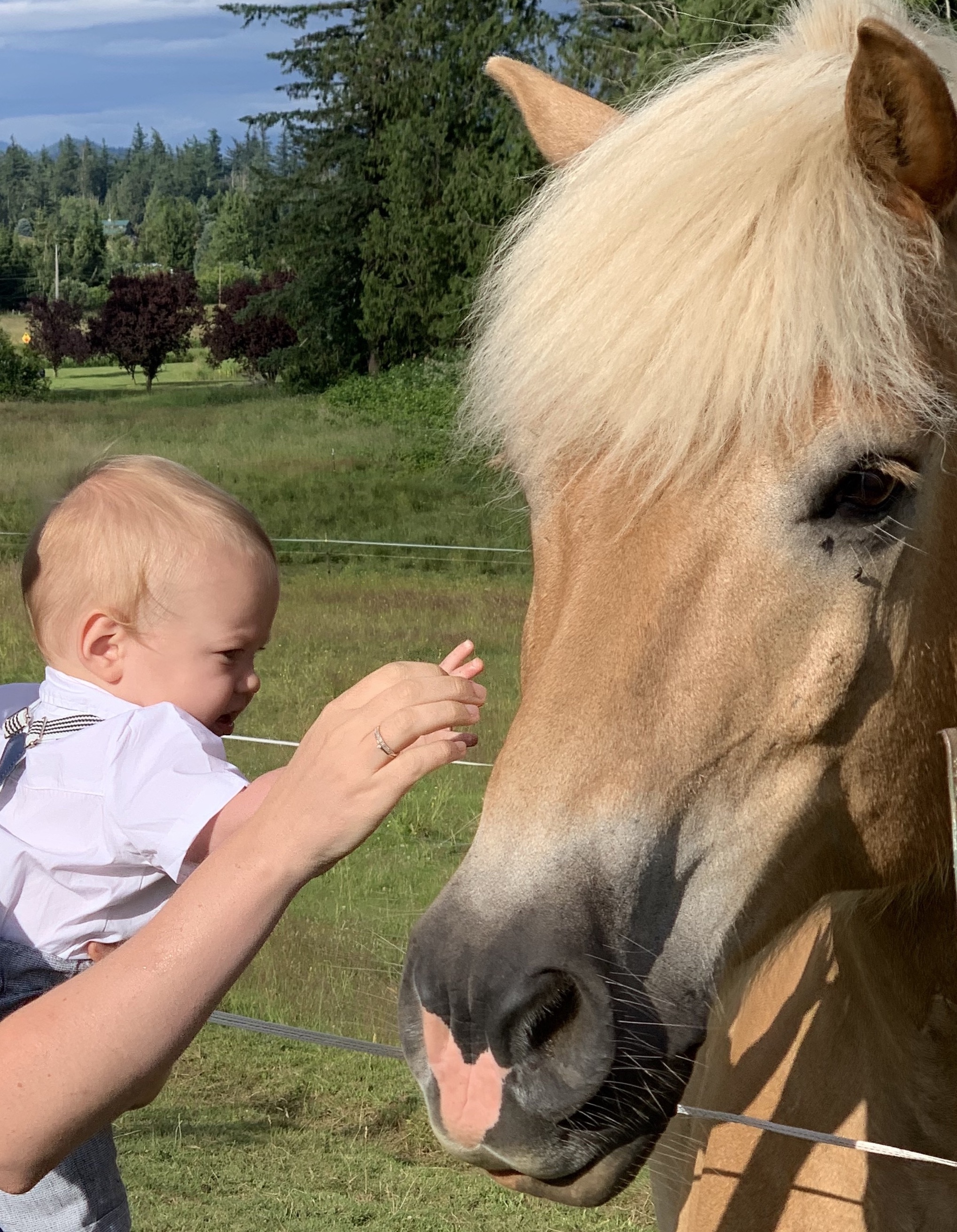
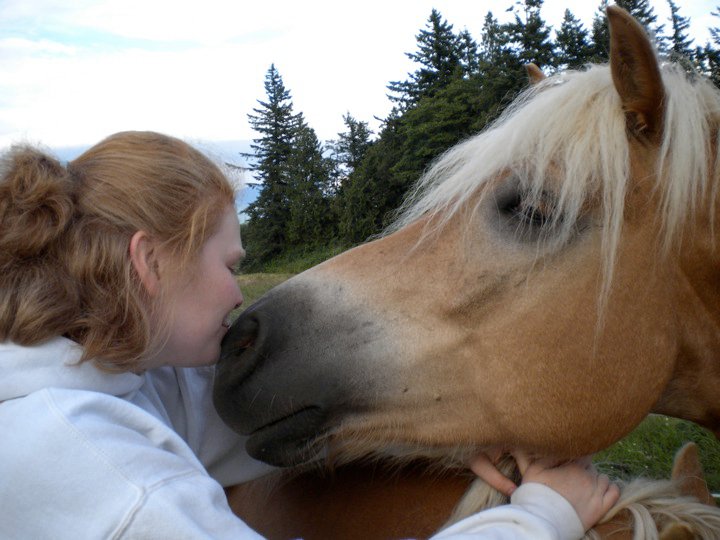
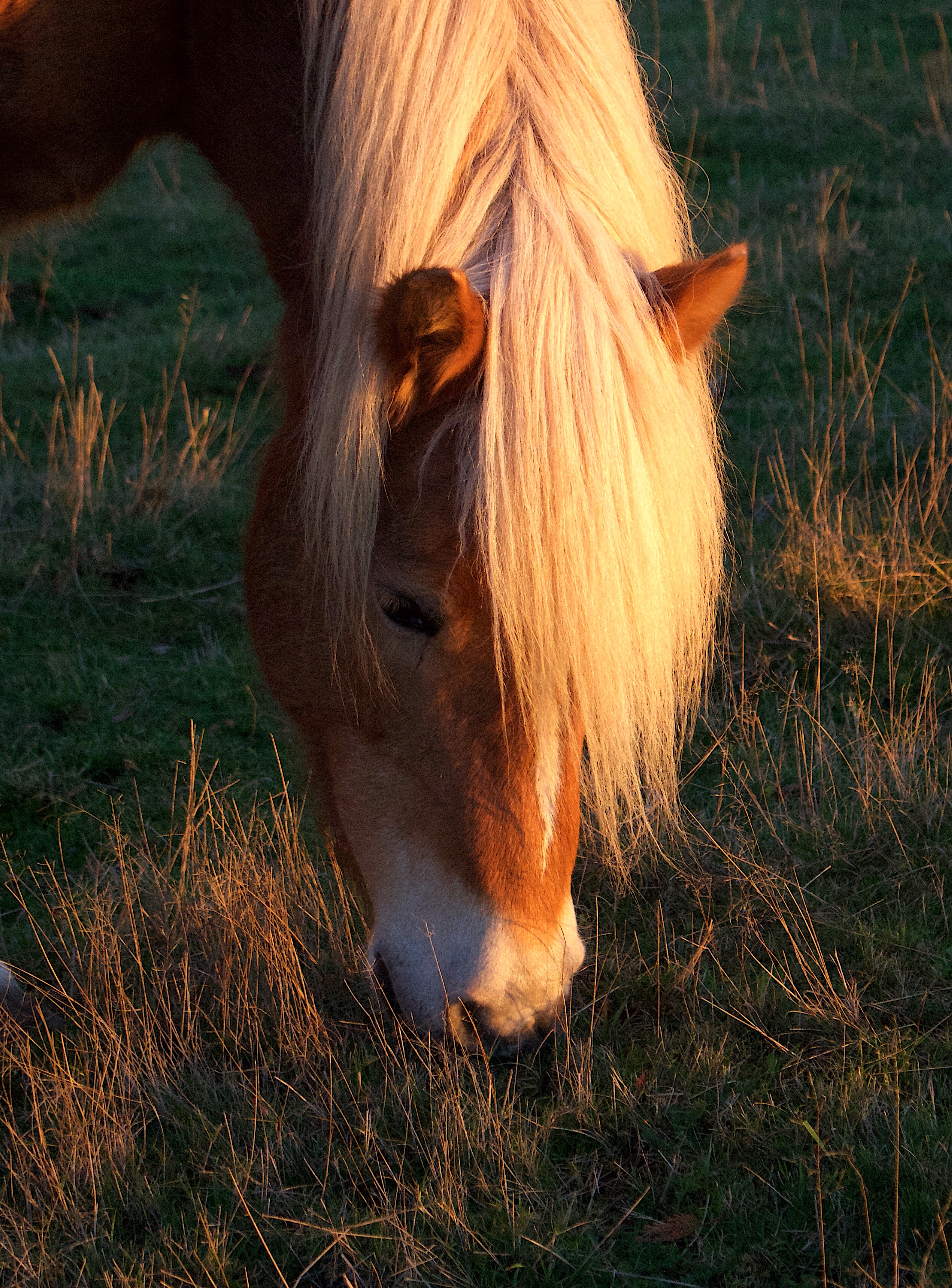
Horses have been a daily part of my life for over fifty years, though while I attended school and worked in the city, I was forced to limit myself to goldfish.

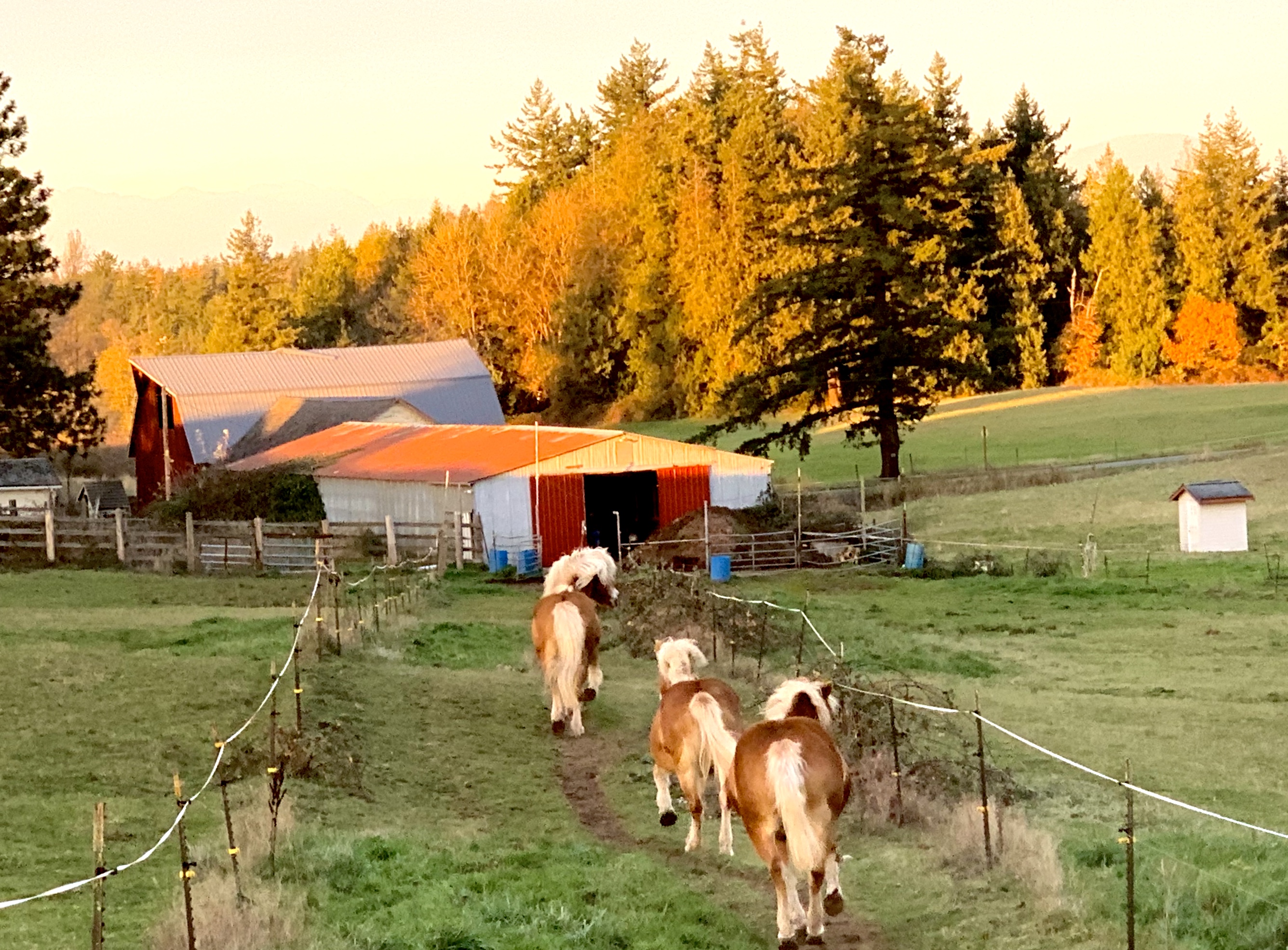
Eventually living on a farm in the country was my goal, rather than a seeking out a prestigious career in the city. Raising horses (and cattle and goats and chickens and geese and ducks and dogs and cats…) was always my hope and dream.

And dreams sometimes come true.

As I get older, I realize how much easier goldfish are in comparison. Horses are so much bigger and stronger than I am; I’m far more aware of where I am and where they are so I don’t have an unscheduled landing.

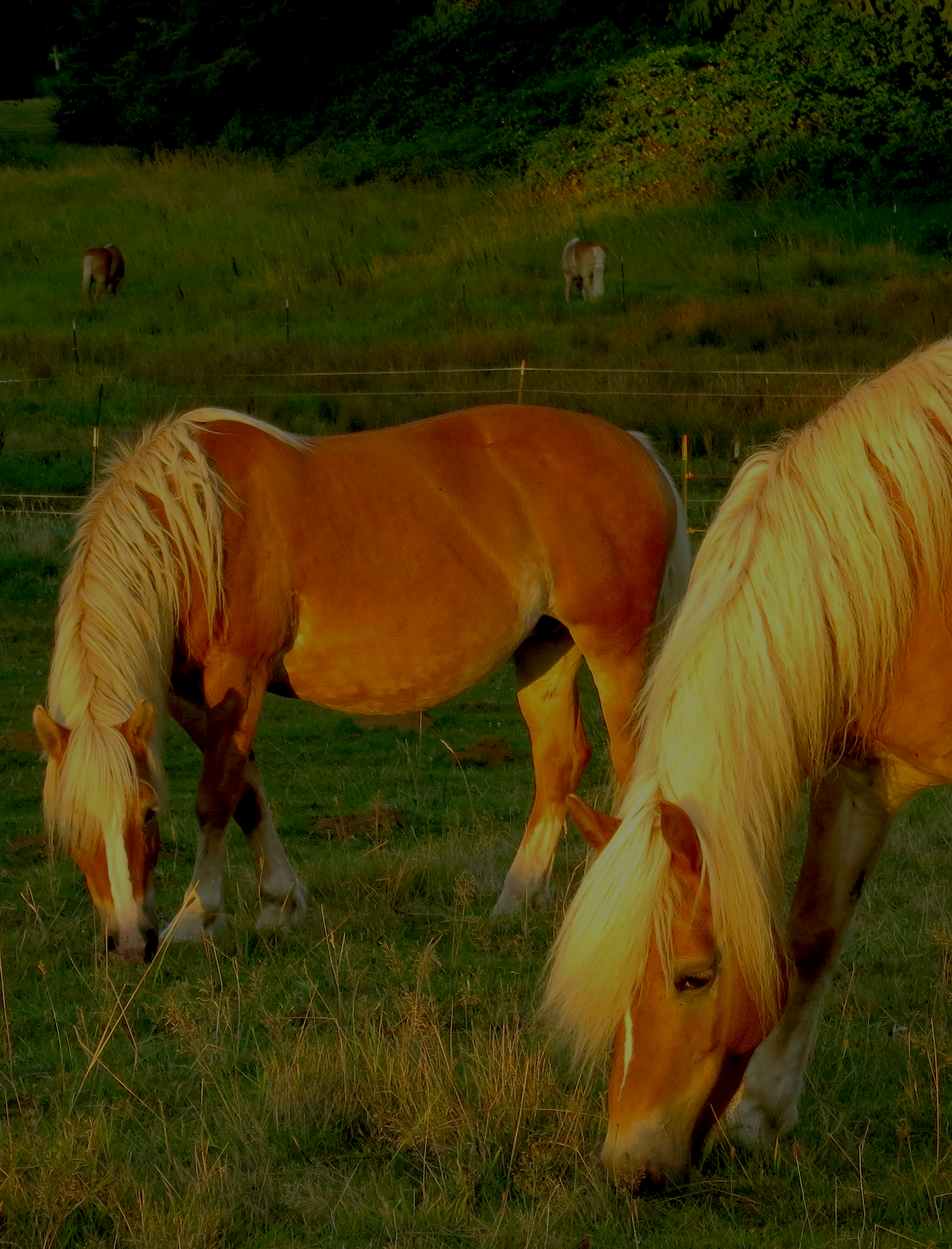
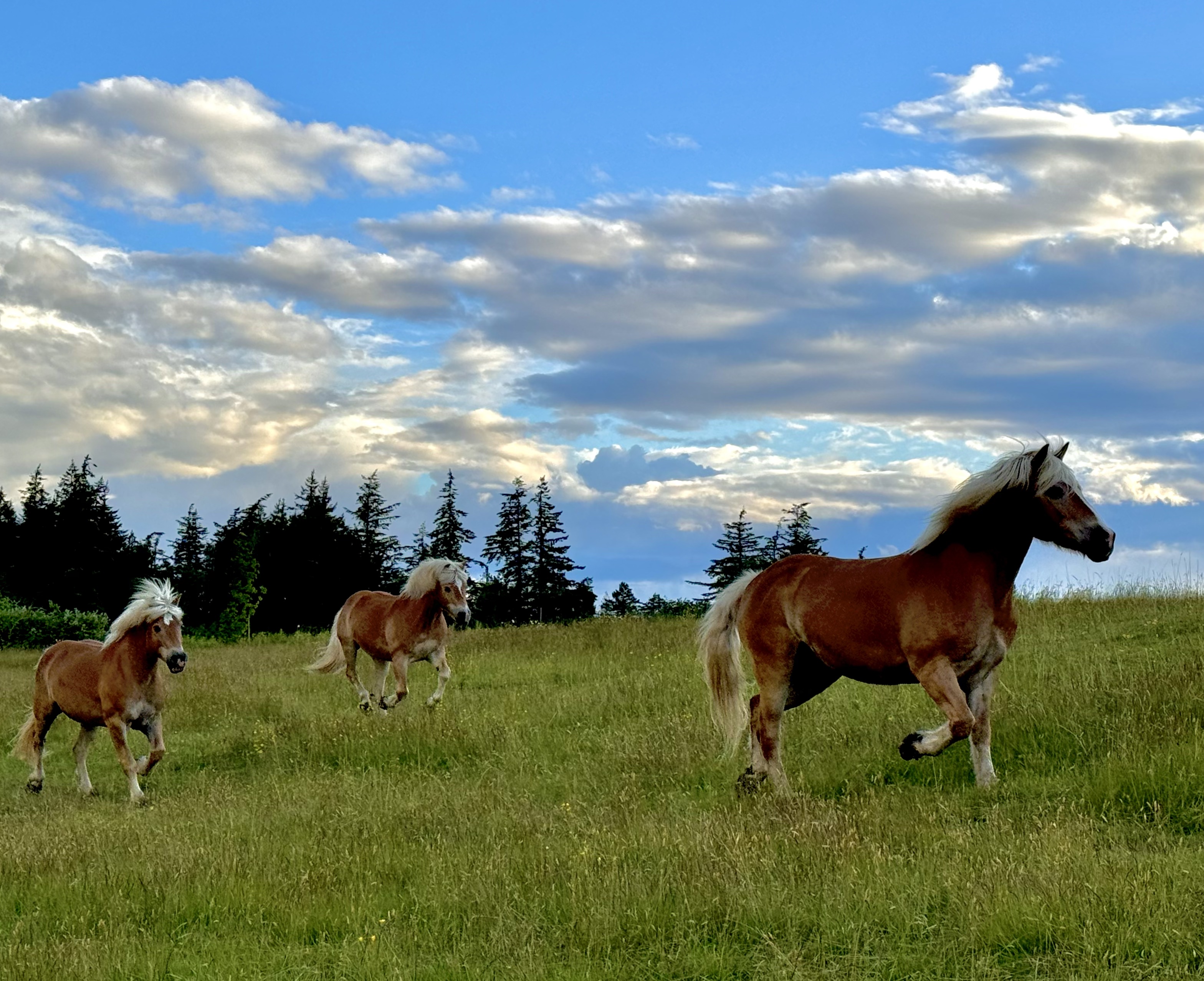
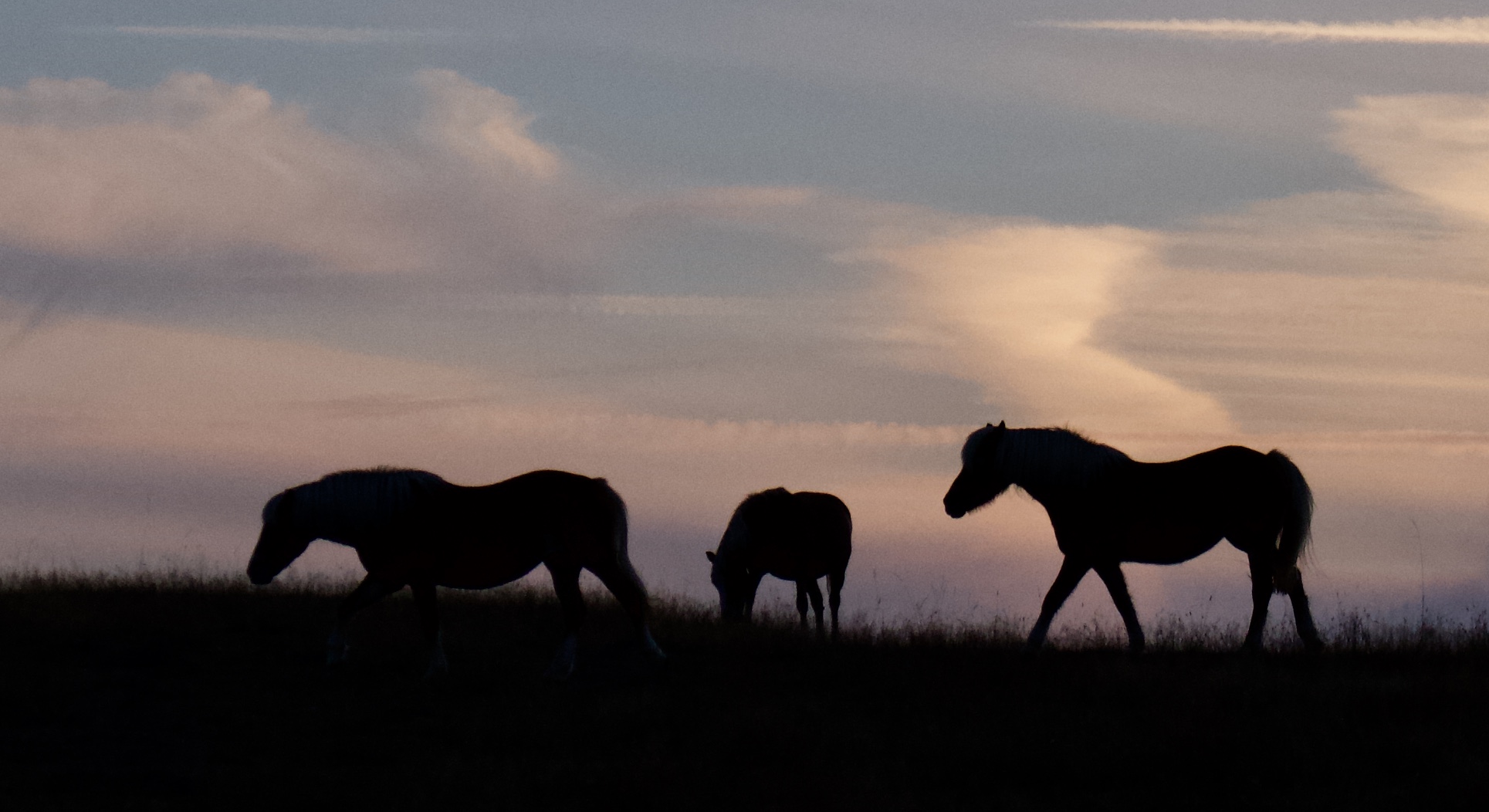
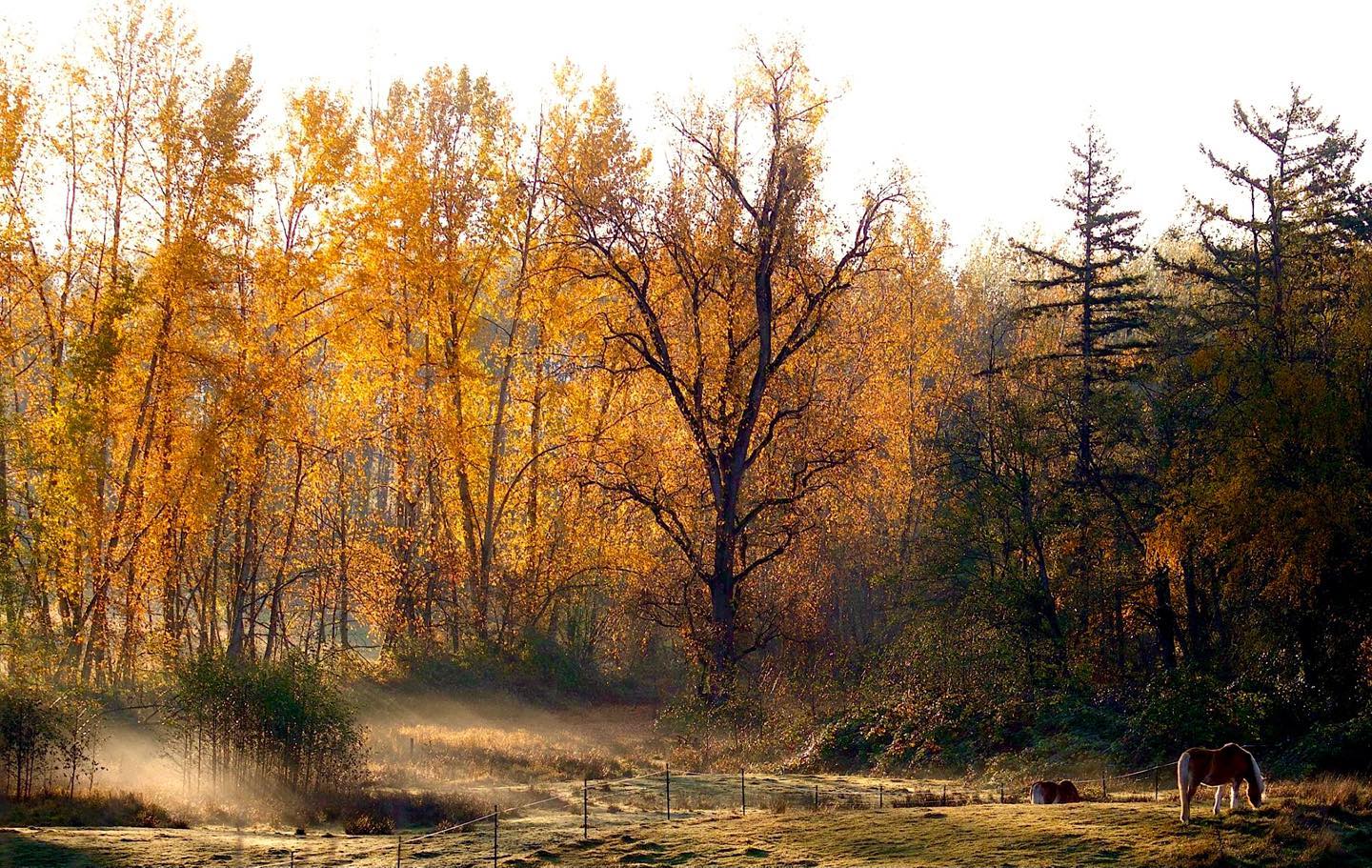
As they get older (in their second and third decades of life), the horses have plenty of opinions, deeply trusting they belong here on this farm. They know the routine, the lay of the land, they know each other and they know me.

As the person who does their daily feeding and watering and brushing and bed cleaning, I expect them to be respectful and polite and they expect the same of me. Sometimes we mutually bump into senior citizen stubbornness.

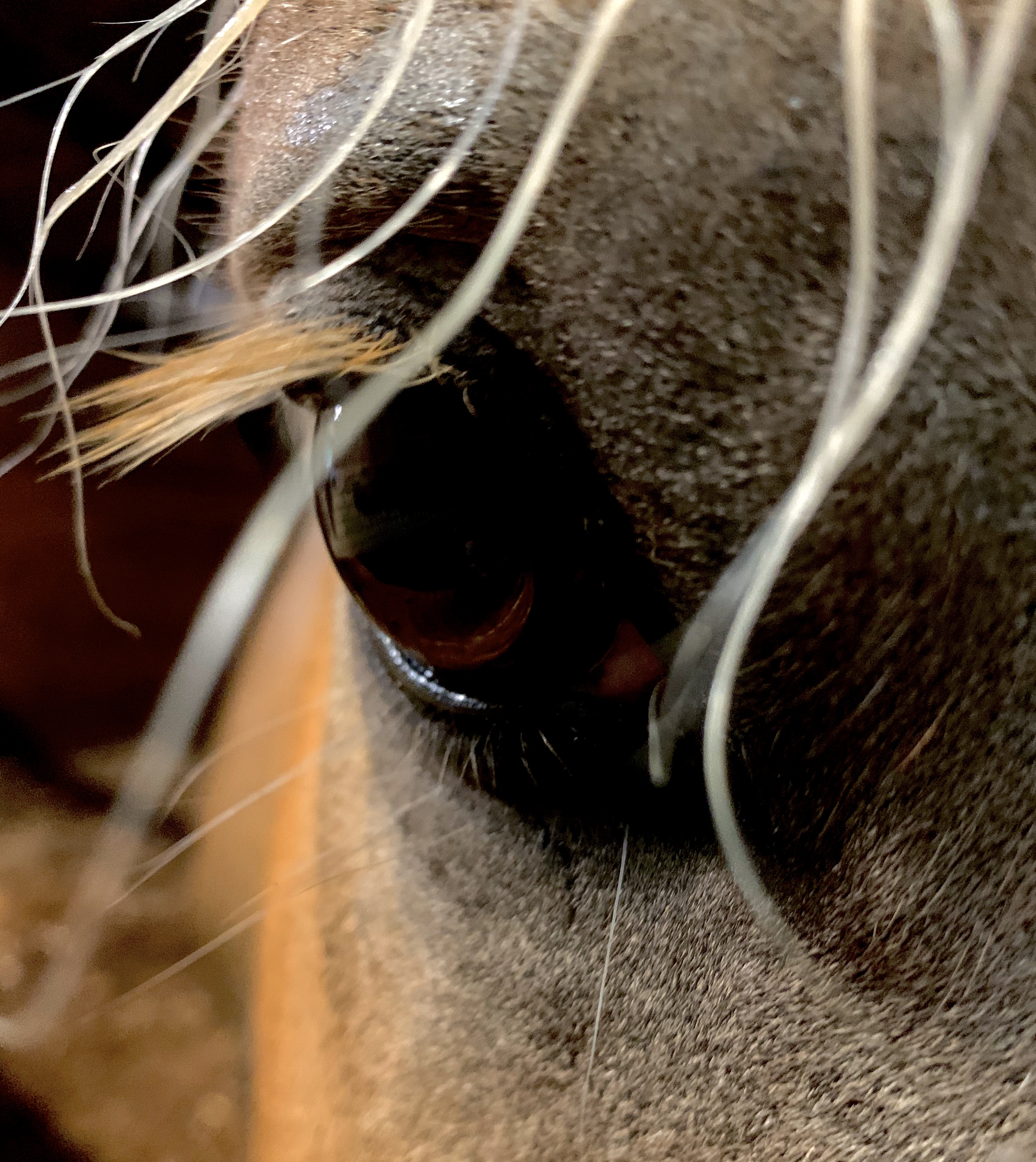
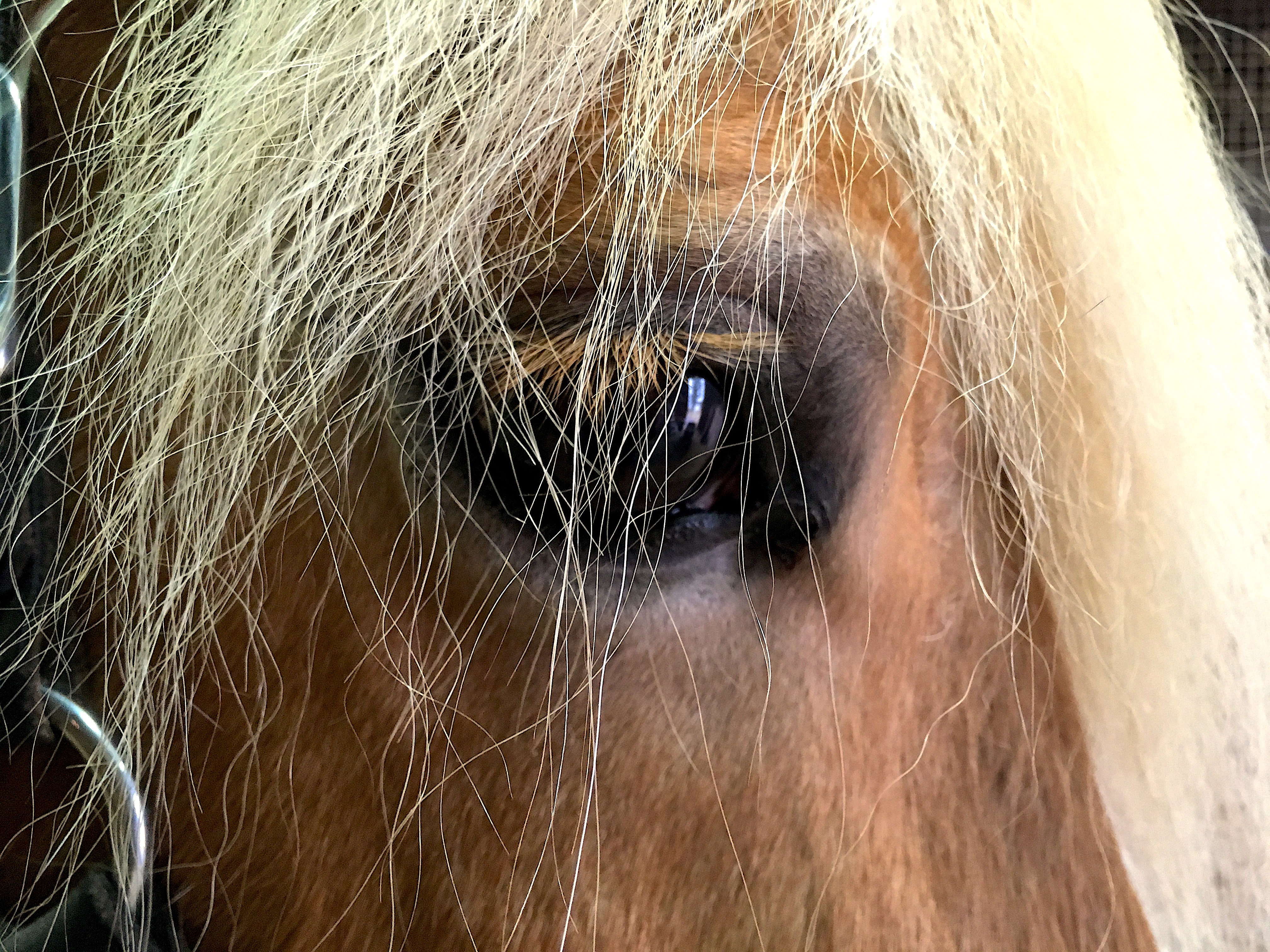
Even so, for as long as we all shall live, I find it a pure blessing to look into their shining eyes.

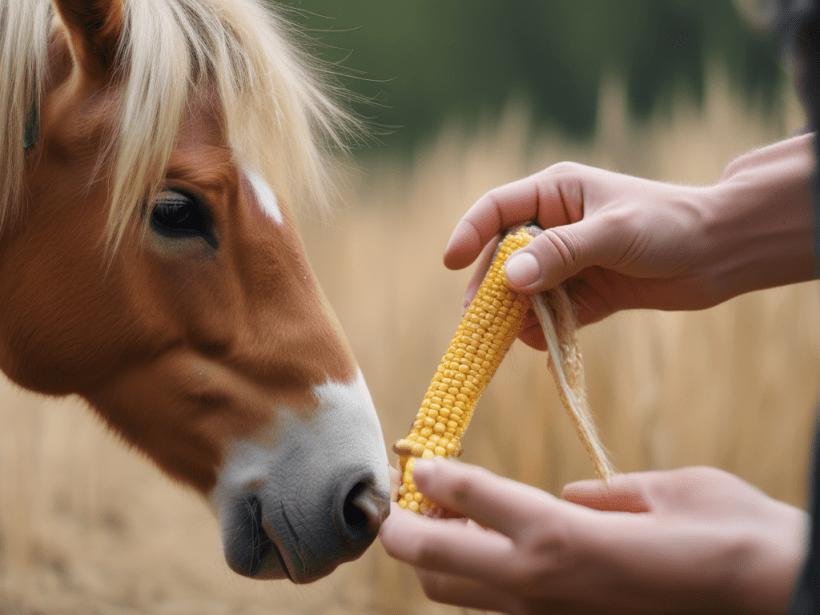
AI image created for this post
One-Time
Monthly
Yearly

Make a one-time or recurring donation to support daily Barnstorming posts

Make a monthly donation

Make a yearly donation

Choose an amount

$10.00
$25.00
$50.00
$5.00
$15.00
$100.00
$5.00
$15.00
$100.00

Or enter a custom amount

$

Your contribution is deeply appreciated.

Your contribution is appreciated.

Your contribution is appreciated.

DonateDonate monthlyDonate yearly
Sweeping the Path of Camellias

Near a shrine in Japan he’d swept the path
and then placed camellia blossoms there.

Or — we had no way of knowing — he’d swept the path
between fallen camellias.

~Carol Snow “Tour”

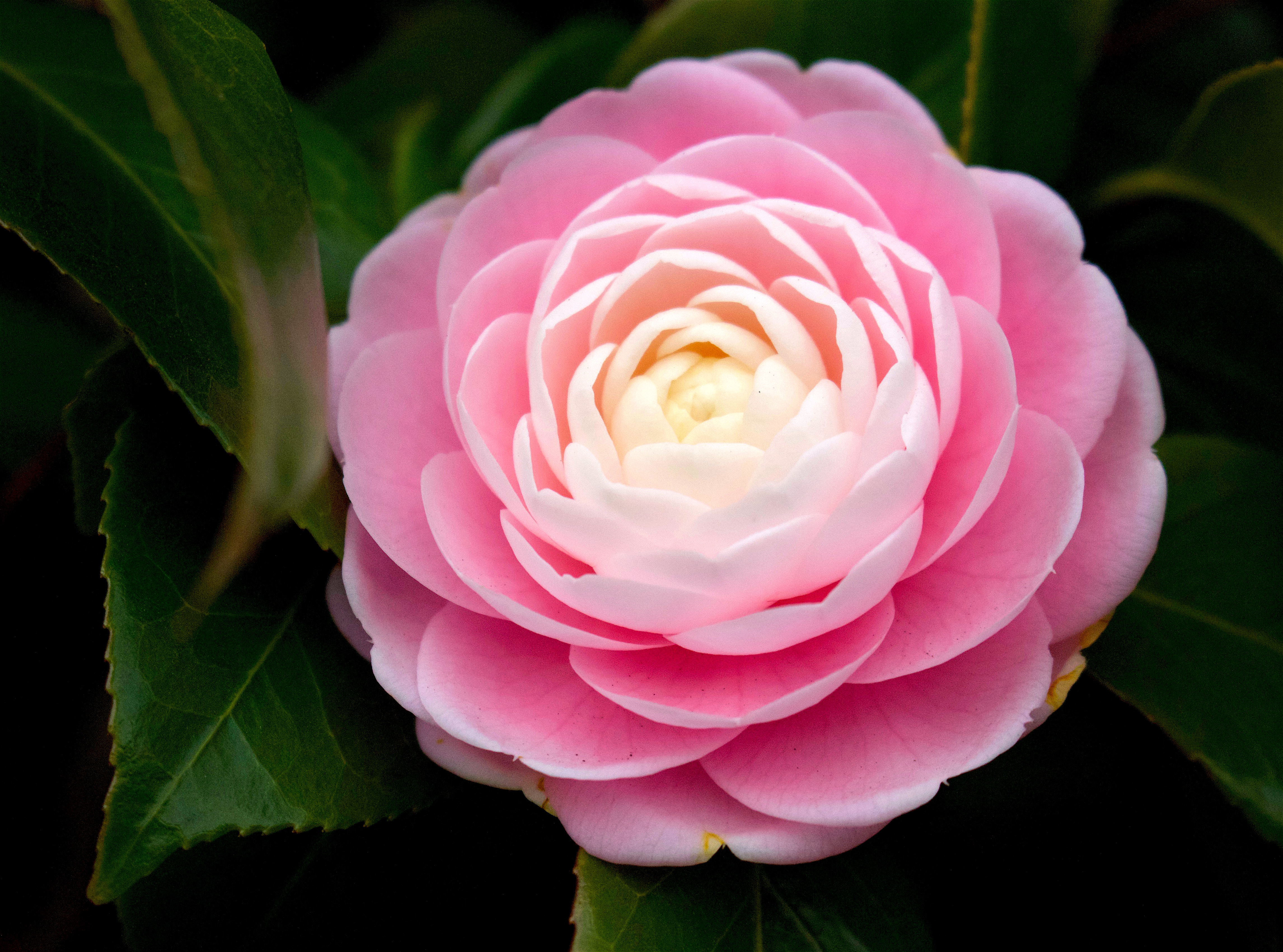
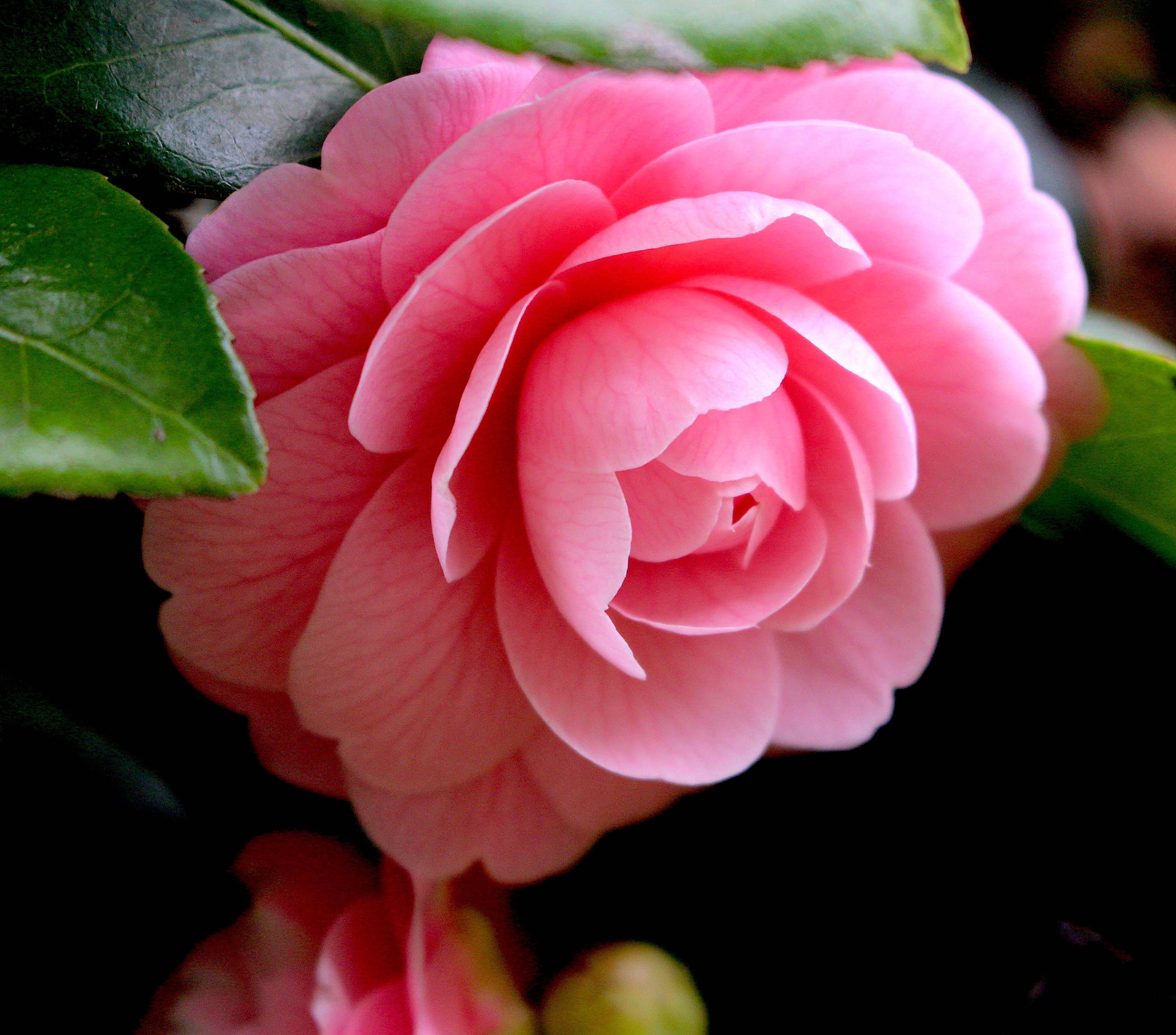
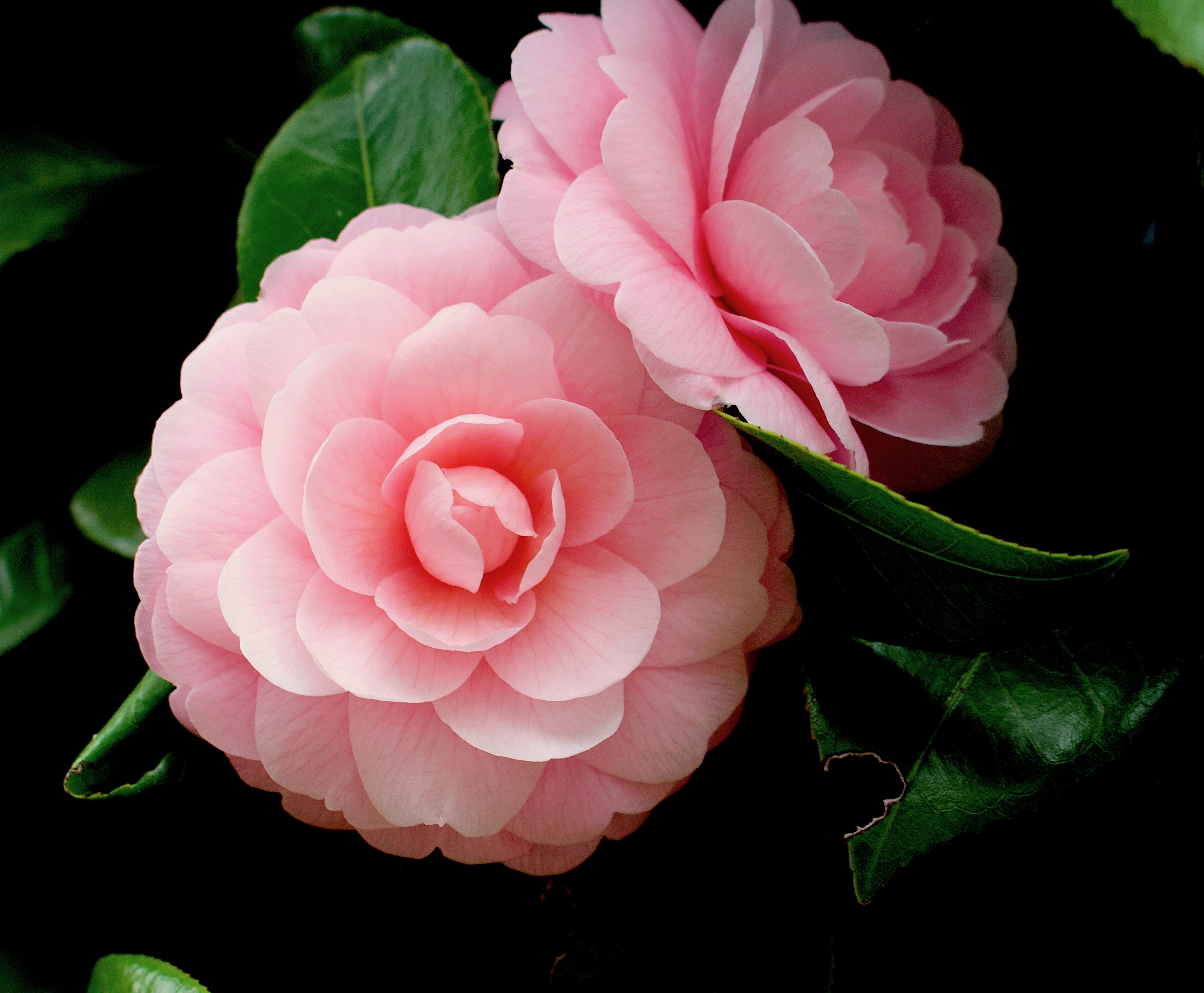
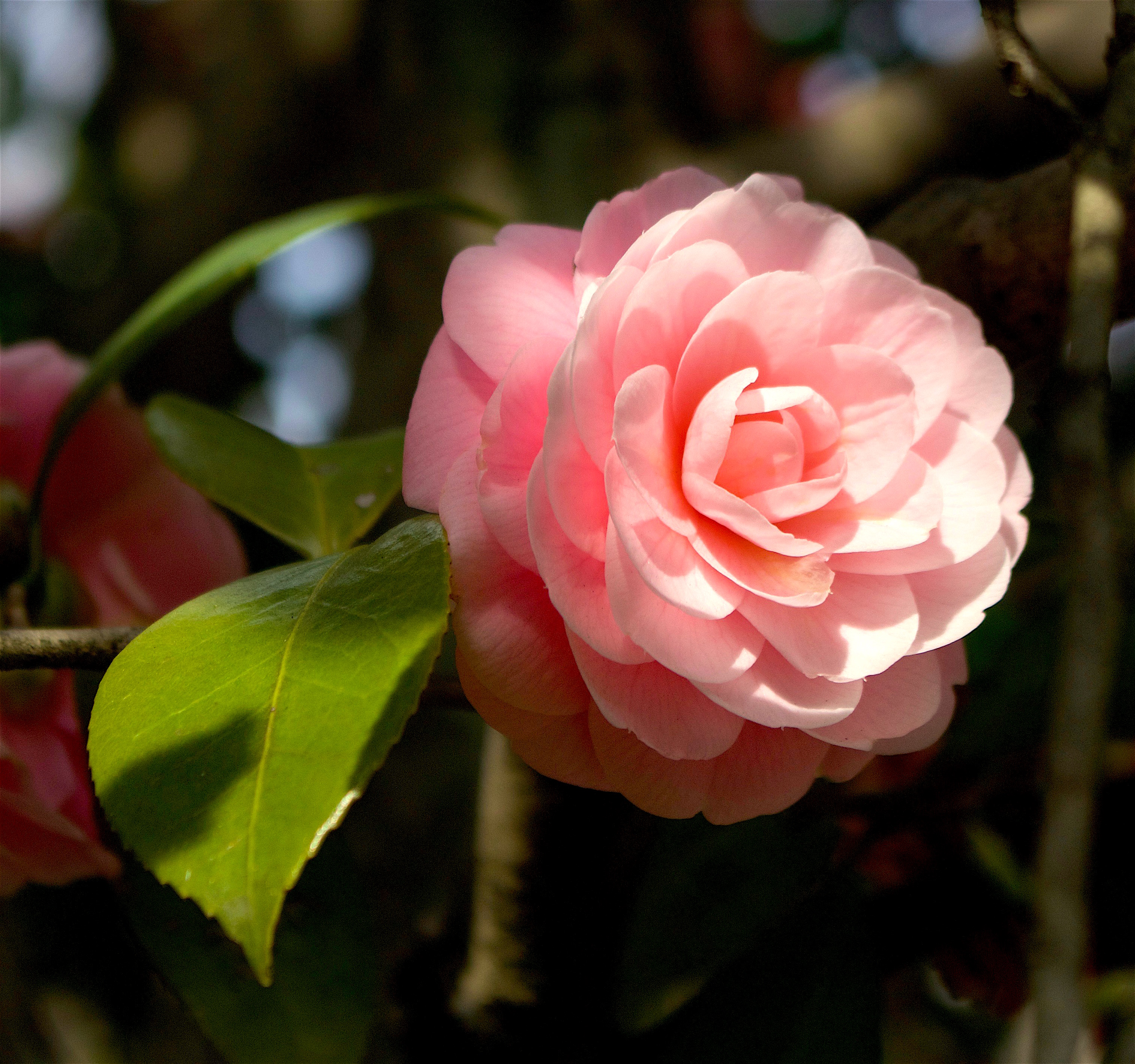
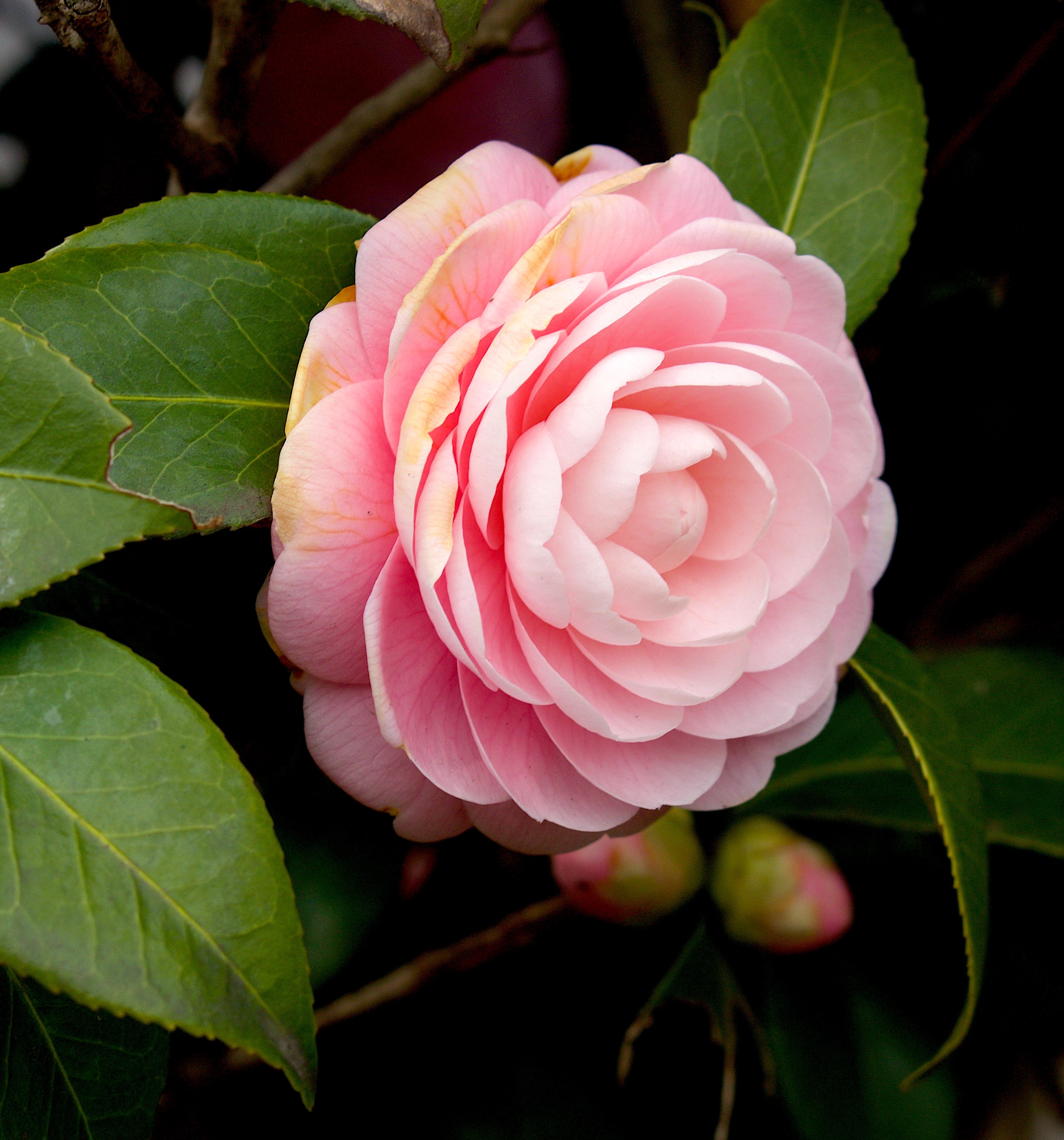
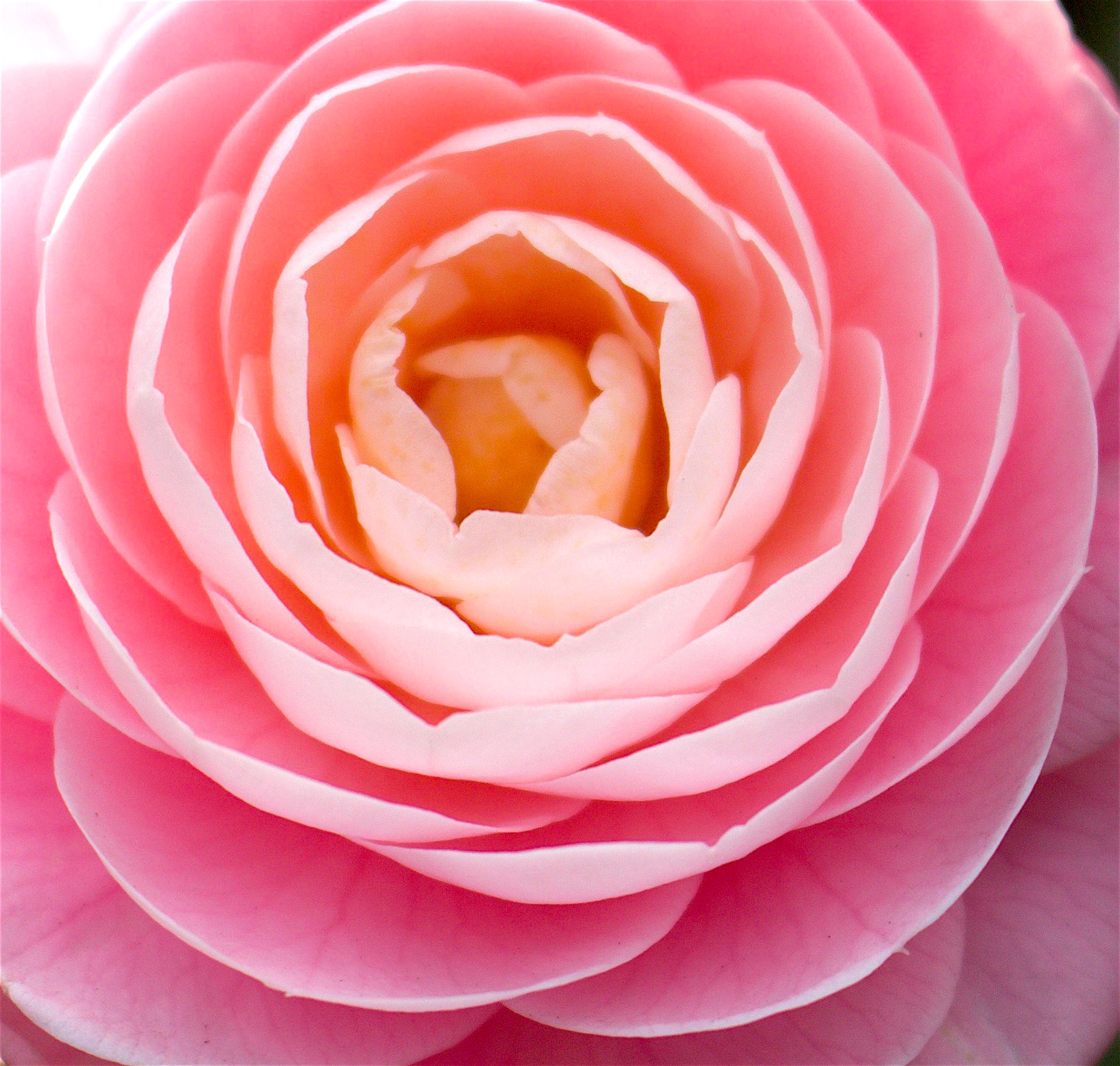
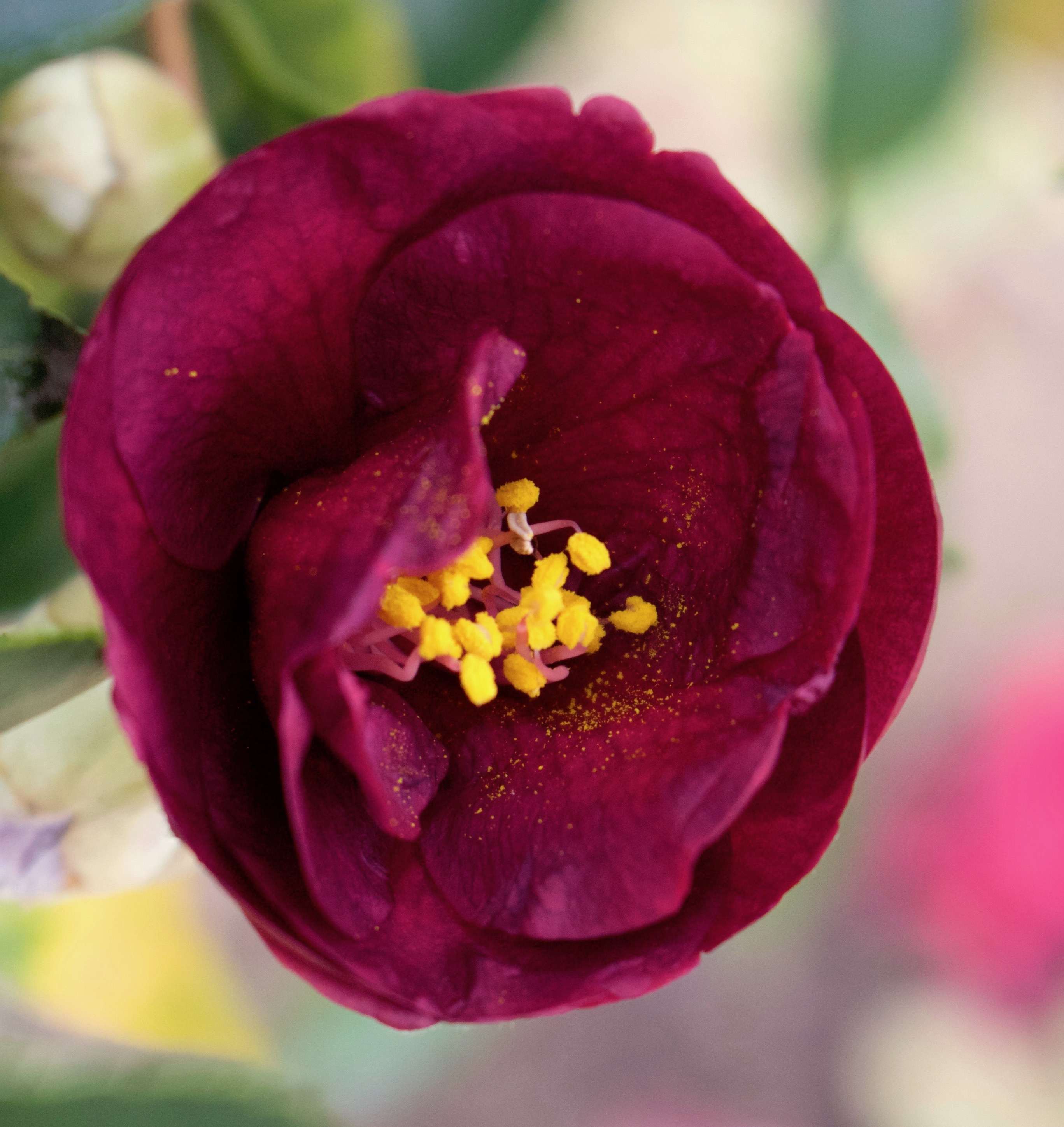
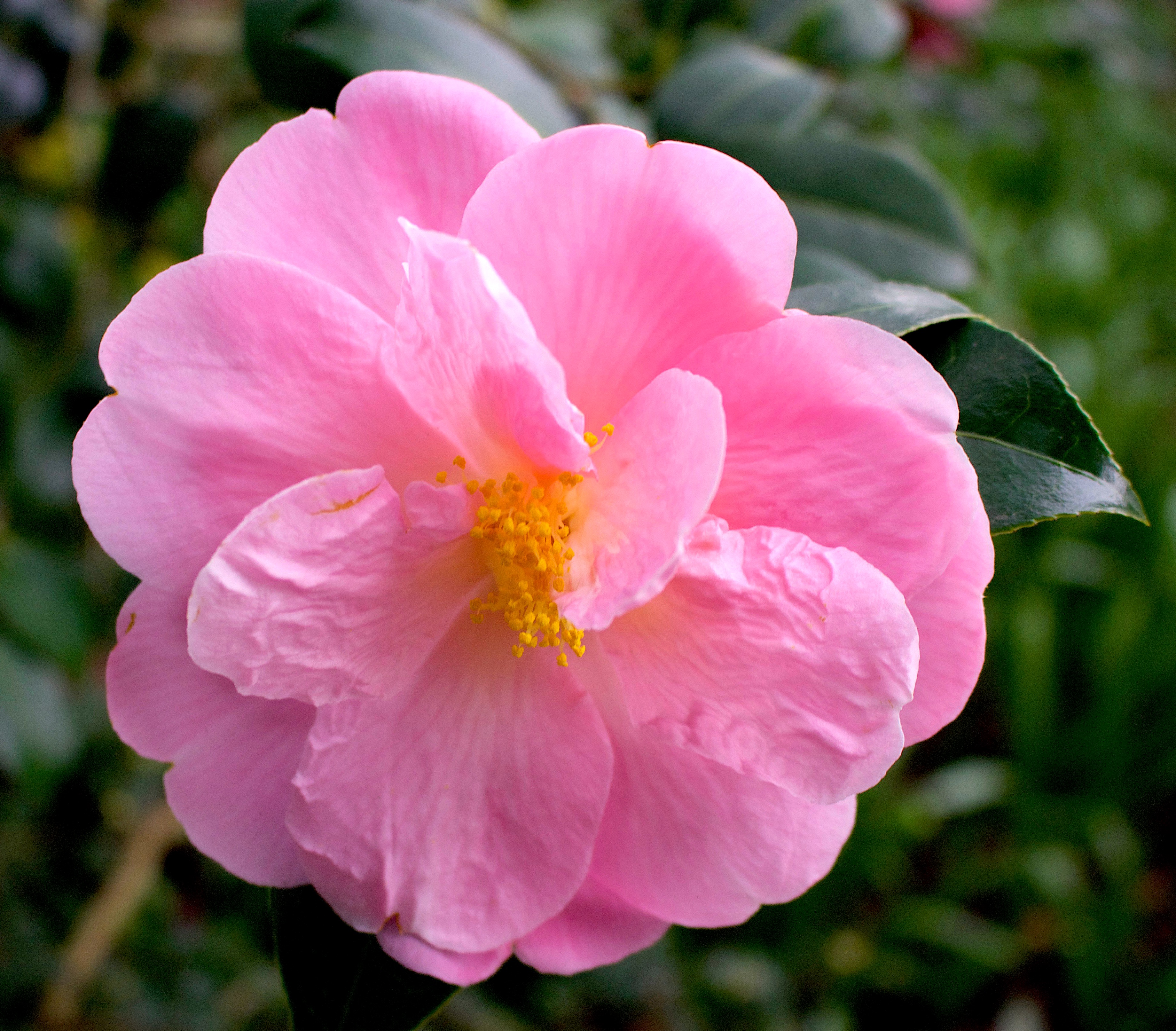
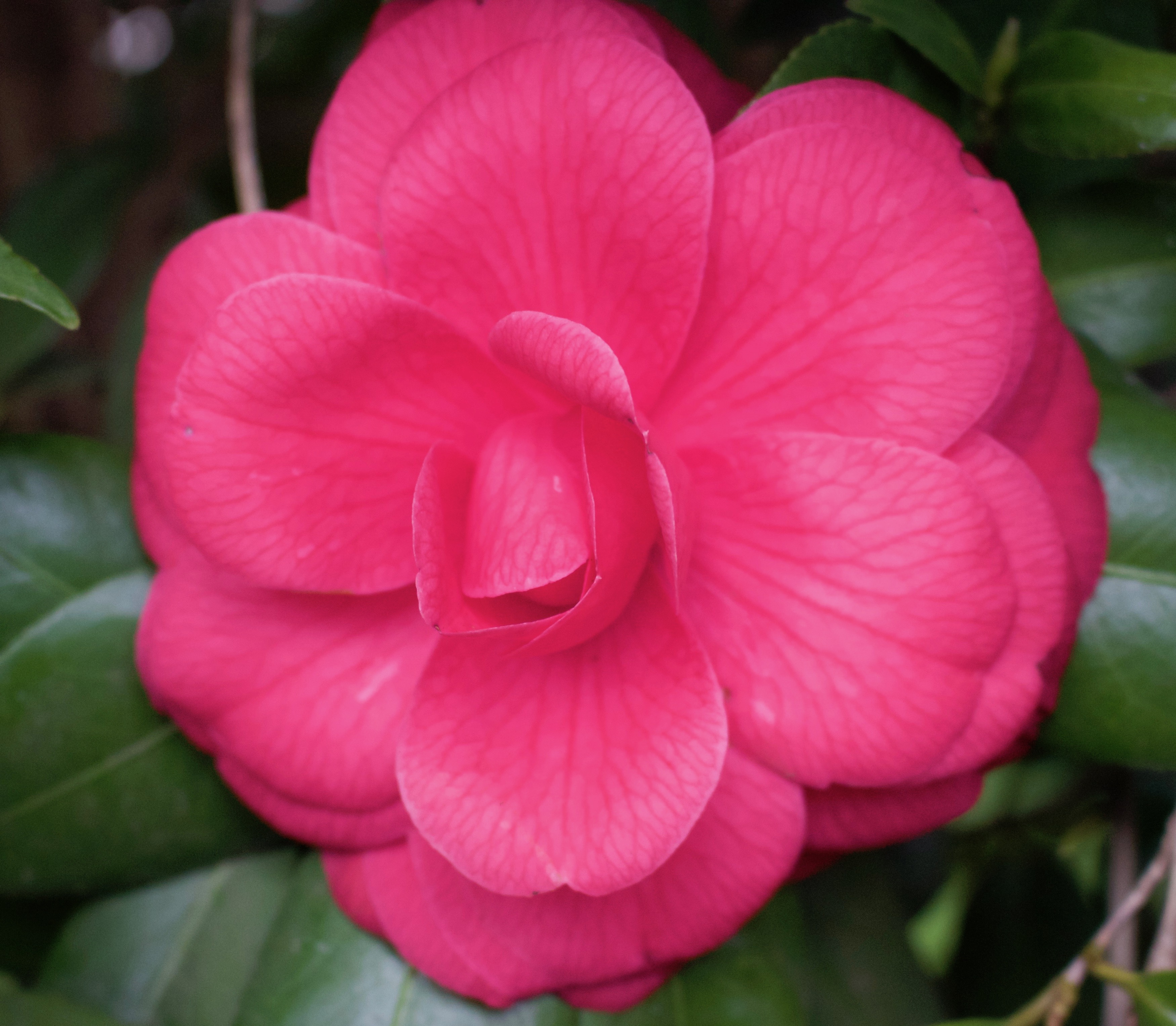
I’ve seen brilliant camellias blooming in Japan in late winter, a harbinger of the sakura blossom explosion right around the corner. The shiny-leafed camellia bushes are taller than I am, loaded with flowers, a showy yet still humble plant. As little else is blooming, walking along Tokyo rivers and pathways becomes a camellia scavenger hunt, checking out the different pinks and reds, looking for the most perfect blooms.

Although camellia blossoms are hardy enough to withstand variable temperatures and weather, their petals eventually begin to brown at the edges and wither. On windy days, the full intact blooms plop to the pavement without warning, scattering into a nubby floral throw rug. They are too bulky to step on, so the tendency is to pick a path around them, allowing them the dignity of a few more days before being swept away by street cleaners.

In an aging country of great order and tidiness, these fallen blossoms are almost sacred and clearly respected. They grace the paths the living still must navigate. They are indeed grounding for the passersby, reminding us our time to let go will come too. As we measure our steps, carefully making our way around their fading beauty, we acknowledge the blessing they unknowingly bestow.

One-Time
Monthly
Yearly

Make a one-time or recurring donation to support daily Barnstorming posts

Make a monthly donation

Make a yearly donation

Choose an amount

¤10.00
¤20.00
¤50.00
¤5.00
¤15.00
¤100.00
¤5.00
¤15.00
¤100.00

Or enter a custom amount

¤

Your contribution is deeply appreciated.

Your contribution is appreciated.

Your contribution is appreciated.

DonateDonate monthlyDonate yearly
A New Definition of Greatness

…if I respond to hate with a reciprocal hate I do nothing but intensify the cleavage in broken community. I can only close the gap in broken community by meeting hate with love. If I meet hate with hate, I become depersonalized, because creation is so designed that my personality can only be fulfilled in the context of community.
Booker T. Washington was right: “Let no man pull you so low as to make you hate him.”

~Martin Luther King, Jr.

As nightfall does not come at once, neither does oppression.
In both instances, there is a twilight when everything remains seemingly unchanged.
And it is in such twilight that we all must be most aware of change in the air
– however slight – lest we become unwitting victims of the darkness.
~William O. Douglas
from The Douglas Letters

Be careful whom you choose to hate.
The small and the vulnerable own a protection great enough,
if you could but see it,
to melt you into jelly.

~Leif Enger from Peace Like a River

We have a new definition of greatness:
it means that everybody can be great, because everybody can serve. 
You don’t have to have a college degree to serve. 
You don’t have to make your subject and your verb agree to serve. 
You don’t have to know about Plato and Aristotle to serve. 
You don’t have to know Einstein’s theory of relativity to serve. 
You don’t have to know the second theory of thermodynamics in physics to serve. 
You only need a heart full of grace, a soul generated by love. 
And you can be that servant.
~Martin Luther King, Jr.  in a February 1968 sermon:  “The Drum Major Instinct” from A Knock At Midnight: Inspiration from the Great Sermons of Reverend Martin Luther King, Jr.

Dr. King’s words and wisdom in his sermons spoken over sixty years ago continue to inform us of our shortcomings as we flounder in flaws and brokenness. To often we resist considering others before ourselves, to serve one another out of humility, grace and love.

Today we unite in shared tears:
shed for continued strife and disagreements,
shed for the injustice that results in senseless emotional and physical violence,
shed for our inability to hold up one another as a holy in God’s eyes.

We weep together as the light dawns today, knowing, as Dr. King knew, a new day will come when the Lord God wipes the tears away from the remarkable and beautiful faces of all people — as all are created in His image.

Though the Flower Fades Away…

O! my heart now feels so cheerful as I go with footsteps light
      In the daily toil of my dear home; 
And I’ll tell to you the secret that now makes my life so bright—
      There’s a flower at my window in full bloom. 

It is radiant in the sunshine, and so cheerful after rain; 
        And it wafts upon the air its sweet perfume. 
It is very, very lovely! May its beauties never wane—
        This dear flower at my window in full bloom. 

Nature has so clothed it in such glorious array, 
      And it does so cheer our home, and hearts illume; 
Its dear mem’ry I will cherish though the flower fade away—
      This dear flower at my window in full bloom. 

Oft I gaze upon this flower with its blossoms pure and white. 
        And I think as I behold its gay costume, 
While through life we all are passing may our lives be always bright 
        Like this flower at my window in full bloom.

~Lucian Watkins “The Flower at My Window” 1909

Details of the life of poet Lucian Watkins are few: a black man born in 1878 in Virginia, educated as a teacher and served as a U.S. Army Sergeant in WWI, then died shortly after in 1920. He leaves behind only a handful of poems, including the one above.

There is very little information available about Lucian but three letters written by him show a young man who earnestly wanted to have both a writing career and a “bread-winning vocation.” He describes feeling compelled to compose poetry, no matter what else he accomplishes.

The obvious challenges he faced –
–as a black man looking for a suitable place to live in Illinois so he can attend a college where there are no other people of color nearby,
–as a veteran of a most horrific war,
–as a creative mind trying to find a way to make a living,
he writes passionately about the aspirational purity of a white flower outside his window. Its bright radiance represents what he longs for in his own life.

From his letter to President Bissell of Bissell Colleges in Effingham, Illinois in 1919 after President Bissell is unable to assist in finding him a place to live, having suggested that the war veteran might consider “doing light housekeeping” – essentially live as a servant in a white household:

“About this matter of a boarding place. While I had hoped to obtain board with a member of my own race in Effingham, I had not thought it imperative that I should do so. I feel sure that there is enough Christianity in Effingham to provide that a brother-stranger in their midst shall not die of hunger. What would Jesus do?

It seems that some places in the south they rise more readily to our American ideal of democracy than in the North and Middle-West. ‘The Richmond Planet’ of Richmond, Va., states that ‘right here in Richmond, the capital of the late Confederacy, colored soldiers are welcomed to aristocratic Westhampton, and with no sigh of racial discrimination or antipathy to their being there.’ What is the matter with Illinois?

I am not sure as to what your question involves. We shall talk it over when I arrive. There must be a way that is just and that will be good for all concerned. Very respectfully, signed Lucian B. Watkins

This man was not only a poet. He was a statesman.

Though Lucian Watkins’ life was cut short for reasons unknown, and his portfolio of poetry is small, he is nonetheless a gift to generations of future poets and readers. This black artist did not let the inevitable rainfall in his life discourage his world view; he himself is radiant with illumination, showing a budding cheerfulness. His work reminds us something as simple as observing a resilient flower outside our window can help heal painful hurts and fulfill our deepest longing.

In his writing, Lucian Watkins draws a thin line between joy and sorrow, embracing the joy in a simple white flower in full bloom before it, as will we all, fades away.

Flower gleam and glow
let your power shine
make the Clock reverse
bring back what once was mine
What once was mine
Heal what has been hurt
change the fate’s design
Save what has been lost
bring back what once was mine
what once was mine

~Healing Song from Tangled

No matter if you’re born
To play the king or pawn
For the line is thinly drawn ‘tween joy and sorrow
So my fantasy becomes reality
And I must be what I must be and face tomorrow
So I’ll continue to continue to pretend
My life will never end
And flowers never bend with the rainfall

~Paul Simon
One-Time
Monthly
Yearly

Make a one-time or recurring donation to support daily Barnstorming posts

Make a monthly donation

Make a yearly donation

Choose an amount

¤5.00
¤10.00
¤20.00
¤5.00
¤15.00
¤100.00
¤5.00
¤15.00
¤100.00

Or enter a custom amount

¤

Your contribution is deeply appreciated.

Your contribution is appreciated.

Your contribution is appreciated.

DonateDonate monthlyDonate yearly
Mending the Fraying Tapestry of Time

Now winter downs the dying of the year,   
And night is all a settlement of snow;
From the soft street the rooms of houses show   
A gathered light, a shapen atmosphere,   
Like frozen-over lakes whose ice is thin   
And still allows some stirring down within.

These sudden ends of time must give us pause.
We fray into the future, rarely wrought
Save in the tapestries of afterthought.
More time, more time.

The New-year bells are wrangling with the snow.
~Richard Wilbur from “Year’s End”

Ring out, wild bells, to the wild sky,
The flying cloud, the frosty light:
The year is dying in the night;
Ring out, wild bells, and let him die.

Ring out the old, ring in the new,
Ring, happy bells, across the snow:
The year is going, let him go;
Ring out the false, ring in the true.

Ring out the grief that saps the mind
For those that here we see no more;
Ring out the feud of rich and poor,
Ring in redress to all mankind.

Ring out a slowly dying cause,
And ancient forms of party strife;
Ring in the nobler modes of life,
With sweeter manners, purer laws.

Ring out the want, the care, the sin,
The faithless coldness of the times;
Ring out, ring out my mournful rhymes,
But ring the fuller minstrel in.

Ring out false pride in place and blood,
The civic slander and the spite;
Ring in the love of truth and right,
Ring in the common love of good.

Ring out old shapes of foul disease;
Ring out the narrowing lust of gold;
Ring out the thousand wars of old,
Ring in the thousand years of peace.

Ring in the valiant man and free,
The larger heart, the kindlier hand;
Ring out the darkness of the land,
Ring in the Christ that is to be.
~Lord Alfred Tennyson “Ring Out, Wild Bells”

I know there are still communities where the New Year begins at midnight with church bells ringing, just as in days of old.

Here in the frontier of the rural Pacific Northwest, all we can hear from our farm are gun shots, bottle rockets and (what sounds like) explosions of cannon fire and mortar shells.

So much for larger hearts and kindlier hands.

Even without being able to hear wild bells ringing out the old and ringing in the new, I want to begin the new year with singing in harmony, mending the frays in the tapestry of time, behaving with good manners and care for those around me, and abandoning a thousand years of war to find a thousand years of peace.

Let the darkness make room for the Light
that was and is and will ever be.

Amen and hallelujah!

I will sing with the spirit
Hallelujah, hallelujah

And I will sing with the understanding also
Hallelujah, hallelujah

I will sing (I will sing)
With the spirit (sing hallelujah)
I will sing with the spirit
Hallelujah, hallelujah

One-Time
Monthly
Yearly

Make a one-time or recurring donation to Barnstorming

Make a monthly donation

Make a yearly donation

Choose an amount

¤5.00
¤10.00
¤20.00
¤5.00
¤15.00
¤100.00
¤5.00
¤15.00
¤100.00

Or enter a custom amount

¤

Your contribution is deeply appreciated.

Your contribution is appreciated.

Your contribution is appreciated.

DonateDonate monthlyDonate yearly
Into a Commonwealth of Joy

The meaning of marriage begins in the giving of words. We cannot join ourselves to one another without giving our word. And this must be an unconditional giving, for in joining ourselves to one another we join ourselves to the unknown.
~Wendell Berry from “Poetry and Marriage” in Standing By Words

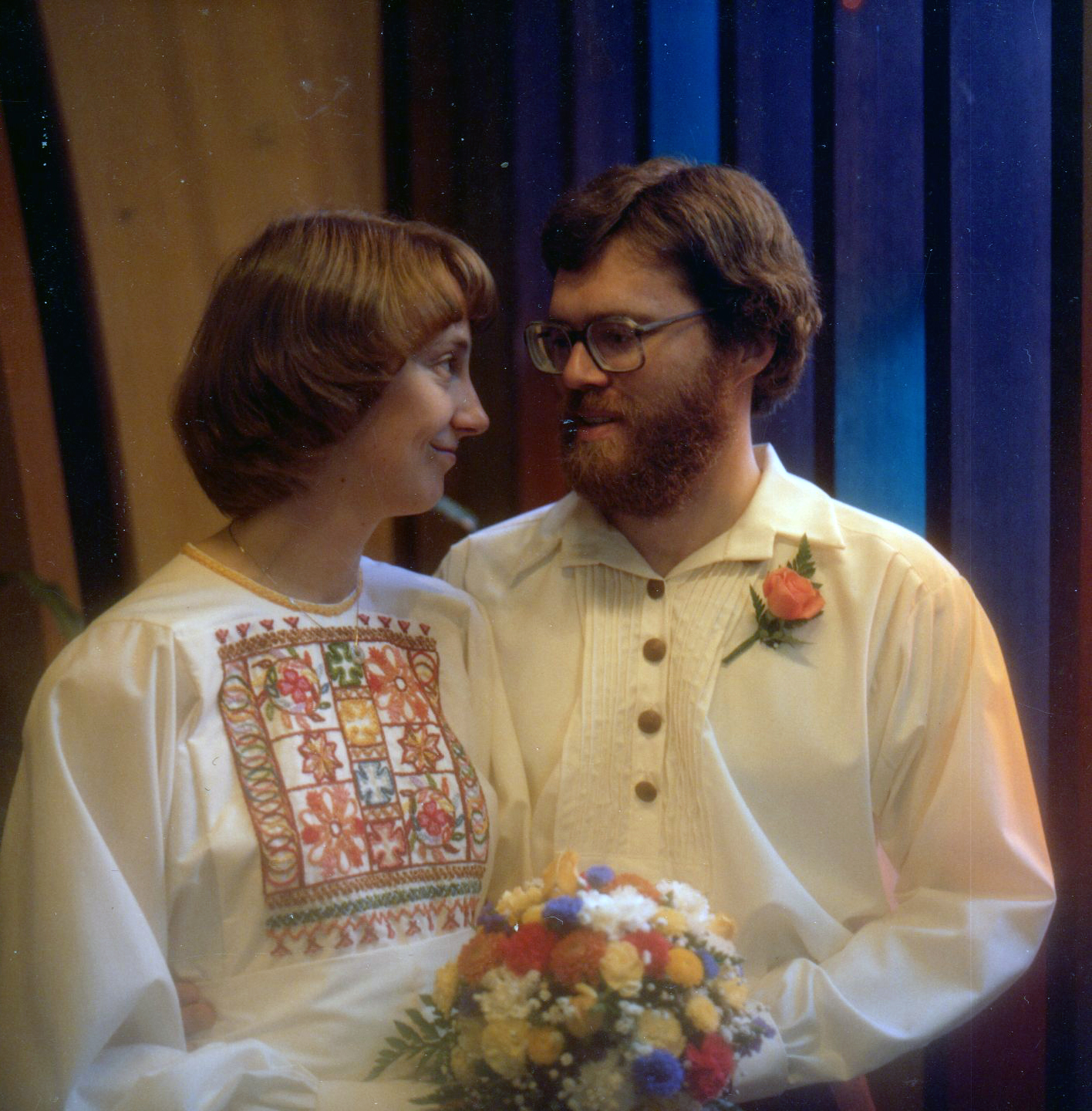
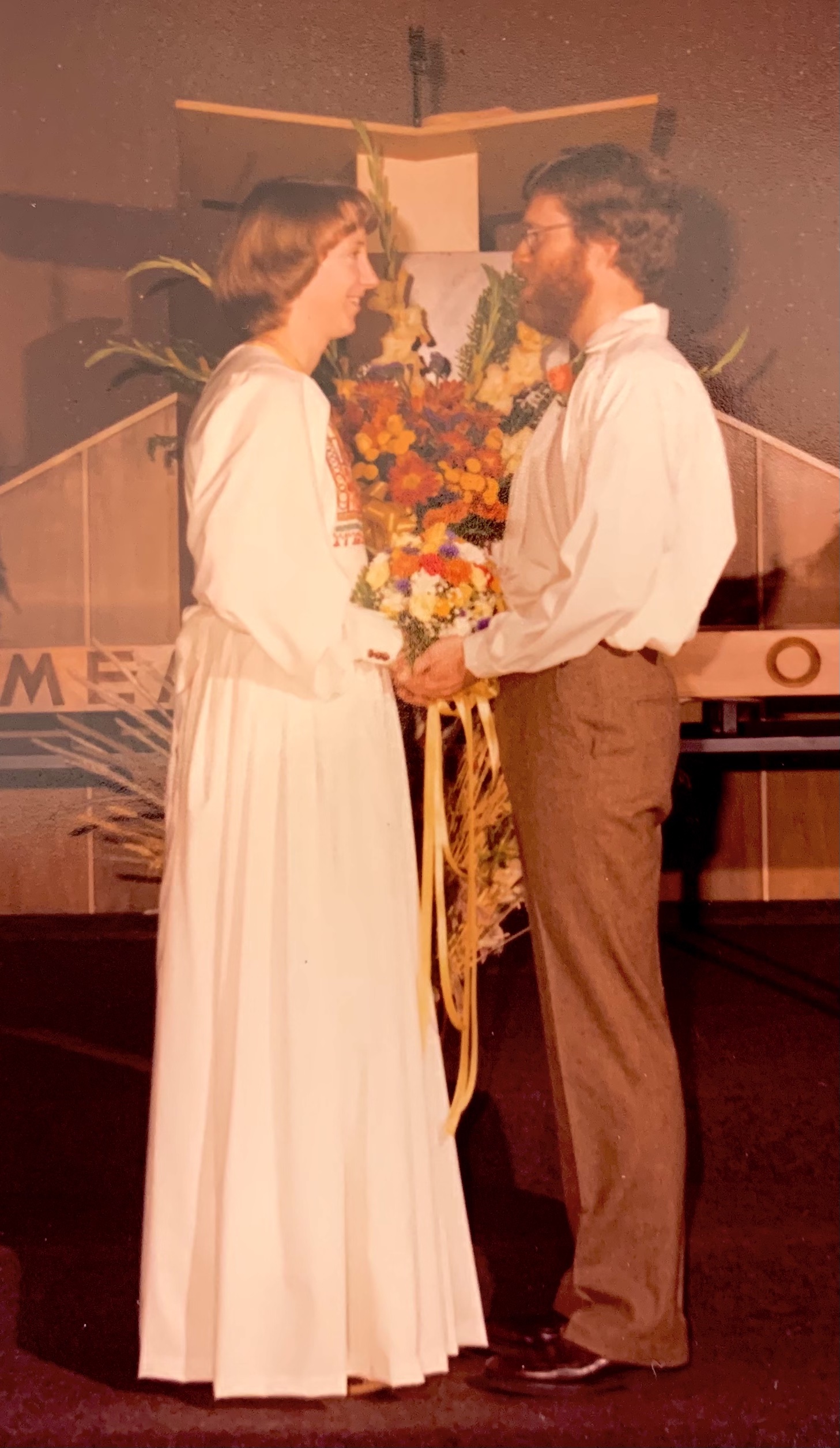
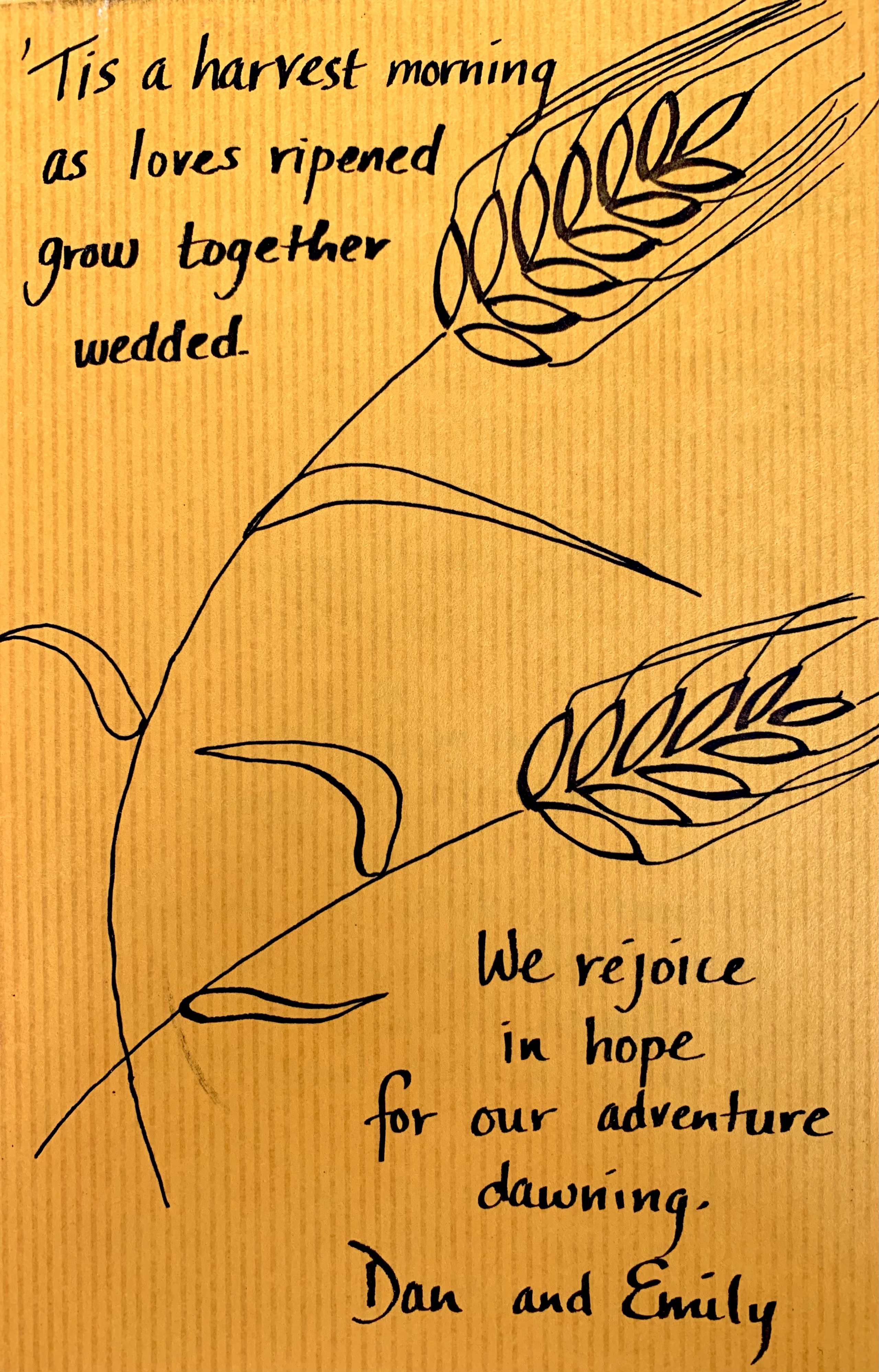
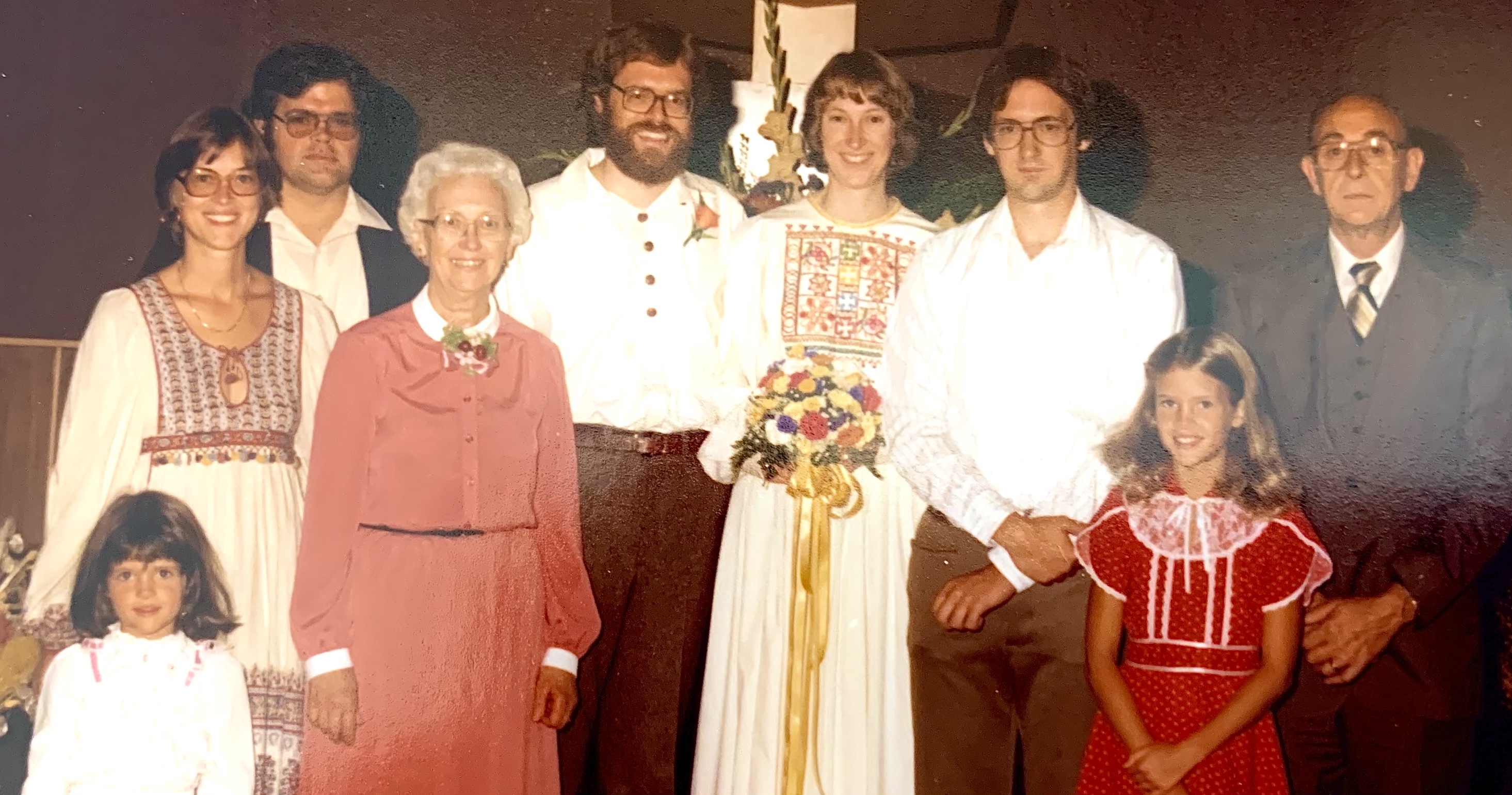
Our vows to one another forty years ago today:

Before God and this gathering, I vow from my heart and spirit that I will be your wife/husband for as long as we both shall live.

I will love you with faithfulness, knowing its importance in sustaining us through good times and bad.

I will love you with respect, serving your greatest good and supporting your continued growth.

I will love you with compassion, knowing the strength and power of forgiveness.

I will love you with hope, remembering our shared belief in the grace of God and His guidance of our marriage.

“And at home, by the fire, whenever you look up, there I shall be–and whenever I look up, there will be you.”

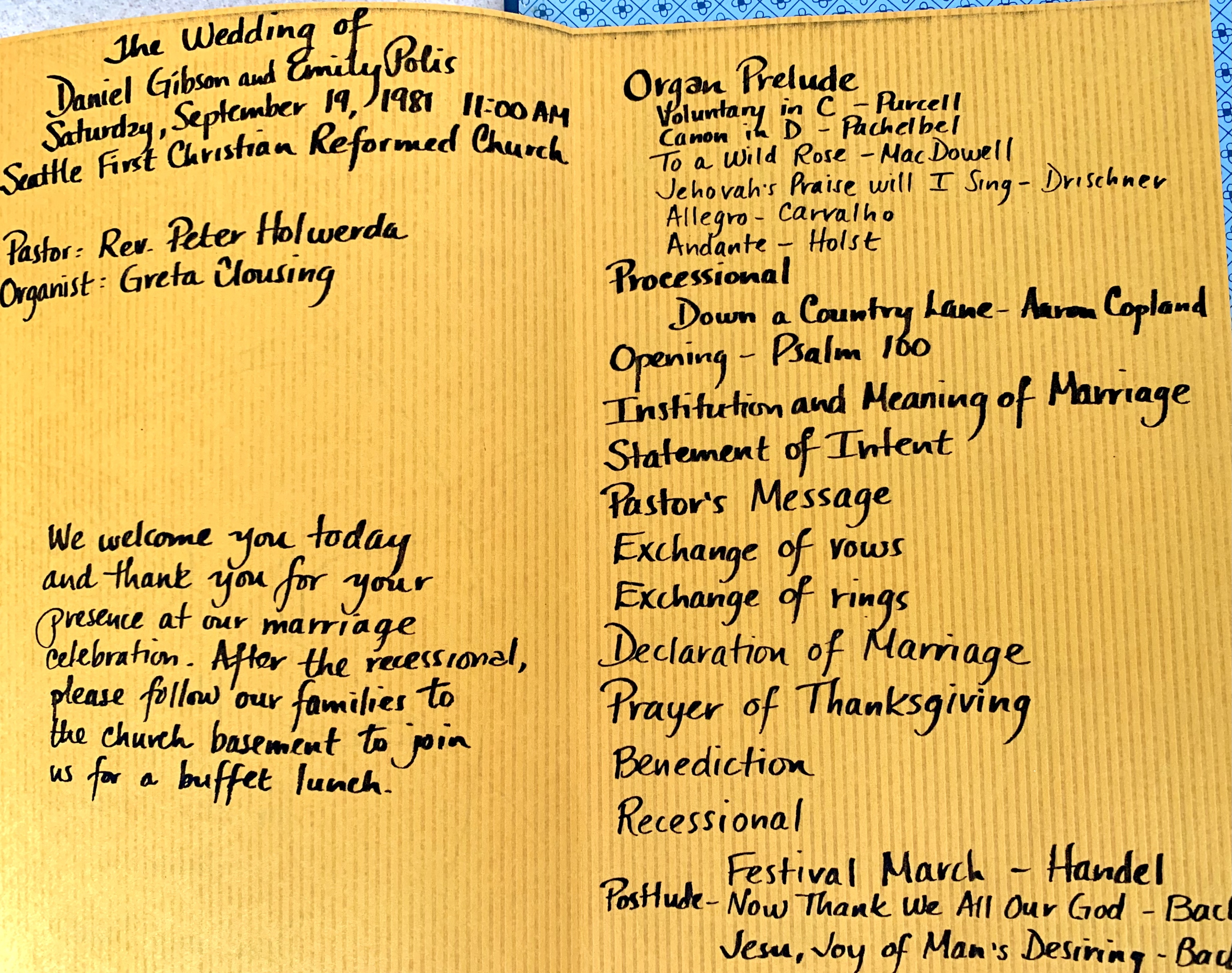
(our wedding vows for our September 19, 1981 wedding at First Seattle Christian Reformed Church — the last line adapted from Thomas Hardy’s  “Far From the Madding Crowd”)

Sometimes our life reminds me
of a forest in which there is a graceful clearing
and in that opening a house,
an orchard and garden,
comfortable shades, and flowers
red and yellow in the sun, a pattern
made in the light for the light to return to.
The forest is mostly dark, its ways
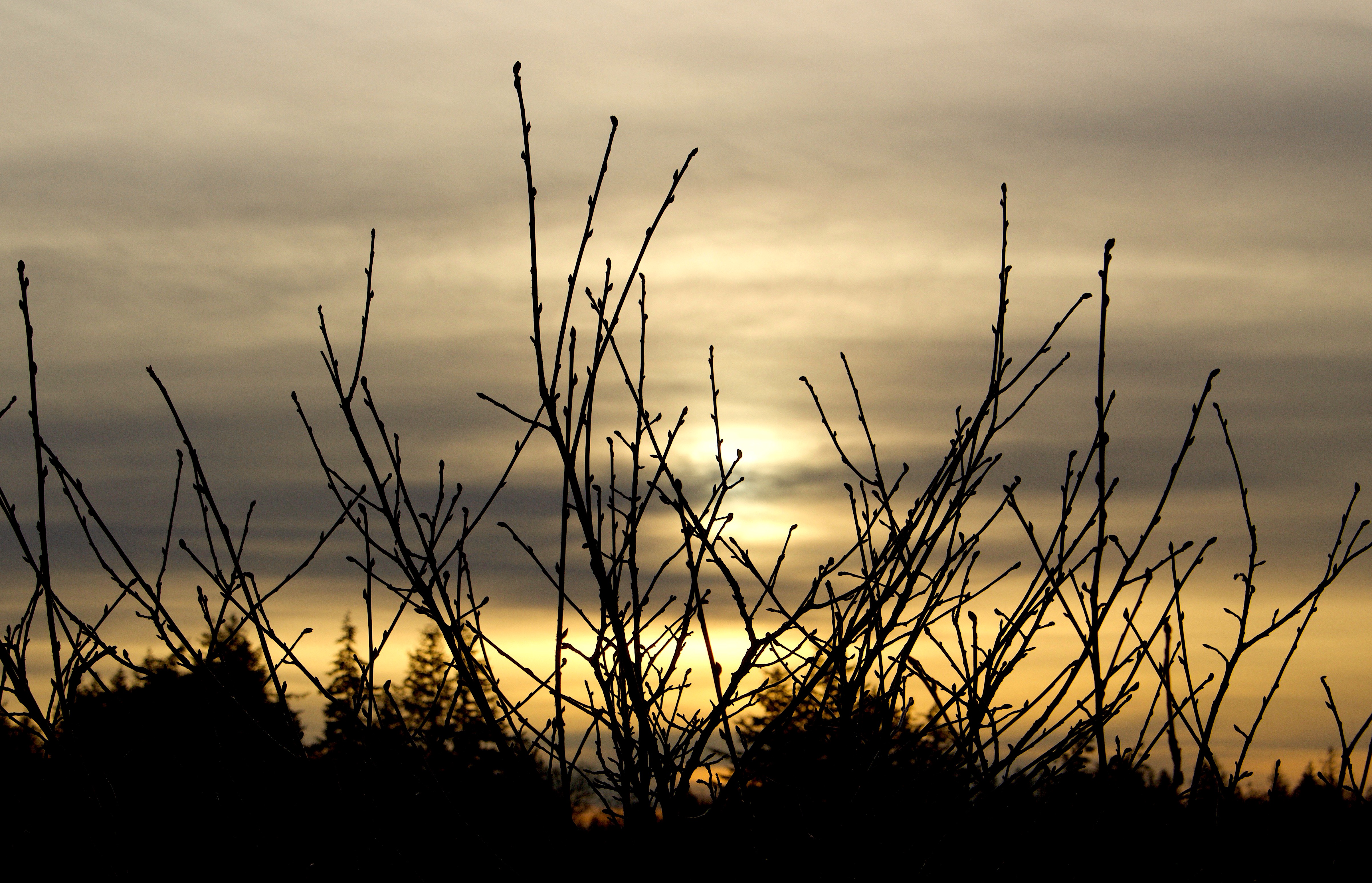
to be made anew day after day, the dark
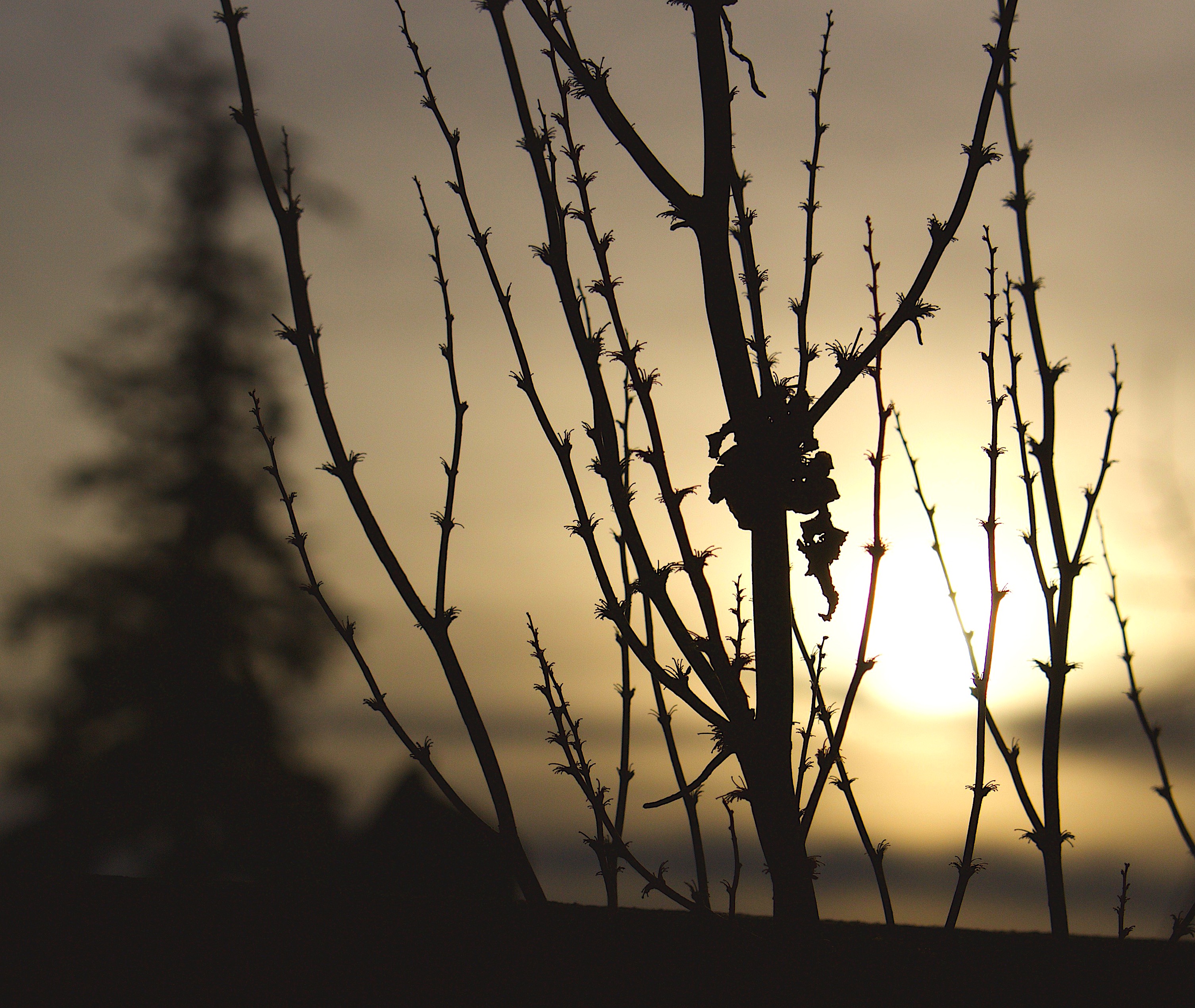
richer than the light and more blessed,
provided we stay brave
enough to keep on going in.

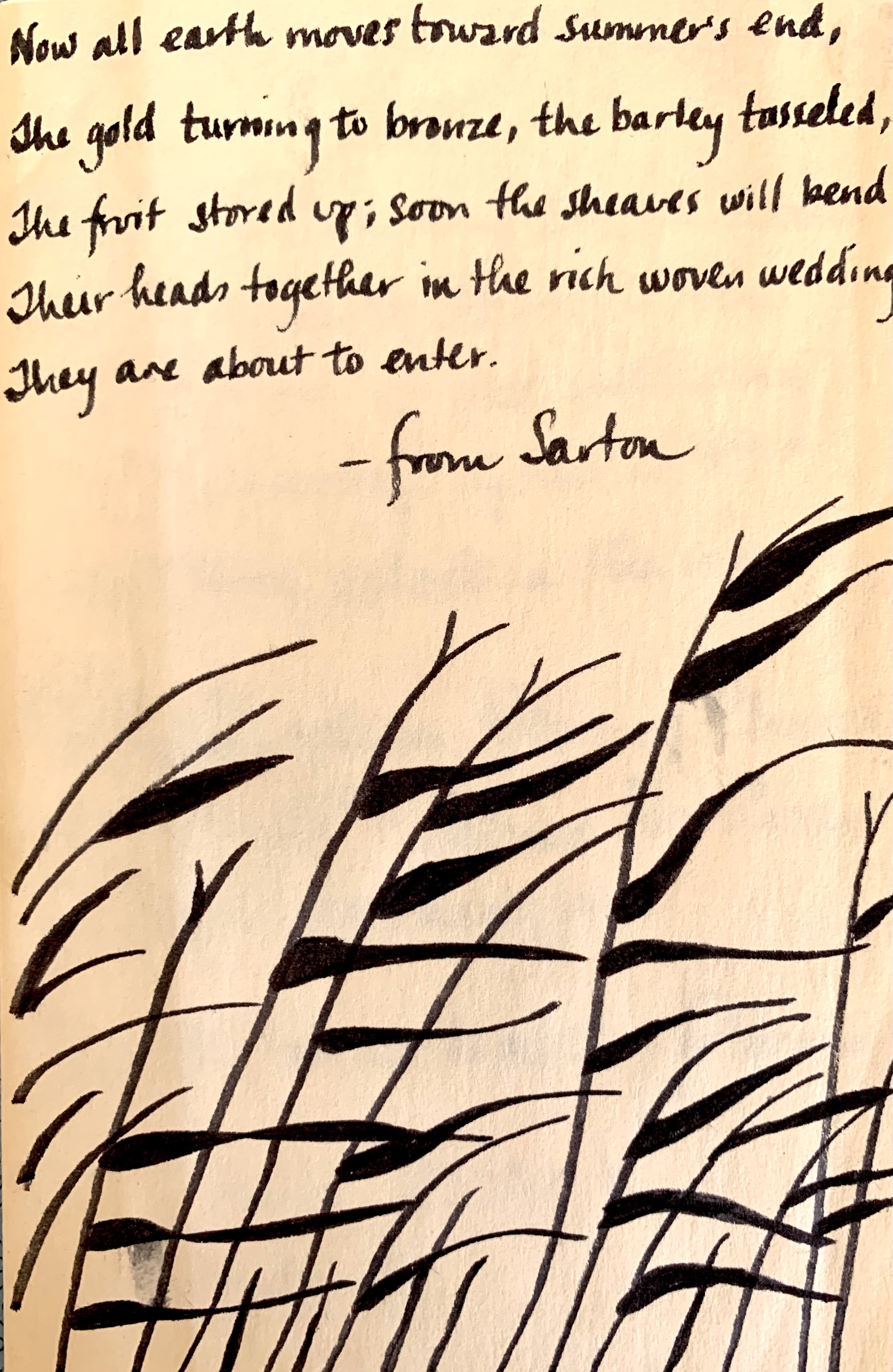
We enter, willing to die,
into the commonwealth of its joy.
~Wendell Berry from “A Country of Marriage”

…Marriage… joins two living souls as closely as, in this world, they can be joined. This joining of two who know, love, and trust one another brings them in the same breath into the freedom of sexual consent and into the fullest earthly realization of the image of God.  From their joining, other living souls come into being, and with them great responsibilities that are unending, fearful, and joyful. The marriage of two lovers joins them to one another, to forebears, to descendants, to the community, to heaven and earth. It is the fundamental connection without which nothing holds, and trust is its necessity.
~Wendell Berry from Sex, Economy, Freedom and Community

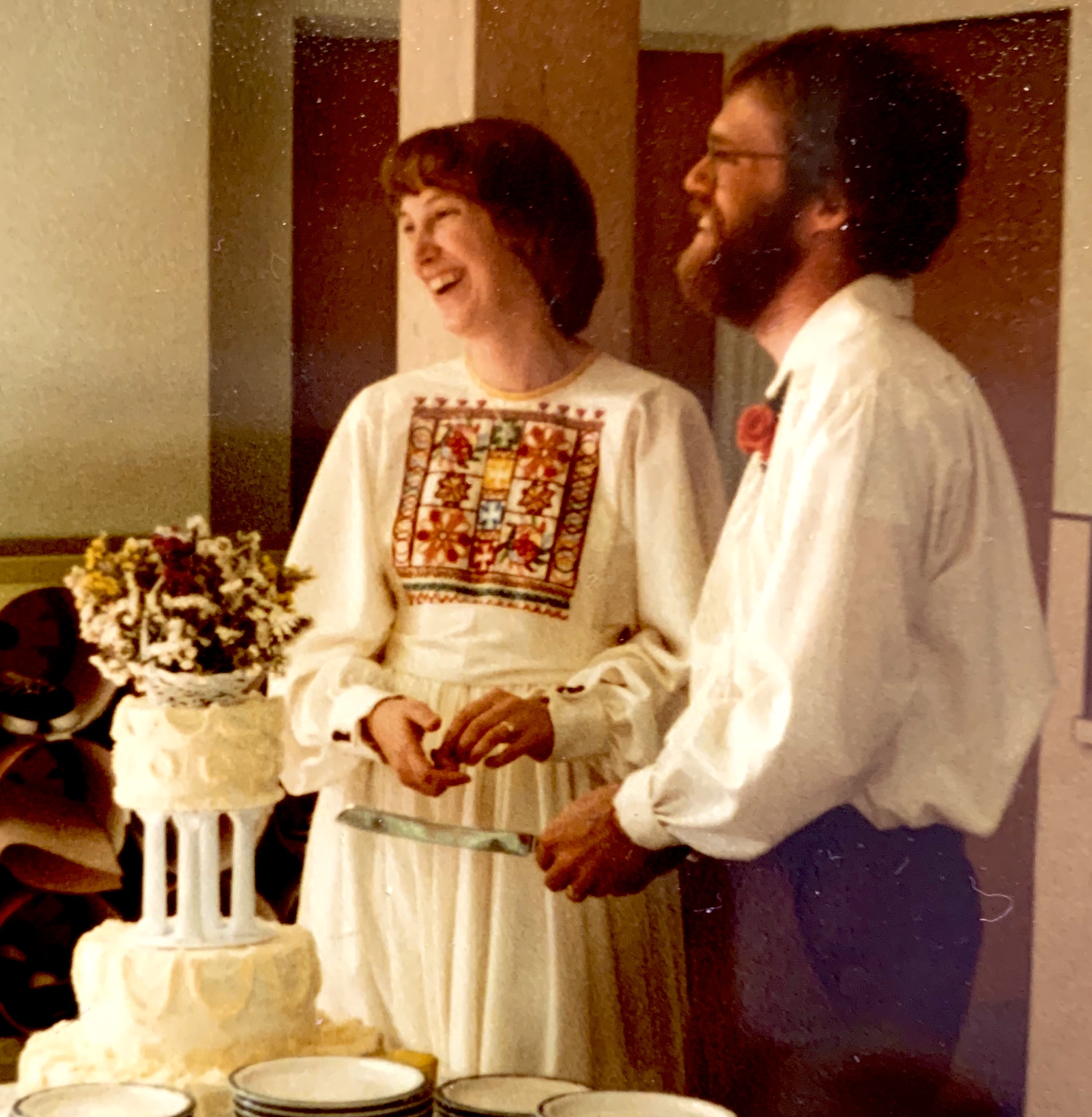
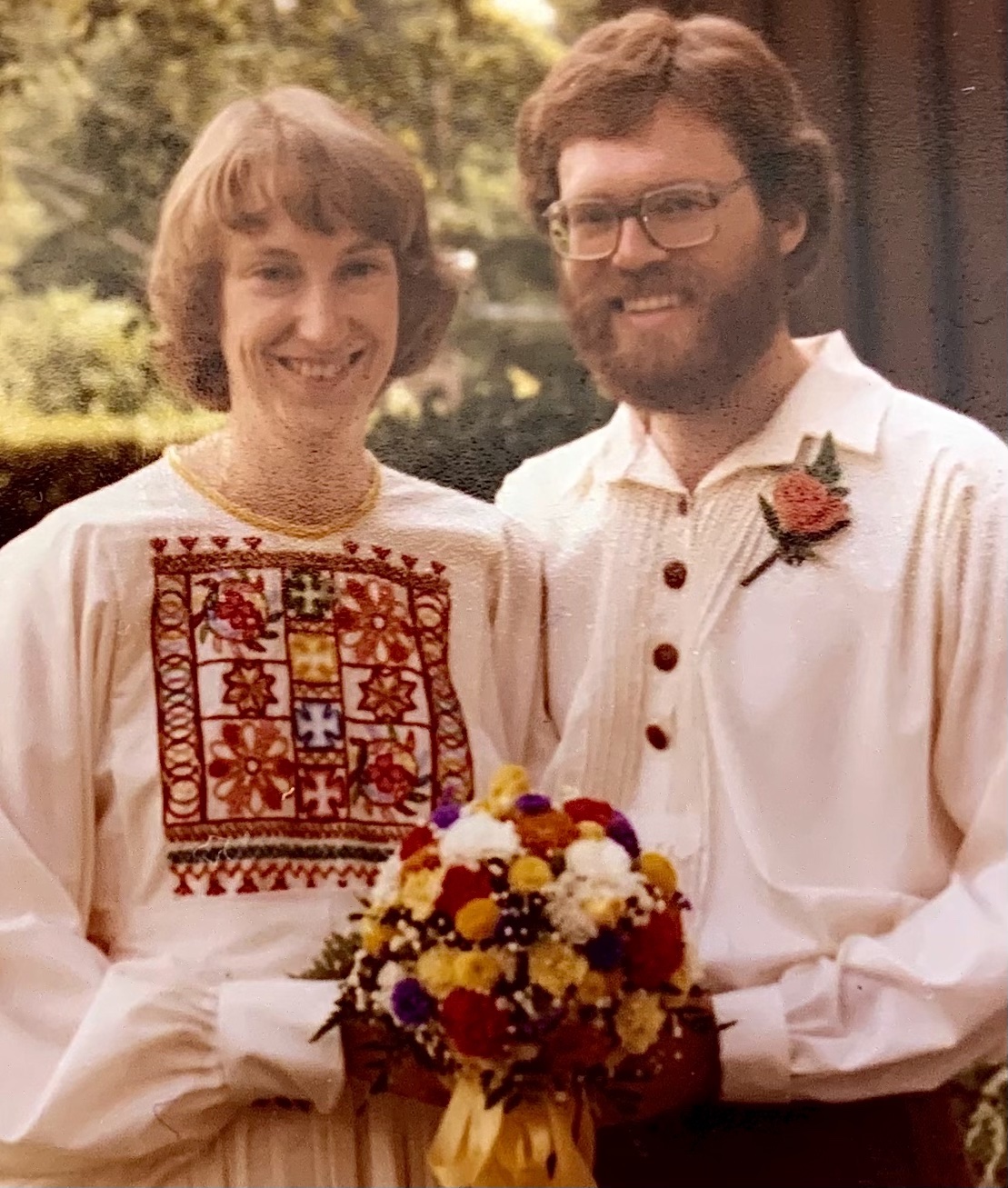
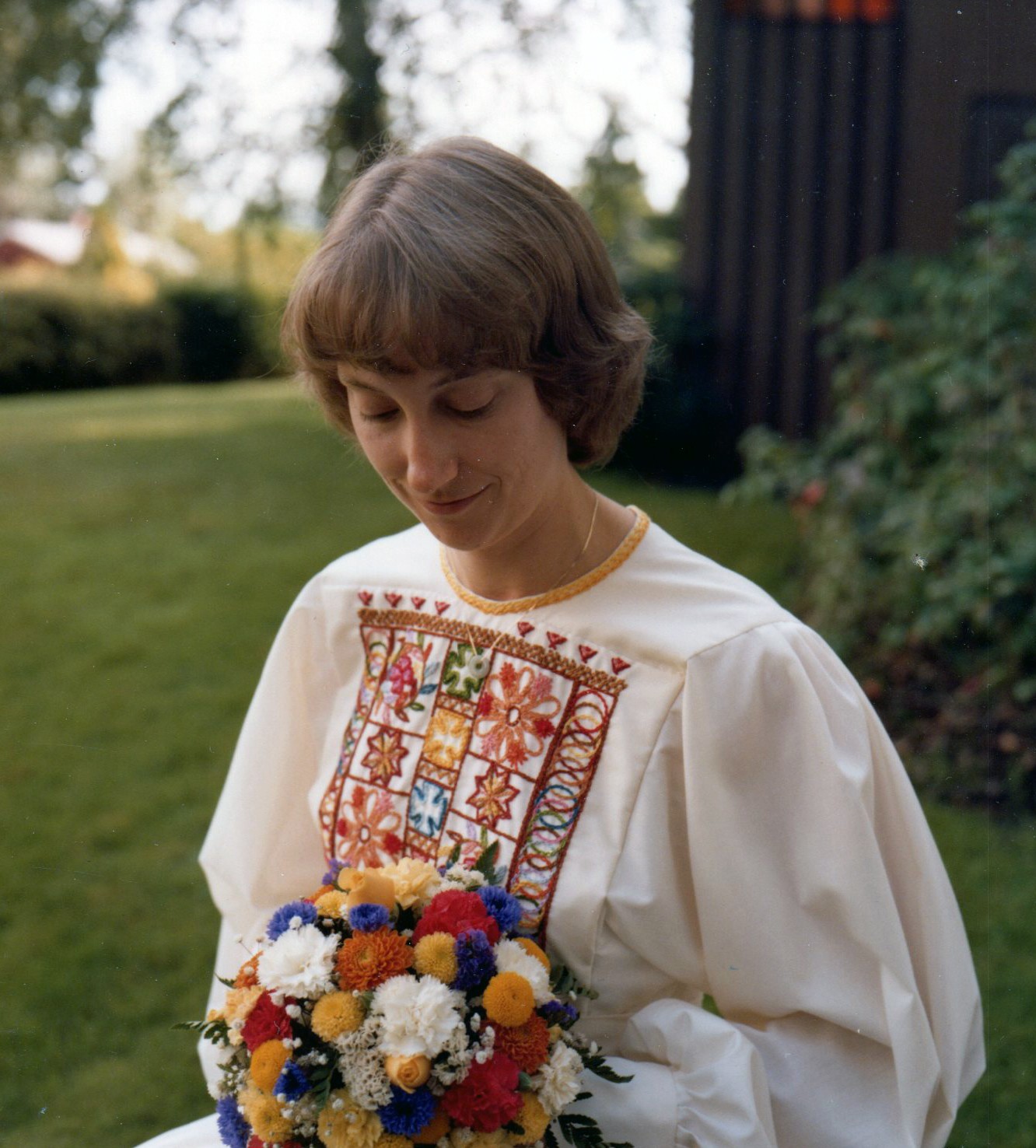
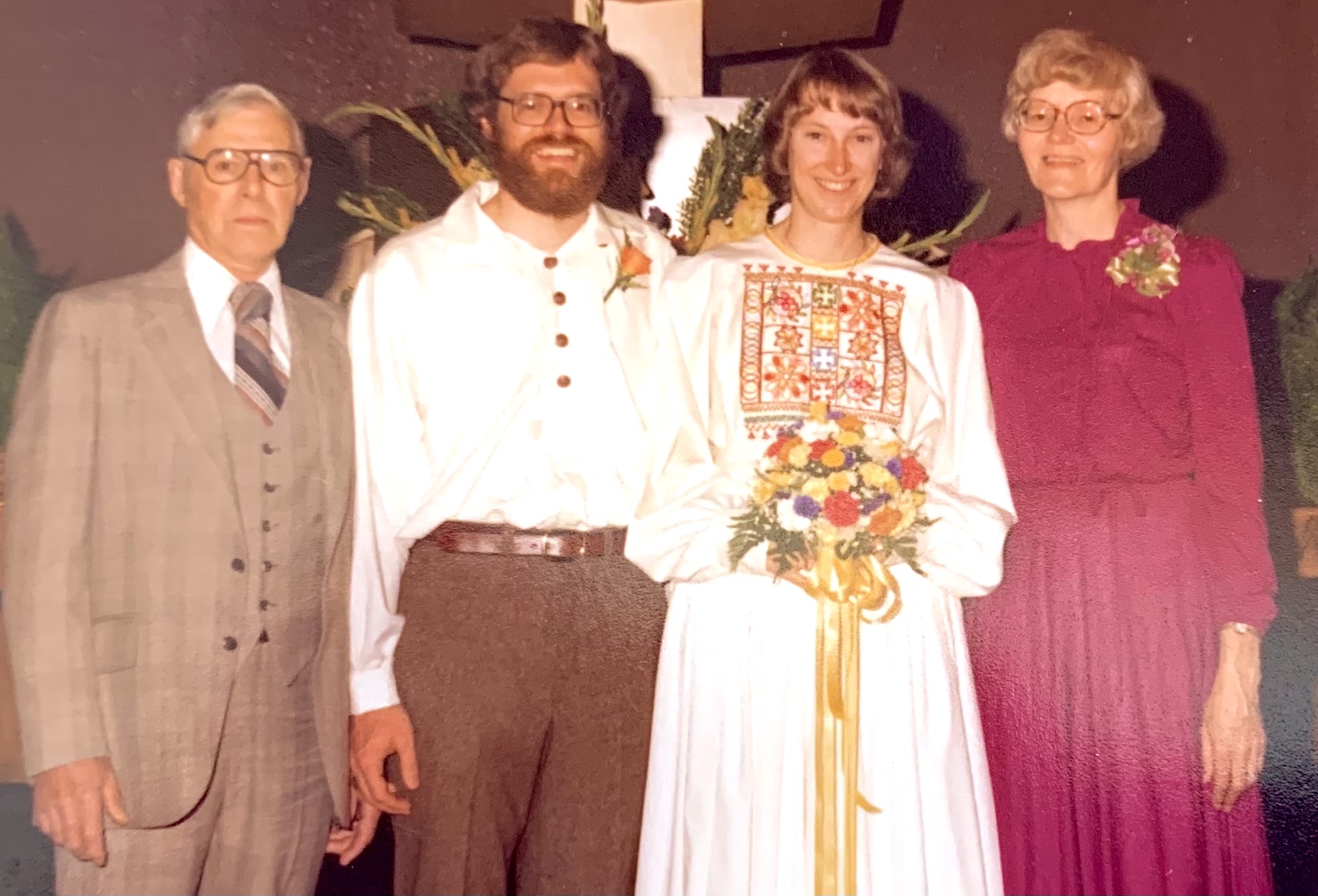
We married in our Seattle church with our pastor officiating, with a small group of family and friends as witnesses.

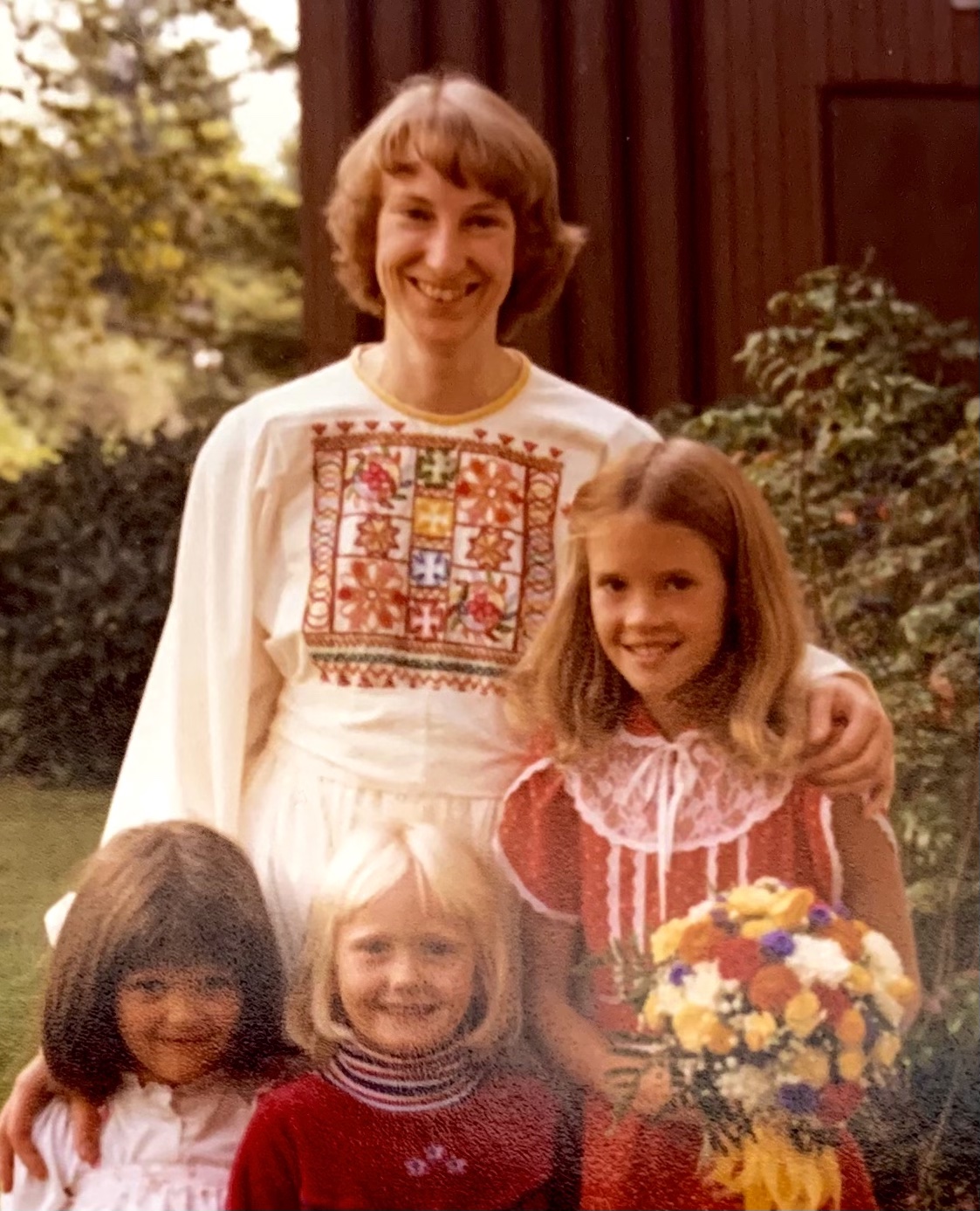
It was a wedding created by two frugal people with little to spend – I sewed my dress and Dan’s shirt from muslin, we grew our own flowers, our families helped potluck the lunch afterward and our tiered carrot cake was made by a friend.

Yet our vows to one another were not frugal and held nothing back.
They were extravagant and comprehensive, coming from our hearts and spirits. The music we asked our amazing organist to play (versions below) inspired us by its simplicity and complexity – very much like the families that raised us and the God we worship.

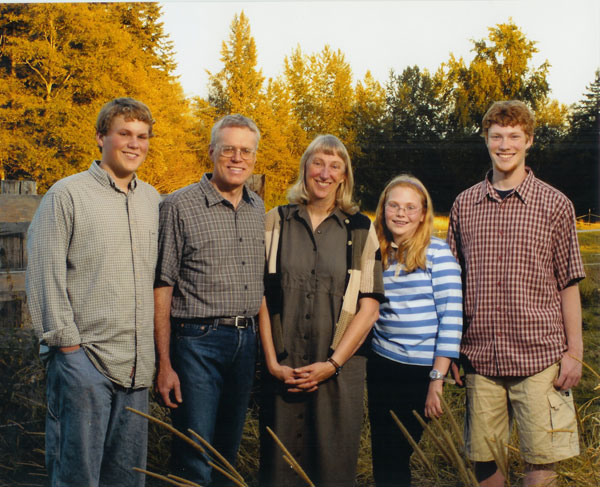
Our vows have taken us from the city to the countryside, to the raising and rejoicing in three amazing children (each of whom wrote movingly to us today) and now four grandchildren. We served more than forty years as a public-employed attorney and physician, have laid down those responsibilities, and picked up the tools of farm and garden along with church and community service for as long as we are able.

We treasure each day of living together in faithfulness, respect, compassion and hope – knowing that how we love and find joy in one another mirrors how God loves and revels in His people.

We are praying for many more days to fill us with what endures.

A pot of red lentils
simmers on the kitchen stove.
All afternoon dense kernels
surrender to the fertile
juices, their tender bellies
swelling with delight.

In the yard we plant
rhubarb, cauliflower, and artichokes,
cupping wet earth over tubers,
our labor the germ
of later sustenance and renewal.

Across the field the sound of a baby crying
as we carry in the last carrots,
whorls of butter lettuce,
a basket of red potatoes.

I want to remember us this way—
late September sun streaming through
the window, bread loaves and golden
bunches of grapes on the table,
spoonfuls of hot soup rising
to our lips, filling us
with what endures.
~Peter Pereira from “A Pot of Red Lentils”

Here are versions of the organ music we selected for prelude, processional, recessional and postlude

Presences of Absences

The sunlight now lay over the valley perfectly still.
I went over to the graveyard beside the church
and found them under the old cedars…
I am finding it a little hard to say that I felt them resting there, but I did…

I saw that, for me, this country would always be populated
with presences and absences,
presences of absences,
the living and the dead.
The world as it is

would always be a reminder
of the world that was,
and of the world that is to come.
~Wendell Berry in Jayber Crow

Today, as always during the last weekend of May, we have a family reunion where most turn up missing.  A handful of the living come together with a slew of the no-longer-living. Some, who have been caught napping for a century or more, are no-shows.

It is always on this day of cemetery visiting that I feel keenly the presence of their absence: the great greats I never knew, a great aunt who kept so many secrets, my alcoholic grandfather (who I remember as a very old man) who died of sudden cardiac arrest at the age I am now, my grandmother from whom I inherited inherent messiness and the love of things that bloom, my parents who divorced for ten years late in life, yet reunited long enough for their ashes to rest together for eternity.

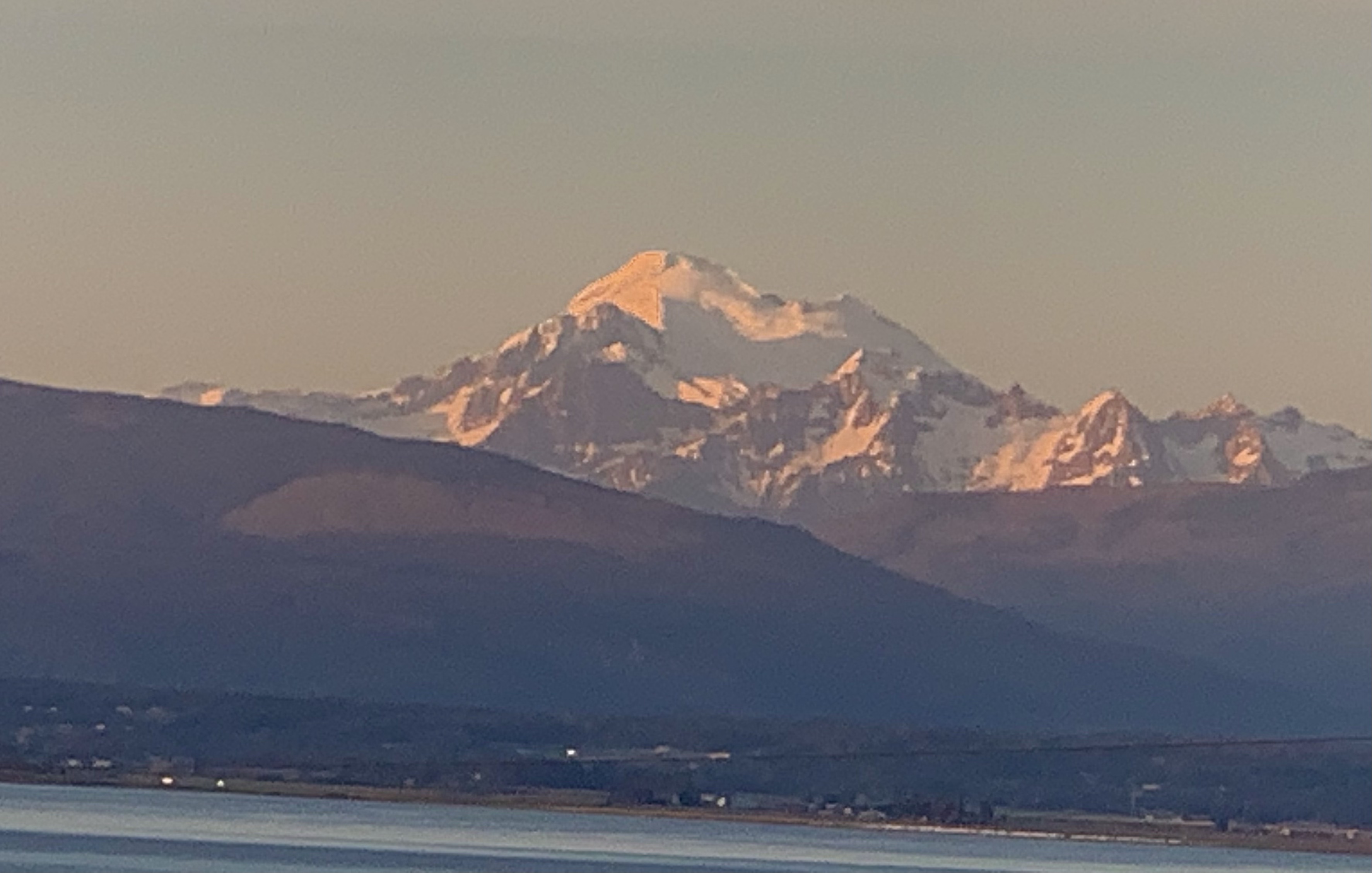
These givers of my genes rest here in this beautiful place above Puget Sound, the Cascade Mountains with shining snow beside them. It is a peaceful spot to lay one’s dust for eternity.

It is good, as one of the still-for-now living, to approach these plots of grass with a wary weariness of the aging.  But for the grace of God, there will I be sooner than I wish to be.  There, thanks to the grace of God, will I one day be an absent presence for my children and grandchildren to ponder if they keep up this annual tradition of the cemetery-visit.

The world as it is…remembers the world that was. 

The world to come calls us home in its time, where we all will be present and accounted for — our reunion celebration where we pray no one is missing.

All in good time. All in good time.

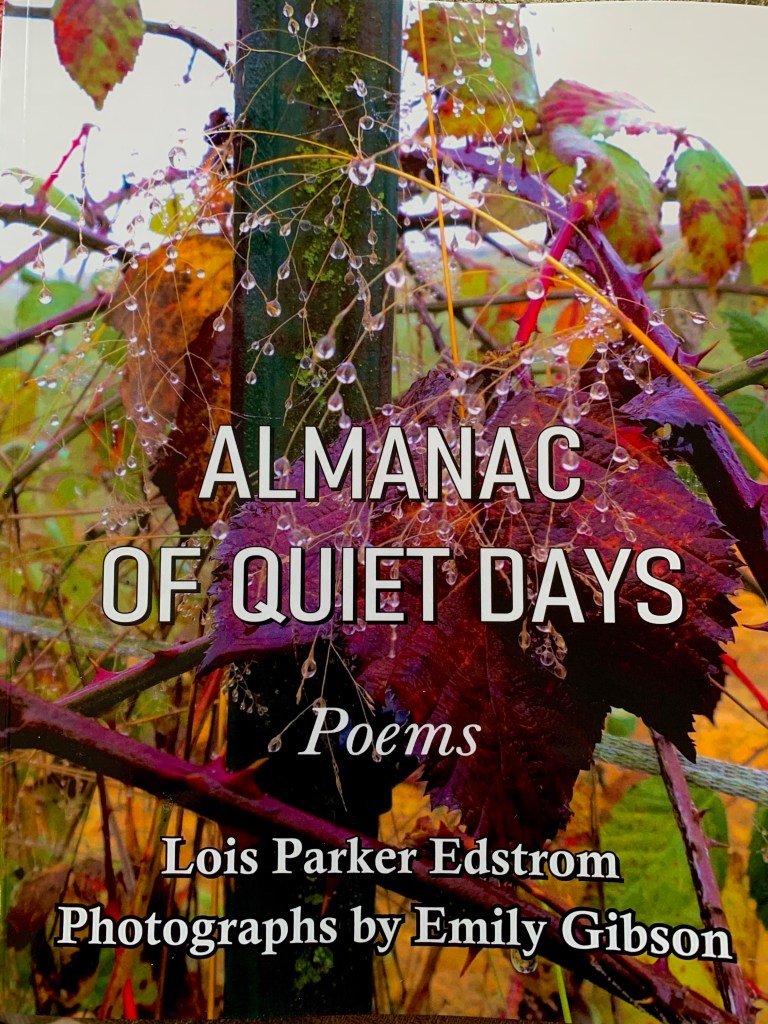
A new book from Barnstorming – available for order here

Beyond Communion

I stop the car along the pasture edge,
gather up bags of corncobs from the back,
and get out.
Two whistles, one for each,
and familiar sounds draw close in darkness—
cadence of hoof on hardened bottomland,
twinned blowing of air through nostrils curious, flared.
They come deepened and muscular movements
conjured out of sleep: each small noise and scent
heavy with earth, simple beyond communion,
beyond the stretched-out hand from which they calmly
take corncobs, pulling away as I hold
until the mid-points snap.
They are careful of my fingers,
offering that animal-knowledge,
the respect which is due to strangers;
and in the night, their mares’ eyes shine, reflecting stars,
the entire, outer light of the world here.
~Jane Hirshfield “After Work”from Of Gravity and Angels.

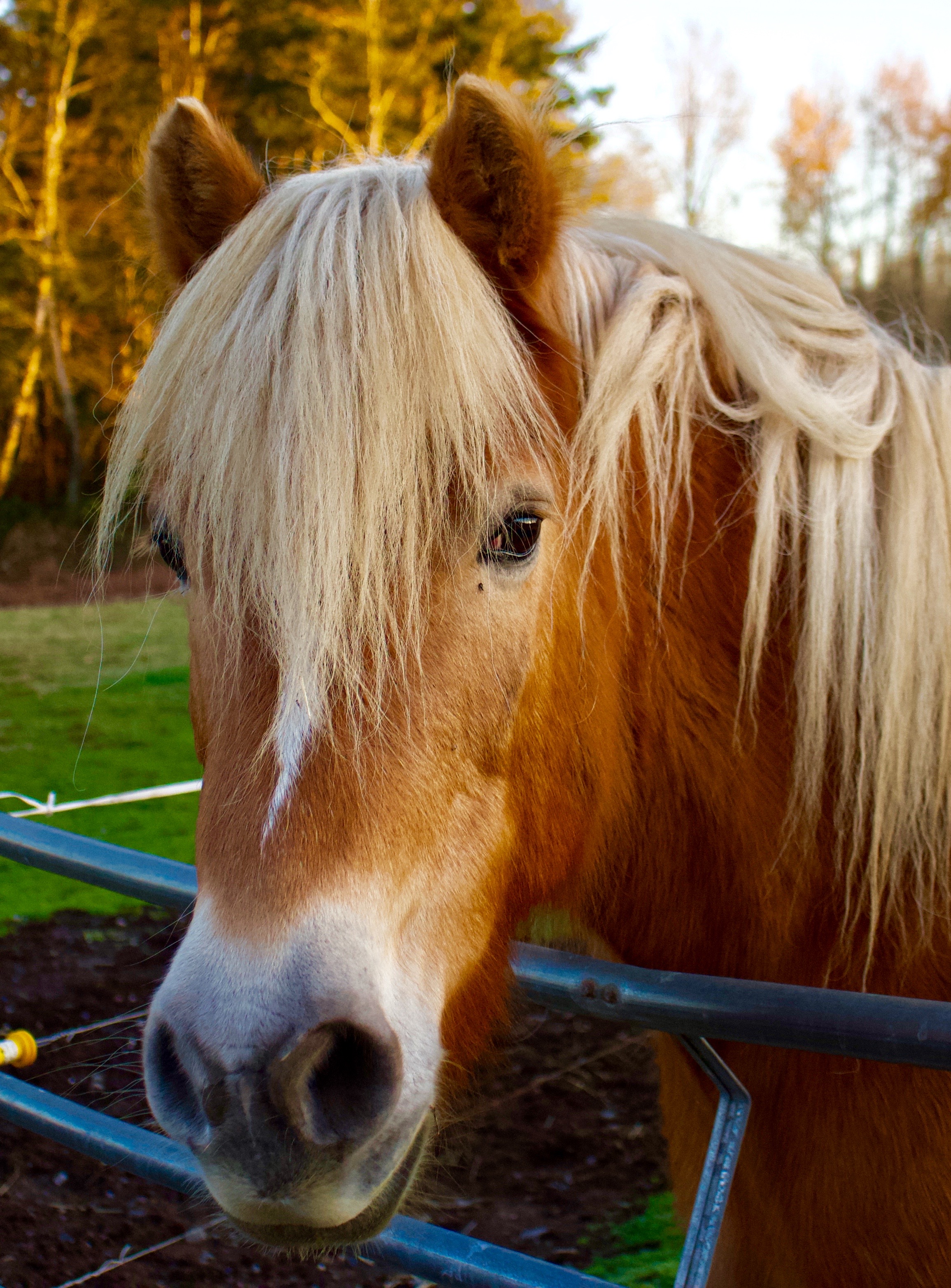
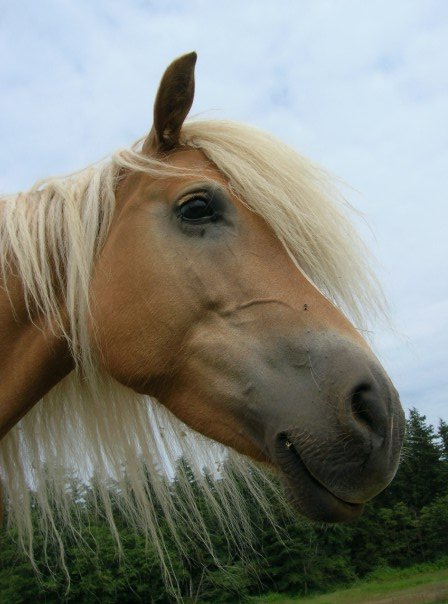
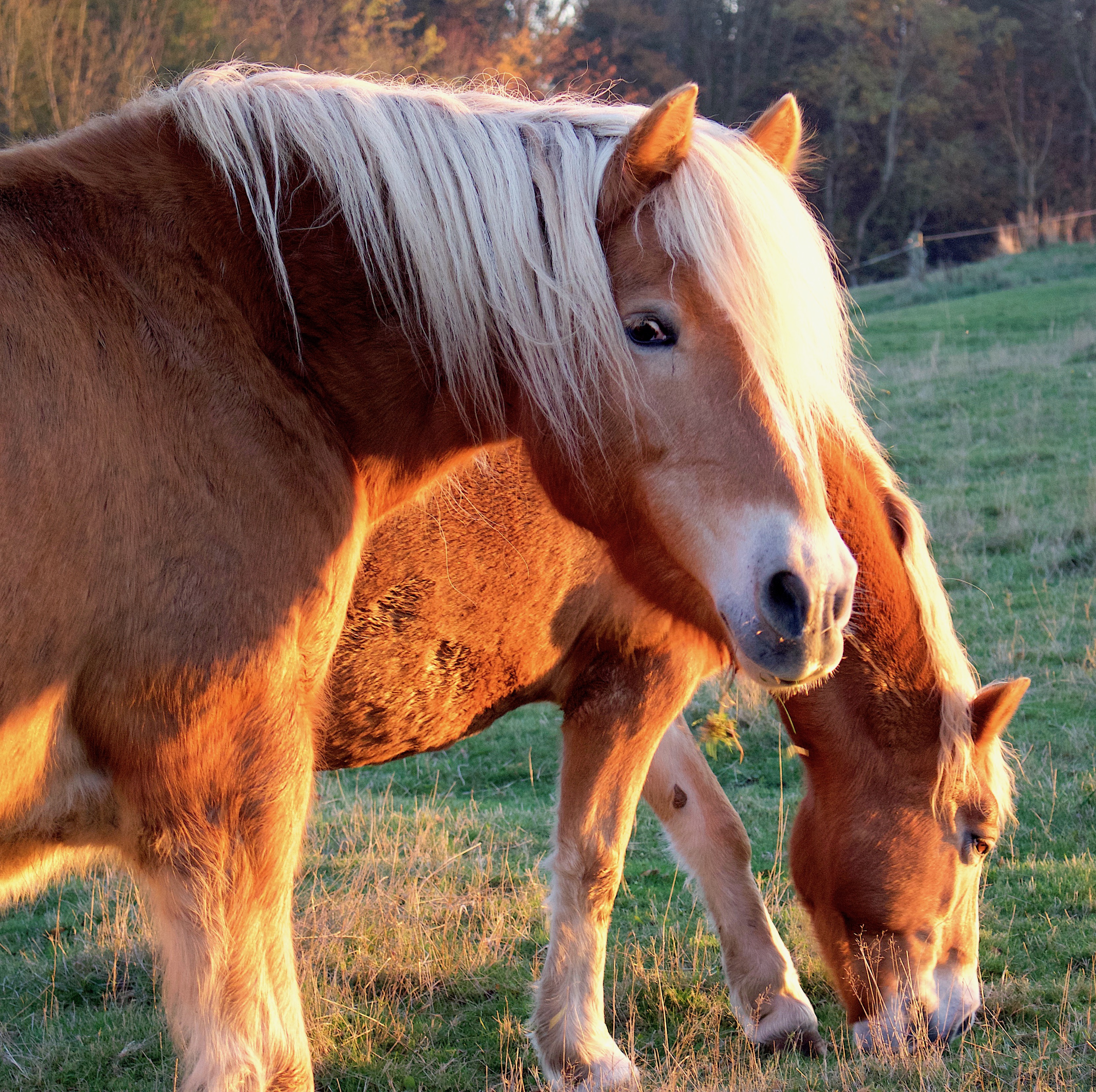
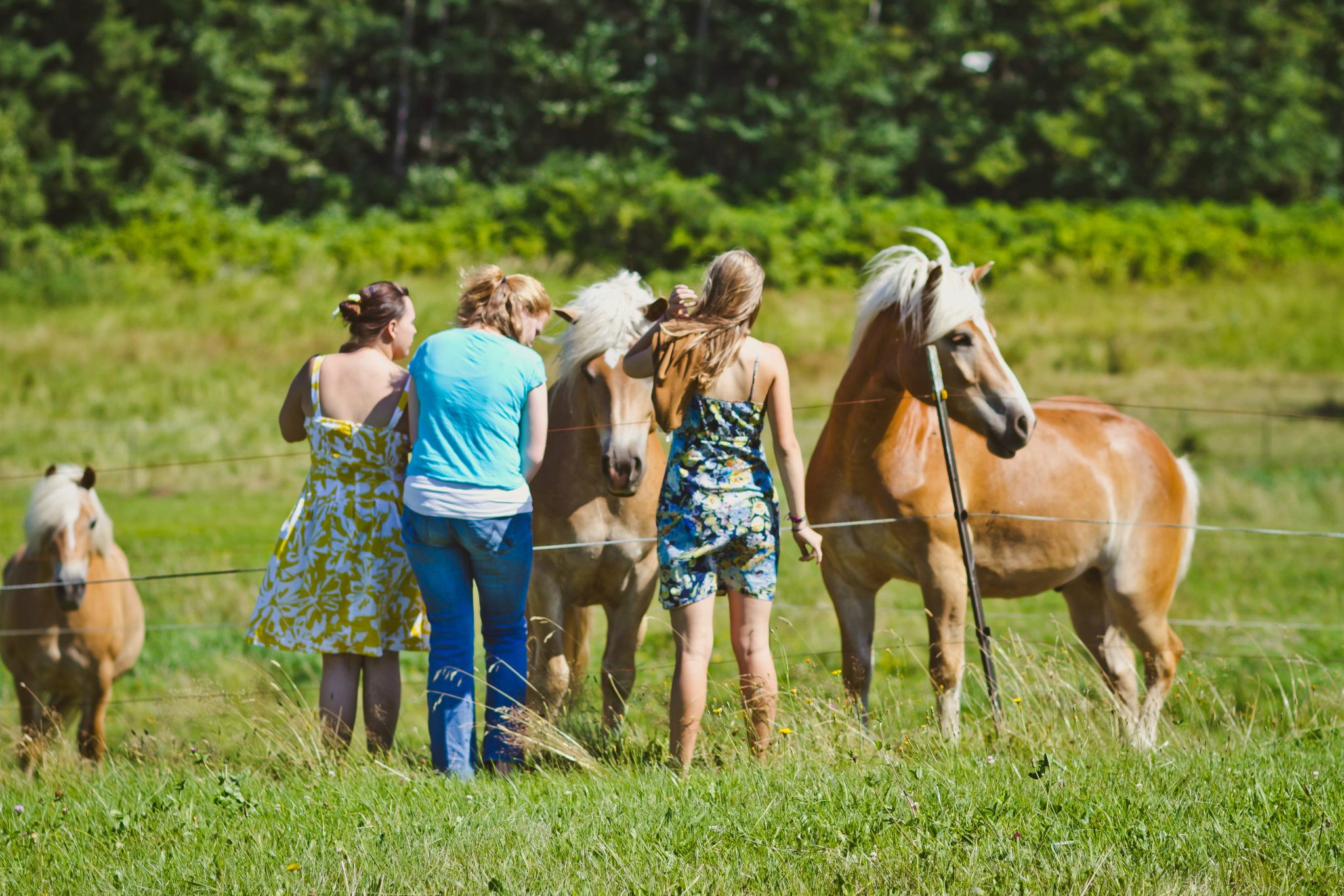
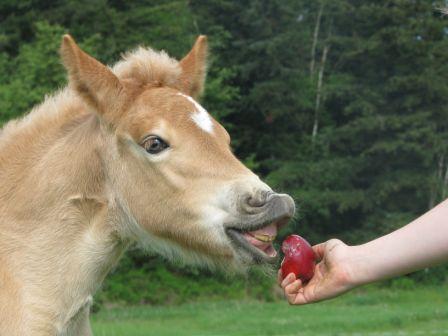
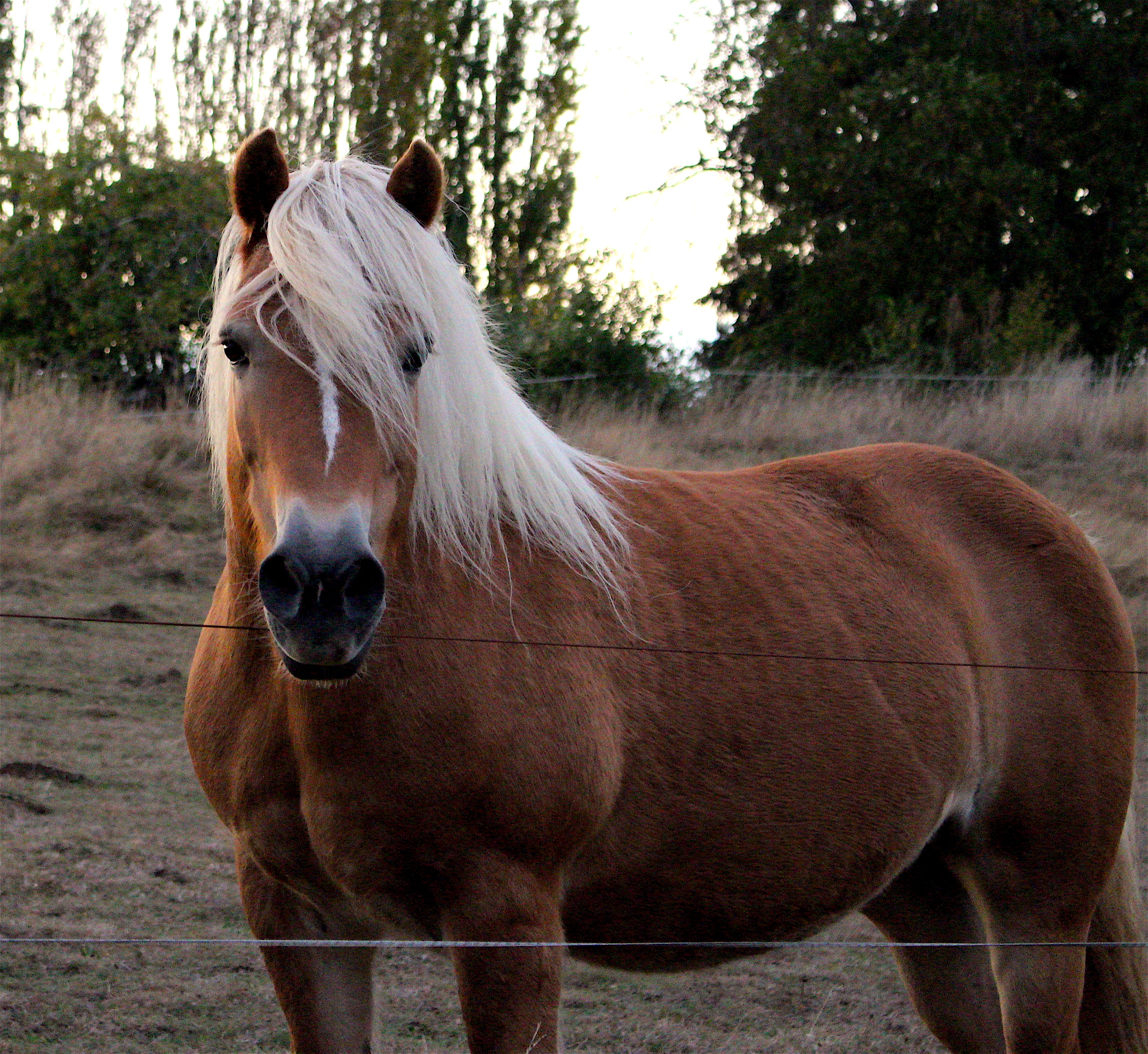
I’ve been picking up windfall apples to haul down to the barn for a special treat each night for the Haflingers. These are apples that we humans wouldn’t take a second glance at in all our satiety and fussiness, but the Haflingers certainly don’t mind a bruise, or a worm hole or slug trails over apple skin.

I’ve found over the years that our horses must be taught to eat apples–if they have no experience with them, they will bypass them lying in the field and not give them a second look. There simply is not enough odor to make them interesting or appealing–until they are cut in slices that is. Then they become irresistible and no apple is left alone from that point forward.

When I offer a whole apple to a young Haflinger who has never tasted one before, they will sniff it, perhaps roll it on my hand a bit with their lips, but I’ve yet to have one simply bite in and try. If I take the time to cut the apple up, they’ll pick up a section very gingerly, kind of hold it on their tongue and nod their head up and down trying to decide as they taste and test it if they should drop it or chew it, and finally, as they really bite in and the sweetness pours over their tongue, they get this look in their eye that is at once surprised and supremely pleased. The only parallel experience I’ve seen in humans is when you offer a five month old baby his first taste of ice cream on a spoon and at first he tightens his lips against its coldness, but once you slip a little into his mouth, his face screws up a bit and then his eyes get big and sparkly and his mouth rolls the taste around his tongue, savoring that sweet cold creaminess. His mouth immediately pops open for more.

It is the same with apples and horses. Once they have that first taste, they are our slaves forever in search of the next apple.

The Haflinger veteran apple eaters can see me coming with my sweat shirt front pocket stuffed with apples, a “pregnant” belly of fruit, as it were. They offer low nickers when I come up to their stalls and each horse has a different approach to their apple offering.

There is the “bite a little bit at a time” approach, which makes the apple last longer, and tends to be less messy in the long run. There is the “bite it in half” technique which leaves half the apple in your hand as they navigate the other half around their teeth, dripping and frothing sweet apple slobber. Lastly there is the greedy “take the whole thing at once” horse, which is the most challenging way to eat an apple, as it has to be moved back to the molars, and crunched, and then moved around the mouth to chew up the large pieces, and usually half the apple ends up falling to the ground, with all the foam that the juice and saliva create. No matter the technique used, the smell of an apple as it is being chewed by a horse is one of the best smells in the world. I can almost taste the sweetness too when I smell that smell.

What do we do when offered such a sublime gift from someone’s hand? If it is something we have never experienced before, we possibly walk right by, not recognizing that it is a gift at all, missing the whole point and joy of experiencing what is being offered. How many wonderful opportunities are right under our noses, but we fail to notice, and bypass them because they are unfamiliar?

Perhaps if the giver really cares enough to “teach” us to accept this communion meal, by preparing it and making it irresistible to us, then we are overwhelmed with the magnitude of the generosity and are transformed by the simple act of receiving.

We must learn to take little bites, savoring each piece one at a time, making it last rather than greedily grab hold of the whole thing, struggling to control it, thereby losing some in the process. Either way, it is a gracious gift, and it is how we receive it that makes all the difference.