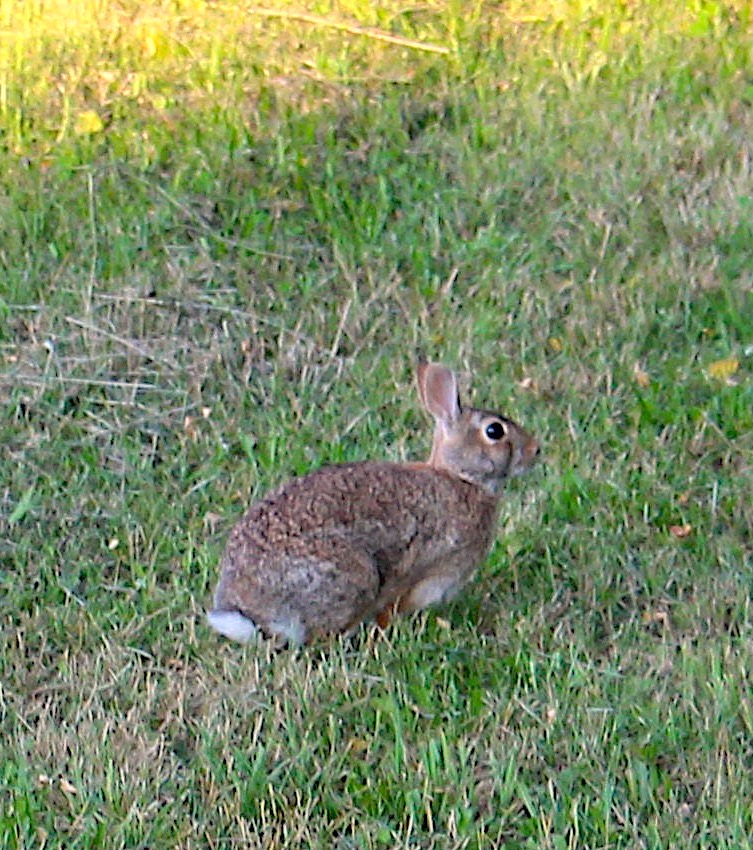
Eventually balance moves out of us into the world; it’s the pull of rabbits grazing on the lawn as we talk, the slow talk of where and when, determining what and who we will become as we age.
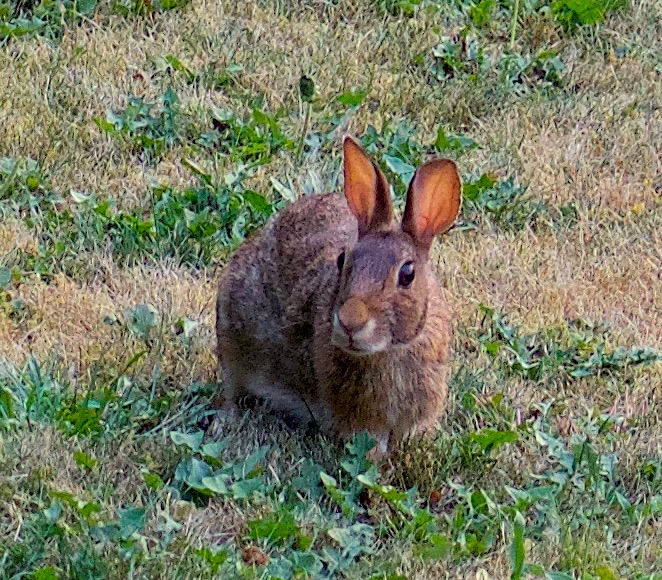
We admire the new plants and the rings of mulch you made, we praise the rabbits eating the weeds’ sweet yellow flowers.
Behind our words the days serve each other as mother, father, cook, builder, and fixer; these float like the clouds beyond the trees.
It is a simple life, now, children grown, our living made and saved, our years our own, husband and wife,
but in our daily stride, the one that rises with the sun, the chosen pride, we lean on our other selves, lest we fall into a consuming fire and lose it all. ~Richard Maxson, “Otherwise” from Searching for Arkansas
i carry your heart with me (i carry it in my heart) i am never without it(anywhere i go you go, my dear; and whatever is done by only me is your doing, my darling) I fear no fate (for you are my fate, my sweet) I want no world (for beautiful you are my world, my true) and it’s you are whatever a moon has always meant and whatever a sun will always sing is you
here is the deepest secret nobody knows (here is the root of the root and the bud of the bud and the sky of the sky of a tree called life; which grows higher than soul can hope or mind can hide) and this is the wonder that’s keeping the stars apart
May the sun bring you new energy by day, May the moon softly restore you by night, May the rain wash away your worries, May the breeze blow new strength into your being.
May you walk gently through the world, And know it’s beauty all the days of your life. ~Apache Blessing
Our days are slower now, less rushed, more reading and writing, walking and pondering, taking it all in and wondering what comes next.
I am so grateful not to hurry to work every day, planning how I should parcel out each moment when my energy and strength is waning.
Should I stay busy cooking, cleaning, sorting, giving away, simplifying our possessions so our children someday won’t have to? Might our grandchildren tire of my attention? Or should I find ways to be of service off the farm to feel worthy of each new day, each new breath?
This time of life is a gift of grace, waking most days with no agenda and few appointments. What comes next remains uncertain, as it always has been. In my busyness, I simply didn’t pay enough attention before.
So I lean lest I fall. I notice beauty and write about it. I carry as many hearts as I can hold. I keep breathing lest I forget how.
One-Time
Monthly
Yearly
Make a one-time or recurring donation to support daily Barnstorming posts
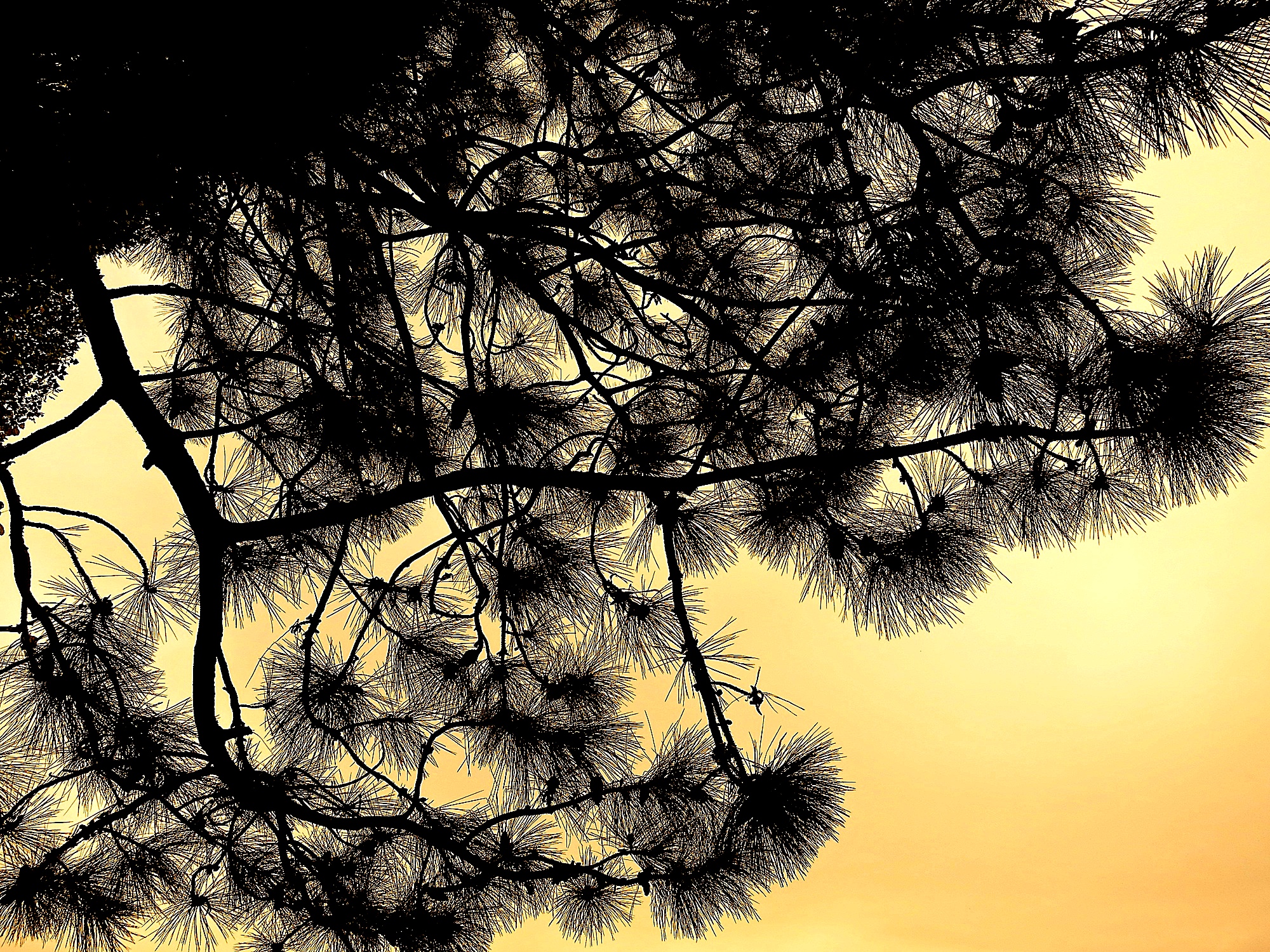
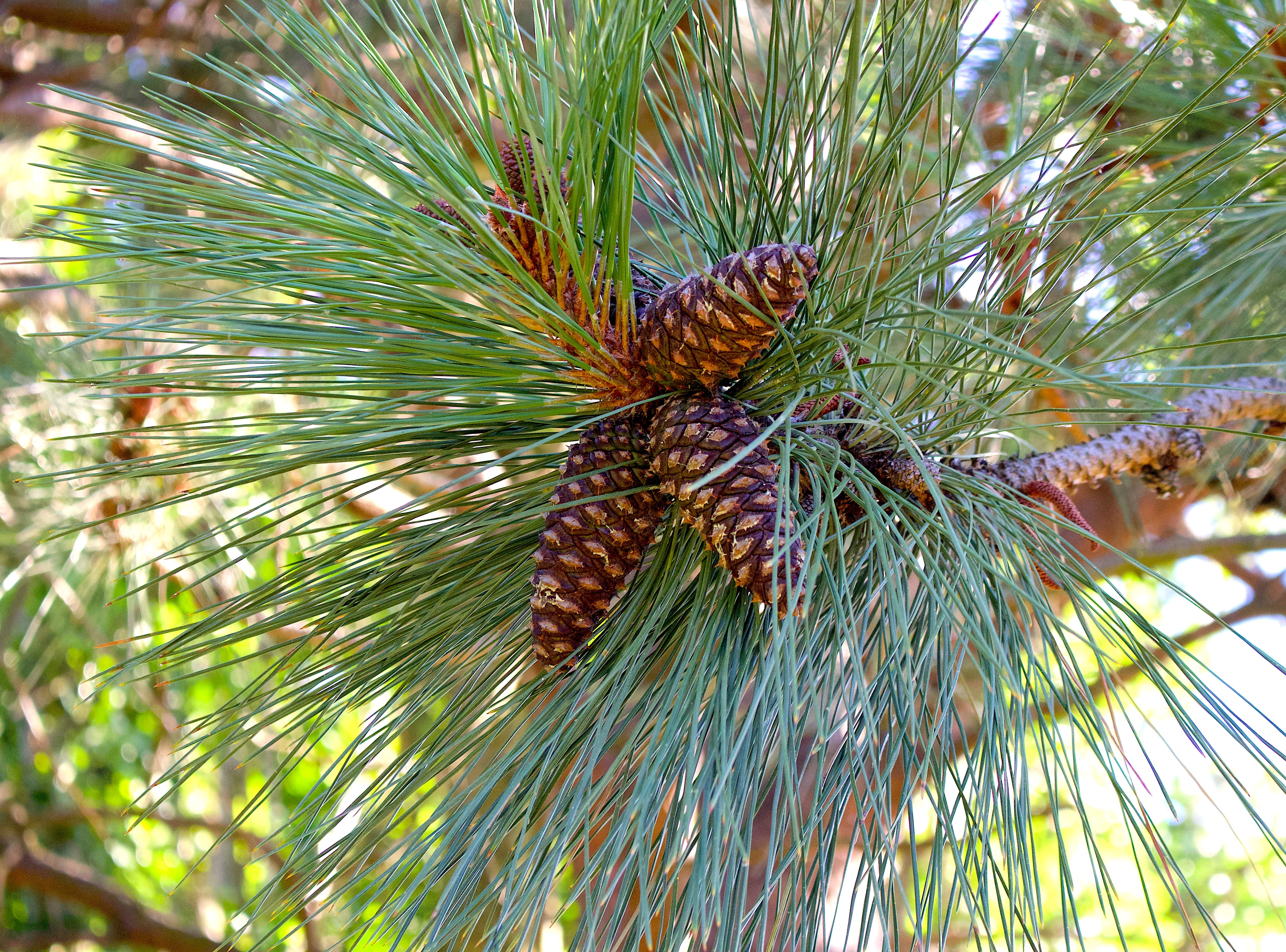
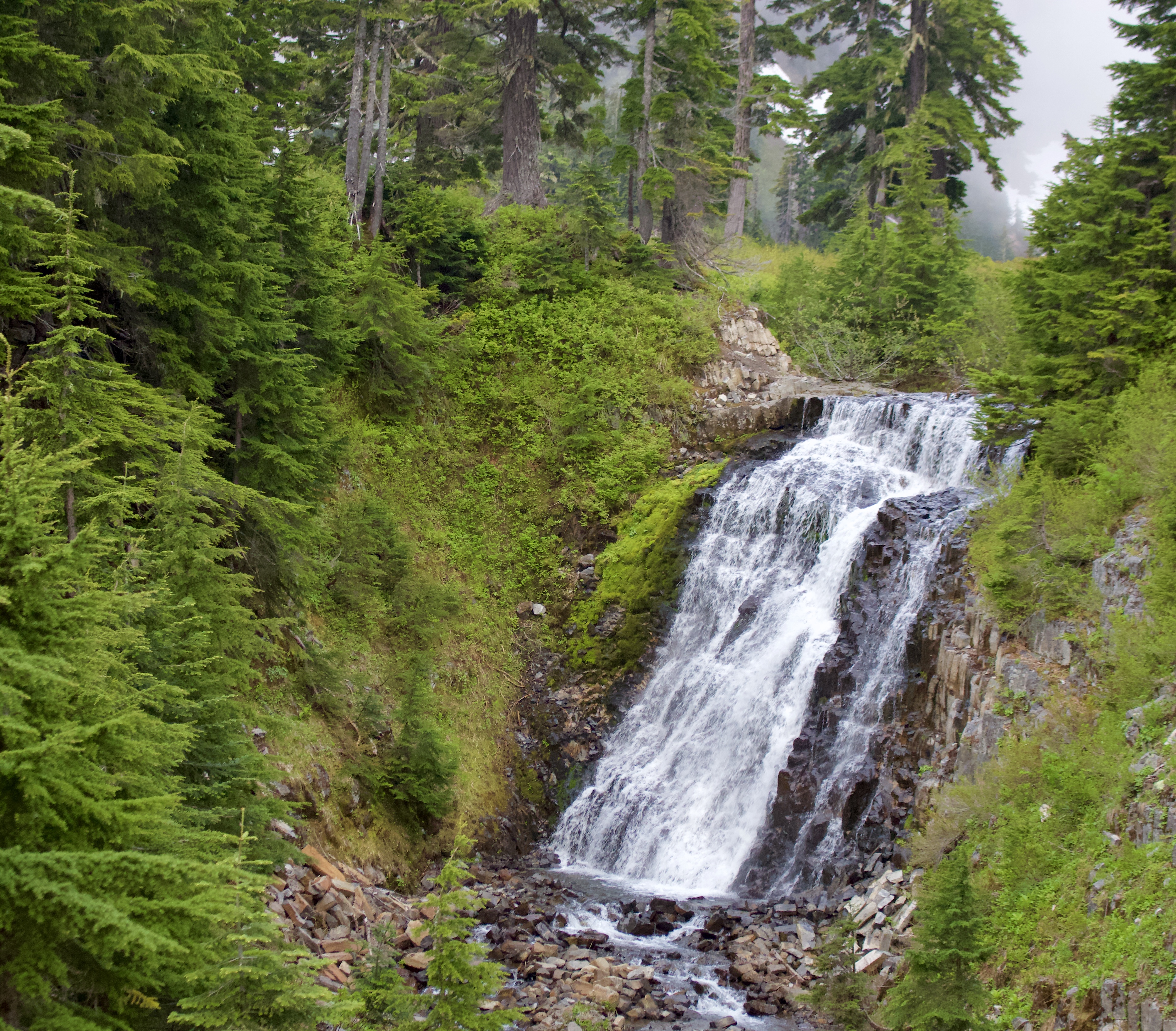
I miss the friendship with the pine tree and the birds that I had when I was ten. And it has been forever since I pushed my head under the wild silk skirt of the waterfall.
The big rock on the shore was the skull of a dead king whose name we could almost remember. Under the rooty bank you could dimly see the bunk beds of the turtles.
Nobody I know mentions these things anymore. It’s as if their memories have been seized, erased, and relocated among flowcharts and complex dinner-party calendars.
Now I want to turn and run back the other way, barefoot into the underbrush, getting raked by thorns, being slapped in the face by branches.
Down to the muddy bed of the little stream where my cupped hands make a house, and
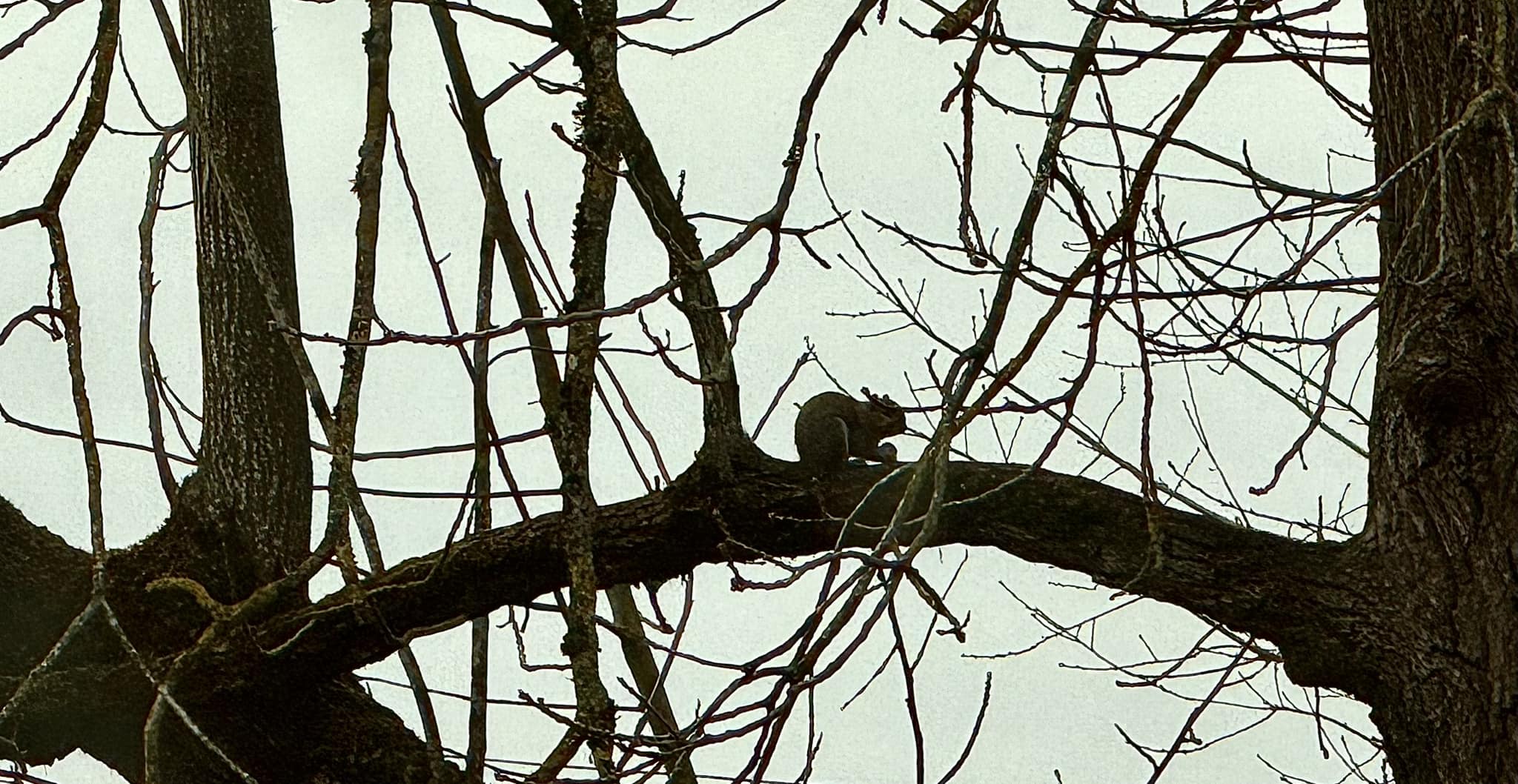
I grew up on a small farm with several acres of woodland. It was my retreat until I left for college; I walked among twittering birds, skittering wild bunnies, squirrels and chipmunks, busy ant hills and trails, blowing leaves, swimming tadpoles, falling nuts, waving wildflowers, large firs, pines, cottonwoods, maples and alder trees.
I had a favorite “secret” spot sitting perched on a stump where a large rock provided a favorite sunning spot for salamanders. They and I would make eye contact, pondering our common Creator.
At college I longed for a place as private, as serene, but nothing could match the woods and creatures of my childhood home. After living a decade in the city, I nearly forgot what a familiar woods felt like.
On this farm we’ve stewarded for nearly forty years, I’ve longed for a similar sanctuary, yet my distractions are so much greater than when I was a child. Filled with greater worries, I can’t empty my head and heart as completely to receive the varied gifts to be found around me.
In my ever-shortening timeline to accomplish what I’ve been placed here to do, I need to study the faces of creation, knowing those eyes reflect the face of God.
One-Time
Monthly
Yearly
Make a one-time or recurring donation to support daily Barnstorming posts
And so you have a life that you are living only now, now and now and now, gone before you can speak of it, and you must be thankful for living day by day, moment by moment … a life in the breath and pulse and living light of the present… ~Wendell Berry from Hannah Coulter
Astonishing material and revelation appear in our lives all the time. Let it be. Unto us, so much is given. We just have to be open for business. ~Anne Lamott from Help Thanks Wow: Three Essential Prayers
…writing was one way to let something of lasting value emerge from the pains and fears of my little, quickly passing life. Each time life required me to take a new step into unknown spiritual territory, I felt a deep, inner urge to tell my story to others– Perhaps as a need for companionship but maybe, too, out of an awareness that my deepest vocation is to be a witness to the glimpses of God I have been allowed to catch. ~Henri Nouwen from Reaching Out
…there is something illicit, it seems, about wasted time, the empty hours of contemplation when a thought unfurls, figures of speech budding and blossoming, articulation drifting like spent petals onto the dark table we all once gathered around to talk and talk, letting time get the better of us. _Just taking our time_, as we say. That is, letting time take us. ~Patricia Hampl from Blue Arabesque: A Search for the Sublime
I would recognize myself in my patients, one after another after another. They sat at the edge of their seat, struggling to hold back a flood from brimming eyes, fingers gripping the arms of the chair, legs jiggling. Each moment, each breath, each rapid heart beat overwhelmed by panic-filled questions: will there be another breath? must there be another breath? Must this life go on like this in fear of what the next moment will bring?
The only thing more frightening than the unknown is the fear that the next moment could be worse than the last. Sadly, this is a tragic waste of precious time, a lack of recognition of a moment just passed that will never be retrieved and relived.
There is only fear of the next and the next so that the now and now and now is lost forever.
Worry and angst is more contagious than the flu. I washed my hands of it throughout the clinic day. I wished a simple vaccination could protect us all from unnamed fears.
I wanted to say to them as well as myself: Stop to rest within this moment in time. Stop and stop and stop. Stop fearing the gift of each breath.
Simply be.
I wanted to say: this moment in time is yours alone. Don’t let time take it from you; instead, take time for weeping and sharing and breath and pulse and light. Shout for joy in it. Celebrate it. Be thankful for tears that flow and stop holding them back.
Just be, as uncomfortable as it is – and be blessed– in the now and now and now.
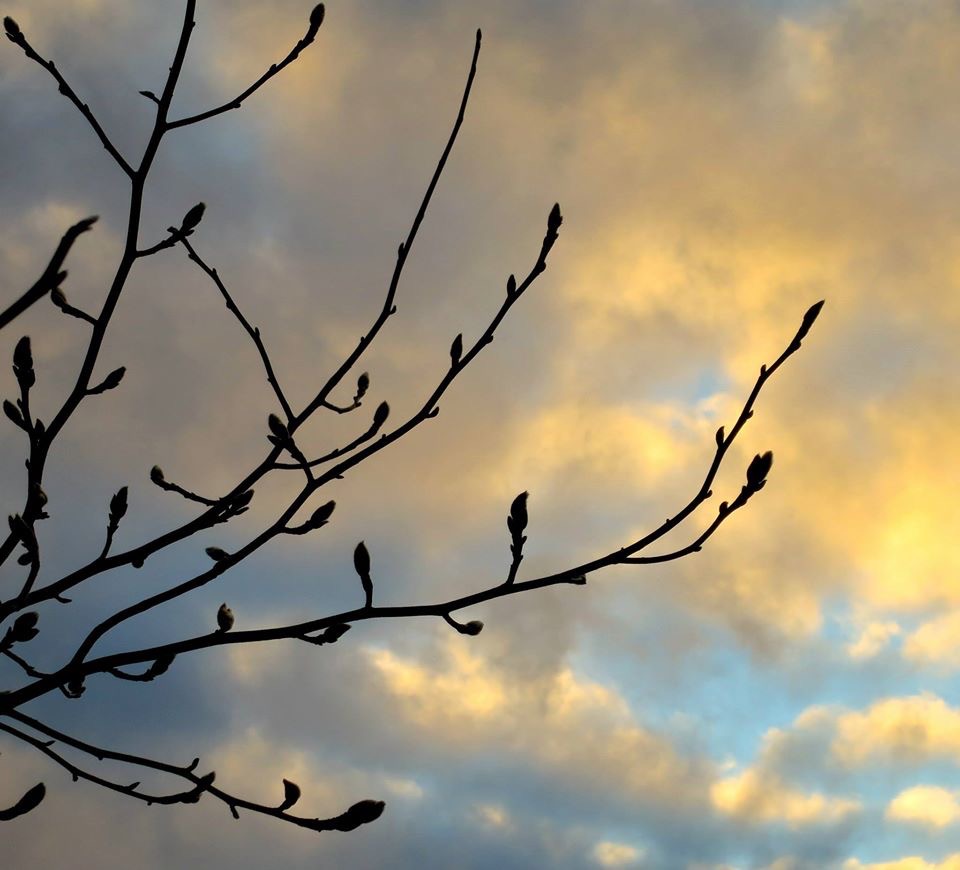
Be swept along on the current of time; now winter bare-branched, to be soon unfurling, budding, eventually blossoming.
Time takes us there. So let’s take time.
One-Time
Monthly
Yearly
Make a one-time or recurring donation to support daily Barnstorming posts
I wondered if that was how forgiveness budded; not with the fanfare of epiphany, but with pain gathering its things, packing up, and slipping away unannounced in the middle of the night. — Khaled Hosseini from The Kite Runner
The time is ripe for looking back over the day, the week, the year, and trying to figure out where we have come from and where we are going to, for sifting through the things we have done and the things we have left undone for a clue to who we are and who, for better or worse, we are becoming.
We cling to the present out of wariness of the past.
But there is a deeper need yet, I think, and that is the need—not all the time, surely, but from time to time—to enter that still room within us all where the past lives on as a part of the present, where the dead are alive again, where we are most alive ourselves to turnings and to where our journeys have brought us.
The name of the room is Remember—the room where with patience, with charity, with quietness of heart, we remember consciously to remember the lives we have lived. ~Frederick Buechner from A Room Called Remember
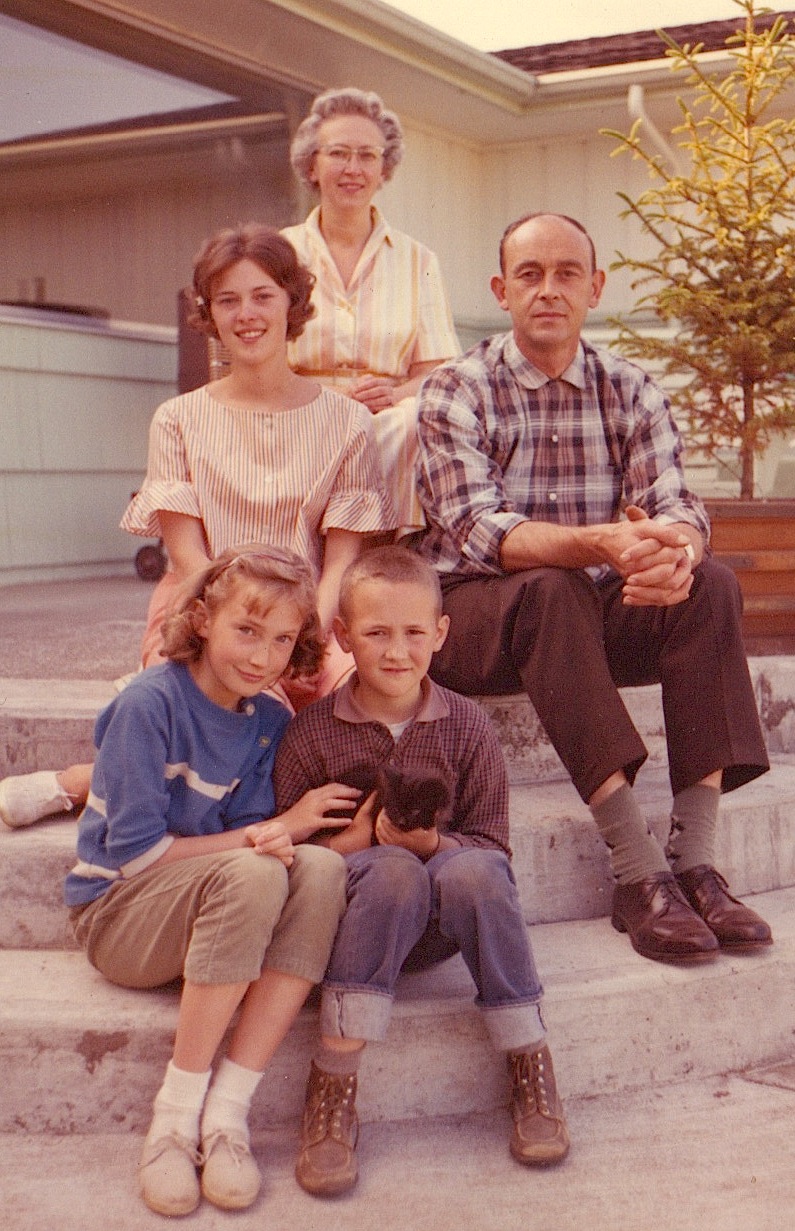
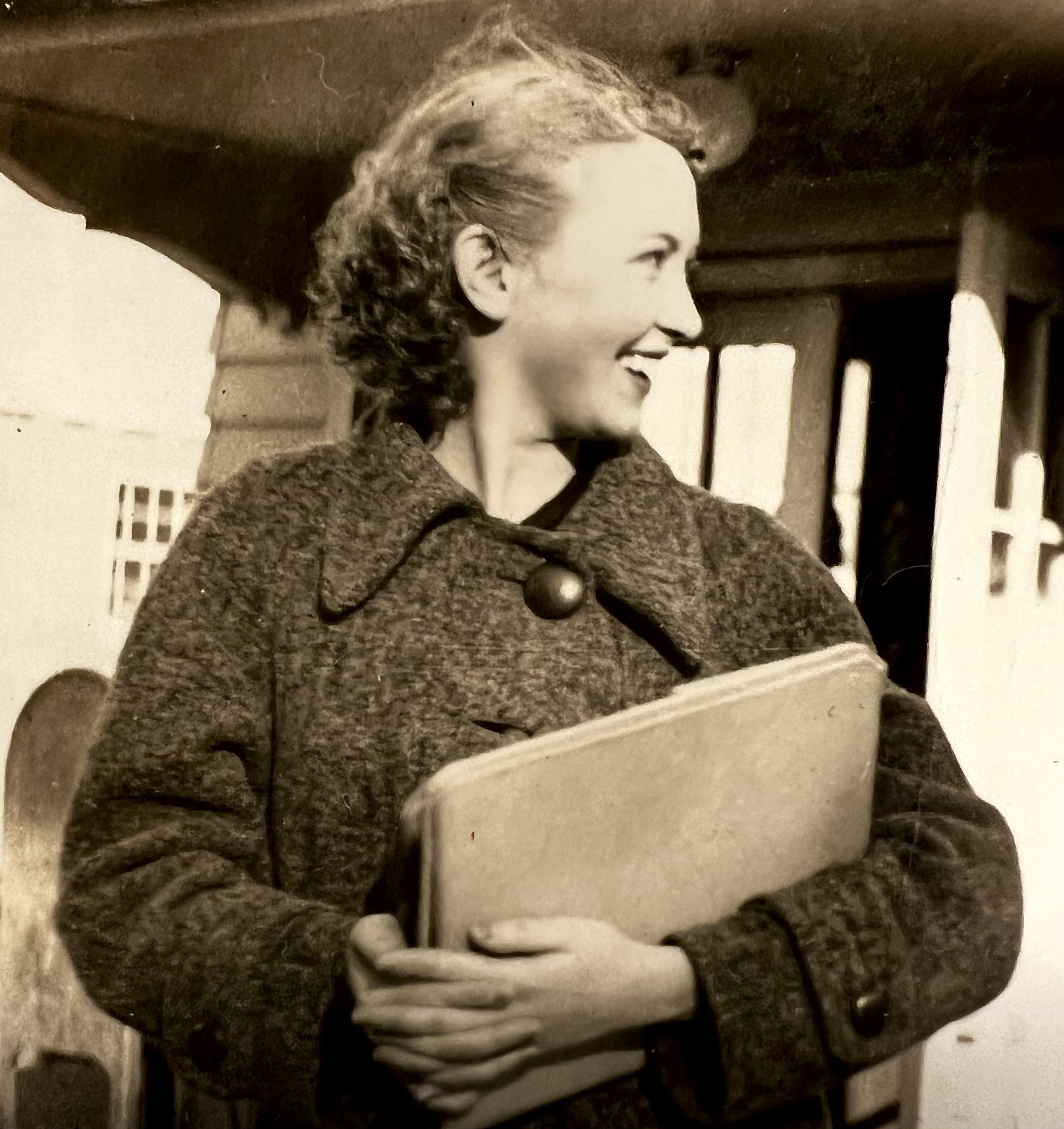
age nineage 14age 15
Something went wrong, says the empty house in the weed-choked yard. Stones in the fields say he was not a farmer; the still-sealed jars in the cellar say she left in a nervous haste. And the child? Its toys are strewn in the yard like branches after a storm—a rubber cow, a rusty tractor with a broken plow, a doll in overalls. Something went wrong, they say. ~Ted Kooser, from “Abandoned Farmhouse” from Sure Signs: New and Selected Poems.
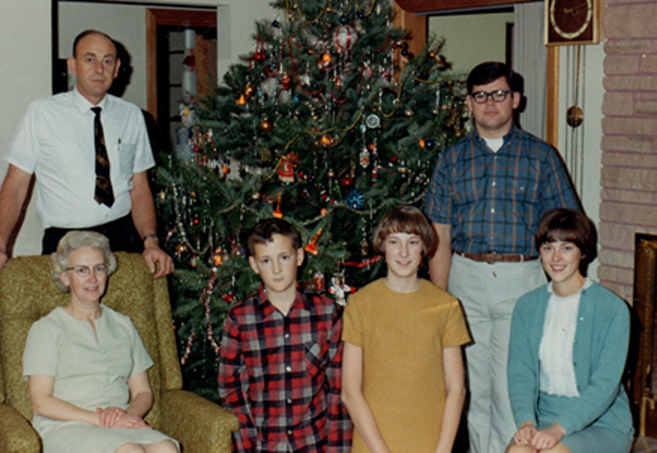
In 1959, when I was five years old, my father took a new job so our family moved from a large 3 story farm house in a rural community to a 1950’s newer rambler-style home just outside the city limits of the state capitol.
It was a big adjustment to move to a much smaller house without a basement or upper story, no garage, and no large haybarn nor chicken coop. It meant most things we owned didn’t make the move with us.
The rambler had two side-by-side mirror image rooms as the primary central living space between the kitchen/dining area on one side and the hallway to the bedrooms on the other. The living room could only be entered through the front door and the family room was accessed through the back door with a shared sandstone hearth in the center, containing a fireplace in each room. The only opening between the rooms had a folding door shut most of the year. In December, the door was opened to accommodate a Christmas tree, so it sat partially in the living room and depending on its generous width, spilled over into the family room. That way it was visible from both rooms, and didn’t take up too much floor space.
The living room, because it contained the only carpeting in the house, and our “best” furniture, was strictly off-limits. In order to keep our two matching sectional knobby gray fabric sofas, a green upholstered chair and gold crushed velvet covered love seat in pristine condition, the room was to be avoided unless we had company. The carpet was never to develop a traffic pattern, there would be no food, beverage, or pet ever allowed in that room, and the front door was not to be used unless a visitor arrived. The hearth never saw a fire lit on that side because of the potential of messy ashes or smoke smell.
This was not a room for toys or games. The chiming clock next to the hearth, wound with weighted cones on the end of chains, called out the hours without an audience.
One week before Christmas, a tree was chosen to fit in the space where it could overflow into the family room. I particularly enjoyed decorating the “family room” side of the tree, using all my favorite ornaments that were less likely to break if they fell on the linoleum floor on that side of the door.
It was almost as if the Christmas tree itself became divided, with a “formal” side in the living room and a “real life” face on the other side where the living (and hurting) was actually taking place.
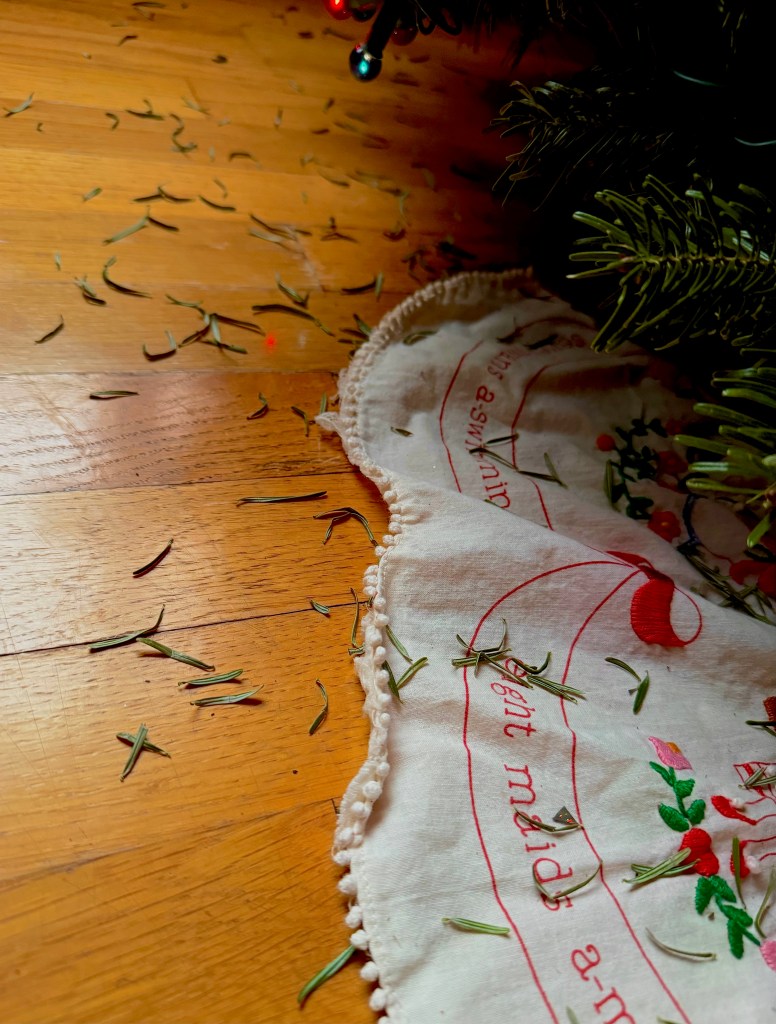
The tree straddled more than just two rooms. Every year that tree’s branches reached out to shelter a family that was slowly, almost imperceptibly, falling apart, like the fir needles dropping to the floor to be swept away.
Something was going wrong, only I didn’t see it at the time.
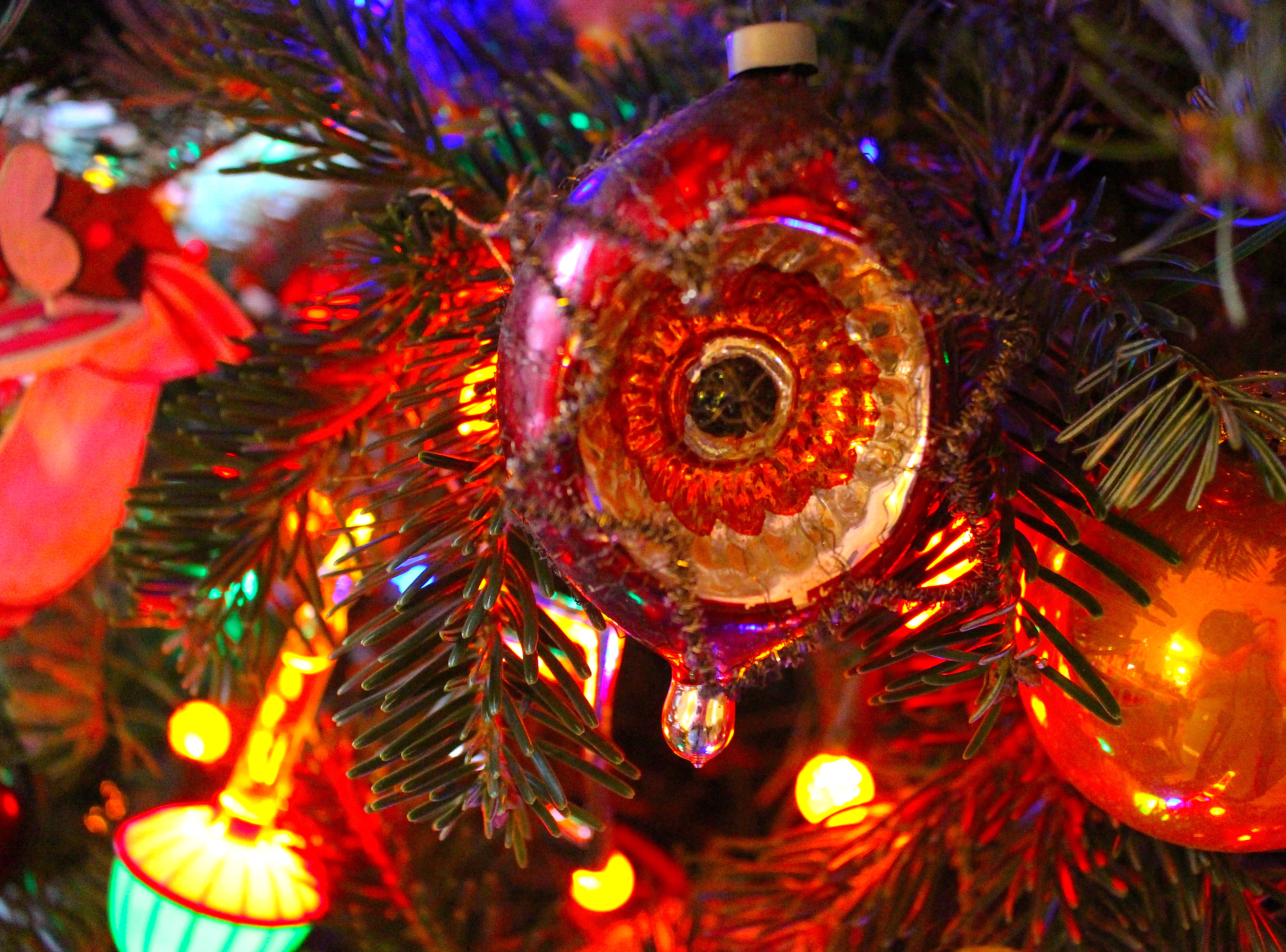
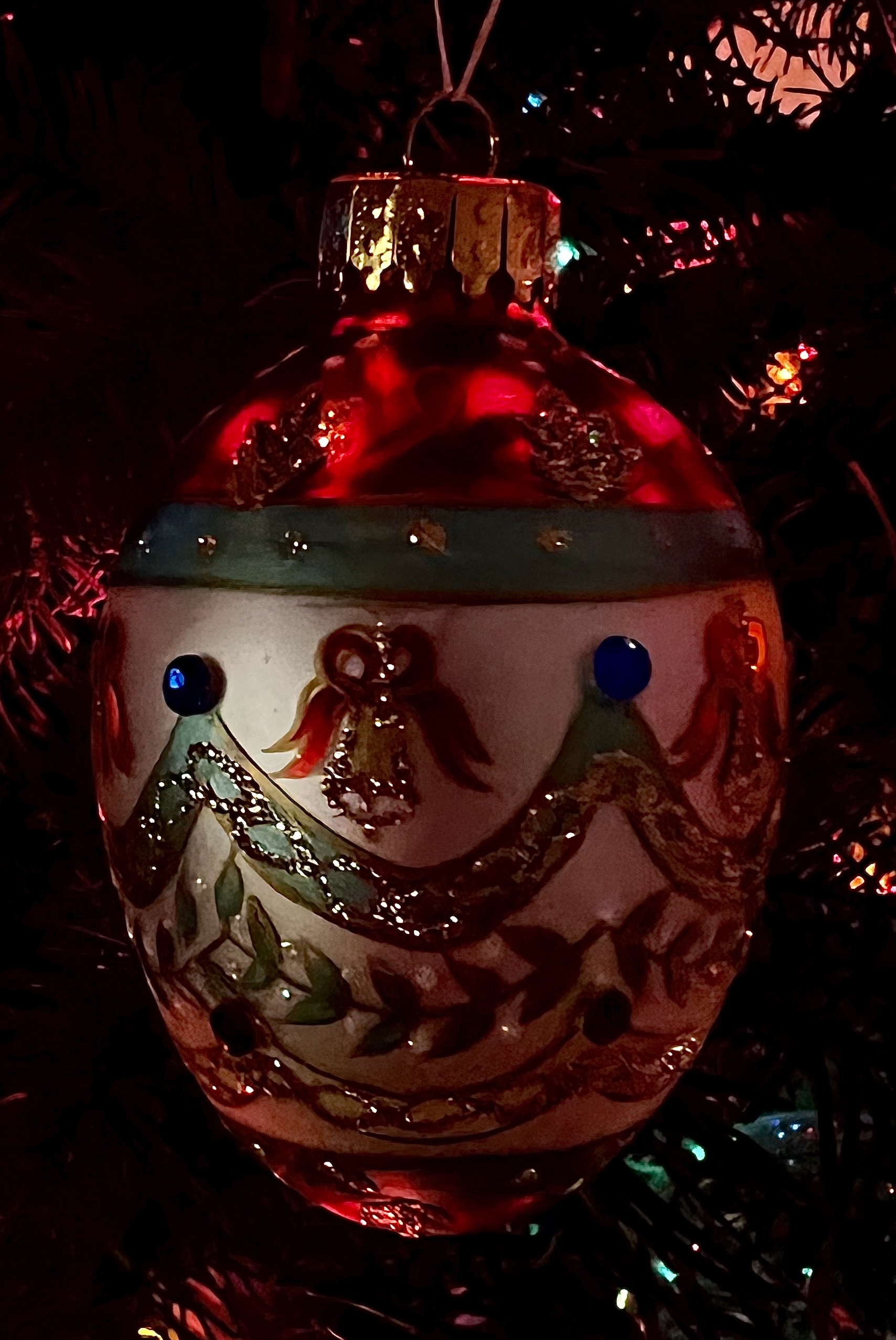
Each year since, our Christmas tree, bearing those old ornaments from my childhood, reminds me of that still room of memories.
No longer am I wary of the past. As I sweep up the fir needles that inevitably drop, I no longer weep.
One-Time
Monthly
Yearly
Make a one-time or recurring donation to support daily Barnstorming posts
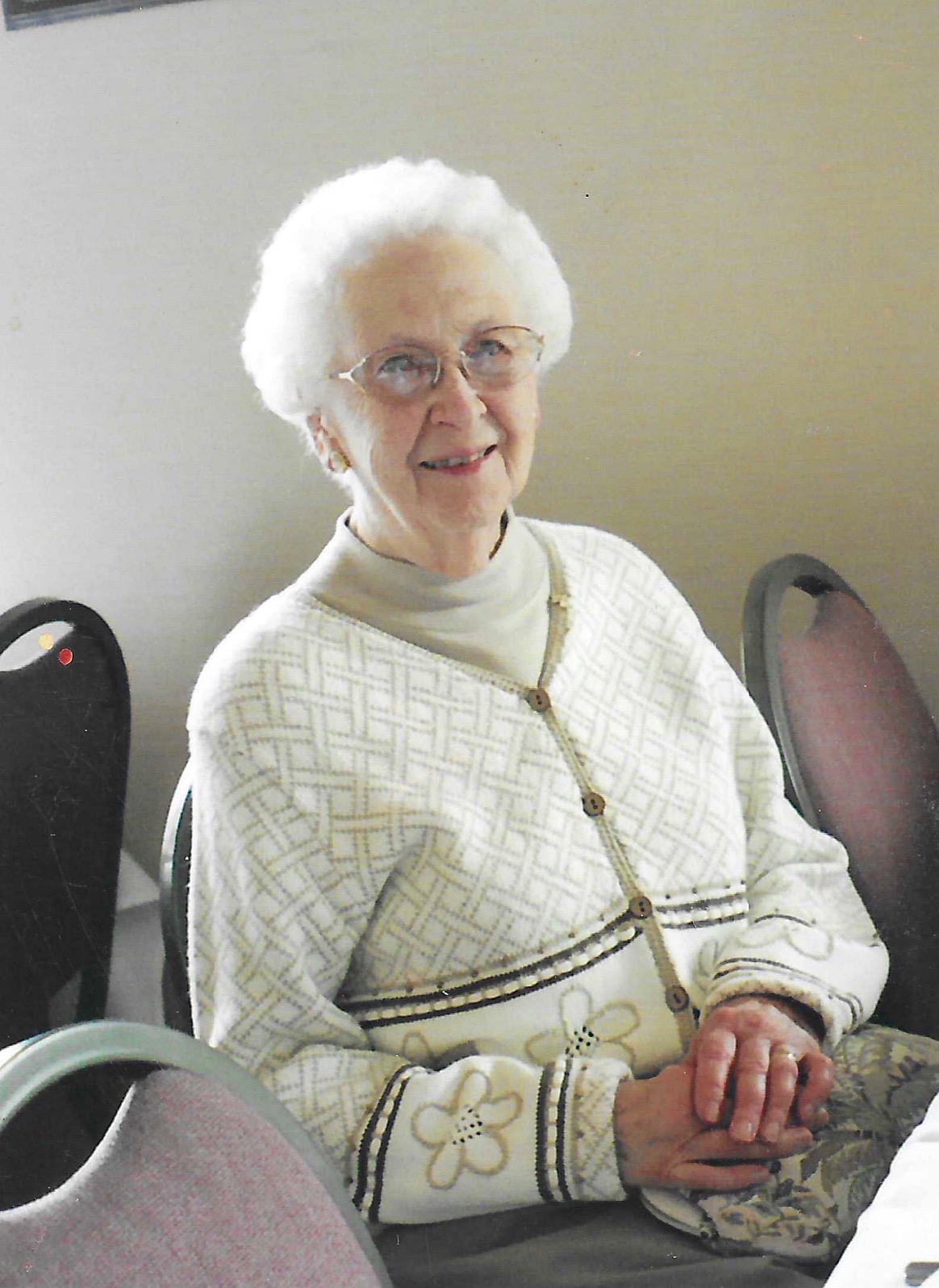
Today is my mother’s birthday, but she’s not here to celebrate by opening a flowery card or looking calmly out a window.
If my mother were alive, she’d be 114 years old, and I am guessing neither of us would be enjoying her birthday very much.
Mother, I would love to see you again to take you shopping or to sit in your sunny apartment with a pot of tea, but it wouldn’t be the same at 114.
And I’m no prize either, almost 20 years older than the last time you saw me sitting by your deathbed. Some days, I look worse than yesterday’s oatmeal.
It must have been frigid that morning in the hour just before dawn on your first December 1st at the family farm a hundred miles north of Toronto.
Happy Birthday, anyway. Happy Birthday to you. ~Billy Collins from “December 1”
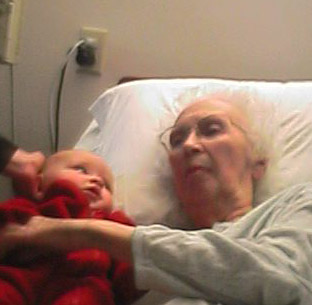
My mom meeting grandson Noah shortly before her death
December 1st is not my mother’s birthday but it was her death day seventeen years ago.
Yet it felt a bit like a birth.
The call came from the care center about 5:30 AM on the Monday after Thanksgiving on a frozen morning: the nurse gently said her breathing had changed, it wasn’t long now until she’d be gone.
My daughter and I quickly dressed and went out into bleak darkness to make the ten minute drive to where she lay. Mom had been wearily existing since a femur fracture 9 months earlier on a cruel April 1st morning. Everything changed for her at 87 years of being active. It was the beginning of the end for her, unable to care for herself at home.
Those nine months had been her gestation time to cross the threshold into a new life. It occurred to me as I drove – she was about to be born into her long-awaited yet long-feared transition to death.
Her room was darkened except for the multicolored lights on the table top artificial Christmas tree I had brought her a few days earlier. It cast colorful shadows onto the walls and the white bedspread on her hospital bed. It even made her look like she had color to her cheeks where there actually was none.
There was no one home.
She had already left, flown away while we drove the few miles to come to her. There was no reaching her now. Her skin was cooling, her face hollowed by the lack of effort, her body stilled and sunken.
I could not weep at that point – it was her liminal time to leave us behind. She was so very tired, so very weary, so very ready for heaven. And I, weary too, felt much like yesterday’s oatmeal, something she actually very much loved during her life, cooking up a big batch a couple times a week, enough to last several days.
I knew, seeing what was left of her there in that bed, Mom was no longer settling for yesterday’s oatmeal and no longer homeless. I knew she now was present for an everlasting feast, would never suffer insomnia again, would no longer be fearful of dying, her cheeks forever full of color.
I knew she had a new beginning: the glory of rebirth thanks to her Savior who had gently taken her by the hand through heaven’s gate to a land where joy would never end.
Happy Birthday, Mom. Happy December 1st Birthday to you.
I’ll fly away, oh glory I’ll fly away in the morning When I die hallelujah by and by I’ll fly away
God makes us happy as only children can be happy. God wants to always be with us, wherever we may be – in our sin, in our suffering and death. We are no longer alone; God is with us. We are no longer homeless; a bit of the eternal home itself has moved unto us. ~Dietrich Bonhoeffer
My 2025 Advent theme: On the threshold between heaven and earth
On that day there will be neither sunlight nor cold, frosty darkness. It will be a unique day—a day known only to the Lord— with no distinction between day and night. When evening comes, there will be light. Zechariah 14:6-7
So once in Israel love came to us incarnate, stood in the doorway between two worlds, and we were all afraid. ~Annie Dillard in Teaching a Stone to Talk
O Earth, lie heavily upon her eyes; Seal her sweet eyes weary of watching, Earth; Lie close around her; leave no room for mirth With its harsh laughter, nor for sound of sighs. She hath no questions, she hath no replies, Hushed in and curtained with a blessed dearth Of all that irked her from the hour of birth; With stillness that is almost Paradise. Darkness more clear than noon-day holdeth her, Silence more musical than any song; Even her very heart has ceased to stir: Until the morning of Eternity Her rest shall not begin nor end, but be; And when she wakes she will not think it long. ~Christina Rossetti “Rest”
One-Time
Monthly
Yearly
Make a one-time or recurring donation to support daily Barnstorming posts
I wonder if, in the dark night of the sea, the octopus dreams of me. ~N. Scott Momaday
photo by Nate Gibson
If I am brutally honest with myself after my recent cardiac brush with my mortality, one of my worst fears is to have lived on this earth for a handful of decades and then pass away forgotten, inconsequential, having left behind no legacy of significance whatsoever.
I’m well aware it is self-absorbed to feel the need to leave a mark, but a search for purpose and meaning lasting beyond my time here provides new momentum for each day. The forgetting can happen so fast.
Most people know little about their great-great-grandparents, if they even know their names. A mere four generations, a century, renders us dust, not just in flesh, but in memory as well. There may be a yellowed photograph in a box somewhere, perhaps a tattered postcard or letter written in elegant script, but the essence of this person is long lost and forgotten.
We owe it to our descendants to write down the stories about who we were while we lived on this earth. We need to share why we lived, for whom we lived, for what we lived.
I suspect, although I try every day to record some part of who I am, it will be no different with me and those who come after me. Whether or not we are remembered by great-great grandchildren or become part of the dreams of creatures in the depths of the seas:
we are just dust here and there is no changing that.
Good thing this is not our only home. Good thing we are more than mere memory and dreams. Good thing the river of life flows into an eternity that transcends good works or long memories or legacies left behind. Good thing we are loved that much and always will be. You see, we are alive, we are alive, forever and ever, Amen.
I remember your lectures, Professor Scott Momaday, now nearly two years after you passed from this earth at age 89 – your voice, your stories and your poetry live on.
You are alive. You are alive…
One-Time
Monthly
Yearly
Make a one-time or recurring donation to support daily Barnstorming posts
In the quiet misty morning When the moon has gone to bed When the sparrows stop their singing And the sky is clear and red When the summer ceased it’s gleaming When the corn is past its prime When adventures lost its meaning I’ll be homeward-bound in time ~Marta Keen from “Homeward Bound”
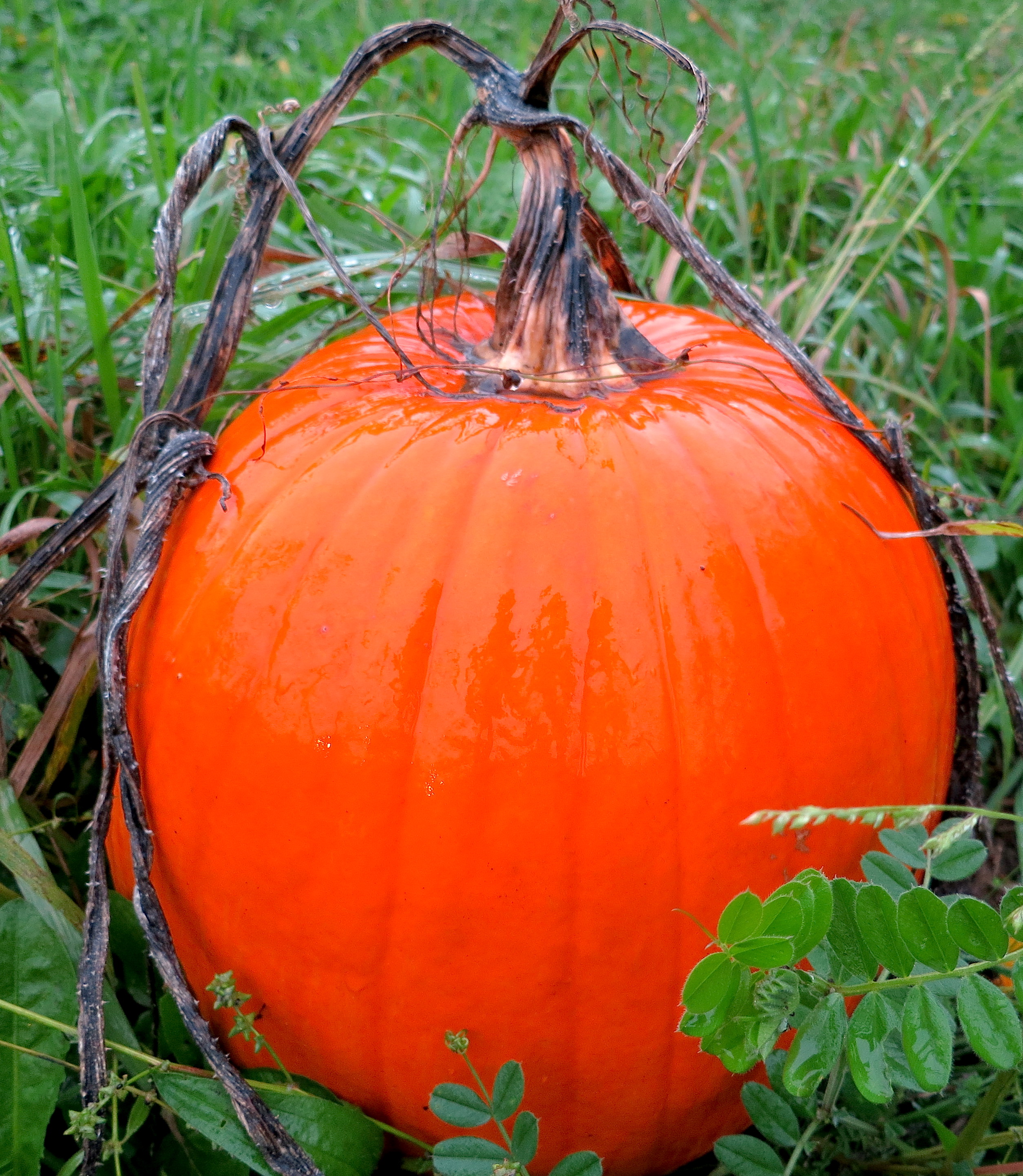
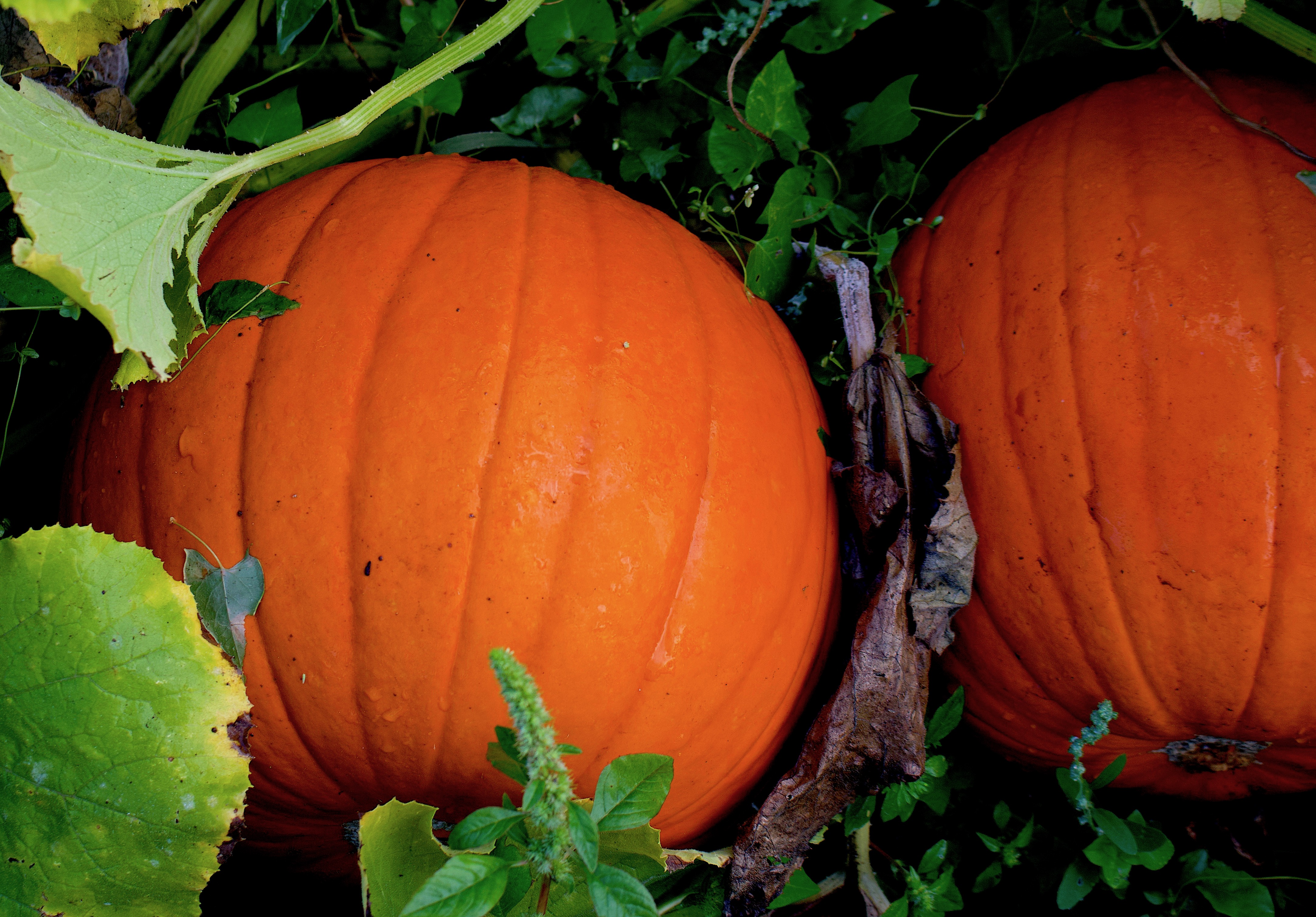
On Halloween day in 1985, I packed up a roll-up mattress pad, grabbed one lonely pumpkin from our small garden, locked our rental house door for the last time, then climbed in my car to head two hours north out of Seattle.
I don’t recall looking back in the rear view mirror at the skyline after nine years living in the city. My husband had moved to Whatcom County two months earlier to start his new job. I had stayed behind to wrap up my Group Health family practice in the Rainier Valley of central Seattle.
I was leaving the city for our new rural home and a very uncertain professional future.
I knew two things for sure: I was finally several months pregnant after a miscarriage and two years of trying to conceive, so our family was on its way, and we were going to live in our own house with a few acres and a barn.
A real (sort of) starter farm and starter family, a dream we both shared. Our home sits in the midst of woods and corn fields, with deer strolling through the fields at dawn, coyotes howling at night, Canadian geese and trumpeter swans calling from overhead and salmon thriving in nearby streams. The snowy Cascades greet us in the morning to the east, the Canadian Coastal range majestic to the north and not far to the west, the Salish Sea/Puget Sound.
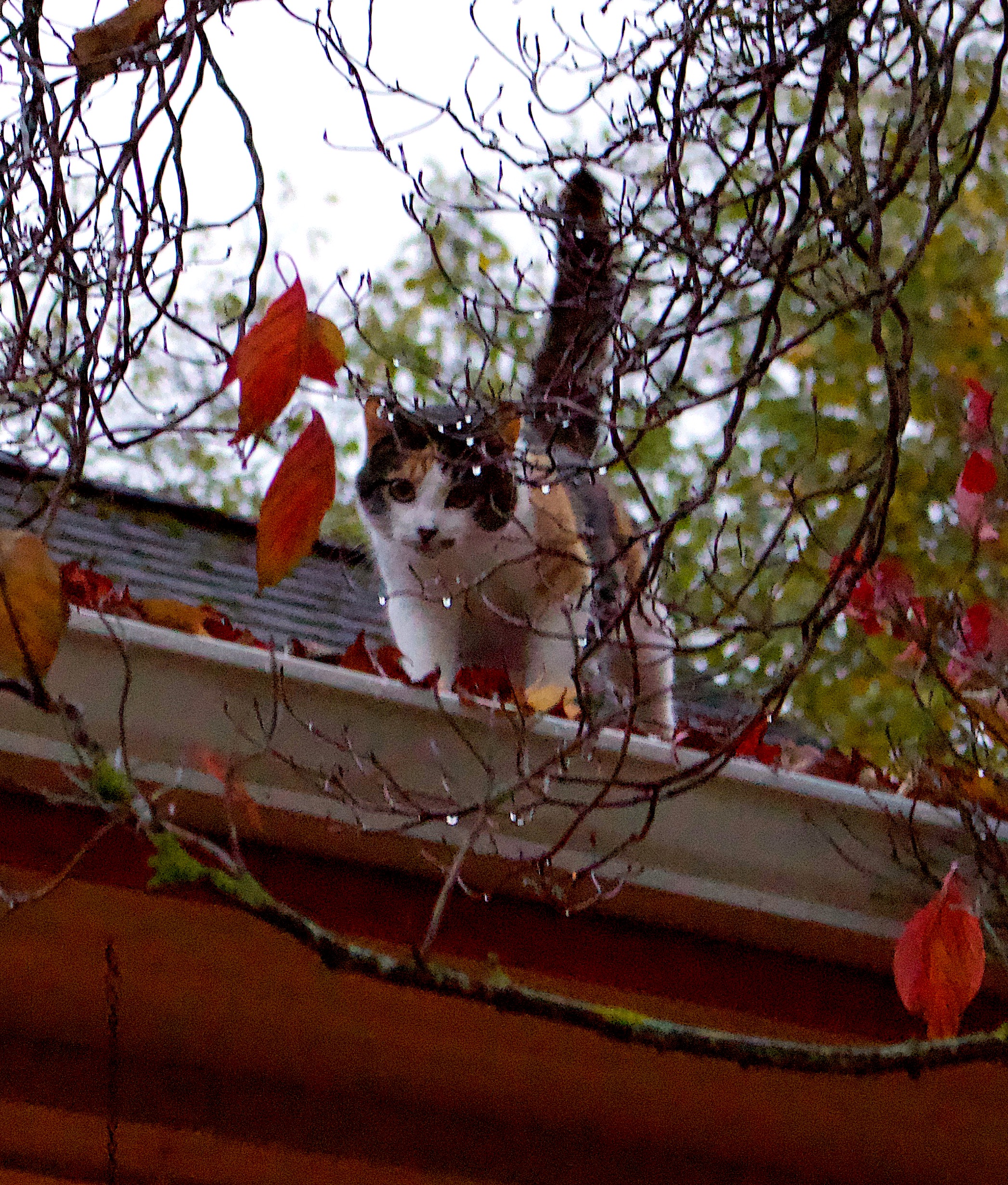
Since it wouldn’t be a farm without animals, I stopped at the first pet store I drove past and found two tortoise shell calico kitten sisters peering up at me, just waiting for new adventures in farmland. Their box was packed into the one spot left beside me in my little Mazda.
With that simple commitment to raise and nurture those kittens alongside the life growing inside me, life seemed very complete.
I will never forget the freedom I felt on that drive north. The highway seemed more open, the fall colors more vibrant, the wind more energizing, our baby kicking my belly, the kittens mewing from their box. There seemed so much potential even though I had just left behind the greatest family practice found in any urban setting (at the time, it was the most ethnically diverse zip code in the United States) with patients from all over the world: alongside the multi-racial inner city population living in subsidized housing developments, my patients included Muslim immigrants from the Middle East and Indonesia, Orthodox Jews, Italian Catholics, and refugees from Cambodia, Laos, and Vietnam.
I will never know so much variety of ethnic background and perspective again. If I could have packed them all into my little car and driven them north with me, I would have.
Despite what I was leaving behind, there was certainly a feeling of freedom that rainy Halloween day as the big city disappeared in the rear view mirror.
No longer would I sit captive in freeway rush-hour bumper to bumper traffic jams. I traded that for a new rural commute winding through farm fields while watching eagles fly overhead. I could become part of a community in a way I never could manage in the city, visiting with friends at the grocery store, playing piano and teaching Sunday School at church and serving on various community boards.
After the new kittens, dubbed Nutmeg and Oregano, arrived on our farm, we added even more diversity: a Belgian Tervuren dog Tango, a Haflinger horse Greta, Toggenburg goats Tamsin and her kids, a few Toulouse geese, Araucana chickens, Fiona the Scottish Highland cow, then another Haflinger Hans and another, Tamara. I worked as a fill-in doctor in four different clinics before our first baby was born, then settled into part-time practice in several different clinics for most of my career.
With those new commitments, life was fulfilling and busy – we soon added a little brother and seven years later, a sister. Then it felt like our family was complete.
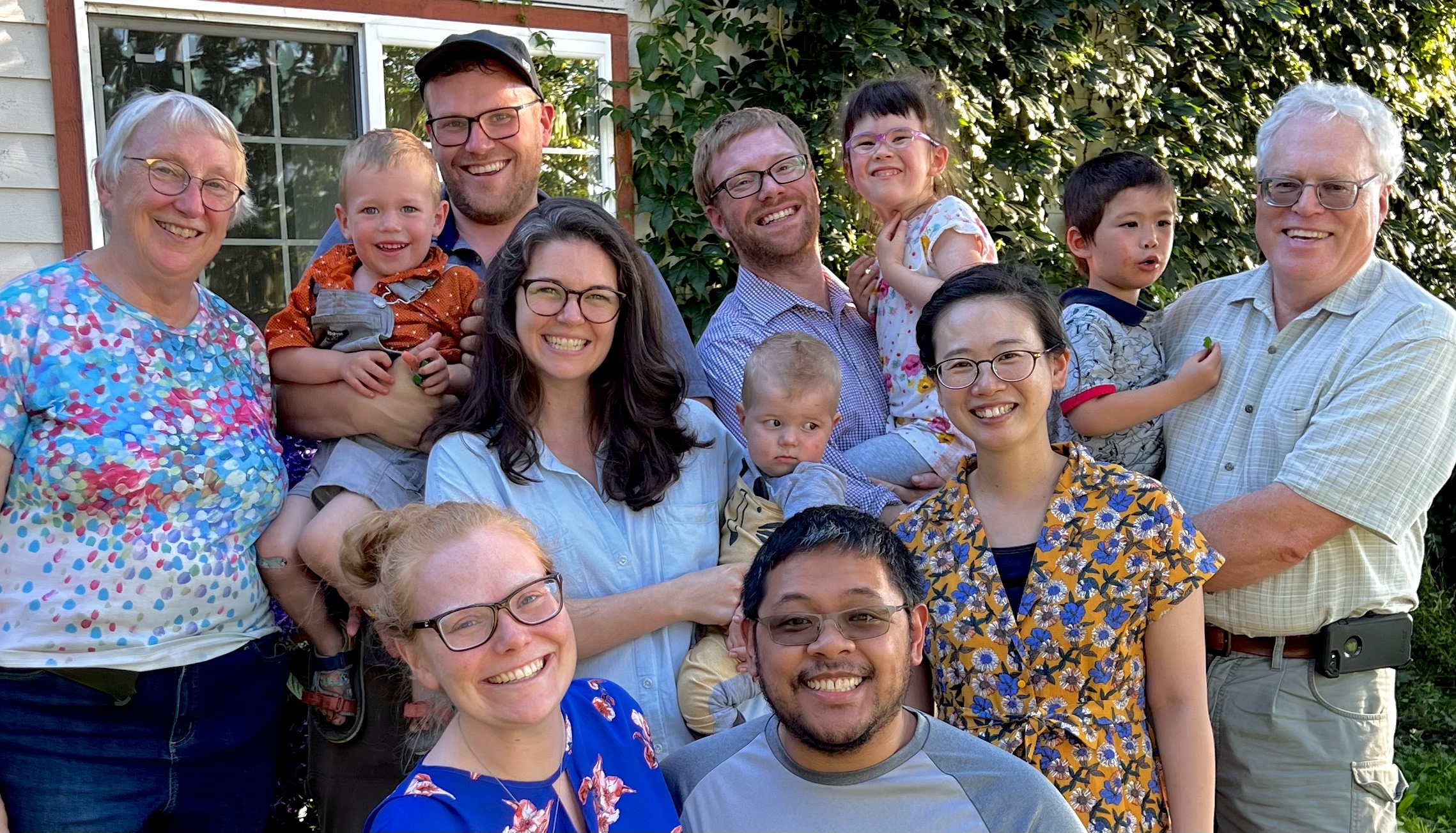
Forty years later, our children have grown and gone to homes of their own, all married to wonderful spouses, raising six delightful children for us to lavish love on.
Somehow life now feels even more complete.
A few cats, a Cardigan Corgi, and three ponies still live at the farm with us. Now retired from our professional lives “in town”, we enjoy the freedom of slower and quieter days, nurtured and nurturing.
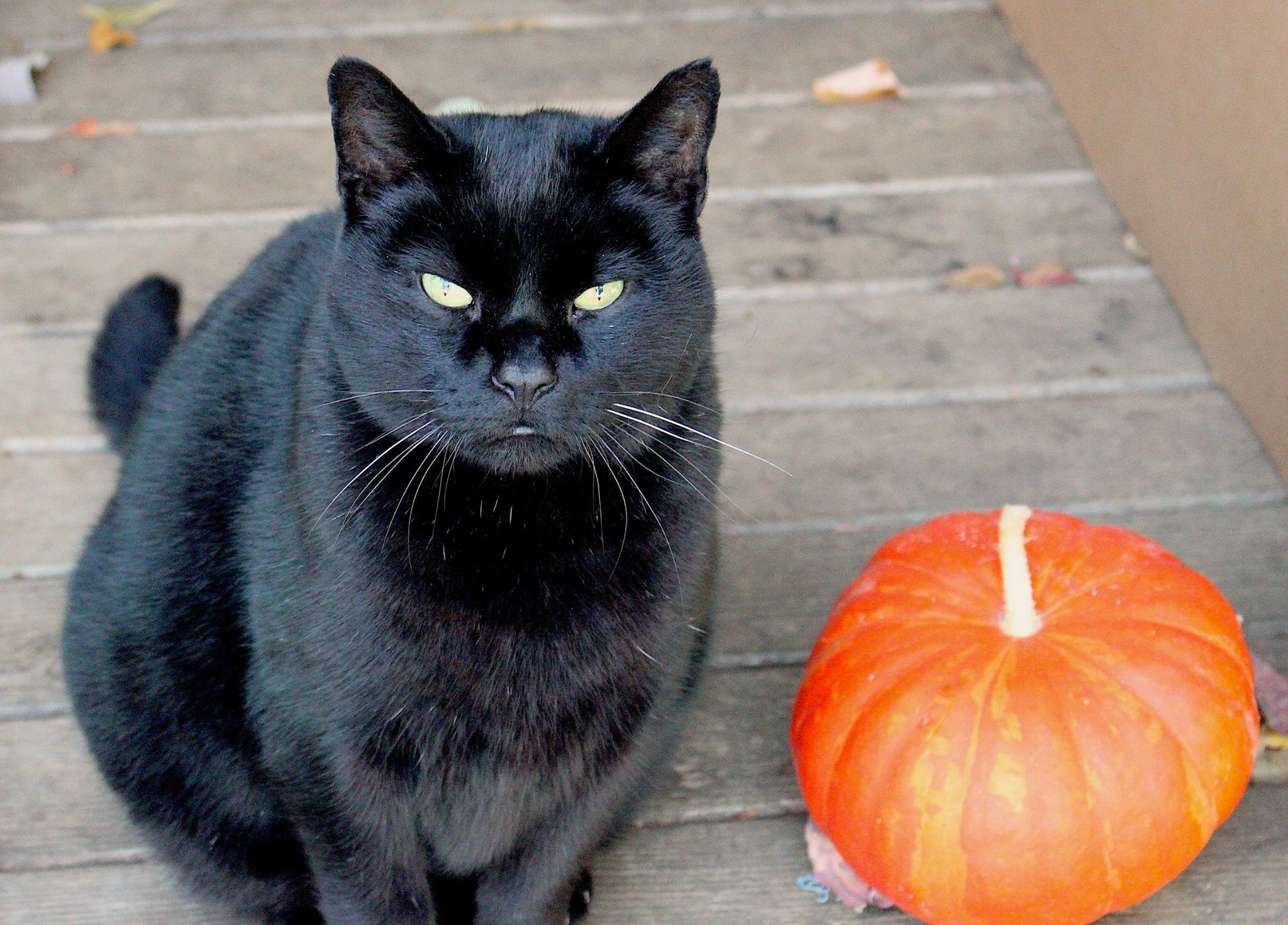
It all started October 31, 1985 with two orange and black kittens and a pumpkin sitting beside me in a little Mazda, my husband awaiting my homecoming 100 miles north. Now, forty years later, we celebrate this Halloween anniversary of farm and family, still pregnant with the possibility that life is never truly complete when there is always a new day just around the corner.
One-Time
Monthly
Yearly
Make a one-time or recurring donation to support daily Barnstorming posts
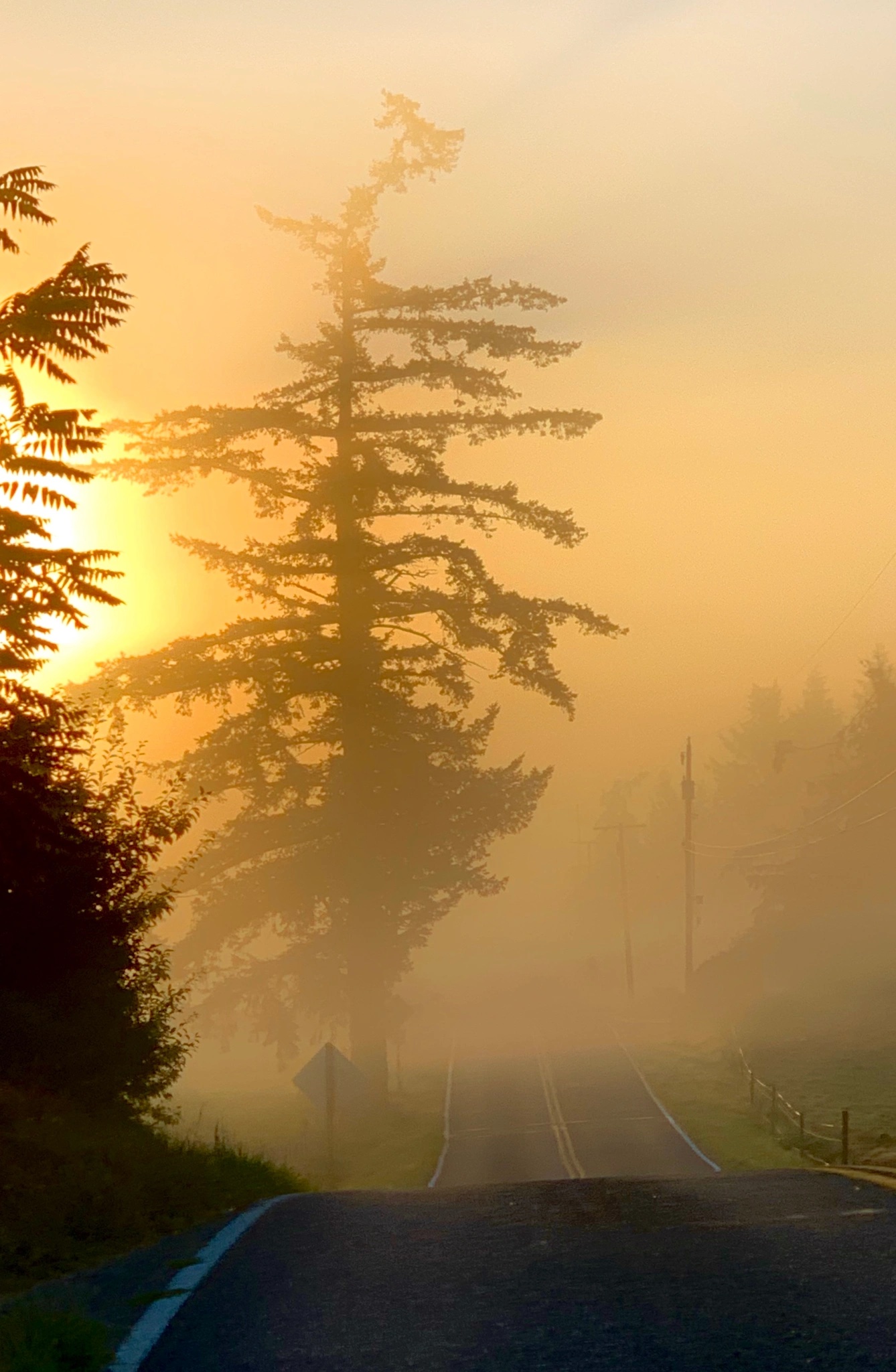
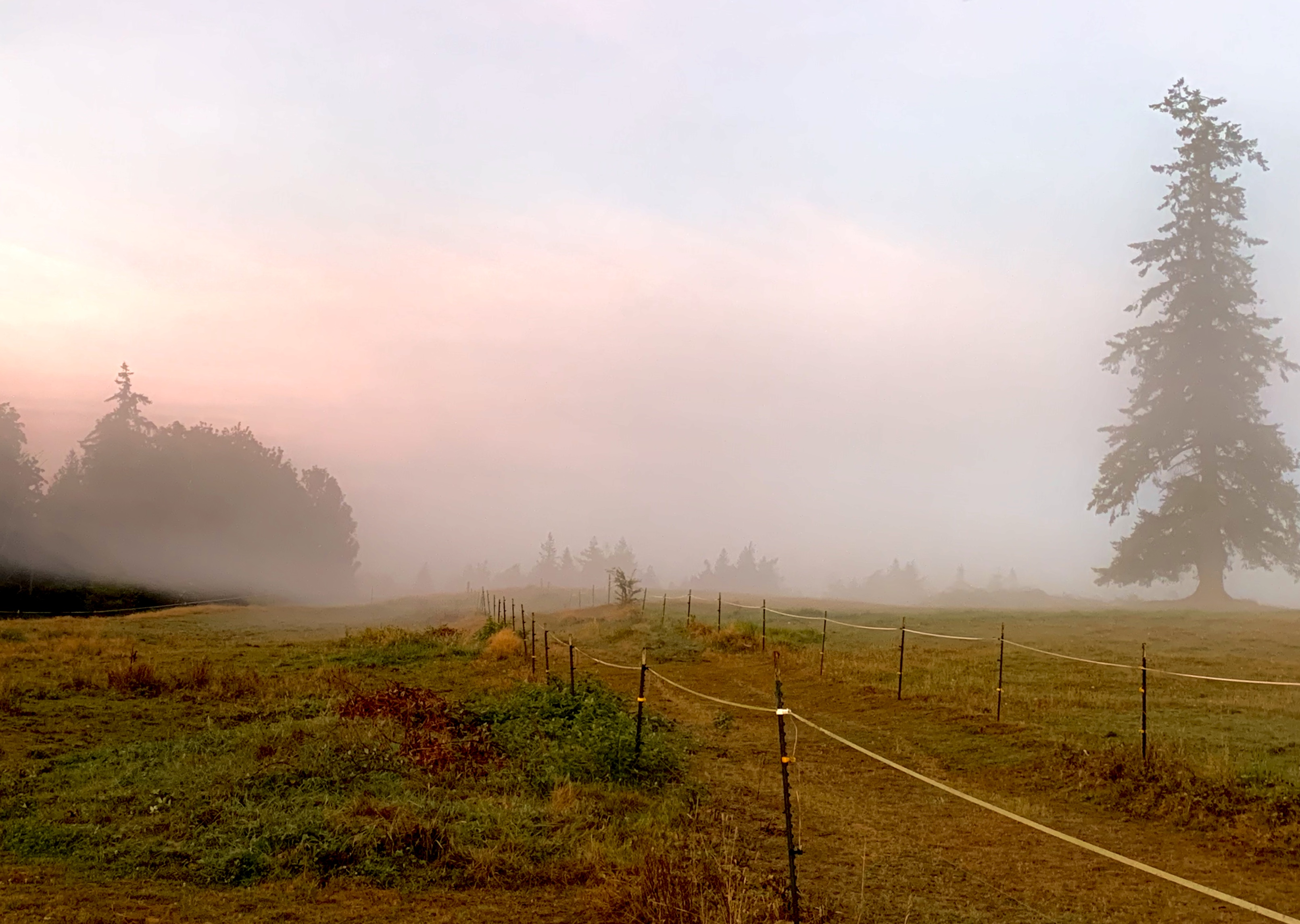
~Lustravit lampade terras~ (He has illumined the world with a lamp) The weather and my mood have little connection. I have my foggy and my fine days within me; my prosperity or misfortune has little to do with the matter. – Blaise Pascal from “Miscellaneous Writings”
And so you have a life that you are living only now, now and now and now, gone before you can speak of it, and you must be thankful for living day by day, moment by moment … a life in the breath and pulse and living light of the present… ~Wendell Berry from Hannah Coulter
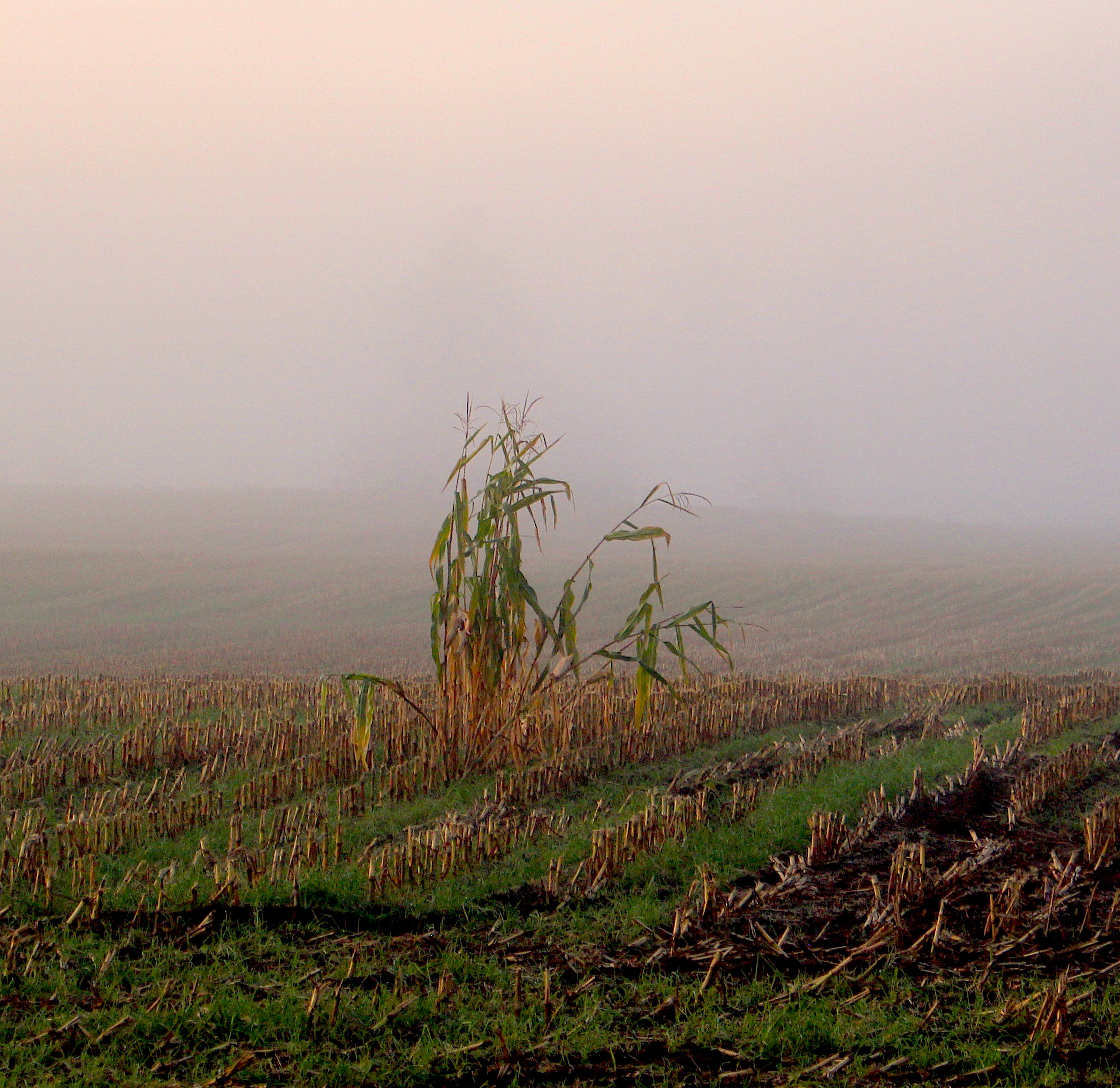
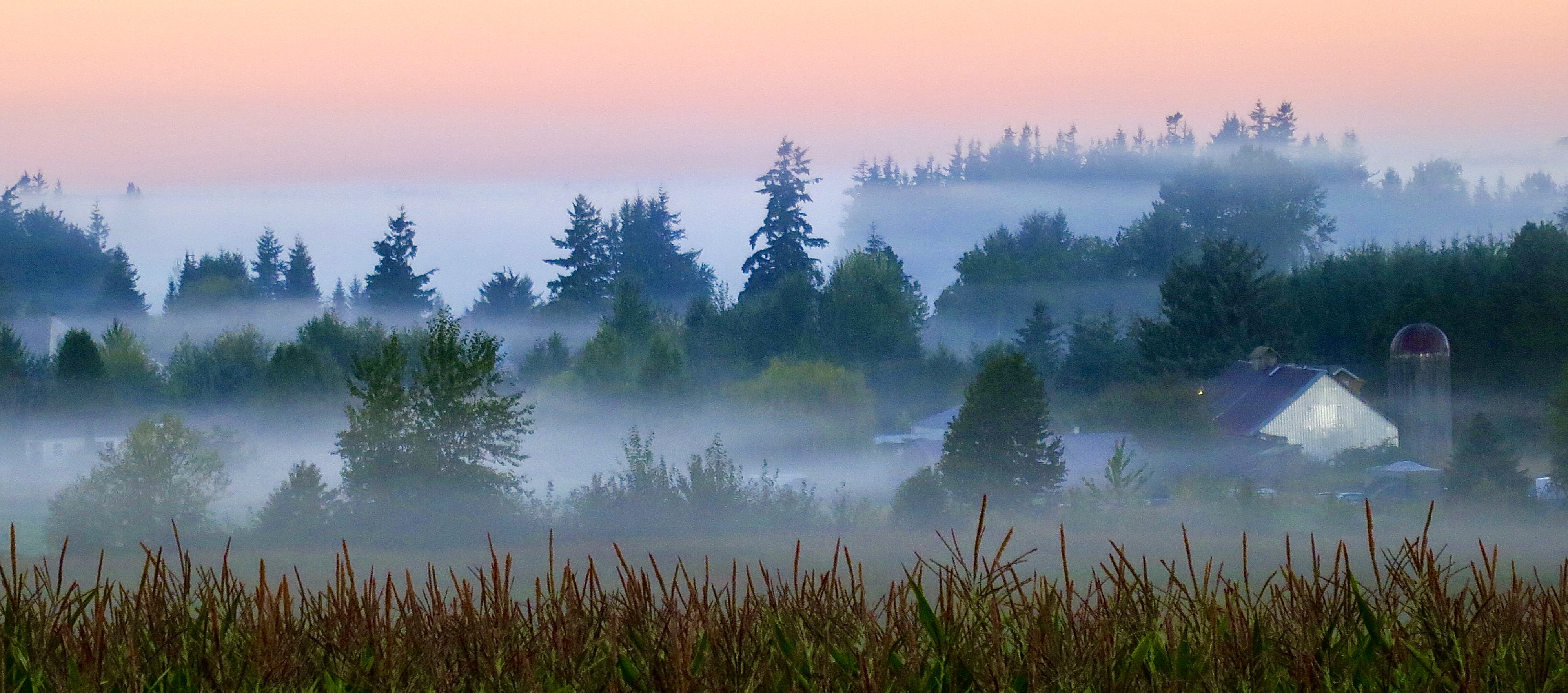
Early morning, everything damp all through. Cars go by. A ripping sound of tires through water. For two days the air Has smelled like salamanders. The little lake on the edge of town hidden in fog, Its cattails and island gone. All through the gloom of the dark week Bright leaves have been dropping From black trees Until heaps of color lie piled everywhere In the falling rain. ~Tom Hennen “Wet Autumn” from Darkness Sticks to Everything.
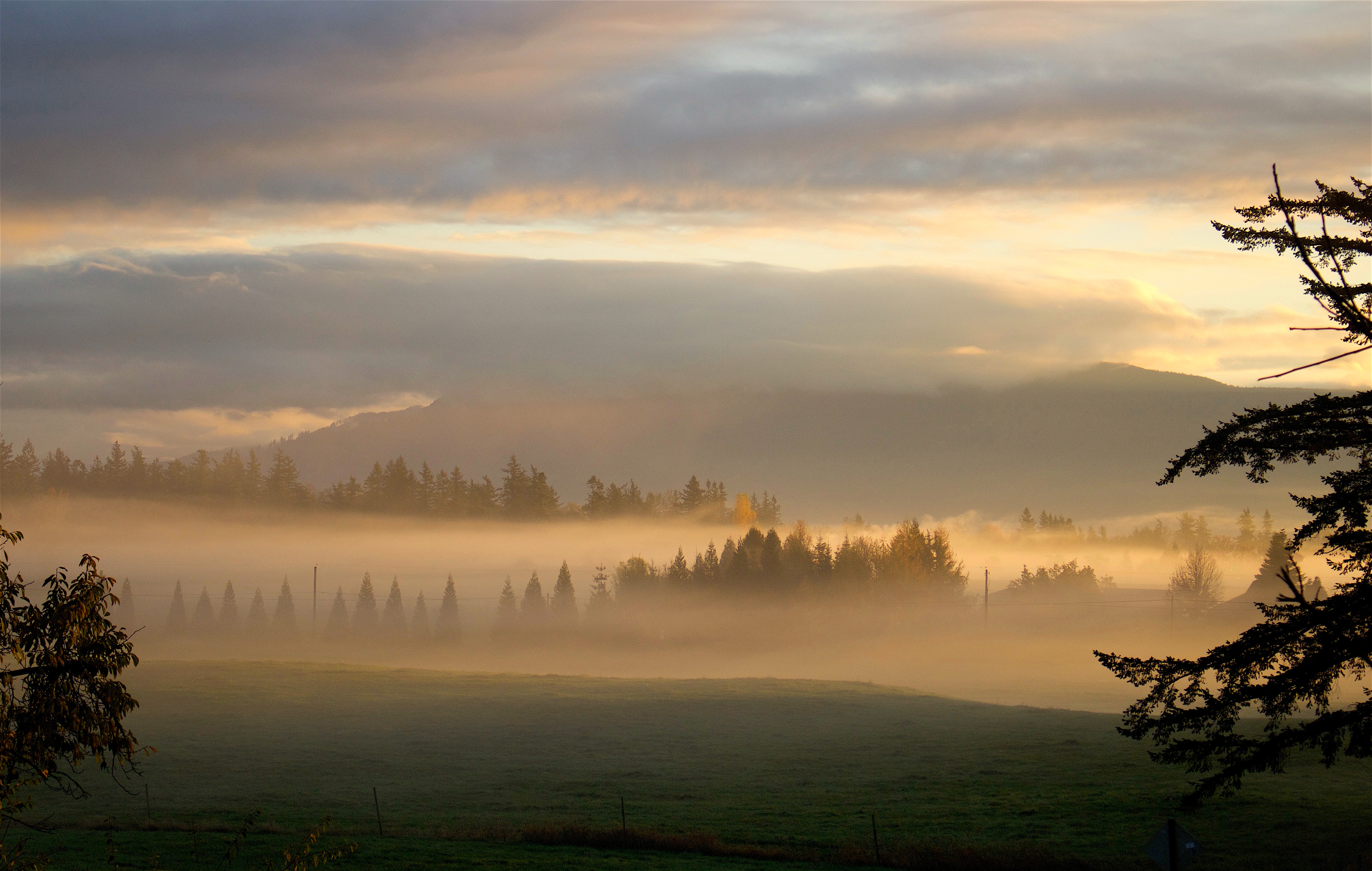
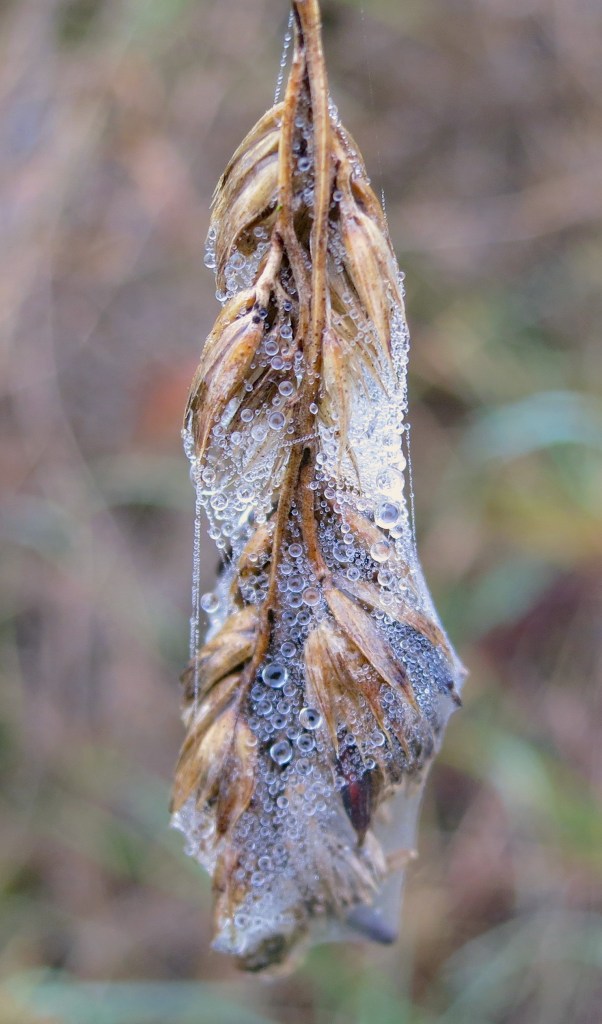
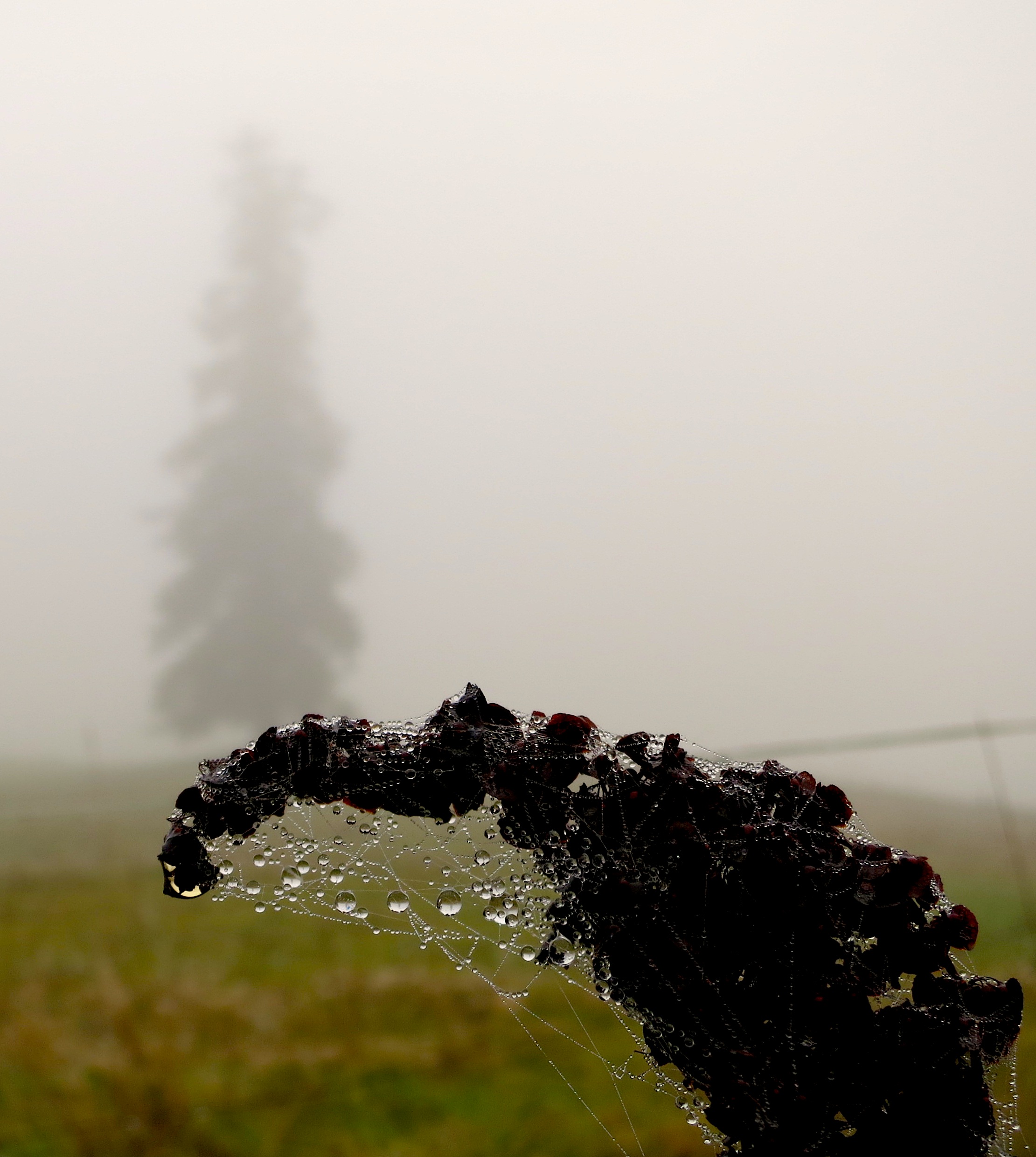
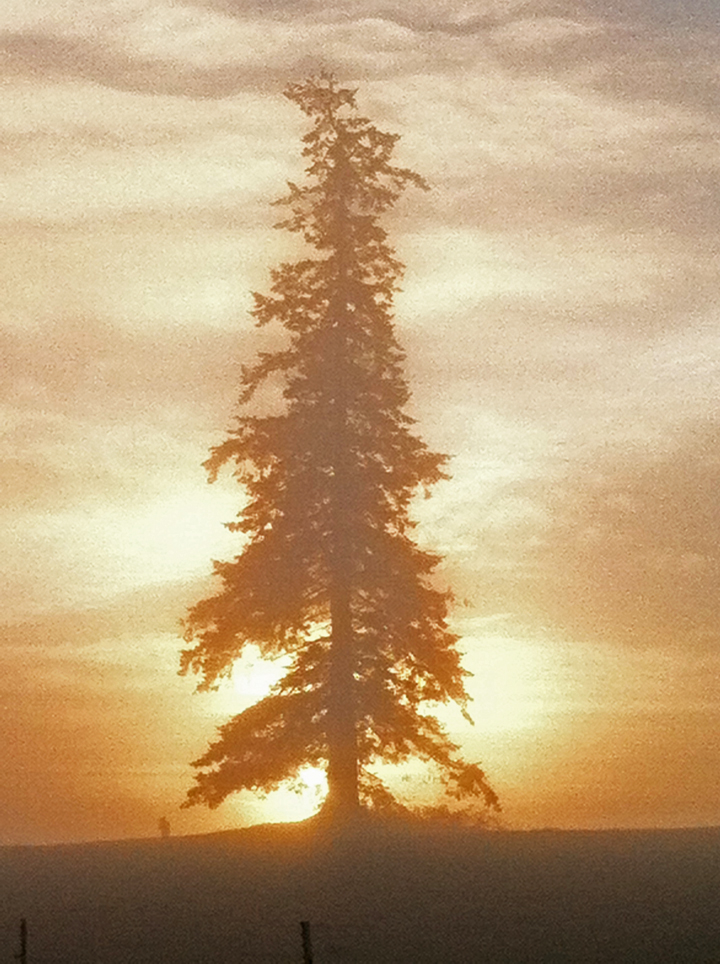
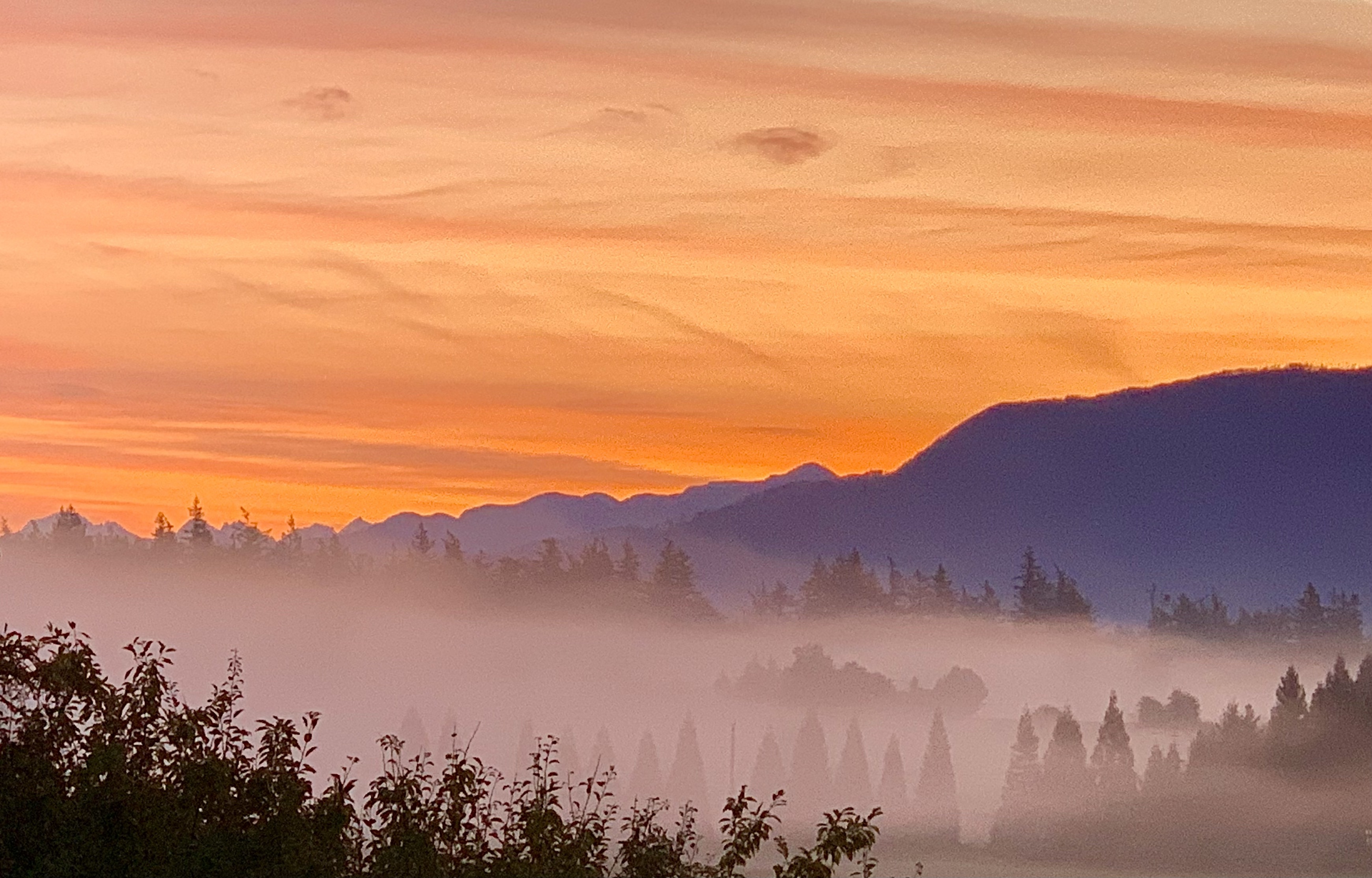
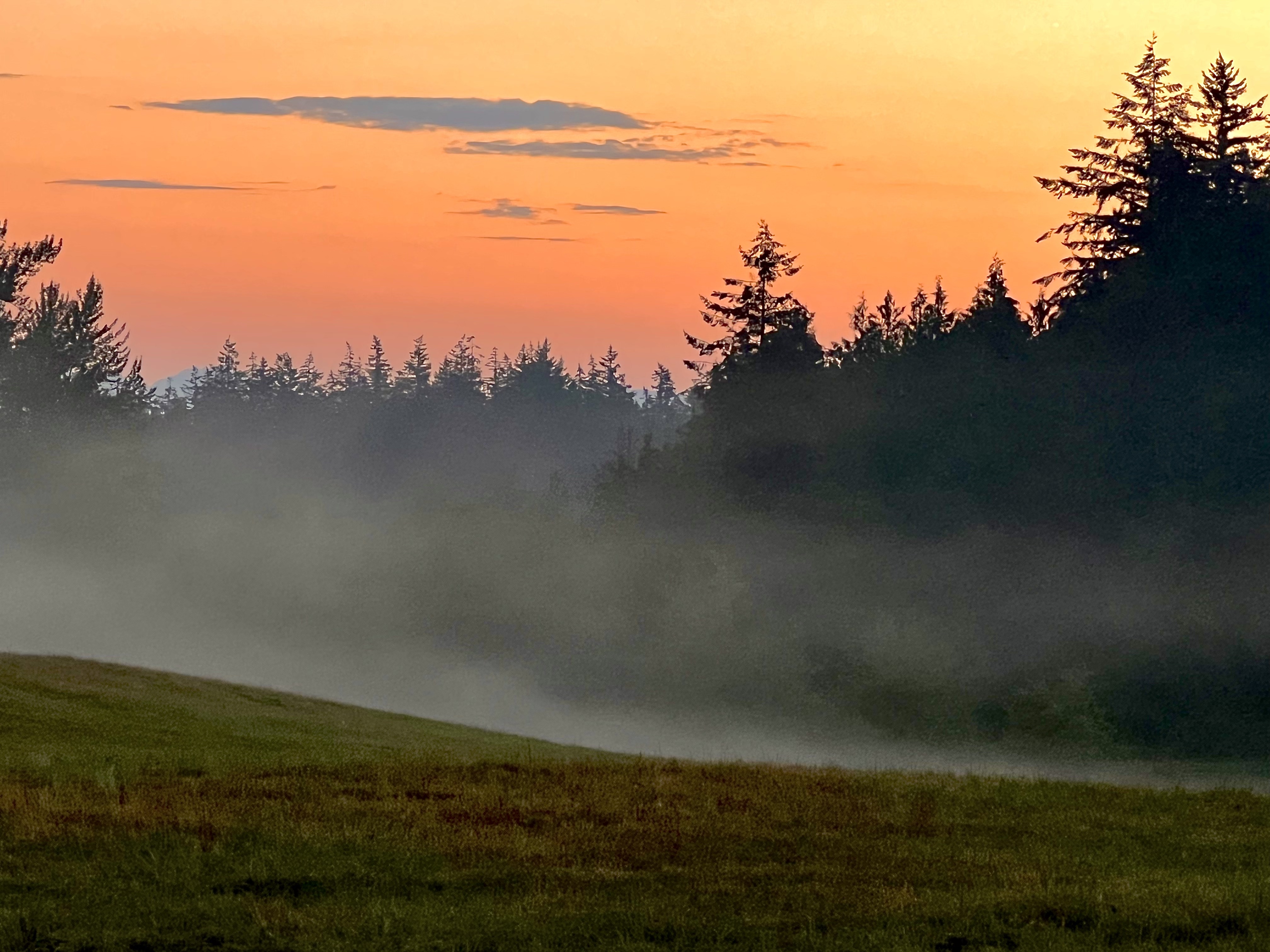
An absolute patience. Trees stand up to their knees in fog. The fog slowly flows uphill. White cobwebs, the grass leaning where deer have looked for apples. The woods from brook to where the top of the hill looks over the fog, send up not one bird. So absolute, it is no other than happiness itself, a breathing too quiet to hear. – Denise Levertov “The Breathing“
Worry and anger and angst can be more contagious than the flu.
I want to mask up and wash my hands of it throughout the day. There should be a vaccination against the fear of reading headlines.
I want to say to myself: Stop now, this moment in time. Stop and stop and stop.
Stop needing to be numb to all discomfort. Stop resenting the gift of each breath. Just stop. Instead, simply be still, in this moment
I want to say to myself: this moment, foggy or fine, is yours alone, this moment of weeping and sharing and breath and pulse and light.
Shout for joy in it. Celebrate it. I am alive in it, even in worry.
Be thankful for tears that flow over grateful lips just as rain clears the fog. Stop holding them back.
Just be– be blessed in both the fine and the foggy days– in the now and now and now.
One-Time
Monthly
Yearly
Make a one-time or recurring donation to support daily Barnstorming posts
The thing is to love life, to love it even when you have no stomach for it and everything you’ve held dear crumbles like burnt paper in your hands, your throat filled with the silt of it. When grief sits with you, its tropical heat thickening the air, heavy as water more fit for gills than lungs; when grief weights you like your own flesh only more of it, an obesity of grief, you think, How can a body withstand this? Then you hold life like a face between your palms, a plain face, no charming smile, no violet eyes, and you say, yes, I will take you I will love you, again. ~Ellen Bass, “The Thing Is” from Mules of Love
...everything here seems to need us —Rainer Maria Rilke
It’s a hard time to be human. We know too much and too little. Does the breeze need us? If you’ve managed to do one good thing, the ocean doesn’t care. But when Newton’s apple fell toward the earth, the earth, ever so slightly, fell toward the apple. ~Ellen Bass from “The World Has Need of You” from Like a Beggar
Fallen leaves will climb back into trees. Shards of the shattered vase will rise and reassemble on the table. Plastic raincoats will refold into their flat envelopes. The egg, bald yolk and its transparent halo, slide back in the thin, calcium shell. Curses will pour back into mouths, letters un-write themselves, words siphoned up into the pen. My gray hair will darken and become the feathers of a black swan. Bullets will snap back into their chambers, the powder tamped tight in brass casings. Borders will disappear from maps. Rust revert to oxygen and time. The fire return to the log, the log to the tree, the white root curled up in the un-split seed. Birdsong will fly into the lark’s lungs, answers become questions again. When you return, sweaters will unravel and wool grow on the sheep. Rock will go home to mountain, gold to vein. Wine crushed into the grape, oil pressed into the olive. Silk reeled in to the spider’s belly. Night moths tucked close into cocoons, ink drained from the indigo tattoo. Diamonds will be returned to coal, coal to rotting ferns, rain to clouds, light to stars sucked back and back into one timeless point, the way it was before the world was born, that fresh, that whole, nothing broken, nothing torn apart. ~Ellen Bass “When You Return” from Like a Beggar
There is so much grief these days so much anger, so much loss of life, so much weeping.
How can we withstand this? How can we know, now, when we are barely able to breathe that we might know – at some point – we might have the stomach to love life again?
This time of year, no matter which way I turn, autumn’s kaleidoscope displays new patterns, new colors, new empty spaces as I watch the world die into itself once again.
Some dying is flashy, brilliant, blazing – a calling out for attention. Then there is the hidden dying that happens without anyone taking notice: just a plain, tired, rusting away letting go.
I spent this morning adjusting to the change in season by occupying myself with the familiar task of moving manure. Cleaning barn is a comforting chore, allowing me to transform tangible benefit from something objectionable and just plain stinky to the nurturing fertilizer of the future.
It feels like I’ve actually accomplished something.
As I scoop and push the wheelbarrow, I recalled another barn cleaning 24 years ago, just days before the world changed on 9/11/01.
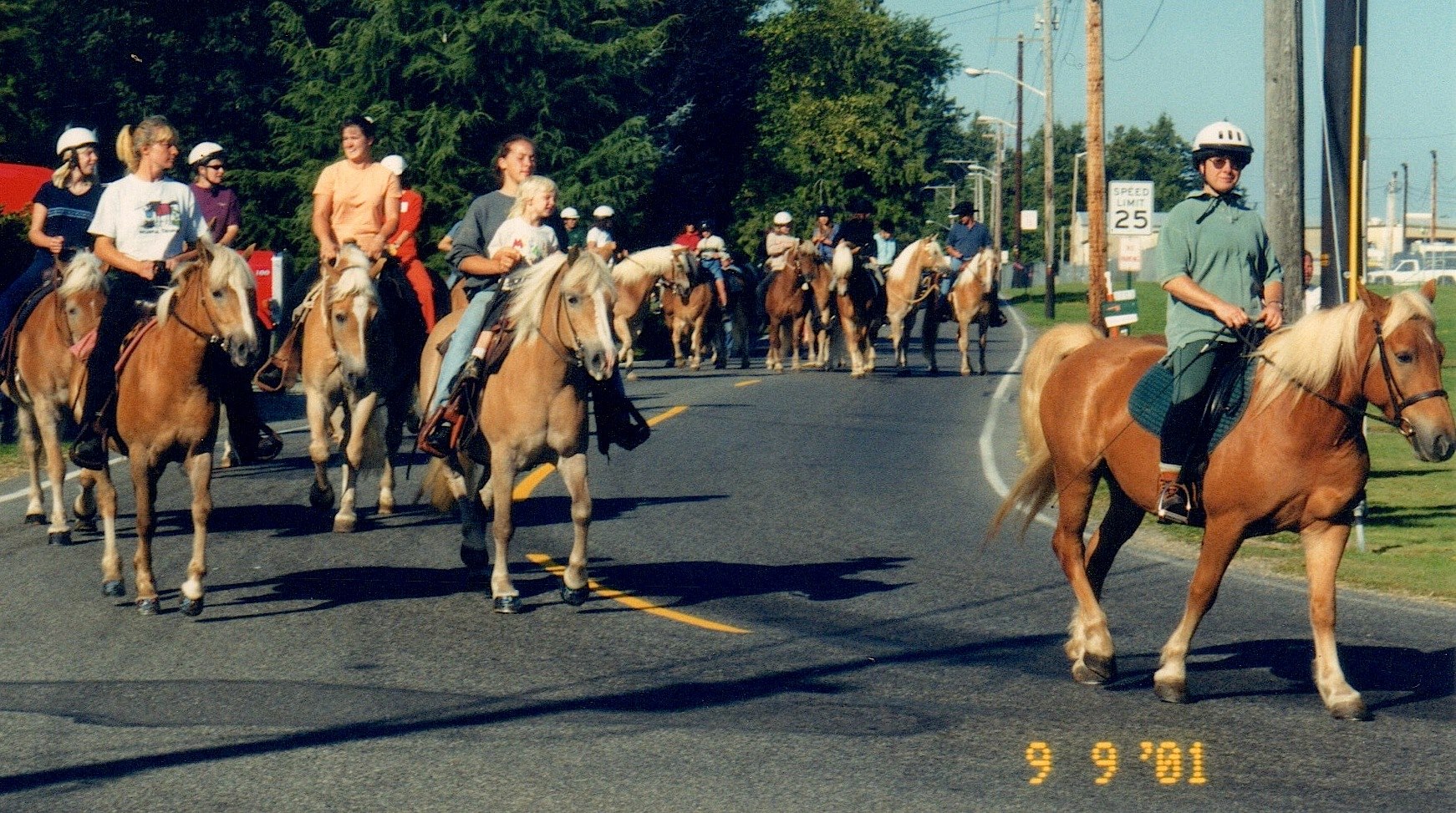
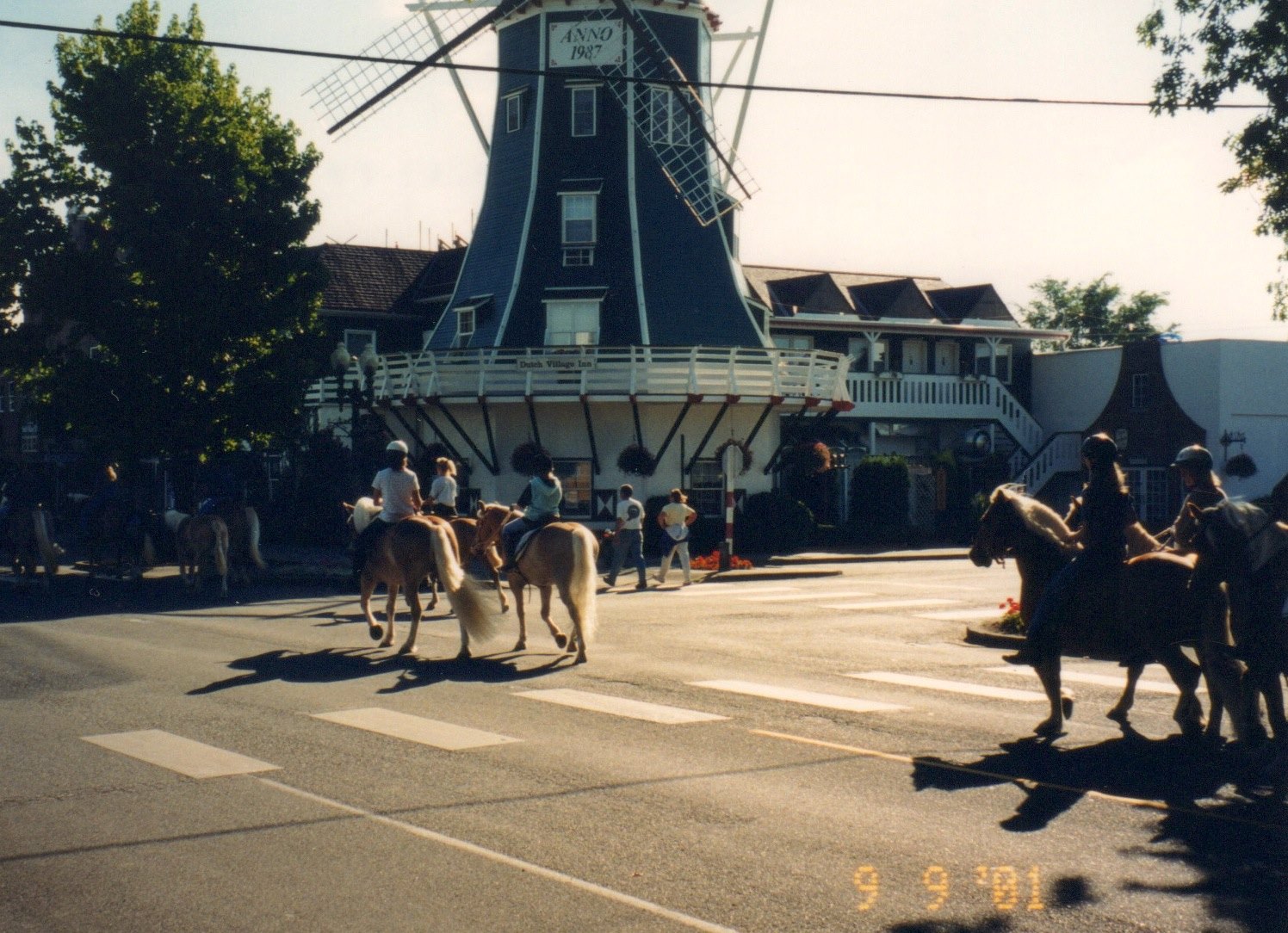
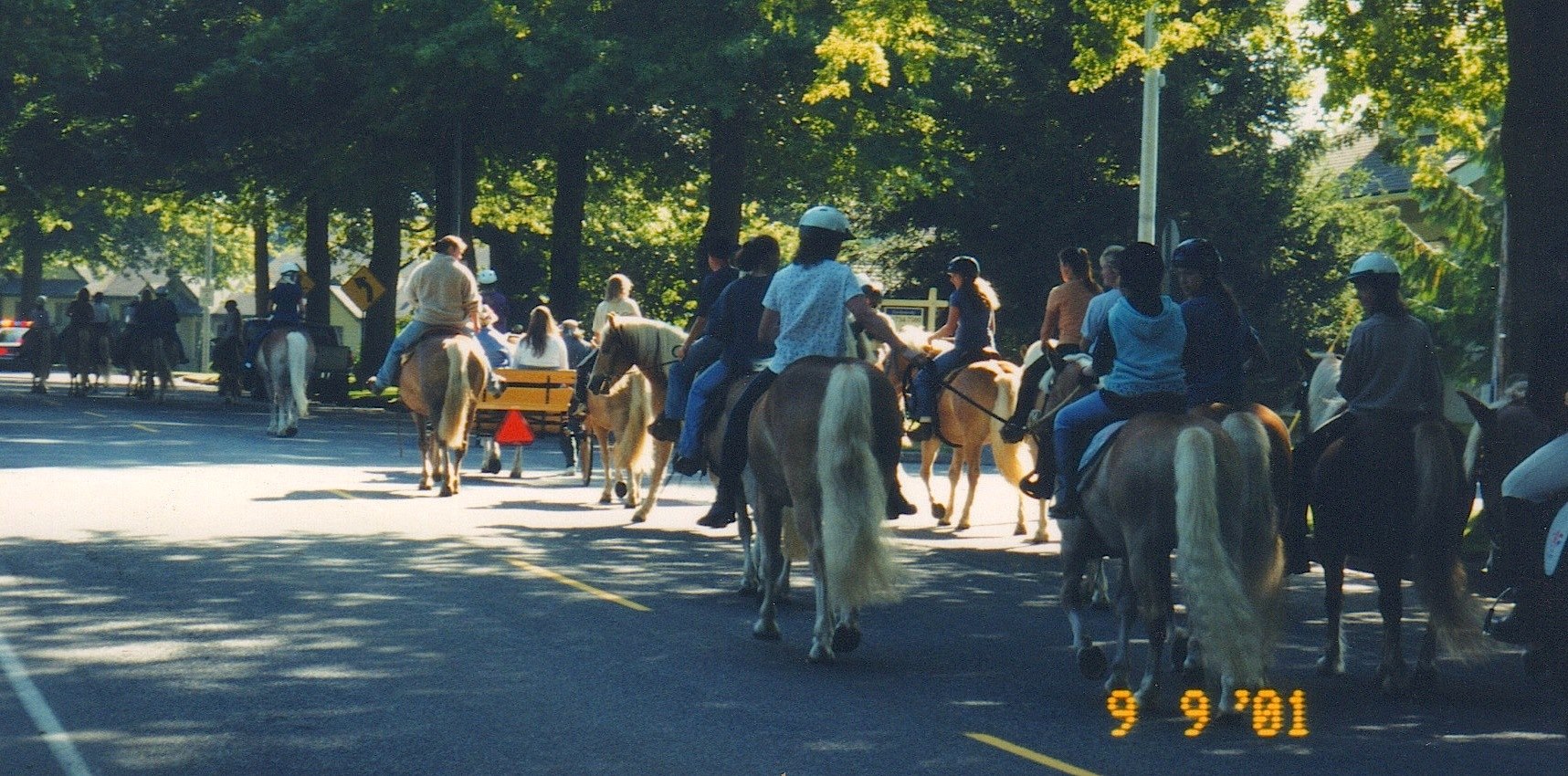
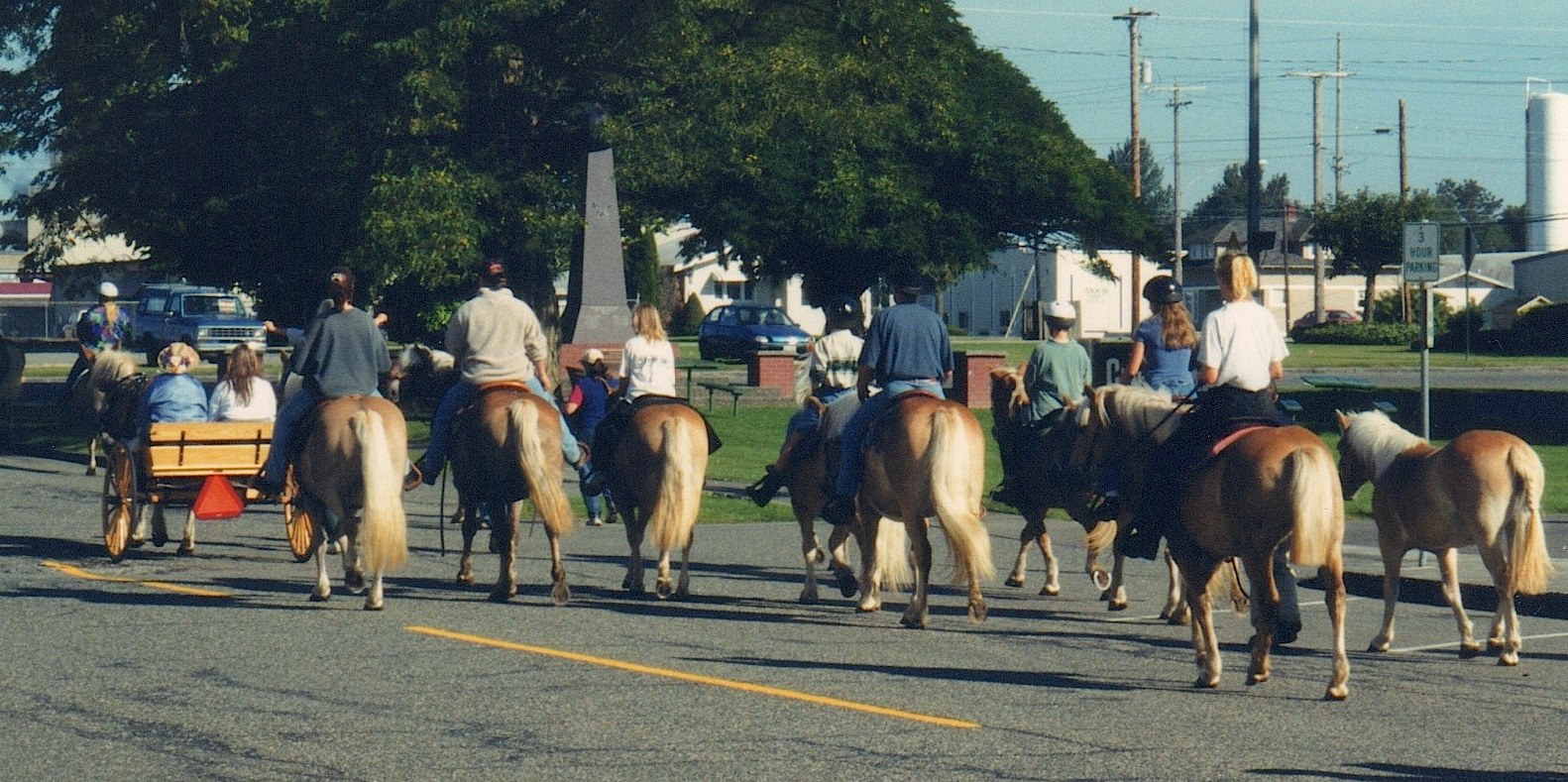
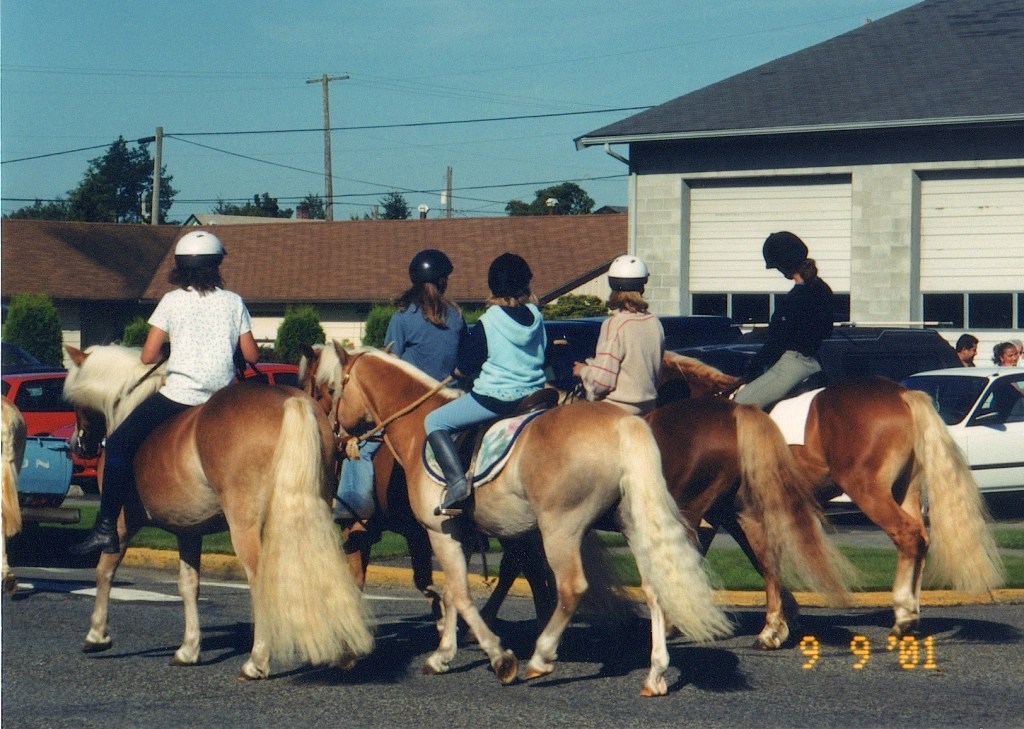
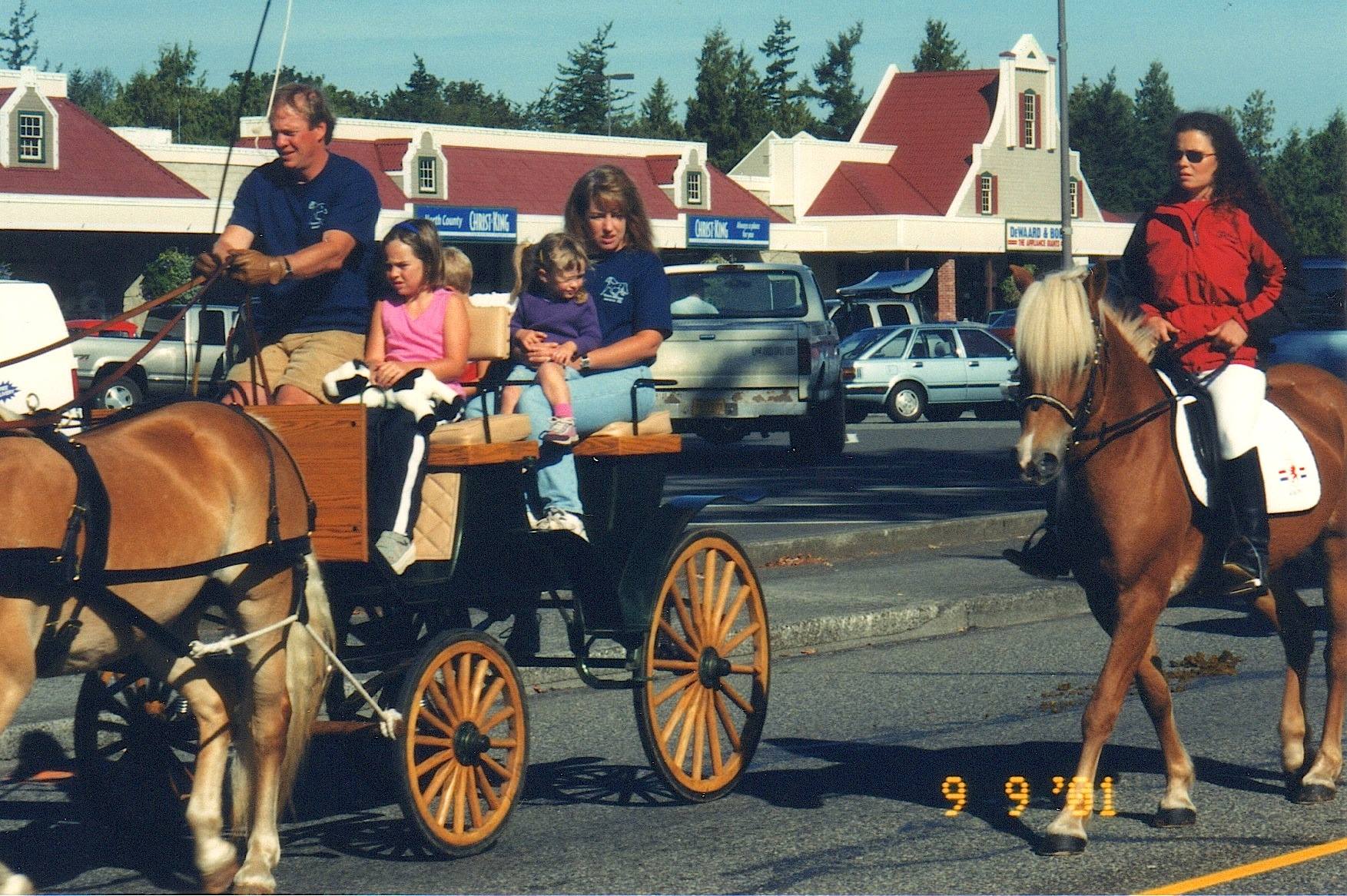
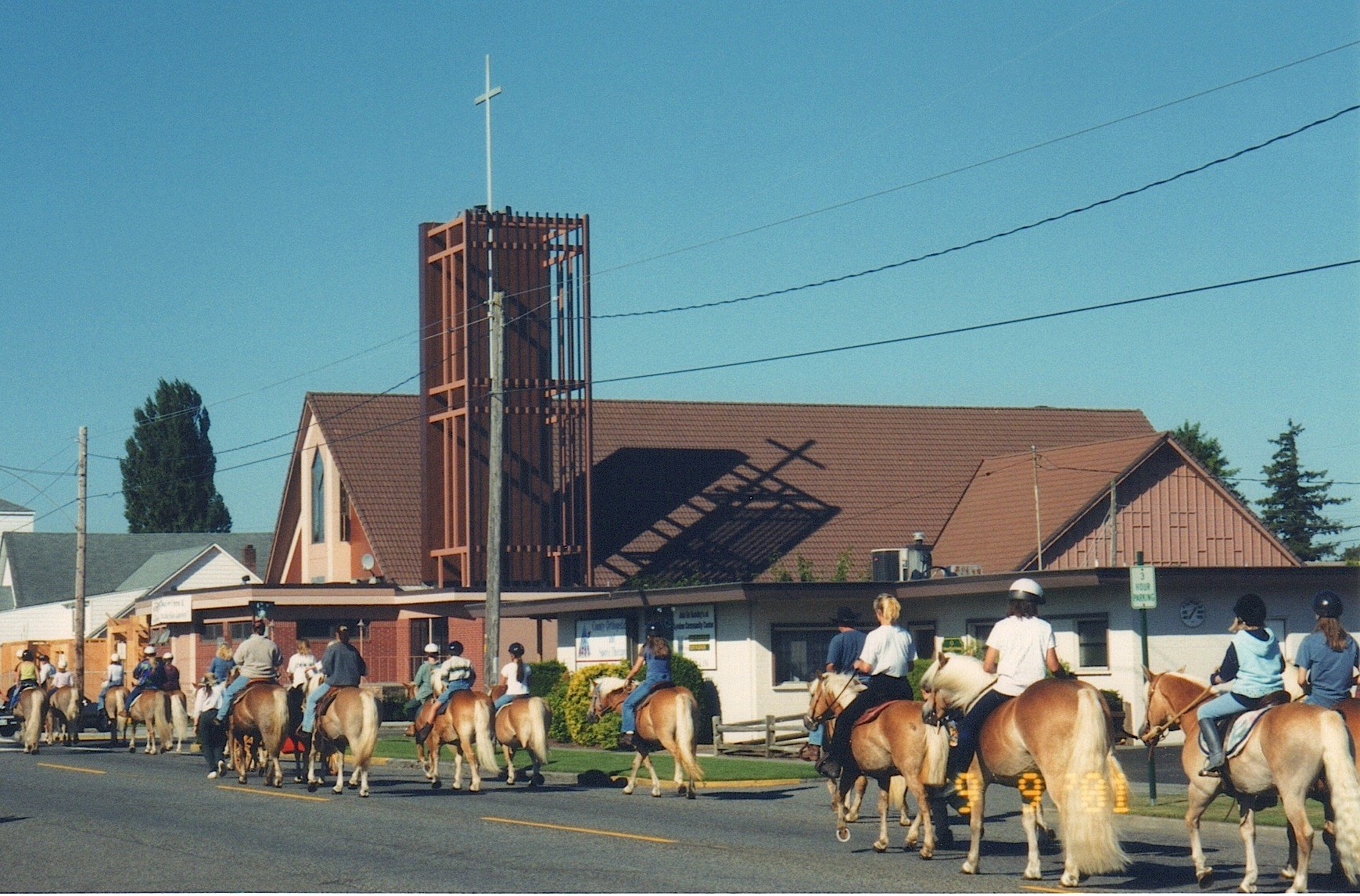
I was one of three or four friends left cleaning over ninety stalls after a Haflinger horse event that I had organized at our local fairgrounds. Some people had brought their horses from over 1000 miles away to participate for several days, including a Haflinger parade through our town on a quiet Sunday morning.
There had been personality clashes and harsh words among some participants along with criticism directed at me as the organizer that I had taken very personally. As I struggled with the umpteenth wheelbarrow load of manure, tears stung my eyes and my heart.
I was miserable with regret, feeling my work had been futile and unappreciated.
One friend had stayed behind with her young family to help clean up the large facility and she could see I was struggling to keep my composure. Jenny put herself right in front of my wheelbarrow and looked me in the eye, insisting I stop for a moment and listen:
“You know, none of these troubles and conflicts will amount to a hill of beans years from now. People will remember a fun event in a beautiful part of the country, a wonderful time with their Haflingers, their friends and family, and they’ll be all nostalgic about it, not giving a thought to the infighting or the sour attitudes or who said what to whom. So don’t make this about you and whether you did or didn’t make everyone happy. You loved us all enough to make it possible to meet here and the rest was up to us. So quit being upset about what you can’t change. There’s too much you can still do for us.”
Jenny had no idea how wise her words were, even two days later, on 9/11.
During tough times since (and there have been plenty), Jenny’s advice replays, reminding me to cease seeking appreciation from others or feeling hurt when harsh words come my way.
She was right about the balm found in the tincture of time. She was right about giving up the upset in order to die to self and self absorption, and instead to focus outward.
I have remembered.
Jenny herself did not know that day she would subsequently spend six years dying while still loving life every day, fighting a relentless cancer that was only slowed in the face of her faith and intense drive to live.
She became a rusting leaf gone holy, fading imperceptibly over time, crumbling at the edges until she finally had to let go. Her dying did not flash brilliance, nor draw attention at the end. Her intense focus during the years of her illness had always been outward to others, to her family and friends, to the healers she spent so much time with in medical offices, to her firm belief in the plan God had written for her and those who loved her.
So Jenny let go her hold on life here. And we reluctantly let her go. Brilliance cloaks her as her focus is now on things eternal.
You were so right, Jenny. The hard feelings from a quarter century ago don’t amount to a hill of beans now. The words you spoke to me that day taught me to love life even when I have no stomach for it.
All of us did have a great time together a few days before the world changed. And manure transforms over time to rich, nurturing compost.
I promise I am no longer upset that I can’t change what is past nor the fact that you and so many others have now left us.
But we’ll catch up later.
One-Time
Monthly
Yearly
Make a one-time or recurring donation to support daily Barnstorming posts




















 Barnstorming