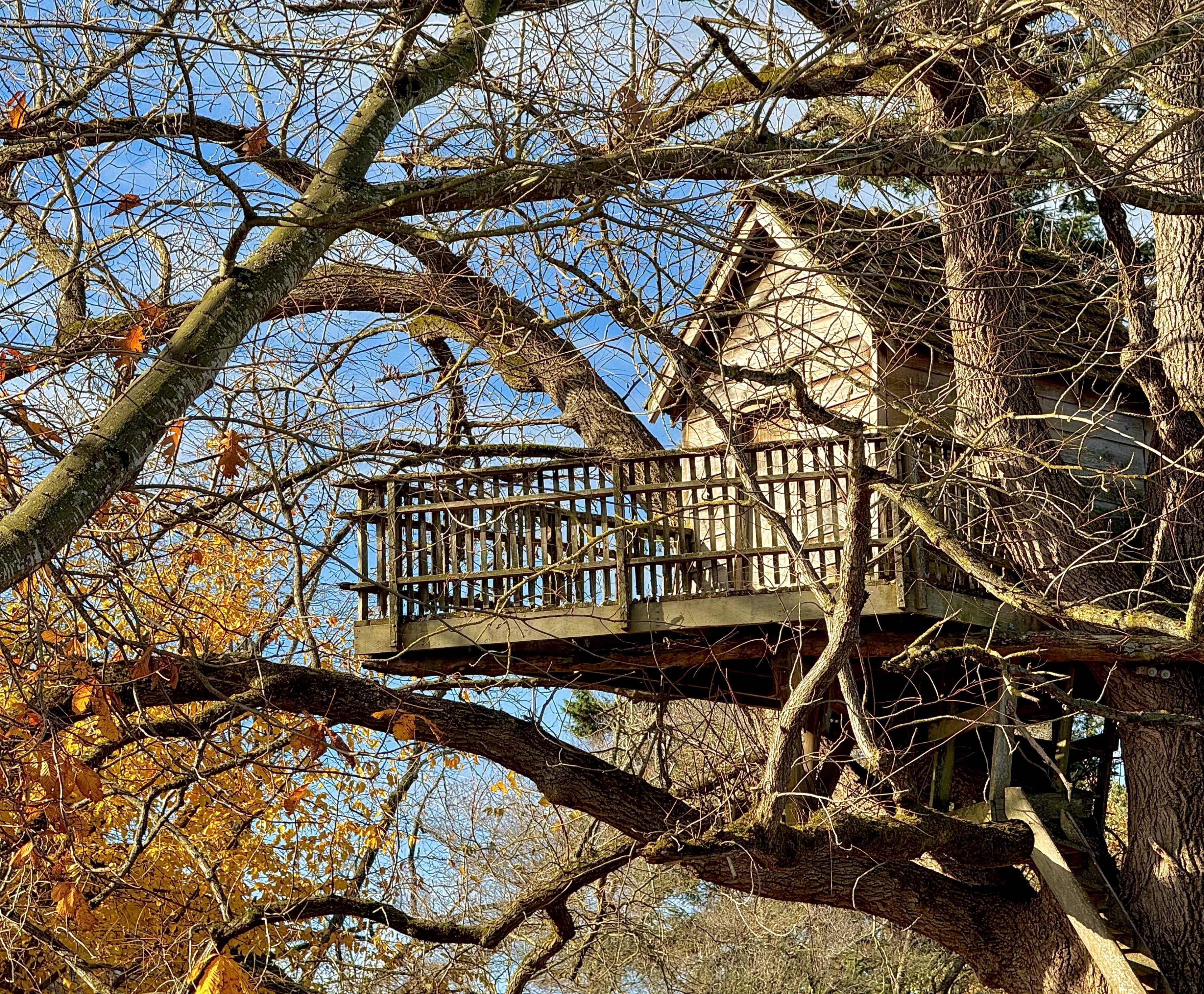
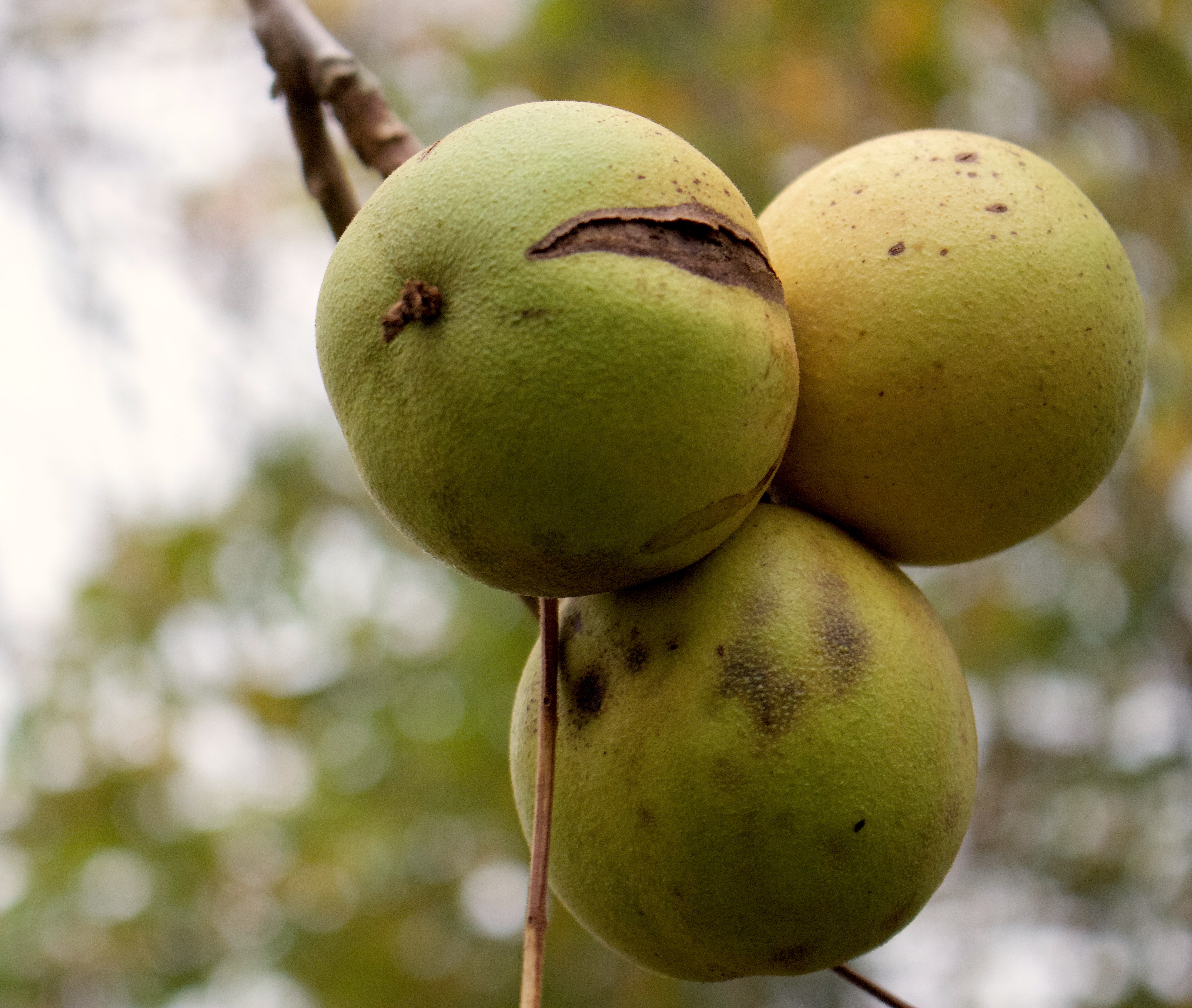
My mother and I debate: we could sell the black walnut tree to the lumberman, and pay off the mortgage. Likely some storm anyway will churn down its dark boughs, smashing the house. We talk slowly, two women trying in a difficult time to be wise. Roots in the cellar drains, I say, and she replies that the leaves are getting heavier every year, and the fruit harder to gather away. But something brighter than money moves in our blood – an edge sharp and quick as a trowel that wants us to dig and sow. So we talk, but we don’t do anything.
What my mother and I both know is that we’d crawl with shame in the emptiness we’d made in our own and our fathers’ backyard. So the black walnut tree swings through another year of sun and leaping winds, of leaves and bounding fruit, and, month after month, the whip- crack of the mortgage. ~Mary Oliver from “The Black Walnut Tree” from Twelve Moons
photo by Dan Gibson
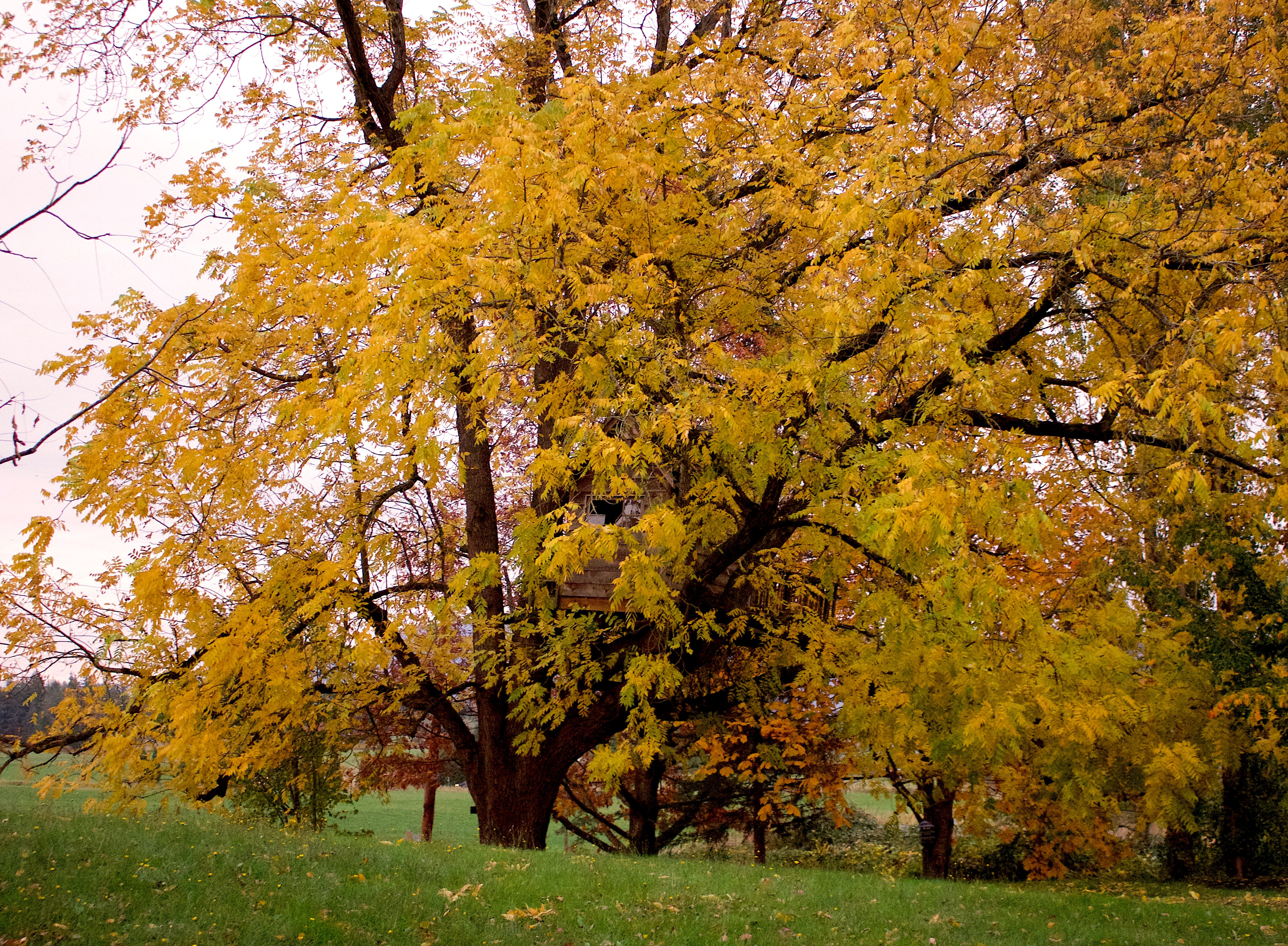
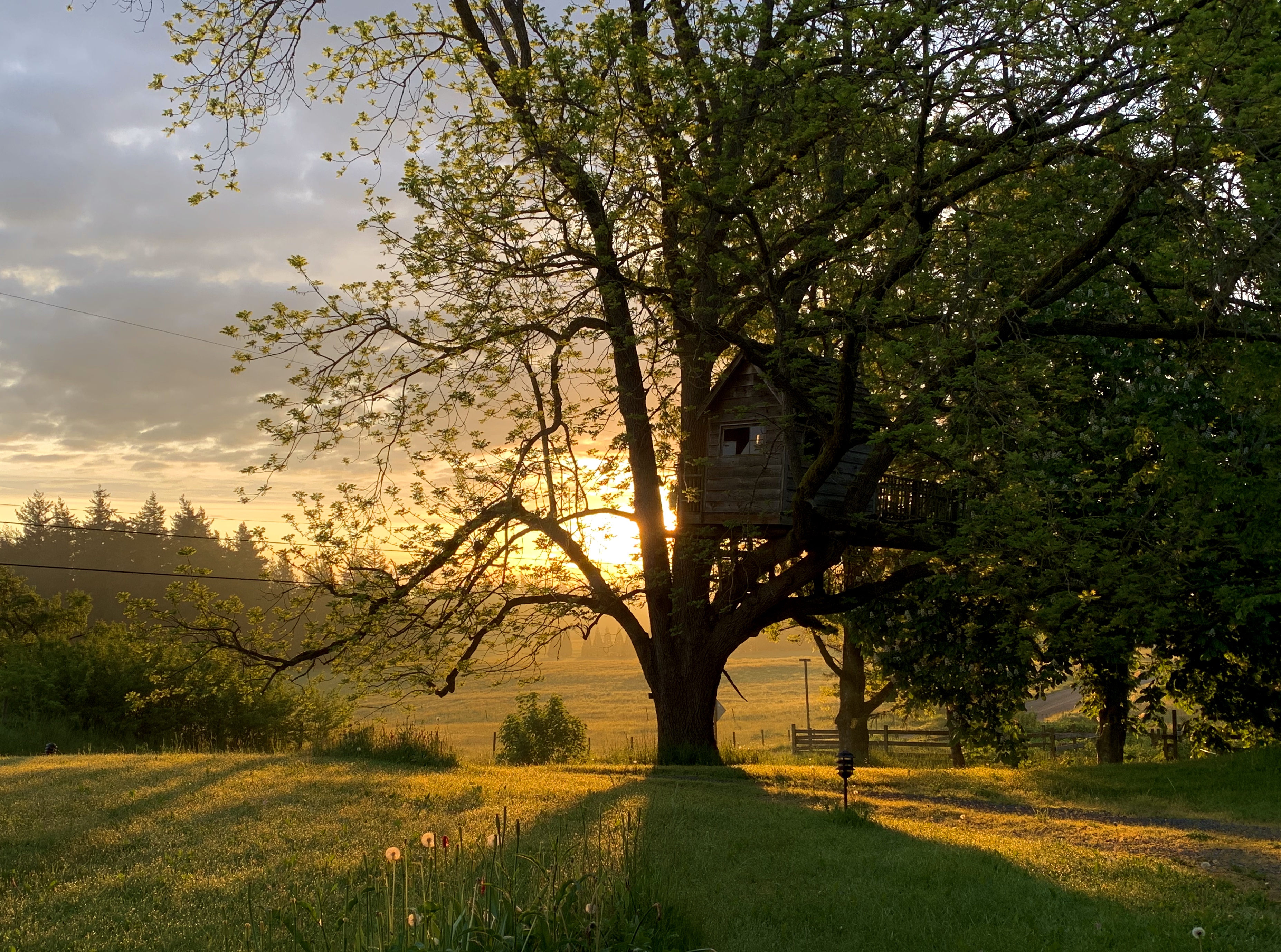
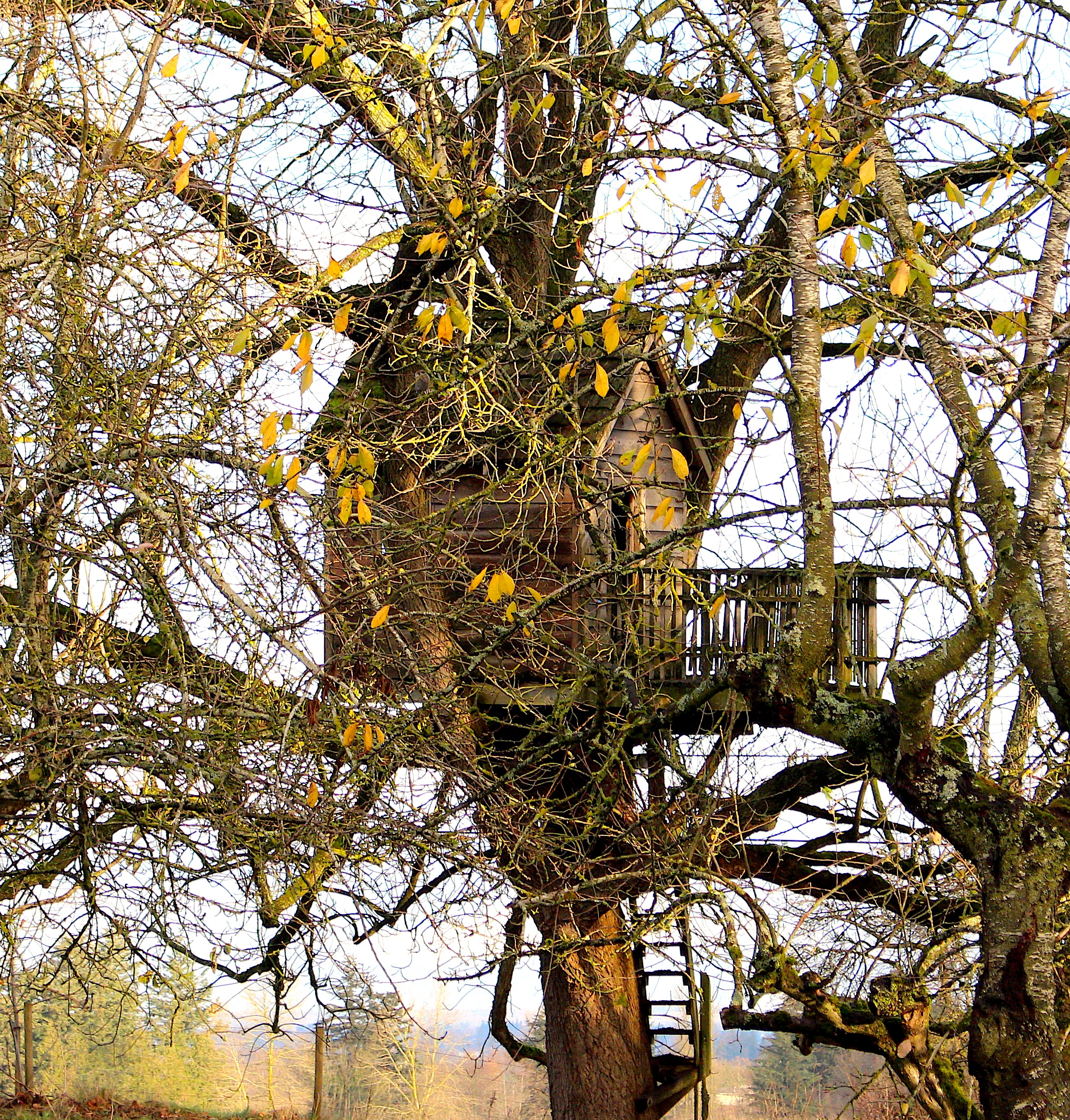
We bought this old farm thirty-five years ago: the Lawrence family’s “Walnut Hill Farm” – a front yard lined with several tall black walnut trees brought as seedlings in a grandfather’s suitcase from Ohio in the ought-1900’s.
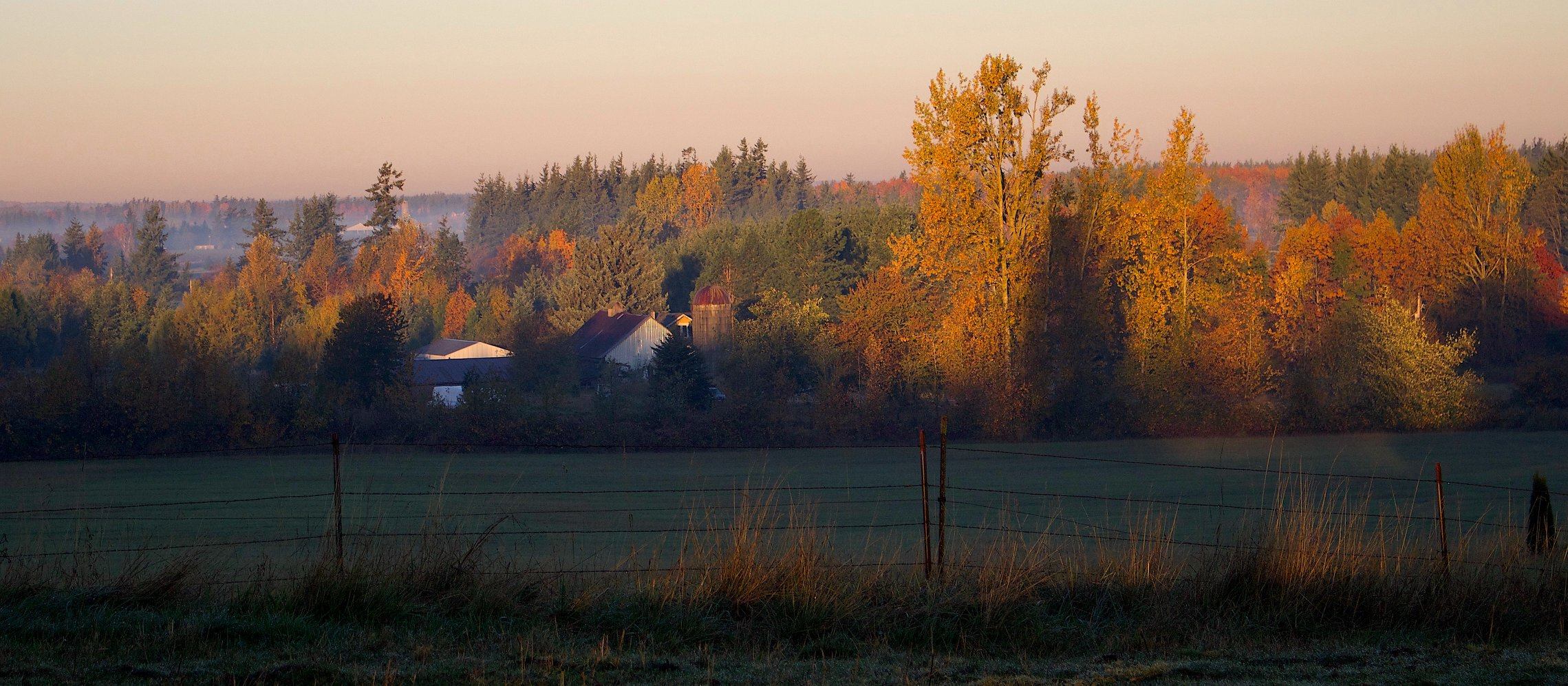
These trees thrived for nearly a century on this hilltop farm overlooking the Canadian mountains to the north, the Nooksack River valley to the west, the Cascade peaks to the east, each prolific in leaves and prodigious in fruit.
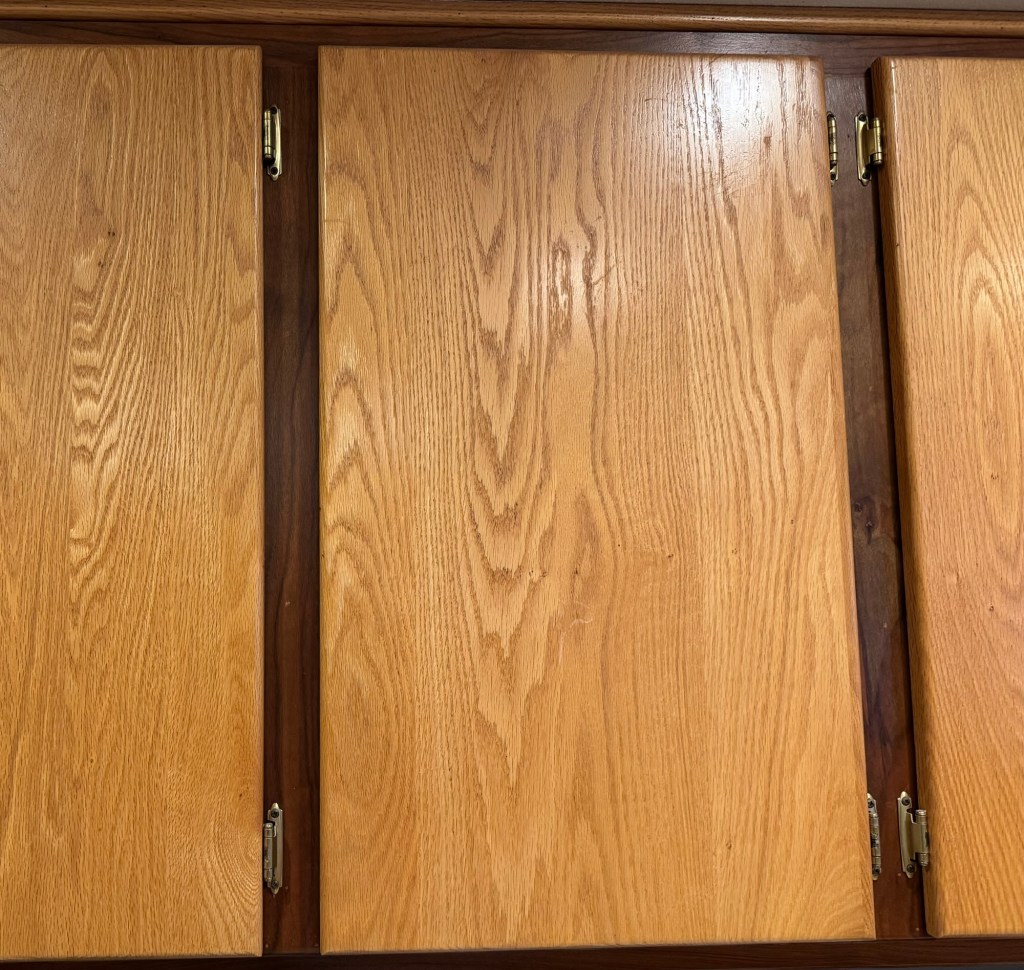
The first year we were here, a windstorm took one tree down. A neighbor offered to mill the twisted trunk for shares. The fallen tree became planks of fine grained chocolate-hued lumber.
This old tree is the back facing of our oak door cupboards, a daily reminder of a legacy left behind~ sturdy even if imperfect, still beautiful to the eye and the heart.
One-Time
Monthly
Yearly
Make a one-time or recurring donation to support daily Barnstorming posts
In the quiet misty morning When the moon has gone to bed When the sparrows stop their singing And the sky is clear and red When the summer ceased it’s gleaming When the corn is past its prime When adventures lost its meaning I’ll be homeward-bound in time ~Marta Keen from “Homeward Bound”
On Halloween day in 1985, I packed up a roll-up mattress pad, grabbed one lonely pumpkin from our small garden, locked our rental house door for the last time, then climbed in my car to head two hours north out of Seattle.
I don’t recall looking back in the rear view mirror at the skyline after nine years living in the city. My husband had moved to Whatcom County two months earlier to start his new job. I had stayed behind to wrap up my Group Health family practice in the Rainier Valley of central Seattle.
I was leaving the city for our new rural home and a very uncertain professional future.
I knew two things for sure: I was finally several months pregnant after a miscarriage and two years of trying to conceive, so our family was on its way, and we were going to live in our own house with a few acres and a barn.
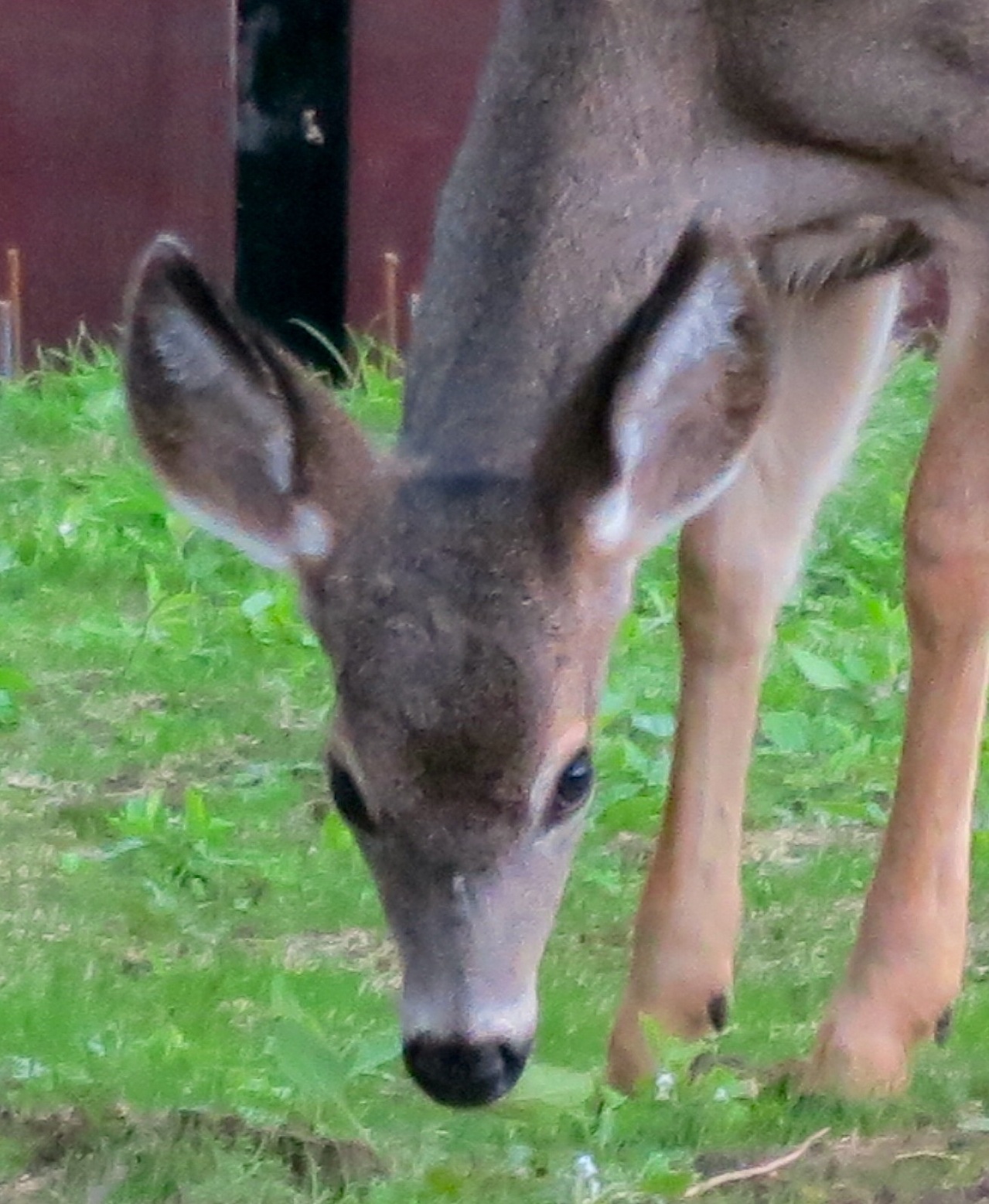
A real (sort of) starter farm and starter family, a dream we both shared. Our home sits in the midst of woods and corn fields, with deer strolling through the fields at dawn, coyotes howling at night, Canadian geese and trumpeter swans calling from overhead and salmon thriving in nearby streams. The snowy Cascades greet us in the morning to the east, the Canadian Coastal range majestic to the north and not far to the west, the Salish Sea/Puget Sound.
Since it wouldn’t be a farm without animals, I stopped at the first pet store I drove past and found two tortoise shell calico kitten sisters peering up at me, just waiting for new adventures in farmland. Their box was packed into the one spot left beside me in my little Mazda.
With that simple commitment to raise and nurture those kittens alongside the life growing inside me, life seemed very complete.
I will never forget the freedom I felt on that drive north. The highway seemed more open, the fall colors more vibrant, the wind more energizing, our baby kicking my belly, the kittens mewing from their box. There seemed so much potential even though I had just left behind the greatest family practice found in any urban setting (at the time, it was the most ethnically diverse zip code in the United States) with patients from all over the world: alongside the multi-racial inner city population living in subsidized housing developments, my patients included Muslim immigrants from the Middle East and Indonesia, Orthodox Jews, Italian Catholics, and refugees from Cambodia, Laos, and Vietnam.
I will never know so much variety of ethnic background and perspective again. If I could have packed them all into my little car and driven them north with me, I would have.
Despite what I was leaving behind, there was certainly a feeling of freedom that rainy Halloween day as the big city disappeared in the rear view mirror.
No longer would I sit captive in freeway rush-hour bumper to bumper traffic jams. I traded that for a new rural commute winding through farm fields while watching eagles fly overhead. I could become part of a community in a way I never could manage in the city, visiting with friends at the grocery store, playing piano and teaching Sunday School at church and serving on various community boards.
After the new kittens, dubbed Nutmeg and Oregano, arrived on our farm, we added even more diversity: a Belgian Tervuren dog Tango, a Haflinger horse Greta, Toggenburg goats Tamsin and her kids, a few Toulouse geese, Araucana chickens, Fiona the Scottish Highland cow, then another Haflinger Hans and another, Tamara. I worked as a fill-in doctor in four different clinics before our first baby was born, then settled into part-time practice in several different clinics for most of my career.
With those new commitments, life was fulfilling and busy – we soon added a little brother and seven years later, a sister. Then it felt like our family was complete.
Forty years later, our children have grown and gone to homes of their own, all married to wonderful spouses, raising six delightful children for us to lavish love on.
Somehow life now feels even more complete.
A few cats, a Cardigan Corgi, and three ponies still live at the farm with us. Now retired from our professional lives “in town”, we enjoy the freedom of slower and quieter days, nurtured and nurturing.
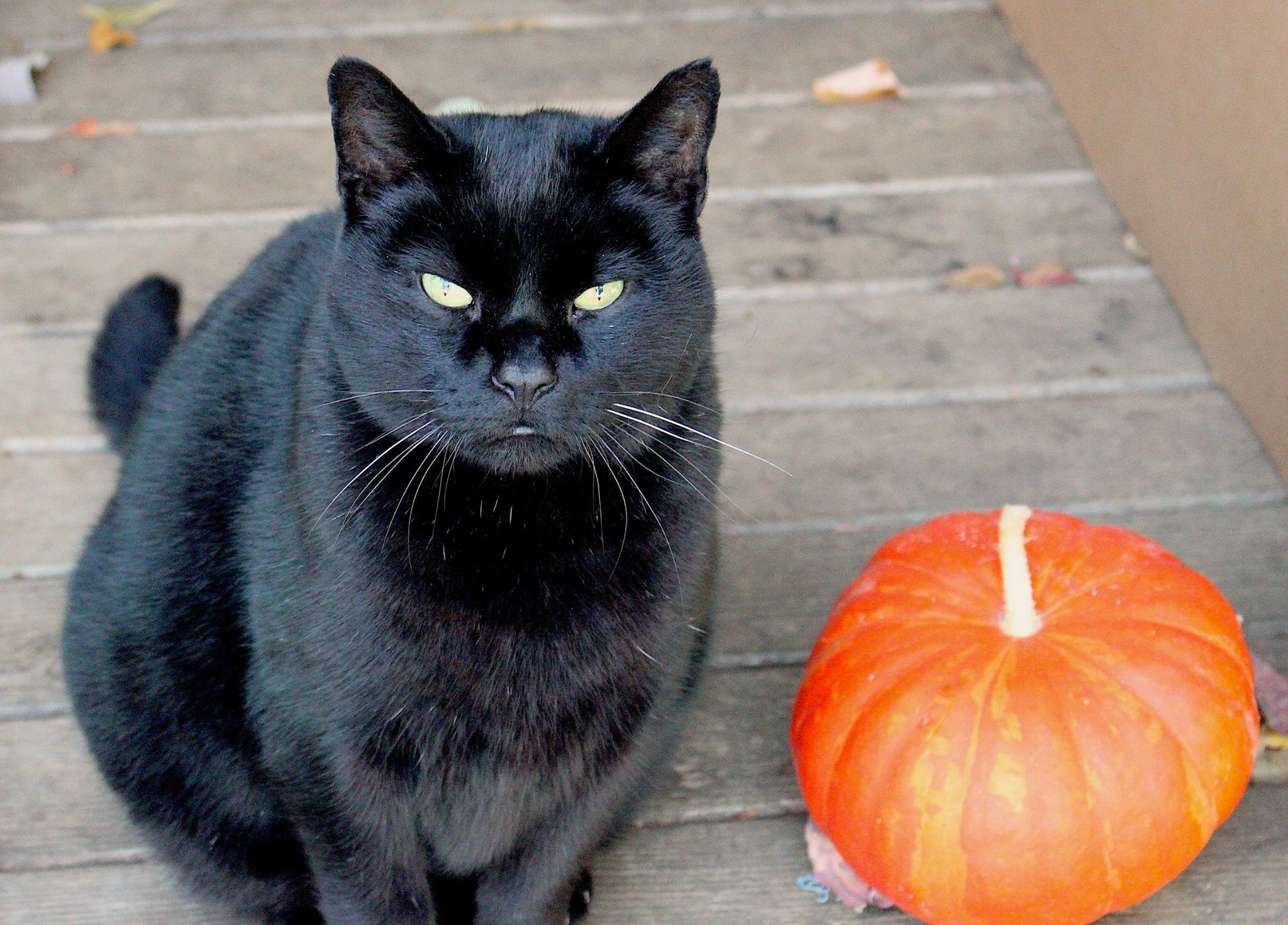
It all started October 31, 1985 with two orange and black kittens and a pumpkin sitting beside me in a little Mazda, my husband awaiting my homecoming 100 miles north. Now, forty years later, we celebrate this Halloween anniversary of farm and family, still pregnant with the possibility that life is never truly complete when there is always a new day just around the corner.
One-Time
Monthly
Yearly
Make a one-time or recurring donation to support daily Barnstorming posts
Just as, when you keep watch on the ground ahead of where your boots kick up the leaves, the path goes vague and blurred, while
if you lift your eyes the far reach of the trail comes lucid as map; so when you look at tomorrow through next year,
the way, otherwise so tangled and burdensome, clears. And if the leaves are, as they likely are,
fallen from the trees around you, then you get to look deeper into things than spring allowed. ~Charles O. Hartman “Autumn Ordinance”
I remember it as October days are always remembered, cloudless, maple-flavored, the air gold and so clean it quivers. ~Leif Enger, from Peace Like a River
The air tastes like autumn, quivering on my tongue – no need for pumpkin-spice flavoring to feel the change.
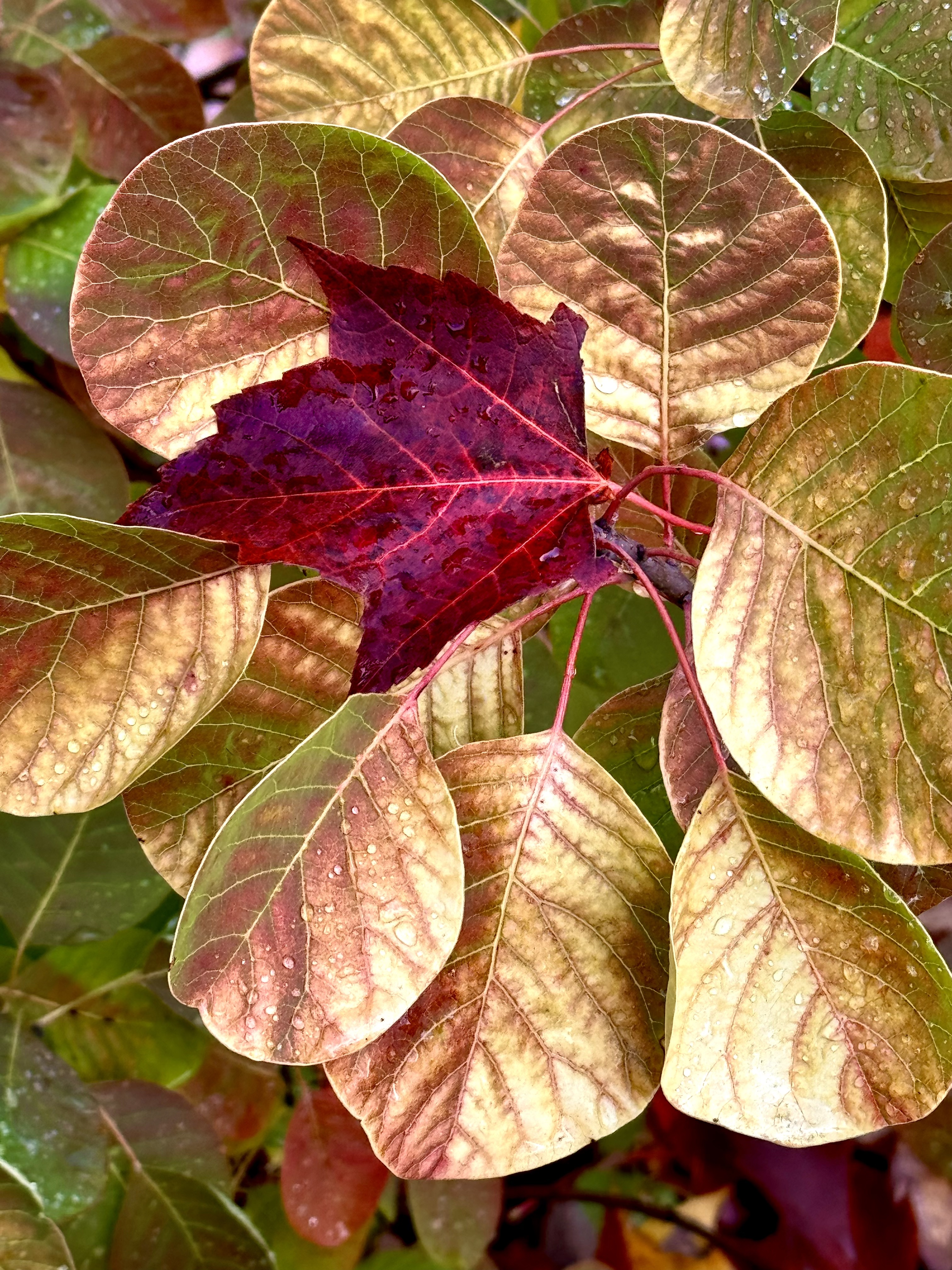
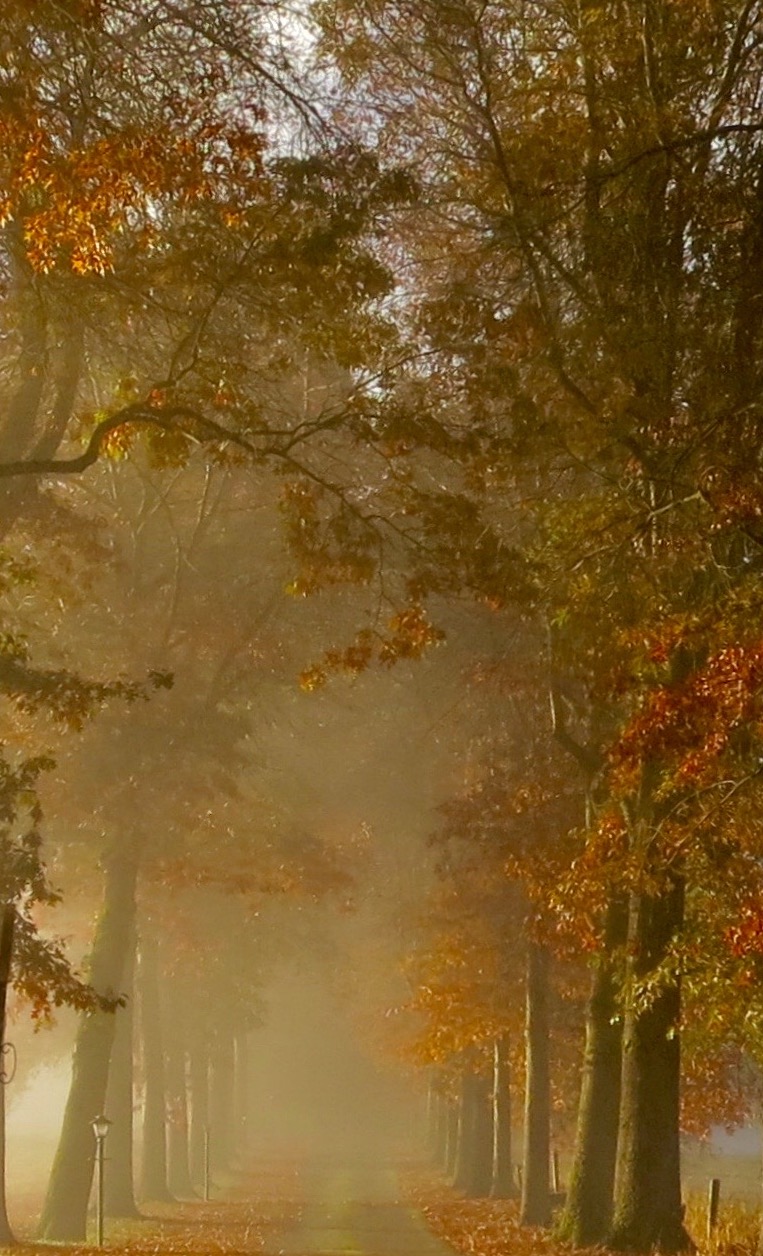
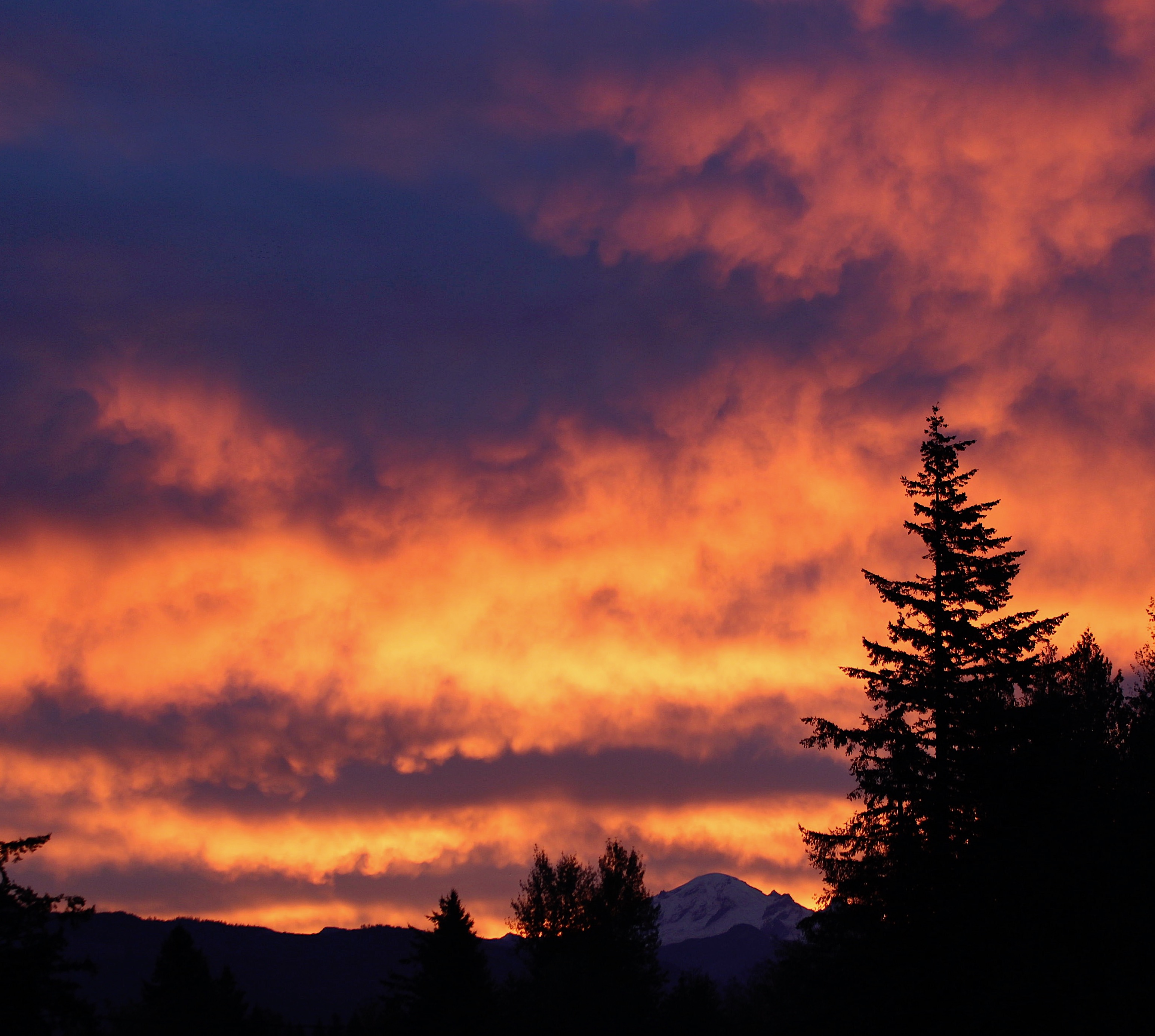
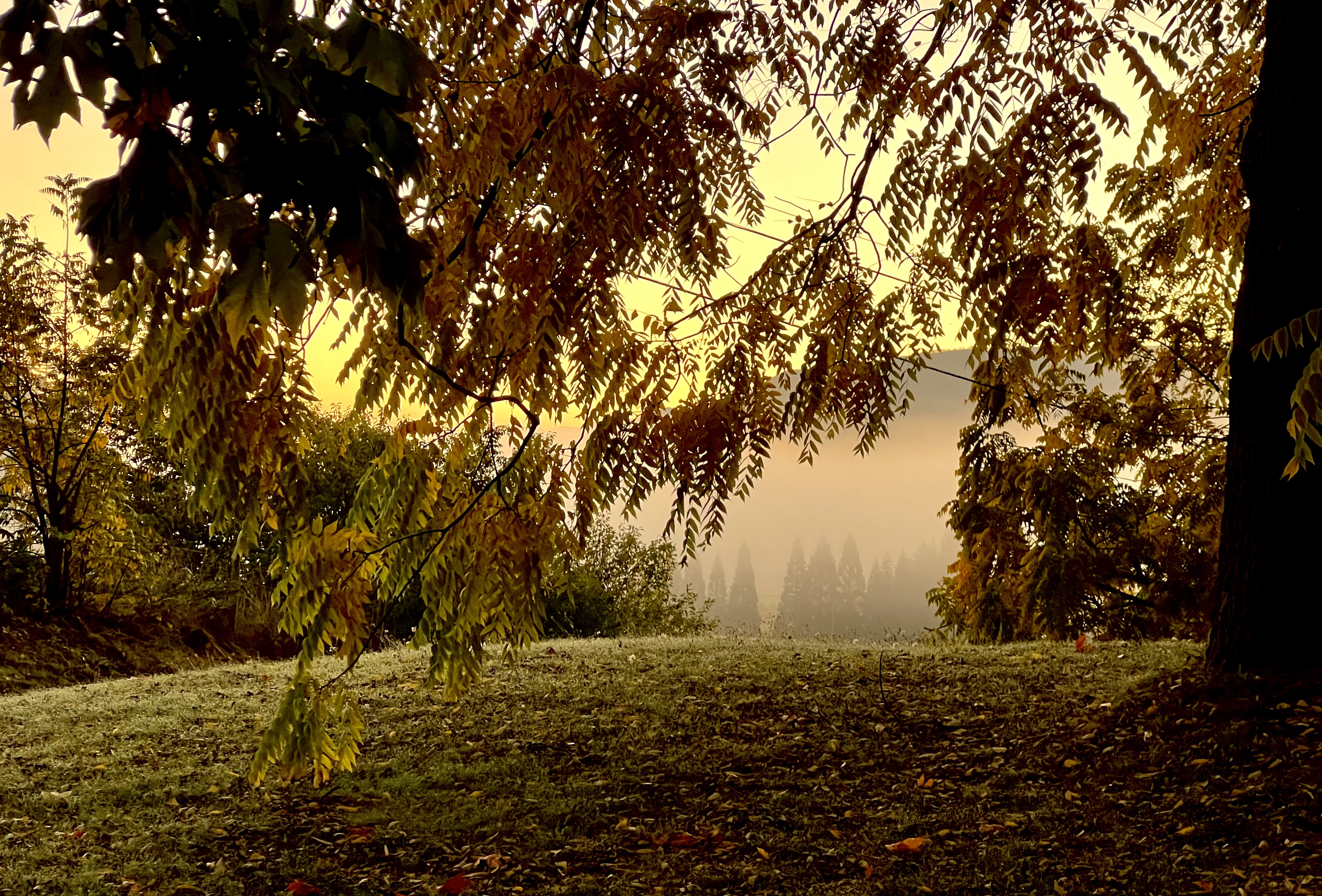
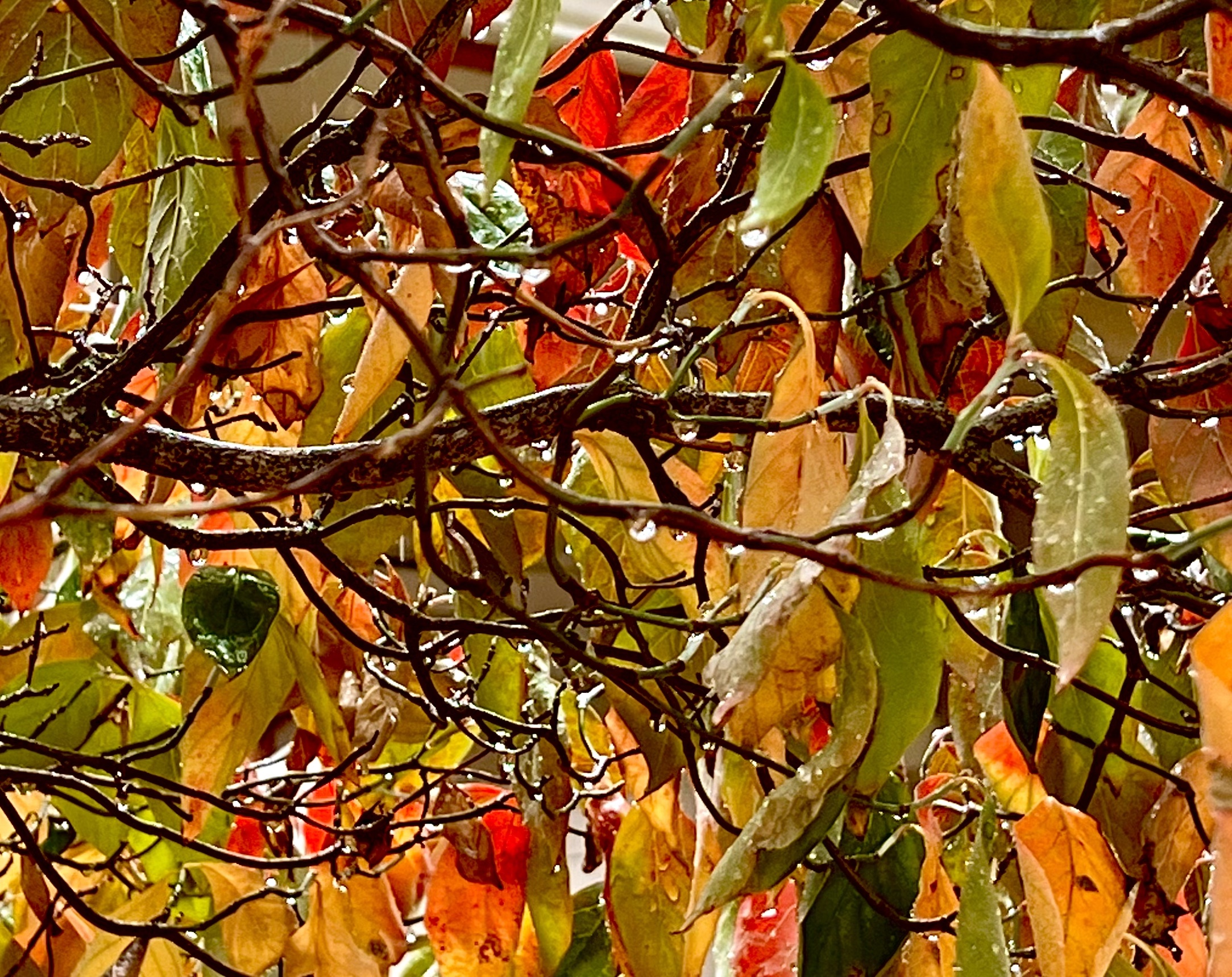
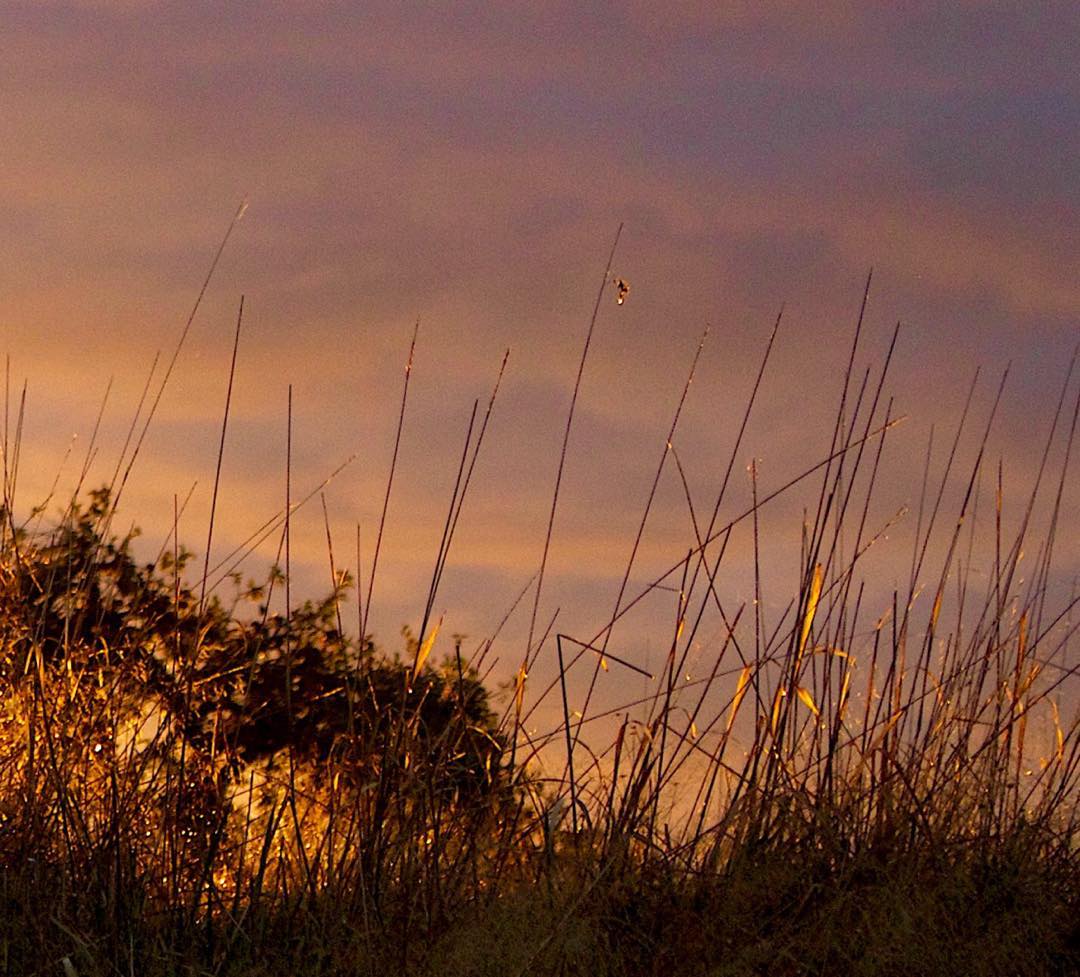
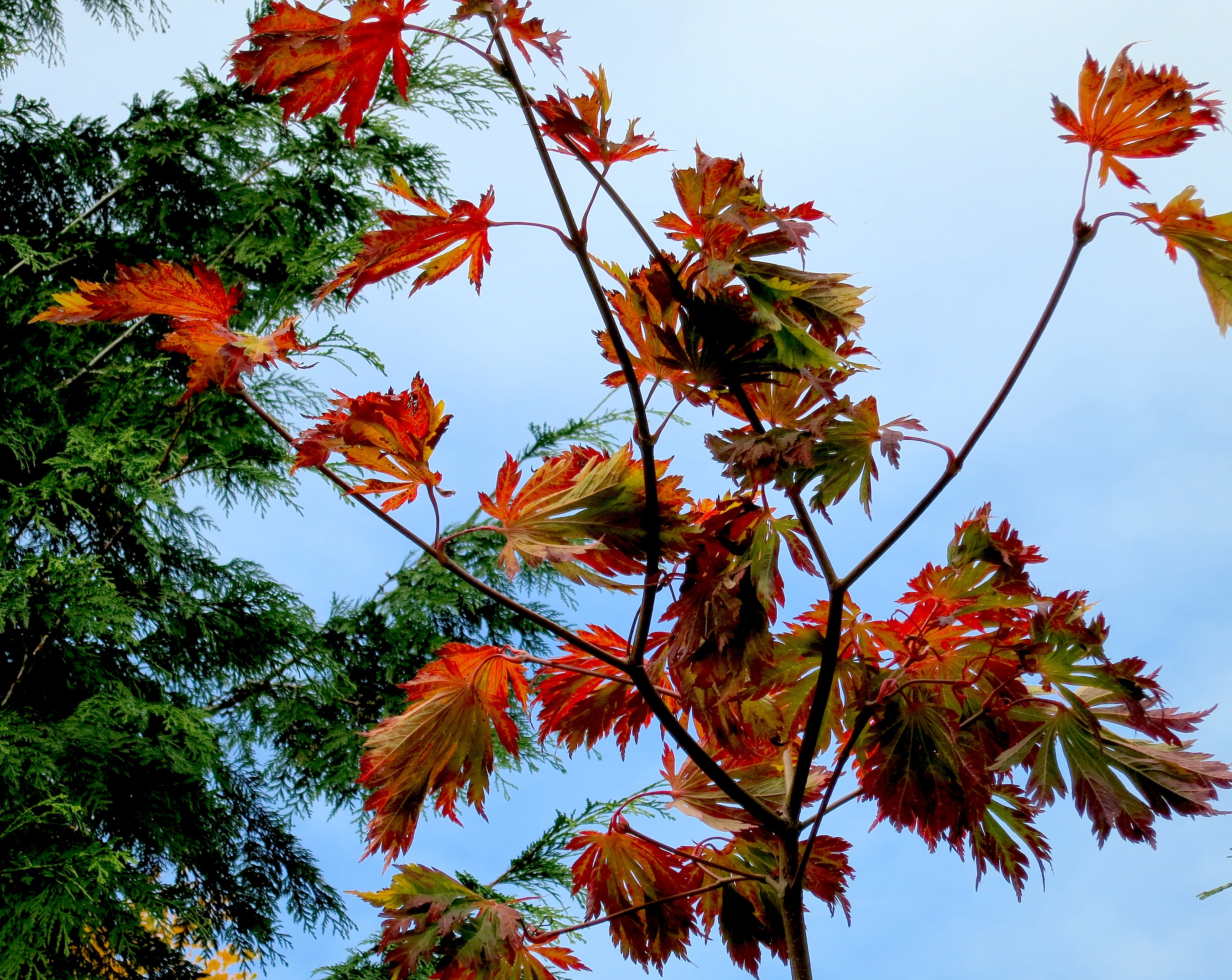
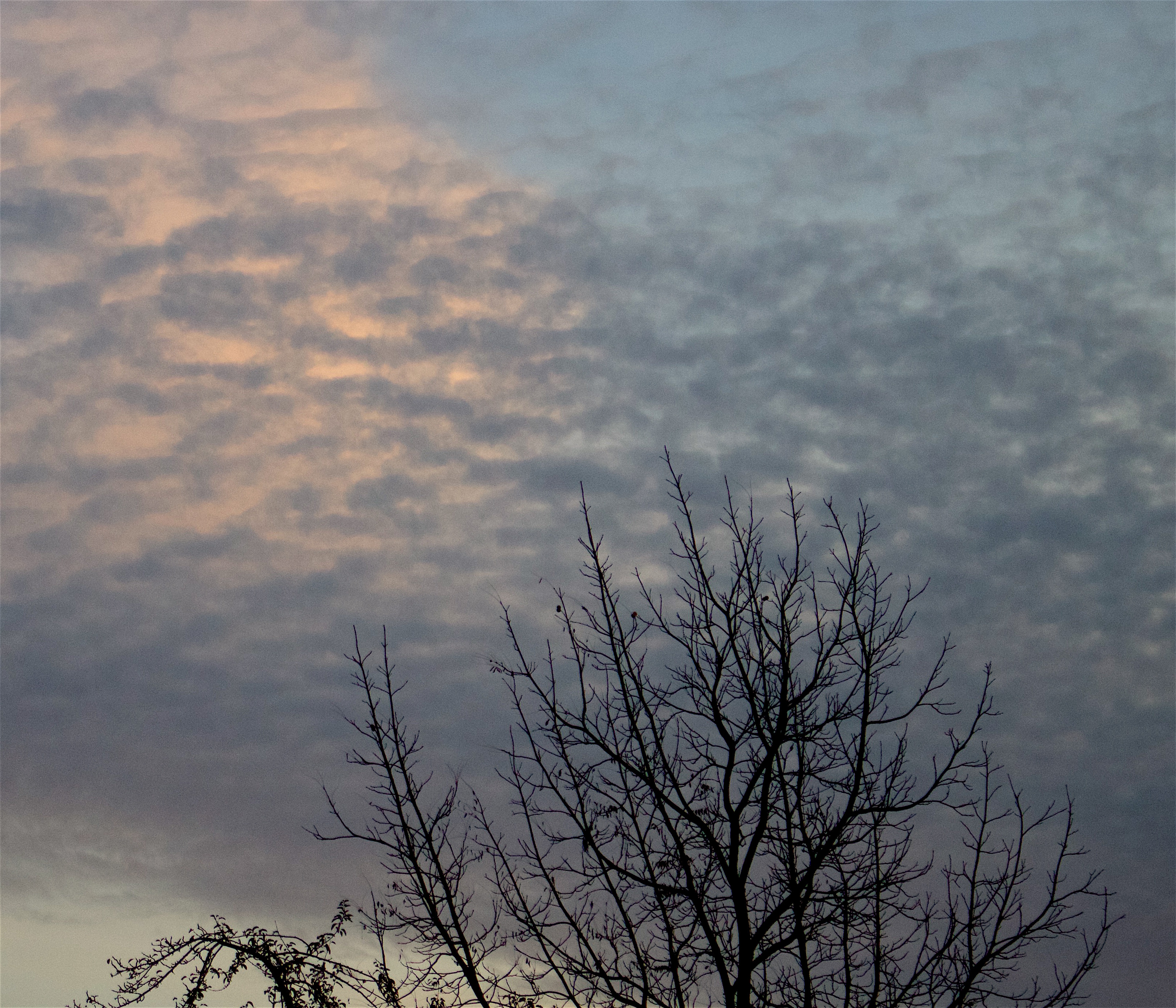
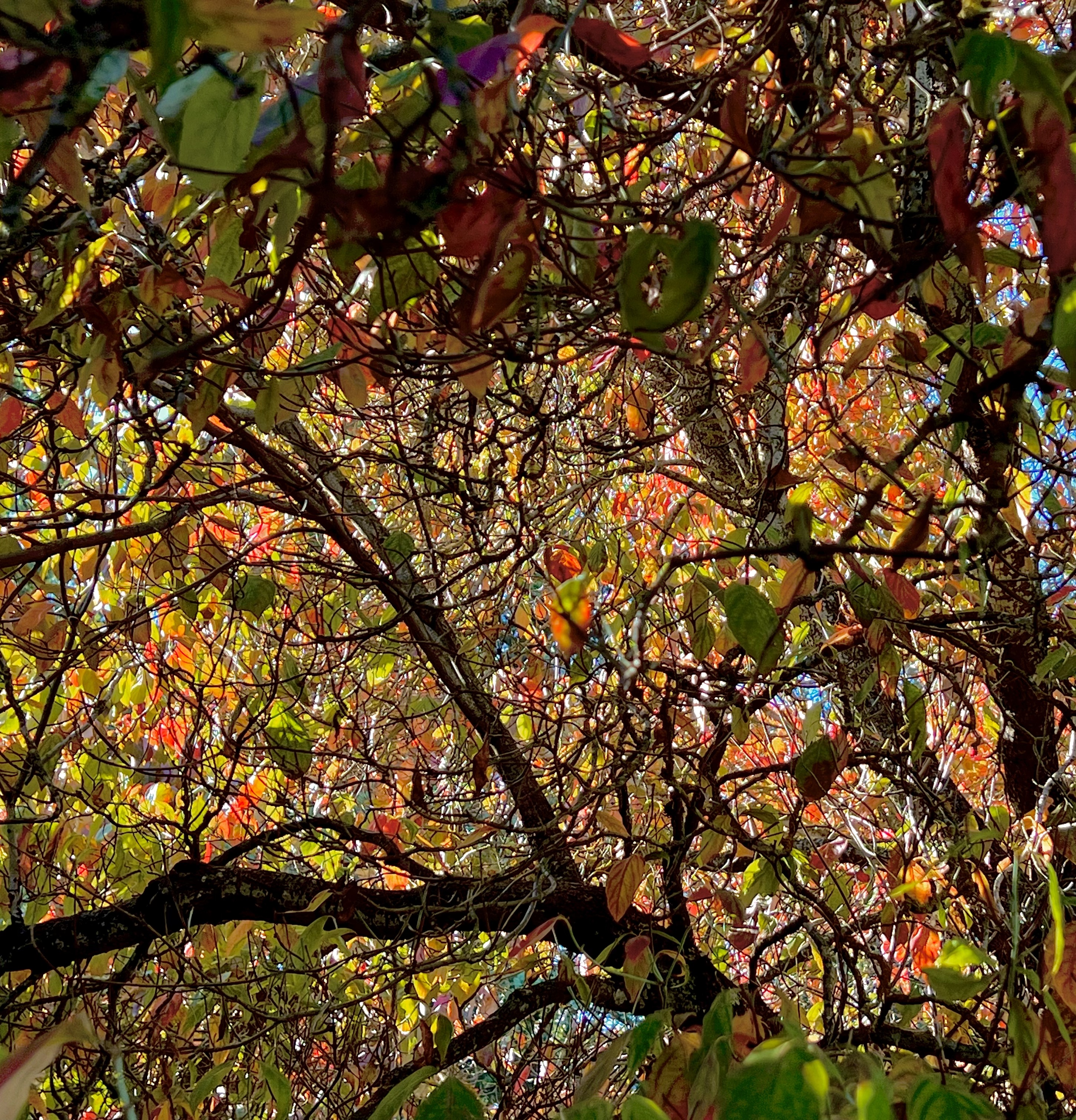
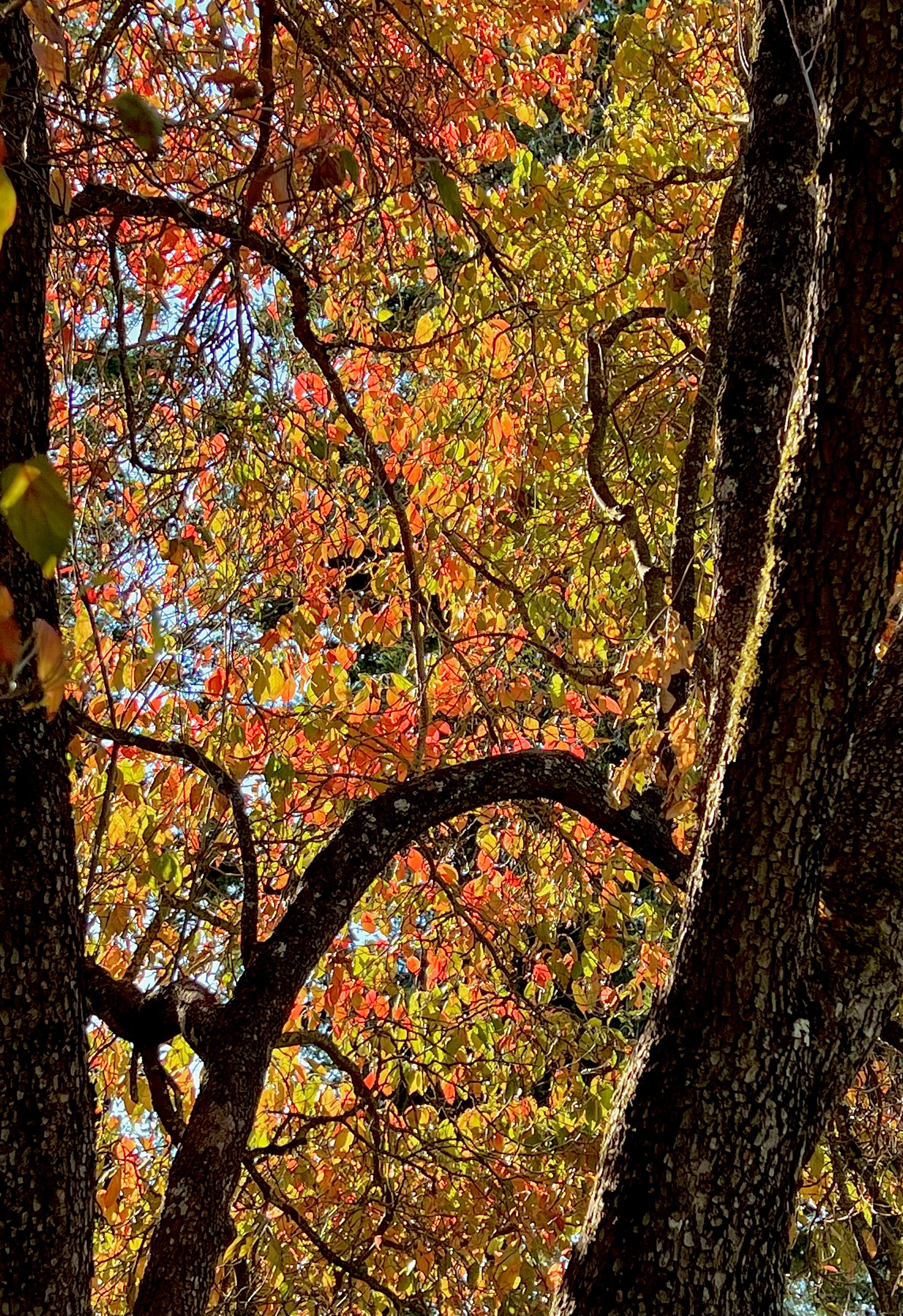
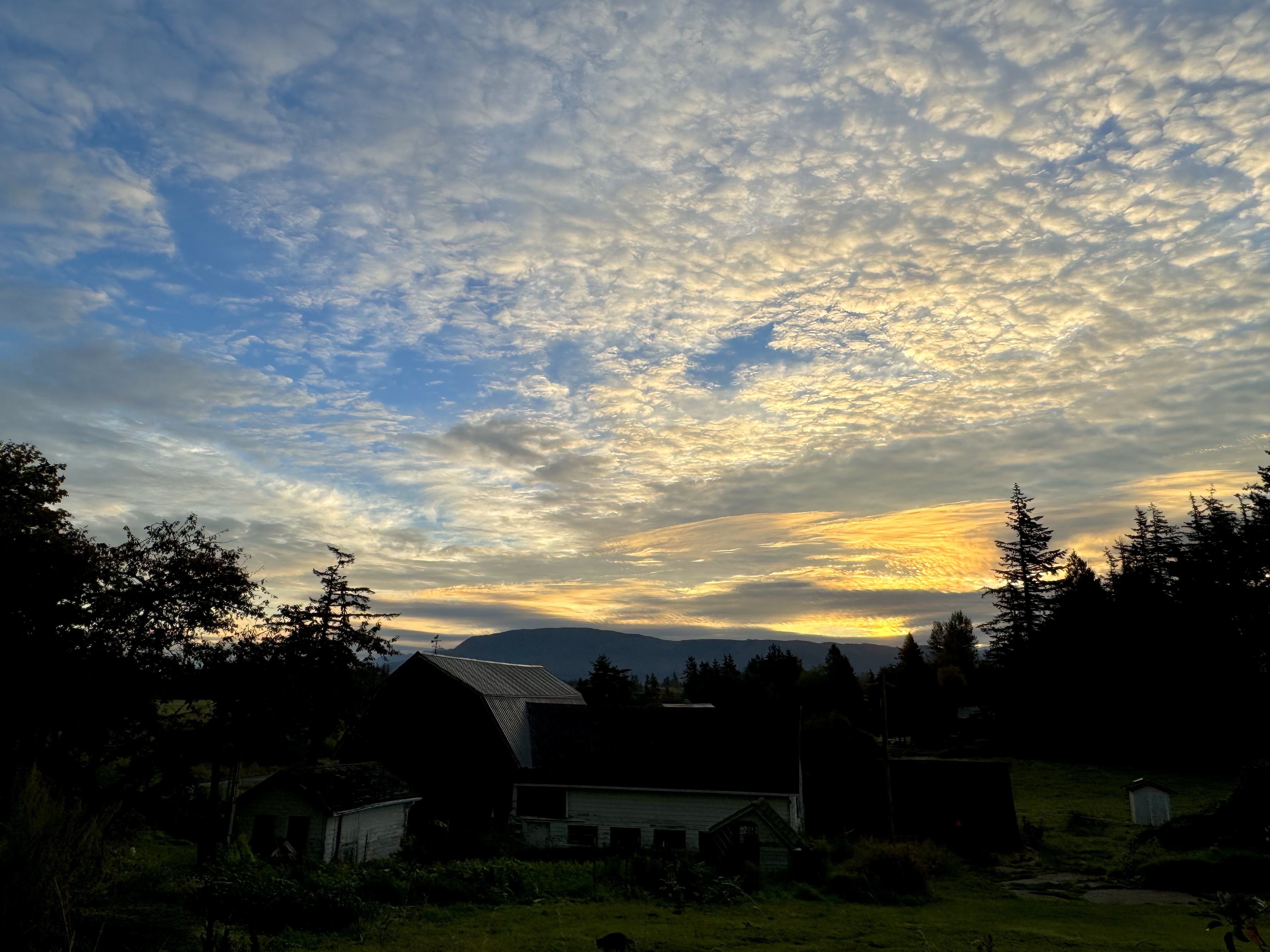
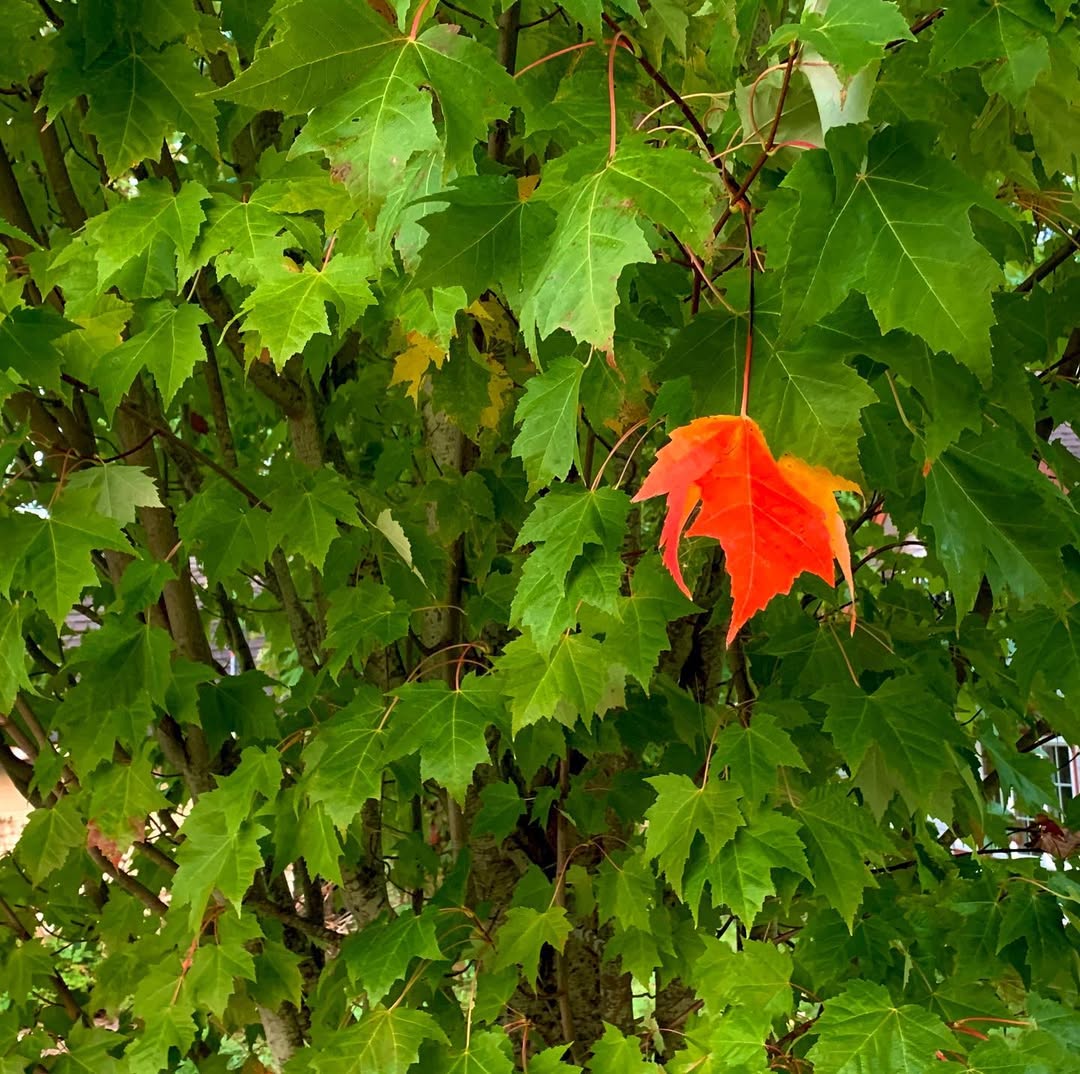
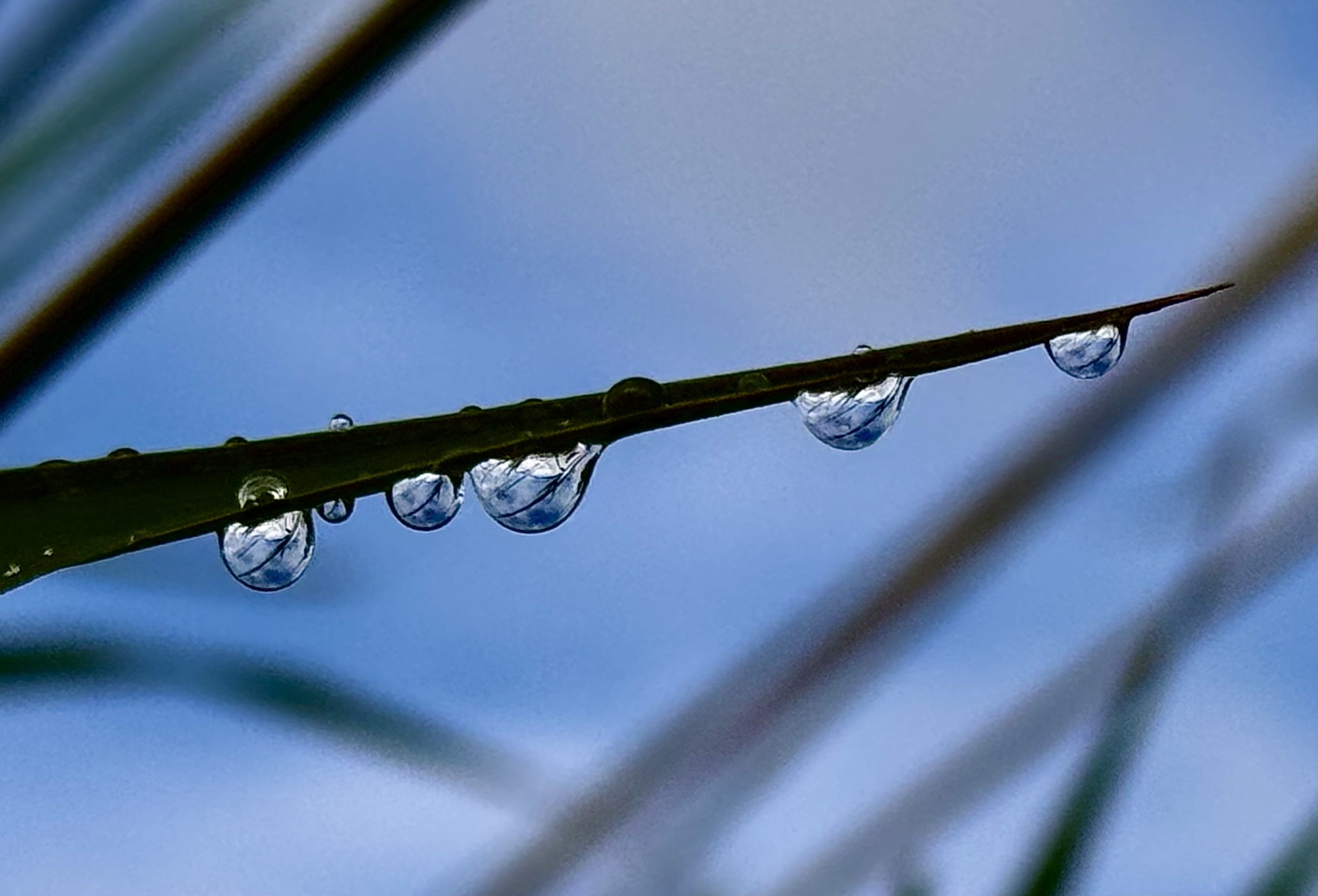
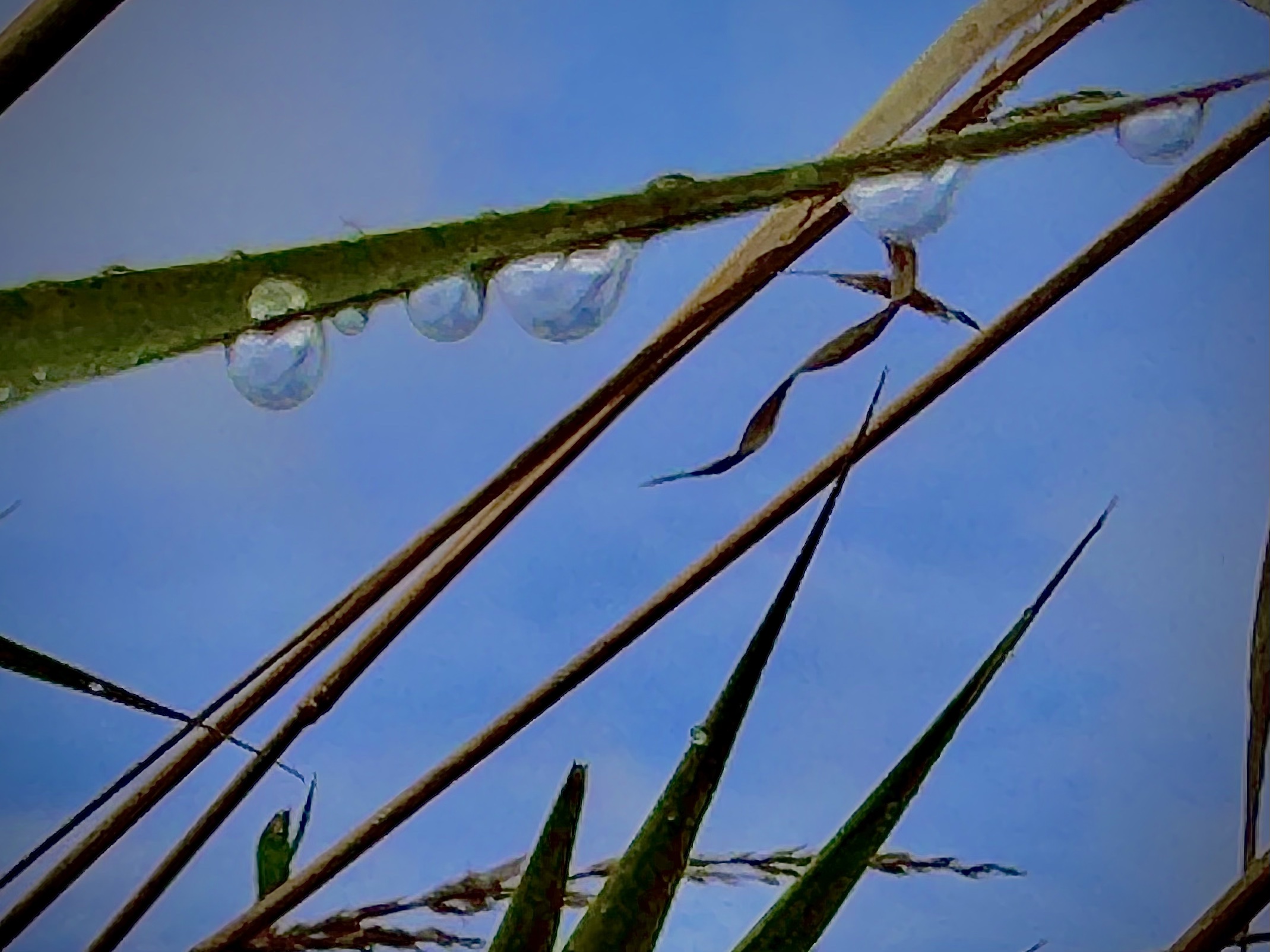
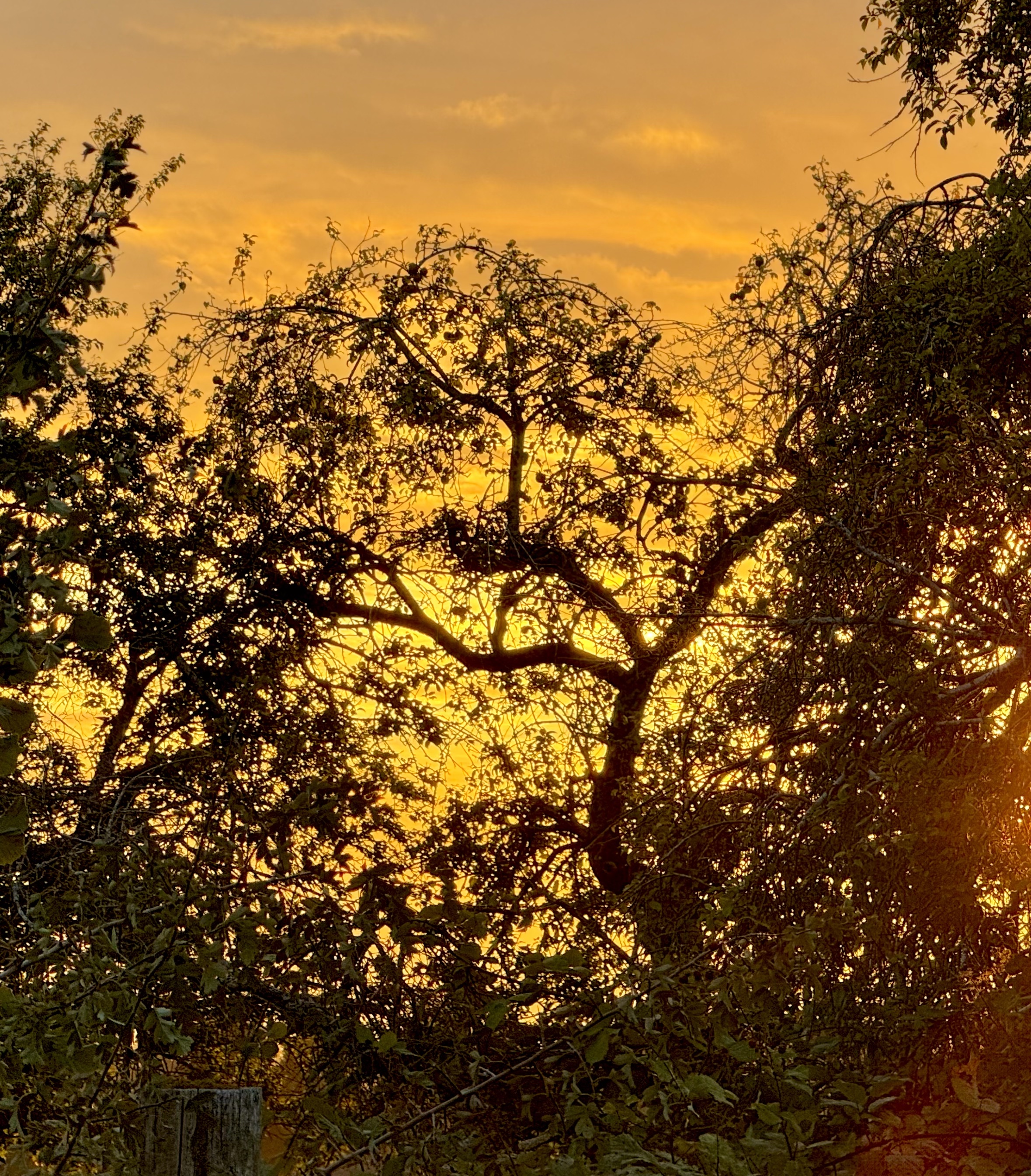
Revel in the gold and bronze tint to the sky, the cinnamon nutmeg dusting of the trees, the heavy sprinkling of hanging dew drops, the crisp and shivery breezes, the new landscape peering through bony branches.
Soon the ground will be frosty instead of dusty, leaving a crunchy carpet rather than shady veil.
October is always a much-needed transition, keeping us fresh gazing at new horizons, reminding us to breathe deeply when life feels shallow, remembering we are immersed in the glory of a new day we have never lived before.
One-Time
Monthly
Yearly
Make a one-time or recurring donation to support daily Barnstorming posts
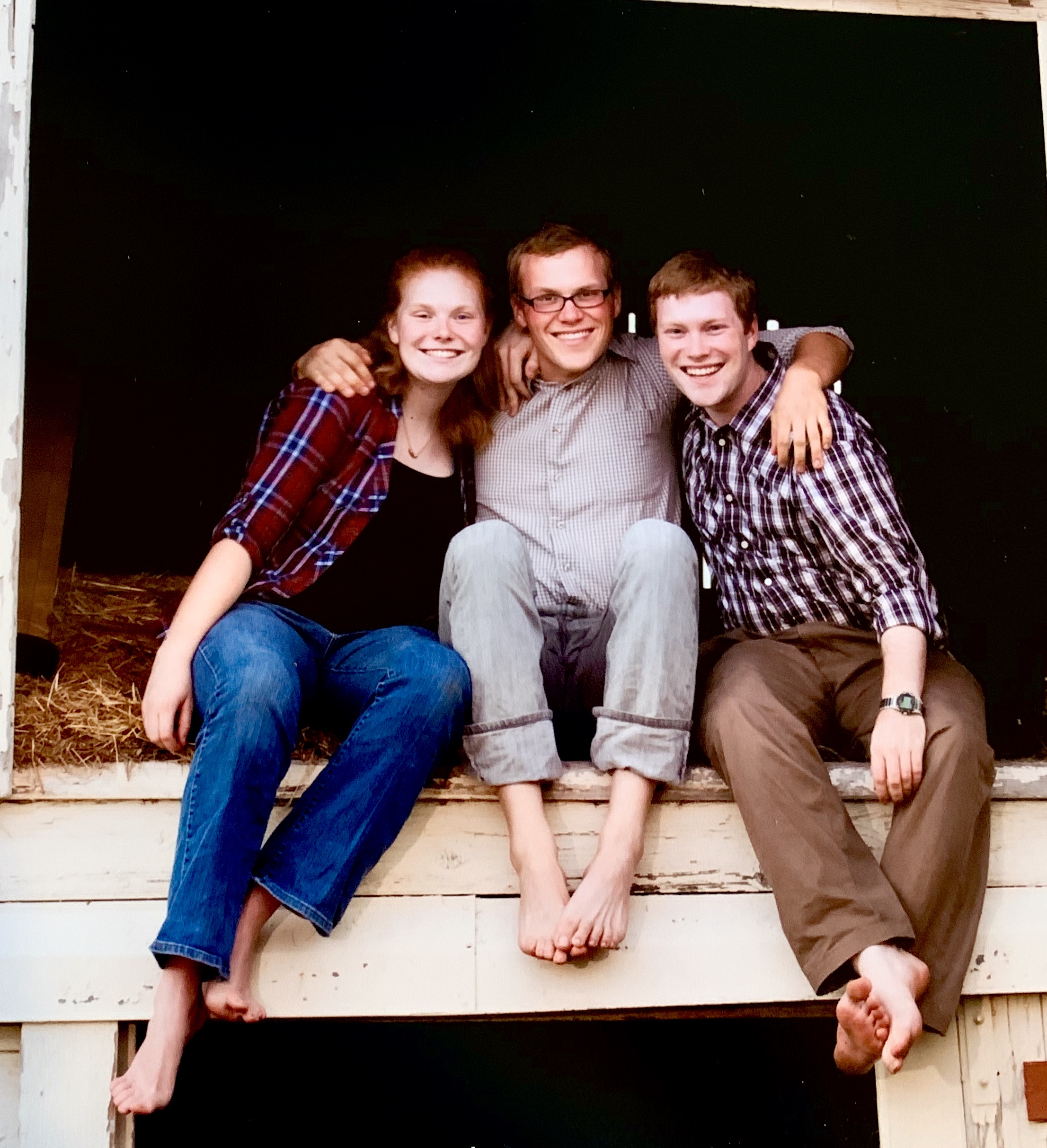
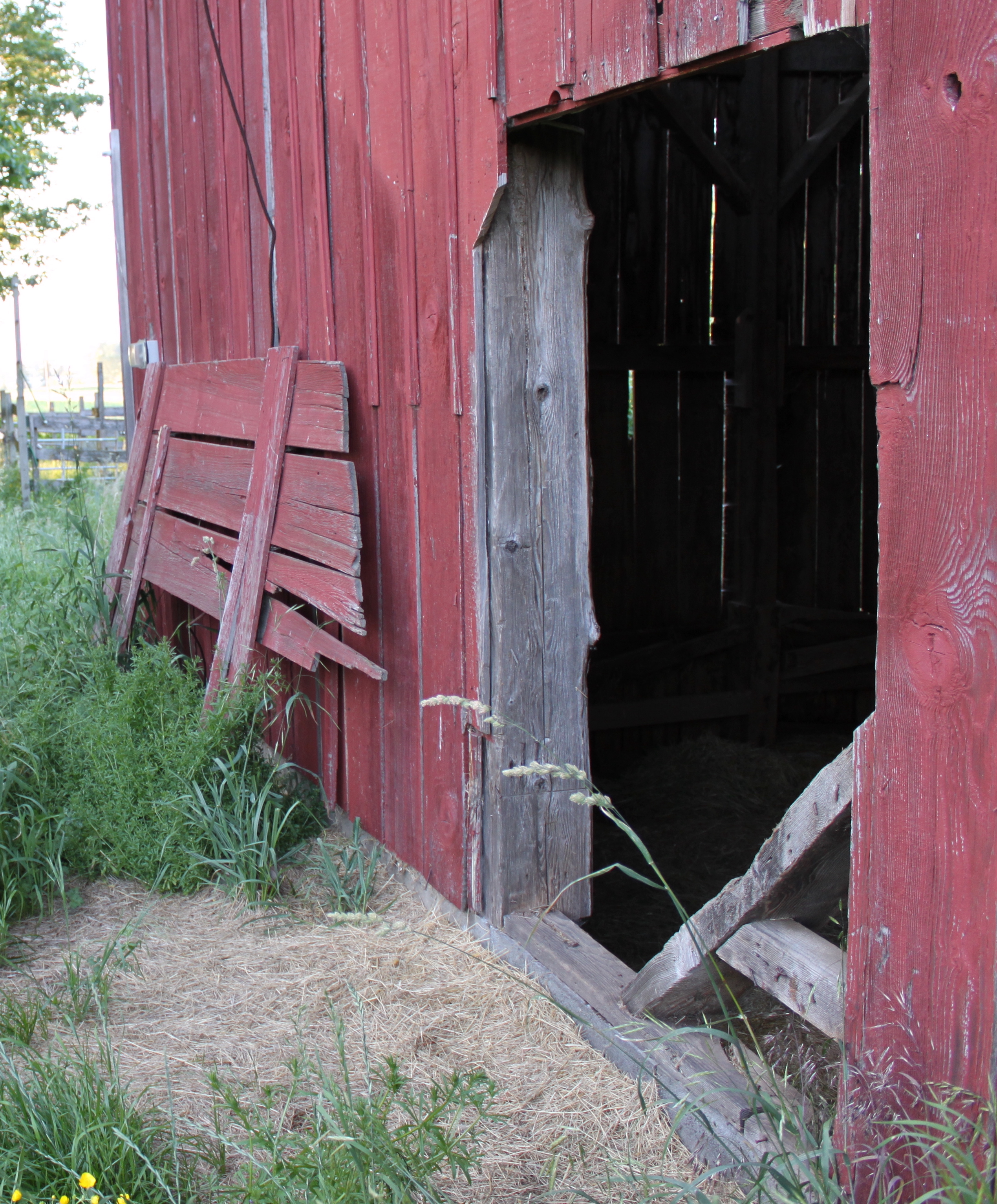
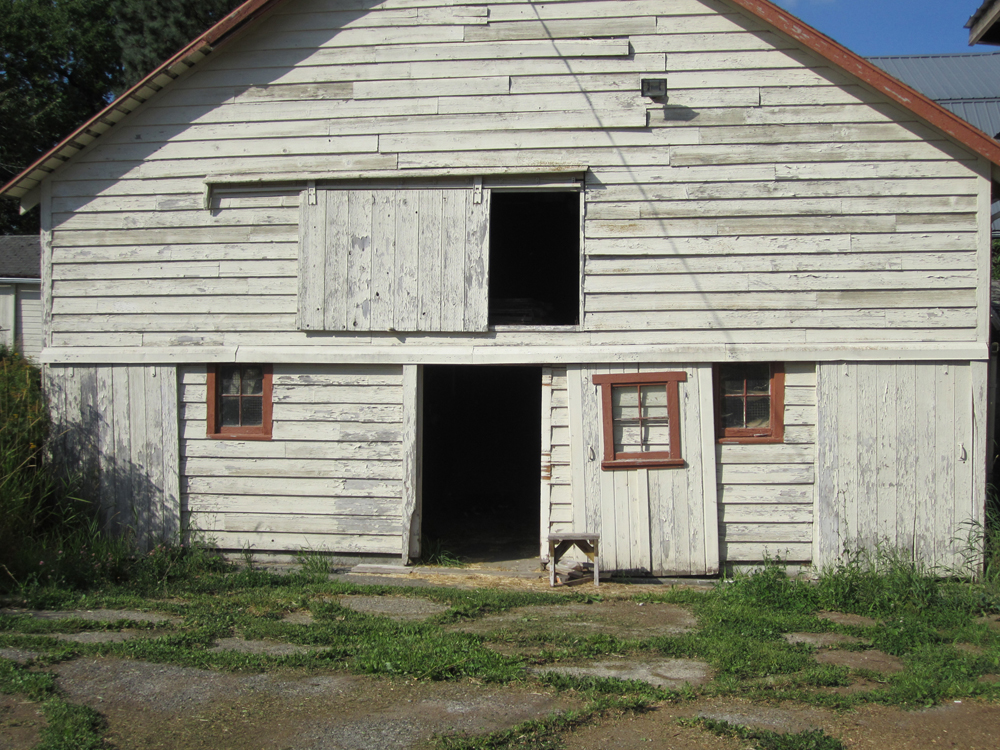
The partly open hay barn door, white frame around the darkness, the broken board, small enough for a child to slip through.
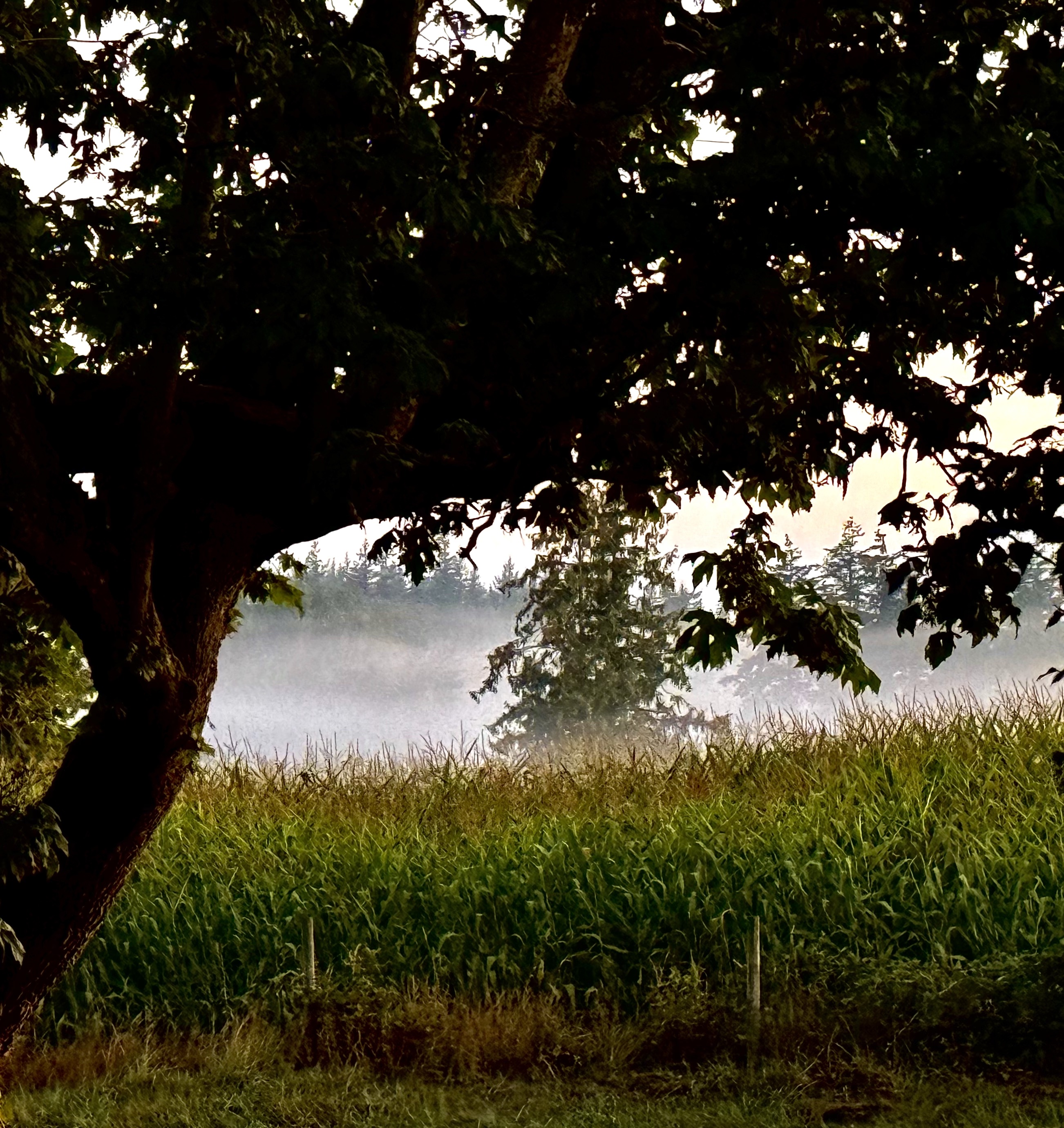
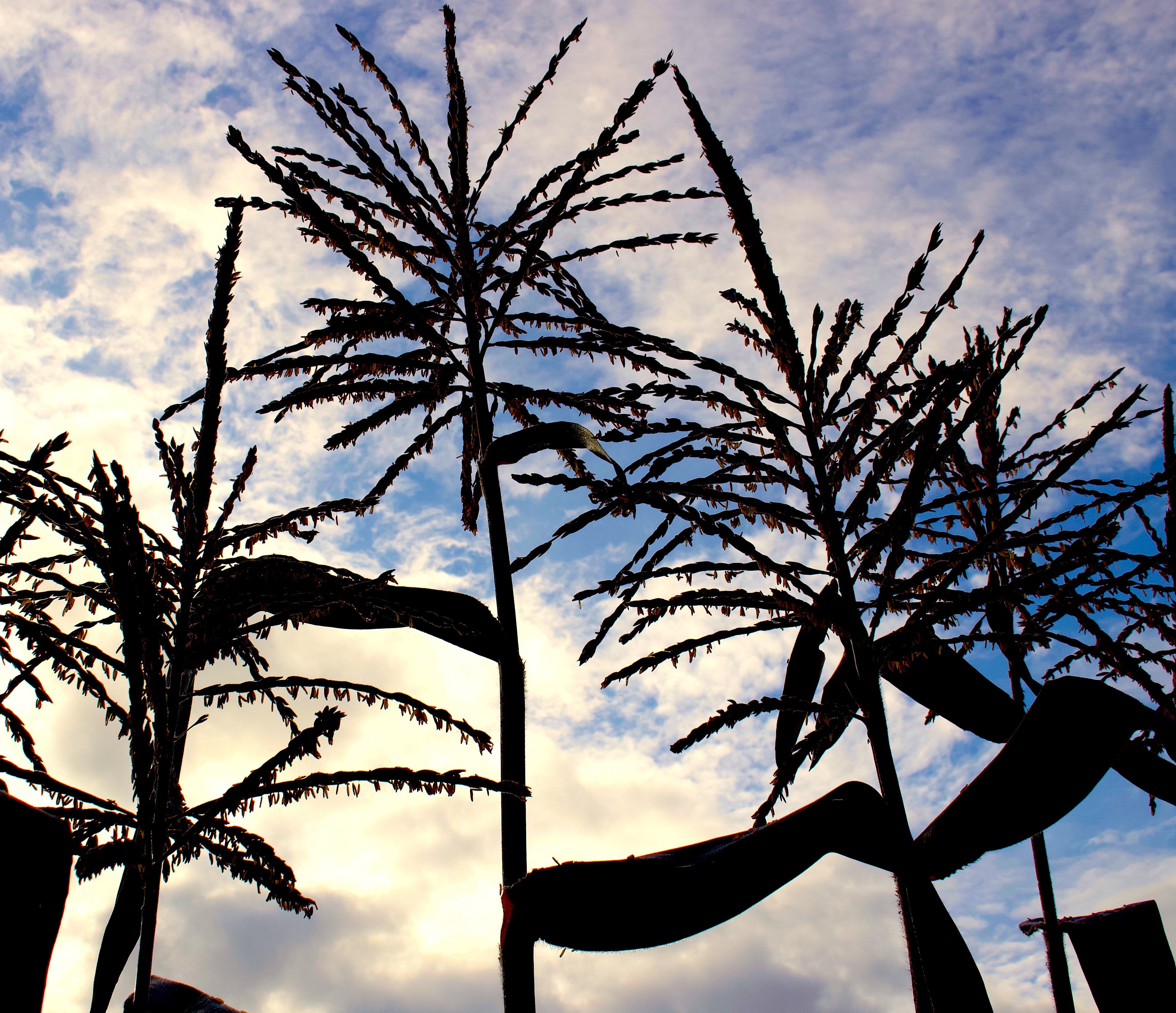
Walking in the cornfields in late July, green tassels overhead, the slap of flat leaves as we pass, silent and invisible from any road.
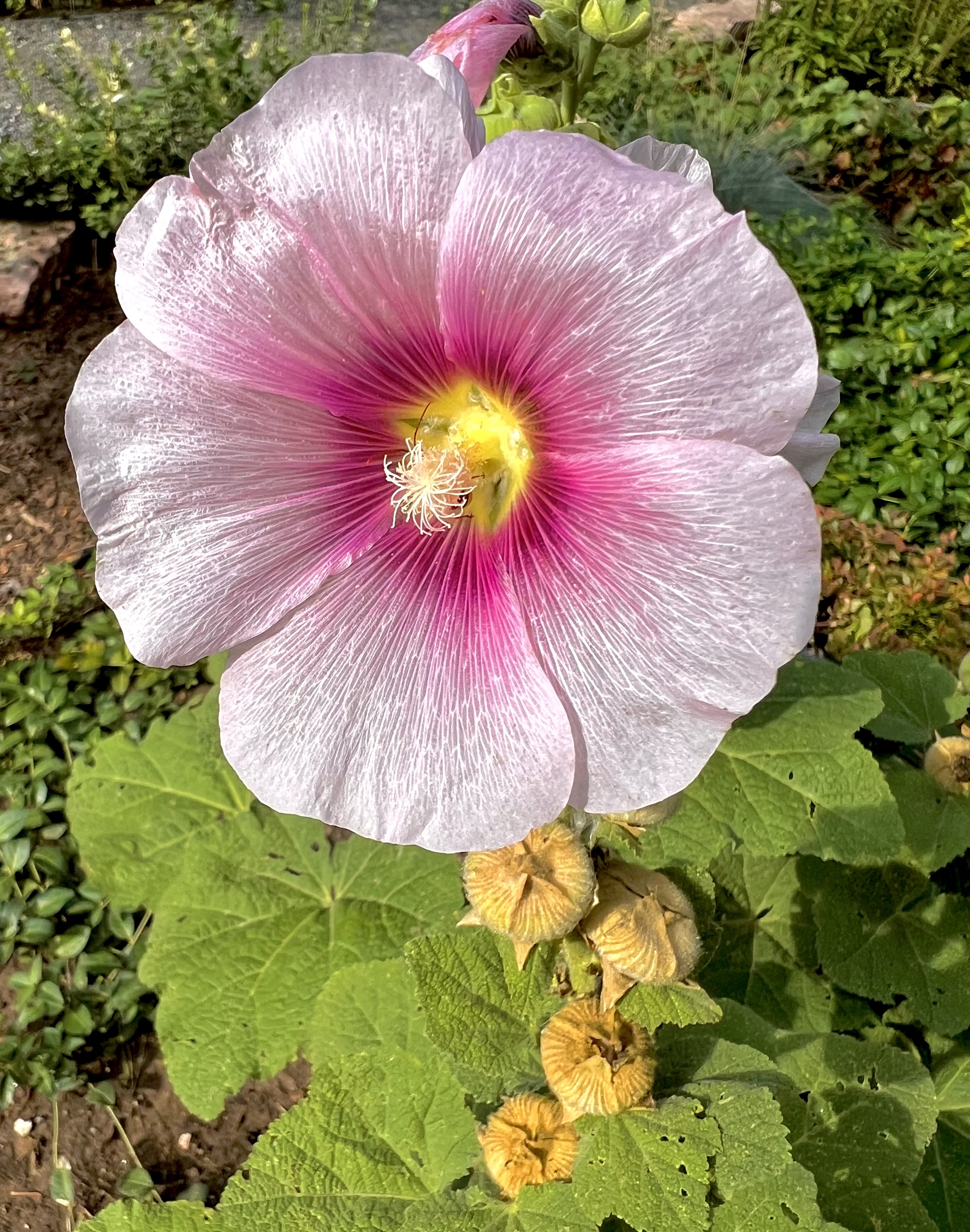
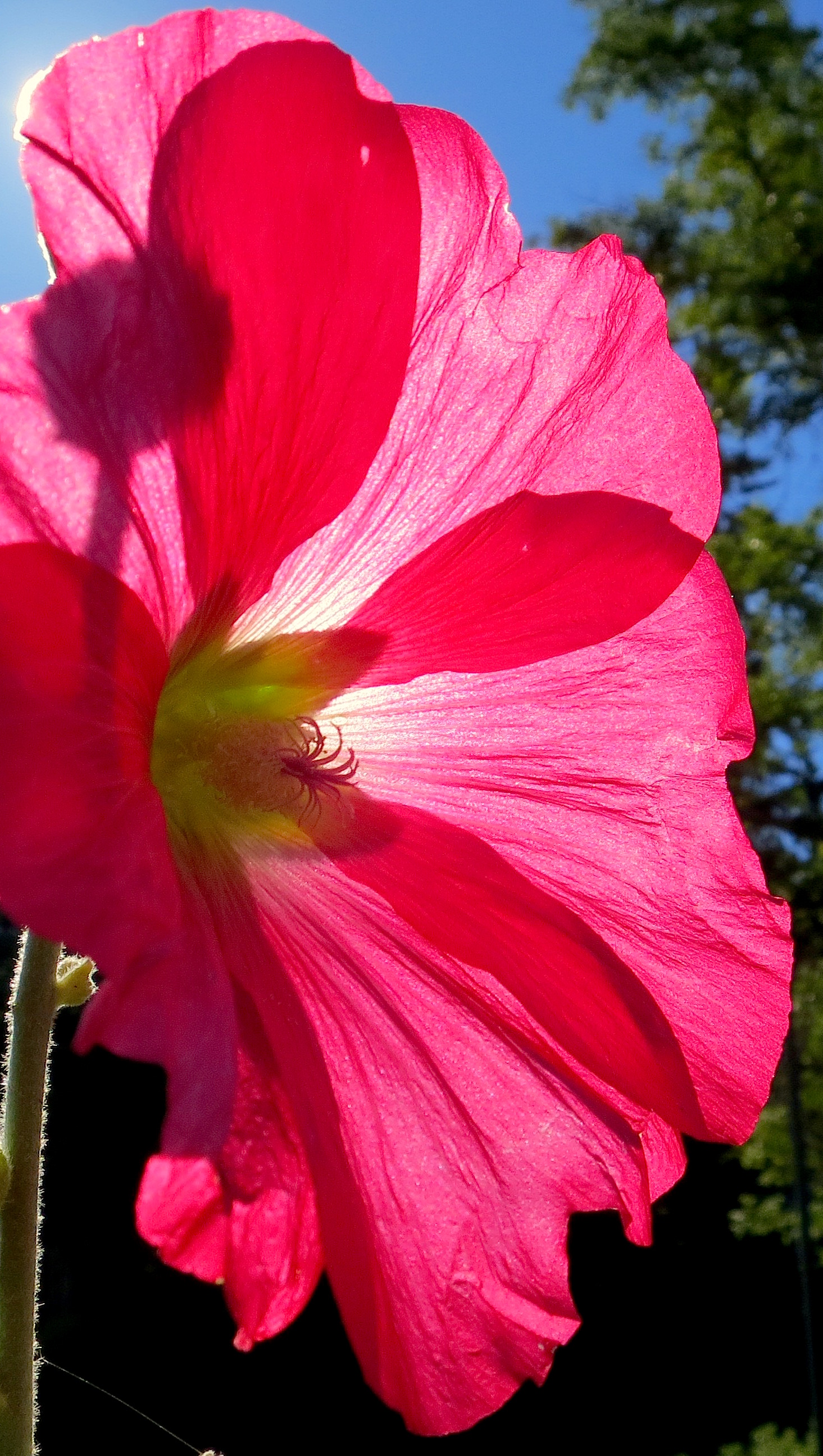
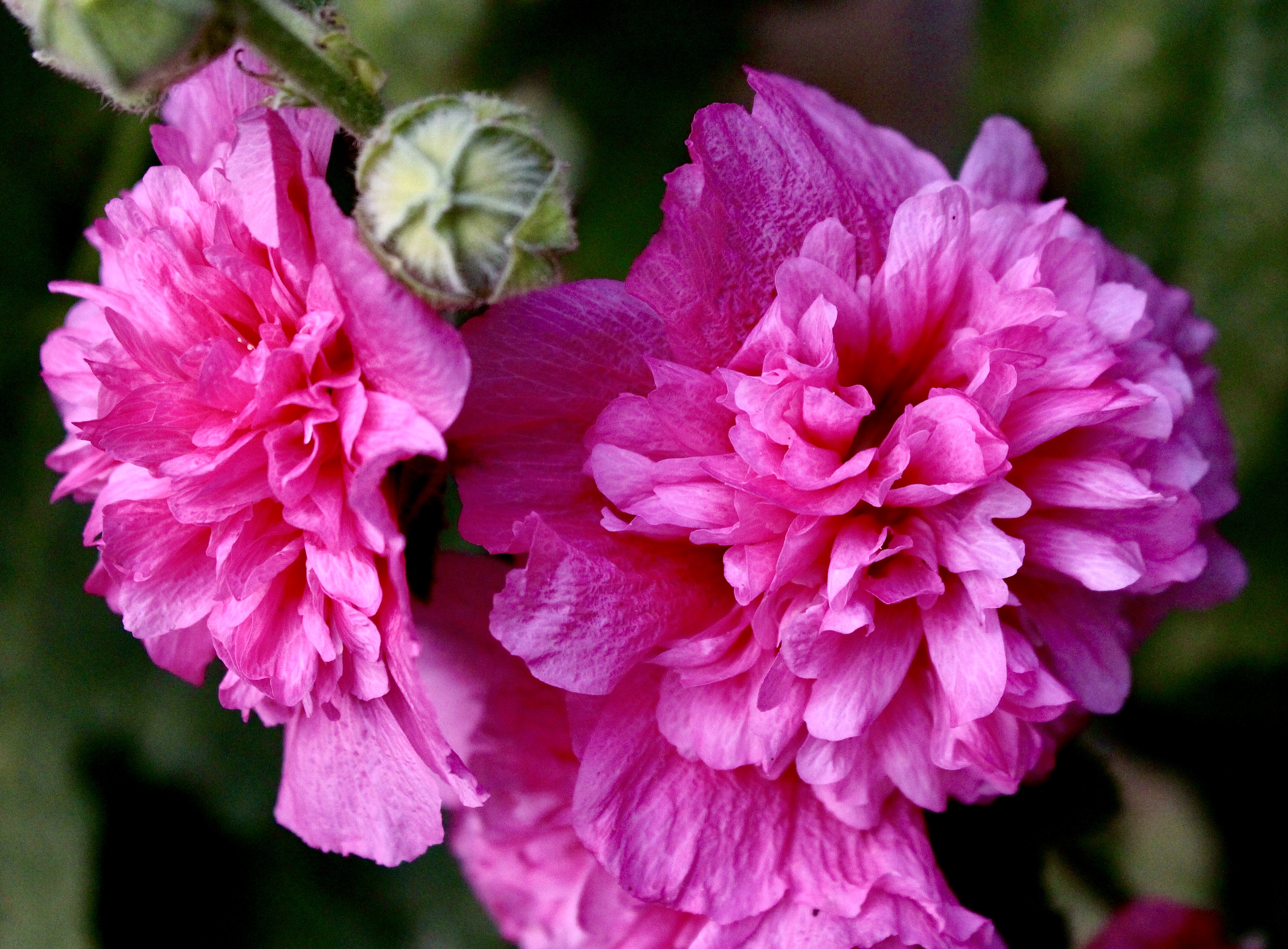
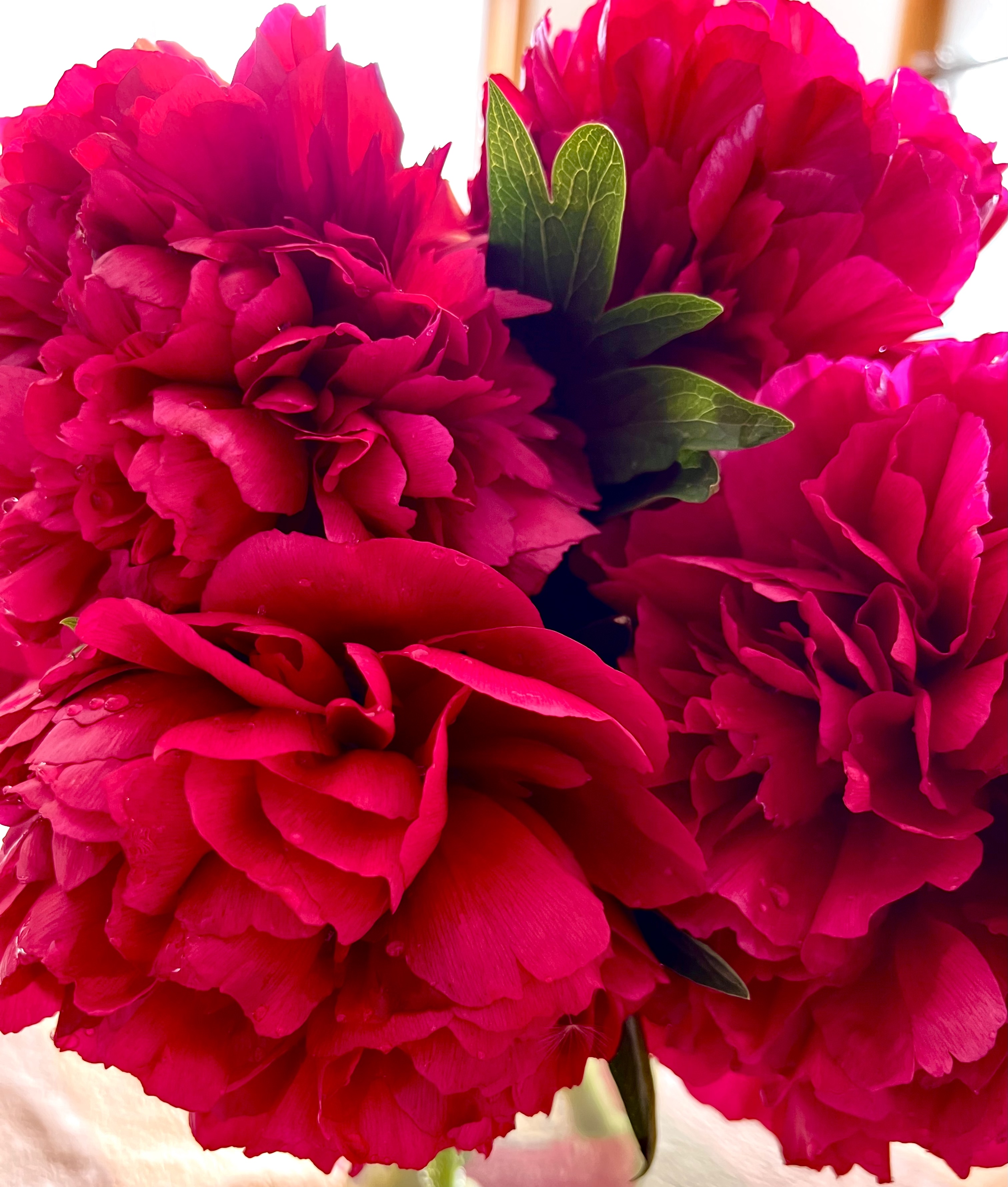
Hollyhocks leaning against the stucco house, peonies heavy as fruit, drooping their deep heads on the dog house roof.
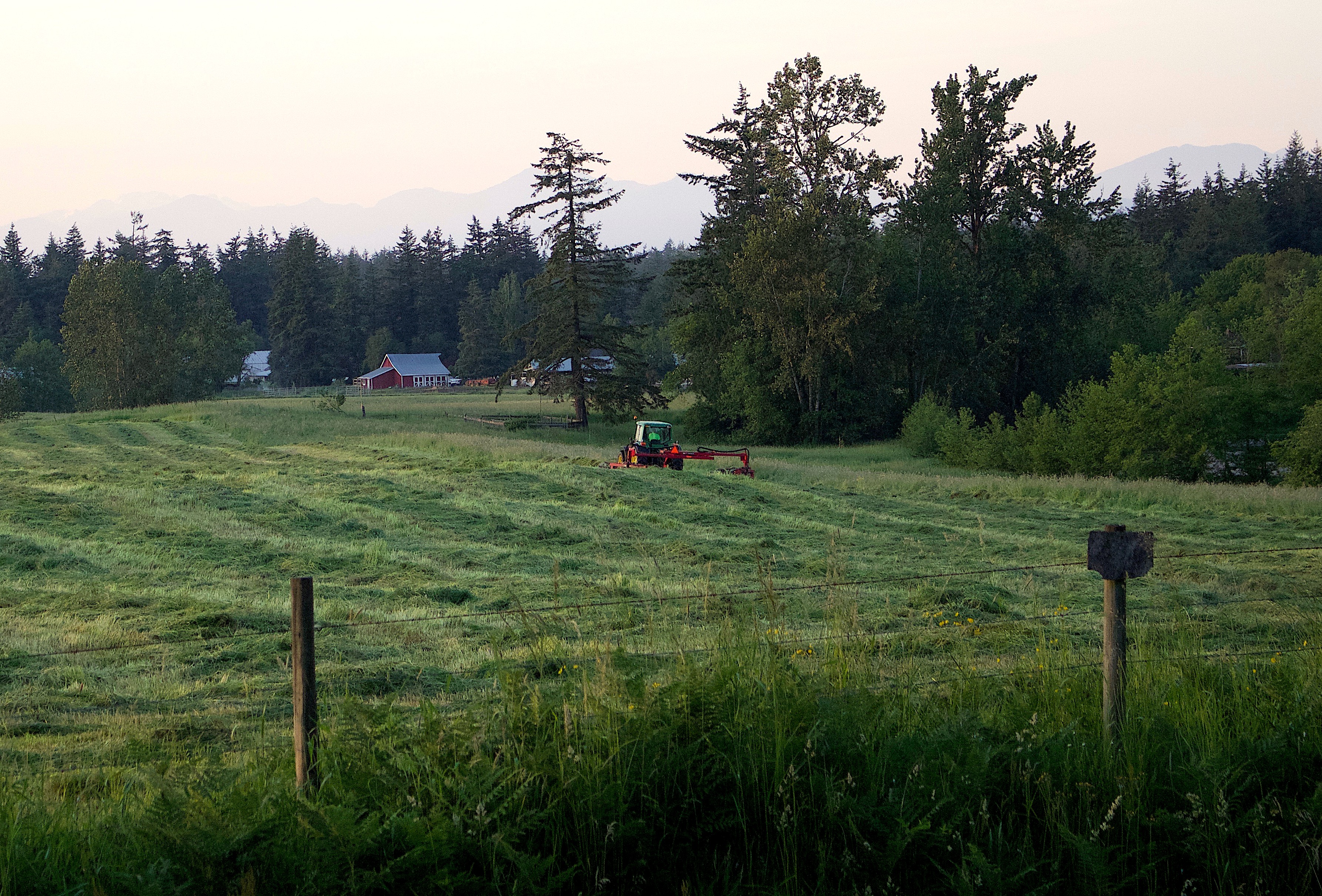
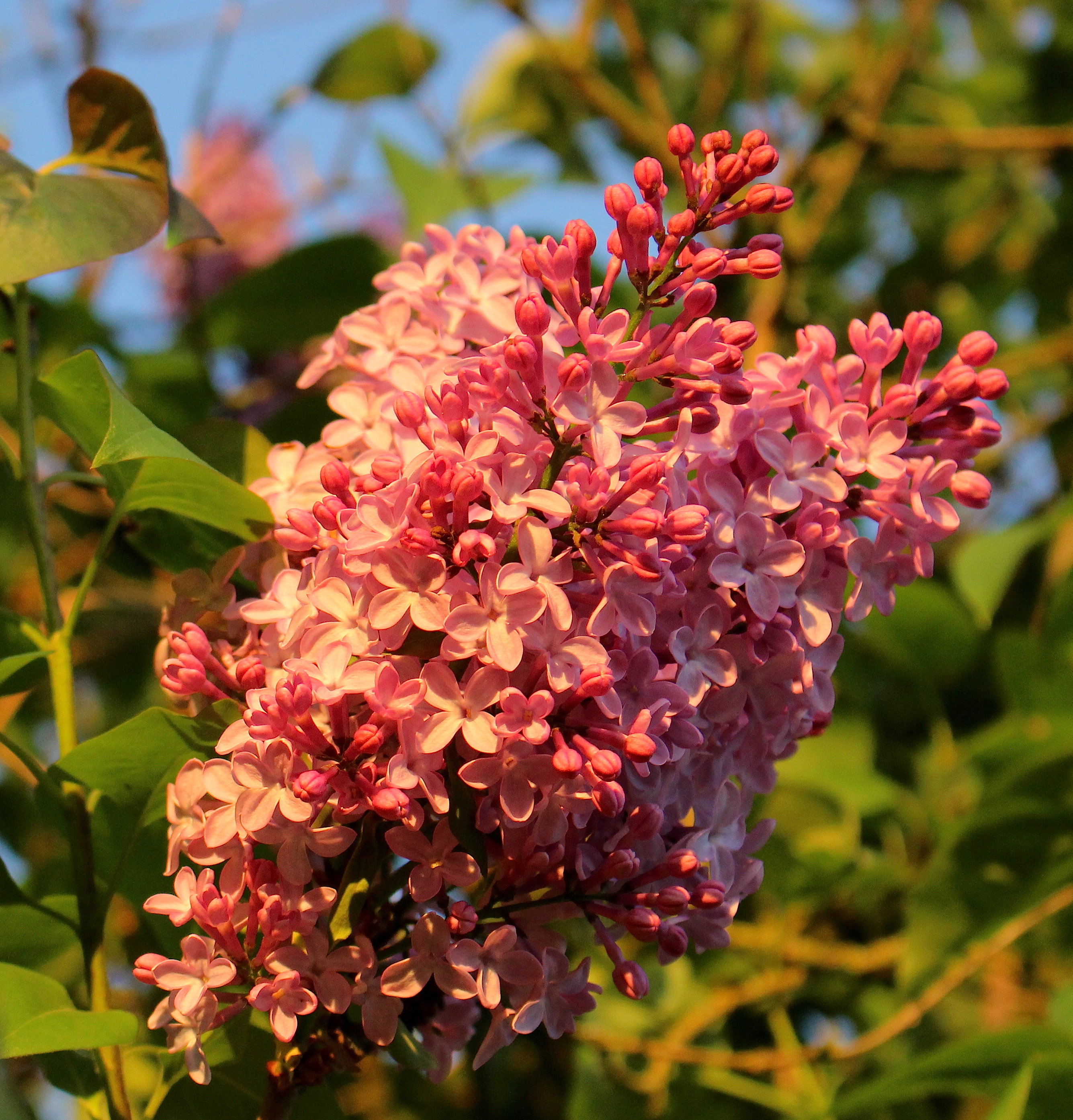
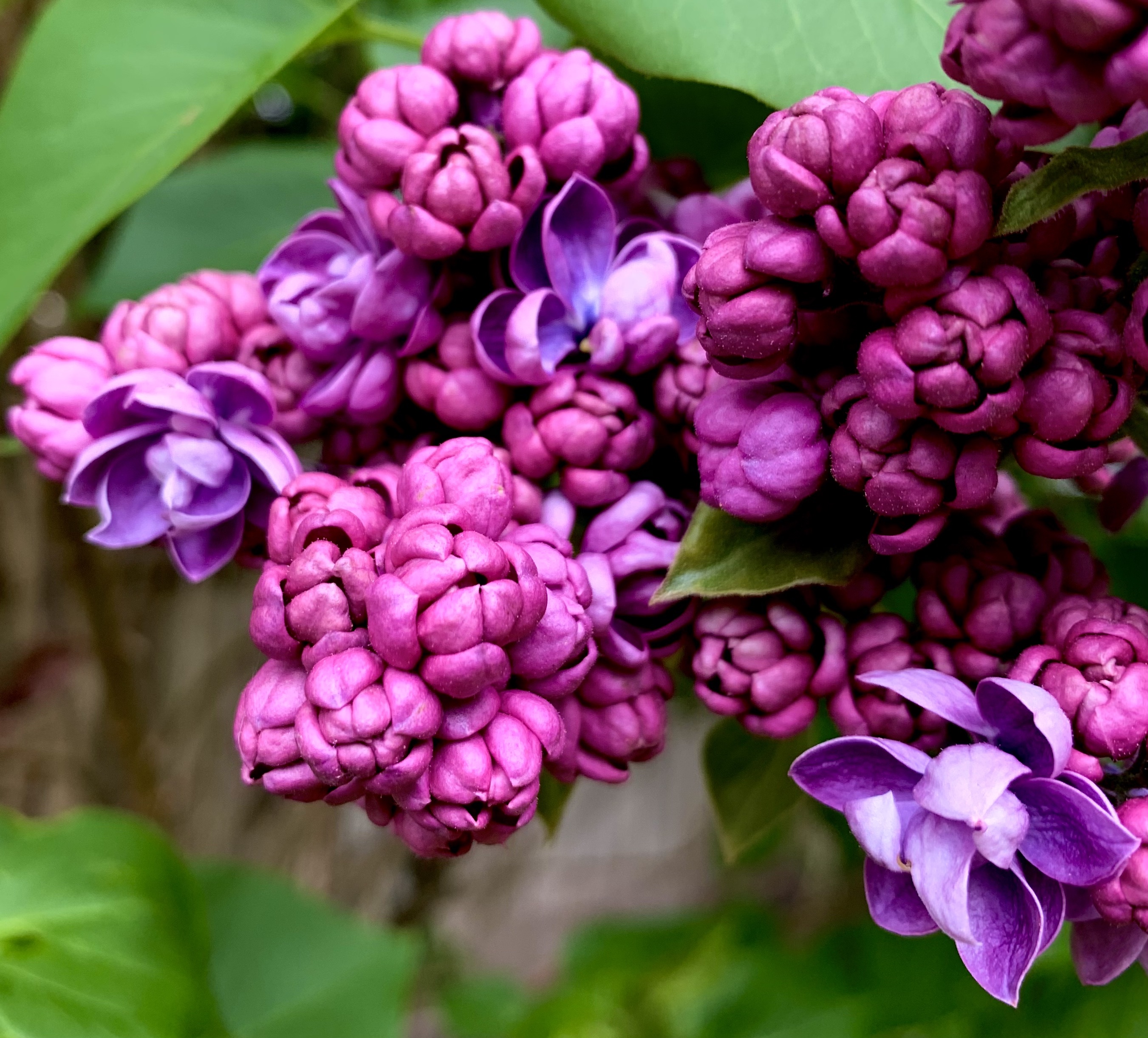
Lilac bushes between the lawn and the woods, a tractor shifting from one gear into the next, the throttle opened,
the smell of cut hay, rain coming across the river, the drone of the hammer mill, milk machines at dawn. ~Joyce Sutphen “The Last Things I’ll Remember” from First Words
I turn this seasonal corner, facing deep into autumn, summer fading in the rear view mirror.
Even as the air bares chill, and the clouds sopping soak, the riches of summer remain vivid.
Let me remember: even if I too fade away, readying for the next turn.
One-Time
Monthly
Yearly
Make a one-time or recurring donation to support daily Barnstorming posts
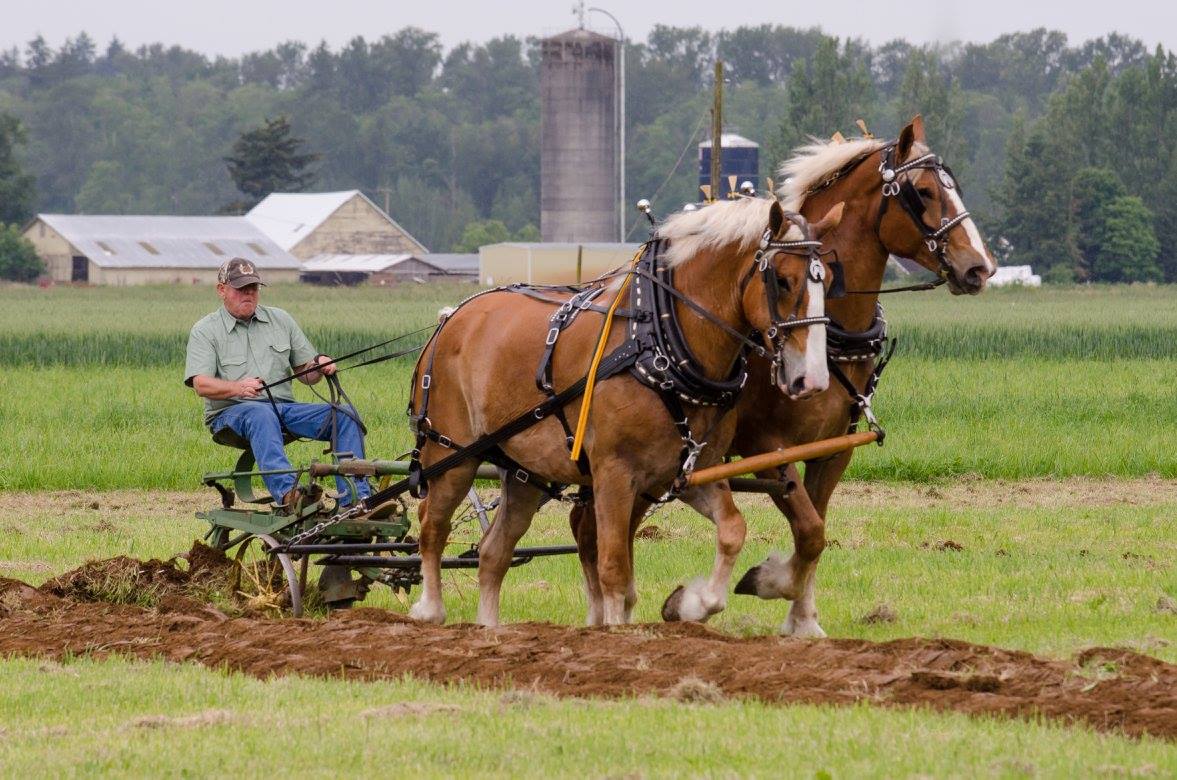
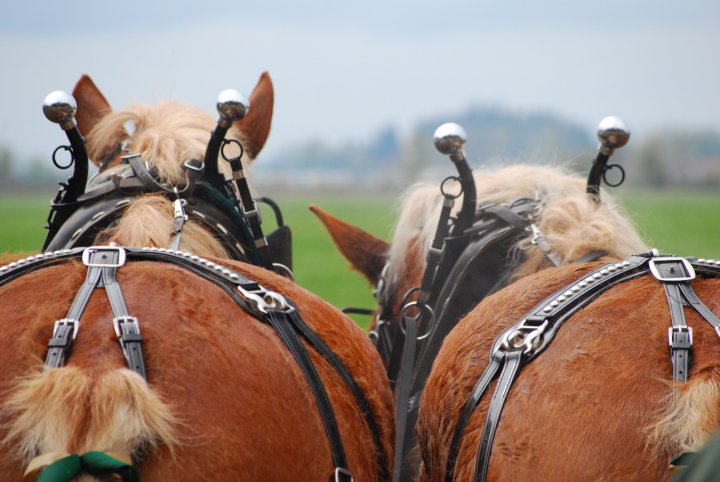
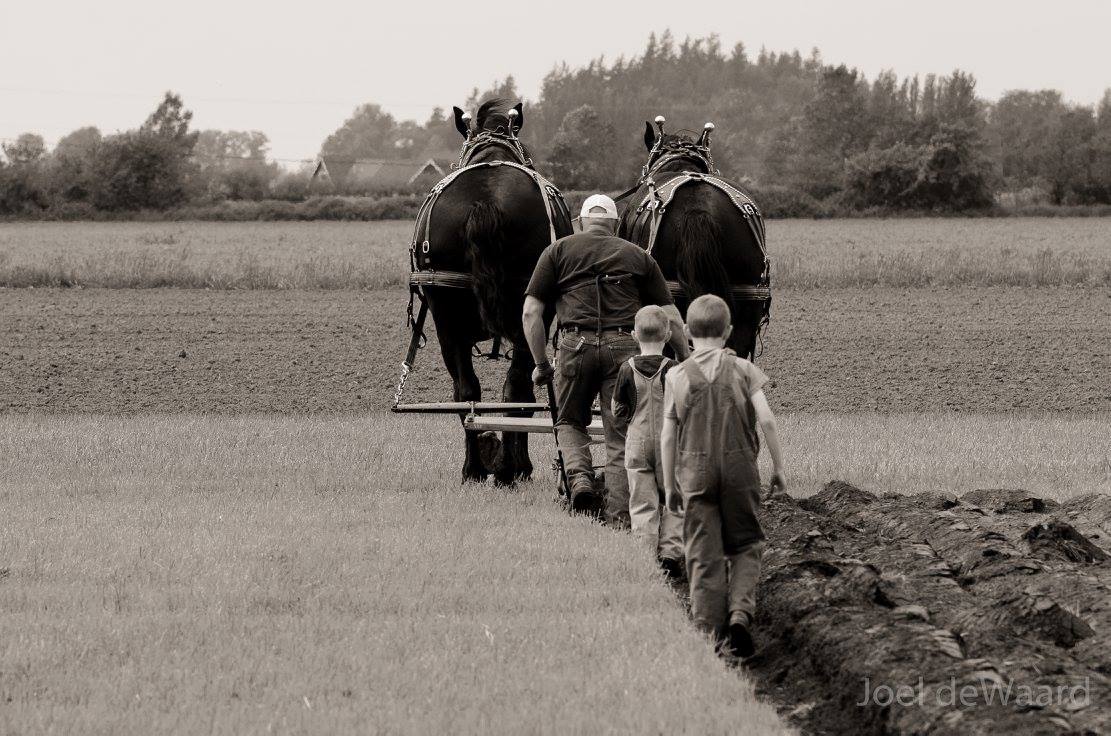
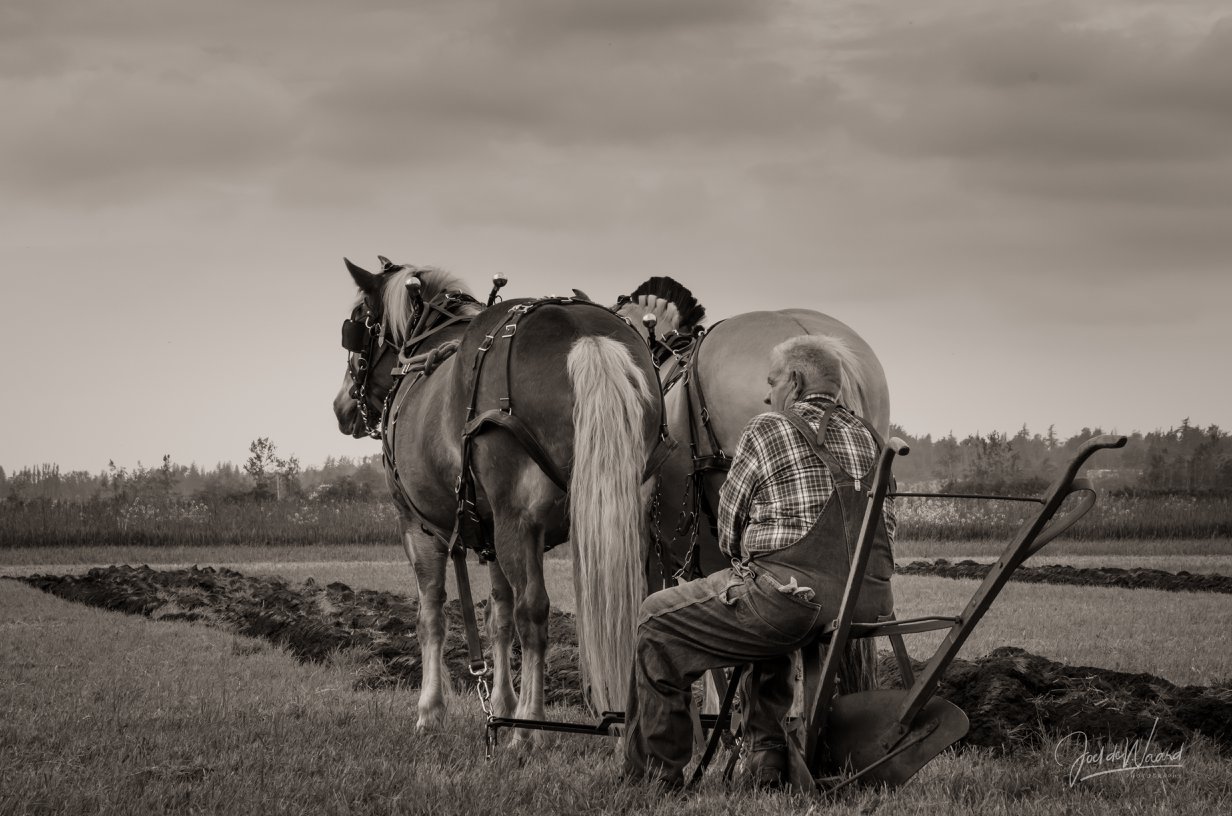
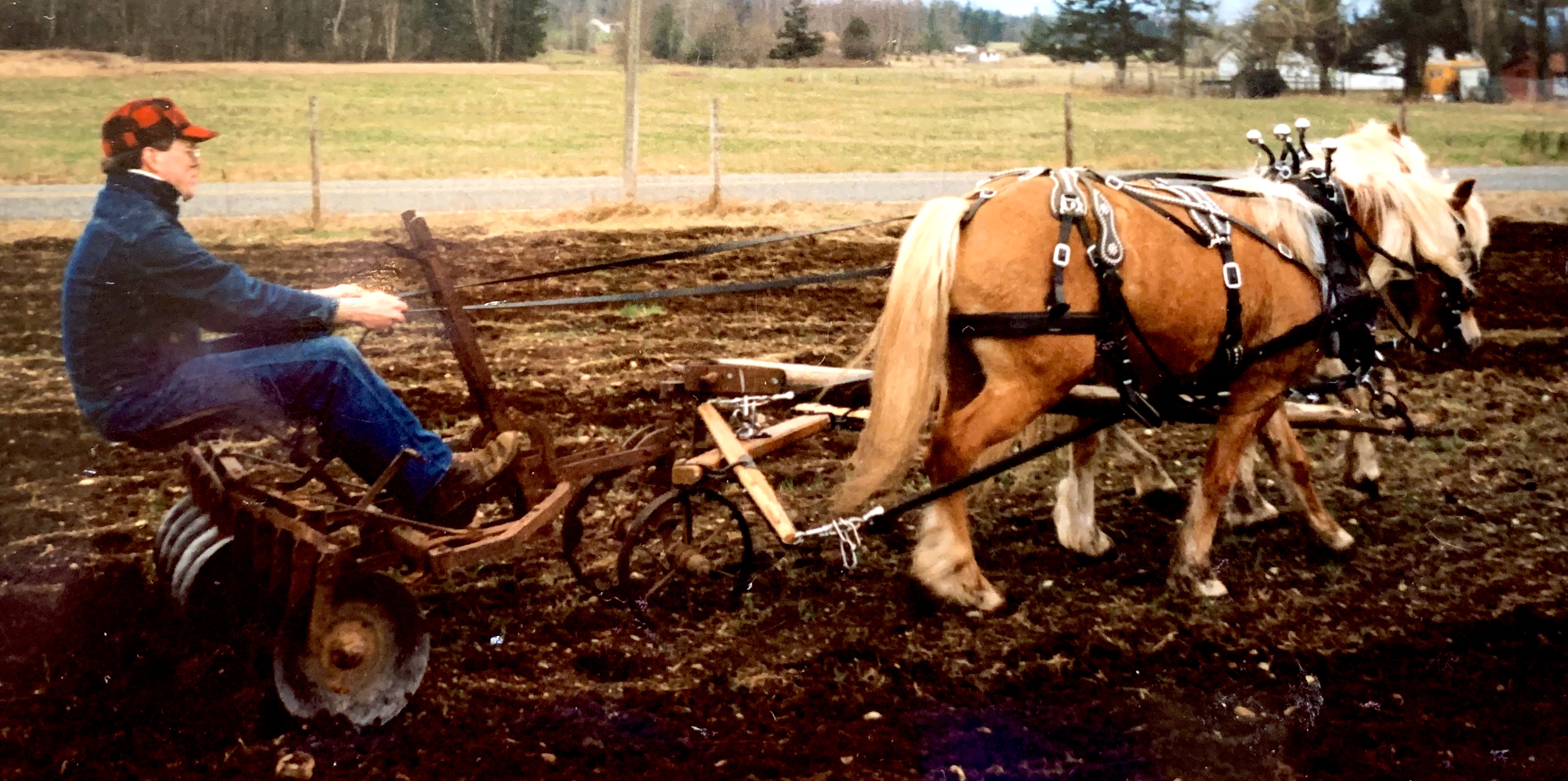
… The Amish have maintained what I like to think is a proper scale, largely by staying with the horse. The horse has restricted unlimited expansion. Not only does working with horses limit farm size, but horses are ideally suited to family life. With horses you unhitch at noon to water and feed the teams and then the family eats what we still call dinner. While the teams rest there is usually time for a short nap. And because God didn’t create the horse with headlights, we don’t work nights. ~Amish farmer David Kline in Great Possessions
photo by Joel De Waardphoto by Joel De Waardphoto by Joel De Waardphoto by Joel De Waard
You can’t have the family farm without the family. ~G.K. Chesterton from “The Unprecedented Architecture of Commander Blair,” Tales of the Long Bow
Photo of Aaron Janicki haying with his Oberlander team in Skagit County courtesy of Tayler RaeBenjamin Janicki of Sedro Woolley raking hay with his team of Oberlanders
I’m 71 years old ~ old enough to have parents who grew up on farms worked by horses, one raising wheat and lentils in the Palouse country of eastern Washington and the other logging in the woodlands of Fidalgo Island of western Washington. The horses were crucial to my grandfathers’ success in caring for and tilling the land, seeding and harvesting the crops and bringing supplies from town miles away. Theirs was a hardscrabble life in the early 20th century with few conveniences. Work was year round from dawn to dusk; caring for the animals came before any human comforts. Once night fell, work ceased and sleep was welcome respite for man and beast.
In the rural NW Washington countryside where we live, we’ve been fortunate enough to live near farmers who still dabble in horse farming, whose draft teams are hitched to plows and mowers and manure spreaders as they head out to the fields to recapture the past. They still gather together in the spring to have a well-attended and friendly competition plowing match.
Watching a good team work with no diesel motor running means hearing bird calls from the field, the steady footfall of the horses, the harness chains jingling, the leather straps creaking, the machinery shushing quietly as gears turn and grass lays over in submission. No ear protection is needed. There is no clock needed to pace the day.
There is a rhythm of nurture when animals instead of engines are part of the work day. The gauge for taking a break is the amount of foamy sweat on the horses and how fast they are breathing. It is time to stop and take a breather, it is time to start back up to do a few more rows, it is time to water, it is time for a meal, it is time for a nap, it is time for a rest in a shady spot. This is gentle use of the land with four footed stewards who deposit right back to the soil the digested forage they have eaten only hours before.
Our modern fossil-fuel-powered approach to food production has bypassed the small family farm which was so dependent on the muscle power of humans and animals. In our move away from horses worked by skilled teamsters, what has been gained in high production values has meant loss of self-sufficiency and dedicated stewardship of a smaller acreage. Draft breeds, including the Haflinger horses we raised for forty years, now are bred for higher energy with lighter refined bone structure meant more for eye appeal and floating movement, rather than the sturdy conformation and unflappable low maintenance mindset needed for pulling work.
Modern children grow up with a different set of values as well, no longer raised to work together with other family members, as well as the animals on the farm for a common purpose of daily survival.
Still fascinated by the The Small Farmer’s Journal, I am encouraged when the next generation reaches for horse collars and bridles, hitches up their horses to do the work as it used to be done. Although the modern world will never go back to the days of horse-drawn farming and transportation, we can acknowledge there were some benefits to the old ways of doing things, when progress meant being harnessed together as a team with our horses, tilling for truth and harvesting hope.
photo by Tayler Rae
I like farming. I like the work. I like the livestock and the pastures and the woods. It’s not necessarily a good living, but it’s a good life. I now suspect that if we work with machines the world will seem to us to be a machine, but if we work with living creatures the world will appear to us as a living creature. That’s what I’ve spent my life doing, trying to create an authentic grounds for hope. ~Wendell Berry, horse farmer, essayist, poet, professor
photo by Tayler Rae
One-Time
Monthly
Yearly
Make a one-time or recurring donation to support daily Barnstorming posts
Every morning I walk through folds of fields searching.
Slants of sun sink through triangled bones of leaves: bold cold refuted.
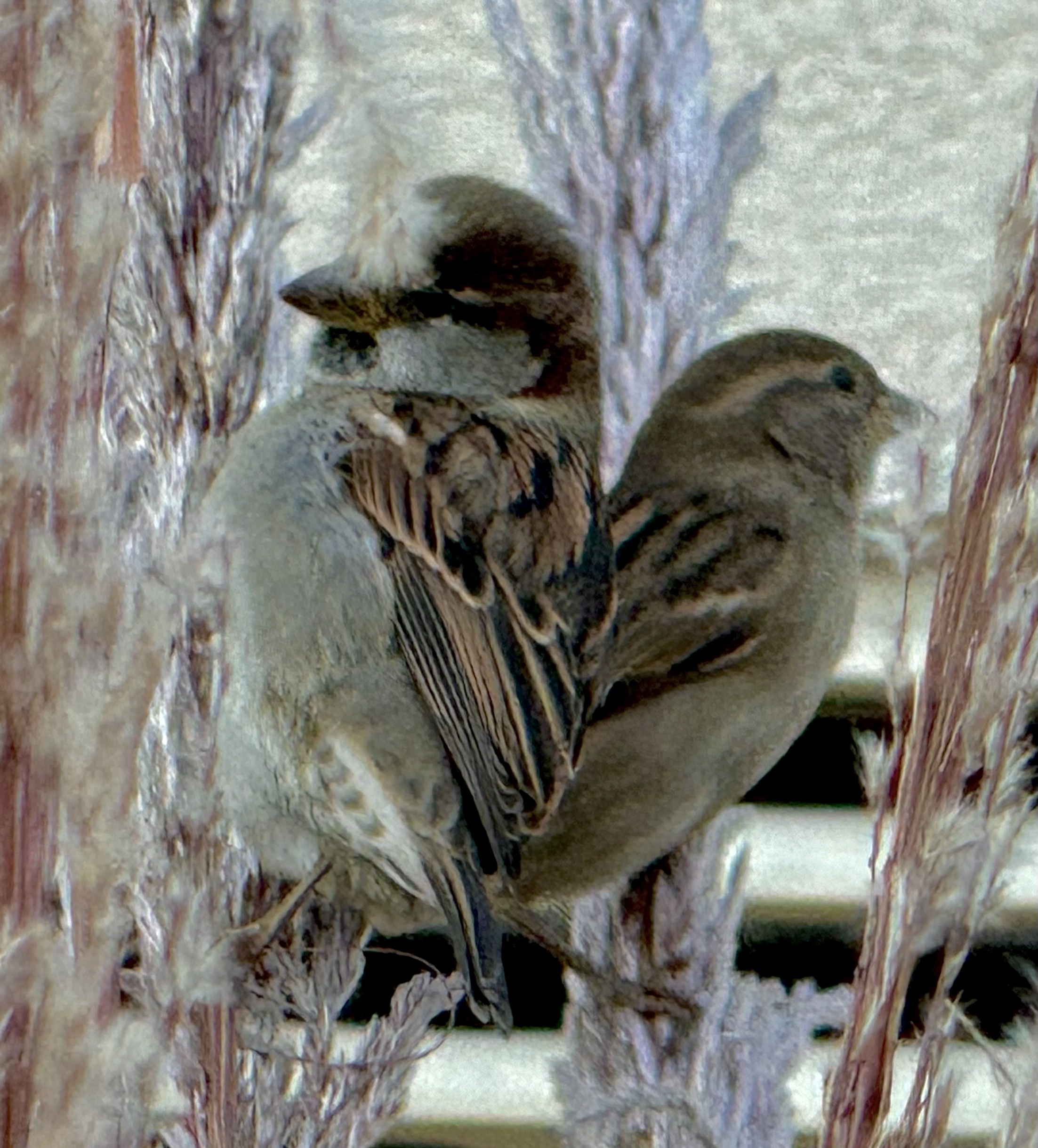
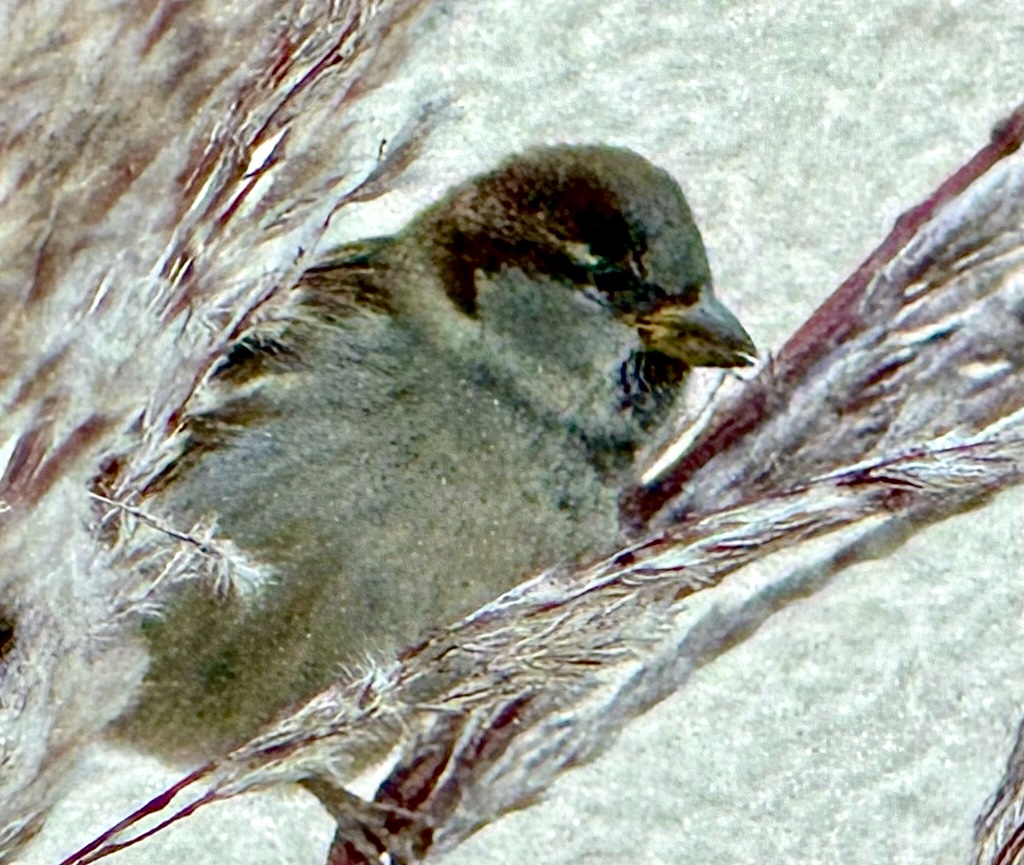
Sparrows flutter warm in given nests, ungriefed, caught, sustained by common grace.
Faith is the tenderness of banked coals in a grate, Braeburn apples on a windowsill, winding crisp with possibility. The steadiness of conversations embered over decades; a fire that has never left off crackling – on this my soul has warmed her hands. Divine ardor: too strong and sweet for the many years I’ve walked on earth.
Love without hesitation has swept my floorboards for seasons. Deep and longing in and out of time the soul reaches out – and He, grasps entire. Hold – and tender. Incandescent. ~Claire Hellar “A Search in Autumn”
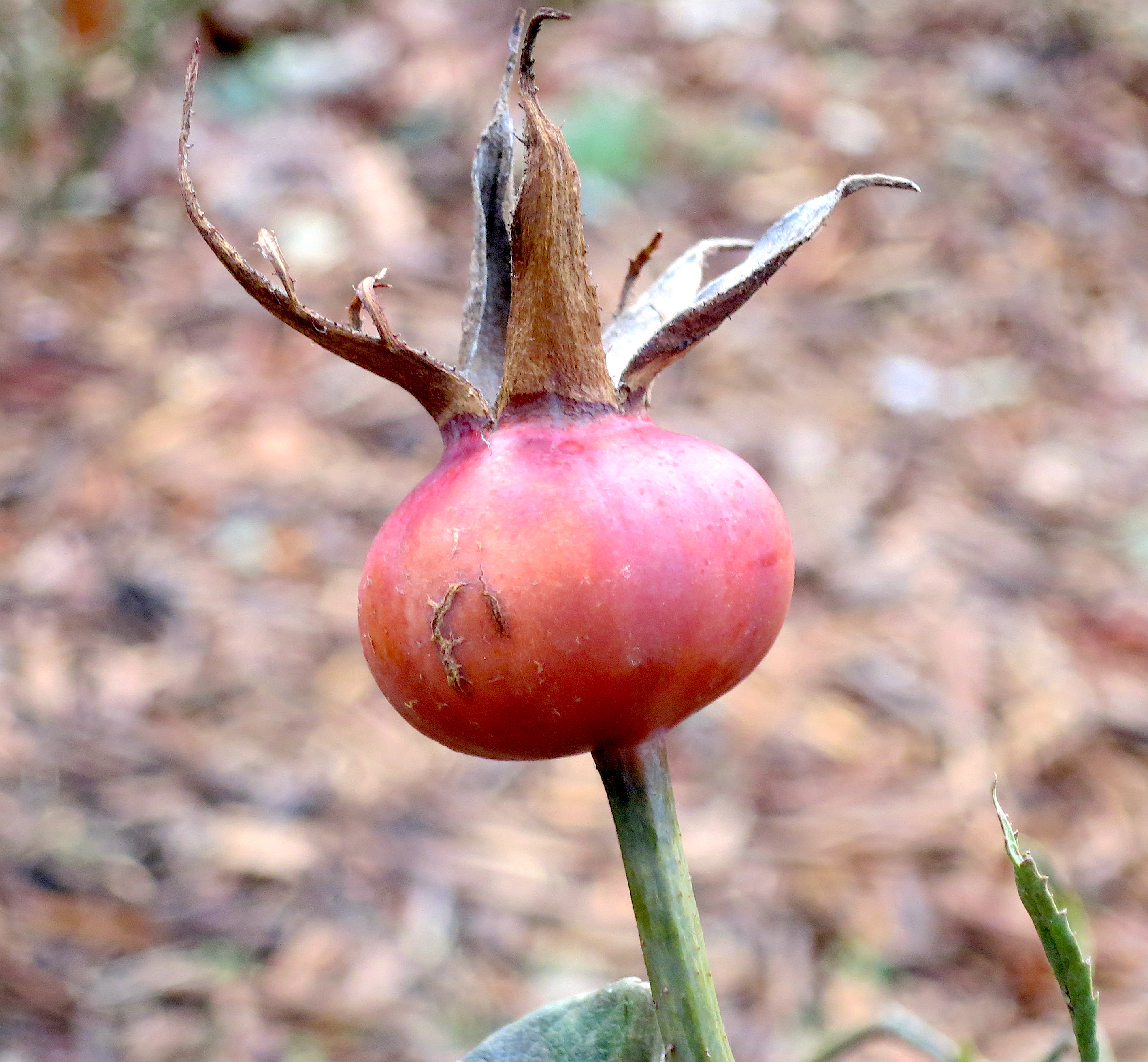
I have been younger in October than in all the months of spring walnut and may leaves the color of shoulders at the end of summer a month that has been to the mountain and become light there the long grass lies pointing uphill even in death for a reason that none of us knows and the wren laughs in the early shade now come again shining glance in your good time naked air late morning my love is for lightness of touch foot feather the day is yet one more yellow leaf and without turning I kiss the light by an old well on the last of the month gathering wild rose hips in the sun ~W.S. Merwin from “The Love of October”from Migration: New & Selected Poems, 2005
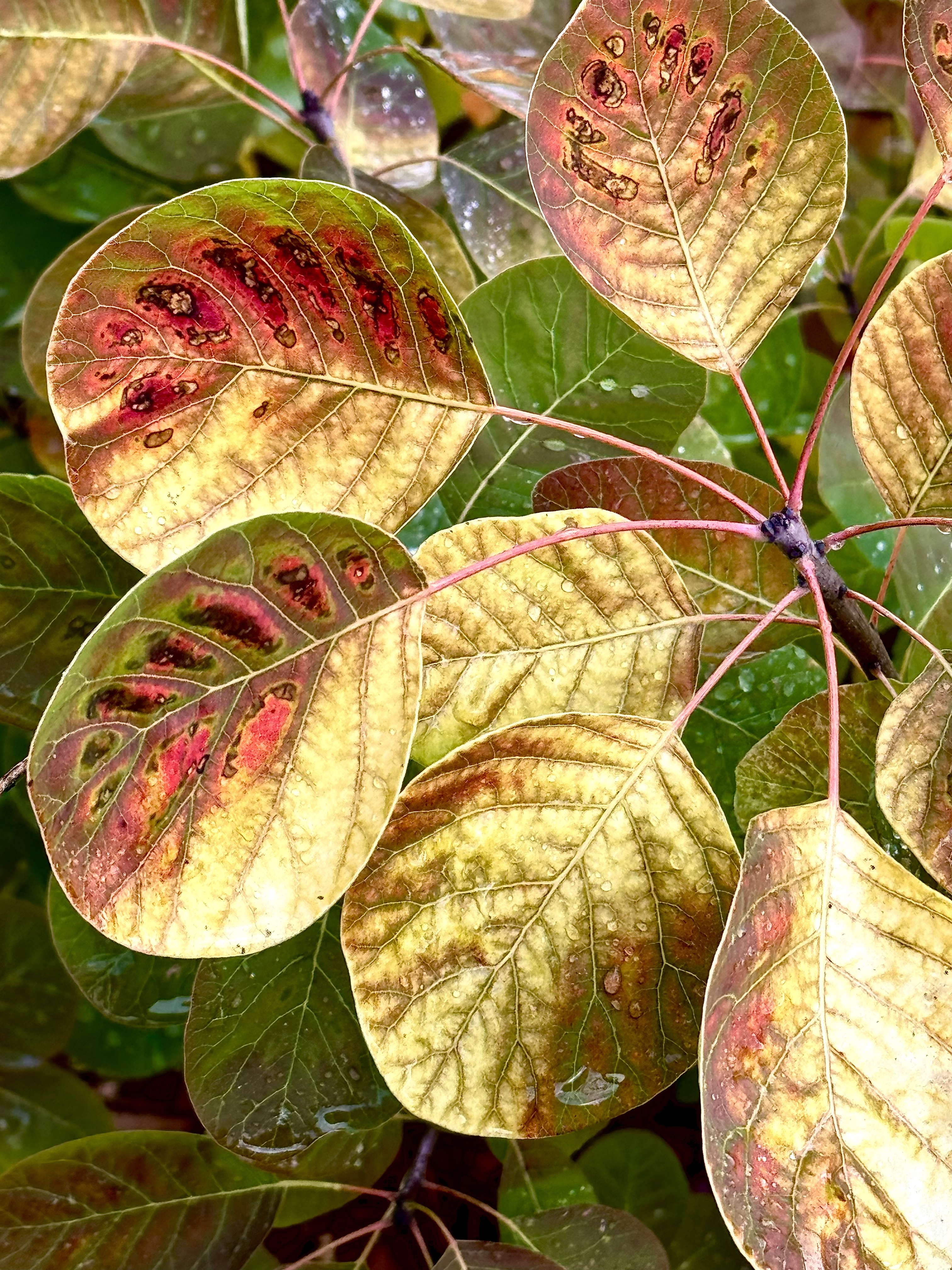
Each leaf is beautifully unique, one of a kind, each shaped and hued differently — except those more tattered than others, bespeaking the harshness of their short existence when all life surrounding them seems at risk of being destroyed.
At the end of their allotted life span they return to the earth from which they came. And the Creator-God is pleased. His creations have served the purpose for which He created them. Now, they will enrich the soil, each leaving its own special contribution toward the next generation where differences no longer matter. The unseen birthing and dying mystery continues…. ~Alice La Chapelle, in a comment
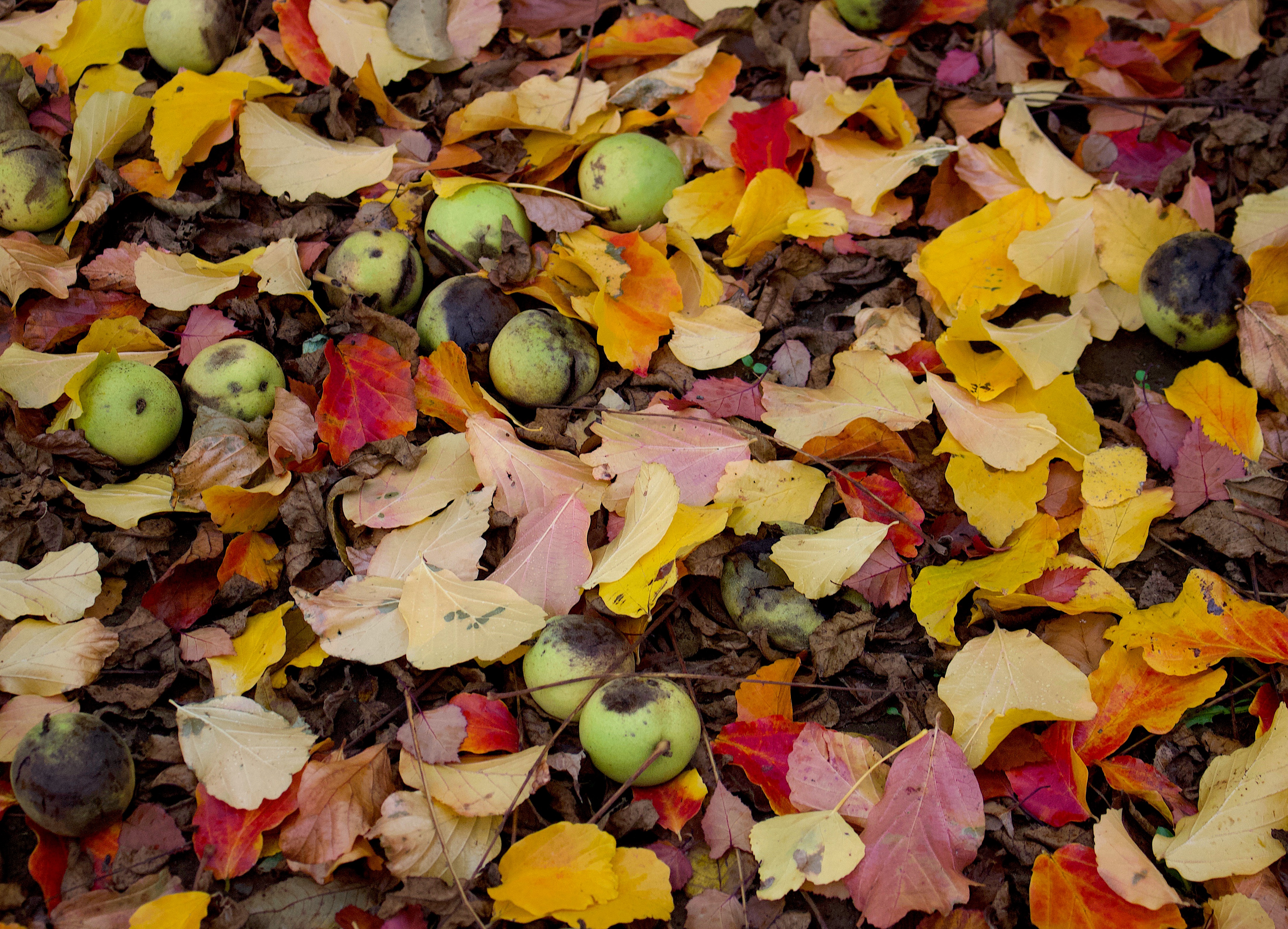
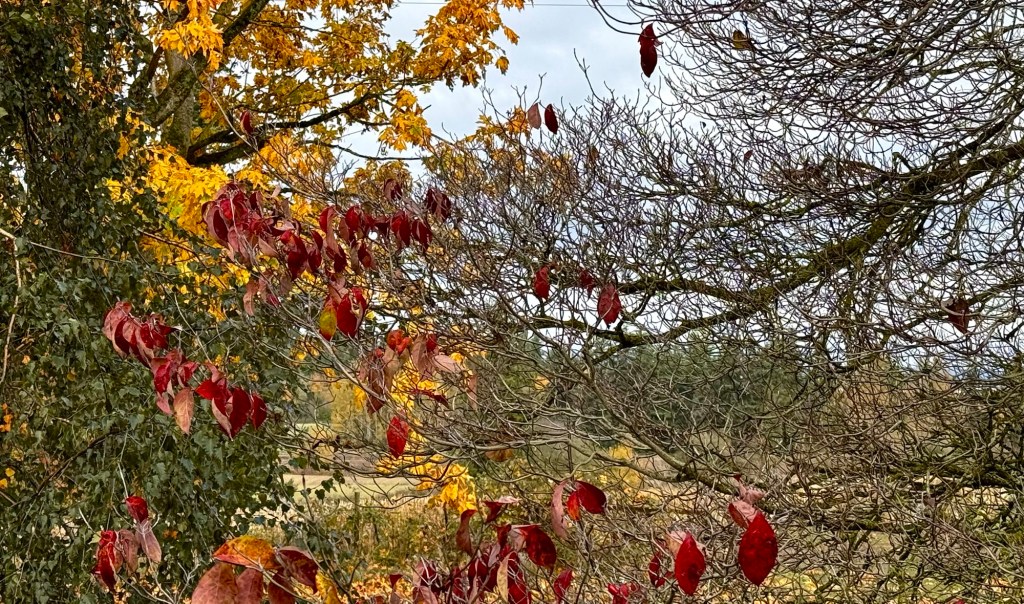
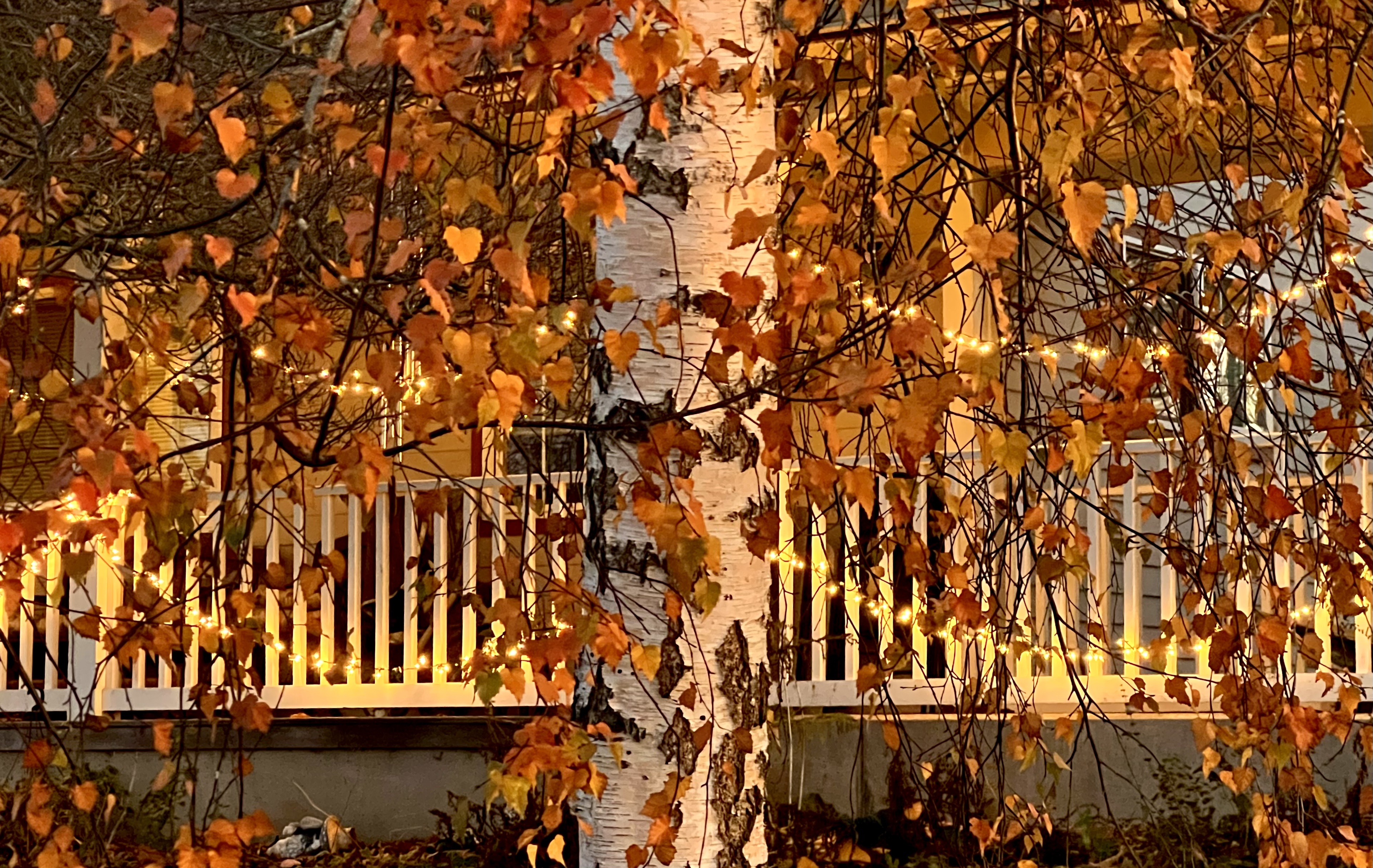
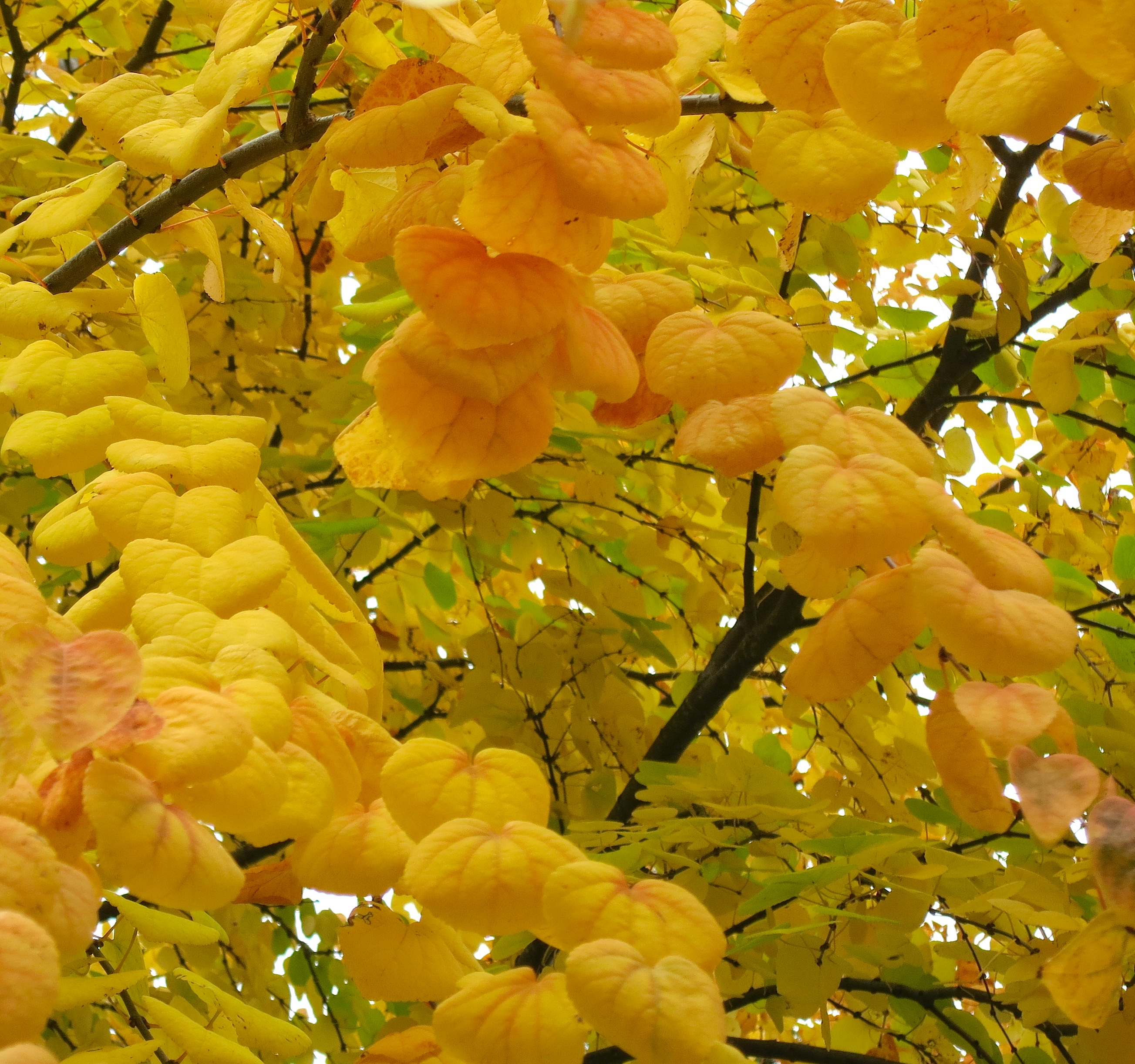
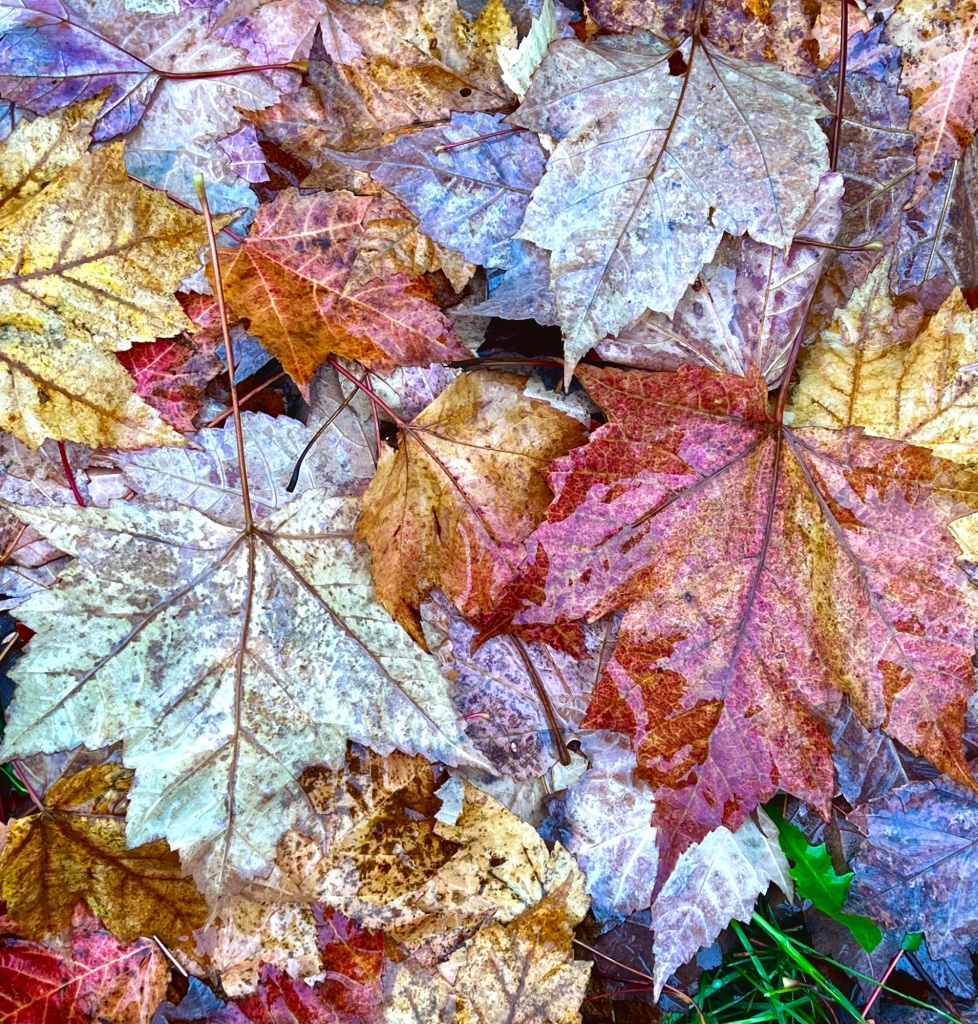
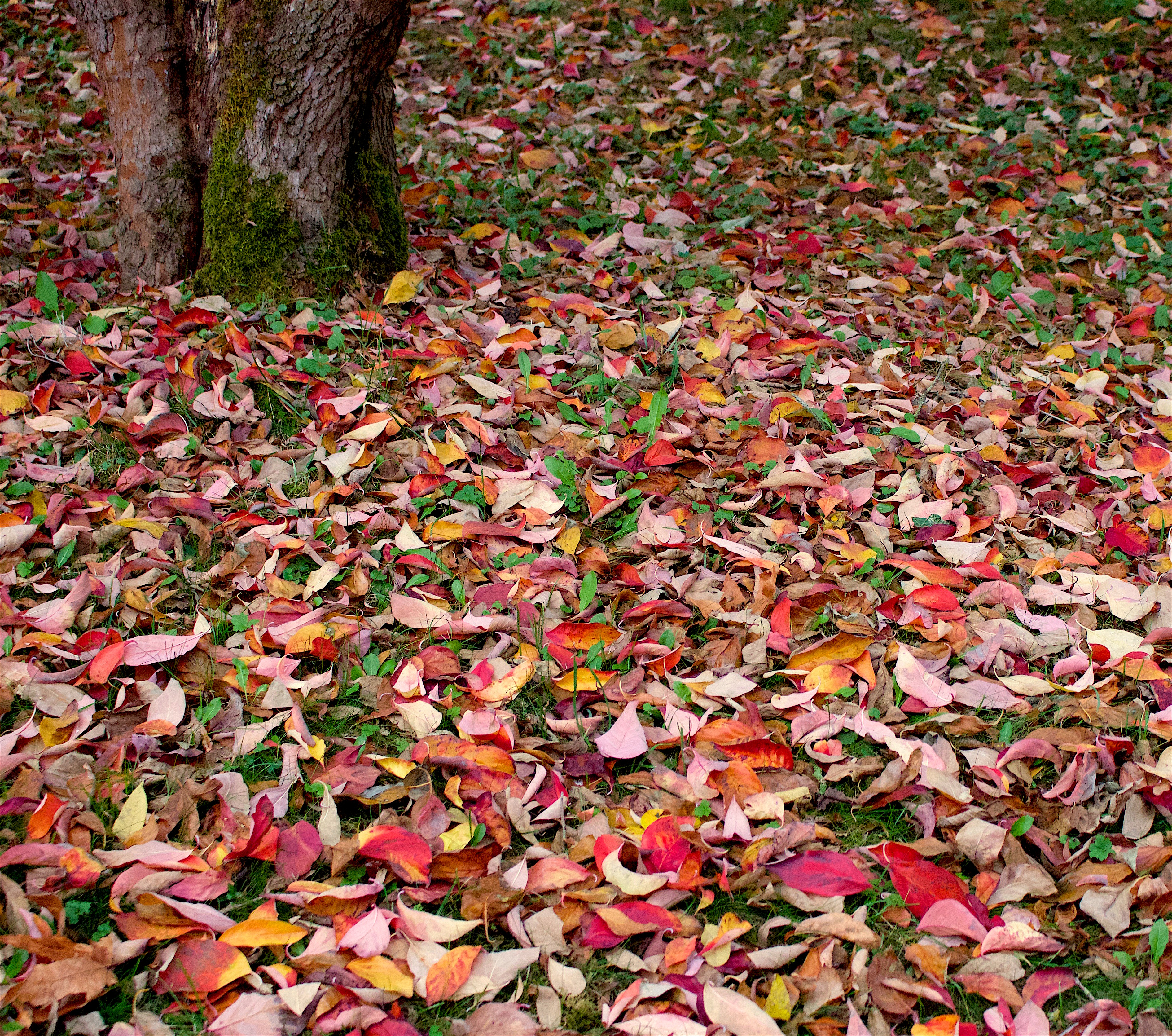
The wind gusts through shedding branches stripping them bare, carrying the leaves far away, piling up a diverse gathering they have never known before – chestnut, cherry, birch, walnut, apple, katsura, maple, parrotia, pear, oak, poplar, dogwood – suddenly all sharing the same fate and grave, each wearing a color of its own, soon to blend with the others as all slowly melt to brown.
There is lightness in the letting go, for reasons none of us knows.
One-Time
Monthly
Yearly
Make a one-time or recurring donation to support daily Barnstorming posts
Teach me to walk with tender feet, as the wild ones do. Let me be the cinder-glow of the fox in her burrow, wreathed around the honey-spark fur of her sleeping kits.
Let me be the shaded pools of the doe’s eyes in winter, when the snow falls, when the stars lean down to listen, when the world is darker and softer than rain.
Let me be the swallow after flight, when she is perched upon the branch where the petals of the lilacs used to be, and she is just still, and quiet, her downy head inclined, as though she is praying for their return. ~Kimberly Beck “Tender Feet”
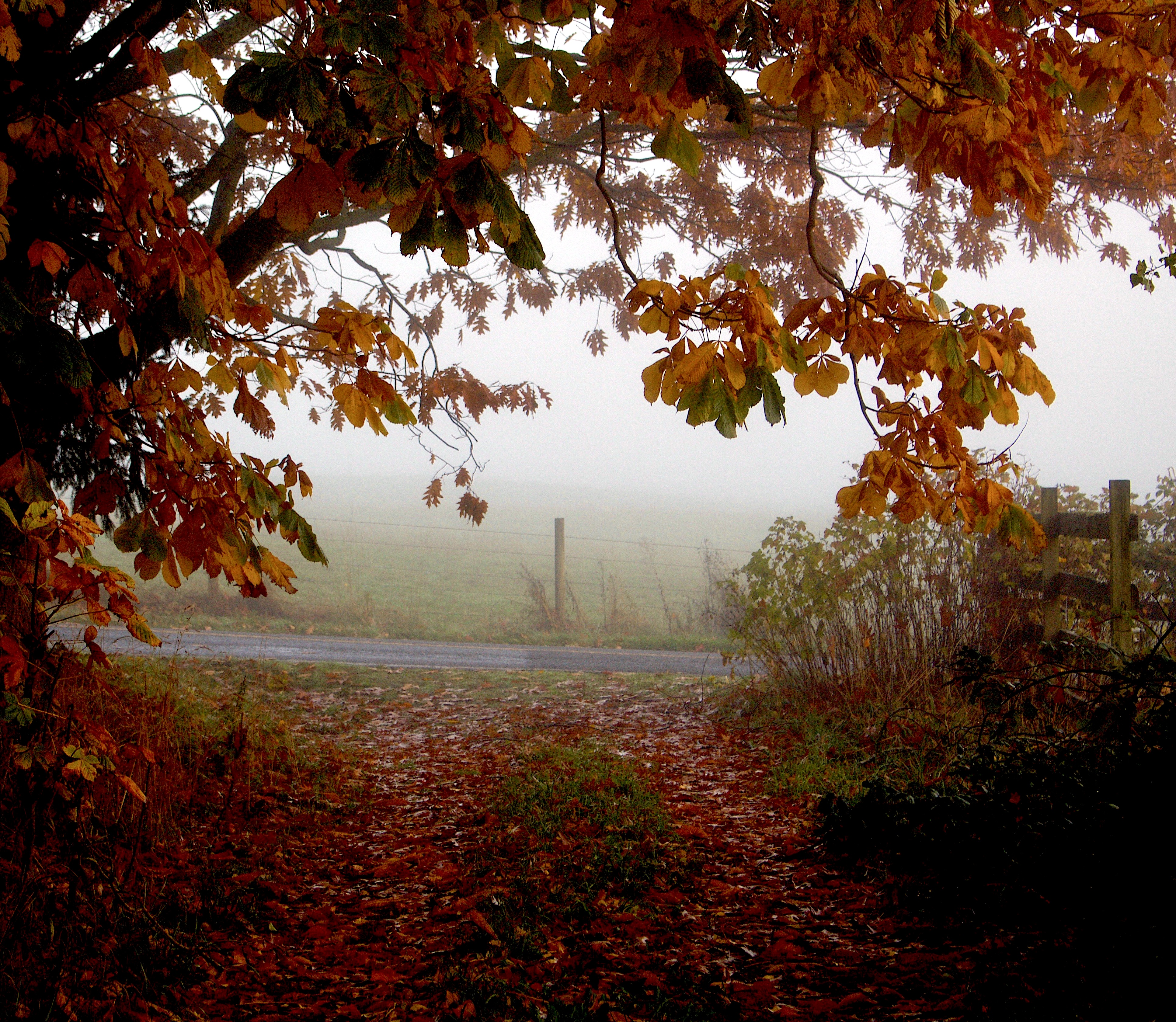
As the weather changes, softening in the mists of autumn, I walk each step with careful feet, my tender heart singing songs in the rain. I pray for peace in this troubled land, for protection from harm until spring comes again.
May God grant a gentle night’s sleep for all His creatures.
video by Harry Rodenberger
Lyrics for Aragorn’s Sleepsong: Lay down your head and I’ll sing you a lullaby Back to the years of loo-li lai-lay And I’ll sing you to sleep and I’ll sing you tomorrow
Bless you with love for the road that you go May you sail far to the far fields of fortune With diamonds and pearls at your head and your feet And may you need never to banish misfortune
May you find kindness in all that you meet May there always be angels to watch over you To guide you each step of the way To guard you and keep you safe from all harm Loo-li, loo-li, lai-lay
May you bring love and may you bring happiness Be loved in return to the end of your days Now fall off to sleep, I’m not meaning to keep you I’ll just sit for a while and sing loo-li, lai-lay
May there always be angels to watch over you To guide you each step of the way To guard you and keep you safe from all harm Loo-li, loo-li, lai-lay
One-Time
Monthly
Yearly
Make a one-time or recurring donation to support daily Barnstorming posts
The meaning of marriage begins in the giving of words. We cannot join ourselves to one another without giving our word. And this must be an unconditional giving, for in joining ourselves to one another we join ourselves to the unknown. ~Wendell Berry from “Poetry and Marriage” in Standing By Words
Our vows to one another forty-four years ago today:
Before God and this gathering, I vow from my heart and spirit that I will be your wife/husband for as long as we both shall live.
I will love you with faithfulness, knowing its importance in sustaining us through good times and bad.
I will love you with respect, serving your greatest good and supporting your continued growth.
I will love you with compassion, knowing the strength and power of forgiveness.
I will love you with hope, remembering our shared belief in the grace of God and His guidance of our marriage.
“And at home, by the fire, whenever you look up, there I shall be–and whenever I look up, there will be you.”
(our wedding vows for our September 19, 1981 wedding at First Seattle Christian Reformed Church — the last line adapted from Thomas Hardy’s “Far From the Madding Crowd”)
Sometimes our life reminds me of a forest in which there is a graceful clearing and in that opening a house, an orchard and garden, comfortable shades, and flowers red and yellow in the sun, a pattern made in the light for the light to return to. The forest is mostly dark, its ways to be made anew day after day, the dark richer than the light and more blessed, provided we stay brave enough to keep on going in.
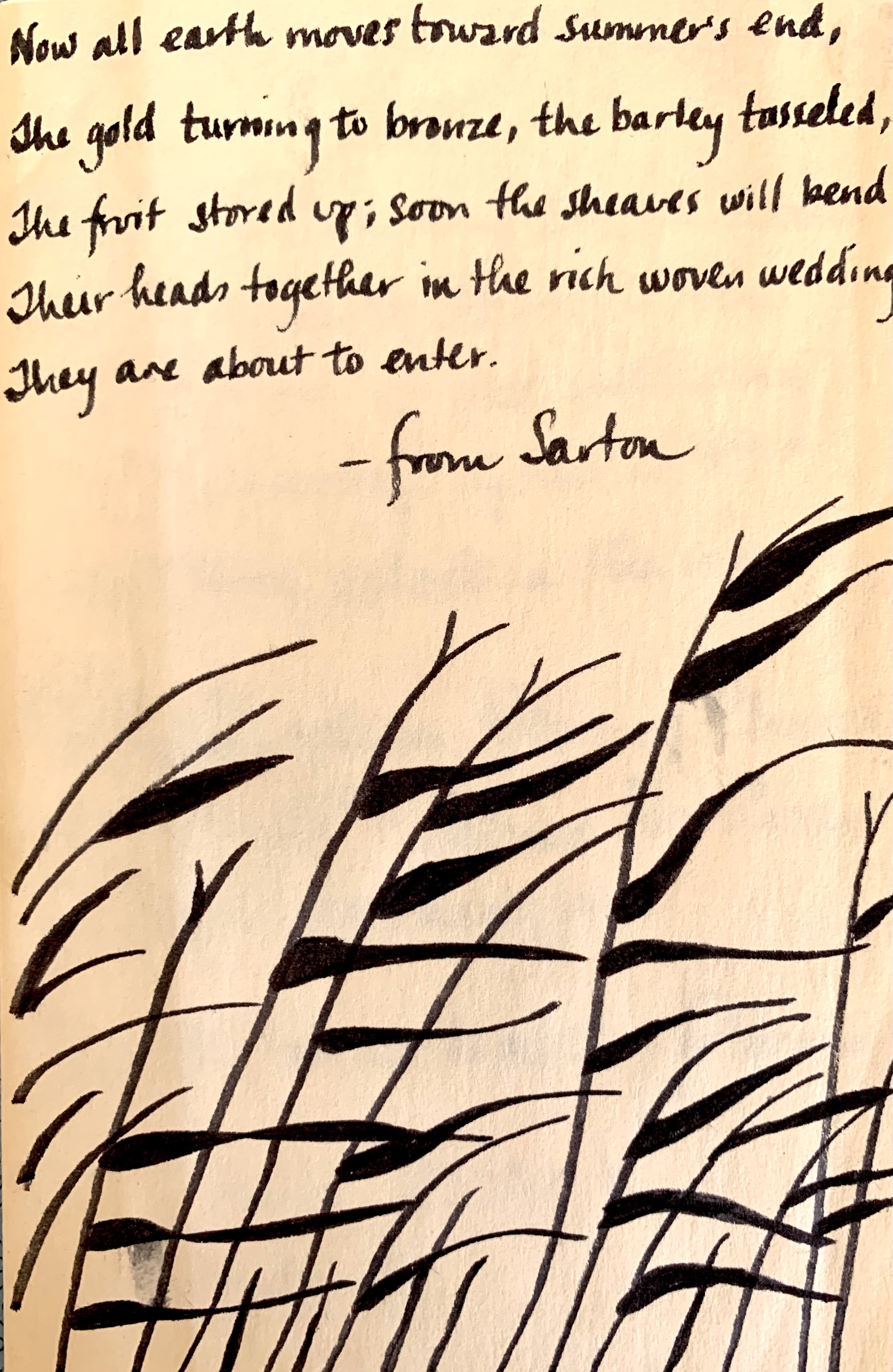
We enter, willing to die, into the commonwealth of its joy. ~Wendell Berry from “A Country of Marriage”
…Marriage… joins two living souls as closely as, in this world, they can be joined. This joining of two who know, love, and trust one another brings them in the same breath into the freedom of sexual consent and into the fullest earthly realization of the image of God. From their joining, other living souls come into being, and with them great responsibilities that are unending, fearful, and joyful. The marriage of two lovers joins them to one another, to forebears, to descendants, to the community, to heaven and earth. It is the fundamental connection without which nothing holds, and trust is its necessity. ~Wendell Berry from Sex, Economy, Freedom and Community
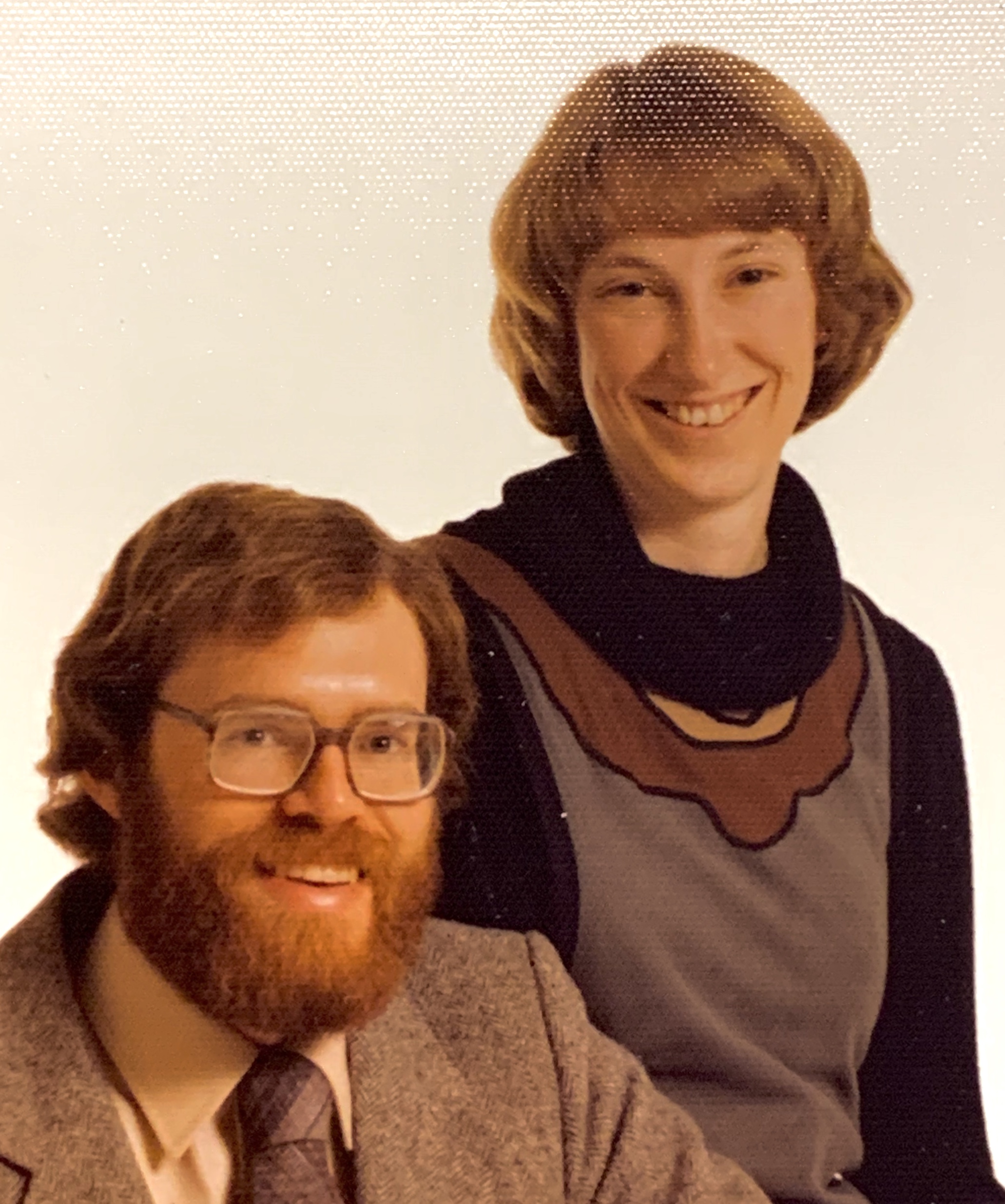
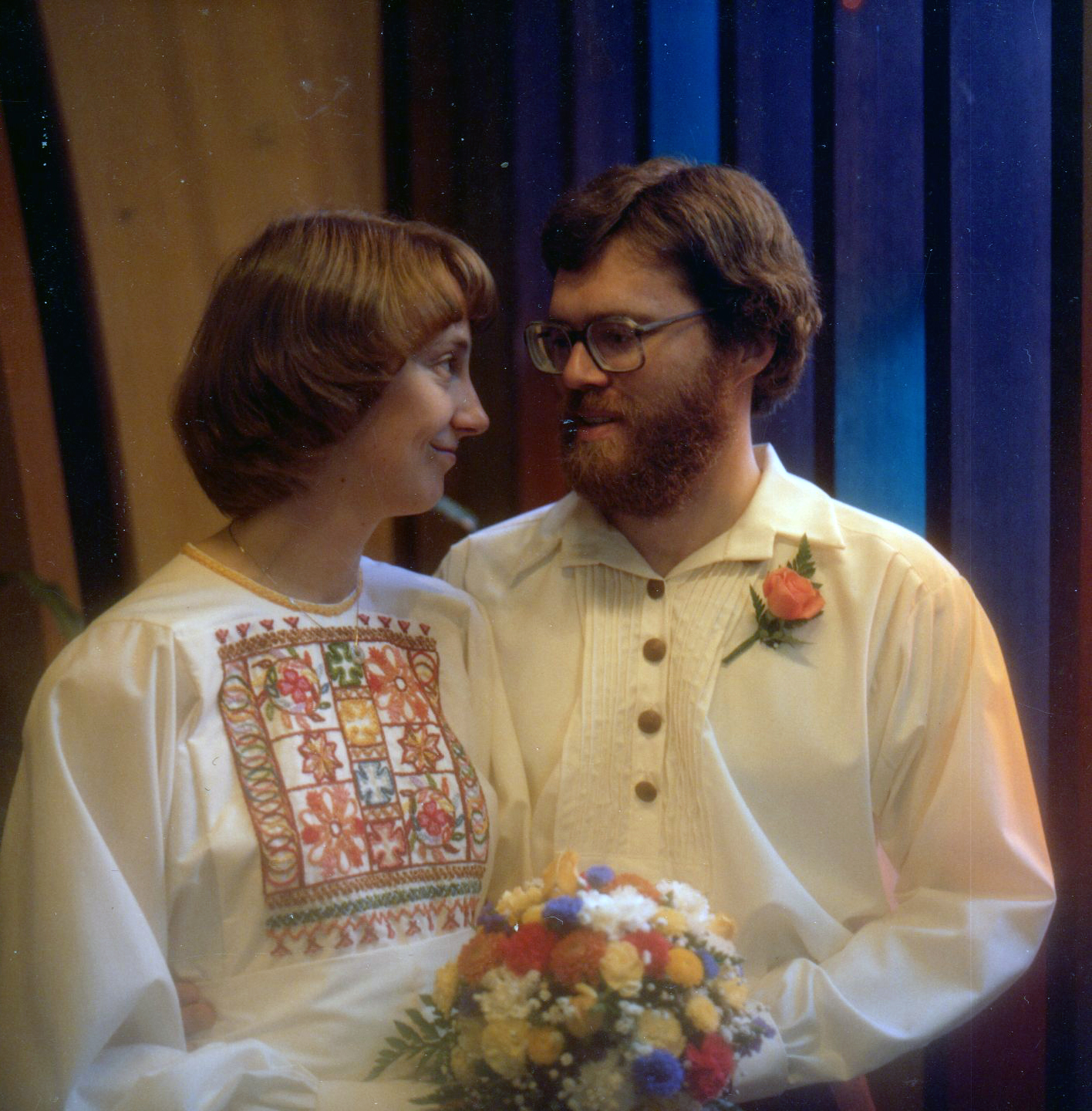
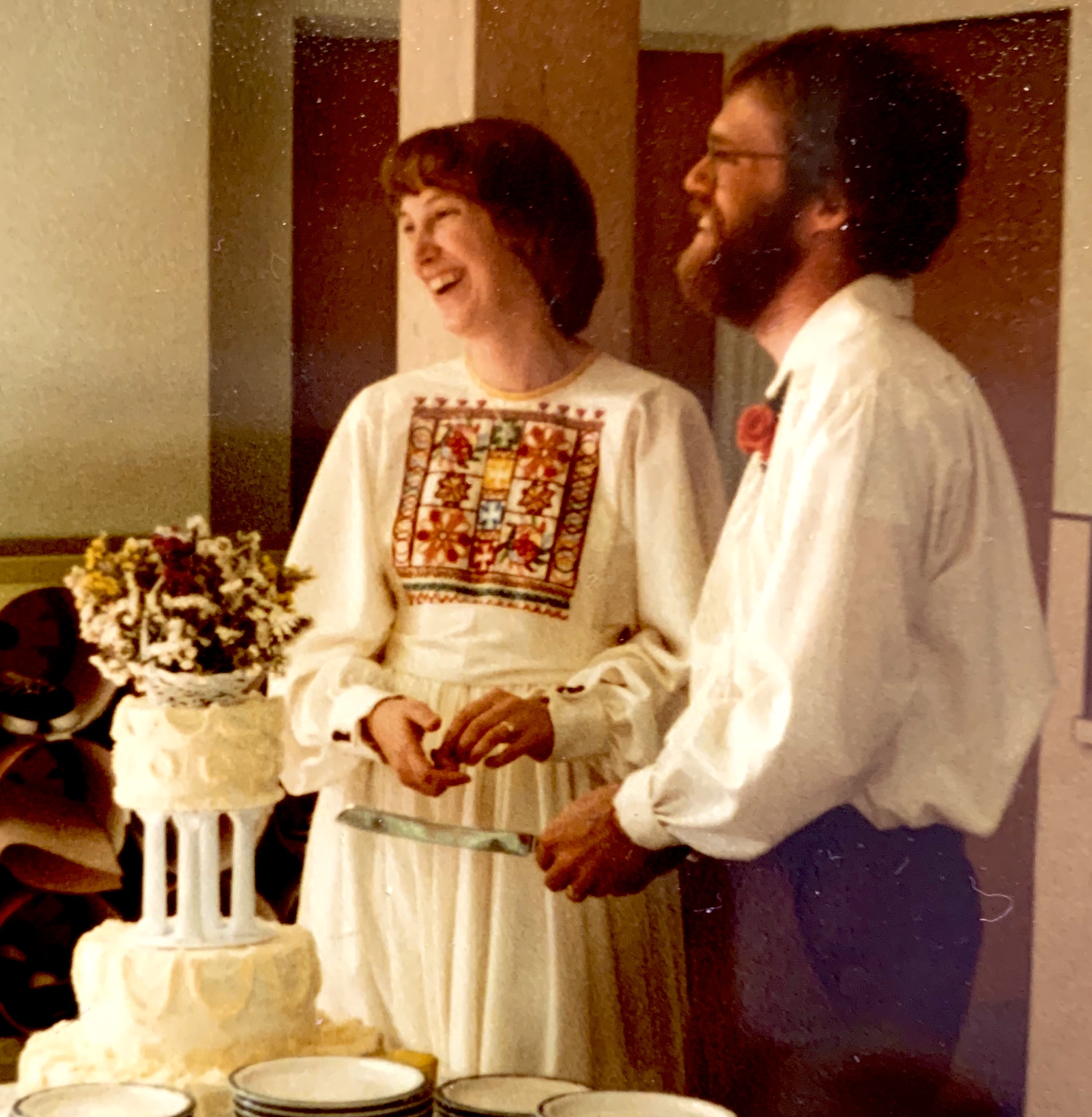
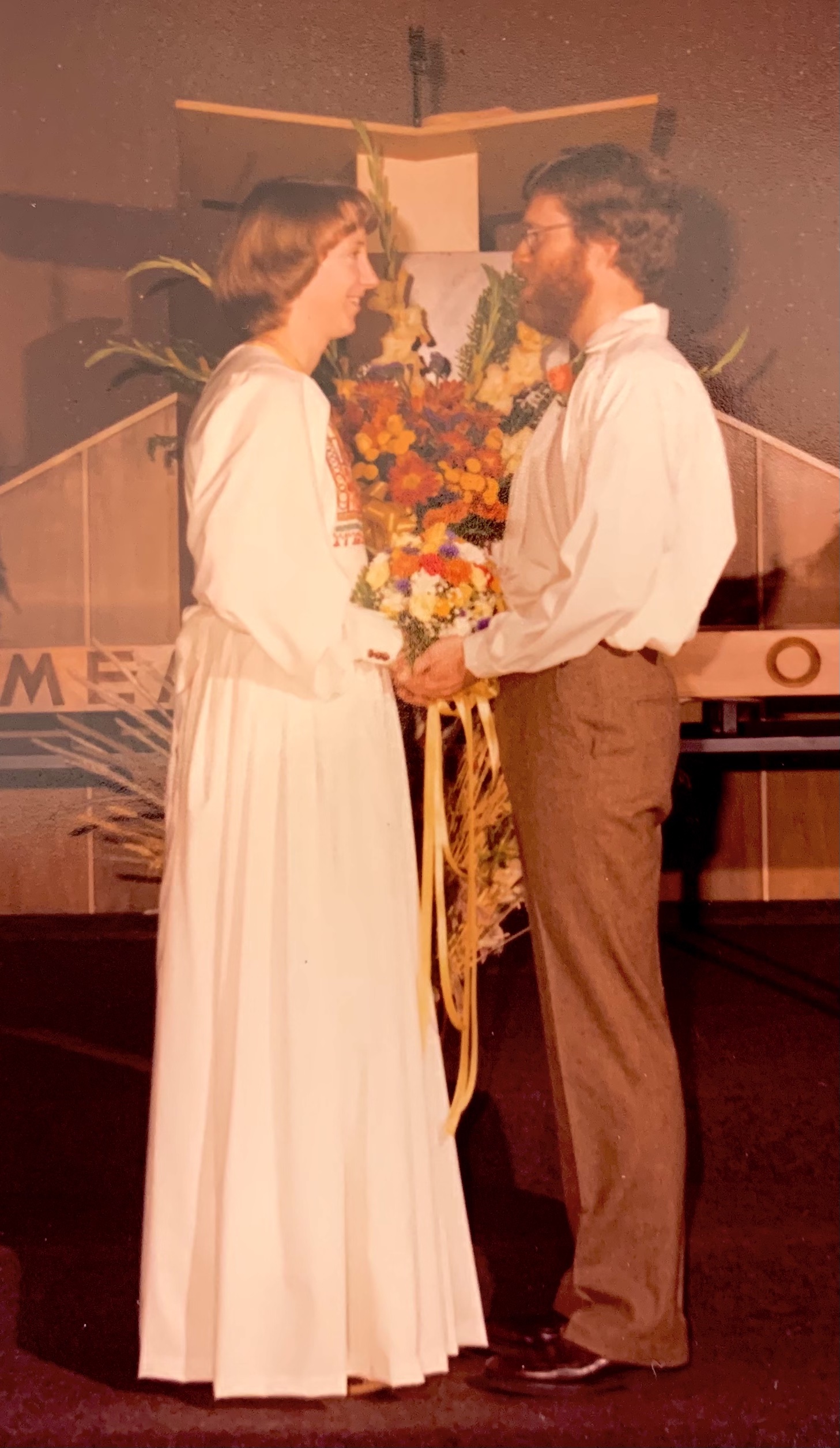
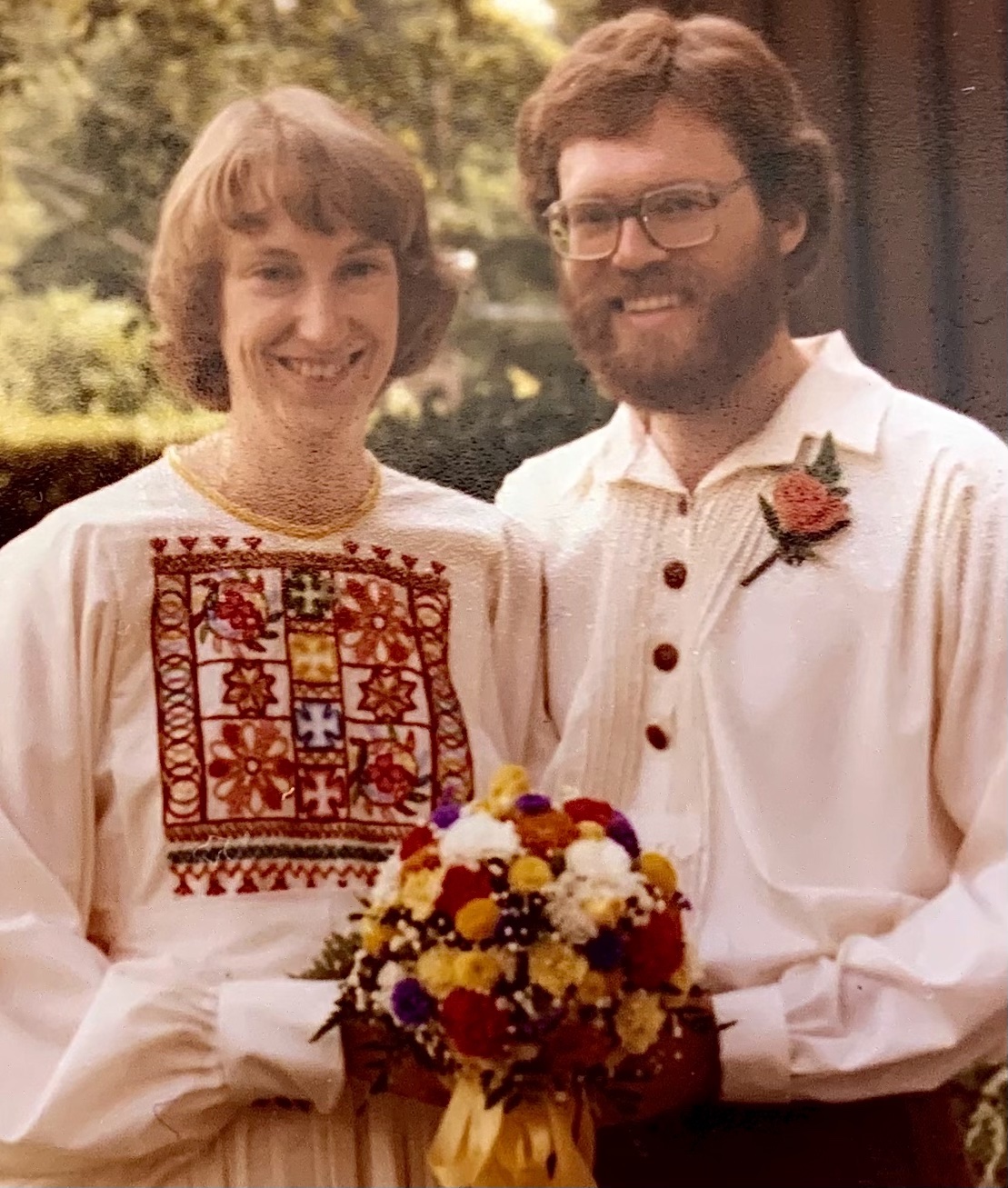
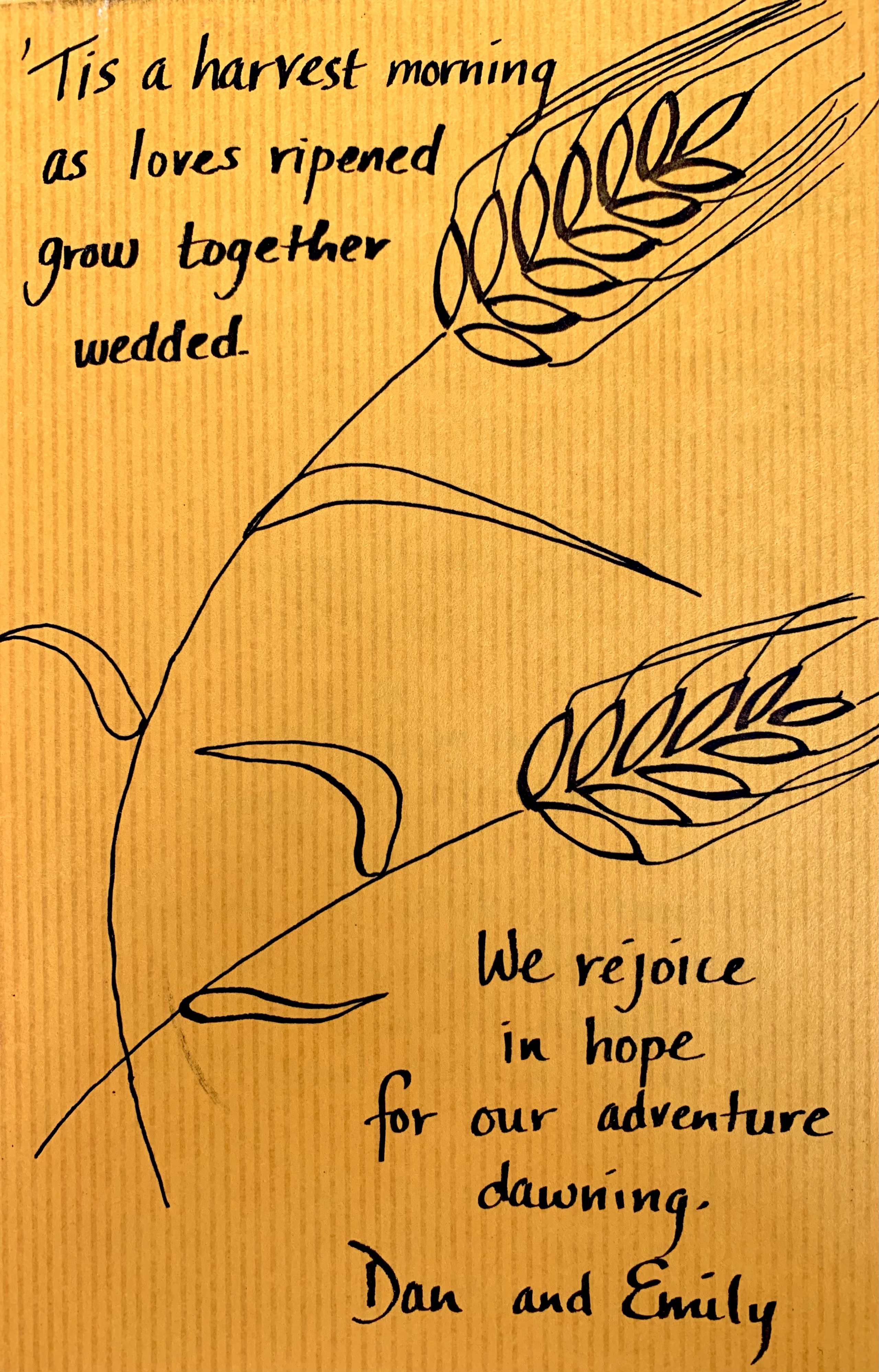
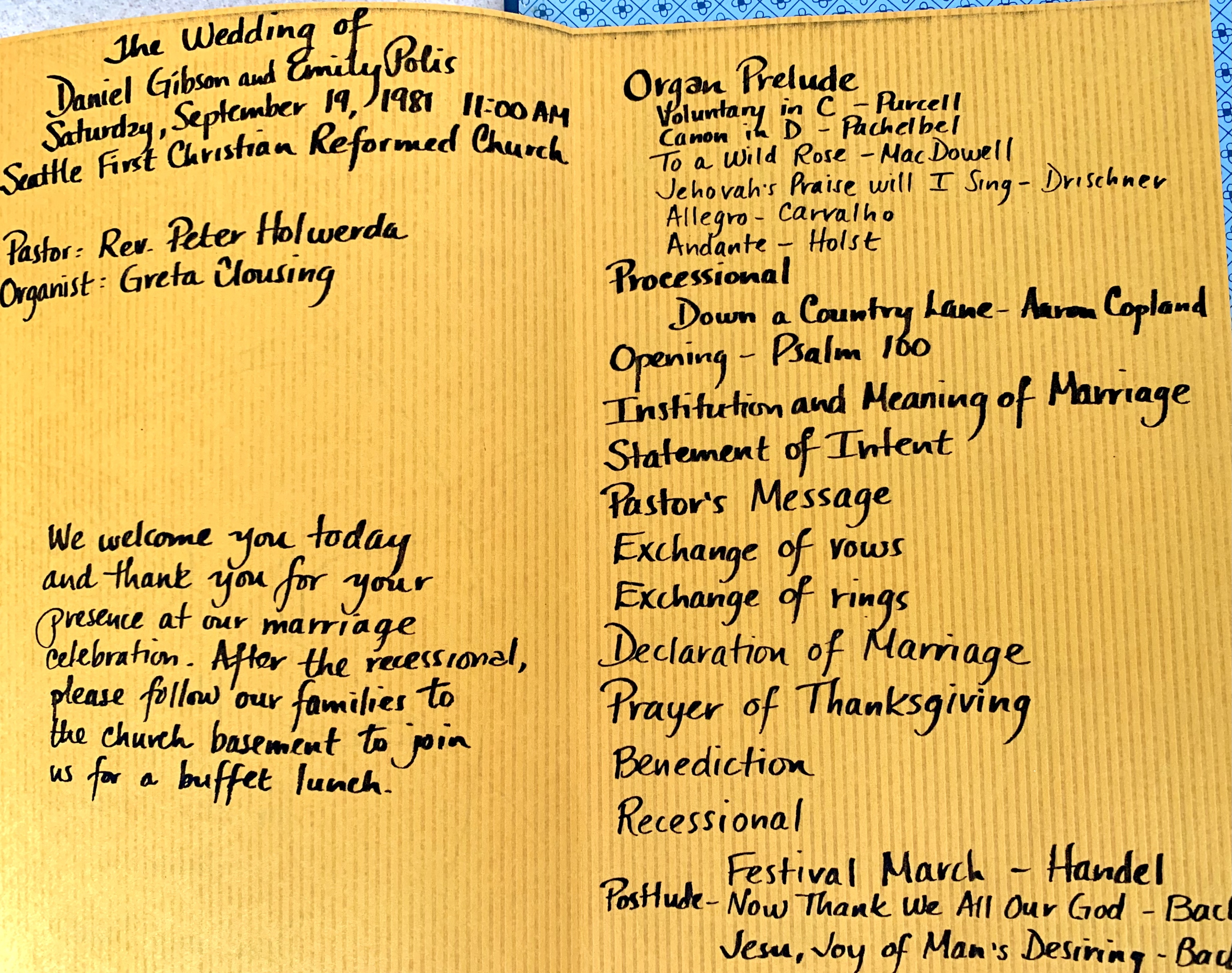
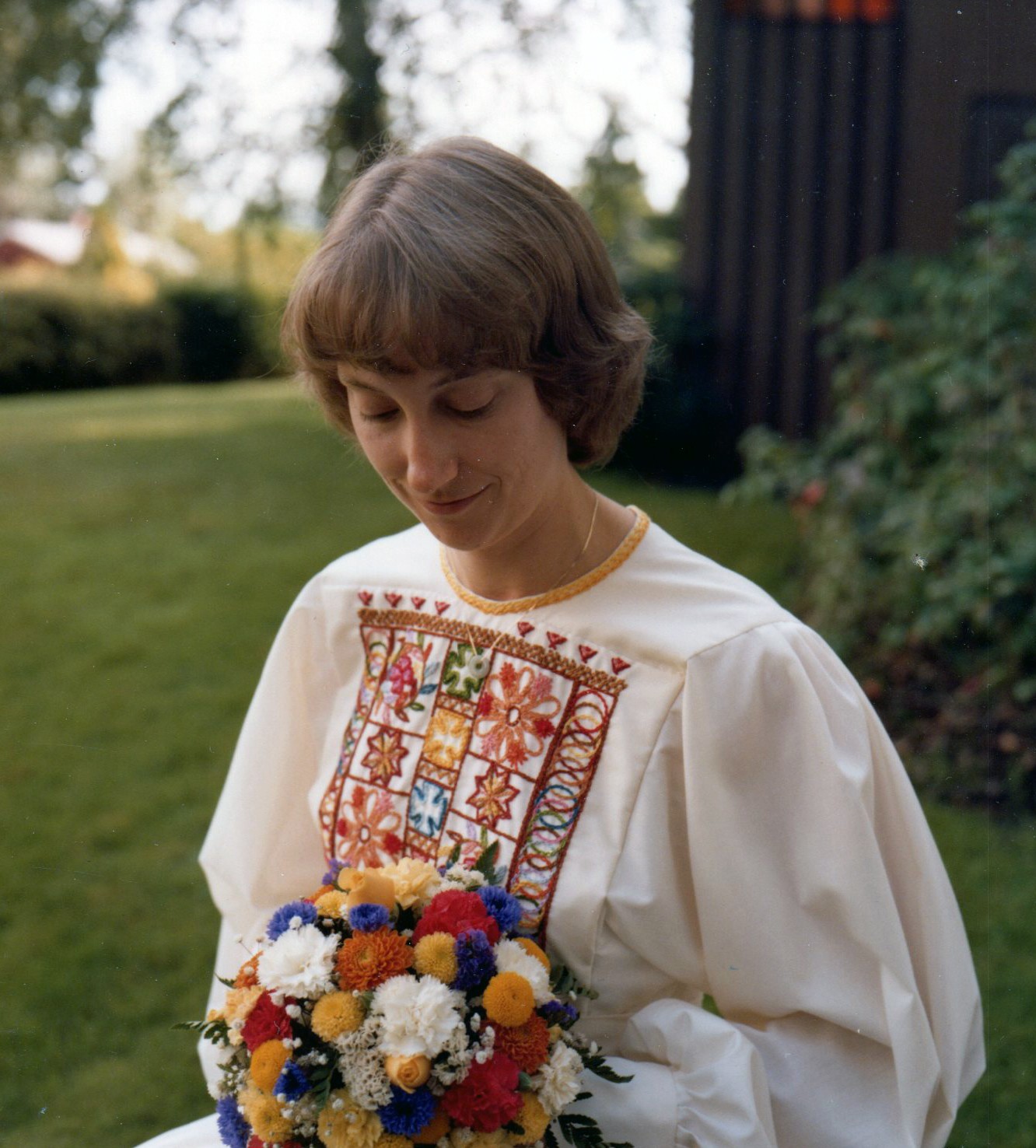
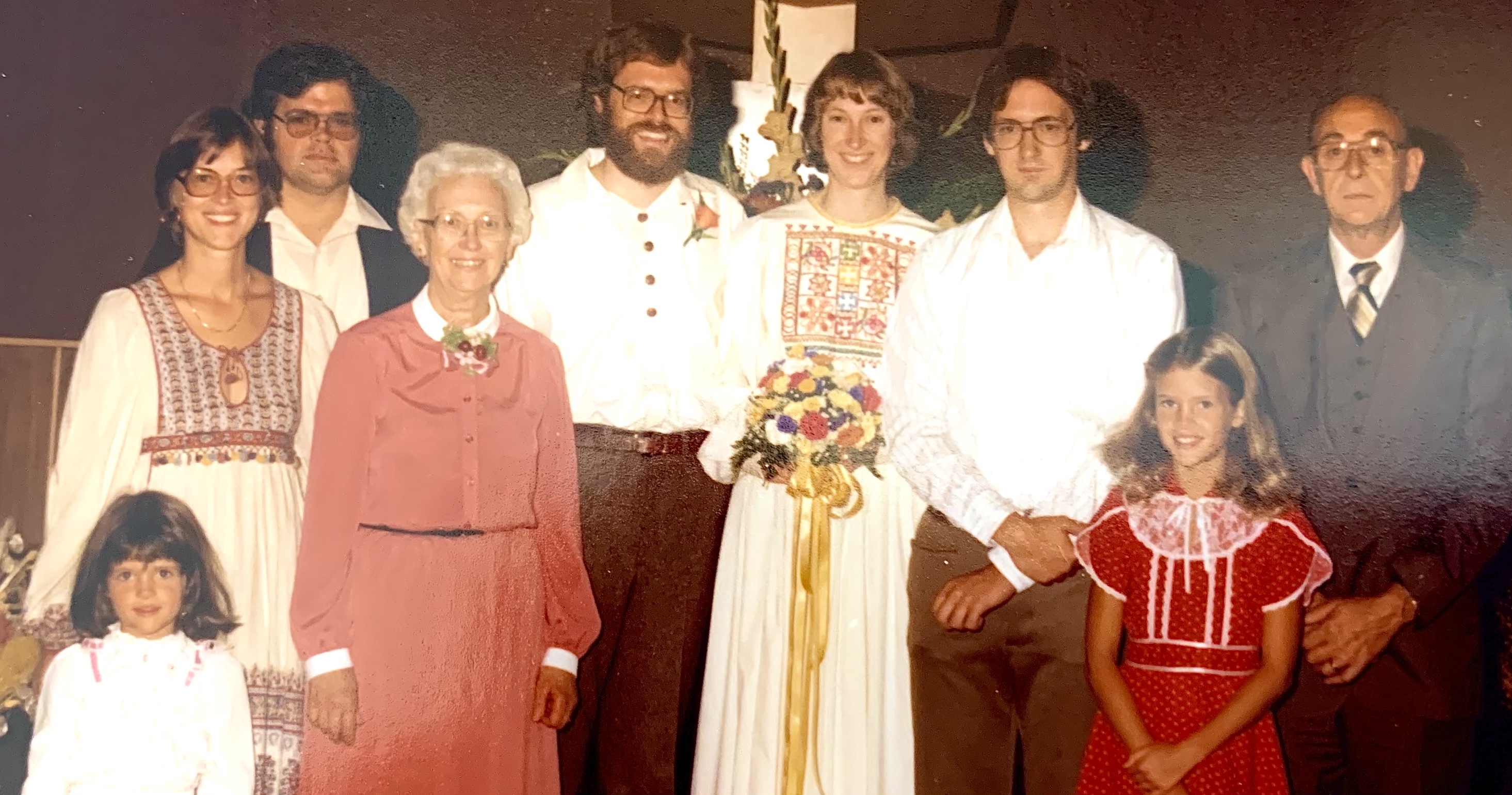
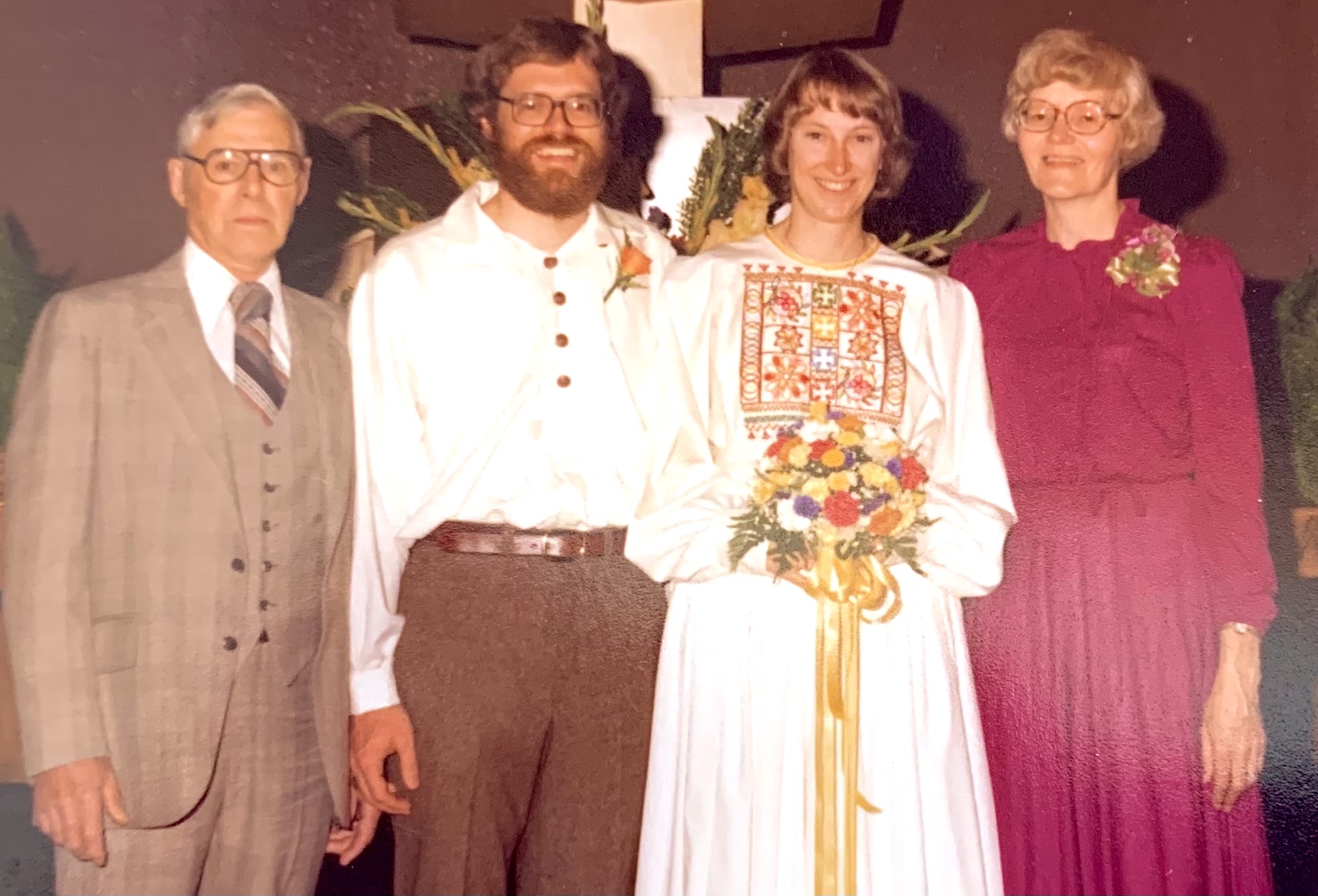
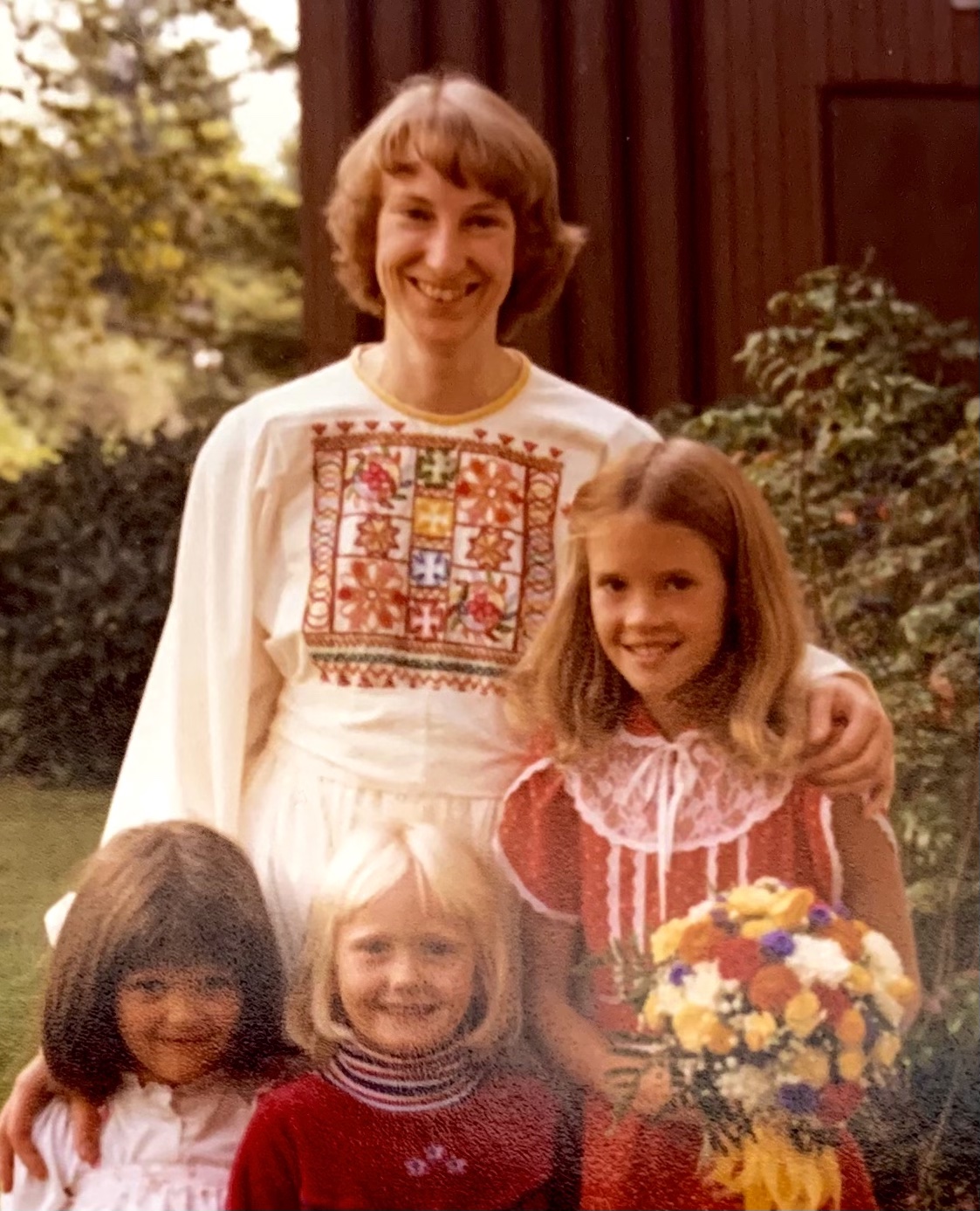
We married forty-four years ago today in our Seattle church with Pastor Peter Holwerda officiating, with a small group of family and friends as witnesses.
It was a wedding of two frugal people with little to spend – I sewed my dress and Dan’s shirt from muslin, we grew our own flowers, our families helped potluck the lunch afterward and our tiered carrot cake was made by a friend.
Yet our vows to one another were not frugal and held nothing back. They were extravagant and comprehensive, coming from our hearts and spirits. The music we asked our amazing organist to play (versions below) inspired us by its simplicity and complexity – very much like the families that raised us and the God we worship.
Our vows have taken us from the city to the countryside, to the raising and rejoicing in three amazing children and now six grandchildren. We both served more than forty years as a public-employed attorney and physician. We have laid down those responsibilities, and picked up the tools of farm and garden along with church and community service for as long as we are able.
We treasure each day of living together in faithfulness, respect, compassion and hope – knowing that how we love and find joy in one another mirrors how God loves and revels in His people.
We pray for many more days to fill us with what endures.
A pot of red lentils simmers on the kitchen stove. All afternoon dense kernels surrender to the fertile juices, their tender bellies swelling with delight.
In the yard we plant rhubarb, cauliflower, and artichokes, cupping wet earth over tubers, our labor the germ of later sustenance and renewal.
Across the field the sound of a baby crying as we carry in the last carrots, whorls of butter lettuce, a basket of red potatoes.
I want to remember us this way— late September sun streaming through the window, bread loaves and golden bunches of grapes on the table, spoonfuls of hot soup rising to our lips, filling us with what endures. ~Peter Pereira from “A Pot of Red Lentils”
Here are versions of the organ music we selected for prelude, processional, recessional and postlude
One-Time
Monthly
Yearly
Make a one-time or recurring donation to support daily Barnstorming posts
Summer is over, the old cow said, And they’ll shut me up in a draughty shed To milk me by lamplight in the cold, But I won’t give much for I am old. It’s long ago that I came here Gay and slim as a woodland deer; It’s long ago that I heard the roar Of Smith’s white bull by the sycamore. And now there are bones where my flesh should be; My backbone sags like an old roof tree, And an apple snatched in a moment’s frolic Is just so many days of colic.
I’m neither a Jersey nor Holstein now But only a faded sort of cow. My calves are veal and I had as lief That I could lay me down as beef; Somehow, they always kill by halves, — Why not take me when they take my calves? Birch turns yellow and sumac red, I’ve seen this all before, she said, I’m tired of the field and tired of the shed. There’s no more grass, there’s no more clover; Summer is over, summer is over. ~Robert Hillyer “Moo!”
Something inspires the only cow of late To make no more of a wall than an open gate, And think no more of wall-builders than fools. Her face is flecked with pomace and she drools A cider syrup. Having tasted fruit, She scorns a pasture withering to the root. She runs from tree to tree where lie and sweeten The windfalls spiked with stubble and worm-eaten. She leaves them bitten when she has to fly. She bellows on a knoll against the sky. Her udder shrivels and the milk goes dry. ~Robert Frost “The Cow in Apple Time”
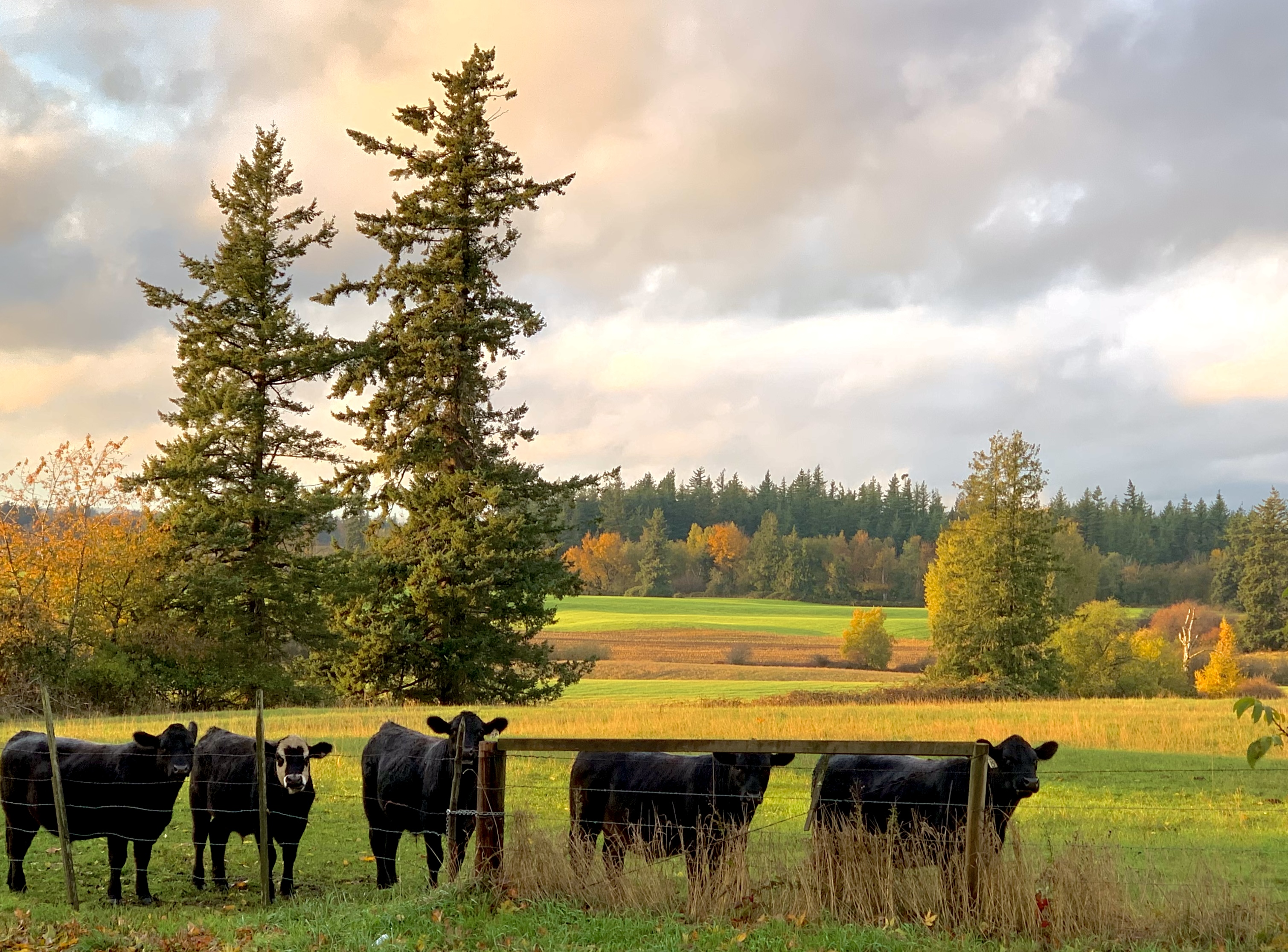
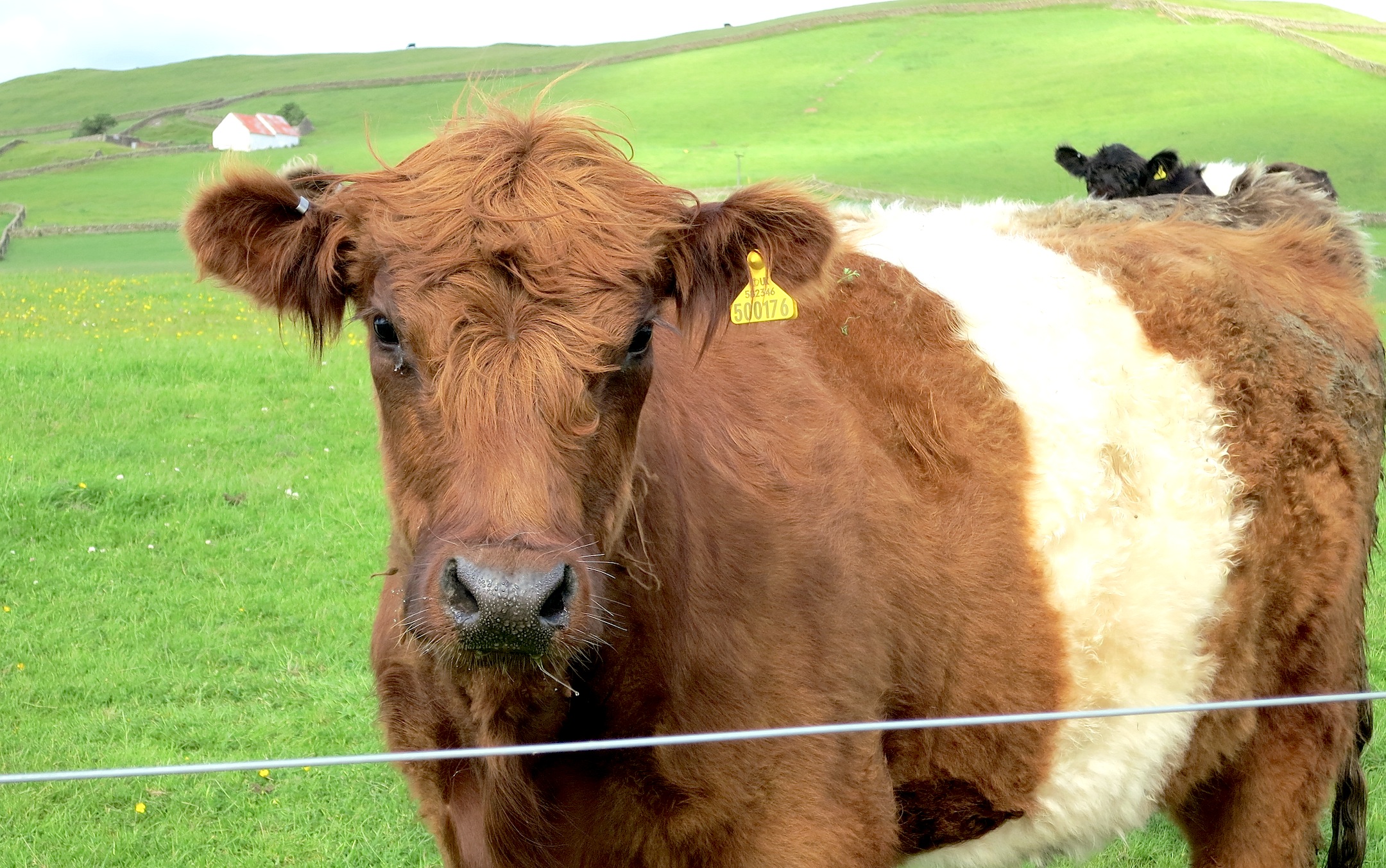
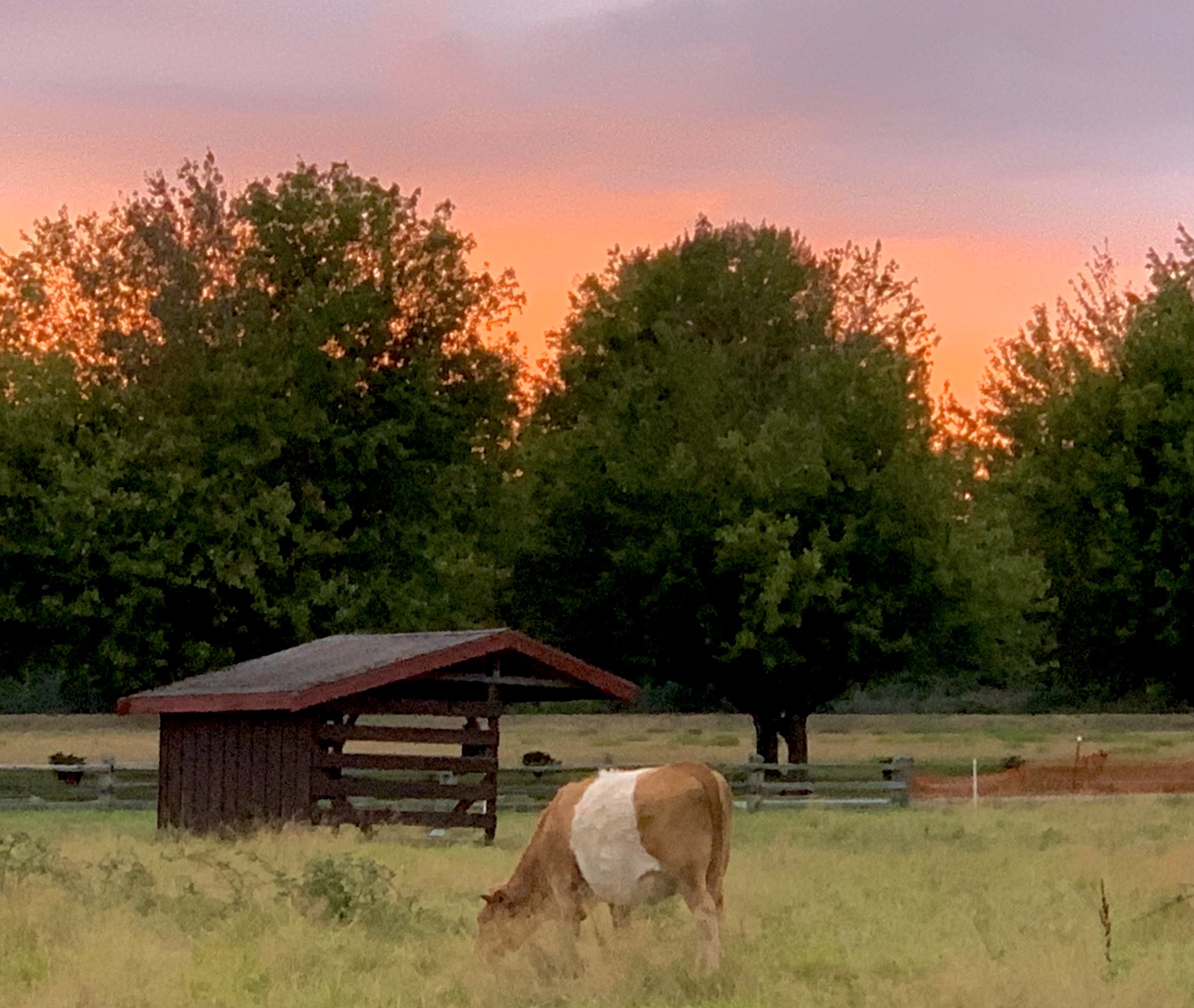
I have lived among cows, our own and our neighbors’, dairy and beef, most of my life. Given their status as a food source, cows aren’t always granted a long life, but I do envy those who spend much of the year chewing cud outside in pastoral settings.
We’ve owned some aged cows. They can be set in their ways and don’t particularly like a change in routine. They prefer a communal life, bearing calves, surrendering their milk, and ensuring the herd hierarchy is maintained with a minimum of fuss.
I remember my dad curing a cow’s habit of eating apples directly from a tree branch. She had the apple lodged in her esophagus as it had slipped down her throat unchewed, but too large to pass through to her rumen. She was foaming at the mouth, breathing fine, but the apple was a visible lump palpable mid-way down her neck. My dad grabbed a short two by four board and a hammer, placed the board on one side of her neck lump, and with the hammer, hit her neck precisely over the apple, crushing it. She was immediately cured and sauntered over to grab more apples, off the ground rather than the branch.
Cows can experience various health issues, sometimes relating to infections in their udders, but not infrequently, trouble with their hooves. They can get abscesses which are quite painful until emptied, as well as sharp rocks or gravel wedged into their foot. This sometimes necessitates hoof work done by a specialist who visits dairy farms on a regular basis.
I confess I (along with a million or so other folks) spend an inordinate amount of time watching YouTube channels of cow hoof trimming. I have no desire to do the job myself, but restoring a limping cow to a comfortably walking cow is a skill that must be very gratifying.
As an aging female myself, I know all about aches and pains. I too feel the sadness of summer coming to an end, when the grass and clover grows sparse in the field, and when chilly nights are best spent in the shelter of the barn.
But I’m not yet ready to give up on this sweet pastoral life. There are still some days left, and apples to pick up off the ground, for this fading old cow…
One-Time
Monthly
Yearly
Make a one-time or recurring donation to support daily Barnstorming posts

















 Barnstorming