From the place where we are right Flowers will never grow In the spring.
The place where we are right Is hard and trampled Like a yard.
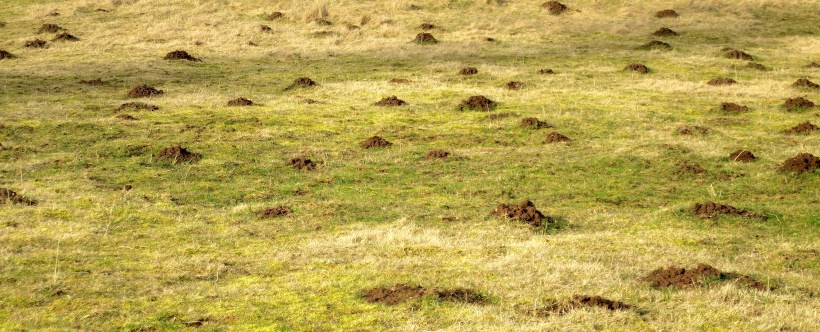
But doubts and loves Dig up the world Like a mole, a plow. And a whisper will be heard in the place Where the ruined House once stood. ~Yehuda Amichai “The Place Where We Are RIght” from A Touch of Grace
Field with Plowing Farmers by Vincent Van GoghPainting “Plowing the Field” by Joyce Lapp
Sometimes I am so certain I am right, remaining firm in my convictions no matter what. Yet when there is no movement, the ground beneath my feet hardens with my stubborn trampling. Nothing new can grow without my crushing it underfoot; any possibility becomes impossible.
Sometimes I harbor doubts and uncertainties, digging and churning up the ground upon which I stand. When things are turned over, again and again, new weeds and seeds will take root. Sorting them out becomes my challenge, determining what to nurture and what is worthless.
As I look ahead to this coming week, treading the familiar ground of the events of Holy Week, I cannot help but question and wonder: how can this impossible Love save those, who like me, feel dry and hard and devoid of possibility or who unwittingly allow weeds to proliferate?
Then I hear it, like a whisper. Yes, it is true. Loved despite sometimes being hard ground, or growing weeds or lying fallow as a rocky path.
I too will rise again from the ruins. I too will arise.
The birds they sang At the break of day Start again I heard them say Don’t dwell on what Has passed away Or what is yet to be
Ah the wars they will Be fought again The holy dove She will be caught again Bought and sold And bought again The dove is never free
You can add up the parts but you won’t have the sum You can strike up the march, there is no drum Every heart, every heart to love will come but like a refugee.
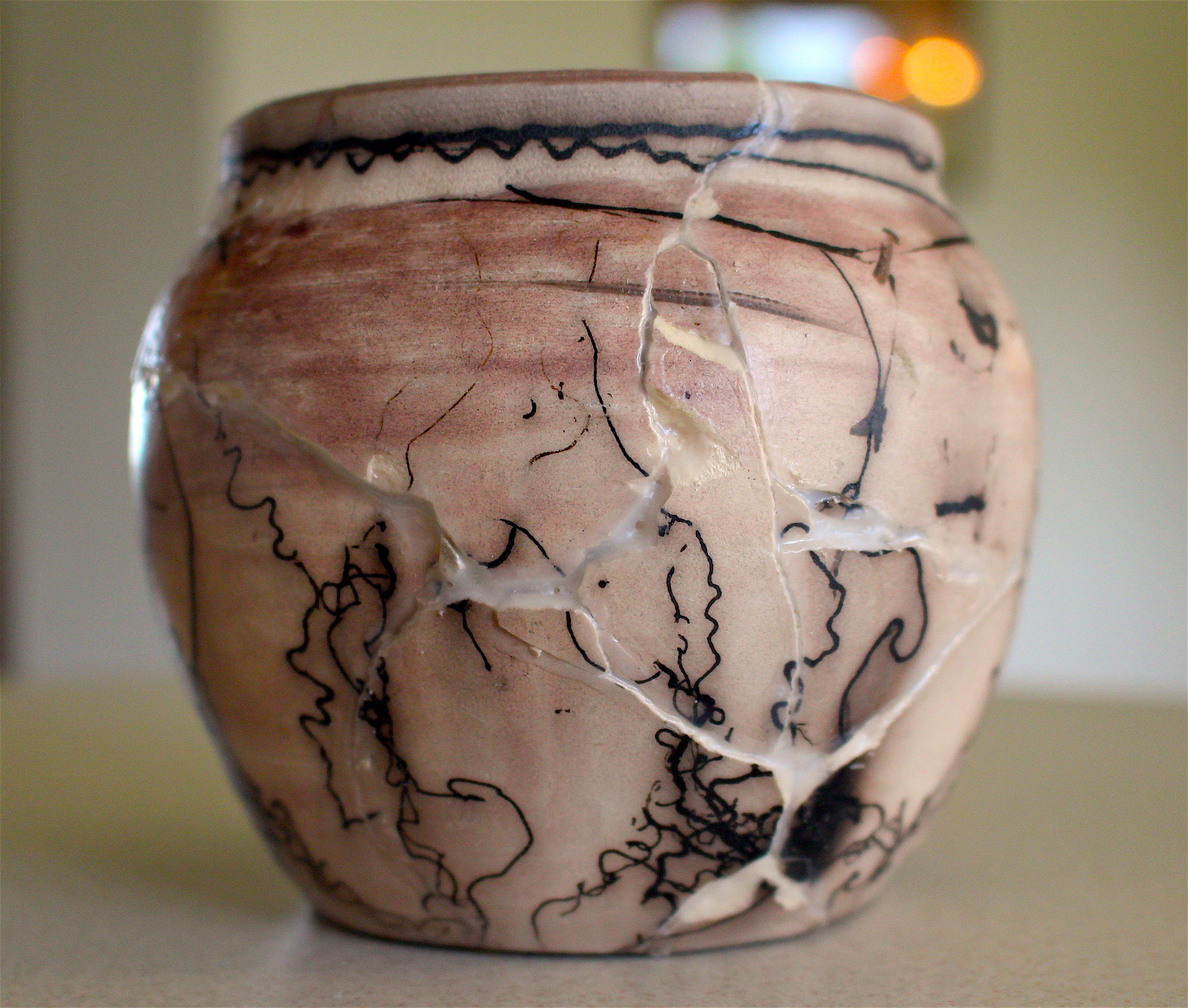
Ring the bells that still can ring Forget your perfect offering There is a crack, a crack in everything That’s how the light gets in. ~Leonard Cohen from “Anthem”
The flaw is no more noticeable, even to me, than a new moth-hole in my sweater, or a very bald spot on the fabric of my velvet vest.
Yet when I hold the cloth up to the window the sunlight bleeds through. ~Luci Shaw “Defect”
My many cracks seem to expand with age: do they not heal as quickly or am I more brittle than before?
I know how my eyes leak, my heart feels more porous. The events of the day break me open even wider.
Yet the Light pours in to illuminate my wounds old and new. Let the world know that after the hurt comes healing.
In the dark, a child might ask, What is the world? just to hear his sister promise, An unfinished wing of heaven, just to hear his brother say, A house inside a house, but most of all to hear his mother answer, One more song, then you go to sleep. How could anyone in that bed guess the question finds its beginning in the answer long growing inside the one who asked, that restless boy, the night’s darling? Later, a man lying awake, he might ask it again, just to hear the silence charge him, This night arching over your sleepless wondering, this night, the near ground every reaching-out-to overreaches, just to remind himself out of what little earth and duration, out of what immense good-bye, each must make a safe place of his heart, before so strange and wild a guest as God approaches. ~Li-Young Lee “Nativity”
“What’s wrong with the world?” asked The Times of famous authors. “Dear Sir, I am. “ Yours, G.K. Chesterton
I’m not ashamed that I still ask the hard questions, just as I did when I was a child, lying in bed, fearful in the dark. Some call it a lack of faith: if I truly believed, I would trust completely, so asking such questions would be “out of the question.”
Yet God throughout scripture encourages questions, listens to lament, isn’t intimidated by uncertainty and weakness. He waits patiently for His people to make their hearts a safe place for Him to dwell – a place of wings and songs and awe and worship – even when resounding with questions.
My heart is a womb where our strange and wild God seeks to reside in this world. “Why me?” I ask, pondering yet another hard question in the dark. “Why not you?” comes His response: a question for which He awaits my answer.
No doubts are permitted— though they will come and may before our time overwhelm us.
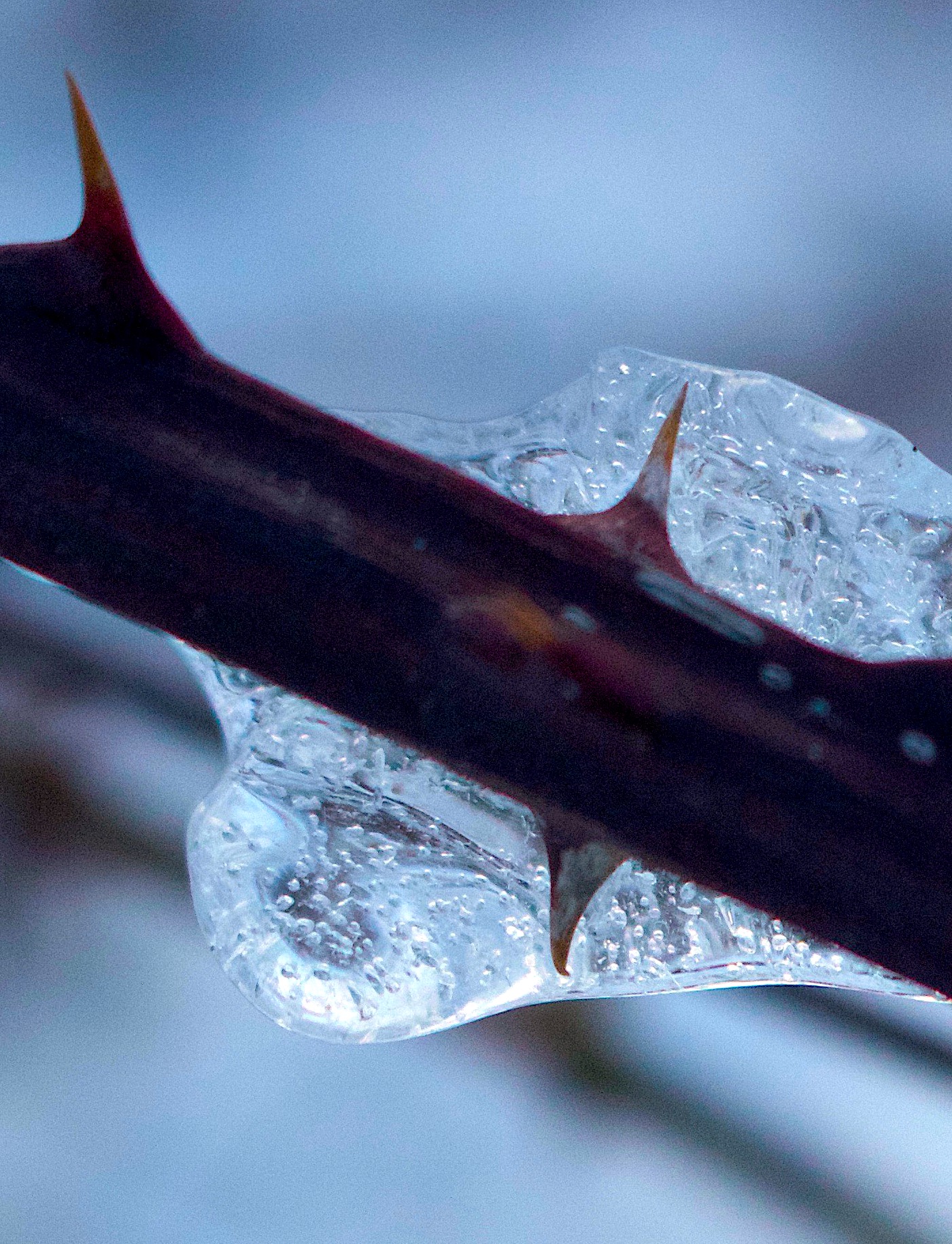
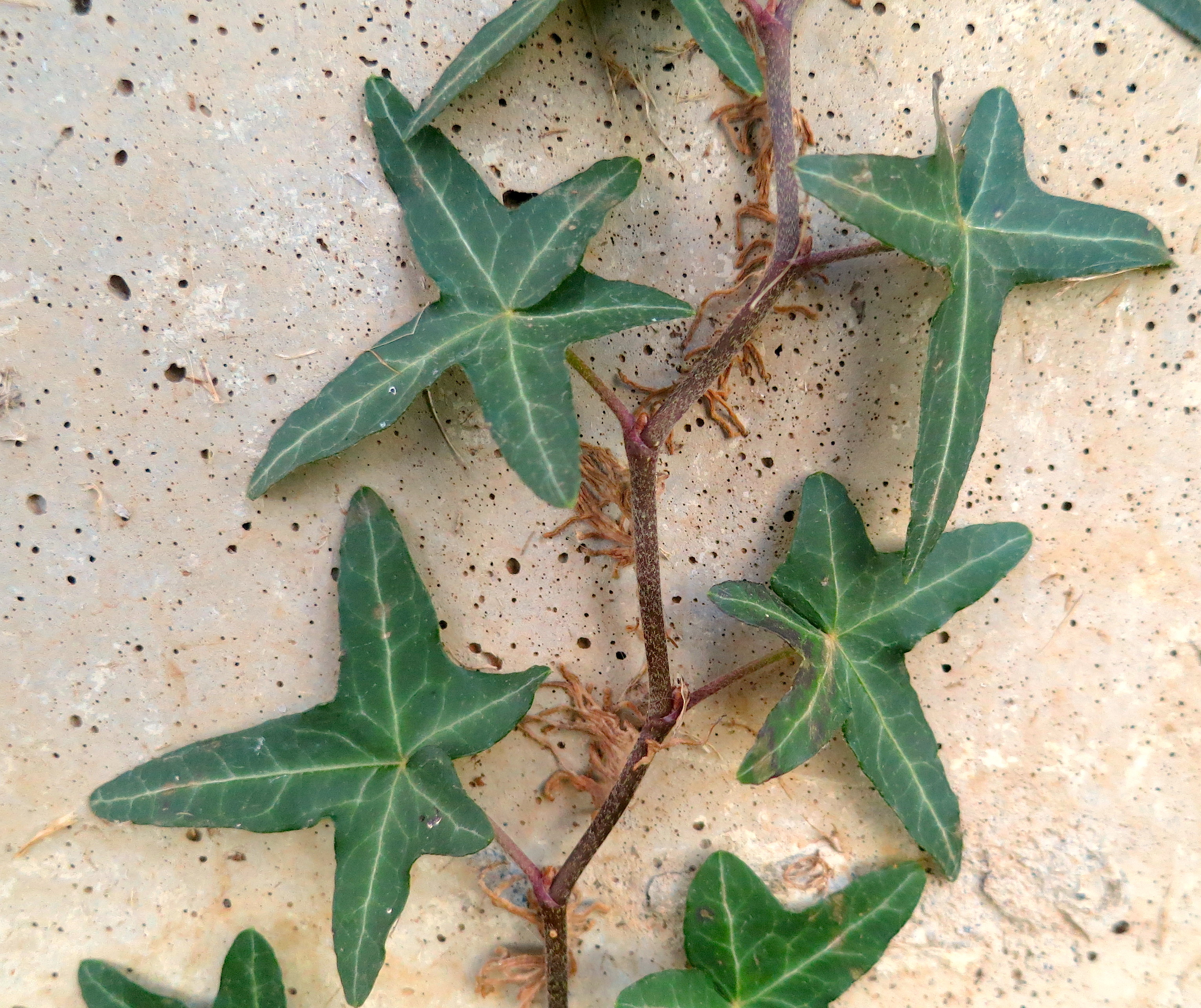
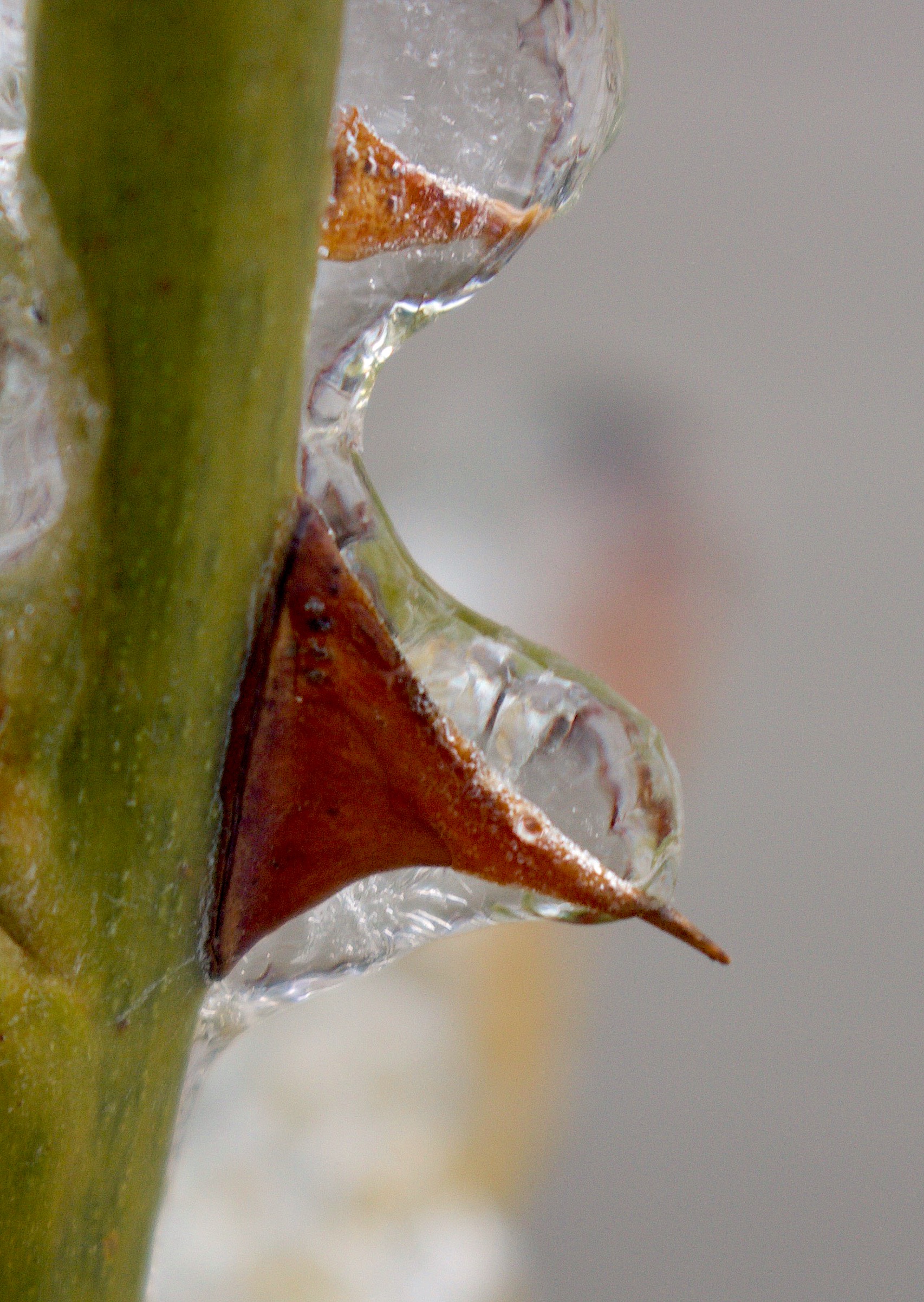
Just as the nature of briars is to tear flesh, I have proceeded through them. Keep the briars out, they say. You cannot live and keep free of briars.
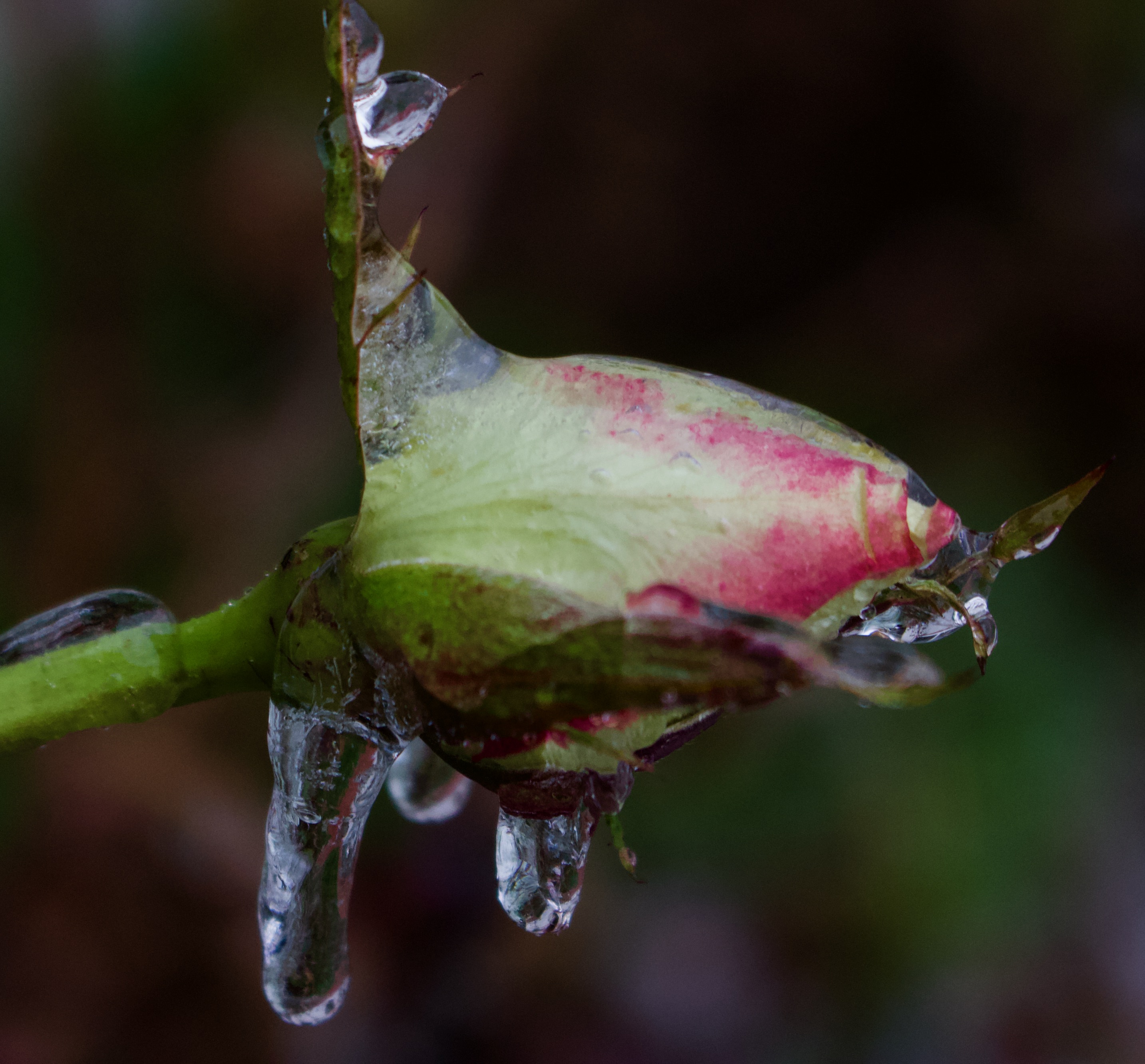
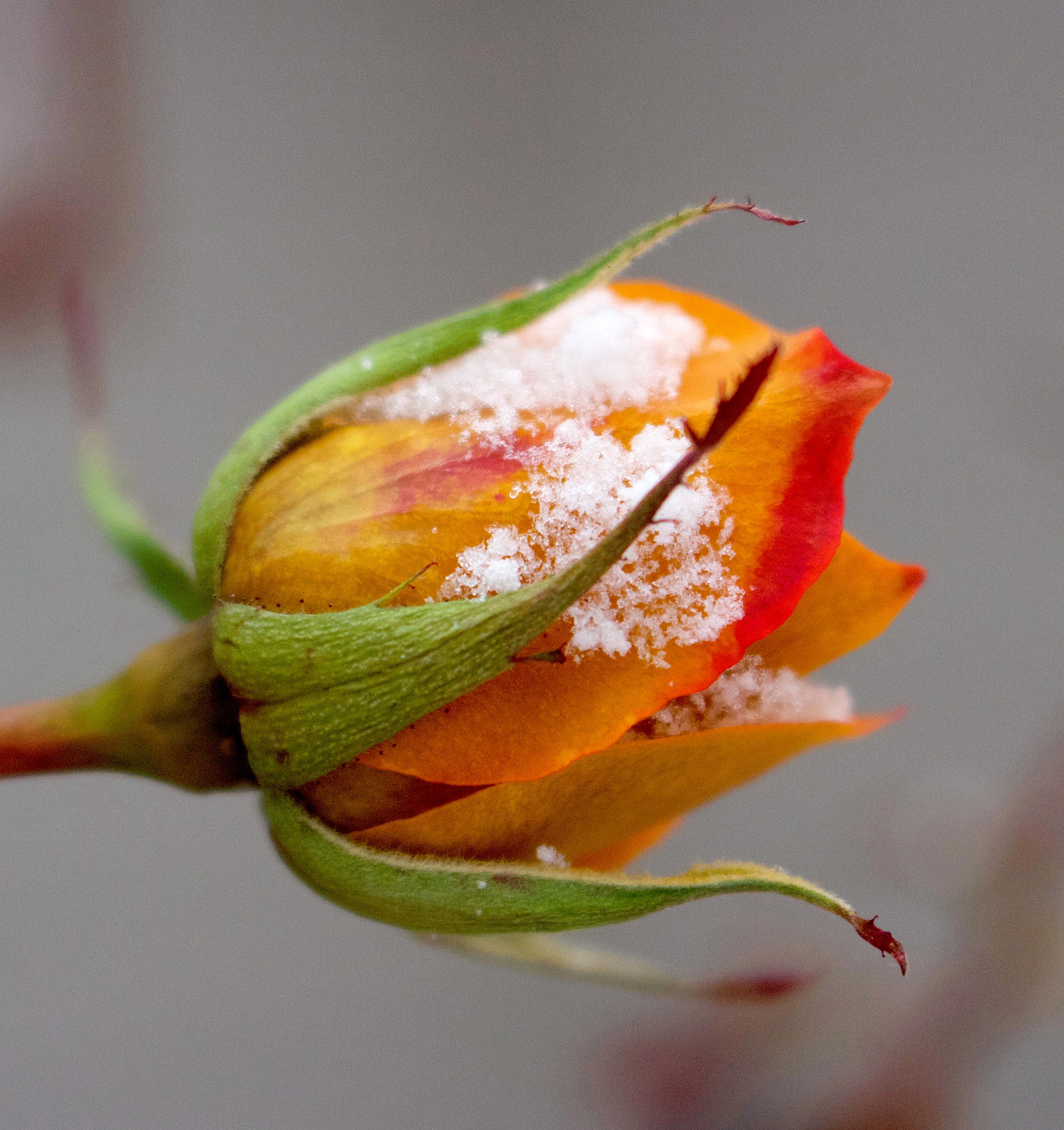
At our age the imagination across the sorry facts lifts us to make roses stand before thorns.
But we are older, I to love and you to be loved, we have, no matter how, by our wills survived to keep the jeweled prize always at our finger tips. We will it so and so it is past all accident. ~William Carlos Williams (written at age 72) from “The Ivy Crown”
How can we, at our age, who have treated love as no accident, looking into a well of such depth and richness – how can we tell the young to will their love to survive – to strive through thorns and briars, though tears wept and flesh torn, to come to cherish the prize of rose and ivy crown.
It is everything that matters, this crown of love we have willed and worn together:
I love you or I do not live at all. I to love and you to be loved.
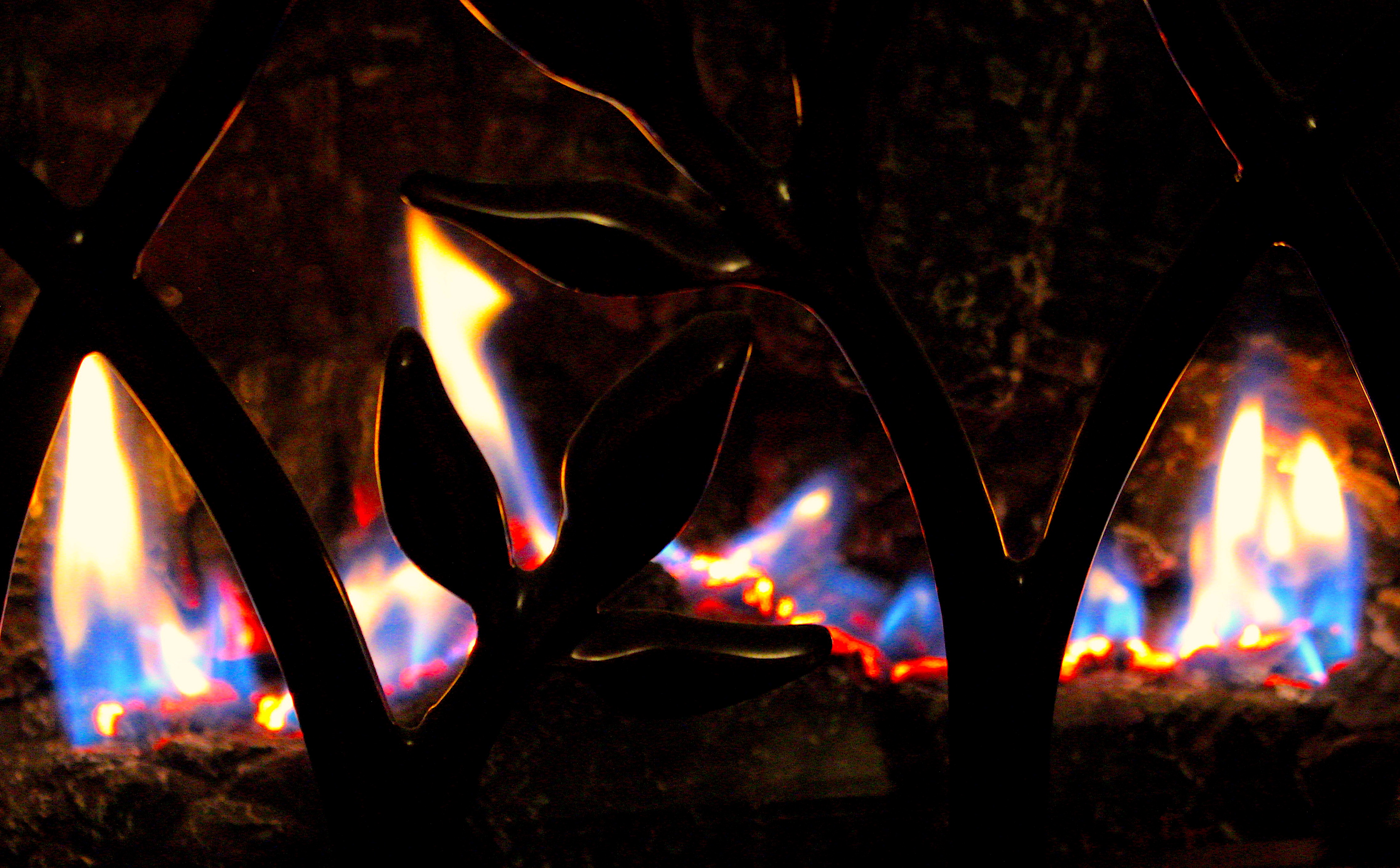
When the cold air comes on in, it kicks the furnace on, and the furnace overwhelms the cold. As the sorrow comes into the heart of a Christian, it kicks on more of the joy. It gets you closer to him, it helps you dig down deeper into him, and the joy kicks up, you might say, like a furnace, and overwhelms the sorrow. That is a picture of a solid Christian. Not a sorrow-less person who is happy, happy, happy, all the time. That’s not the picture. A picture of a real Christian is a person who has a furnace of joy in there that kicks up as the sorrow comes in and overwhelms the sorrow. But the sorrow is there. It is there. ~Pastor Tim Keller (1990), now in treatment for pancreatic cancer
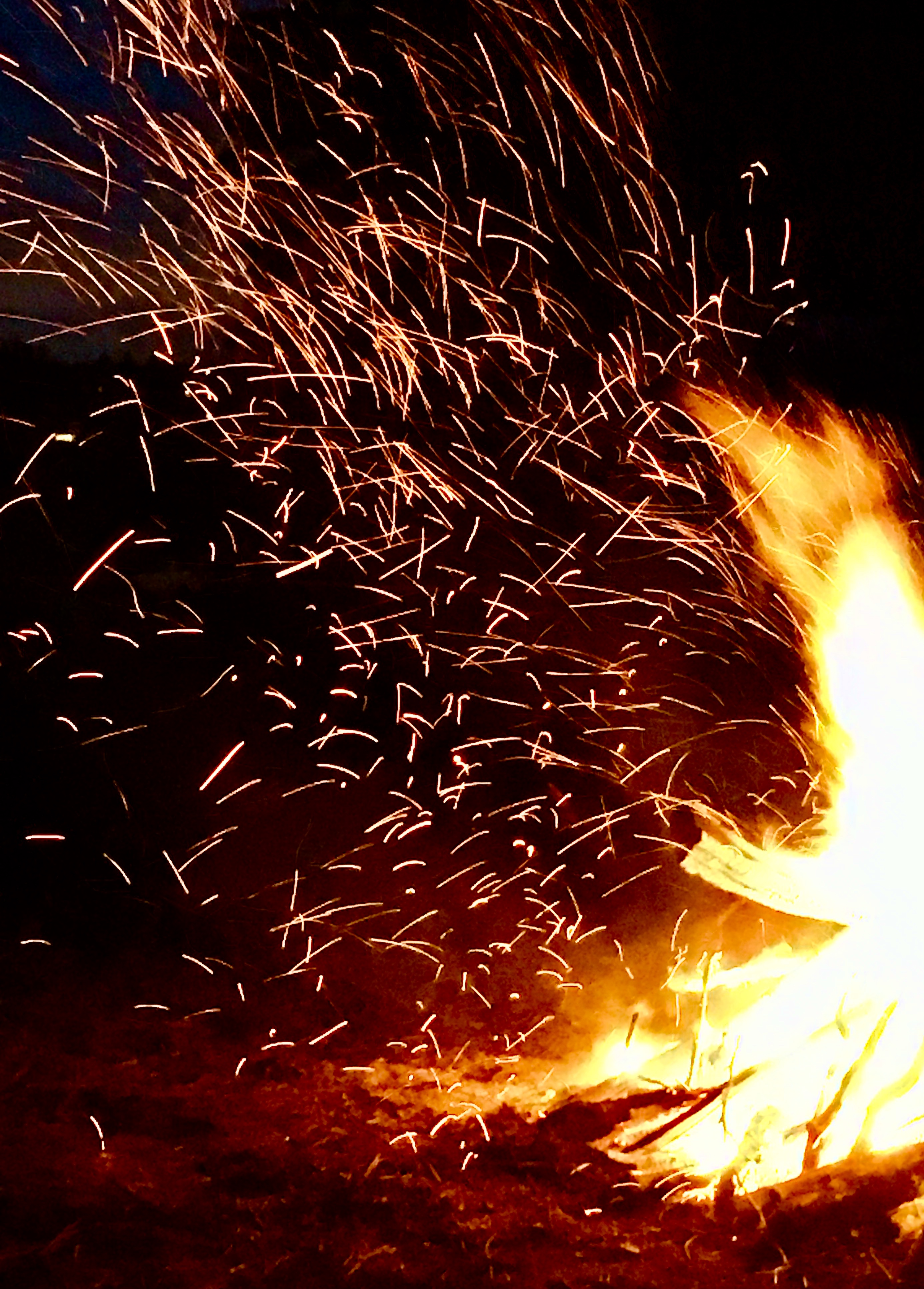
The Cross is the blazing fire at which the flame of our love is kindled, but we have to get near enough for its sparks to fall on us. ~John Stott
I have listened to criticism at times in my faith life that I don’t exhibit enough joy and happiness in my Christian walk. It is true that I tend toward lamenting the state of the world and the state of my own soul. I could use more balance in my expressions of gratitude. So what I hear from others is fair feedback.
My faith furnace thermostat is now set so high that it rarely kicks on and I dwell too much in the cold.
Especially in the last year of COVID-time, I have been especially feeling the chill as I watch so many dealing with immense sorrow and loss. So much has changed, particularly in how we can safely gather and worship together, resulting in finger pointing among Christians about who is showing more righteous dedication to the Word of God.
So the nit-picking begins.
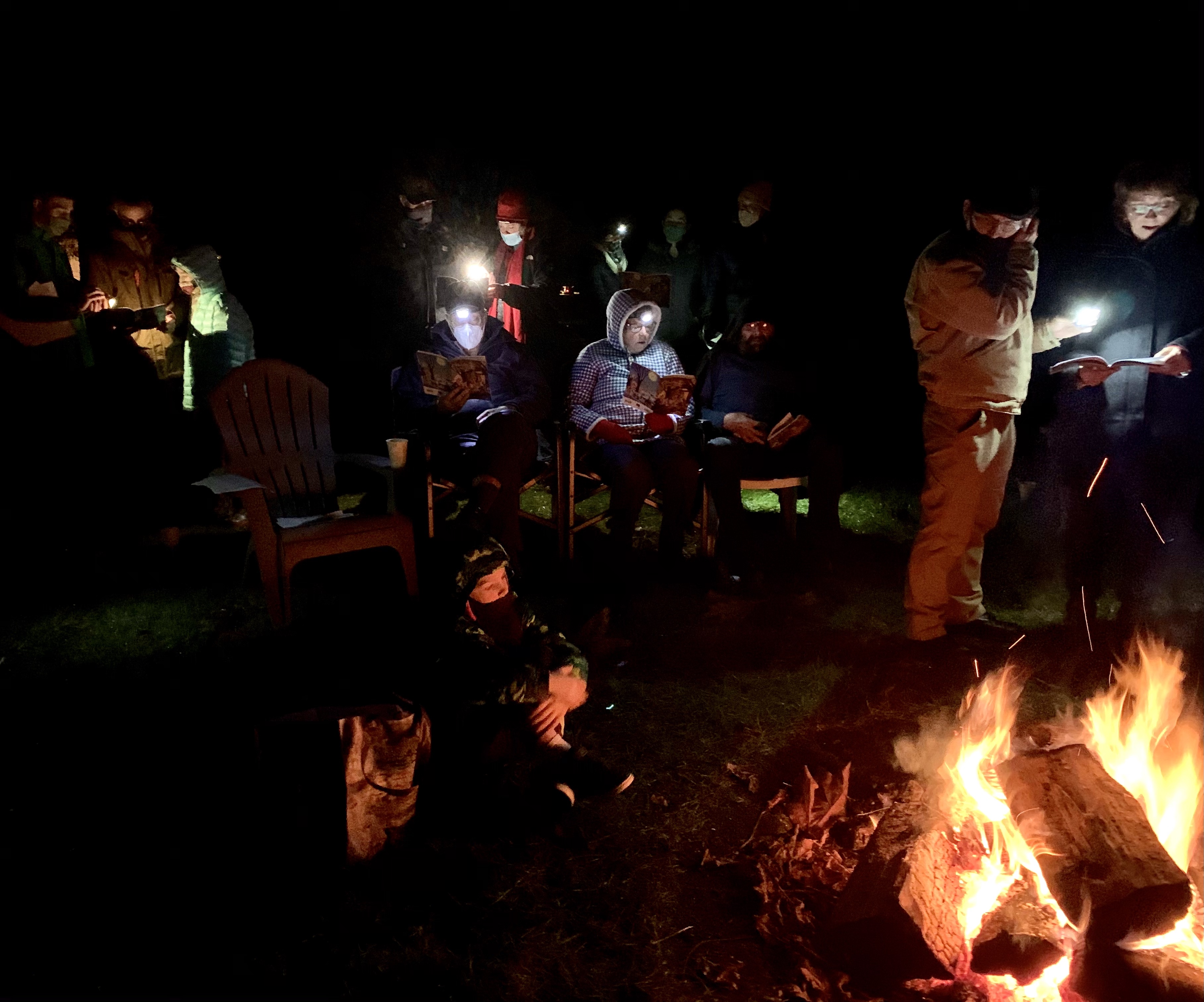
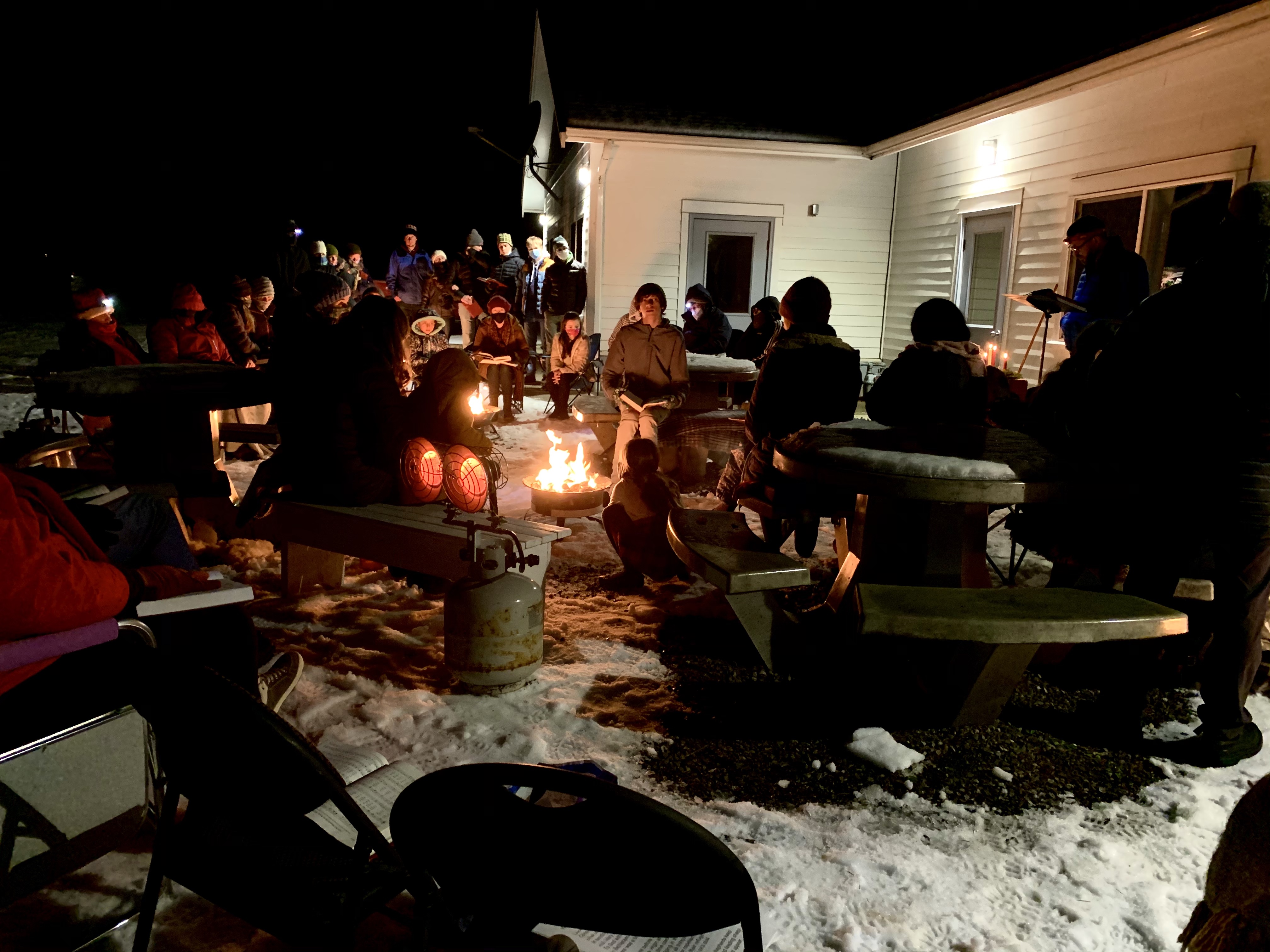
If we don’t sing together in worship as commanded by our Lord but temporarily restricted by state regulations, do we lack conviction in our faith, allowing fear and earthly authorities to rule over us? If we sing outside, even in the cold dark rain and snow, is that sufficient compromise and does it truly “turn on” the furnace of our joy?
Or wearing a mask shows fear and a lack of faith that God is ultimately in charge as only He determines how many days we dwell on this earth. Yet by wearing a mask at all times when together we are showing compassion for others by loving them enough to try to protect them from any infection we may unknowingly harbor.
These feel like irreconcilable differences in perspective among people who purportedly love one another in the name of Christ. So we all end up in the cold, waiting on the furnace of our love and joy to kick on.
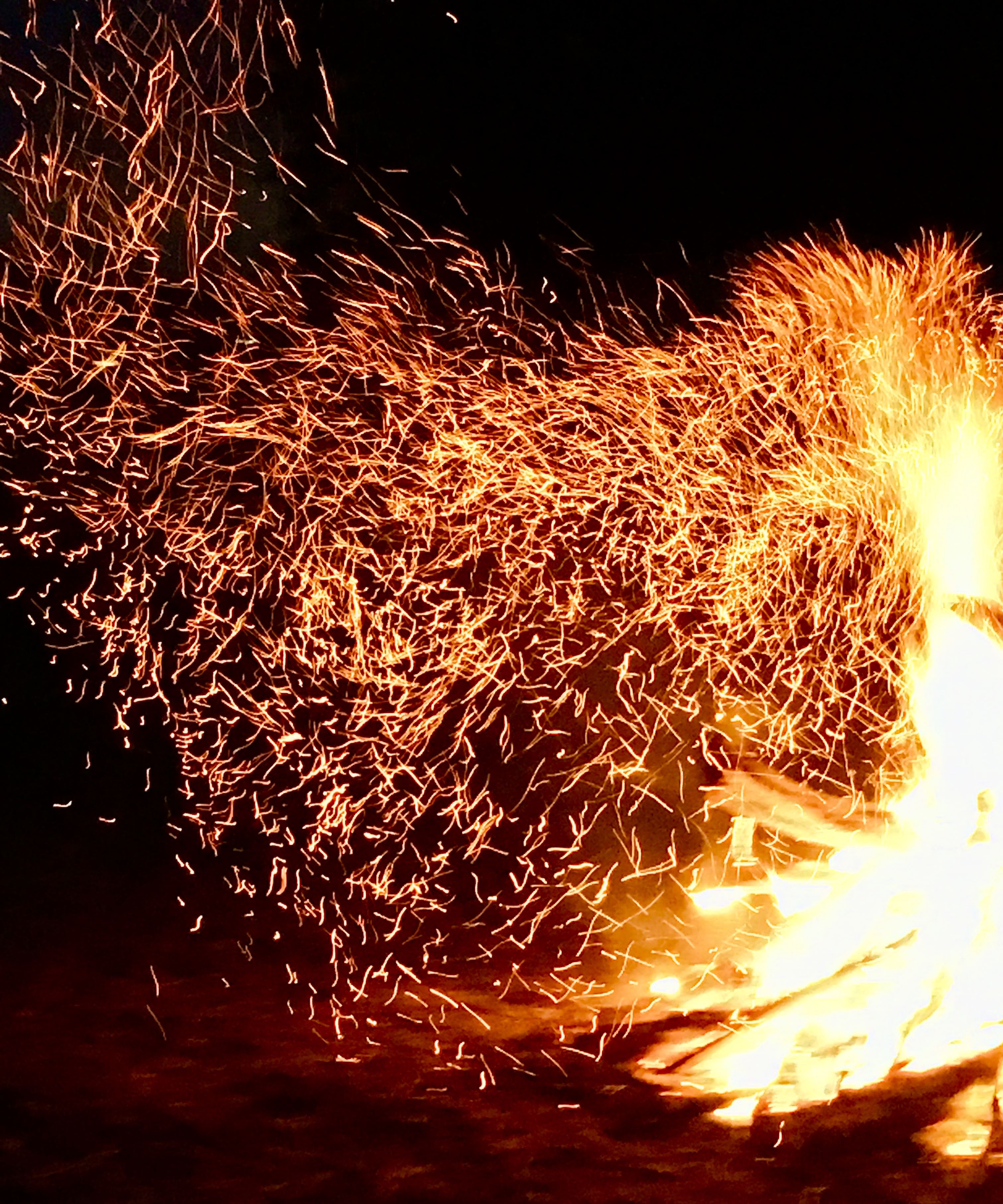
In my self-absorption, I tend to forget that the fire has always been there, lit by Christ’s sacrifice, despite His own mortal fear and hesitation and tears, yet fueled solely by His divine desire to save His children. I need to come closer to feel the heat of His love, and feel those sparks landing on my earthly skin to remind me there can be no love without pain.
In our secret yearnings we wait for your coming, and in our grinding despair we doubt that you will.
And in this privileged place we are surrounded by witnesses who yearn more than do we and by those who despair more deeply than do we.
Look upon your church and its pastors in this season of hope which runs so quickly to fatigue and in this season of yearning which becomes so easily quarrelsome.
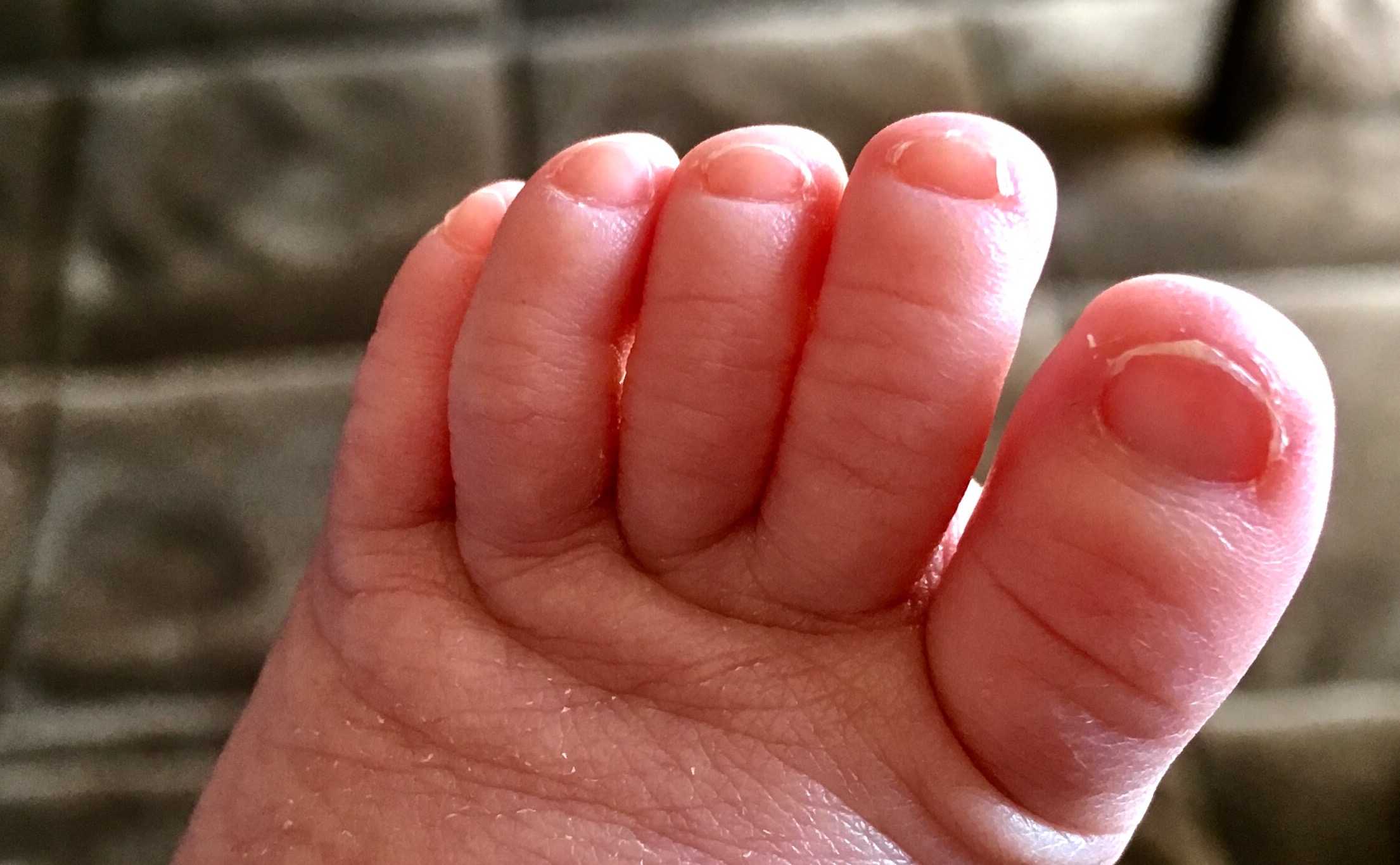
Give us the grace and the impatience to wait for your coming to the bottom of our toes, to the edges of our fingertips.
Come in your power and come in your weakness in any case and make all things new. Amen. ~ Walter Brueggemann, Awed to Heaven, Rooted in Earth
We simply have to wait and wait. The celebration of Advent is possible only to those troubled in soul, who know themselves to be poor and imperfect, and who look forward to something greater to come. ~Dietrich Bonhoeffer
Wait for the Lord; be strong, and let your heart take courage; wait for the Lord! Psalm 27:14
These are troubling times and yes, I’m troubled. It can feel like things will never change. It can feel like I will never adapt to how the world is darker right now, how people are more bitter and angry, how each day brings more bad news, how tired we all are of wearing our real and figurative masks.
I know better than this; I’ve seen dark times before that have taken time to resolve. So why does this time seem different? Why have doubts become four-dimensional realities?
So I remember: we were created for this waiting in-between. We were created to keep watching for when all things will be made new. From the bottoms of our toes to the tips of our fingers, we marvel at the power shown by our God choosing weakness as the vessel that saves us.
I wait for the Lord, my soul waits, and in his word I hope; my soul waits for the Lord more than watchmen for the morning, more than watchmen for the morning. Psalm 130: 5-6
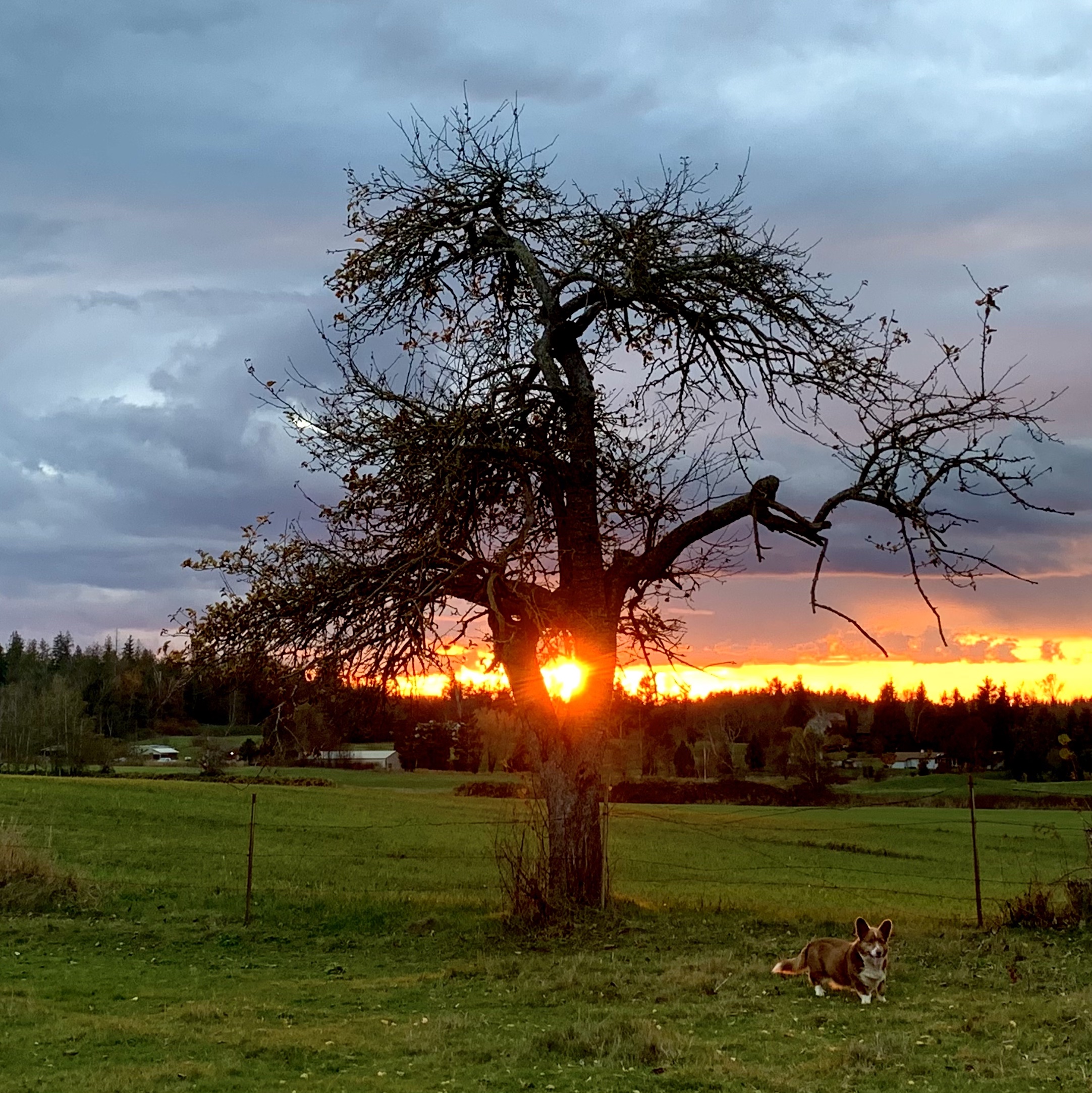
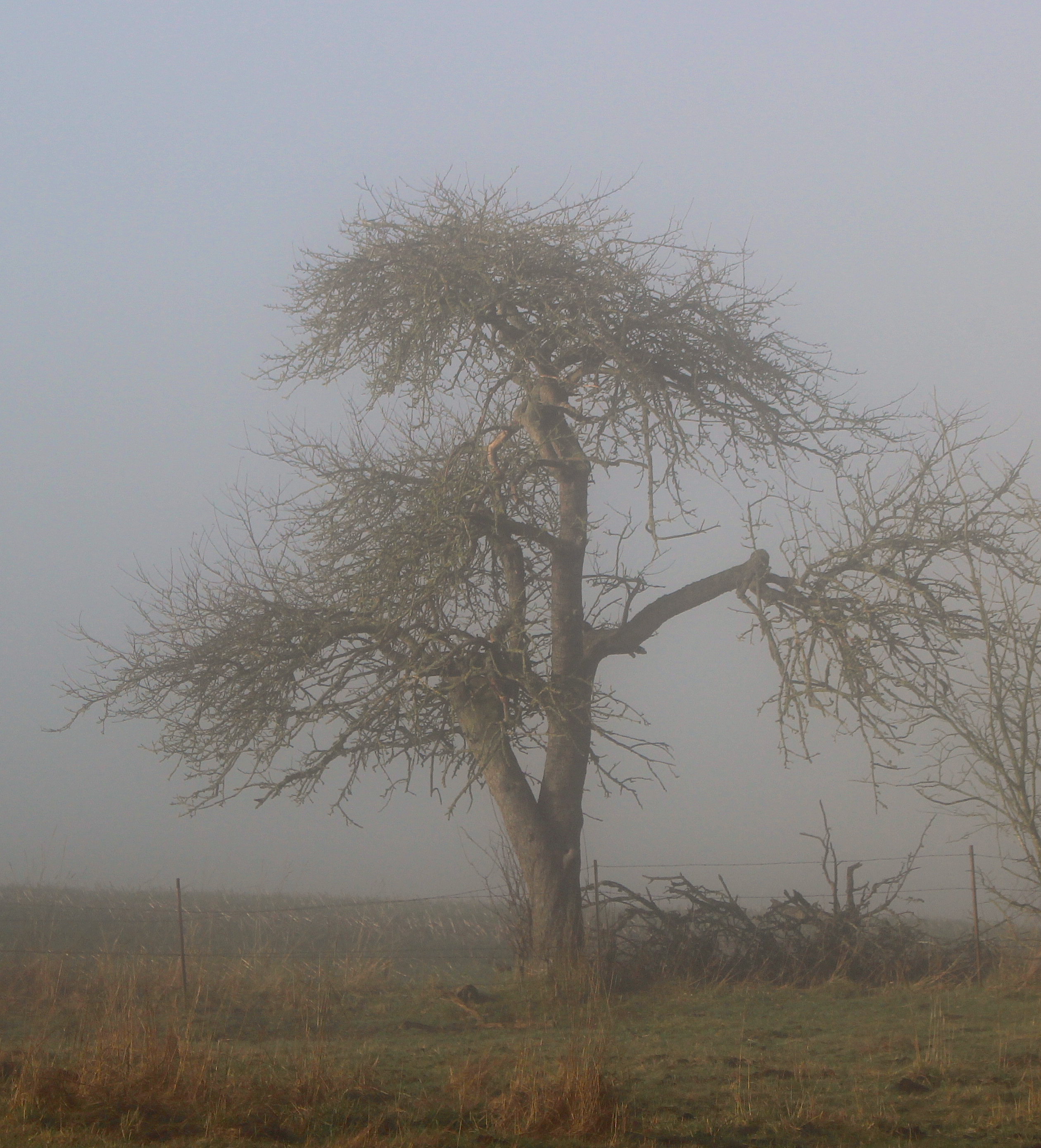
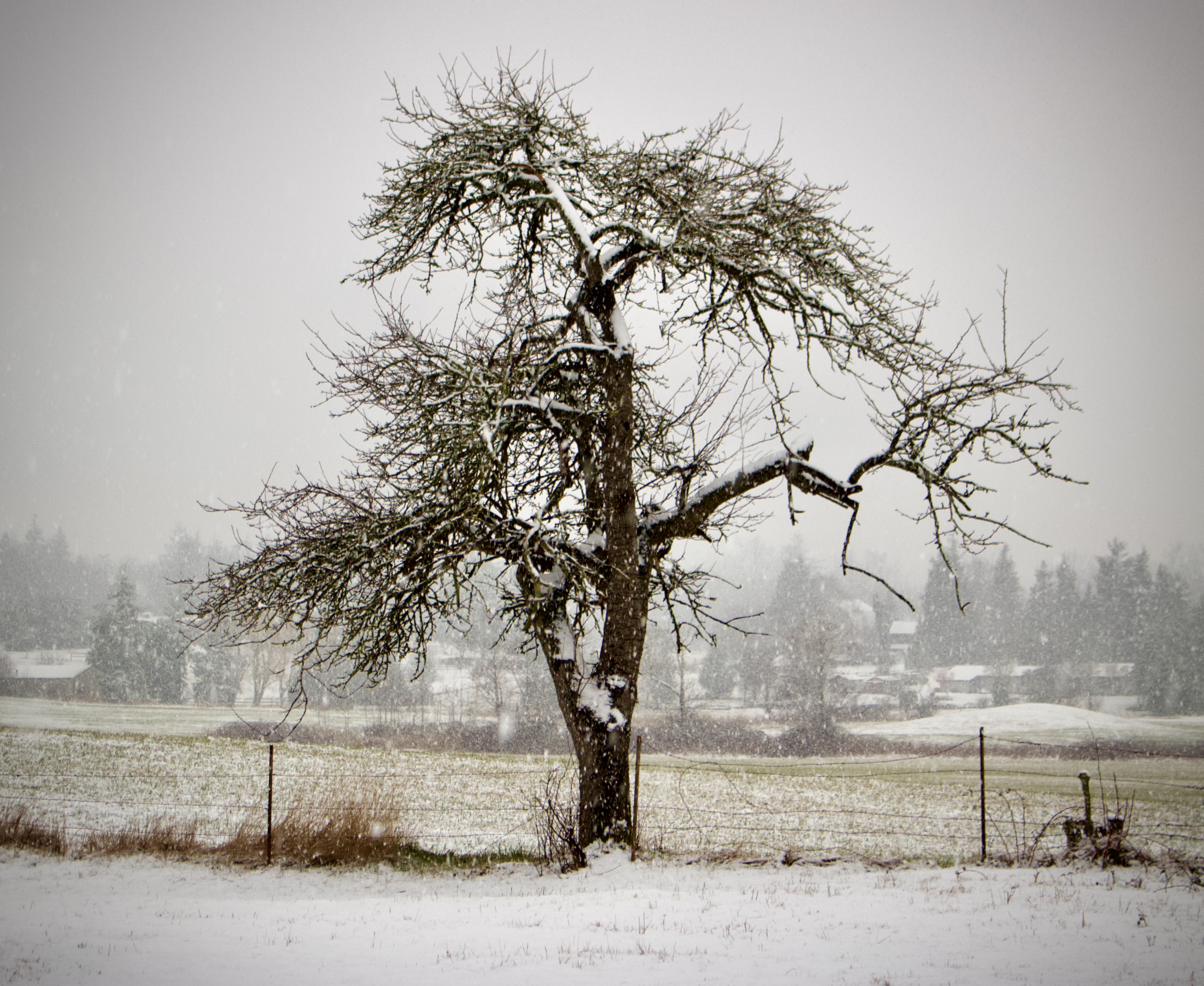
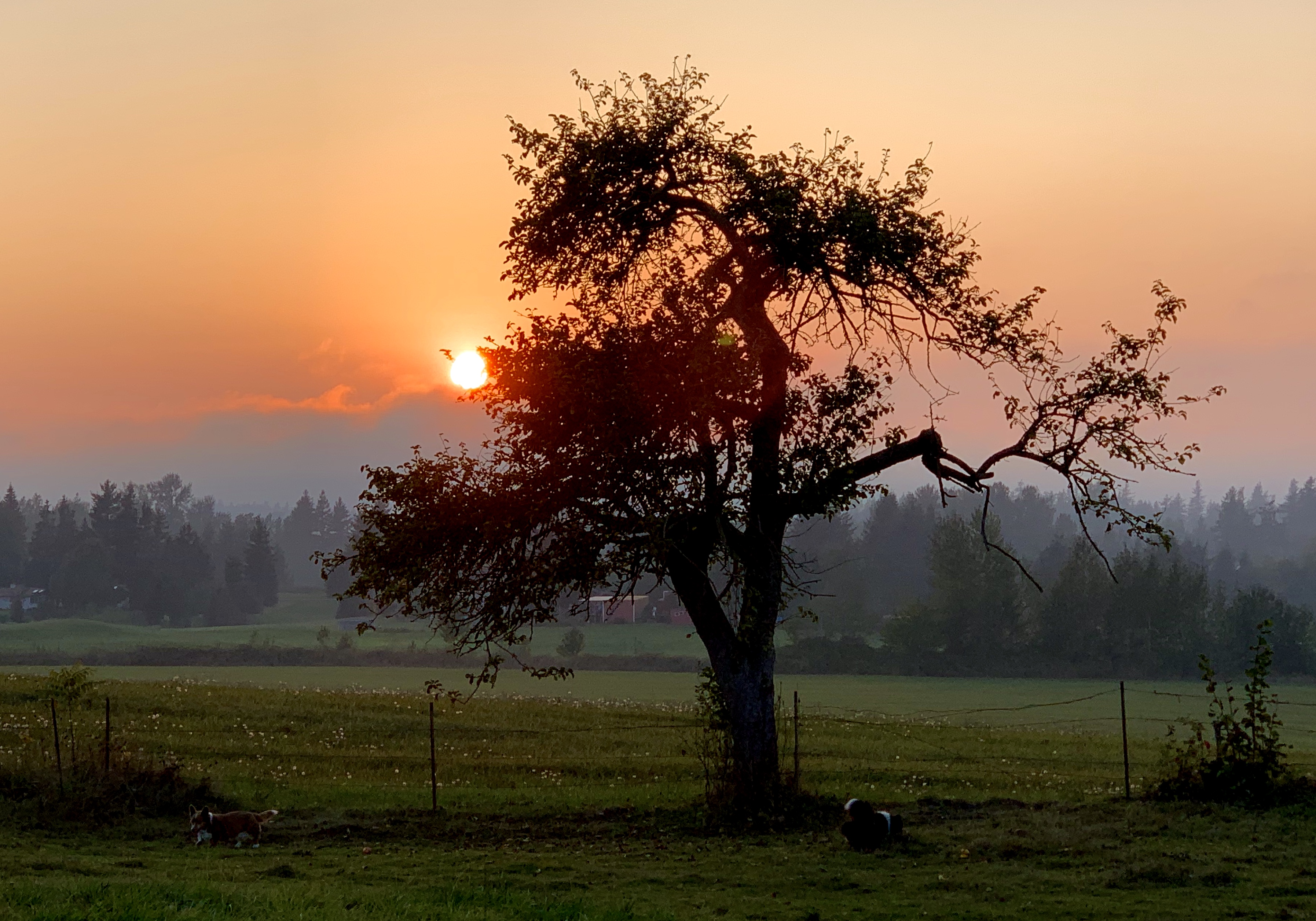
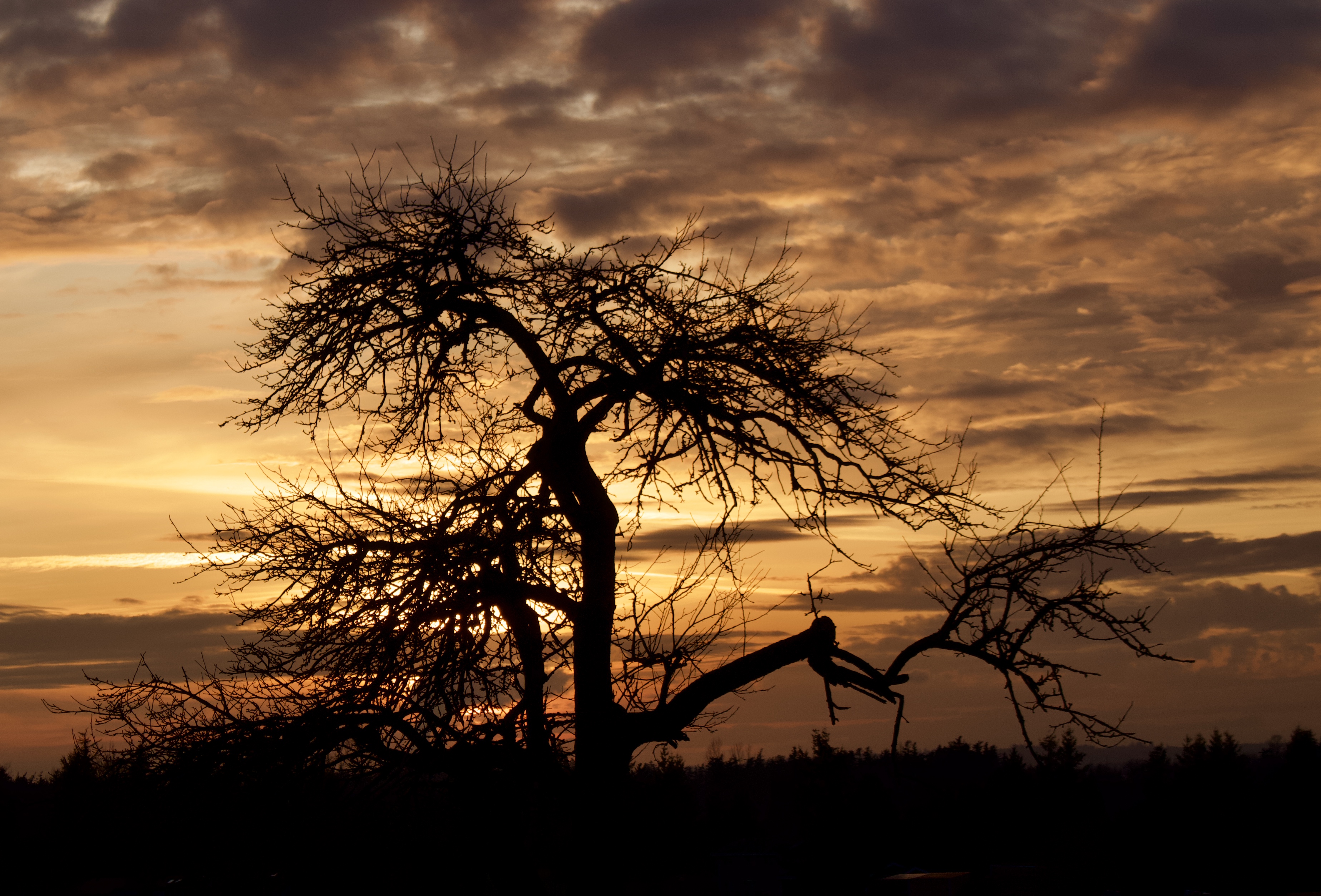
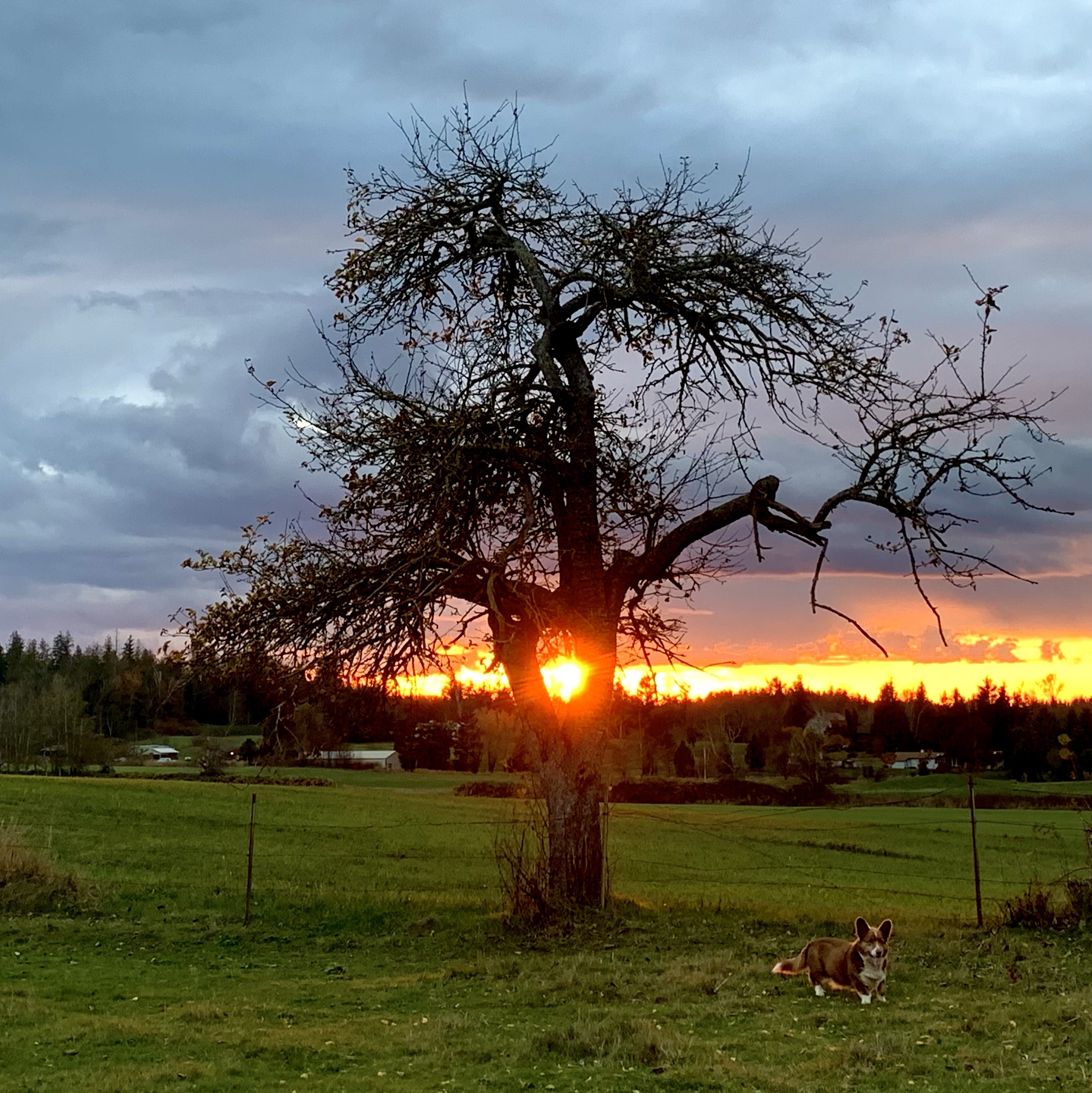
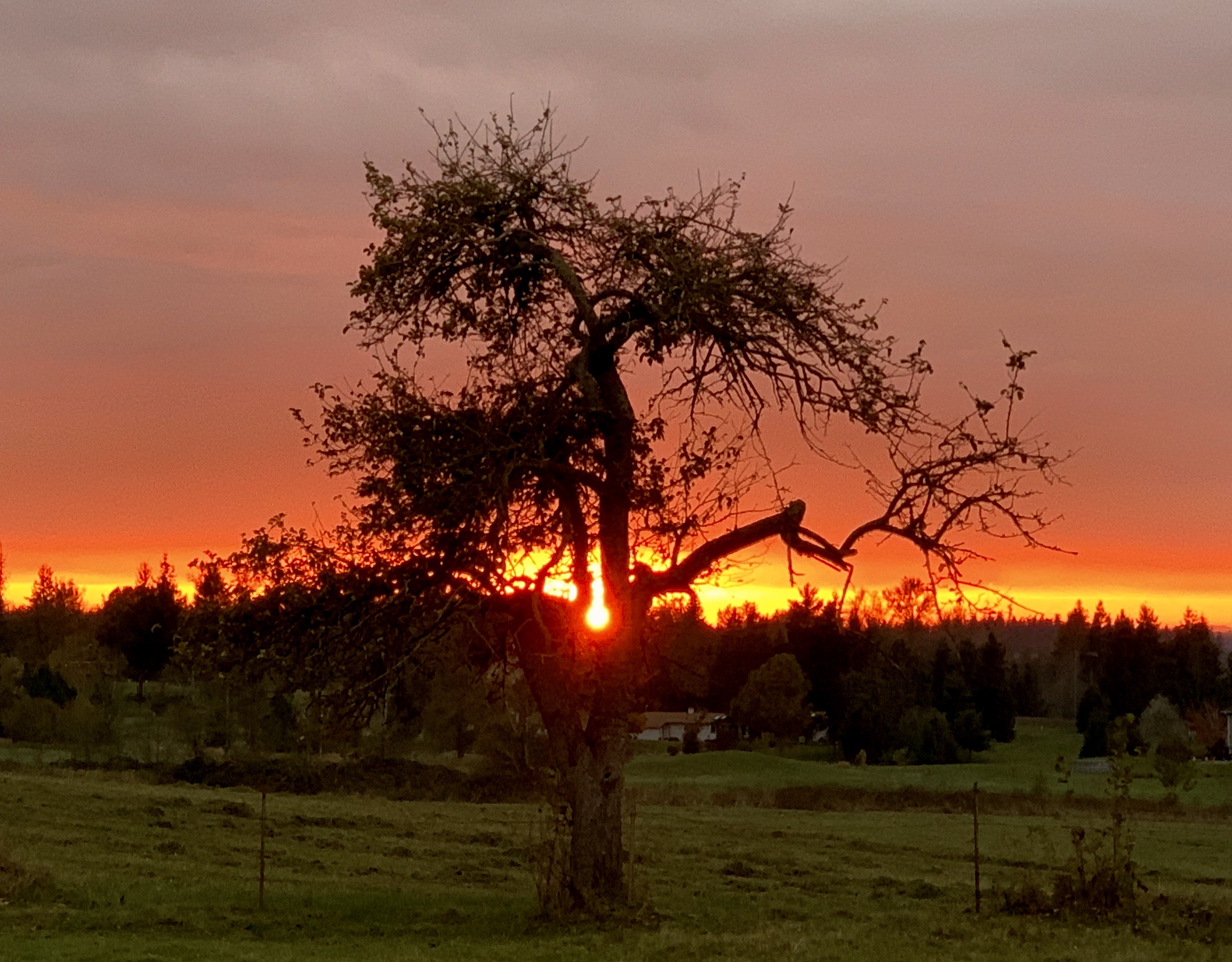
There’s a single tree at the fence line… When I cross the unfertile pasture strewn with rocks and the holes of gophers, badgers, coyotes, and the rattlesnake den (a thousand killed in a decade because they don’t mix well with dogs and children) in an hour’s walking and reach the tree, I find it oppressive. Likely it’s as old as I am, withstanding its isolation, all gnarled and twisted from its battle with weather. I sit against it until we merge, and when I return home in the cold, windy twilight I feel I’ve been gone for years. ~Jim Harrison, from “Fence Line Tree” from Saving Daylight.
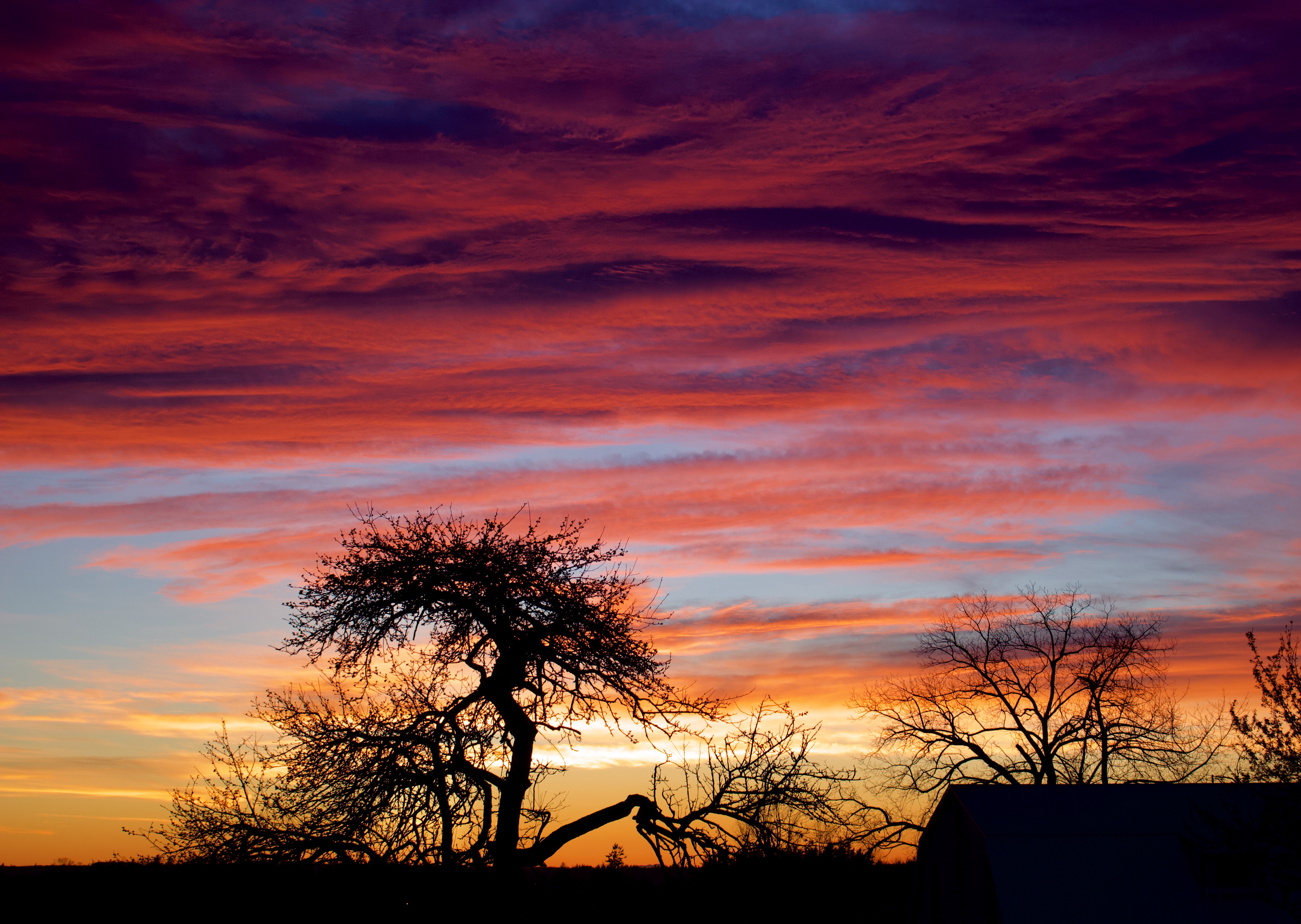
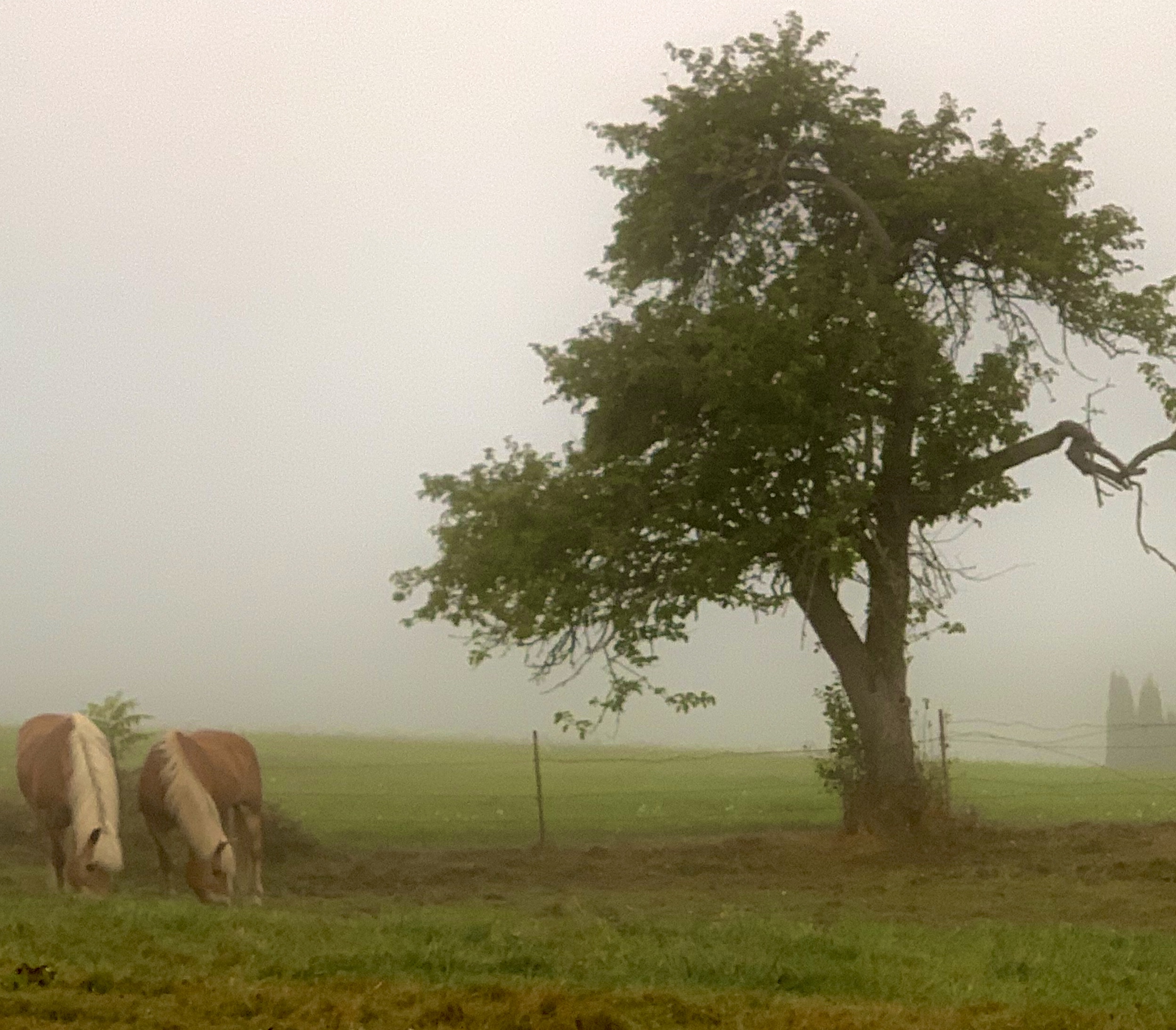
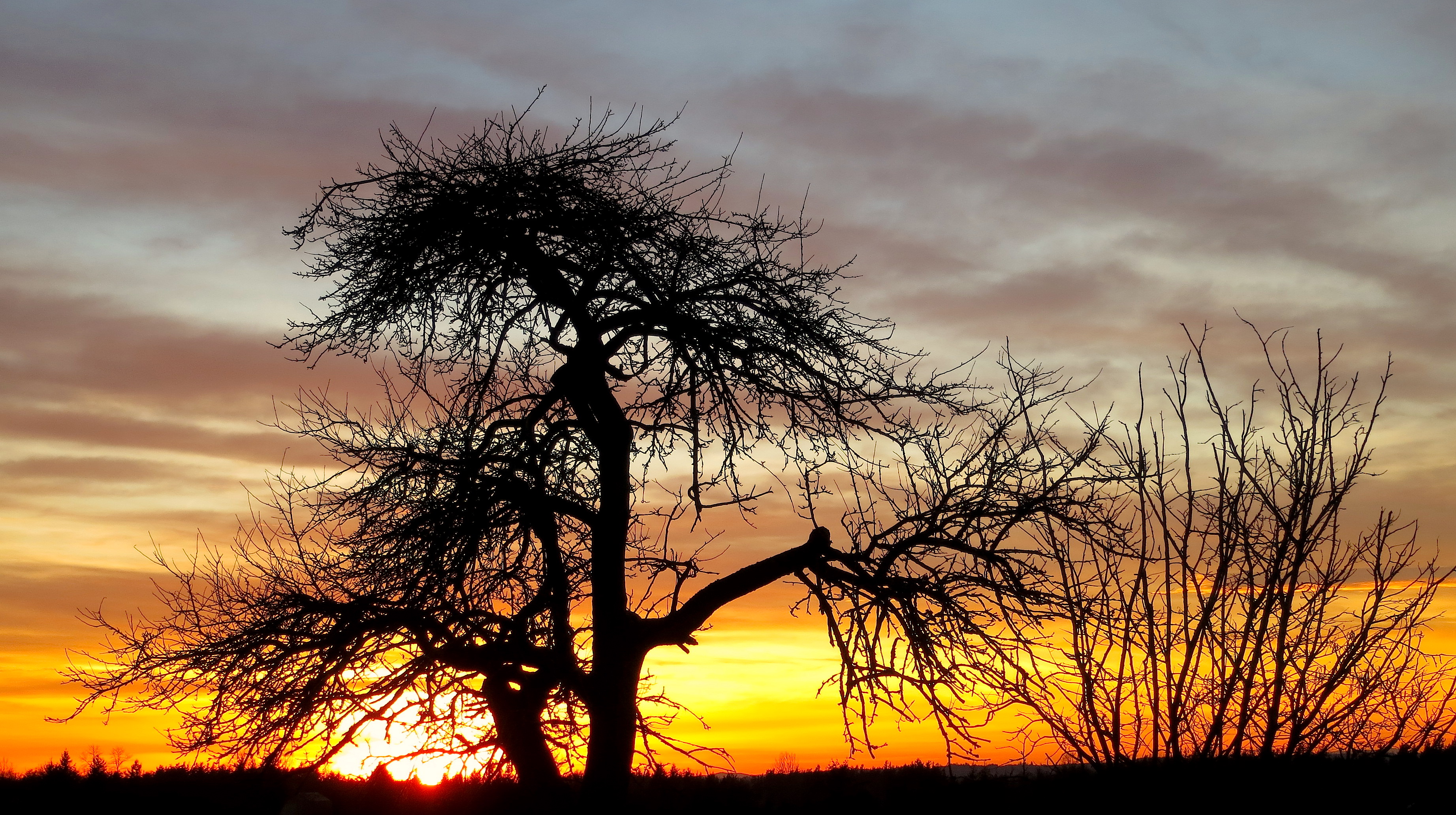
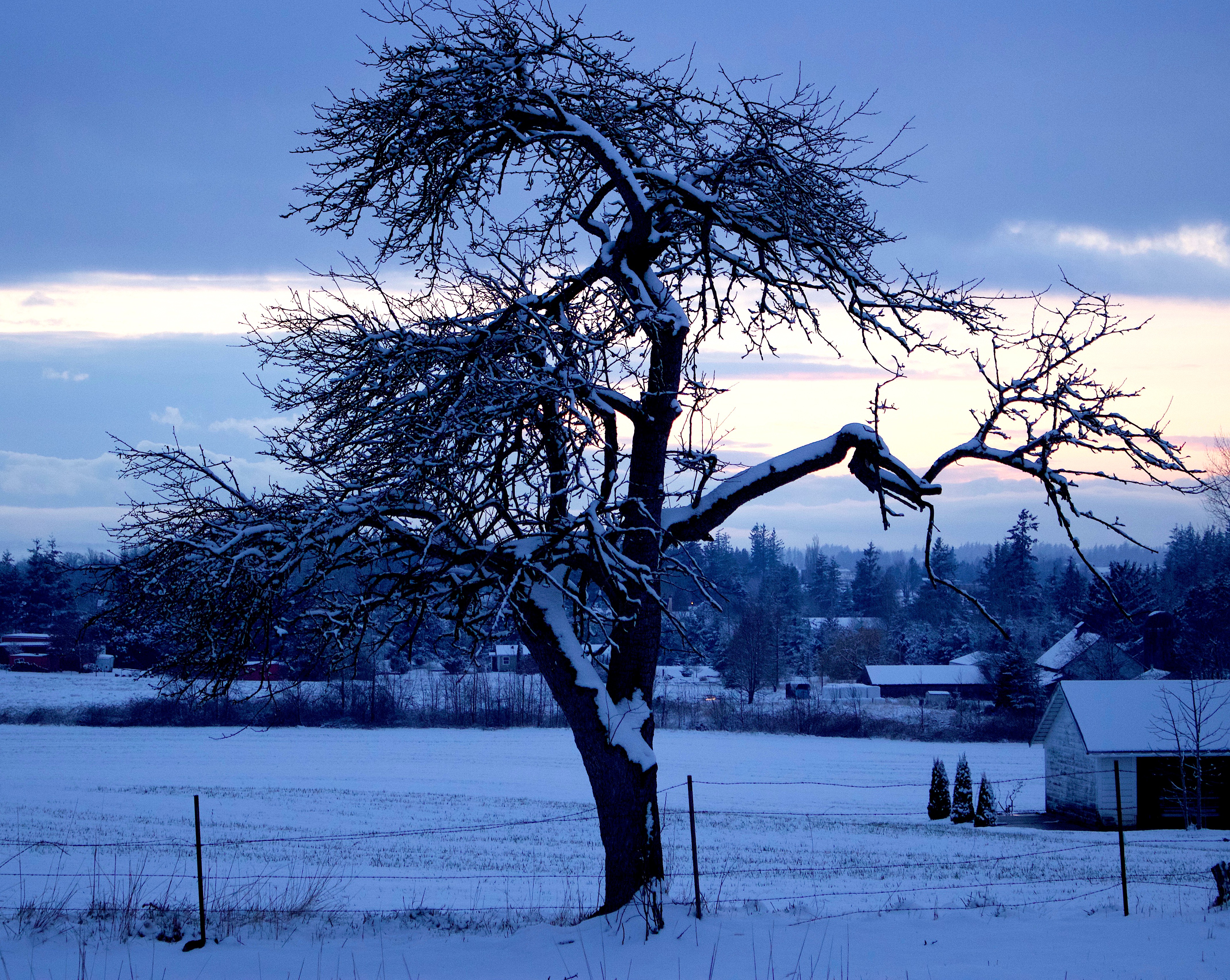
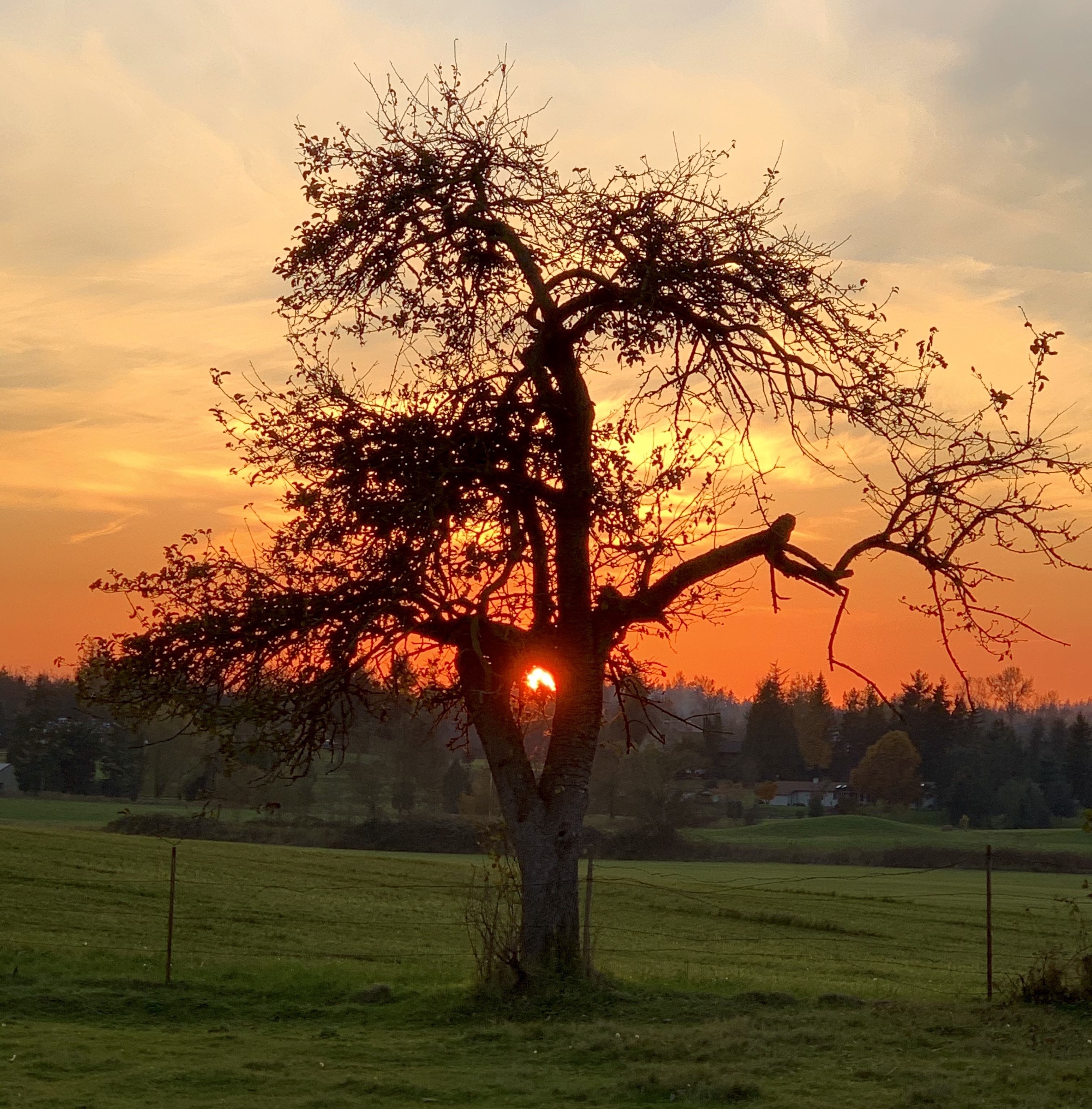
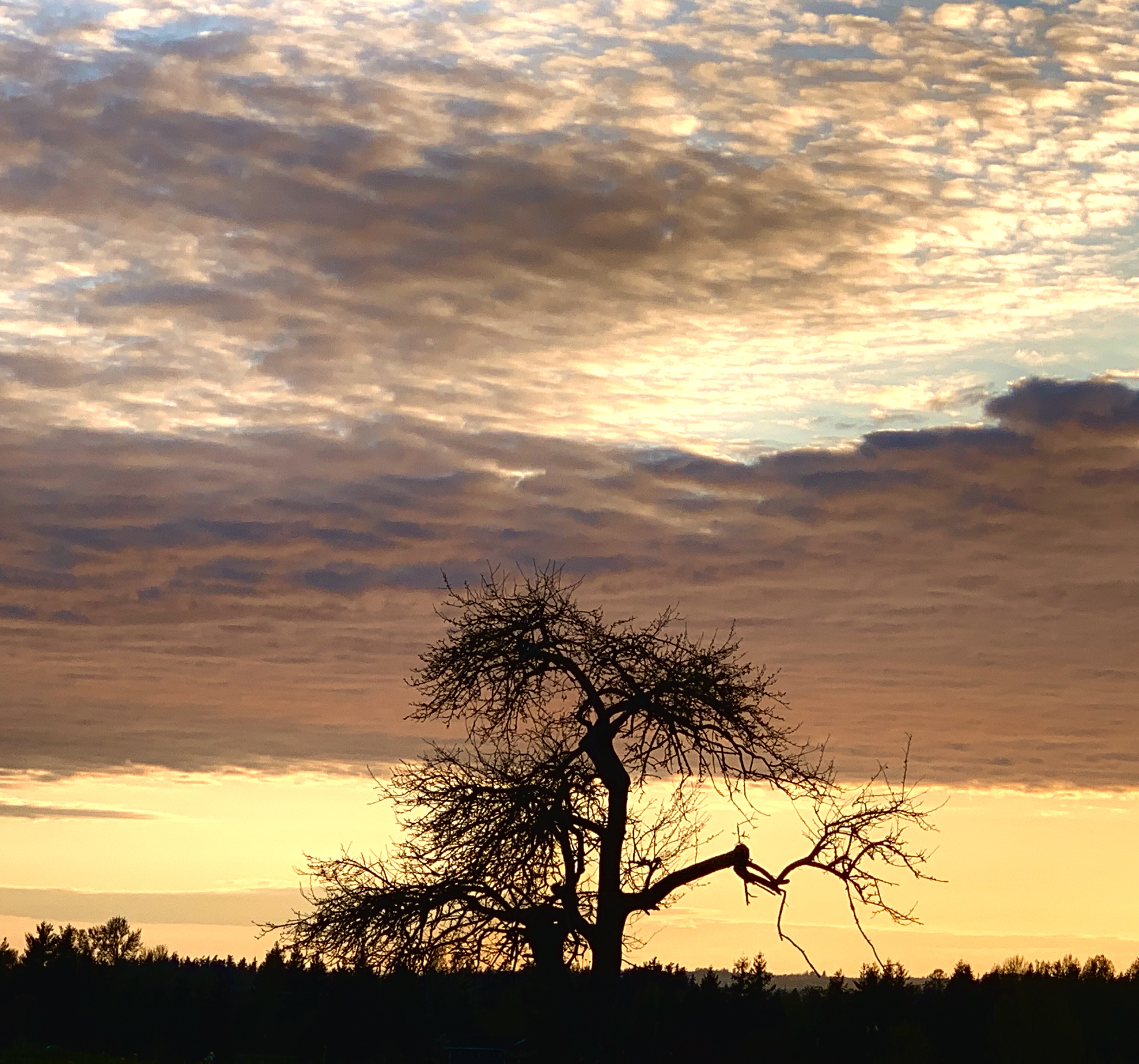
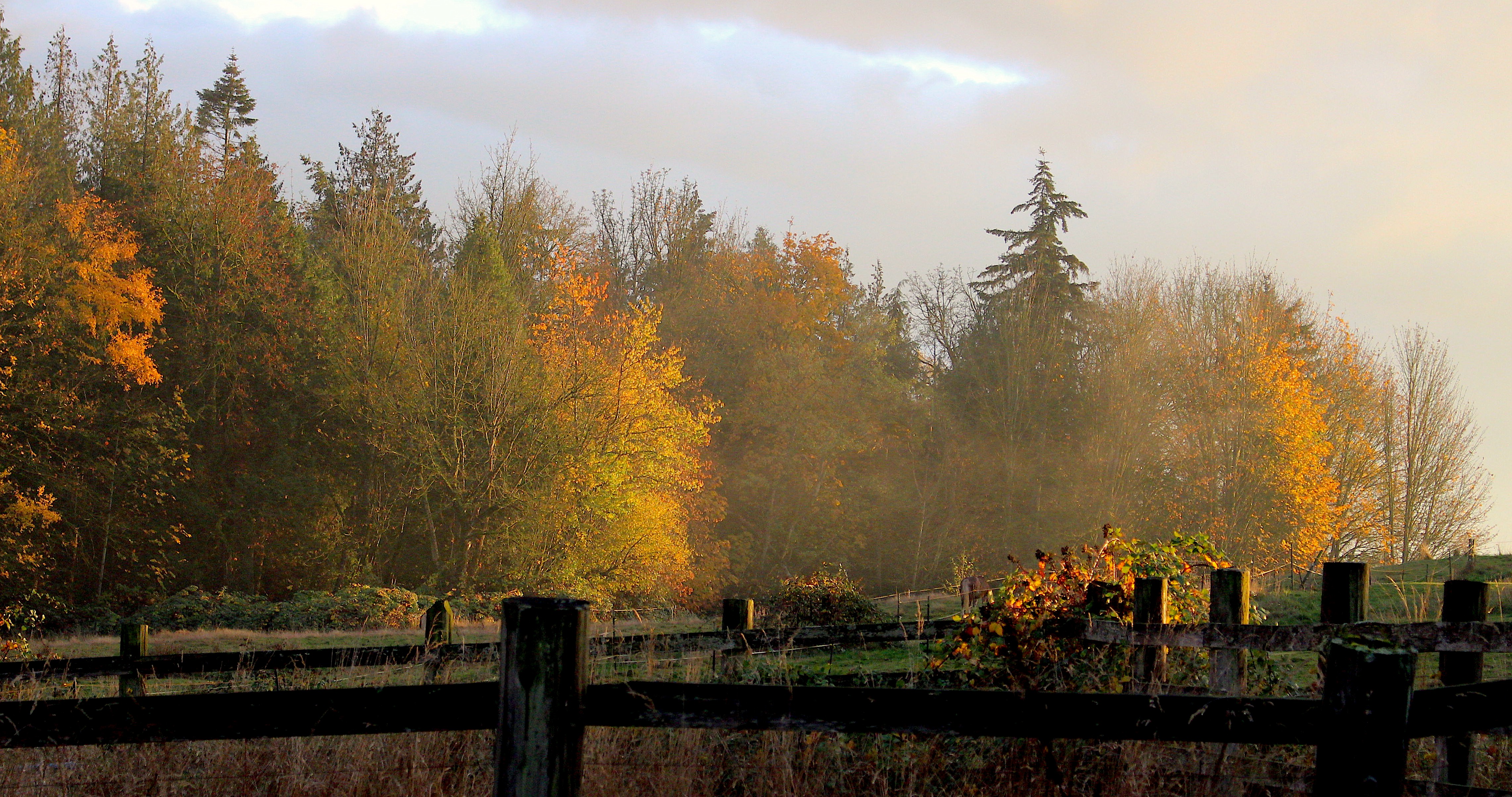
Our fence line apple tree is considerably older than I am, and not a far walk away from the house. I visit it nearly every day, to be reminded that there is a wonder in gnarled limbs and blatant asymmetry.
What strikes me is the consistent presence of this tree though so much changes around it: the seasons, the birds that nest in it, the animals that graze under it and the ever-changing palette above and beyond.
This tree stands bent and misshapen, though not nearly as fruitful as in its younger years, yet still a constant in my life and in generations to come.
May I be that constant for those around me, to be steady when all around me changes in swirls and storms. Perhaps being bent and wrinkled and knobby can also be beautiful.
It must have come in with the morning paper, still being delivered to those who shelter in place.
A morning paper is still an essential service.
I am not an essential service.
I have coffee and books, time, a garden, silence enough to fill cisterns.
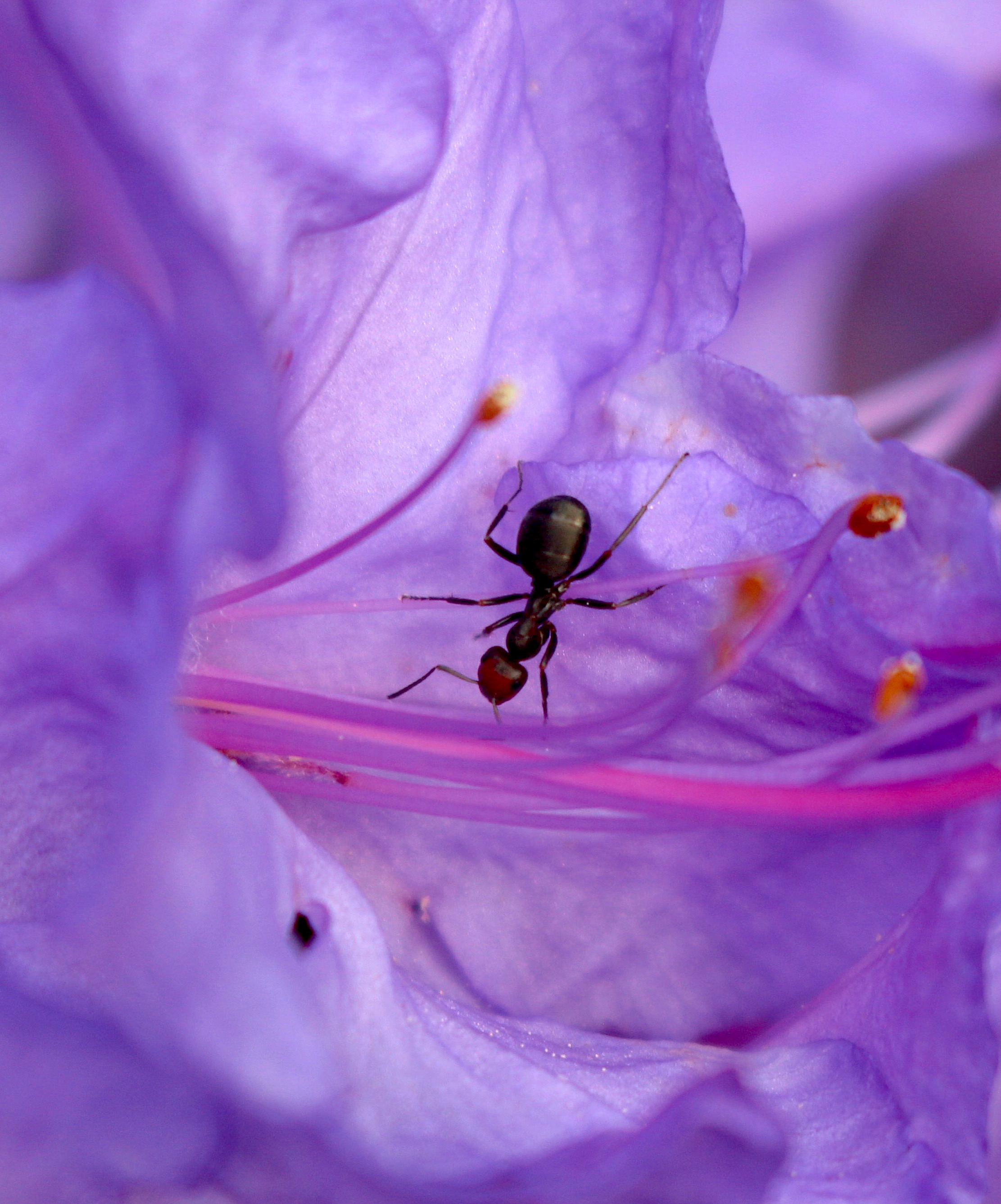
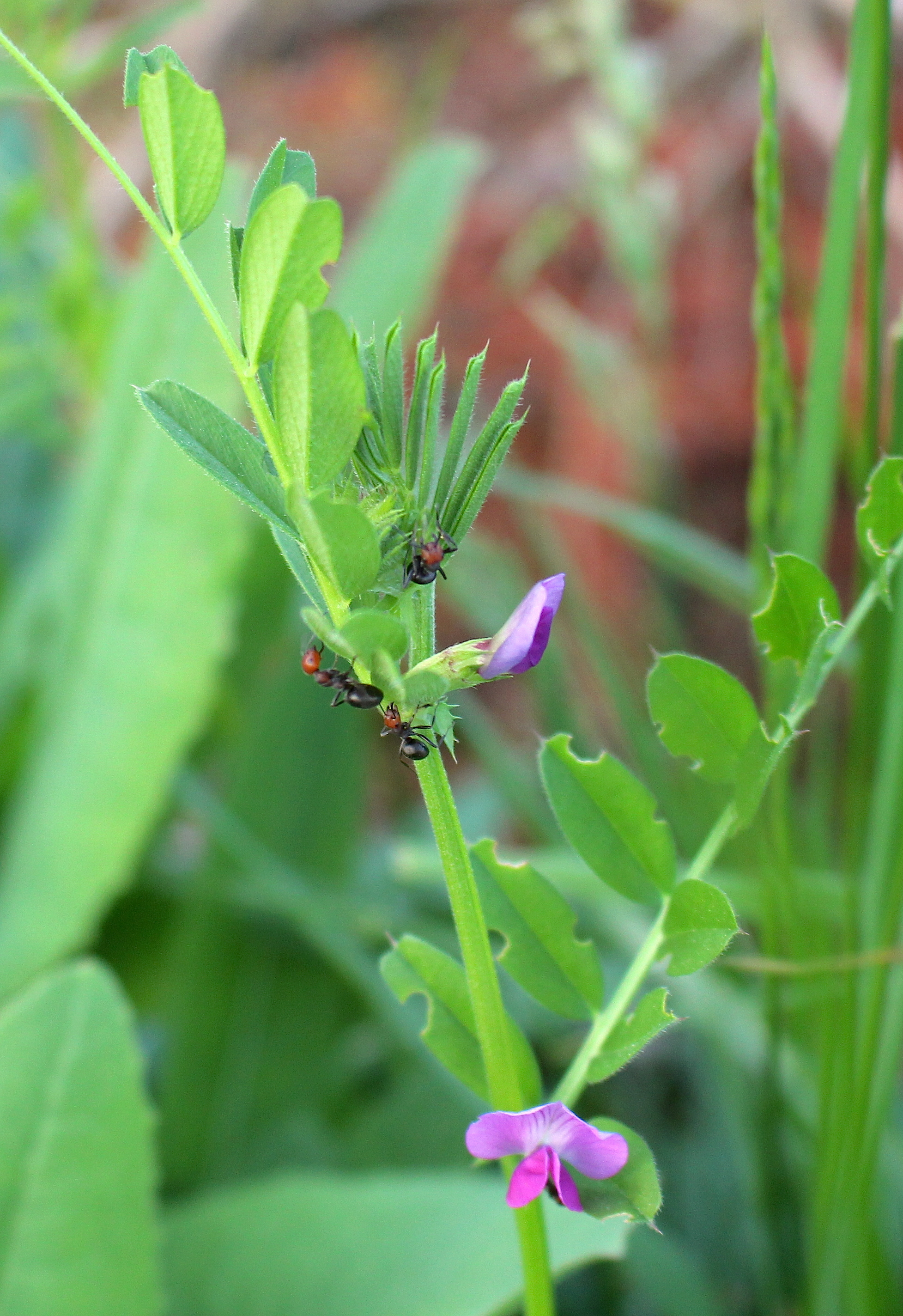
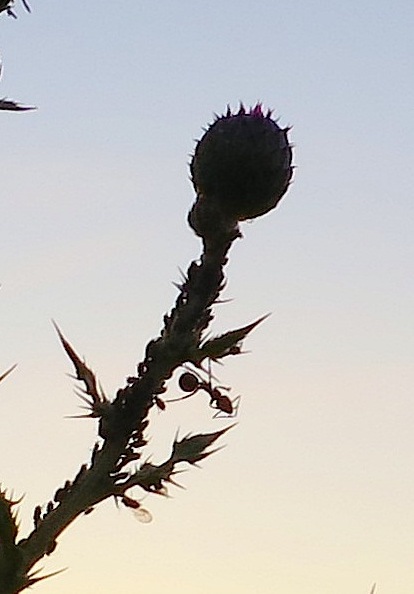
It must have first walked the morning paper, as if loosened ink taking the shape of an ant.
Then across the laptop computer — warm — then onto the back of a cushion.
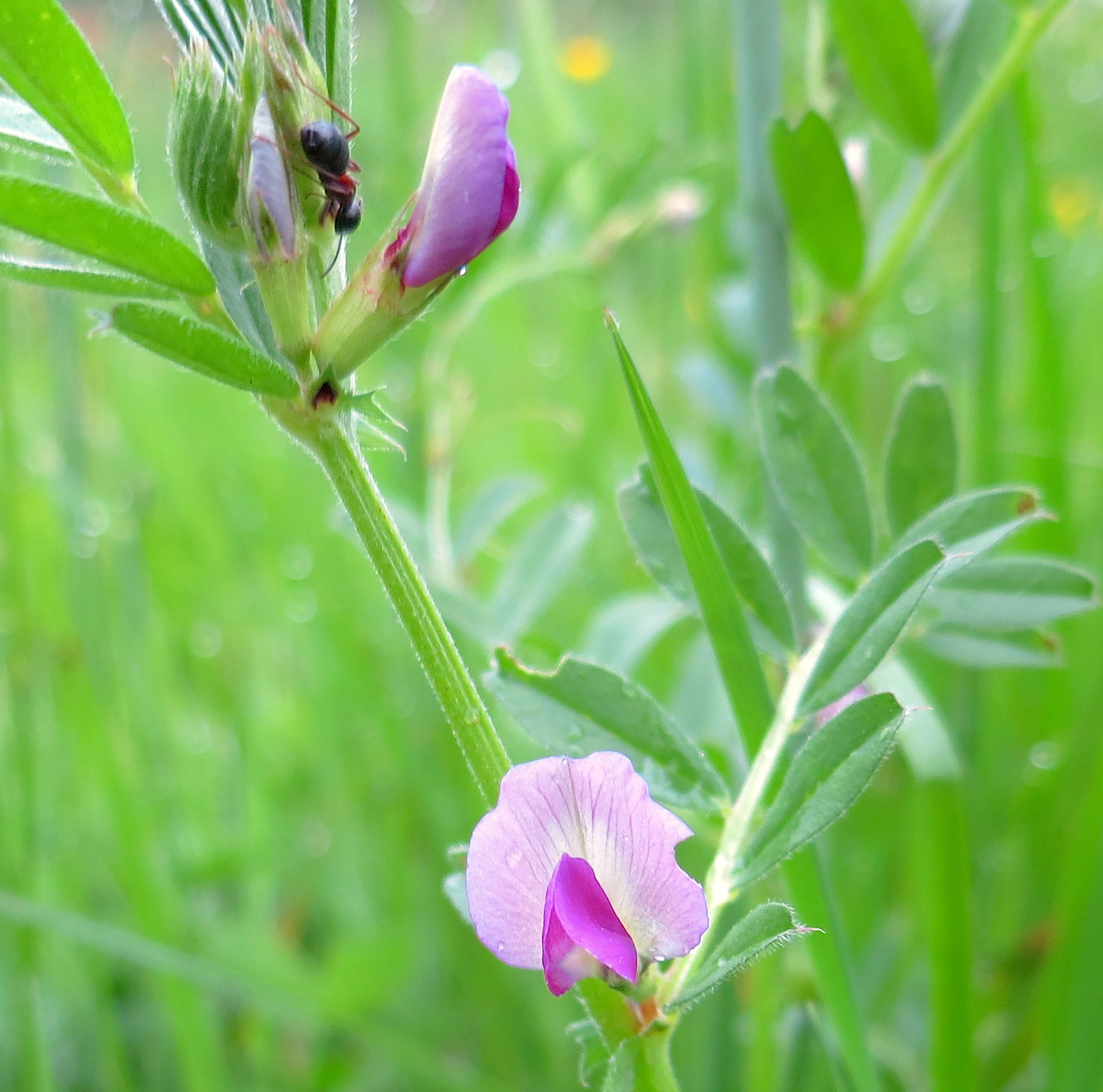
Small black ant, alone, crossing a navy cushion, moving steadily because that is what it could do.
Set outside in the sun, it could not have found again its nest. What then did I save?
It did not move as if it was frightened, even while walking my hand, which moved it through swiftness and air.
Ant, alone, without companions, whose ant-heart I could not fathom— how is your life, I wanted to ask. I lifted it, took it outside.
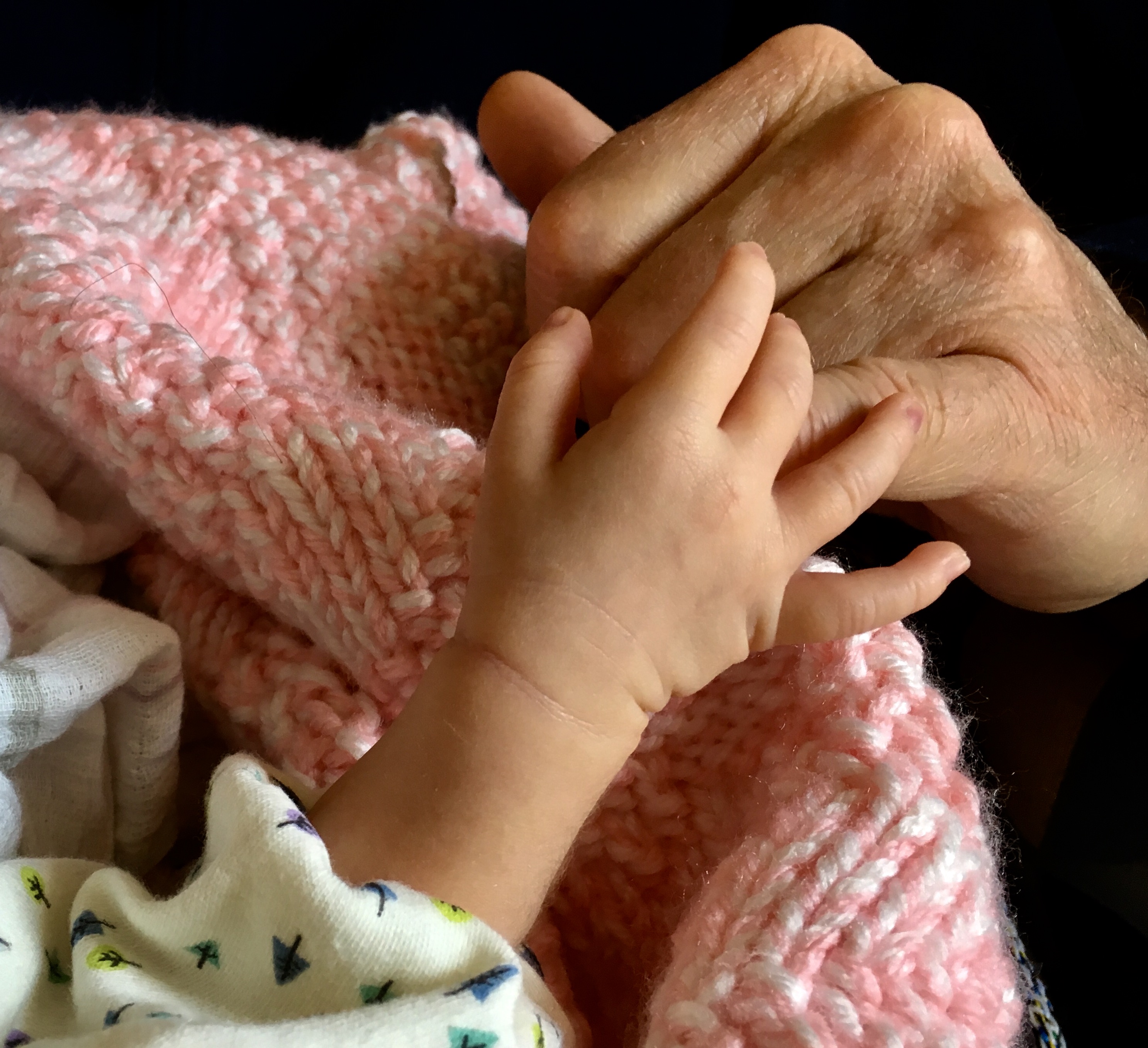
This first day when I could do nothing, contribute nothing beyond staying distant from my own kind, I did this. ~Jane Hirschfield “Today When I Could Do Nothing”
Nine months into social distancing one from another, with COVID spreading wider and faster than ever, I feel helpless to be a helper without the virus becoming a potentially deadly attachment to my efforts.
So I look for little ways to try to make a difference, as inadequate as they seem. I can no serve meals after evening church service. I can’t visit vulnerable people in their homes so have to be satisfied with screen visits. I can’t go where I wish when I wish because, by definition of age and medical risk, I am one of the vulnerable too.
So I look for words to express that may bring you a smile or maybe a knowing tear. I look for images to share that remind you of something from your past experience. I look for ways to make sense of the senseless when there can be so much disagreement and anger and bitterness. I look for where our common ground exists: how can we deepen and broaden our connection to one another in this time of painful and empty separation?
I want to ask and I want to hear: how is your life?
When we feel we can do nothing, we can do this: rescuing one another from isolation and loneliness. It will be the most important thing we do today.
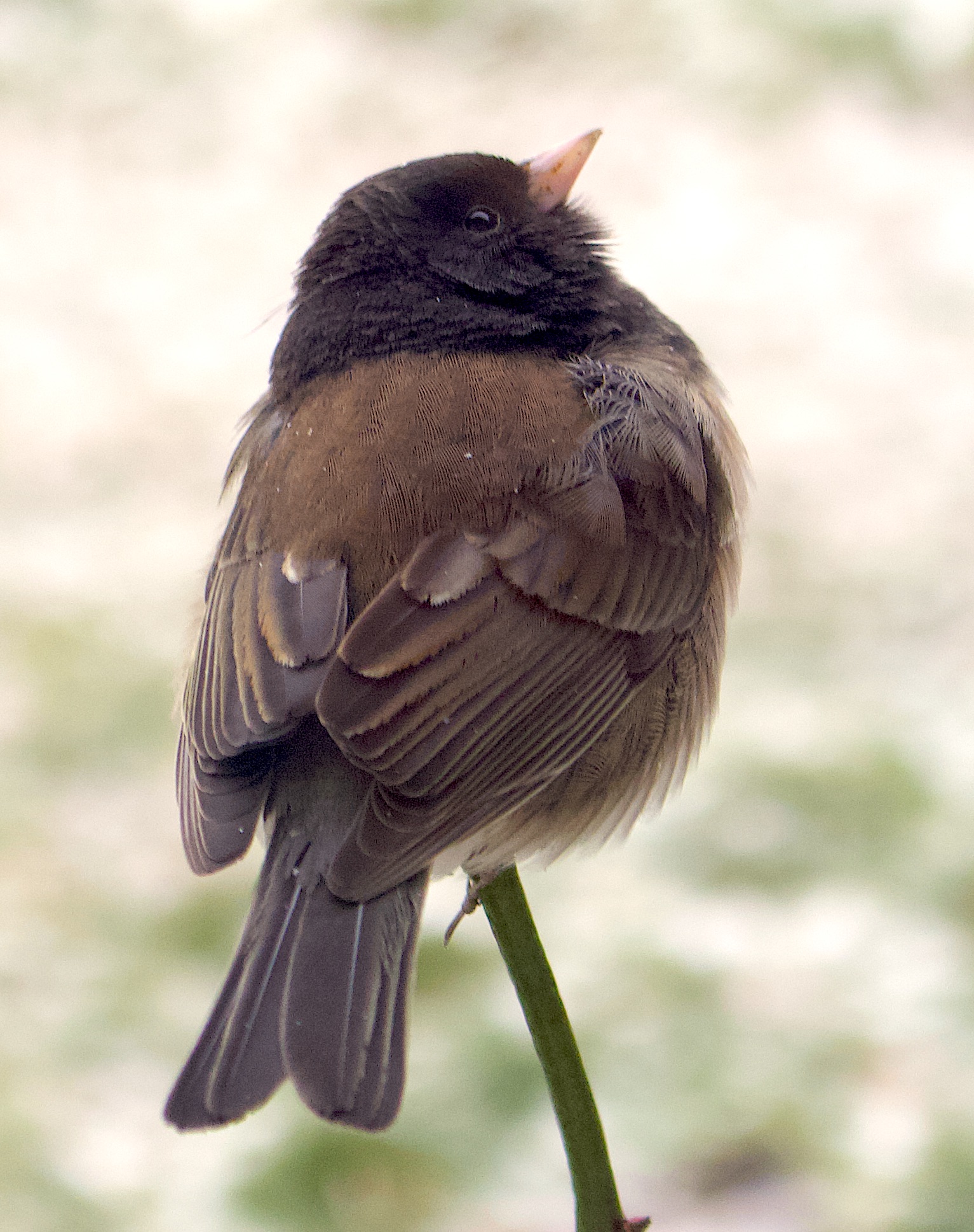
Sometimes, hard-trying, it seems I cannot pray– For doubt, and pain, and anger, and all strife. Yet some poor half-fledged prayer-bird from the nest May fall, flit, fly, perch–crouch in the bowery breast Of the large, nation-healing tree of life;– Moveless there sit through all the burning day, And on my heart at night a fresh leaf cooling lay. ~George MacDonald from Diary of an Old Soul
I suspect I’m not the only U.S. citizen who slept fitfully last night, anxious about the election and how our nation’s peoples will accept and move on with life once official results are reported.
There can be no response but to bow in earnest prayer, waiting for a long-needed hatching of healing peace for our diverse beliefs and opinions.
Our lives are half-fledged, not yet fully delivered nor understood, doubt and distrust burns into our flesh like thorns on fire.
We have become a seething-angry and moaning-sore nation — today we will be further divided between those who win and those who lose. The moral high ground will go to the graceful loser who concedes defeat in a spirit of unity without stoking the fires of discontent. A gloating winner would bloat us all beyond recognition.
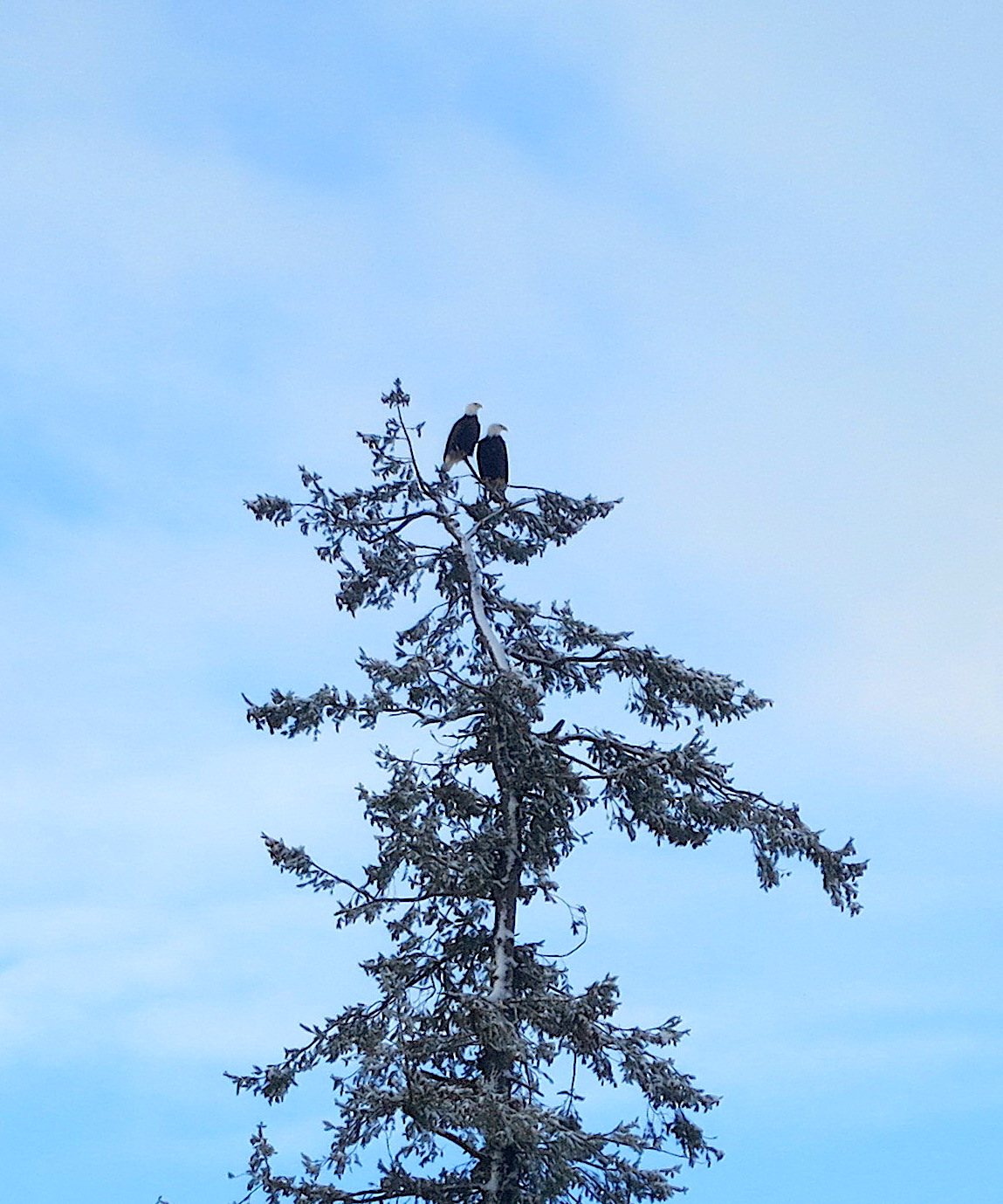
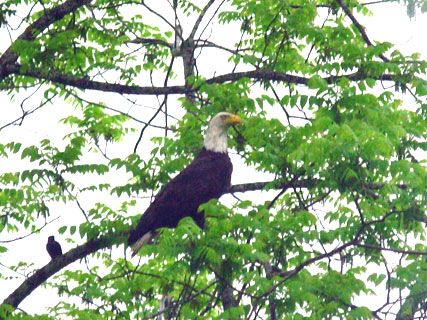
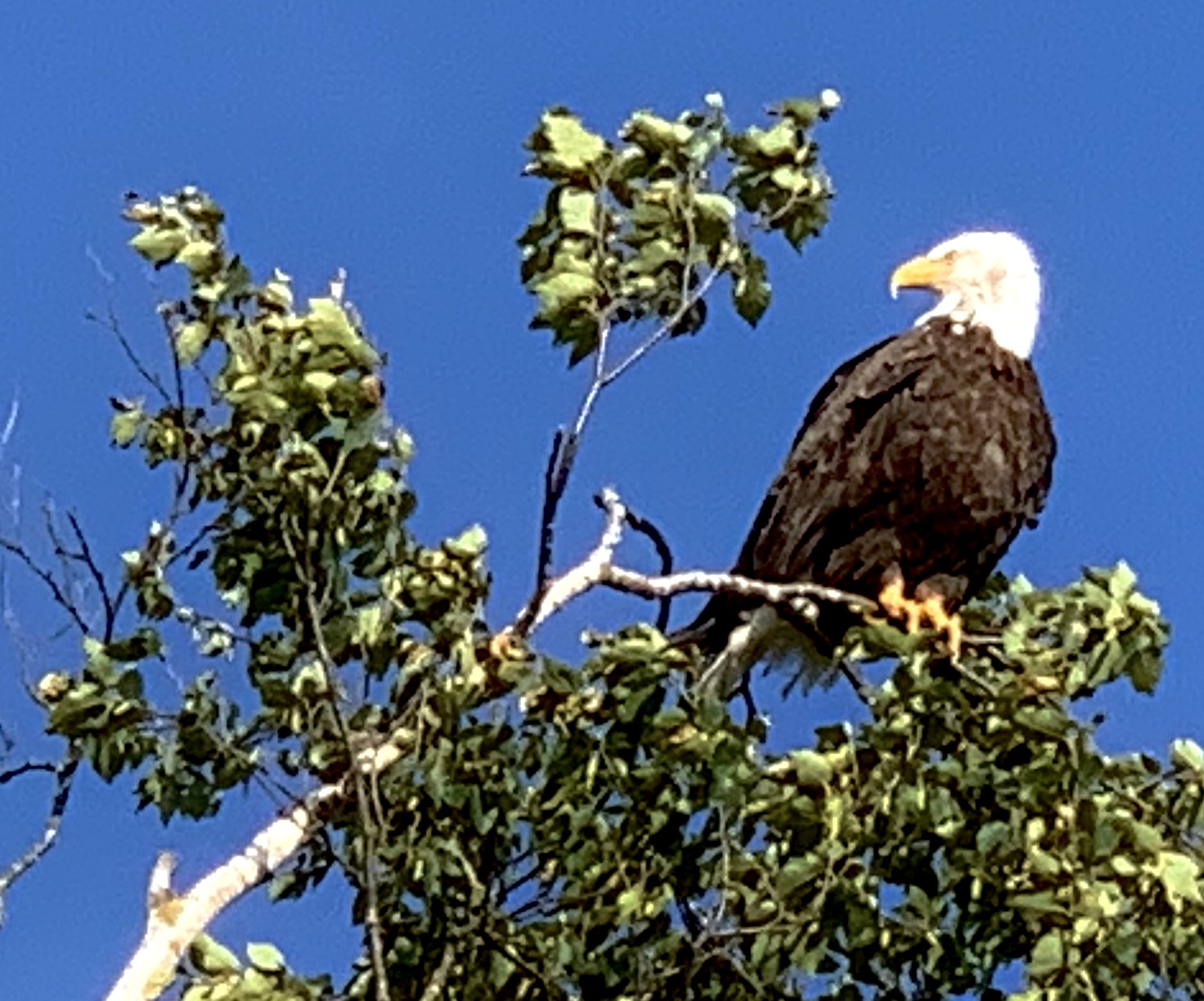
May our prayers for peace rise like a dove from hearts in turmoil, once again to soar on the wings of eagles.
Peace, come quickly. Be moved within us; no longer immobile. Cool our angry words. Take us to higher ground. Plow deep our hearts.
The shadow’s the thing. If I no longer see shadows as “dark marks,” as do the newly sighted, then I see them as making some sort of sense of the light. They give the light distance; they put it in its place. They inform my eyes of my location here, here O Israel, here in the world’s flawed sculpture, here in the flickering shade of the nothingness between me and the light. ~Annie Dillard from Pilgrim at Tinker Creek
Be comforted; the world is very old, And generations pass, as they have passed, A troop of shadows moving with the sun; Thousands of times has the old tale been told; The world belongs to those who come the last, They will find hope and strength as we have done. ~Henry Wadsworth Longfellow “A Shadow”
A shadow is hard to seize by the throat and dash to the ground. ~Victor Hugo from Les Miserables
We are dealing and dueling with shadows, our flawed imperfect darkness rather than one another. We write things on a screen that we would never say to another’s face. We assume motives, predict behavior, ponder reactions but all is smoke and mirrors.
Such is the cost of feeling fear and distrust.
As the sun moves and time passes, the shadows shift and play with the Light from a different angle, so shall we shift and pray.
Rather than holding the Light at a distance while trying to wrestle shadows to the ground, we’ll embrace it and make sense of it, yearning for the illuminating hugs we’ve been denied for so long.












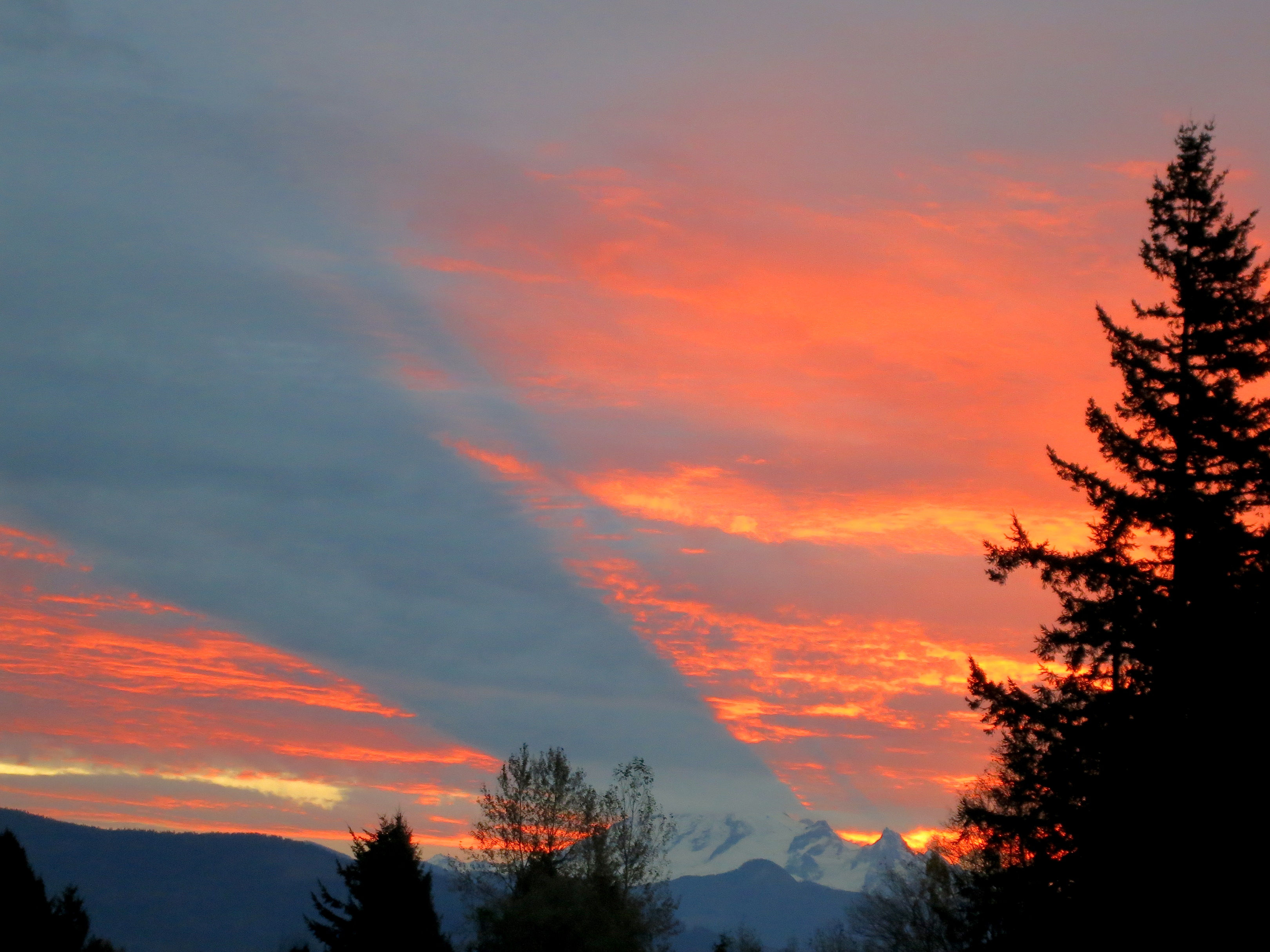
 Barnstorming