He Accepts Us As We Are: Hiding Nothing

You can hide nothing from God.
The mask you wear before men will do you no good before Him.
He wants to see you as you are,
He wants to be gracious to you.
You do not have to go on lying to yourself and your brothers,
as if you were without sin;
you can dare to be a sinner.

~Dietrich Bonhoeffer from Life Together

In your hands

The dog, the donkey, surely they know
They are alive.
Who would argue otherwise?


But now, after years of consideration,
I am getting beyond that.
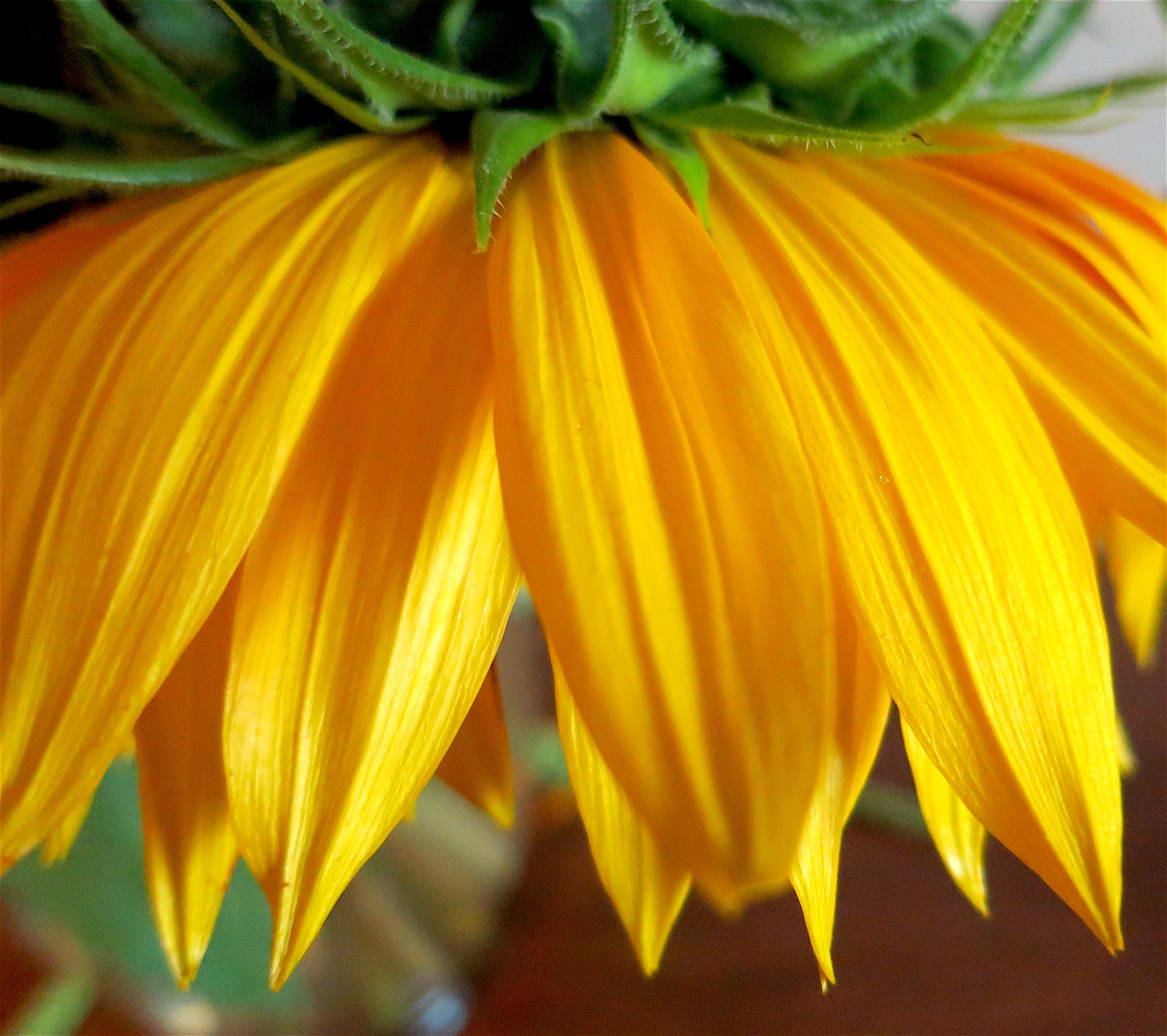
What about the sunflowers? What about
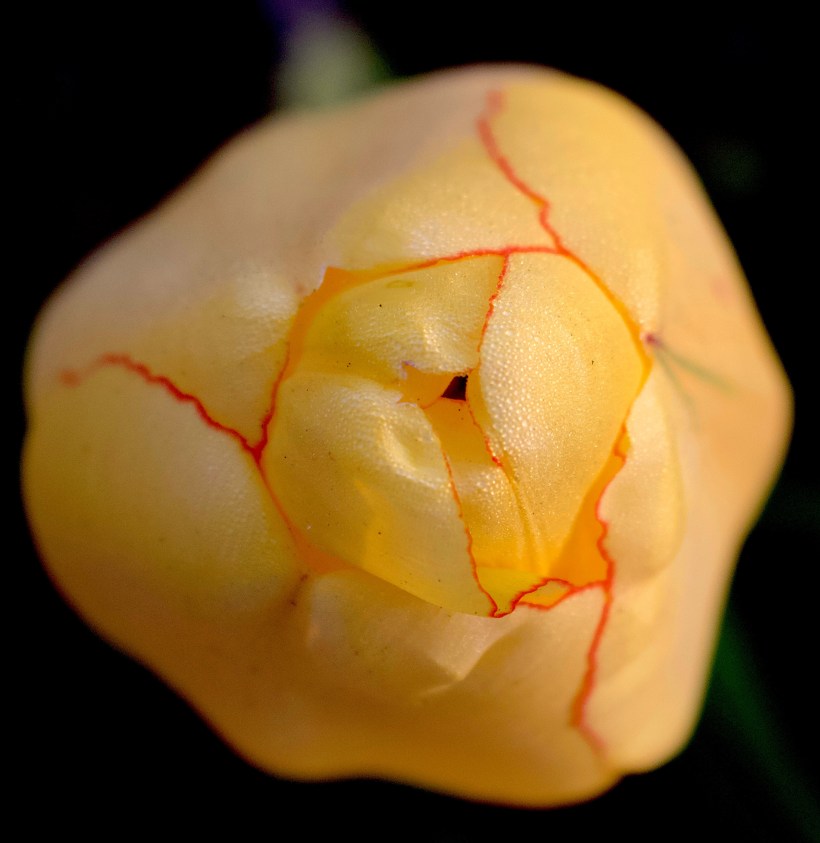
The tulips, and the pines?


Listen, all you have to do is start and
There’ll be no stopping.
What about mountains? What about water
Slipping over rocks?


And speaking of stones, what about
The little ones you can
Hold in your hands, their heartbeats
So secret, so hidden it may take years


Before, finally, you hear them?
~Mary Oliver from
Swan: Prose and Poems
When I myself go to the doctor, I am to trust I’m seeing someone who is meant to know me thoroughly enough that he or she will help me move out of illness into better health. This is how acceptance feels: trusting someone enough to come out of hiding.

As a physician myself, I am reminded by the amount of “noticing” I need to do in the course of my work.  Each patient, and there are so many,  deserves my full attention for the few minutes we are together.  I start my clinical evaluation the minute we sit down together and I begin taking in all the complex verbal and non-verbal clues offered up, sometimes unwittingly, by another human being.

Now, during the COVID19 pandemic, my interactions with patients are all “virtual” so I don’t have the ability to observe as I usually do, so I need them to tell me outright what is going on in their lives, their minds and their hearts in spoken or written words. I can’t ‘see’ them, even on a screen, in the same way.

How might someone call out to me when their faces are hidden?

I can’t witness first hand the trembling hands, their sweatiness, the scars of self injury.  Still, I am their audience and a witness to their struggle; even more, I must understand it in order to best assist them.  My brain must rise to the occasion of taking in another person, accepting them for who they are, offering them the gift of compassion and simply be there for them, just them, right now.

God doesn’t struggle in His Holy work as I do in my clinical duties. He knows us thoroughly because He made us; He knows our thoughts before we put them into words. There is no point in staying hidden from Him.

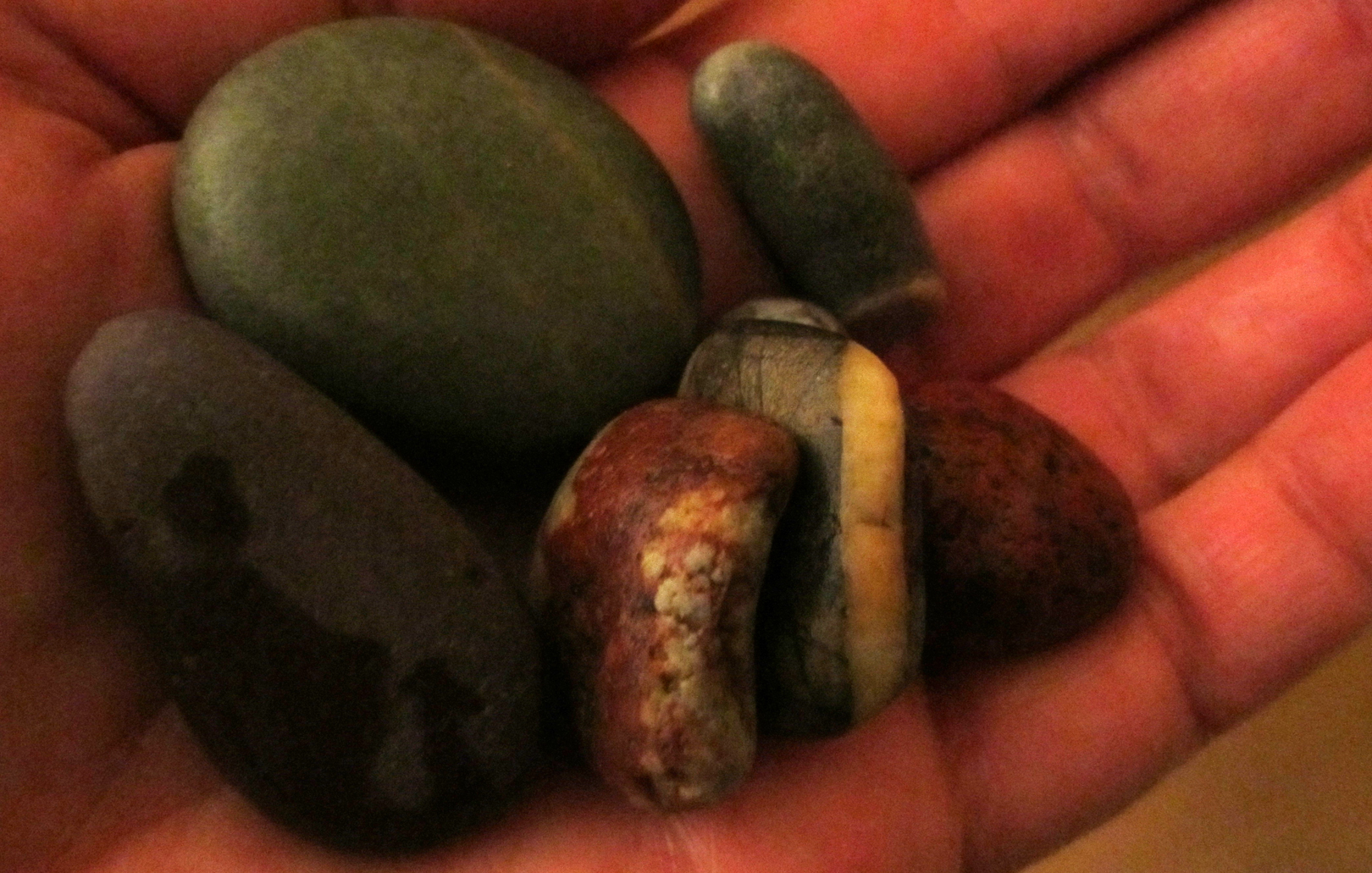
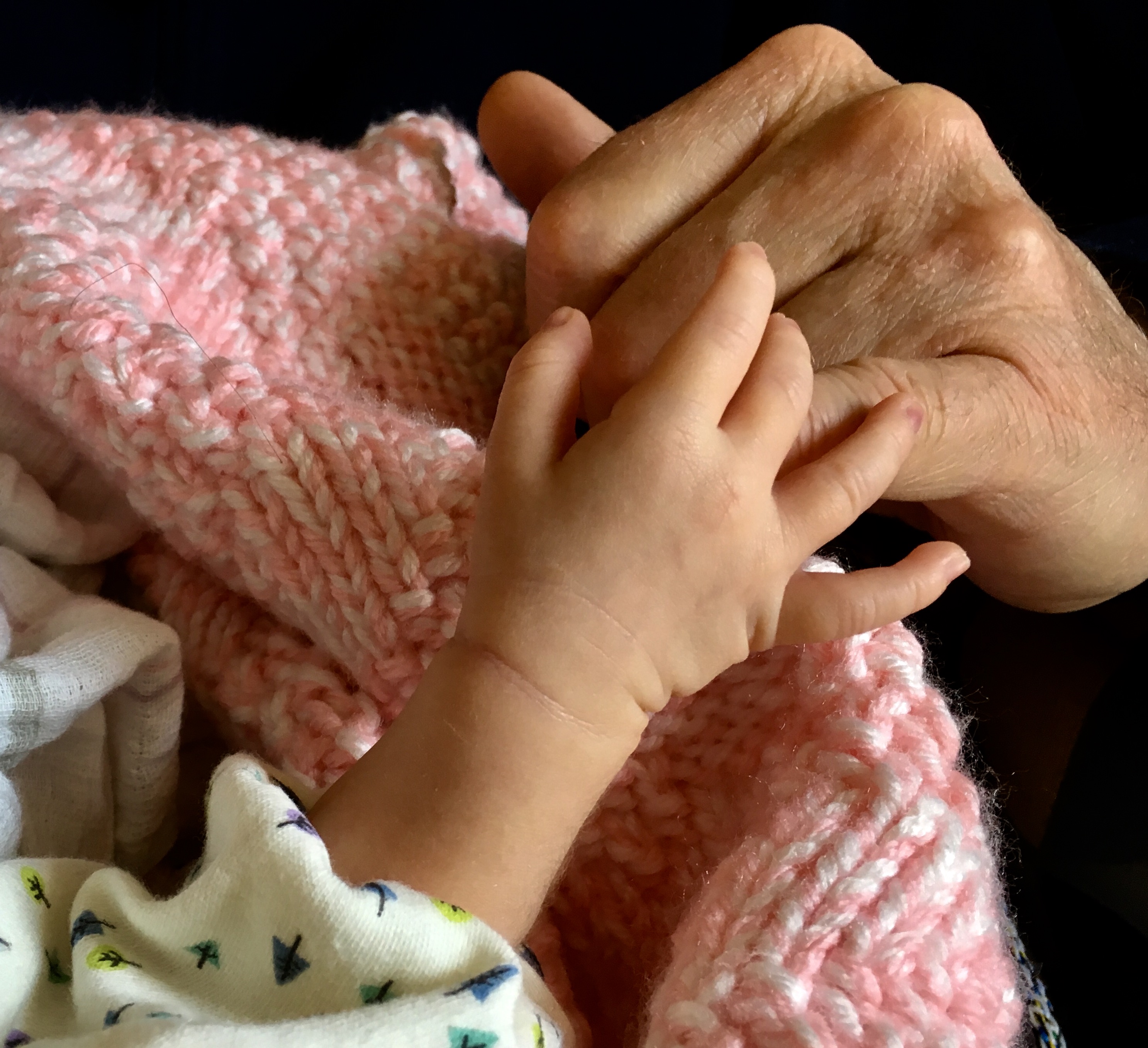
He holds us, little pebbles that we are, in His Hand, and He discerns our secret heartbeats.

We, the hidden, are His.
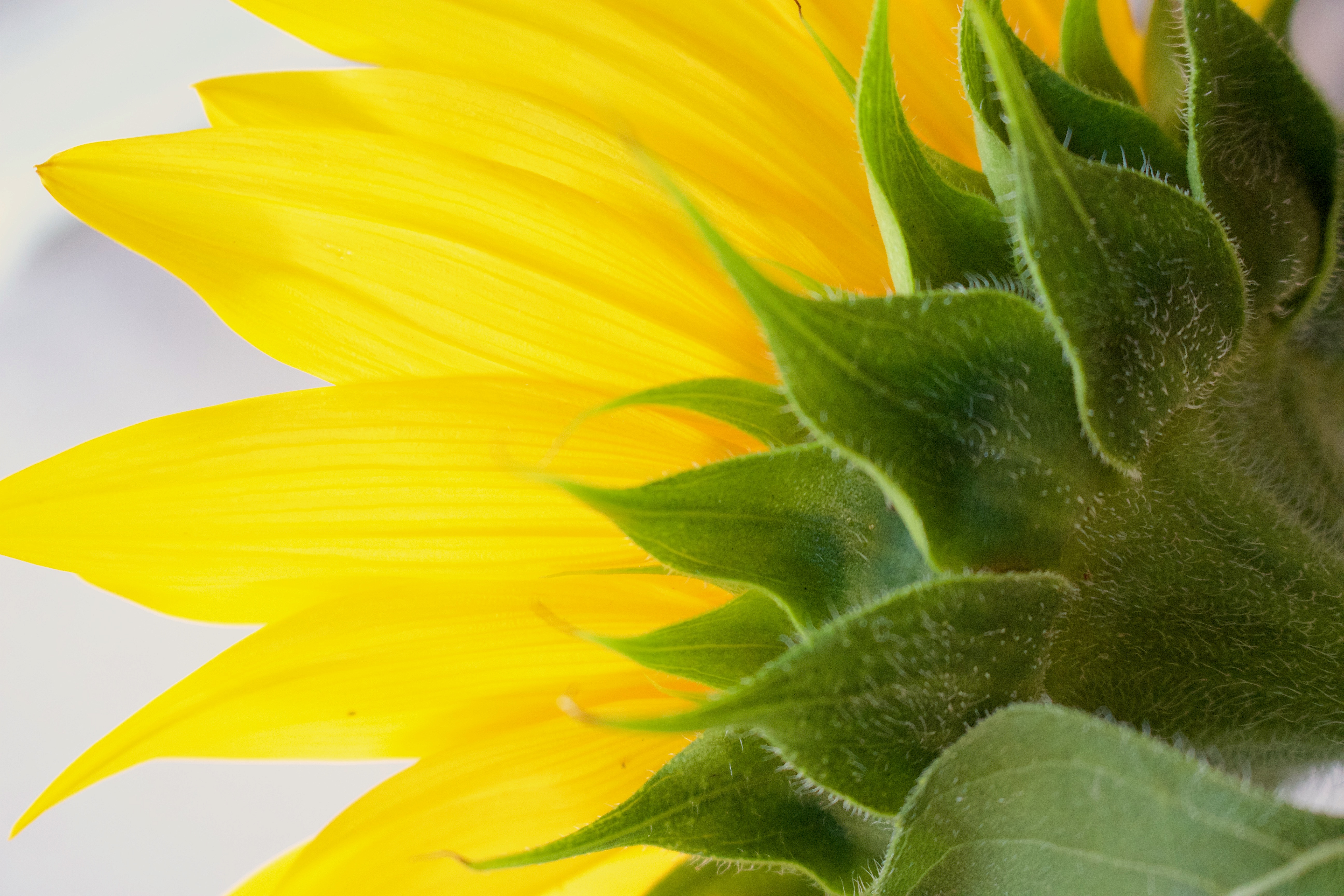
This year’s Lenten theme for Barnstorming:

God sees us as we are,
loves us as we are,
and accepts us as we are.
But by His grace,
He does not leave us where we are.
~Tim Keller

I will search in the silence for your hiding place.
In the quiet, Lord, I seek your face.
Where can I discover the wellsprings of your love?
Is my search and seeking in vain?
How can I recover the beauty of your word?
In the silence I call out your name.
Where can I find shelter to shield me from the storm?
To find comfort, though dark be the night?
For I know that my welfare is ever in your sight.
In the shadows I long for your light.
Lead me in your footsteps along your ancient way.
Let me walk in the love of the Lord.
Your wisdom is my heart’s wealth, a blessing all our days.
In the silence I long for Your world.
~Liam Lawton
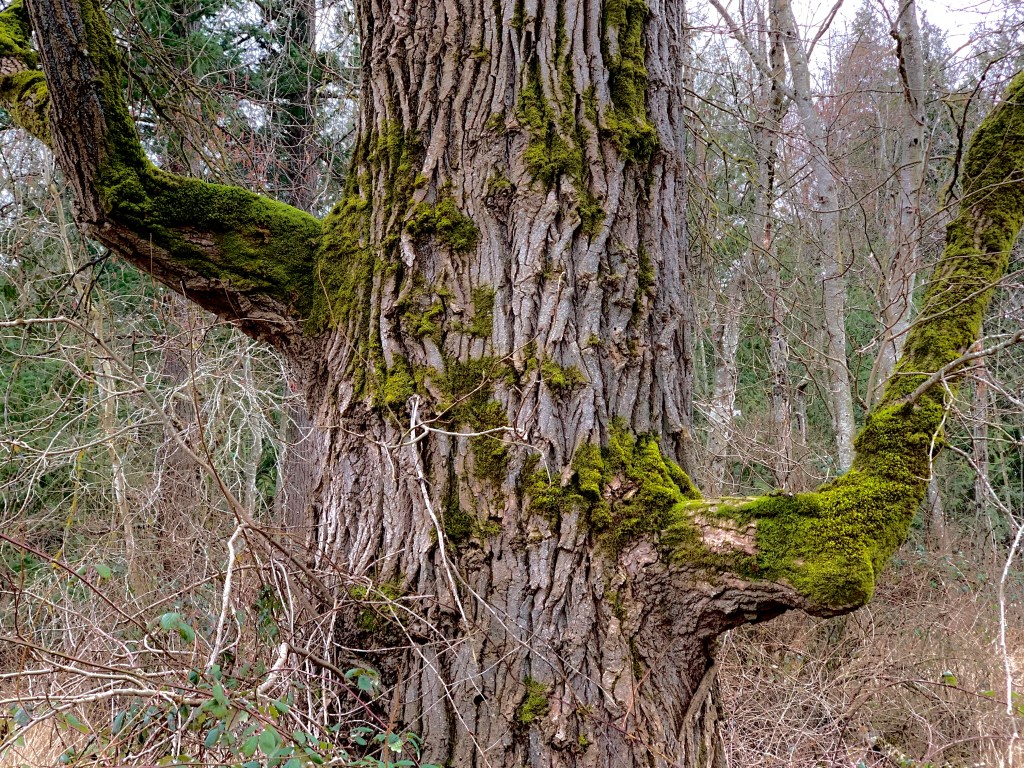
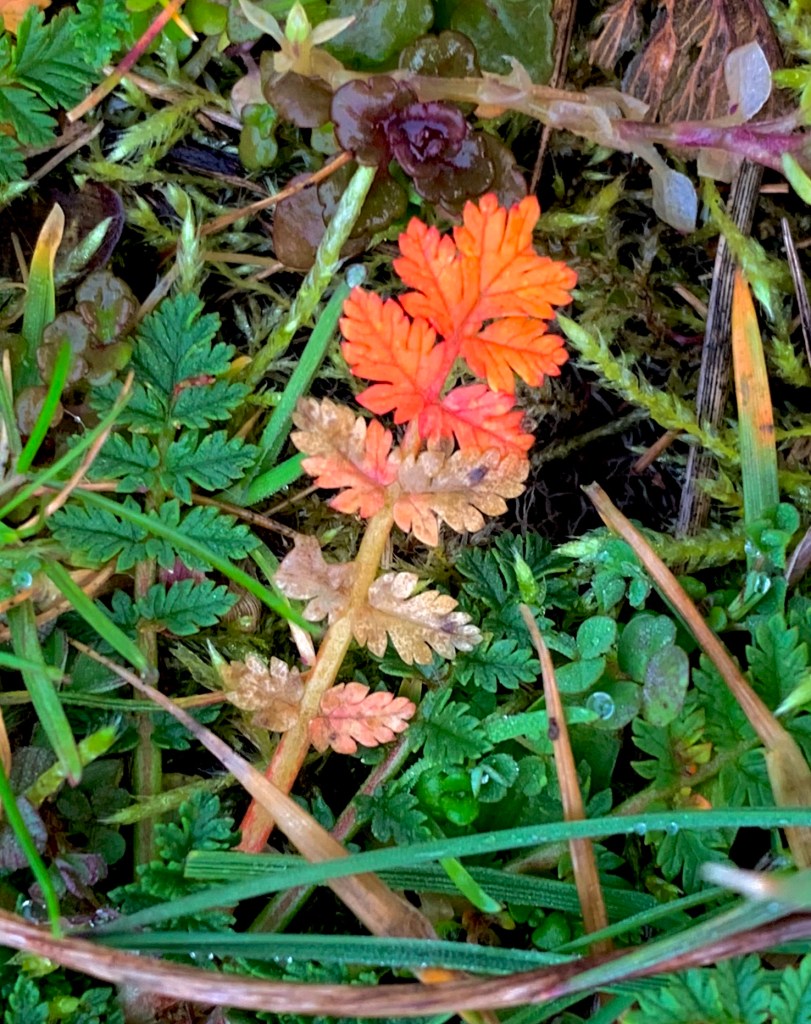
He Accepts Us As We Are: Love Renders Us Worthy

Our job is to love others
without stopping to inquire
whether or not they are worthy.
That is not our business and, in fact,
it is nobody’s business.

What we are asked to do is to love,
and this love itself will render
both ourselves and our neighbors
worthy if anything can.
~Thomas Merton from  Catholic Voices in a World on Fire
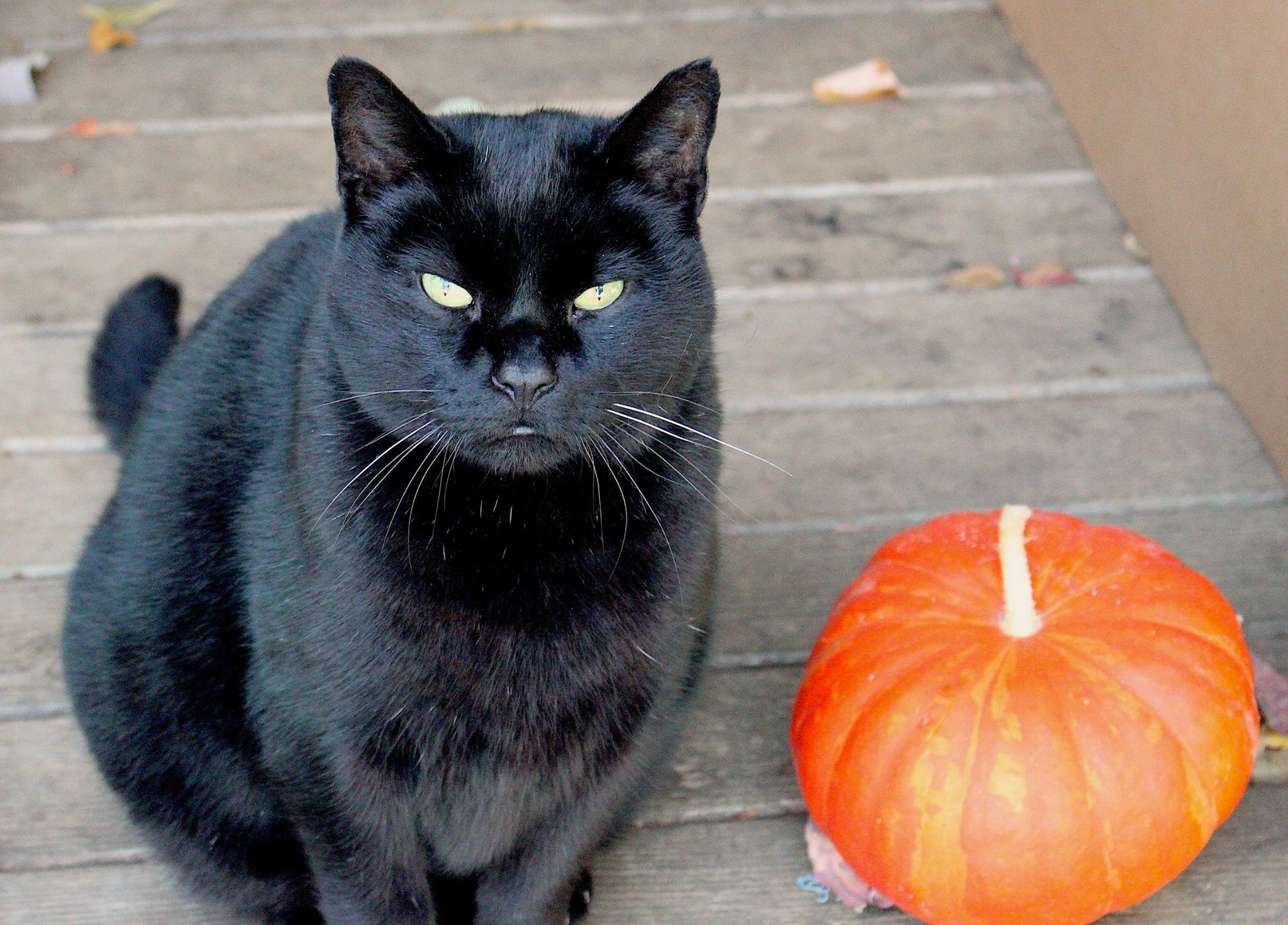
This is a time of too many seriously ill people and too few resources to care for them intensively, therefore doctors and nurses are placed in an ethical dilemma: they must decide who receives the critical care needed to save them and who doesn’t. It is an awful and awe-filled dilemma – no one wants to be in the position of deciding who is “worthy” of the only ventilator available, or the scarce medication, or the only empty ICU bed. Yet medical professionals are trained in triage to assess who is most likely to survive thanks to an extreme and immediate intervention and who would be unlikely to survive – essentially, who is “worthy.”
Thankfully, God doesn’t have to triage His children, deciding who gets His intervention and who must wait or go without care. God is not faced with limited resources. God has no dilemma about our worthiness: we are worthy because He loves us and we are His.

So should we love one another as best we can, even in times like these. We share, we give, we serve, and yes, we will sacrifice.

No less than what God has done for us.

This year’s Lenten theme for Barnstorming:

God sees us as we are,
loves us as we are,
and accepts us as we are.
But by His grace,
He does not leave us where we are.
~Tim Keller

1 O Love that wilt not let me go,
I rest my weary soul in thee;
I give thee back the life I owe,
that in thine ocean depths its flow
may richer, fuller be.

2 O Light that follow’st all my way,
I yield my flick’ring torch to thee;
my heart restores its borrowed ray,
that in thy sunshine’s blaze its day
may brighter, fairer be.

3 O Joy that seekest me through pain,
I cannot close my heart to thee;
I trace the rainbow thro’ the rain,
and feel the promise is not vain
that morn shall tearless be.

4 O Cross that liftest up my head,
I dare not ask to fly from thee;
I lay in dust life’s glory dead,
and from the ground there blossoms red,
life that shall endless be.

He Sees Us As We Are: Called to Transformation

…difficulties are magnified out of all proportion simply by fear and anxiety. From the moment we wake until we fall asleep we must commend other people wholly and unreservedly to God and leave them in his hands, and transform our anxiety for them into prayers on their behalf: 
With sorrow and with grief…
God will not be distracted.
~Dietrich Bonhoeffer in Letters from Prison

.…you mustn’t be frightened … if a sadness rises in front of you, larger than any you have ever seen; if an anxiety, like light and cloud-shadows, moves over your hands and over everything you do. You must realize that something is happening to you, that life has not forgotten you, that it holds you in its hand and will not let you fall. Why do you want to shut out of your life any uneasiness, any misery, any depression, since after all you don’t know what work these conditions are doing inside you?
~Rainer Maria Rilke from Letters to a Young Poet

Every day I see young adult patients who are so consumed by anxiety they become immobilized in their ability to move forward through the midst of life’s inevitable obstacles and difficulties.  They become so mired in their own overwhelming feelings, so distracted by their symptoms, they can’t sleep or eat or think clearly.  They self-medicate, self-injure and self-hate.  Being unable to nurture themselves or others, they wither like a young tree without roots deep enough to reach the vast reservoir that lies untapped beneath them. 

In epidemic numbers, some decide to die, even before life really has fully begun for them.

I grieve for them in their distress, my heart breaks daily.   My role is to help find healing solutions, whether it is counseling therapy, a break from academic and work pressures, or a medicine that may give some form of relief.  Yet I know all too well the ultimate answer is not as simple as the right prescription.

We who are anxious must depend upon a Creator who does not suffer from attention deficit disorder and who is not distracted from His care for us even when we turn away in worry and sorrow.  We magnify our difficult circumstances by staying so tightly into ourselves, unable to look beyond our own eyelashes.  We are called to be transformed, to reach higher and deeper, through prayer, through service to others, through acknowledging there exists a power greater than ourselves.

So we are called to pray for ourselves and for others,  and in doing so, we disable anxiety and fear as they meld into gratitude and grace.  

No longer withering, we drink deeply of the well, finally able to thrive.

This year’s Lenten theme on Barnstorming:

God sees us as we are,
loves us as we are,
and accepts us as we are.
But by His grace,
He does not leave us where we are.
~Tim Keller

It feels like falling.
It feels like rain.
Like losing my balance
Again and again.
It once was so easy;
Breathe in, breathe out.
But at the foot of this mountain,
I only see clouds.

I feel out of focus,
Or at least indisposed
As this strange weather pattern
Inside me takes hold.
Each brave step forward,
I take three steps behind.
It’s mind over matter –
Matter over mind.

Slowly, then all at once.
A single loose thread
And it all comes undone.

Where there is light,
A shadow appears.
The cause and effect
When life interferes.
The same rule applies
To goodness and grief;
For in our great sorrow
We learn what joy means.

I don’t want to fight, I don’t want to fight it.
But I will learn to fight, I will learn to fight,
‘Til this pendulum finds equilibrium.

Slowly, then all at once.
The dark clouds depart,
And the damage is done.
So pardon the dust
While this all settles in.
With a broken heart,
Transformation begins.
~Ryan O’Neal – Sleeping at Last “Sorrow”

He Sees Us As We Are: Tending the Sick

Keep watch, dear Lord,
with those who work, or watch, or weep this night,
and give your angels charge over those who sleep.
Tend the sick, Lord Christ;
give rest to the weary,
bless the dying,
soothe the suffering,
pity the afflicted,
shield the joyous;
and all for your love’s sake.
Amen.
~Common Book of Prayer

Now you are the body of Christ, and each one of you is a part of it.
1Corinthians 12:27

Christ has no body now but yours.
No hands, no feet on earth but yours.
Yours are the eyes through which he looks compassion on this world.
Yours are the feet with which he walks to do good.
Yours are the hands through which he blesses all the world.
Yours are the hands,
yours are the feet,
yours are the eyes,
you are his body.
Christ has no body now on earth but yours.
~Teresa of Avila

The whole mass of Christians
are the physical organism through which Christ acts—
that we are his fingers and muscles,
the cells of His body
.
~C.S. Lewis

Thousands are working around the clock
to tend to those who are ill and hurting,
~even at their own peril~
just as those who love the body of Christ
have done through centuries
of plagues and pandemics.

They know,
despite their own weariness,
each one who suffers,
each dear one,
is part of His body,
part of Our body.

We are the cells of His Being
still walking, weeping, loving
on this trembling earth.

This year’s Lenten theme on Barnstorming:

God sees us as we are,
loves us as we are,
and accepts us as we are.
But by His grace,
He does not leave us where we are.
~Tim Keller


From the love of my own comfort
From the fear of having nothing
From a life of worldly passions
Deliver me O God

From the need to be understood
From the need to be accepted
From the fear of being lonely
Deliver me O God Deliver me O God

And I shall not want,
I shall not want when I taste Your goodness
I shall not want
From the fear of serving others
From the fear of death or trial
From the fear of humility
Deliver me O God Deliver me O God
~Audrey Assad “I Shall Not Want”

Did You Cry?

To pull the metal splinter from my palm
my father recited a story in a low voice.
I watched his lovely face and not the blade.
Before the story ended, he’d removed
the iron sliver I thought I’d die from.

I can’t remember the tale,
but hear his voice still, a well
of dark water, a prayer.
And I recall his hands,
two measures of tenderness
he laid against my face,
the flames of discipline
he raised above my head.

Had you entered that afternoon
you would have thought you saw a man
planting something in a boy’s palm,
a silver tear, a tiny flame.
Had you followed that boy
you would have arrived here,
where I bend over my wife’s right hand.

Look how I shave her thumbnail down
so carefully she feels no pain.
Watch as I lift the splinter out.
I was seven when my father
took my hand like this,
and I did not hold that shard
between my fingers and think,
Metal that will bury me,
christen it Little Assassin,
Ore Going Deep for My Heart.
And I did not lift up my wound and cry,
Death visited here!
I did what a child does
when he’s given something to keep.
I kissed my father.
~Li-Young Lee, “The Gift”

Your father enters the poem
early,
storying past
the metal splinter
in your palm.

I set your paternity
—and the poem—
aside,
to reach back for my mother
and try to remember

what kind of day it was
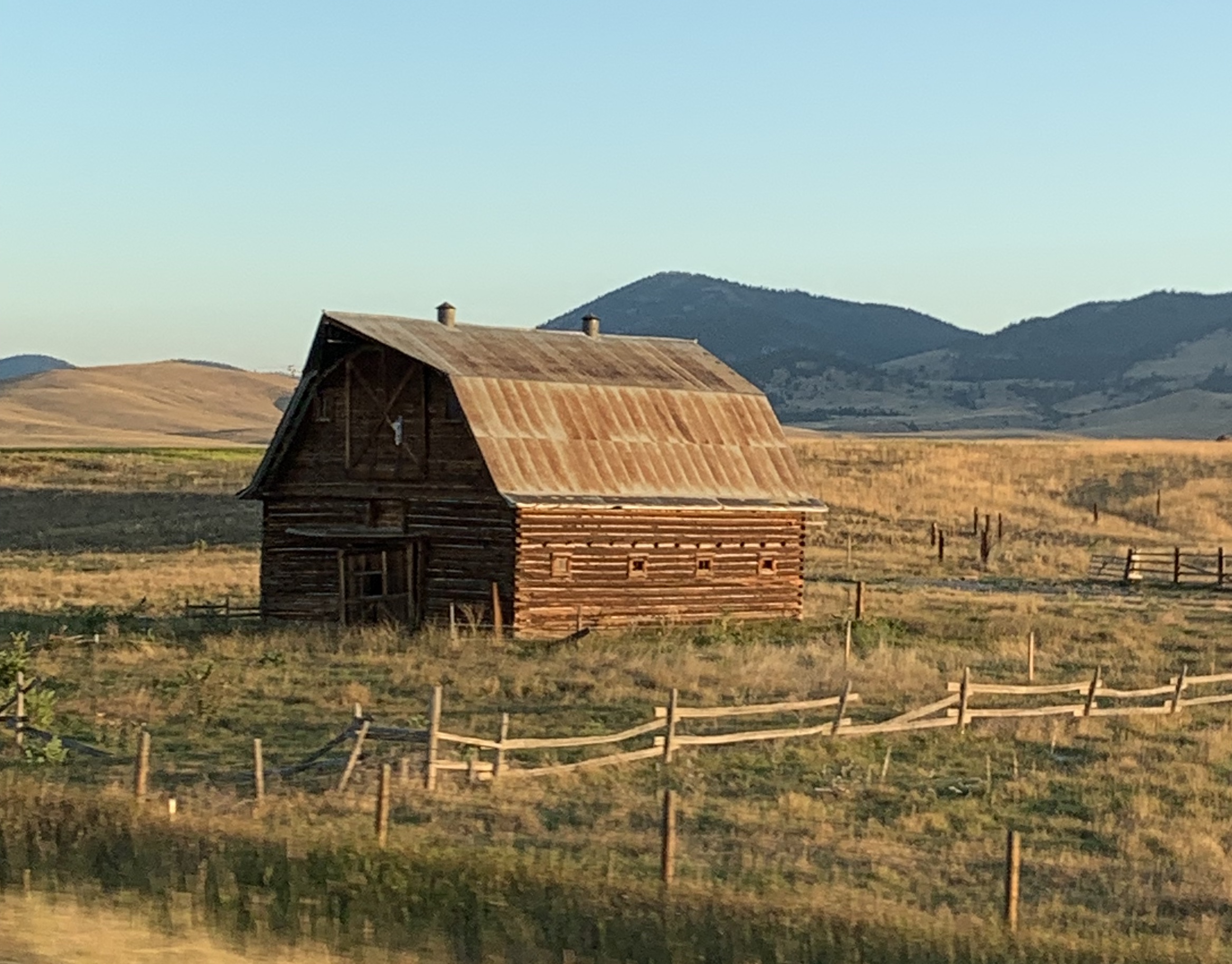
when I played by the barn
where, it is said,
my own father raised pigs
(I do not remember this).

And what kind of day it was
when I found the barn,
door open,
silent

and tried to pluck silver lines
from silver webs
long-left,
then tendered my hand
on noiseless silvered wood

until my palms
were rife with the evidence
of my trying,

and mother
spent the night
with a silver tweezer,
counting as she went…
ninety-eight
ninety-nine
one hundred—

a ritual for my
tears.

And now I wonder,
Li-Young—did you cry,
and who was in the story,
and how many times
have you counted it since,
to forget,
and to remember.

~L. L. Barkat, “Li-Young Lee’s Splinter” from  Love, Etc.

I did, without ever wanting to, remove my child’s splinter, lance a boil, immobilize a broken arm, pull together sliced skin, clean many dirty wounds. It felt like I was always crossing the line between mommy and doctor.  But someone had to do it, and a four hour wait in the emergency room didn’t seem warranted.

My own child learned to cope with hurt made worse by someone they trusted to be comforter. I dealt with inflicting pain, temporary though it may be, to flesh that arose from my own flesh.  It hurt as much as if it were my own wound needing cleansing, not theirs.

Our wounds are His – He is constantly feeling our pain as He performs healing surgeries in our lives, not because He wants to but because He must, to save us from our own destruction.

Too often we yell and kick and protest in our distress, wanting it our way, not His way, making it all that much more difficult for both of us.

If only we can come to acknowledge His intervention is our salvage:
our tears to flow in relief, not anguish, we cling to His protection rather than pushing Him away, we kiss Him in gratitude as we are restored again and yet again.

We Lean Lest We Fall

Today we both fell.

Eventually balance moves
out of us into the world;
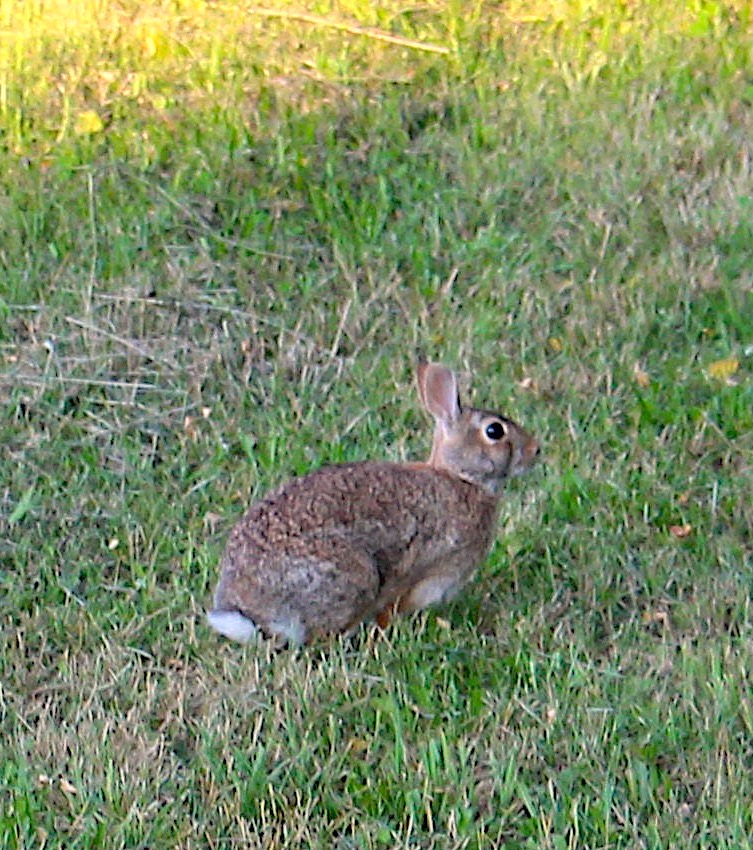
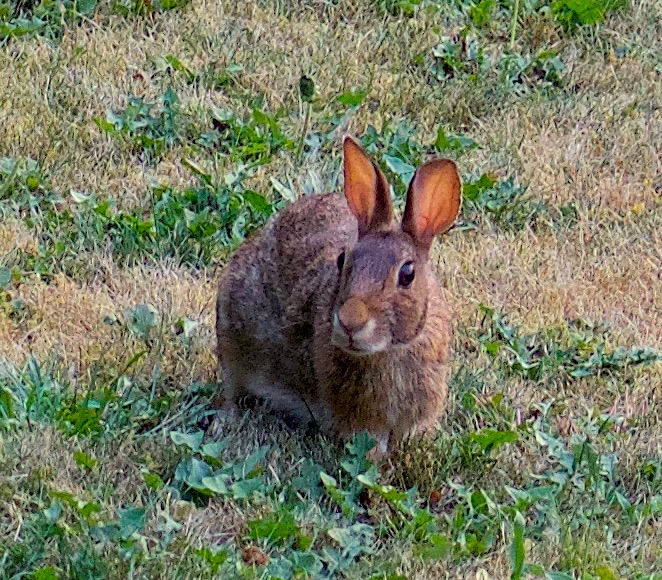
it’s the pull of rabbits
grazing on the lawn
as we talk, the slow talk
of where and when,
determining what
and who we will become
as we age.

We admire the new plants
and the rings of mulch you made,
we praise the rabbits eating

the weeds’ sweet yellow flowers.

Behind our words the days
serve each other as mother,
father, cook, builder, and fixer;
these float like the clouds
beyond the trees.

It is a simple life, now,
children grown, our living made
and saved, our years our own,
husband and wife,

but in our daily stride, the one
that rises with the sun,
the chosen pride,
we lean on our other selves,
lest we fall
into a consuming fire
and lose it all.
~Richard Maxson, “Otherwise” from  Searching for Arkansas

Our days are slower now, less rush, more reading and writing, walking and sitting, taking it all in and wondering what comes next.

I slowly adapt to not hurrying to work every other day, looking to you to see how I should parcel out each moment. Should I stay busy cleaning, sorting, giving away, simplifying our possessions so our children someday won’t have to? Or should I find some other kind of service off the farm to feel worthy of each new day, each new breath?

It is an unfamiliar phase, this facing a day with no agenda and no appointments. What comes next is uncertain, as it always has been but I didn’t pay attention before.

So I lean lest I fall. I breathe lest I forget how.

Freed into the Wider World

photo by Nate Gibson

When the wall
between the worlds
is too firm,
too close.

When it seems
all solidity
and sharp edges.

When every morning
you wake as if
flattened against it,
its forbidding presence
fairly pressing the breath
from you
all over again.

Then may you be given
a glimpse
of how weak the wall

and how strong what stirs
on the other side,

breathing with you
and blessing you
still,
forever bound to you
but freeing you
into this living,
into this world
so much wider
than you ever knew.
~Jan Richardson from The Cure for Sorrow: A Book of Blessings for Times of Grief

On Halloween day in 1985, I packed up my clothes, a roll up mattress,  grabbed one lonely pumpkin from our small garden, locked our rental house door for the last time, climbed in my car and headed north out of Seattle. I never looked back in the rear view mirror at the skyline after nine years living in the city. My husband had moved to Whatcom County two months earlier to start his new job. I had stayed behind to wrap up my Group Health family practice in the Rainier Valley of Seattle, now leaving the city for a new rural home and a very uncertain professional future.

Never before had I felt such exhilaration at breaking through one wall to discover the unknown that lay on the other side.

I knew two things for sure:
I was finally several months pregnant after a miscarriage and two years of infertility, so our family had begun.
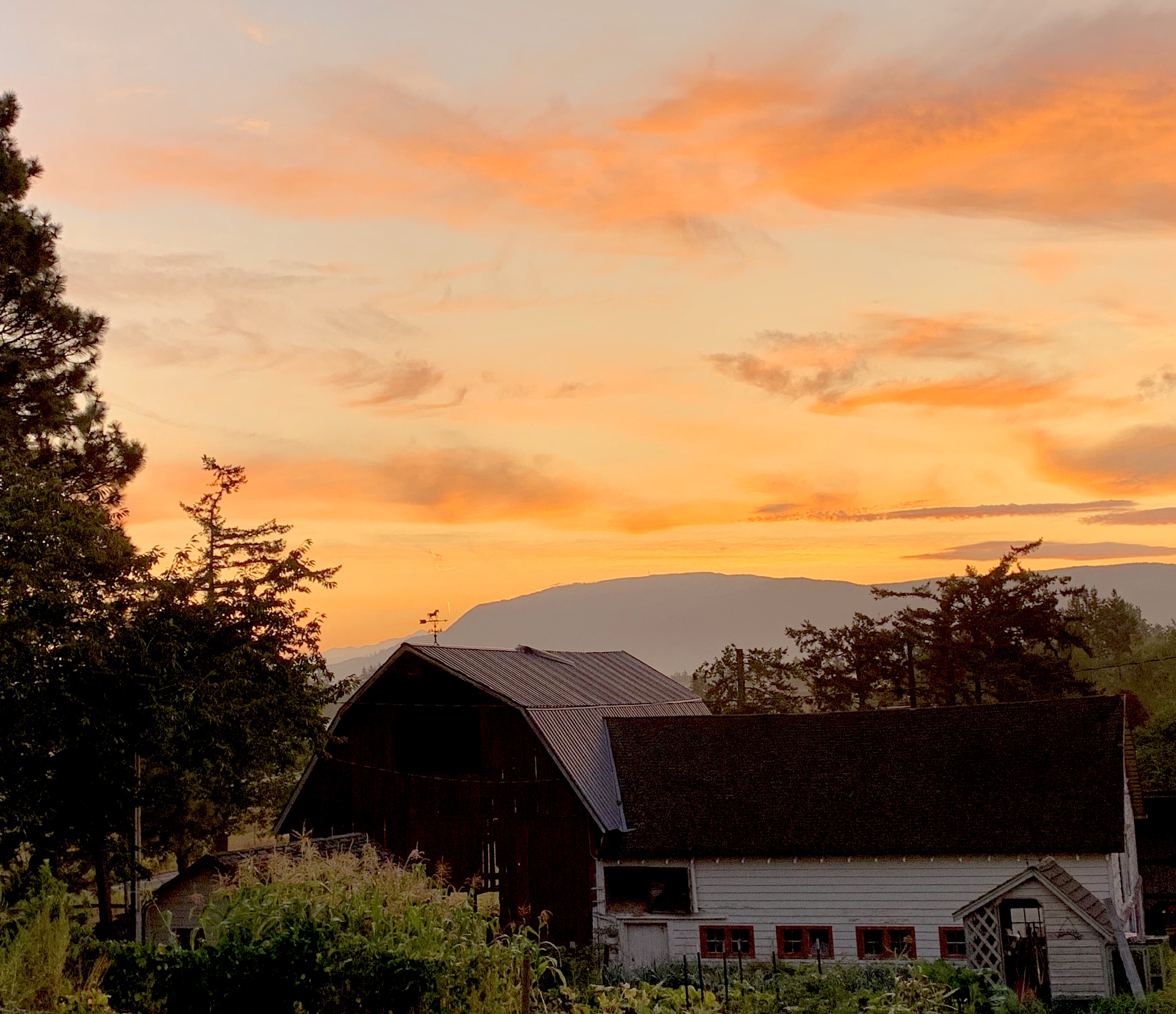
We were going to actually live in our own house, not just a rental, complete with a few acres and a barn.

A real (sort of) starter farm.

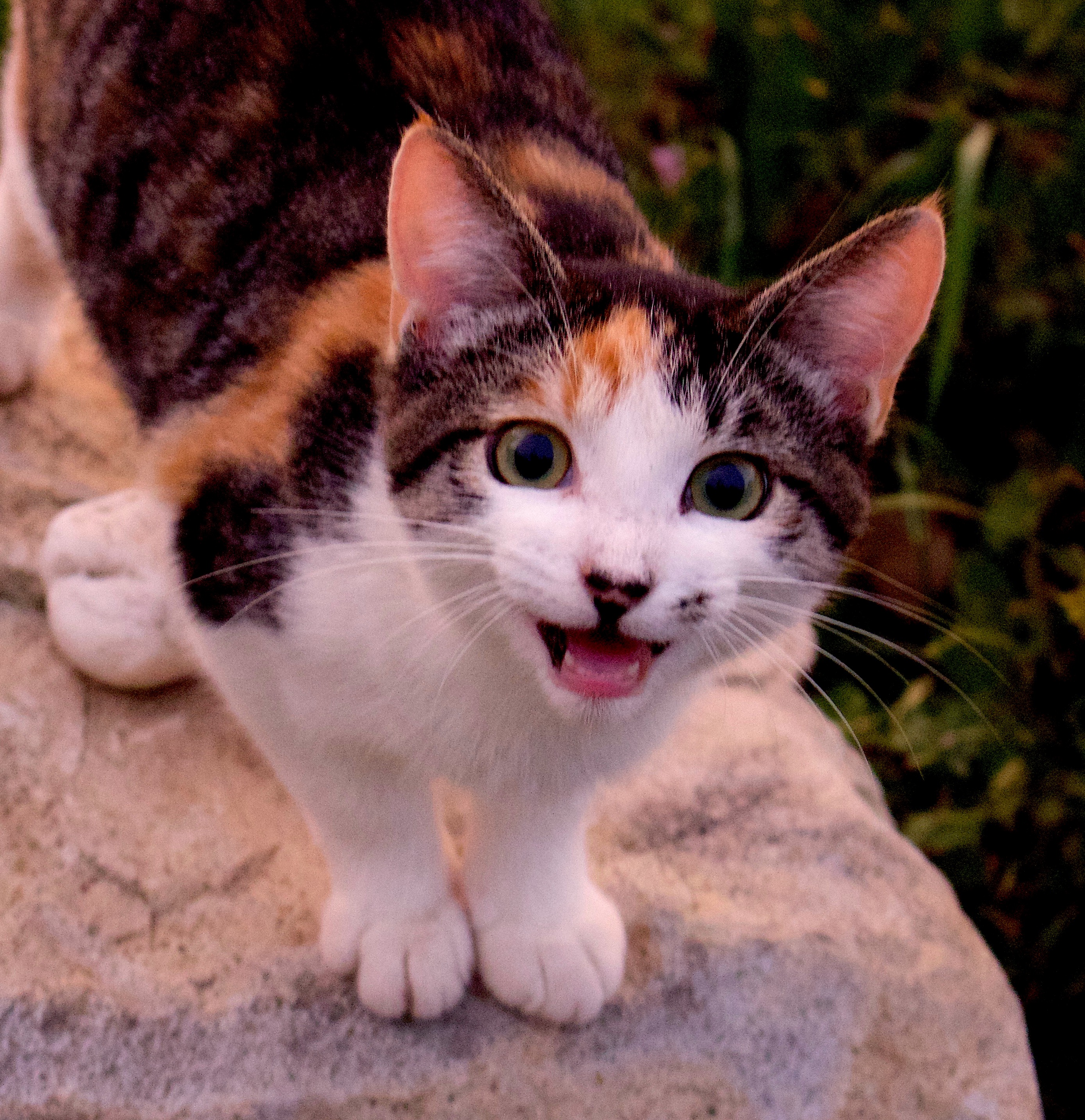
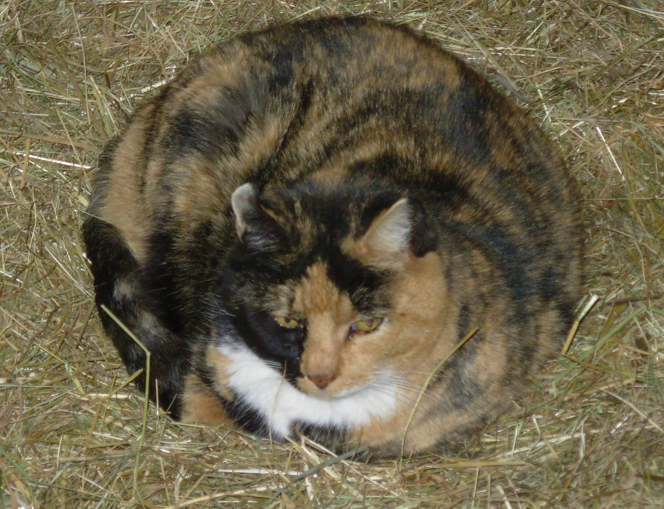
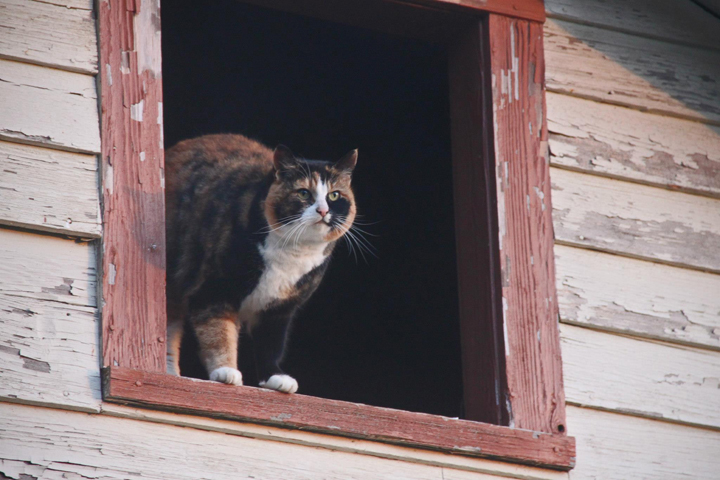
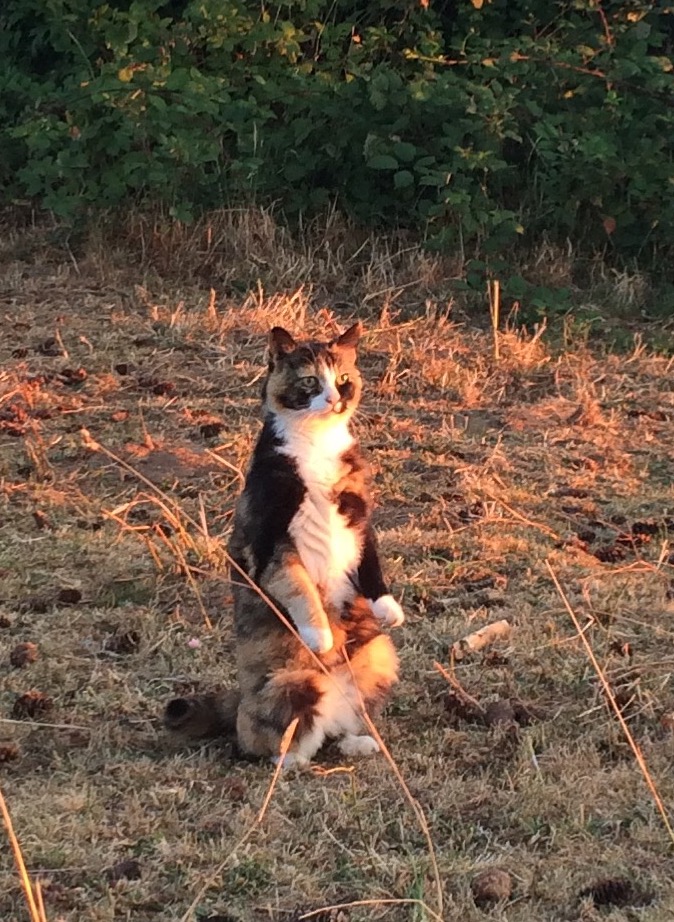
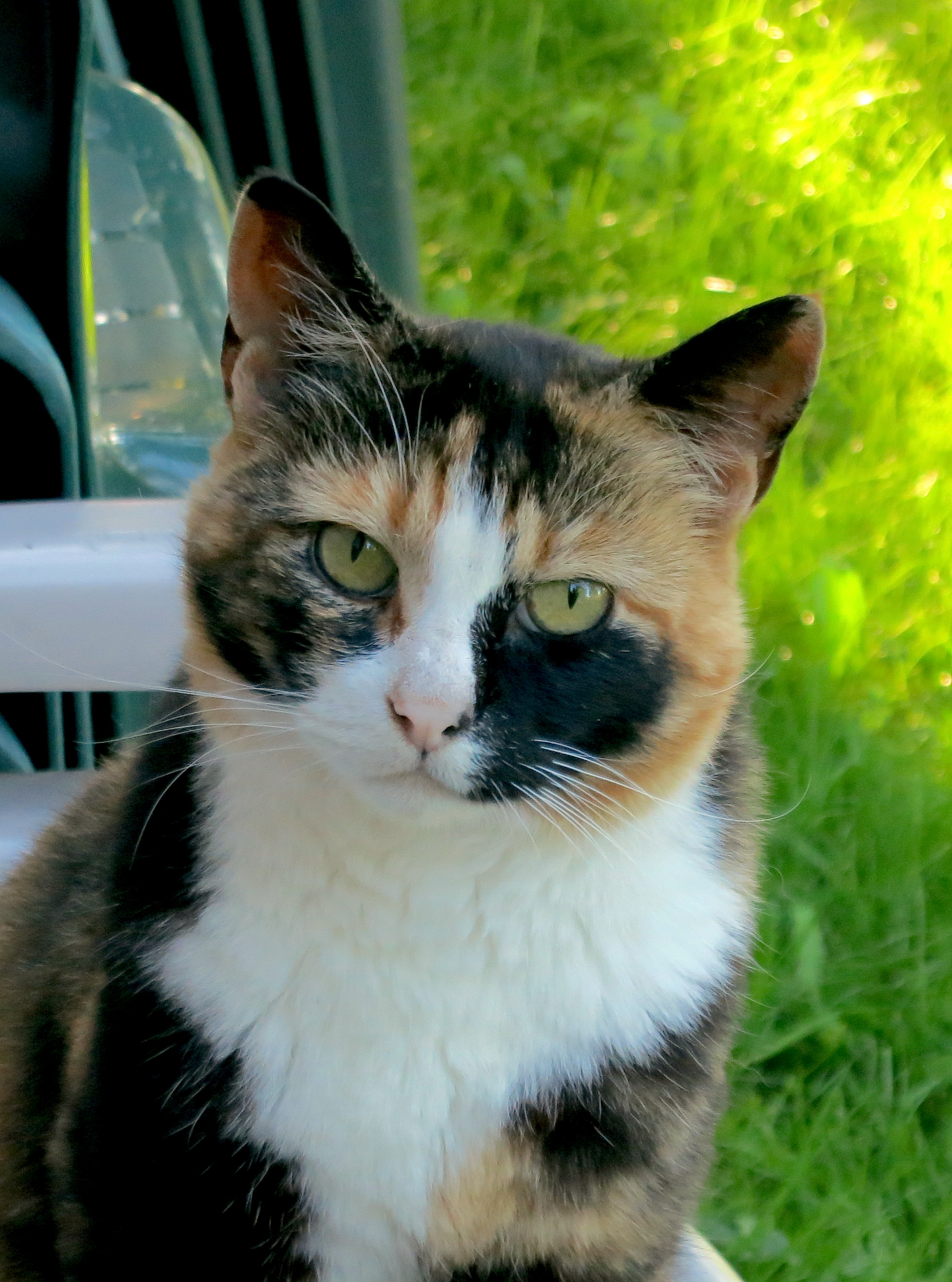
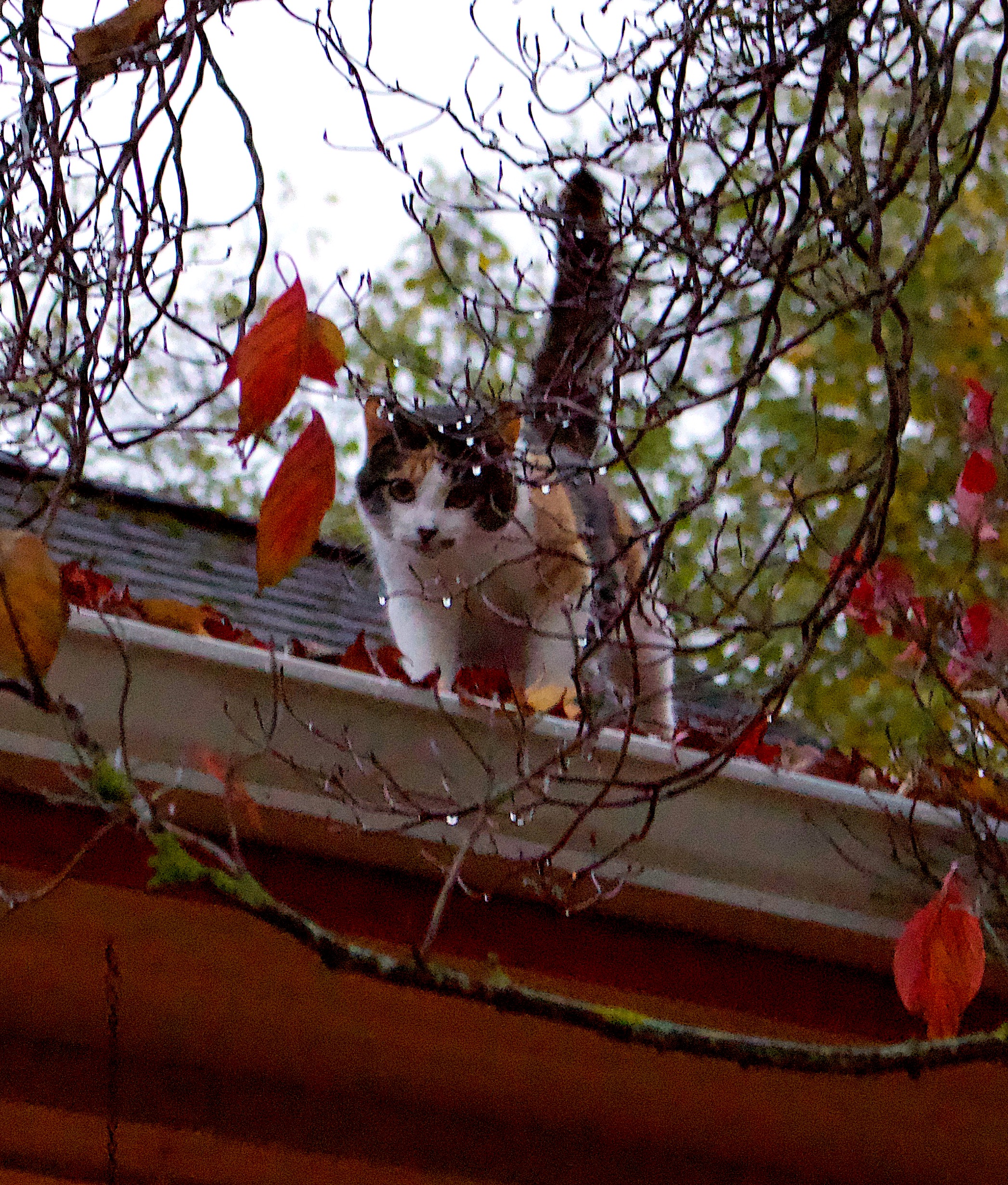
Since no farm can be complete without animals, I stopped at the first pet store I drove past and found two tortoise shell calico kitten sisters peering up at me,  just waiting for new adventures in farmland. Their box was packed into the one spot left beside me in my little Mazda. With that admittedly impulsive commitment to raise and nurture those kittens, life seemed brand new.

I will never forget the feeling of freedom on that drive north out of the traffic congestion of the city. The highway seemed more open, the fall colors more vibrant, the wind more brisk, our baby happily kicking my belly, the kittens plaintively mewing from their box. There seemed to be so much potential even though I had just left behind the greatest job that could be found in any urban setting (the most diverse zip code in the United States): an ideal family practice with patients from all over the world: Muslims from the Middle East and Indonesia, Orthodox Jews, Italian Catholics, African Americans, Cambodians, Laotians, Vietnamese. I would never know so much variety of background and perspective again and if I could have packed them all into the Mazda and driven them north with me, I would have.

We started our farm with those kittens dubbed Nutmeg and Oregano, soon adding an ethnic diversity of farm animals:  Belgian Tervuren dog Tango, Haflinger horse Greta, Toggenburg goats Tamsen and her kids, a few Toulouse geese, Araucana chickens, Fiona the Scottish Highland cow, then another Haflinger Hans and another, Tamara. I worked as a fill in locums doctor in four different clinics before our first baby, Nate, was born. We soon added little brother Ben and seven years later,  sister Lea. We settled happily into parenthood, our church community, serving on school and community boards, gardening, and enduring the loss of our parents one by one.

Thirty four years later our children have long ago grown and gone to new homes of their own, off to their own adventures beyond the farm.  Our sons married wonderful women, moving far away from home, our daughter teaches a fourth grade classroom a few hours away and we have two grandchildren with the third expected any moment.

A few cats, two Cardigan Corgi dogs, and a hand full of ponies remain at the farm with us. We are now both gray and move a bit more slowly, enjoy our naps and the quiet of the nights and weekends.  My work has evolved from four small jobs to two decades of two part time jobs to one more than full time job that fit me like a well worn sweater 24 hours a day for thirty years. With retirement looming, I’m trying out a three day a week schedule and the old sweater doesn’t fit quite so comfortably.

My happily retired husband finds he is busier than ever:  volunteering, serving on boards and being a full time farmer on our larger 20 acre place of fields and woods. 

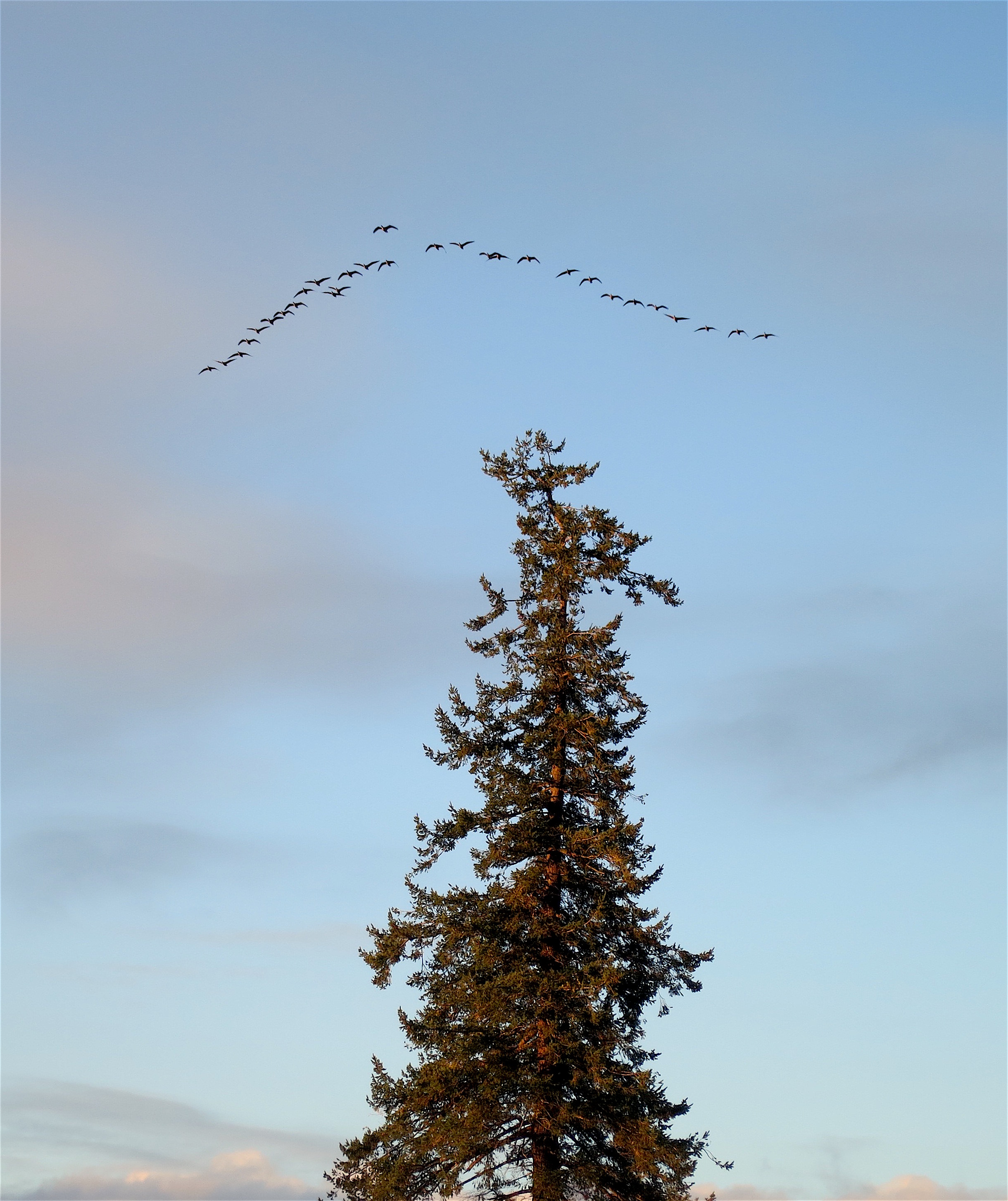
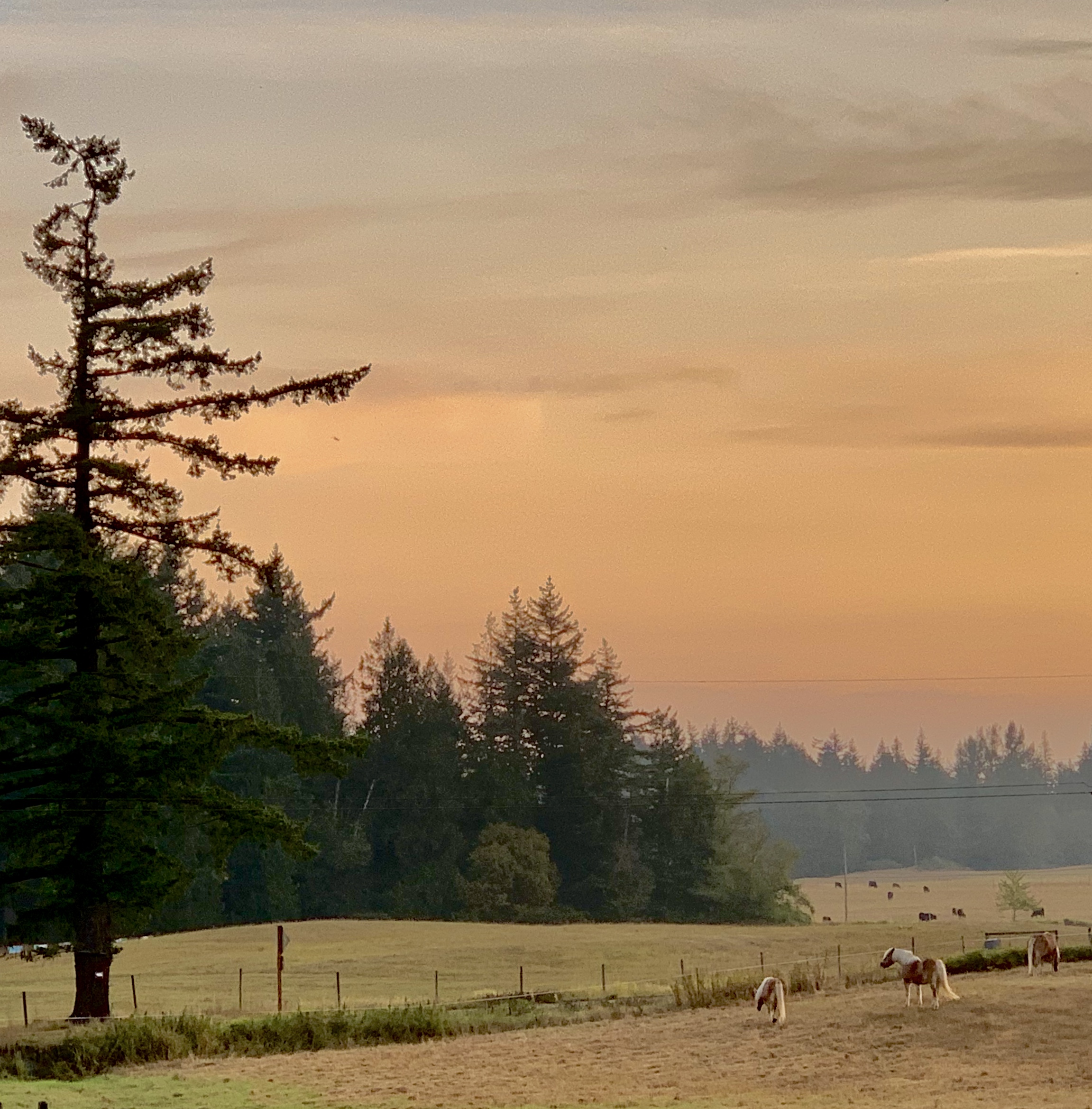
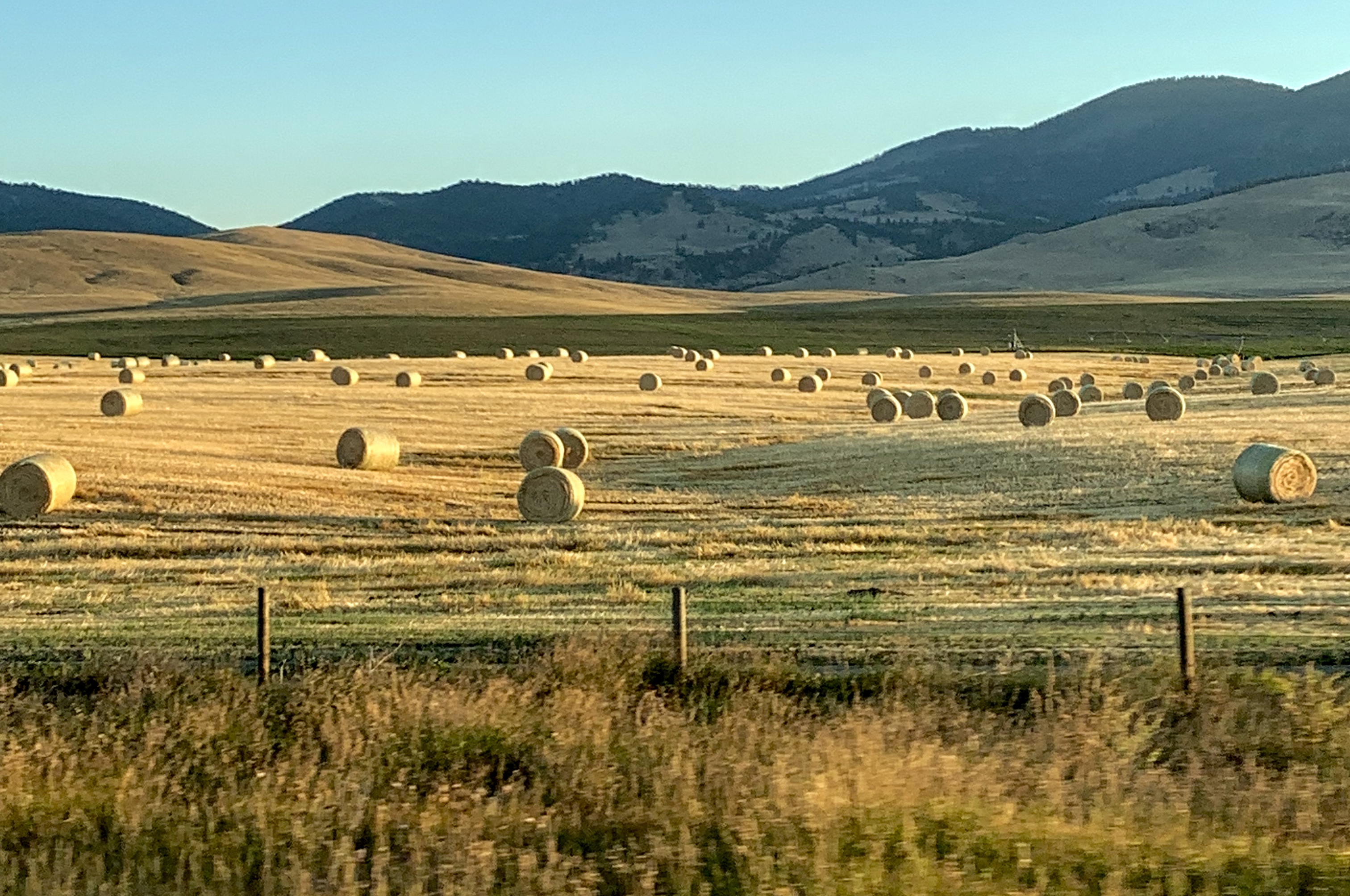
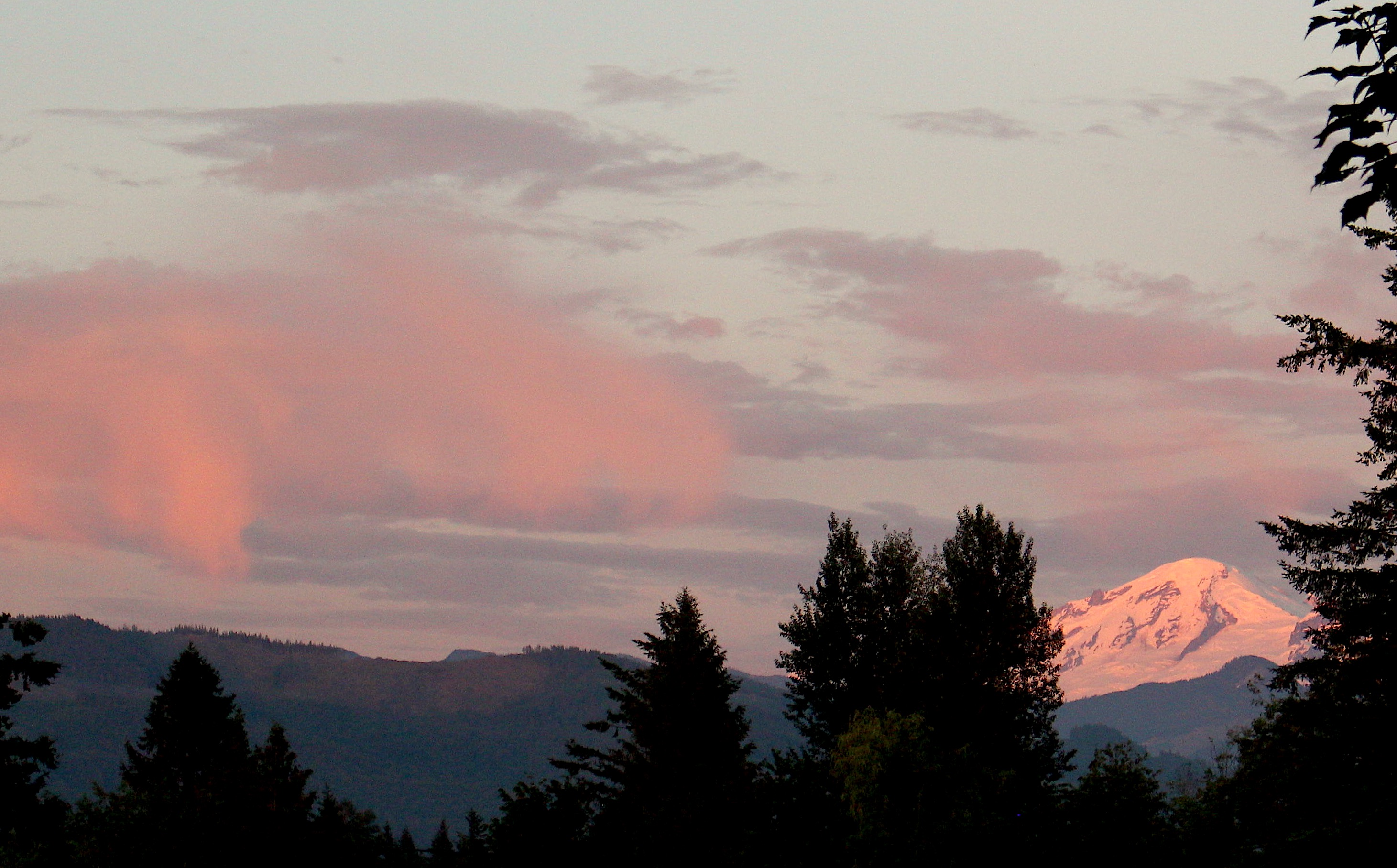
That rainy Halloween day over three decades ago I was freed into a wider world. I would no longer sit captive in freeway rush hour bumper to bumper traffic jams.  Instead I celebrate my daily commute through farm fields, watching eagles fly, and new calves licked by their mamas. I am part of a broader community in a way I never could manage in the city, stopping to visit with friends at the grocery store, playing piano and teaching at church. Our home sits in the midst of woods and corn fields, with deer strolling through the fields at dawn, coyotes howling at night, Canadian and snow geese and trumpeter swans calling from overhead and salmon becoming more prolific every year in nearby streams. The snowy Cascades greet us in the morning and the sunset over Puget Sound bids us good night.

It all started October 31, 1985 with two orange and black kittens and a pumpkin sitting beside me in a little Mazda, my husband waiting for my homecoming 100 miles north. Now, thirty four years and three grown children and three (almost) grandchildren later, we celebrate this Halloween transition anniversary together. We’re still pregnant with the possibility that a wide world is waiting, just on the other side of the wall.

Something Finished

Gold of a ripe oat straw, gold of a southwest moon,
What is there for you in the birds, the birds, the birds, crying
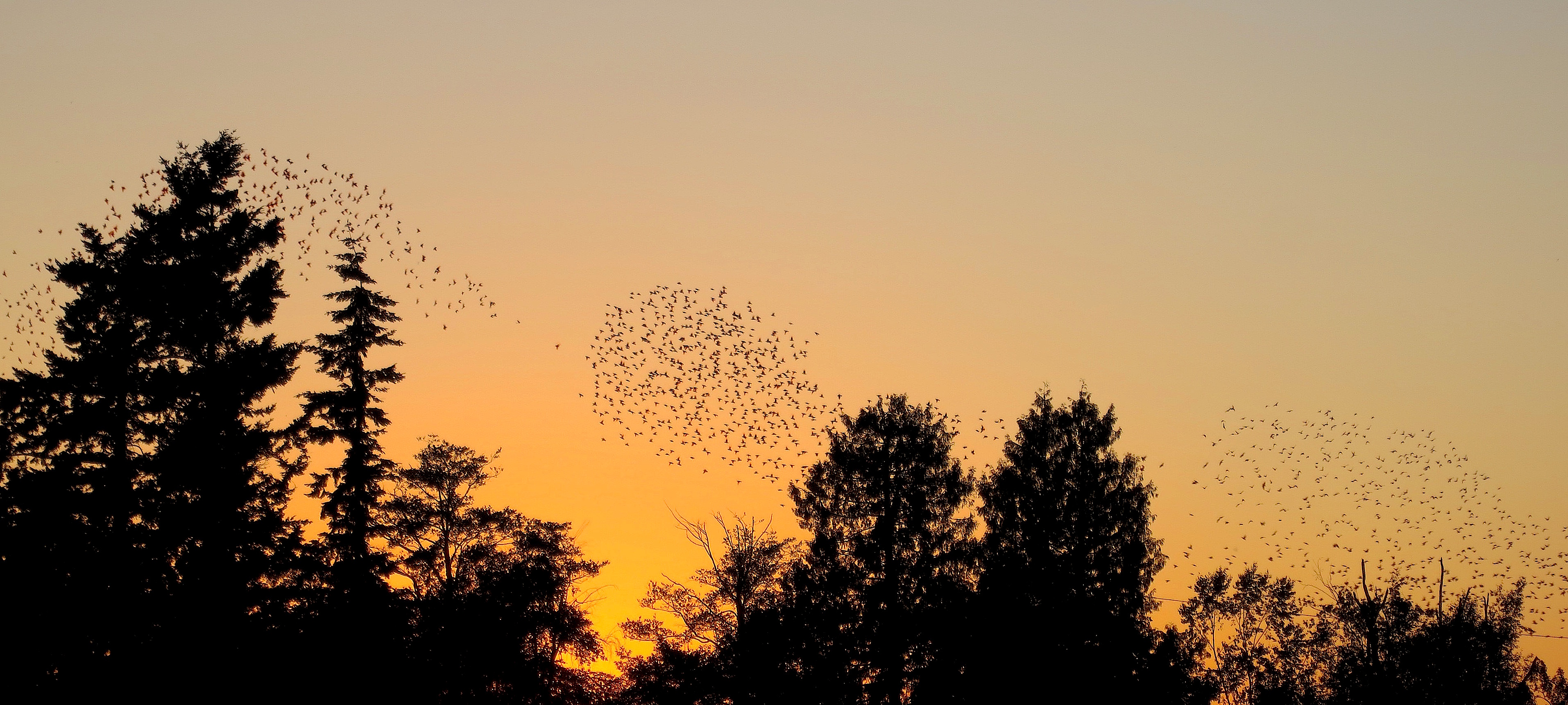
down on the north wind in September, acres of birds spotting
the air going south?

Is there something finished? And some new beginning on the
way?

I cried over beautiful things knowing no beautiful thing lasts.
~Carl Sandburg from “Fall Time” and “Autumn Movement”

My summer of “no doctoring” finishes today. I return to part-time clinical work tomorrow; a new beginning is on the way.

I am readying myself.

I consider how it will feel to put the stethoscope back on and return to spending most of my daylight hours in window-less rooms. Several months of freedom to wander and wonder will be tough to give up.

However, when I meet my first patient of the day, I’m “all in.” Someone is needing my help more than I need time off. The wind has shifted, it is time to migrate back to the work I was called to do over forty years ago.

Still I will look for beautiful things where I can find them, knowing that even though they don’t last, they will always be well worth the weeping.

Take the Hand You Know Belongs in Yours

I think of the story
of the storm and everyone
waking and seeing
the distant
yet familiar figure
far across the water
calling to them…

…so that when 
we finally step out of the boat 
toward them, we find
everything holds
us, and everything confirms
our courage, and if you wanted 
to drown you could, 
but you don’t 
because finally 
after all this struggle
and all these years
you don’t want to any more
you’ve simply had enough
of drowning
and you want to live and you 
want to love and you will
walk across any territory
and any darkness
however fluid and however
dangerous to take the
one hand you know
belongs in yours.
~David Whyte from “The Truelove” in The House of Belonging

Yesterday was the wrap-up to my thirtieth academic year working as a college health physician.  Despite budget challenges, inadequate staffing, a higher severity of illness in a patient population with burgeoning mental health needs,  our staff did an incredible job this year serving students and their families with the resources we do have.  

Reaching the end of the school year is always poignant: we will miss the graduating students we have gotten to know so well over four or five (or six!) years,  while we watch others leave temporarily for the summer, some to far away places around the globe.

We weep for those who have failed out, given up or fallen away from those who care deeply about them, some never to return to school again, and a few giving up on life itself. They did not take the hand offered to guide them through, even though they tired of drowning.

In my work I have tried to do what is needed when it is needed no matter what time of the day or night.  There are obviously times when I fall short– too vehement when I need to be quiet, too urgent and pressured when I need to be patient,  too anxious to do something/anything when it is best to simply do no harm.

I can only hold out my hand and wait. 

Each year I learn enough from each patient to fill volumes, as they speak of their struggles, their pain, their stories and sometimes hearing, most tragically, their forever silence.

I honor you, our students, on this day, to confirm your courage stepping out from the safety of the boat — not to drown, never to drown — but wanting to live, wanting to love, wanting to move healthier, better equipped and joyful into the rest of your lives.

Just take the outreached Hand that belongs in yours.


Where Morning Lies

Will there really be a “Morning”?
Is there such a thing as “Day”?
Could I see it from the mountains
If I were as tall as they?

Has it feet like Water lilies?
Has it feathers like a Bird?
Is it brought from famous countries
Of which I have never heard?

Oh some Scholar! Oh some Sailor!
Oh some Wise Man from the skies!
Please to tell a little Pilgrim
Where the place called “Morning” lies!
~Emily Dickinson

You are the future, the immense morning sky
turning red over the prairies of eternity…

You are the meaning deepest inside things
that never reveals the secret of its owner.
And how you look depends on where we are:
from a boat, you are shore, from the shore a boat.
~Rainer Maria Rilke,  from Love Poems to God from the Book of Hours

I know now what weariness is when the mind stops
and night is a dark blanket of peace and forgetting
and the morning breaks to the same ritual and the same
demands and the silence.
~Jane Clement from No One Can Stem the Tide

I head to clinic this morning
knowing from now on
my work will feel different after today,
no longer the same ritual,
no longer the same demands.

Mornings will be more resonant, depending on where I am:
from the boat I no longer must be shore,
from the shore I no longer need to row the boat.

I can simply be what the patient needs in the moment
and the patient is all I need.

Amen and amen.