For grace to be grace, it must give us things we didn’t know we needed and take us places where we didn’t know we didn’t want to go. ~Kathleen Norris from Cloister Walk
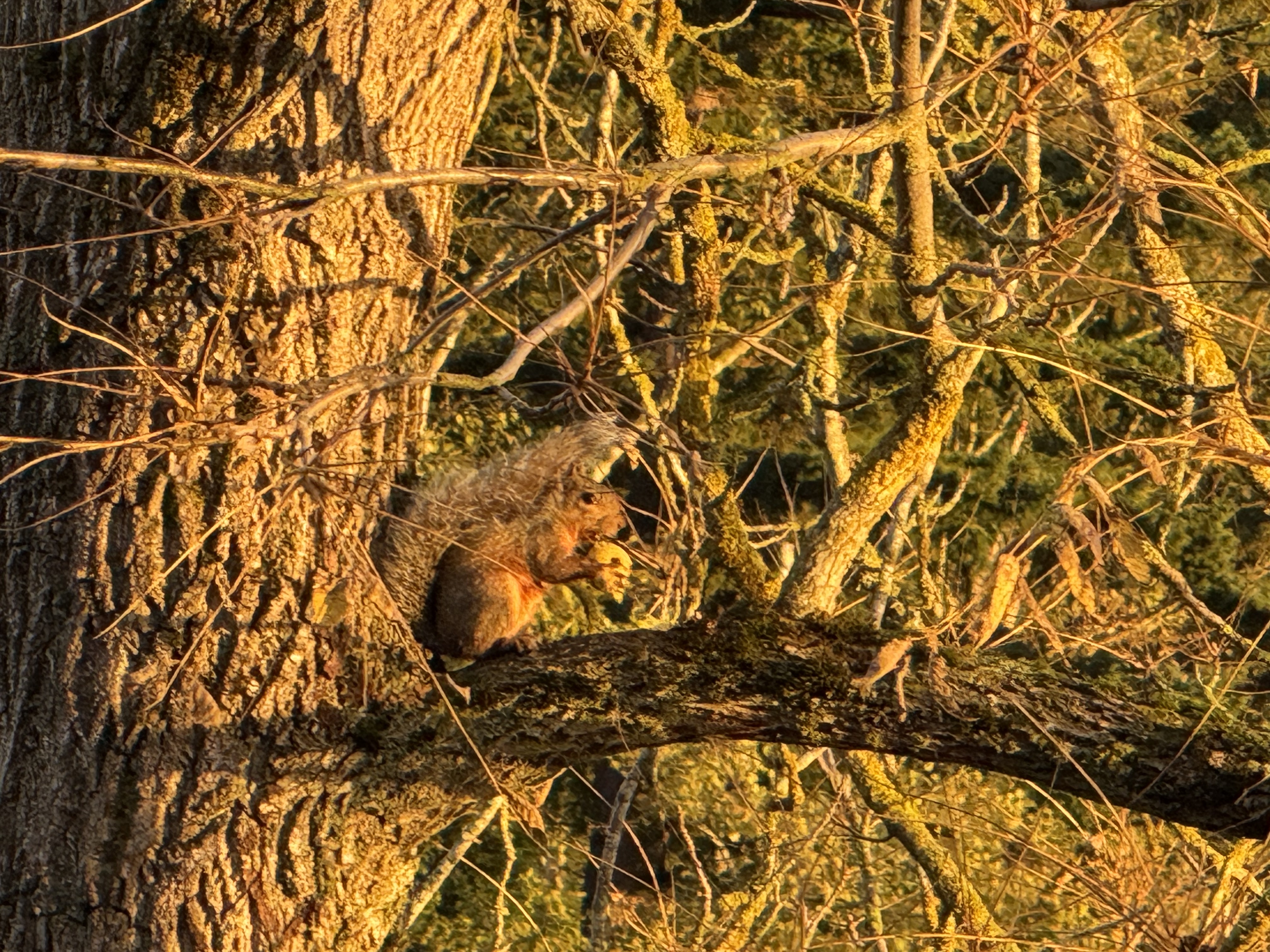
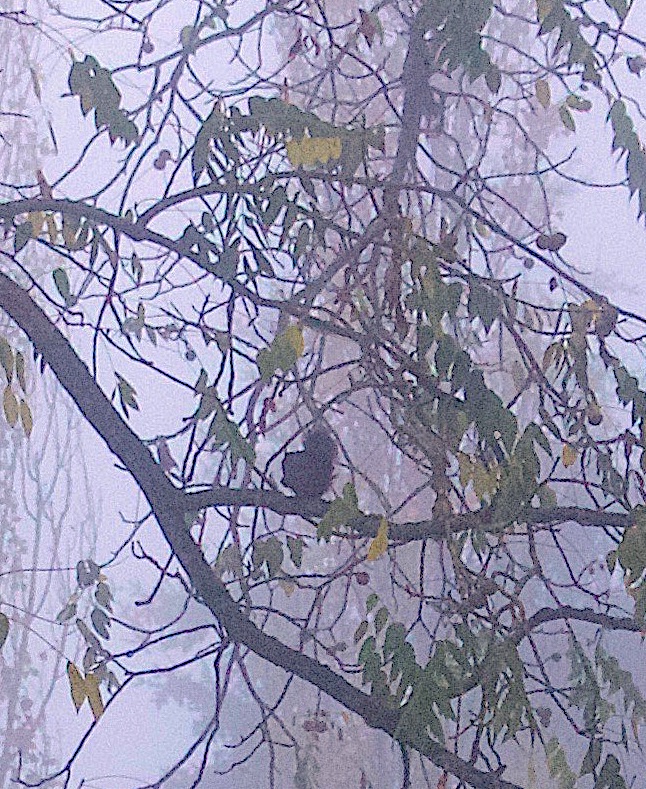
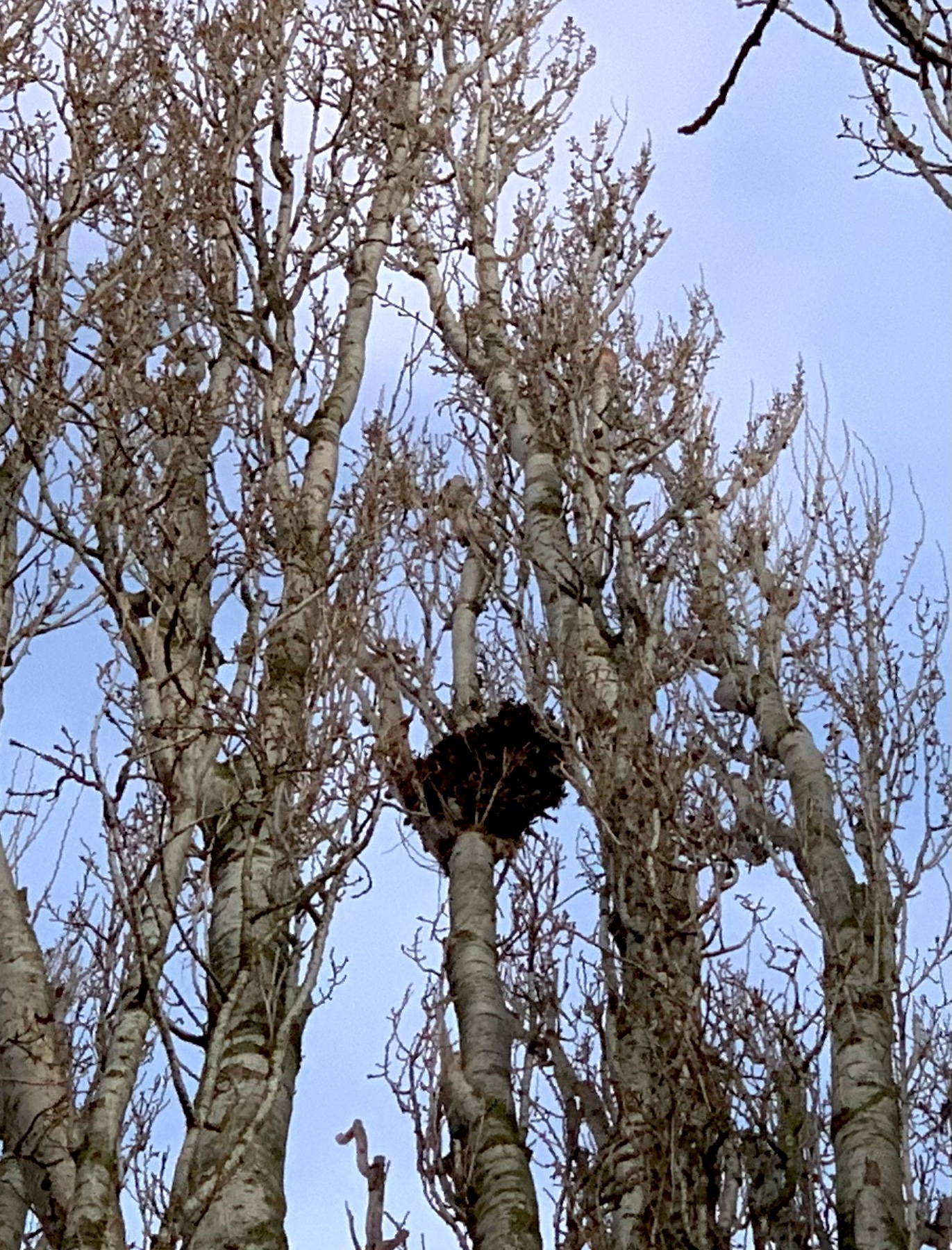
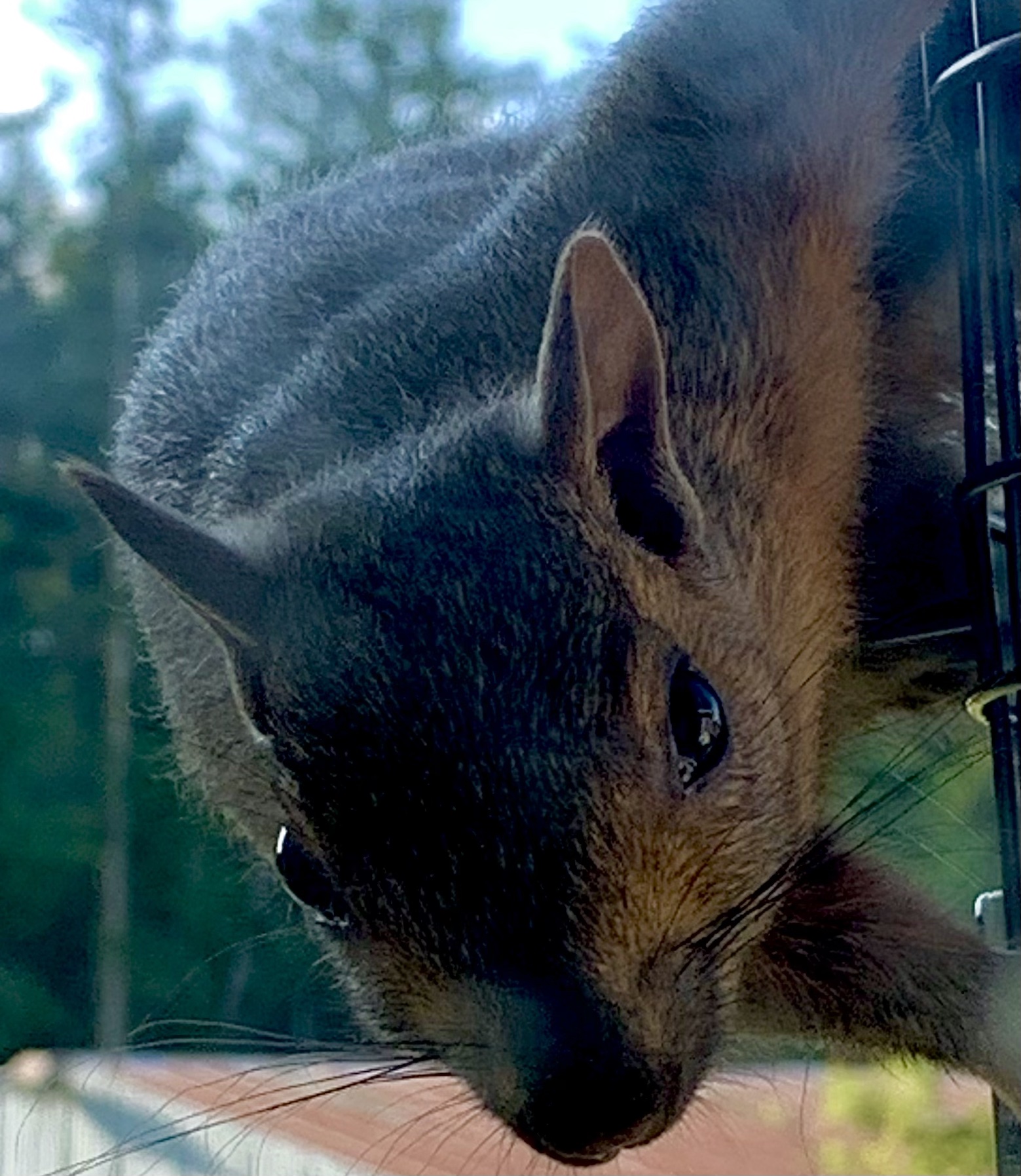
Sap withdraws from the upper reaches of maples; the squirrel digs deeper and deeper in the moss to bury the acorns that fall all around, distracting him.
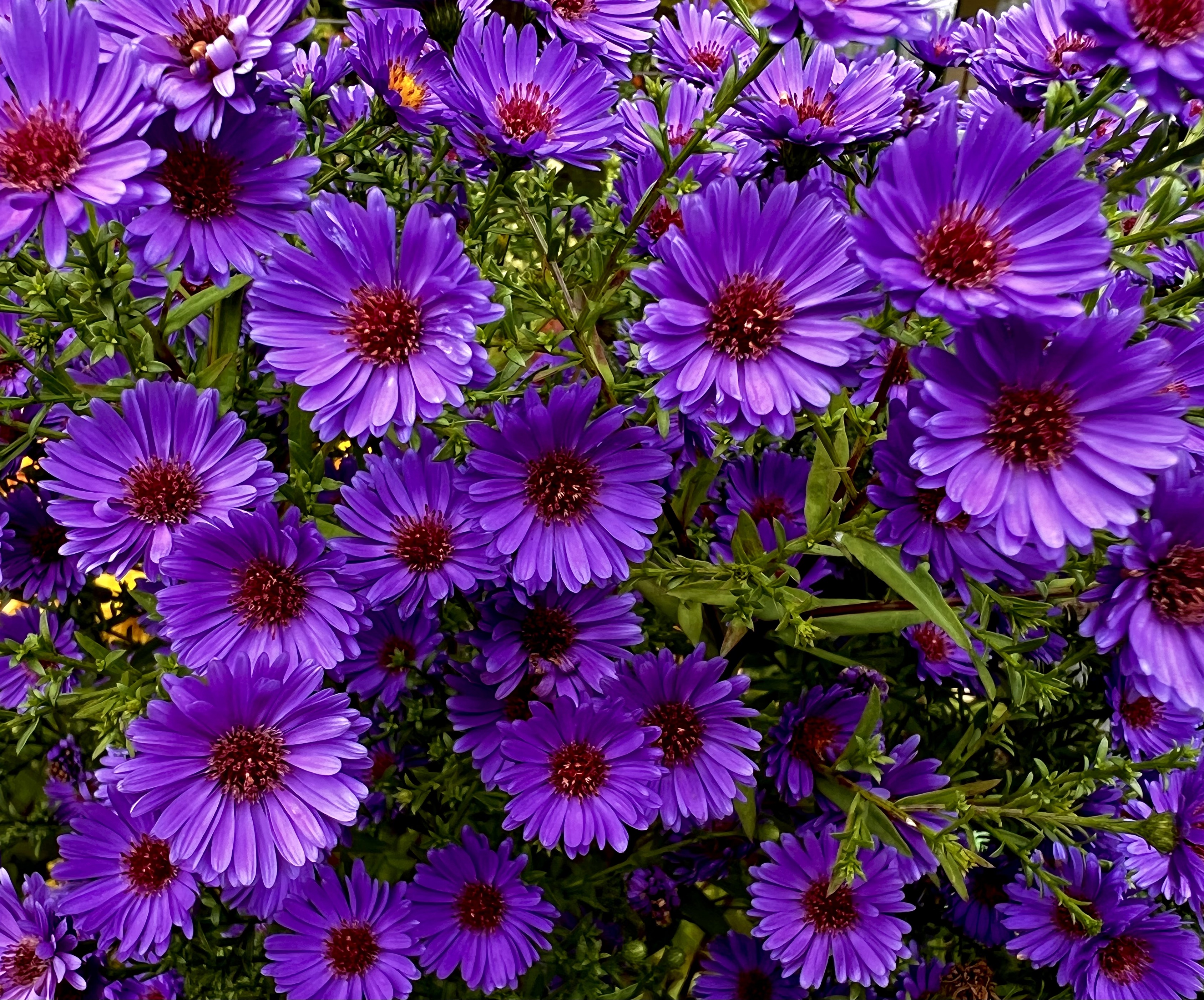
I’m out here in the dusk… where the wild asters, last blossoms of the season, straggle uphill. Frost flowers, I’ve heard them called. The white ones have yellow centers at first: later they darken to a rosy copper. They’re mostly done. Then the blue ones come on. It’s blue all around me now, though the color has gone with the sun.
There is no one home but me— and I’m not at home; I’m up here on the hill, looking at the dark windows below. Let them be dark…
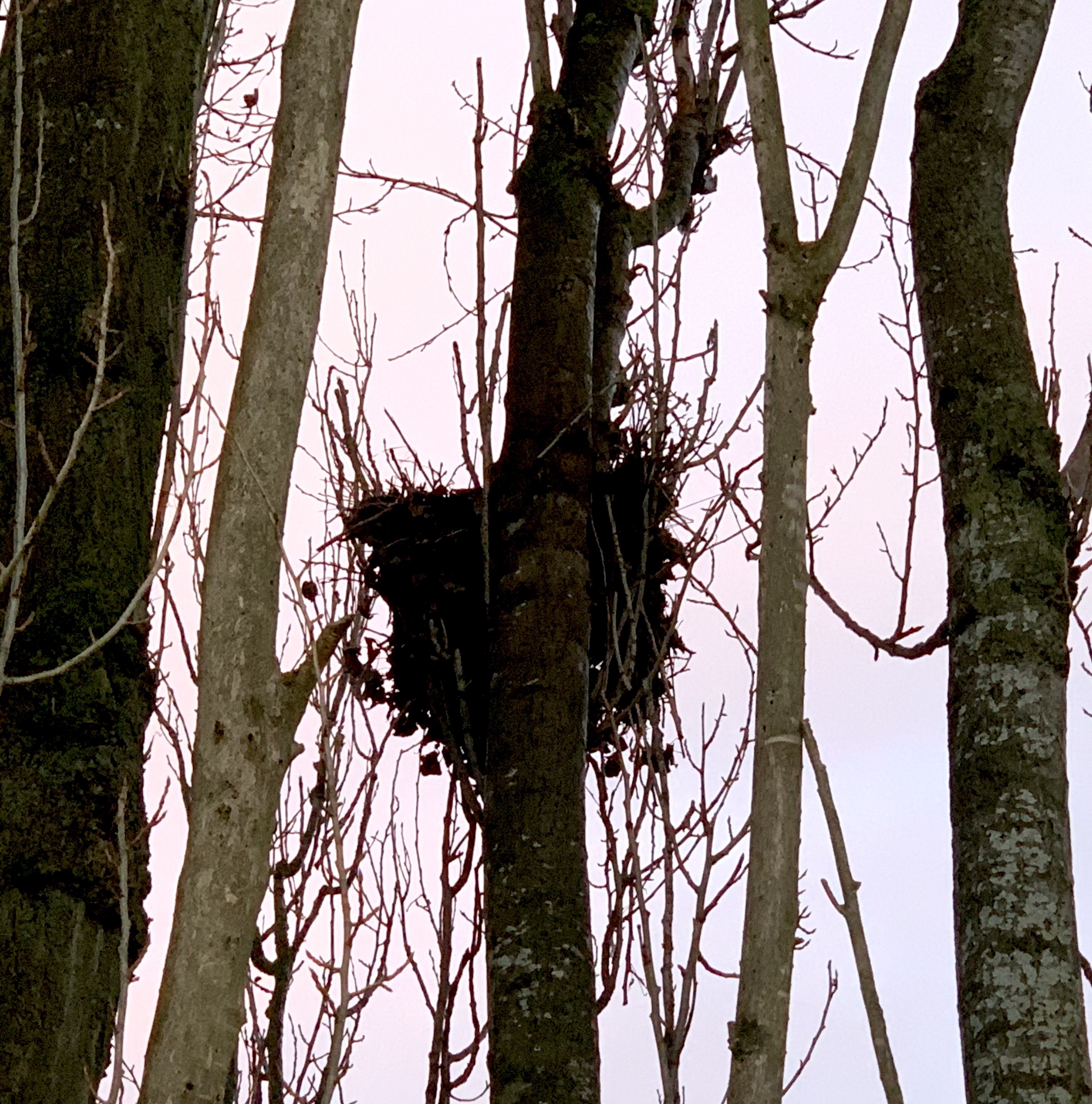
…The air is damp and cold and by now I am a little hungry… The squirrel is high in the oak, gone to his nest , and night has silenced the last loud rupture of the calm. ~Jane Kenyon from “Frost Flowers”
Even when the load grows too heavy, when misery rolls in like a fog that covers all that was once vibrant,
even then even then
there awaits a nest of nurture, a place of calm where the tired and hungry are fed.
We who are empty will be filled; we who are weary will be restored.
One-Time
Monthly
Yearly
Make a one-time or recurrent donation to support daily Barnstorming posts
So I can’t save the world— can’t save even myself, can’t wrap my arms around every frightened child, can’t foster peace among nations, can’t bring love to all who feel unlovable.
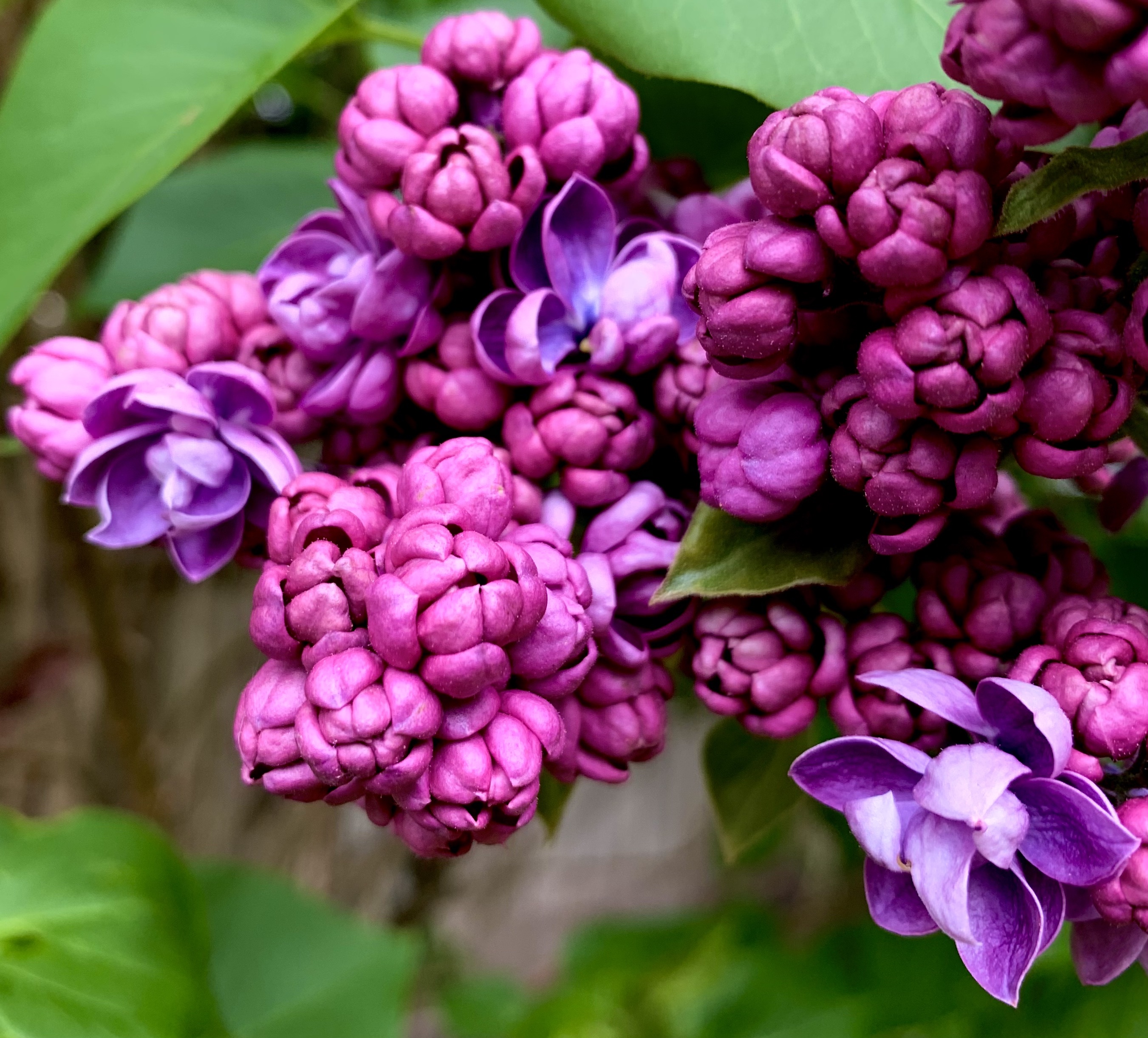
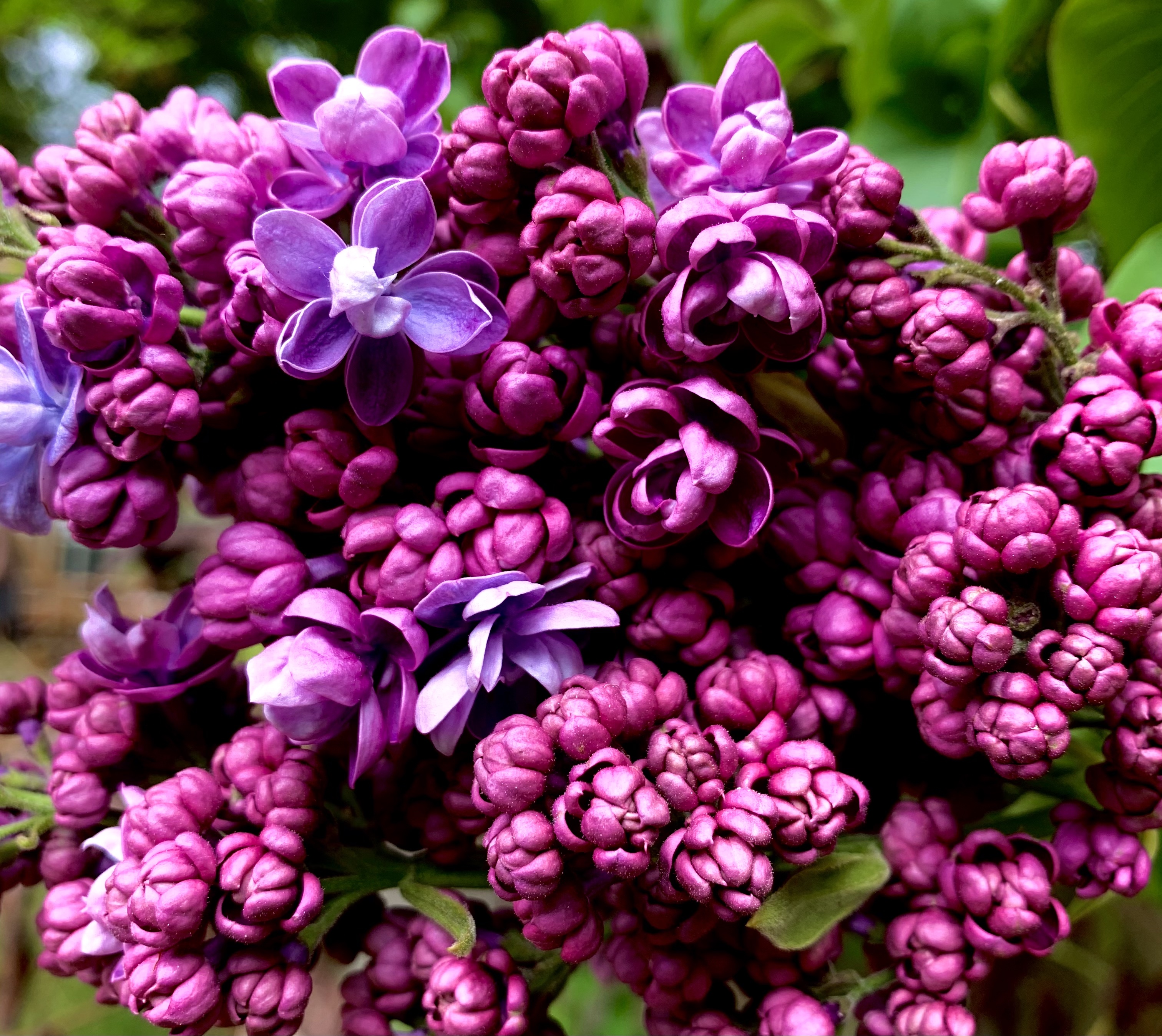
So I practice opening my heart right here in this room and being gentle with my insufficiency. I practice walking down the street heart first. And if it is insufficient to share love, I will practice loving anyway. I want to converse about truth, about trust. I want to invite compassion into every interaction. One willing heart can’t stop a war. One willing heart can’t feed all the hungry. And sometimes, daunted by a task too big, I ask myself, What’s the use of trying? But today, the invitation is clear: to be ridiculously courageous in love. To open the heart like a lilac in May, knowing freeze is possible and opening anyway. To take love seriously. To give love wildly. To race up to the world as if I were a puppy, adoring and unjaded, stumbling on my own exuberance. To feel the shock of indifference, of anger, of cruelty, of fear, and stay open. To love as if it matters, as if the world depends on it. ~Rosemerry Wahtola Trommer “Because” From The Unfolding
I can’t stop all the pain and suffering in the world or bring peace between angry nations.
But I can make a difference to those around me. It won’t stop a war or cure all diseases, but I can be ridiculously courageous in my compassion for others.
As we’ve been traveling for the past week, I’ve had many opportunities to treat others like I hope to be treated. I’ve tried to listen carefully, to express gratitude for the efforts others make. I try to smile more when I’m among strangers and meet their gaze, which takes the greatest courage of all for an introvert like me.
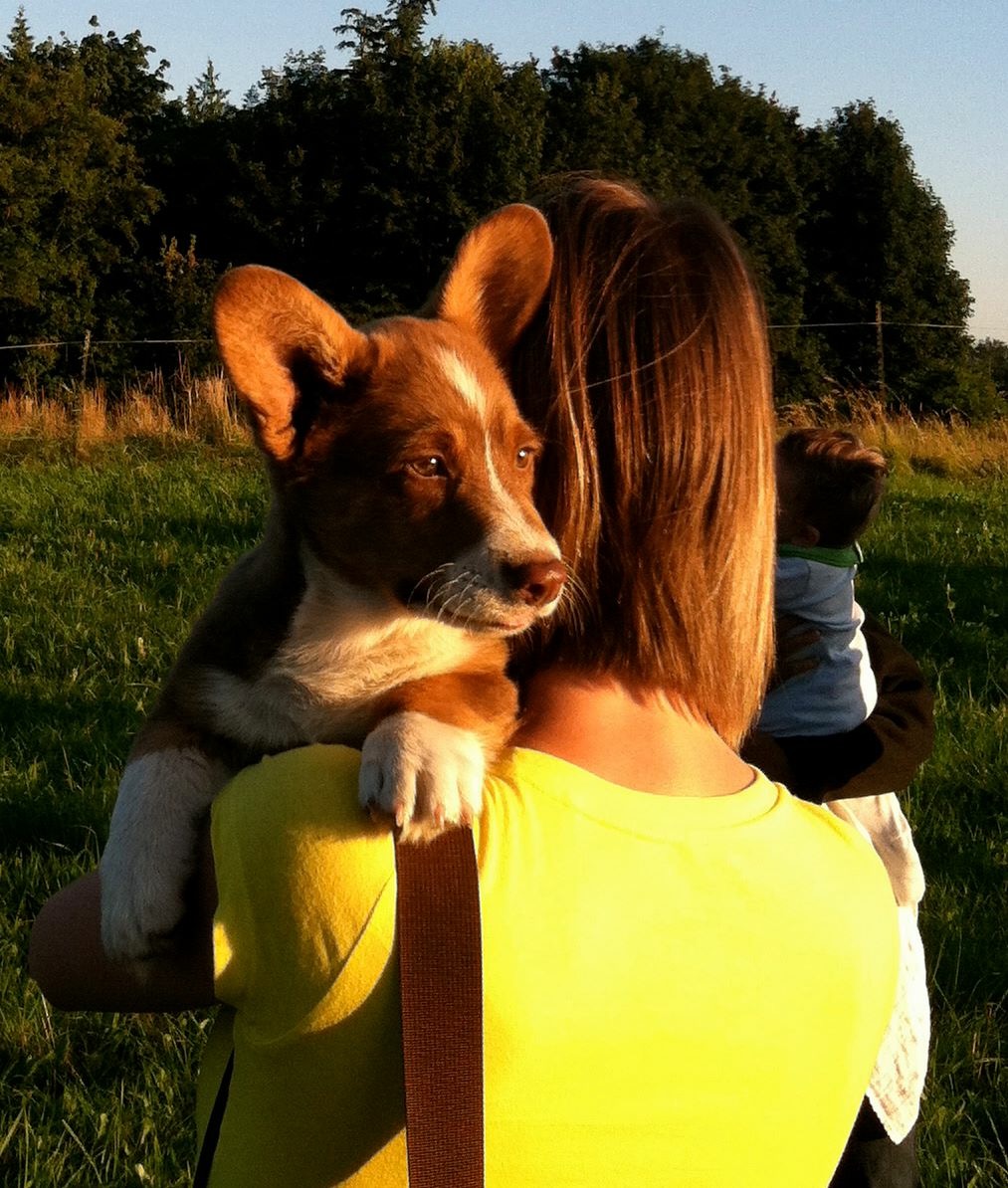
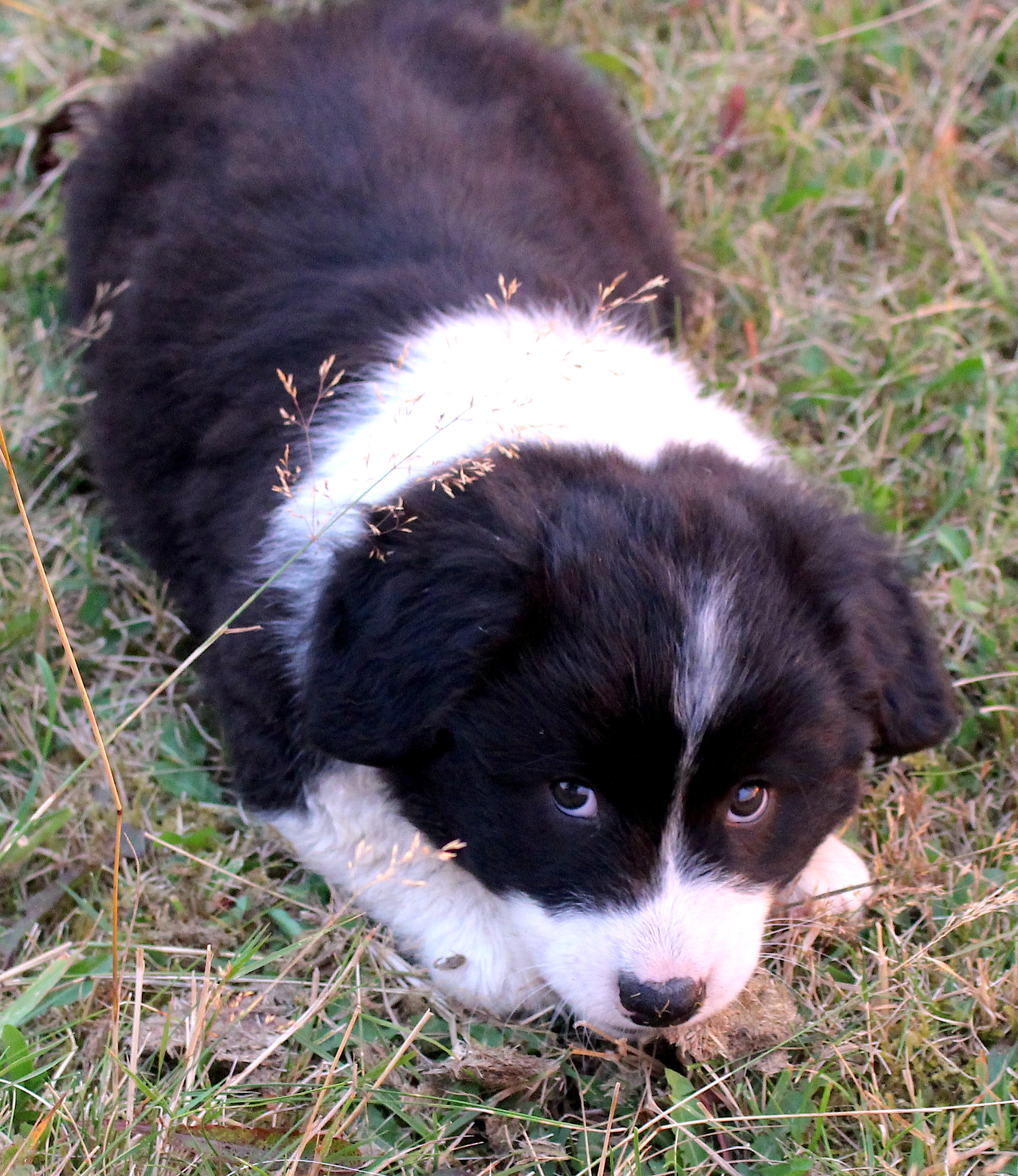
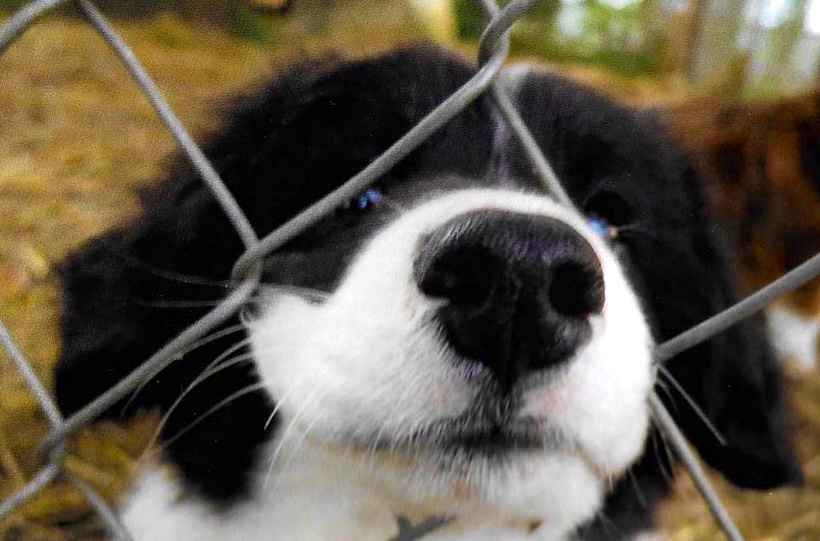
So I’ll take lessons from puppies I’ve known: to wag and wiggle and treat everyone as a best friend – with great joy and exuberance. It matters. Peace in the world depends on it.
photo by Brandon DielemanAI image created for this post
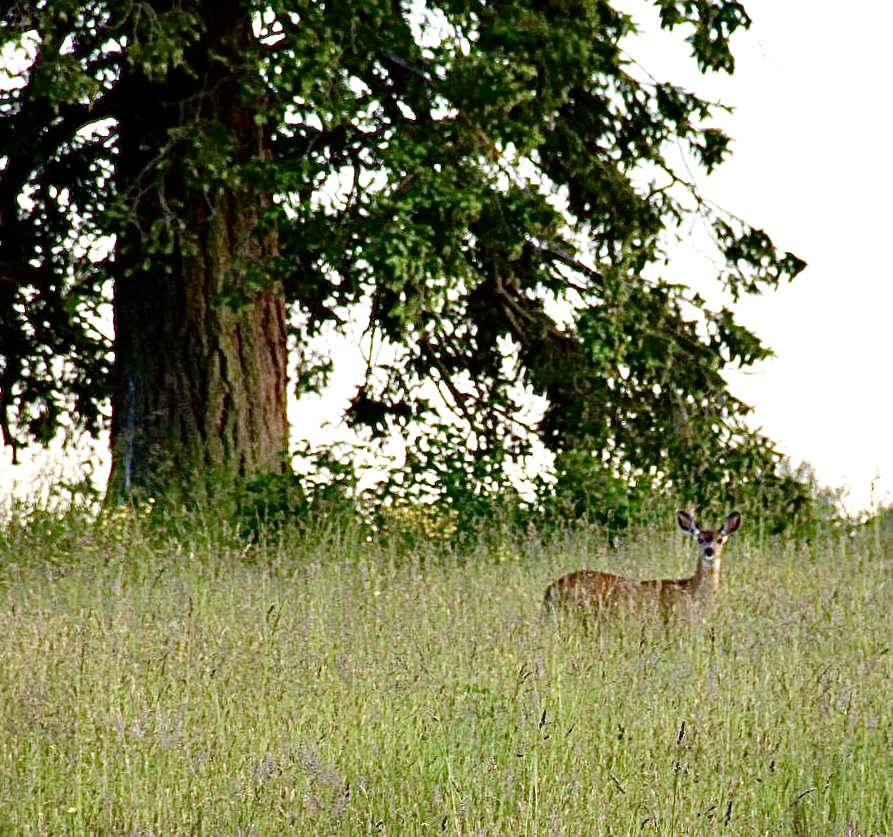
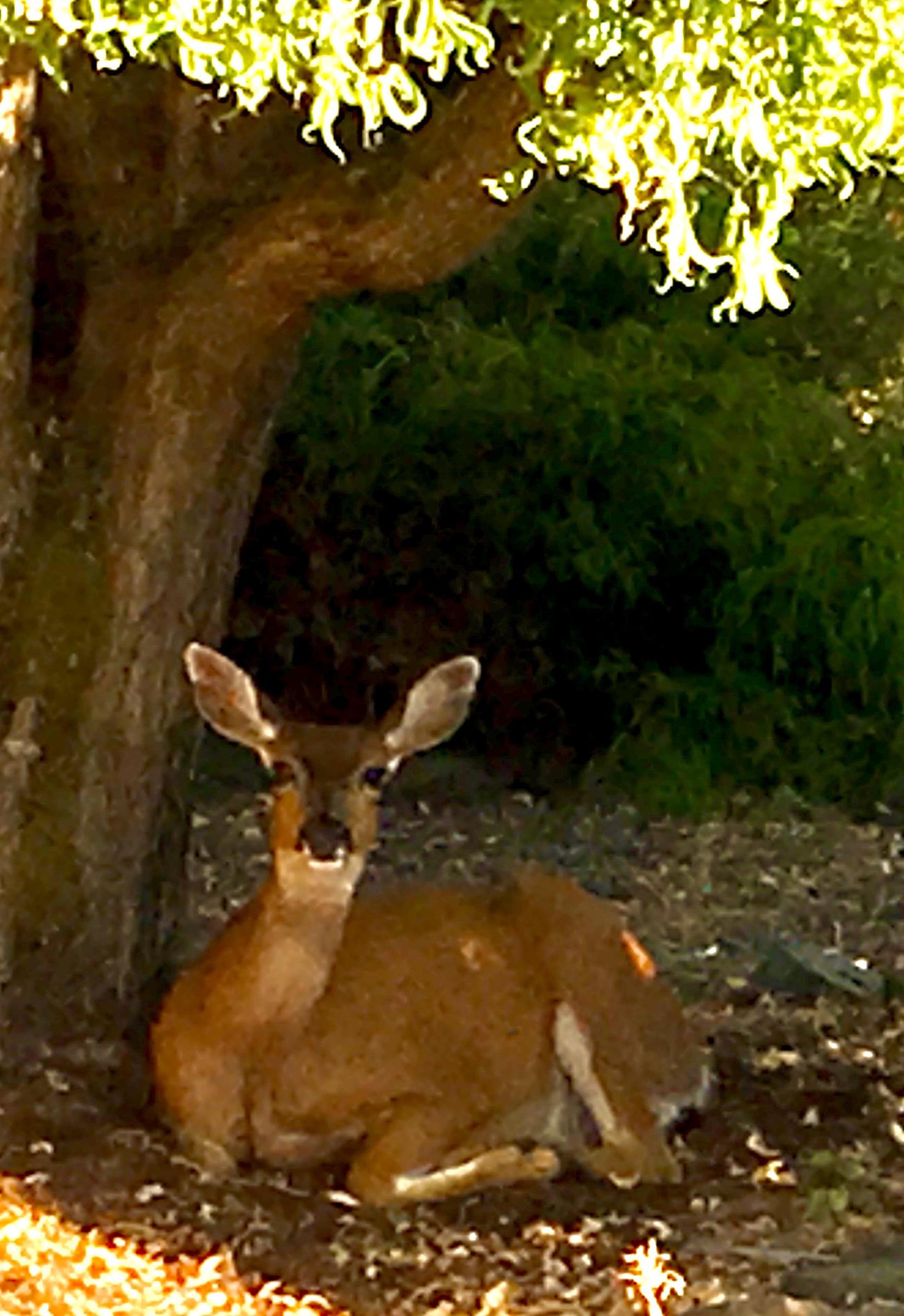
Perhaps she came down for the apples, or was flushed out by the saws powering the far woods, or was simply lost, or was crossing one open space for another.
She was a figure approaching, a presence outside a kitchen window, framed by the leafless apple trees, the stiff blueberry bushes, the after-harvest corn, the just-before-rain sky,
a shape only narrow bones could hold, turning its full face upward, head tilted to one side, as if to speak.
Everything changing faster than we can respond: loss of jobs, research halting mid-study, inconsistency abounds, families shattered, uncertainty prevails.
What happened to of the people, by the people, for the people rather than dictated by just a few
We are so lost, how to find our way back to caring for the poor, the weak, the vulnerable with a spirit of commitment, compassion and sacrifice.
For God alone – no one else – remains our strength and shield. Lost and afraid, we want our lives back.
We need His Refuge where we may rest. We seek Sanctuary from this darkness, to once again awaken hopeful to a new morning.
AI image created for this post
One-Time
Monthly
Yearly
Make a one-time or recurring donation to support daily Barnstorming posts
Jesus comes near and he beholds the city And looks on us with tears in his eyes, And wells of mercy, streams of love and pity Flow from the fountain whence all things arise. He loved us into life and longs to gather And meet with his beloved face to face How often has he called, a careful mother, And wept for our refusals of his grace, Wept for a world that, weary with its weeping, Benumbed and stumbling, turns the other way, Fatigued compassion is already sleeping Whilst her worst nightmares stalk the light of day. But we might waken yet, and face those fears, If we could see ourselves through Jesus’ tears. ~Malcolm Guite “Jesus Weeps”
When Jesus wept, the falling tear in mercy flowed beyond all bound; when Jesus groaned, a trembling fear seized all the guilty world around. ~William Billings
And when he drew near and saw the city, he wept over it, saying, “Would that you, even you, had known on this day the things that make for peace! But now they are hidden from your eyes. ~Luke 19:41-42
Commencing this holy week of remembrance, knowing how our world is in a terrible disarray, too many sleeping in the street, some in graves, many grieving losses, all wondering what comes next.
On this journey, we face our own fears of vulnerability and mortality, these days when thorns overwhelm emerging blossoms~~
To remember what He did this week long ago, and still does today to conquer the shroud and the stone, to defy death, makes all the difference to me.
Indeed Jesus wept and groaned for us.
To be known for who we are by a God who weeps for us and moans with pain we caused: we can know no greater love.
This week ends our living for self, only to die, and begins our dying to self, in order to live.
This year’s Lenten theme:
…where you go I will go… Ruth 1:16
One-Time
Monthly
Yearly
Make a one-time or recurring donation to support daily Barnstorming posts
When we have died, and arms long empty of our memories, reach to know love’s pure and sacred touch, and to embrace a long sought, long anticipated place…
when we have gone the way of all the earth, and pain and sorrow are no more, not seen or heard or found, no more the discontent of place or time or any lesser haste, but only One whose love transcends our harsh and wearied days,
when we have died and gone and fallen fast asleep, and found the settled light and our so much a sweeter sacral rest, forever held in caring arms, yes, held now everlasting in a wonder of it all, then we have not gone down empty, we have not died alone. ~Henry Lewis from “When”
This event happened in 1975 while I was an undergraduate student researcher in Tanzania, East Africa, working alongside other researchers assisting Dr. Jane Goodall in her study of wild chimpanzees and baboons.
Several metal buildings were scattered along the shore at Gombe National Park, having been built over the years since Jane Goodall and her mother Vanne arrived on a bare beach in 1960. From the very beginning, one of the most powerful connections between these two British women and the Tanzanian villagers who lived up and down Lake Tanganyika was their provision of basic medical supplies and services when needed. Initially, under the cover of the camp tents, they tended to wounds, provided a few medications, and assisted whenever they were needed for help.
Later, an actual dispensary was built as part of the park buildings, with storage for first aid supplies and medications, many of which were traditional Chinese medications, in little boxes with Chinese characters, and no translation. All we had was a sheet of paper explaining if a medication was to be used for headaches, fevers, bleeding problems or infections.
There were “open” times in the dispensary and each of the research assistants took turns to see villagers as they came by to be seen for medical issues. We saw injuries that had never healed properly, some people with permanently crippled limbs, centipede bites that swelled legs, babies who were malnourished, malarial fevers.
It felt like so little to offer. None of us had medical training beyond first aid and CPR, but what small service we could provide was met with incredible gratitude.
So it wasn’t a surprise when a villager arrived one afternoon, running and out of breath, asking that we come right away to help. There had been a terrible accident up the beach when a water taxi engine exploded while transporting two dozen villagers, along with their provisions, including goats and chickens. As people rushed to get away from the engine fire, the roofed boat overturned, with everyone trapped among the boxes, unable to escape.
Even more tragic, Tanzanians were never taught to swim, so no one on shore could help in the rescue effort.
We dropped everything and six of us ran up the beach for a mile, and could see an overturned water taxi just off shore. The best swimmers went out and started searching for people who had been too long in the deep water. They began to pull the bloated bodies to shore, one by one, the lake water pouring from lifeless mouths and noses. All we could do was line them up side by side on the beach, trying to keep the biting flies from covering them, trying to make sense of what was so senseless. There were eight children of various ages, including two small babies, several older women, one pregnant woman, the rest men of all ages–twenty four souls in all, not a single survivor.
As a nurses’ aide, I had cared for the dying and helped to bathe their bodies after death, but I had never before seen so much death at once, and never a dead child.
Before long, relatives started arriving, their grief-stricken wails of loss filling the air on this remote African lakeshore. Husbands and wives wept, keening over a spouse. Children crouched, in shock, by a dead parent. Grandmothers clutched their dead children and grandchildren and would not let go.
We had saved no one. We had no power to bring them back to life.
We could only bear witness to the loss and grief with deep compassion for our neighbors who had come to depend on us to help. It became even clearer to me, in a way I had never understood before, how deep our need is for the mercy of God who is our only comfort when terrible things happen.
I have not forgotten those who were lost to the world that day fifty years ago. Still, all these years later, when I see photos of senseless violence and death, whether war or other disasters, I grieve for them anew with fresh tears, all over again.
Psalm 51: Have mercy, O God… according to your great compassion…
AI image created for this post
One-Time
Monthly
Yearly
Make a one-time or recurring donation to support daily Barnstorming posts
Schizomeno—meaning in Greek “ripped open.” It occurs twice in the Gospels: once when the temple veil is torn the day of Christ’s crucifixion. The other is when “the heavens opened” upon Christ’s baptism.
But they didn’t just “open.” They were ripped open. God broke into history with a voice and an act of salvation unlike any other.
To study the Bible with people of faith is to see it not only as an object of academic or antiquarian interest but also as a living word, a source of intellectual challenge, inspiration, comfort, uncomfortable ambiguities, and endless insights for people who gather in willingness to accept what seems to be God’s invitation: Wrestle with this.
Healthy churches wrestle, working out their salvation over coffee and concordances, knowing there is nothing pat or simple about the living Word, but that it invites us into subtle, supple, resilient relationship with the Word made flesh who dwells, still, among us. ~Marilyn McEntyre from“Choosing Church”
Passing down this story of Christ’s life, death, resurrection and ascension is not merely, or mainly, an exercise in cognition. Nor is it a divinely inspired game of telephone, where we simply whisper a message to the next generation through the ages.
Inevitably the story comes to us through ordinary people over dinner tables, at work, in songs, through worship, conflict, failure, repentance, ritual, liturgy, art, work and family.
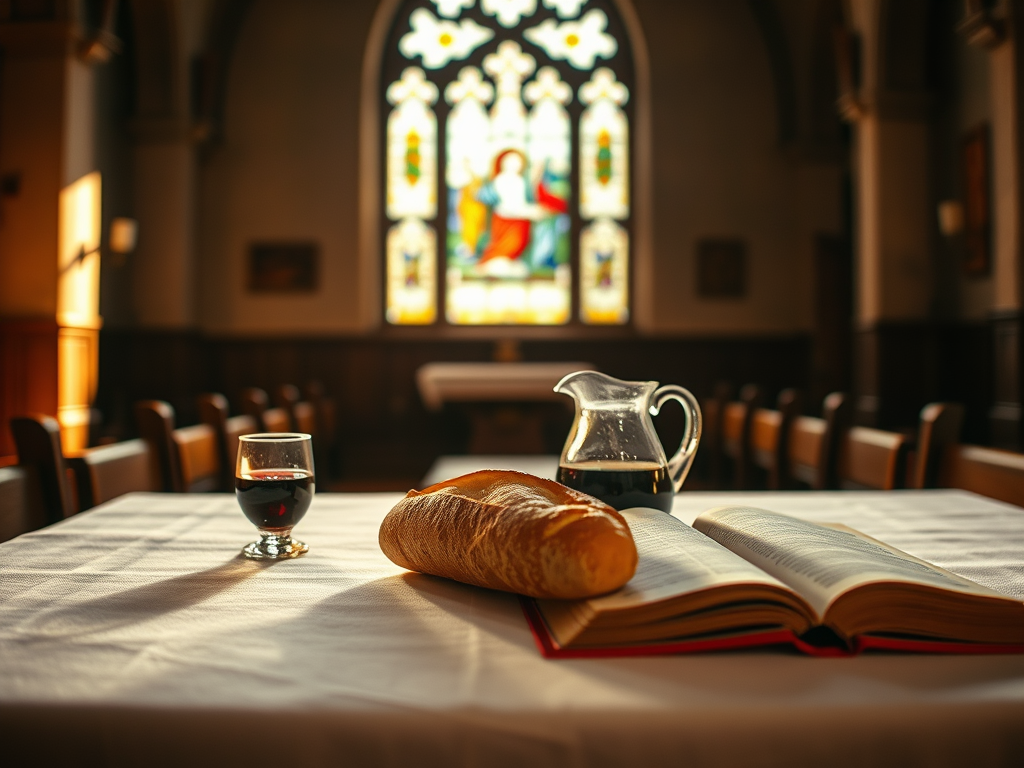
Christianity is something we believe, but it is also a practice. Central to our practice is what Christians call sacraments, where the mysteries of faith are manifest through the ordinary stuff of earth—water and skin, bread and teeth. ~Tish Harrison Warren from “True Story”
photo by Barb Hoelle
Mom, You raised your hands while we sang this morning like I’ve never known you to, but I guess until recently I’ve never really known you in a church that let you feel alive.
I’m sure the last one did before it faded, but I was too young to distinguish church from habitual gathering and they wouldn’t have taught me grace if they’d wanted to,
and that was before I cracked our lives apart.
But it was then, wasn’t it, in the aftermath, that I saw more of your layers and saw that they were tapestries, punctured a thousand times and intricate, majestic, though they’ve been torn.
Ripped open to allow access – that is what God has done to enter into this ordinary stuff of earth, and giving us access to Him.
I enter the church sanctuary twice every Sunday to be reminded of this struggle: a wrestling match with ourselves, with each other, with everyday ordinary and ornery stuff, with the living Word of God.
None of this is easy and it isn’t meant to be. We must work for understanding and struggle for contentment and commitment.
I keep going back – gladly, knowing my guilt, eager to be transformed, not only because I choose to be in church, but because He chose to invite me there.
photo by Joel DeWaardAI image created for this post
One-Time
Monthly
Yearly
Make a one-time or recurring donation to support daily Barnstorming posts
How many times each day do I wonder at the miracle that is each breath, each step, each meal, each good night’s sleep, each wakening, each song, each hug?
That it happens at all is a miracle, I tell you.
And why do we notice it most when it is no longer a given – when we have suddenly lost the daily gifts we take for granted.
So we who wake on an ordinary Sunday today, our home and church and family not in the path of a fire, our communities not in danger, we thank God for His daily miracles and pray that His people will help comfort and care for those who weep.
Let us go forward quietly, forever making for the light, and lifting up our hearts in the knowledge that we are as others are (and that others are as we are), and that it is right to love one another in the best possible way – believing all things, hoping for all things, and enduring all things. ~Vincent Van Gogh from “Letters to Theo”
We like to blame our DNA for our tribal nature, to justify setting ourselves apart from the “other.” We tend to be discontent with whatever we are given — but that belief is exactly how humanity’s troubles began.
Every election and convention season only intensifies our sense of “otherness”, further putting wedges between us, driving us apart and further into the darkness.
We are slaves to divisiveness: even worshiping it in the name of “becoming great again”, emphasizing our own “truth” in the name of “unity.”
I simply can’t listen to it. There is so much anger in the voices of our self-appointed “leaders.”
I want to know it is still possible to love each other in all our differences in the best possible way, with quiet endurance and hope. No shouting, no shootings, no need for a cascade of dropping balloons, and no ridiculous rancorous rhetoric.
We are as others are — others are as we are — denying it is folly. Believing it is the beginning of a selfless love for the “other”, something God did intend for our DNA, as His children who are no longer animals.
Indeed, God Himself became the “Other” living among us to show us just how it can be done.
It’s in every one of us. Now we must make it so.
AI image created for this post
One-Time
Monthly
Yearly
Make a one-time or recurring donation to support daily Barnstorming posts
Still and calm, In purple robes of kings, The low-lying mountains sleep at the edge of the world. The forests cover them like mantles; Day and night Rise and fall over them like the wash of waves. Asleep, they reign. Silent, they say all. Hush me, O slumbering mountains – Send me dreams. ~Harriet Monroe “The Blue Ridge”
If you find yourself half naked and barefoot in the frosty grass, hearing, again, the earth’s great, sonorous moan that says you are the air of the now and gone, that says all you love will turn to dust, and will meet you there, do not raise your fist. Do not raise your small voice against it. And do not take cover. Instead, curl your toes into the grass, watch the cloud ascending from your lips. Walk through the garden’s dormant splendor. Say only, thank you. Thank you. ~Ross Gay “Thank You”
I live for those who love me, Whose hearts are kind and true; For the heaven that smiles above me, And awaits my spirit, too; For all human ties that bind me, For the task my God assigned me, For the bright hopes left behind me, And the good that I can do. For the cause that needs assistance, For the wrongs that need resistance, For the future in the distance, And the good that I can do ~George Linnaeus Banks from “What I Live For”
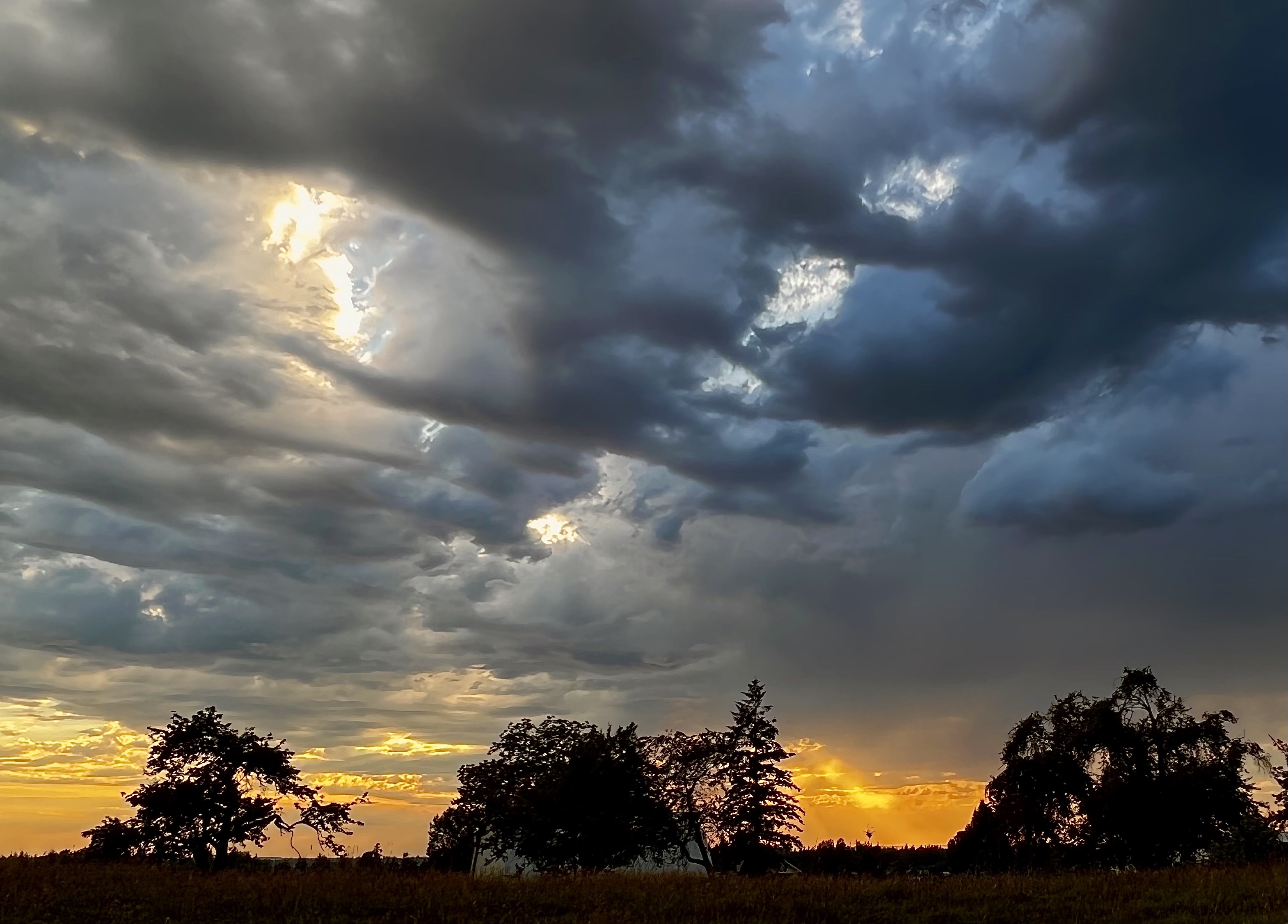
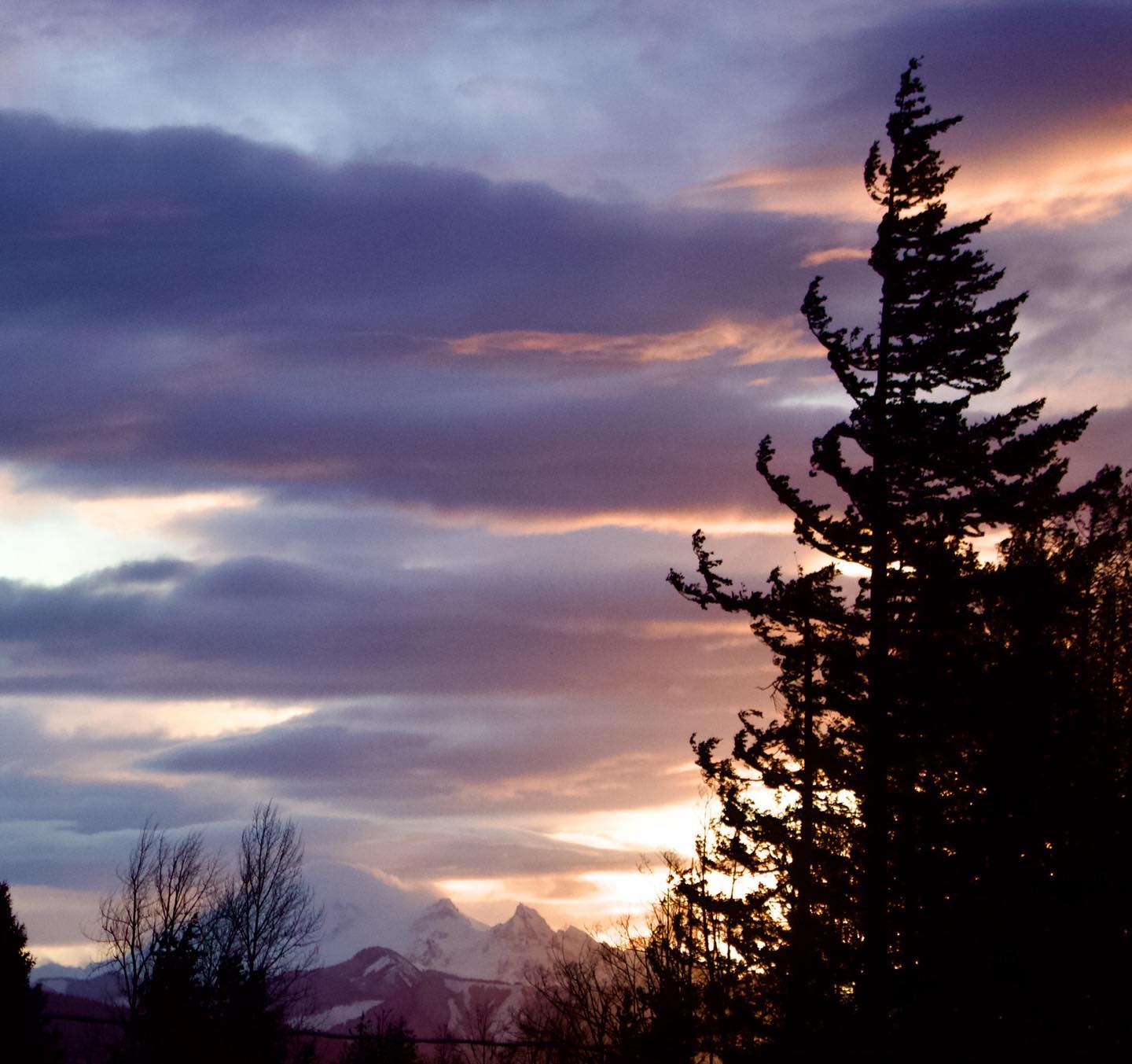
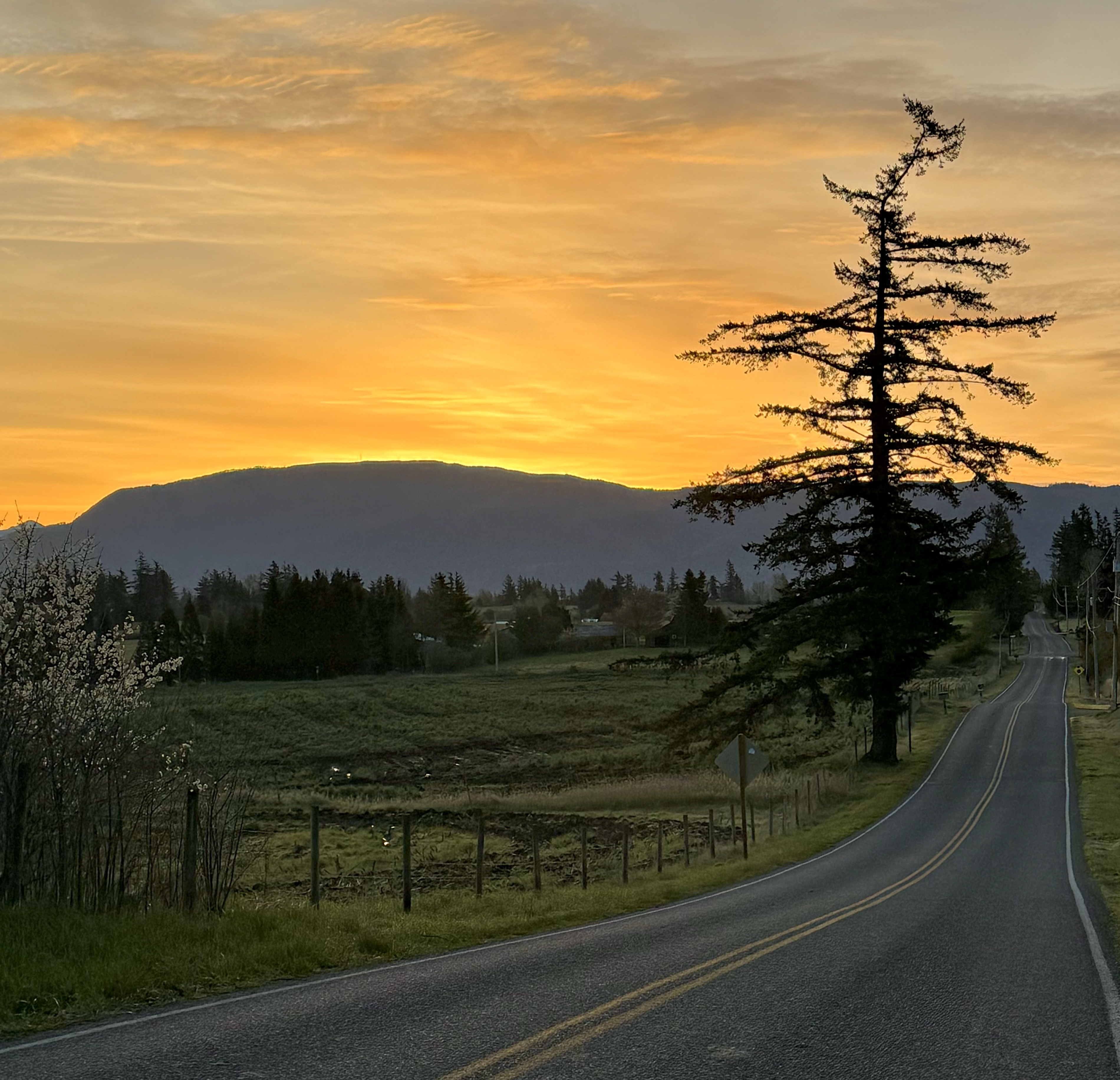
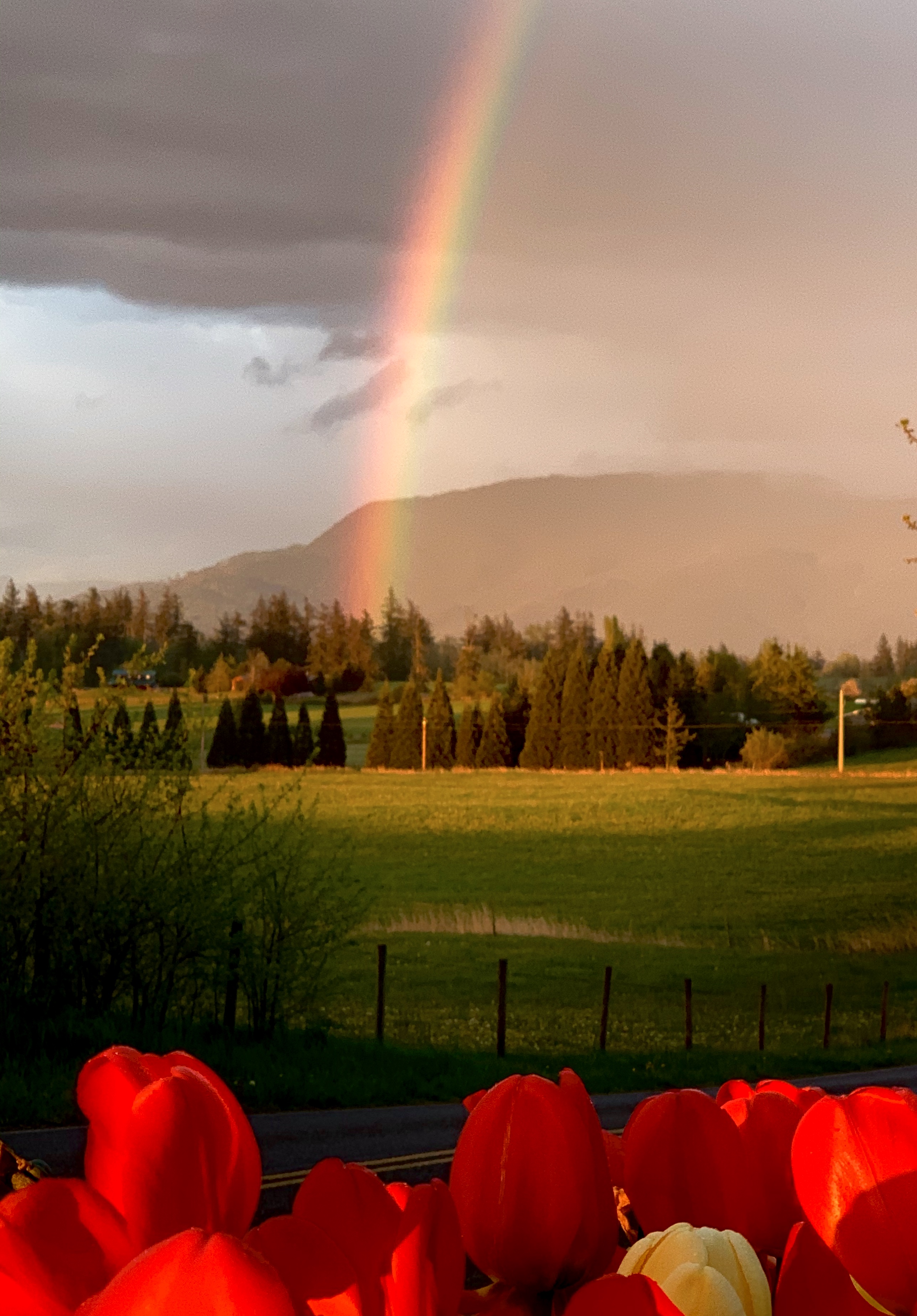
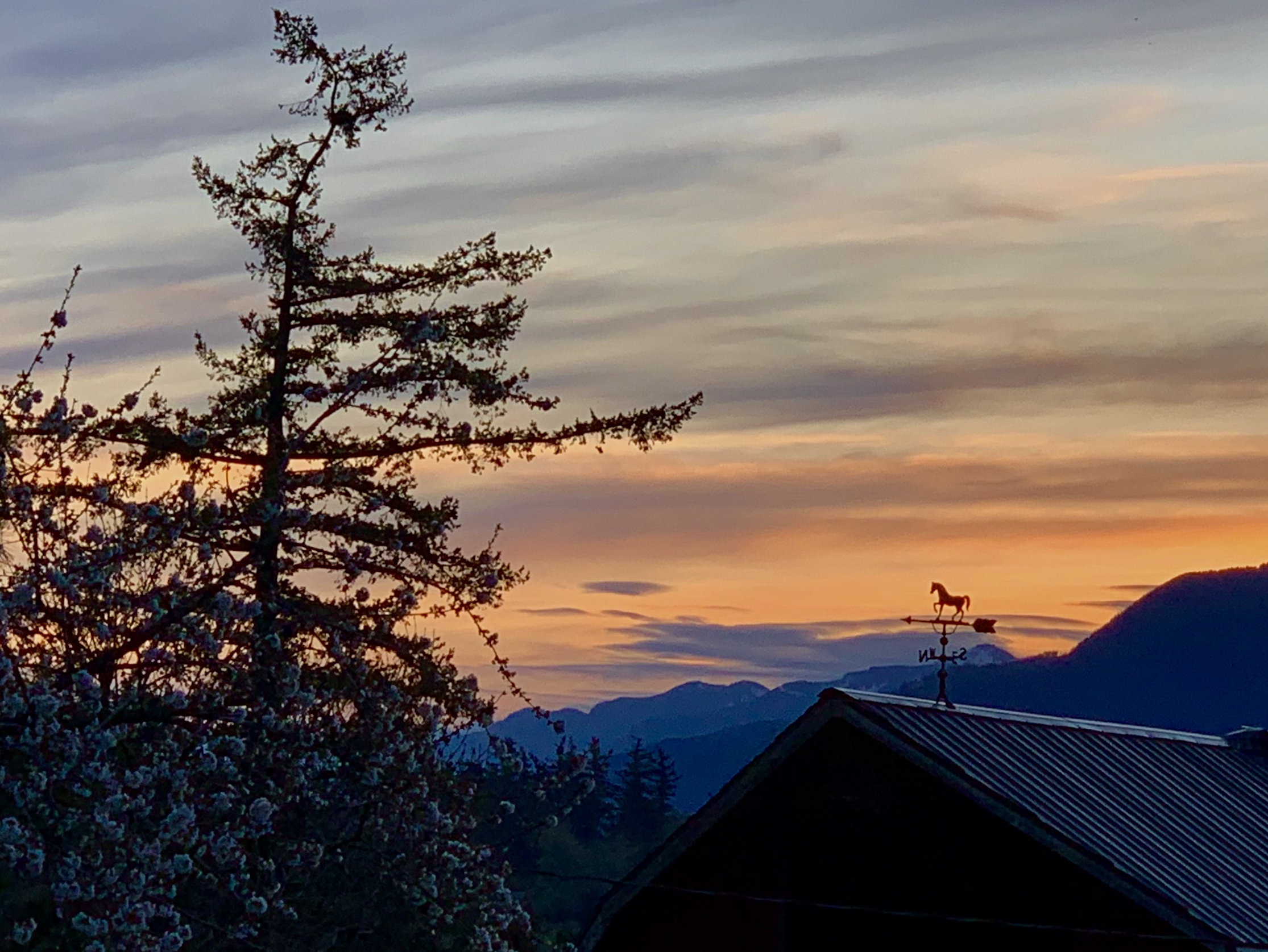
Our surrounding hills circle like wagons, their strong shoulders promising steadfast protection. Above them, the palette of sky changes with the weather, as turmoil and turbulence continually stirs up our world.
There is so much good to be done: our world needs hands-on, hearts-on work for causes needing assistance – for wrongs needing resistance.
Feeding, housing, healing, caring, for those in our own neighborhoods won’t make headlines like blocking freeways and college buildings.
Rather than raising tents and fists, idle hands can serve. Rather than raising voices and drums, heads can bow in grateful prayer.
The mountains remind us: Though we are here and now, we will soon turn to dust. They ask us: How to live a life that truly makes a difference for those in need?
The great mystery of God’s love is that we are not asked to live as if we are not hurting, as if we are not broken.
In fact, we are invited to recognize our brokenness as a brokenness in which we can come in touch with the unique way that God loves us.
The great invitation is to live your brokenness under the blessing. I cannot take people’s brokenness away and people cannot take my brokenness away. But how do you live in your brokenness?
Do you live your brokenness under the blessing or under the curse? The great call of Jesus is to put your brokenness under the blessing. ~Henri Nouwenfrom a lecture at Scarritt-Bennett Center
…be a glorified human being, with wounds. God the Kintsugi master who beholds such brokenness in tender care, invites us, and asks of us, to be present in suffering and incalculable losses. … worship a Wounded Glorified Human Being, and be that ourselves. ~Makoto Fujimura from Kinsugi Grace
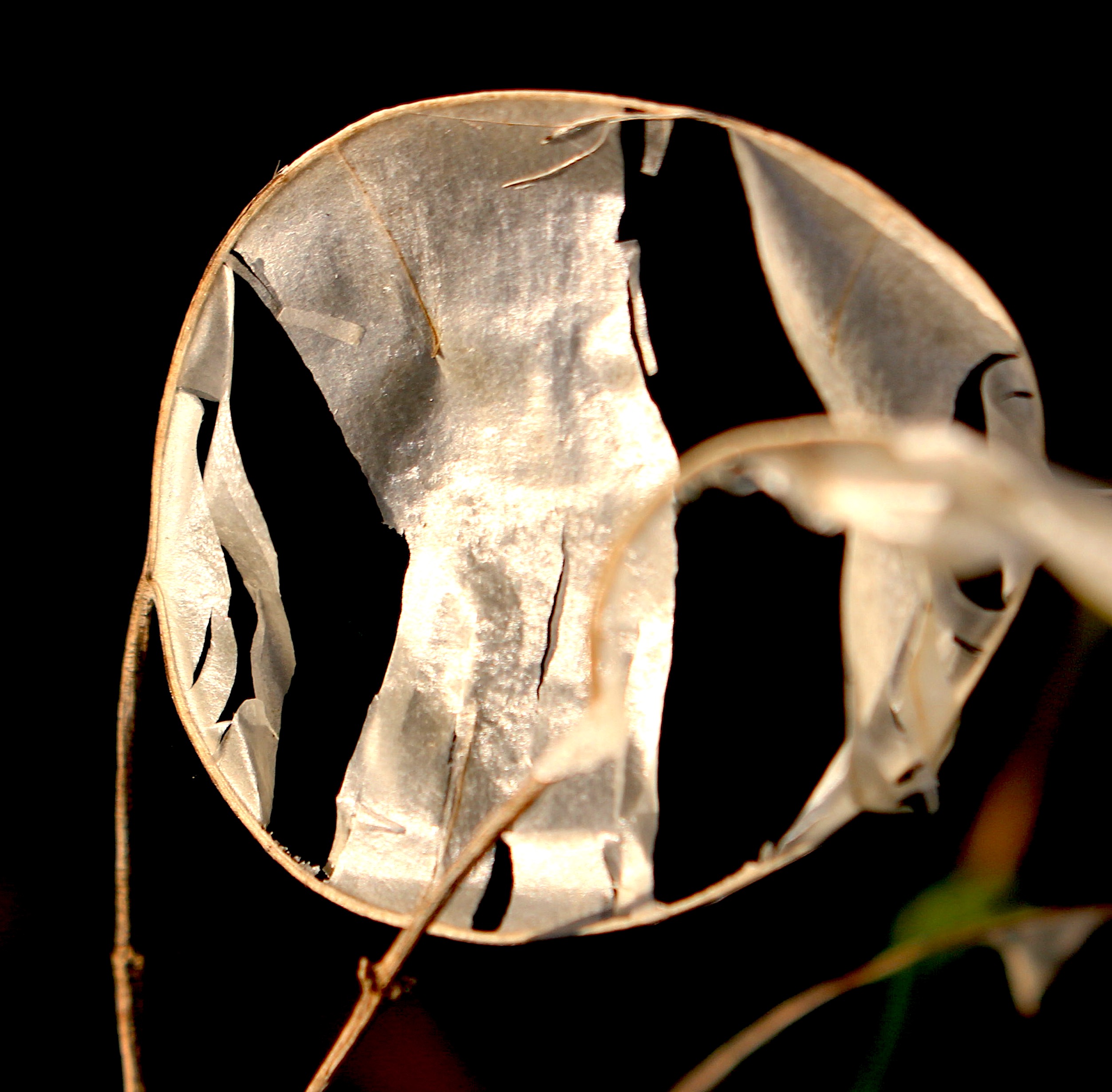
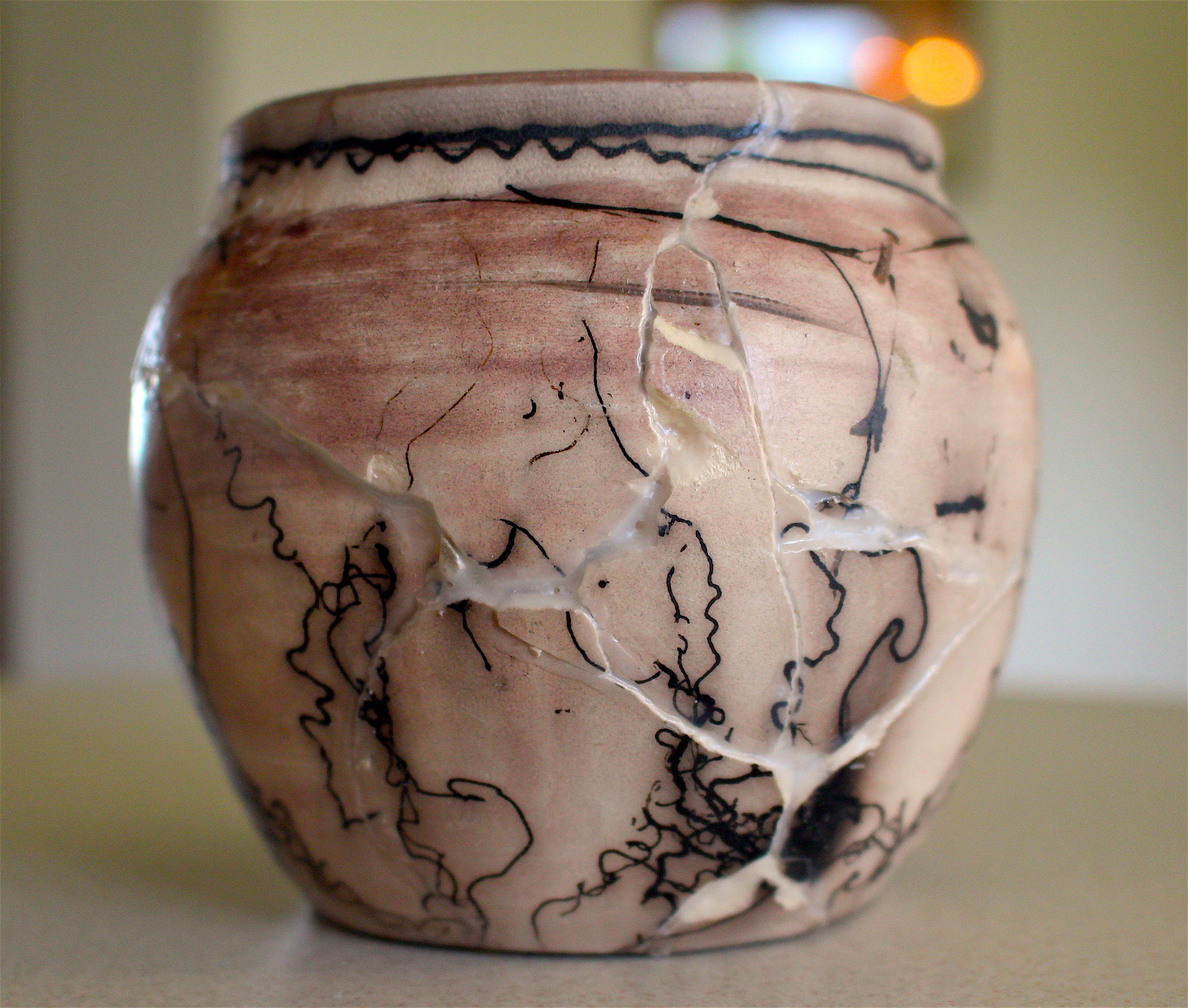
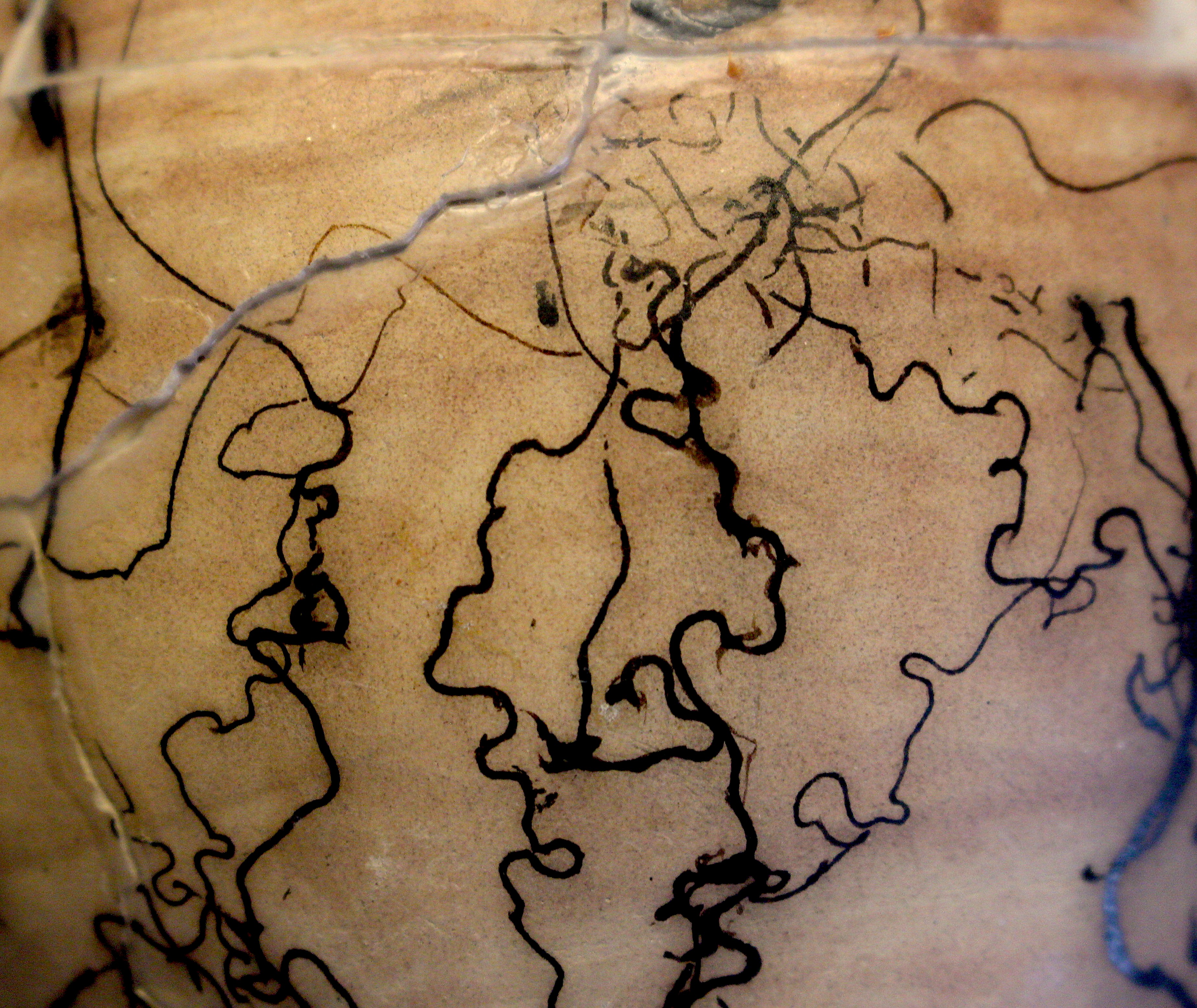
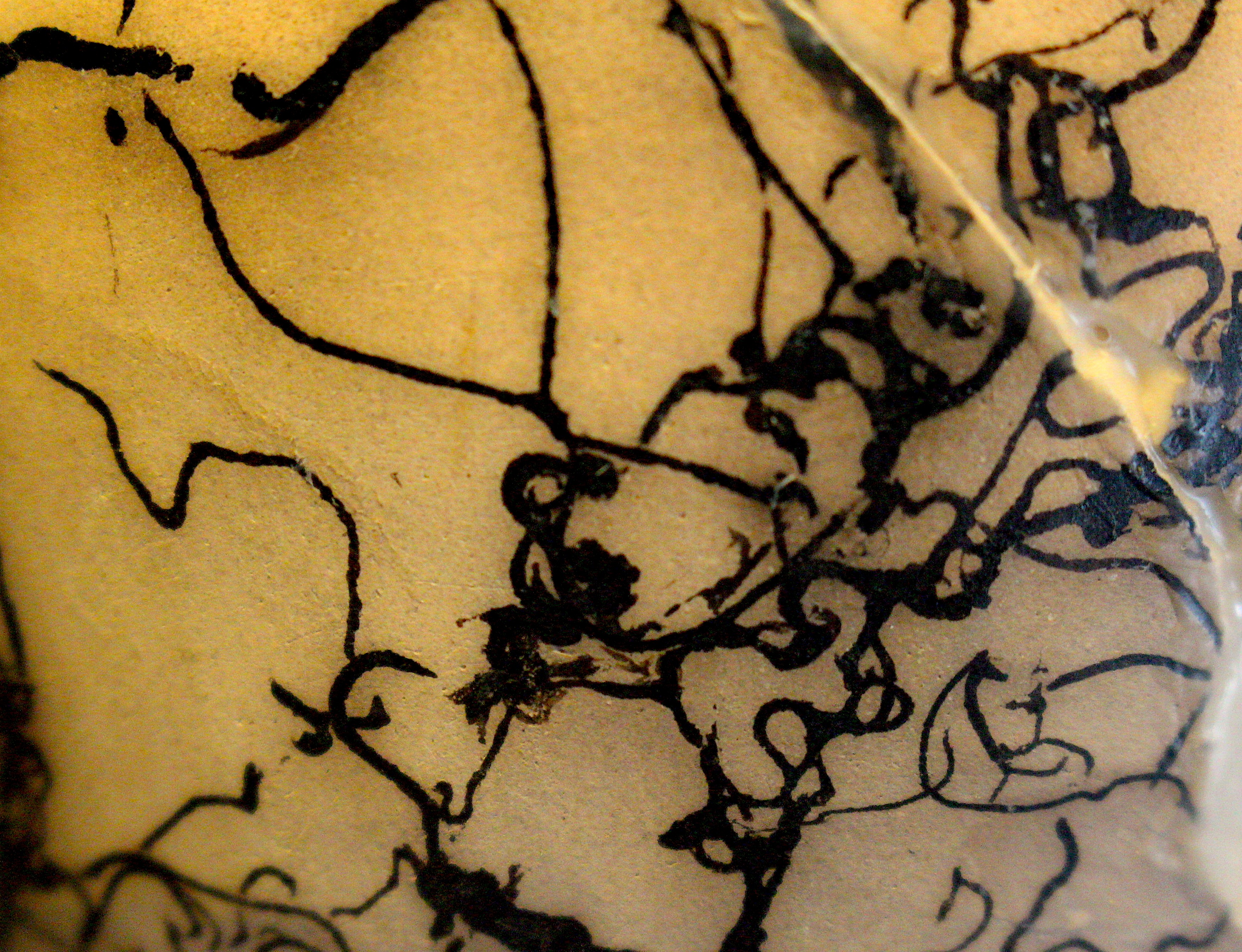
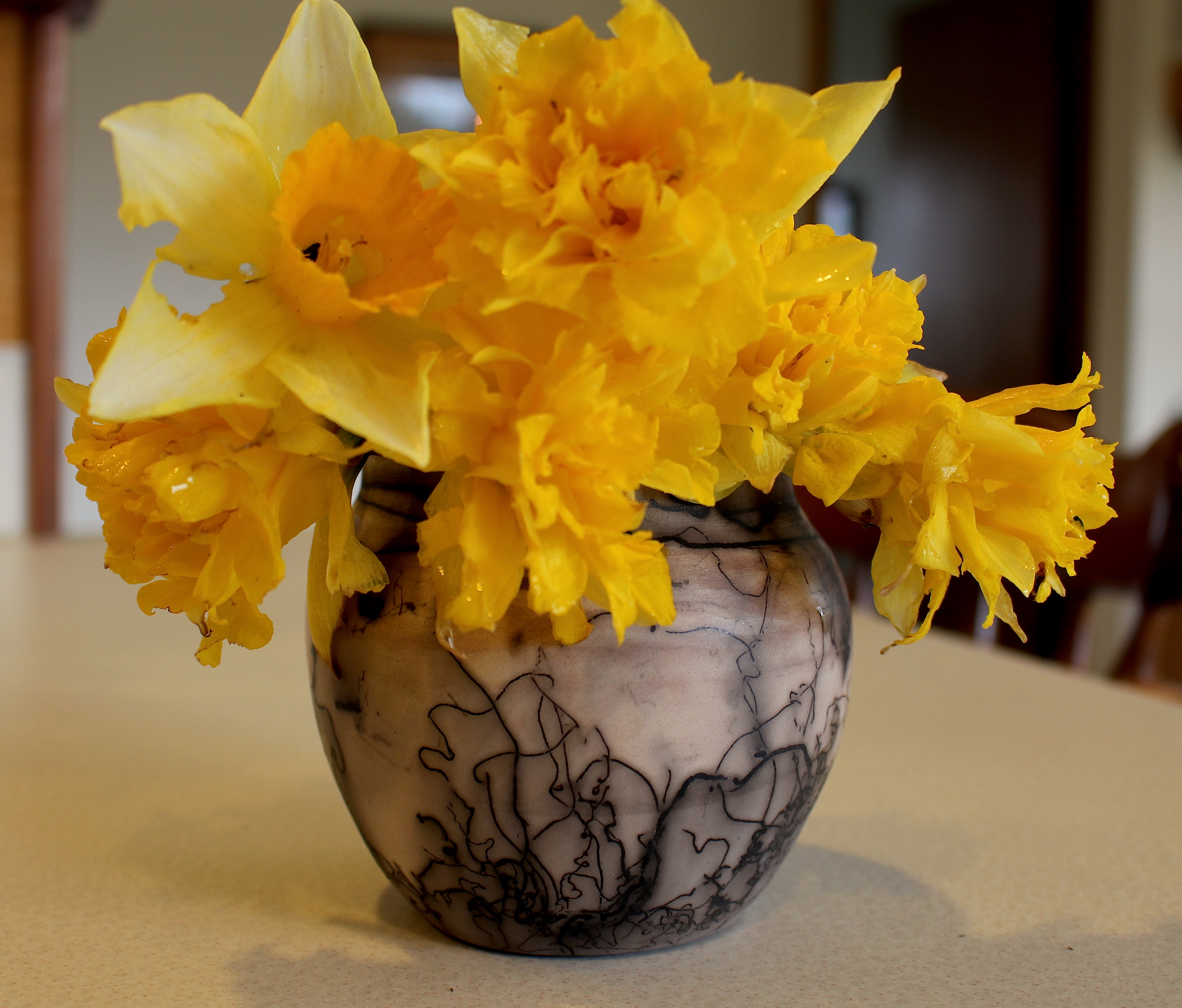
It is a ceramic pot meant specially for our kitchen table — handmade by a potter friend using the abstract artistry of mane hairs from our farm’s Haflinger horses burnt onto the sides. But it hit the floor and broke into many pieces, looking completely beyond repair.
It is back on our table, repaired with love and care by another friend, using nothing more than copious amounts of Elmer’s Glue. This is the glue of every child’s school desk, the glue of every mother’s junk drawer, the glue of every heart that needs mending.
Elmer’s is not the gold of the Japanese art of kintsugi, where broken vessels are repaired with precious metals, creating an object even more valuable and beautiful than before, with streaks and tracks of gold highlighting their shattered history.
Yet it is now even more precious to me. Someone we love cared deeply enough to make it in the first place, and another we love cared deeply to repair it, making it even more beautiful and blessed in its brokenness, highlighting ragged pieces made whole again.
Someone made us. Someone repairs us when we fall apart. Someone blesses our brokenness with a glued-together beauty that makes us whole.
Every day, as the sun goes down, I pause, broken, remembering how often I messed up that day, in big and small ways. Cracked open, my mistakes are illuminated, weighing down my heart, impossible to forget. Yet, as I pray for mercy, there follows a peacefulness, as my errors are blotted out. My slate, one more time, is wiped clean.
Therefore do not lose heart.
For God, who said, “Let light shine out of darkness,” made his light shine in our hearts to give us the light of the knowledge of God’s glory displayed in the face of Christ.
7 But we have this treasure in jars of clay to show that this all-surpassing power is from God and not from us. 8 We are hard pressed on every side, but not crushed; perplexed, but not in despair; 9 persecuted, but not abandoned; struck down, but not destroyed. 10 We always carry around in our body the death of Jesus, so that the life of Jesus may also be revealed in our body. 11 For we who are alive are always being given over to death for Jesus’ sake, so that his life may also be revealed in our mortal body. 12 So then, death is at work in us, but life is at work in you.
16 Therefore we do not lose heart. 2 Corinthinians: 6-12, 16
One-Time
Monthly
Yearly
Make a one-time or recurring donation to support daily Barnstorming posts







































 Barnstorming