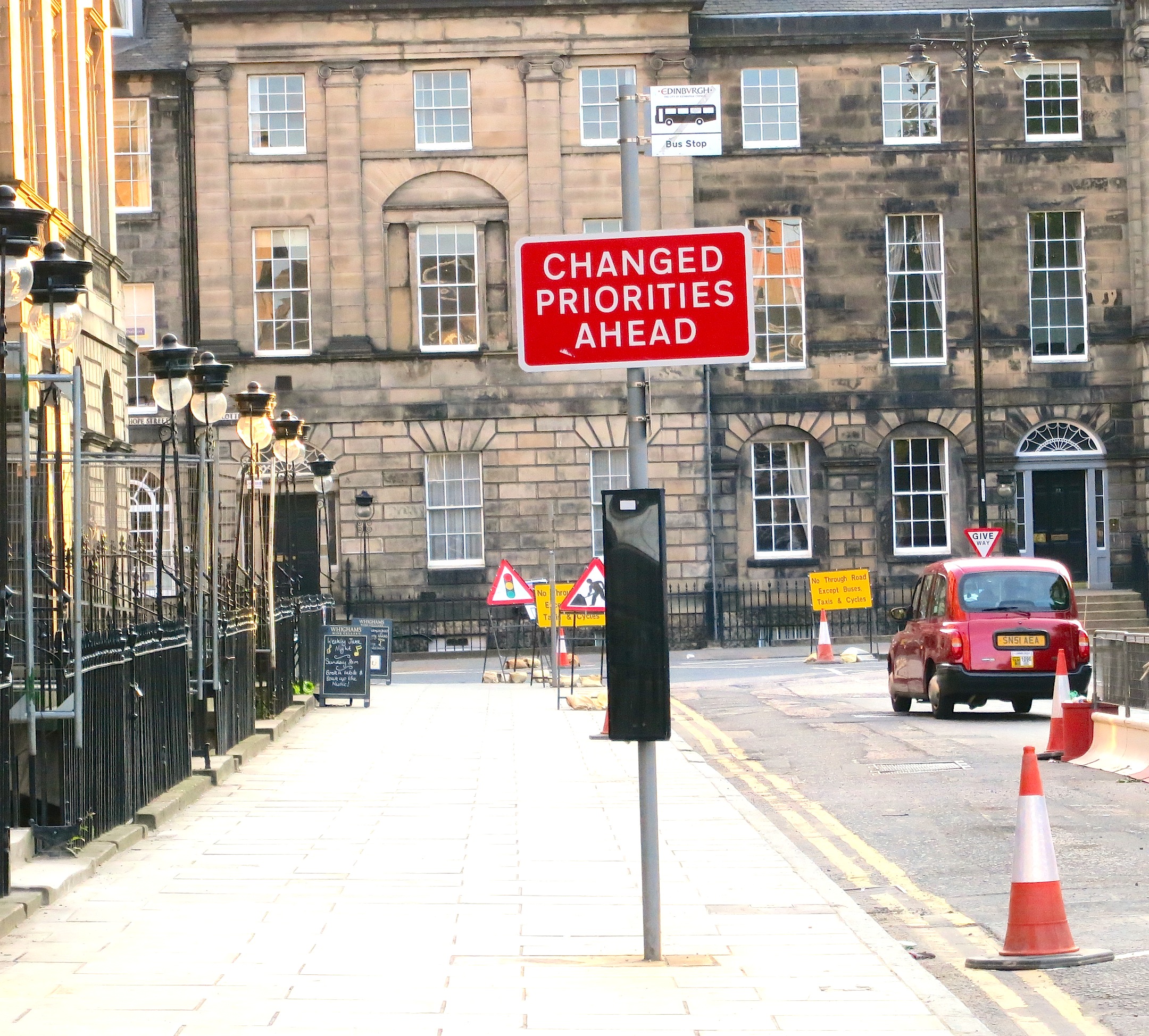
A Long, Long Road

The road is long
With many a winding turn
That leads us to who knows where
Who knows where
But I’m strong
Strong enough to carry him
He ain’t heavy, he’s my brother

If I’m laden at all
I’m laden with sadness
That everyone’s heart
Isn’t filled with the gladness
Of love for one another

It’s a long, long road
From which there is no return
While we’re on the way to there
Why not share

And the load
Doesn’t weigh me down at all…

~Bobby Scott and Bob Russell from “He Ain’t Heavy, He’s My Brother”

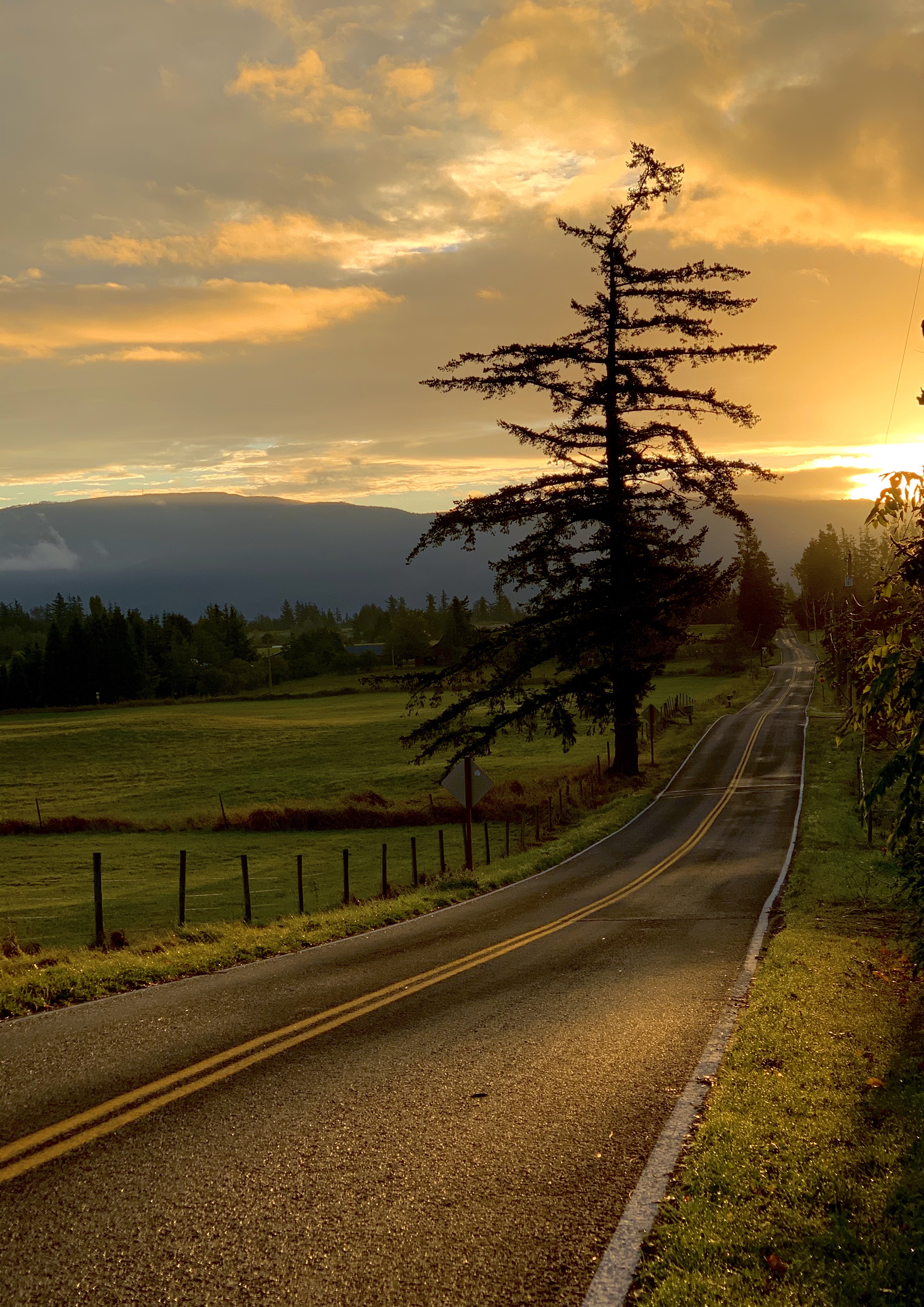
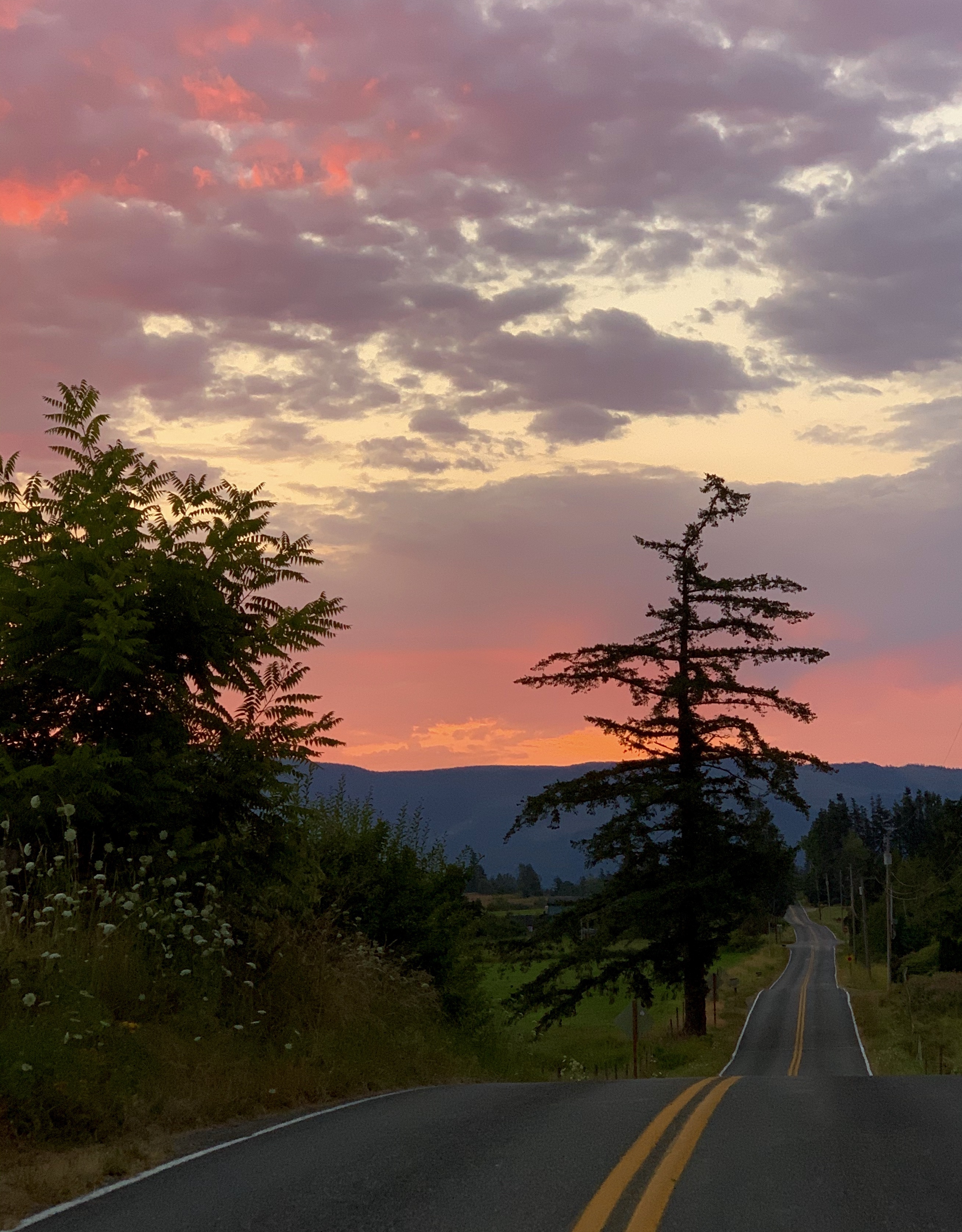
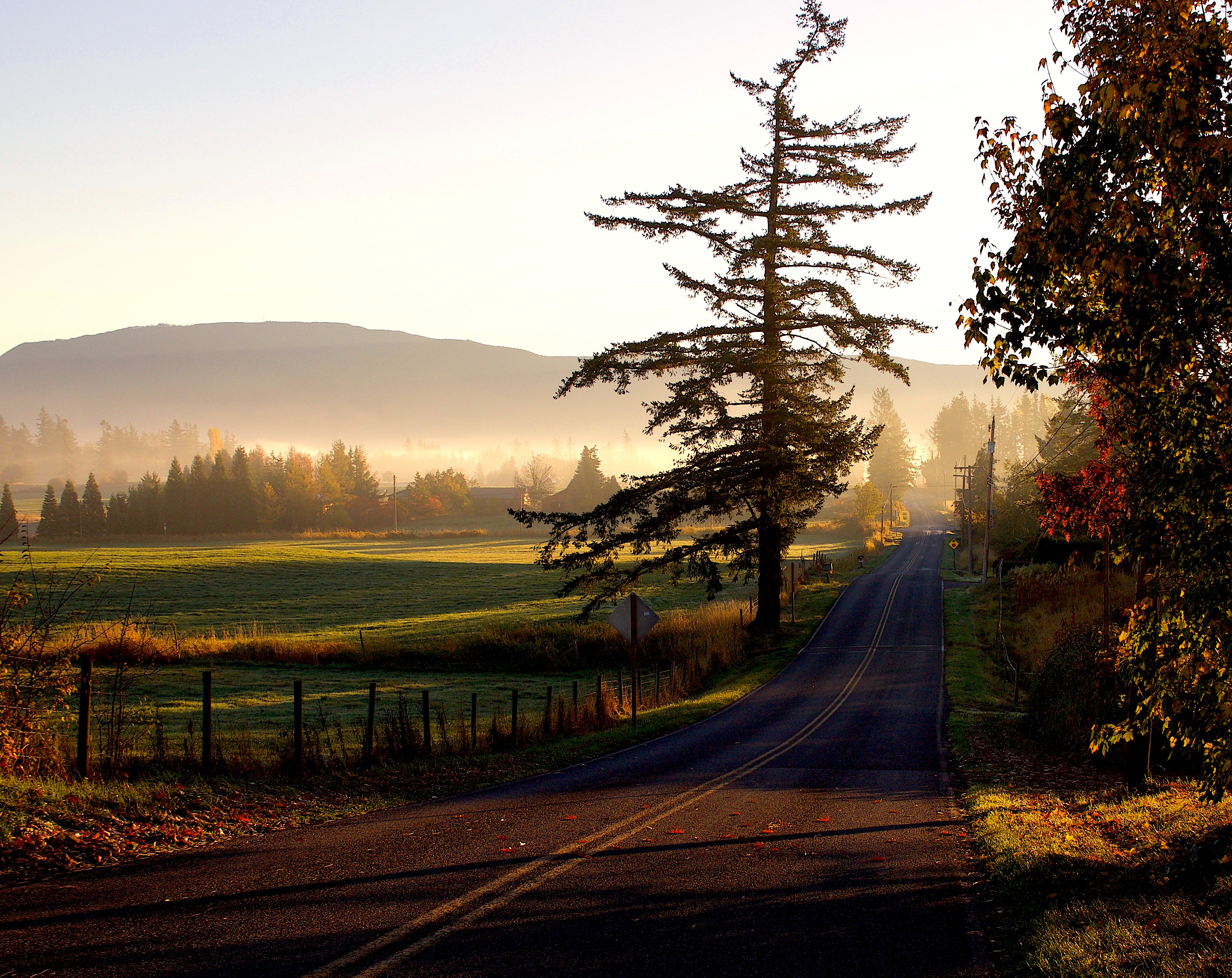
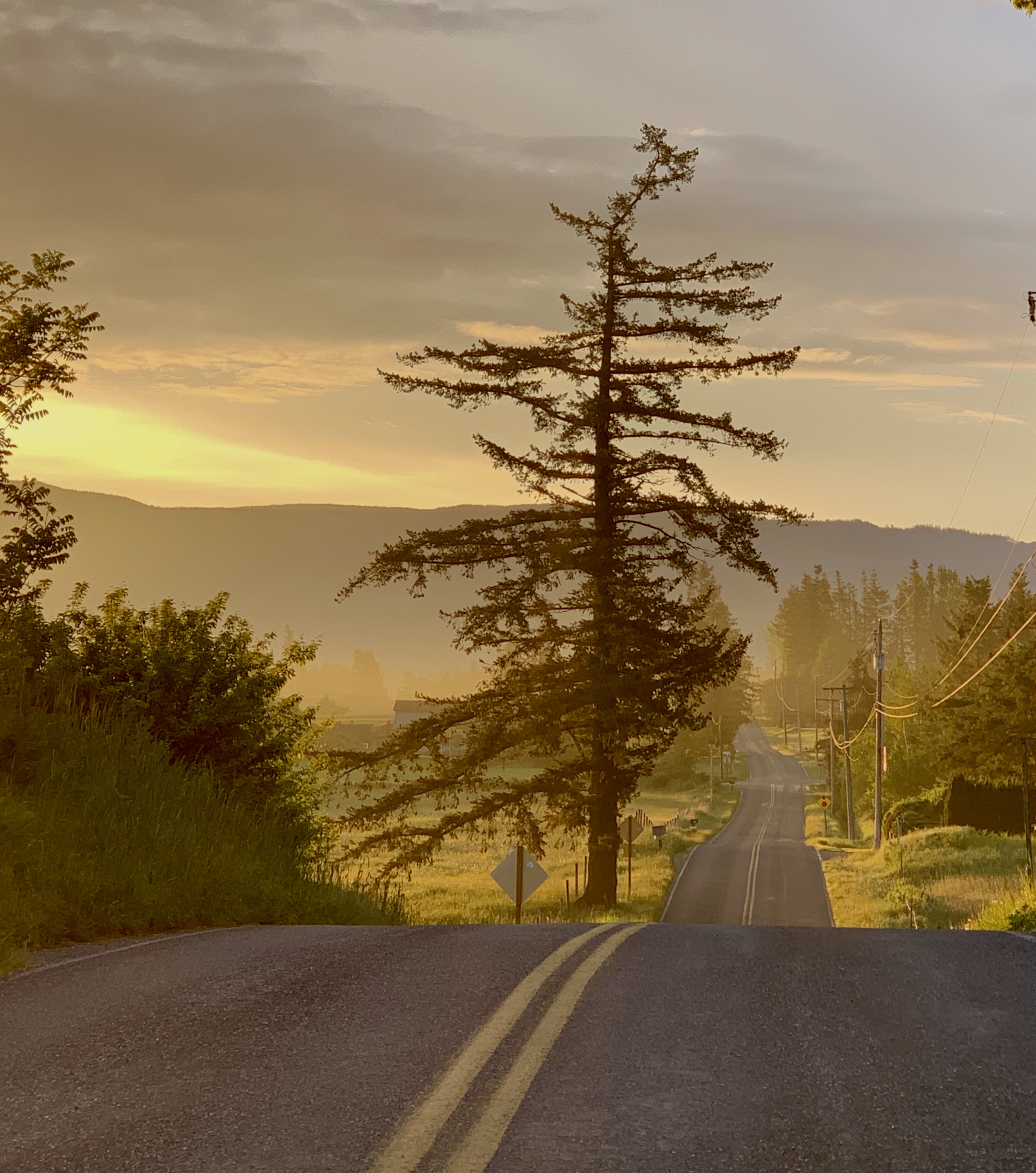
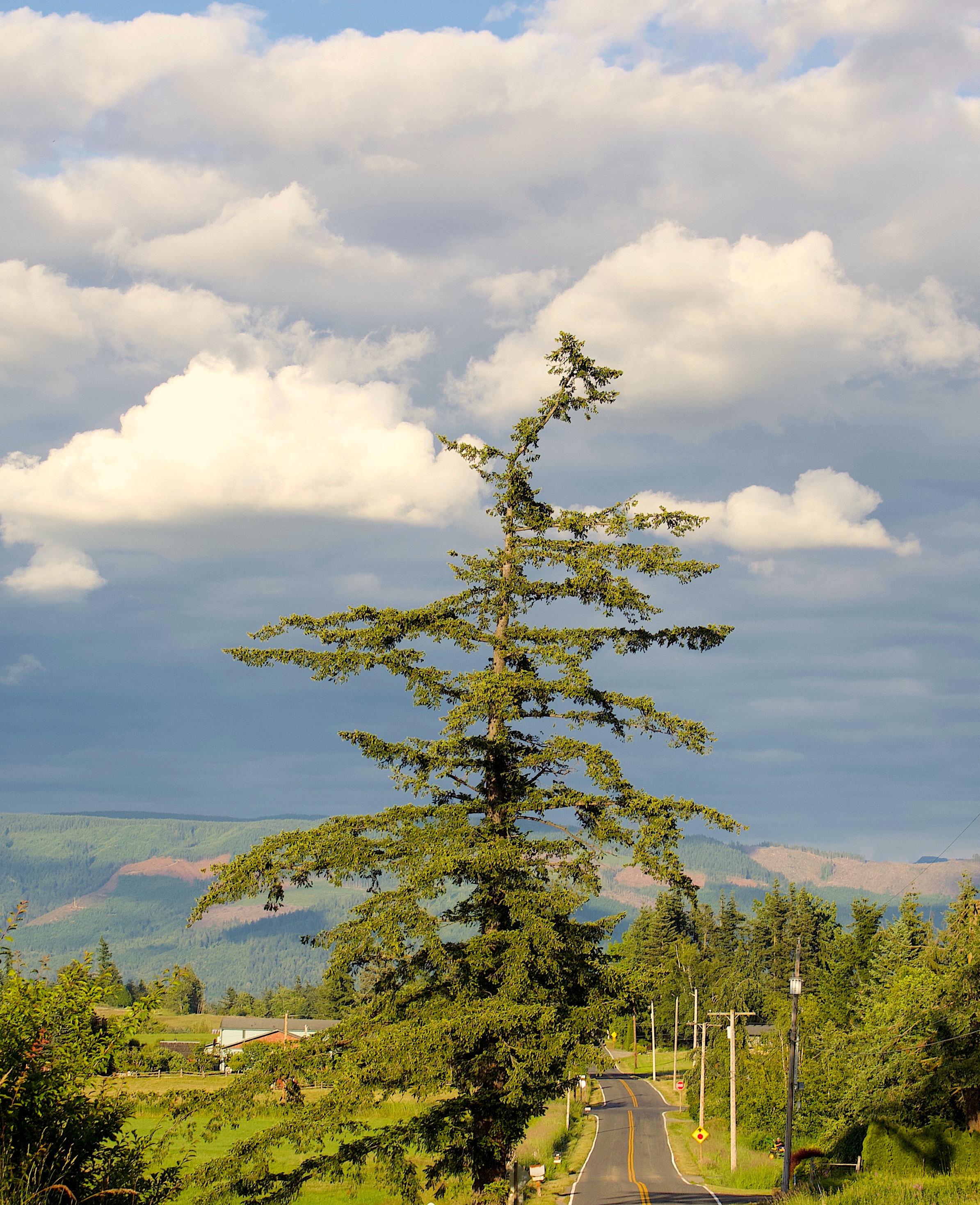
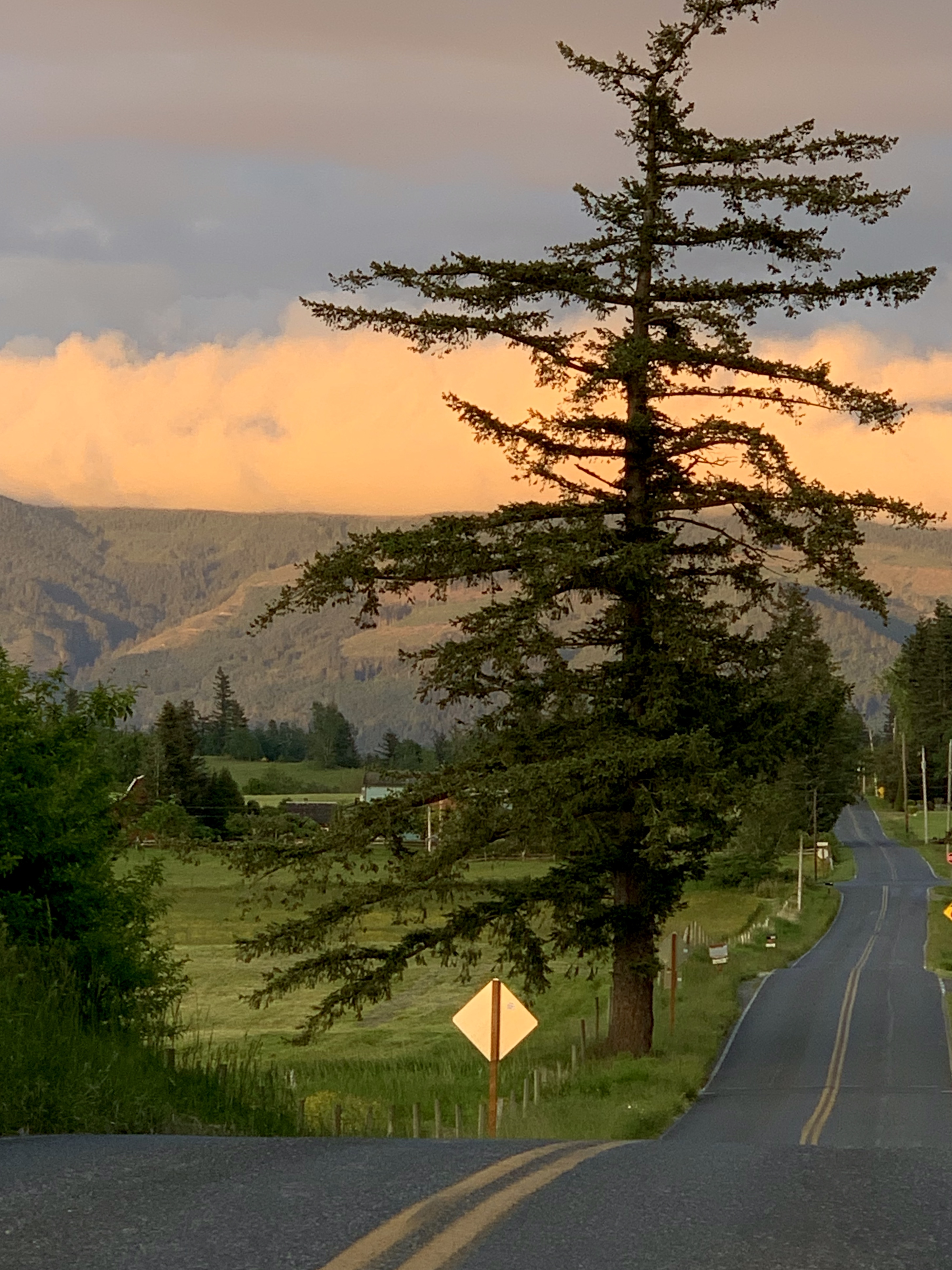
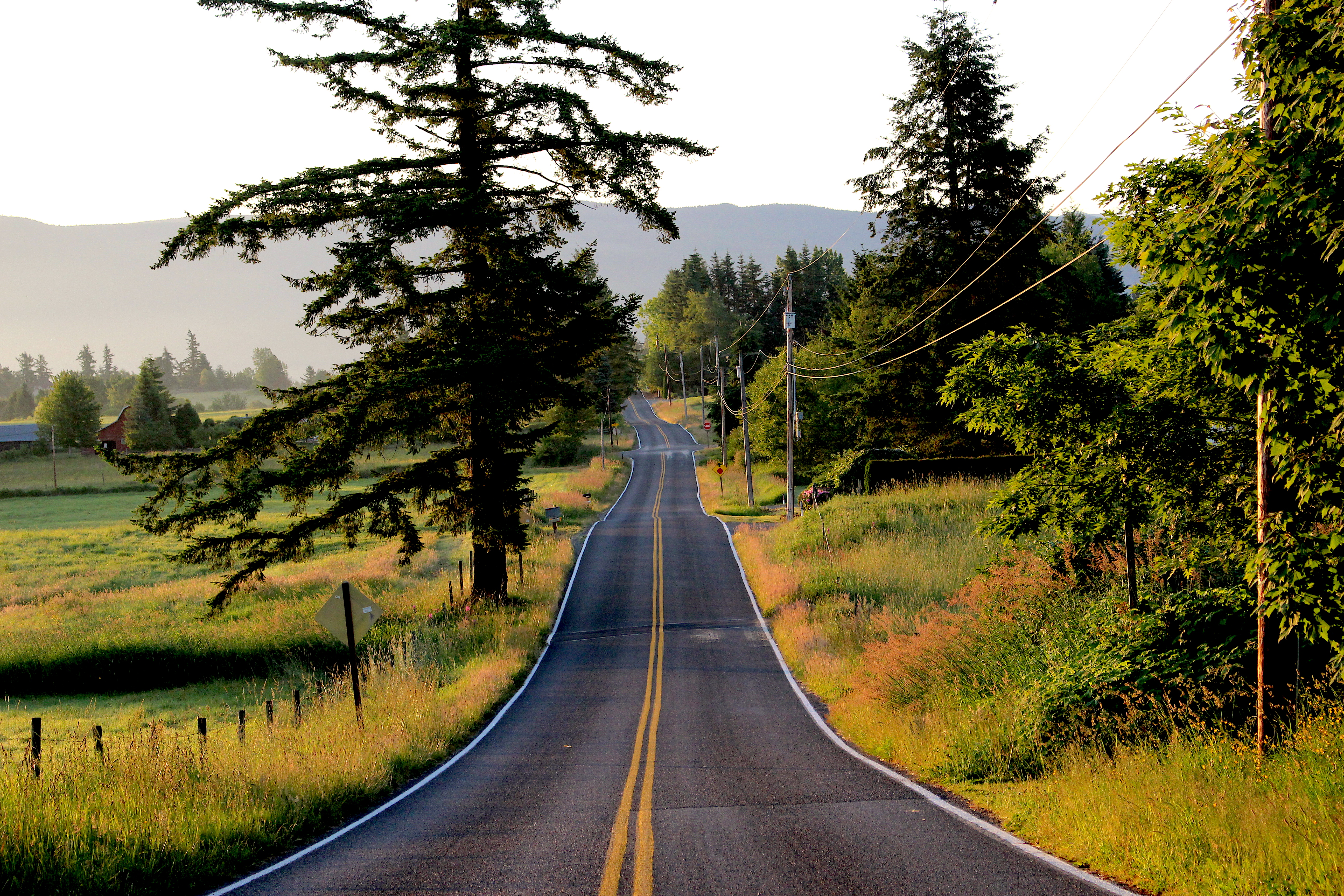
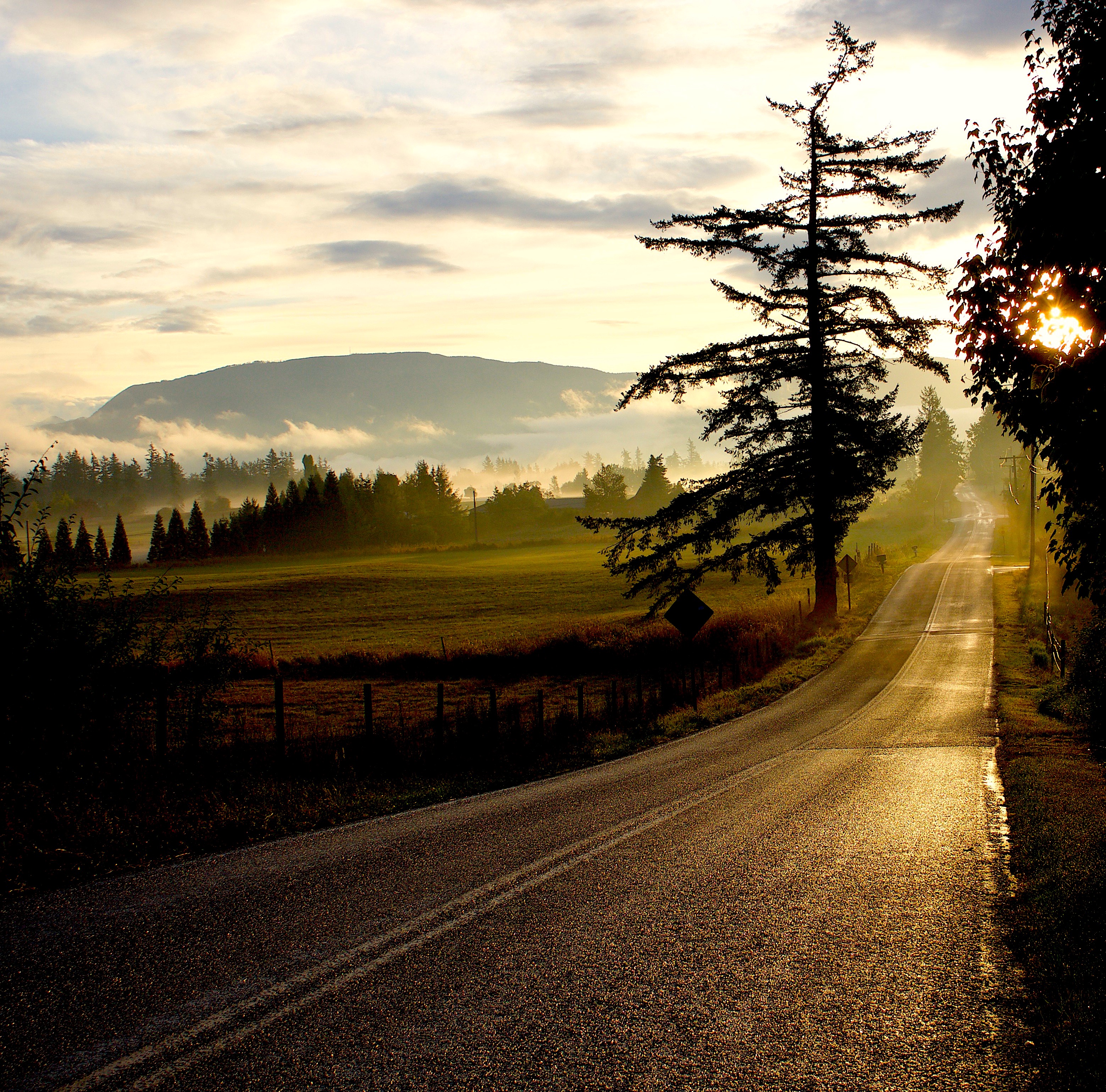
I know where this road ends to the east: at the very edge of the Cascade foothills, right in the middle of a small tribal nation trying to survive challenging economic times on their reservation land.

Heading west from here, there is another tribal nation trying to survive. In between are farmers who are having to sell their dairy herds because milk prices aren’t keeping up with the cost of maintaining their business. There are families now without sustainable wage employment because large industries have pulled up stakes and closed their doors. There is land that is overpriced as people flee the cities to come to rural surroundings because of ongoing pandemic shutdowns and worries.

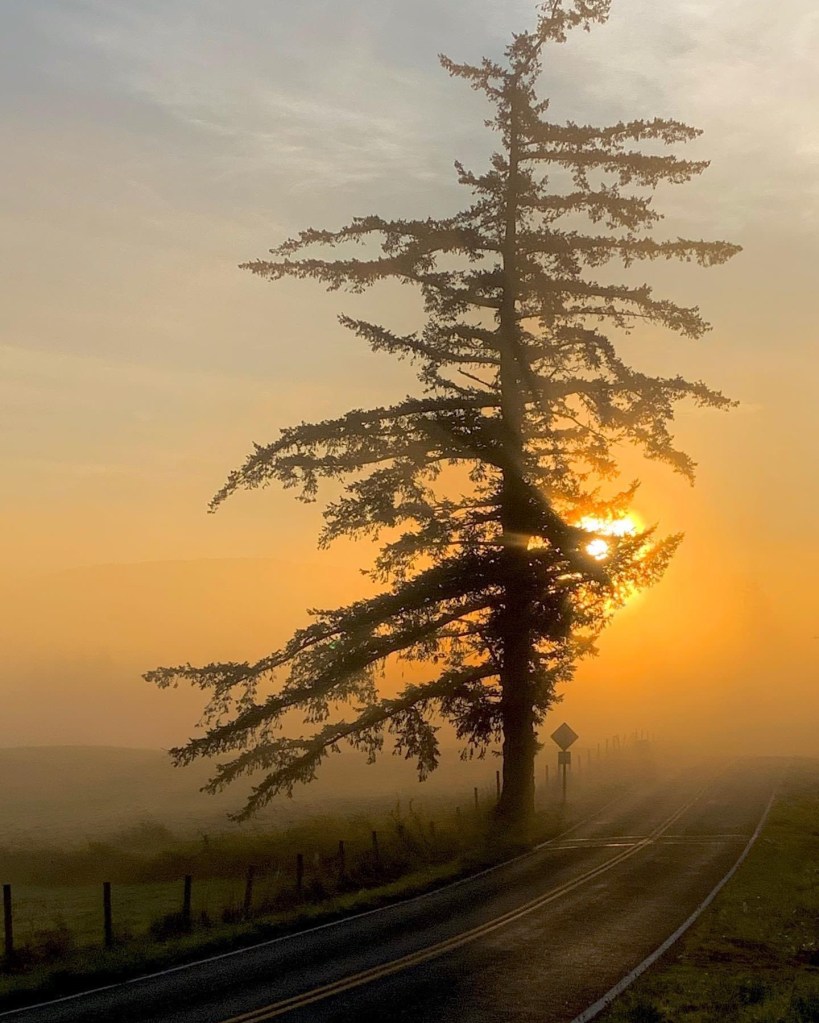
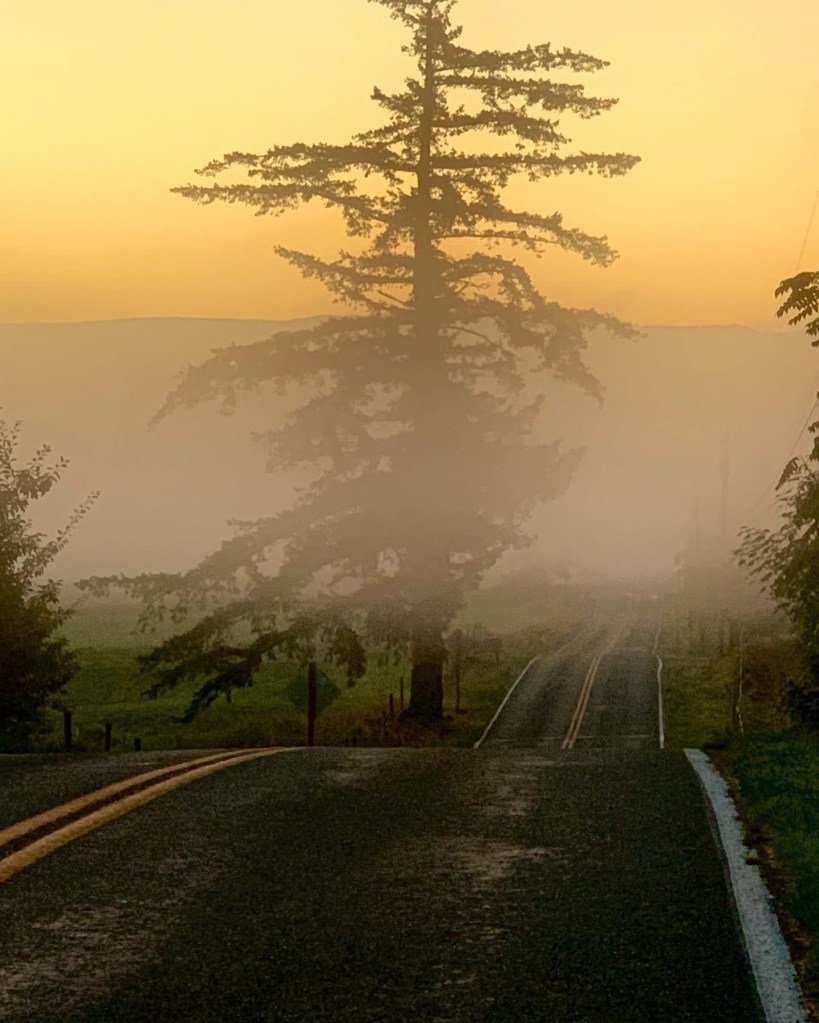
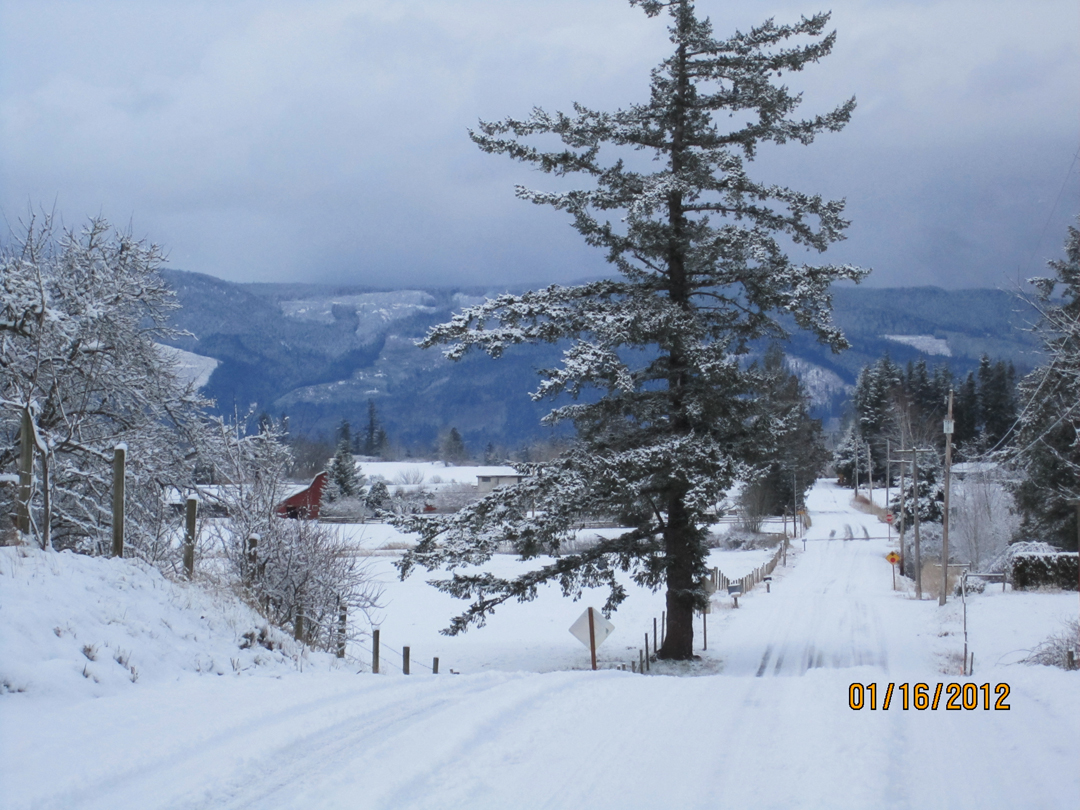
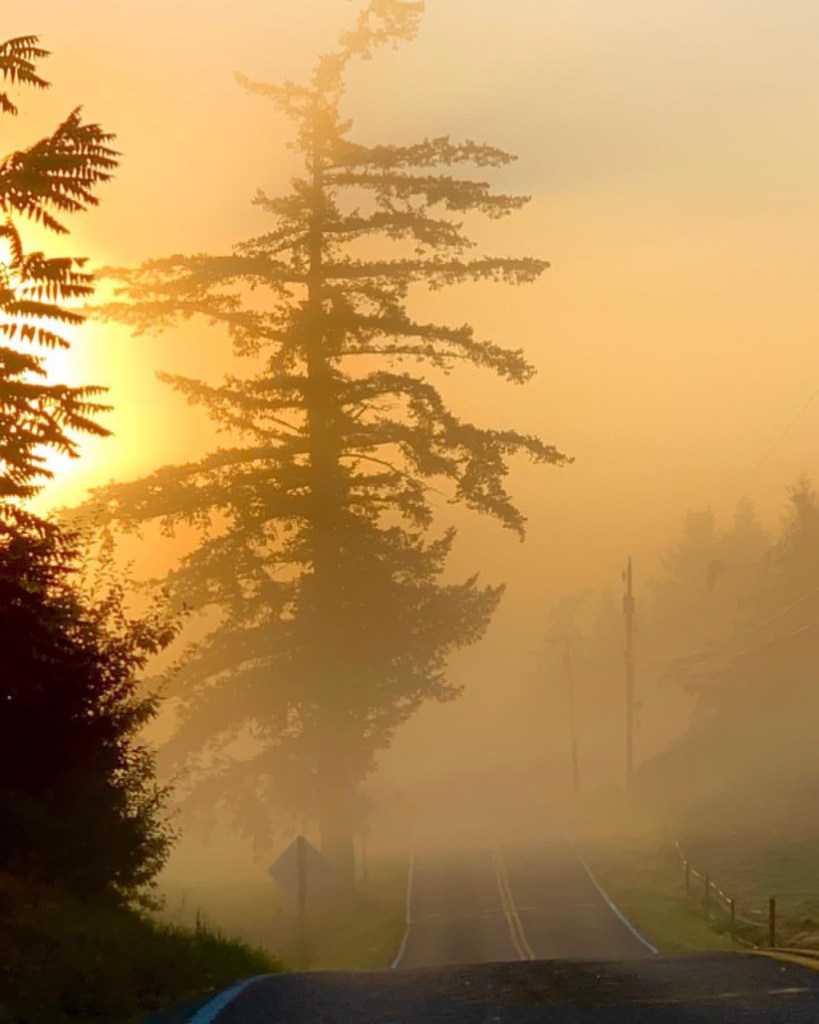
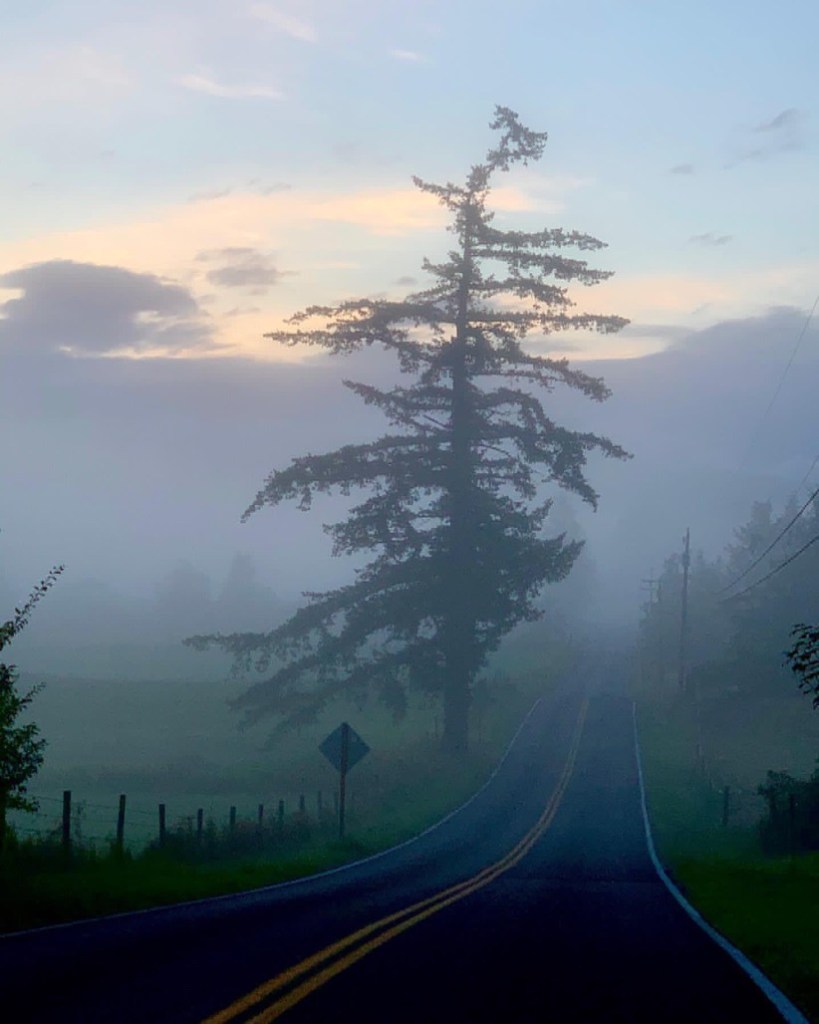
There is much sadness all along this country road during times like these, but that’s not new. In another 100 years it will still not be new. There will always be foggy and stormy days interspersed among times of hope and light.

We remain a diverse people of tears and struggle, but we take turns carrying one another when one has what another does not. We still have the sun and the rain and the soil, the turning of the seasons and the rhythm of sun up and sun down.

On our way to there, why not share?

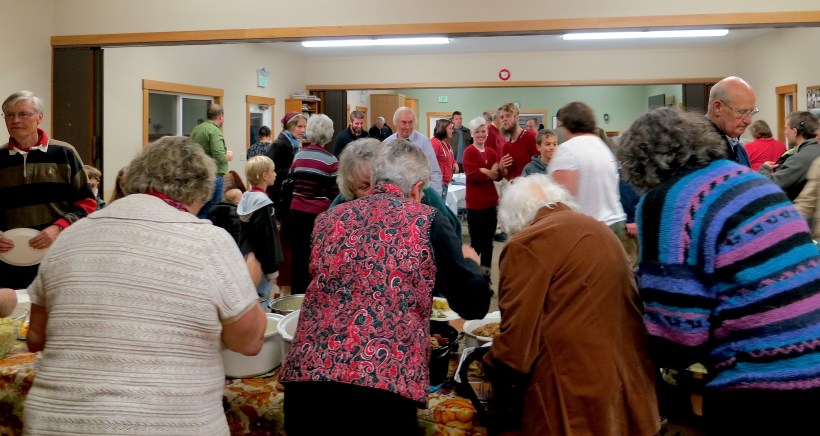
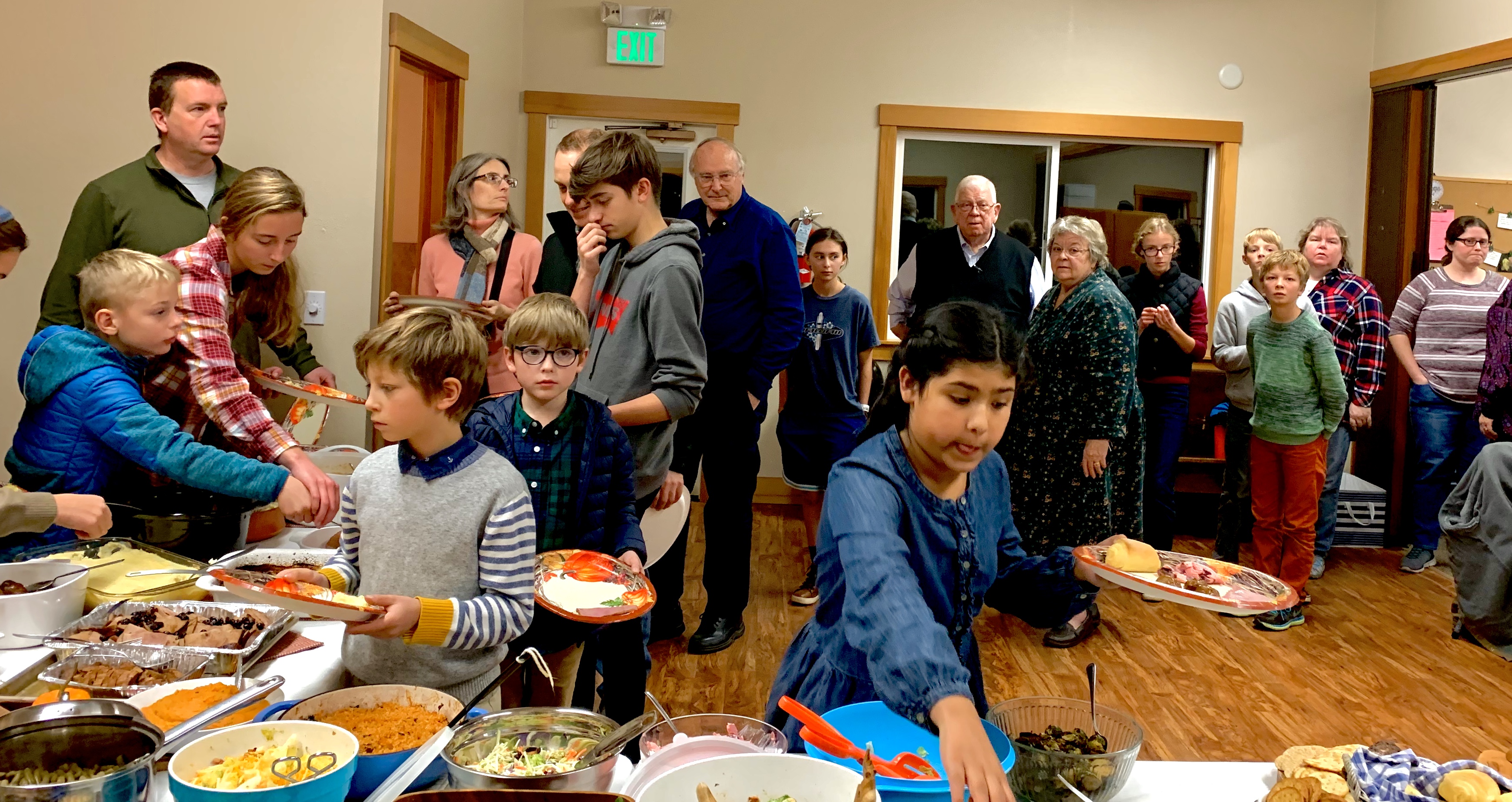
Now Let’s Eat


Here we sit as evening falls
Like old horses in their stalls.
Thank you, Father, that you bless
Us with food and an address
And the comfort of your hand
In this great and blessed land.
Look around at each dear face,
Keep each one in your good grace.
We think of those who went before,
And wish we could have loved them more.
Grant to us a cheerful heart,
Knowing we must soon depart
To that far land to be with them.
And now let’s eat. Praise God. Amen.
~Gary Johnson “Table Grace”

The world begins at a kitchen table. No Matter what, we must eat to live.

The gifts of earth are brought and prepared, set on the table. So it has been since creation, and it will go on.

We chase chickens or dogs away from it. Babies teethe at the corners. They scrape their knees under it.

It is here that children are given instructions on what it means to be human. We make men at it, we make women.

At this table we gossip, recall enemies and the ghosts of lovers.

Our dreams drink coffee with us as they put their arms around our children. They laugh with us at our poor falling-down selves and as we put ourselves back together once again at the table.

This table has been a house in the rain, an umbrella in the sun.

We have given birth on this table, and have prepared our parents for burial here.

Wars have begun and ended at this table. It is a place to hide in the shadow of terror. A place to celebrate the terrible victory.

At this table we sing with joy, with sorrow. We pray of suffering and remorse. We give thanks.

Perhaps the world will end at the kitchen table, while we are laughing and crying, eating of the last sweet bite.
~Joy Harjo “Perhaps the World Ends Here”

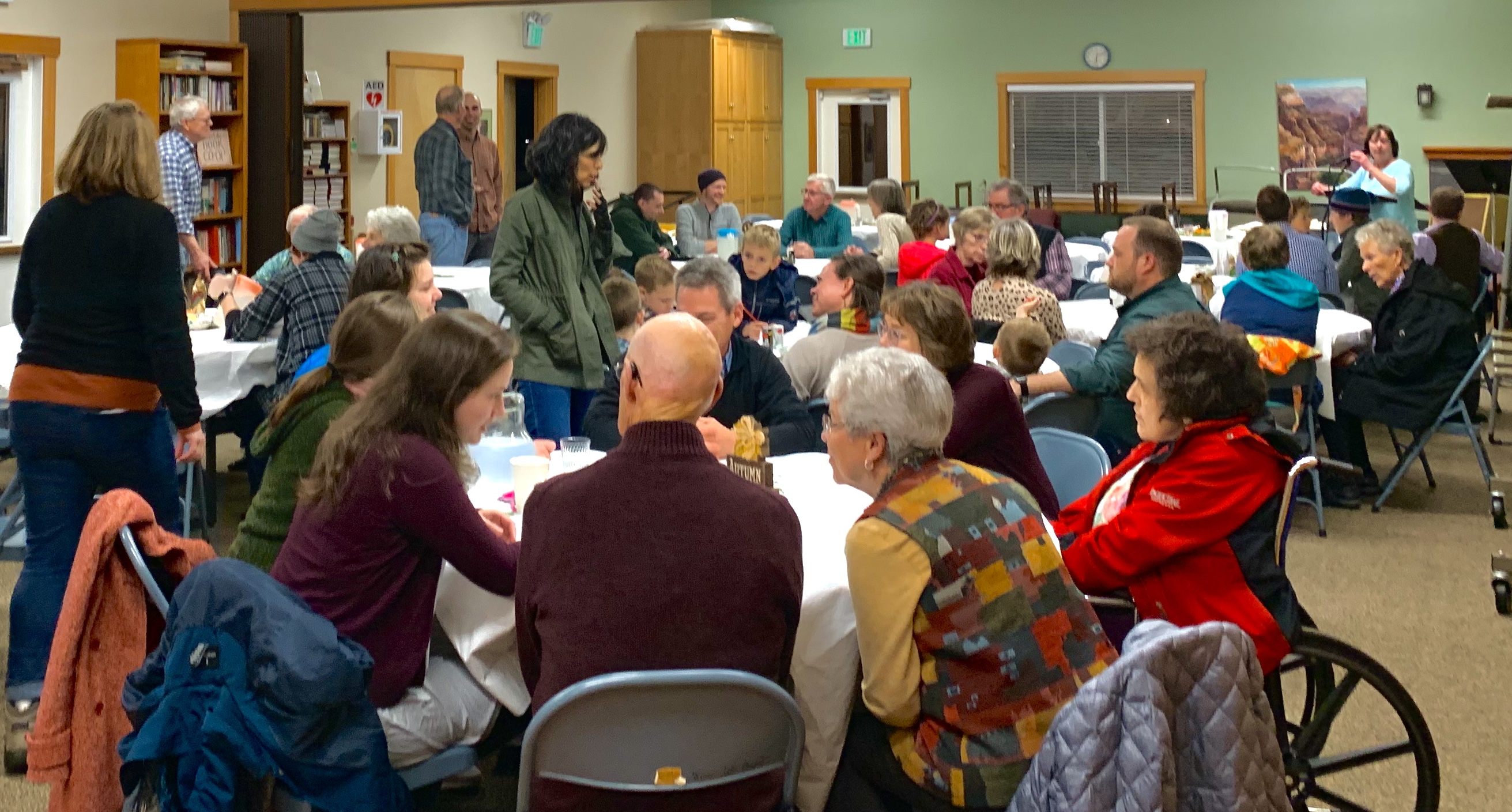
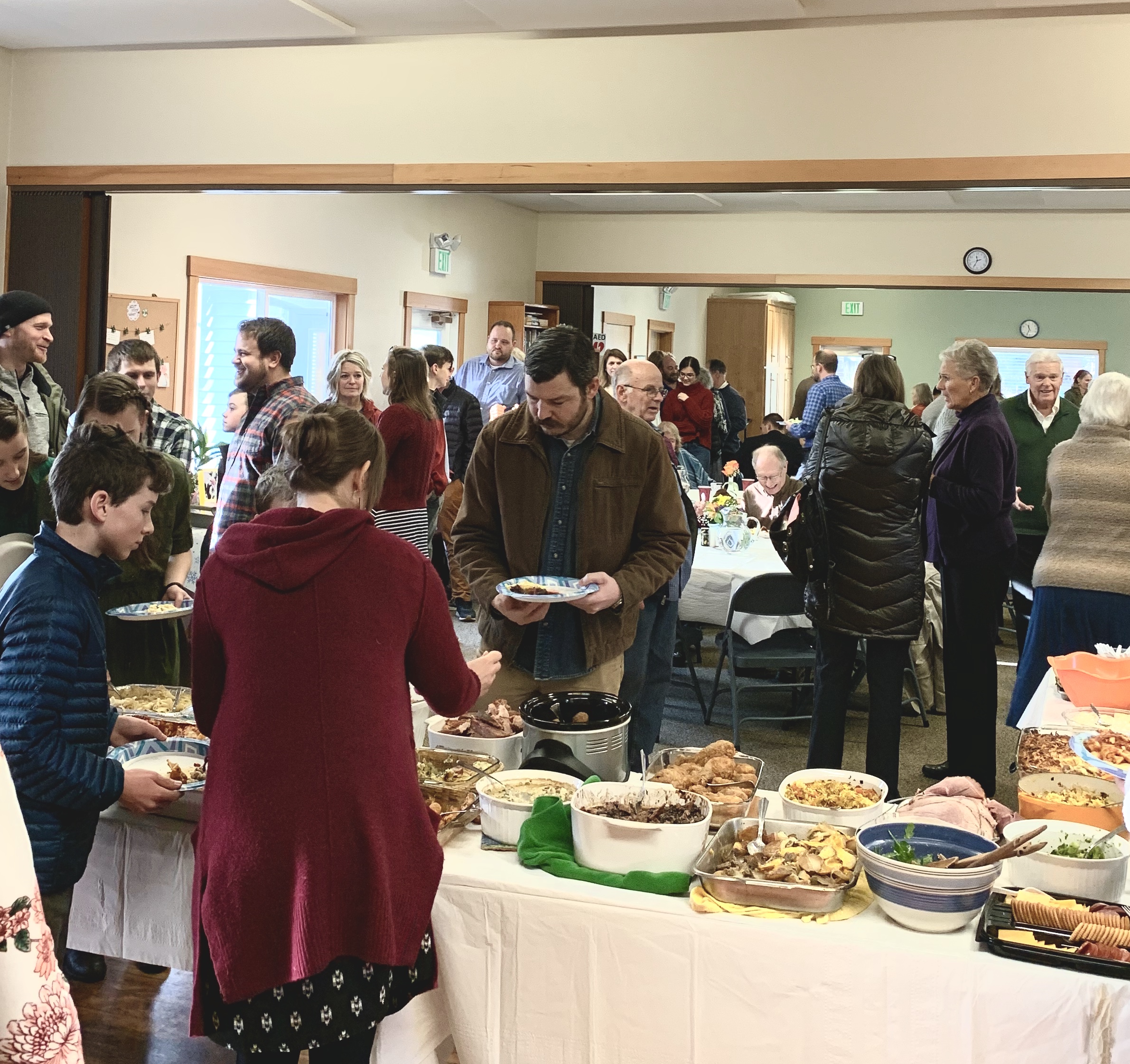
Our life revolves around the table, whether at home or at church.

This is where we hang out late into the evening,
and begin the day before dawn.

This is where prayers happen,
the meals happen,
the arguments happen.
This is where we listen to, understand and love each other.

This is where we share what we have and eat and are fed and
this is where God provides for us daily.

One of the hardest parts of the pandemic
is that the virus finds people who sing and talk together around a table,
and who take off their masks to eat together.
Truly this Enemy has found a way to keep people away from one another,
caring for one another and being nourished together.

We think of those who went before
and wish that we could have loved them more.

Let us love one another now, while we can, when we can,
and we shall feast together later.

Perhaps the world will end at the kitchen table, while we are laughing and crying, eating of the last sweet bite.

Amen and Amen.

Where Time and Eternity Meet

Unexpected God,
your coming advent alarms us.
Wake us from drowsy worship,
from the sleep that neglects love,
and the sedative of misdirected frenzy.
Awaken us now to your coming,
and bend our angers into your peace.
Amen.
~Revised Common Lectionary

photo by Julie Garrett

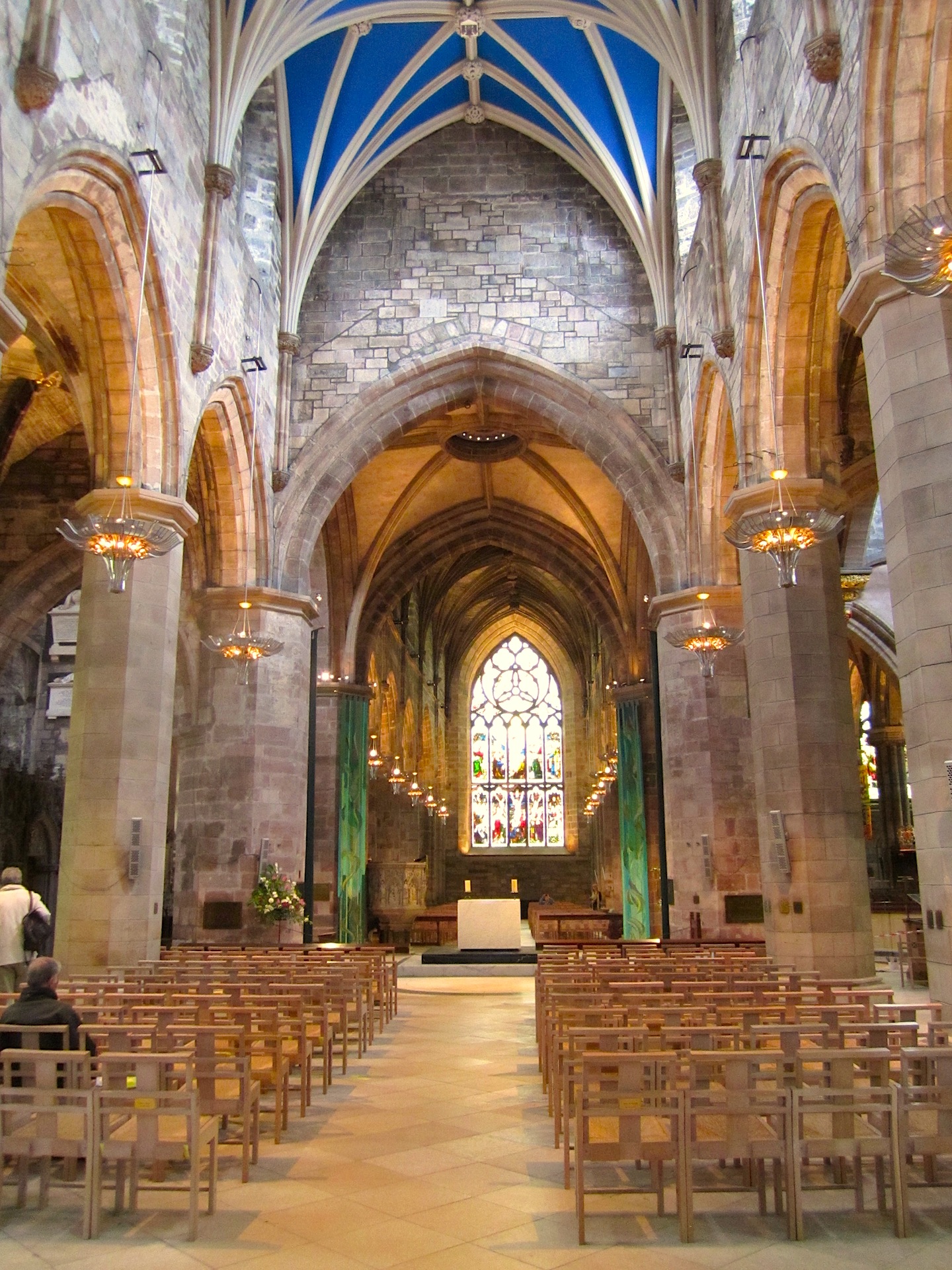
Sometimes the very walls of our churches
separate us from God
and each other.


In our various naves and sanctuaries
we are safely separated from those outside,
from other denominations, other religions,
separated from the poor, the ugly, the dying.…


The house of God is not a safe place.
It is a cross where time and eternity meet,
and where we are – or should be –
challenged to live more vulnerably,
more interdependently.
~Madeleine L’Engle, from  A Stone for a Pillow

Does anyone have the foggiest idea
of what sort of power we so blithely invoke?
Or, as I suspect, does no one believe a word of it?
The churches are

children playing on the floor with their chemistry sets,
mixing up a batch of TNT to kill a Sunday morning.
It is madness to wear ladies’ straw hats and velvet hats to church;
we should all be wearing crash helmets.
Ushers should issue life preservers and signal flares;
they should lash us to our pews.

~Annie Dillard from Teaching a Stone to Talk

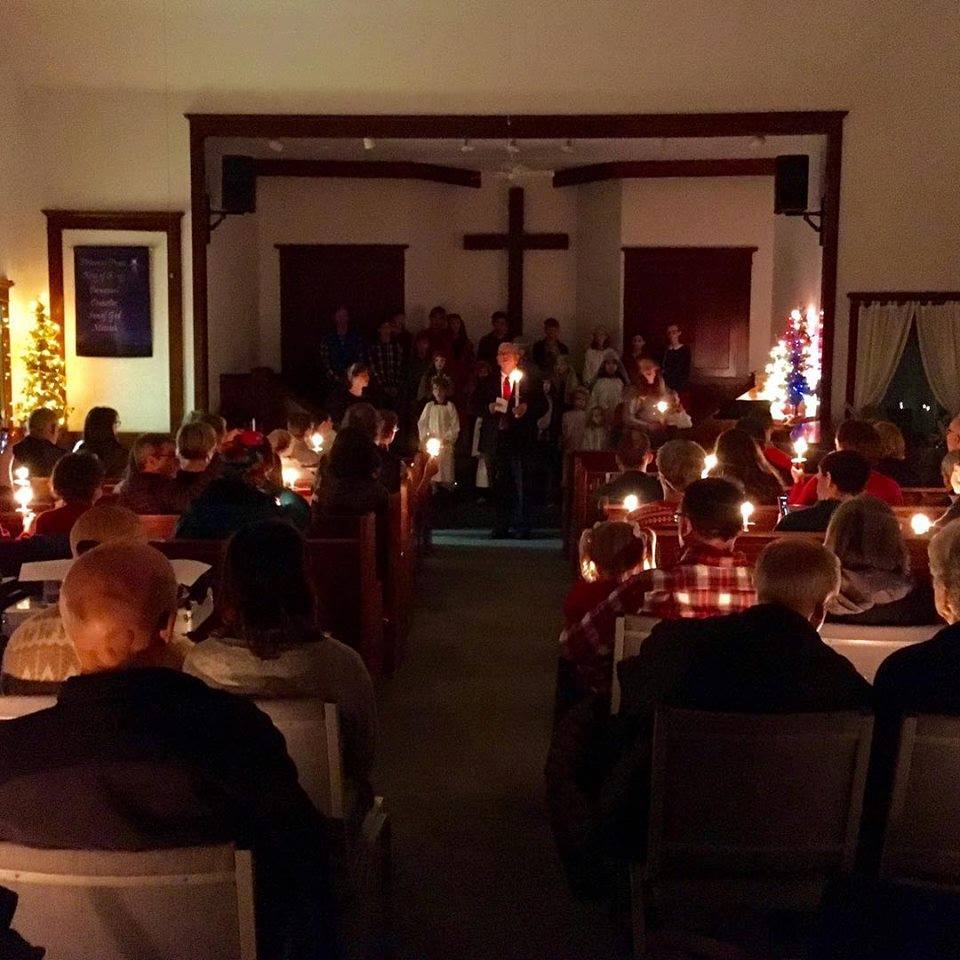
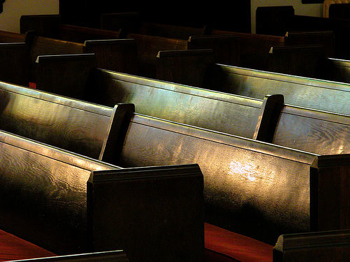
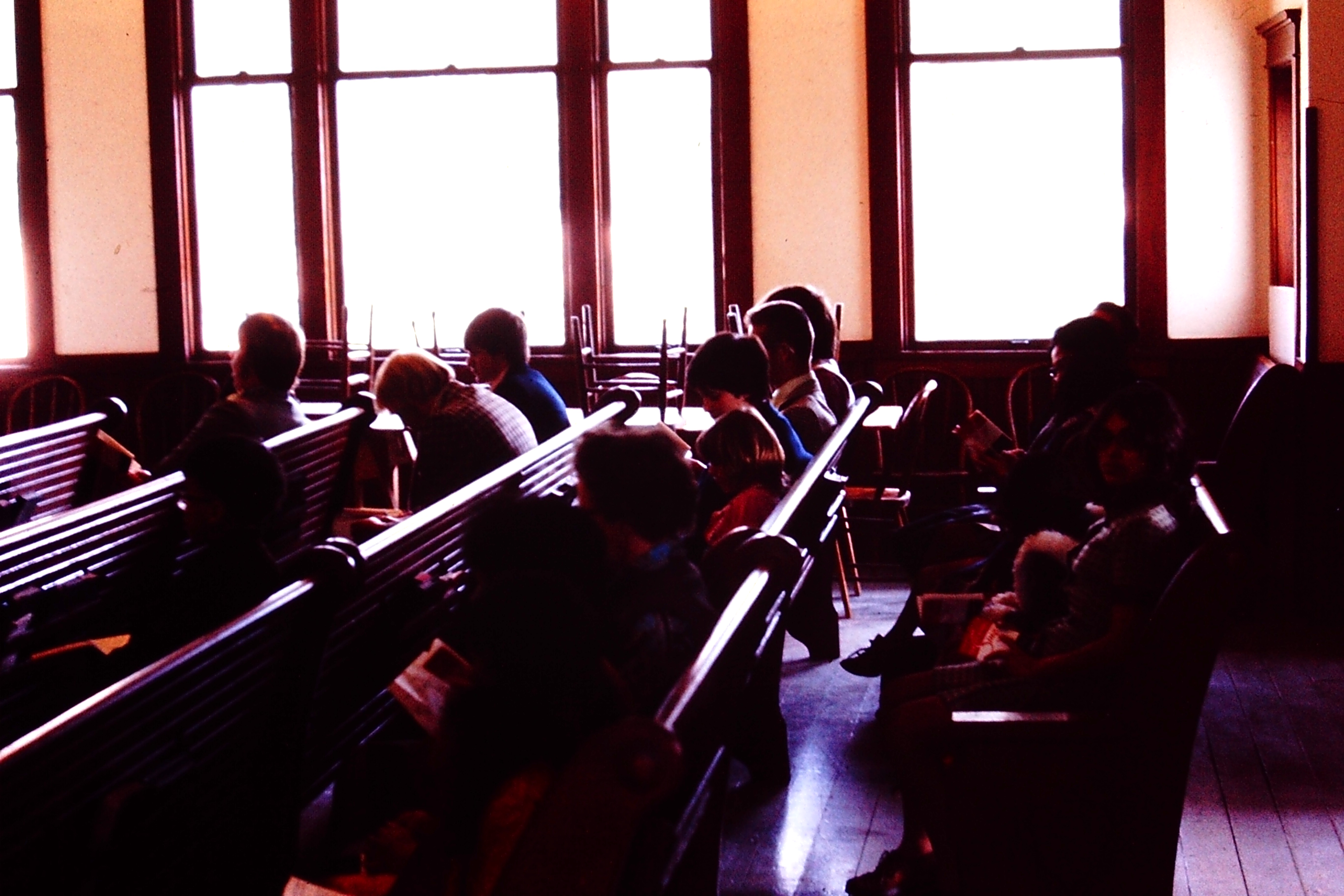
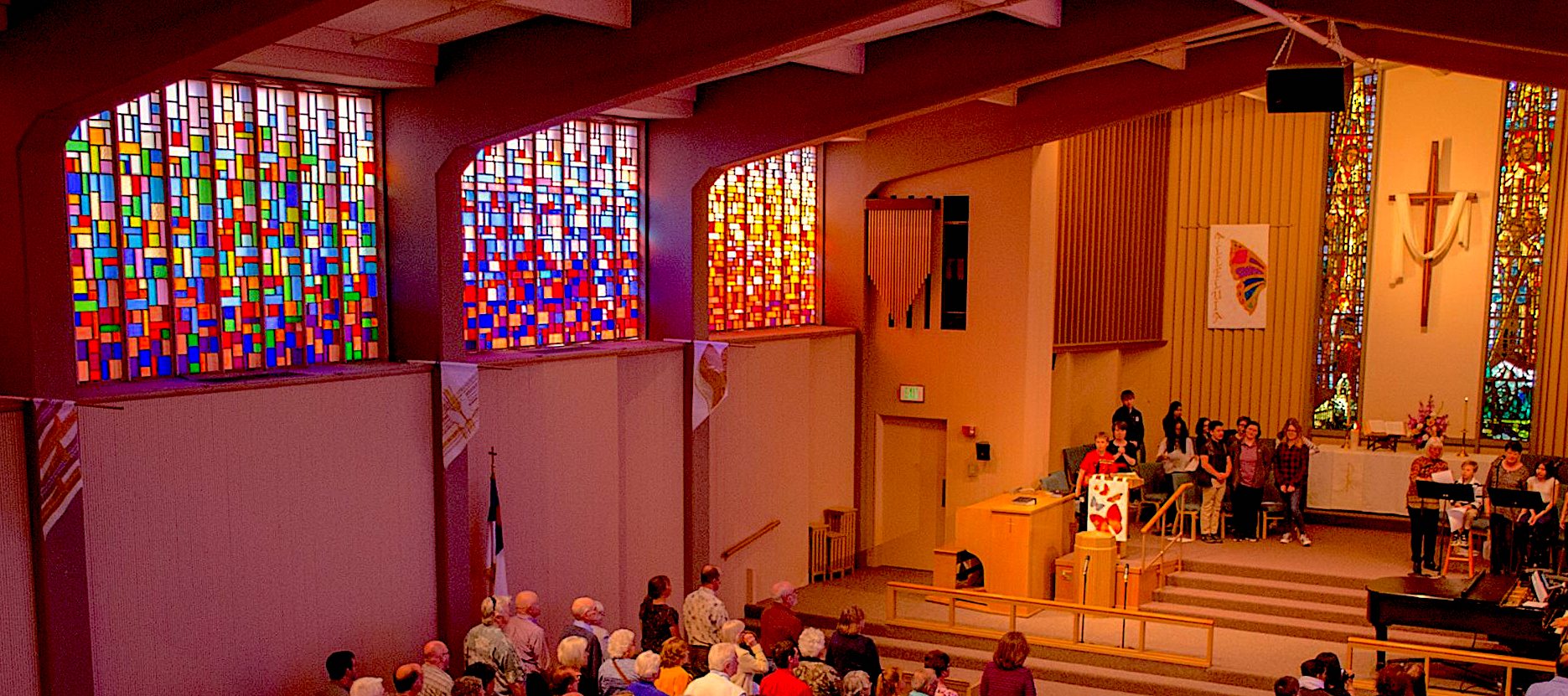
Today, after weeks of worshipping outdoors, we move back inside for fall and winter, all wearing masks while separated into four different spaces with social distancing. It may be this way well into next year: nobody knows.

No one is happy that the singing will be limited, there will be no handshakes or hugs and some of us will be watching a live feed on a screen. Some are flat out angry at having to worship this way and will opt to stay away. Yet we are called to come together, to raise our voices corporately in praise, prayer and thanksgiving, despite the risks and unfamiliarity of how these changes look and feel while we try to protect one another from infection.

We tend to forget that walking into church on any Sabbath, not just during a pandemic, takes courage and commitment as we automatically become vulnerable to one another. What one of us says and does can bless or hurt us all. This can be no drowsy worship: we are the poor, the ugly and the dying.

When I hear the secular folks in society scoff at attending church as a “crutch for the weak”, they underestimate what it means to admit a desperate need for salvation and grace that can only be found inside those doors. We who sit in a pew in the sanctuary cling to the life preserver found in the Word. We are lashed to our seats and must hang on.  It is only because of God’s grace that we survive the tempests of temptation, guilt and self-doubt in order to let go of our own anger at the state of the world and the state of our own souls.

Exposing ourselves to the radical mystery and immense power of the living God is not for the faint of heart, yet all of us on the verge of heart failure need God’s deep roots to thrive and grow in our rocky soul soil.

So today, and every day, we must not forget our crash helmets… or our masks.

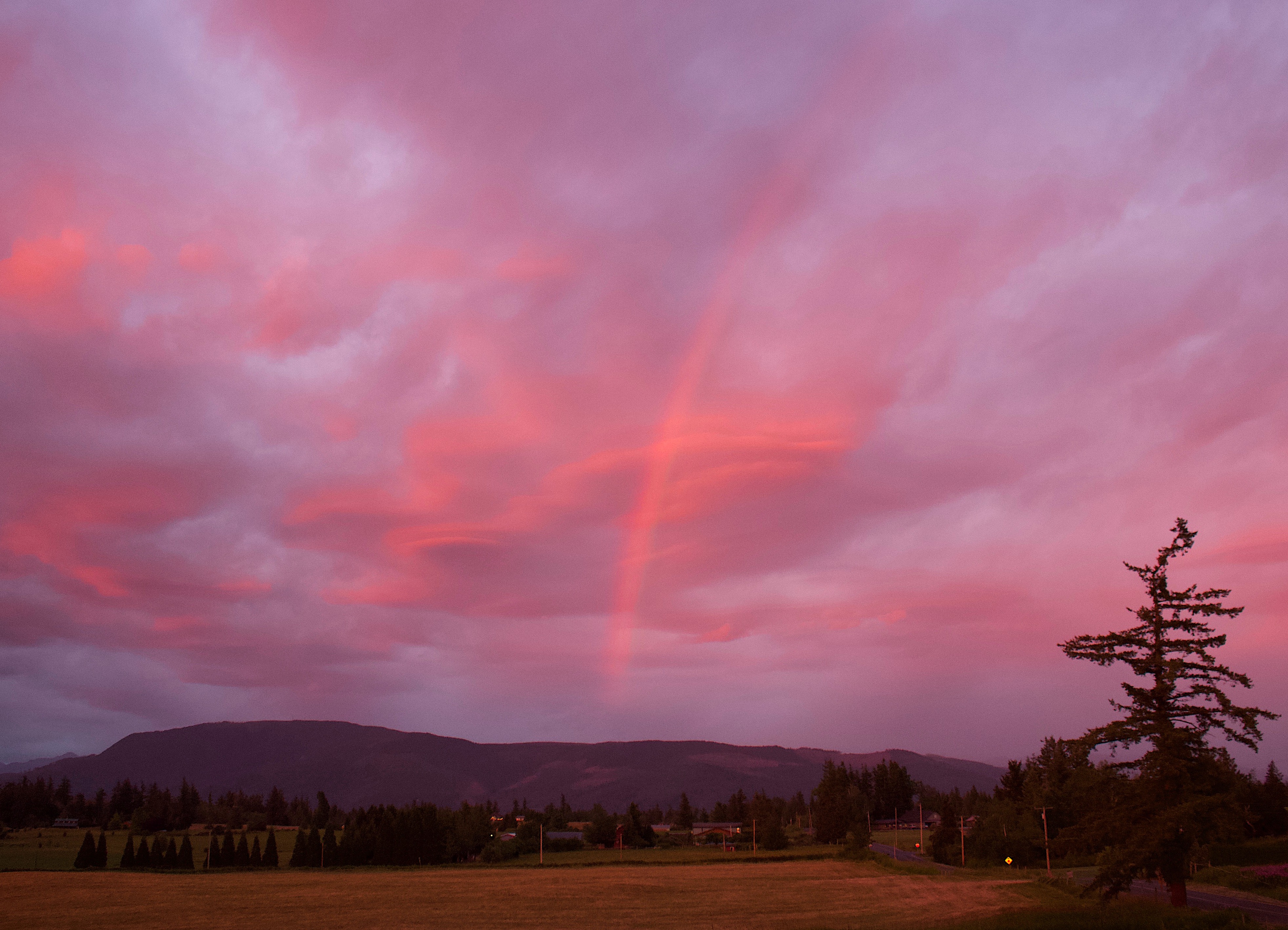
Rainbow Hidden Within the Clouds

God put the rainbow in the clouds, not just in the sky….
It is wise to realize we already have rainbows in our clouds,
or we wouldn’t be here.
If the rainbow is in the clouds,
then in the worst of times,
there is the possibility of seeing hope….
We can say, ‘I can be a rainbow in the clouds for someone yet to be.’ That may be our calling.
~Maya Angelou (Harrisburg Forum, November 30, 2001)

Be thou the rainbow in the storms of life.
The evening beam that smiles the clouds away,

and tints tomorrow with prophetic ray.
~Lord Byron

Painting the indescribable with words necessitates subtlety, sound and rhythm.  The best word color portraits I know are by Gerard Manley Hopkins who described what he saw using startling combinations:  “crimson-cresseted”, “couple-colour”, “rose-moles”, “fresh-firecoal”, “adazzle, dim”, “dapple-dawn-drawn”, “blue-bleak embers”, “gash gold-vermillion”.

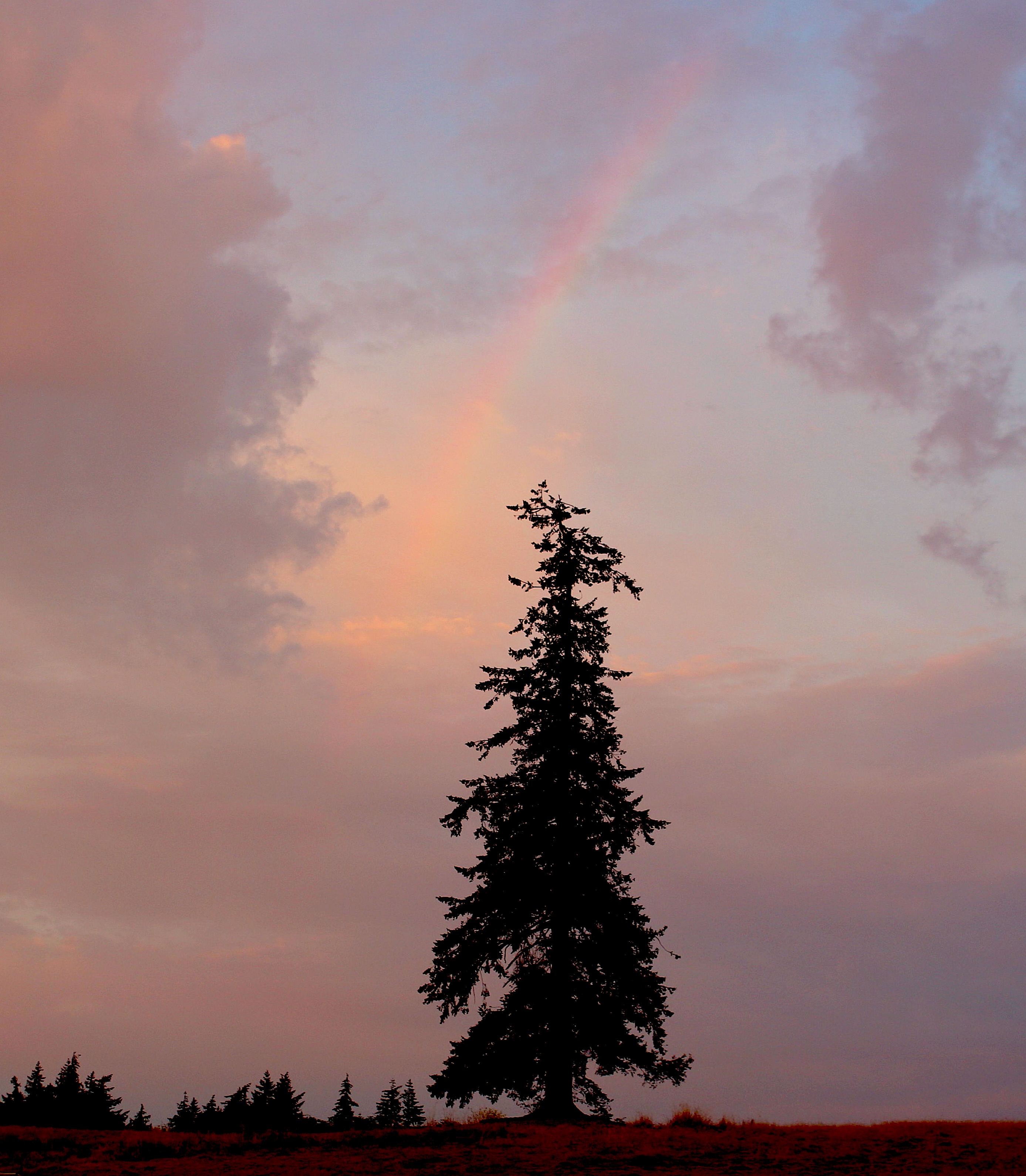
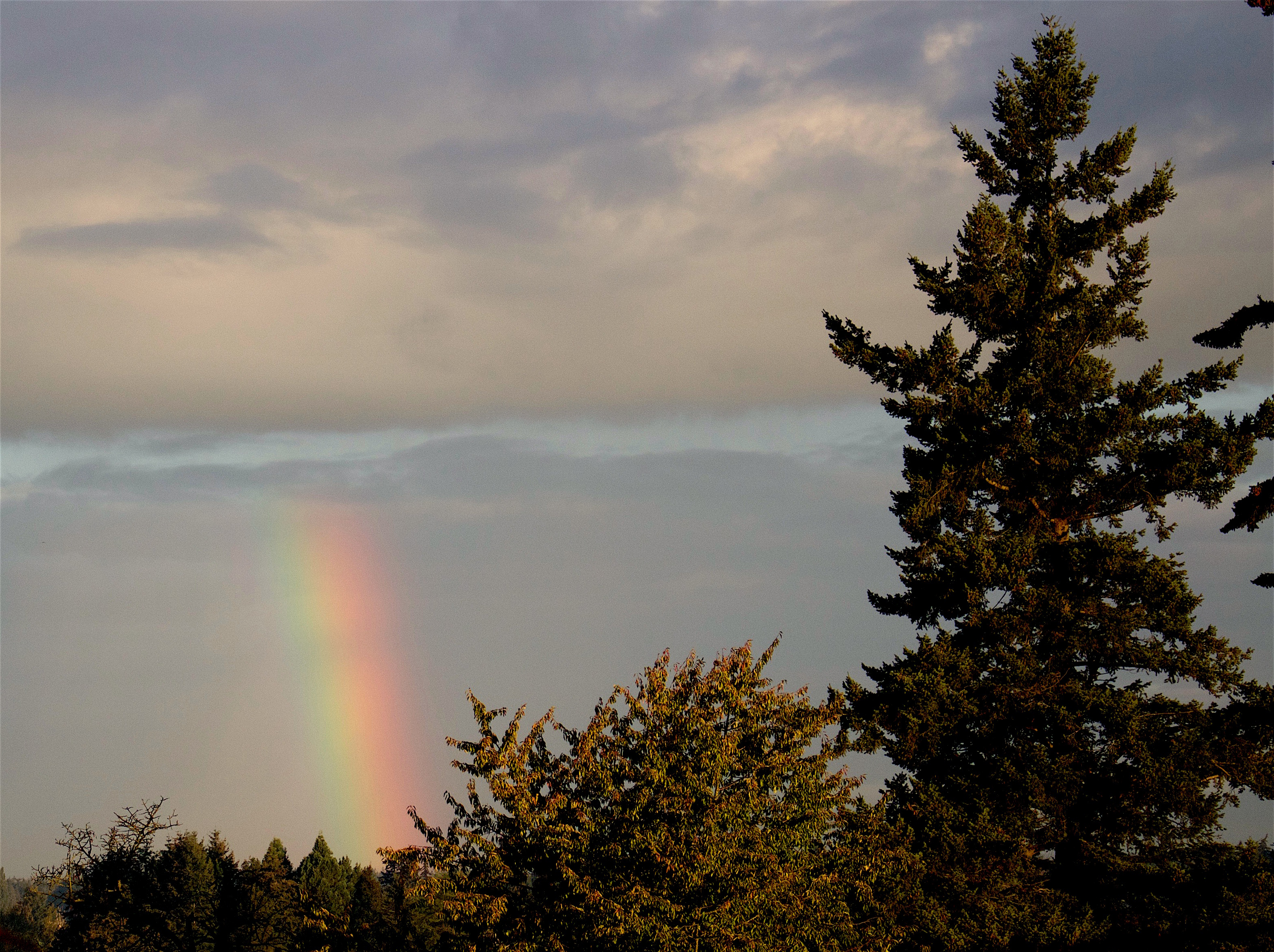
My facility with words doesn’t measure up so I rely on pictures to show the hope I see when I look at the sky. I keep reaching for the rainbow hiding within the clouds, searching for the prophetic promise that preserves my days and nights forever.

After all, in the beginning was the Word, and no one says it better than He does.


Only the Strength We Have

The heart’s reasons
seen clearly,
even the hardest
will carry
its whip-marks and sadness
and must be forgiven.

As the drought-starved
eland forgives
the drought-starved lion
who finally takes her,
enters willingly then
the life she cannot refuse,
and is lion, is fed,
and does not remember the other.

So few grains of happiness
measured against all the dark
and still the scales balance.

The world asks of us
only the strength we have and we give it.
Then it asks more, and we give it.

~Jane Hirshfield “The Weighing” from The Beauty

So many right now feel they have no more left to give;
so much has been asked, so much sacrificed,
the scale feels broken, forever out of balance.

Yet more strength is needed, more requested,
and somehow in some way,
the scale steadies, rebalances
because of that extra effort.

We can’t give up now.
We need each other to give a little more
try a little harder
go a little farther
smile behind the mask
while showing our smile above the mask.

It only takes a little love
to balance out all the rest.

from “Feats of Strength” by Tom Otterness at Western Washington University

His True Beauty

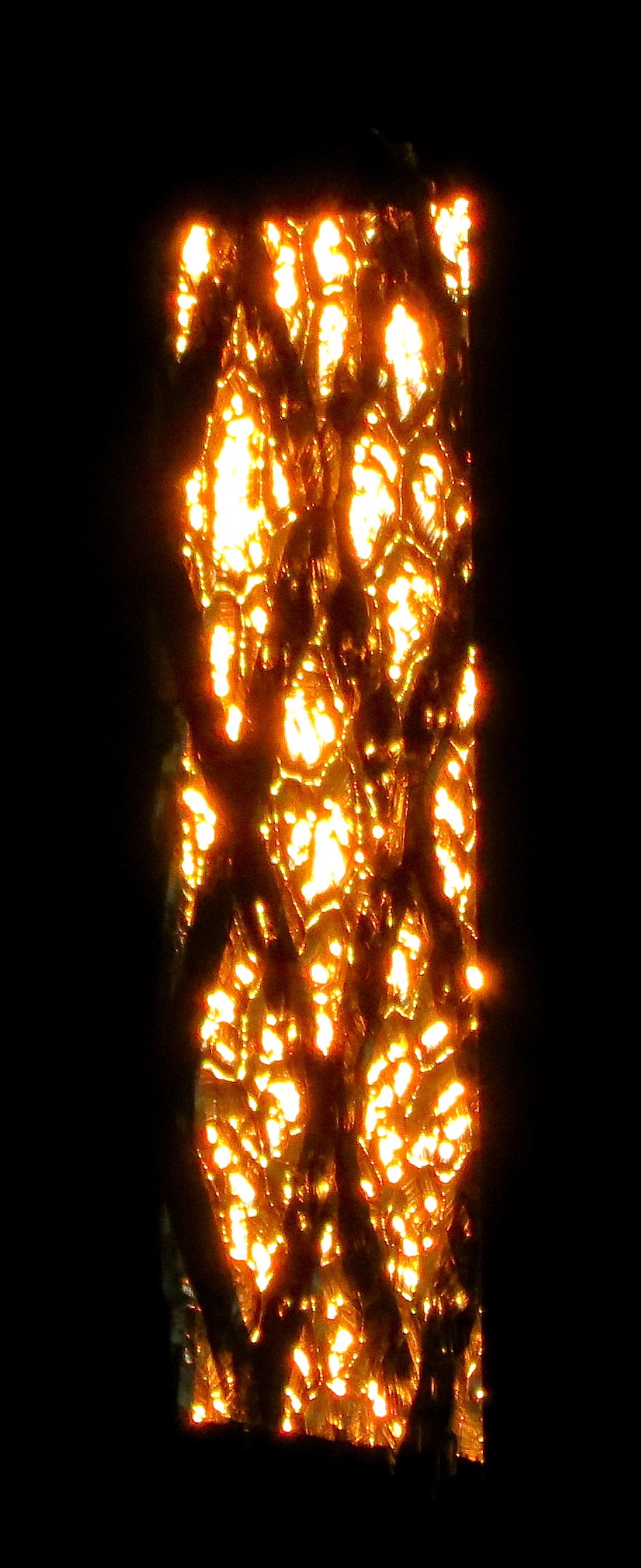
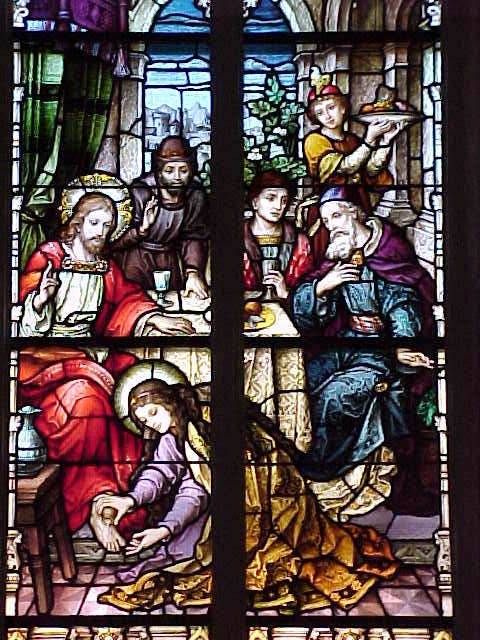
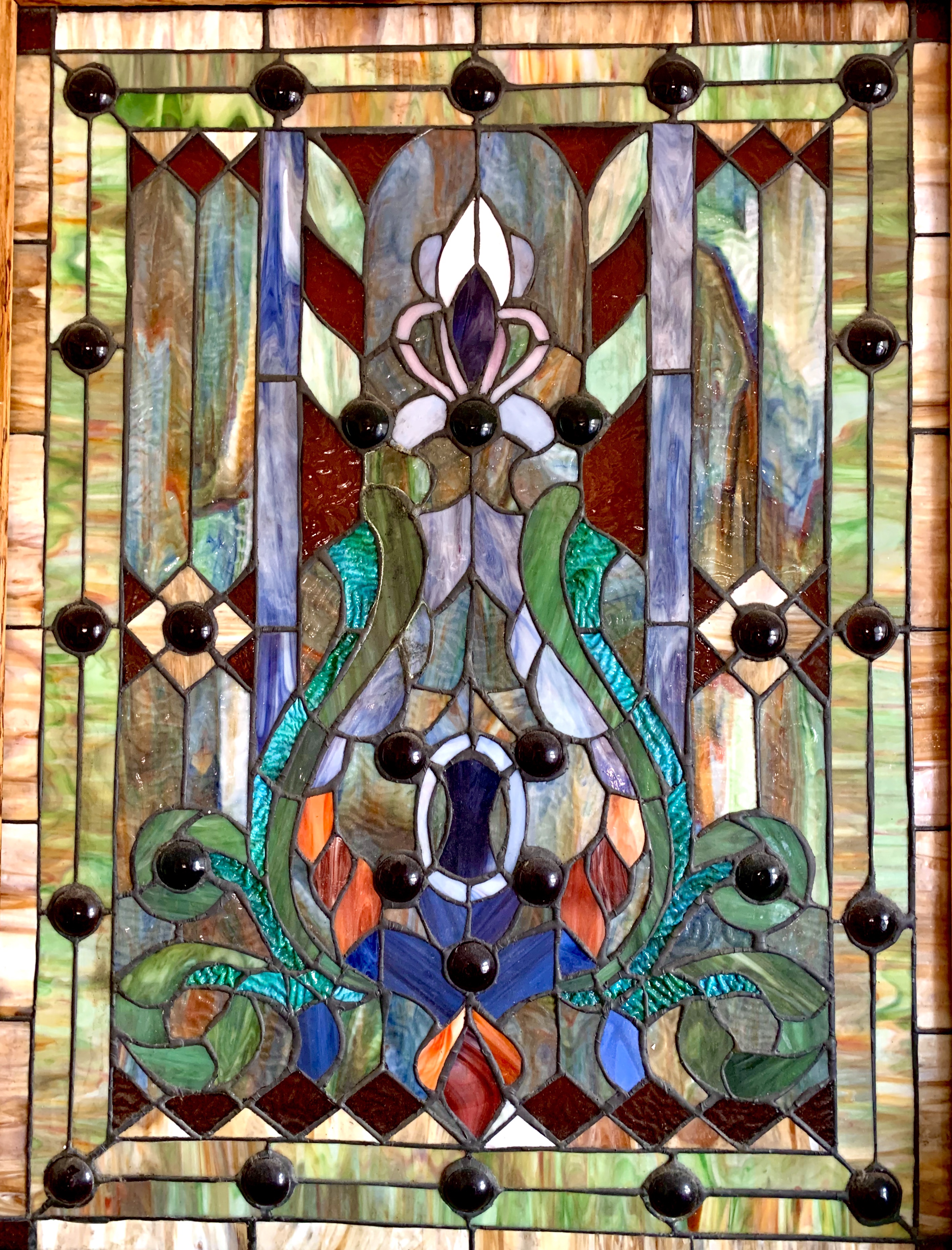
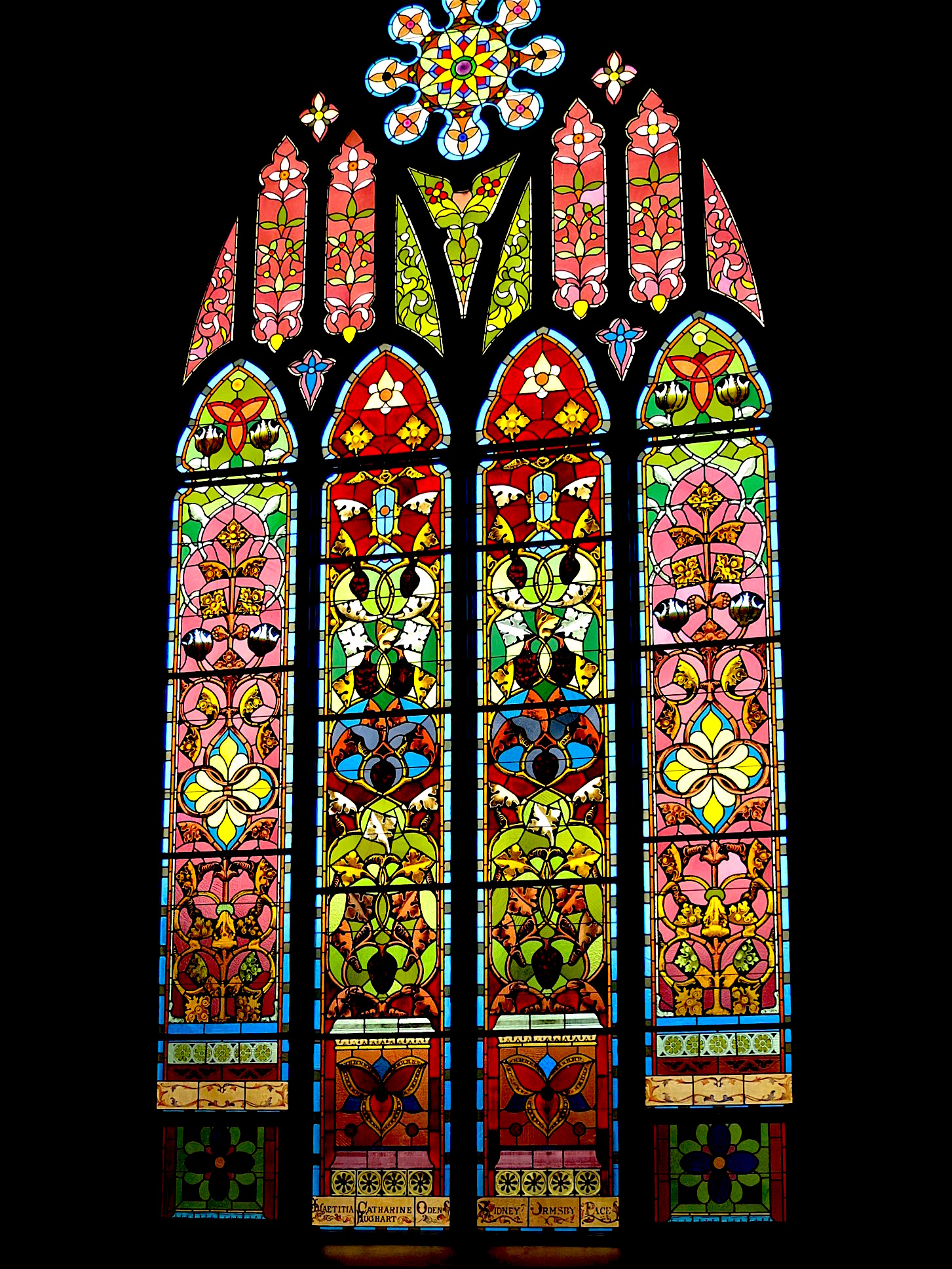
People are like stained-glass windows. They sparkle and shine when the sun is out, but when the darkness sets in, their true beauty is revealed only if there is a light from within.
~ Elisabeth Kübler-Ross

stained glass from Meyers Studio, Munich 1899

A farmer died yesterday yet his harvest will live on.

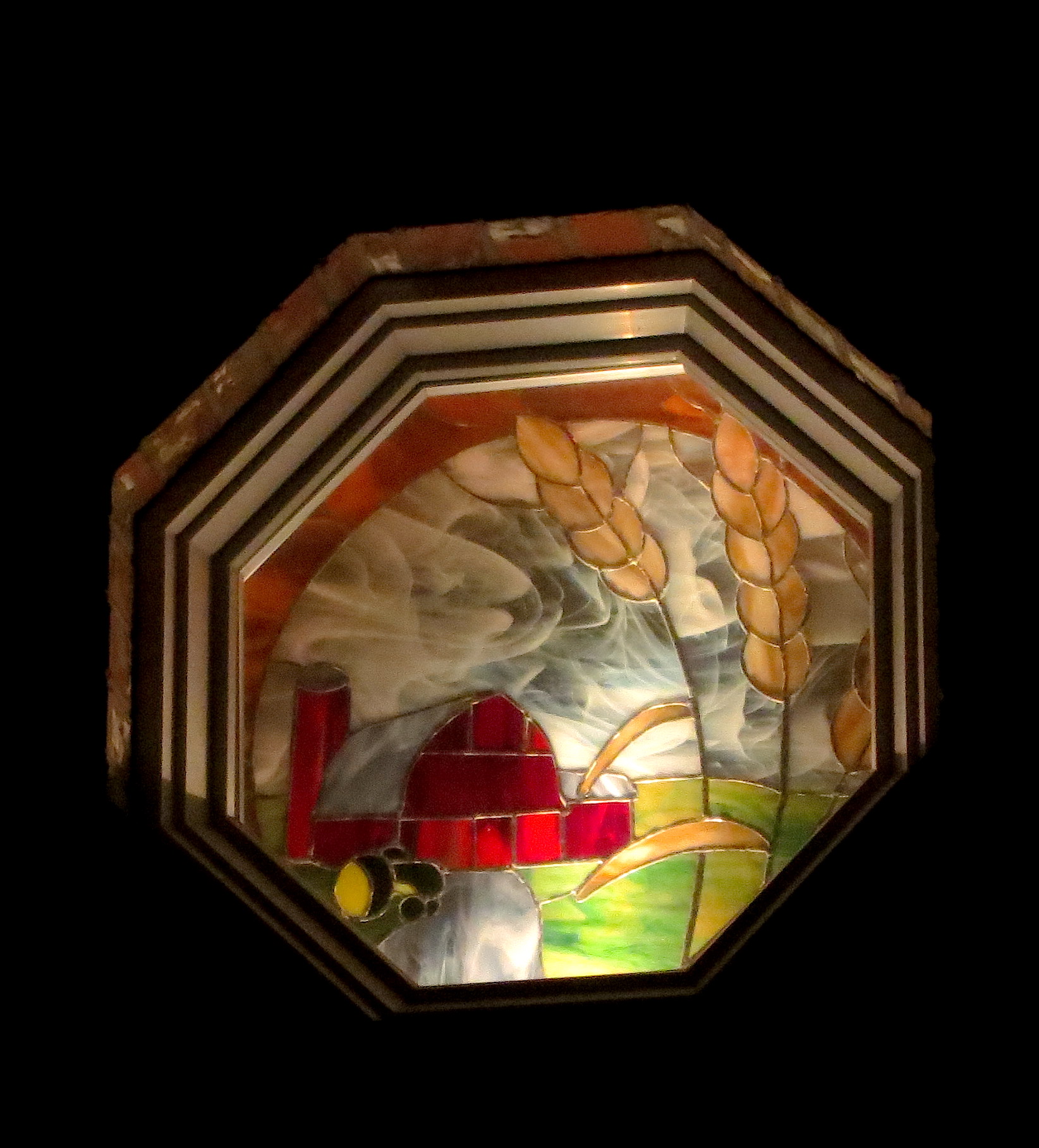
Arnie and his wife Gretchen hadn’t farmed in a few years, if you consider farming only as the raising of dairy heifers and the milking of cows. But farming is so much more if you consider their other harvest work: sharing the produce from a beautiful garden, his volunteering in the community bringing Meals on Wheels to the home bound, transporting people to church who would never make it otherwise, and an unfailing smile and greeting at church when paying special attention to anyone he had never seen before. He wanted them to know how welcome they were.

When he wasn’t running a dairy farm, Arnie harvested people. He exchanged his tractor for an SUV which made it easy to fold up and stow a wheelchair whenever needed. He traded in his hoe for a handshake, his farmer’s cap for a promise to show up to do whatever no one else would do.

He looked for those who were struggling to keep going, who had run out of fuel and were discouraged, their hope being battered by the storms of life. Arnie searched for the light hidden within and became a reigniting fire himself, even when his own illness overwhelmed him. He helped push back darkness with a sparkle and shine reflected from the Light he kept illuminated deep within himself.

His walk with God was a thing of true beauty, like multi-colored windows of faith that reflect our Savior. Arnie became a sanctuary bathed in the glow of a powerful inner light.

A farmer has gone home, but his harvest left behind is bountiful beyond imagining. It sparkles and shines; we’ll miss that welcoming smile until that day he greets us once again at heaven’s gates.

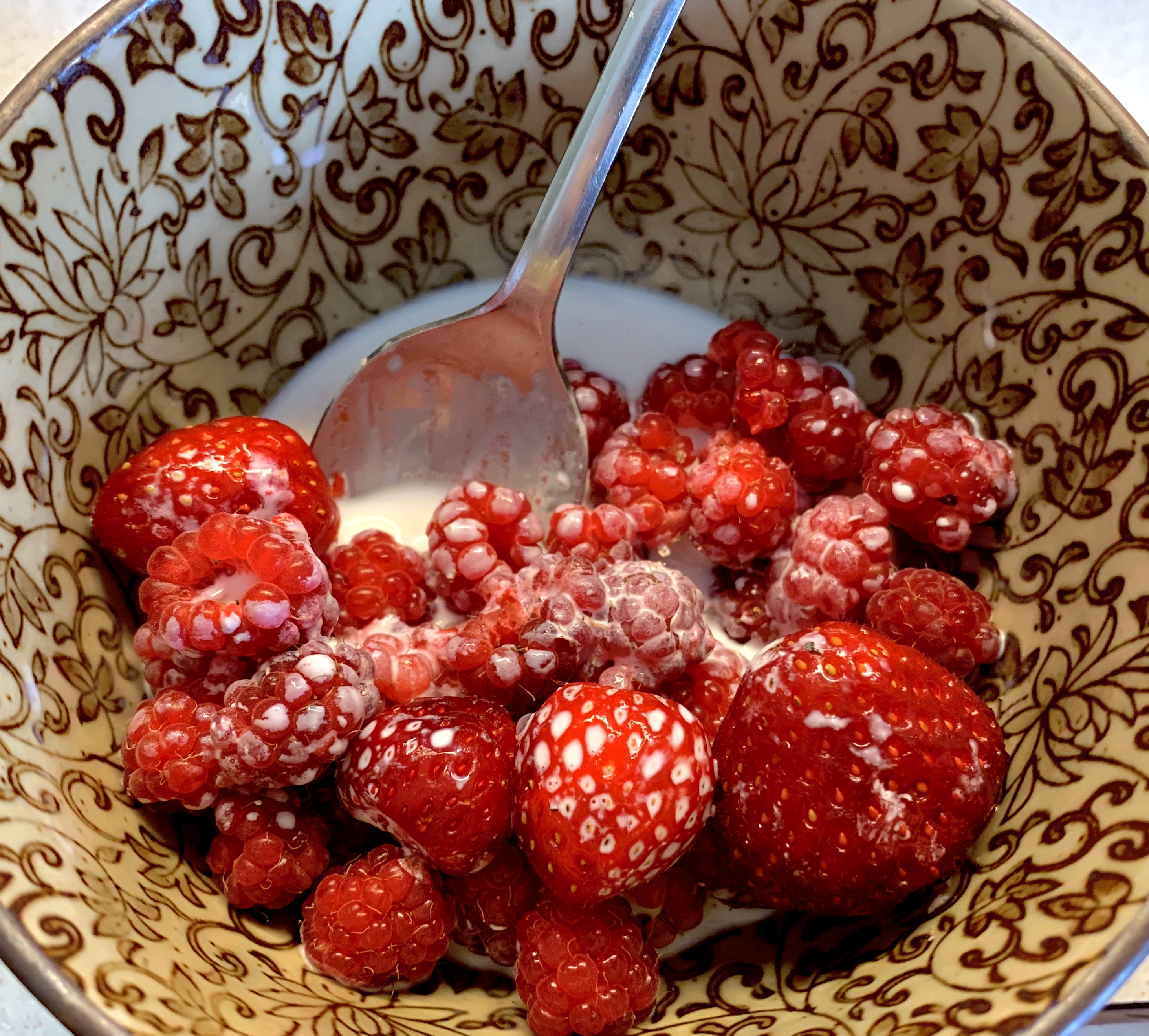
Bright Drupelets

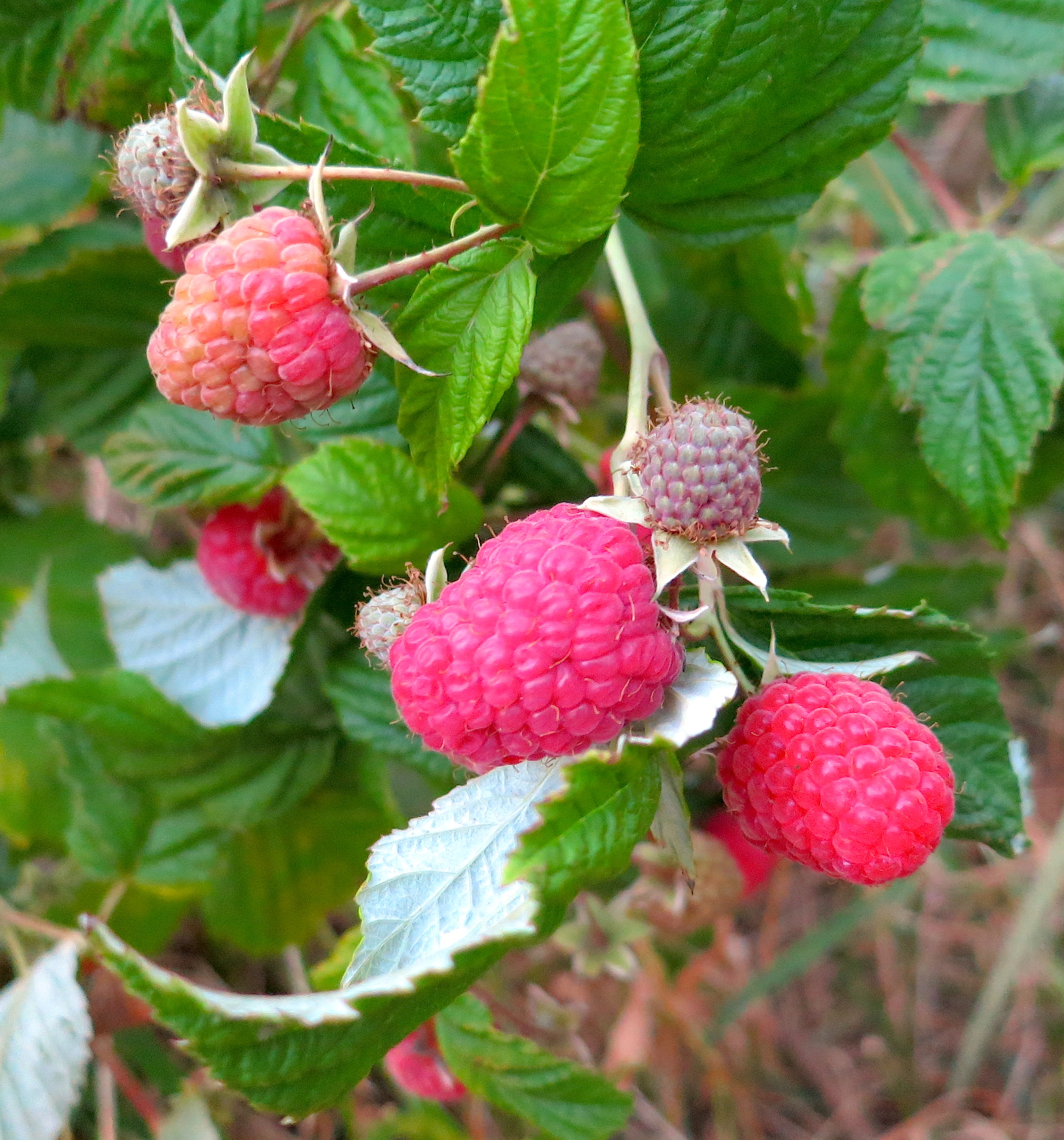
I eat these
wild red raspberries
still warm from the sun
and smelling faintly of jewelweed
in memory of my father

tucking the napkin
under his chin and bending
over an ironstone bowl
of the bright drupelets
awash in cream

my father
with the sigh of a man
who has seen all and been redeemed
said time after time
as he lifted his spoon

men kill for this.
~Maxine Kumin “Appetite” from Selected Poems: 1960-1990.

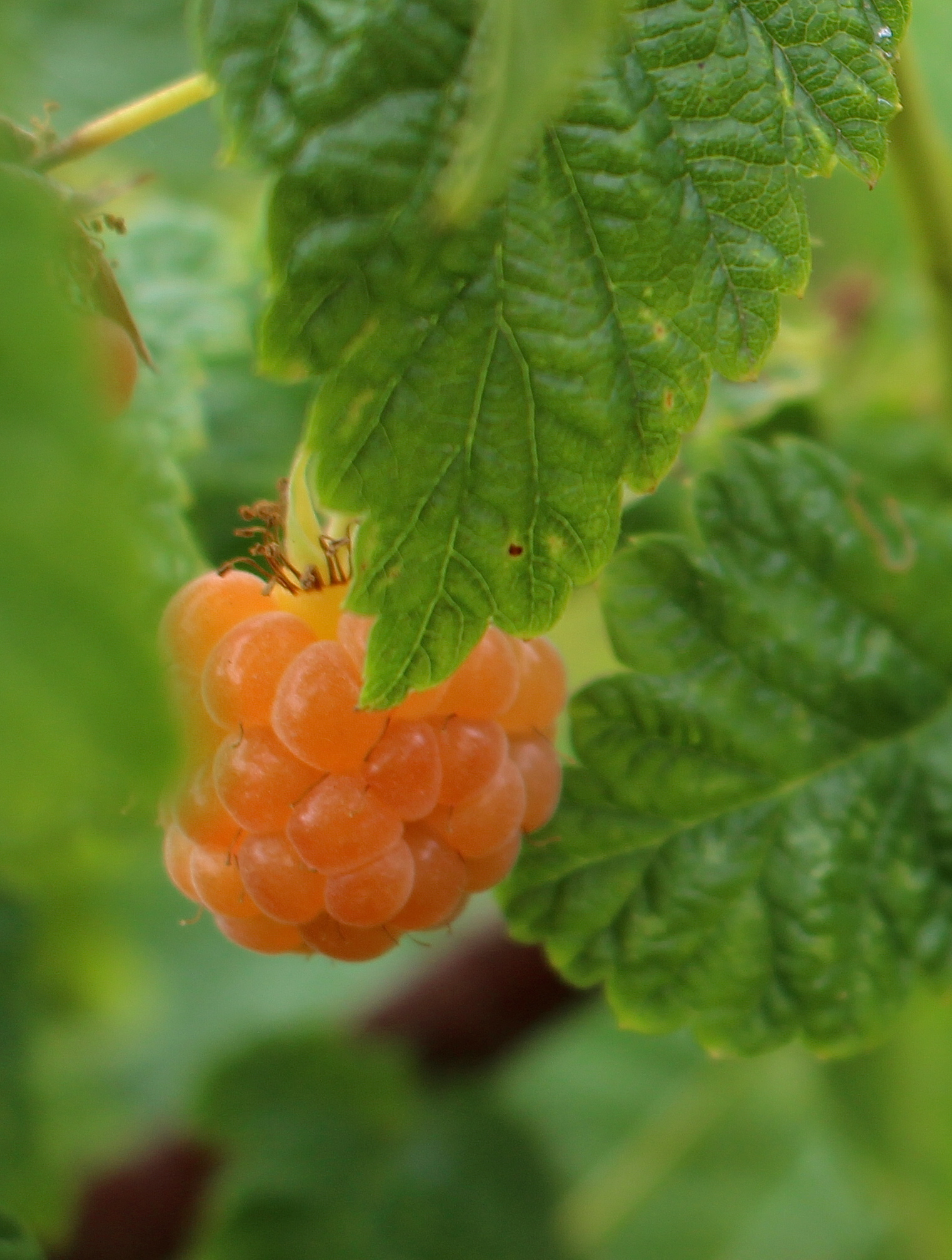
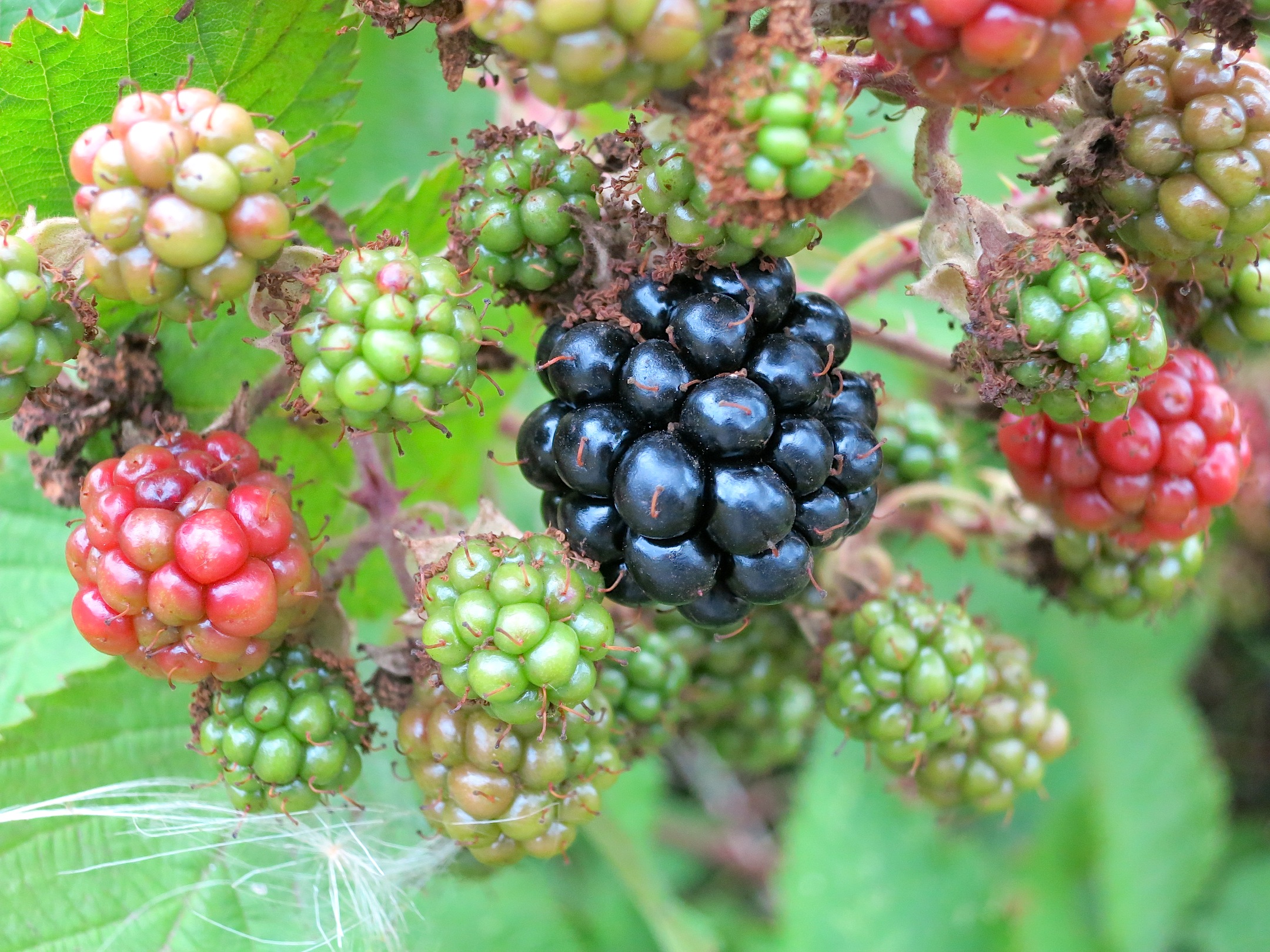
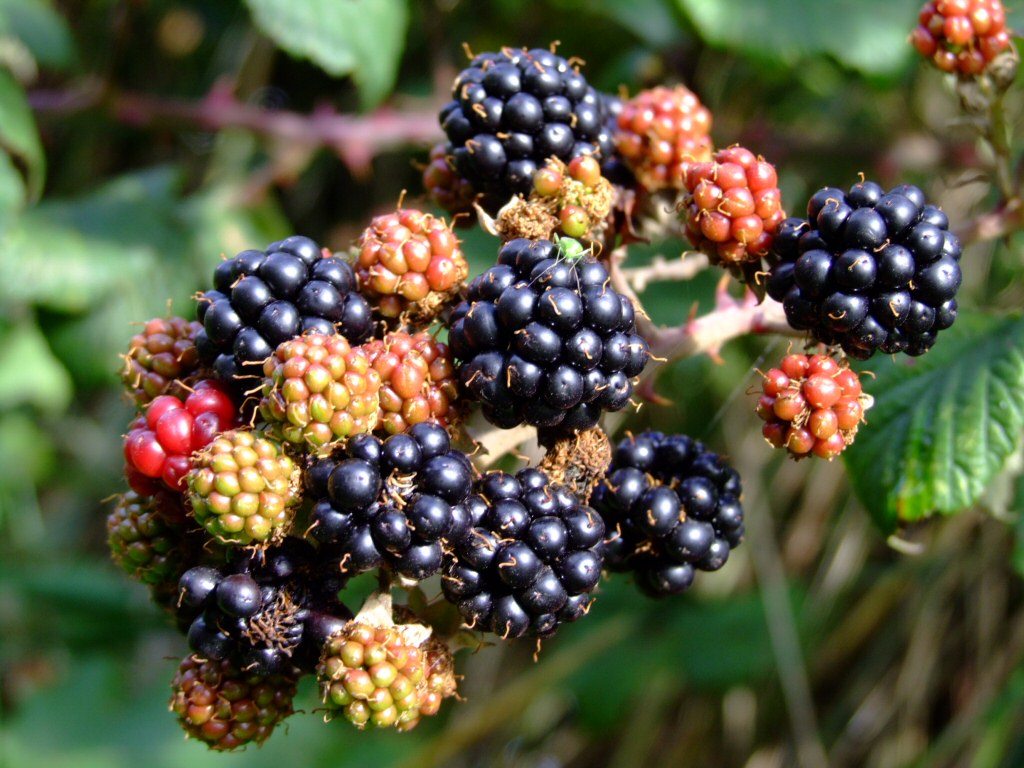
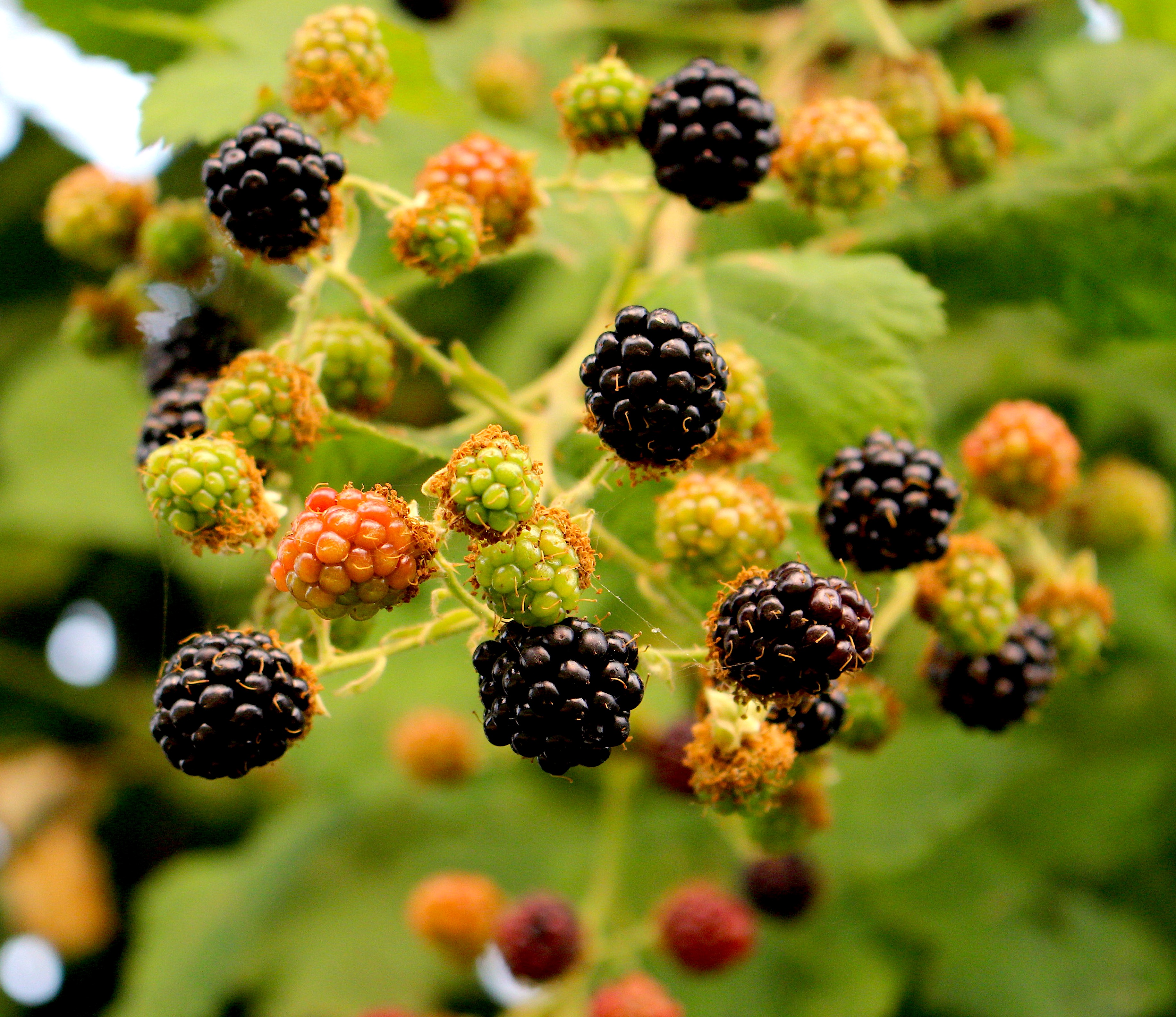
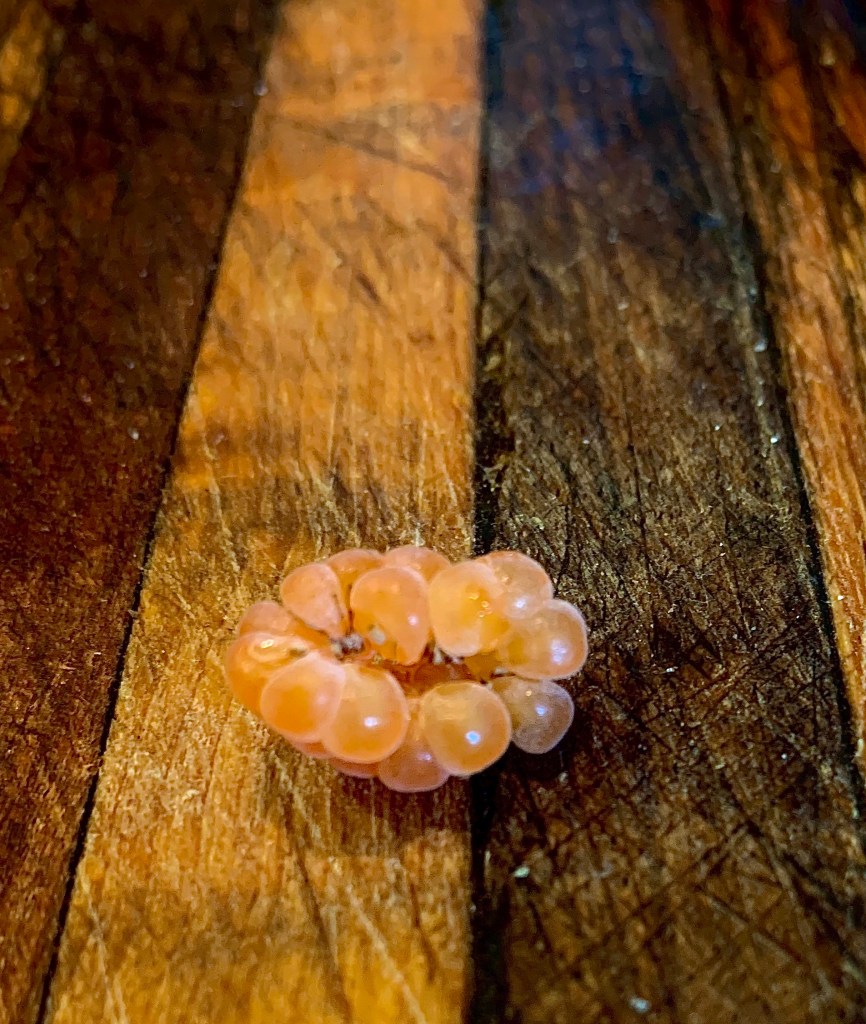
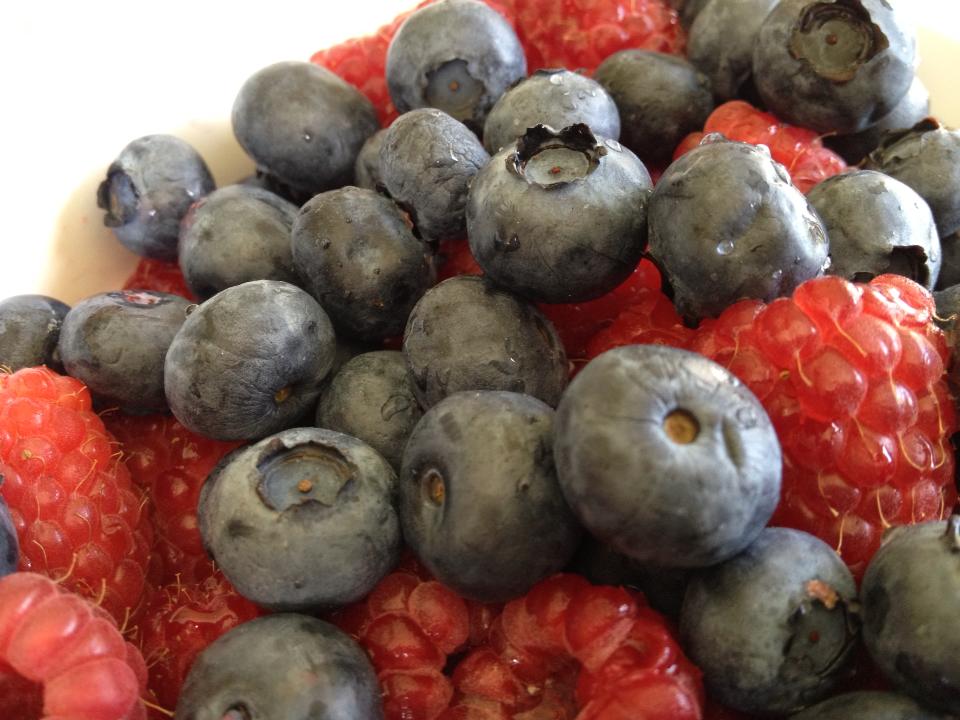
I’ve always wondered if there was a name for the small round globe that is part of the whole aggregate berry like a thimbleberry, raspberry or blackberry – they are so smooth and perfectly formed, each a uniquely homogenous part of the whole. Yet if separated and by itself, nearly invisible.

So I found out each individual is called a drupe, or more familiar and lovingly, a drupelet. Despite such a plain name, each little drupelet bears its own beauty, and a special flavor to be savored and unforgotten, only made sweeter by being part of the whole – – even sweeter when redeemed and consumed.

Kind of like us, willing to die for just such a taste of eternity.

Kind of like us.

photo by Nate Gibson

Gladness to the Soul

Dry is all food of the soul
if it is not sprinkled with the oil of Christ.
When thou writest, promise me nothing,
unless I read Jesus in it.
When thou conversest with me on religious themes,
promise me nothing if I hear not Jesus’ voice.
Jesus—melody to the ear,
gladness to the soul,
honey to the taste.
~Bernard of Clairvaux (1090-1153)

The world, to our limited vision, exists as light and shadow.
Without shadow, nothing has depth or detail.
Without light, there will be no shadow.

There is no flower that blooms, no story told, no song sung, no food eaten that doesn’t bear the color and melody and sweetness of Jesus himself.

He infiltrates all because He encompasses all.
He is shadow, He is light, He is why we are at all.
Our eyes, our ears, our tongues fill with gladness whose Name is Jesus.

Stained Glass Windows

Because my parents had denied
me comic books as sordid and
salacious, I would sneak a look
at those of friends, the bold and bright
slick covers, pages rough as news
and inked in pinks and greens and blues
as cowboys shouted in balloons
and Indian yells were printed on
the clouds. I borrowed books and hid
them in the crib and under shoes
and under bed. The glories of
those hyperbolic zaps and screams
were my illuminated texts,
the chapbook prophets of forbidden
and secret art, the narratives
of quest and conquest in the West,
of Superman and Lash Larue.
The print and pictures cruder than
the catalog were sweeter than
the cake at Bible School. I crouched
in almost dark and swilled the words
that soared in their balloons and bulbs
of grainy breath into my pulse,
into the stratosphere of my
imagination, reaching Mach
and orbit speed, escape velocity
just at the edge of Sputnik’s age,
in stained glass windows of the page.
~Robert Morgan “Funny Books” from The Strange Attractor: New and Selected Poems

I learned to read at age four by spending hours poring over the stained glass panels of innumerable 10 cent comic books. One was sent weekly to us kids by our grandfather who only saw us twice a year so we took turns reading that comic over and over until we had the pictures and the content of the dialogue balloons completely memorized before the next one arrived.

My personal favorites were Superman and Archie and Little Lulu but I didn’t discriminate – I’d read anything with colorful pictures and thought bubbles, which probably explains my persisting penchant for Life magazines and National Geographics.

It also explains this blog being 2/3 photos and 1/3 text. I need pictures to get me through most reading material. Medical school was a breeze thanks to so many pictures in the text books. A good thing I’m not an attorney – no pictures in those texts.

I eventually graduated in my cynical pre-teen years to Mad Magazine and (when my parents weren’t paying attention — Cracked) and finally gave up comics altogether by high school.

So whatever happened to a collection of 762 comic books that had accumulated over years of Grandpa’s mailings, as well as my own purchases, spending my hard-earned allowance on comics throughout the 60’s?

As an industrious (and bored) nine year old in the summer of 1964, I decided to open a neighborhood comic book library for kids who wanted to borrow them so I catalogued each and every one on notebook paper and then created a card system taped into each one inside, just like at the real library. If a local kid borrowed a comic, I kept the card showing the date it was borrowed and when it was “due” back and who the borrower was. I don’t remember having many library visitors, as we lived in a rural part of the community, but I did have few friends who would take home several comics (a limit of 3!) and return them the following week.
Eventually the comics were put to rest in a trunk that was stored in our barn and forgotten until my mother had to sell the farm and get everything moved out after my parents’ divorce. My brother and I both thought the other sibling had managed to grab the comic collection but when we talked about it years later, realized that neither of us had possession of them. This became a bit of an issue when we realized that well-cared-for vintage comic books were selling for significant prices in today’s market and we estimated that our collection may have been worth a few thousand dollars.

But oh well.

I hope they ended up in someone’s worthy hands, complete with their kid-made library cards taped to the inside and very well-thumbed pages.

The irony is that to this day, I can’t look at stained glass windows in church without wondering about the silent thought balloons rising above the heads of the people around me. I suspect they would make a great story.

Cleansing Tears

We human beings do real harm.
History could make a stone weep.
~Marilynne Robinson from Gilead

As humankind was created with the freedom to choose our own way, we tend to opt for the path of least resistance with the highest return.

Hey, after all, we’re human and that’s our excuse and we’re sticking to it.

No road less traveled on for most of us–instead we blindly head down the superhighway of what’s best for #1, no matter what the means of transportation, what it costs to get there, how seedy the billboards or how many warning signs appear, or where the ultimate destination takes us.

History is full of the piled-high wrecking yards of demolition remnants from crashes along the way.

It’s enough to make a stone weep.

Certainly God wept.

And He wept even after creating man in His own image, emphatically declaring our creation good, even knowing how everything was going to turn out.

Despite the harm we continue to cause, despite our suffering too many crashes along the way, we are declared good only because His breath remains full within us while His tears never fail to wash us clean.